Christmas Treats in Grocery Stores!

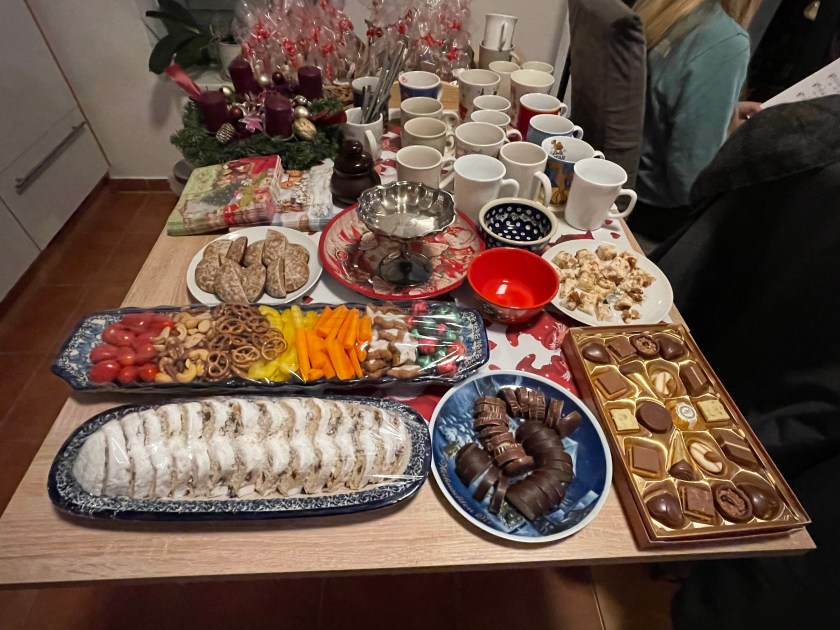
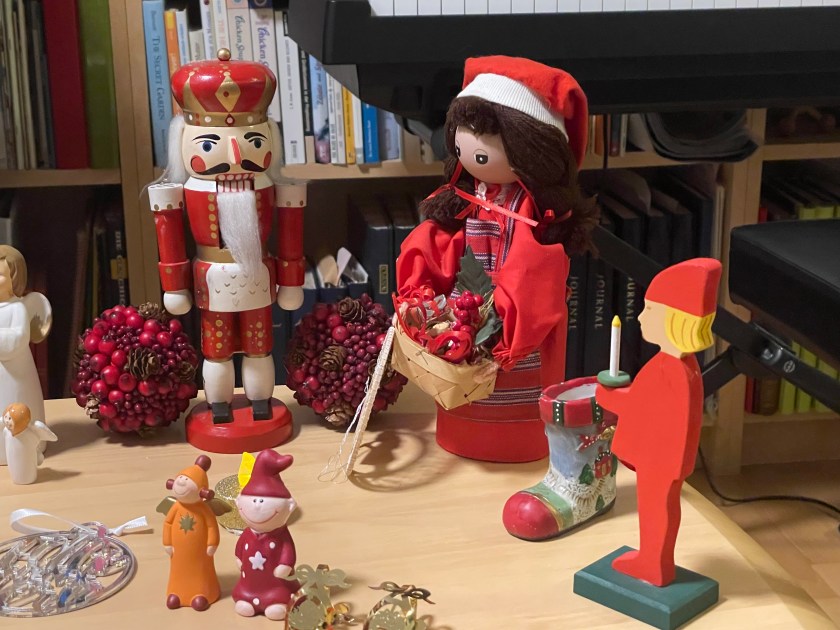
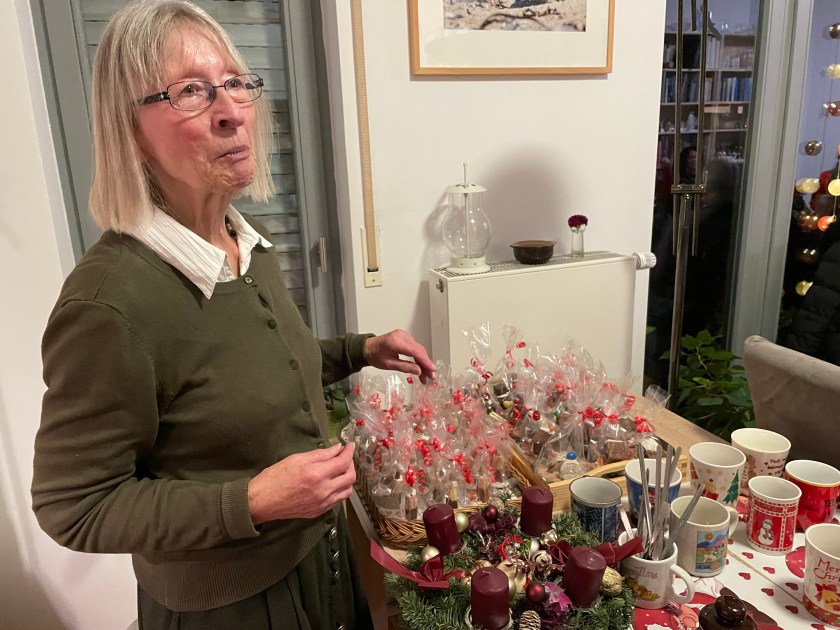
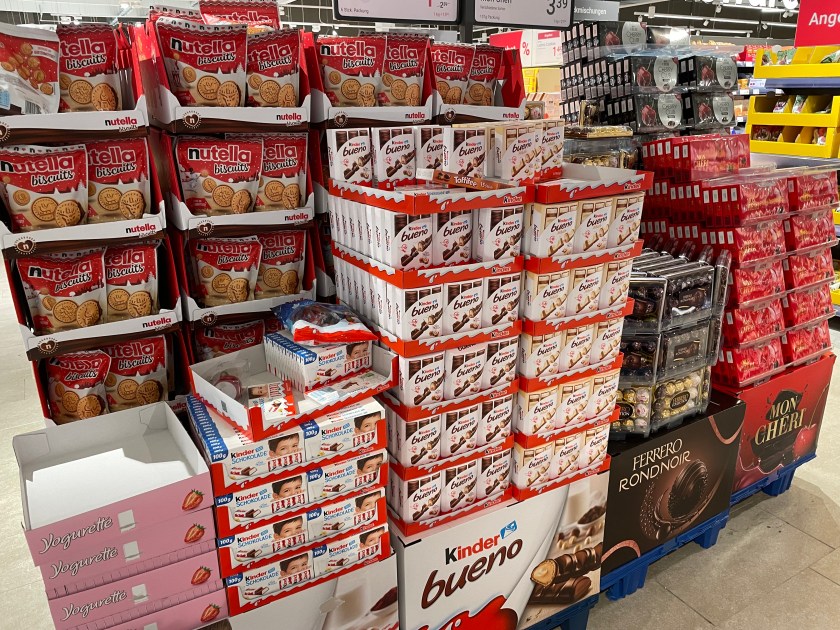
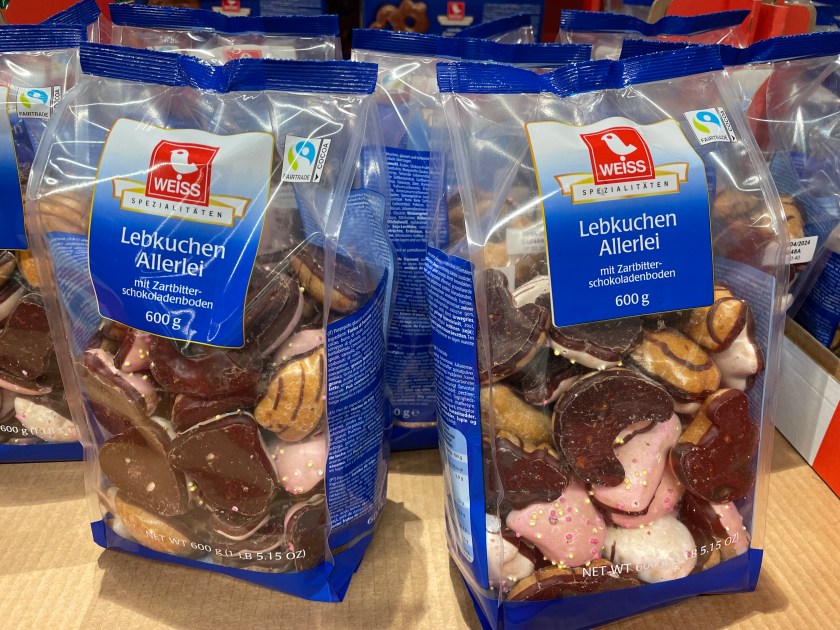
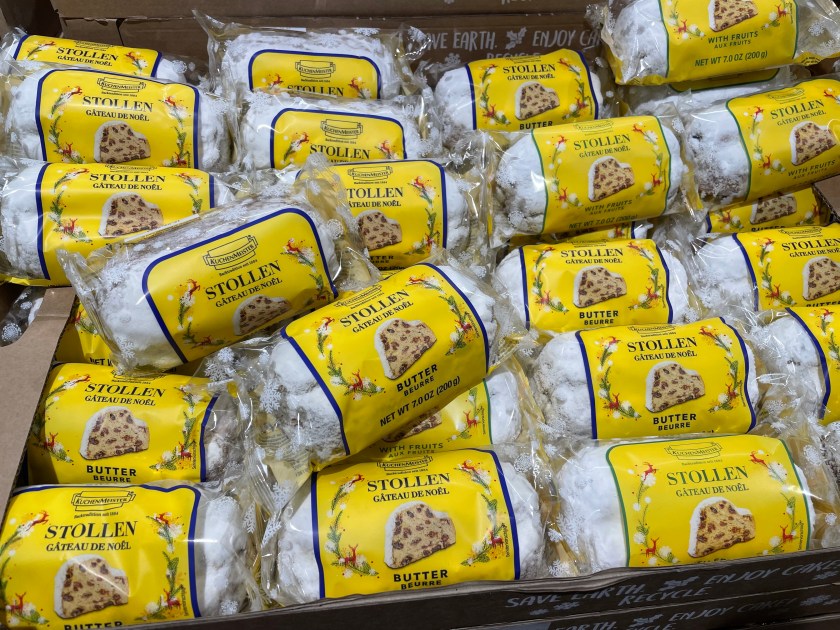
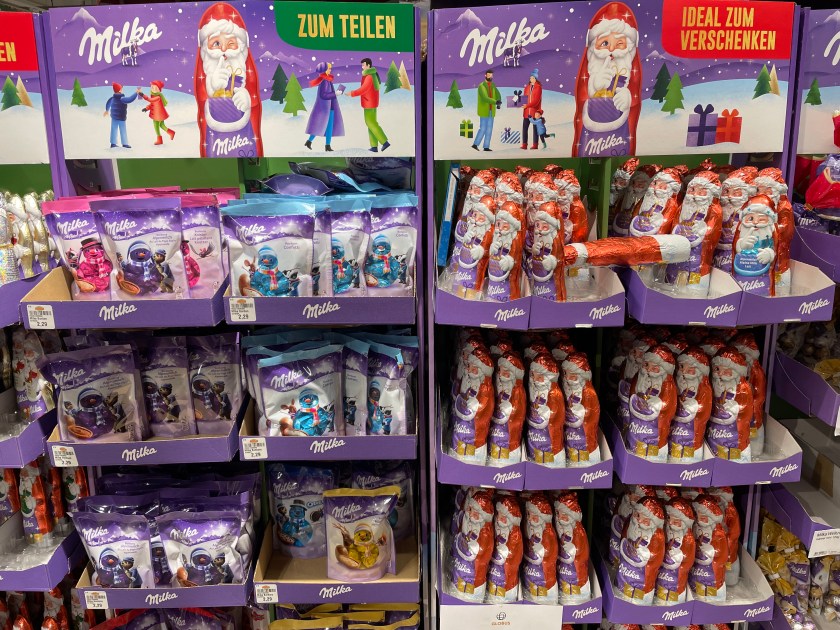
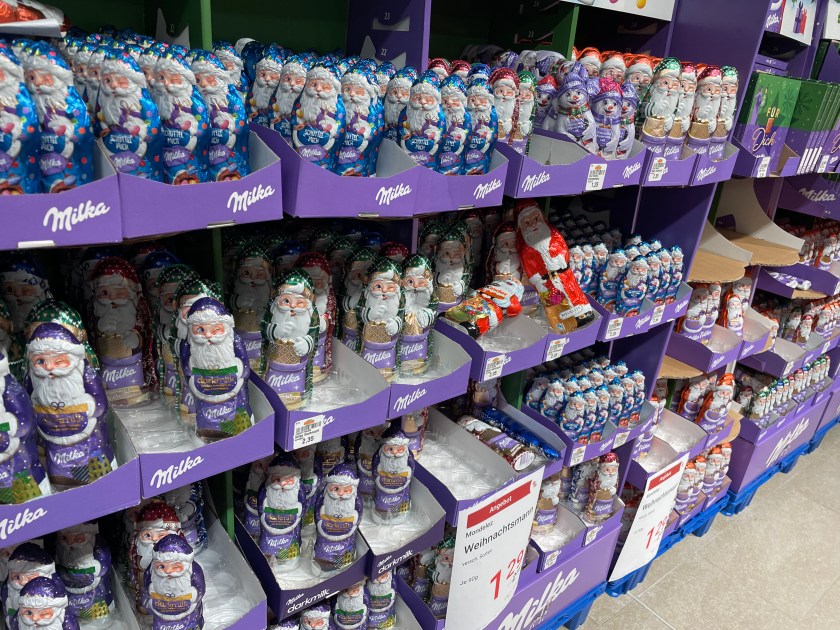
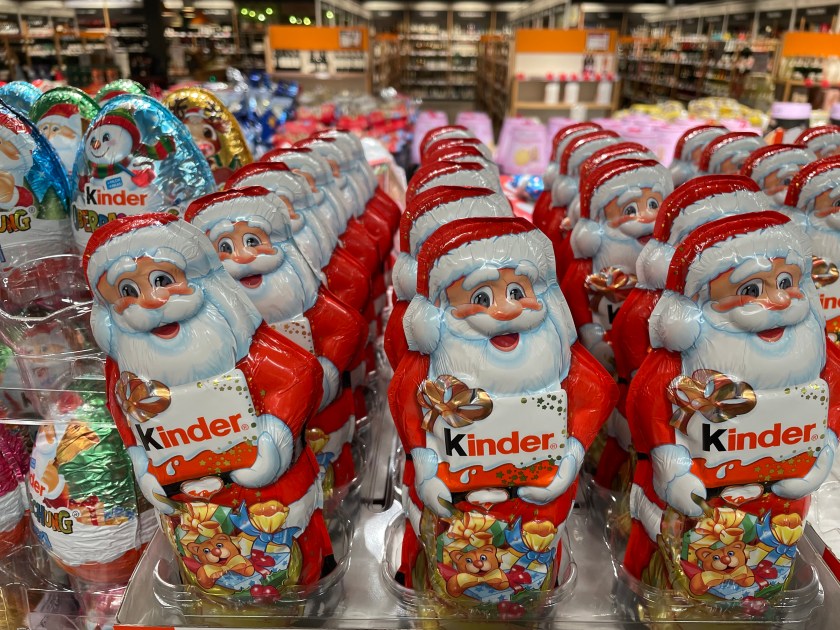
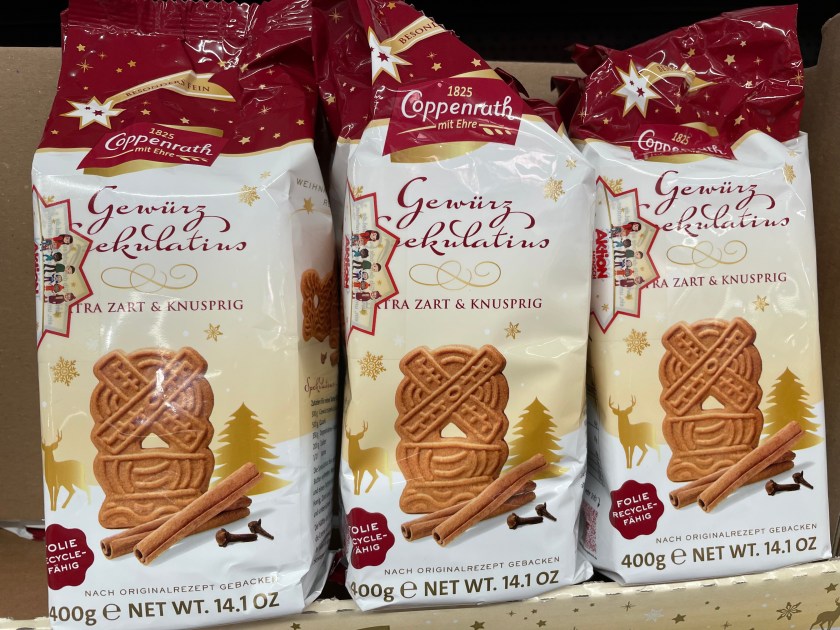
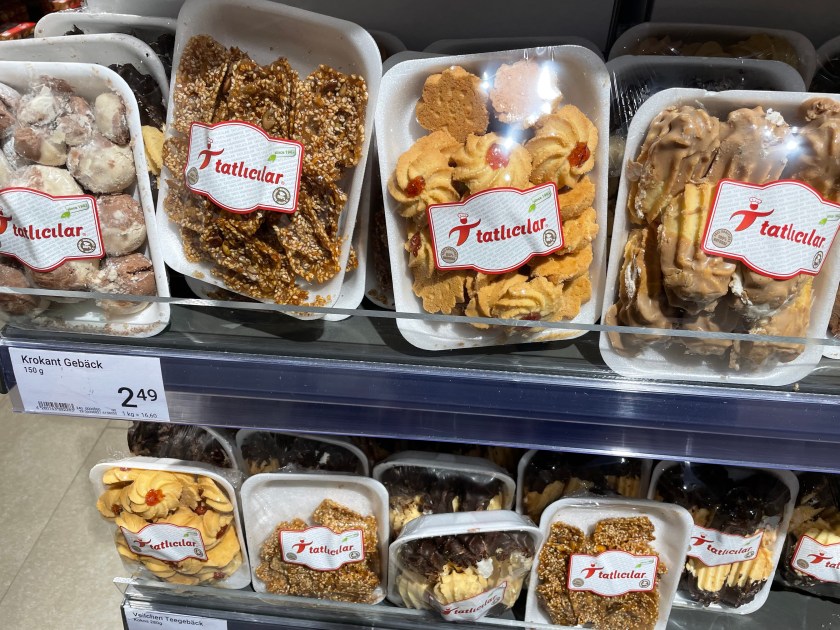
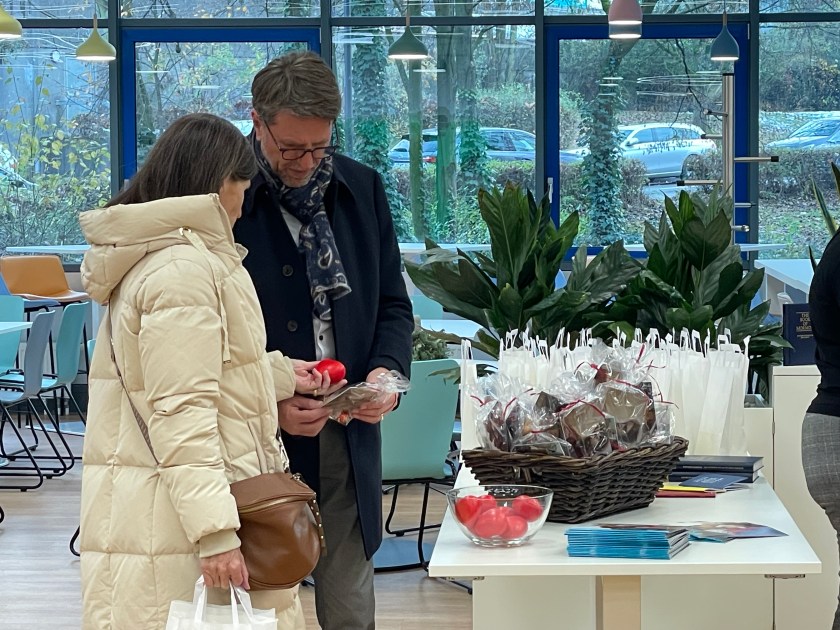
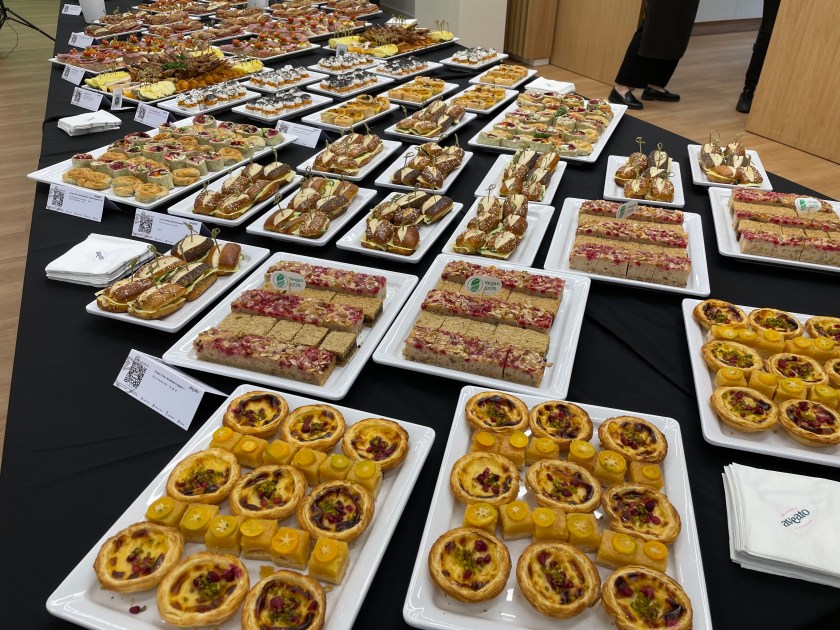
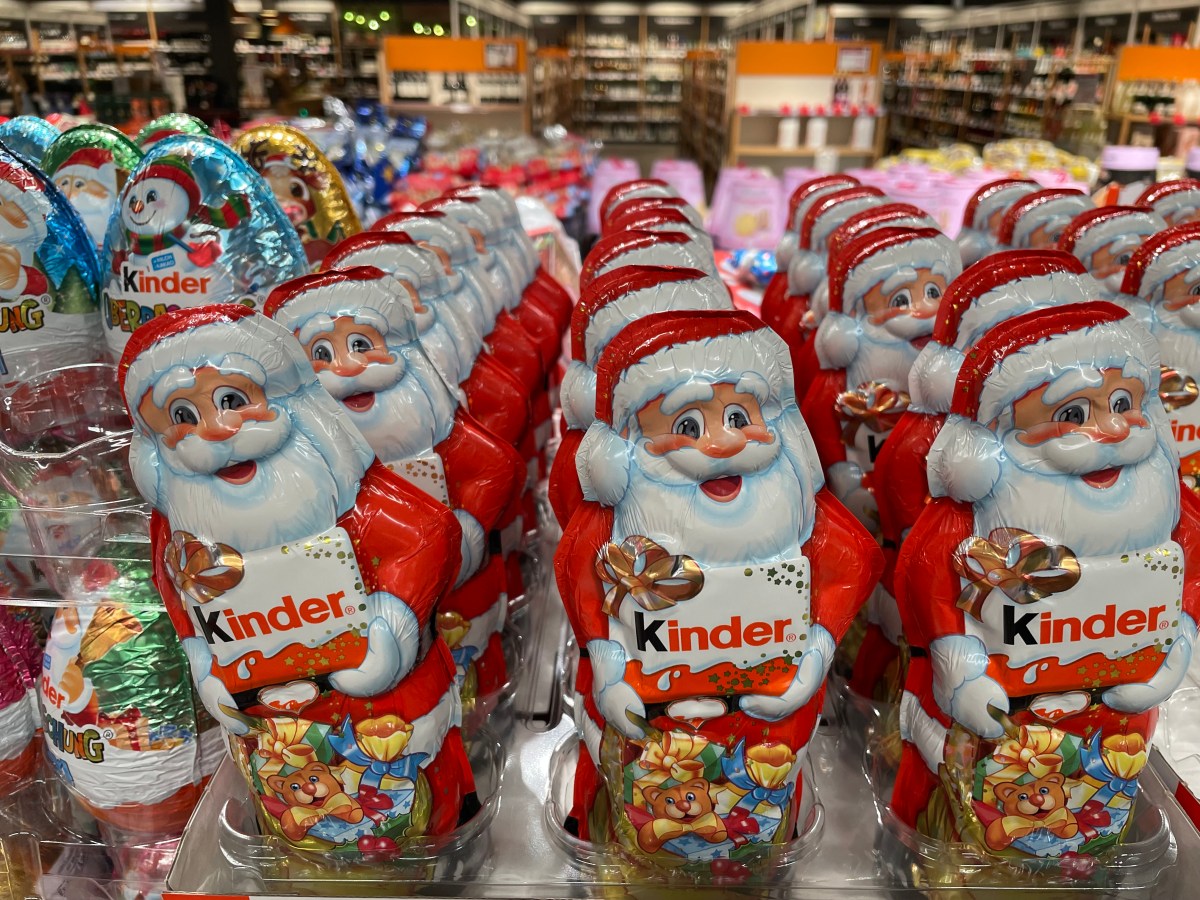
Starting in October, stores start displaying Christmas goodies and treats.  Here’s a sampling from a store we visited today.

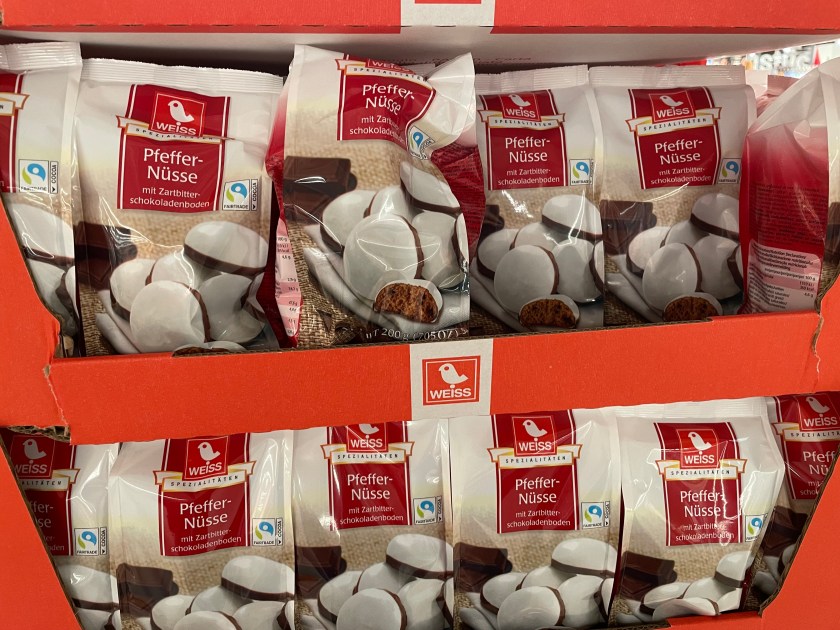
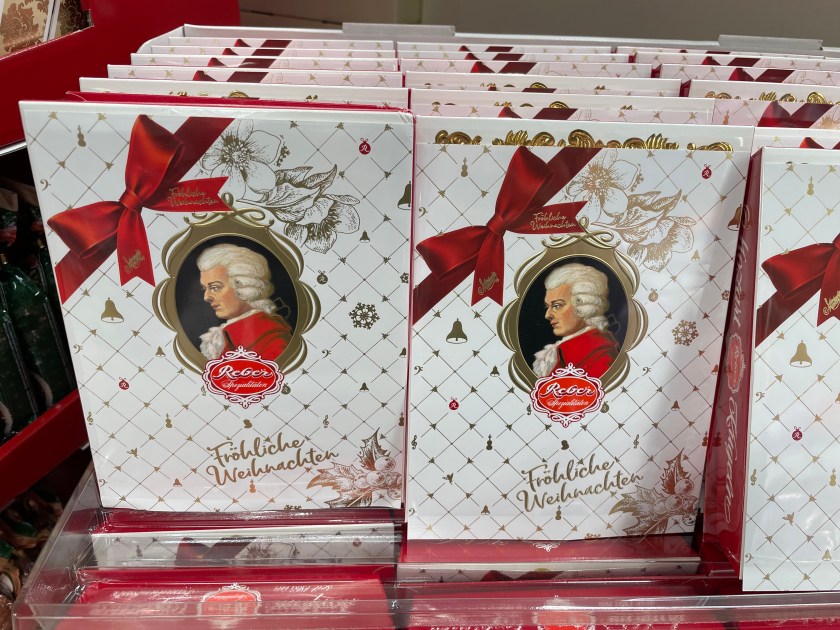
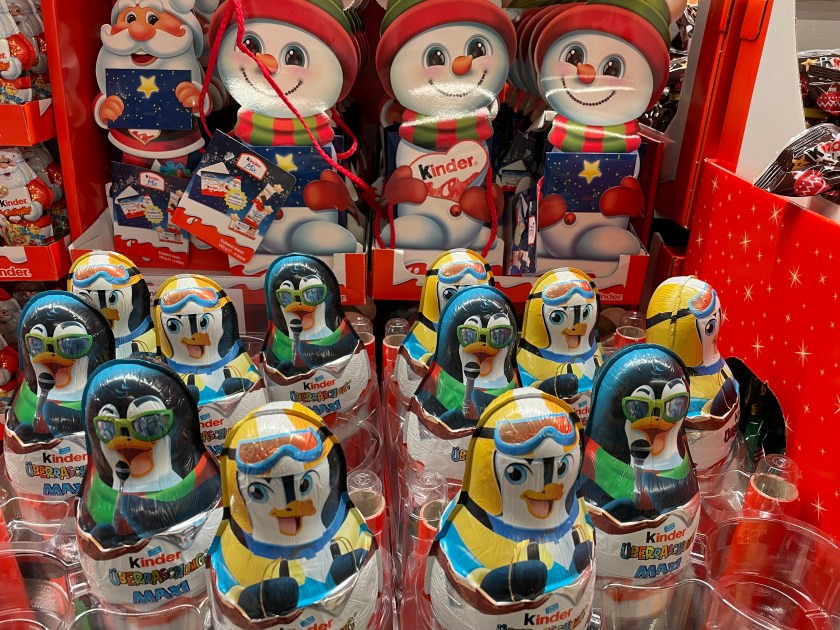
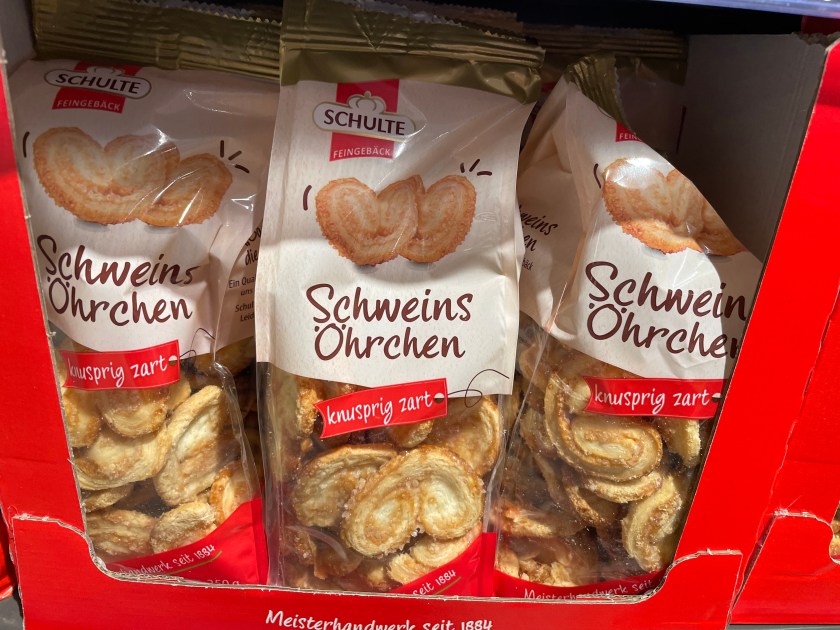
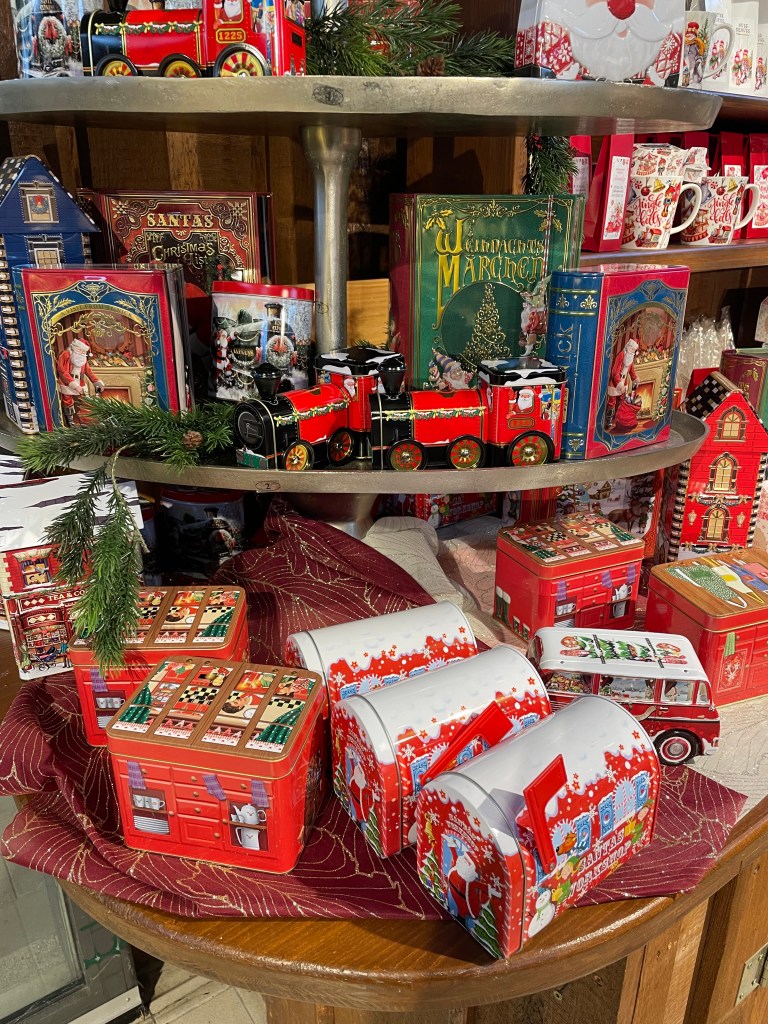
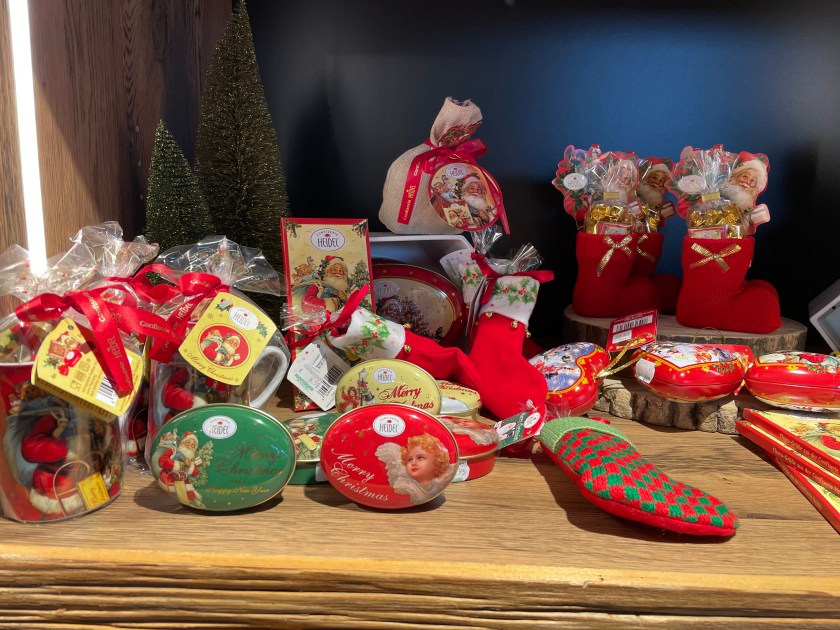
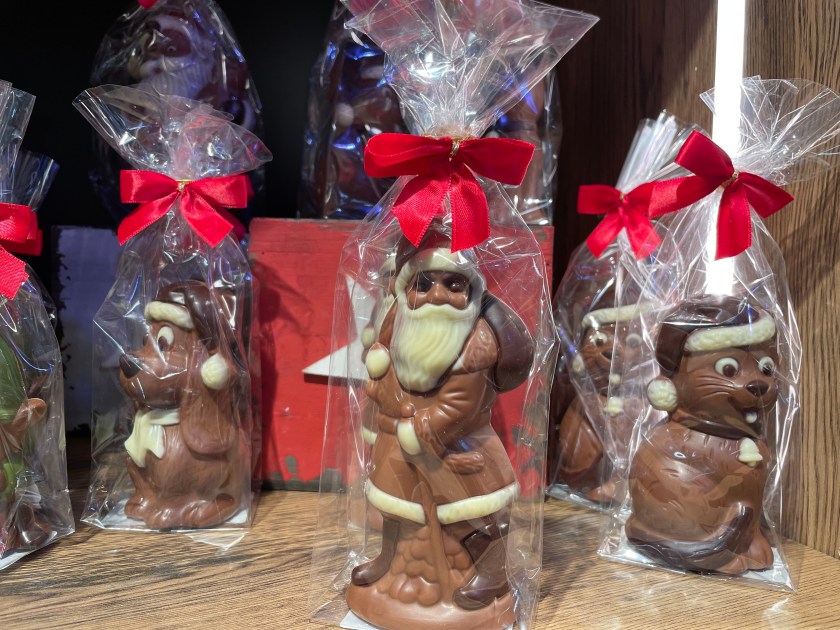
And here’s from another store, this one a plant nursery, with a few treats thrown in:

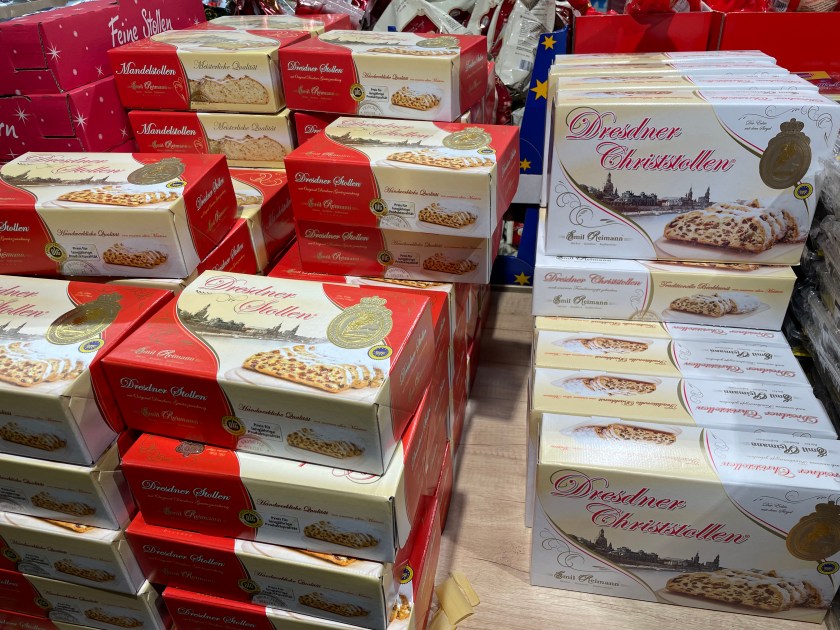
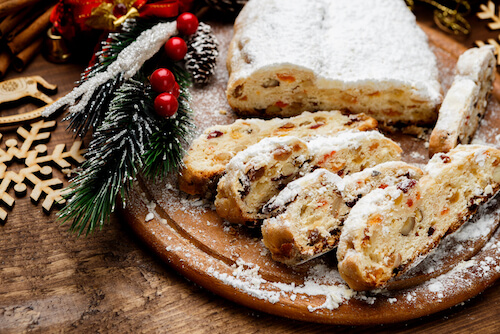
It’s a colorful time here in Germany.  My favorite treat remains STOLEN (a Christmas bread with raisins, nuts and candied fruits).  I’m just not a chocolate lover or candy eater, but it’s all fun to look at.  This is what I’ll pick every single time:

Christmas Traditions in Germany

Here is the article I wrote for the December Wegweiser Newsletter:

If you were to ask most Germans about their Christmas traditions, they would tell you about live Christmas trees, Advent calendars, candles, baking special treats and gift giving. You probably noticed early in the Fall that grocery stores started displaying Christmas candies, cookies, and festively wrapped chocolates. Churches have been posting flyers about their special Christmas services. There is anticipation in the air! We are lucky to be in Germany during Christmastime.

Celebrating Christmas is an important family time for most here in Germany. One in four Germans will attend a church service, for many at midnight on Christmas Eve.

Germany celebrates Christmas with two public holidays, the 25th and 26th of December. For many people, Christmas Eve is divided into a hectic morning and a festive and sacred evening. When Christmas Eve falls on a workday, the shops are open until noon, and they are very busy as people buy their last presents or food for a traditional meal. Afterwards attention is turned to decorating the Christmas tree with lights and ornaments, wrapping gifts, and preparing food.

Christmas Eve is a holy time when family members gather. In the olden days, the period from Saint Martin’s Day on 11 November until 24 December was a time of fasting. That is why often a simple Christmas Eve dish is served. A popular meal throughout Germany is potato salad with Wurst. The evening meal is followed by the exchanging of gifts, singing, and making music together.

While the children wait outside the room, gifts are delivered by the Christkind (literally “Christ Child”), a beautiful fairy-like woman or man dressed in gold and white robes with a crown. This person represents the Christ Child. The children write letters to Christkind, asking for things they’d like for Christmas. Christkind leaves gifts under the tree and disappears before the children can catch a glimpse of him.

If you want to learn where the children send their Christkind letters, read this very fun article. (Last year, the post office in Engelskirchen personally answered almost 135,000 letters to Christkind from 48 countries.) Christkind is also the one who opens and welcomes everyone to the traditional Christkindmarkts.

[link to this article, make sure you have the English translation up]
https://www.tagesschau.de/inland/engelskirchen-christkindpostamt-100.html

On Christmas Day Germans enjoy a delicious feast around a beautifully decorated table. The traditional Christmas Day meal is roast goose with potato dumplings and red cabbage. The day is spent with family, eating and visiting while the children play with their new toys and games.

December 26 is Saint Stephen’s Day and is a public holiday in Germany. For many it is a quiet day spent with friends or extended family members, some take the opportunity to get out and enjoy the German countryside.

We hope you enjoy a wonderful and cultural Christmas here in Germany! May you feel the love of the Christ Child in all that you see and do!

–Sis Ann Lewis

A Visit to a Nativity Woodcarver

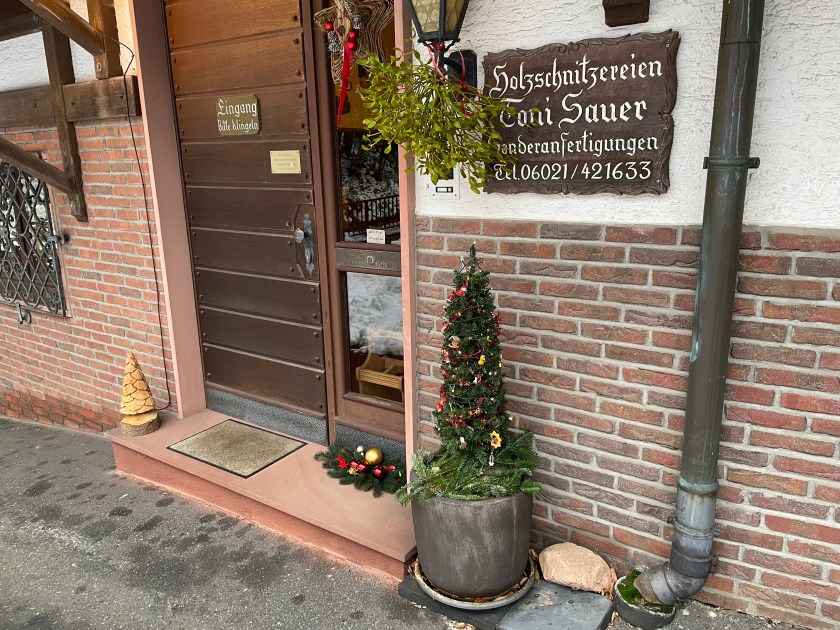
This afternoon I joined the Garbers on a little outing to a local woodcarver’s shop in a town about 50 minutes from the office.  It was a really fun way to begin this Christmas month.

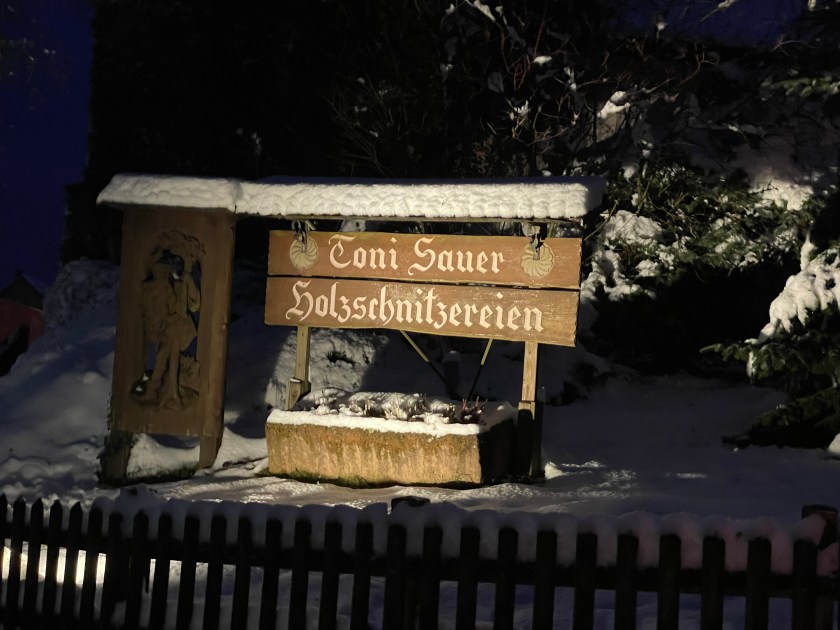
The name of the shop is Toni Sauer Woodcarvings. Toni is the father of Manfred Sauer, who now runs the shop with his wife.  Manfred was such a nice gentle-spirited man.  As one who creates Nativities, you’d have to be that kind of person.

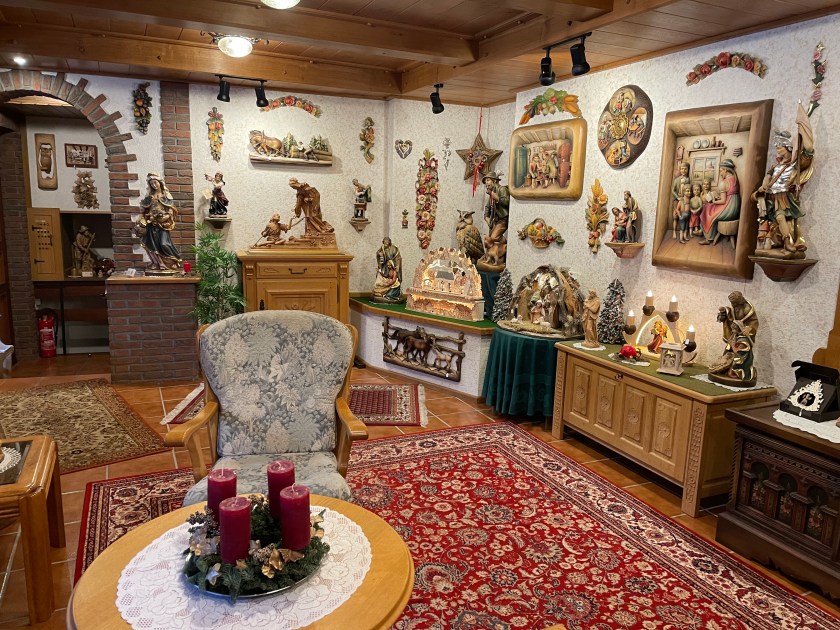
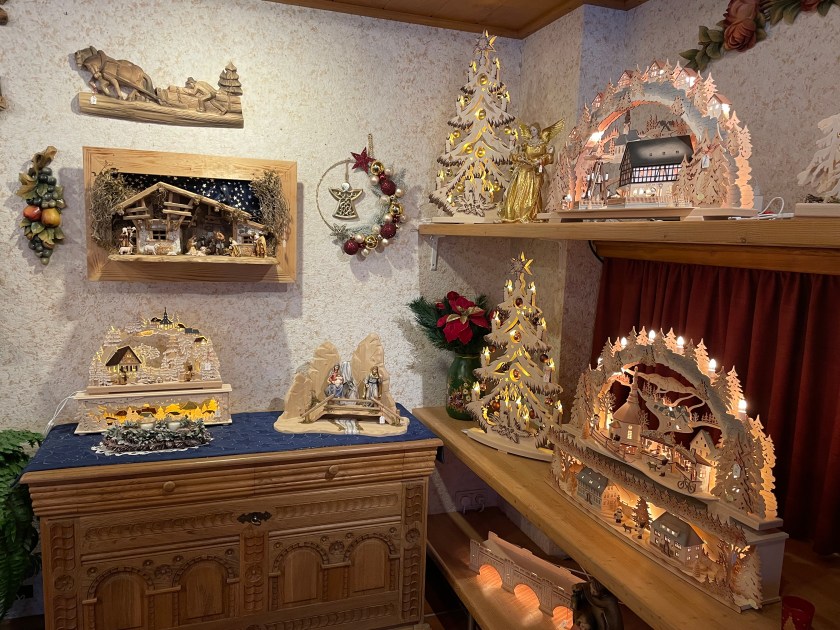
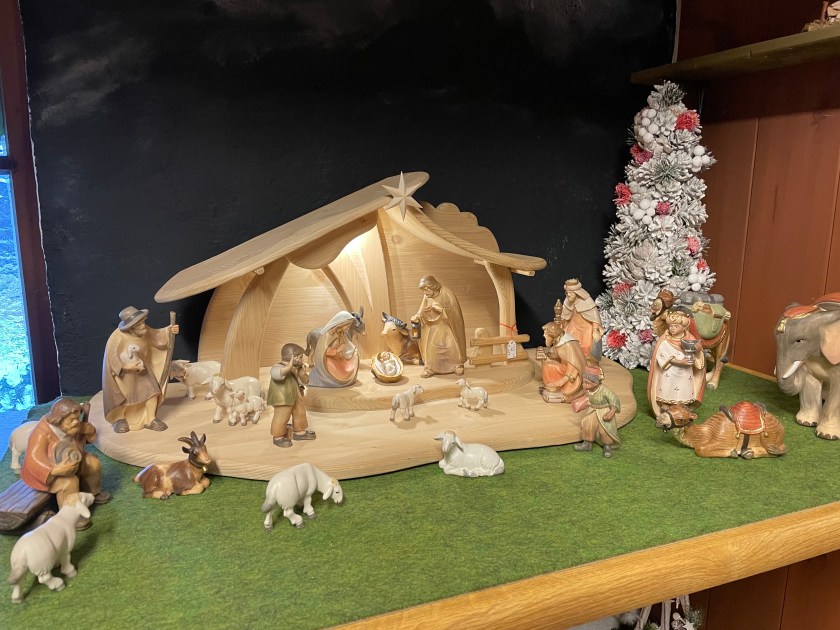
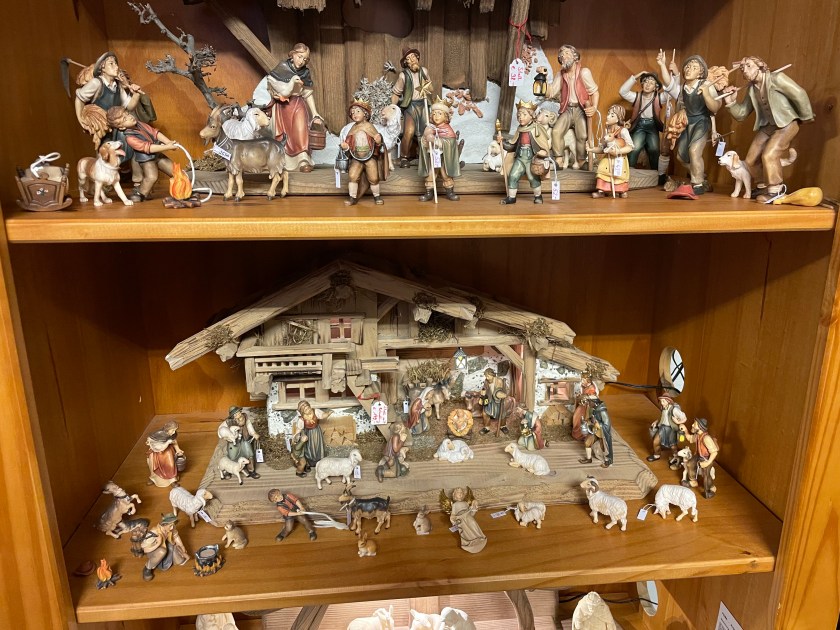
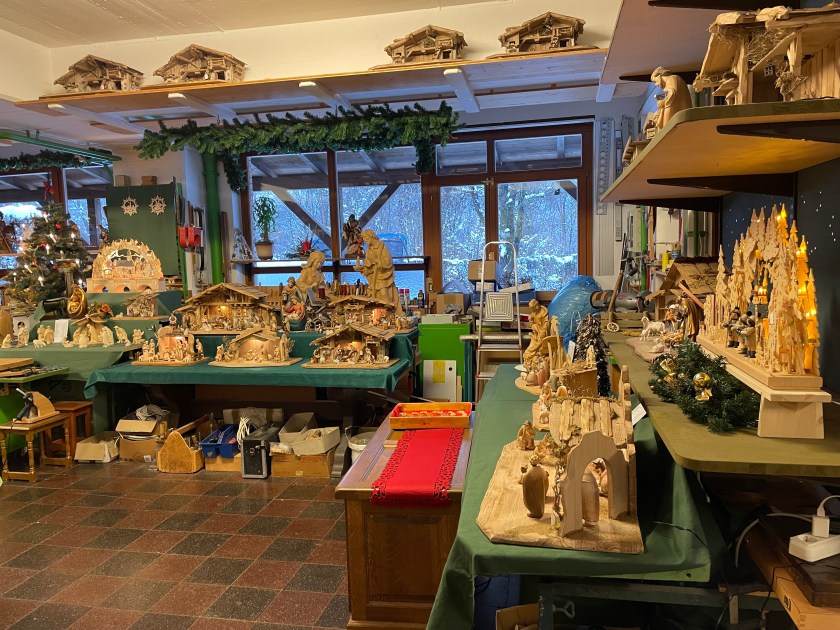
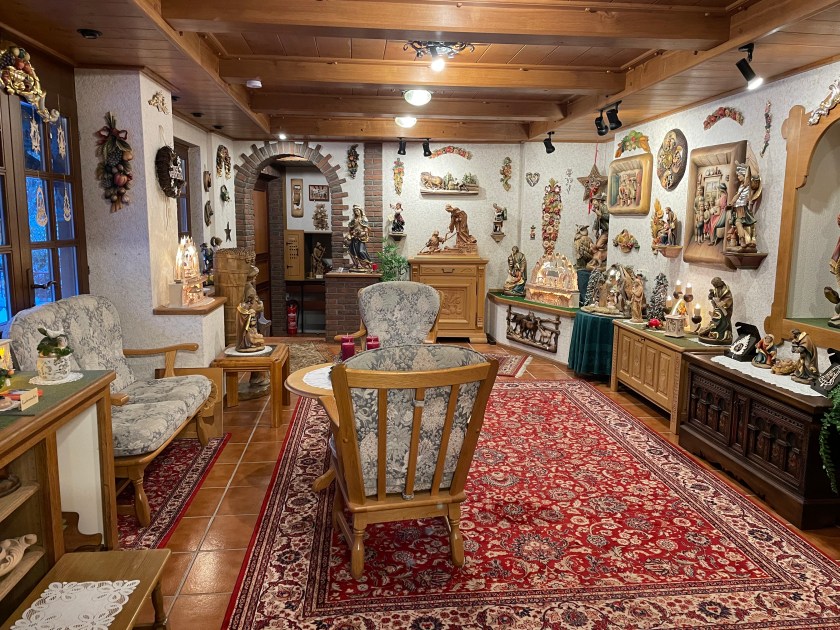
The shop was in what felt like a home at one time, with rooms like a home. They had shelving around each room displaying Nativities he and others had carved. They were really beautifully done.

Manfred told me that his family has lived in that village (5 km north of Aschaffenburg) for 300 years. His ancestors all worked with wood–carpenters, wheelwrights, and then his grandfather and father became carvers. He is following their examples, as a carver.

Their website is www.holzschnitzereien-sauer.de.

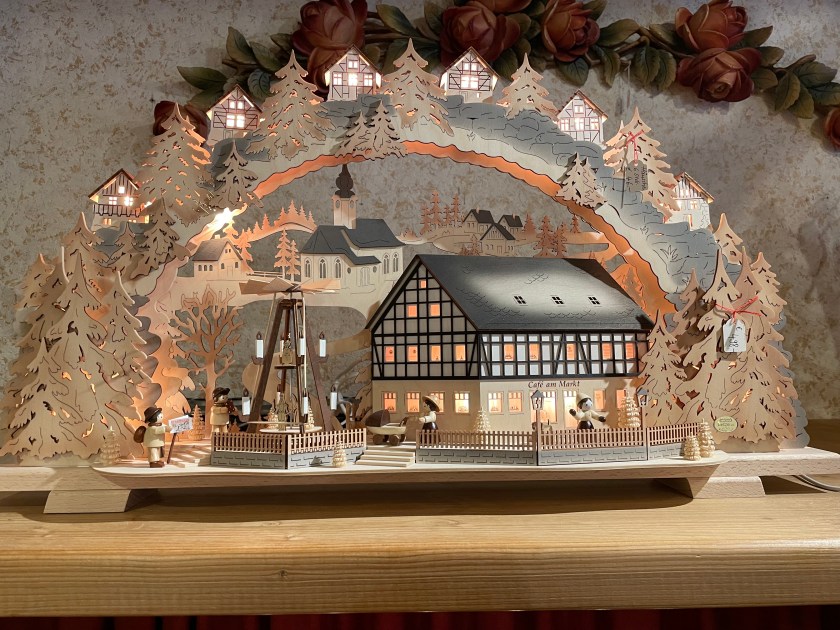
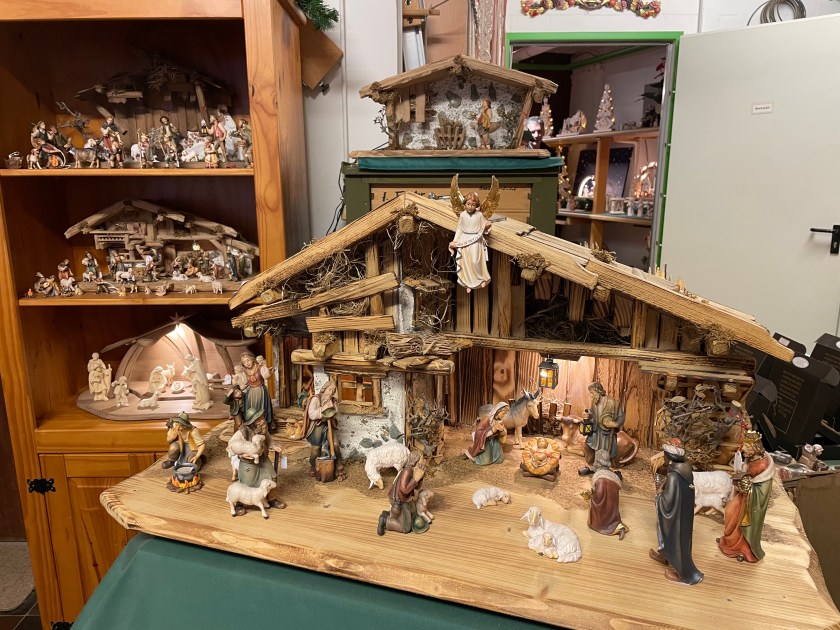
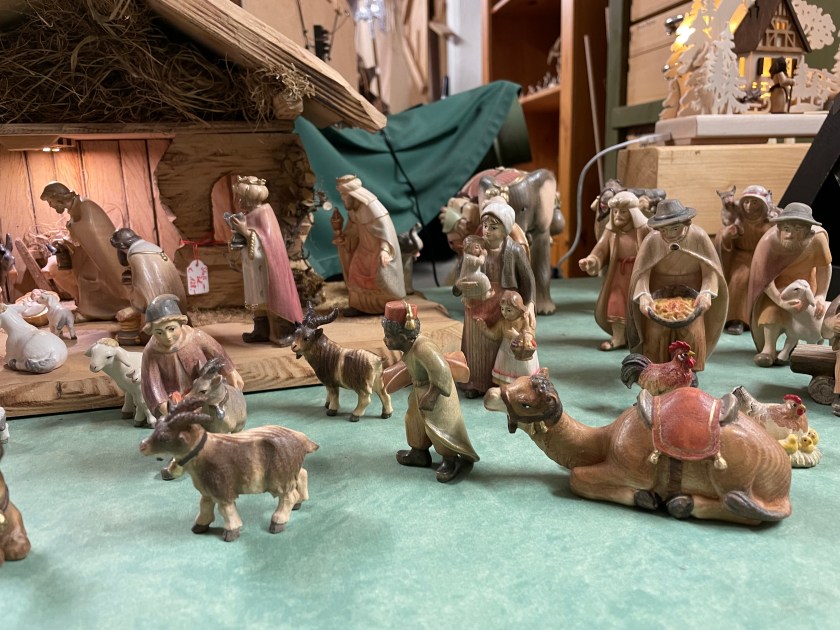
From what I understand, there are several artists who made these winter scenes and Nativities.  Each was so beautiful.

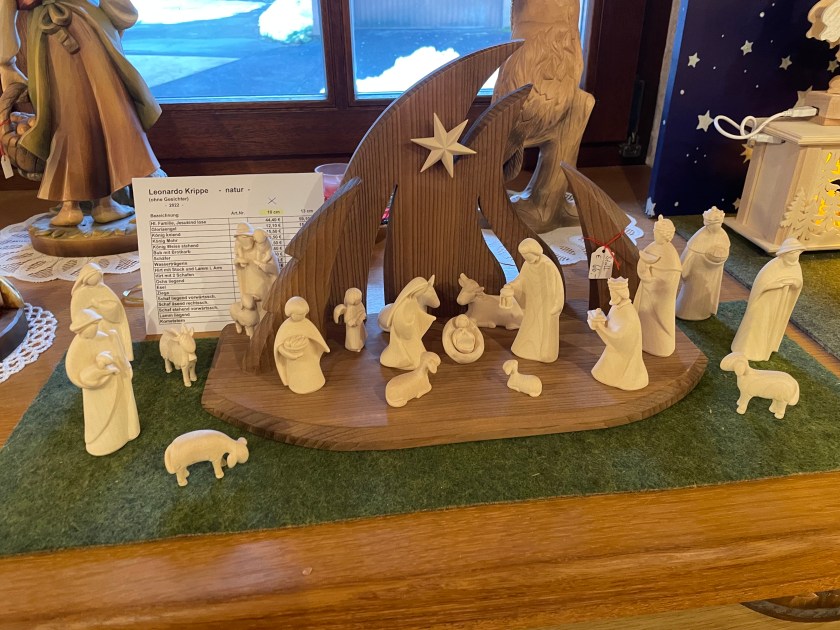
Many of the carved Nativities had a hand-painted or a natural wood option.

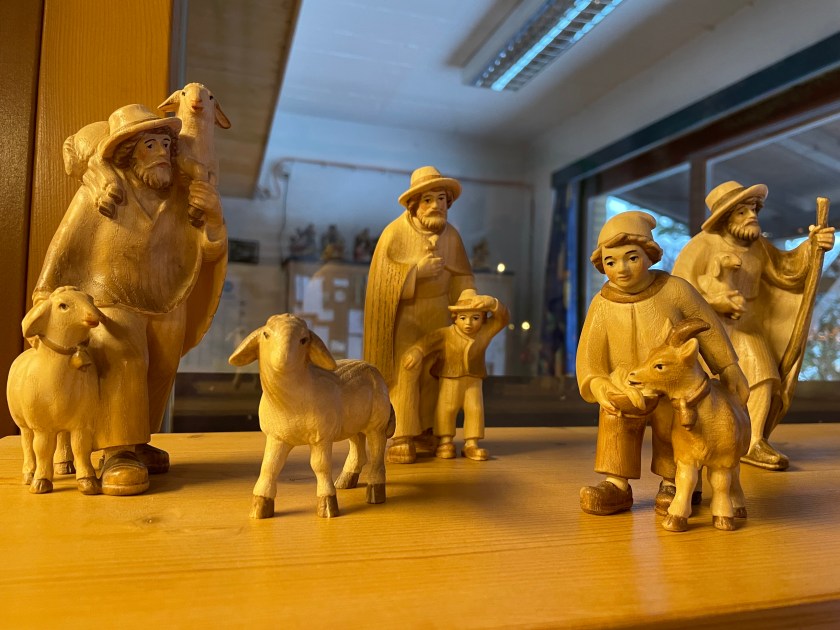
I loved looking into the faces of the shepherds and other pieces.  Each had its own personality.

I also loved how many women were included in many of the sets.

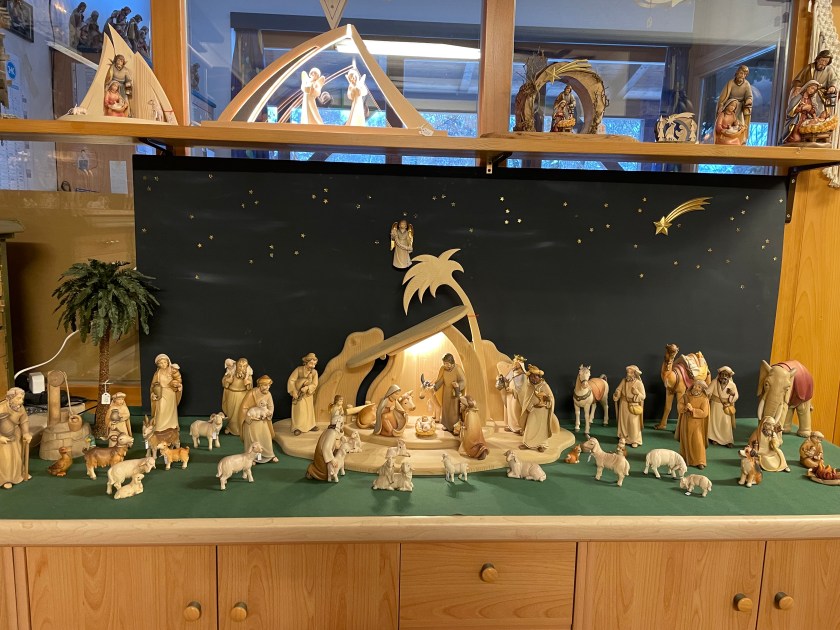
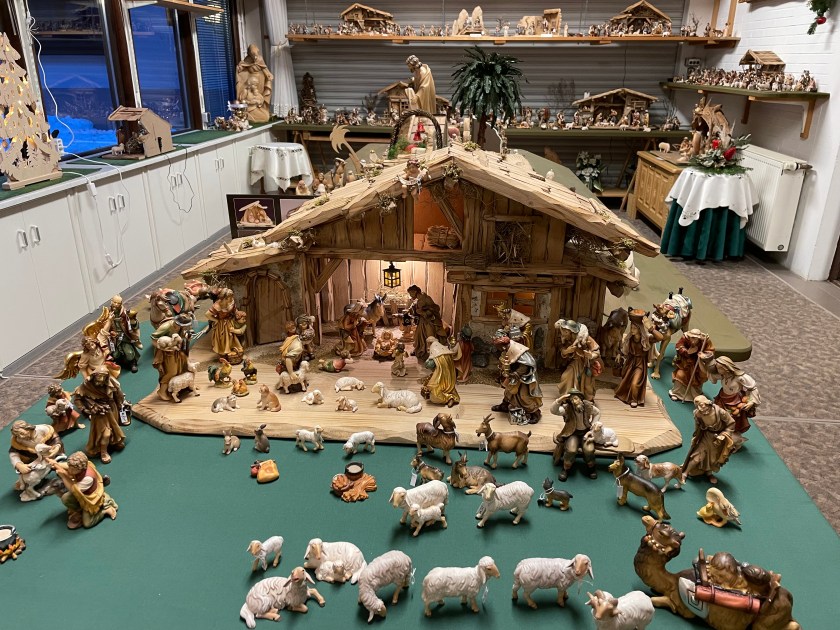
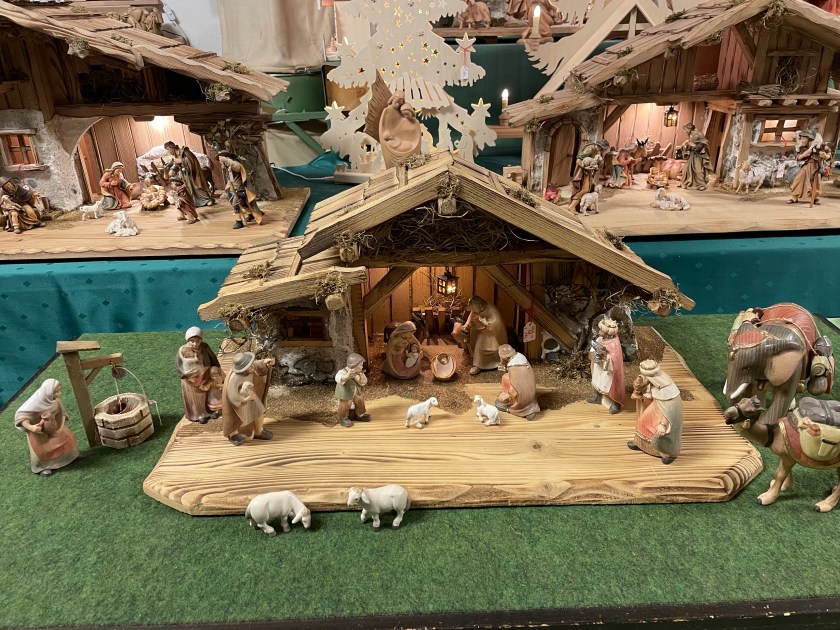
These Nativities are designed so that you can add pieces to most of them, creating and personalizing your own.  While we were there, a man came in with his daughter, who was maybe 8 or 9 years old.  They were picking out extra pieces for the set (below) that they had at home. They probably add something new each year. A nice tradition.

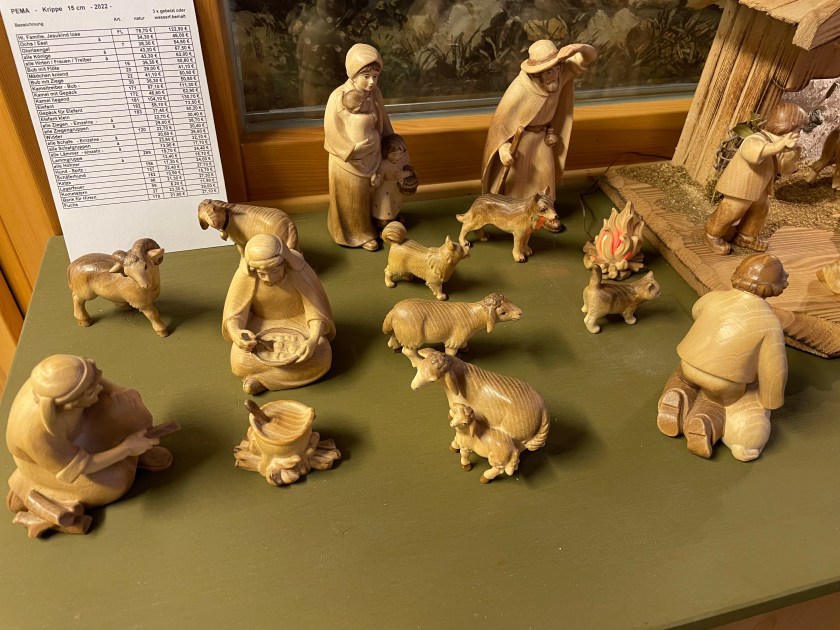
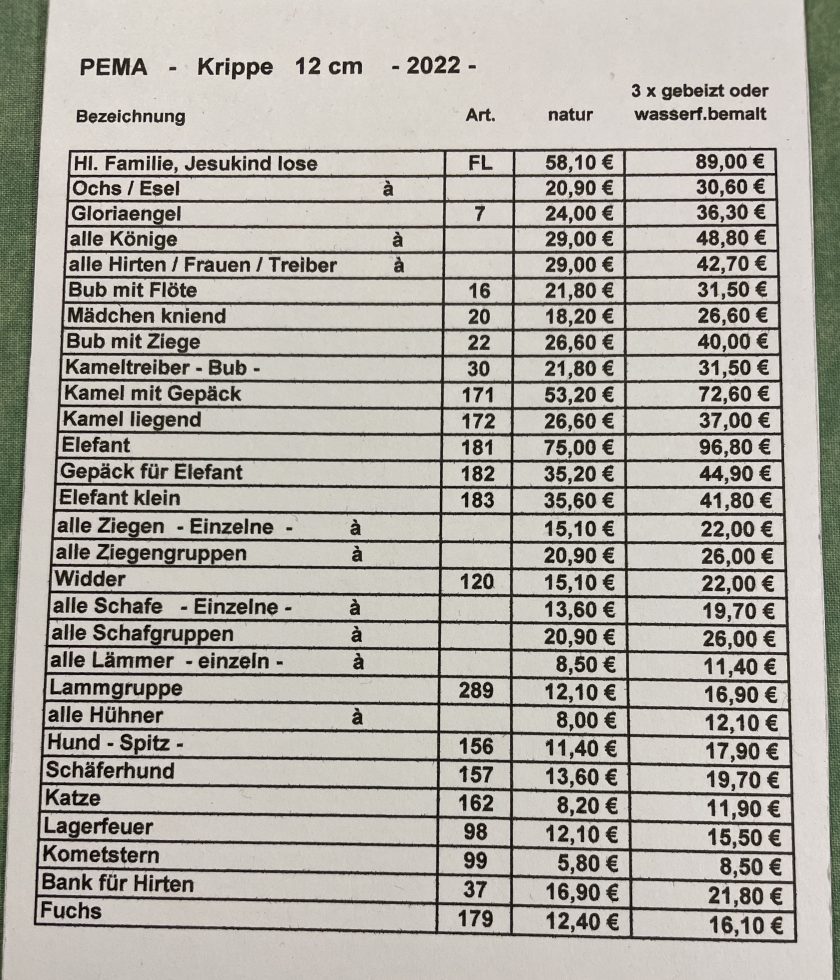
Here is the price list for the Nativity just above, to give an idea of the pricing.  Each piece is priced separately.  For example, in this set (painted), the Holy Family is 89 Euro, the ox and donkey are 30,60 Euro, the angels are 36,30.  The elephant with the pack on its back is 96,80 + 44,90.  Each sheep is  19,70 Euro, or about $20 USD.  The stall (Krippe) is sold separately.

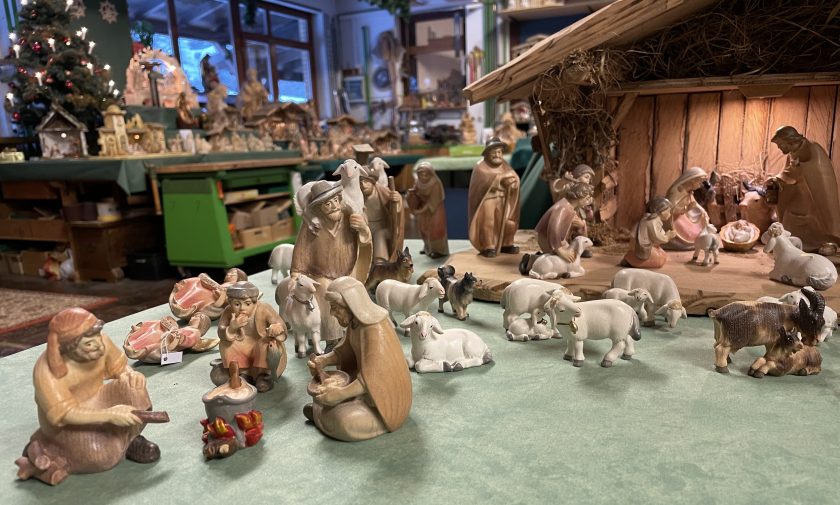
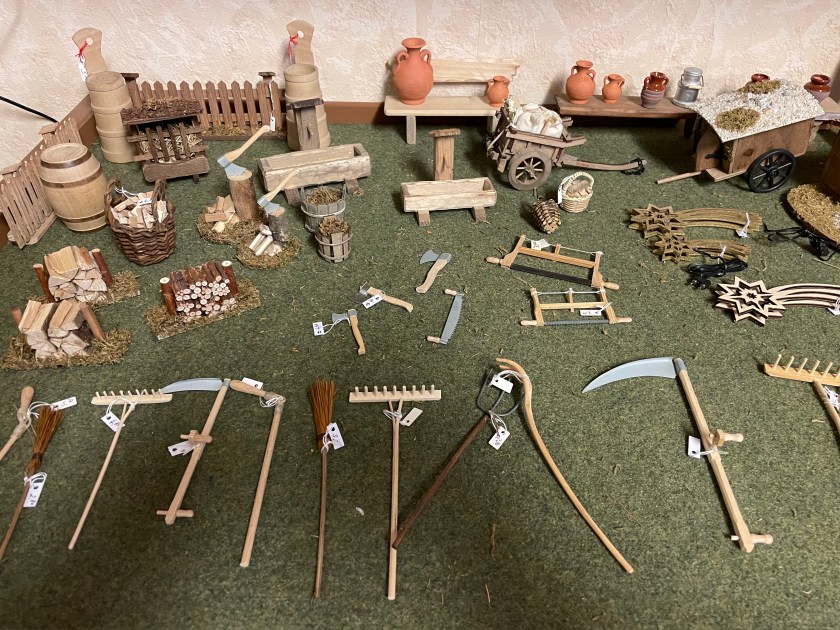
Here are some of the extra pieces you can add:

An average Nativity set like the one above, with the traditional pieces and maybe a few extras, can cost as much as $1000.

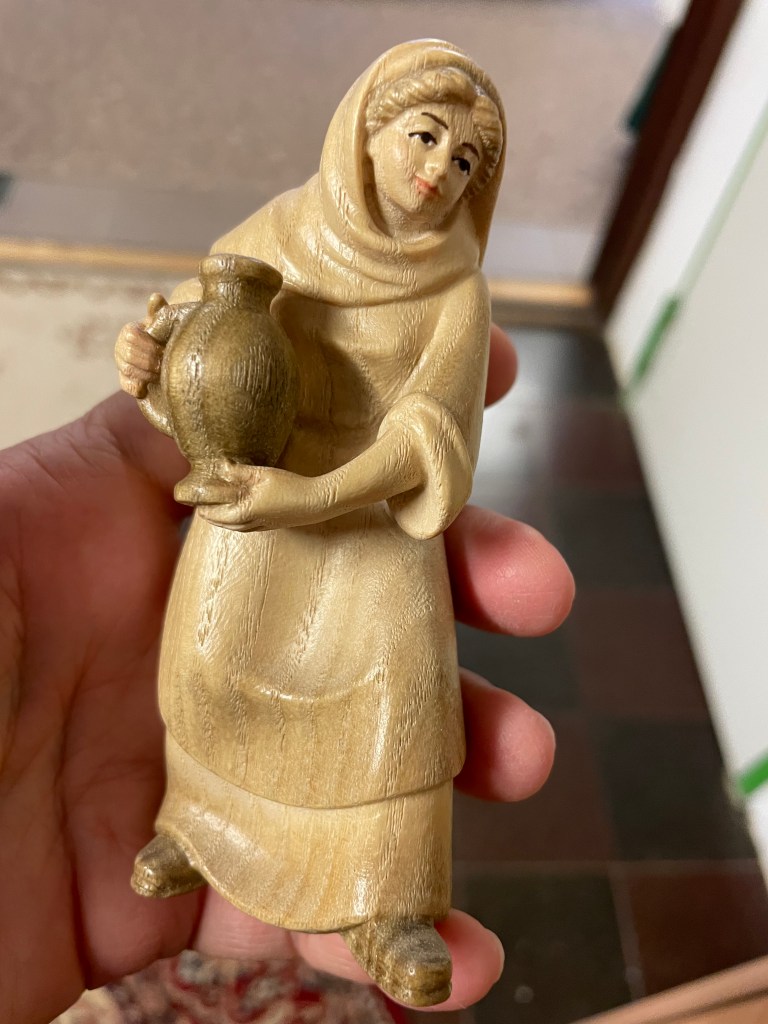
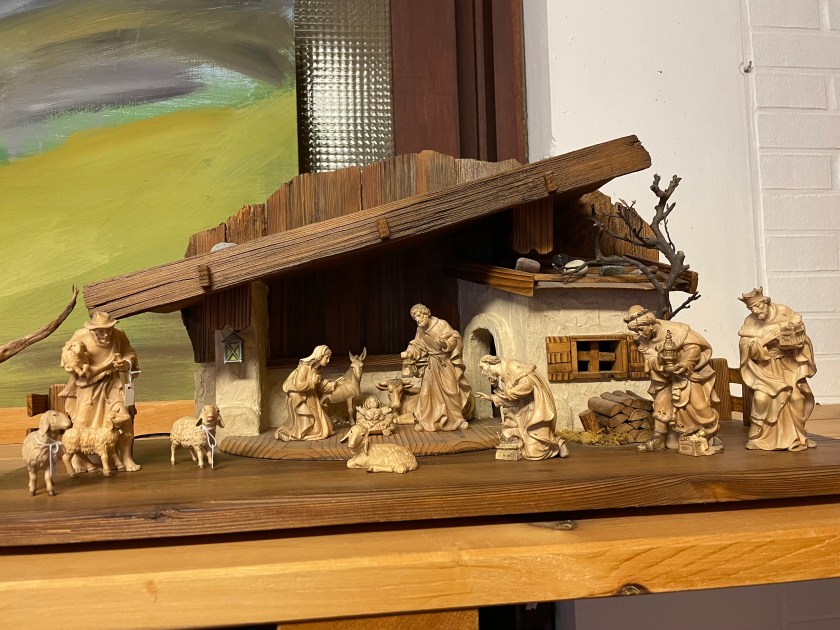
Here is a Nativity that I loved.  It was smaller, with natural wood, and the details were exquisite.  It was also the only set in the shop that was on sale, marked down from 561,40 to 390 Euro because it was the last of its kind.  This one went home with me!

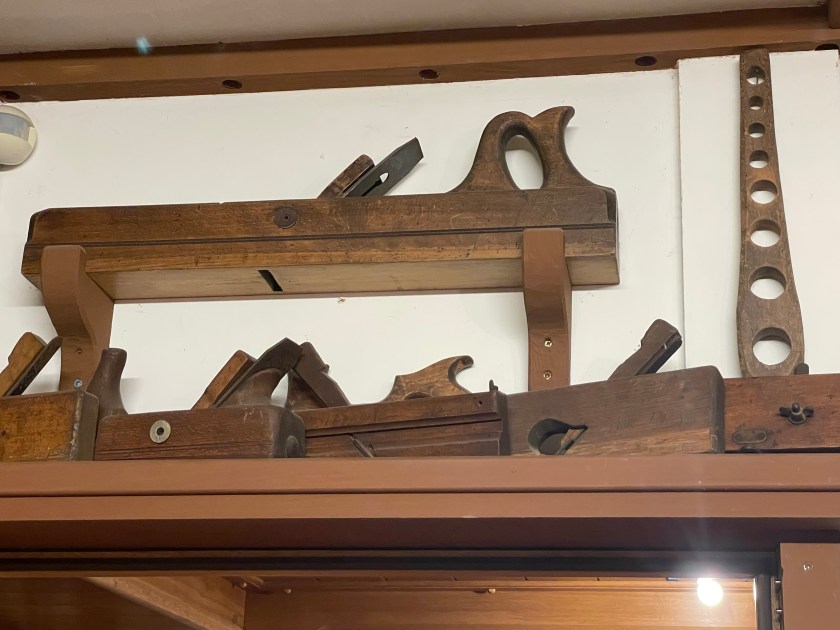
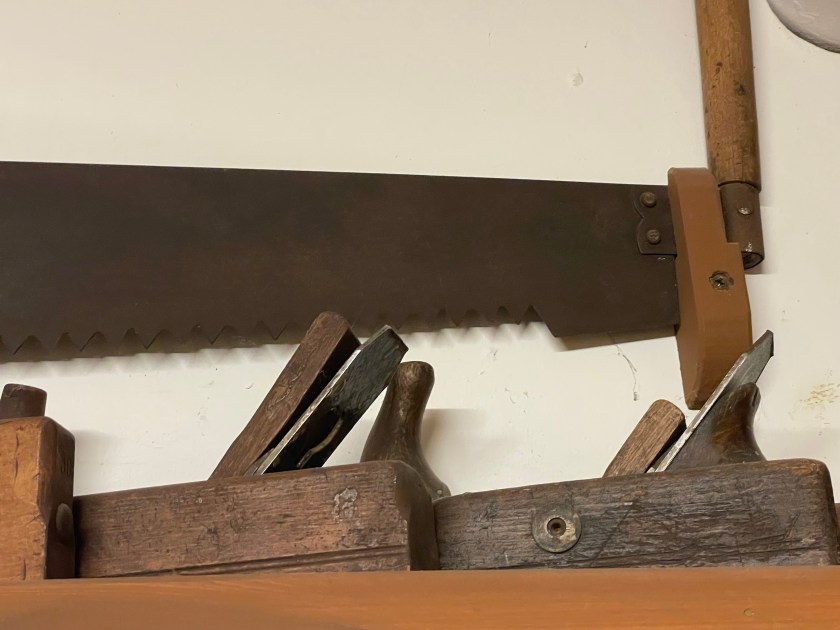
These are some of the woodworking tools that have been in Manfred’s family for generations.  You can tell he was proud of his heritage.

I hope you enjoy looking at these Nativities as we all turn out thoughts this month to the birth of our beloved Christkind.

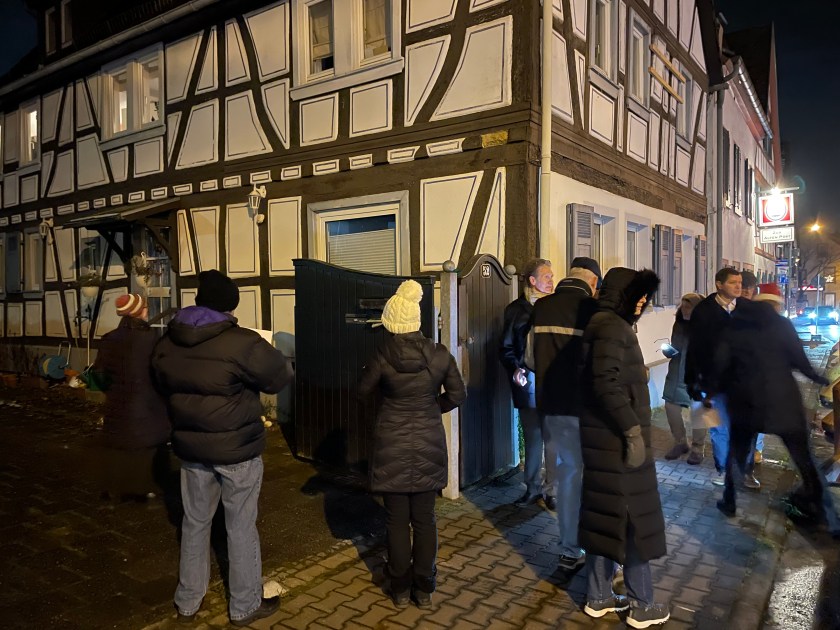
Our German Class Goes Caroling

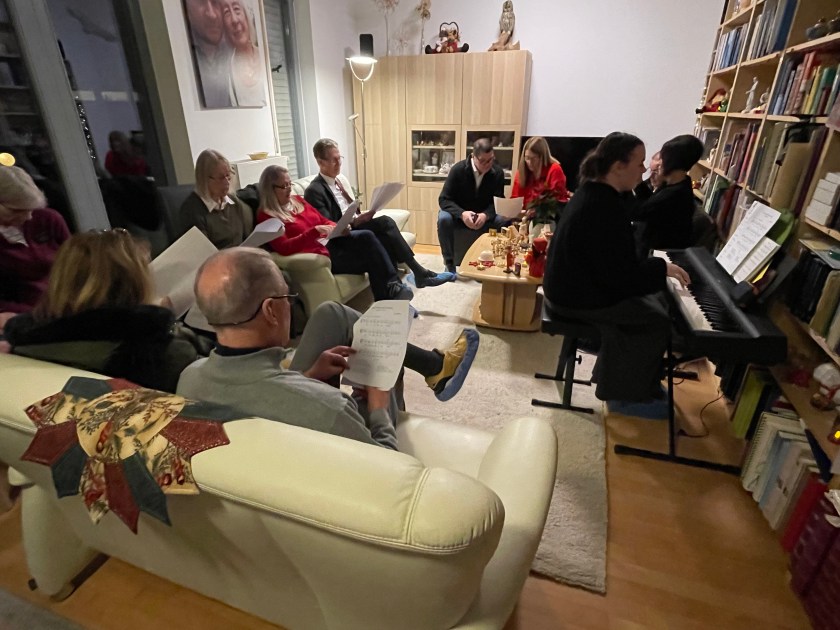
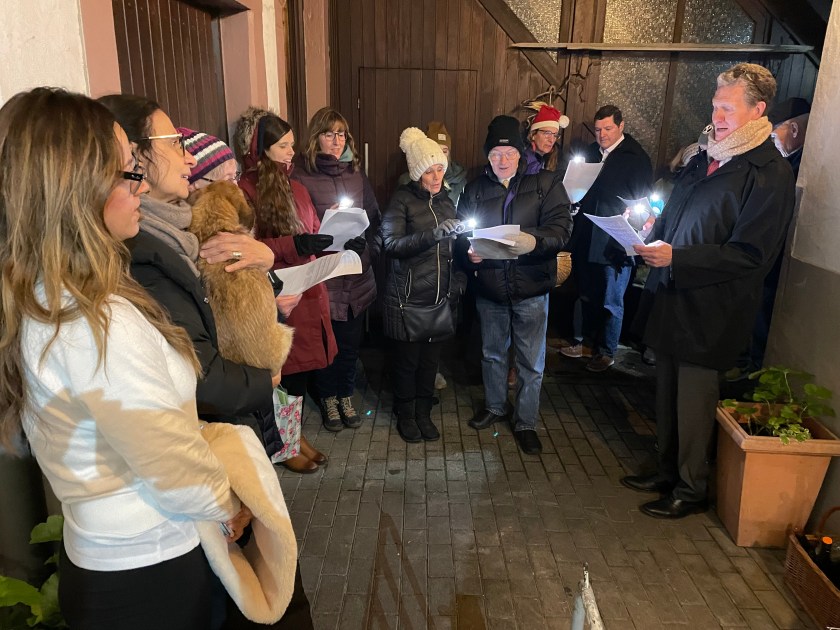
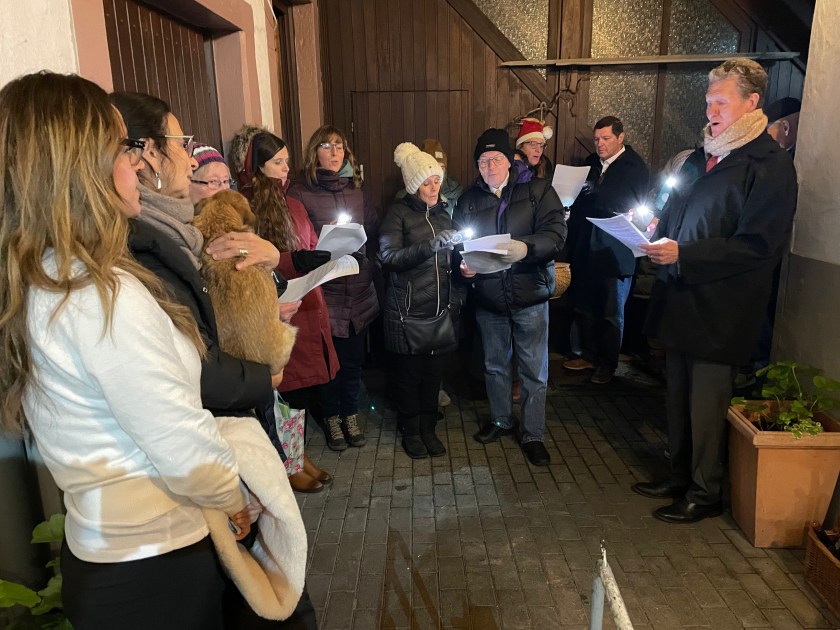
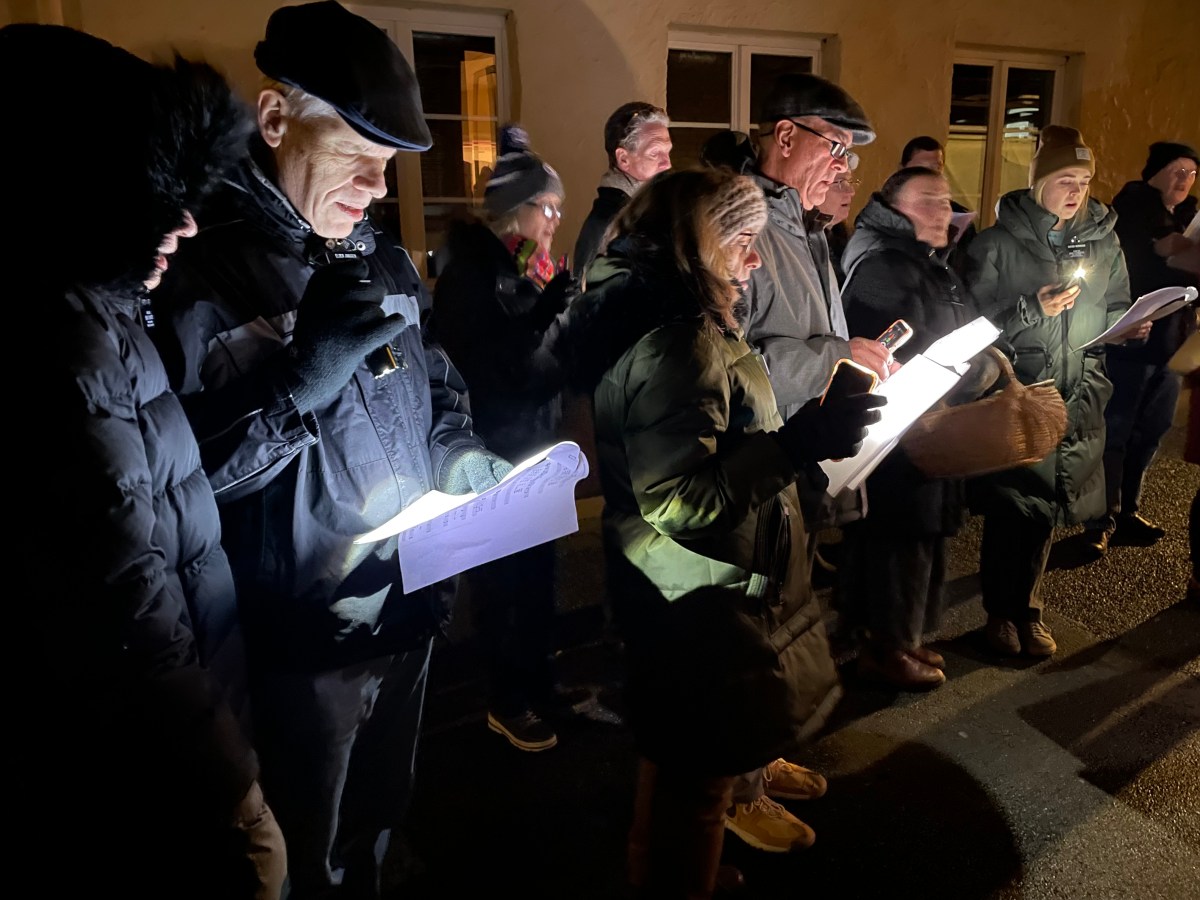
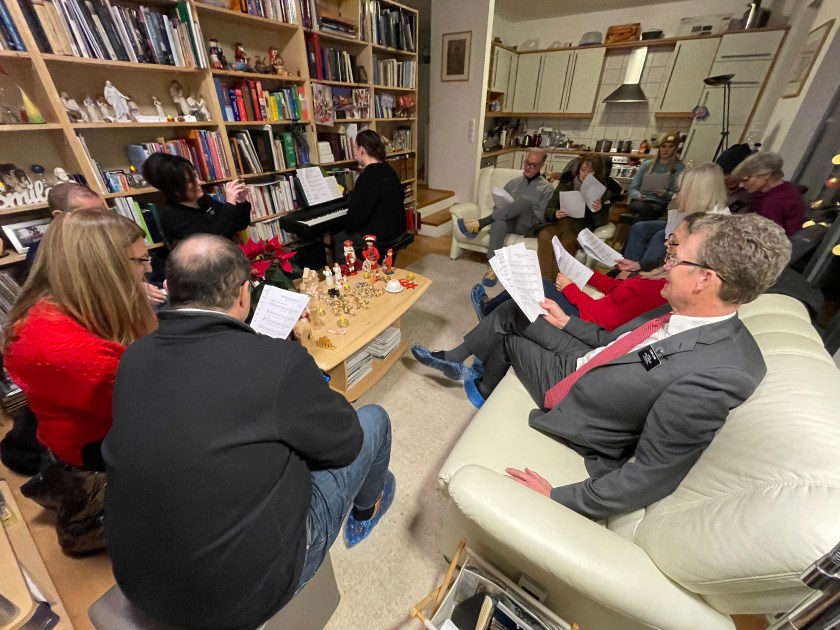
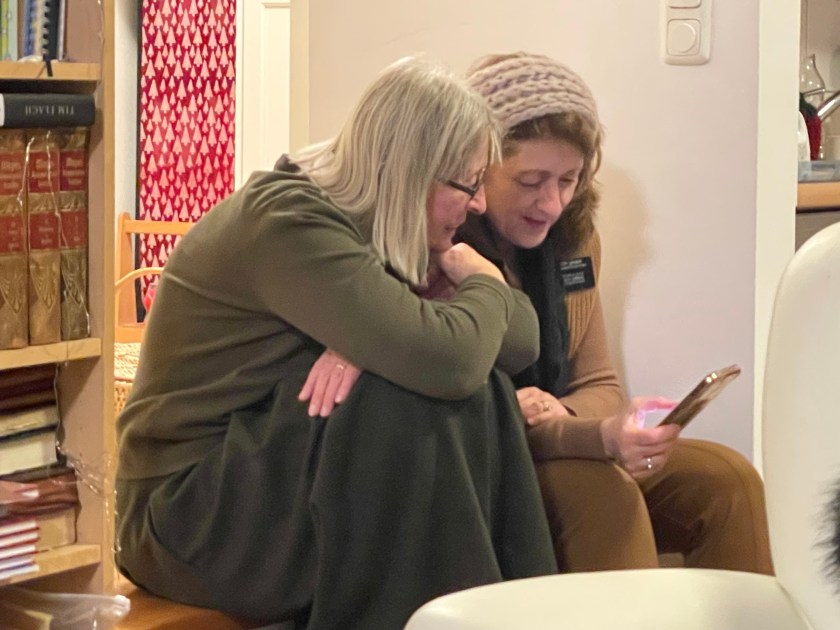
This evening after a full day working with the VIP Open House, we had a fun and relaxing evening with friends and fellow missionaries.  Sister Enger, our German teacher invited our class and spouses to her home for an evening of caroling to her neighbors.

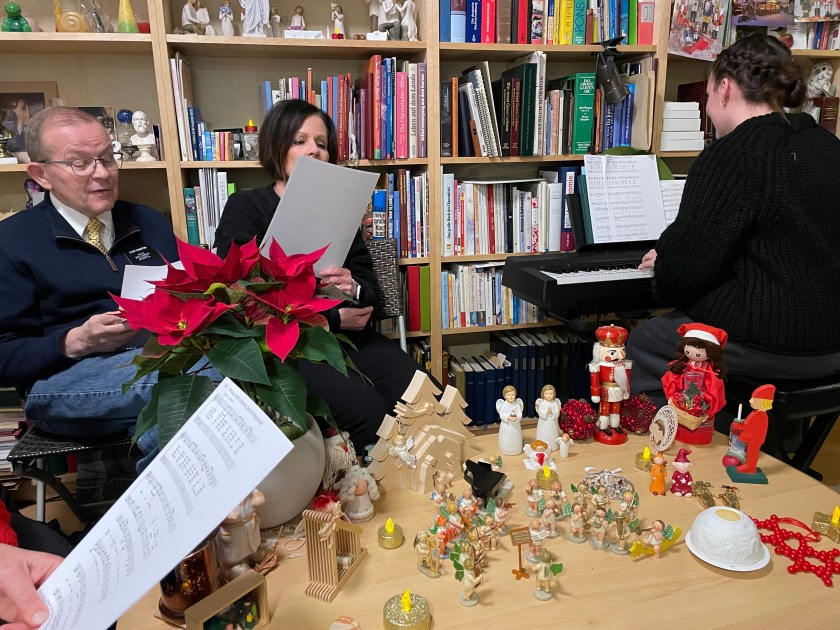
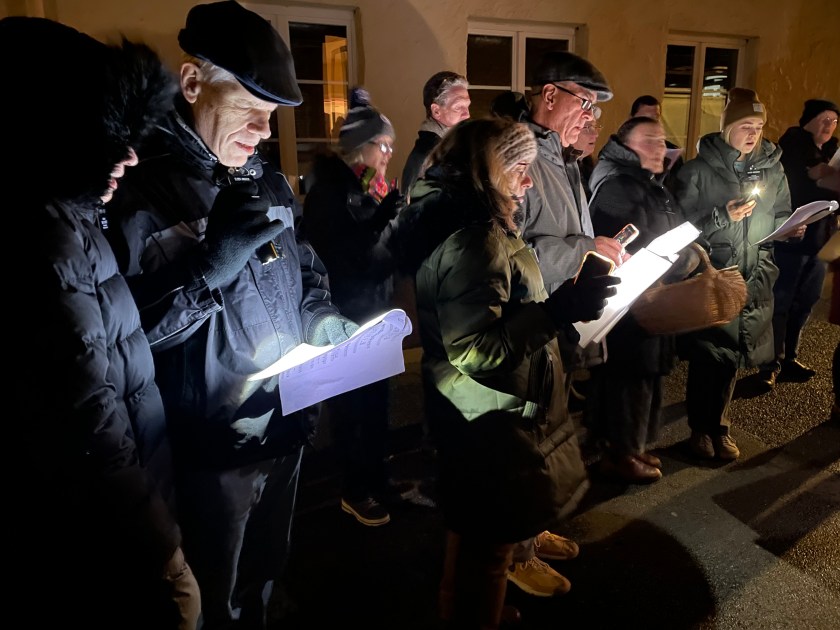
Sister Enger had 4 carols printed for us to practice in German: Far, Far Away on Judea’s Planes, Oh Tannenbaum, O Come All Ye Faithful, and Leise Rieselt der Schnee (softly falls the snow).  We actually sounded pretty good!
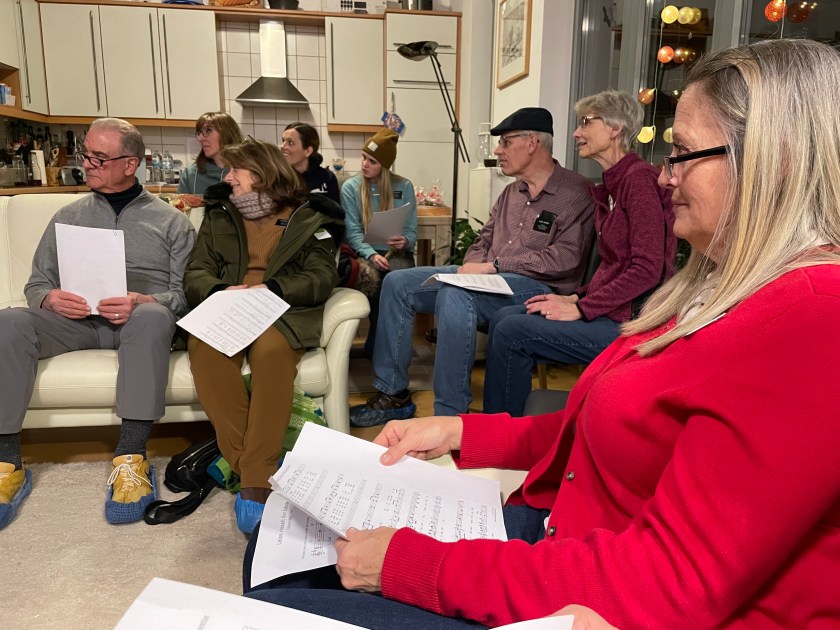
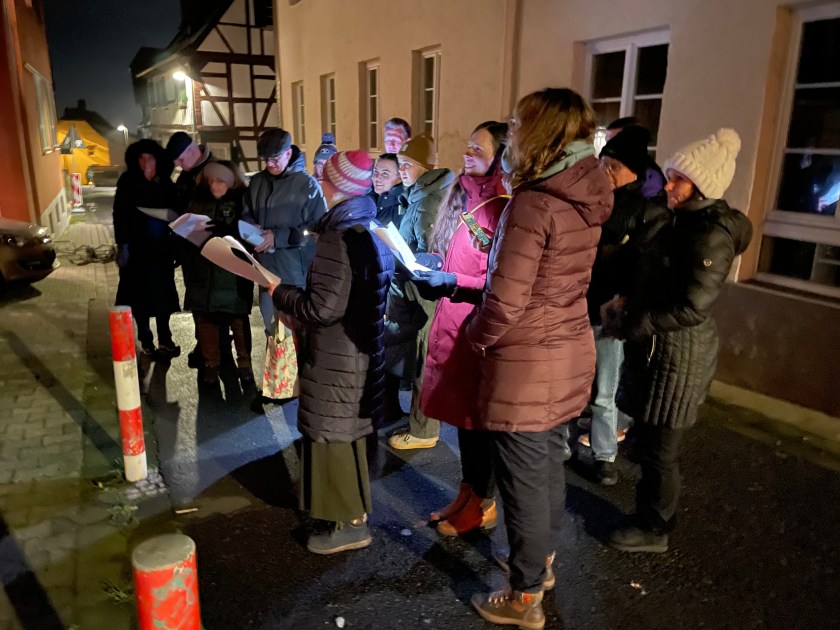
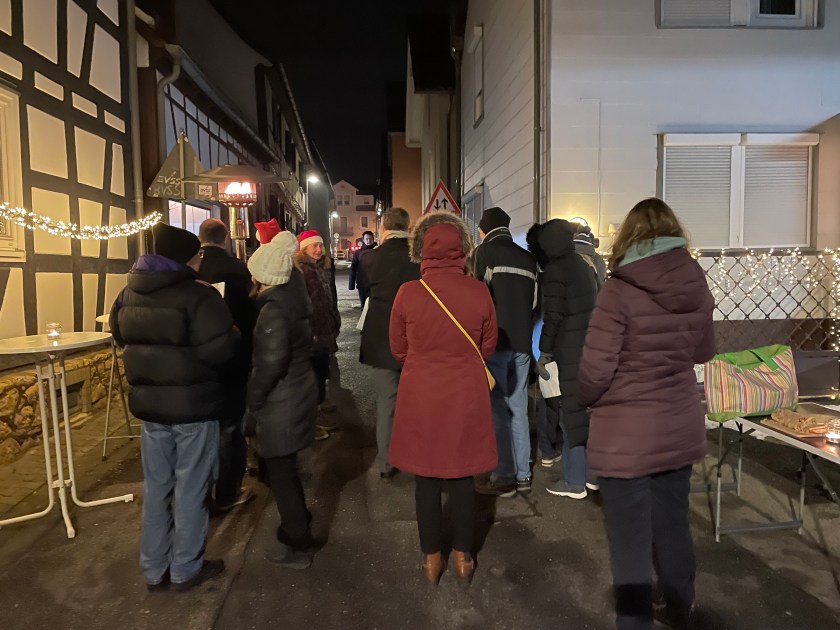
Then we bundled up to go outside to visit Sister Enger’s friends and neighbors.  She prepared a list with several stops, letting her friends know we’d be stopping by to sing to them.

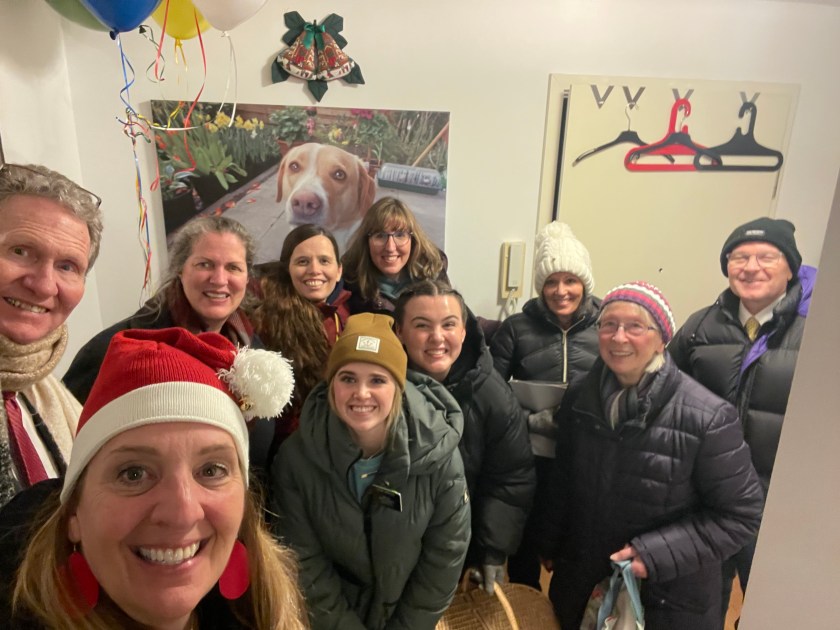
We had a wonderful evening, warm to the heart on this cold winter night.
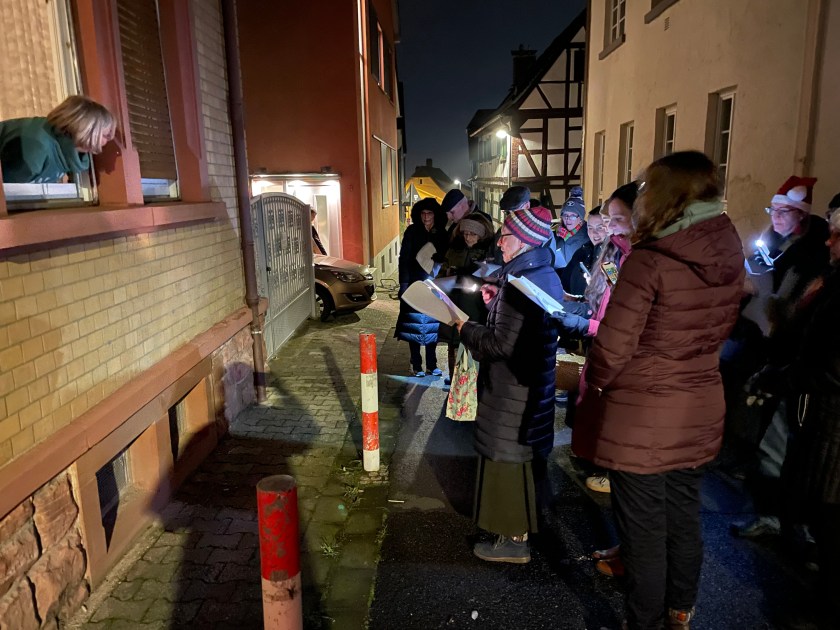
We sang in the stairwell to one elderly man, and the home-bound neighbor above him opened her door as well to hear us sing.  The sounds of the carols resonated here in this place.
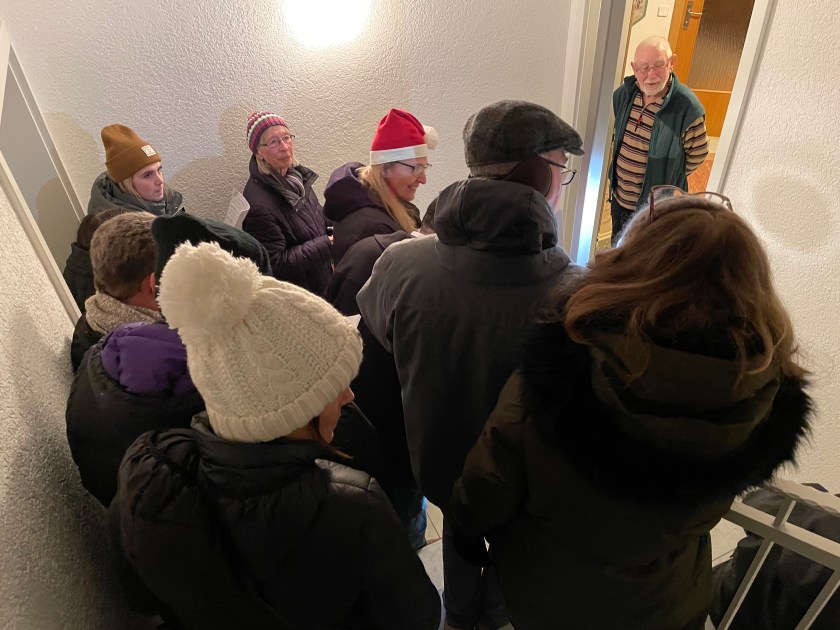
We had a small gift for each of the neighbors, prepared by Sister Enger and the Sister missionaries.
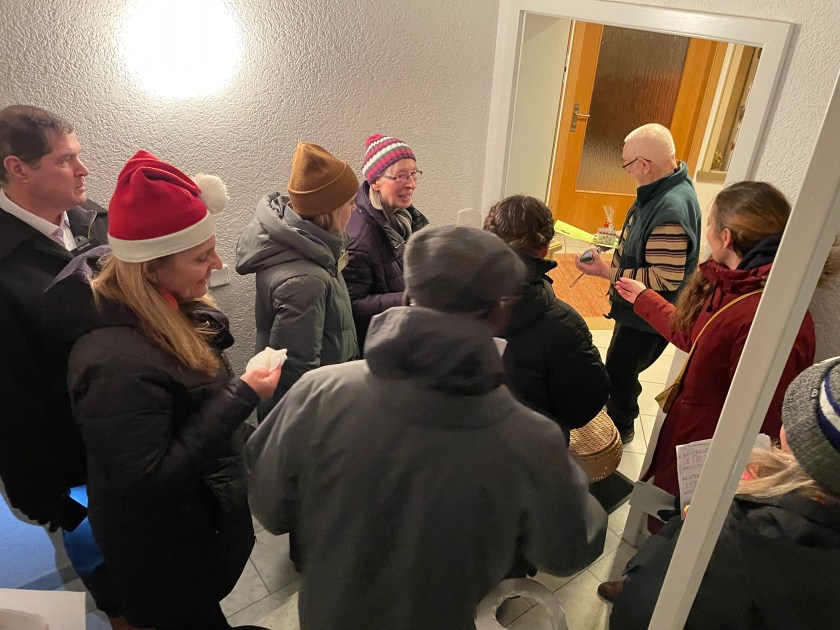
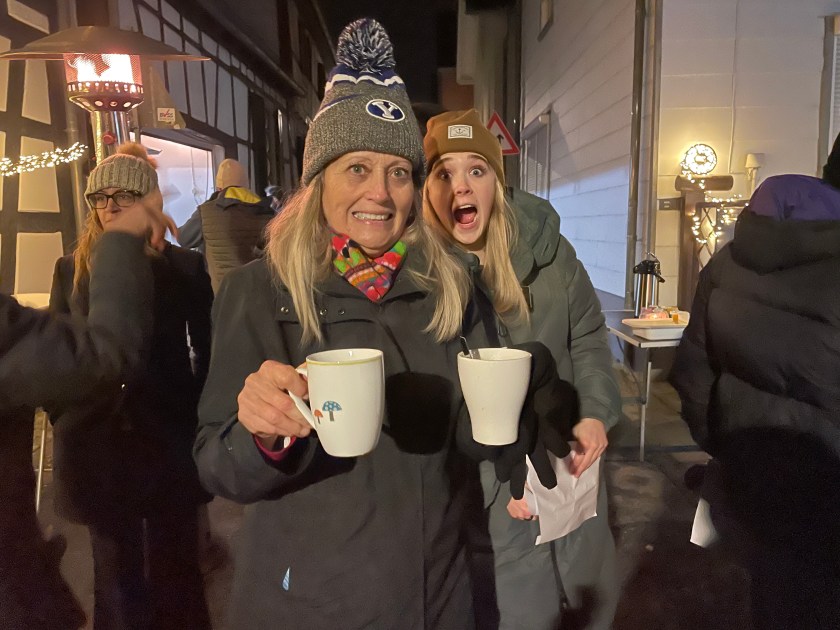
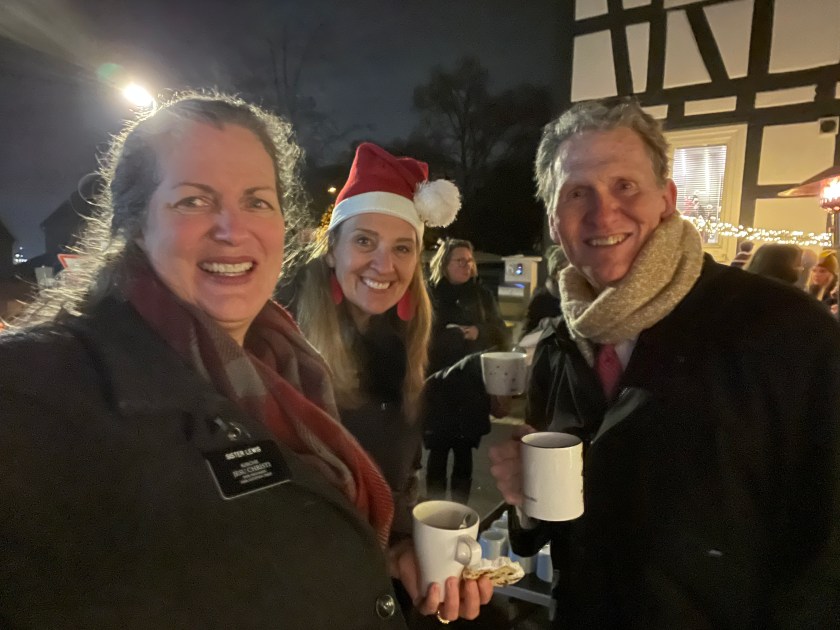
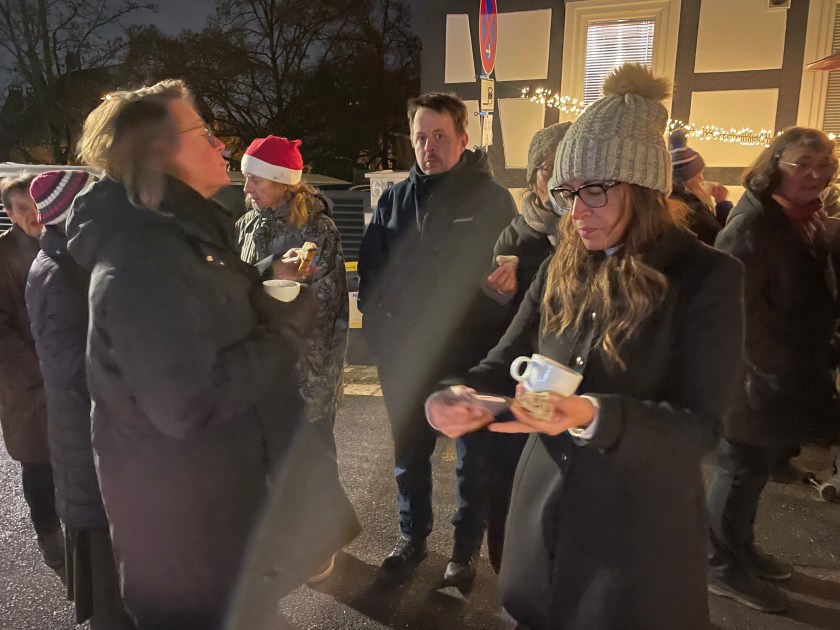
After being out for about 30-40 minutes, we came back around the block to find a big surprise waiting for Sister Enger–all of her neighbors and friends had gathered for a Christmas party in the street to thank her for her kindness to them!
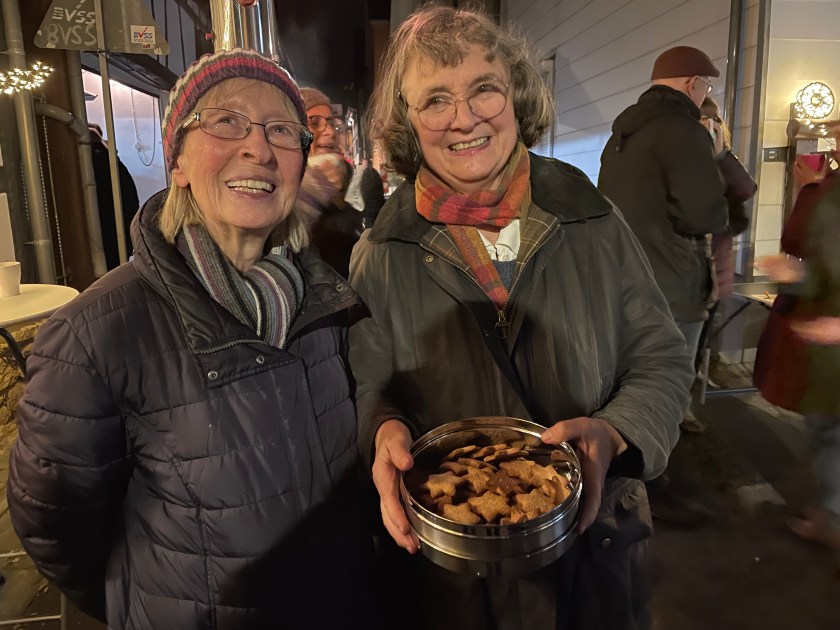
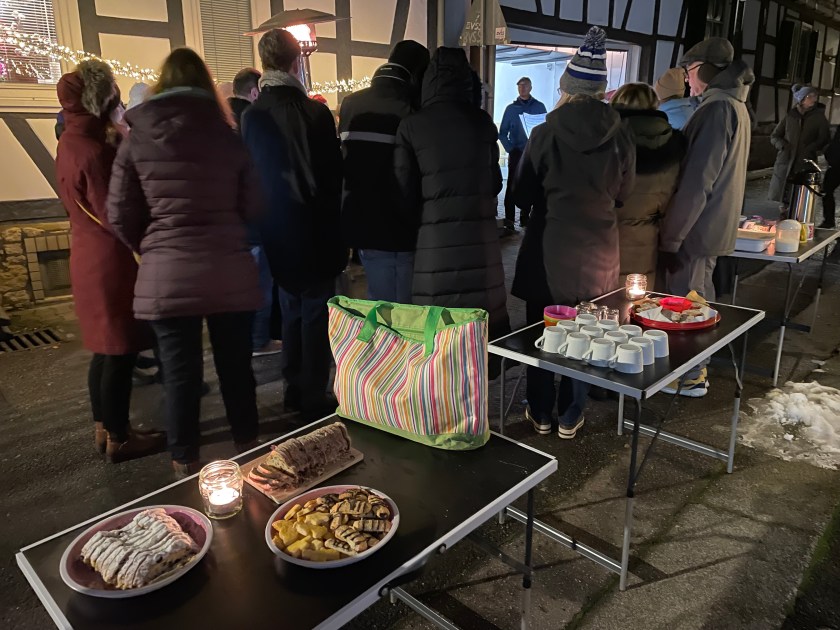
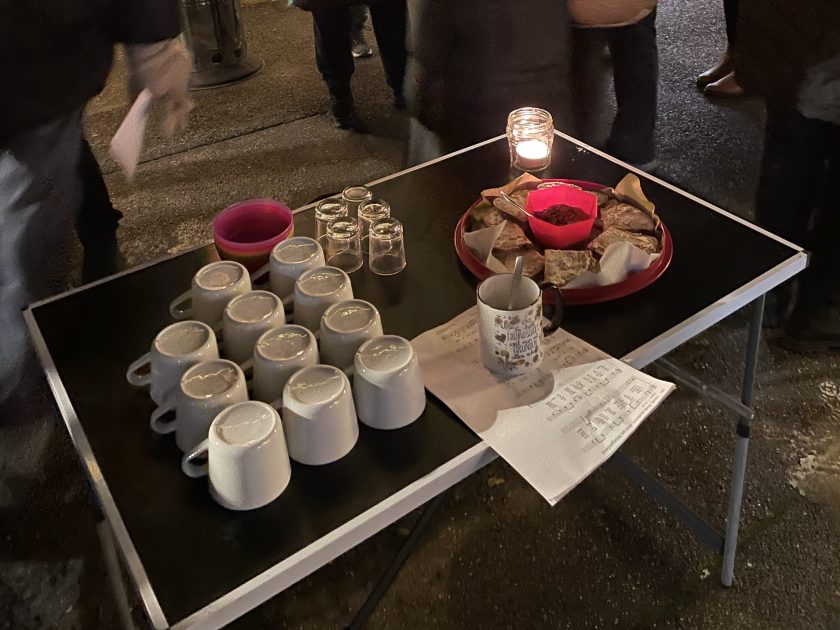
They had prepared tables with hot drinks, Christmas treats and soup, enough for all.  Several neighbor families joined us.  They’d quickly hung lights, set up recorded Christmas music, and had a standing space heater to welcome us.  It was lovely!
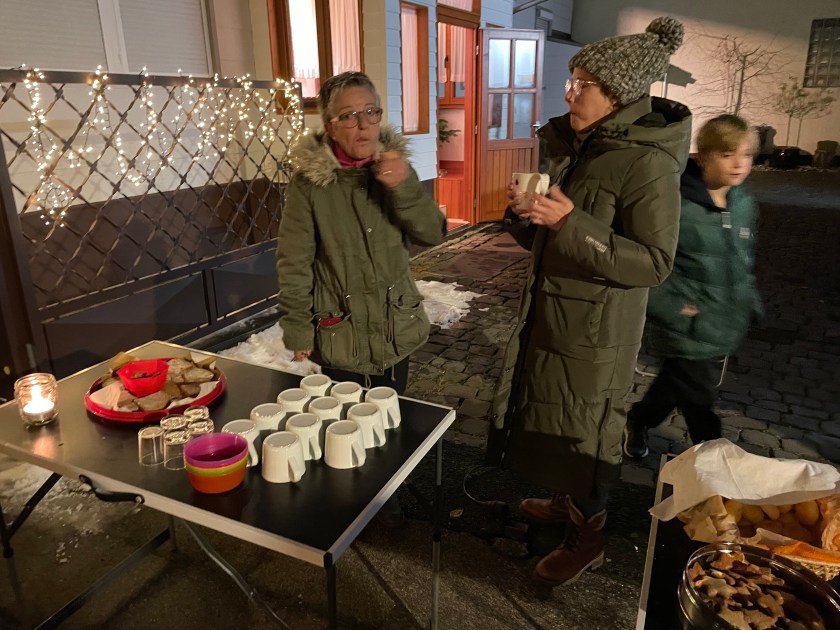
This was in the garage of one of the neighbors–where we found hot bean and frankfurter soup and drinks.
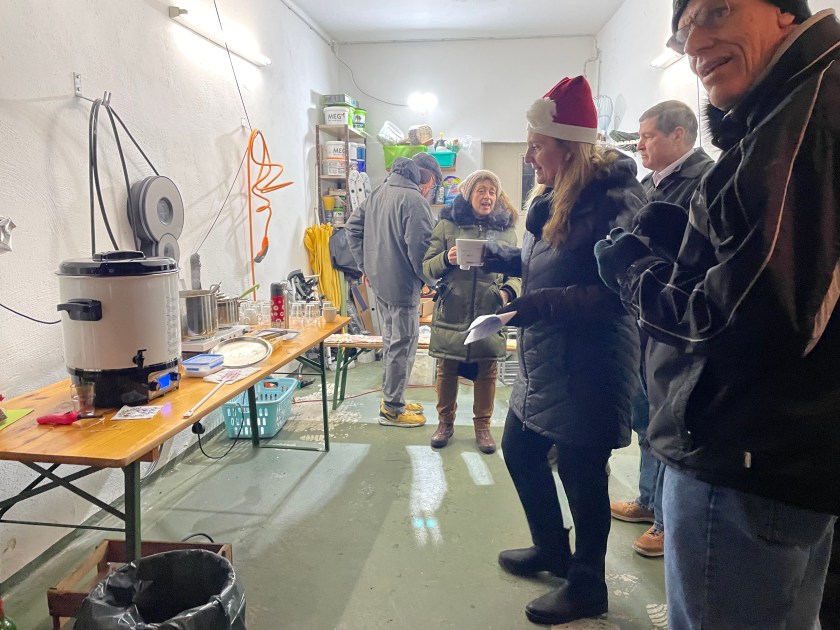
We visited with our new friends and enjoyed sharing Christmas cheer, so grateful for their warmth and kindness to all of us.
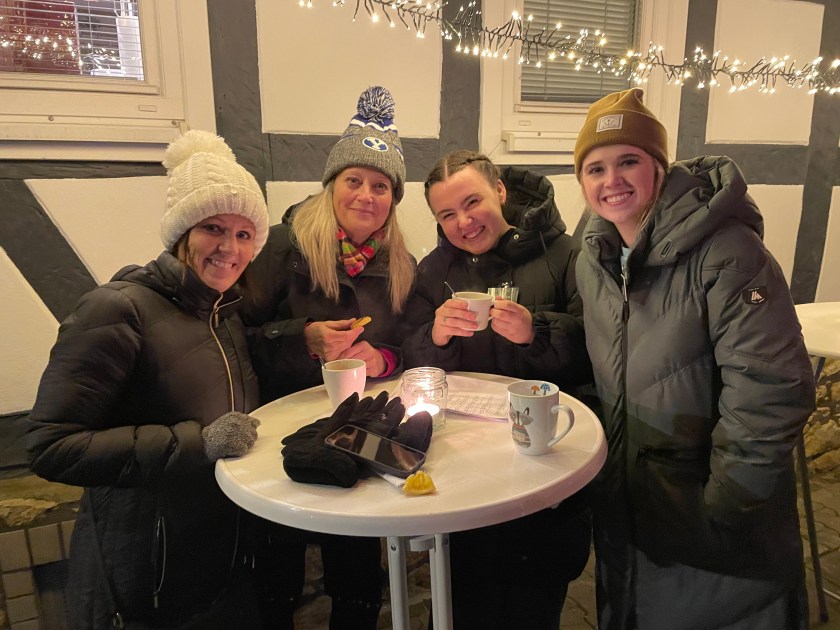
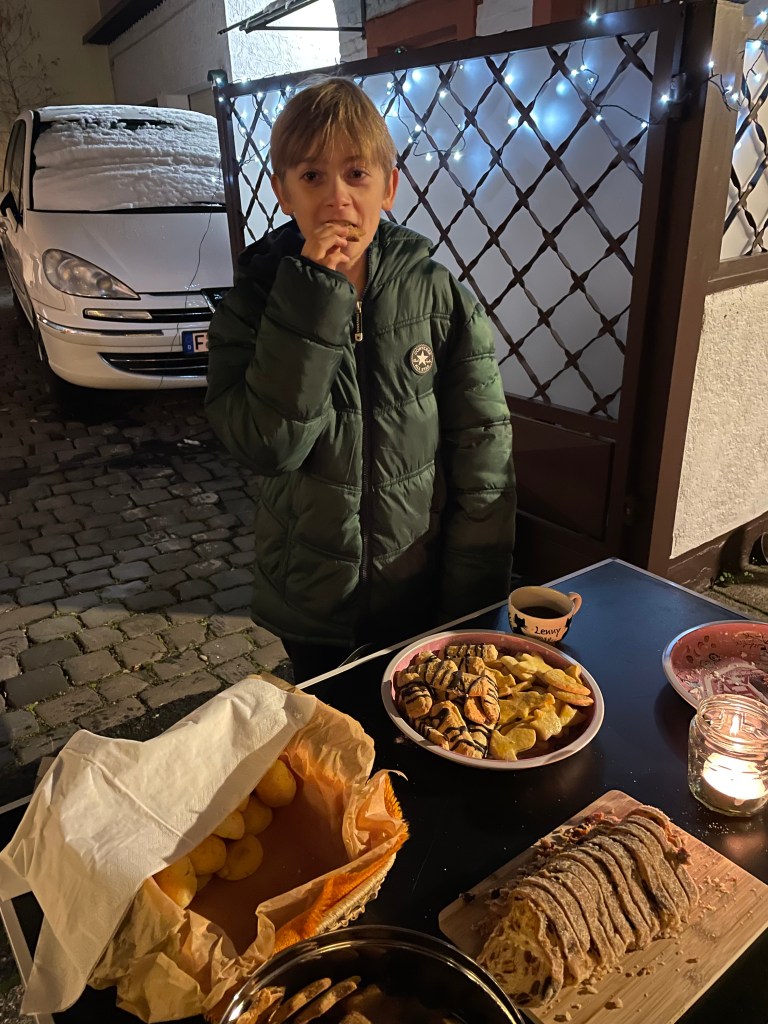
After we returned to Sister Enger’s home to enjoy the treats she’d prepared for us.  We all had room in our warm tummies to enjoy a bit more!
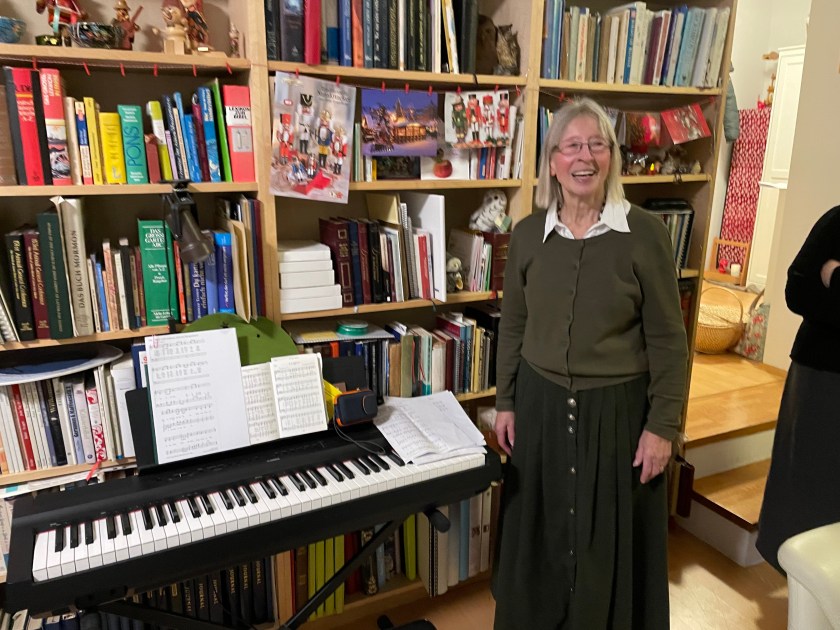
We love being in Sister Enger’s home.  We love her.  She is a bright light in our lives.
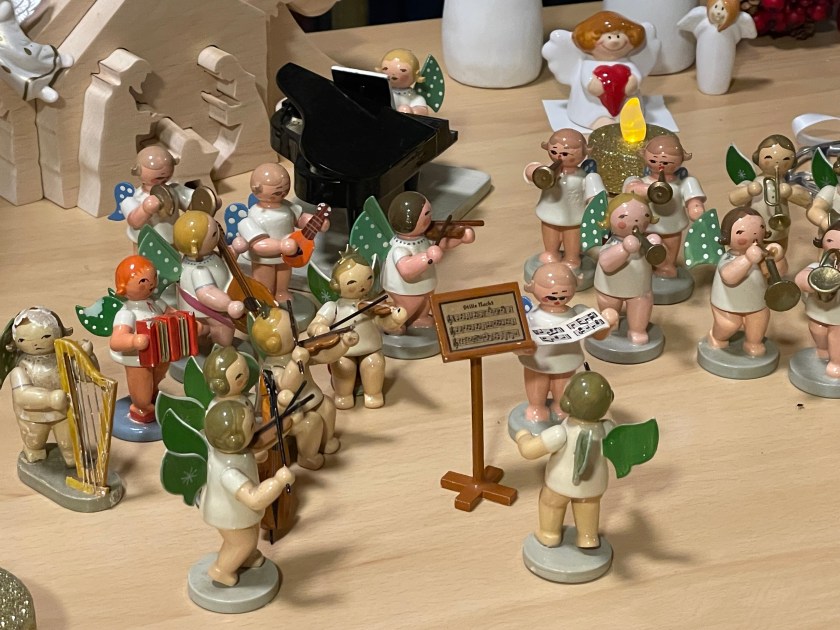
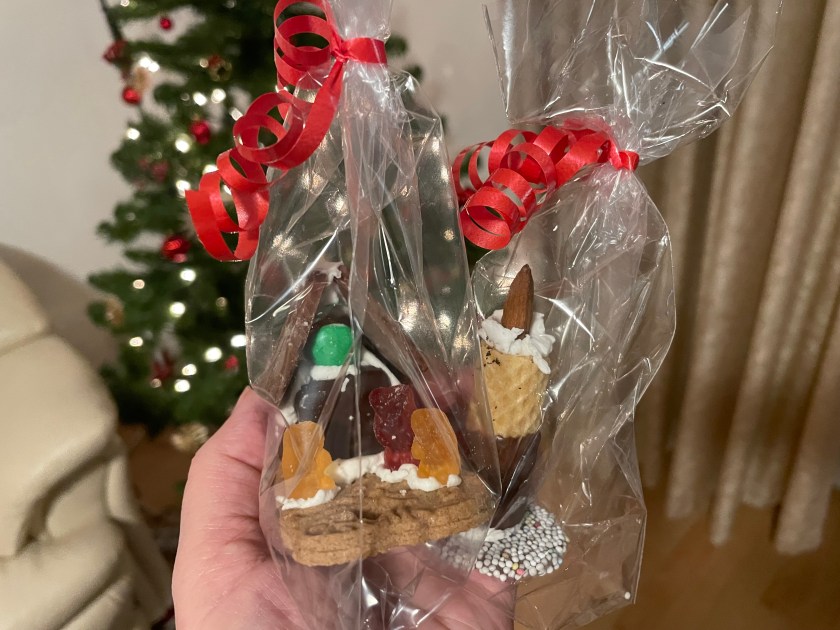
These are little gifts we each received–a little Nativity made from cookies and gummi bears, and an Advent candle.
Here is the recipe for the delicious little star cookies made by one of the neighbors:

Rheinischer Spekulatius
200 g weiche Butter
225 g Zucker
2 Eier
1 TL Kardamon (Cardamon)
2 TL Zimt
Abgeriebene Schale von 1 Zitrone
100 g gemahlene Mandeln
500 g Mehl
2 gestr. TL Backpulver
Butter, Zucker, Eier und Gewürze vermischen (z.B. gut mit der Gabel kneten und vermischen), mit Backpulver vermischtes Mehl zugeben und mit den Händen gut kneten. Über Nacht im Kühlschrank ruhen lassen.
1 Stunde vor dem Ausrollen aus dem Kühlschrank herausnehmen.
Ofen auf 190° vorheizen.
Auf bemehlter Unterlage nochmals kneten, teilen, dünn mit Kuchenrolle ausrollen (1-2 mm), mit Förmchen ausstechen, auf eingefettetem Blech 12 15 min bei 190° hellbraun backen.
Gutes Gelingen!
Shelter Box Tents for Emergency Relief

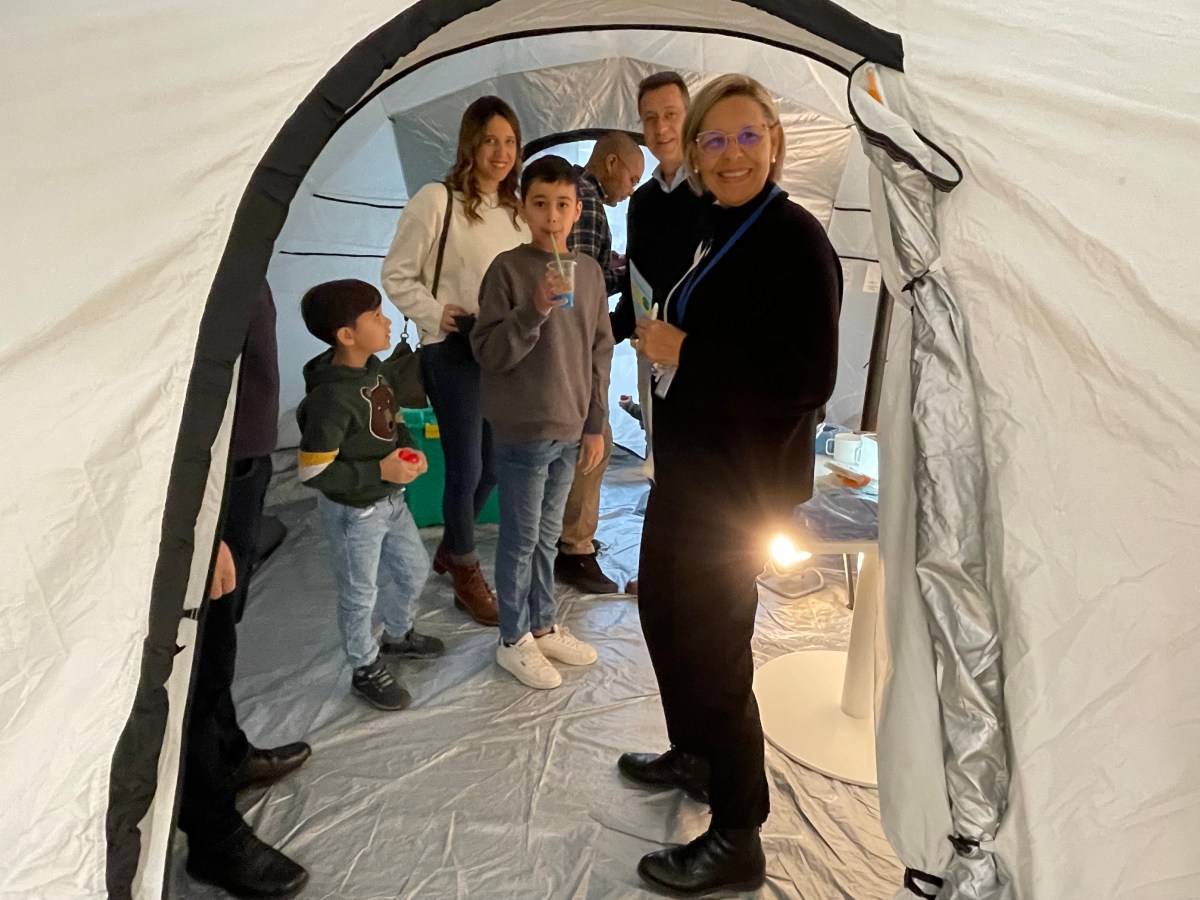
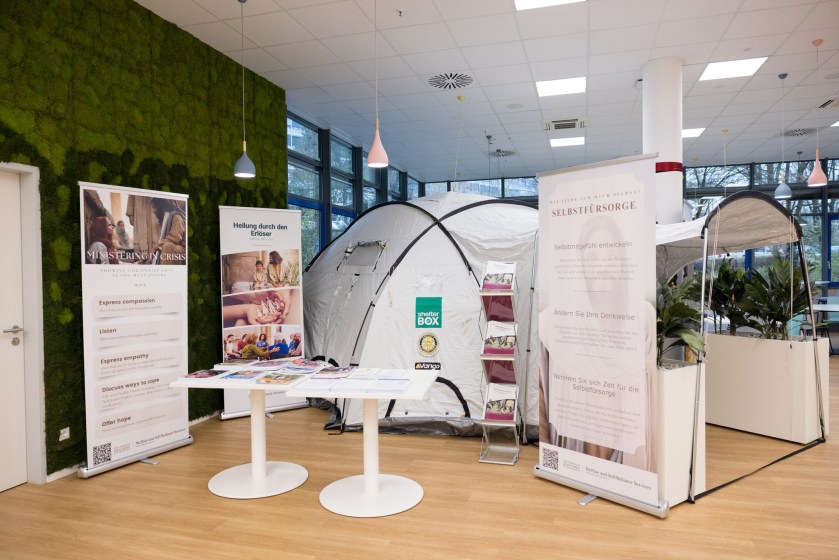
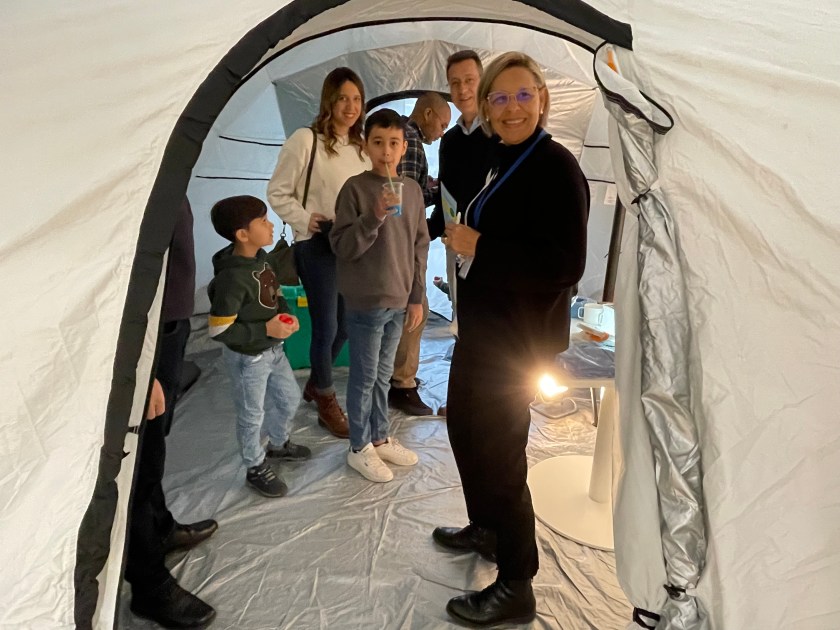
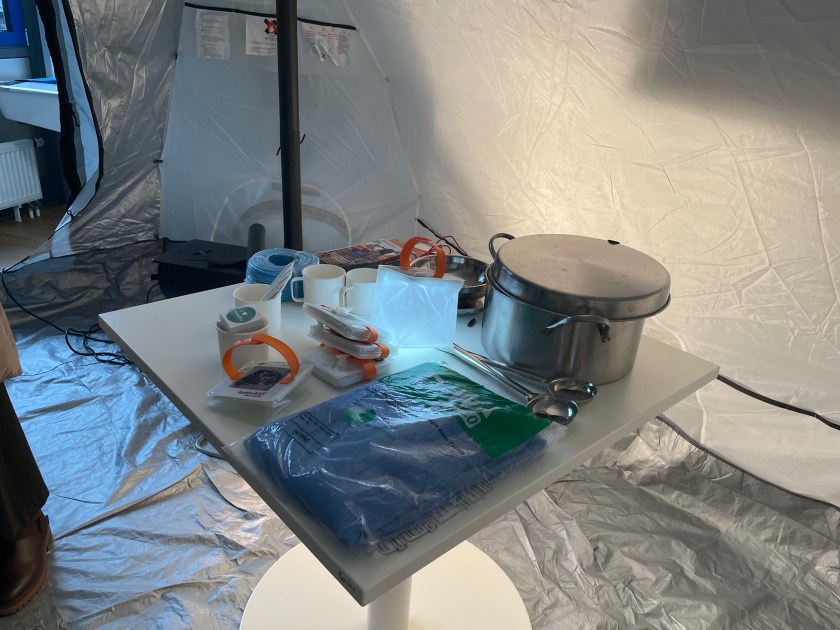
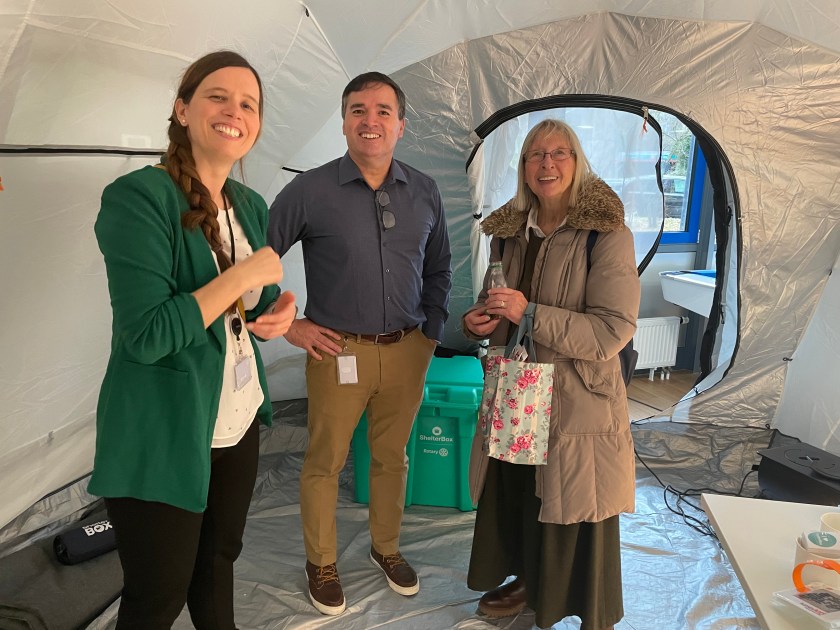
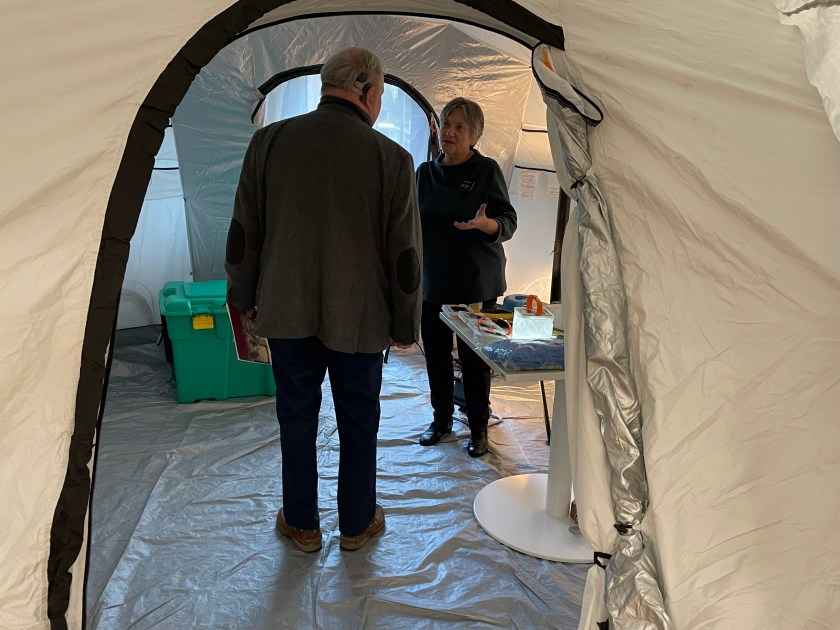
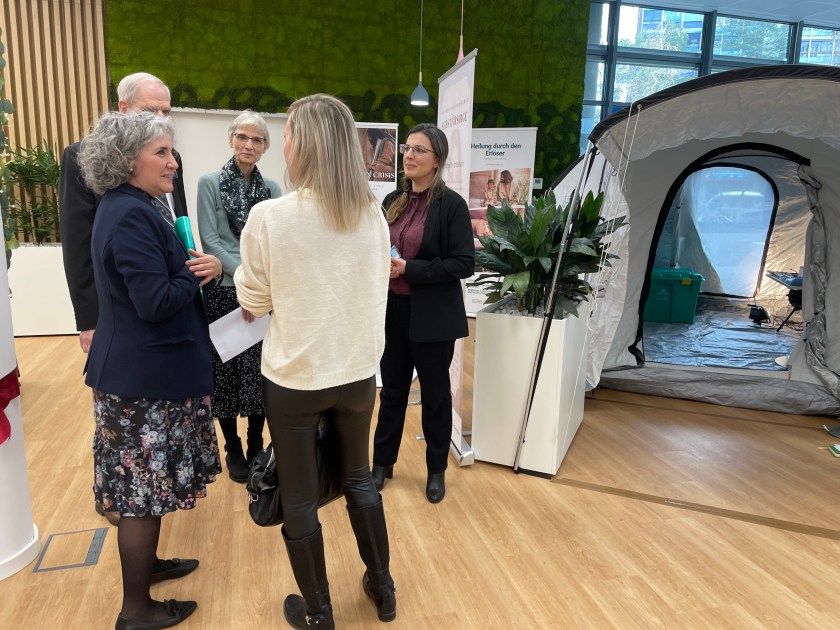
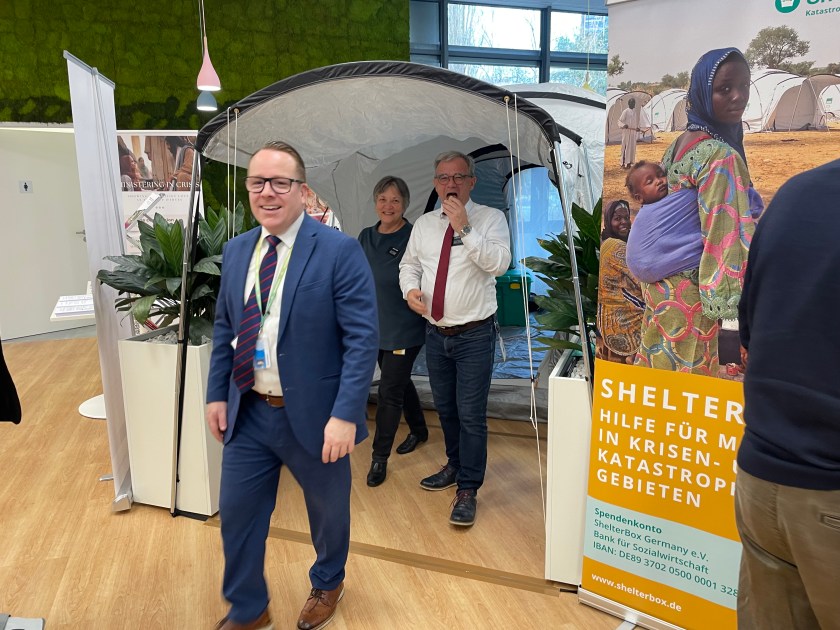
This is a Shelter Box Tent. The Church works with Shelter Box to provide instant housing for refugees and victims of disasters. These pop-up homes can house a family of five. We had one on display during our Open House events this week. They really are amazing.

You can learn more about them here.

These tents protect from:

1. Wind
ShelterBox tents are tested in winds up to 100kmh where, even without guy ropes, they remain sturdy.

2. Rain
The high spec, waterproof outer keeps the interior dry, even in driving rains.

3. Stress
Flexible tent poles reduce damage from impact and are designed to be pitched and taken down again several times to allow families to be flexible with where they settle.

4. Heat
A reflective exterior shields from UV light, while ventilation windows allow the breeze to roll in.

5. Cold
When paired with the winterised tent liner, they can help protect against the freezing cold.

The tents are equipped with a small table, a couple of chairs, a vented cooking stove, a saw for cutting wood, and the Church helps provide some basic food supplies.

I love everything about this.  

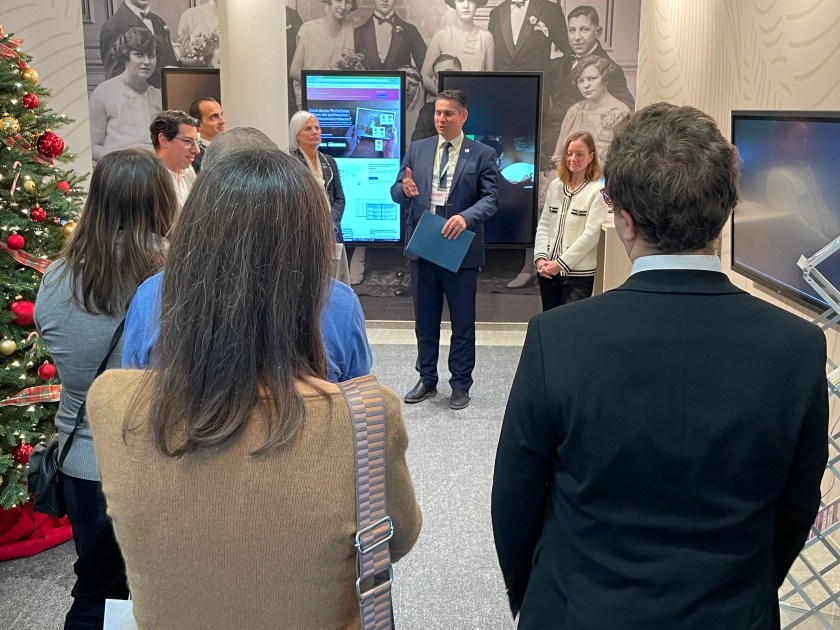
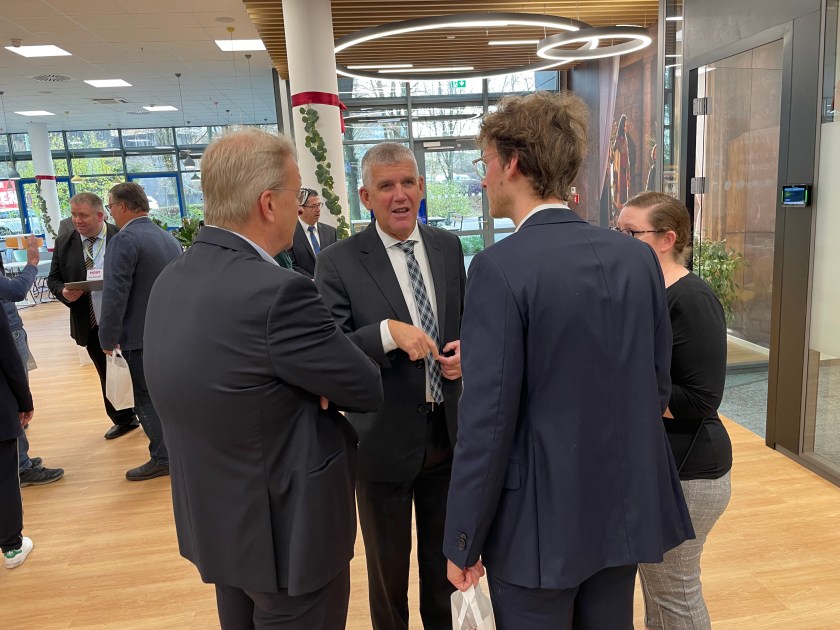
Hosting Special Guests at our Open House Event

The last month or so of our lives has been consumed with preparations for 2 open house events held here at our workplace, the Phoenix Haus.  Here is the press release we prepared about this event:

New Europe Central Area Office opens its doors

This press release can be found here.


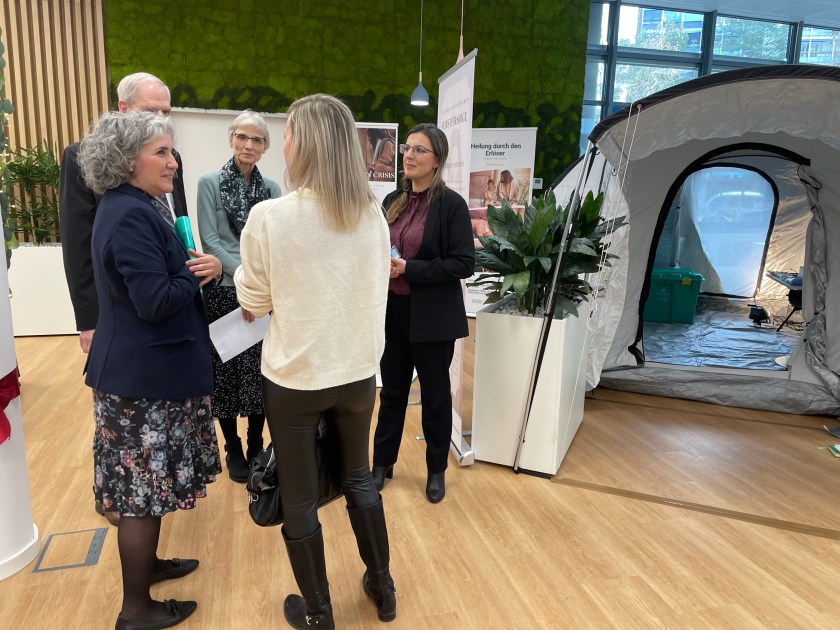
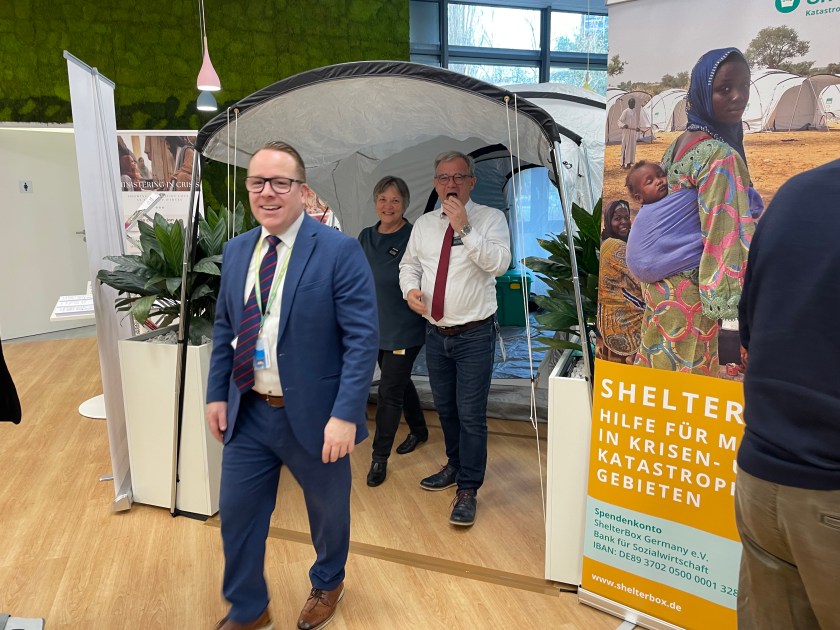
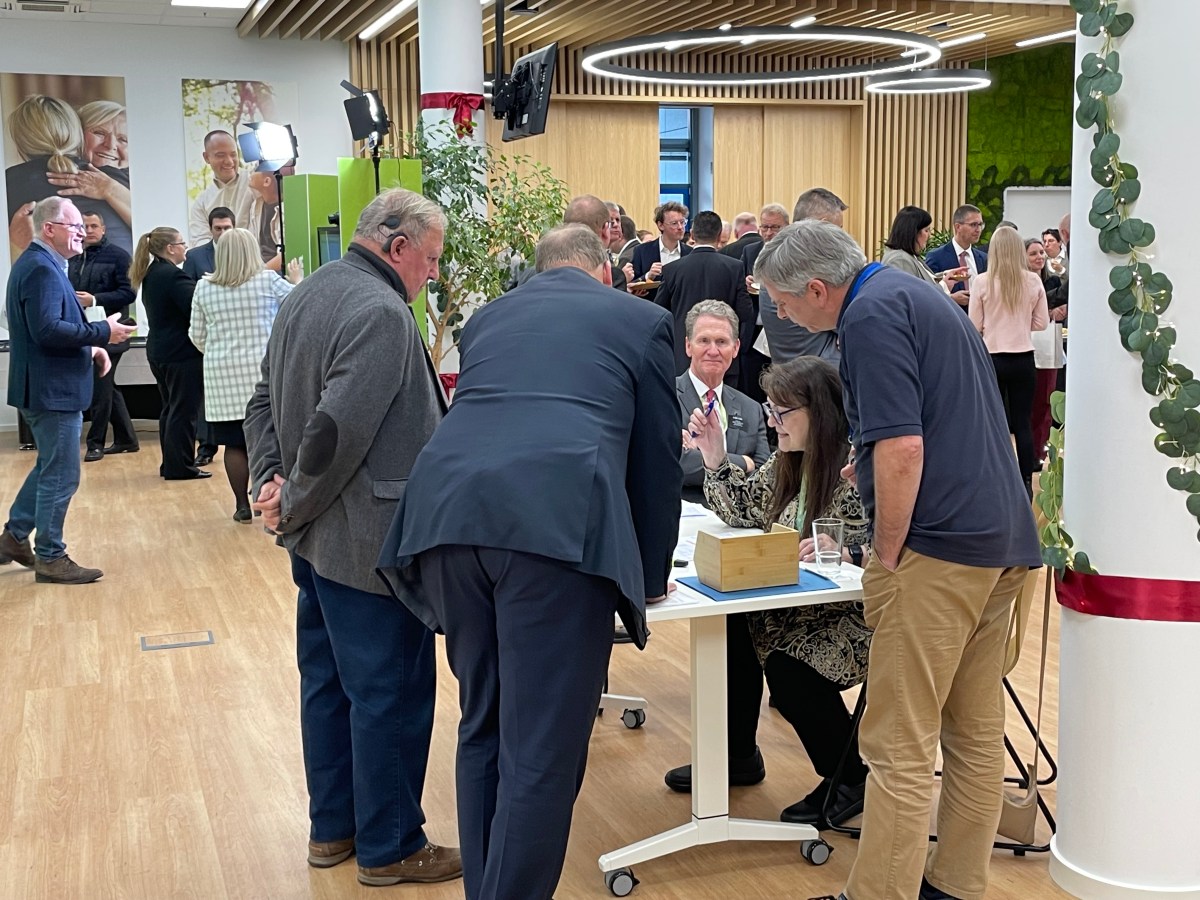
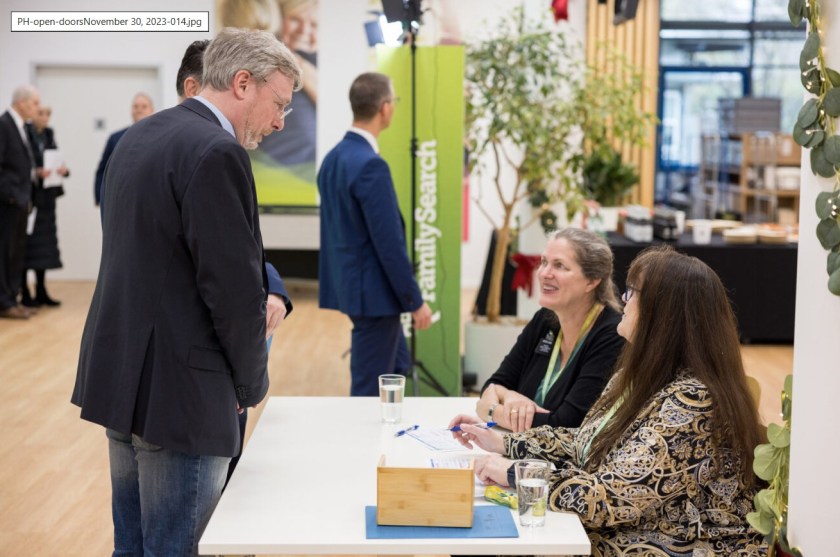
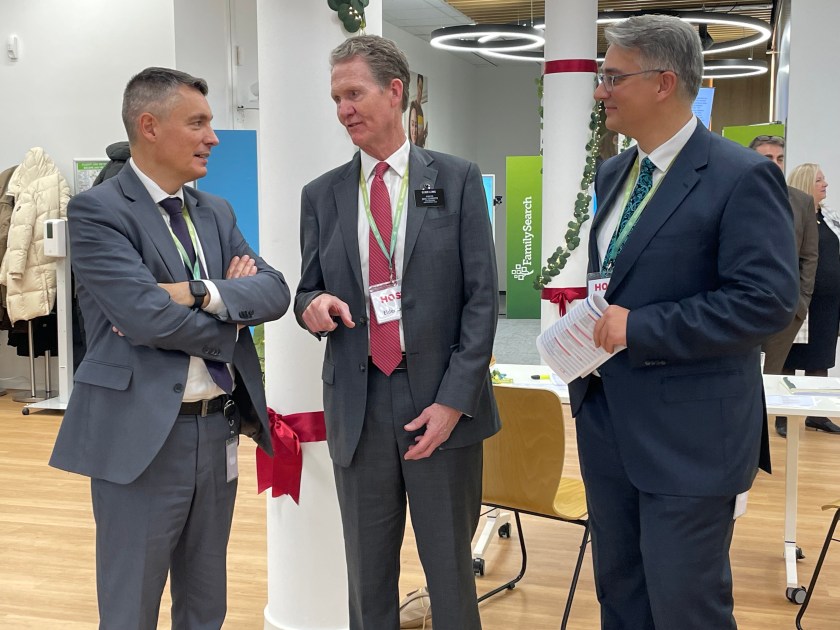
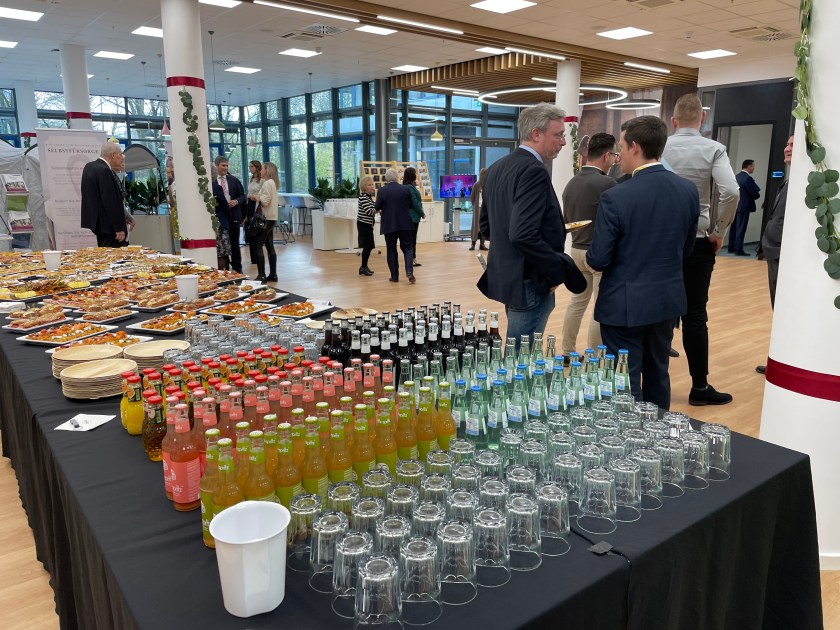
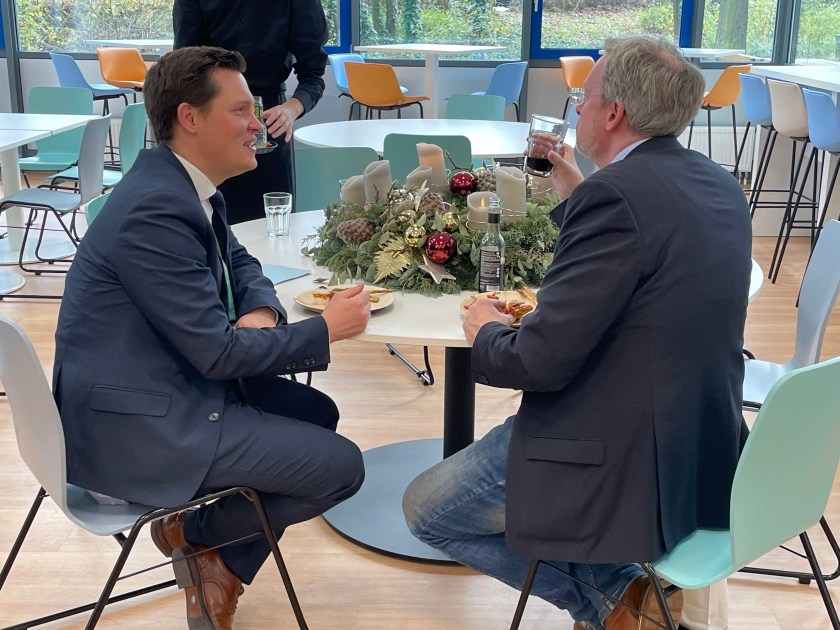
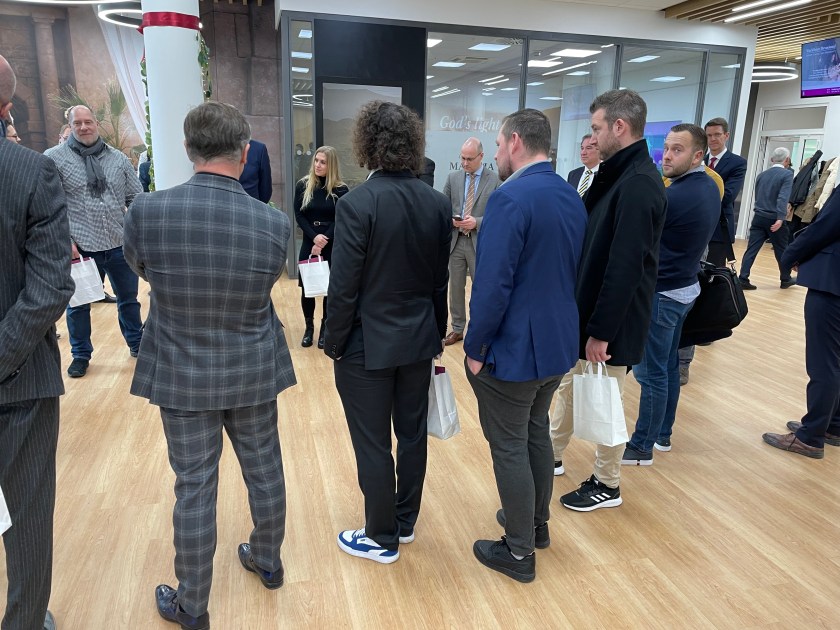
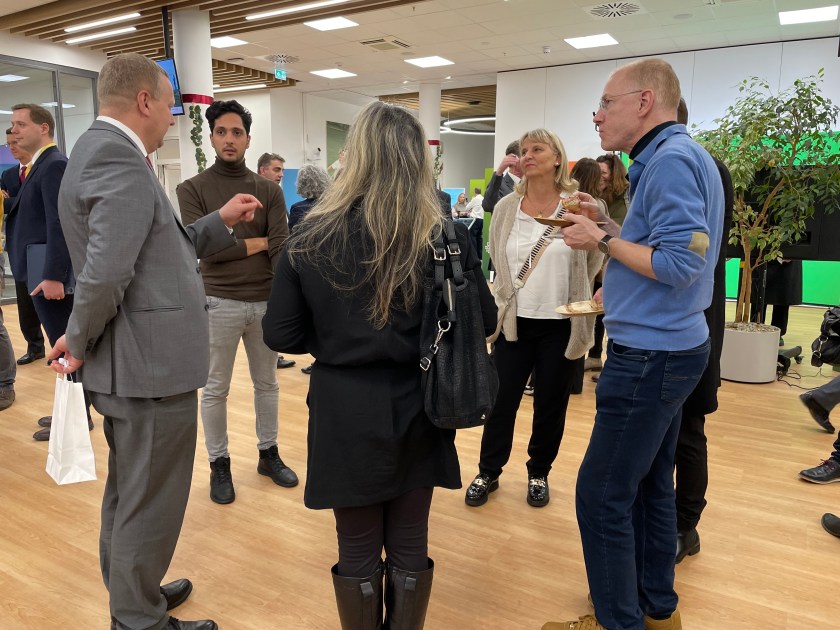
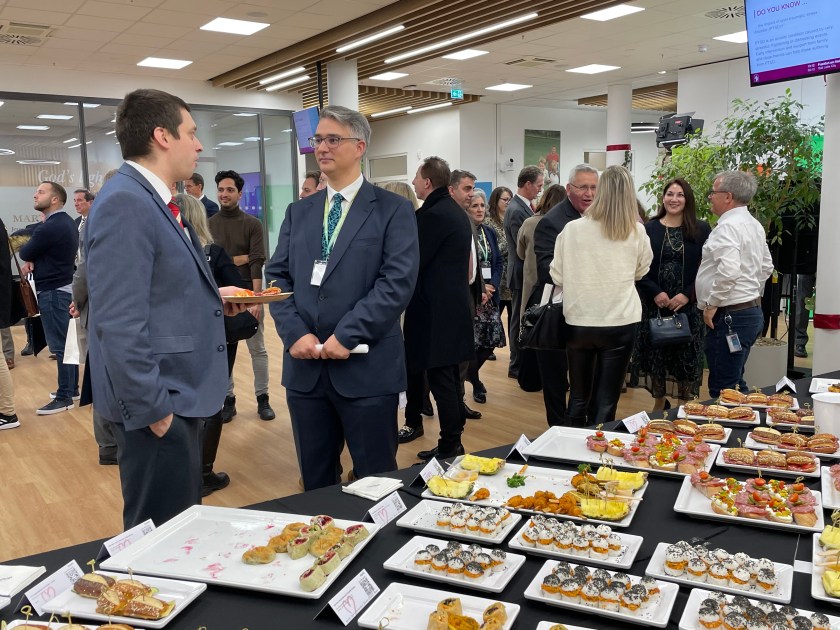
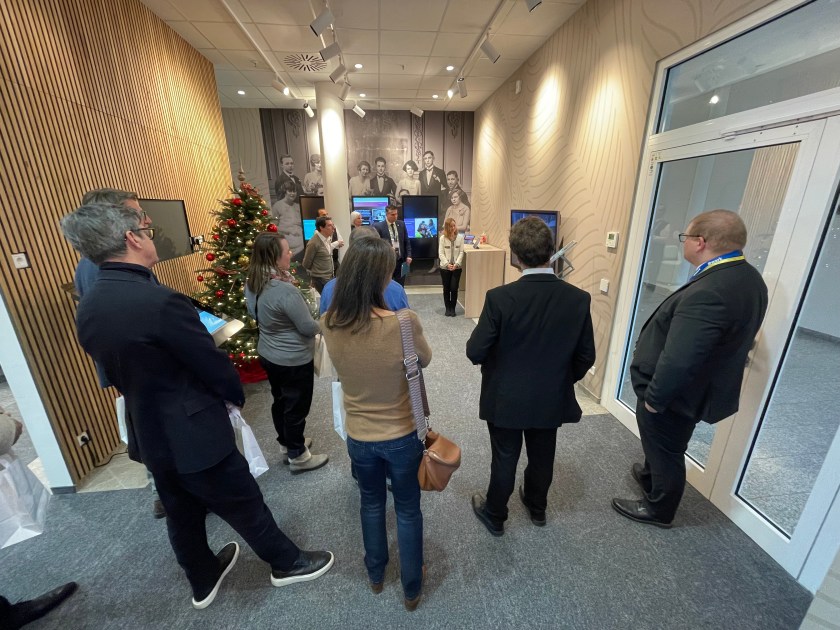
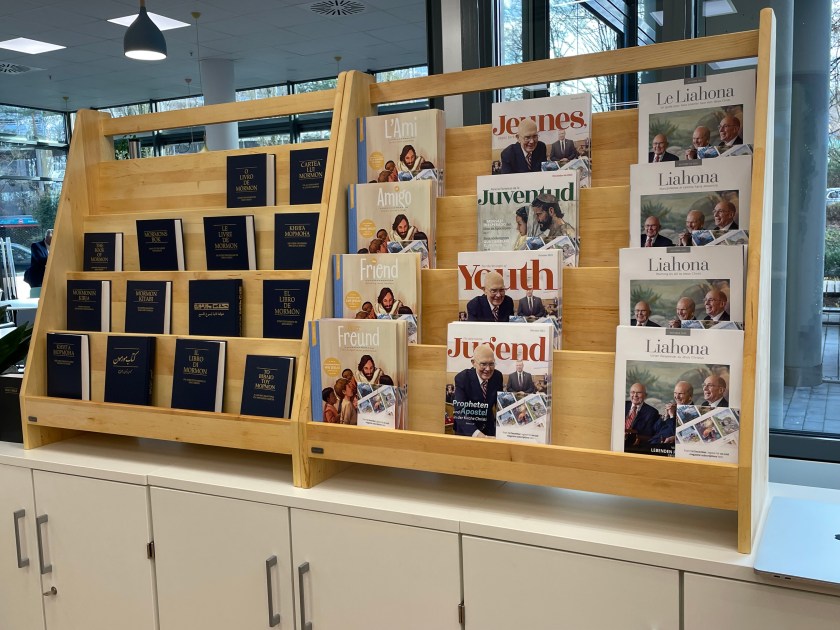
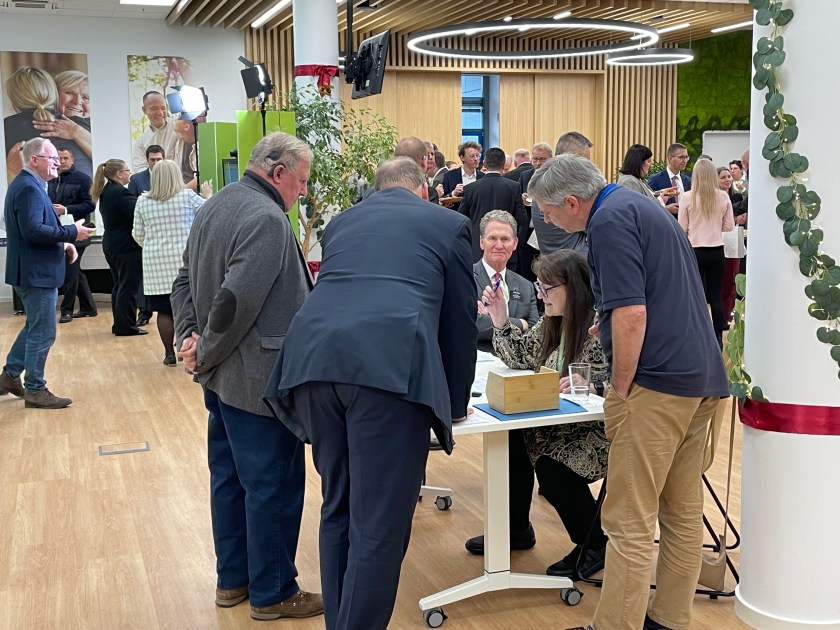
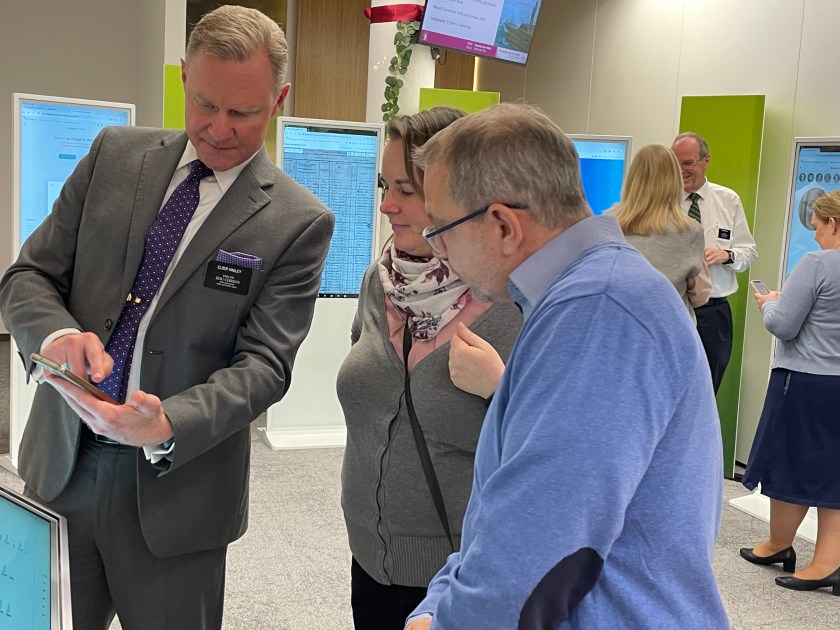
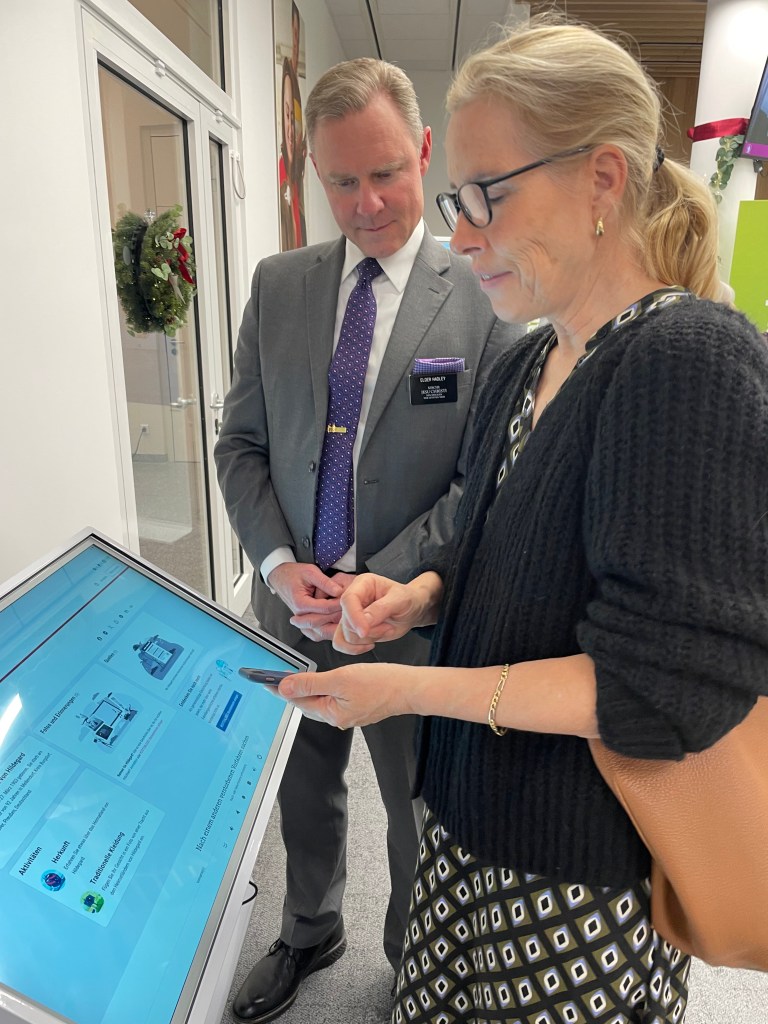
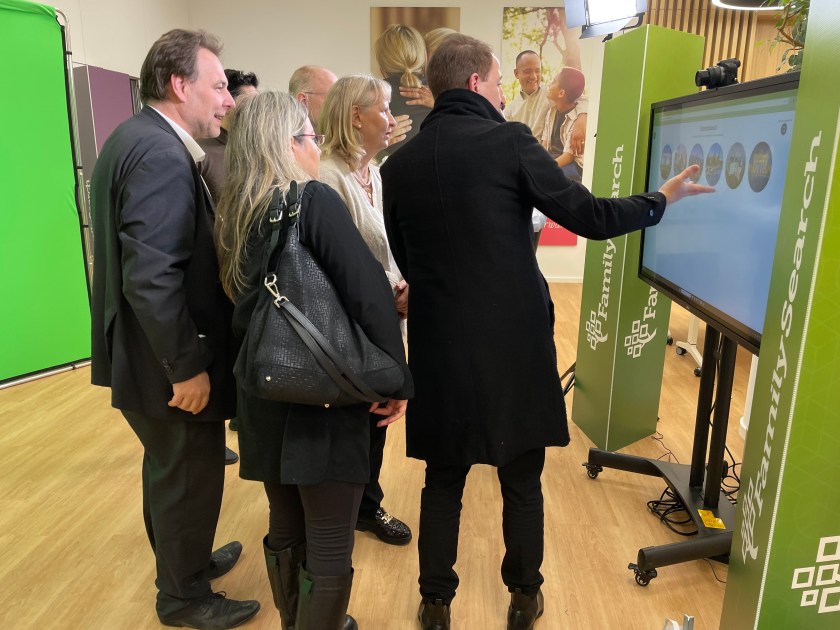
Following the tours of the building, guests mingled in the multipurpose room where they learned about the Church’s humanitarian efforts, FamilySearch, and many other wonderful things we are doing in the world.

We had a This is a Shelter Box Tent set up in one area. The Church works with Shelter Box to provide instant housing for refugees and victims of disasters. These pop-up homes can house a family of five.  I’ll write more about those in another post.

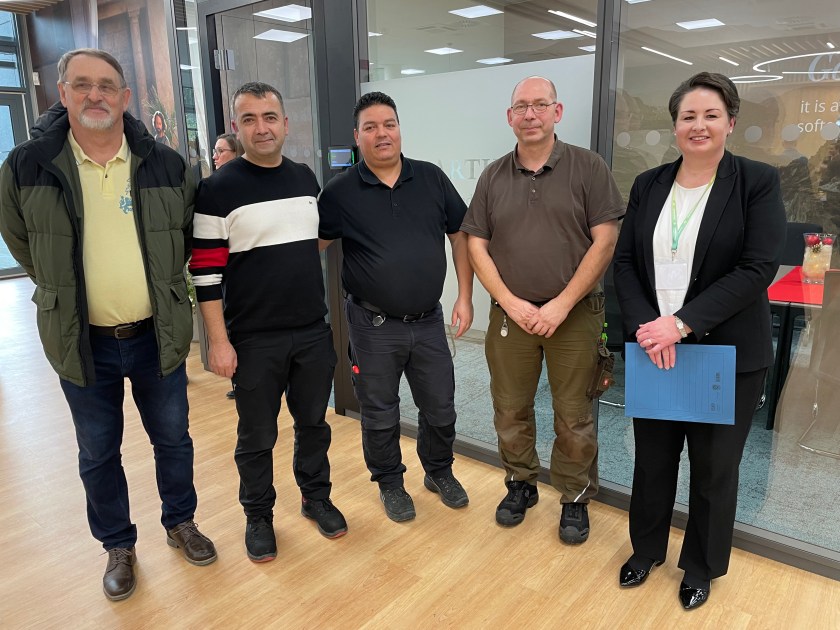
The day was a huge success.  We had more than 100 visitors come to see our workplace and learn more about who we are and what we do.  We are so happy to be here, sharing the good that’s done in the world.