Visiting the Site of the Nazi Party Rallies

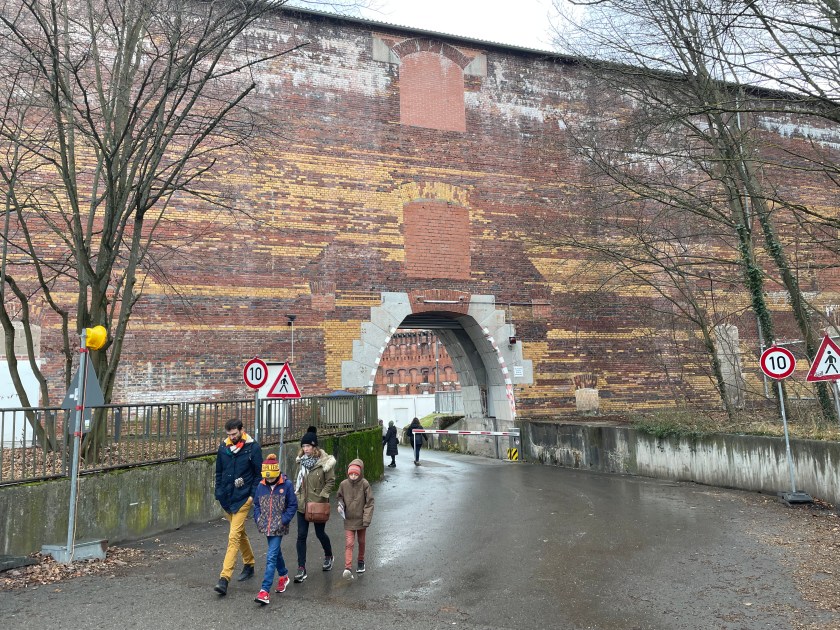
This morning we made plans to visit some sites made famous by Hitler.  We took a bus to the edges of town to visit the Nuremberg site of Hitler’s political rallies.  This area was under construction when Hitler arrived with his plans to take over the world.  He took over the area and made big plans to finish the buildings and huge gathering areas.

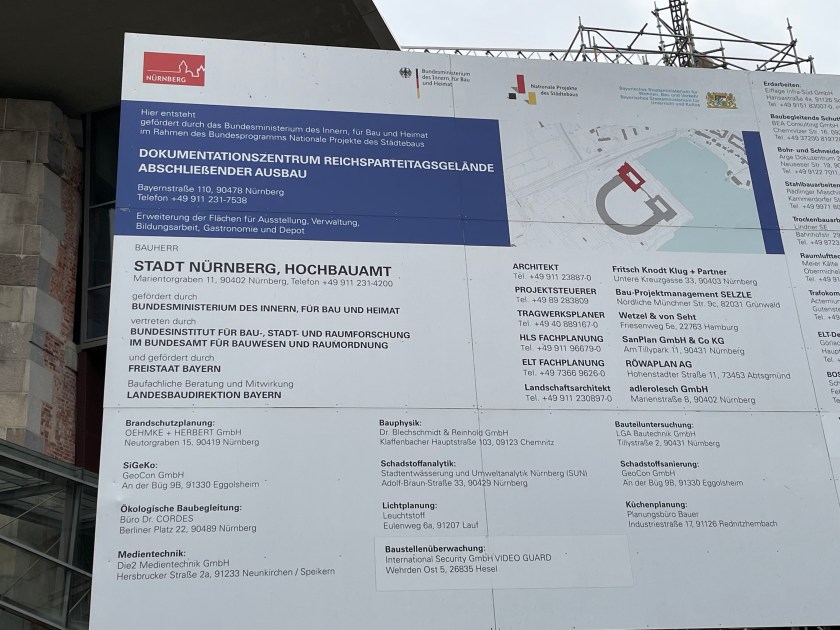
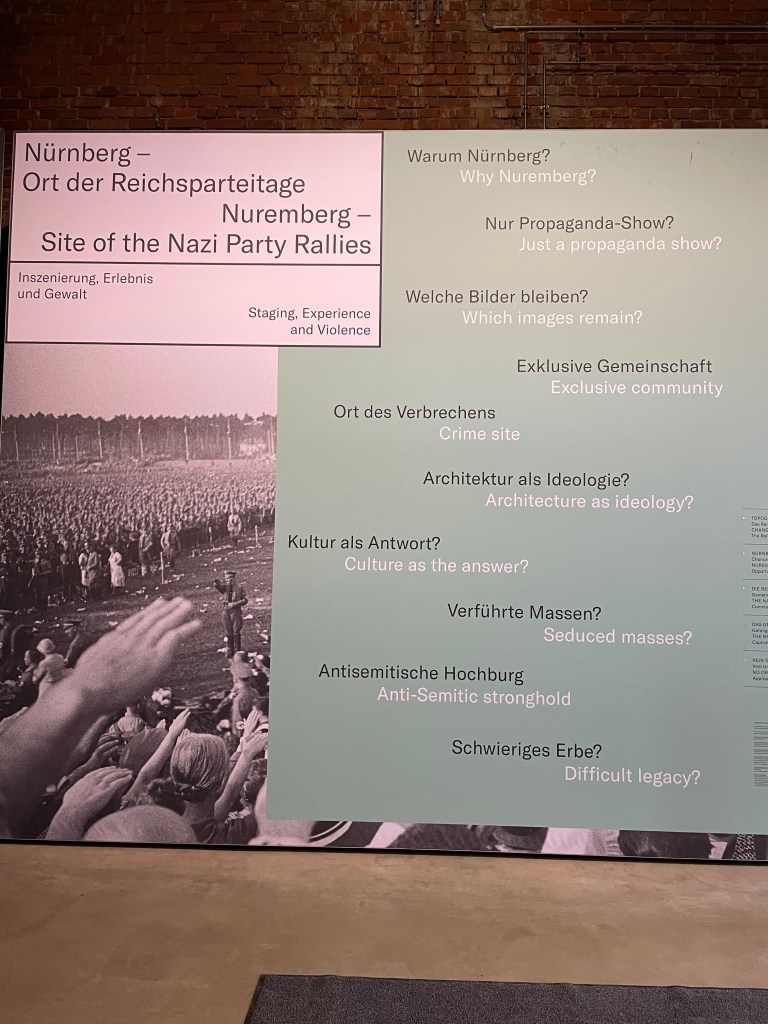
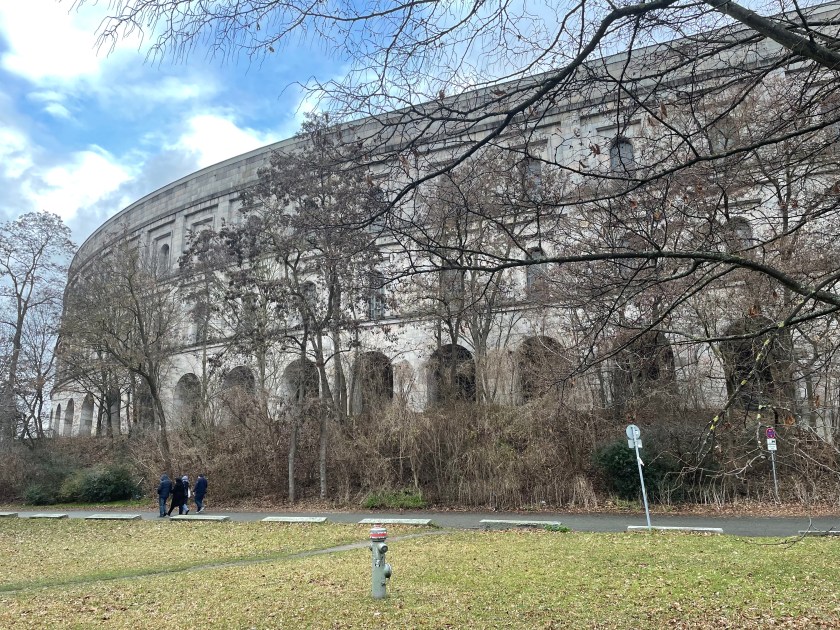
Here is where the bus let us off–outside the colosseum that is still unfinished.  There is a Interim Exhibit called “Nuremberg –Site of the Party Rallies, Staging, Experience and Violence” in a large exhibit hall of the Documentation Center.  We spent a couple of hours there, reading and learning (on our phones) about the history of the Nazi Party here on on these grounds.  A permanent exhibit is scheduled to open in late 2024.

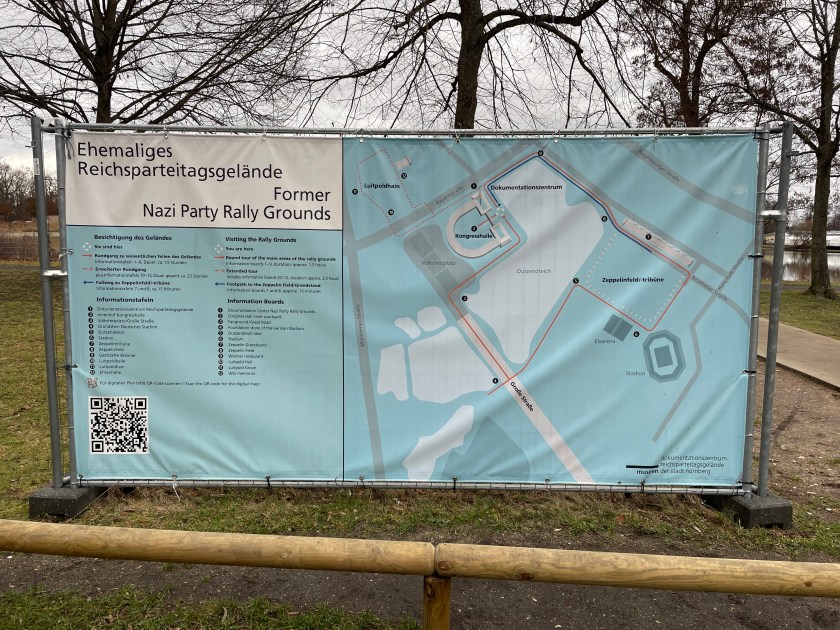
Here’s a map of the grounds by the ticket office:
This is the hall with the Interim Exhibit:
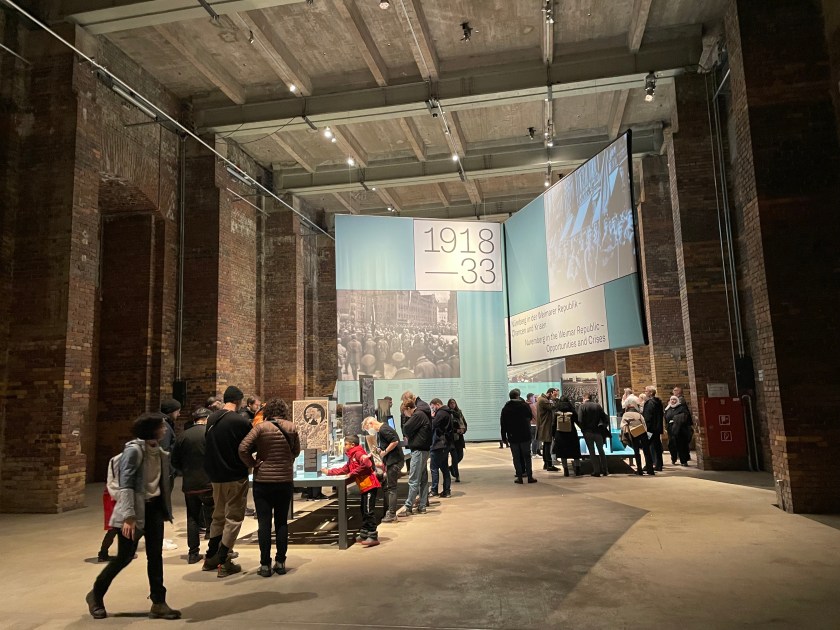
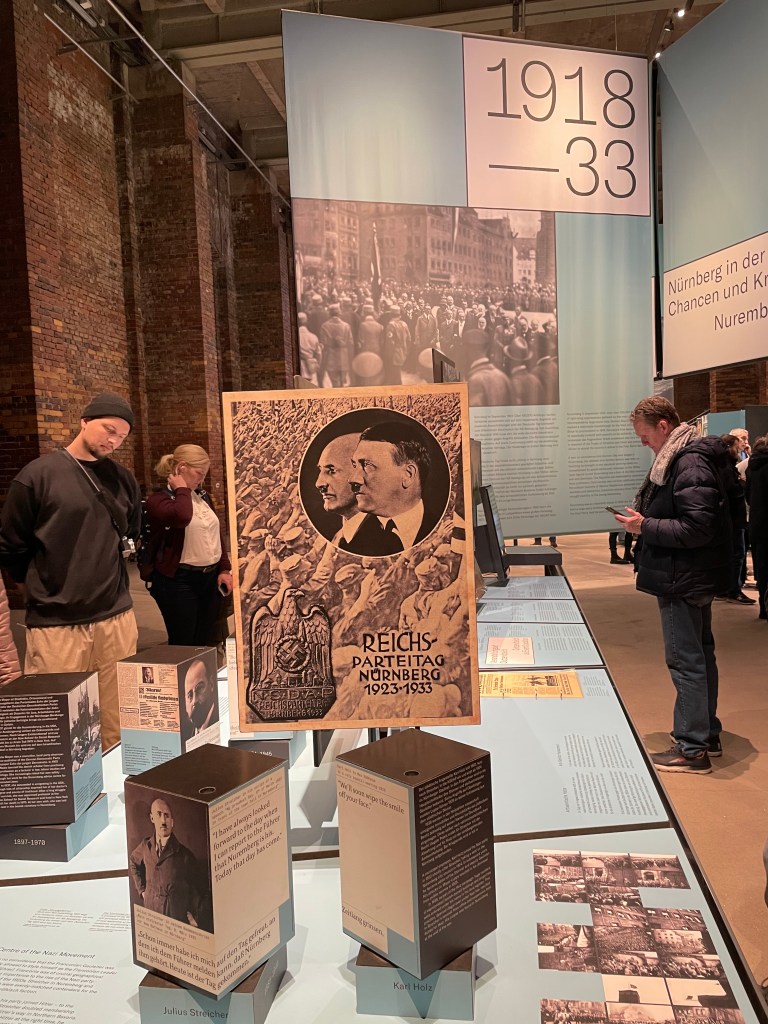
There were lots of pieces of information, news and artifacts to look at and read, while we listened to words on our smartphones.

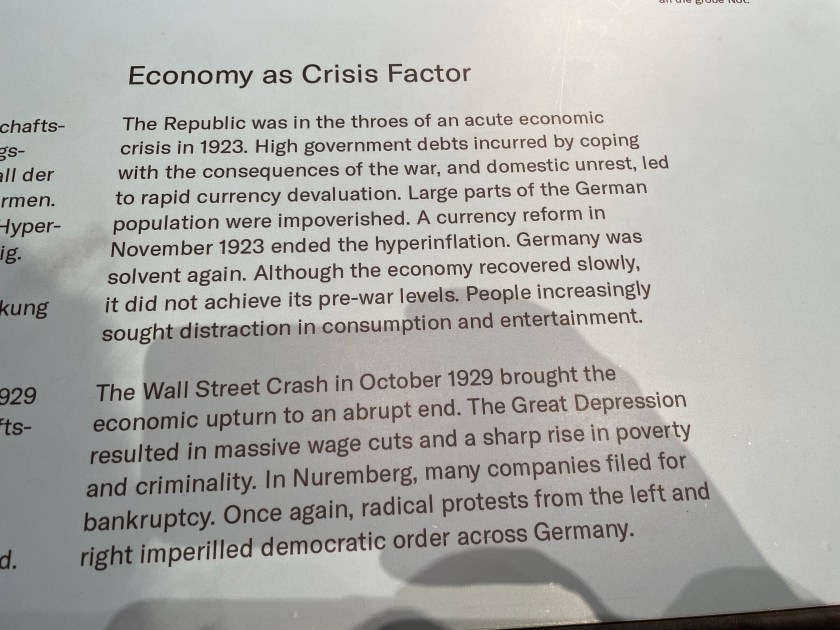
This piece of information about the inflation crisis was especially interesting to me because I heard Grandpa Rudolf talk about it so often.
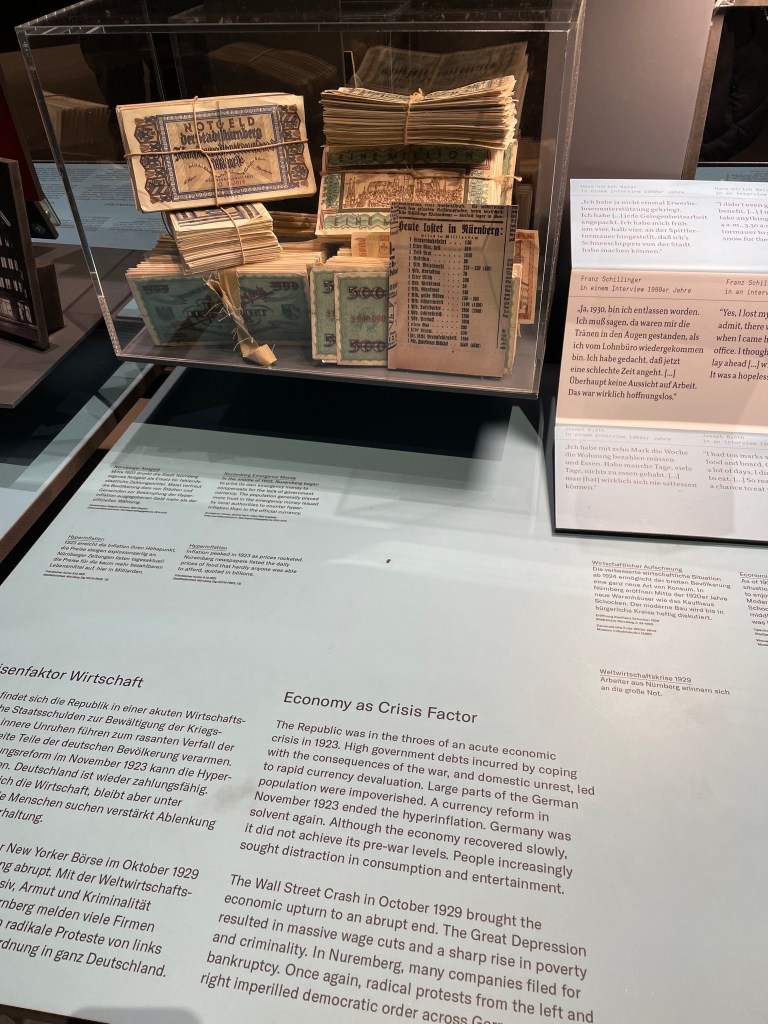
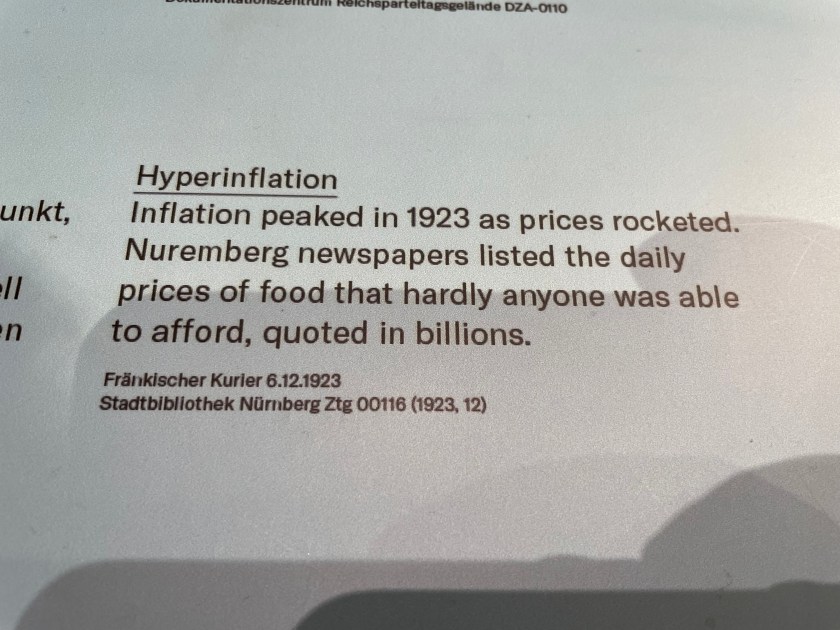
Grandma and Grandpa married in 1929 and left Germany during this time.
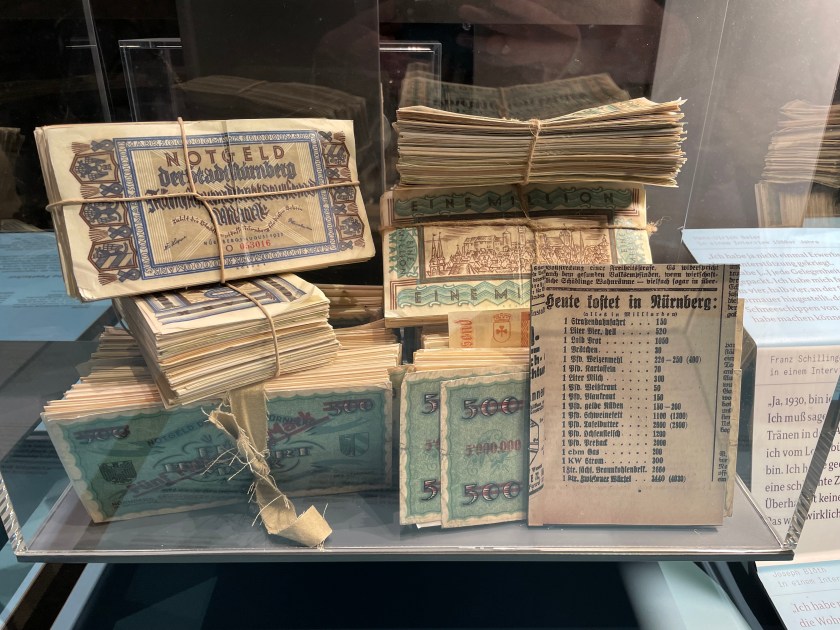
Grandpa described how people would use wheelbarrows to carry their almost-worthless bills.
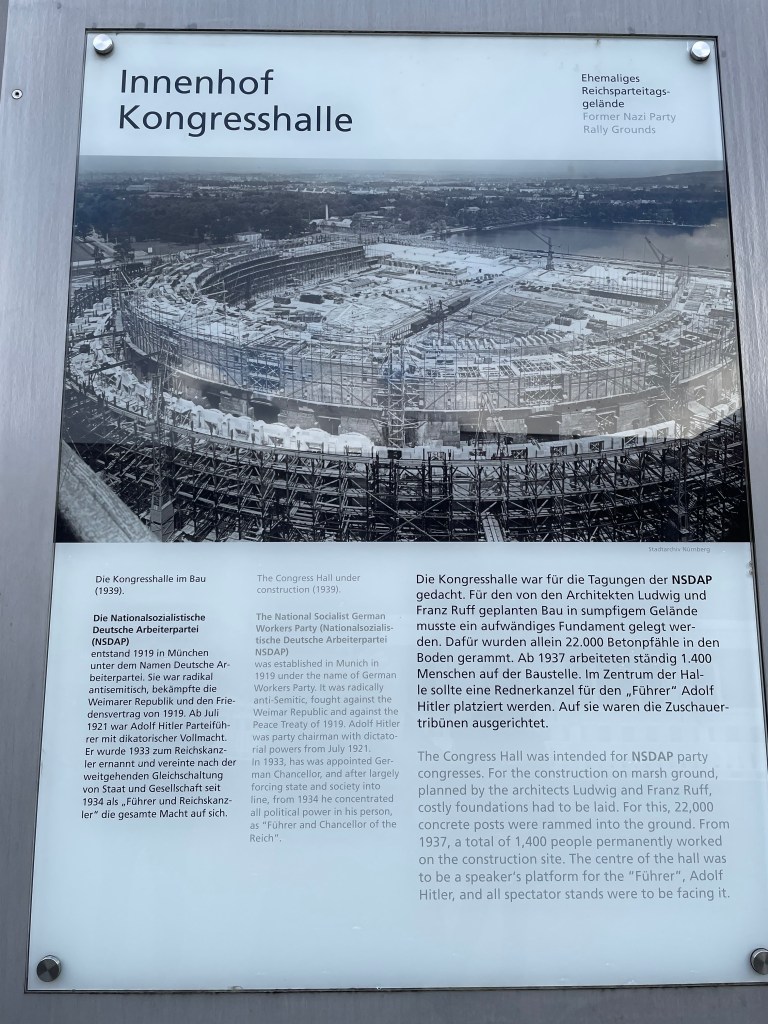
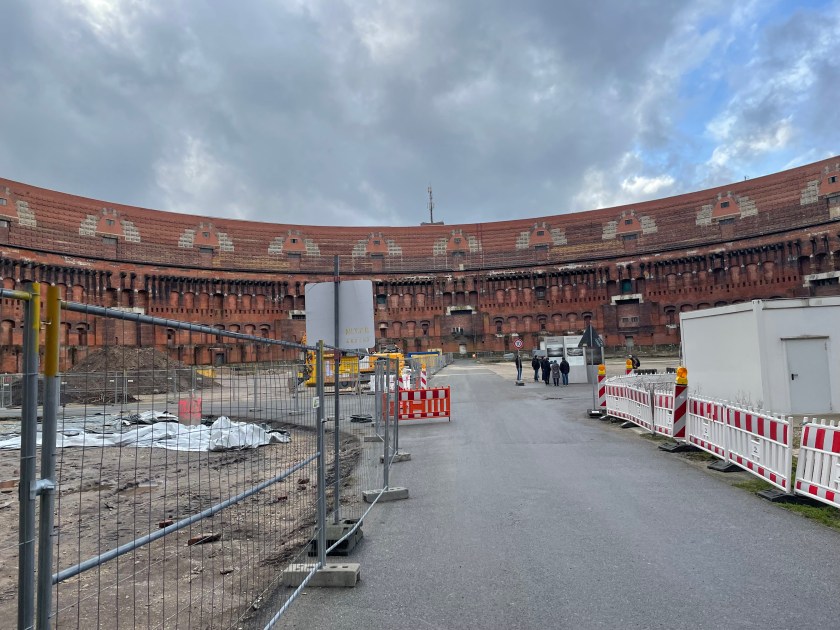
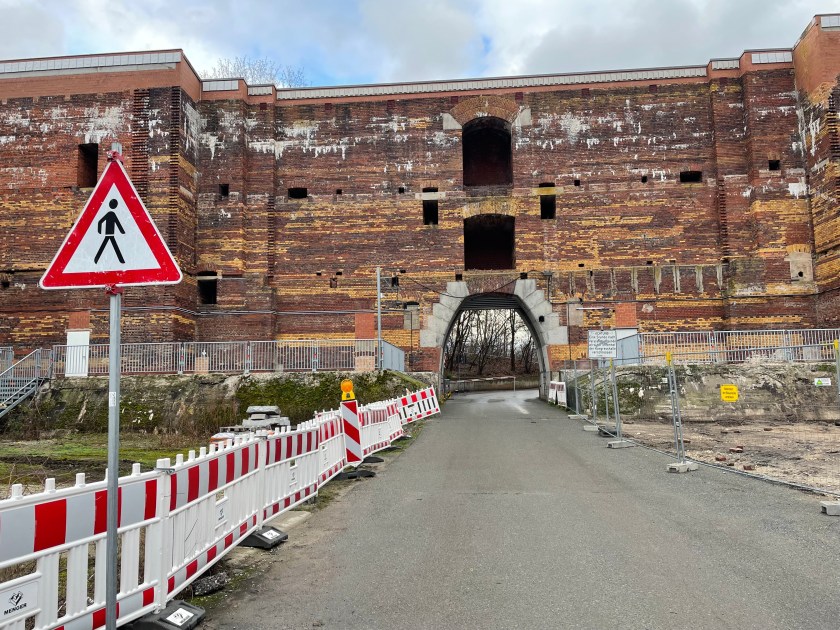
After the Exhibit Hall, we walked over to the colosseum, surprised to find it totally unfinished on the inside.  This place is TWICE as big as the Colosseum in Rome!
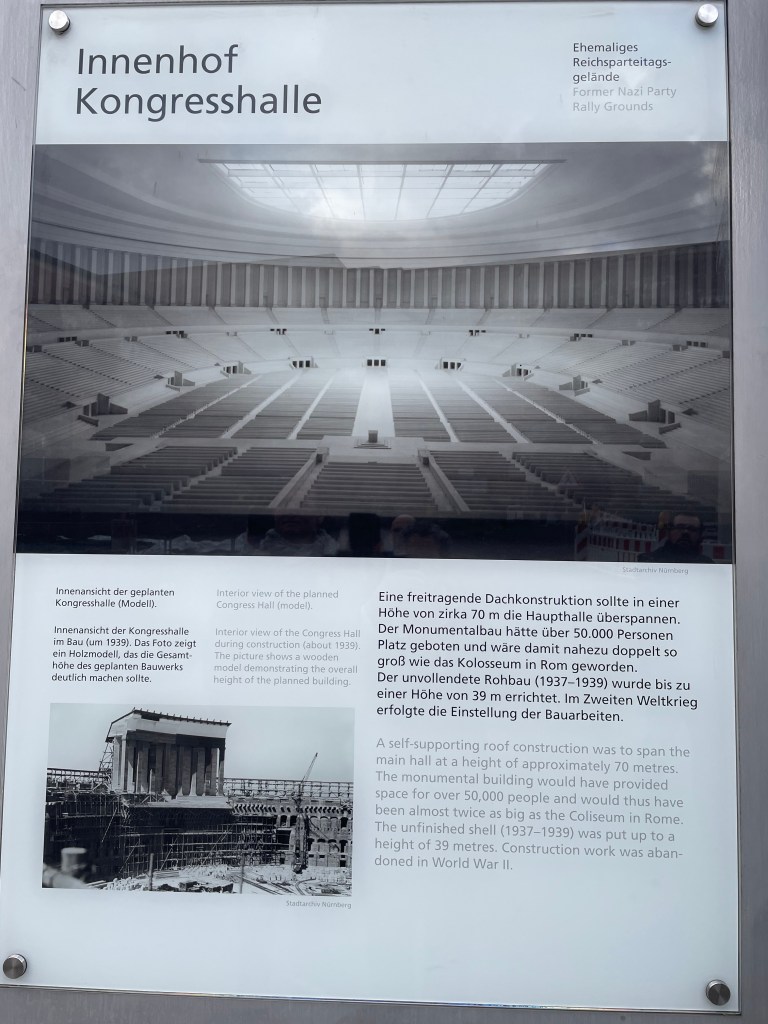
During the war, there simply wasn’t enough money or manpower to finish building it.  This was the plan:
I was amazed to find it constructed of small bricks.
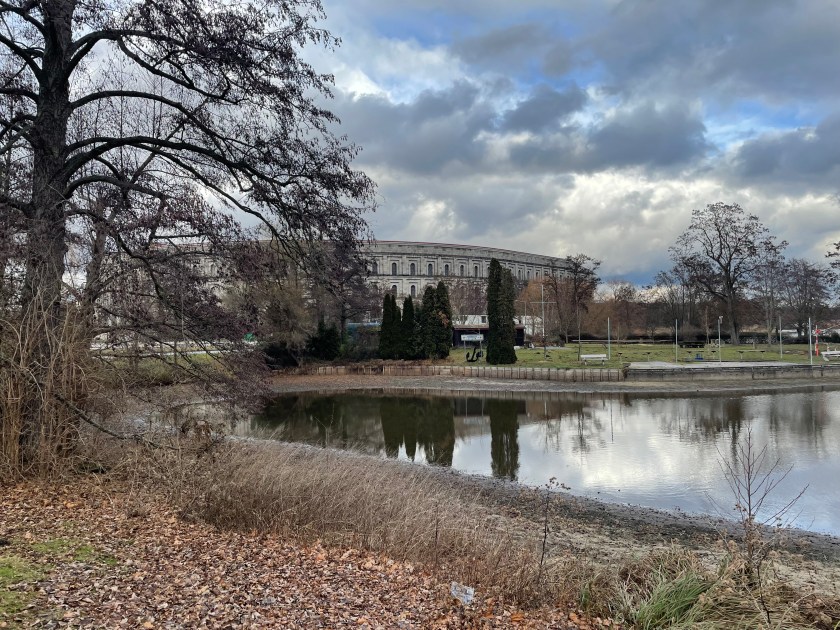
Then we started on the 90 minute walk around a lake area that was also once a construction site, later filled in with rubble and then filled with water.  Today’s Nuremberg is trying to make this a family friendly destination spot with water sports and recreational areas.

As you walk around the lakes, there are 23 large information panels explaining the history of the place and what happened where.
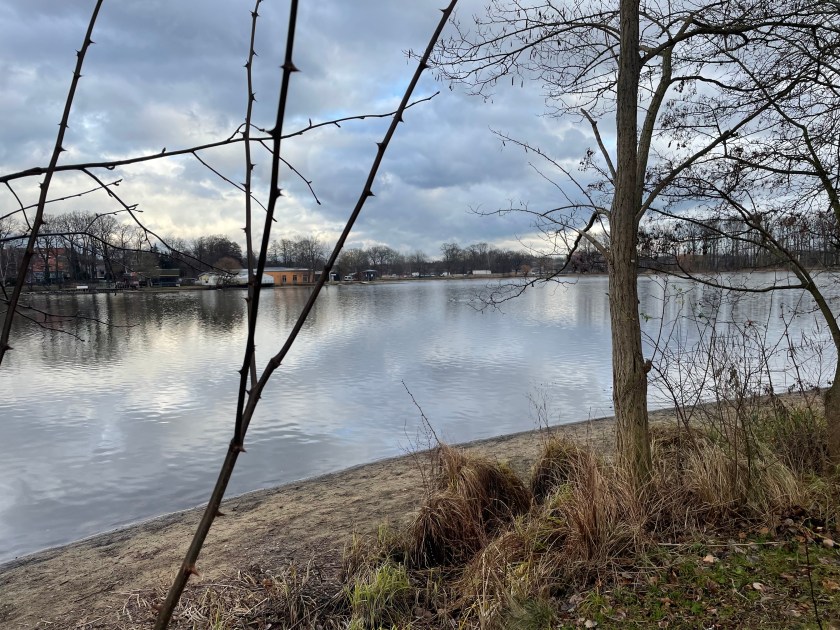
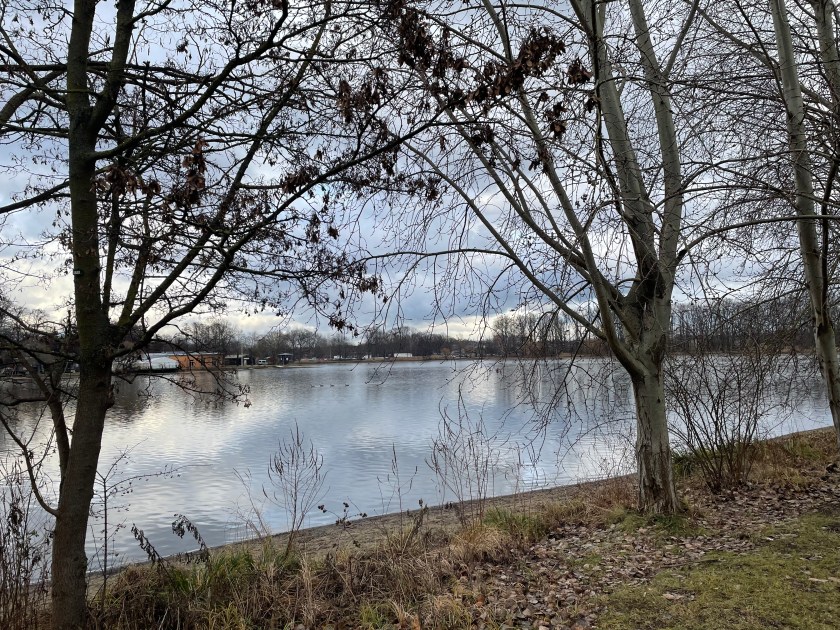
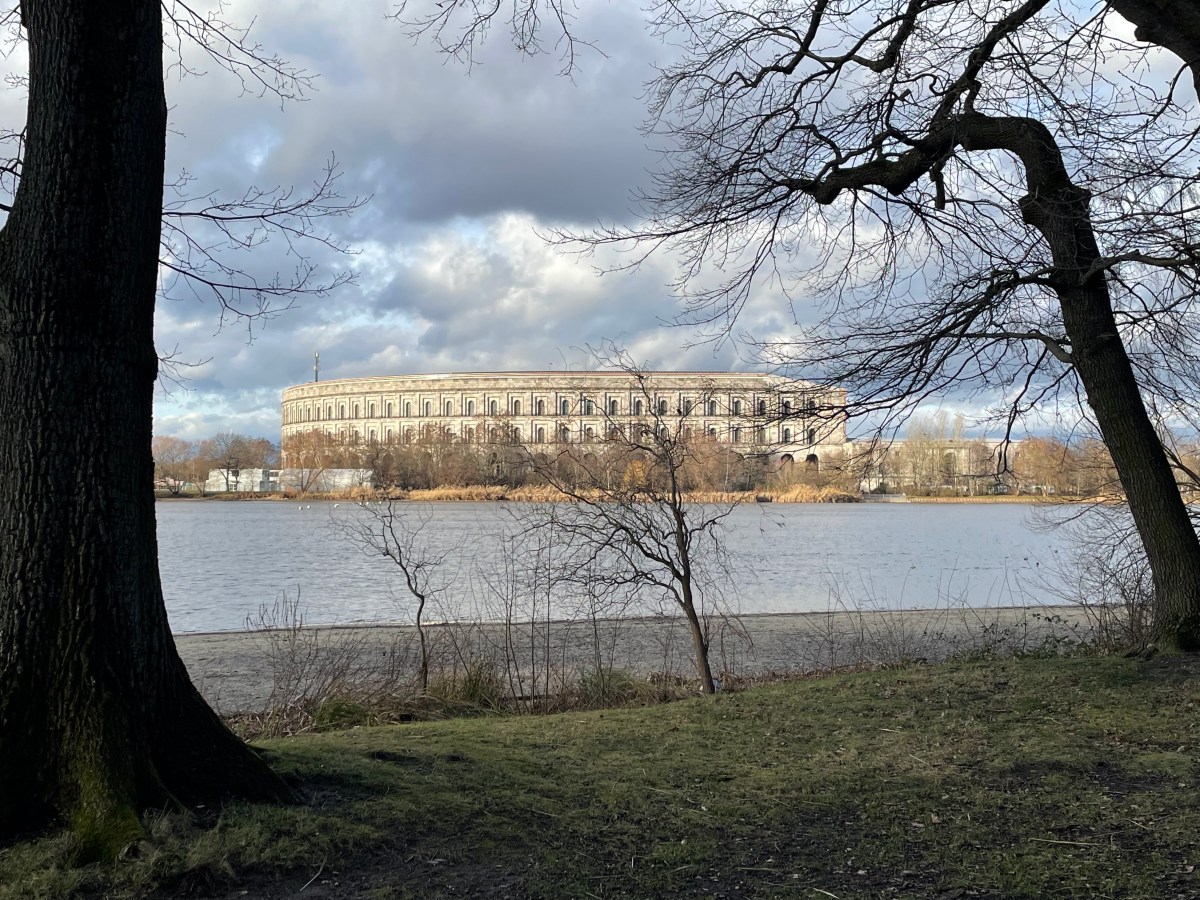
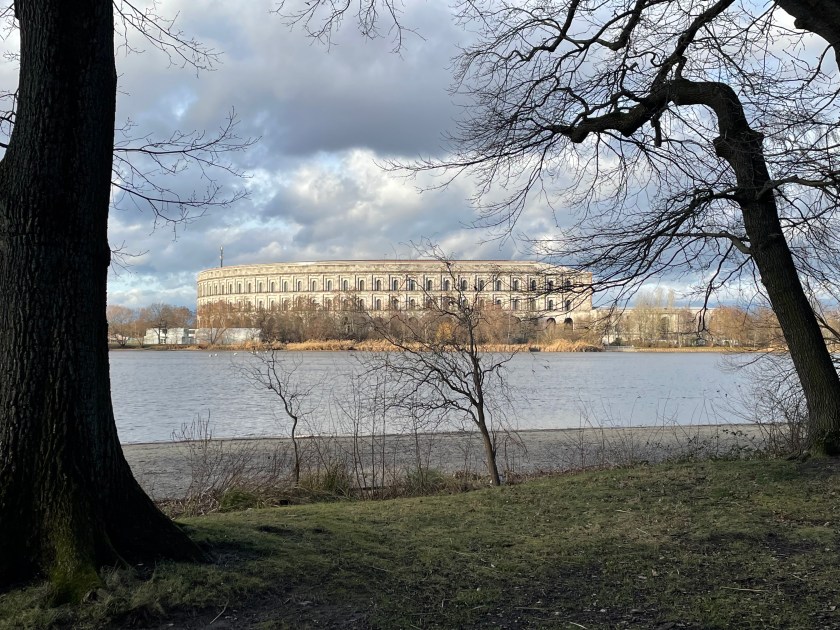
The view back at the colosseum:

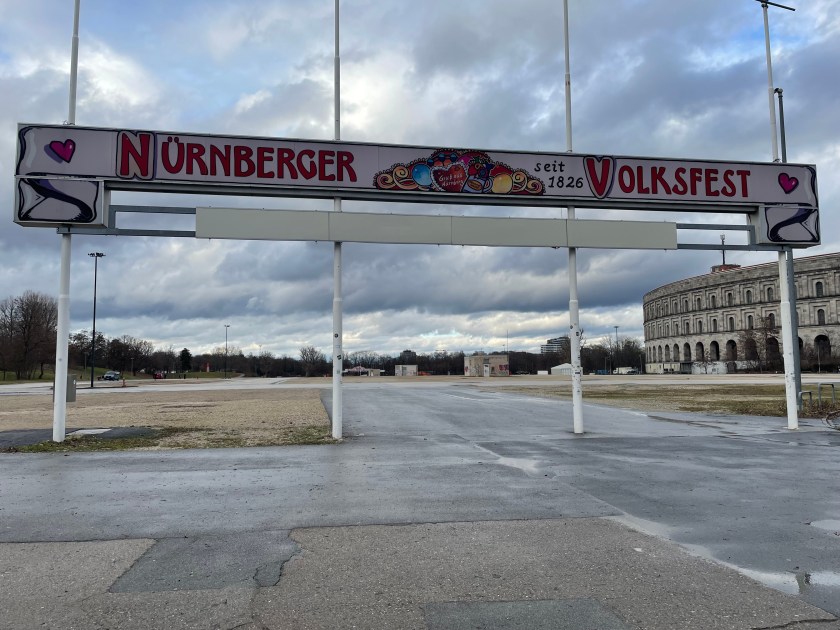
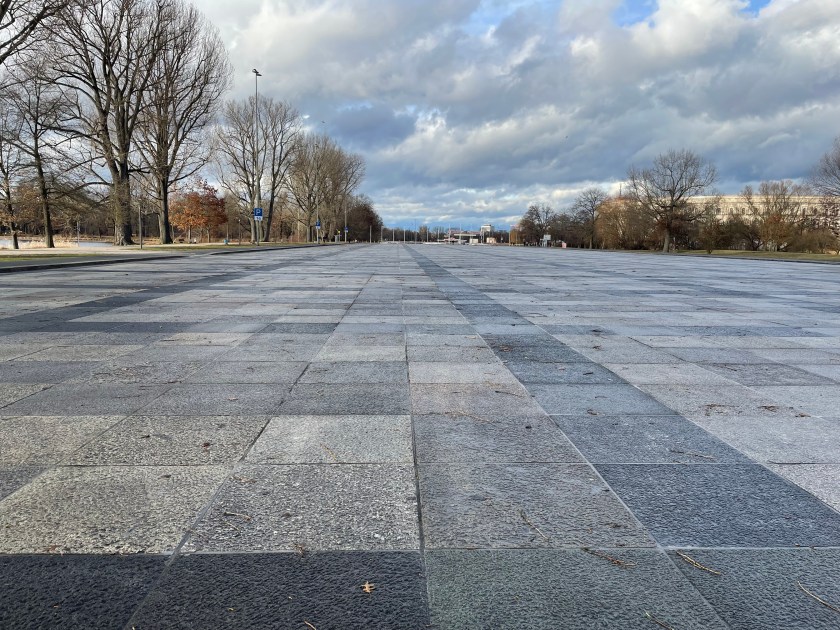
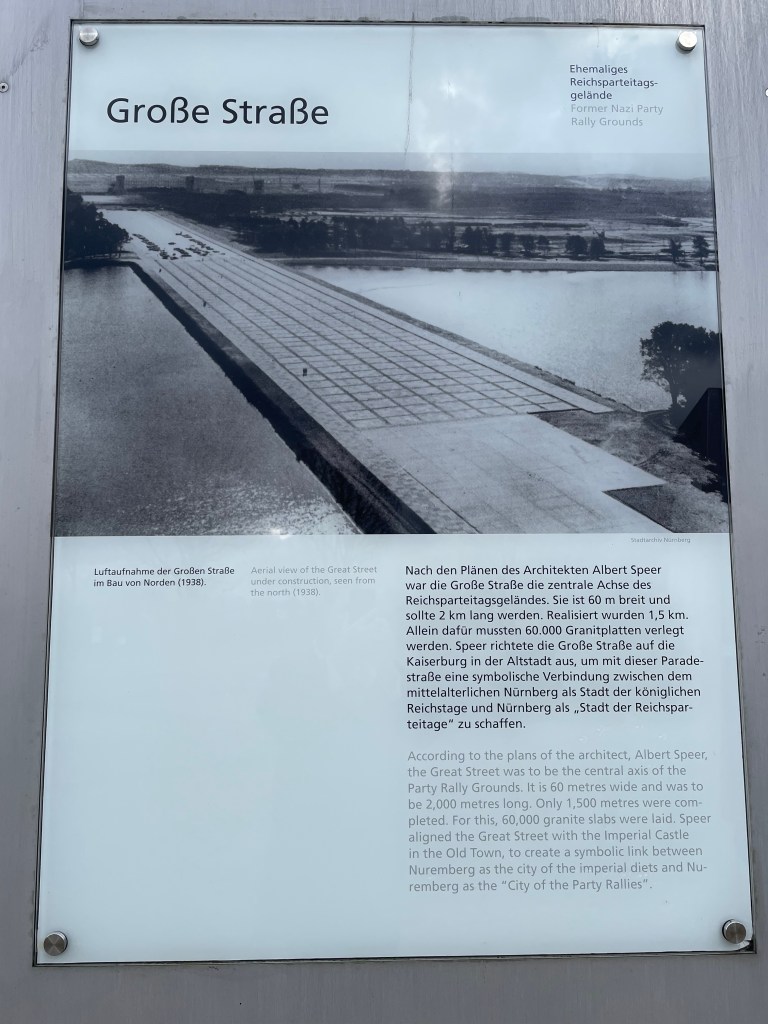
This is the Great Street, or parade route for Hitler’s marching troops and displays of equipment.  Today it’s used as a parking lot for events held here.
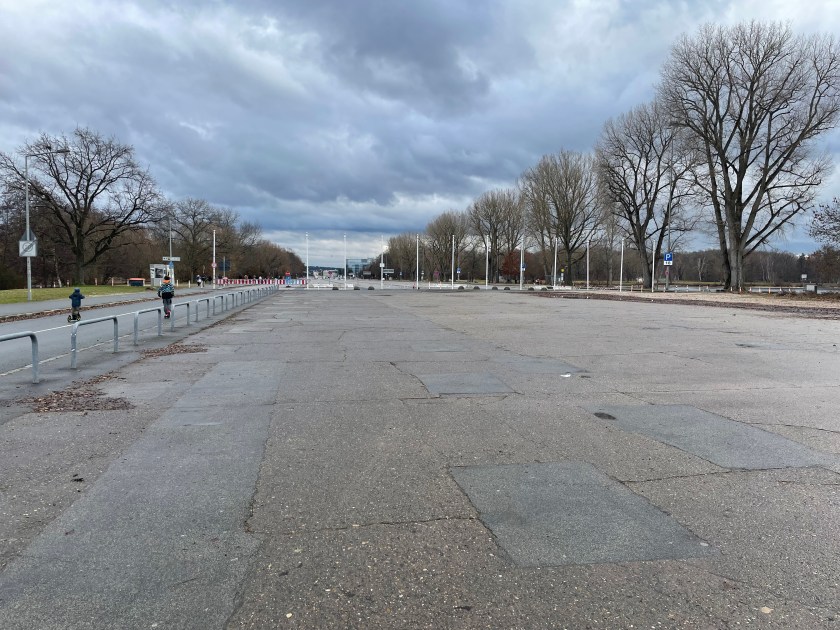
You can read about the Great Street here–it was 60 meters wide and the plan was to make it almost 2 km long (only 1500 meters were finished), connecting it (symbolically) with the Palace in Nuremberg.
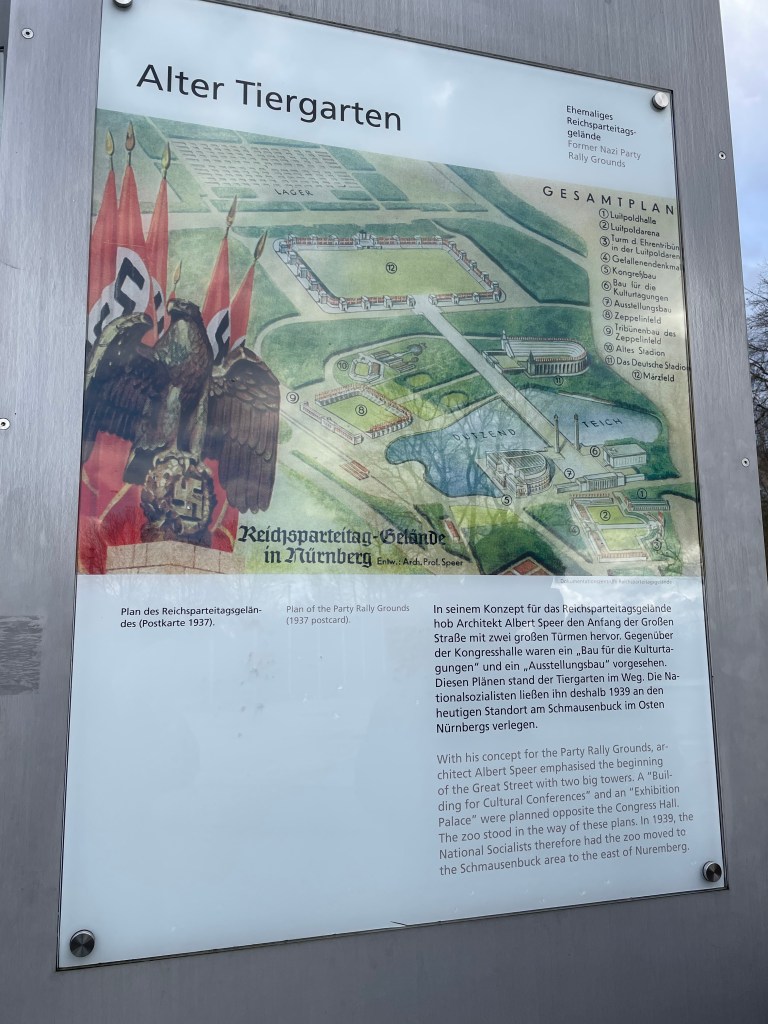
There used to be a zoo where the Great Street was designed to go.  They relocated the zoo.  Here’s what the plan looked like:
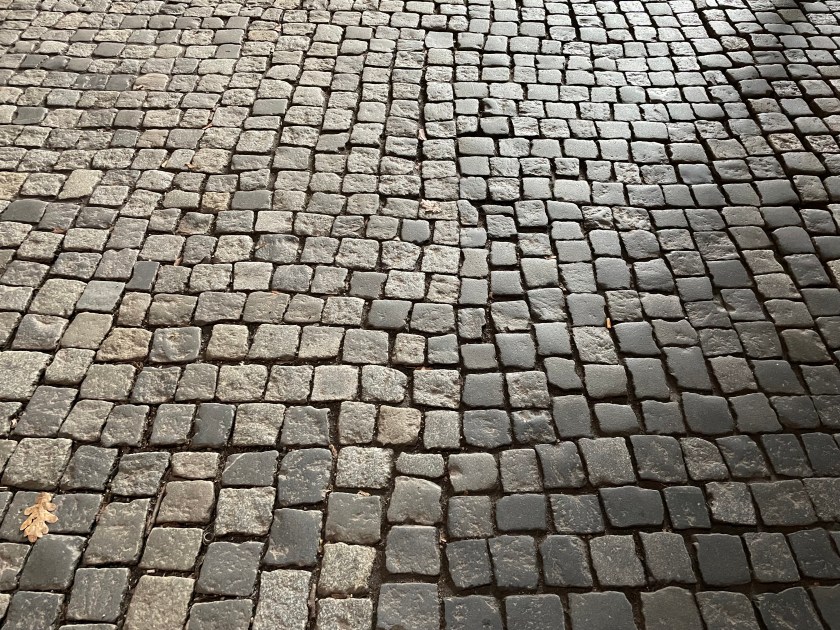
This Great Street is made up of black and gray granite slabs and was intended to be a parade road for the Wehrmacht and the central axis of the Nazi Party Rally Grounds.  The construction work was finished in 1939 but the road was never used as a parade road, due to the breakout of the Second World War.

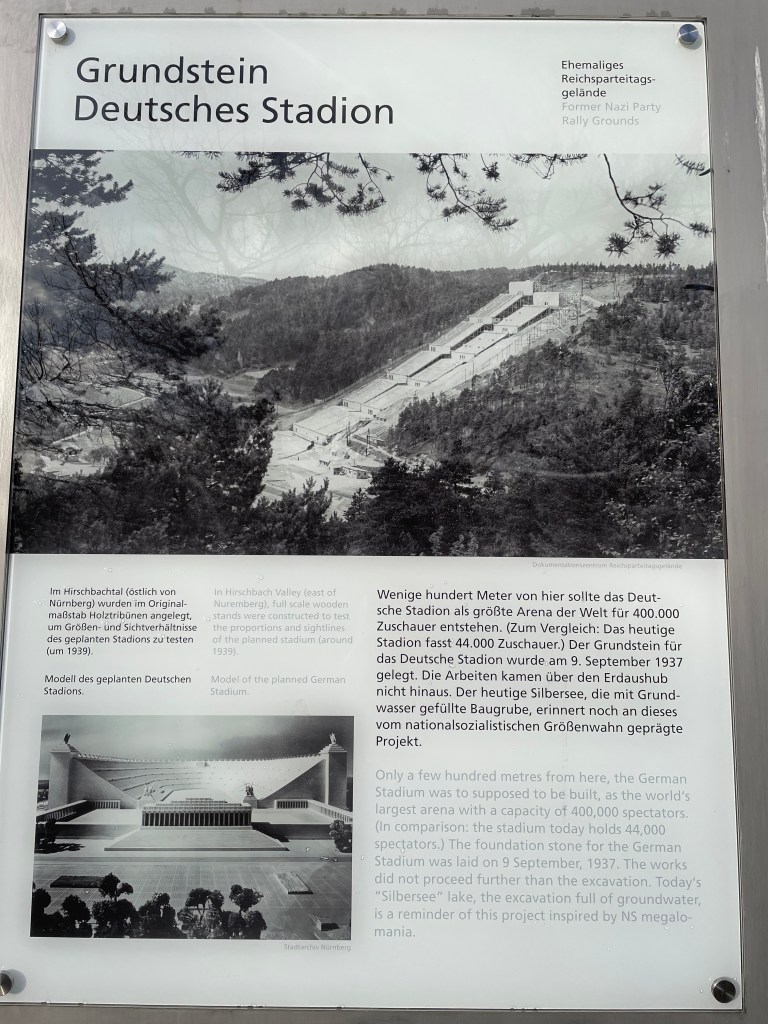
Another unfinished part of the plan:
I’ll show you the Zeppelin Field where the rallies were held in the next post.
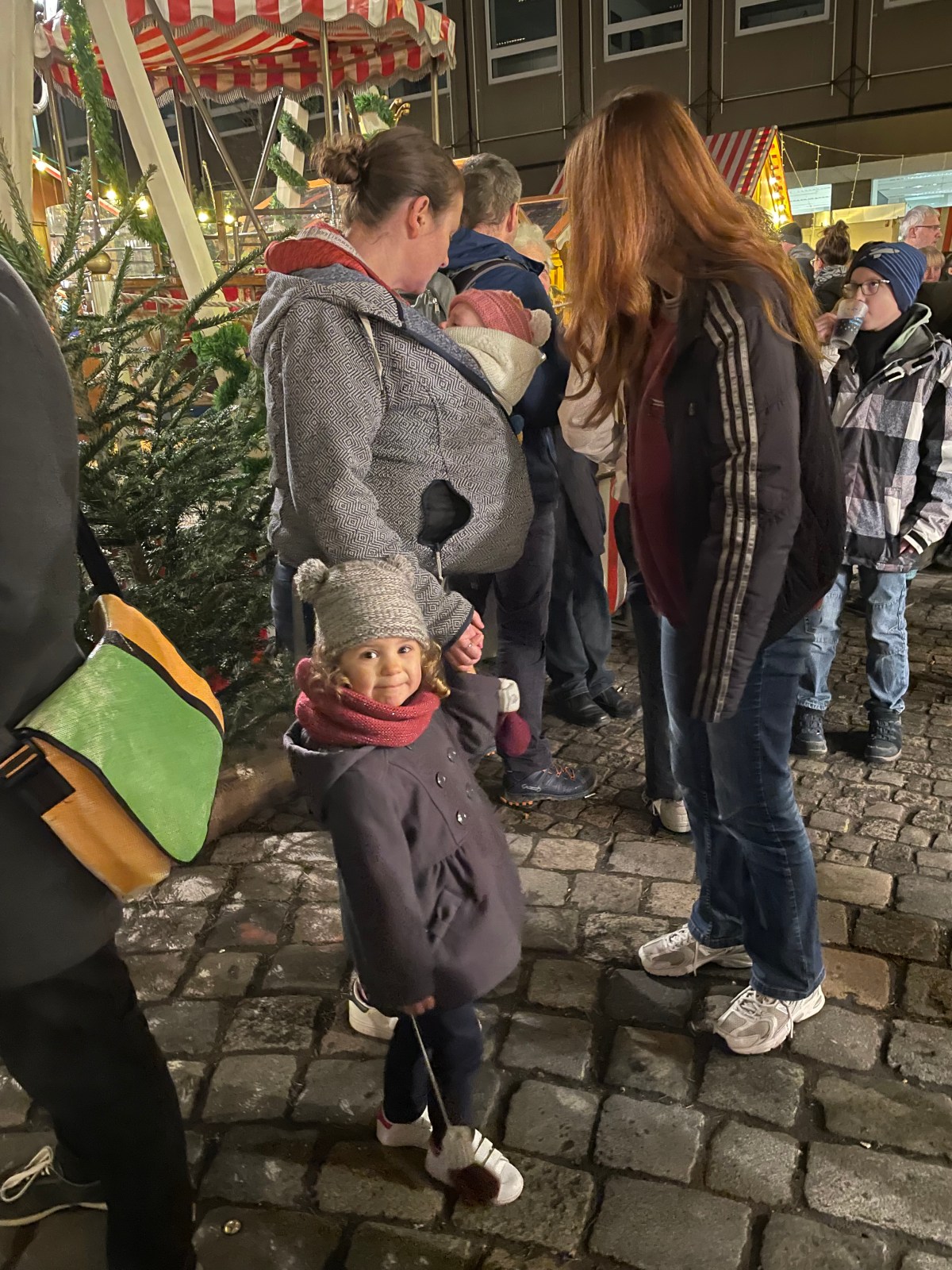
The Nuremberger Kindermarkt

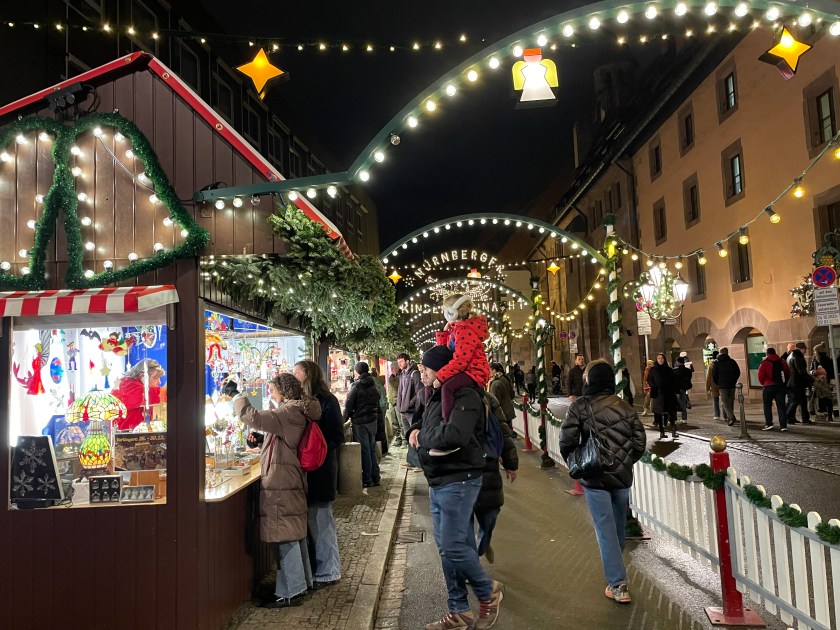
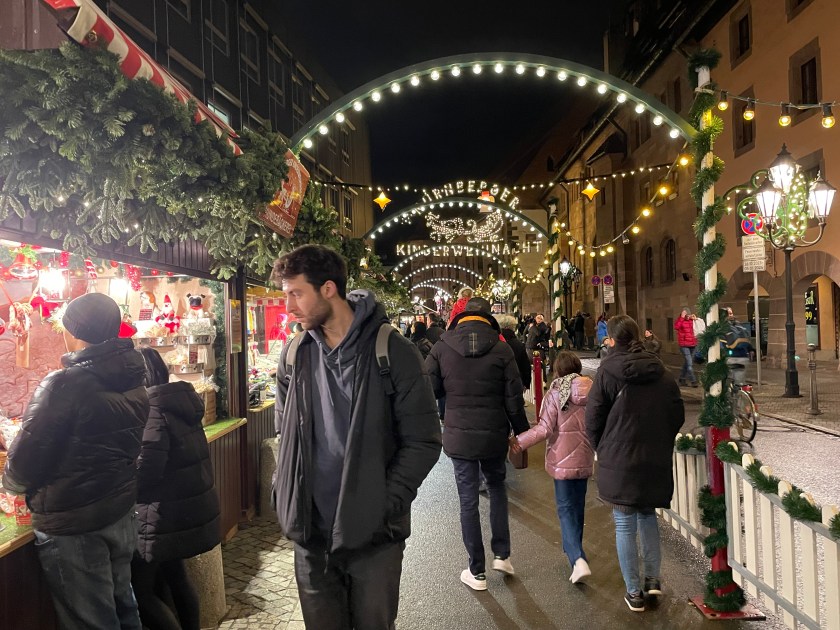
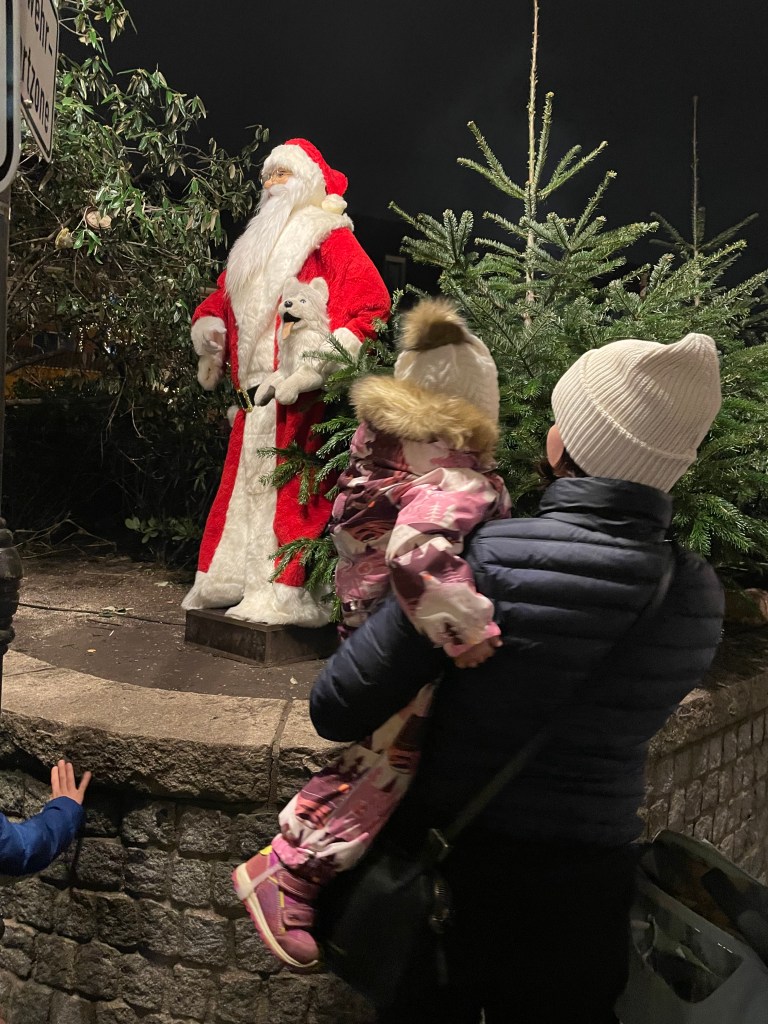
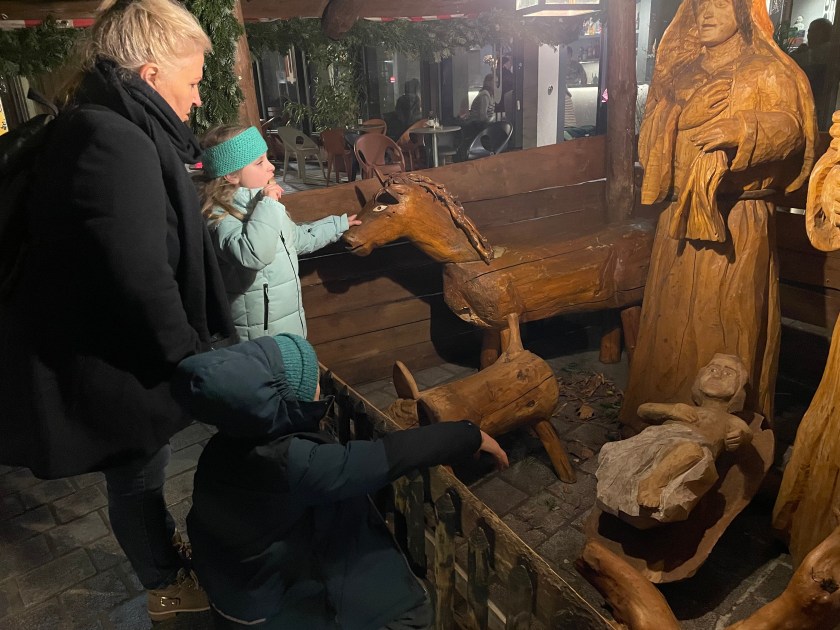
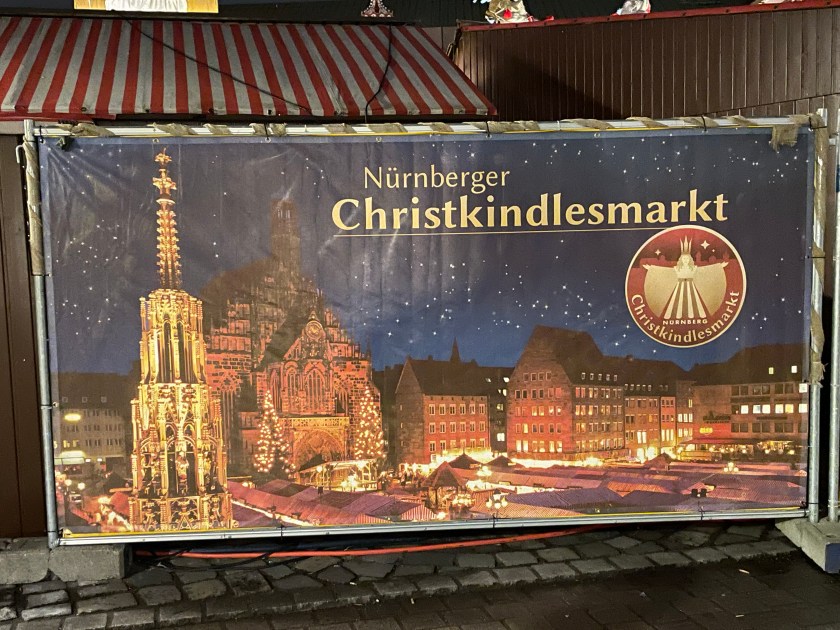
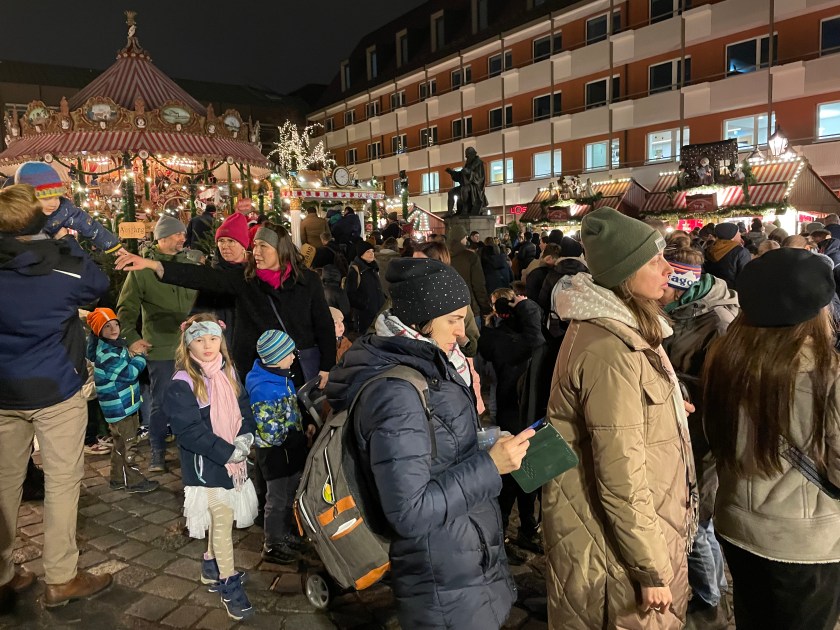
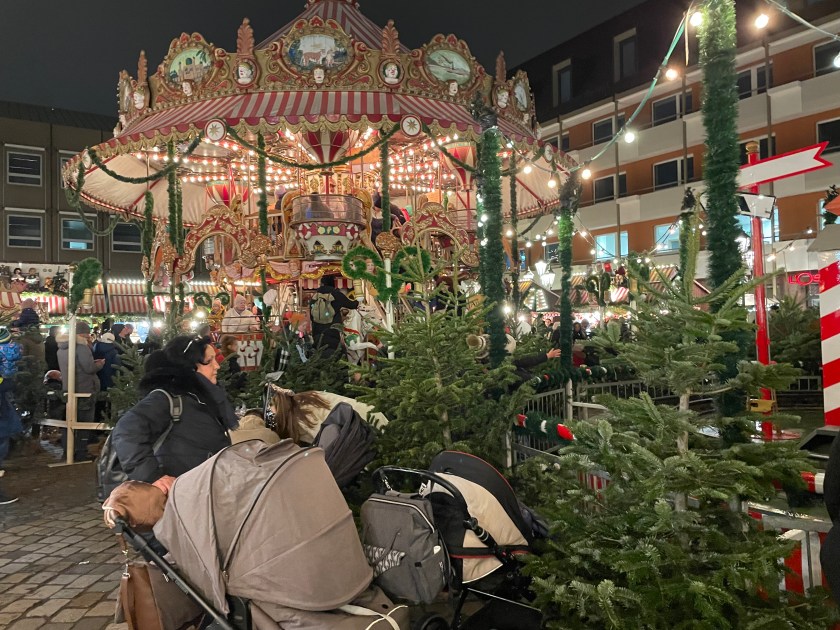
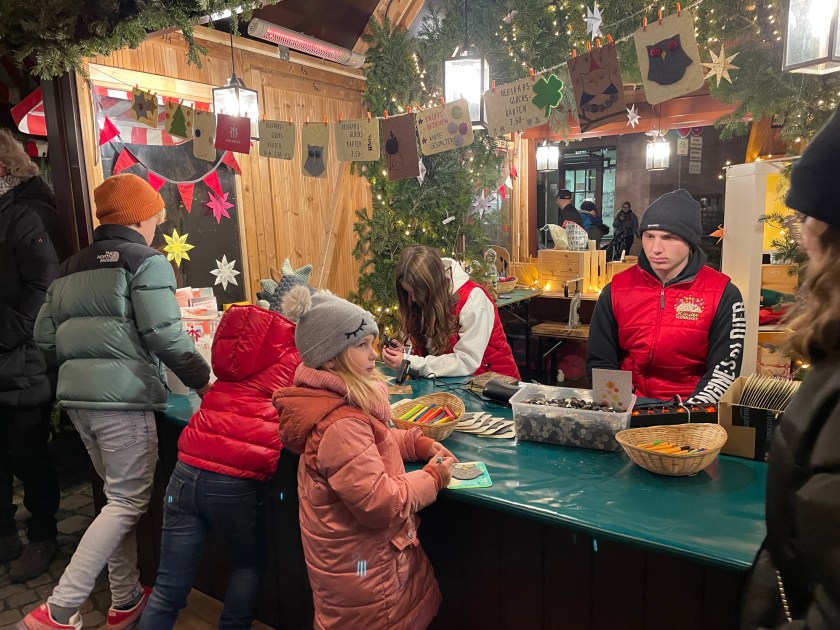
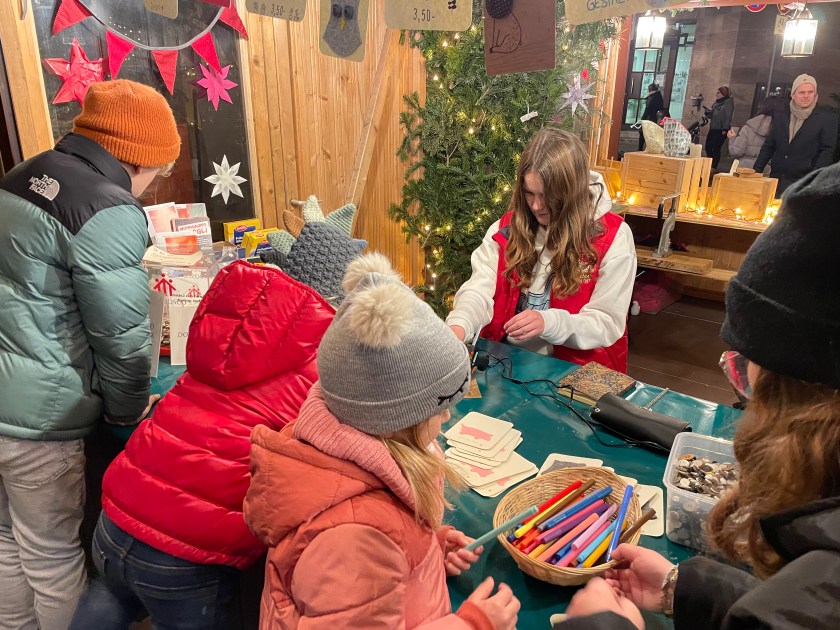
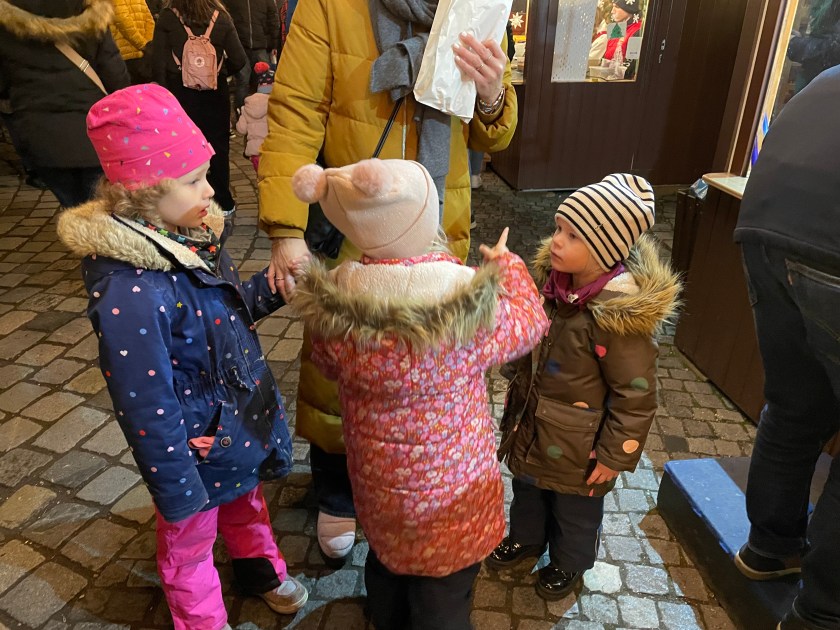
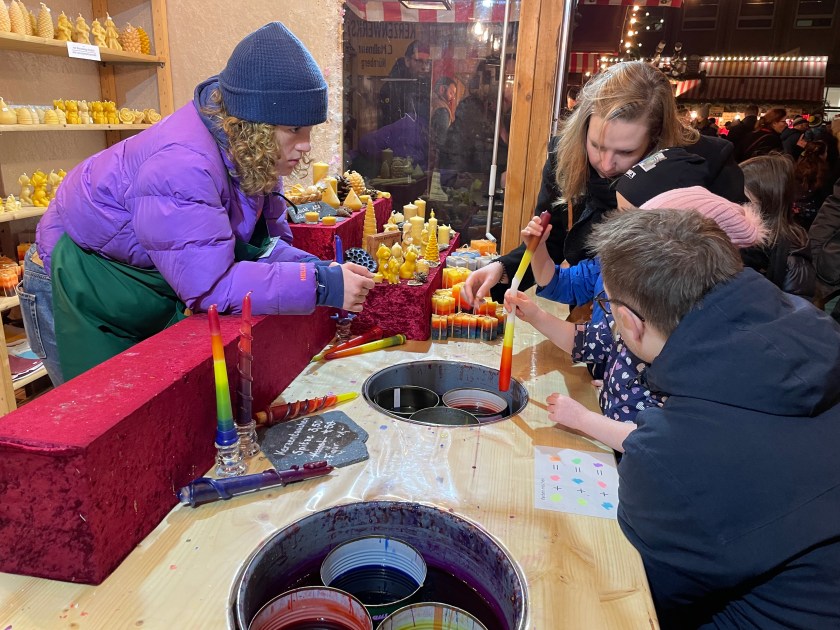
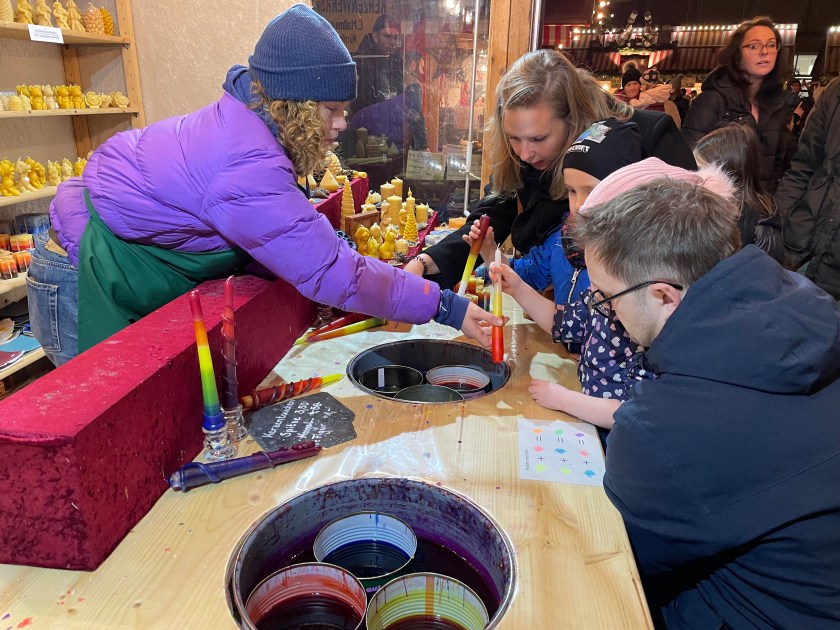
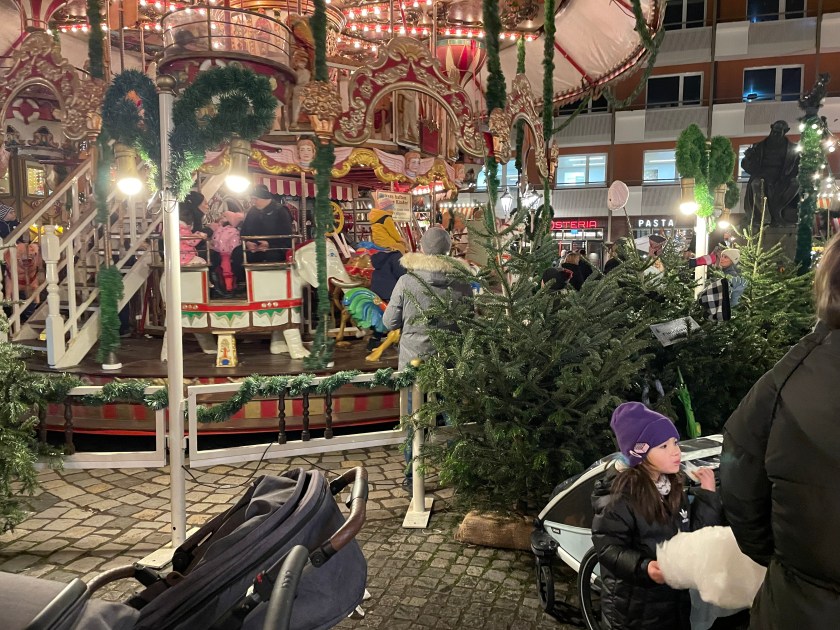
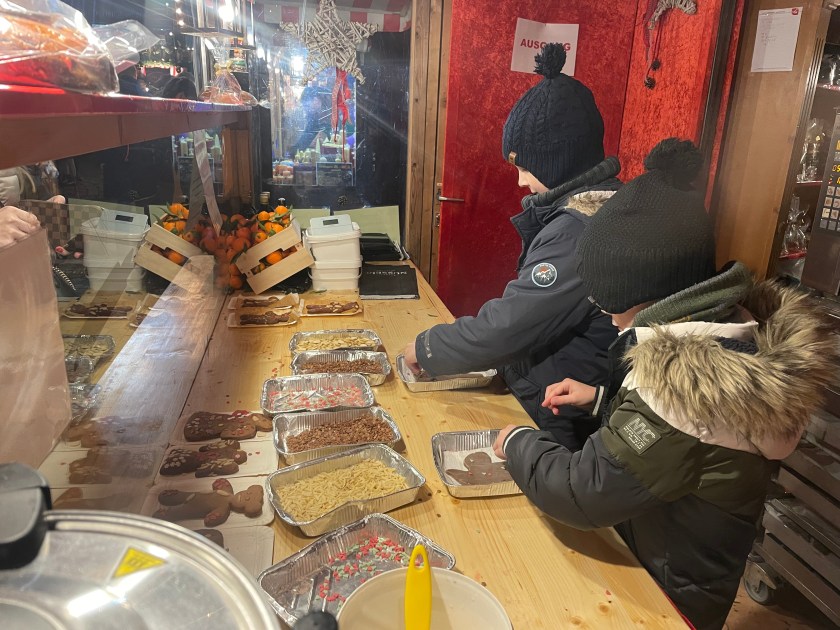
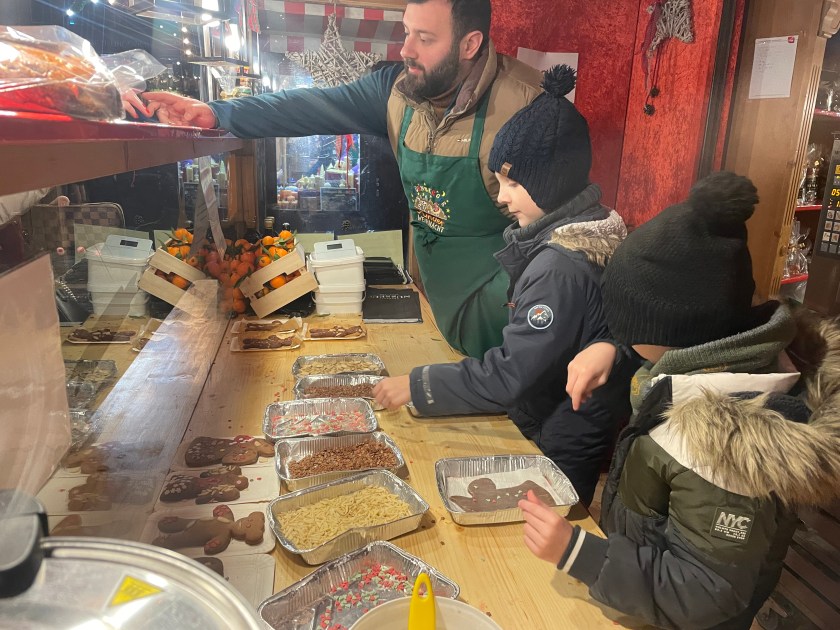
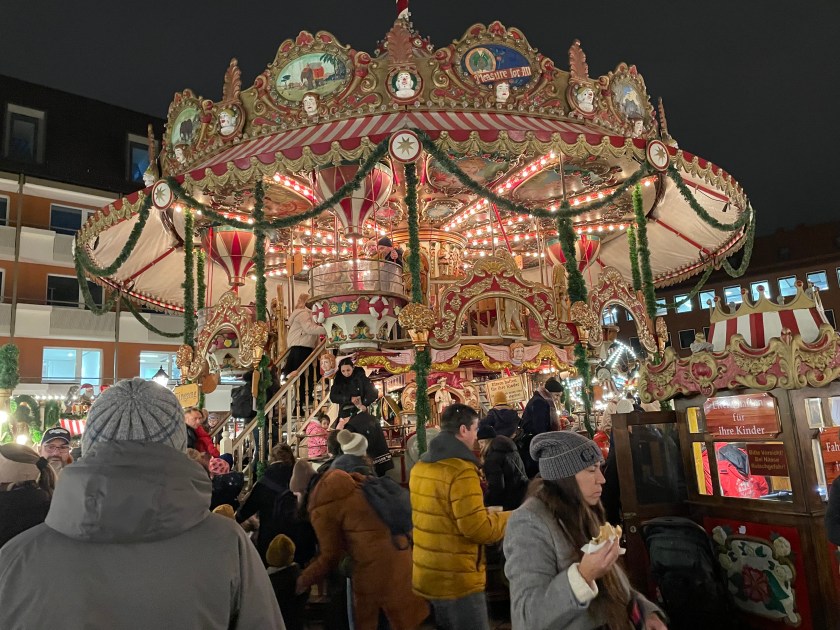
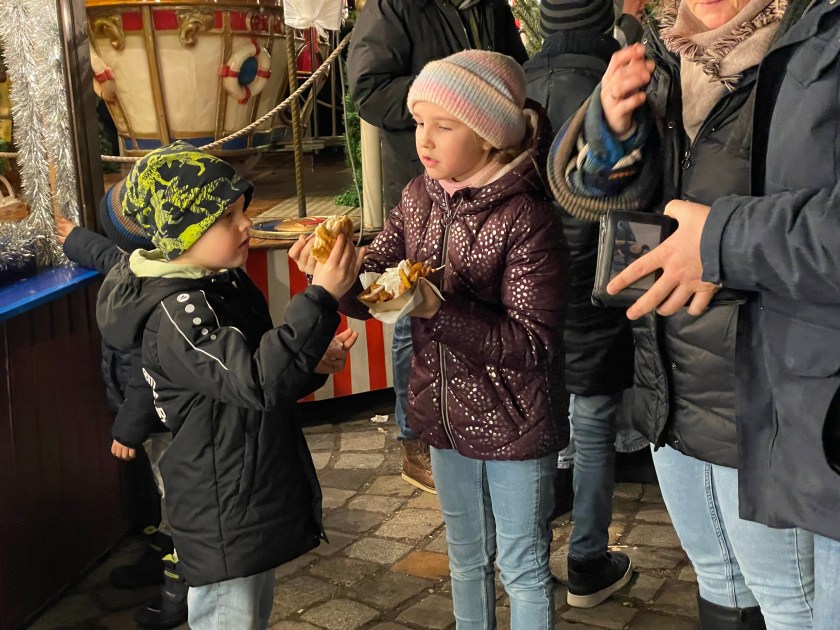
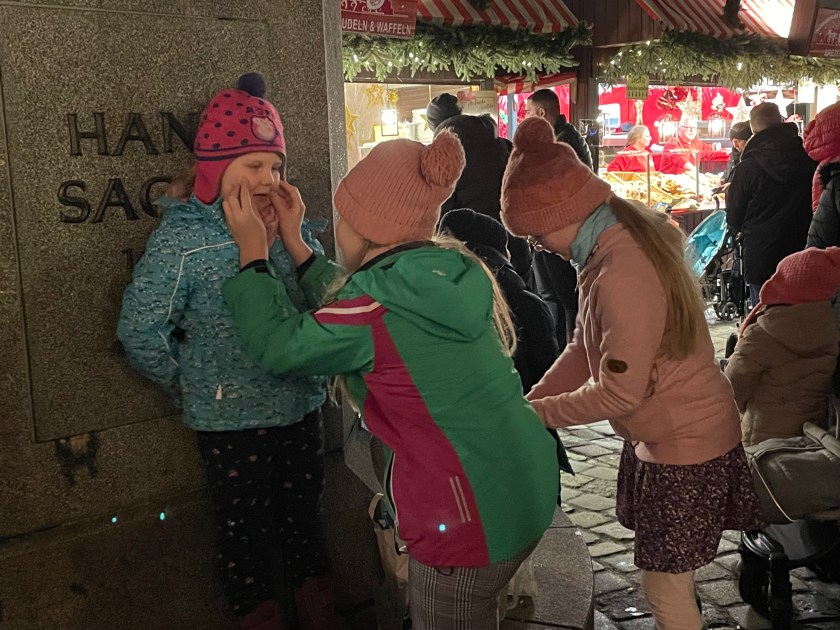
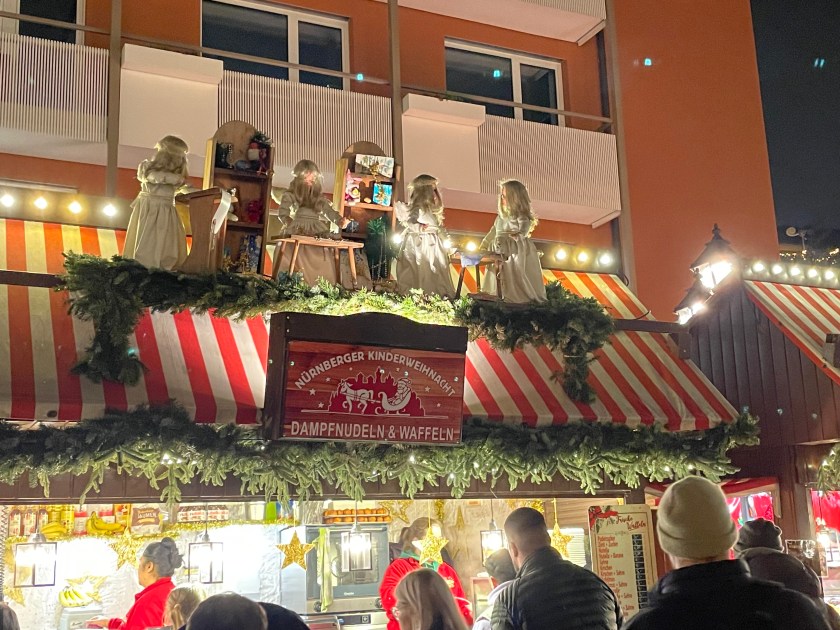
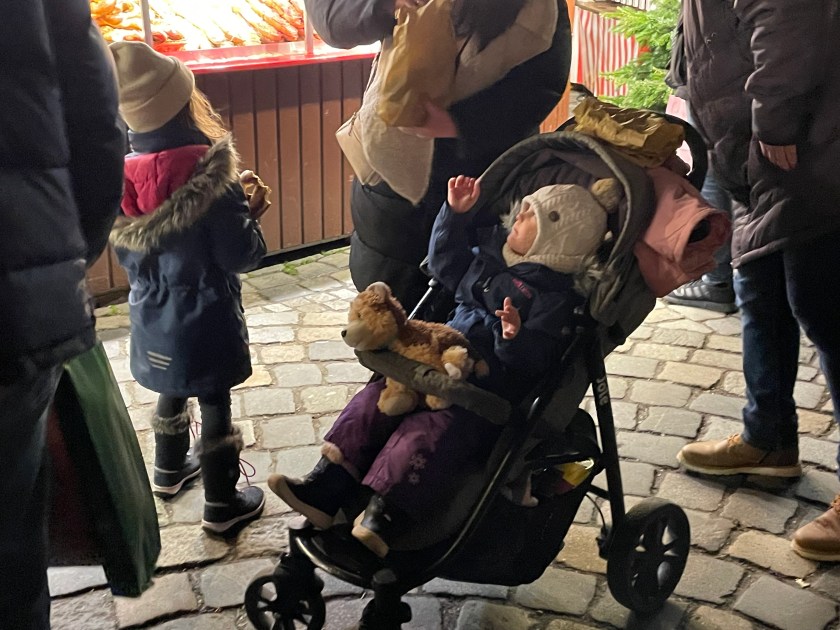
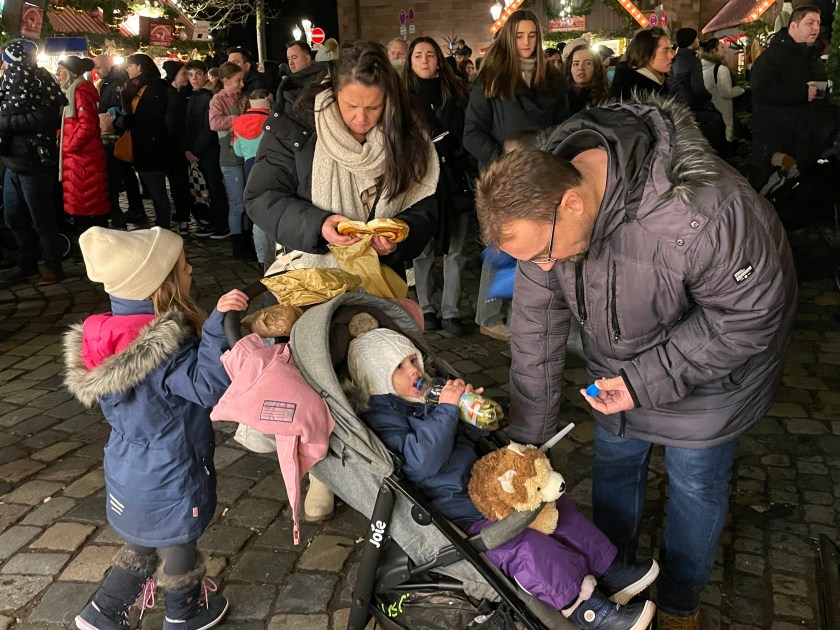
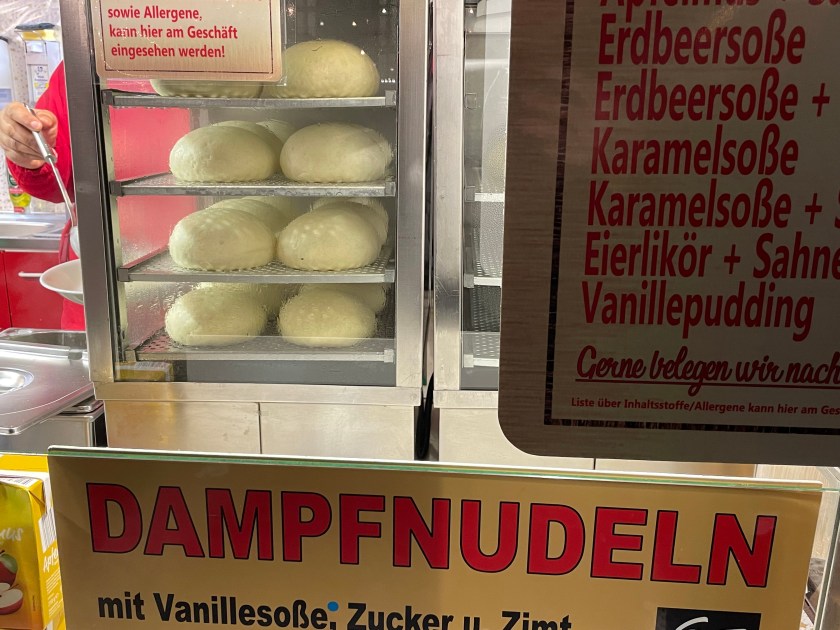
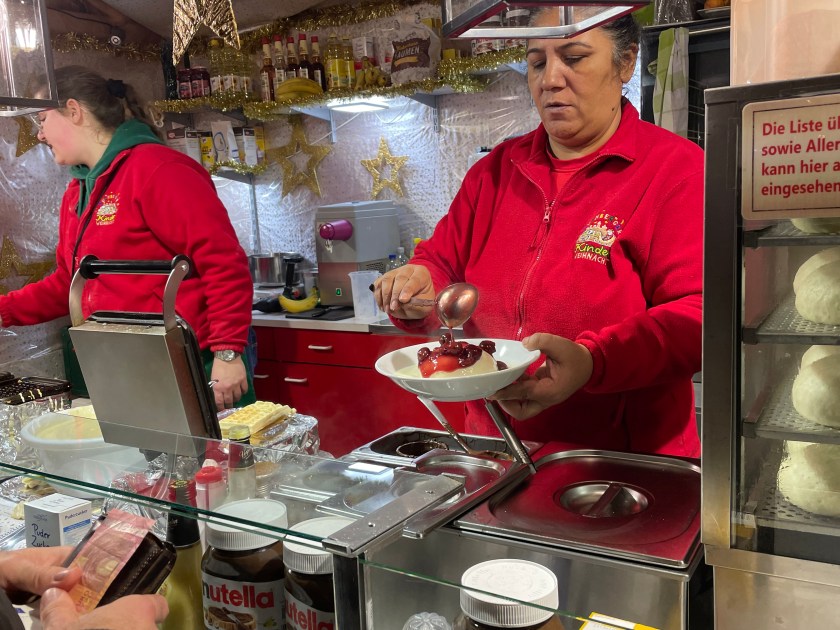
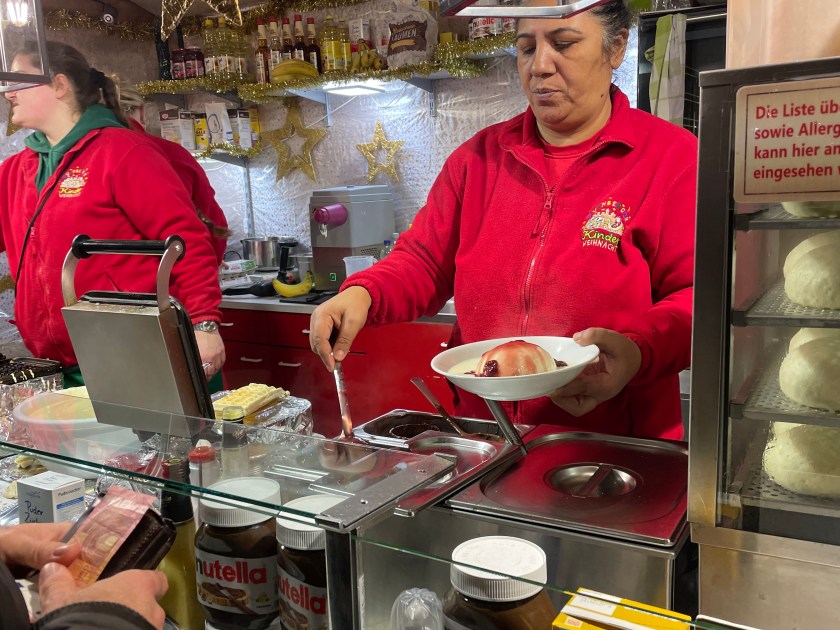
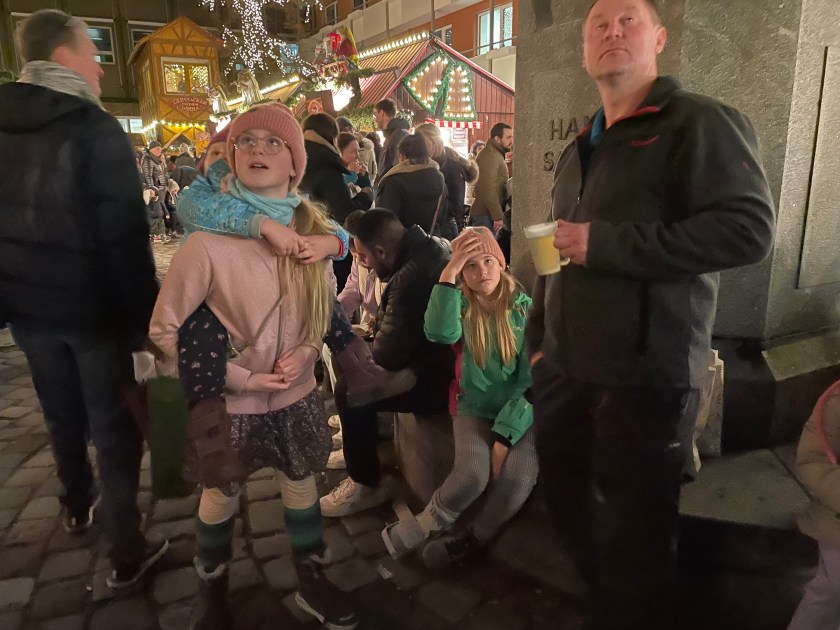
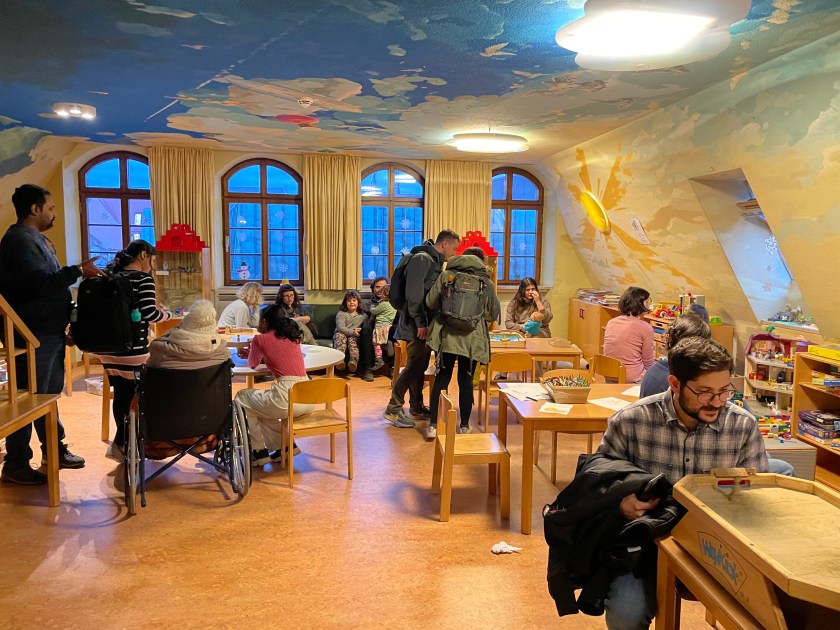
We didn’t know this was happening until we happened upon it–a children’s Christmas Market!  It was a delight with fun music, lots of kids and fun activities for them like coloring, painting, decorating cookies and dipping candles.  How fun to see so many happy families!

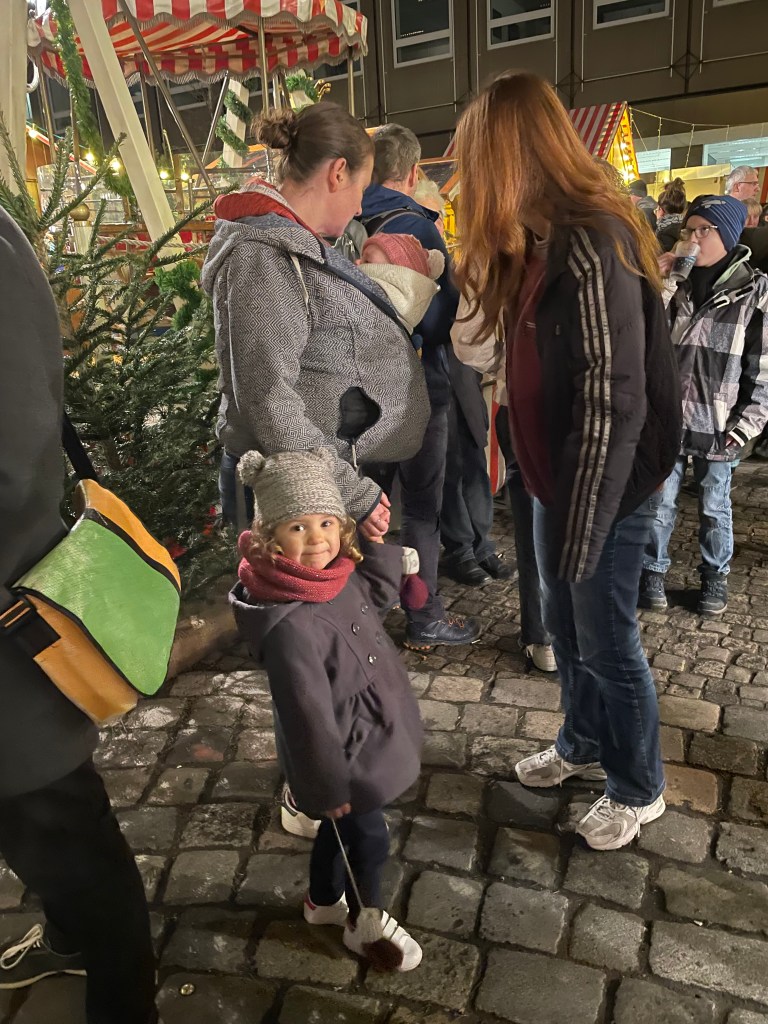
So many sweet little faces.

German Springerle Cookies

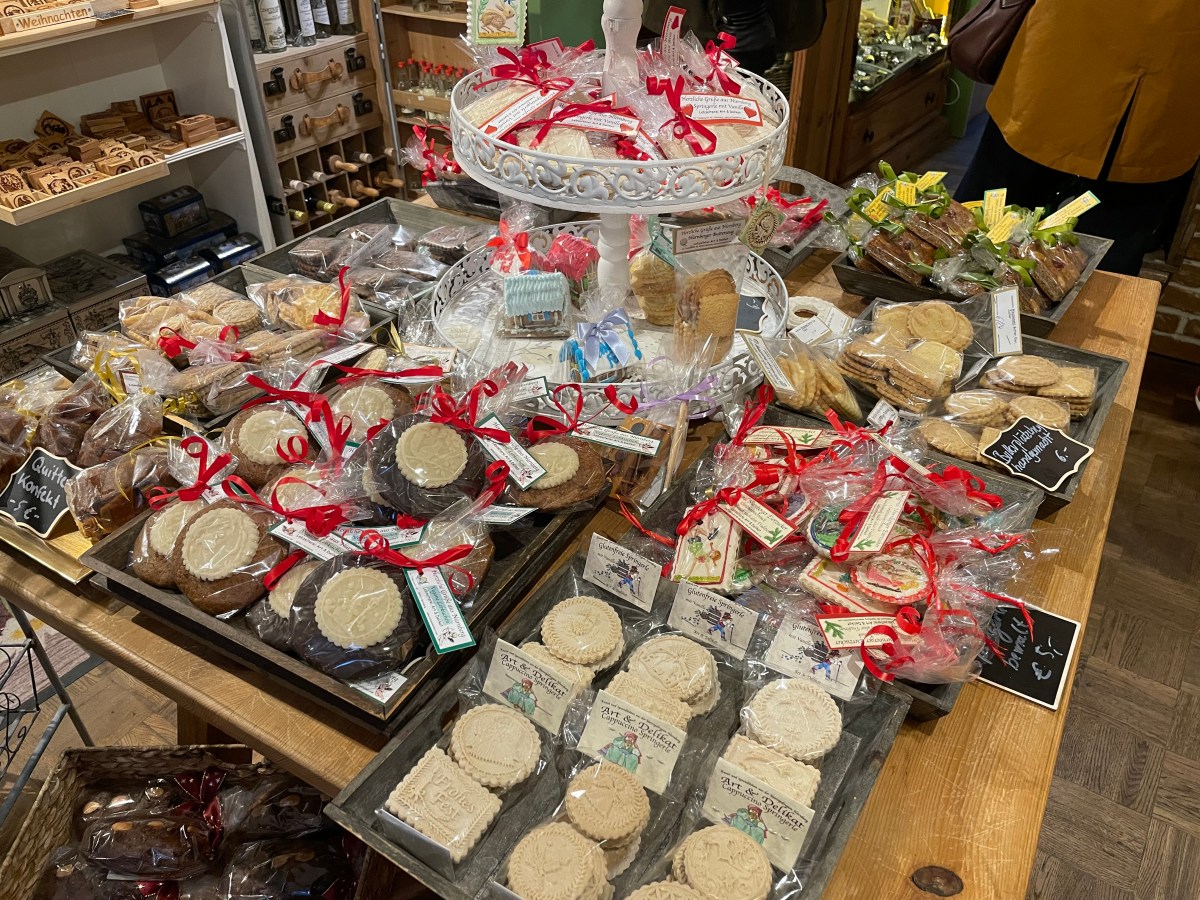
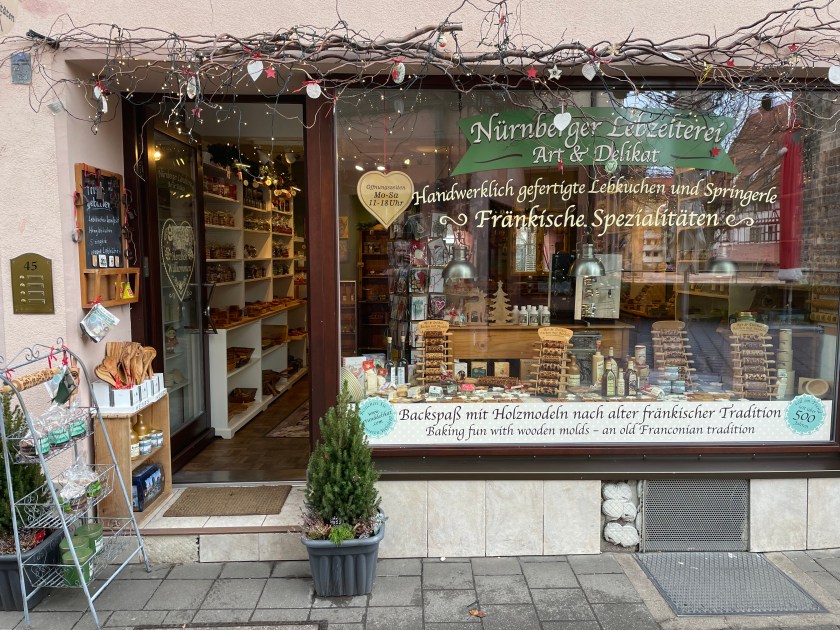
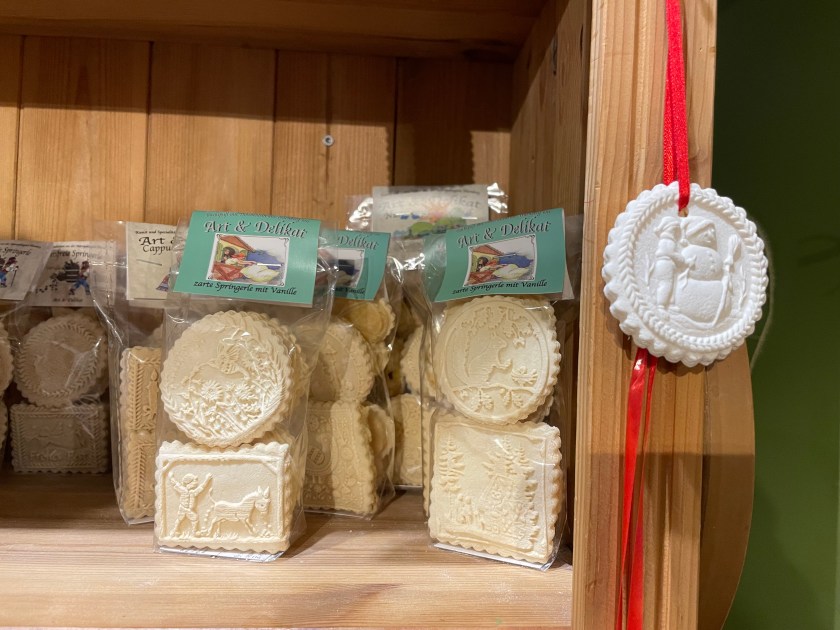
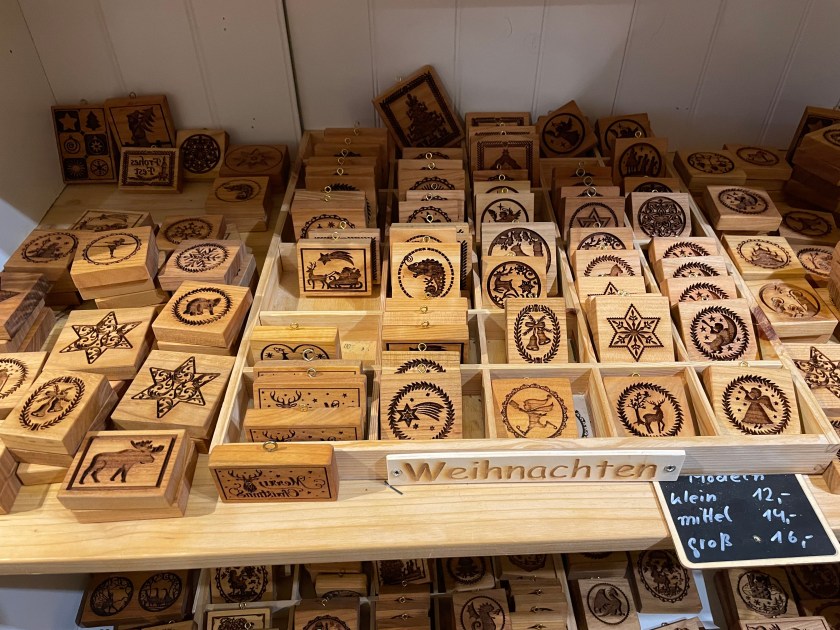
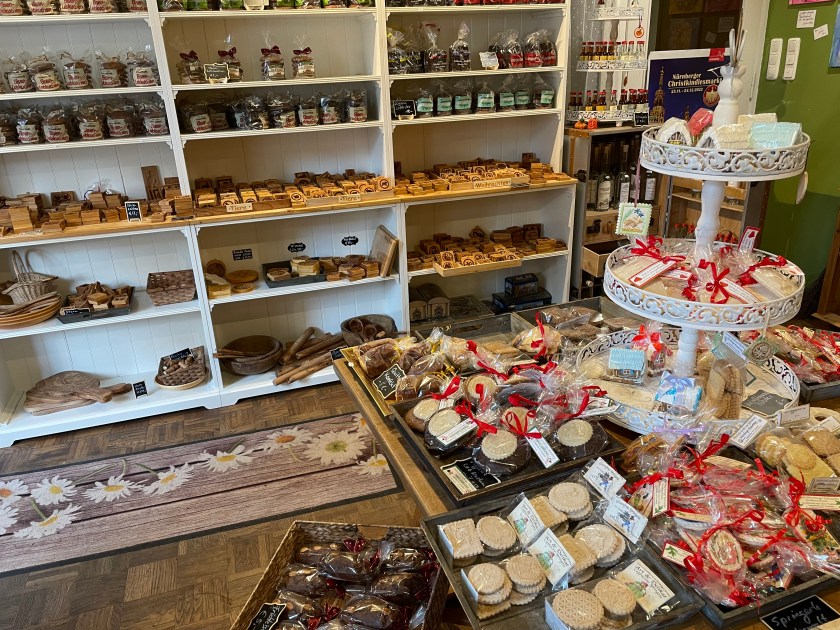
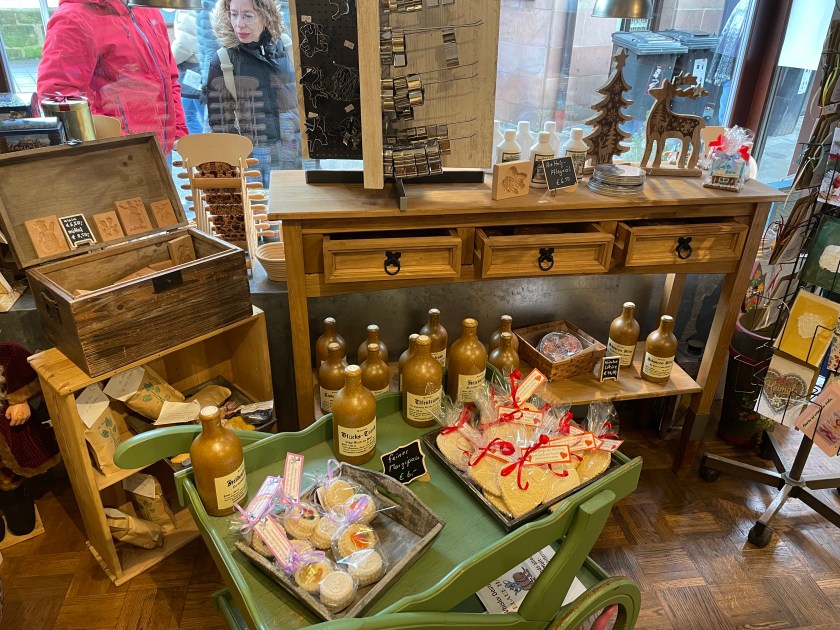
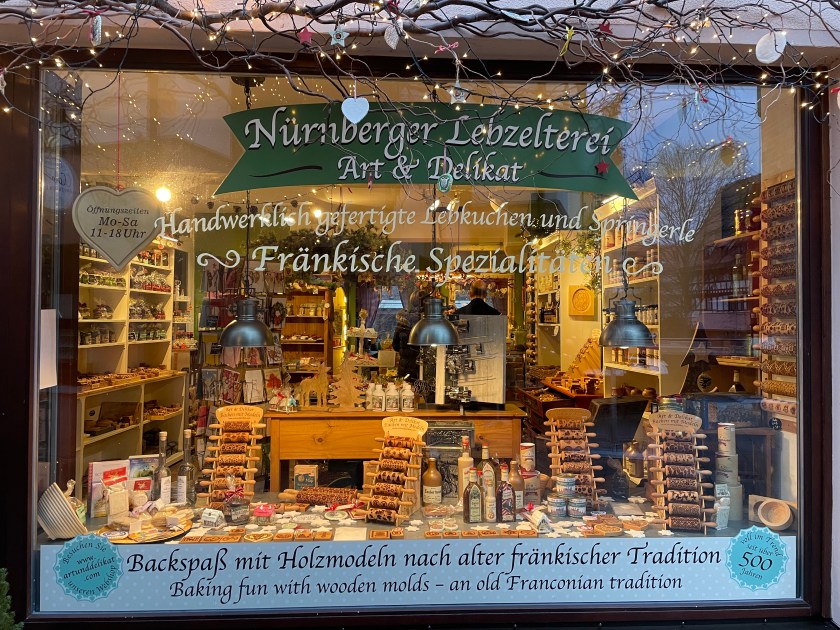
How can you walk past a shop like this and not go inside??  I immediately thought about my Grandma Elsa, who made Springerle cookies every year.  She made them in the fall, put them in tins, and we (gnawed) on them all through the holidays and beyond.  I say gnawed, because Grandma’s Springerle were rock hard.  She dipped them in her tea.  We just gnawed, because they were worth the effort.  Especially good were the little anise seeds that were stuck to the bottoms of the cookies.
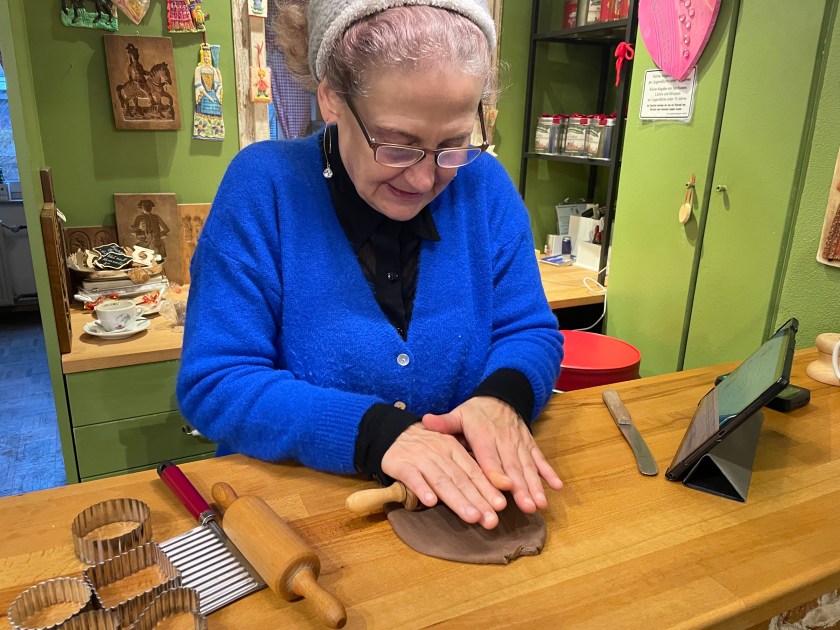
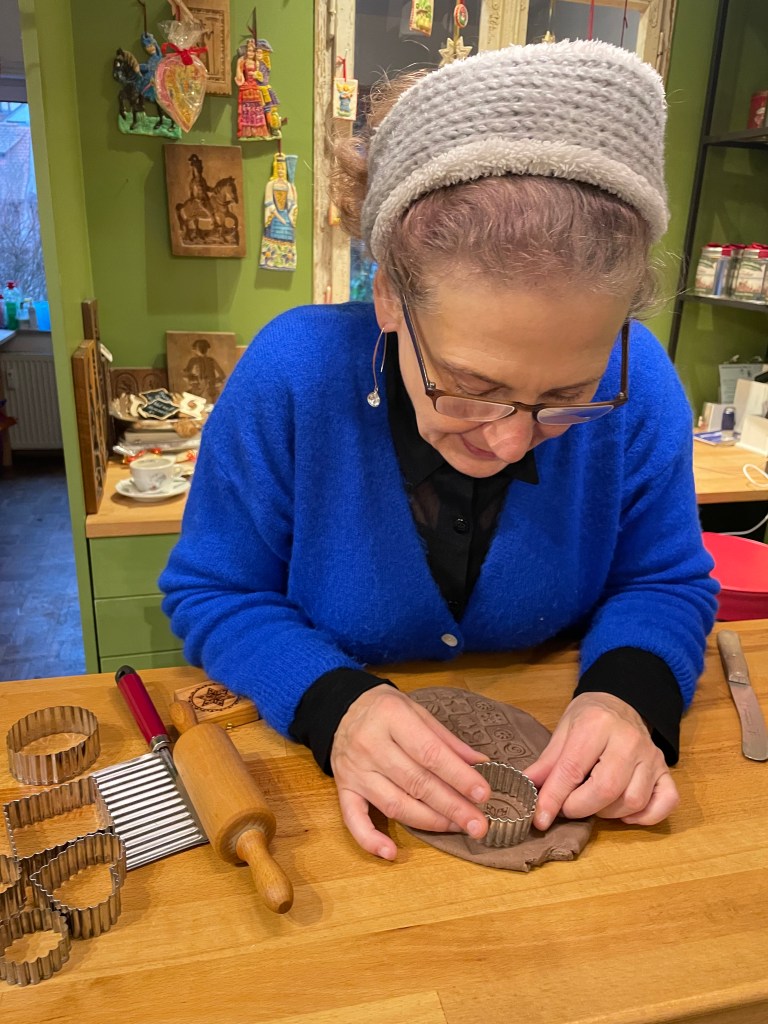
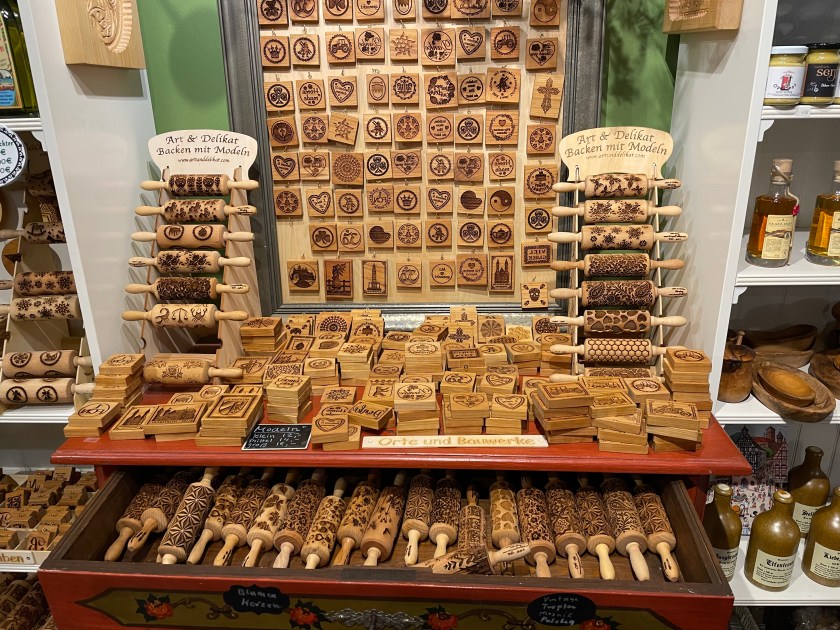
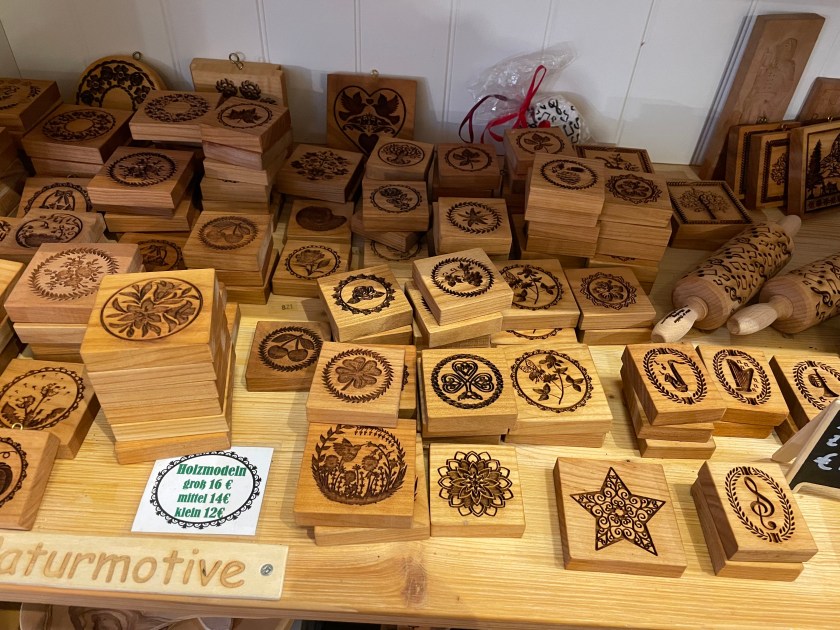
Grandma had wood mold cookie presses with designs and patterns on them.  I really wanted to inherit them, but I’m not sure where they went when she died.  Over the years, I’ve collected a few wooden presses of my own.

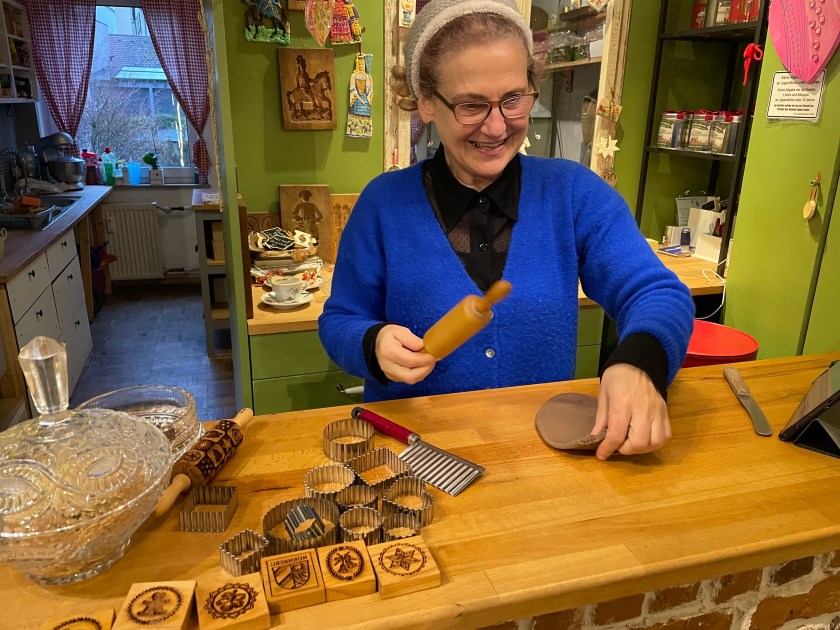
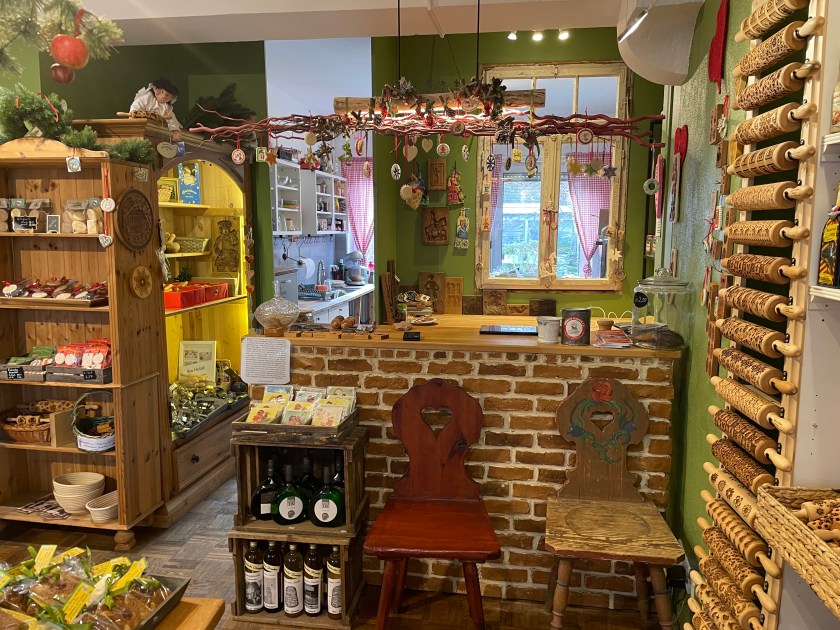
The rolling pins and presses in this shop were carved here in this local area by craftsmen.  They’re the nicest I’ve seen.

The shopkeeper was delightful.  She showed me how the cookies are made and let me try any press that looked interesting to me.

I felt right at home in this little shop, it was almost like a visit to Grandma’s.

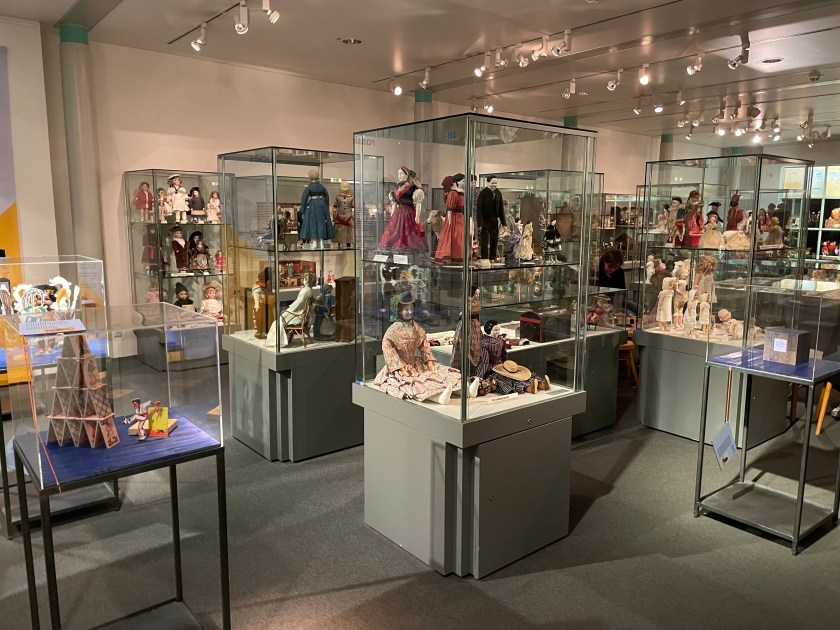
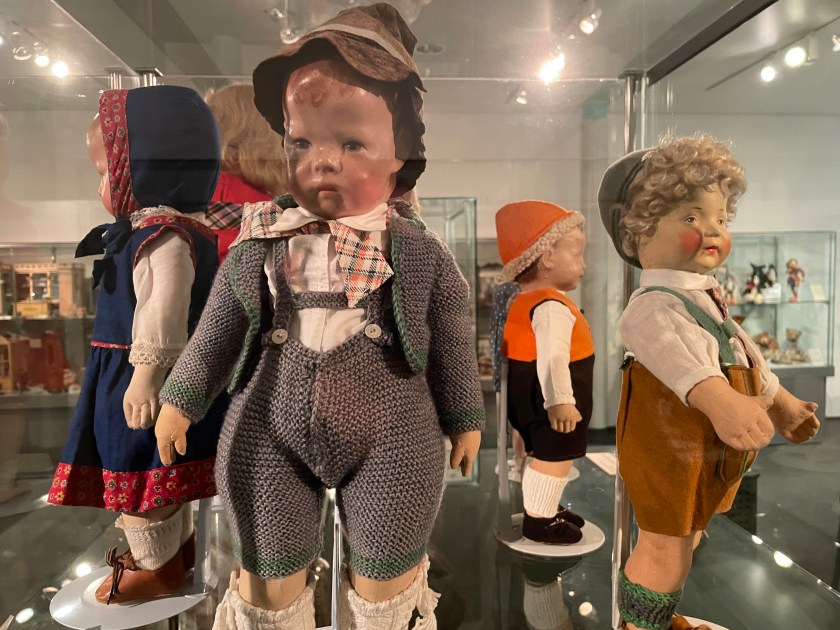
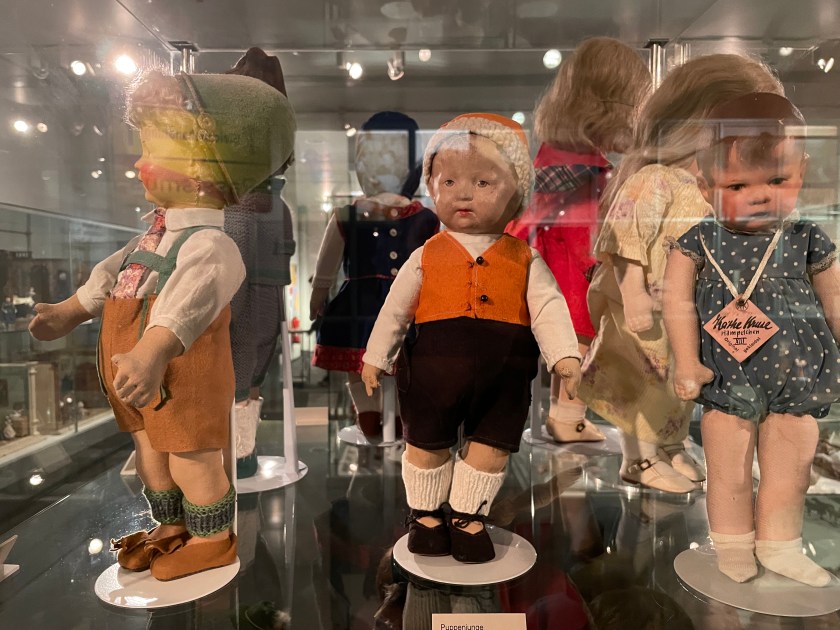
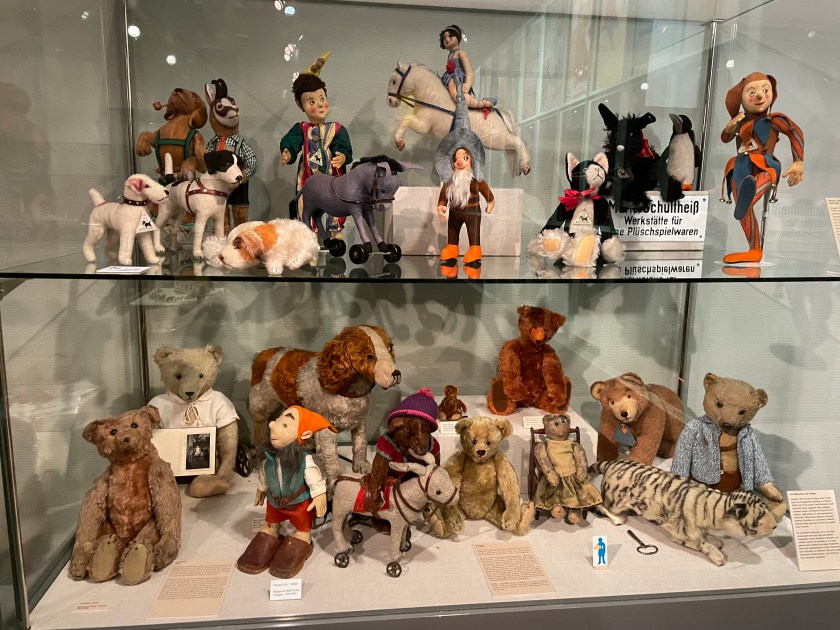
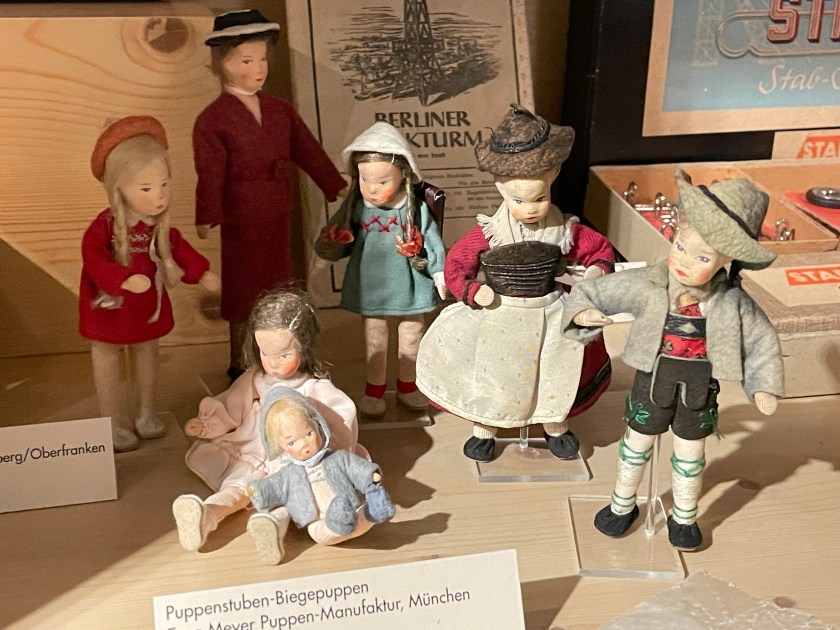
The Spielzeug (Toy) Museum

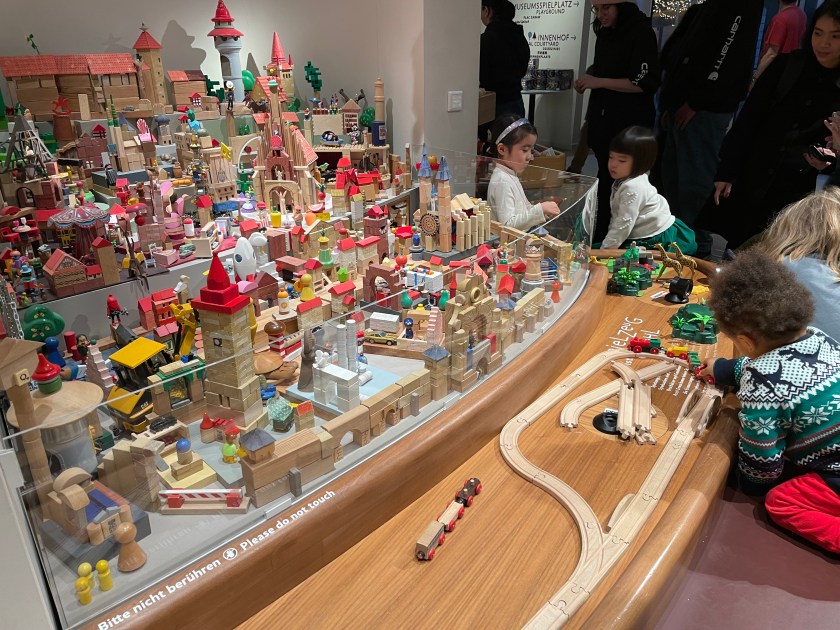
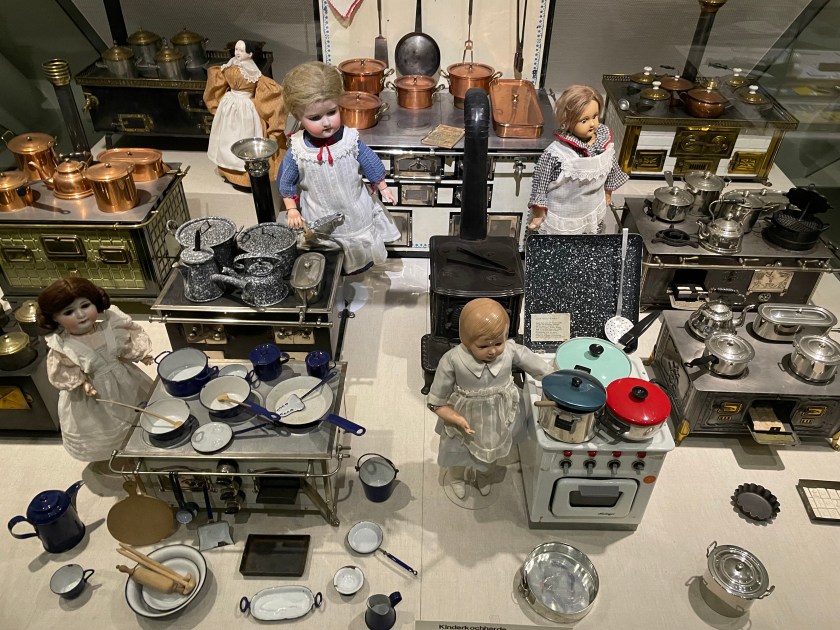
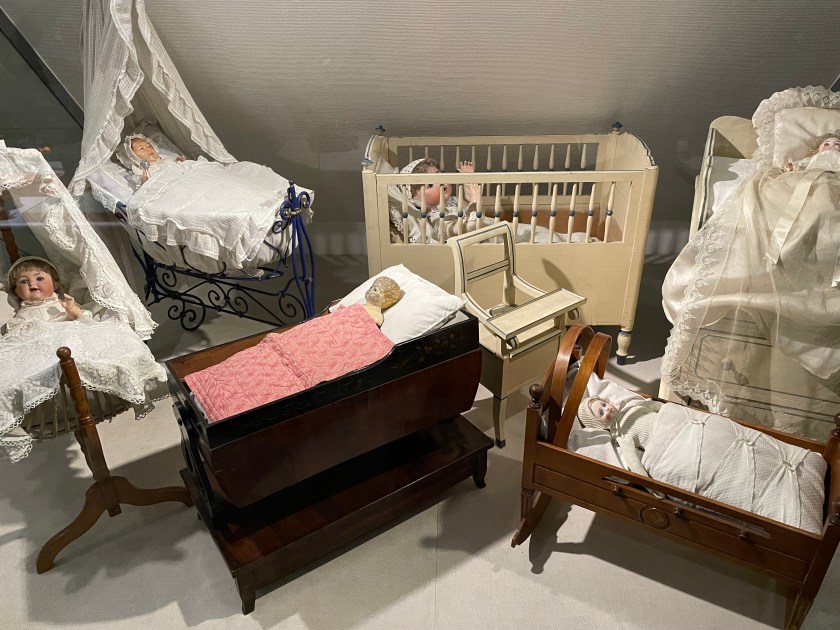
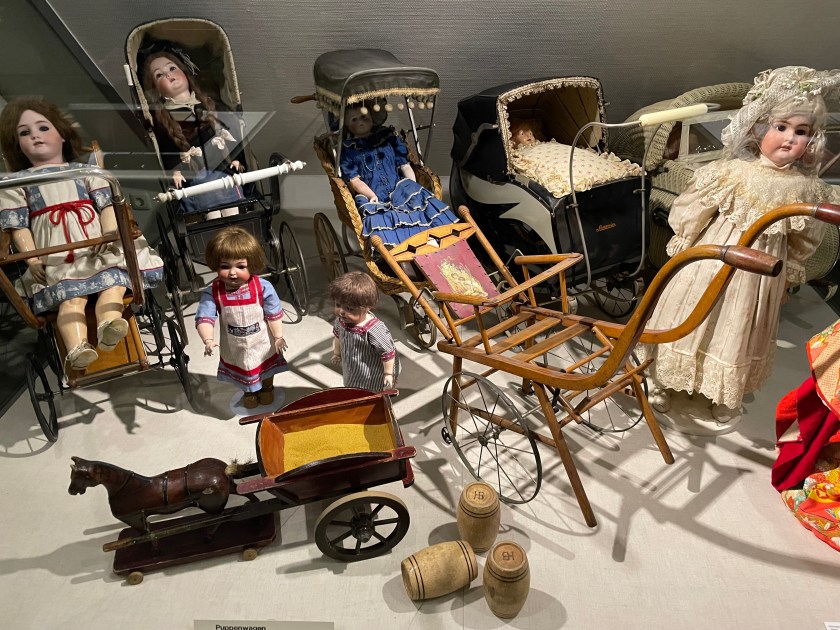
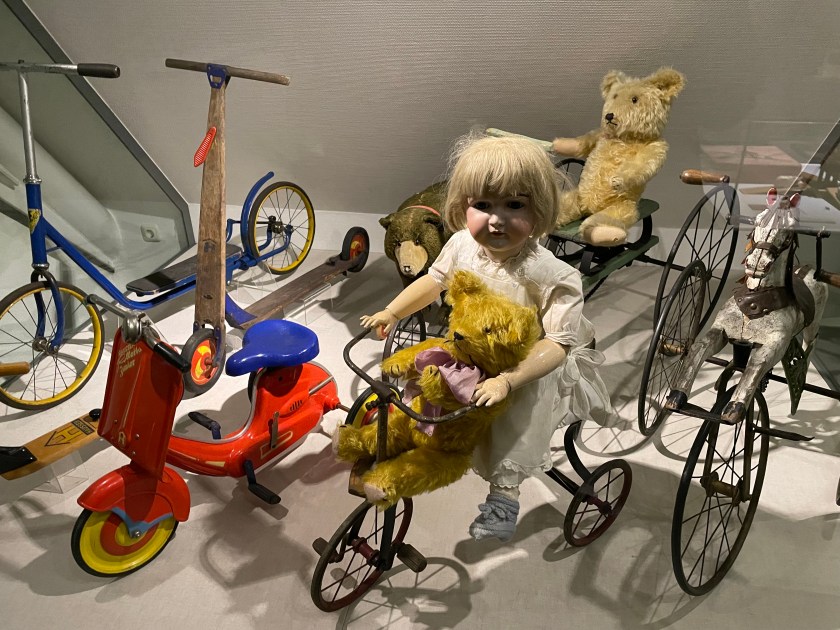
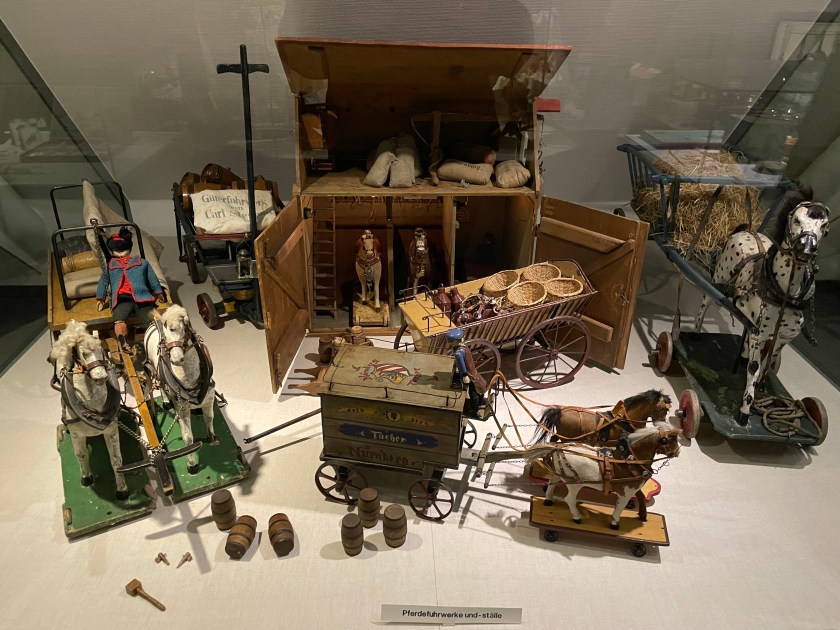
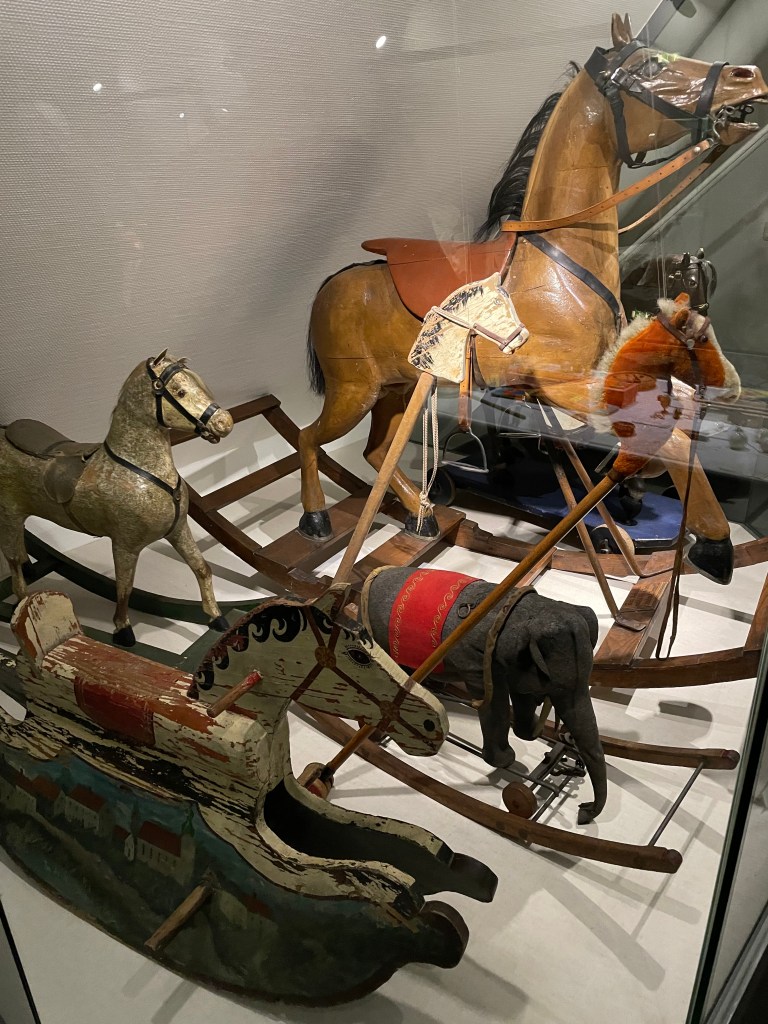
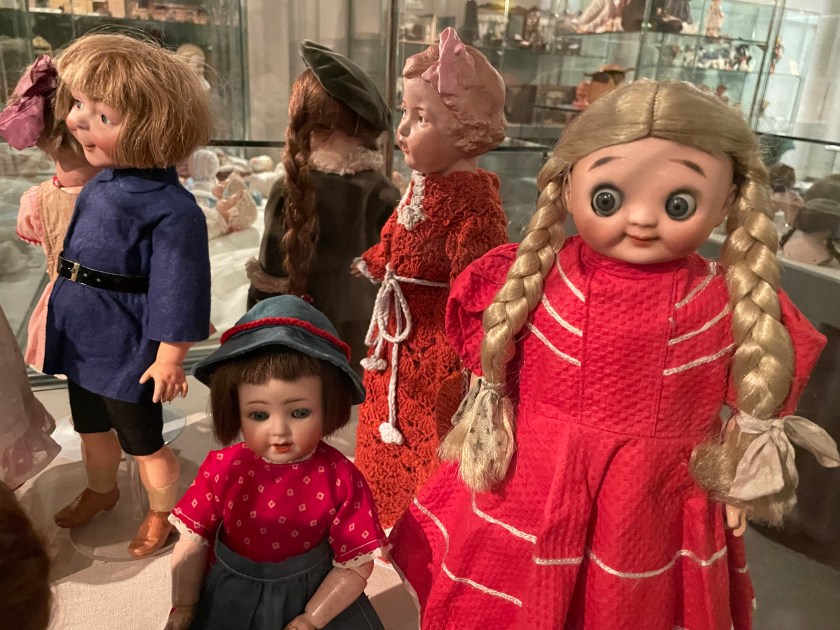
Nuremberg has claimed to be a city of toys for more than 600 years.   This is a fun museum to visit, with room after room of historical toys dating back to dolls from the Middle Ages.

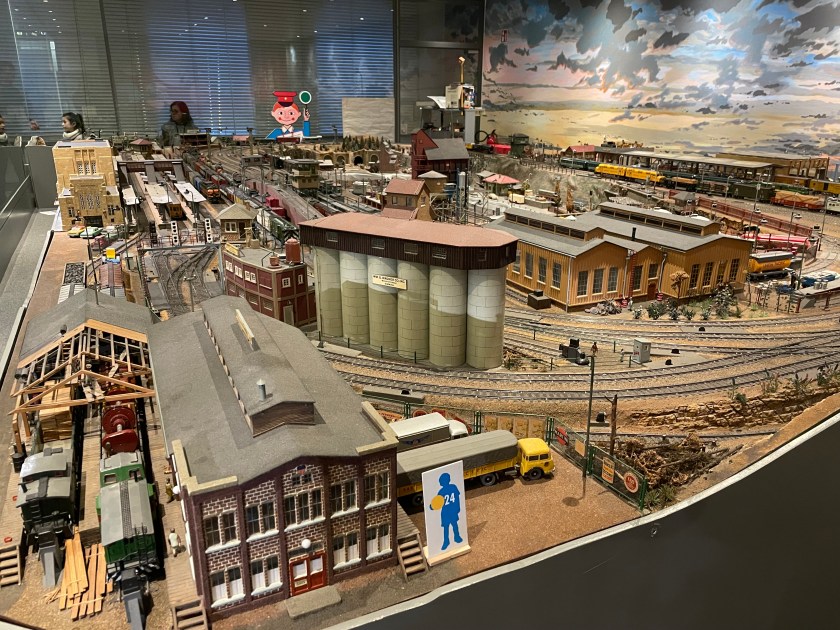
The museum features wonderful collections from the tin toy manufacturers from the industrial era, including the Lehmann tin toys:  trains, cars, and a model railroad with every bell and whistle.

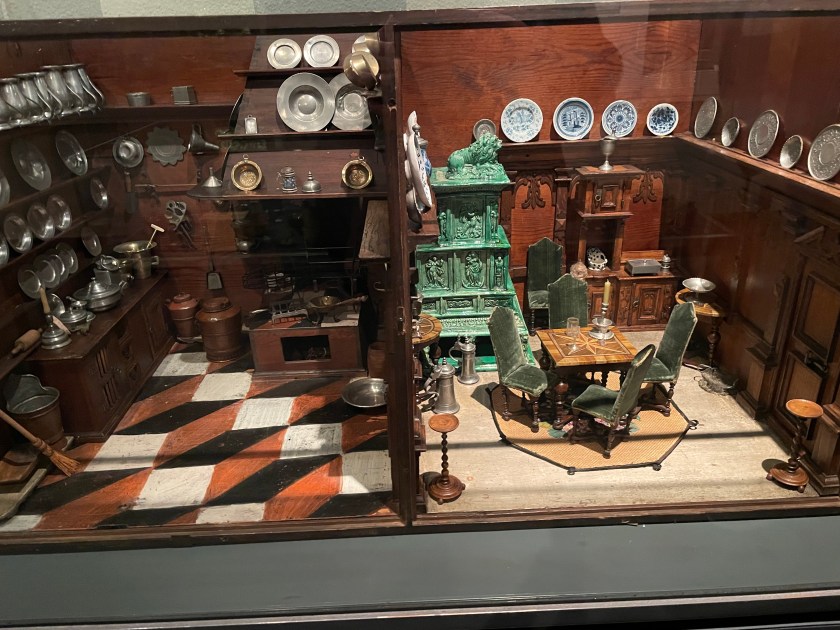
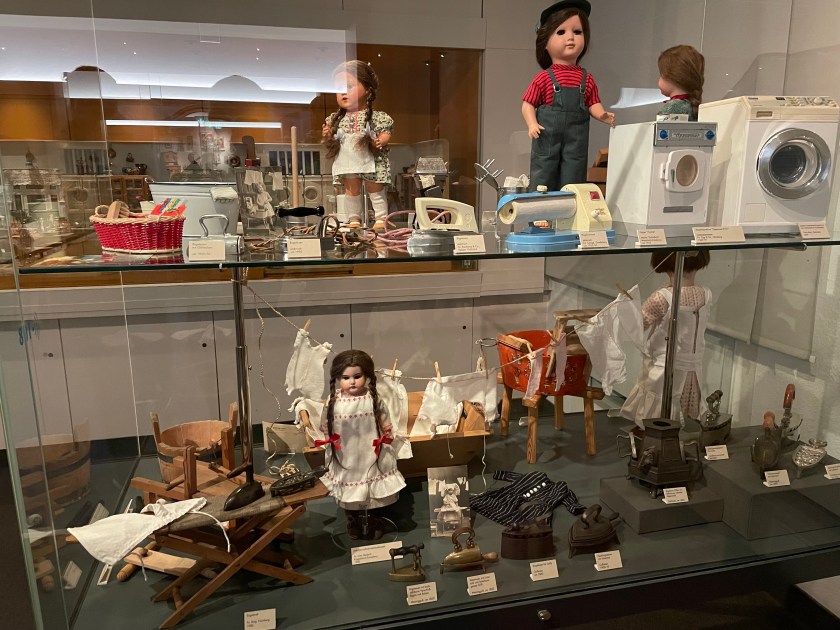
I am always intrigued with everyday life from long ago, and the displays here were really fun to look at.  They give a pretty good idea of what when on “back then.”
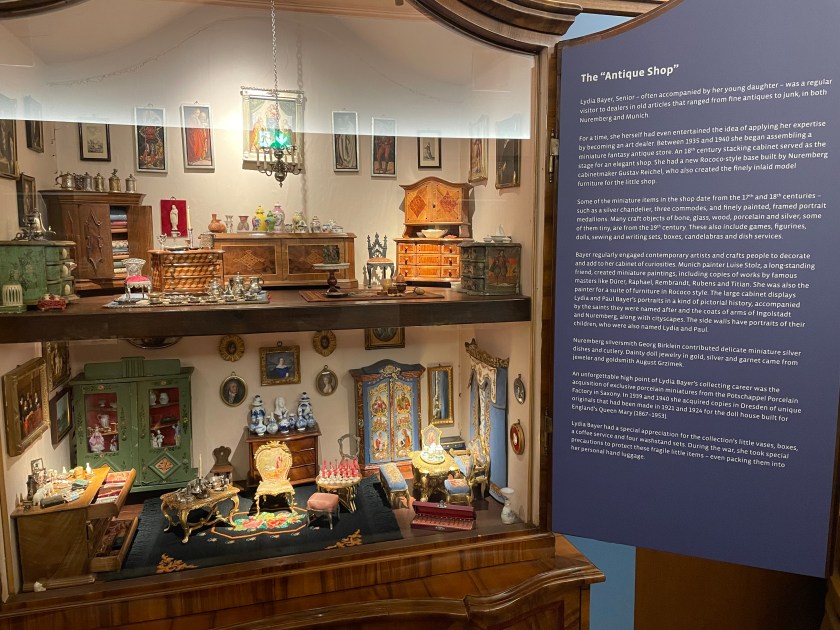
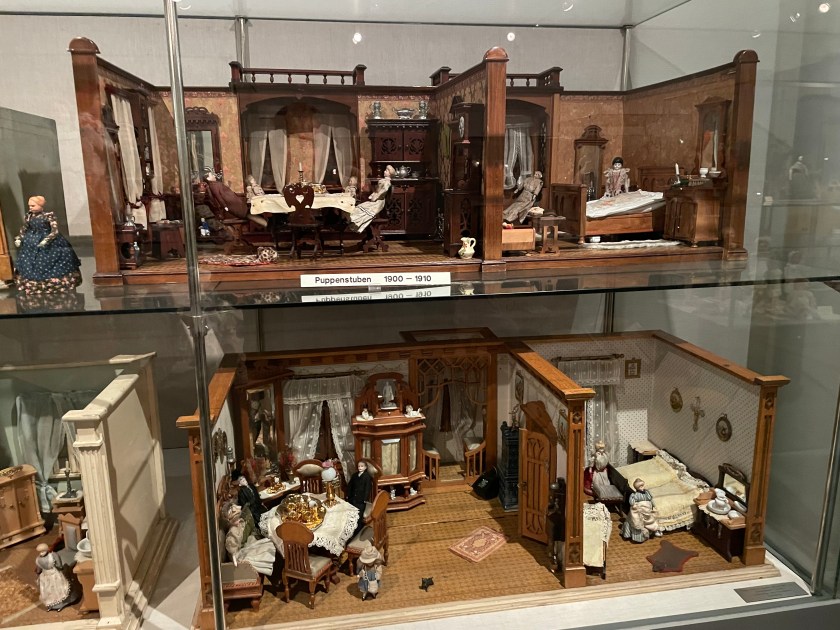
There were so many doll houses and miniatures.
There are also fun activity areas for the children and you can schedule parties here.  It takes at least an hour to go though this fun museum.

The City Museum at the Fembo House

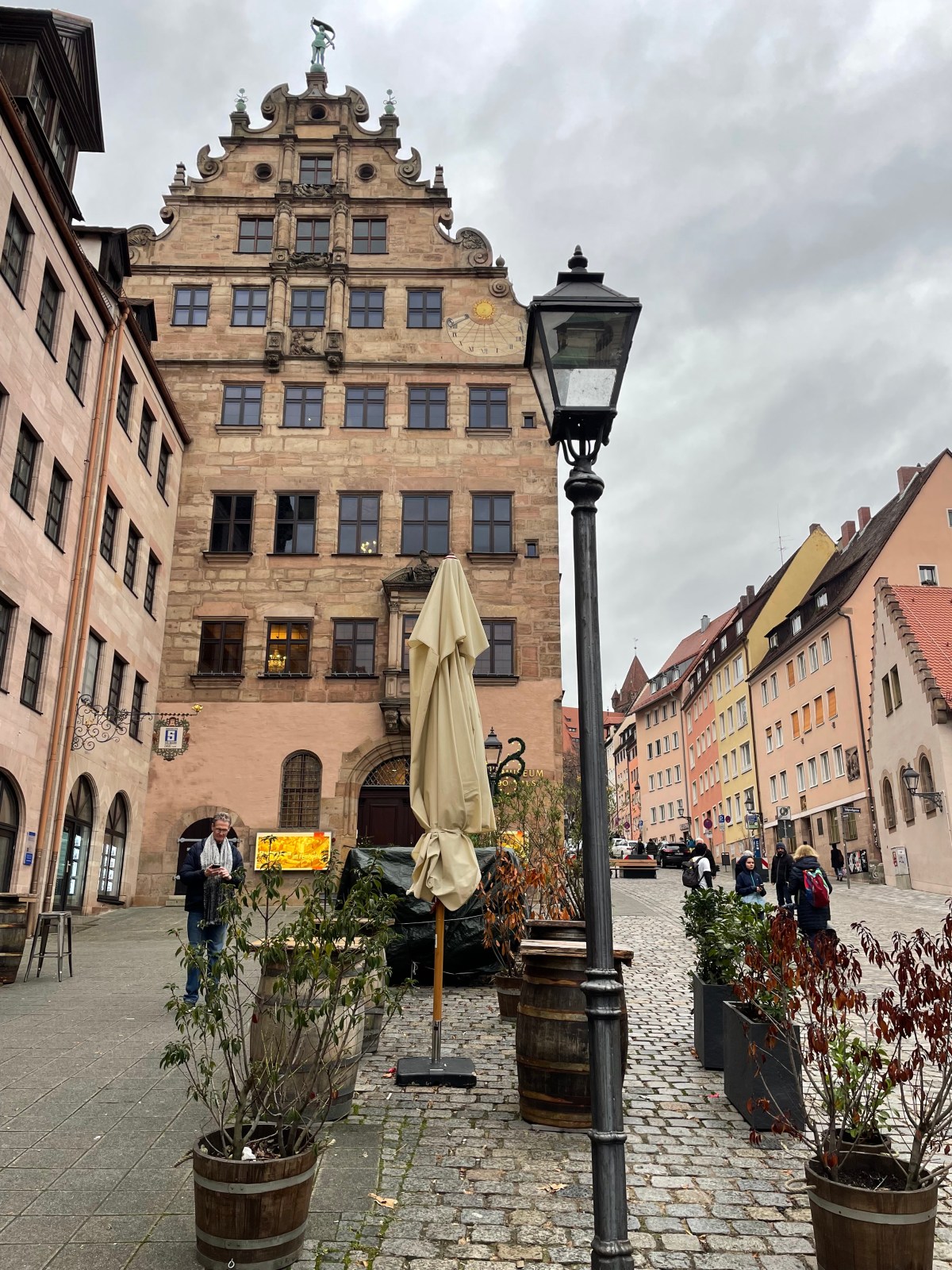
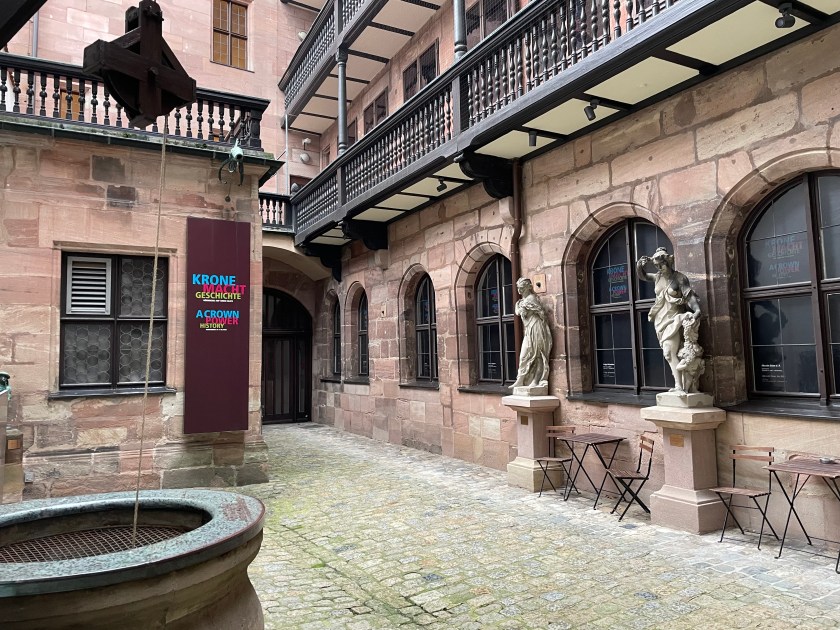
This fancy house is called the Fembo House.  It was the residence of the Dutch silk dealer, Philipp van Oyrl, erected between 1591 and 1596.  It’s the last still surviving merchant’s and patrician’s residence in Nuremberg from the Renaissance and Baroque period.  Of all the historical homes in Nuremberg, the main section of the Fembo House is the only one to survive World War II intact.

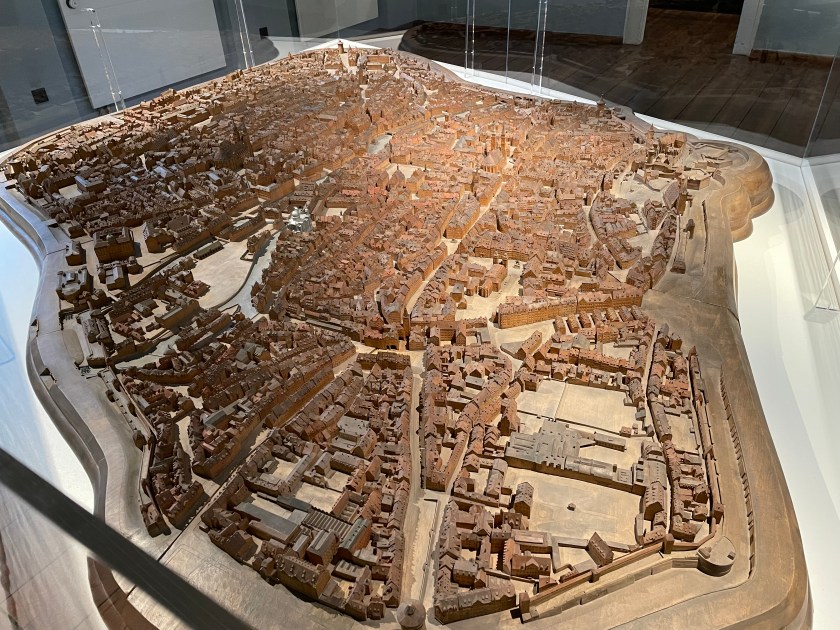
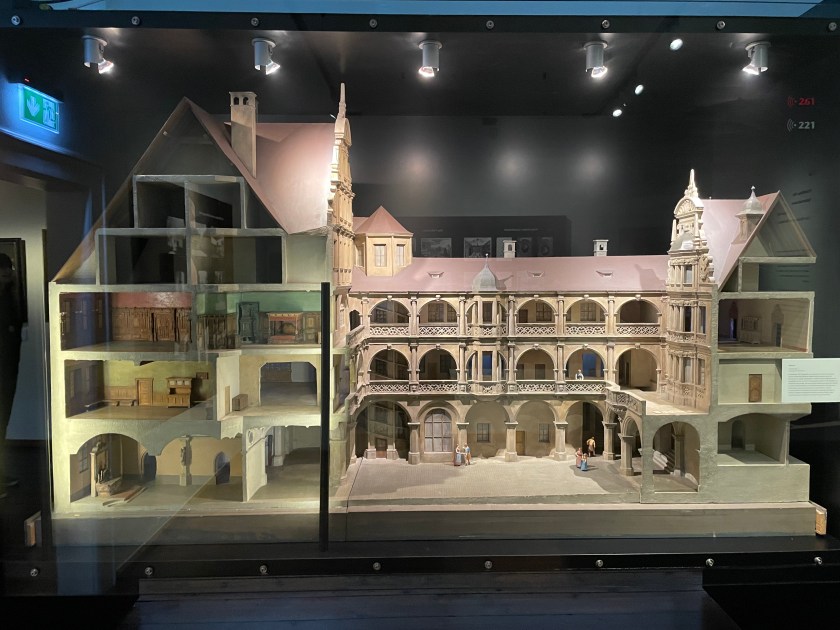
This wooden model contains one of the most precise and true-to-detail city models in all of Germany, created in 1939.

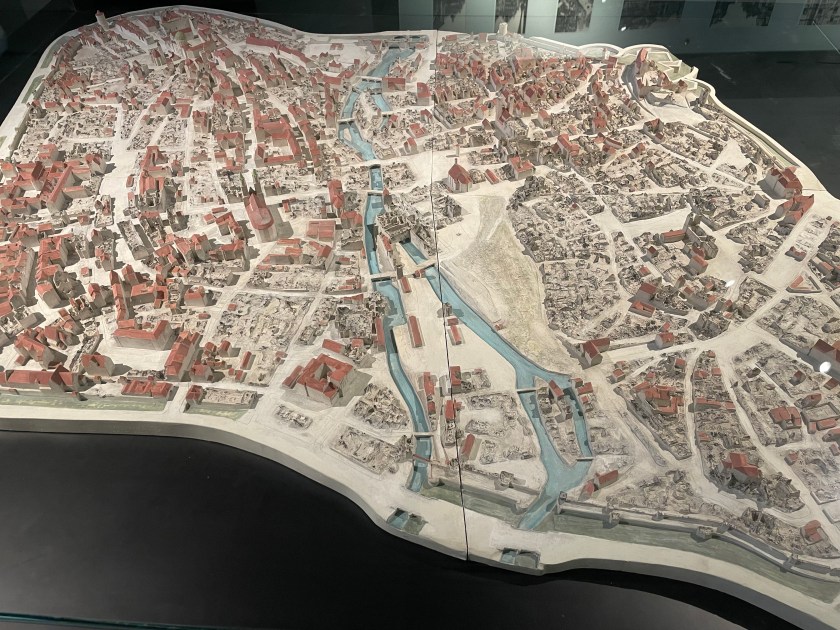
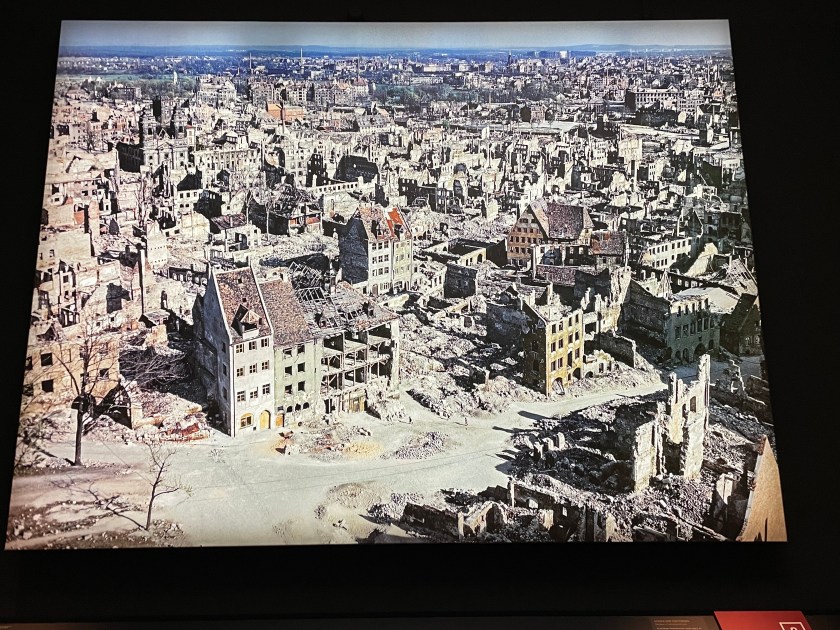
This map shows the destruction from the bombing in WWII:

There was a whole room of before and after photos showing the destruction during the war.

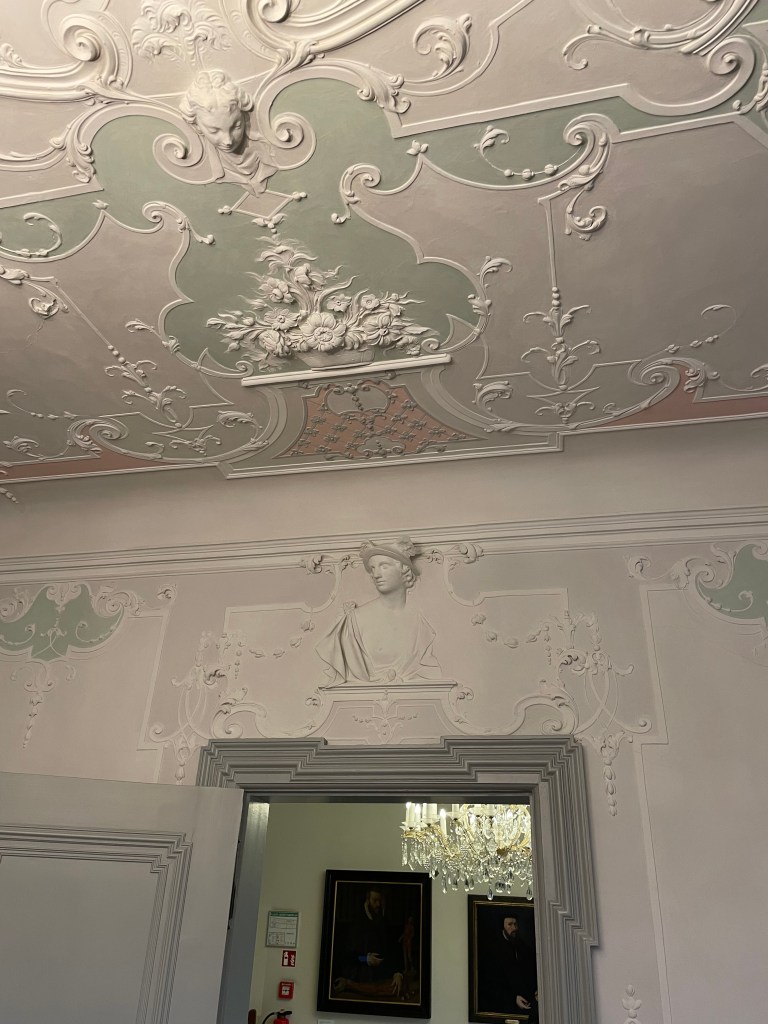
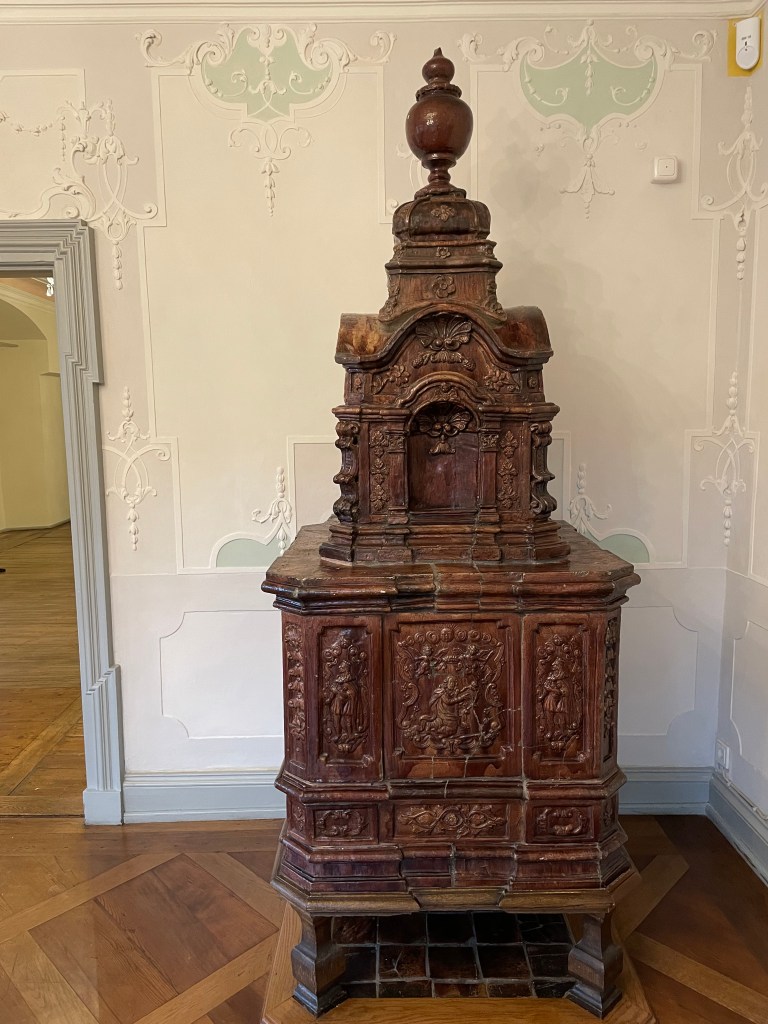
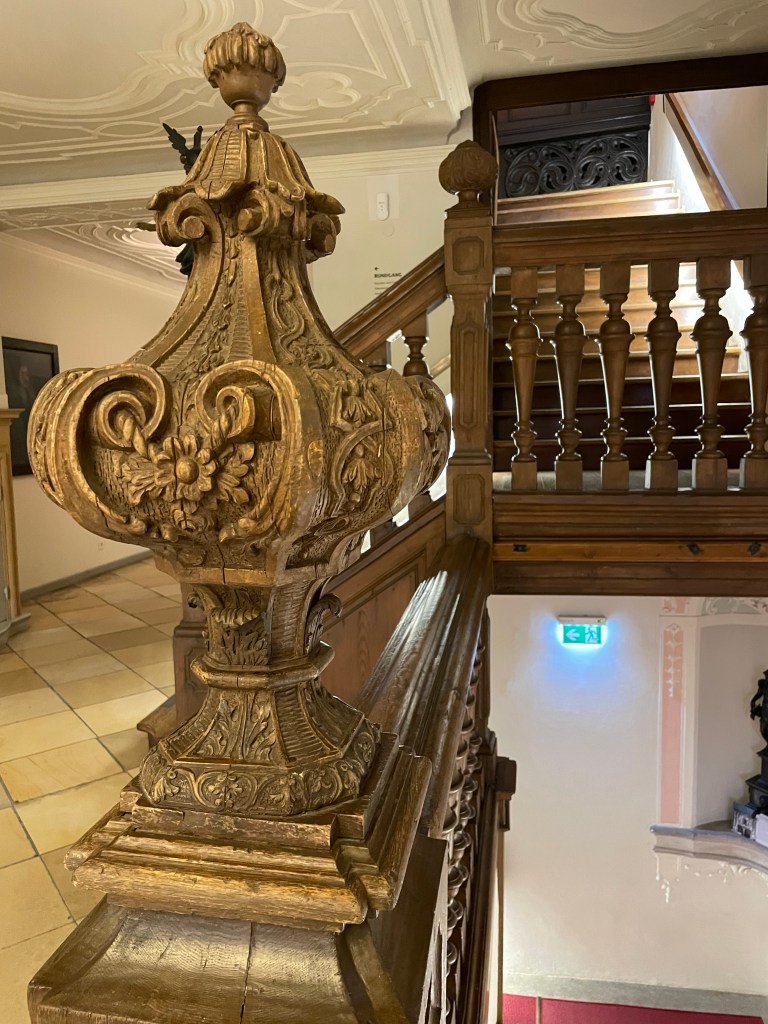
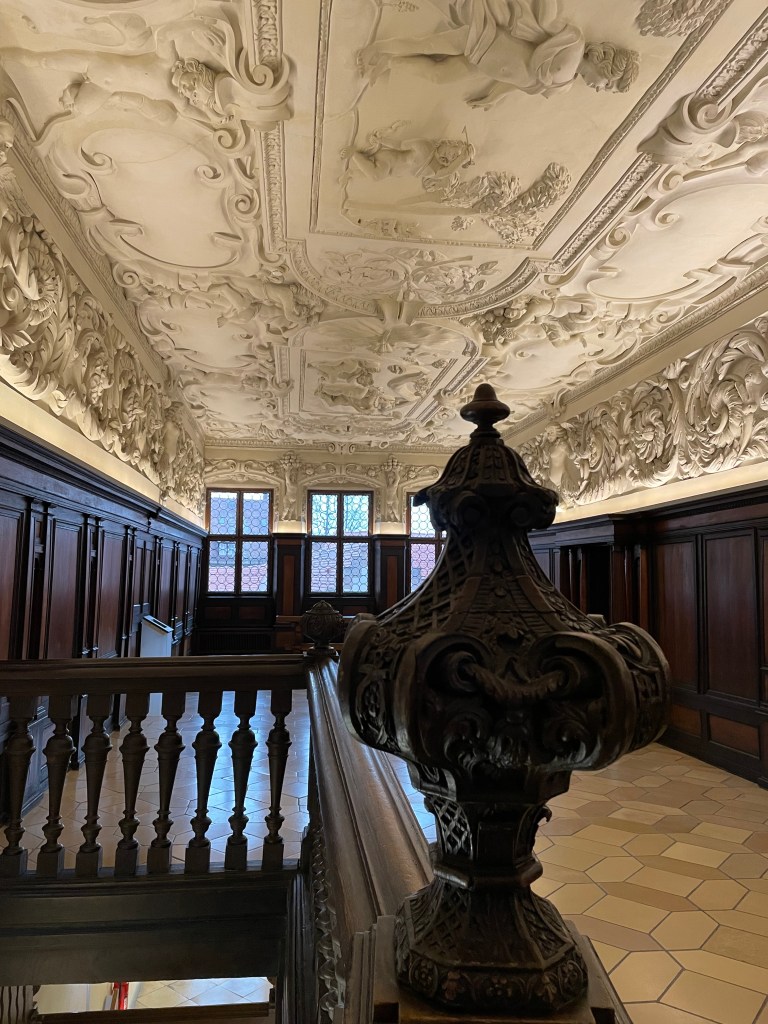
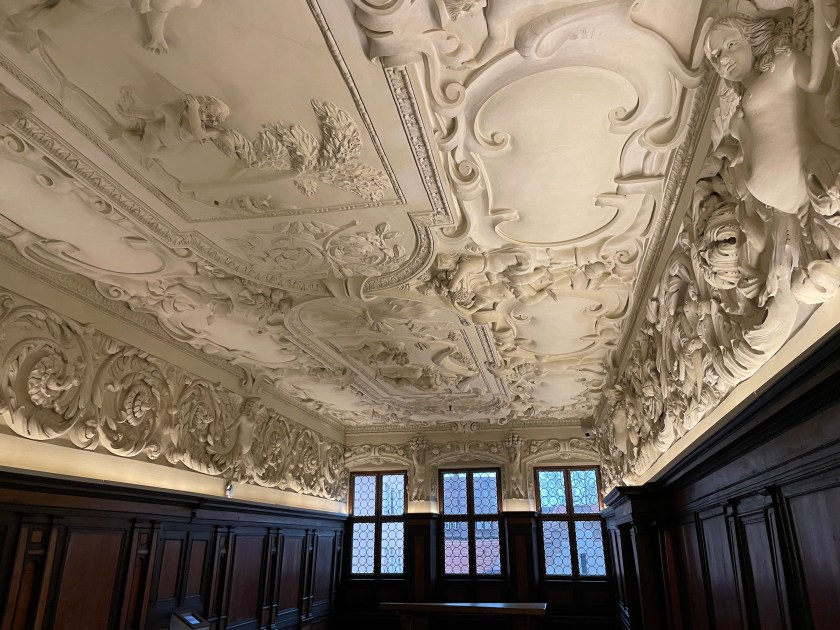
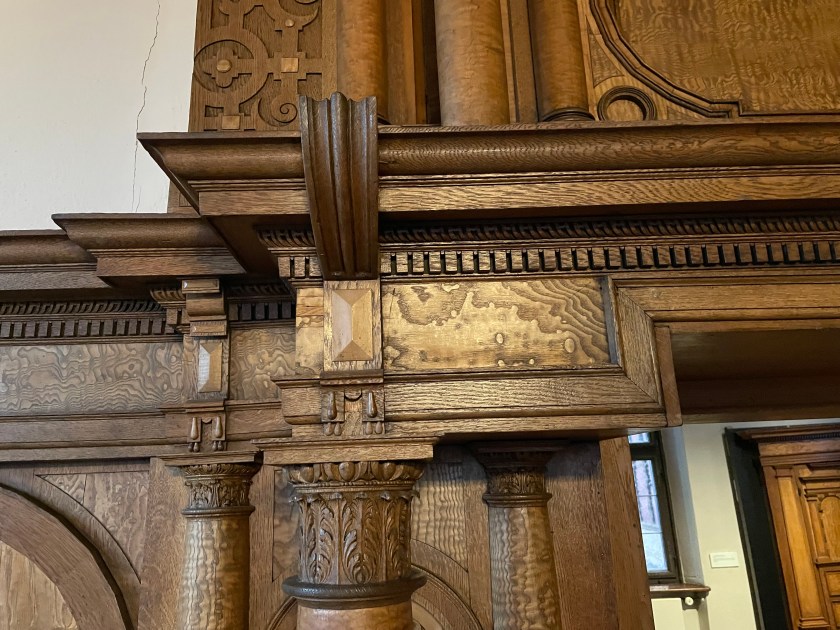
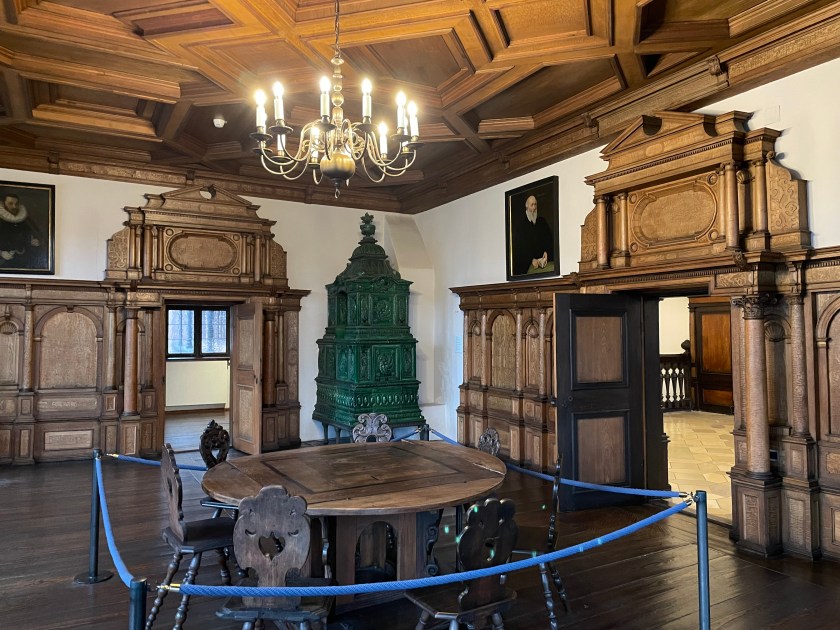
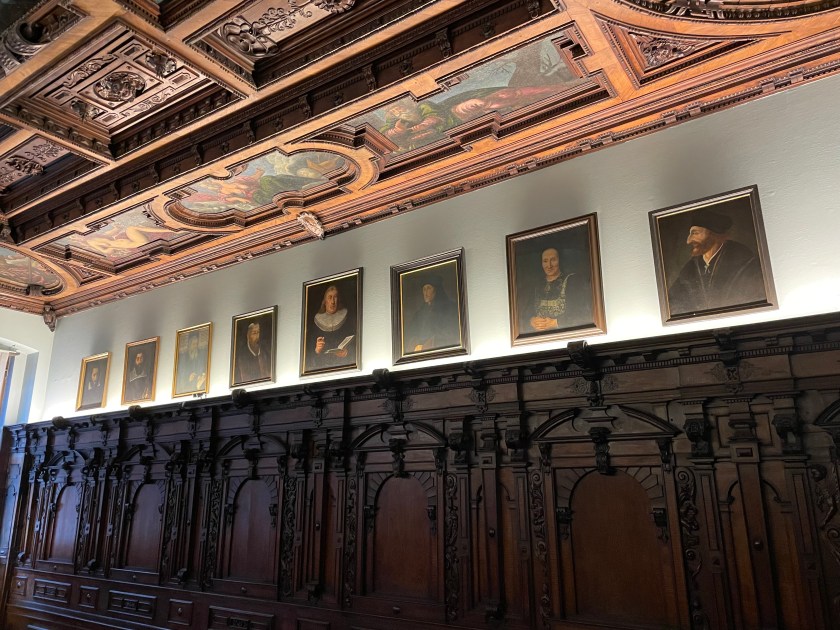
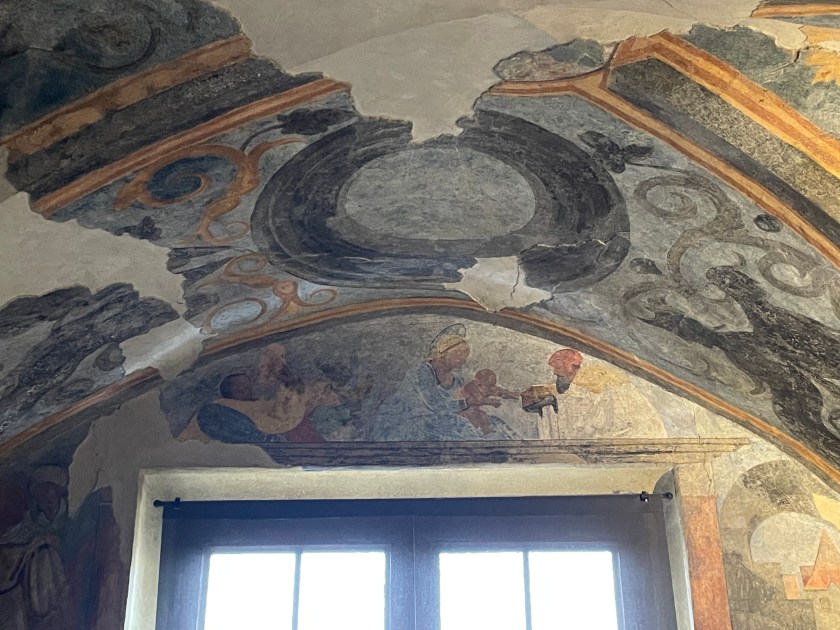
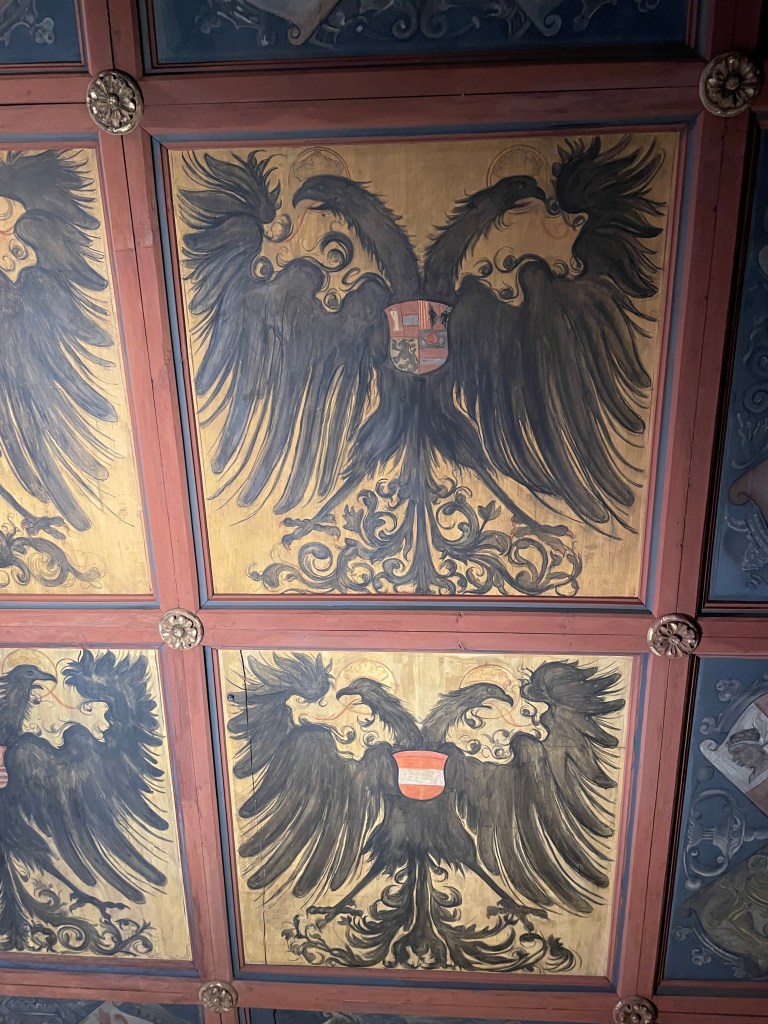
Everything was over-the-top ornate.  Look at this ceiling!

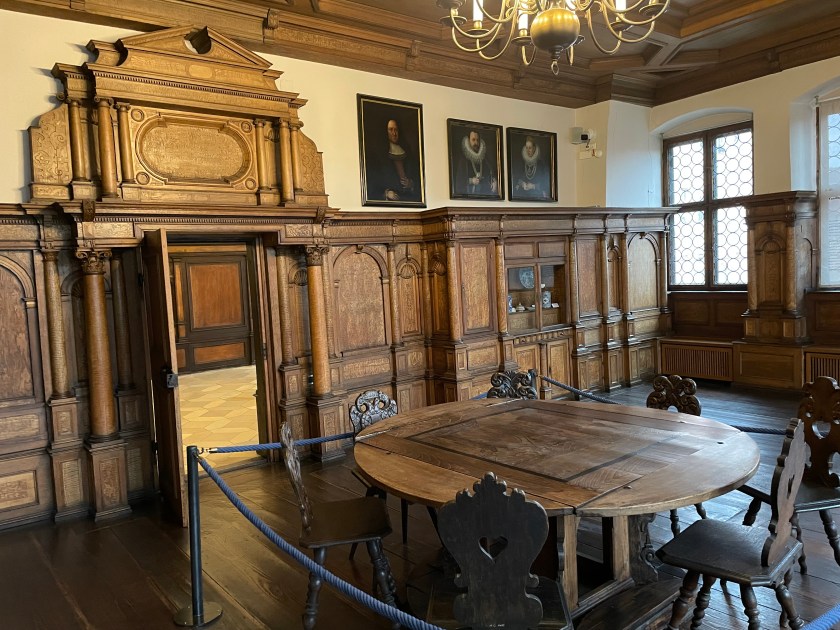
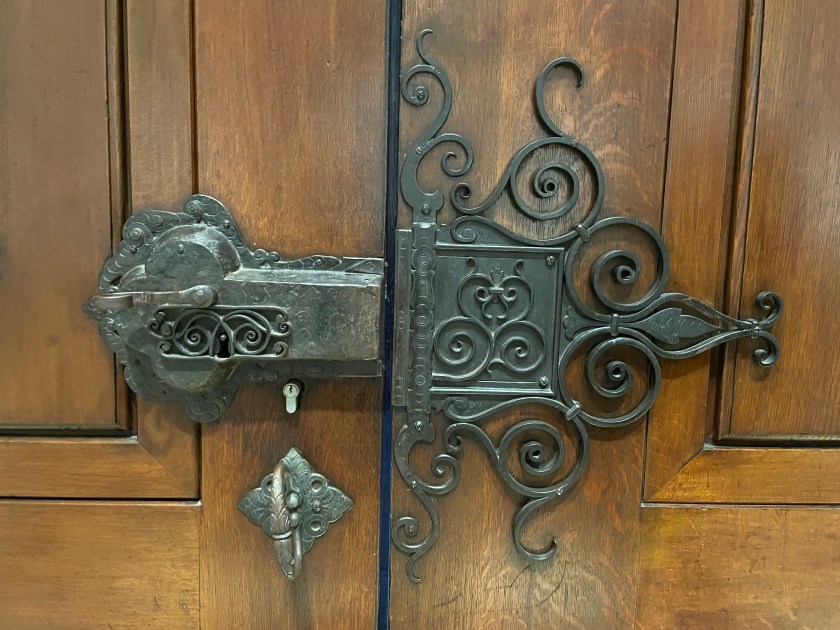
The woodwork was incredible!

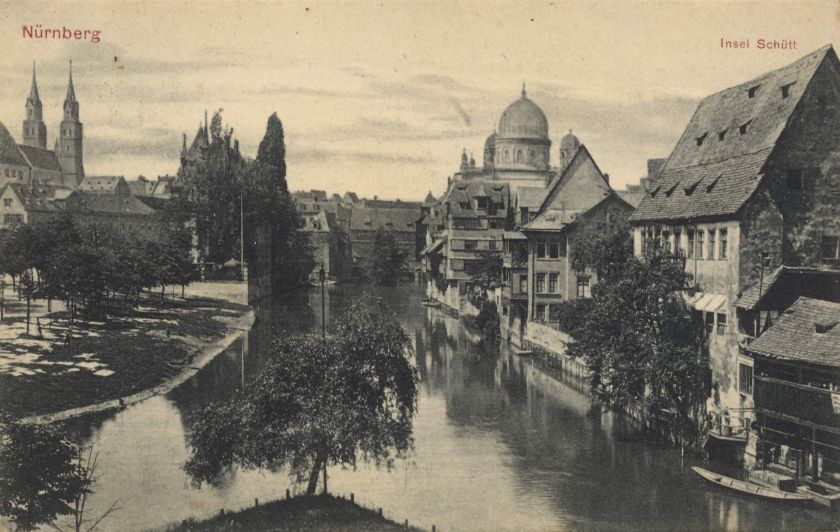
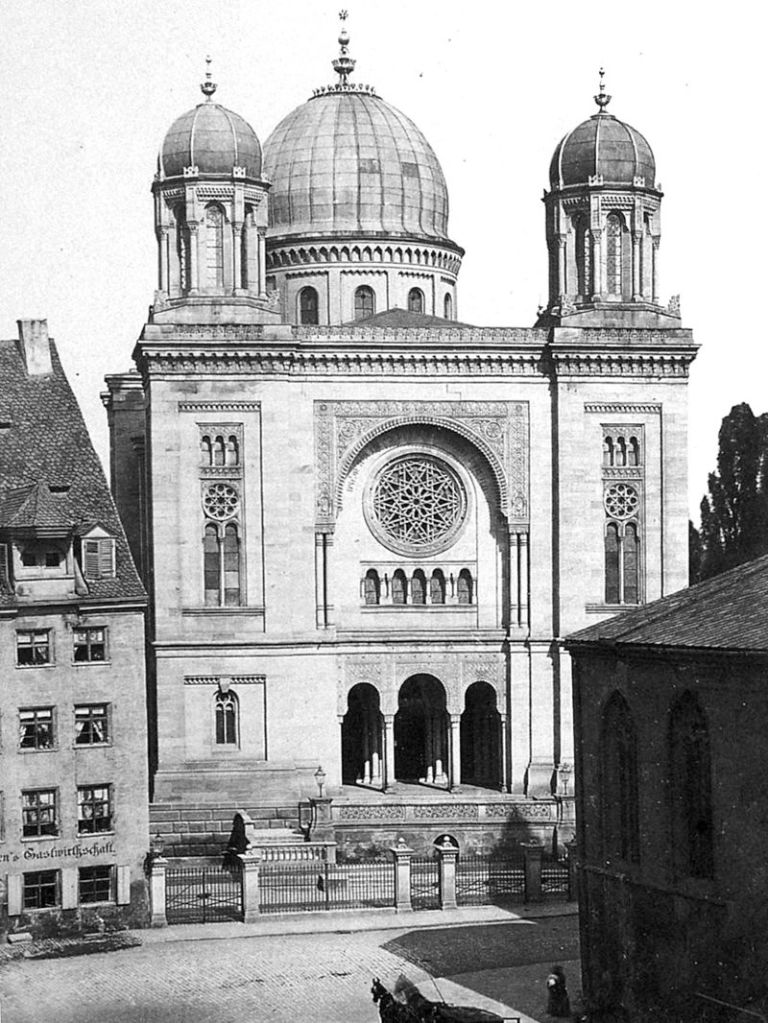
Another thing we learned about here was the Grand Synagogue of Nuremberg.  There was a virtual tour you could take of this synagogue with a special headset.  It really was beautiful.  The synagogue was seized and destroyed in 1938.  In 1902, a smaller Orthodox Synagogue was established in Nuremberg. It was destroyed in 1938 during the Kristallnacht.

These synagogues were never rebuilt.

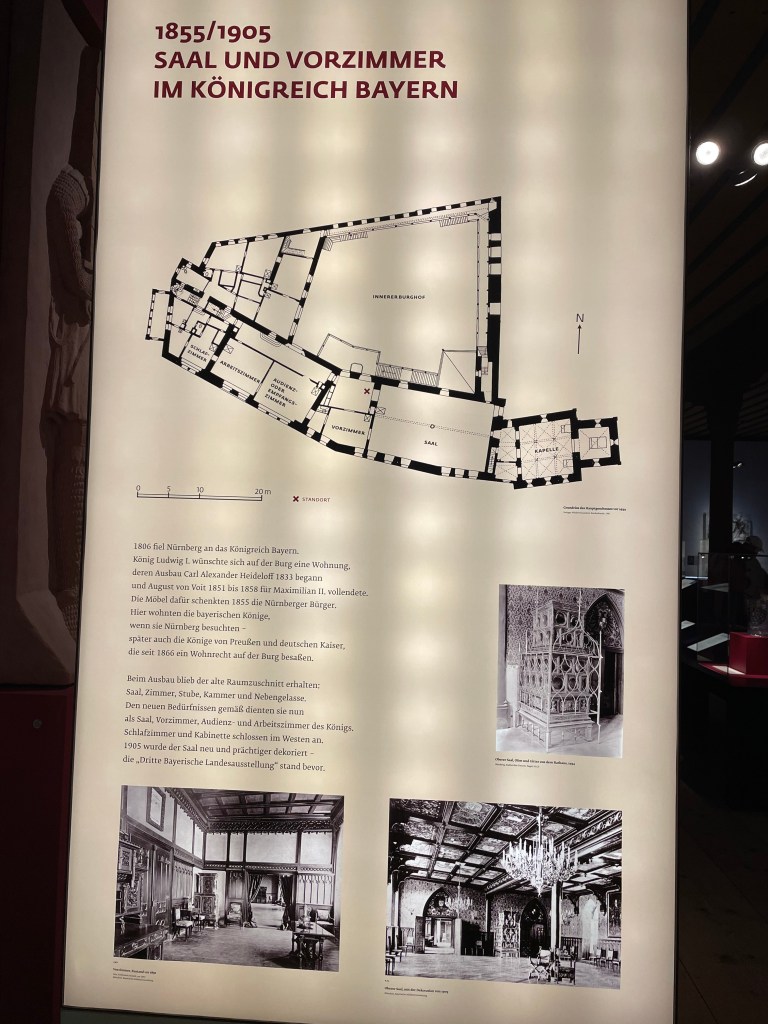
The Imperial Castle and Museum at Nuremberg

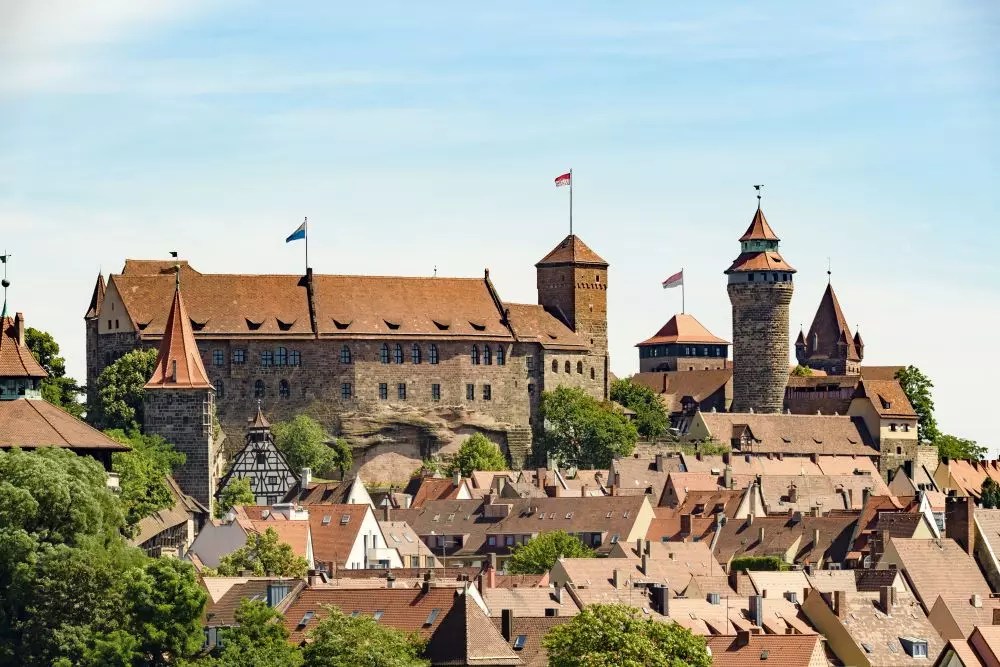
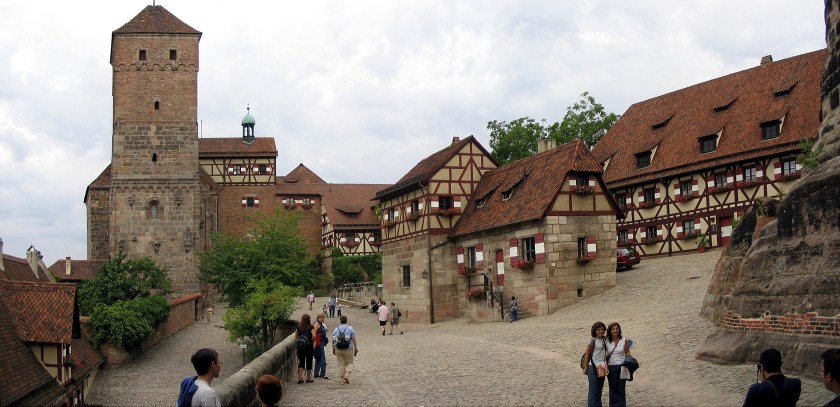
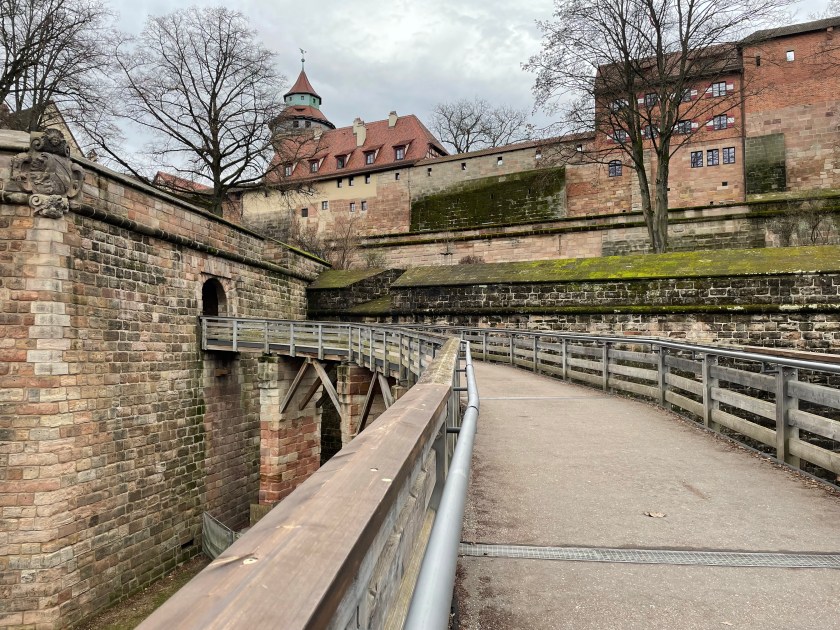
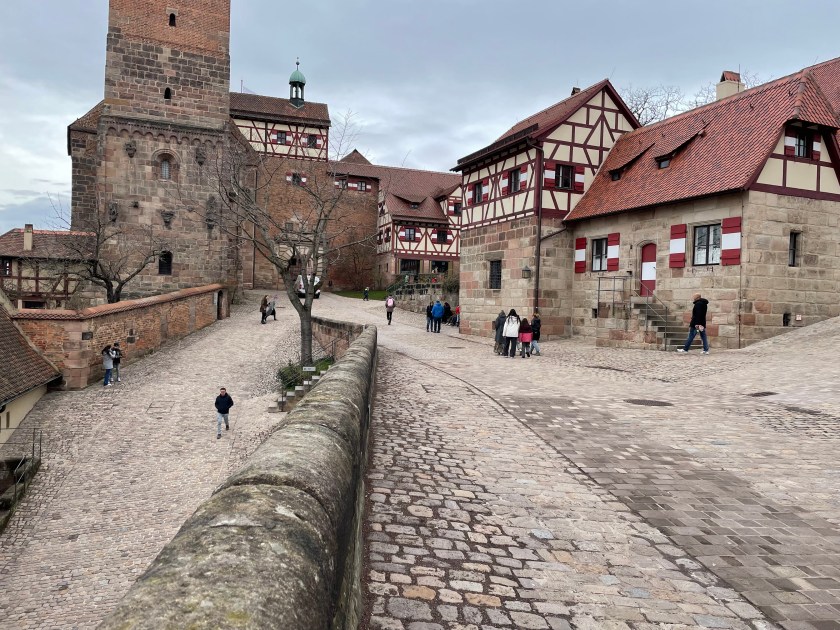
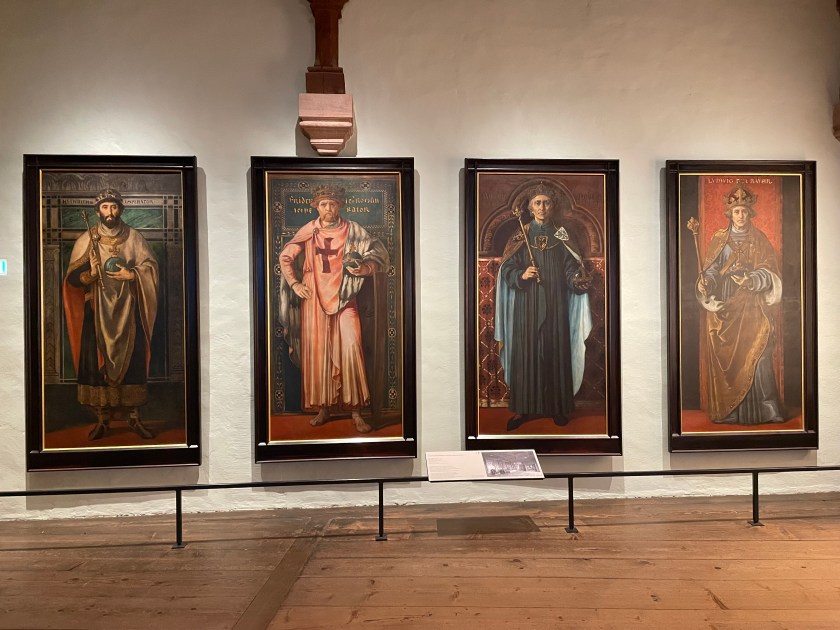
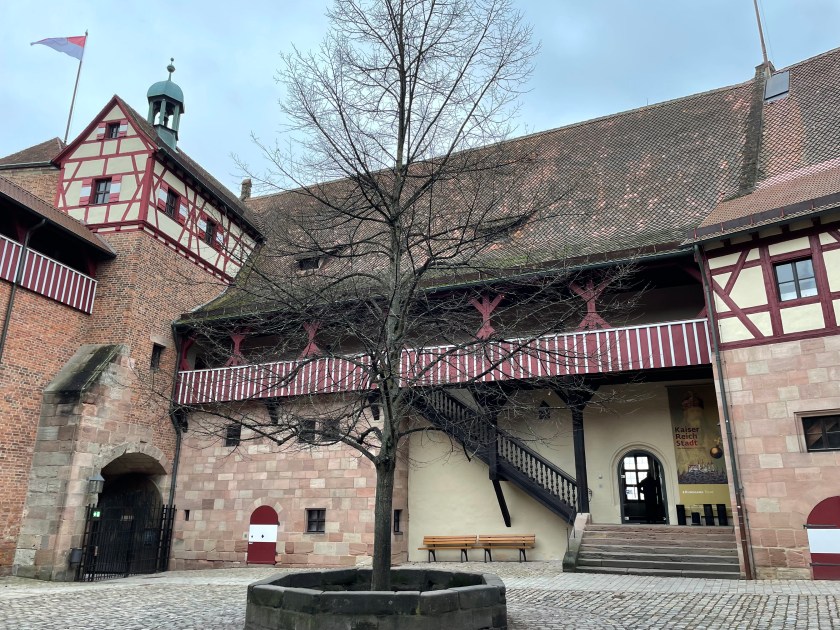
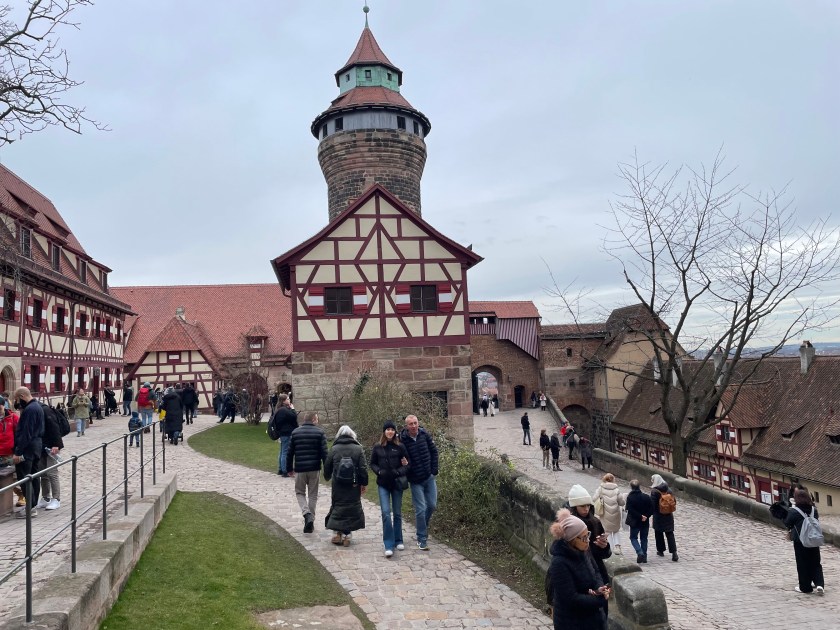
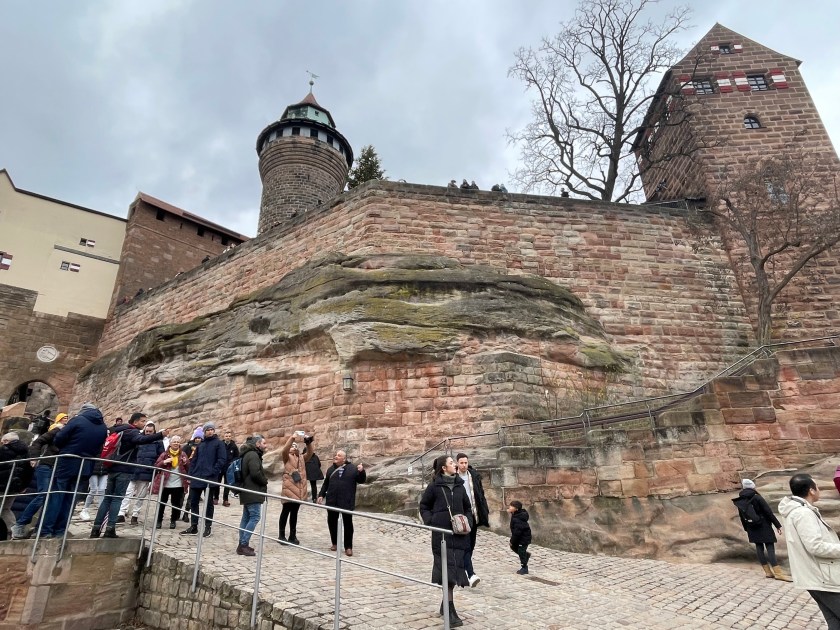
During the Middle Ages the Imperial Castle in Nuremberg was one of the most fortified imperial palaces of the Holy Roman Empire.  For centuries it was the center of European history and a secure outpost and famous accommodation for visiting emperors.

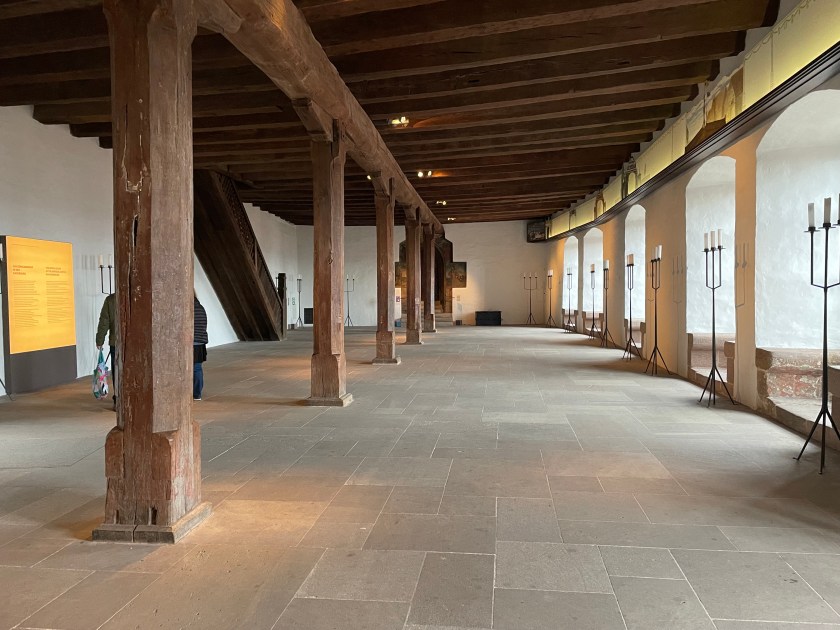
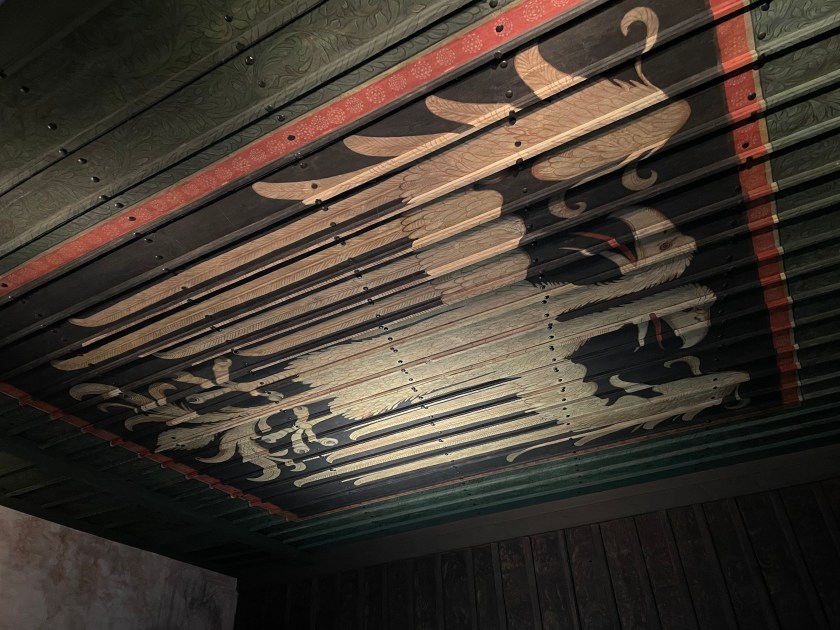
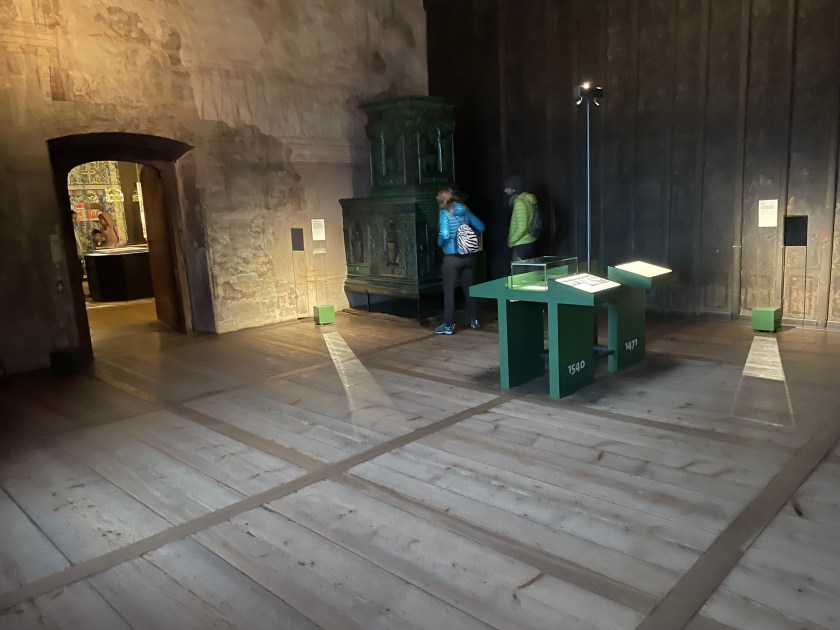
The castle was built around 1200, along with the Palace.  There were residential rooms and reception halls.  Part of the rooms today are used as a museum that tells the history of this place.

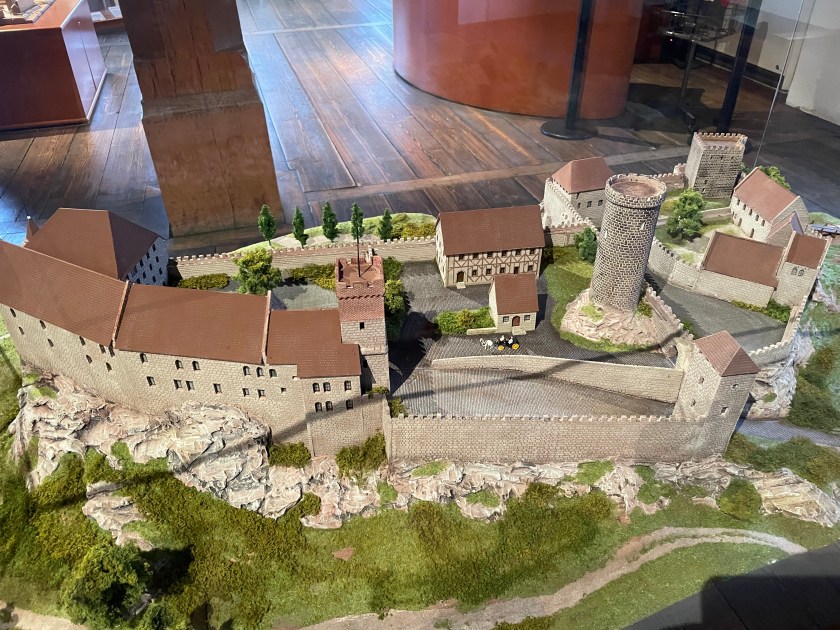
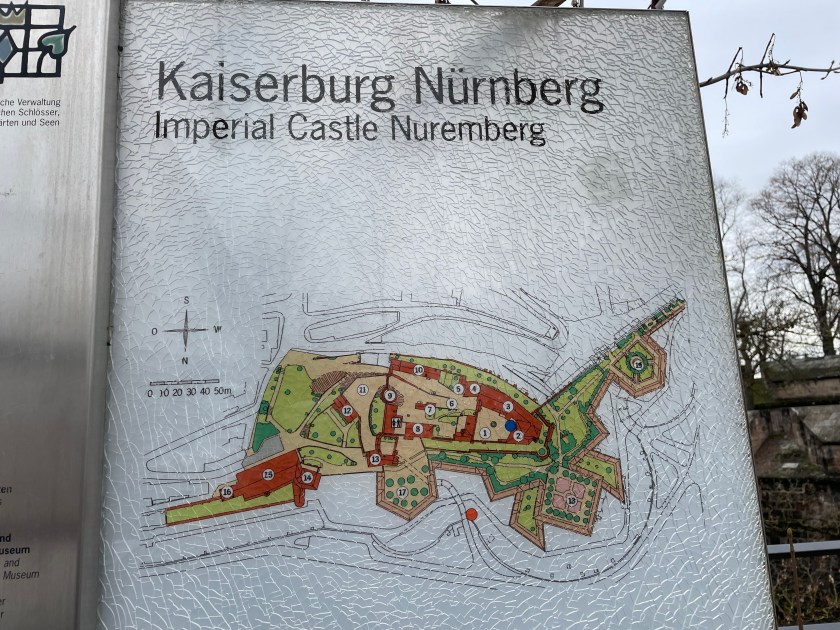
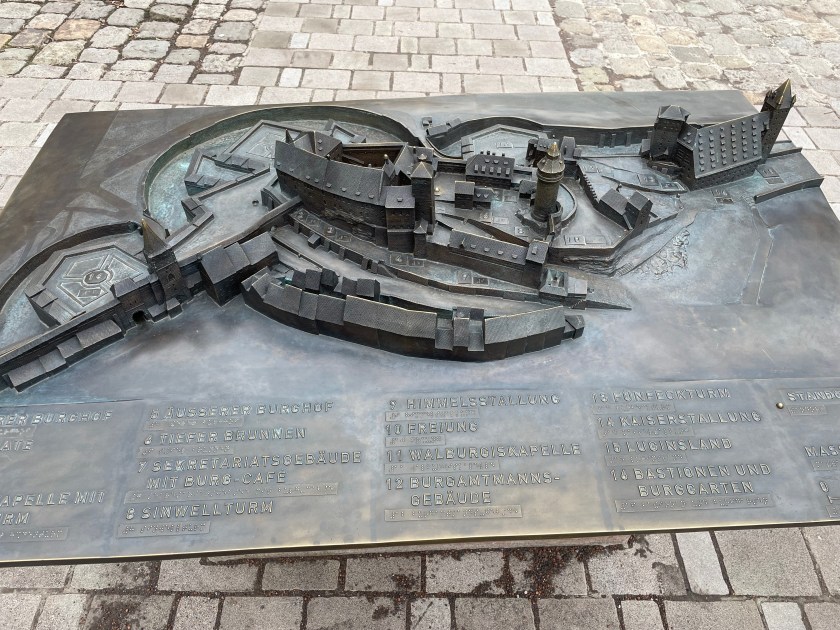
Here’s how the castle complex is laid out:

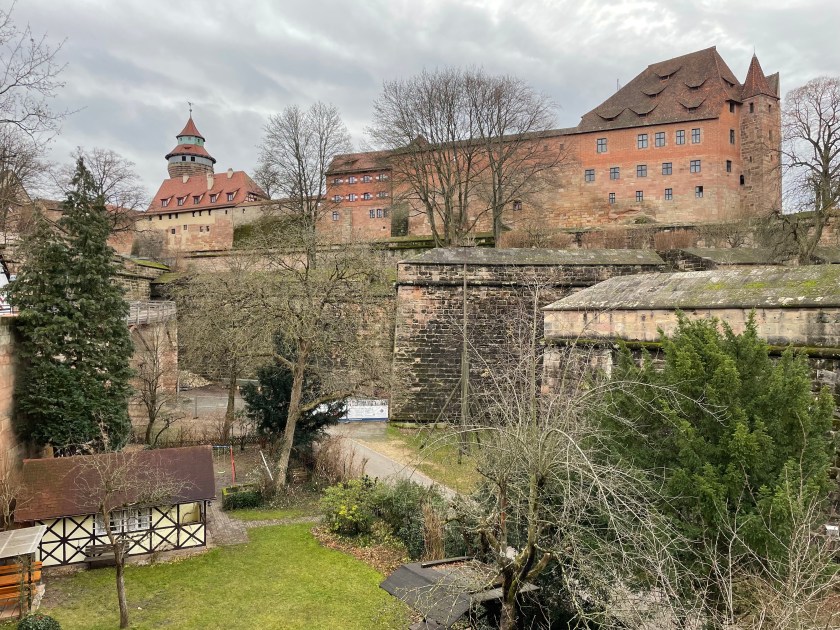
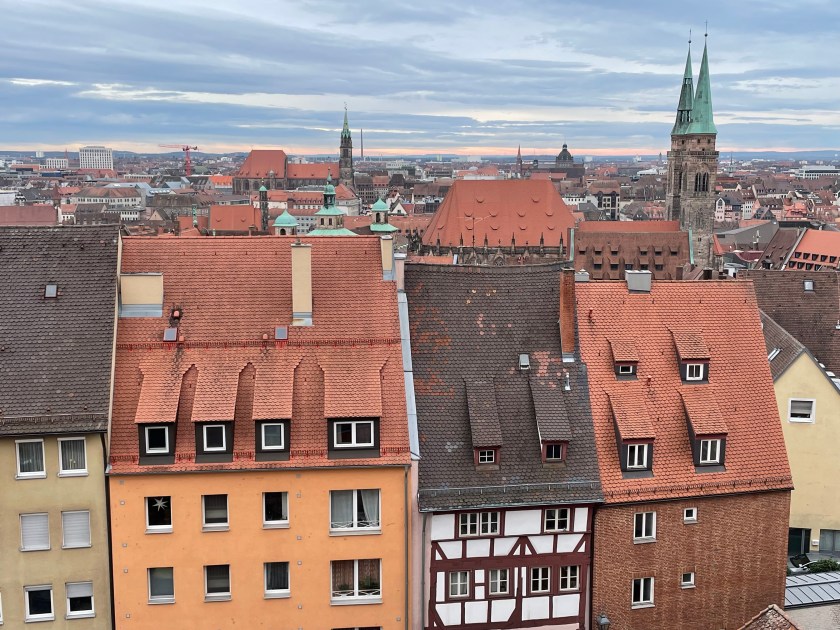
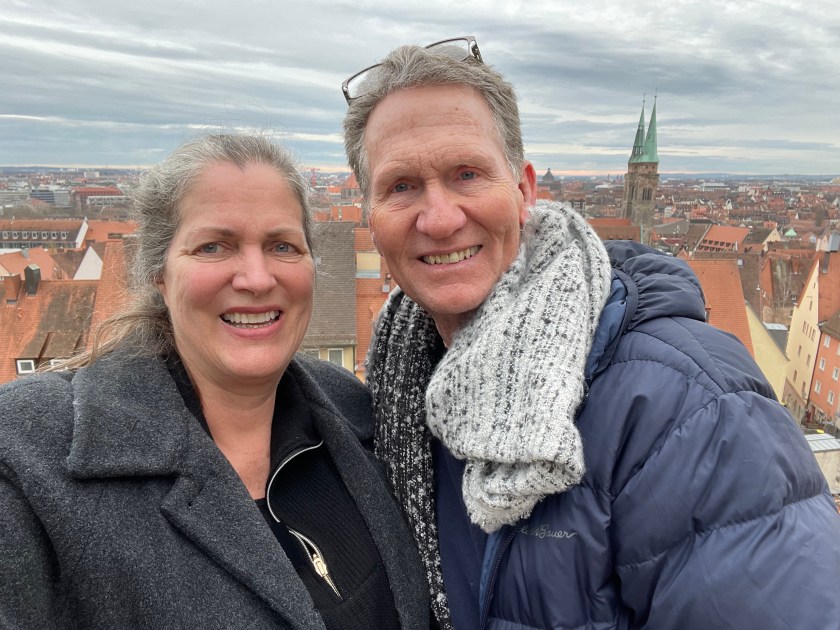
The view from the top out over Nuremberg:

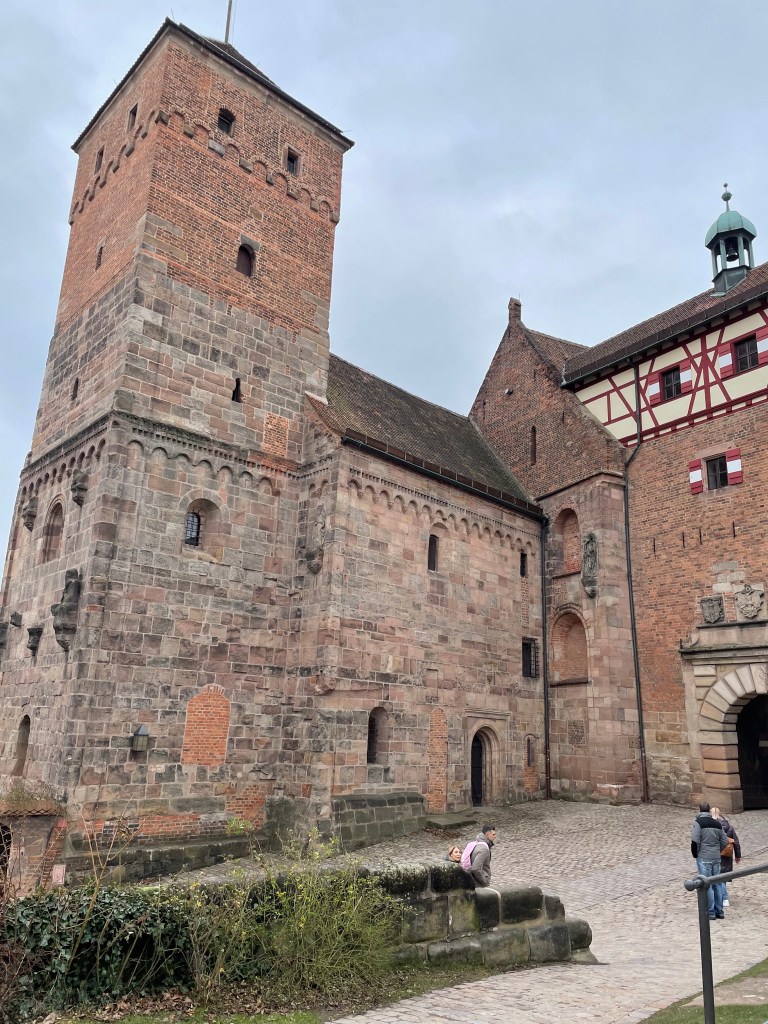
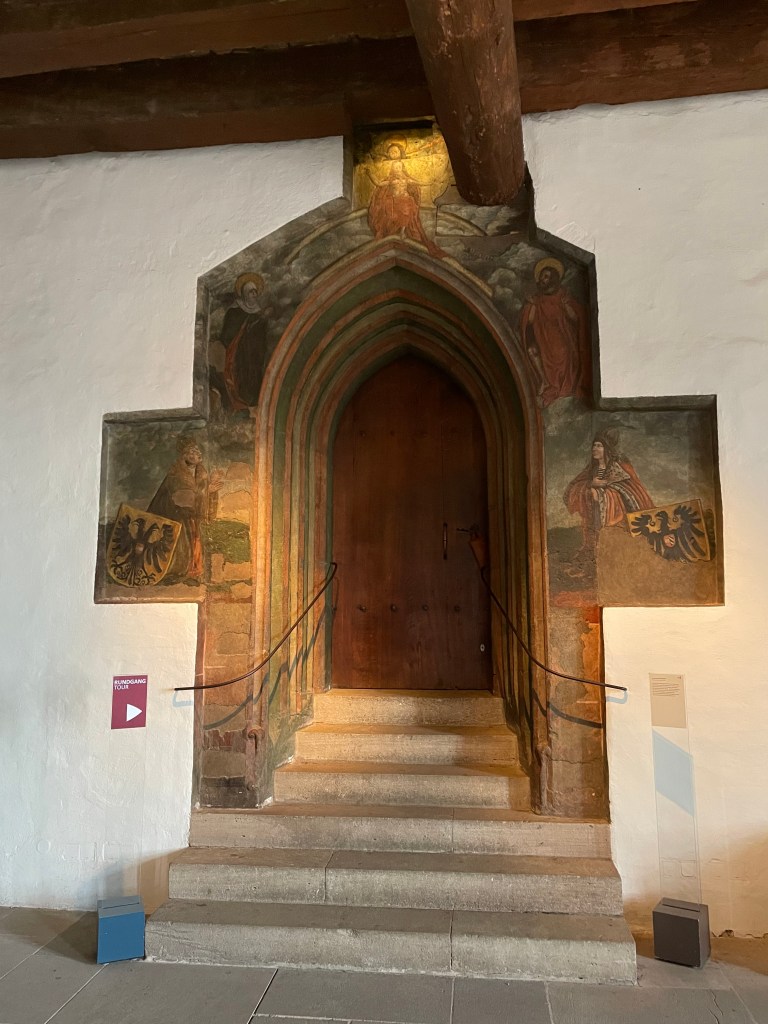
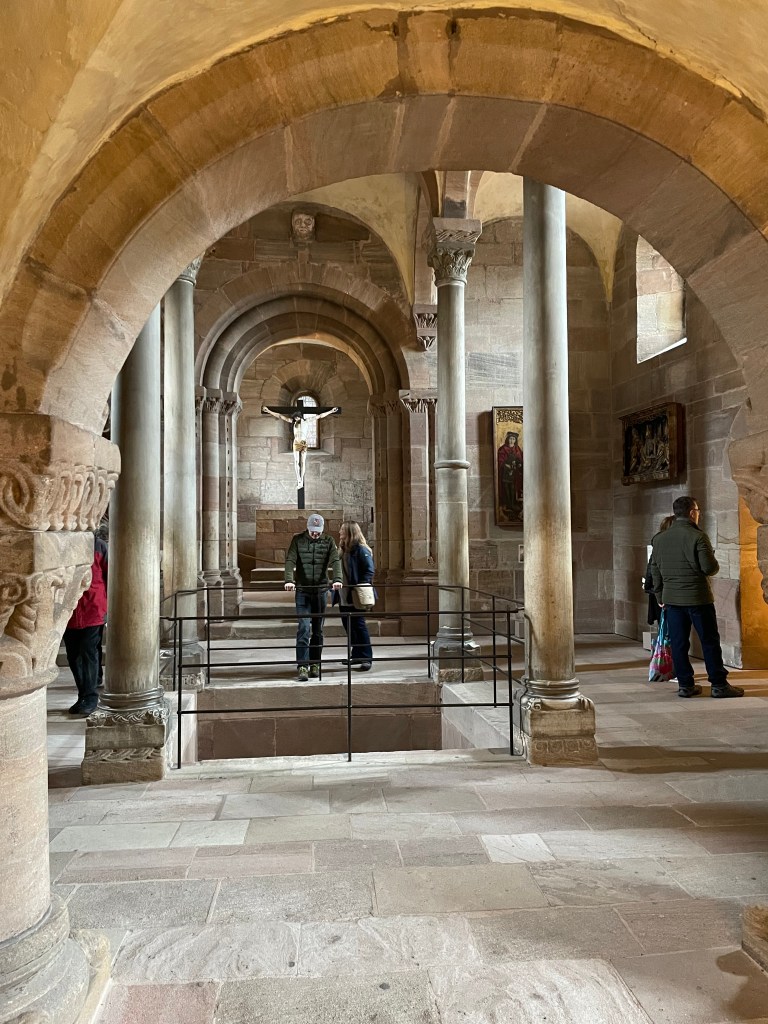
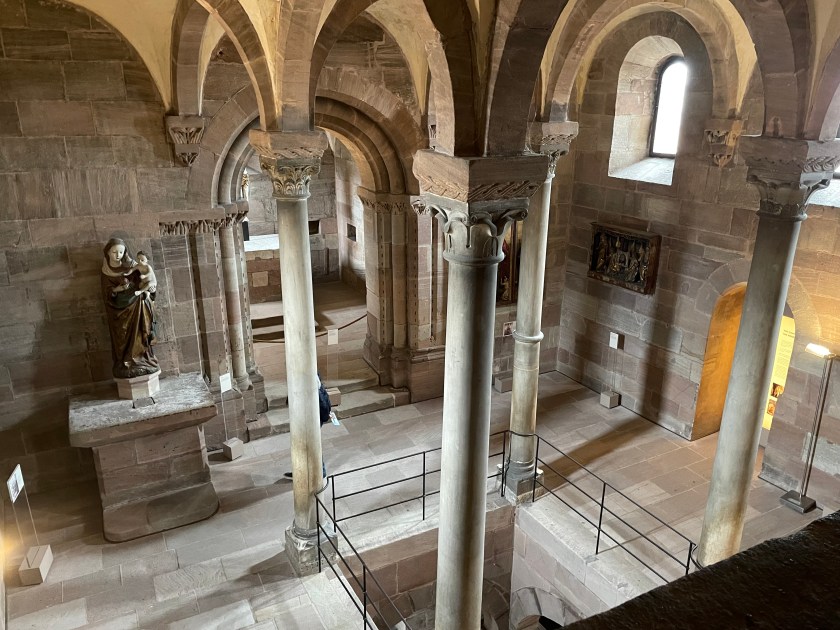
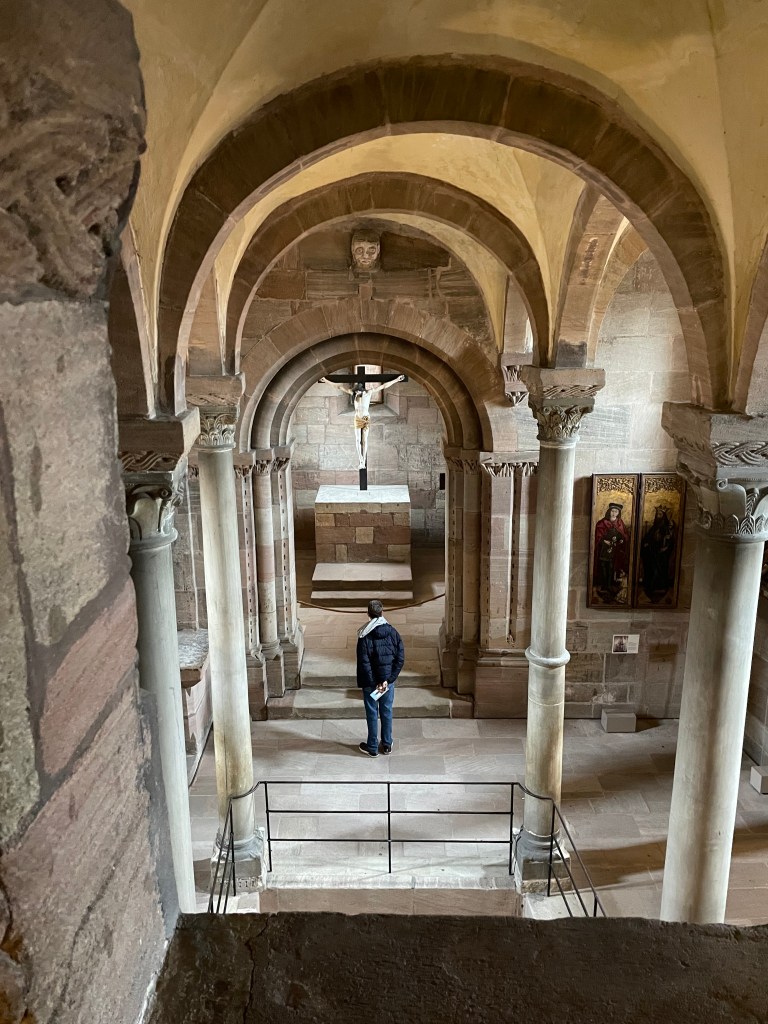
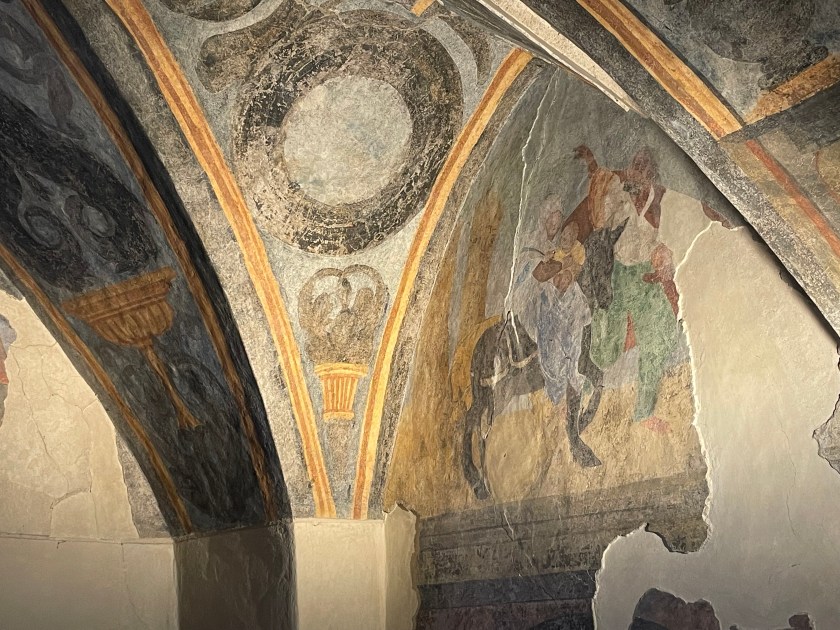
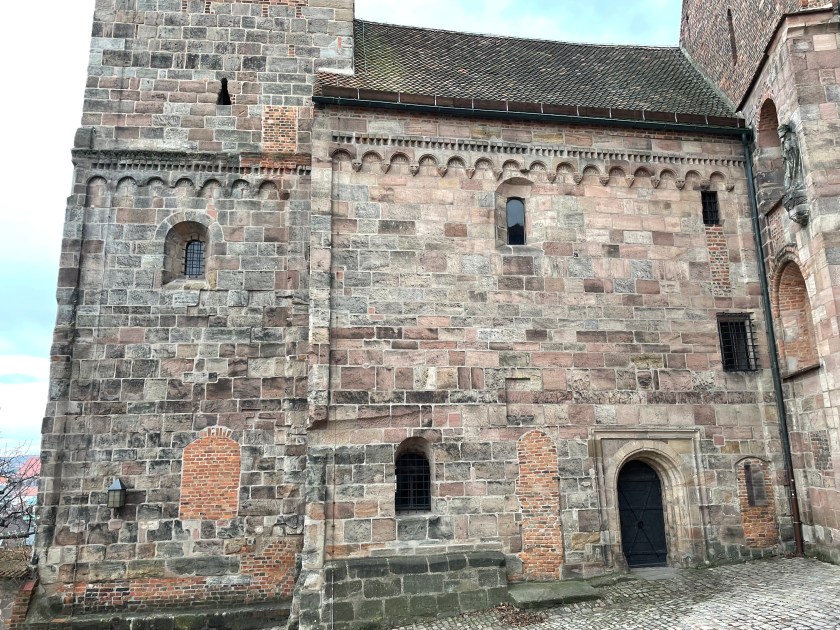
Much of the castle complex was destroyed in WWII, then rebuilt.  The chapel area was not completely destroyed, but remained standing.  This is the entrance to the chapel.

From an art history perspective, the Imperial Chapel is the most important part of the Imperial Castle.  It was built around 1200.  This is a double chapel, where two chapels with identical floor plans are built on top of each other.  There is an opening between them in the center of the floor.  The upper gallery allowed the emperor direct access from the upper floor, but kept him a certain distance from the royal court.

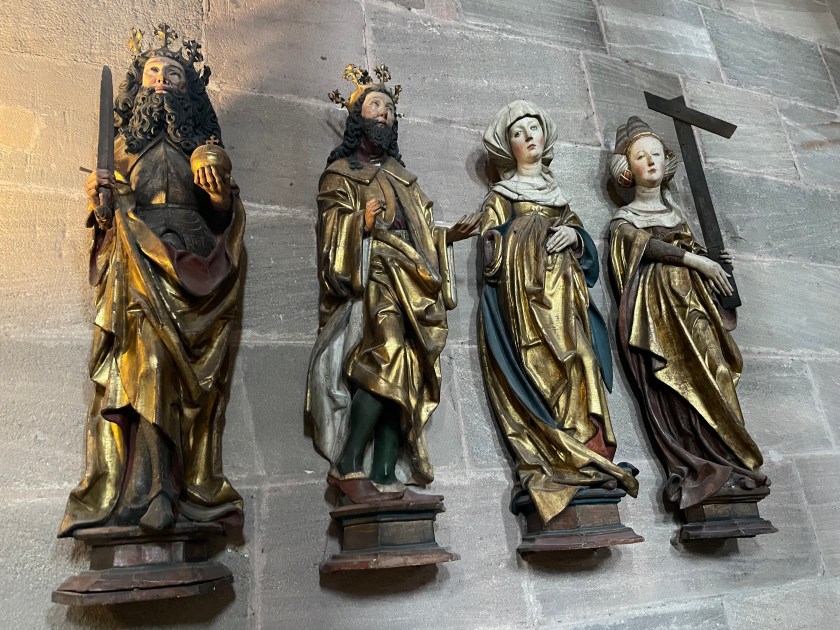
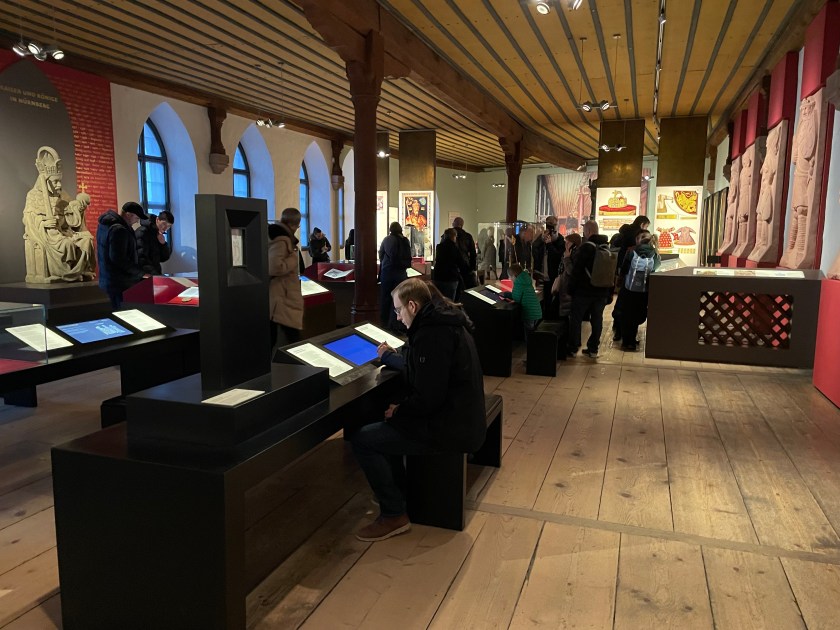
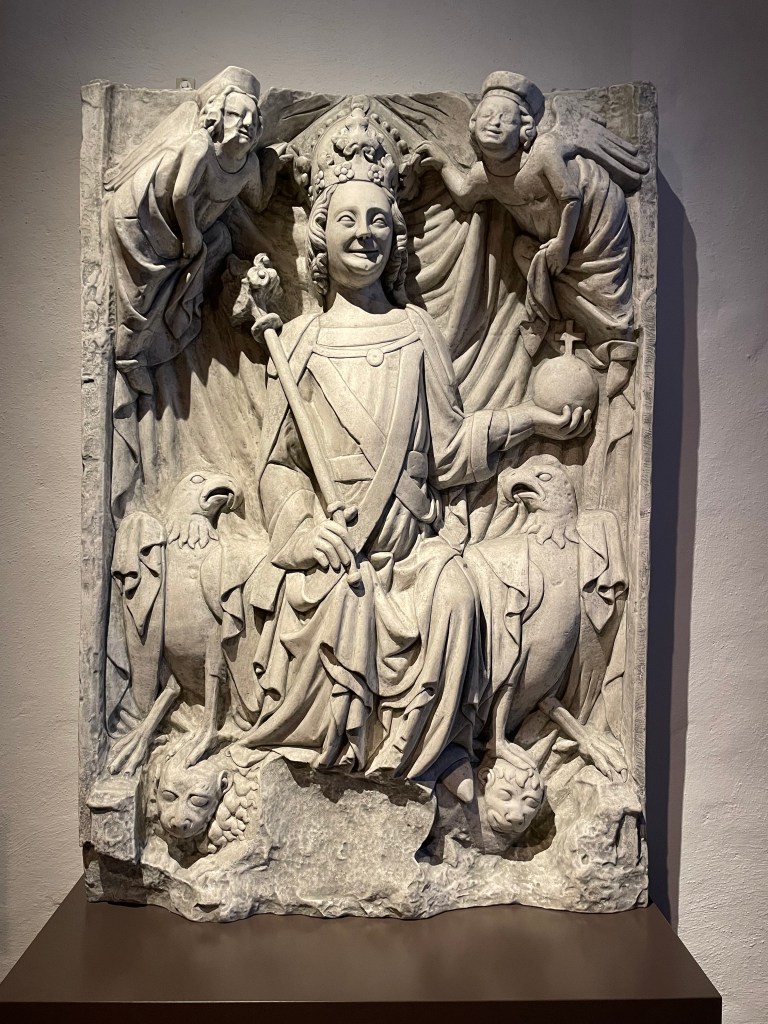
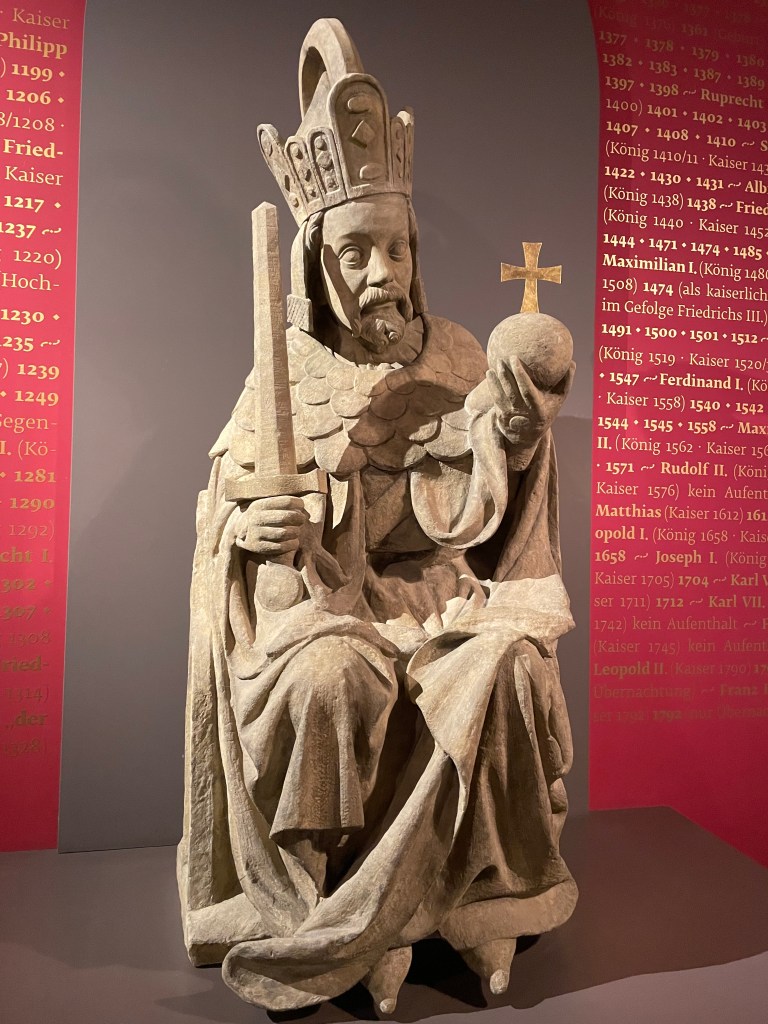
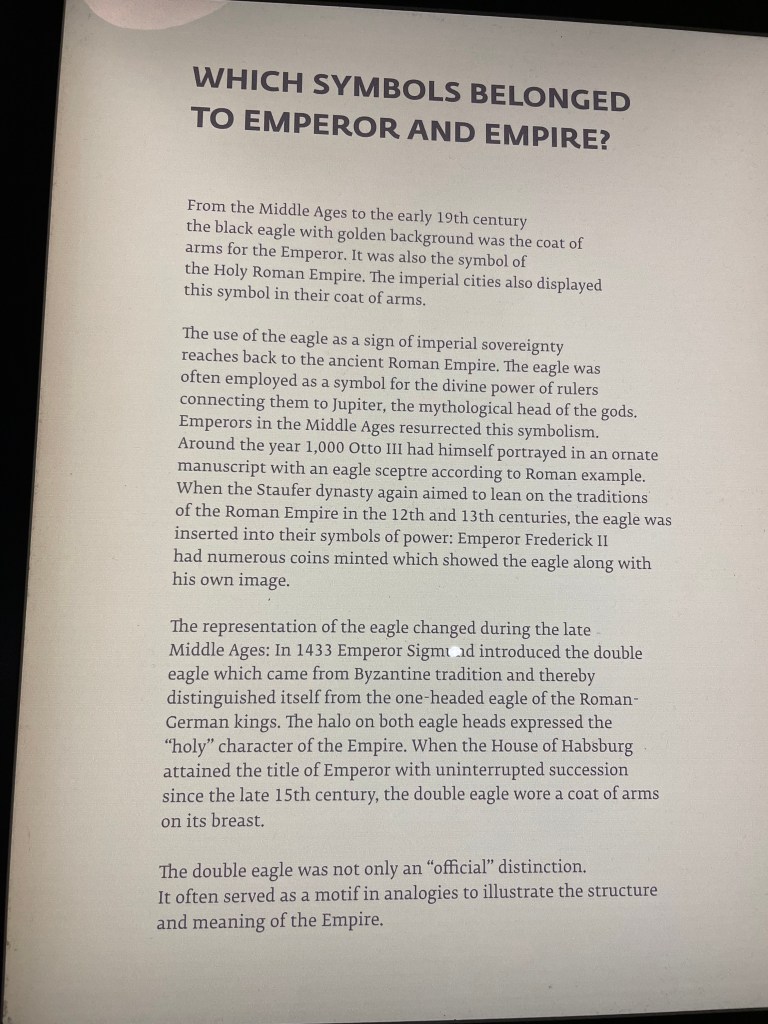
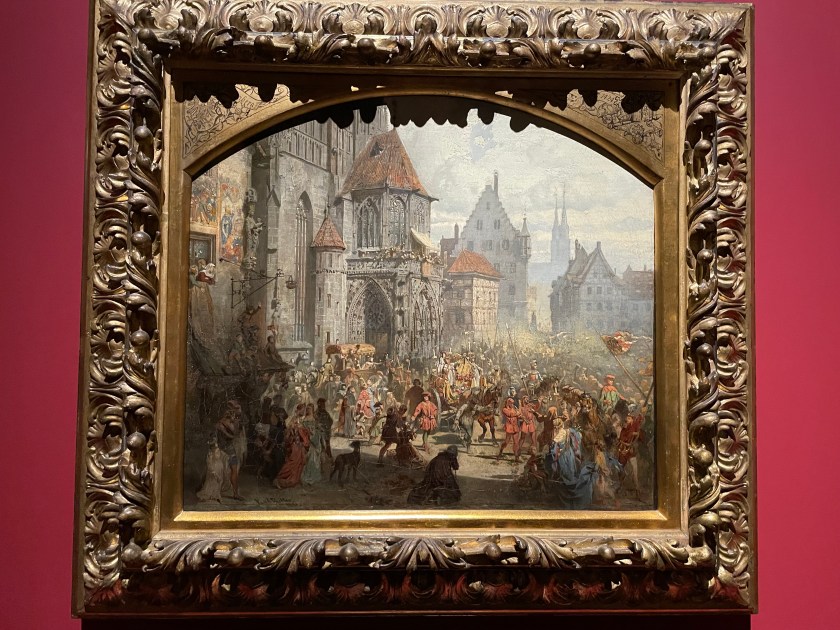
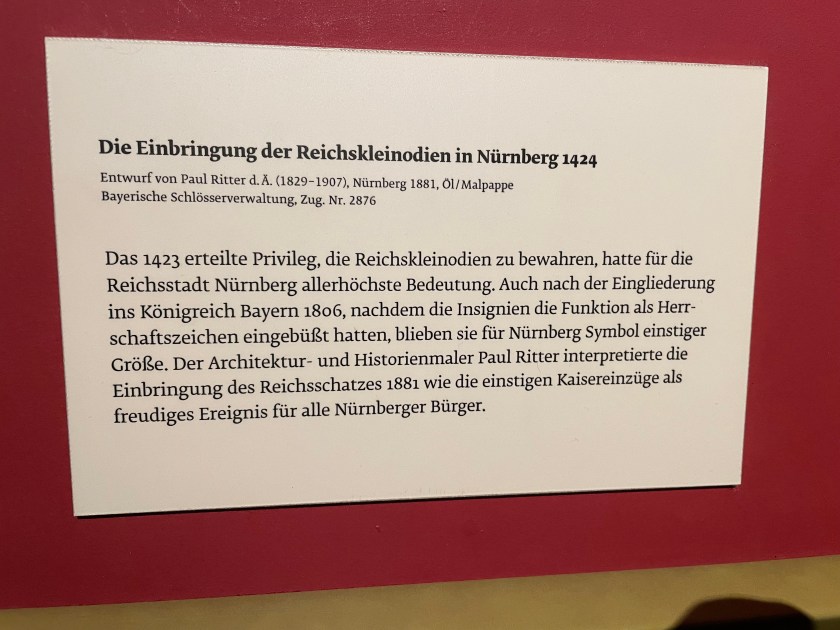
The museum had so much historical information about every aspect of life here through the ages.

Hitler’s people actually came and occupied the castle during WWII.  Hitler himself did some re-arranging of the furniture and took out many of the old things that didn’t suit him.

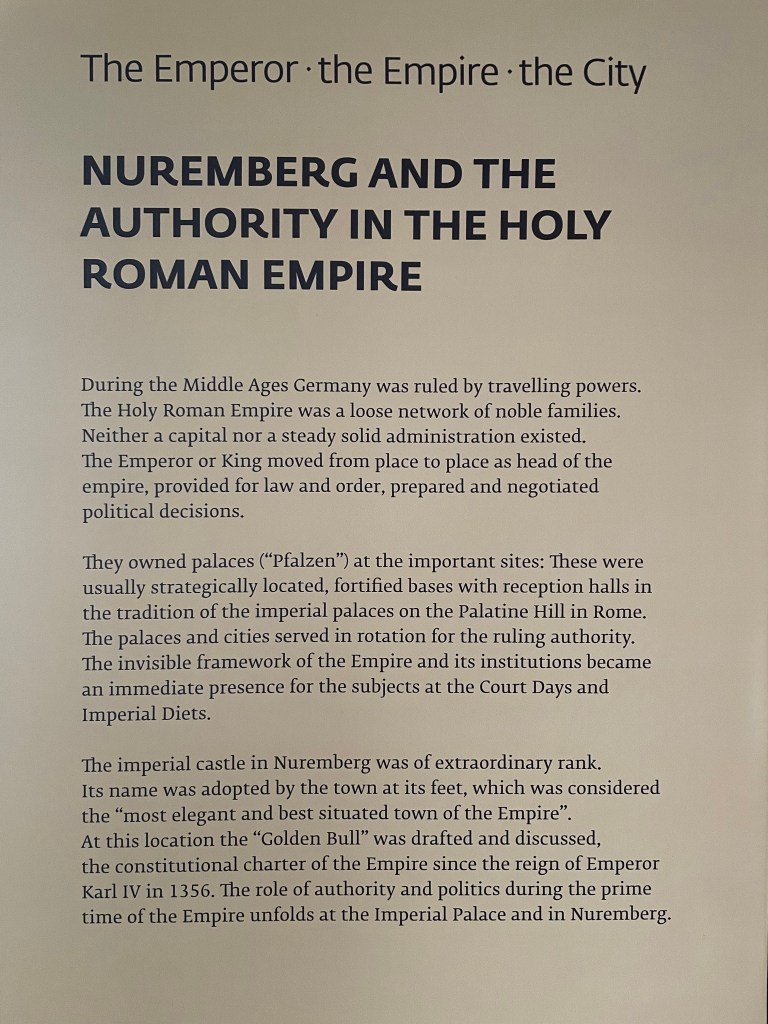
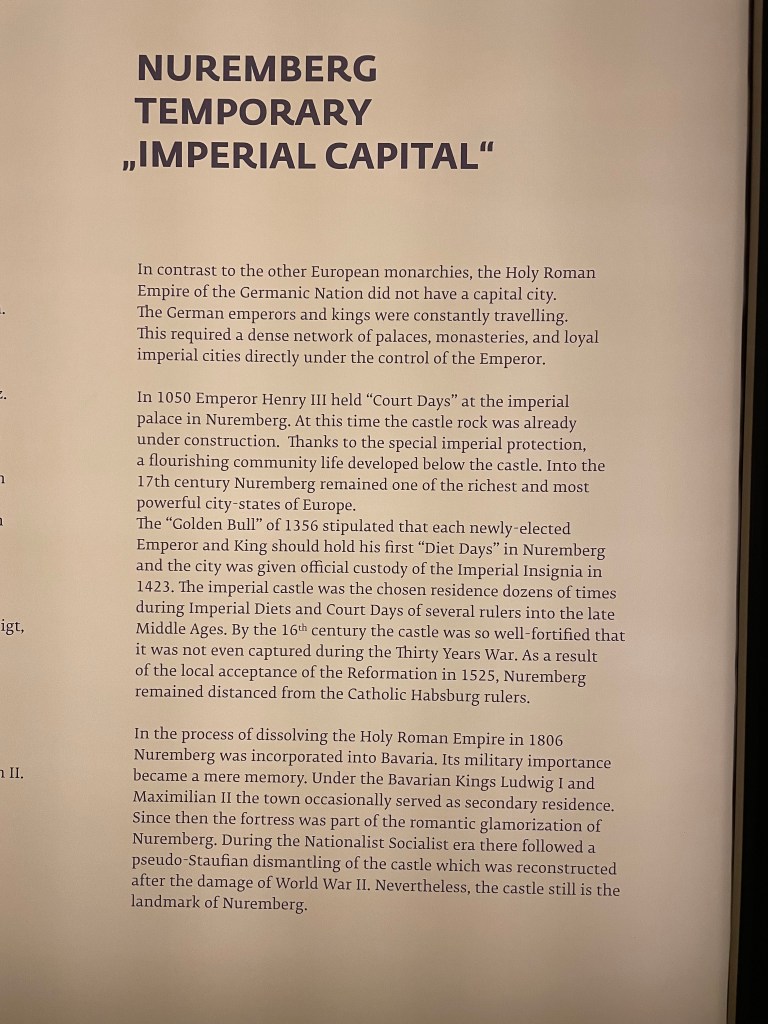
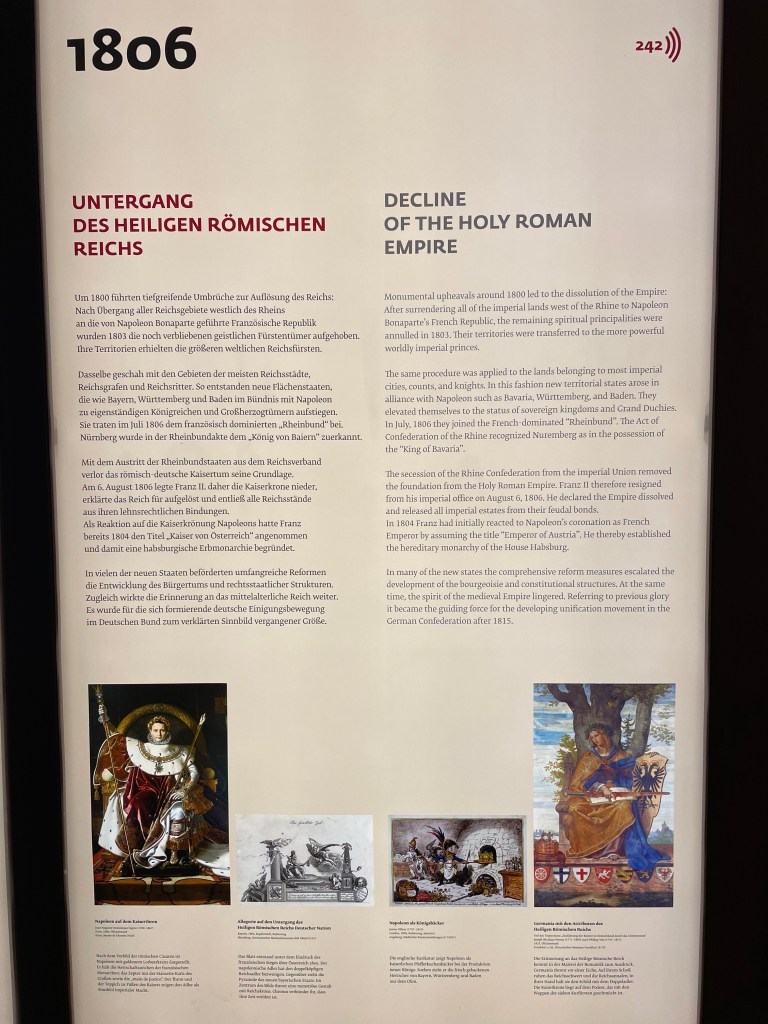
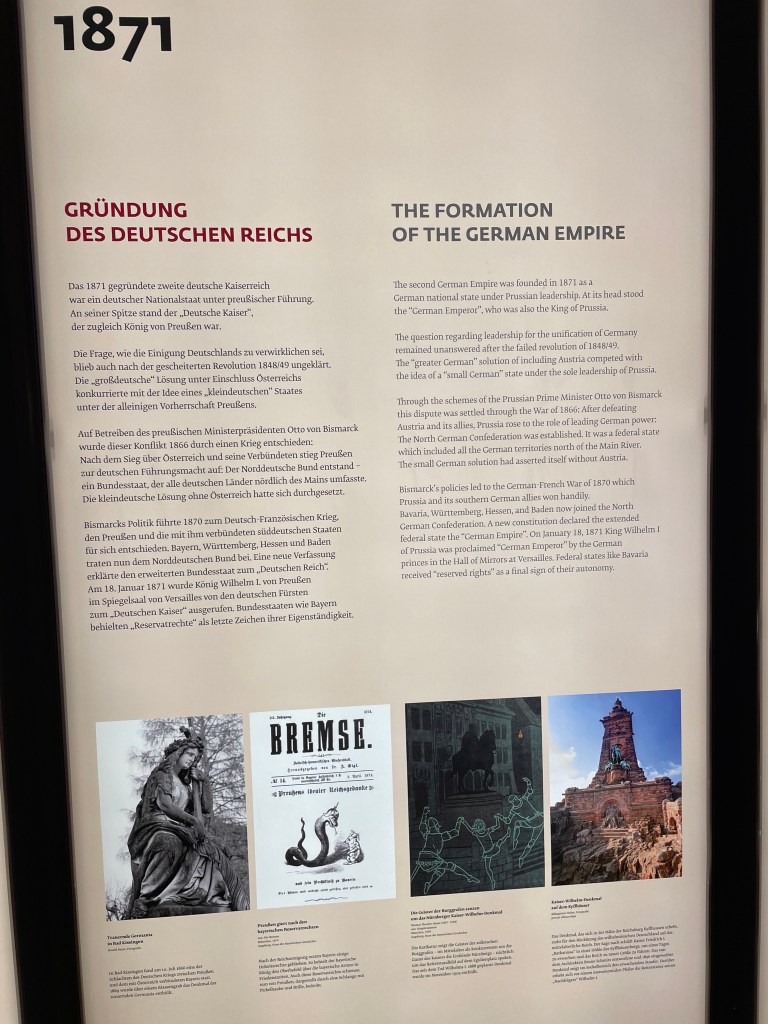
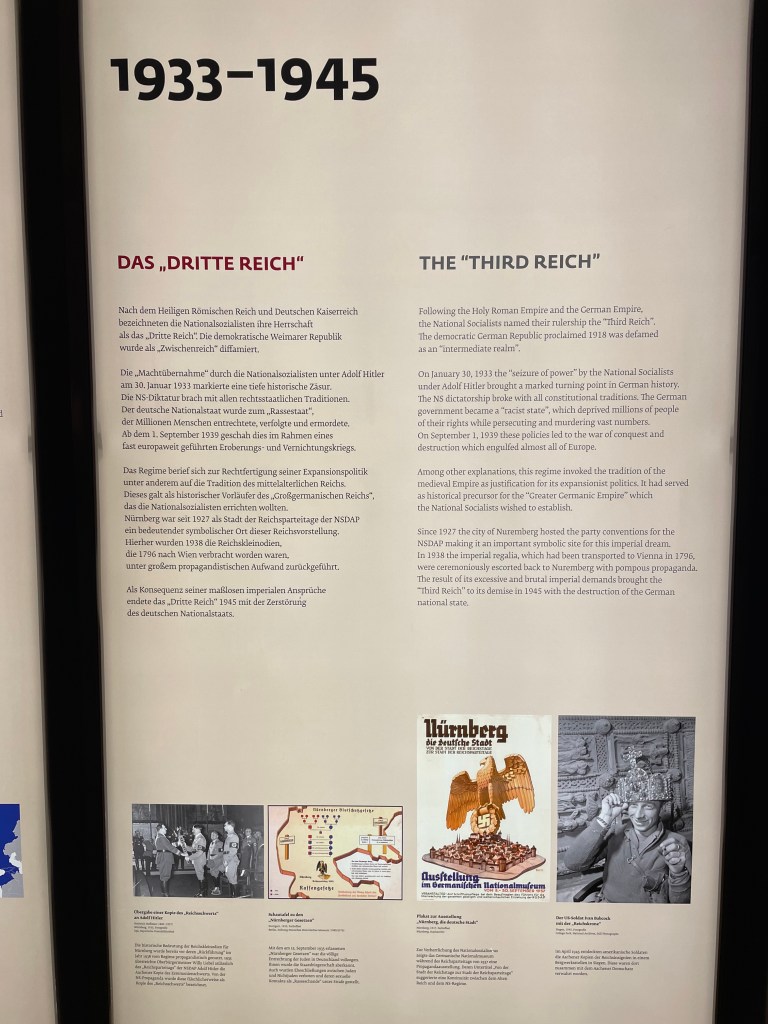
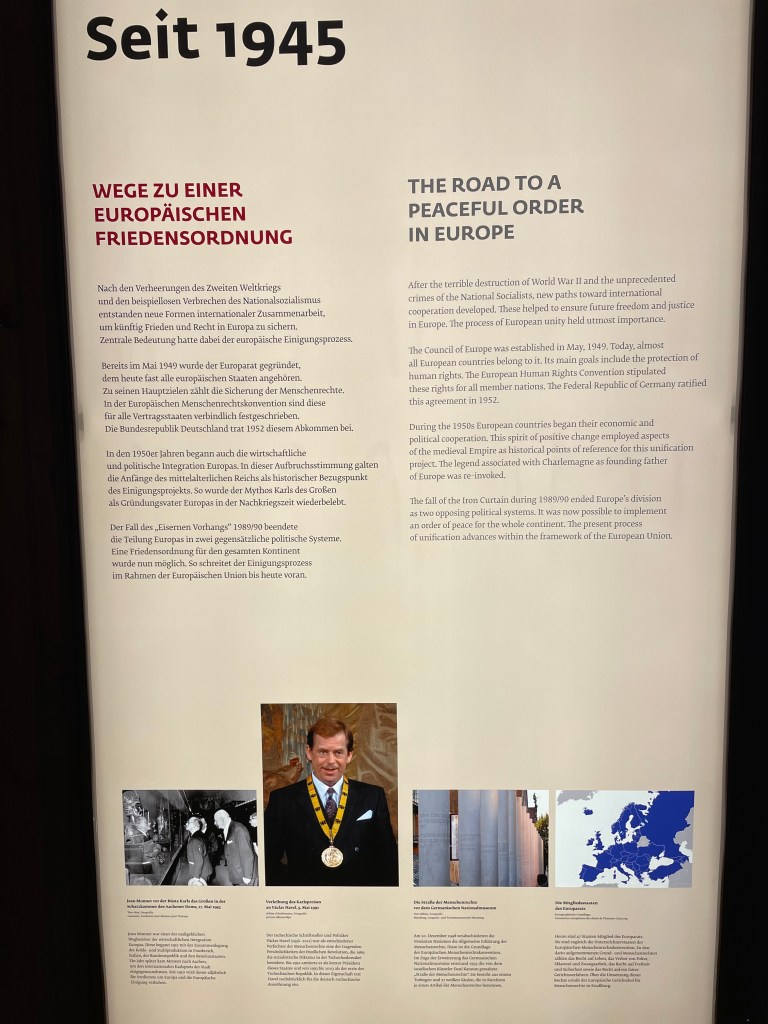
These poster explanations are a really good concise history of Nuremberg and the history of Germany.  I read them 3 times, trying to get it all into my head.

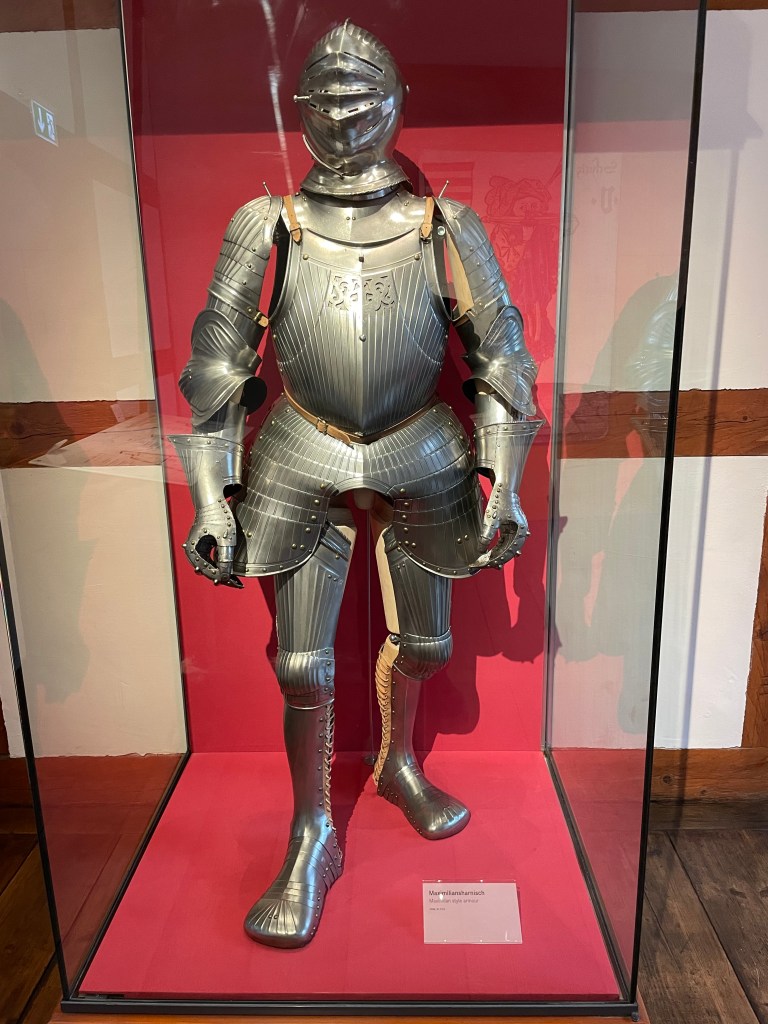
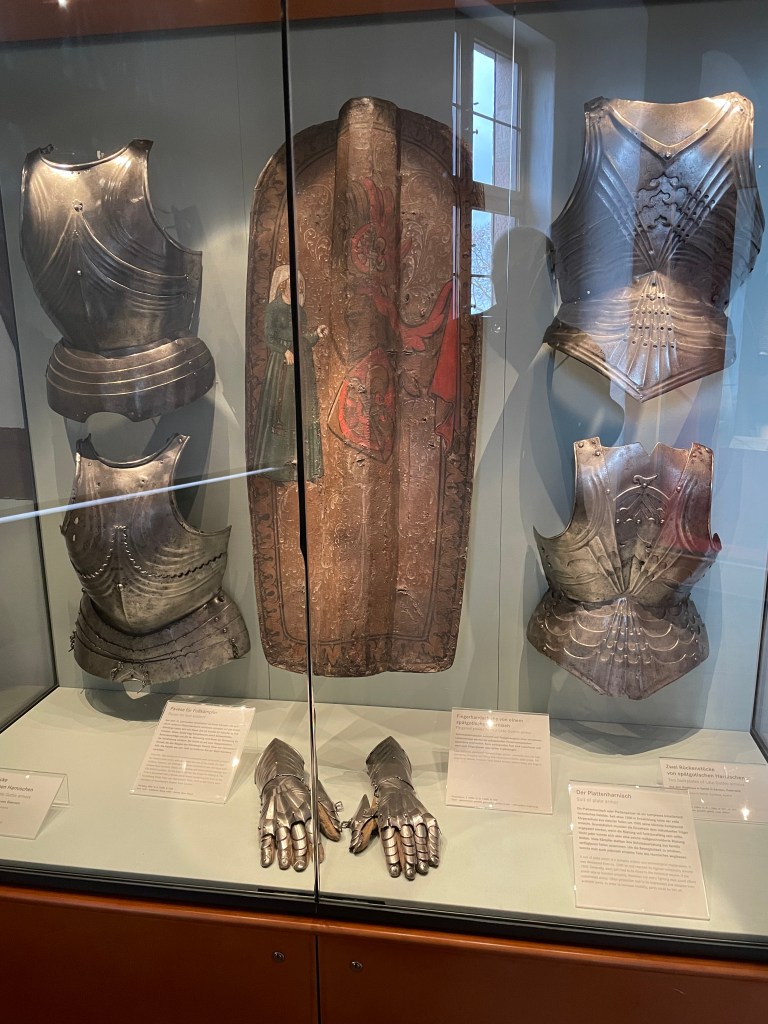
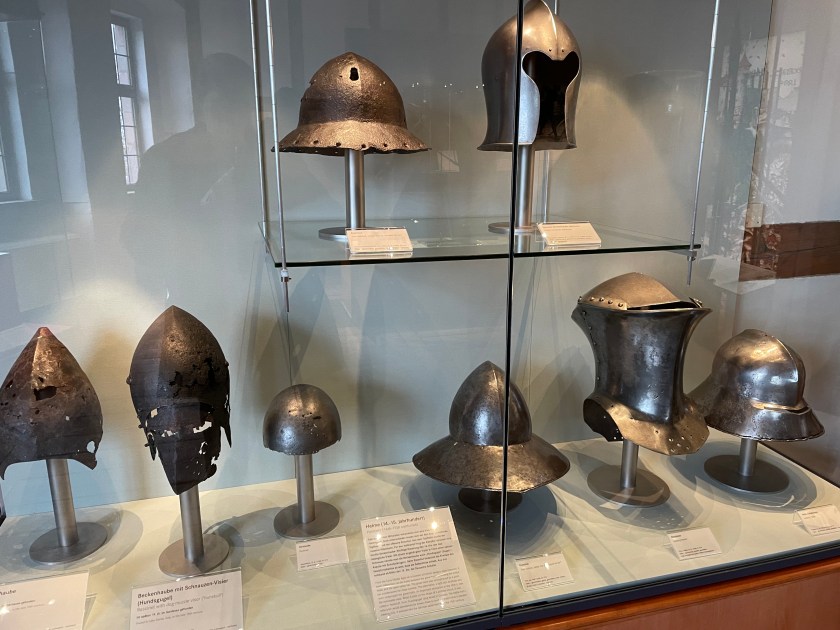
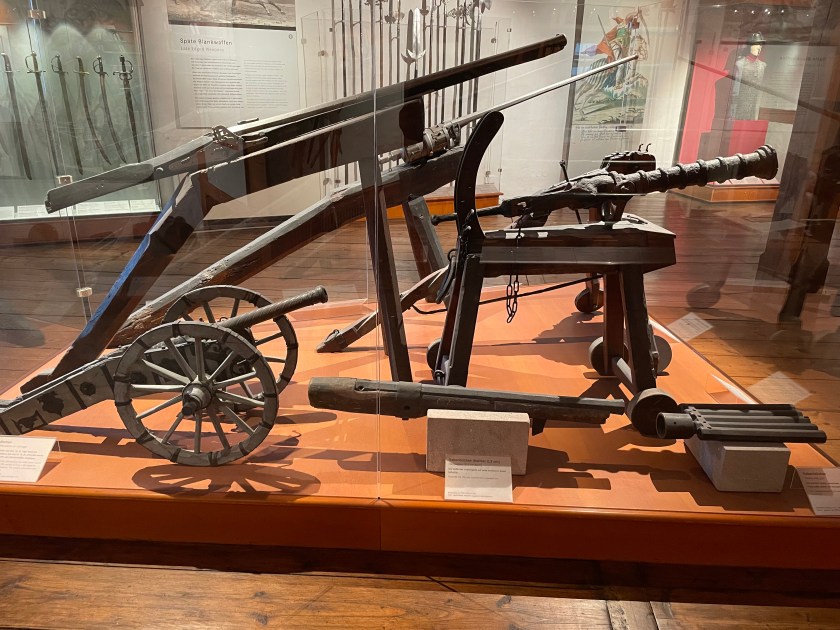
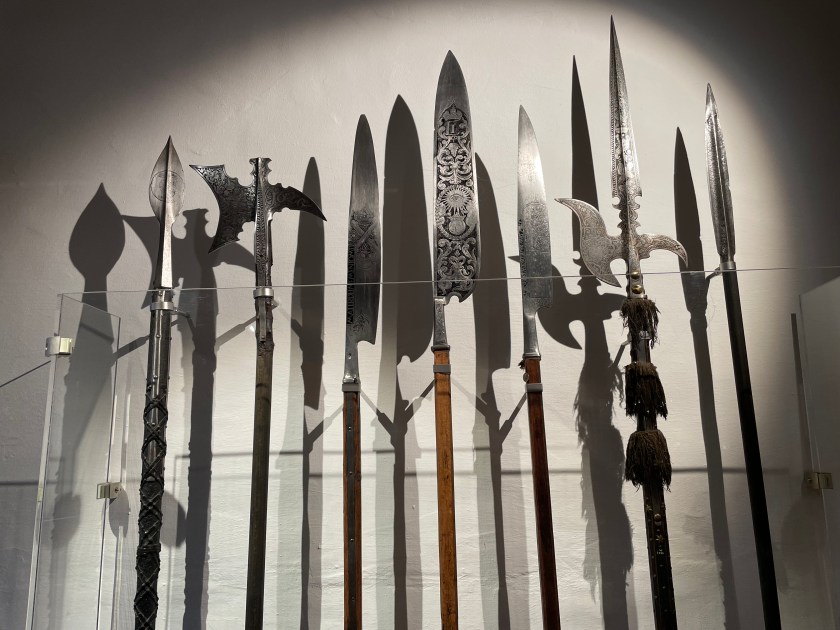
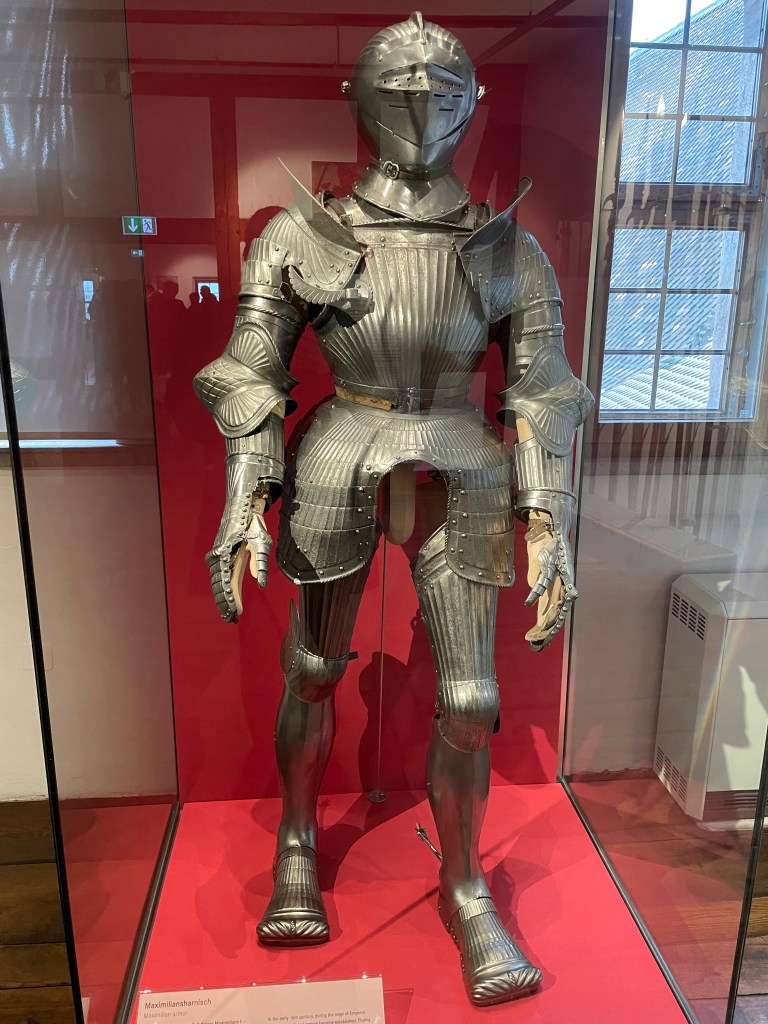
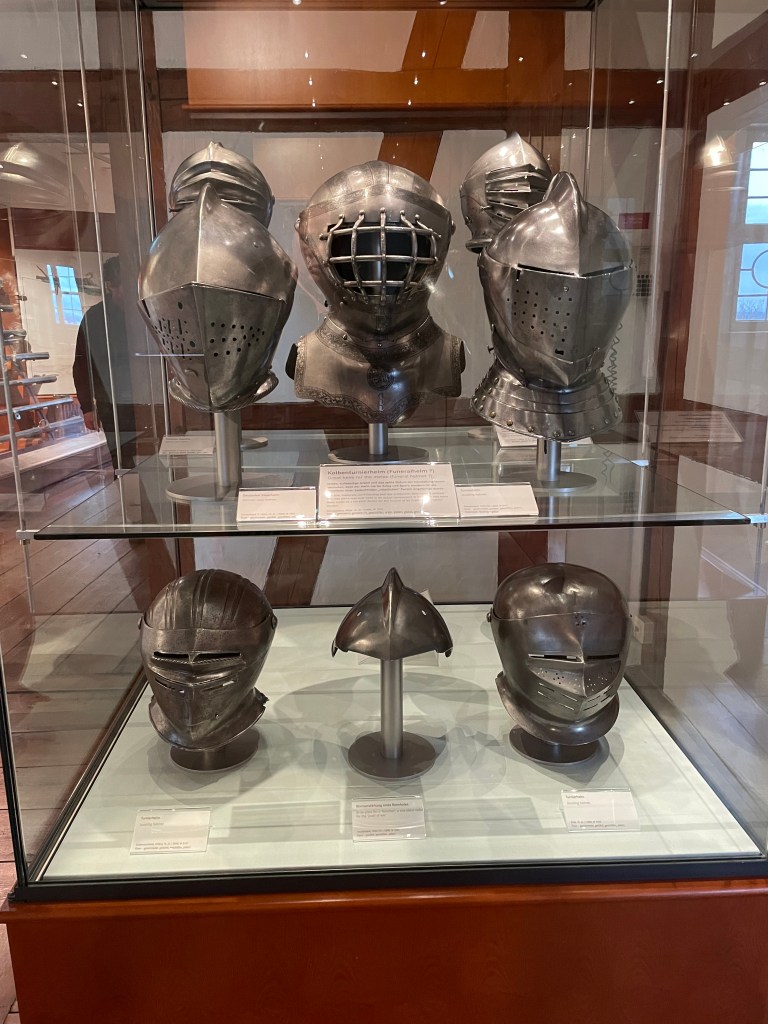
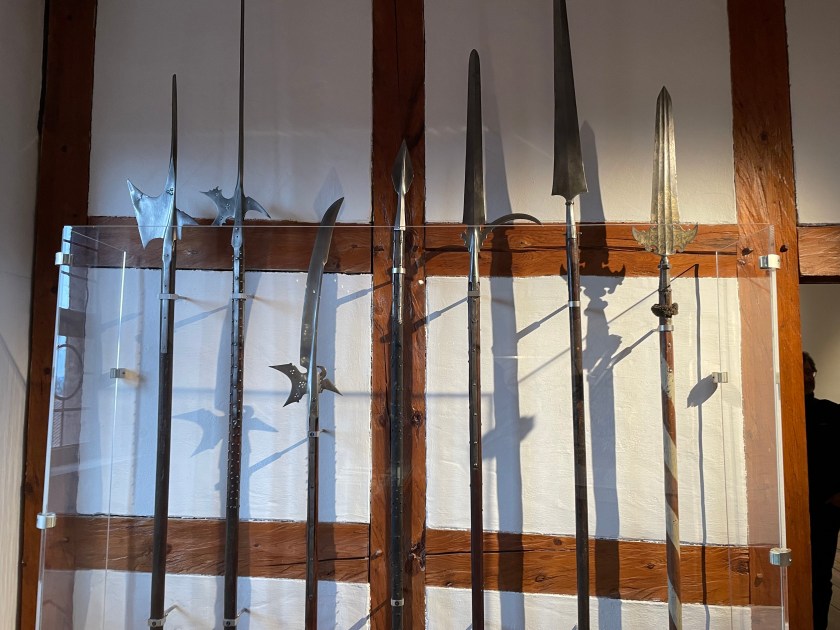
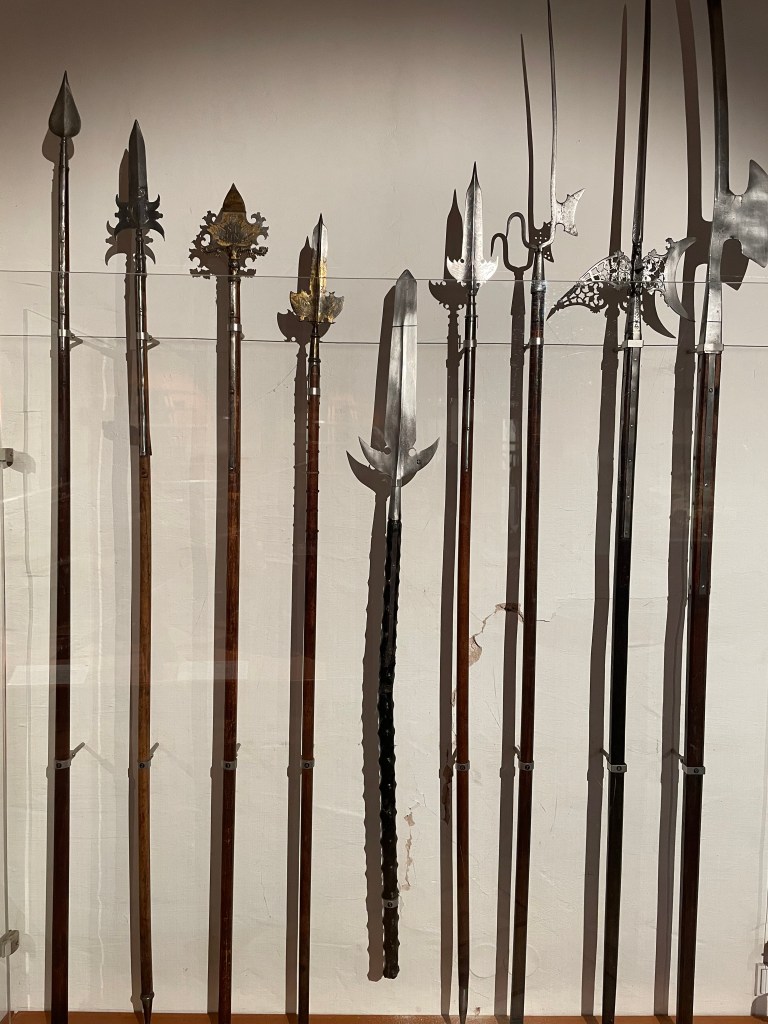
From the weaponry collection:

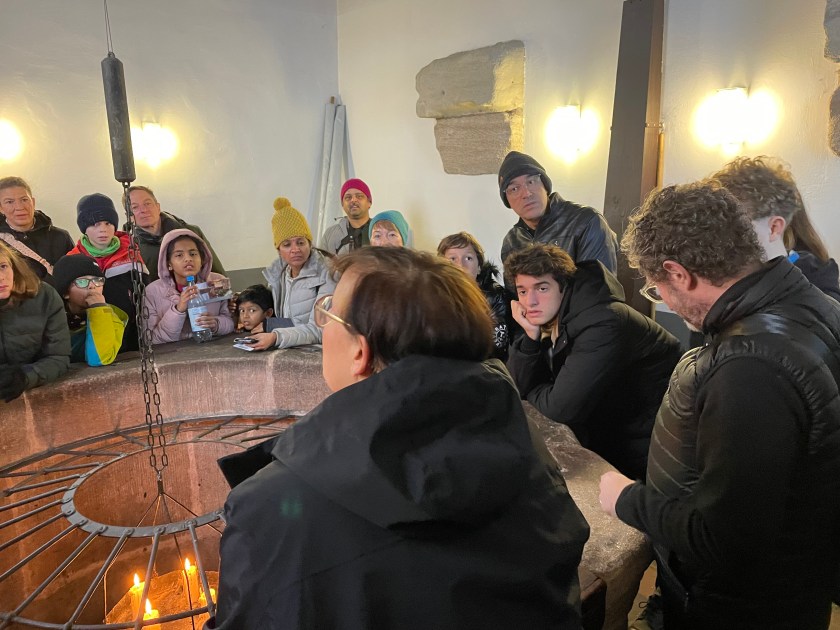
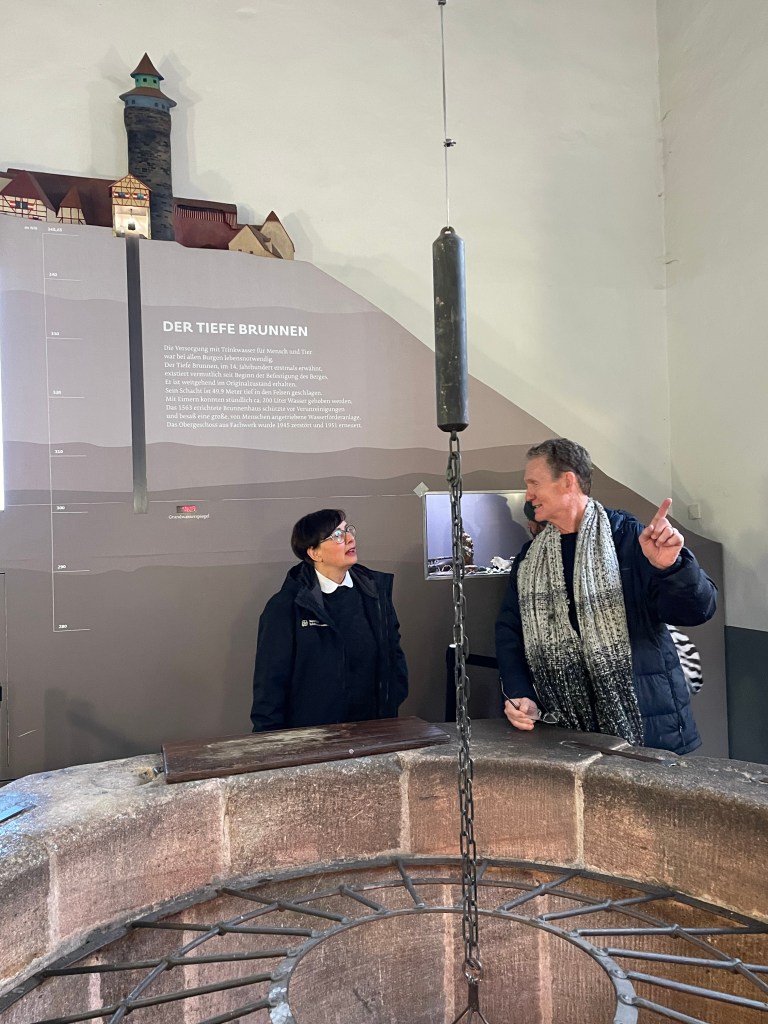
Outside in the courtyard is a well house.  For an extra small fee, you can join a short “tour” of the well room where they explain how water was provided for the castle and how the well was dug.

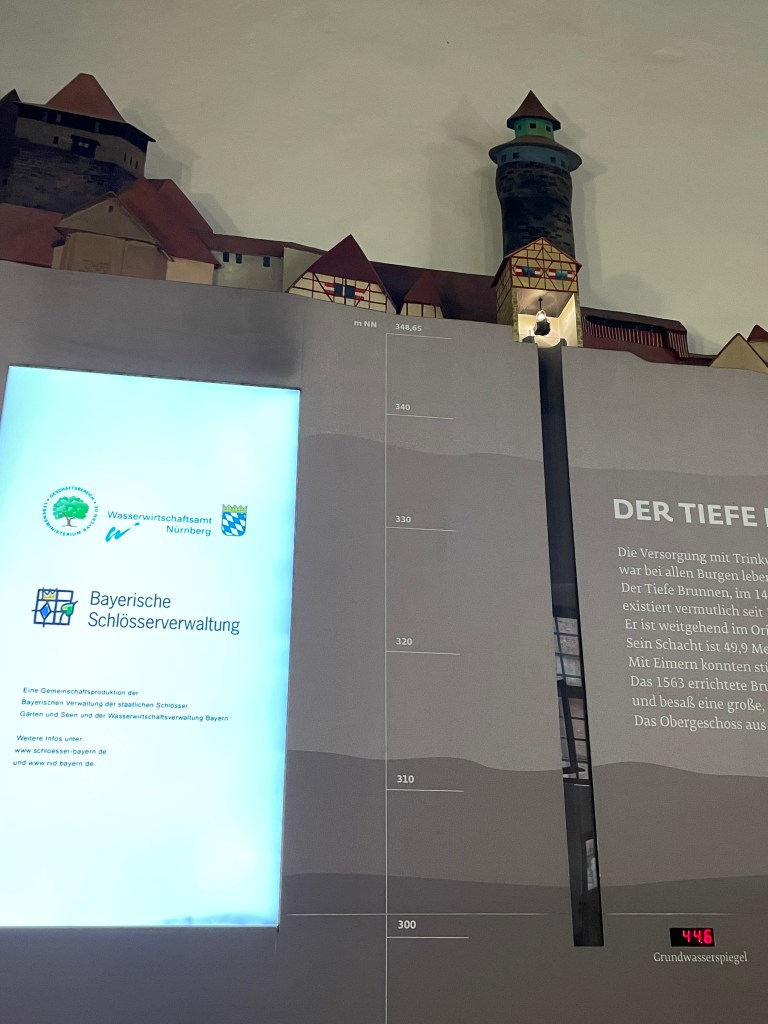
The tower above is quite tall, but in this display, you can see how deep the well is in relation to its height.

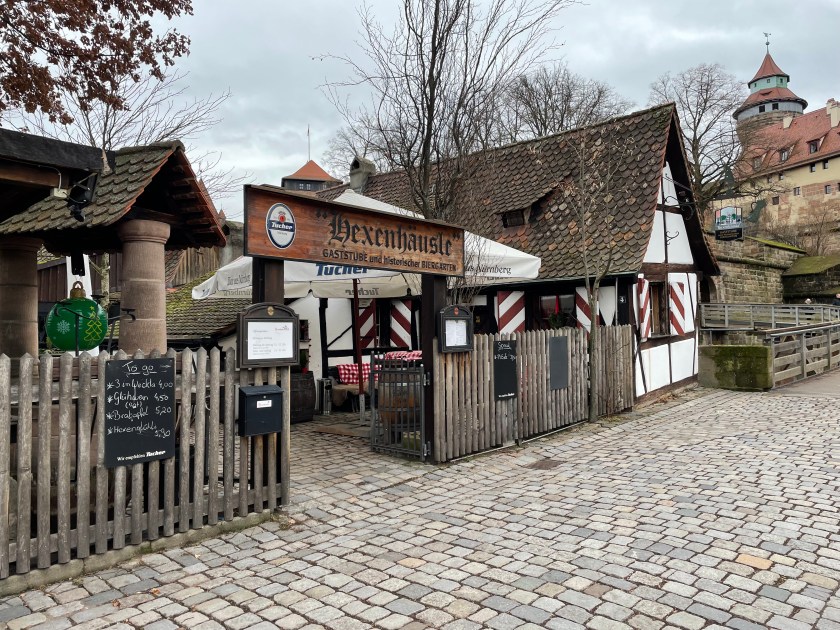
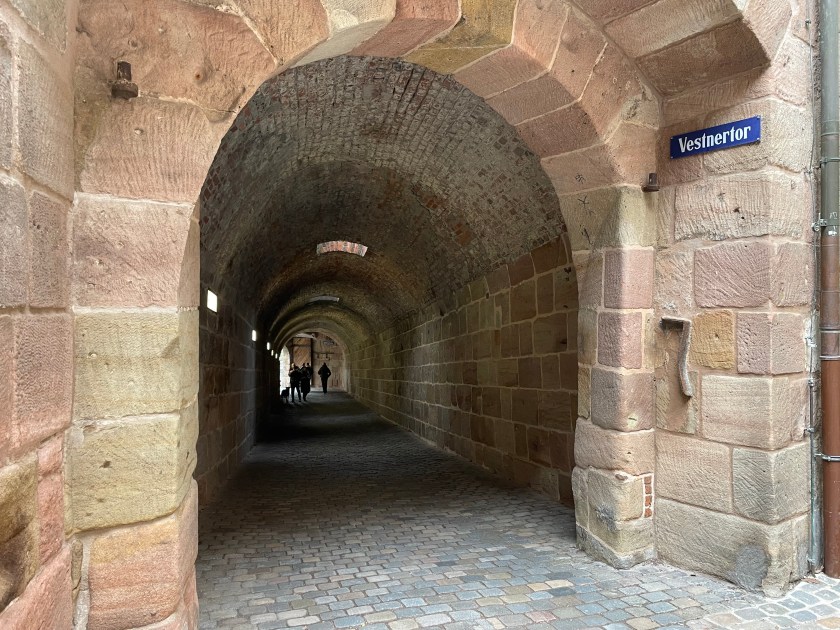
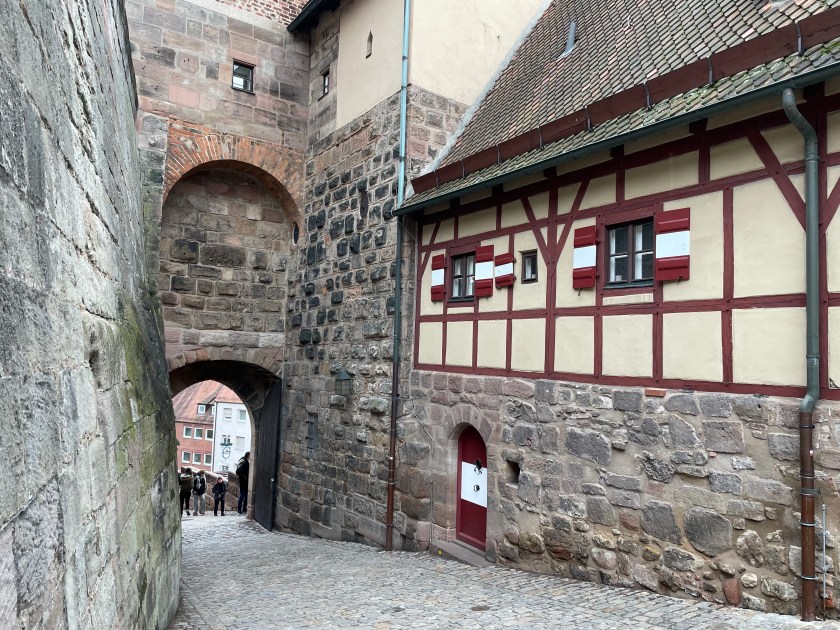
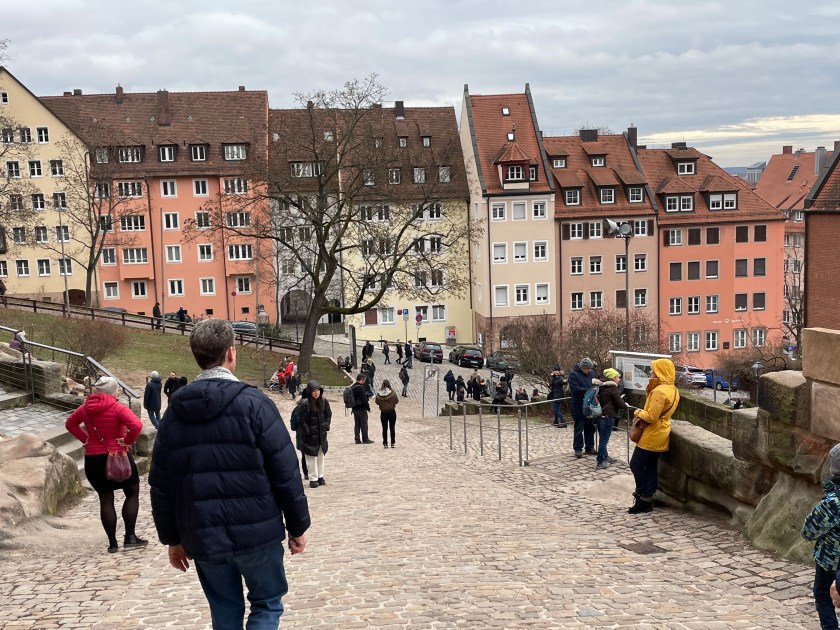
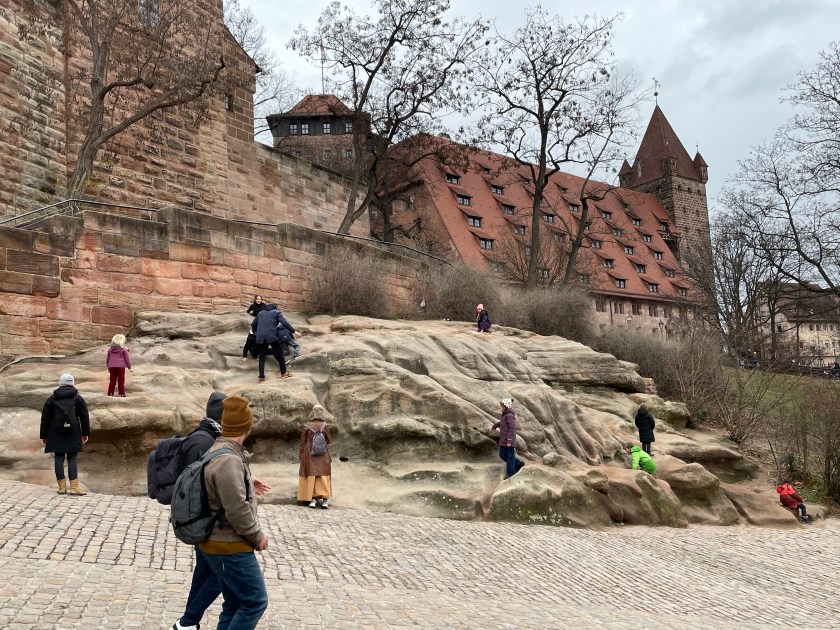
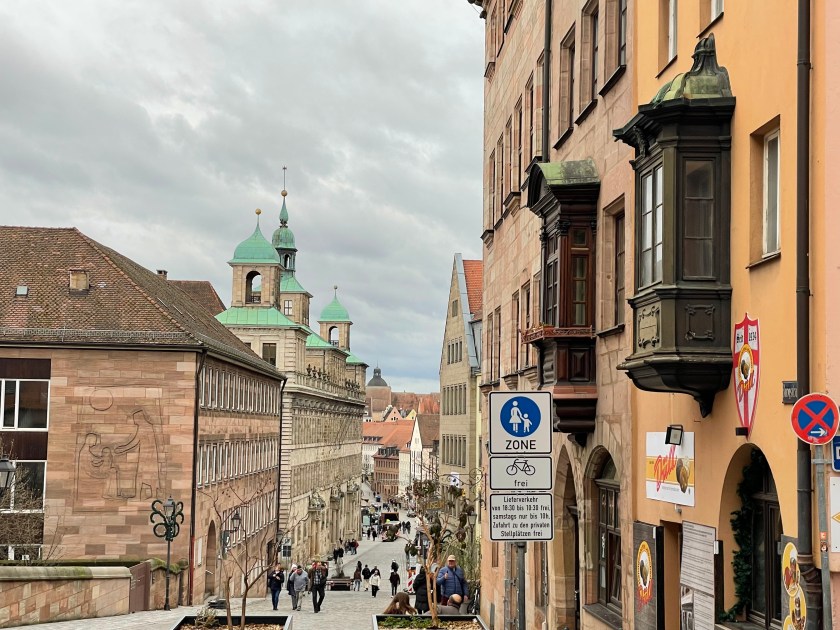
Leaving the castle and heading back into the old town: