
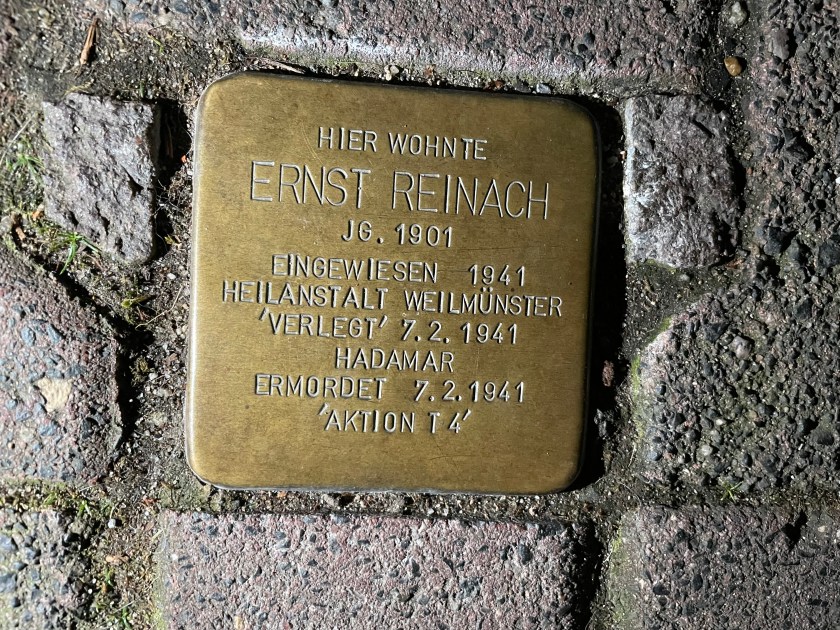
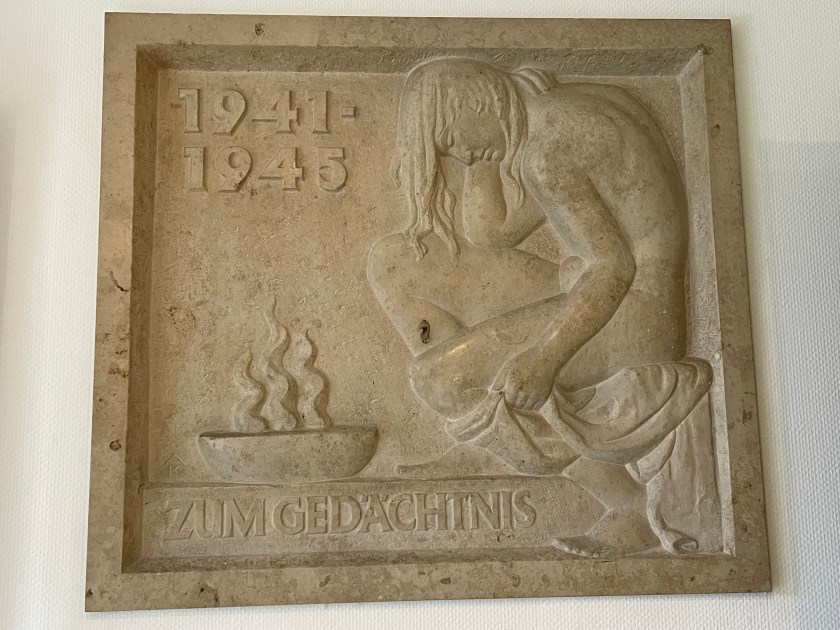
The memorial above is for Ernst Reinach, a disabled man, b. 1901. He was taken on this very day, 7 Feb 1941, to Hadamar, where he was murdered that same day in the Hadamar gas chamber.
These memorials keep me grounded and grateful for my blessings.
The memorial above is for Ernst Reinach, a disabled man, b. 1901. He was taken on this very day, 7 Feb 1941, to Hadamar, where he was murdered that same day in the Hadamar gas chamber.
These memorials keep me grounded and grateful for my blessings.
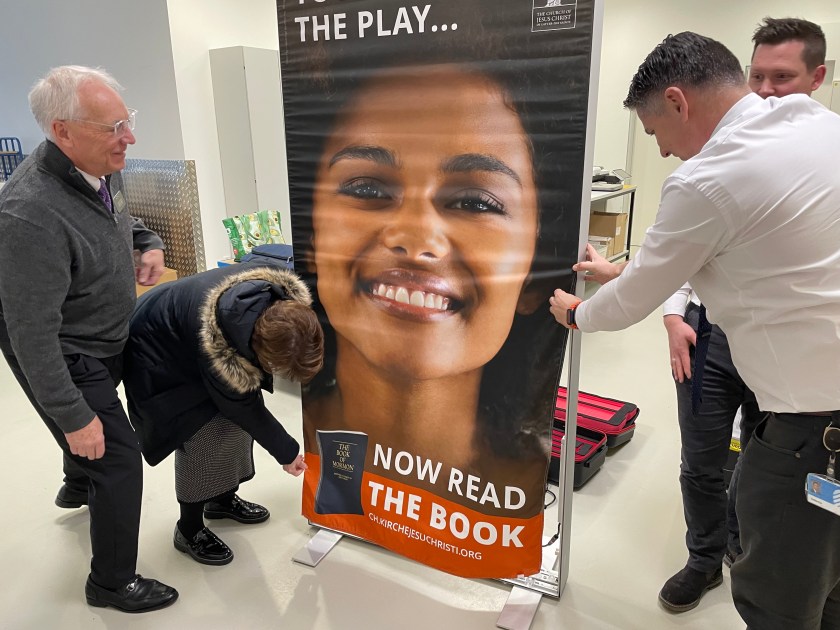
We’ve been busy getting these displays ready to send to Zurich, where The Book of Mormon play is showing this week. The theater has given the Church permission to set up these displays along with a team of local missionaries to greet the people as they exit.
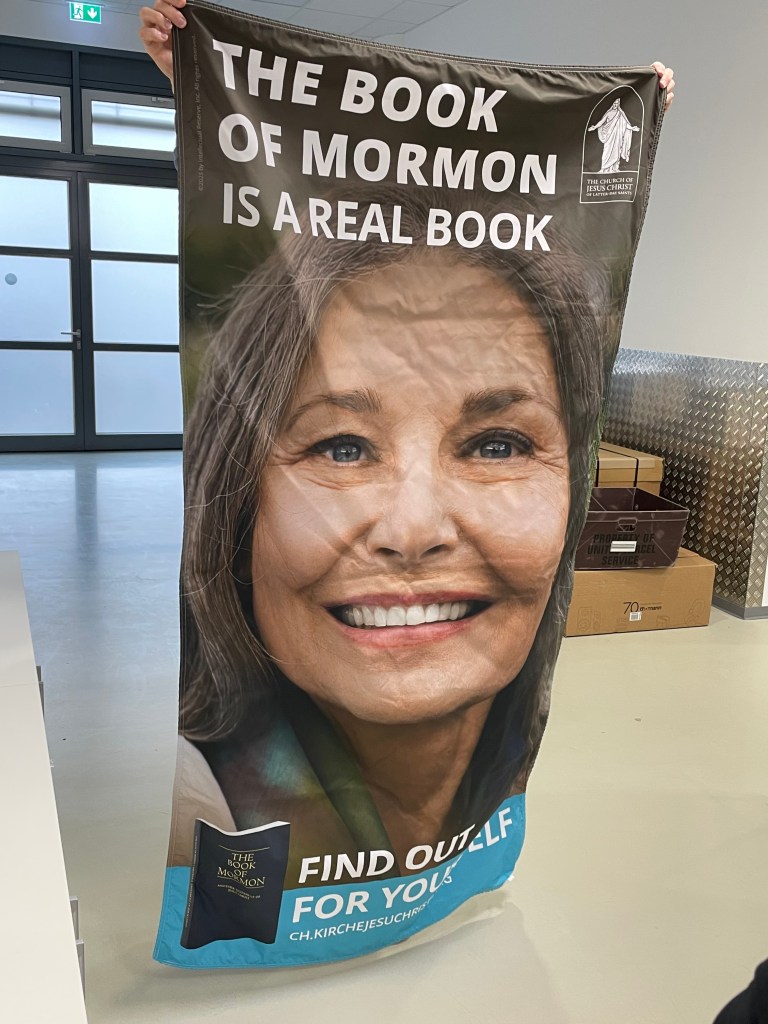
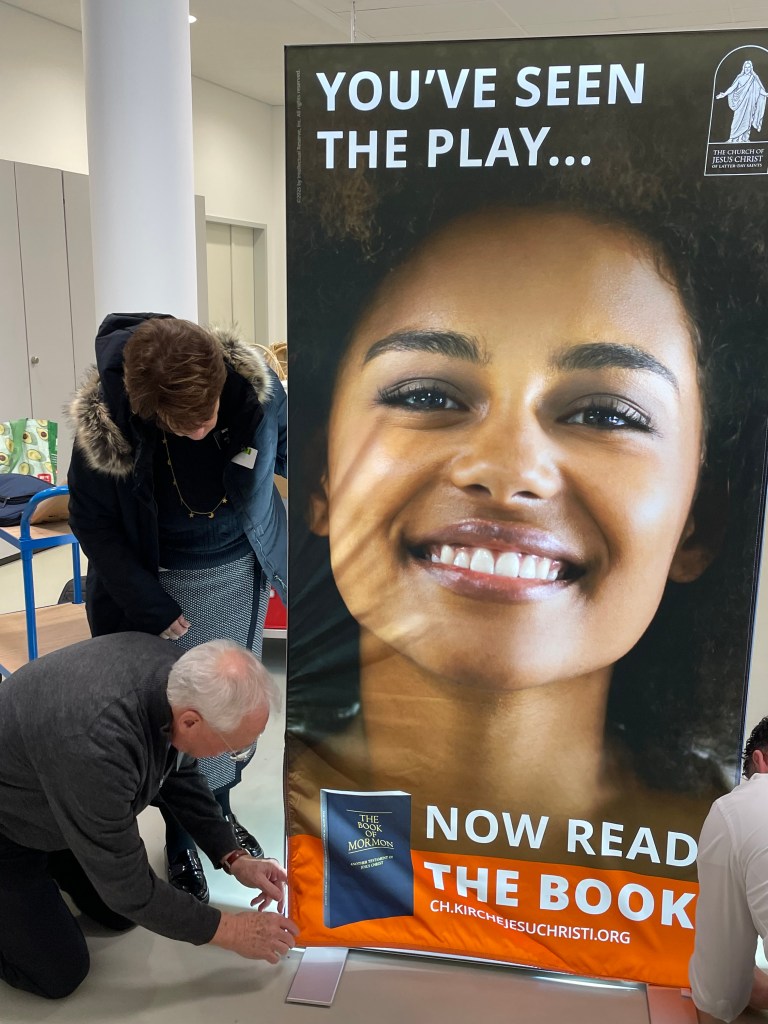
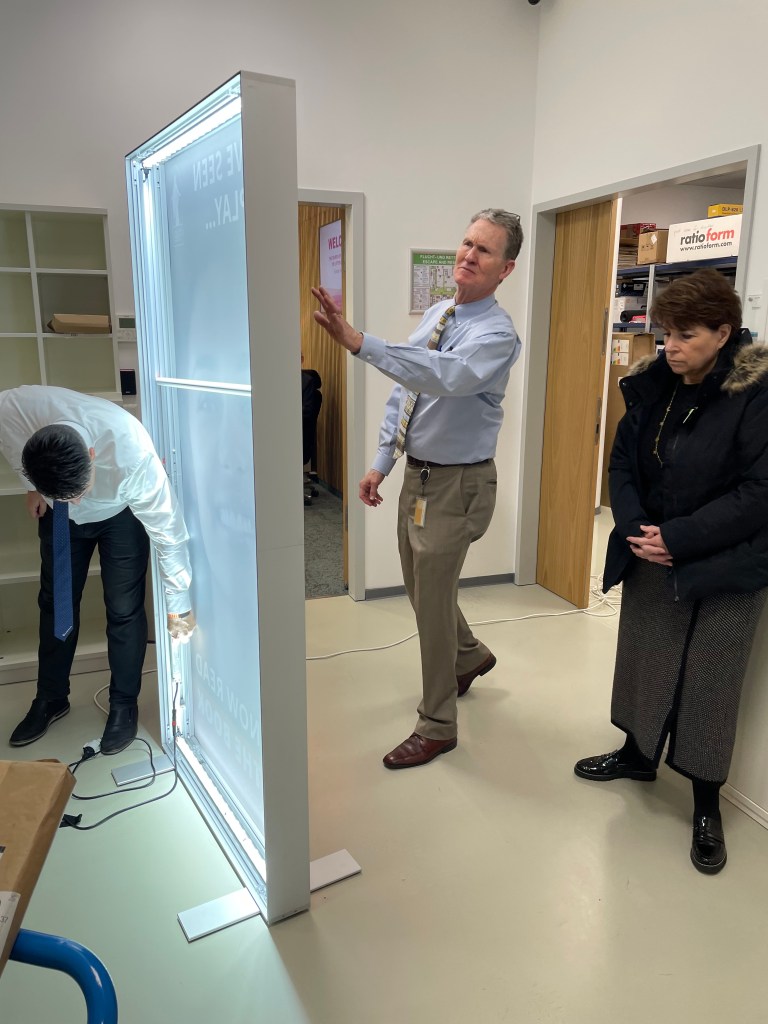
The Bluths are driving these down to Zurich this afternoon.
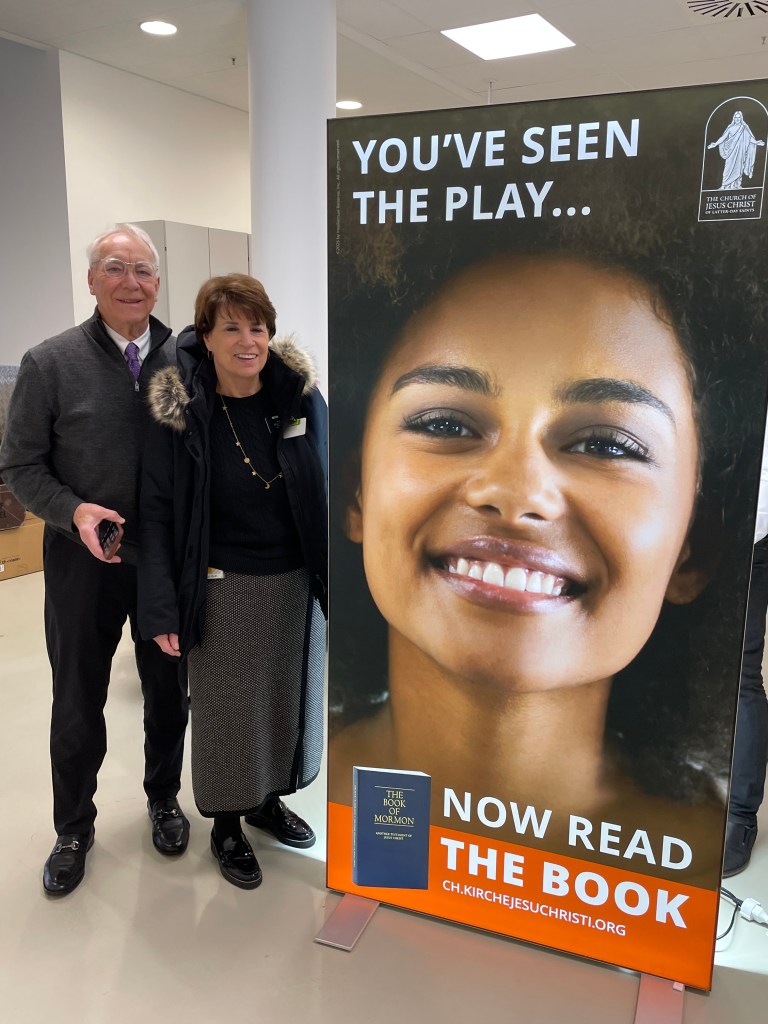
Brothers! These ties were made by Ukrainian refugees.

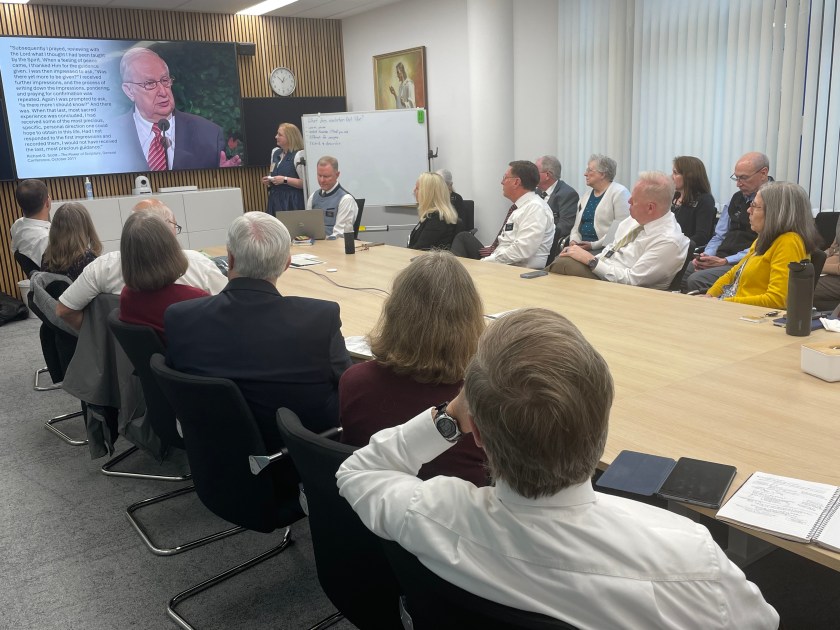
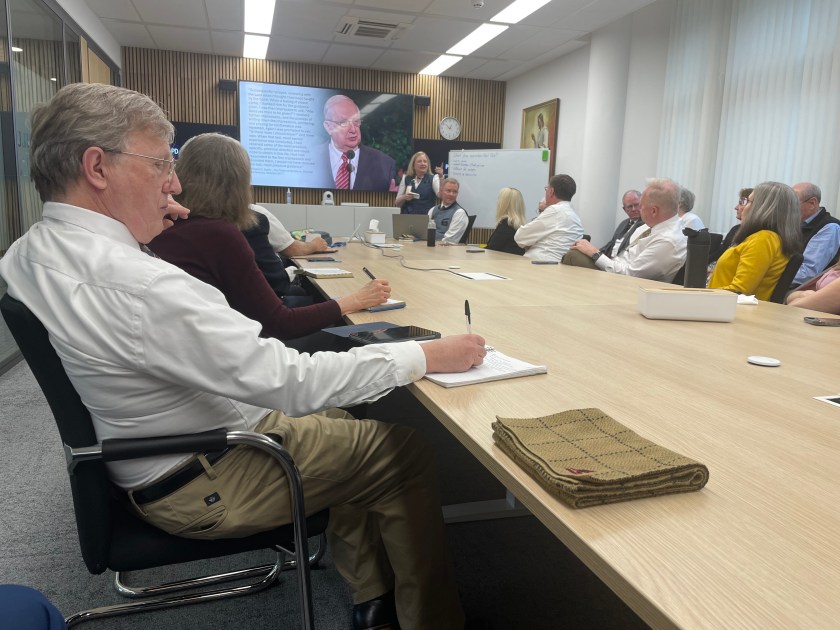
Enjoying our weekly scripture class:


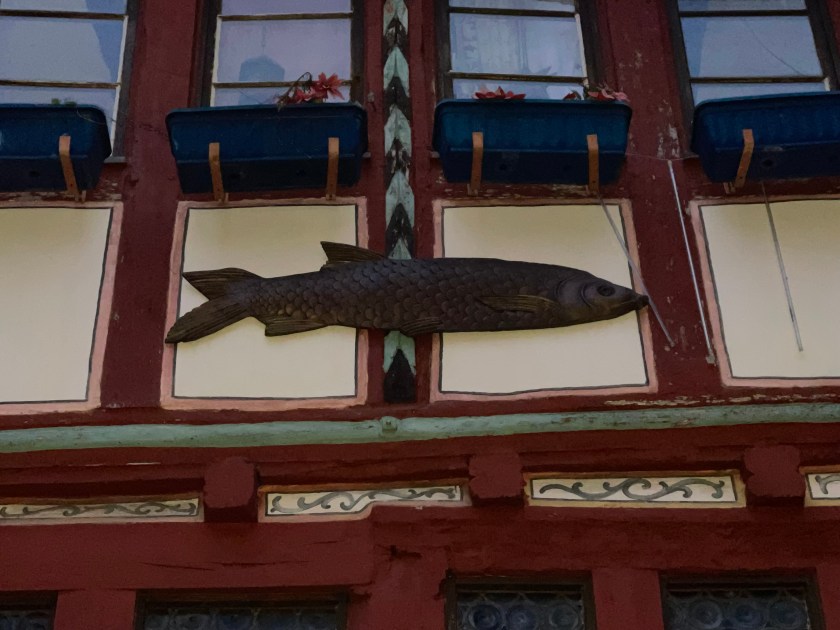
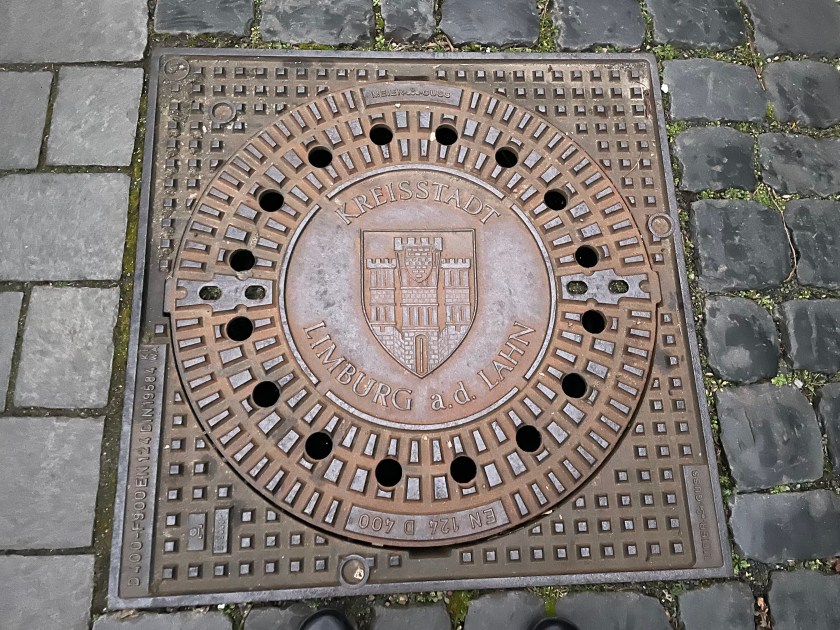
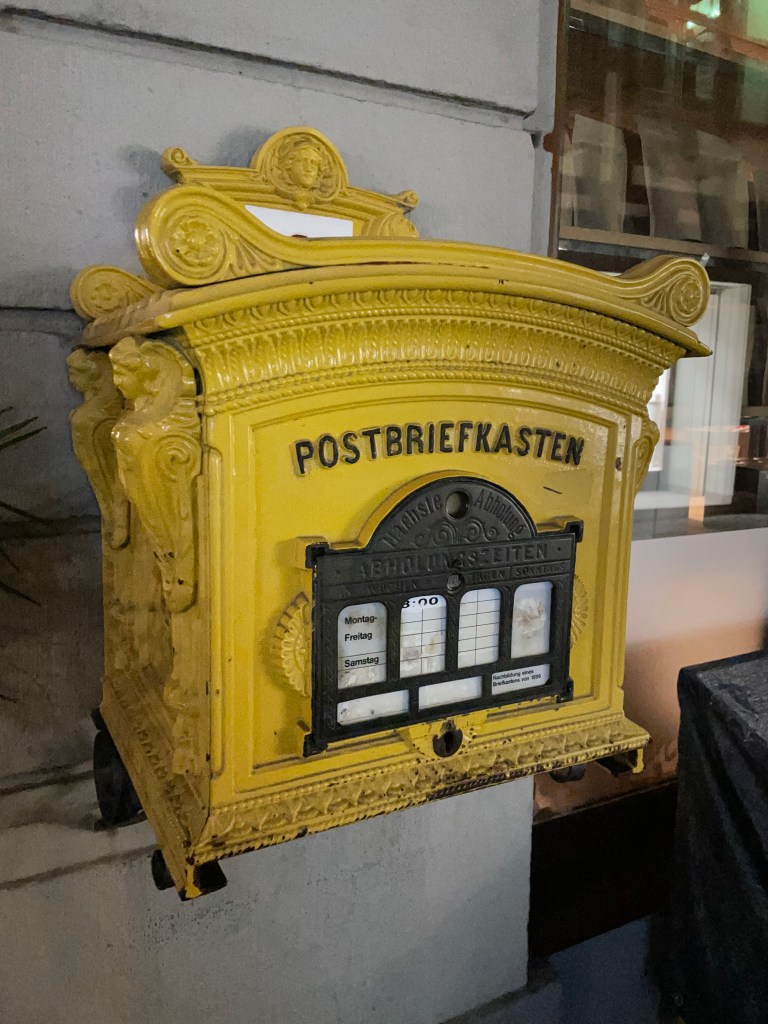
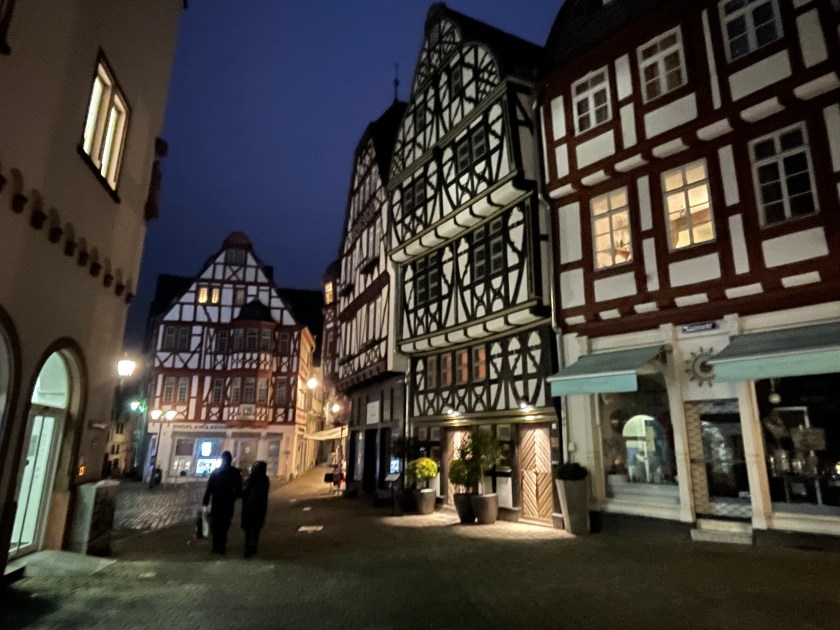
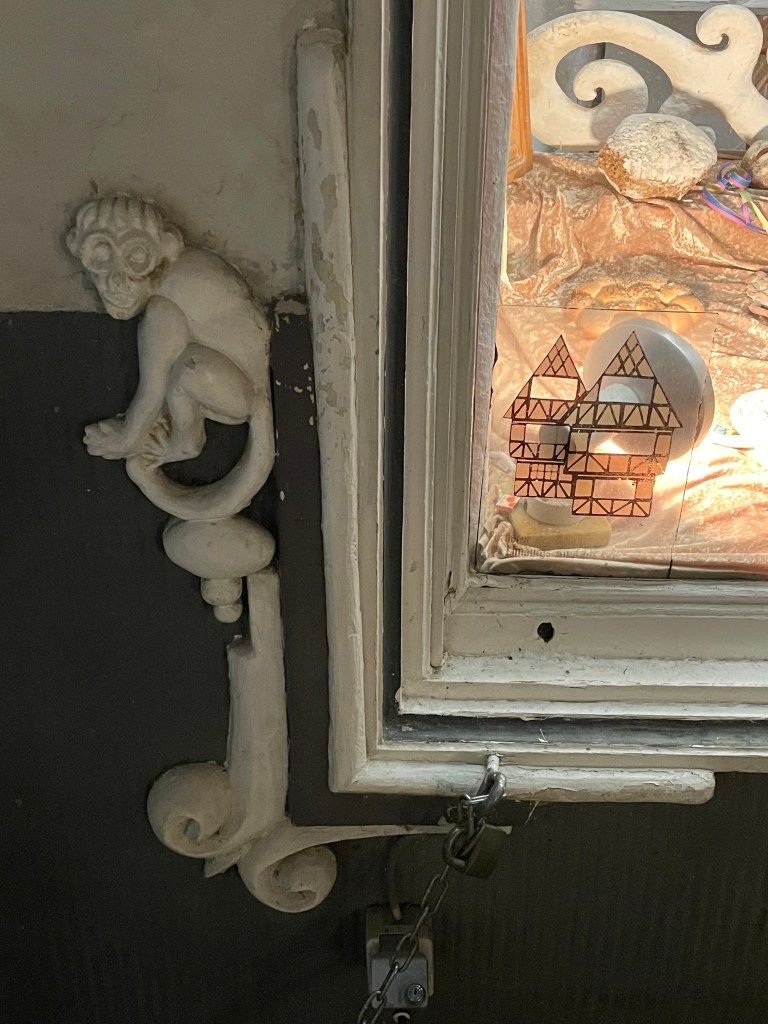
After visiting Hadamar, we drove over to Limburg, about 20 minutes away, for one last walk through town. We also visited the Spranz store where the beautiful Germany clothing is sold.
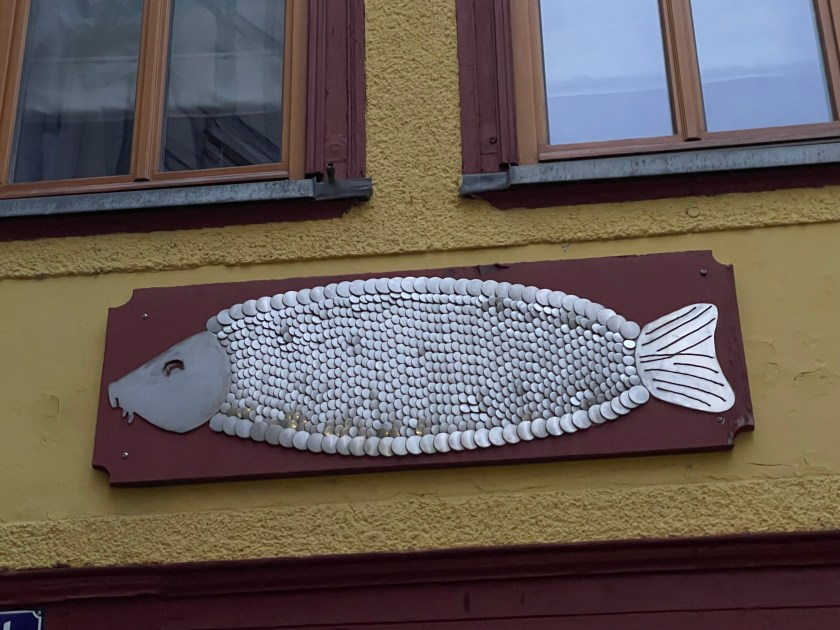
The fish market plaza.
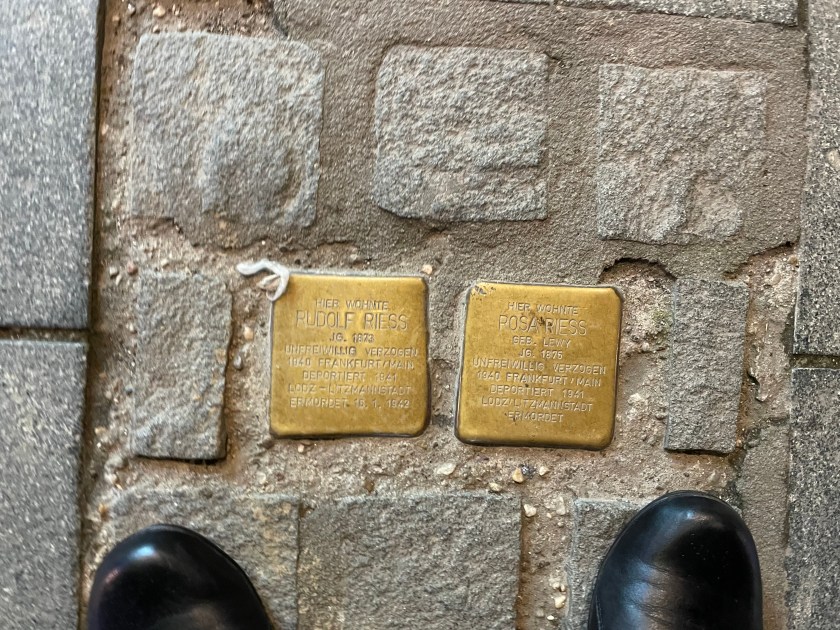
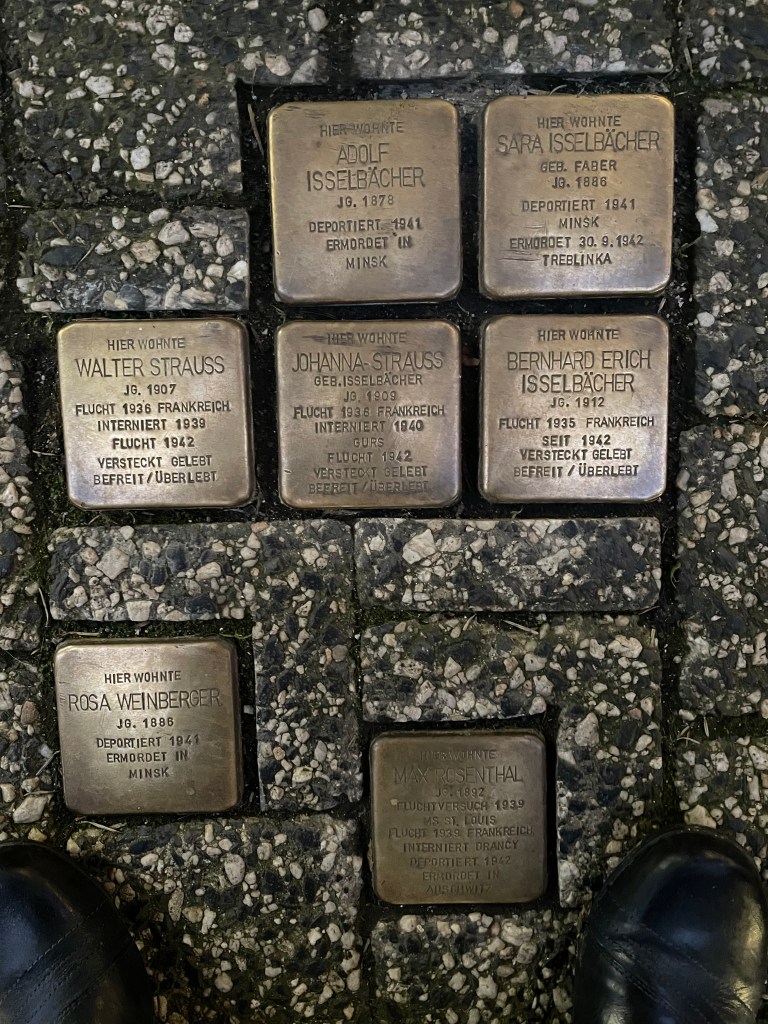
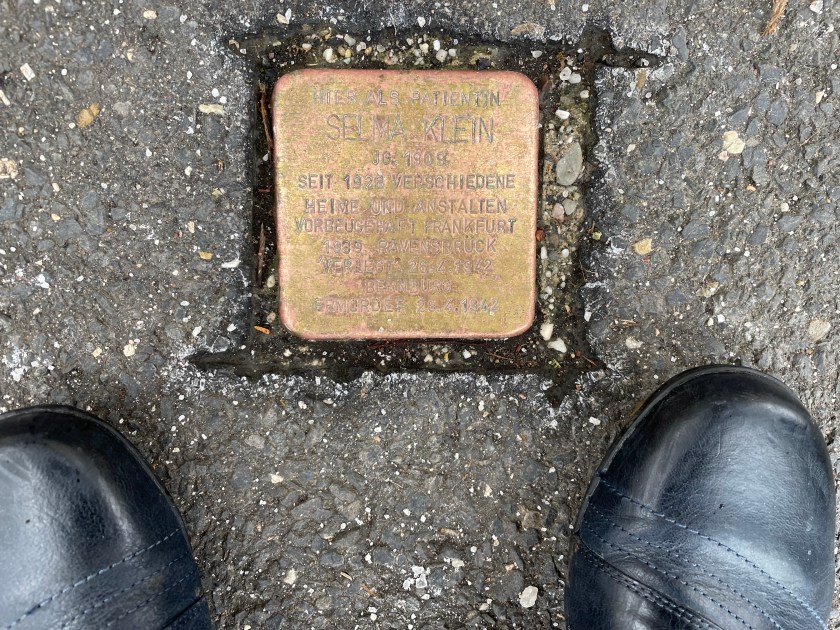
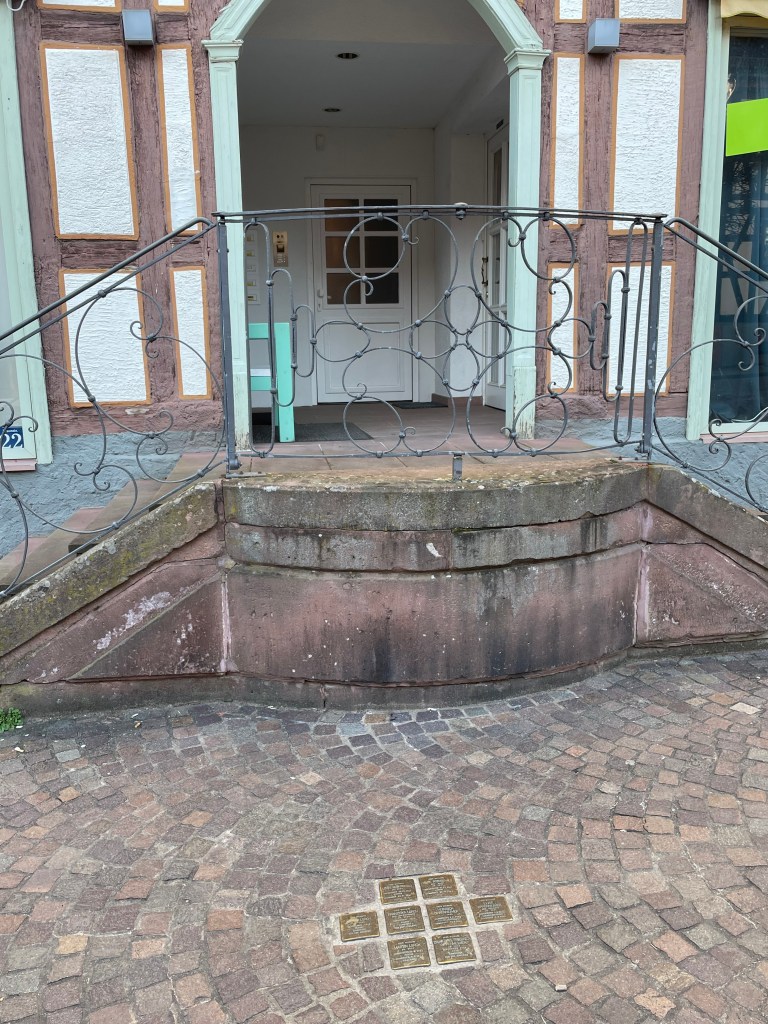
Sadness underfoot.
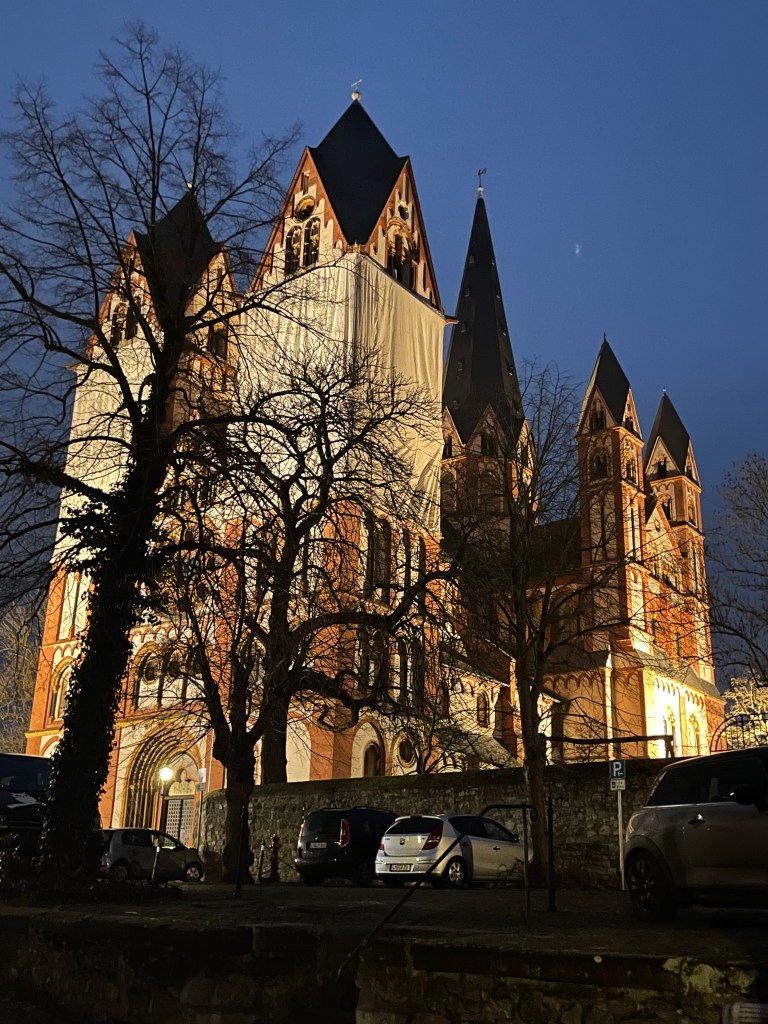
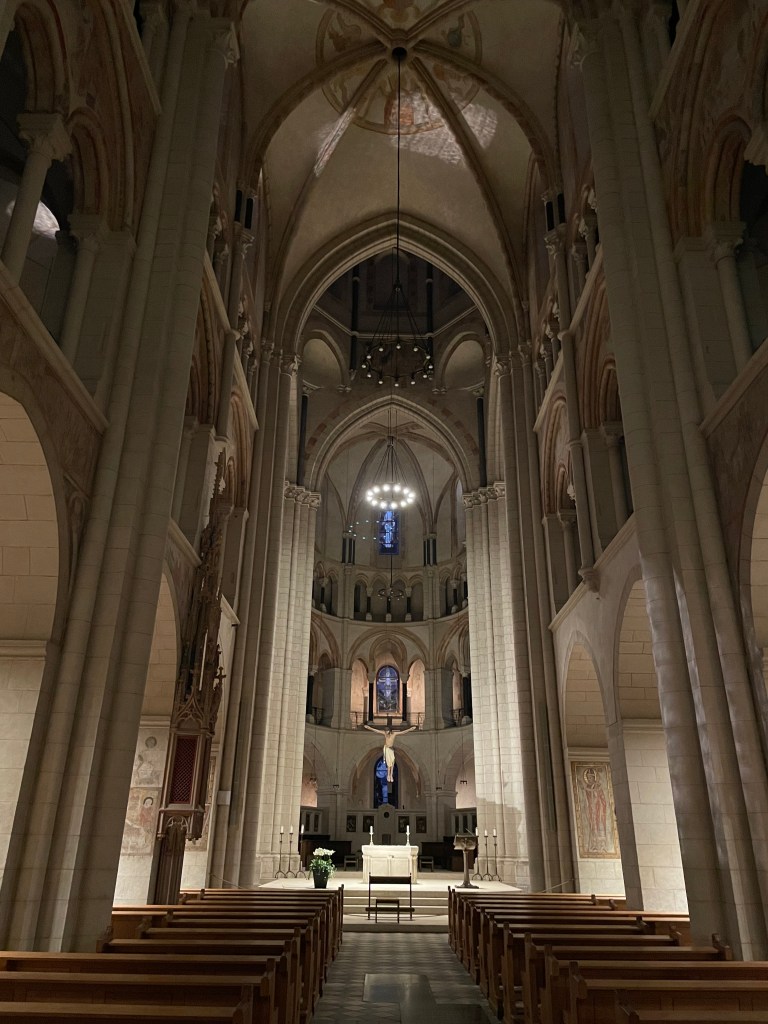
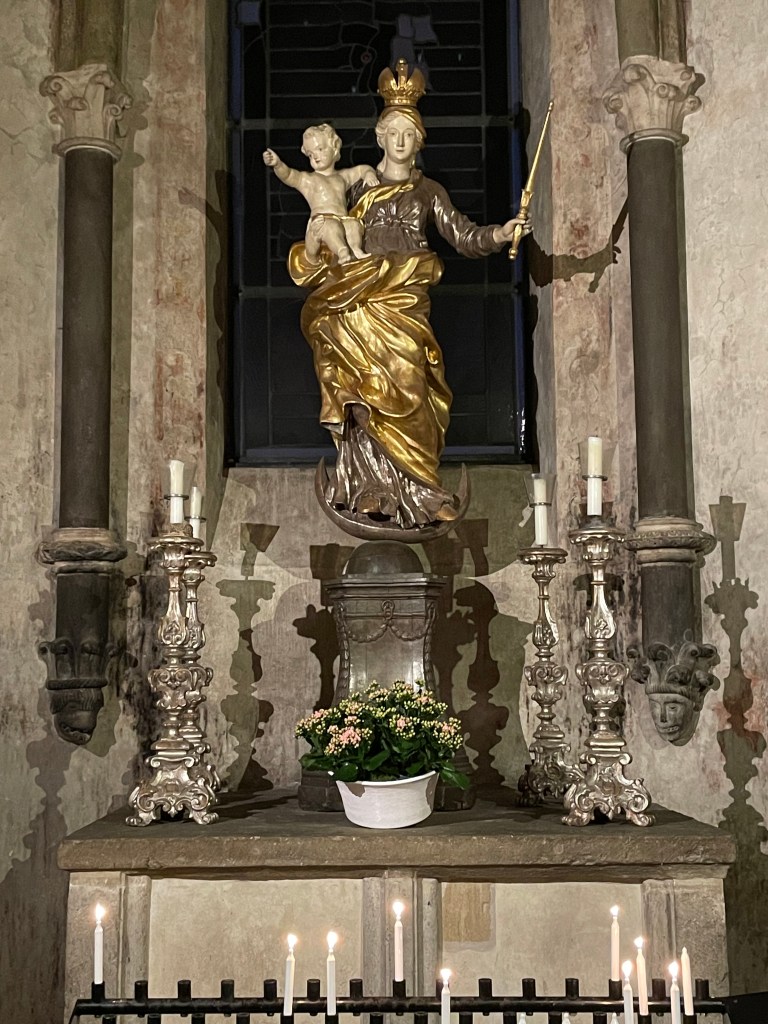
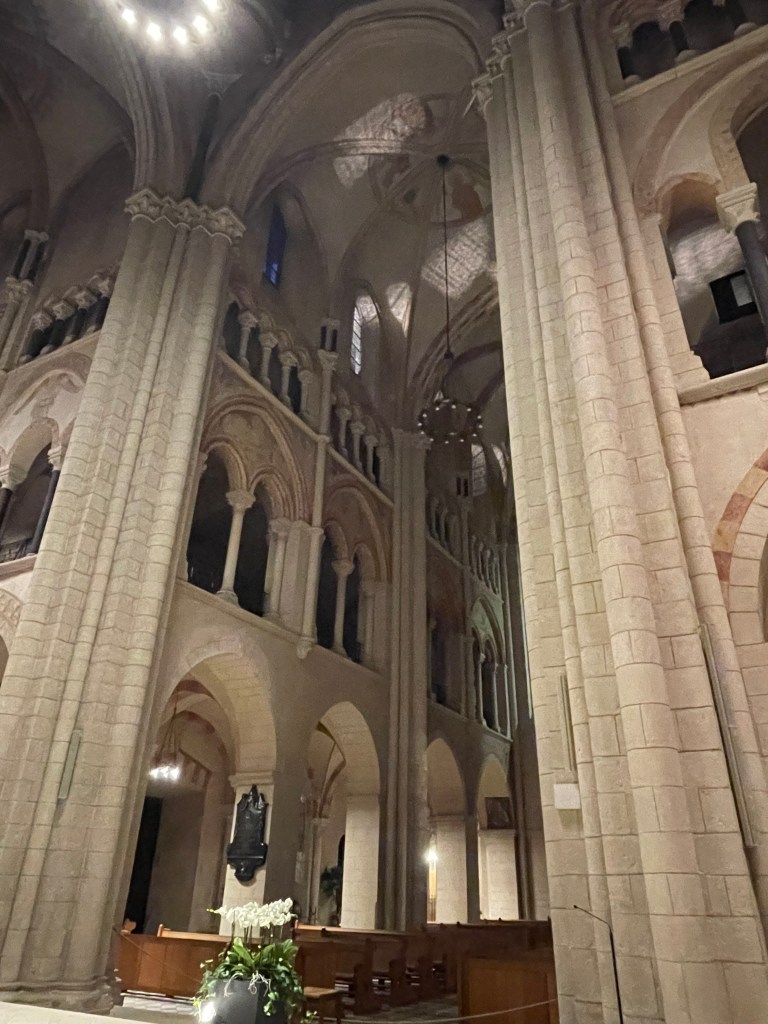
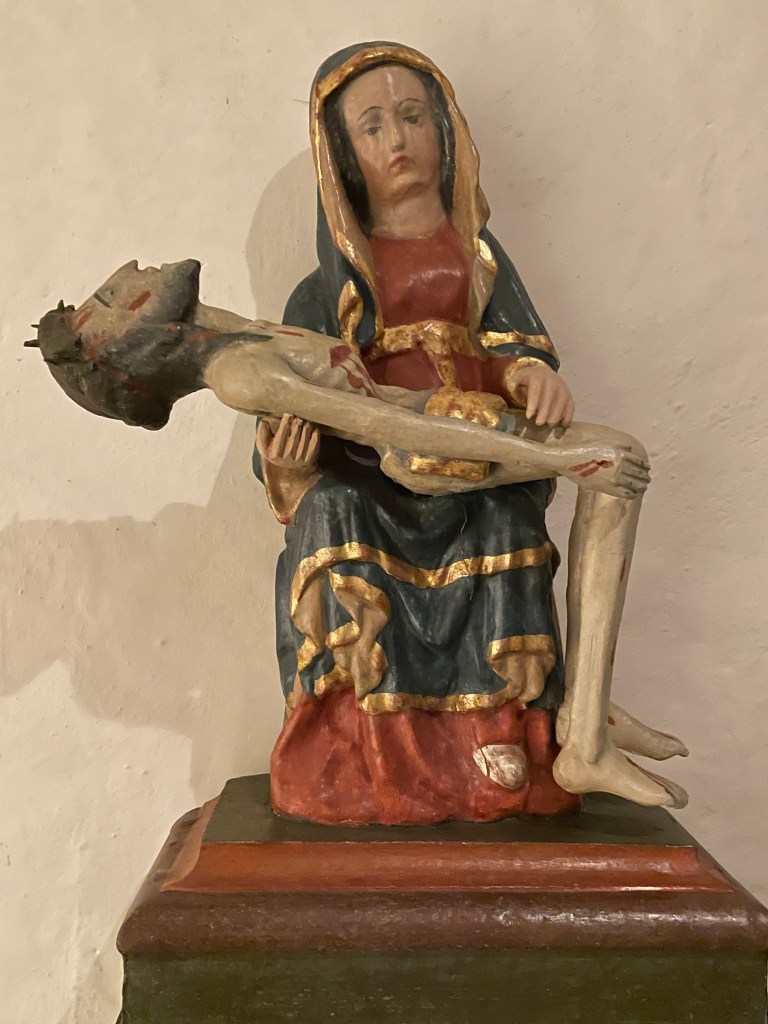
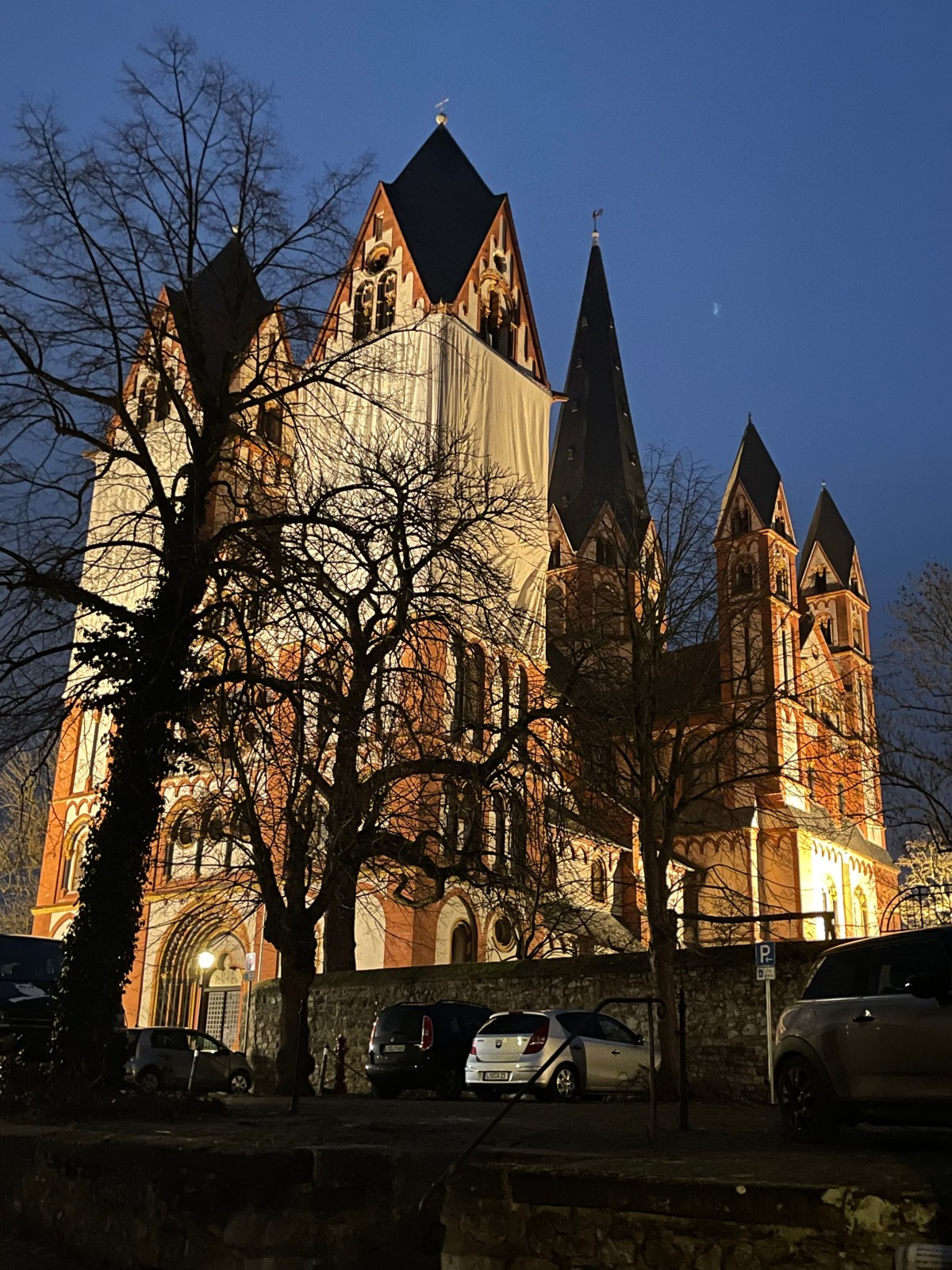
Some cathedrals are worth going back to again and again. This is one.
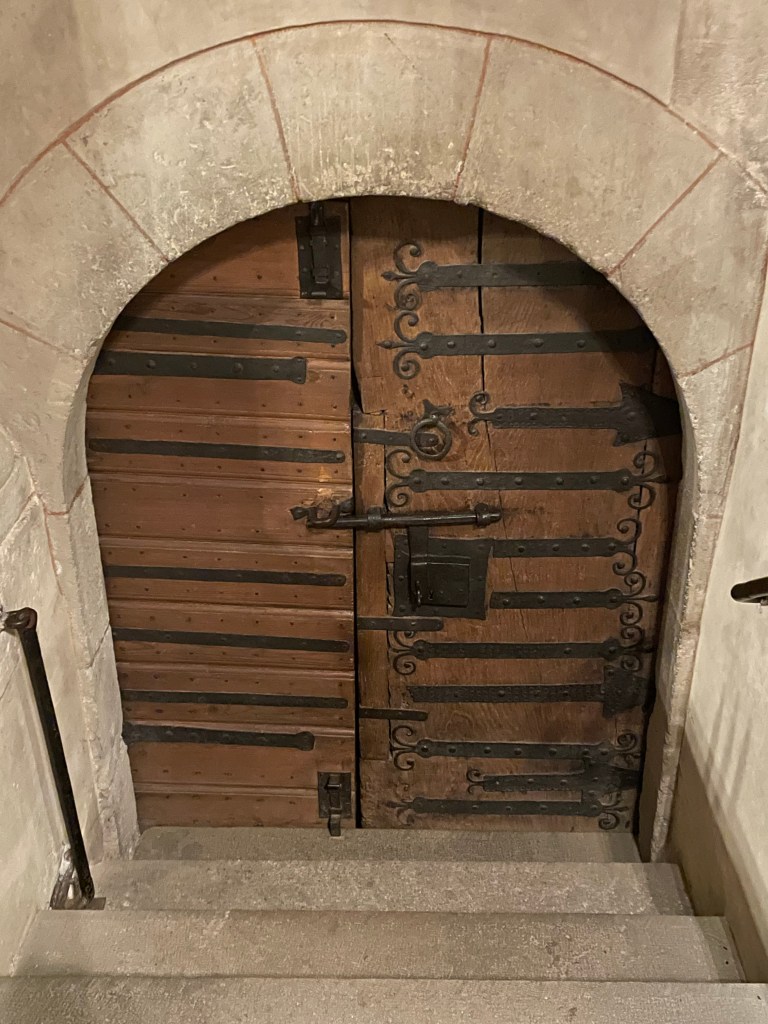
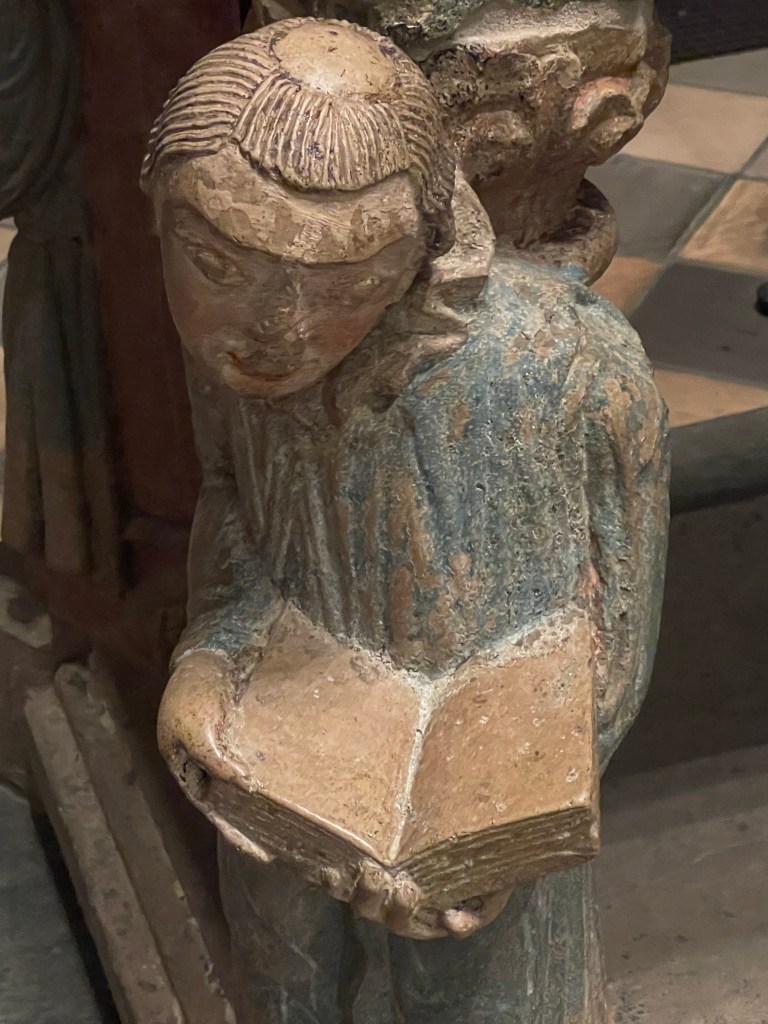
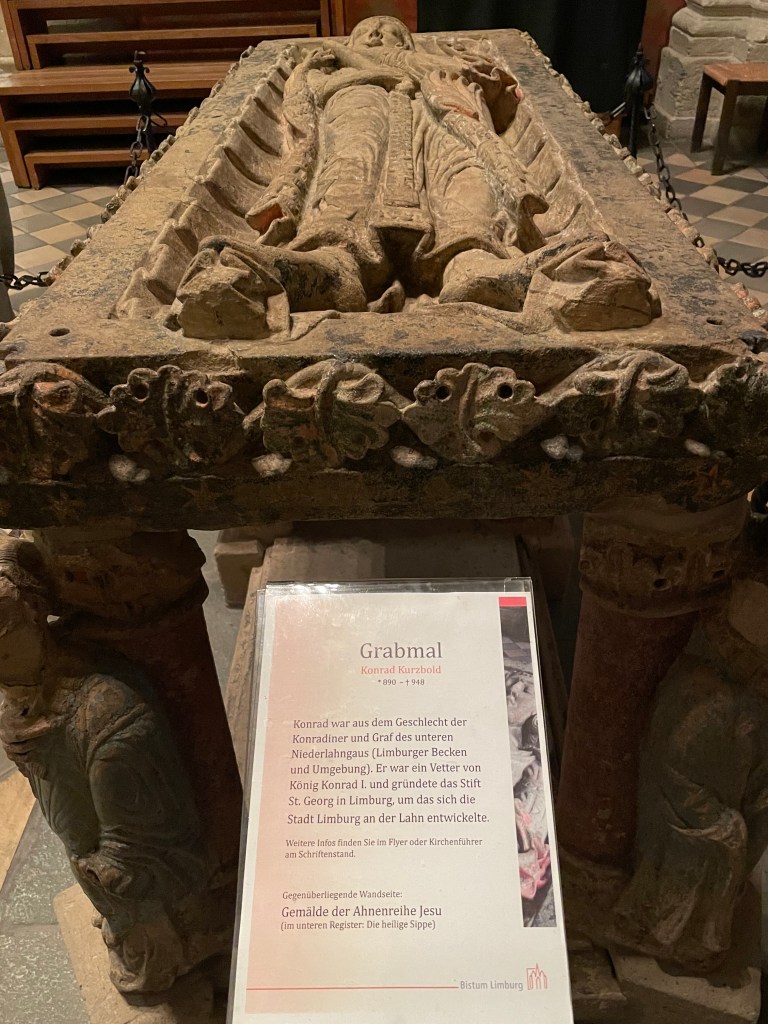
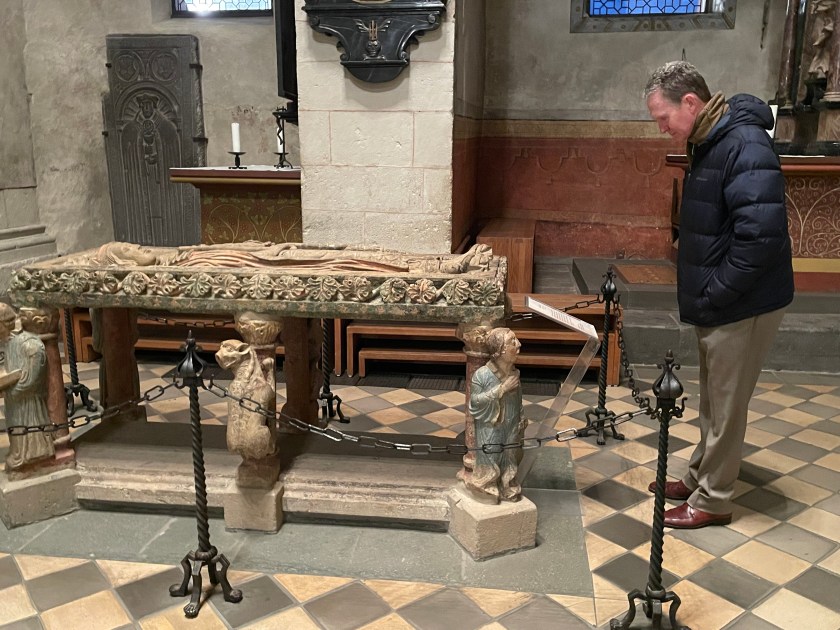
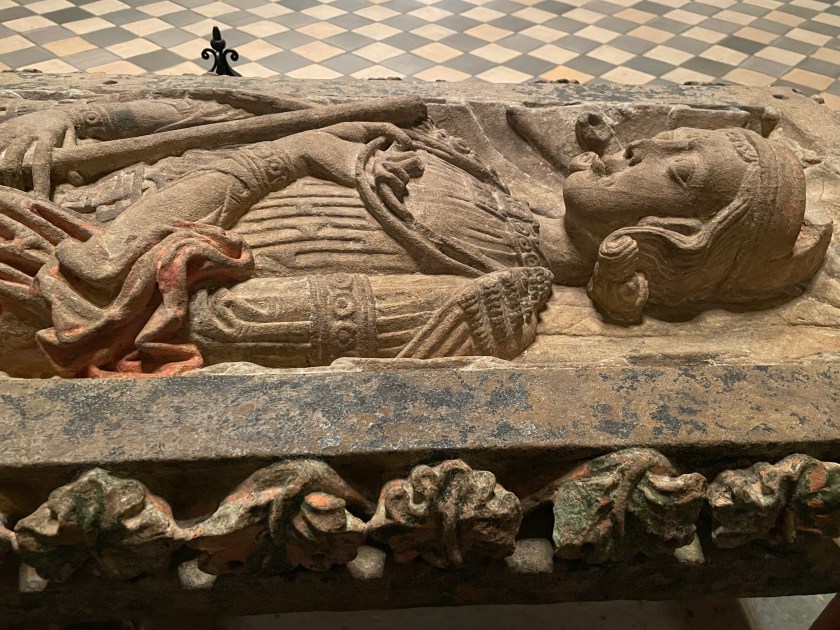
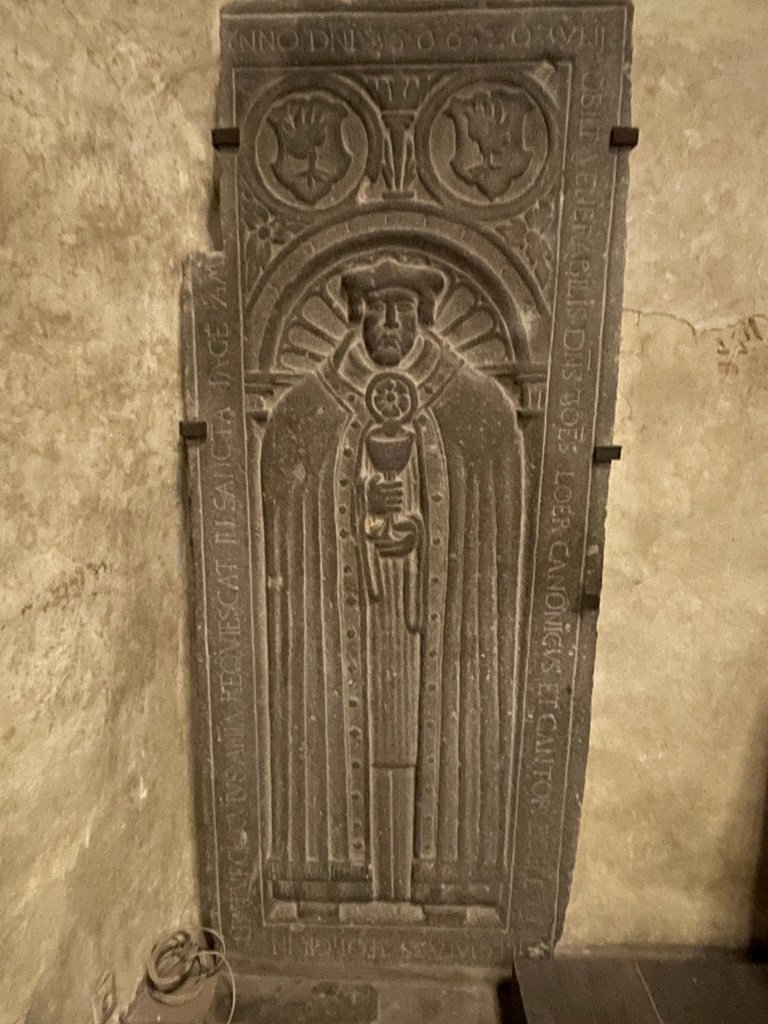
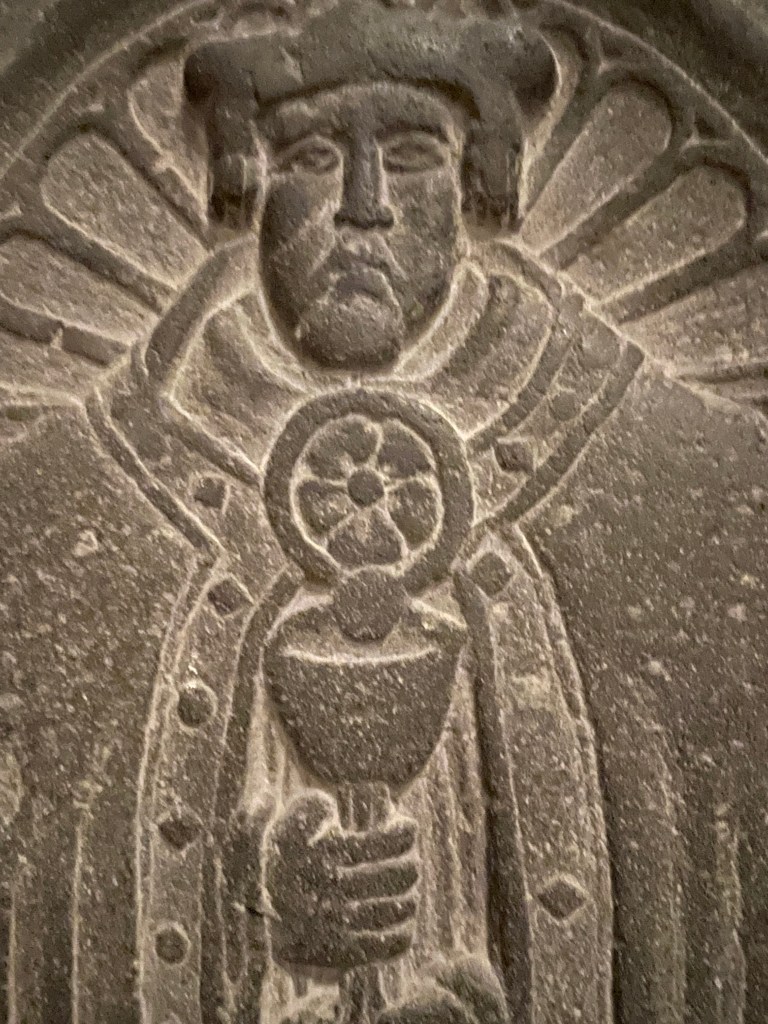
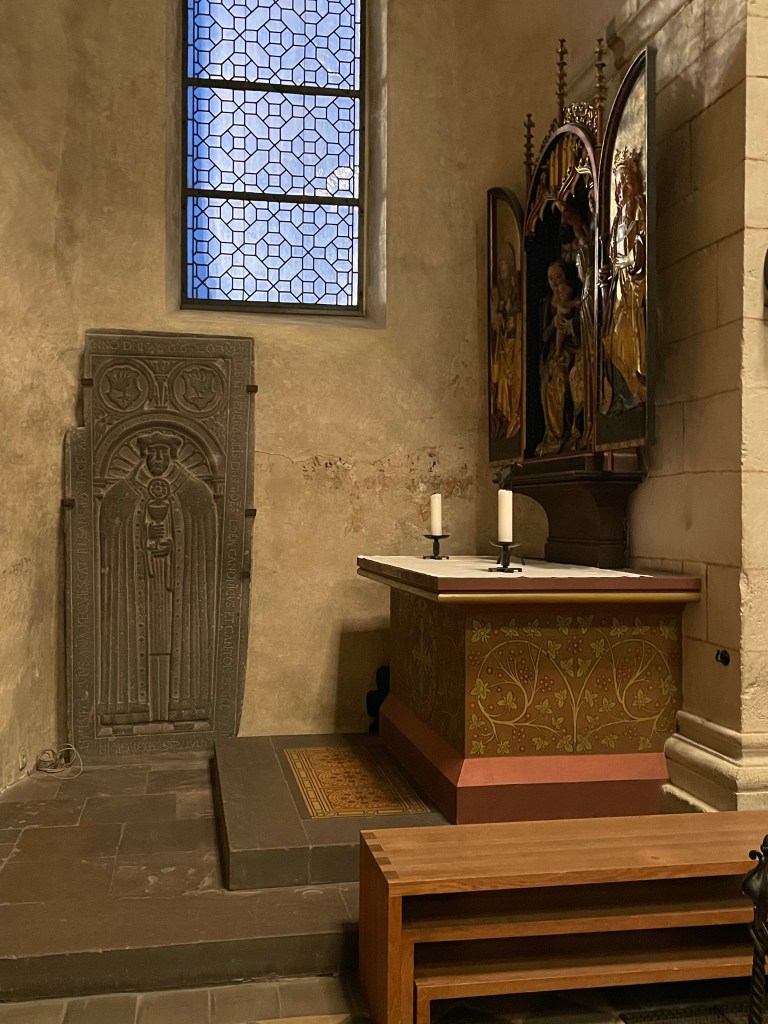
This grave marker is for Konrad Kurzbold who was born in 890 and died in 948.

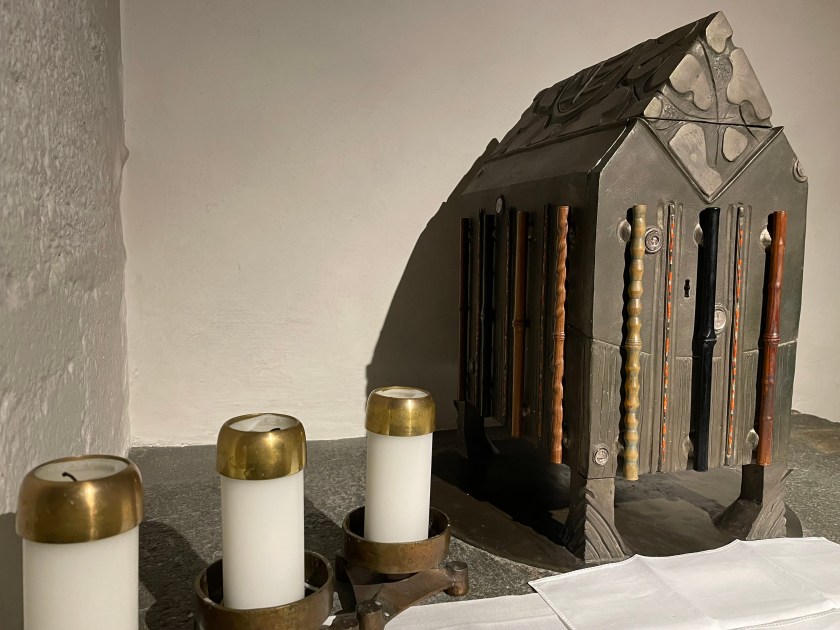

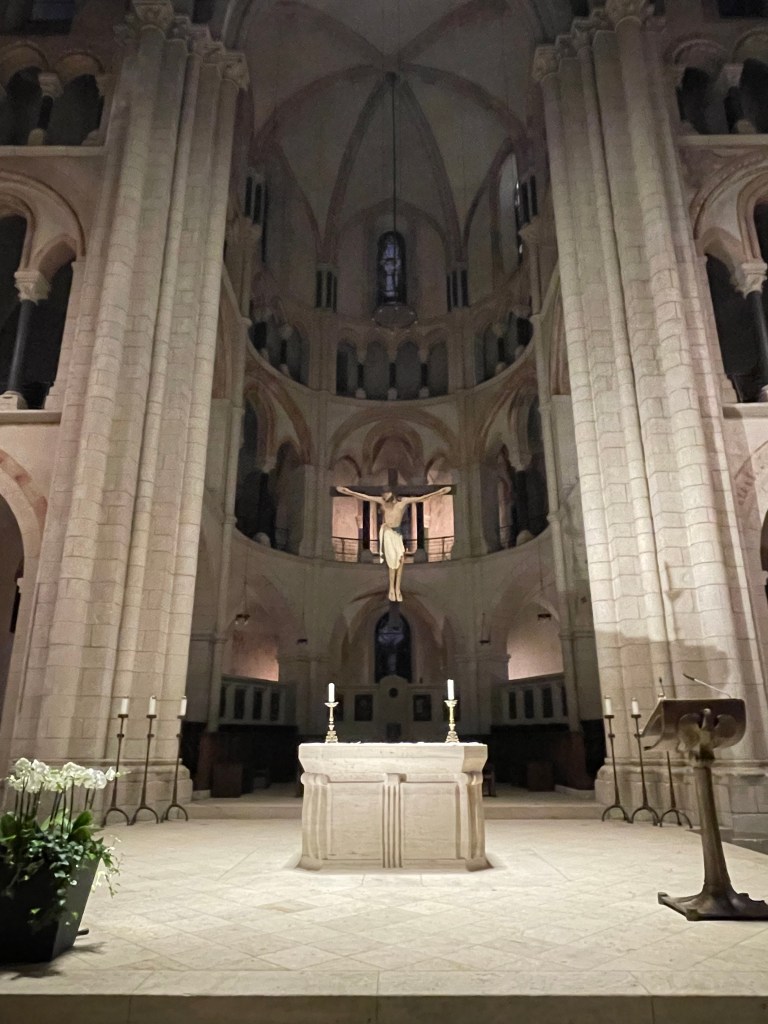

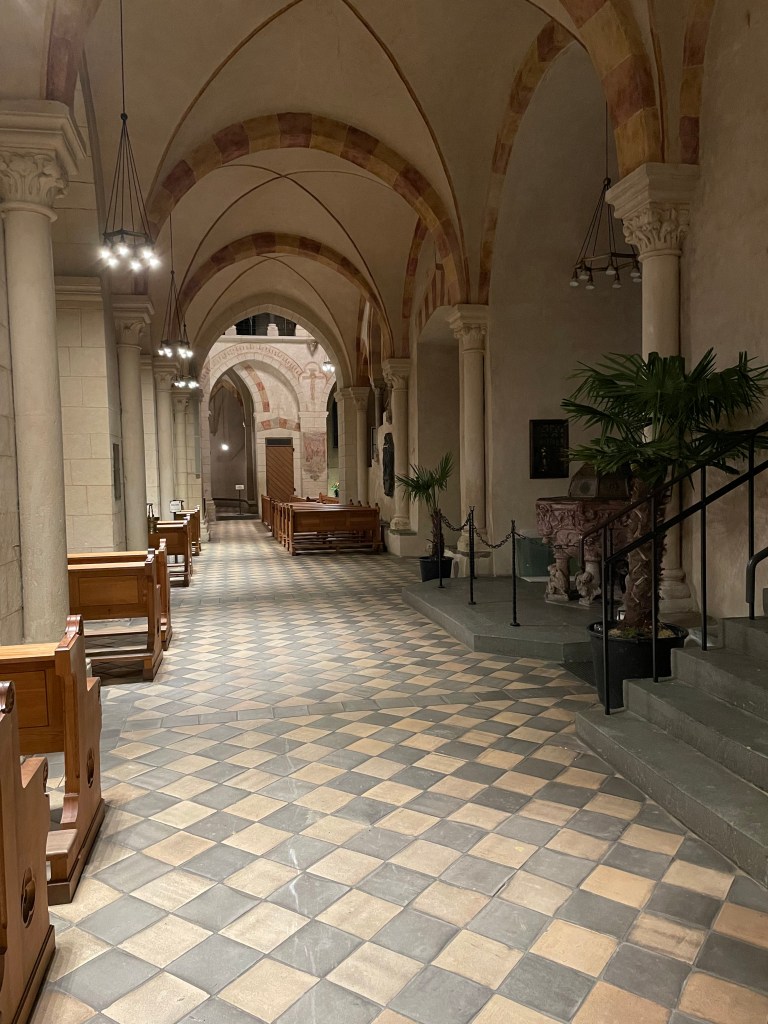
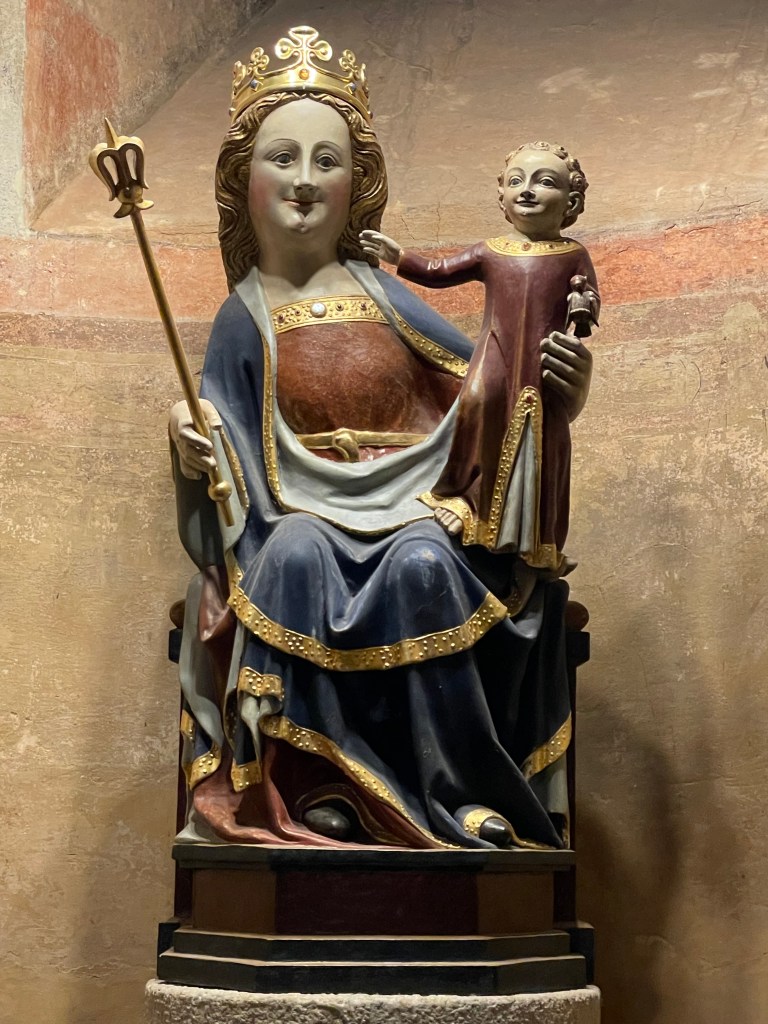
Most of the stores and restaurants were closed. We’d hoped for some dinner, but headed home instead.
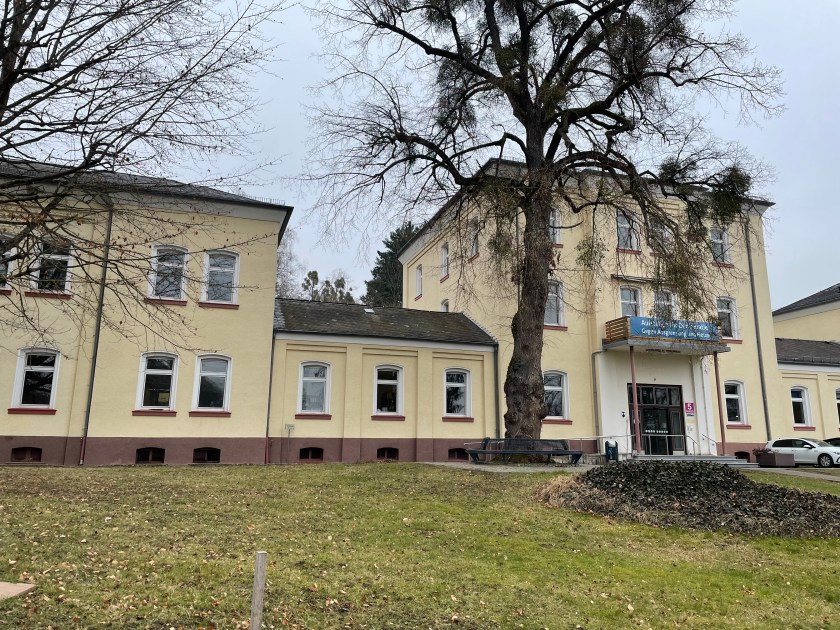
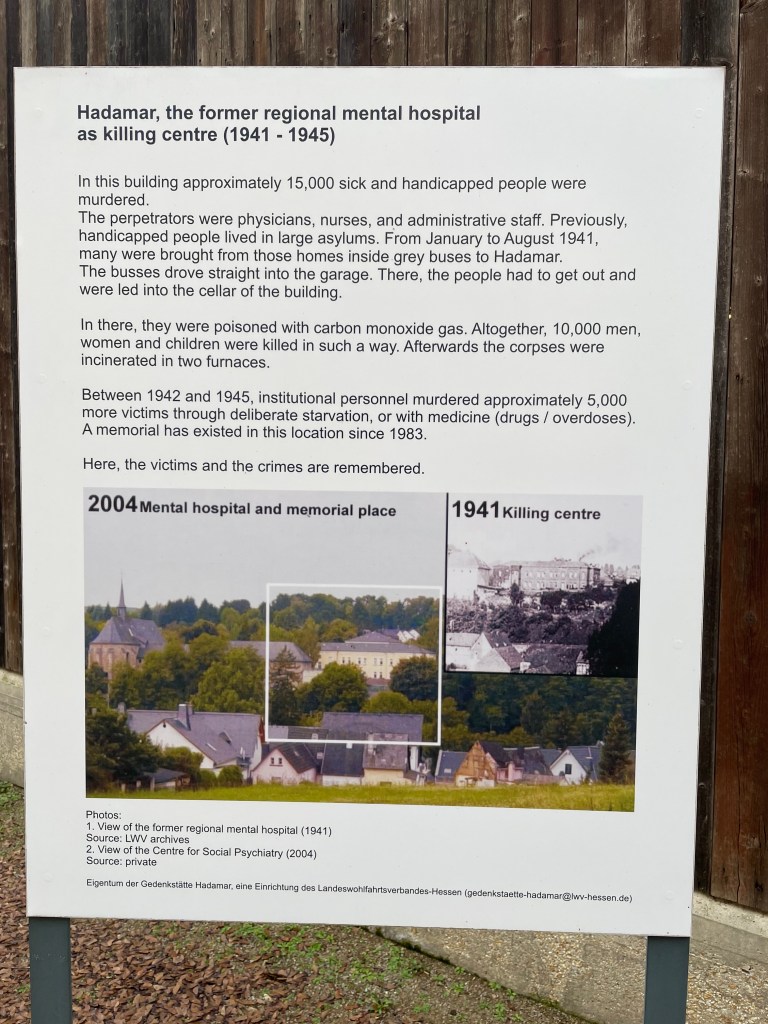
This is Hadamar, a Killing Center. We visited here this week and felt sadness as we thought about the atrocities took place here.

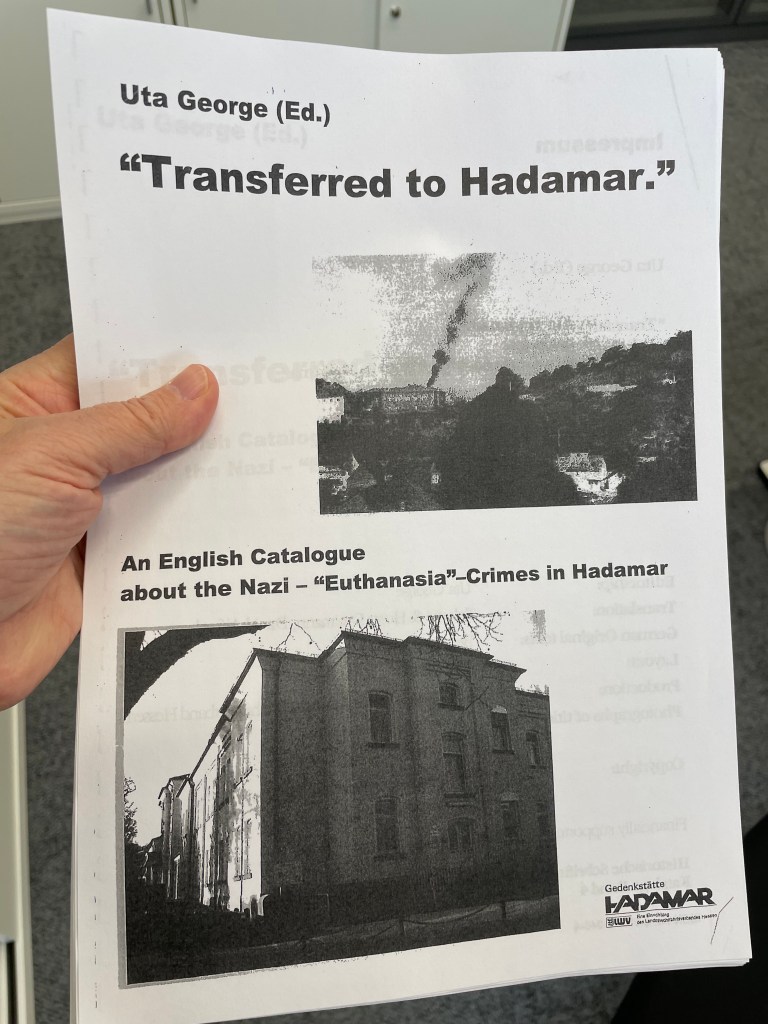
I’ve read this book (sold for 3 Euro at the hospital) and learned the stories of the people who were brought to this tragic place. My notes from the book are packed away, but when I find them when we get home, I’ll add them here.
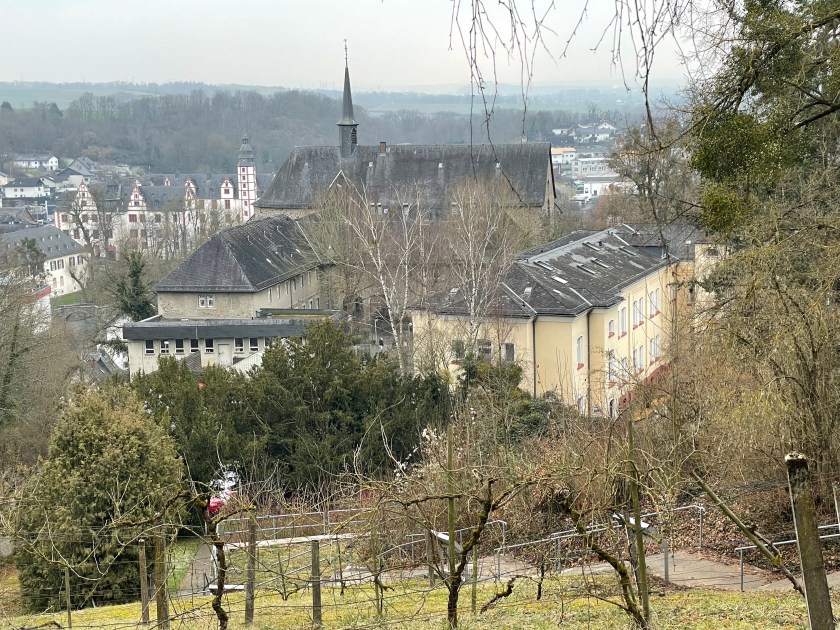
This hospital is still a working hospital today, caring for mentally ill patients.
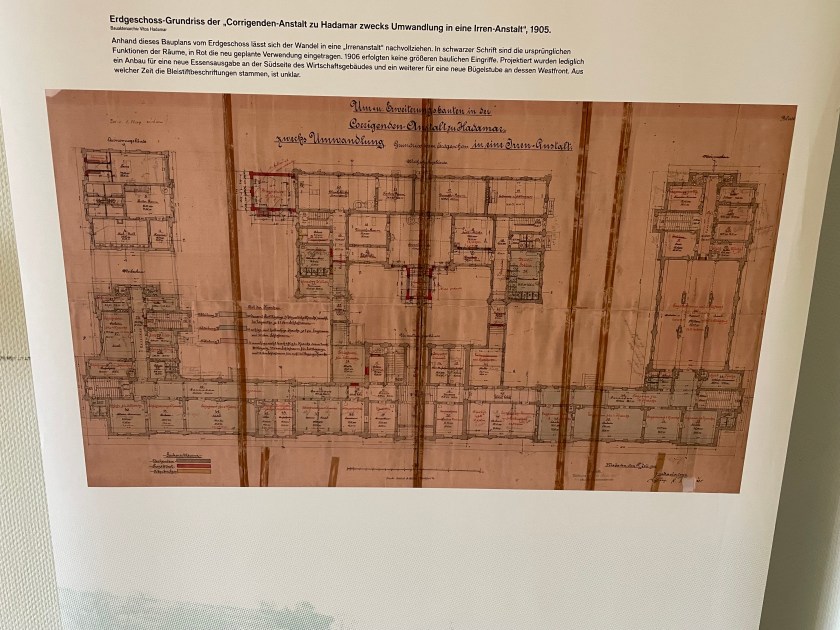
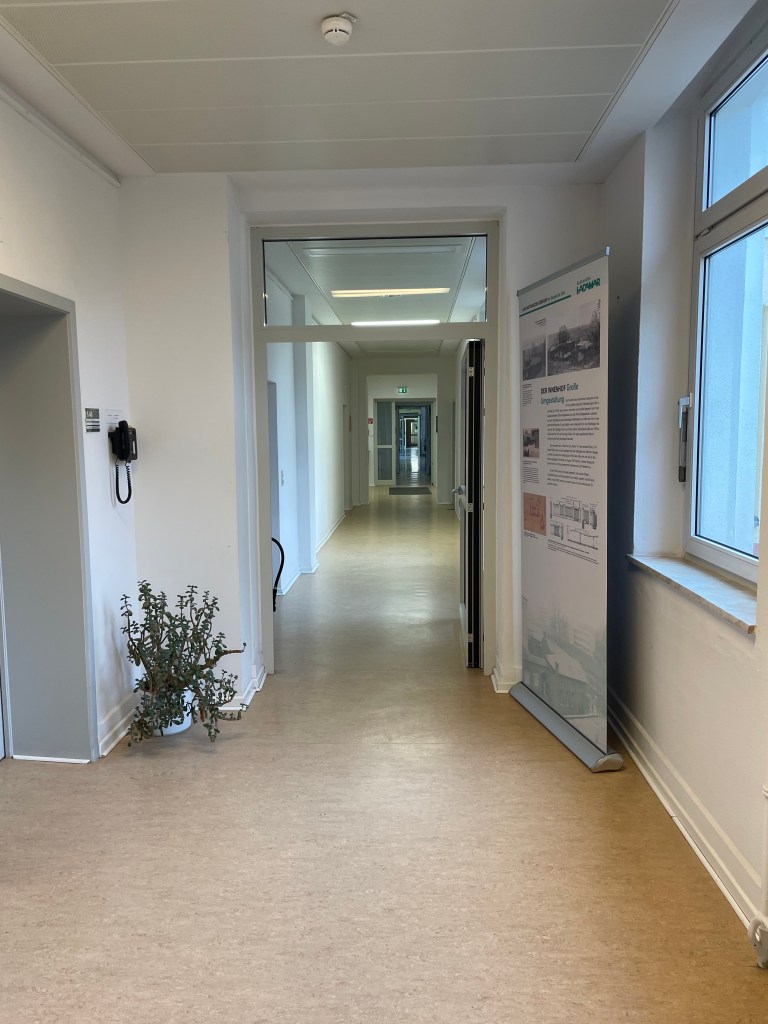
This is the memorial wing, where you can learn the story of what happened here during the war. This first room (where the displays are now) is where the people were brought after being bussed here. In this room they were stripped and taken to the “showers” which was really the gas chamber. Most died the day they arrived.
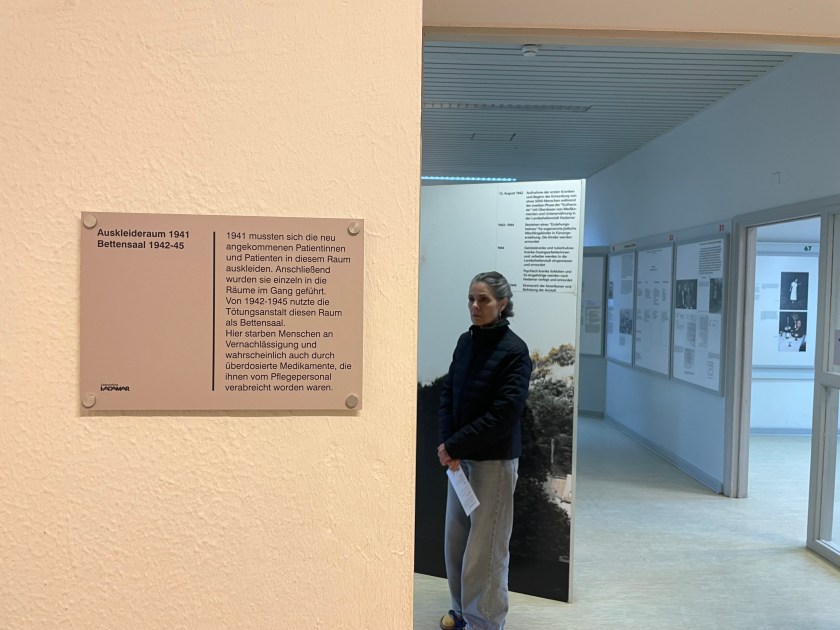
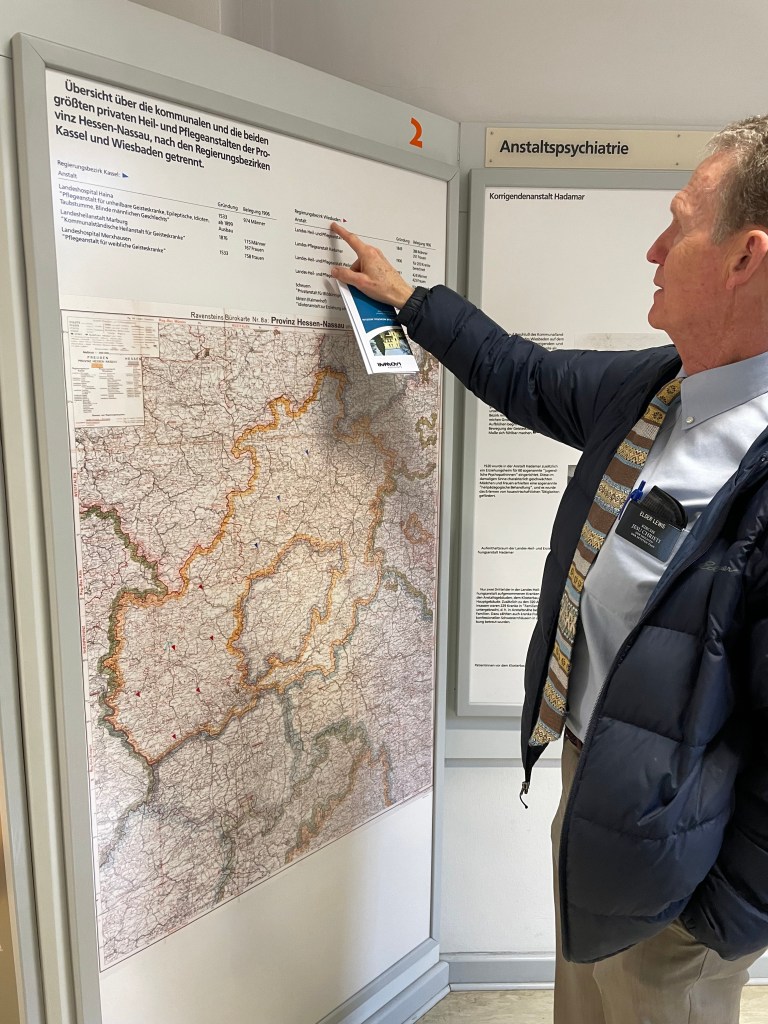
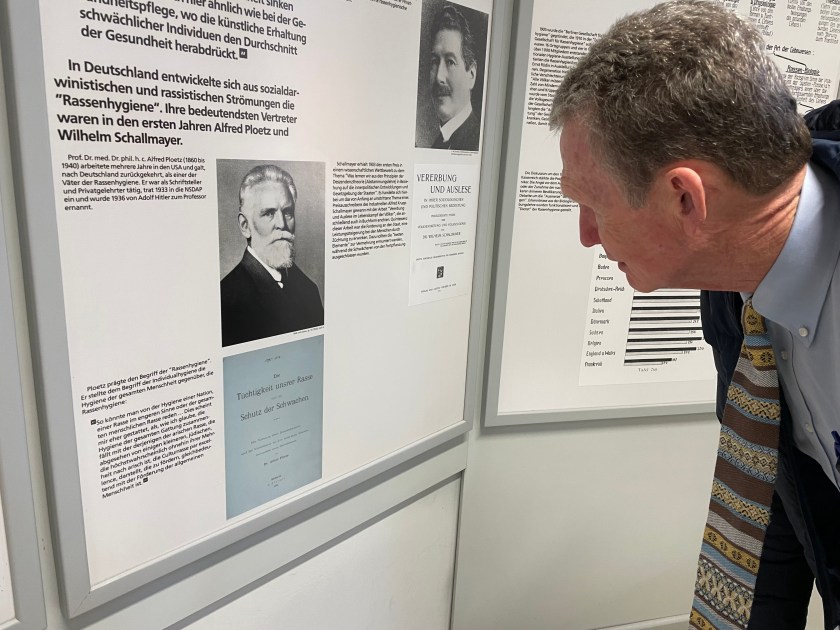
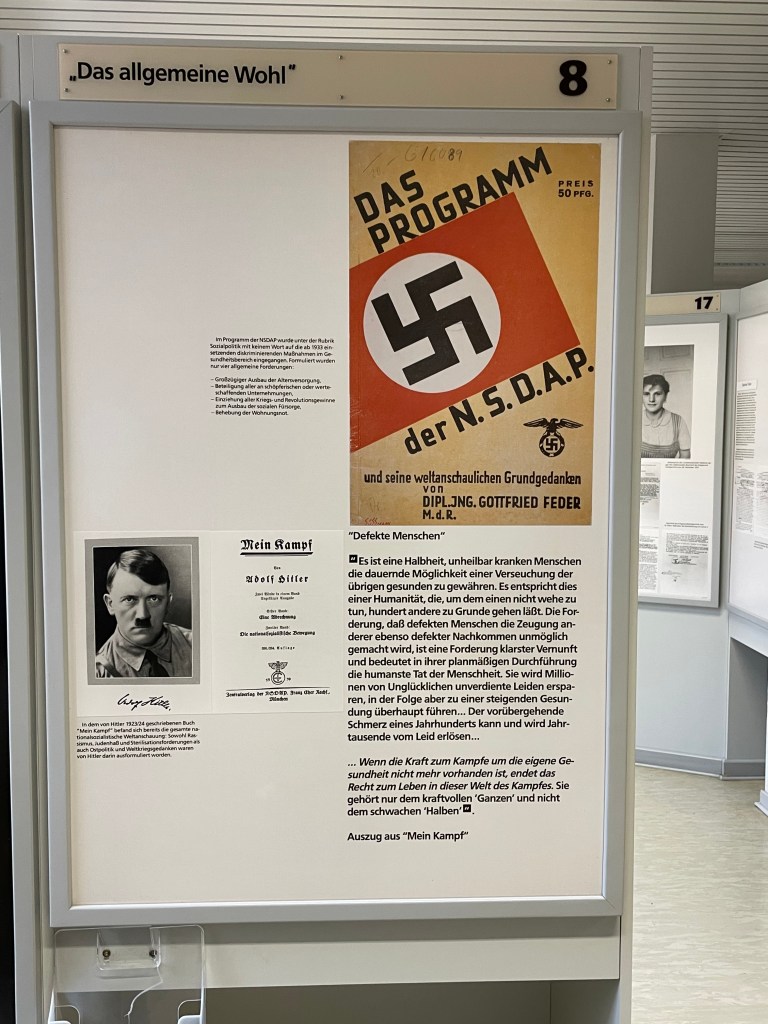
Photo taken in 1941 of the chimney with the smoke from the crematorium that burned day and night.

This Stolperstein is outside the hospital.
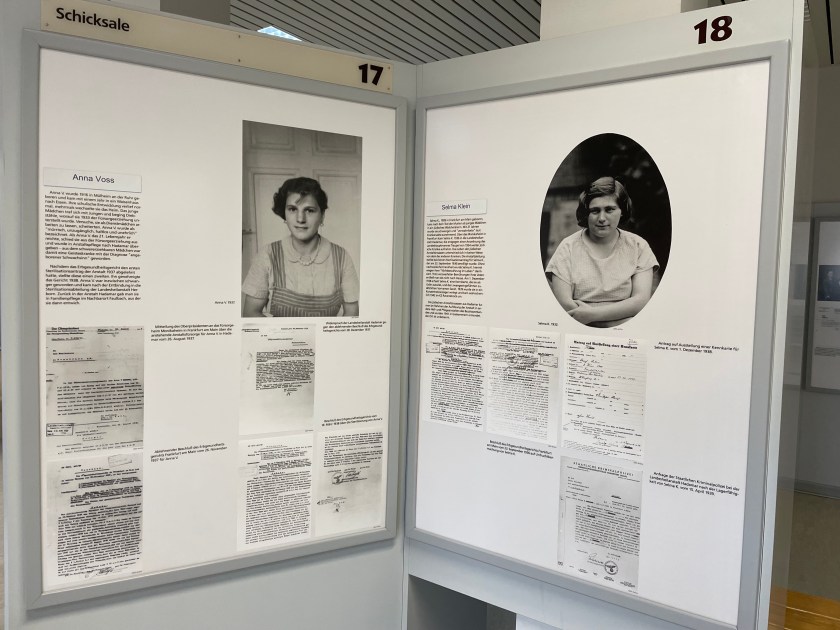
You can read the story of Selma Klein (pictured above) here.
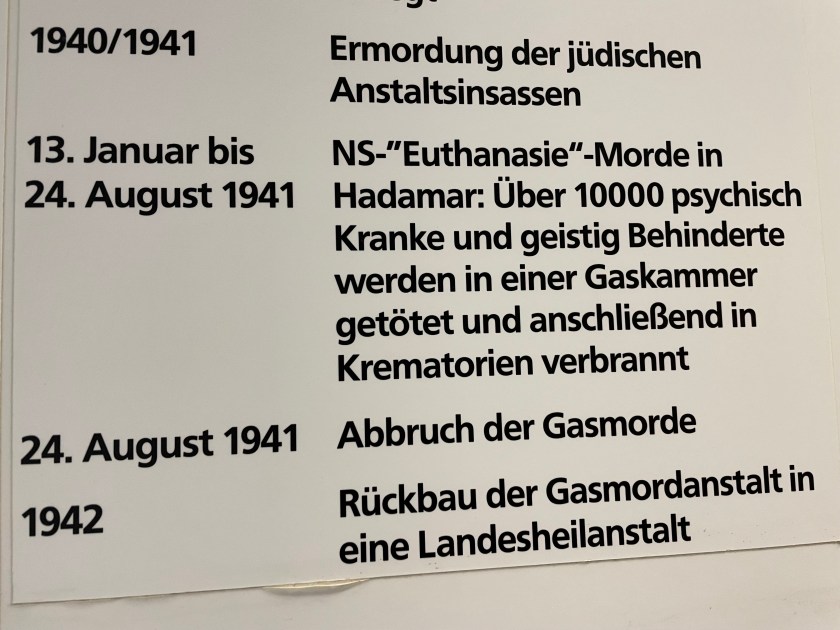
Between January and August 1941, more than 10,000 people were killed here. Another 5,000 were killed in 1942.
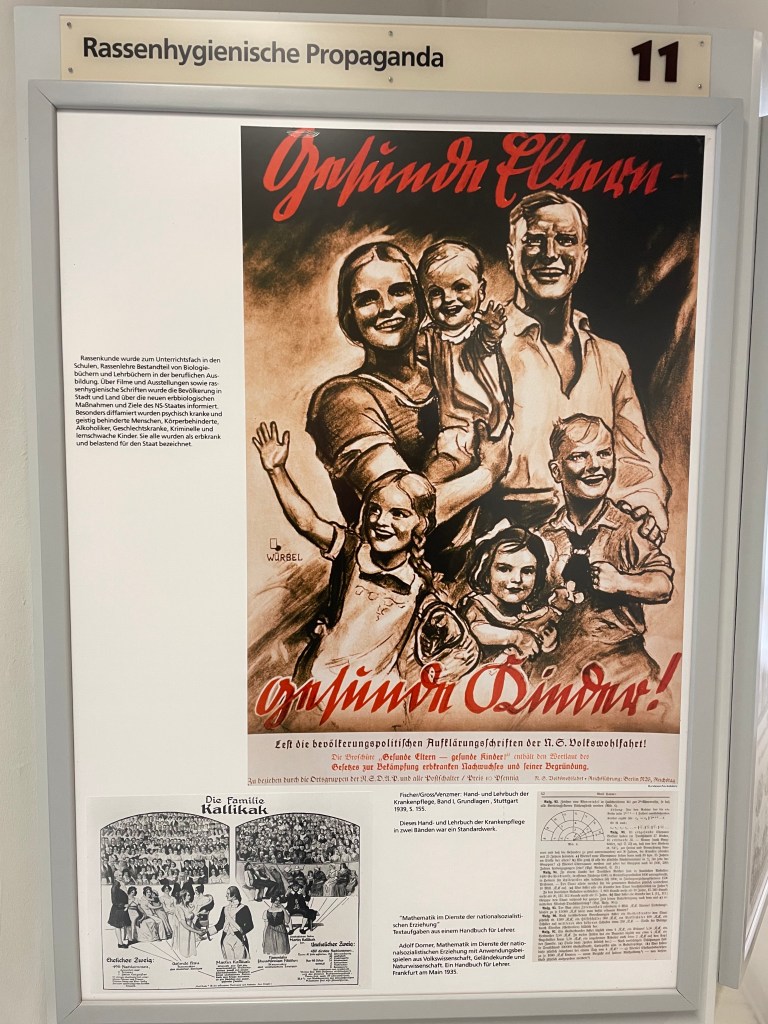
An “ideal” German family: “Healthy parents, healthy children!”
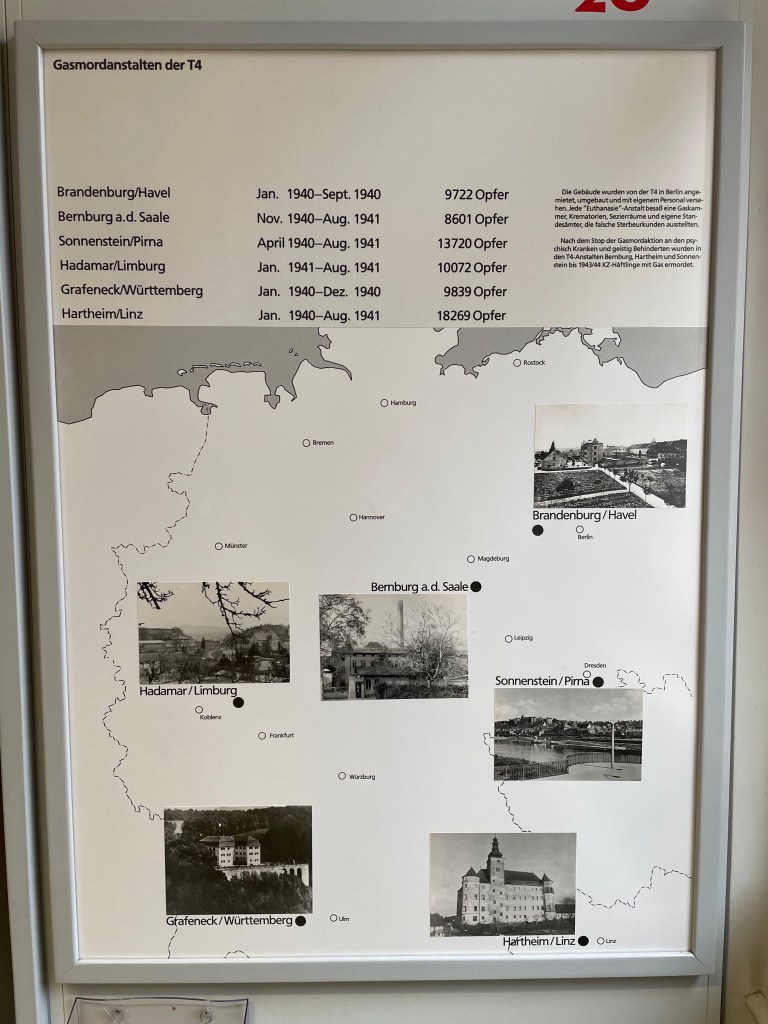
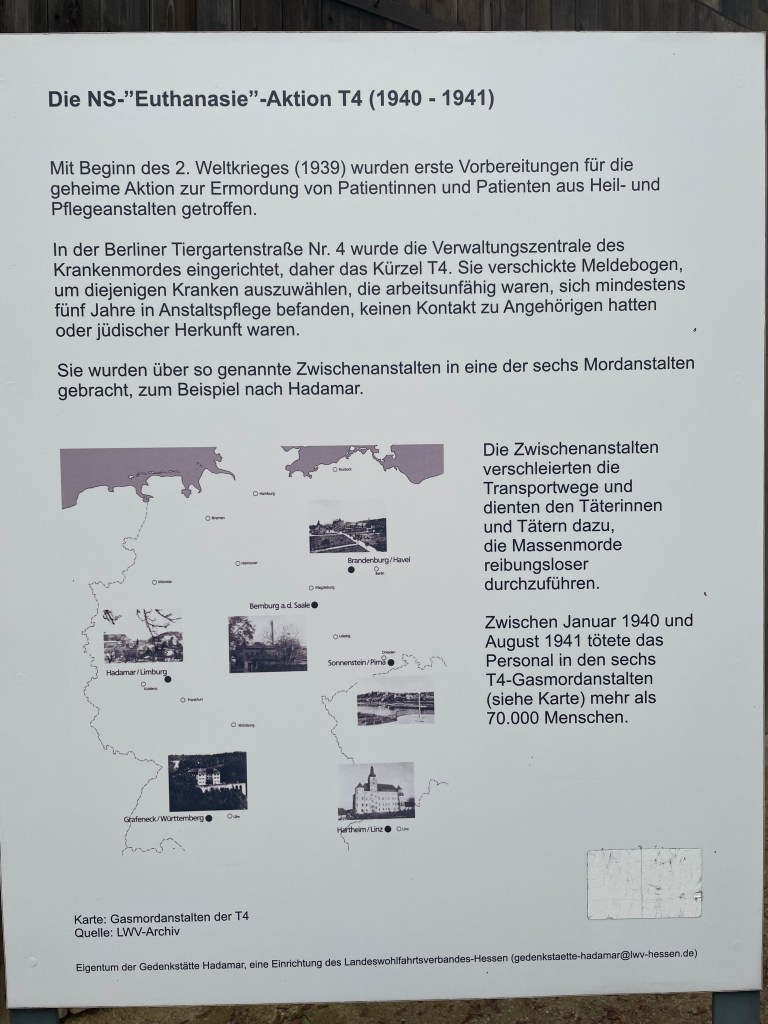
This map shows where the sterilization and killing centers were located in Germany:

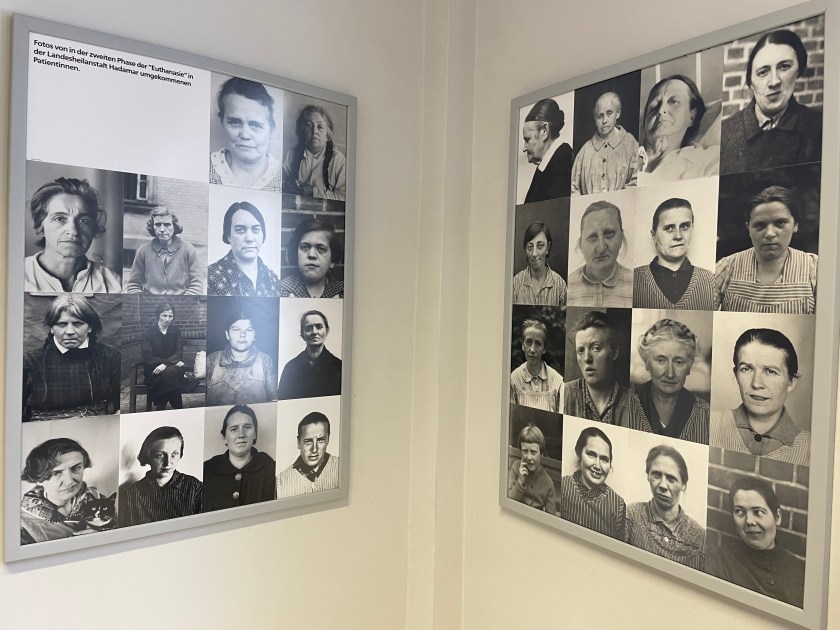
Here are some of the stories of people who were killed here.
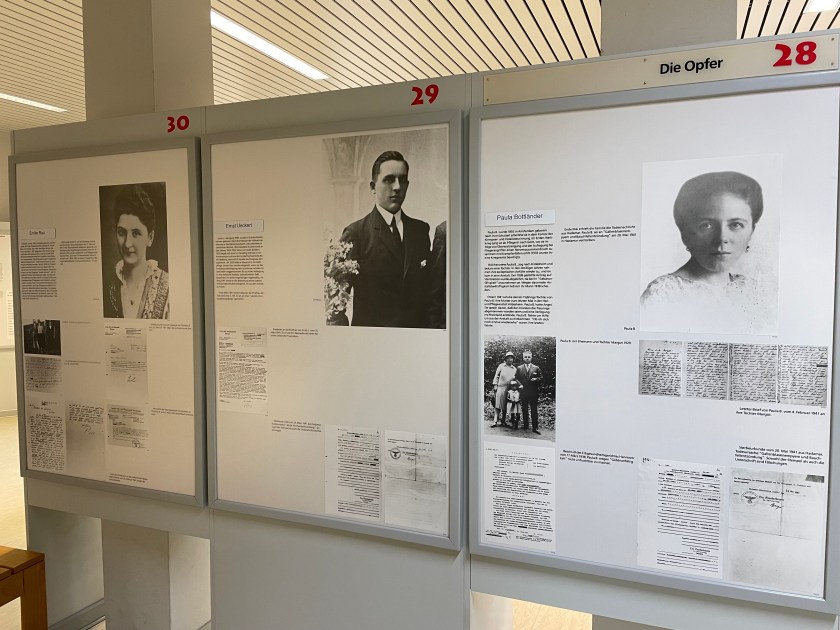
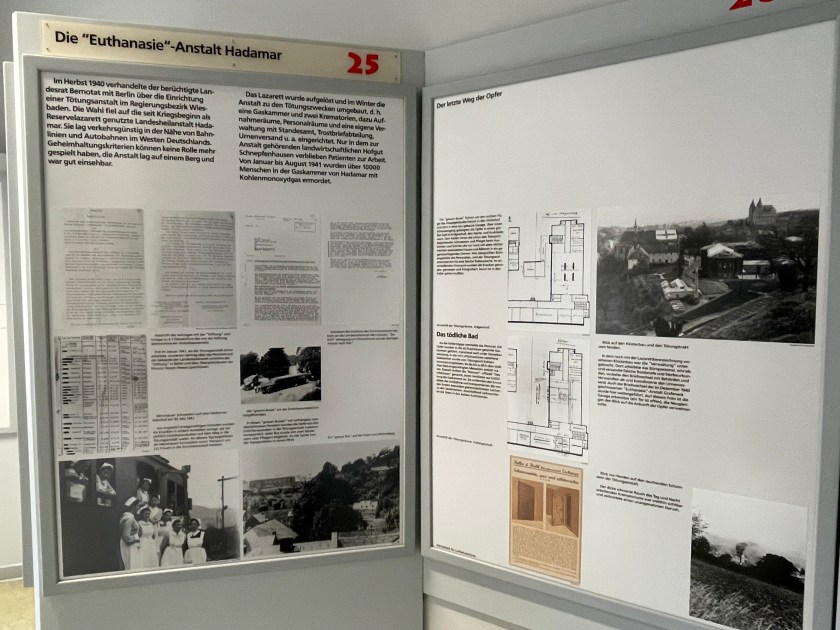
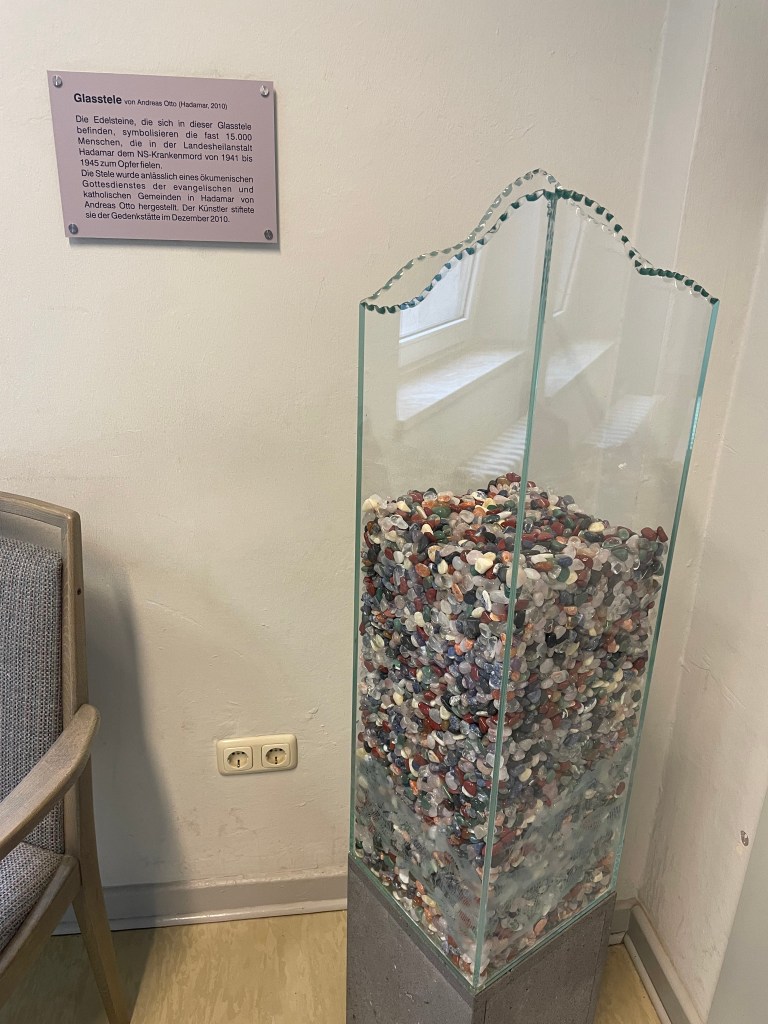
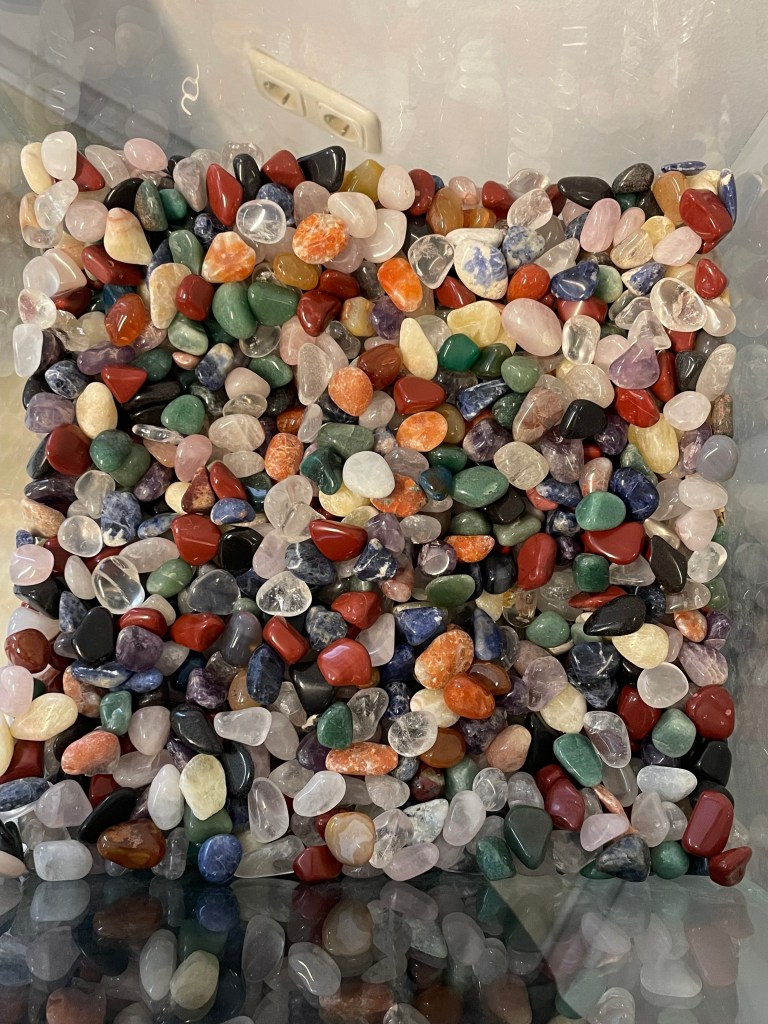
There were so many.
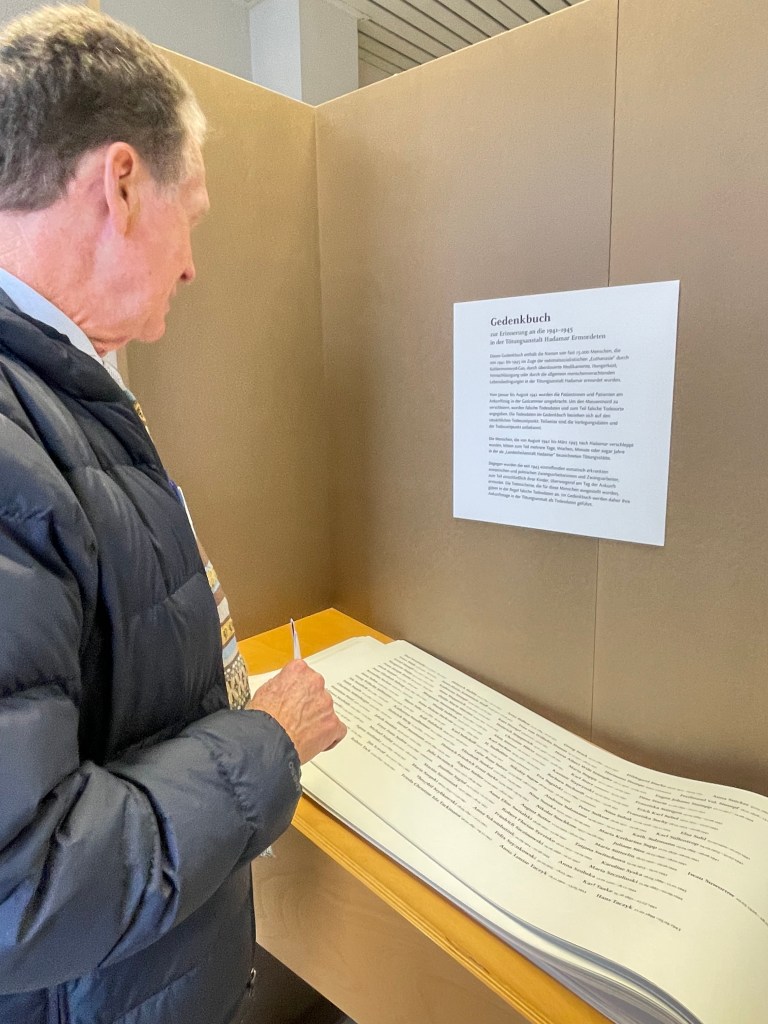
This book contains all of their names.
After the people were stripped naked, they were taken down these steps into the basement where the gas chamber was.
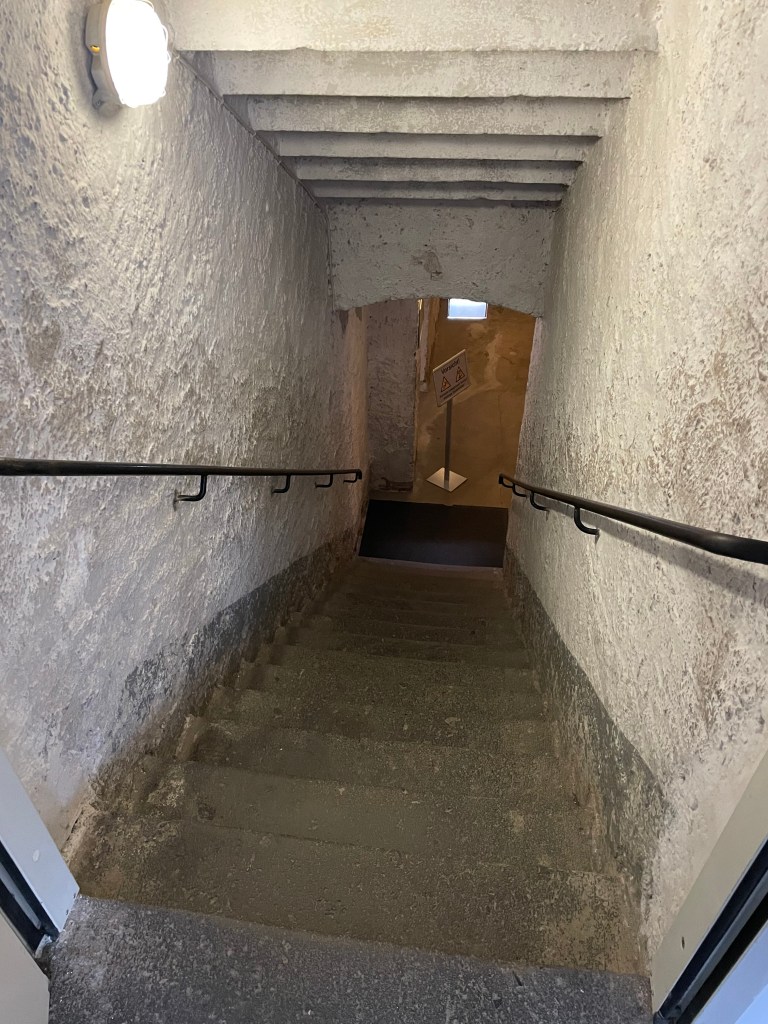
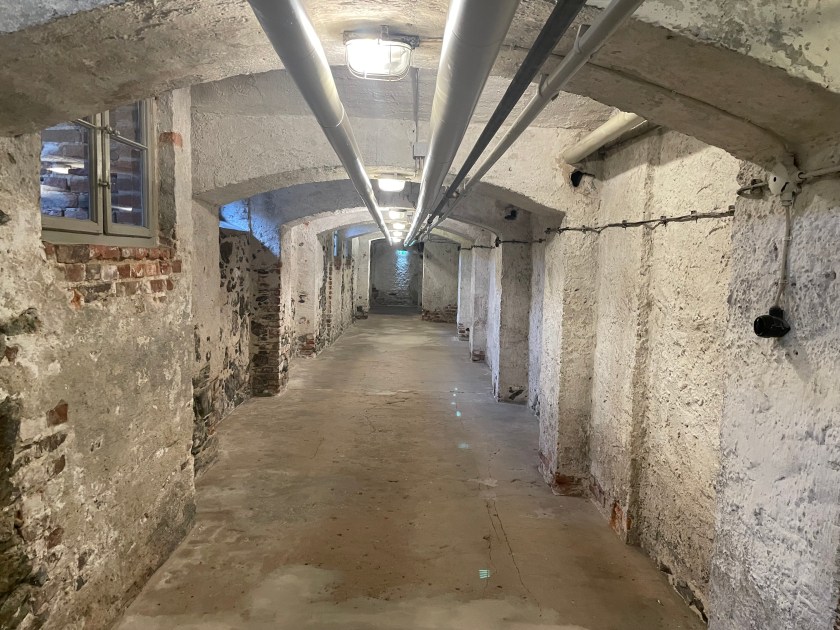
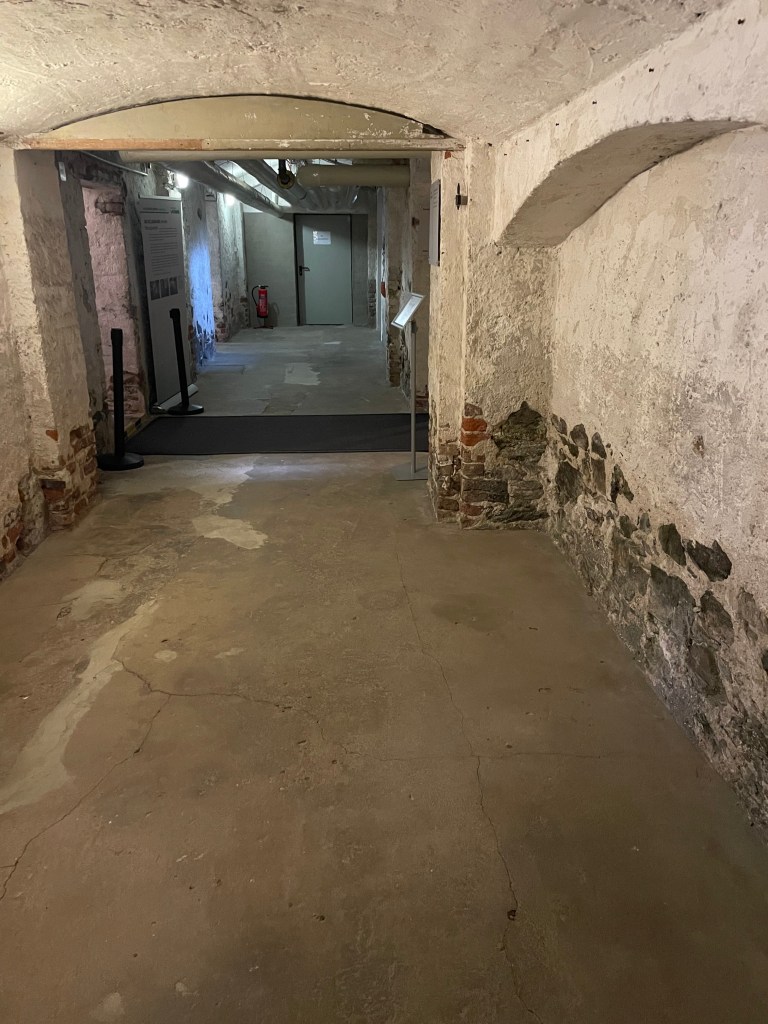

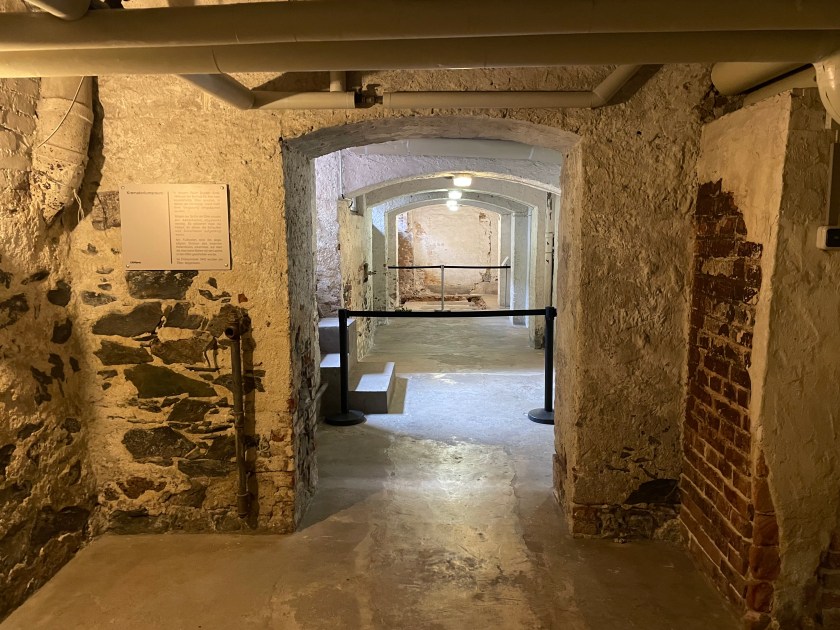
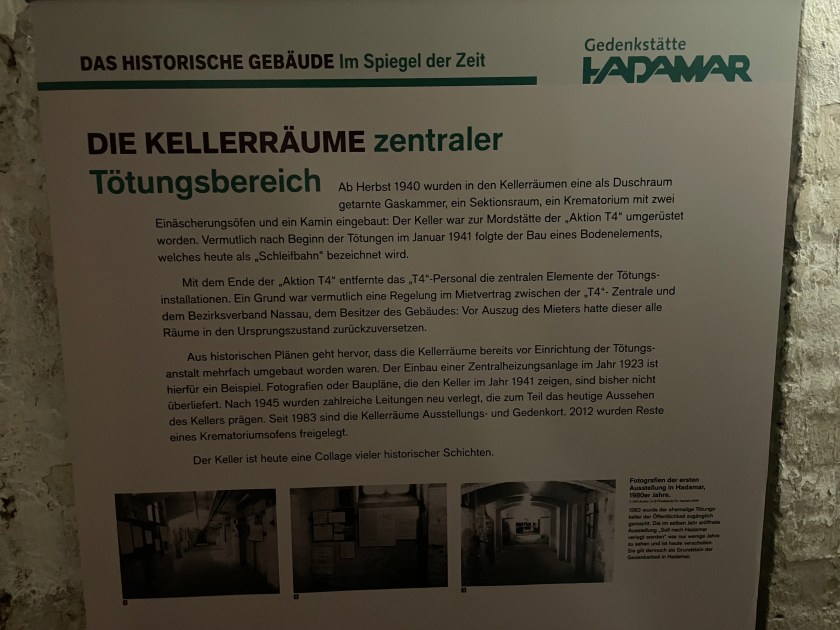
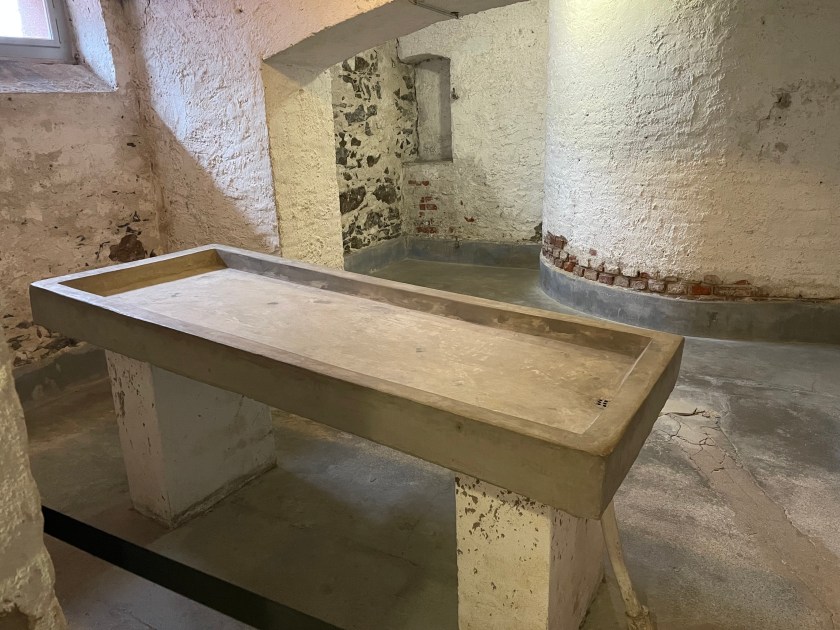
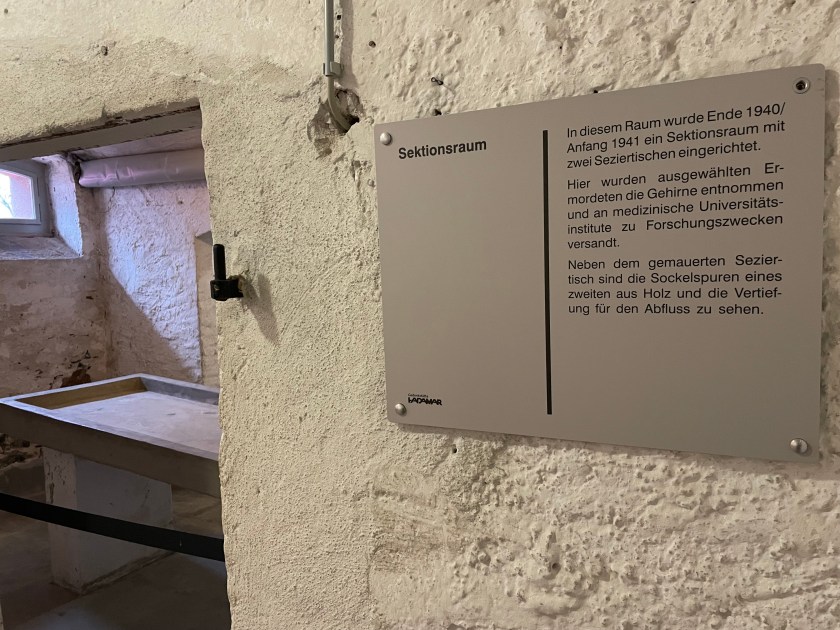
In this “shower” room (12 meters square), more than 10,000 people were murdered between January and August 1941.

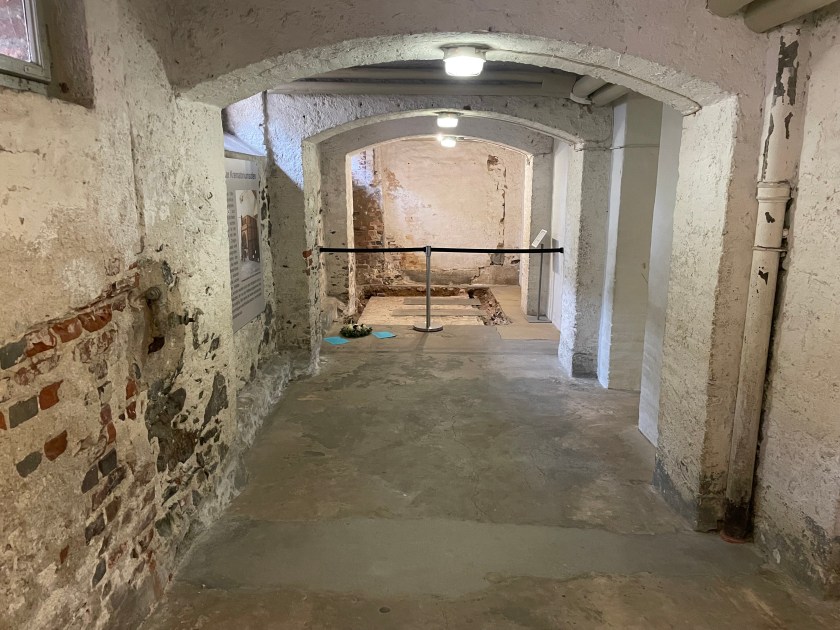
This is the corridor that led to the crematorium at the far end. The bodies were taken on gurneys.
This is a photo of one of the crematoriums at Dachau. The two crematoriums here were built in the same manner and were destroyed by the allies after the war.
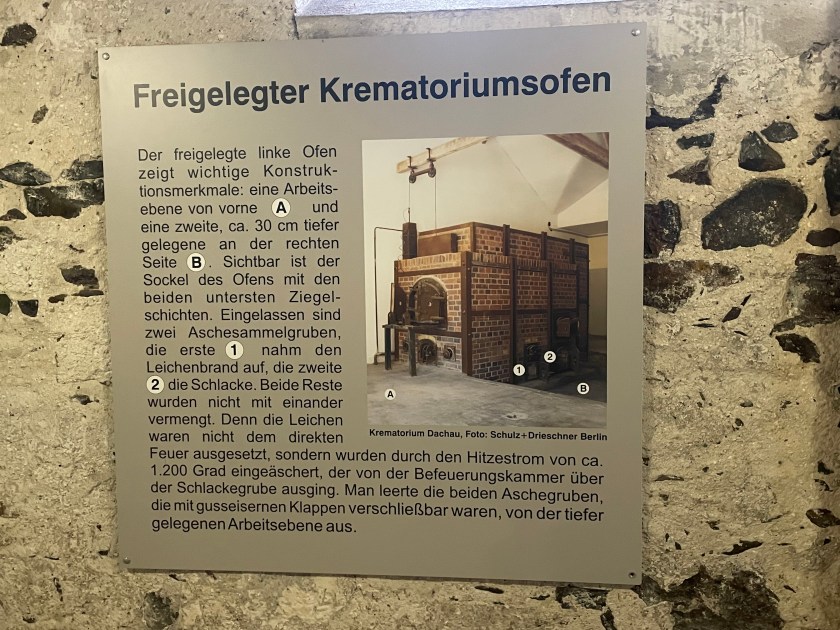
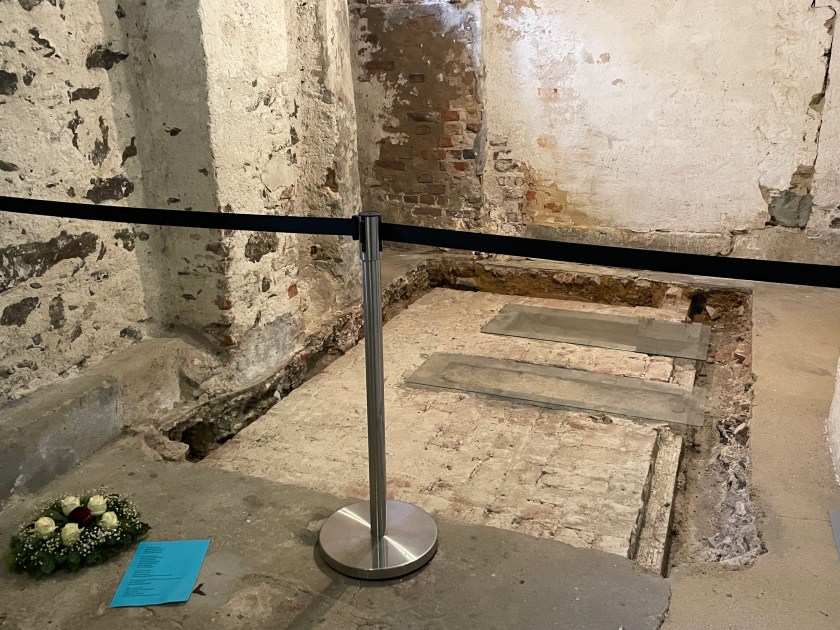
The foundations where the ovens stood. You can see the places where the ashes were scooped out under them.
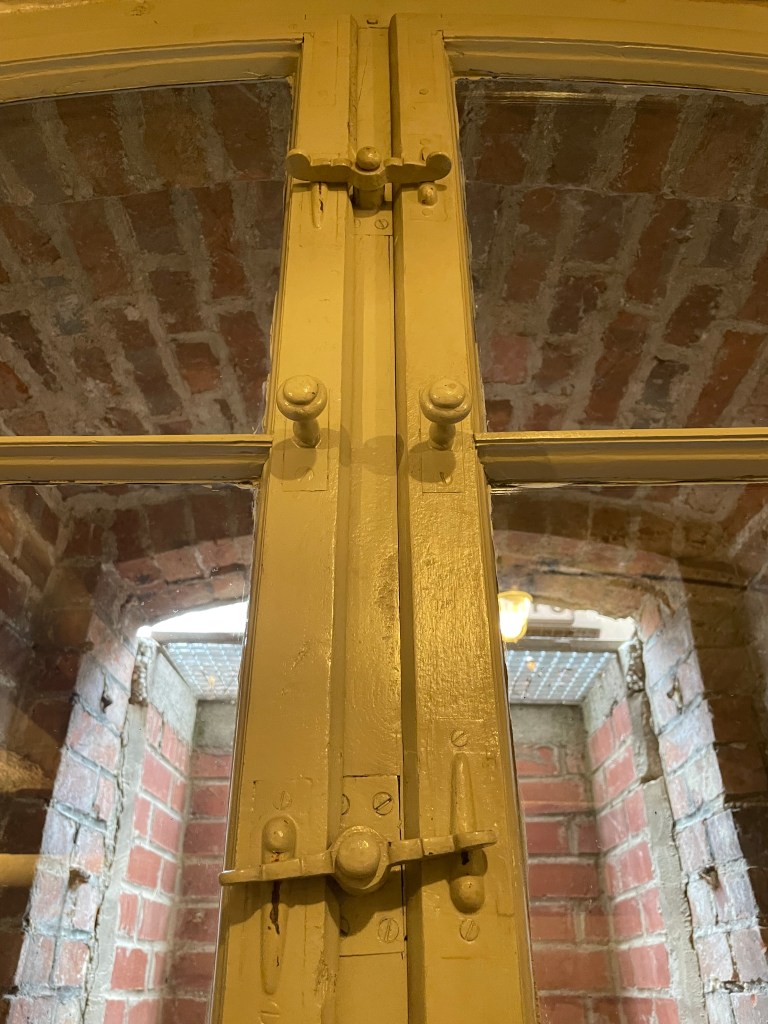
Basement window hardware.

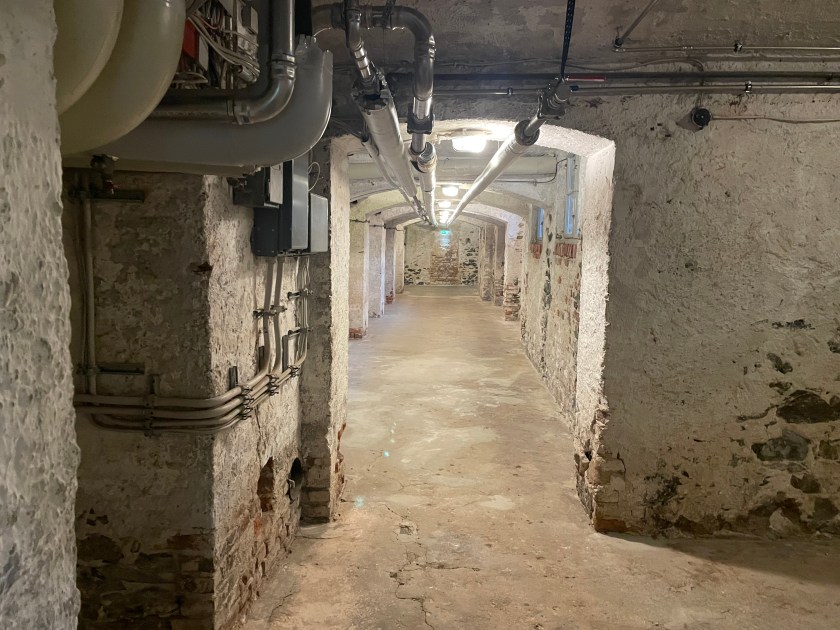
Another corridor in the basement.
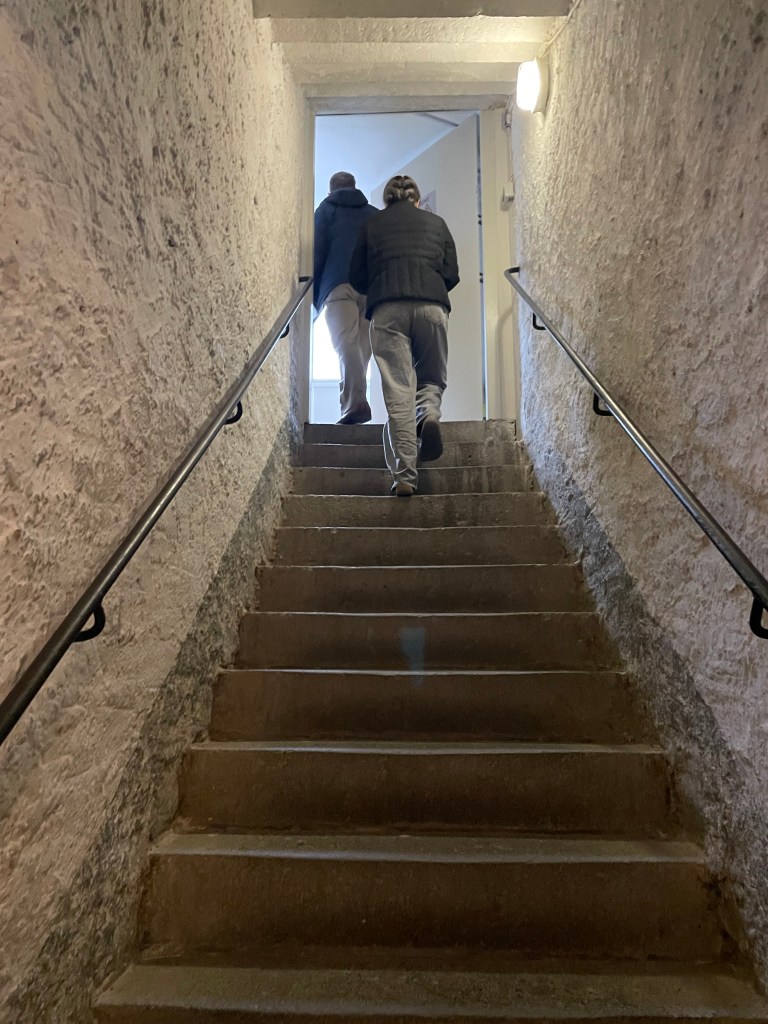
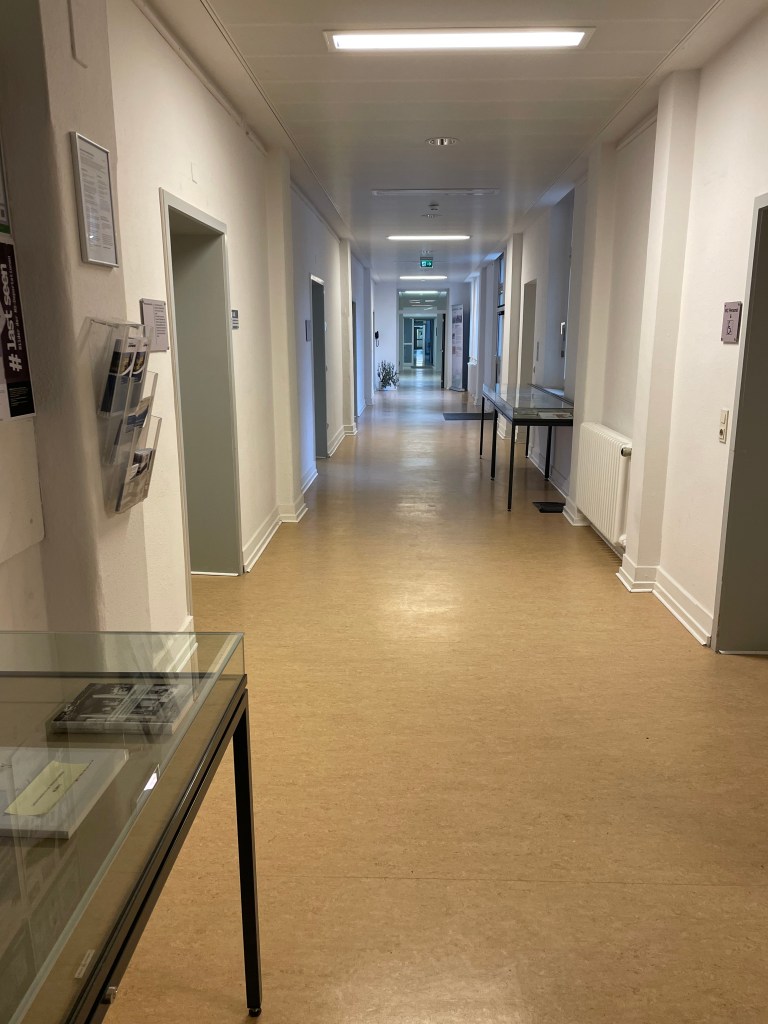
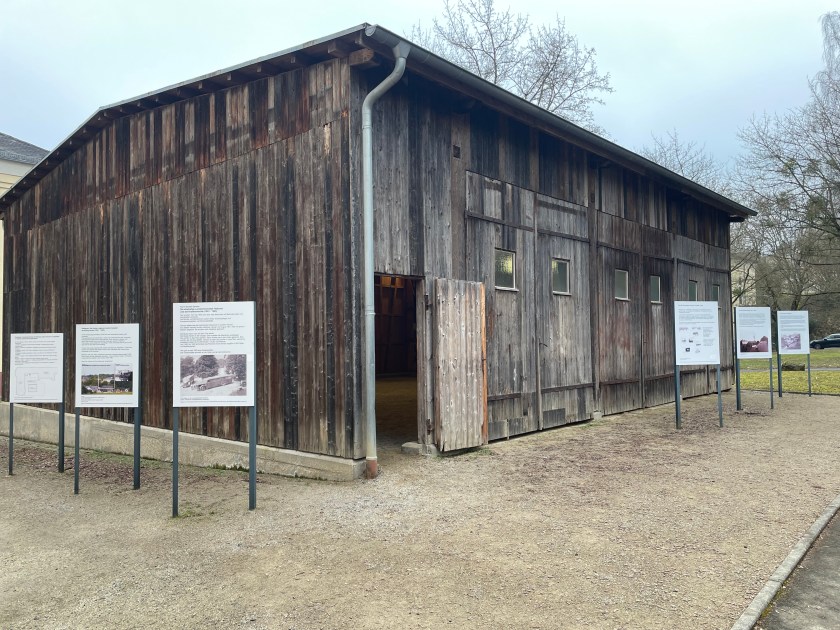

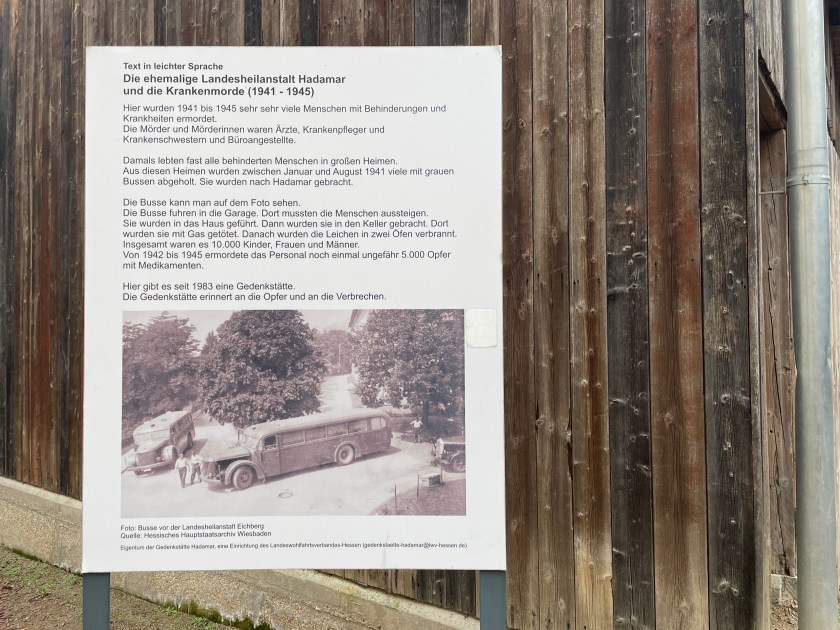
There was room for 3 busses to pull into the barn.

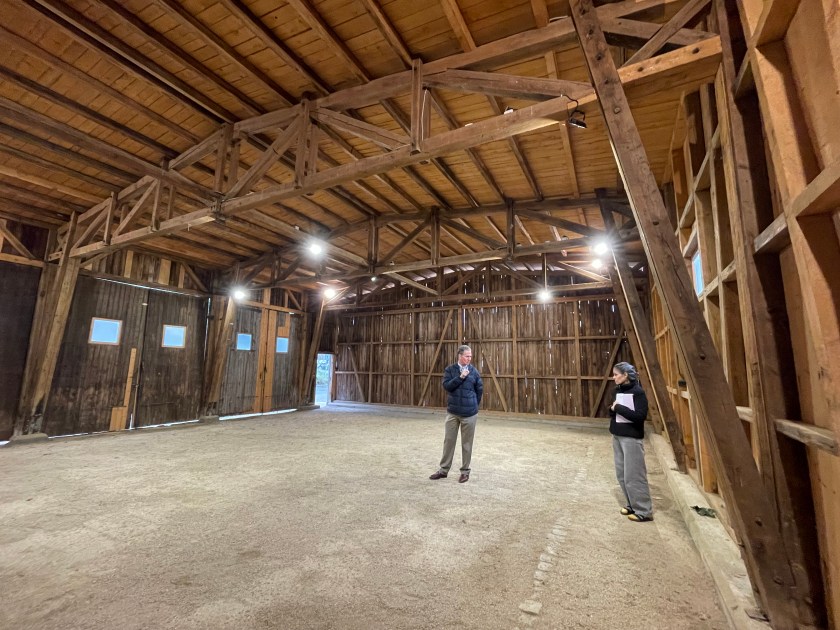
From the barn, they were taken straight into the hospital room where they were stripped before going downstairs to the “showers.”
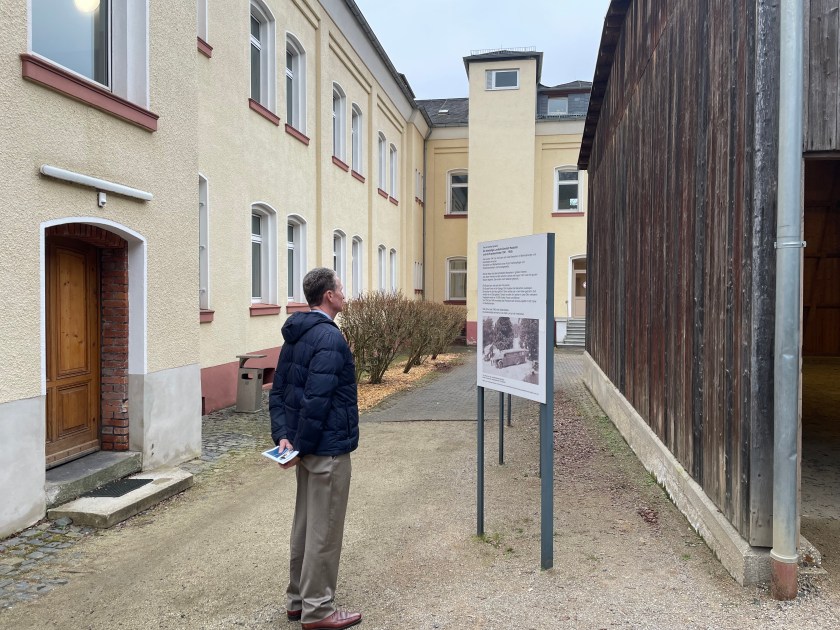
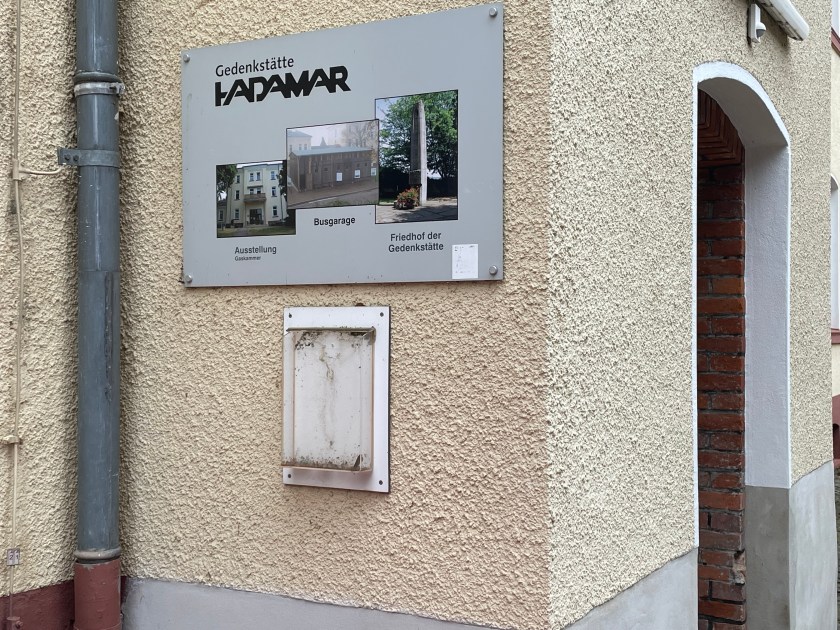

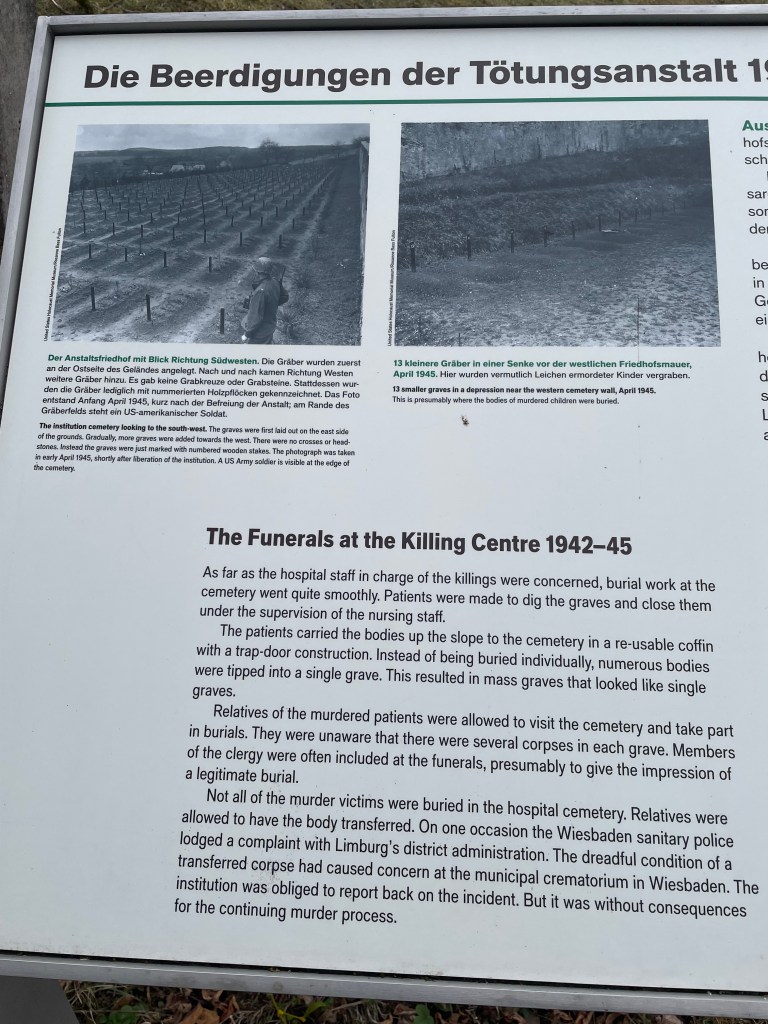
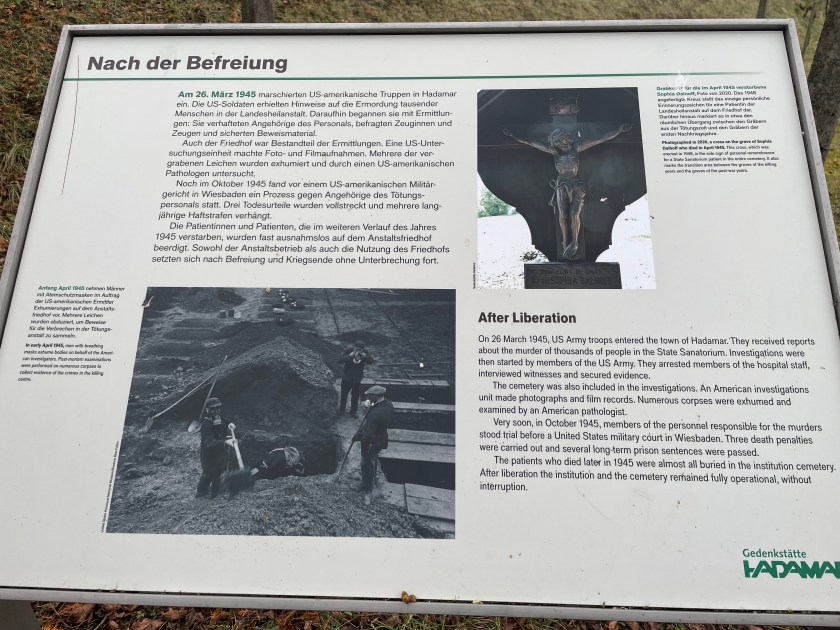
Behind the hospital on the hill is the cemetery. The hospital created fake death certificates to send to the families. Usually the cause of death was listed as TB. Sometimes an urn of ashes was sent to the family, telling the family their loved one had been cremated.
Sometimes they invited a family here for a “funeral.” Deep pits were dug and the coffin had a drop door underneath so the (random) body could be dropped into the mass grave pit after the family left. The families never saw the bodies of their loved ones.

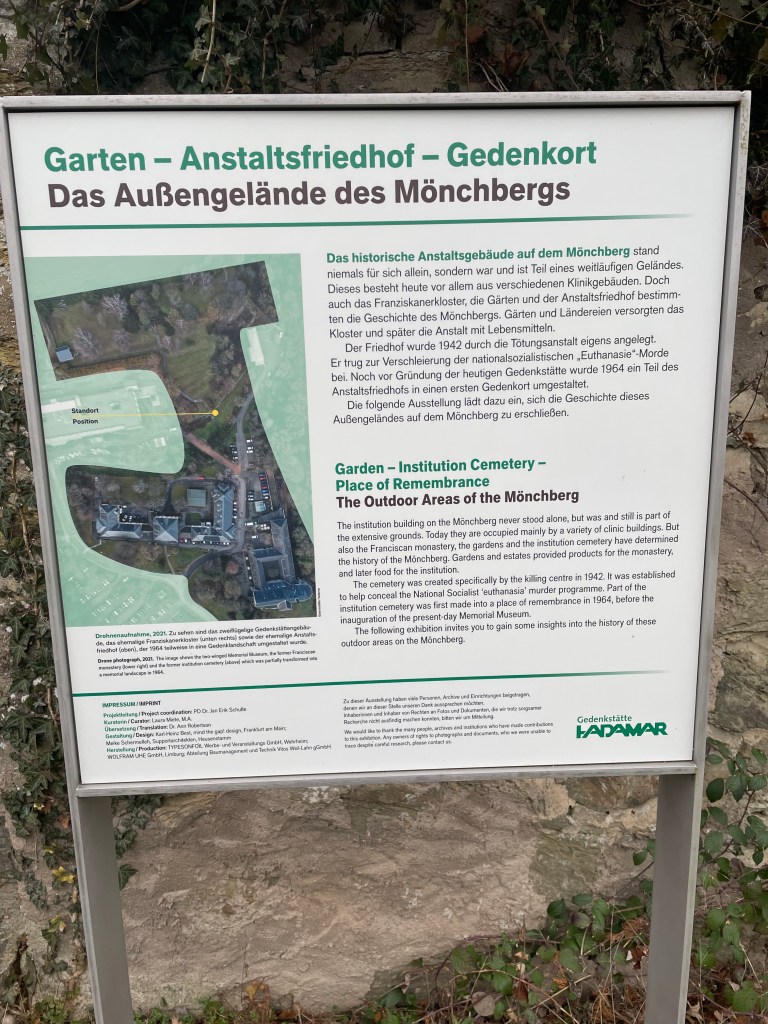
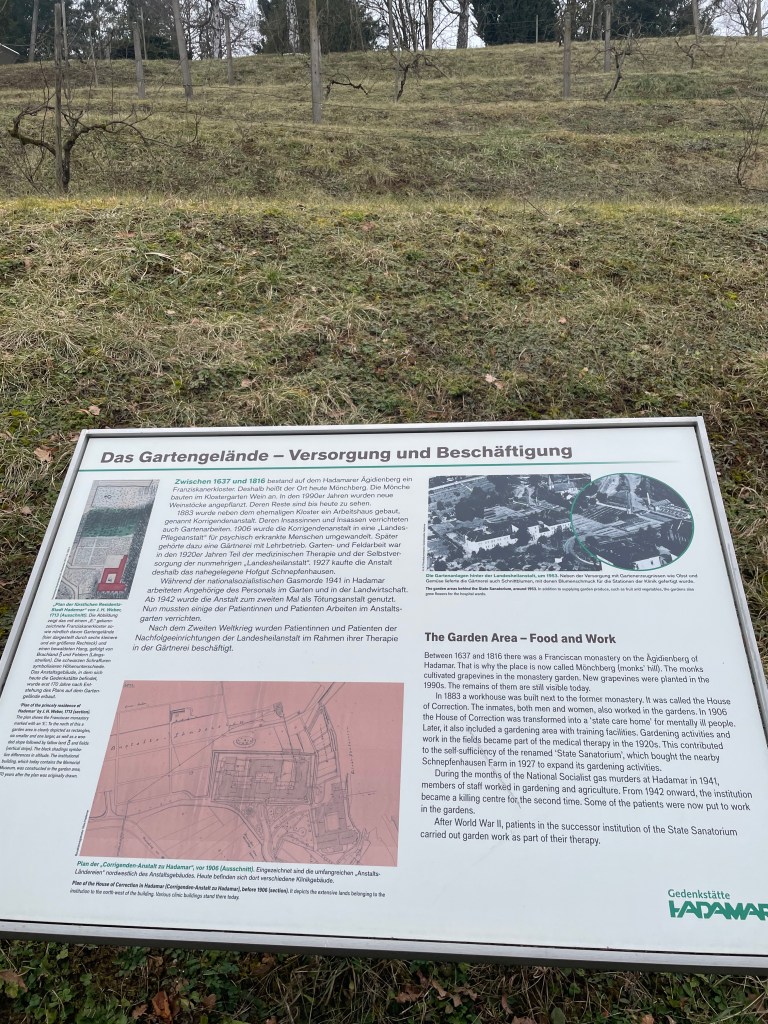
After 1941, the killings stopped for a time, then resumed, but this time the patients were not gassed, they were killed by lethal injection or starved to death. The patients were considered “unworthy of living” or a drain on society.
After the war, a ledger book was found at Schloss Hartheim showing calculations made for how much money was saved by killing rather than by feeding or caring for these patients.
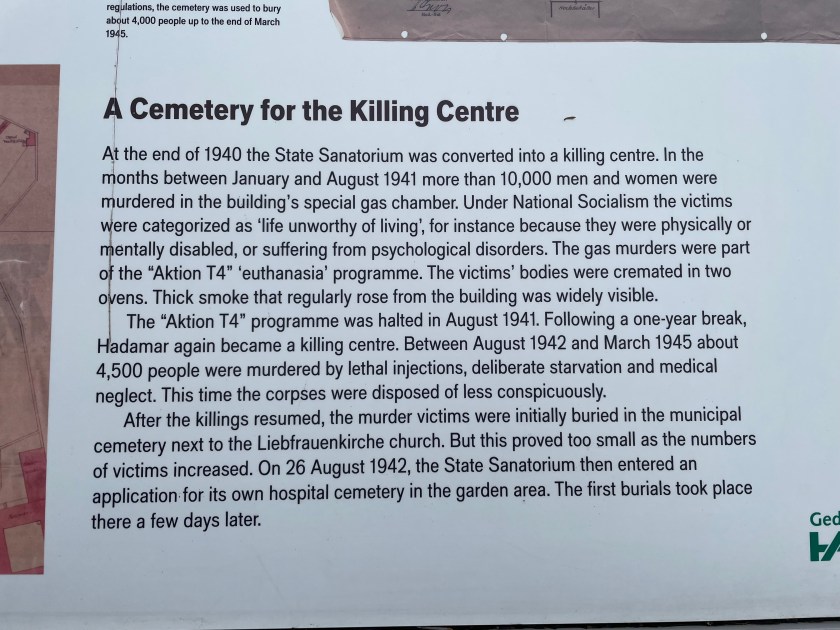
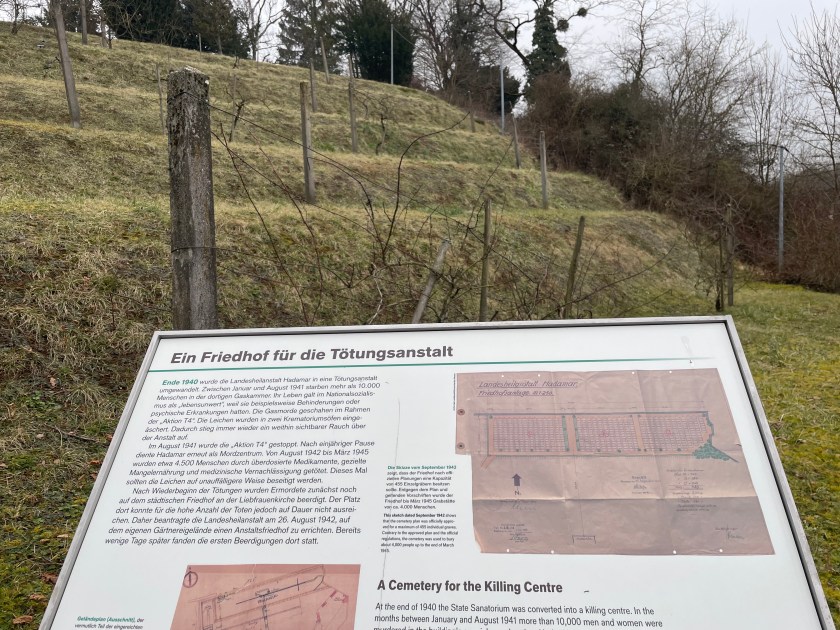
Read about the funerals below:
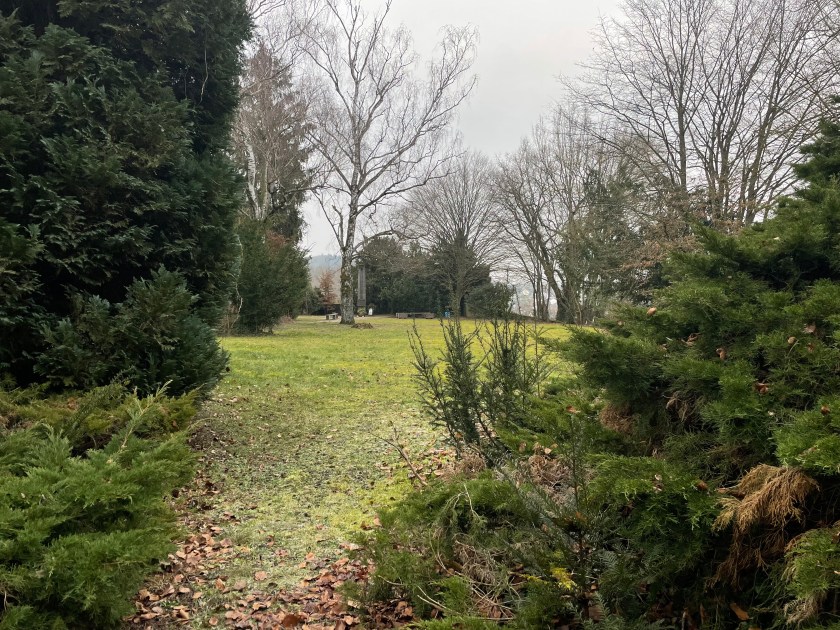
Today the cemetery on the hill is a quiet peaceful place with moss-covered memorial stones and a few markers.
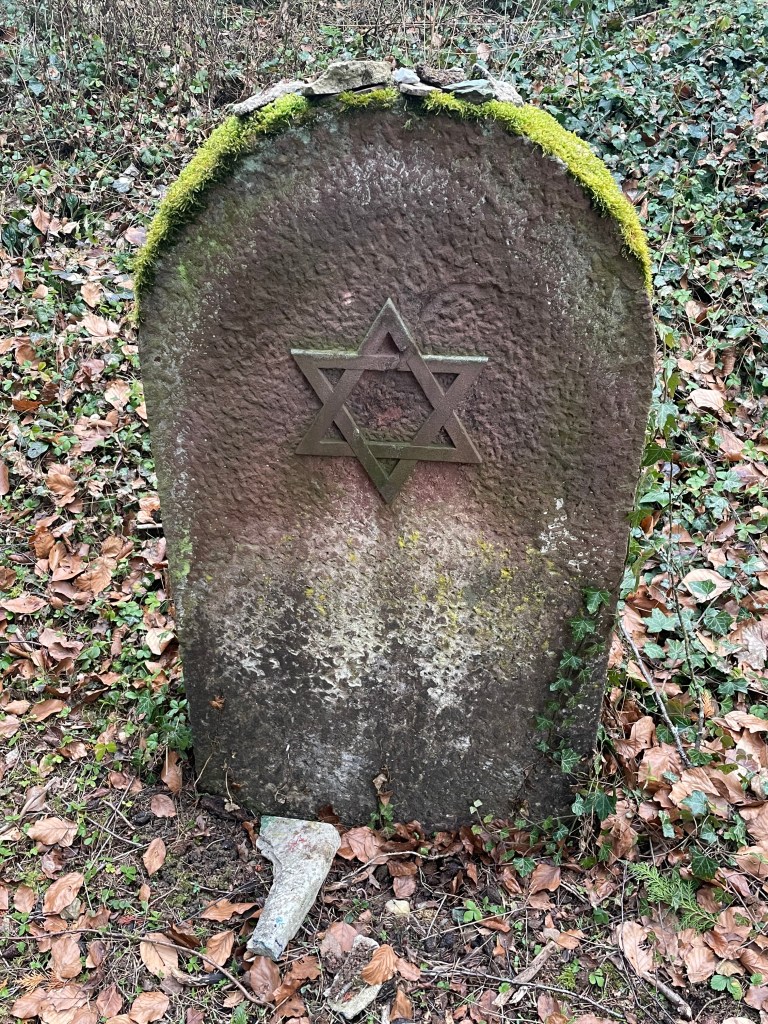
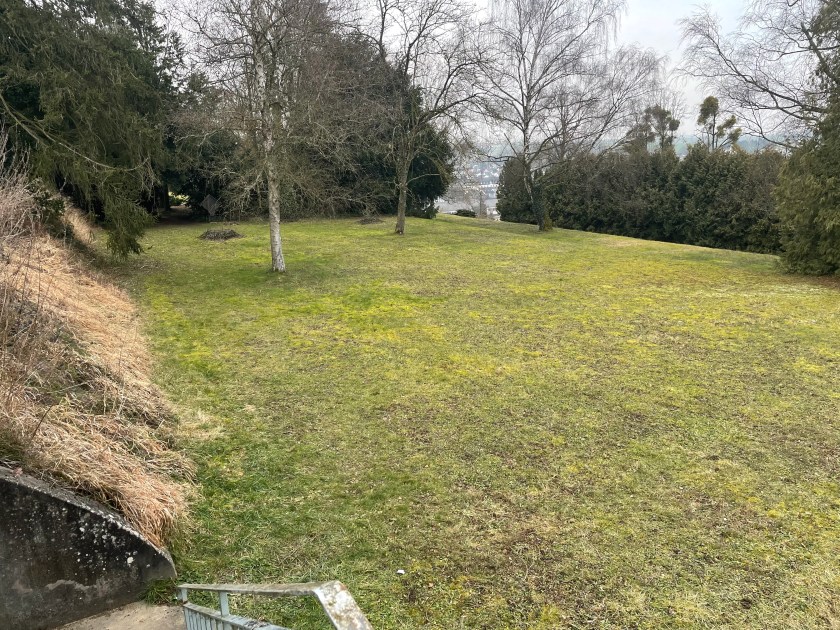
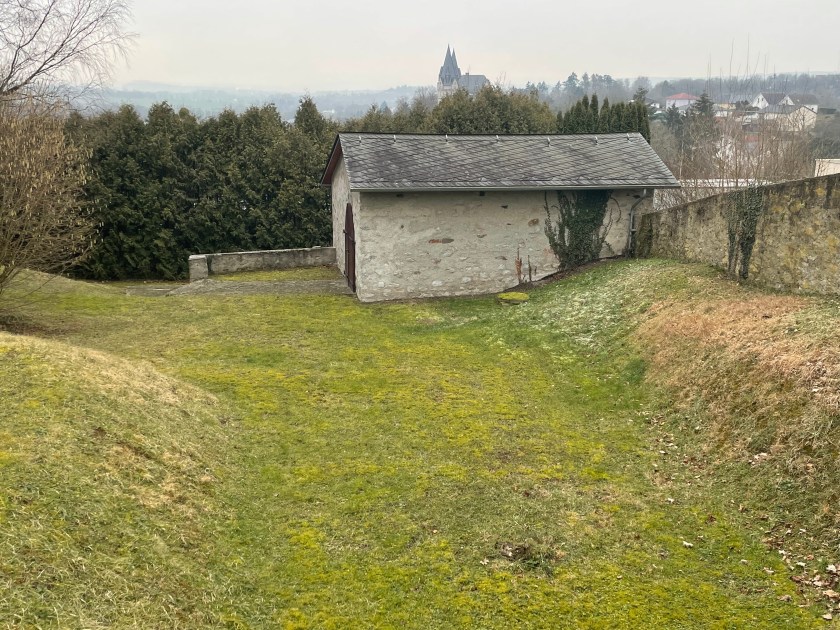
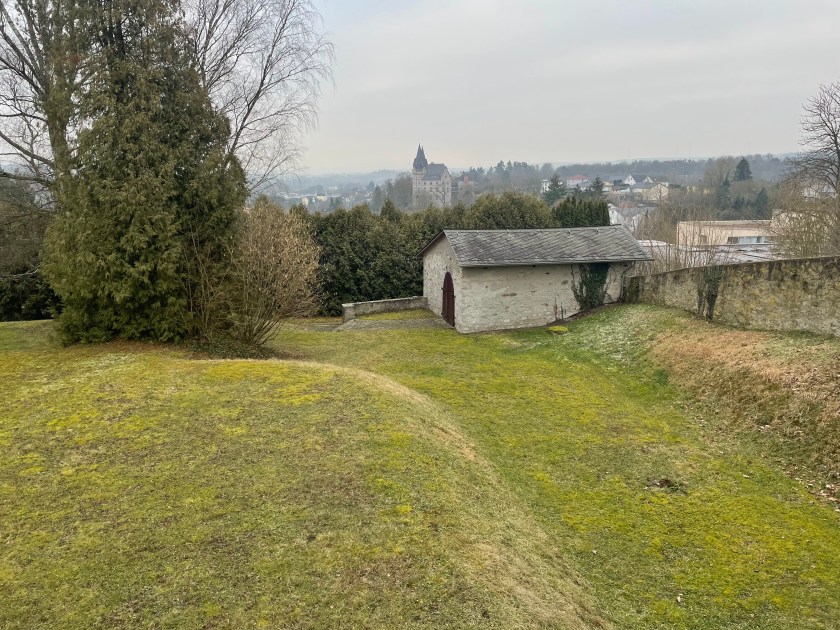

Mensch achten Menschen = People respect people.
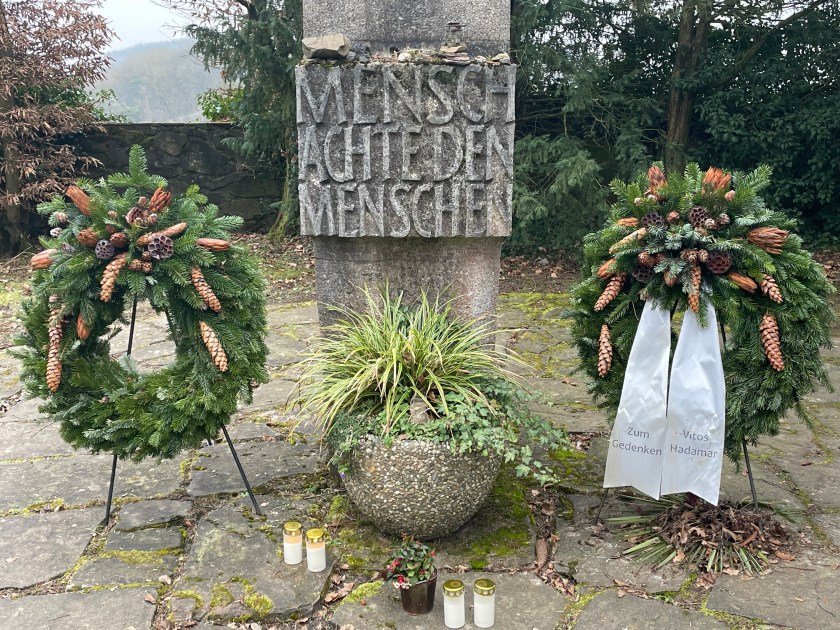
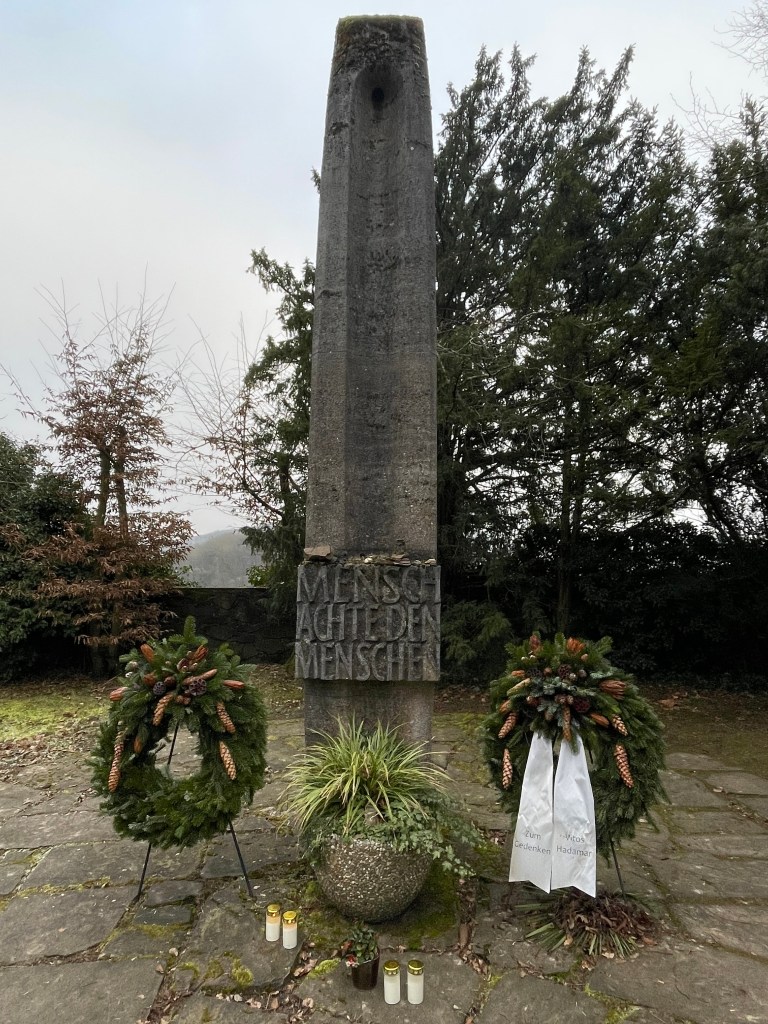
What a lot of emotions we felt here today. Mostly sadness for the innocents. Someday all will be made right. They are at peace now.
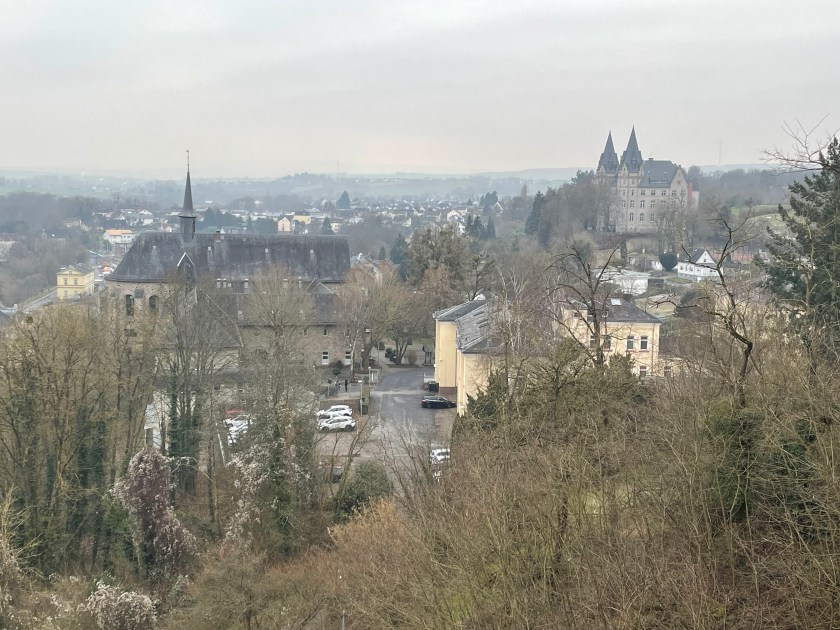
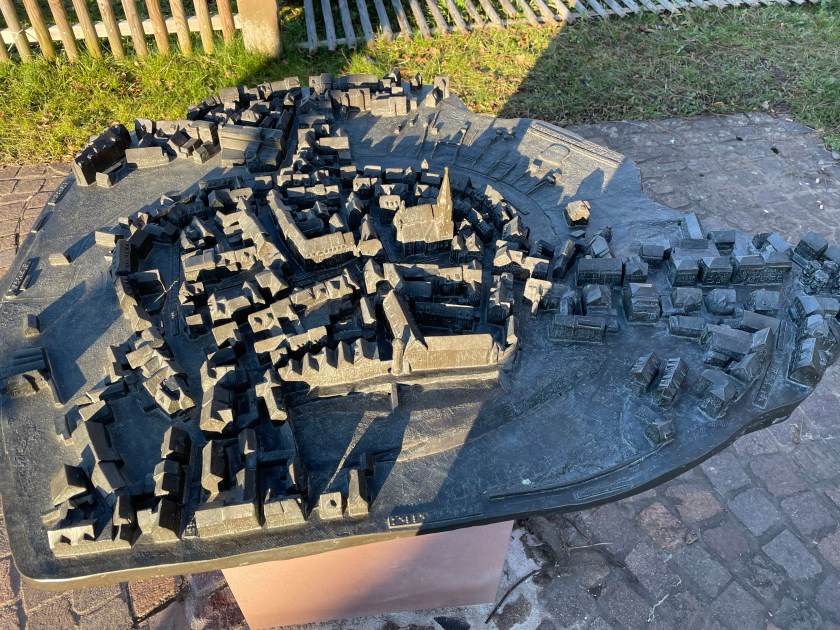
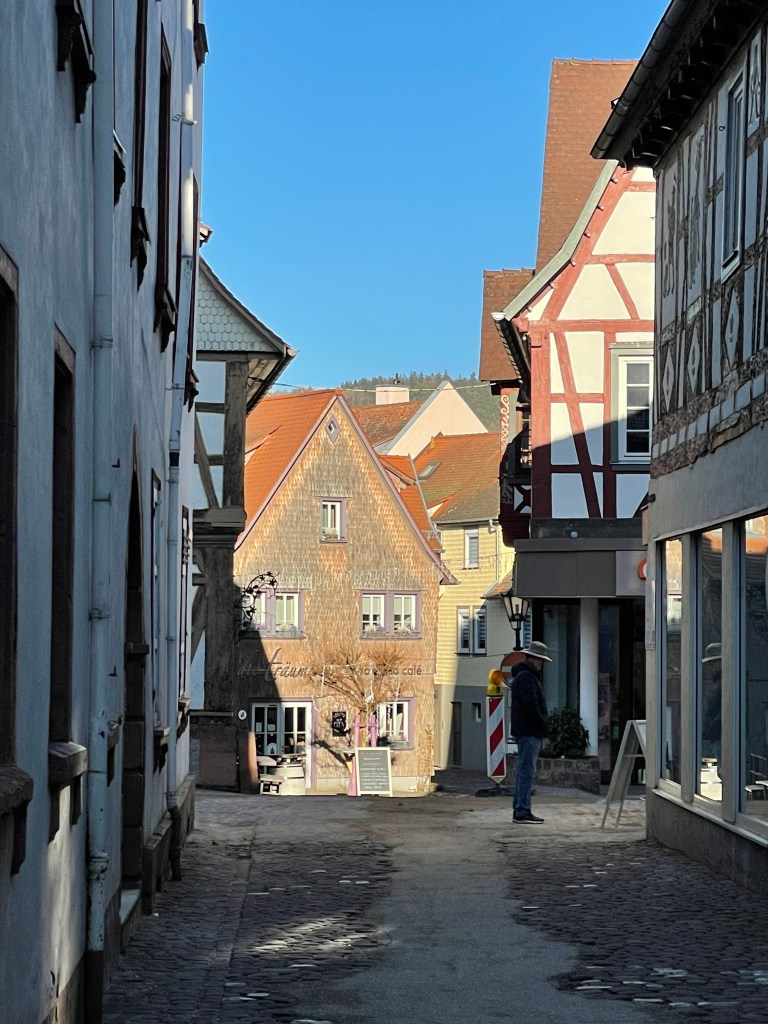
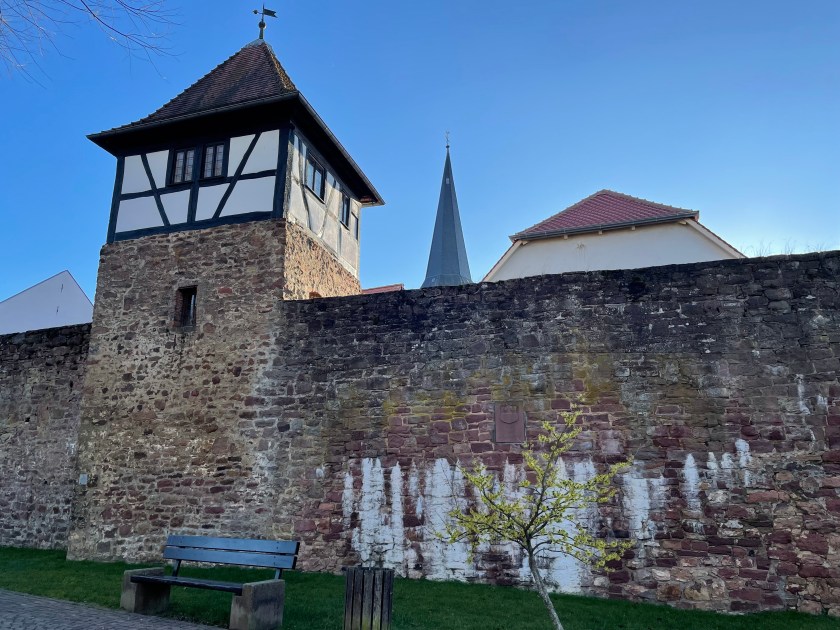
Here is Michelstadt’s Old Town. We’ve been hoping to return here in the day time to take a look at the town without a Christmas Market going on. Today we finished our day here, wandering and enjoying this beautiful gem of a place.
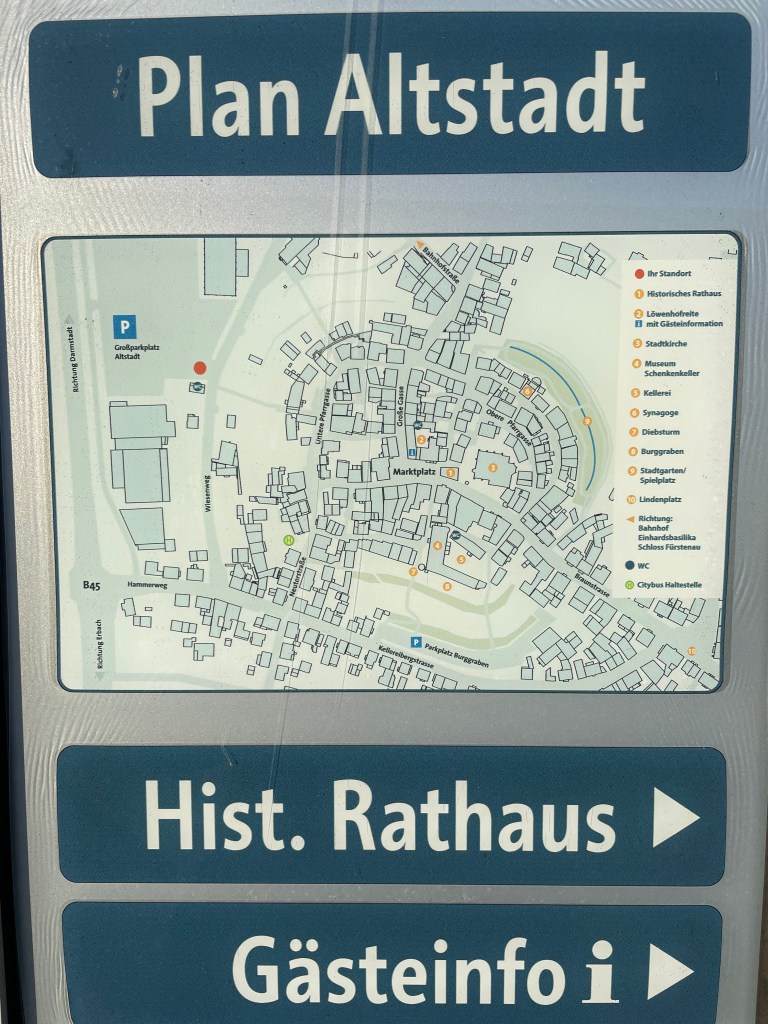
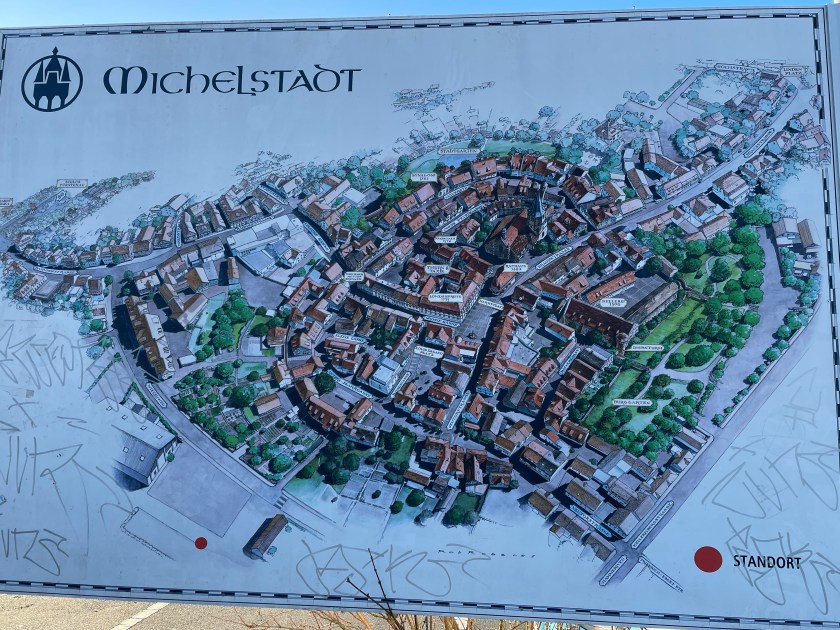
I love old walled medieval towns like Michelstadt. You can feel how the walls hug and protect those living inside.

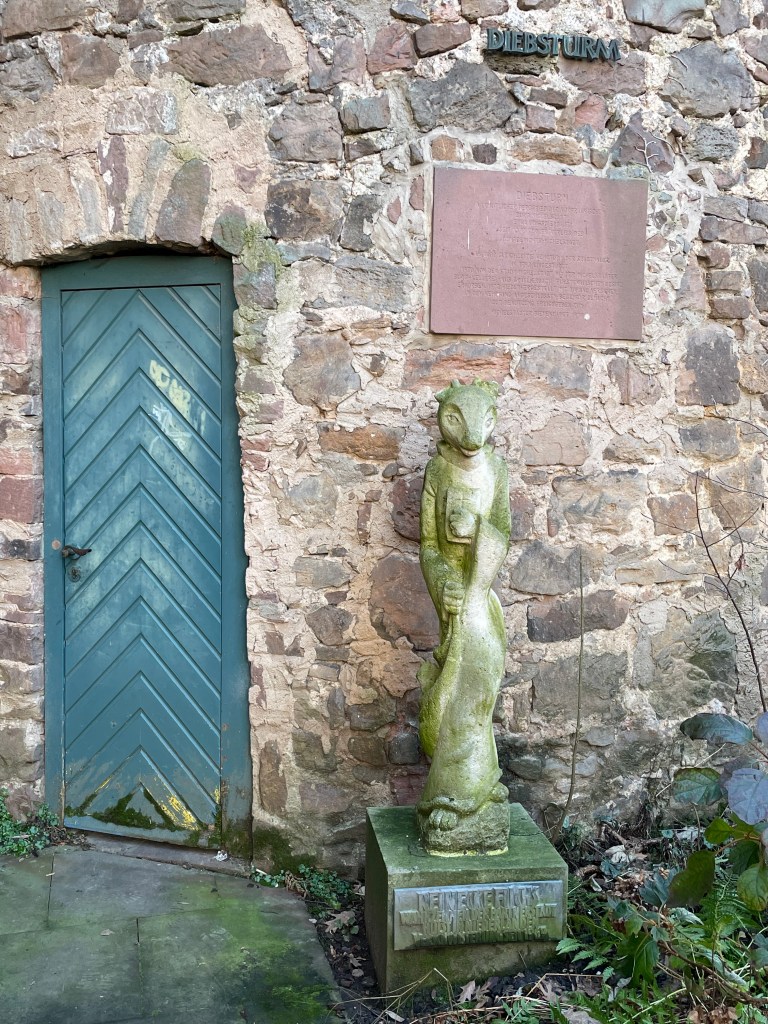
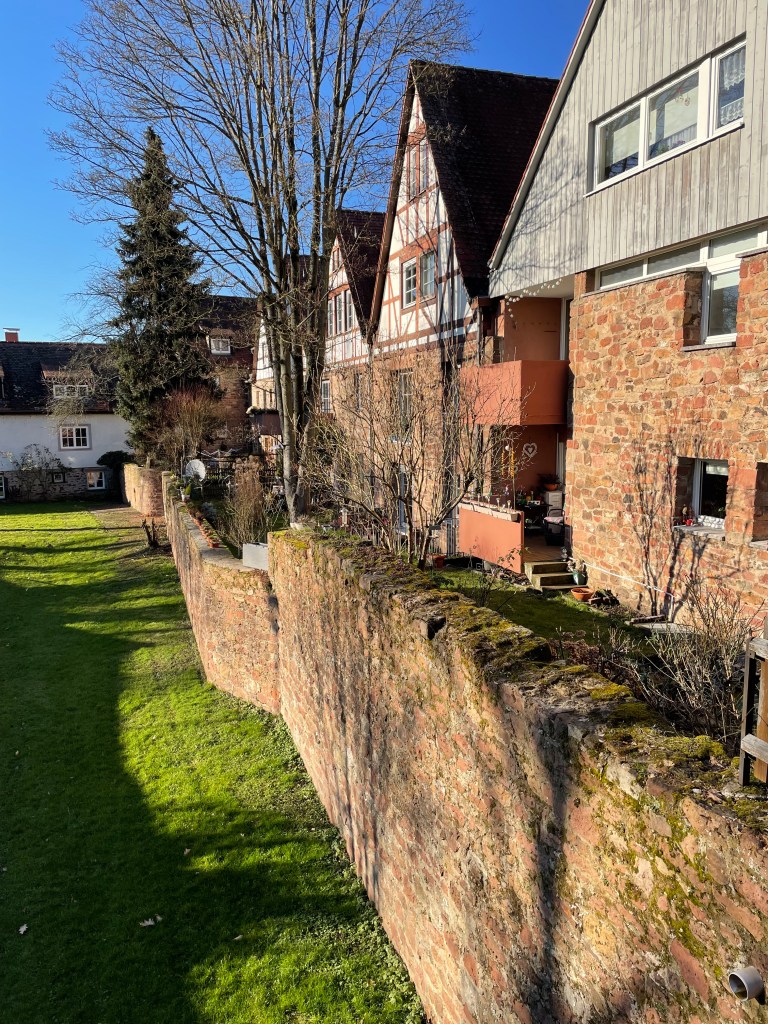
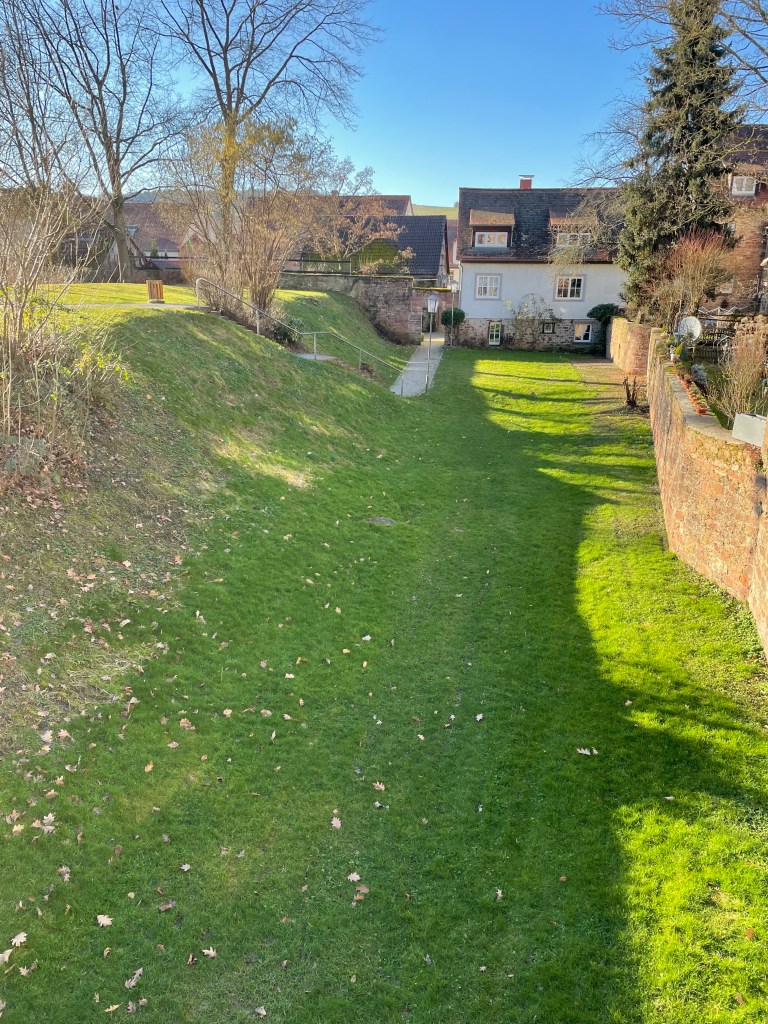
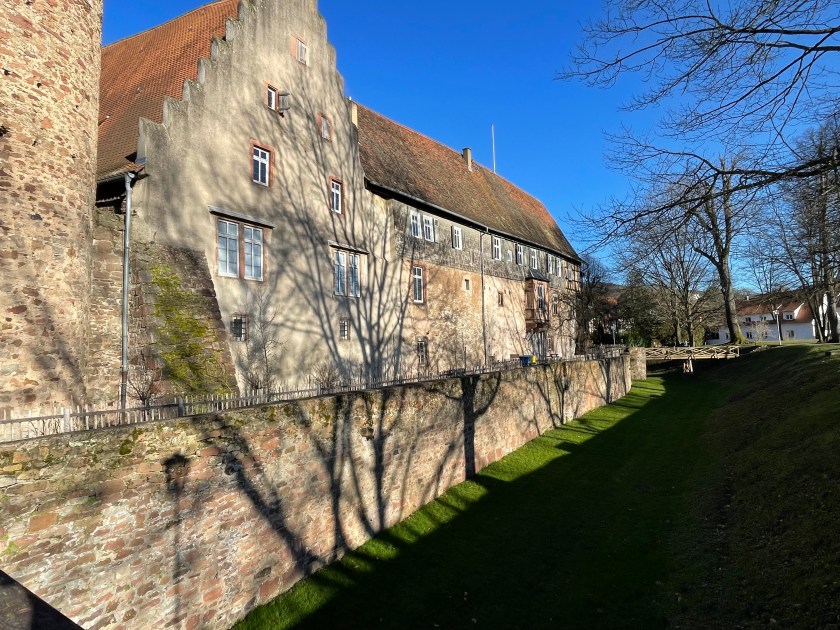
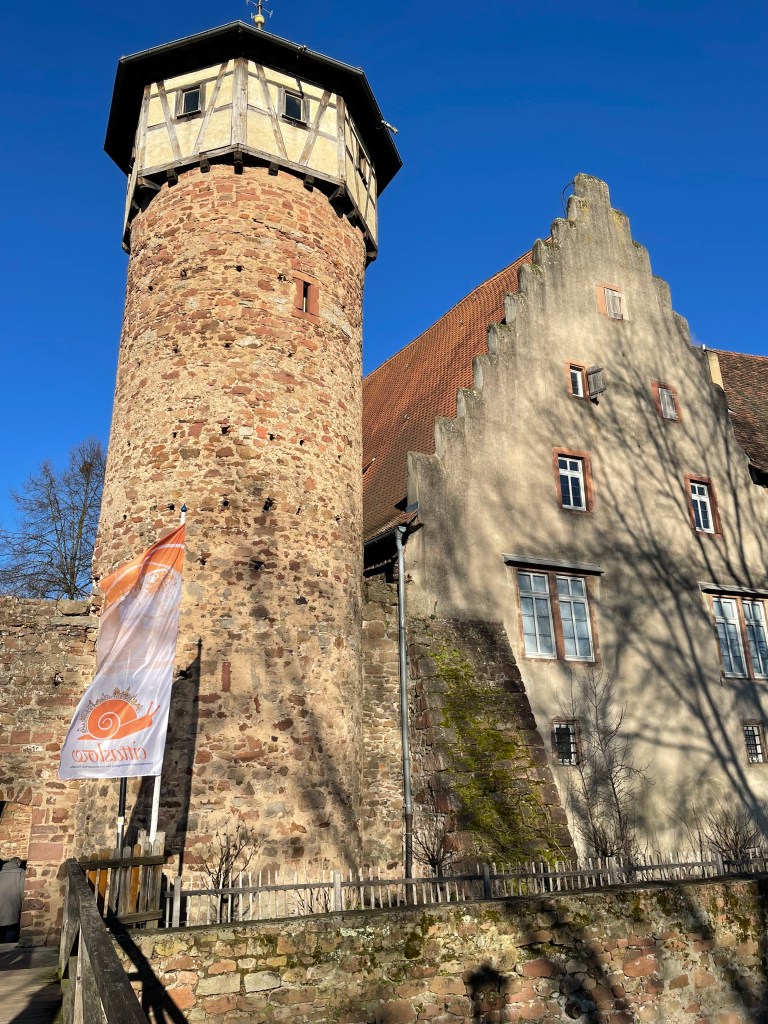
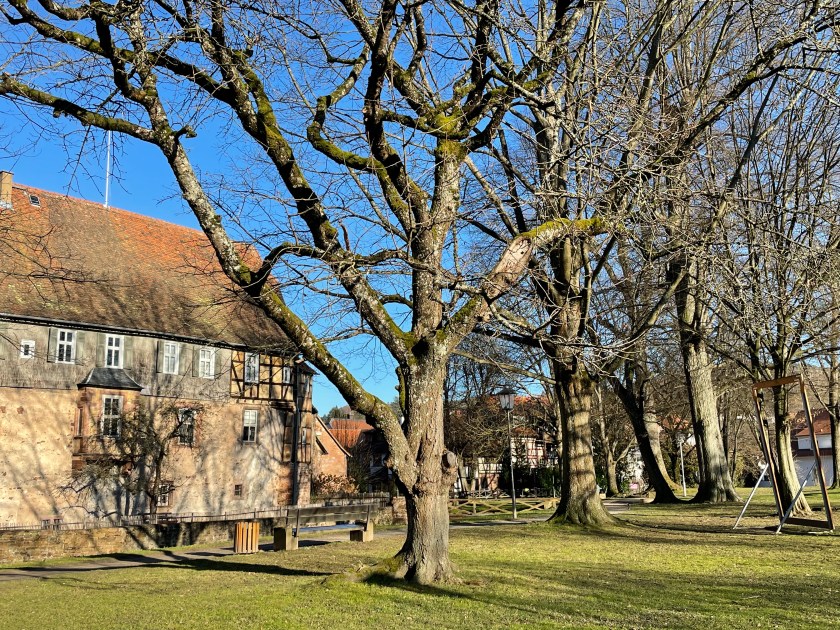
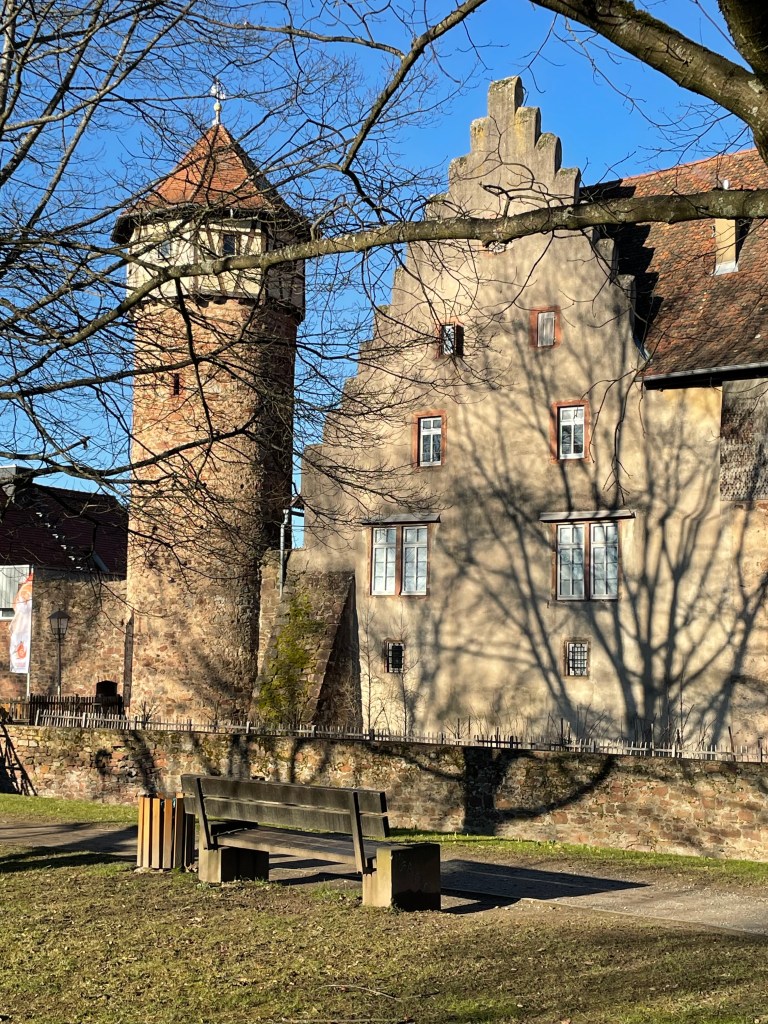

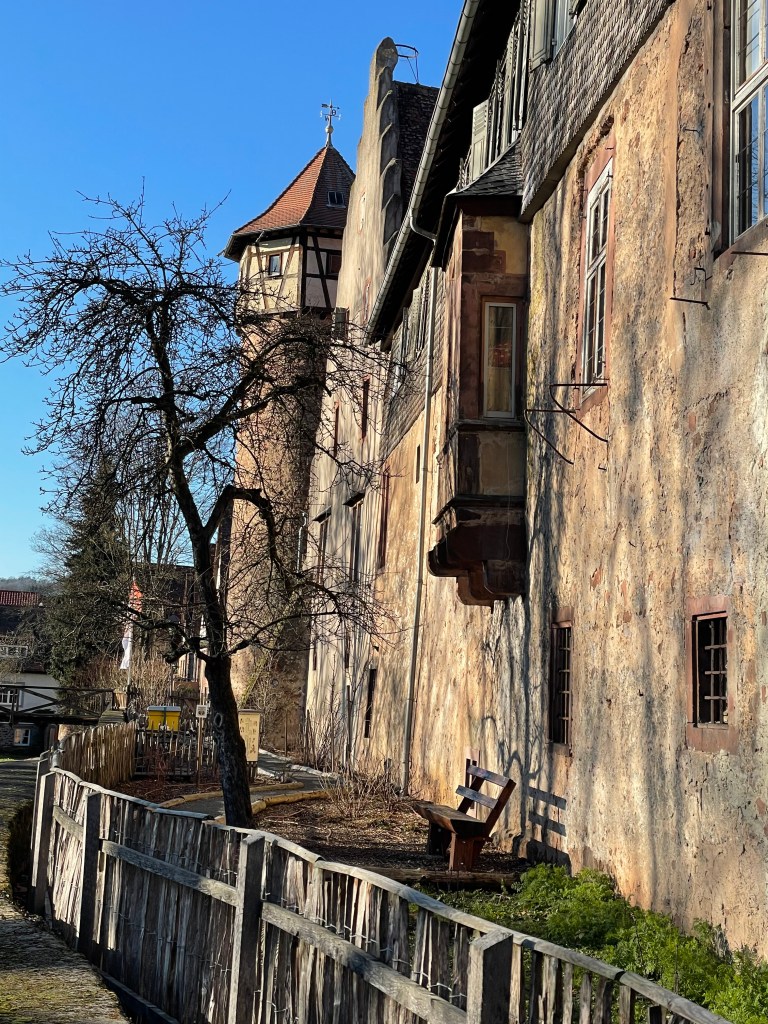
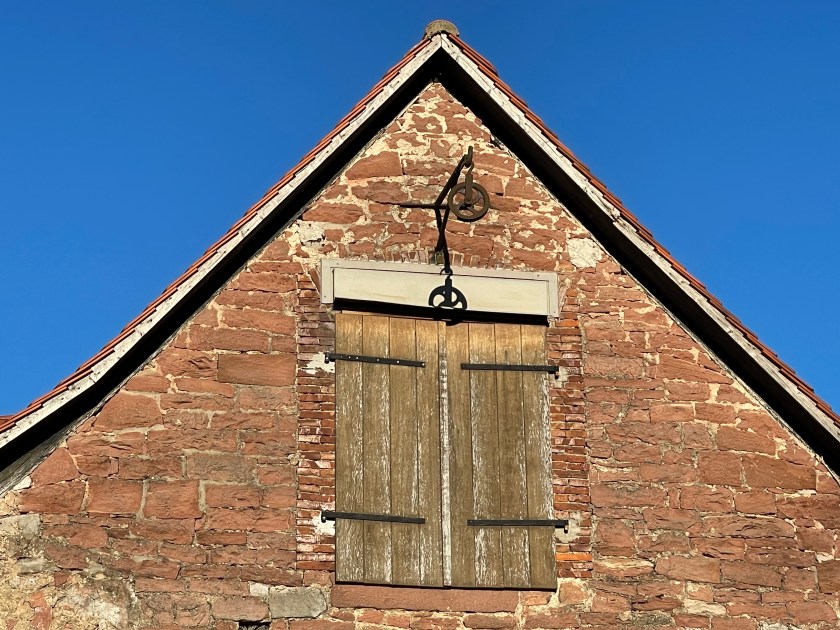
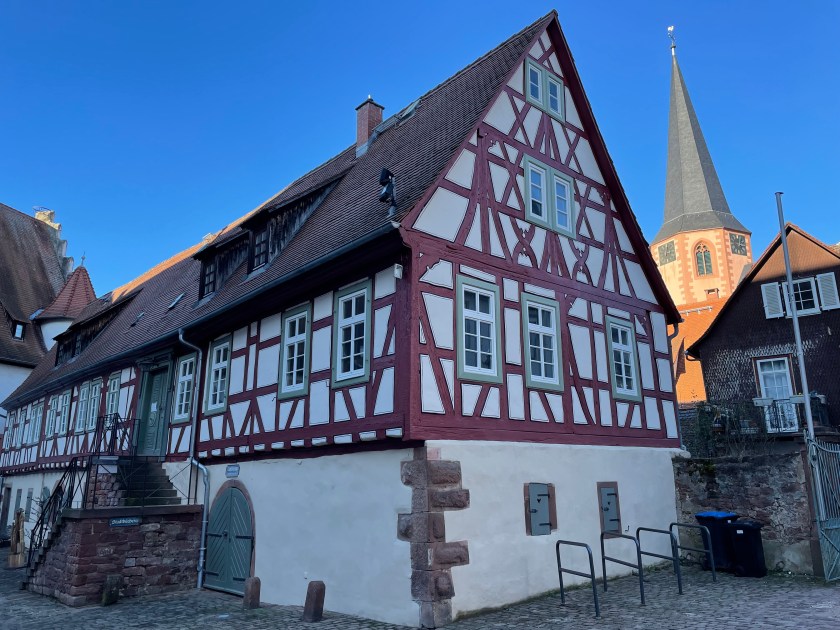
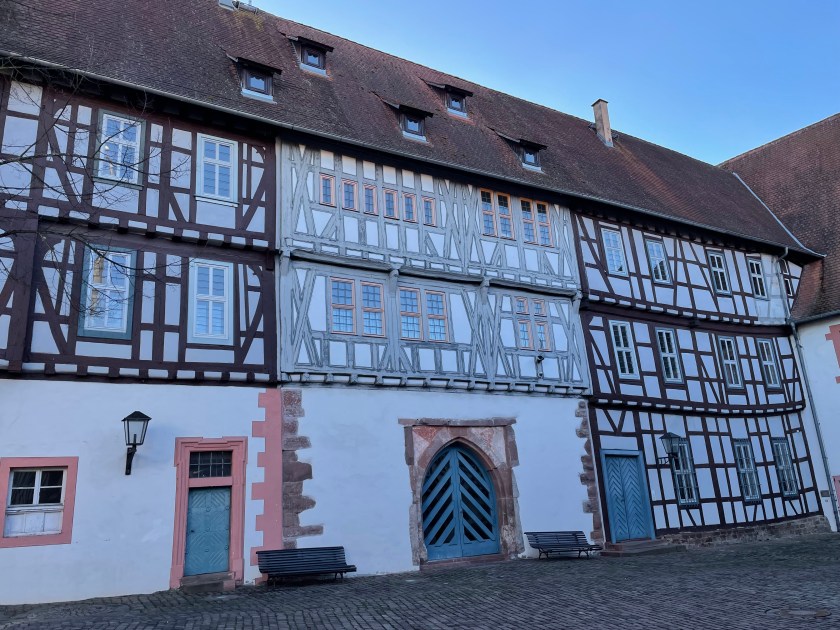
These squares and open areas were filled with Christmas Market stalls when we were last here.


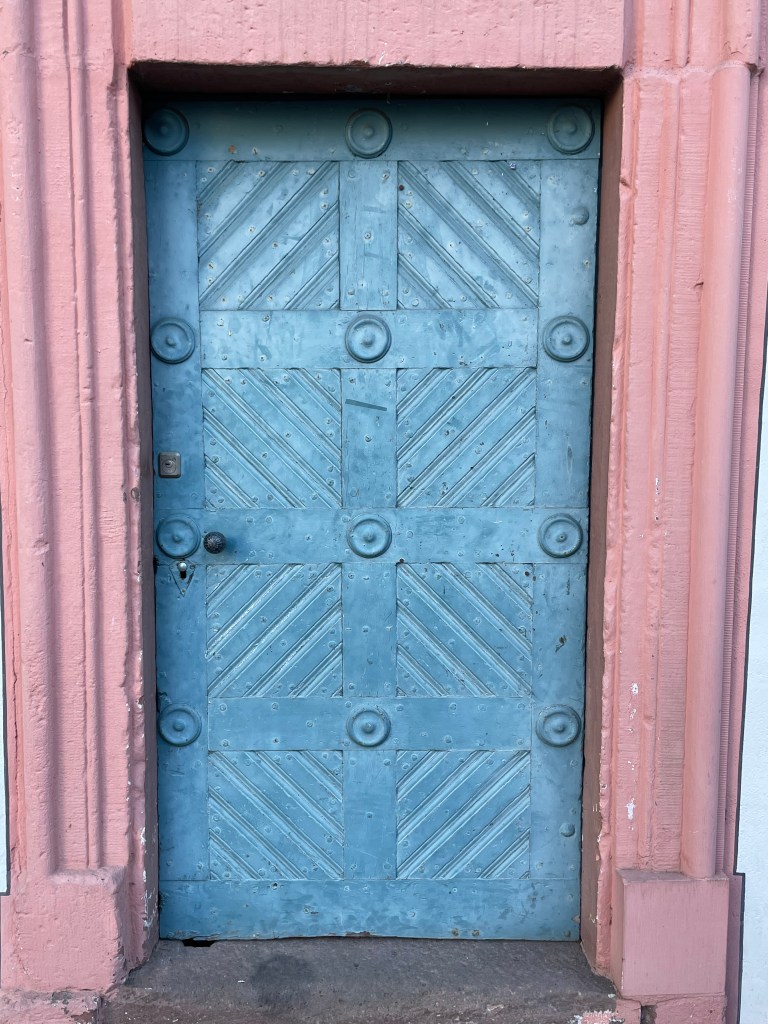
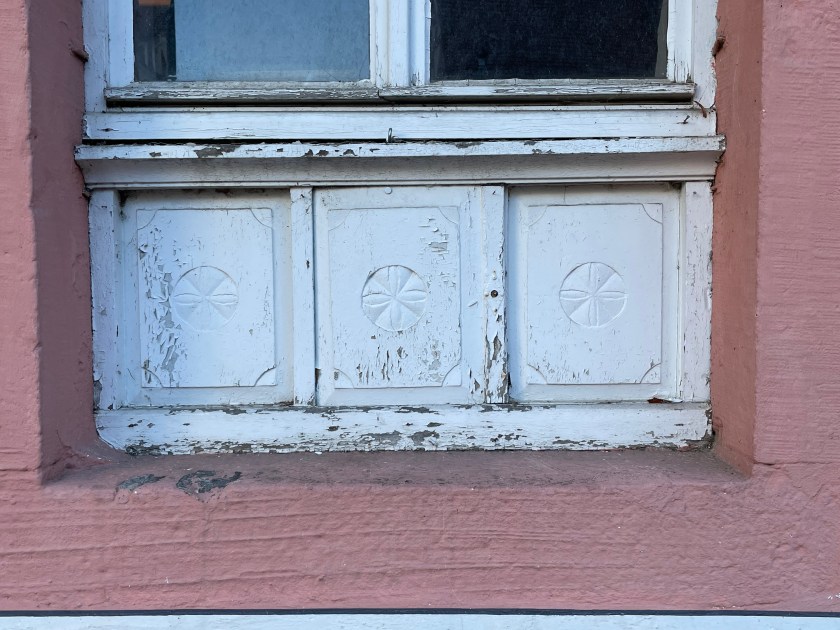



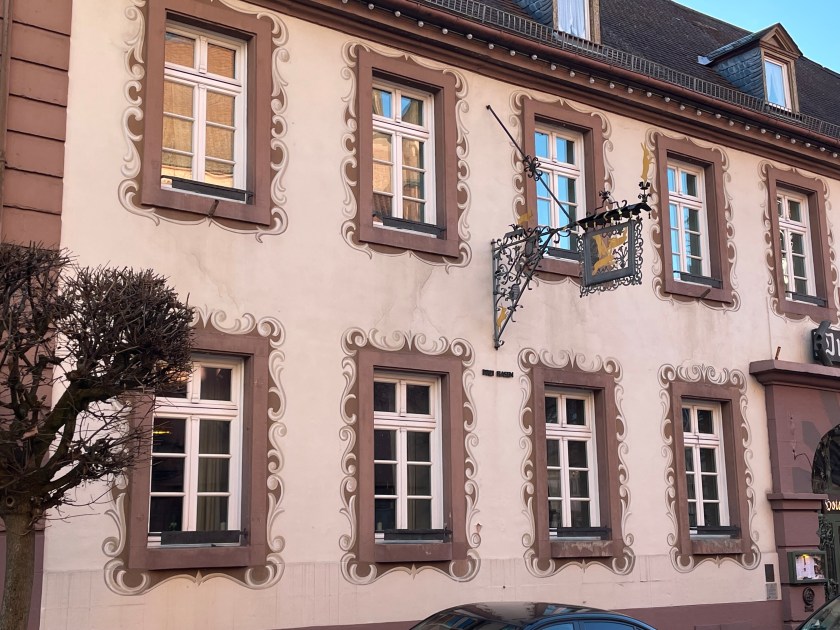
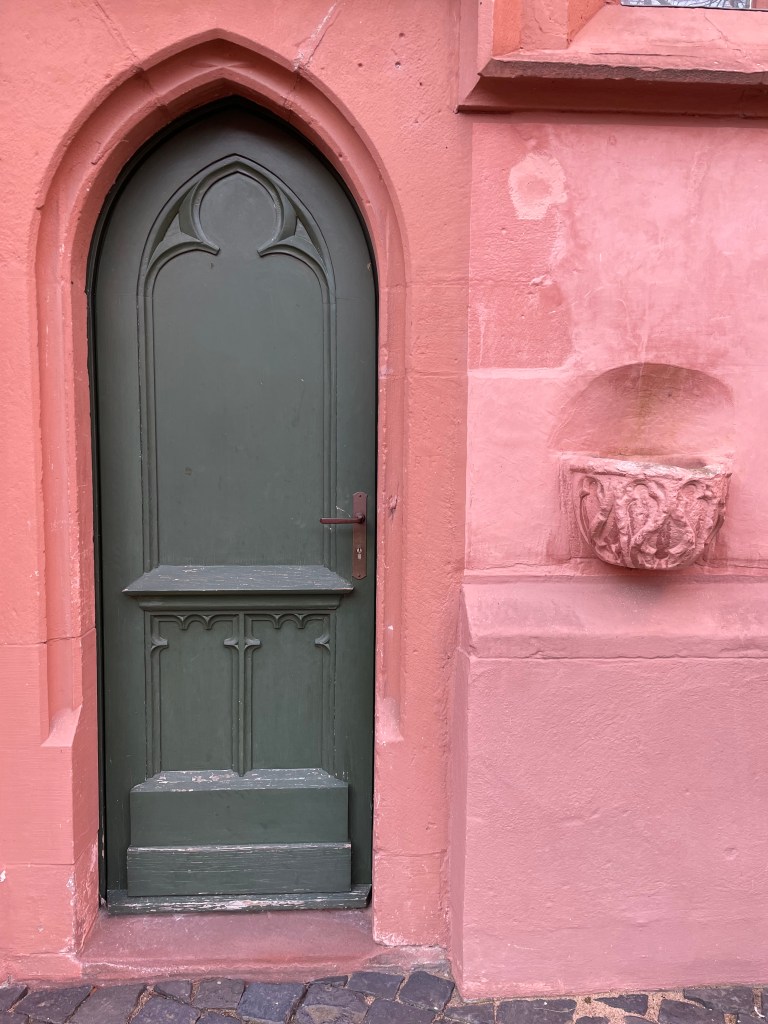
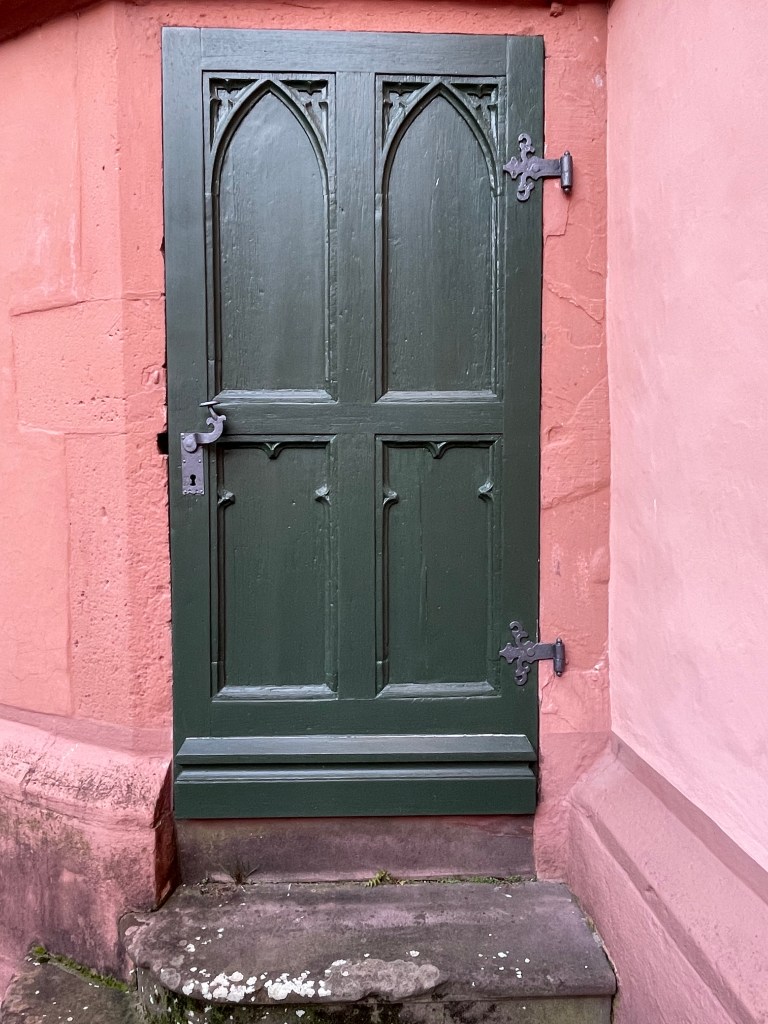
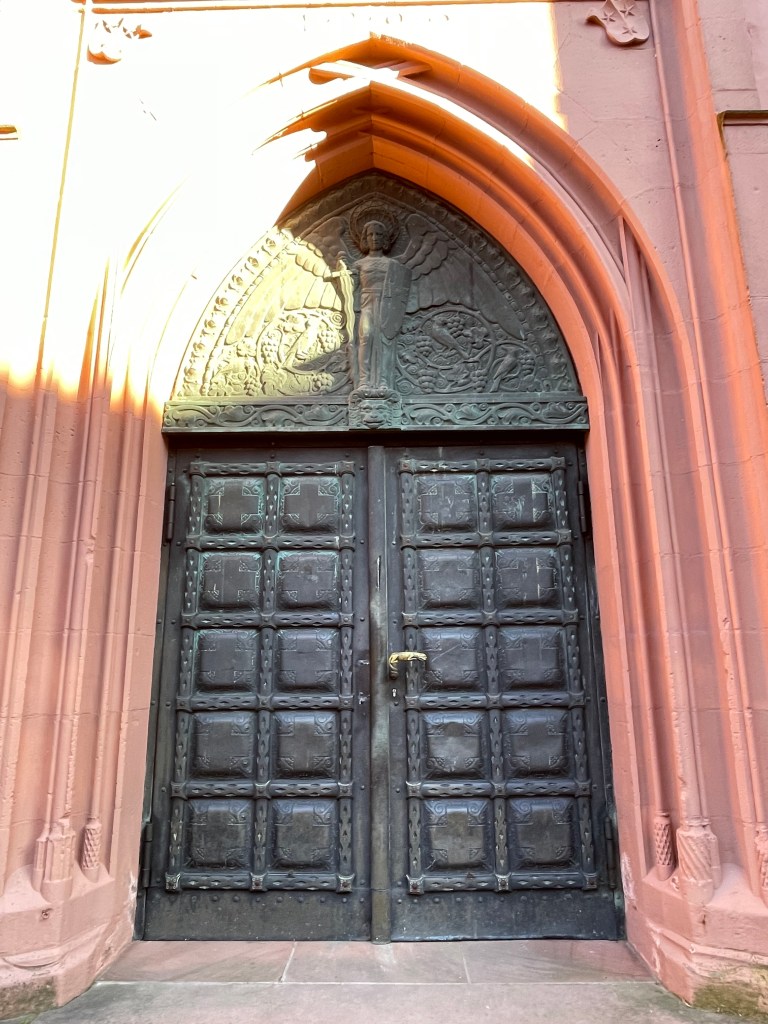
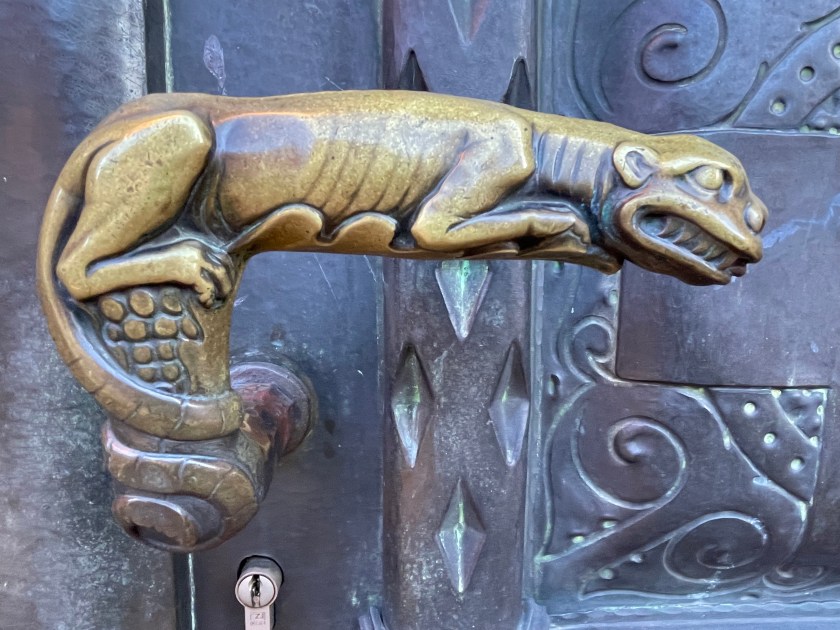
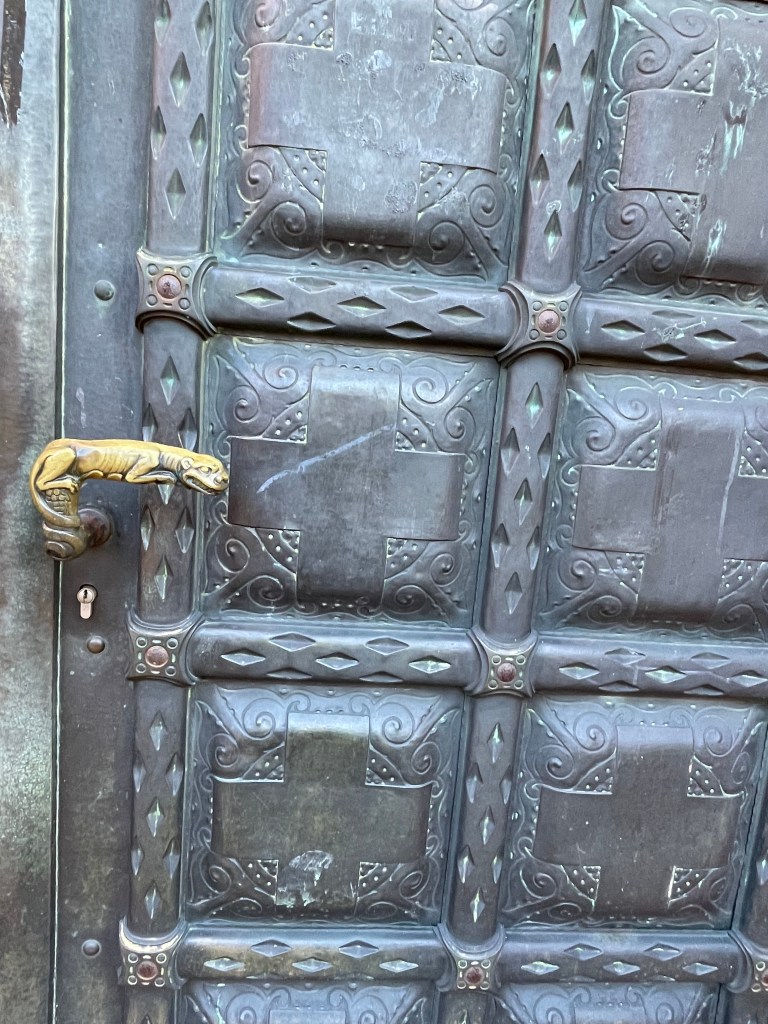
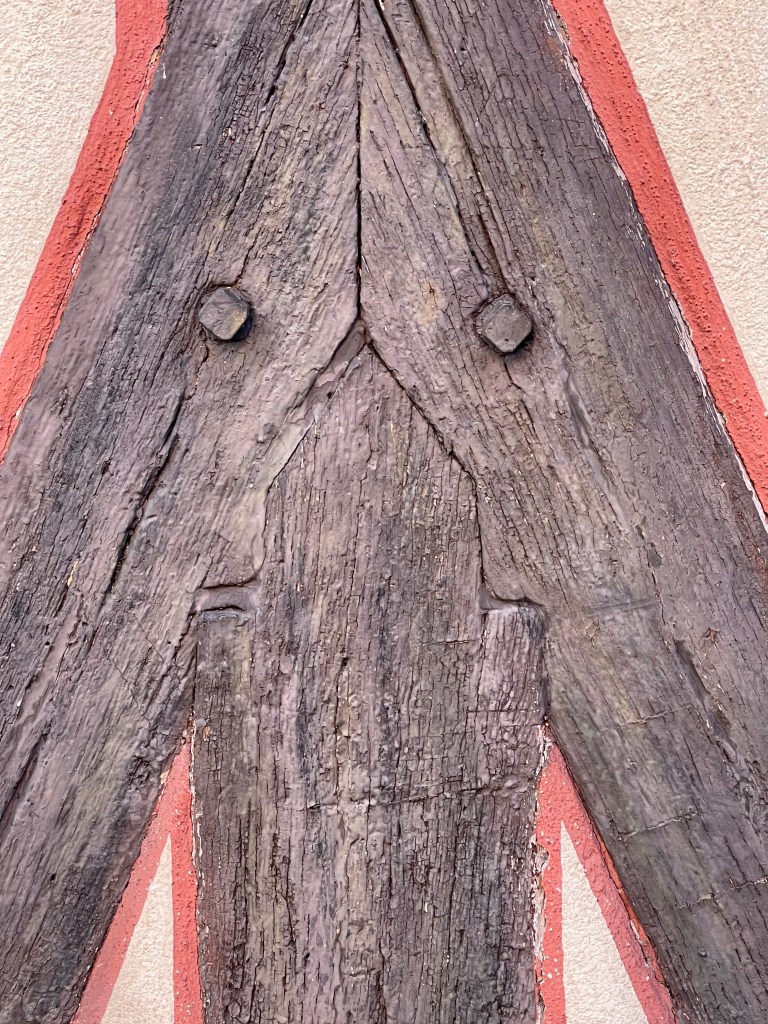
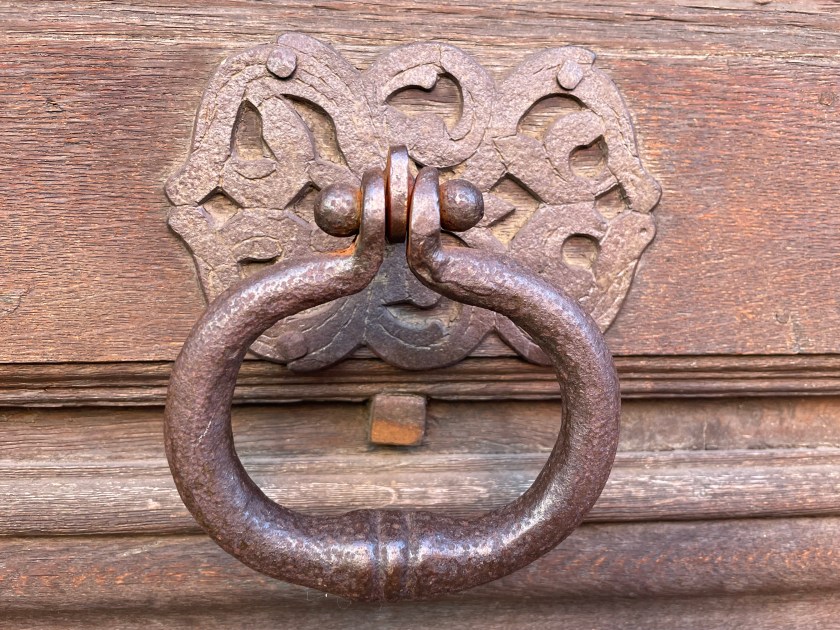
Details:


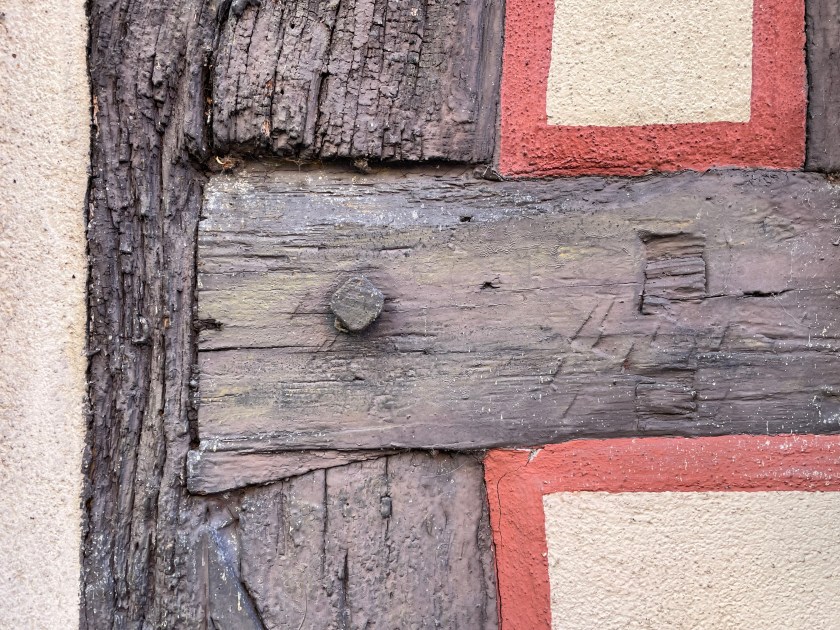
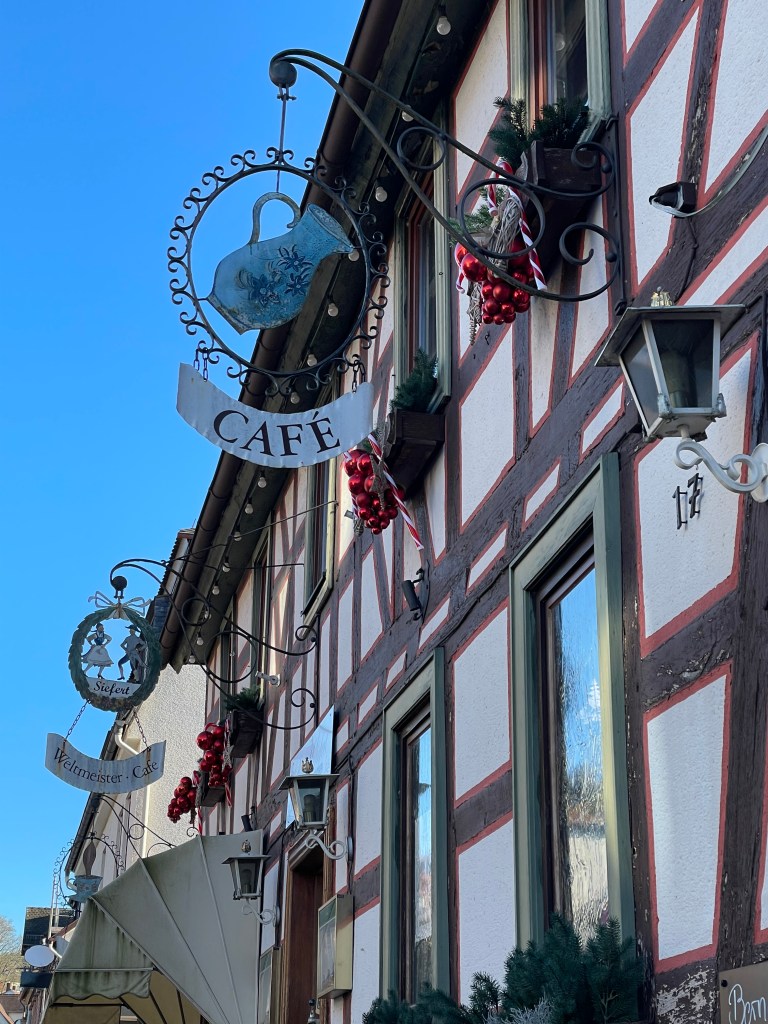
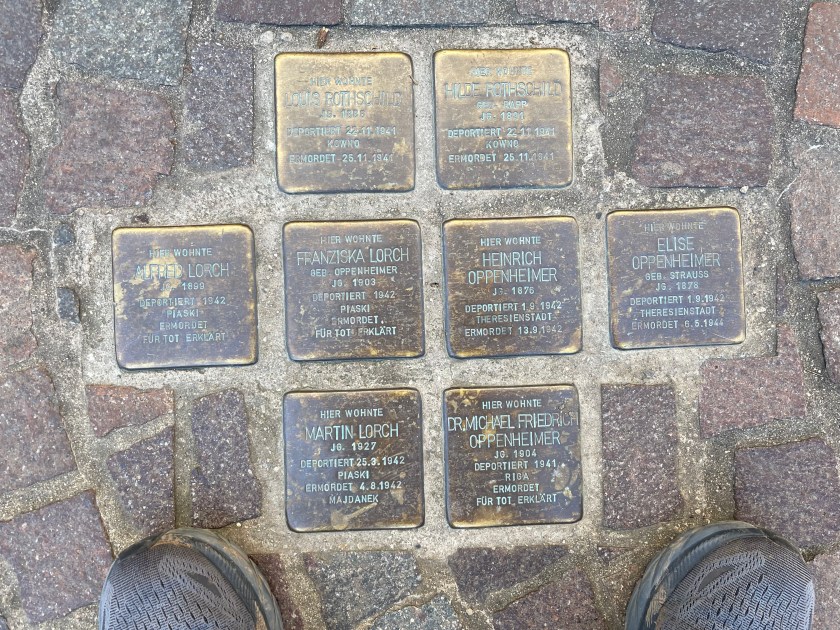
Tragedy:
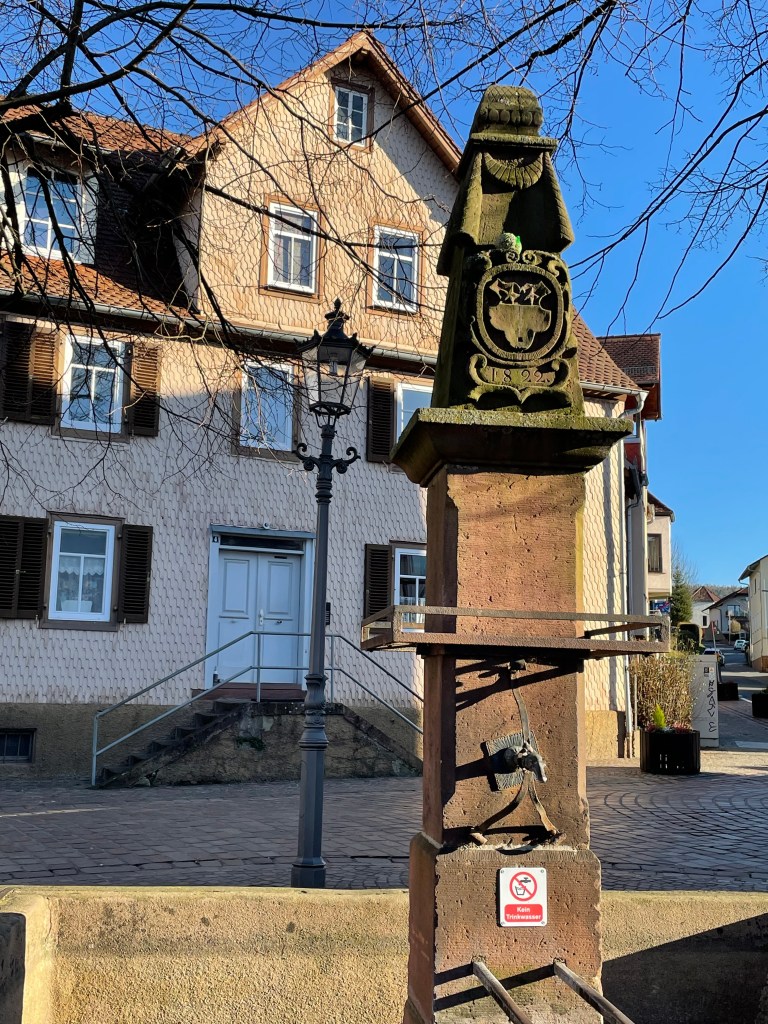
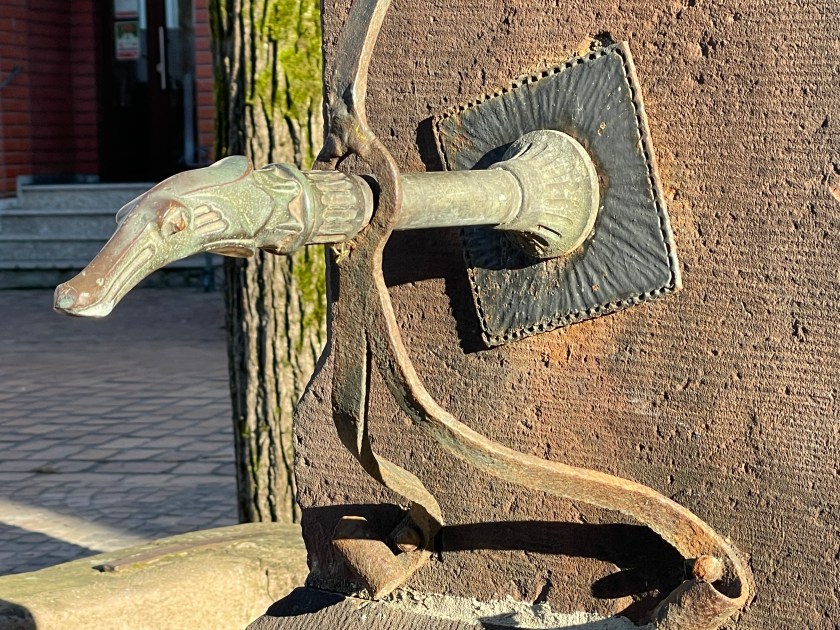
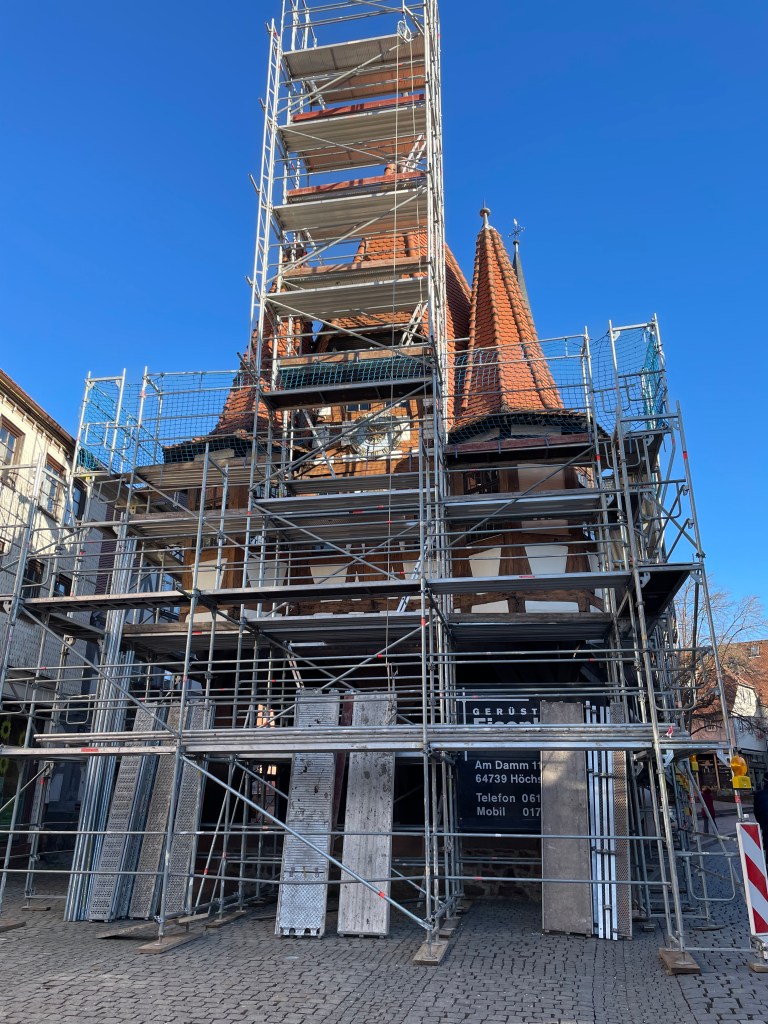
There was a lot of construction going on in the streets and here at the famous old Rathaus.
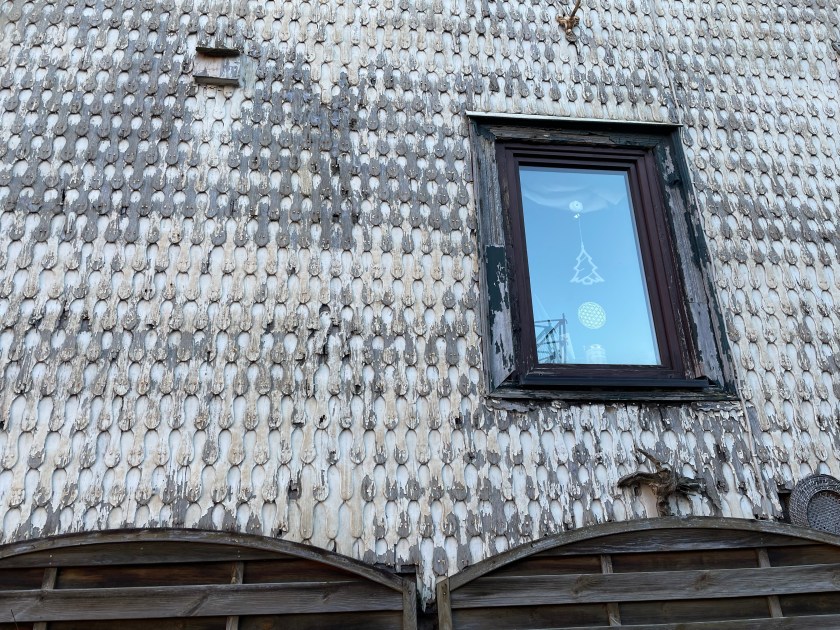
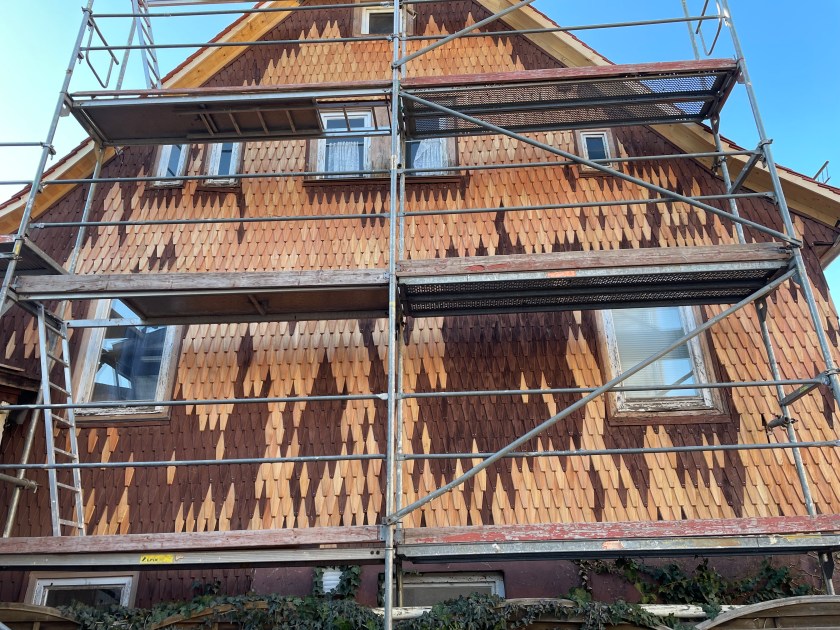
All murdered:
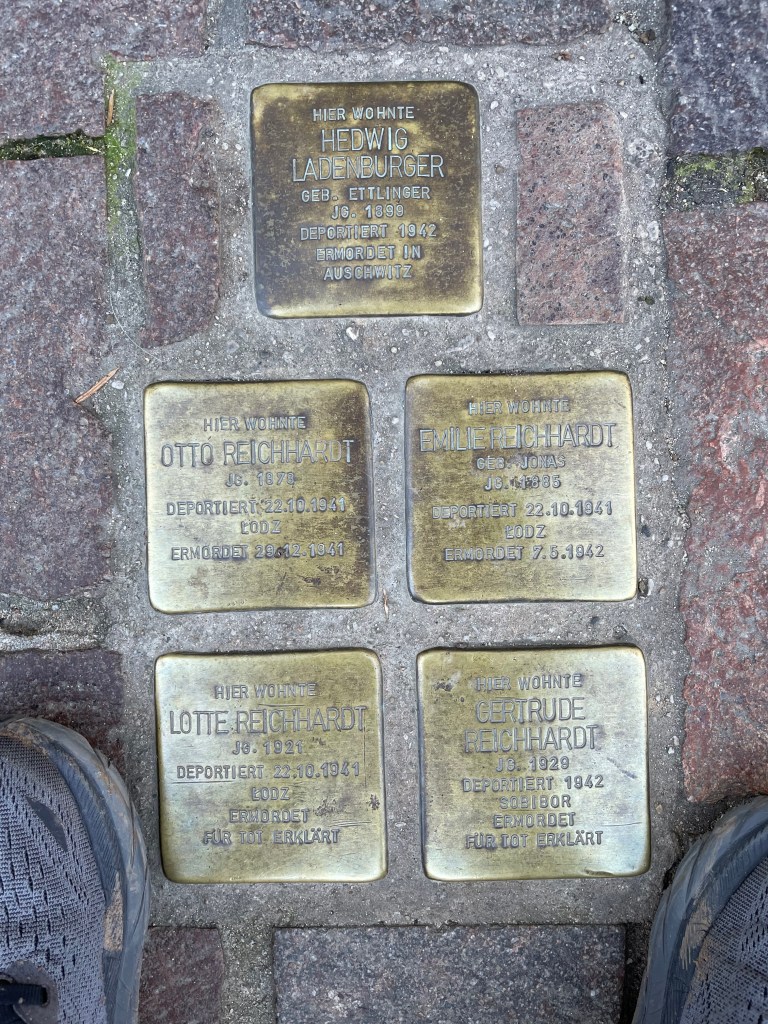
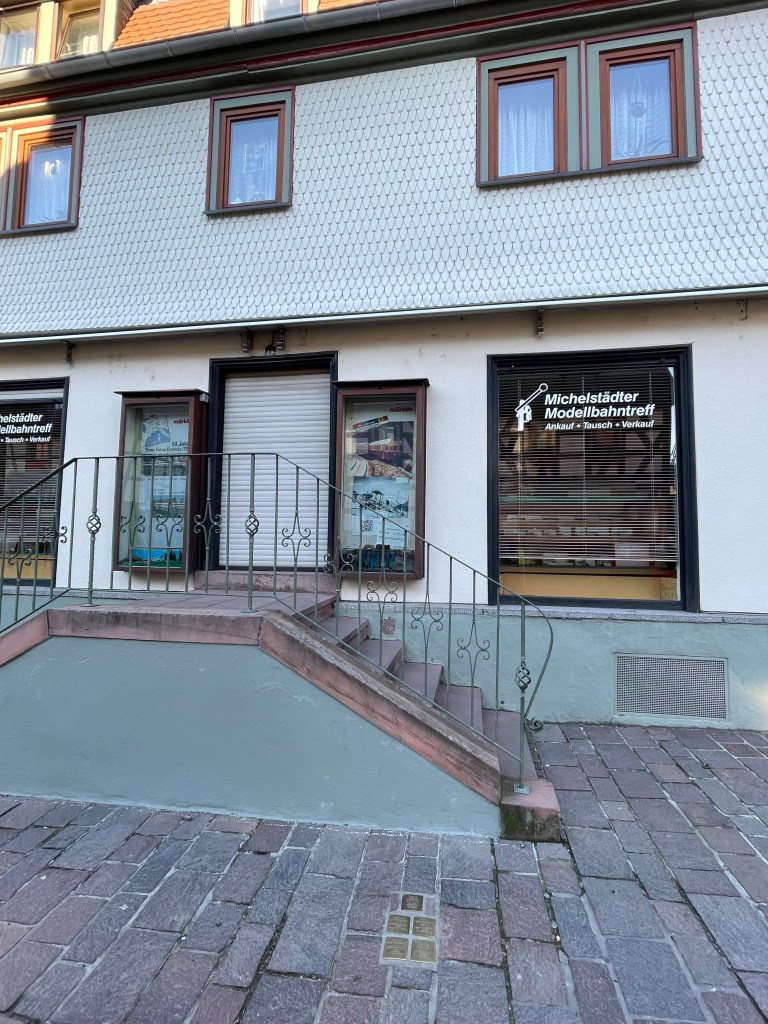



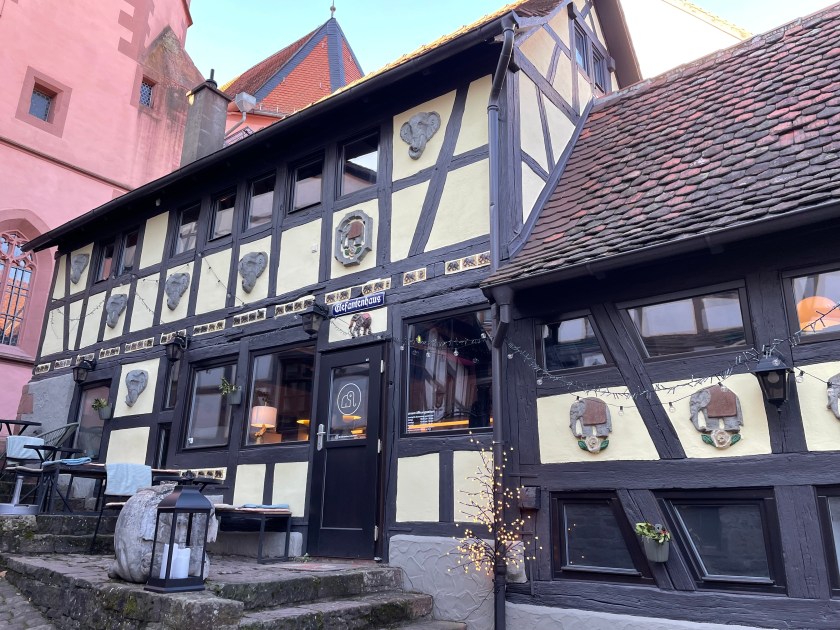
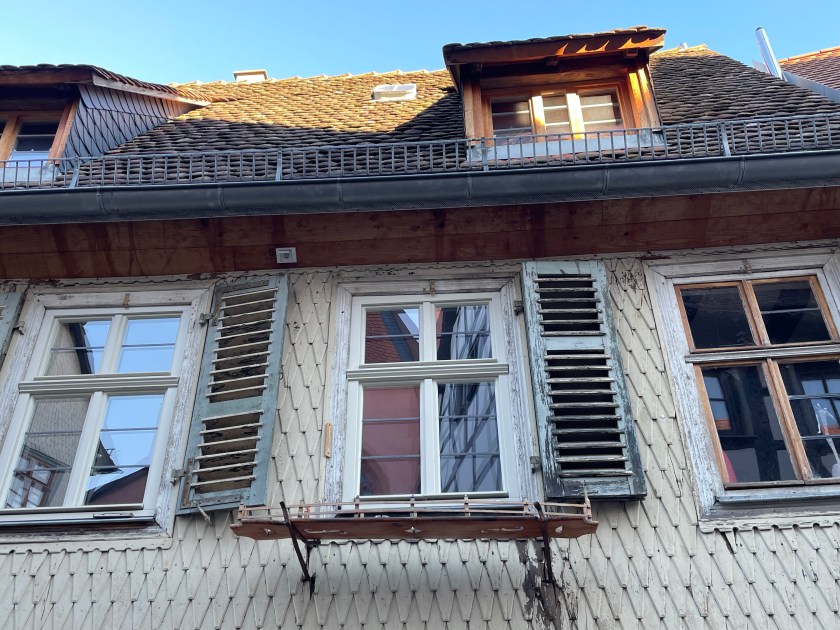
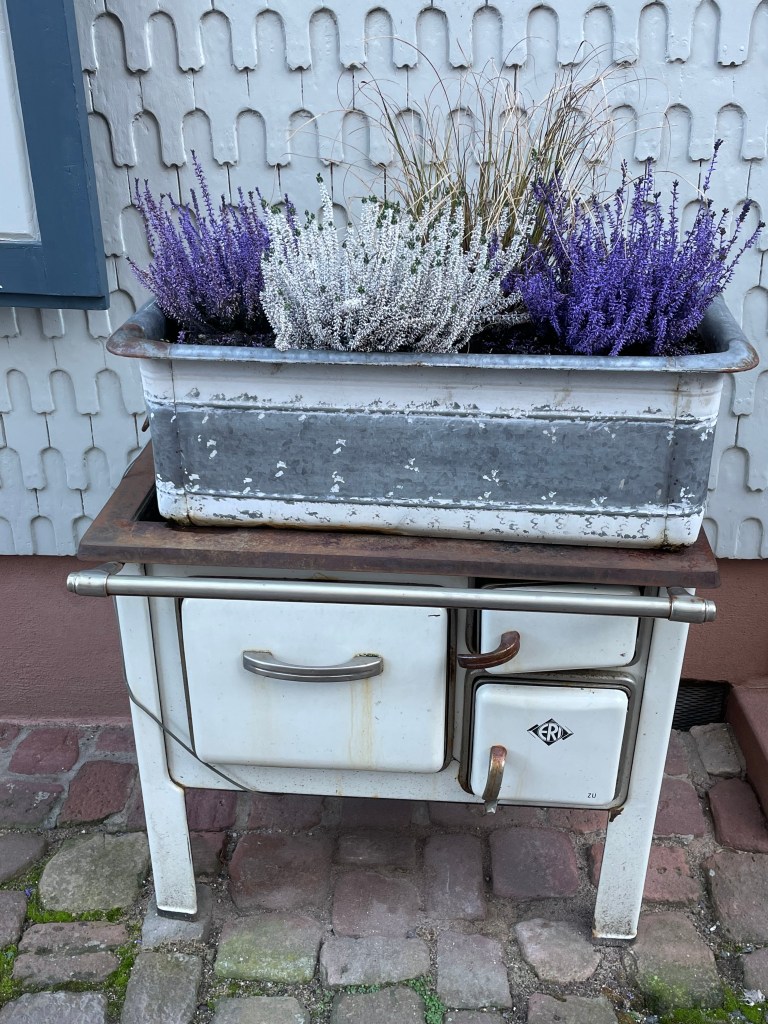

Also murdered:
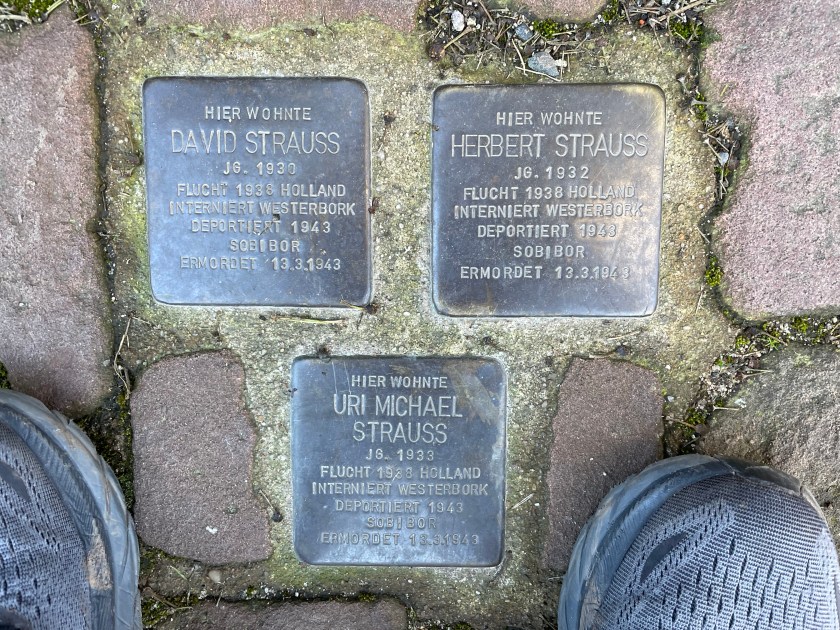
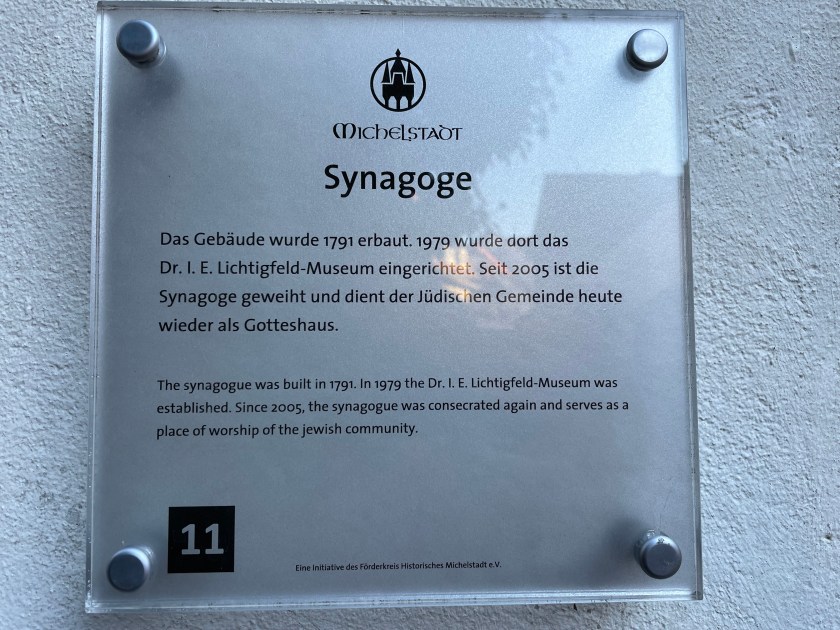
These were on the corner by the old synagogue.

The top of the synagogue from the back side:

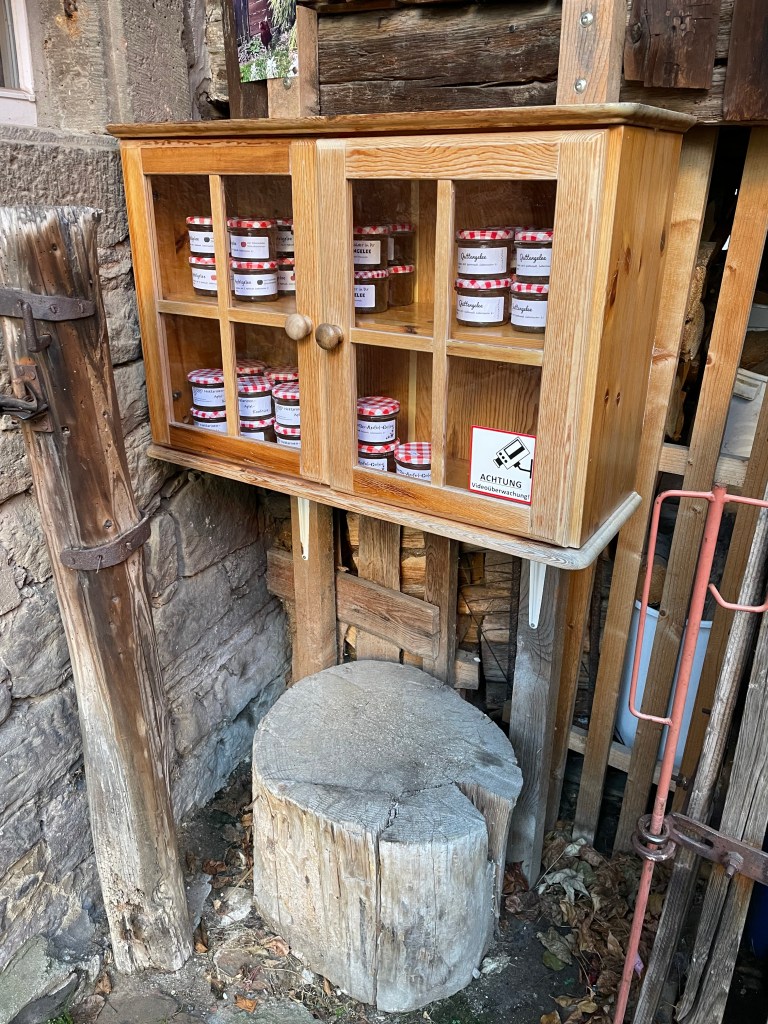
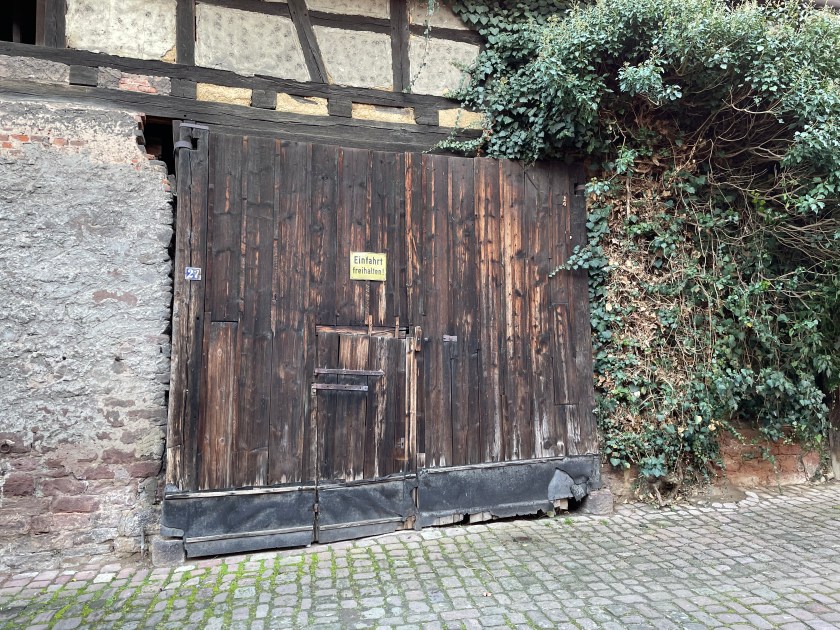
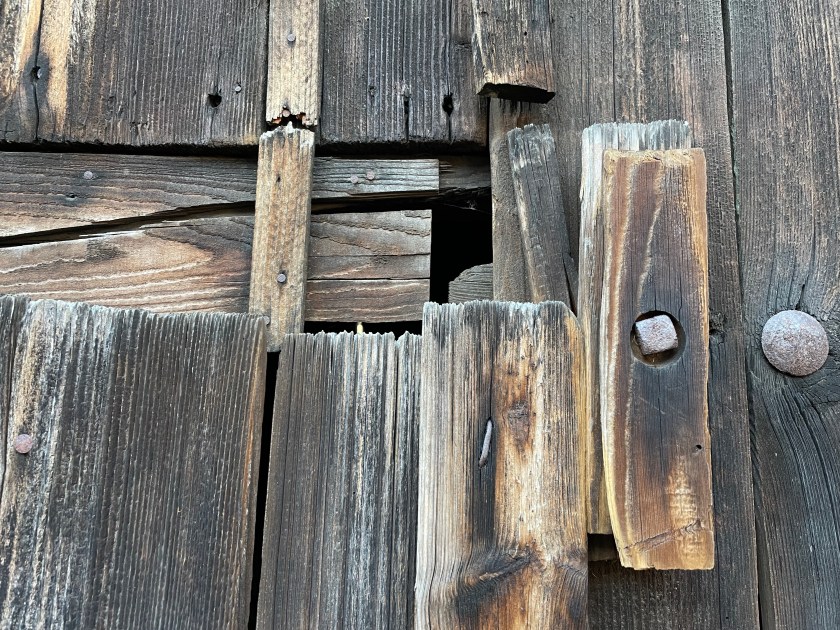
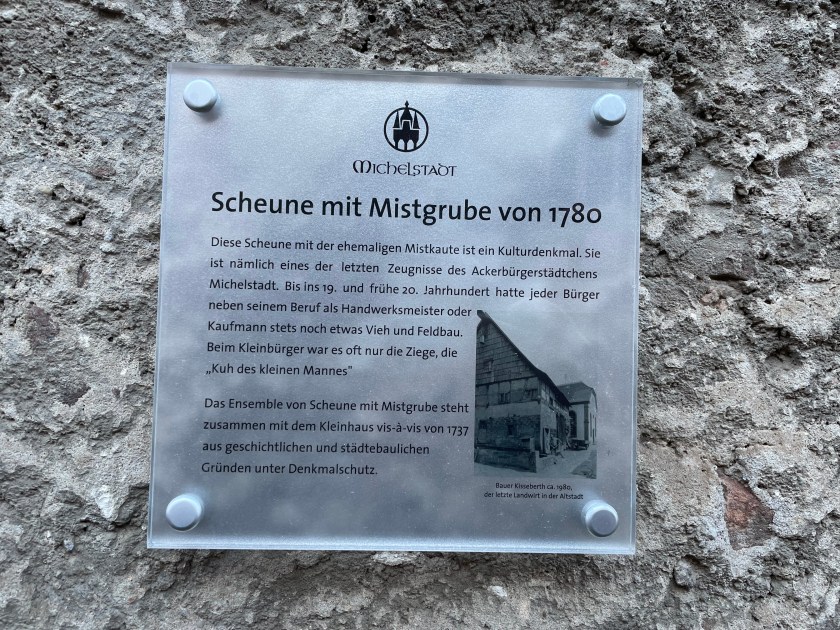
A place for manure or compost:
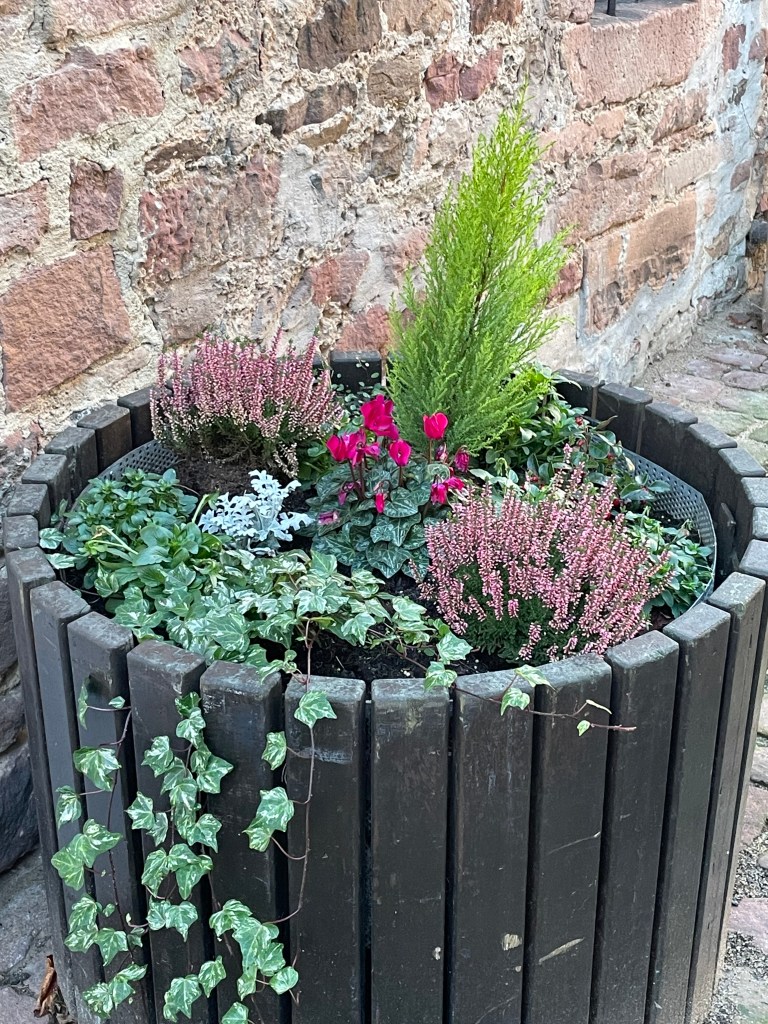
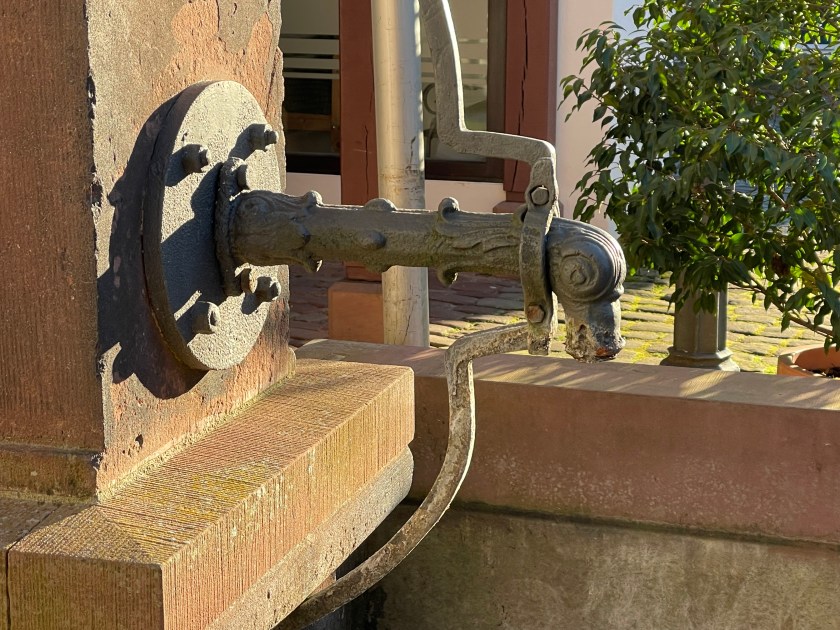
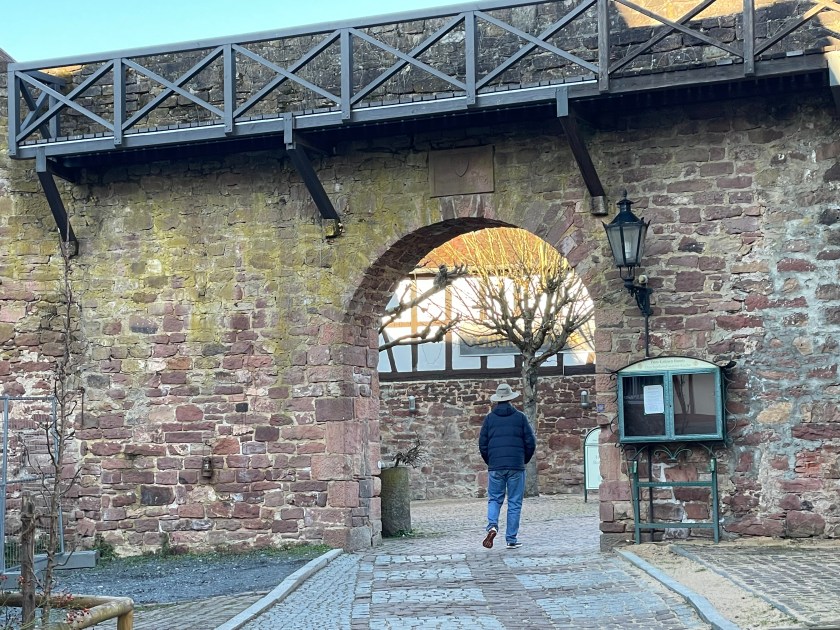
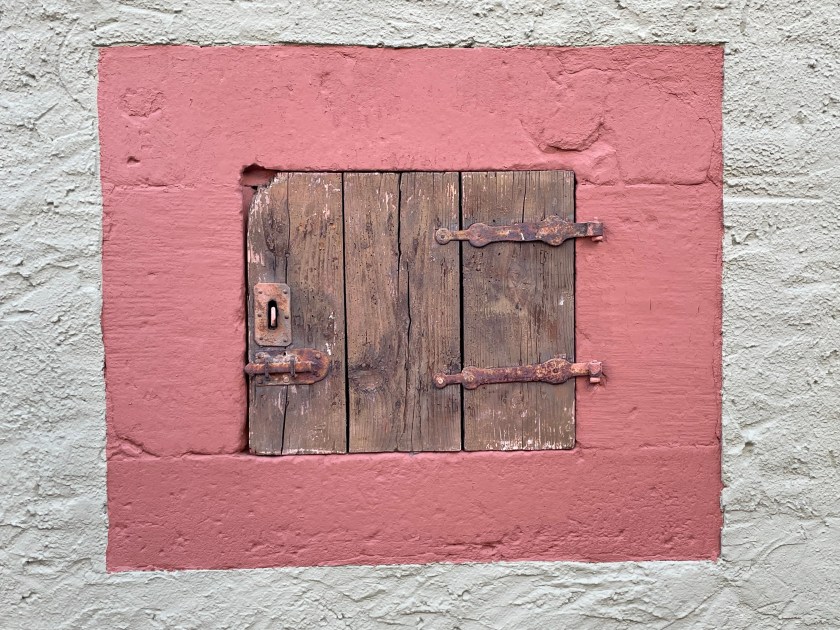
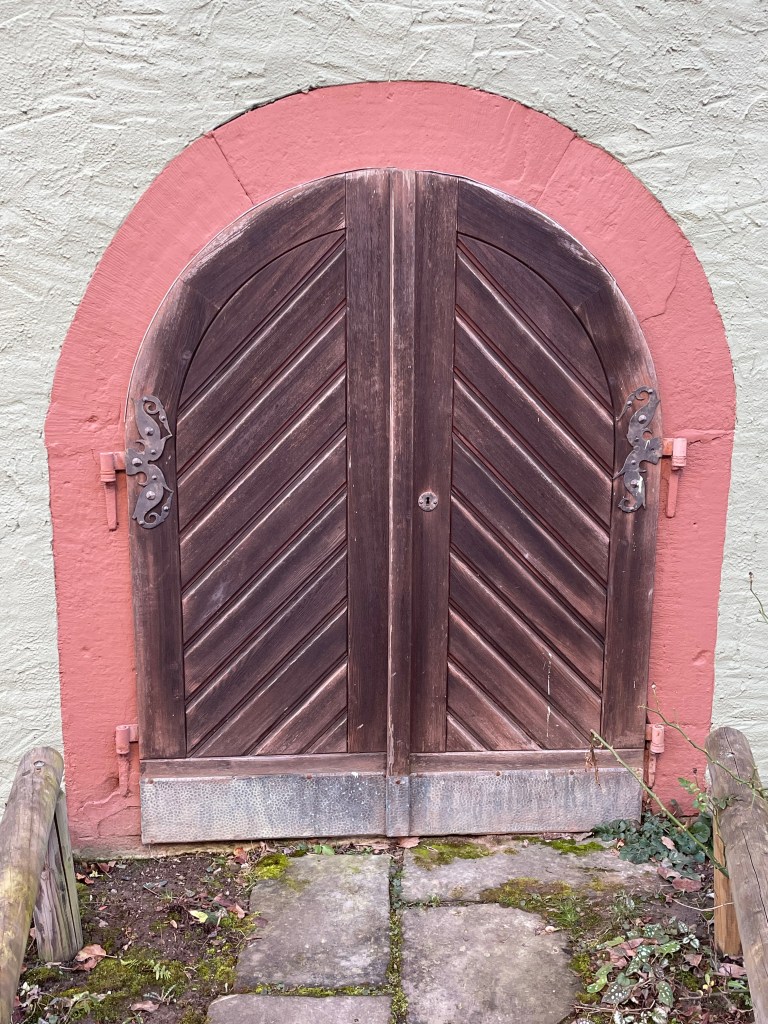
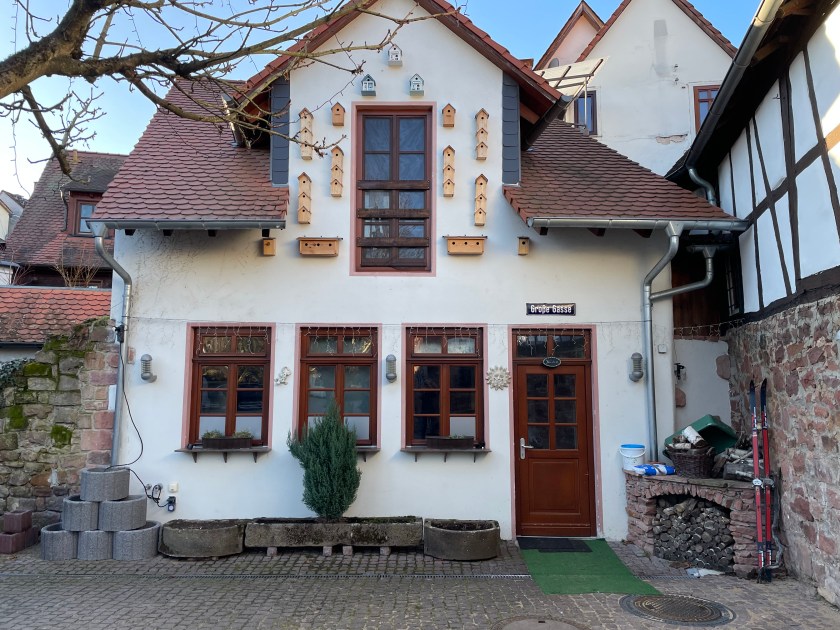
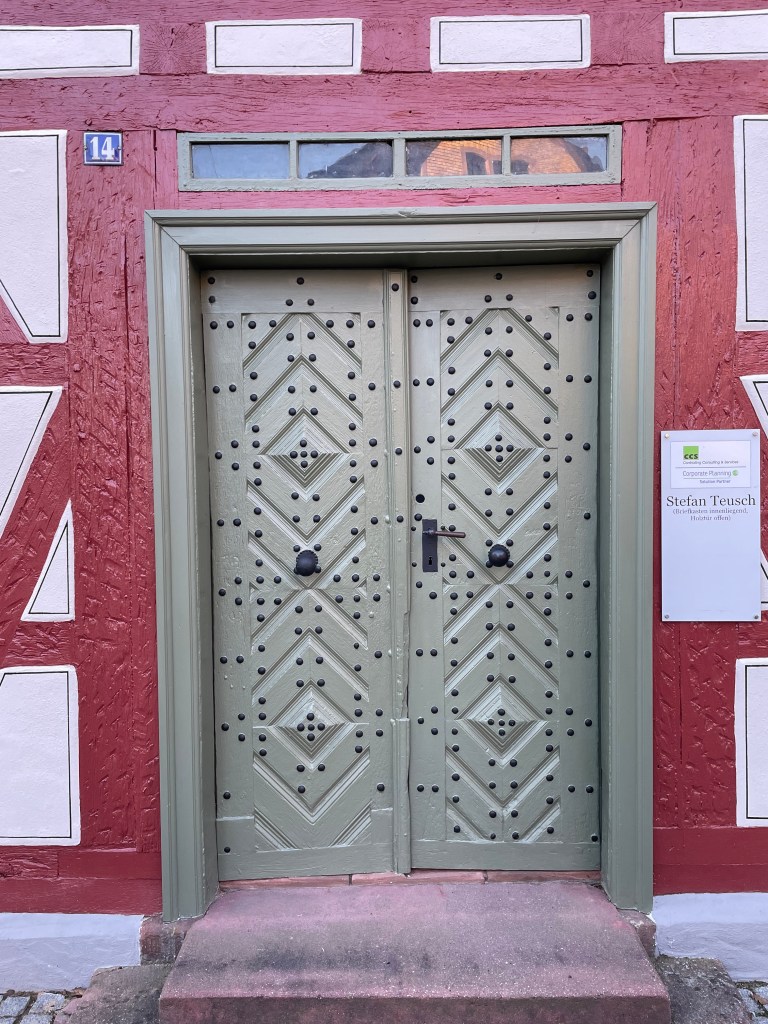

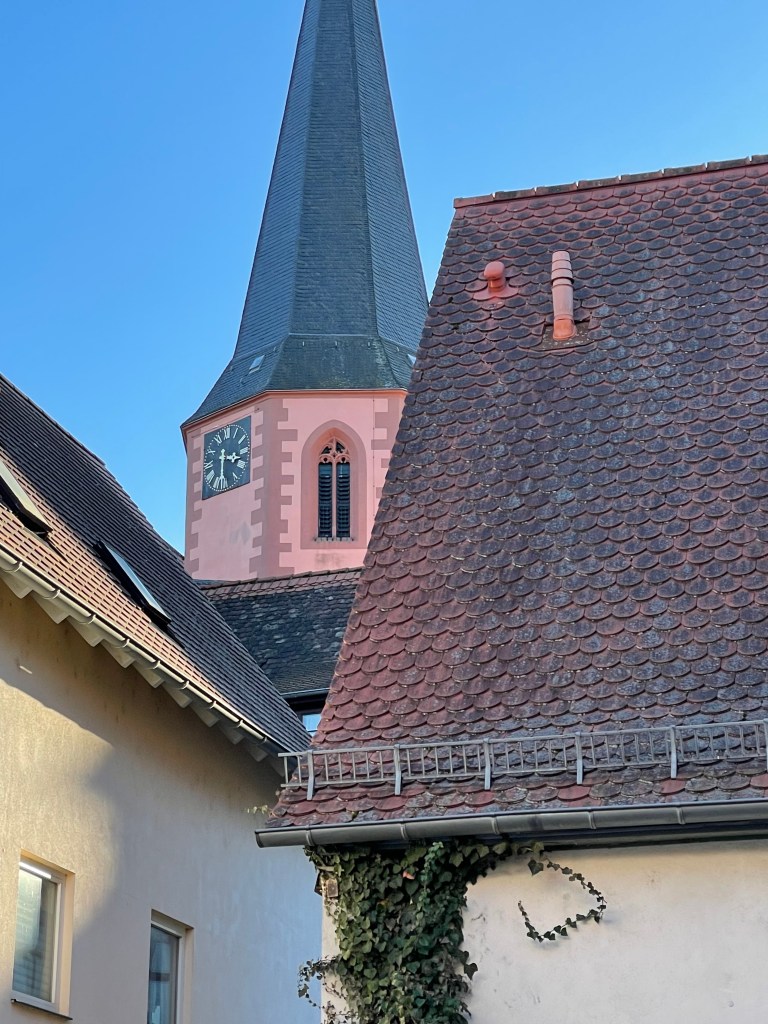
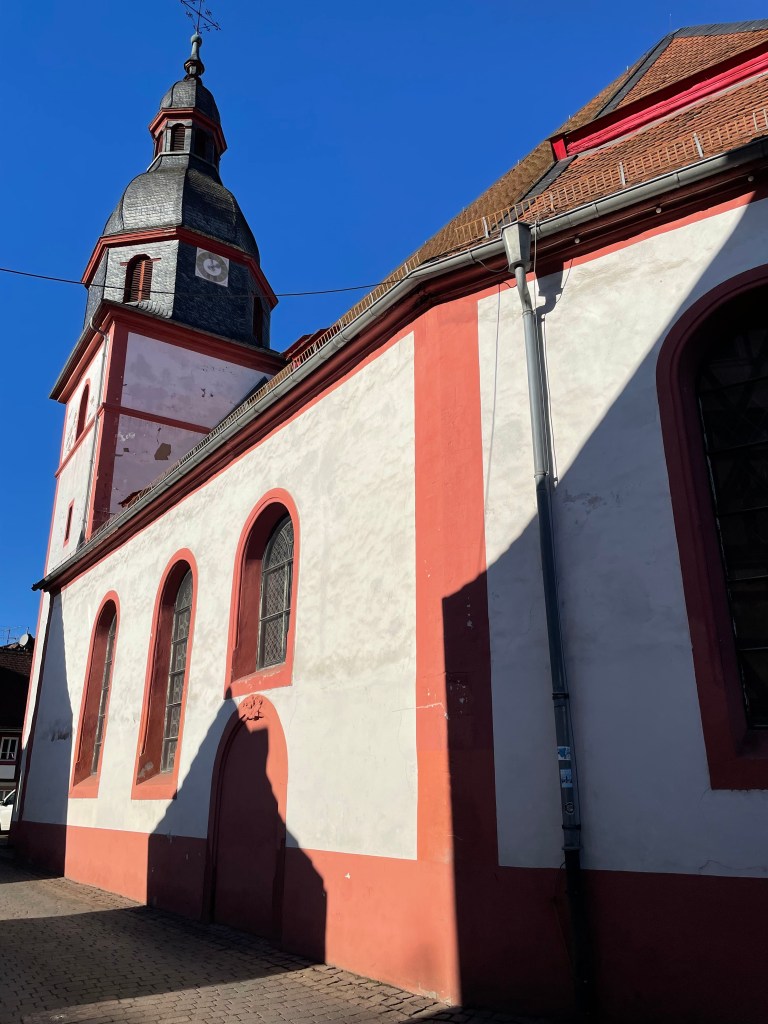
The city church (not open):

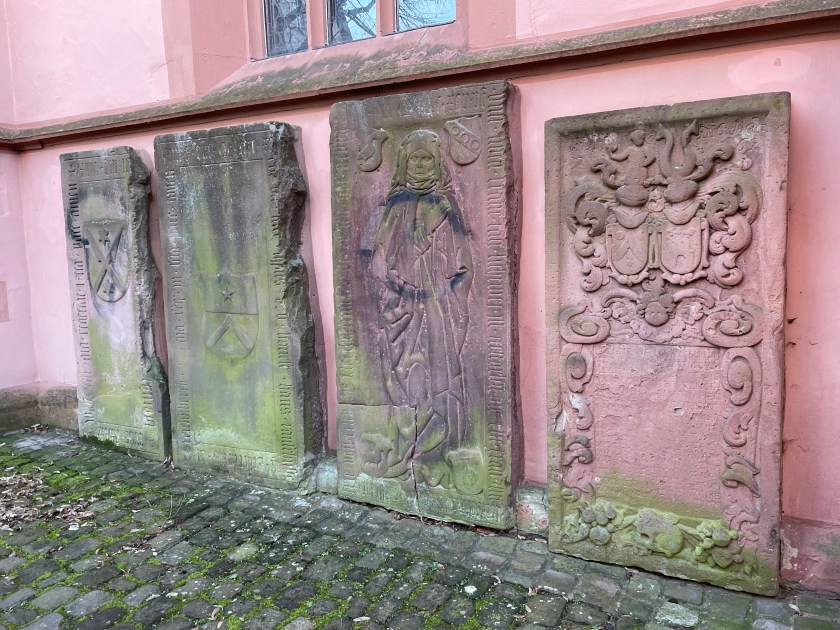
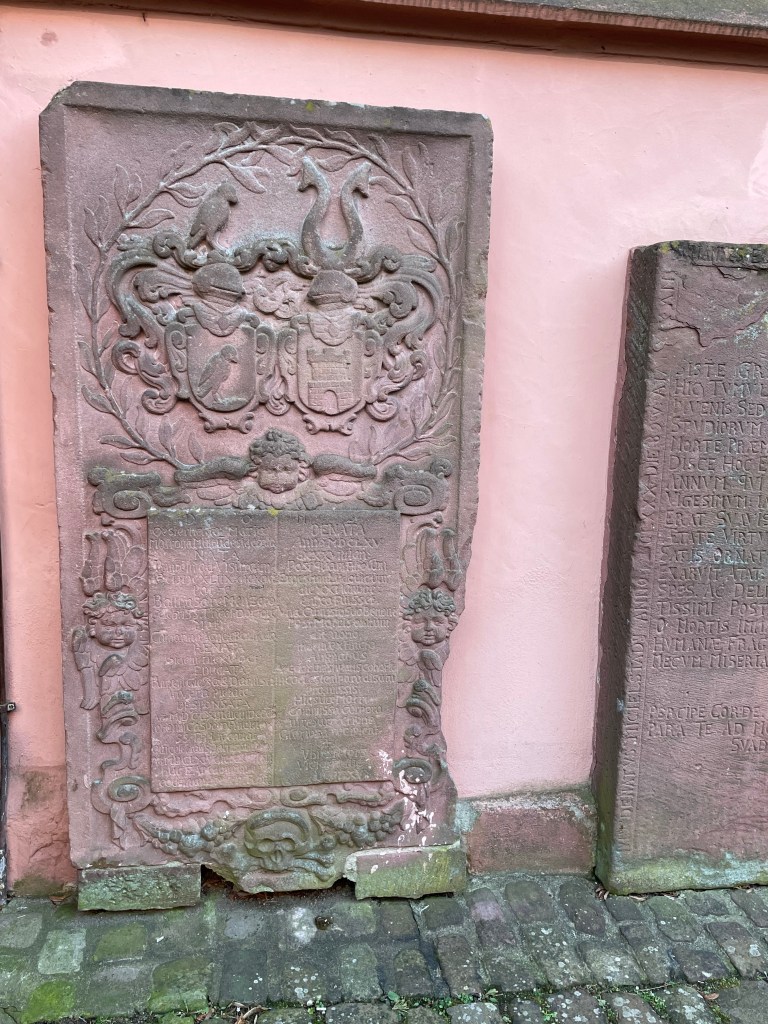
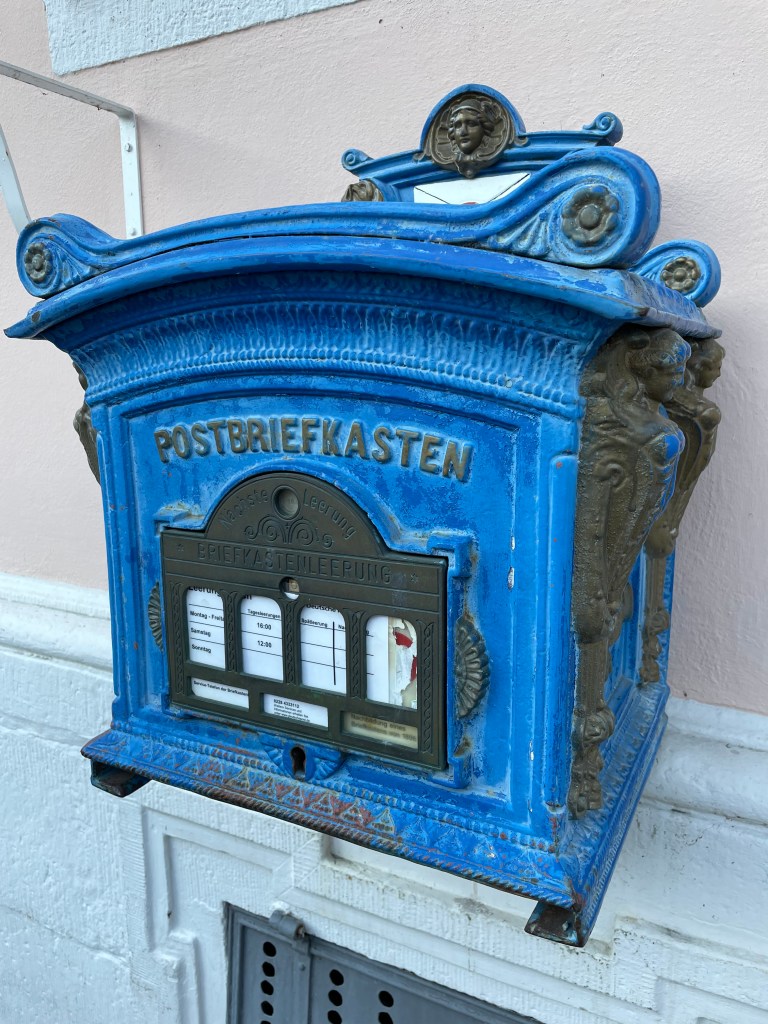
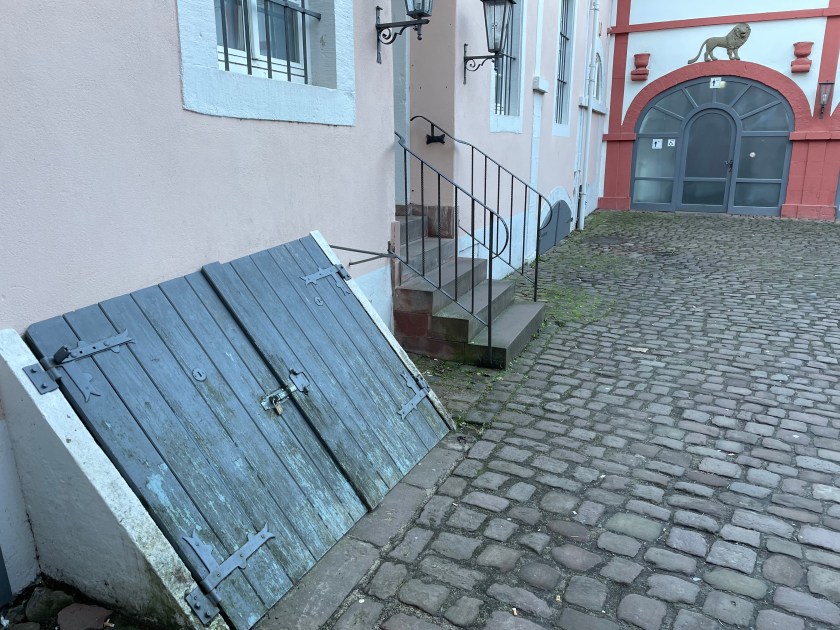
I love old things. This is just the place for things I love.

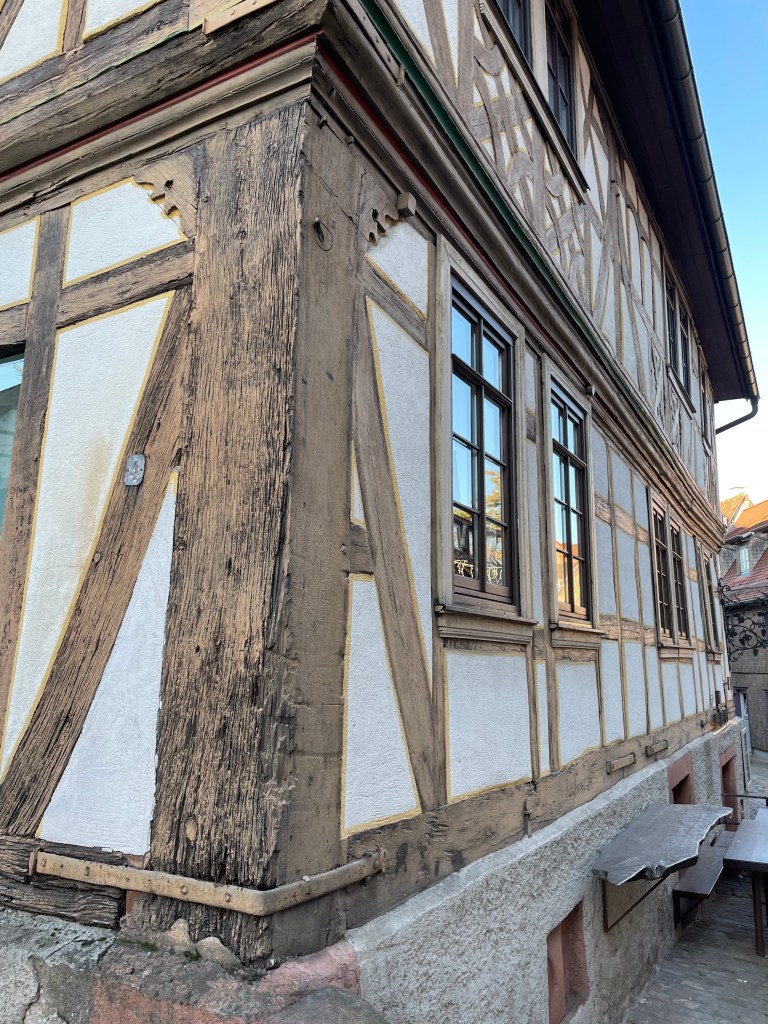
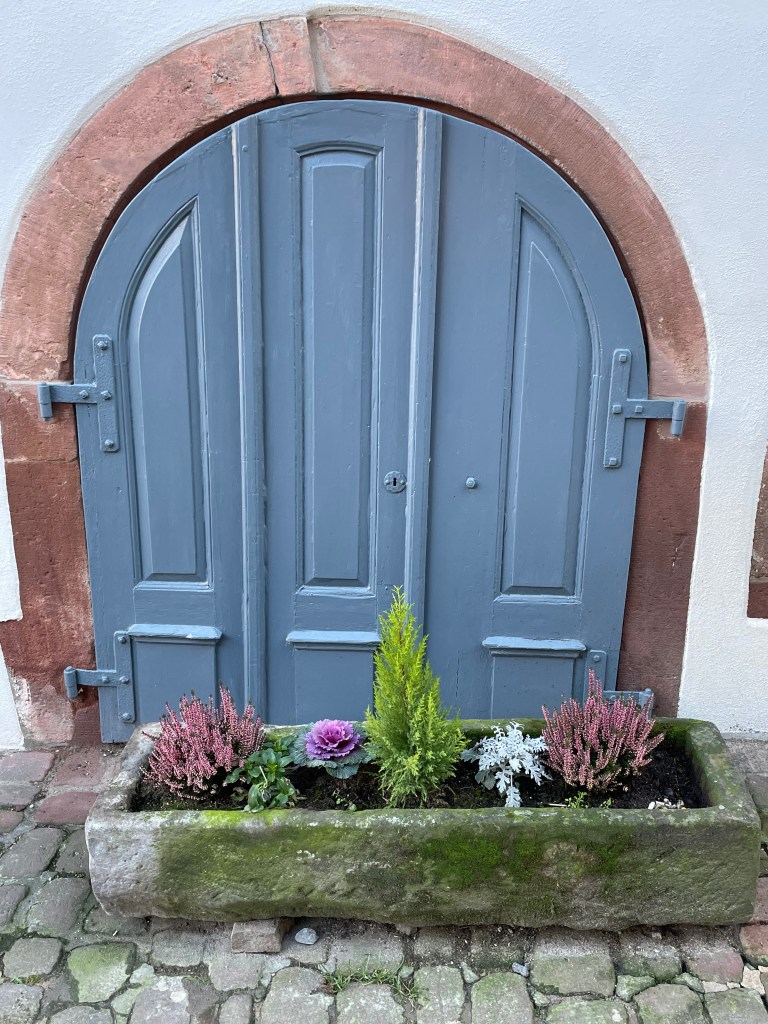
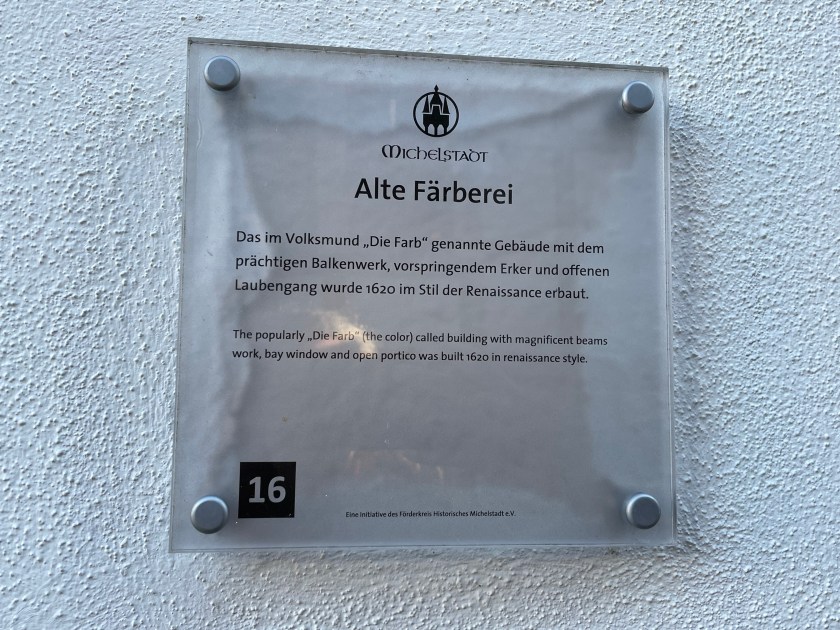
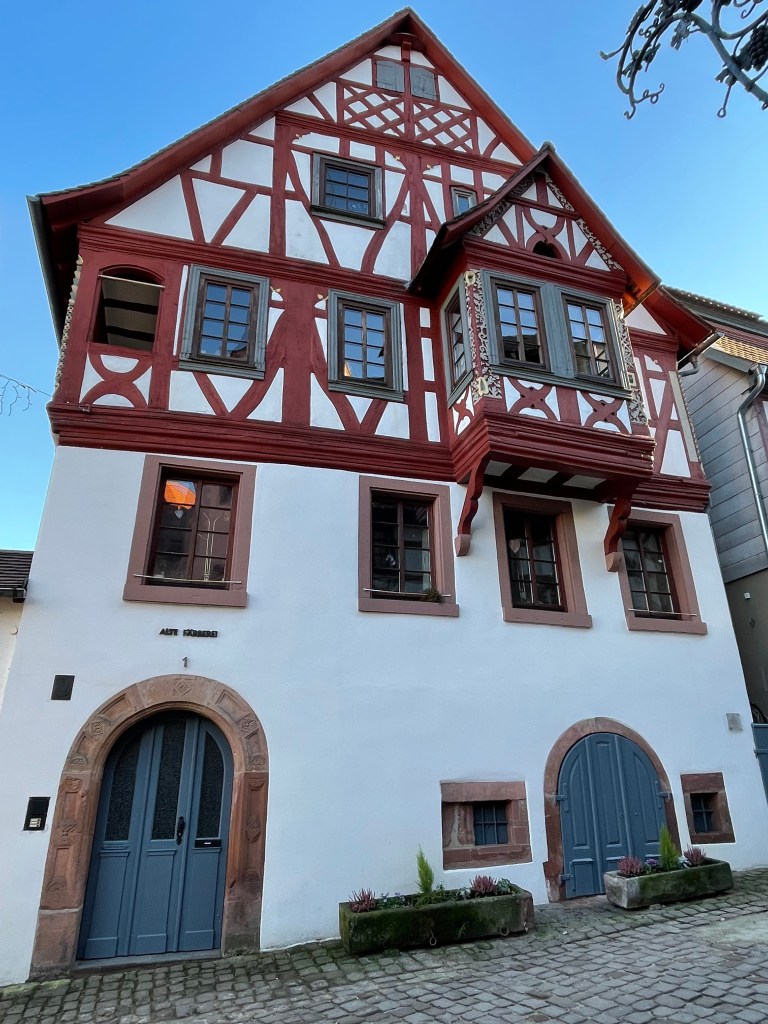
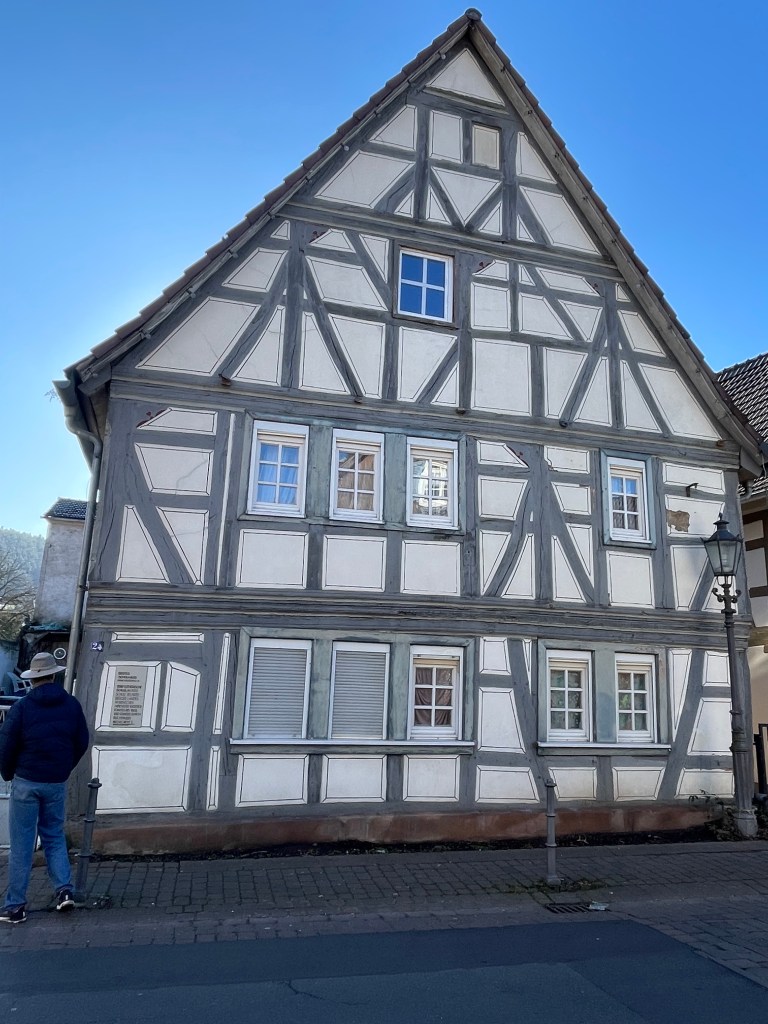
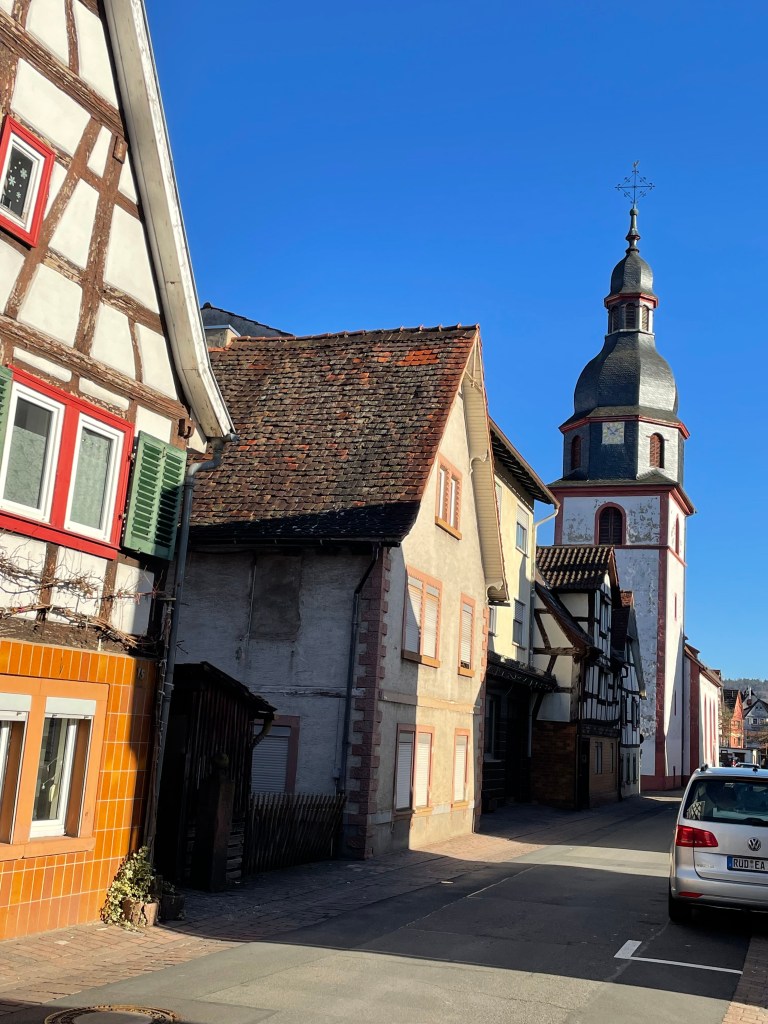
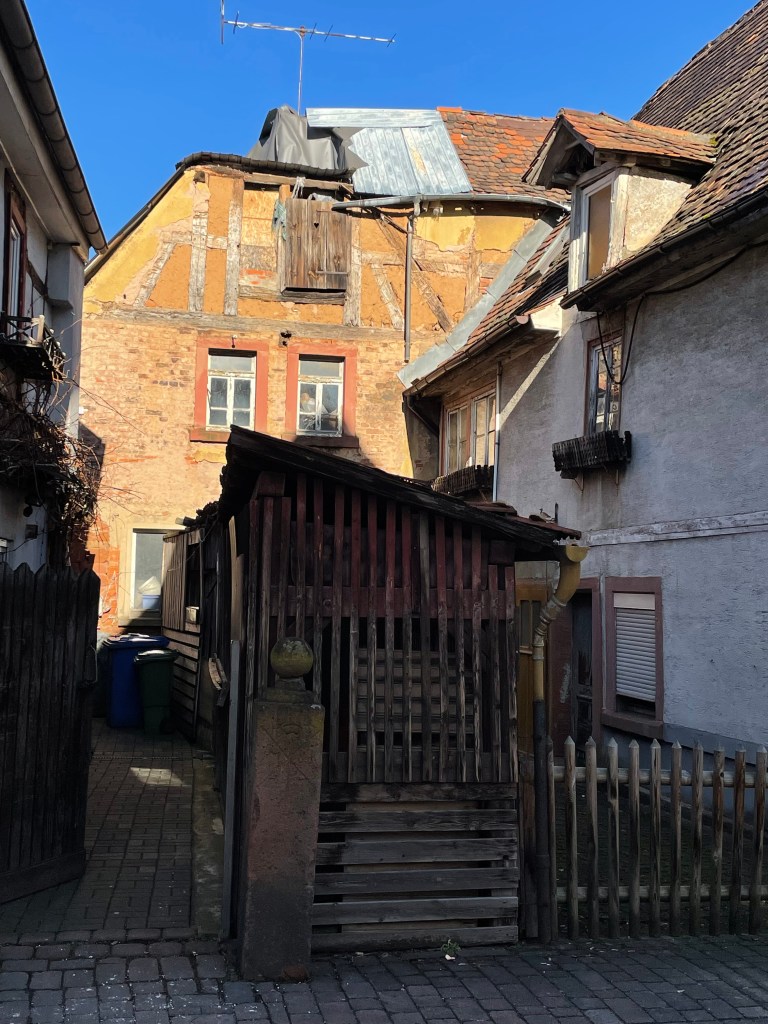
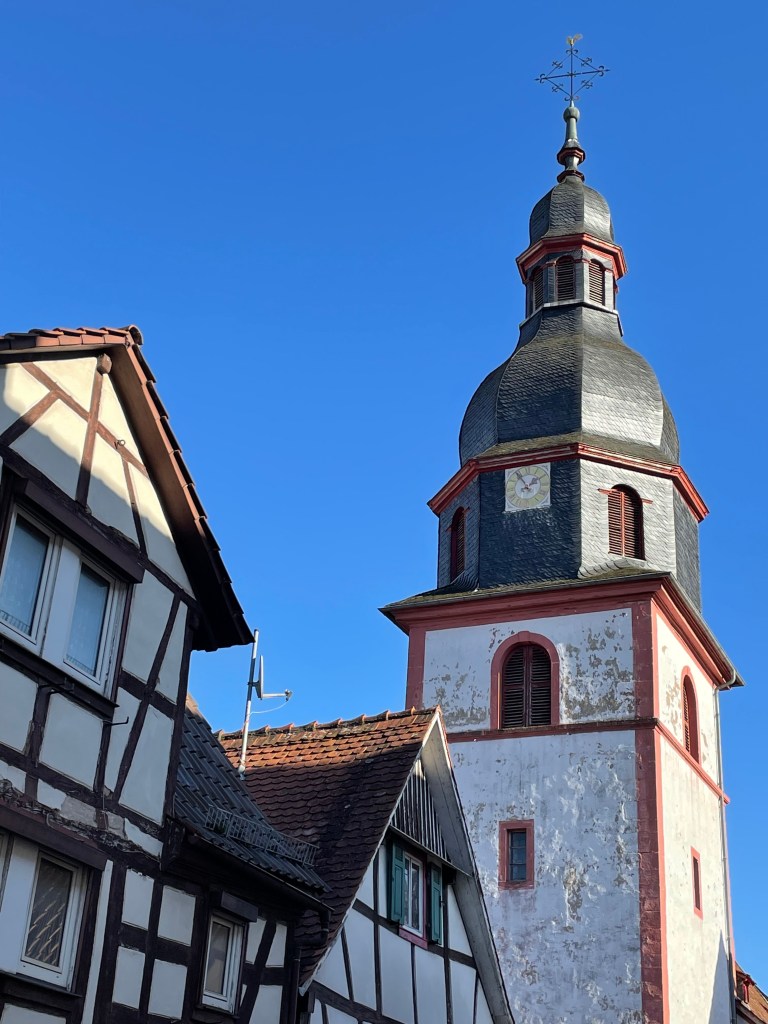
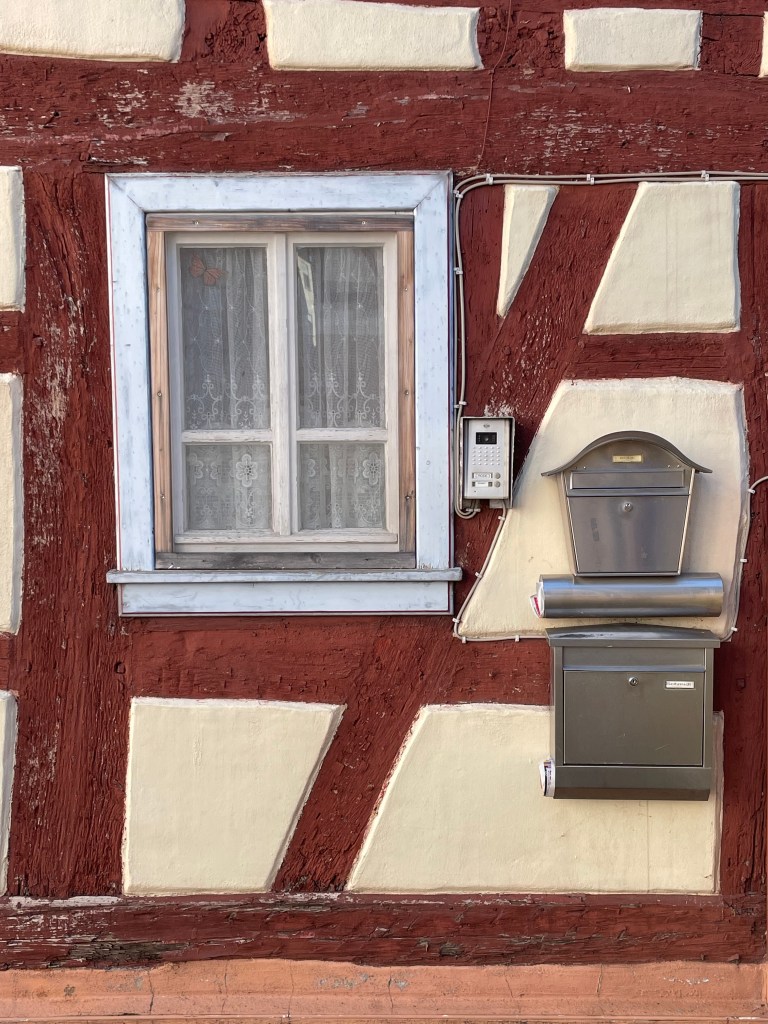
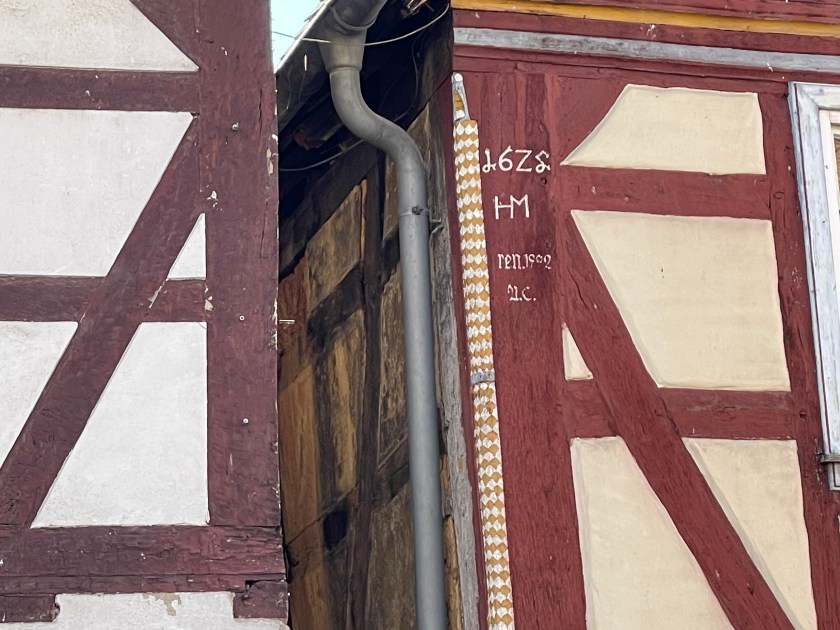
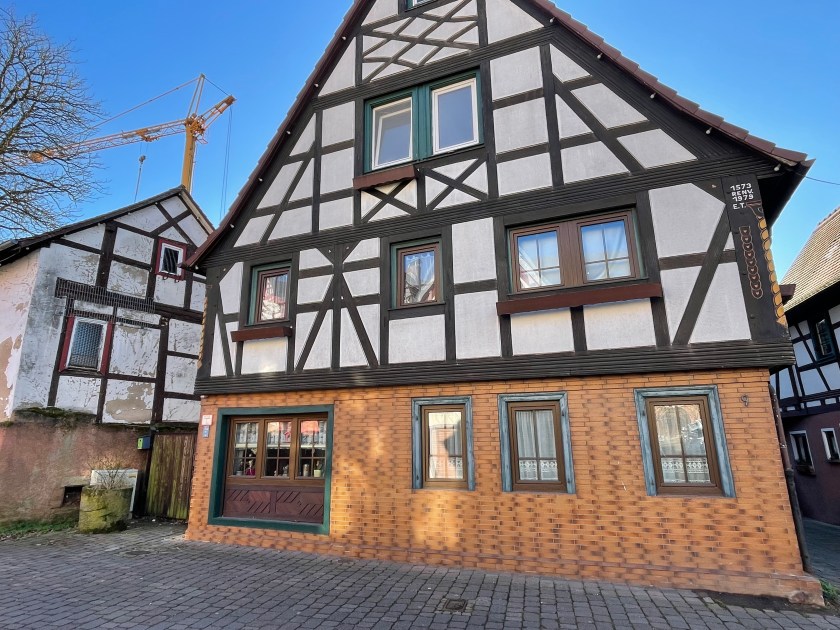
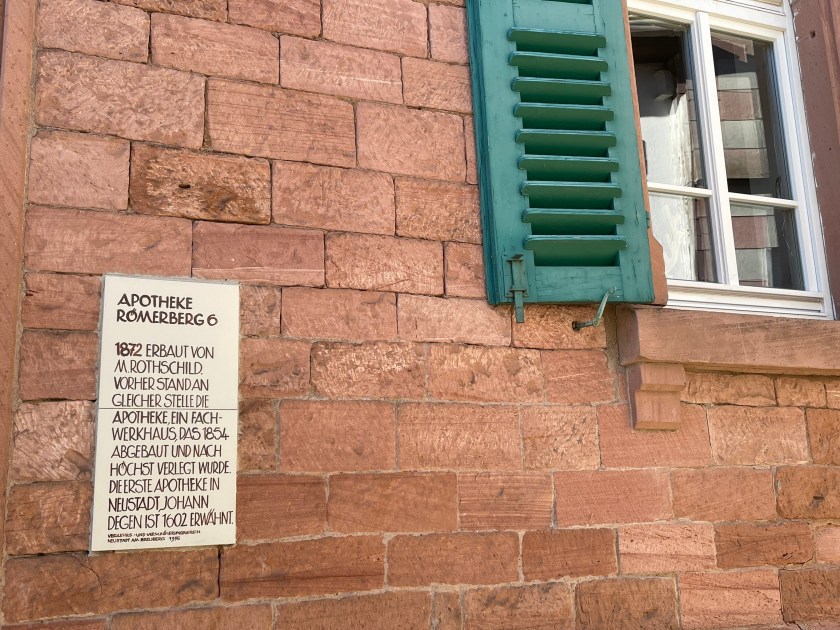
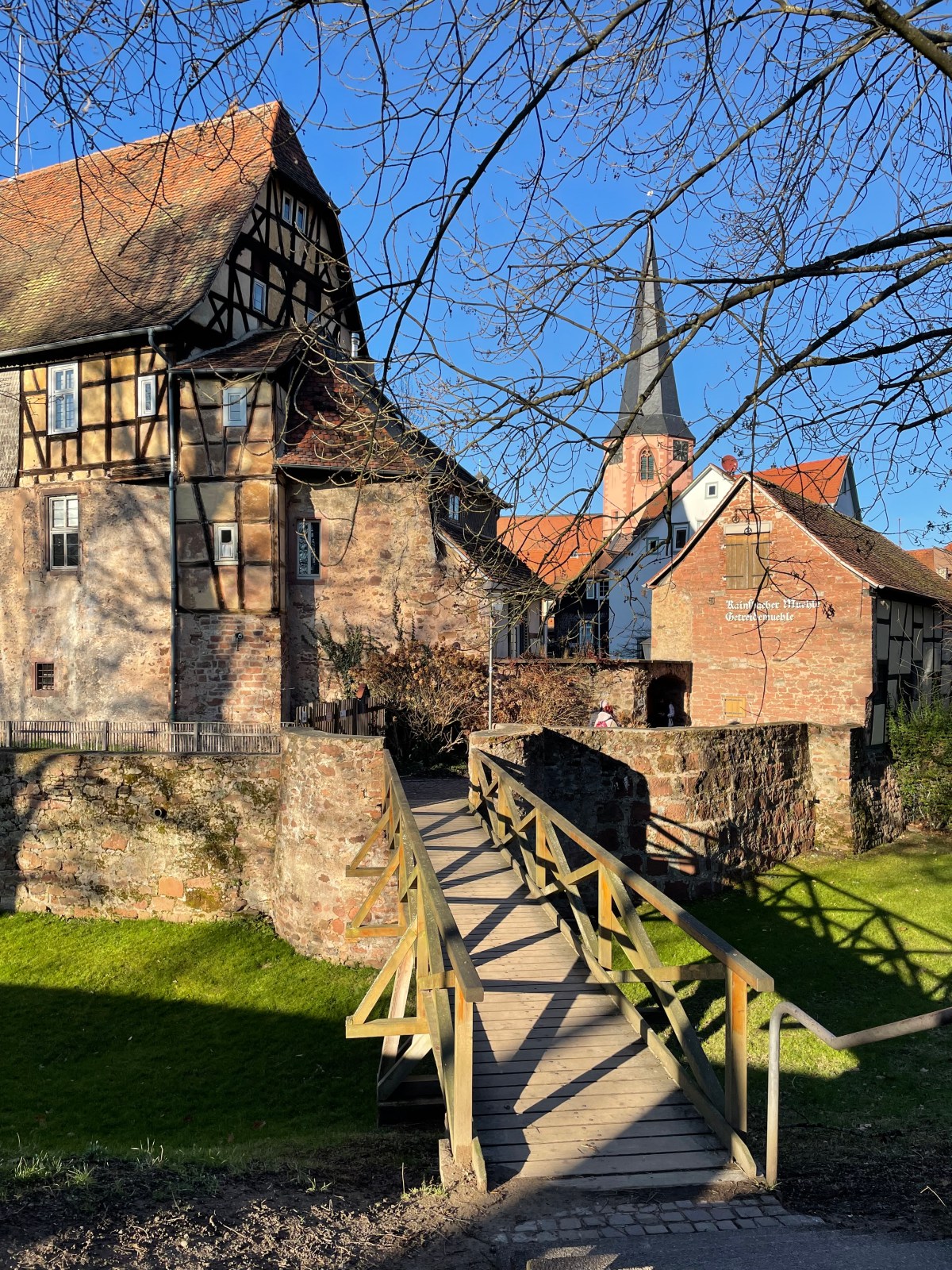
After seeing the Breuberg Castle, we came down the mountain and walked through town along the one main street. We didn’t see many people and all the shops were closed, but we enjoyed looking at the old homes. Many of the old buildings had information on them about when they were built.


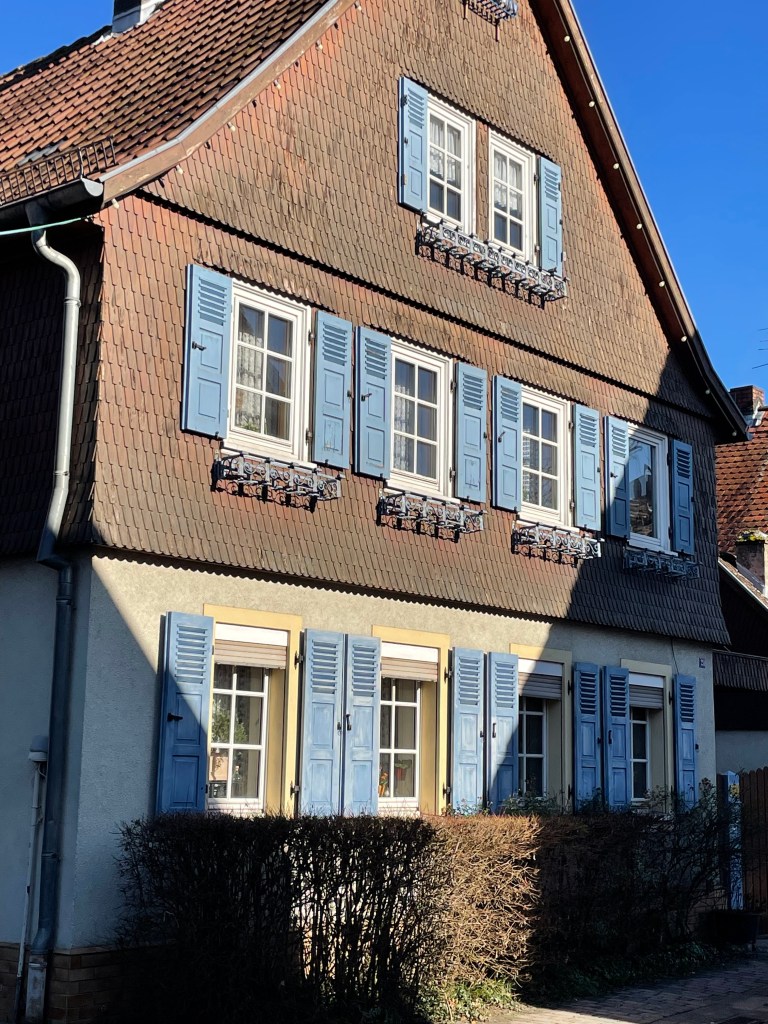

The first school house built in 1589:





This was the way in to the city hall.
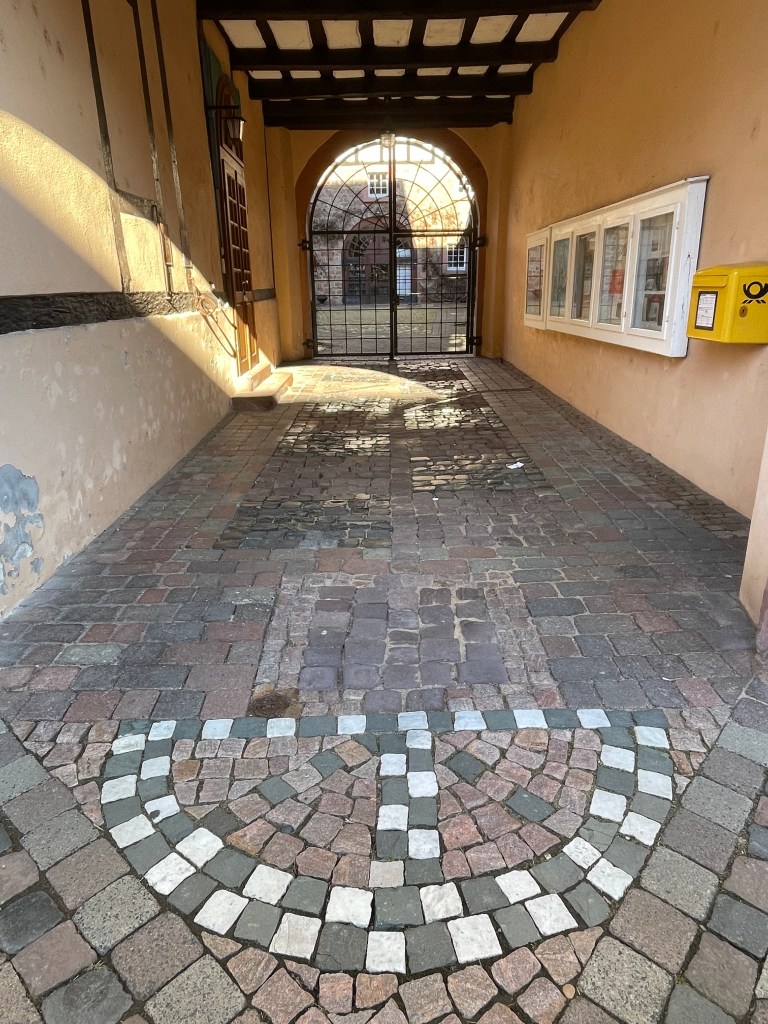
In the entry to the Rathaus you will see this neck iron that was placed around a condemned man’s neck and attached to the town hall. Only minor crimes were punished publicly in this way, displaying the offender. All passers-by could read on a sign what the reason for the conviction was–a minor theft, quarrelling and slander, women who had beaten their husbands (!), breaking curfew or begging without official permission. The good citizens could mock and insult the denounced person, often on Sundays on their way to church. (Medieval Ages until the 17th century.)


Built in 1625:
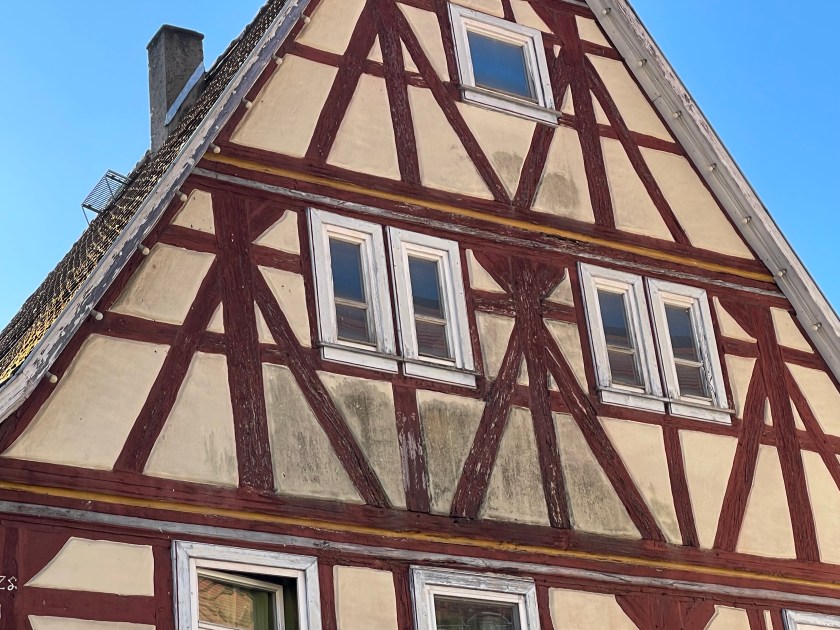
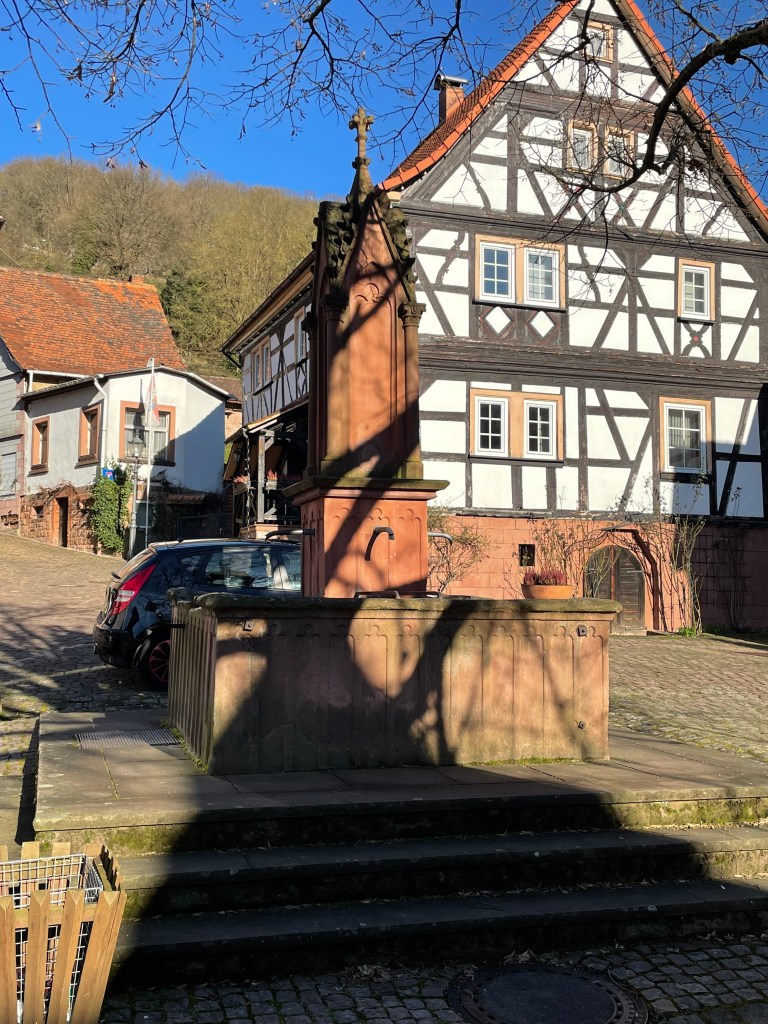
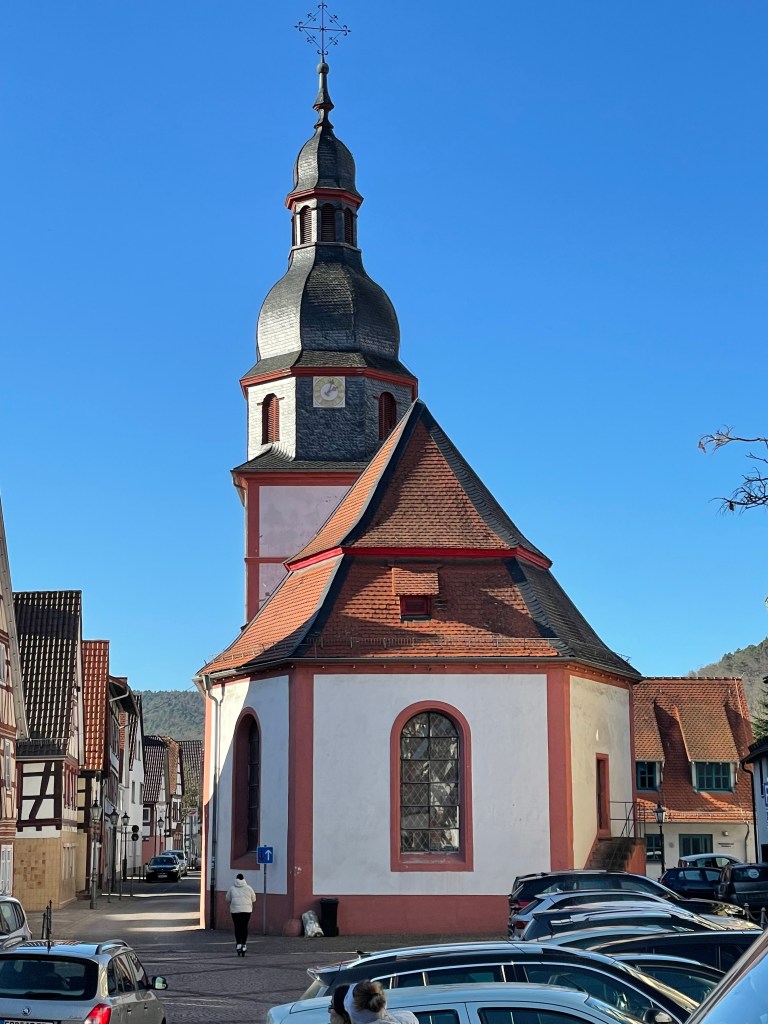
Built in 1573:

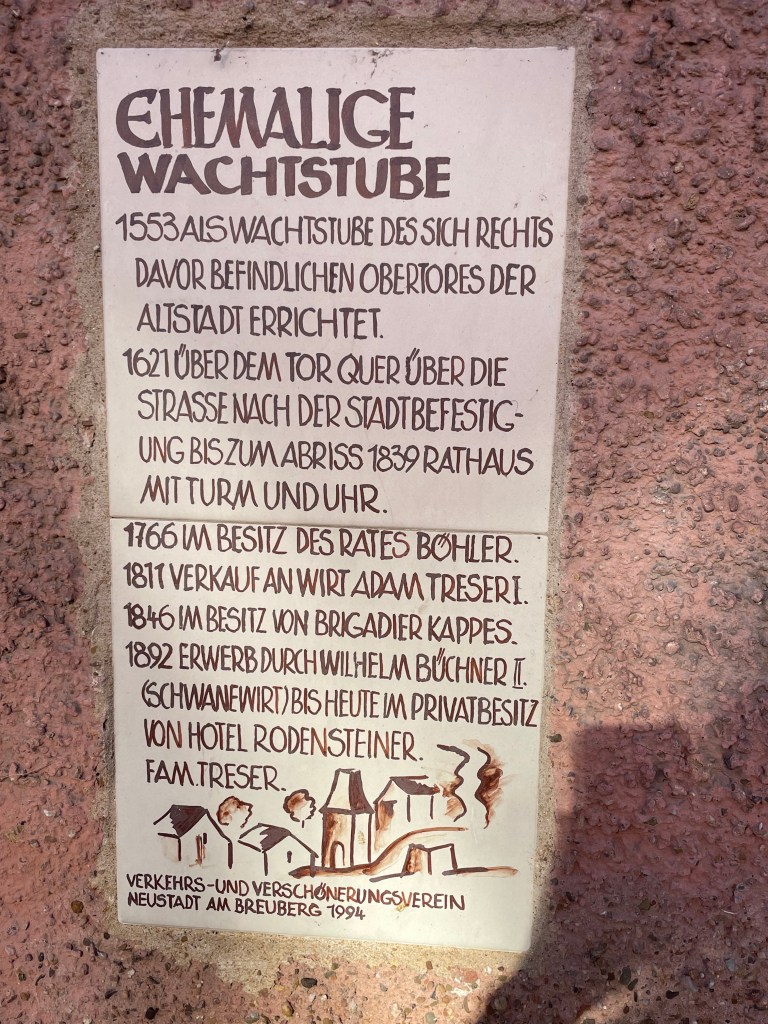
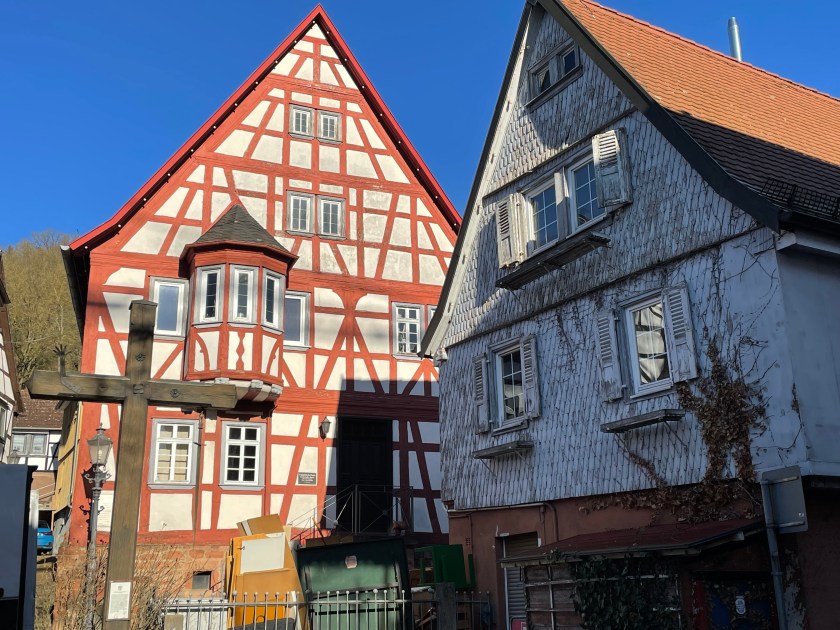

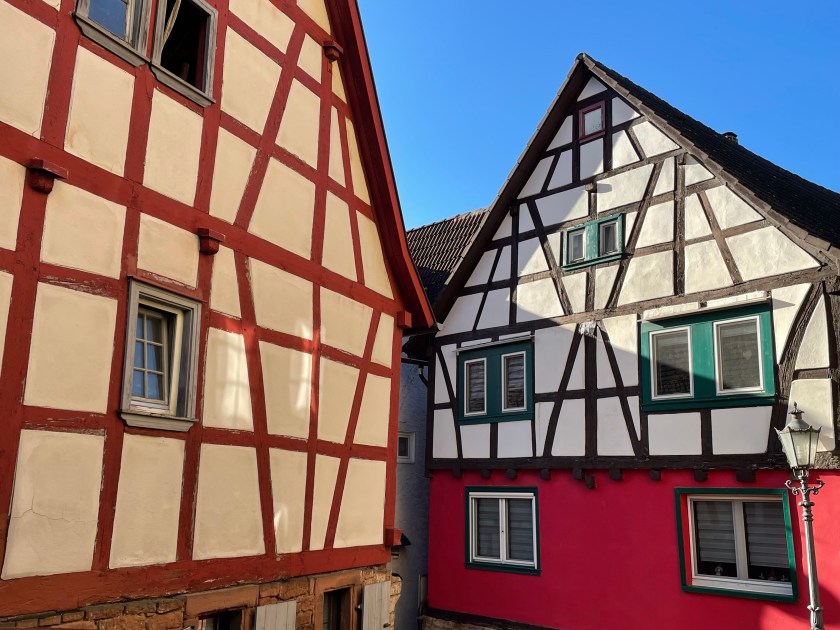

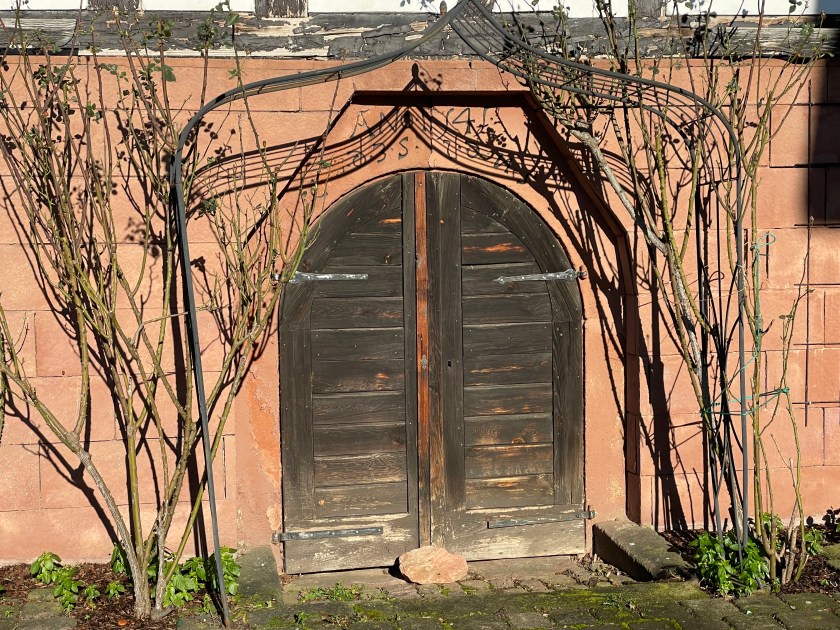
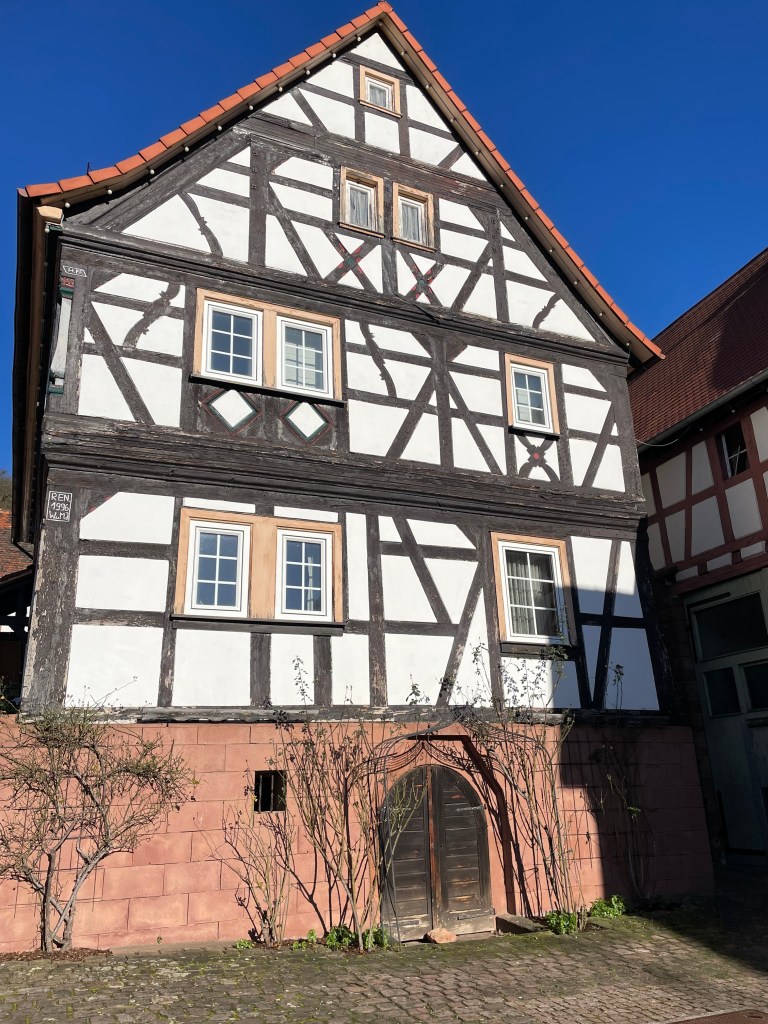
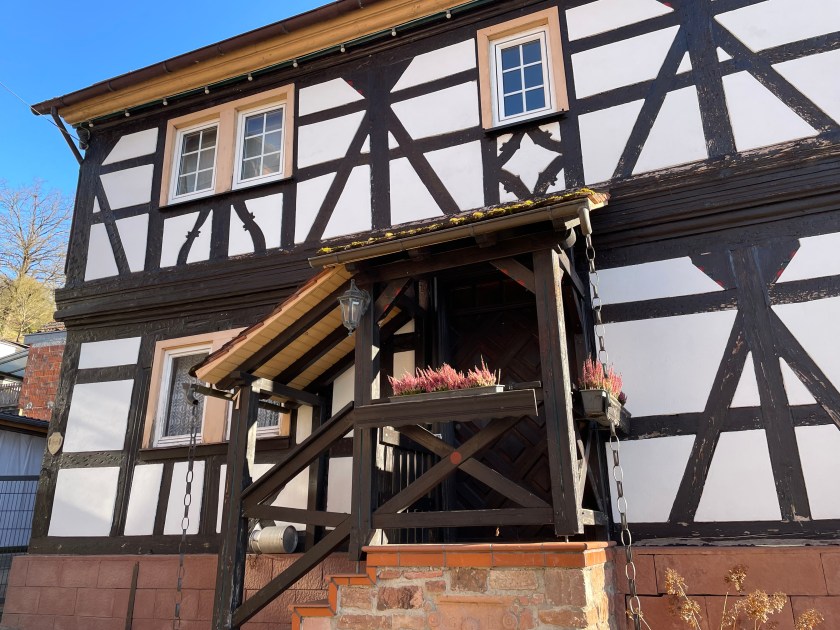
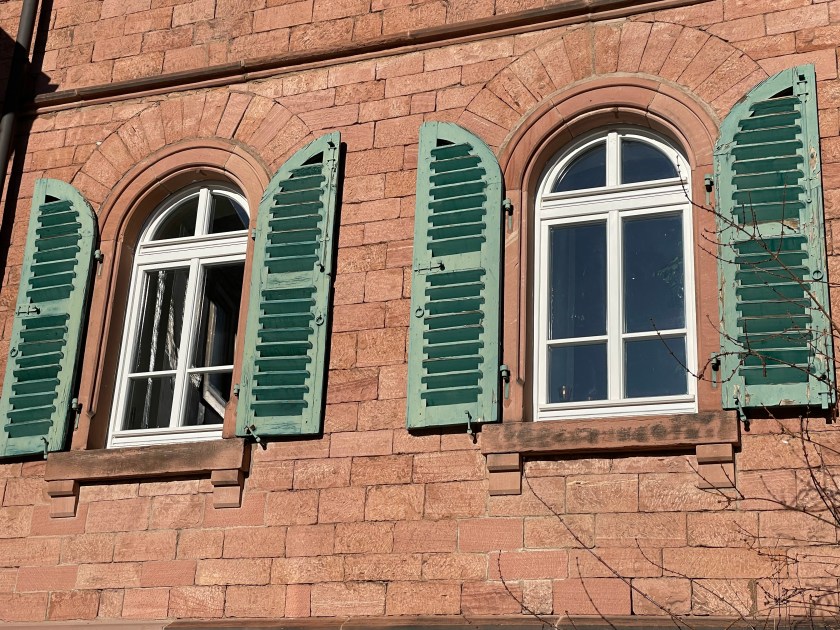
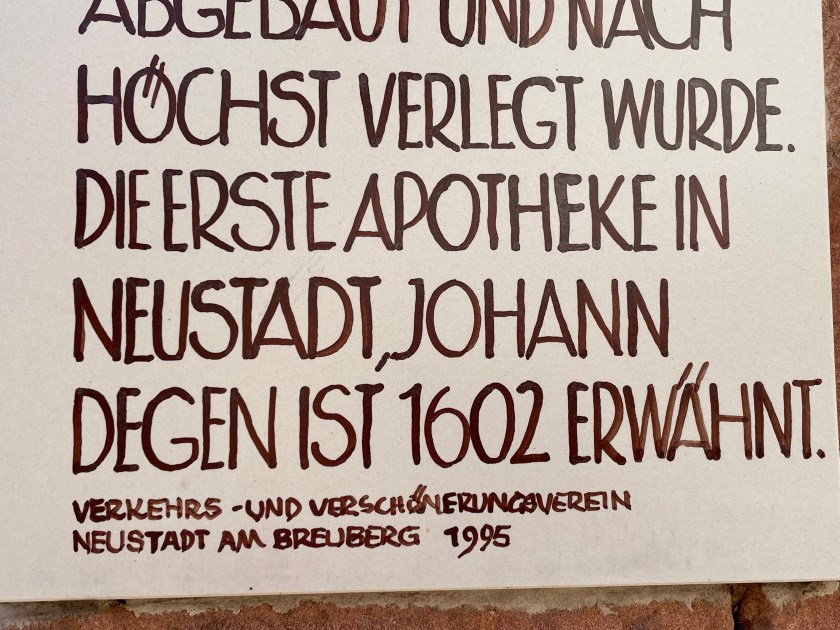
Johann Degen built the first pharmacy in Breuberg in 1602. I have Degen ancestors.




 Our Frankfurt Germany Mission