Last Morning in Nuremberg

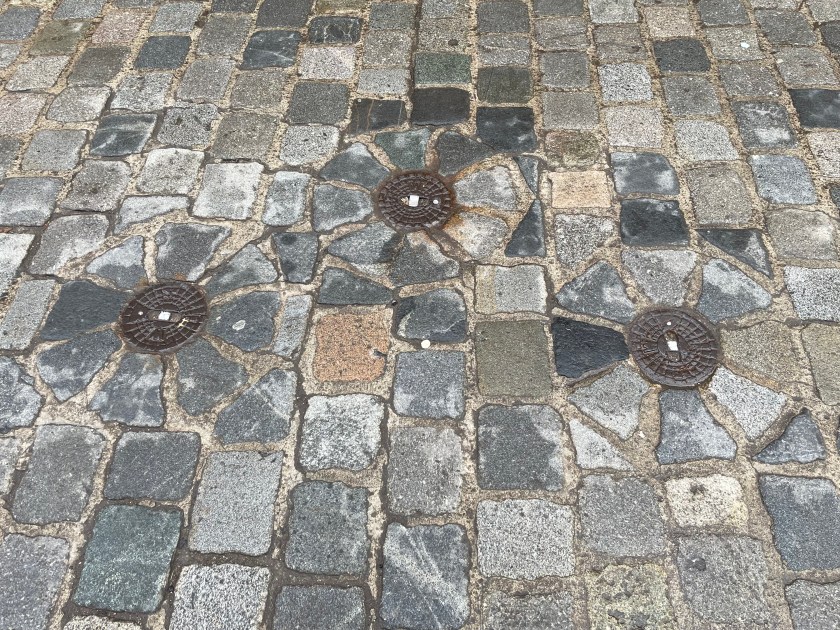
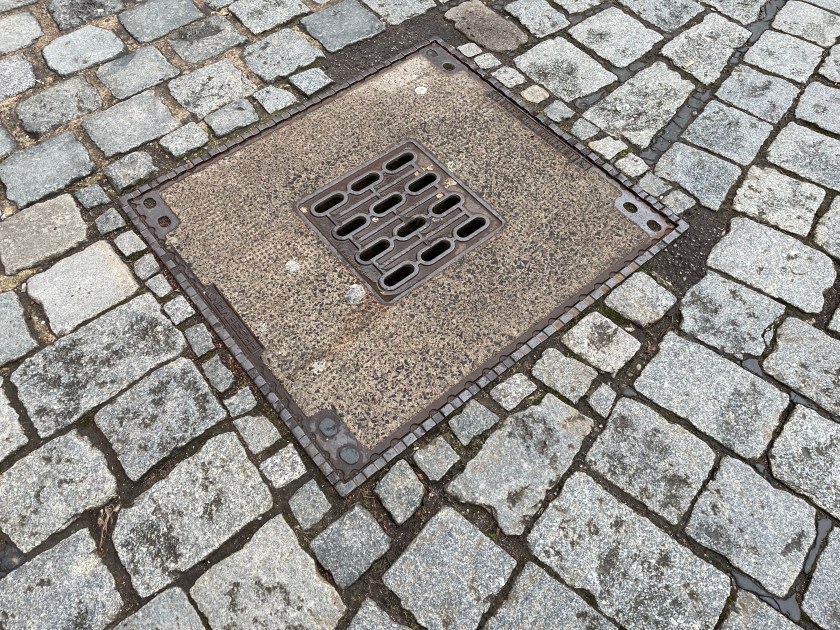
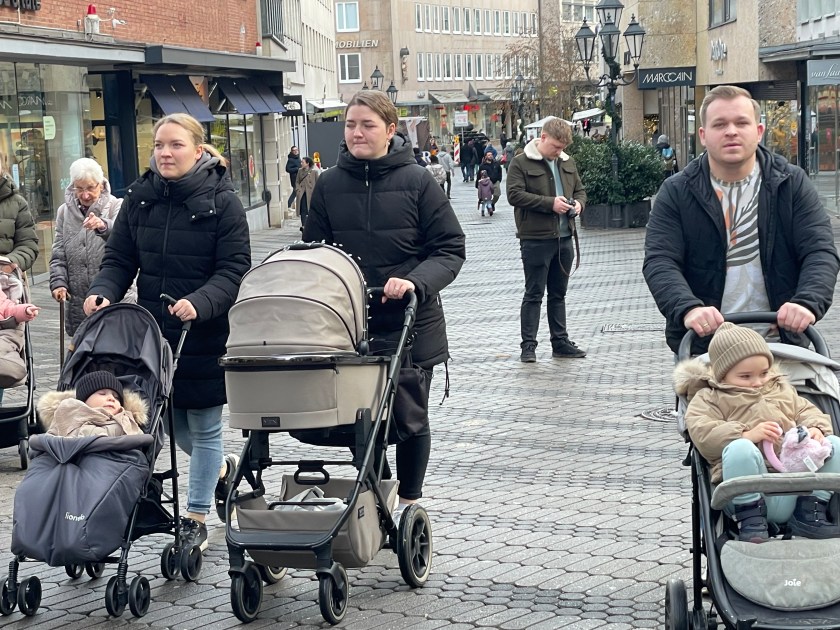
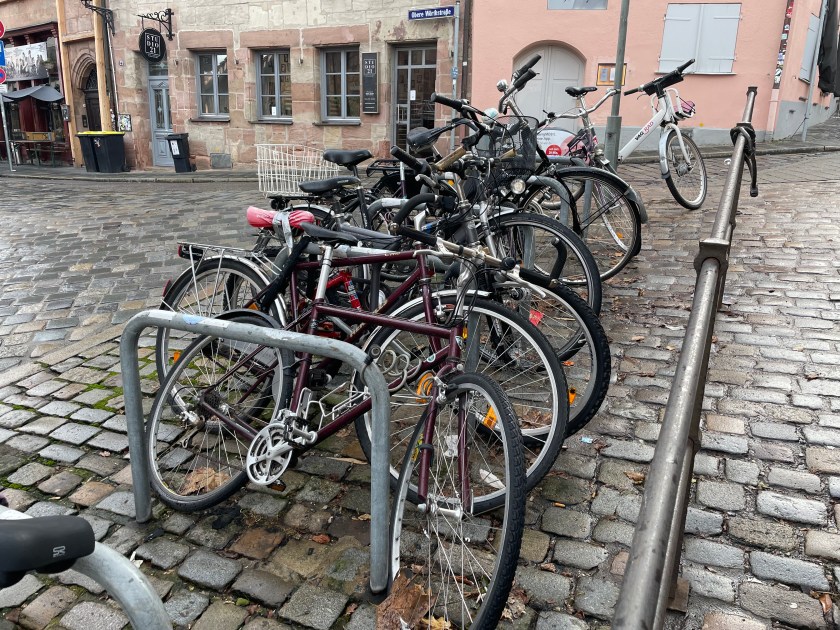
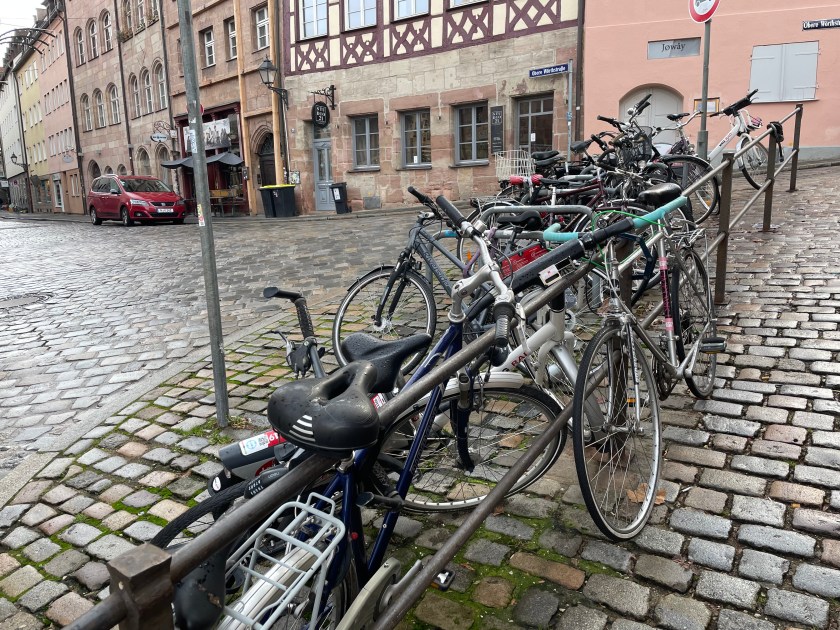
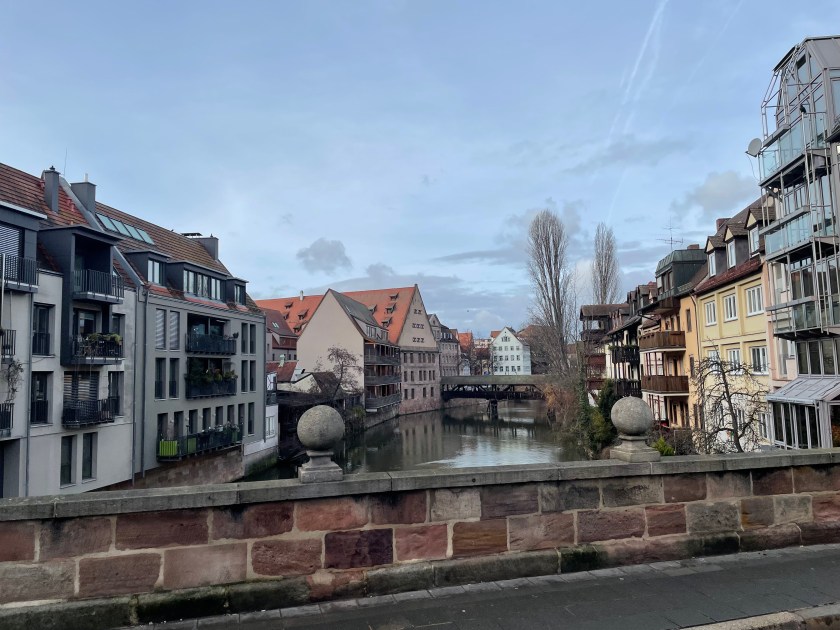
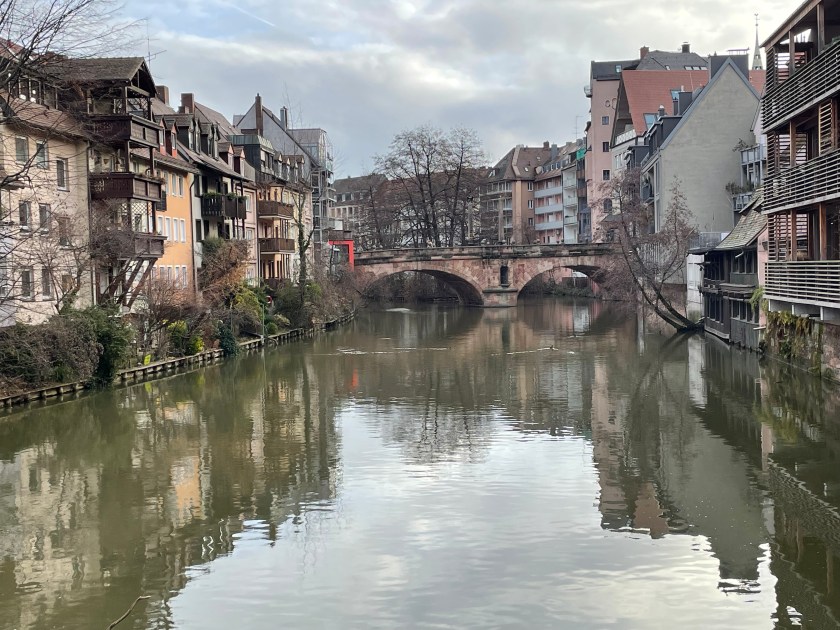
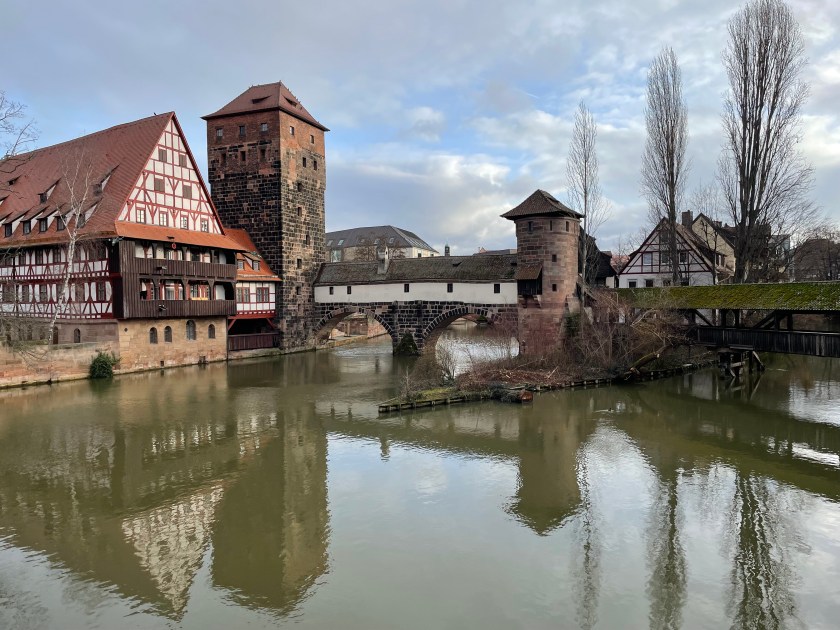
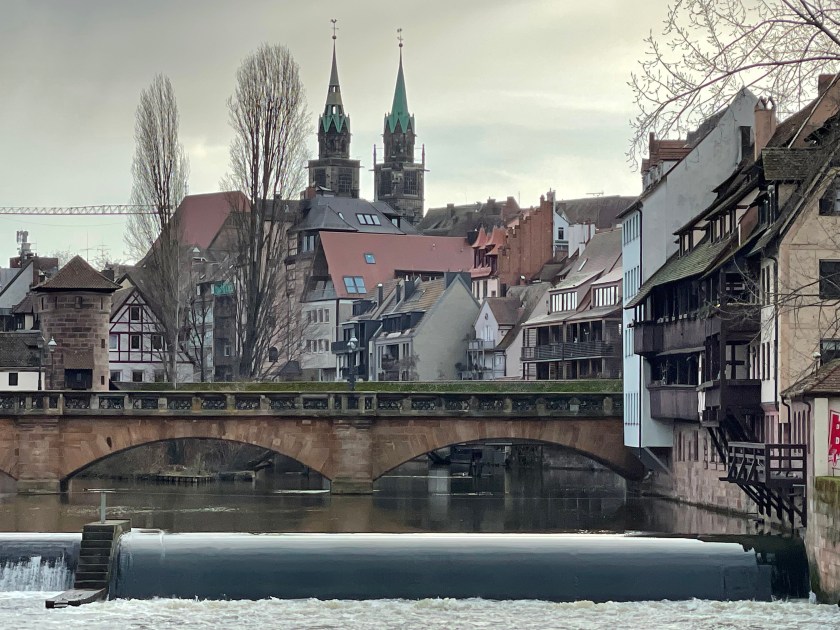
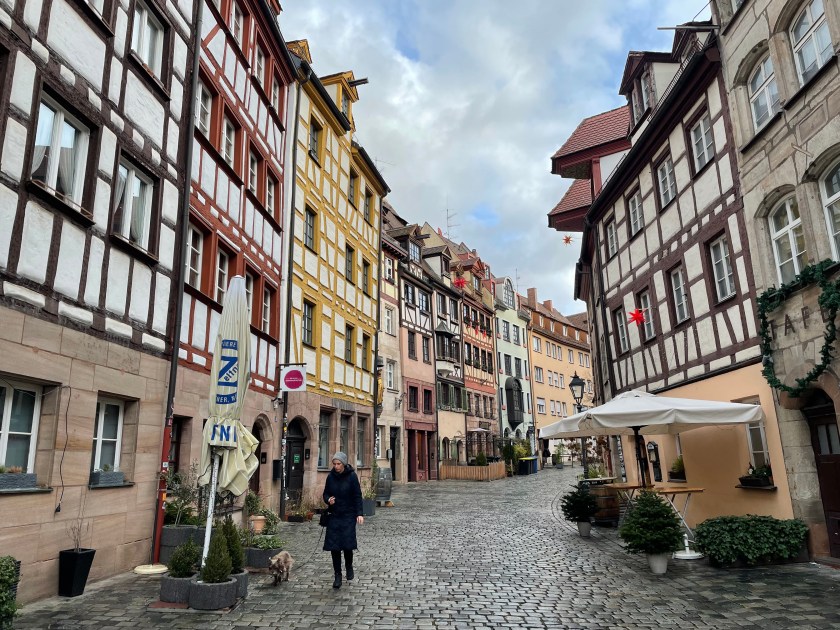
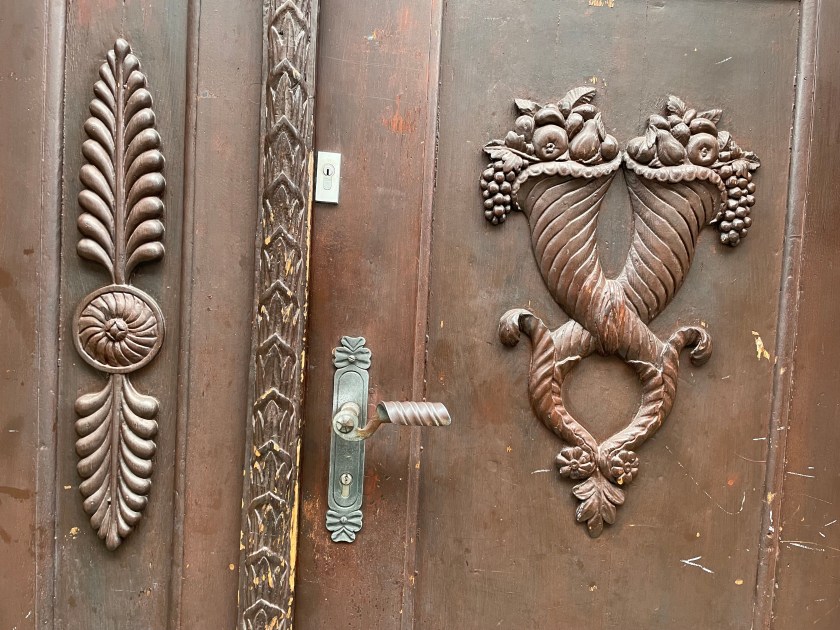
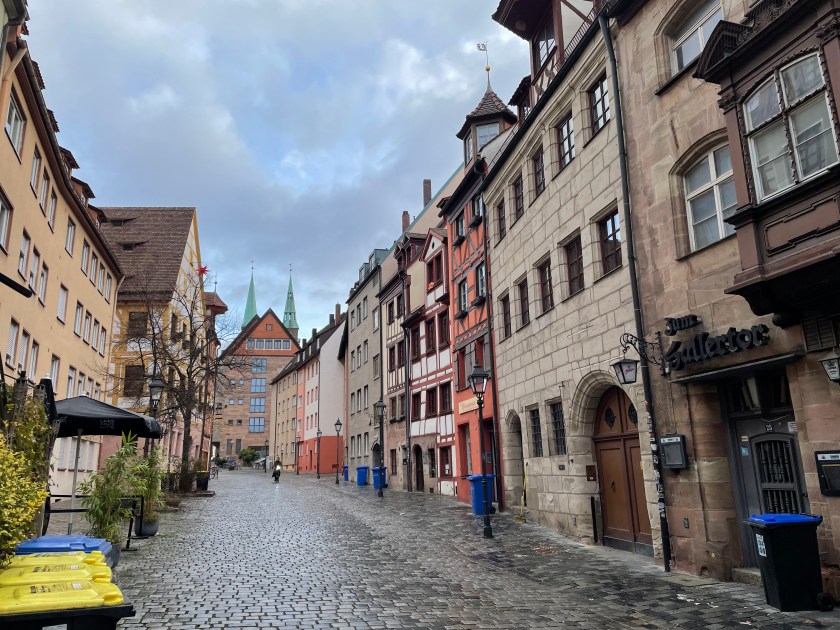
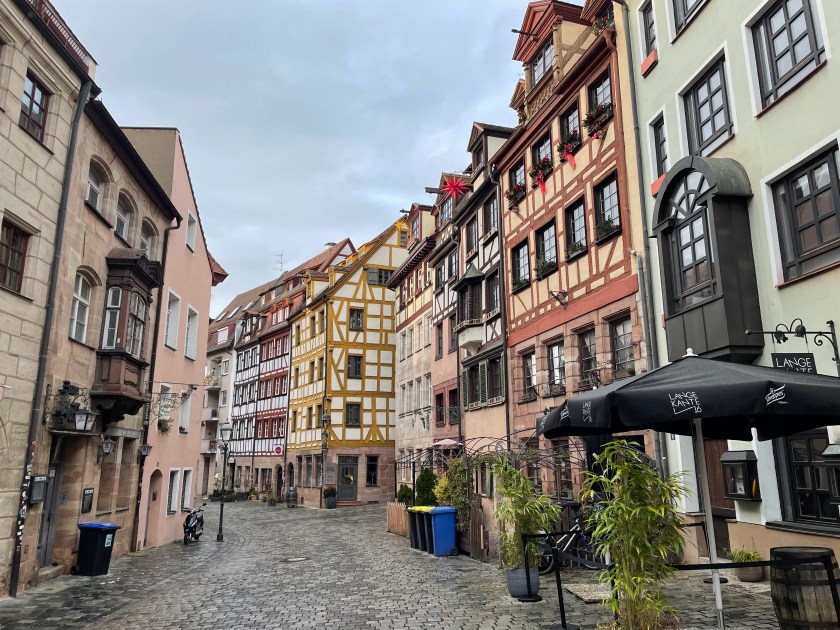
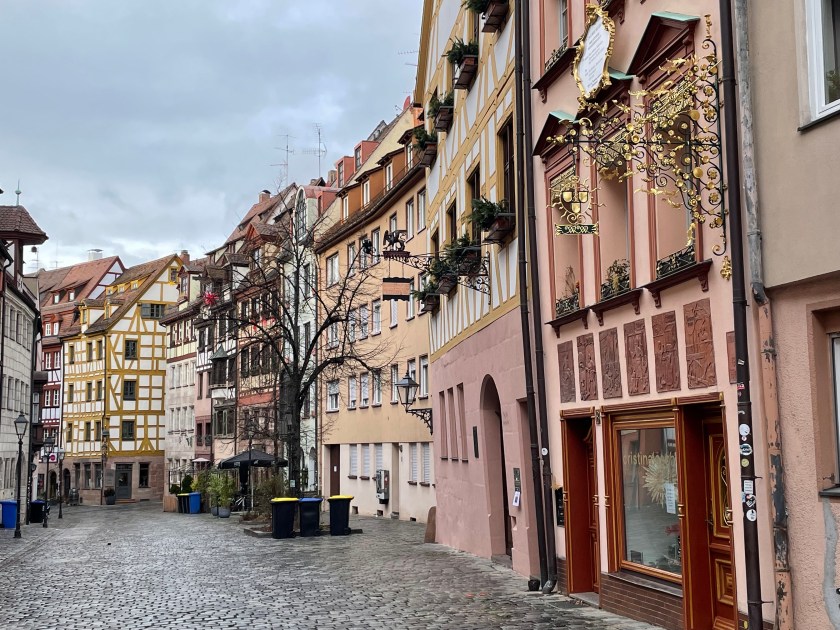
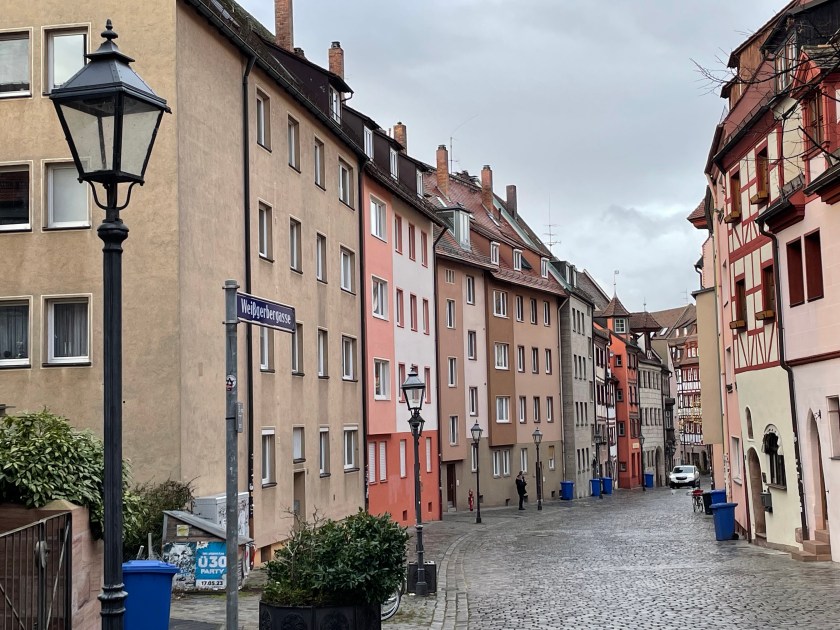
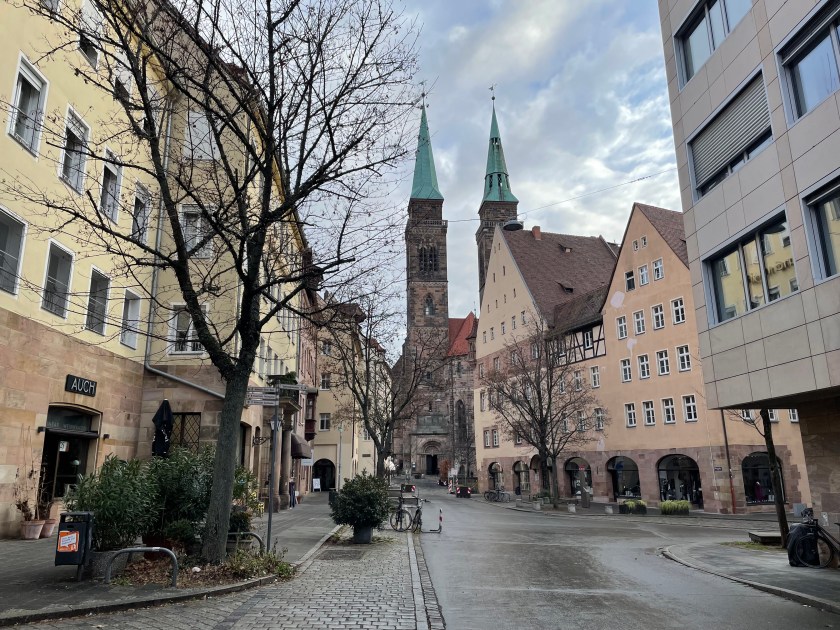
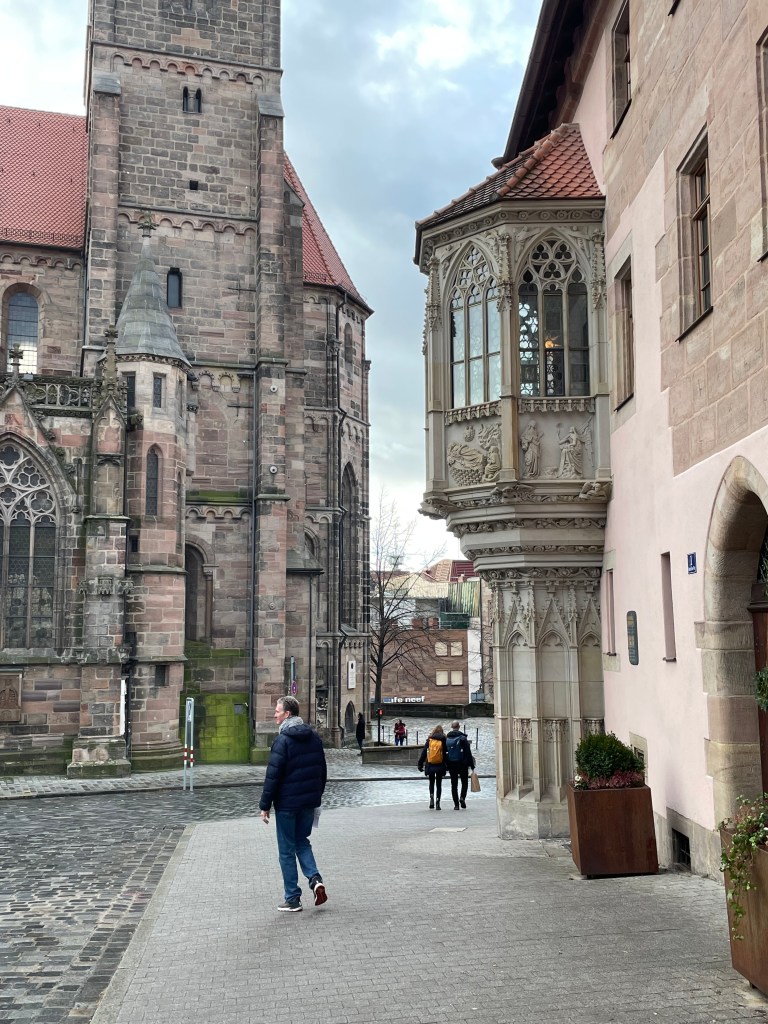
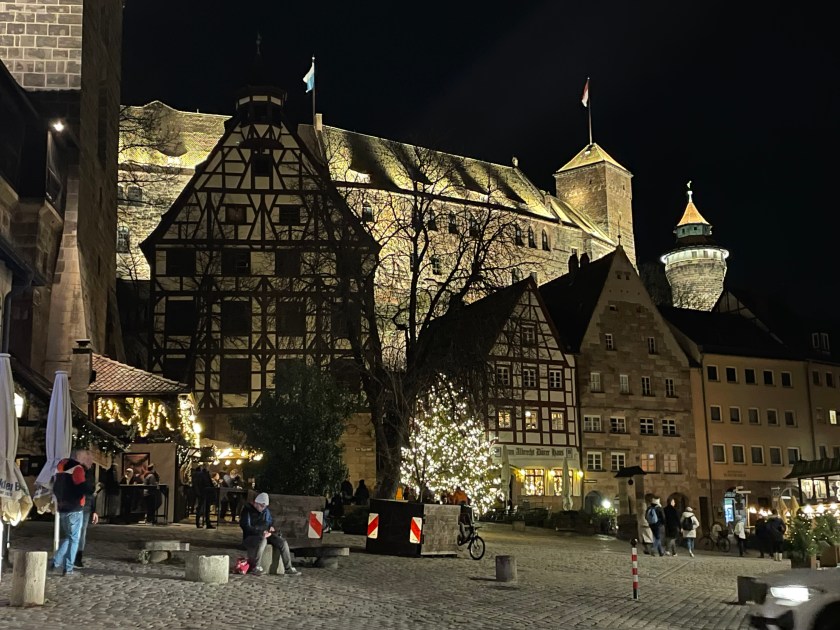
This morning we took one last walk around the Old City before it was time for us to move along.  In these old cobblestoned towns, you always need to remember to look every direction, including down.

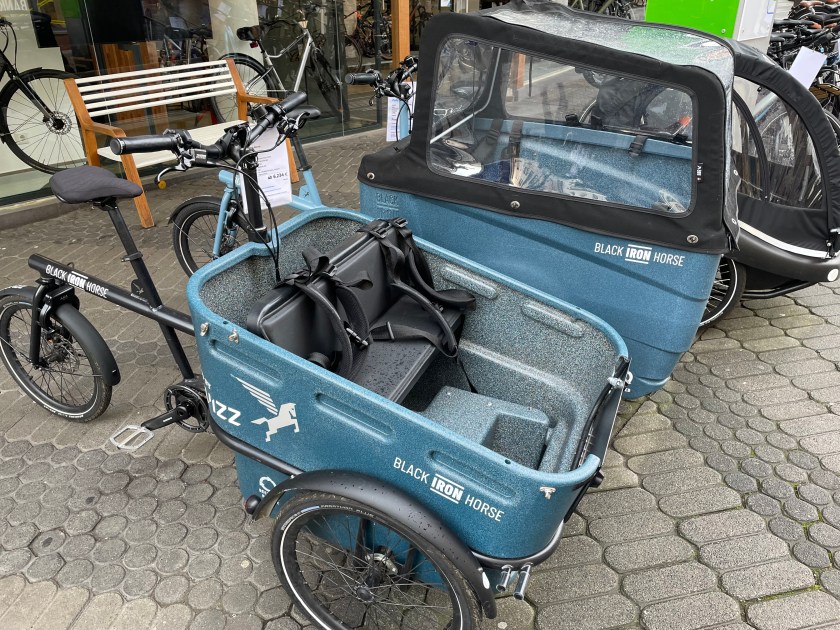
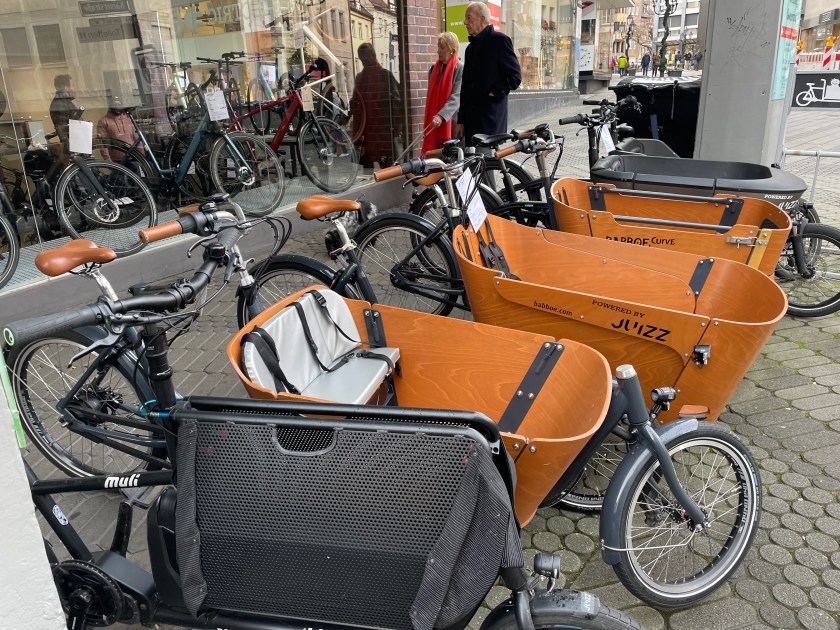
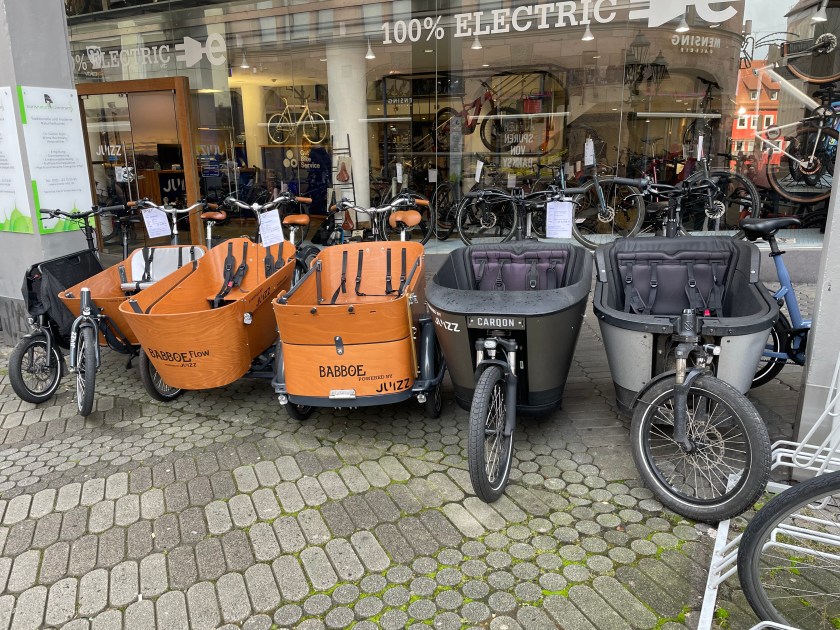
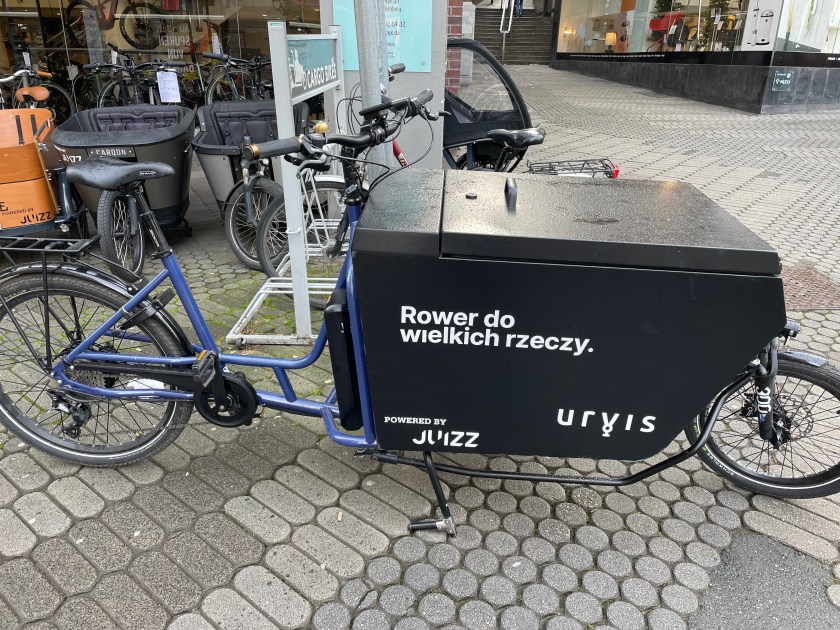
This bike shop was interesting.  Many families travel by bike here.

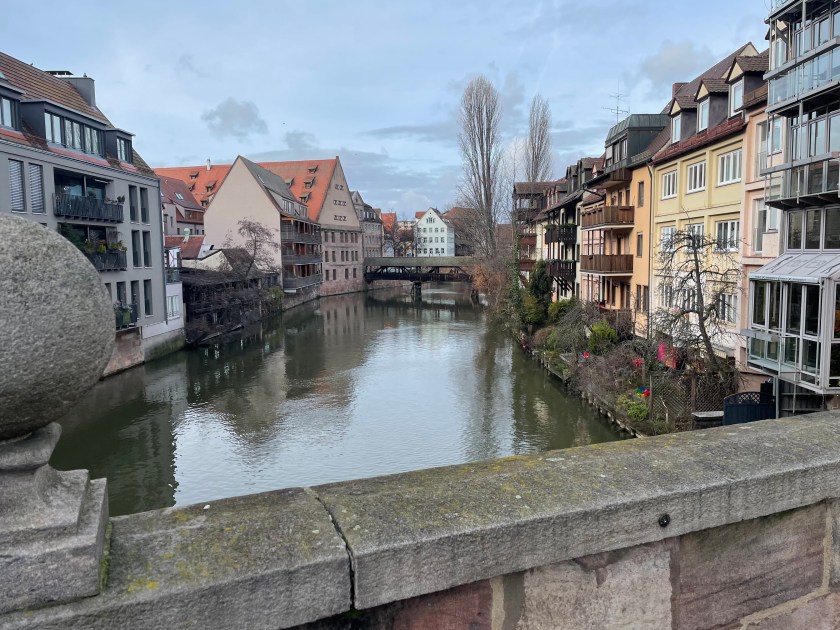
Here’s a look at the post-war reconstruction:

We’ve loved our time here in Nuremberg.  Every time I come I learn new things and see things in a different way.  I’m so happy we’re here now, again, enjoying these historic places.


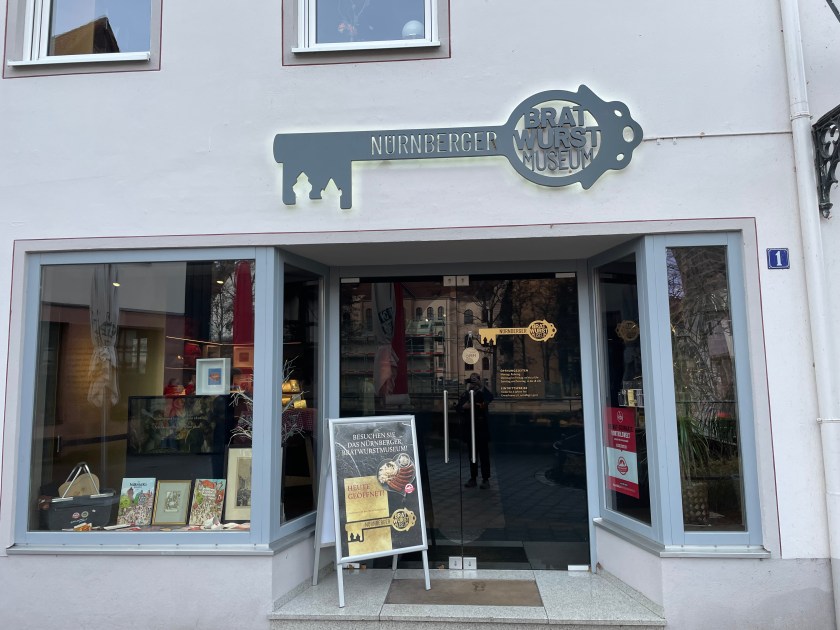
The Nuremberger Bratwurst Museum

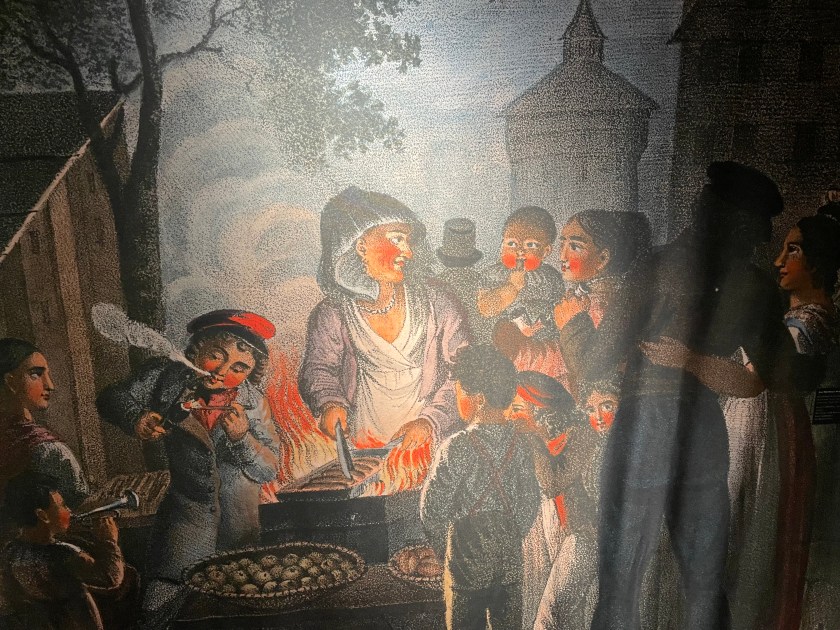
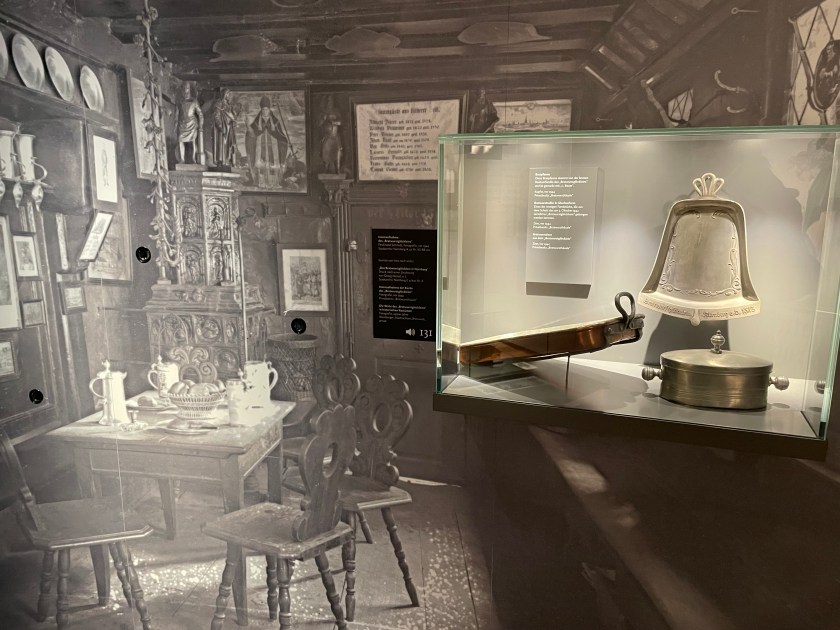
This morning we visited the Nuremberger Brat Museum.  It was an  interesting, small 3 room place with all the talking on handsets set to English. There were things to look at–the history of Nurnberger Bratwurst, going way back to the 1300s, old pubs and grills, info about the butchers and recipes, a display of butcher tools, and a bit about Brats today.

Nuremberger Brats are some of our favorites. They are made small and they’re served 6-8 on a plate. They’re about the size of a finger. There are lots of myths surrounding why–some say so they’d fit through a key hole in a door or gate. The truth is, they got smaller when the price of meat when up during a period when there was sickness in the pigs like swine flu. They’ve stayed small ever since.

Brats were some of the earliest fast food served in European towns.

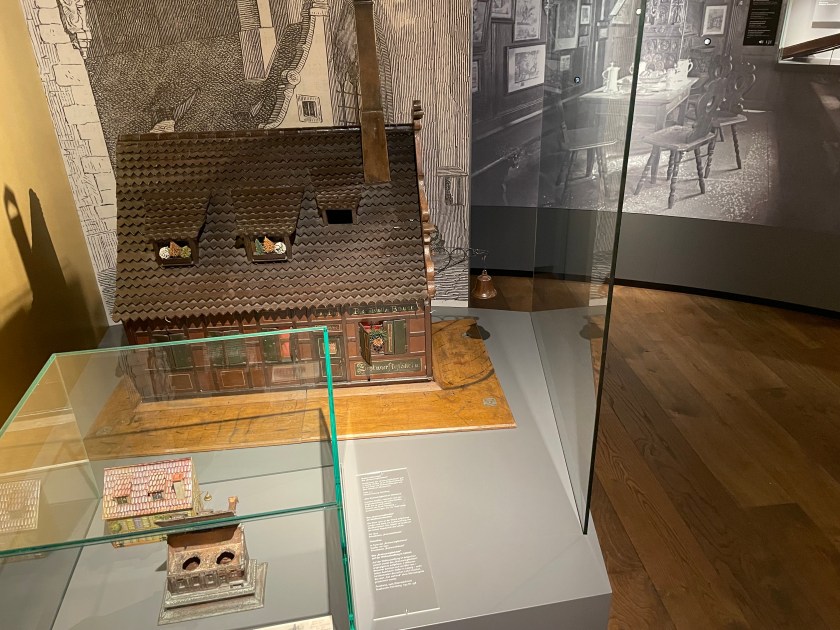
This was the most famous Brathaus in Nuremberg.  It was destroyed during the war.

The plates Brats were served on:

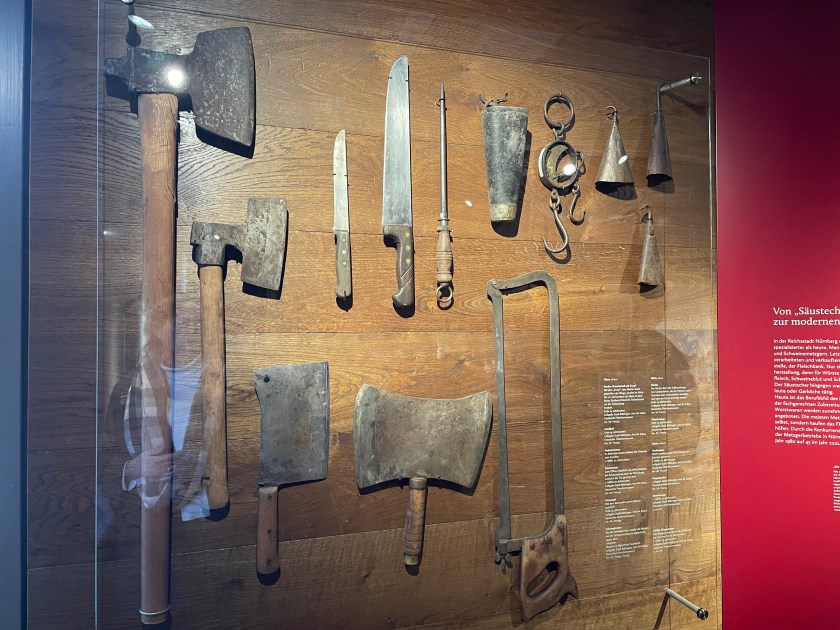
Tools used by the butchers.  My grandparents use to make their own sausages when my Dad was a boy.  Some of these tools are similar to what they used.

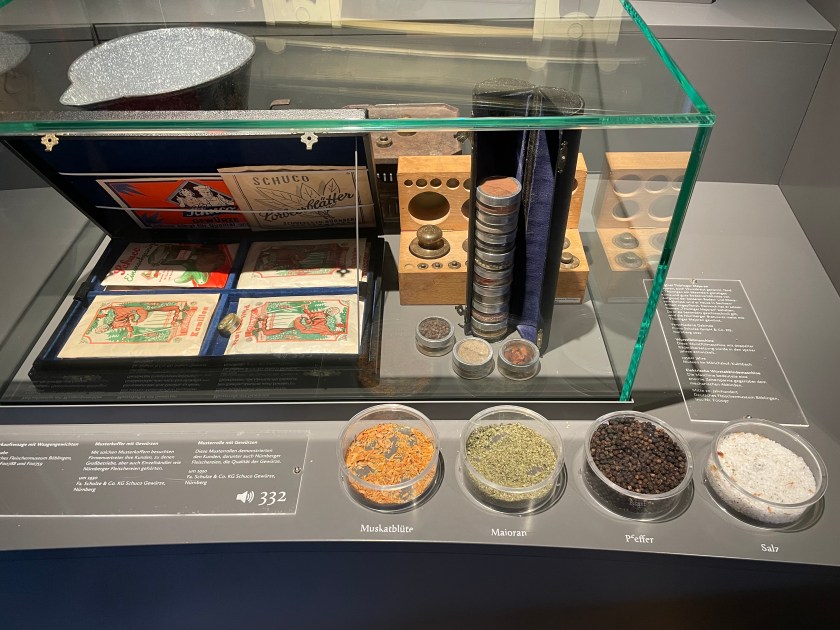
The herbs and spices used in Brats:

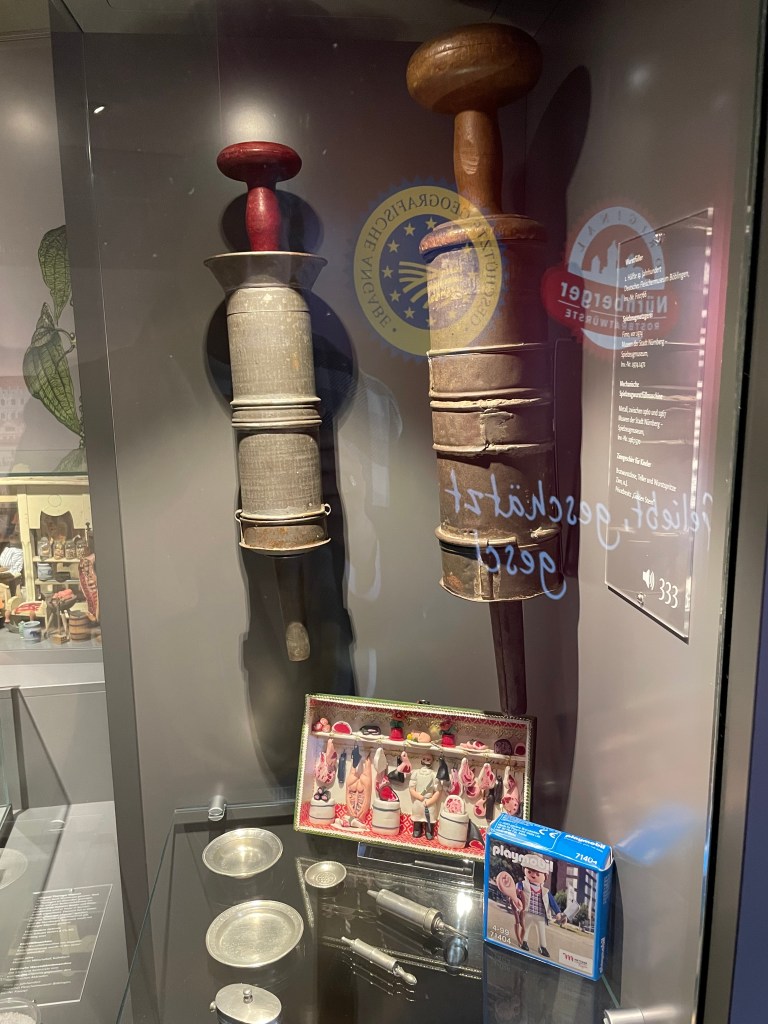
A meat mincer or chopper:

This shows some of the places the famous Nuremberger Brats are exported (including WALMART in the USA!).

Honestly, Nuremberger Brats are our favorite.  They have great flavor.  We love them.

Nightlife in Nuremberg

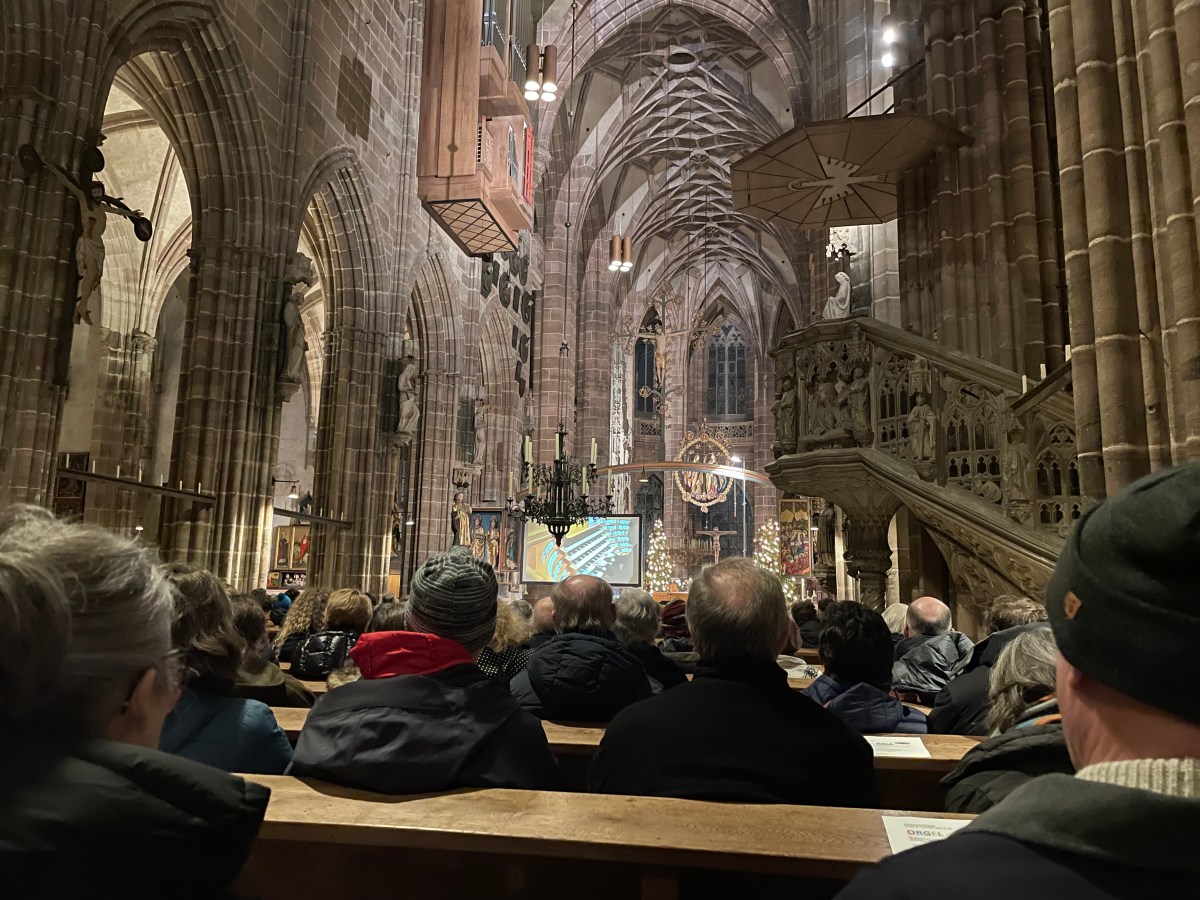
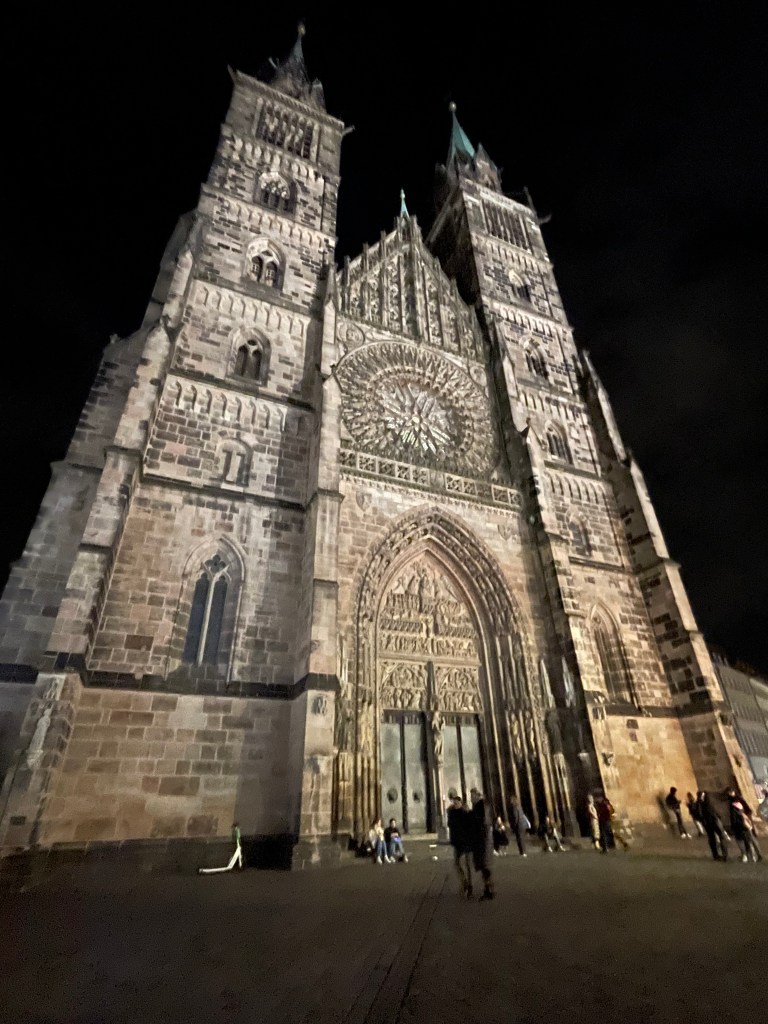
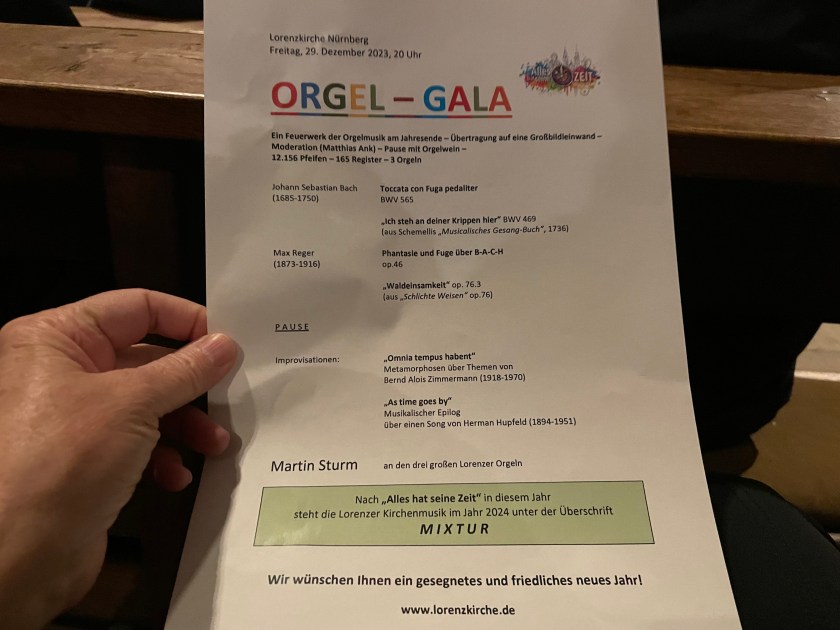
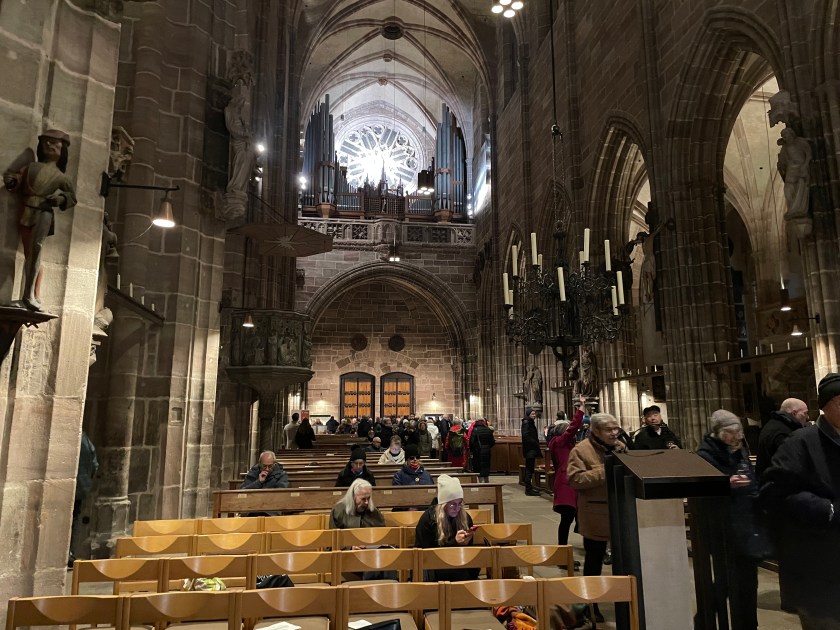
After our underground tour, we went back into the Old Town to find some dinner before going to an organ concert at St. Lorenz Kirche.  The concert started at 8:30.

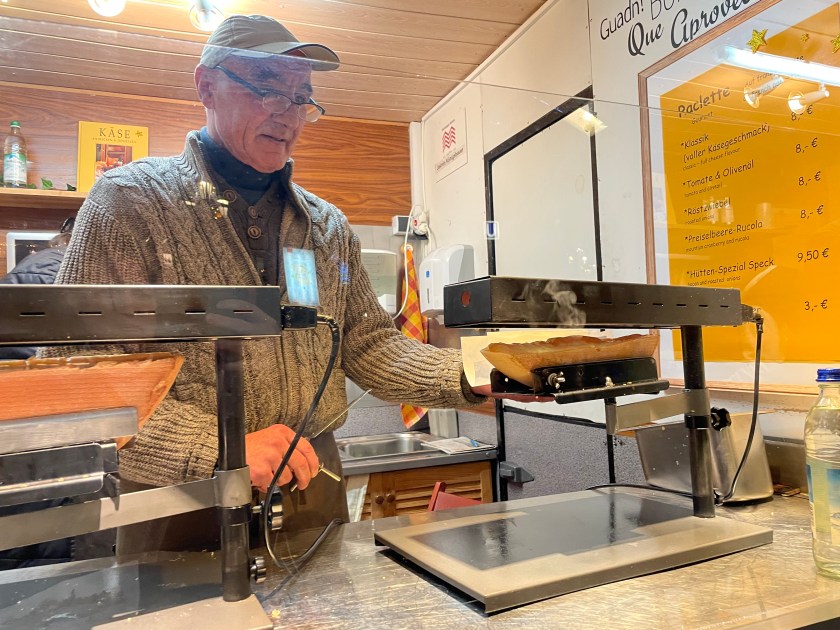
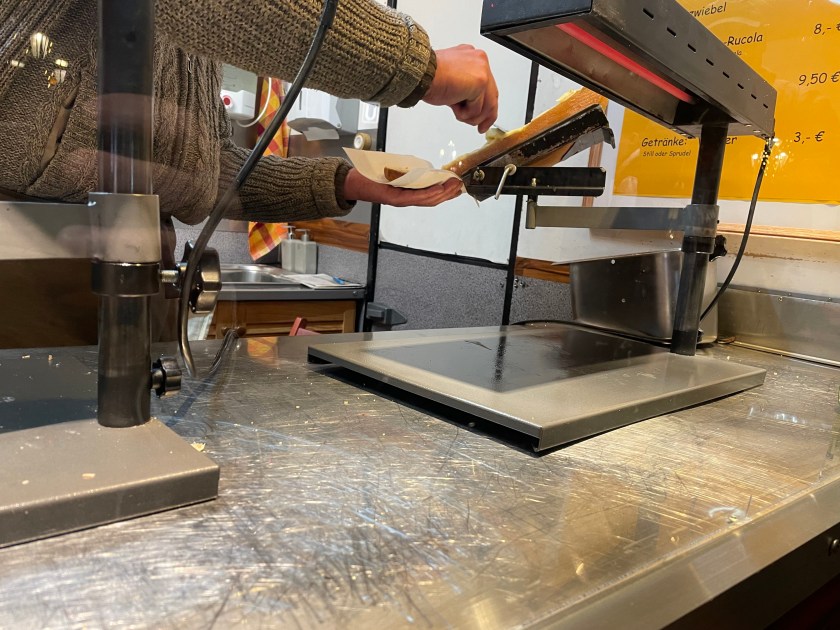
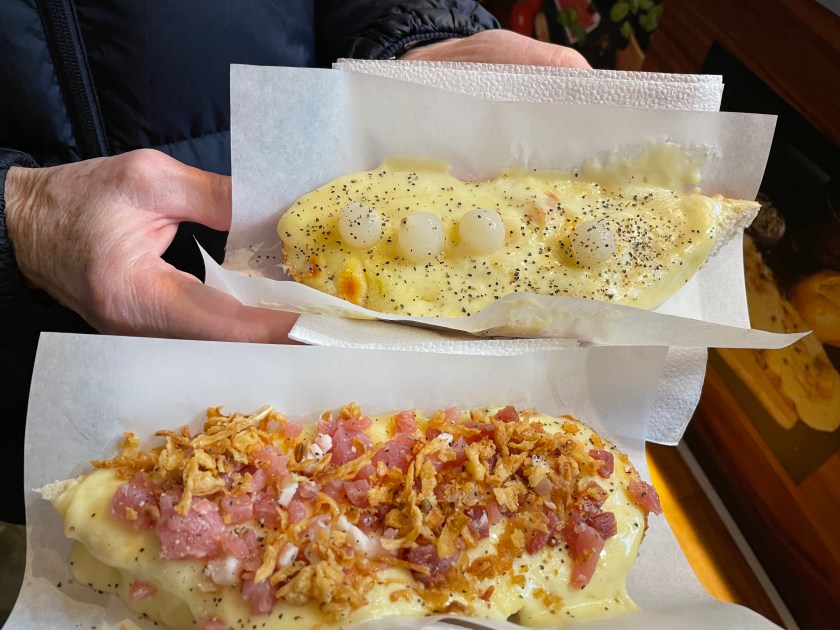
We had some delicious Raclette.

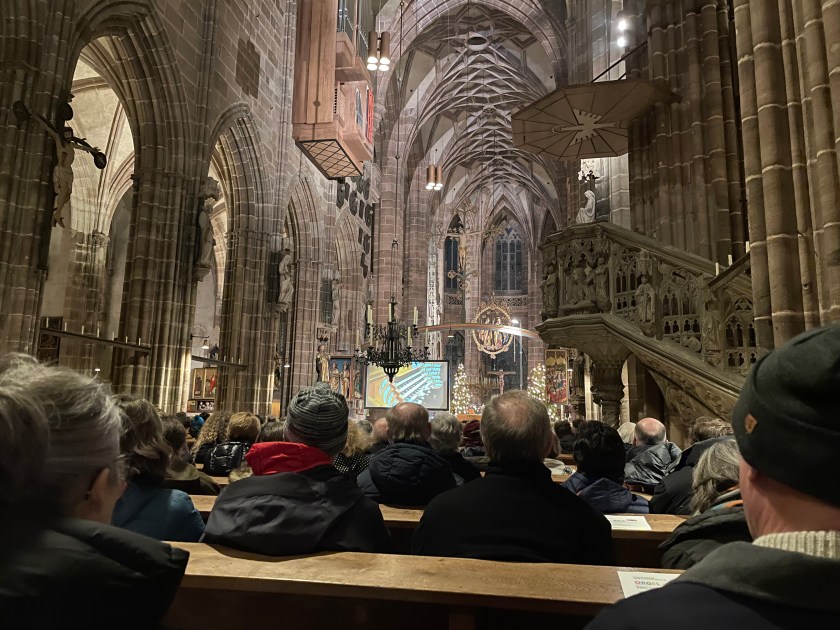
Then into the church, which was, by the way, FREEZING COLD.

We did our best to keep warm during the 1.5 hour concert.  At intermission, everyone got up to walk around and thaw out a bit!

The church was filled.  The organist was fantastic.  He played more notes than my ears could hear.

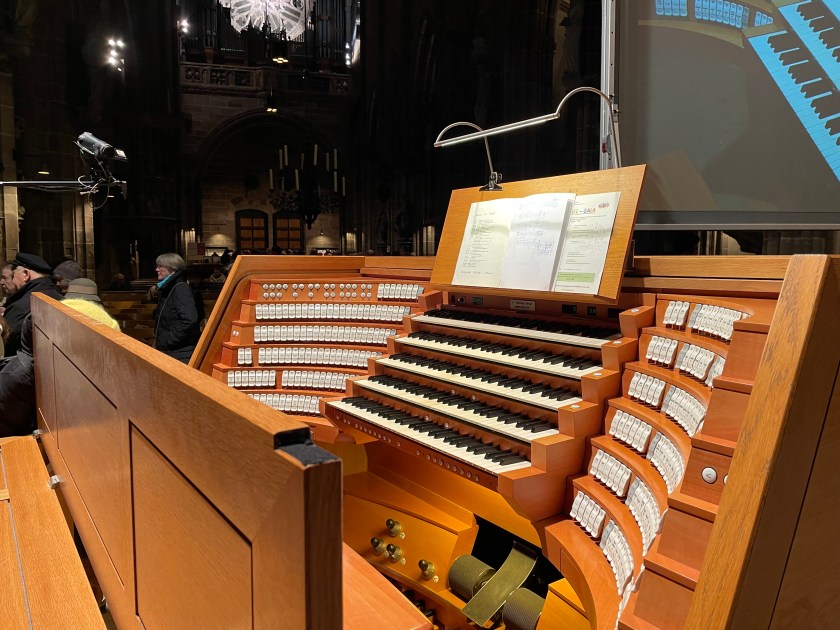
Afterwards, a shot of one of the 3 organs.  The organist played on one organ on the floor that was wired to 3 different sets of organ pipes above and around us.

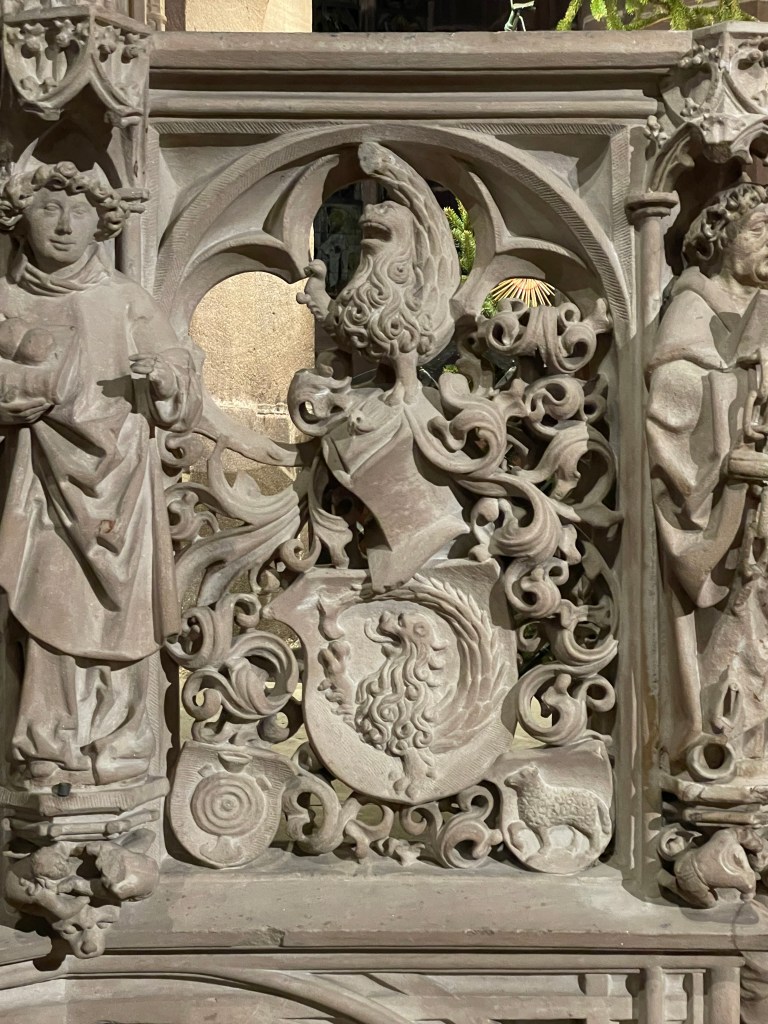
One last look at my Laemmlen little lamb on the pulpit piece:

And then home.  We had a fantastic and full day!


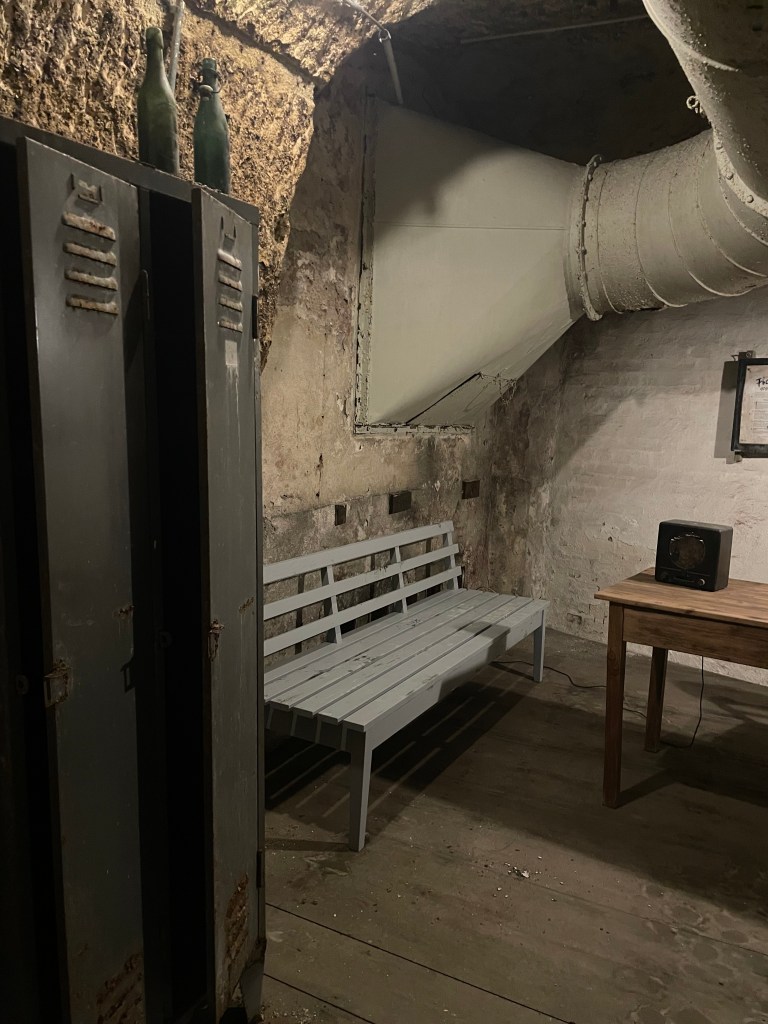
The Underground Art Bunkers at Nuremberg

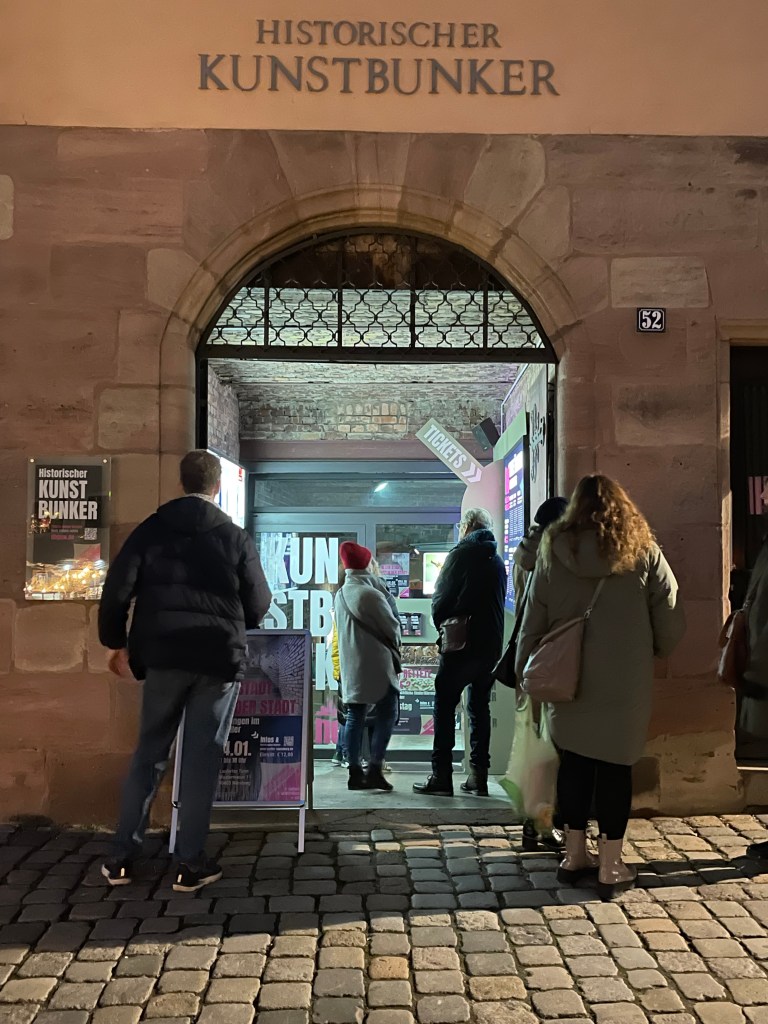
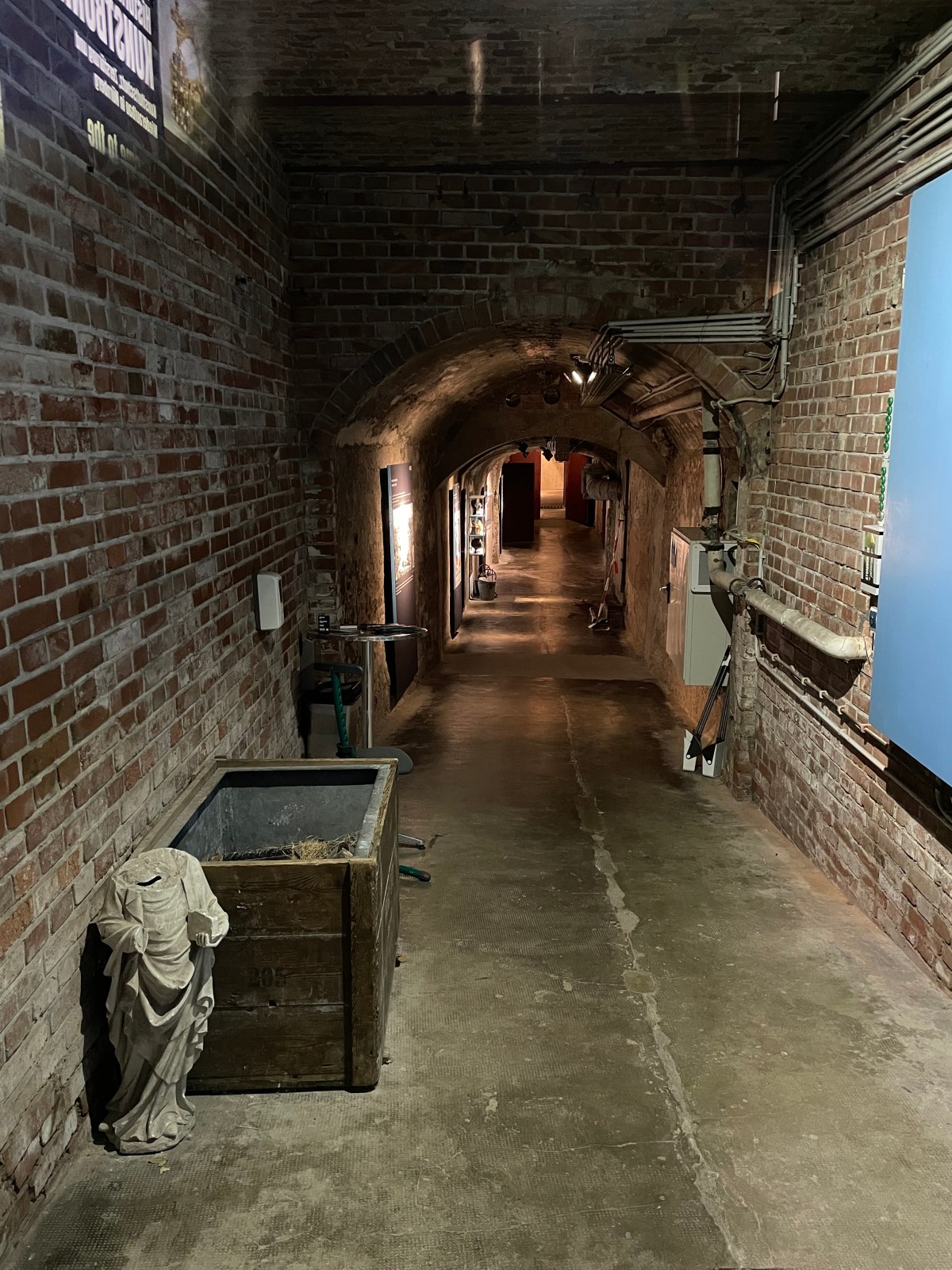
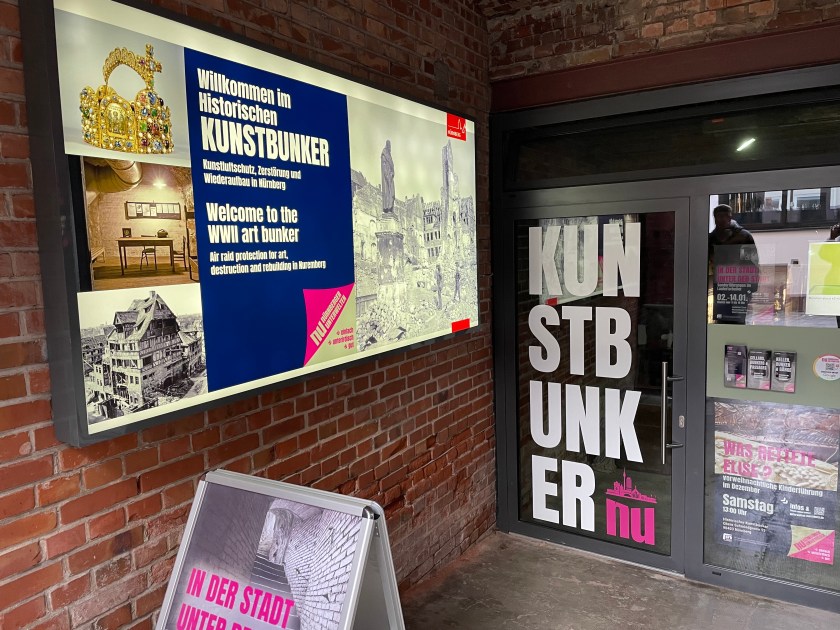
This morning we went to book tickets for a tour of the WWII Art Bunkers near Albrecht Duerer Square near our hotel.  There are several different kinds of underground cellar or bunker tours offered.  We were interested in the one about where the art was kept safe.
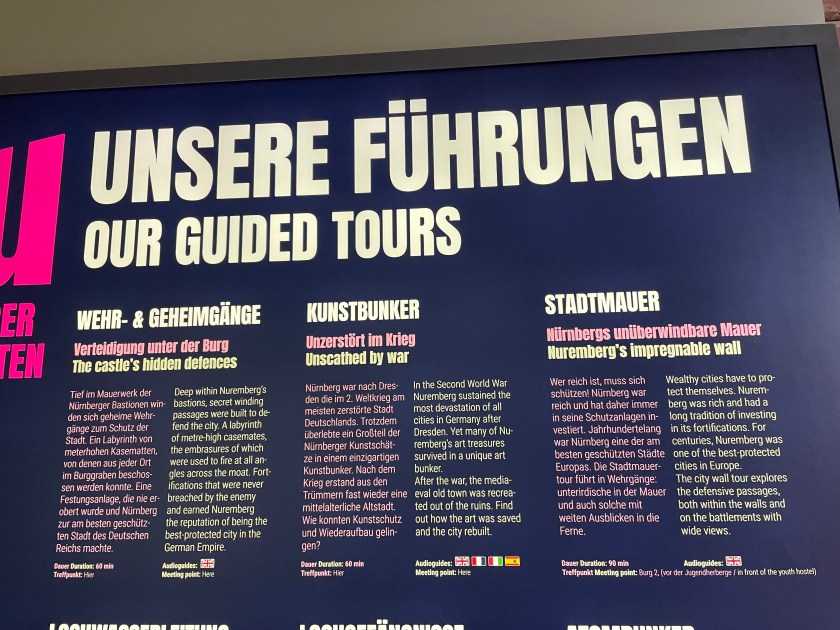
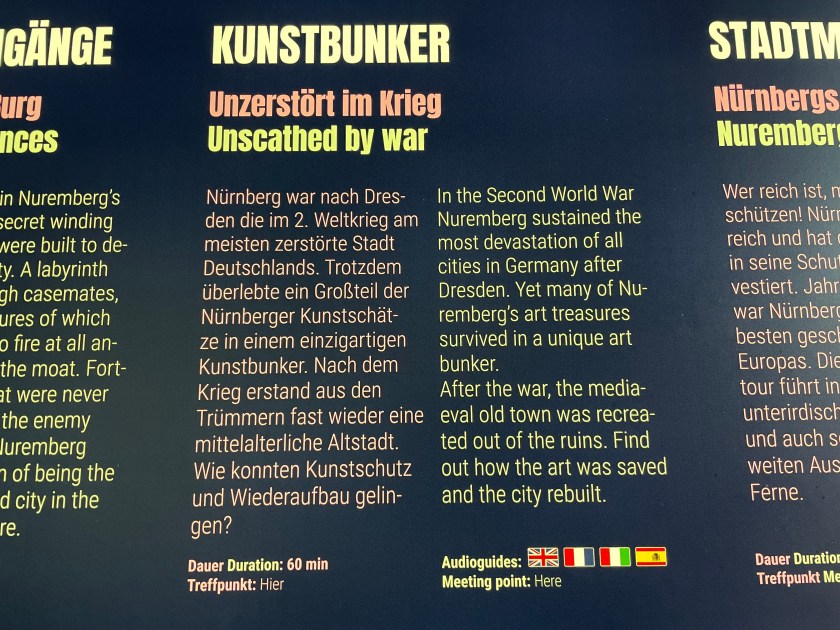
Some of the tours show the beer cellars, some show the weaponry and torture chambers and some show the passageways in the city walls.  These underground cellars and bunkers date back hundreds of years ago, some to the Roman era.
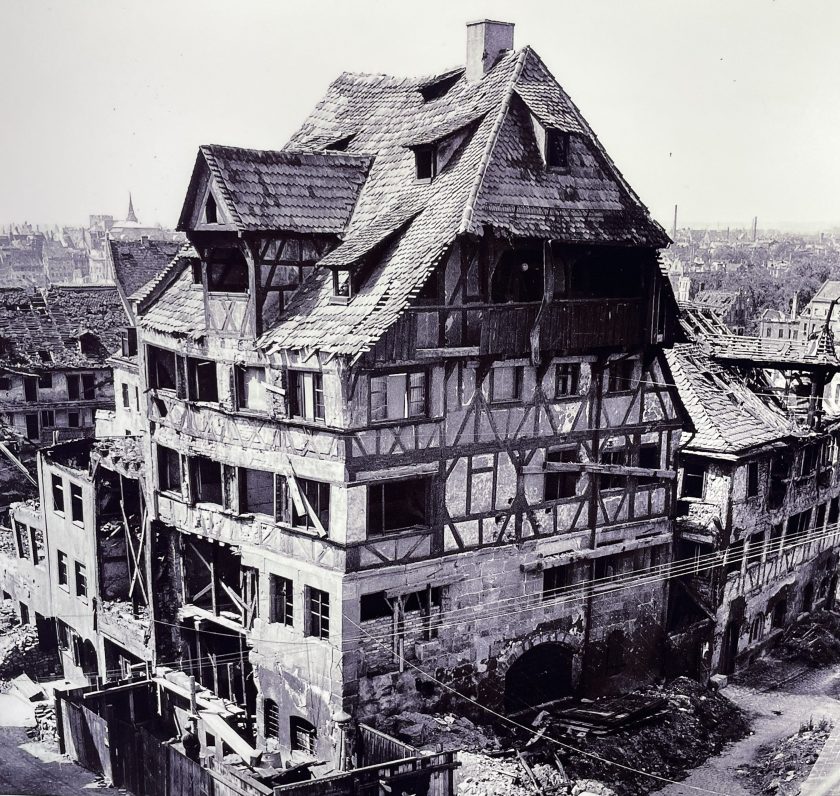
This bunker housed all of Albrecht Duerer’s famous work during the war.  In this photo you can see the damage to his home.
Our tour began at 5:30 this evening.
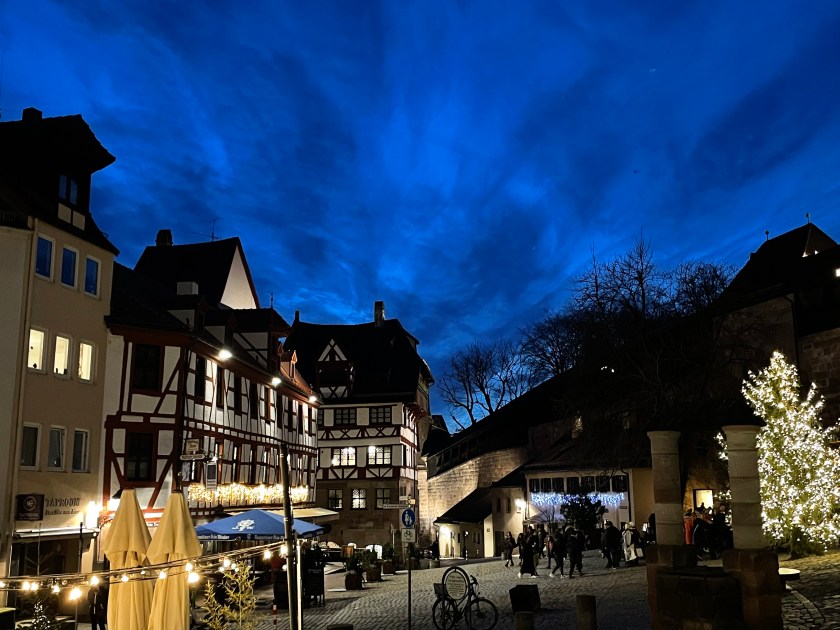
This tour lasts about an hour.  It’s given in German, but you can ask for a device to listen to the different points of interest in English, which I did and was glad for it.

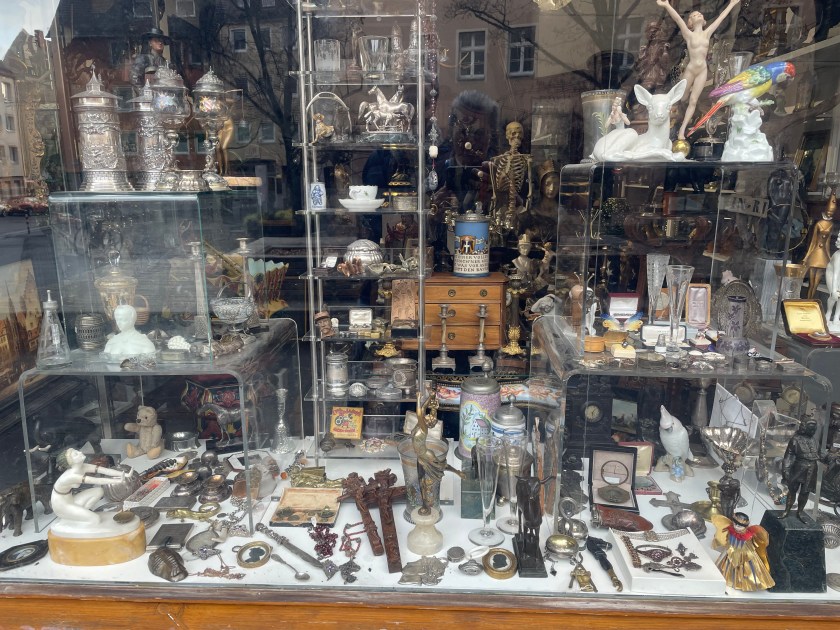
The entrance to this particular bunker was in an antique shop, so people coming and going with crates and art was not uncommon.
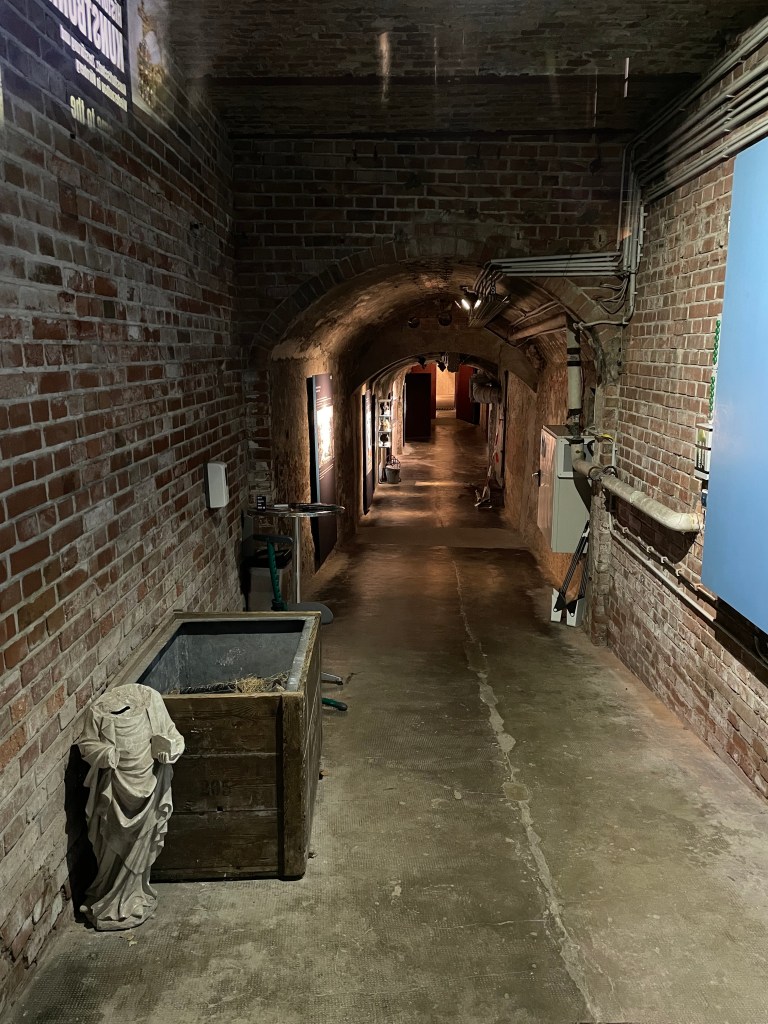
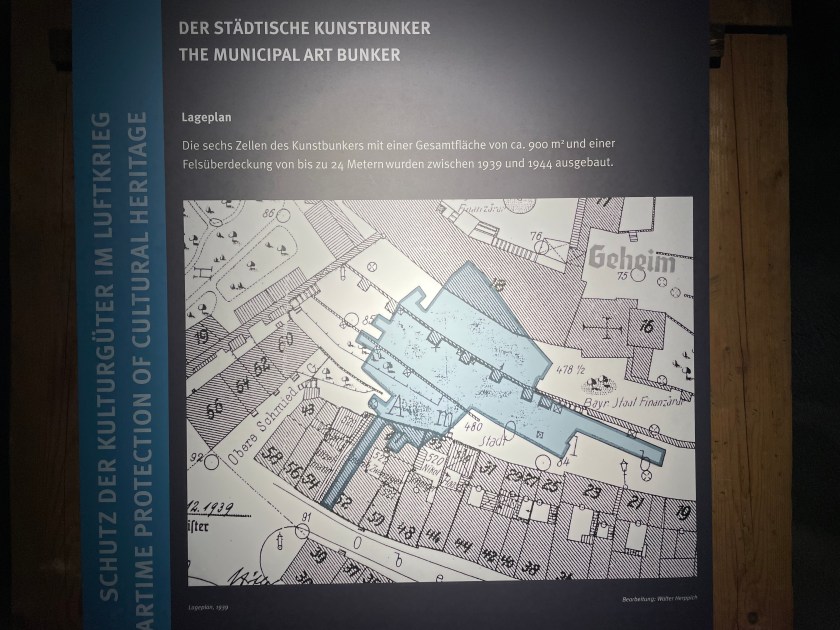
Here is where this art bunker is located underground:
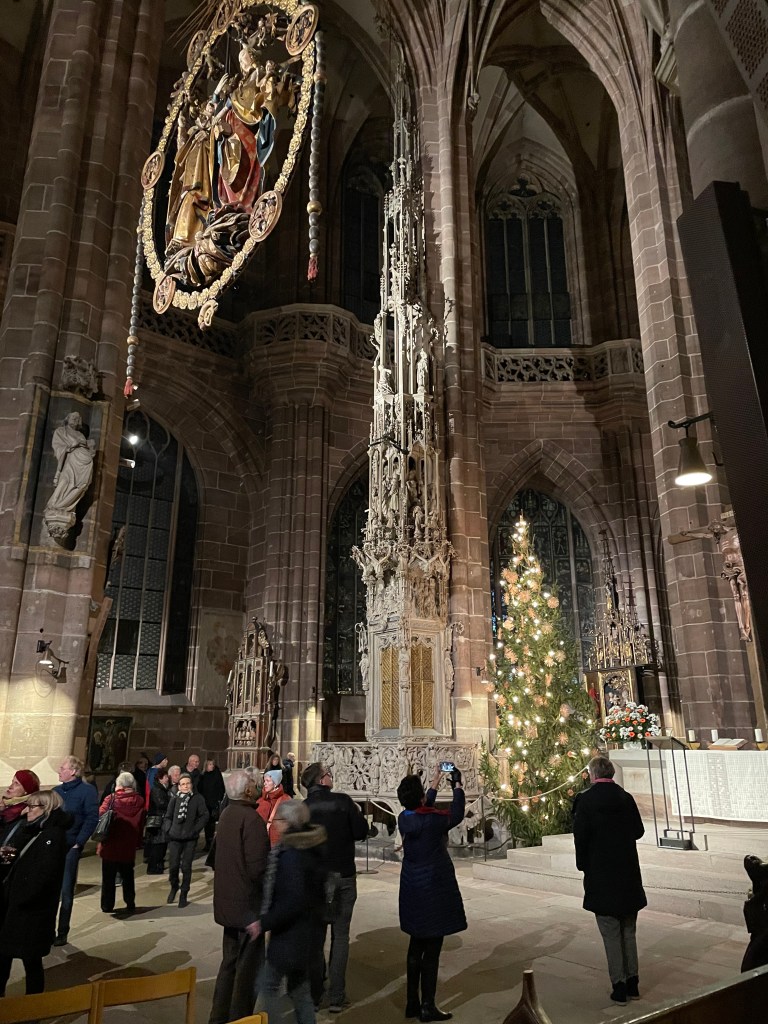
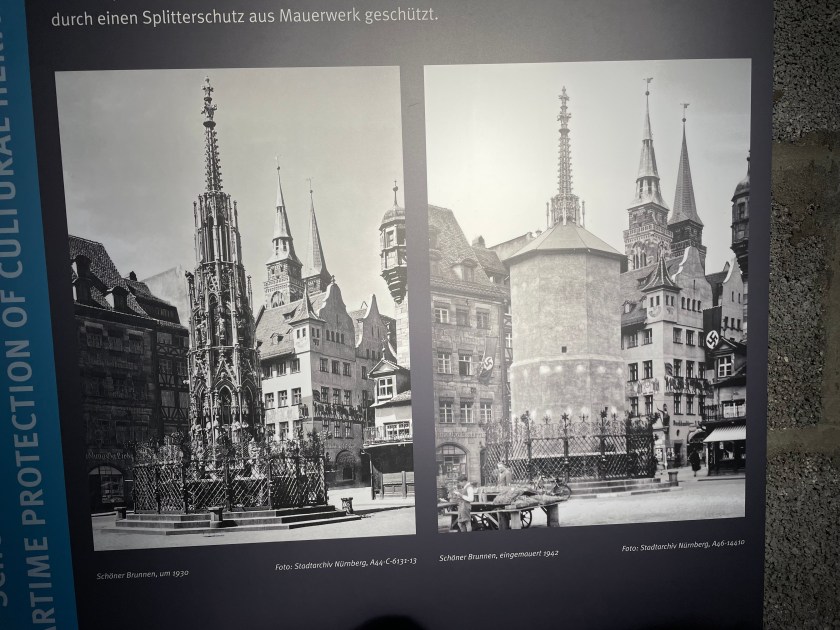
Some pieces of art, like this famous Schöner Brunnen (beautiful fountain), a 14th-century fountain located on Nuremberg’s main market next to the town hall and is considered one of the main attractions of the city’s Historical Mile. The fountain is approximately 19 meters high and has the shape of a Gothic spire.  They couldn’t move it, so they built a bomb proof structure around it.  See photos below:
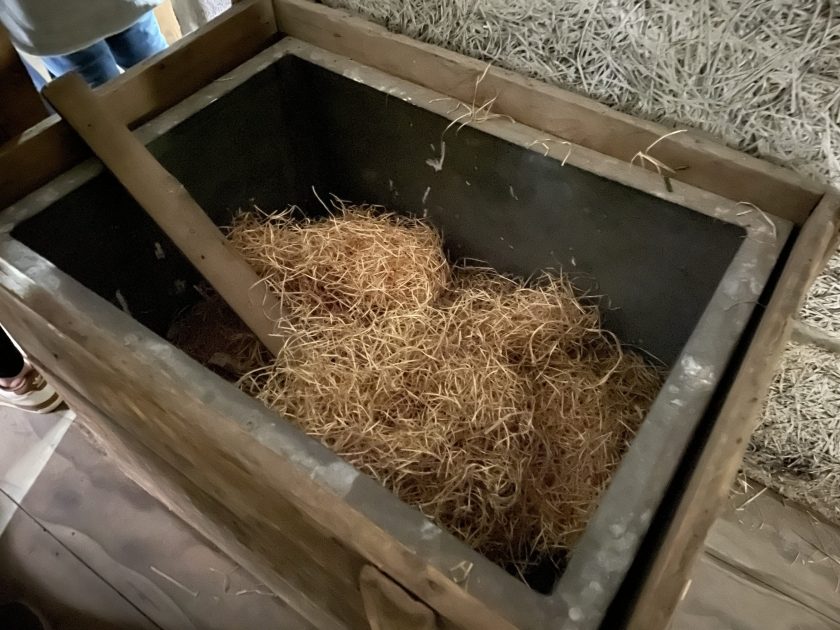
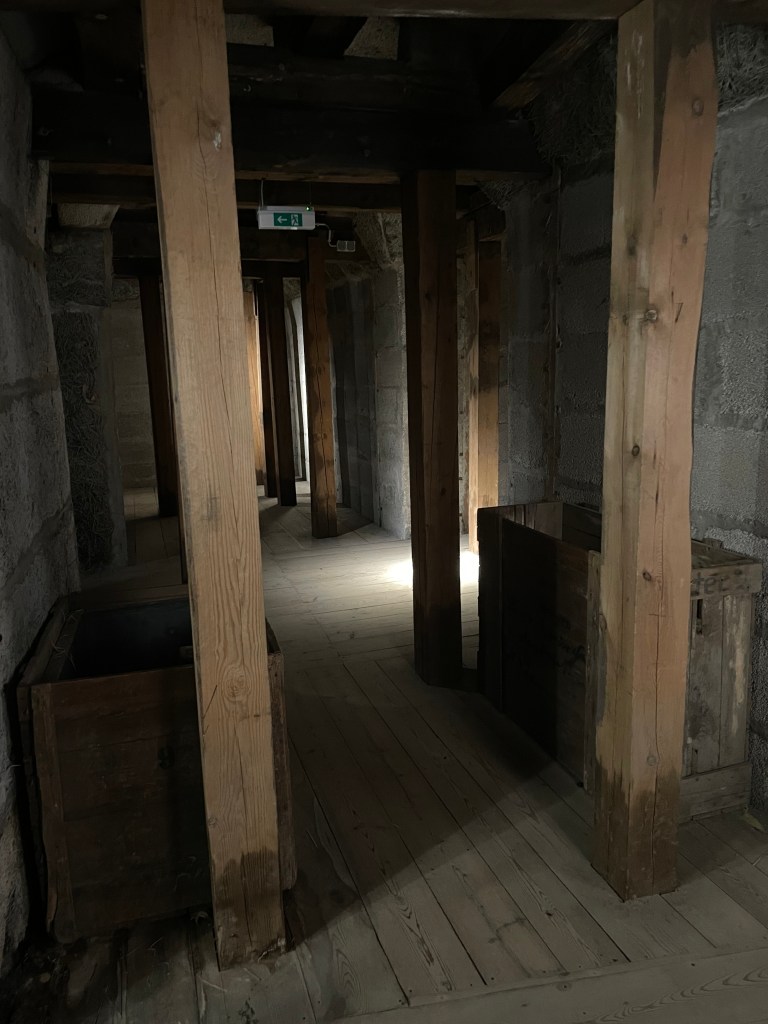
Most artwork was packed in wooden crates like this–
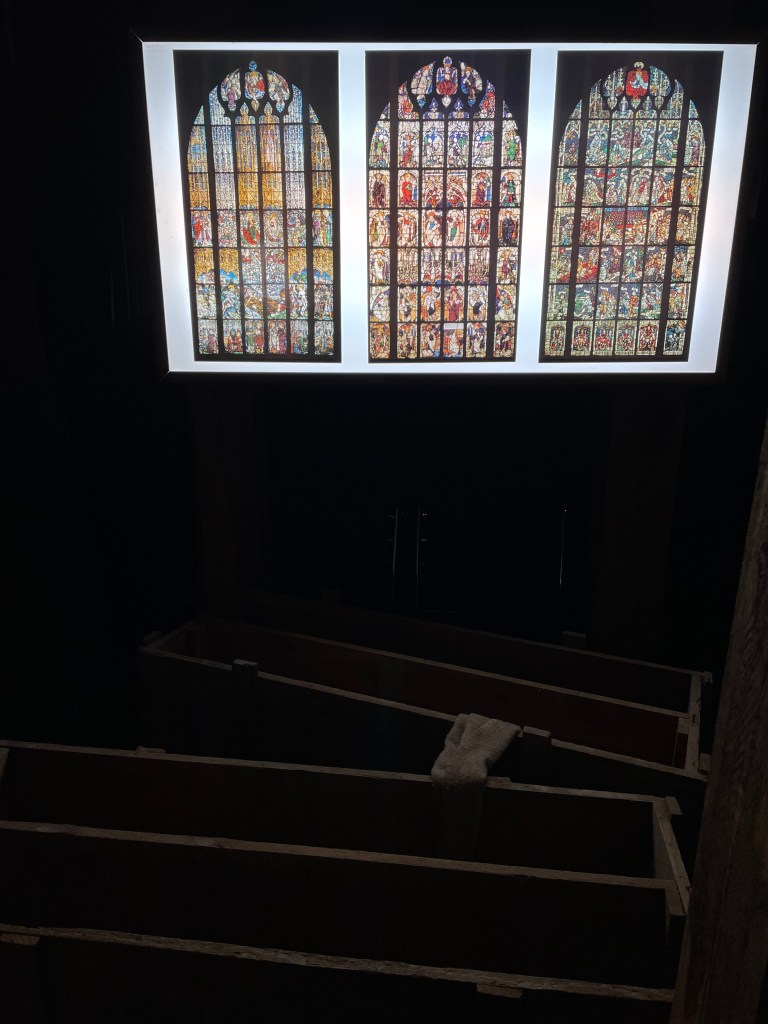
including the stained glass windows from Nuremberg’s churches.
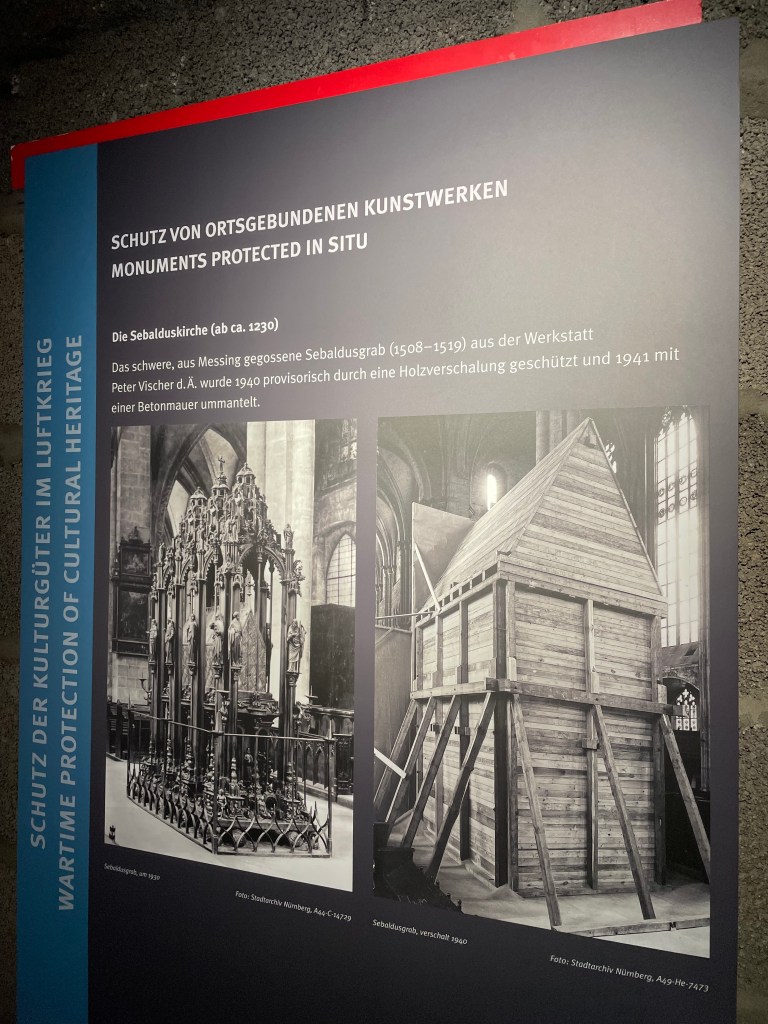
Some of the art in the churches was also too big to move, so it was also encased in a protective structure.
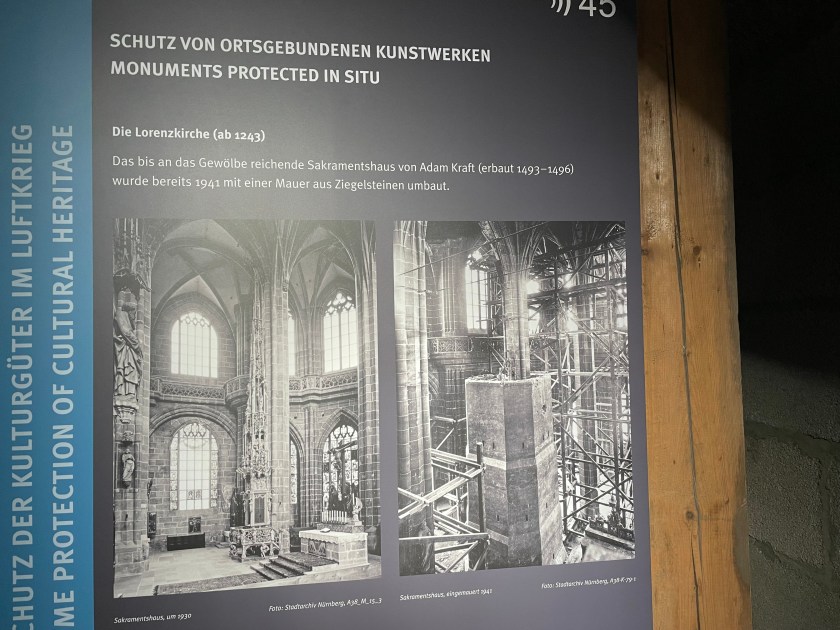
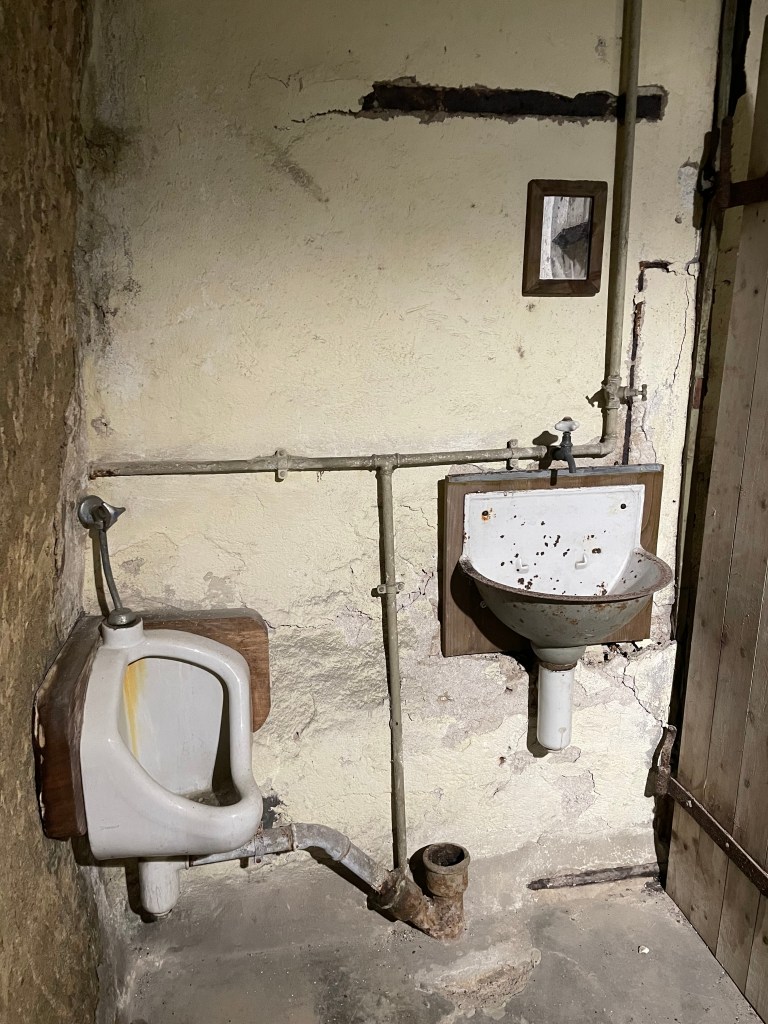
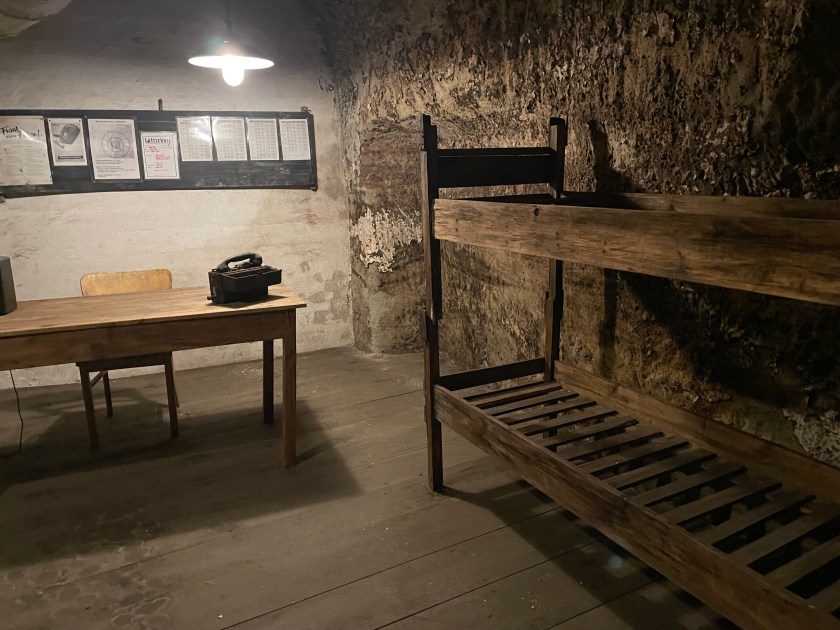
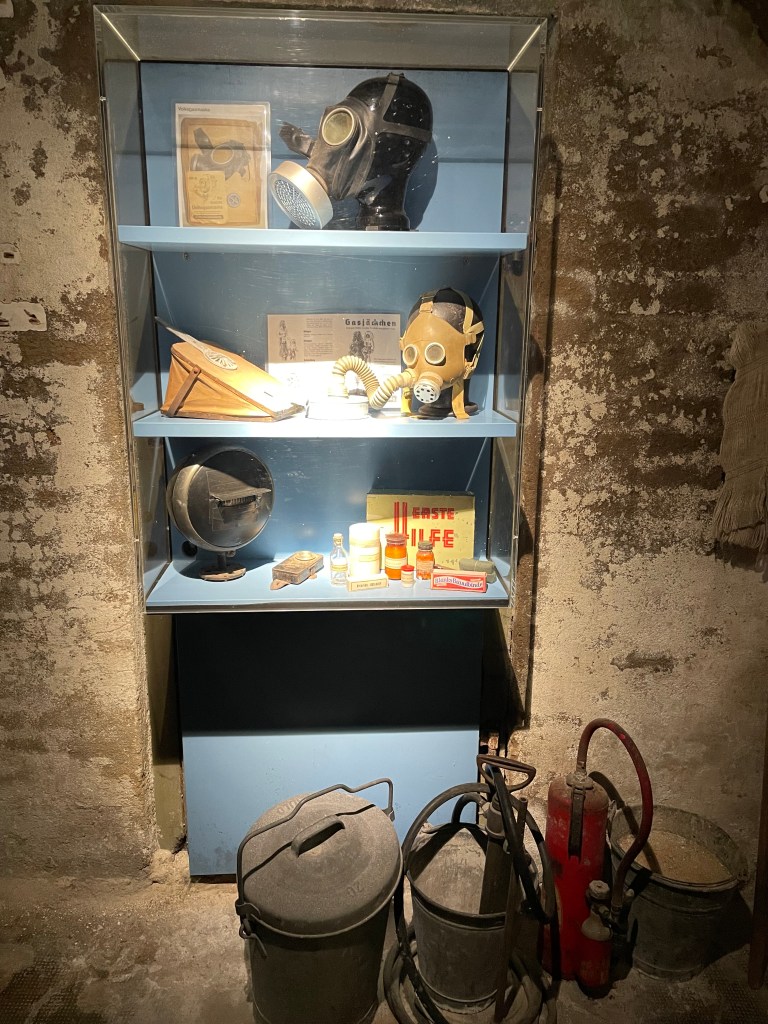
During the war, people had to run to the bunkers when the air raid sirens went off.  You had 5-10 minutes to get there, to be safe.  In the bunkers, one square meter was given to every 4 people.  There was enough air, water and light for 14 days.  with places to lie for 8 hours or sit for 16 hours.

This particular bunker was mainly for art pieces, but you can get the idea.  Dresden was the most destroyed city in Germany (91% destroyed).  Nuremberg was 90% destroyed.

After the war, the Medieval Old Town was rebuilt and restored thanks to the treasures stored here.  (Watch the excellent movie, “The Monuments Men” to learn more about the hidden art treasures of Europe).
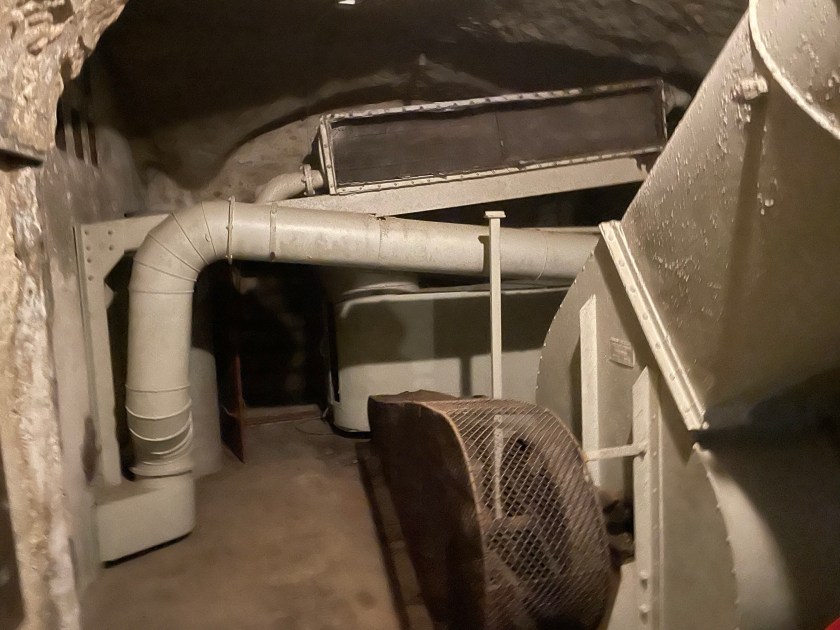
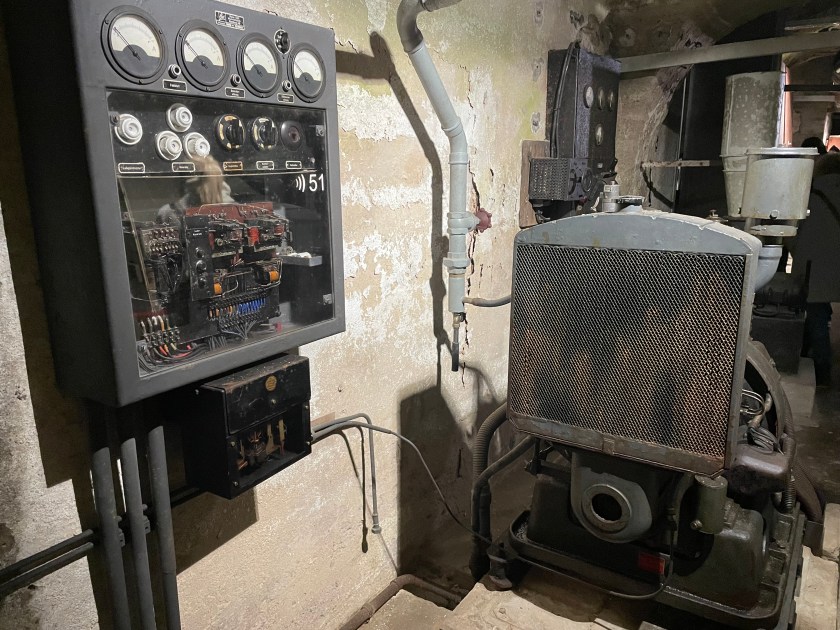
Ventilation and de-humidifiers to keep the art safe:
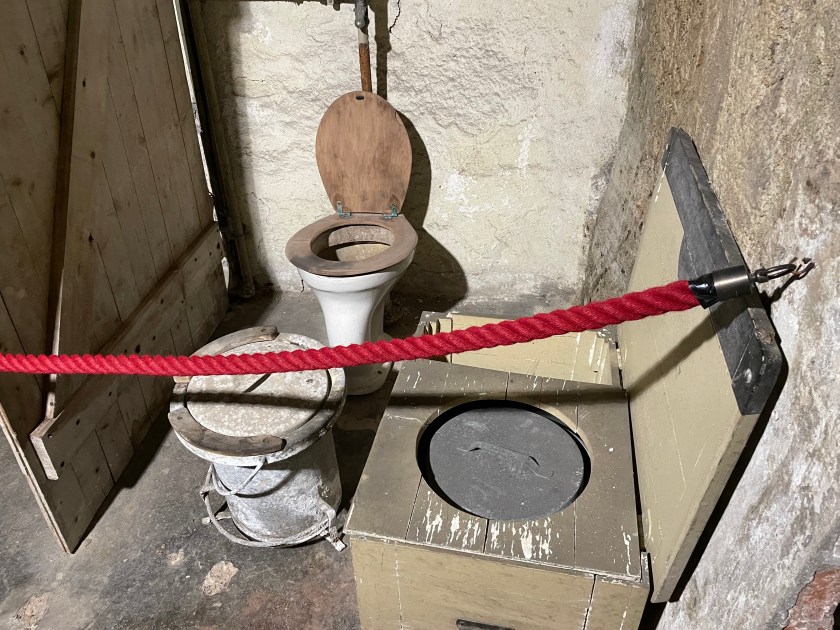
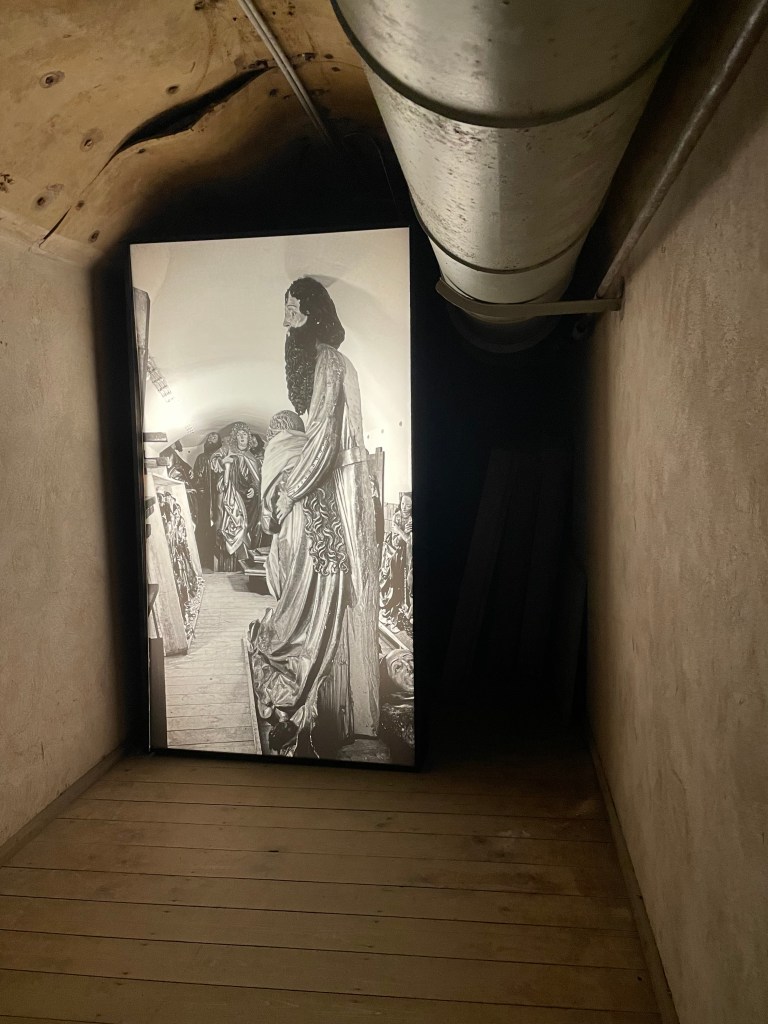
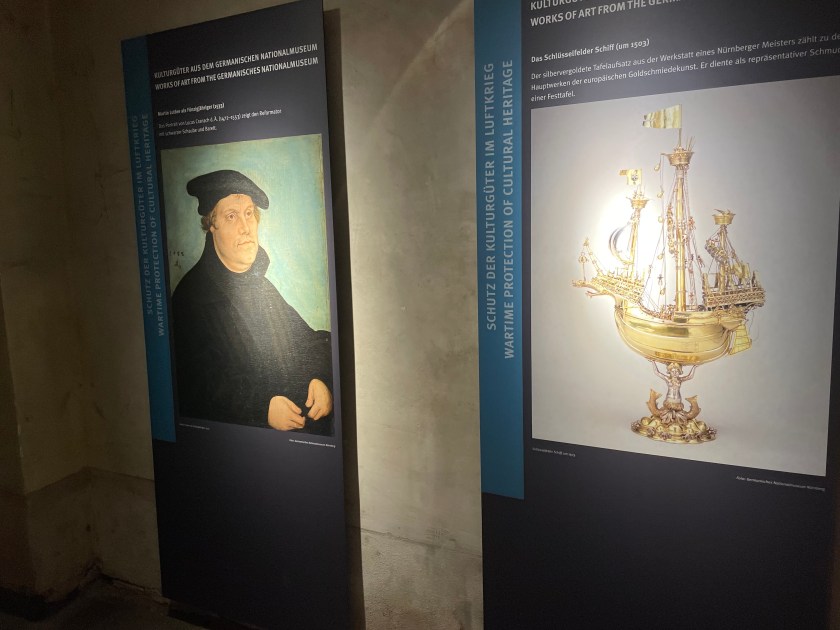
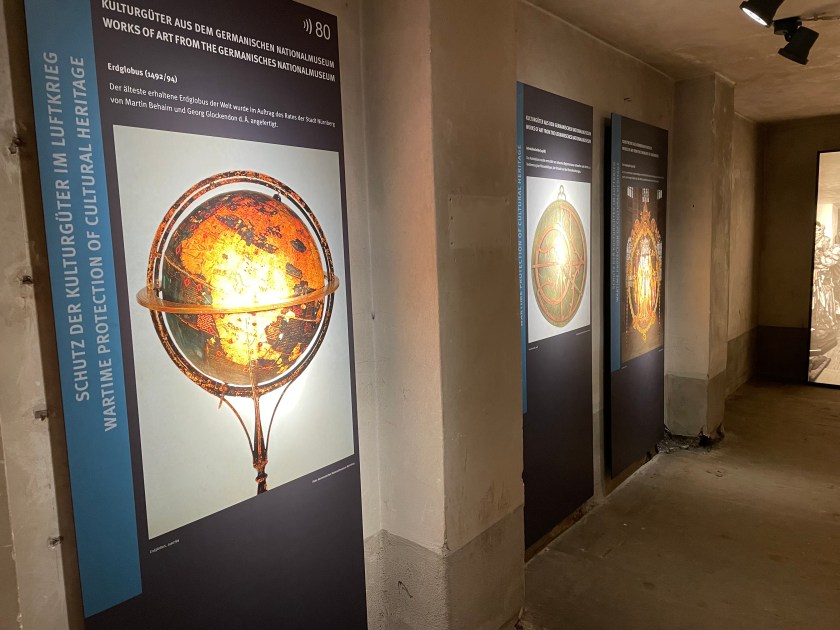
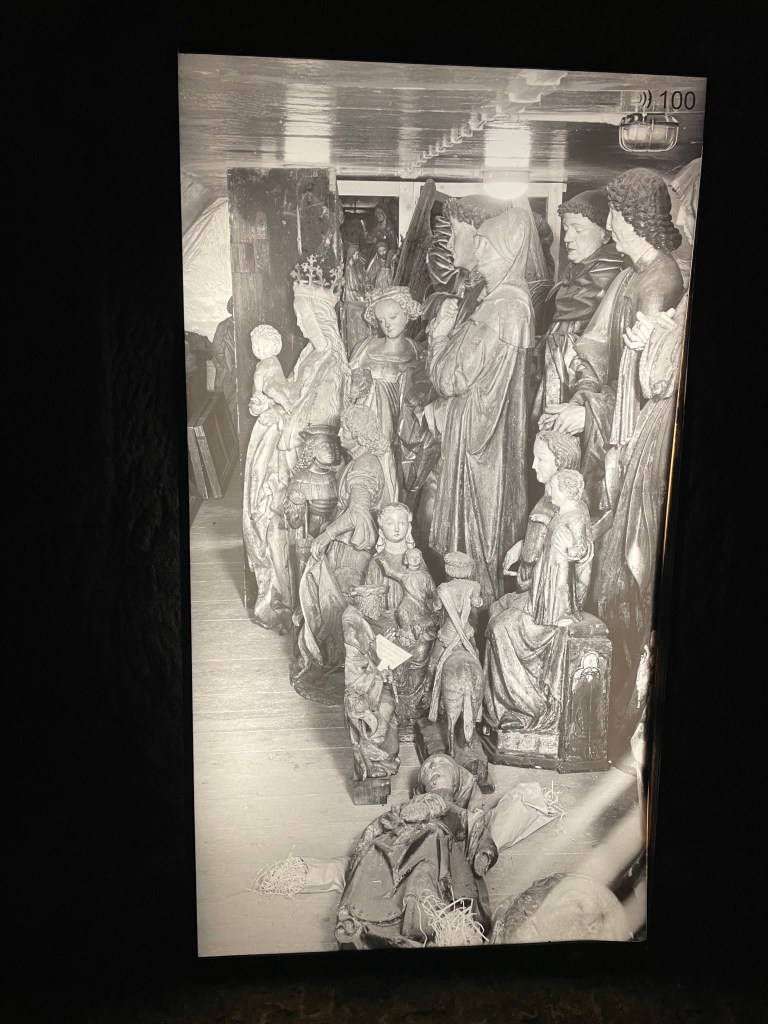
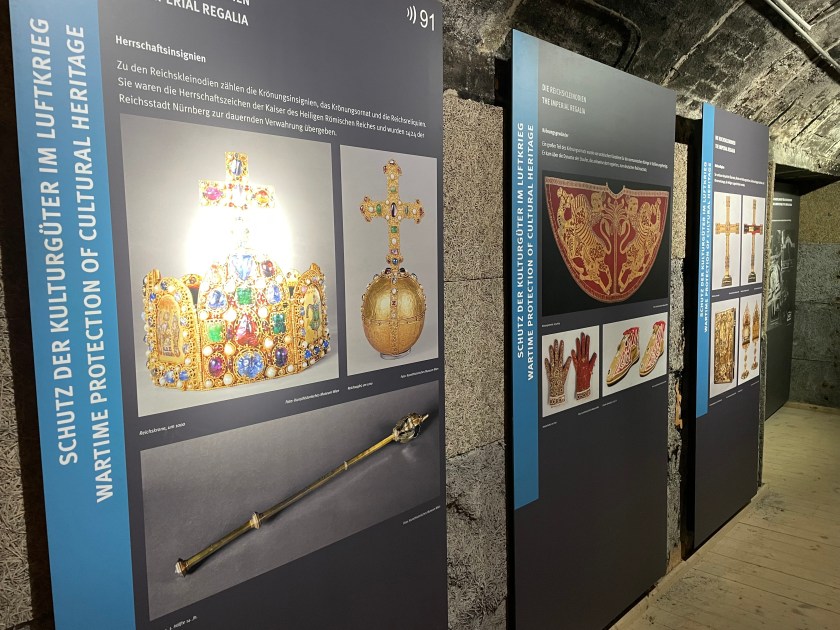
Some of the things that were hidden and kept safe here:
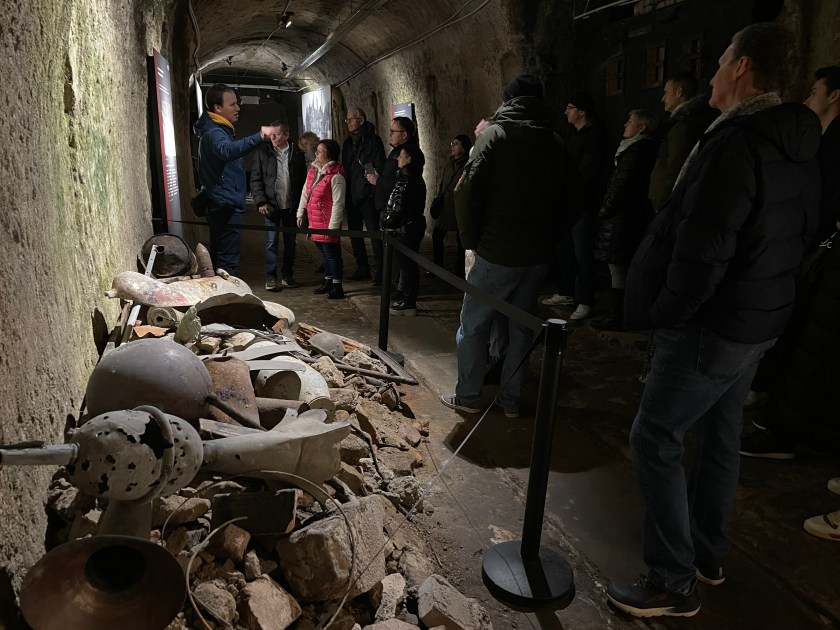
This pile of rubble is a collection of detonated bombs that were left in the streets after the bombing.
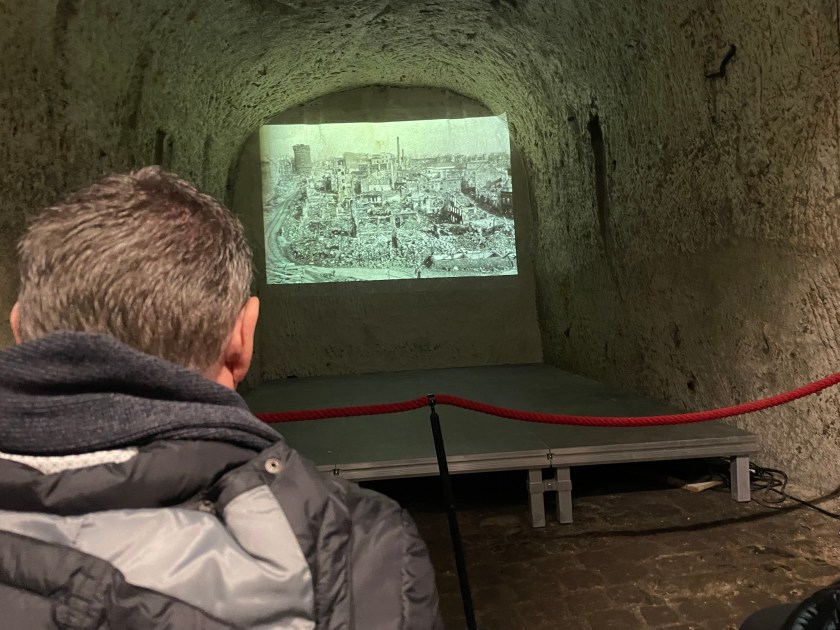
We watched a short film describing the destruction of the city.
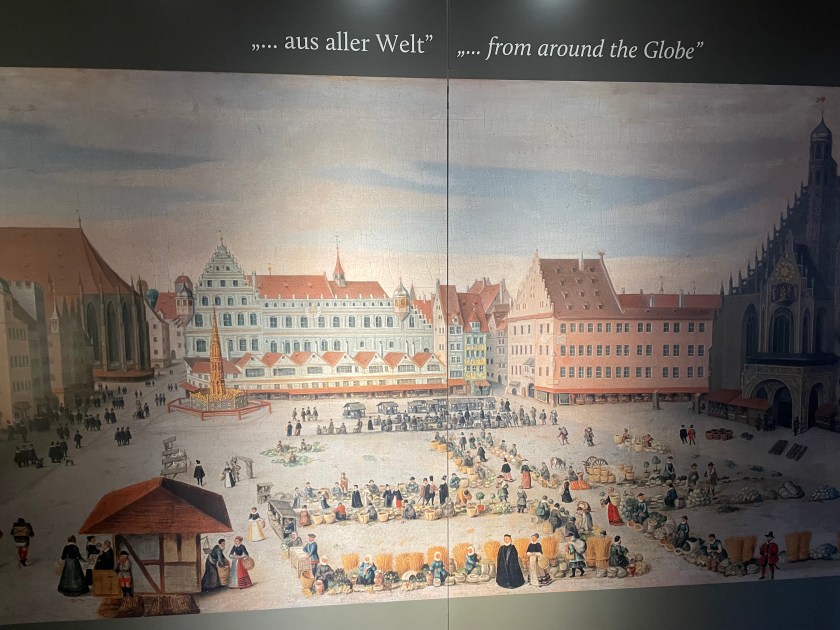
After the war, everyone ages 16 to 60 had to put in 50 hours of work removing rubble.  Then within a few years, they rebuilt the city.  There were contests for architect plans of how to do it.  Hundreds were submitted. There were very few buildings still standing, and they rebuilt what they could and the new buildings had to match in size, color, construction and skyline. Over time, they brought out the treasures and put them back in their places. They did a good job restoring the city after such destruction.

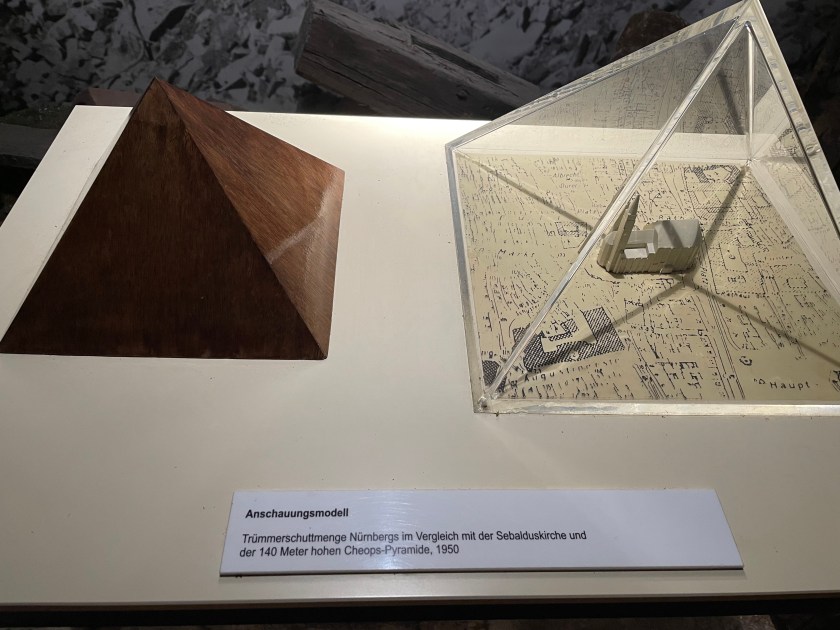
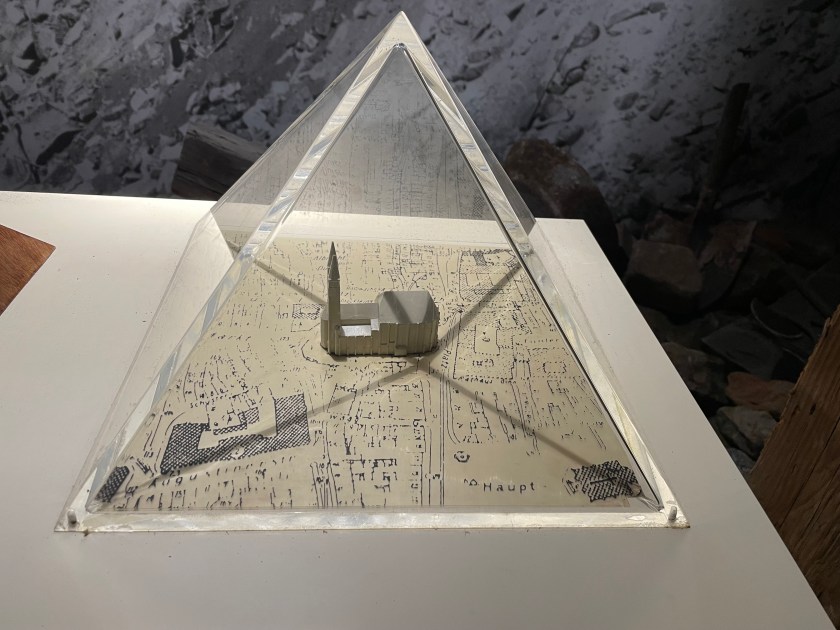
This display was fascinating.  The plexiglas pyramid over the St Lorenz Kirche shows the amount of rubble that had to be removed from Nuremberg.  The size is compared to the pyramid in Egypt.
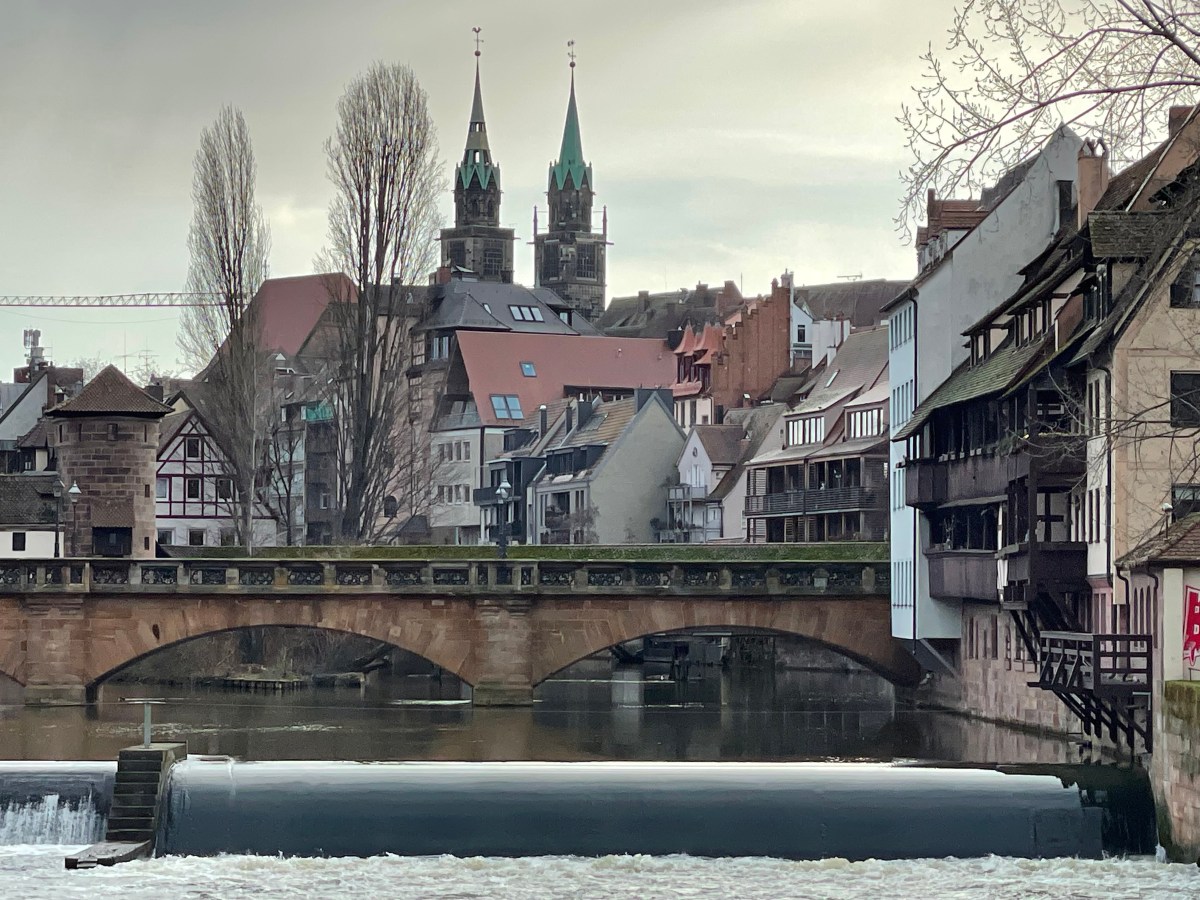
Seeing the Old Town and city today, it’s hard to imagine the destruction not that many years ago.  It’s really incredible to consider the work that has gone into restoration here.  Beauty from ashes.
Memorial of the Nuremberg Trials

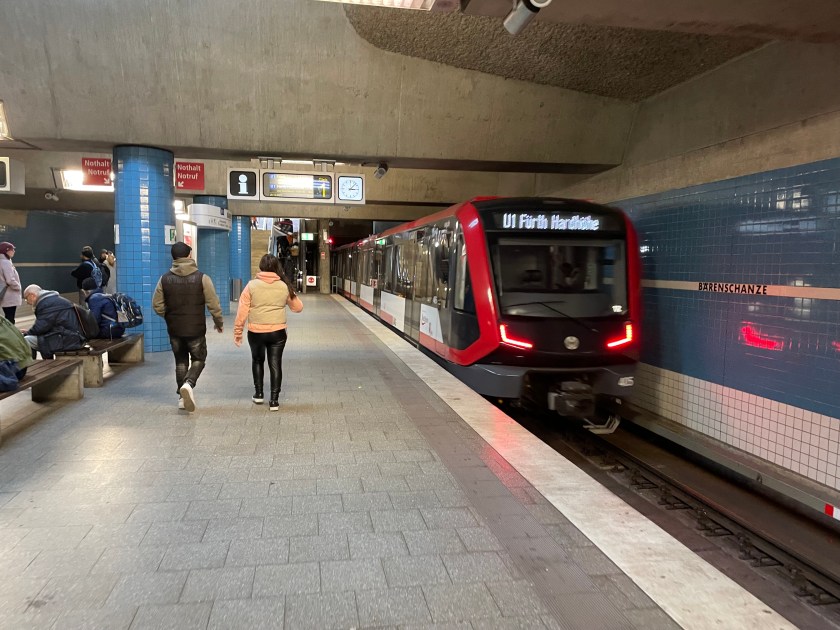
Taking the U-Bahn to the Nuremberg Trial Memoriam.

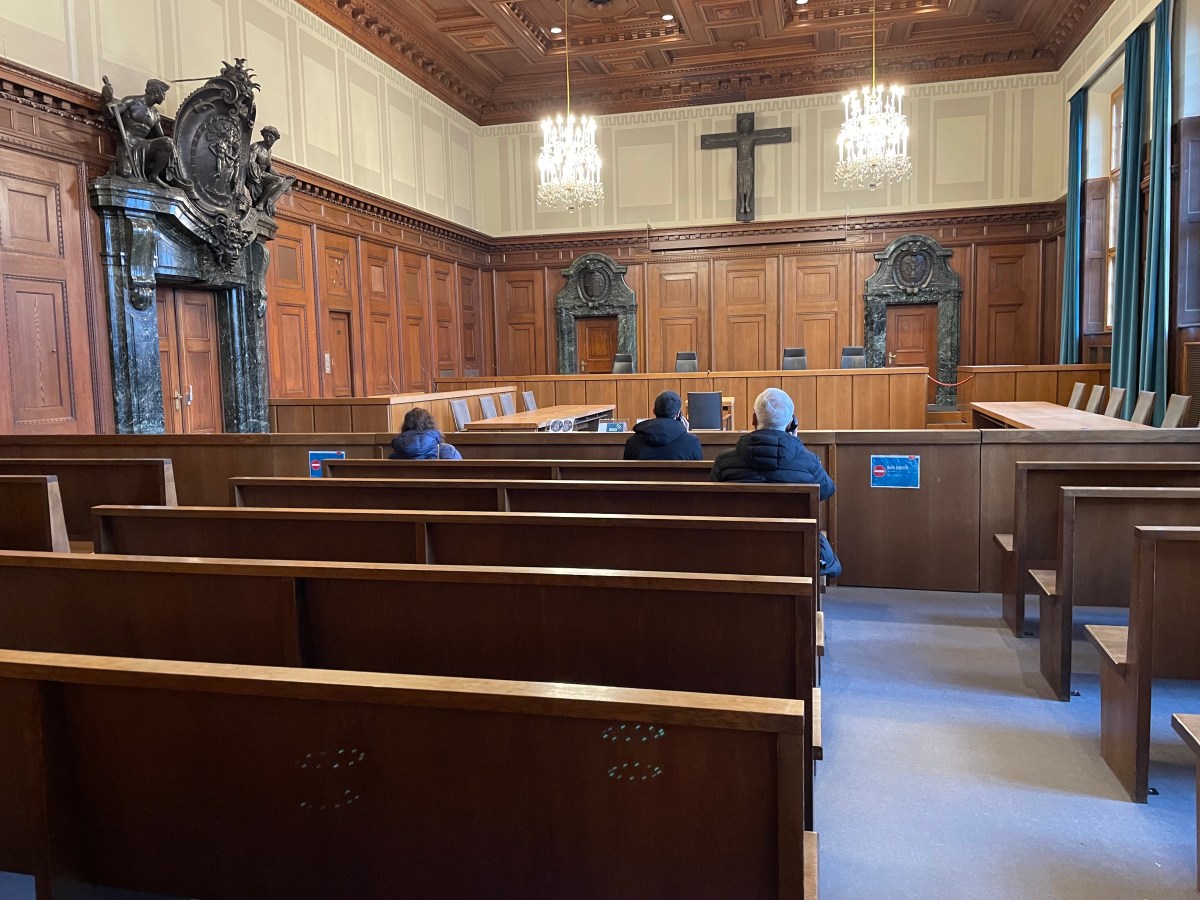
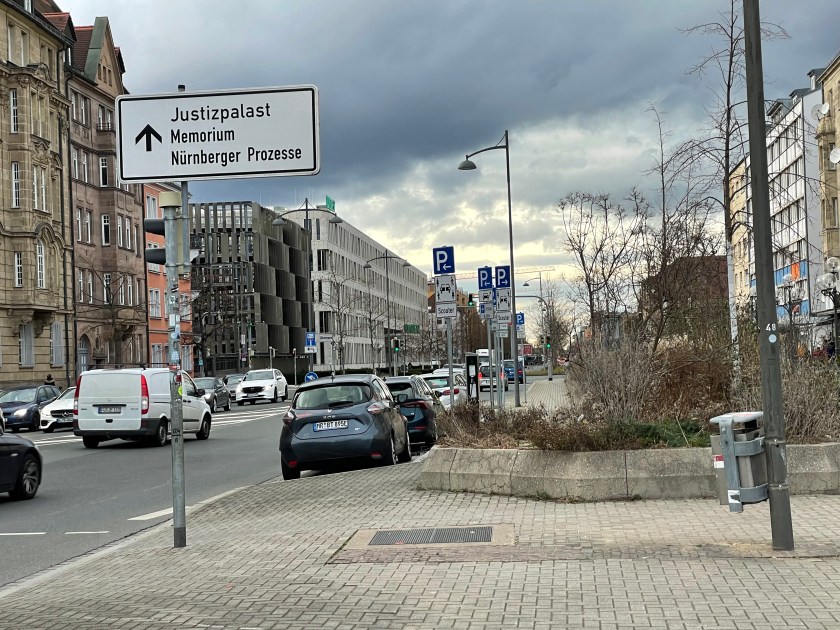
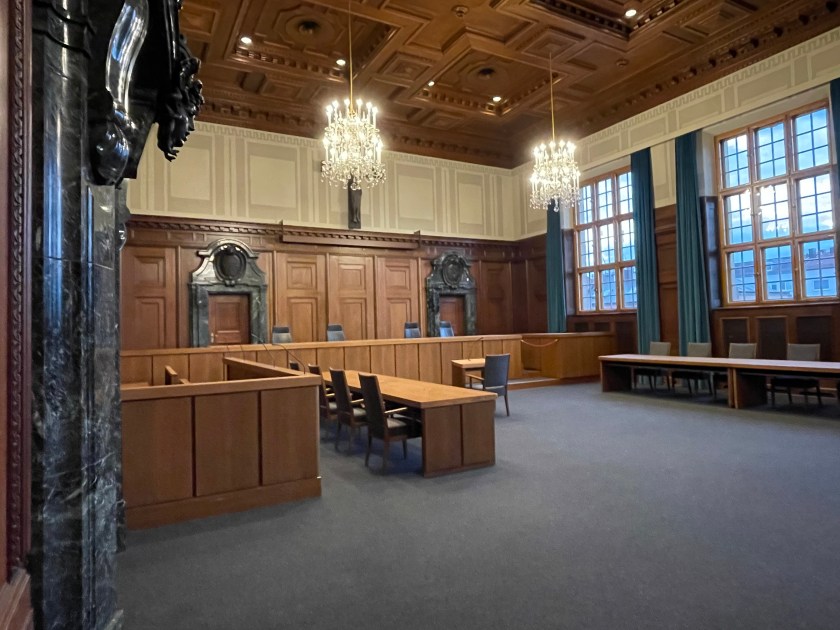
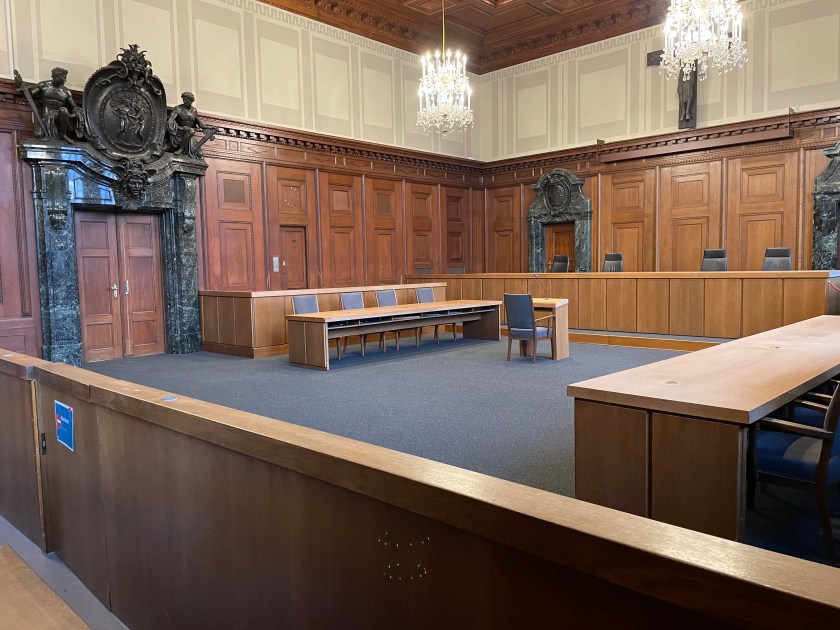
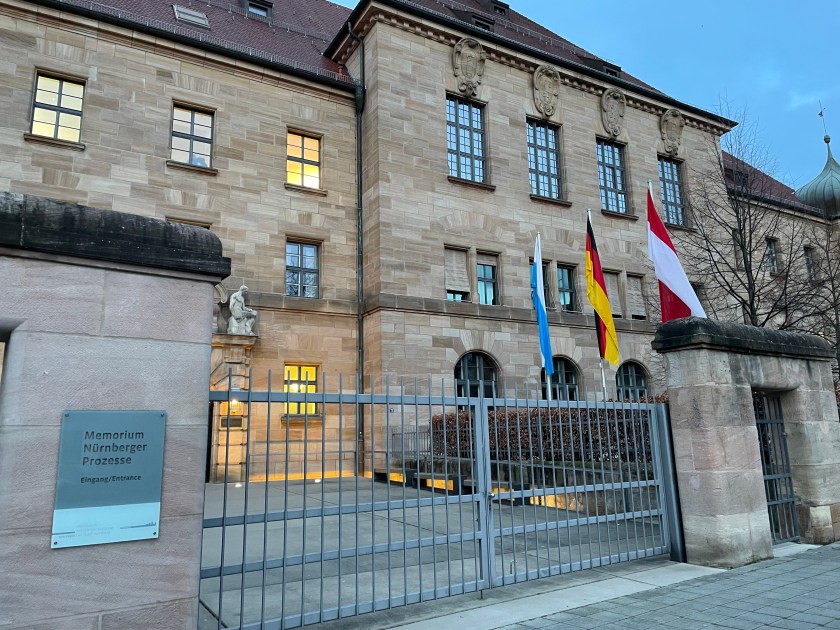
Here is the courthouse where the trials were held:

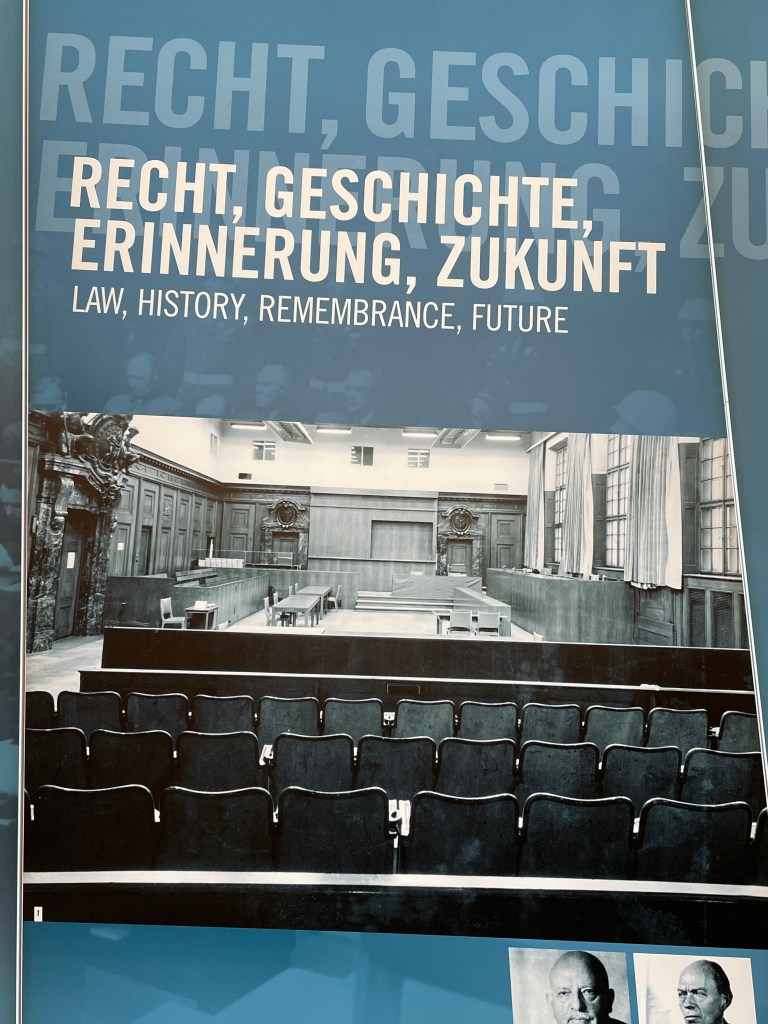
Memorium Nuremberg Trials
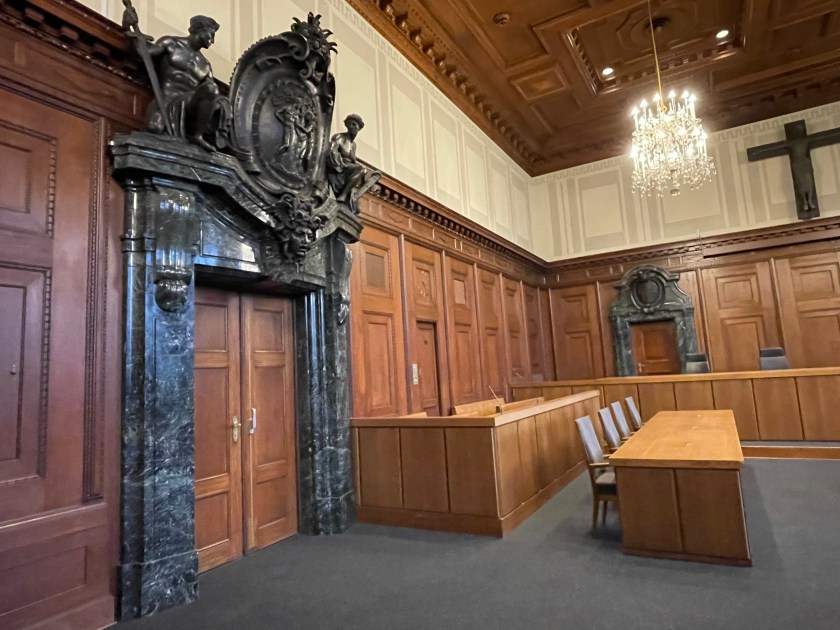
World history was written in a courtroom of the Nuremberg Palace of Justice. It was historic Courtroom 600 where leaders of the Nazi regime had to answer for their crimes before the International Military Tribunal between November 20, 1945 and October 1, 1946. The trials had an enormous influence on the development of international criminal law right up to the present. The Memorium Nuremberg Trials is an information and documentation center which is located on the top floor of the courthouse. It provides insights on the defendants and their crimes, the Subsequent Nuremberg Trials of 1946-49, and the impact of the Nuremberg Trials until today.  (From this website.)

The Major War Criminals Trial was held here in Courtroom 600 before the International Military Tribunal in Nuremberg from November 20, 1945 to October 1, 1946.  From 1946 to 1949, 12 “Subsequent Trials” were held in the same courtroom before exclusively U.S. American military tribunals..

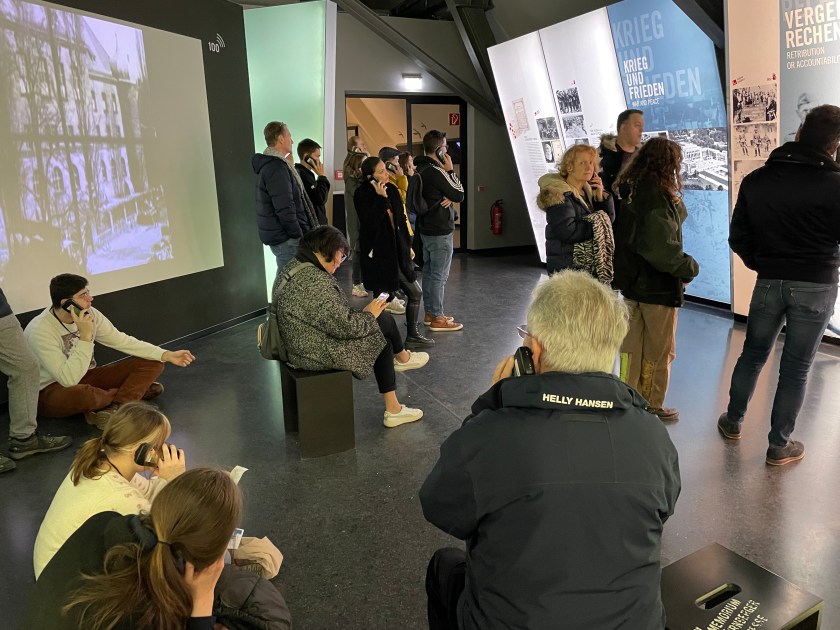
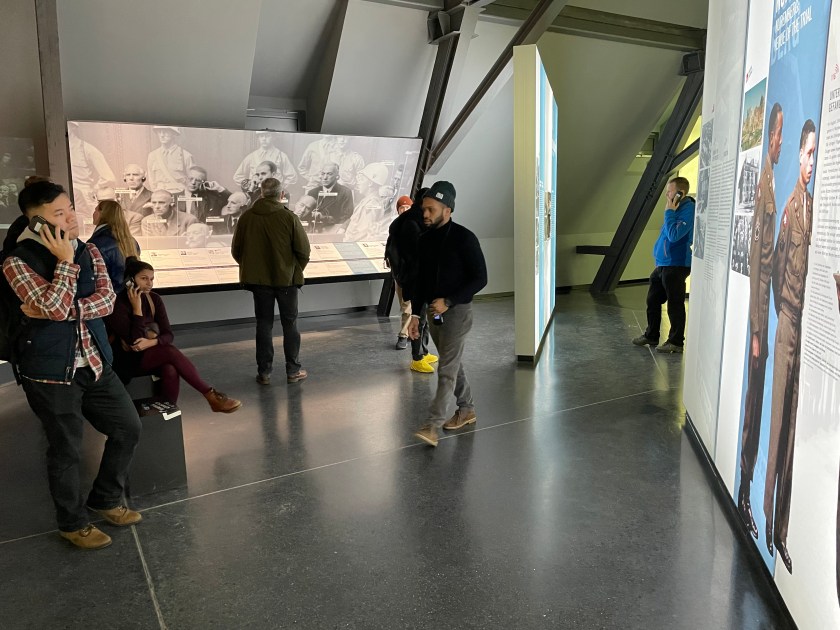
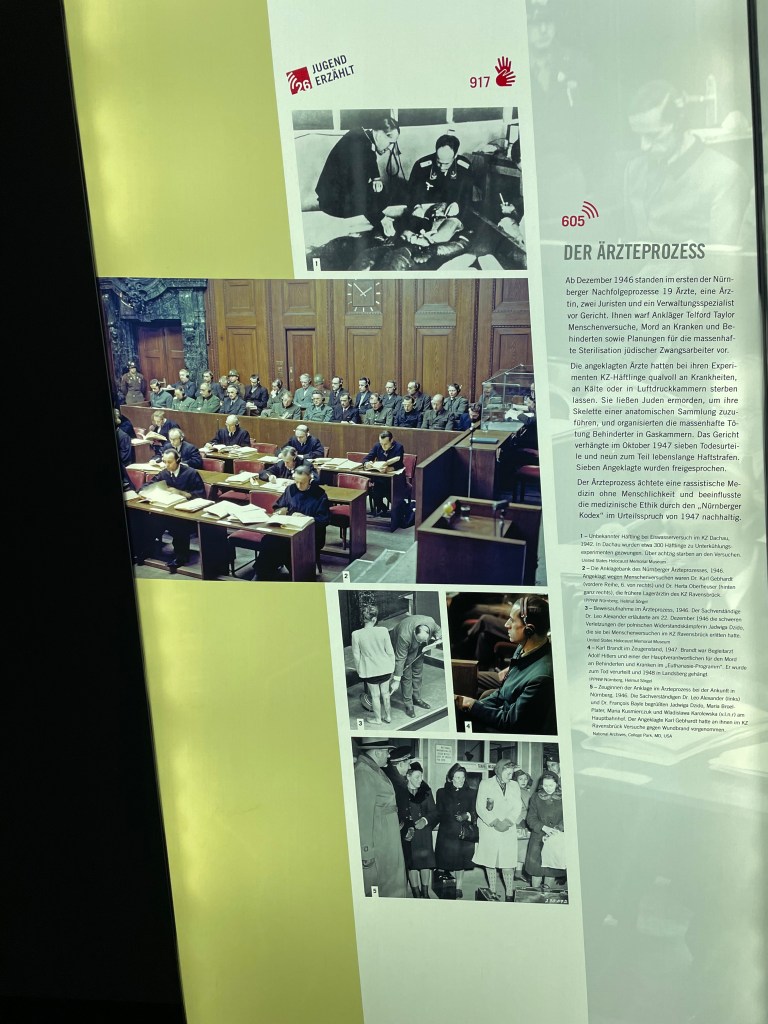
After visiting the room 600, we spent an hour or two in the exhibition and documentation center reading about and listening to actual recordings from the trial and people involved with it.  Again, we were given a channel to tune into on our smartphones.

This particular part of the trial of the doctors who performed medical experiments was interesting to me after reading “The Lilac Girls” about these women and what happened to them at the Ravensbrück concentration camps.  I felt like I knew some of those women and their doctors.
It’s been a full day of Nazi Party education, but we had one more place to visit in Nuremberg–the underground art bunkers.

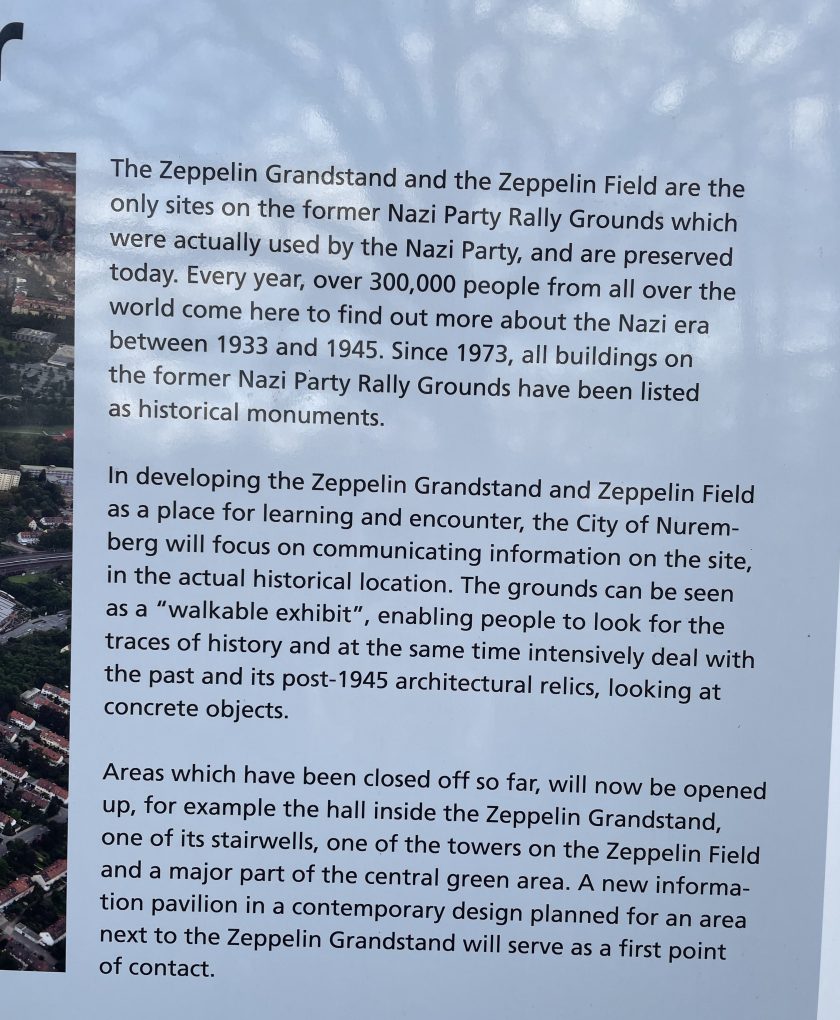
Hitler’s Zeppelin Field

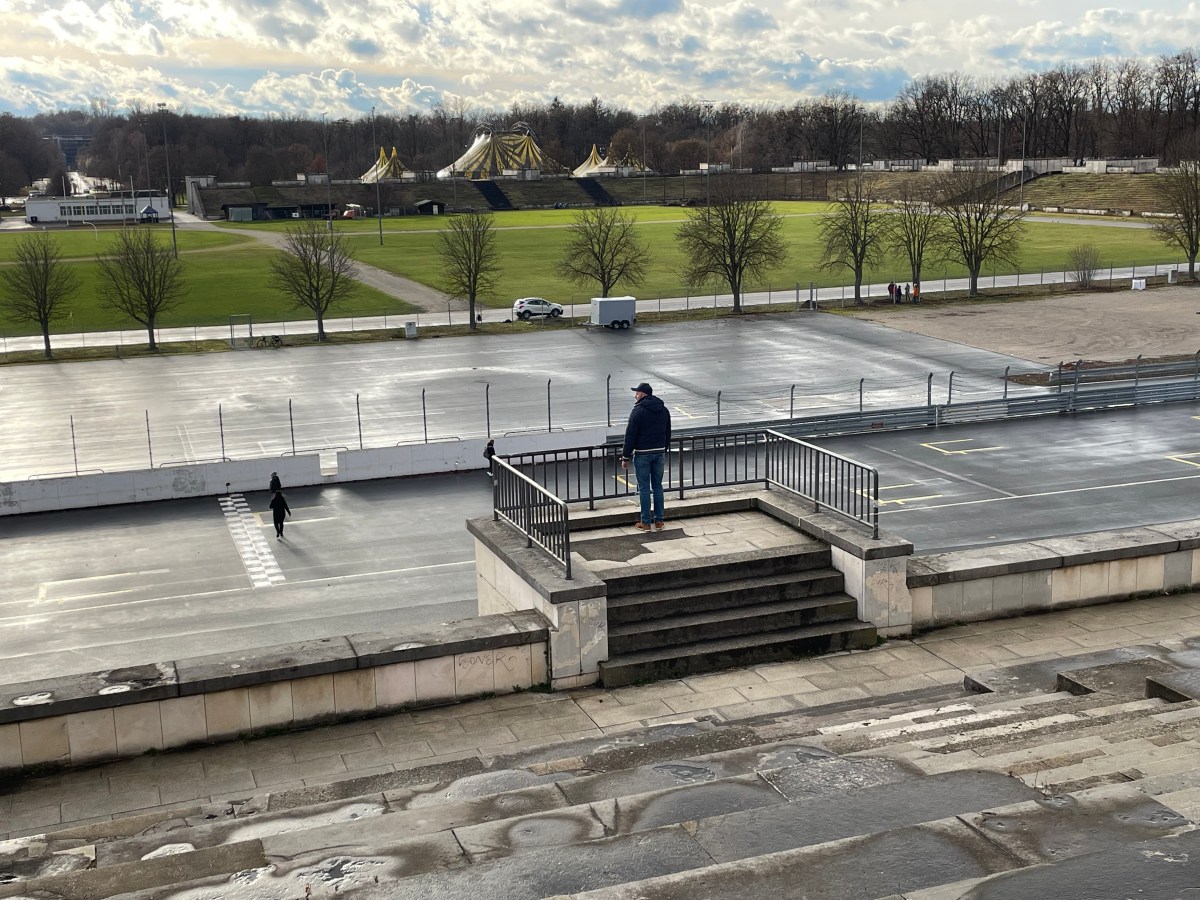
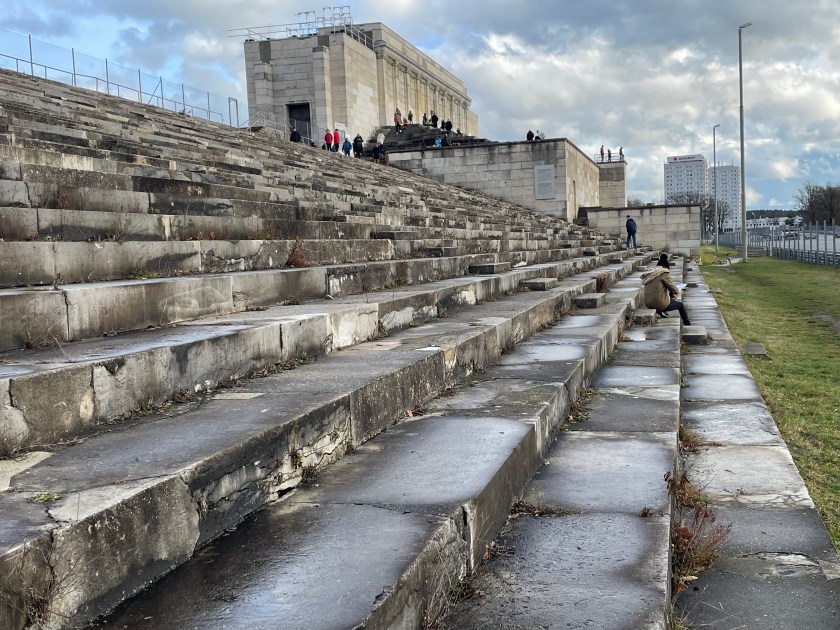
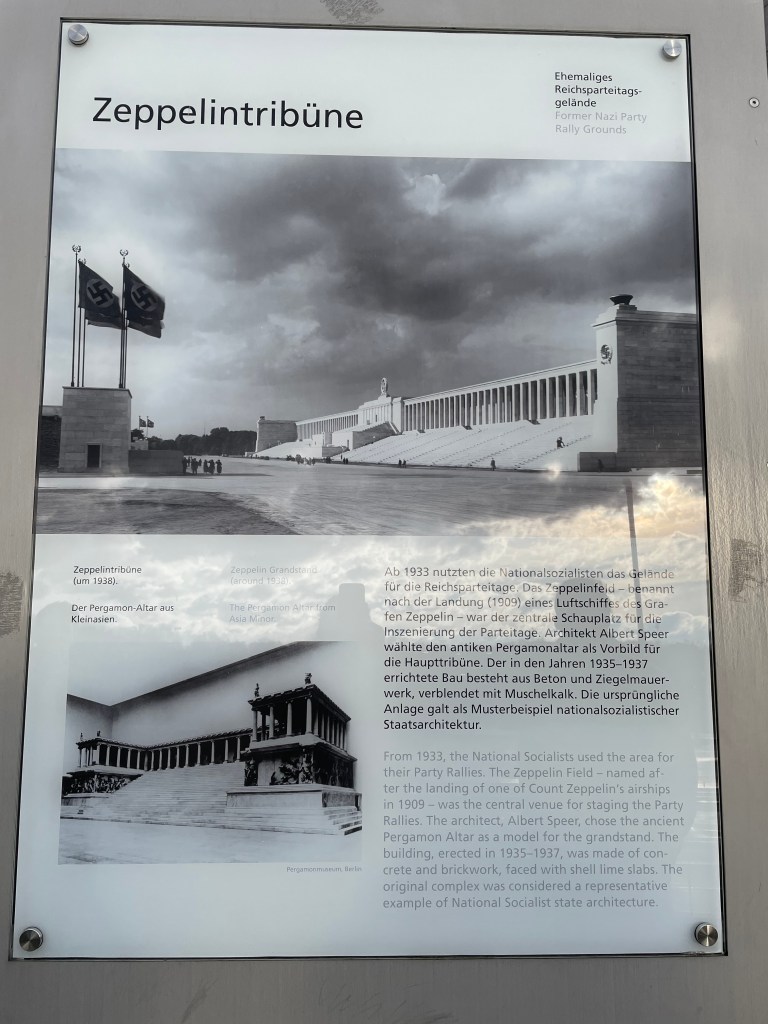
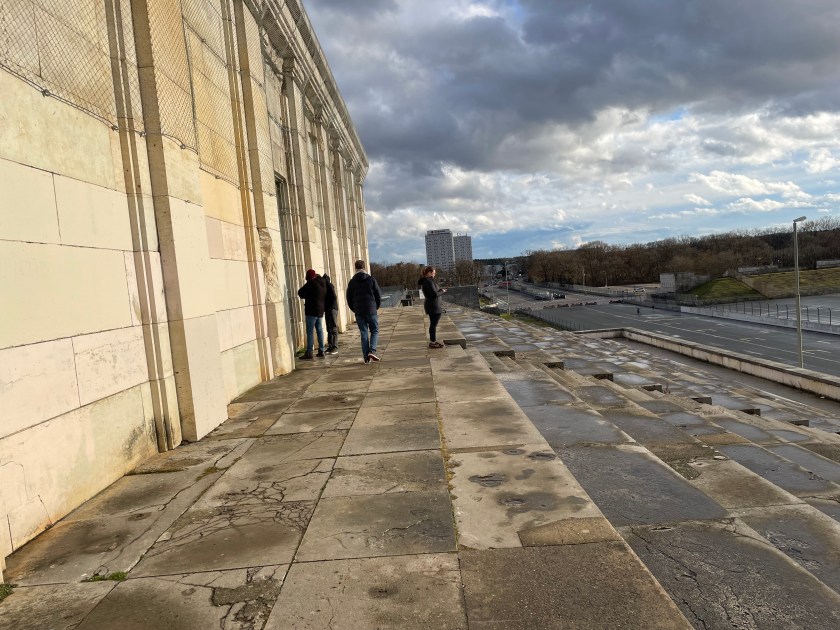
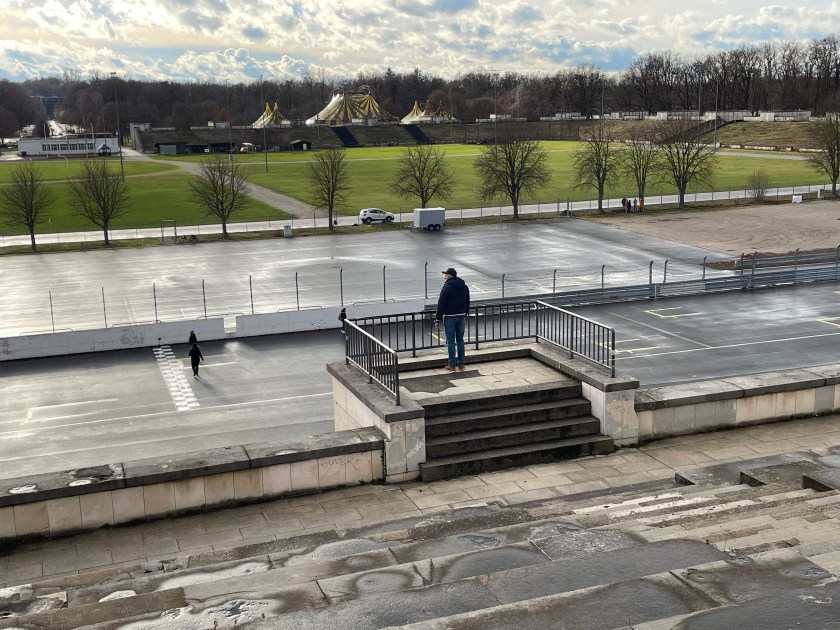
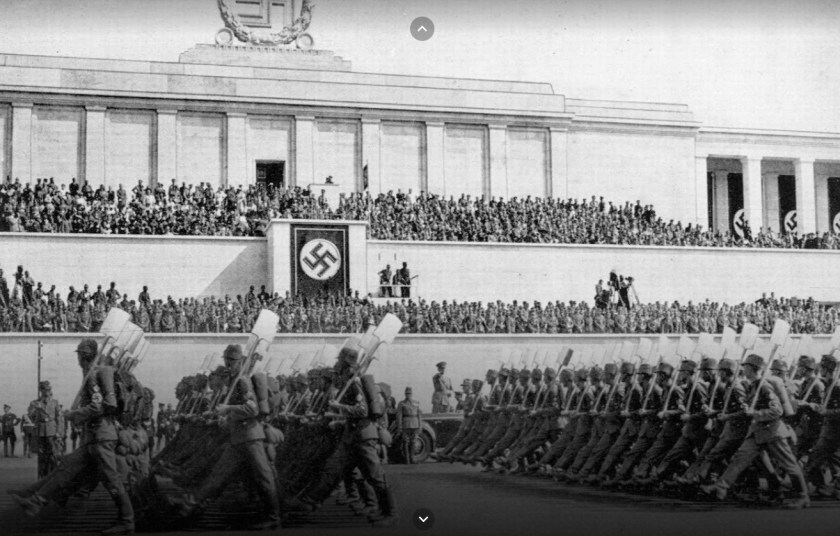
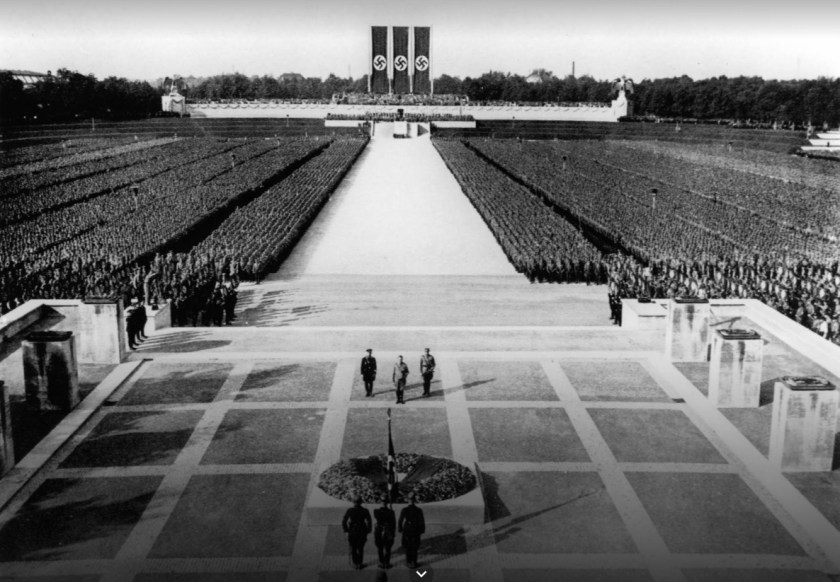
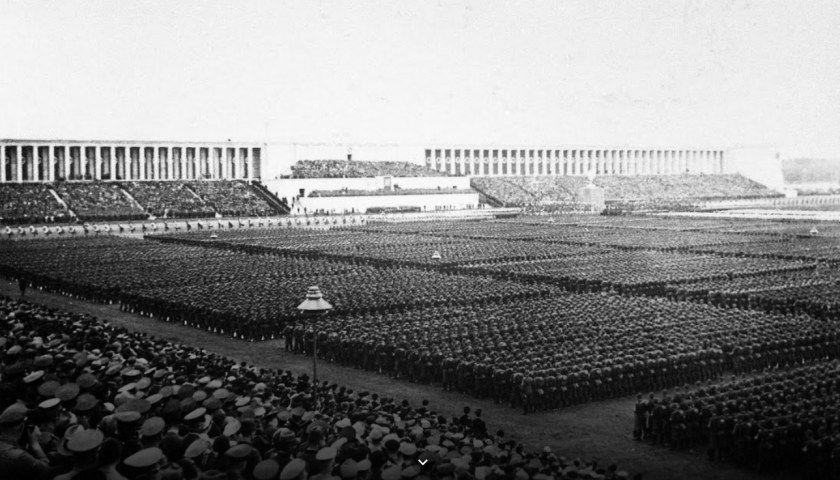
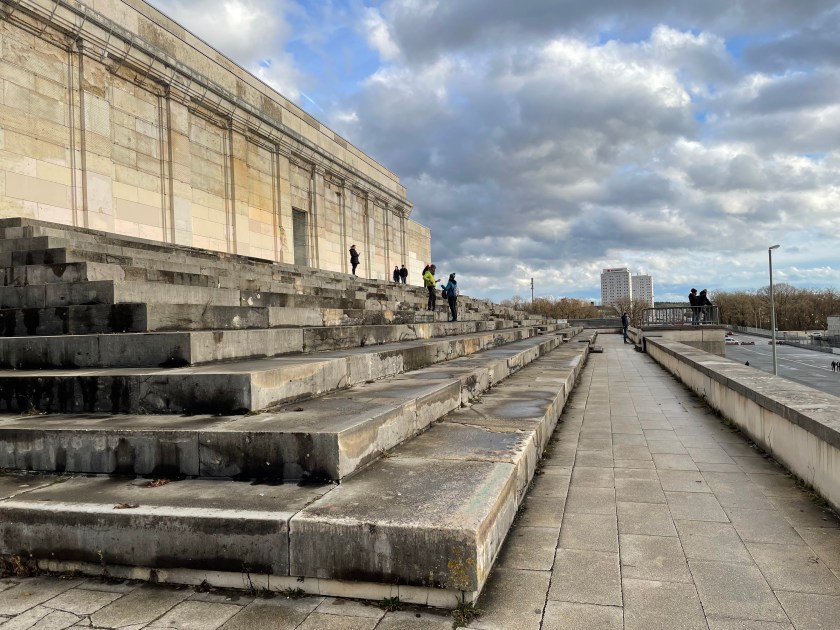
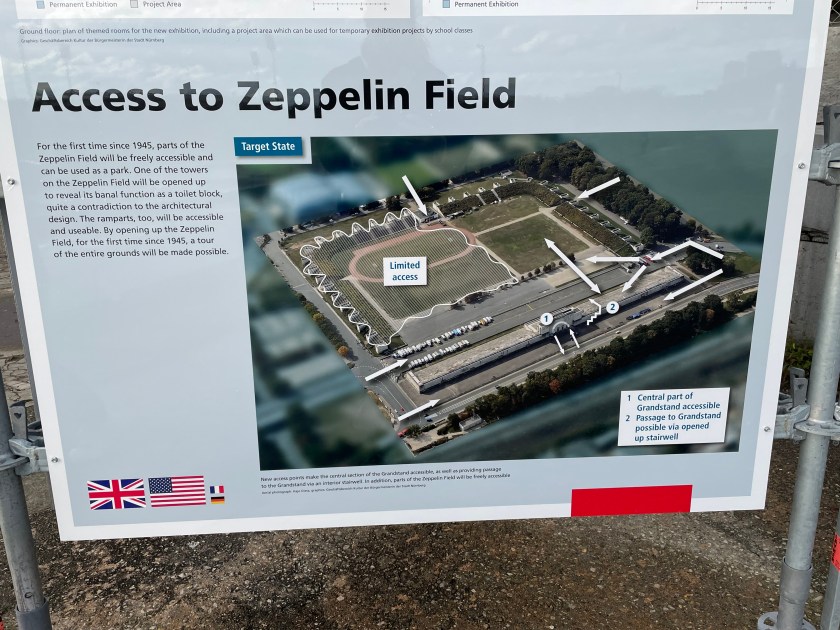
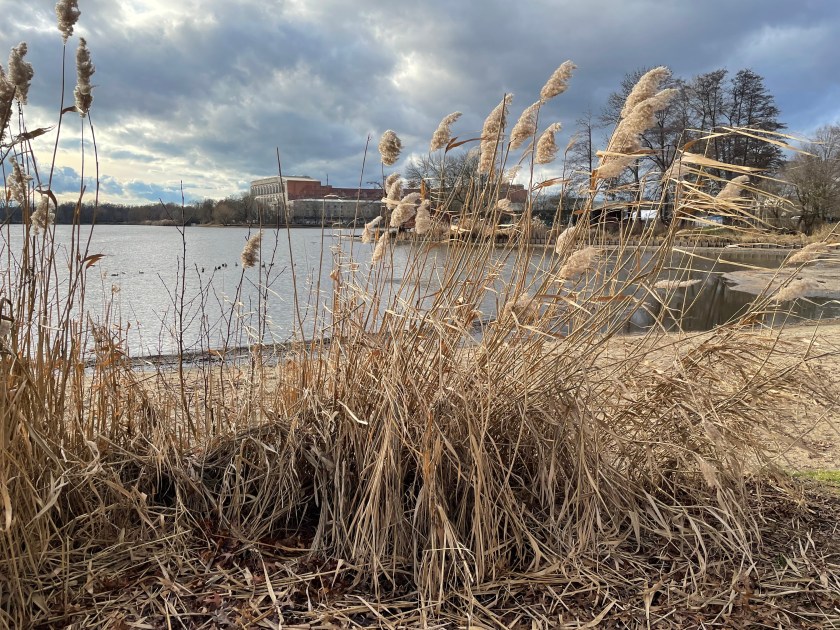
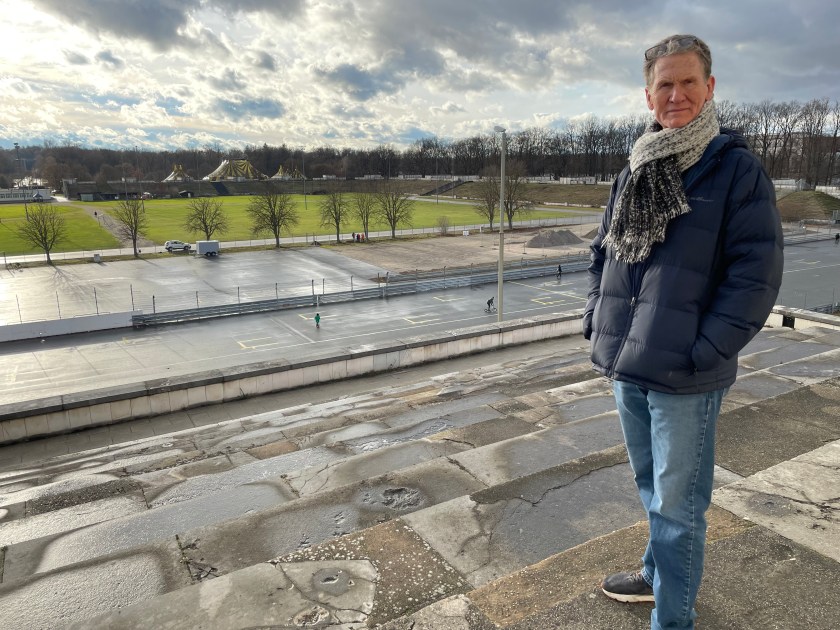
Our walk around the lake and along the Great Street led us to the Zeppelin Field and its main grandstand.  These were the only planned structures that were actually completed.  It’s larger than 12 soccer fields and had a capacity of up to 200,000 people. This is where mass parades of the German Labor Service, the Wehrmacht, and the “political leaders” (Nazi Party officials) were staged in front of the “Führer.”

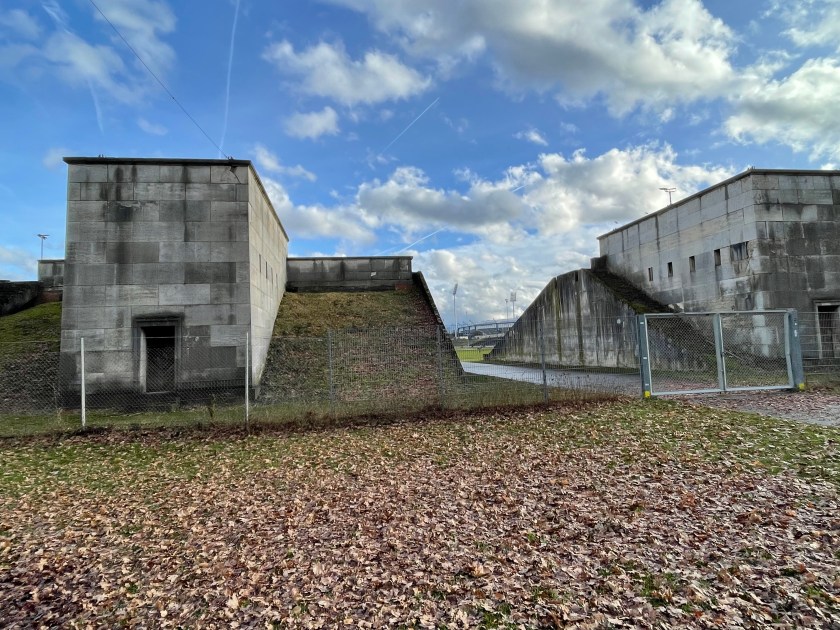
Here’s how it looks from outside the field:

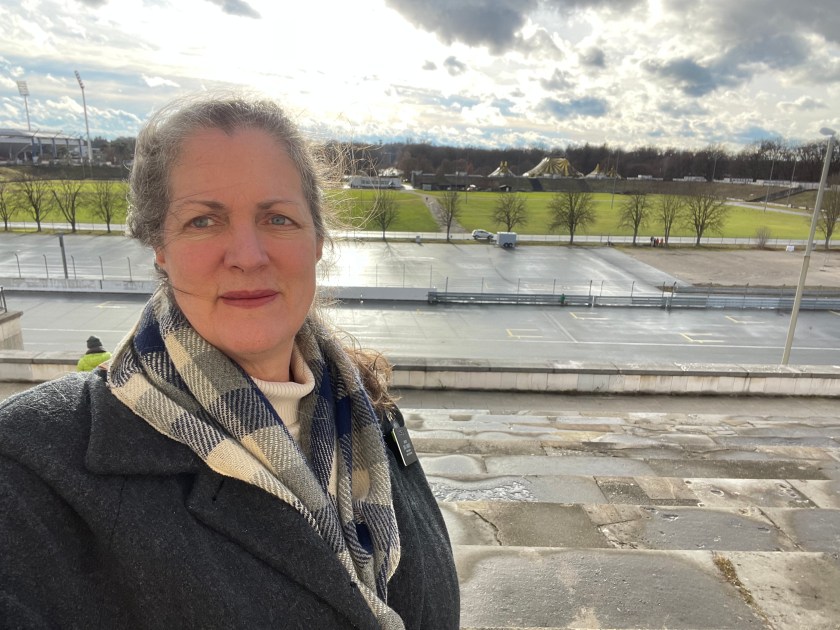
This place gave me a very somber feeling.  There have been so many emotions here.

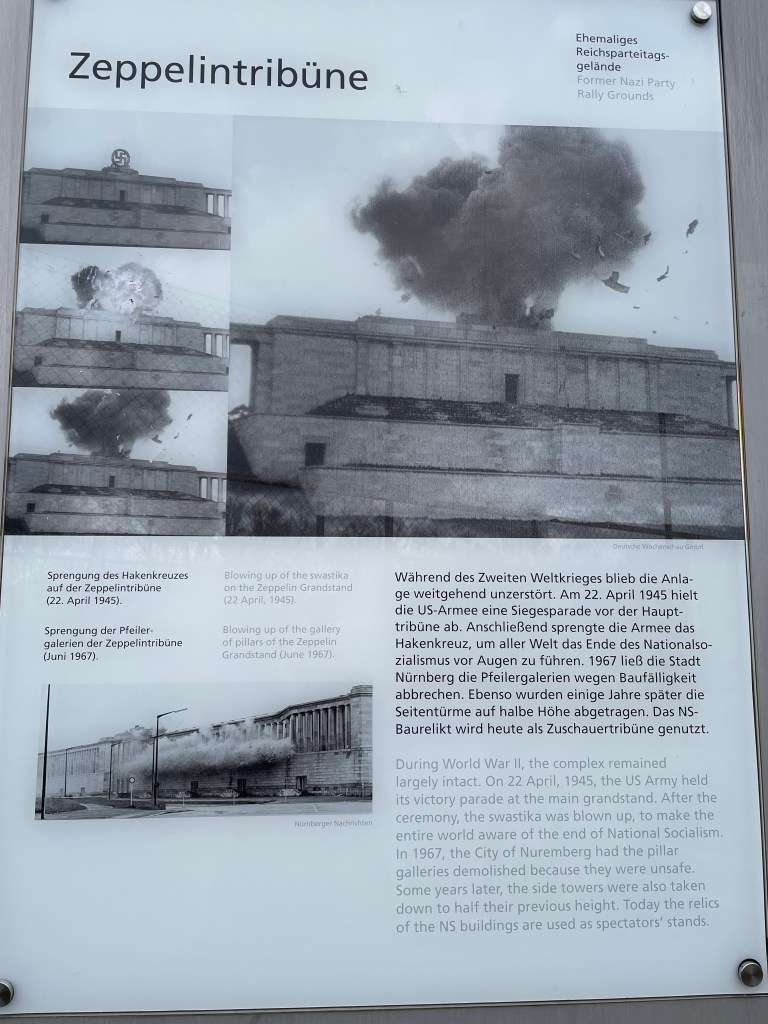
If you look at this wikipedia article and the part about this field, there is a short Film of the swastika on the grandstand being destroyed by the American allies on April 22, 1945.  The first time I watched it (in the Documentation Center) I cheered out loud.

The “Cathedral of Light” provided spectacular effects when over 150 powerful searchlights projected their beams straight up into the sky.

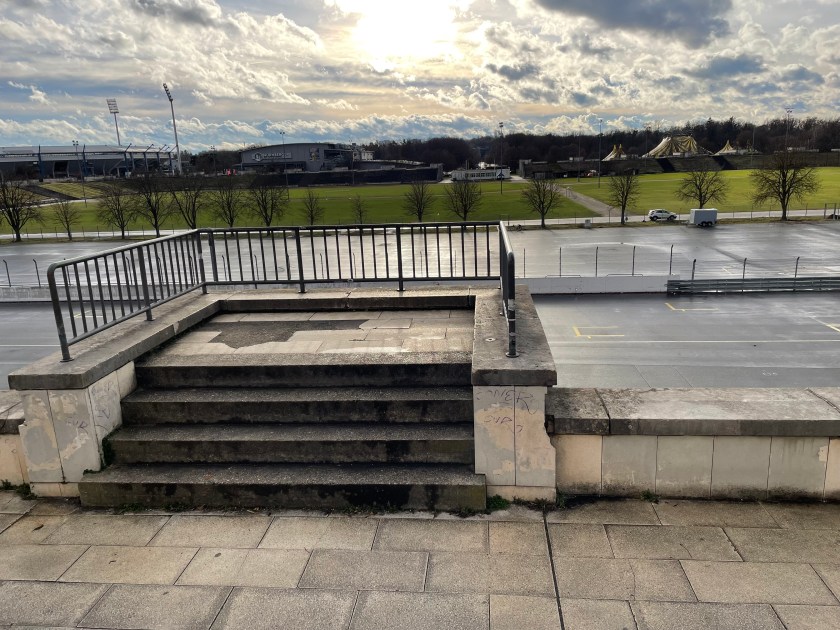
The place where Hitler stood to address his minions:

Here is an excellent website with photographs like these taken here during the rallies.
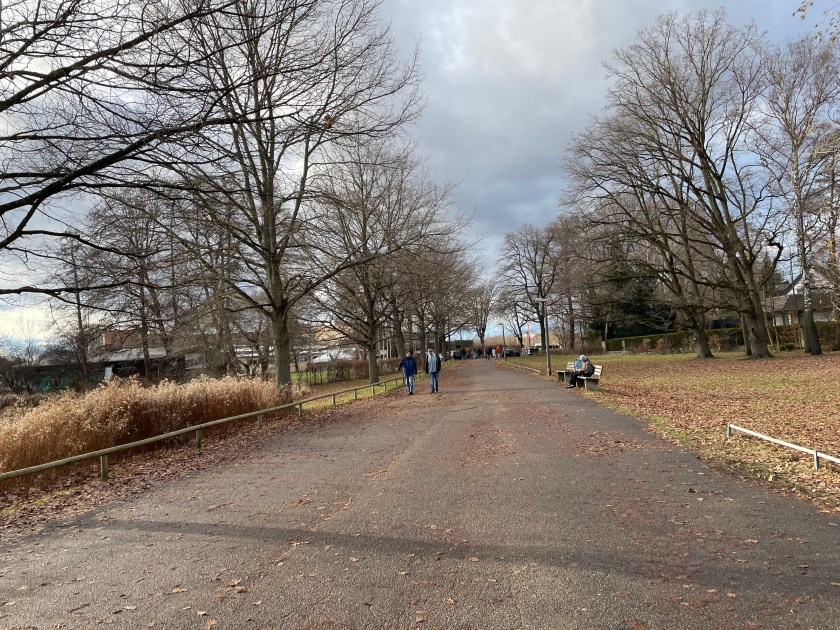
The walk back:

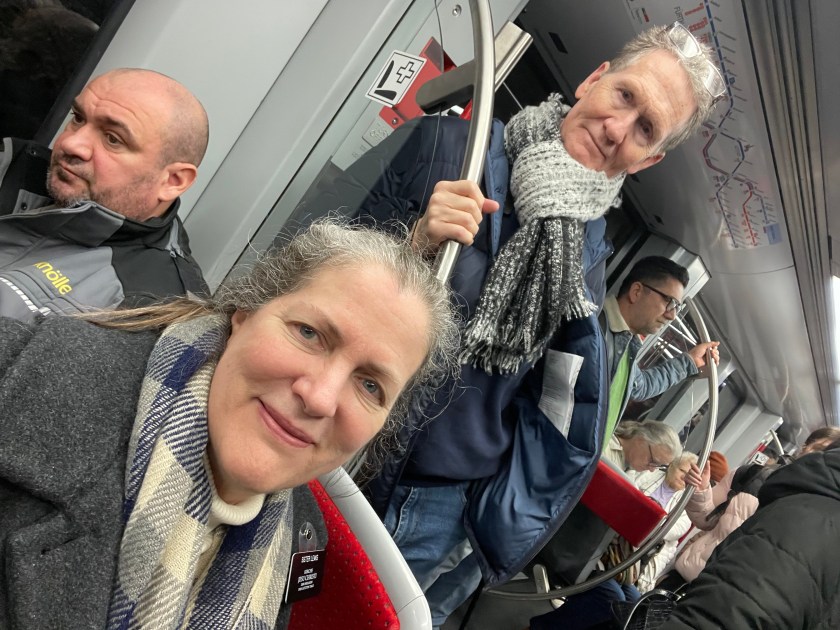
From here we took the U-Bahn to the place where the Nuremberg Trials were held.