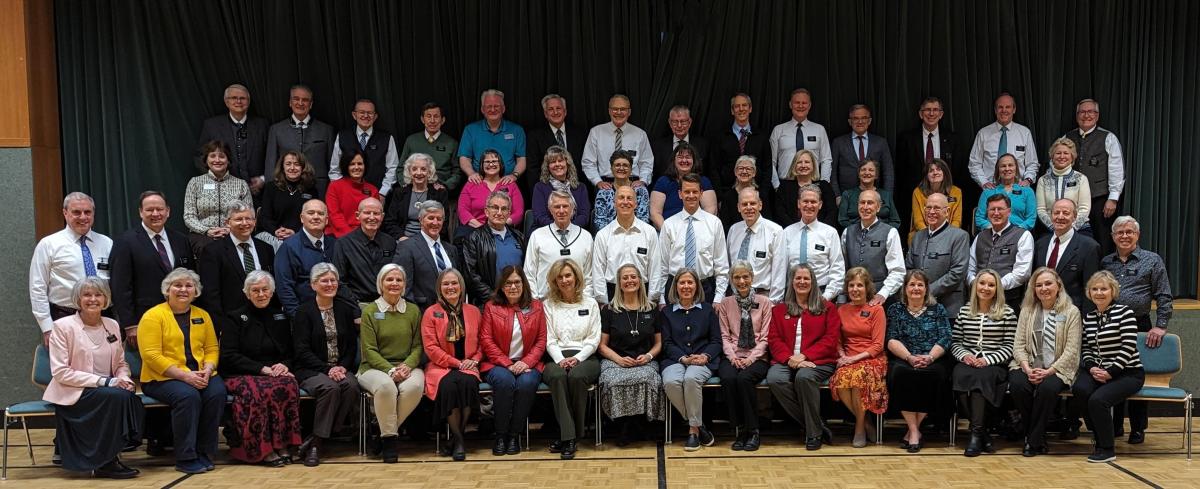

This evening we enjoyed another potluck dinner and sadly said some goodbyes to couples leaving soon–the Krauts and the Lewises, and we welcomed the Lichtenbergs.


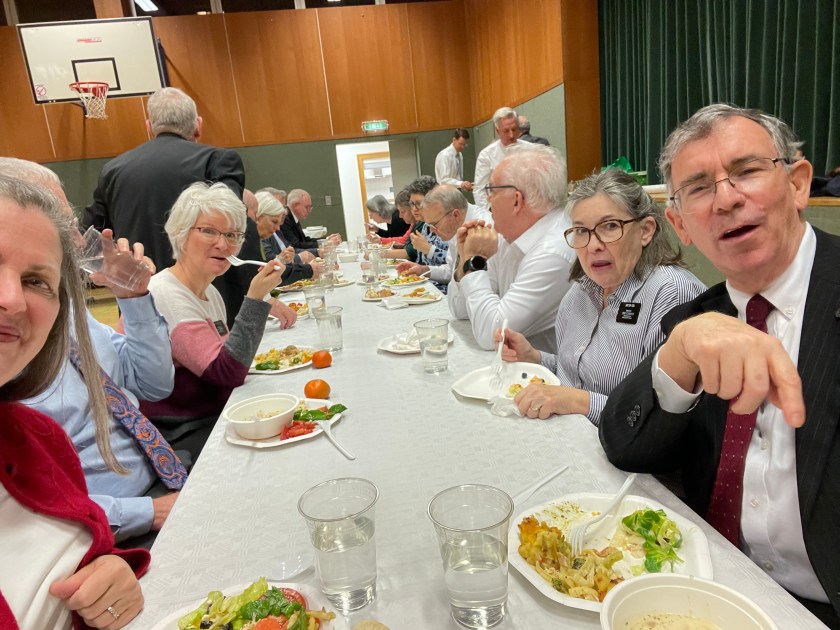
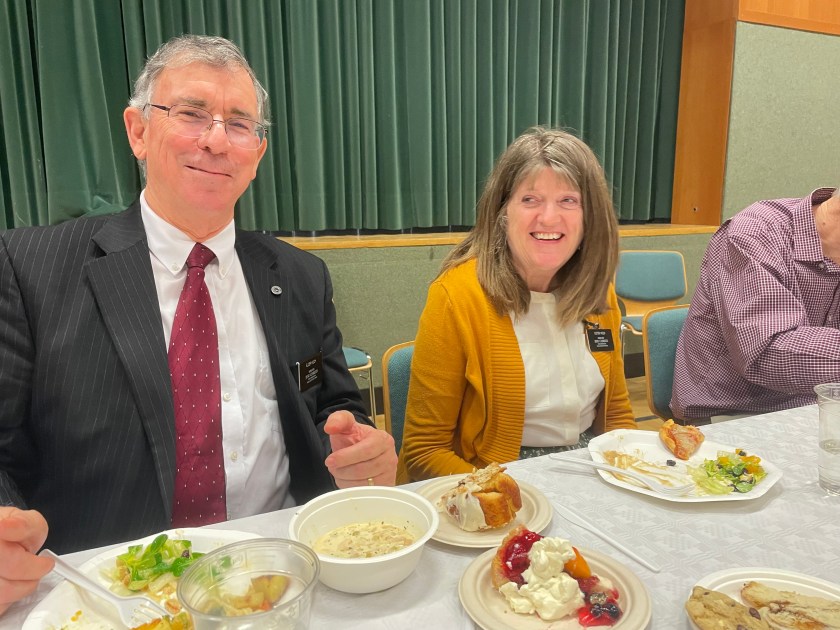


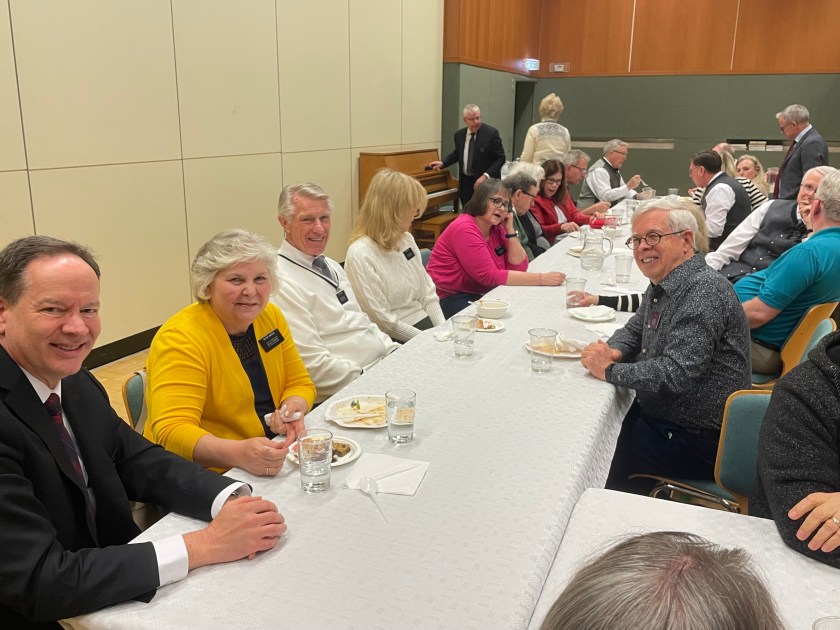

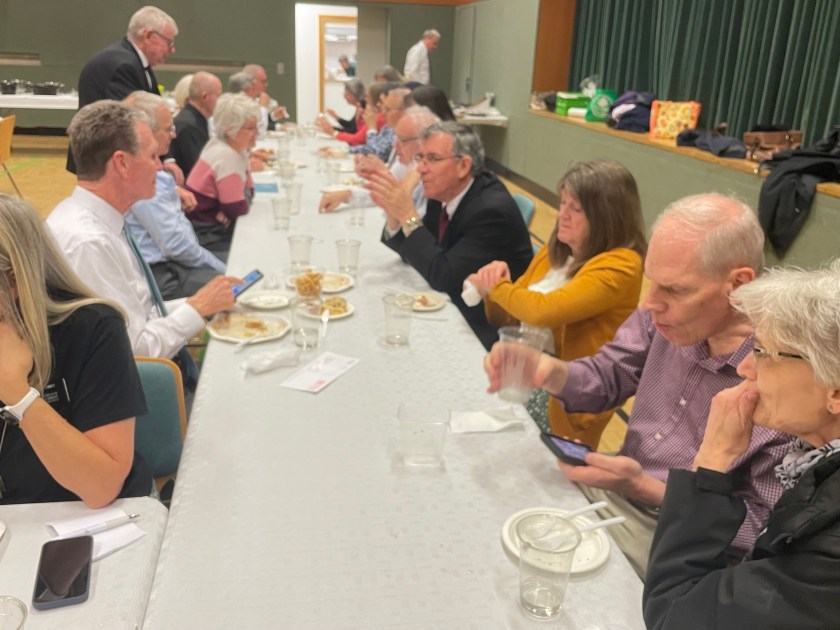
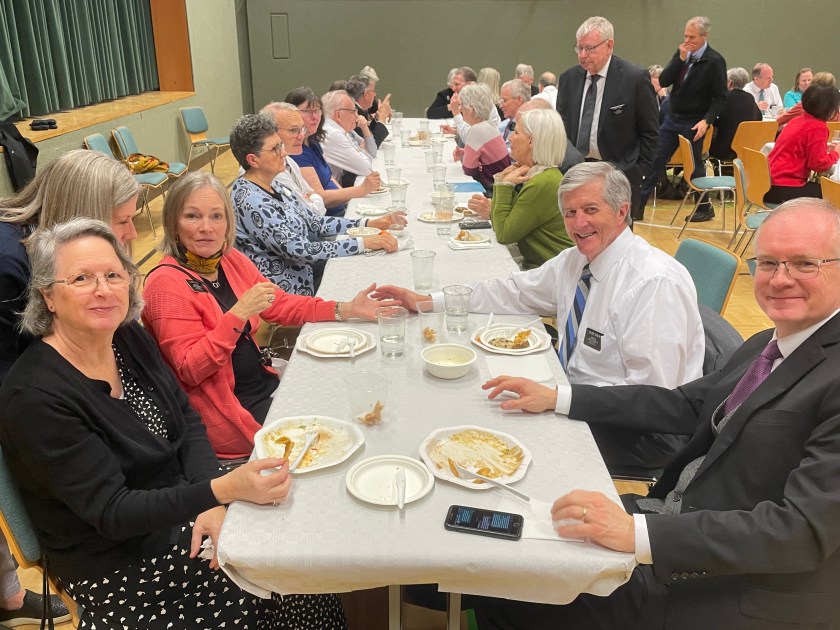
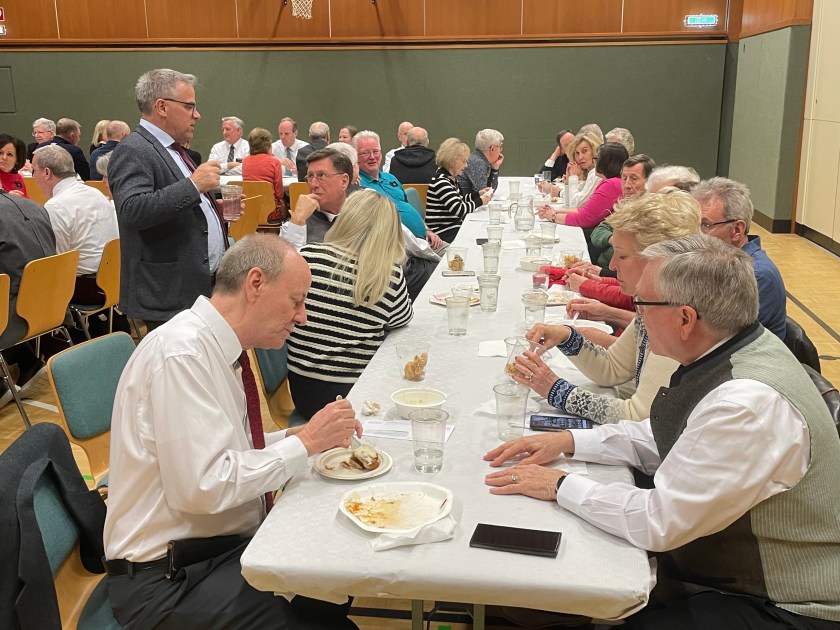
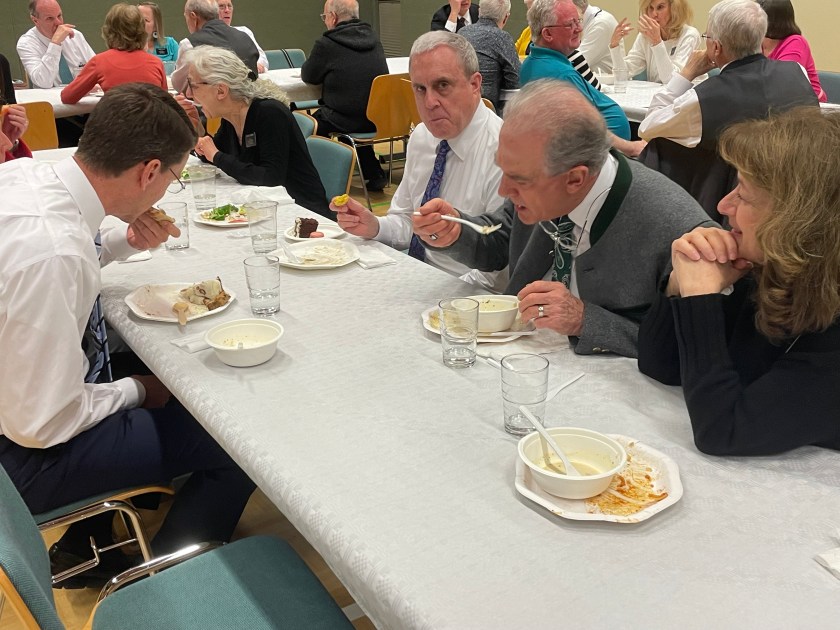


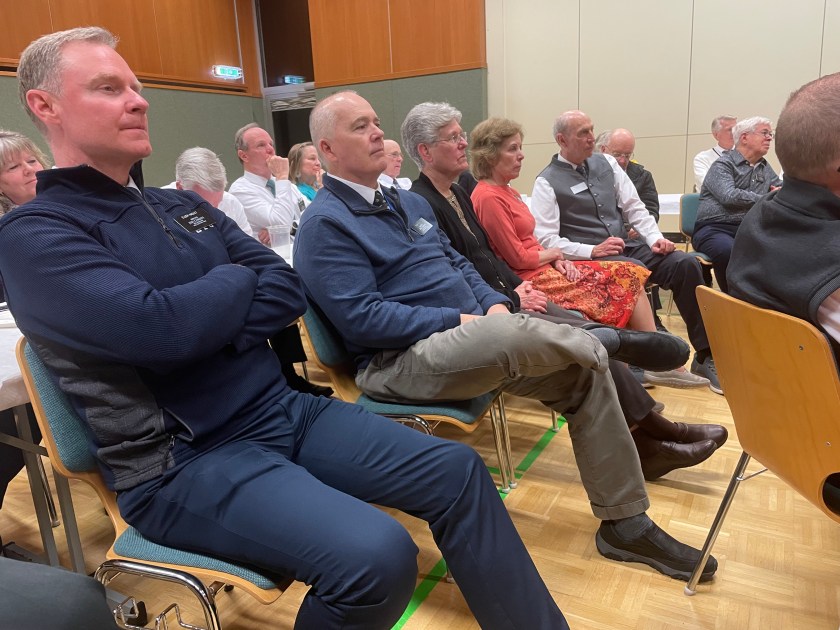
Here are their beautiful faces!
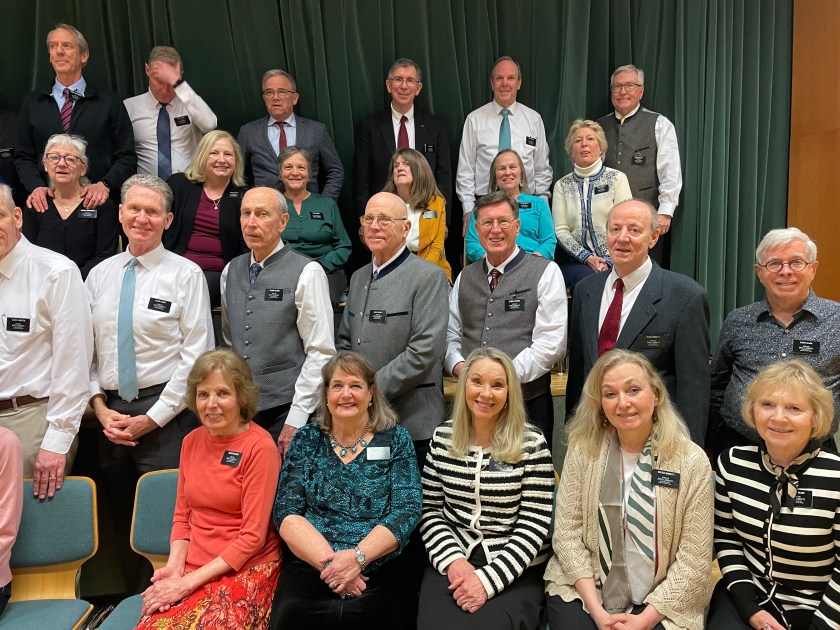
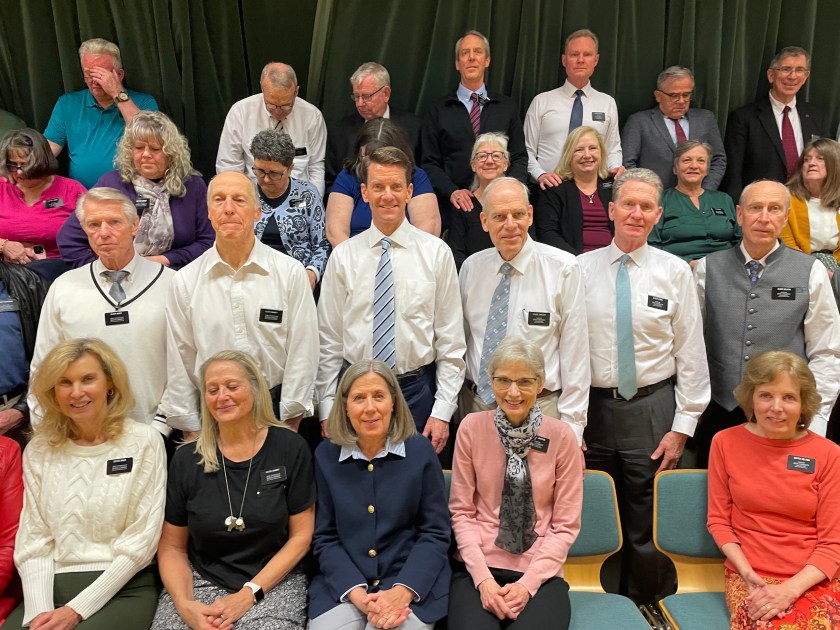


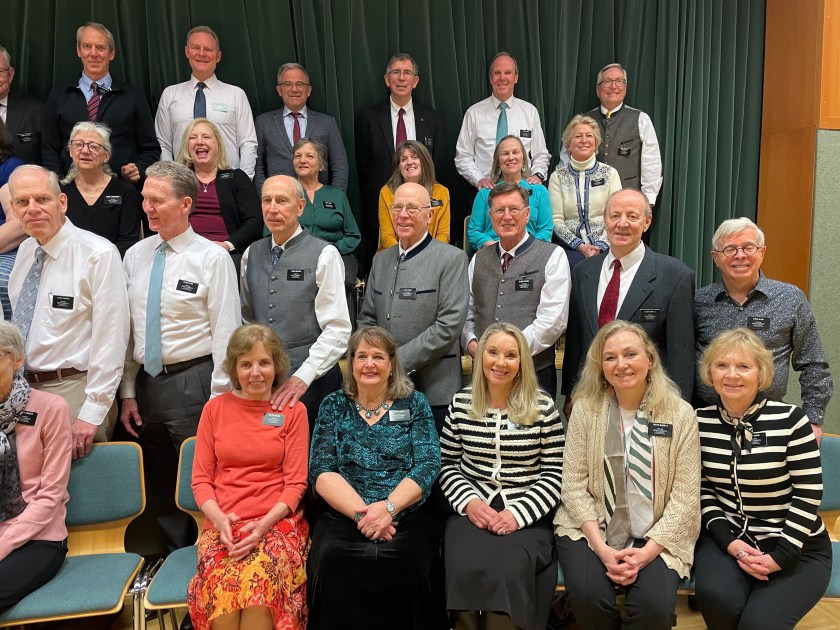
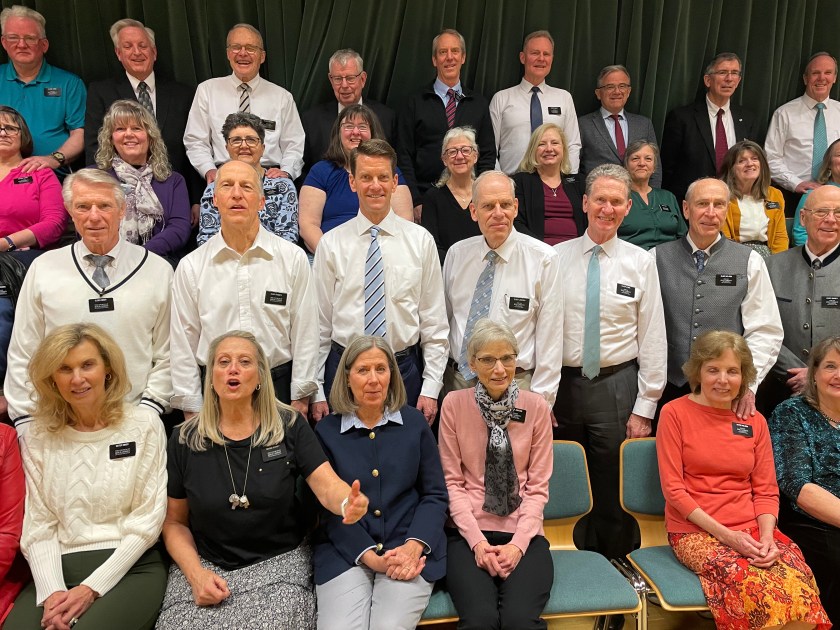
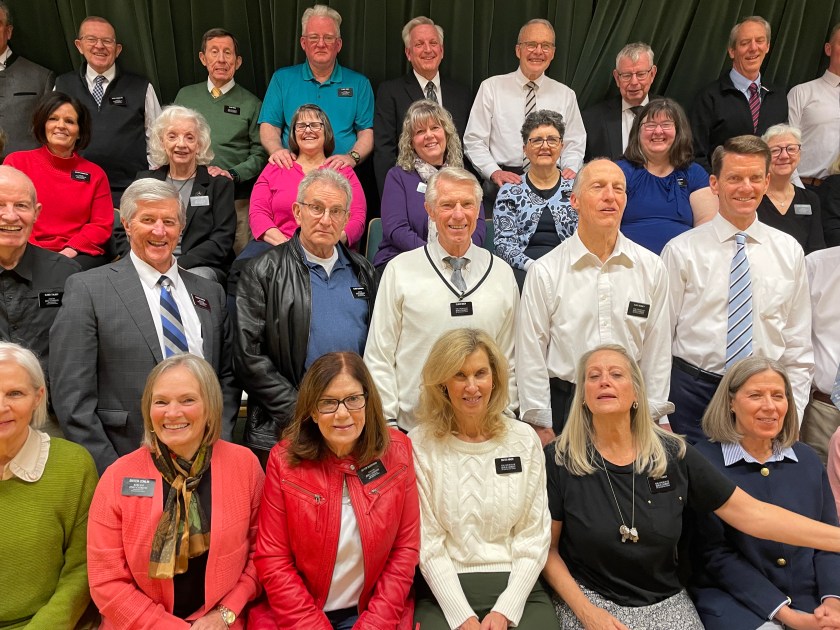
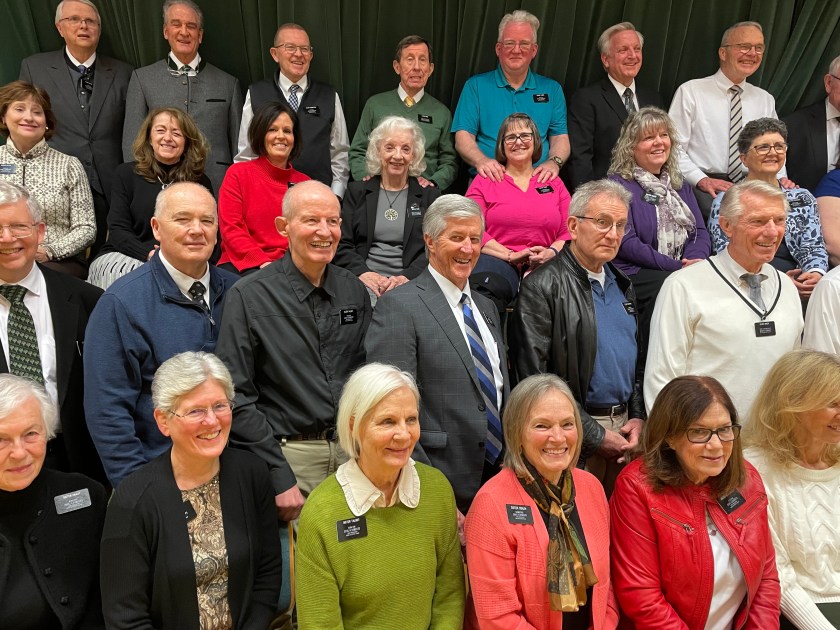

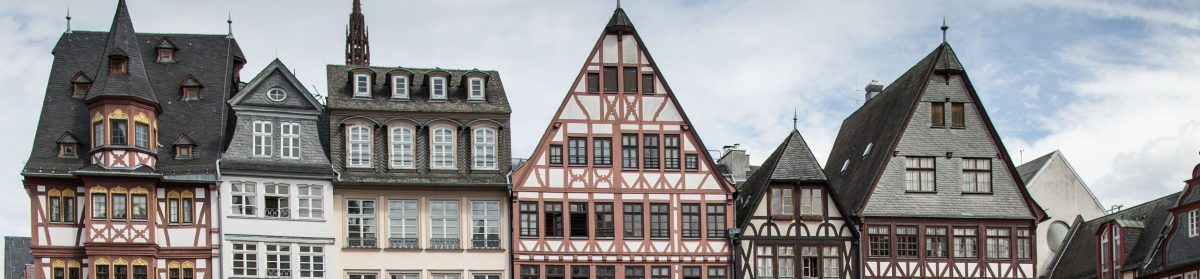
This evening we enjoyed another potluck dinner and sadly said some goodbyes to couples leaving soon–the Krauts and the Lewises, and we welcomed the Lichtenbergs.
Here are their beautiful faces!

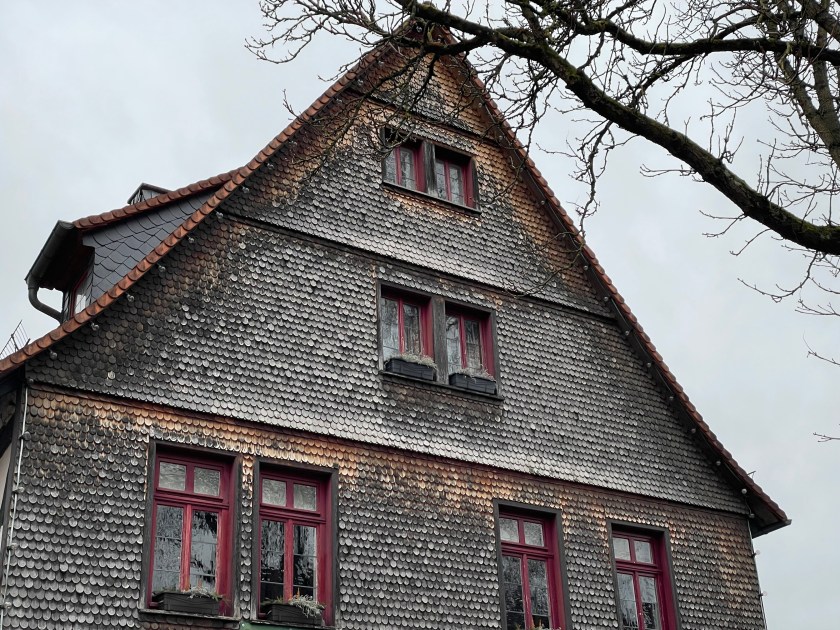
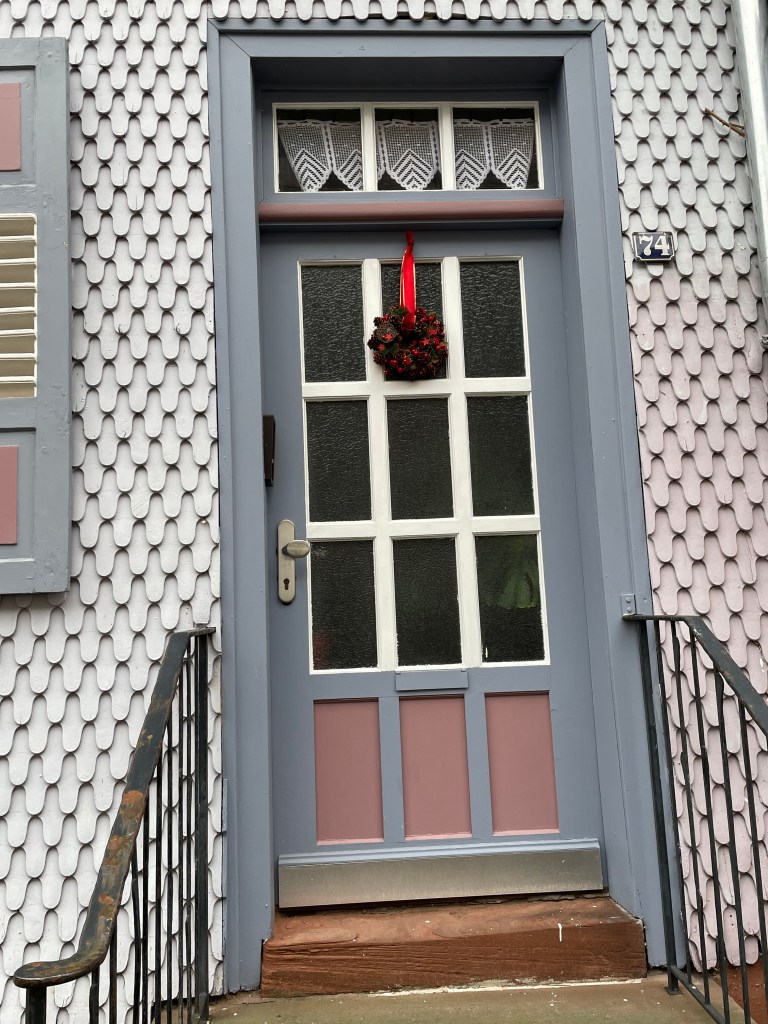
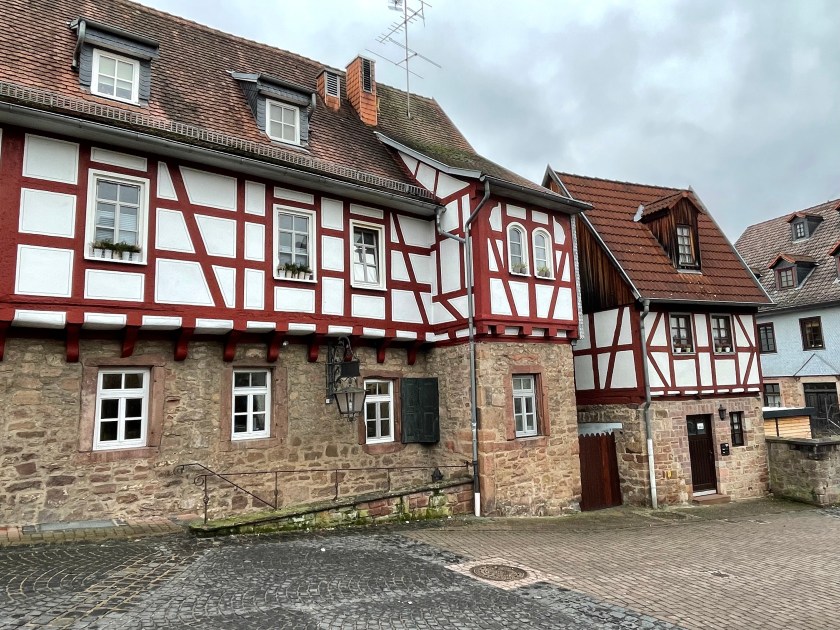
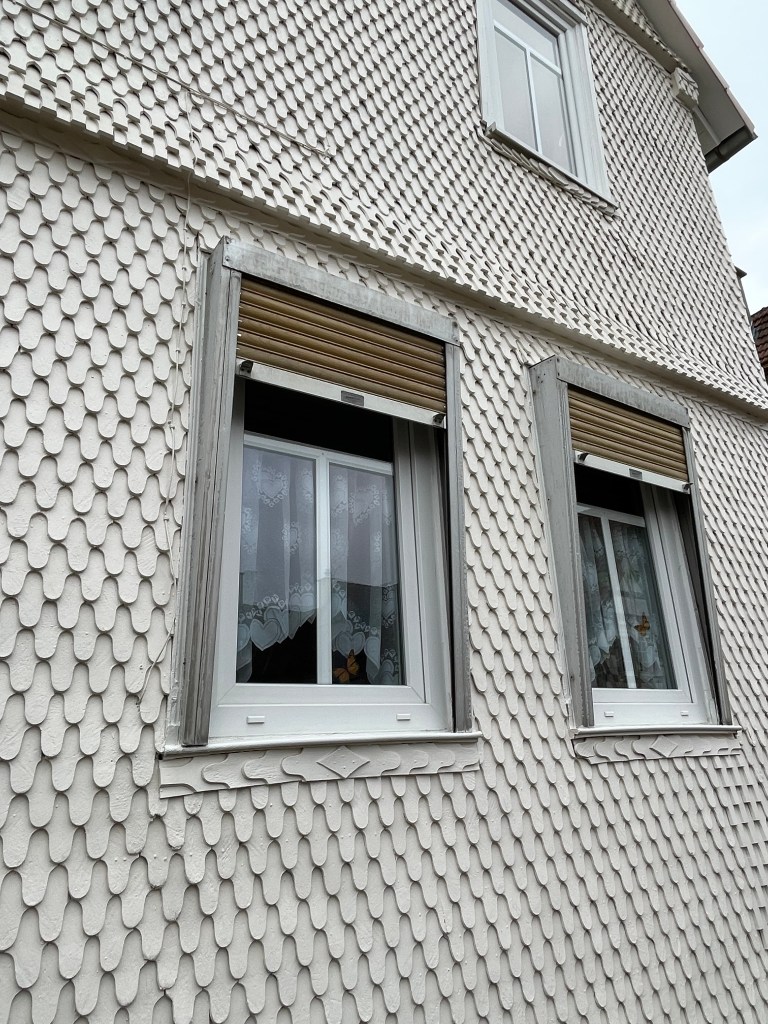
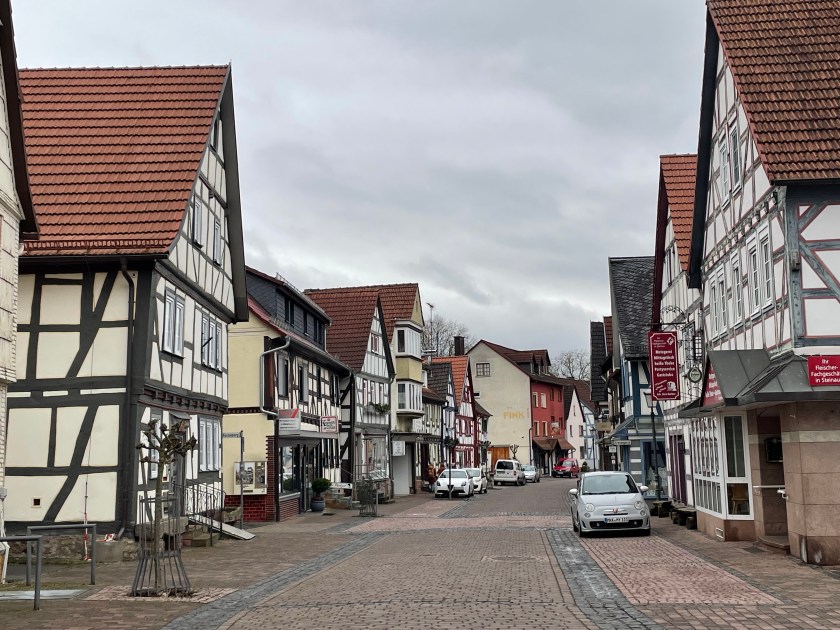
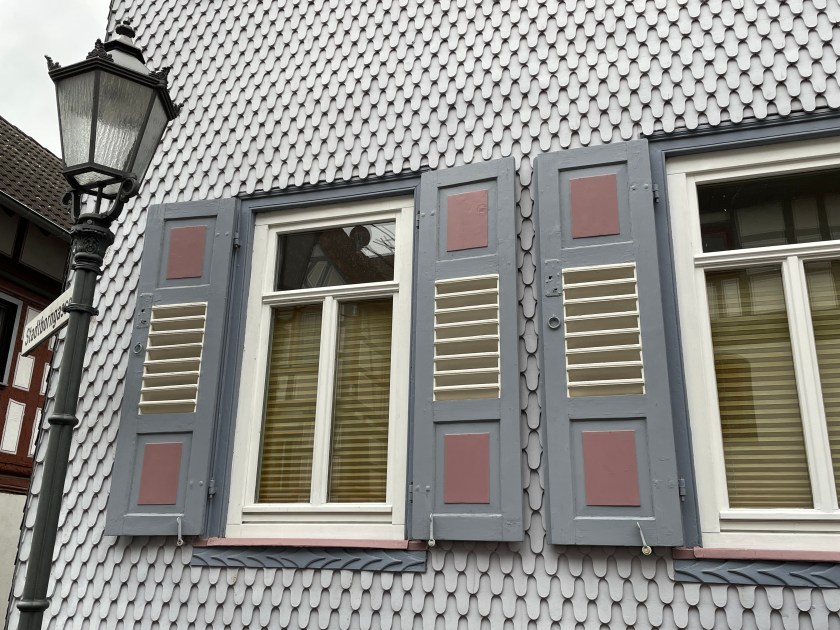
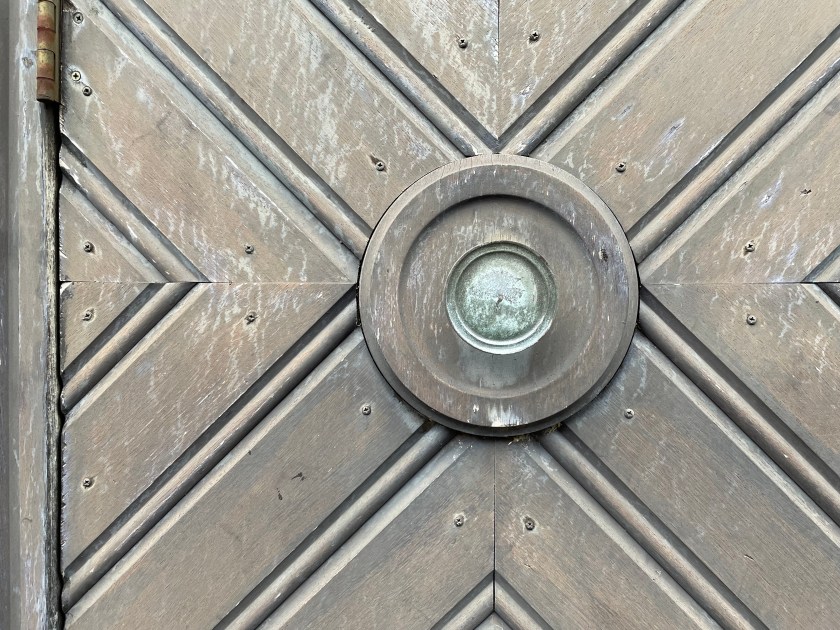
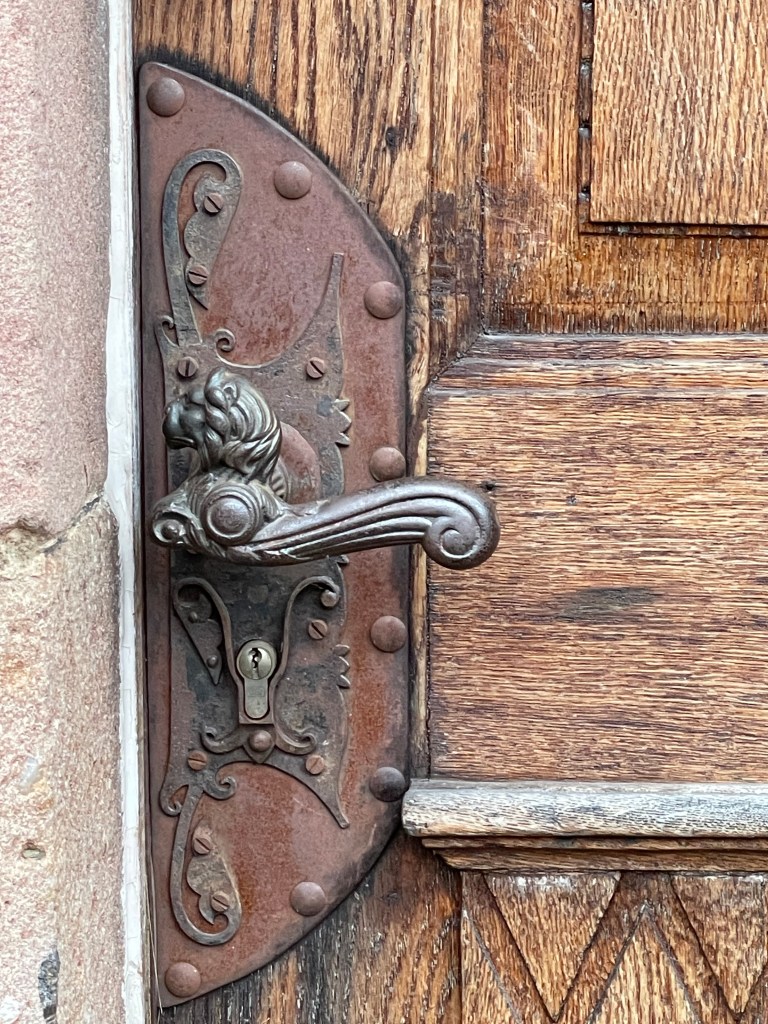
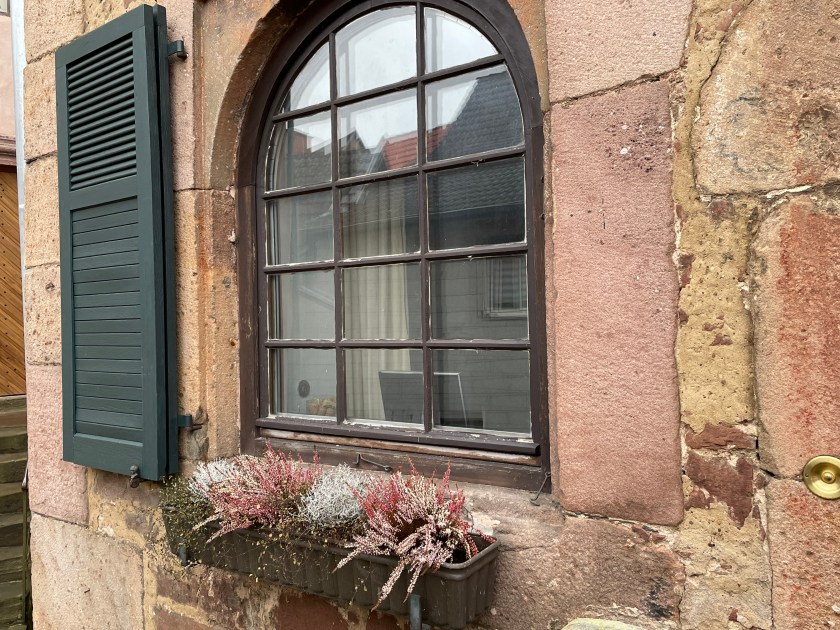
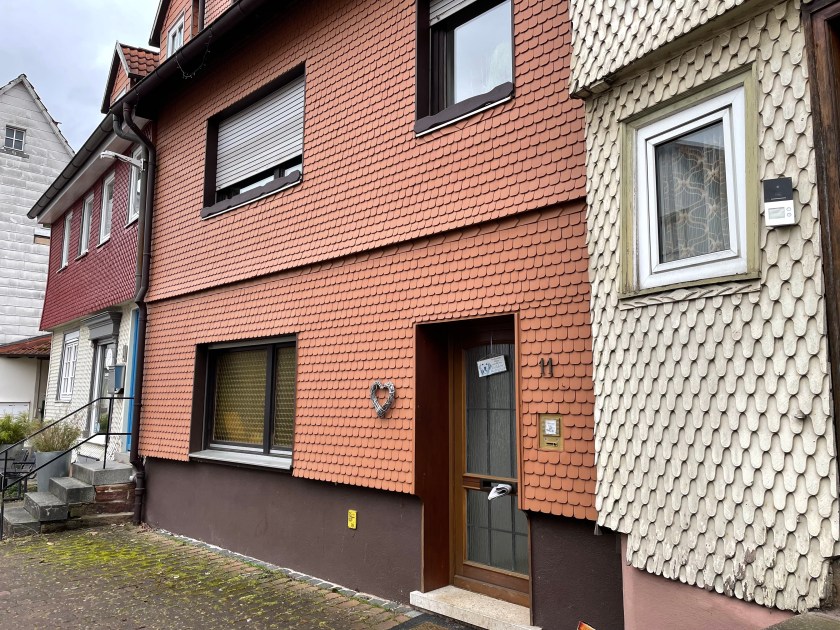
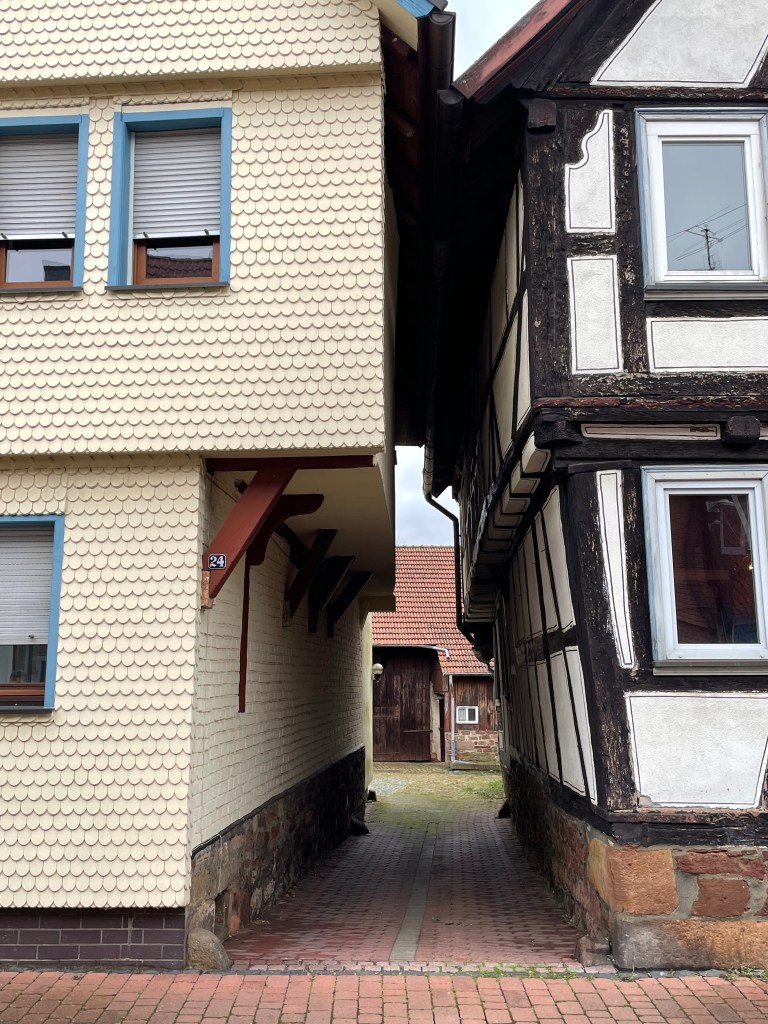
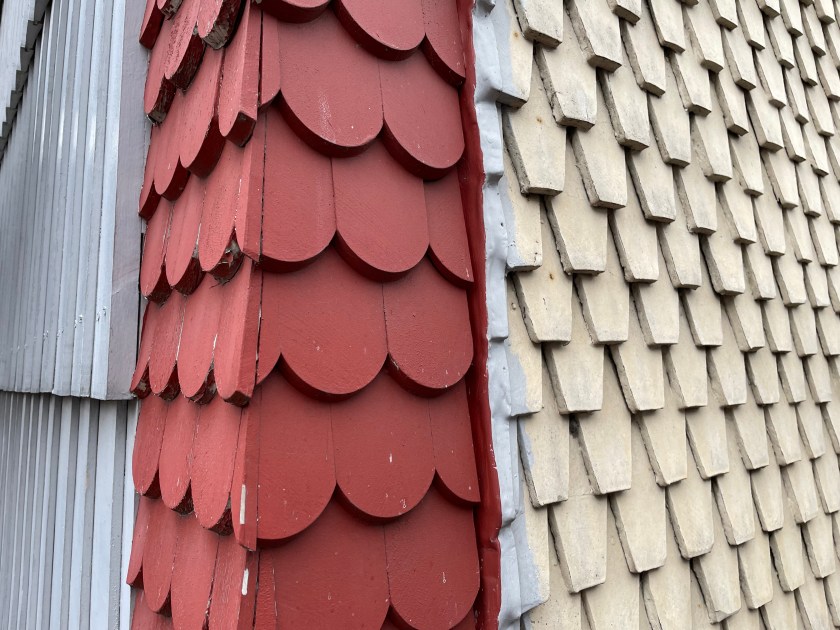
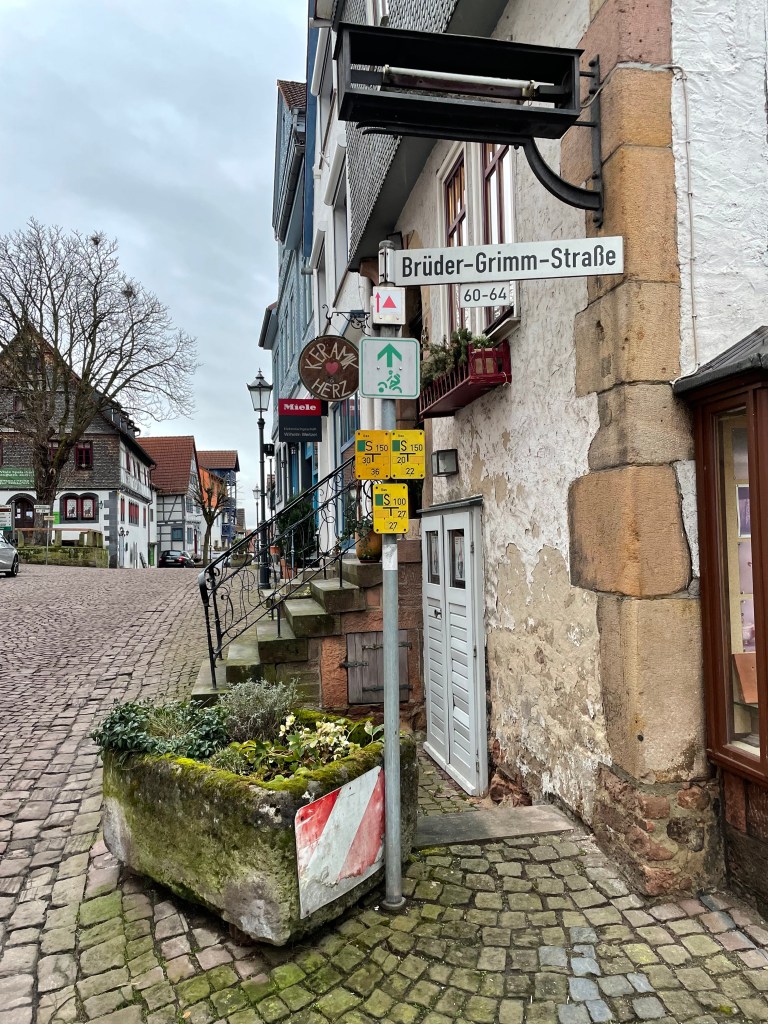
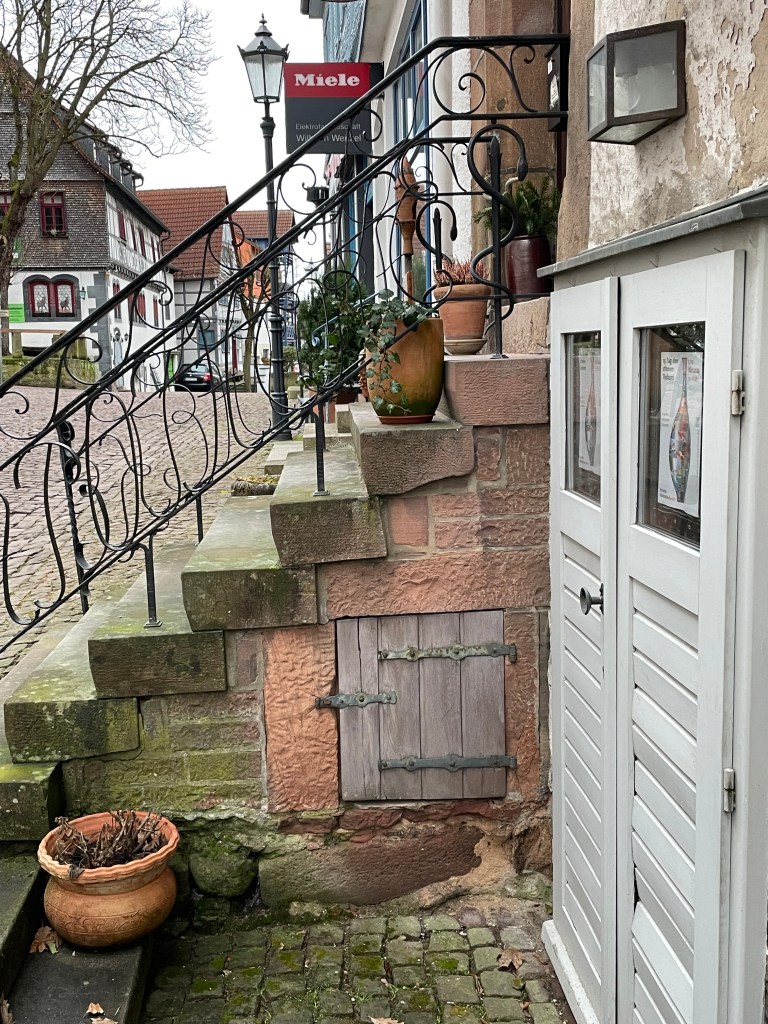
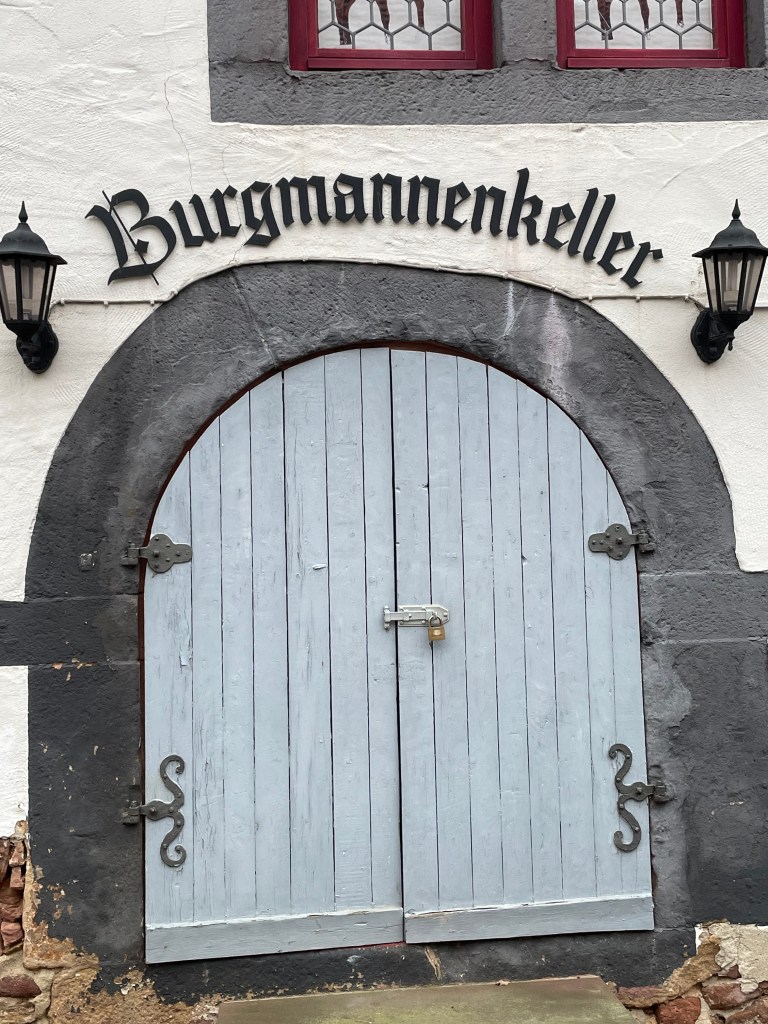
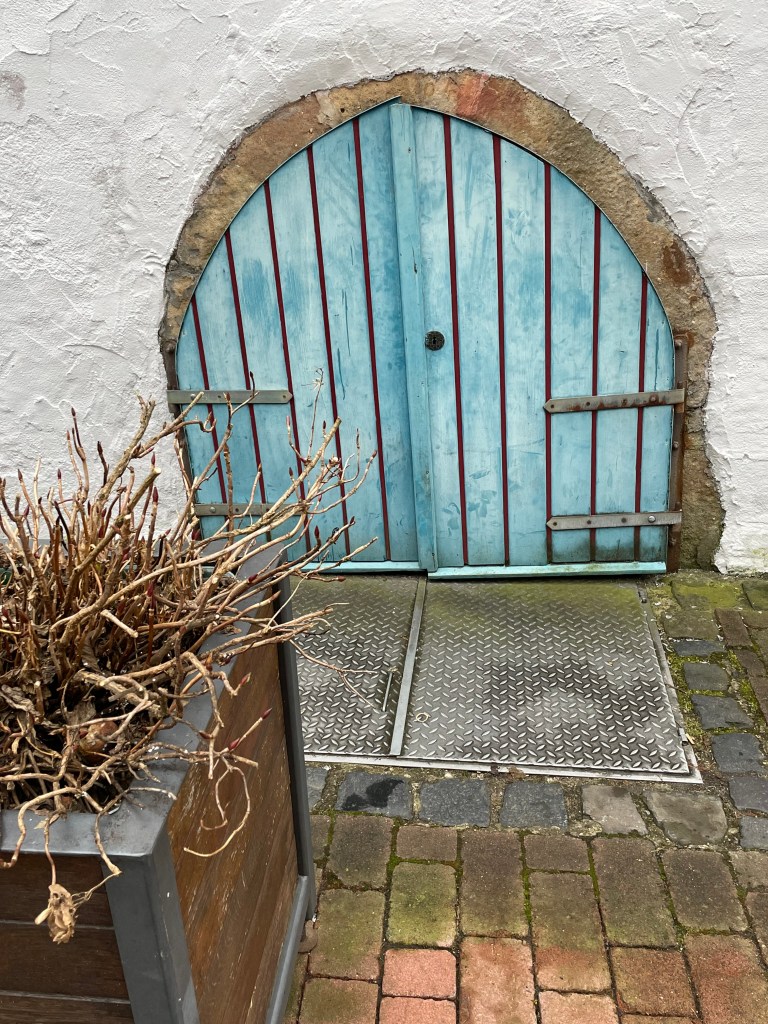
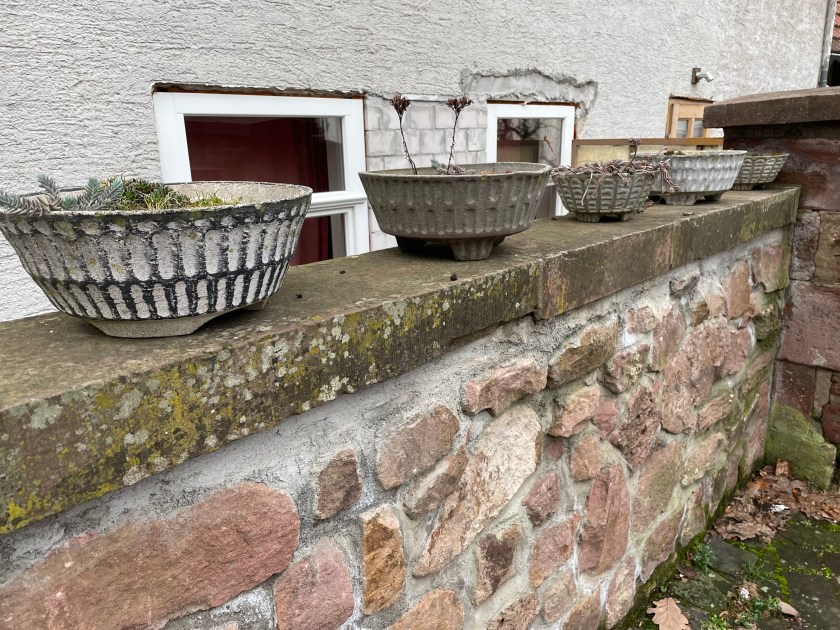
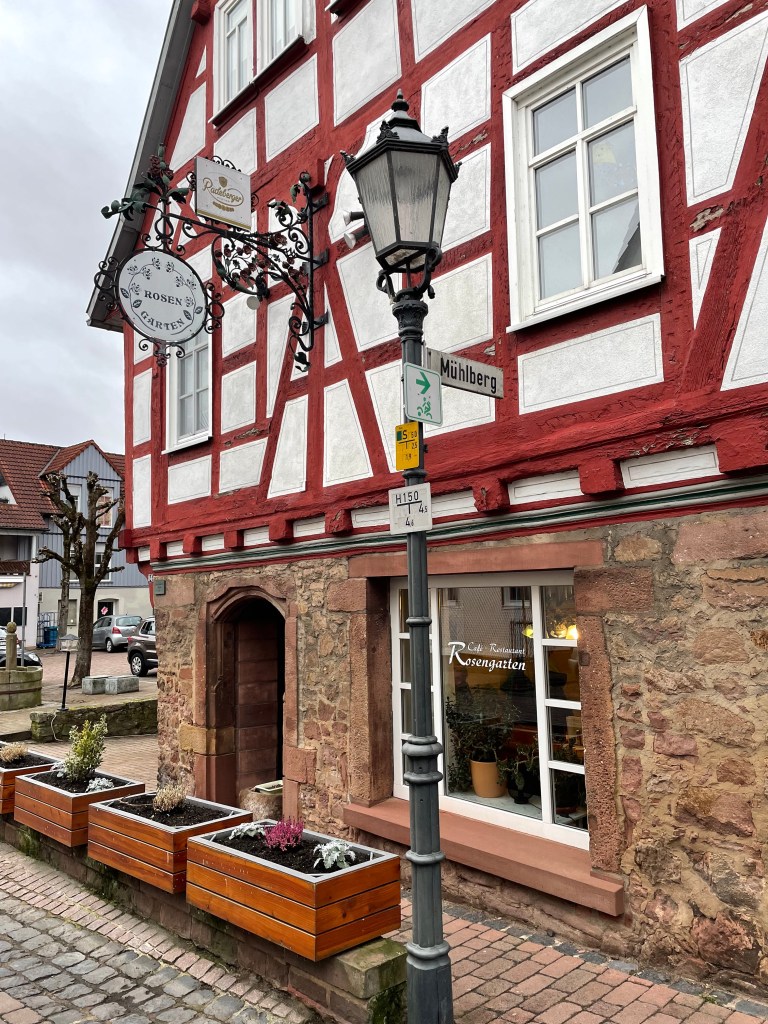
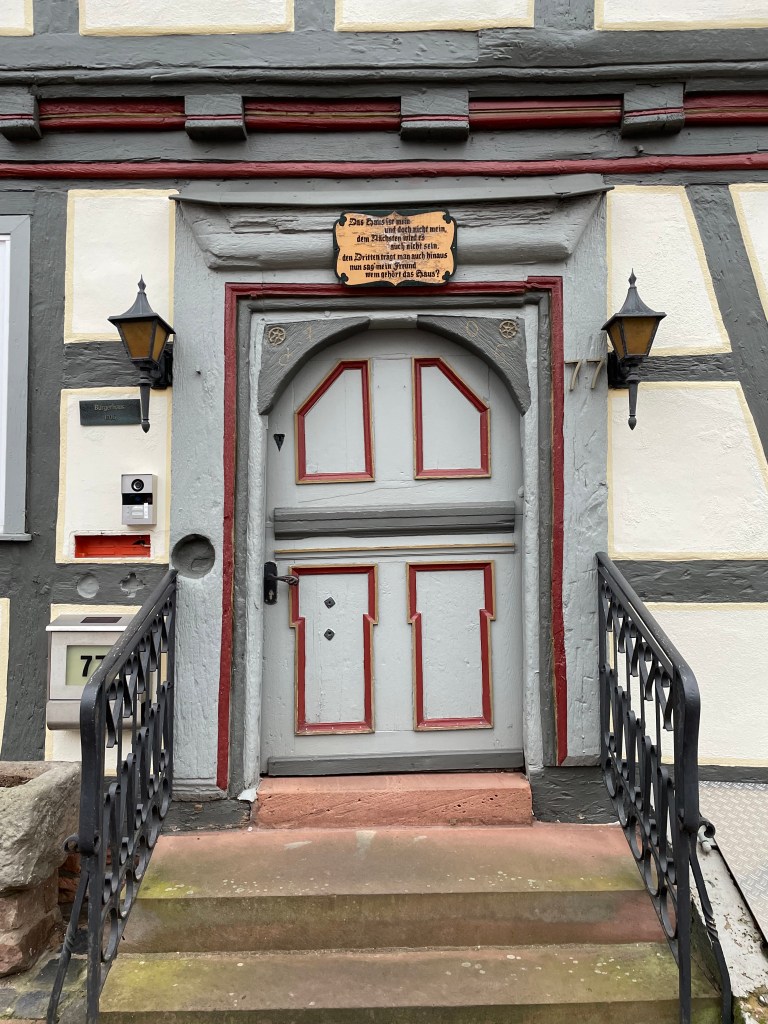
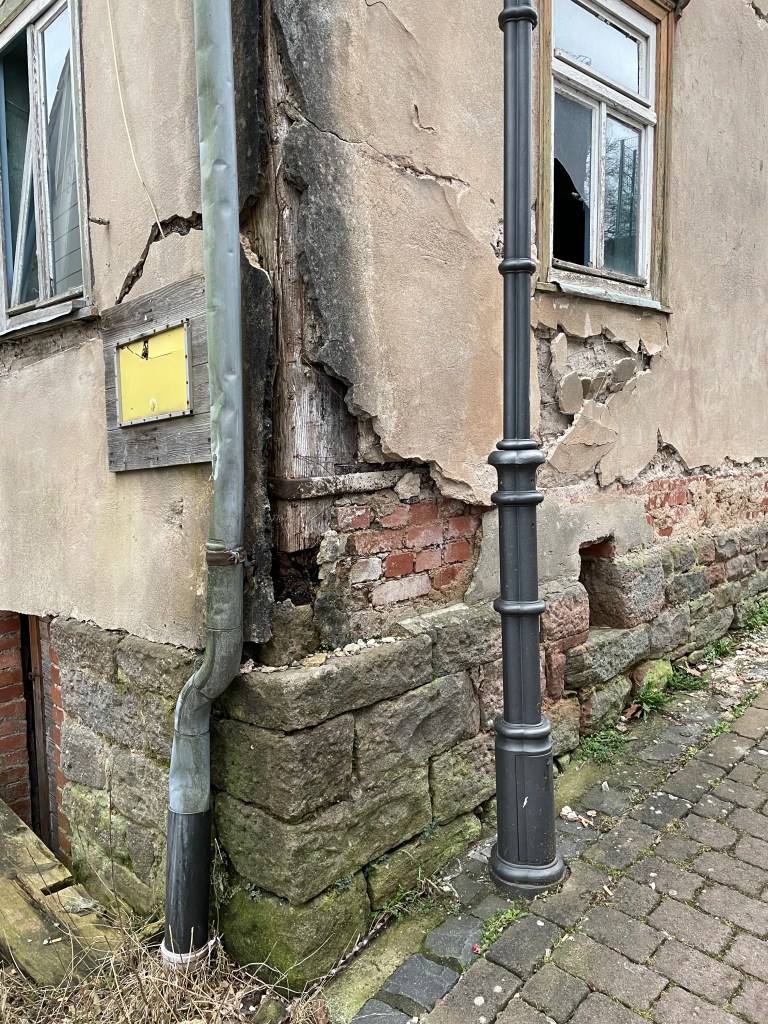
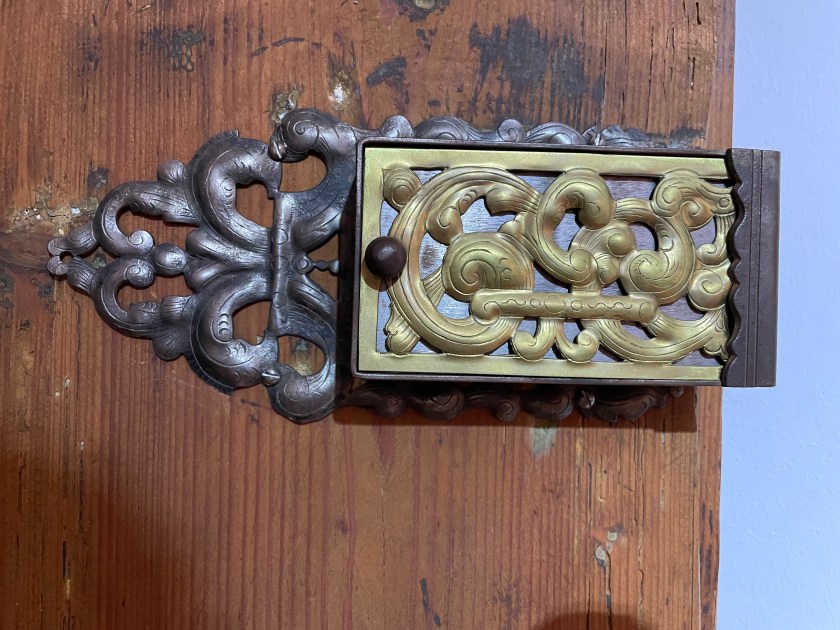
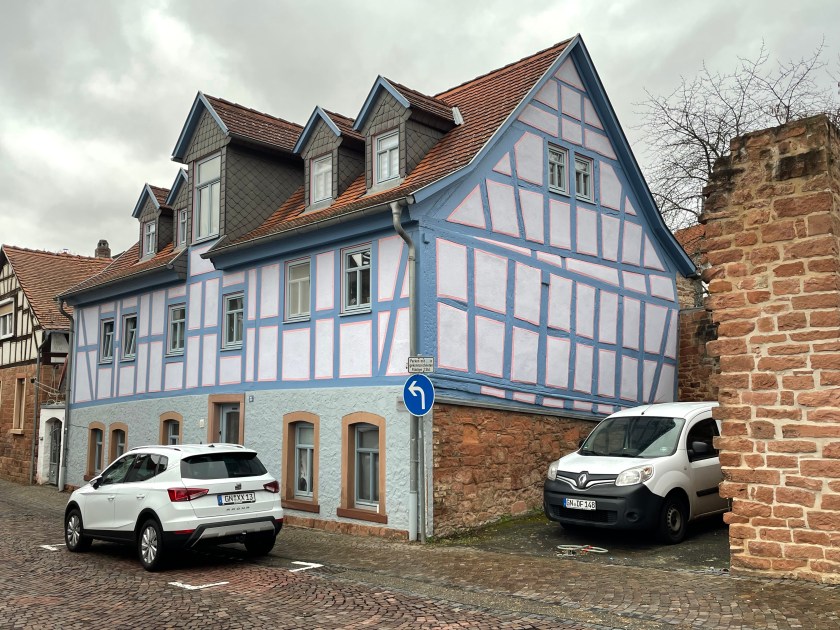
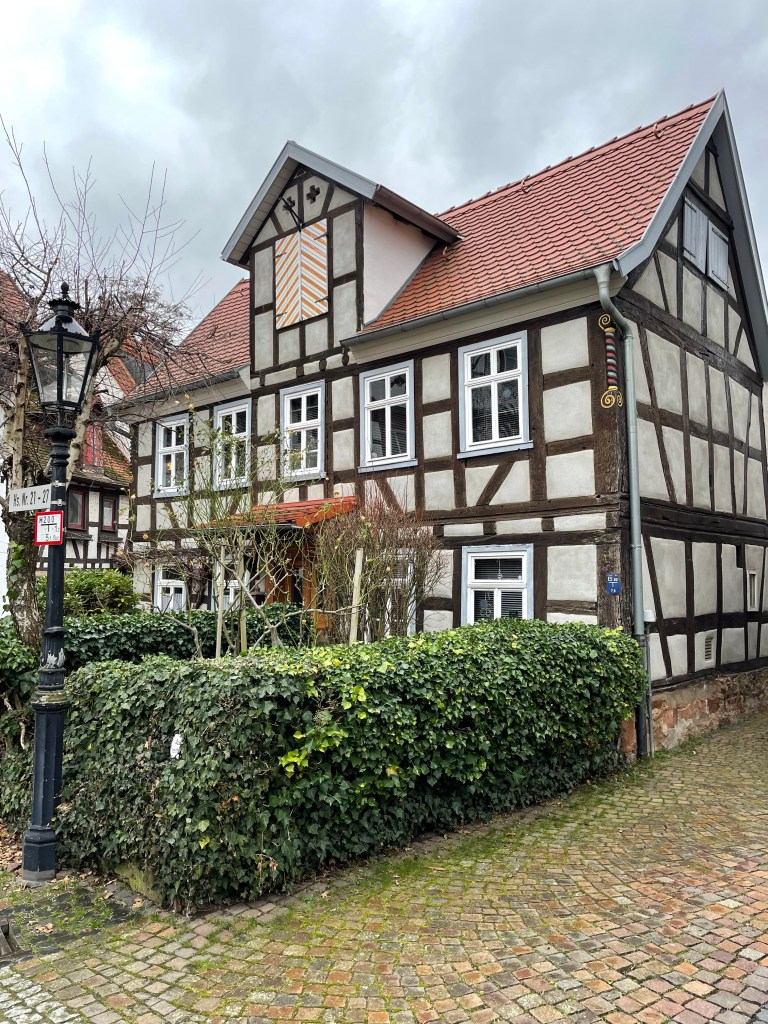
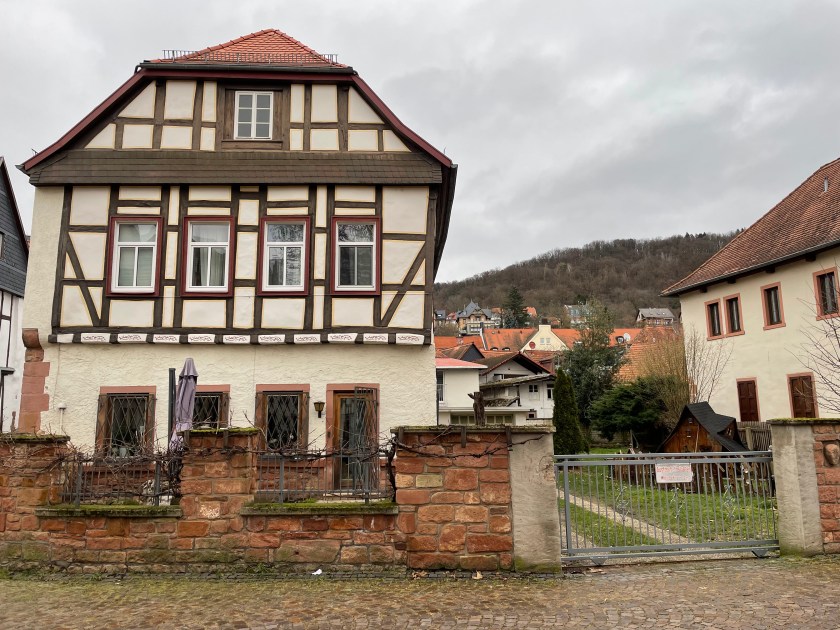
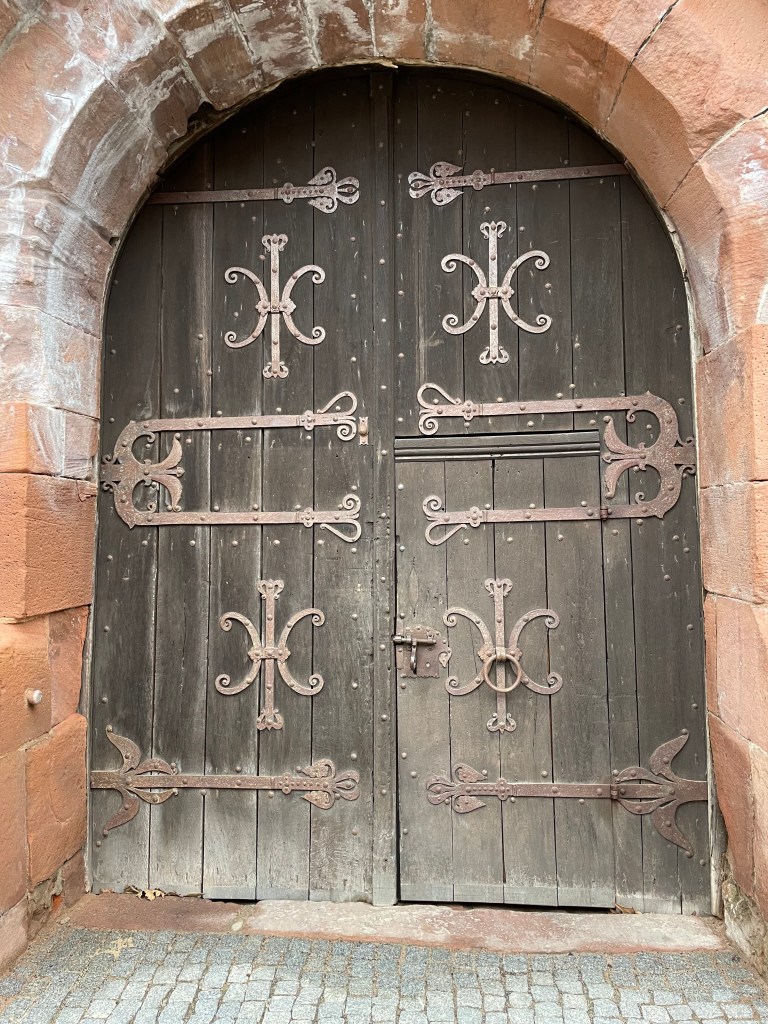
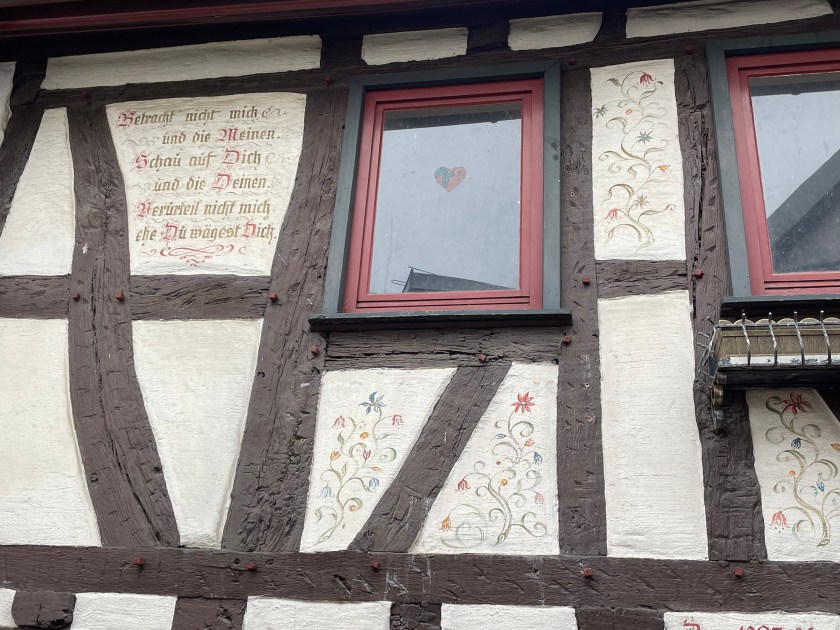
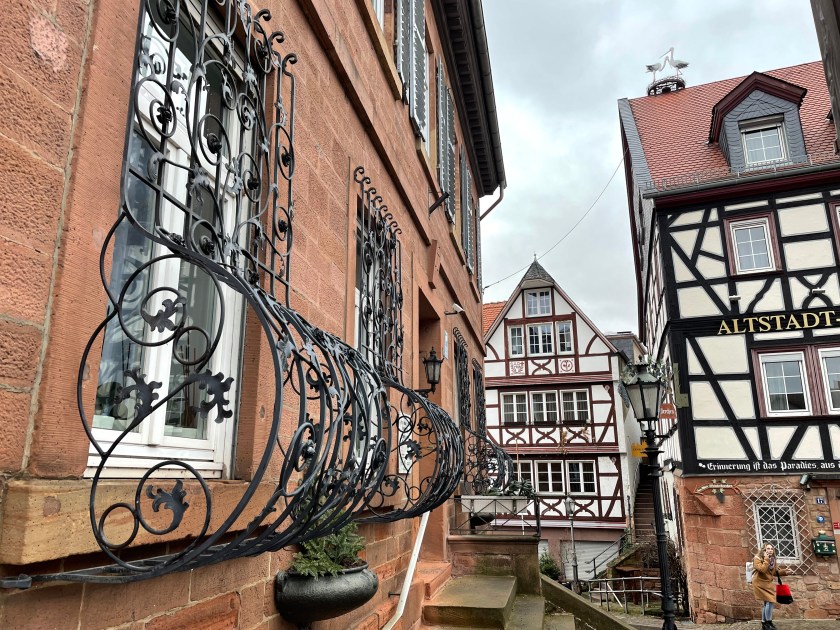
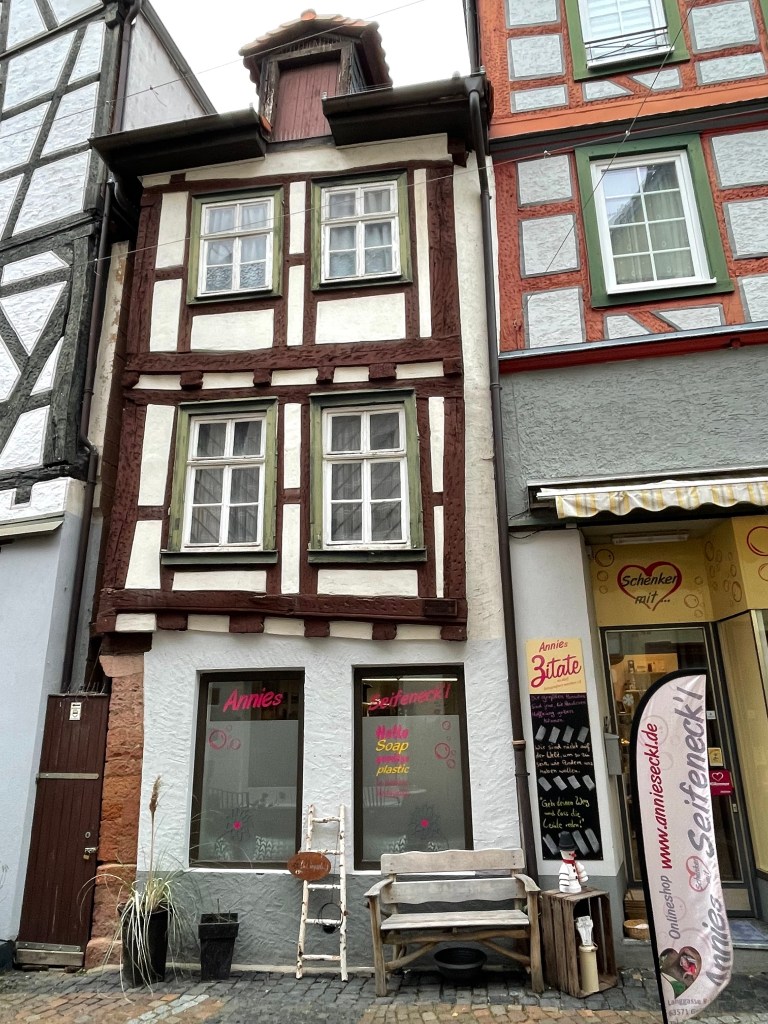
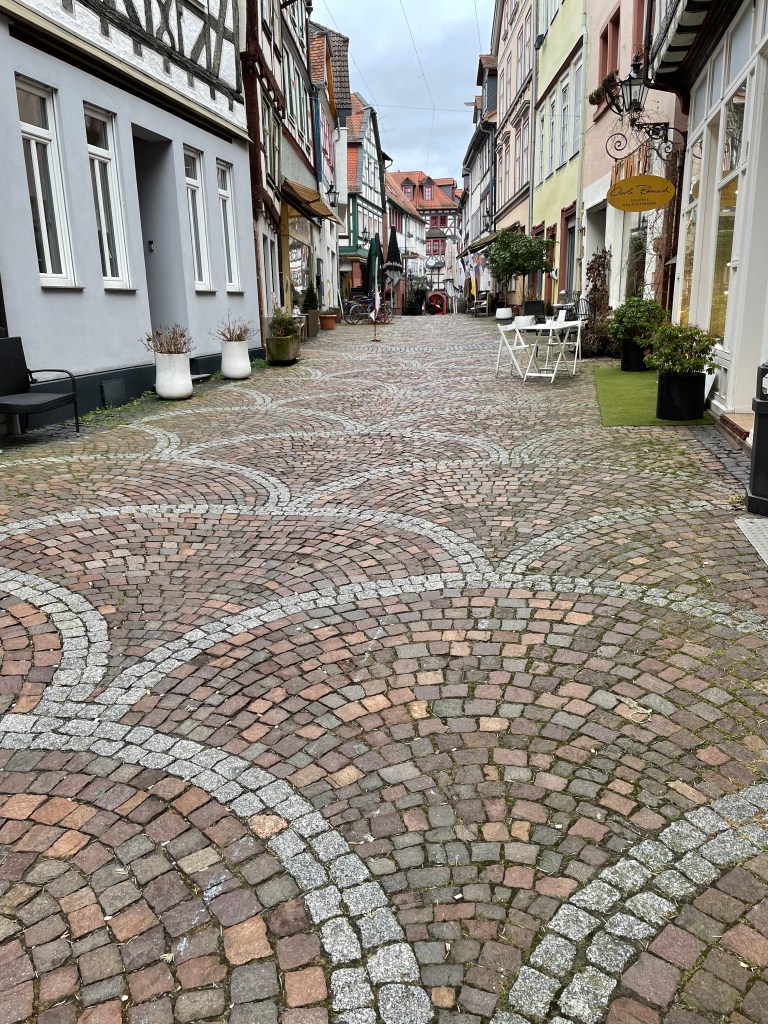
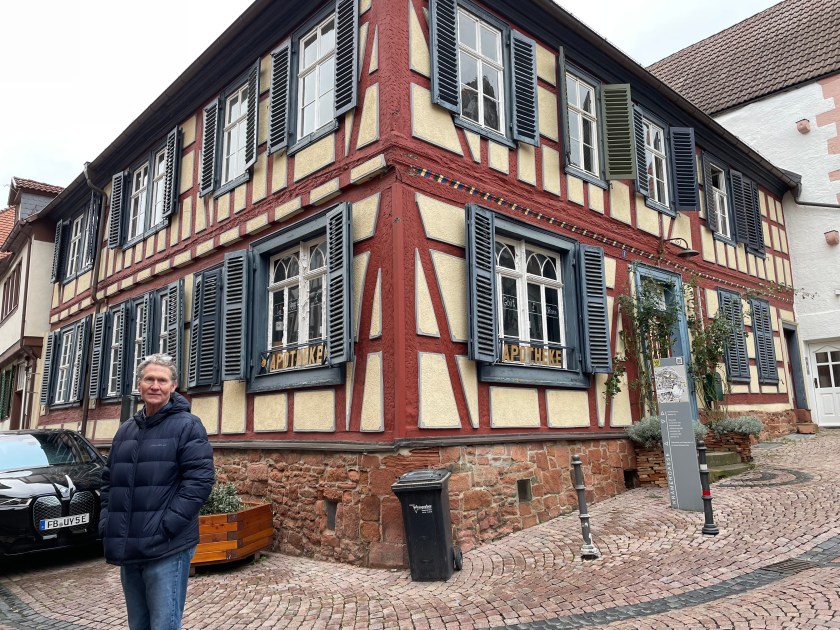
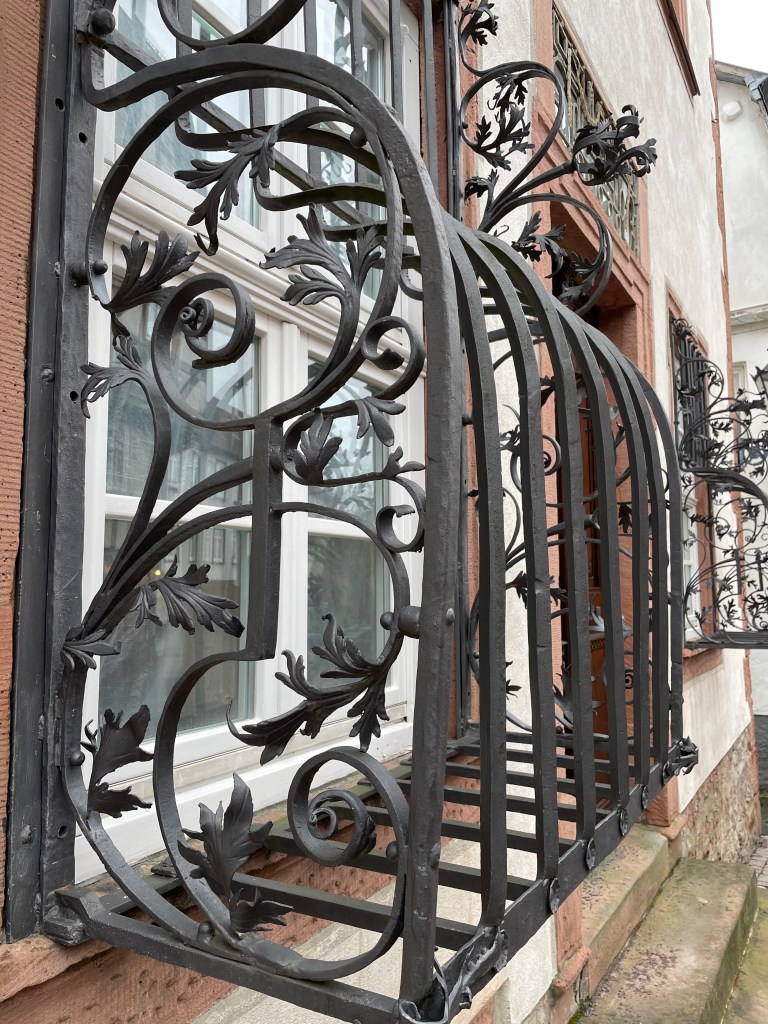
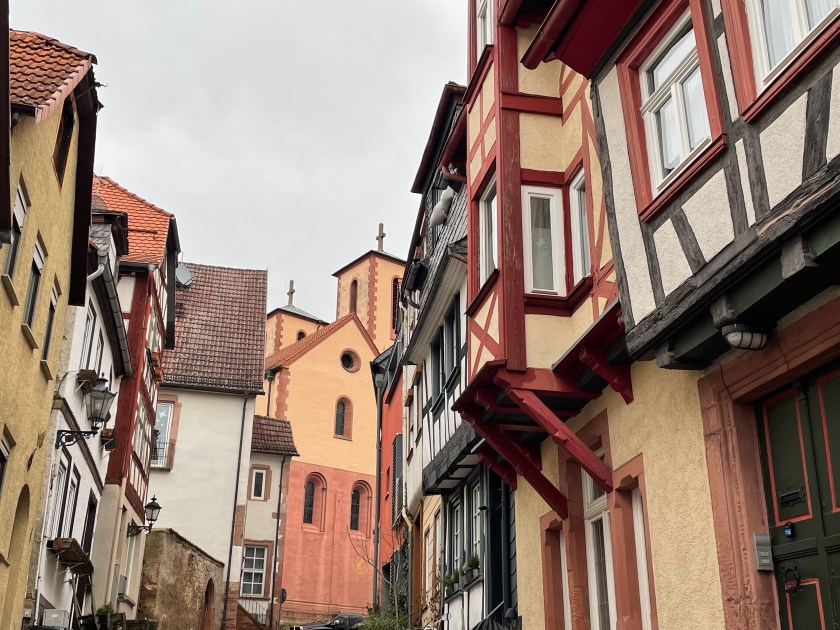
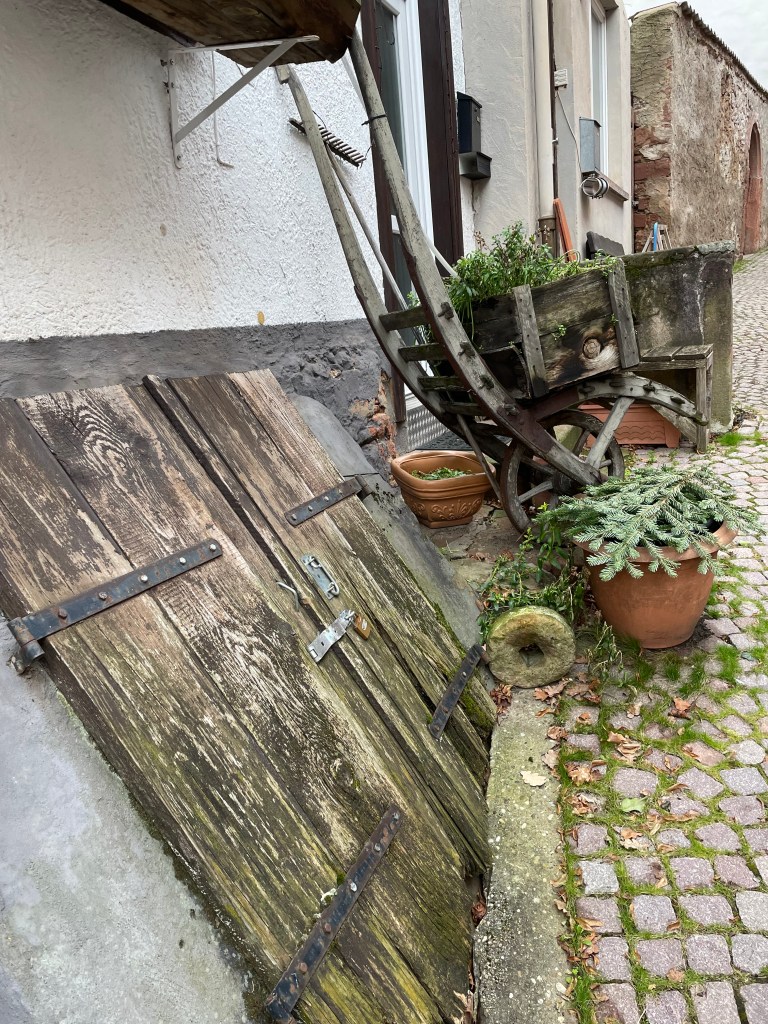
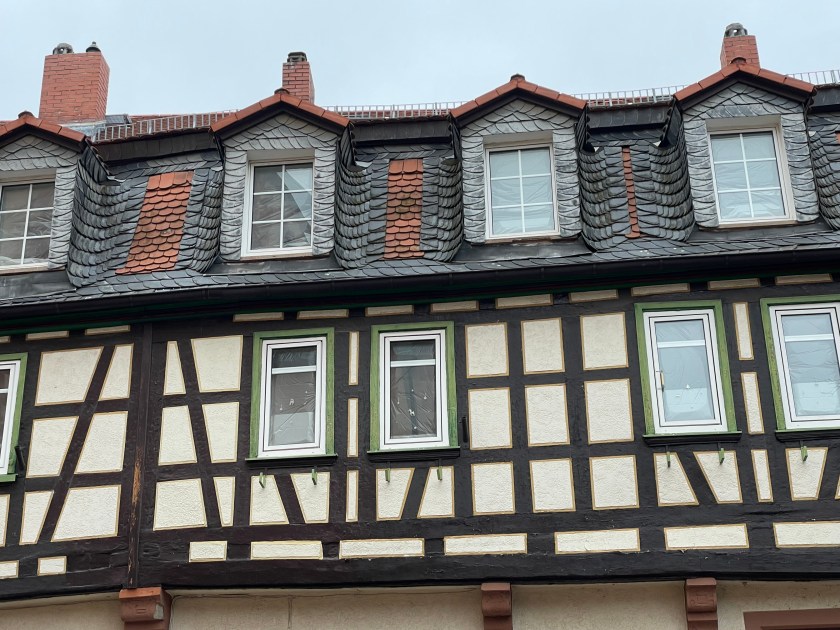
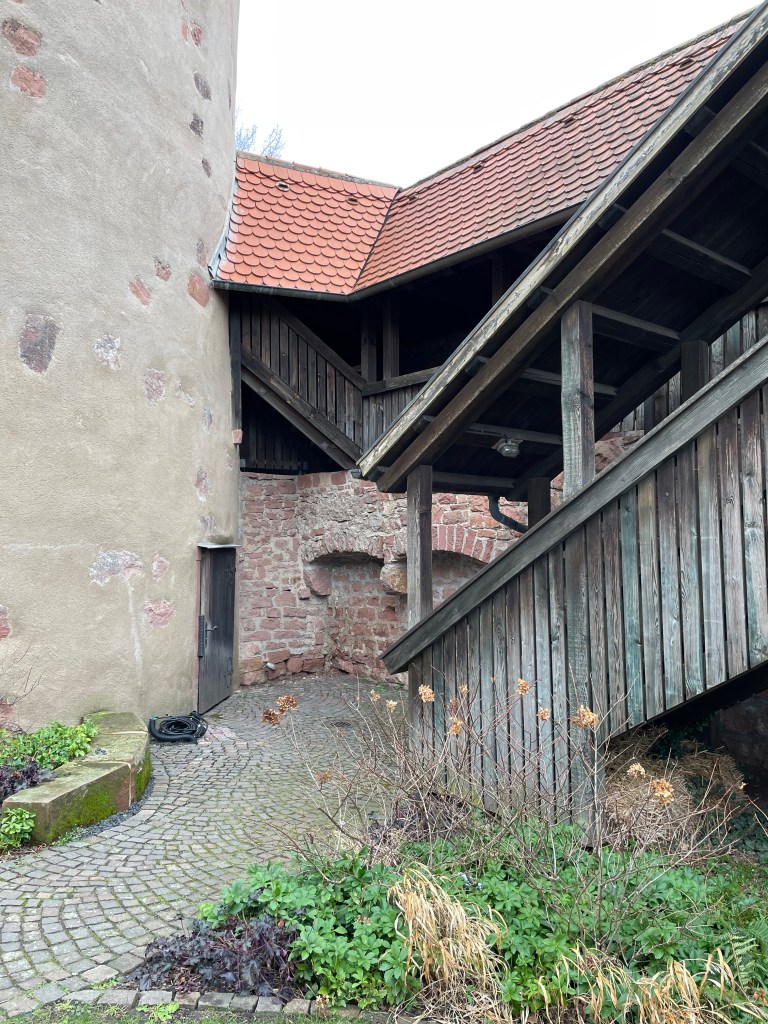
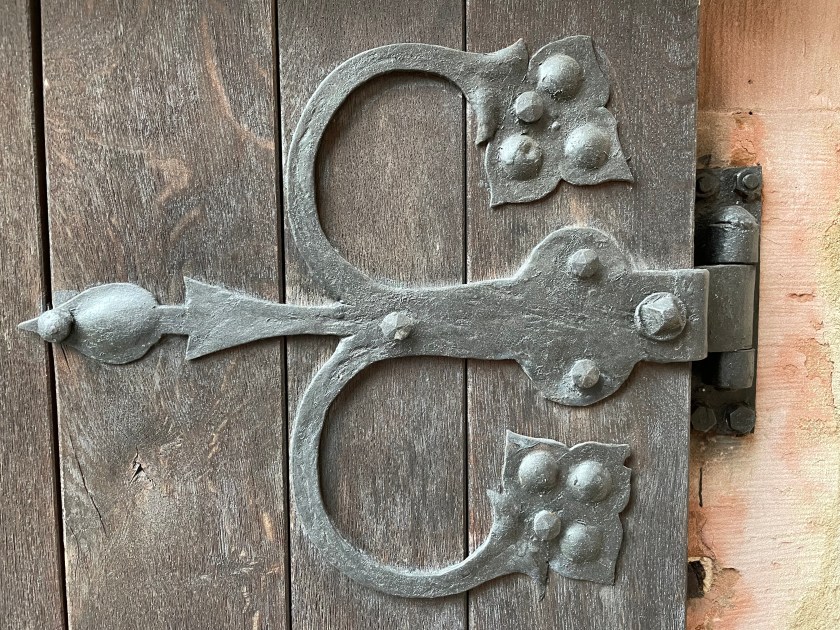
This little town spoke to everything in me that loves old charm. I just wanted to capture everything I saw. The beauty, the artistry, the handcrafted woodwork, the doorknobs and hinges, the windows, the siding on the houses, the pots on the steps, the roofs. It’s all magical.

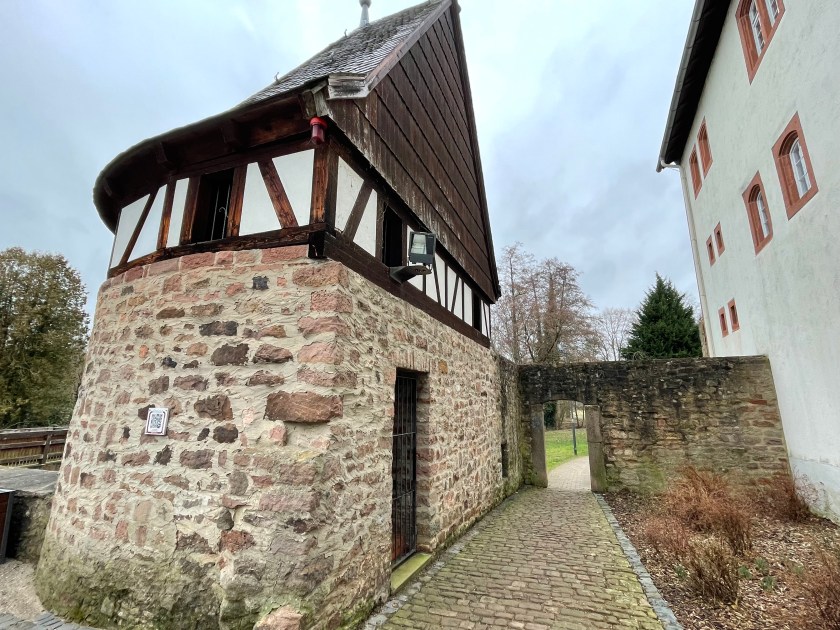
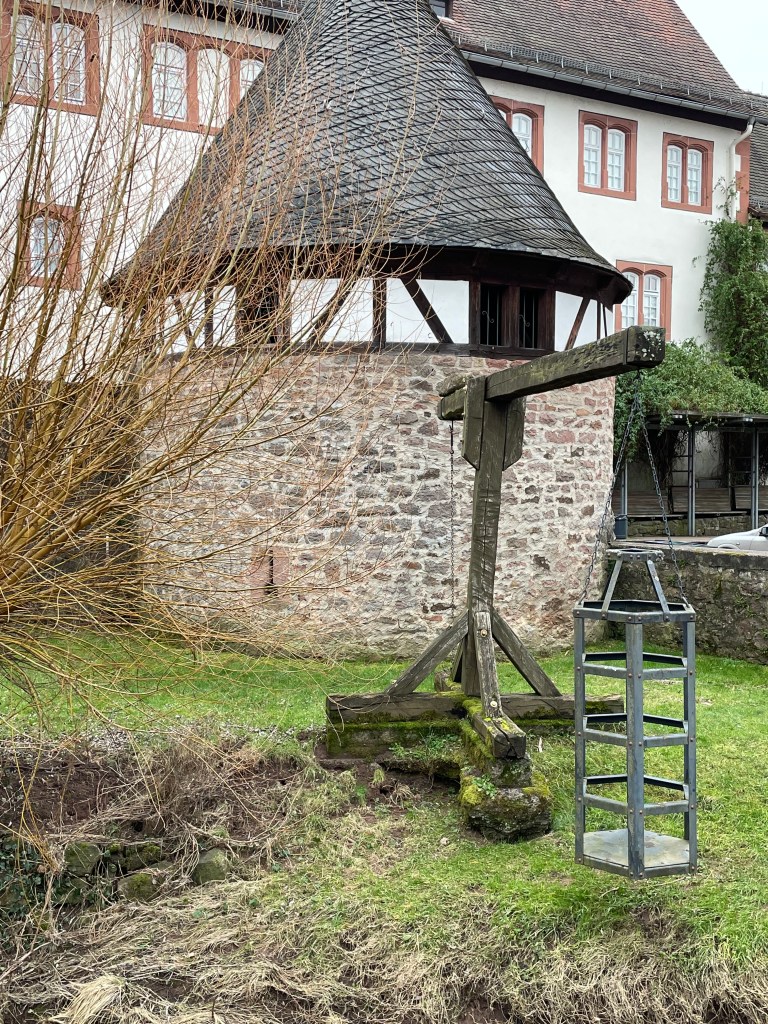
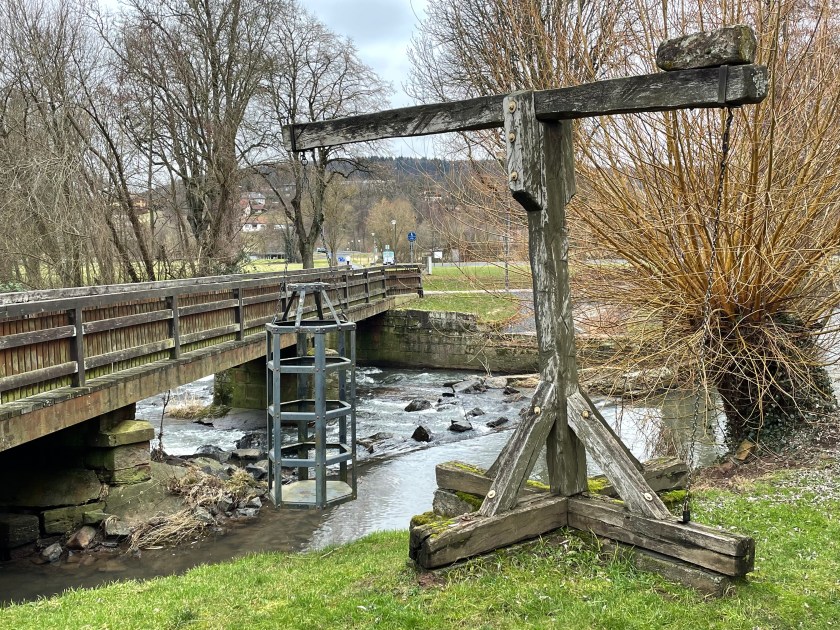
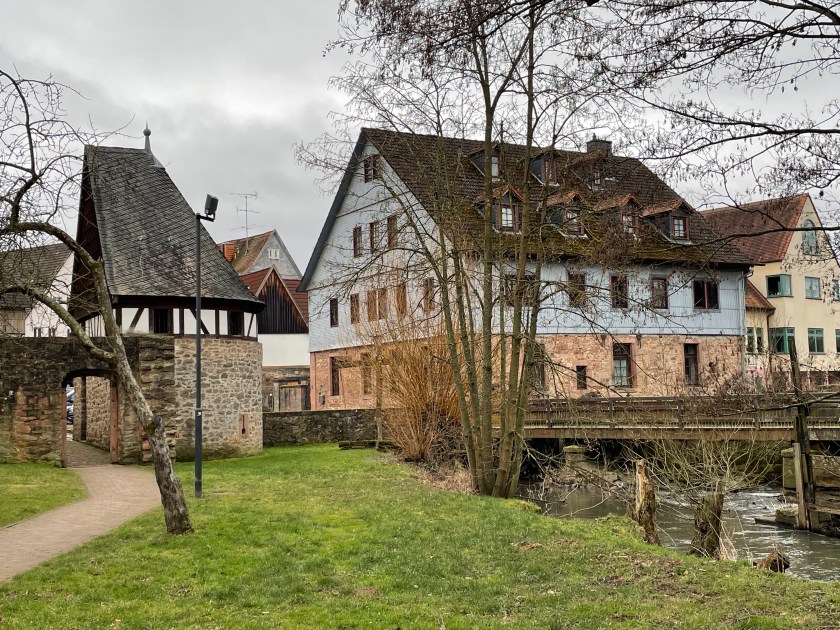
Here is where bad guys were locked up and dipped into the cold river water for punishment.
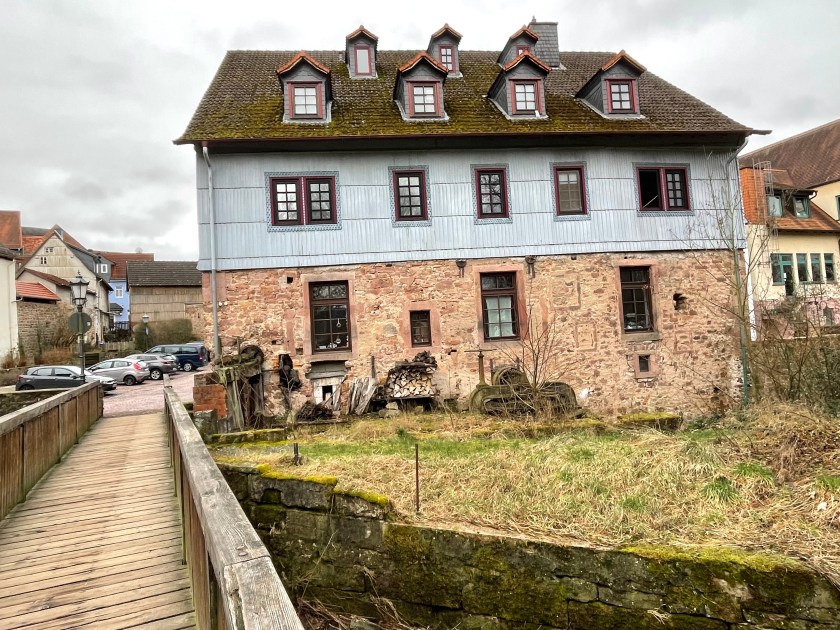
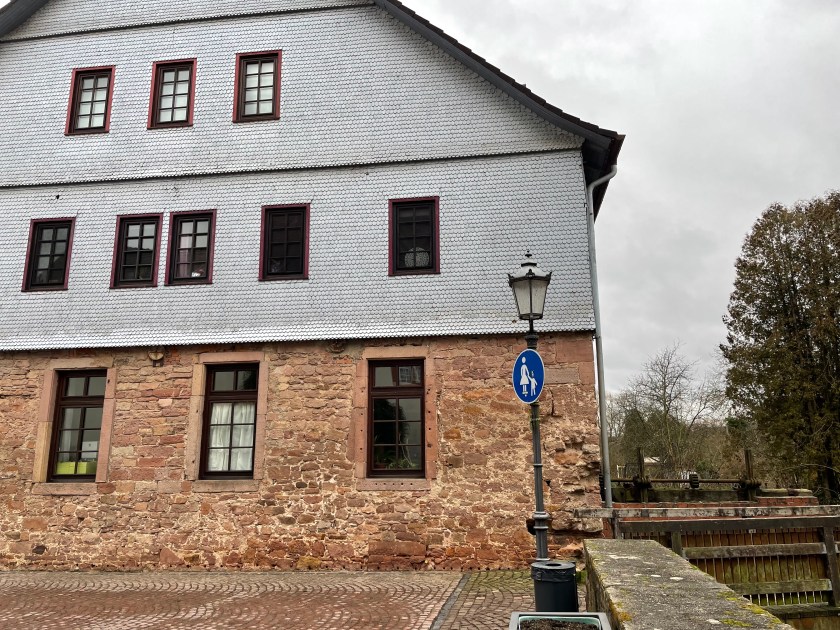
This is the old mill house:

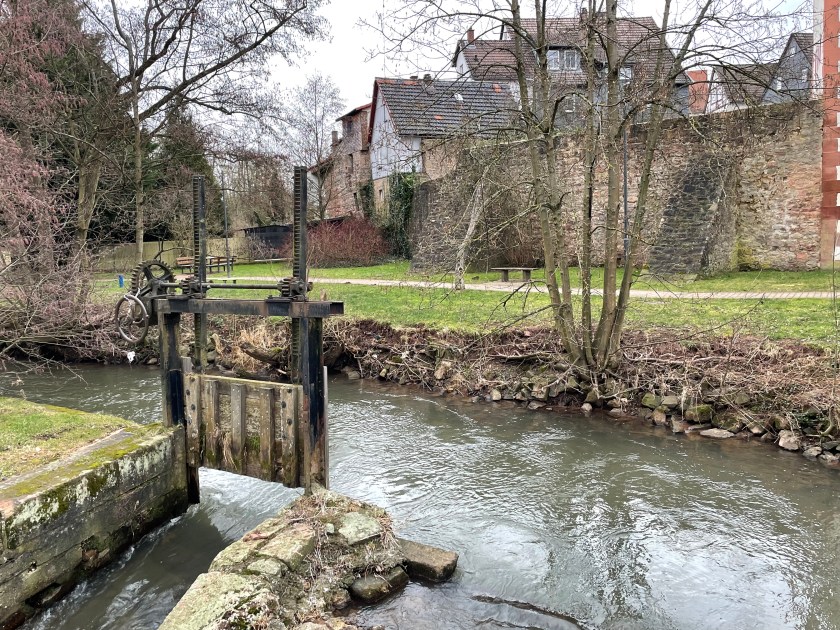

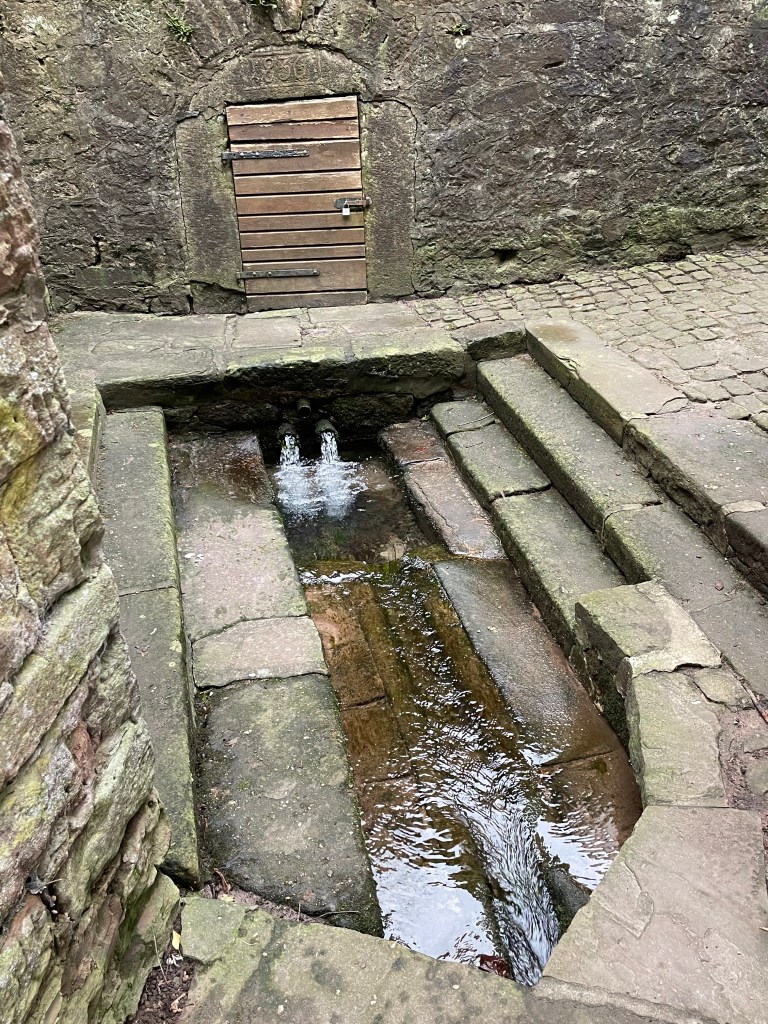
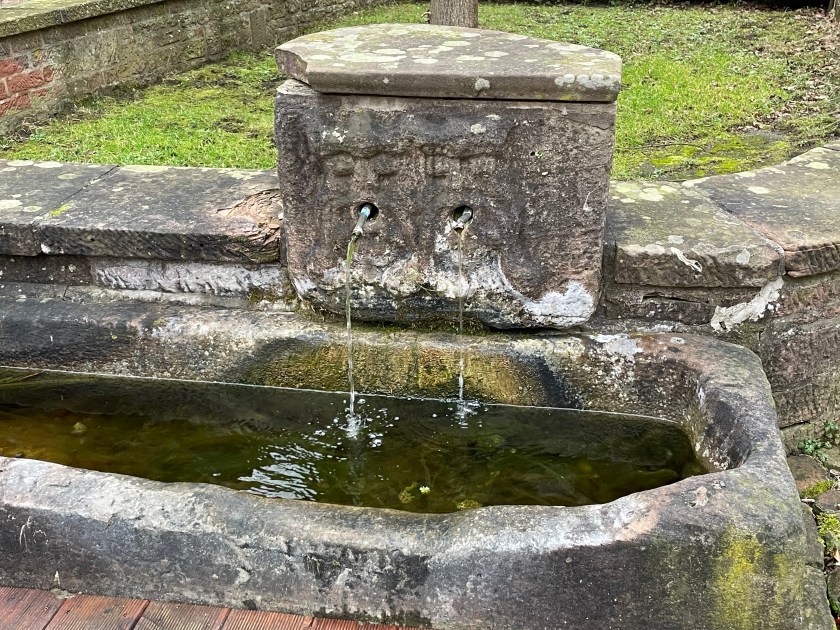
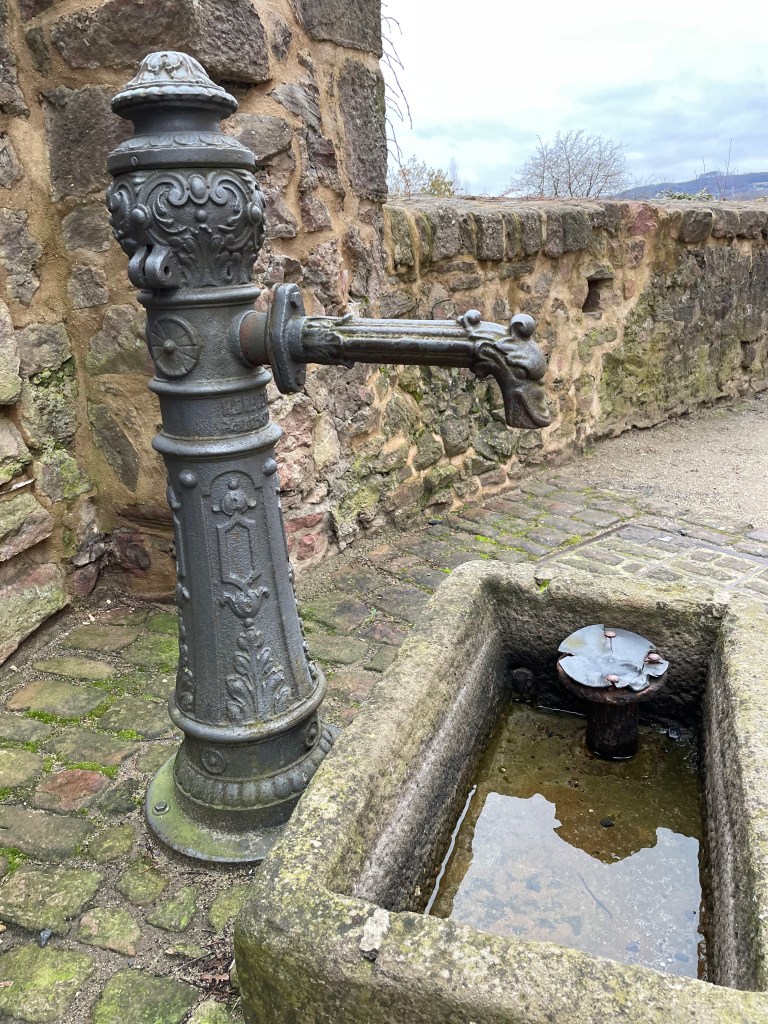
This is a fresh water spring where families came to get drinking water. The Grimm brothers loved to play here.
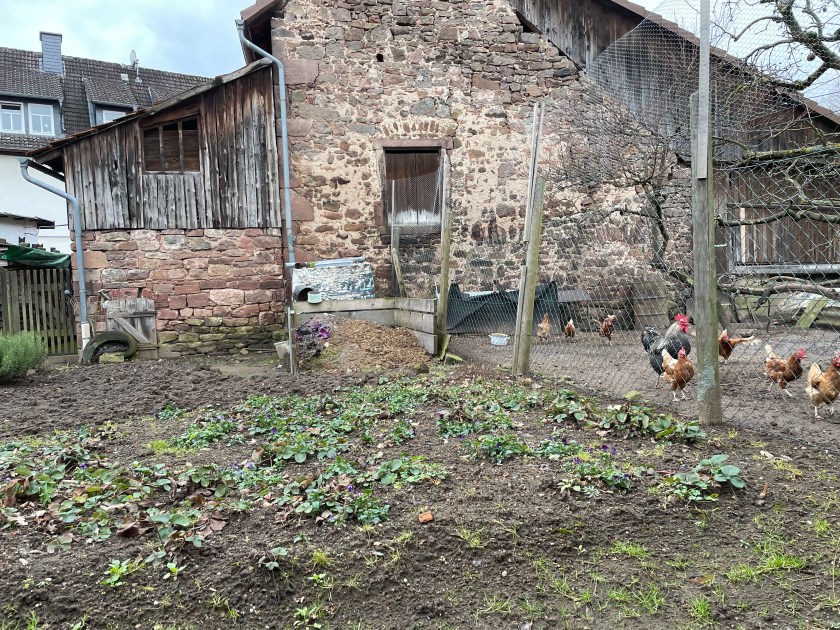
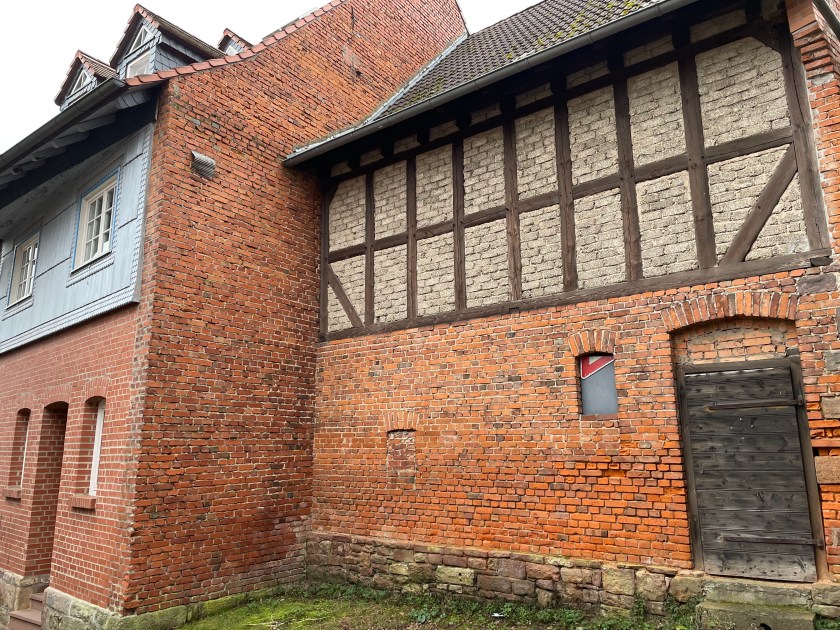
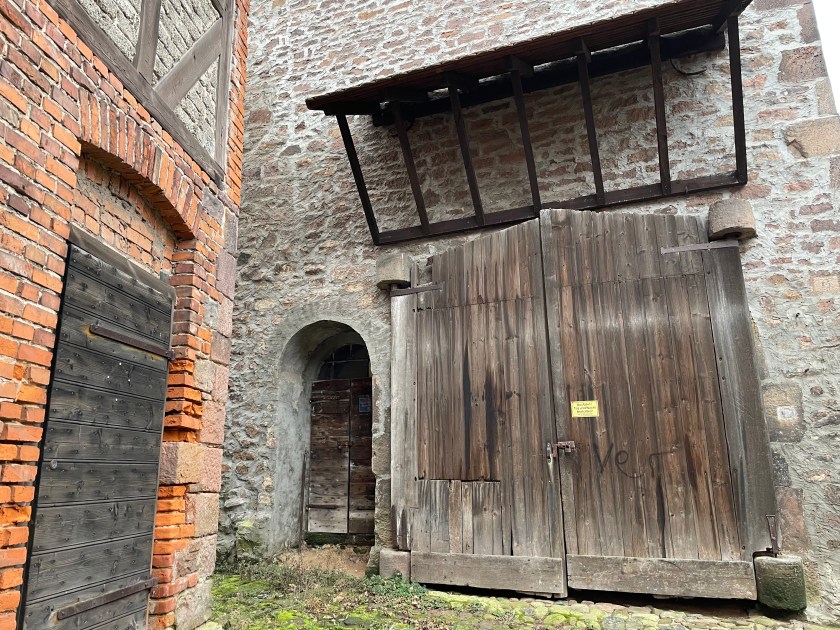
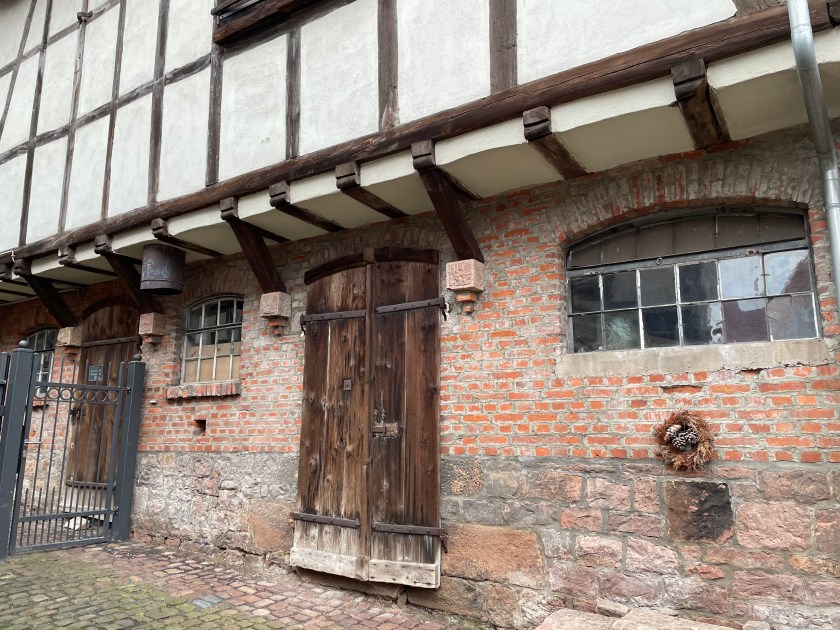
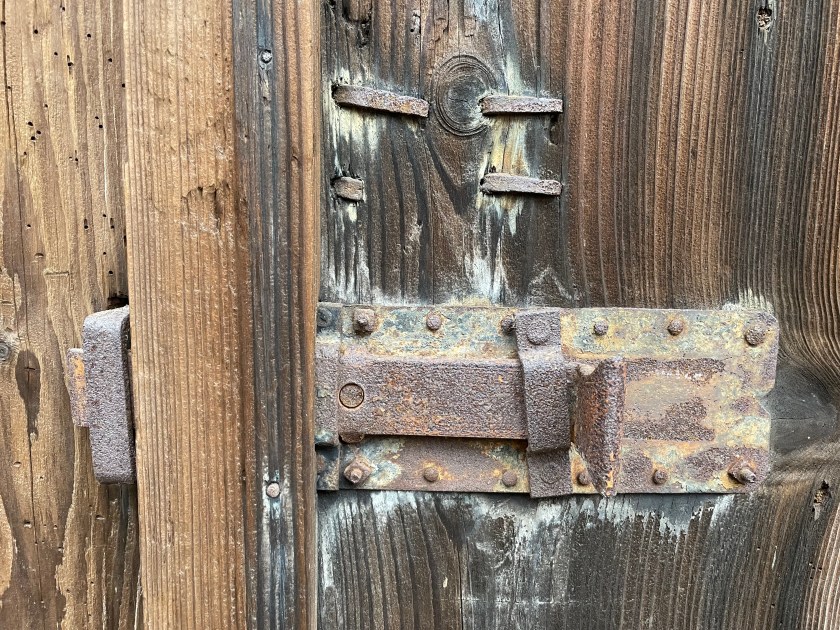
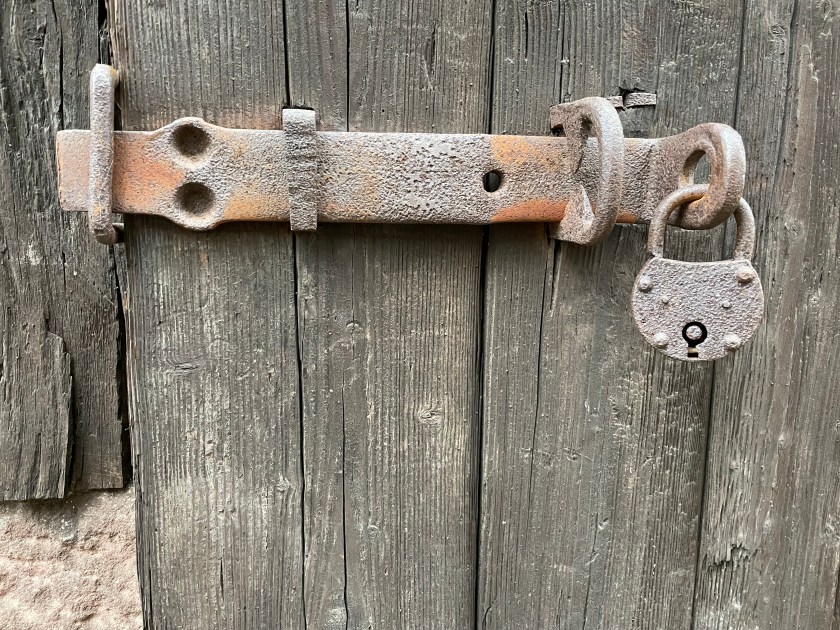
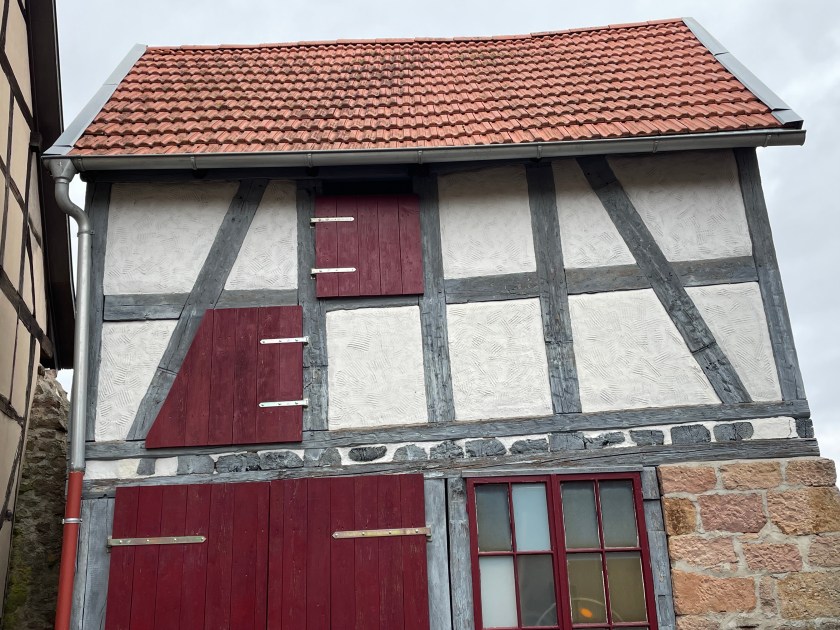
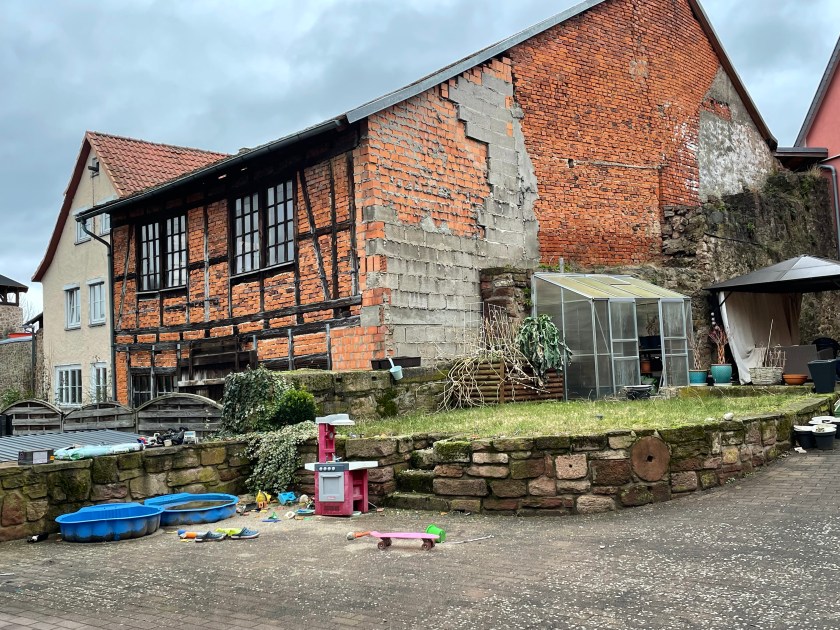
These are old Bauernhofs where animals and farming equipment were kept below and adjoining the living areas.

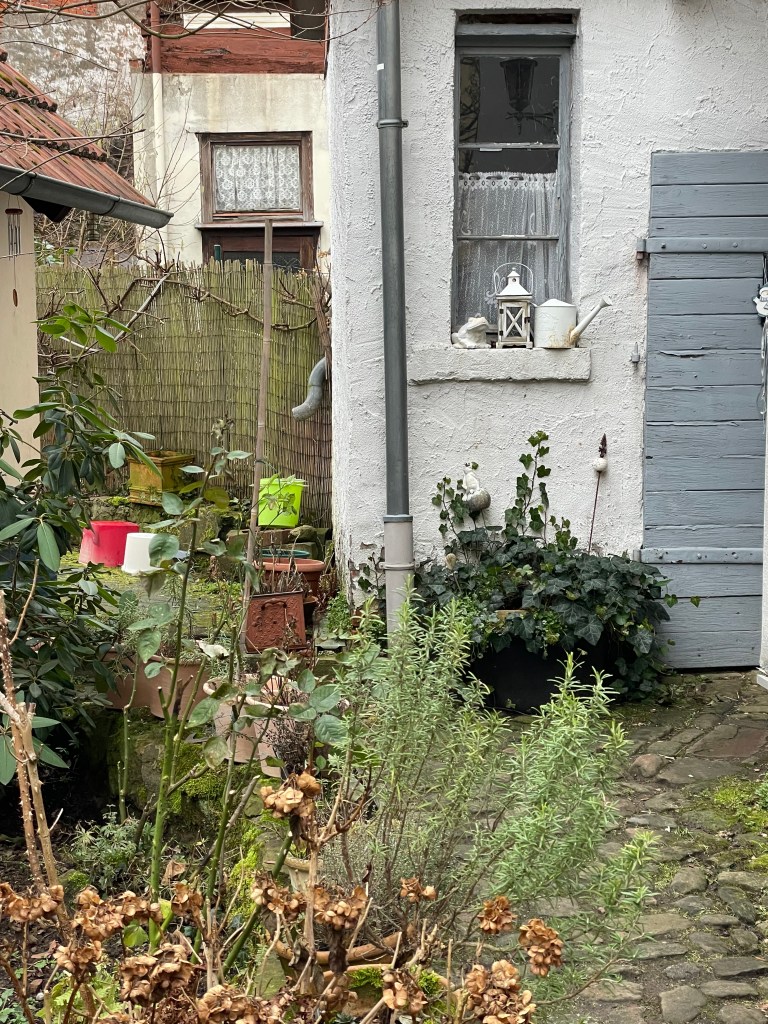
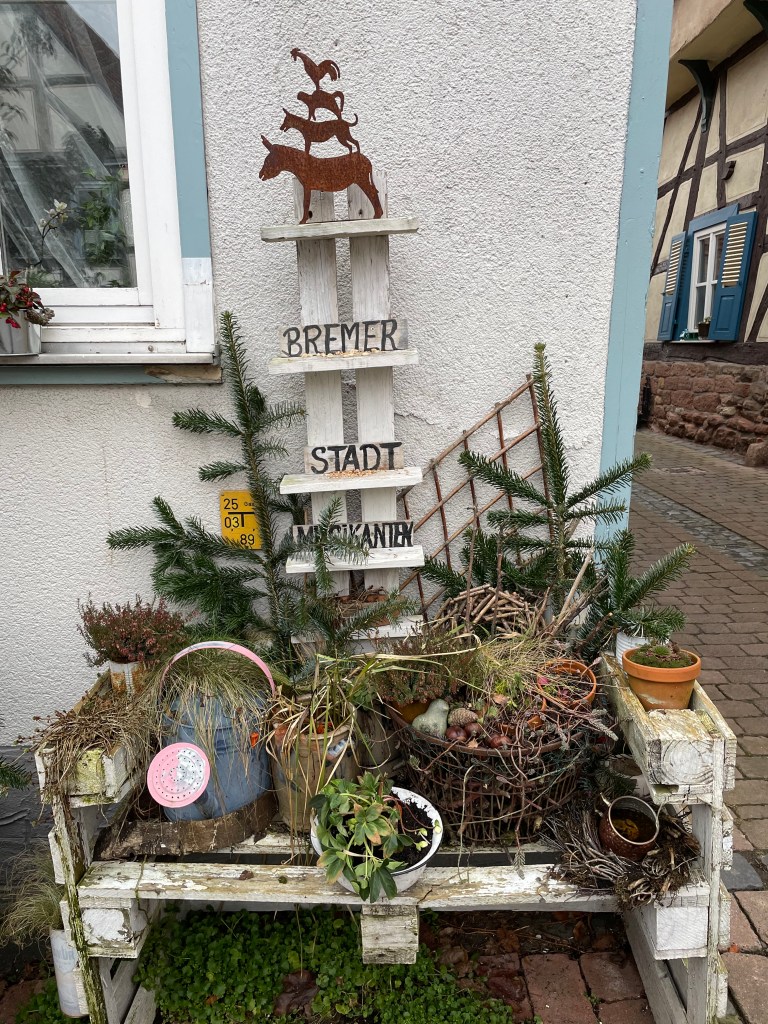
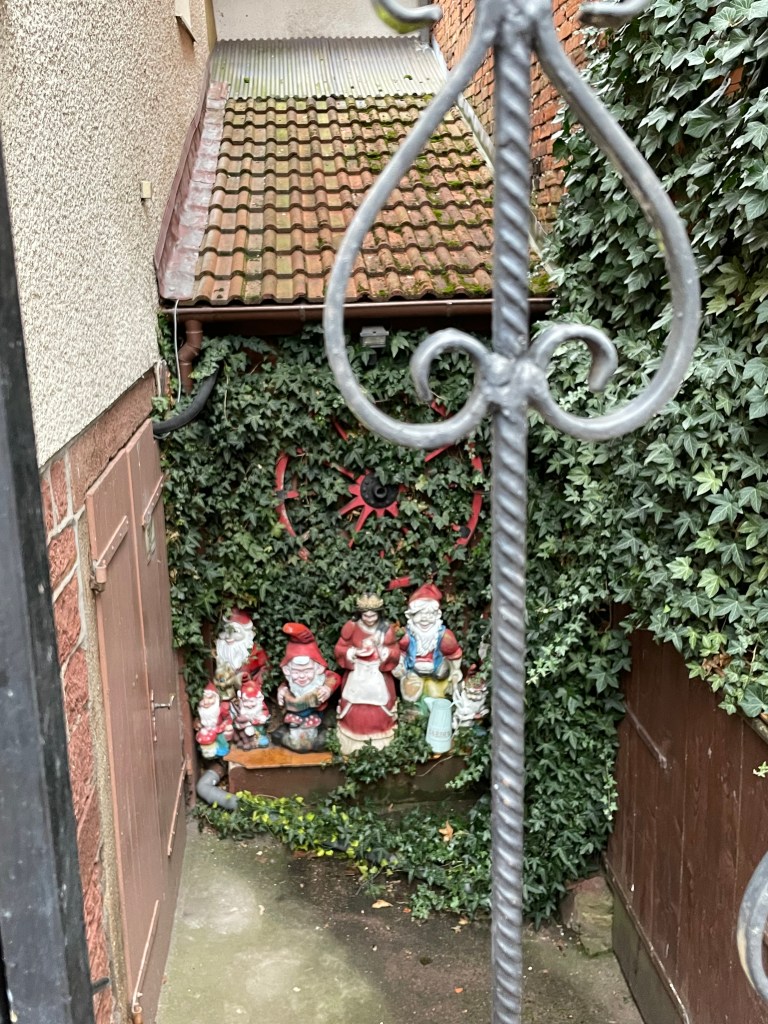
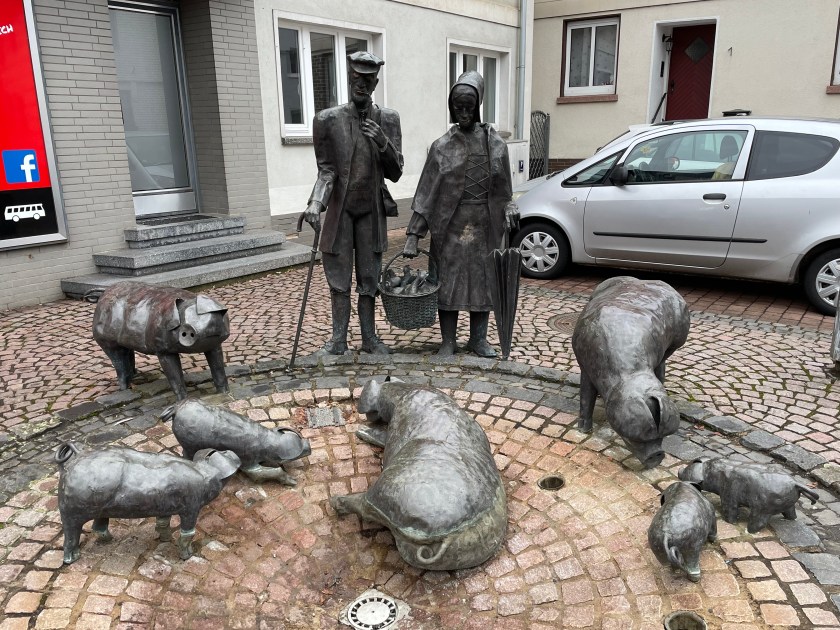
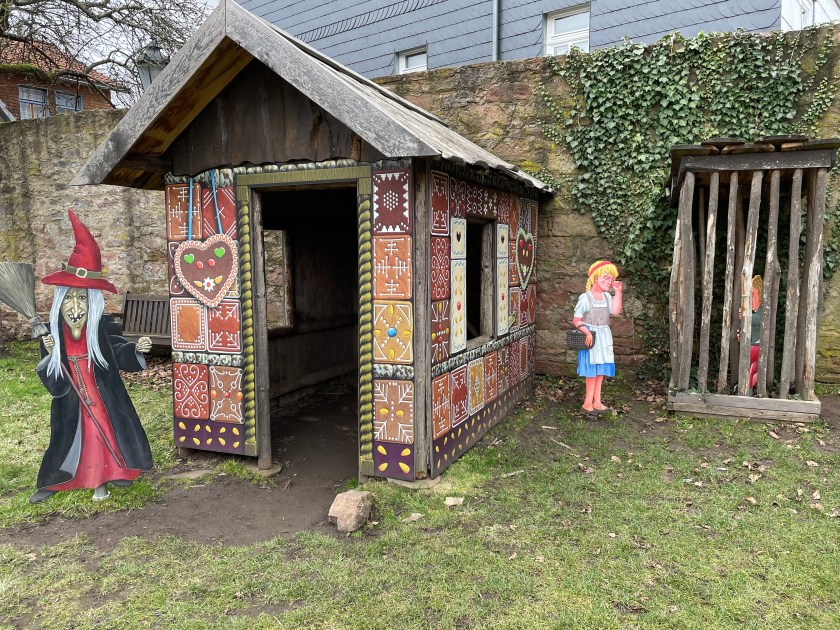
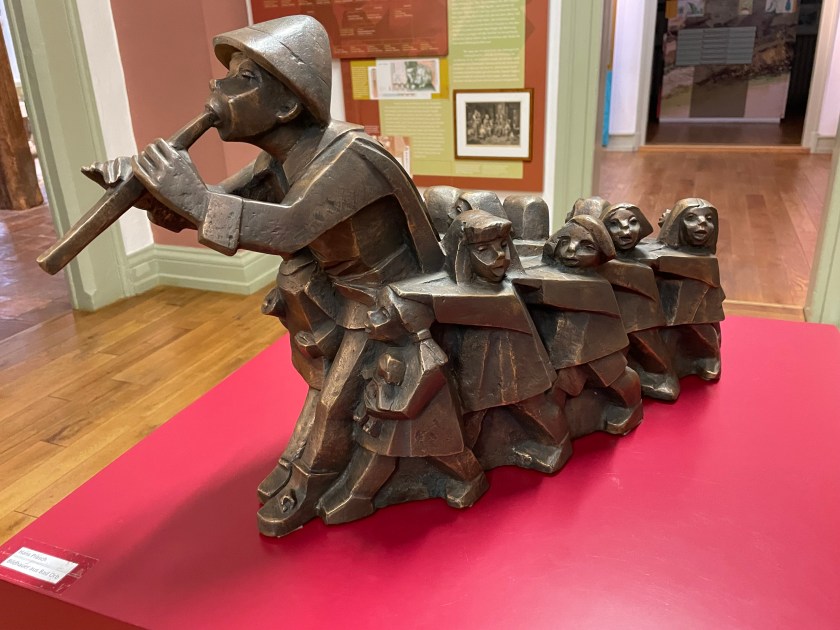
There were lots of reminders of the fairy tales told here.
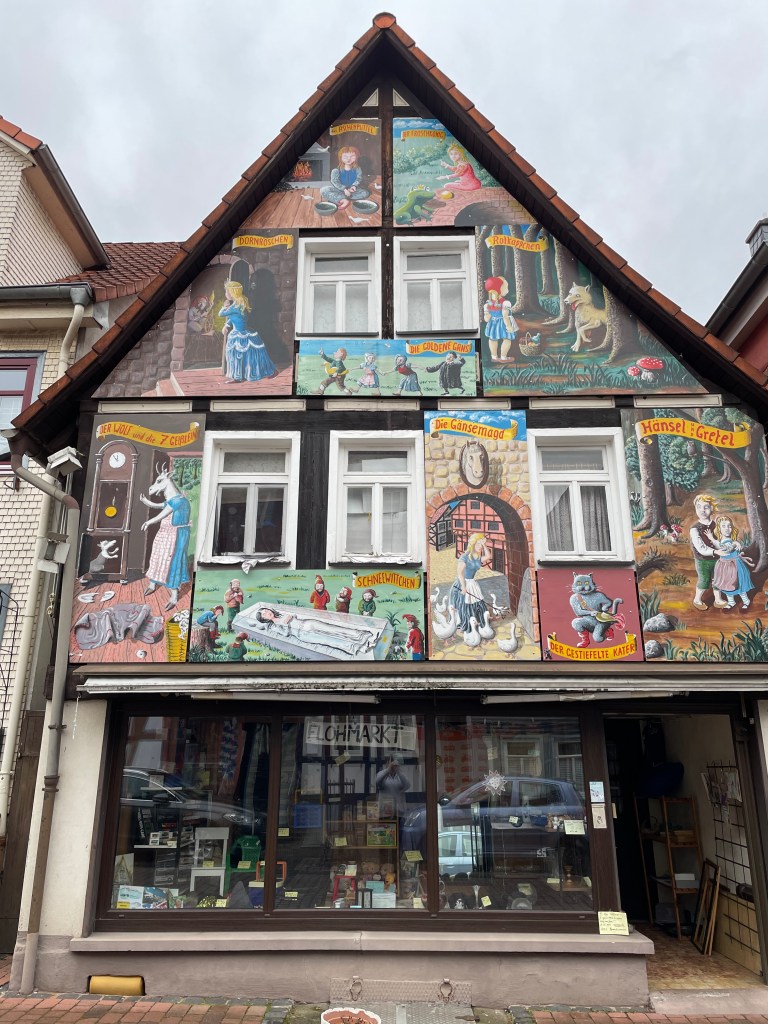

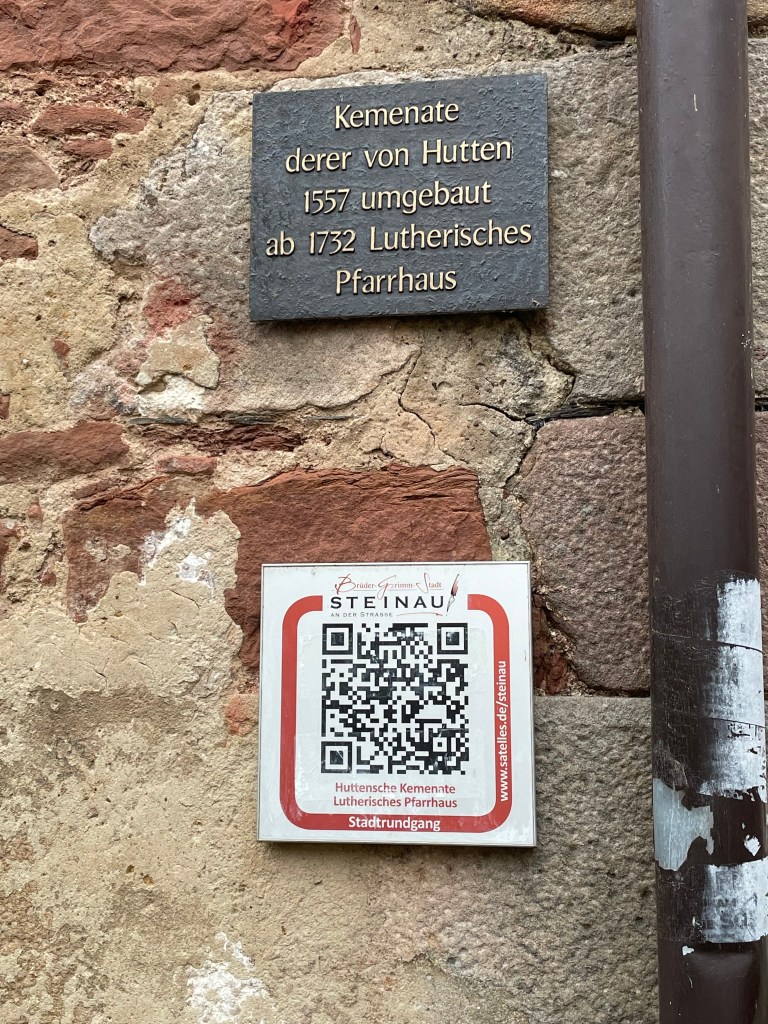
The Grimm brothers’ father was the Pfarrer, or preacher.


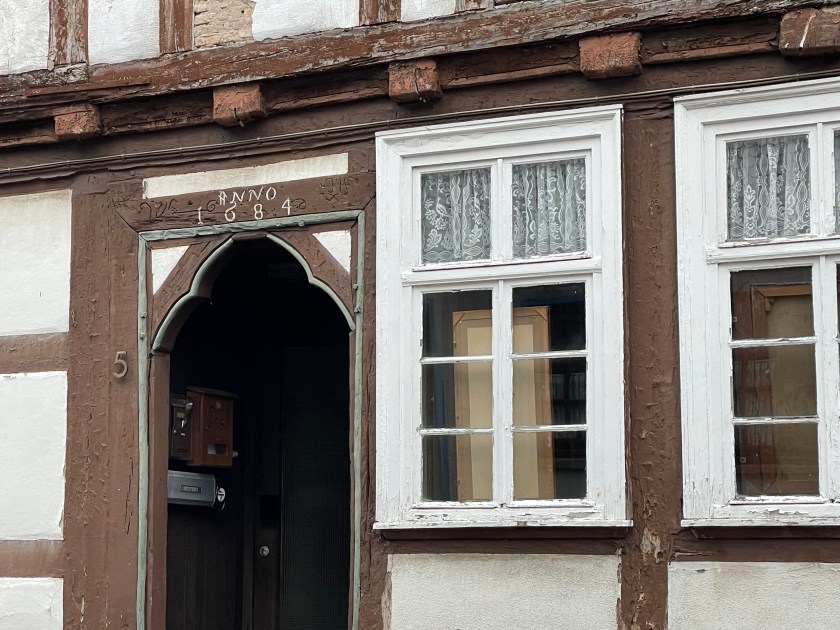
Built in 1684.


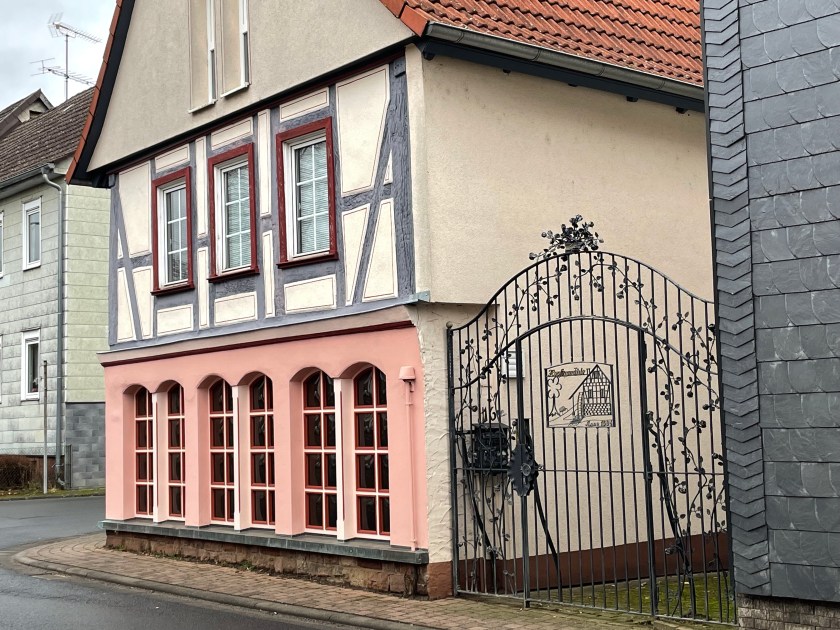
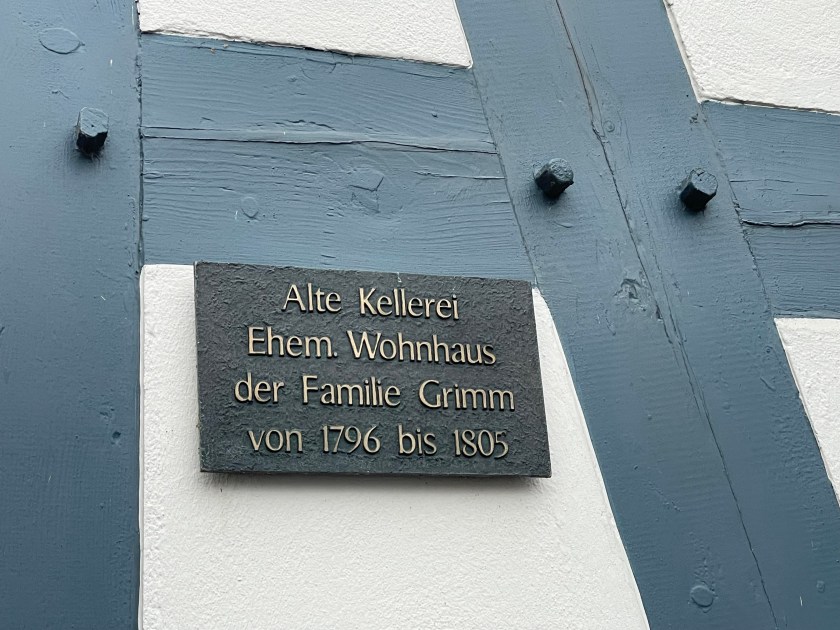
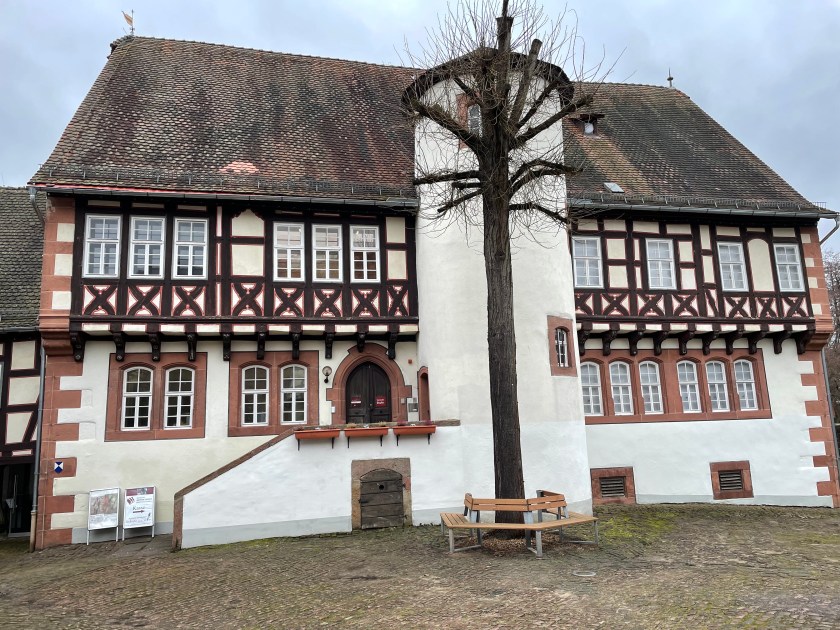
The home where the Grimm’s father lived.
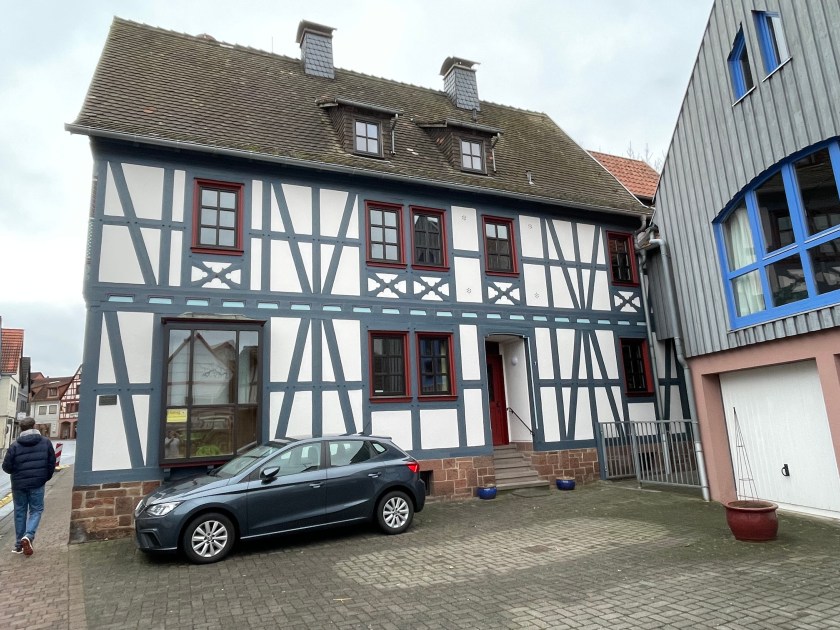



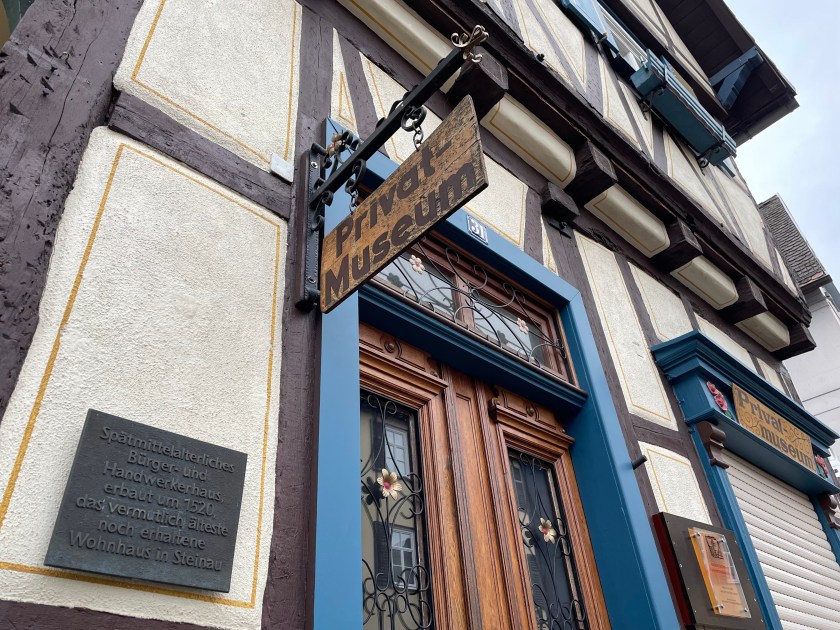
This is the oldest house in the village, built in 1520!

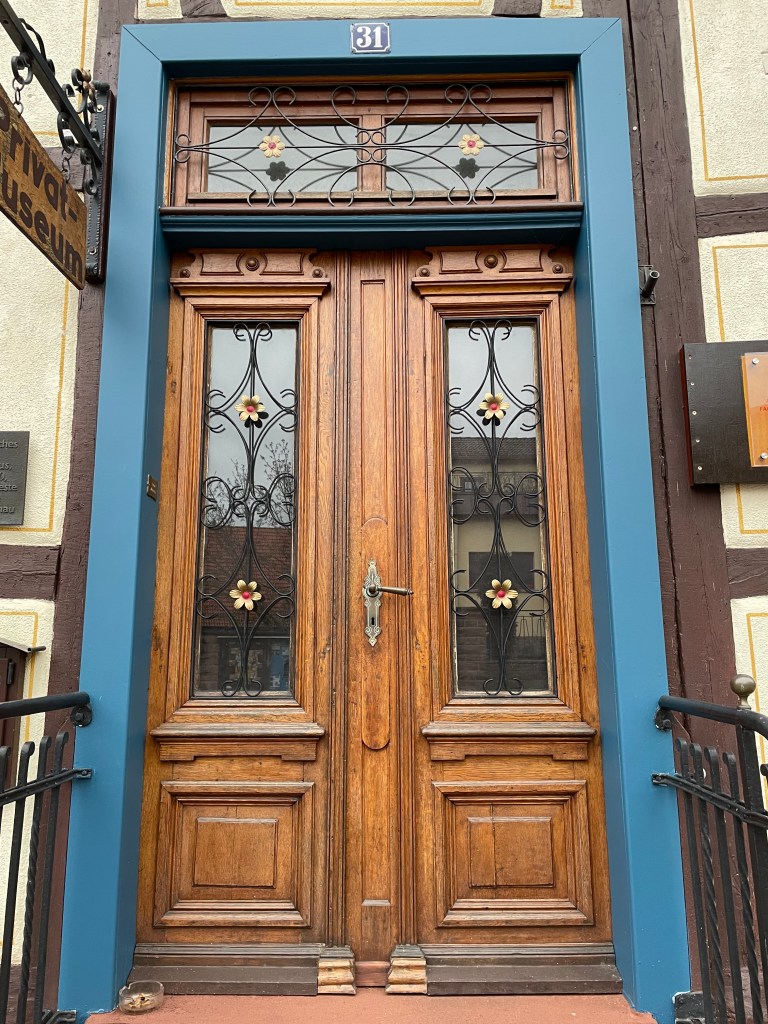
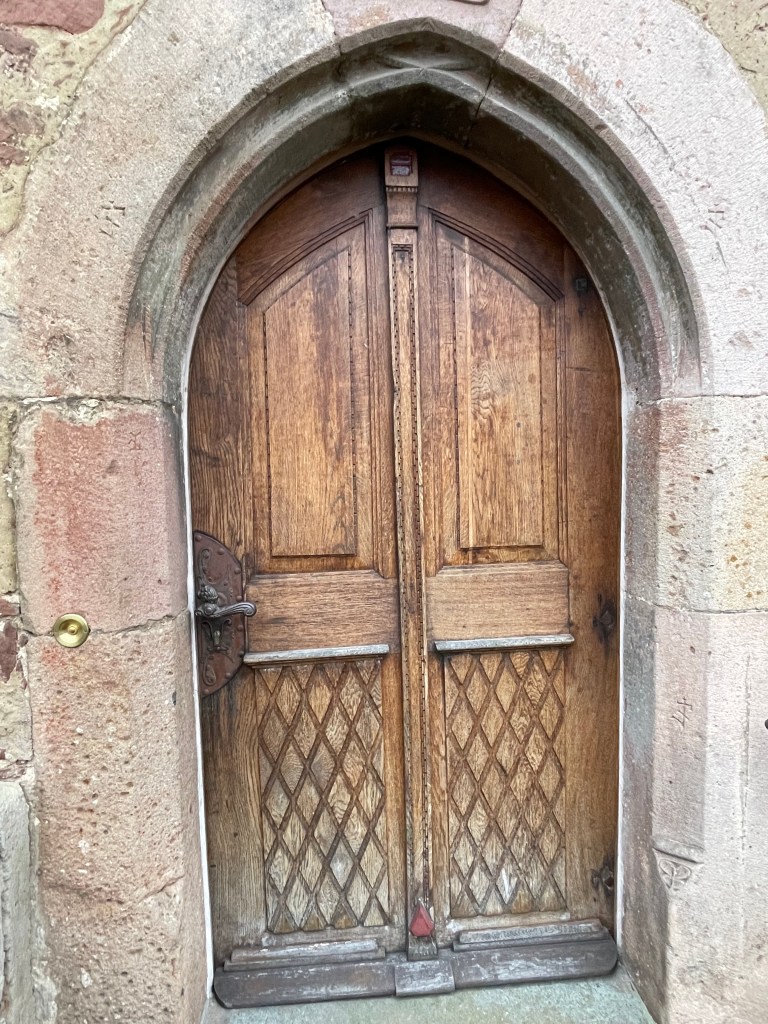
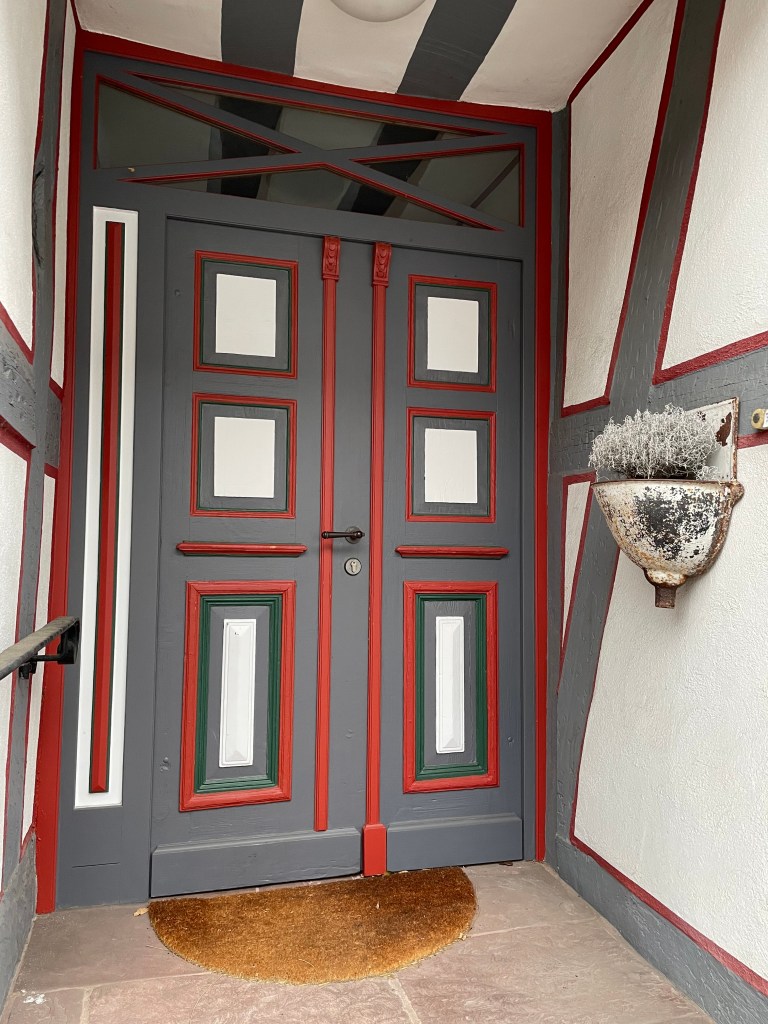
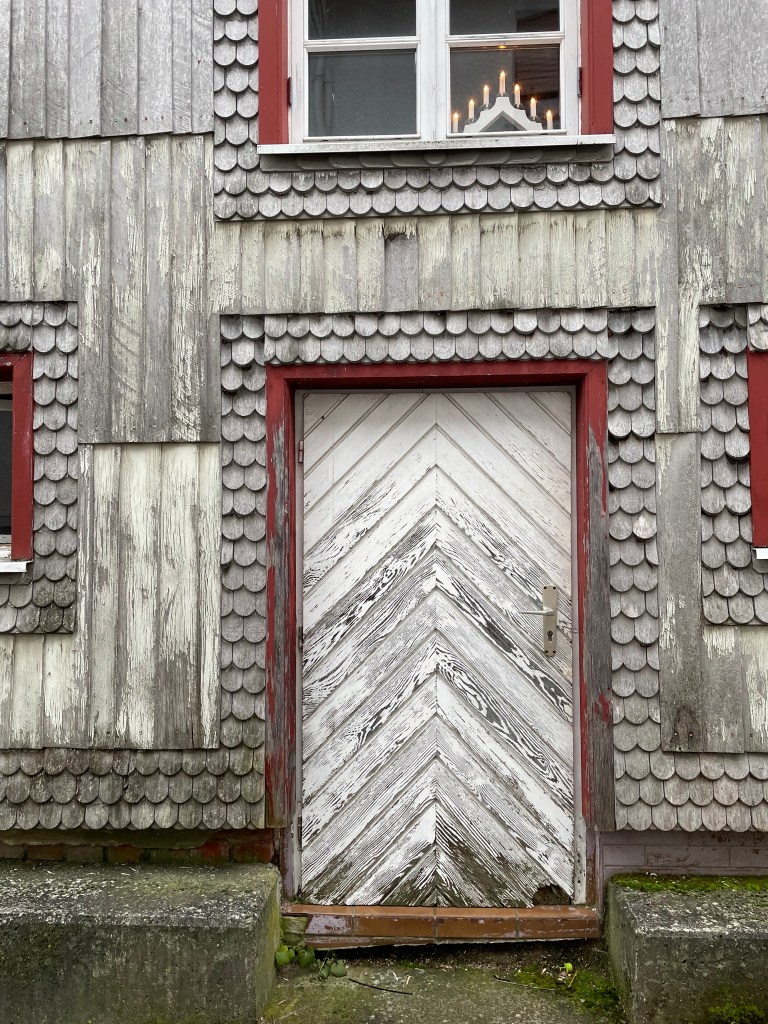
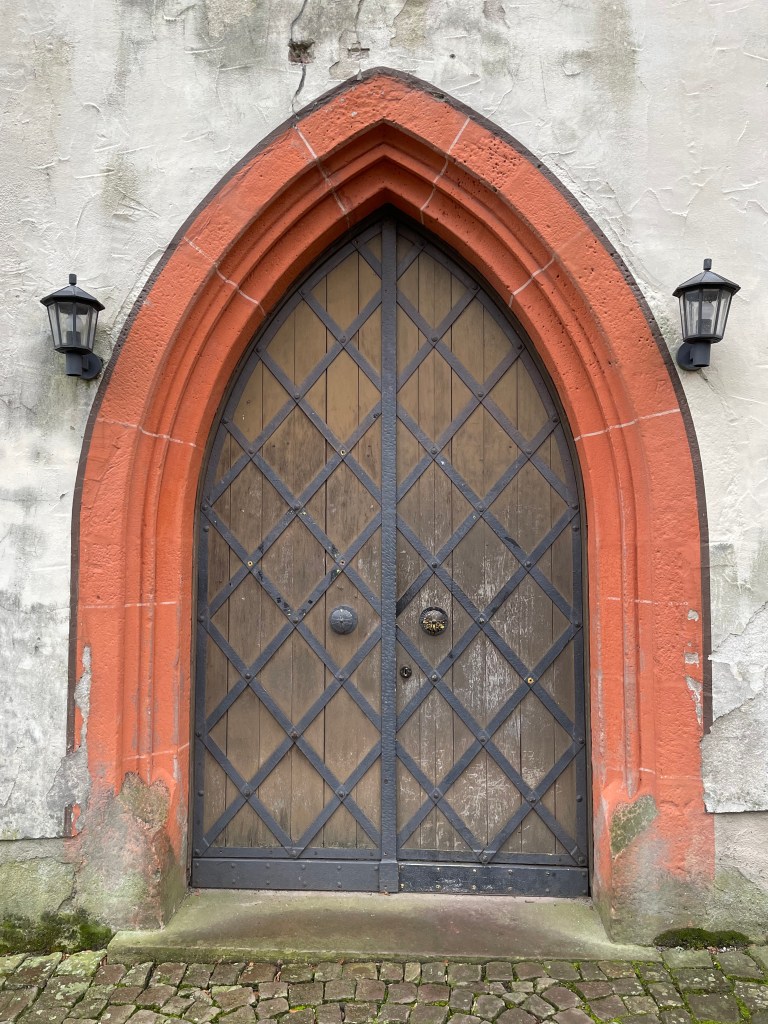
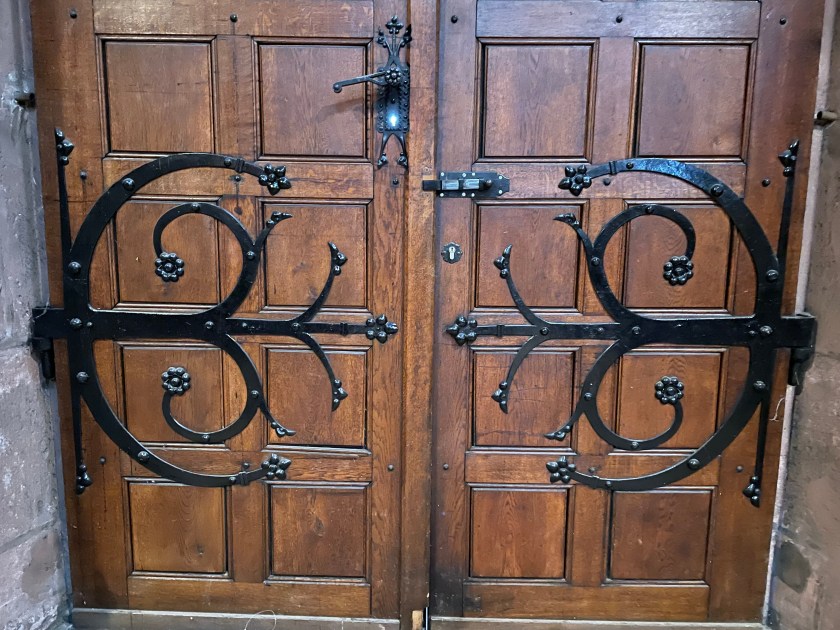
So many interesting doors!

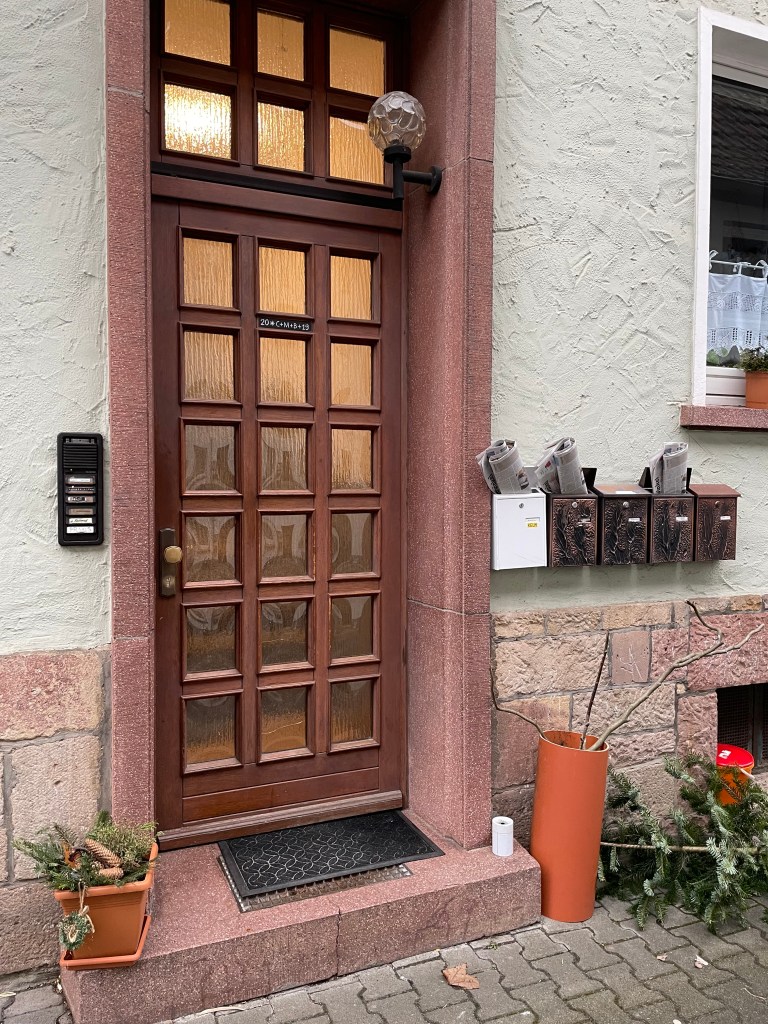
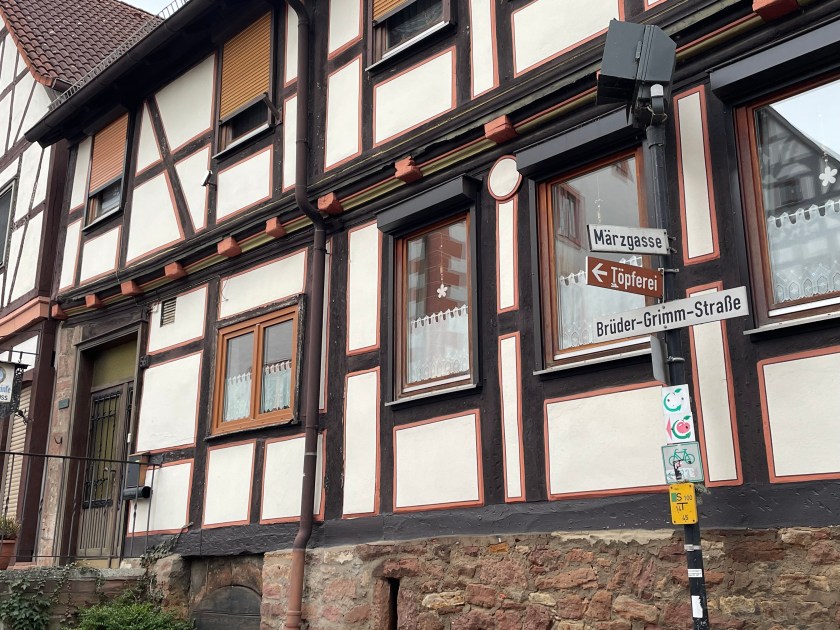

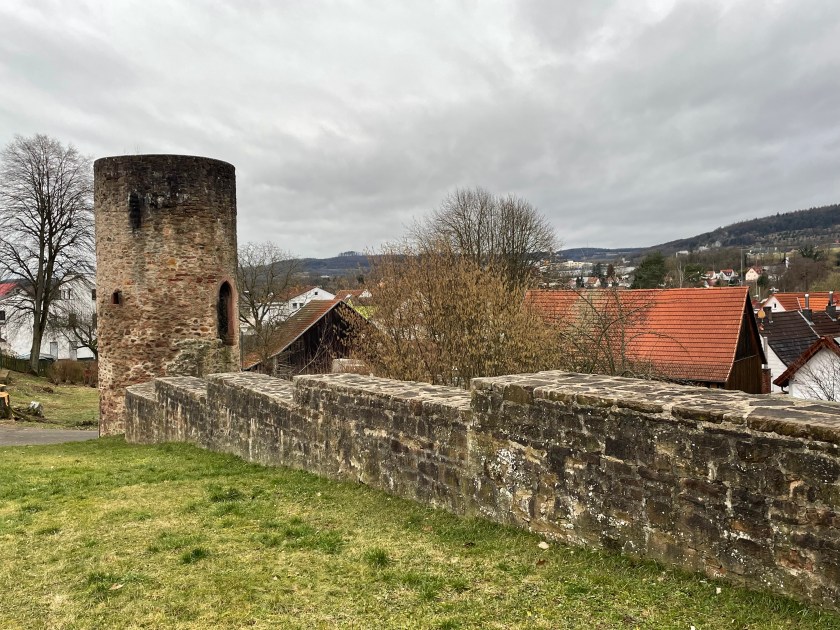
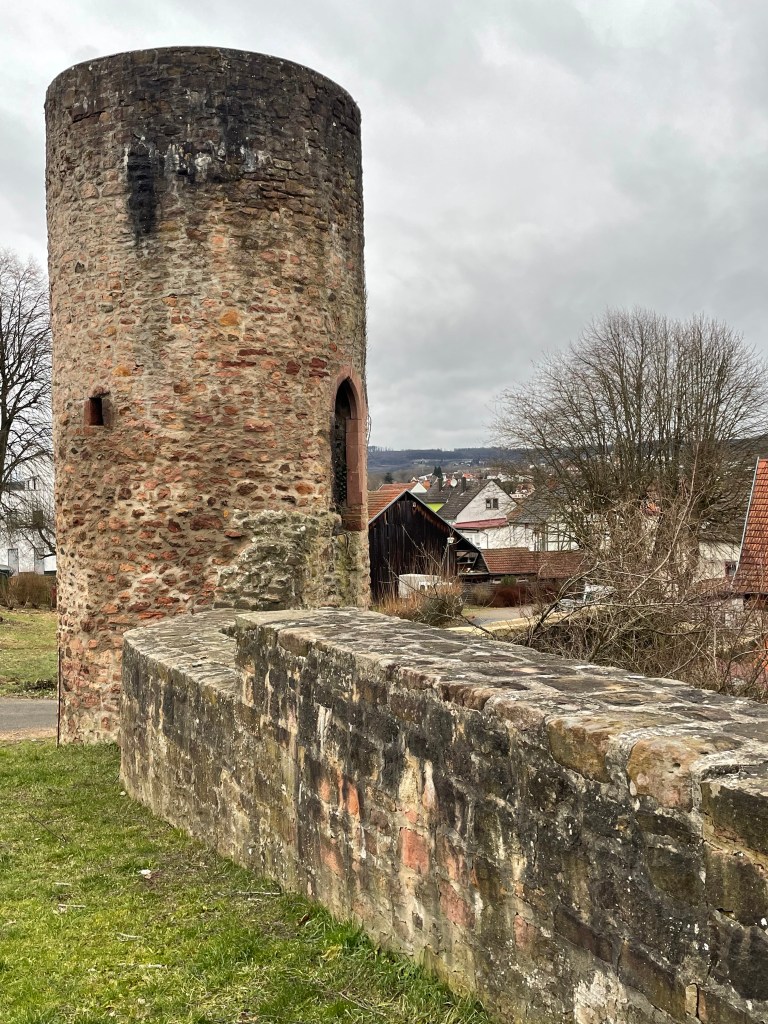
Below is another witch’s tower:


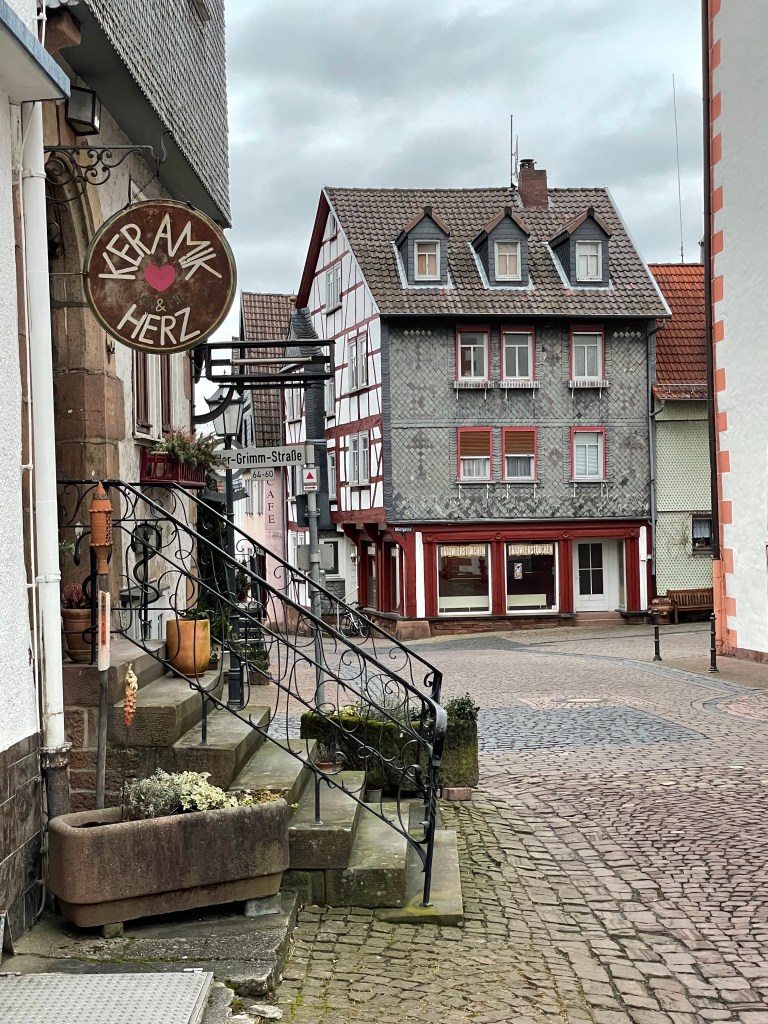

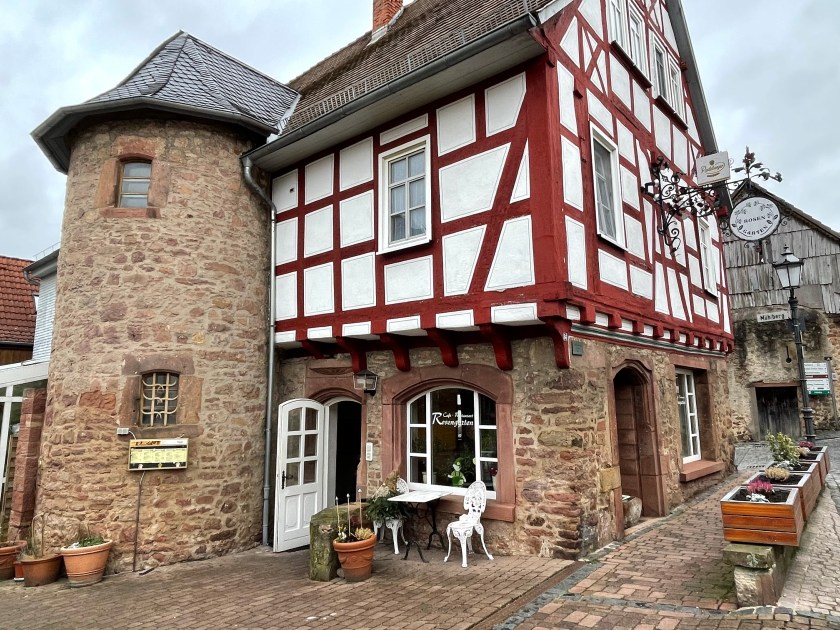
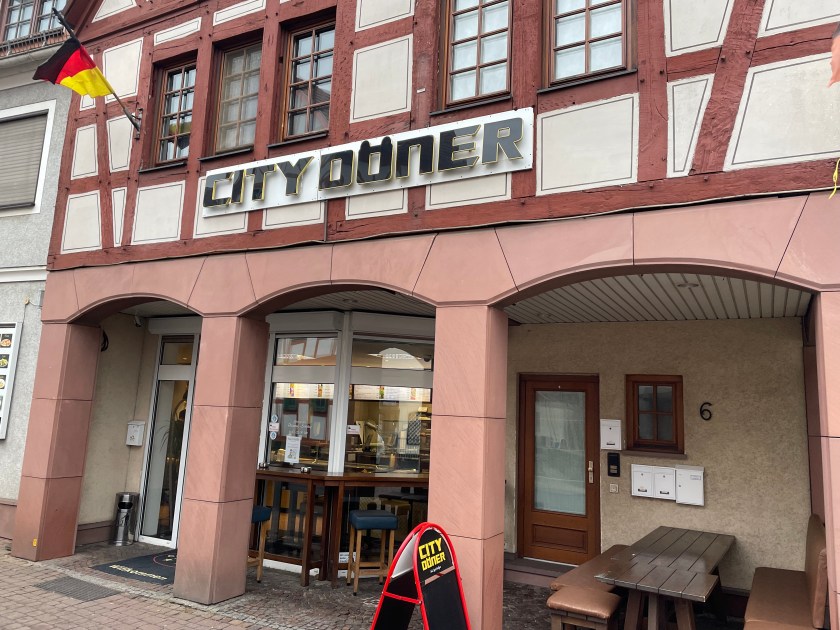
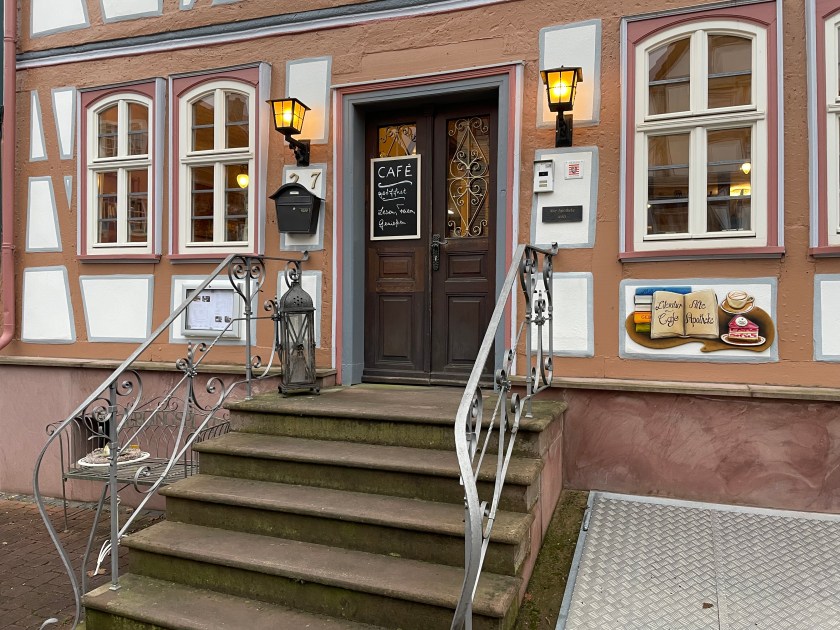
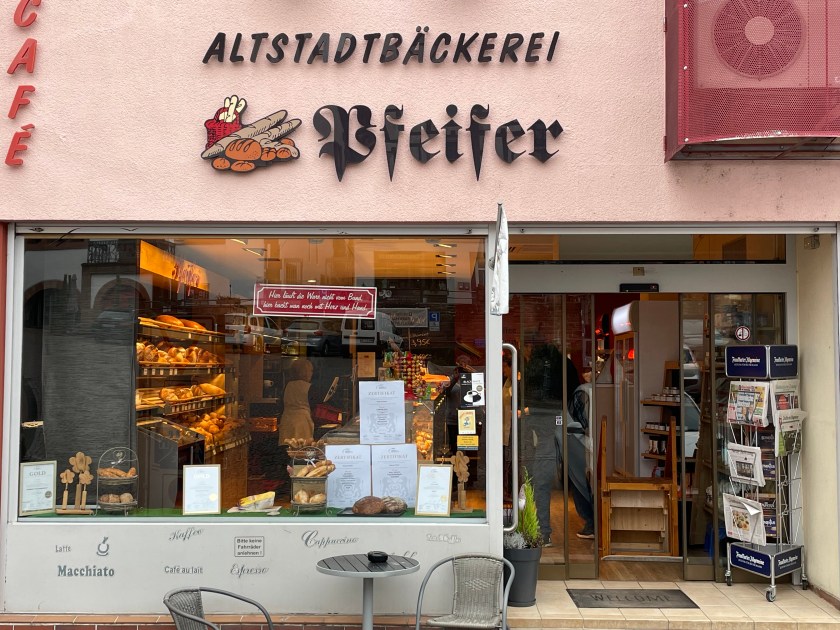
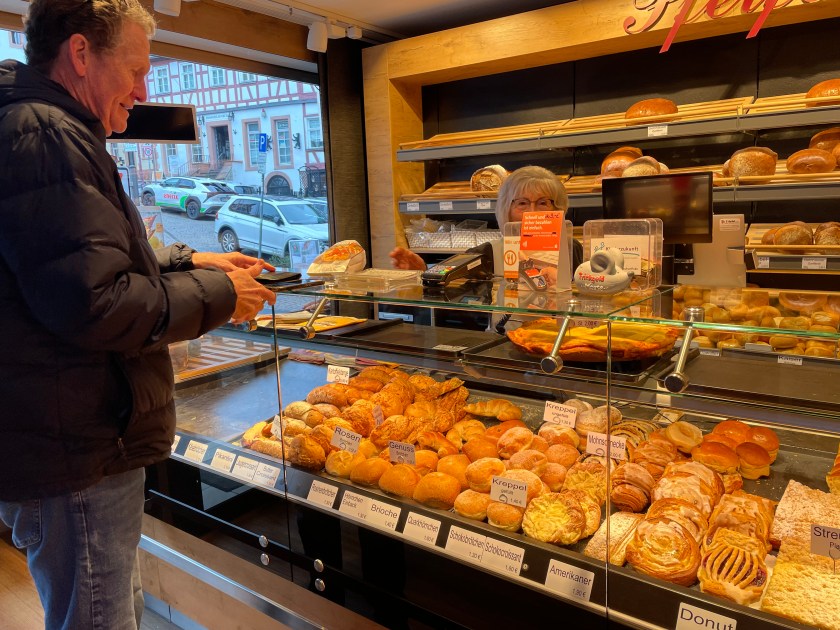
We ended our day at this little cafe with some delicious quiche and a pastry. It was hard to leave such a charming place.

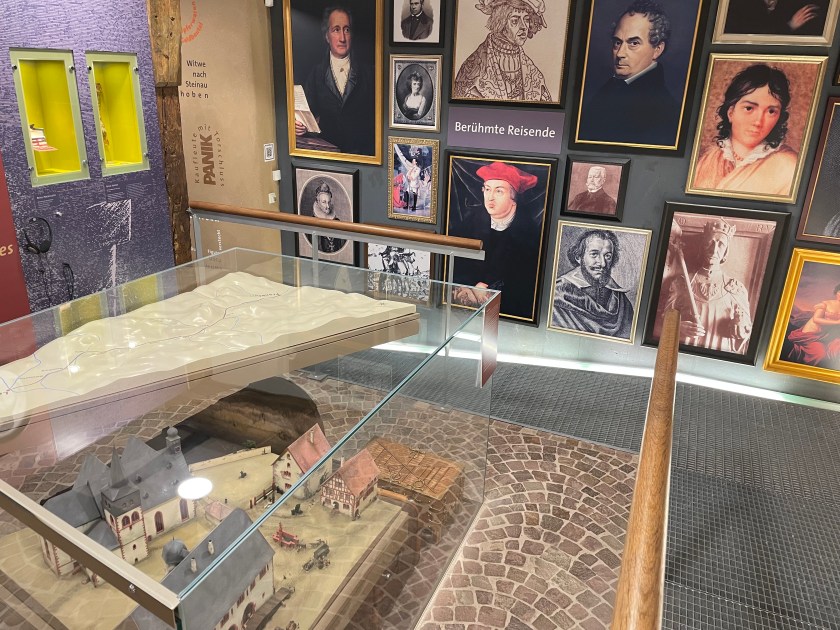
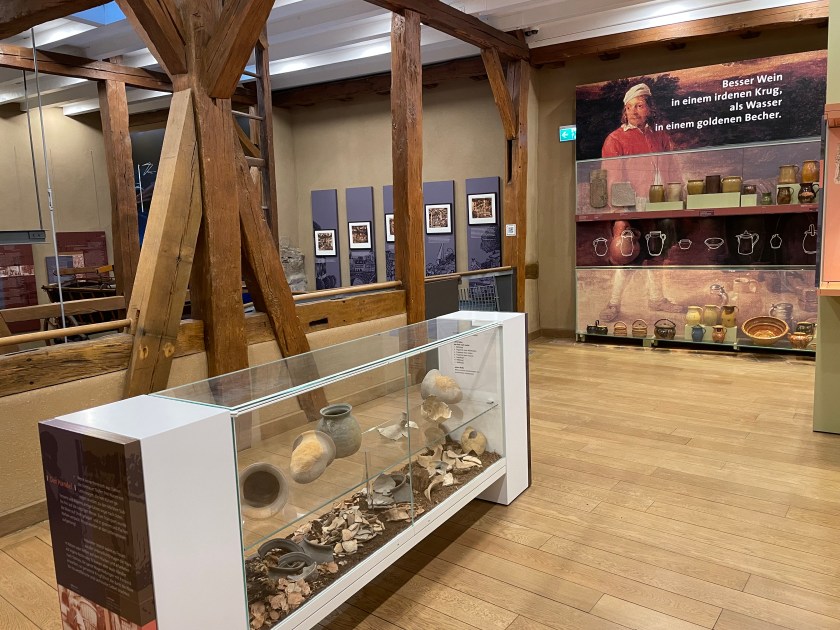
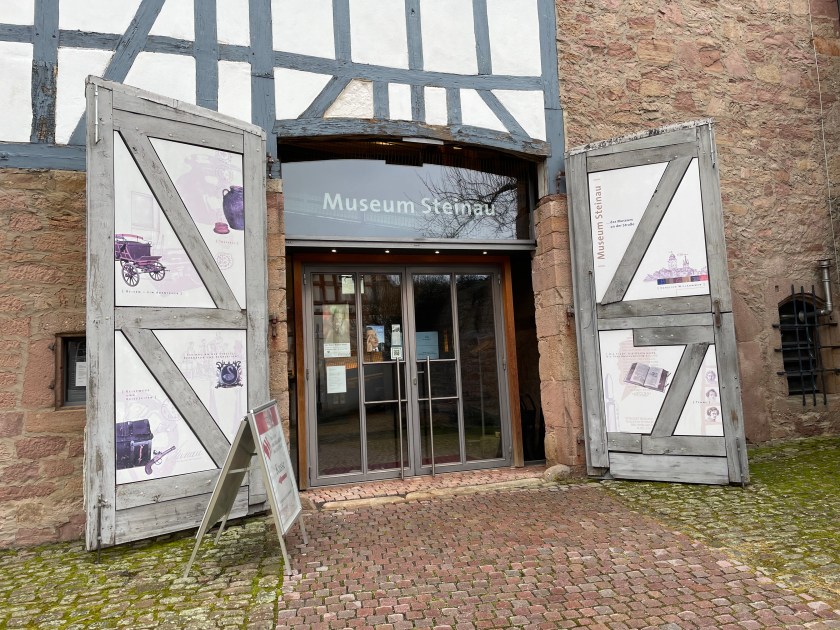
Across the courtyard from the Grimm family home is the Steinau Museum, built in 2006 in the renovated Amtshof Barn. It contains more about the city and its role on the trade route, the various famous citizens and visitors to the city, and the pottery they became famous for. It was small and interestingly done.
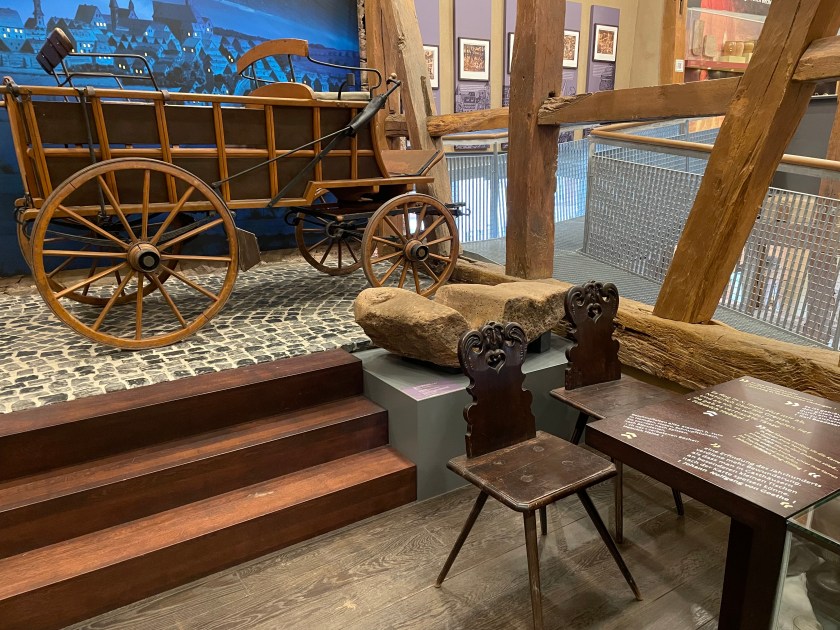
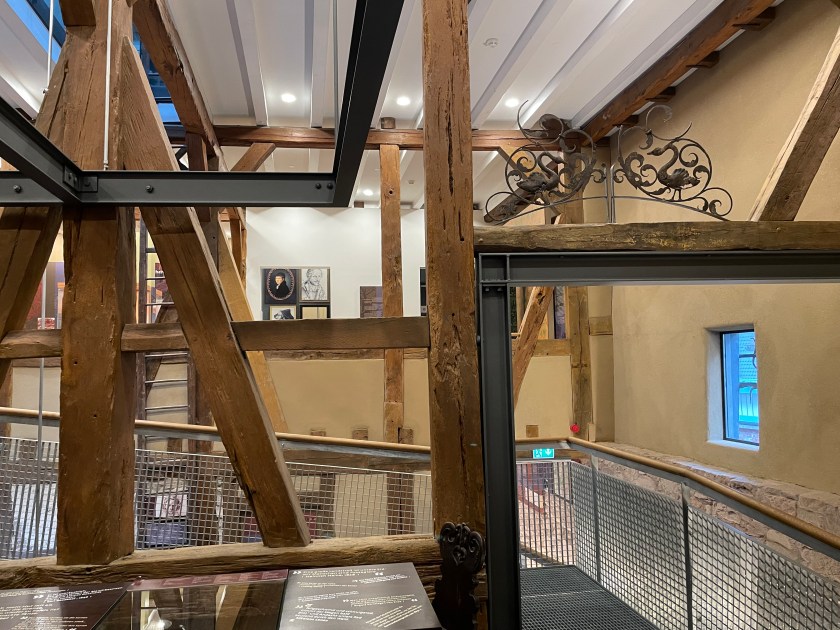
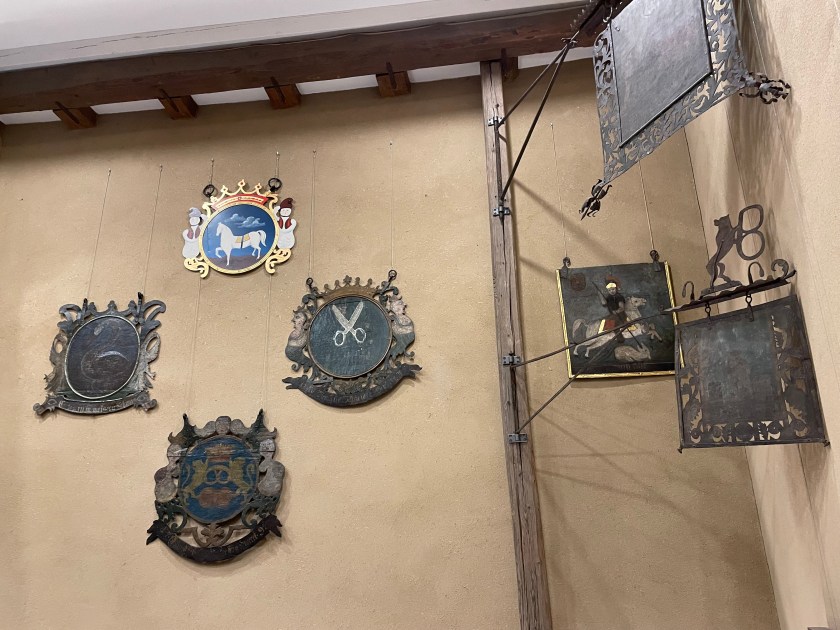
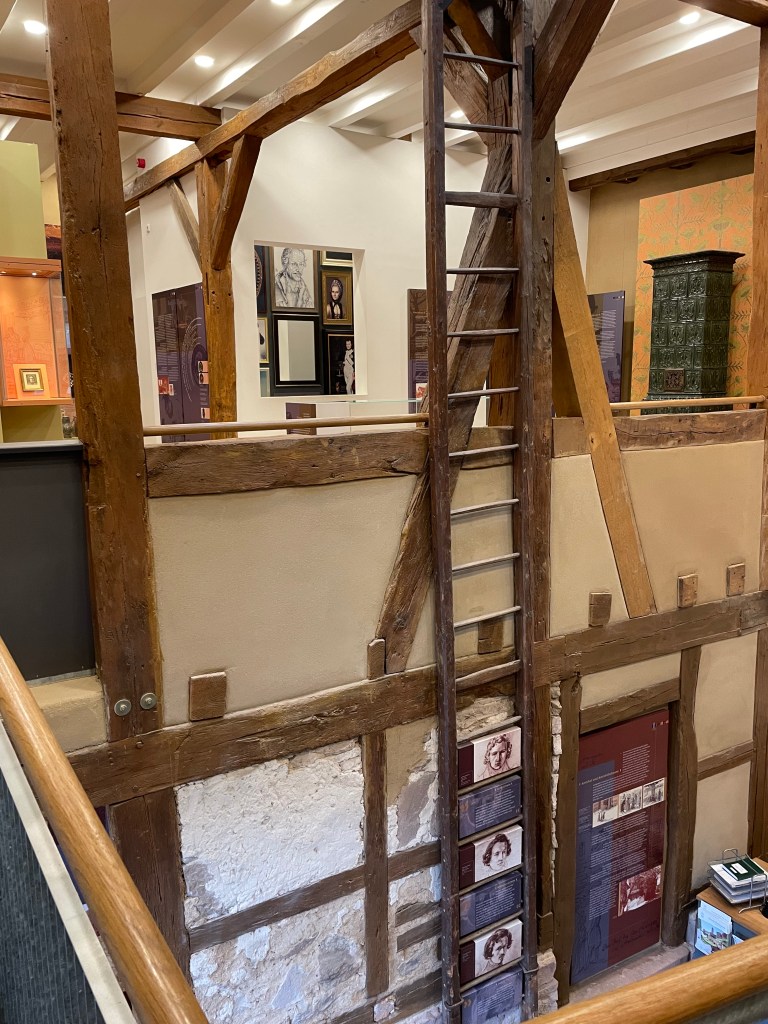
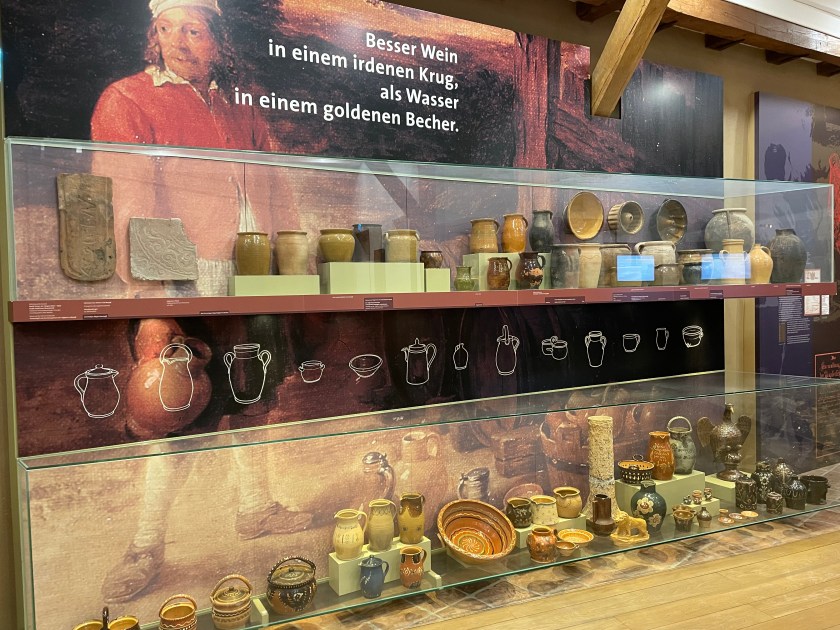
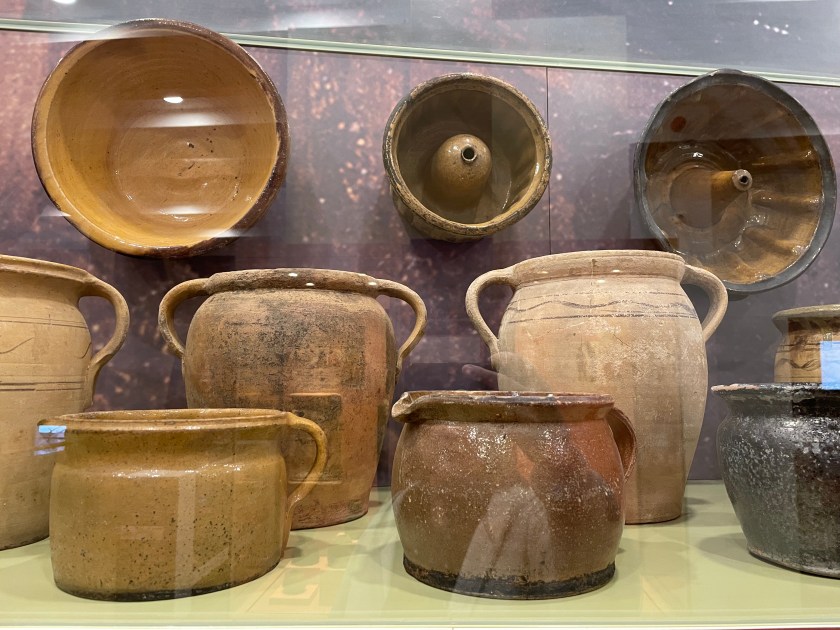
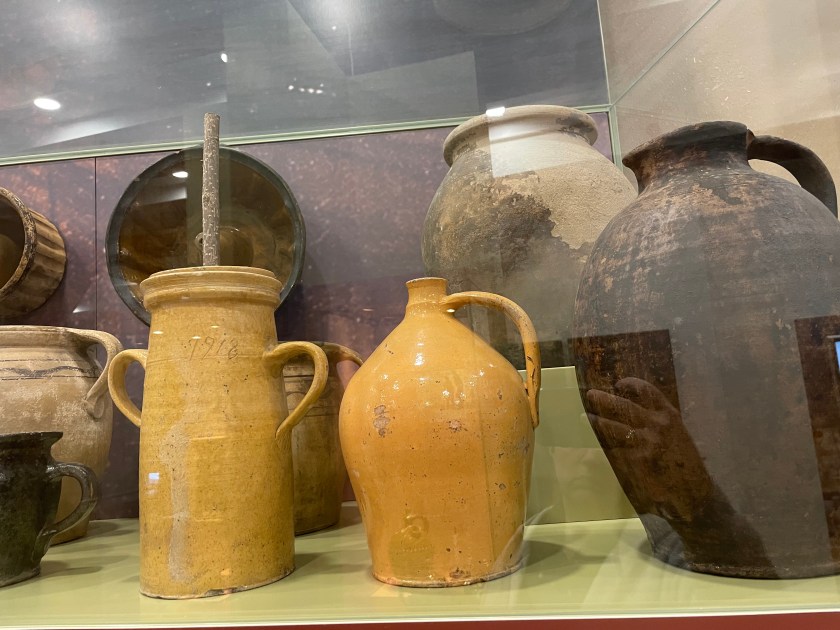
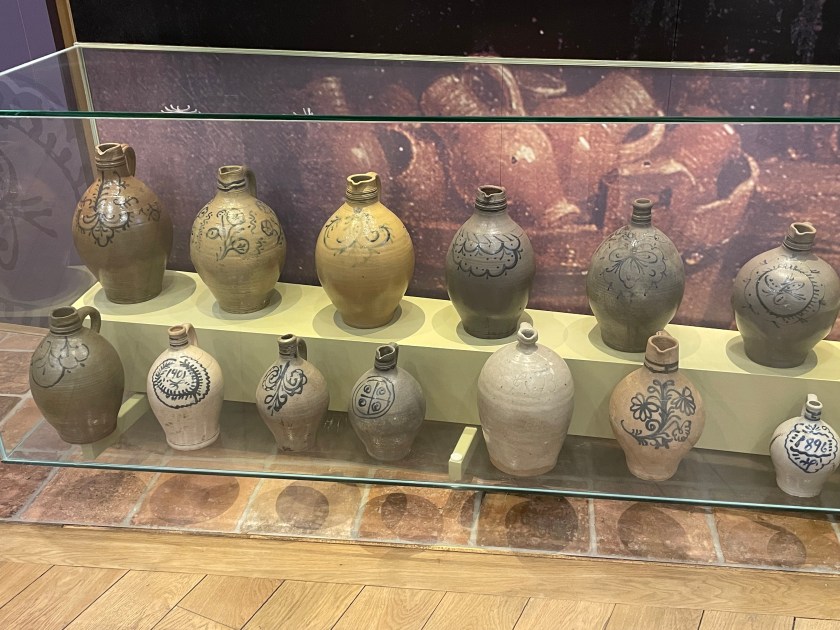
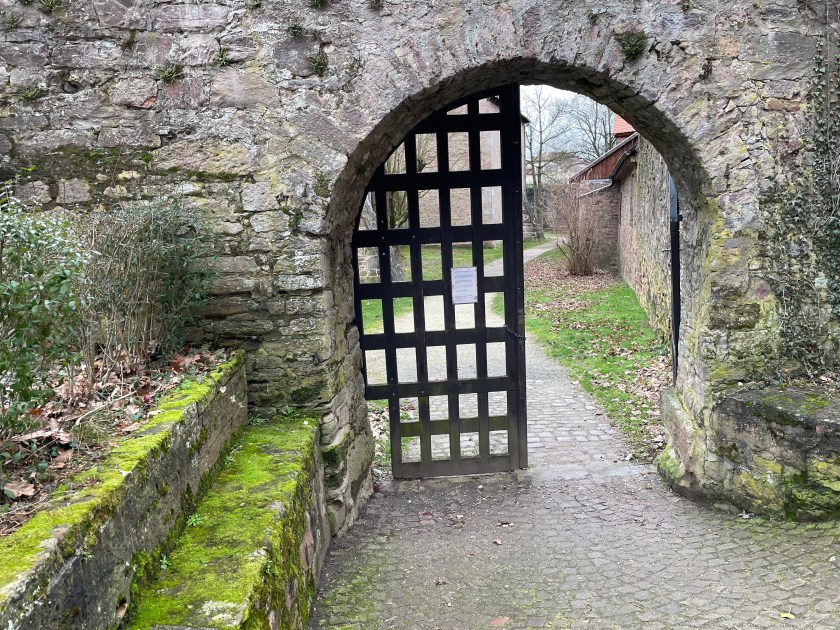
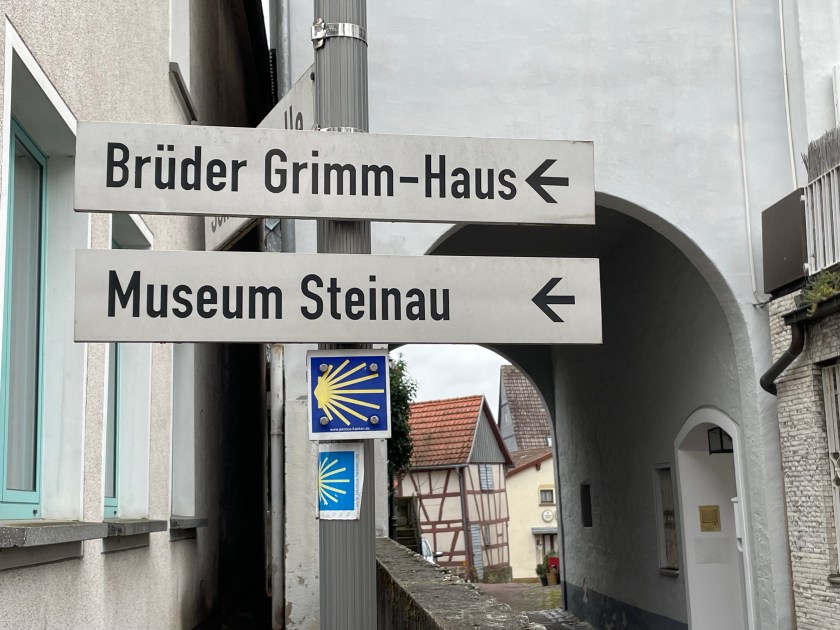
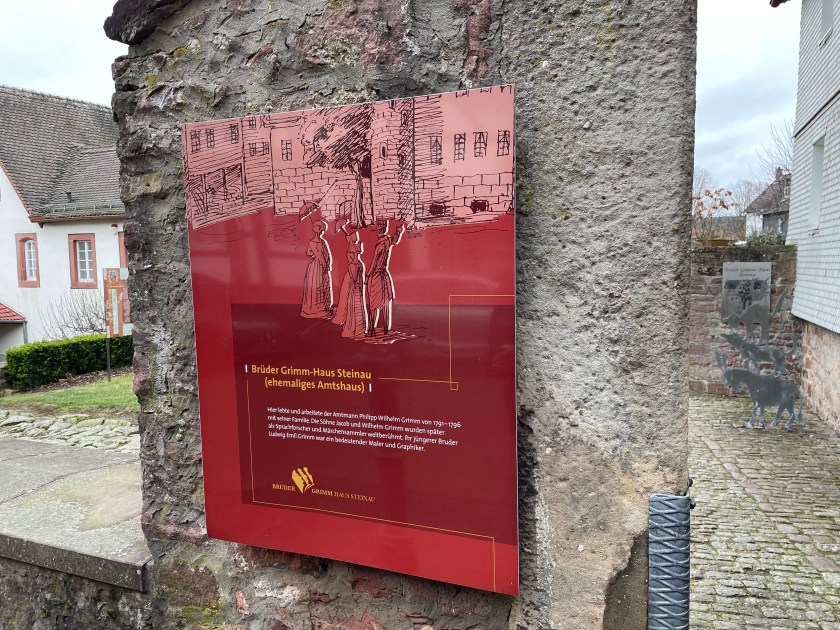
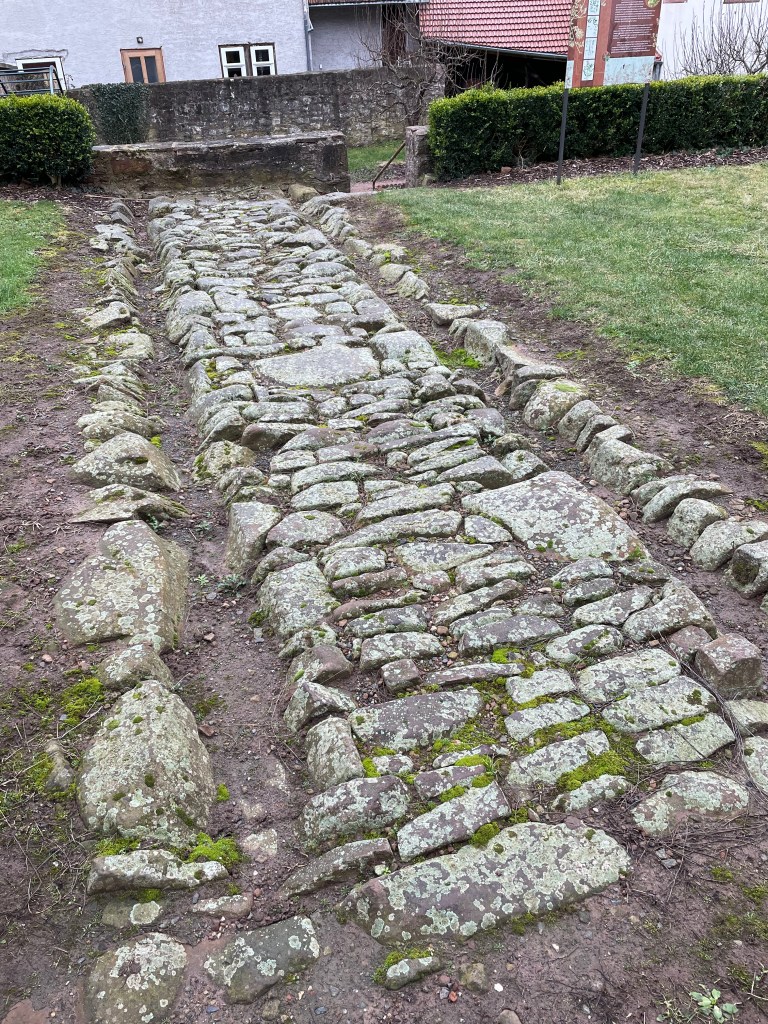
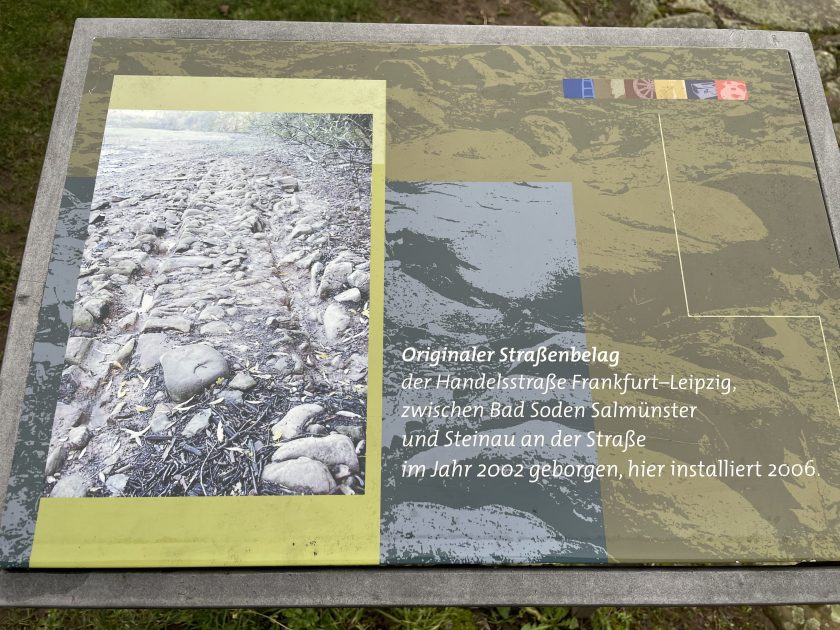
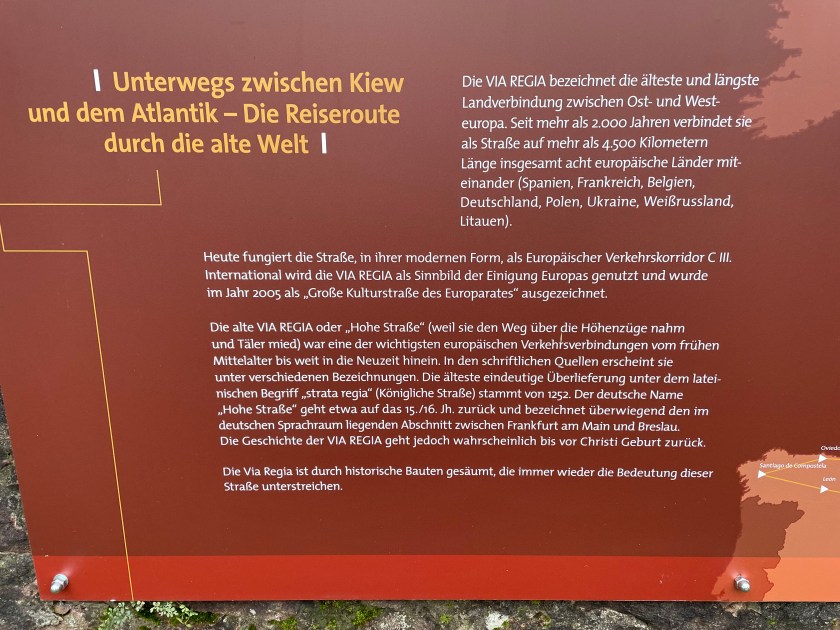
Just down the charming Brüder-Grimm-Strasse, we found the Amtshof where the Brüder Grimm Haus (museum) and Steinau Museum are located across the courtyard from each other—two for the price of one! Also in the courtyard was a section of the Via Regia which was moved there from another location to illustrate the importance of Steinau’s location on the old trade route.
Here is an original section of the old Roman road, moved here to this location.

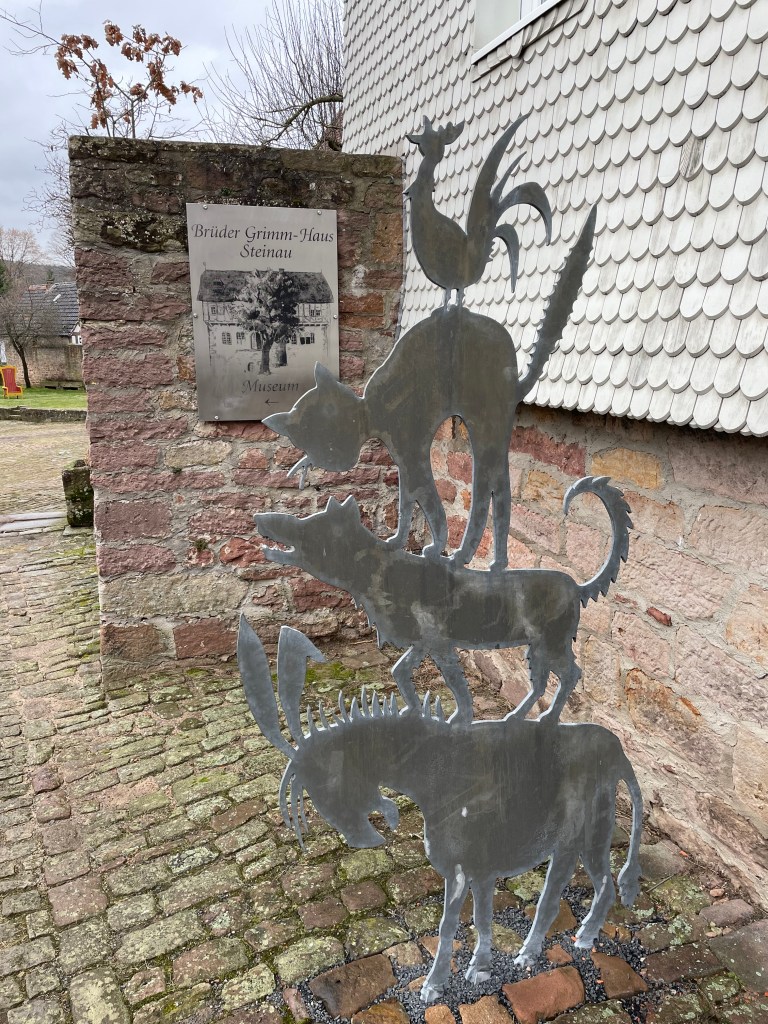
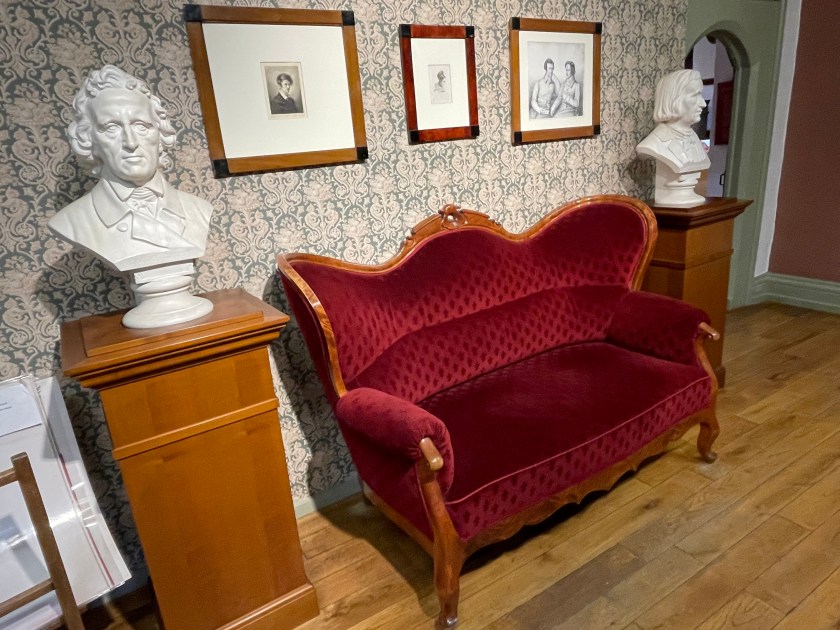
The Brüder Grimm Haus Museum is in their actual house. Their father Philip was a lawyer and Bailiff of Steinau so the city provided the nice housing. The main floor, where the family lived (6 surviving children, only one daughter), tells about the family, mainly the most famous brothers, Jacob and Wilhelm (the writers) and their younger brother, Ludwig (the artist who illustrated many of their stories). The upper floor told the story of fairy tales, from the Grimms and others of the period.

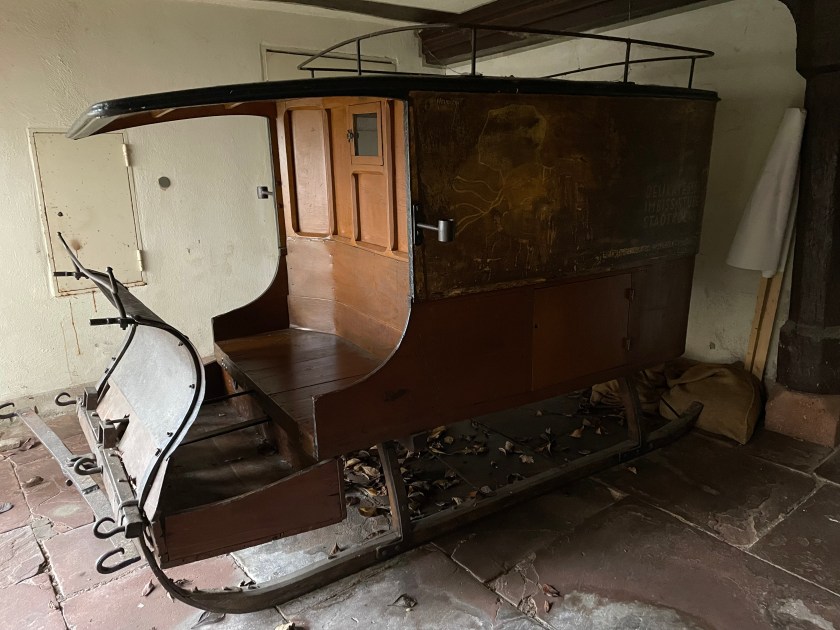
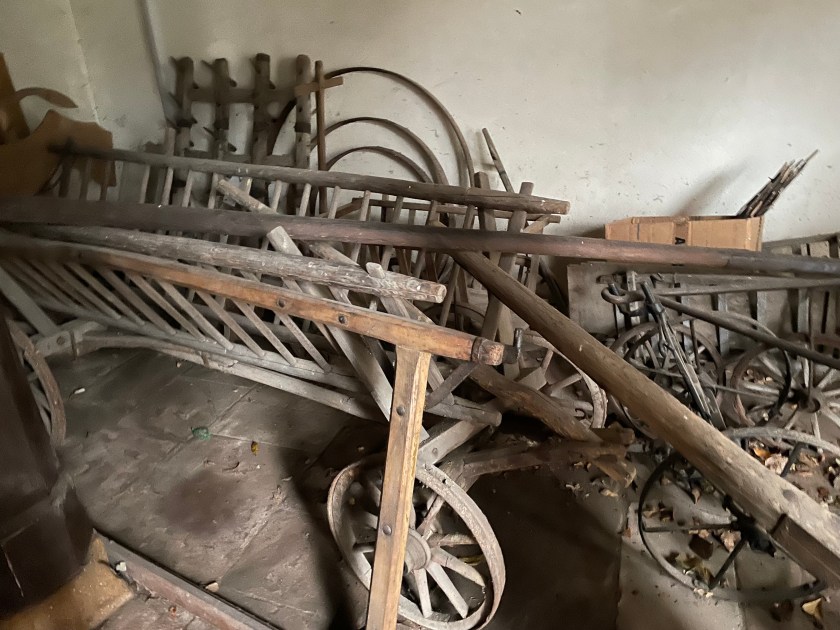
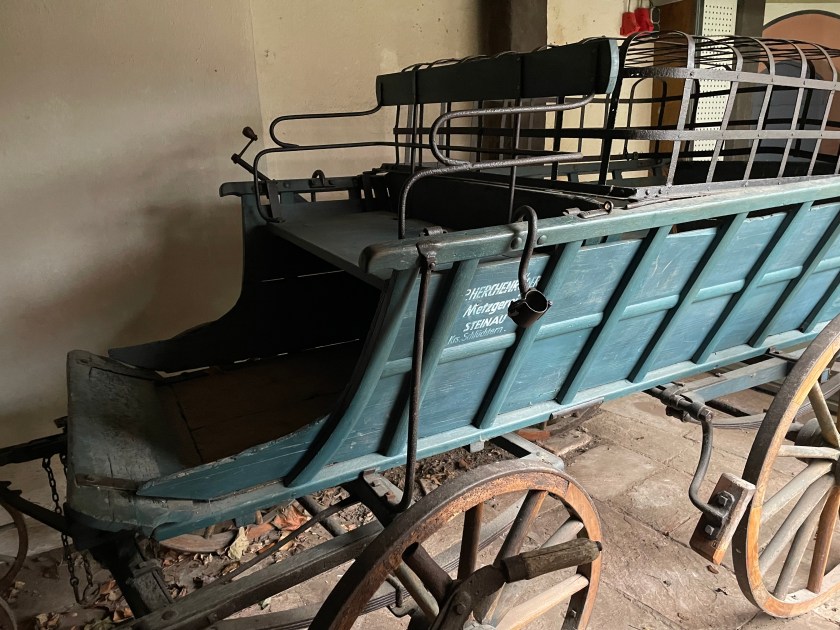
In the carriage house outside:

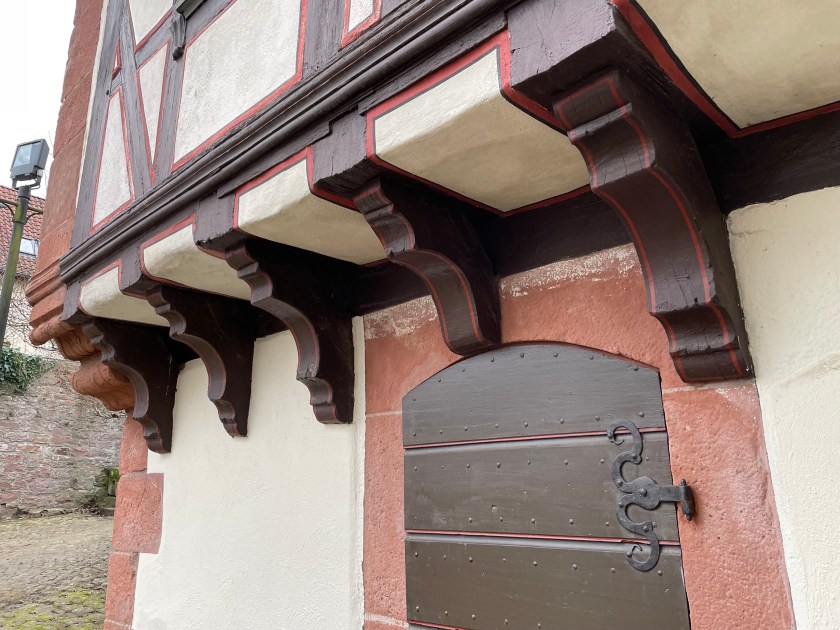
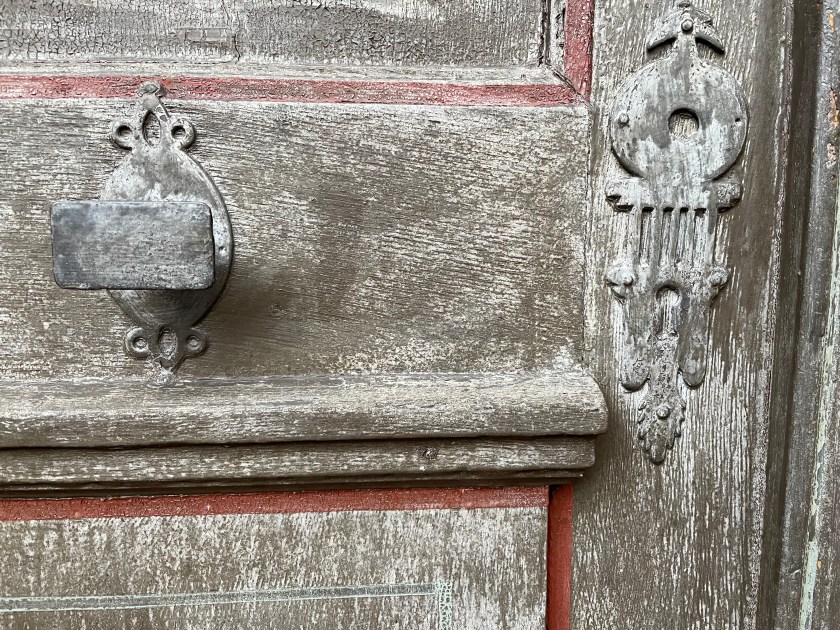
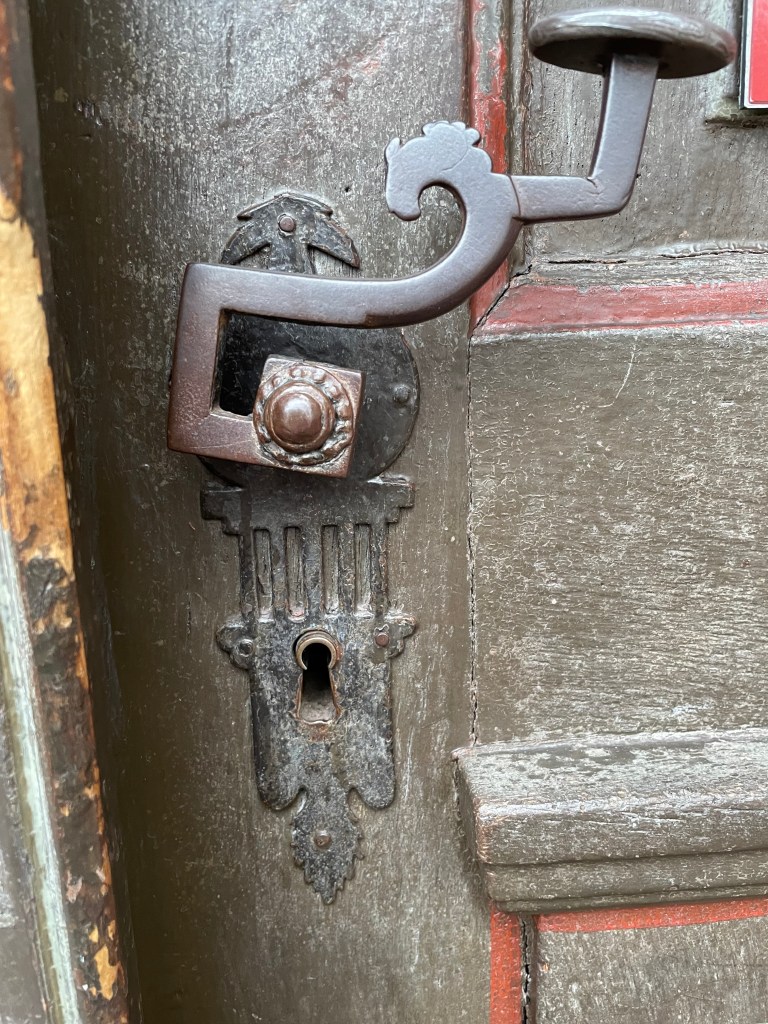
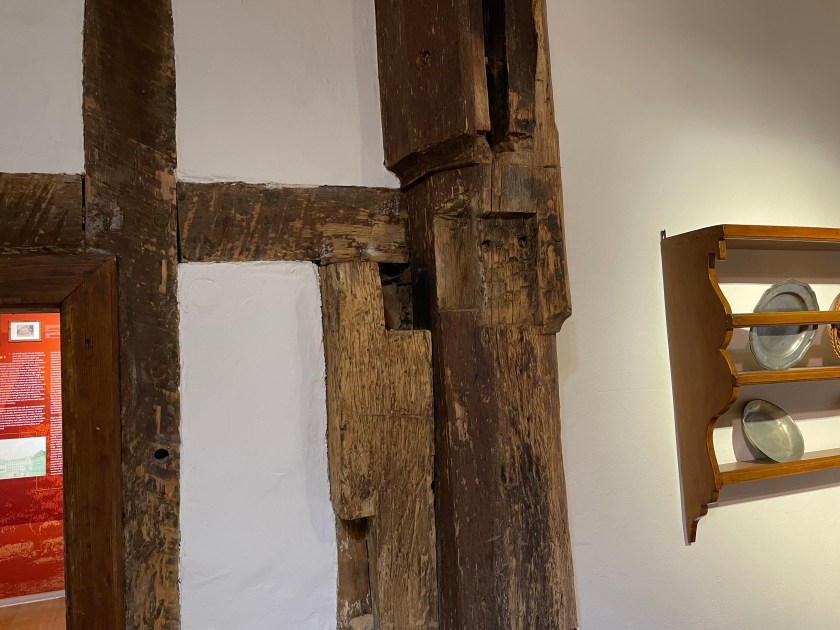
Details on the home:
We spent a couple of hours in this fascinating home, learning more about the family and the fairy tale collectors.
Here is a timeline of their lives:
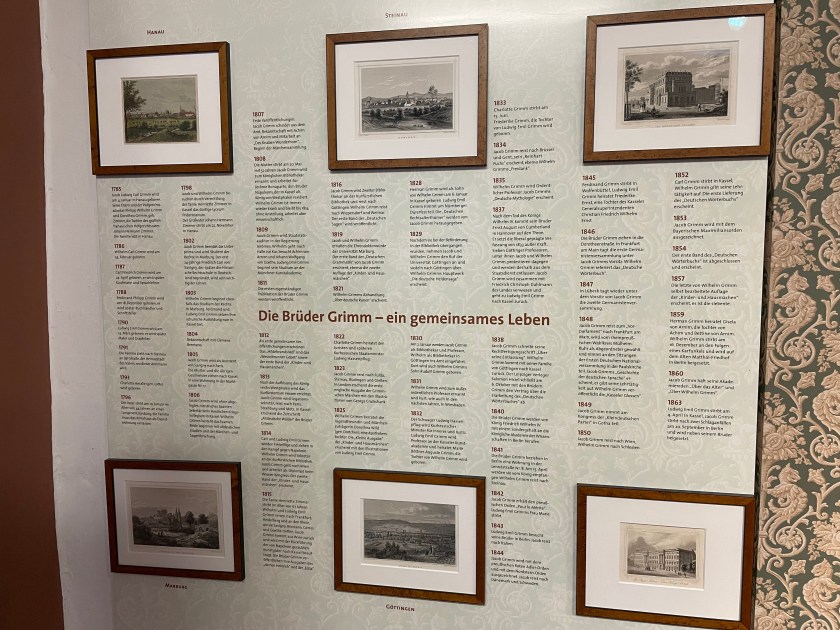

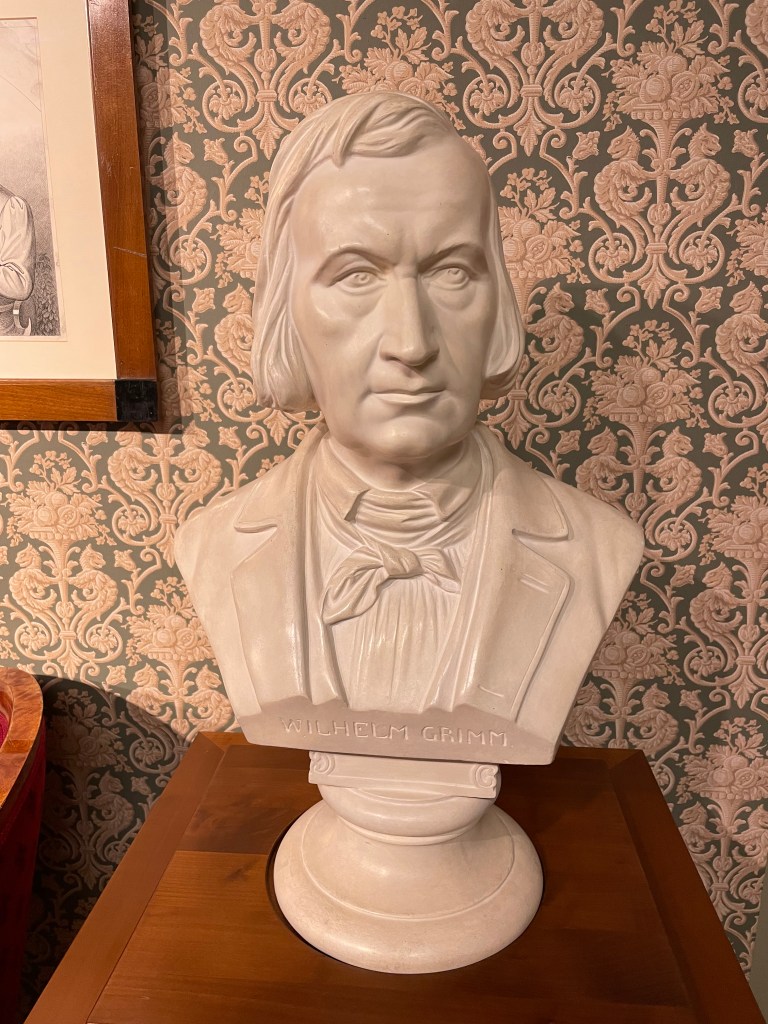
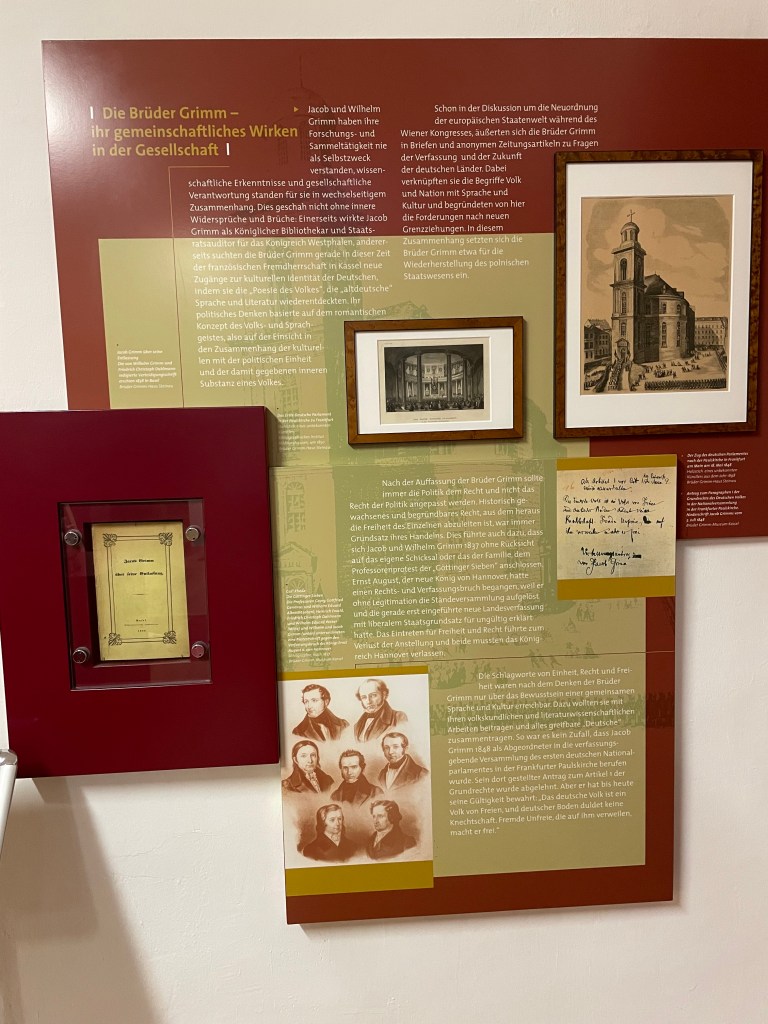
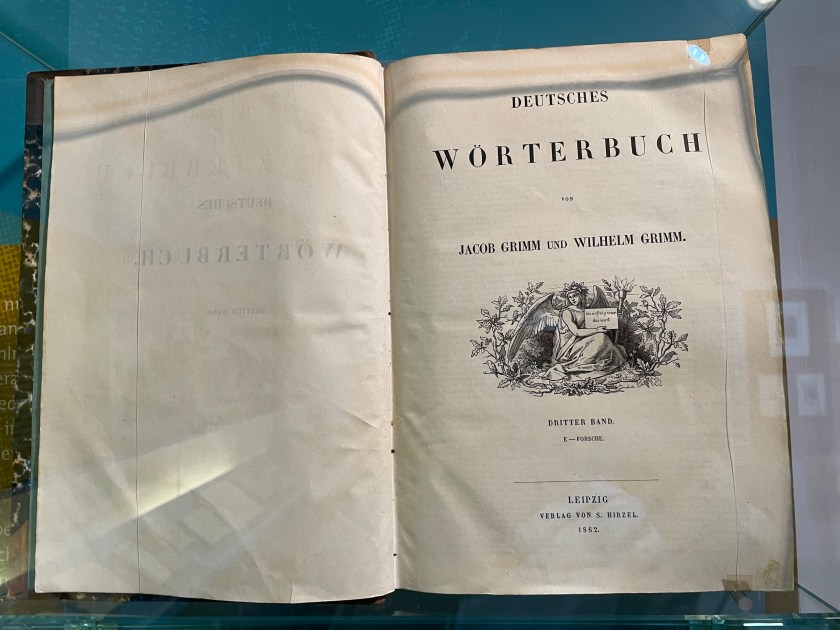
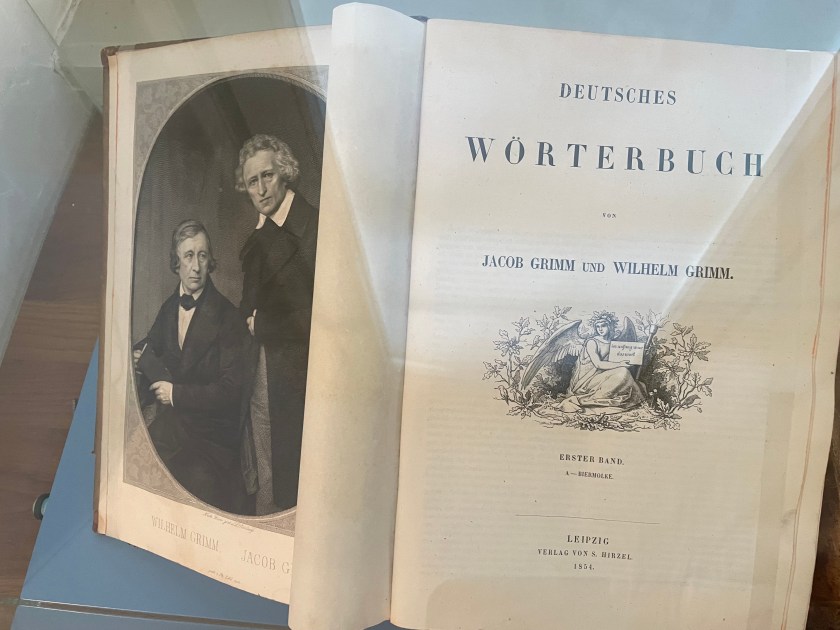
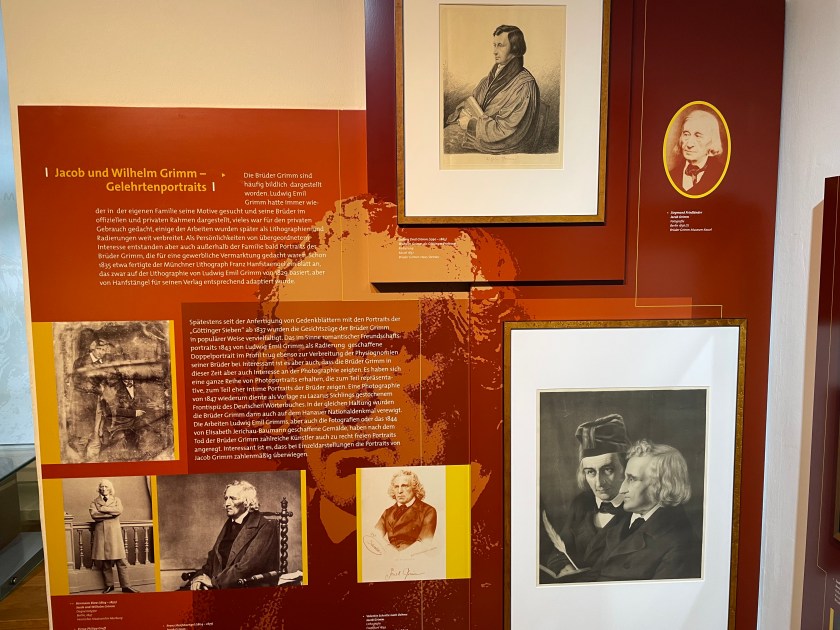

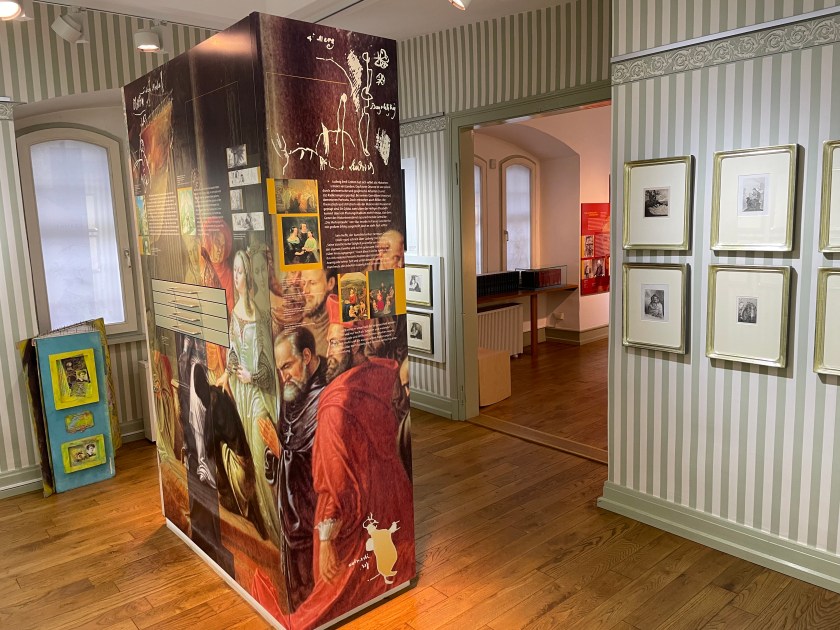
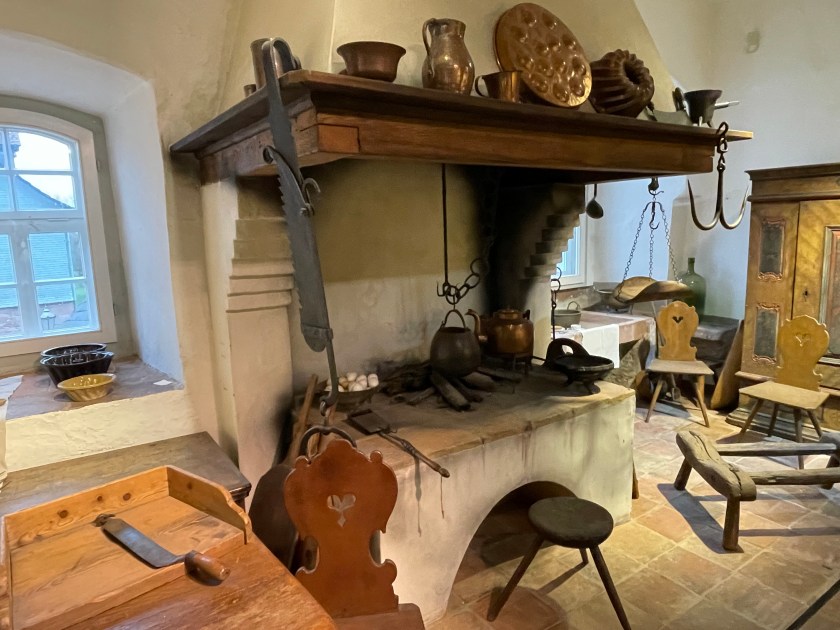
The family kitchen and the items in it:

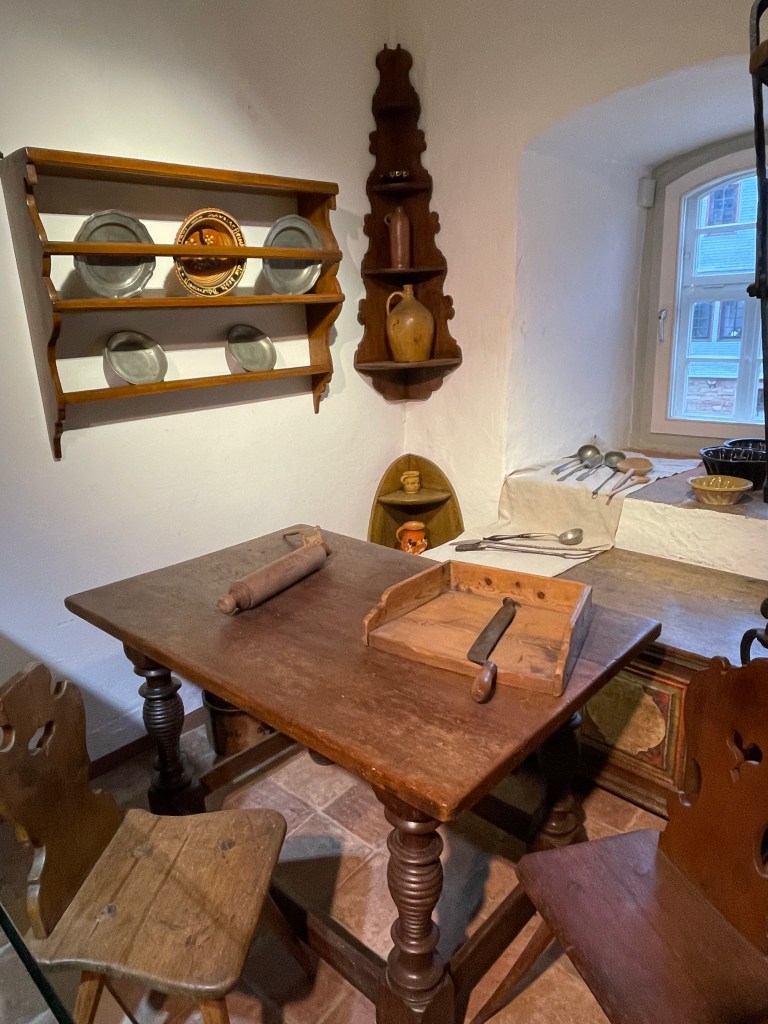
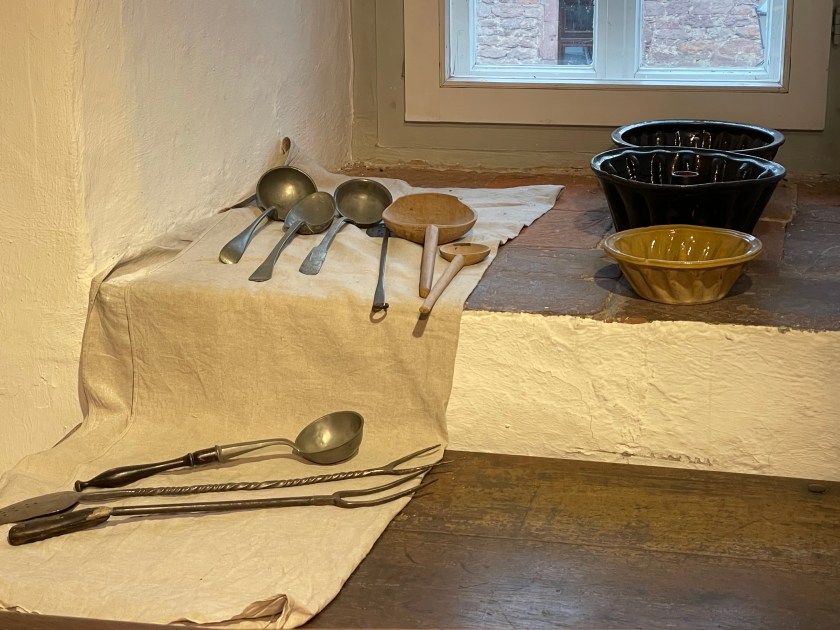
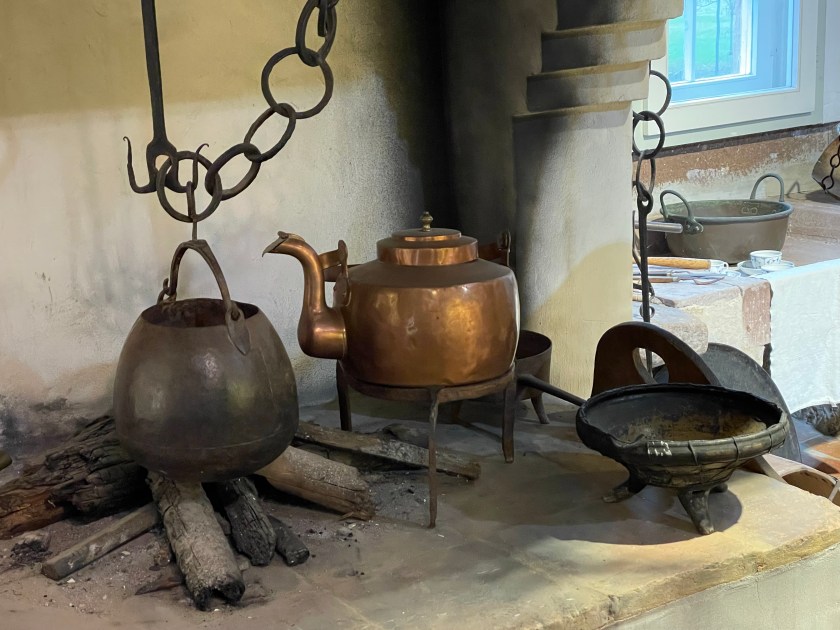


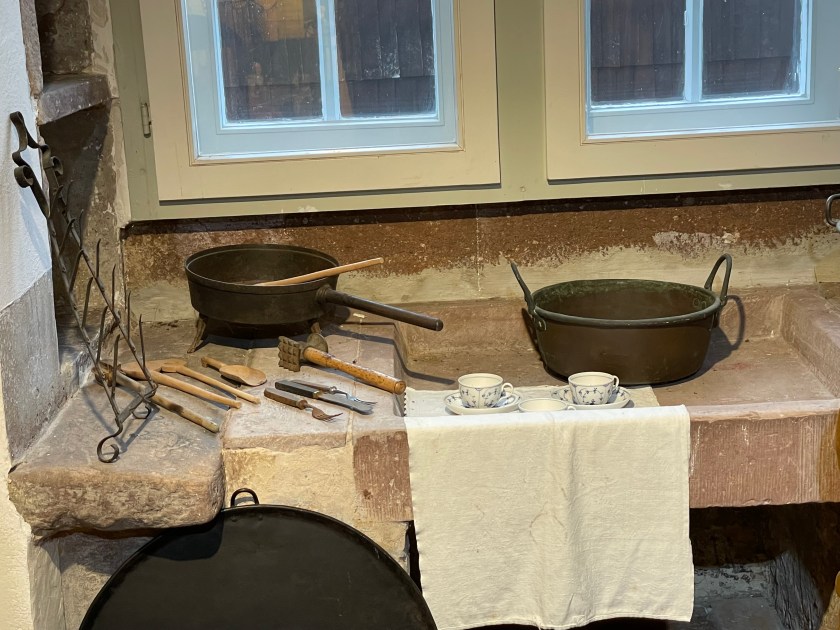
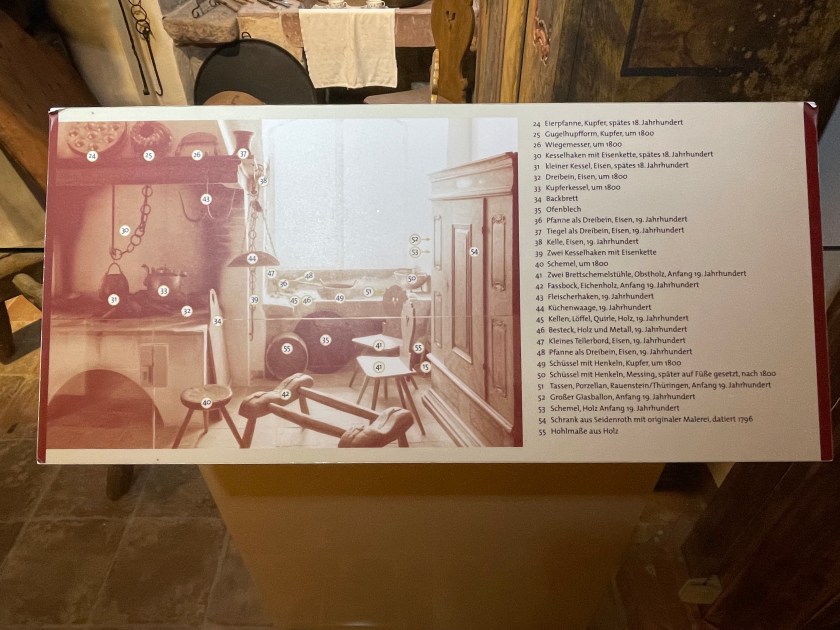
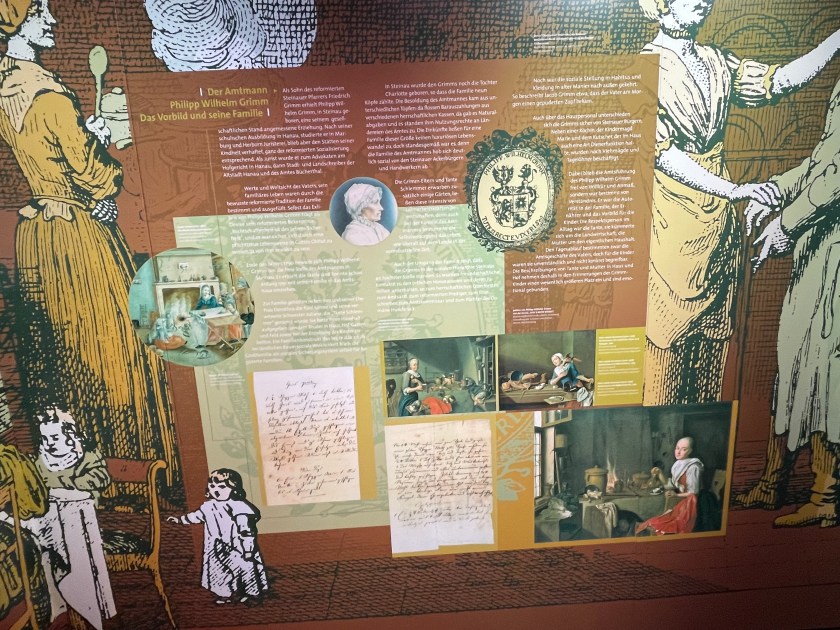
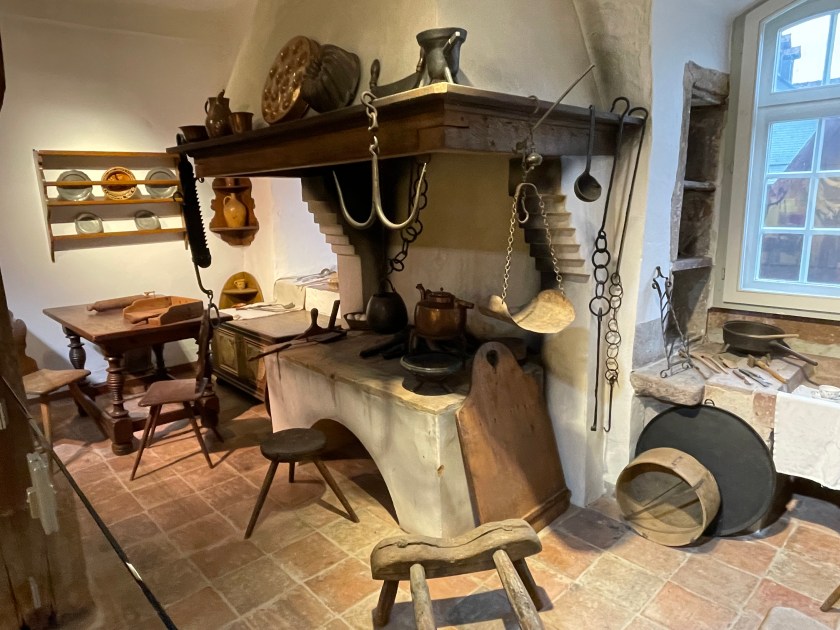
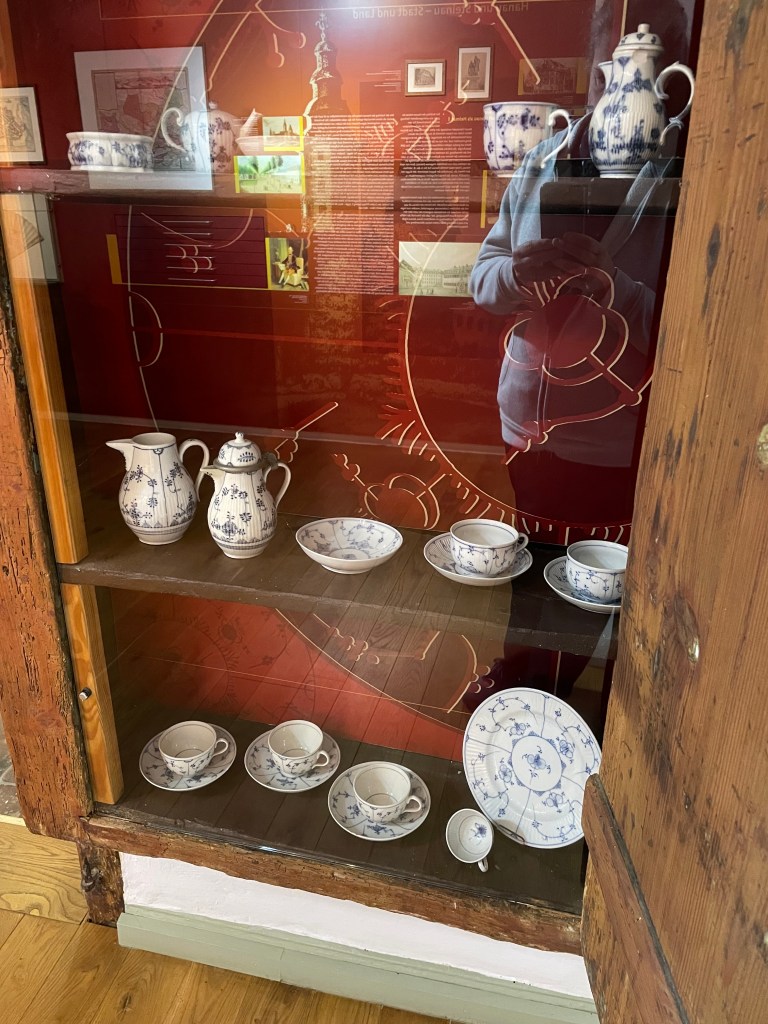
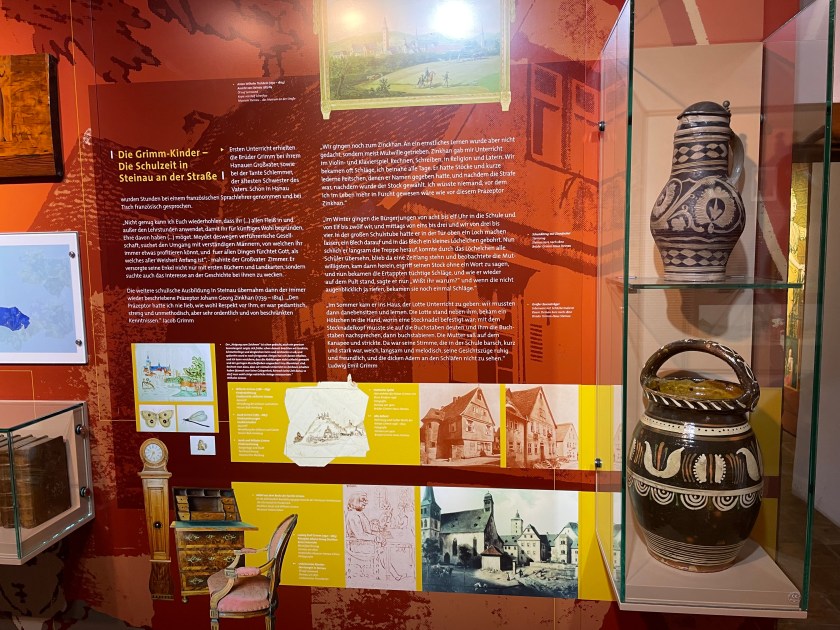
In some of the exhibits, you could hear their own words describing their family, their lives and their school years.


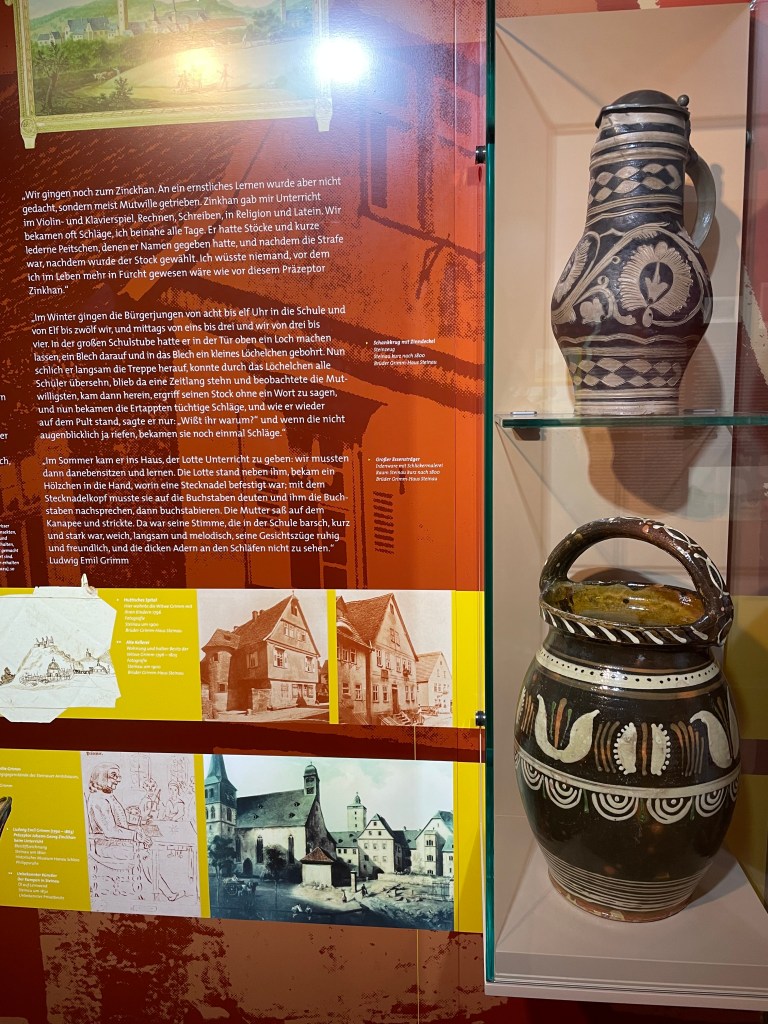
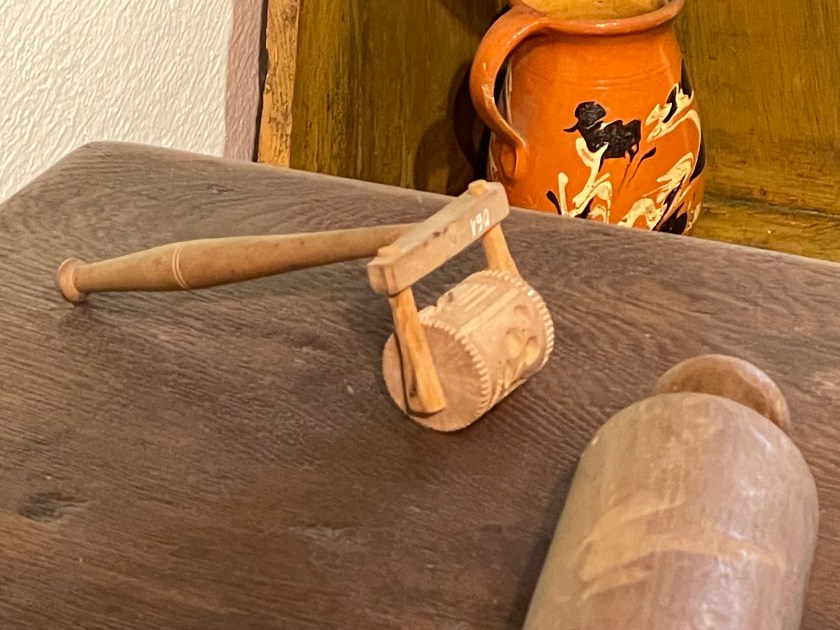


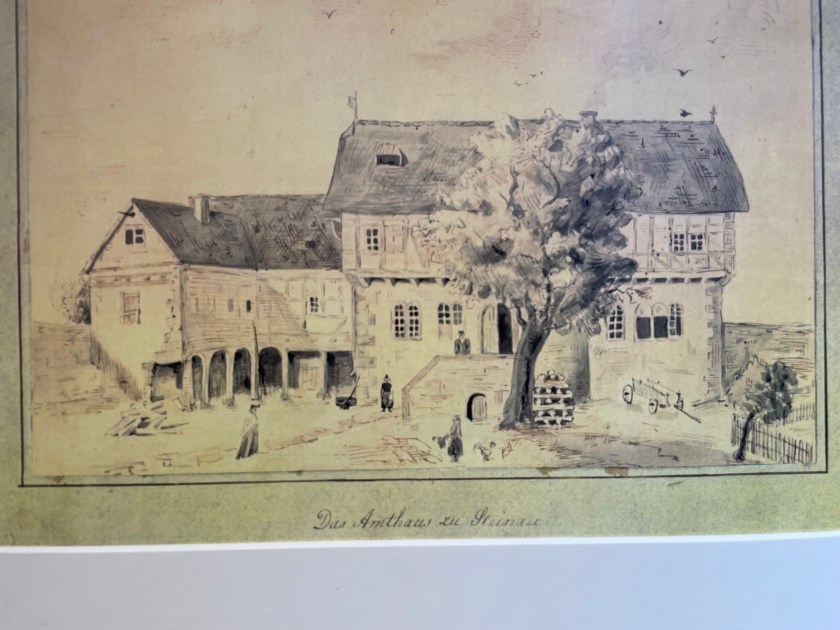
How the home looked in their day:
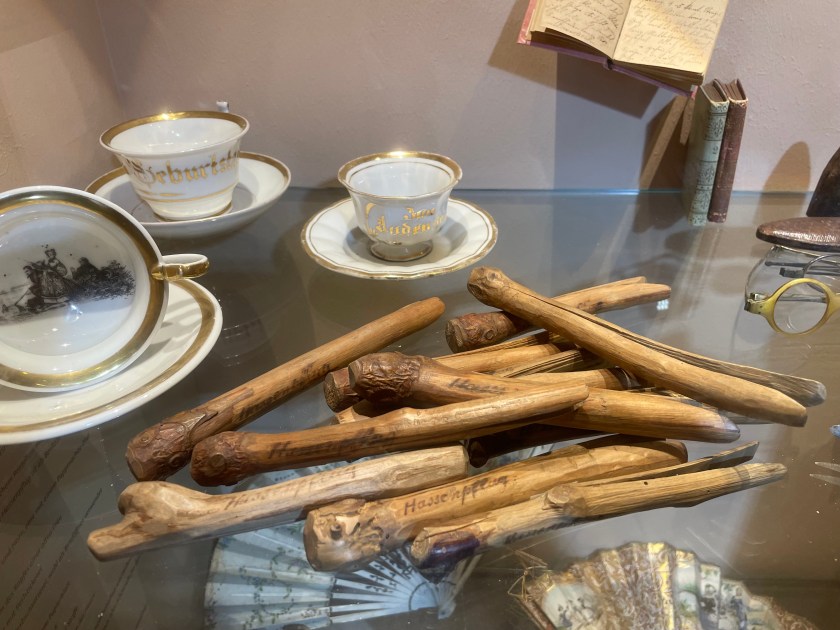
Clothespins!
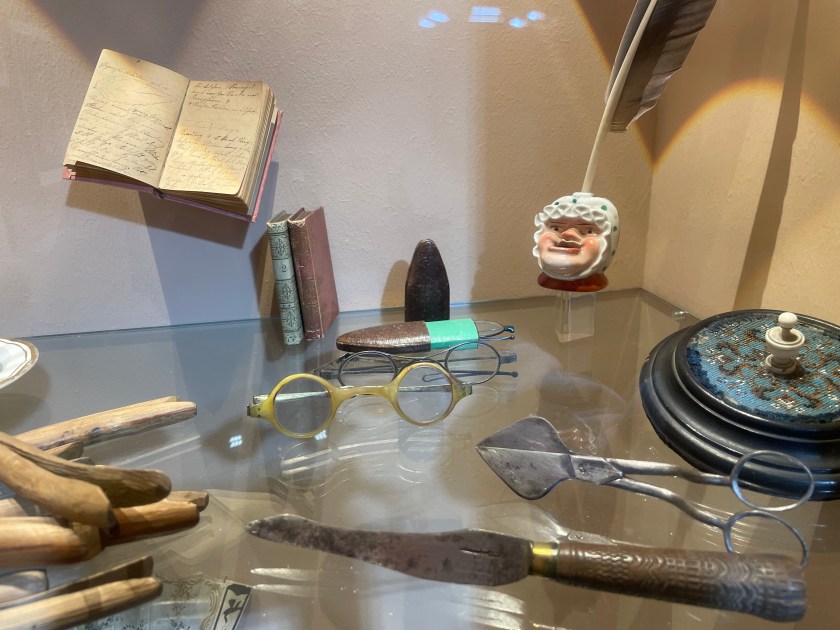
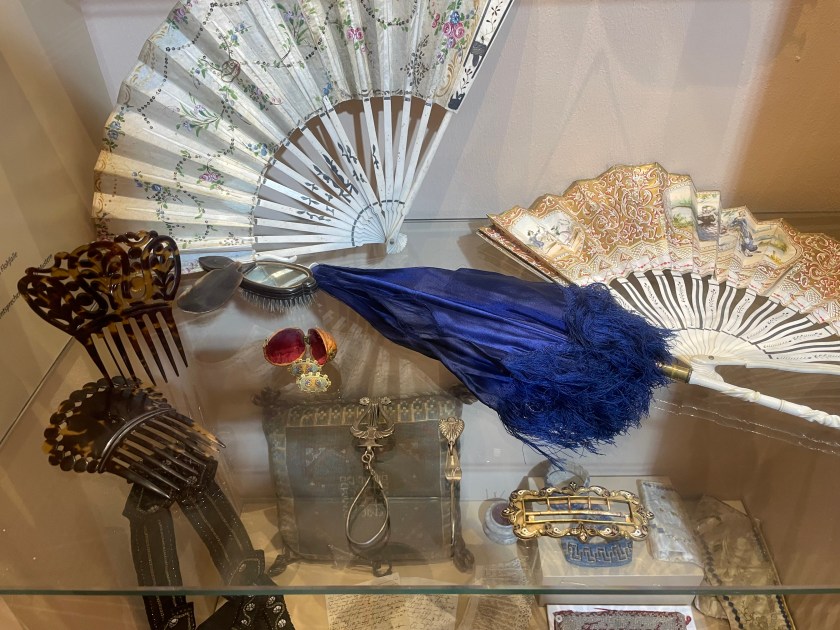

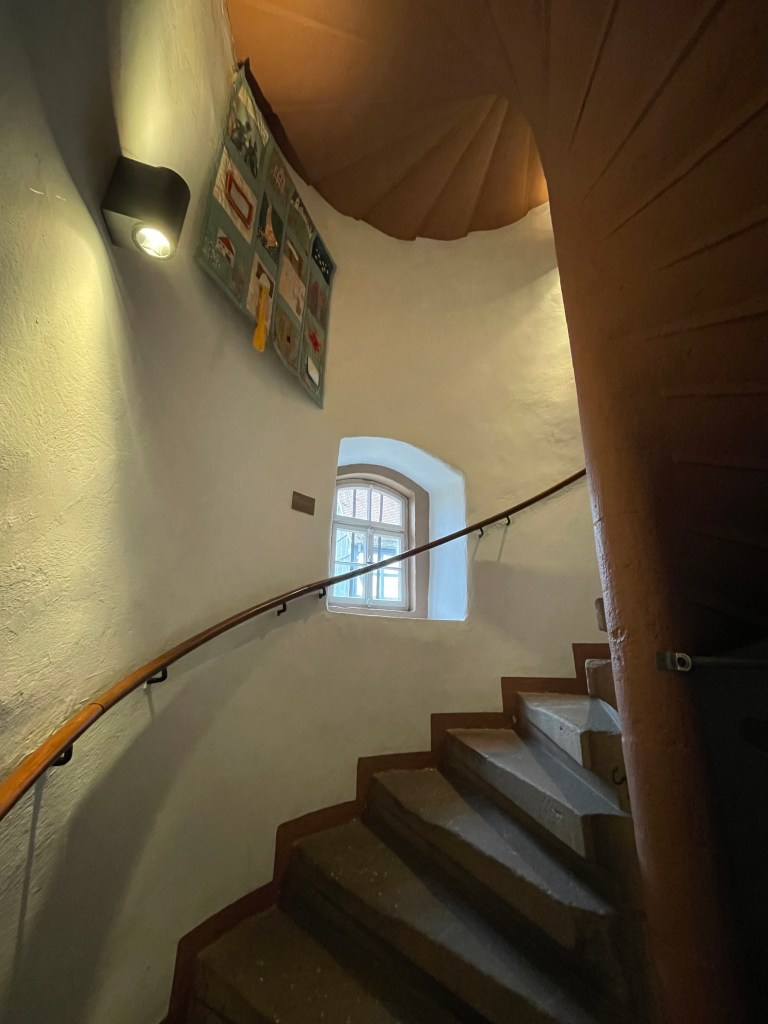
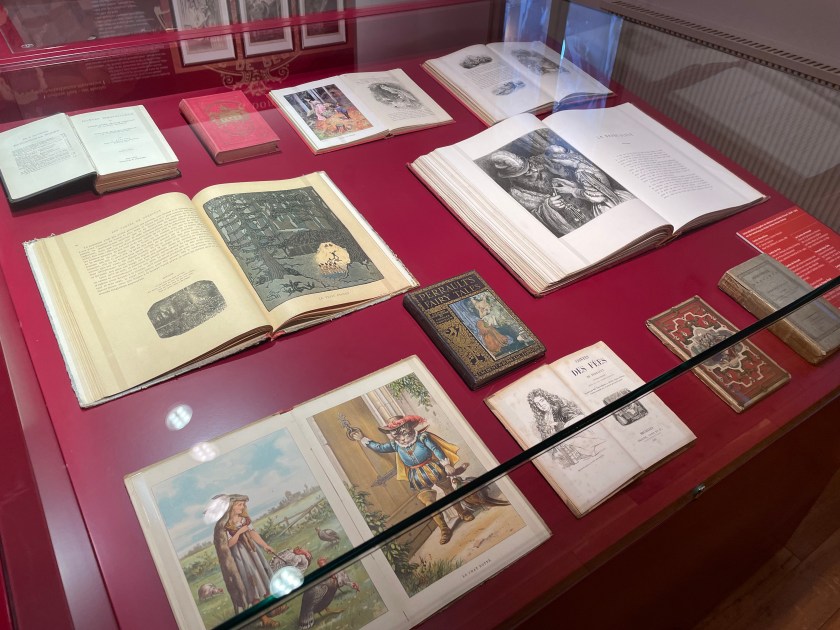
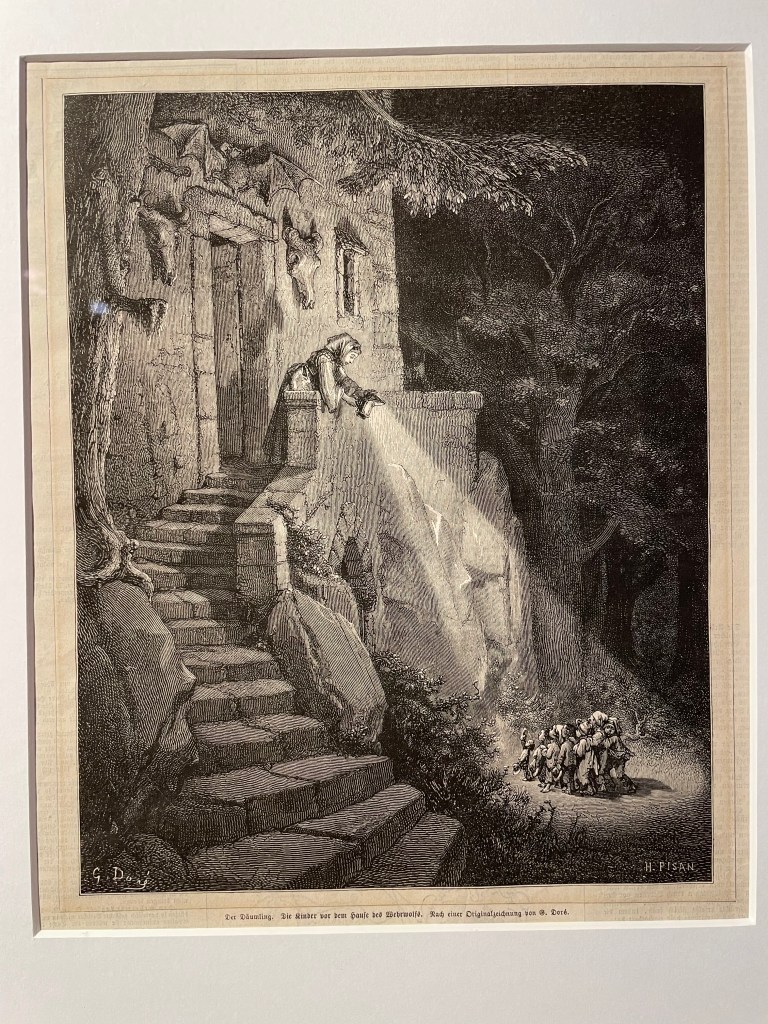
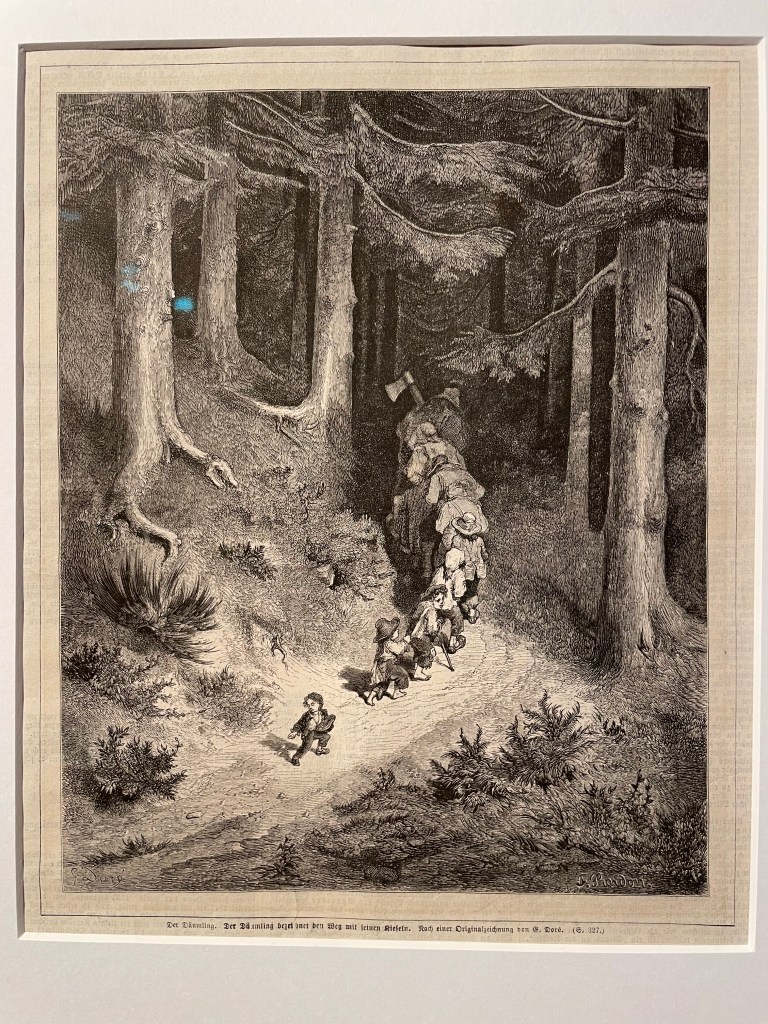
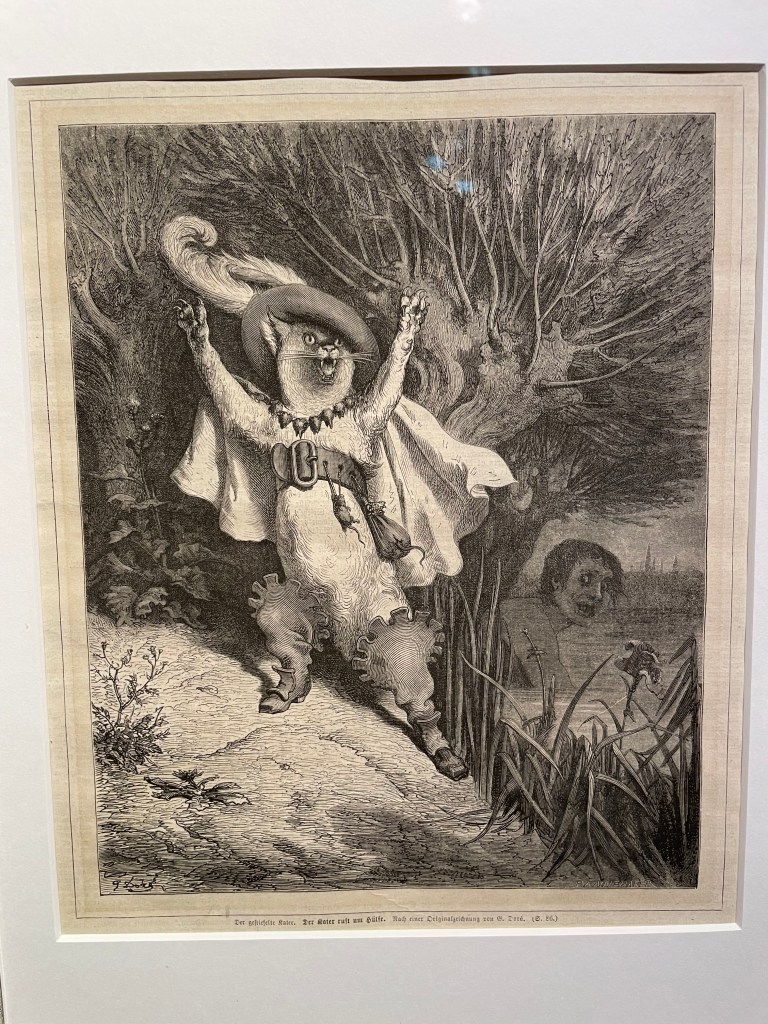
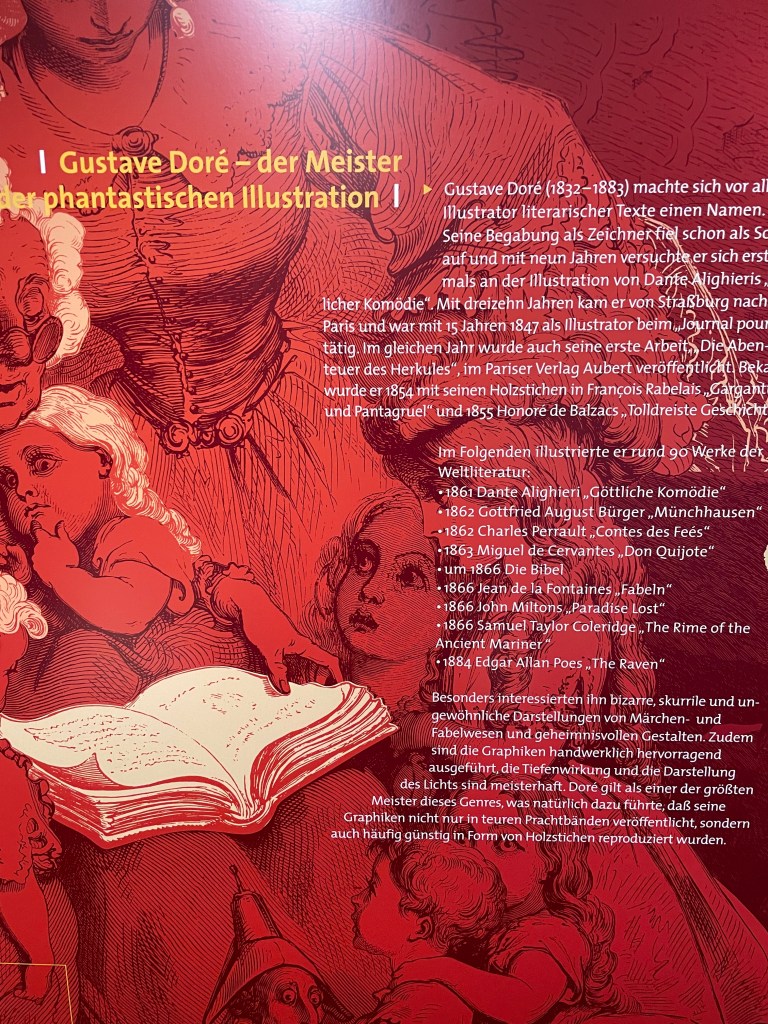
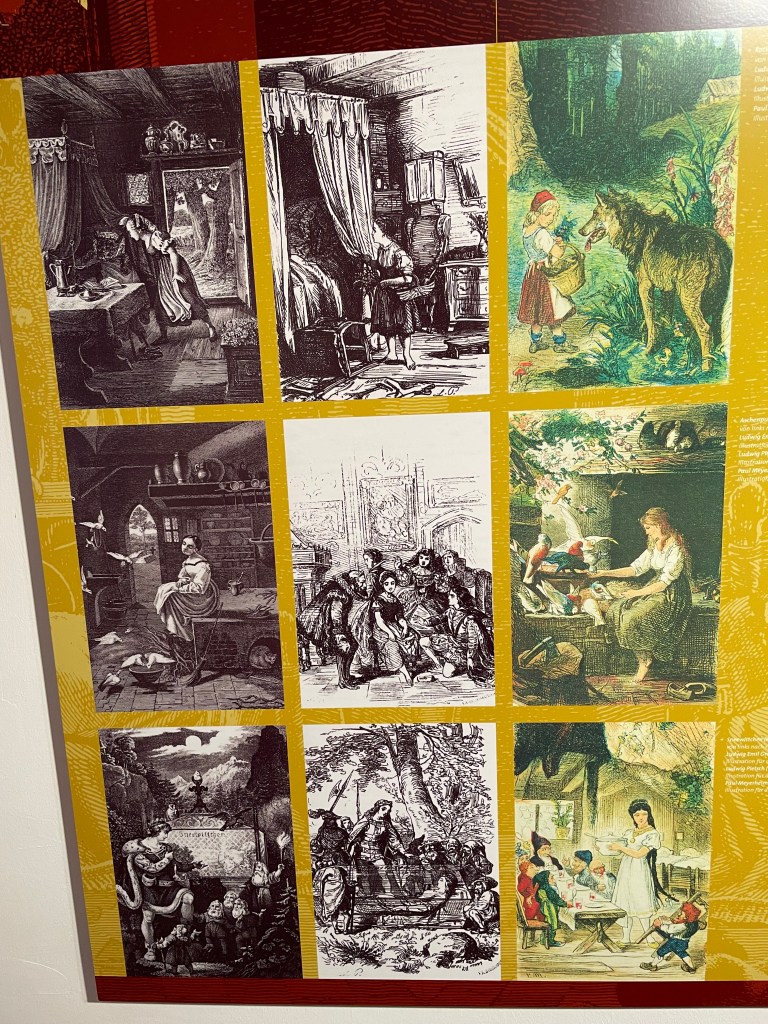
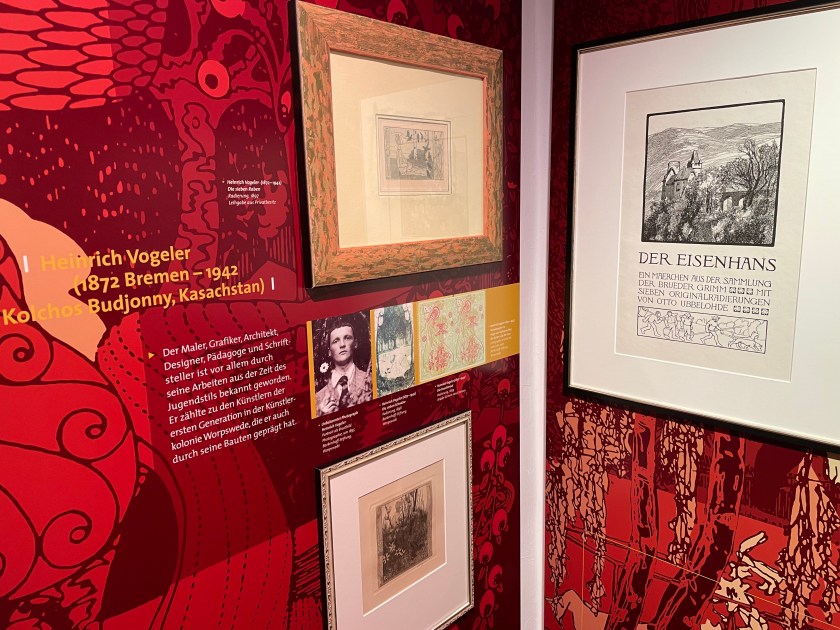
Upstairs we learned more about the illustrators who worked with the Grimm brothers.
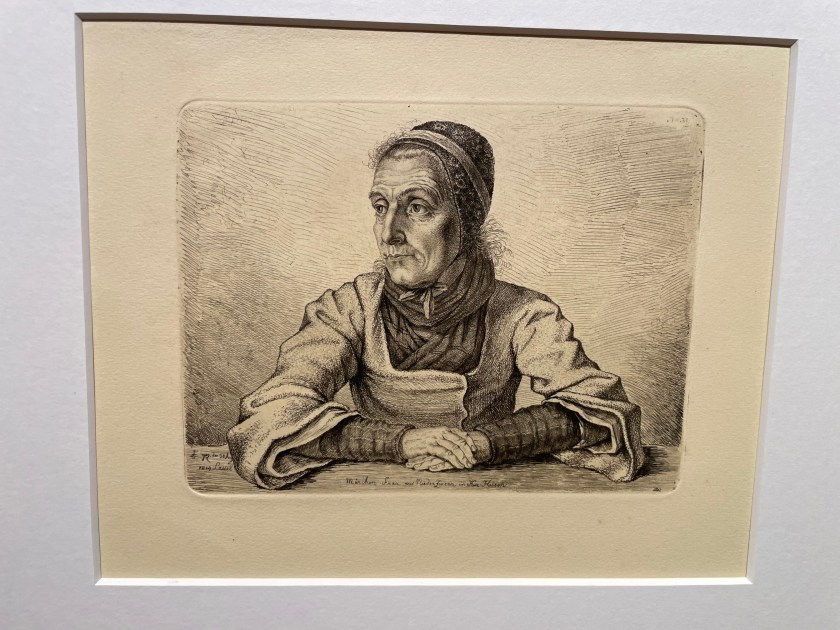
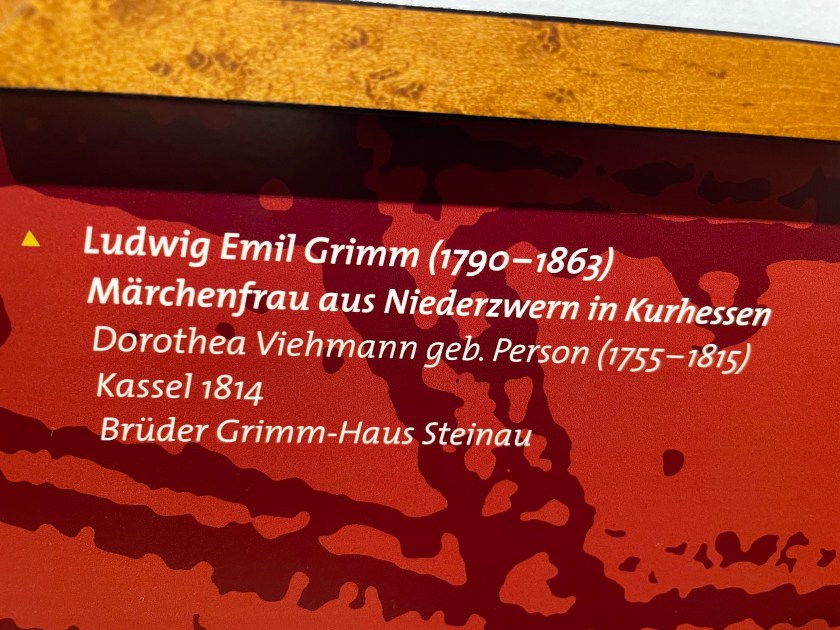
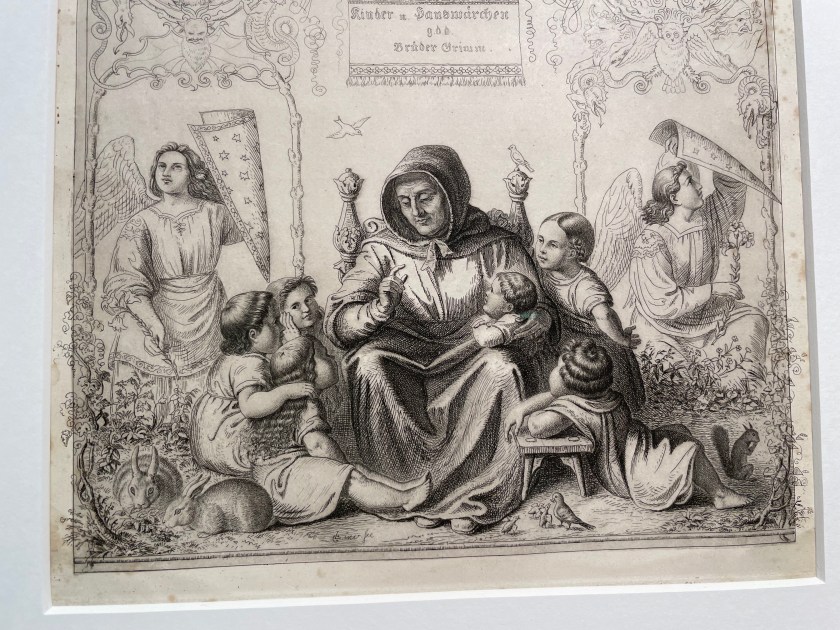
This old woman was the prototype for many of Grimm’s characters, good and evil. They loved her face.
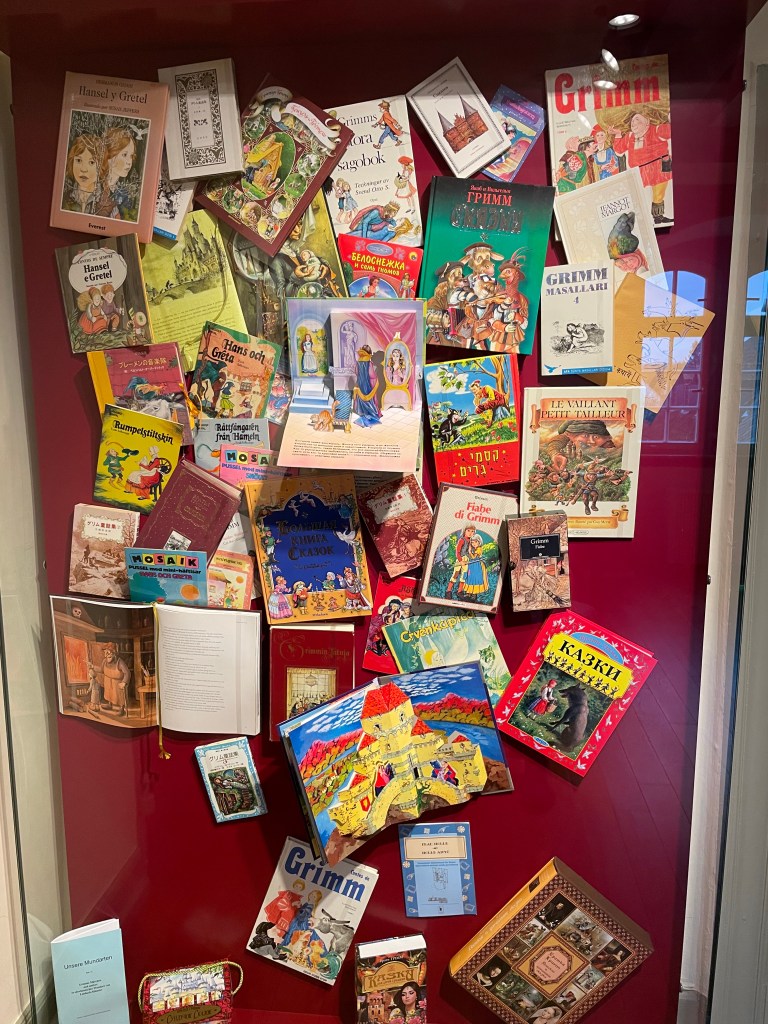
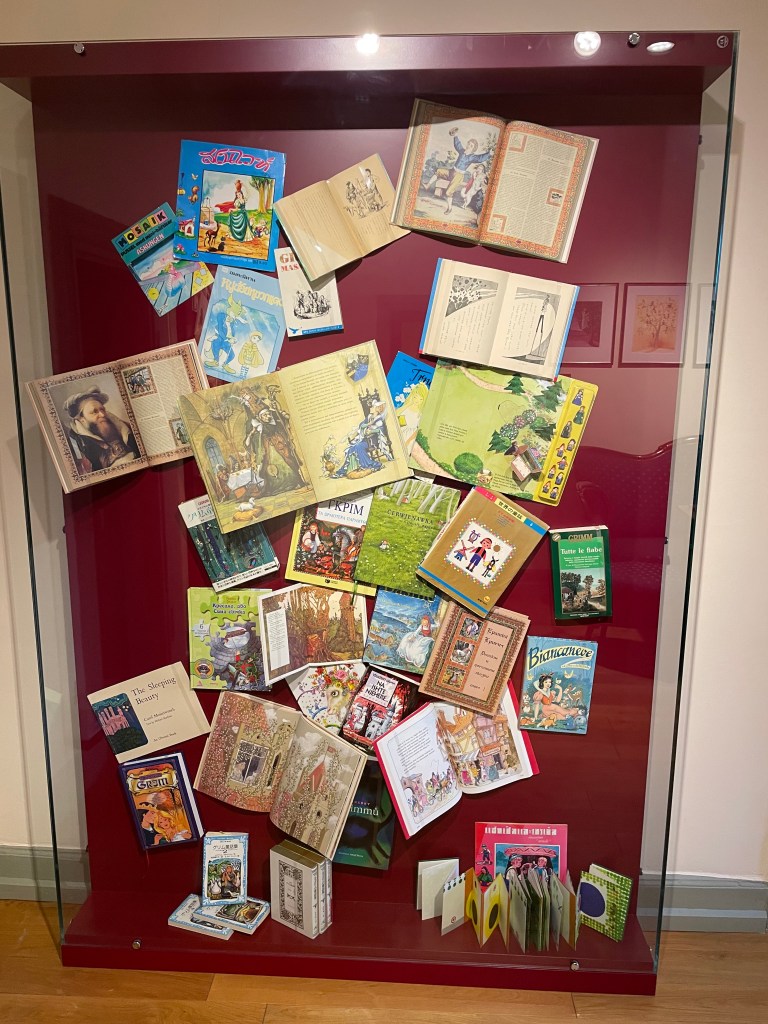
There were activities for children visiting the museum.
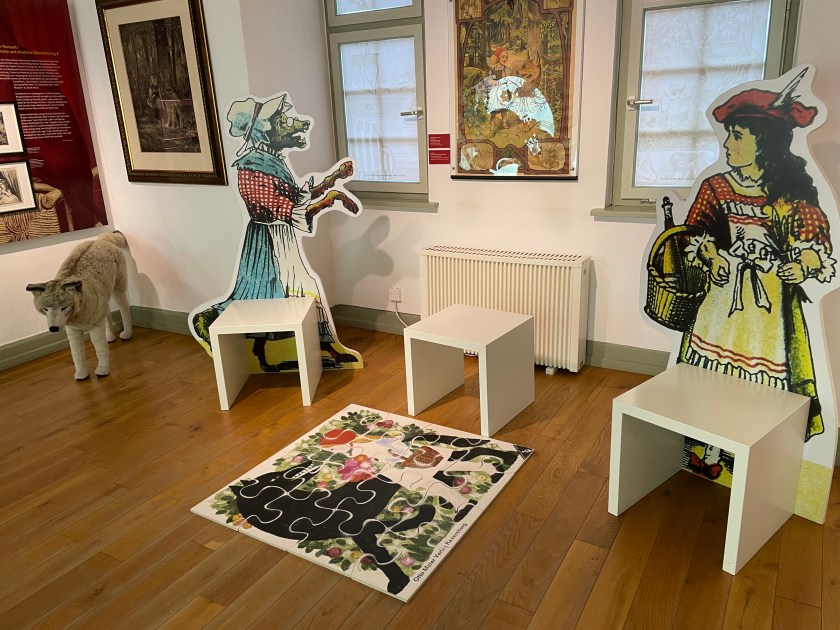
These are some of the dioramas that were created around the fairy tales:
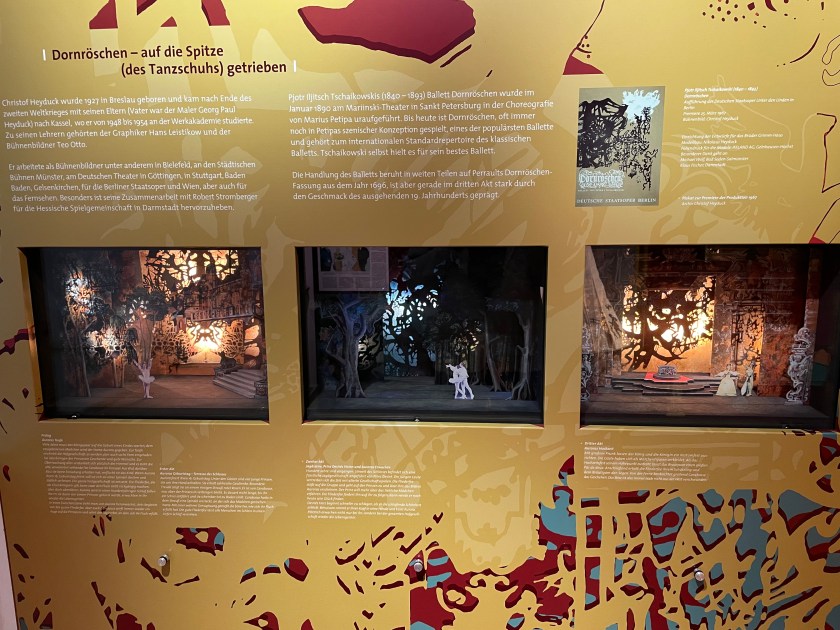
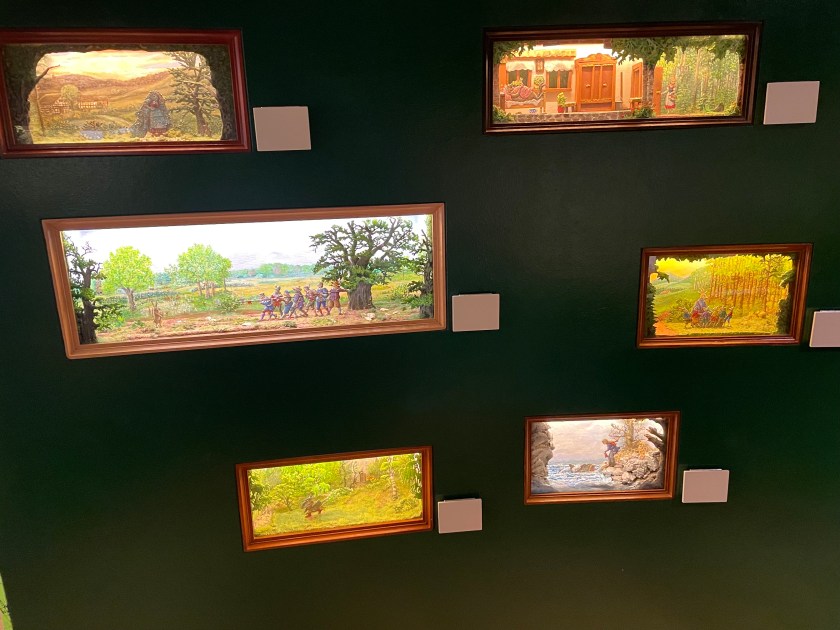
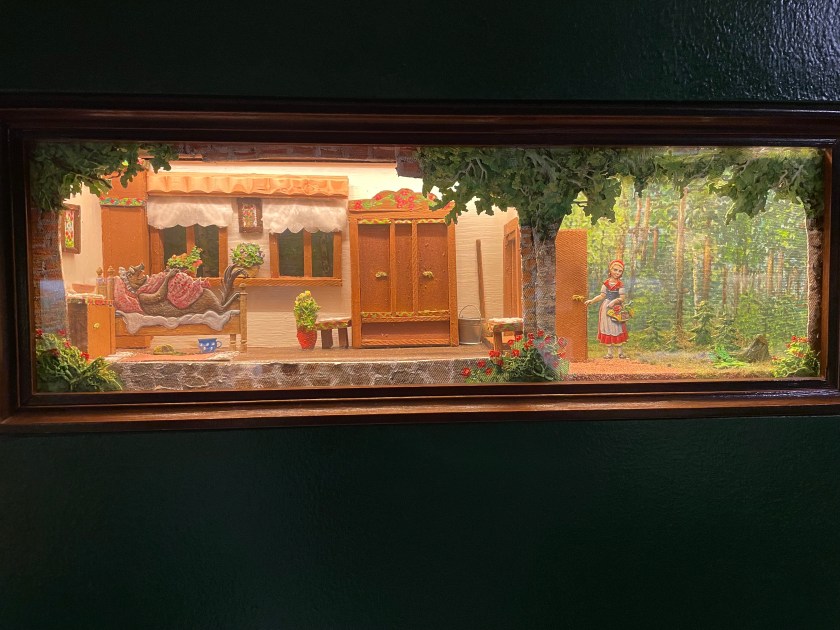
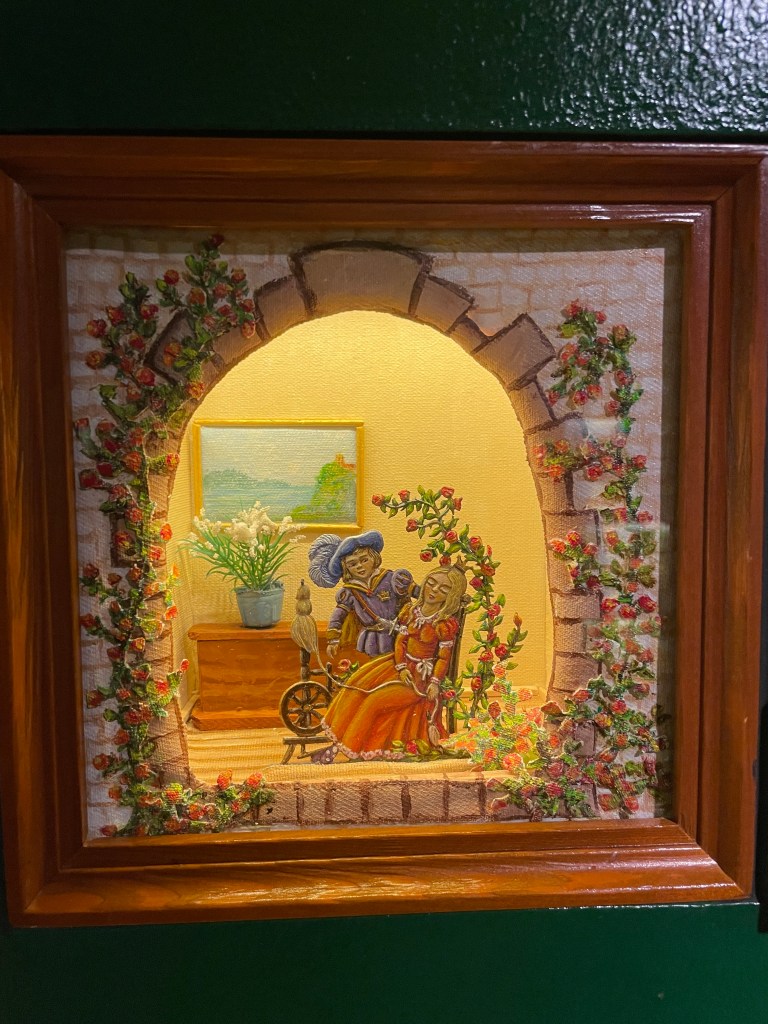
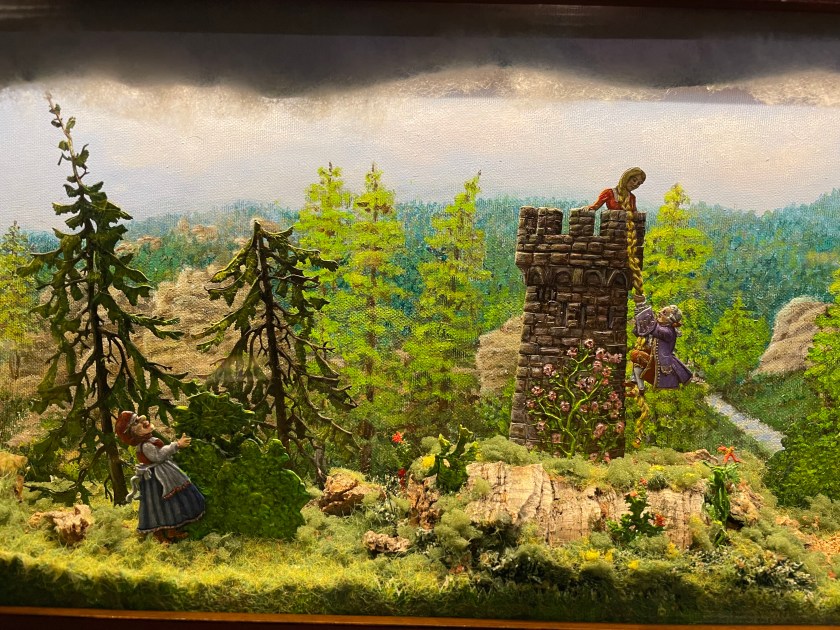
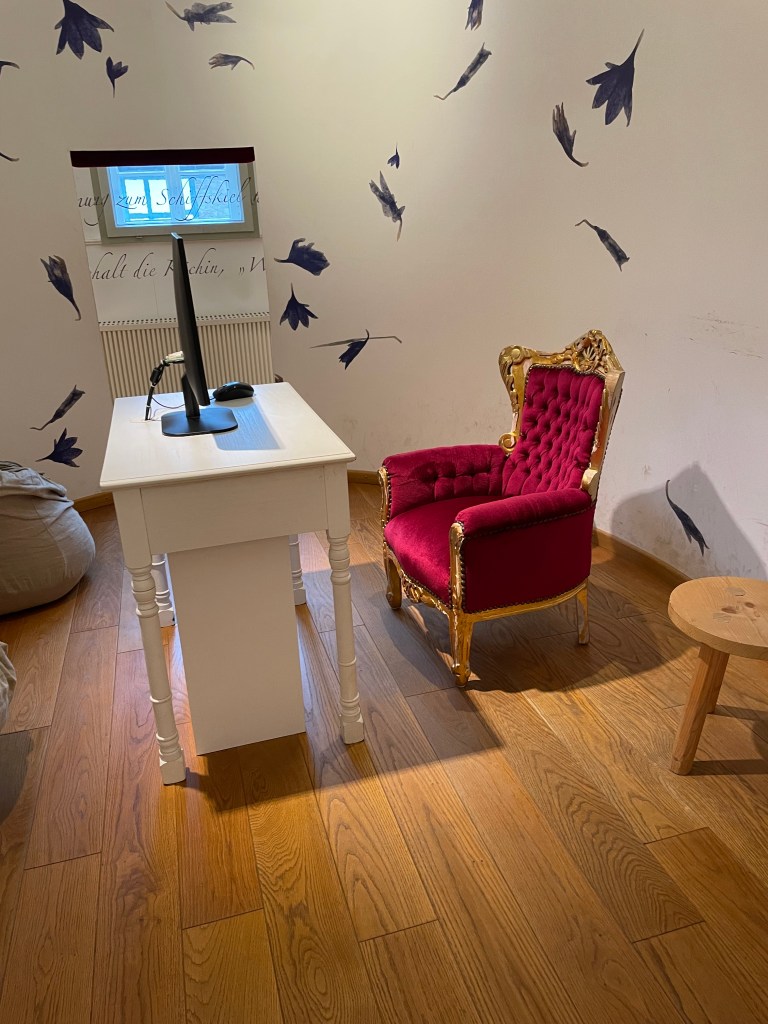
Here is a meeting room for special events:

And a princess chair with crowns for little girls.


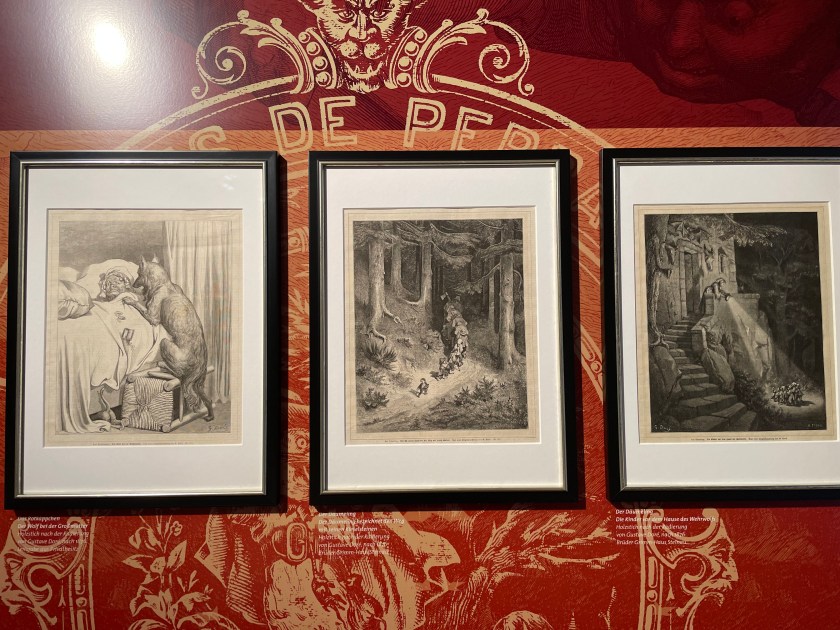
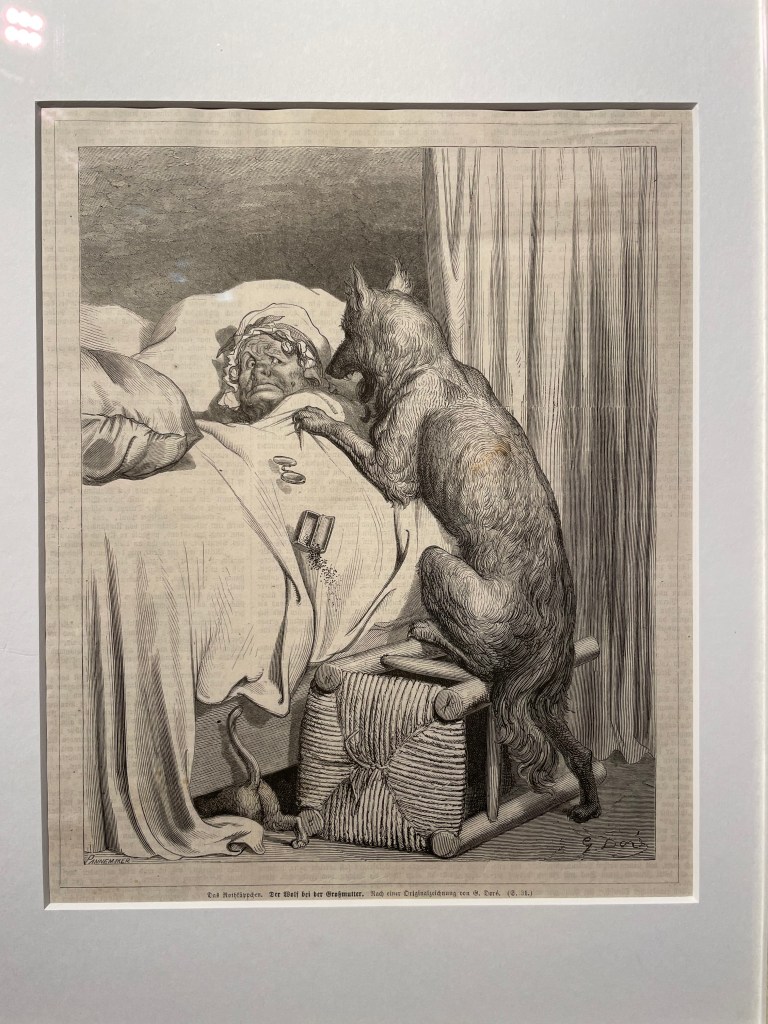
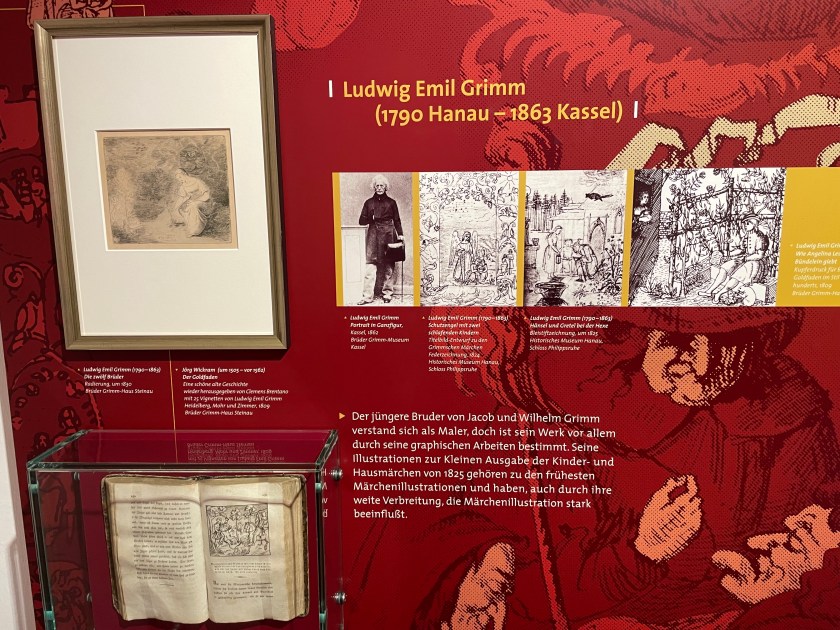
These are the works of more illustrators. They were so fun to look at, each had his own style.
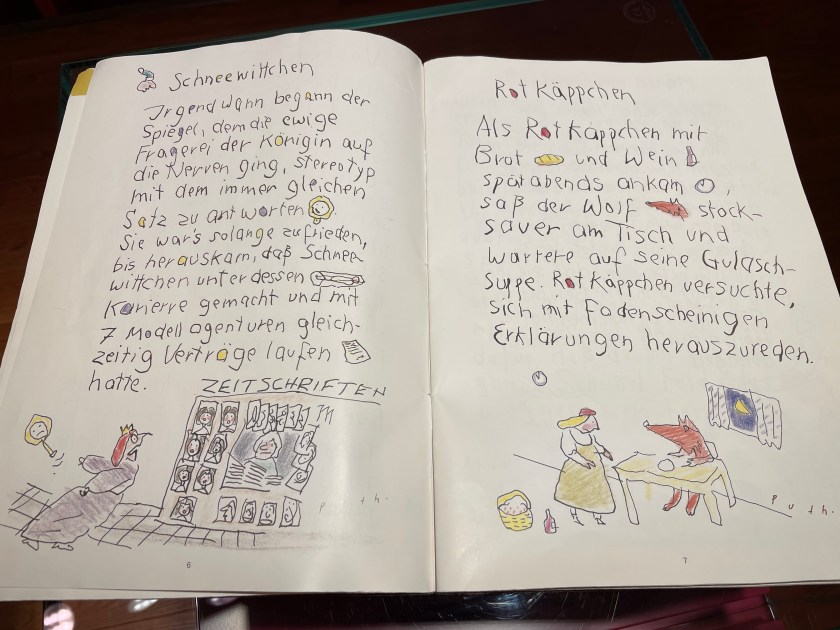
It’s hard to imagine the world today without these beloved fairy tales. I have 4 little granddaughters now and there’s not a day that passes where they don’t read the tales or dress up like the princesses or villain queens.
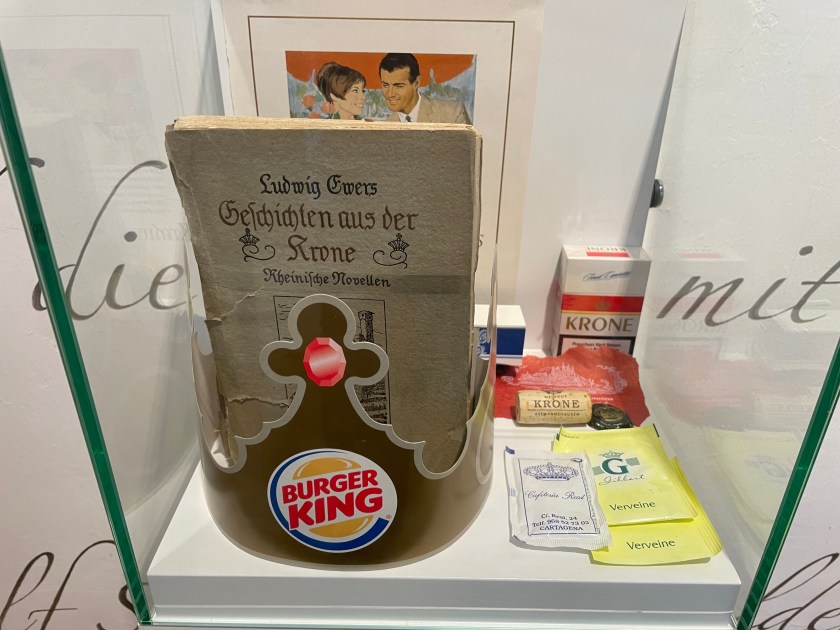
I should probably mention that everything in this museum was in German.


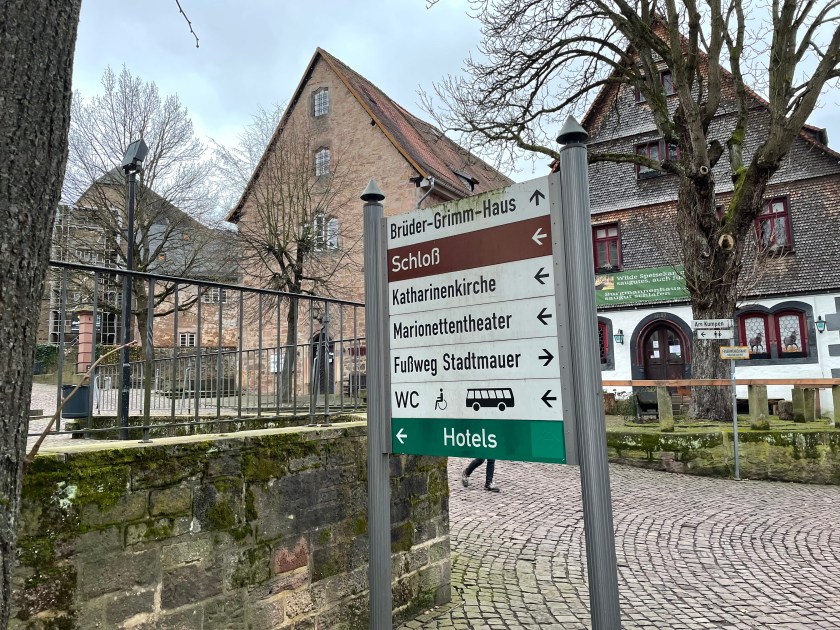
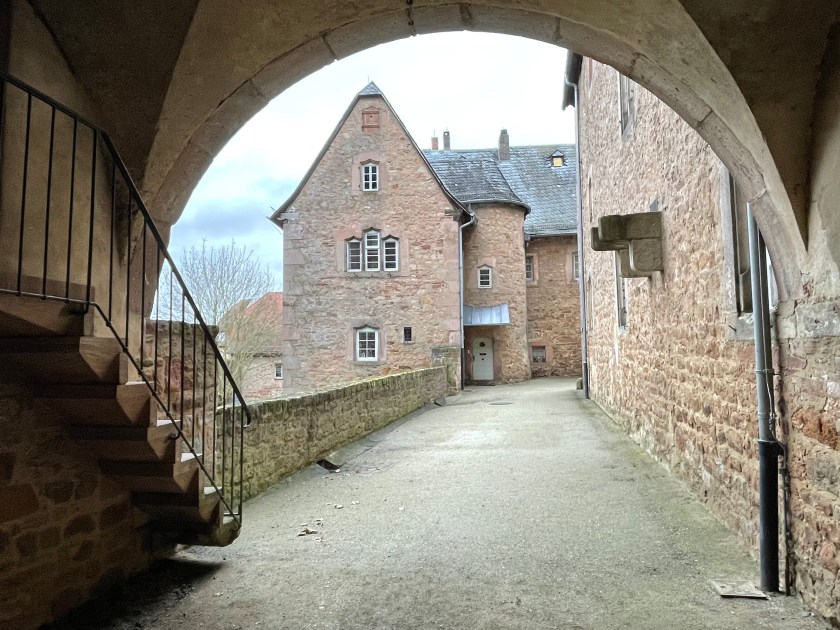
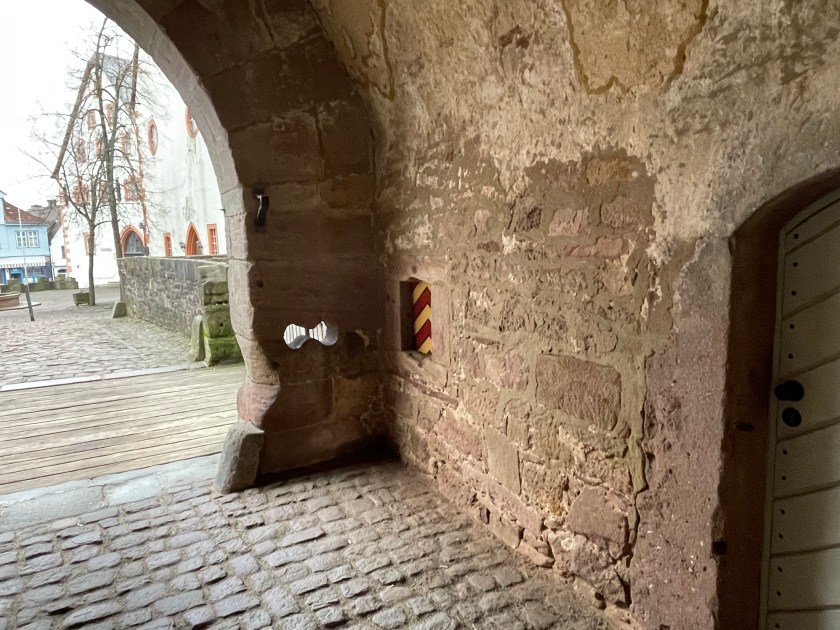
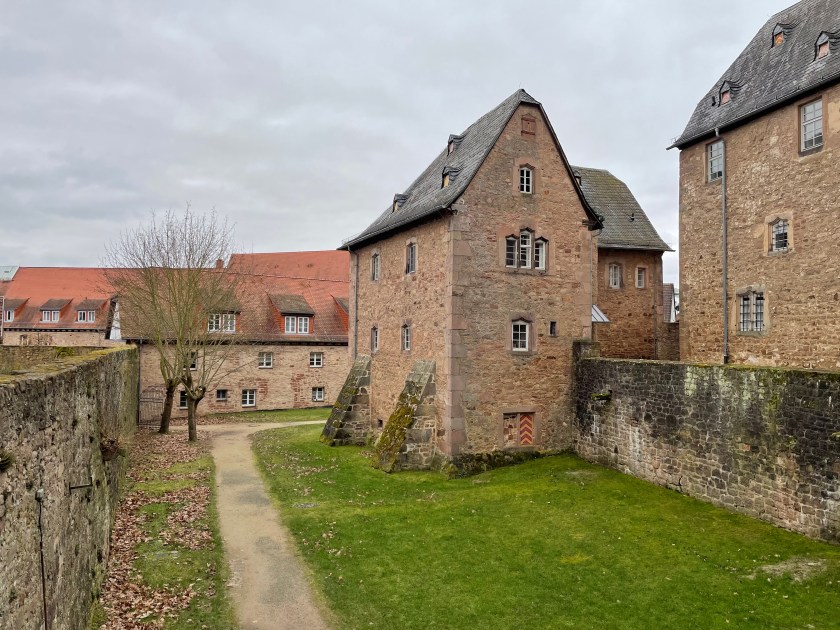
This city is known as Brüder-Grimm-Stadt and is half as big (population ca. 10,000) as Gelnhausen. We navigated to the castle and parked in free parking there. There were very few people out on the streets on this somewhat cold Saturday. We walked through the castle courtyards but will have to wait until March before seeing the inside where a special Grimm Brothers exhibit currently stands.
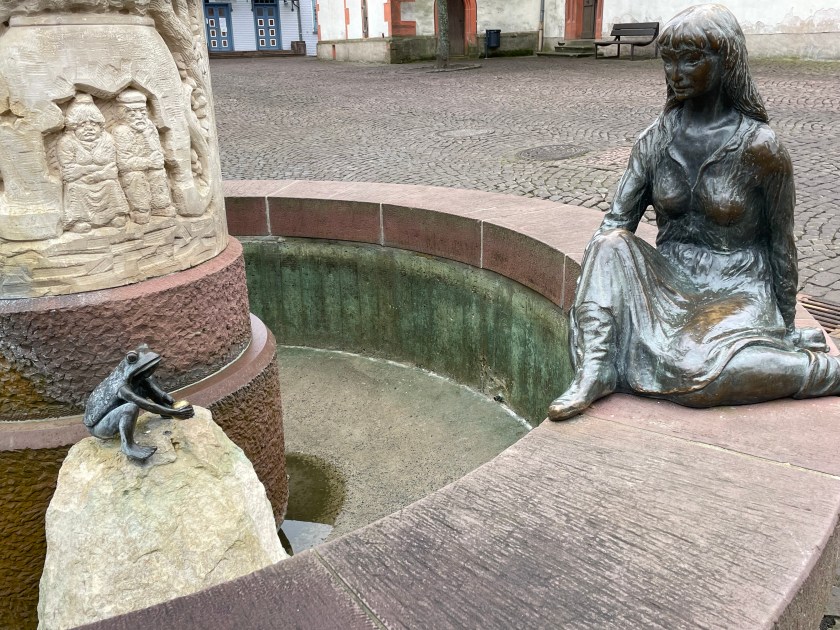
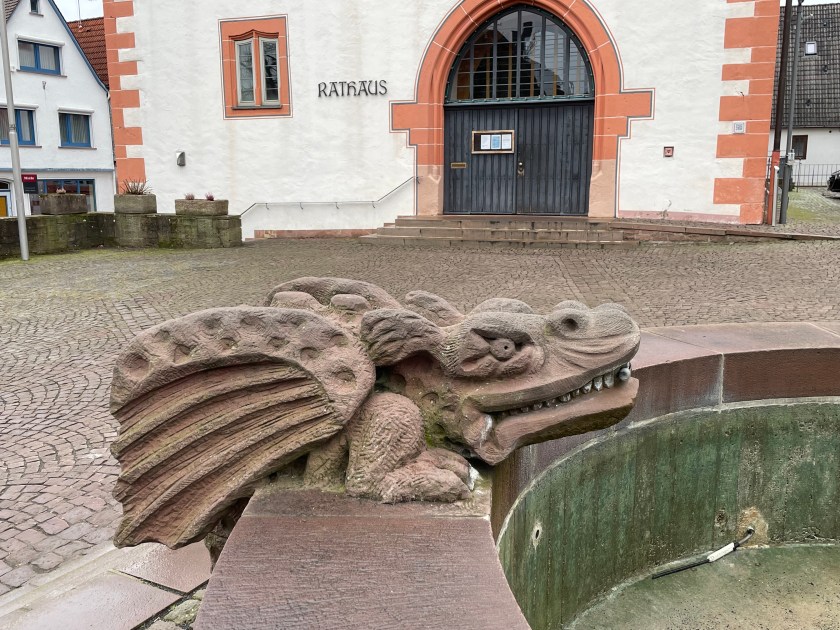
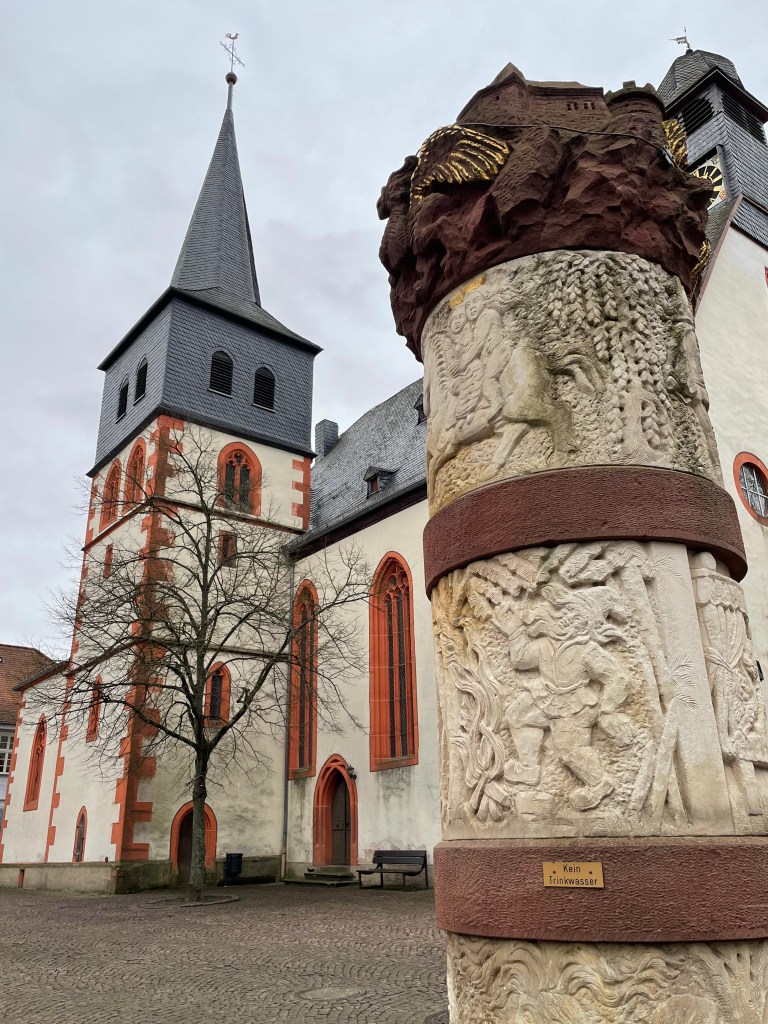
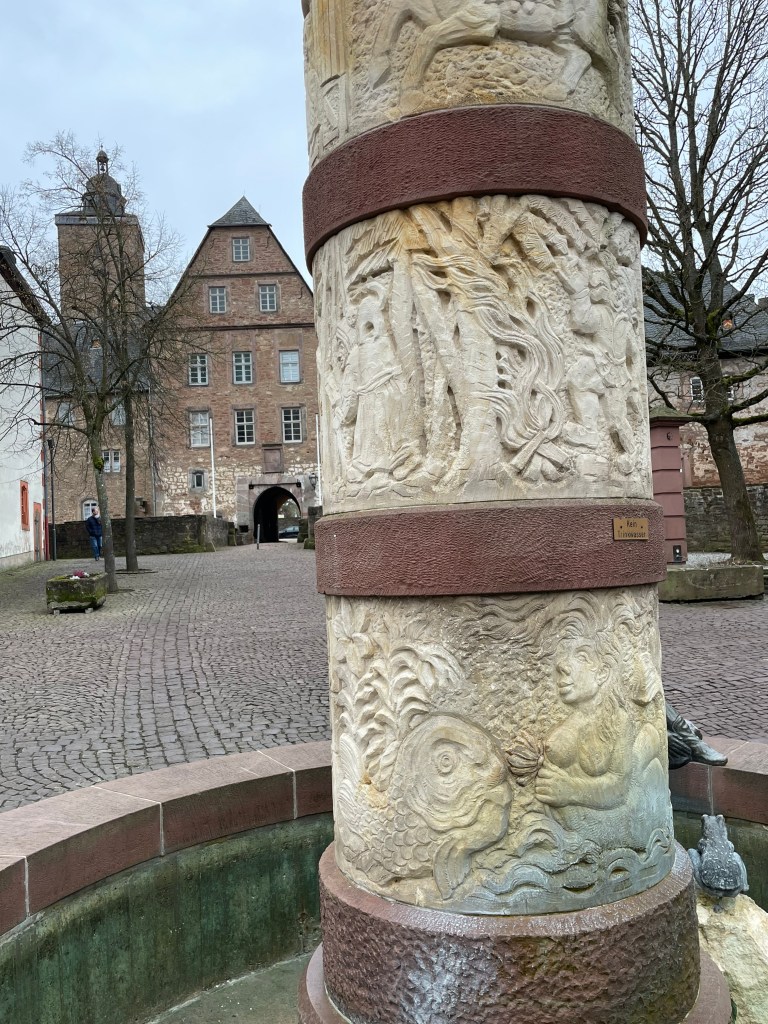
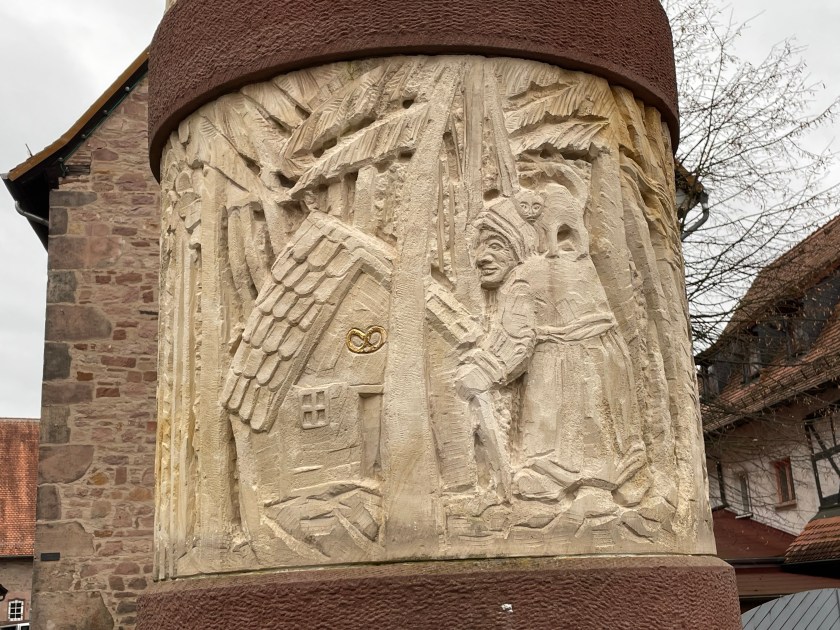
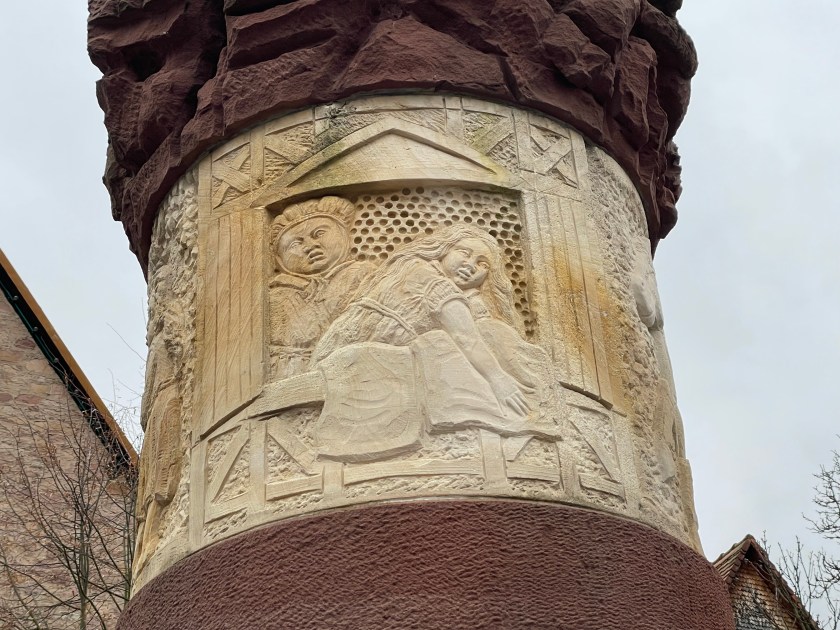
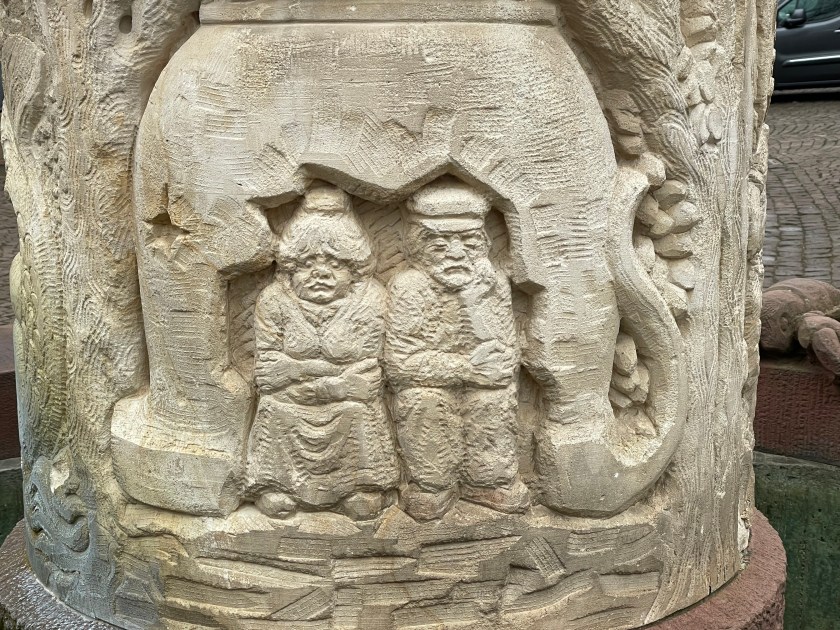
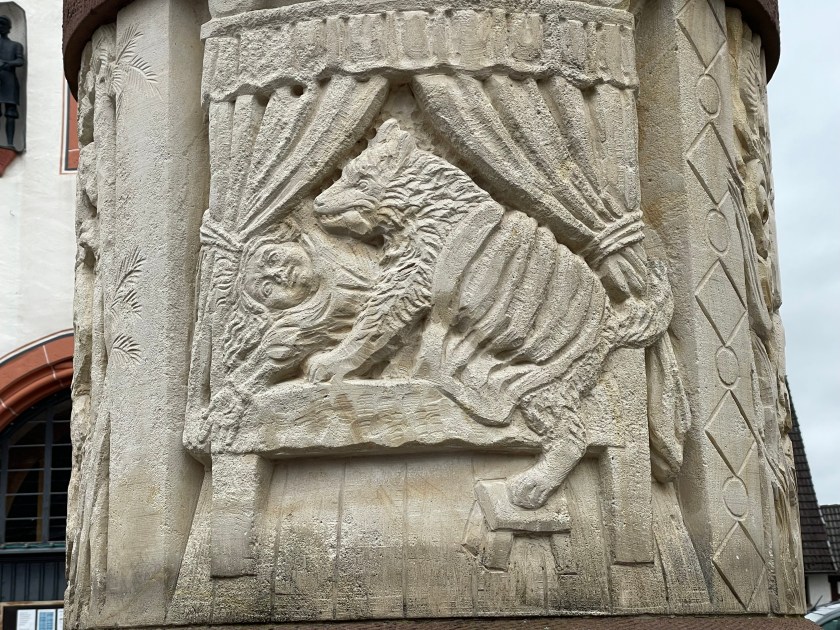
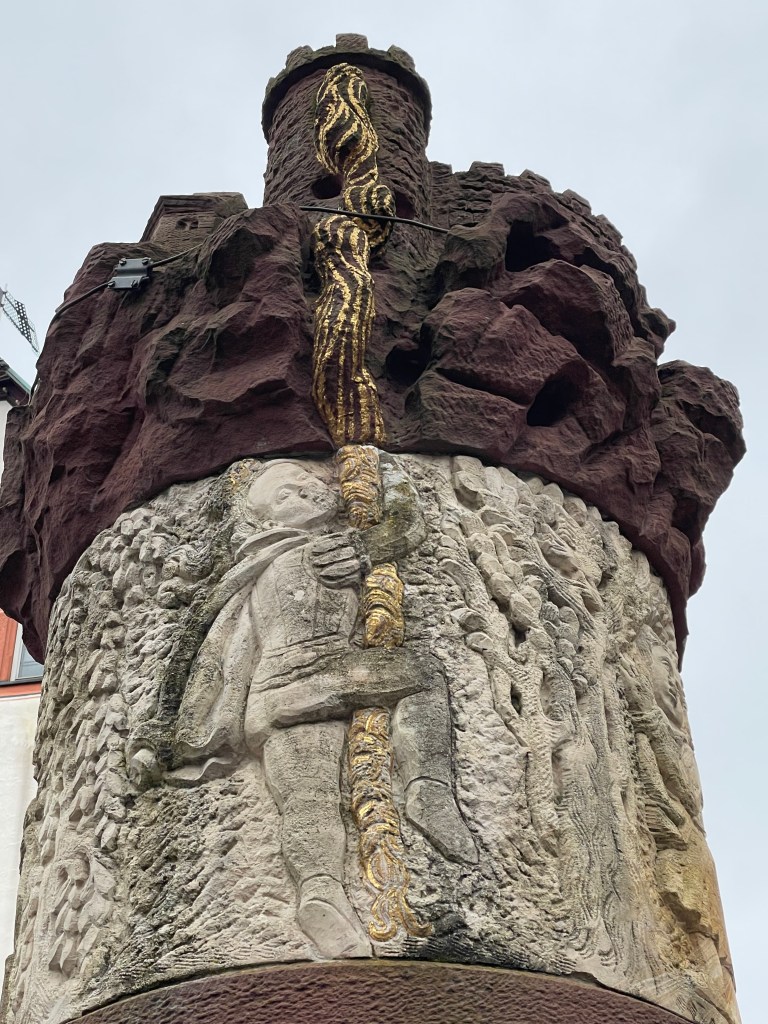
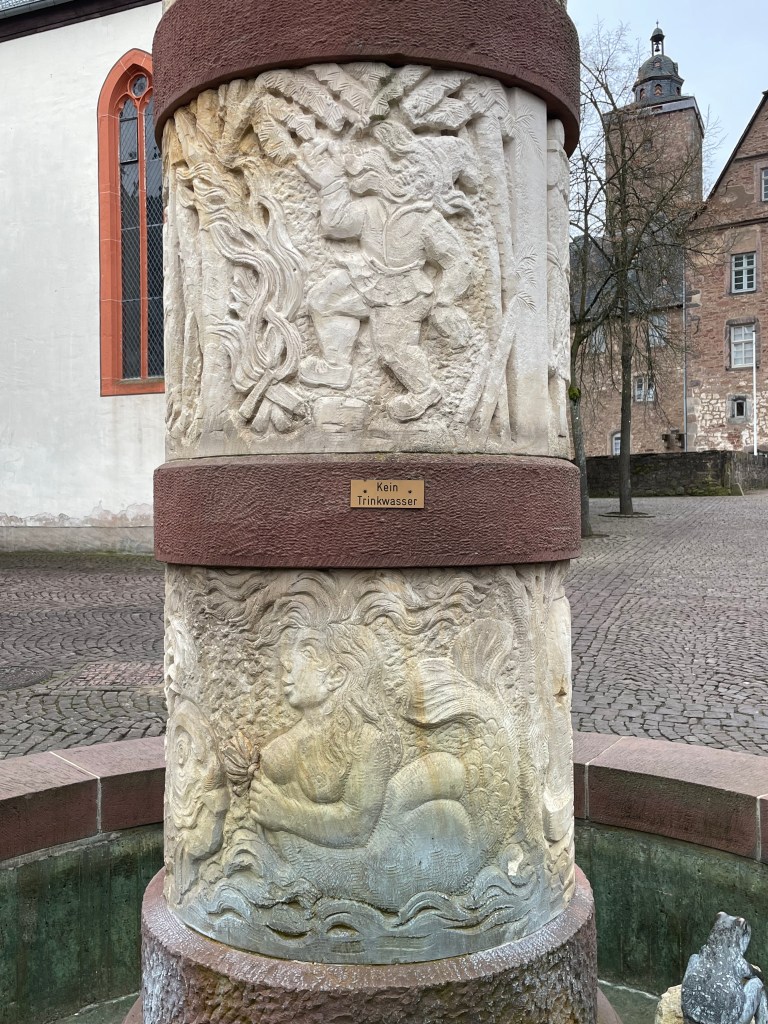
The castle entrance was right off the main square, where we saw a fantastic fountain (Märchenbrunnen) memorializing some fun Grimm fairy tales, with Rapunzel in the castle at the top, her long golden hair flowing down to the prince who was climbing up.
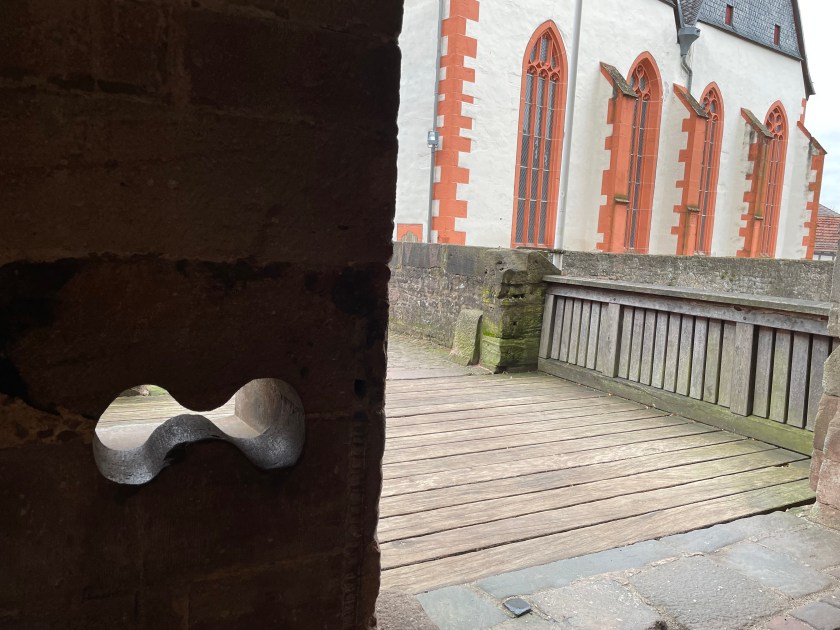
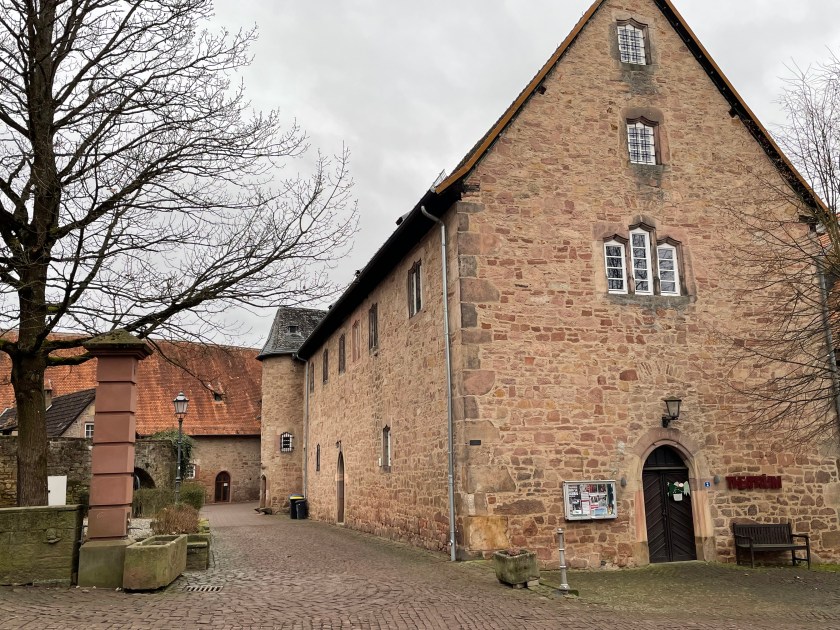
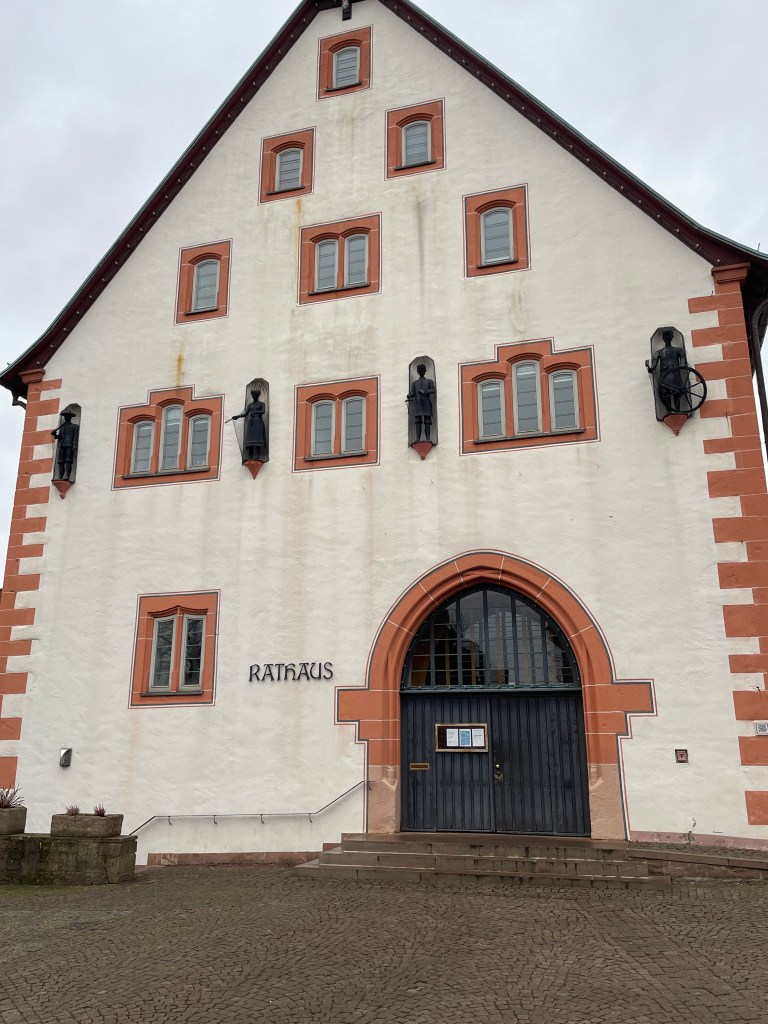
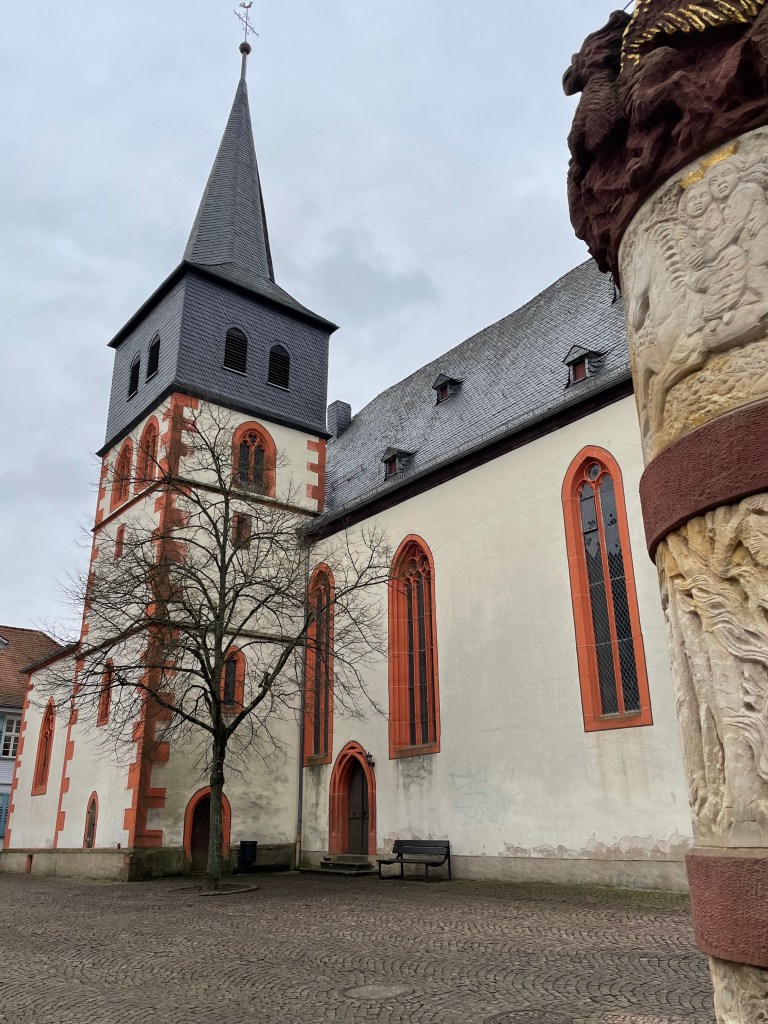
The Katharinenkirche, where the Grimm Brothers’ grandfather preached, was there on the square but was locked. The Rathaus was on the square also, as well as a couple of castle out-buildings for animals and workers, now put to other uses.

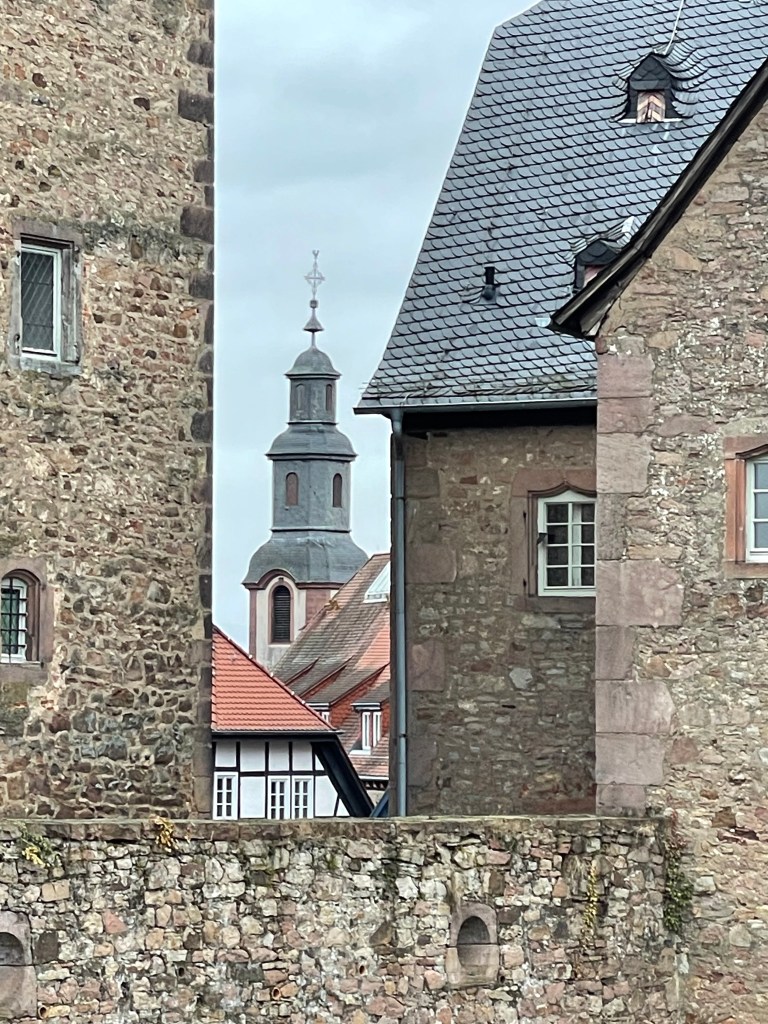
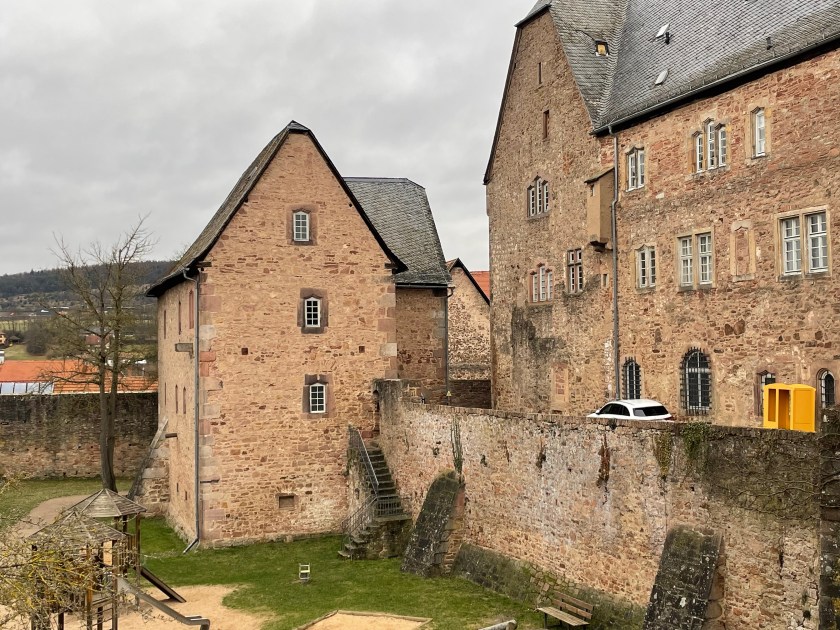

We were told that the Grimm Brothers grew up playing at this castle, and it probably influenced how they told some of their fairy tales.

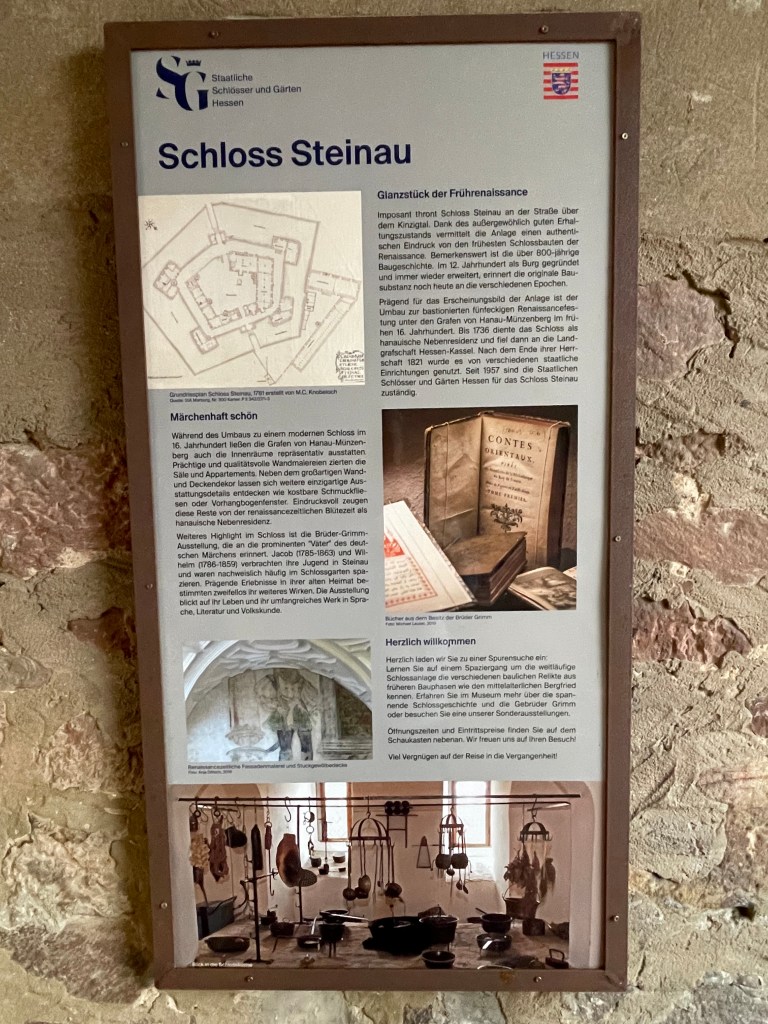


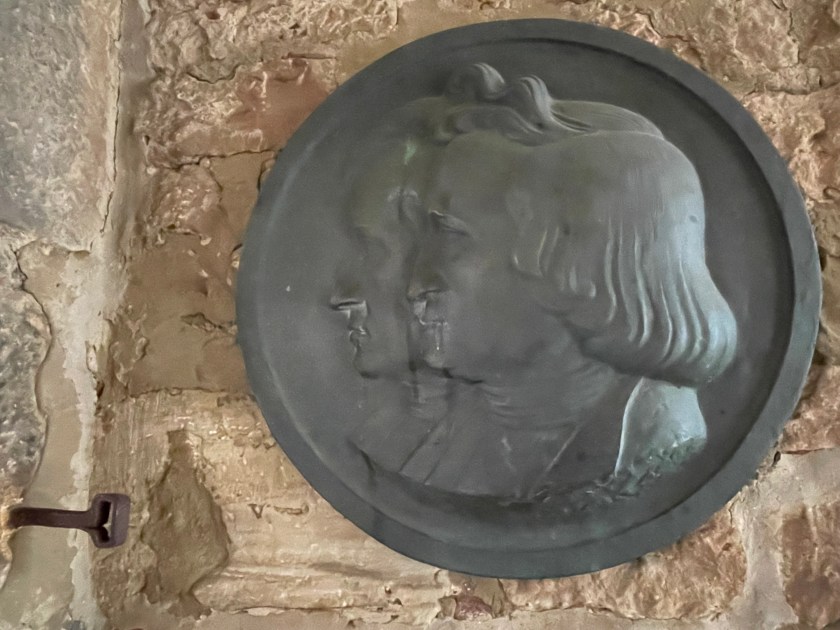
The Brothers Grimm:
The Fairy Tale Fountain:


Today’s outing was planned for Fulda and two additional small cities along the way to Fulda: Gelnhausen and Steinau an der Strasse. All these cities are on the German Fairy Tale Route and on what’s called “die Hohe Strasse” or the High Road, earlier called the Via Reggia during Holy Roman Empire time. This road was the historic trade route and had great economic significance for interregional trade and bartering (especially between Frankfurt and Leipzig). It is the oldest and longest road link between the East and the West of Europe, has existed for more than 2,000 years, and connects eight European countries across a distance of 4,500 km.
We spent half of the day just wandering through town, enjoying the charm of this place.
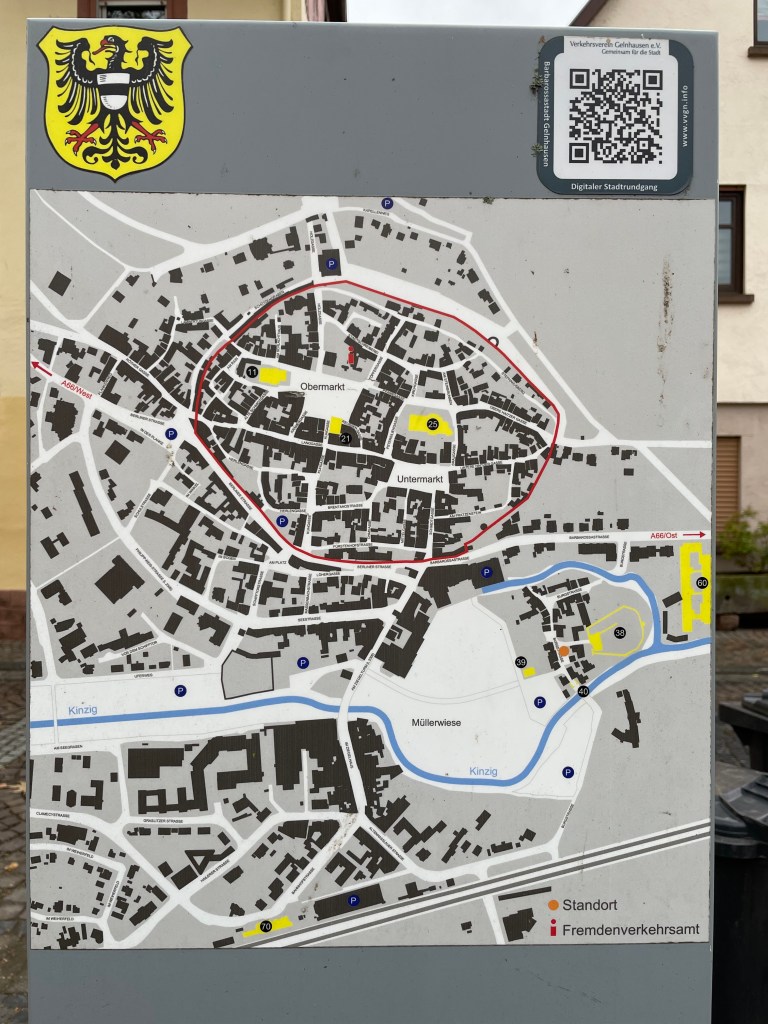
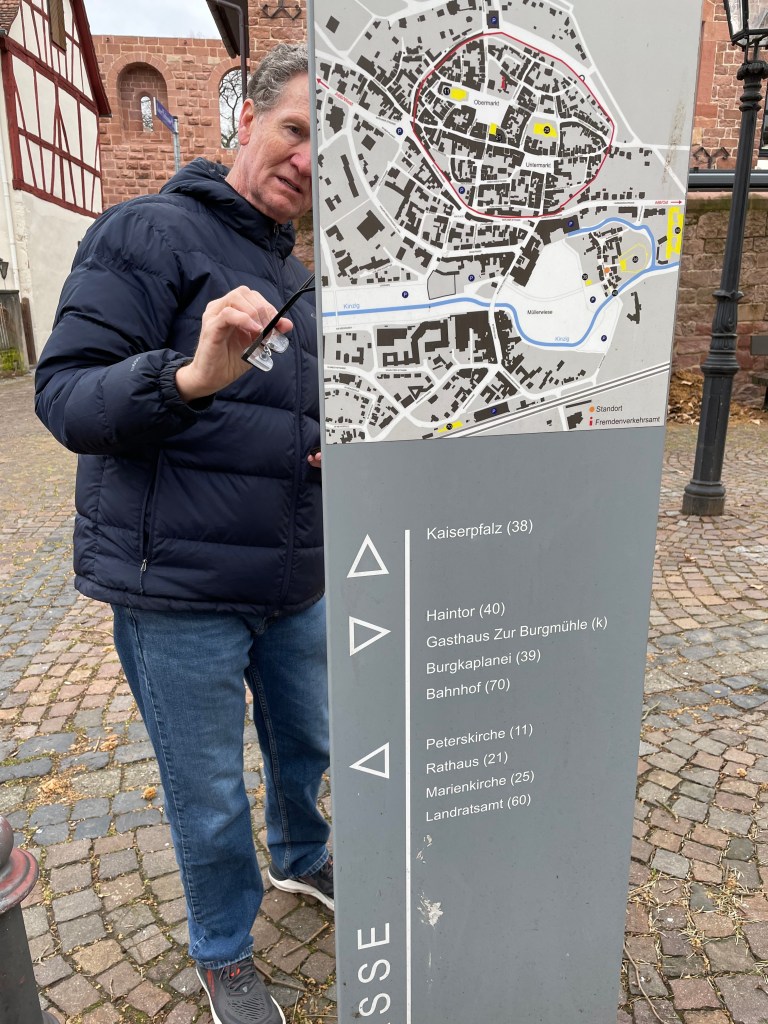
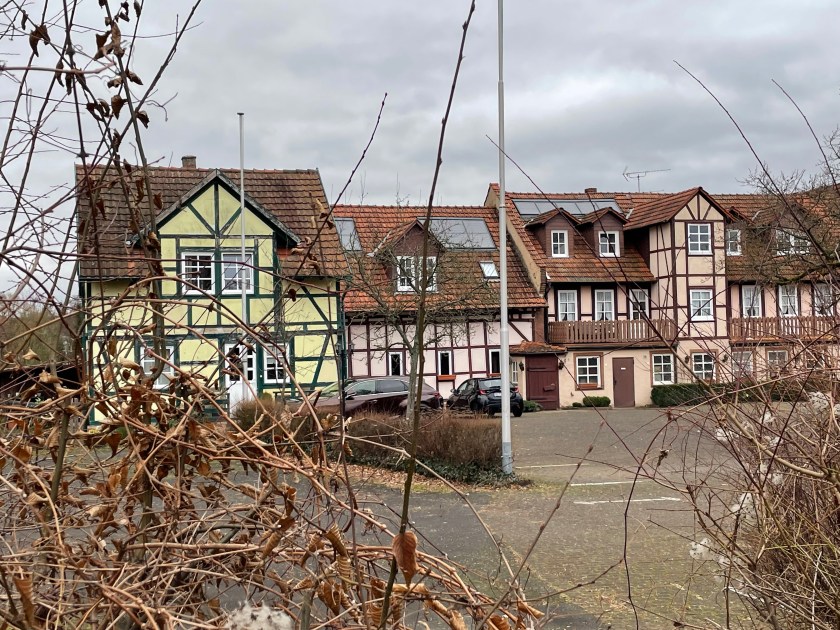
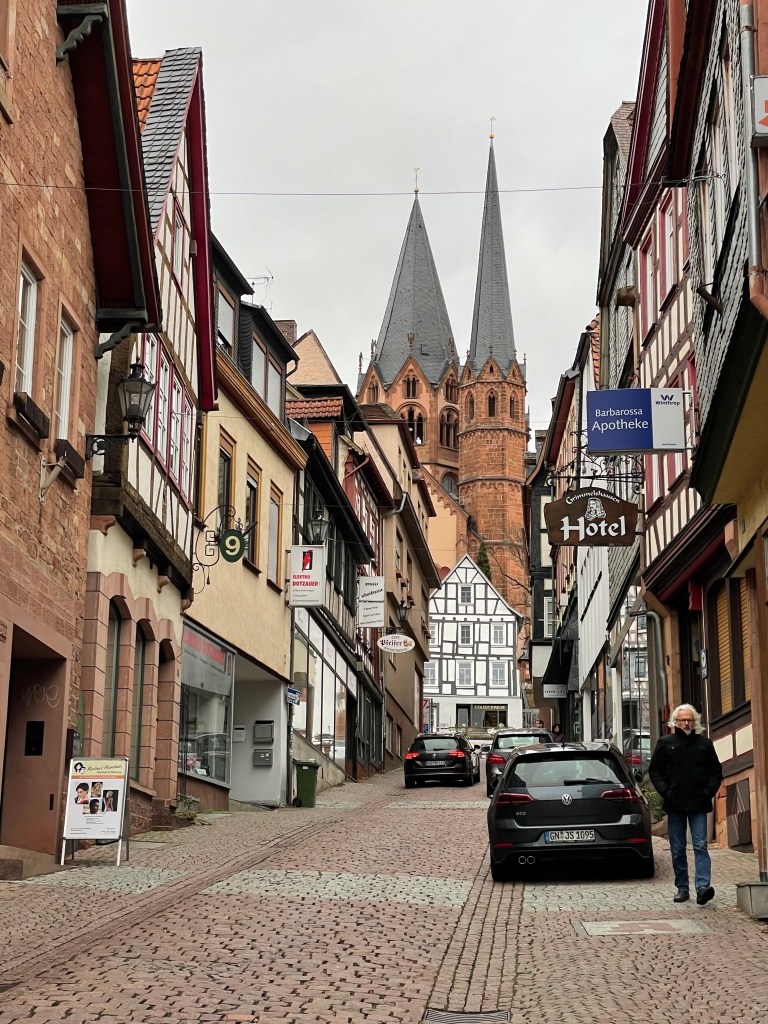
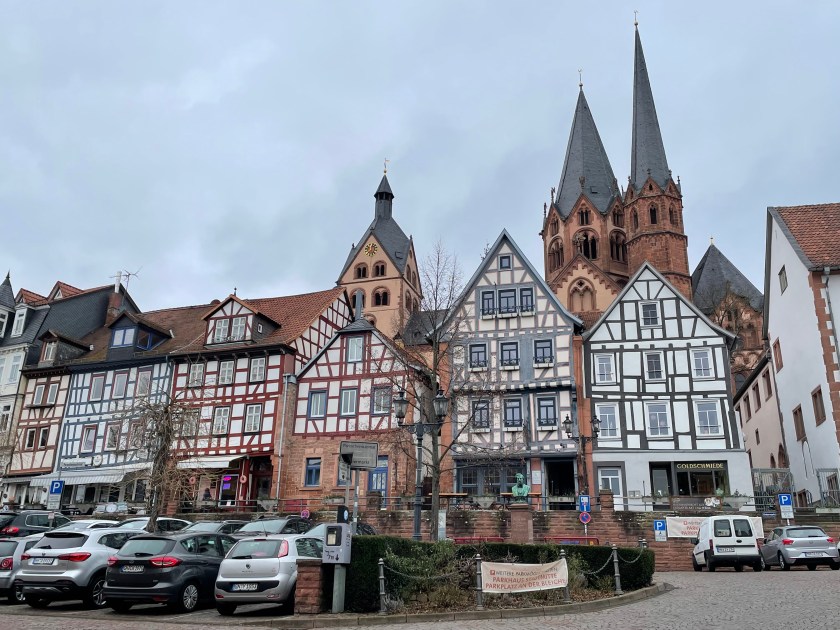
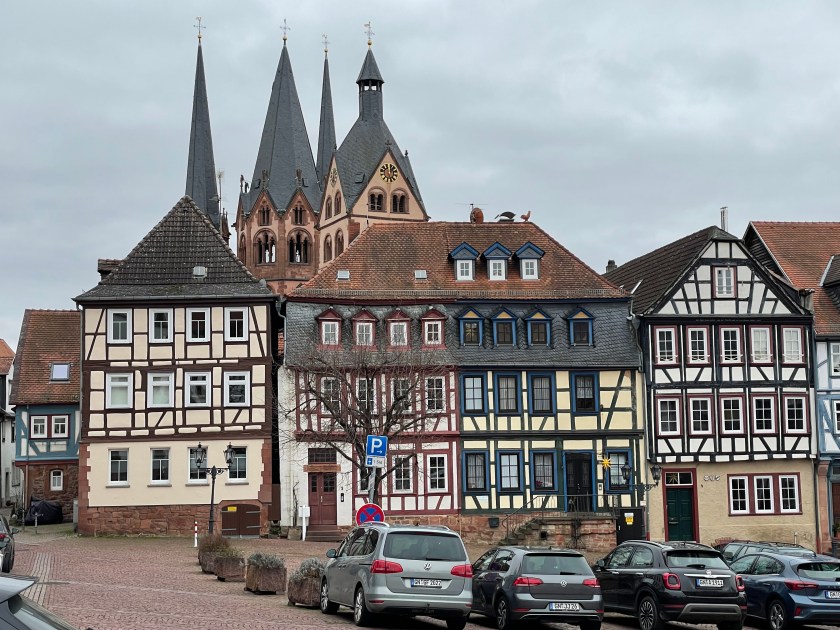
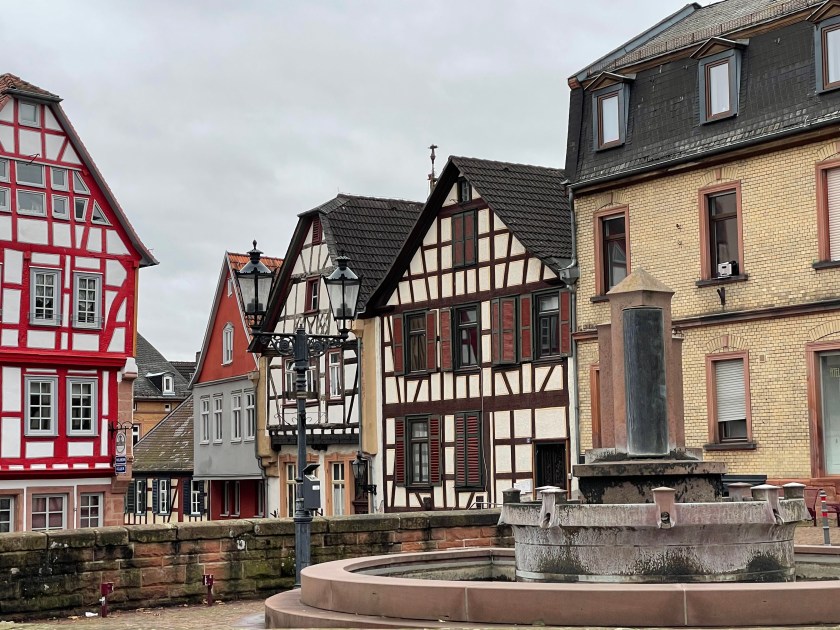
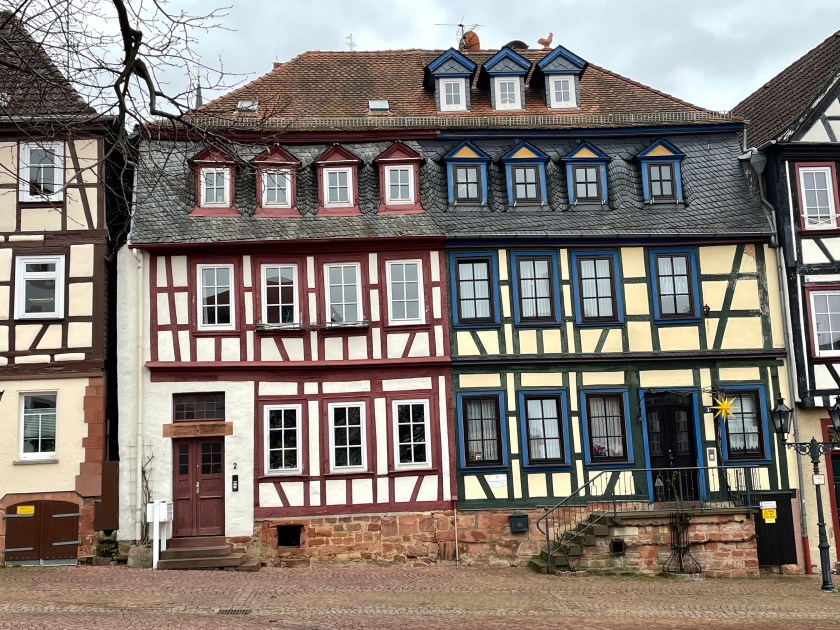
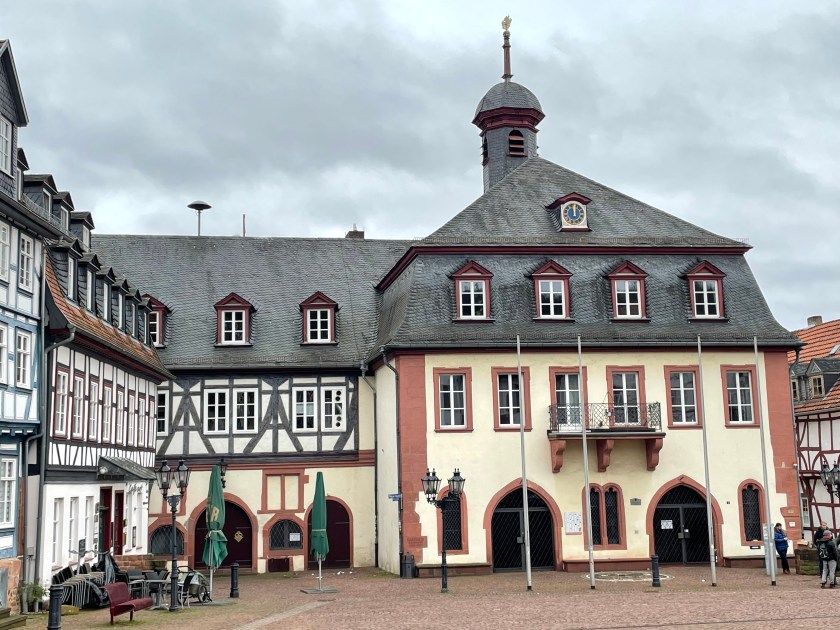
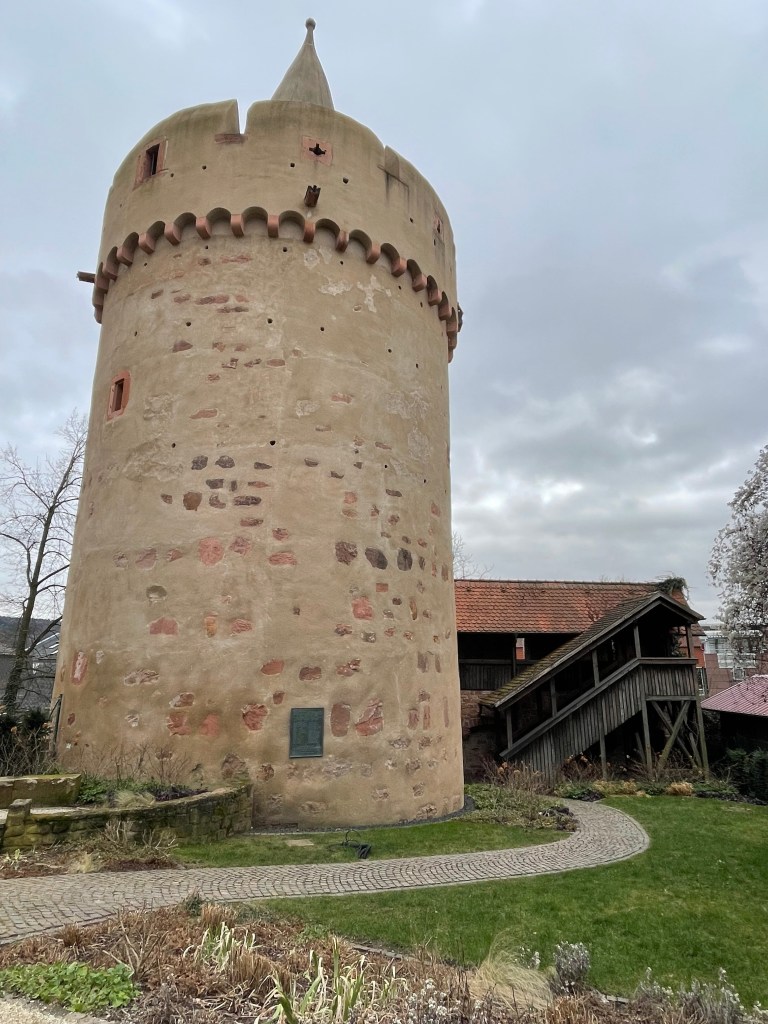
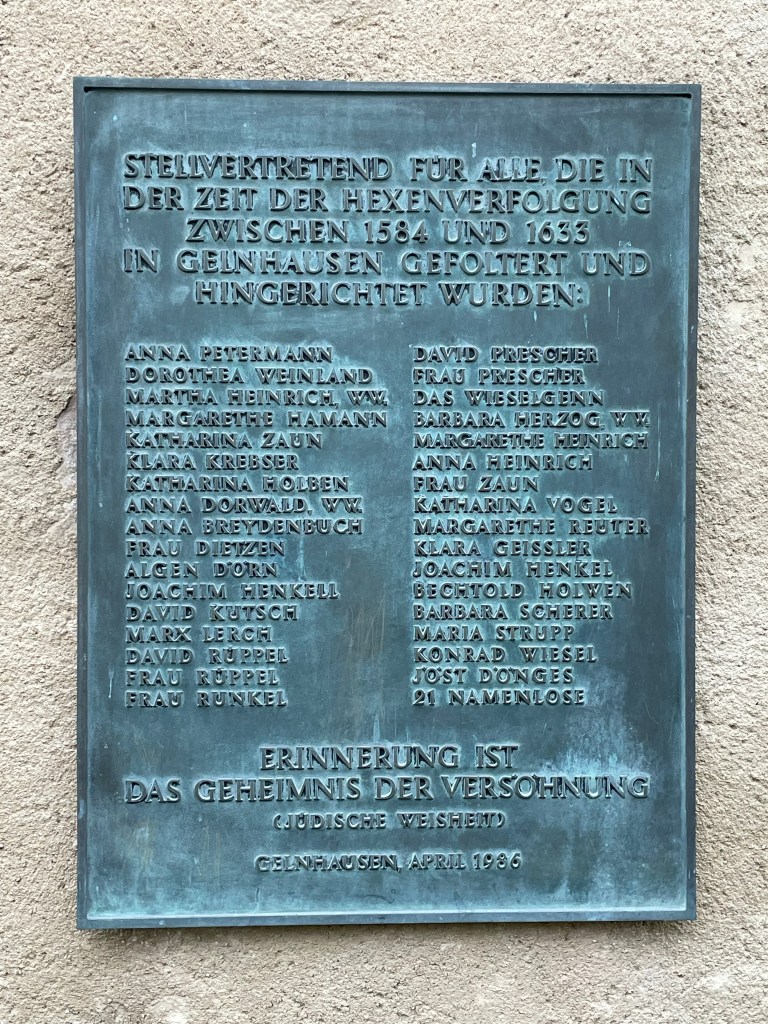
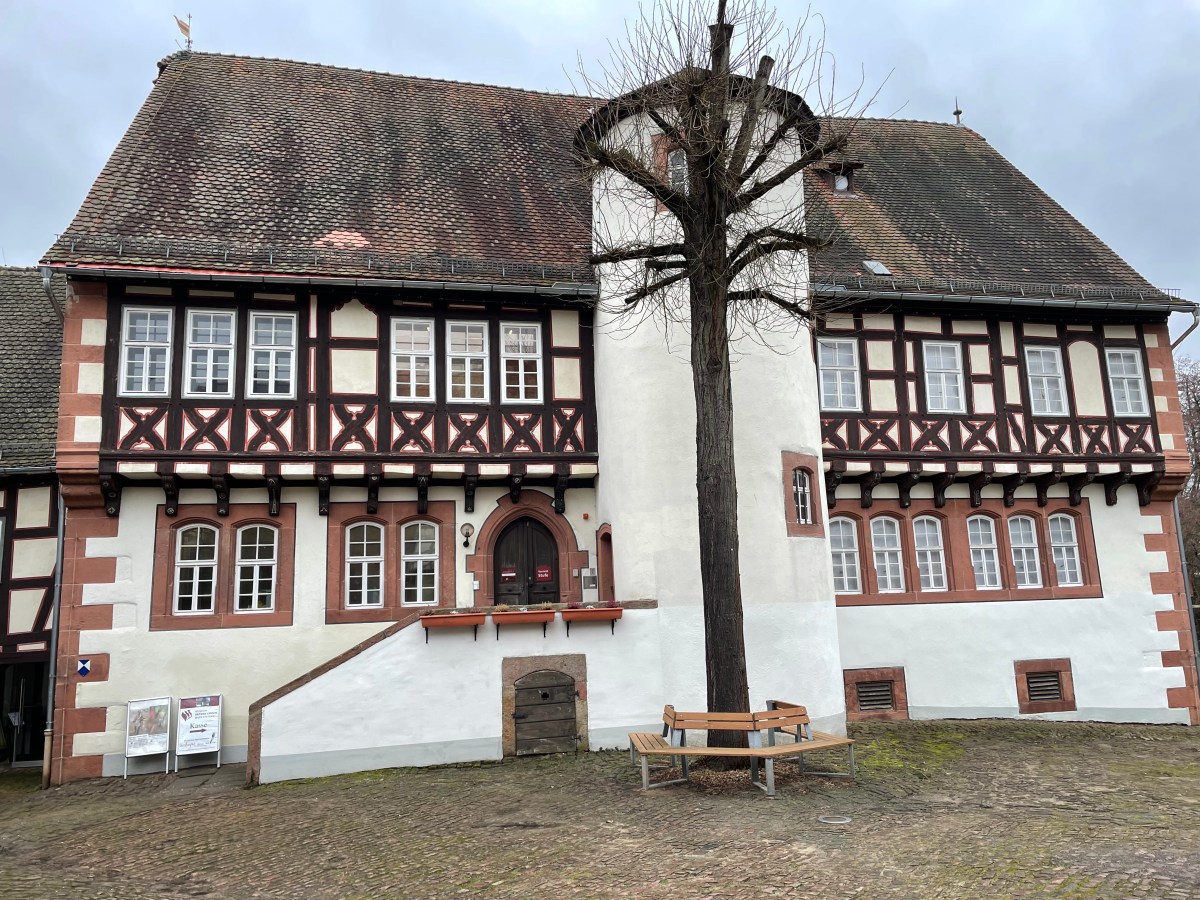
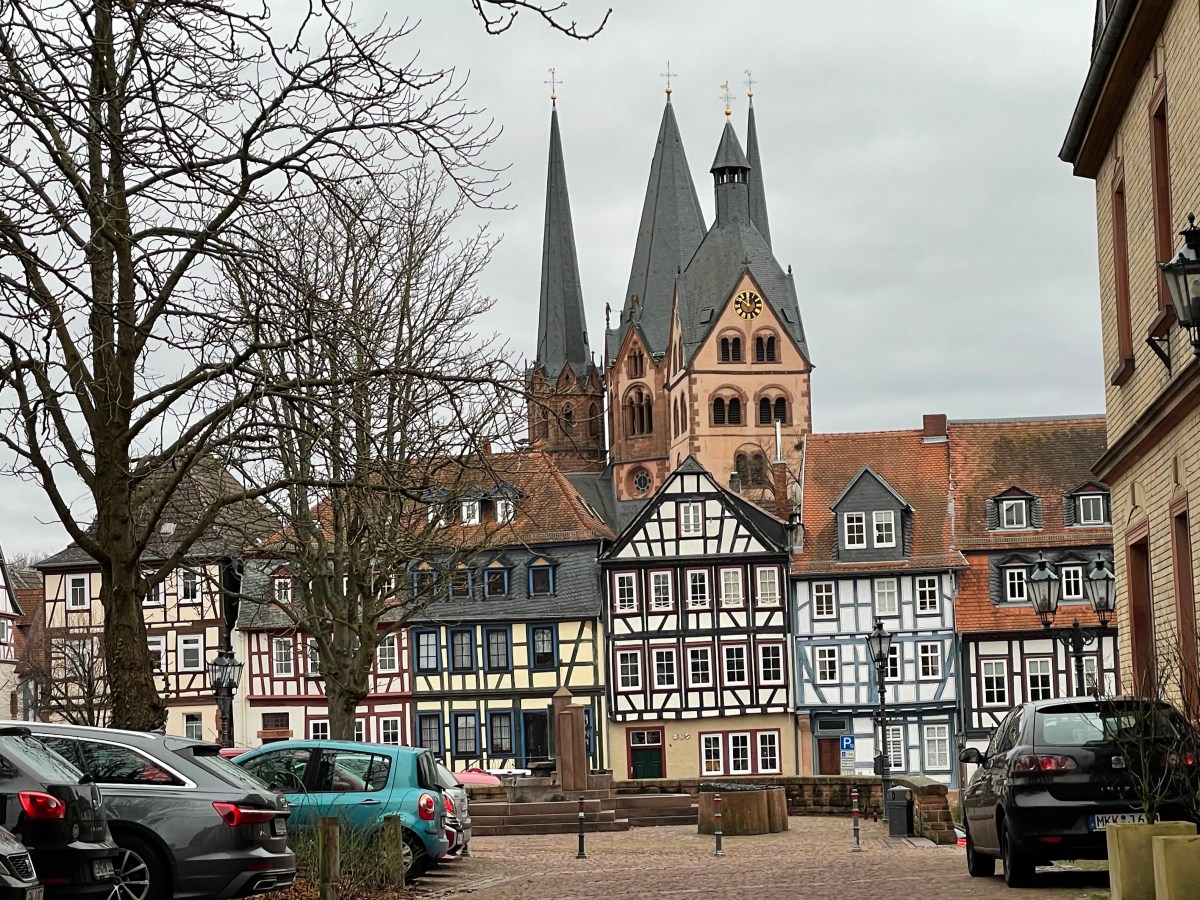
The real appeal of the city was just walking through the streets and squares, with the thin, meandering Kinzig River. We followed a nice walking path “Stadtspaziergang” prepared by the city and saw some interesting, enchanting sights. We saw parts of the city wall and various watch towers, including one which became later known as the Hexenturm because it was used to hold those women on trial during the witch-persecution period. A 1986 sculpture in recognition of these victims is quite moving. We saw historic homes of all shapes and sizes, usually in fachwerk, and used for various purposes. We saw the Rathaus whose roof was struck by lighting and caught fire in 1736. Immediately after the lighting, a hailstorm put out the fire and saved the building, a miracle celebrated every August 15th. We saw the 16th-century meeting place of the prince-electors of the Holy Roman Empire, now a hotel. We saw the birthplace of Hans Jakob Christoffel von Grimmelshausen (1621/22–1676), supposedly the most famous 17th-century German writer, now a hotel named after him.
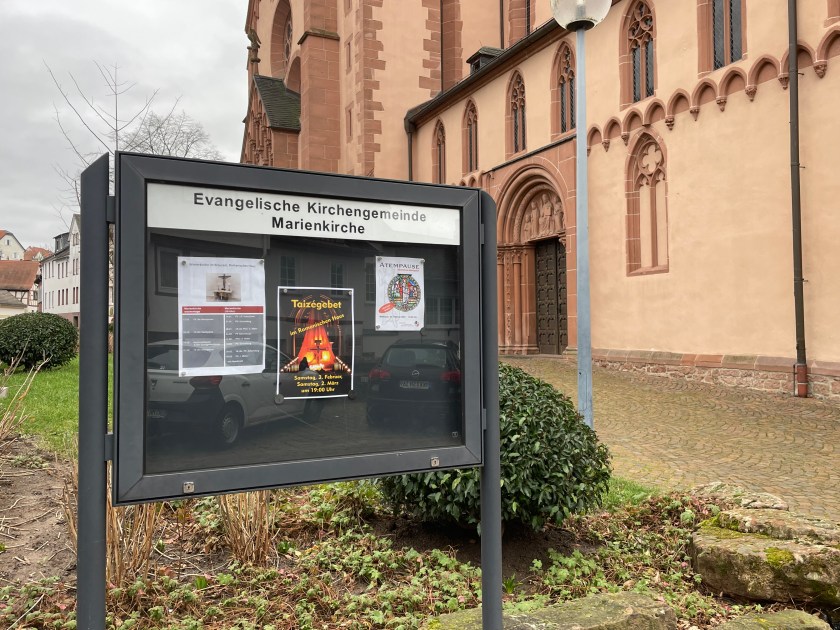
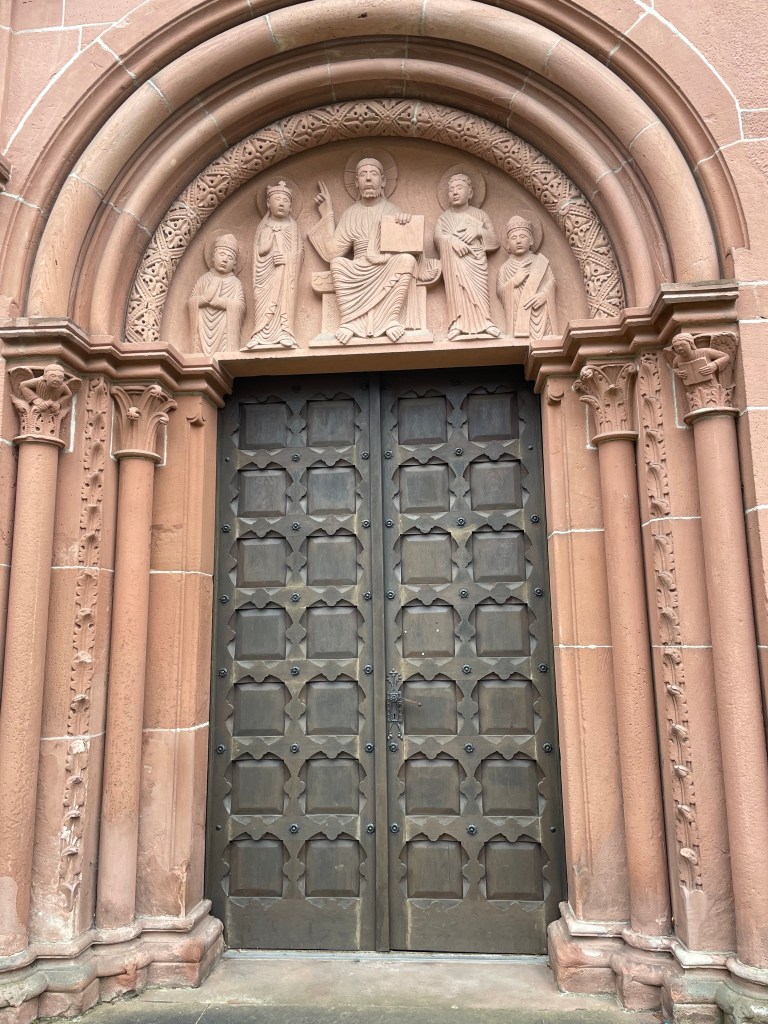
Here are some of the things we saw:





John announced a new traditions he’s starting: Eating a pastry in every town we visit!






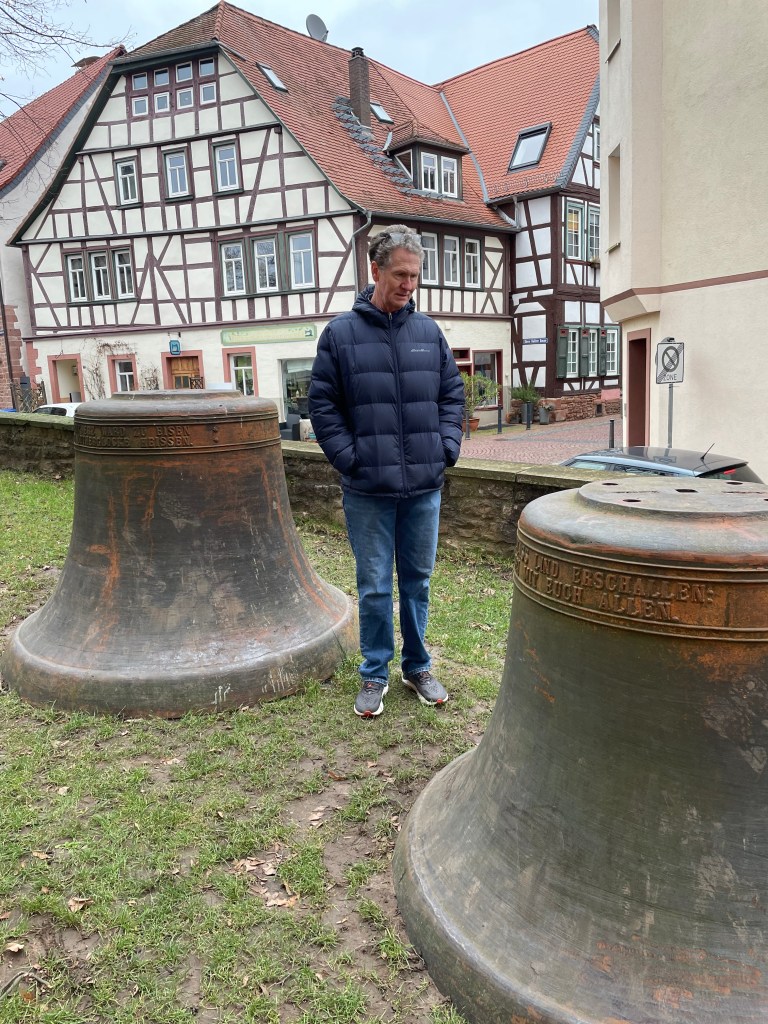
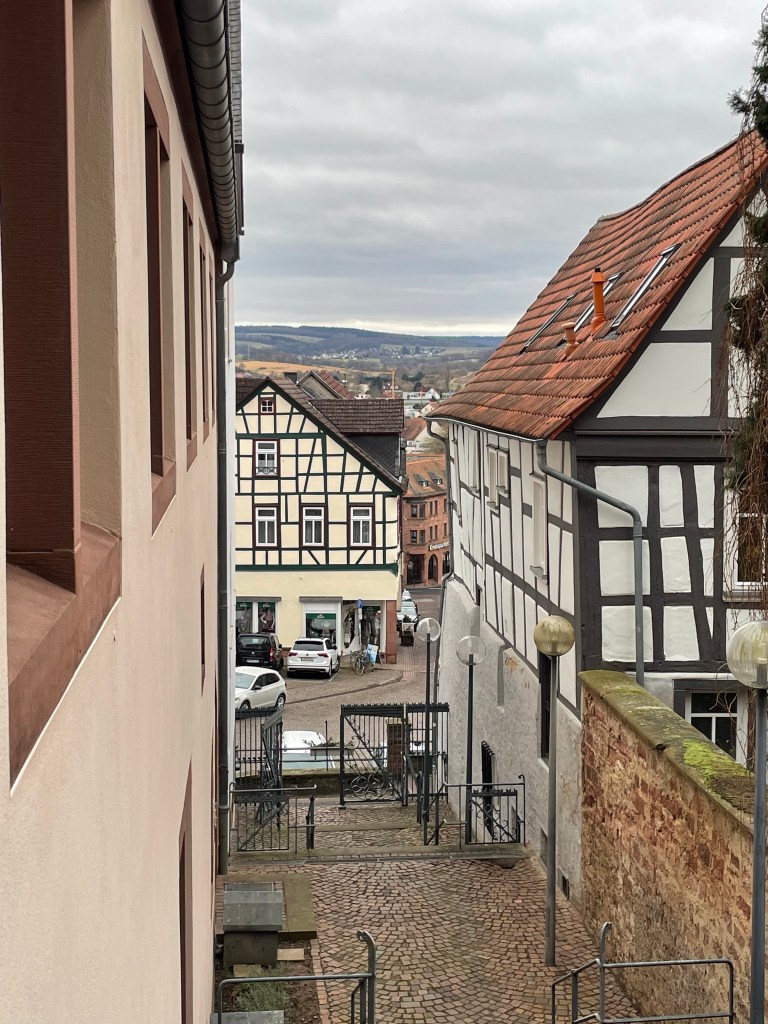
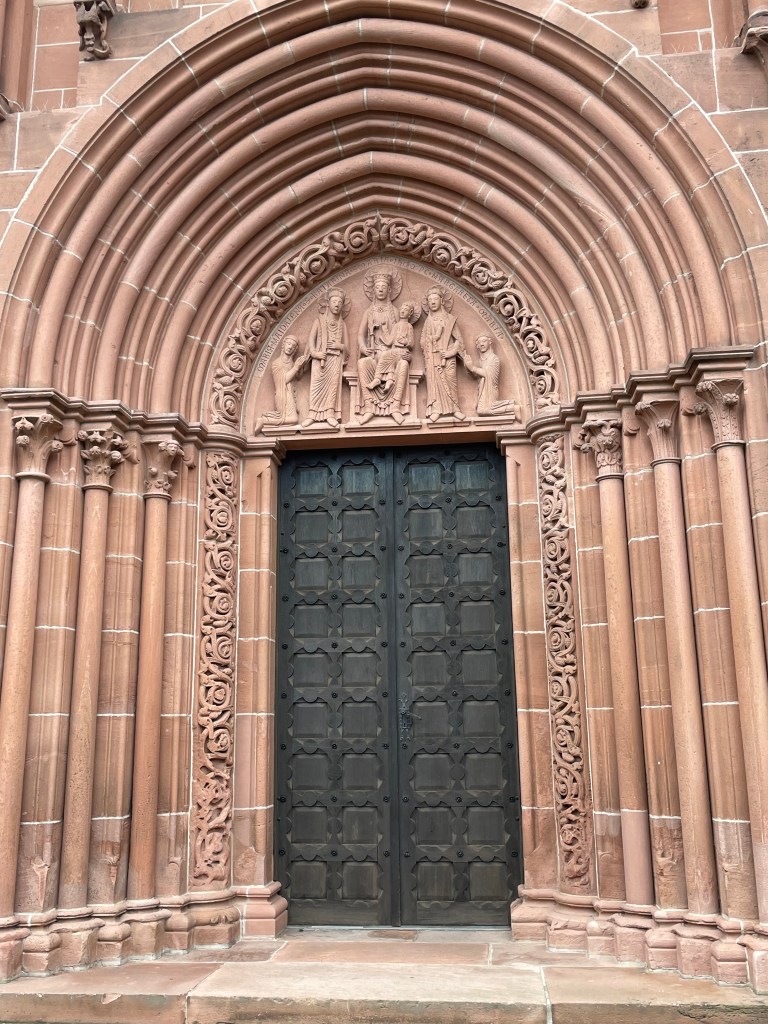

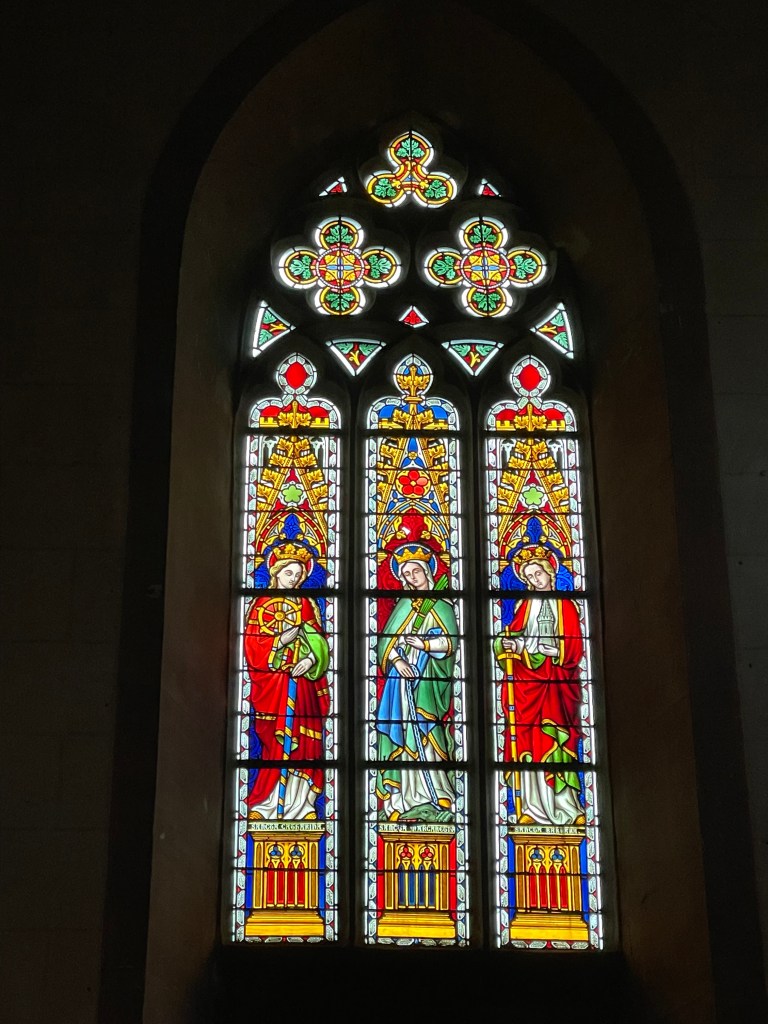

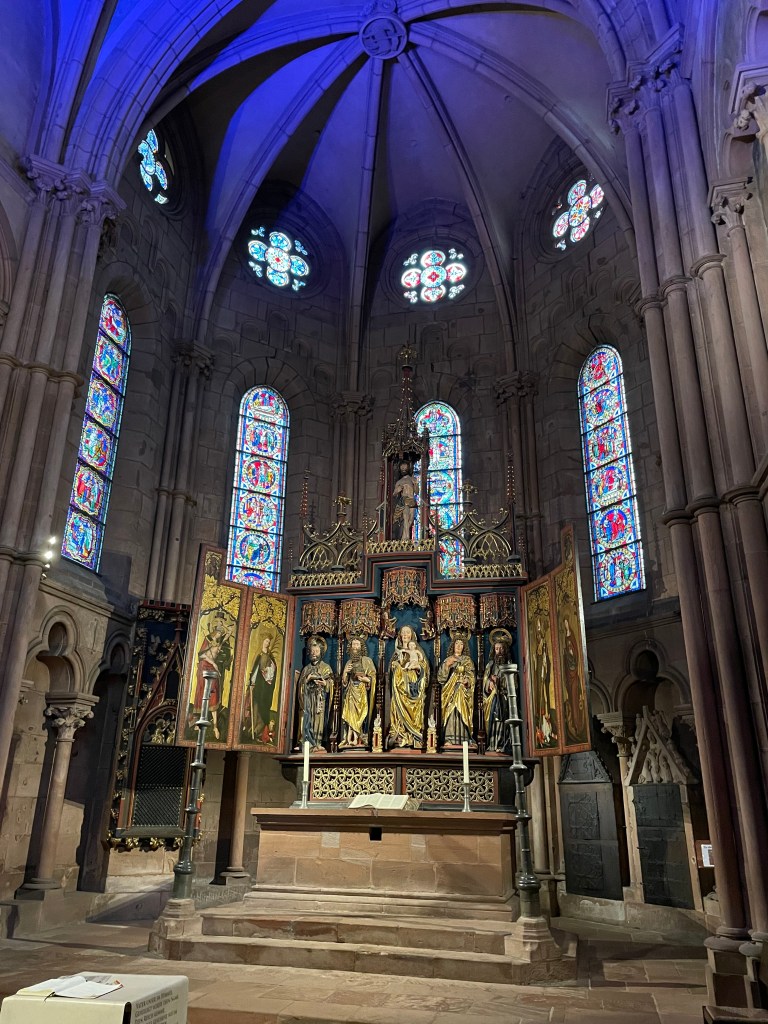


This it the little lamb, my Laemmlen family crest. I wonder why it’s here?

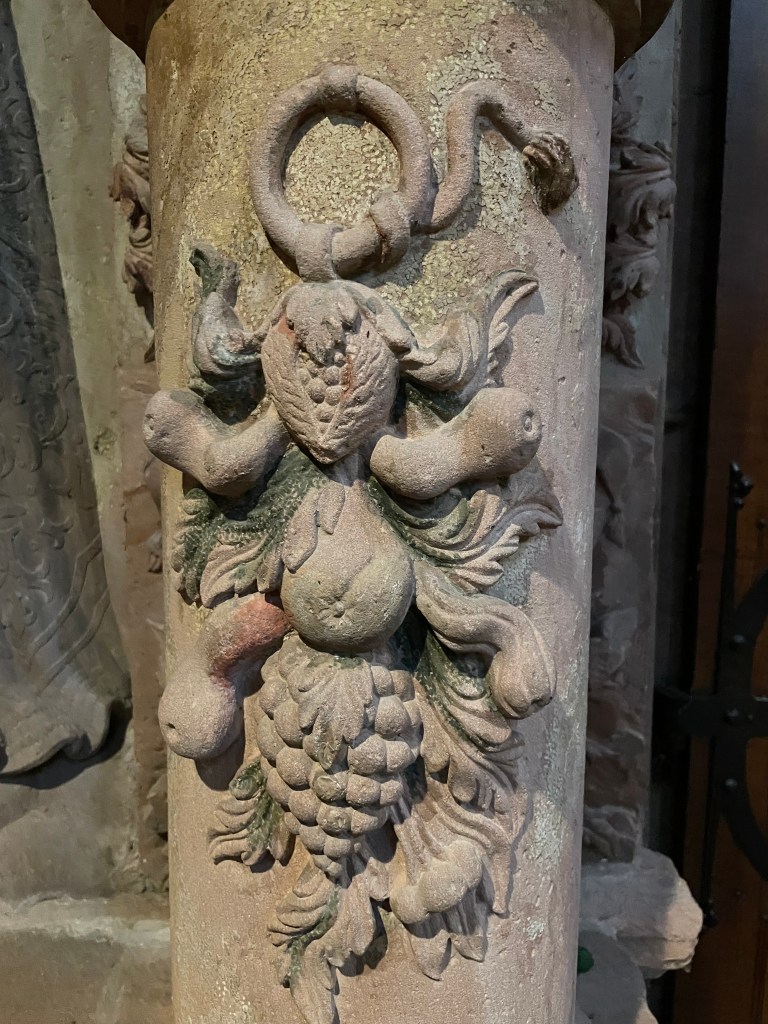
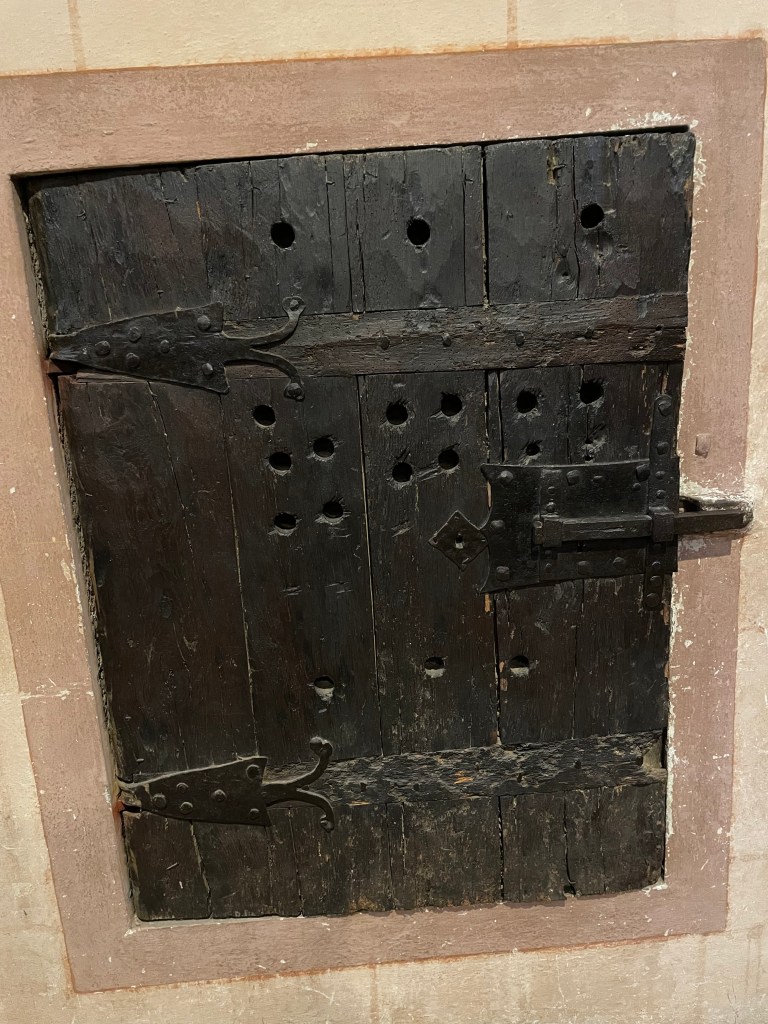

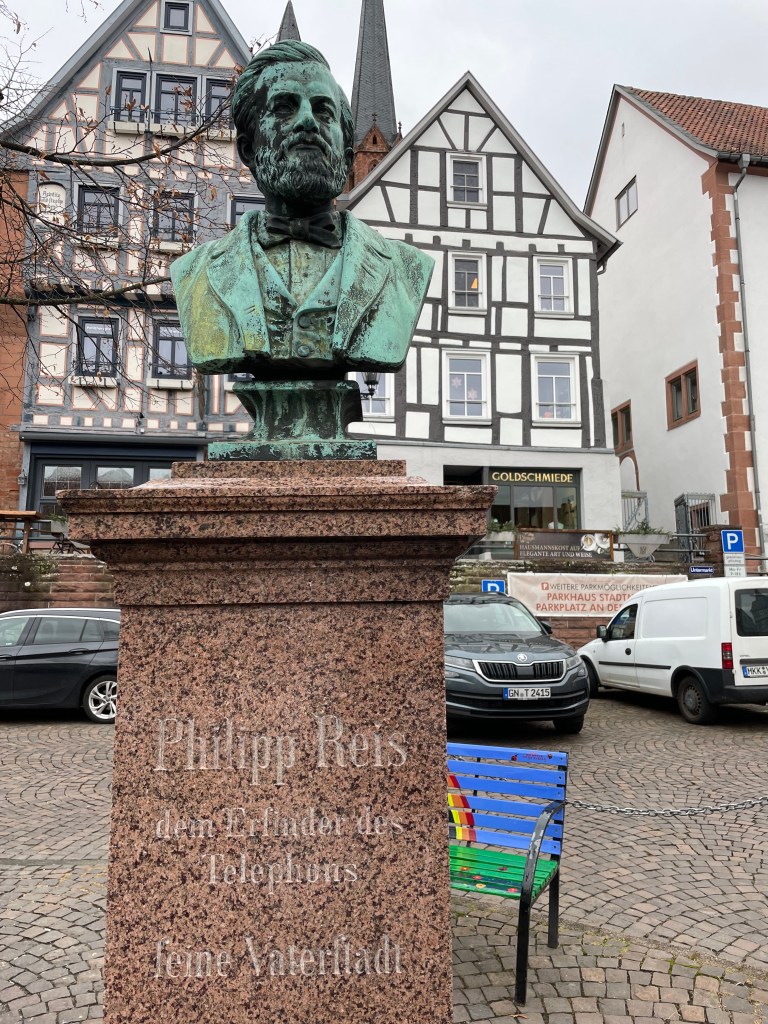
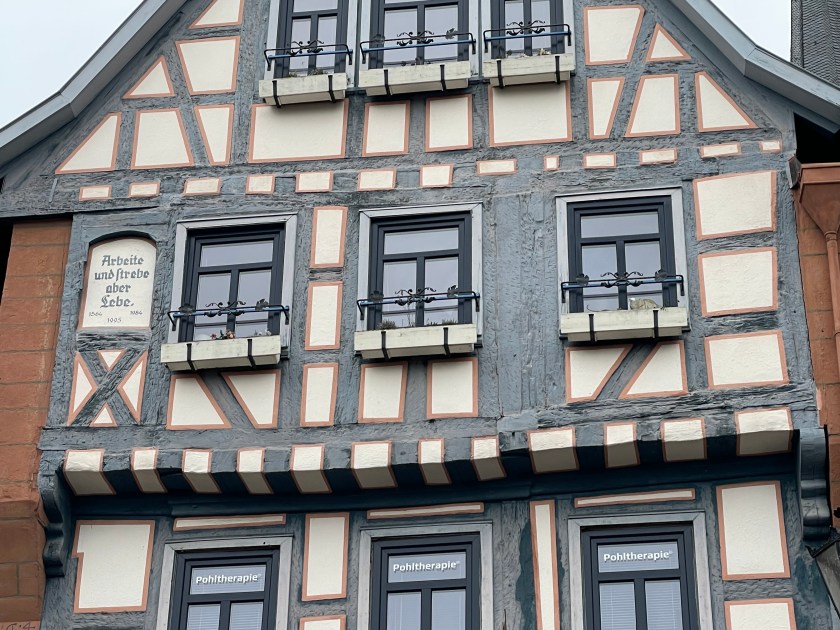
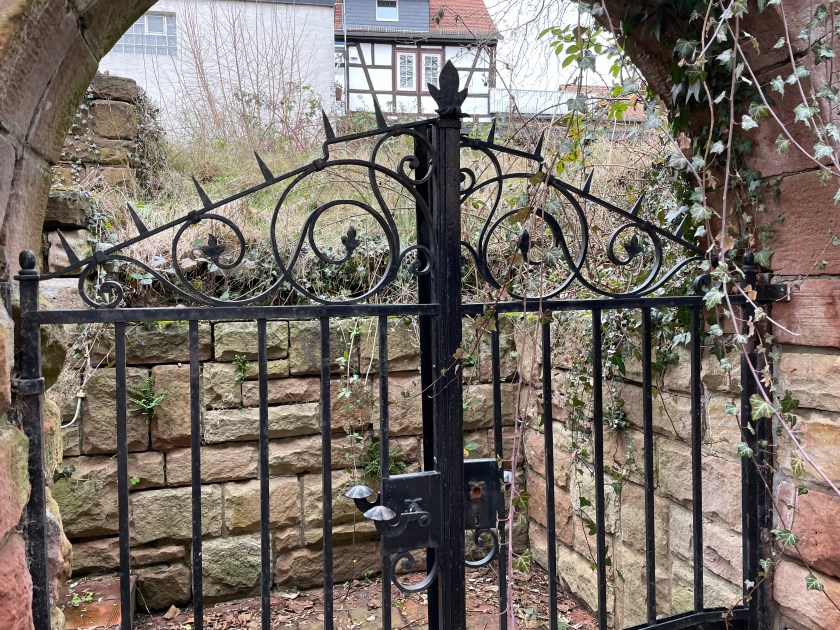
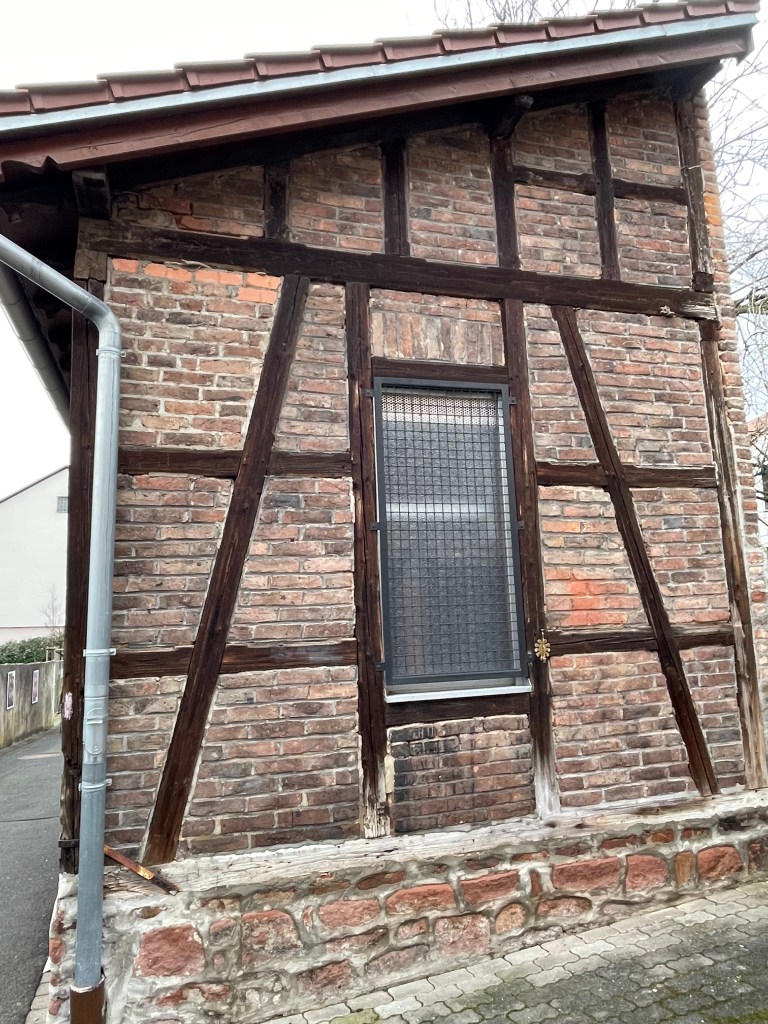
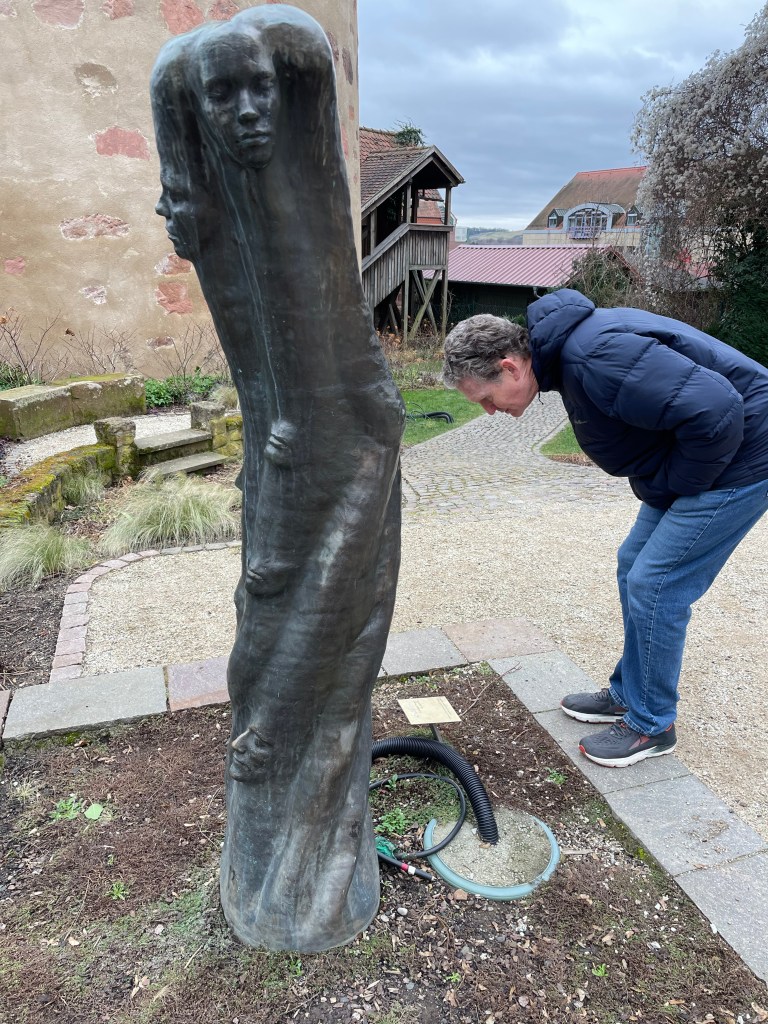
This is the witch’s Turm, or tower, where women were imprisoned and executed.
Between 1584 and 1633, these women were executed here:
Interested pavers:


Gelnhausen was an unexpected jewel for us and we could have wandered longer, but the day was passing quickly, so we found our way back to our car, parked on a quiet side street by the Kaiserpfalz in the two-hour free zone, and we headed for Steinau an der Strasse.



 Our Frankfurt Germany Mission