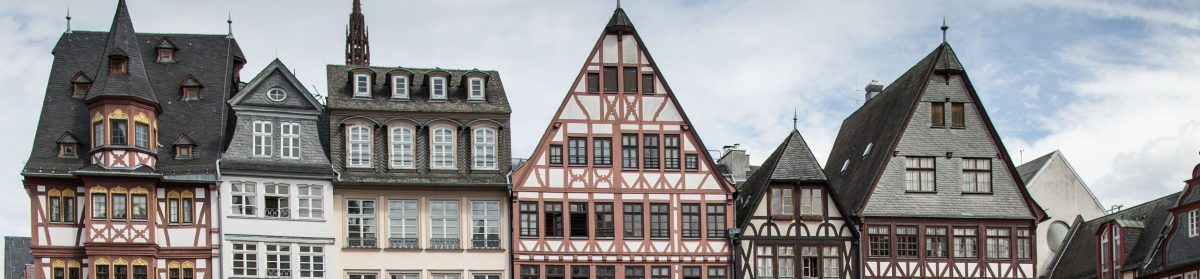
Heidelberg, Beautiful City on the Neckar River

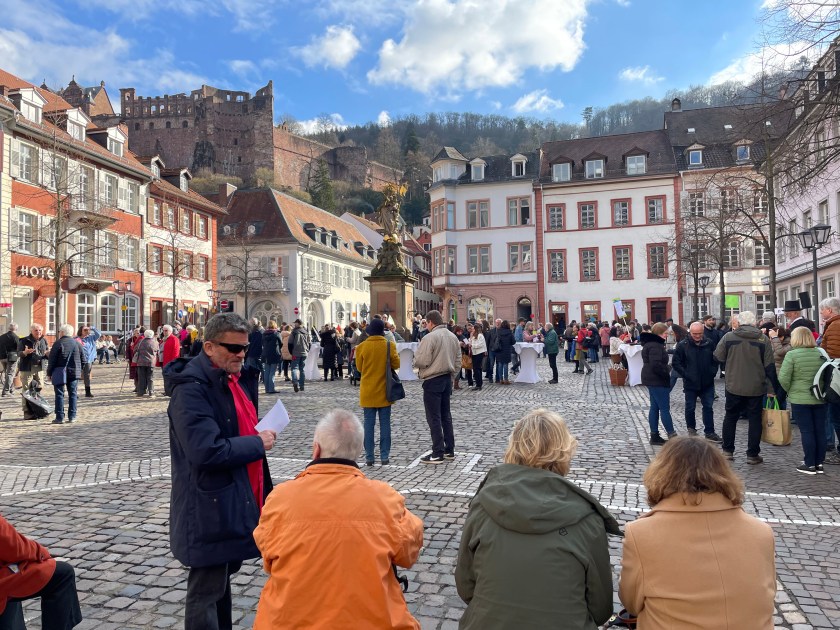
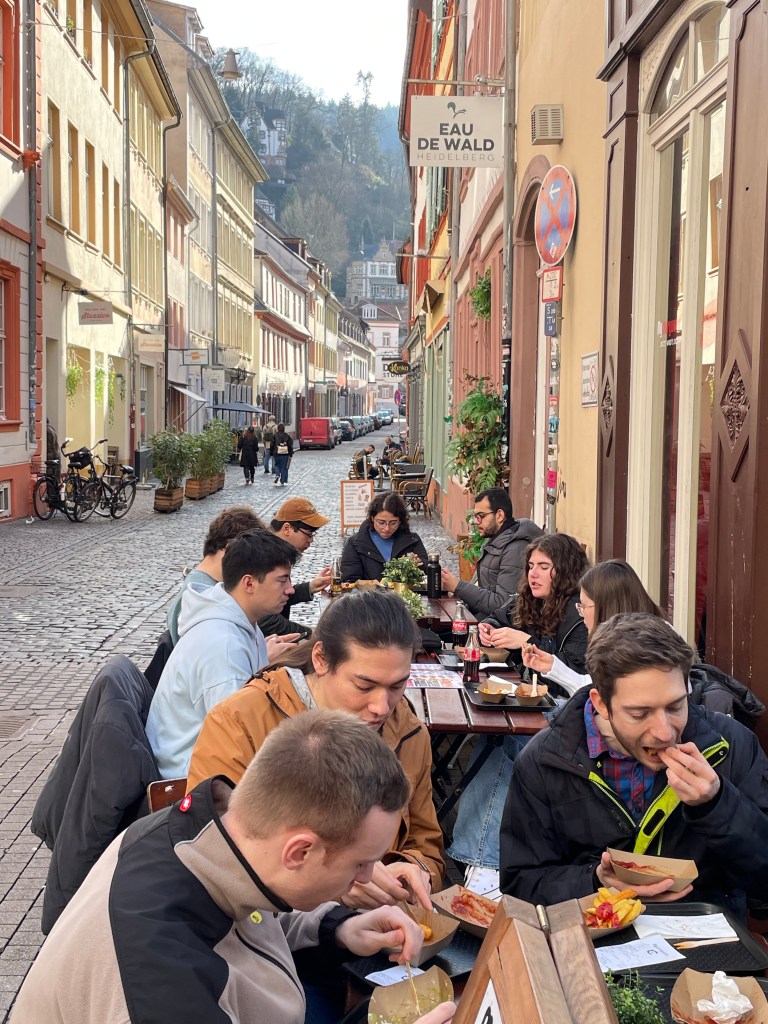
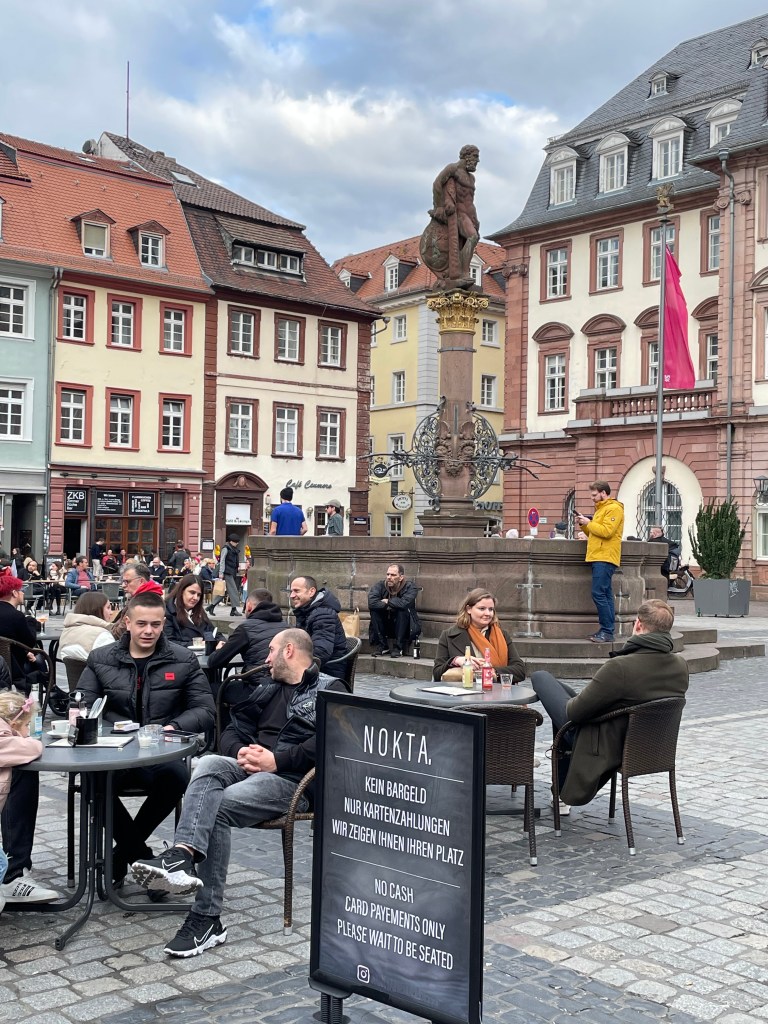
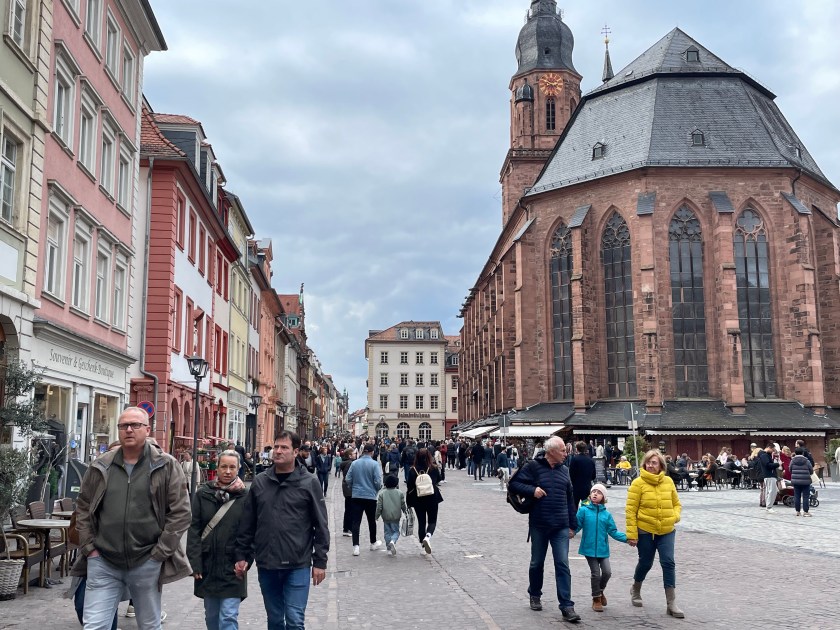
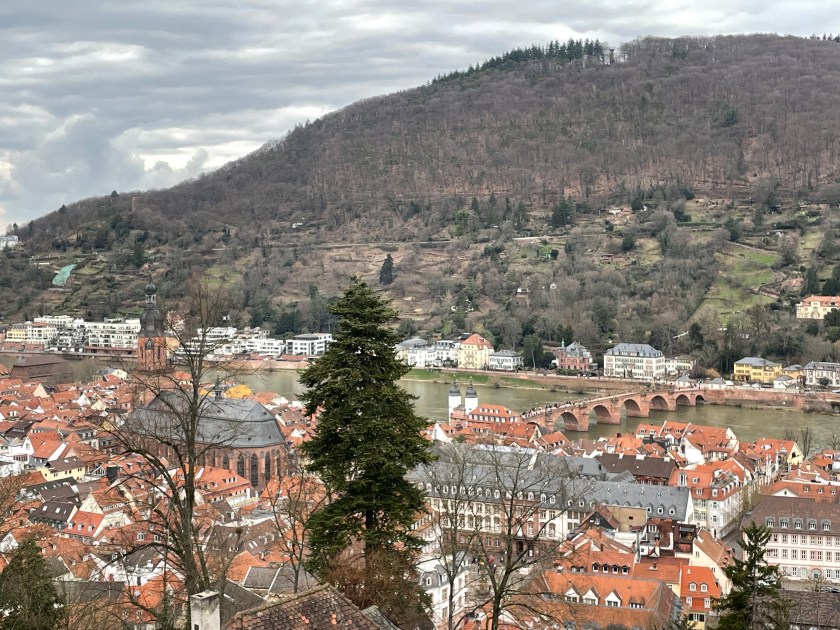
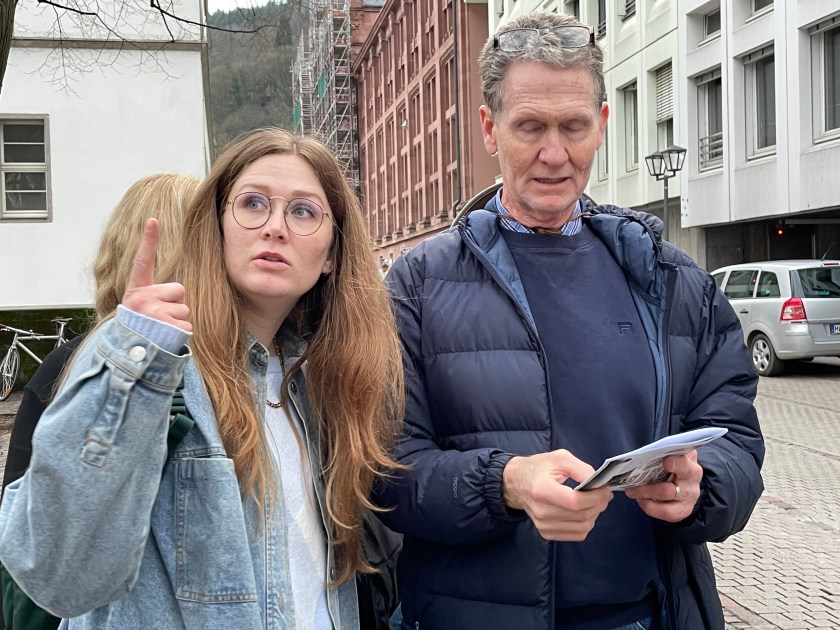
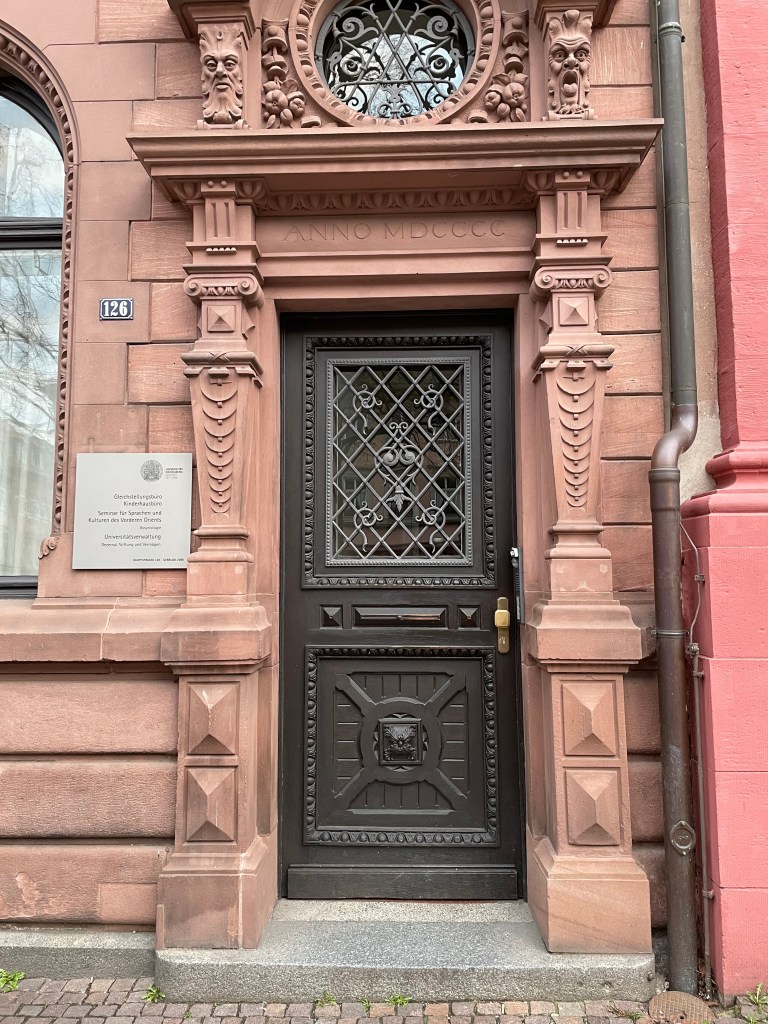
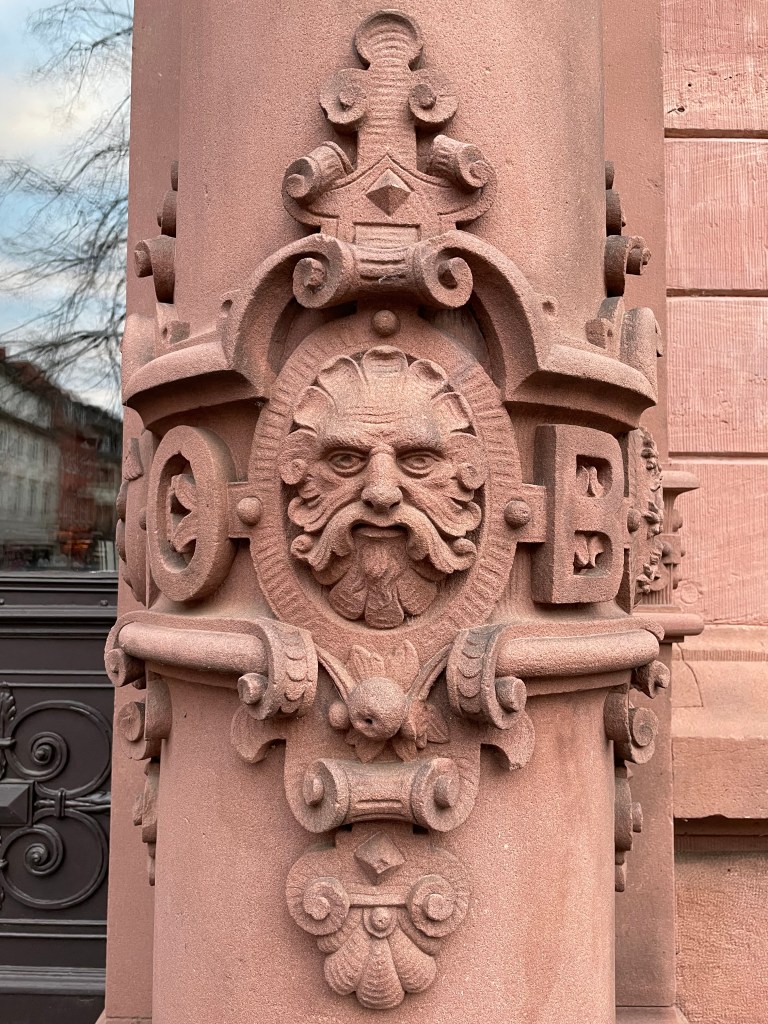
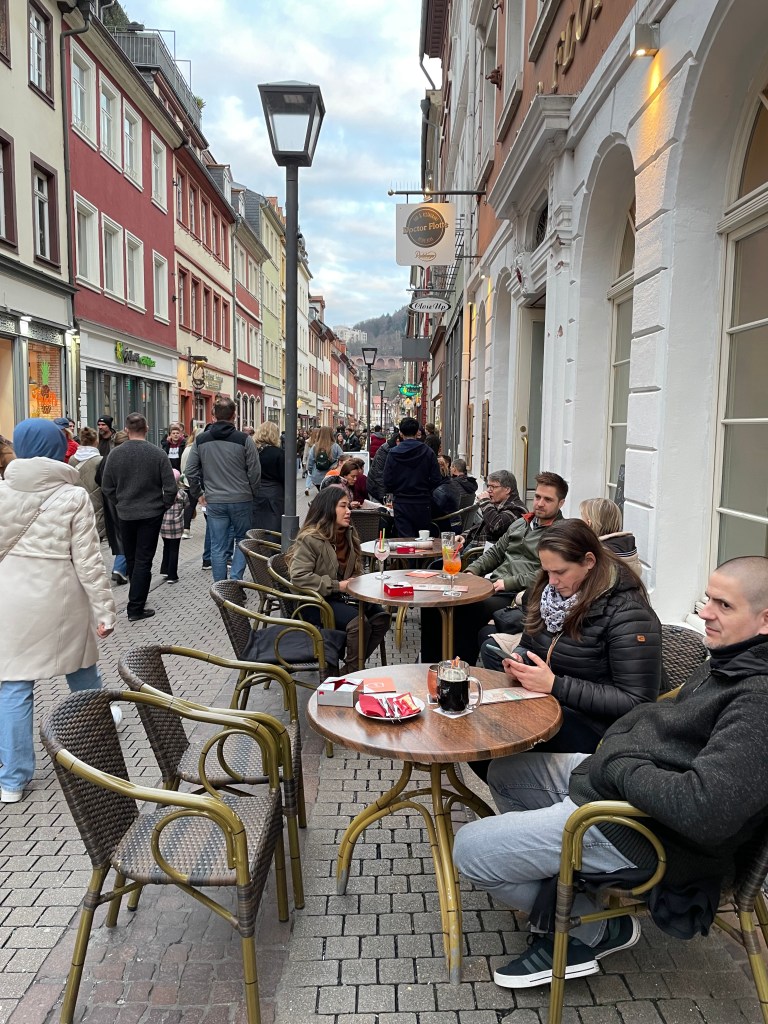
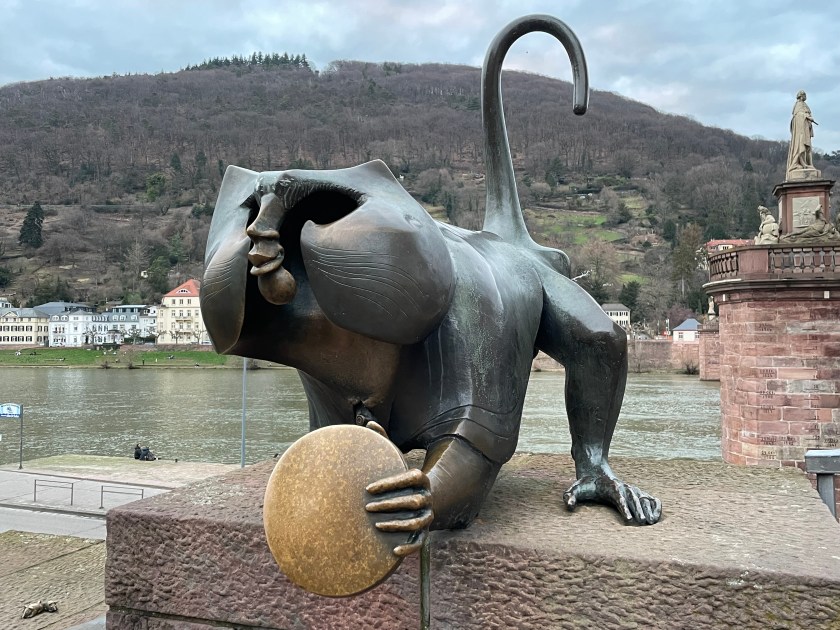
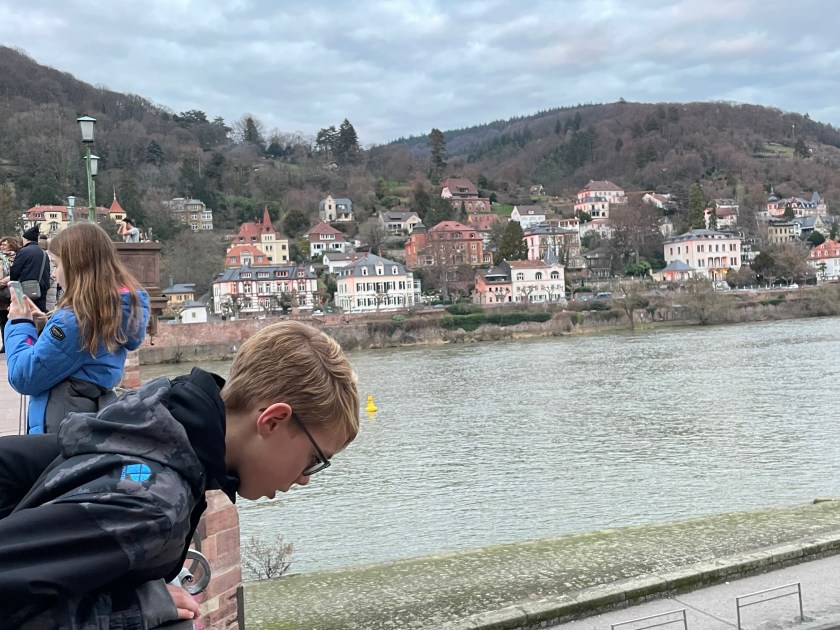
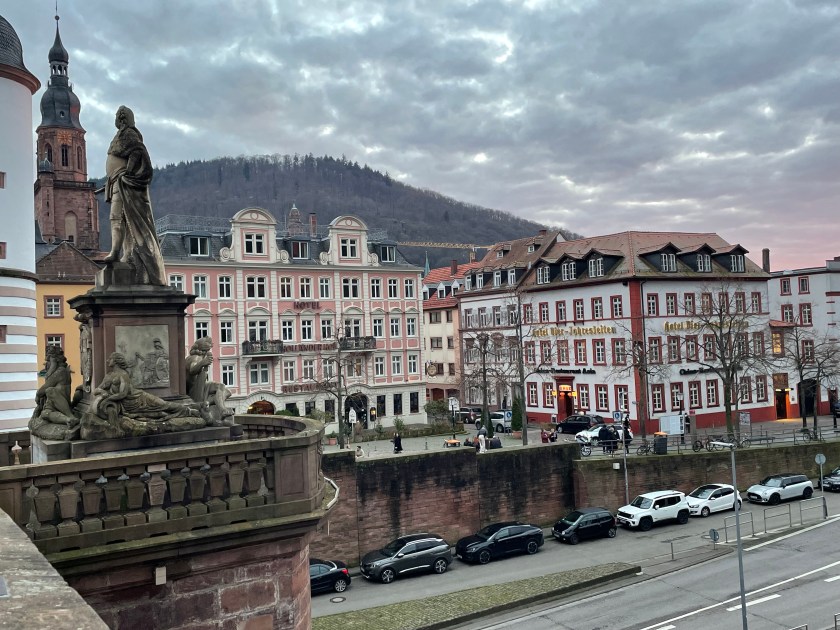
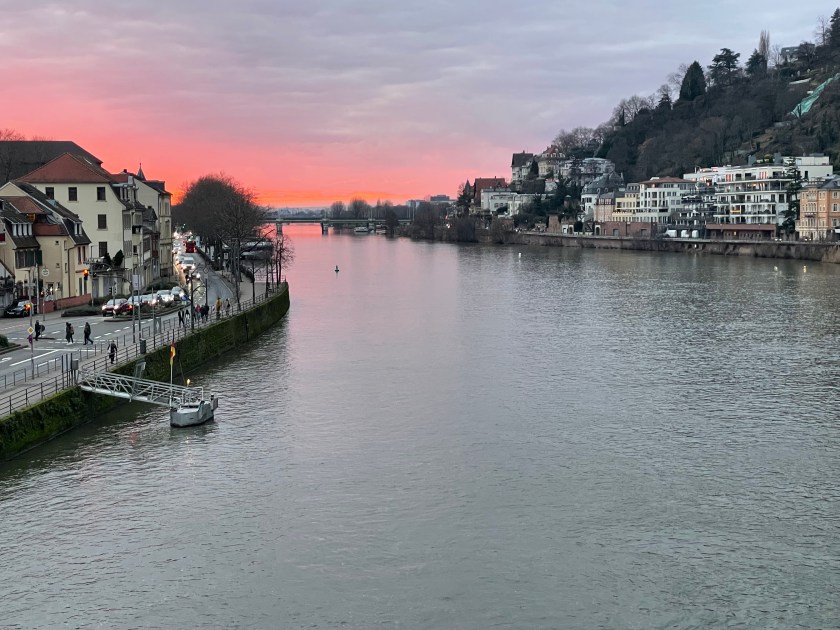
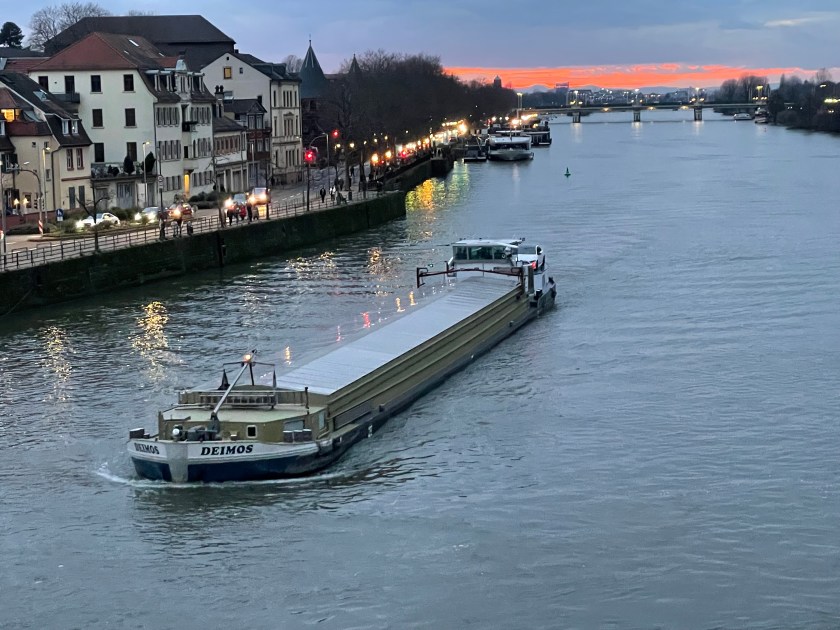
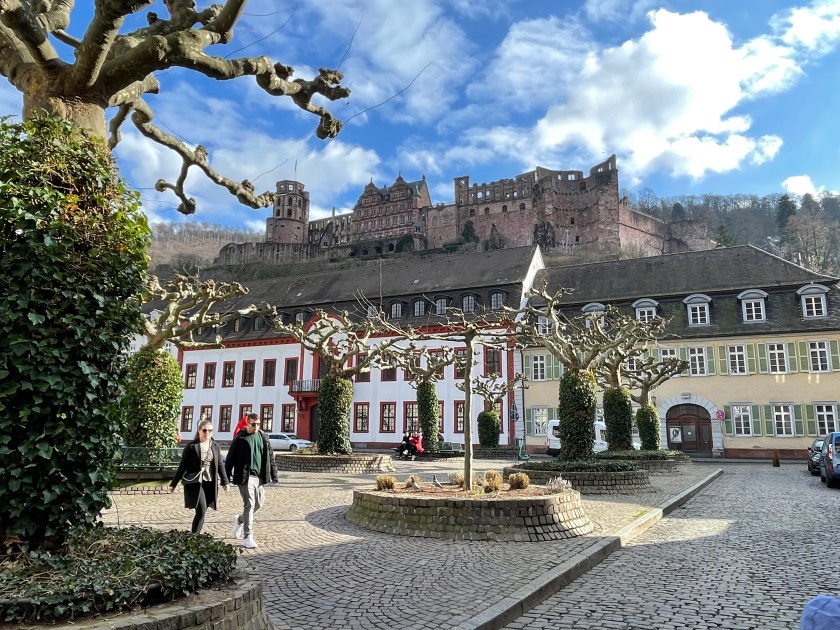
After our stop in Worms we took John’s brother Dave and his visiting family to Heidelberg, the beautiful city on the Neckar River.  They call this place Germany’s Paris.  It’s a busy and beautiful university town with a castle up on the mountain side.
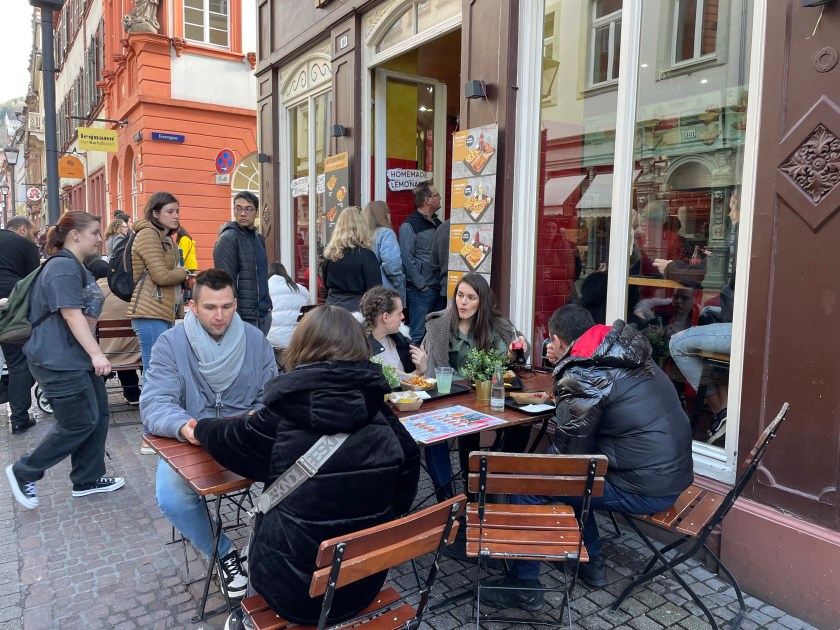
This shop made me pause to look–it’s an AMERICAN shop with American stuff in the window!

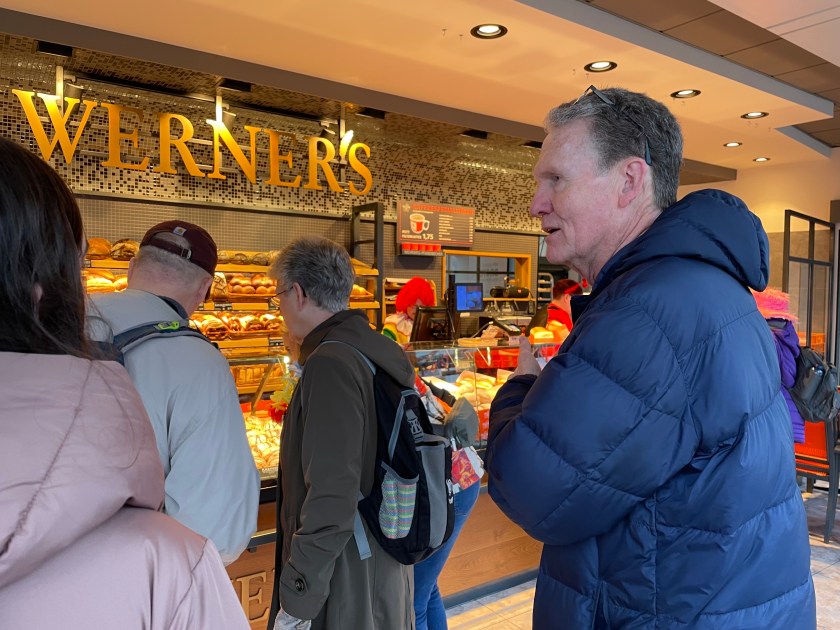
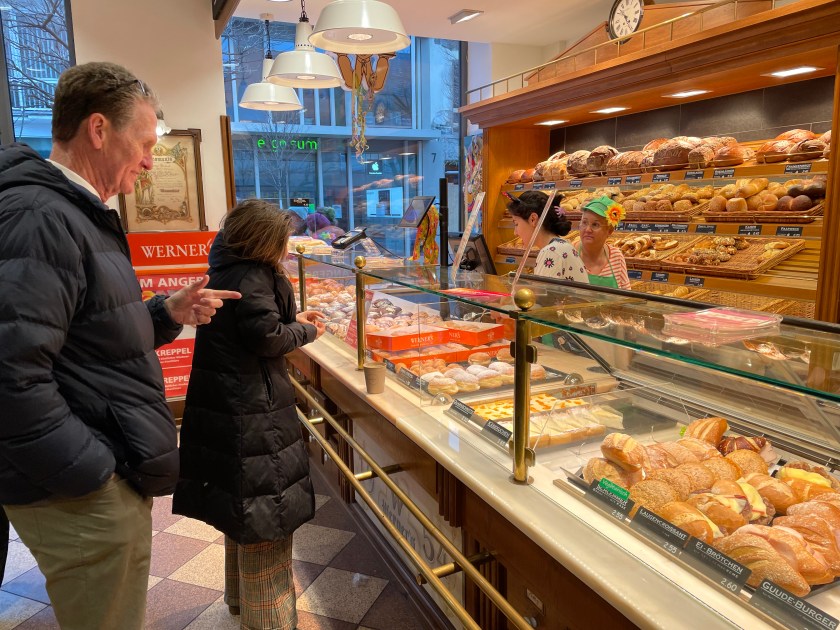
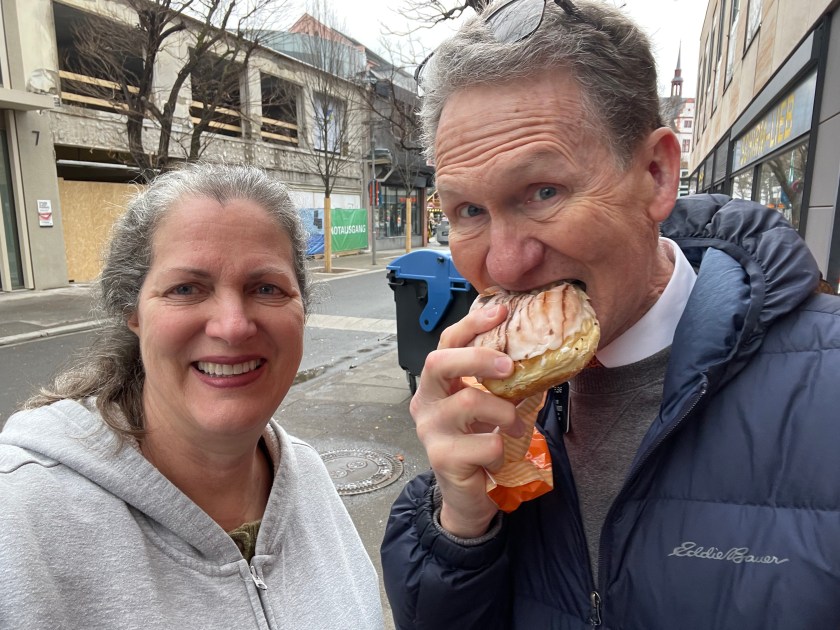
Another place, another pastry.  This was a delicious cinnamon roll right out of the oven!  YUM.

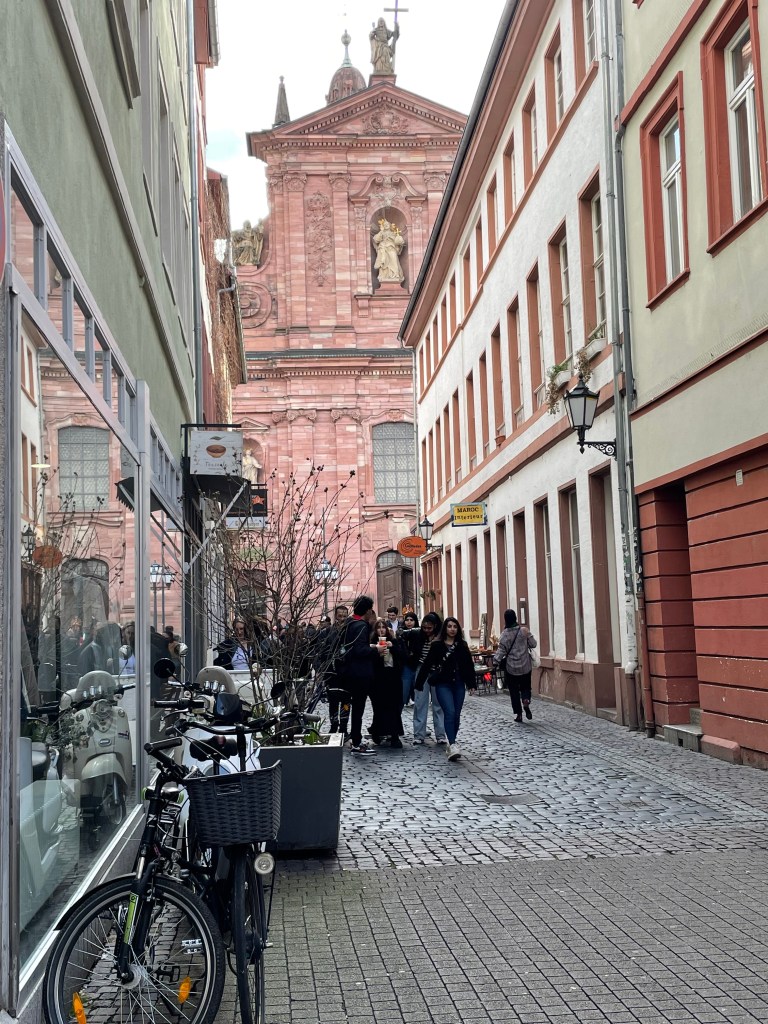
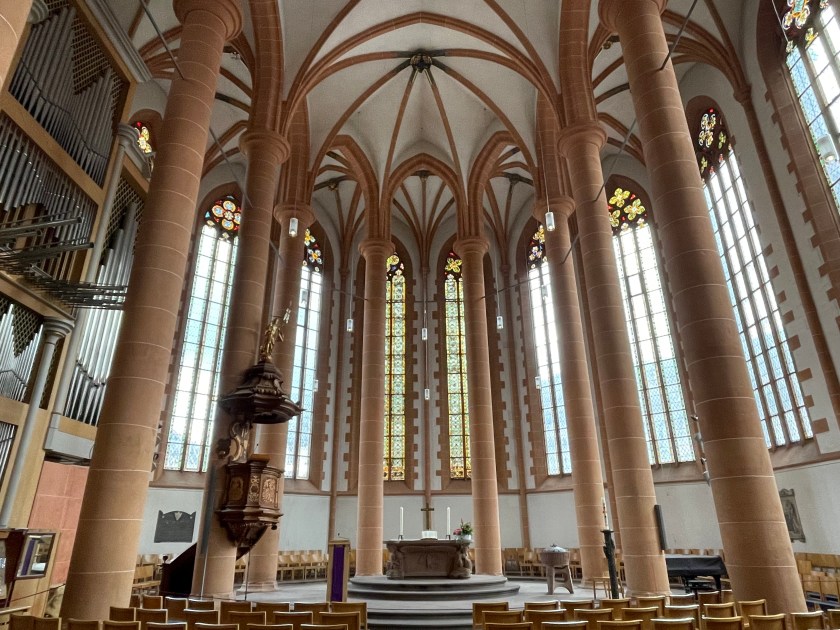
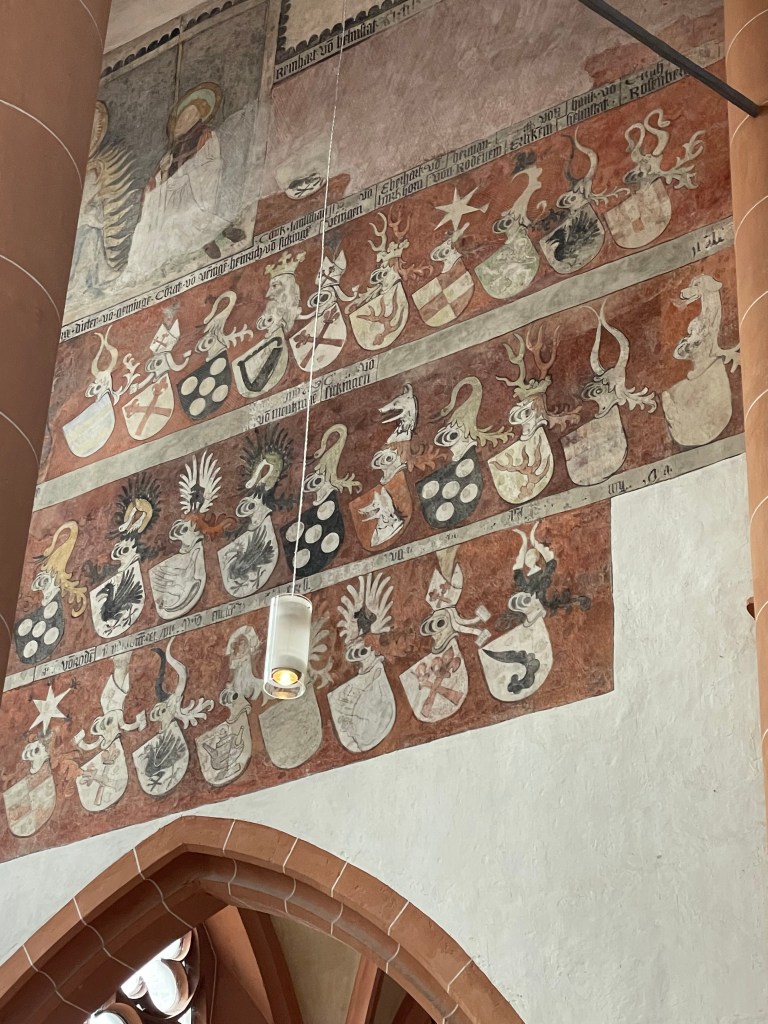
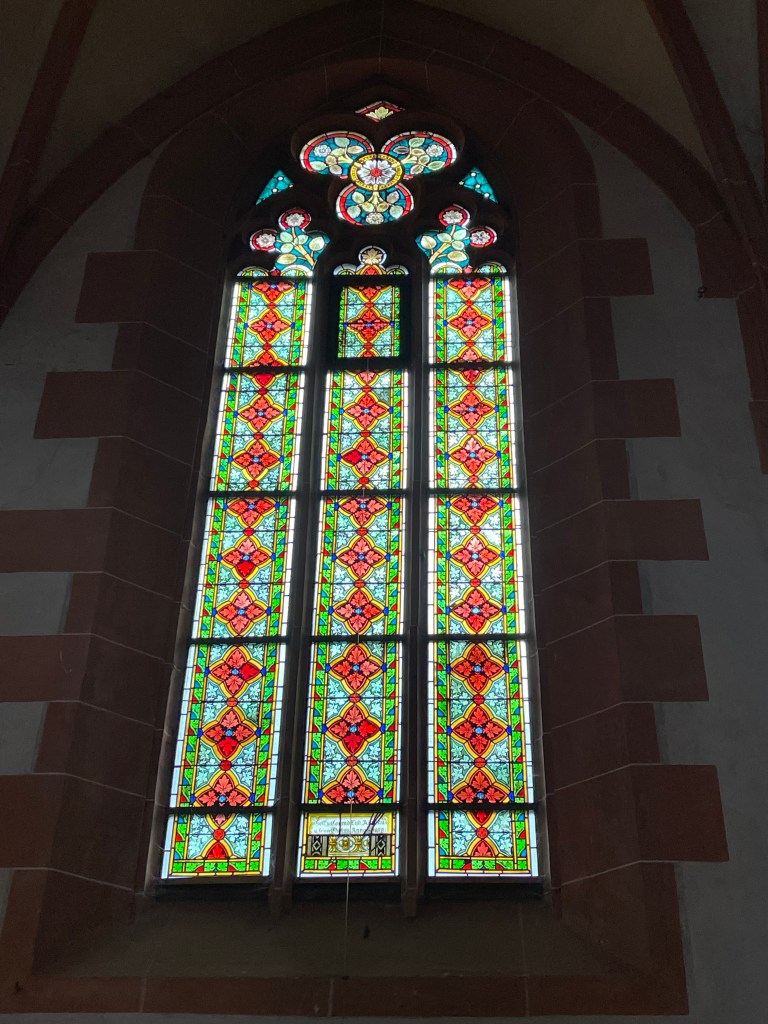
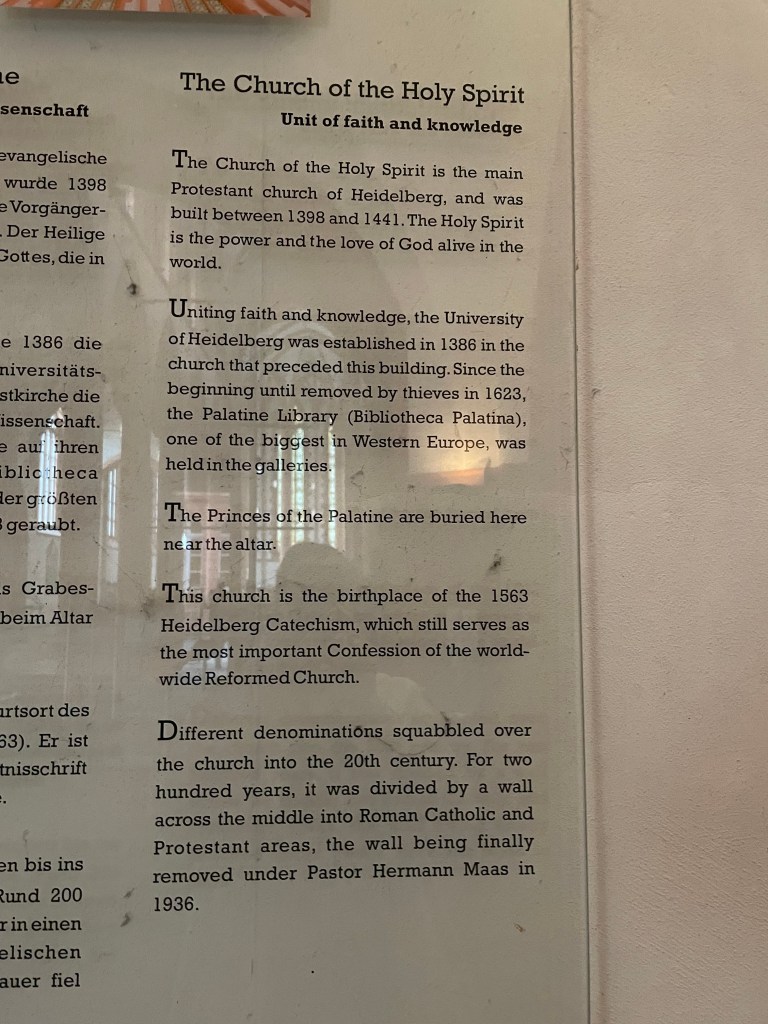
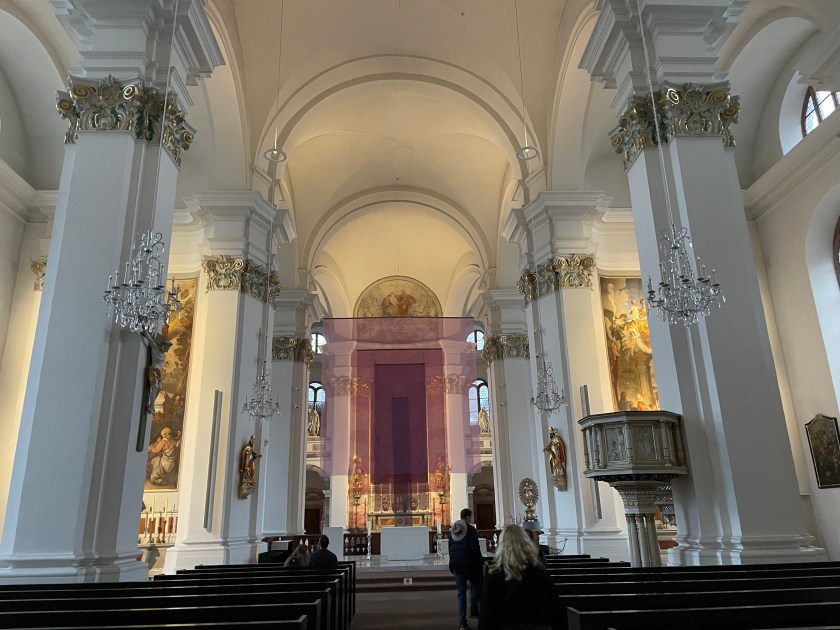
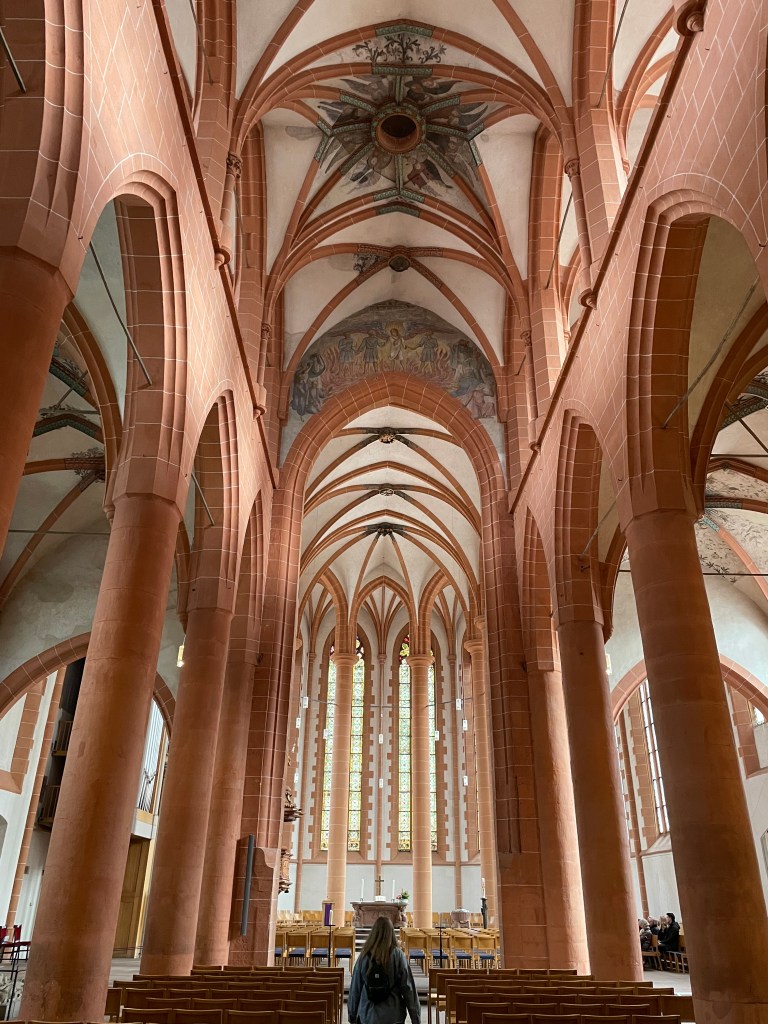
The Church of the Holy Spirit is the largest church in Heidelberg, located in the marketplace in the old town center.  It was constructed between 1398 and 1515 in the Romanesque and Gothic styles. It receives 1–3 million guests annually, making it among the most visited churches in Germany

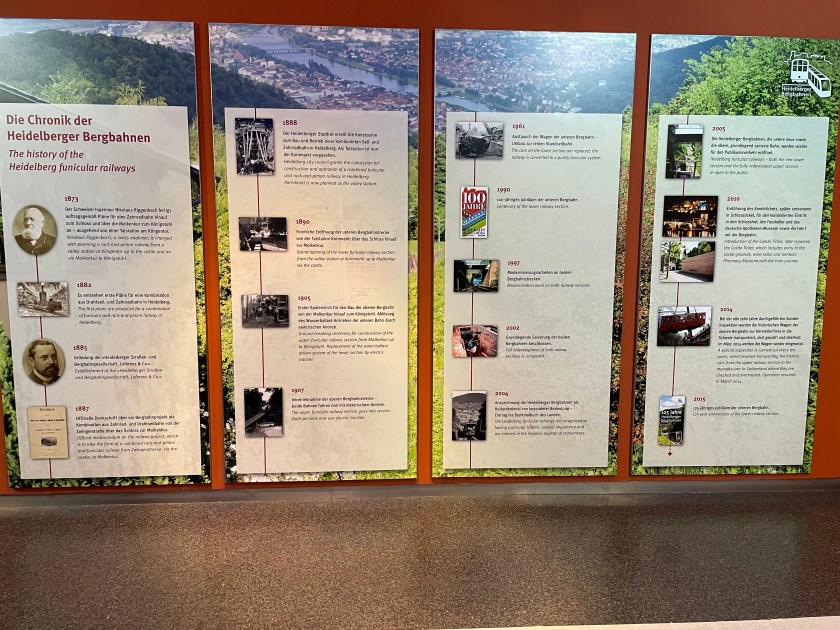
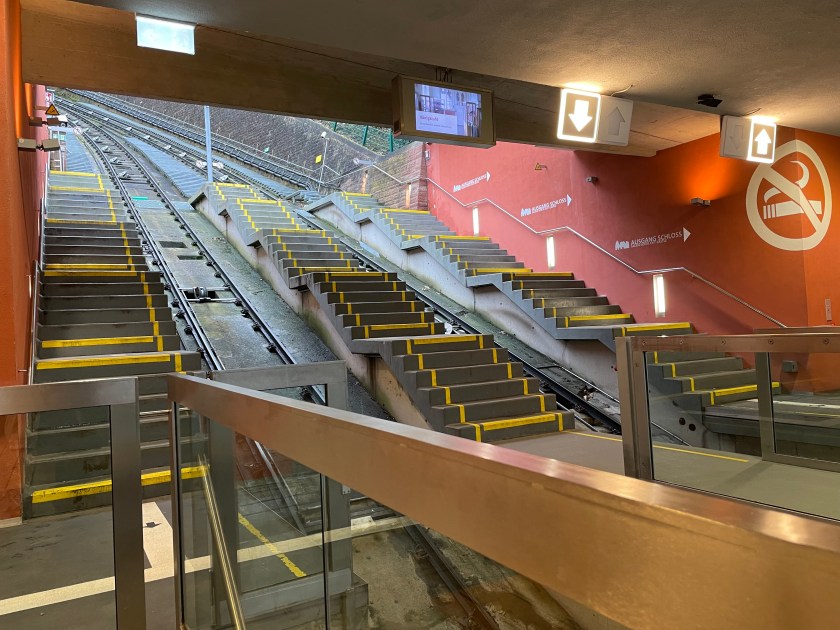
We took the tram ride up the mountain to the castle.

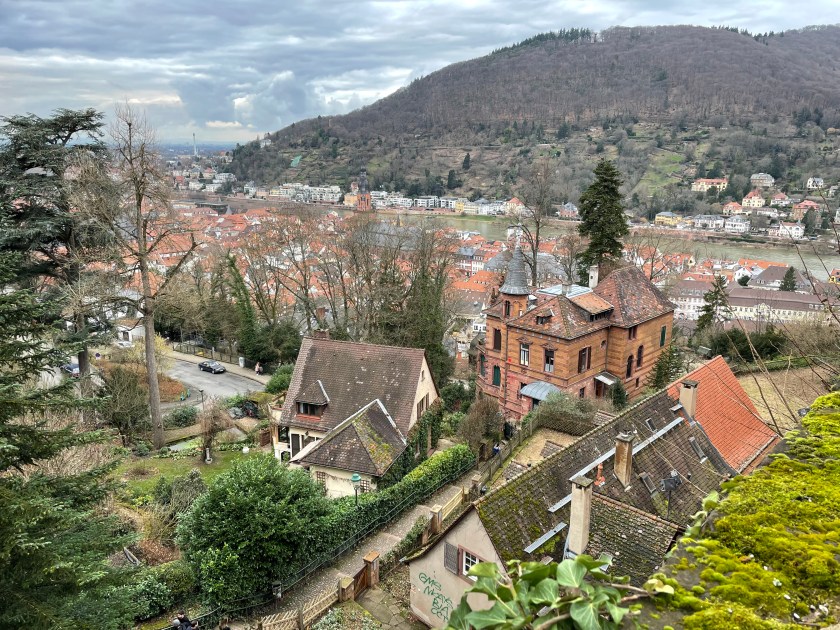
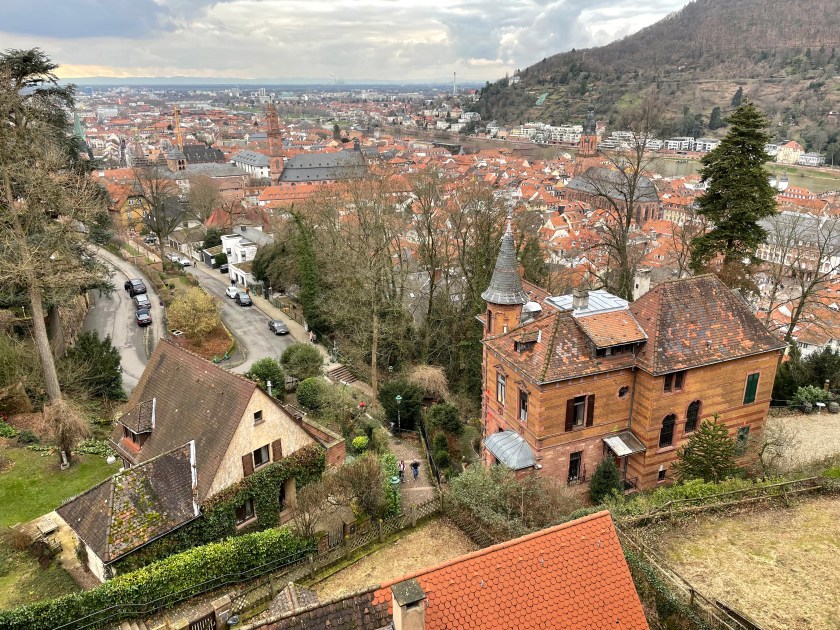
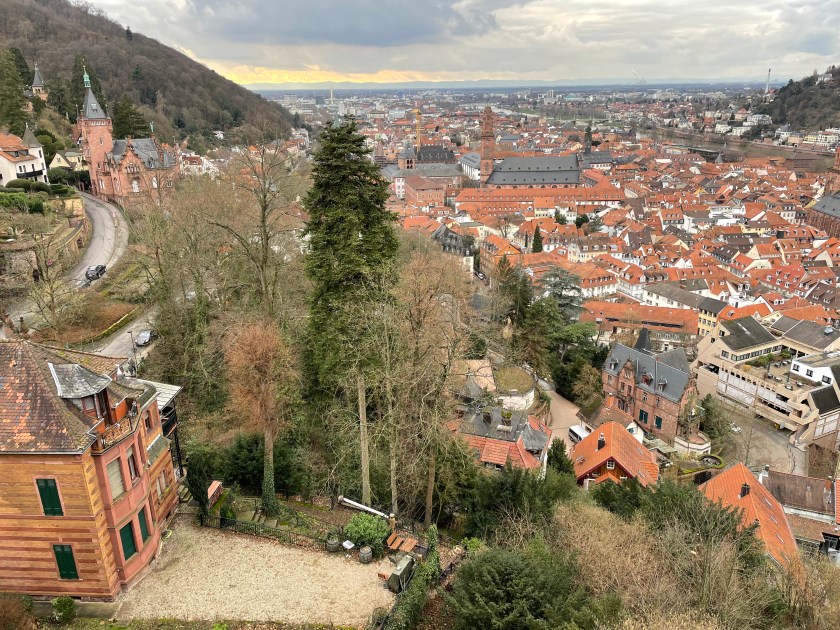
The views from up on top were beautiful!

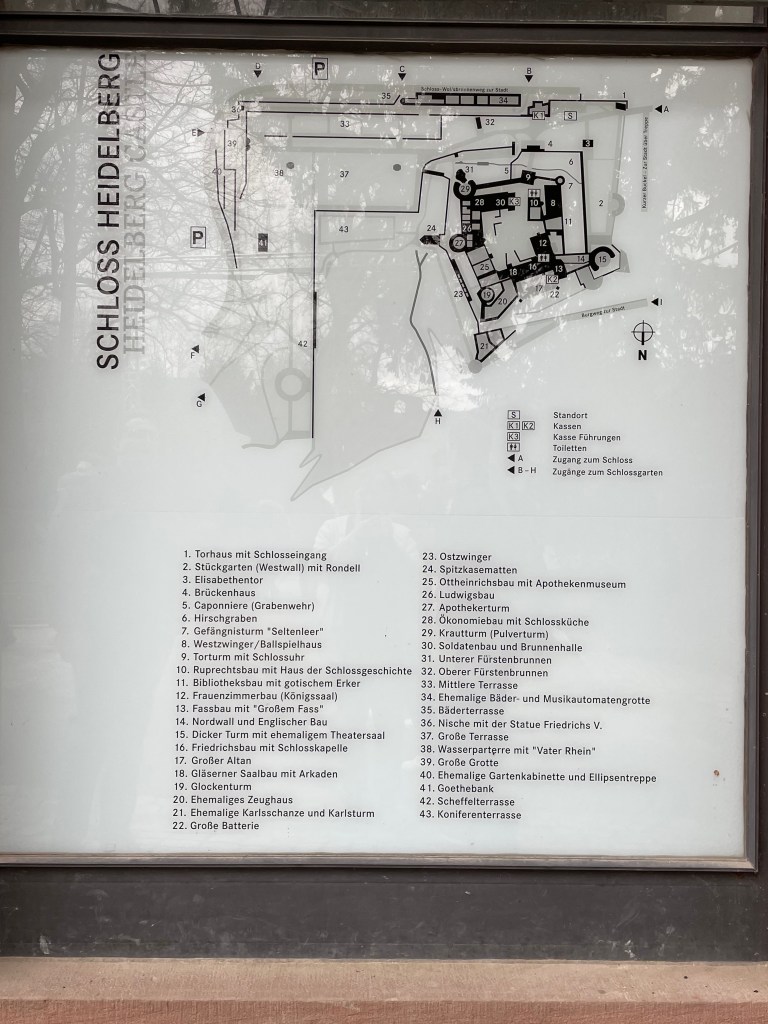
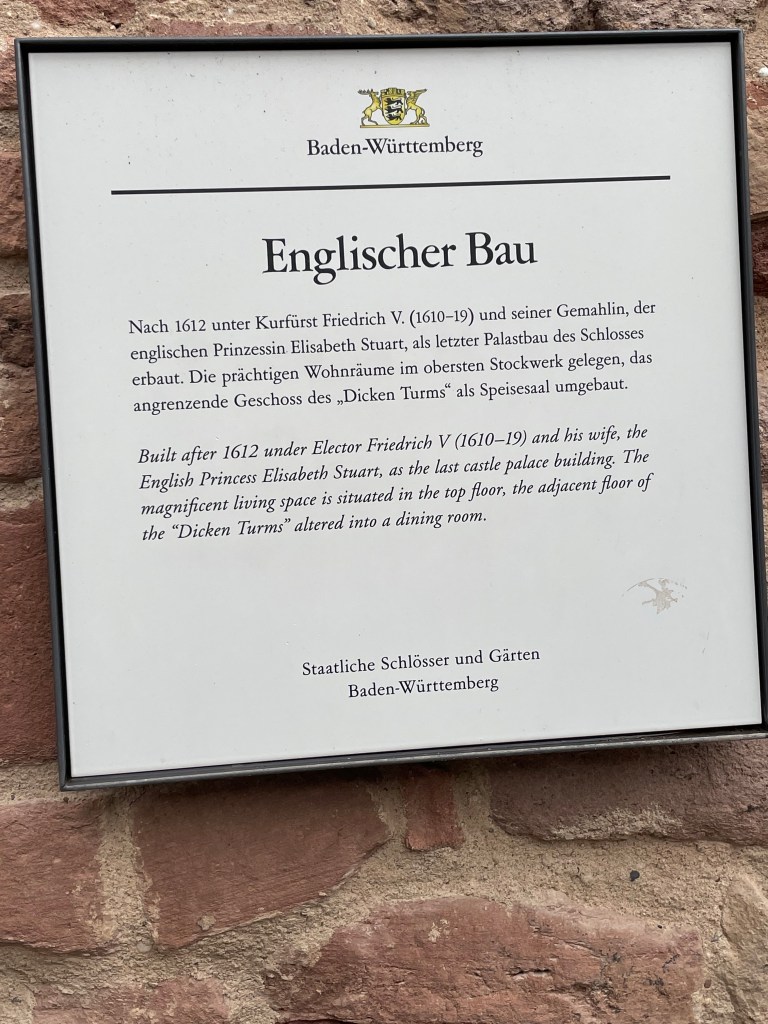
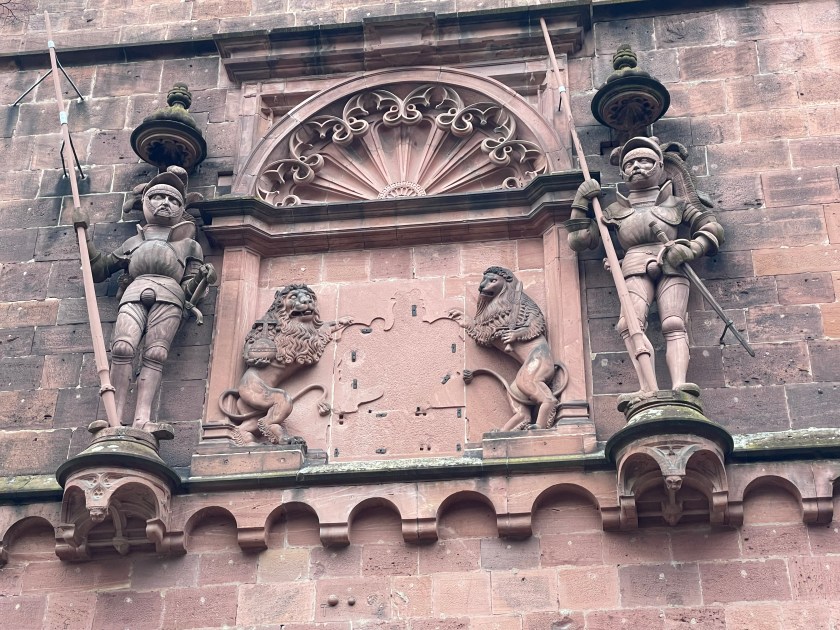
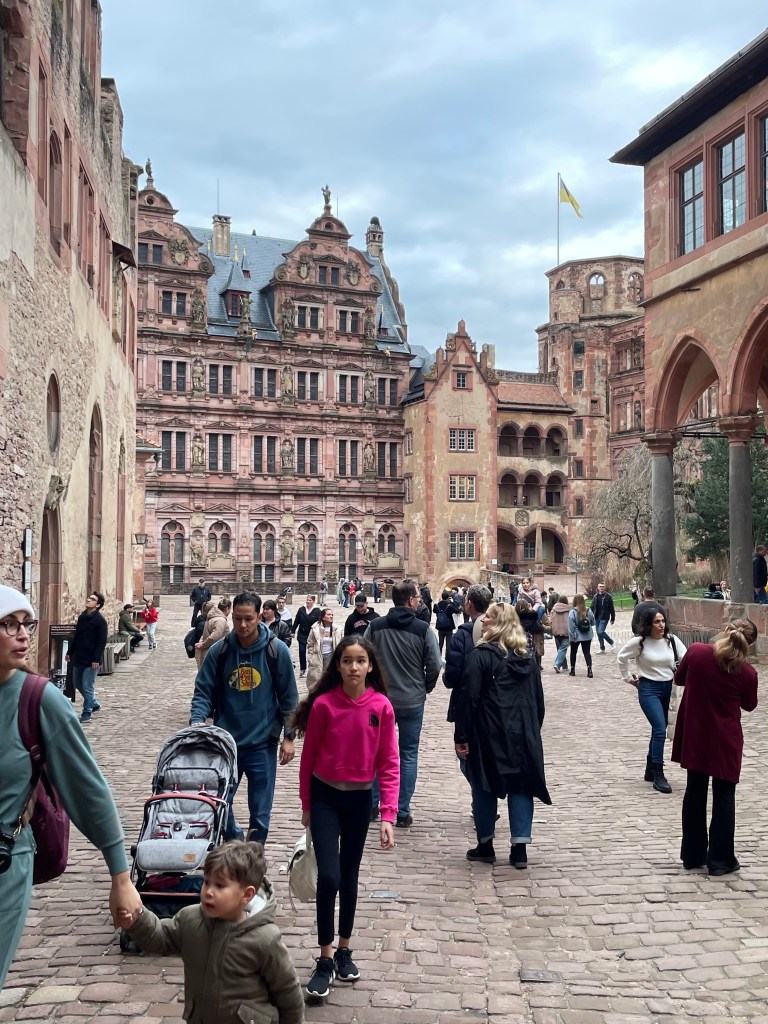
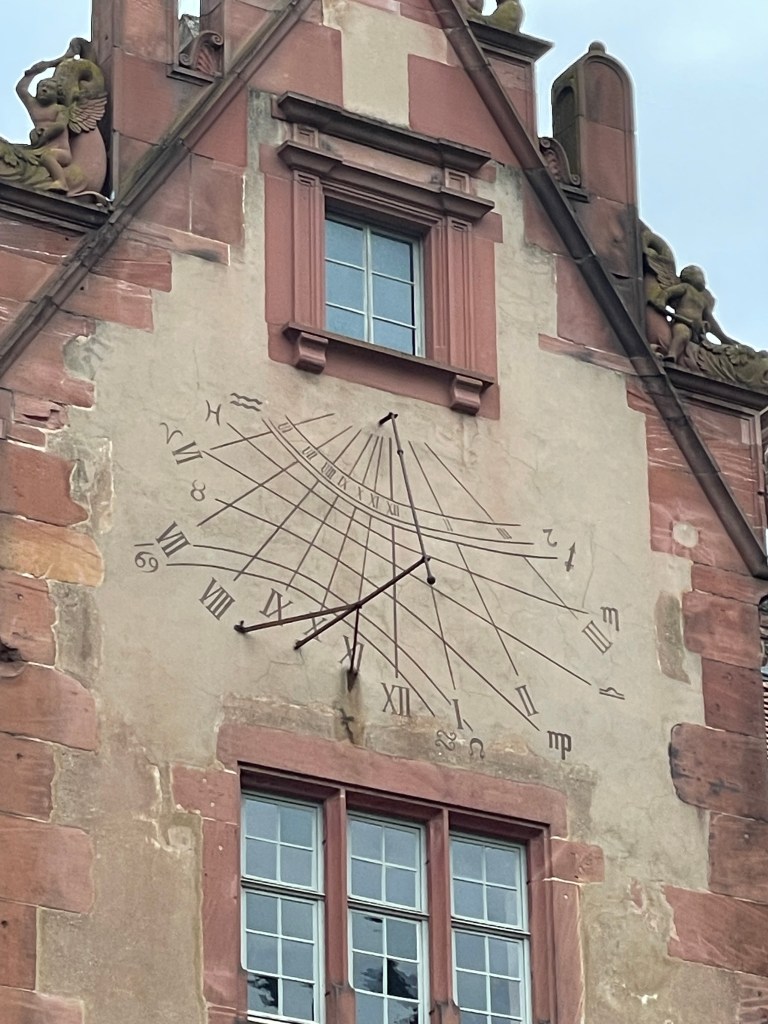
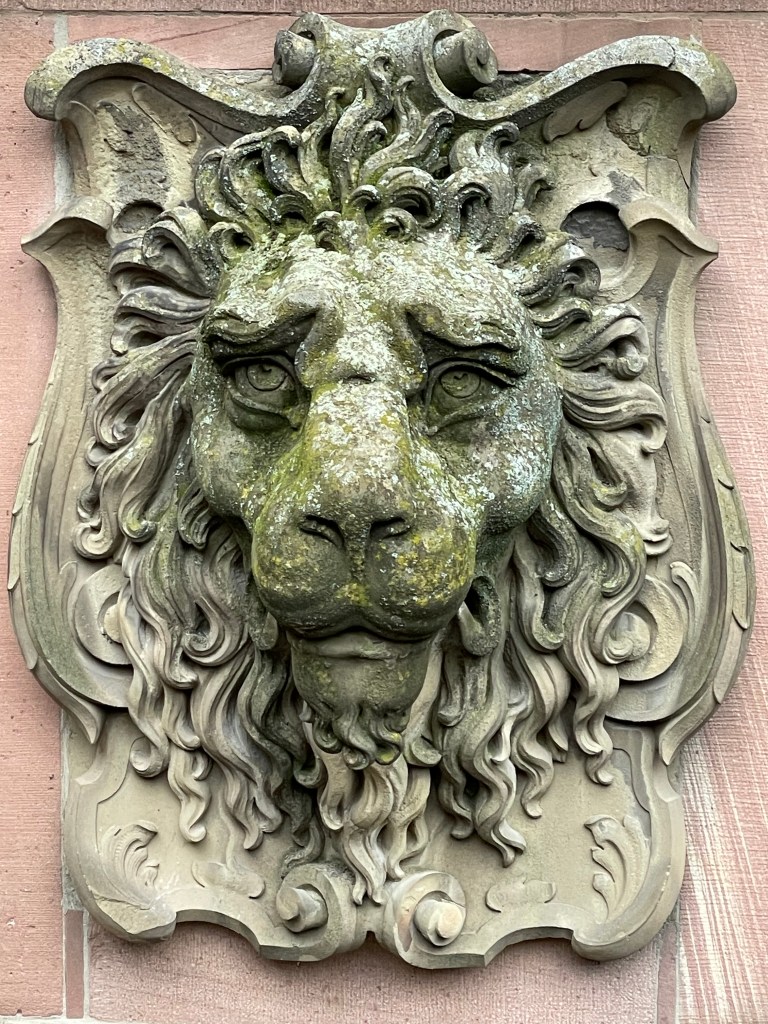
We spent a couple of hours up on top, wandering through the castle buildings, trying to imagine life here in it’s glory days.

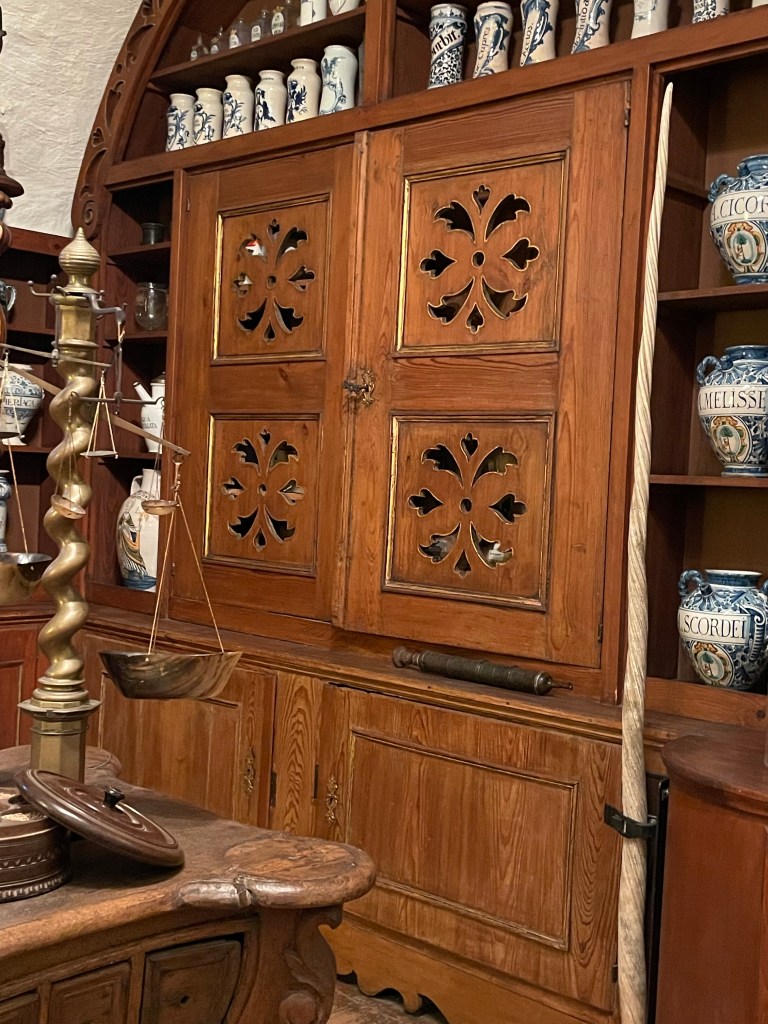
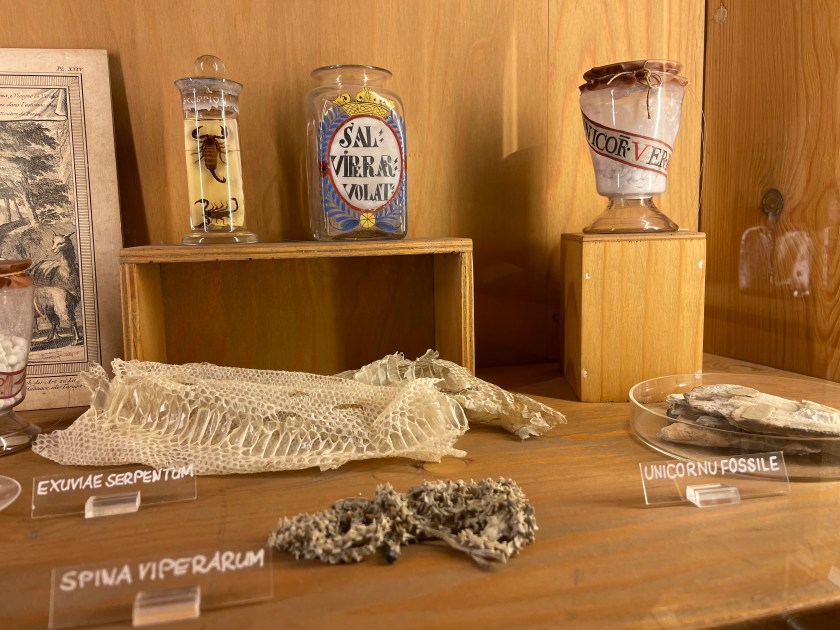
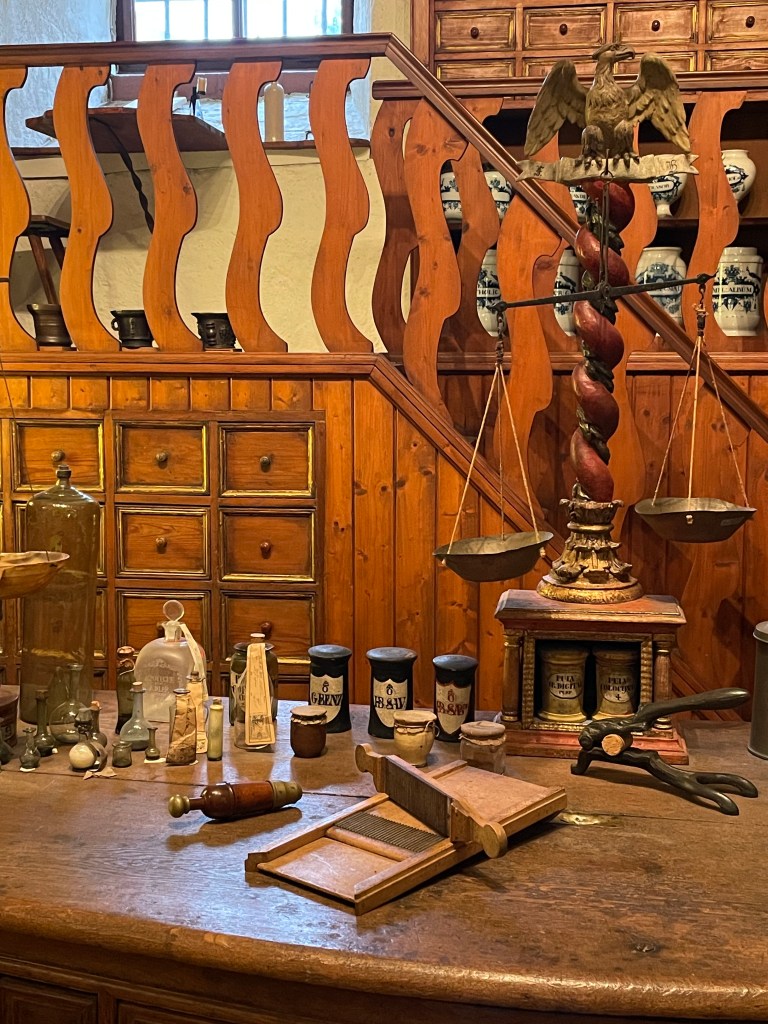
Not much of the inner castle was open to the public, but there was an Apothecary Museum we walked through that was really interesting.
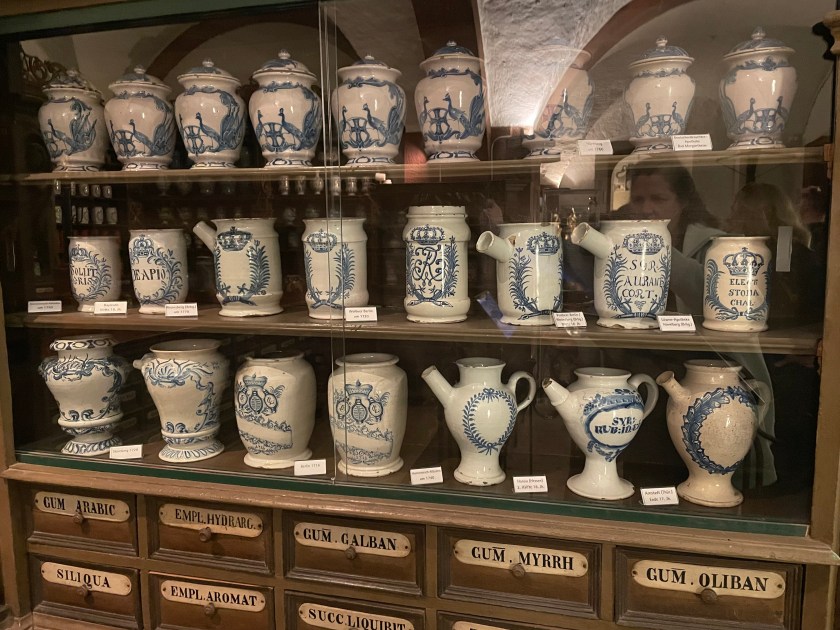
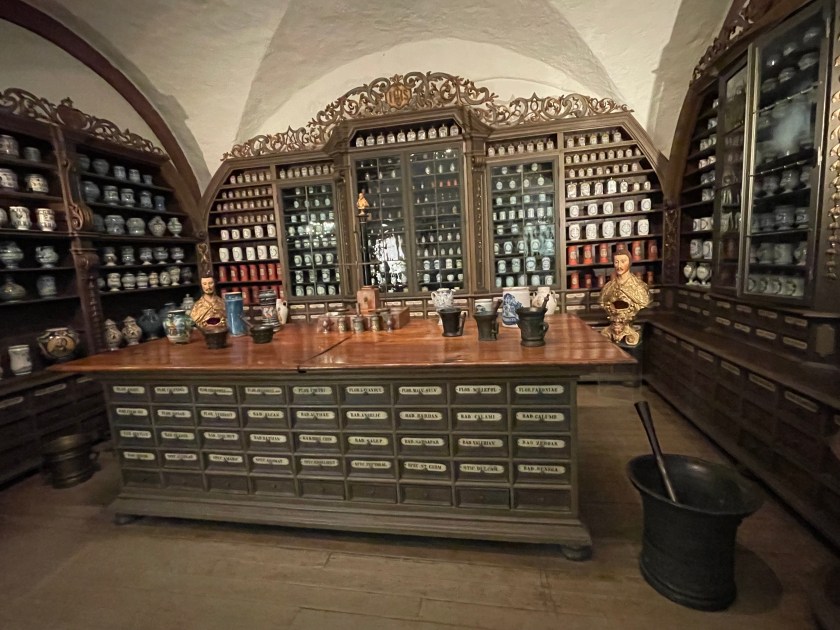
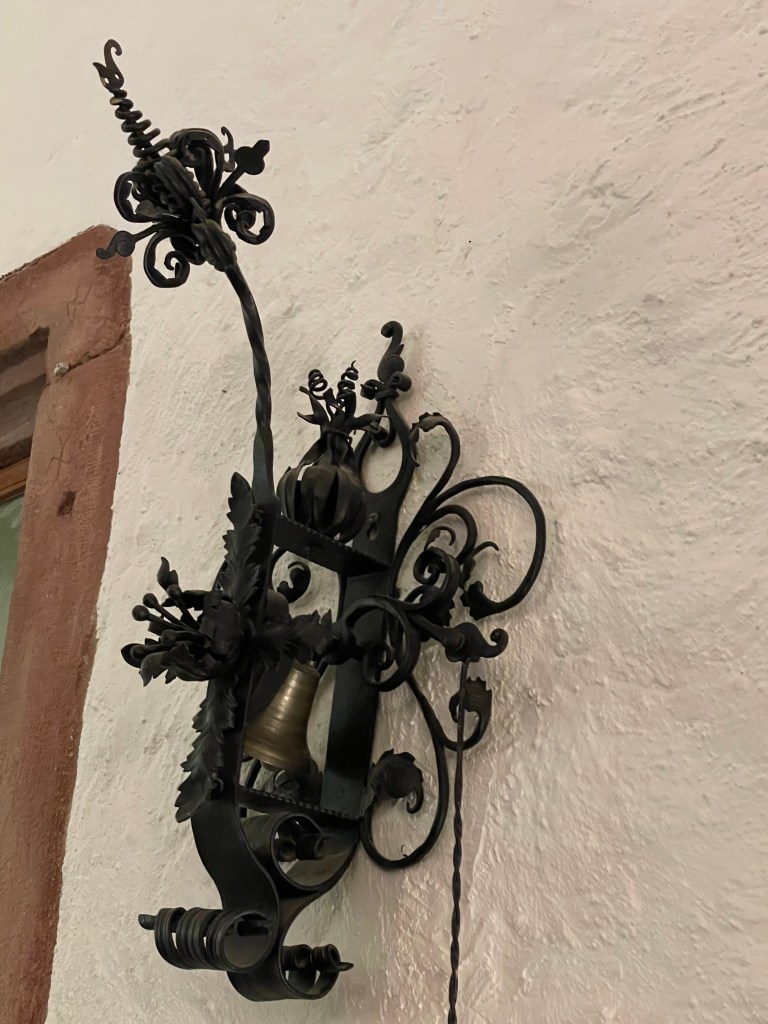
Everything was beautifully crafated.
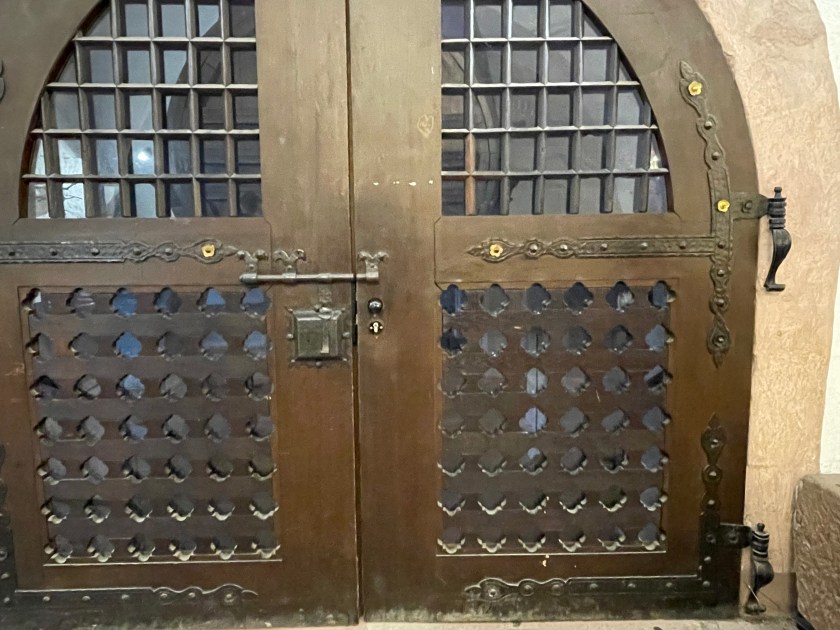
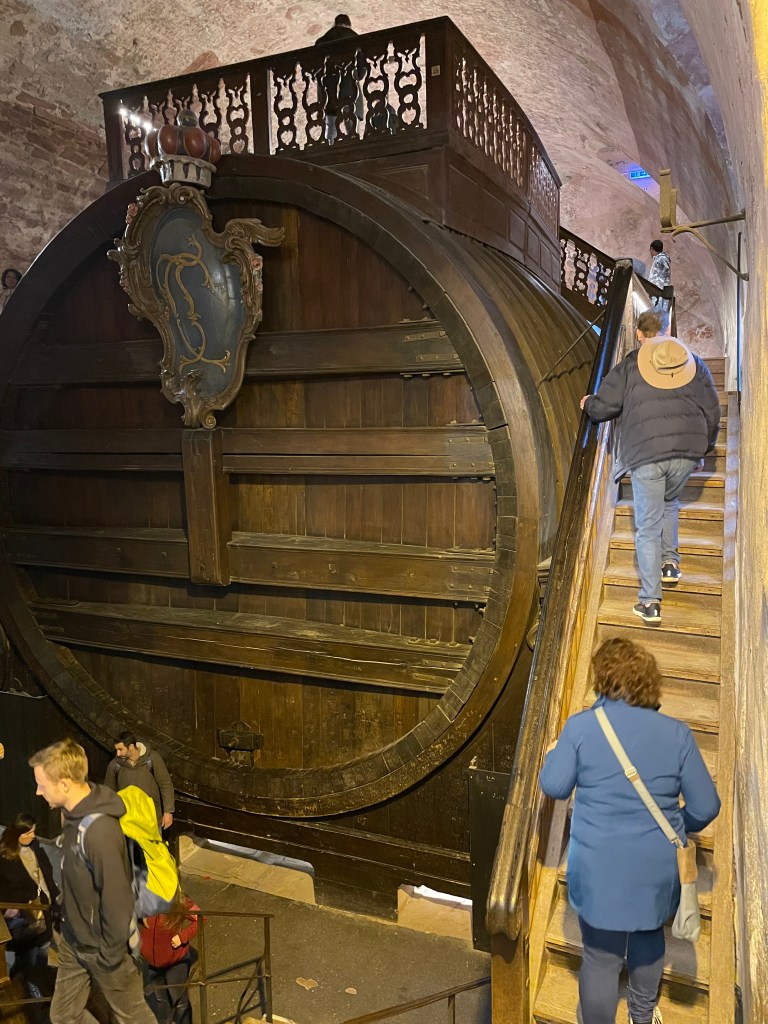
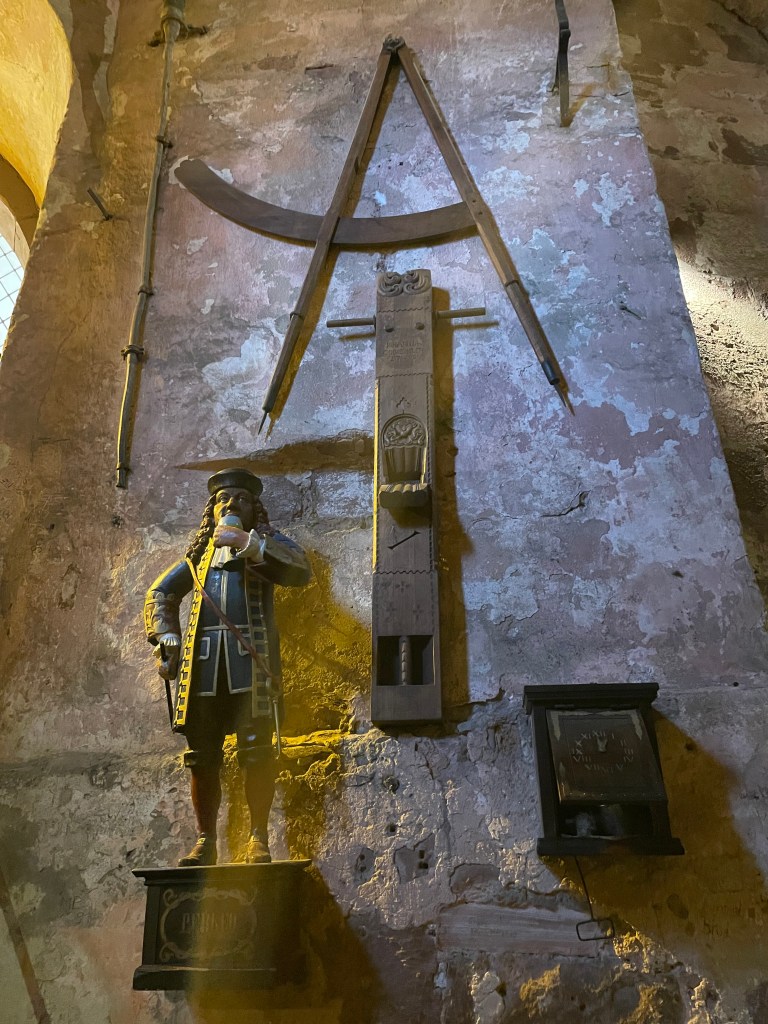
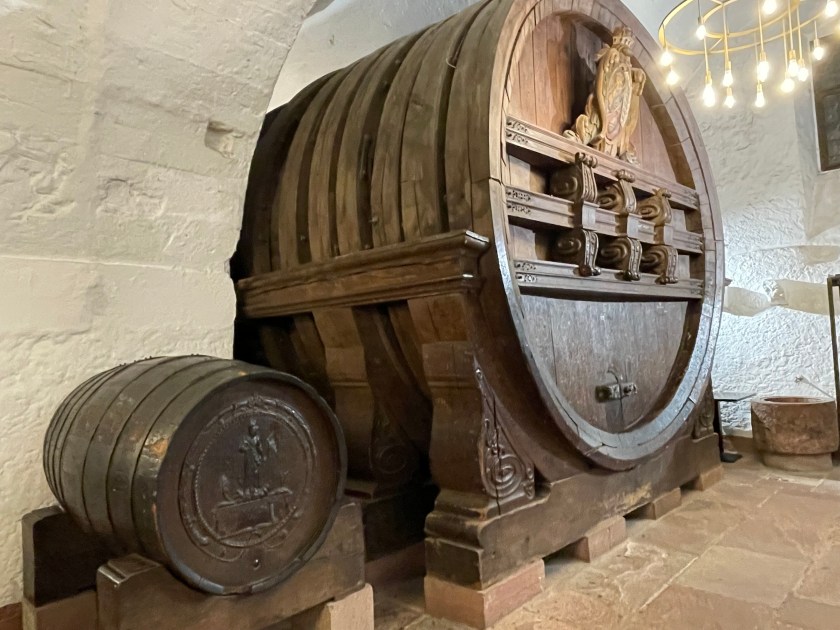
Down in the wine cellars:
This piece of the tower fell off a long time ago.  This has been a place for contemplation for many poets and writers through the centuries.

WHERE THE “KRAUT” WAS STORED
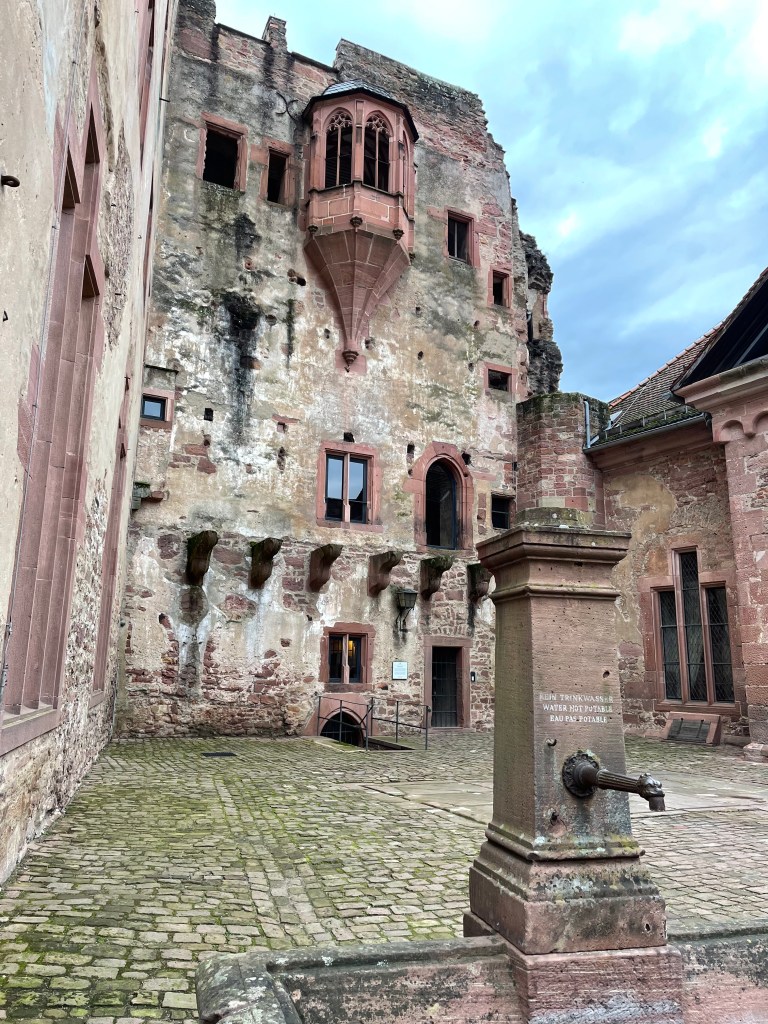
The economic building attaches to the massive powder tower, also called the “exploded tower.” Ludwig V reinforced Heidelberg Castle’s first castle keep with strong vaults. Embrasures and flues indicate its former function as a gun turret. “Kraut,” or powder, specifically gunpowder, was stored in the basement. French mines destroyed the roughly 6.5 meter-thick wall during the Nine Years’ War between 1688 and 1697. Since then, a third of the tower sits at the bottom of the stag pit.

Then we rode back down to the city and continued our wandering there.
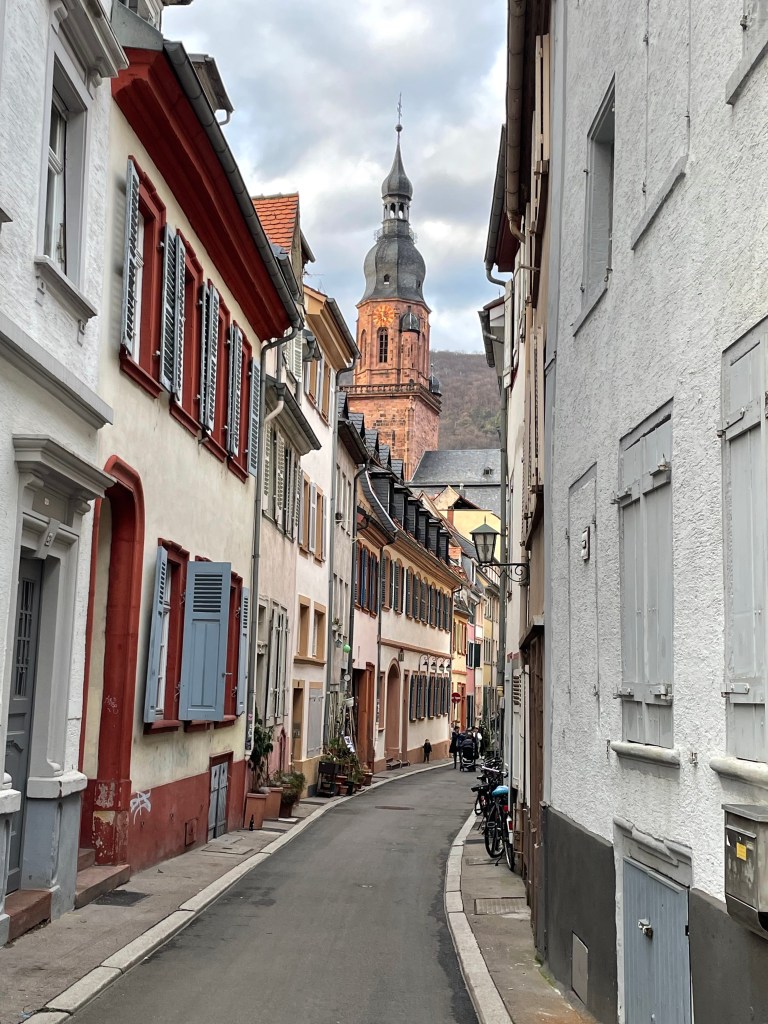
This is the Heidelberg University library.
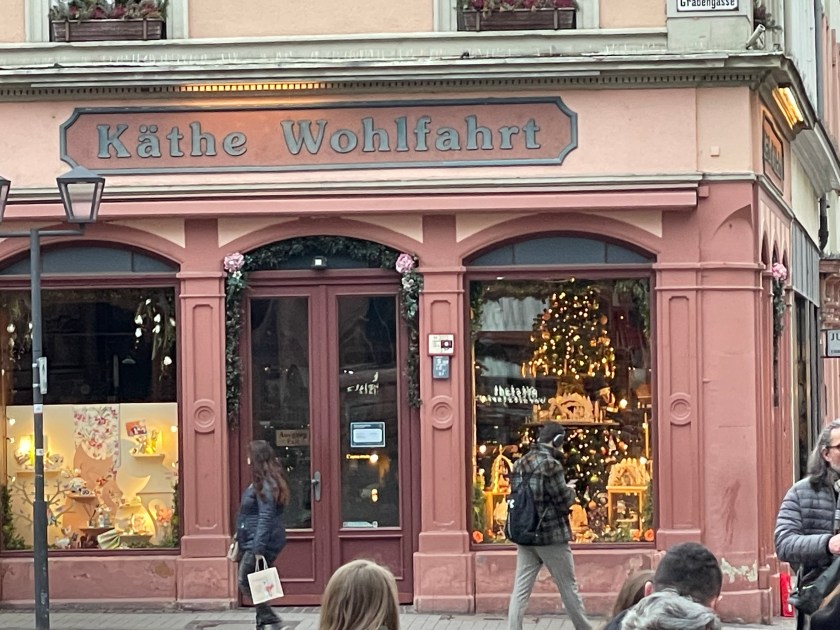
Kathe Wohlfahrt, my favorite shop.
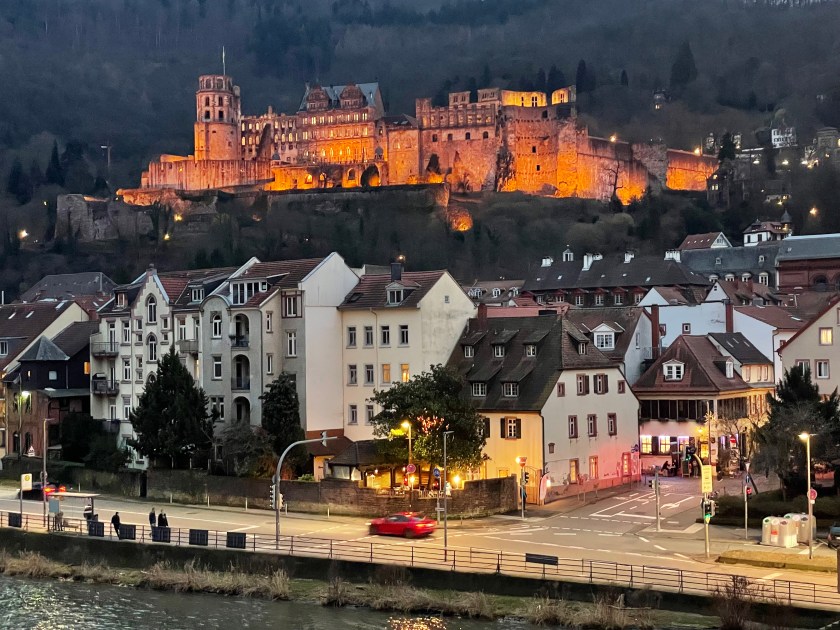
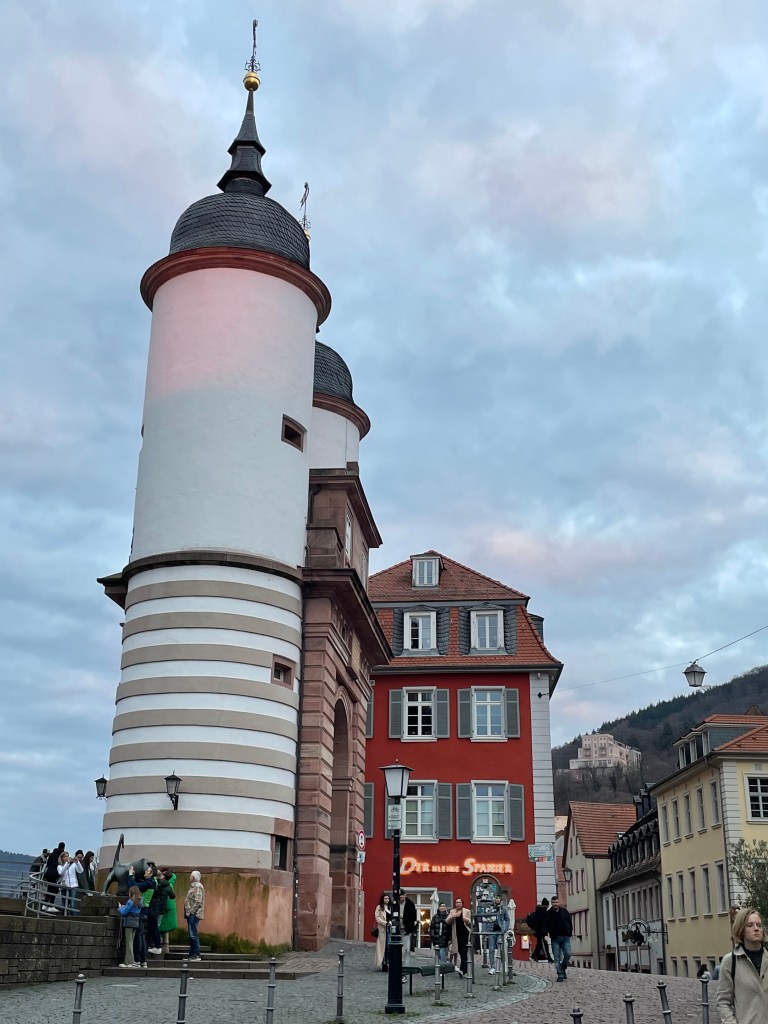
As the afternoon turned towards evening, we walked to the bridge to watch the sun set and the lights on the castle turn on.  It was beautiful and a really nice way to end our day (except we were getting very hungry!)
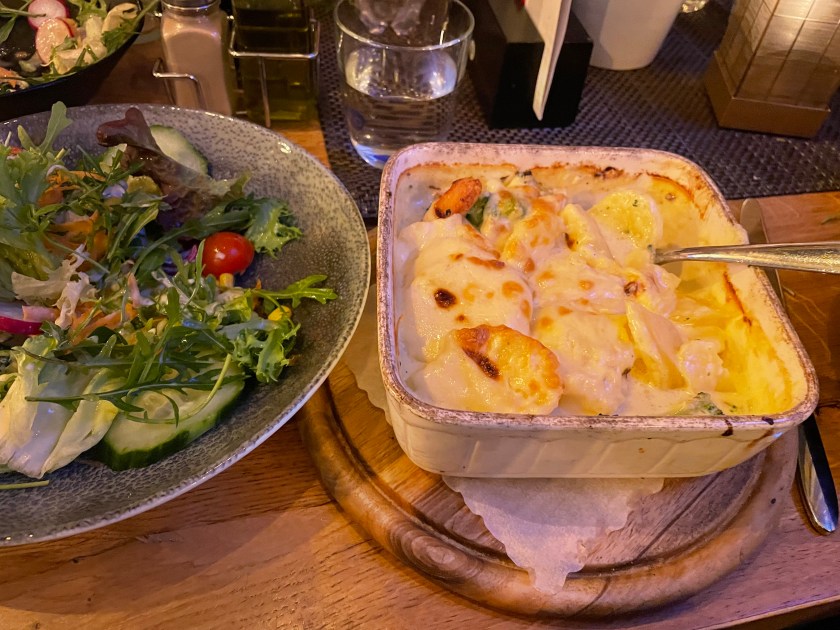
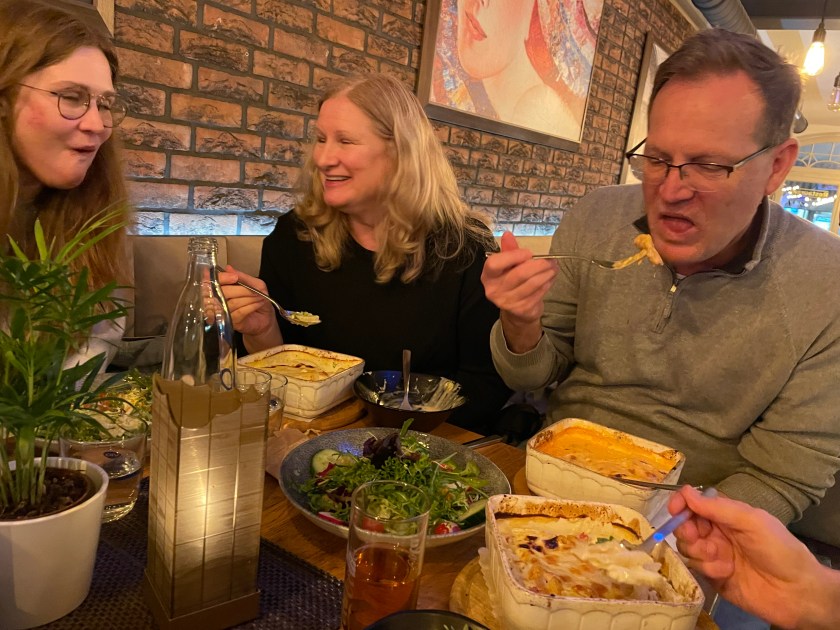
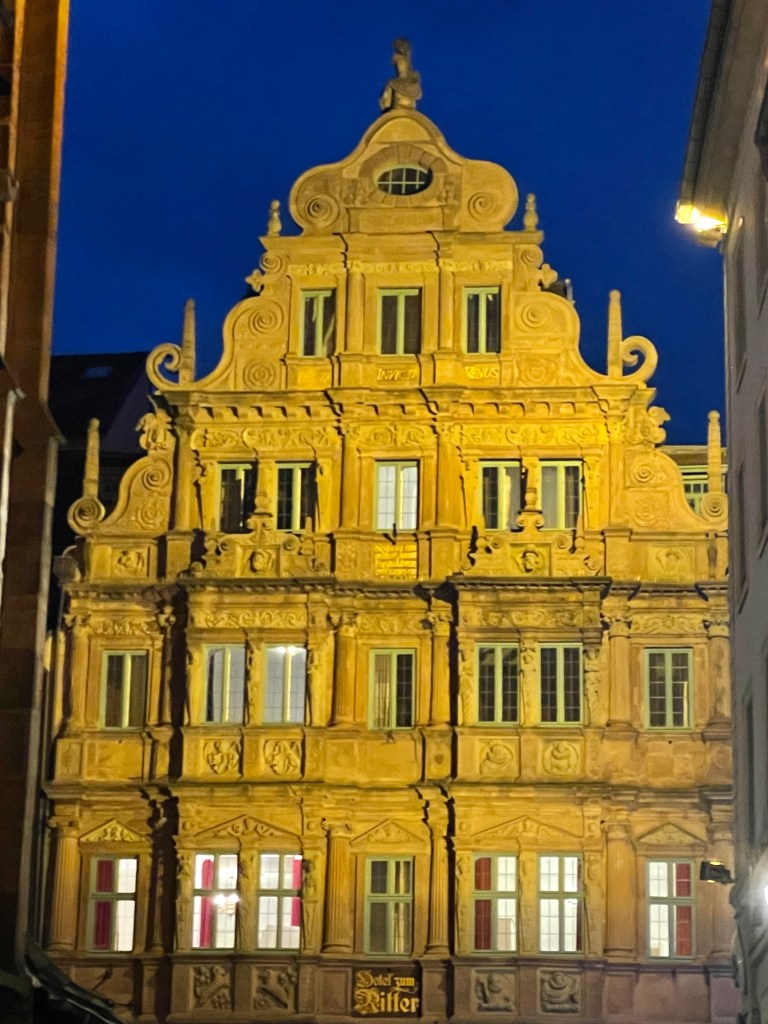
We ended our time here with a great meal.
Tomorrow our visitors head back to the Nederlands and then home to Utah.

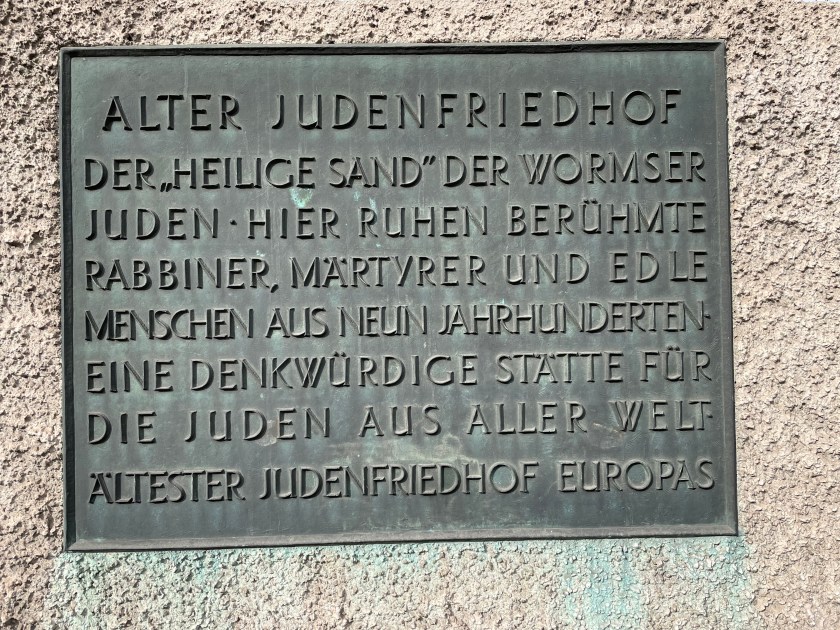
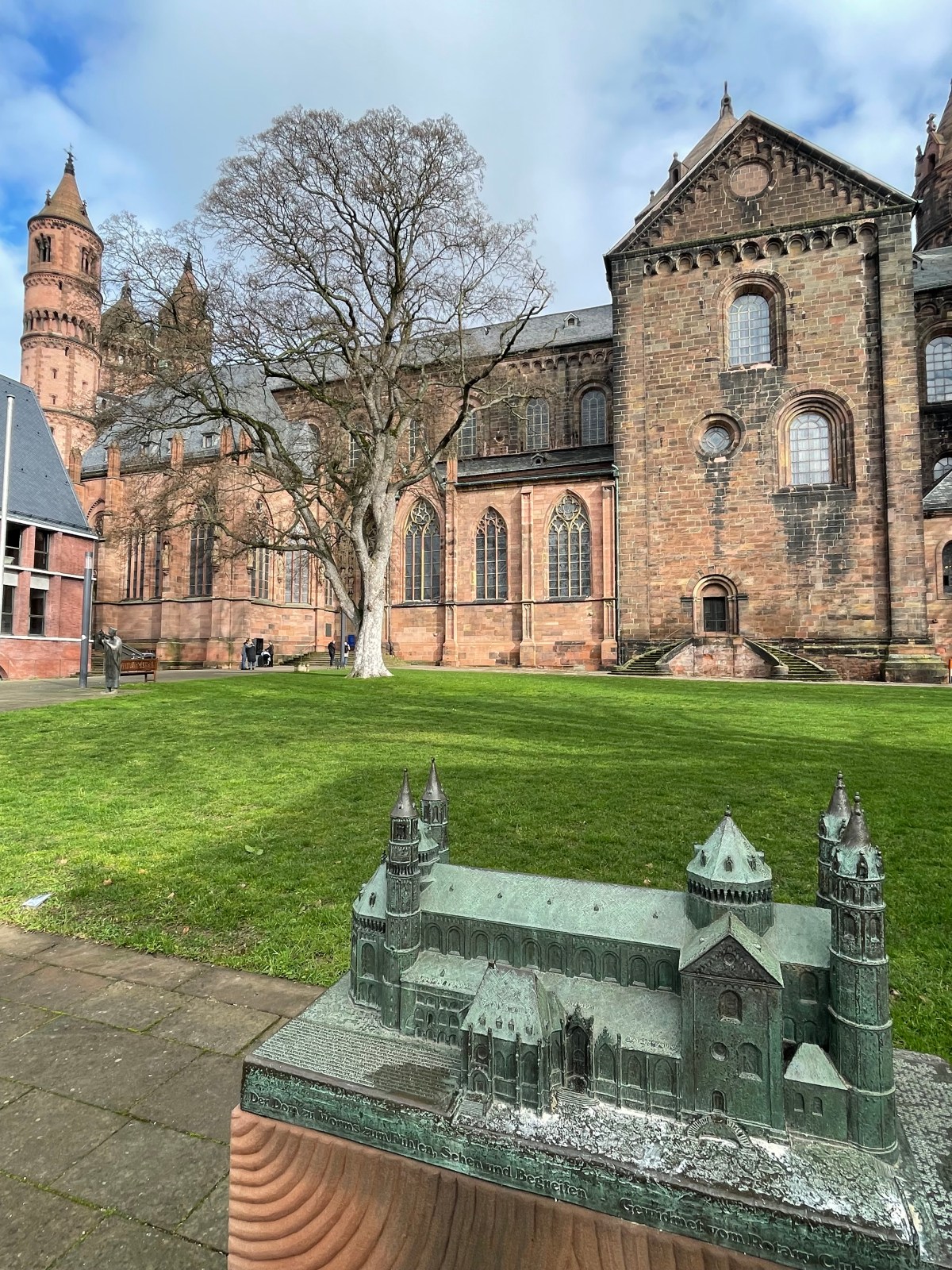
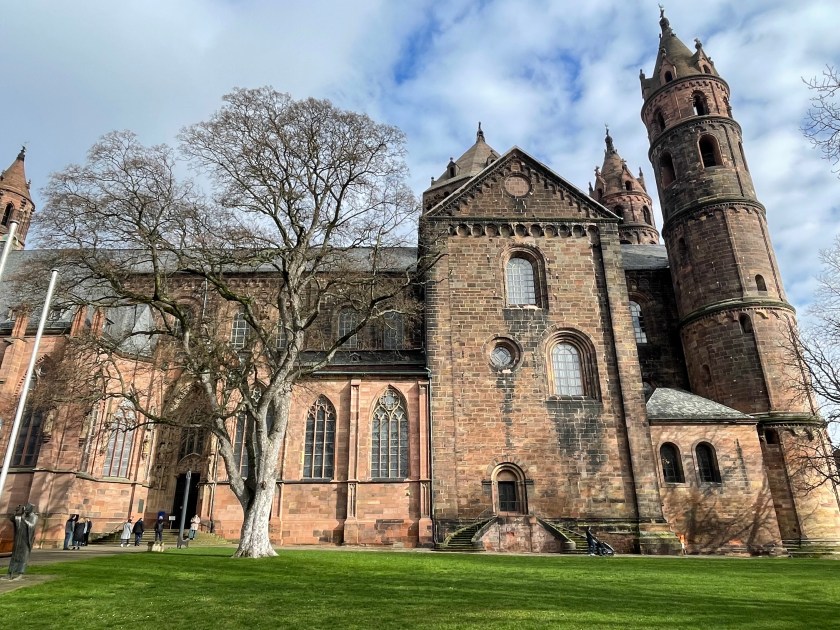
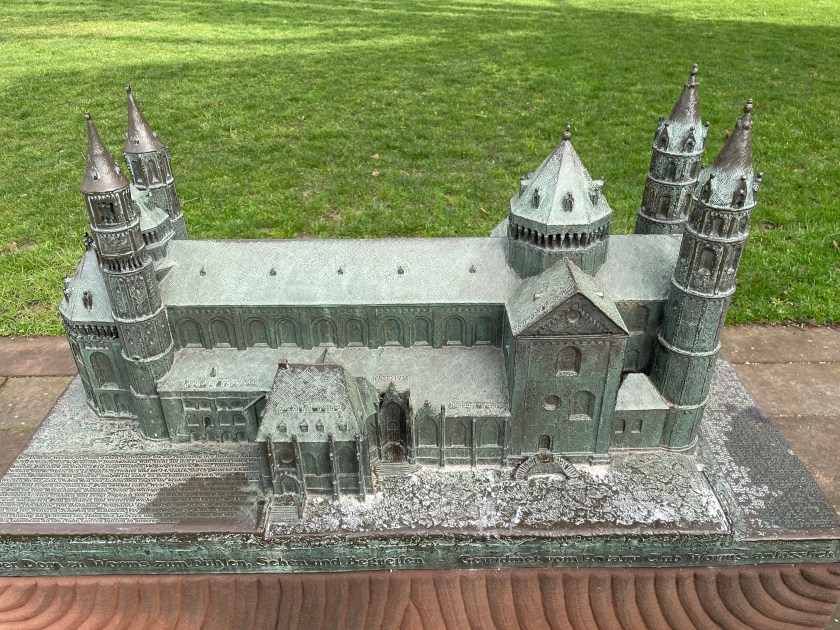
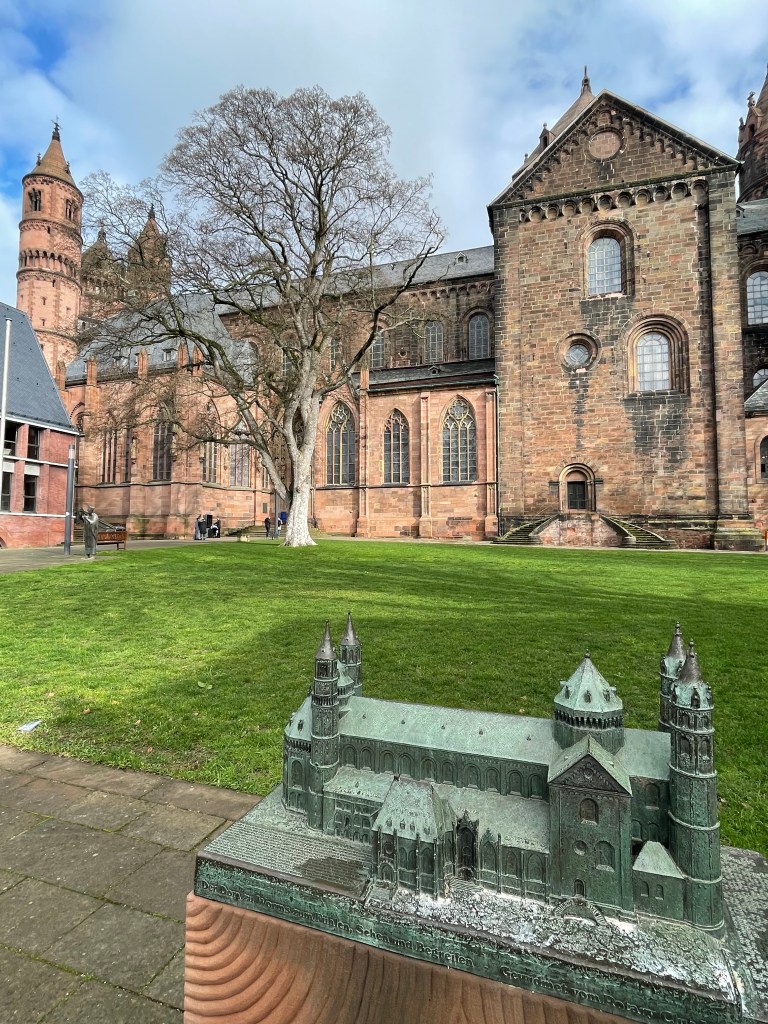
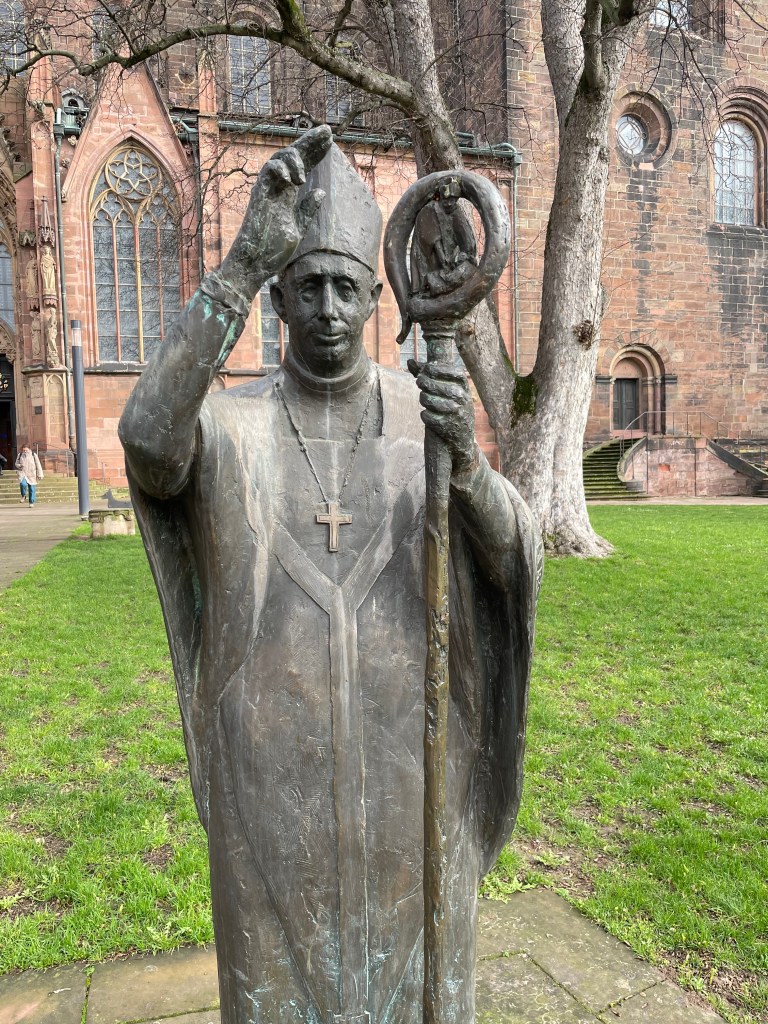
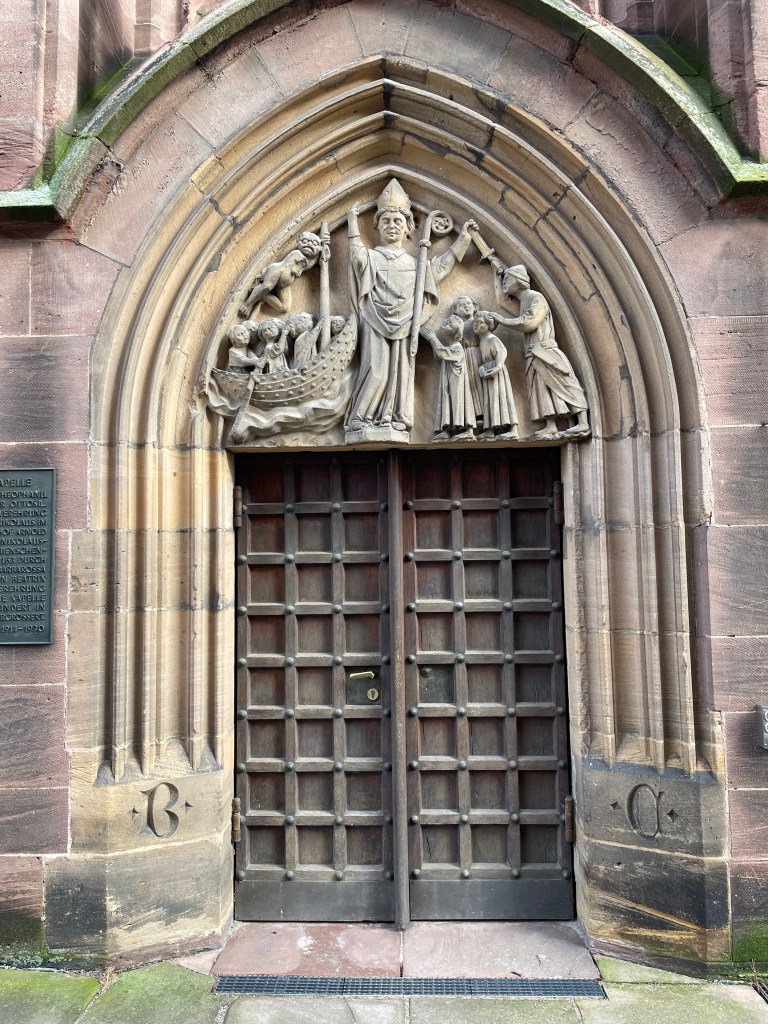
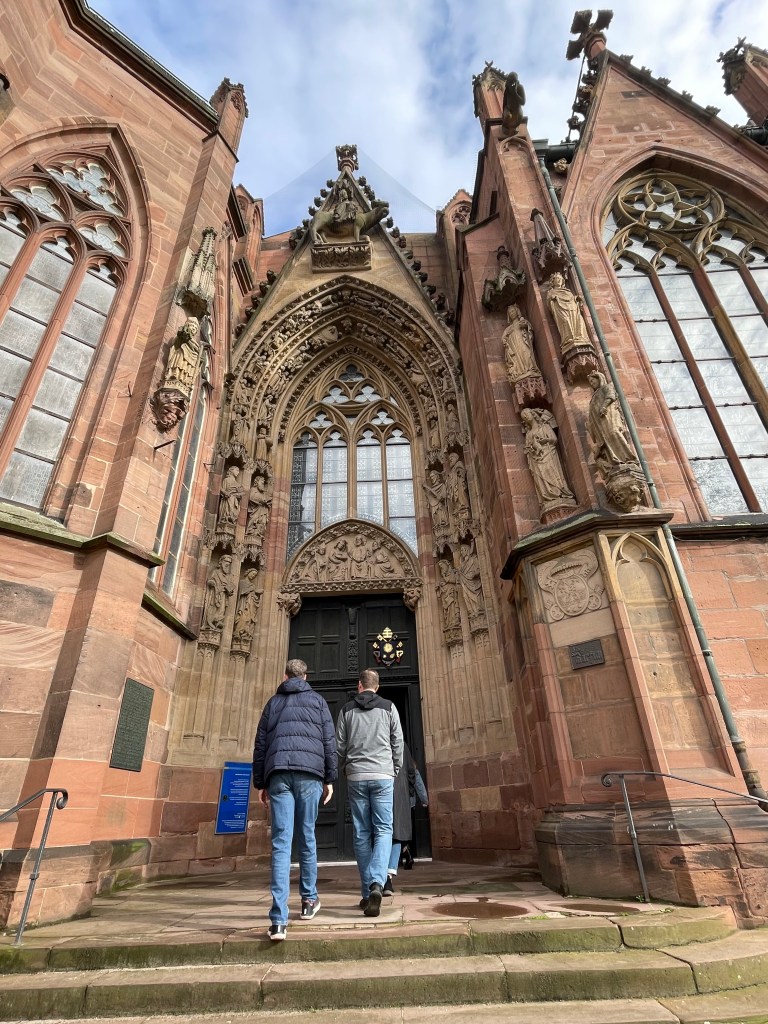
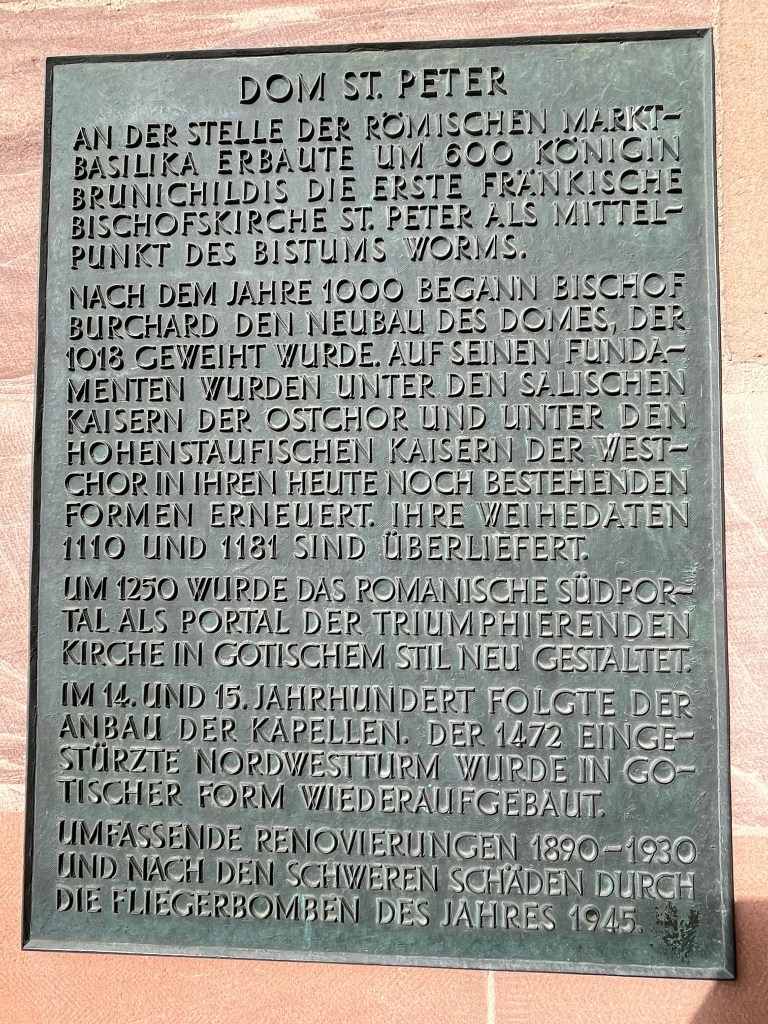
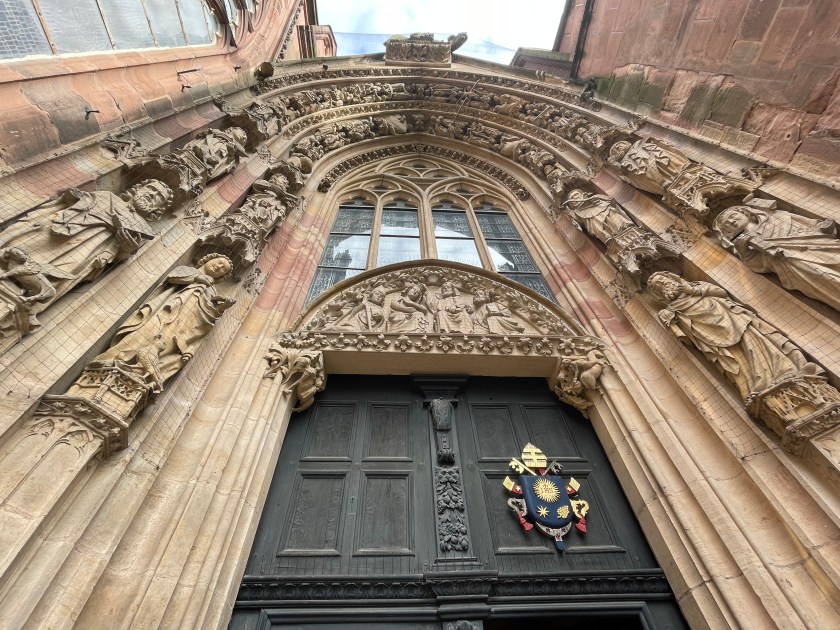
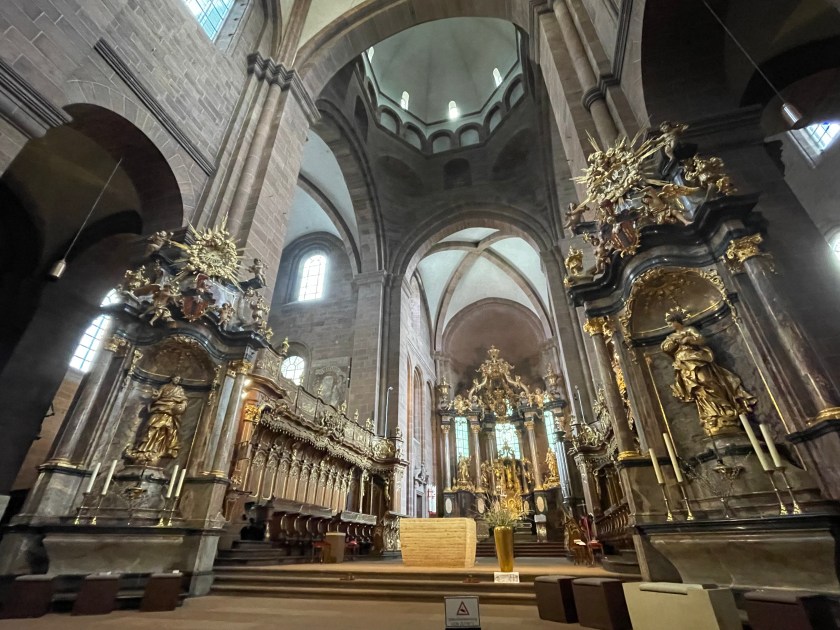
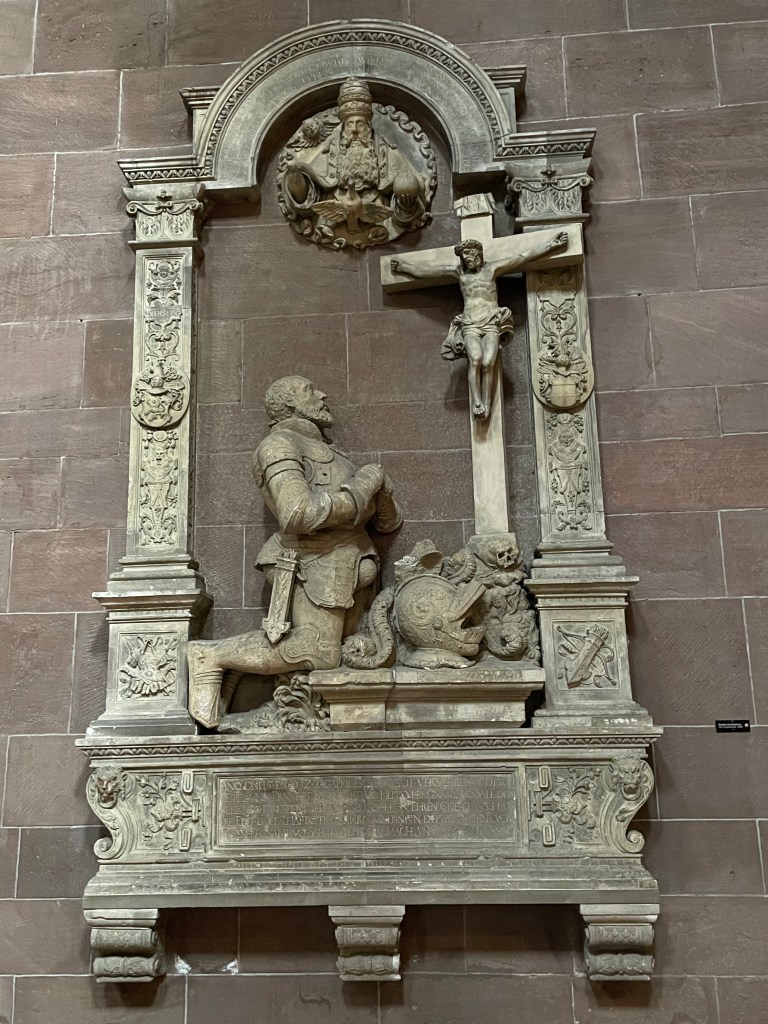
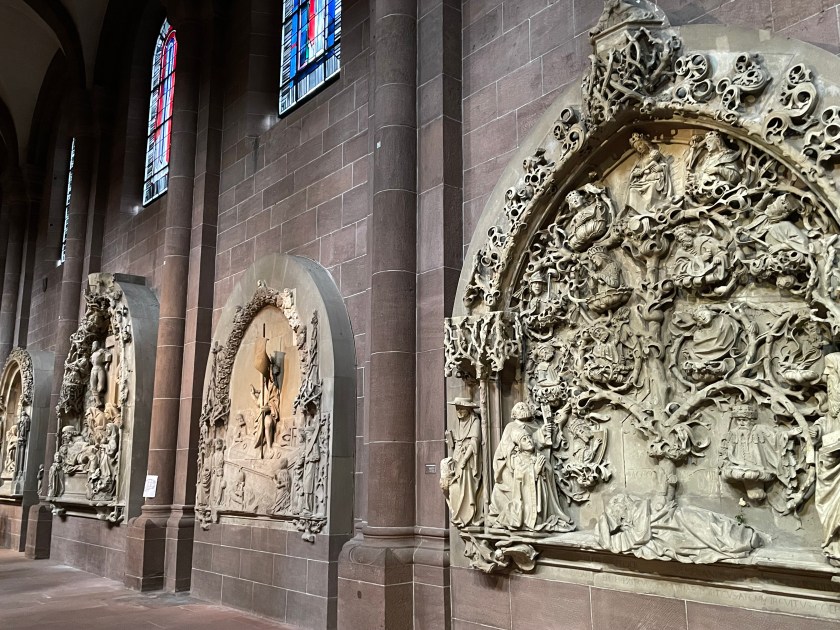
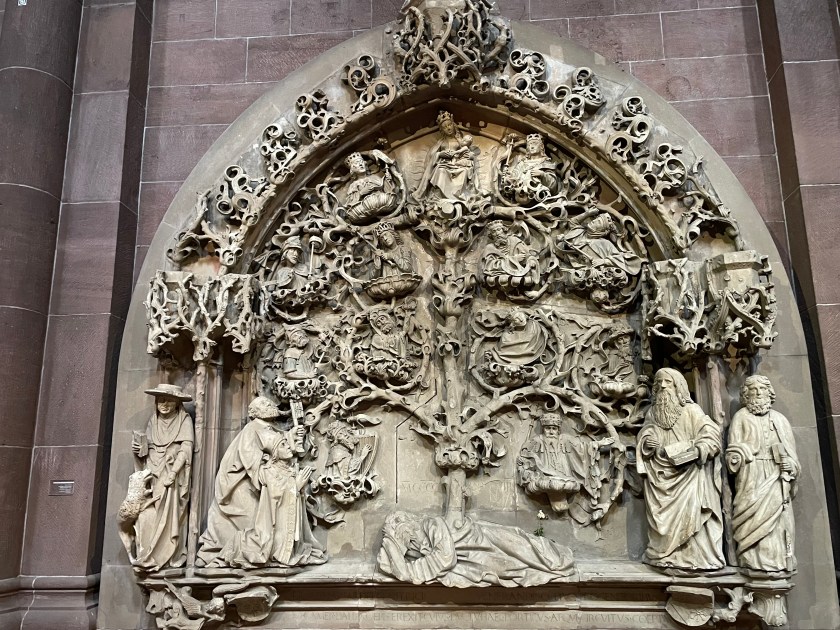
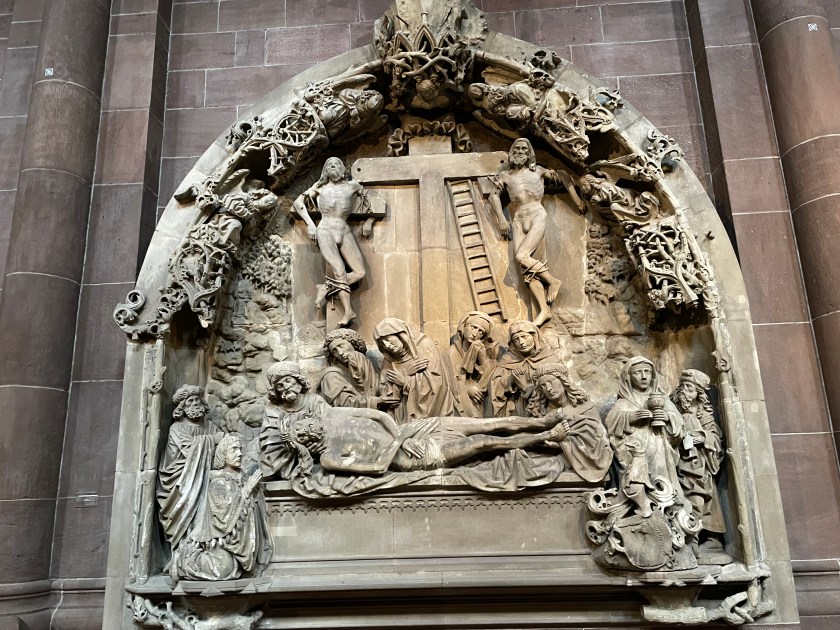
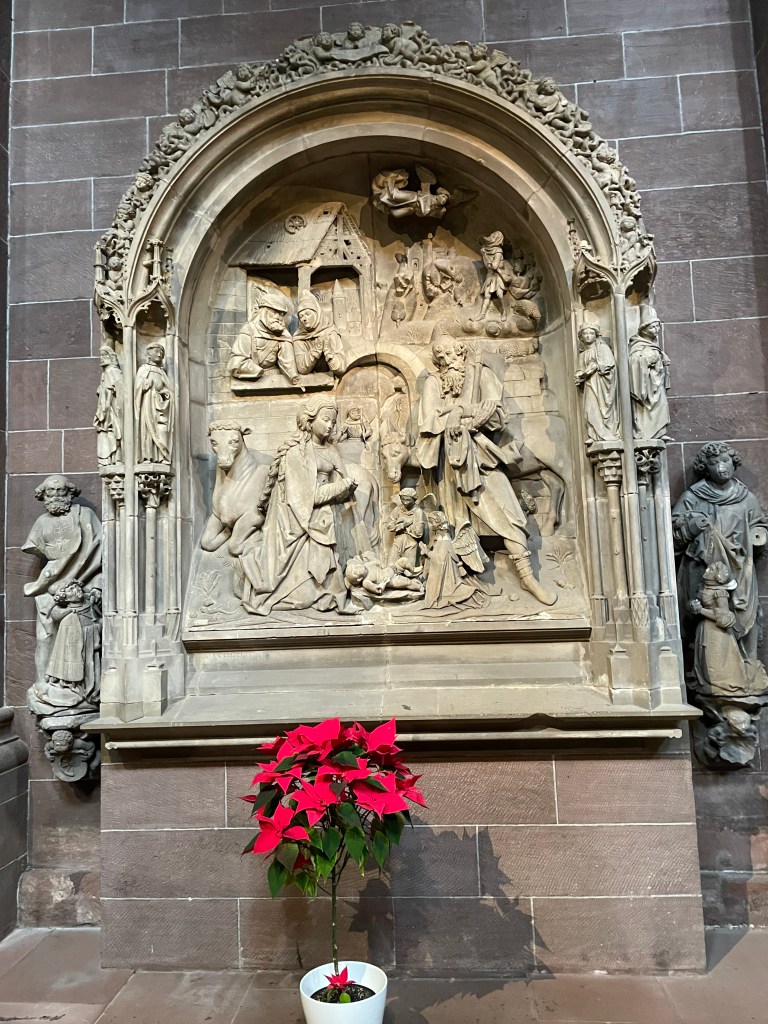
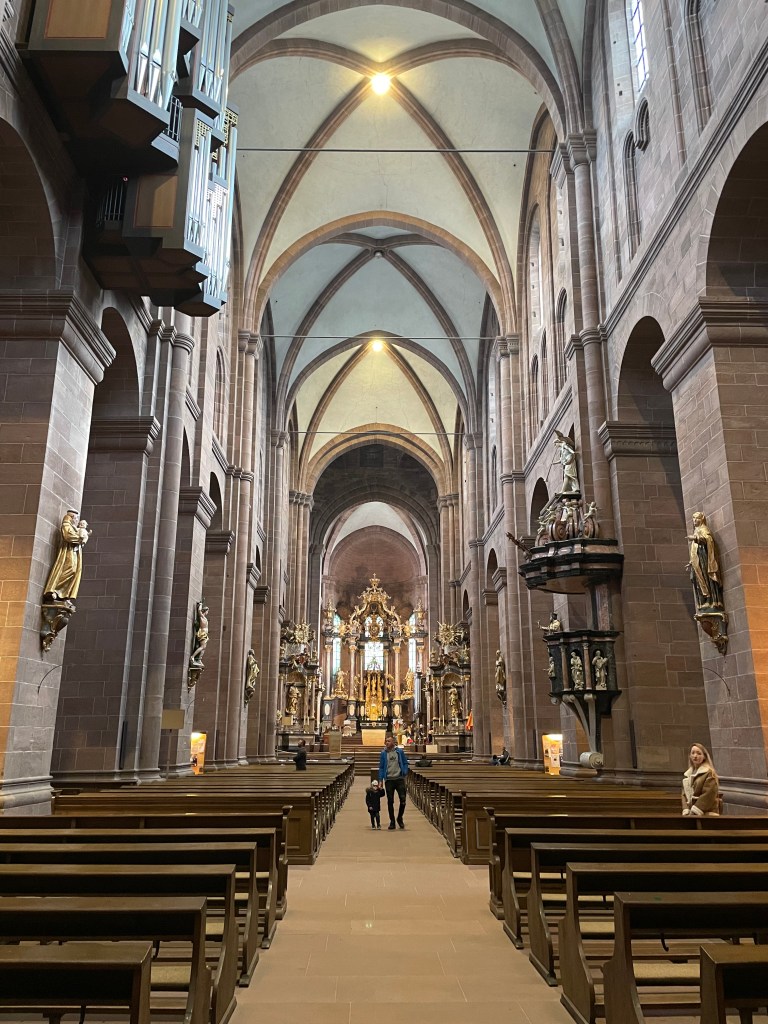
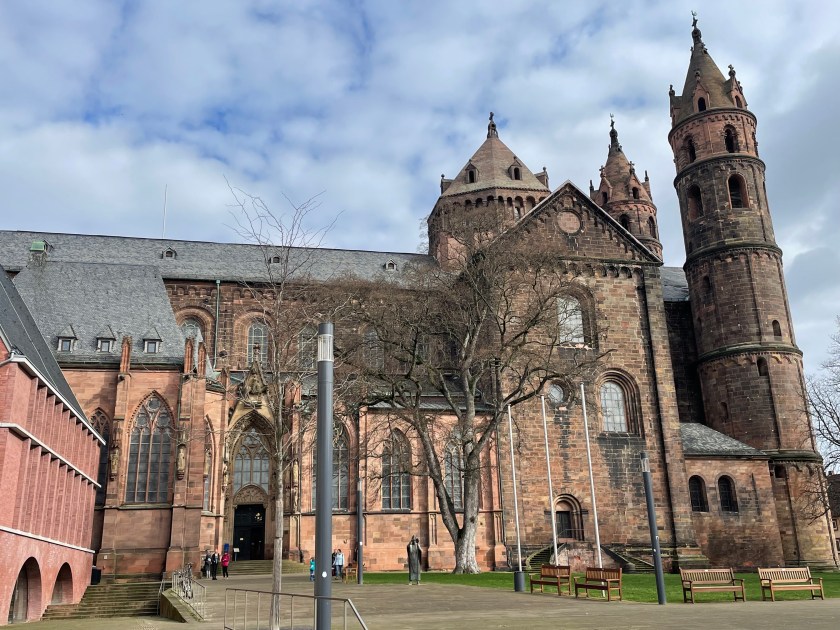
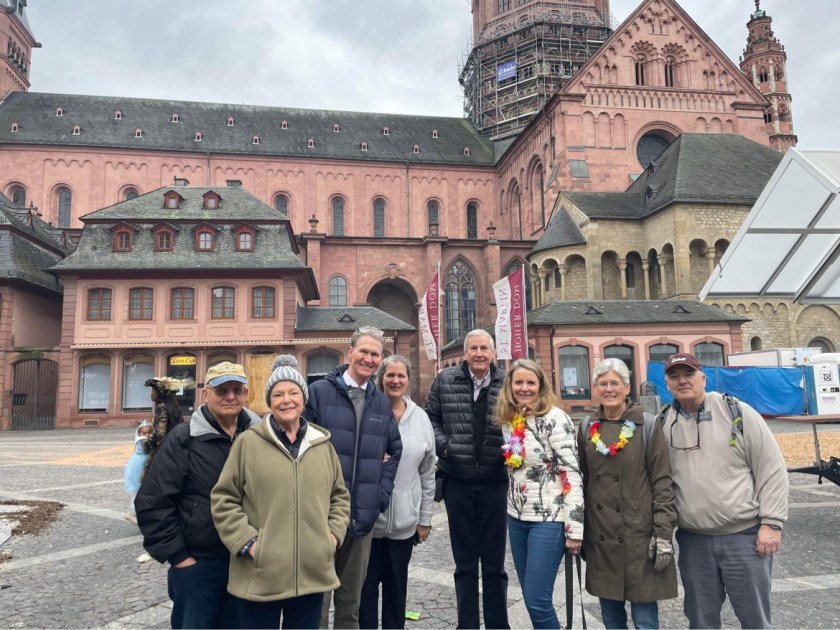
The Cathedral at Worms where Martin Luther Stood Firm

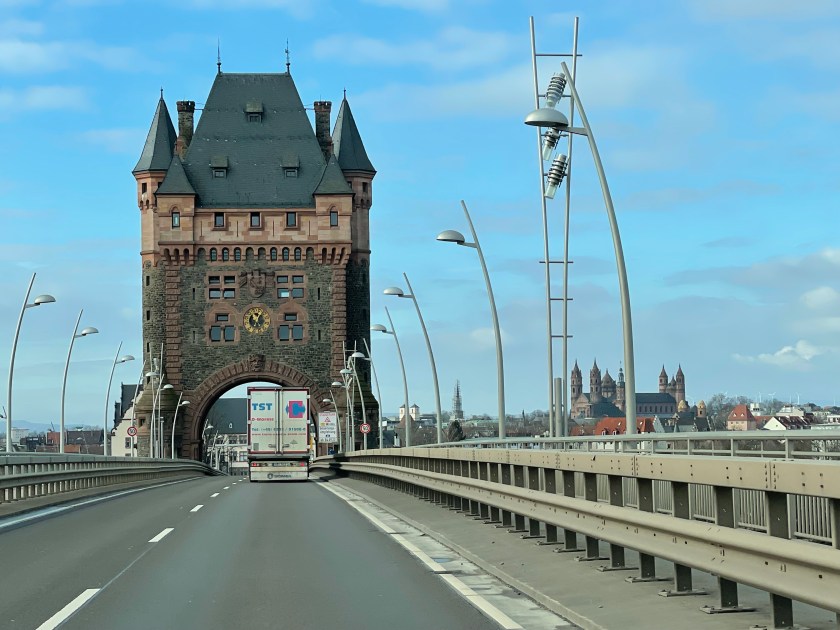
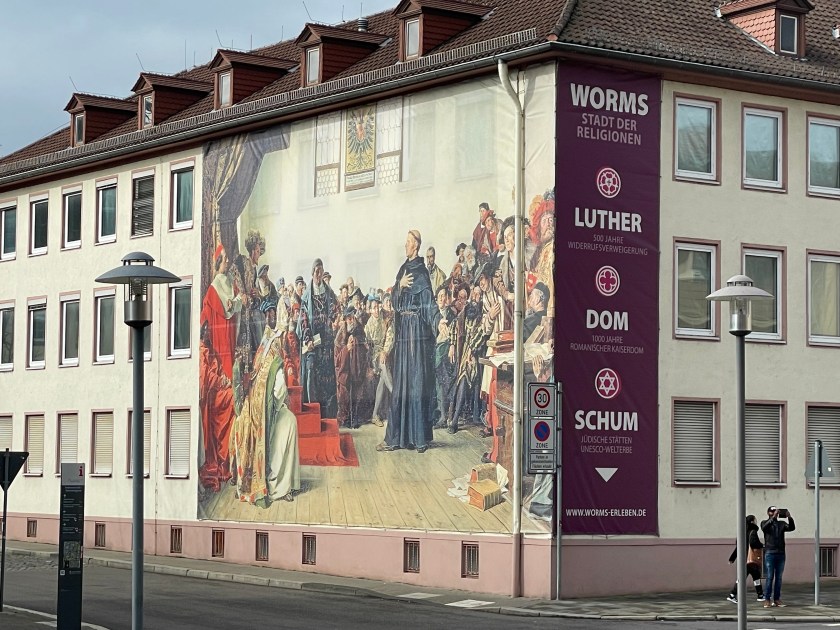
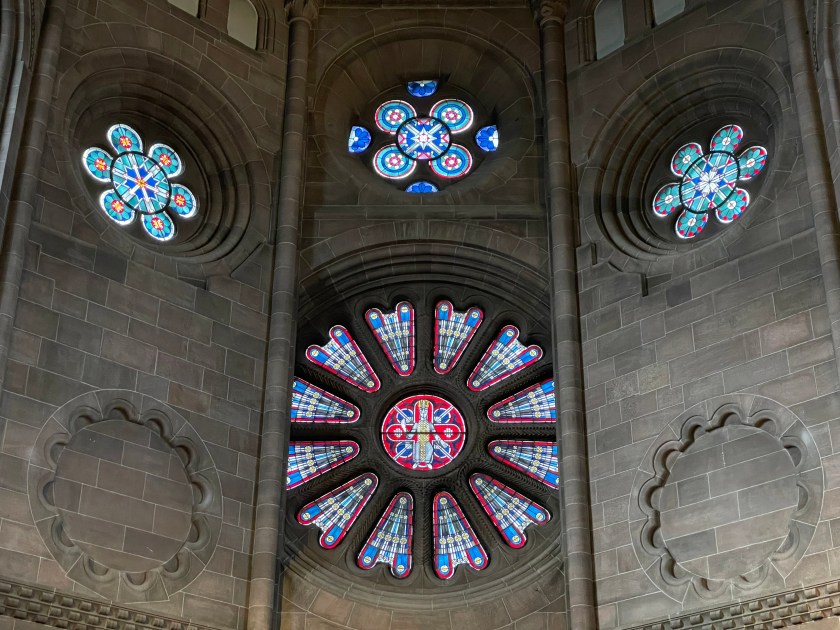
Today we visited Worms on our way to Heidelberg.  Some very important things happened here.  King Charles V was living here during the Imperial Diet of 1521 when Martin Luther was summoned to the palace on 17 and 18 April.  In that trial, he confessed to his writings and refused to recant, saying,  “It is wrong to act against conscience when it is enshrined in God’s law.”

He was declared an outlaw by the emperor in the Edict of Worms, but was saved from being burned at the stake as a heretic by Frederick III of Saxony, a powerful prince within the Holy Roman Empire.

Luther taught:   “Sola gratia, sola fide and sola scriptura” — by faith alone, by grace alone and by scripture alone. The key to reformation theology is found in God’s love for people. By grace alone means that God gives his love freely.

Martin Luther protested against many of the pope’s instructions. Above all, he wanted to abolish the indulgences that enabled Christians to buy their freedom from sin. The theologian from Wittenberg formulated his thoughts in 1517 in 95 theses, which spread like wildfire. Five years later, the church and the emperor demanded that he publicly distance himself from his writings, which were condemned as heretical.
Martin Luther ended his speech by saying, “Here I stand, I can do no other.”


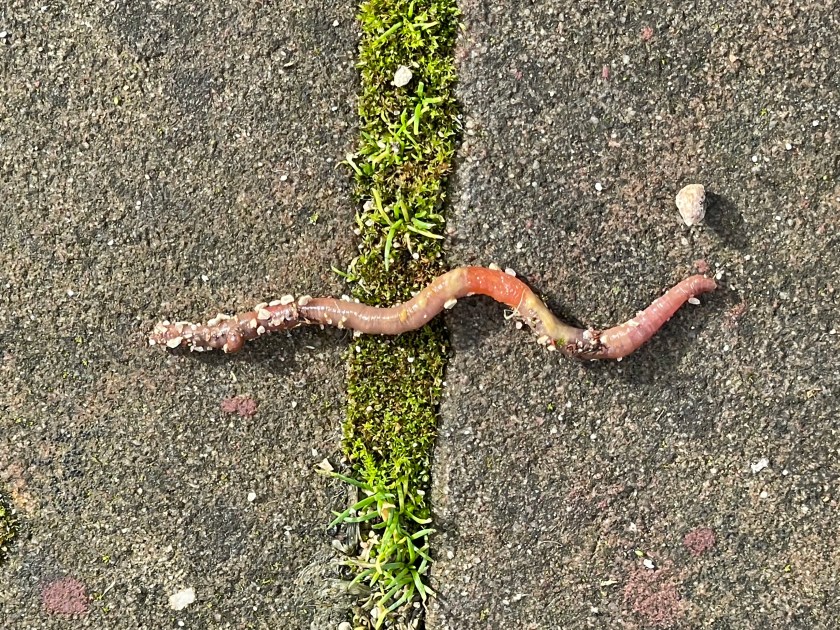
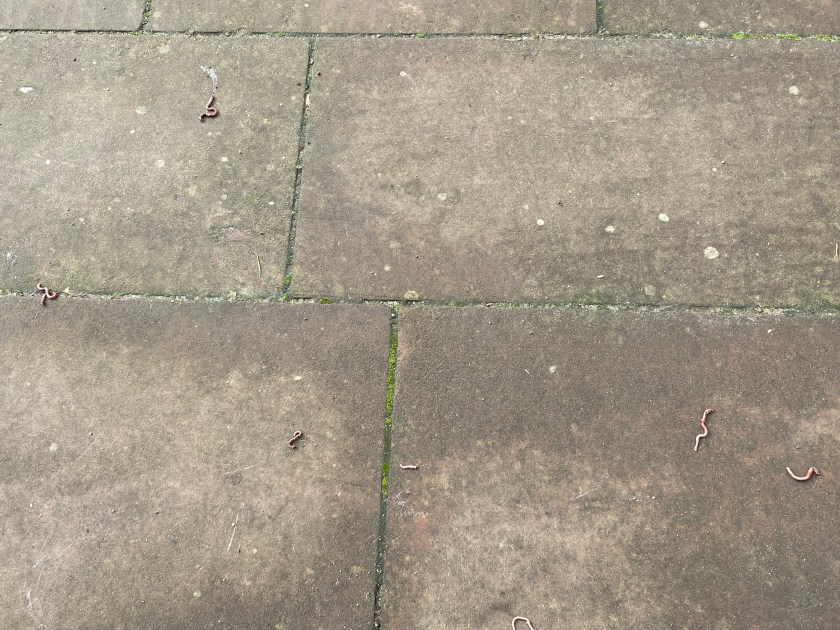
There seemed to be worms underfoot on all the sidewalks!

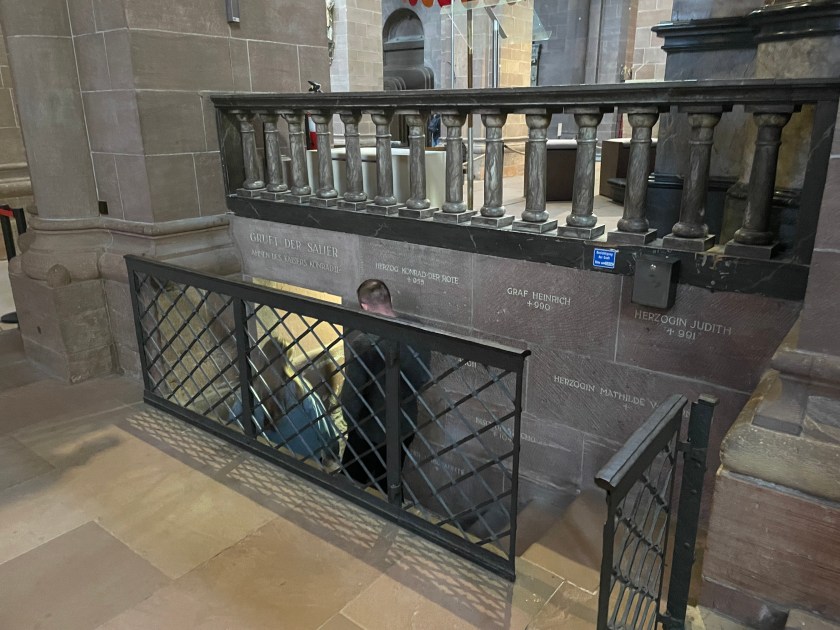
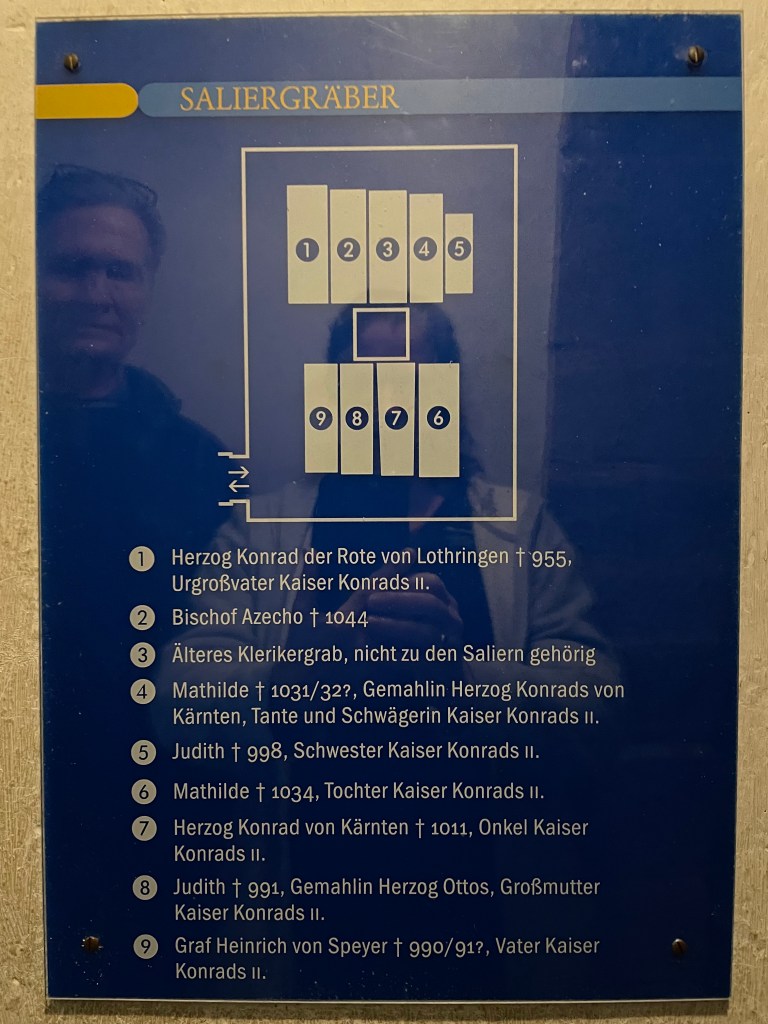
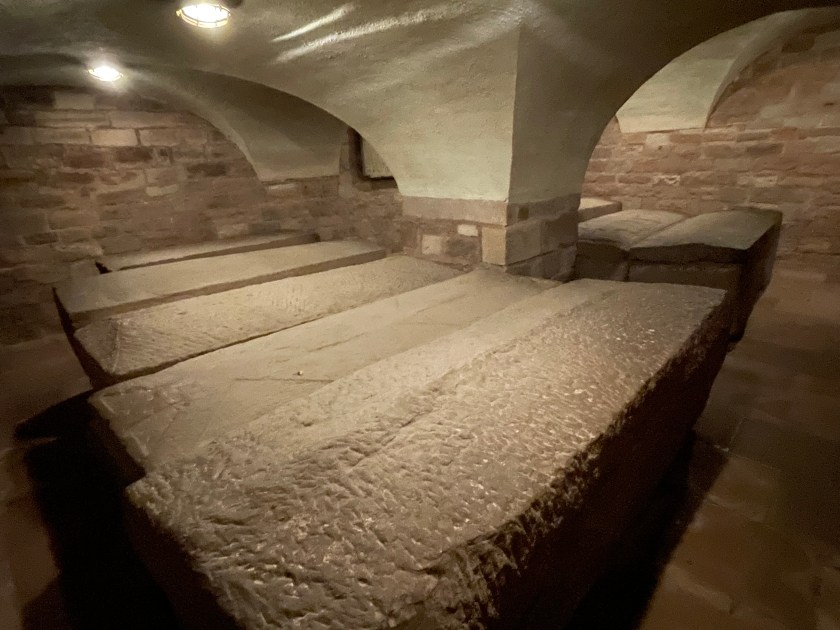
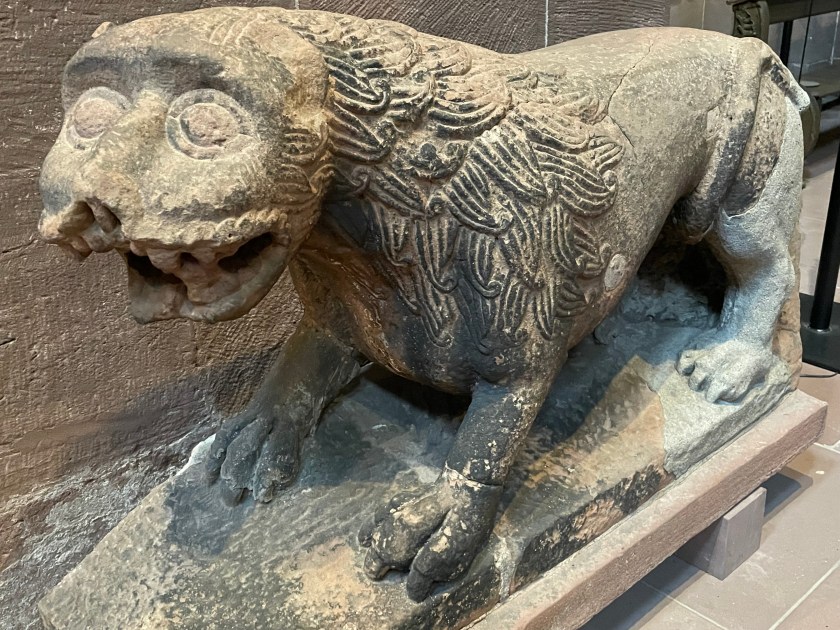
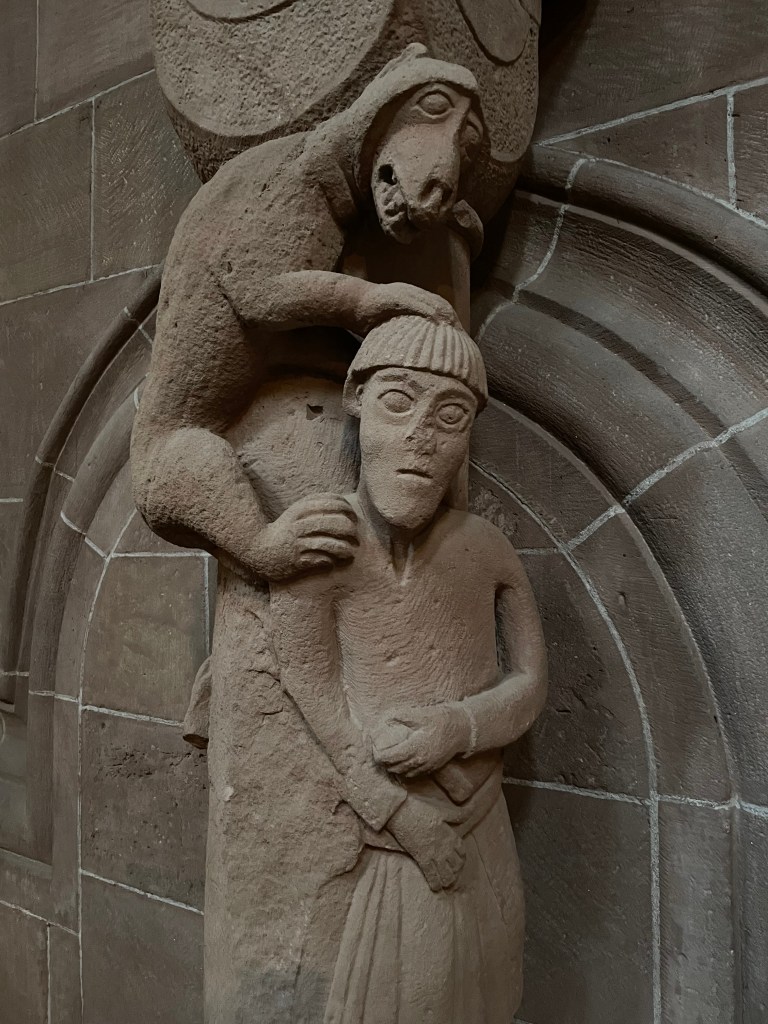
We went down into the crypt of the old part of the cathedral.

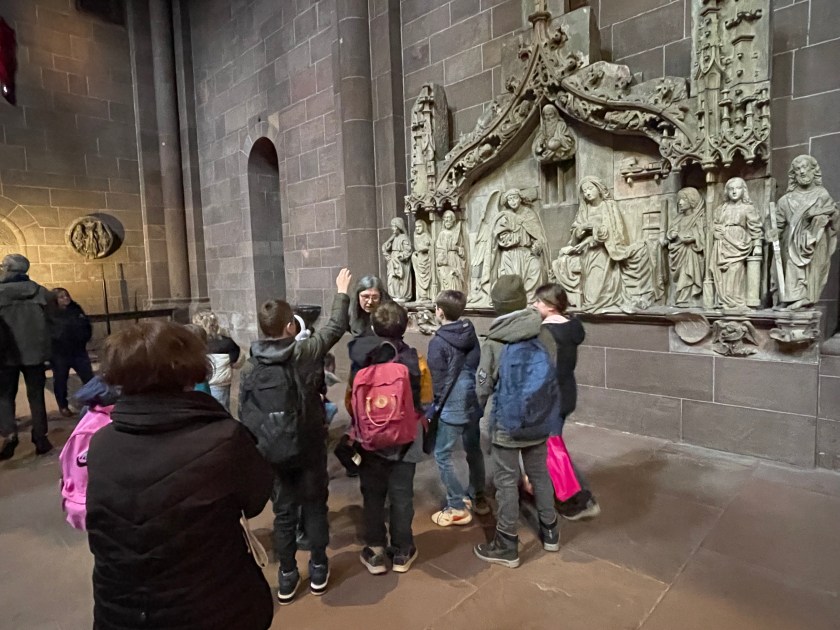
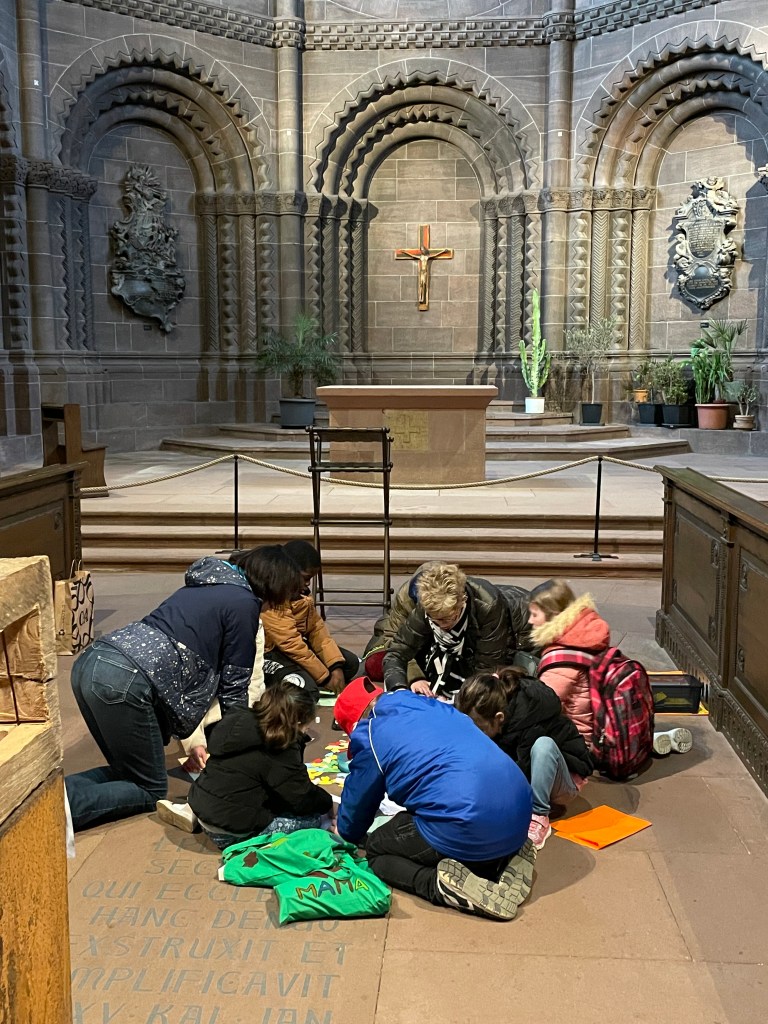
There were several groups of children on tour here.

This was a fascinating stop along our way to Heidelberg.

Valentine’s Love

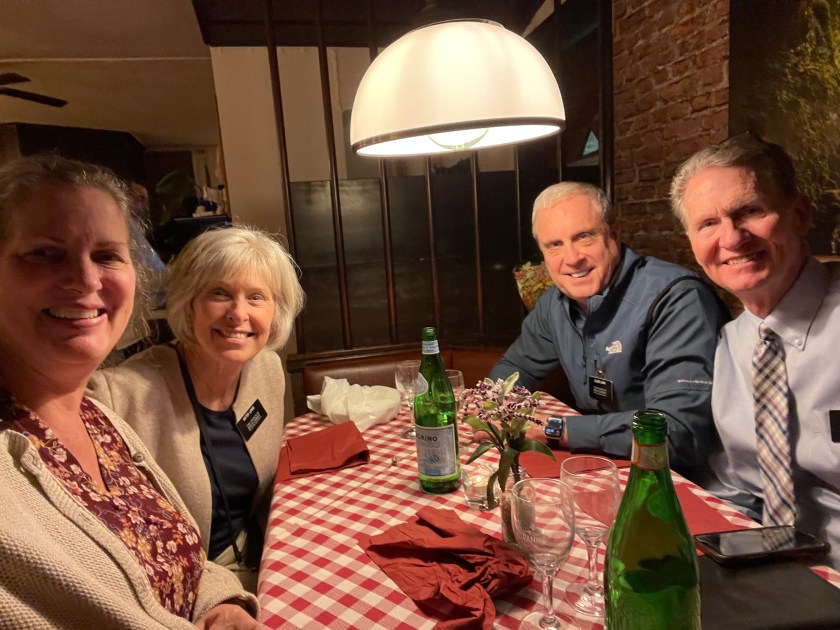
The worst part about serving here is watching friends go home.  Geoff and Deborah Lewis return to their family soon and it’s sad for us.  We took them to dinner to have a last good visit before their departure.

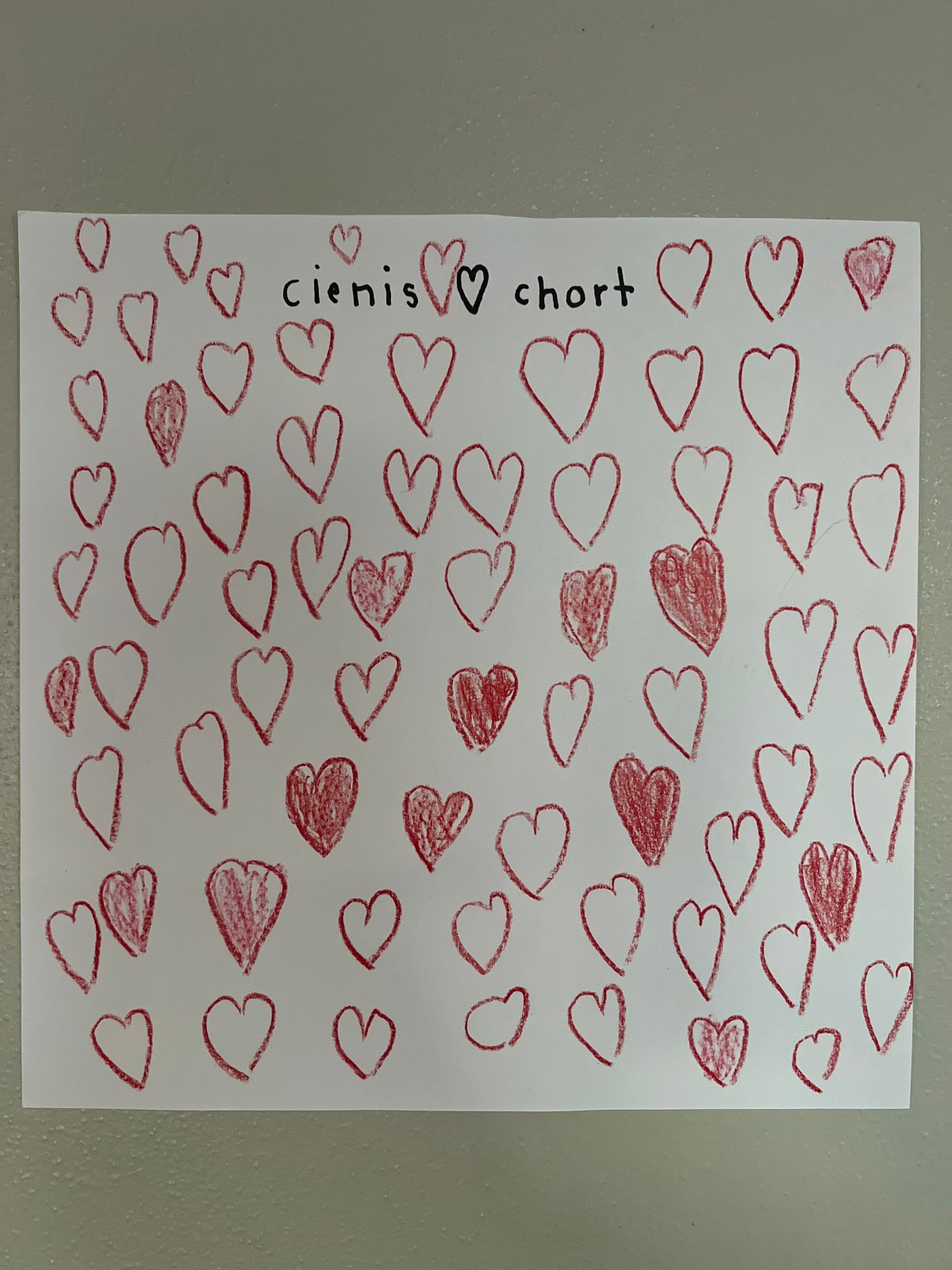
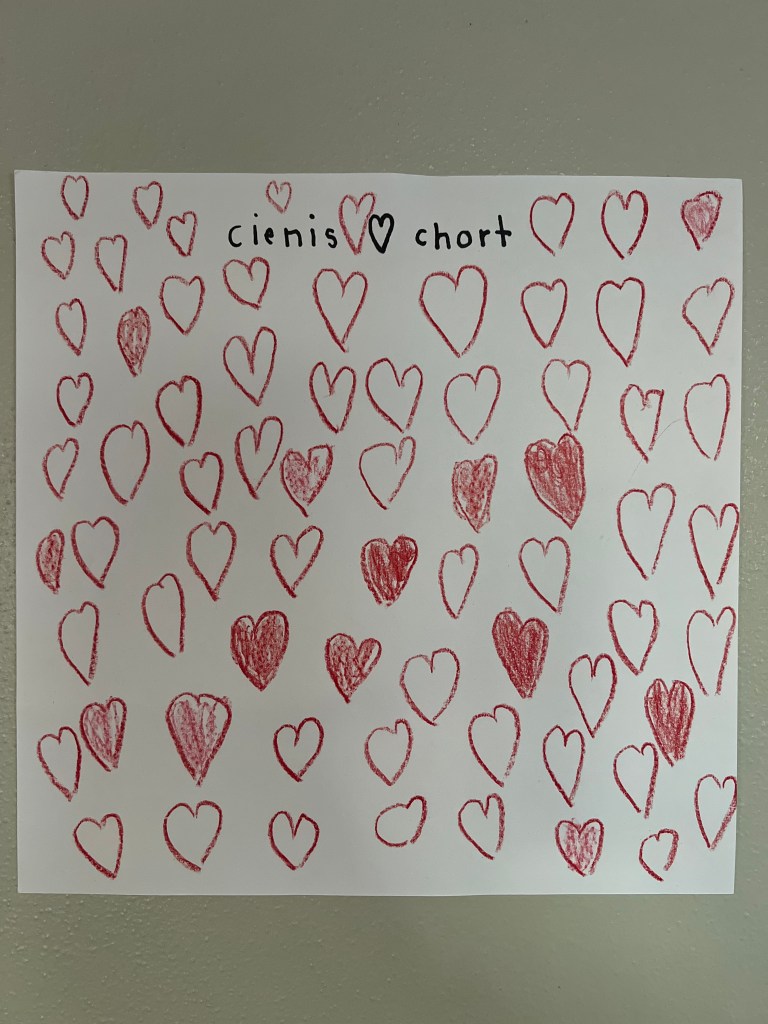
Below is one of my favorite things ever–Clark made this chart a week or so before Lenna was born.  He labeled it his “Kindness Chart,” and told Heidi that every time he does something kind, he can color in one of the hearts.  Let’s all be like Clark.

We spent Valentine’s evening cleaning the church.  It took about 3 hours.  The Elders came to help for an hour and we were grateful.  Here’s John at about 10:00 p.m. finally having some Valentine’s dinner!
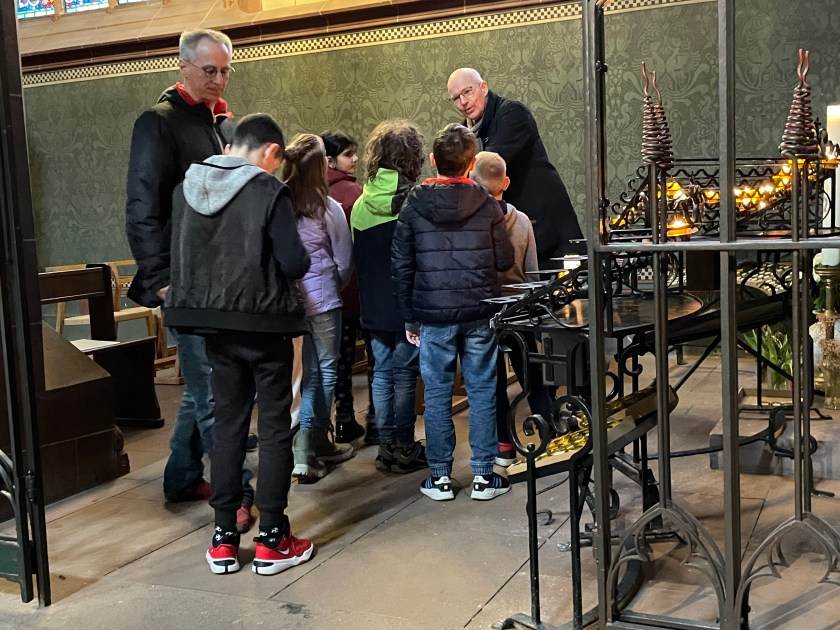
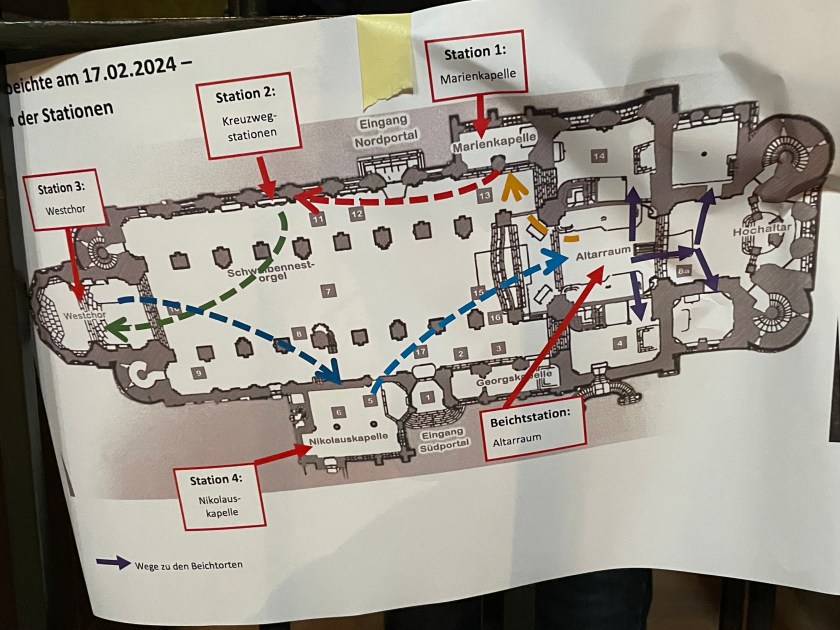
Carnival 2024 in Mainz

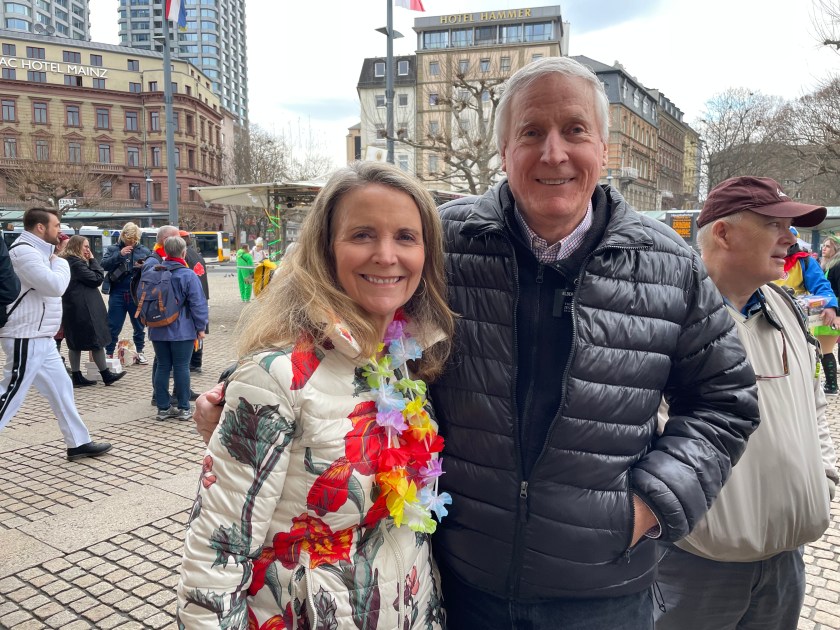
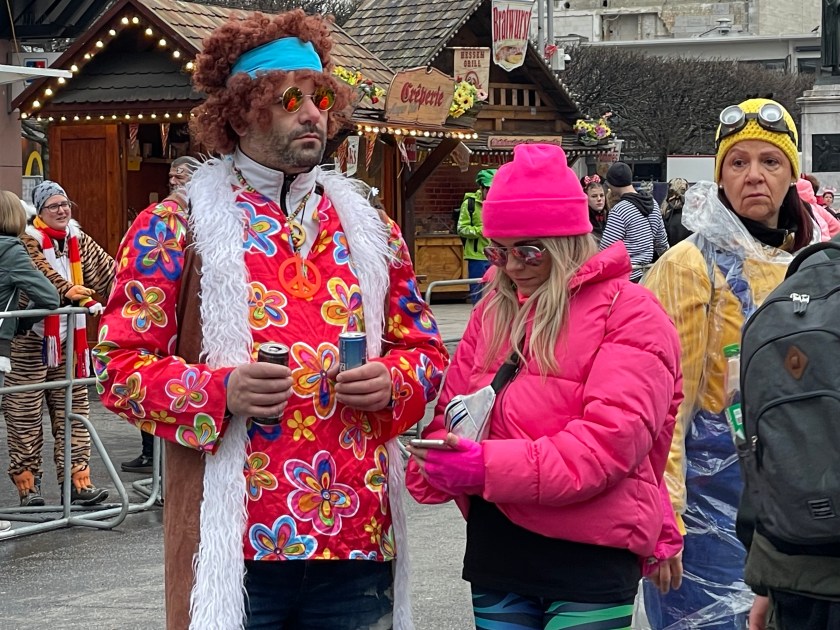
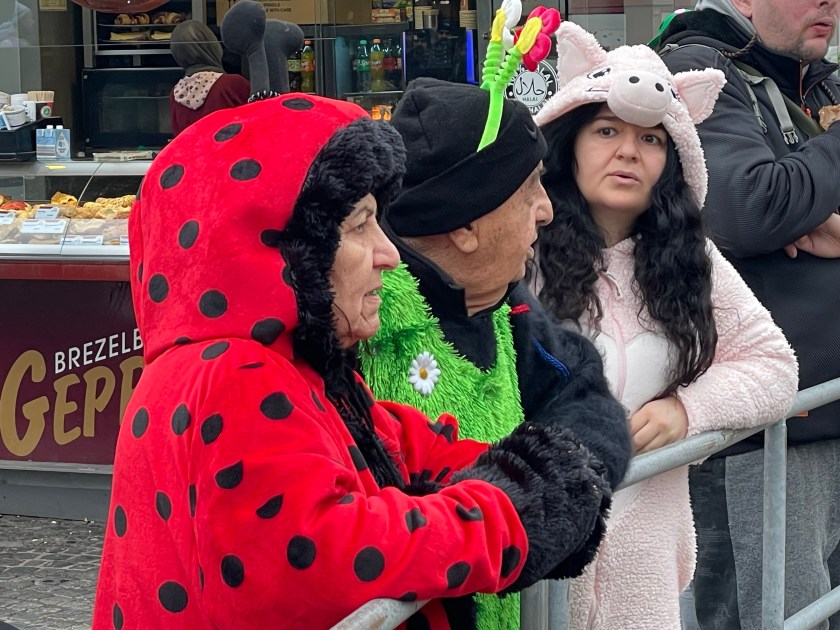
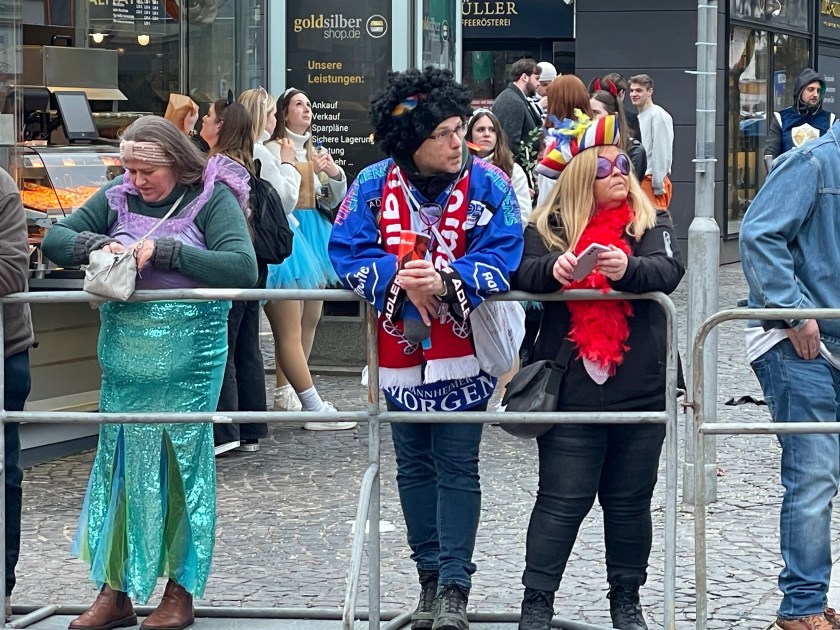
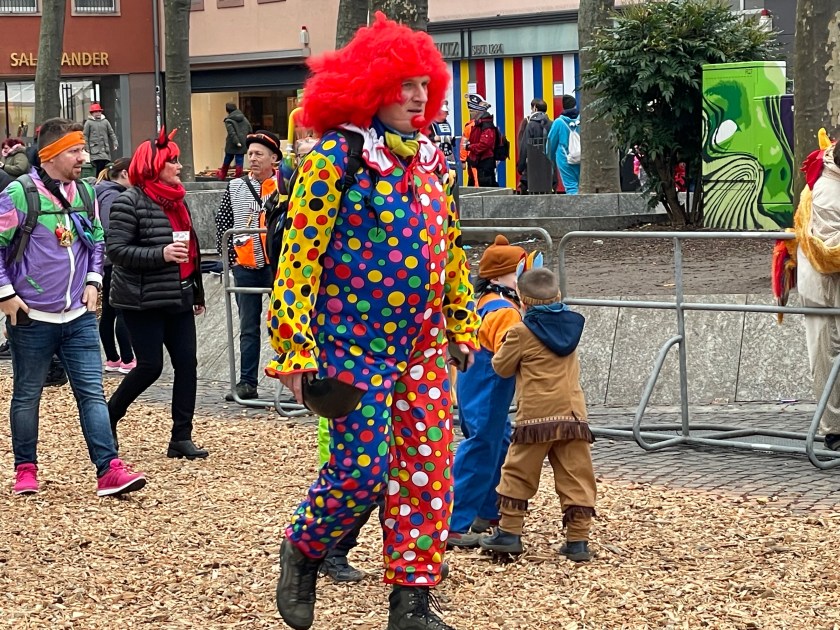
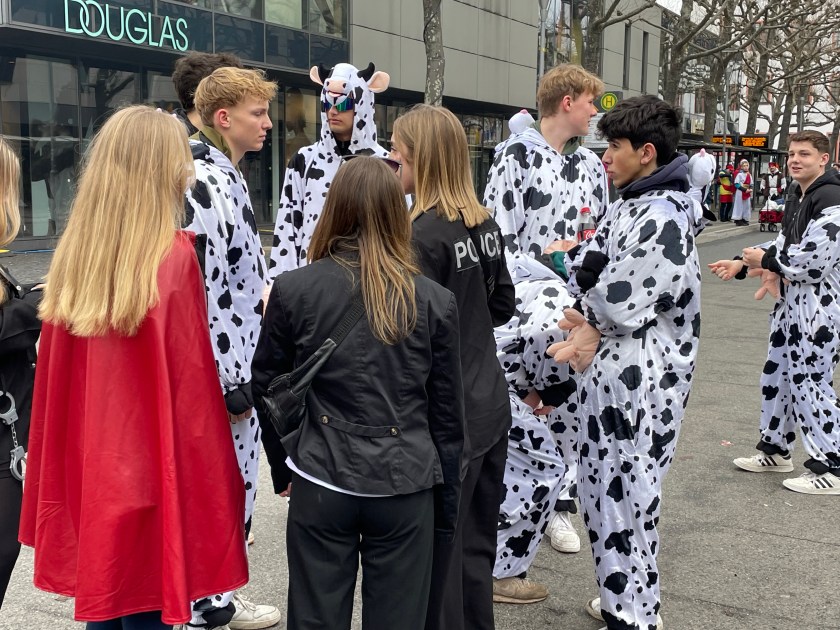
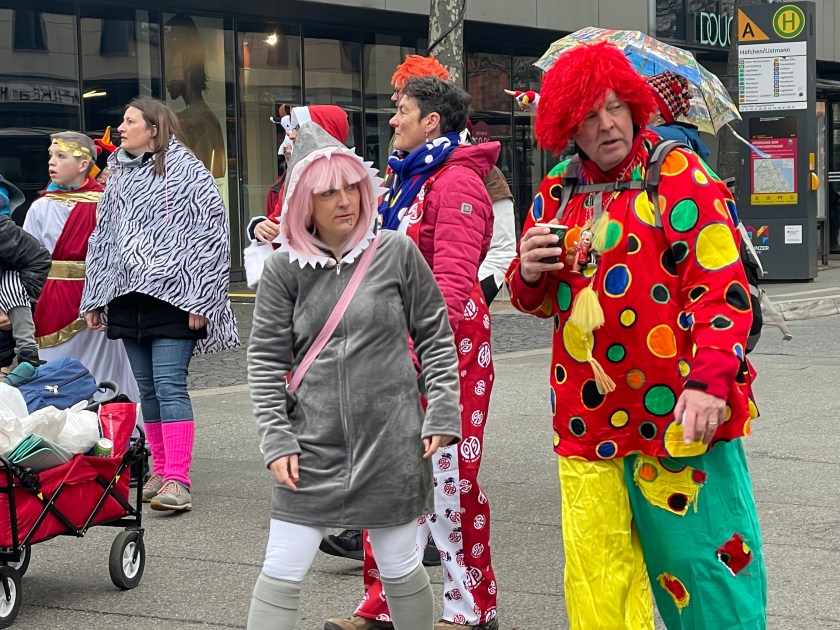
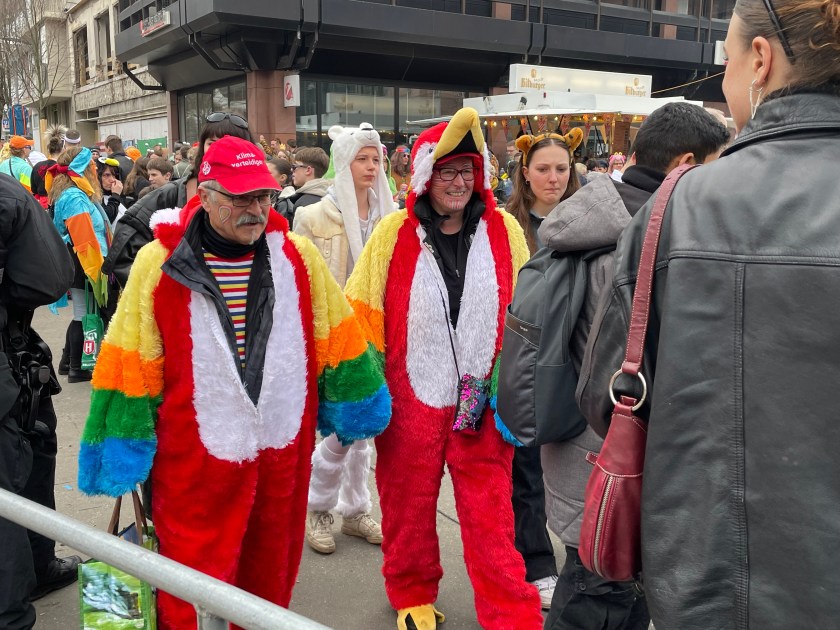
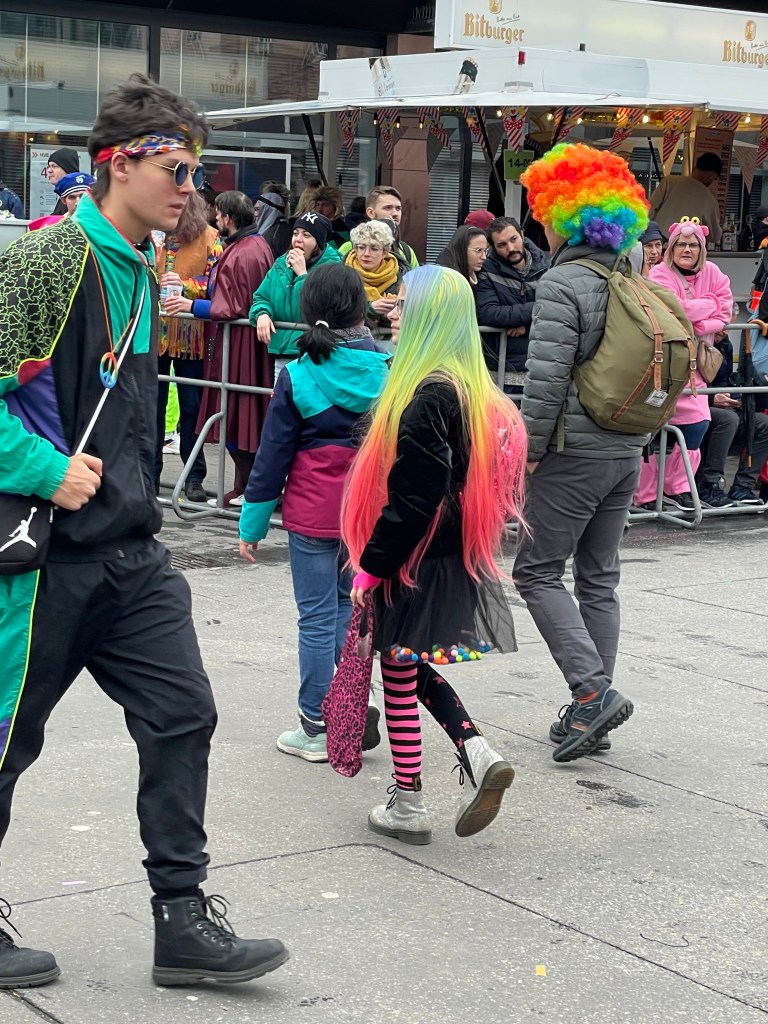
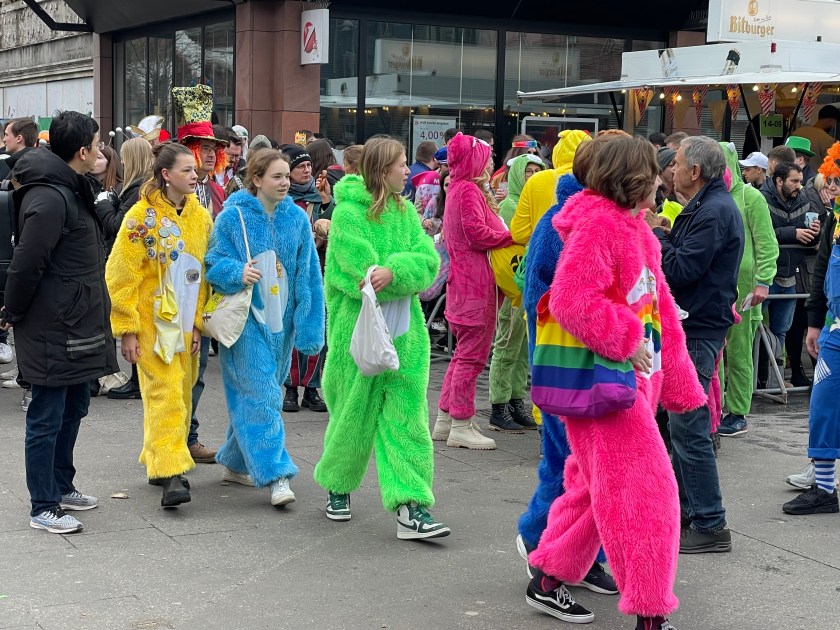
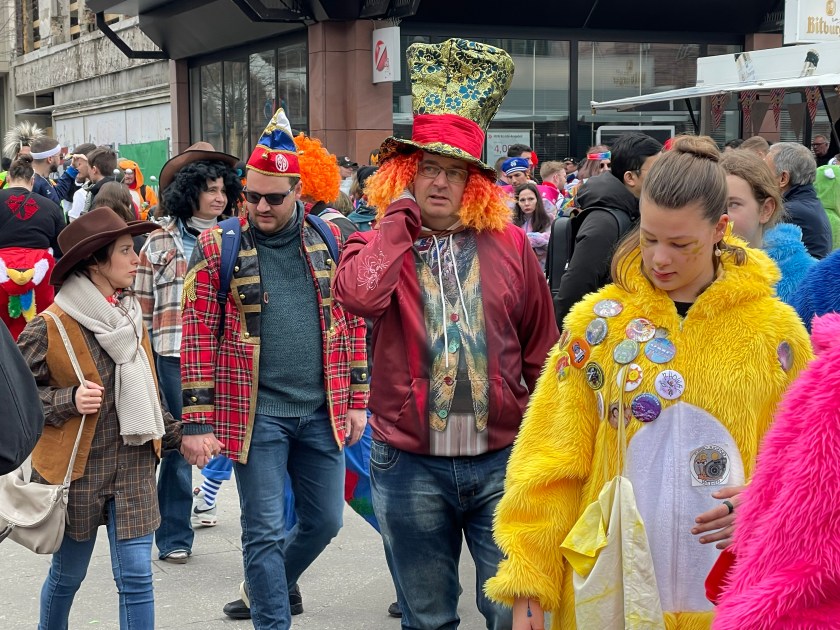
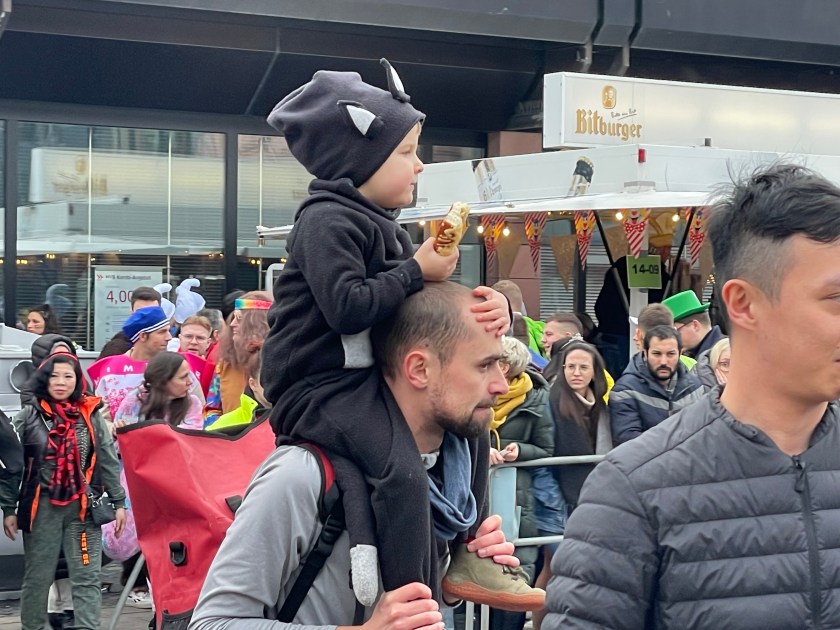
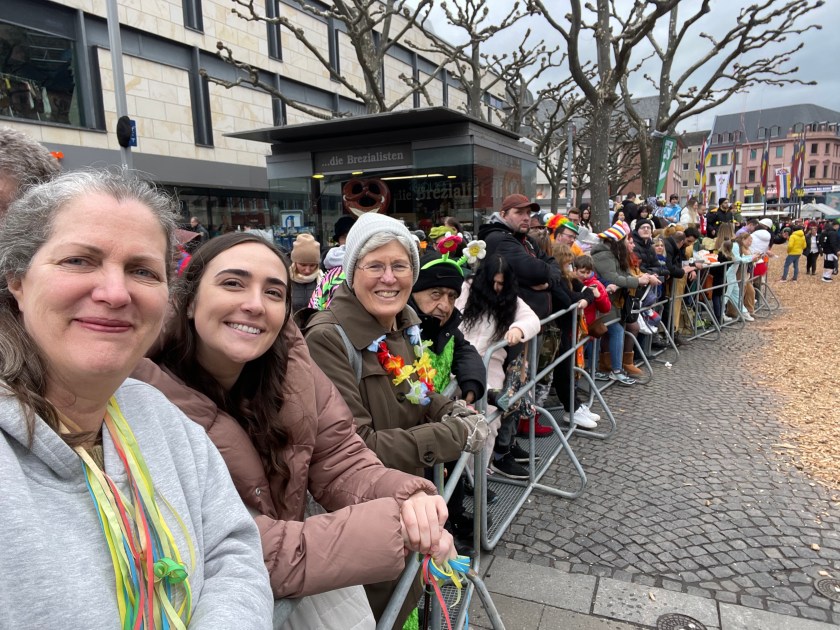
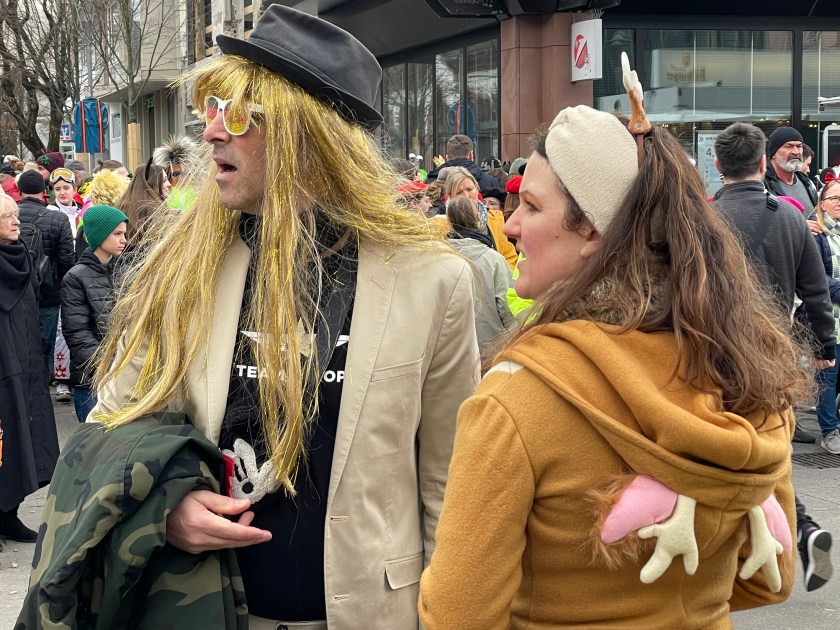
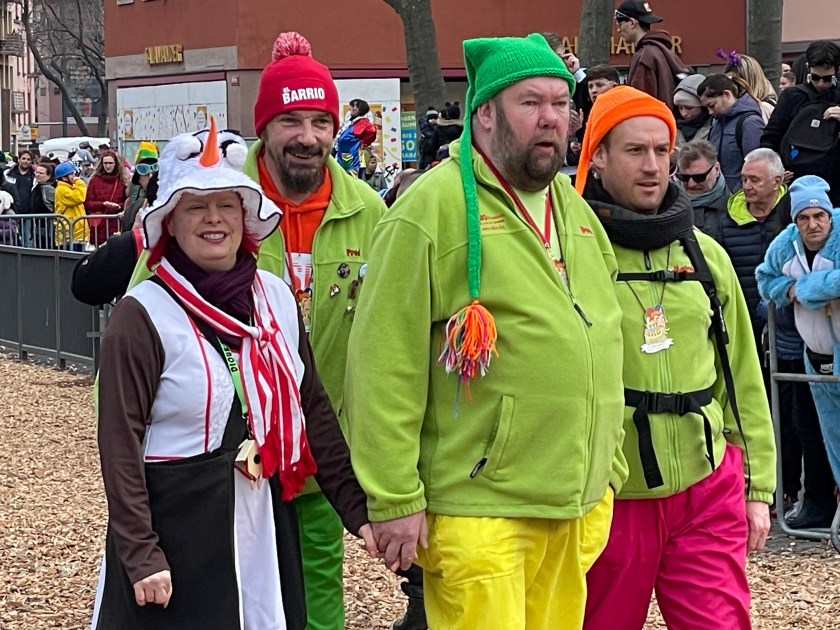
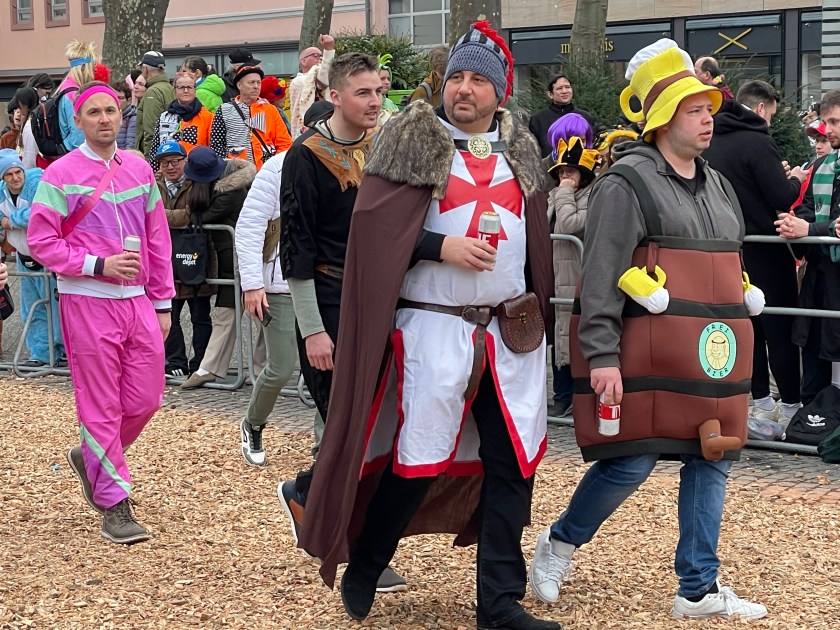
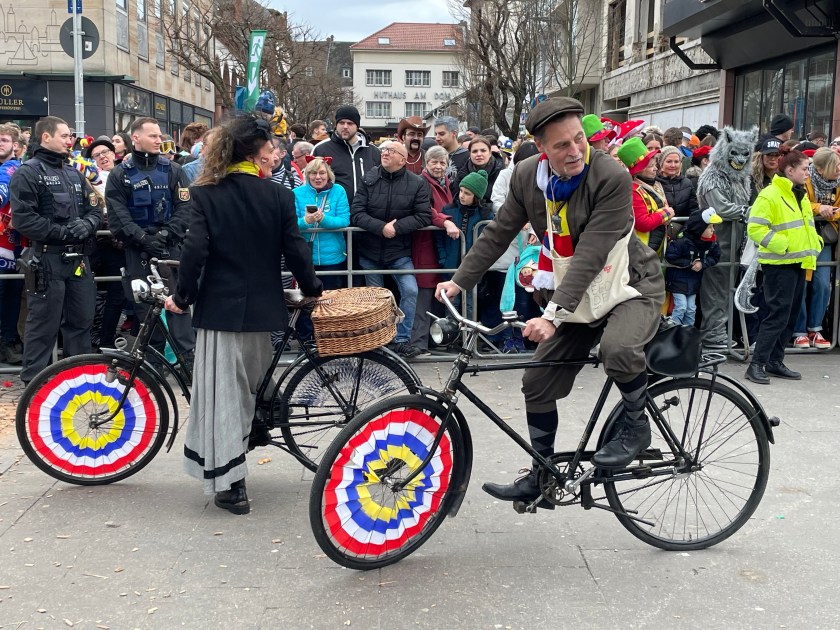
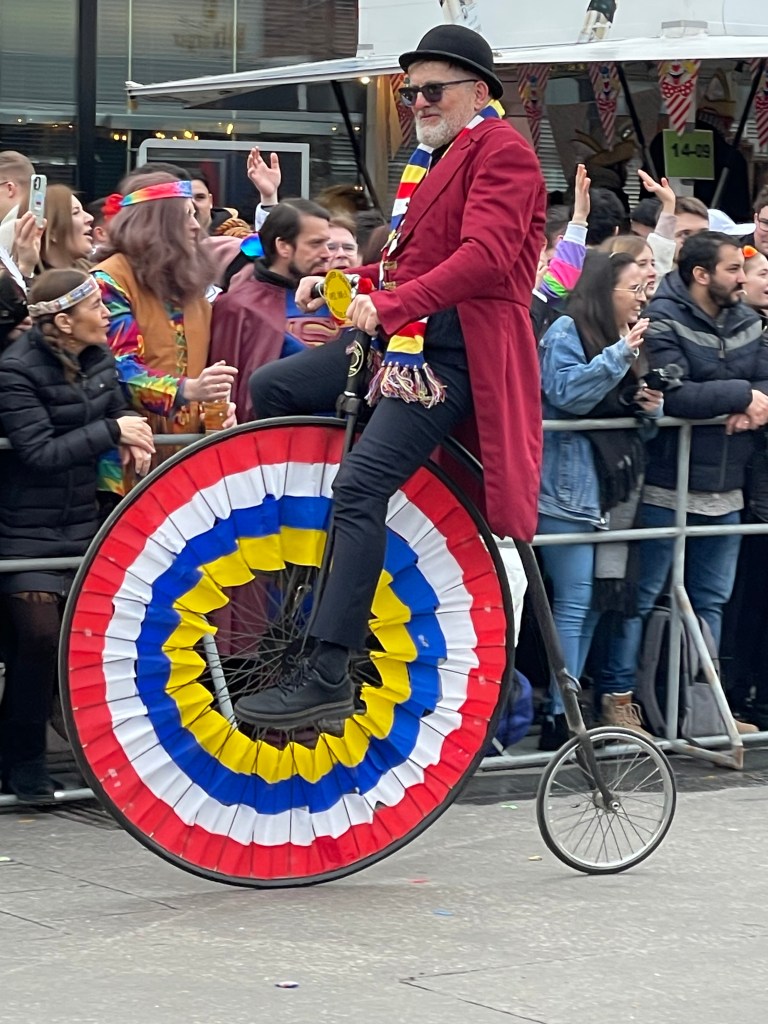
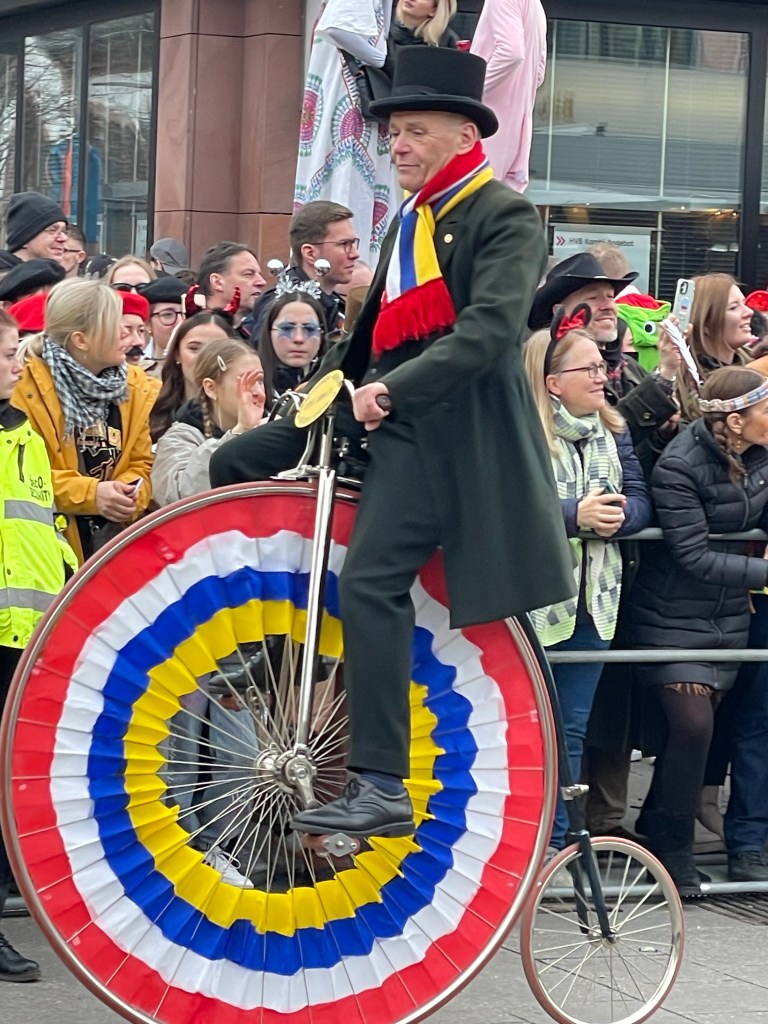
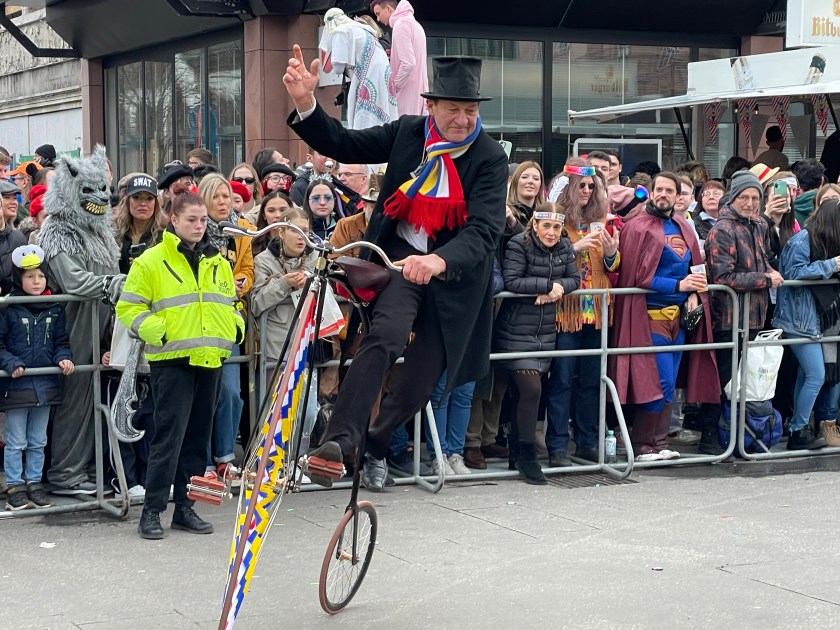
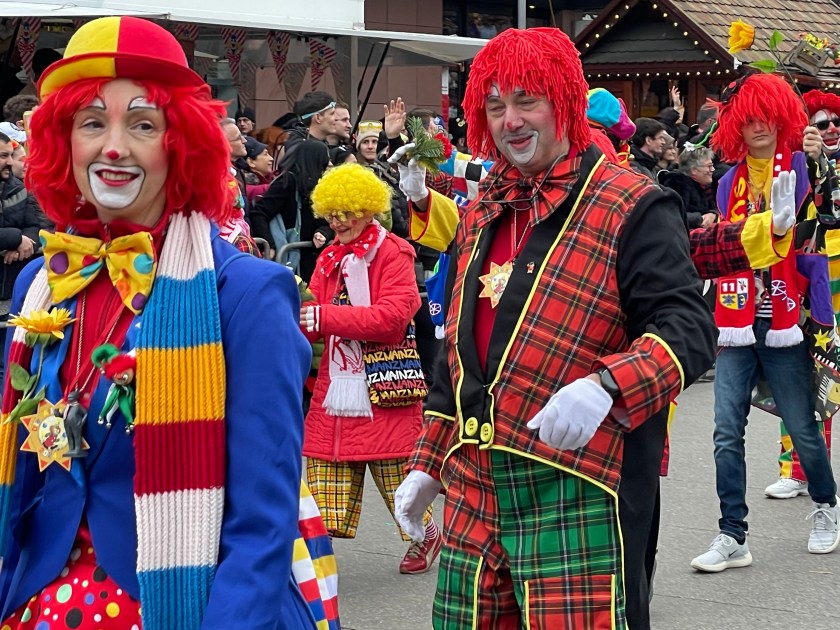
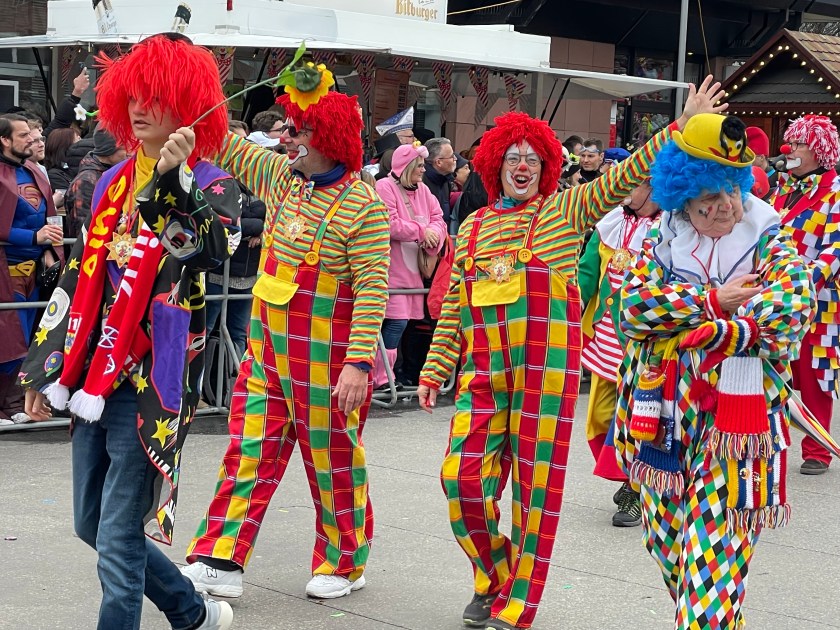
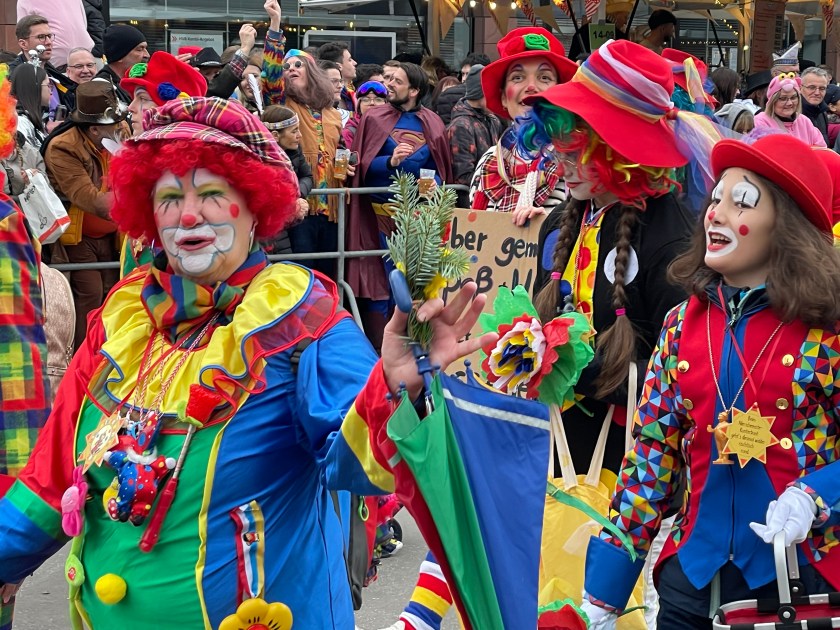
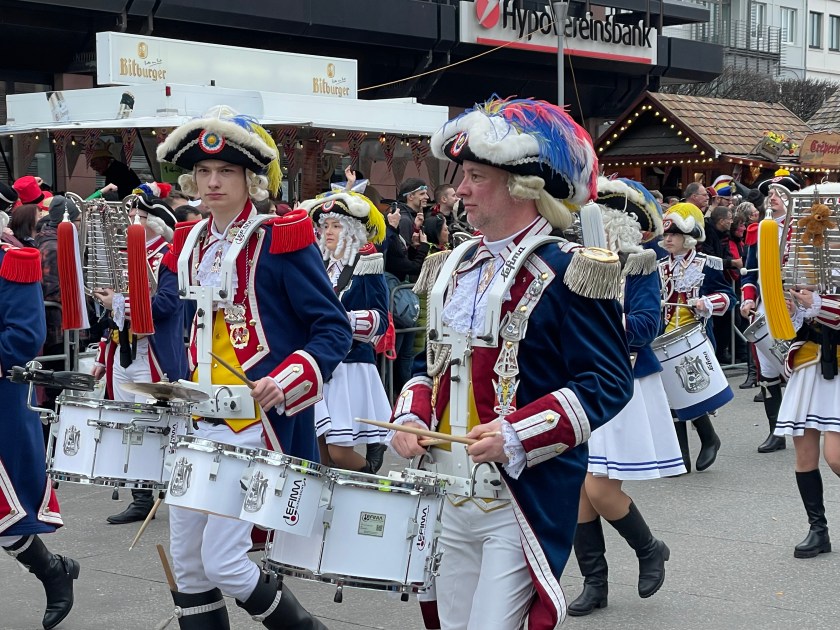
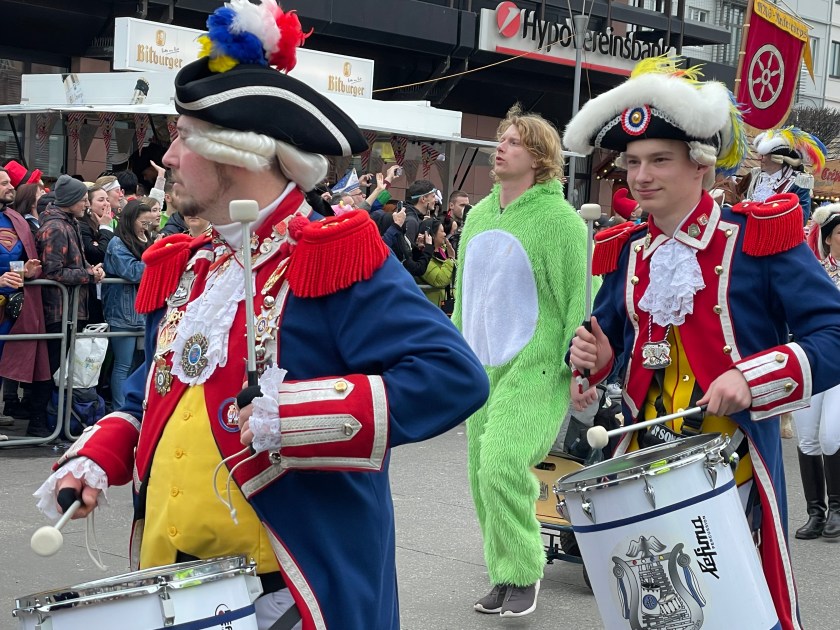
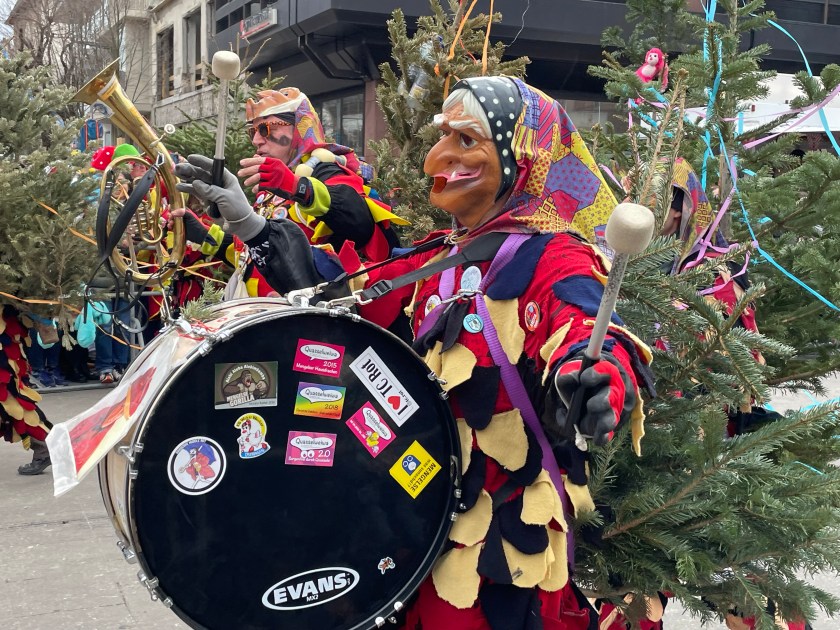
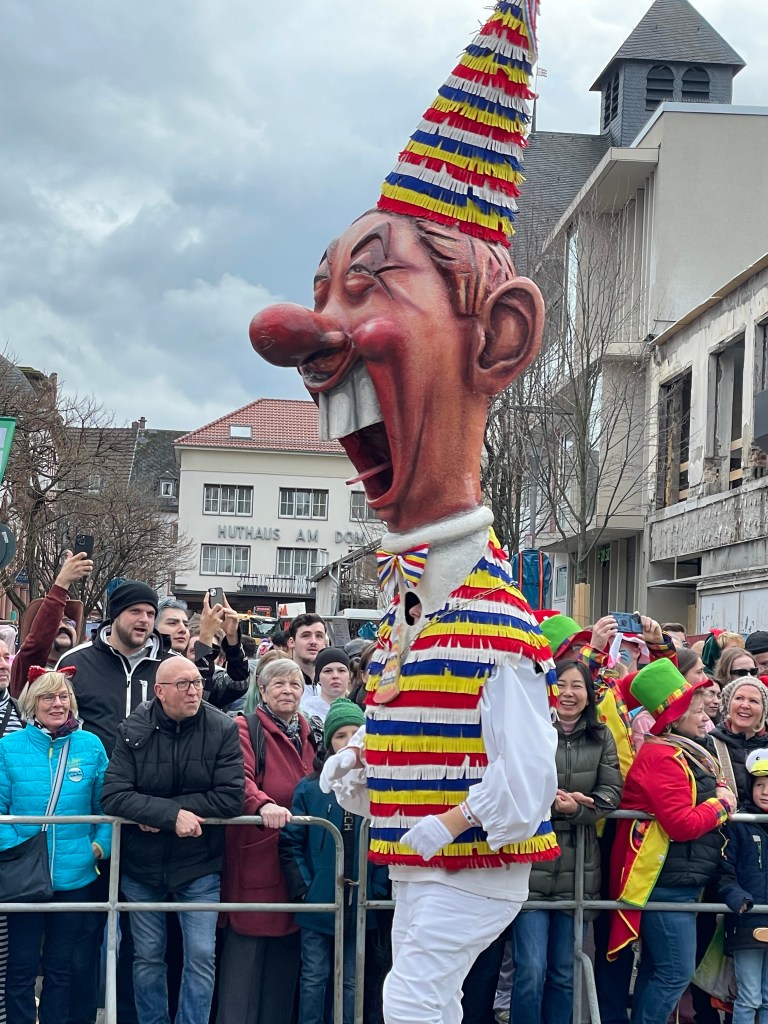
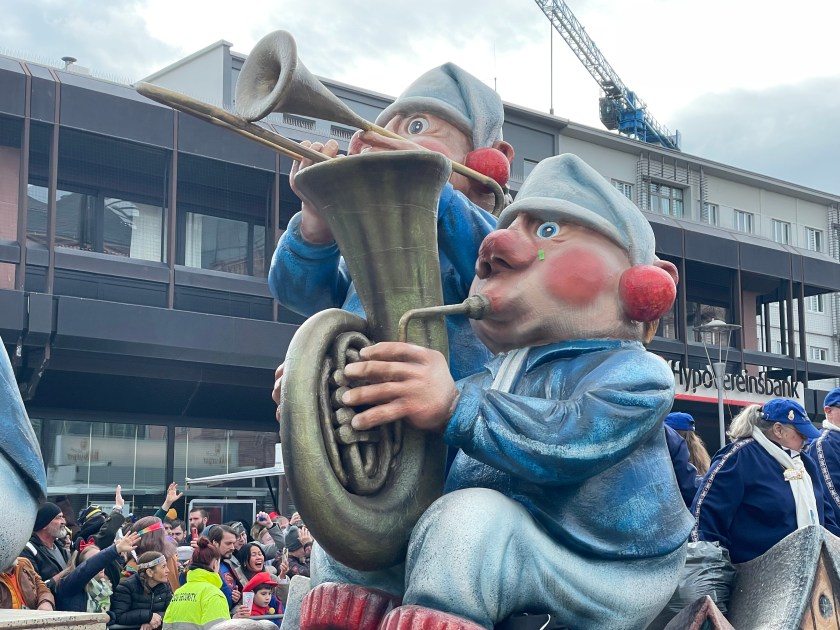
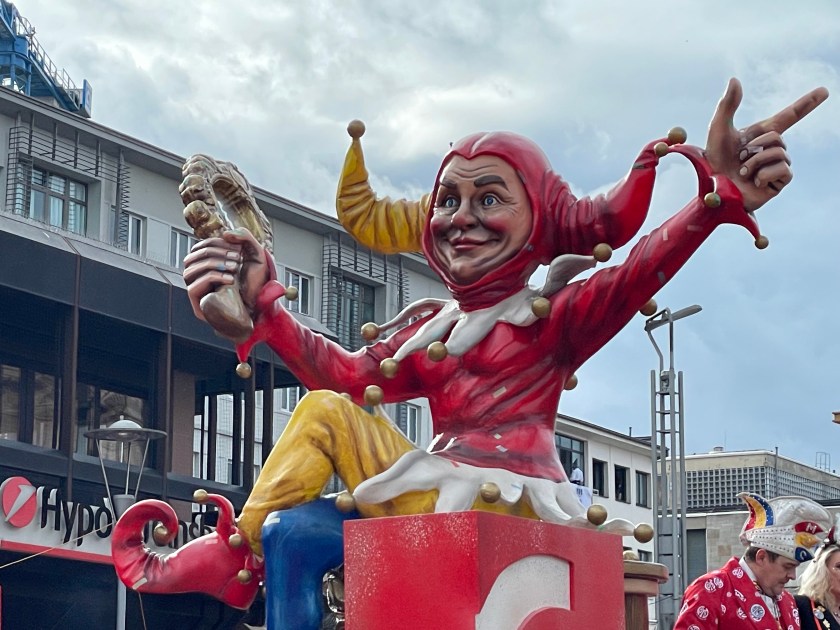
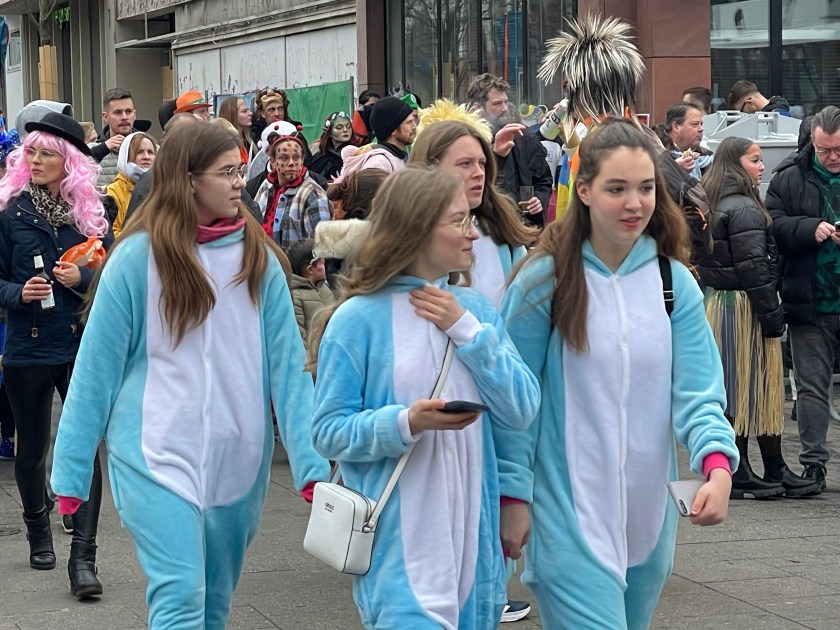
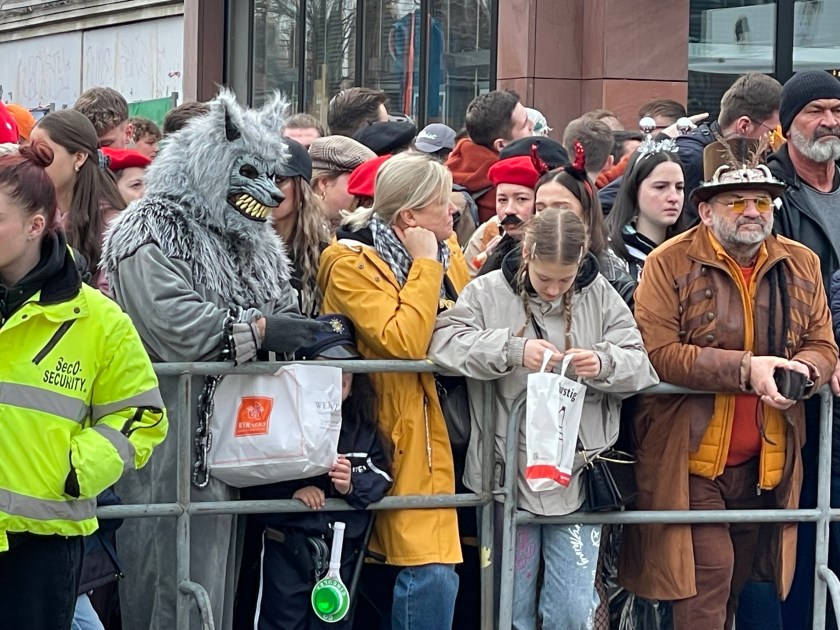
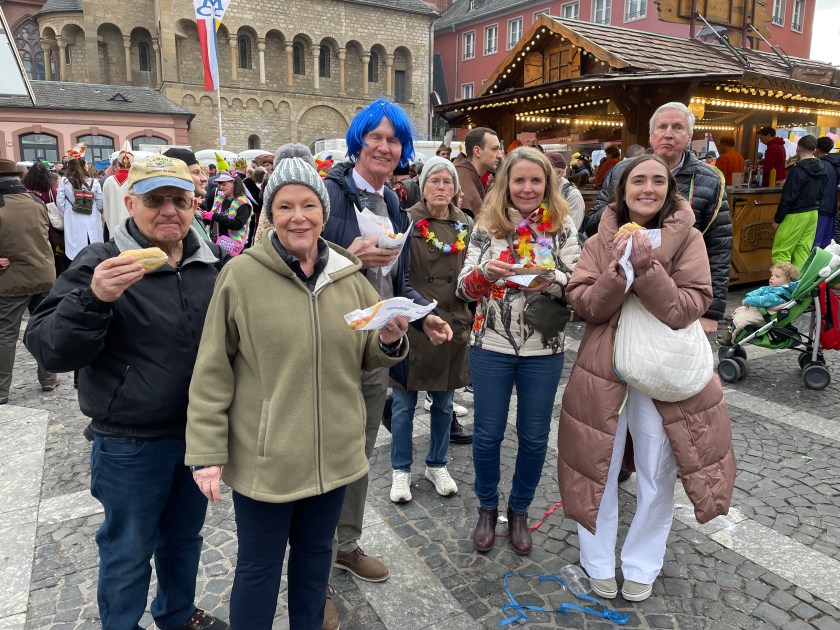
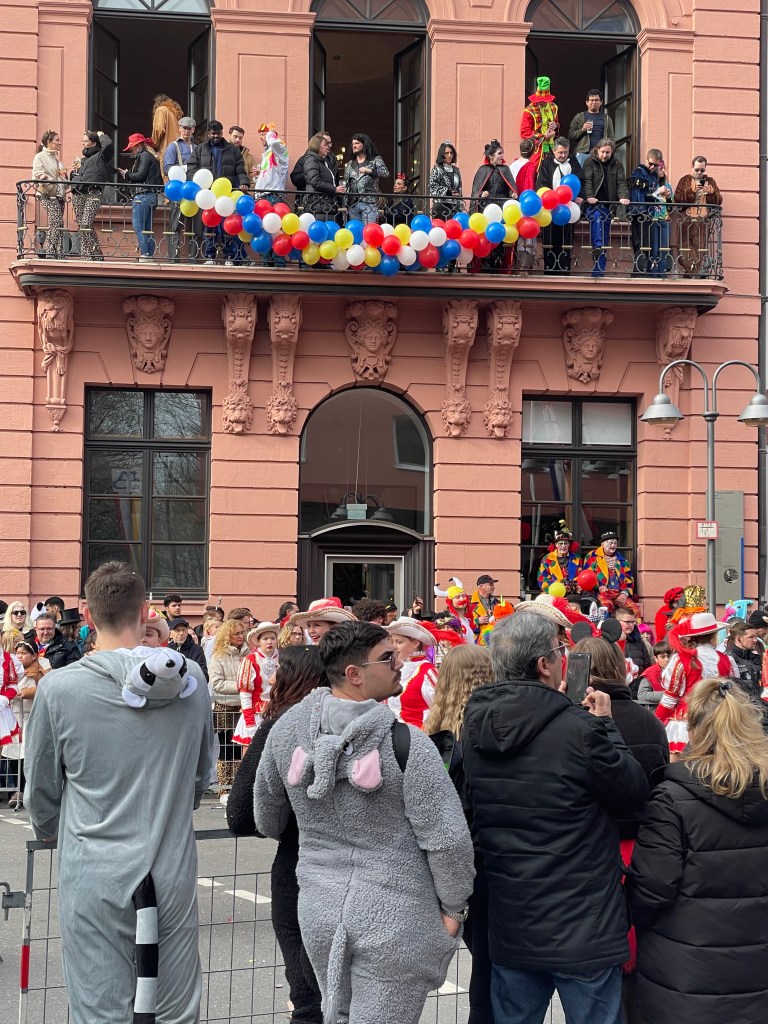
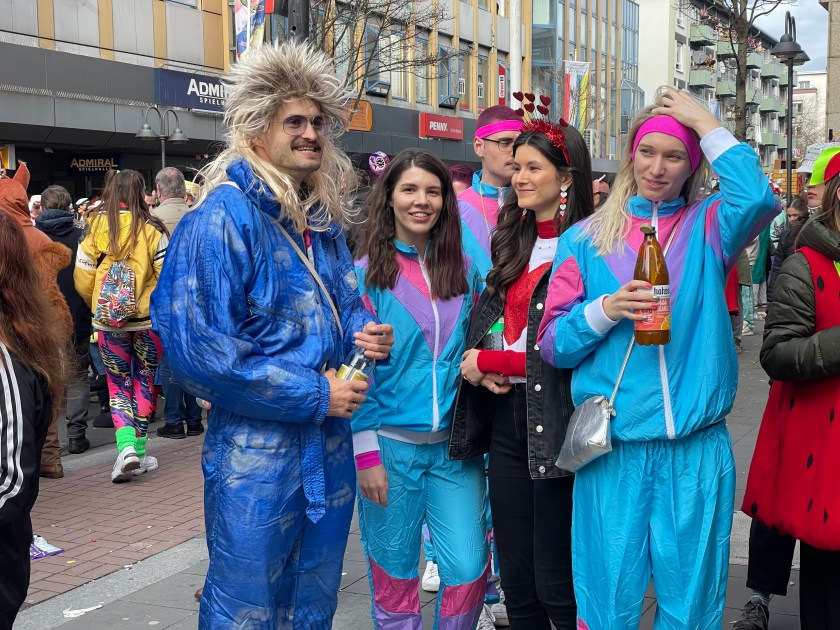
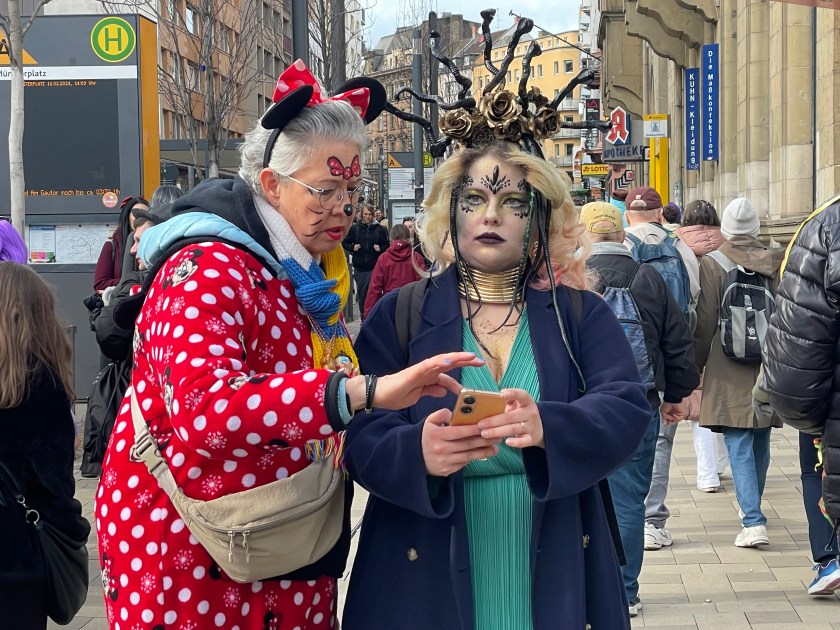
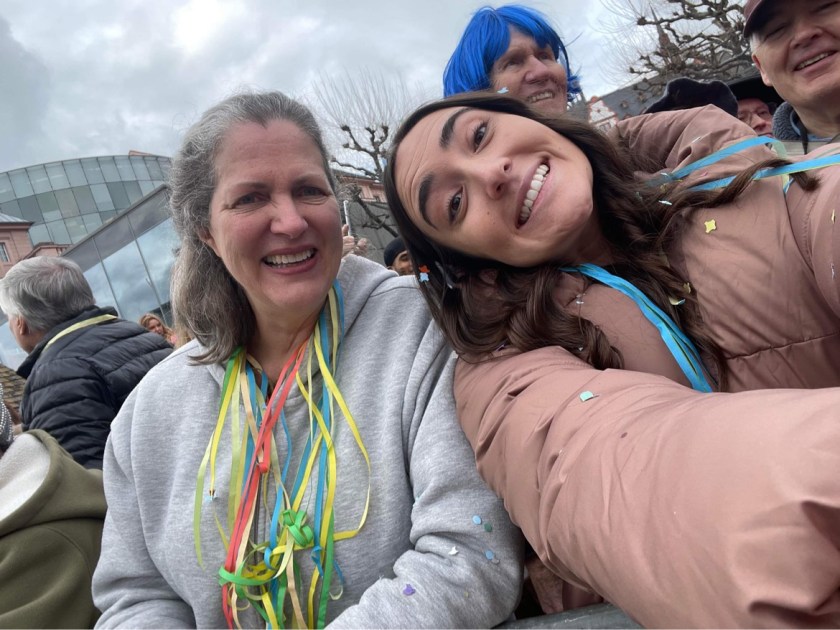
Today is Karnival Monday, especially celebrated in the city of Mainz, about an hour’s train ride away.  We took a group of missionary friends with us to go see what the excitement was all about.

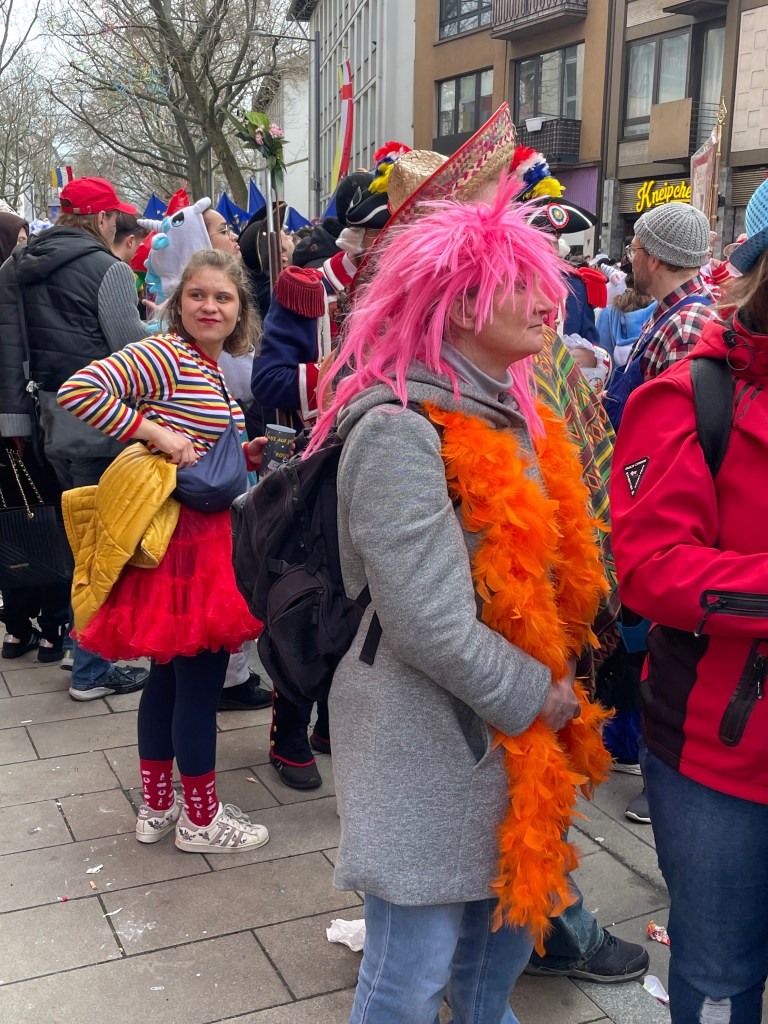
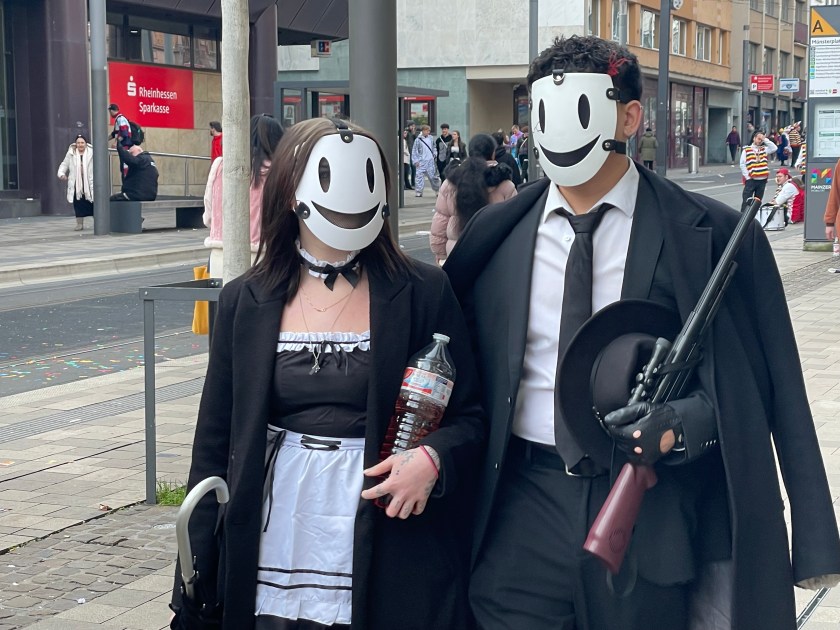
Karneval (‘Carnival’) is a very old tradition in Germany, which was originally celebrated to scare away winter spirits. After many months of frost the old Germans were tired of winter. To spook the winter spirits, people wore scary masks. They also sang and danced in the streets to welcome spring.  
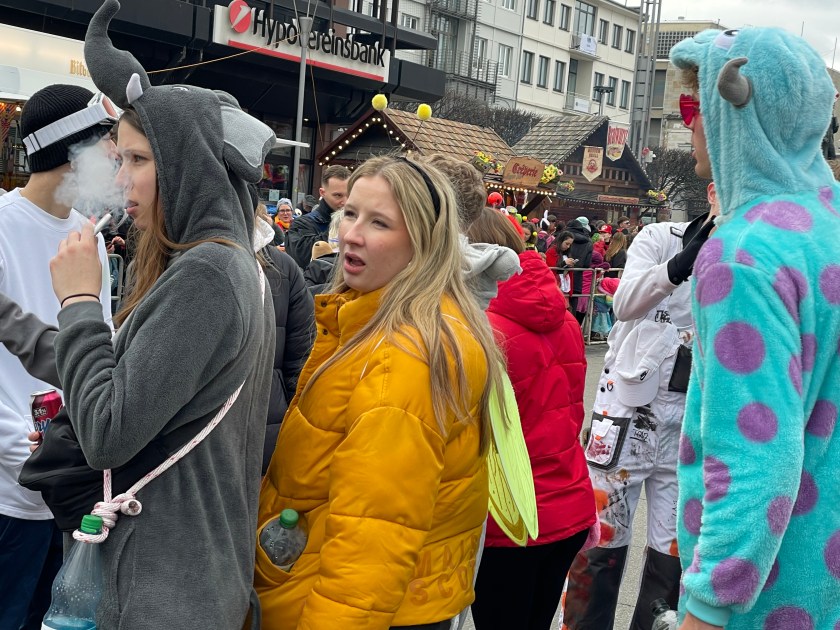
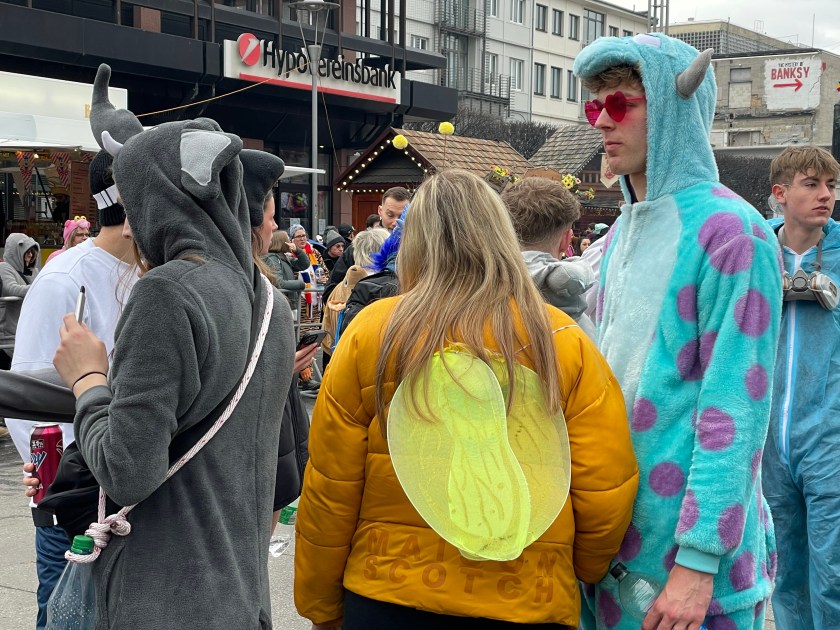
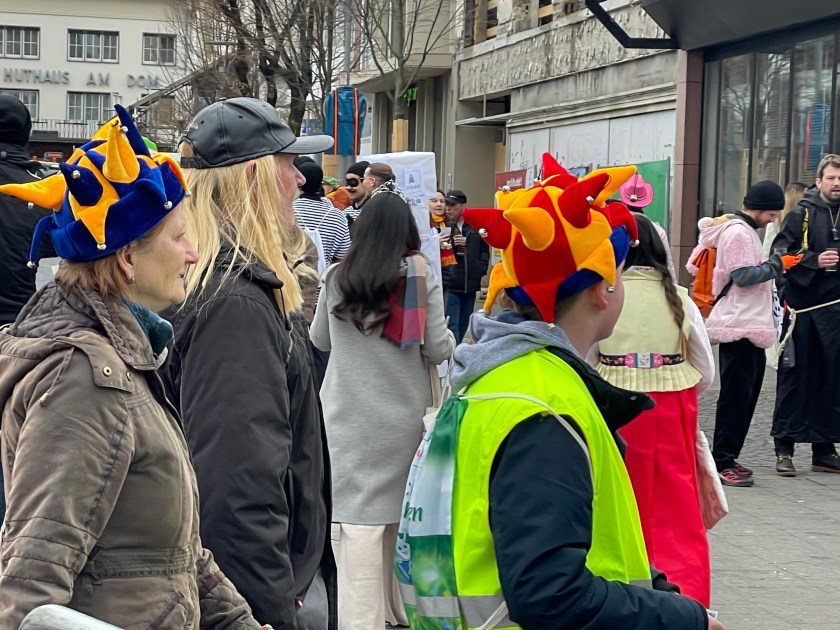
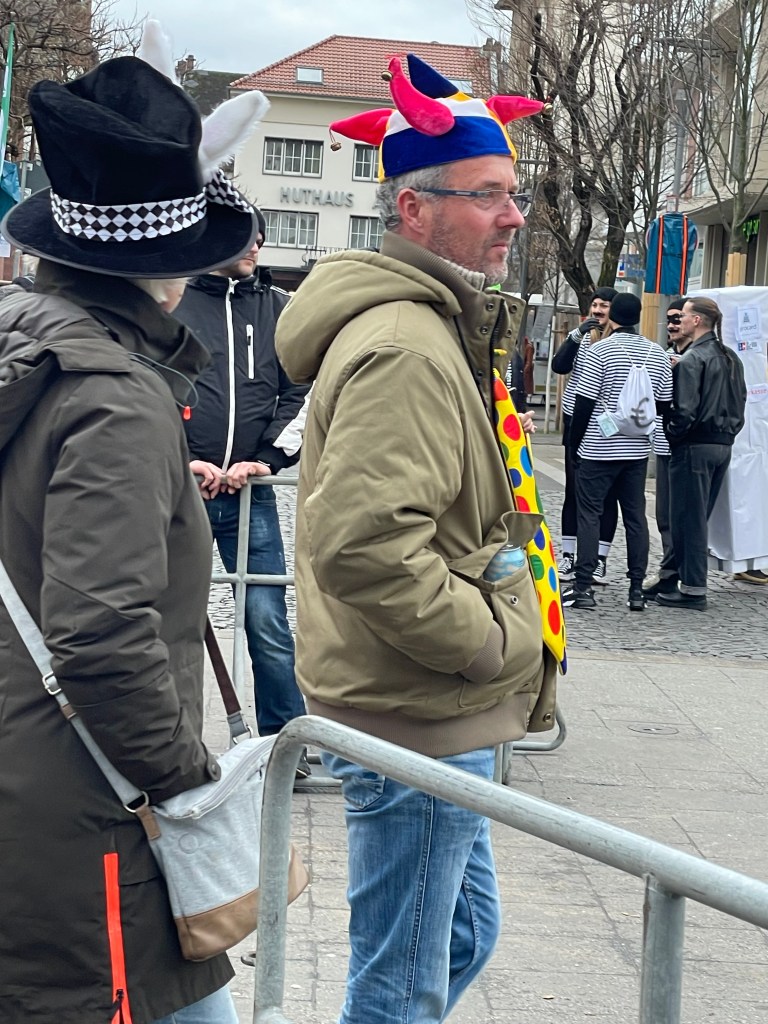
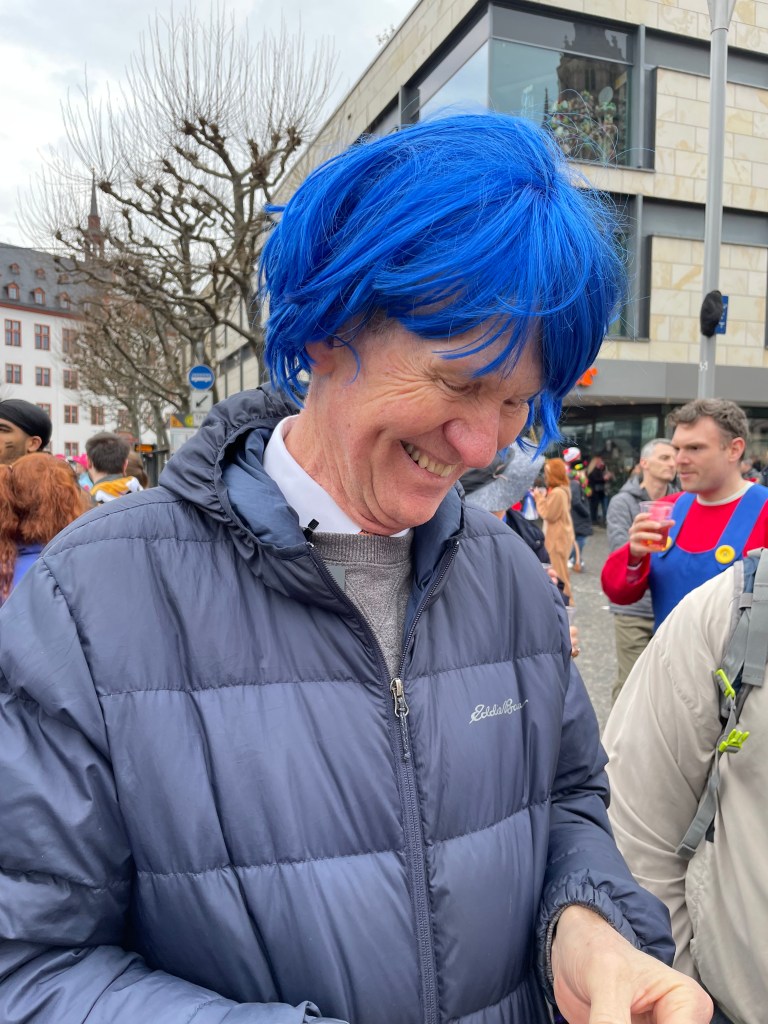
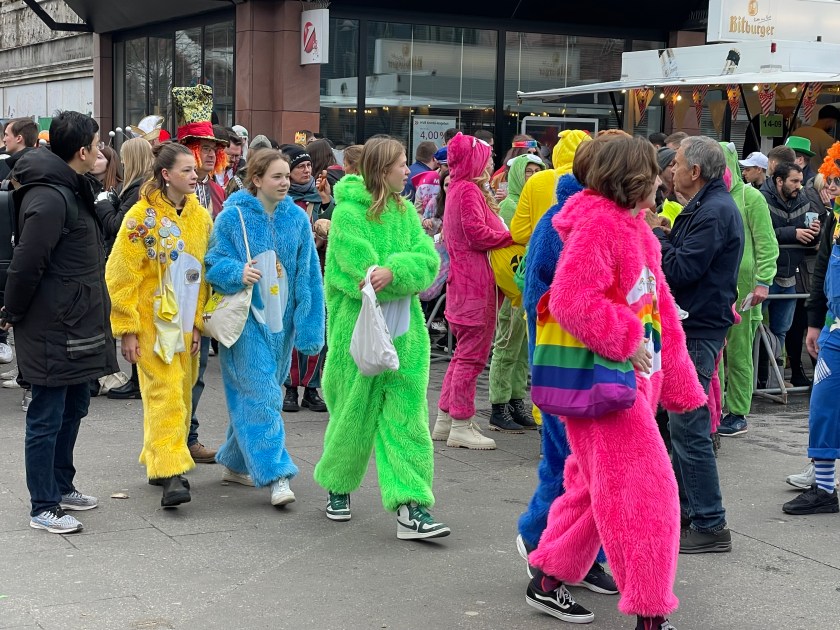
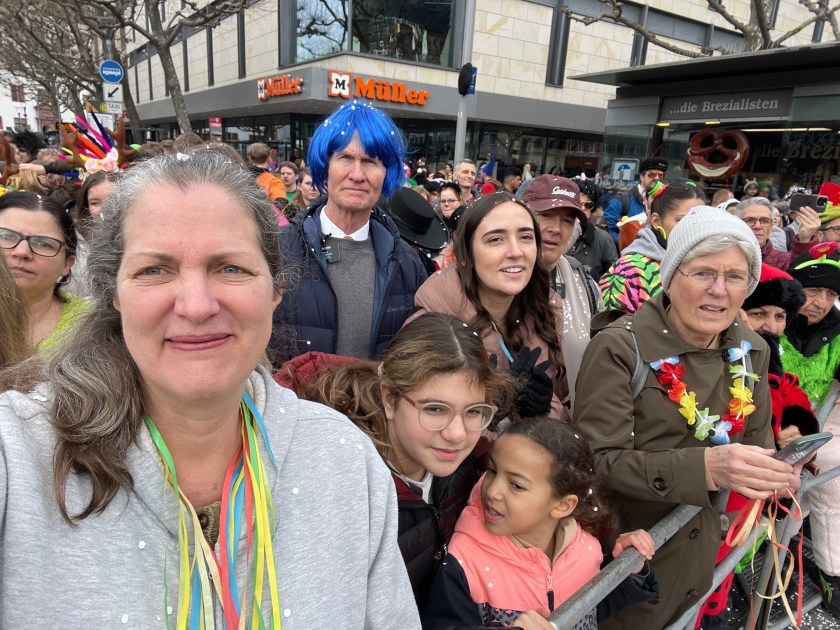
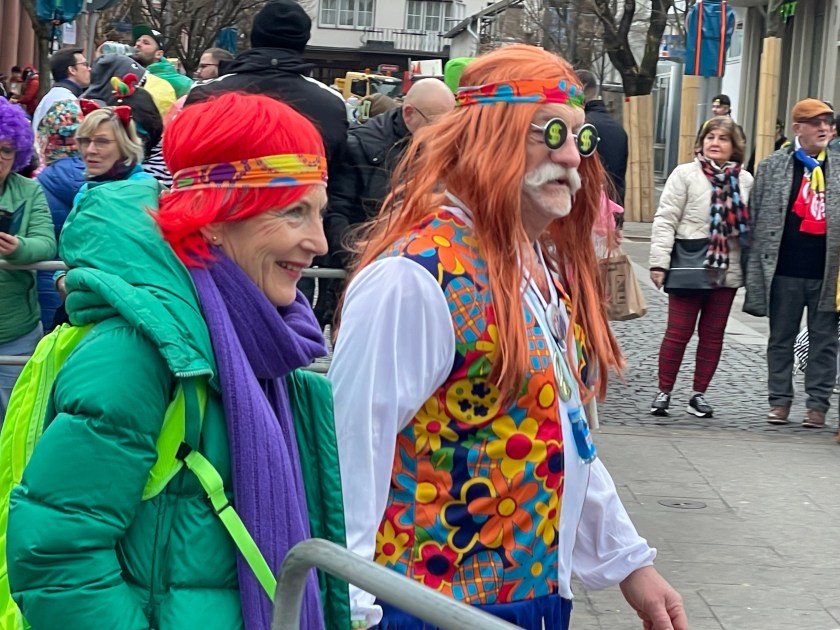
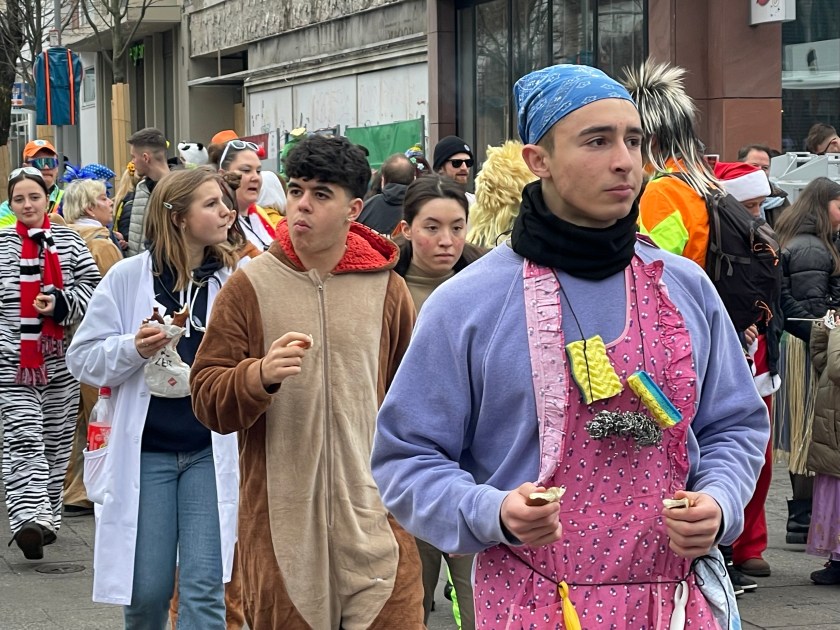
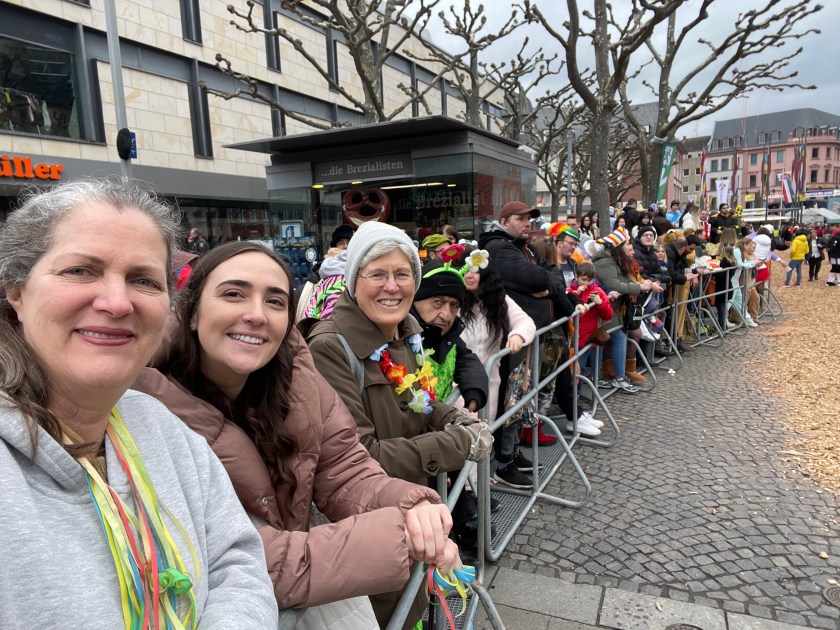
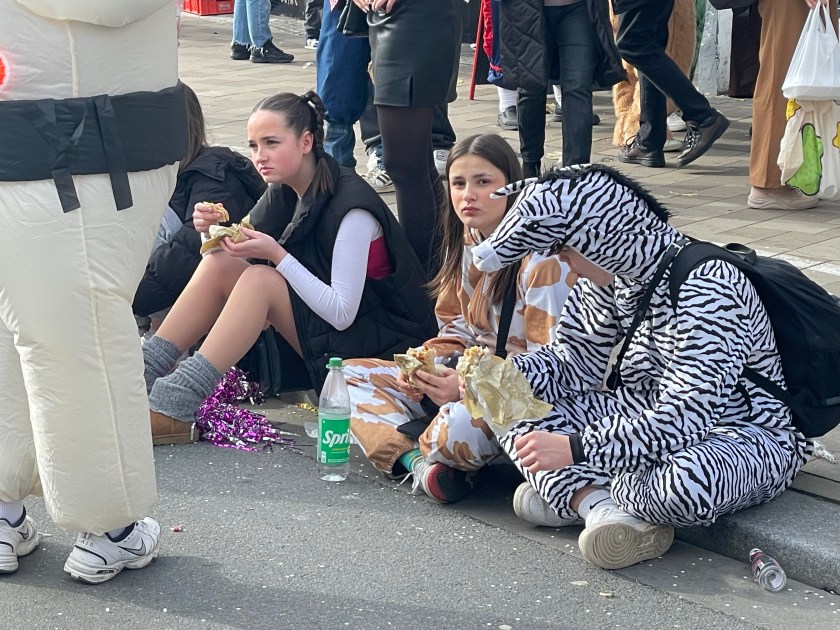
This tradition carries on still.  We went early to find a good spot in the 7 km parade route where 9km of participants would march past us.  We ended up watching and waiting for 2 hours before the parade actually began, which gave us time to do some serious people watching and stop at a few bakeries for breakfast treats.  Berliners are a traditional Karneval donut, sprinkled with sugar and filled with jam.
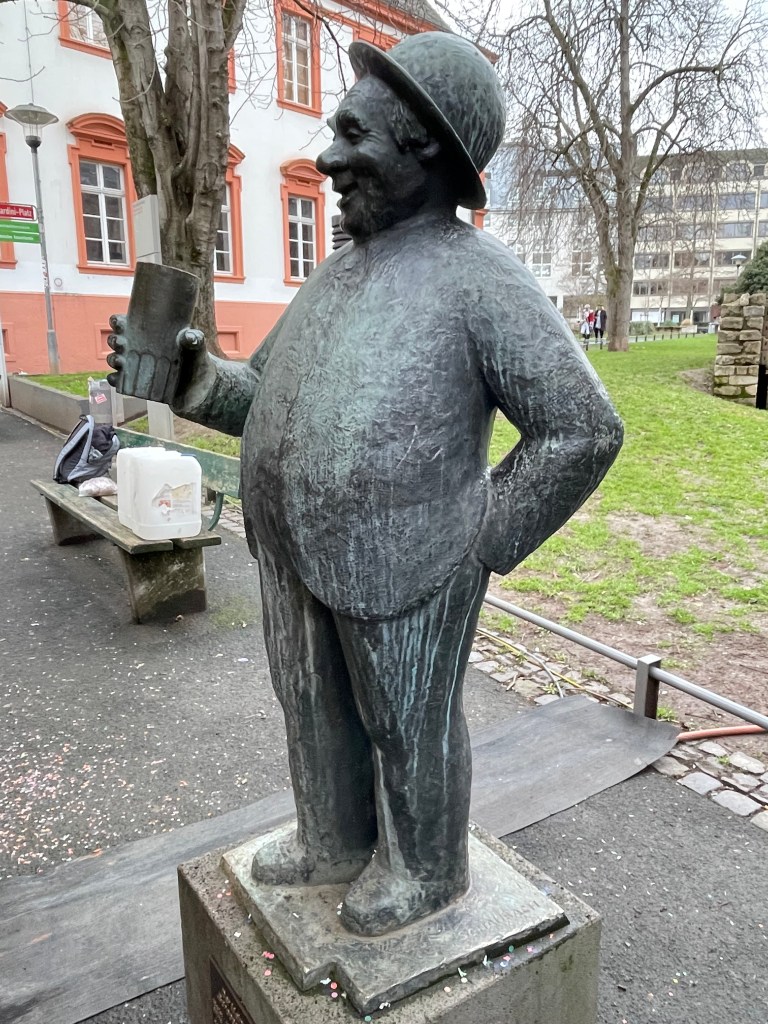
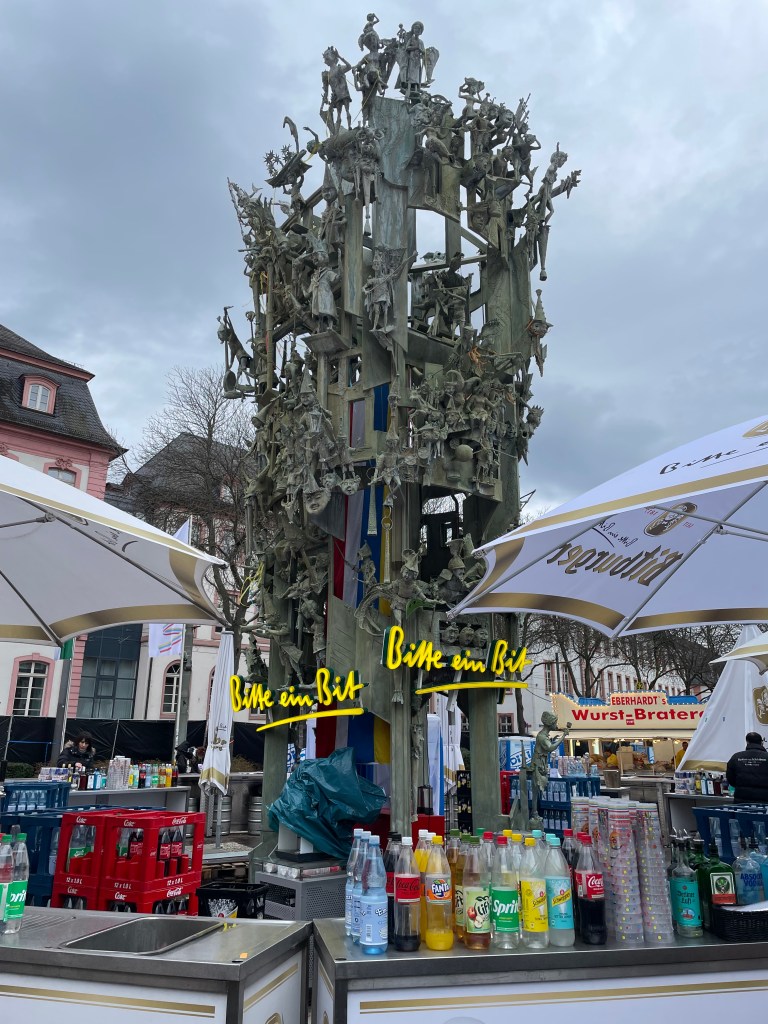
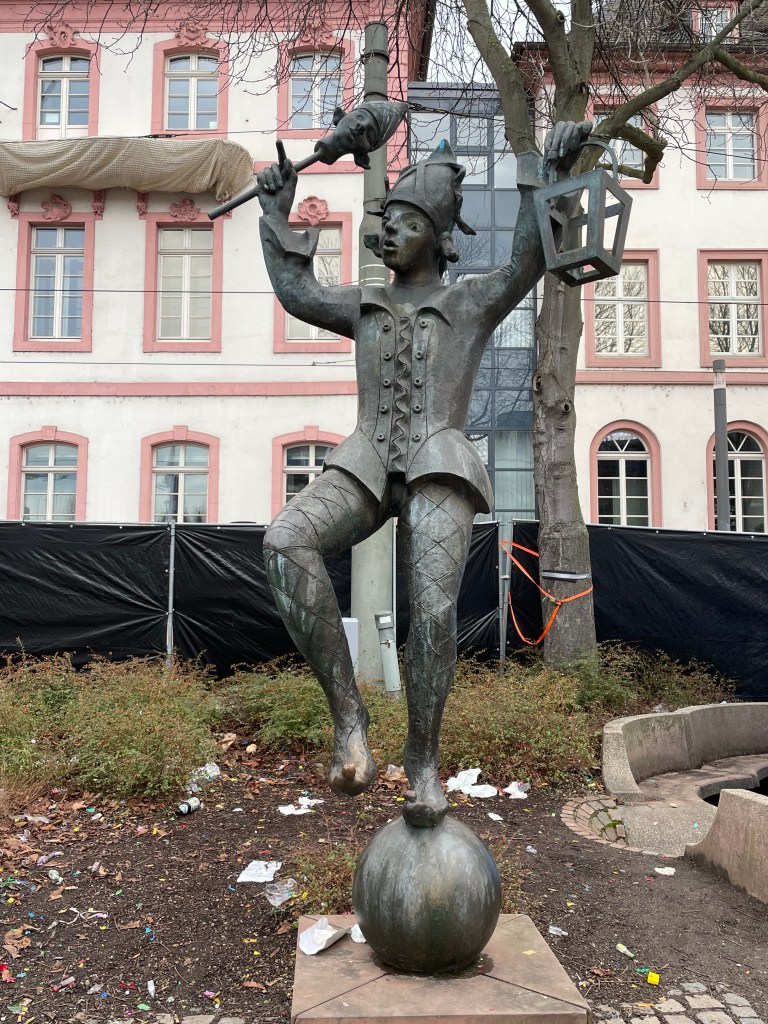
Here’s the Karnival memorial downtown:

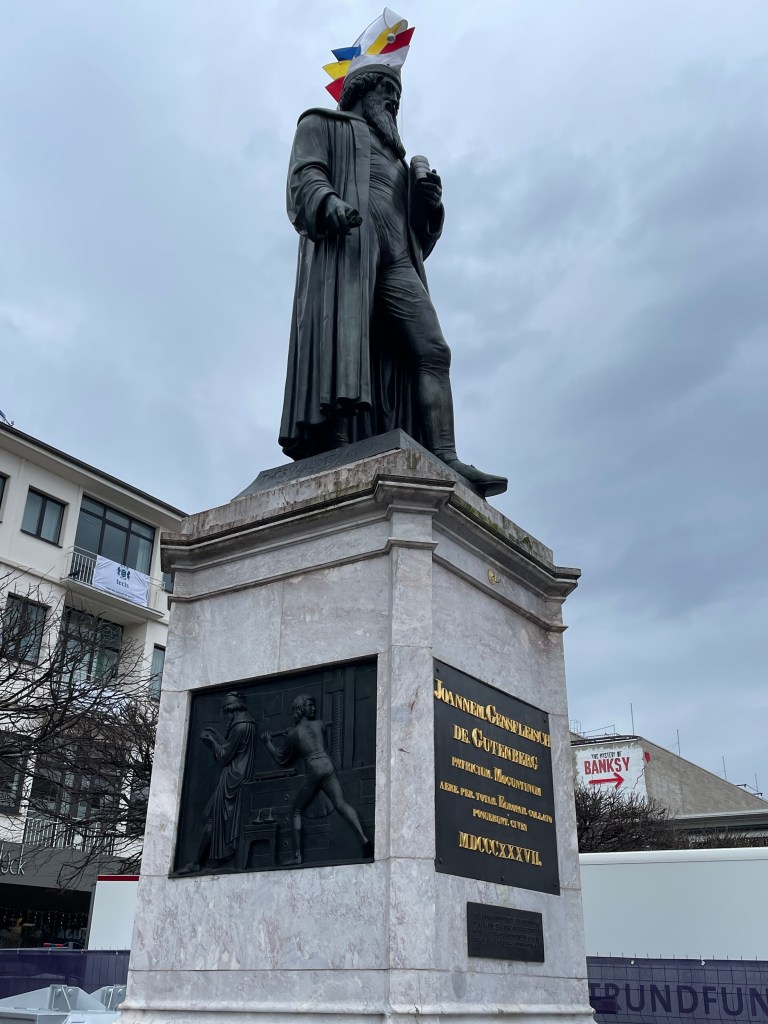
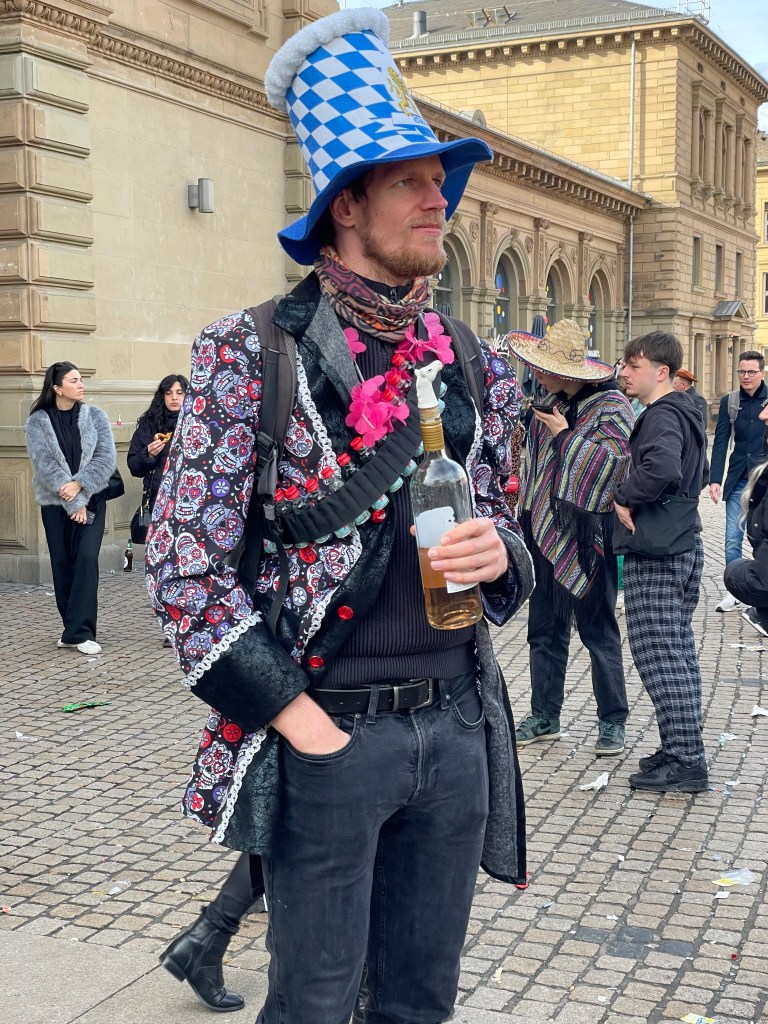
Even Mr Guttenberg was dressed for the occasion!

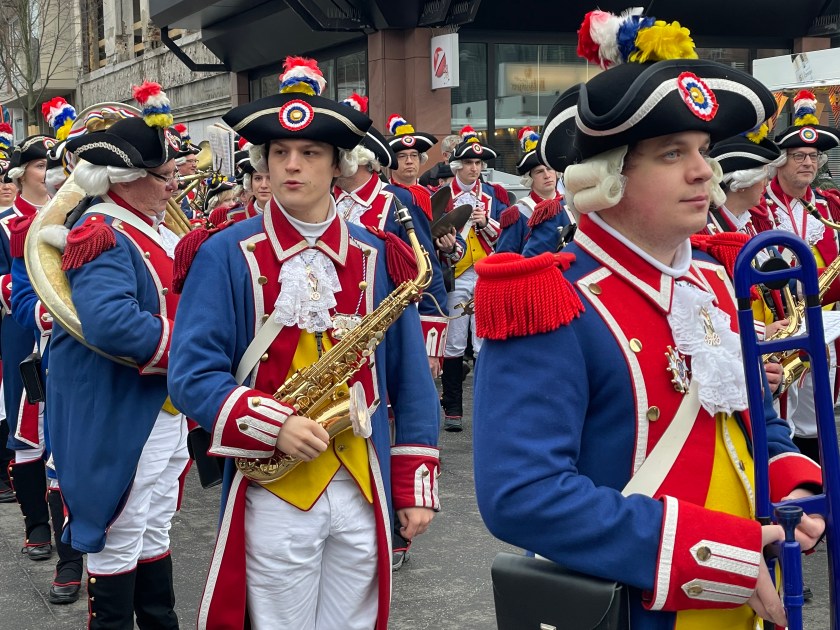
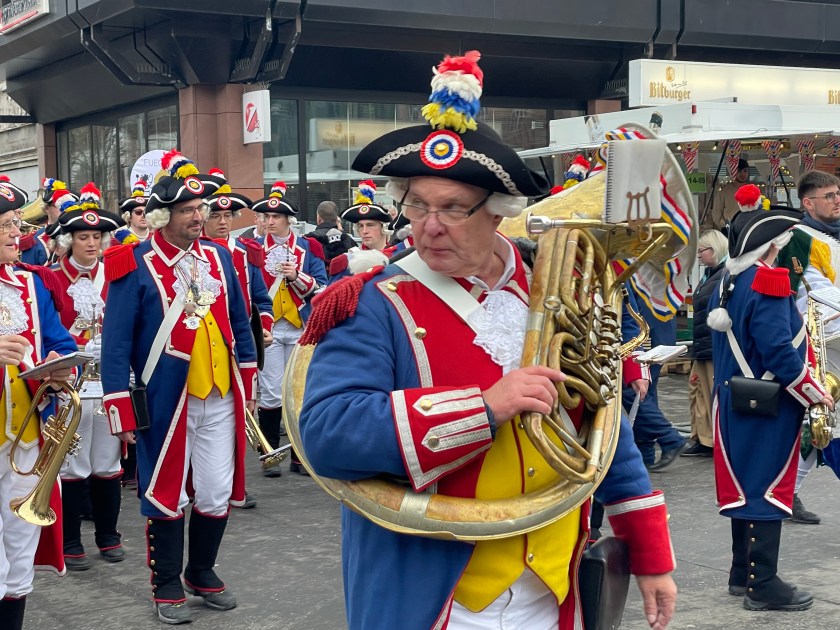
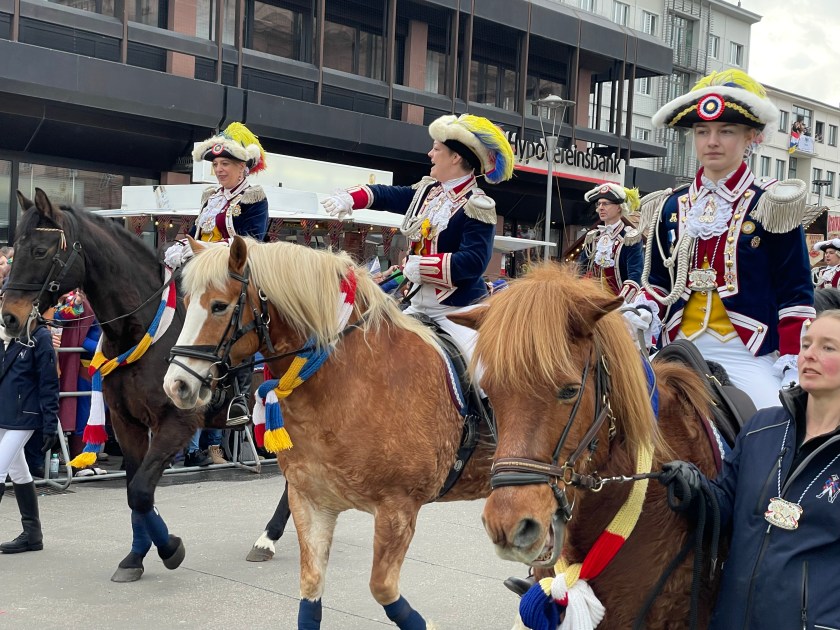
While we waited, we saw a few groups pass by on their way to the starting point.

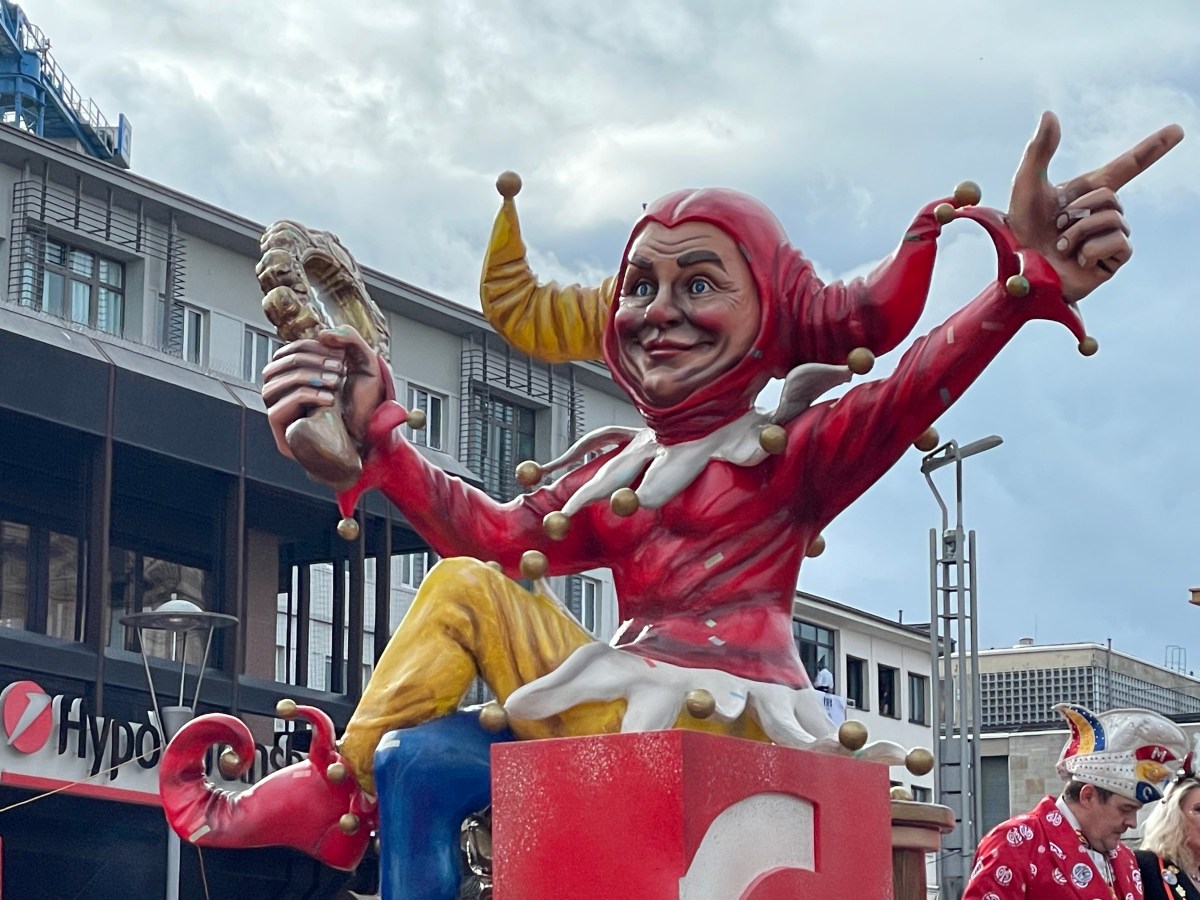
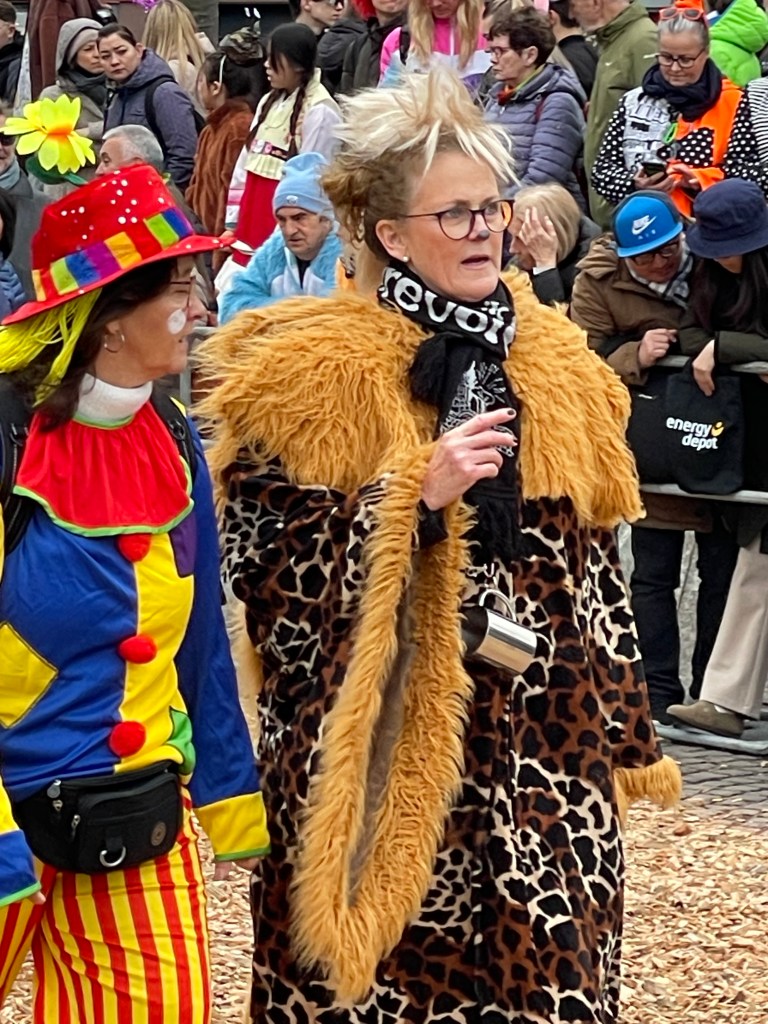
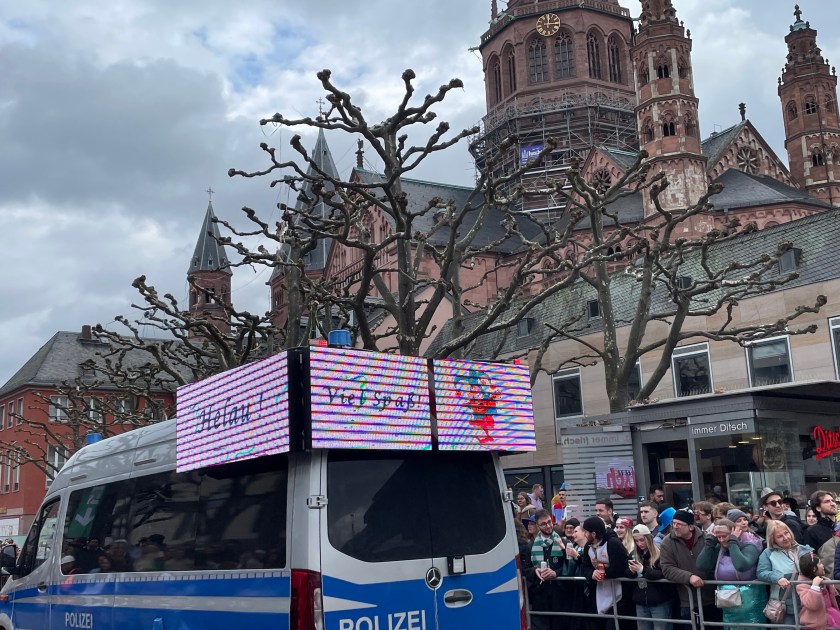
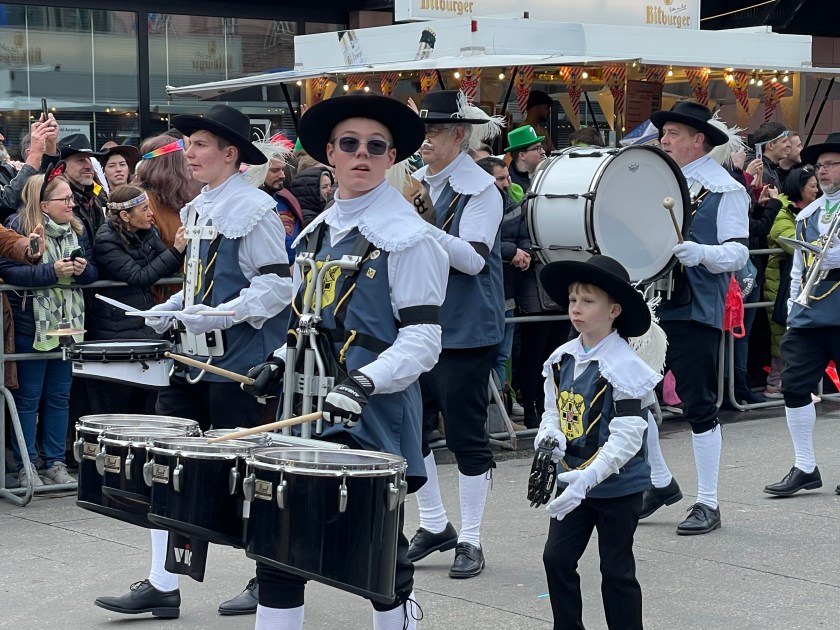
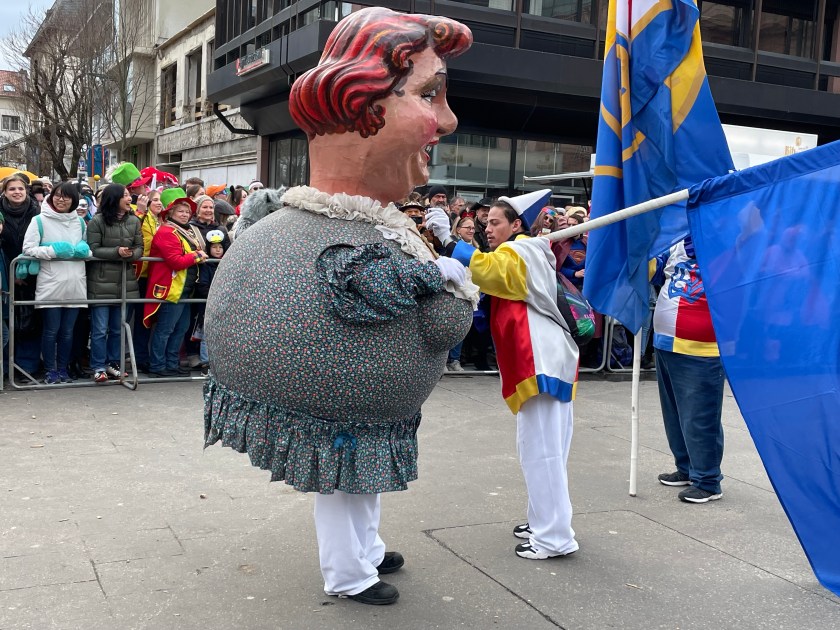
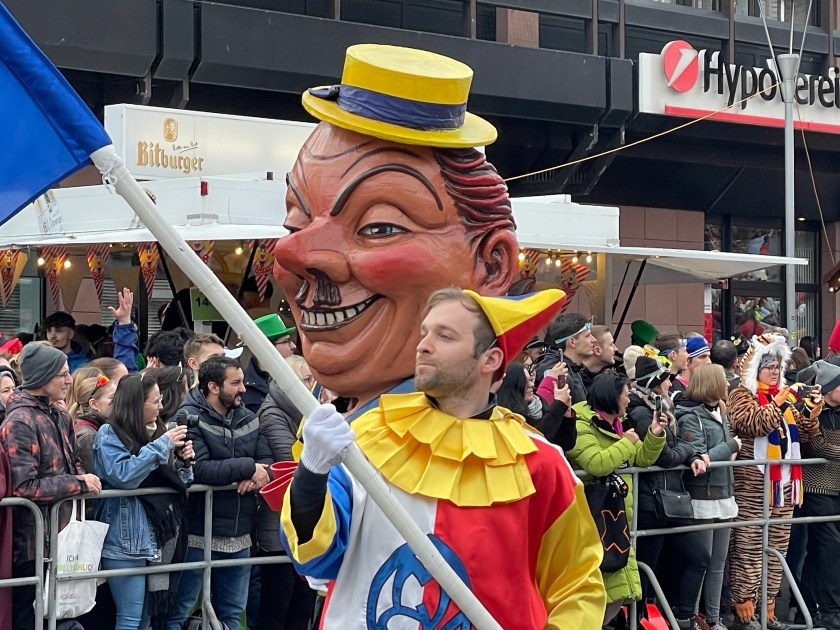
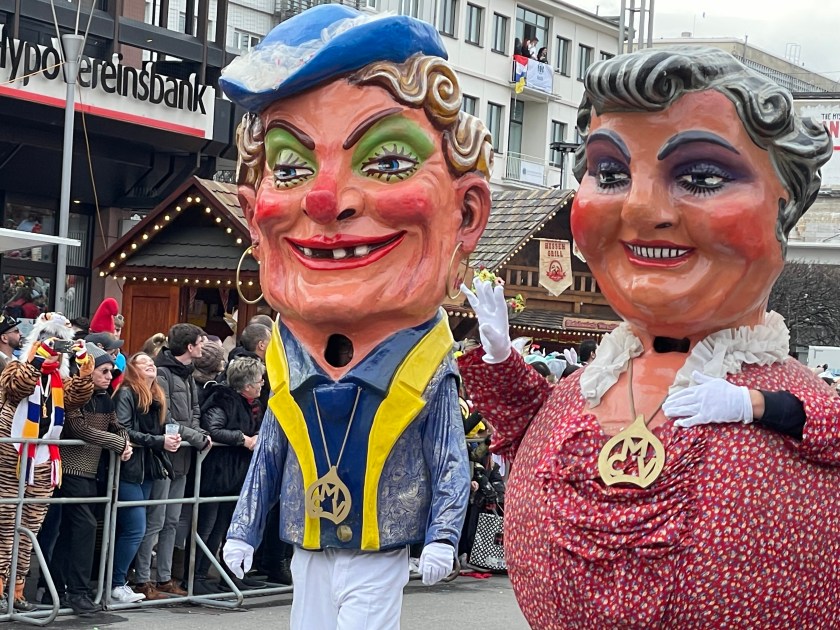
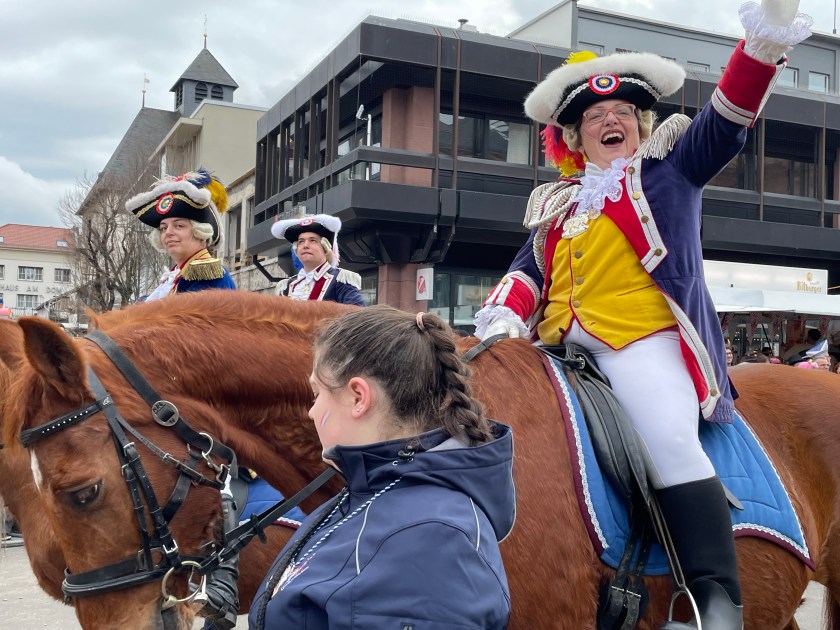
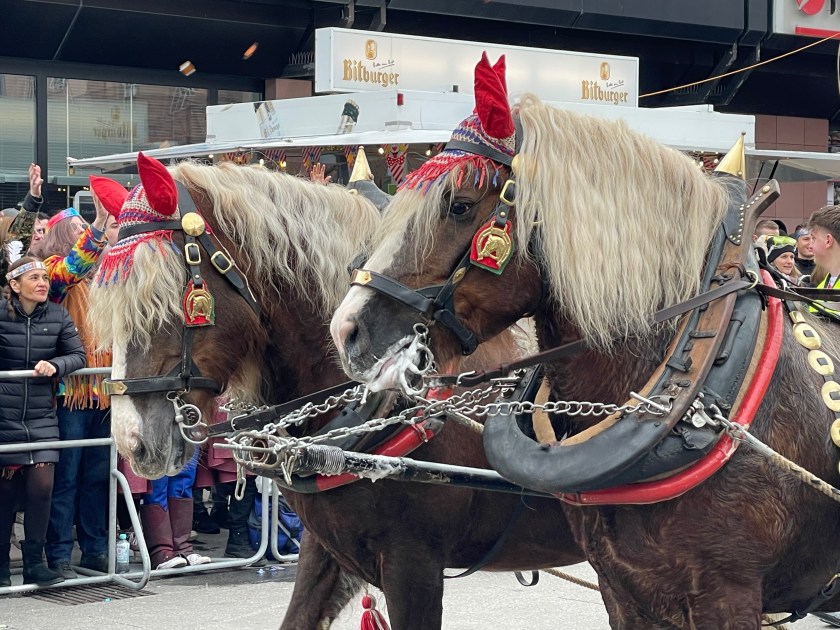
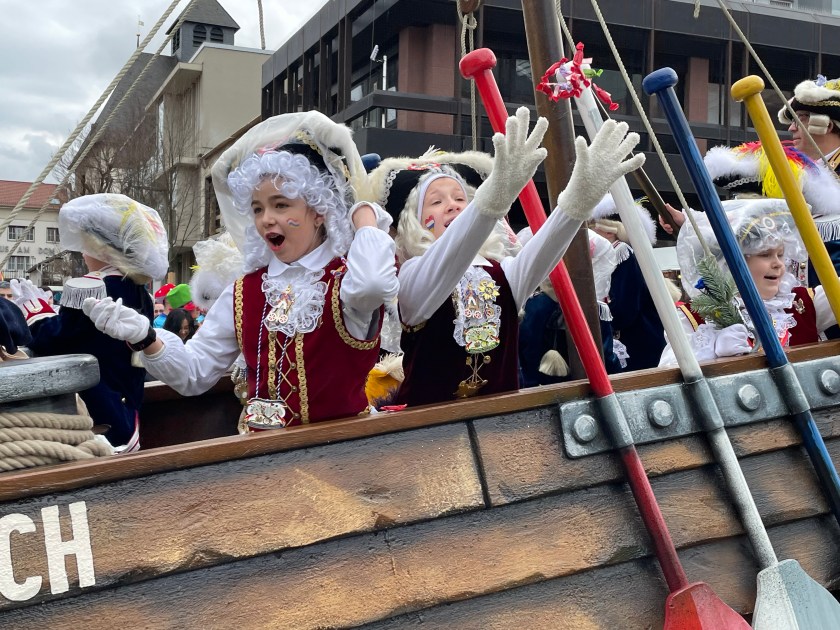
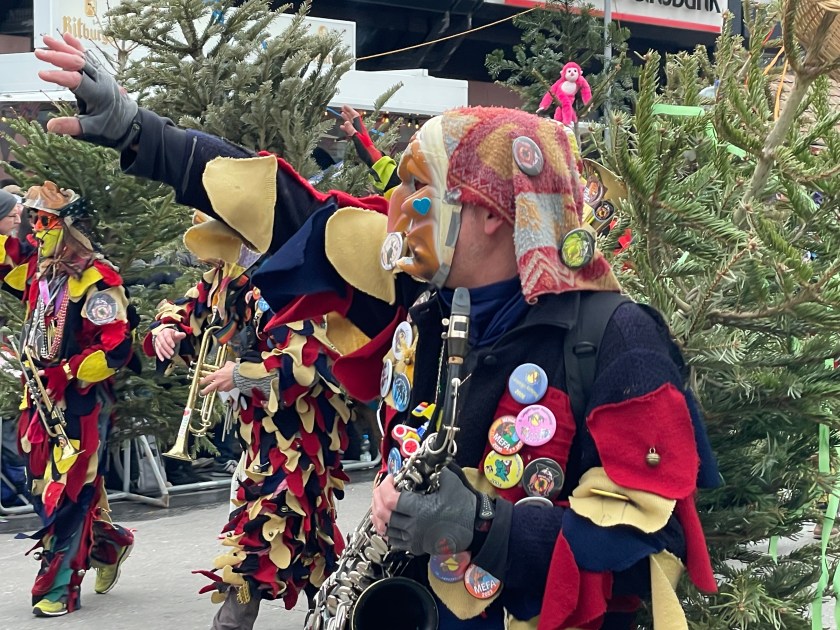
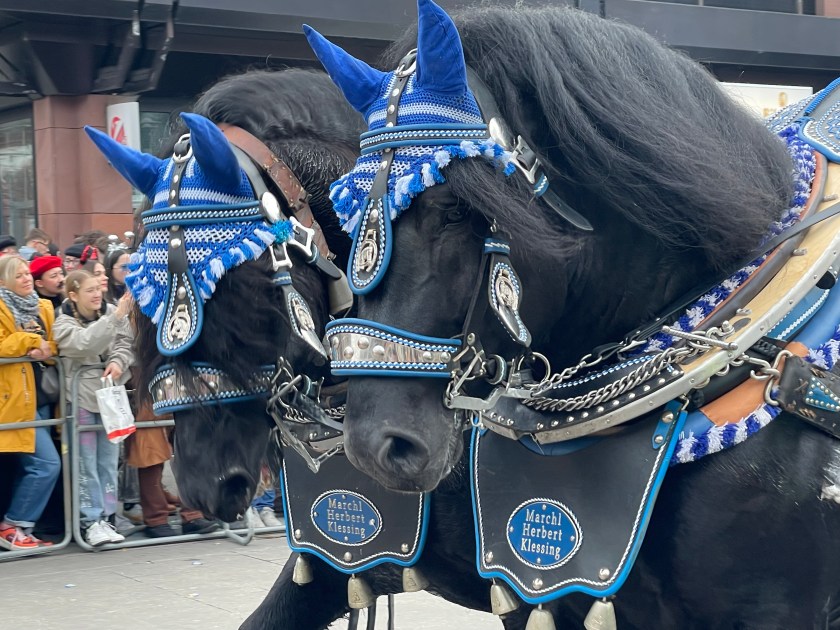
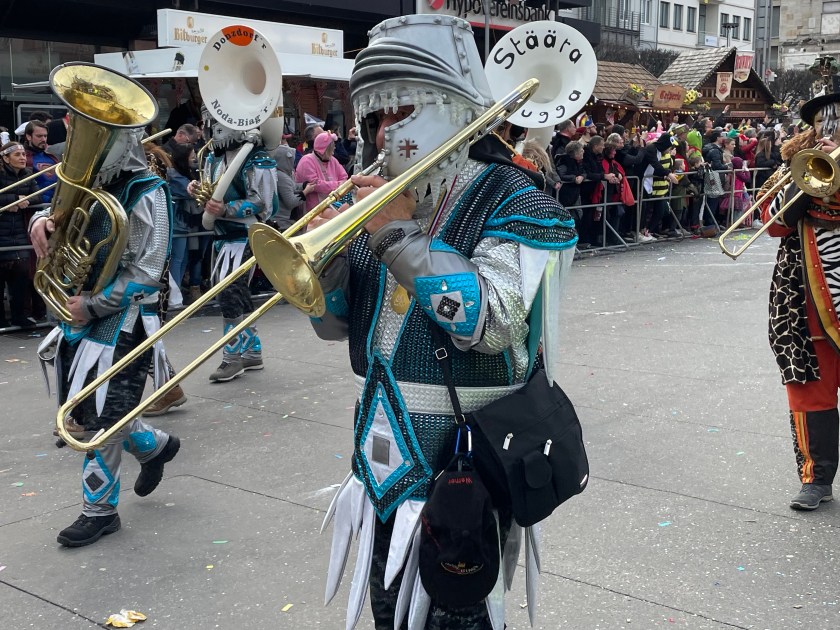
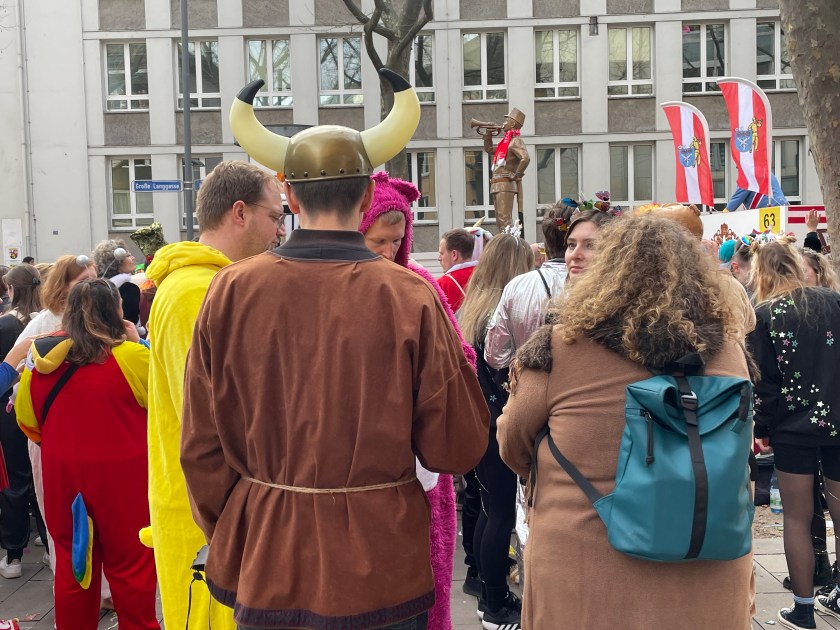
The actual parade started just after noon.  We quickly learned that there was only one word we’d need to use the rest of the day:  “HELAU!”  this is the traditional Karnival shout in Mainz.  The people in the parade shouted it to us and we shouted it back.  Maybe a thousand times.

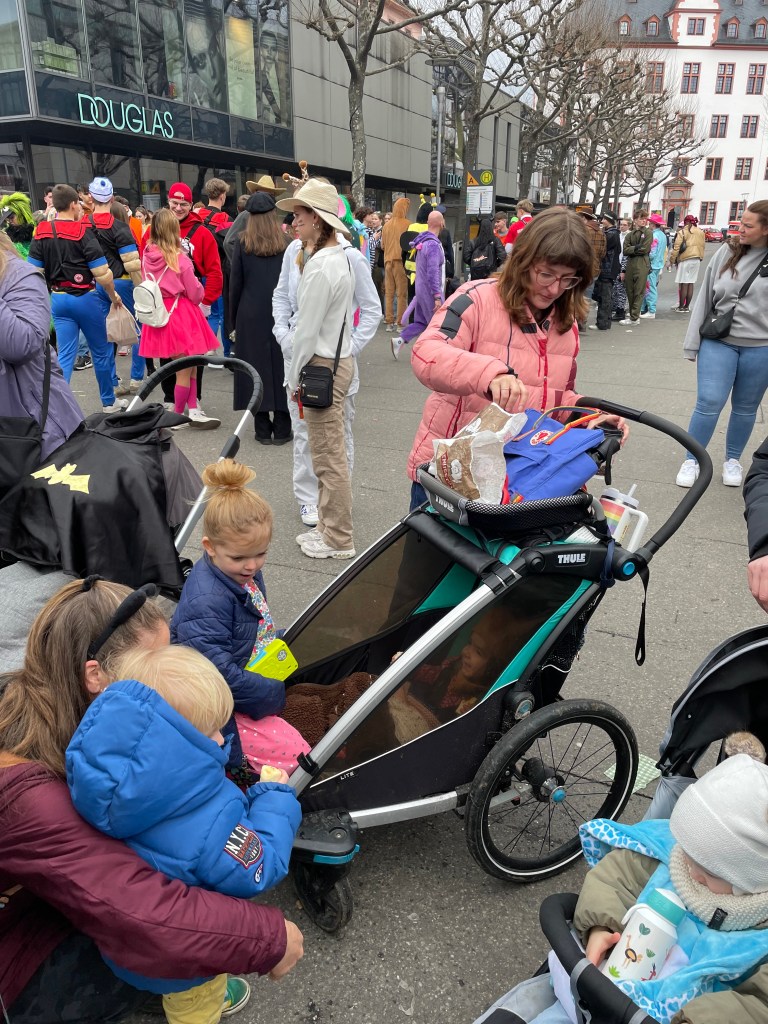
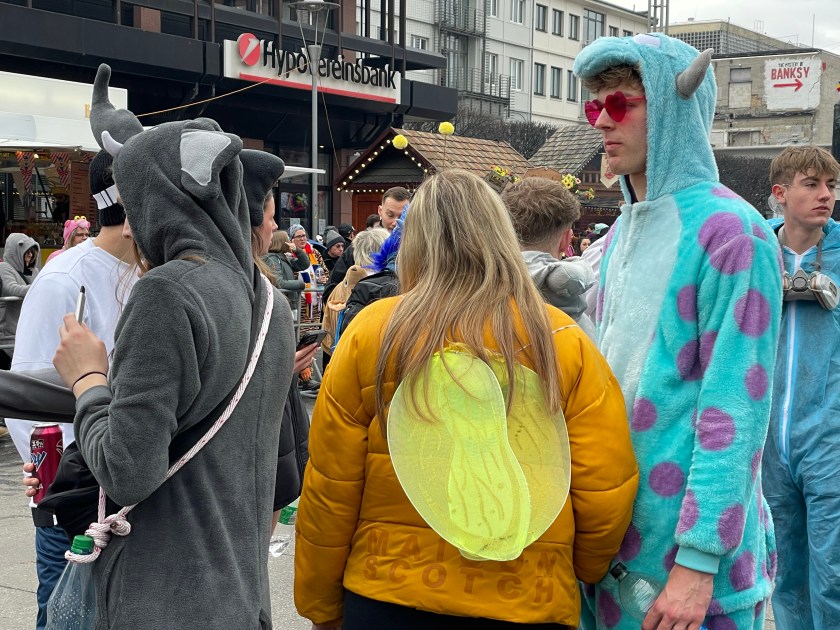
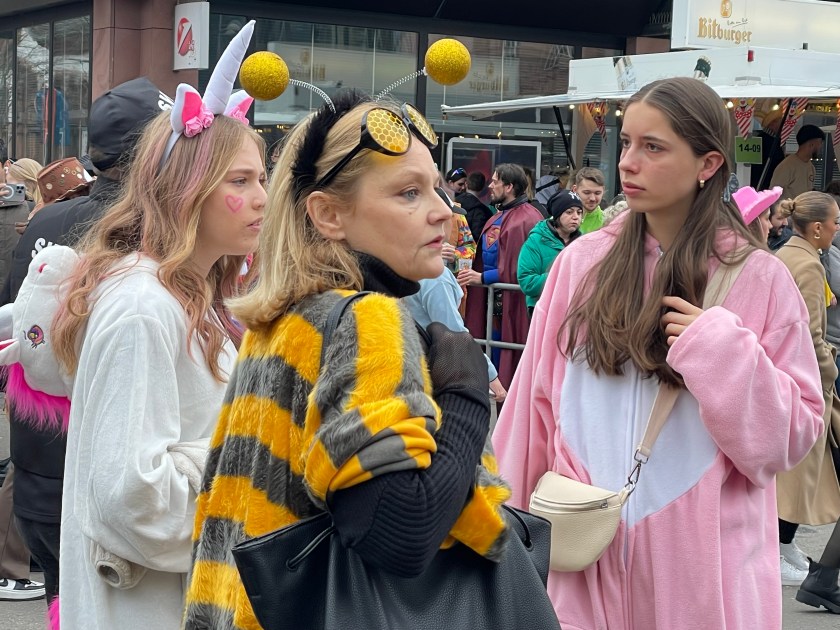
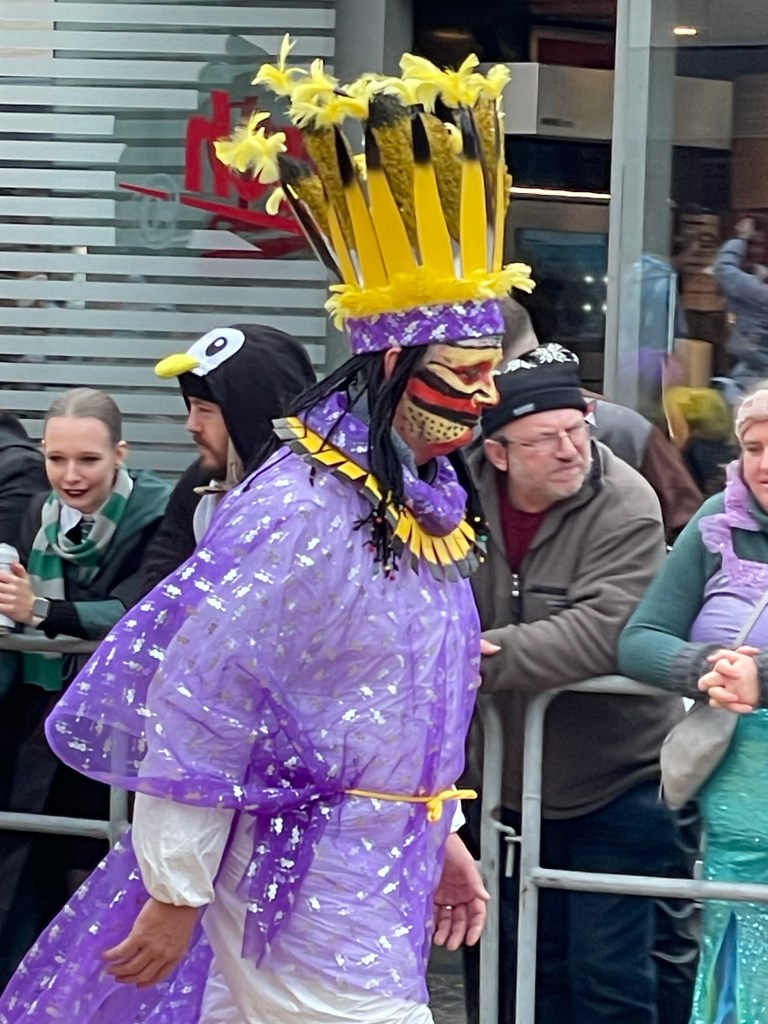
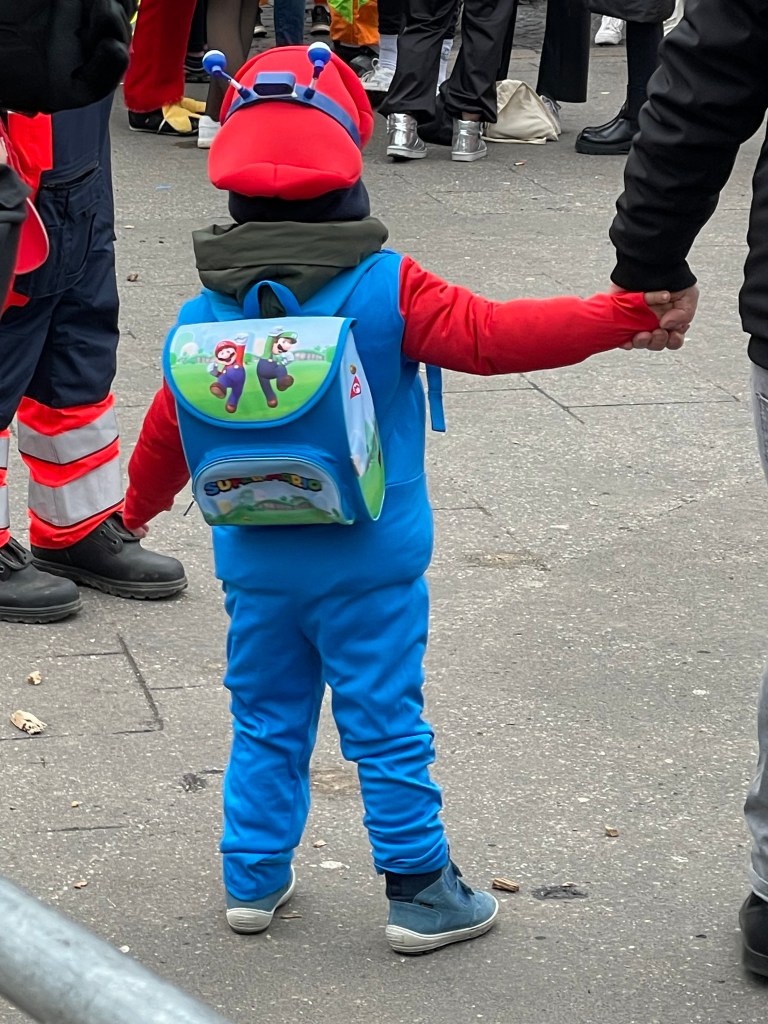
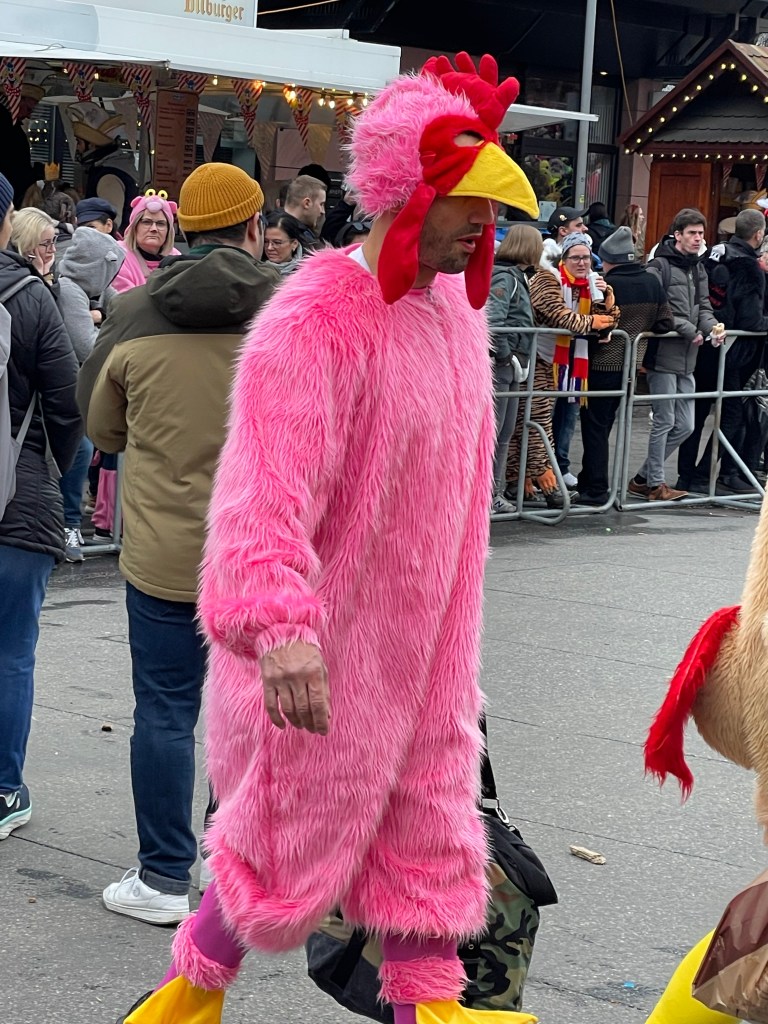
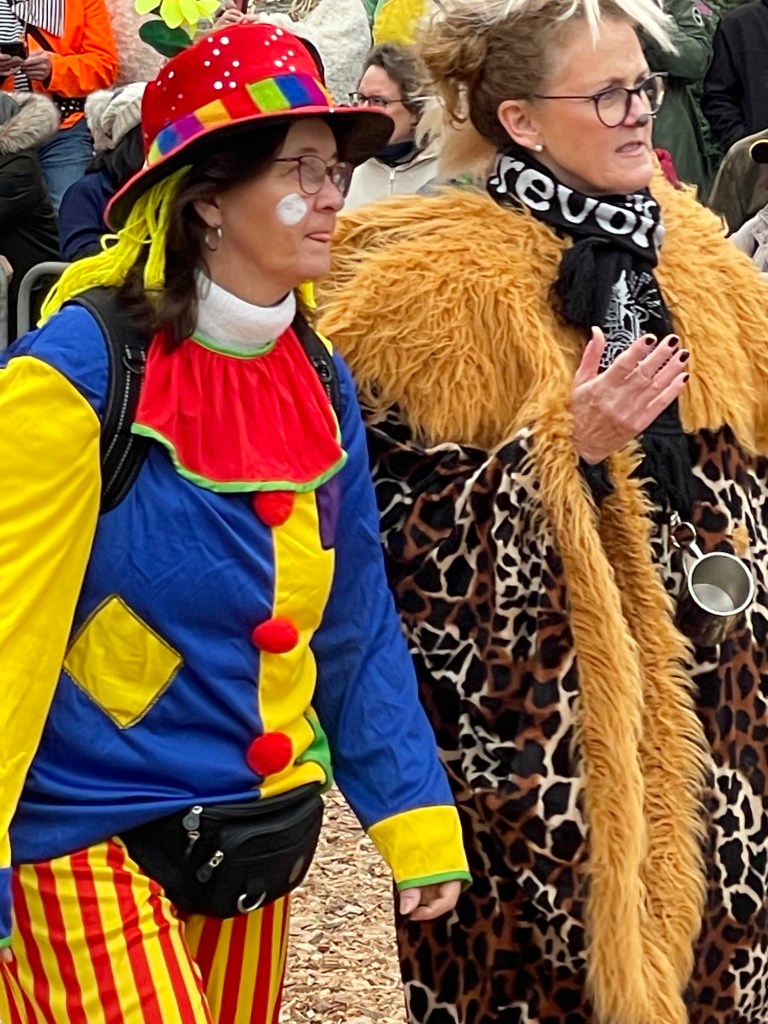
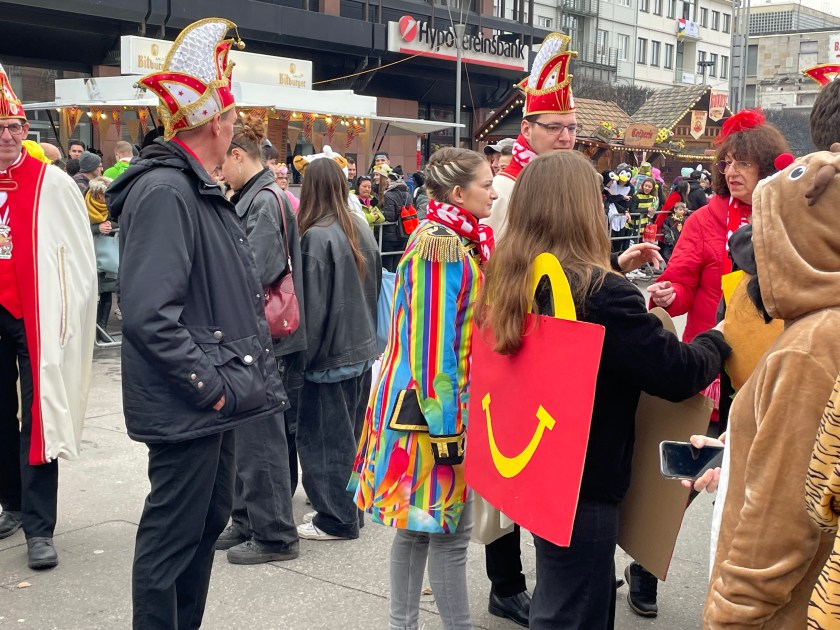
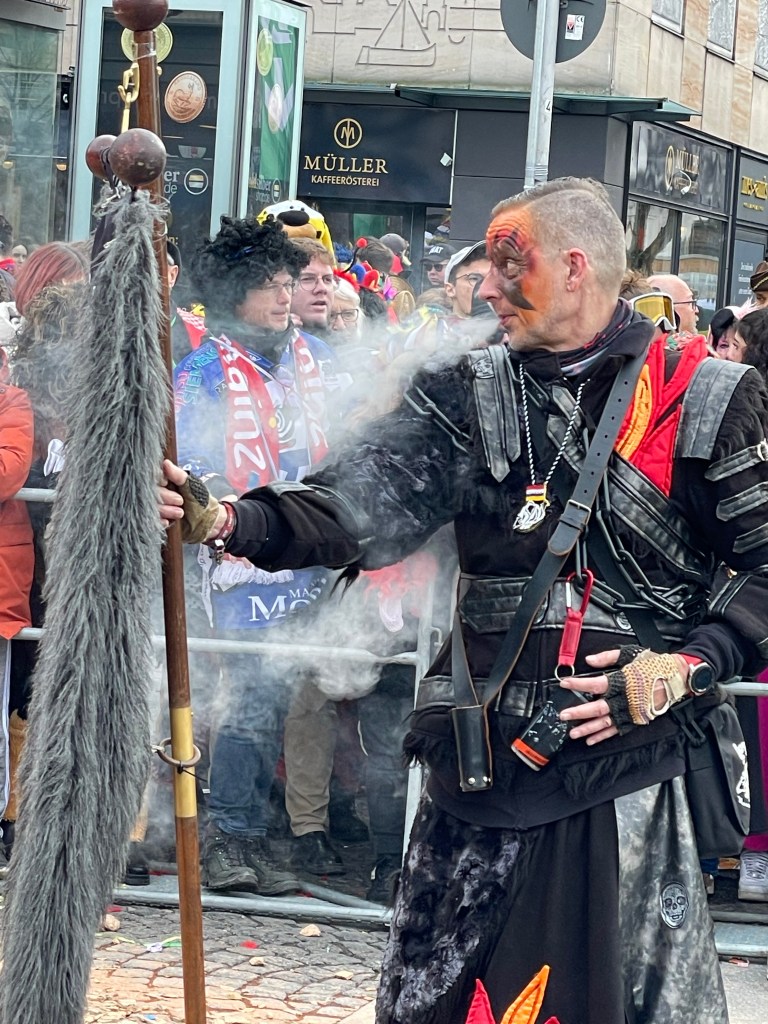
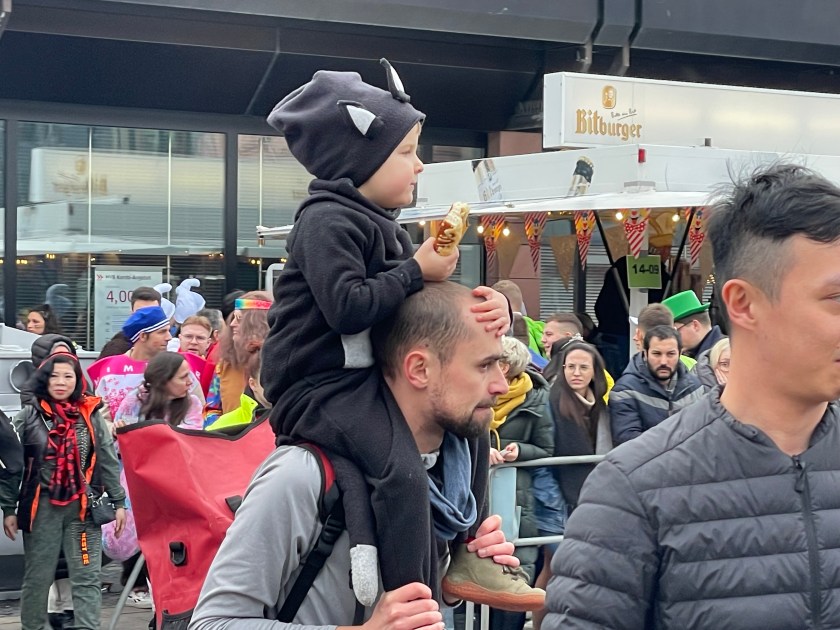
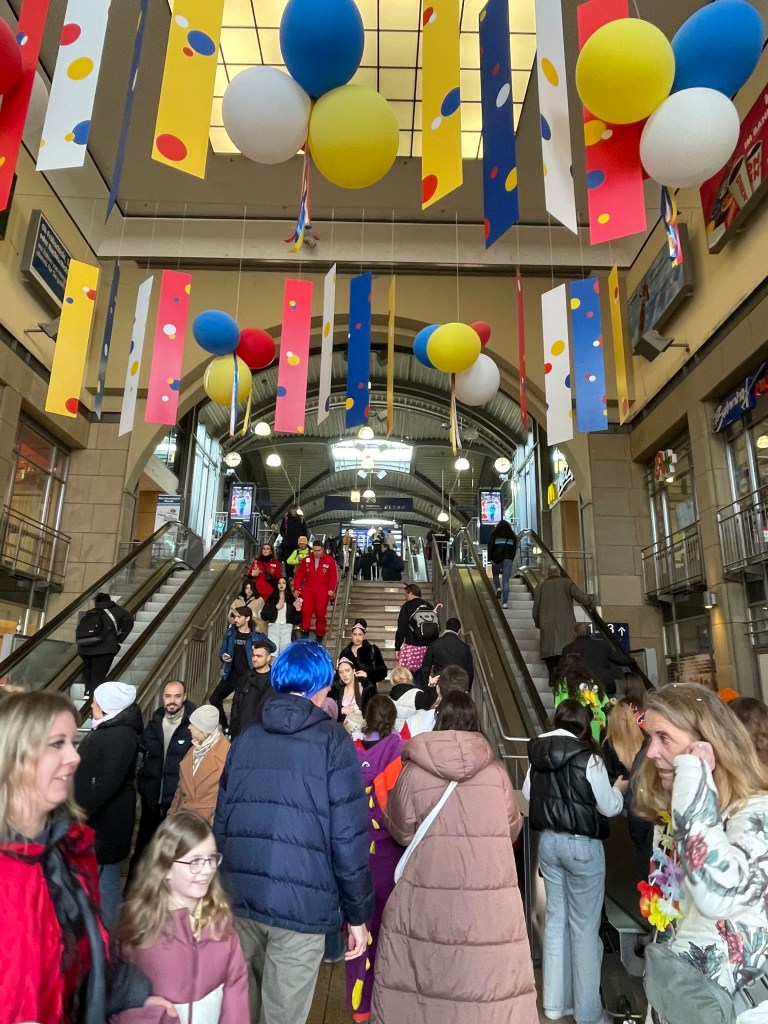
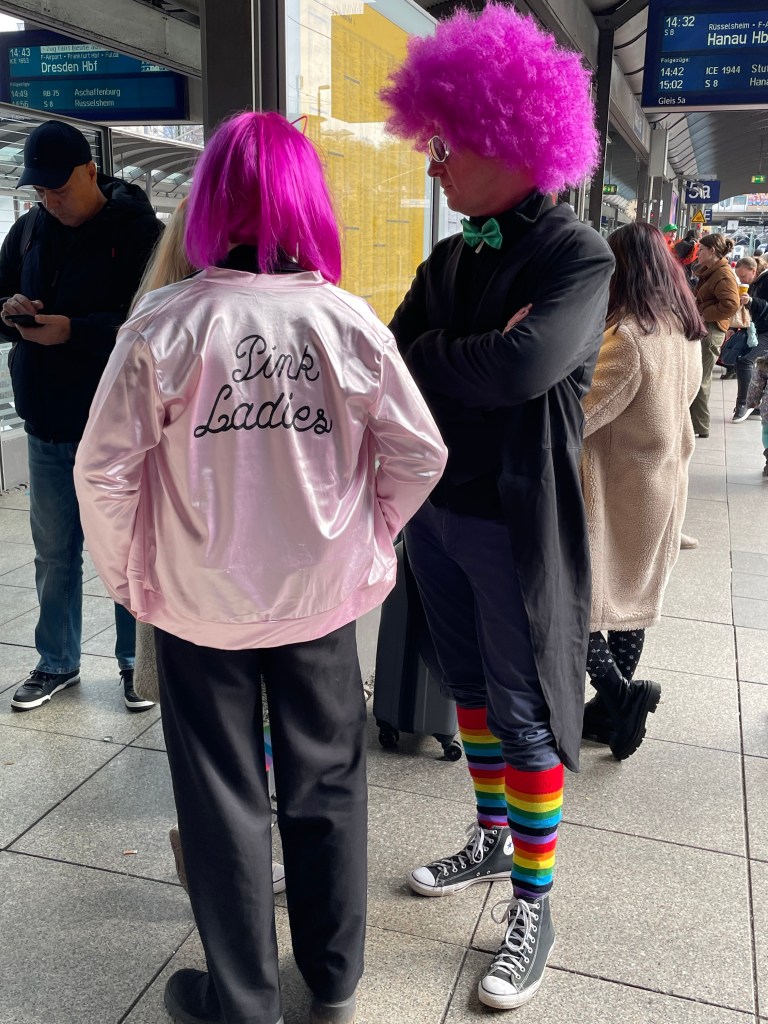
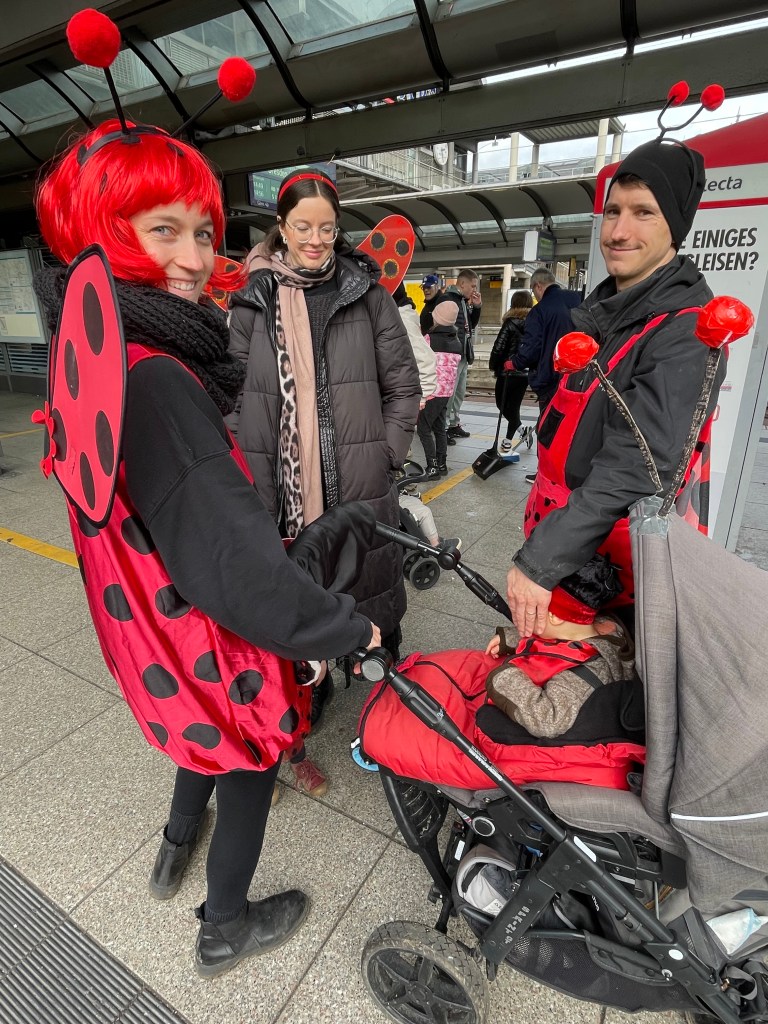
Come see through my eye and camera, and enjoy the parade and all the people celebrating today!

2024-2-12 Mainz Karnival (4)

After a couple of hours at the parade route, we took a break to get some Brats, then we made our way back to the train station to head home and go back to work.  The celebrations here carried on for the rest of the day and into the night.

It was a fun culture-filled day!

Visiting Fulda

Come along with me on a walk through the city of Fulda.  Last week we went to small cities along the way to Fulda: Gelnhausen and Steinau an der Strasse.  All these cities are on the German Fairy Tale Route and on what’s called “die Hohe Strasse” or the High Road, earlier called the Via Reggia during Holy Roman Empire time.

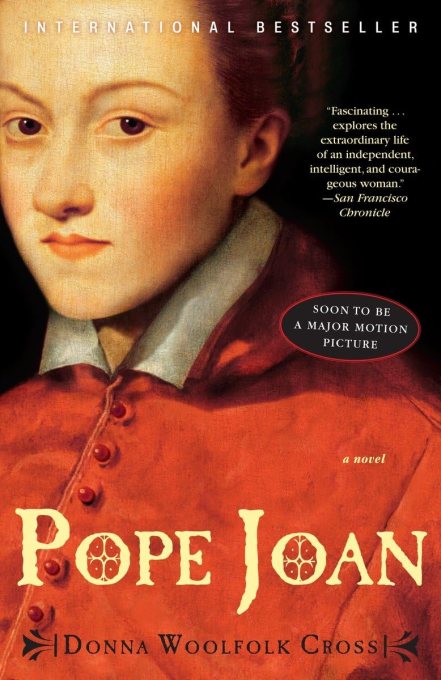
We didn’t get this far last week, so today we returned just to Fulda.  One of the reasons we wanted to visit here was because John & I both recently read the book “Pope Joan,” and traditions says she lived here for awhile.  The book, by the way, is really good!

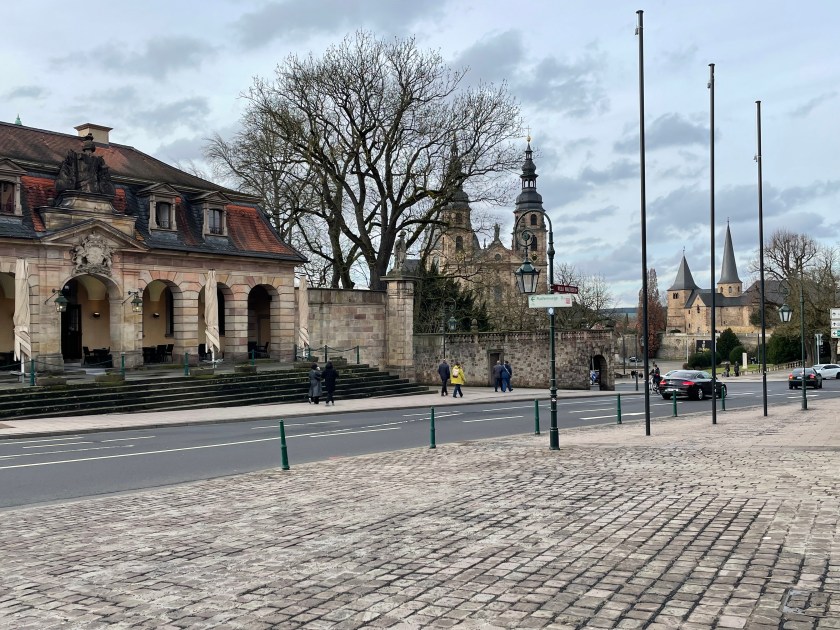
We spent the whole day, enjoying the sights–the palace, the Dom, the old churches, the monastery, parks and gardens.  There are also several museums we didn’t have time for this trip.

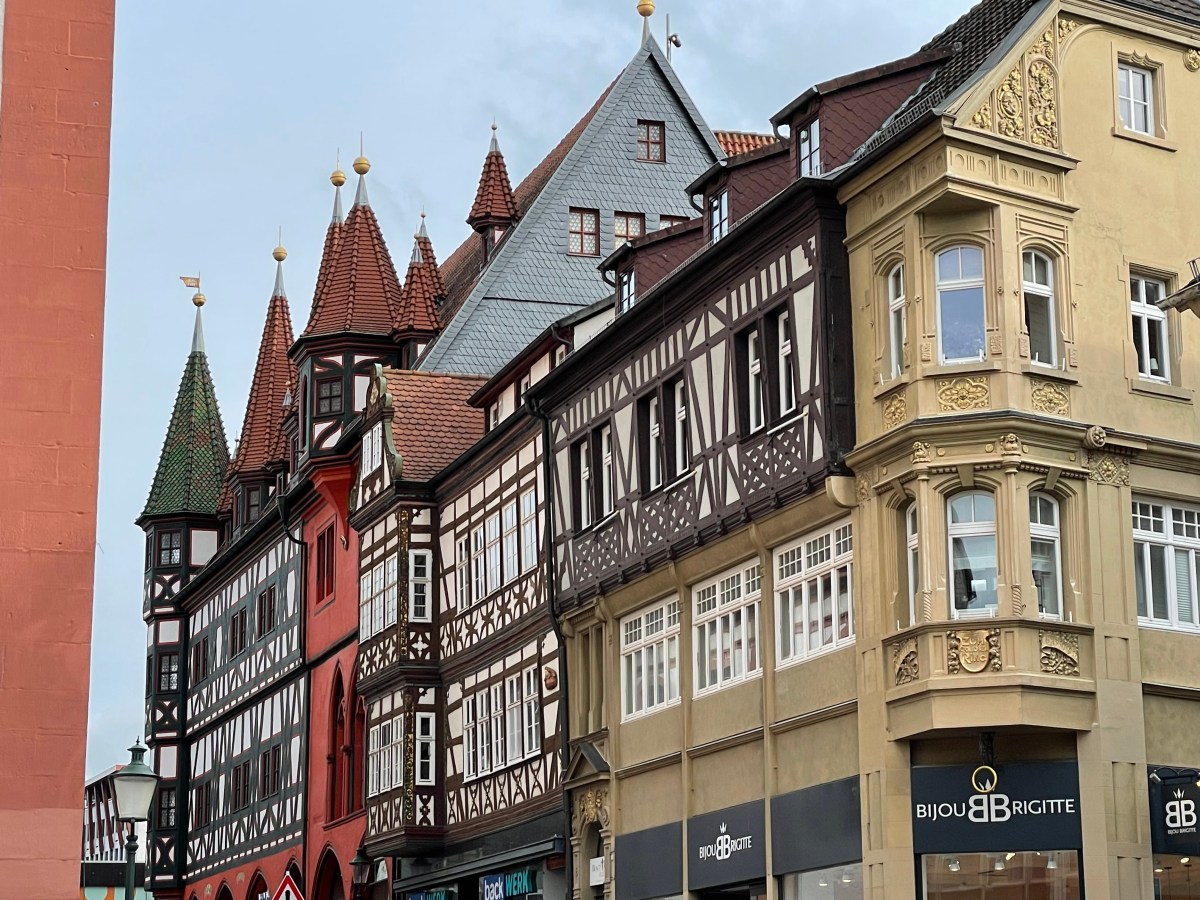
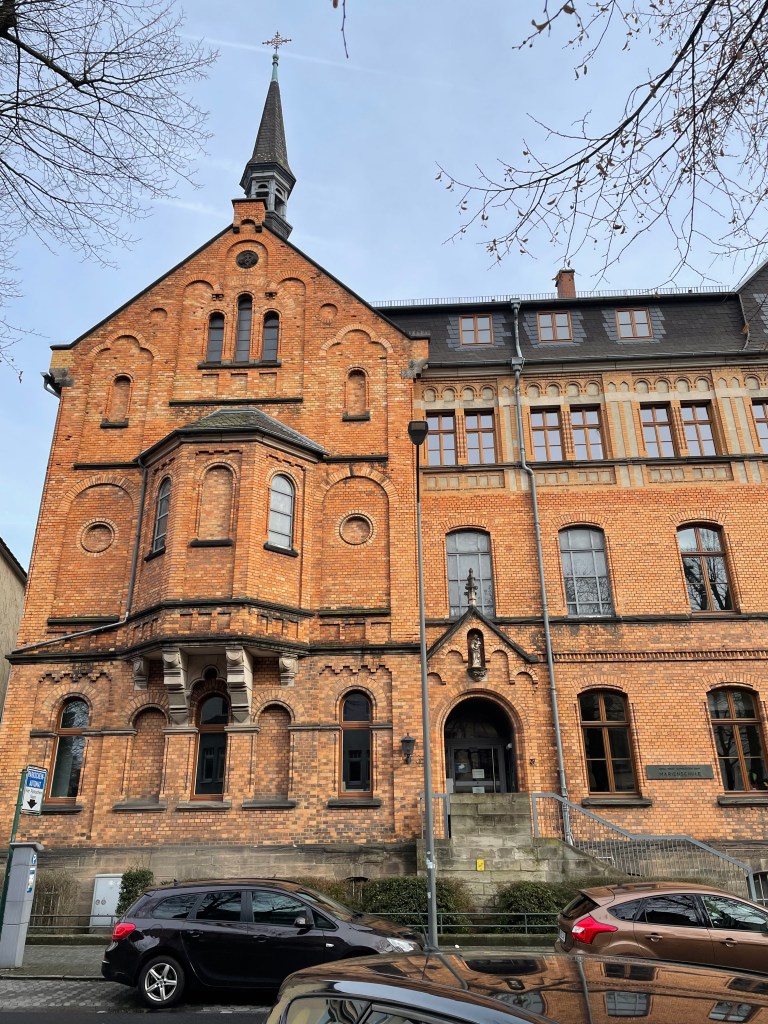
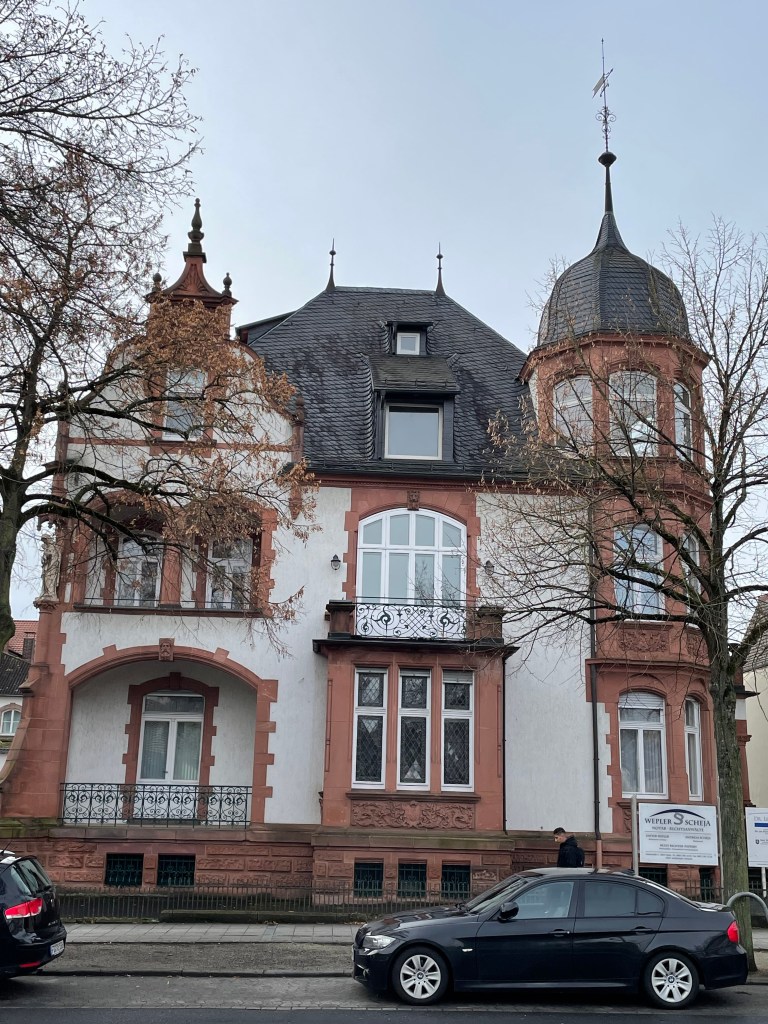
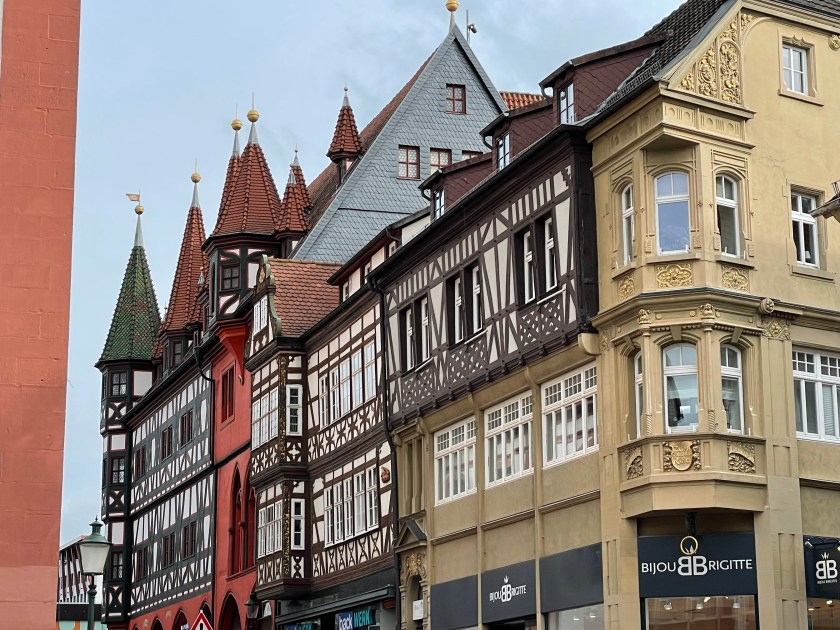
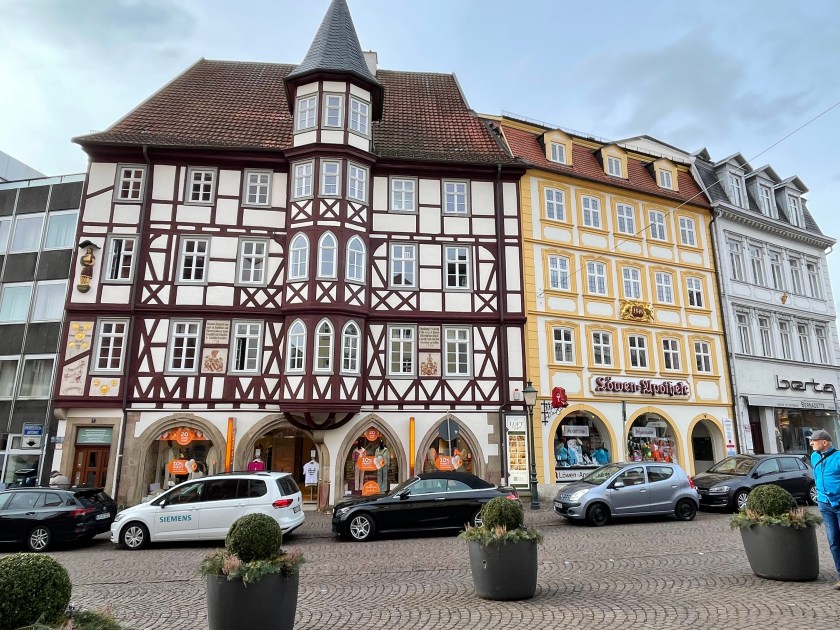
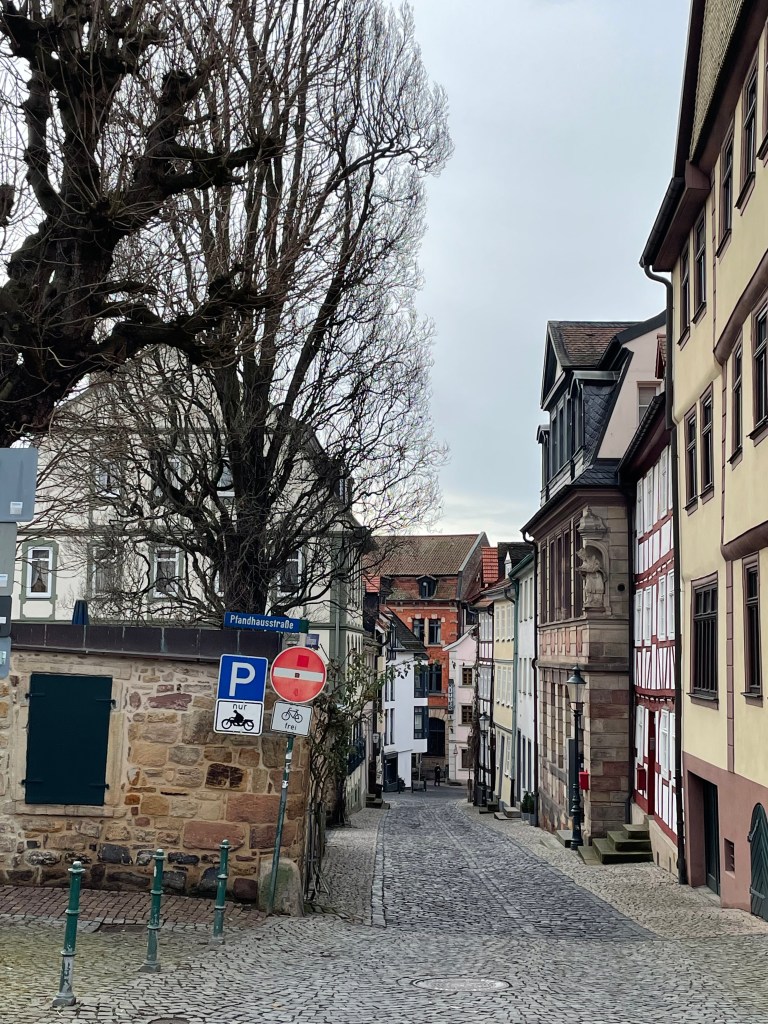
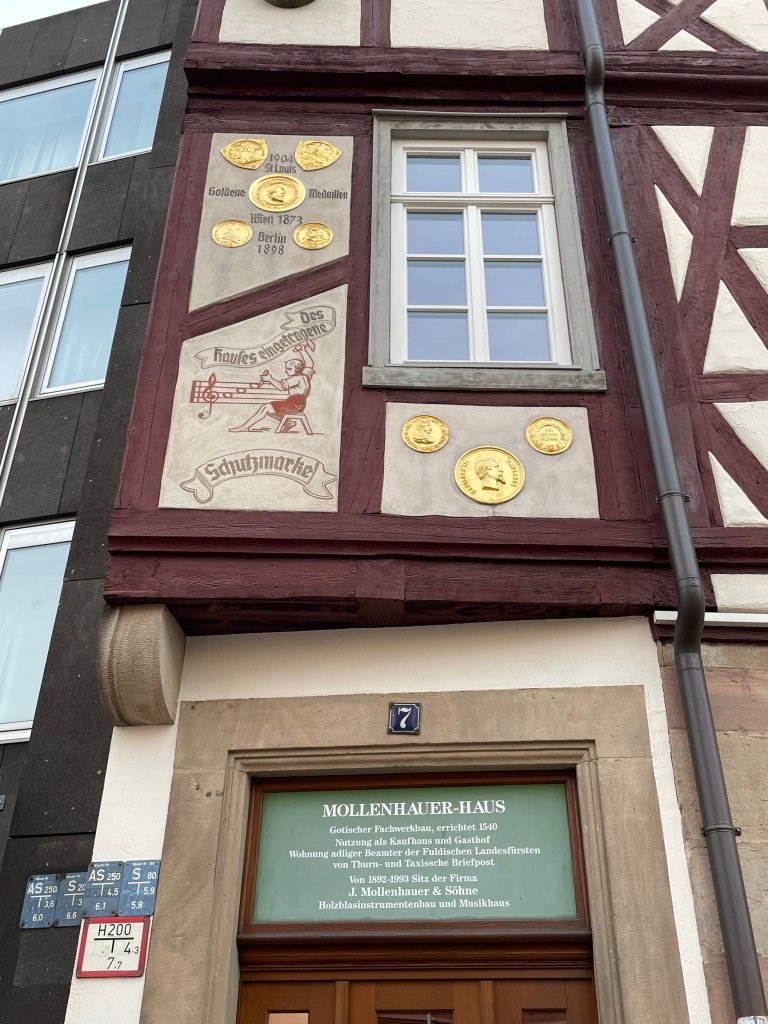
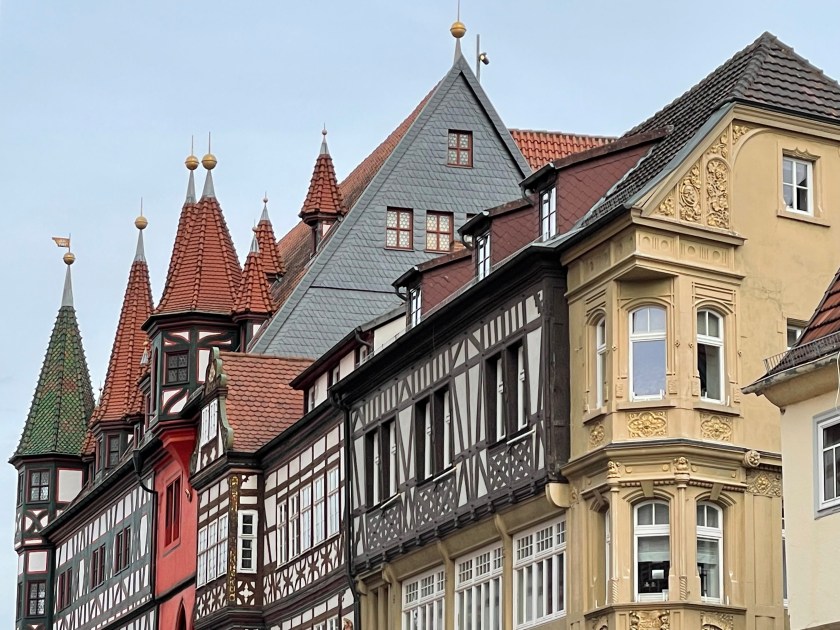
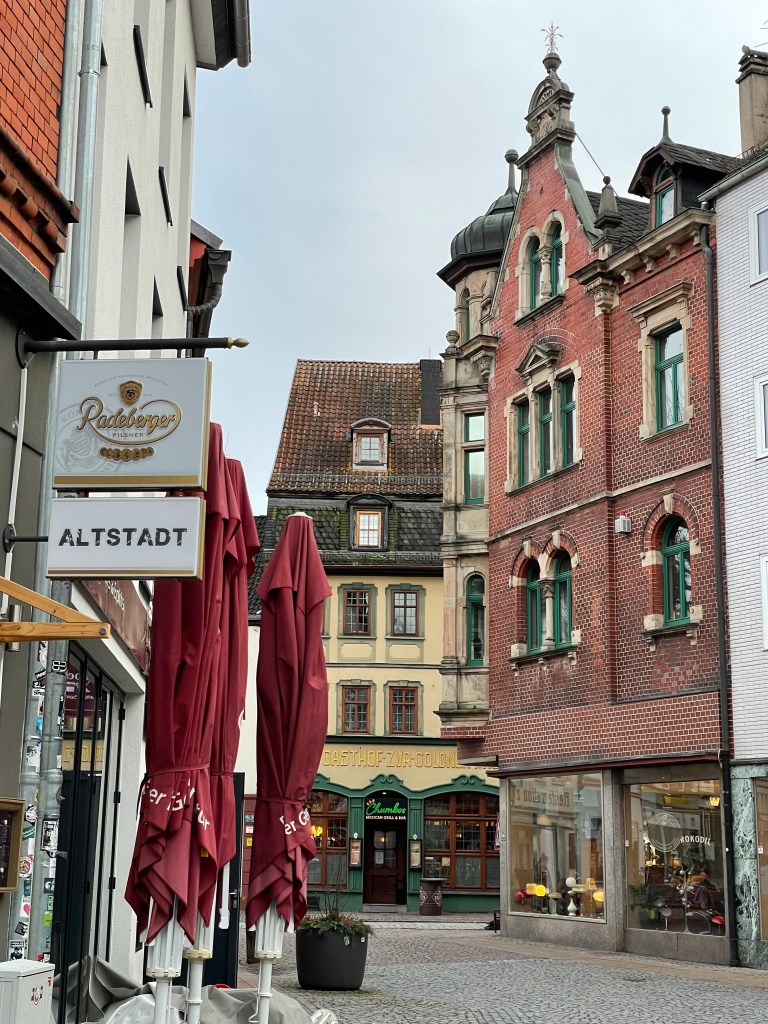
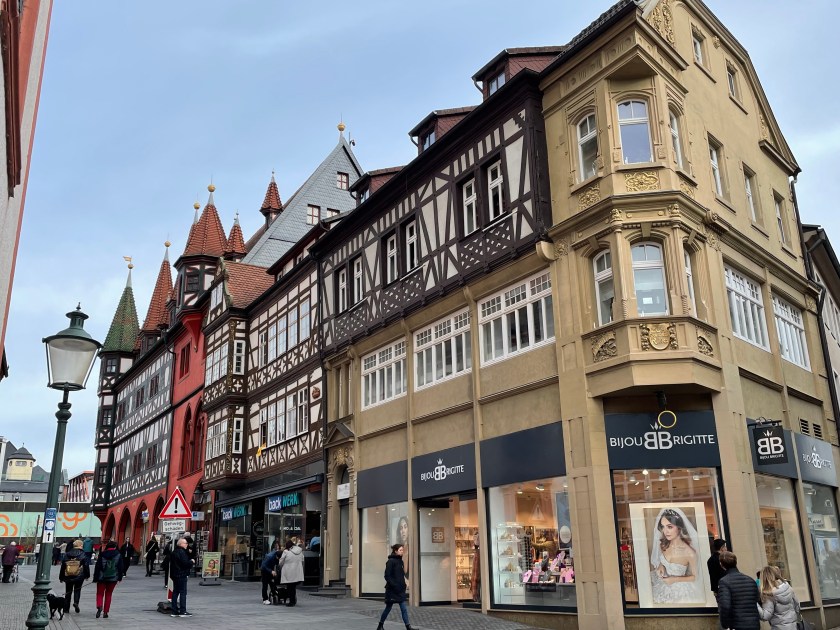
I am always astounded that the homes built so long ago are so huge.  Most are 4-5 storeys tall and house multiple families.  In these bigger cities, you don’t often see a single family home with a yard.  That doesn’t happen here.

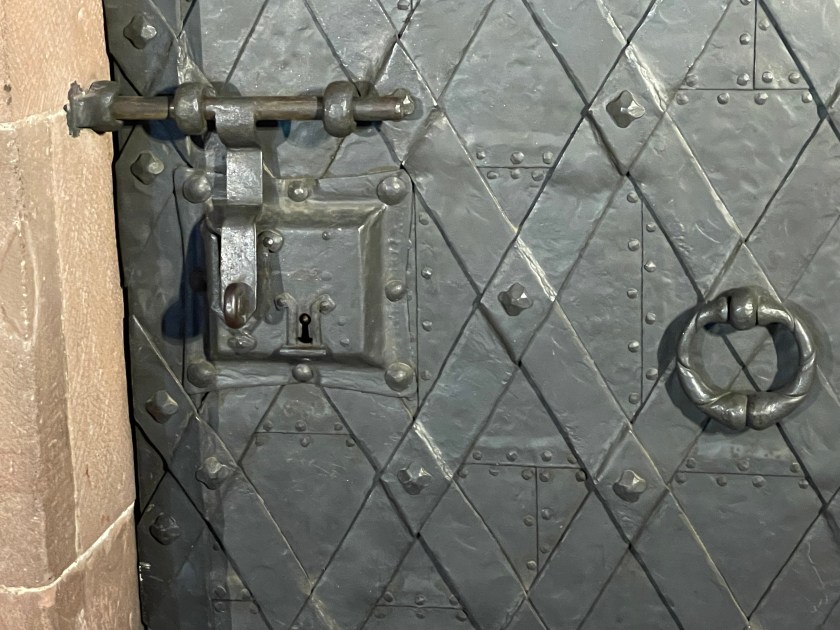
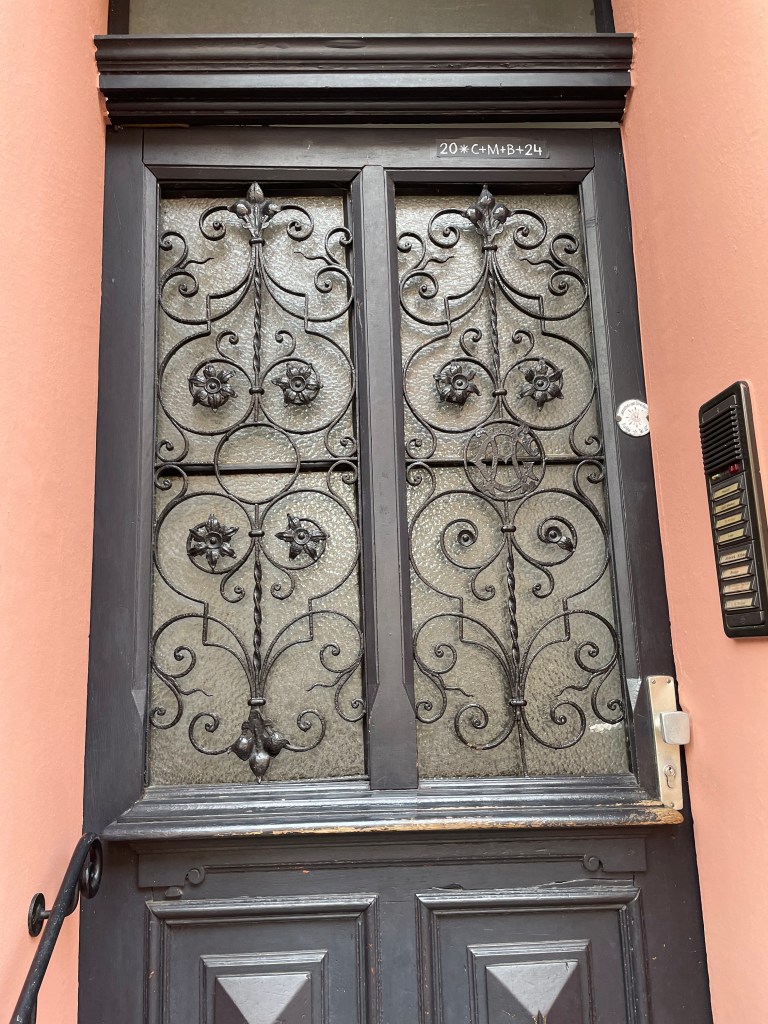
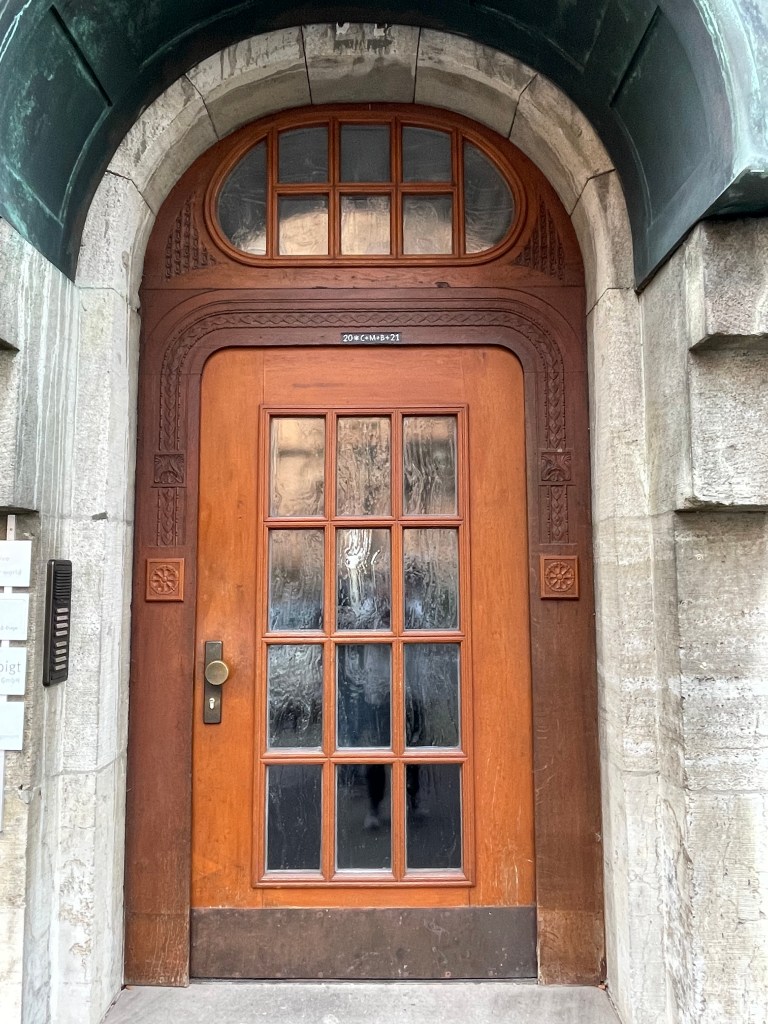
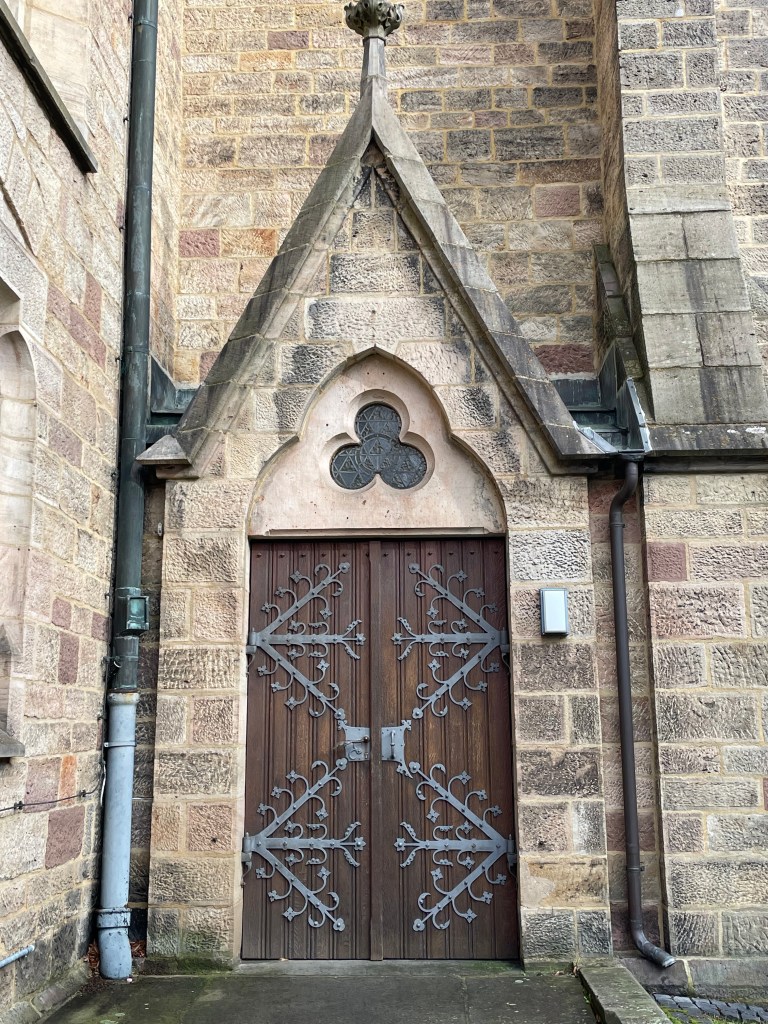
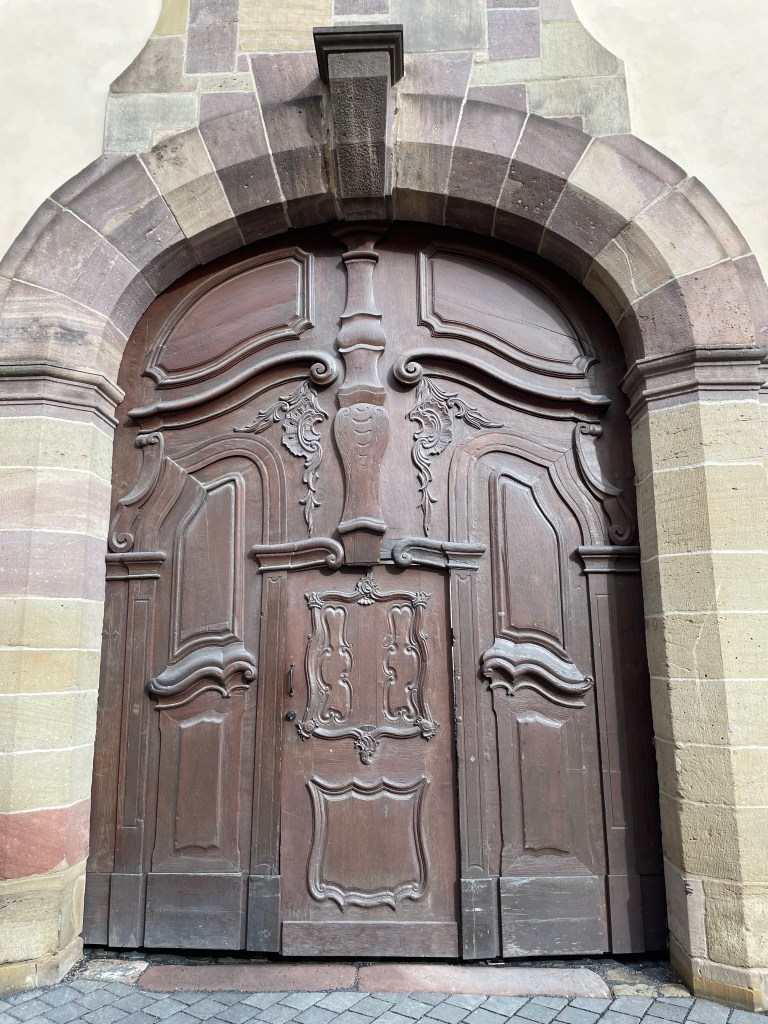
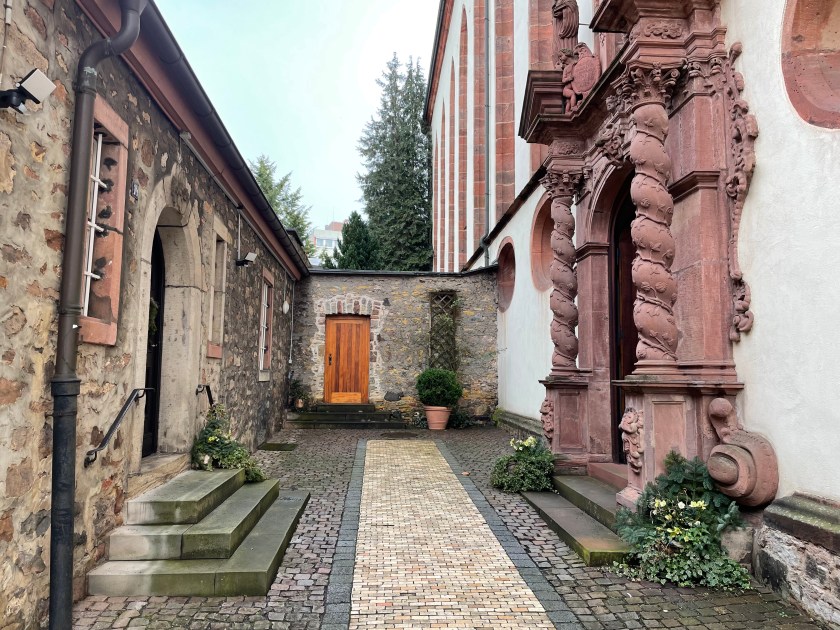
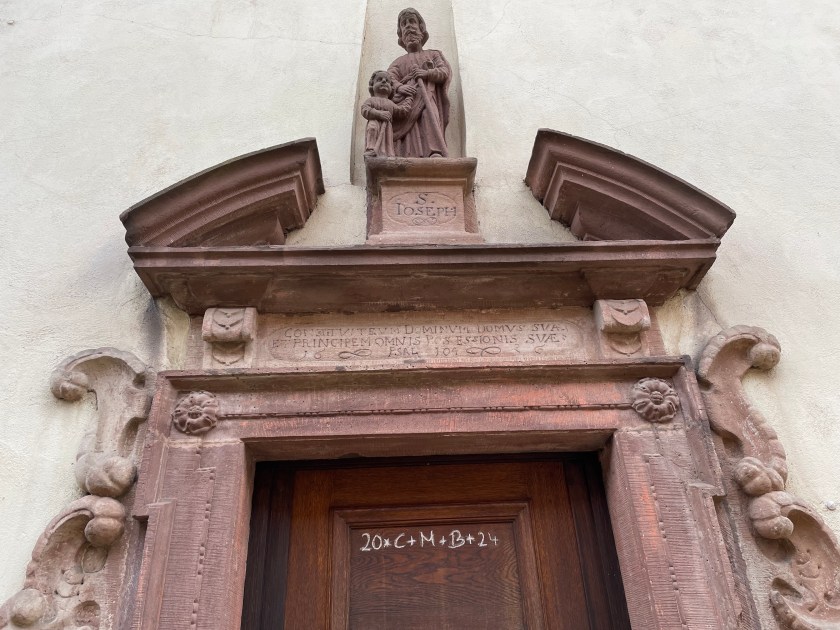
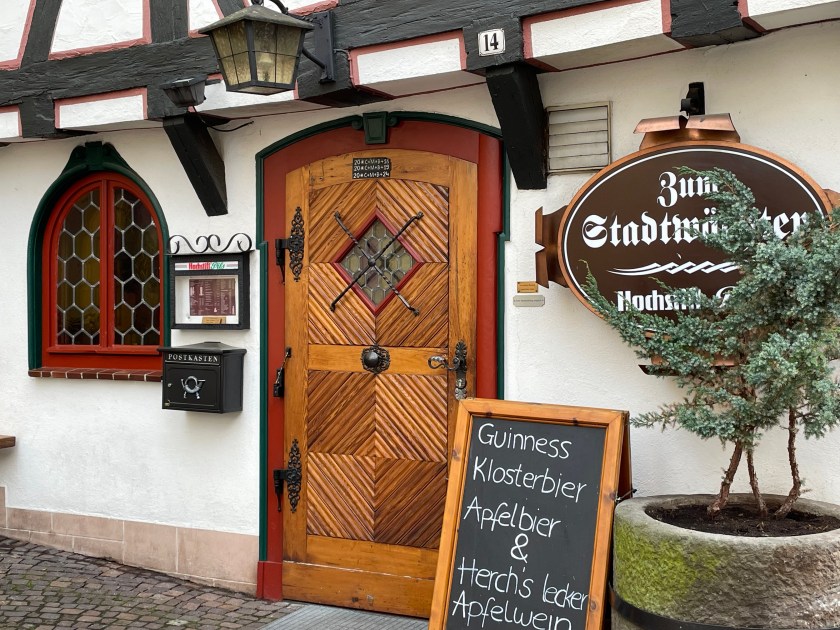
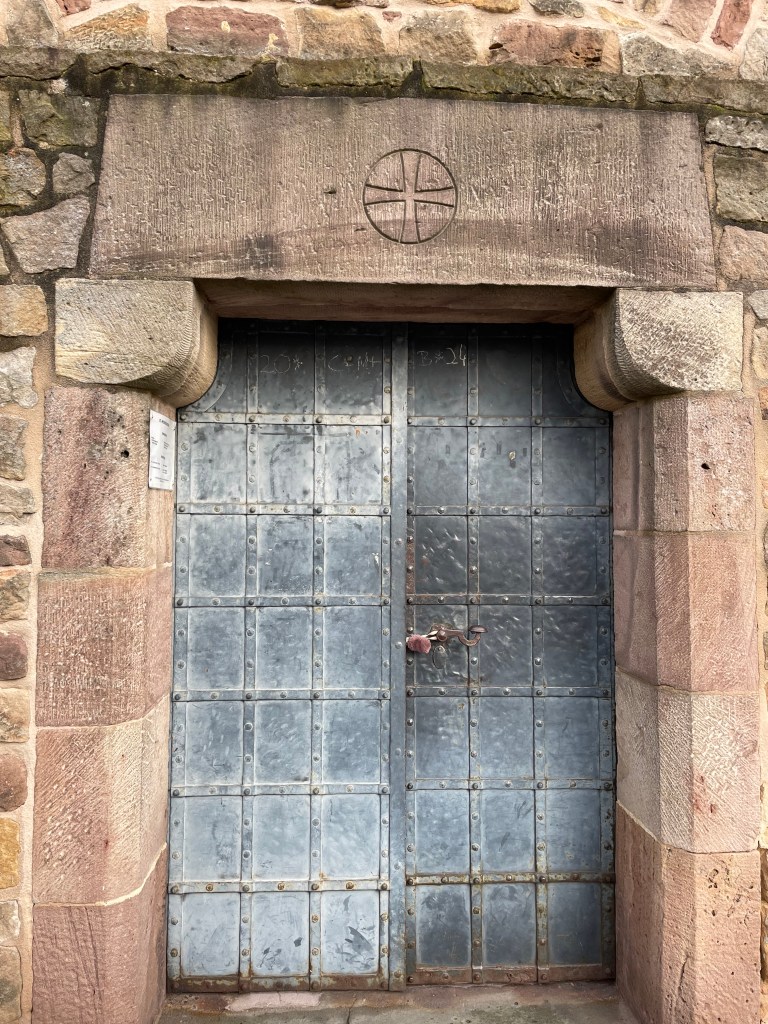
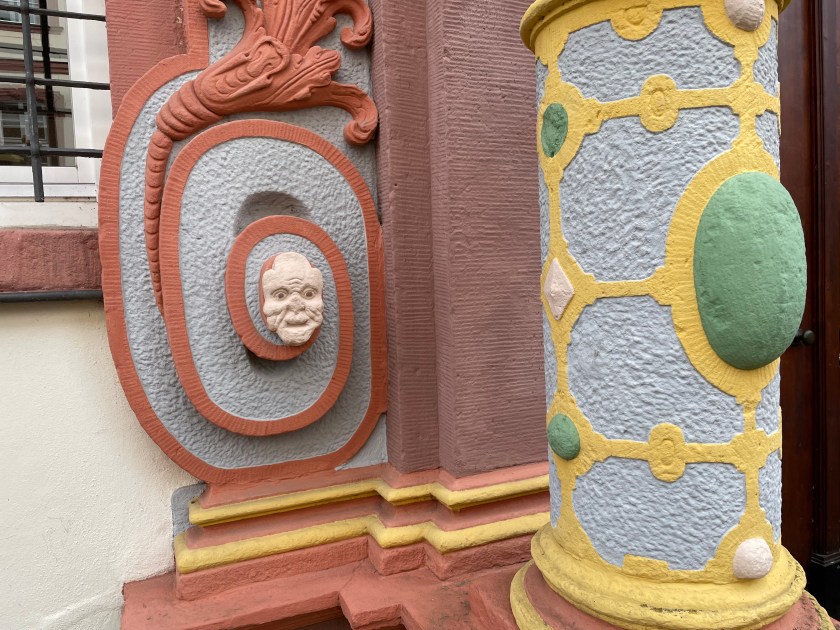
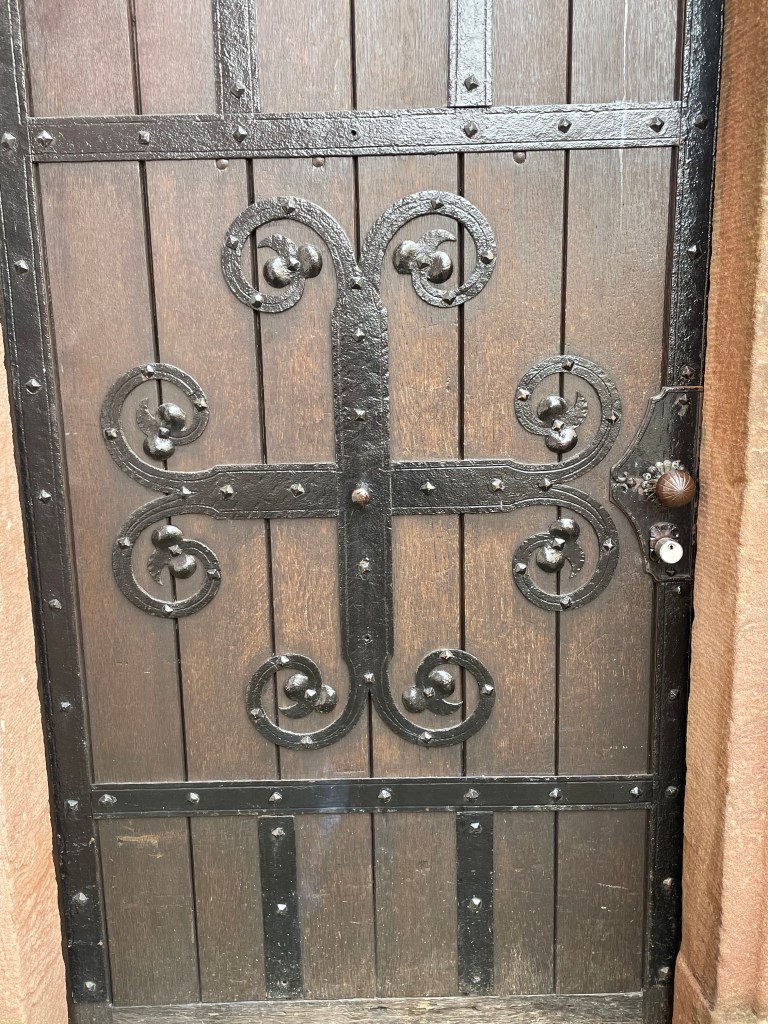
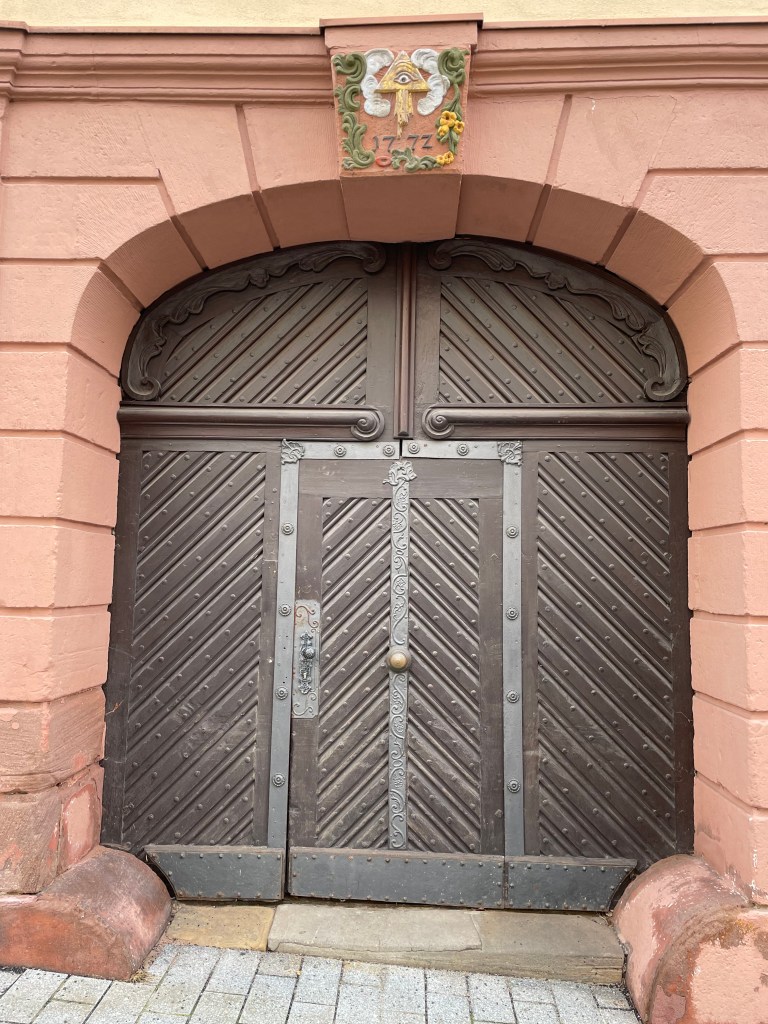
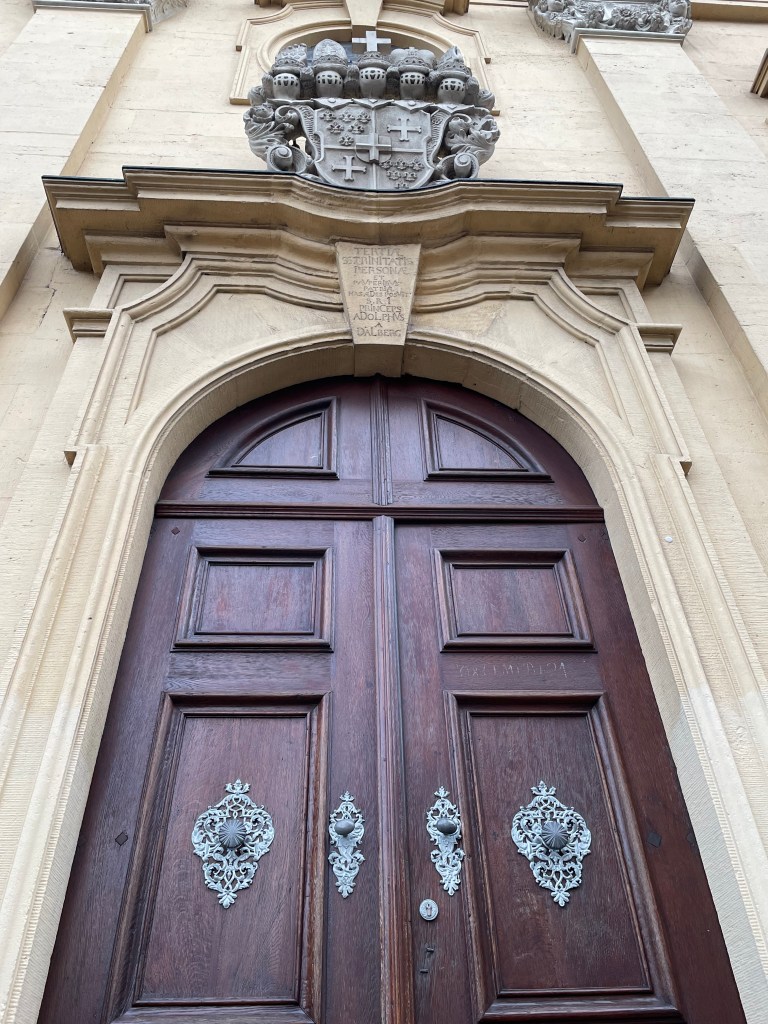
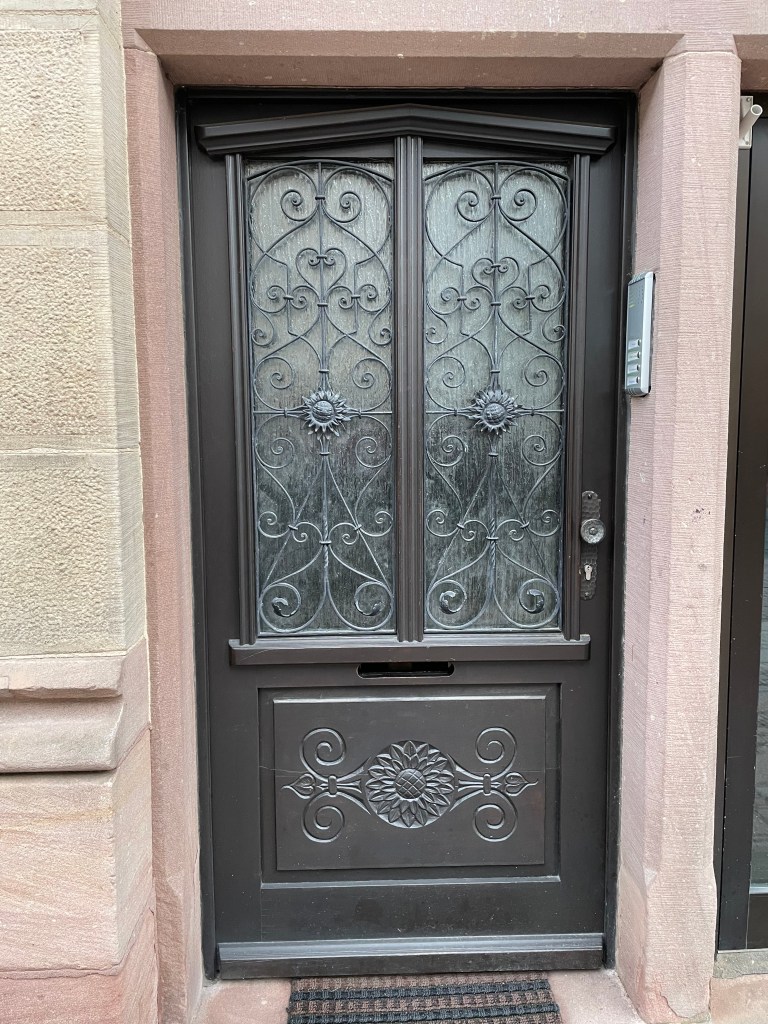
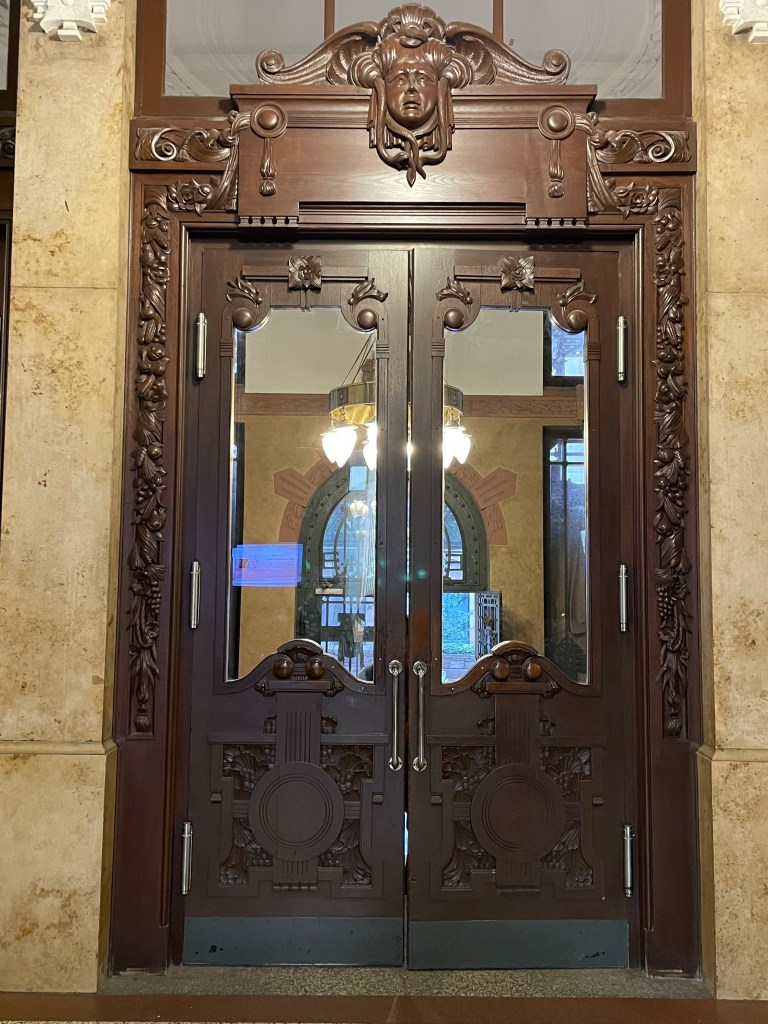
I always enjoy looking at the interesting doors.

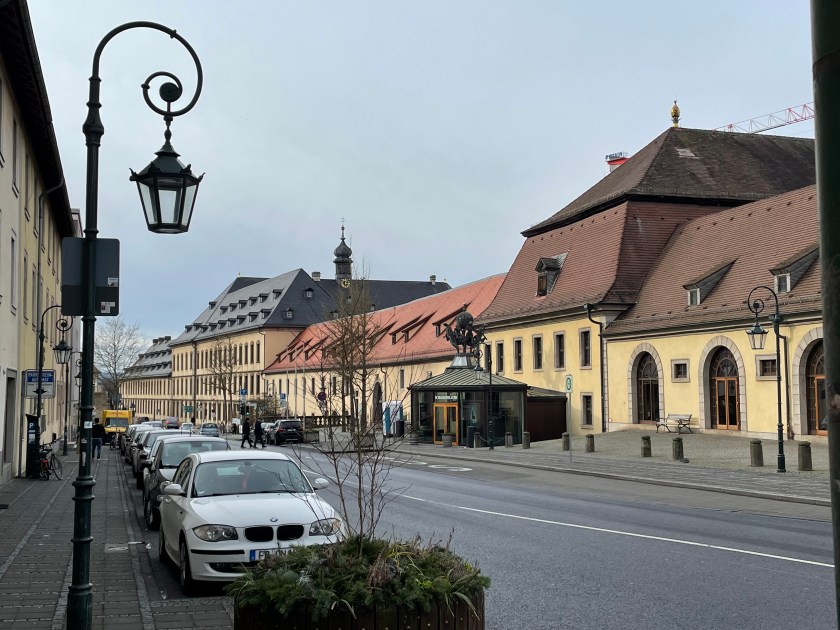
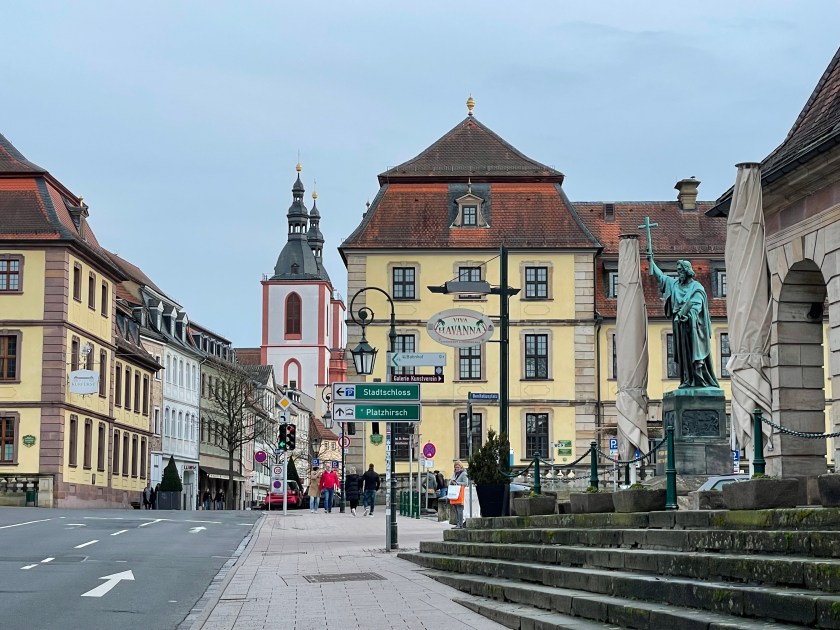
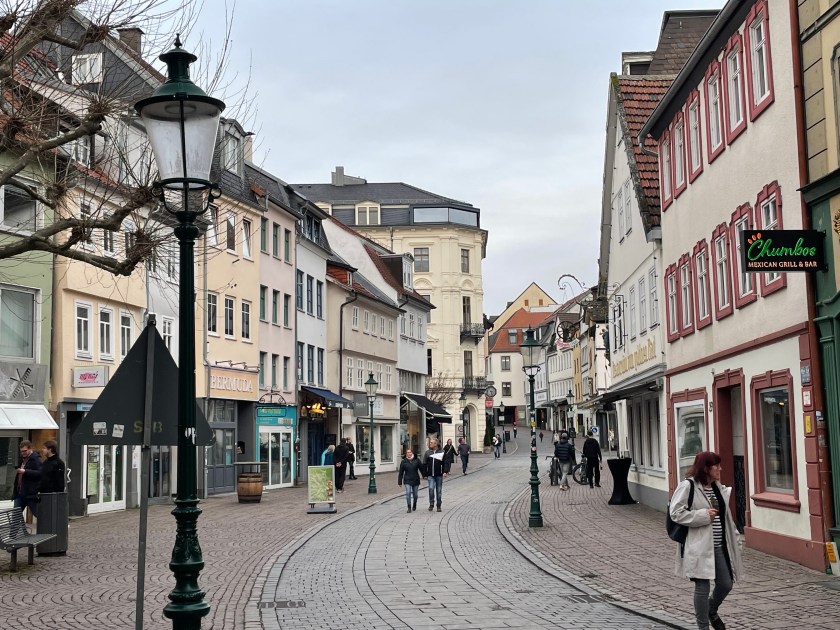
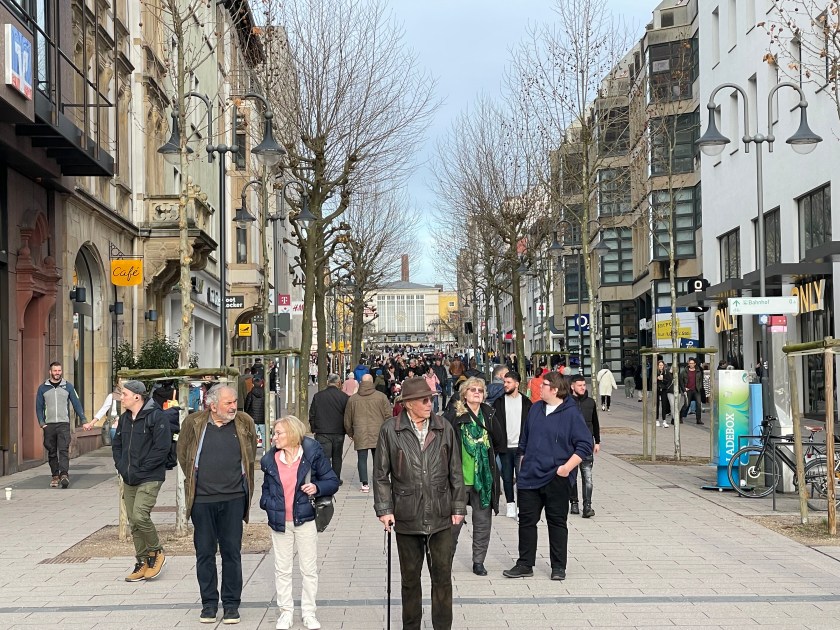
This was the main shopping boulevard.

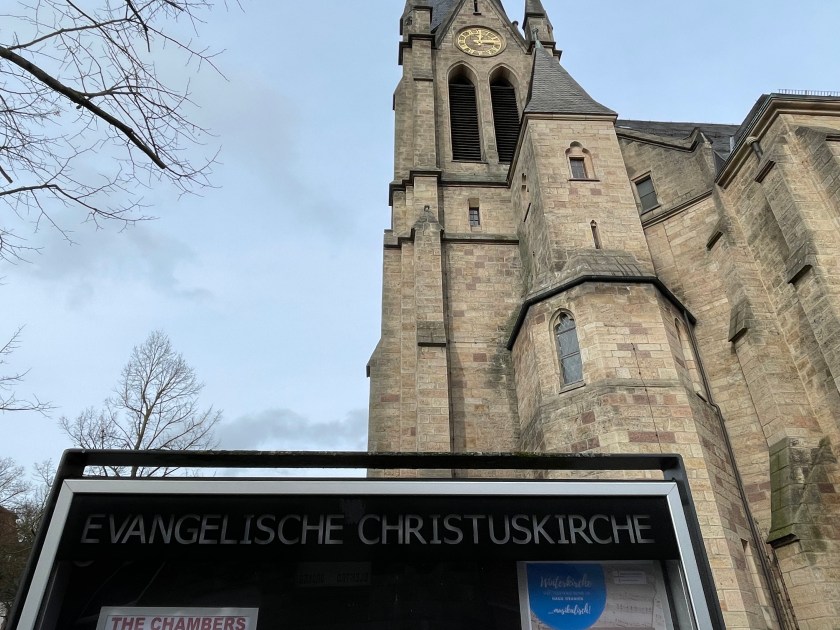
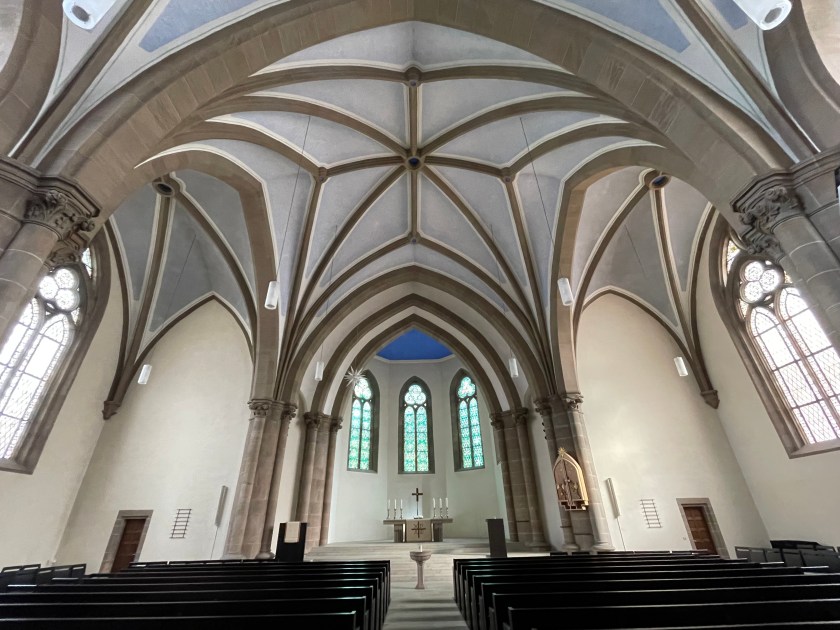
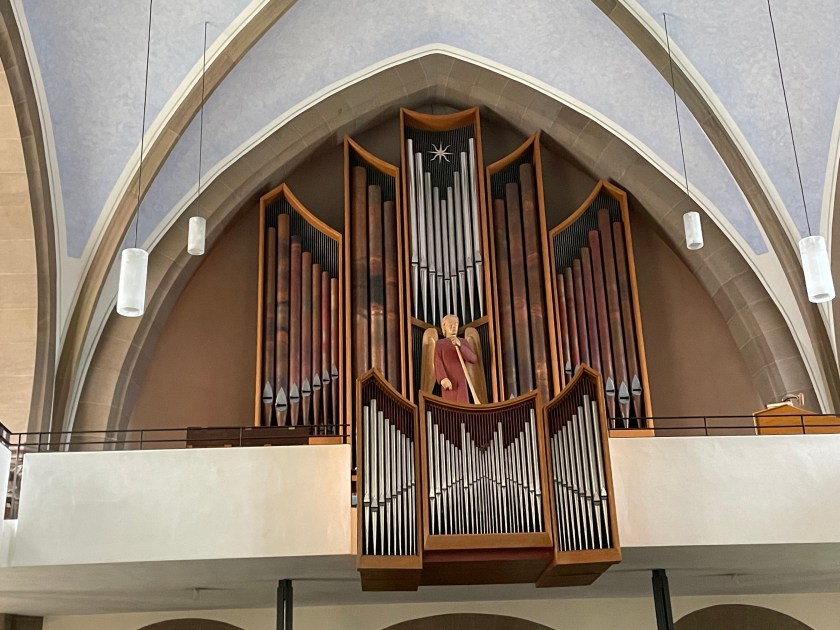
The Christuskirche–the oldest and largest protestant church in Fulda built in the late 1800s.

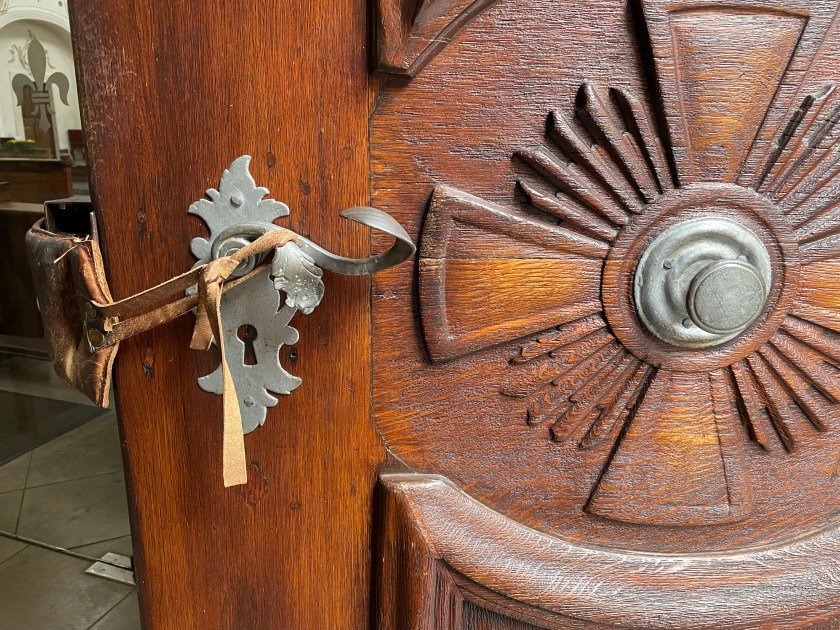
Fancy hardware!

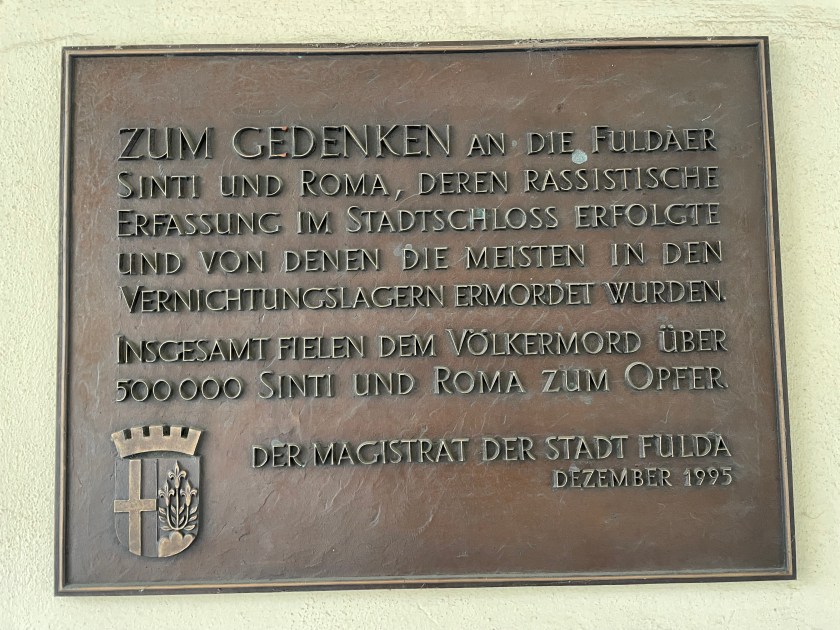
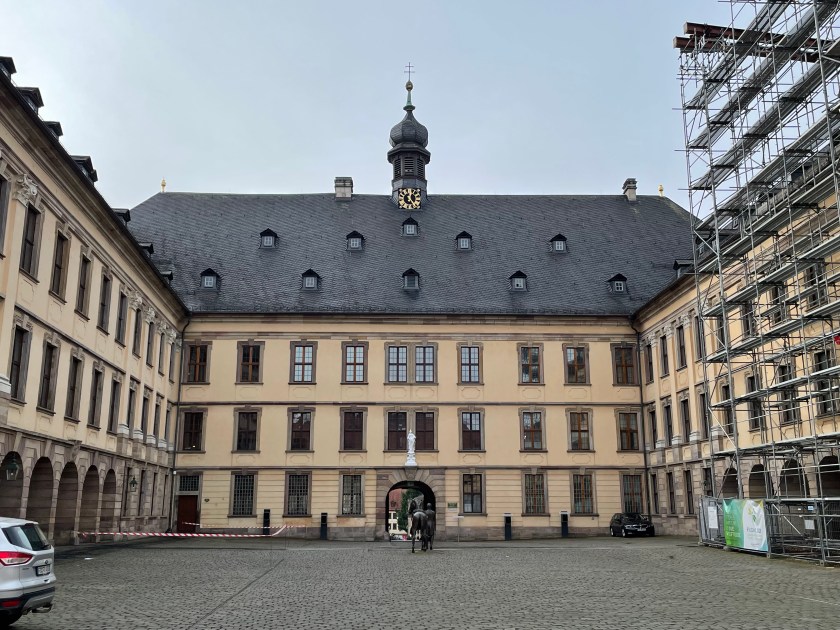
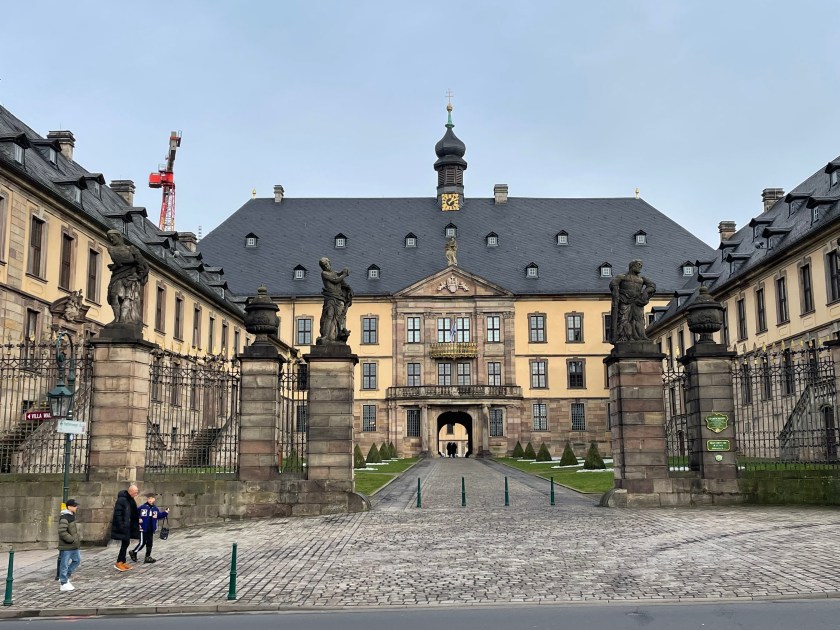
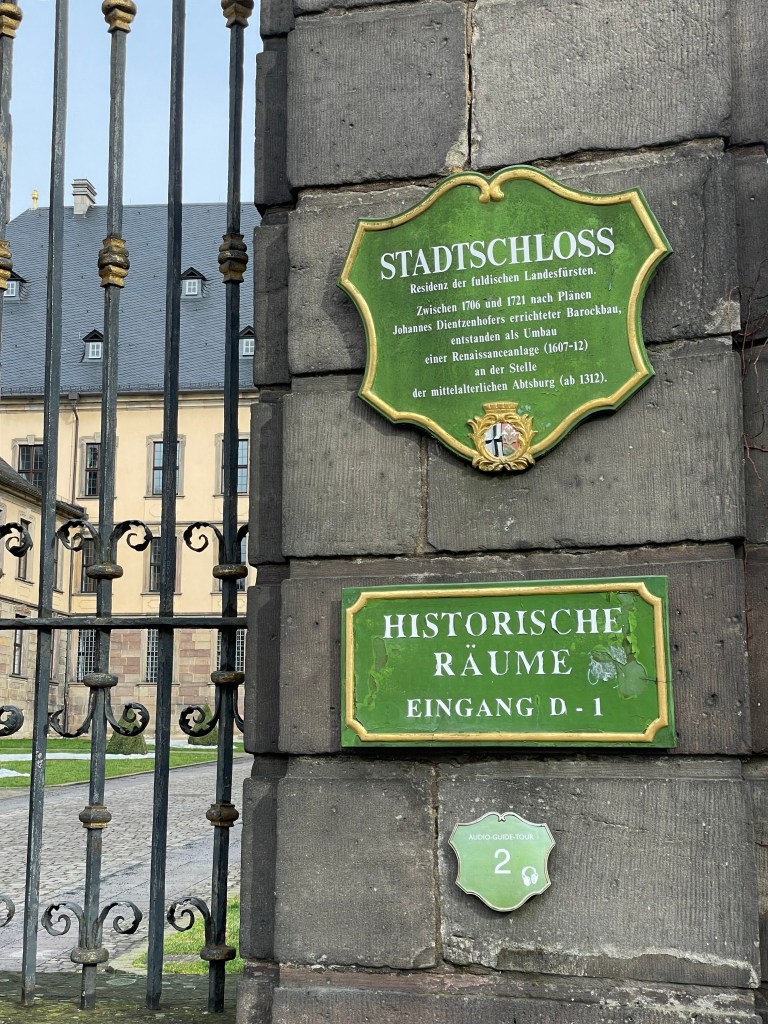
We didn’t go into the Schloss–it’s now used by the city for civic offices.

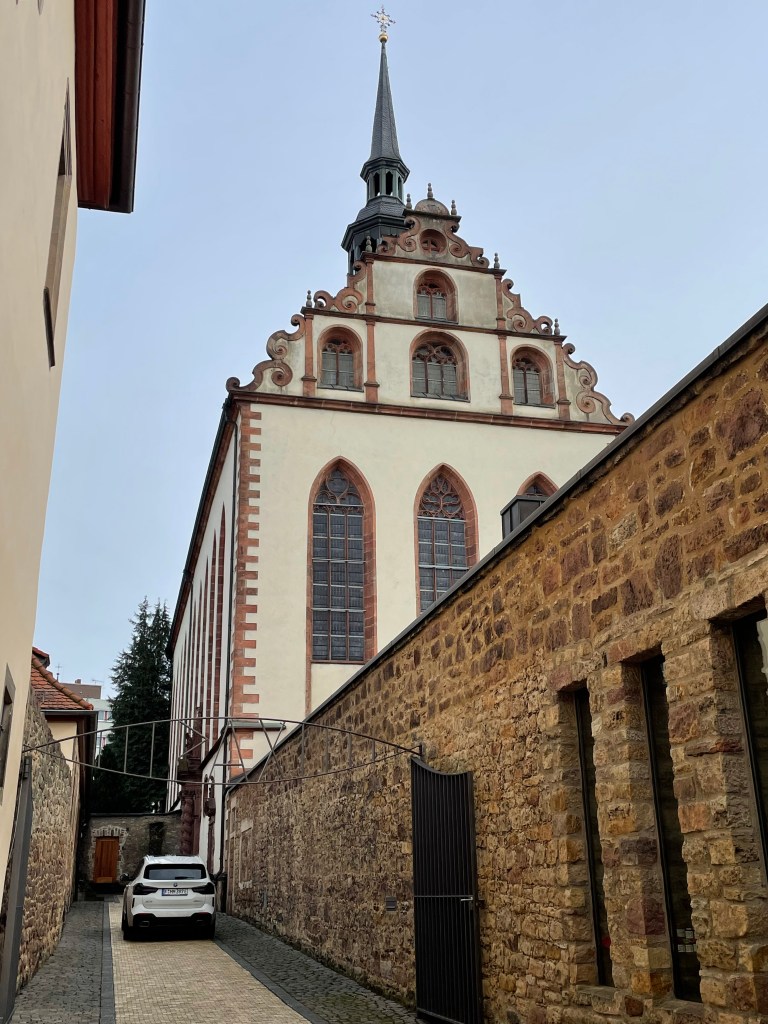
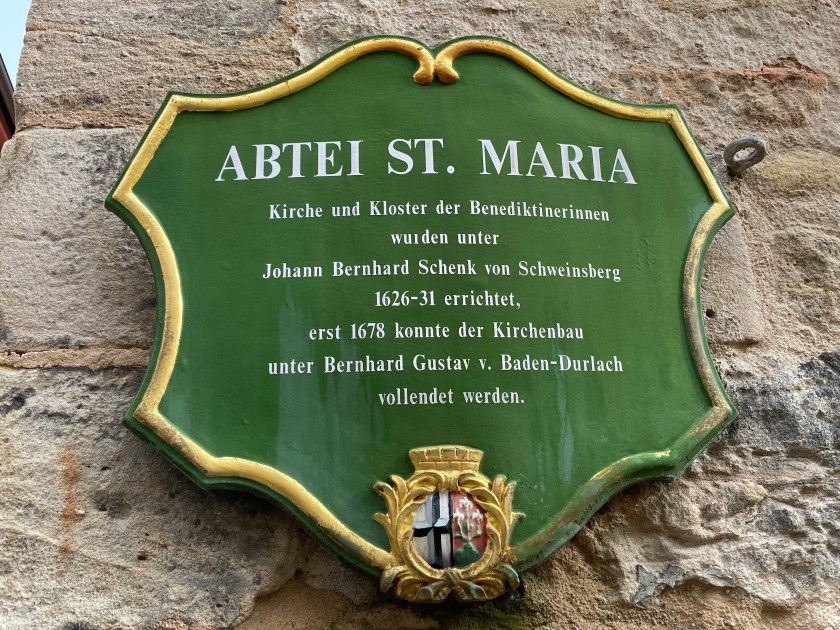
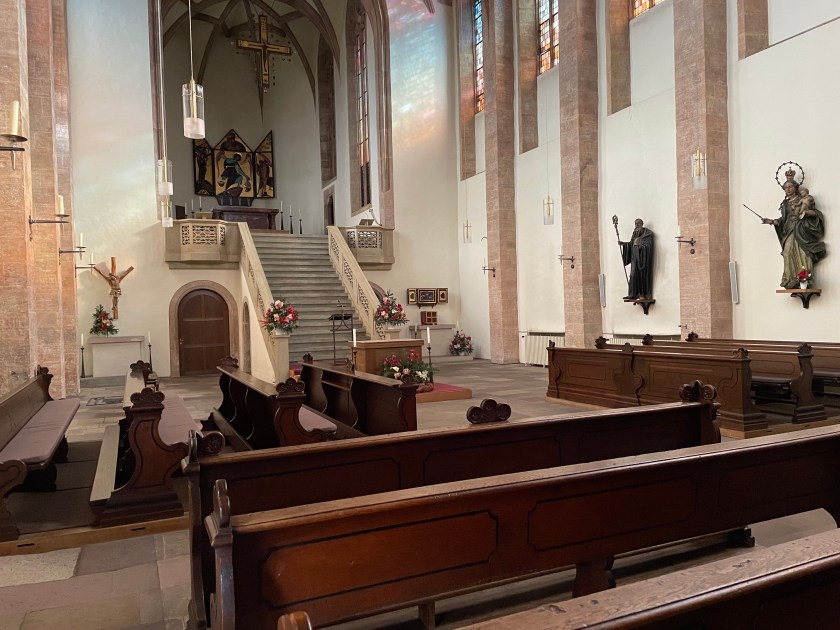
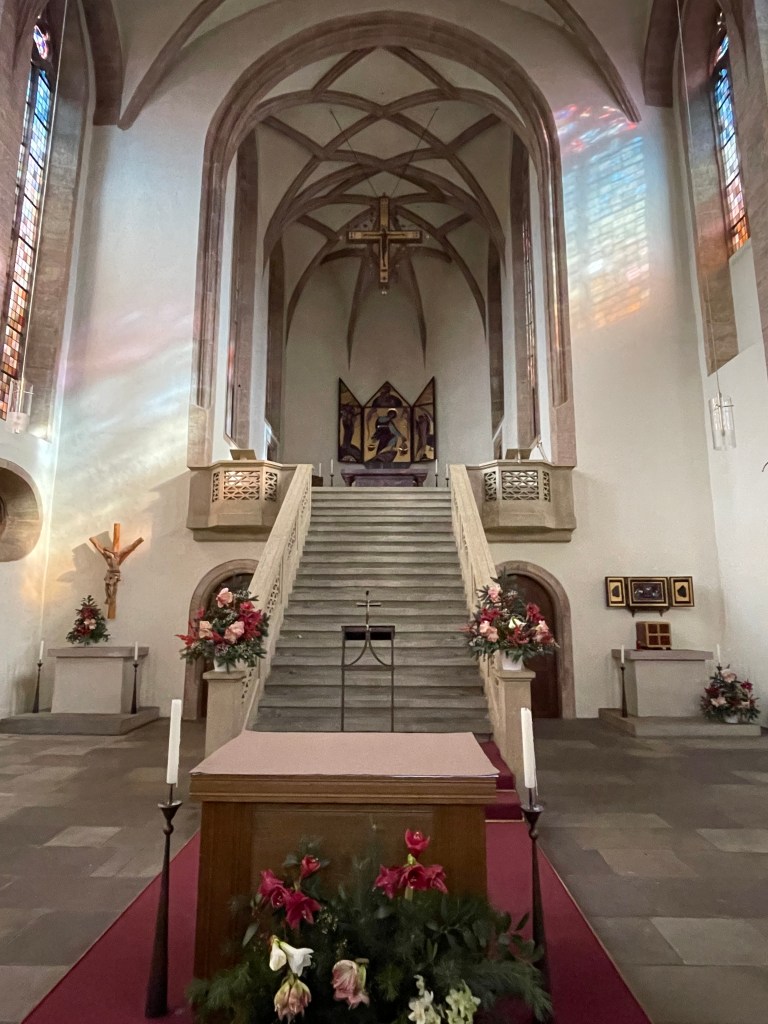
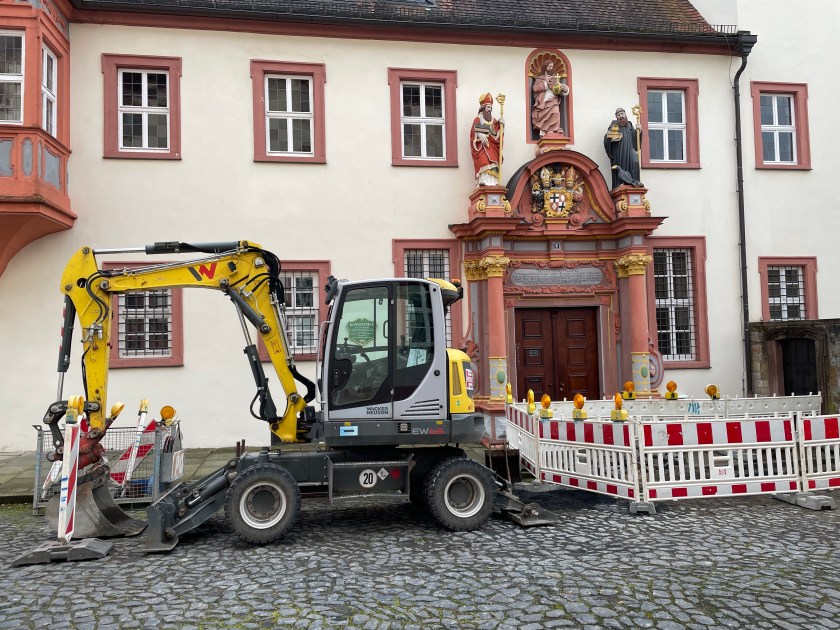
This is the monastery, and Kloster, also closed to the public.  We did go into the beautiful church.
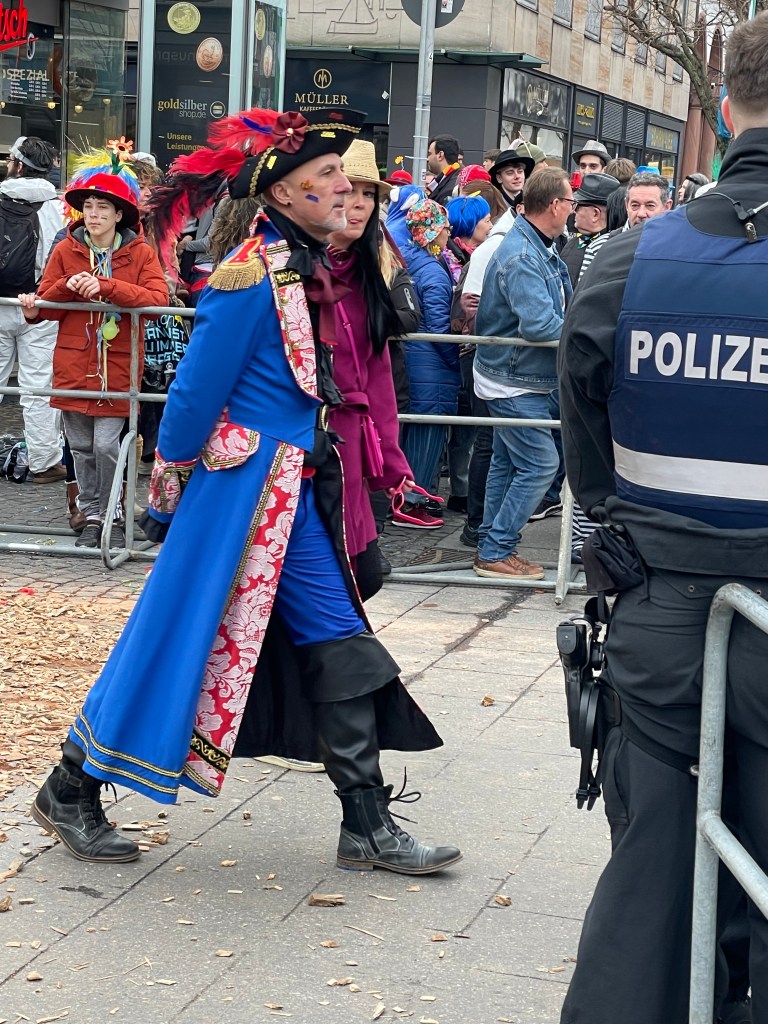
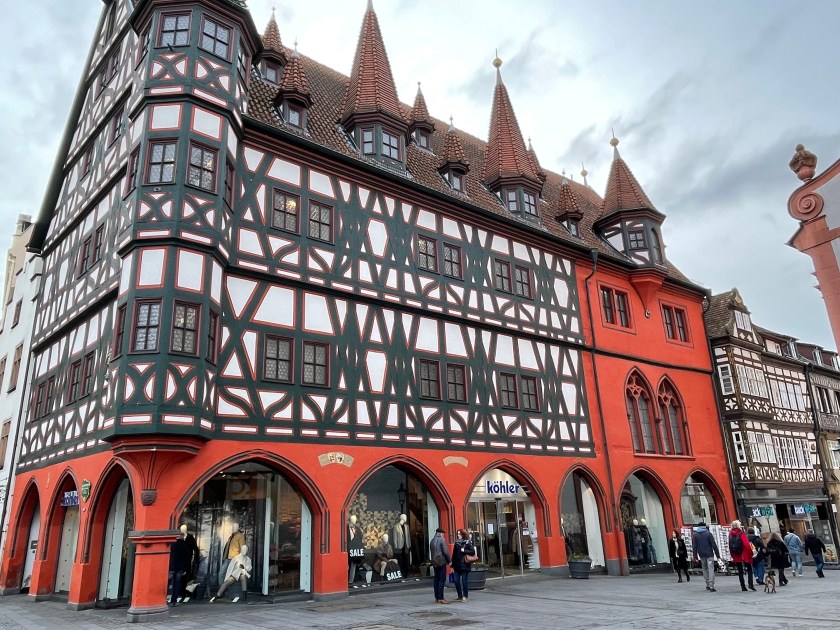
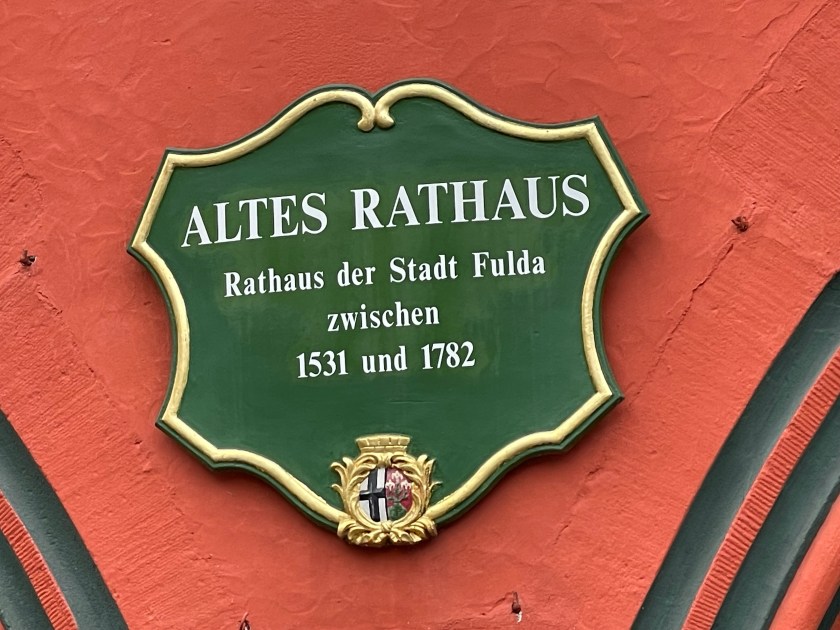
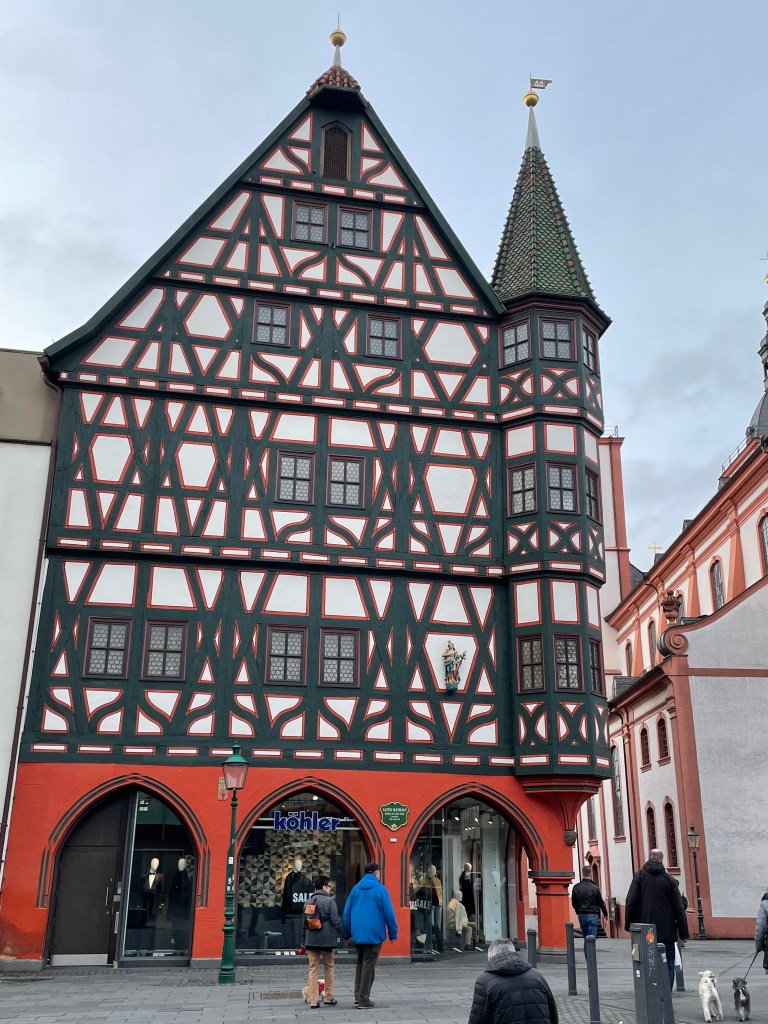
Here is the old City Hall building dating back to 1531:

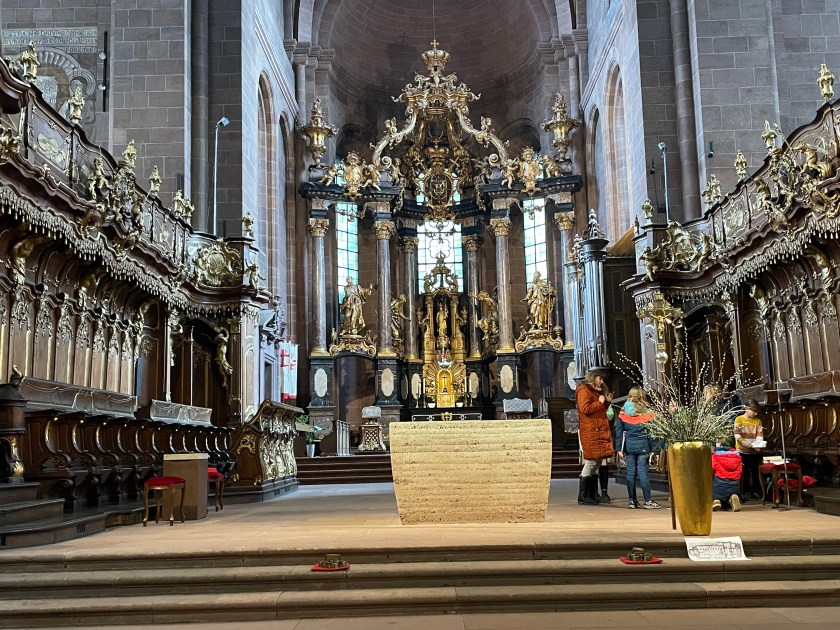
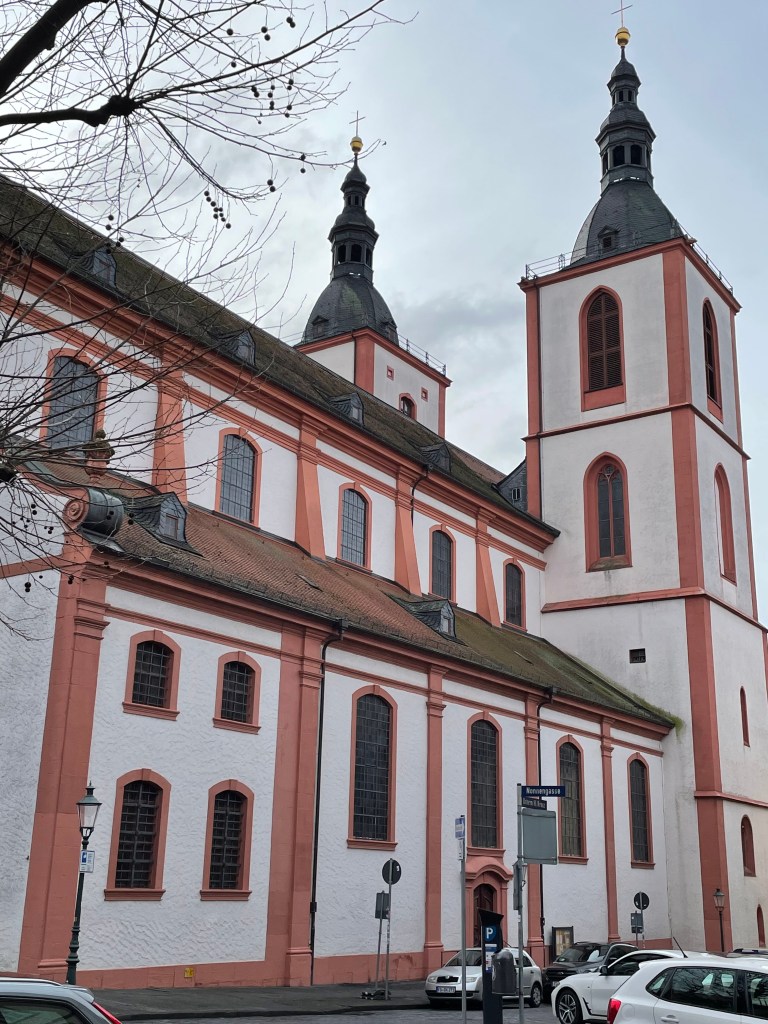
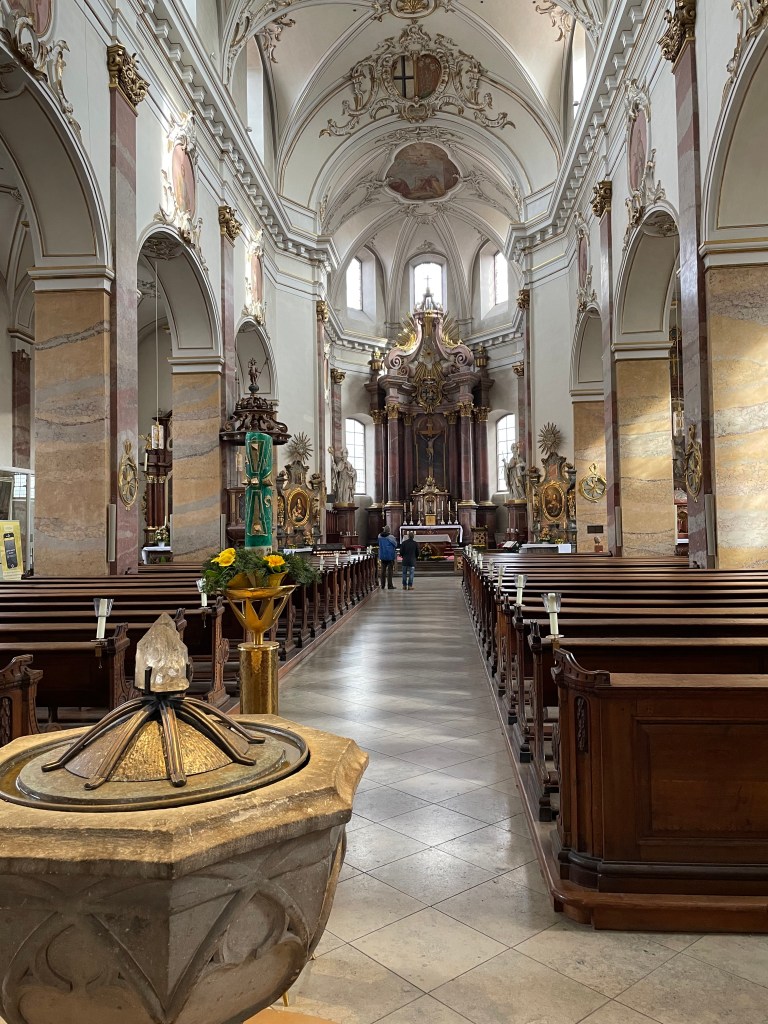
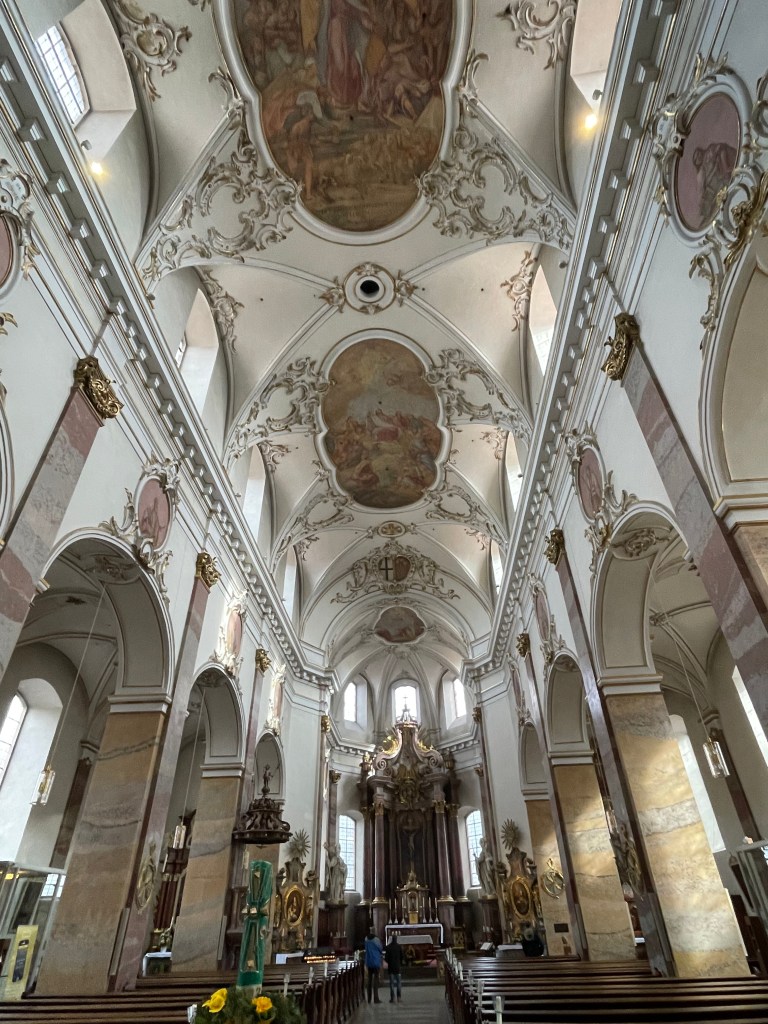
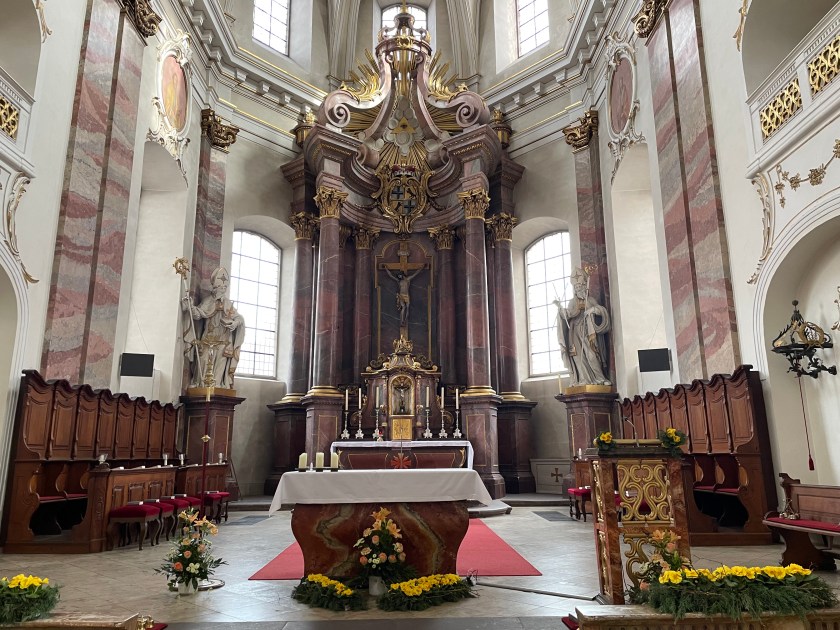
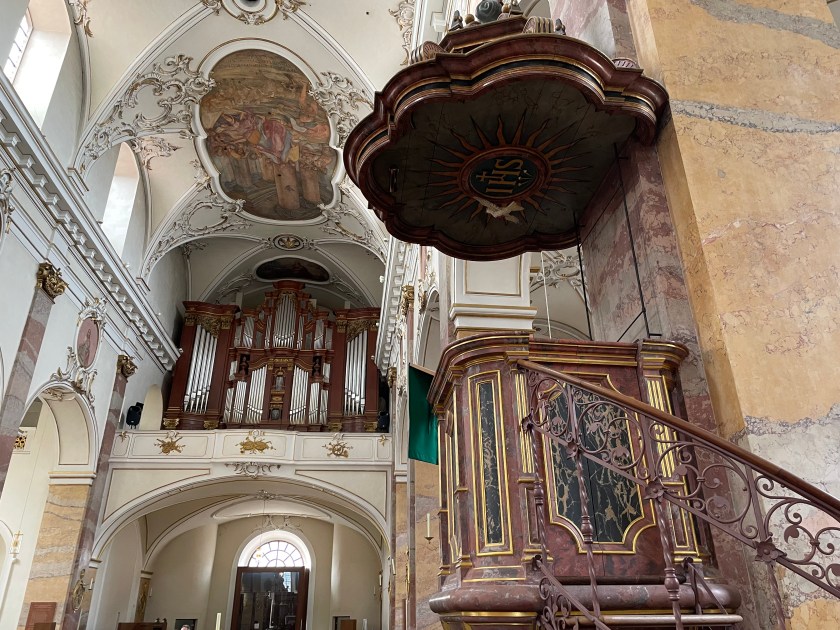
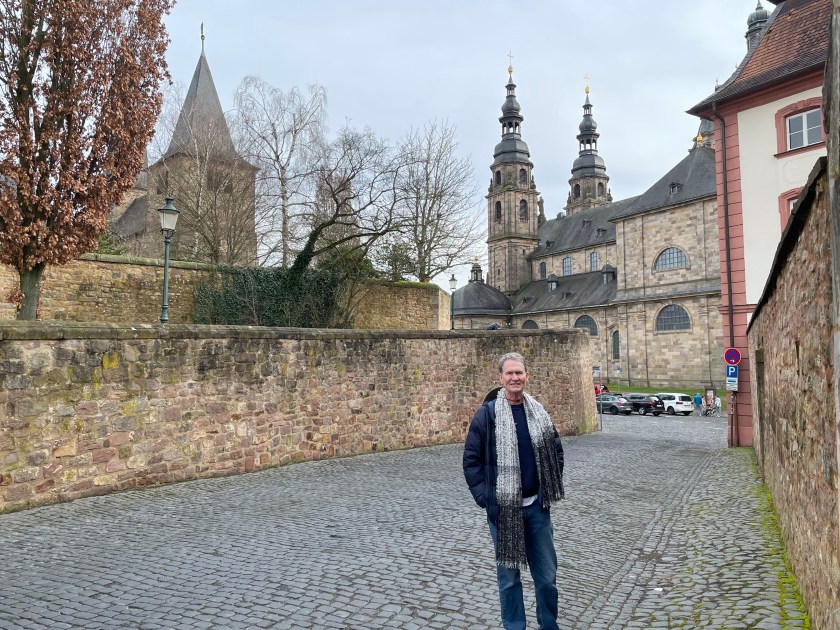
Then we went to the beautiful Cathedral, considered the most significant baroque church in the state of Hesse.  It was built between 1704 and 1712.  Parts of a 9th century church are integrated into the newer building (crypts below).  This church is also a place of pilgrimage and every year the German bishops meet here for their autumn conference.
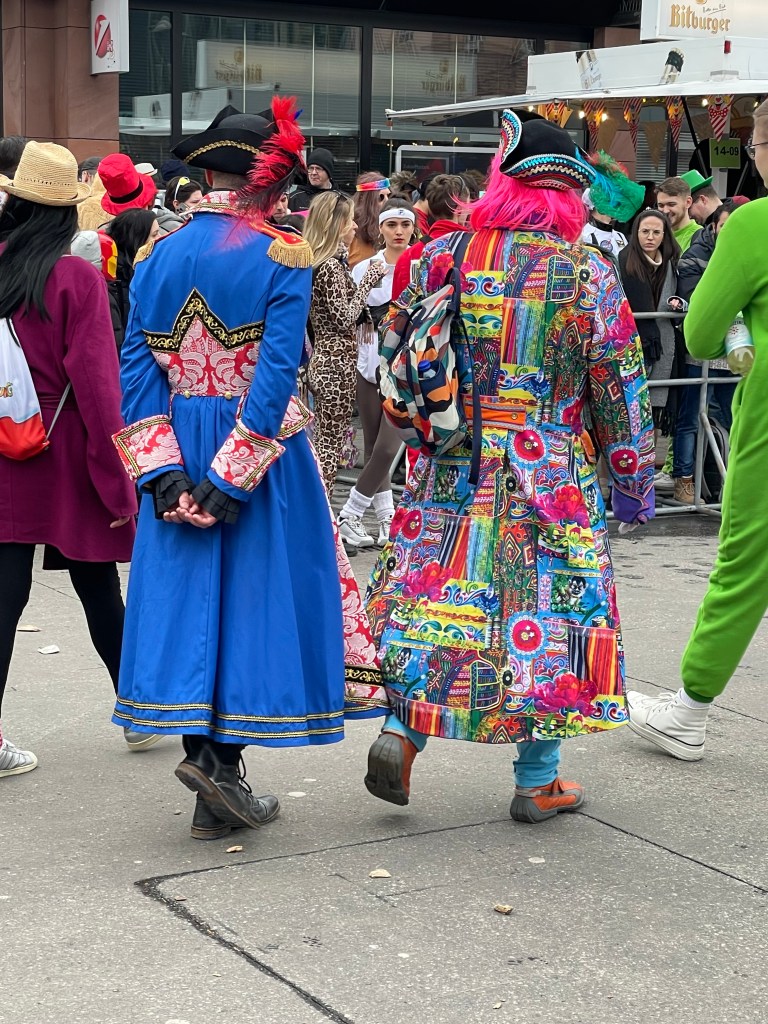
Then back to the streets for some more wandering.

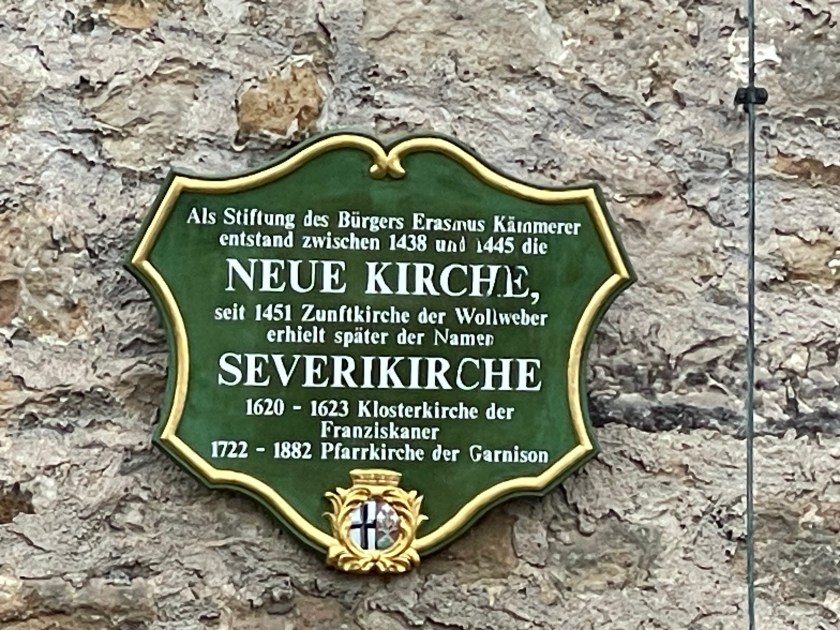
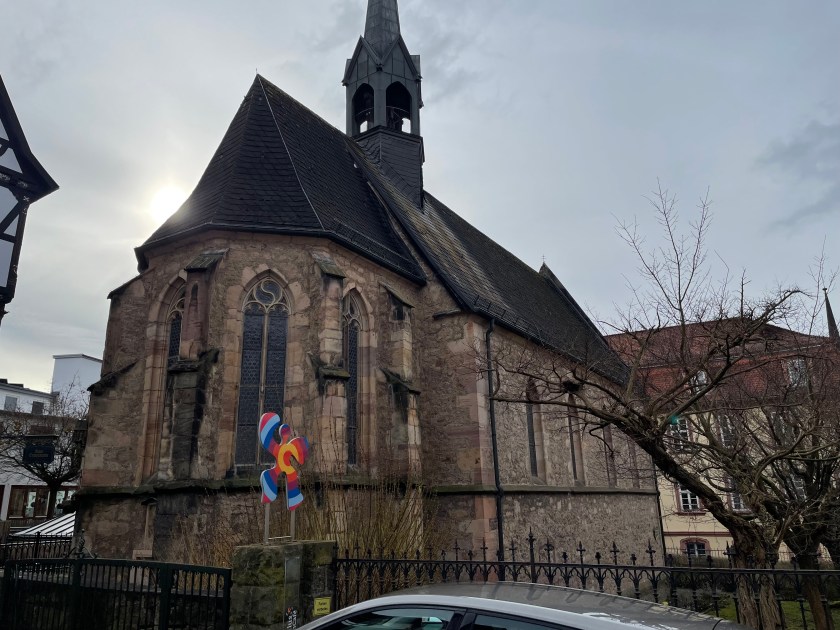
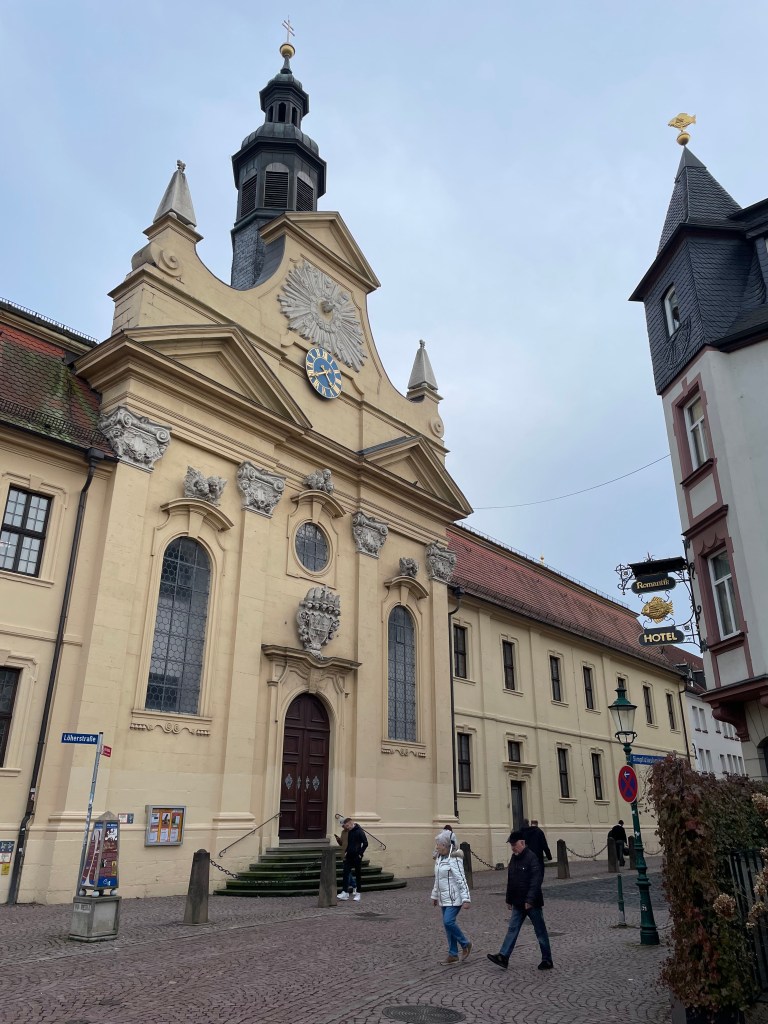
Here’s another of the old churches in Fulda, the New Church, built in 1451.  It was not open today.

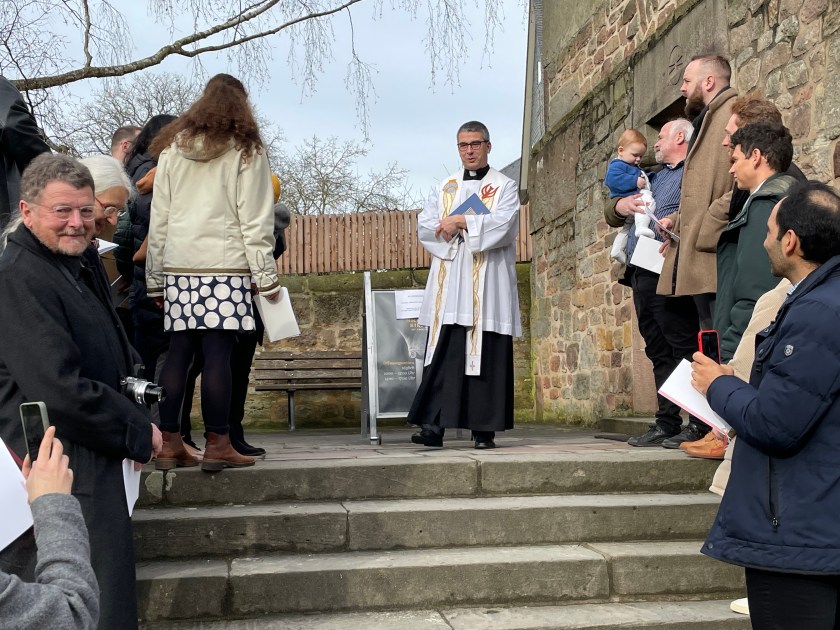
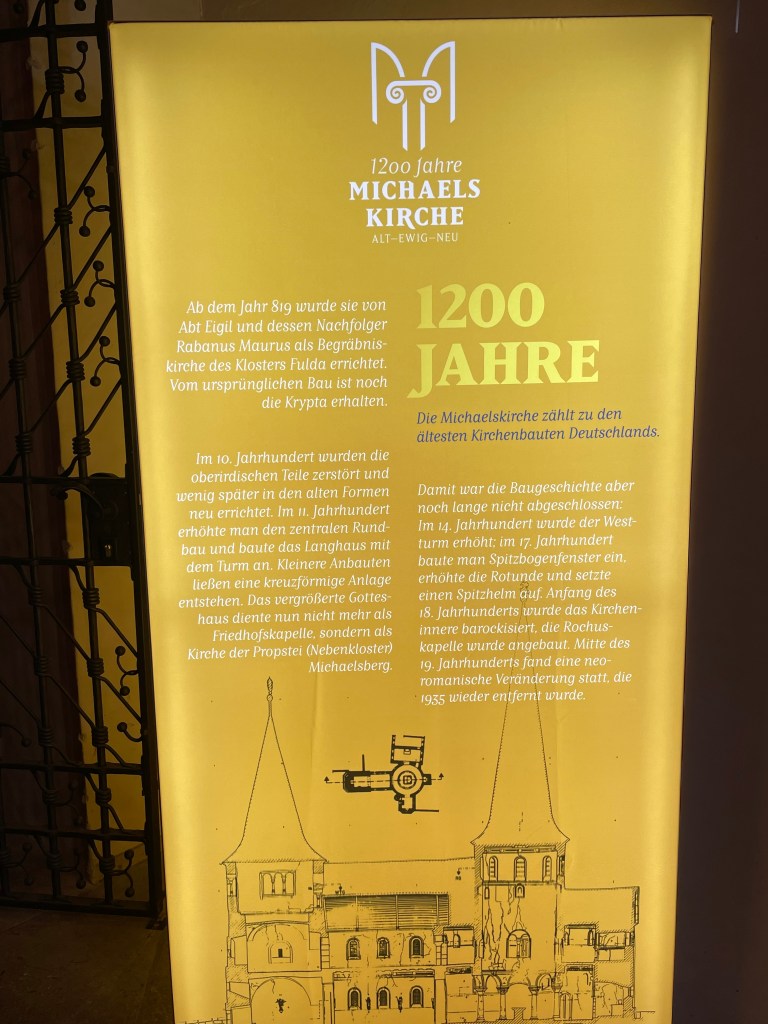
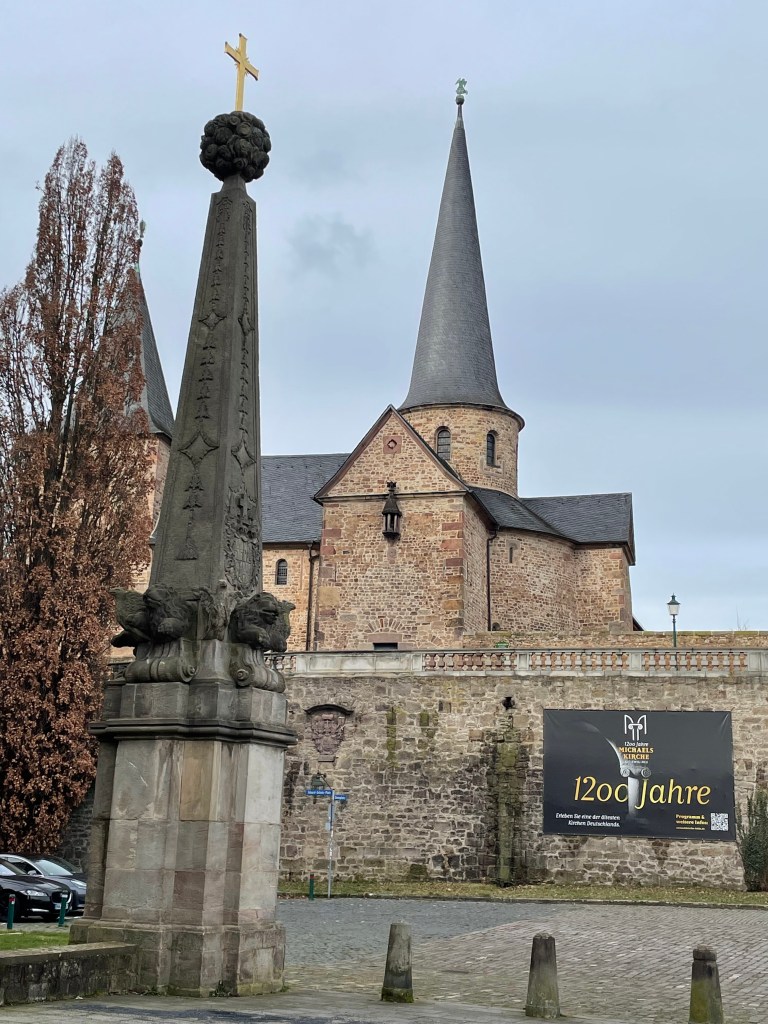
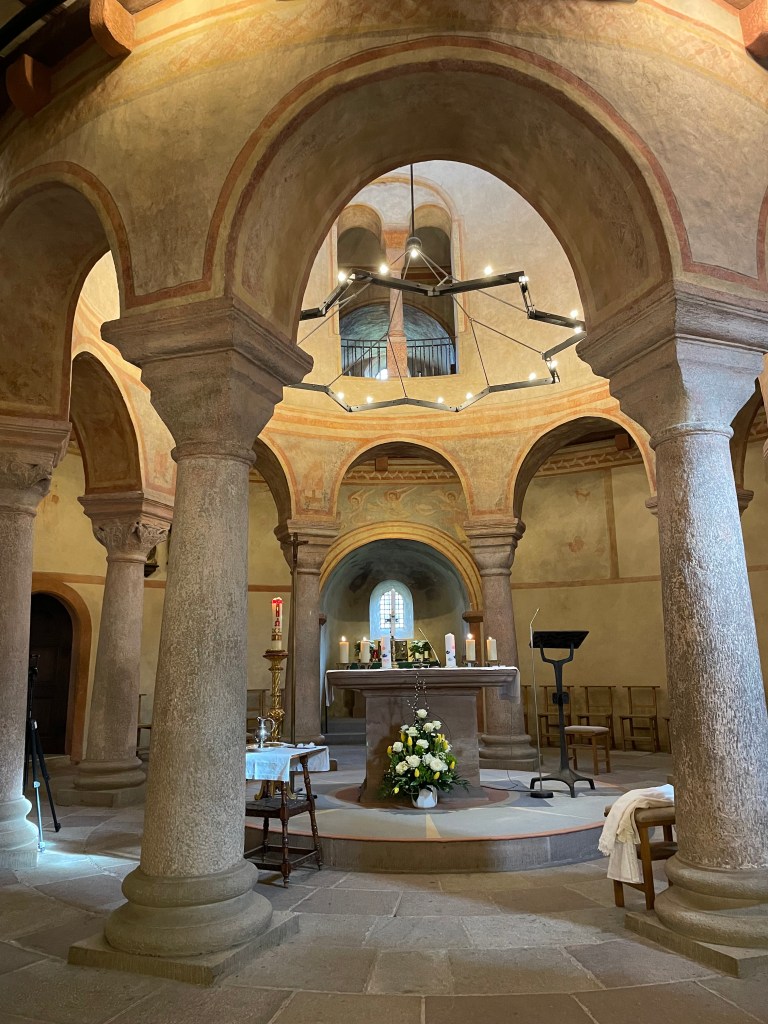
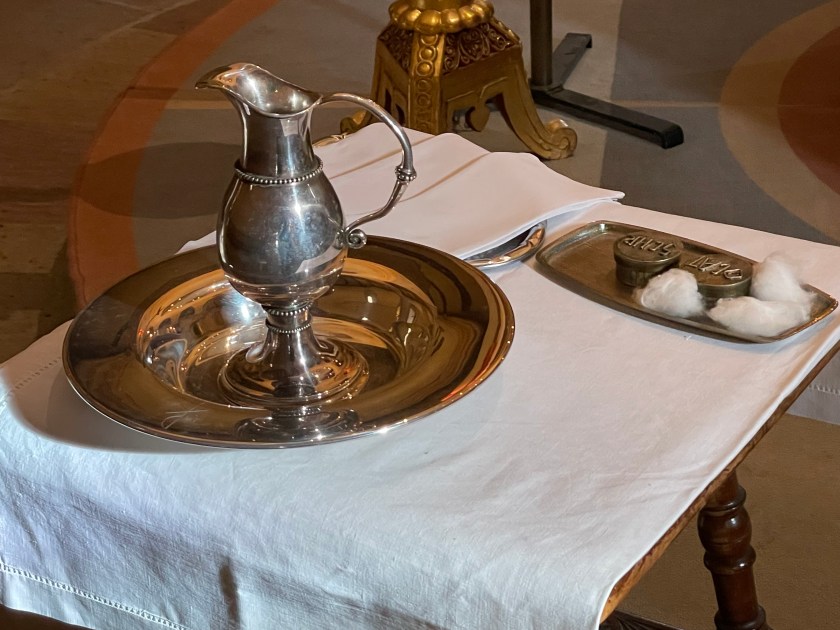
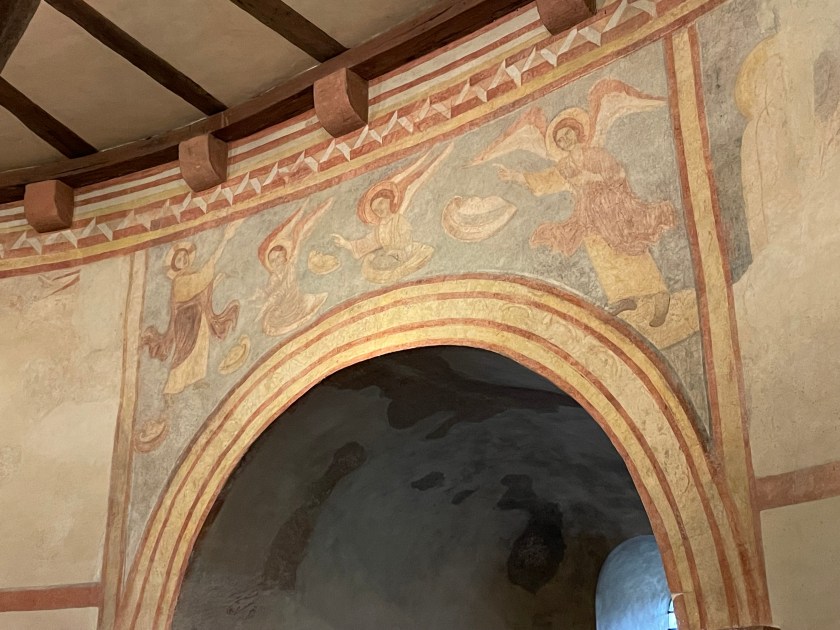
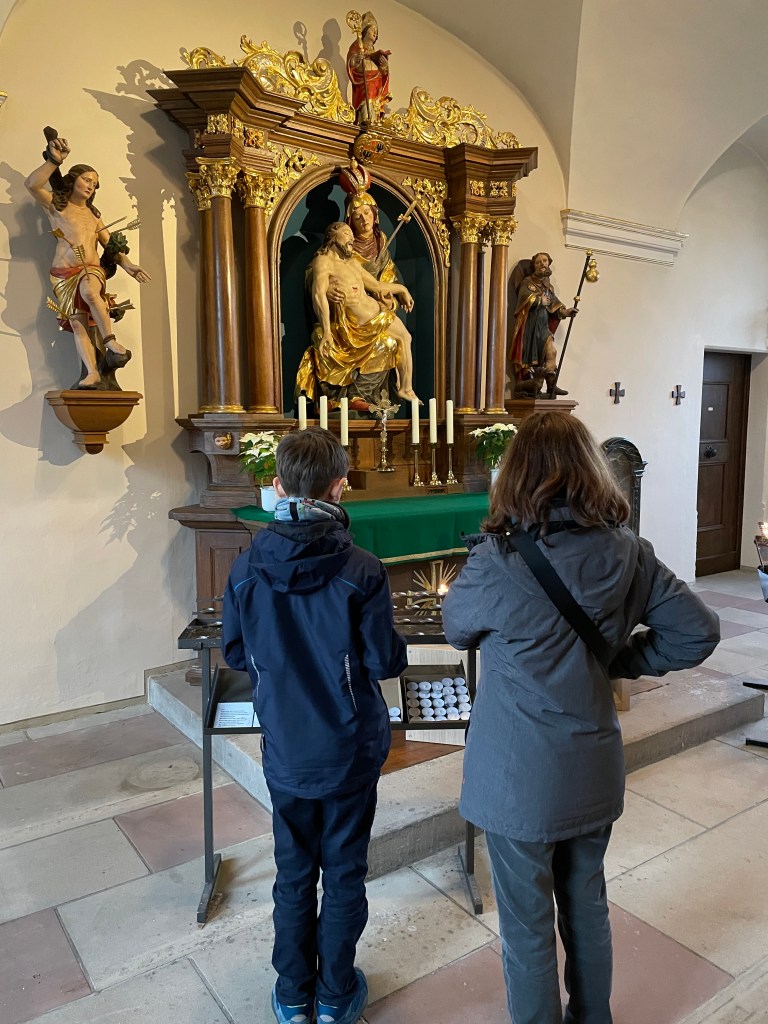
Behind the Cathedral is the very old Michaelskirch (St. Michael’s Church) above on the right.  It’s one of the oldest churches in Germany, built between 819 and 822. It was our favorite place visited today.  We waited about an hour to go in because 2 baptisms were being held here this afternoon.

The feeling in this church was simple, peaceful and solid and very very old. It was as if the stones were whispering to us, “Be still and know that I am God.” We loved it here.

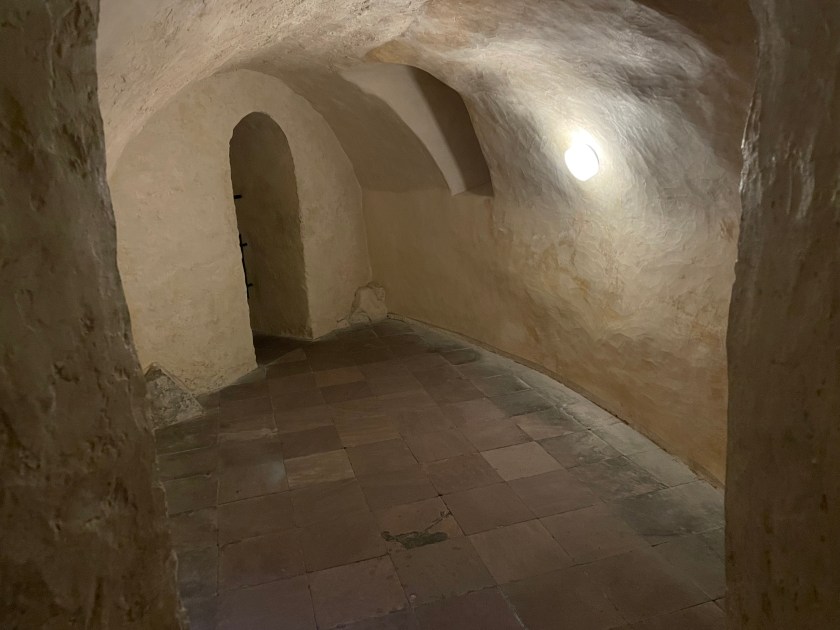
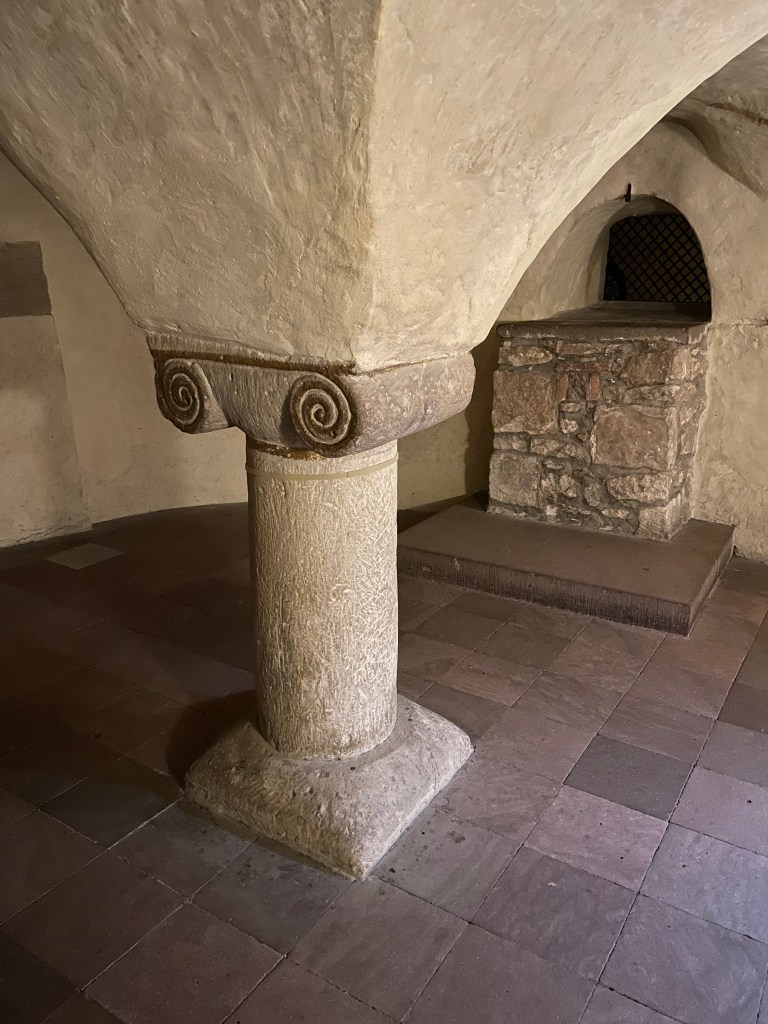
Down under the ground level we went into old crypts from the original church. 

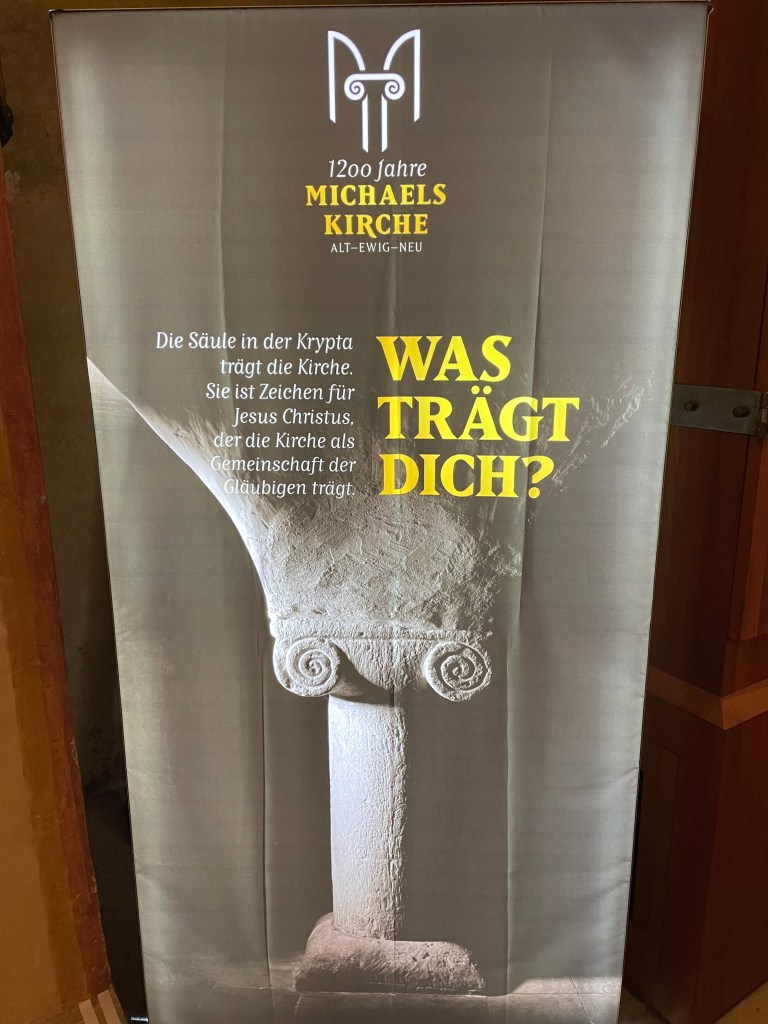
Was Trägt Dich? What do you carry? “The pillars in the crypt bear the church. It is a sign for every Christian who supports the church as a community of believers.” We also bear one another’s burdens that they may be light. Be like these pillars. Love and support others!

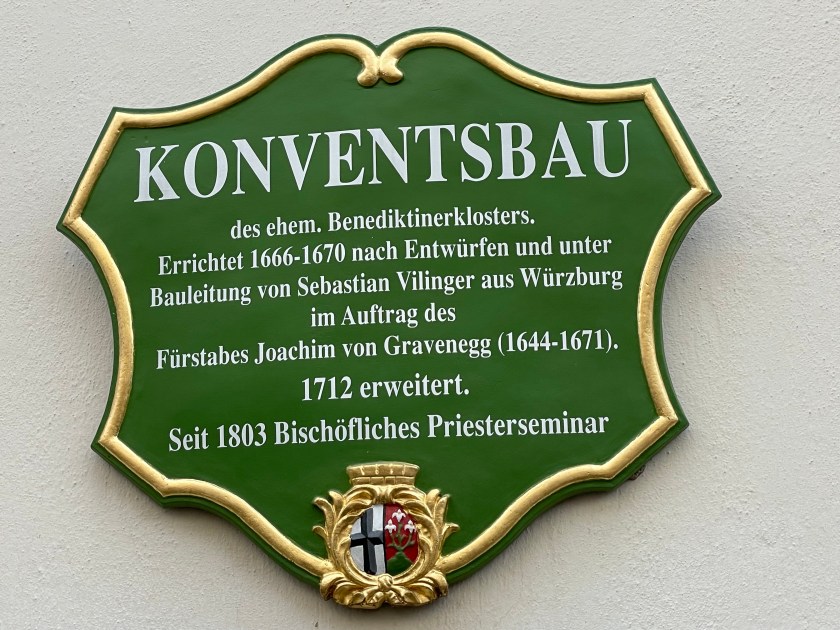
We spent the rest of the afternoon wandering.  Near this old church and the cathedral was a convent or cloister dating back to the 1600s.

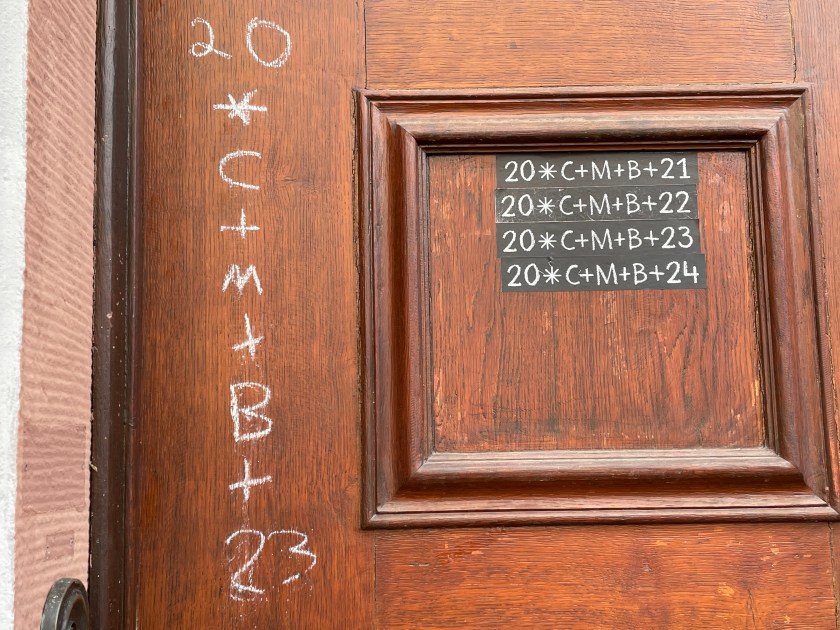
The wise men have visited this place.  We noticed that on many doors in Fulda, the dates are written on black tape.

More wandering:

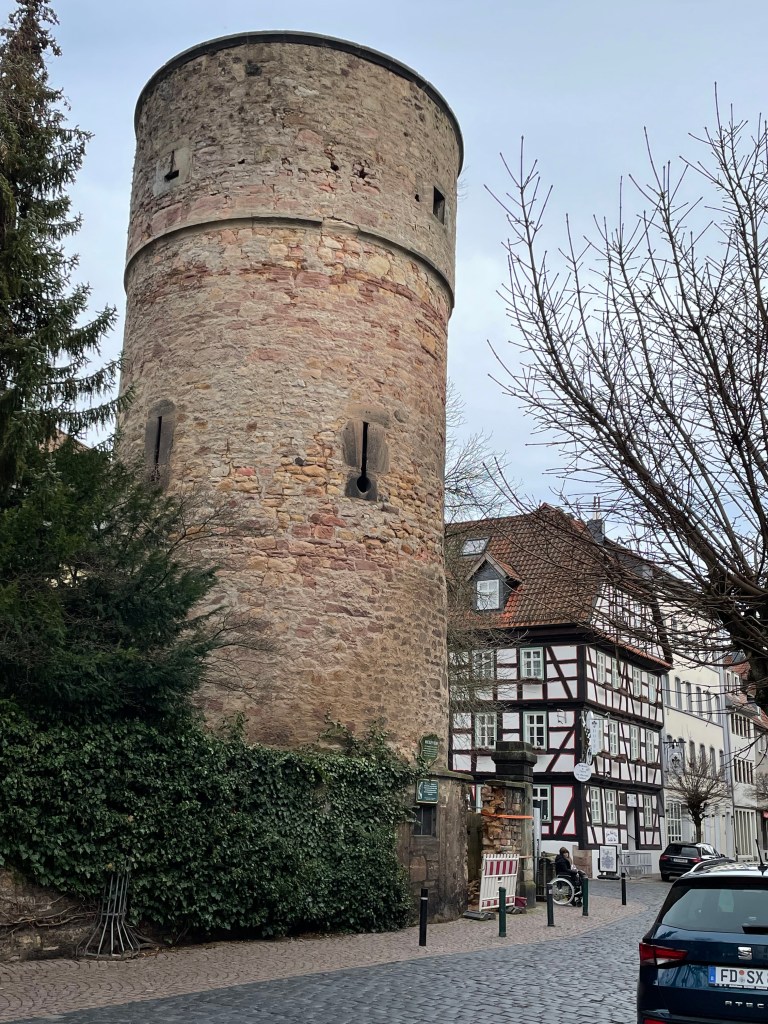
This witches’ tower was built between 1150-65 by the city wall.  In the later Middle Ages it was used as a women’s prison.  There were about 270 victims of the witch hunt here.

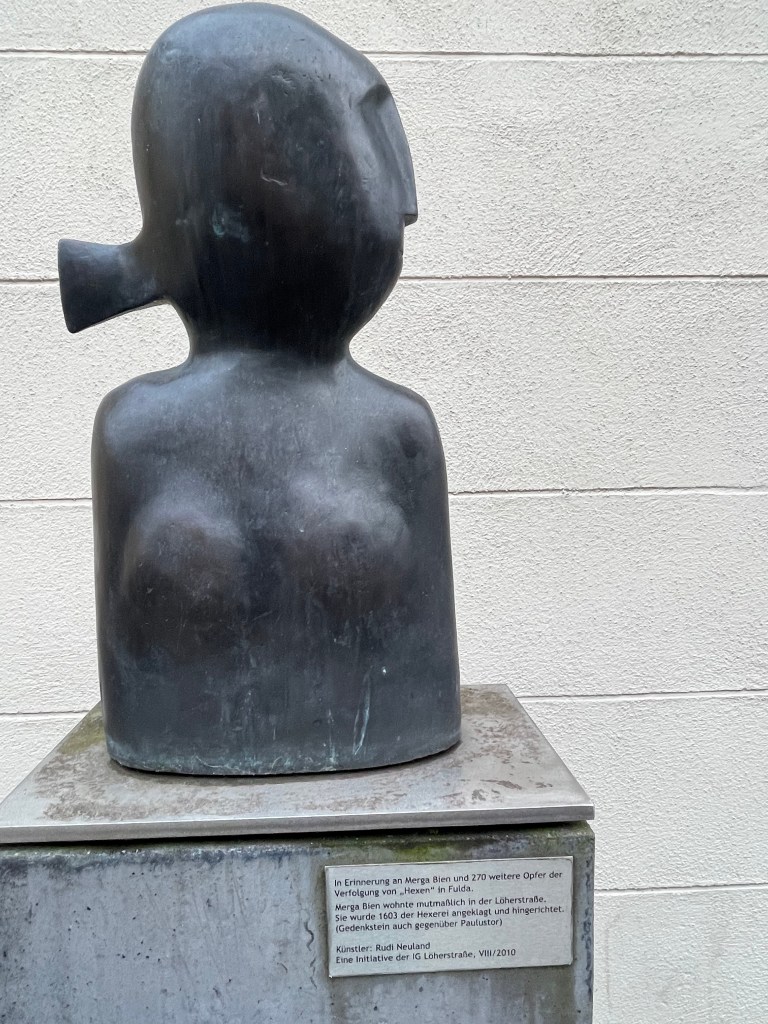
This statue is in memory of Merga Bein, one of the 270 women persecuted for witchcraft in Fulda.  She was executed in the 1603.

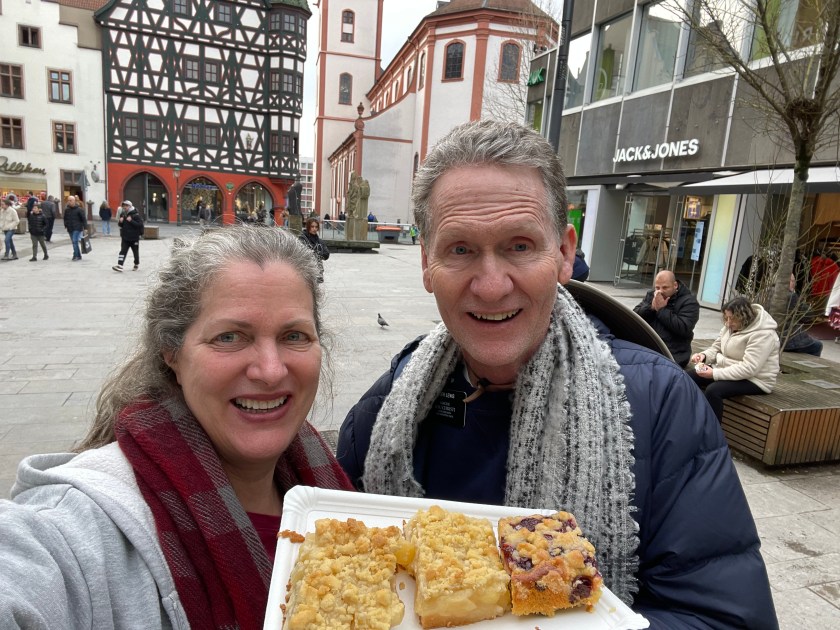
John is continuing his “Pastry in Every Town Quest.”

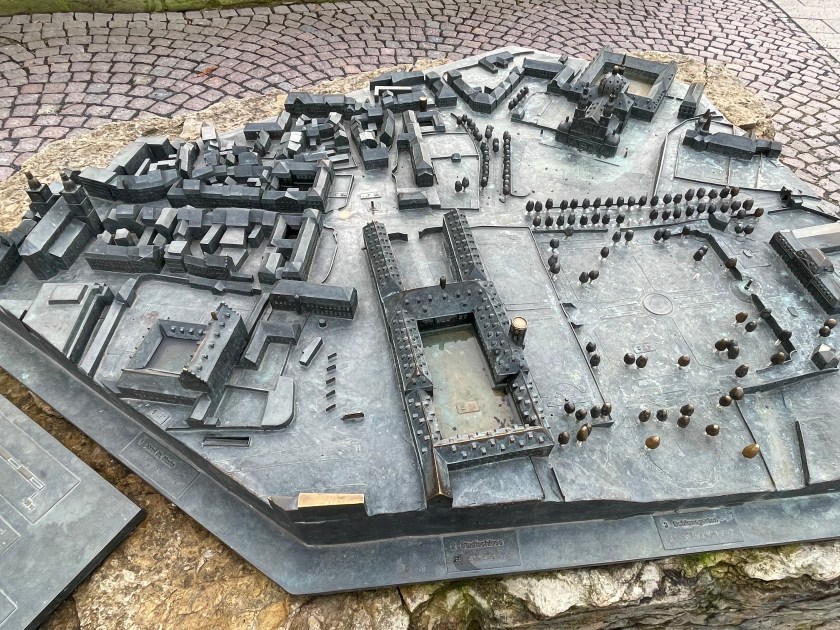
Maps of historical Fulda:

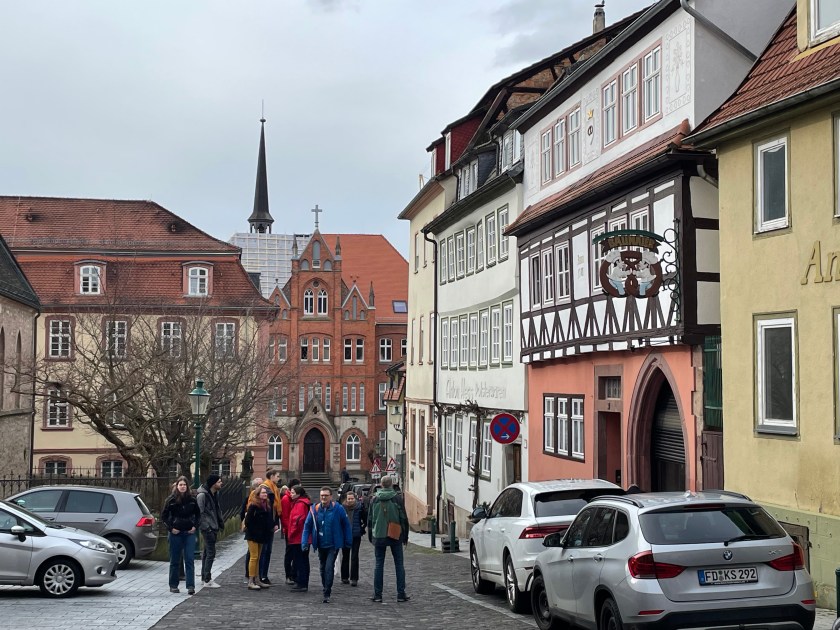
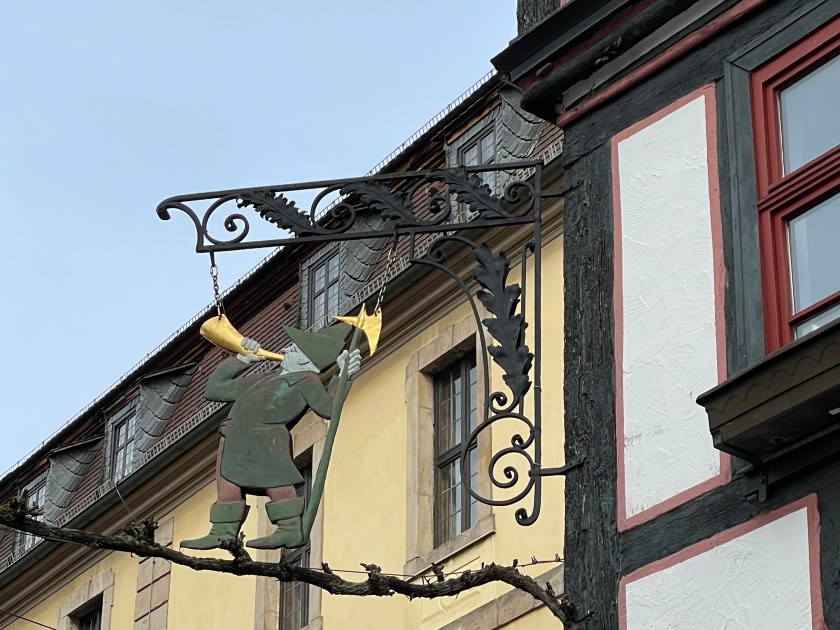
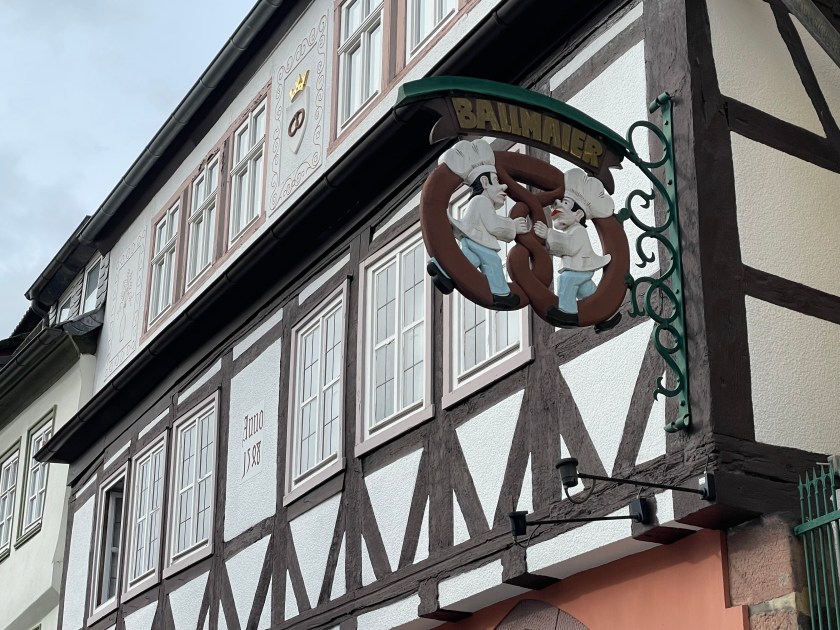
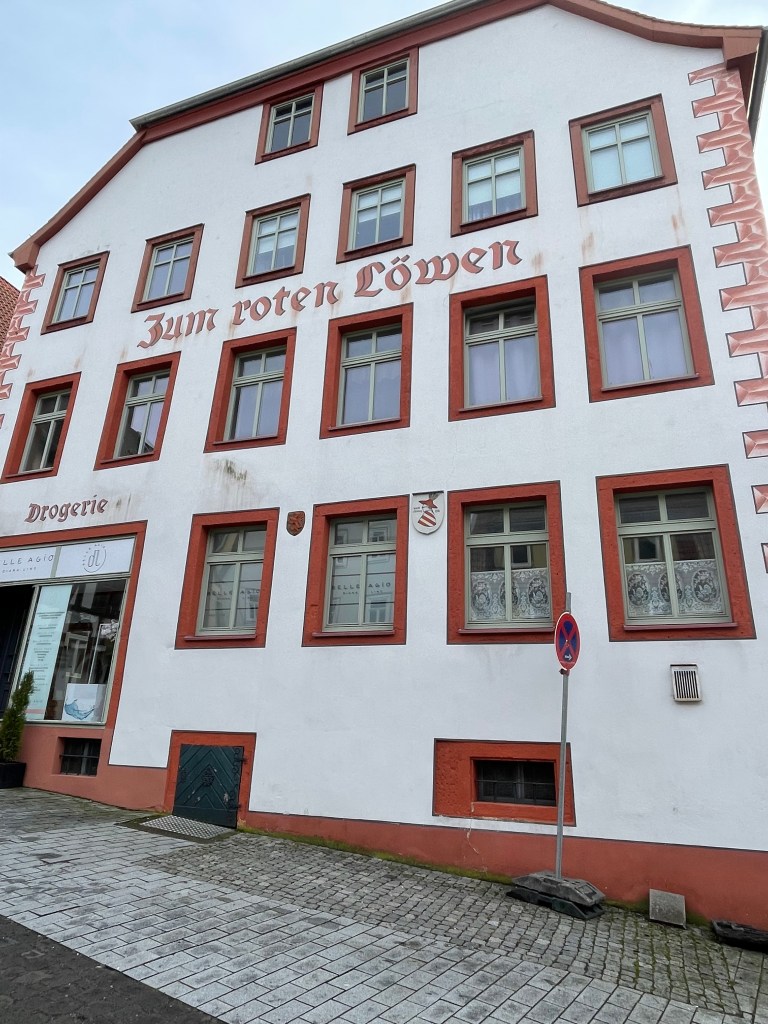
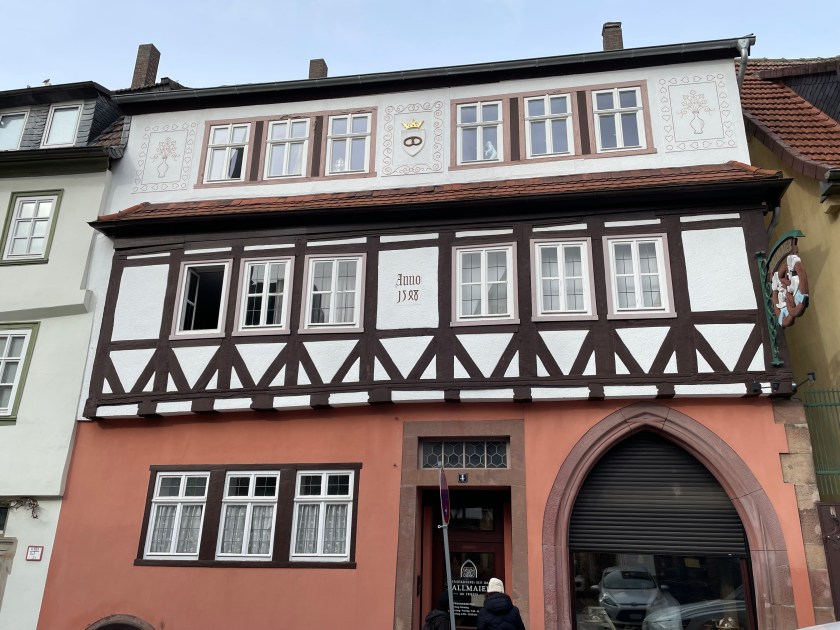
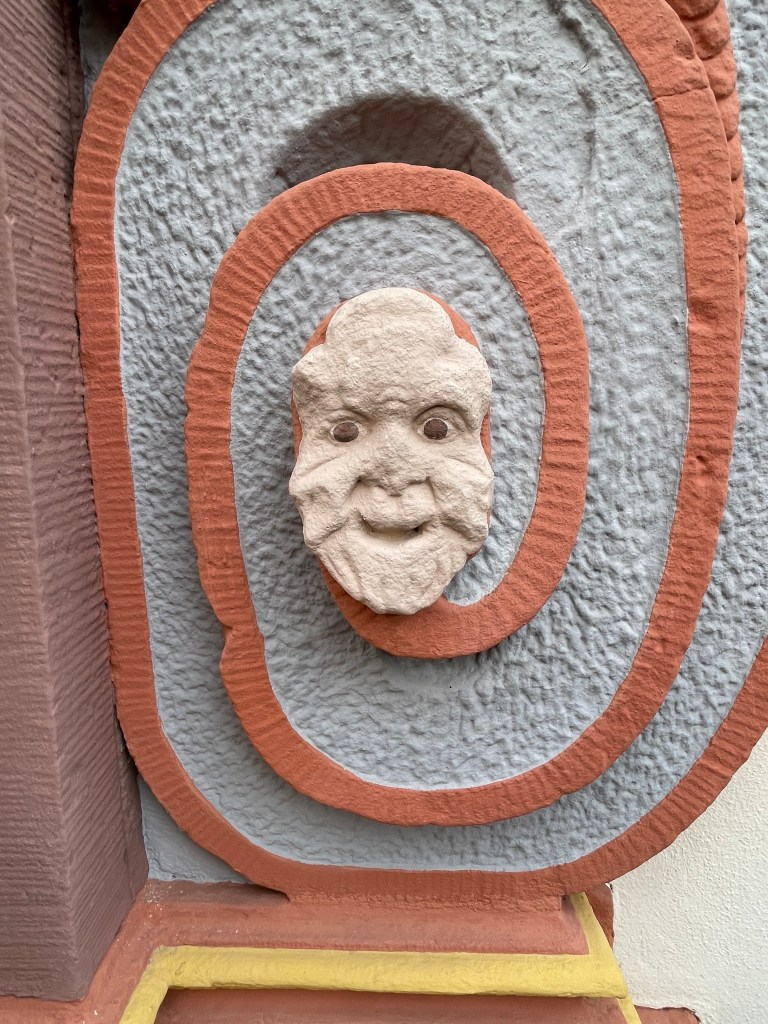
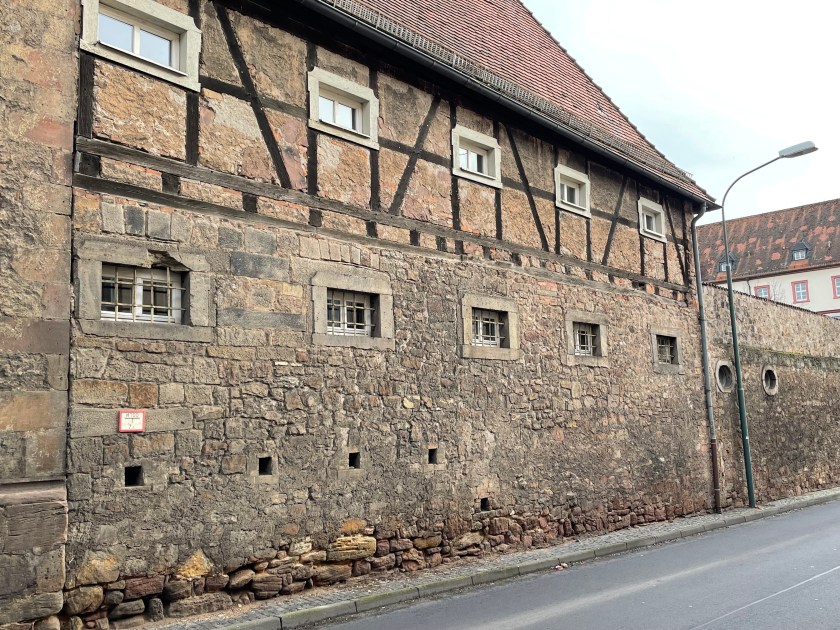
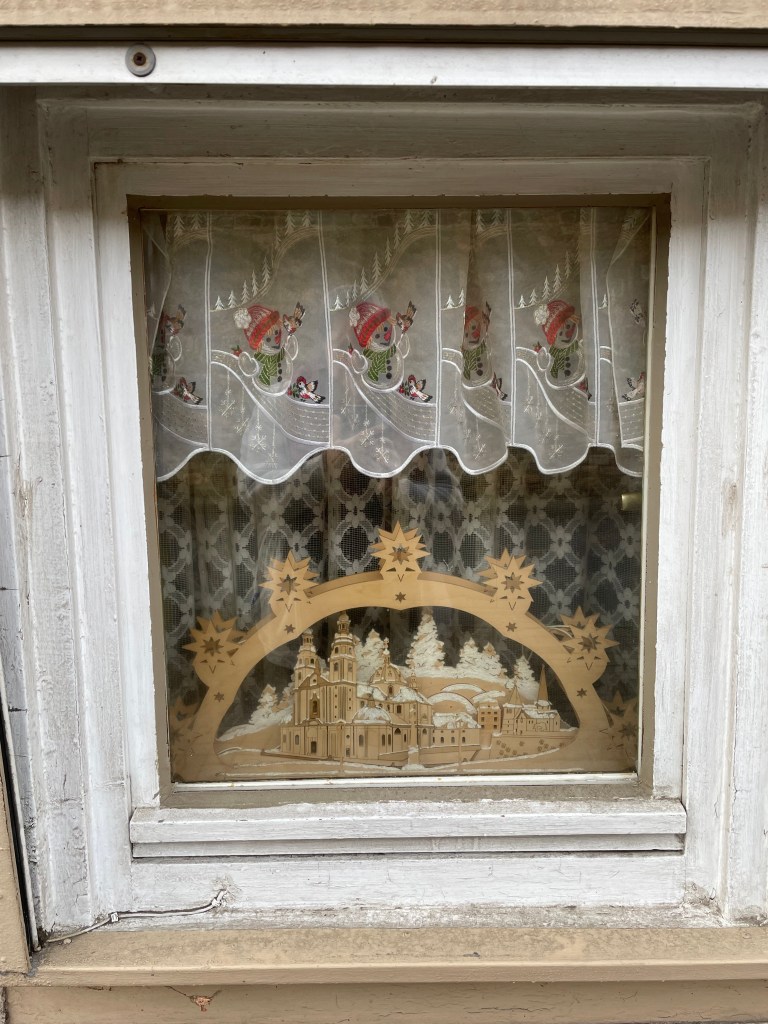
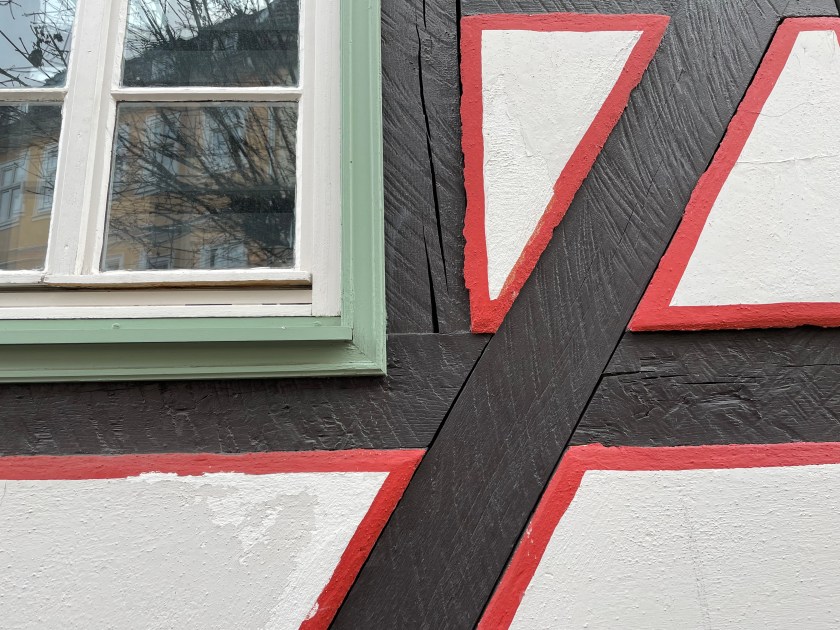
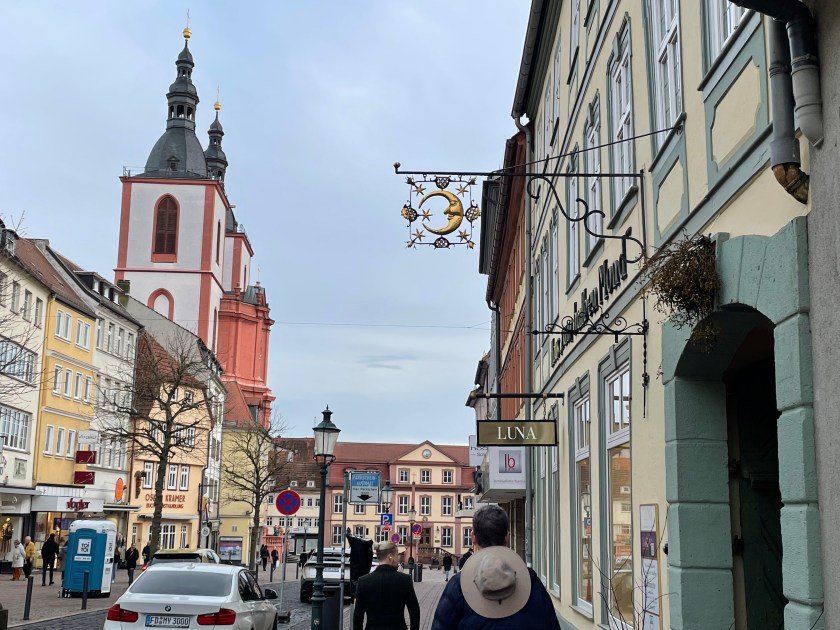
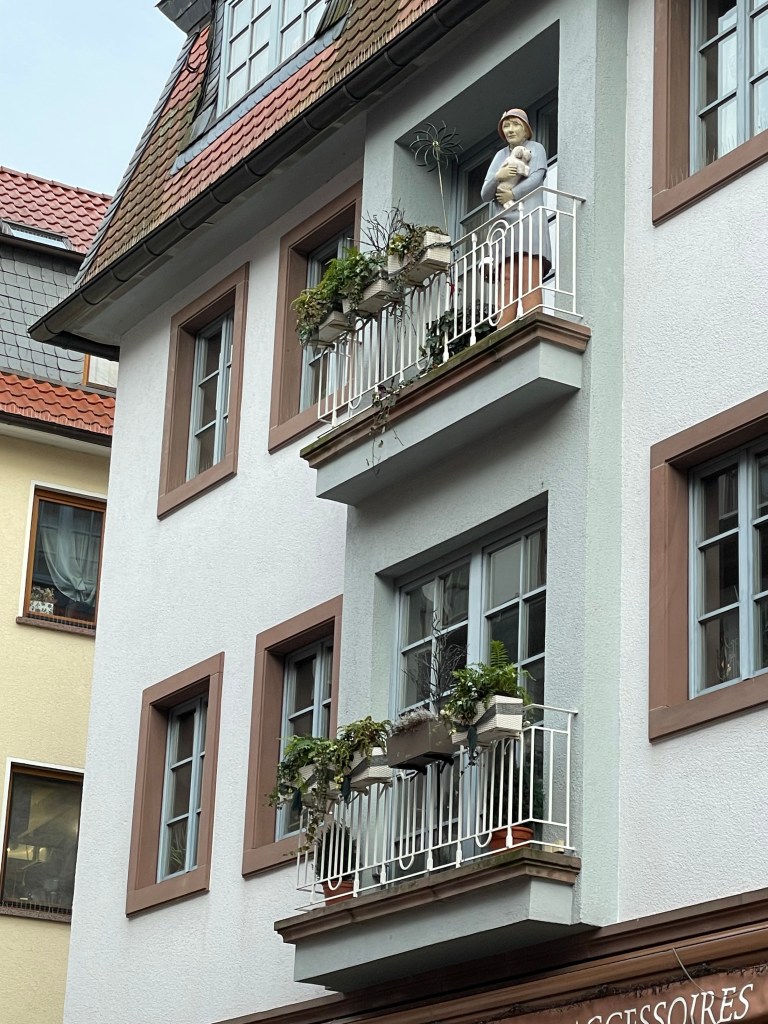
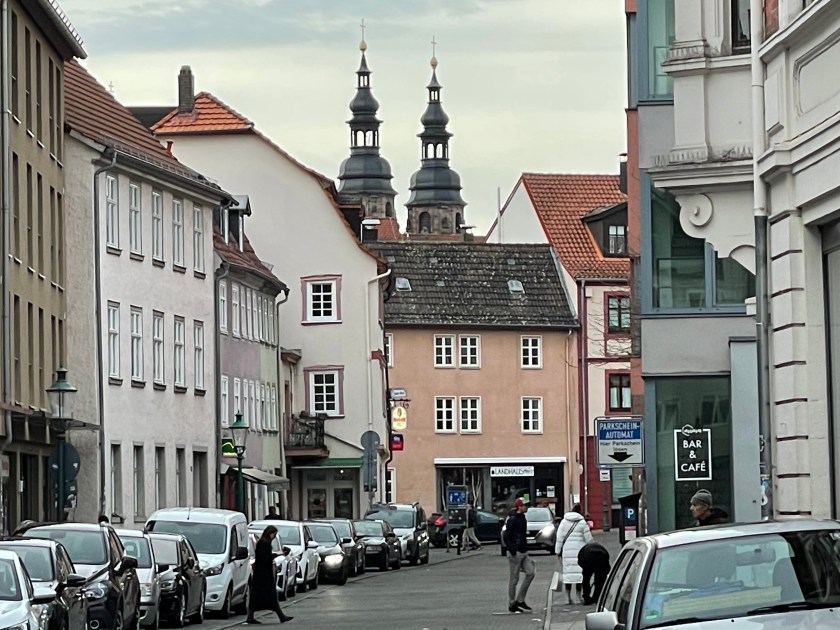
More wanderings.  Enjoy the details!

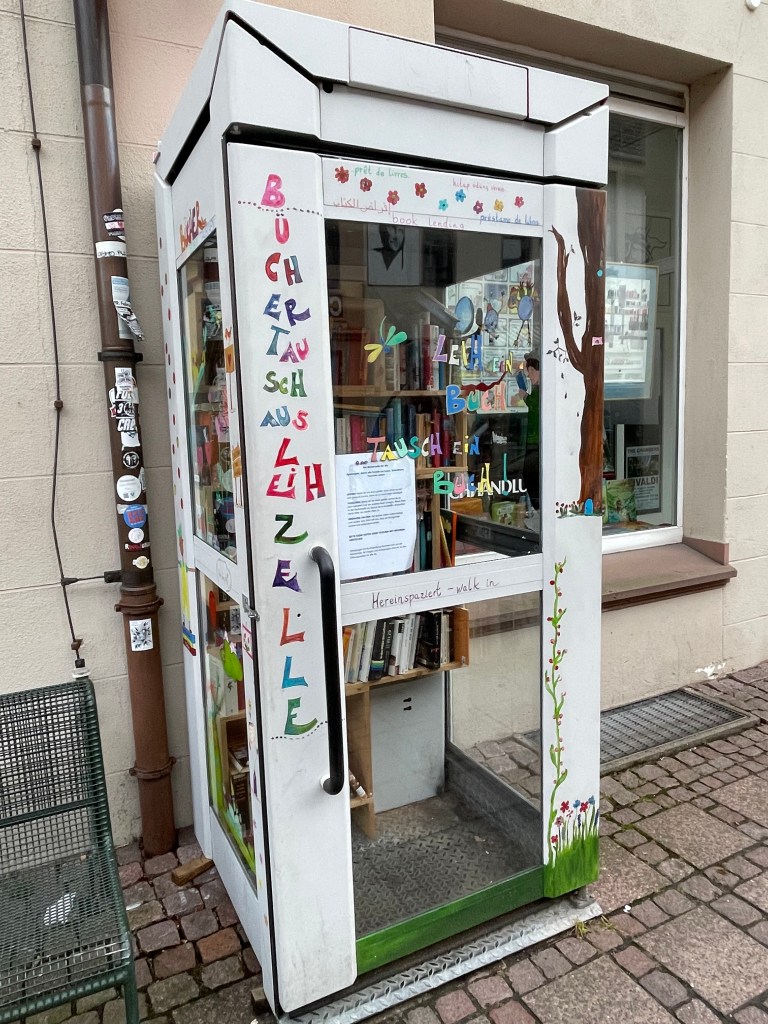
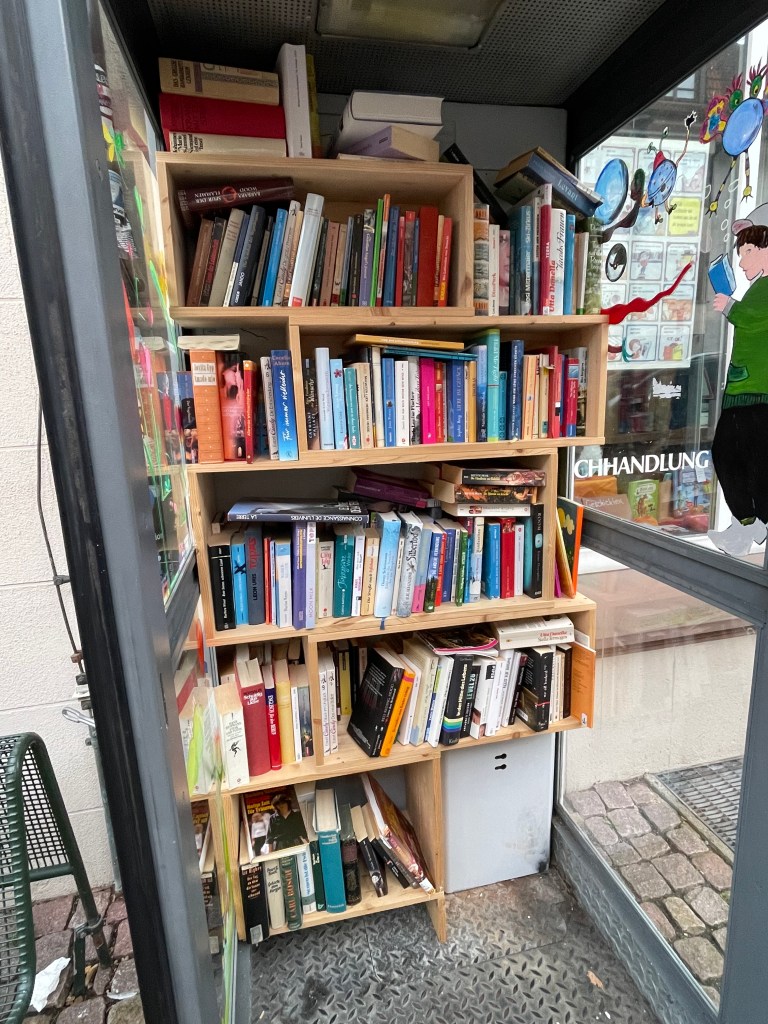
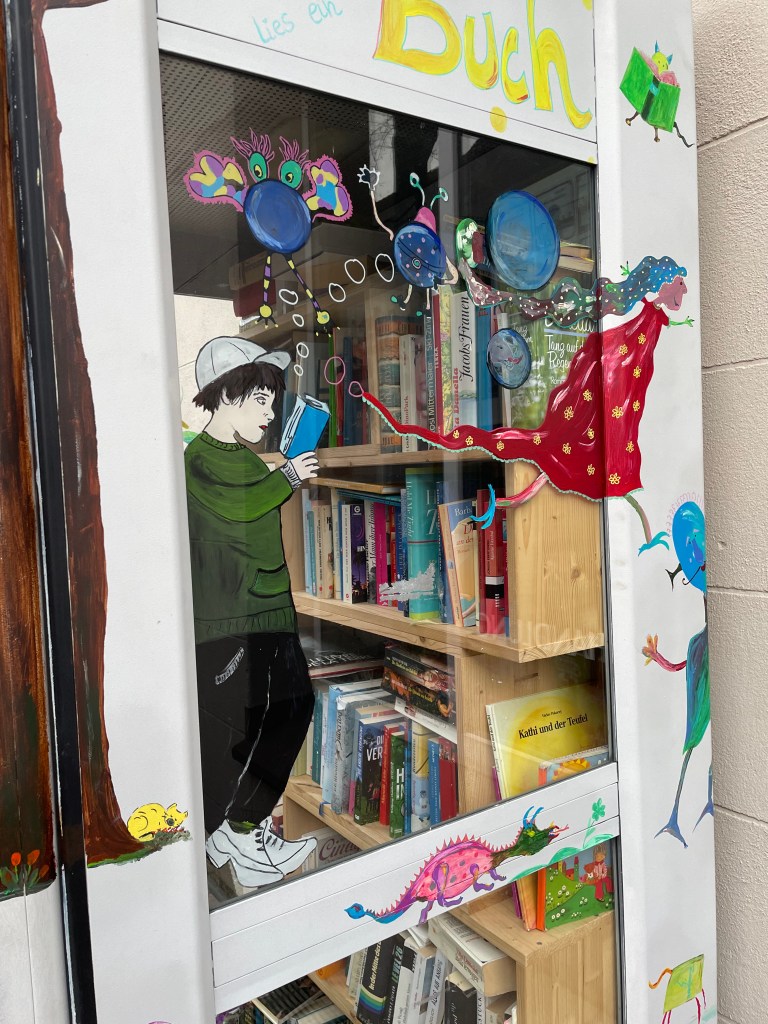
I love seeing these little “take a book, leave a book” shops popping up around town.