The Ghent Altarpiece

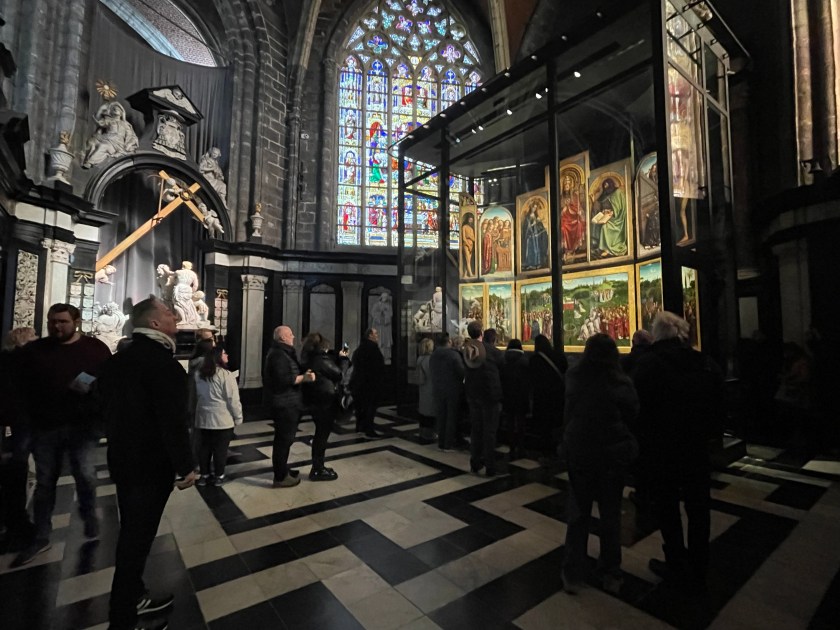
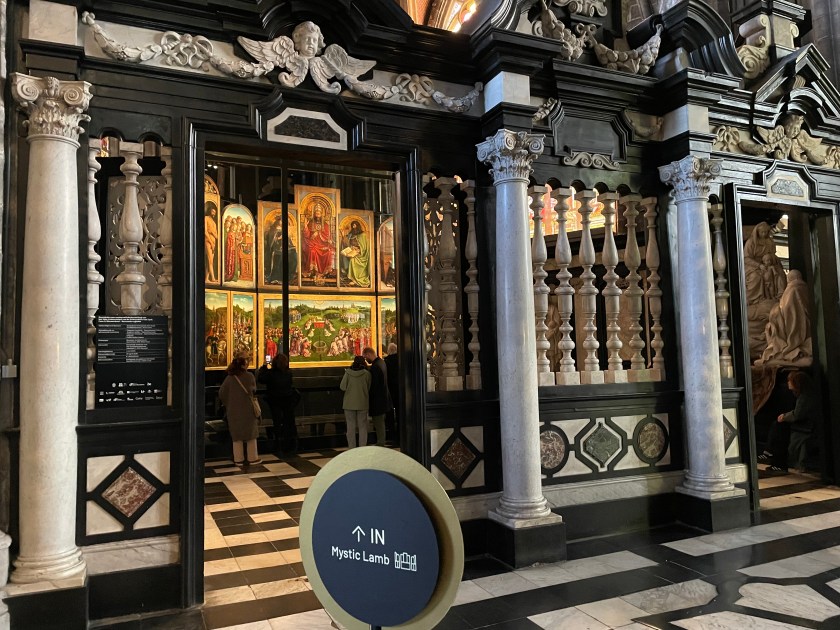
Inside the Bavo Cathedral, for an extra fee, you can enter a special area that houses the famous Altarpiece and other incredible works of art.  This was our reason for visiting Ghent.

Since our arrival in Germany, we’ve watched the movie, “The Monuments Men,” three times with friends.  It’s the true story about rescuing art from the Nazis who stole it from anyone who had something they wanted.  The story revolves around this Ghent Altar Piece.  It was THRILLING to see it in person.

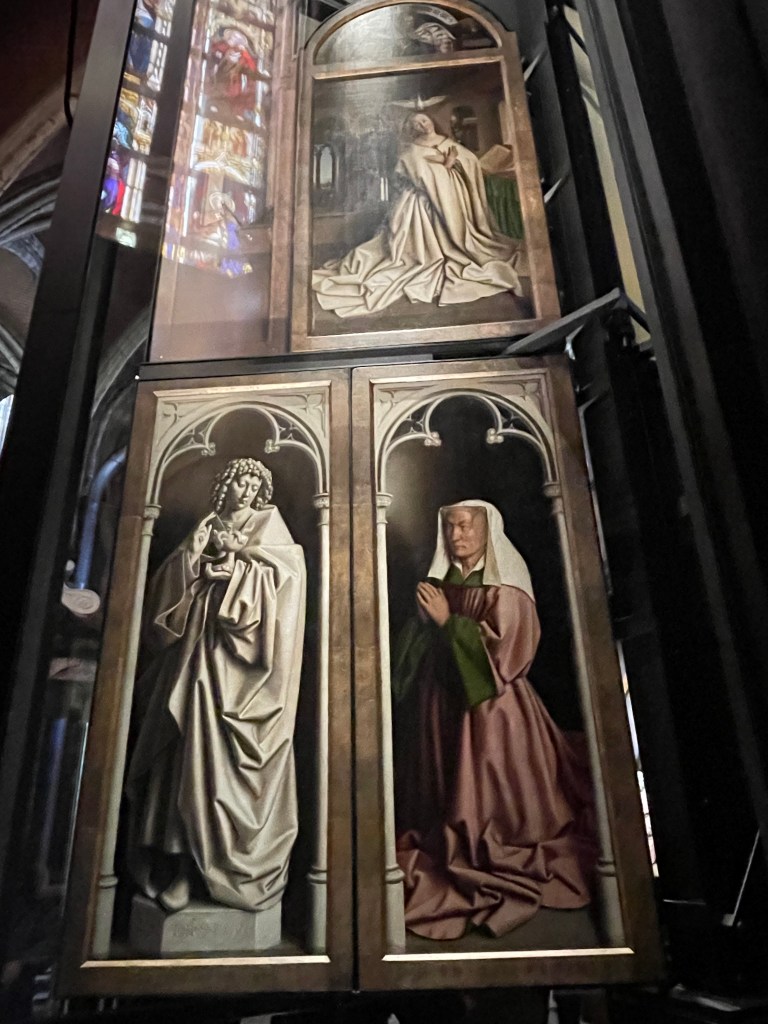
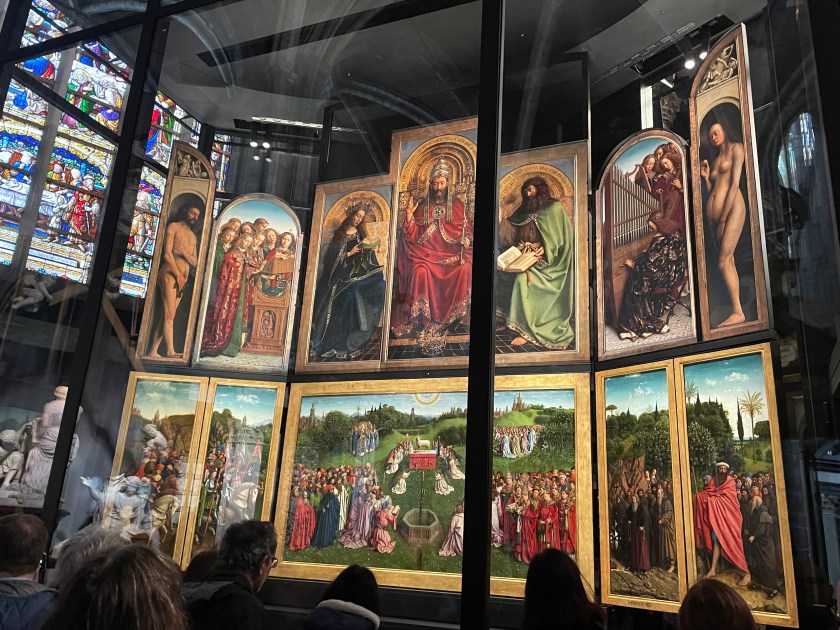
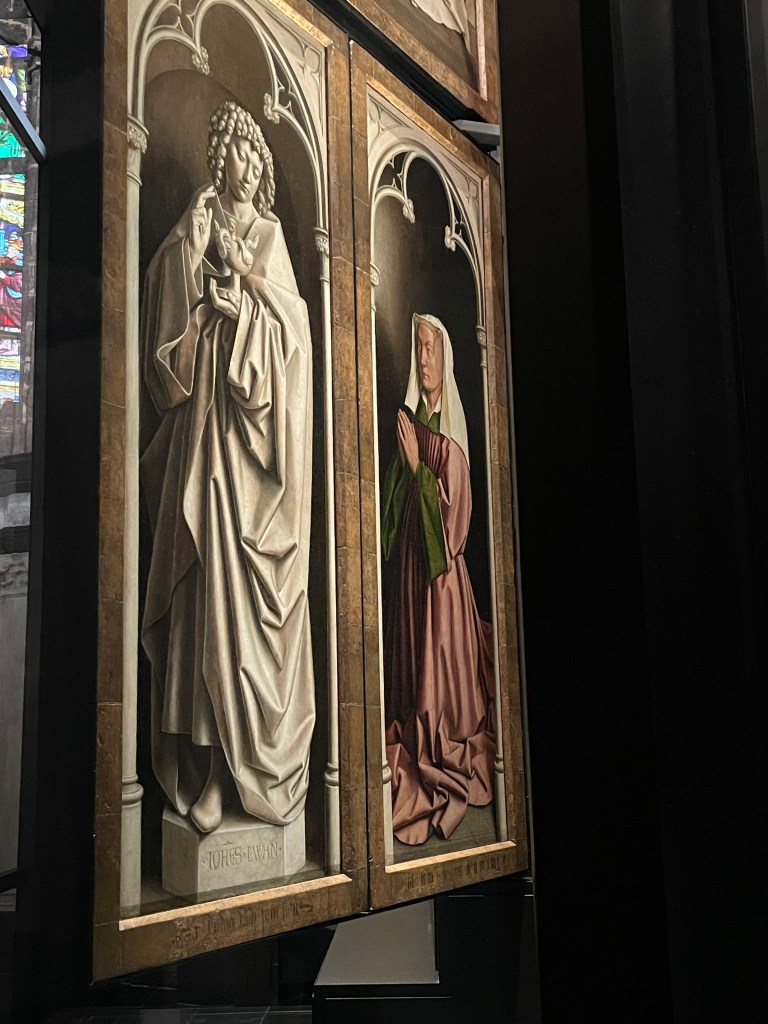
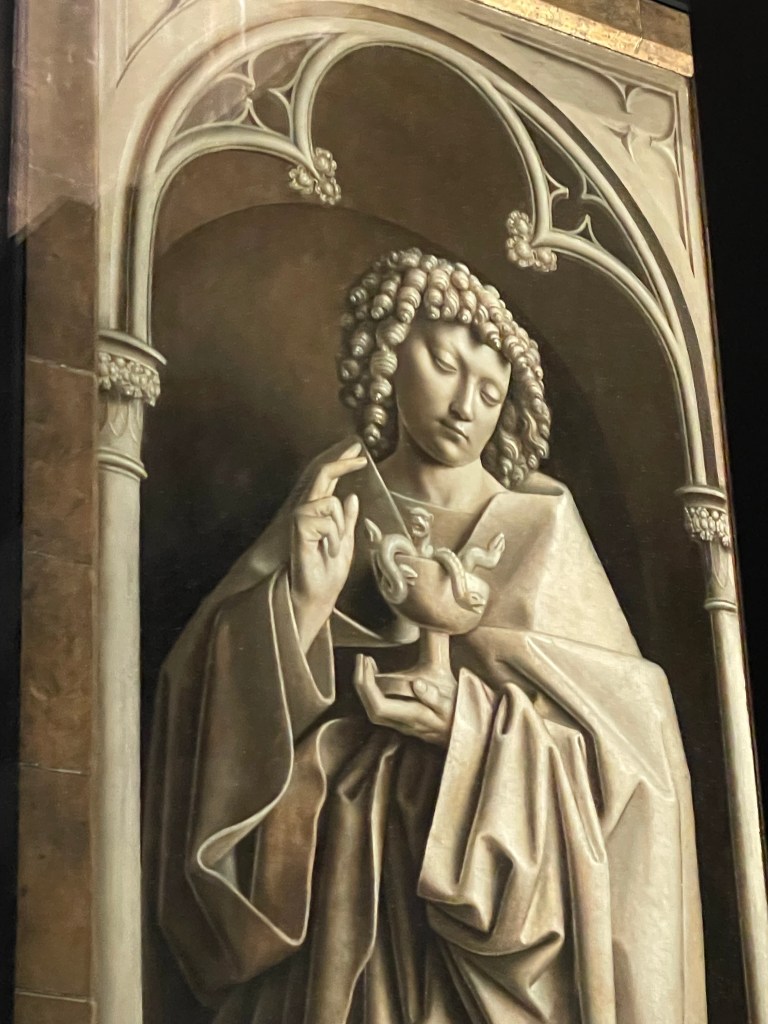
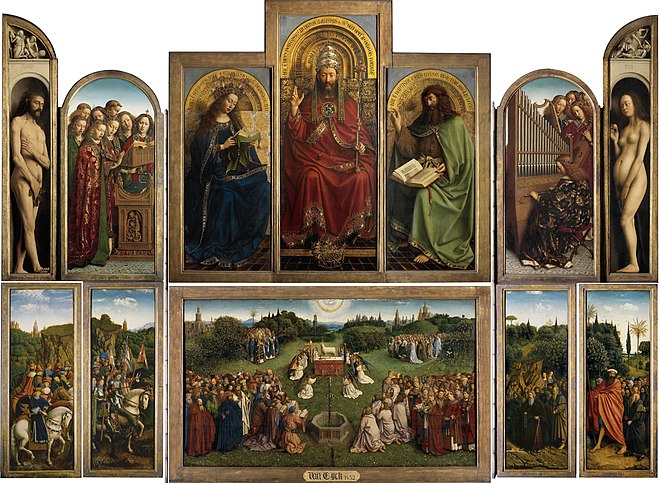
The Ghent Altarpiece, also called the Adoration of the Mystic Lamb  is a very large and complex 15th-century polyptych altarpiece.  It was begun around the mid-1420s and completed by 1432, and it is attributed to the Early Dutch artists, brothers Hubert and Jan van Eyck.

The altarpiece is considered a masterpiece of European art and one of the world’s treasures, it was “the first major oil painting,”marking the transition from Middle Age to Renaissance art.

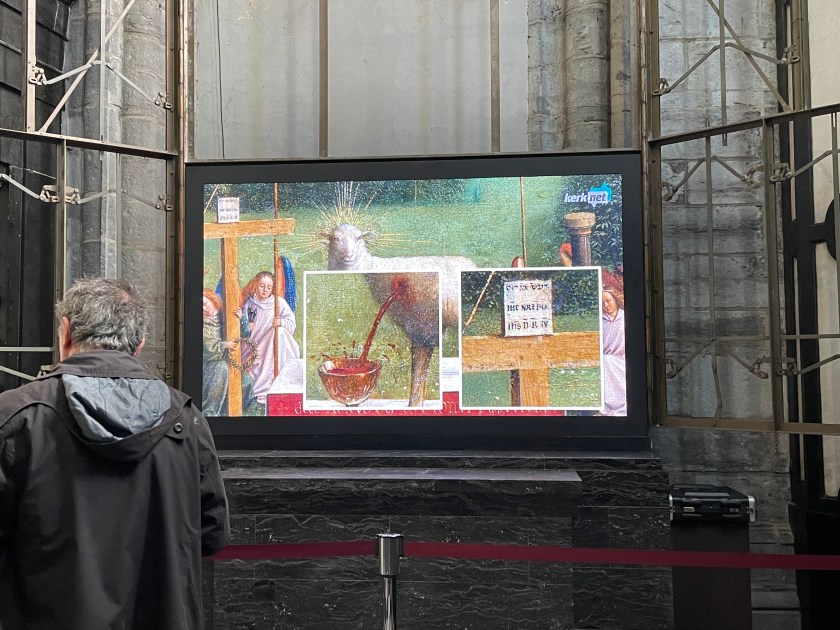
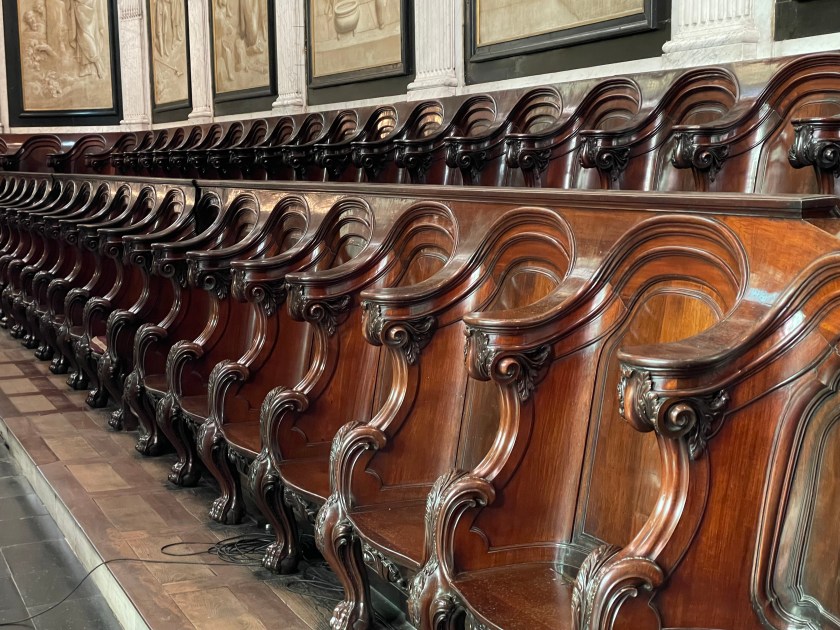
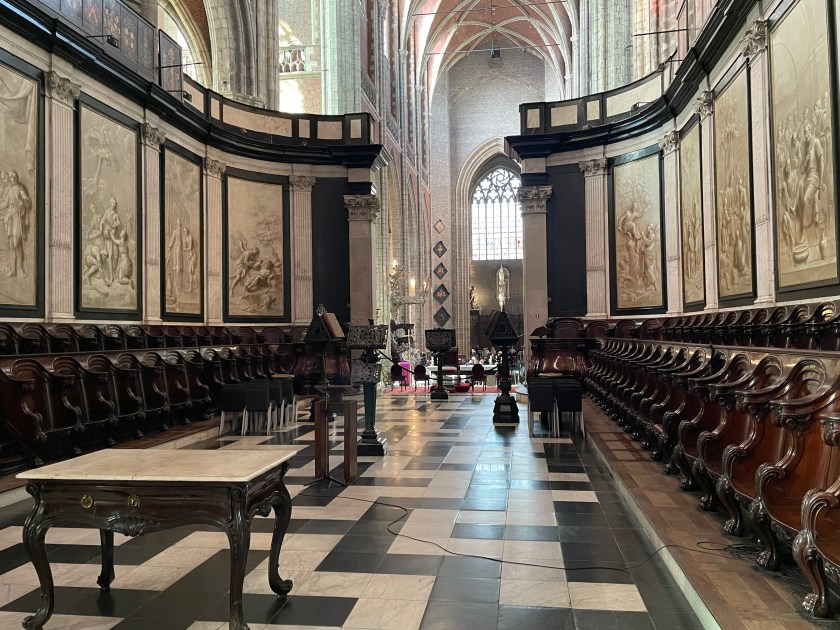
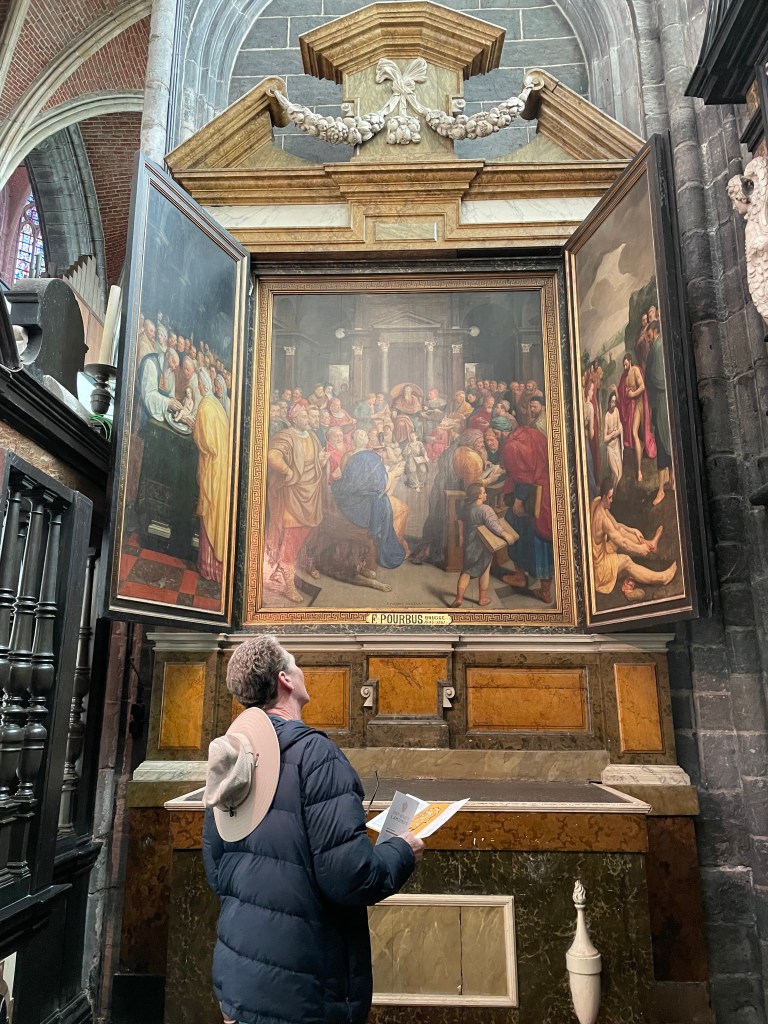
This is the room where it can be viewed.  Originally it was located in one of the side chapels where you can now watch a short film about the altarpiece.
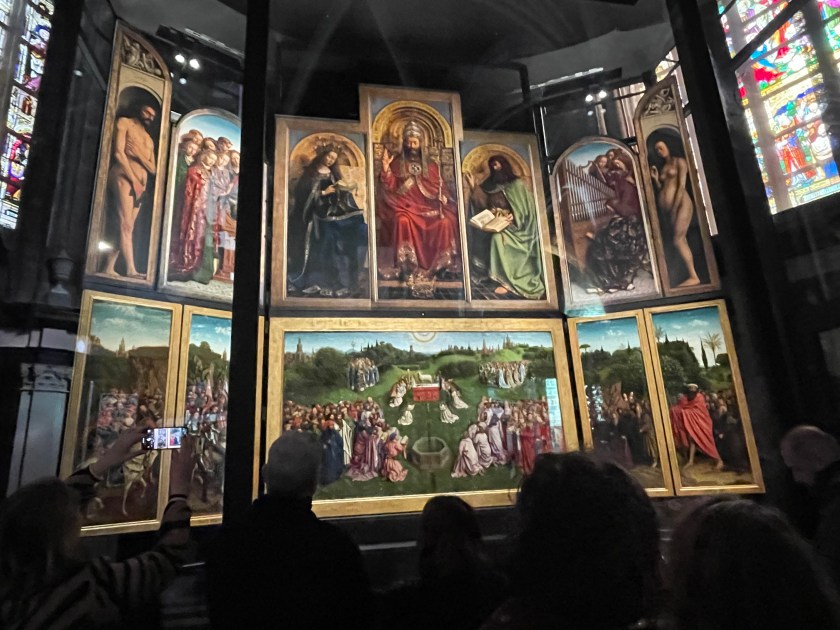
The paintings are on both sides of hinged doors that close over the main part of the piece.  Every panel was honestly breathtaking.  We stood and stared for a long long time.

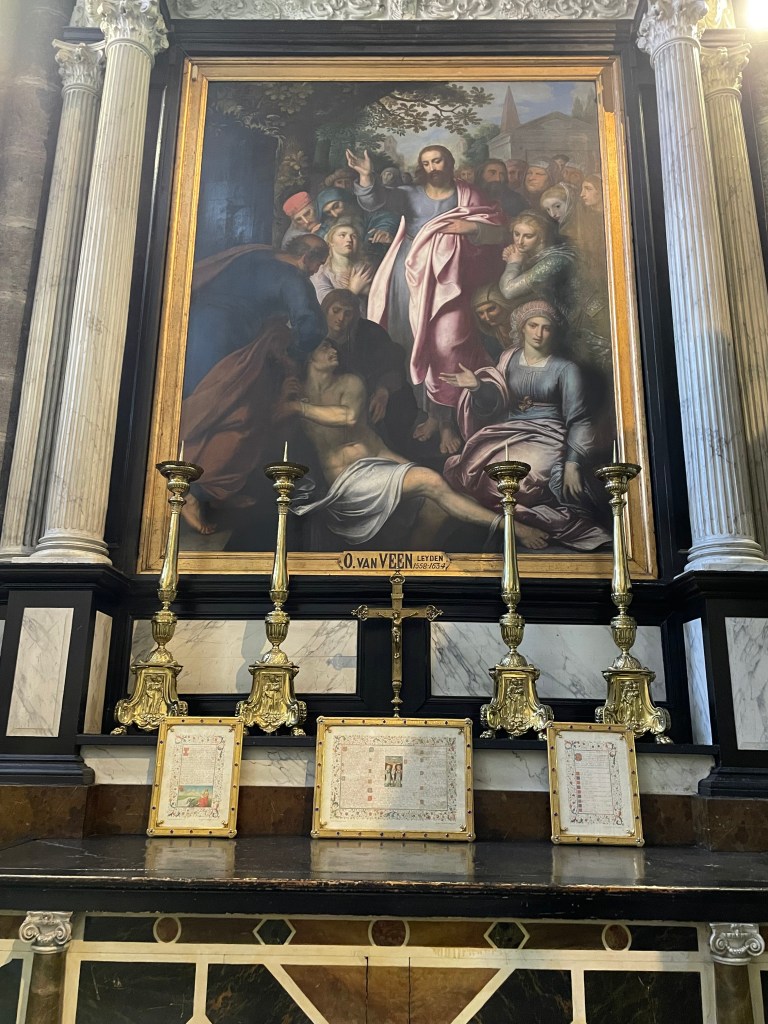
This is where the altarpiece originally was displayed:

It’s worth your time to learn more about this masterpiece. Here are a few images from the excellent Wikipedia information about the Altarpiece:

The central figure, usually referred to as “The Almighty” is flanked by the Virgin Mary and John the Baptist.
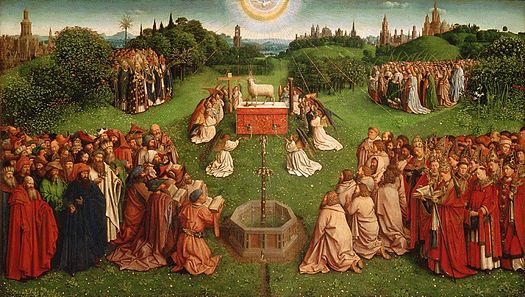
The central Adoration of the Mystic Lamb panel. The groupings of figures are, from top left anti-clockwise: the male martyrs, the pagan writers and Jewish prophets, the male saints, and the female martyrs.
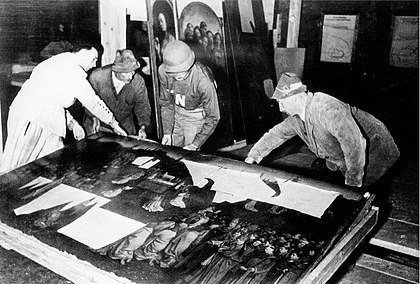
The Ghent Altarpiece during recovery from the Altaussee salt mine
at the end of World War II.

Here’s a short trailer about the movie:
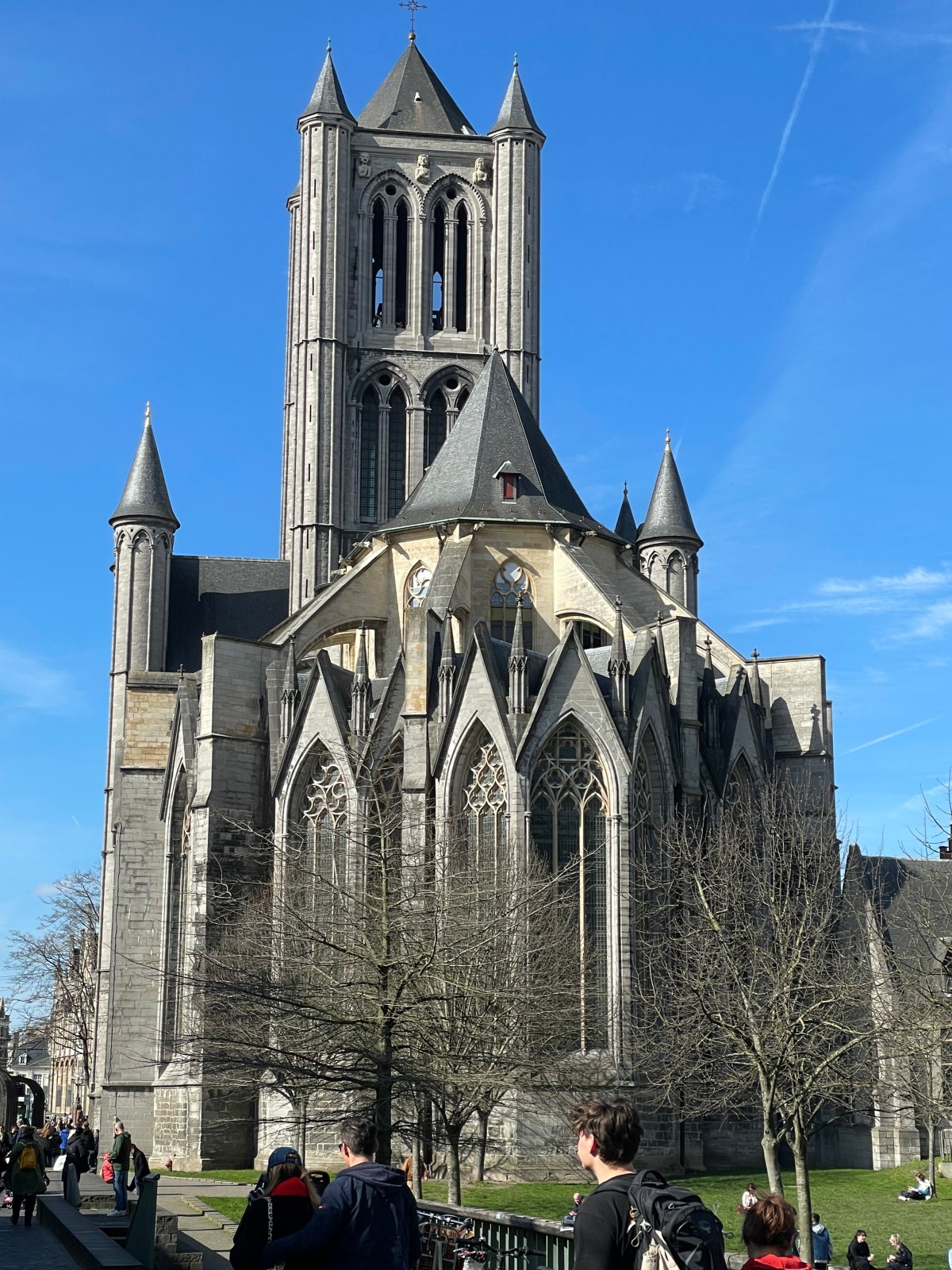
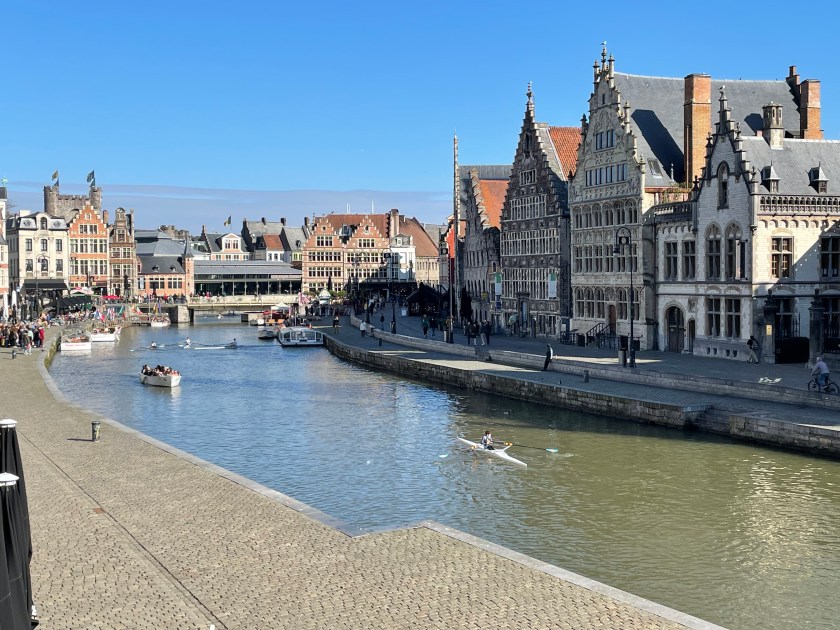
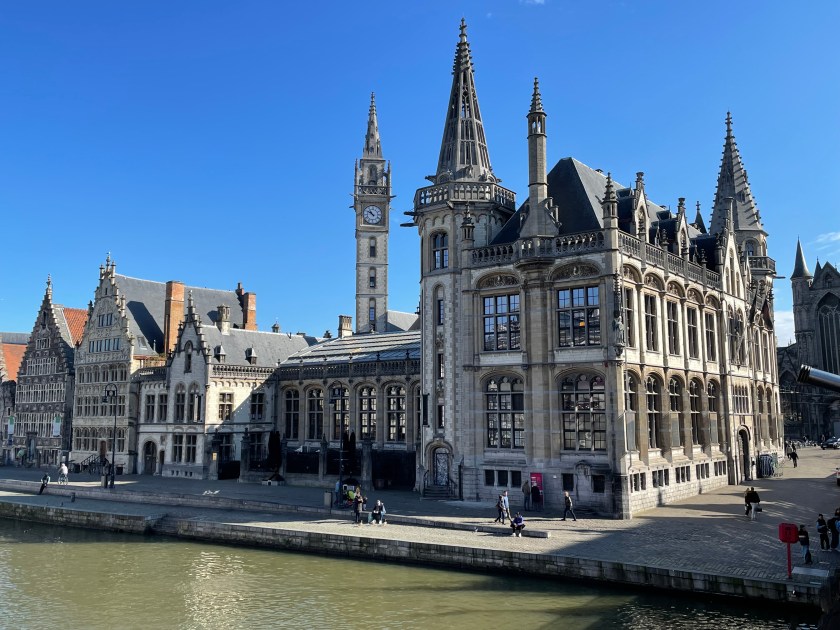
Beautiful Ghent

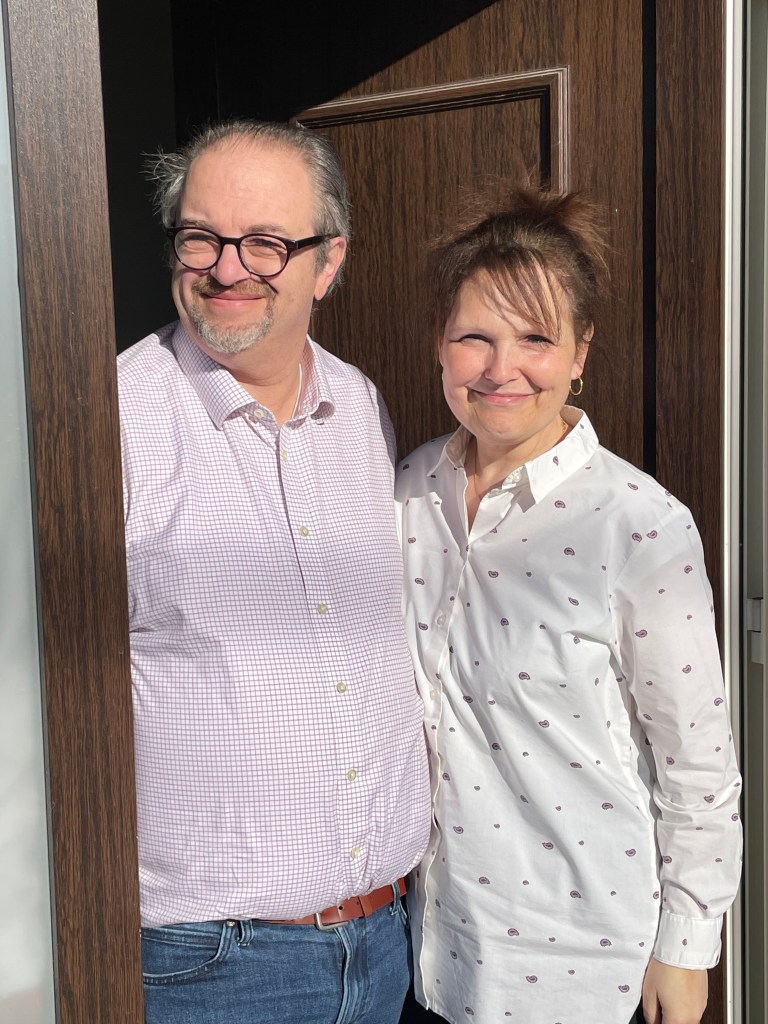
We spent an afternoon meeting with David Geens near Gent.  He’s our National Communication Director for Belgium and he’s a social media genius.  It was really fascinating to learn from him.  He is practical, realistic and insightful.  We learned new things that will help us in our work in the Europe Area.

After our meeting, we went to David’s home for dinner and a delightful evening of more visiting and meeting his family.  Isabel, his wife prepared a delicious traditional Belgium dinner for us–Stoofvlees, a beautifully flavored stew served with freshly made french fries.  Isabel shared the recipe  with me and some of the ingredients with me so I can make it.

Recipe STOOFVLEES
Ingredients :
Big pot
1kg of beef ( chopped in pieces )
3 onions
1 slice of bread ( without the crust )
1 tablespoon of mustard (spread on the bread)
At least 2 tblsp of stoofvlees herbs
3 bay leaves
Pepper and salt
Sugar
Vinegar
Starch
*Chop the onions into small pieces, fry them in some butter.
*Add the meet, the herbs, pepper and salt and bake till the meet is brown at the outside.
( heat on medium )
*Add water ( till the pot is half full ) -> since it will be cooking for quite some time.
*Take the bread and put the mustard on it. Add the bread to the meet (mustard down )
*Add the bay leaves and let this cook slowly ( low heat ) for 3 hours ( more or less ).
*Try to cut the meet once in a while and see if it’s cooked enough.
*Once it is, add a few spoons of sugar and start with one spoon of vinegar.
*Also add pepper and salt compared to your taste.
*Use starch or anything to thicken the sauce.
It’s a very personal recipe and it stands or falls with the right seasoning.
If you have any questions… please let me know!

After a wonderful visit, and breakfast in the morning, we left to visit Gent before going to our next meetings.

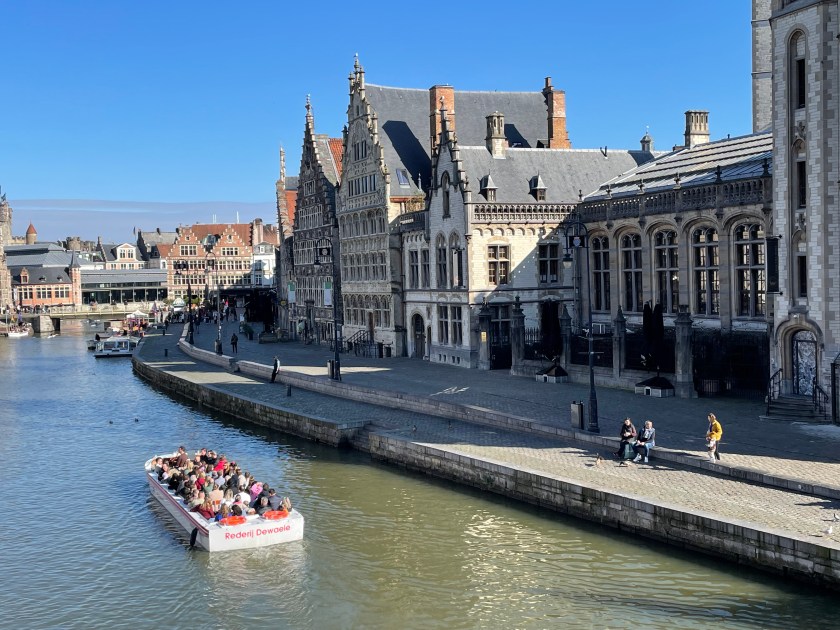
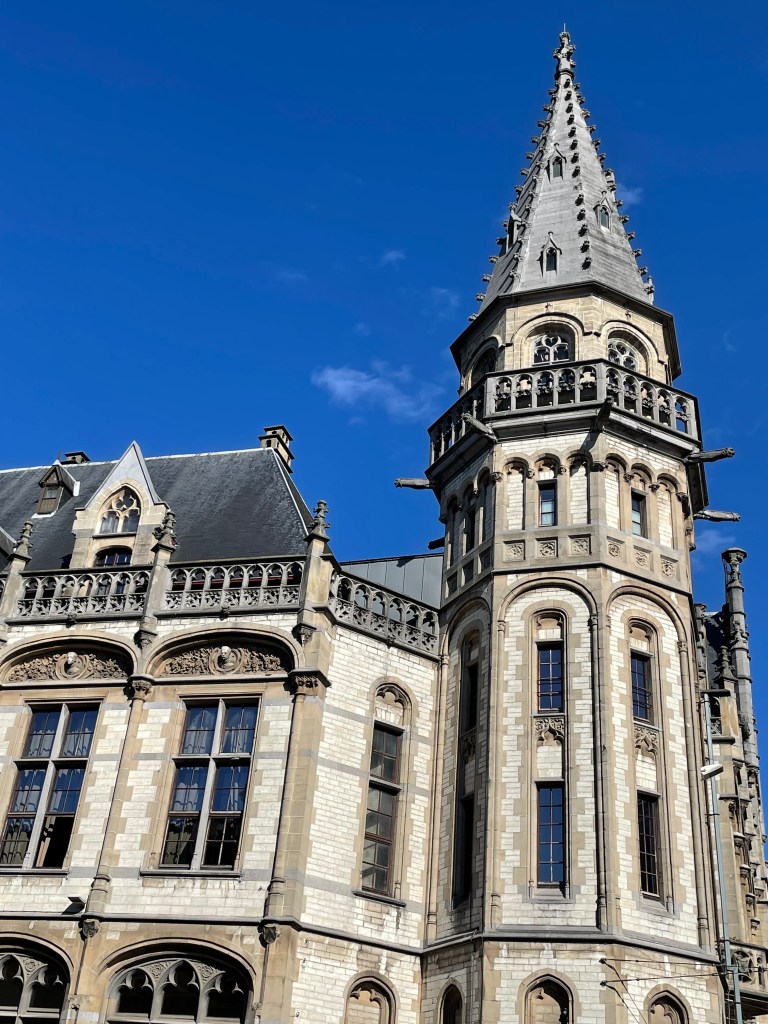
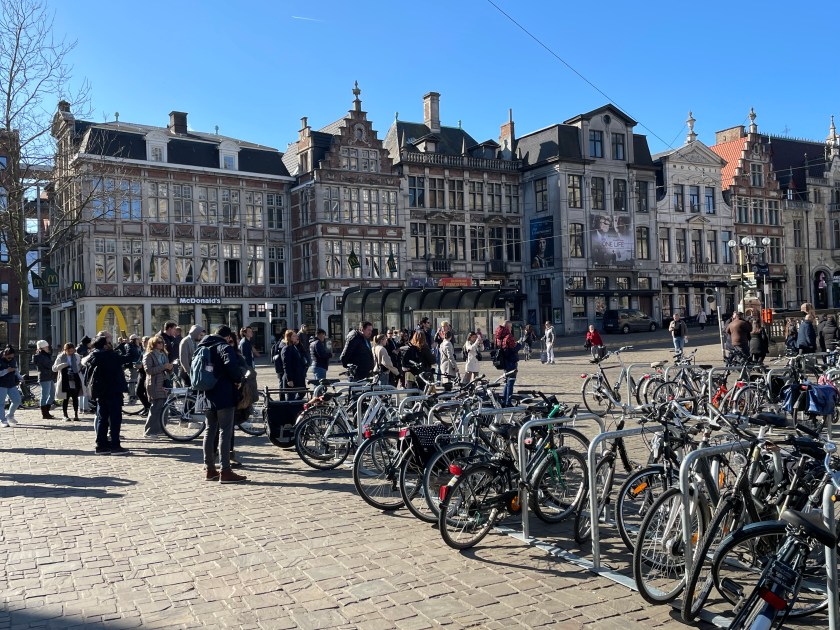
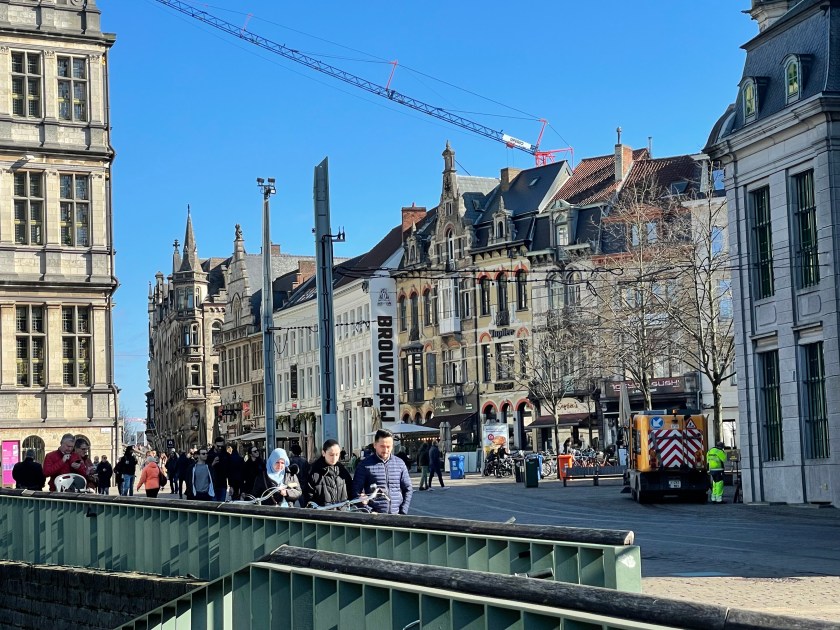
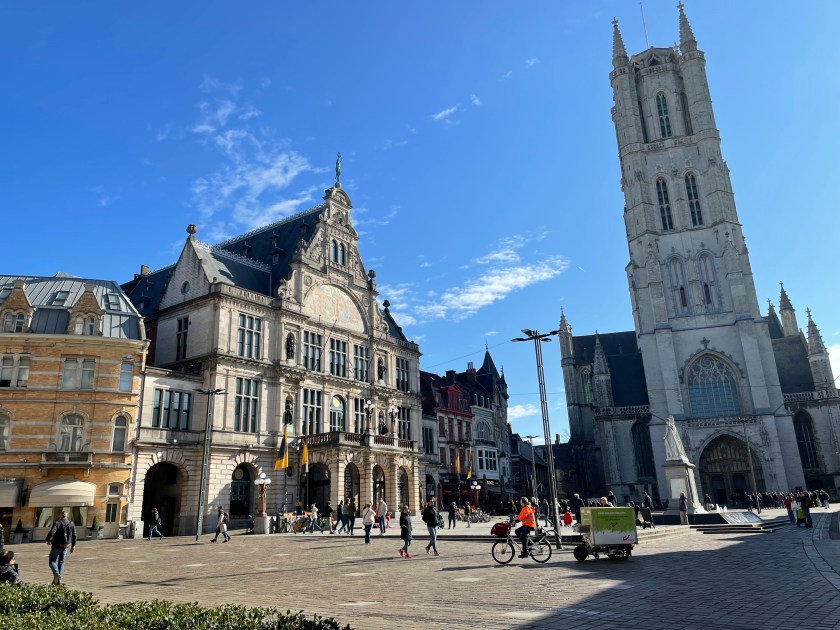
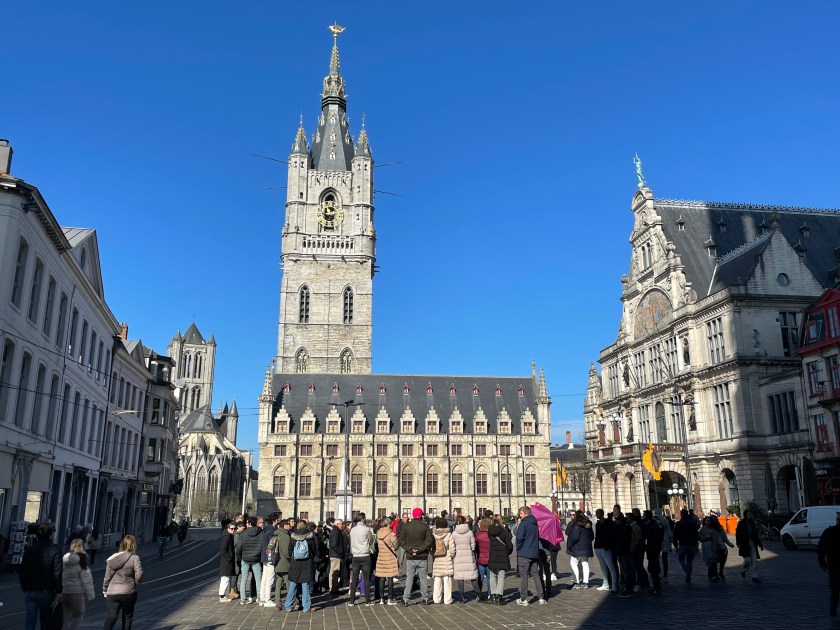
Gent was incredible.  We could’ve wandered there for several days.  We were grateful for a few hours to see as much as we could.

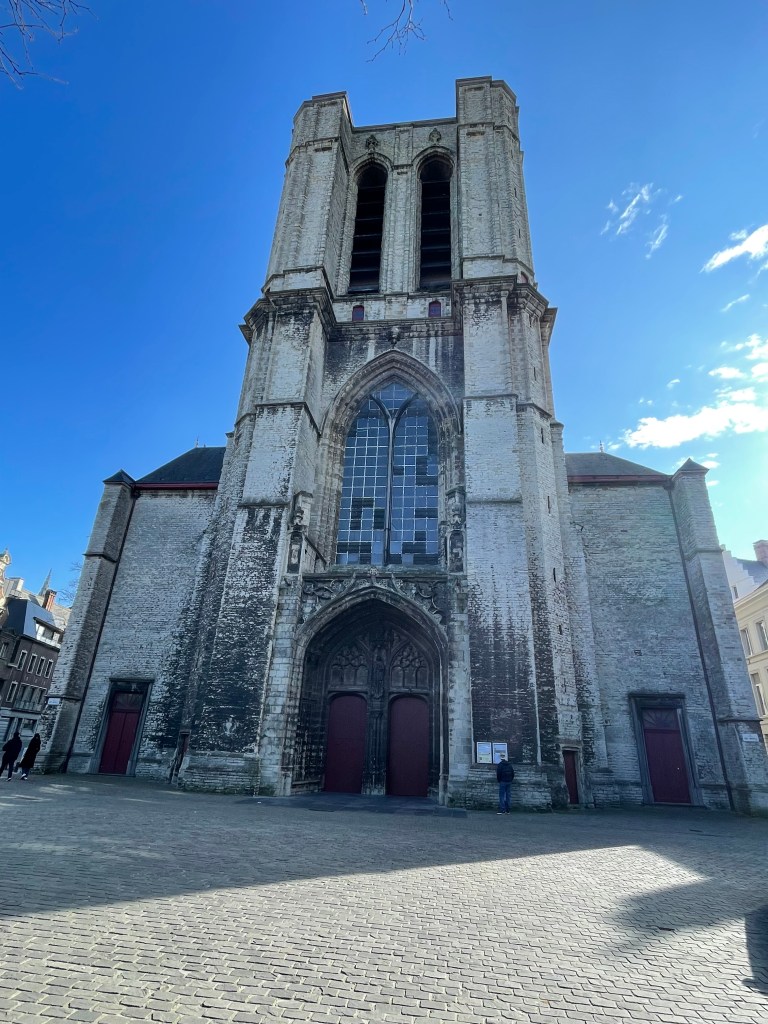
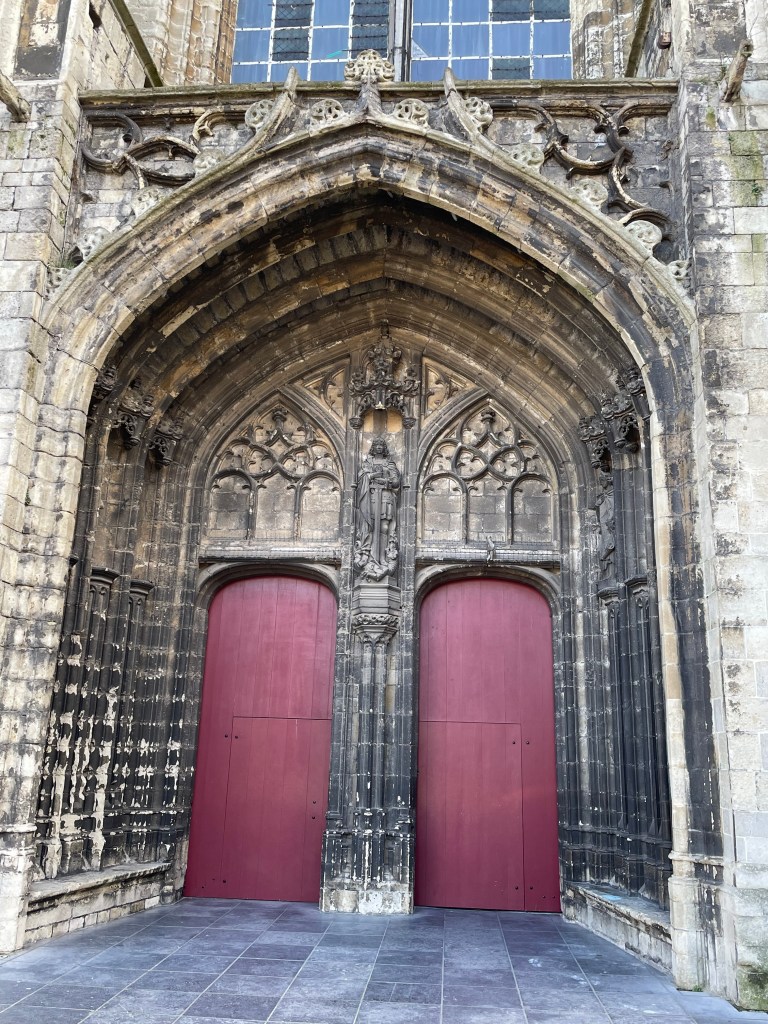
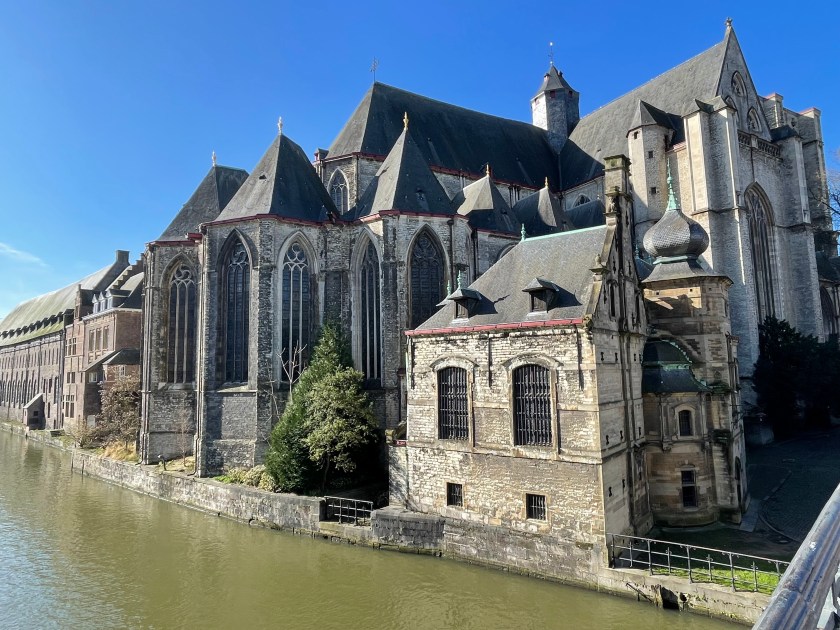
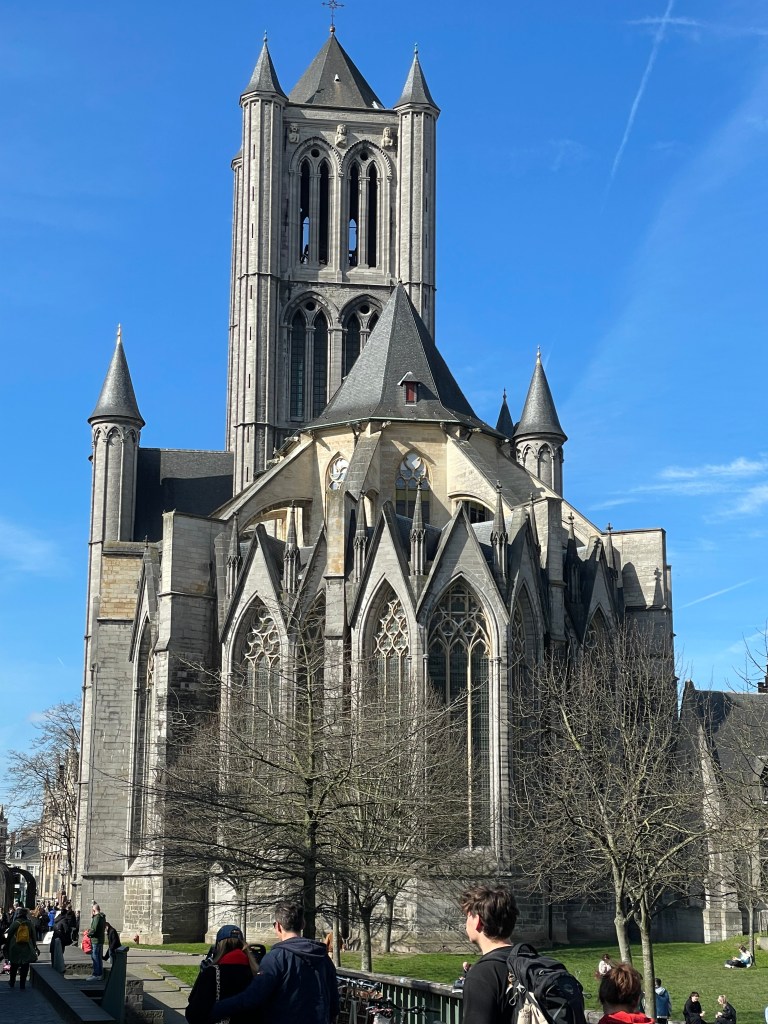
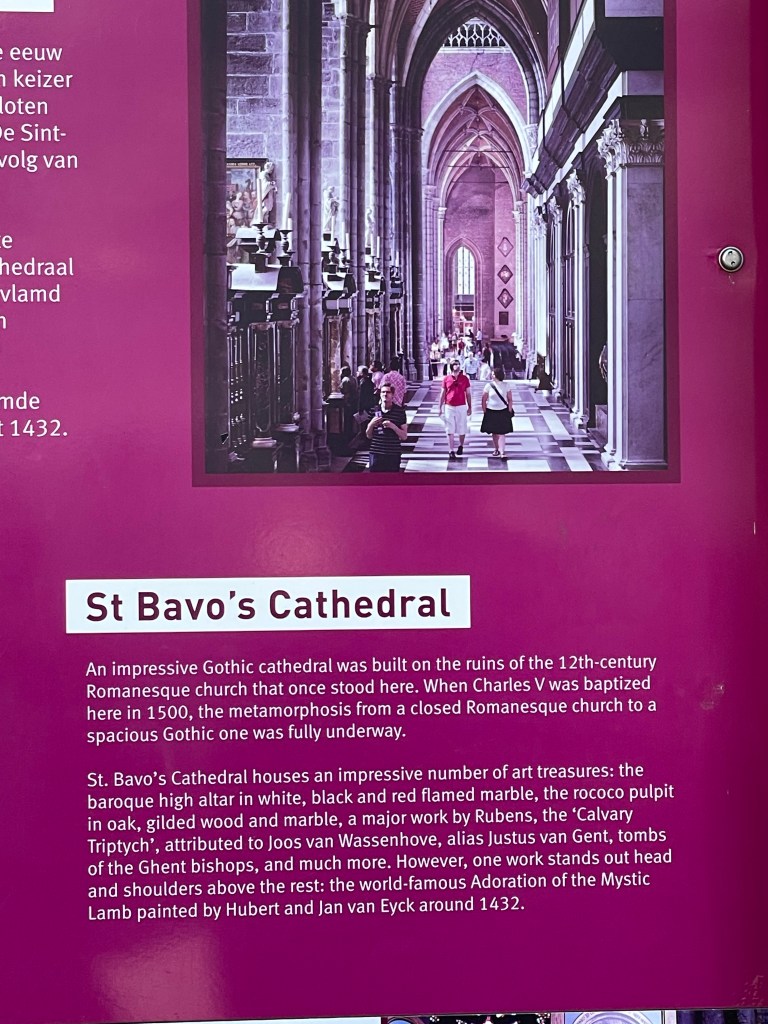
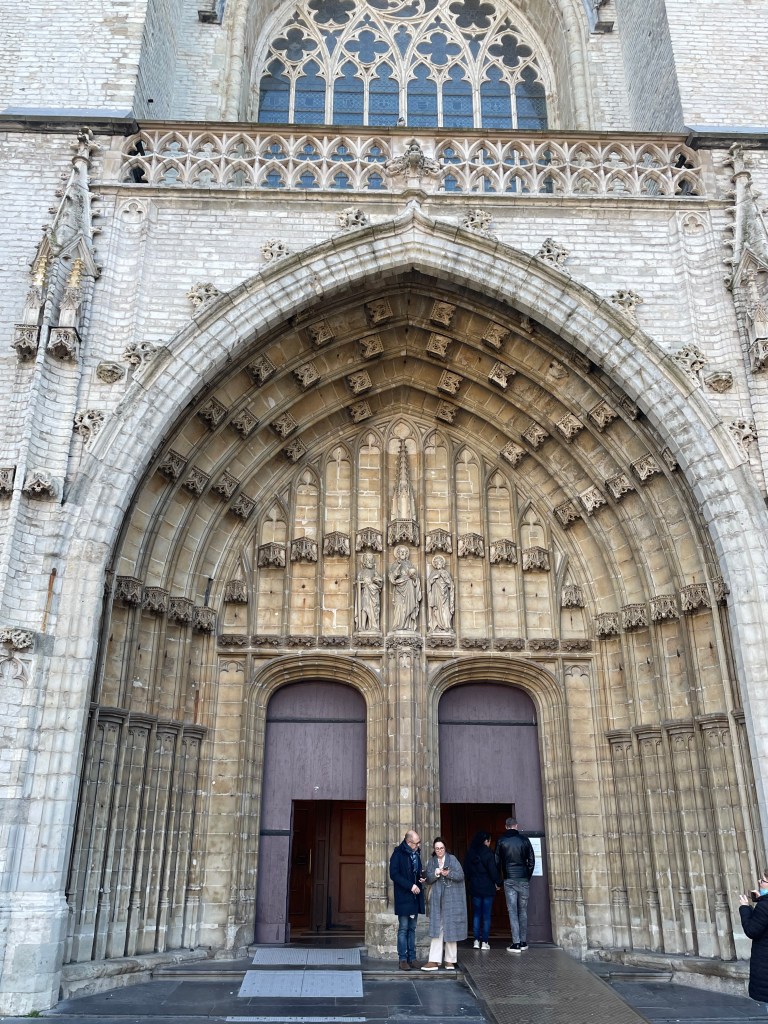
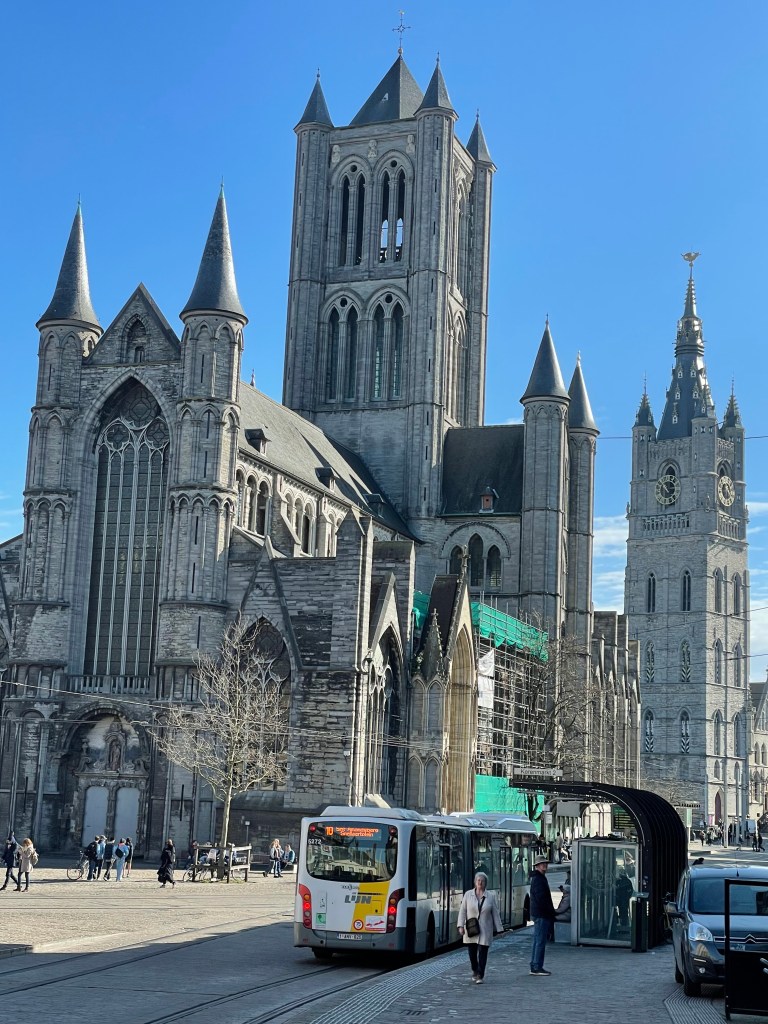
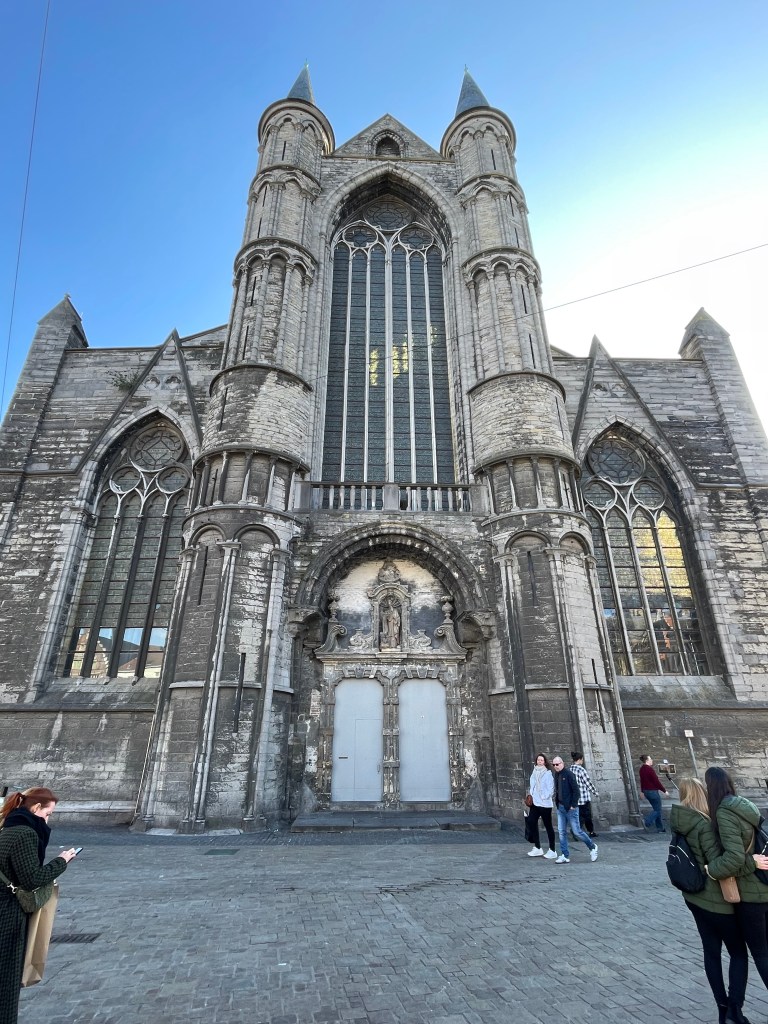
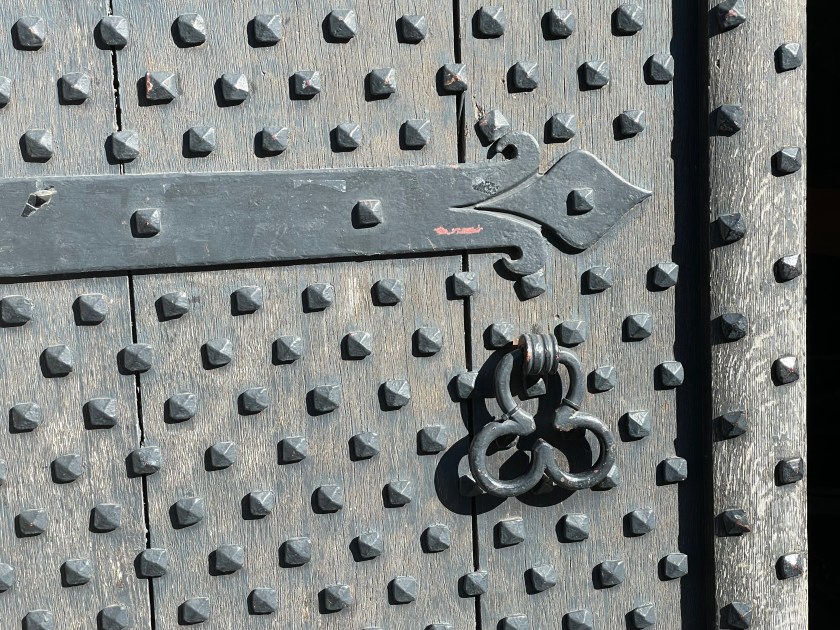
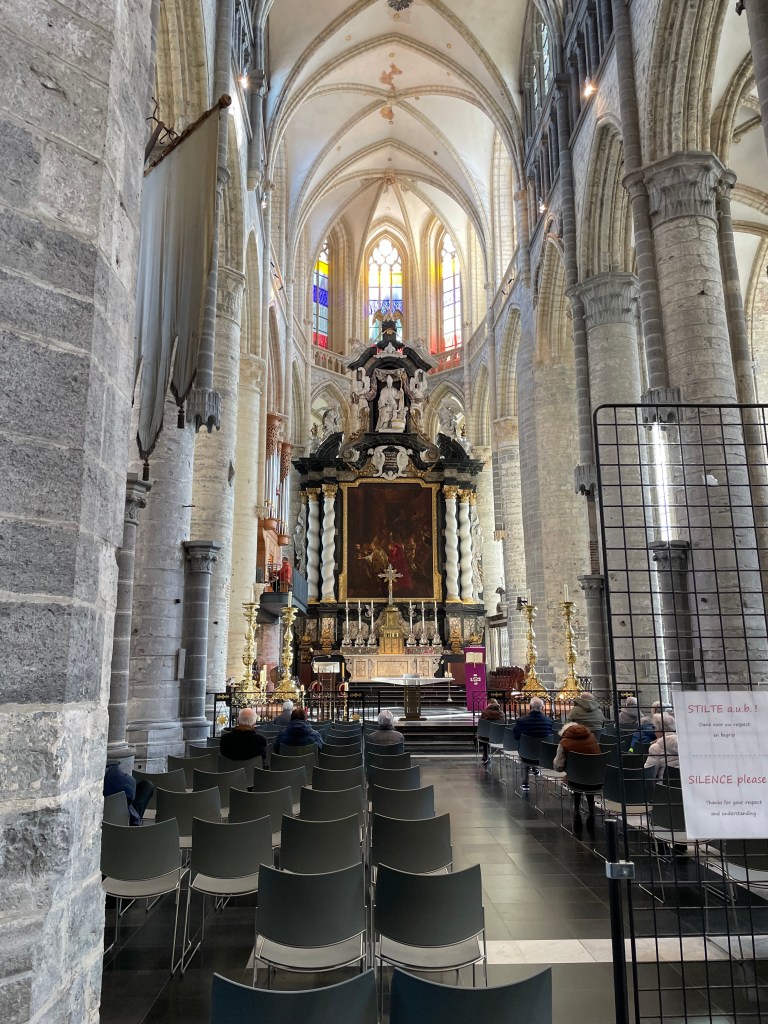
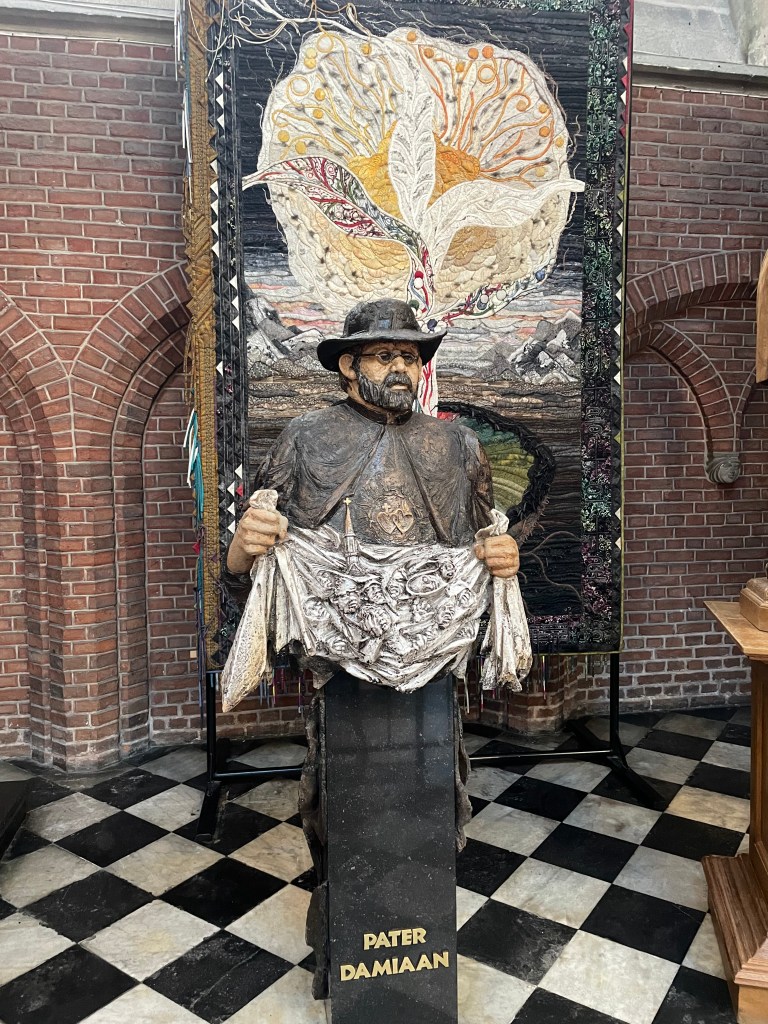
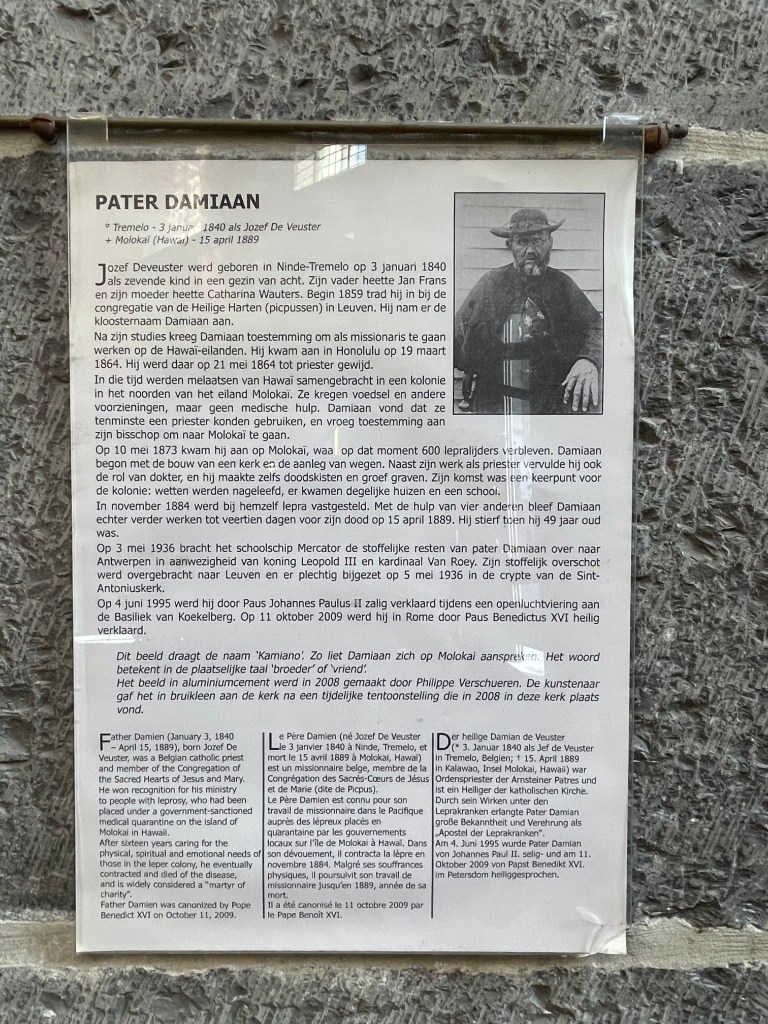
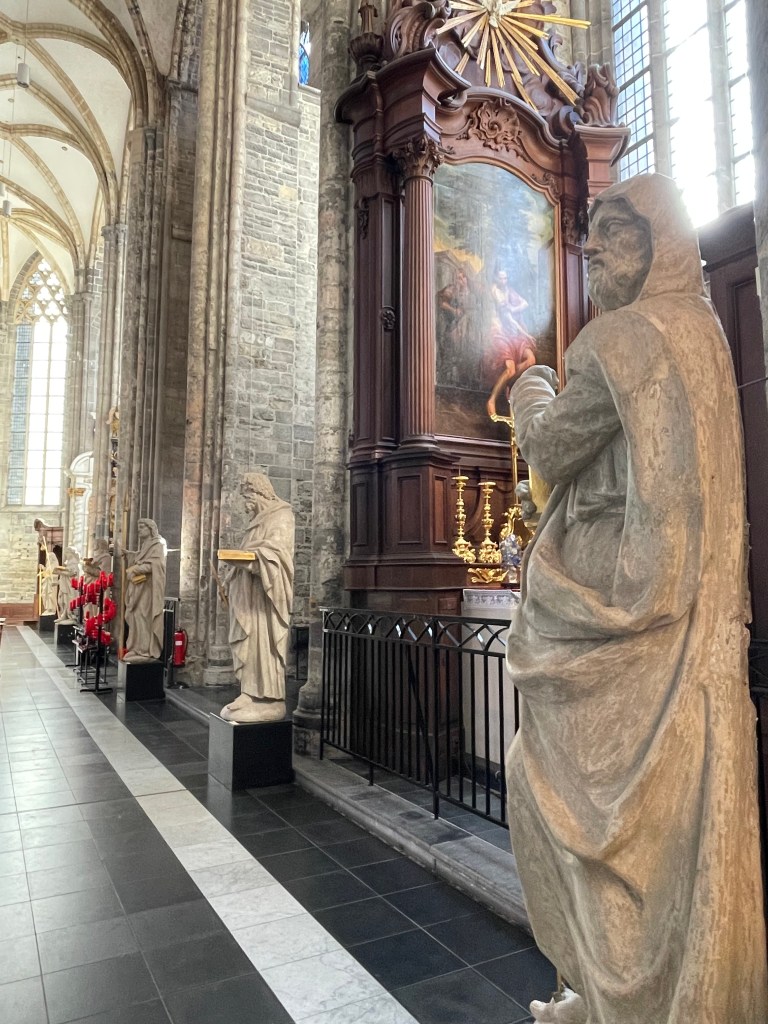
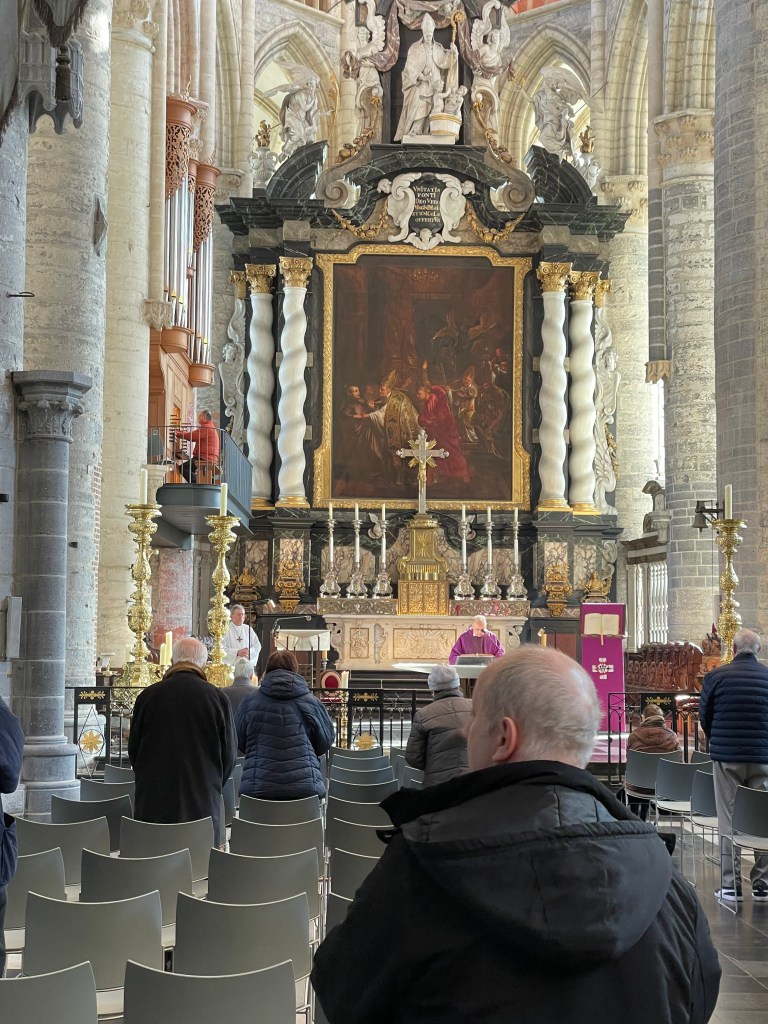
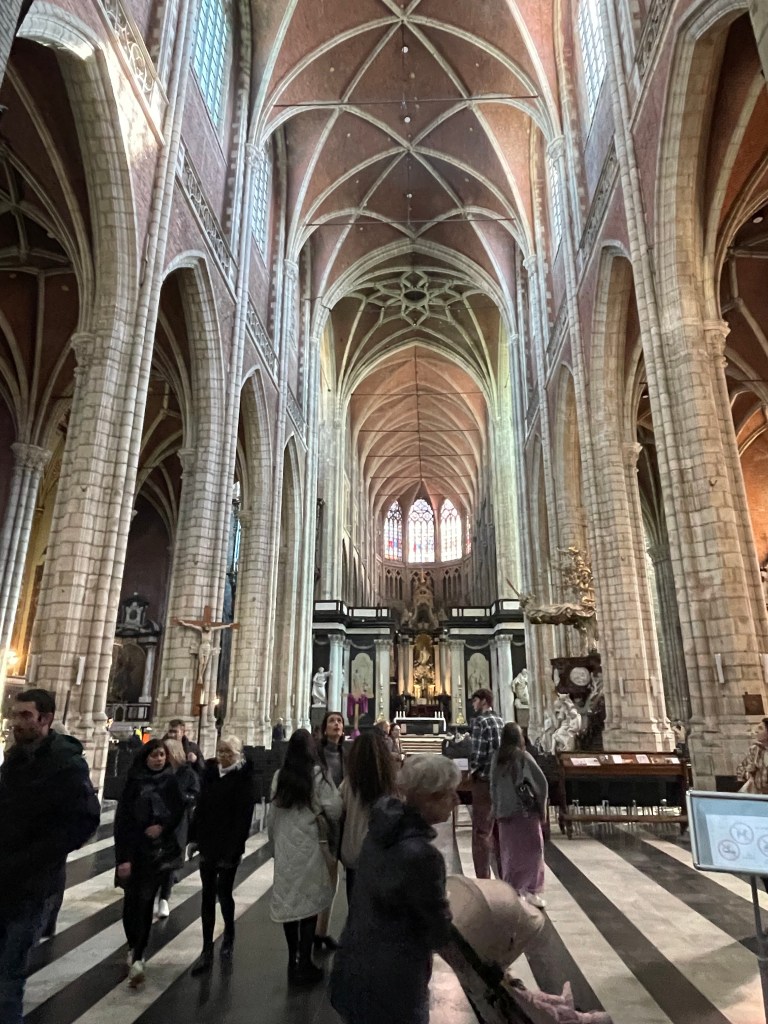
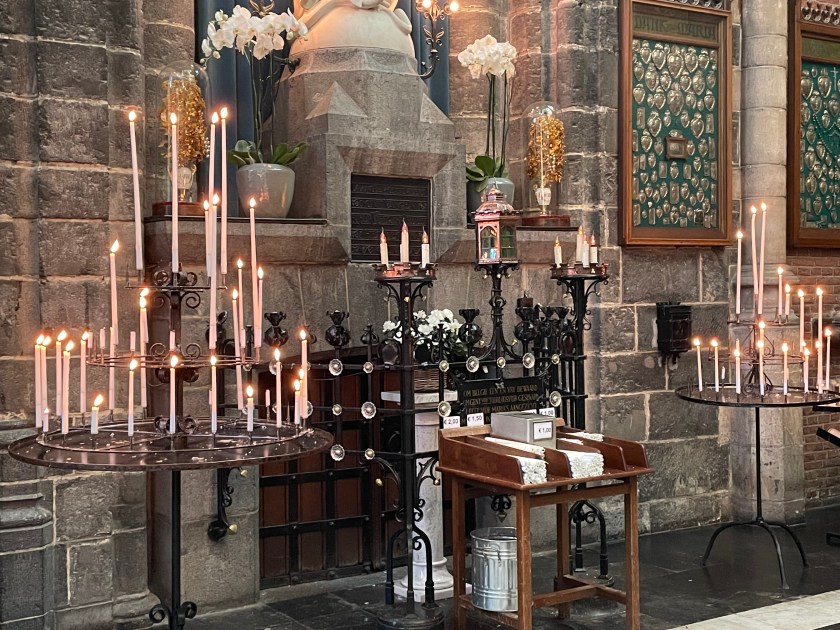
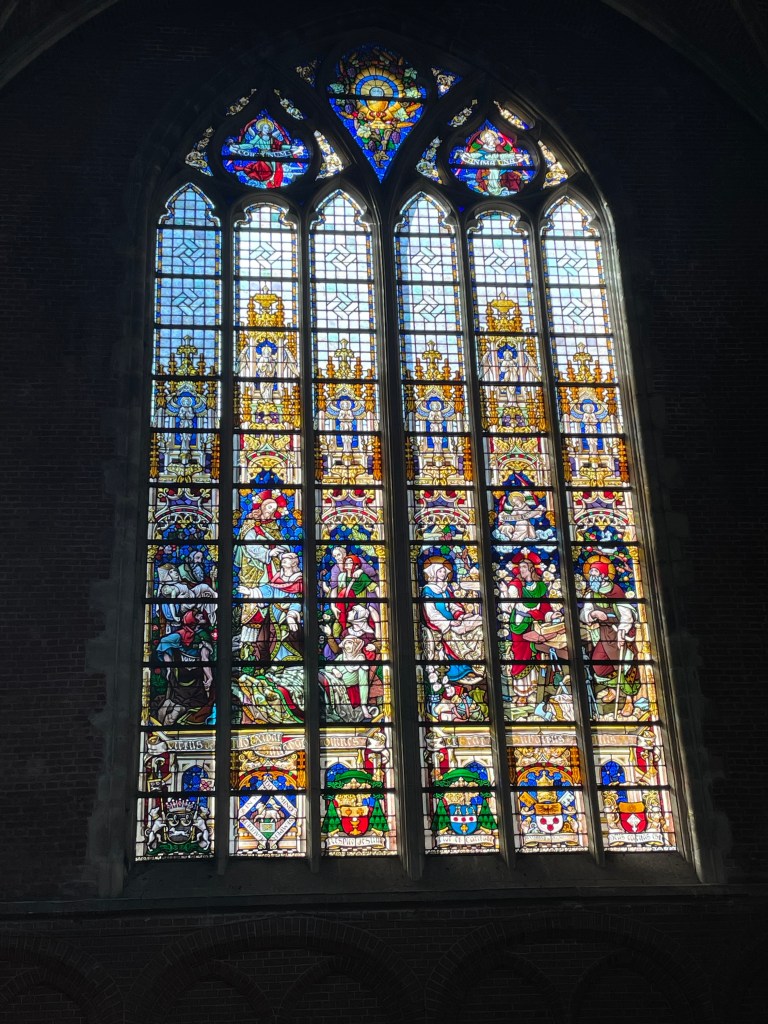
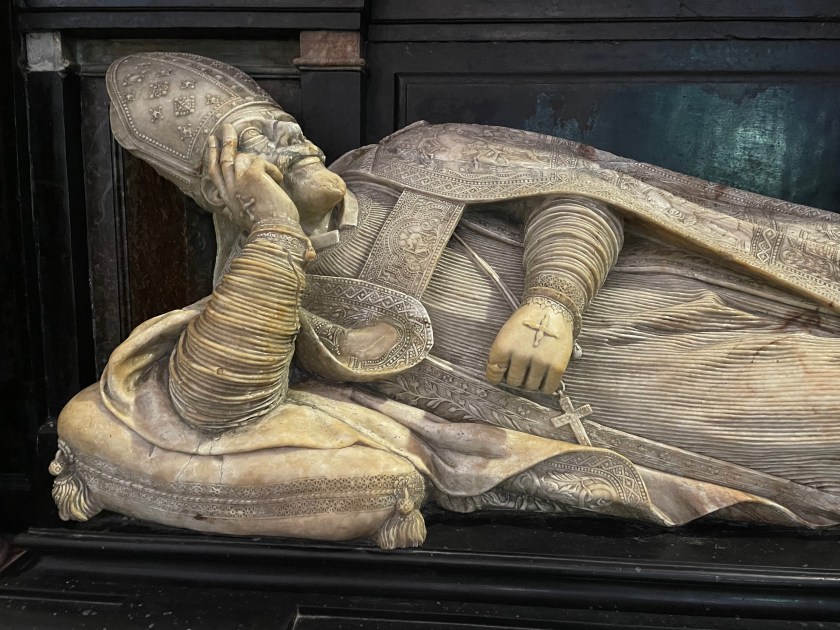
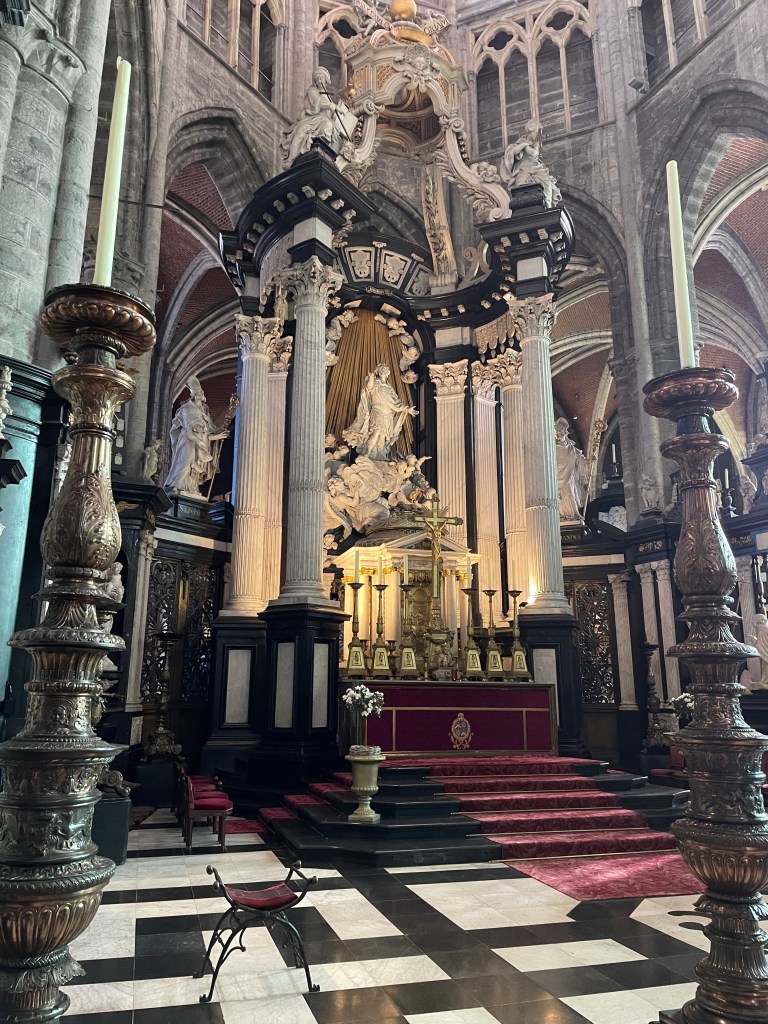
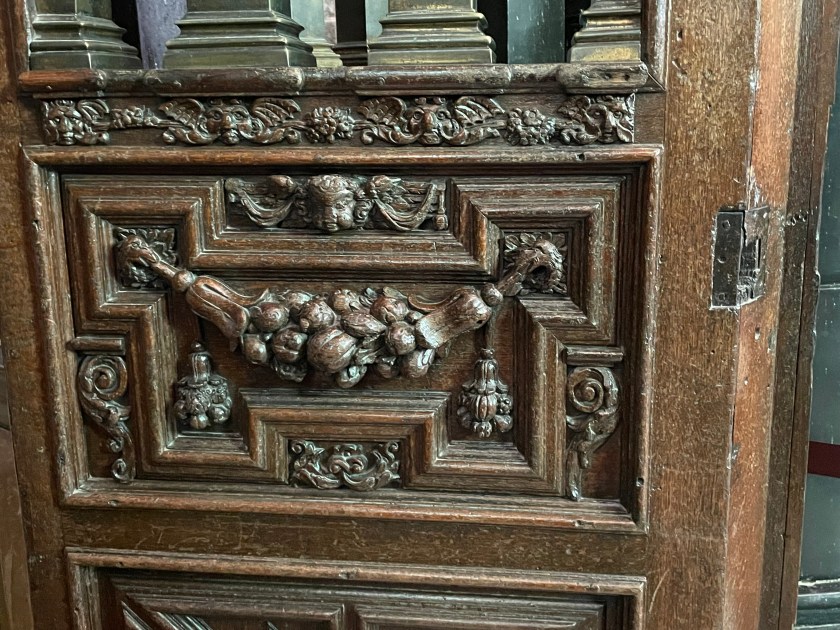
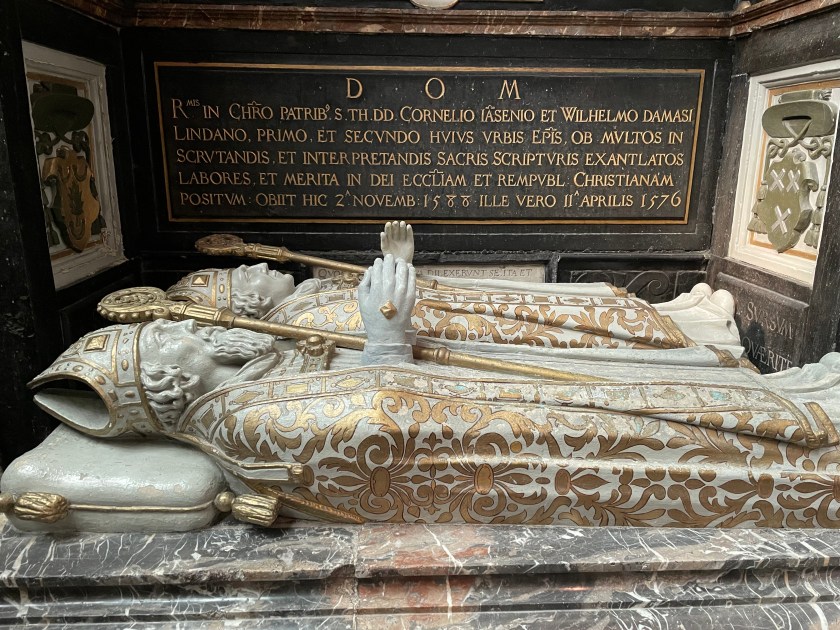
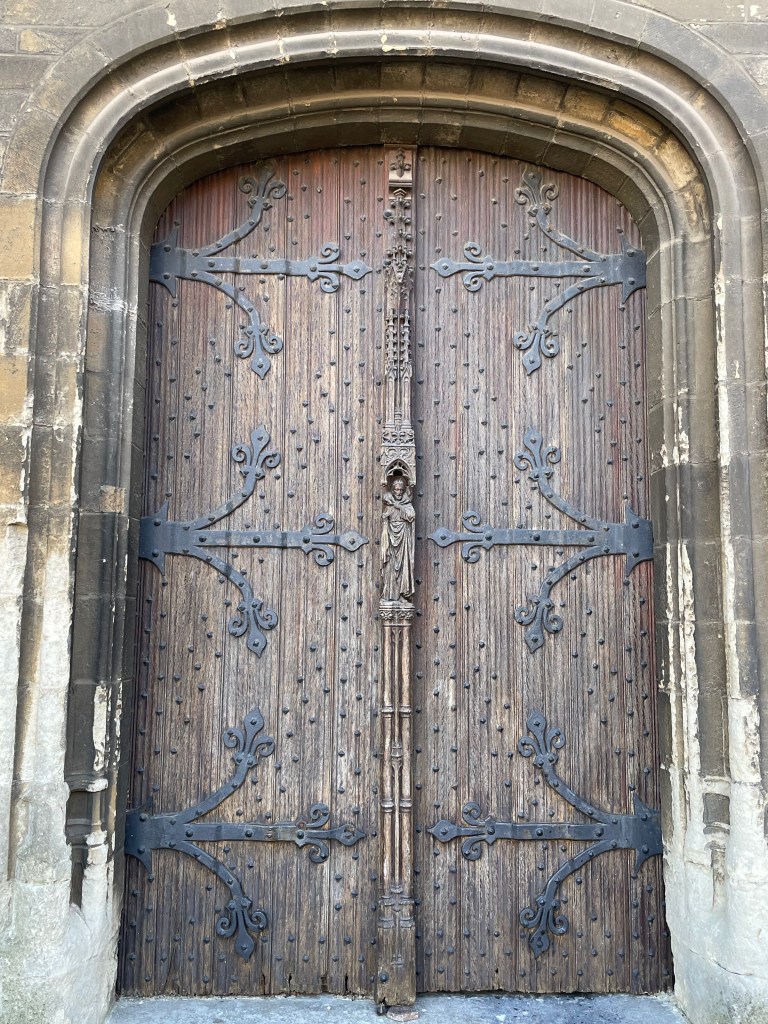
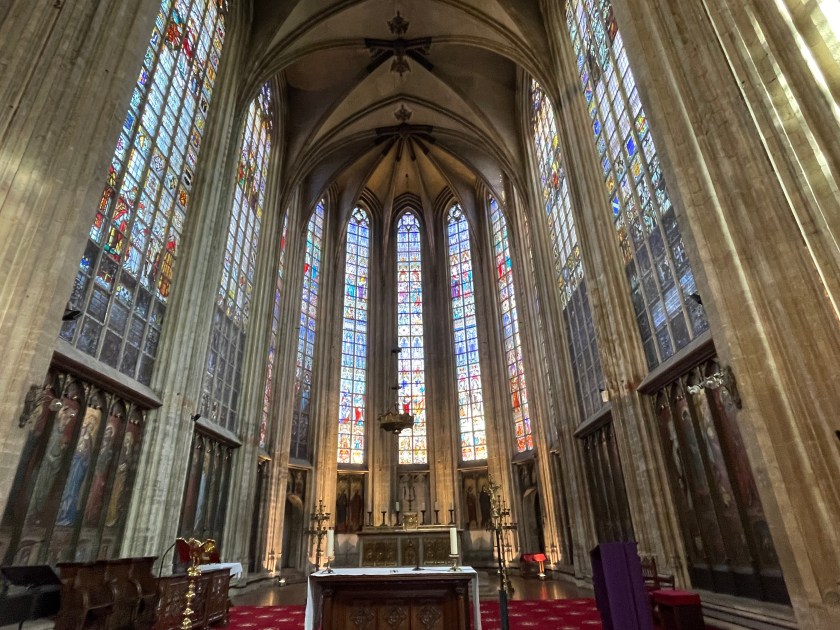
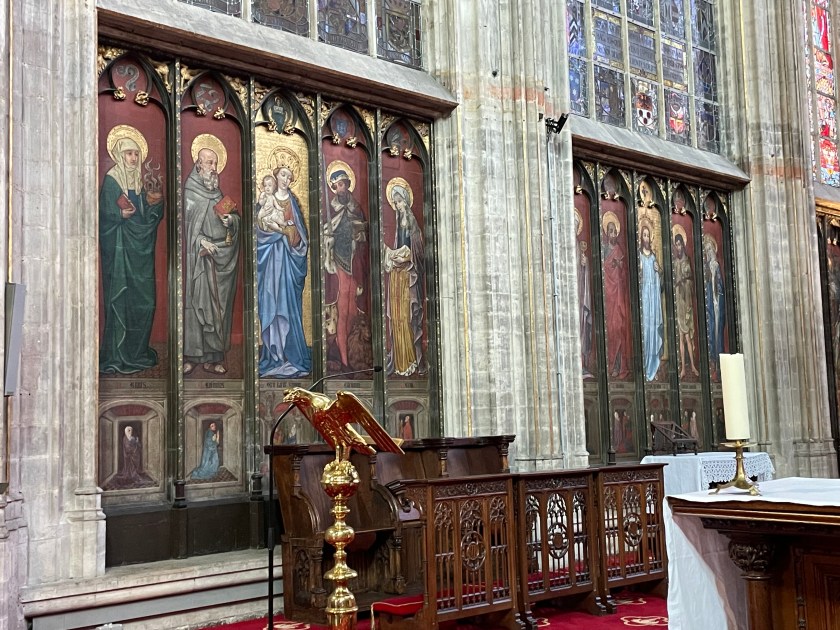
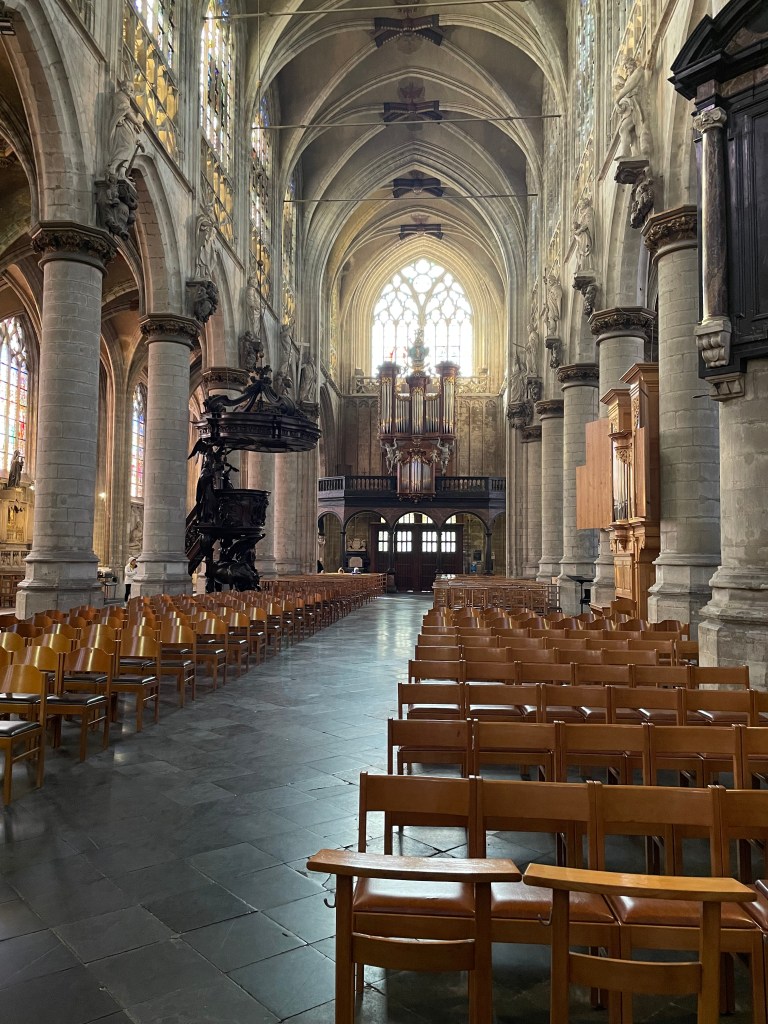
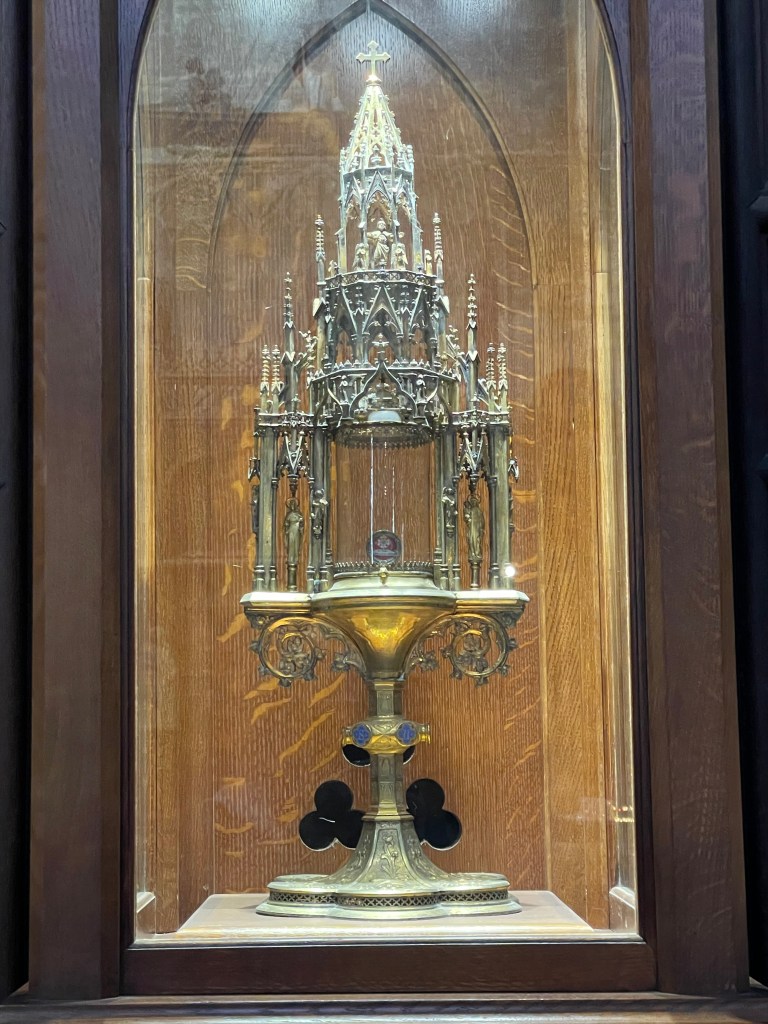
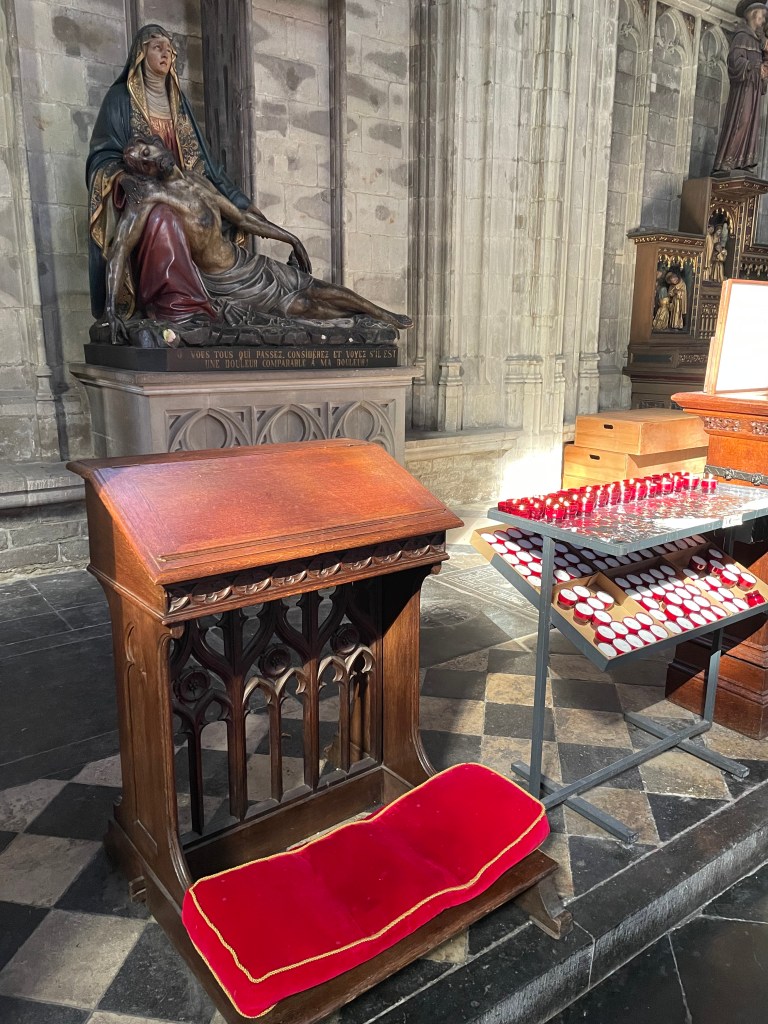
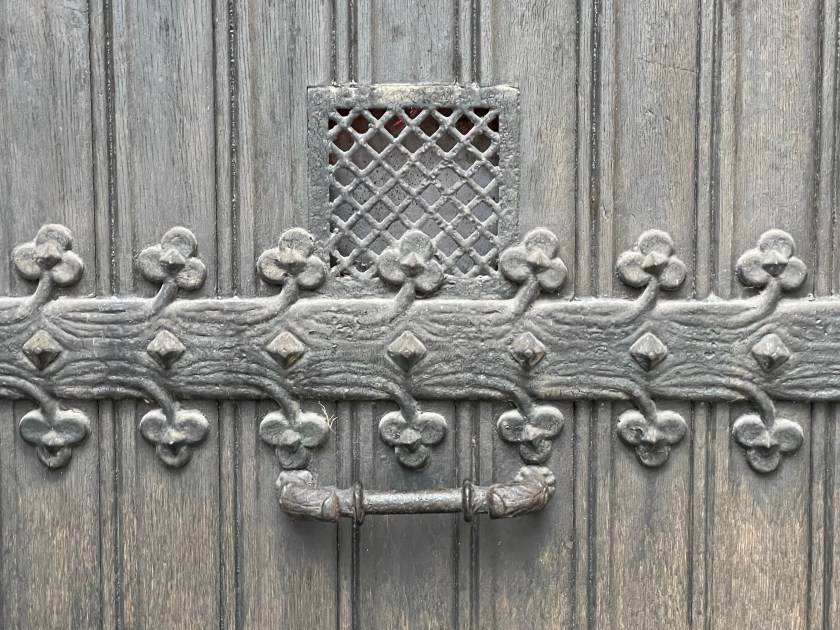
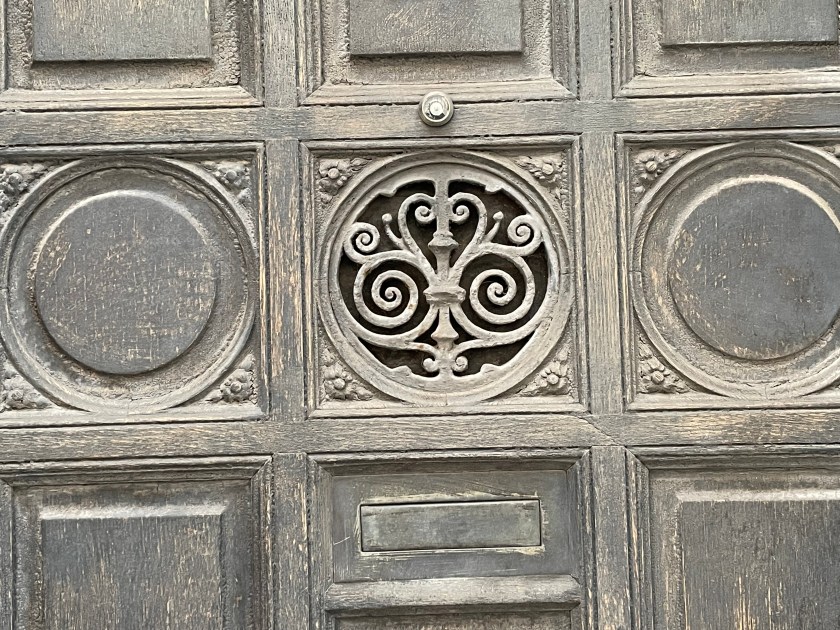
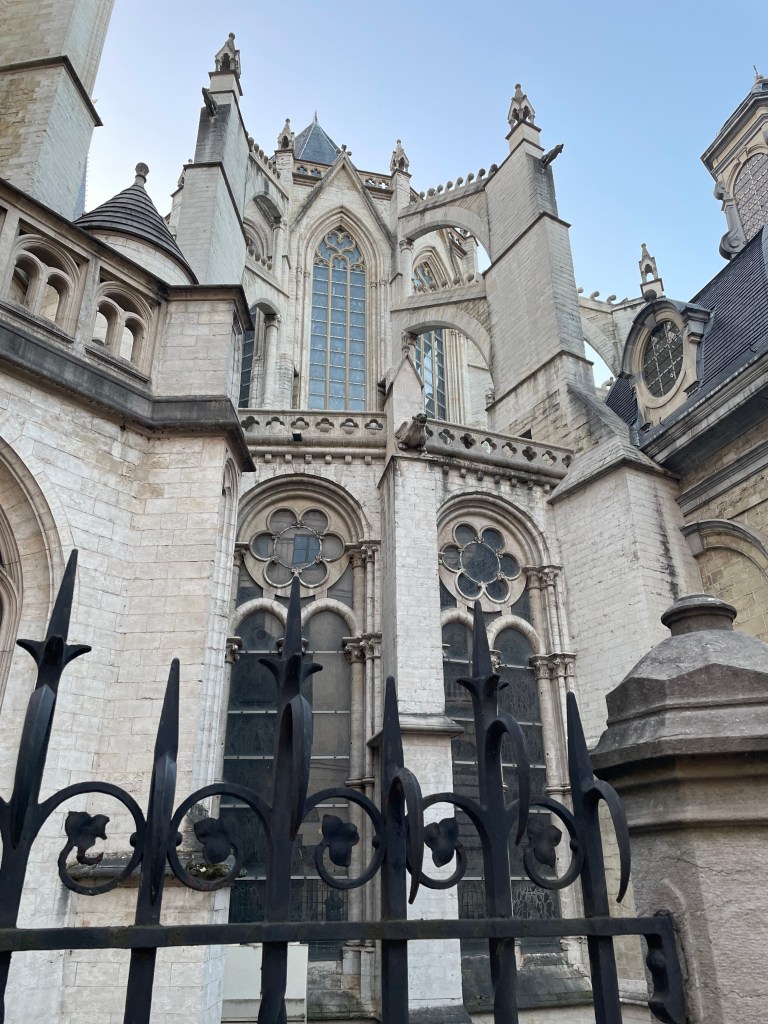
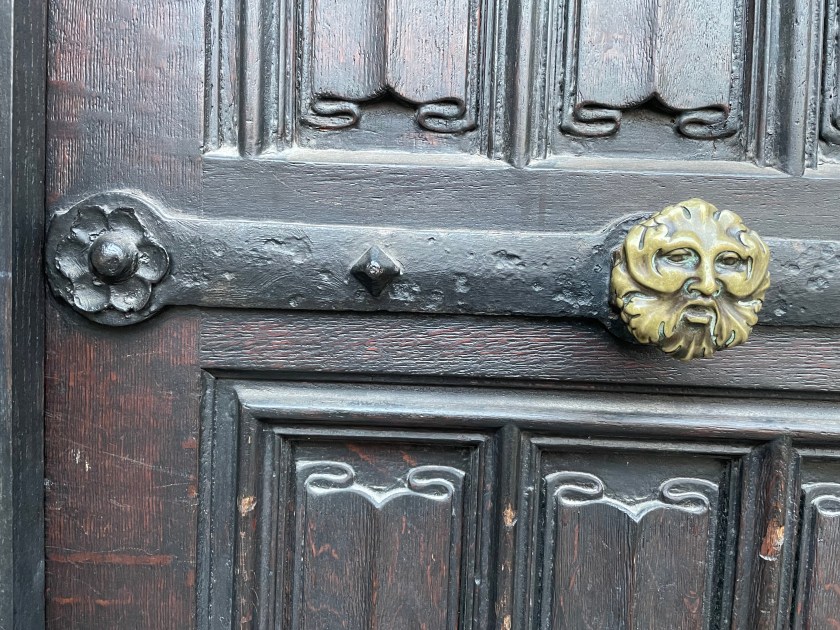
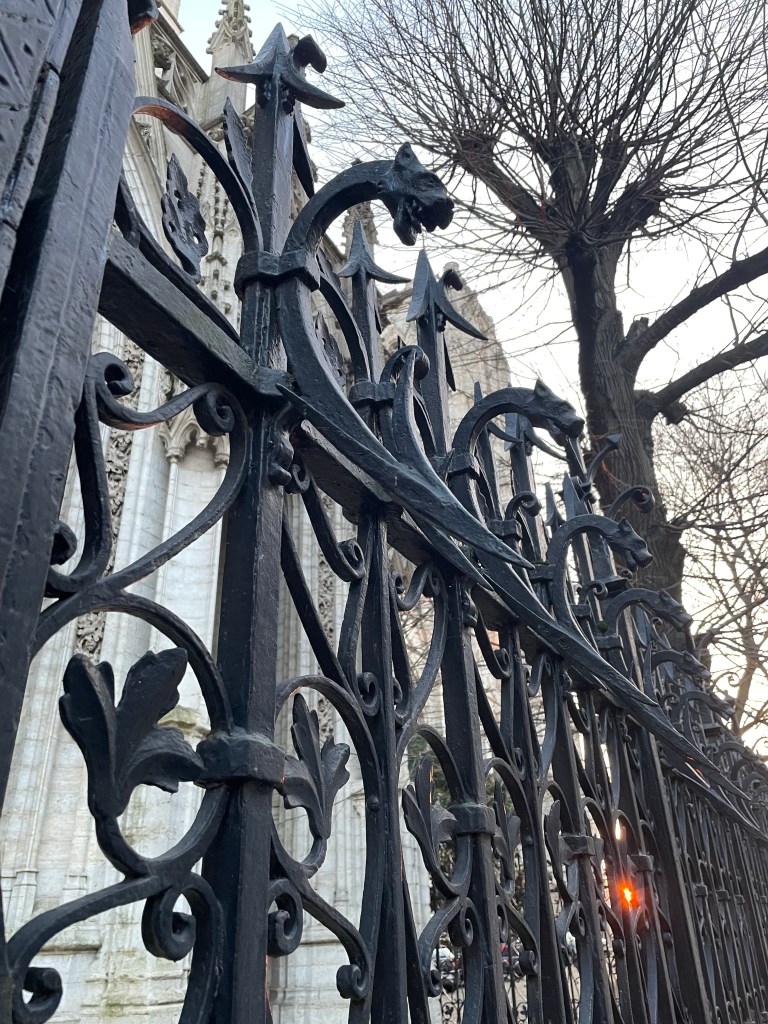
One of our important destinations was St Bavo’s Cathedral where the Gent Altarpiece is housed.  More about that masterpiece in the next post.  Here are some pics of the cathedral:
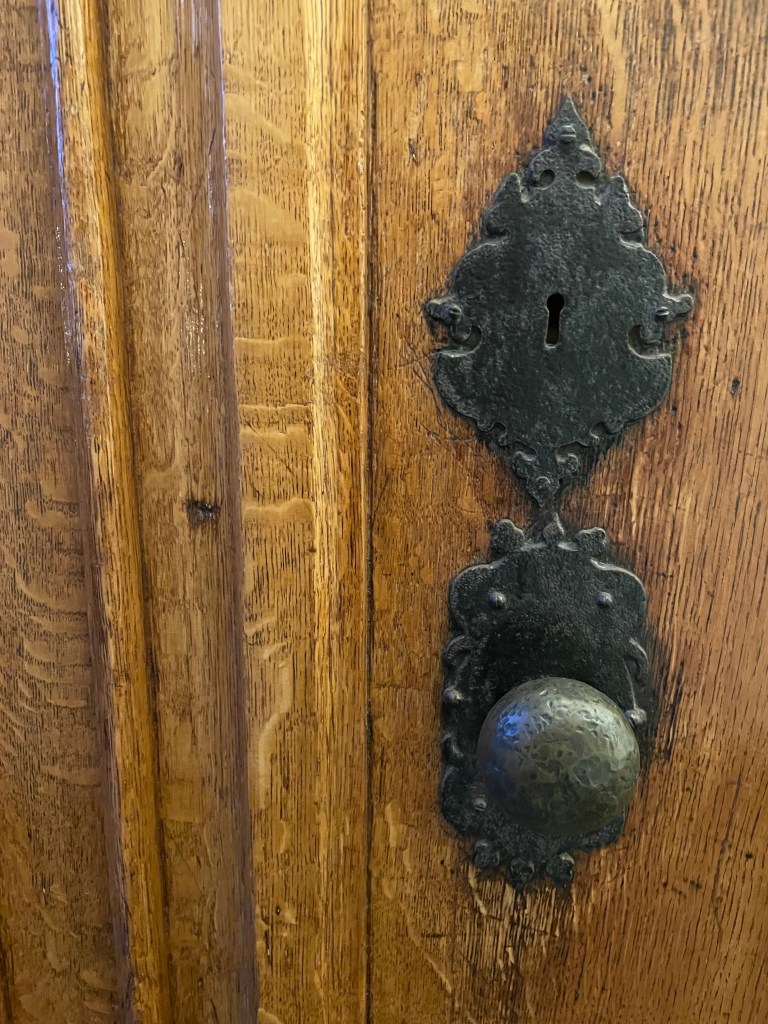
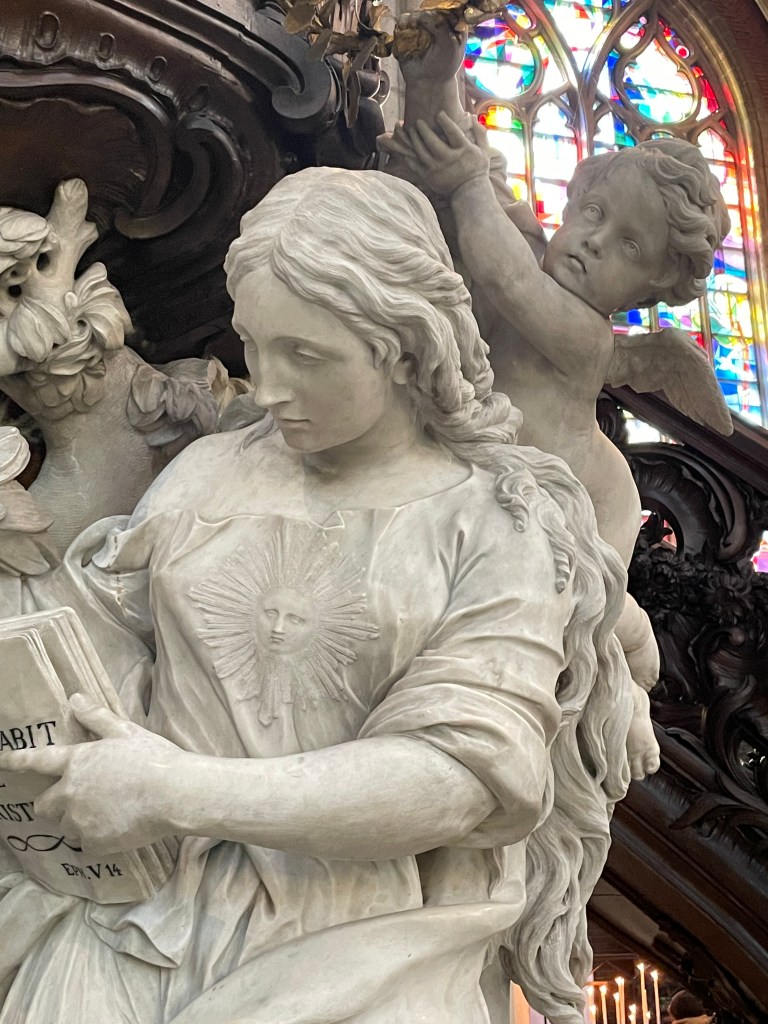
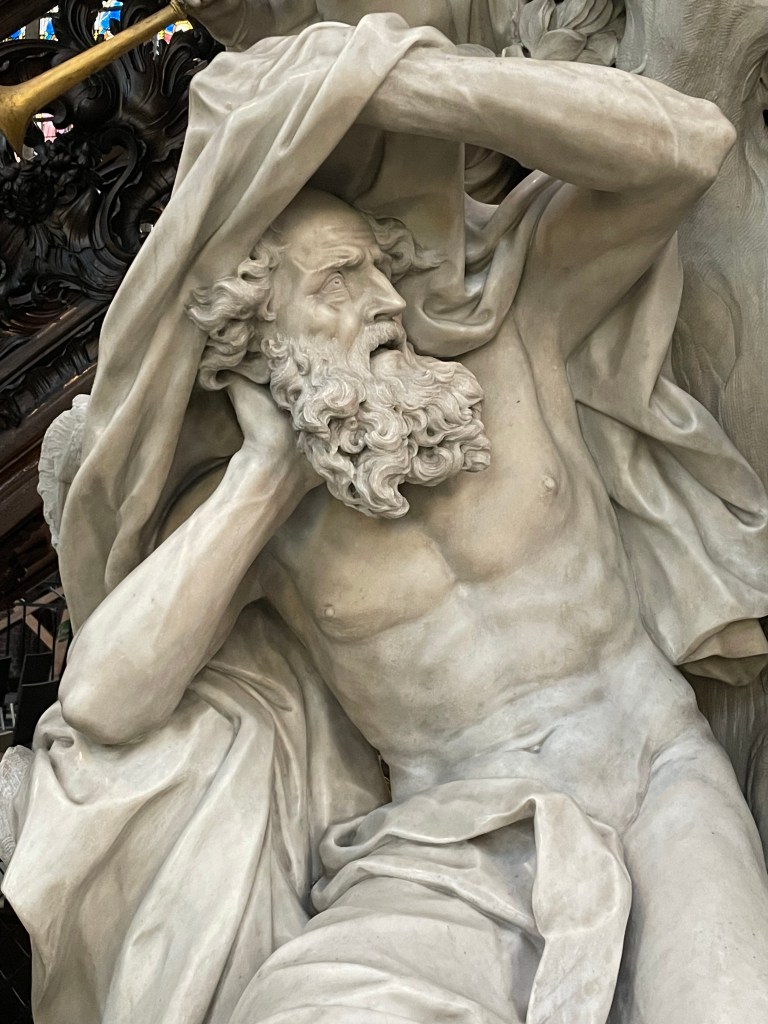
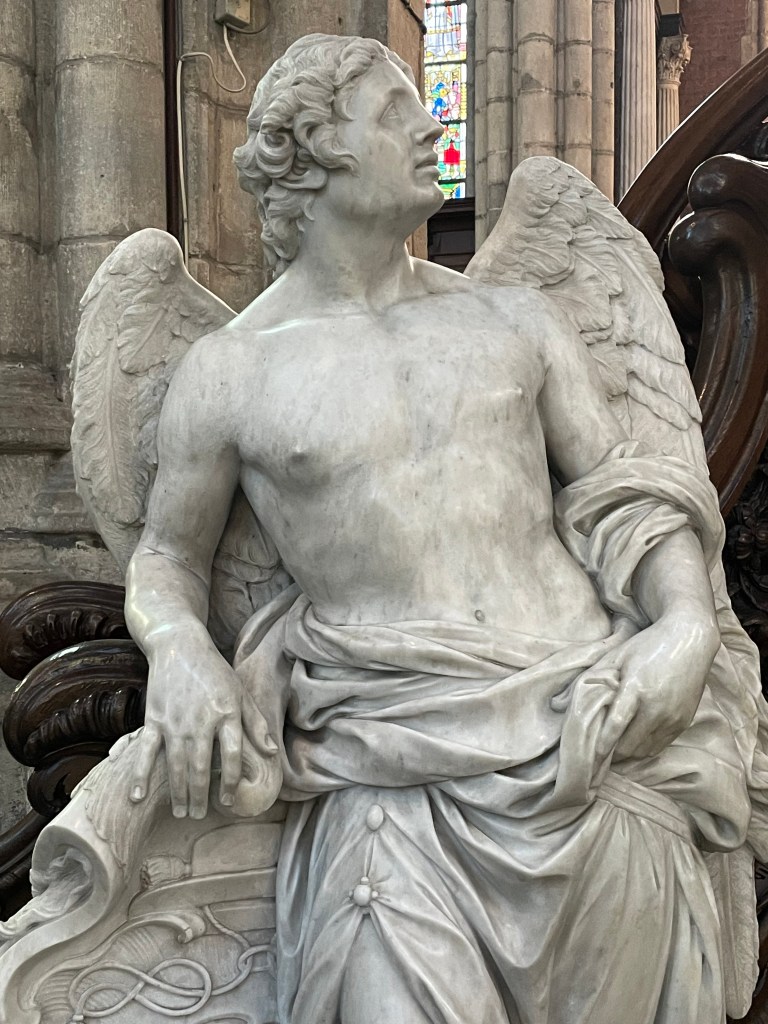
The cathedral was incredible.  Truly.  Take a look:

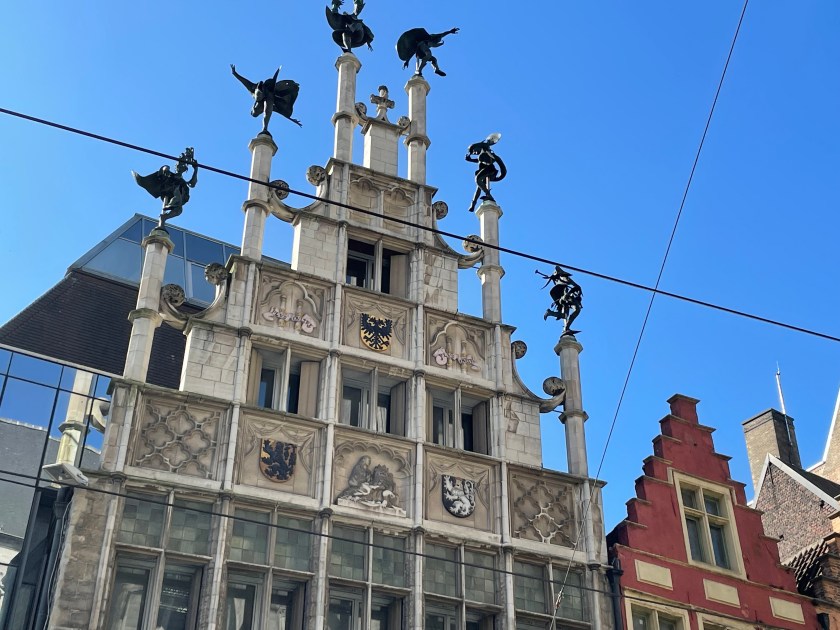
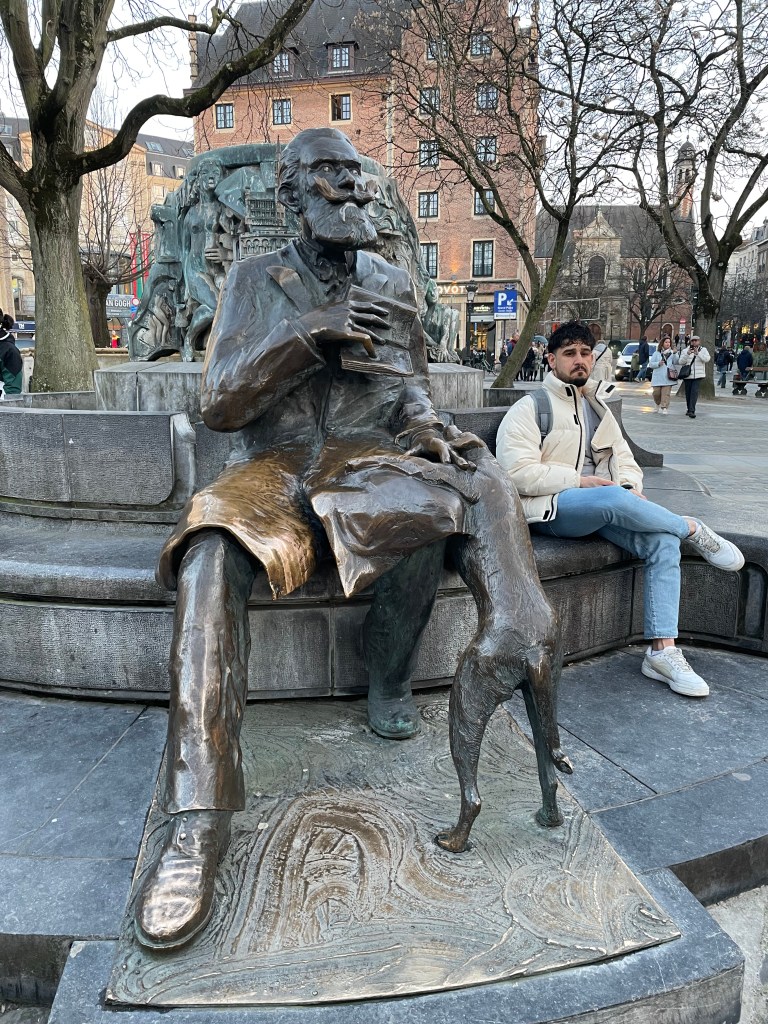
Then we went back outside to wander some more.

Seeing the Gent Altarpiece was worth the trip.  See more in the next post.

Cobblestones in the Nederlands

We learned something interesting about cobblestones this week, especially in this part of the world (the Nederlands, or the low lands).  One of the reasons cobblestones work so well here is because the city of Brussels was built on a marshy swamp and the ground is always shifting and moving and the stones, through the years, move with it.  In the old courtyard below, you can see the way the ground has shifted through the centuries.  It’s almost wavy.

Walking on cobblestones can be tricky.  You have to watch your step and be careful because the stones aren’t uniform and they aren’t always flat.
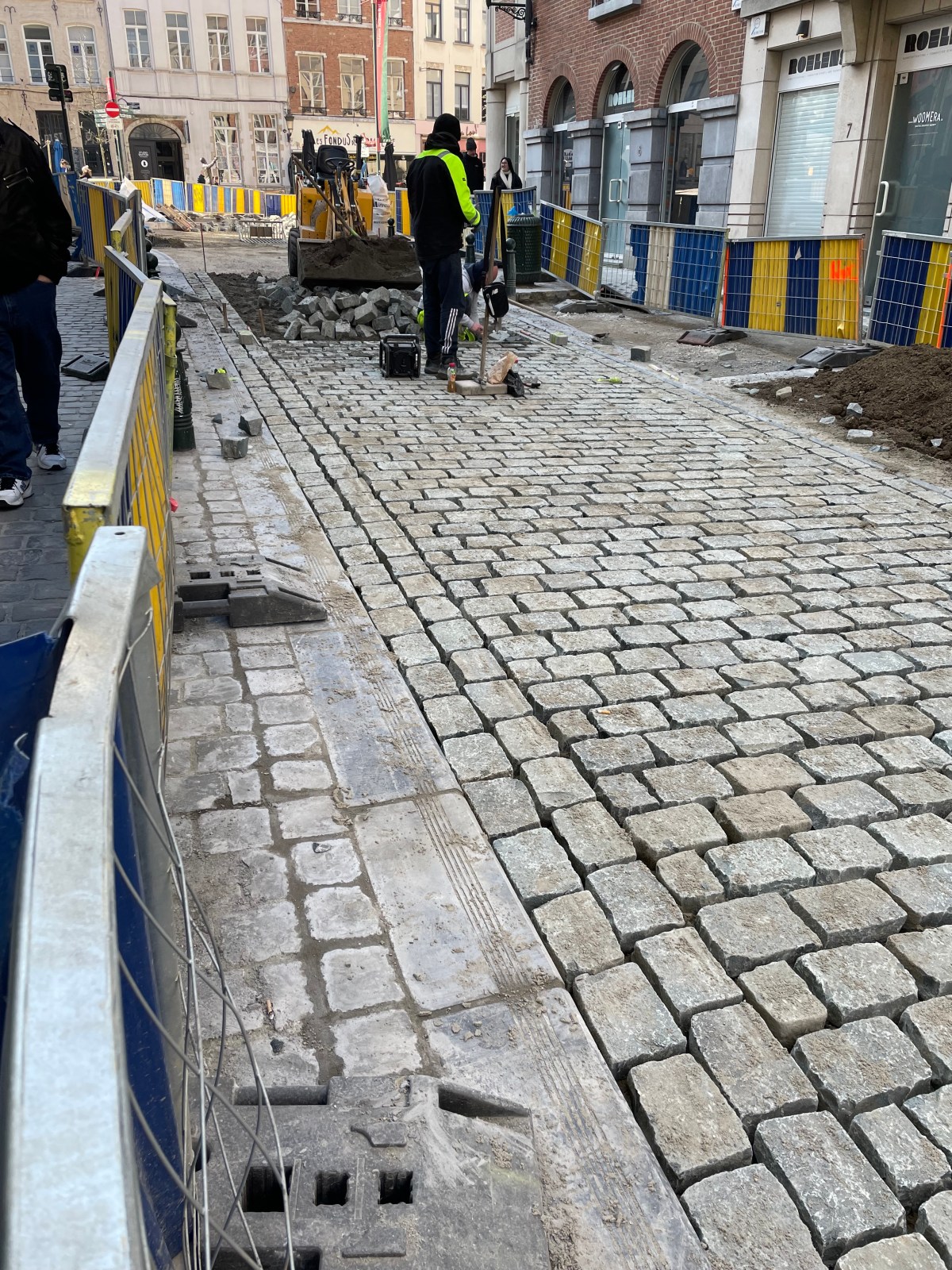
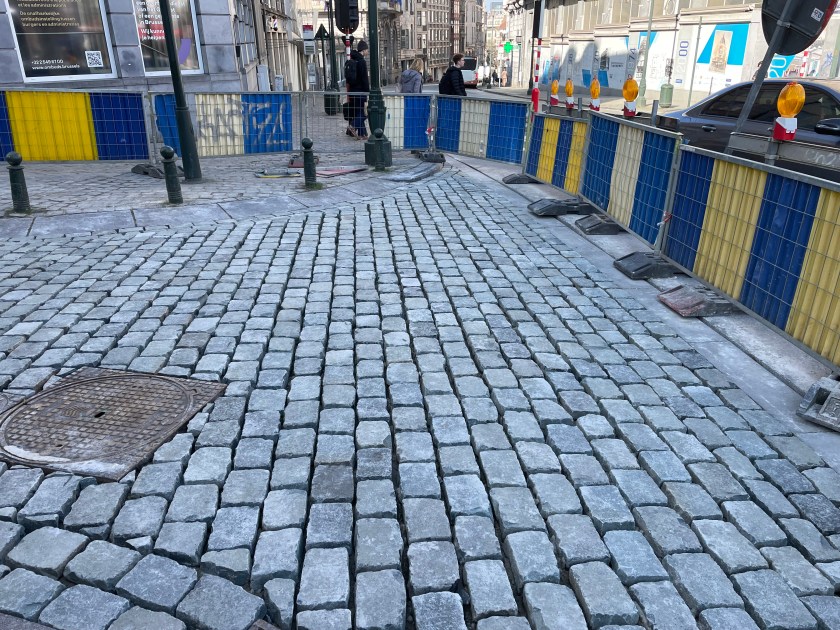
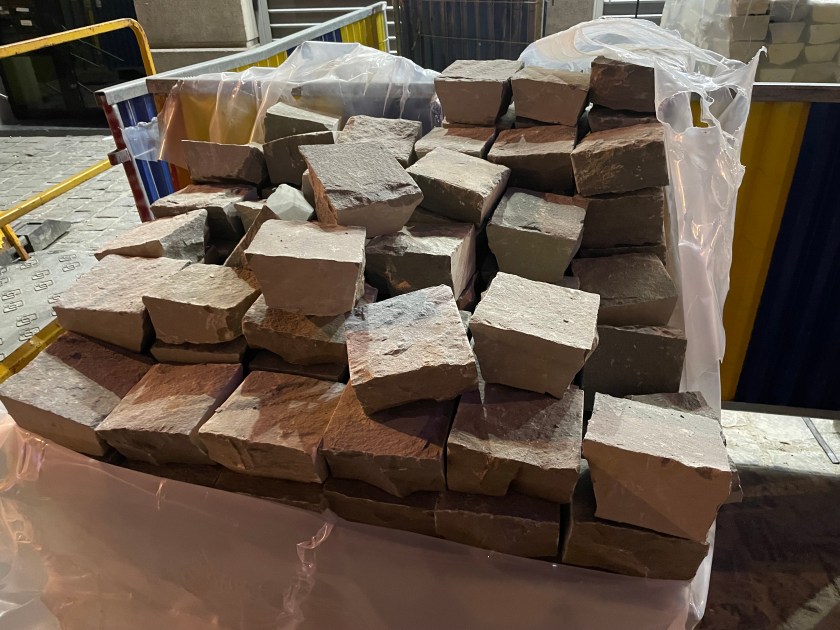
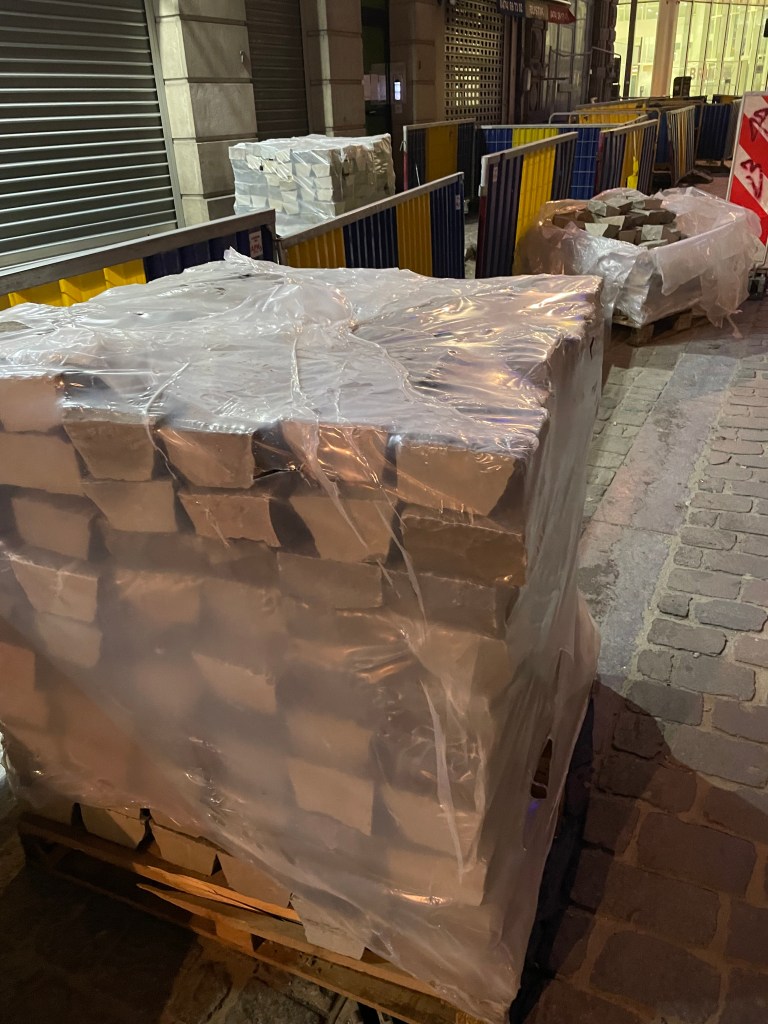
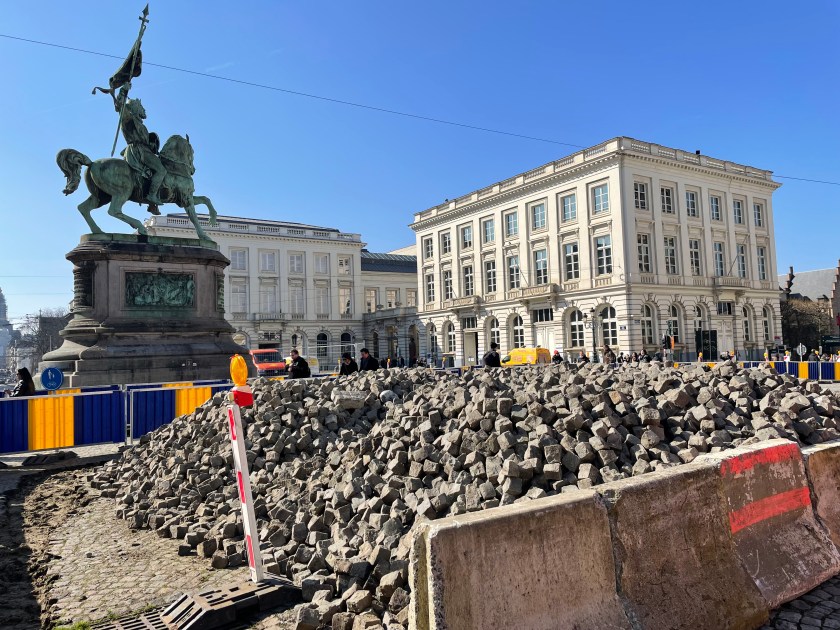
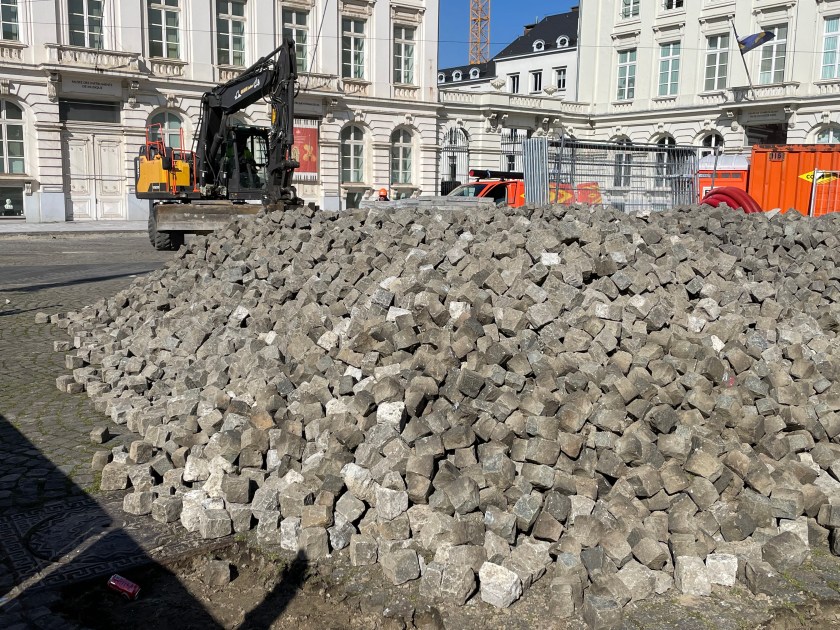
Belgium is preparing for a city-wide 200 year celebration in a few years.  They are beautifying the city.  It was interesting to see new cobblestone streets being laid down.

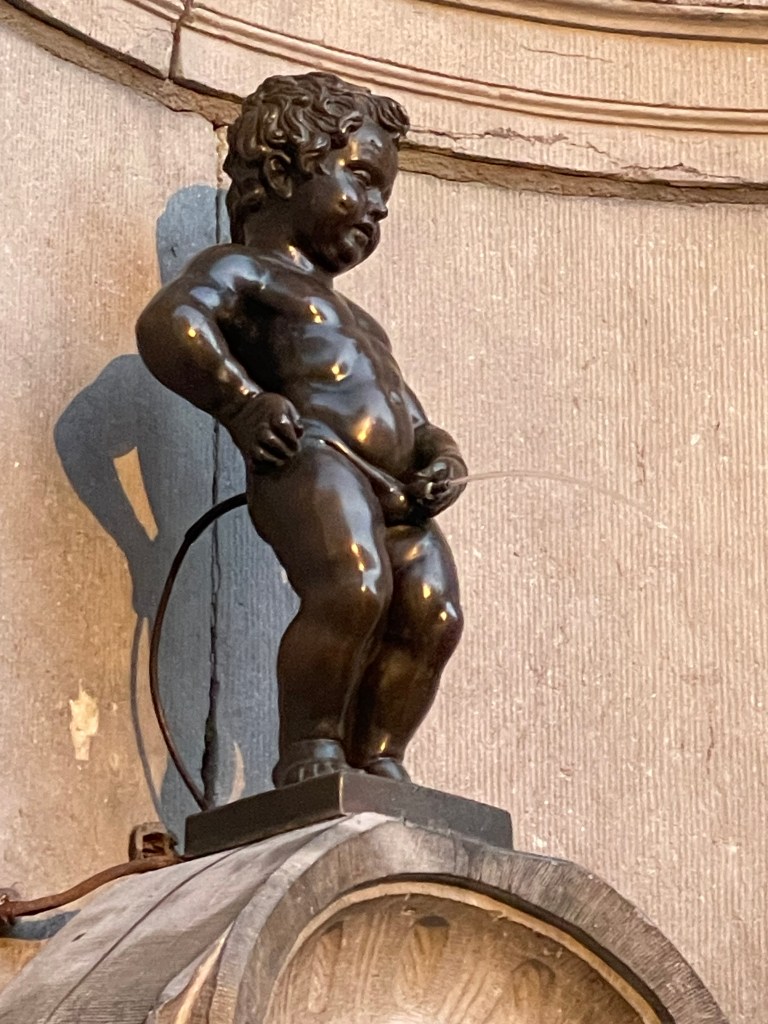
The Manneken Pis –The Little Pissing Man

From Wikipedia:

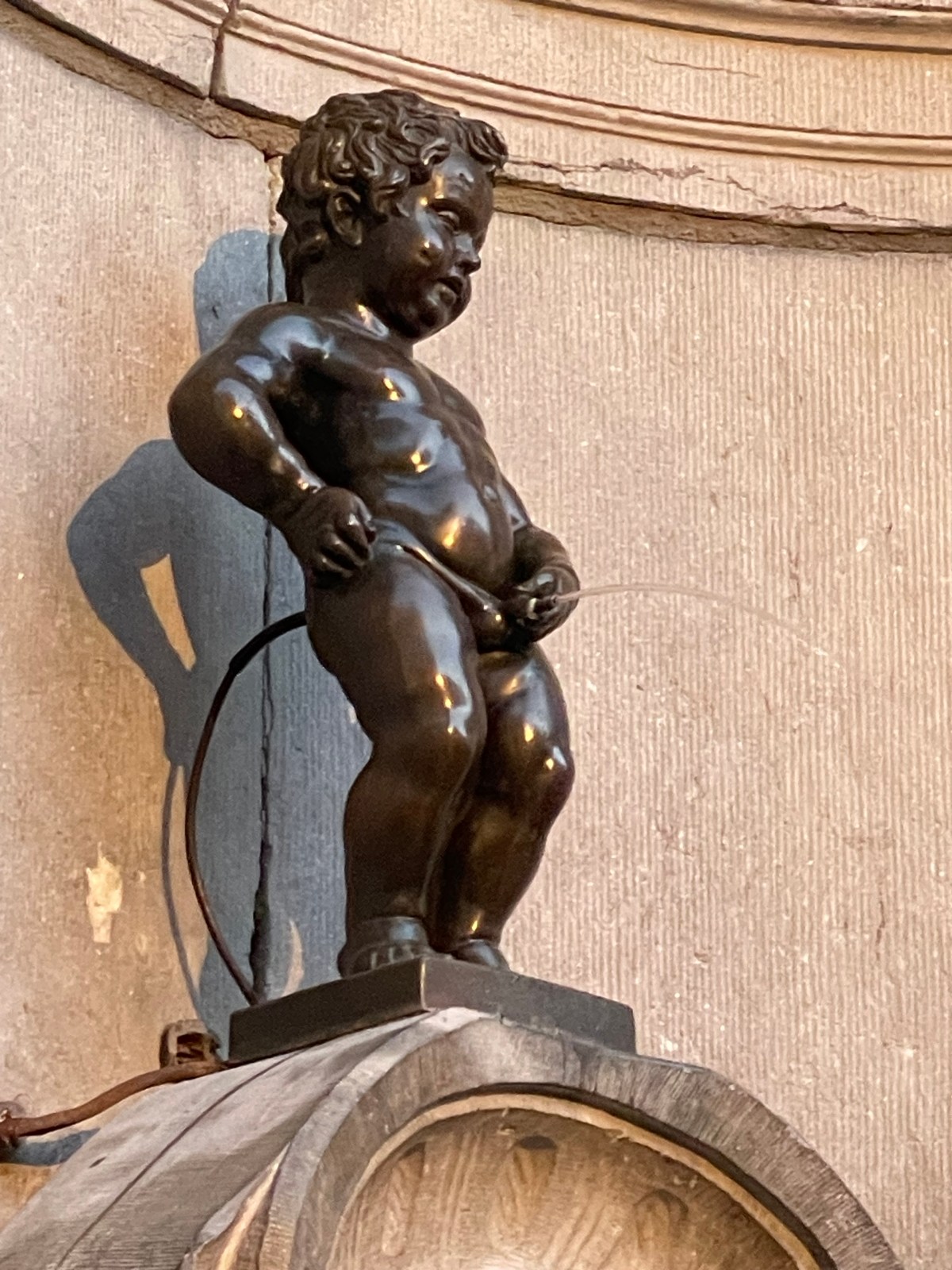
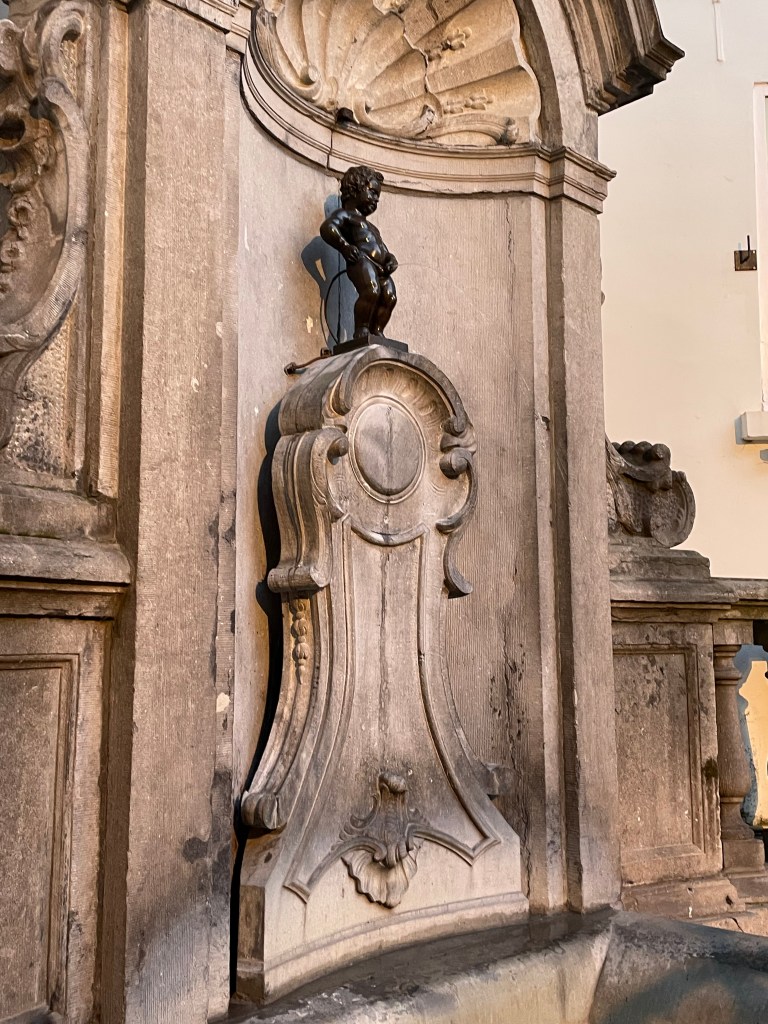
Manneken Pis, Dutch for ‘Little Pissing Man‘; is a bronze landmark fountain sculpture in central Brussels, depicting a naked little boy urinating into the fountain’s basin. Though its existence is attested as early as the mid-15th century, Manneken Pis was redesigned by the Brabantine sculptor Jérôme Duquesnoy the Elder and put in place in 1619. Its stone niche in rocaille style dates from 1770. The statue has been repeatedly stolen or damaged throughout its history. Since 1965, a replica has been displayed, with the original stored in the Brussels City Museum.

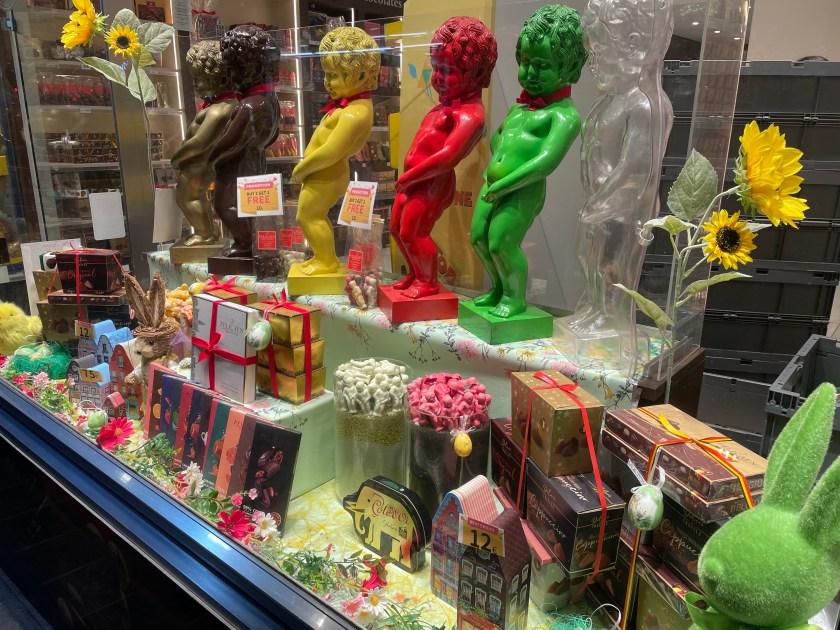
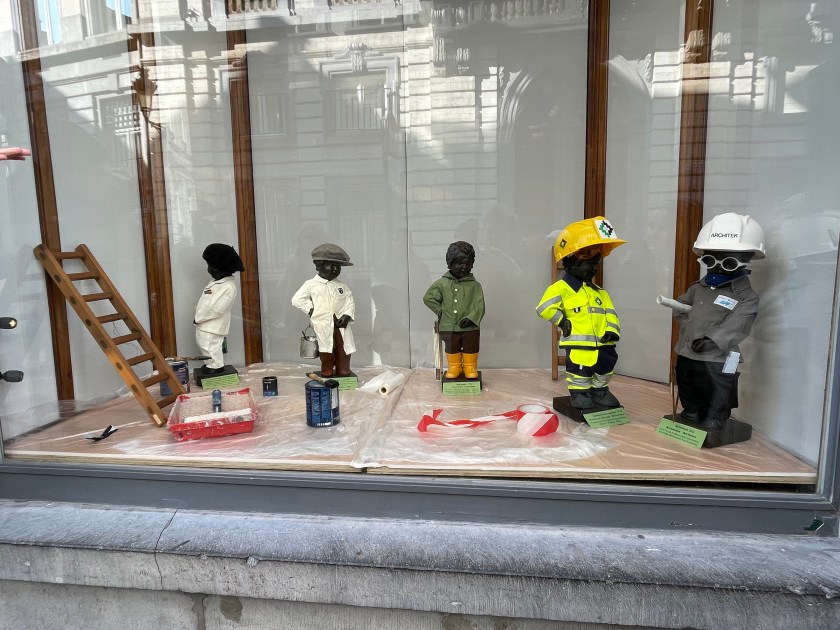
This little boy really gets around town!

There’s even a museum with all of the costumes he’s been dressed in through the years.