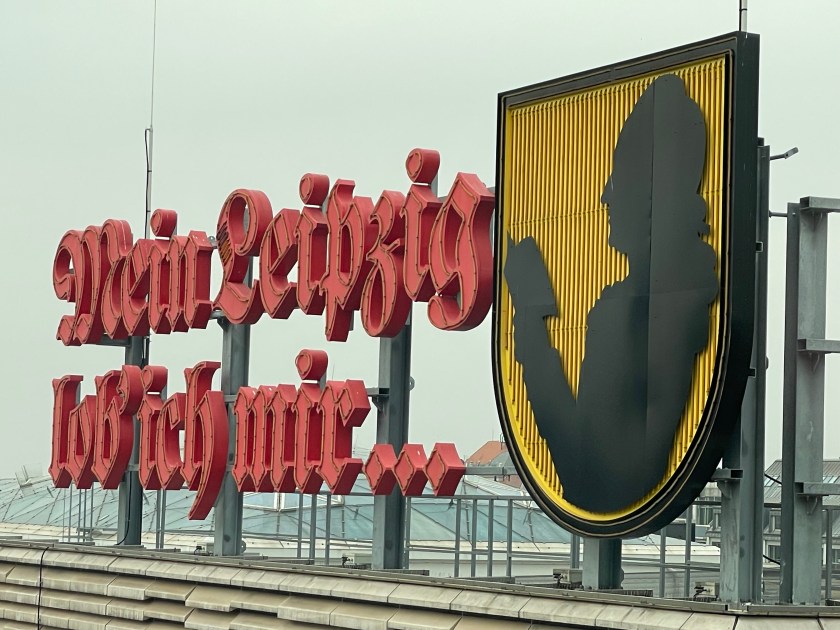
Leipzig, City of Composers

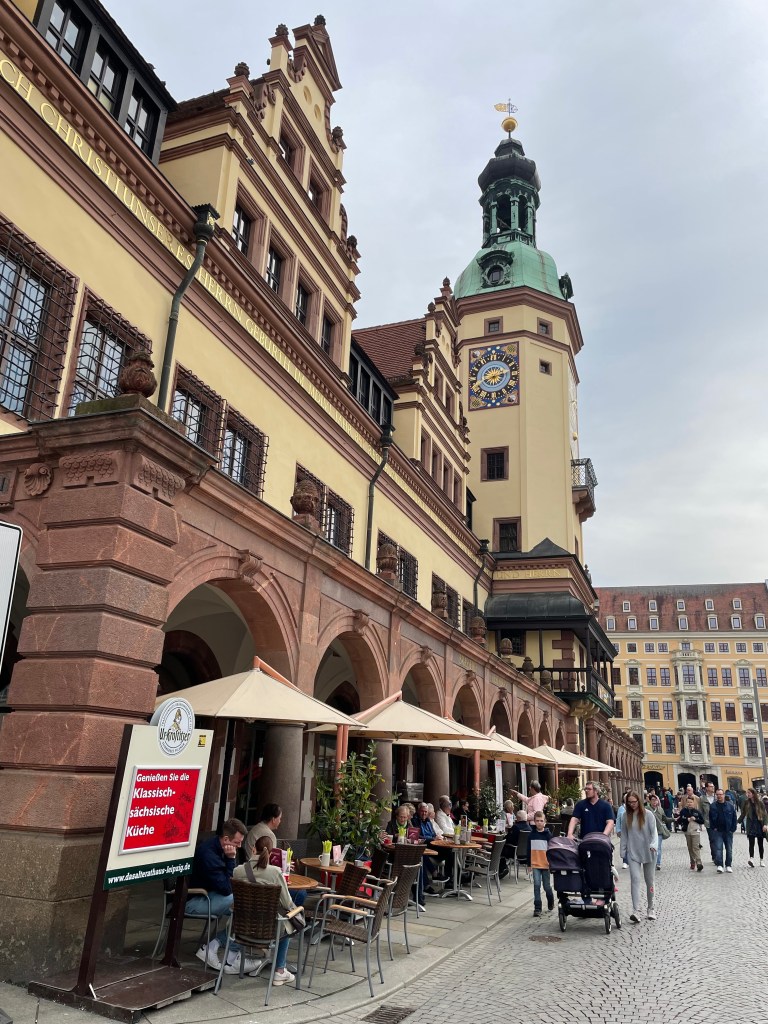
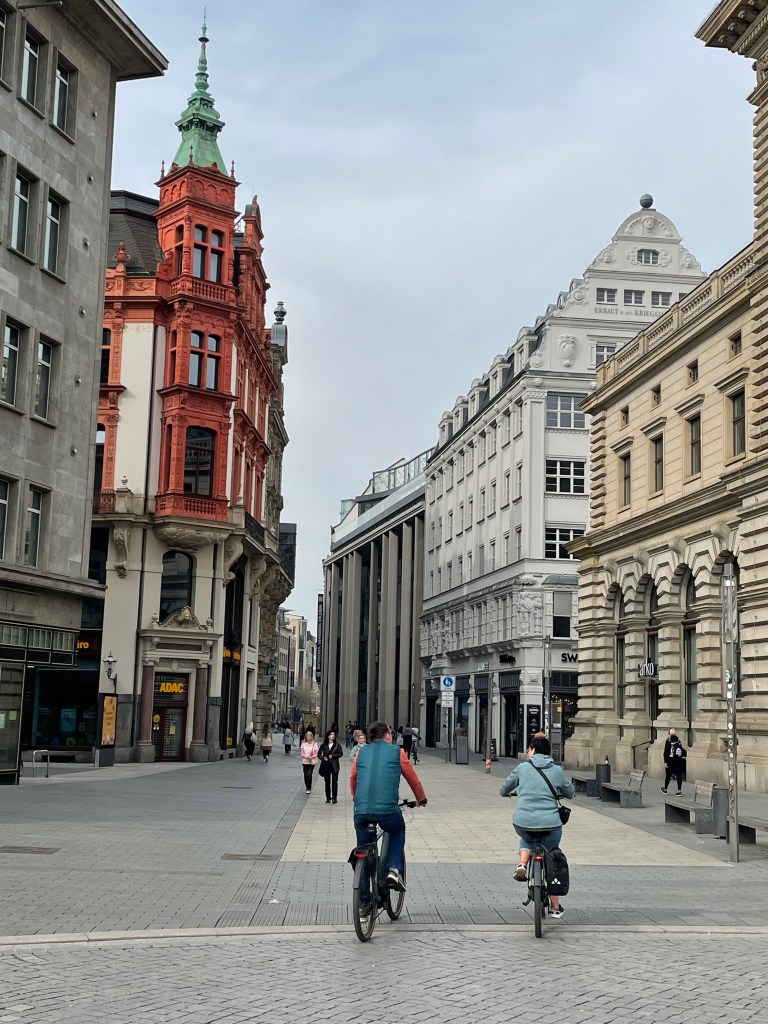
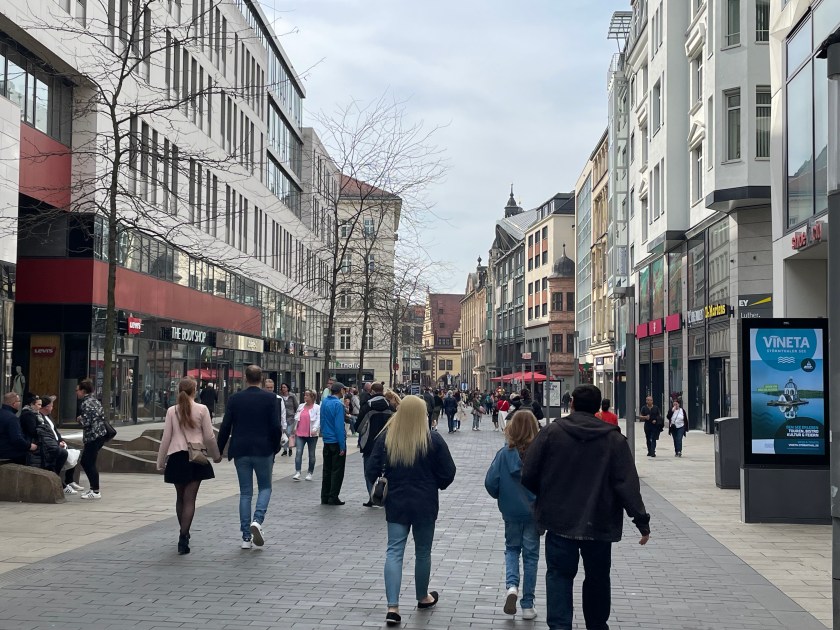
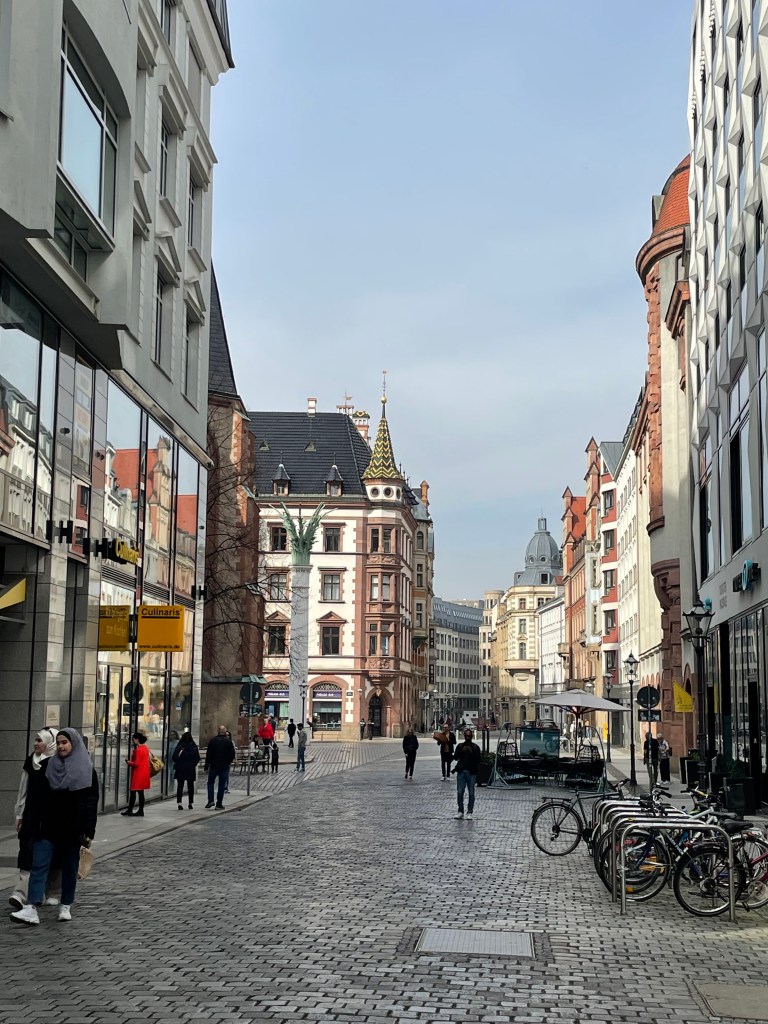
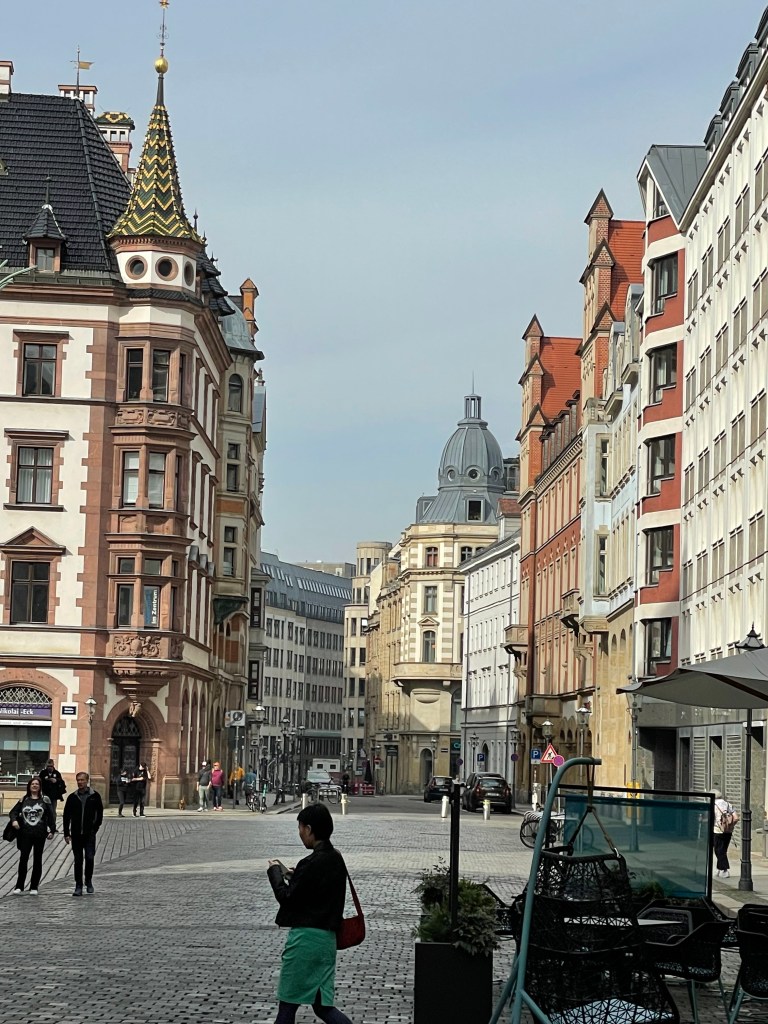
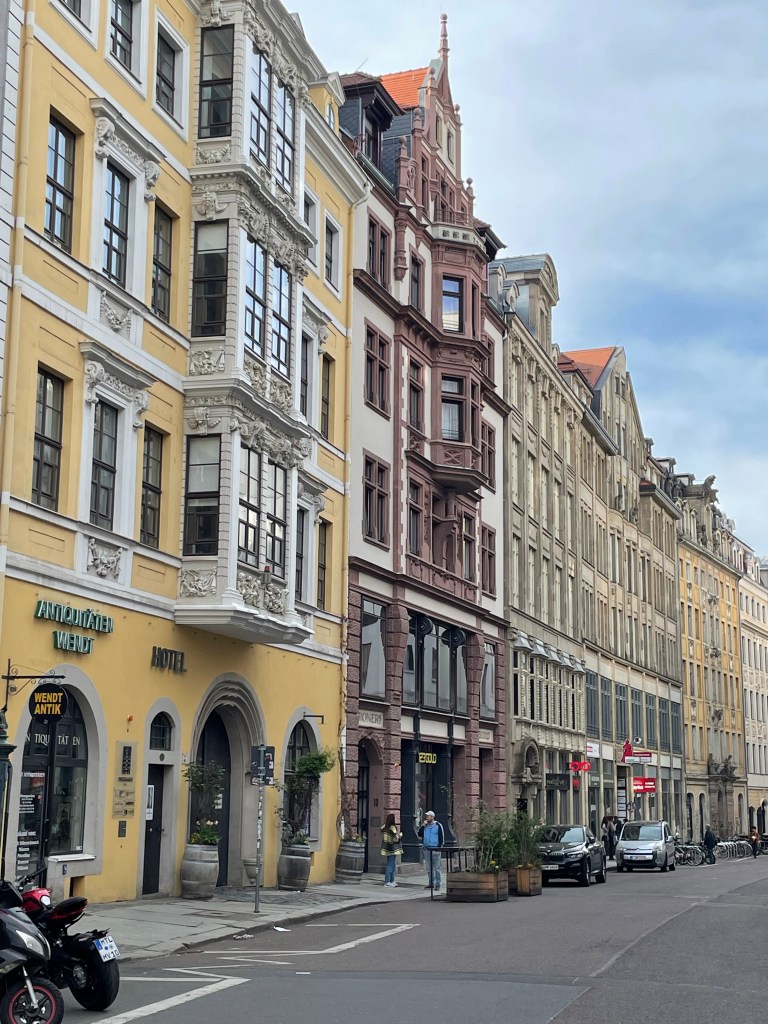
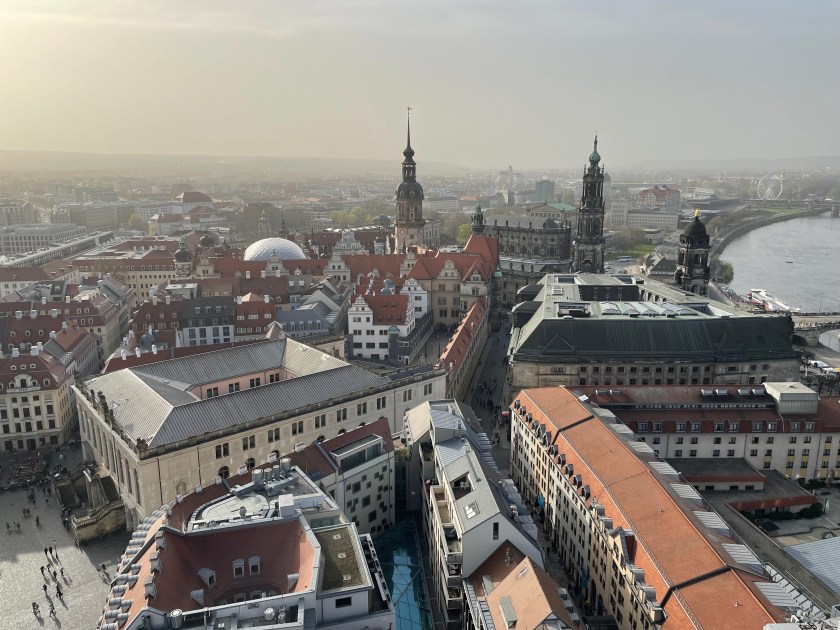
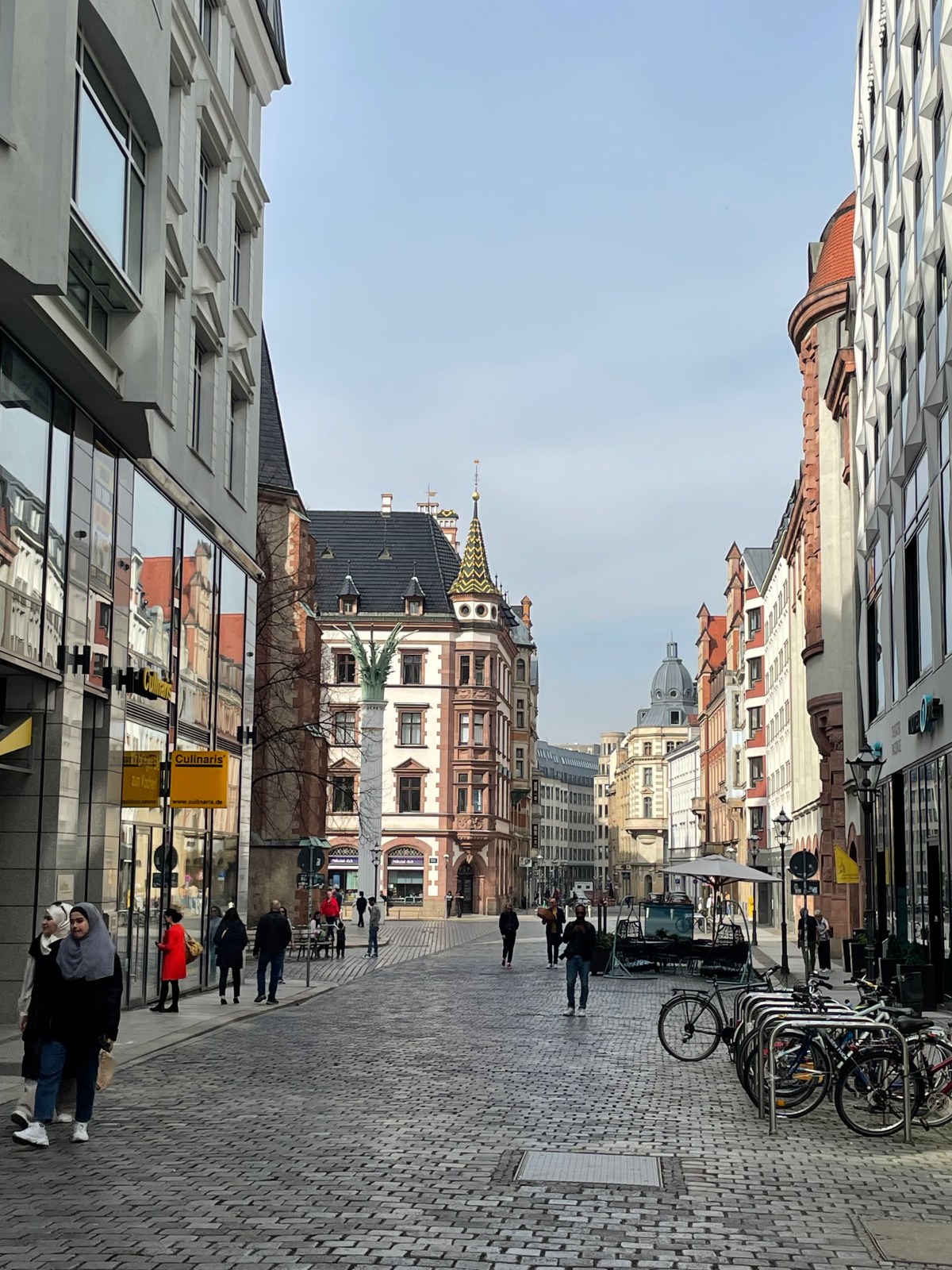
On this Easter Sunday, after church we drove from Dresden to Leipzig, about 45 minutes away.  We checked in to our hotel, then went out exploring.  We had a map of the older part of town, now mixed with new. Leipzig is bigger than Dresden, with about 700,000 people. We spent the afternoon wandering and feeling this city where many composers once lived and performed.

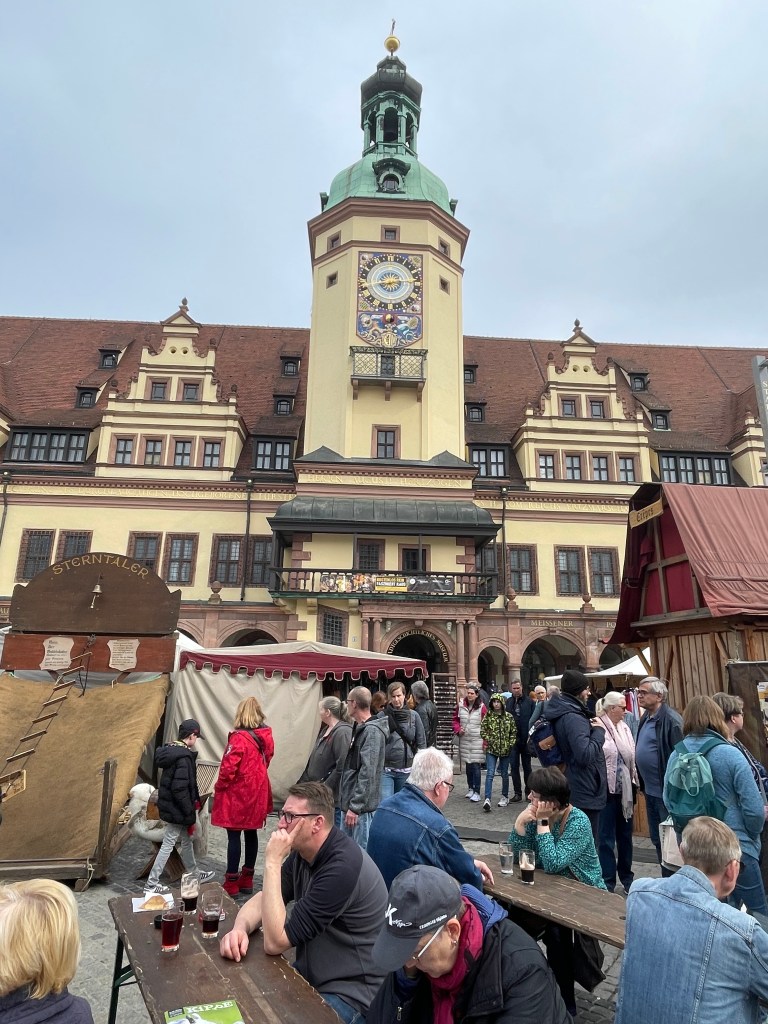
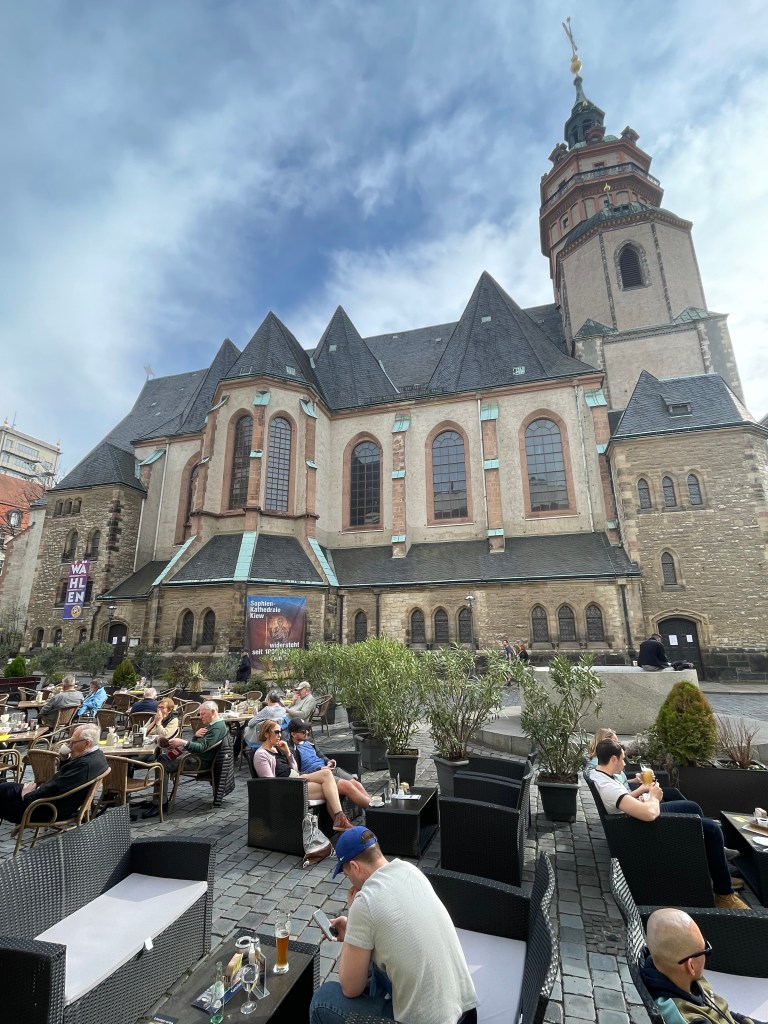
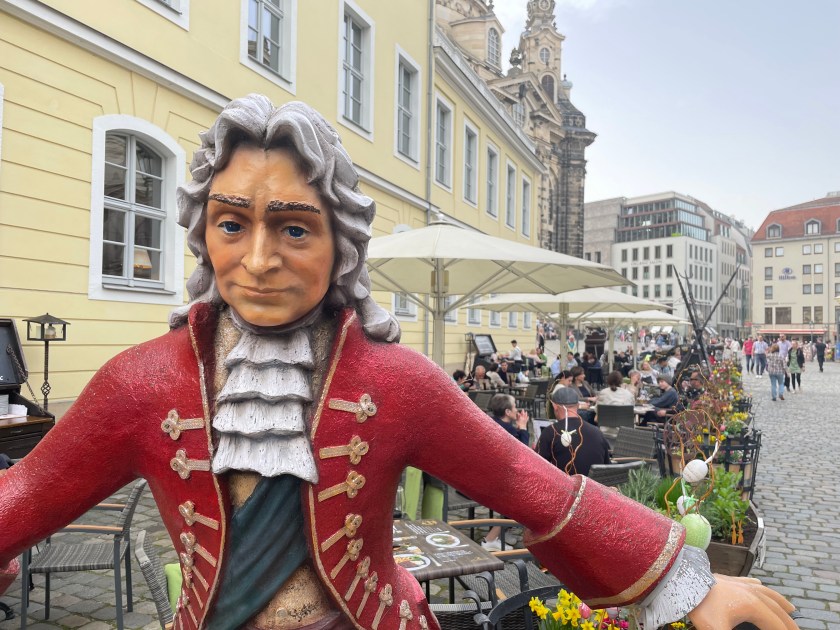
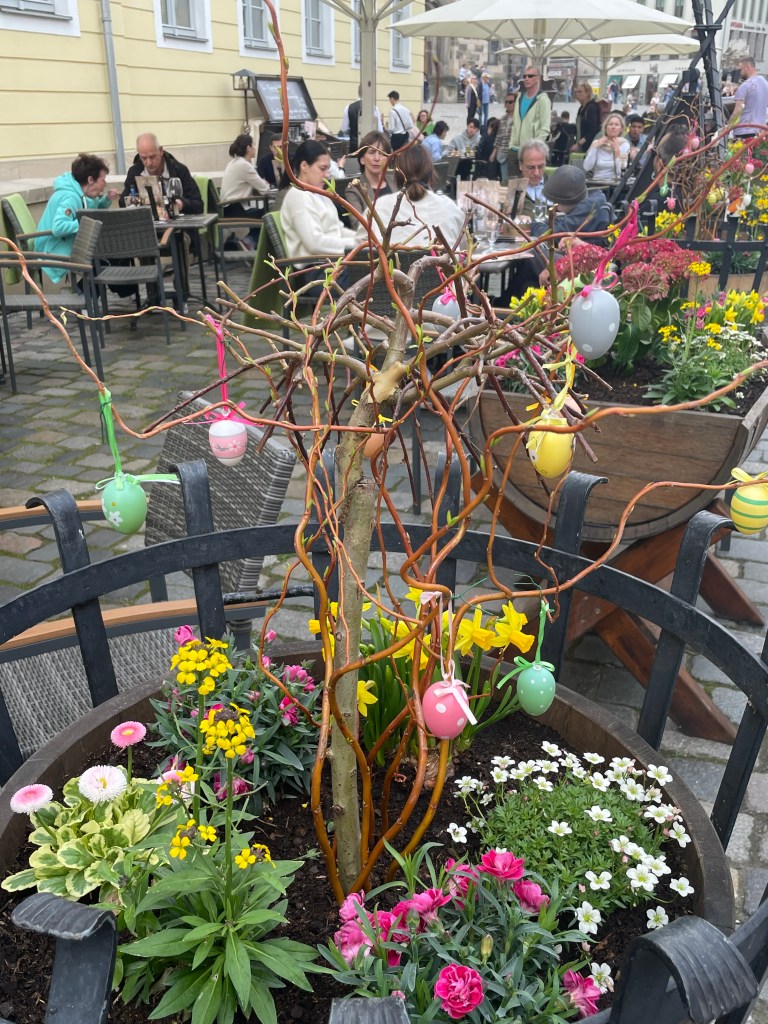
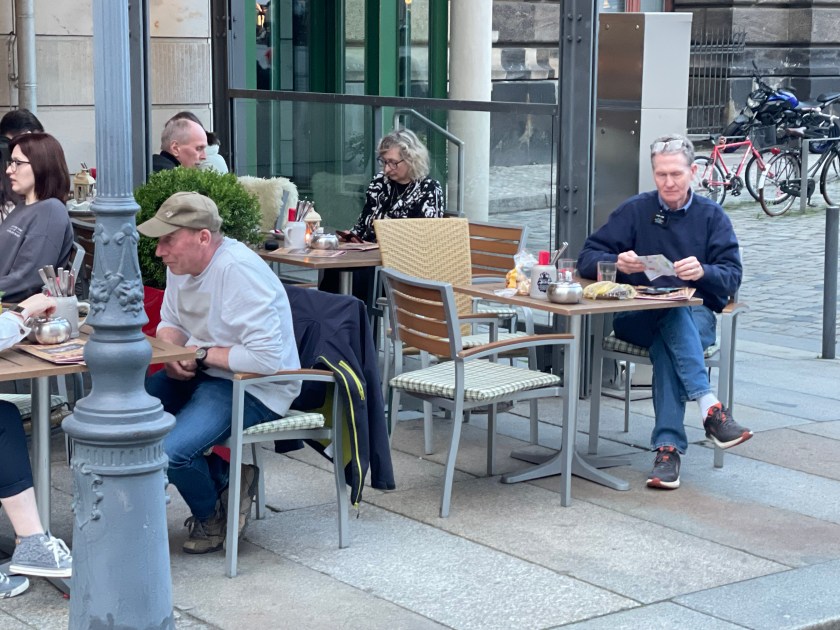
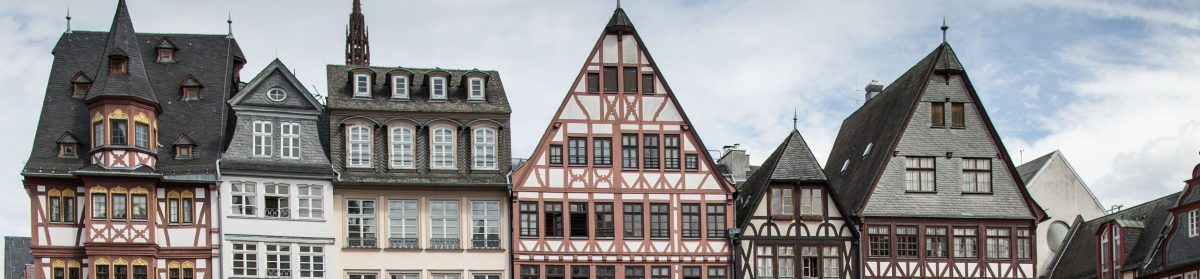
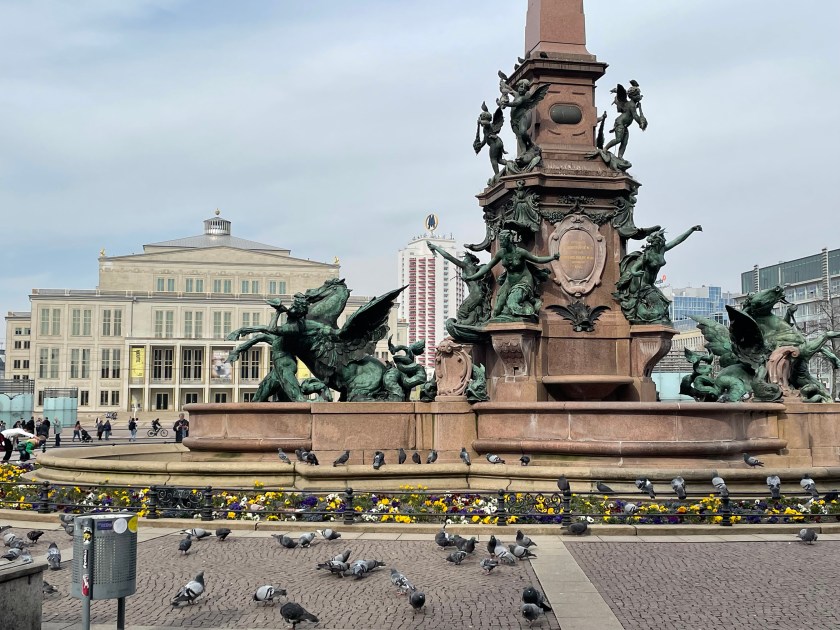
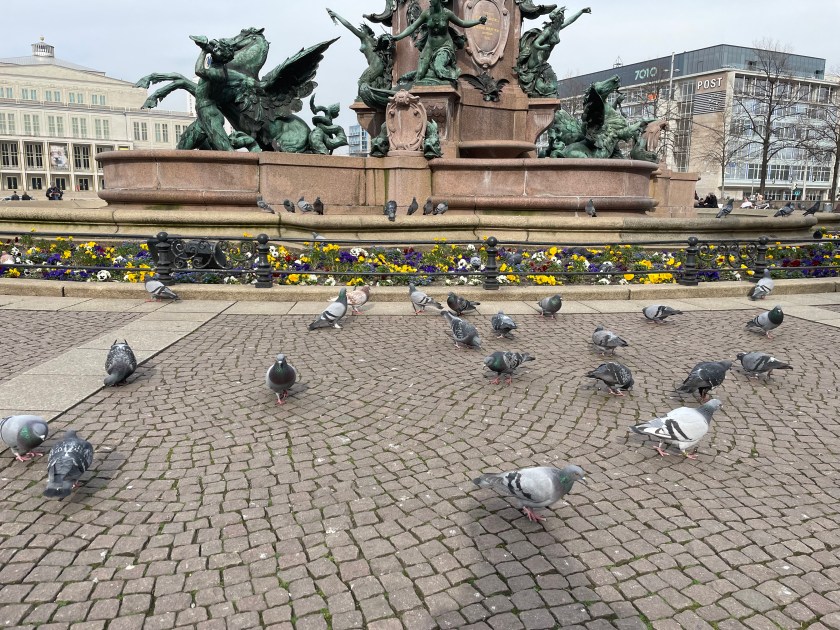
These eastern German cities aren’t as colorful as cities in the south.  They feel more plain and practical.  We discovered there was an Easter Market going on in the main plaza this weekend, so lots of local were out and about, enjoying some sun and lots of beer.

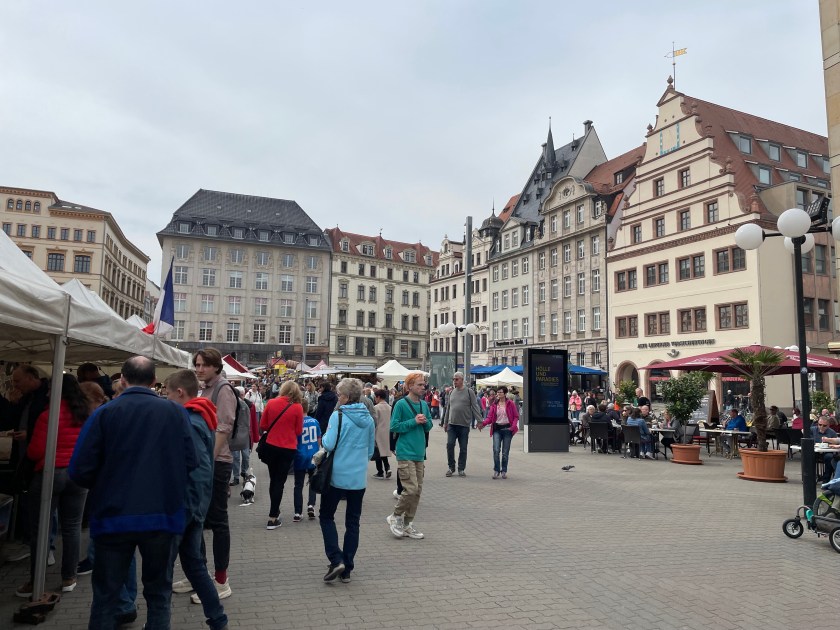
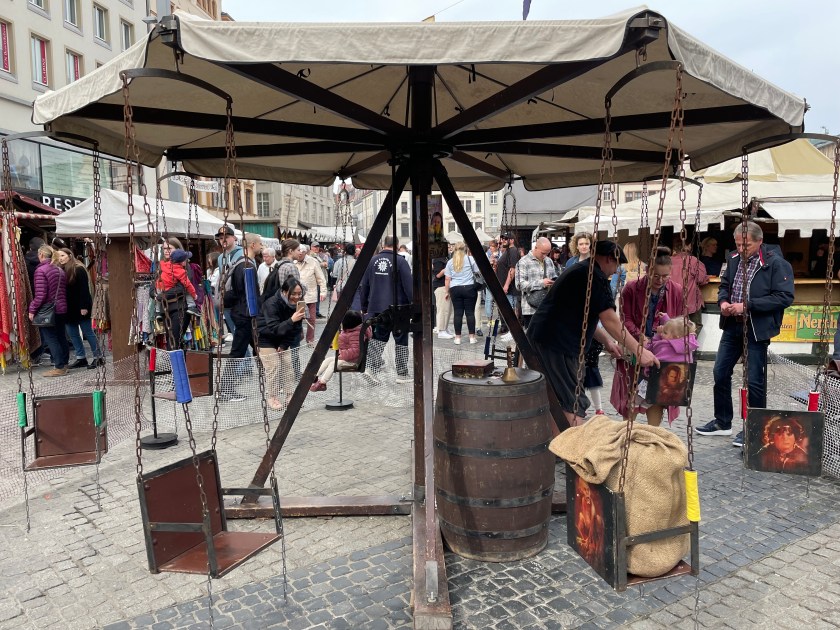
The Easter Fest had a Medieval feel to it, quite old world.  That was fun.
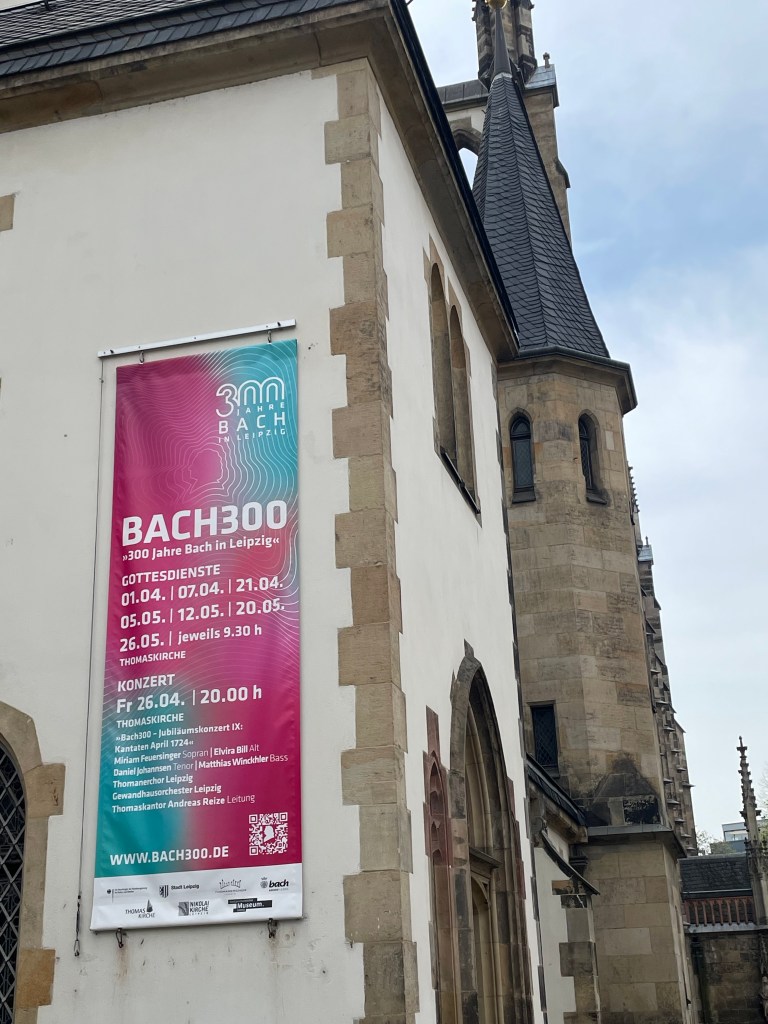
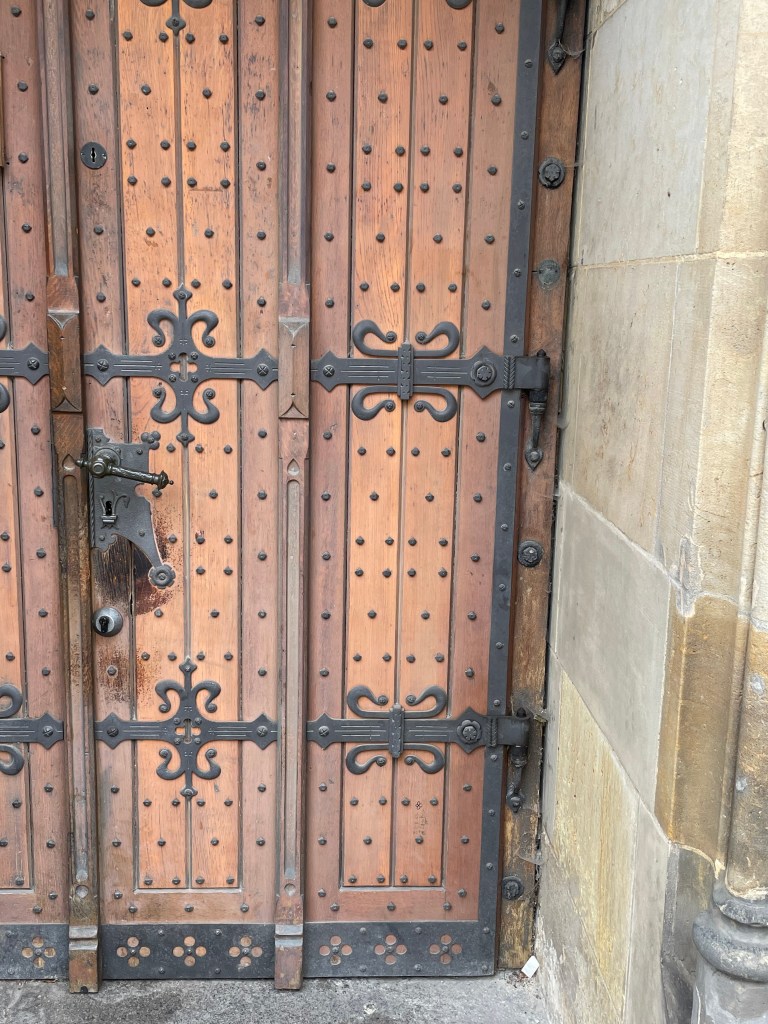
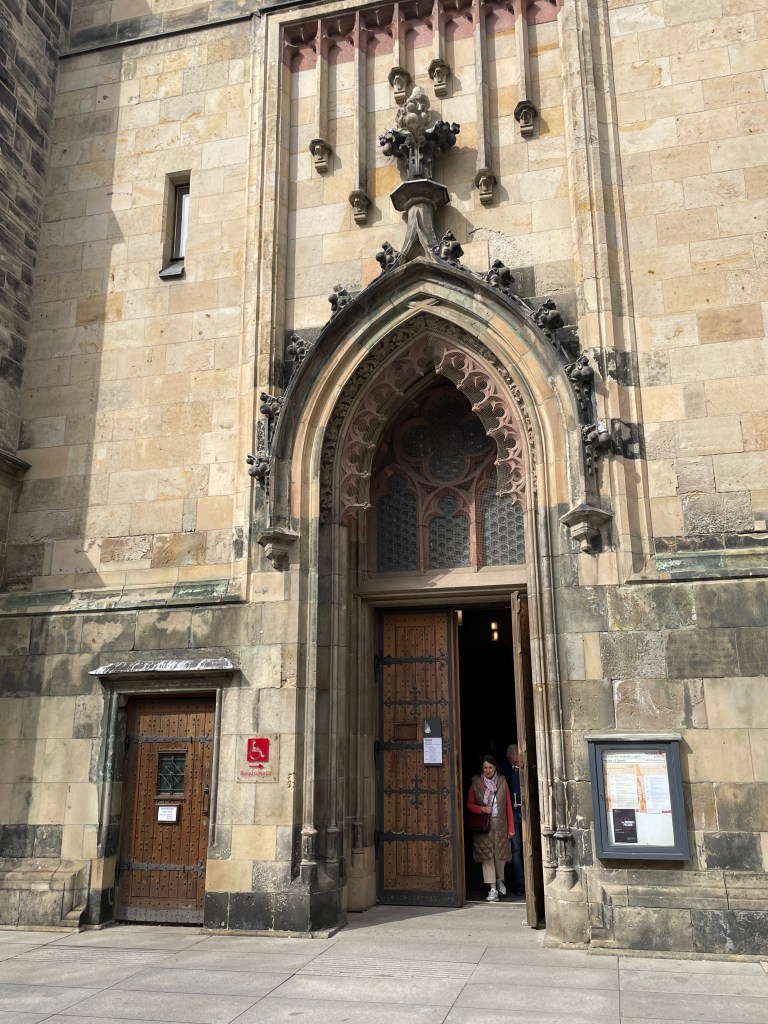
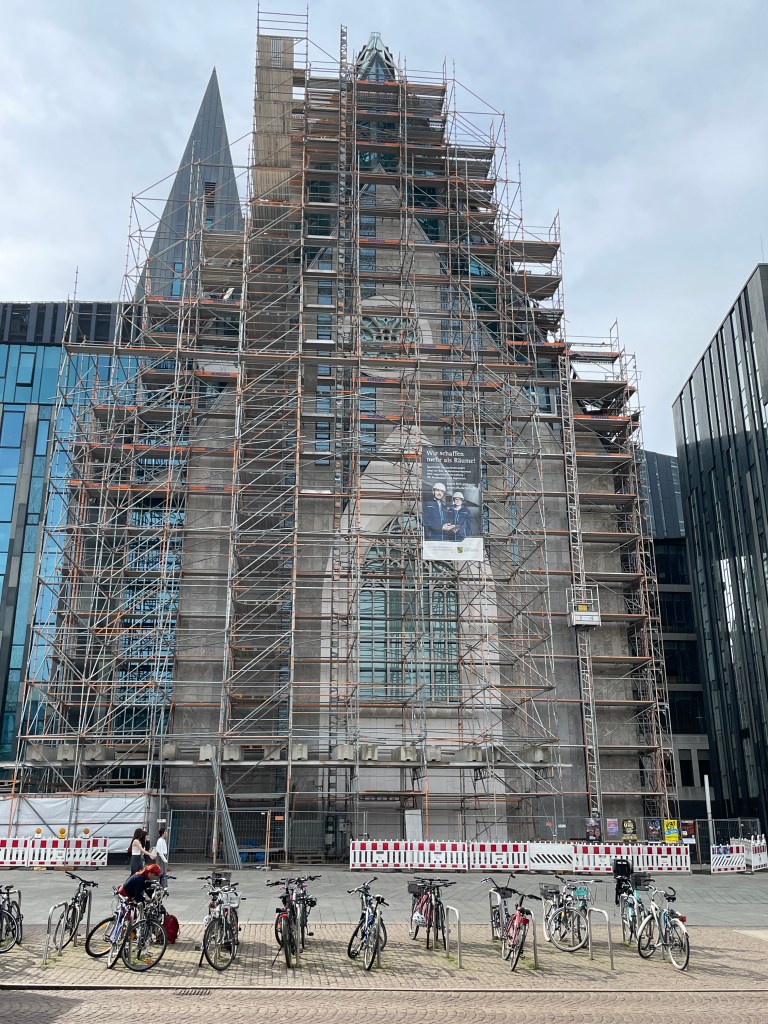
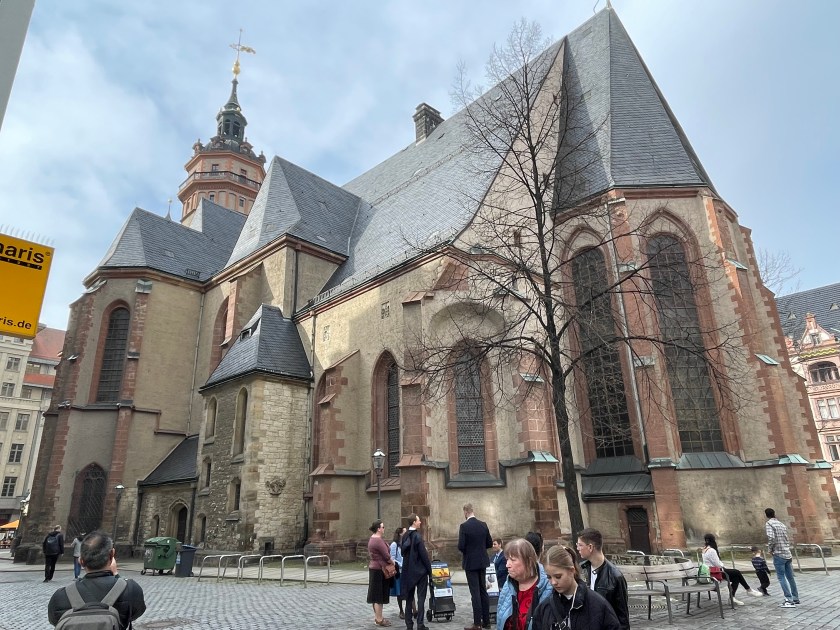
Here is the St. Thomas Kirche where Johann Sebastian Bach and his family worshipped and where he performed.  I’ll take you inside in the next post.  It was probably the highlight of Leipzig for us.


Leipzig has long been a major centre for music. The Thomanerchor (English: St. Thomas Choir of Leipzig), a boys’ choir, was founded in 1212. The Leipzig Gewandhaus Orchestra, established in 1743, is one of the oldest symphony orchestras in the world. Several well-known composers lived and worked in Leipzig, including Johann Sebastian Bach (1723 to 1750) and Felix Mendelssohn Bartholdy (1835 to 1847). The University of Music and Theatre “Felix Mendelssohn Bartholdy” was founded in 1843. The Oper Leipzig, one of the most prominent opera houses in Germany, was founded in 1868. During a stay in Gohlis, which is now part of the city, Friedrich Schiller wrote his poem “Ode to Joy.
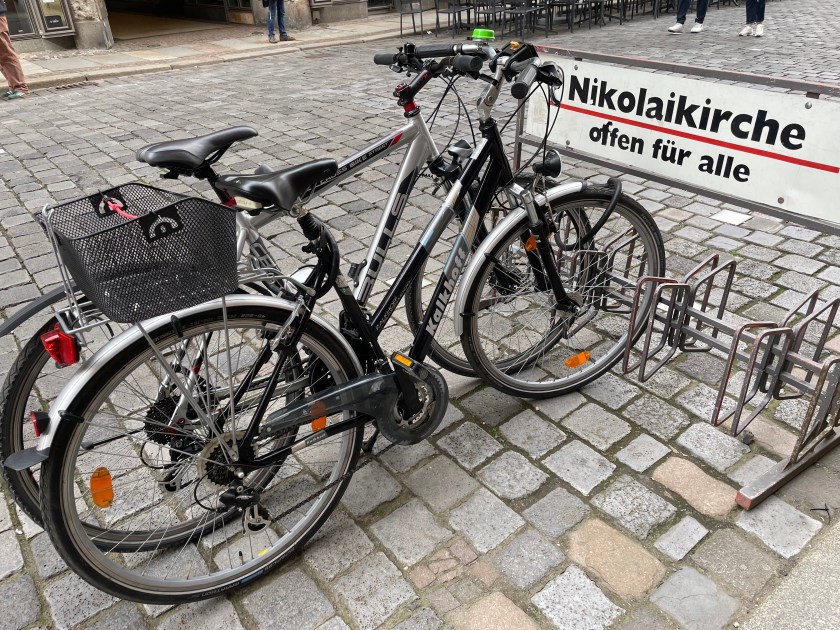
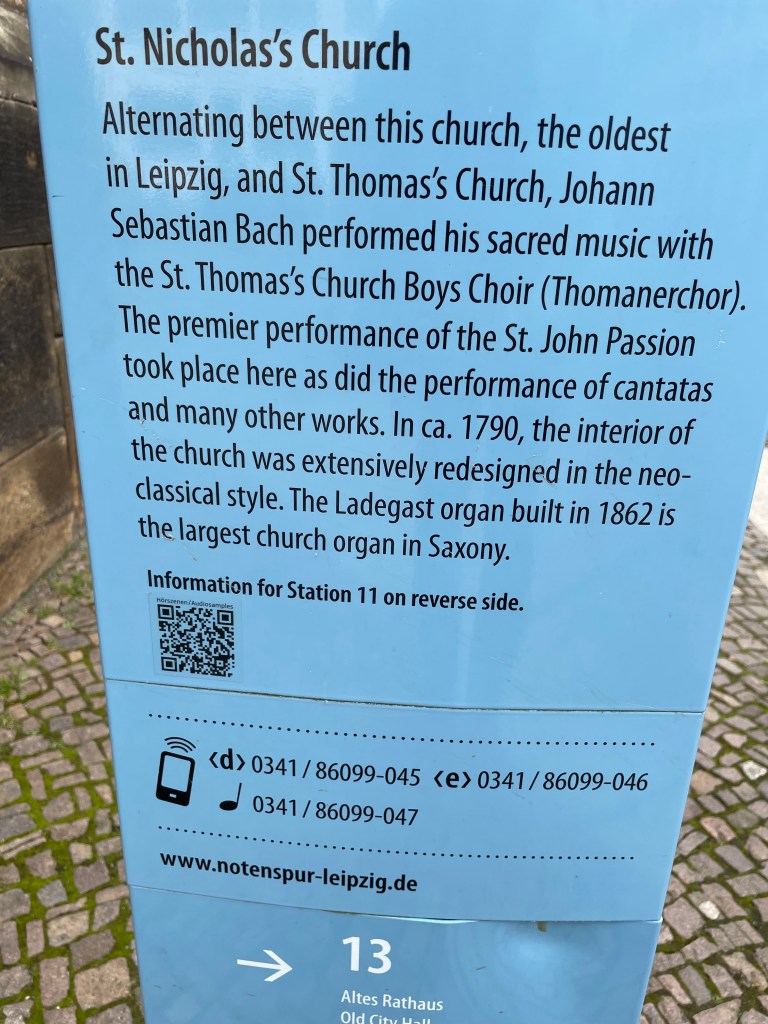
This is the St Nikolai church that was only open this morning, so we missed going inside. Bach also played and performed here. When Bach died at the Johann Hospital he was buried at the St. Nikolai church. When it burned down some years later, they identified and took Bach’s bones in a wagon/wheelbarrow to the St. Thomas Kirche to be buried there. Now they’re in a crypt inside the St. Thomas Kirche (under the floor in the choir section.
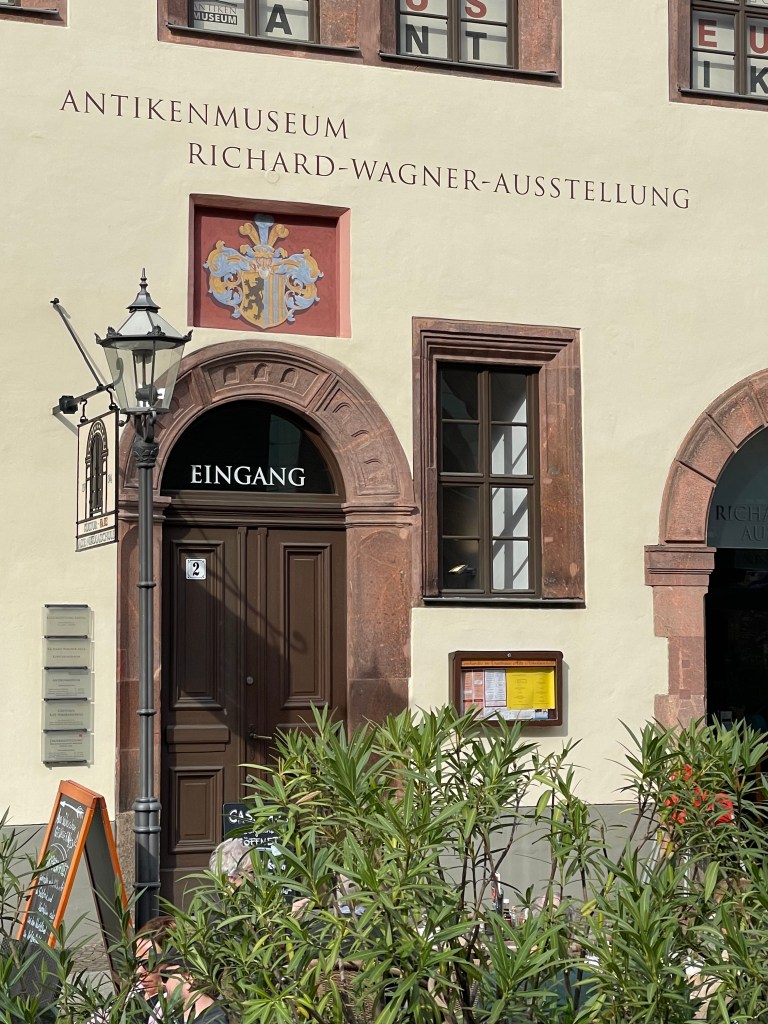
Richard Wagner was also born in Leipzig.
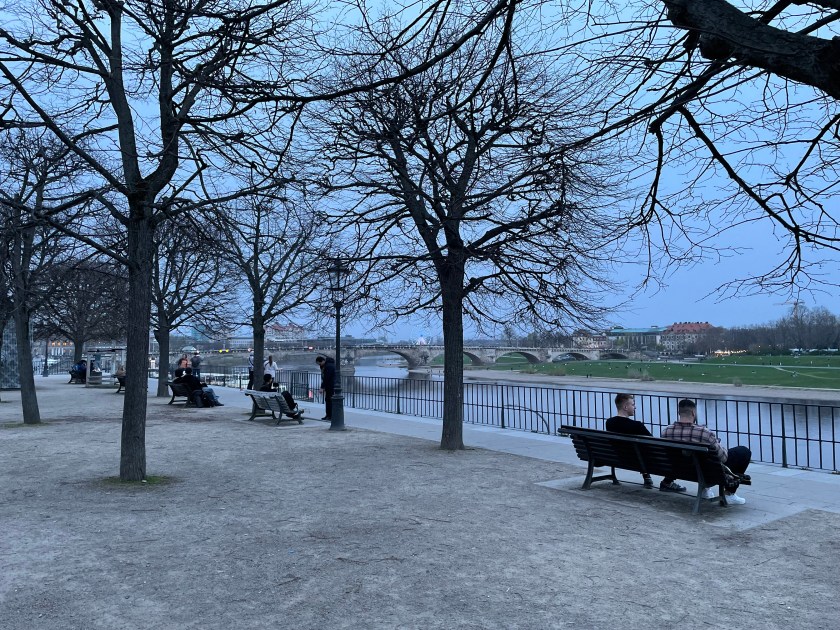
Tomorrow we’ll explore the Easter Market a bit more.  Today we just wandered the streets and enjoyed a peaceful Easter afternoon.
Easter Sunday in Dresden

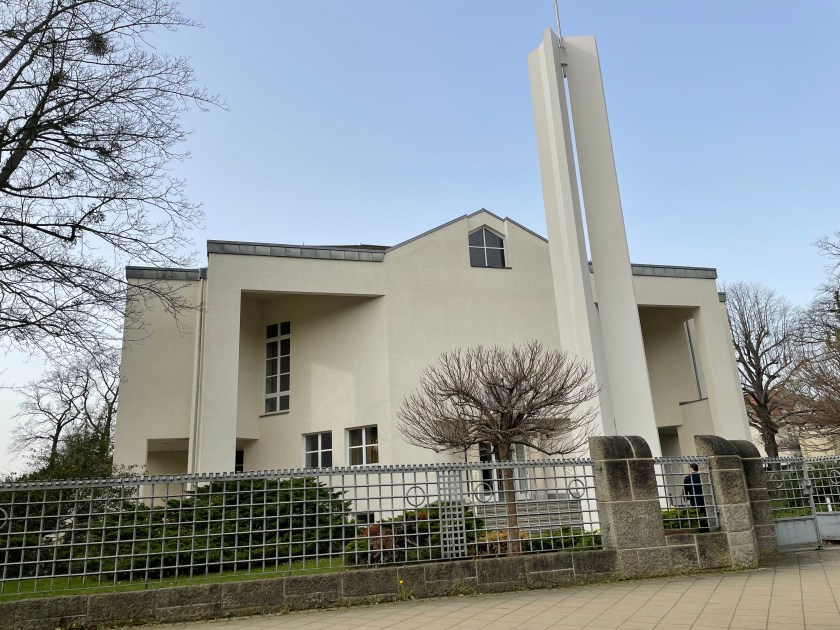
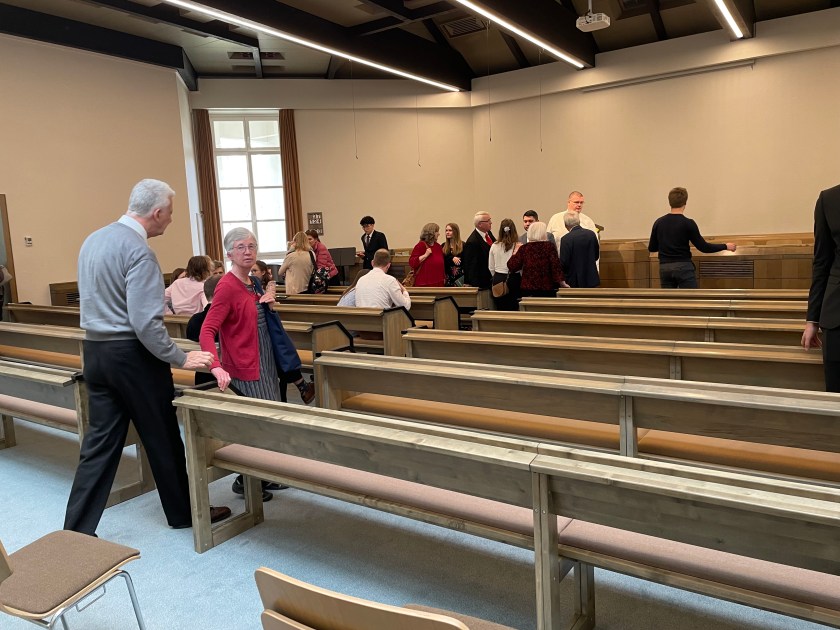
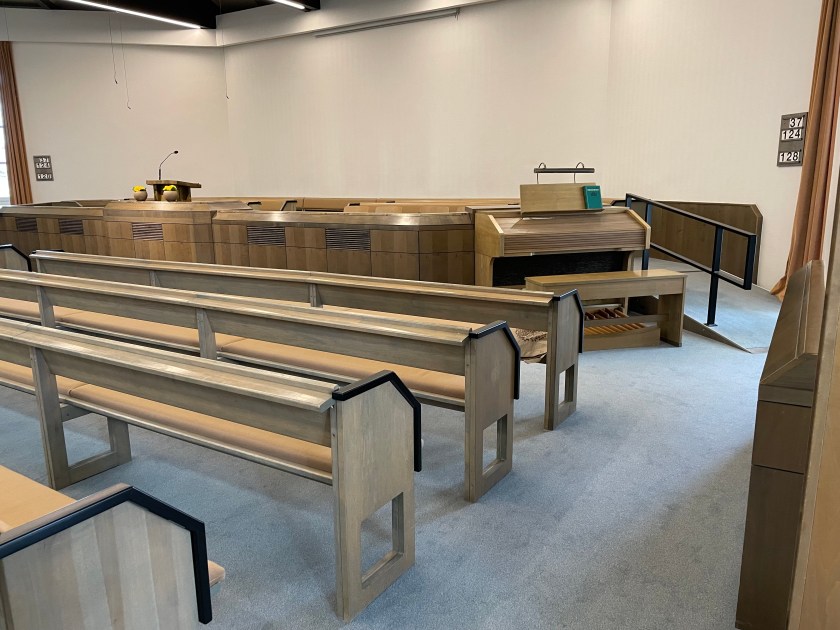
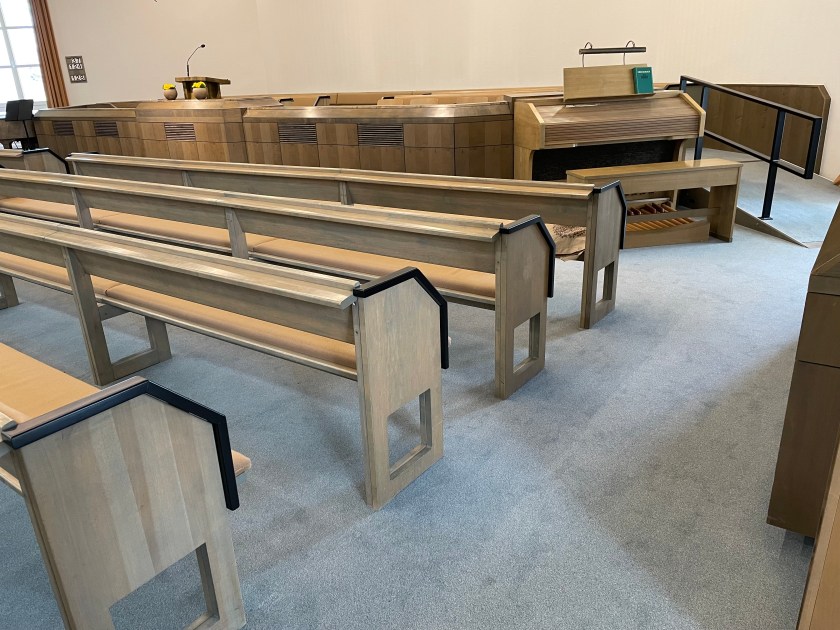
We drove to the Stake Center in Dresden this morning.  It’s in a nice neighborhood near the Dresden Zoo. The homes there were big and stately, like mansions. The chapel was full when we arrived–full all the way to the back of the gym. We learned they were having a Young Single Adult  Conference here this weekend with 160-170 youth.

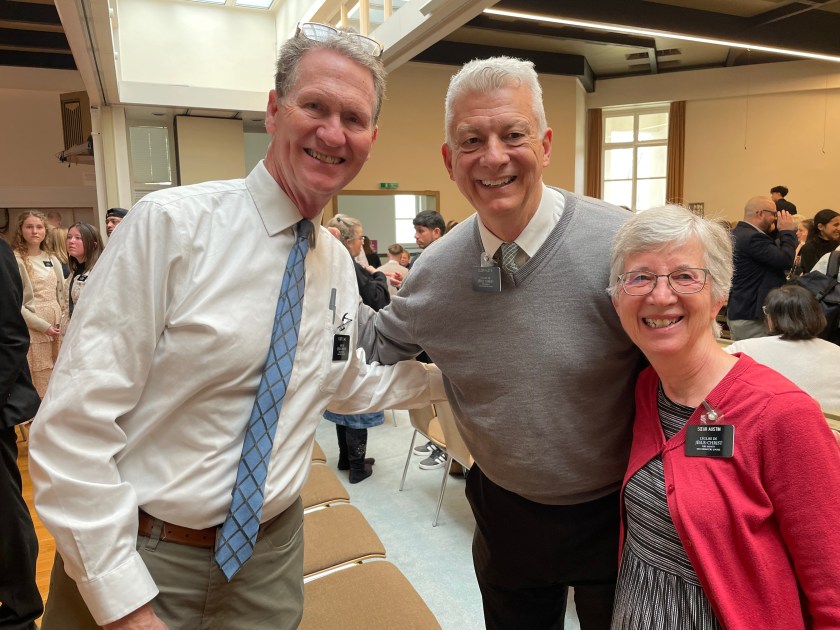
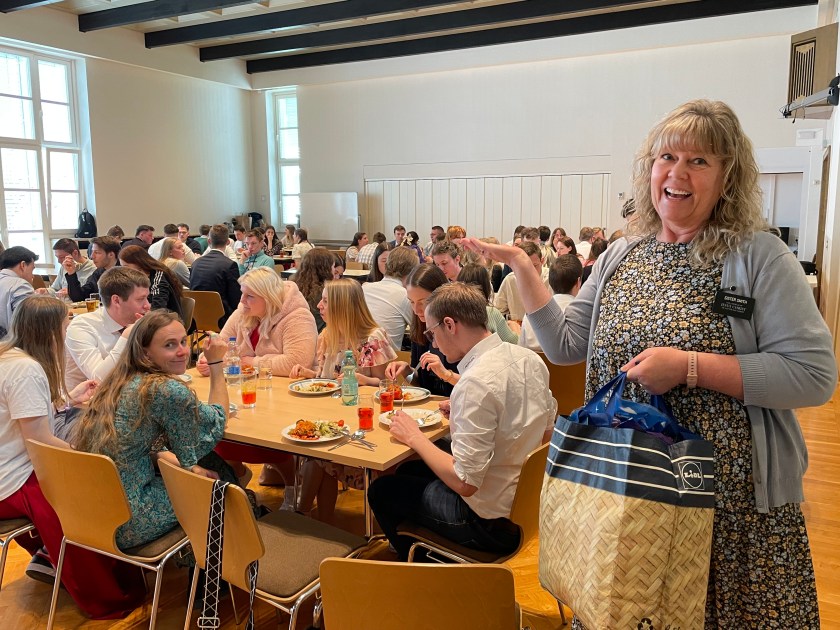
We found Elder & Sis Smith, our Area YSA couple, in the mix, doing their thing. They really do a great job. We also found the Austins, serving in Paris as YSA missionaries in the Area. He was at BYU with John, and was over the International Folk Dancers for many years. We had a fun visit after a very nice Sacrament meeting.  Two of our Offenbach YSA were here. It was fun to see so many happy kids. After the meeting, the YSA enjoyed a prepared lunch in the cultural hall.  Then we said our goodbyes and drove out of town, heading to Leipzig.

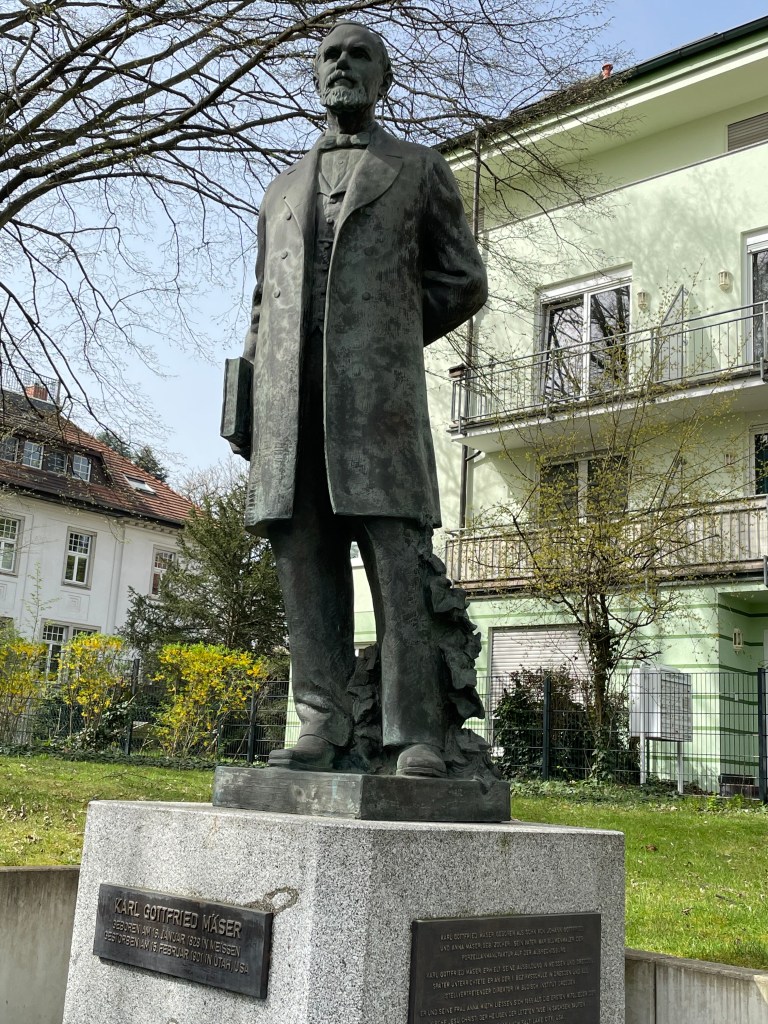
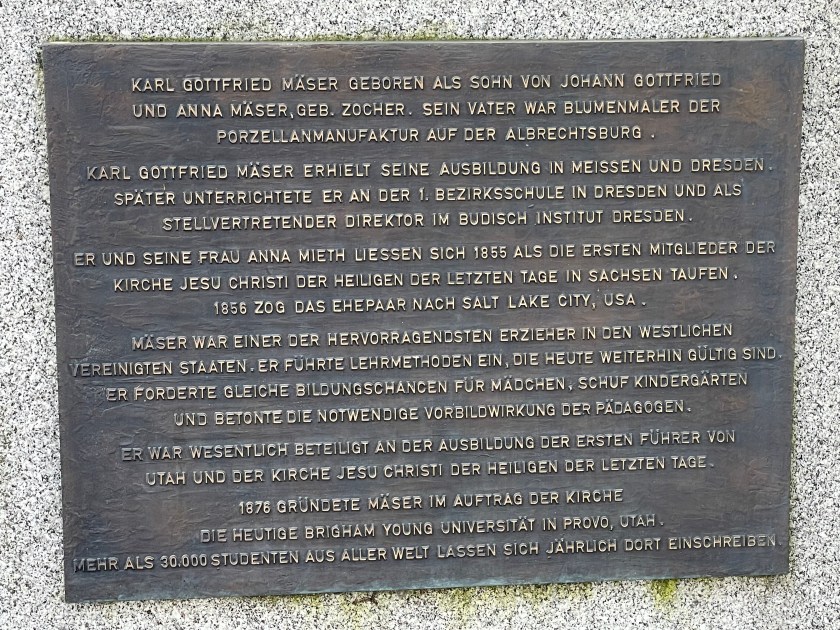
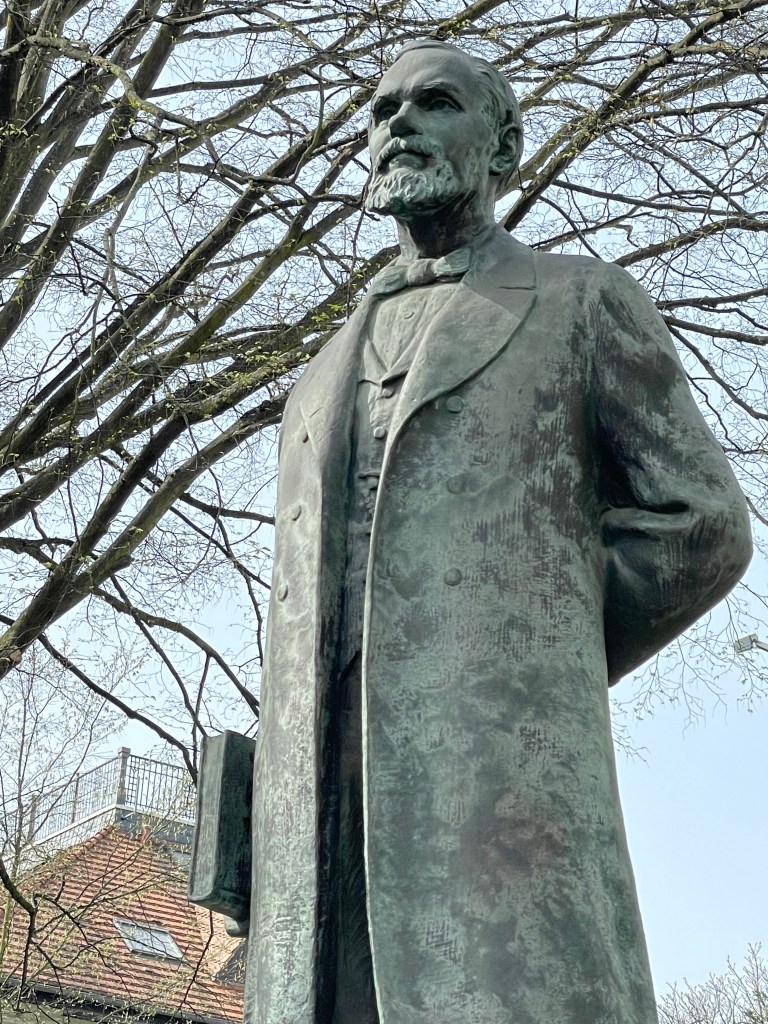
Behind the church building in the parking area, there is a memorial to Karl G. Maeser, who was born in Meissen, a neighboring town.  He emigrated to America, and to Utah, where he became the first principal of Brigham Young Academy, which later became Brigham Young University.

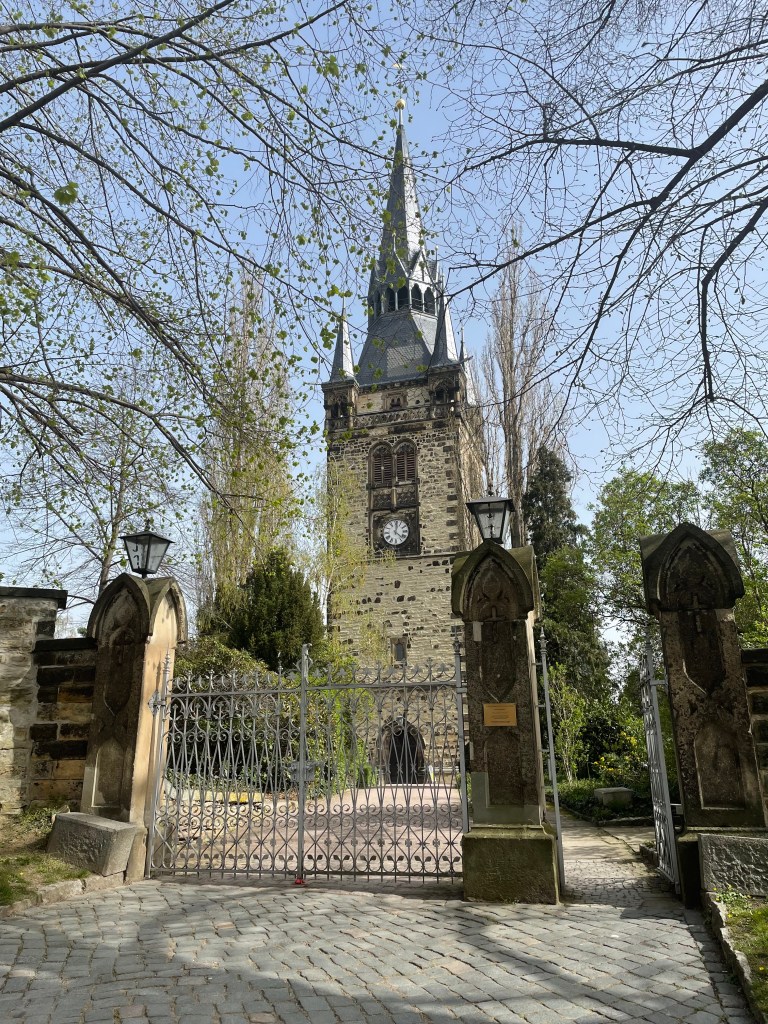
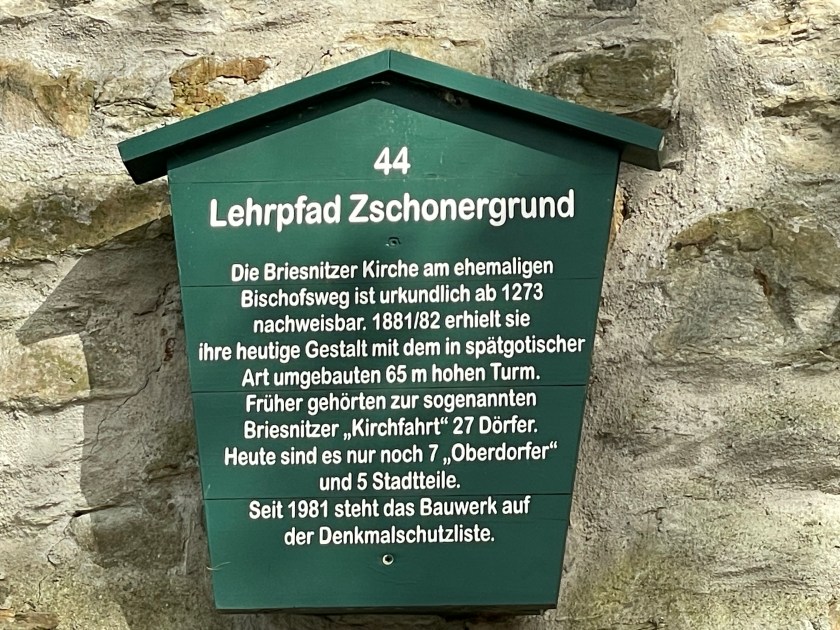
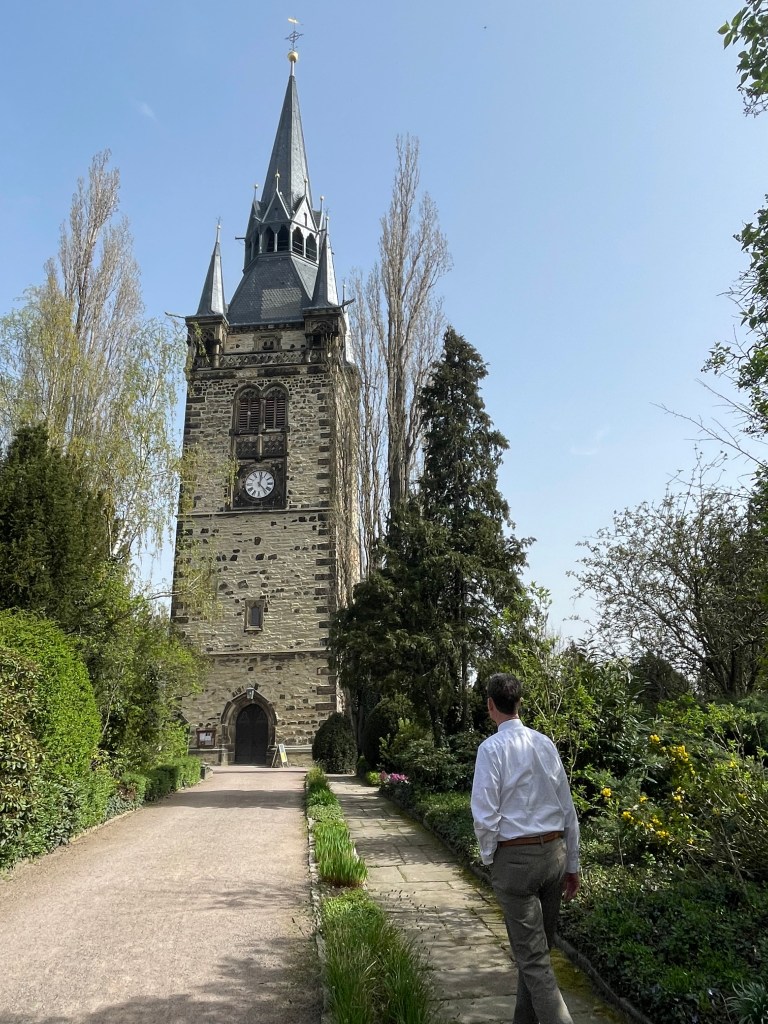
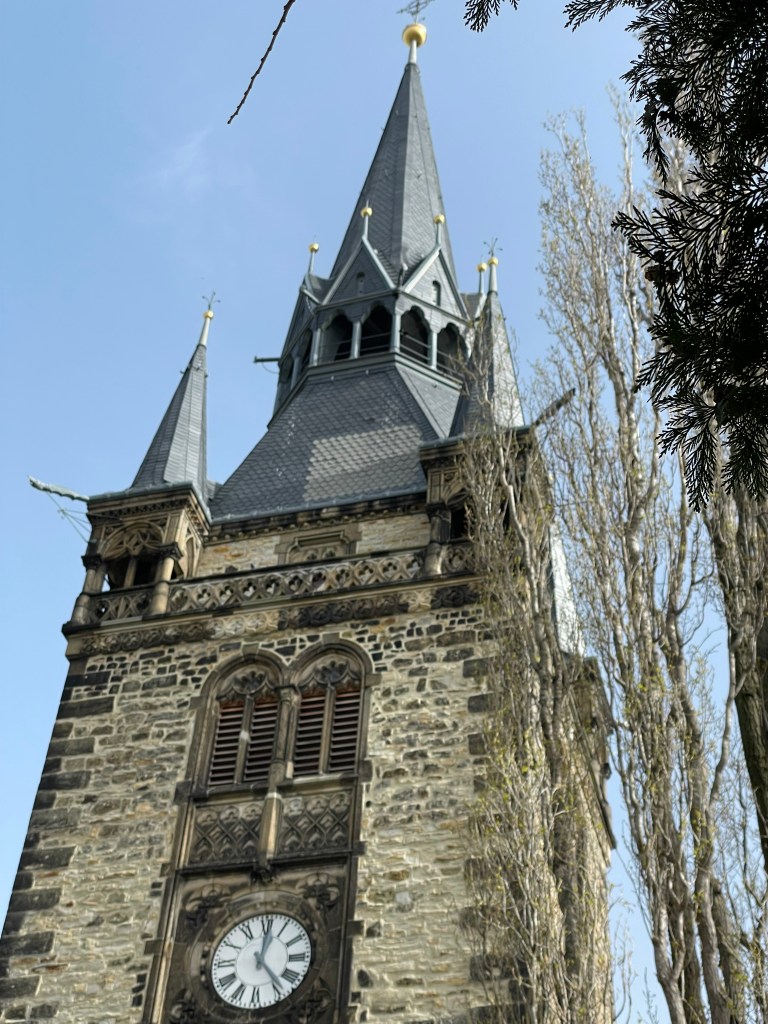
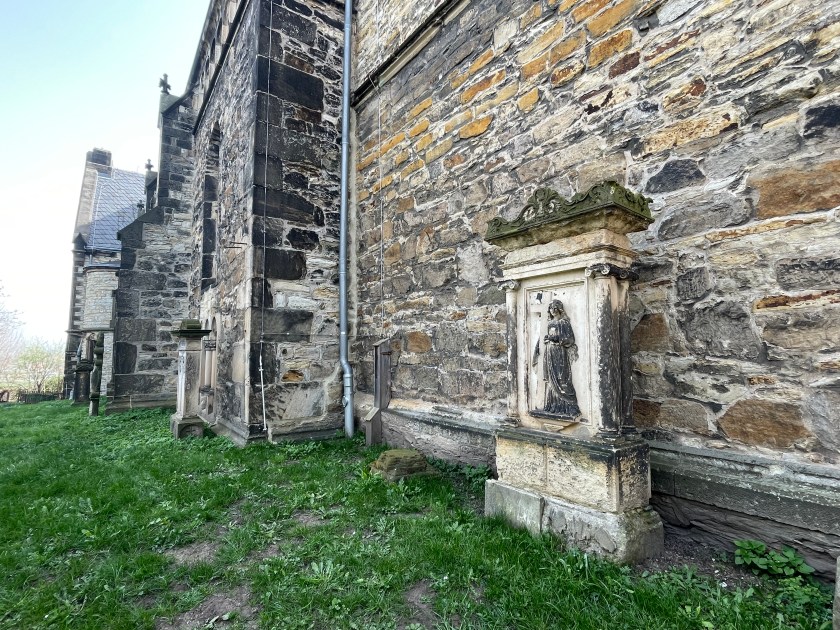
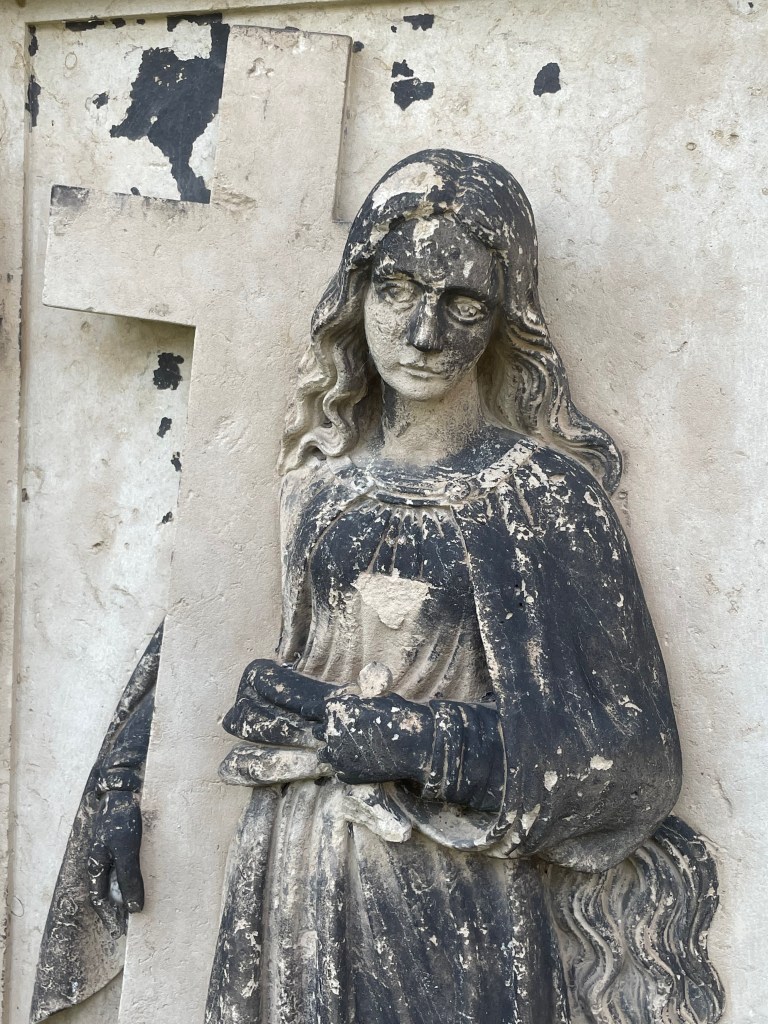
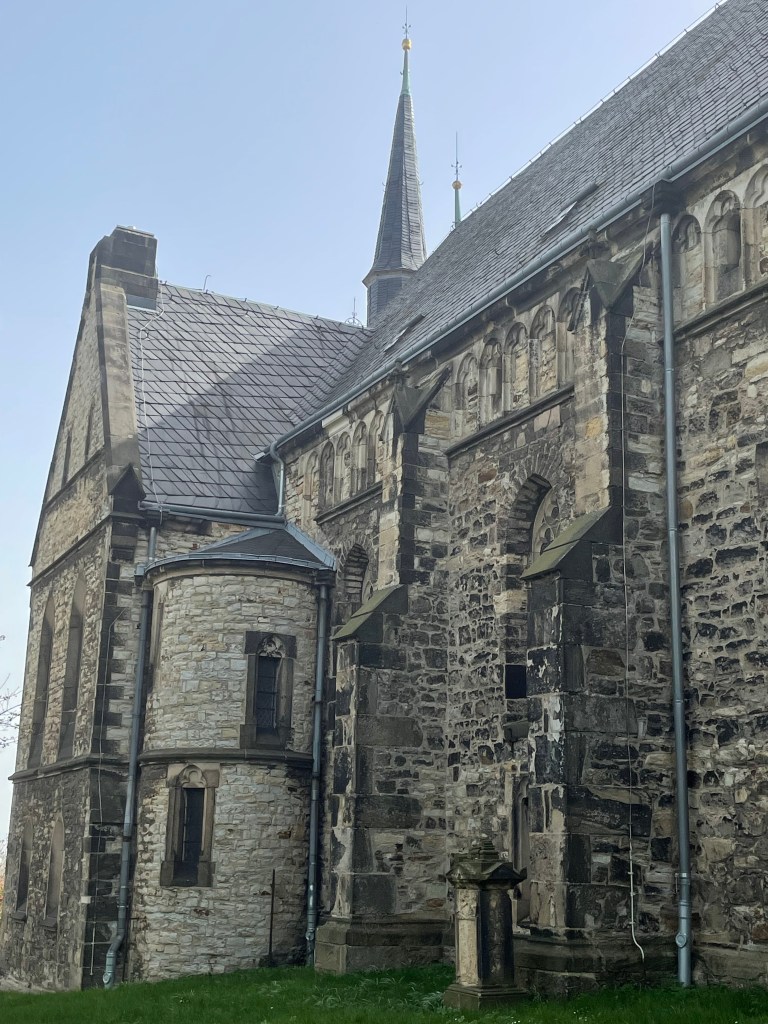
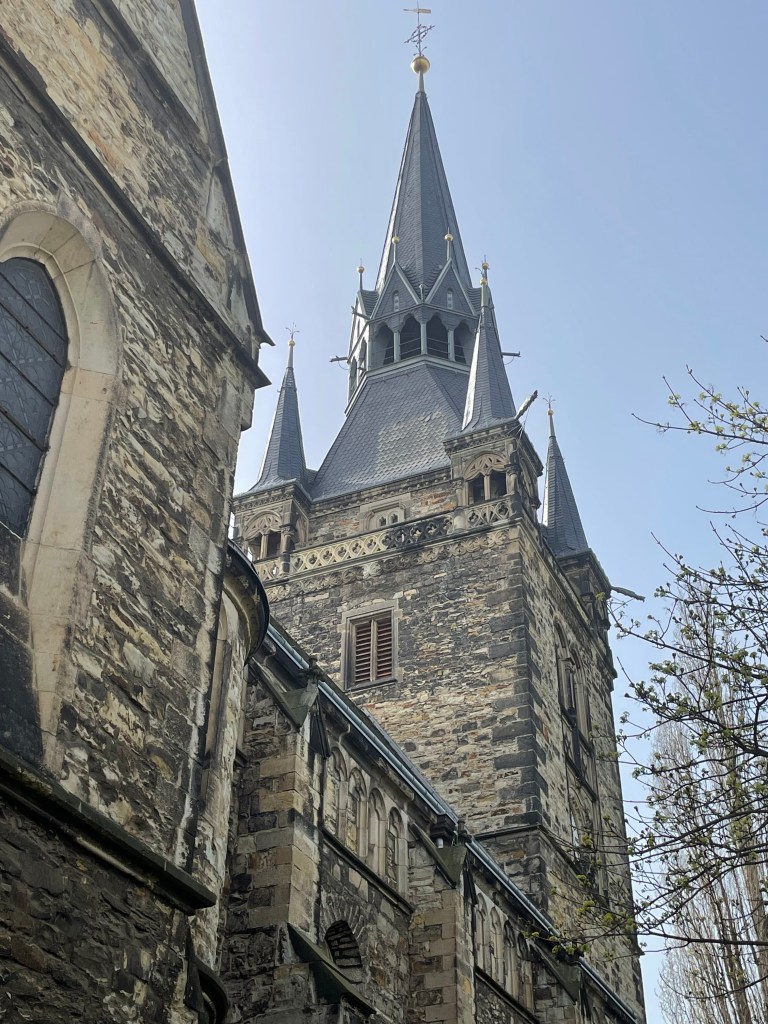
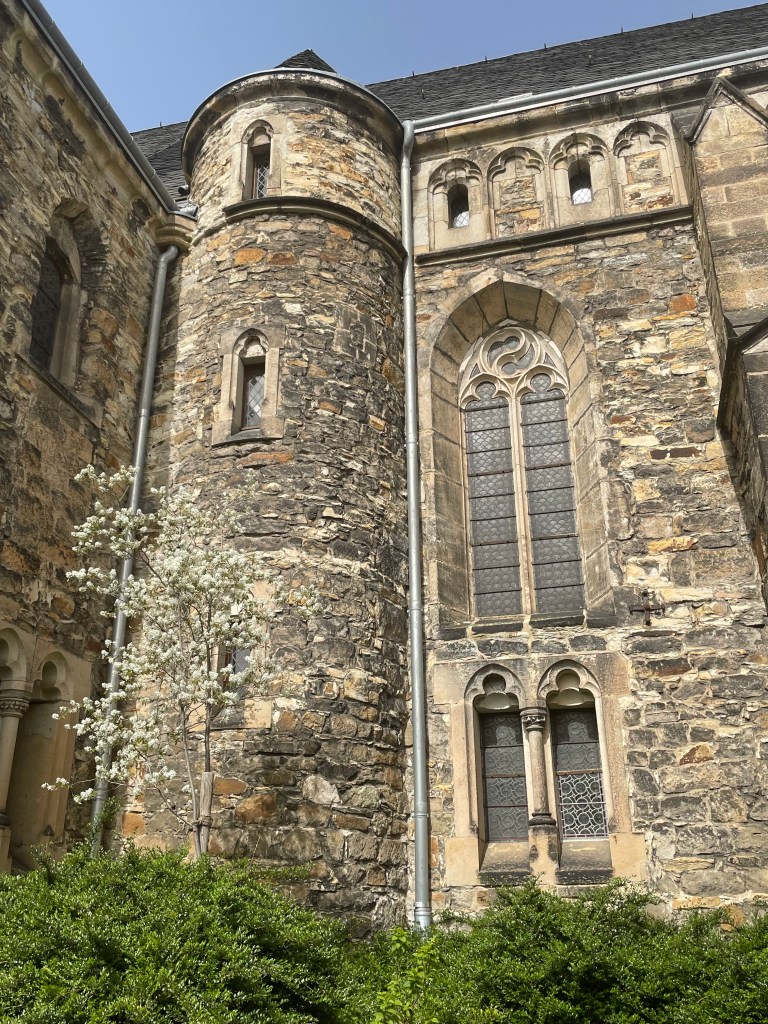
As we drove out of Dresden, we found this old church, built in 1273,  no longer in use.  It’s been preserved as a memorial and as a place for contemplation.  There is a cemetery in the churchyard.  It was beautiful.
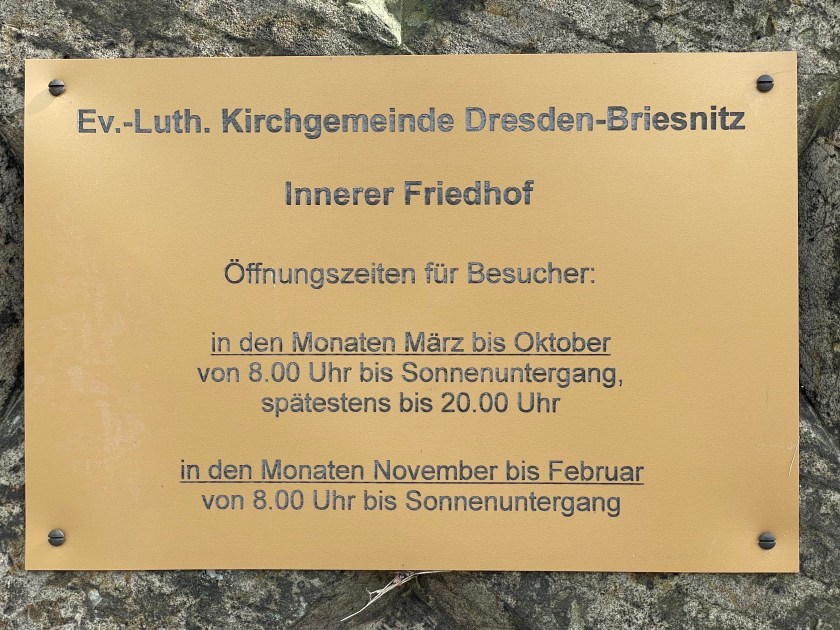
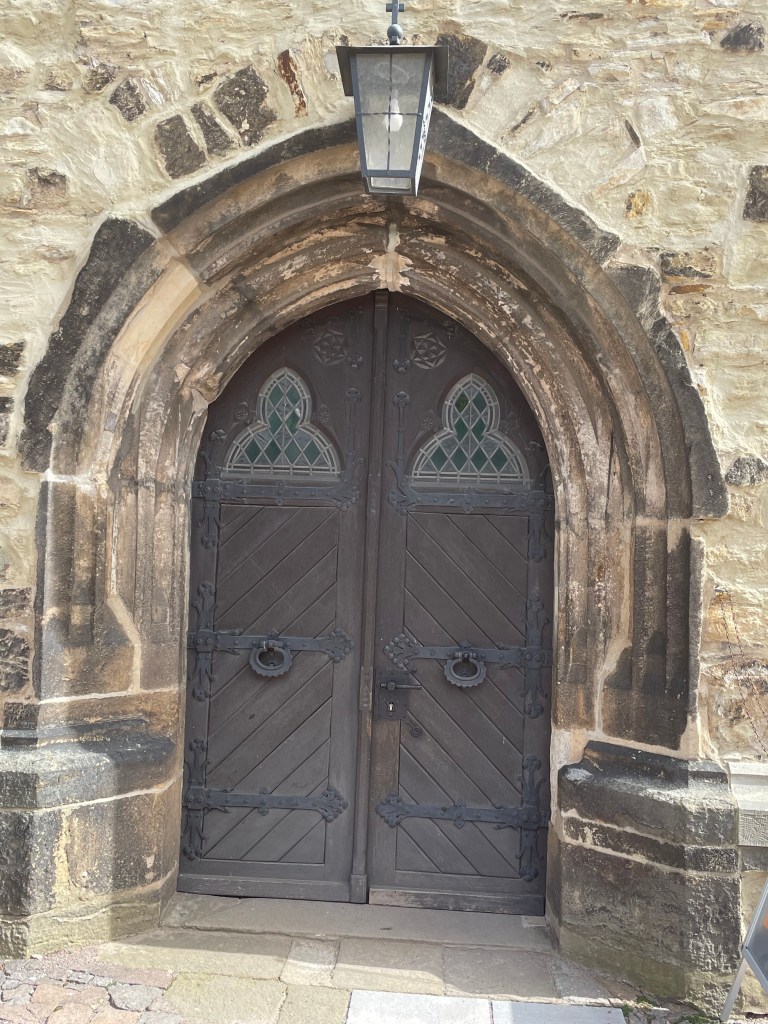
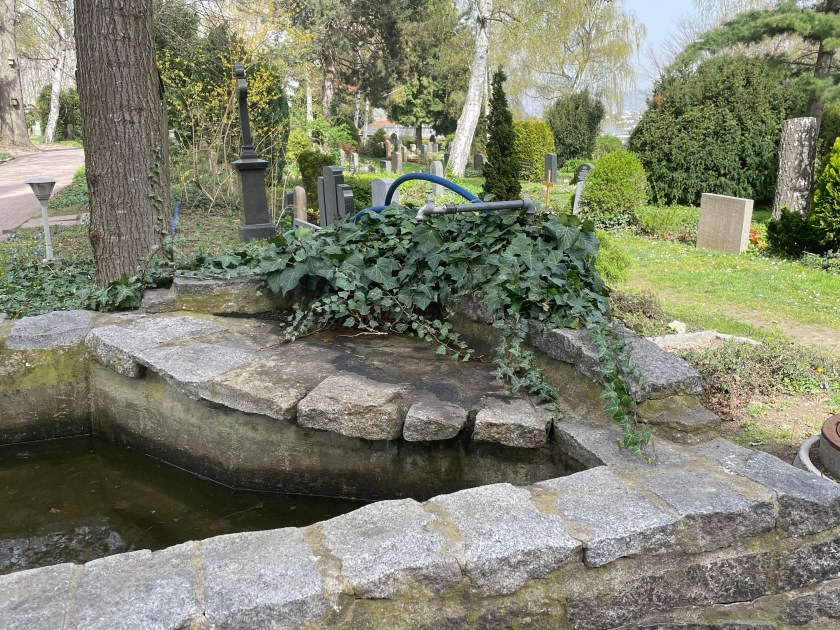
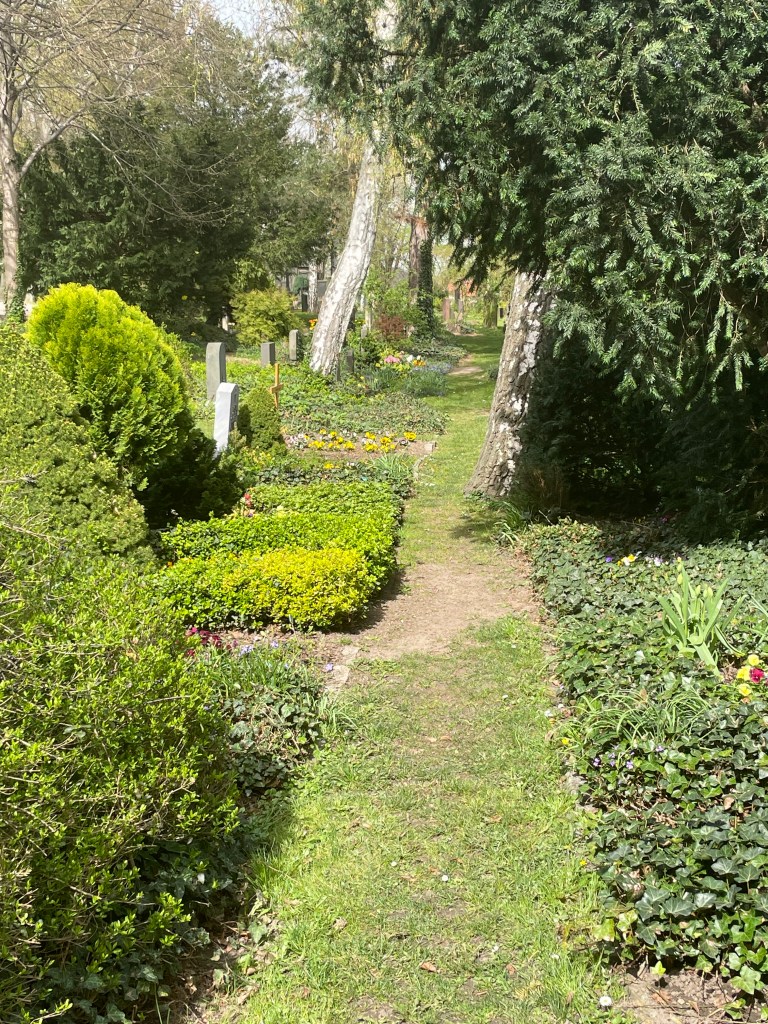
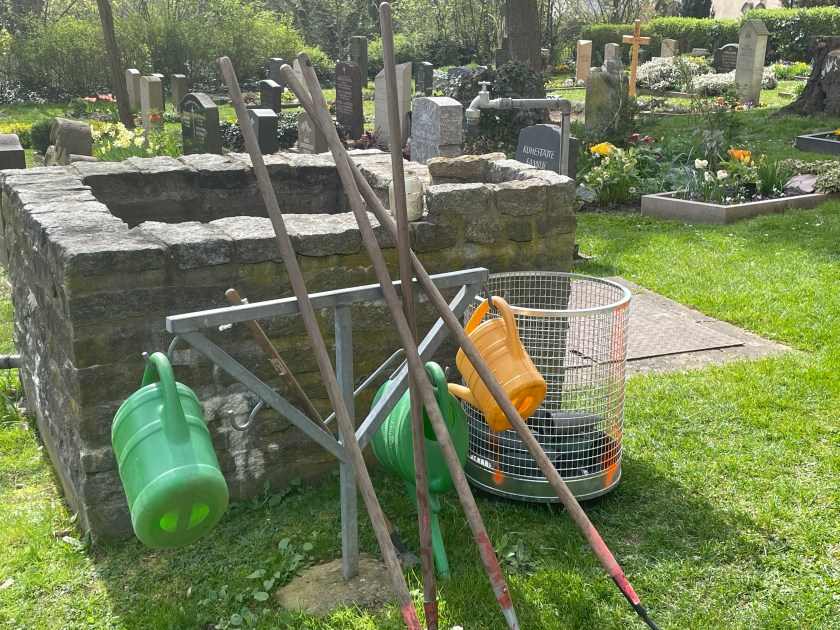
This is the Briesnitz Ev-Lutheran Kirche. It was very old, built of stone with beautiful spires that looked like crowns. It was situated in an old garden and cemetery. The church was locked up.  The cemetery was quiet and beautiful, full of old trees and lots of ivy. Lilac bushes were almost ready to bloom. The old garden plots were still kept up, many with spring flowers–pansies, daffodils, and primroses. It was so peaceful. We walked around the Friedhof and church, thinking about Easter and the glorious resurrection that awaits.

This morning I read D&C 138 twice as I celebrated Easter in my Family History kind of way. I love that section and have been thinking about it a lot as I contemplate what Jesus did immediately after he was crucified. He didn’t take a long nap, or go to his favorite get-away. He went straight to the Spirit World to free more people who were waiting anxiously for Him to come set them free. He didn’t even rest first. When I think about how important that was to Him, it makes me want to spend every free minute I have finding my ancestors so they too can be saved by His grace and resurrection. It’s so important.  (See 1 Peter 3 and 4.)

More Beautiful Dresden

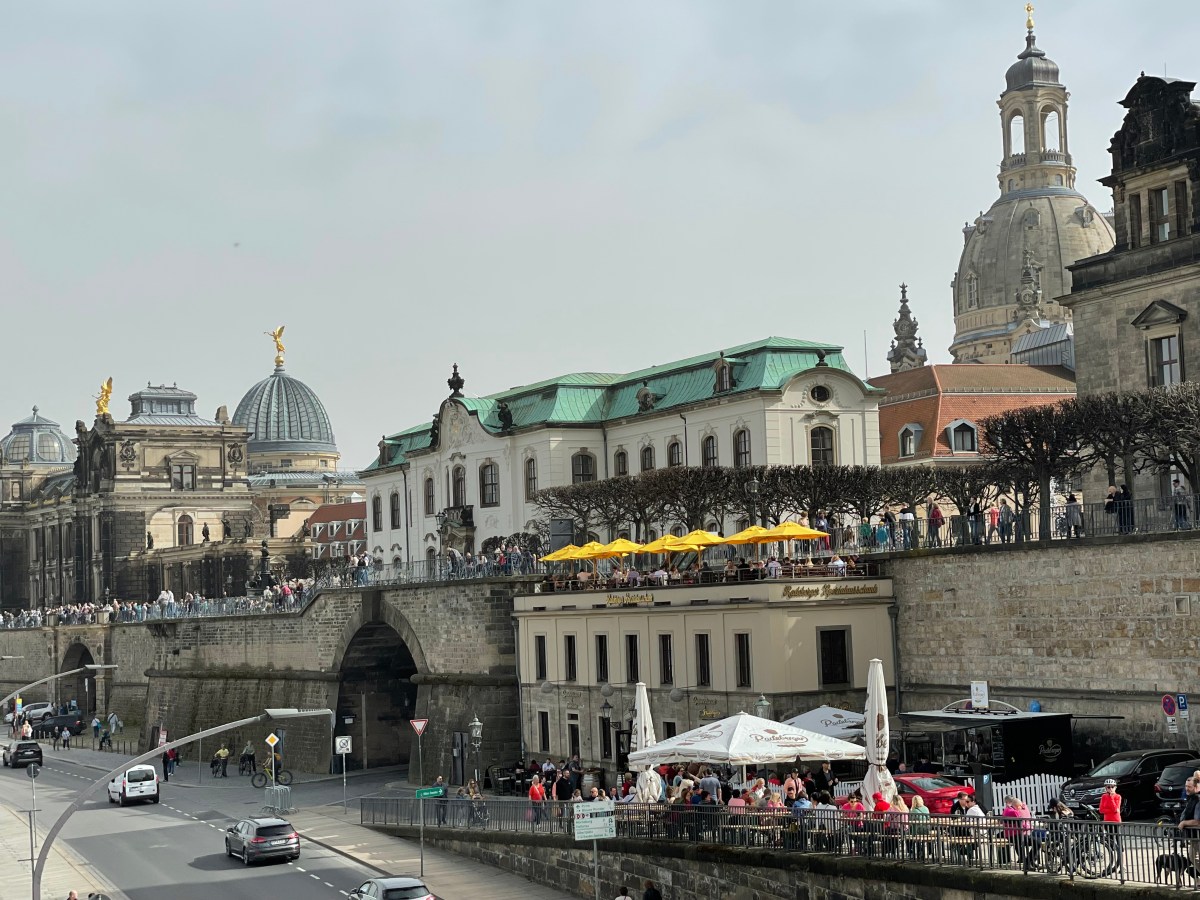
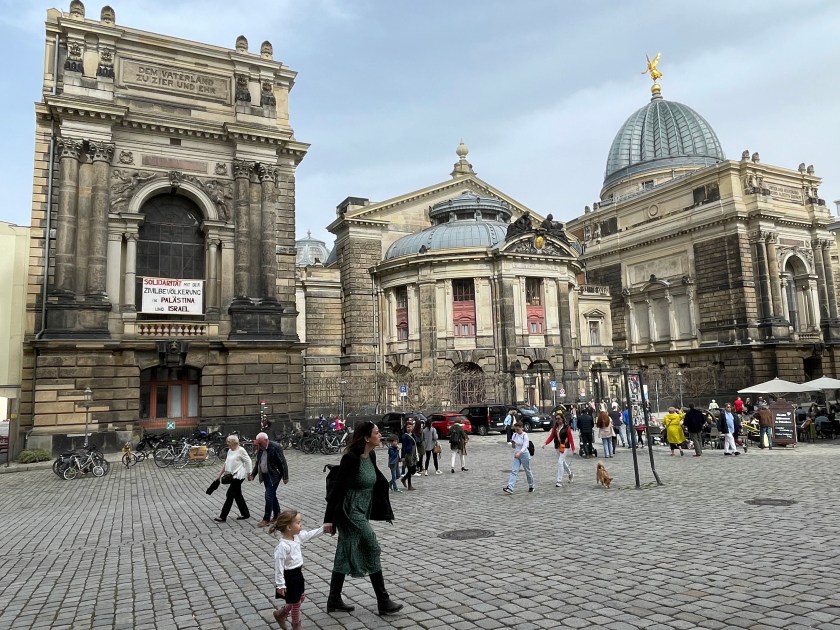
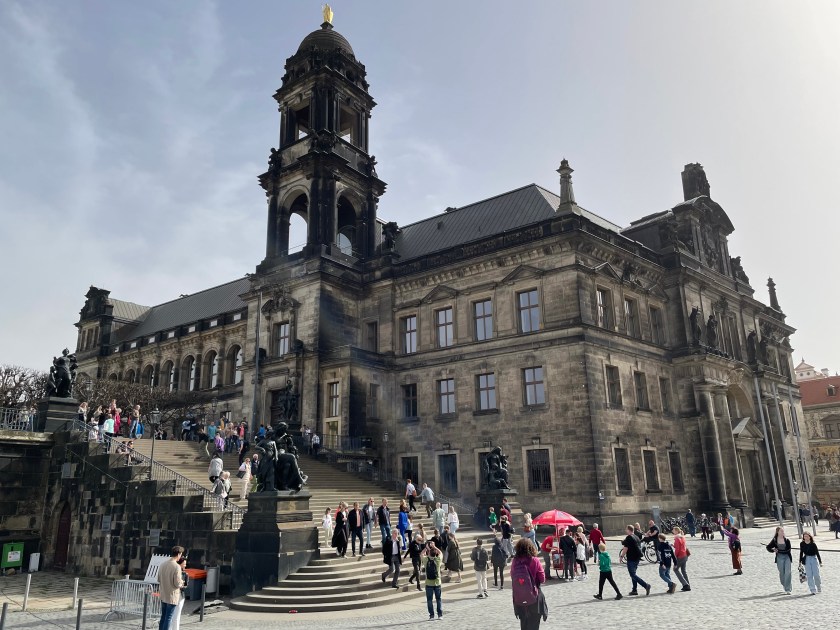
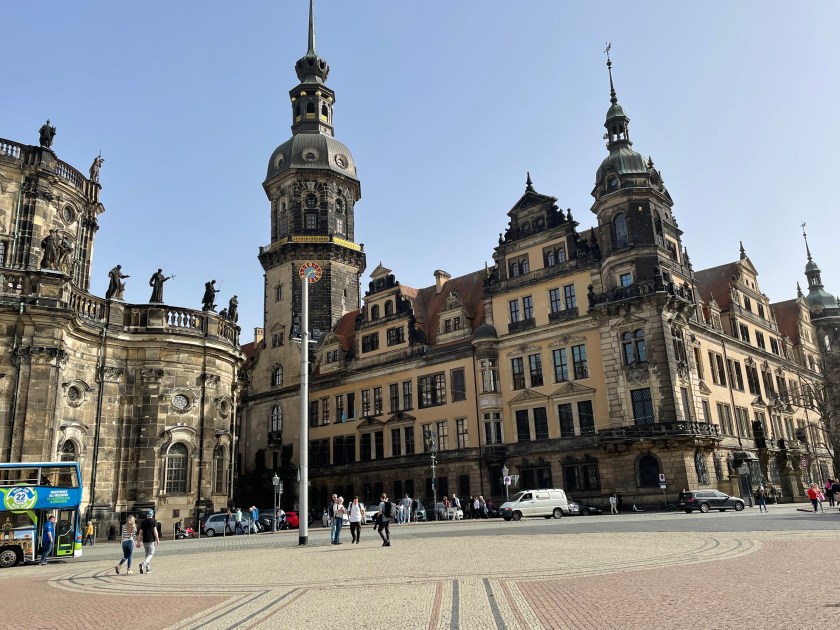
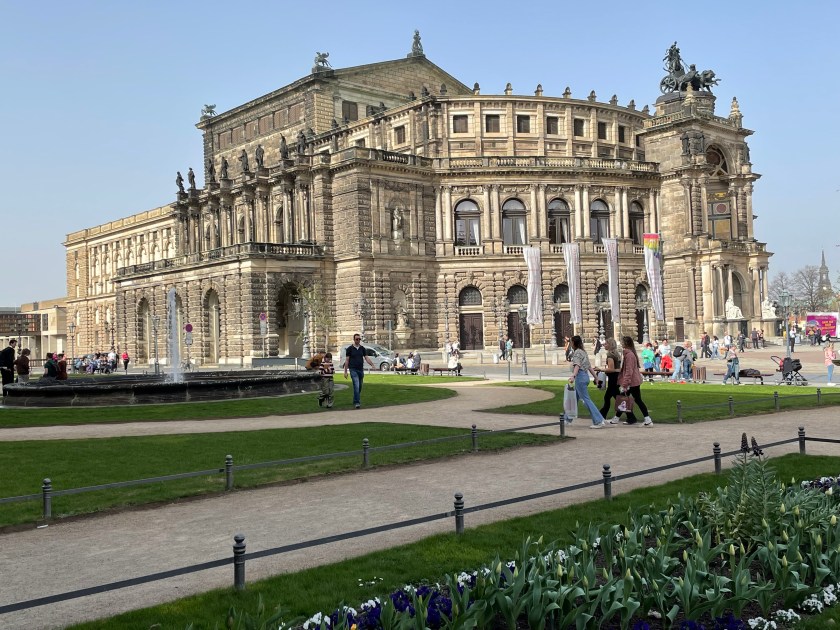
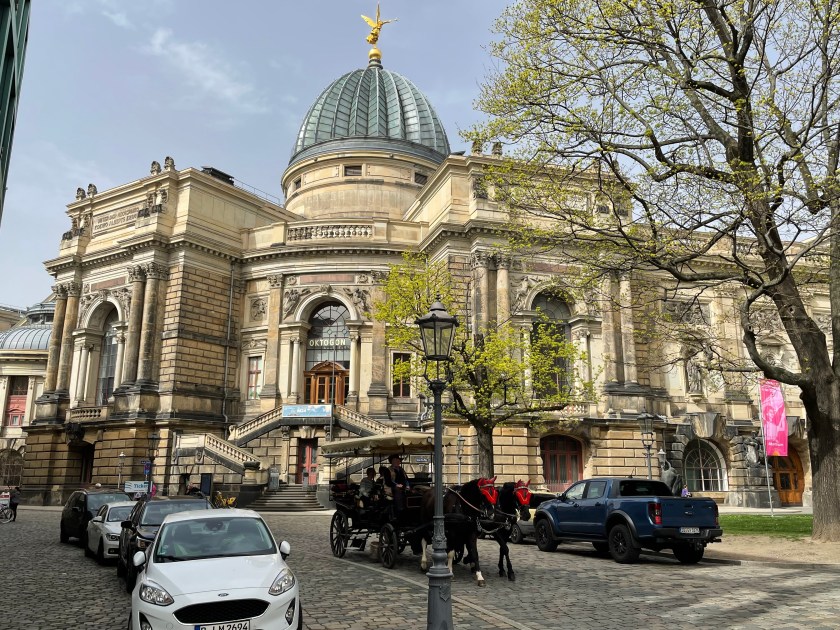
Here are the pics from the rest of our day spent in Dresden.  It was fun to wander here and imagine the history, especially after the bombing.  All these buildings were reconstructed.

It’s fun to be here Easter weekend.

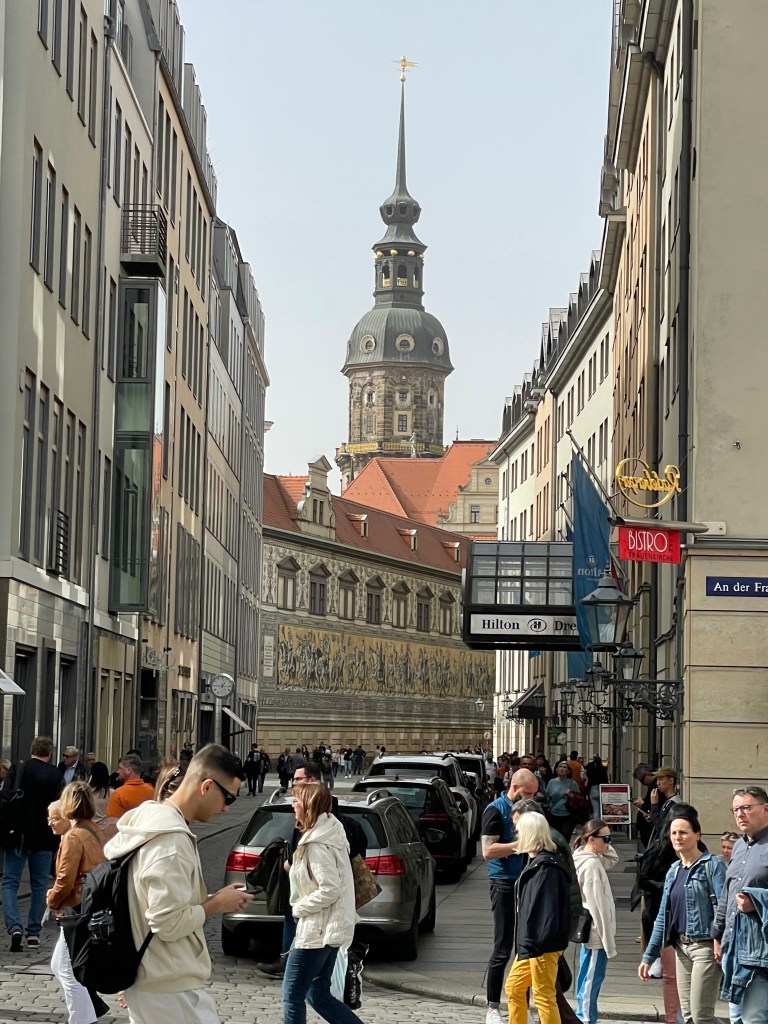
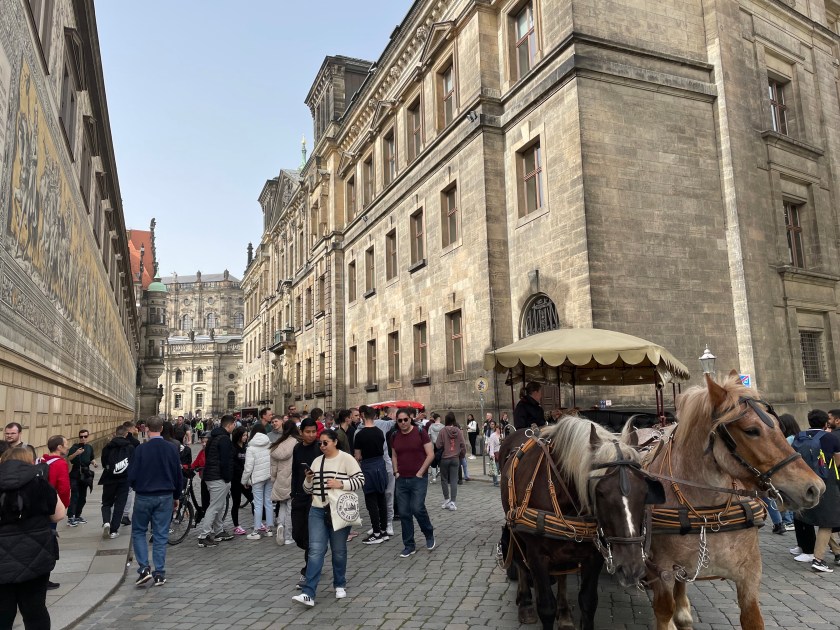
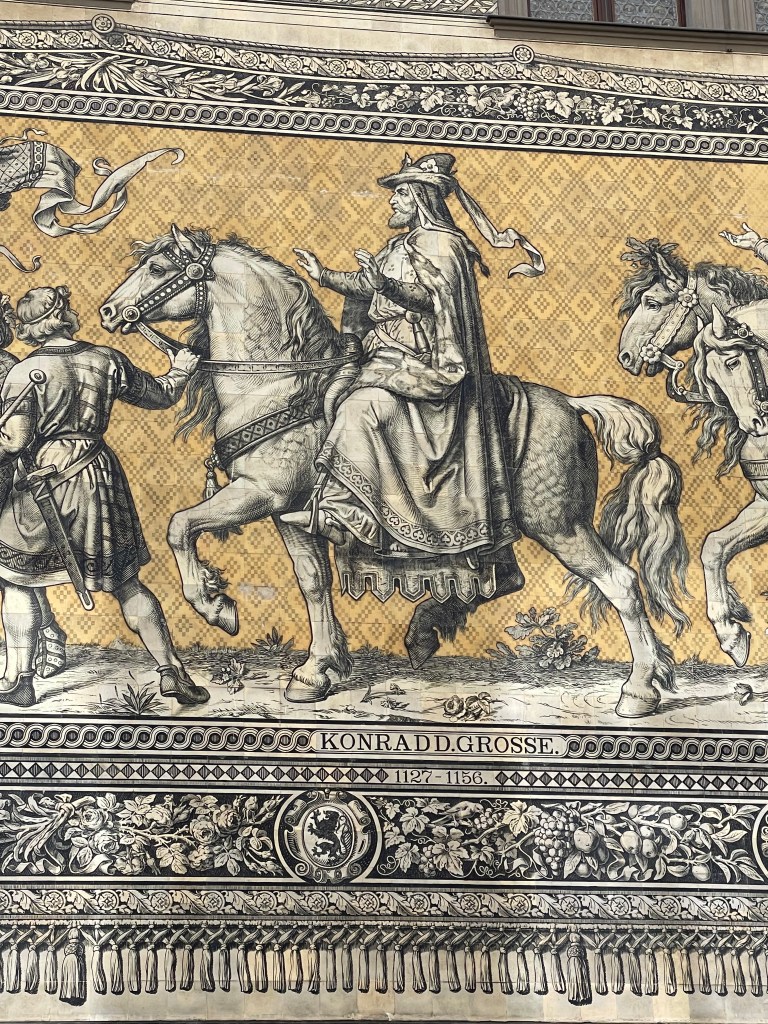
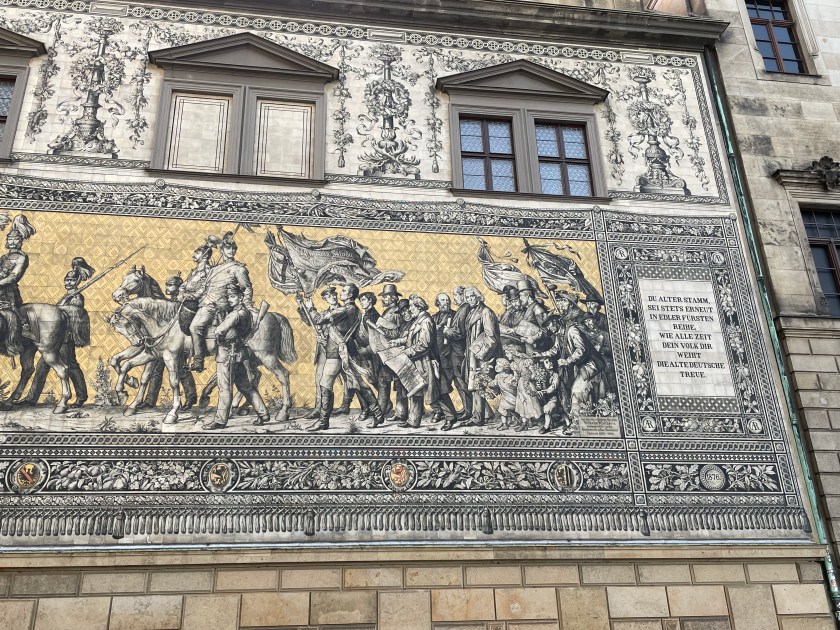
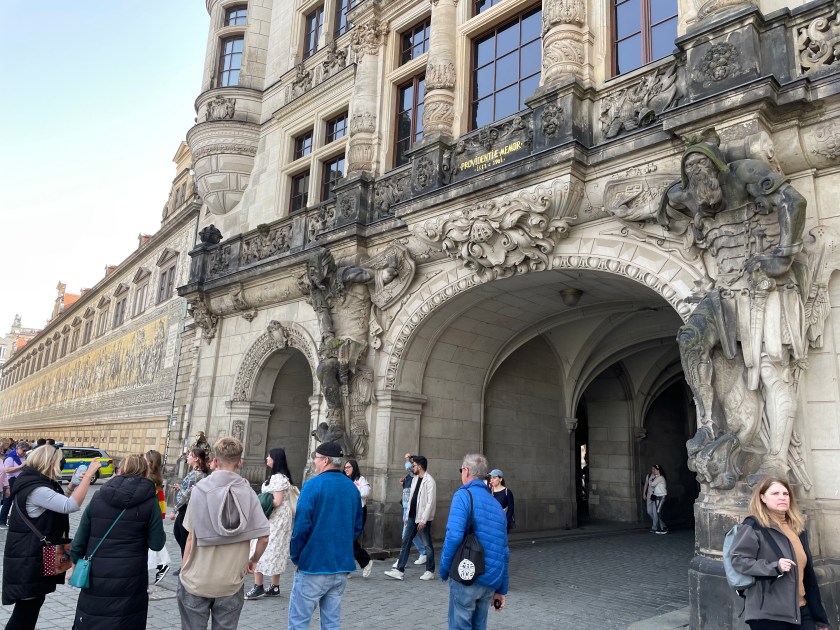
Take a look at the wall on the left–it’s a royal chronology of Dresden, beautiful depicted on the side of the building.  It was spectacular!  It looks like a tapestry.

From Wikipedia, the free encyclopedia:
The Fürstenzug on Augustusstraße

The Fürstenzug (English: Procession of Princes) in Dresden, Germany, is a large mural of a mounted procession of the rulers of Saxony. It was originally painted between 1871 and 1876 to celebrate the 800th anniversary of the Wettin Dynasty, Saxony’s ruling family. In order to make the work weatherproof, it was replaced with approximately 23,000 Meissen porcelain tiles between 1904 and 1907. With a length of 102 metres (335 ft), it is known as the largest porcelain artwork in the world. The mural displays the ancestral portraits of the 35 margraves, electors, dukes and kings of the House of Wettin between 1127 and 1904.

The Fürstenzug is located on the outer wall of the Stallhof (Stables Courtyard) of Dresden Castle.

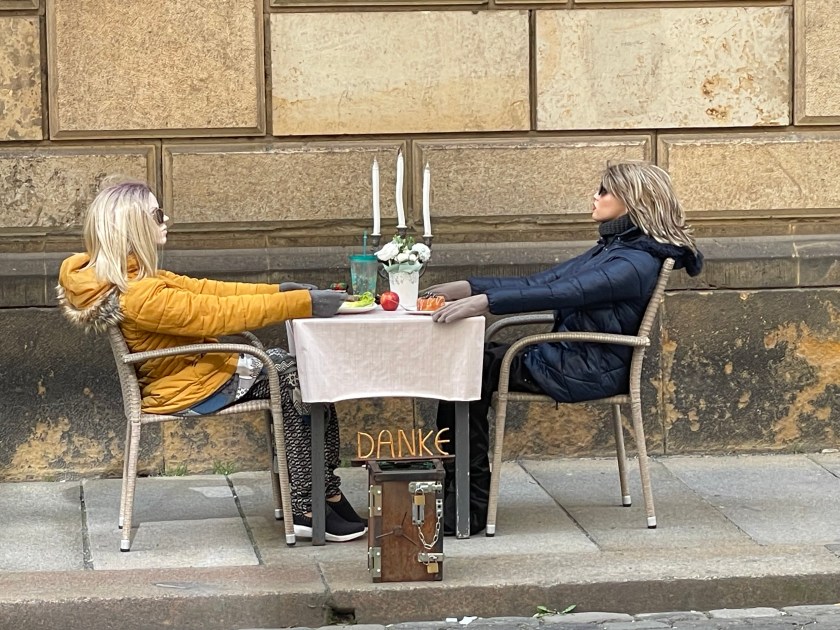
This funny art installation was set up below.

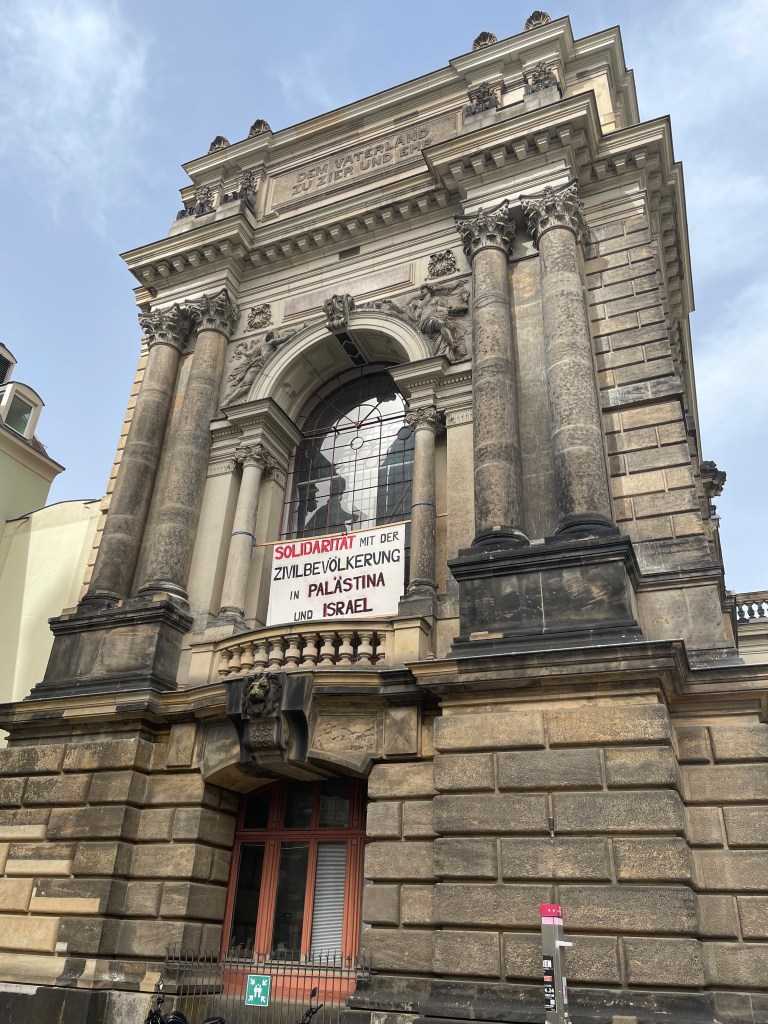
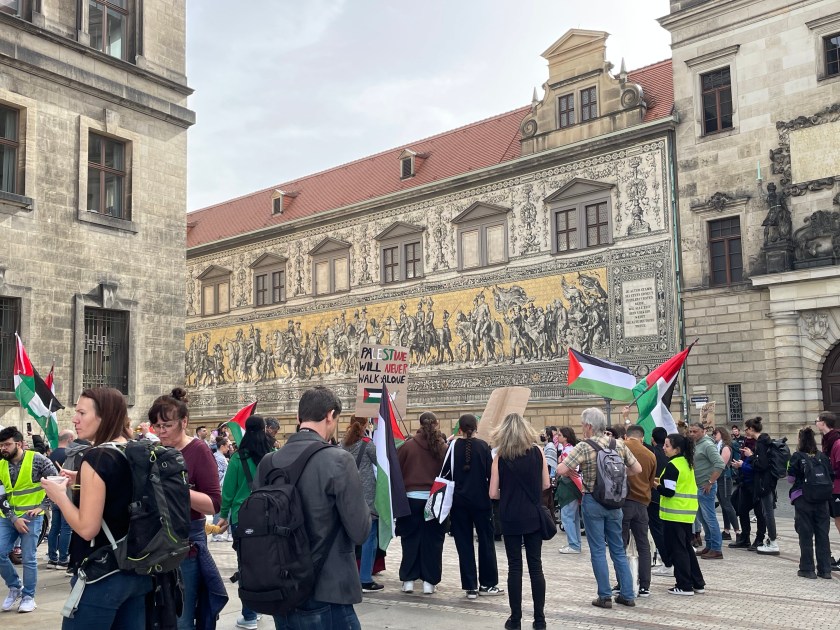
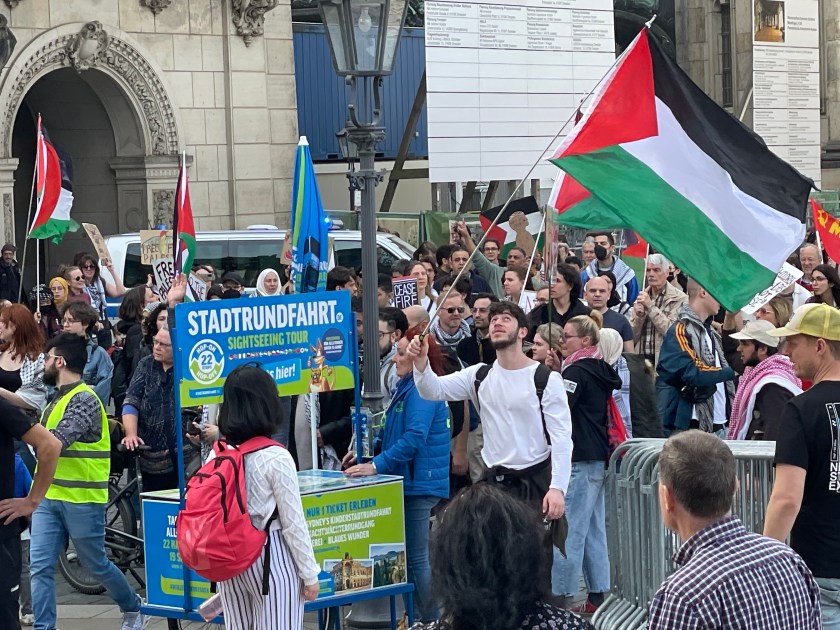
Walking along this mural led to this plaza where a demonstration was happening around us.

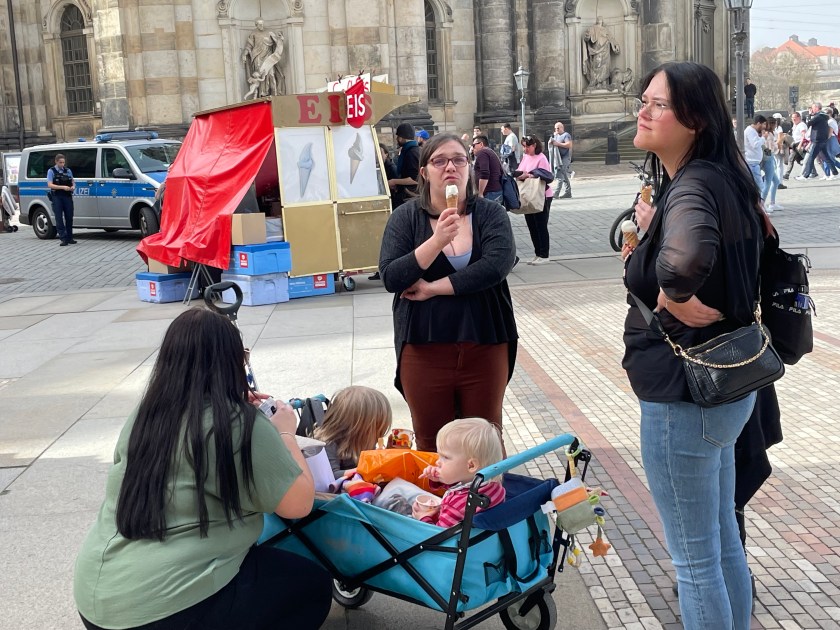
Today was a warm day, in the 70s, and so people were out and about and the ice cream shops did a good business!

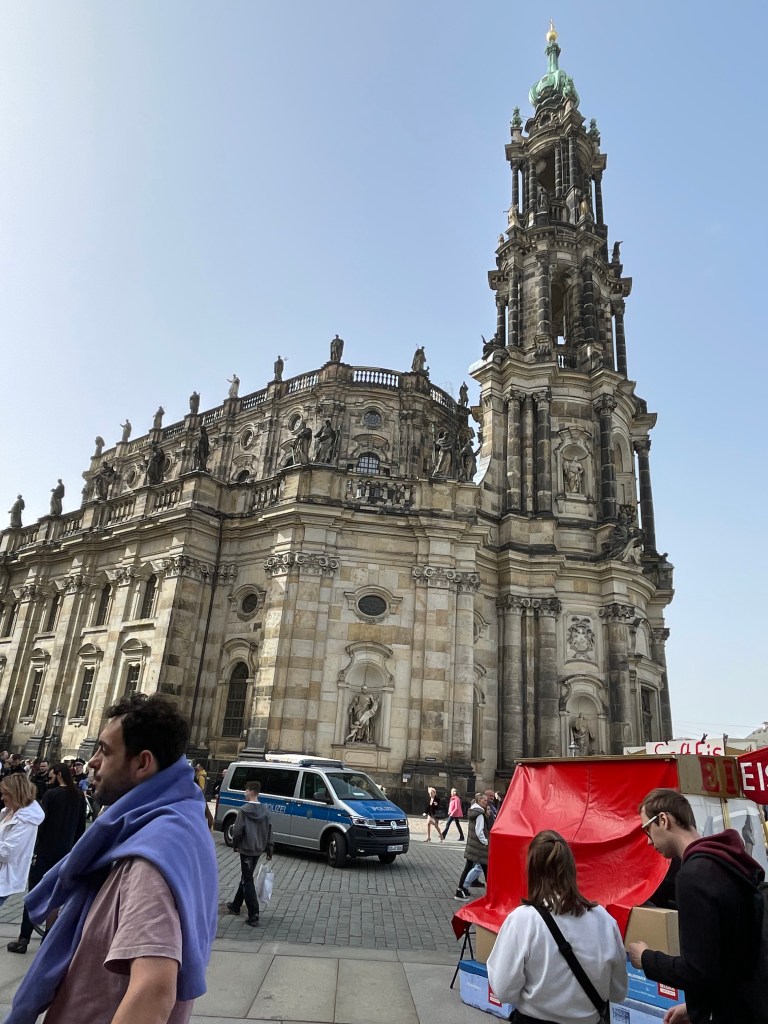
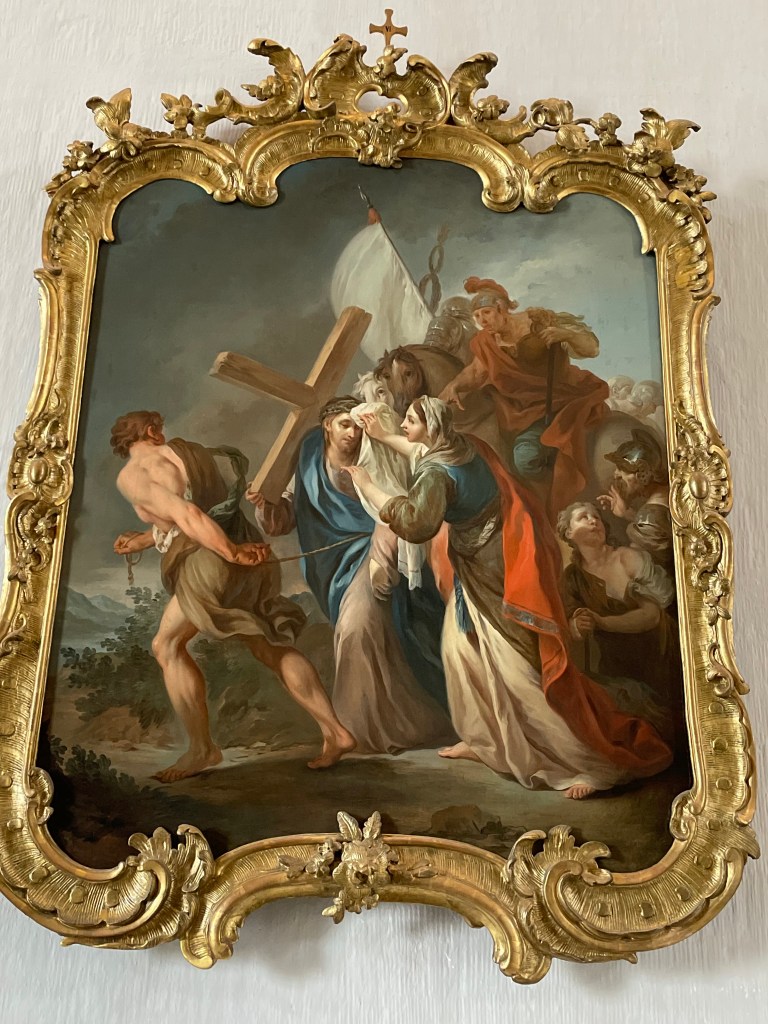
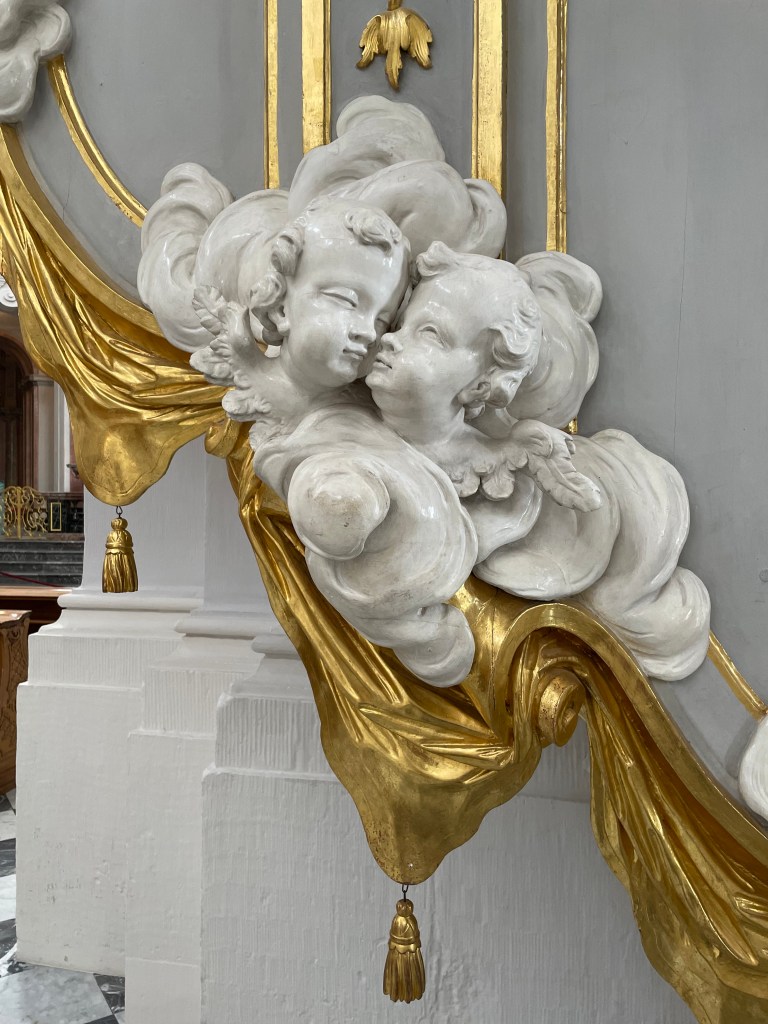
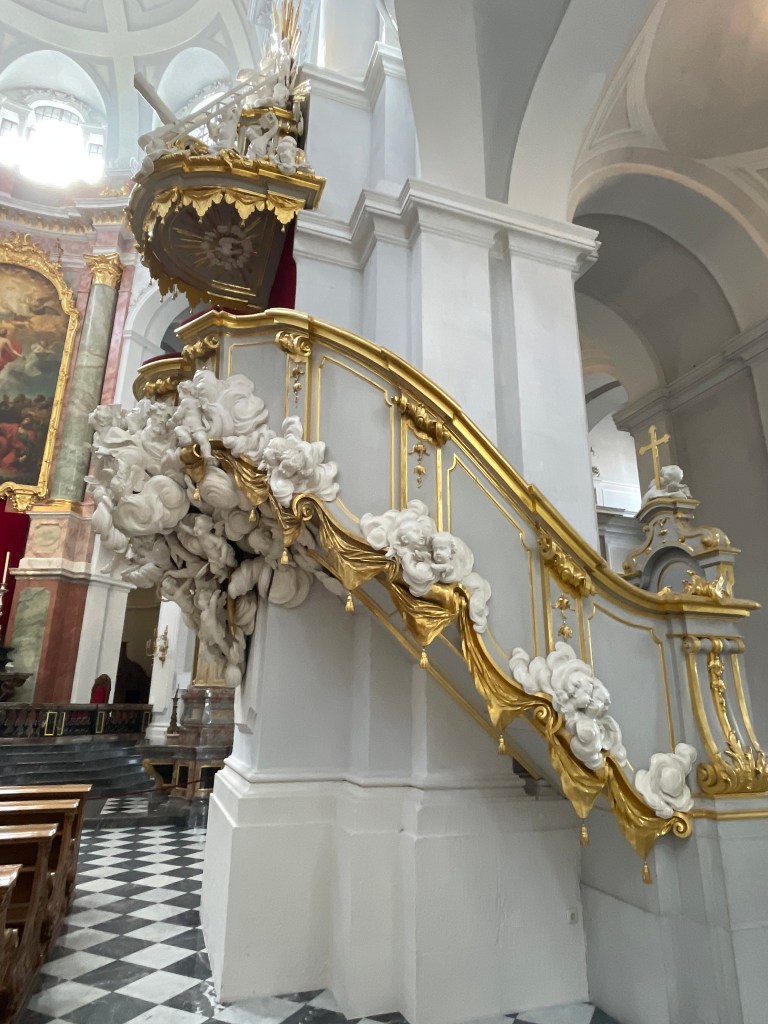
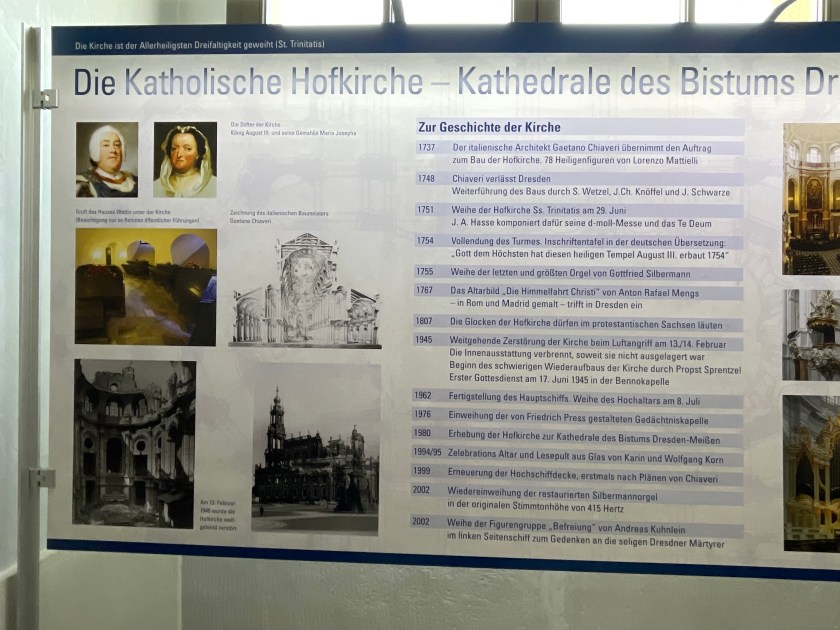
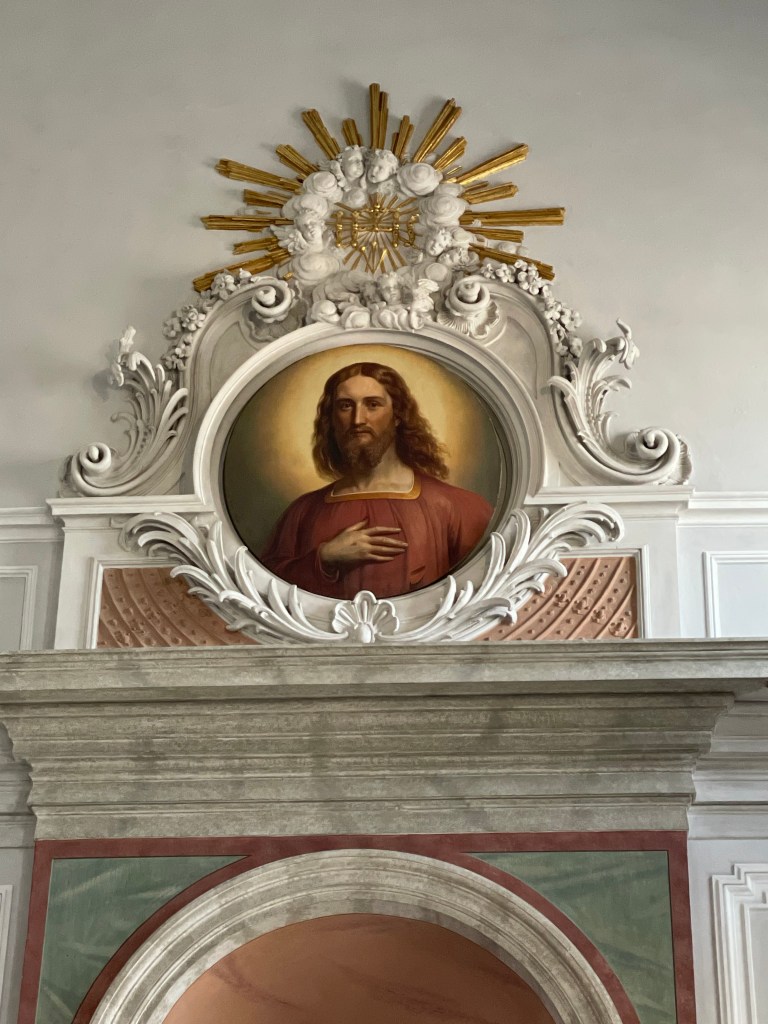
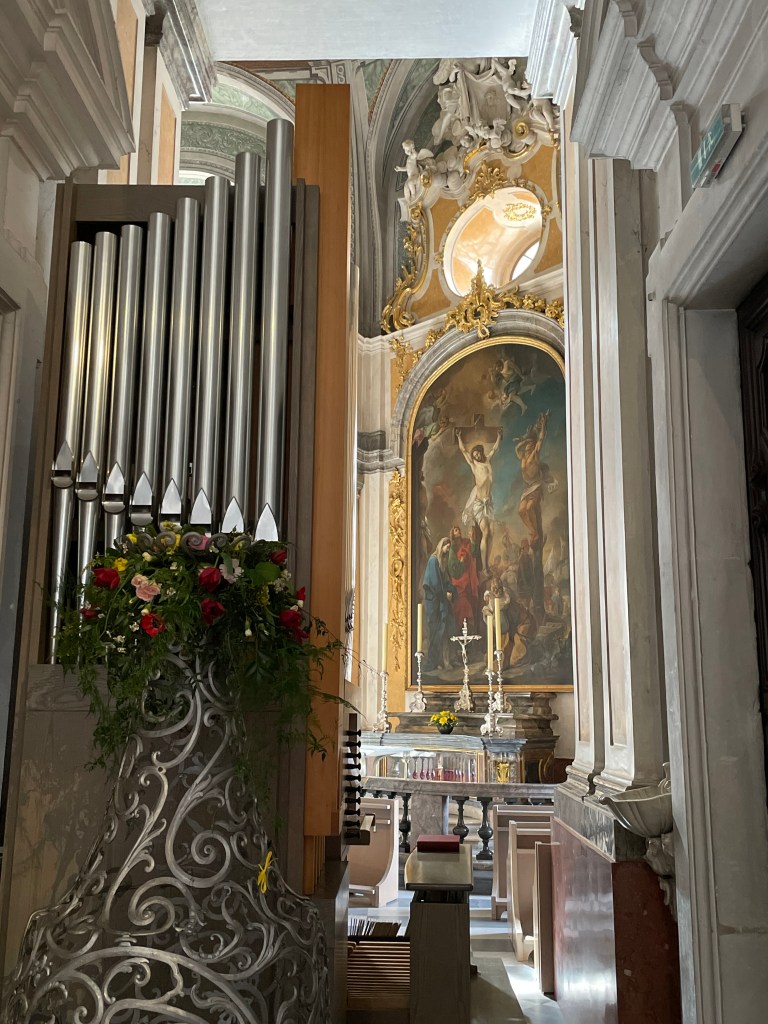
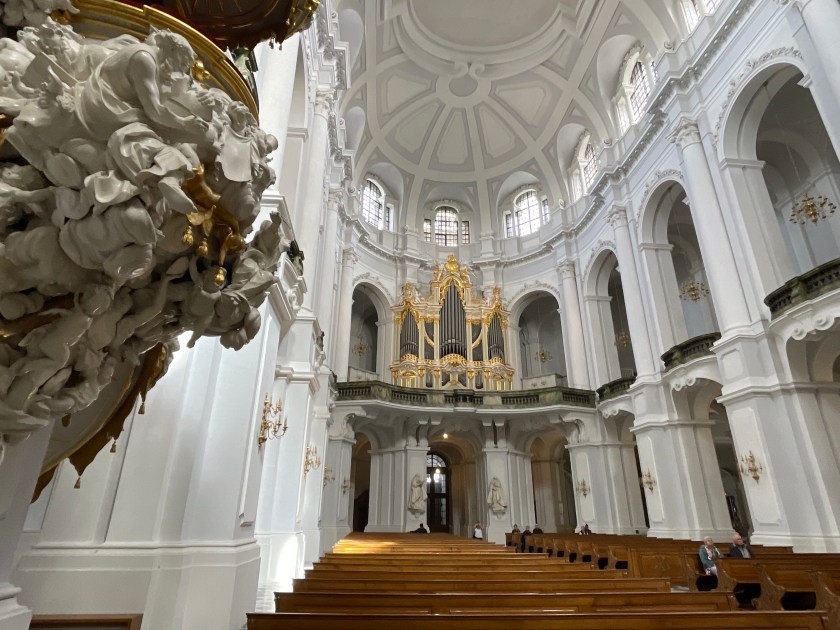
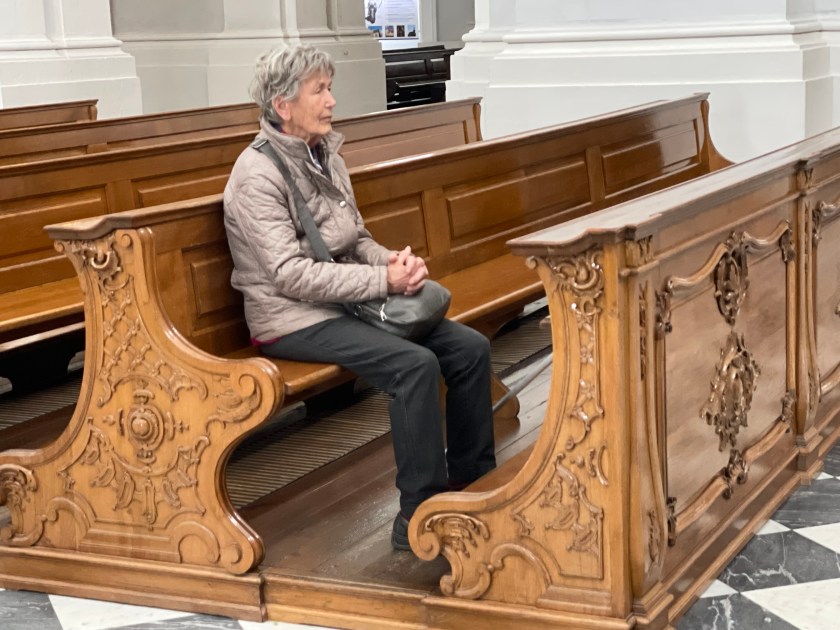
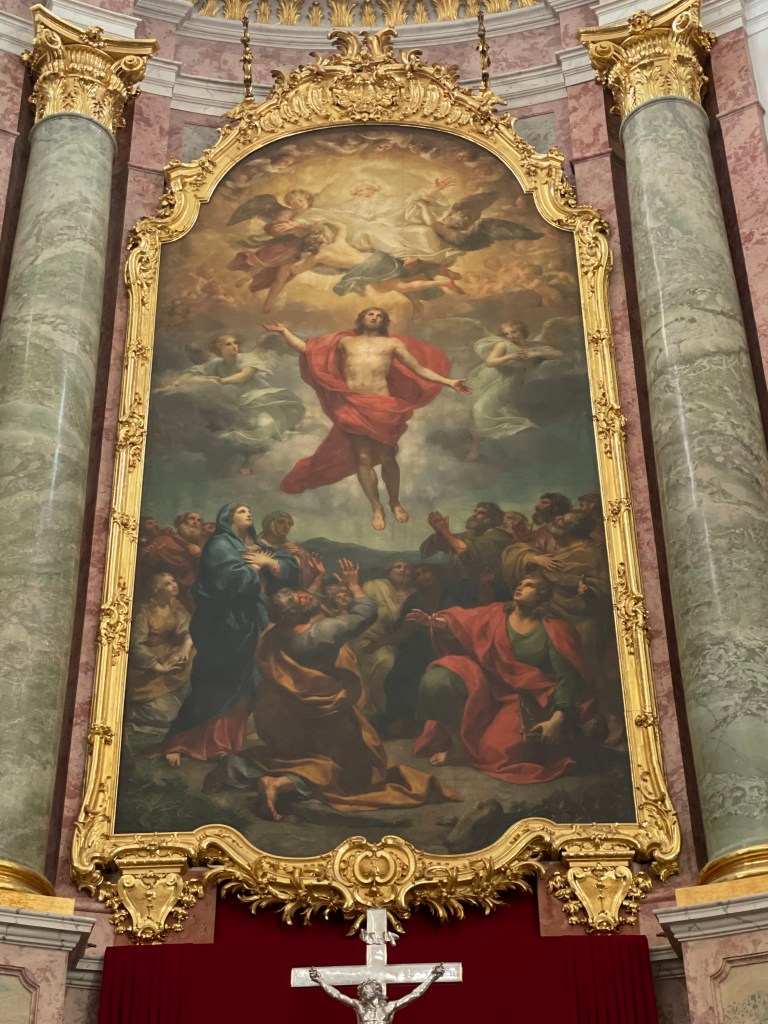
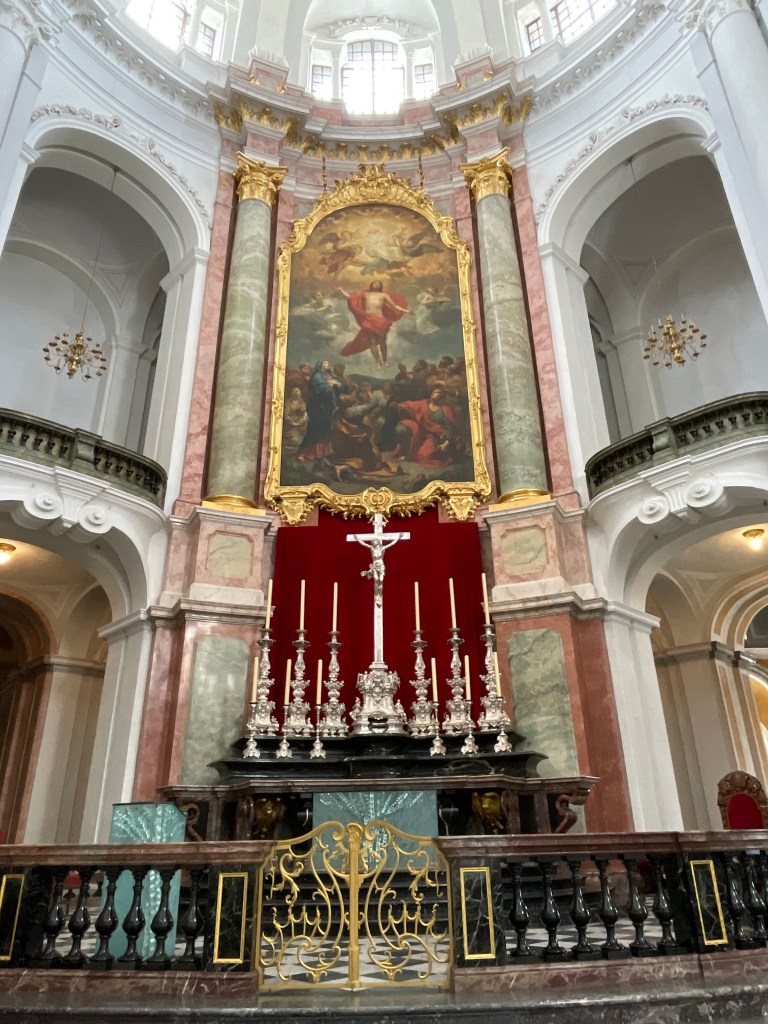
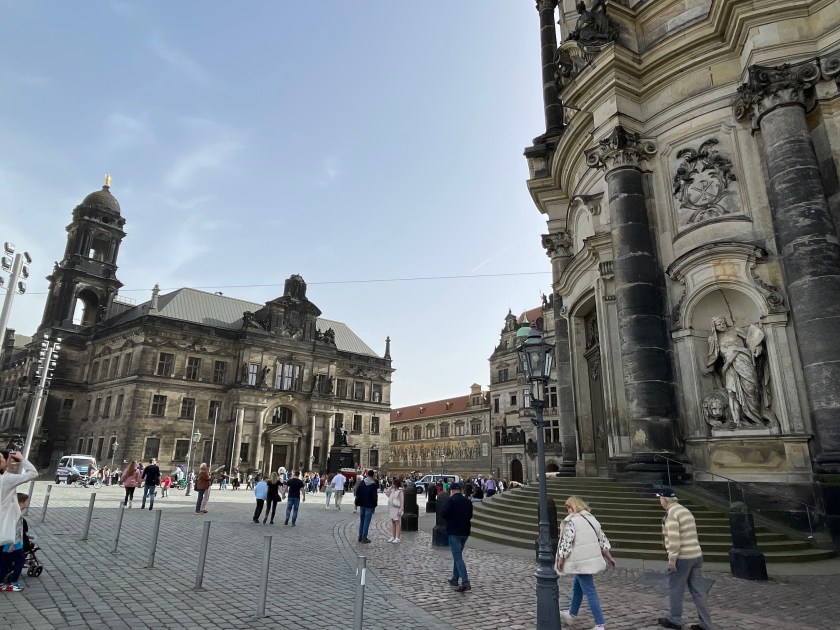
Here’s another beautiful church we found open–the Dresden Catholic Hofkirche Cathedral.  It was so beautiful inside, filled particularly with artwork depicting the crucifixion and resurrection.  Perfect for our Easter weekend.  Sadly, there were so few coming to worship here today.

The wander continues.

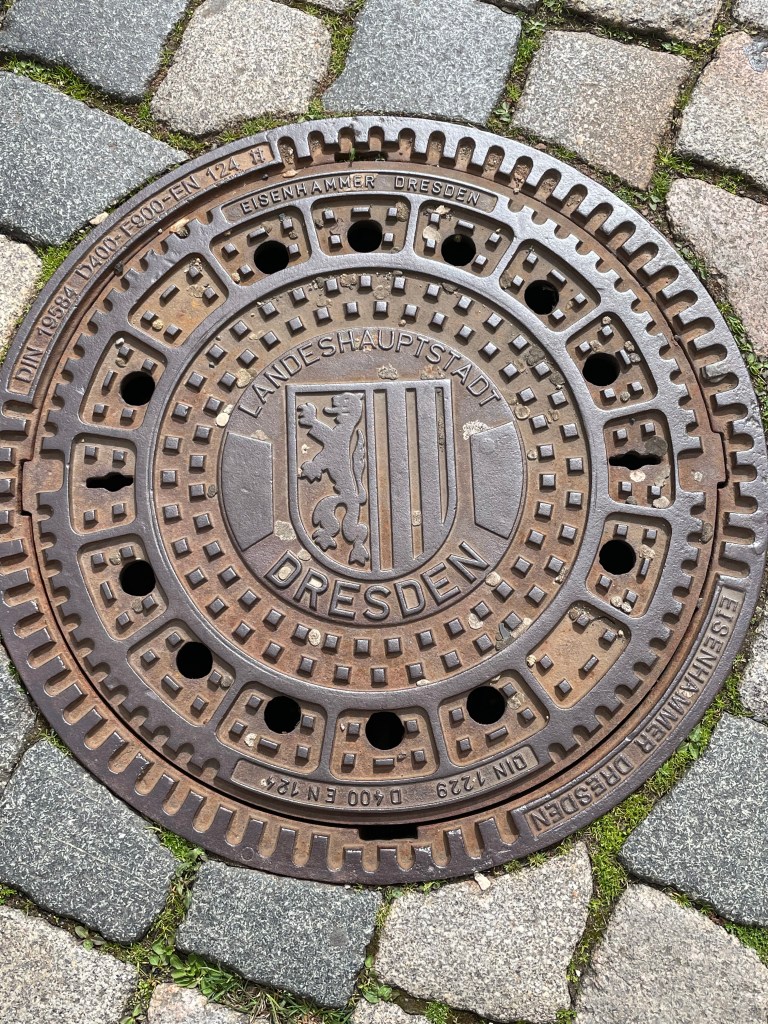
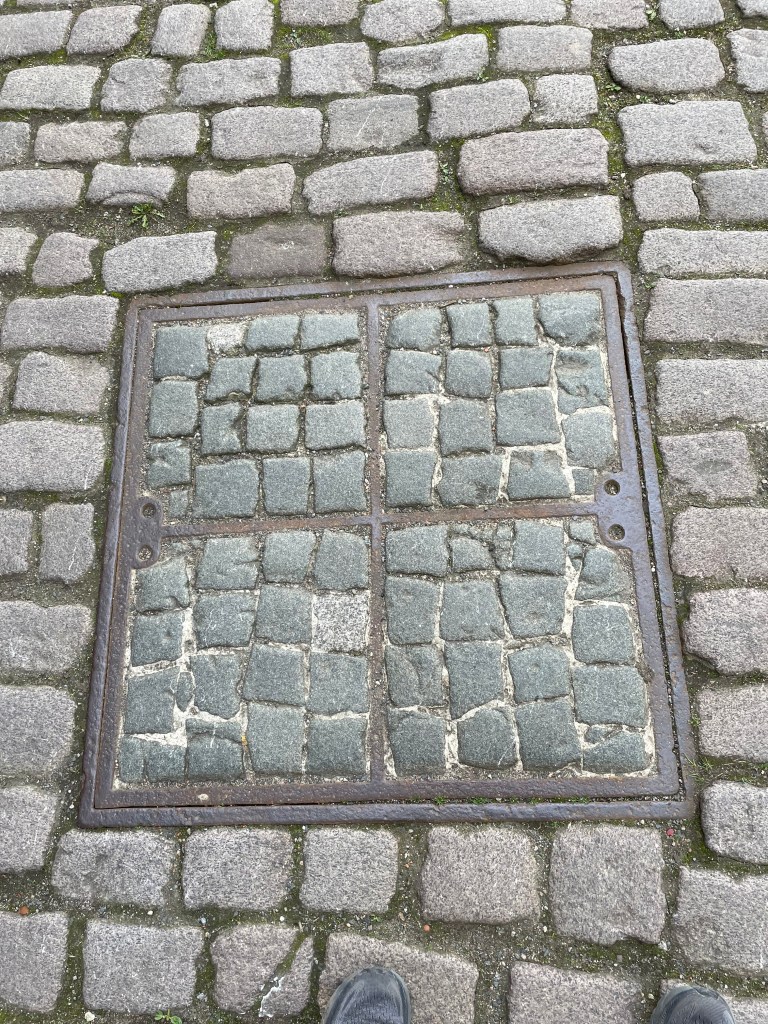
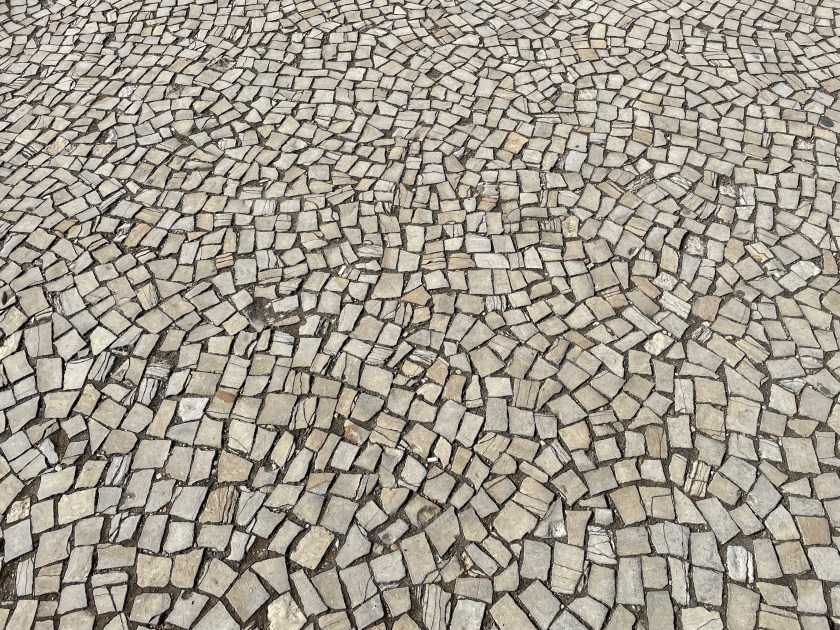
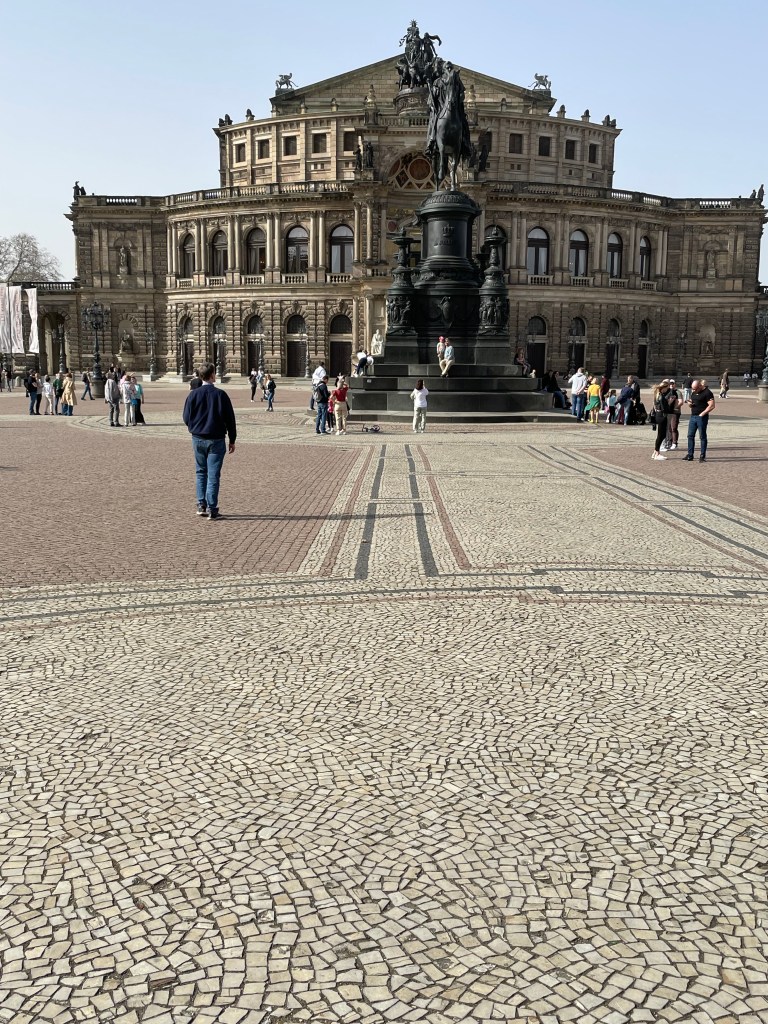
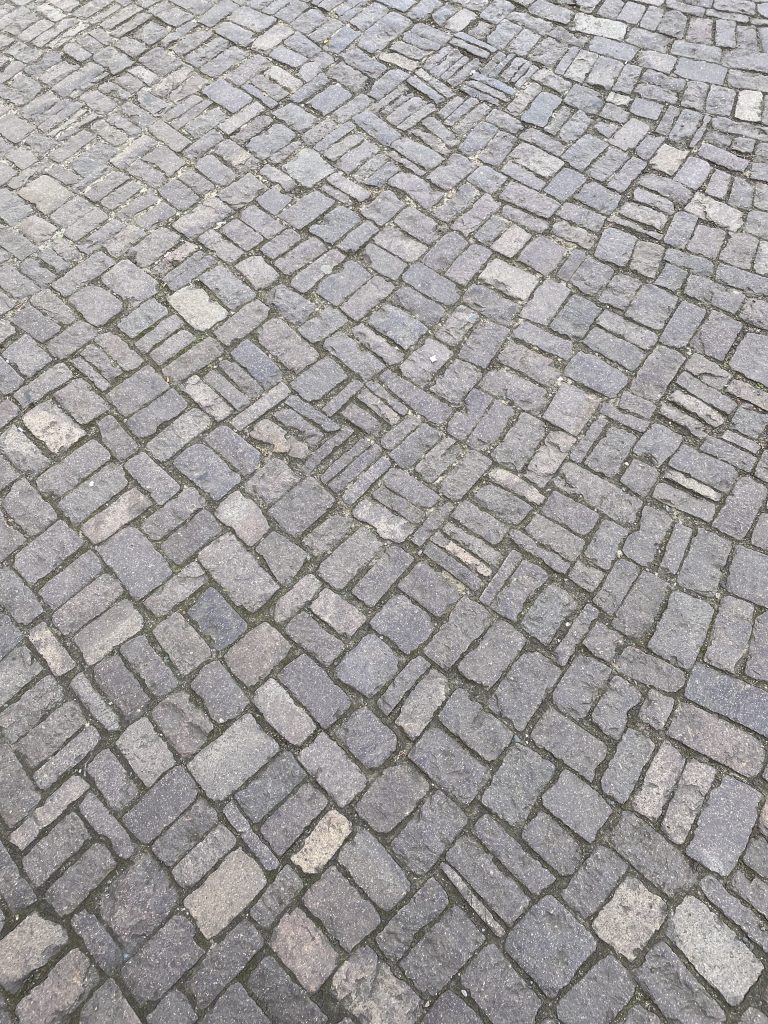
Loving the cobblestone streets here.  This one feels circular.

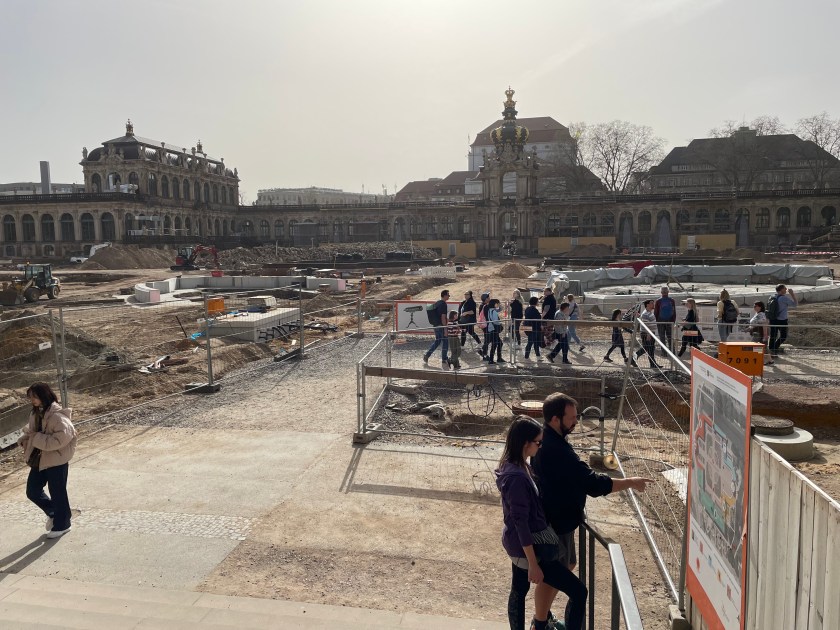
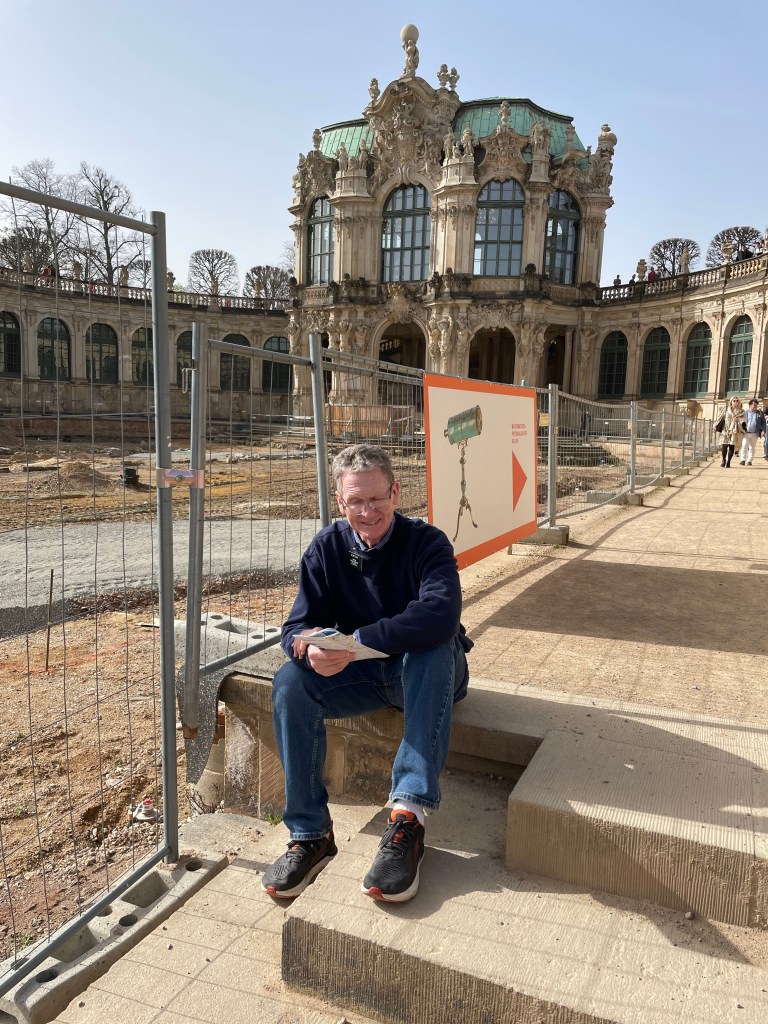
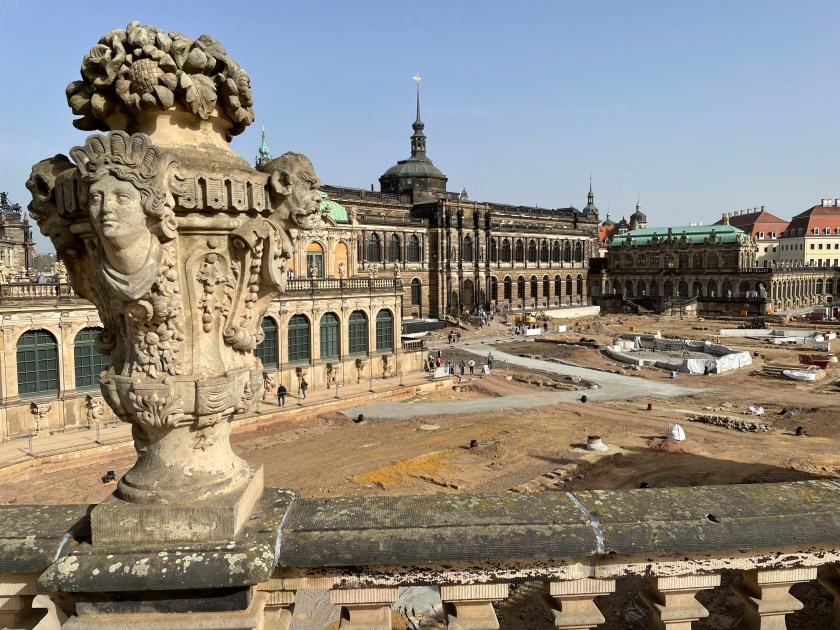
We went to see the palace gardens and found everything under construction.
This cobblestone pavement reminded me of my crumb quilt.
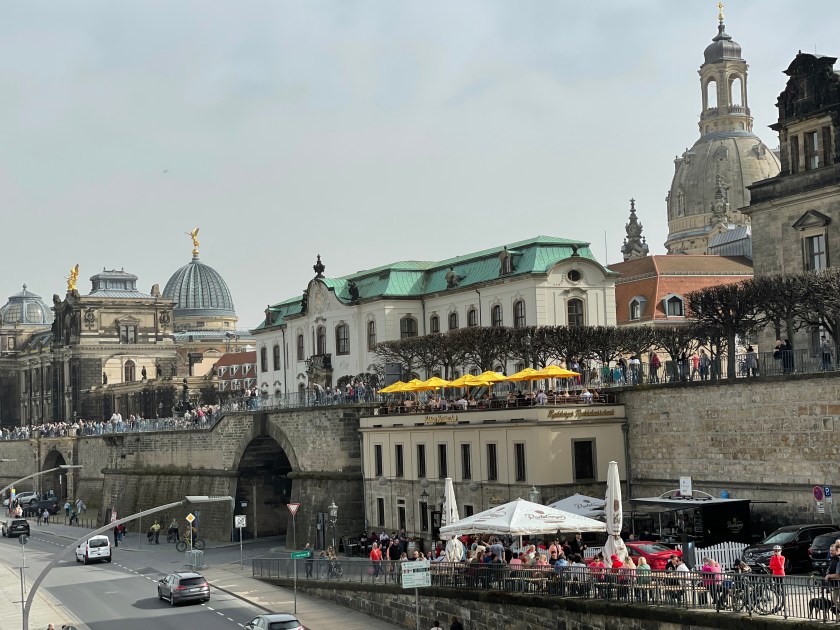
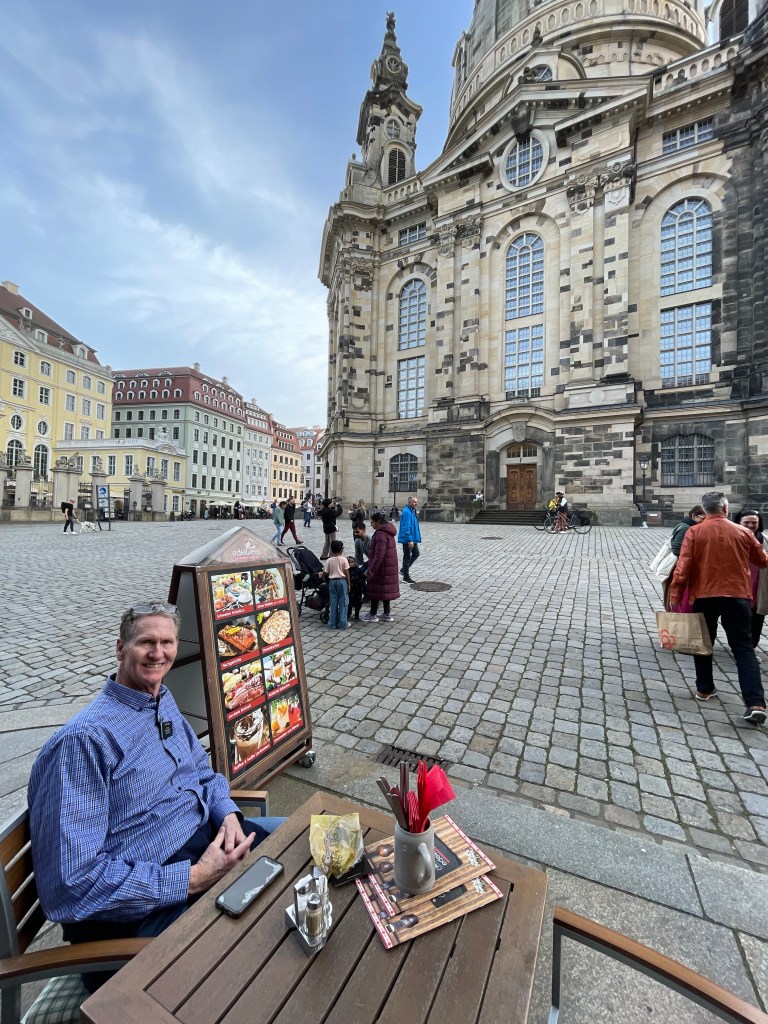
This evening we enjoyed a nice Swiss dinner in the shadow of the Frauenkirche.

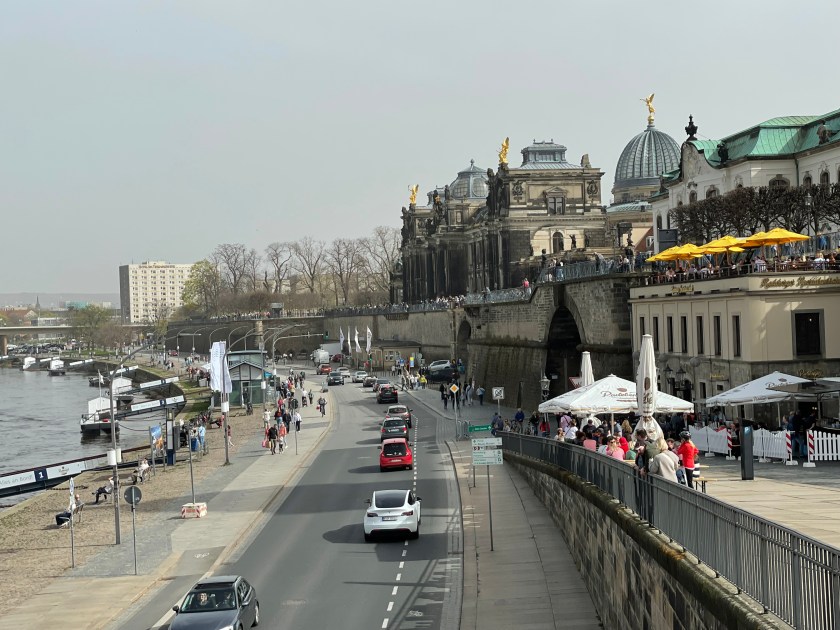
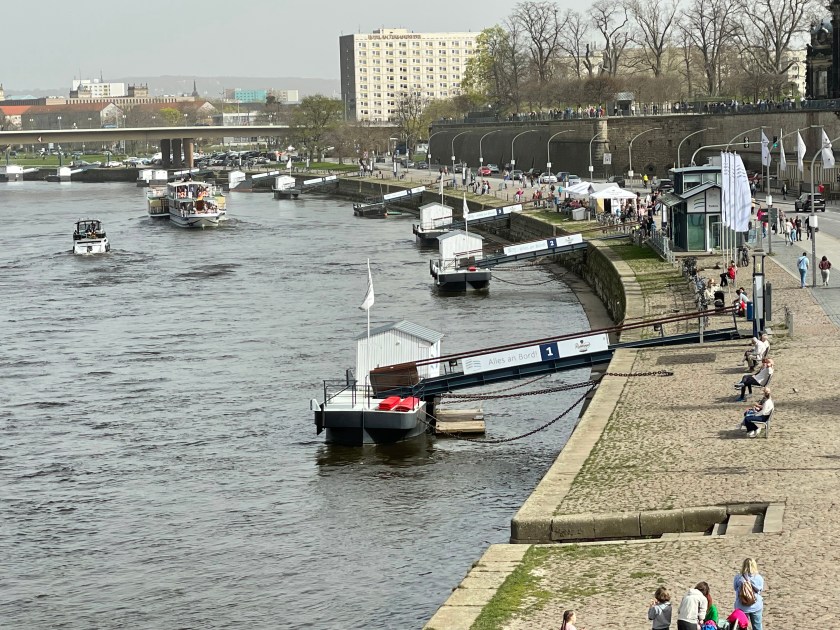
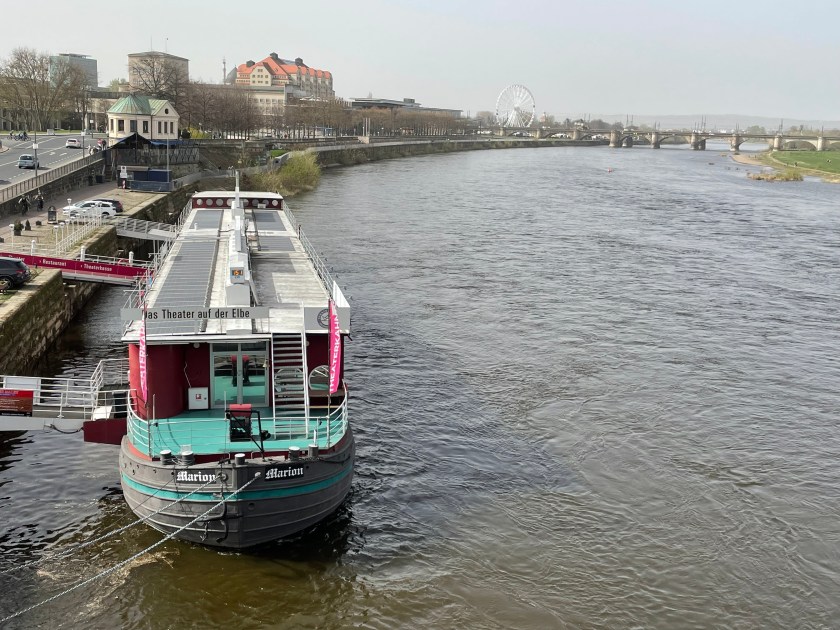
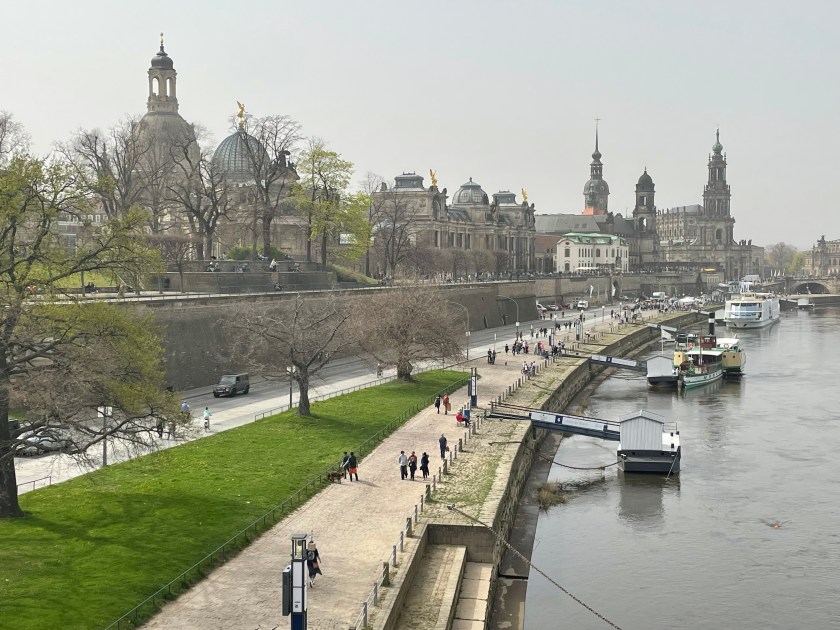
Then we took a river walk on our way back to the S-Bahn that took us back to our hotel.

It was another pretty perfect day.  Interesting, inspiring, and beautiful, as we prepare for Easter Sunday tomorrow.

Dresden and the Frauenkirche

Dresden is a wonderful and interesting city.  We spent the day enjoying the sights in the old town that’s been reconstructed in more recent years.  Dresden and Nuremberg were two of the most heavily bombed cities in Germany during the war.  Most of what we saw today was reconstructed from rubble, an amazing thing.

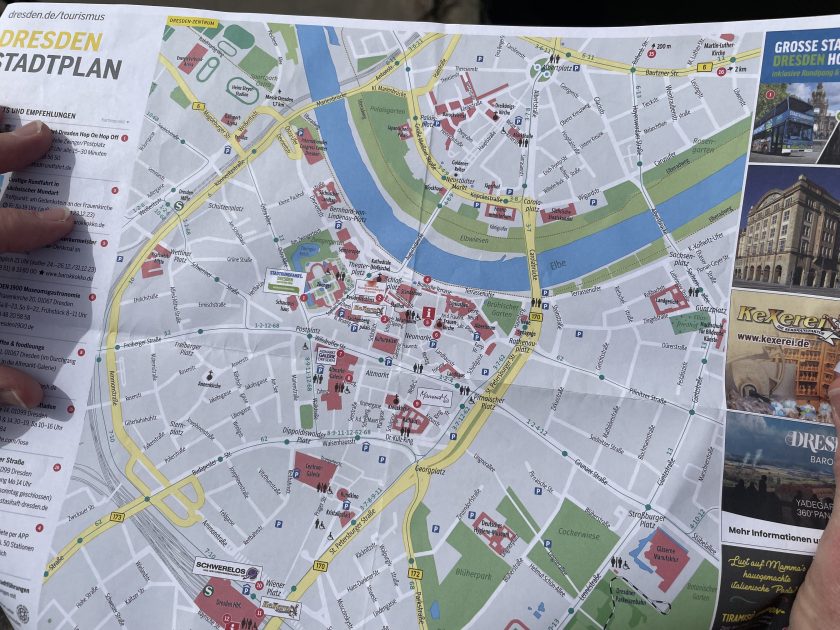
As you can see in the map below, most of the city center is concentrated in one area.

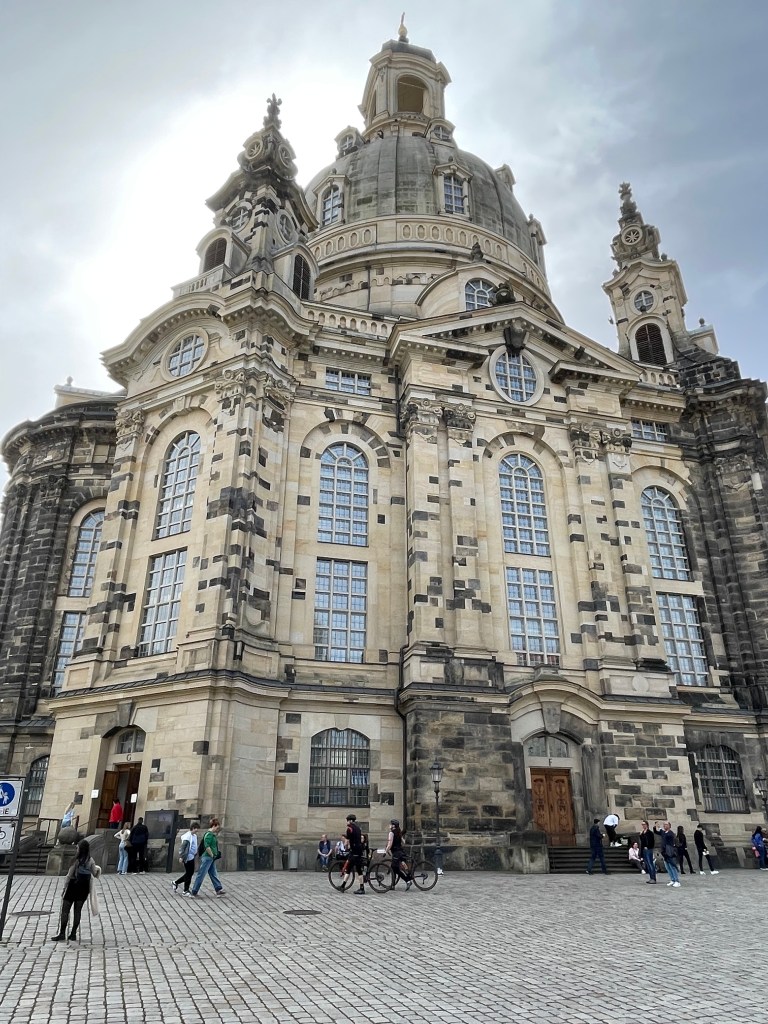
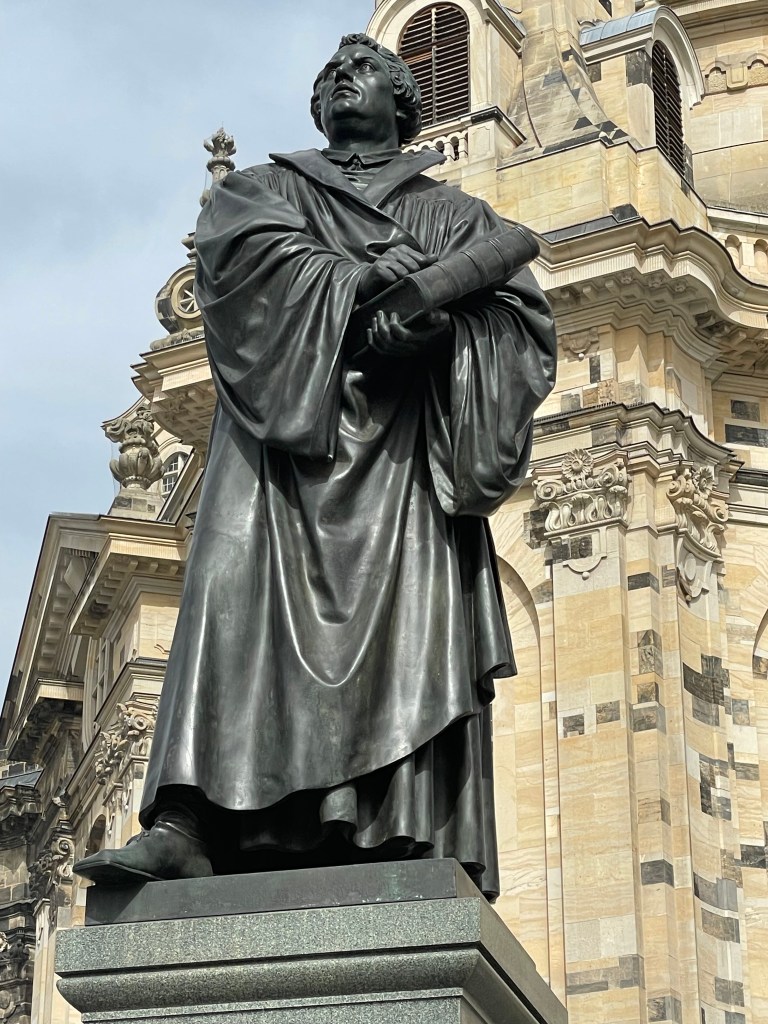
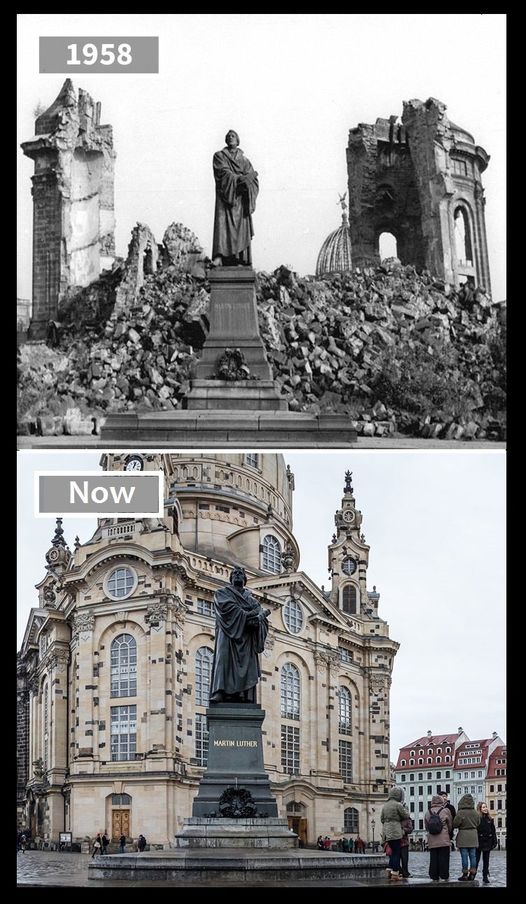
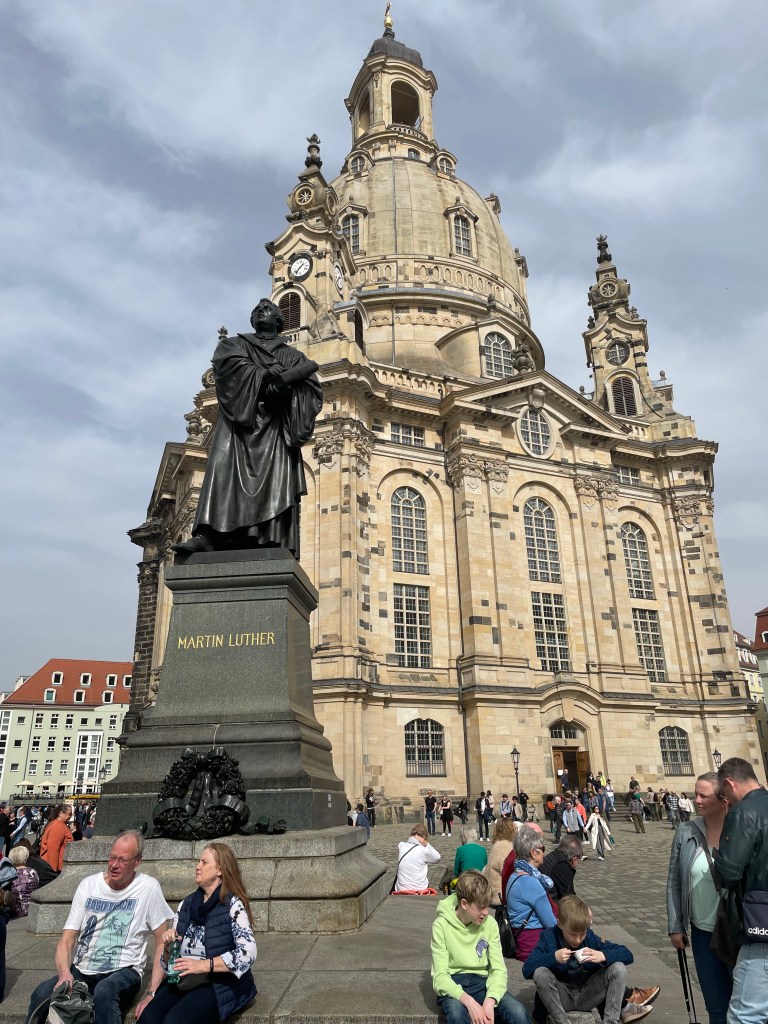
The Frauenkirche is the gem of this old city.  Originally built 1726 to 1743, it was destroyed during the air raids on Dresden on the night of 13/14 February 1945.  It collapsed, burnt out, on the morning of February 15th.  The rubble was left for many years as a memorial against war and destruction.

In 1993, the clearing of the rubble began and in 1994 the reconstruction was started.  The work, completed in 2005, was largely financed by donors from all over the world.  On 30 October 2005, a consecration service and ceremony took place in the Frauenkirche. The memorial against war and violence has now become a beautiful symbol of reconciliation.

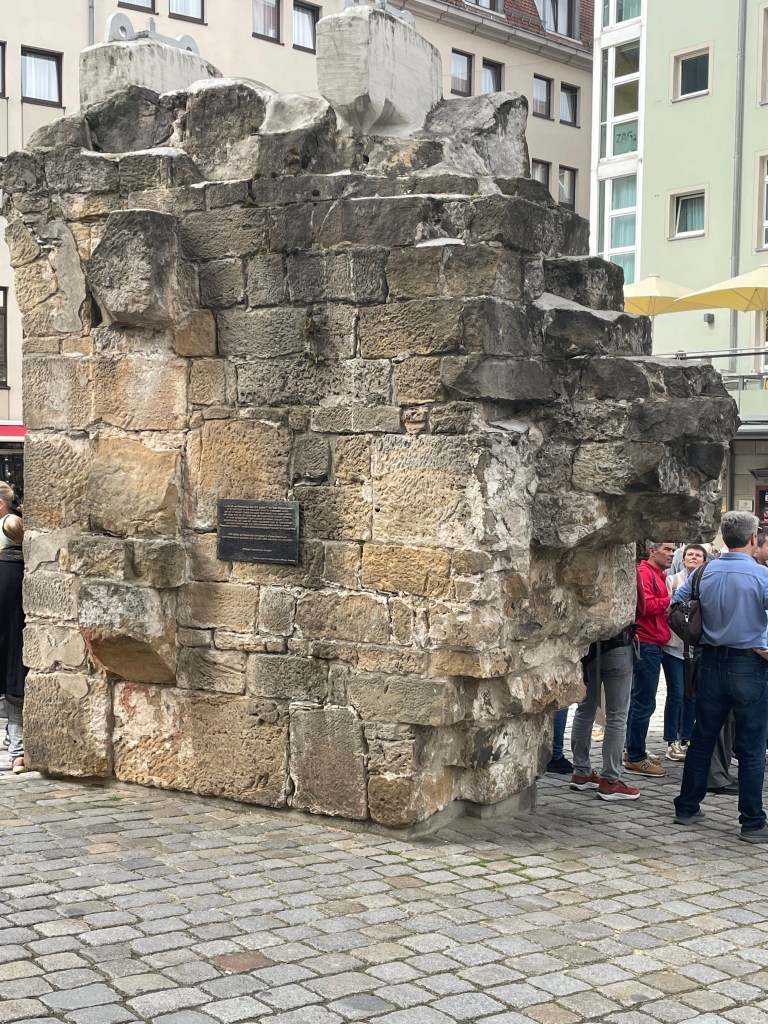
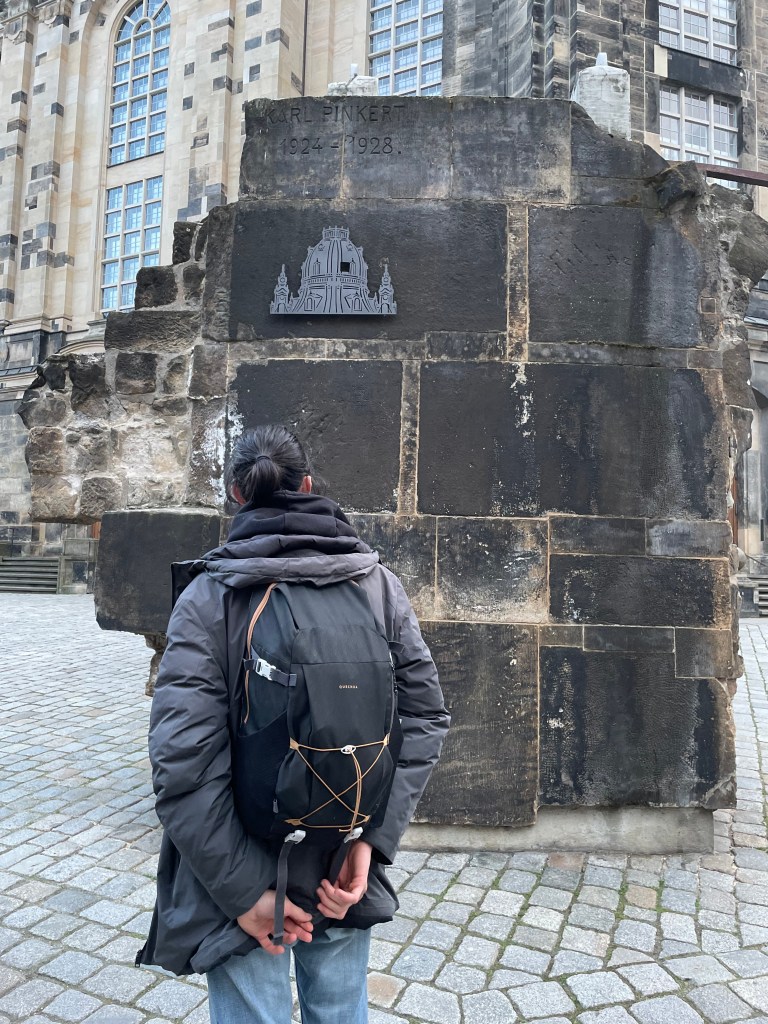
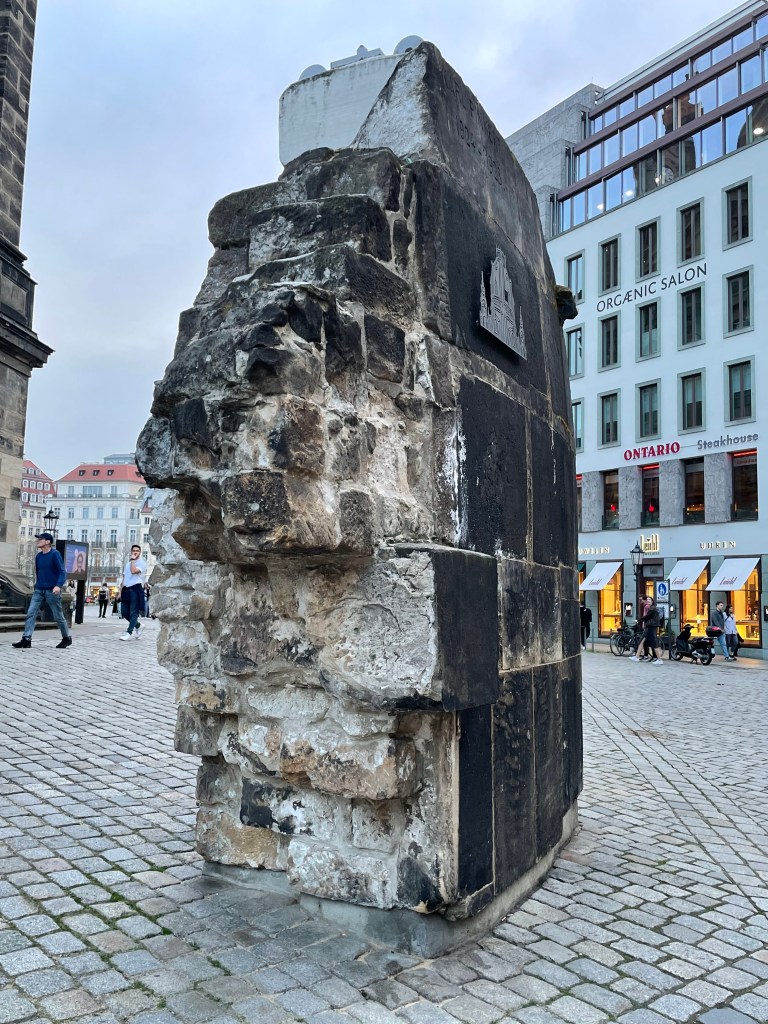
This large chunk of rubble fell from the dome during the bombing.  It stayed in one piece.

The metal plaque on the stone shows the hole where it once fit in the dome.  It’s hard to imagine the loss when the cathedral fell.

In a German class at BYU, we all were invited to watch the film Dresden, which my professor said had one of the most realistic depictions of the bombing of a major city during the war.  It’s got English subtitles and is worth a 3 hour watch.

This gives you an idea of what the destruction looked like:

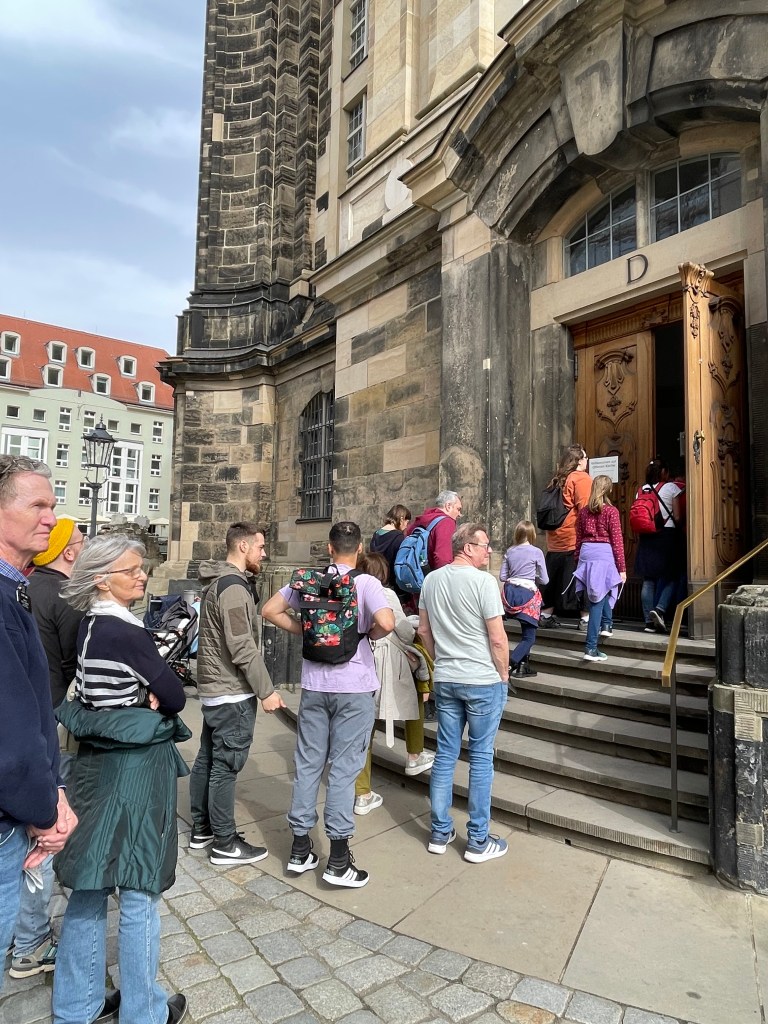
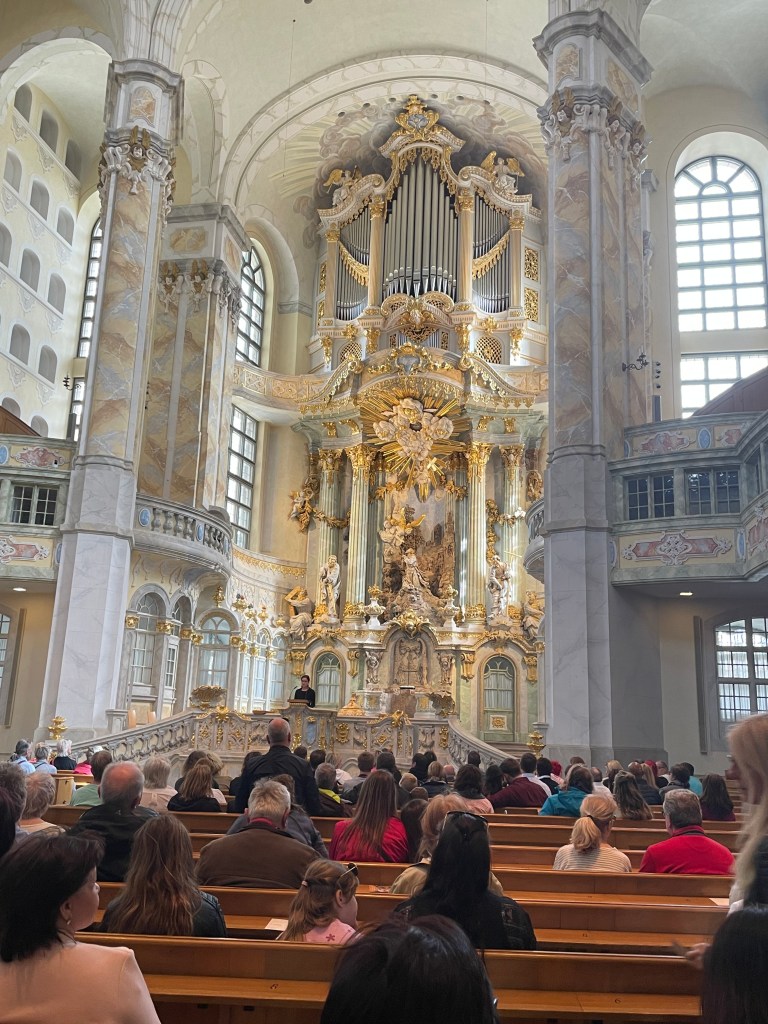
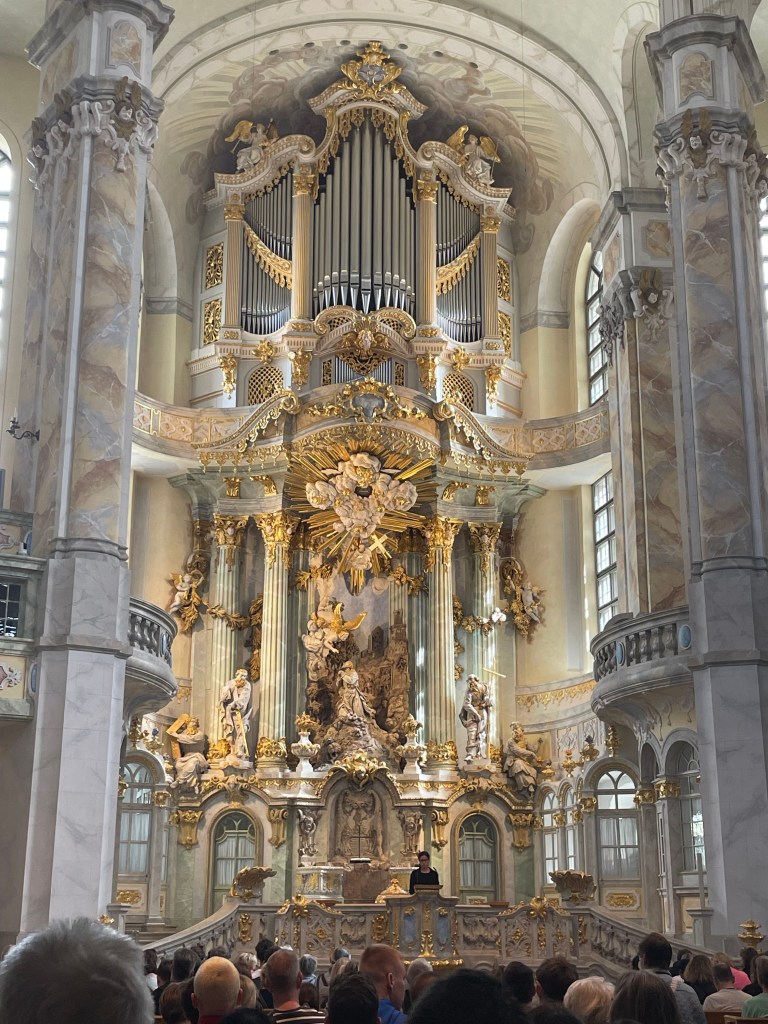
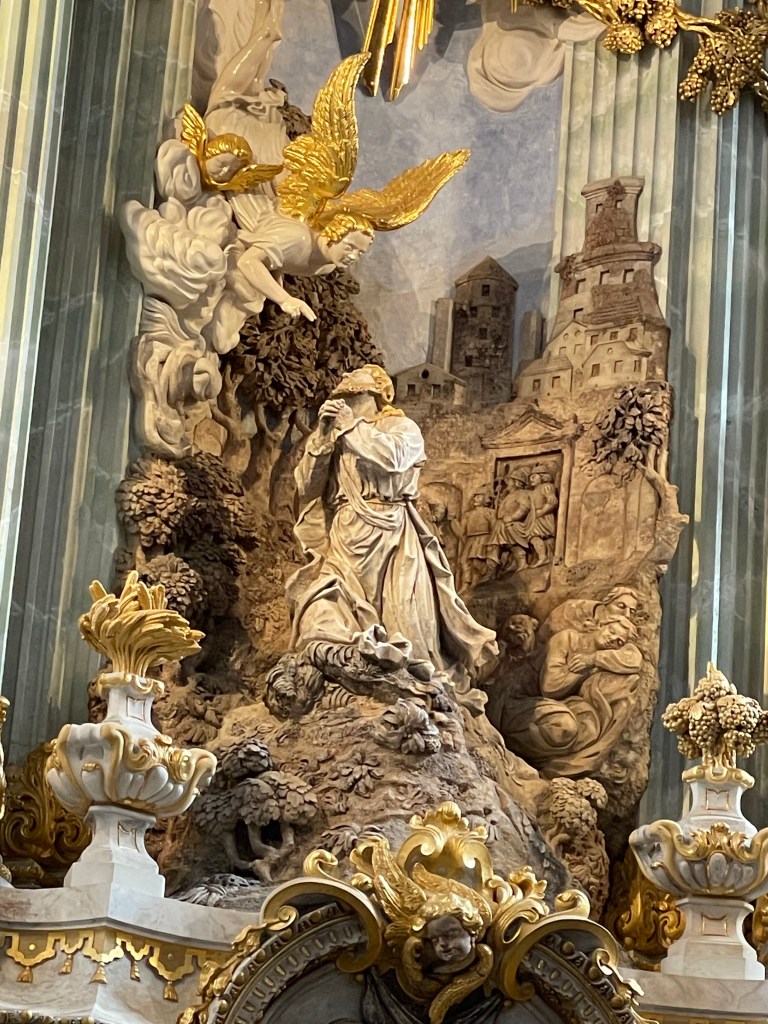
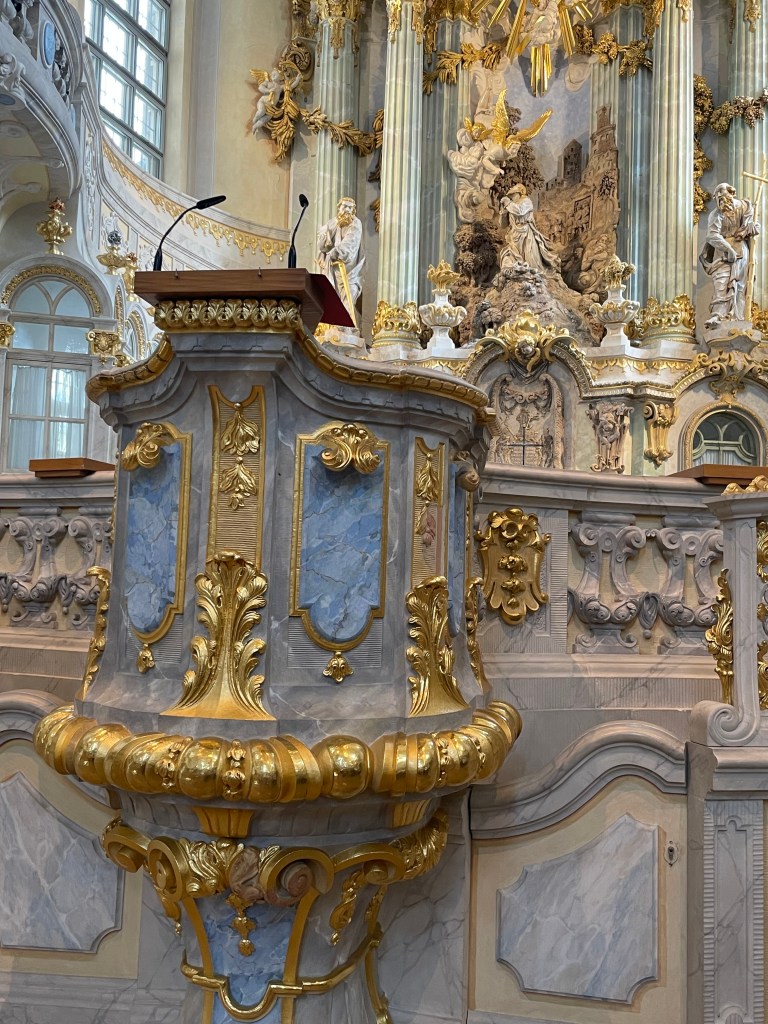
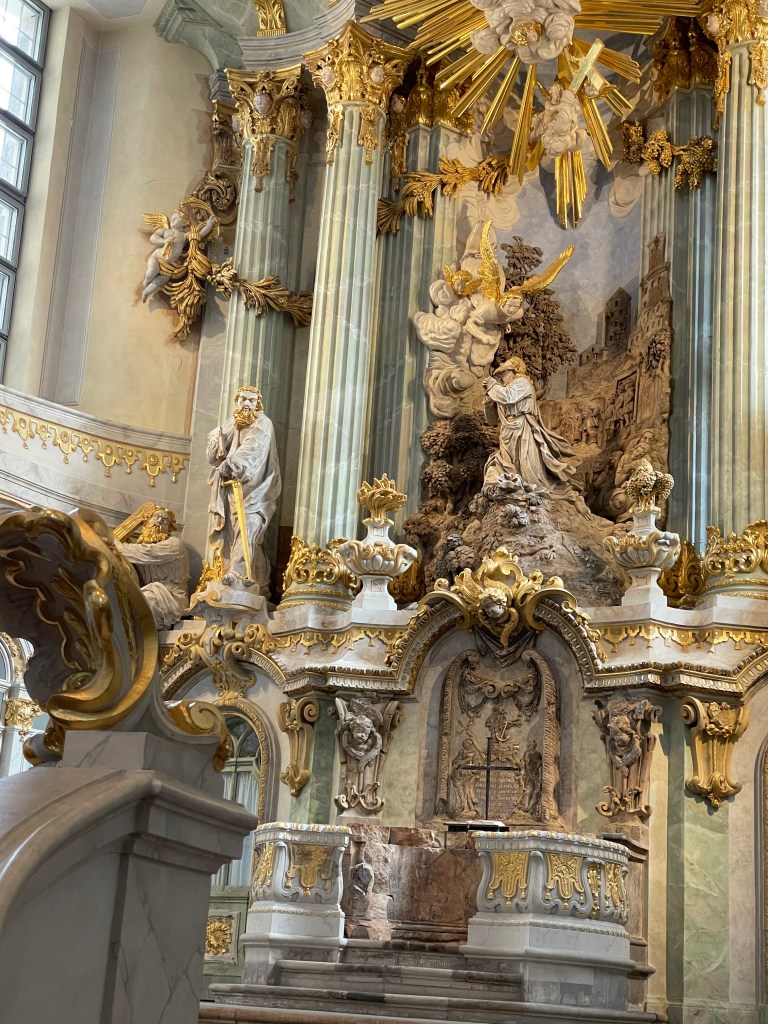
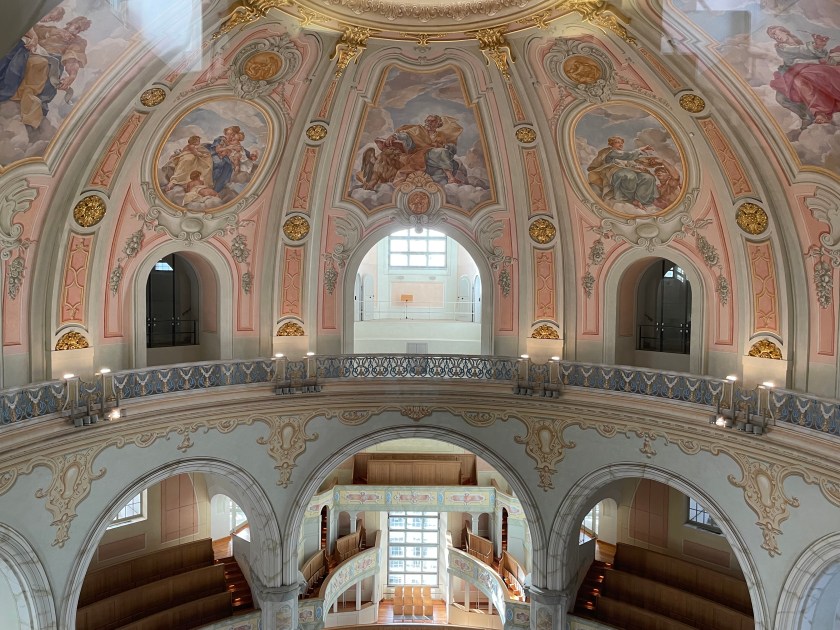
The line to get into the Frauenkirche wasn’t long and moved quickly.  Stepping inside was like stepping into another world.  It was breathtakingly beautiful.

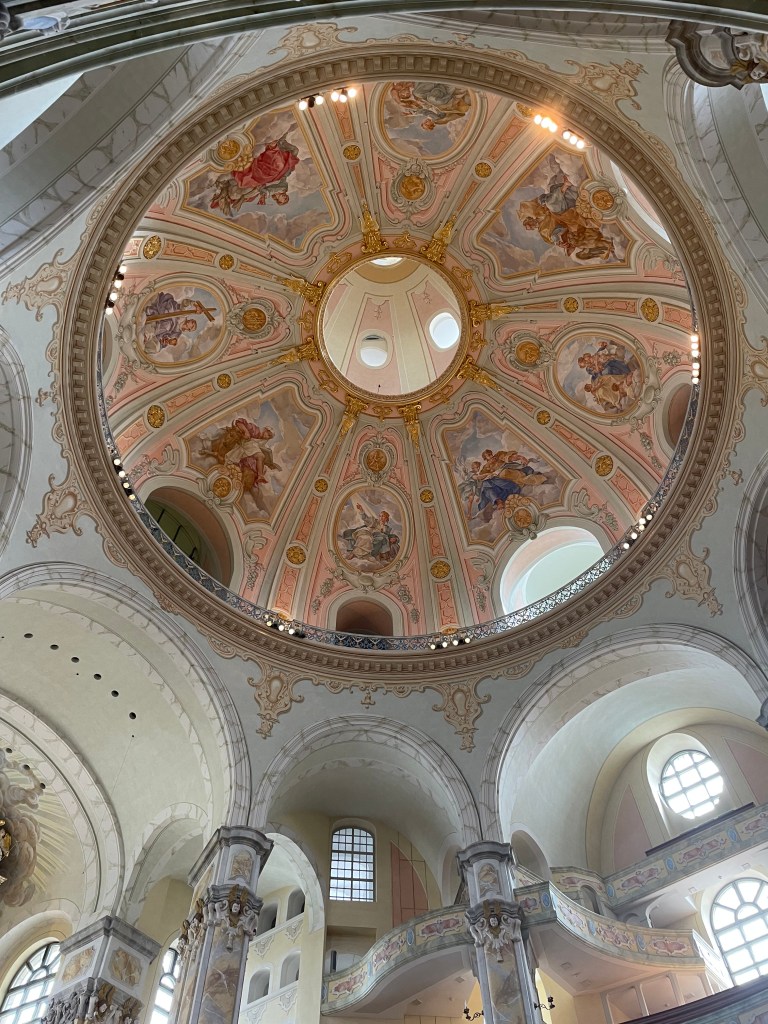
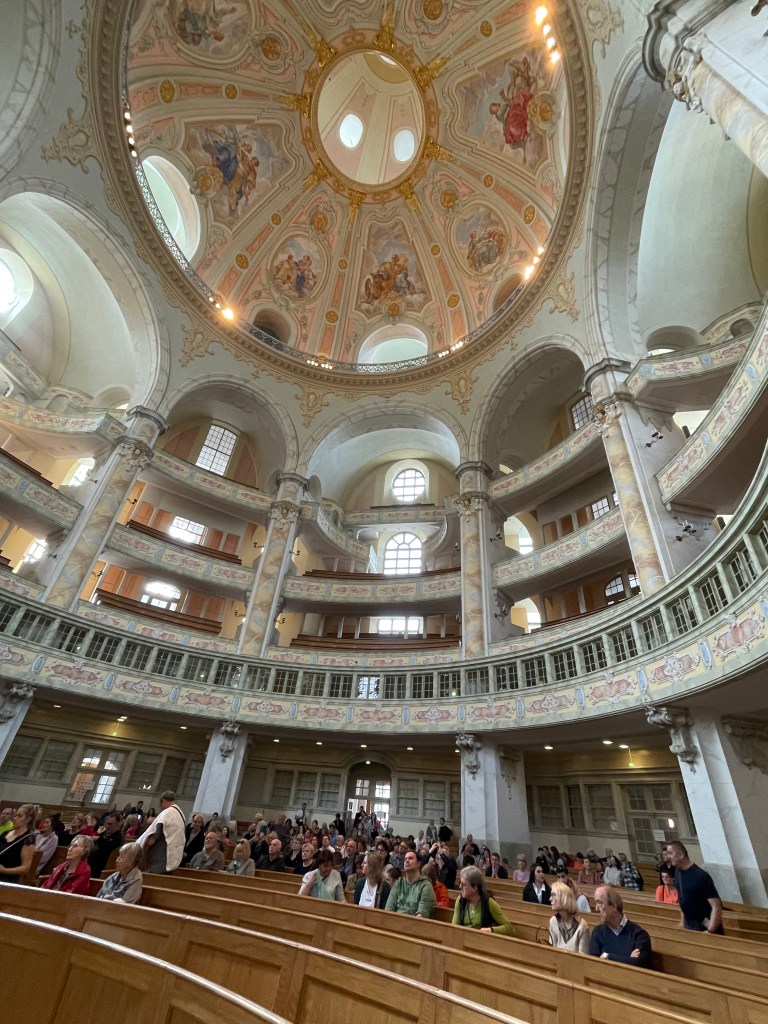
Looking up into the dome was like looking up into heaven.  Because today is Easter Saturday, there were services going on, almost on the hour, with different pastors and preachers speaking to the visitors and beautiful organ music playing.  We enjoyed listening and soaking it all in.

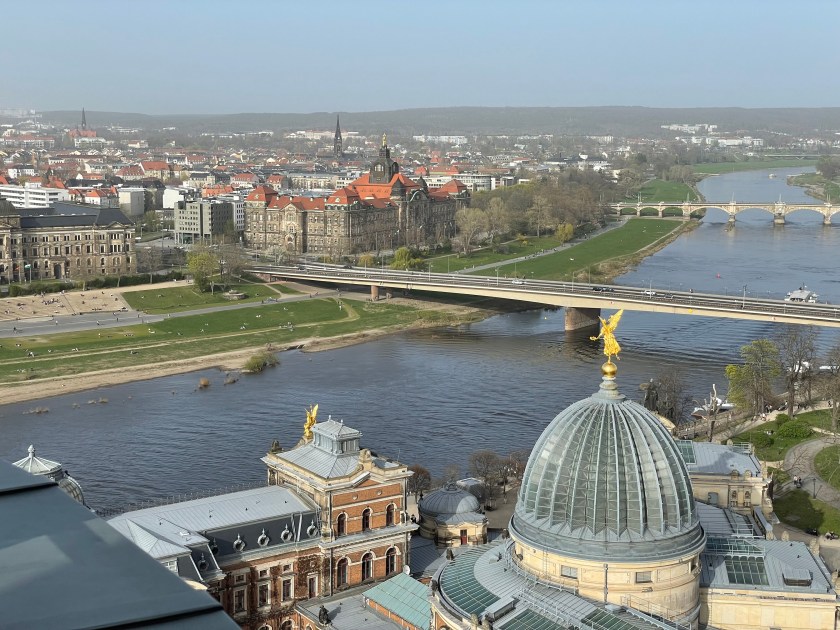
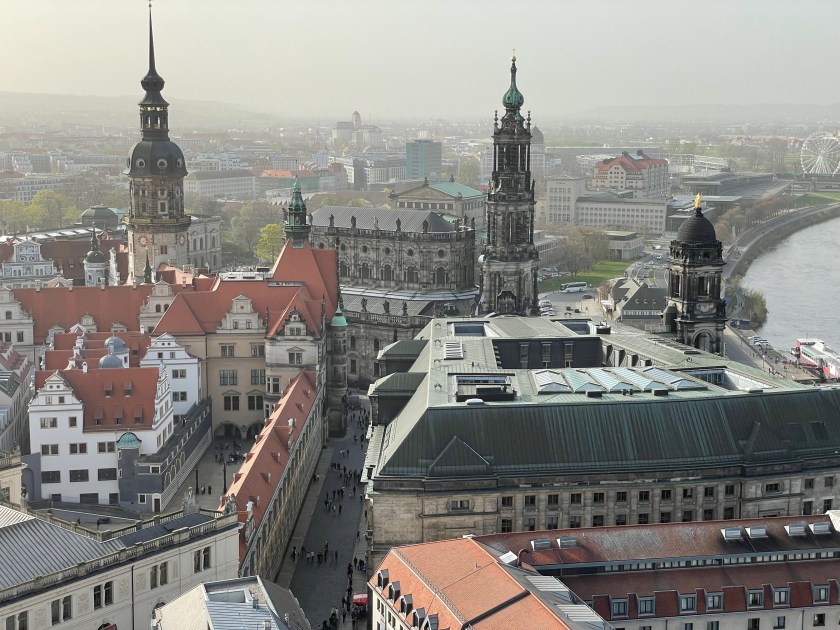
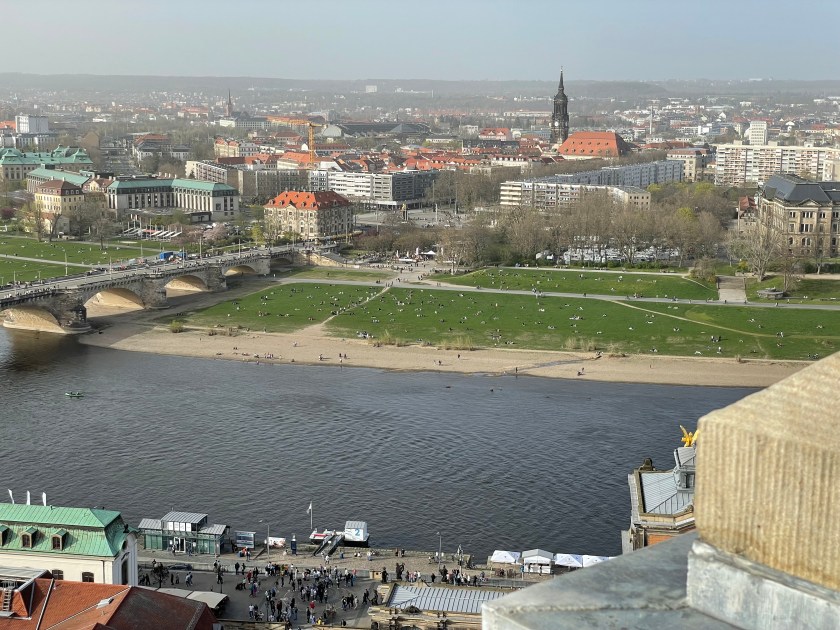
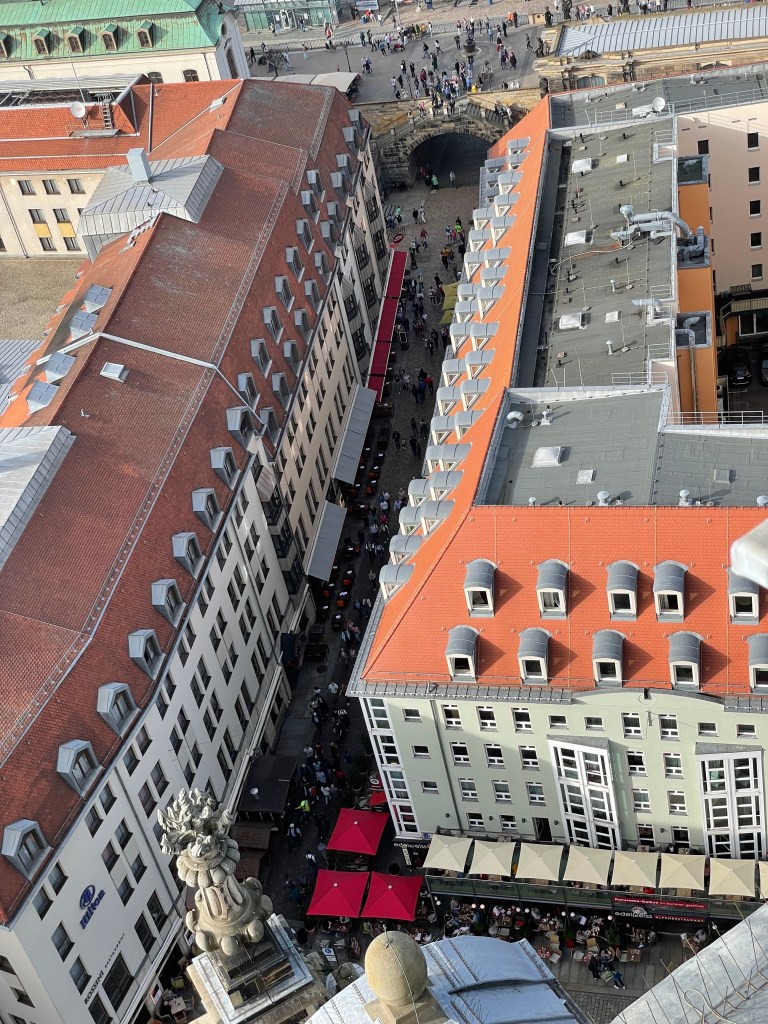
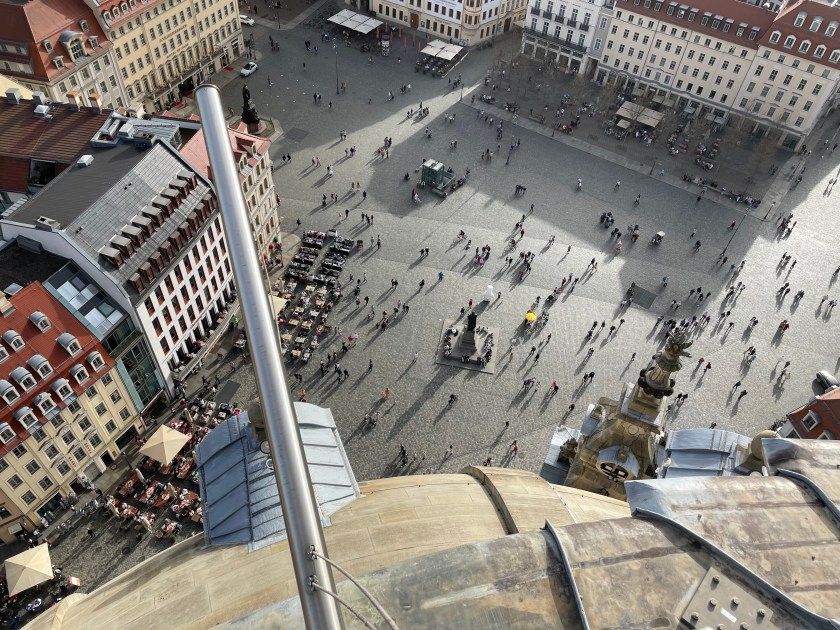
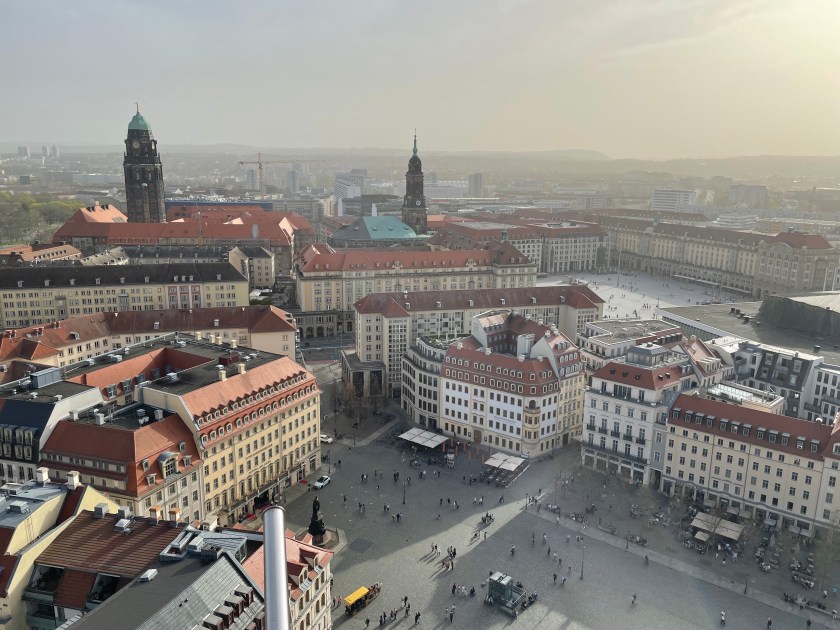
John climbed up into the dome and took these pictures while I enjoyed more music and sermons.