This, That and General Conference

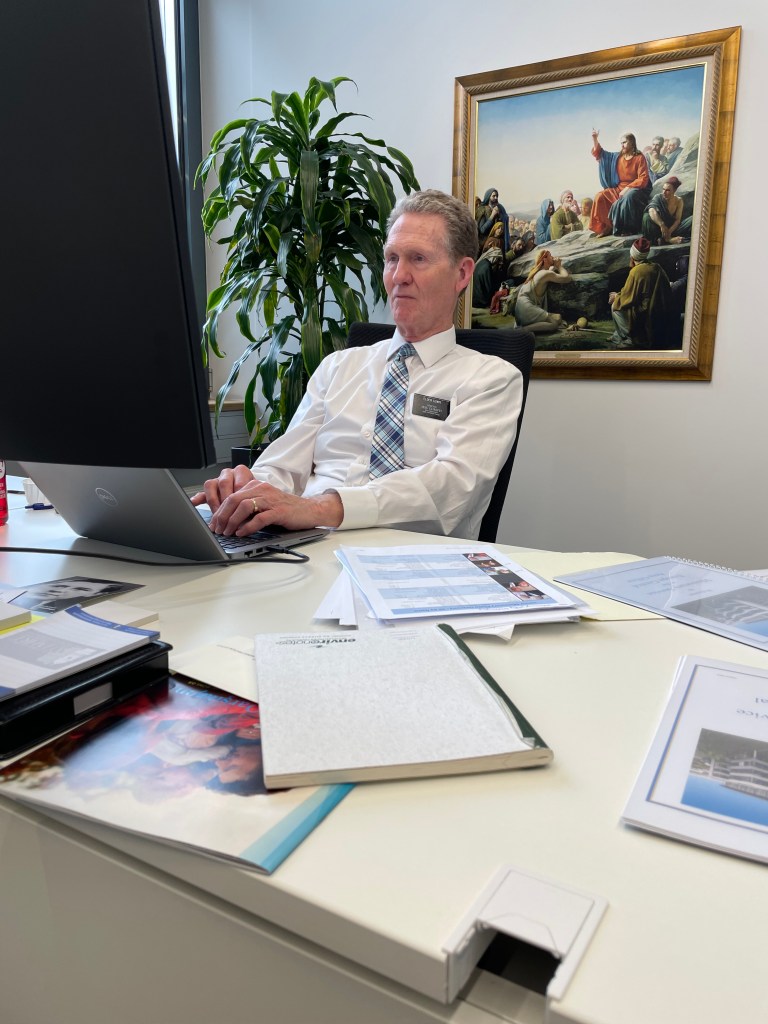
We are now heavily engaged in the zone work, which is really quite time consuming.  We’re going through all of the piles and files of correspondence that goes out to arriving and departing missionaries to consolidate and simplify it.

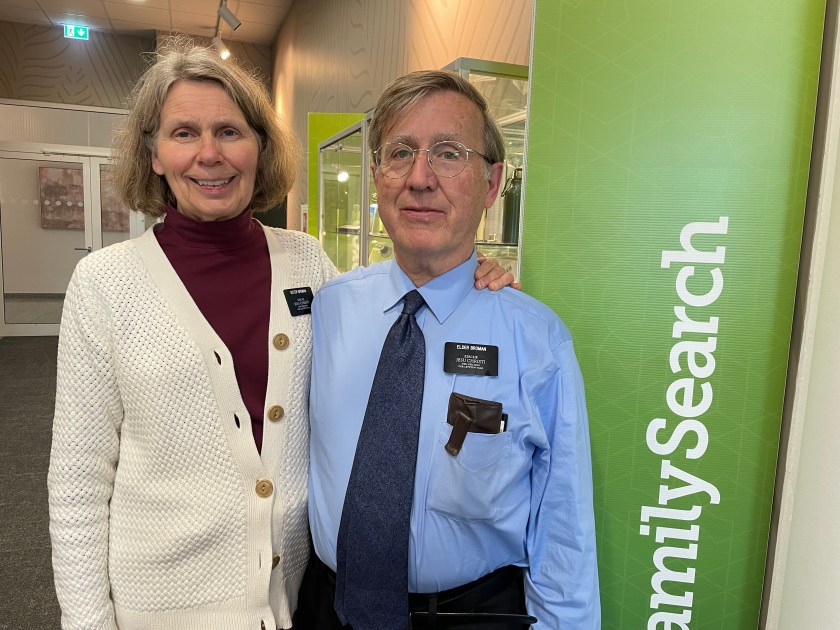
We welcomed the Bromans, who will be serving with record preservation in Family Search.
We said farewell to Claire Allen, our CCD intern.  We will really miss her.  She’s been such a great help to our team.  She’s heading back to BYU after a summer of adventuresome jobs.
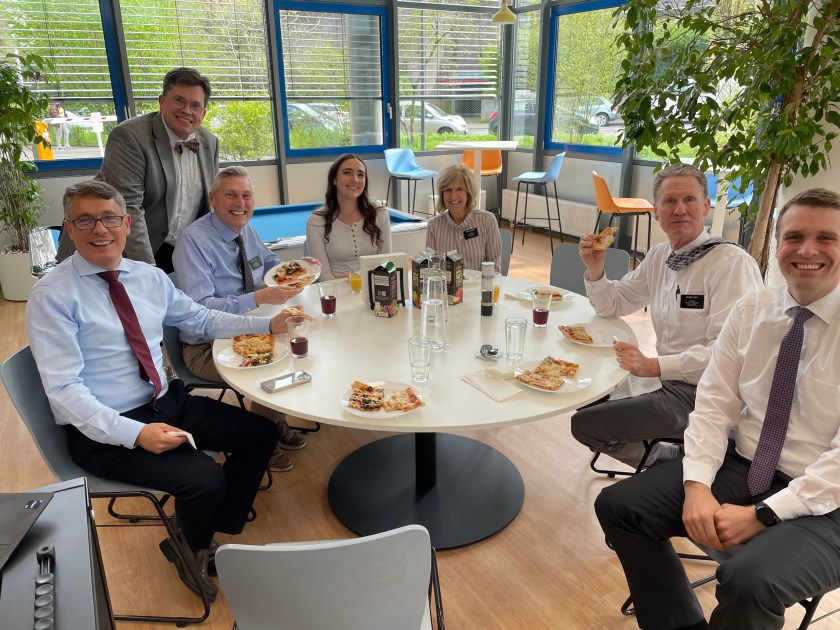
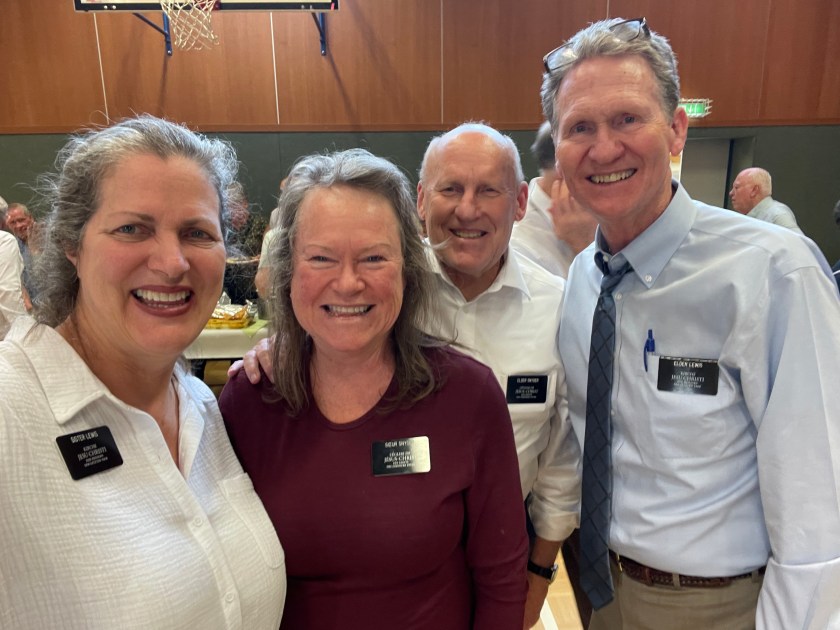
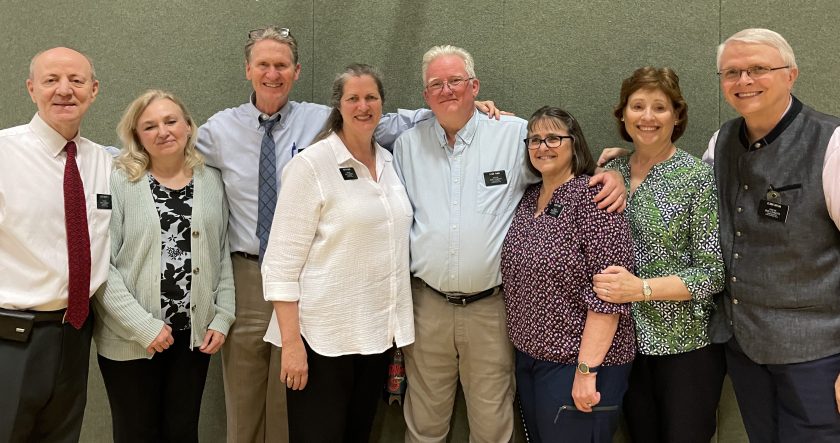
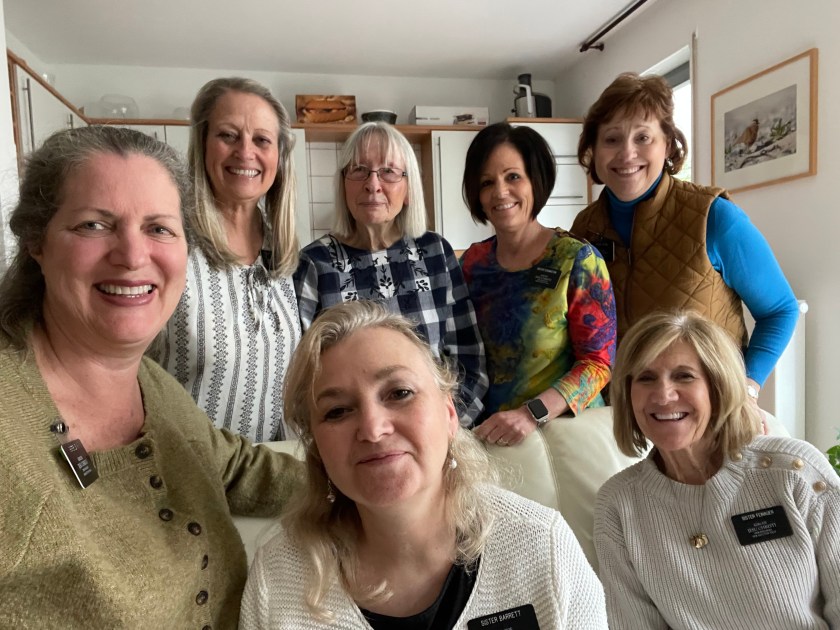
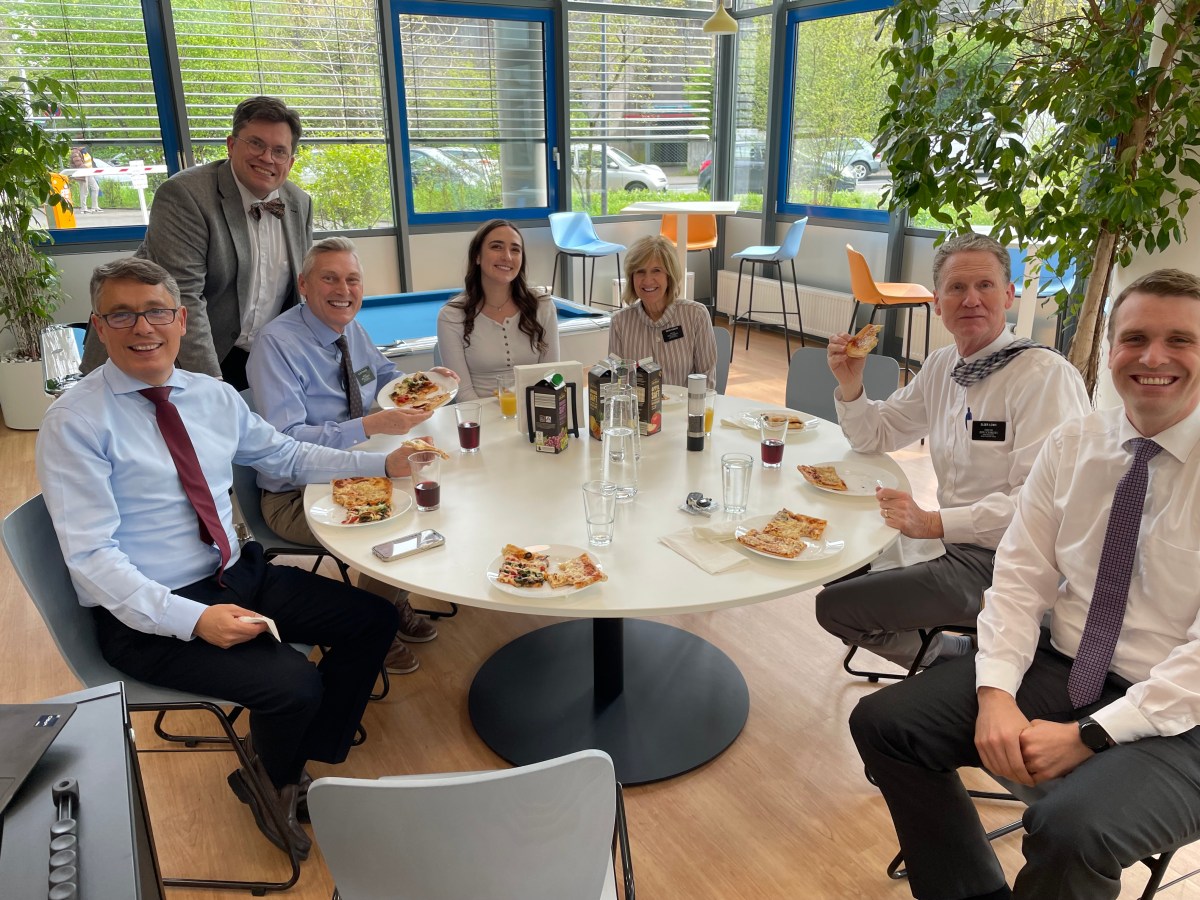
An we really enjoyed a fabulous General Conference, broadcast from Salt Lake City.  We watched from home, at night, loving every word.  Here’s a pic of many of the young missionaries serving in the Frankfurt area between conference sessions.
April 2024 General Conference

President Russell M. Nelson Announces 15 Temples

This brings the worldwide total to 350 houses of the Lord

He said, “Here is my promise. Nothing will help you more to hold fast to the iron rod than worshipping in the temple as regularly as your circumstances permit. Nothing will protect you more as you encounter the world’s mists of darkness. Nothing will bolster your testimony of the Lord Jesus Christ and His Atonement or help you understand God’s magnificent plan more. Nothing will soothe your spirit more during times of pain. Nothing will open the heavens more. Nothing! The temple is the gateway to the greatest blessings God has for each of us.”

Latter-day Saints consider temples to be the house of the Lord and the most sacred places of worship on the earth. The primary purpose of temples is for faithful members of the Church to receive peace, inspiration, and spiritual power as they enter into sacred agreements with God in His holy house.

Here is a list of the 15 temple locations announced:

  • Uturoa, French Polynesia
  • Chihuahua, Mexico
  • Florianópolis, Brazil
  • Rosario, Argentina
  • Edinburgh, Scotland
  • Brisbane Australia South Area
  • Victoria, British Columbia
  • Yuma, Arizona
  • Houston Texas South Area
  • Des Moines, Iowa
  • Cincinnati, Ohio
  • Honolulu, Hawaii
  • West Jordan, Utah
  • Lehi, Utah
  • Maracaibo, Venezuela

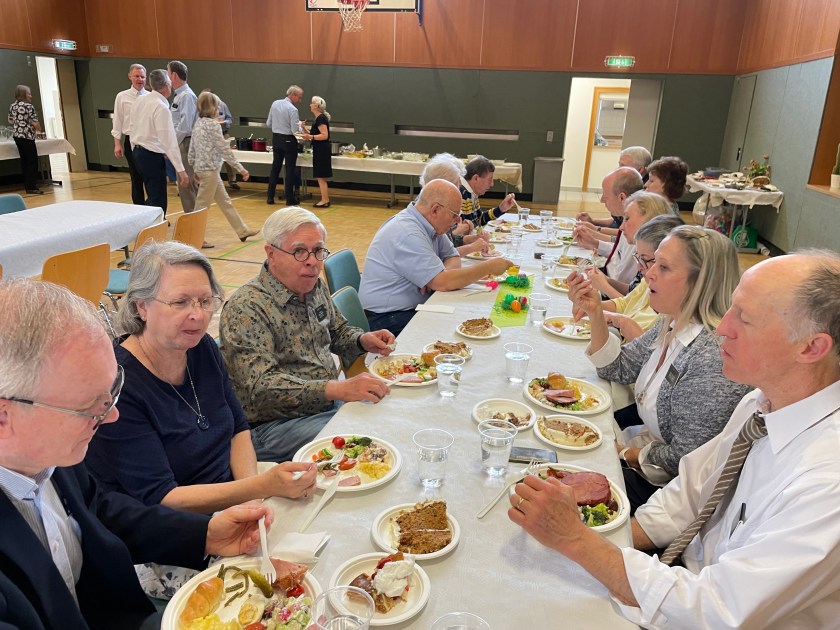
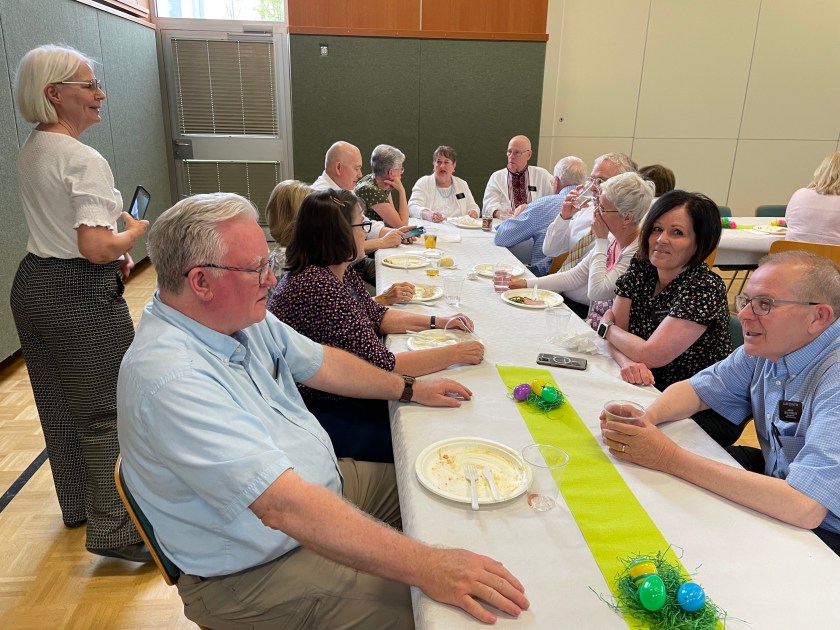
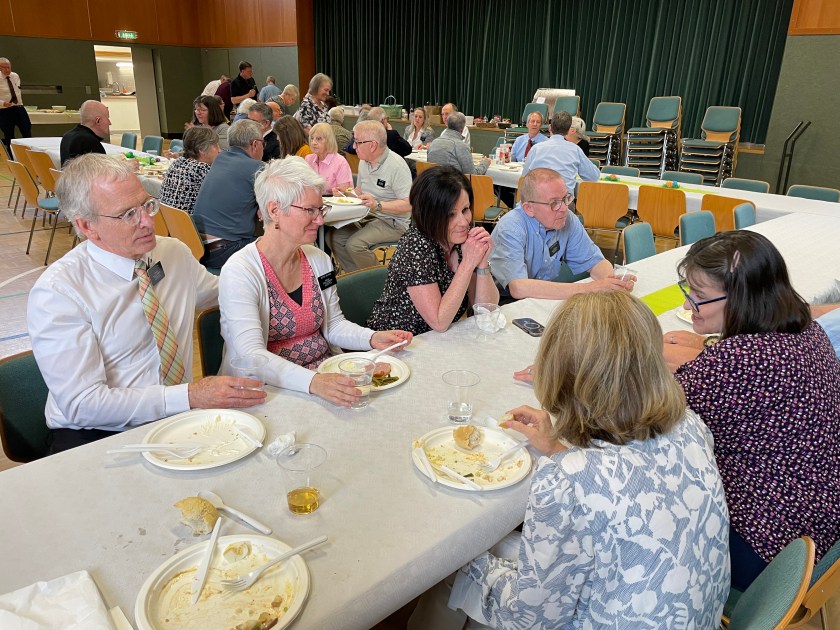
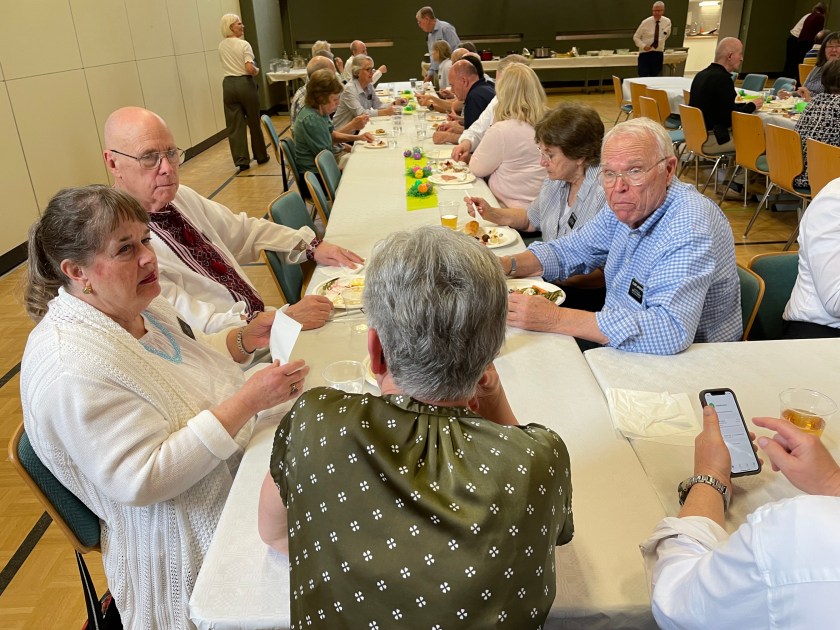
Easter Potluck Dinner and Missionary Farewells

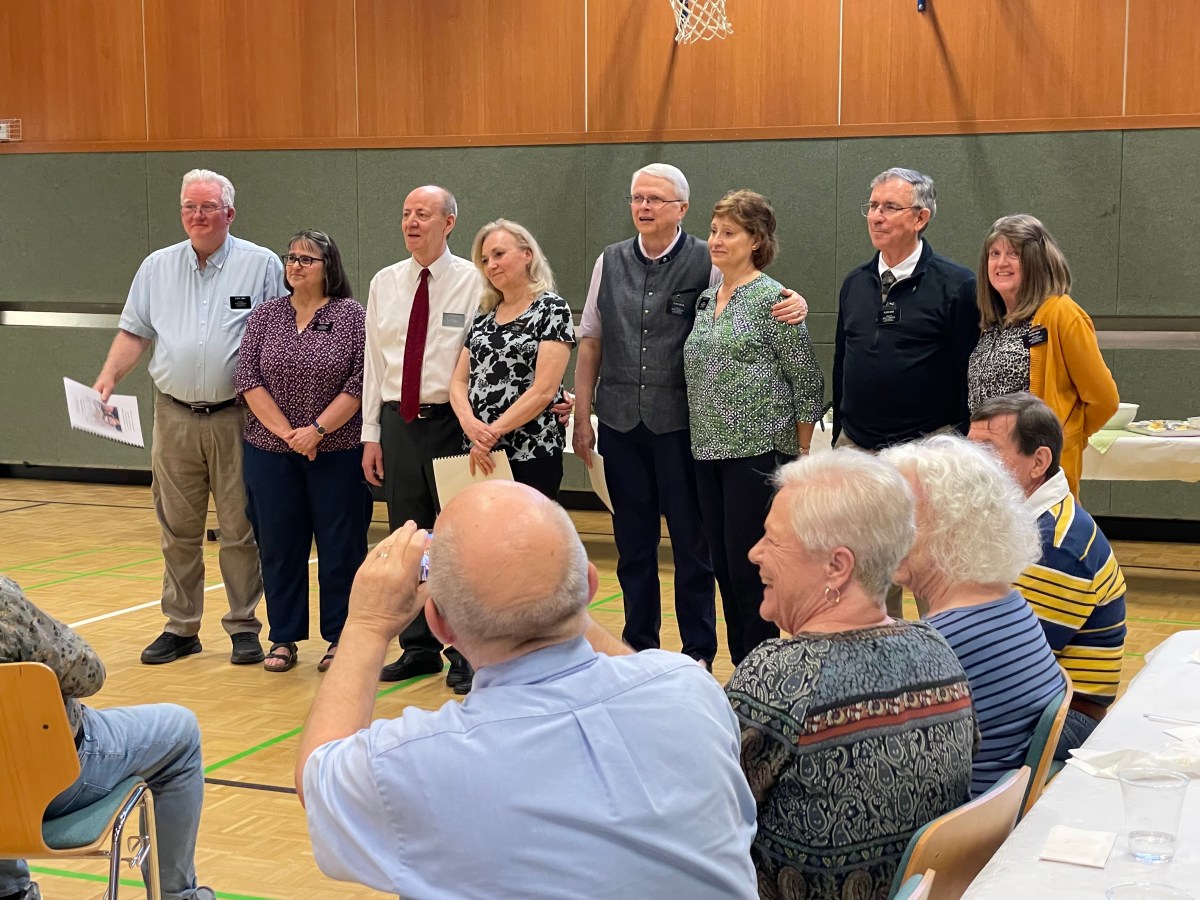
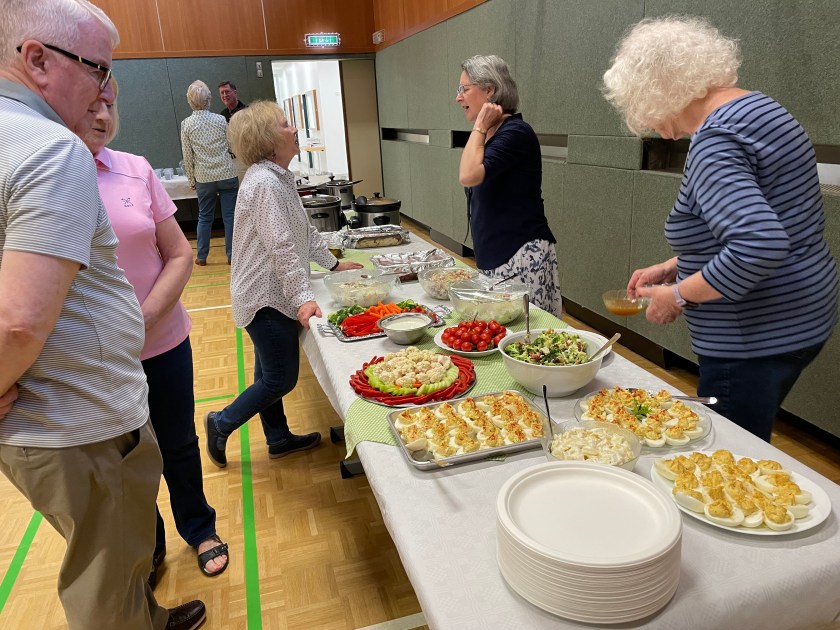
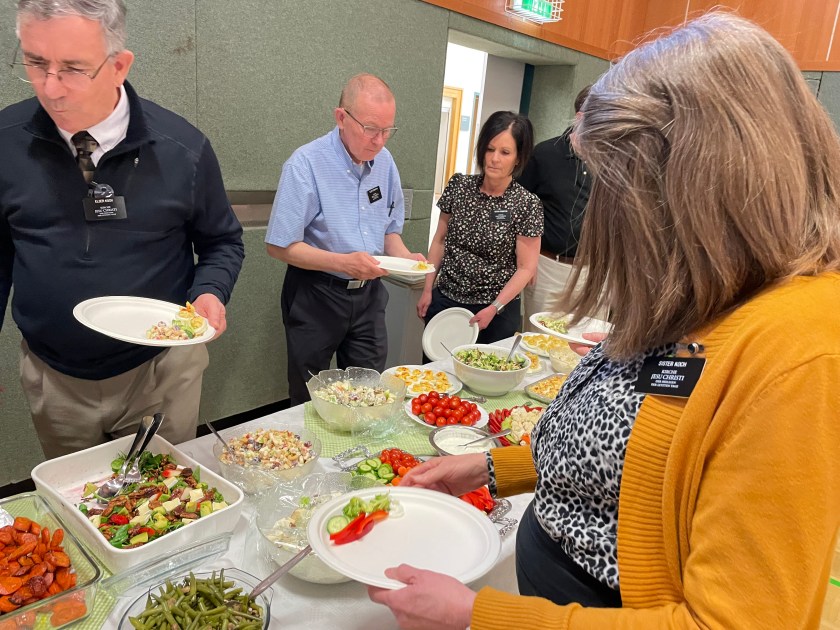
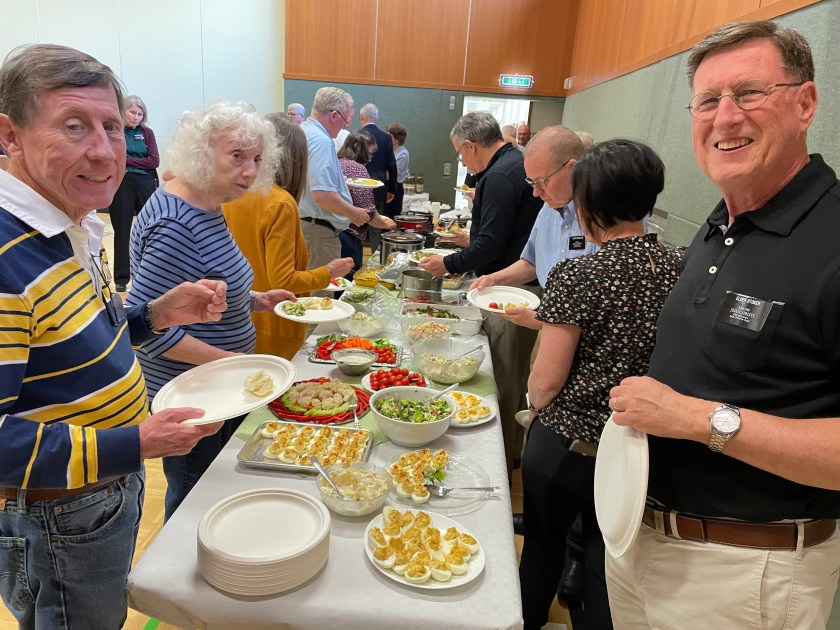
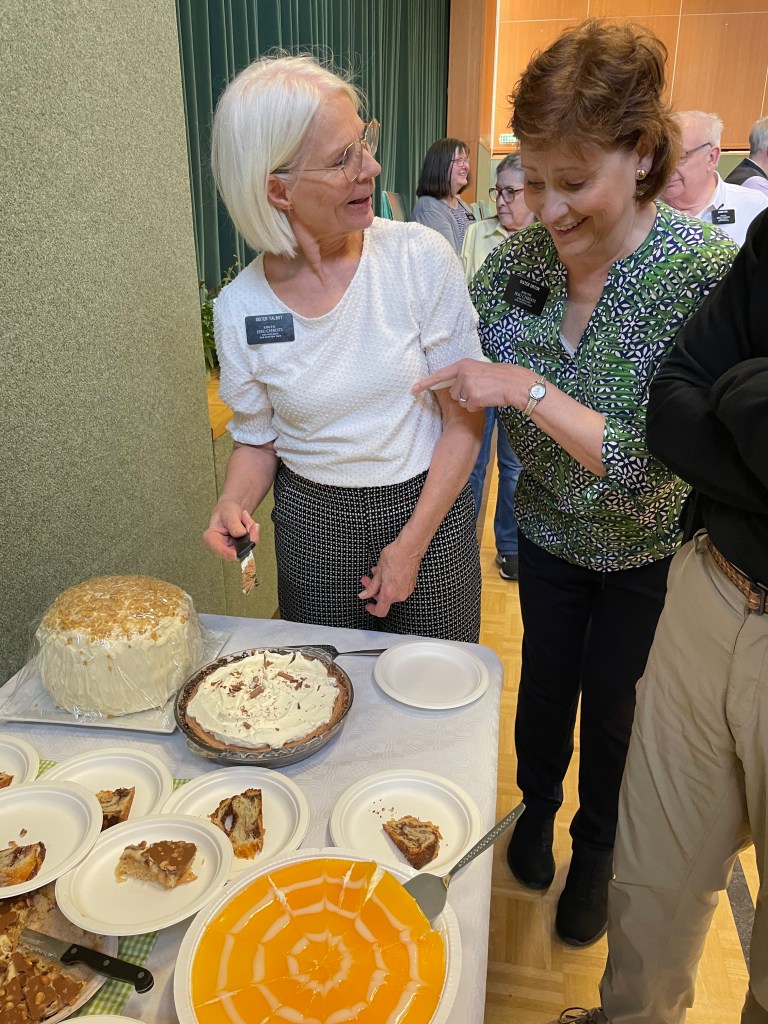
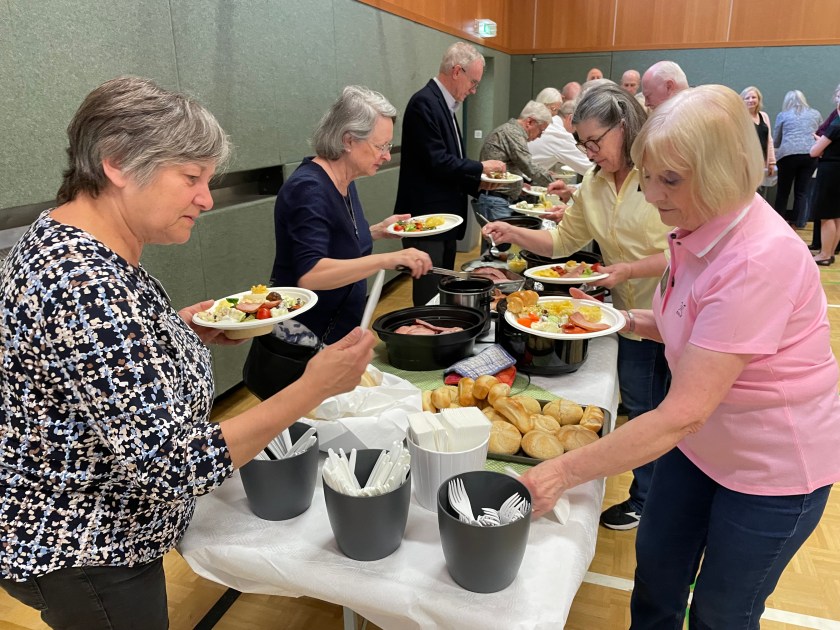
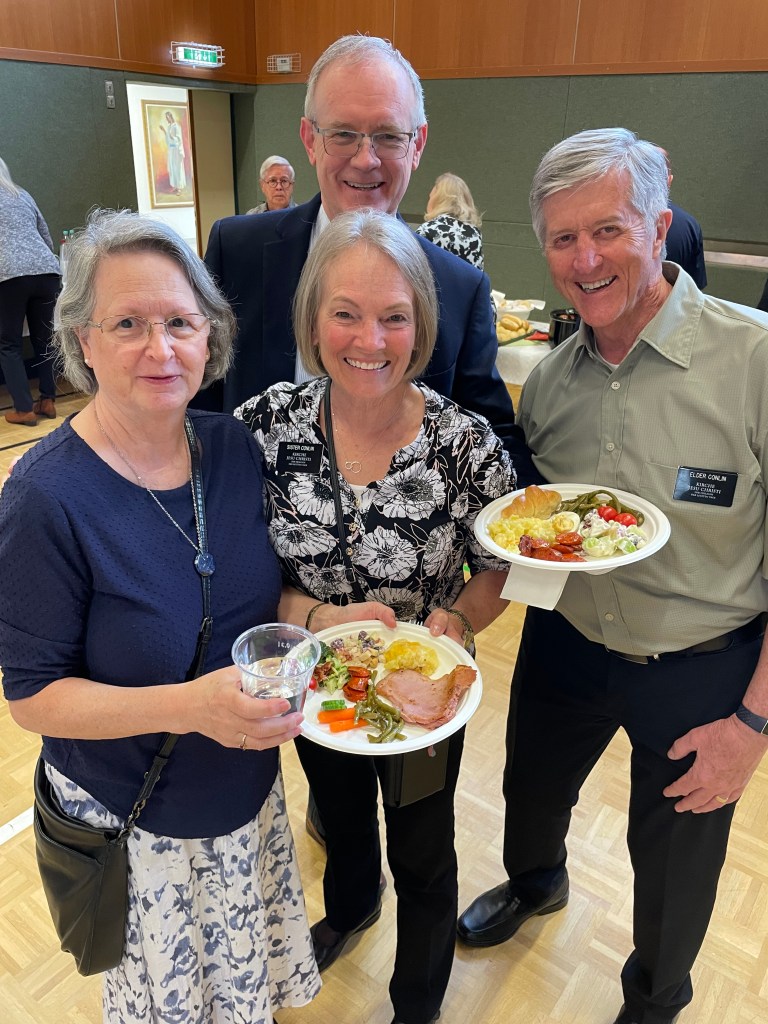
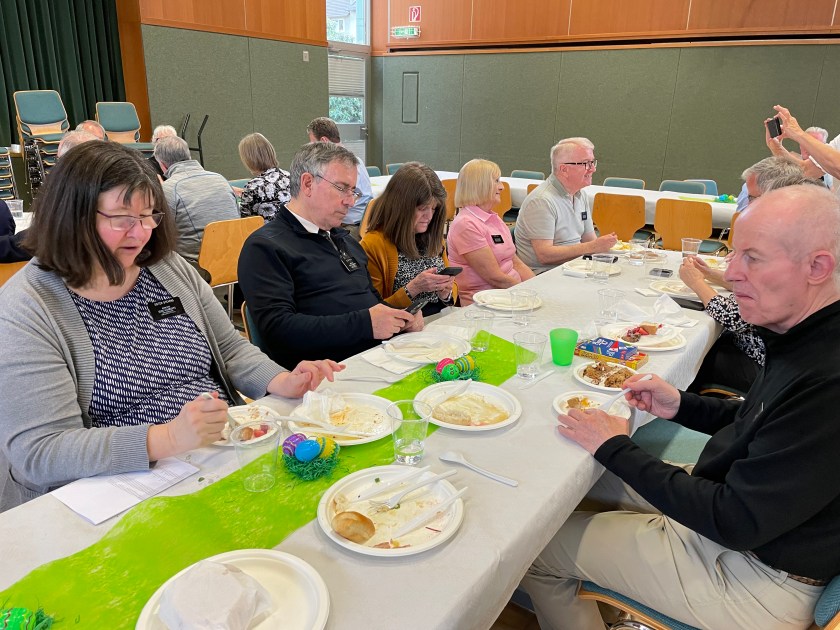
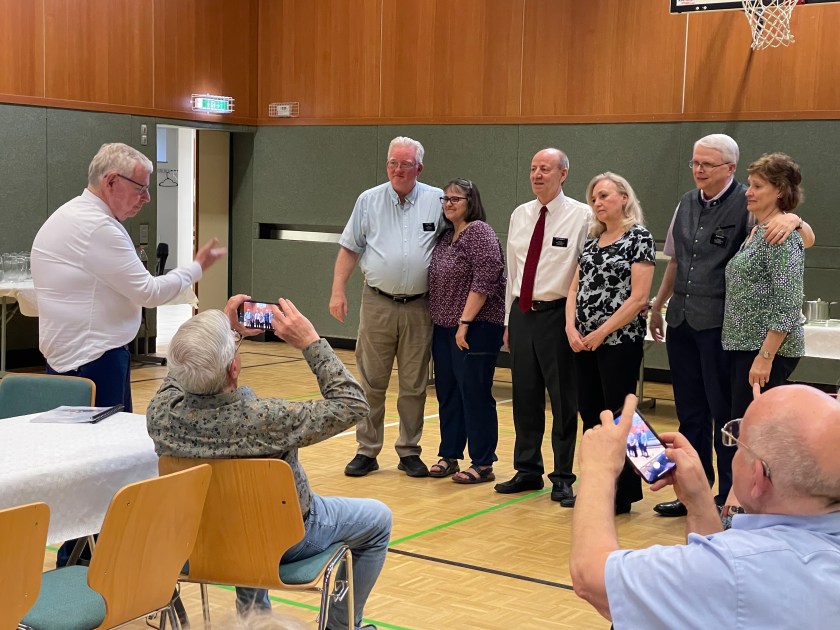
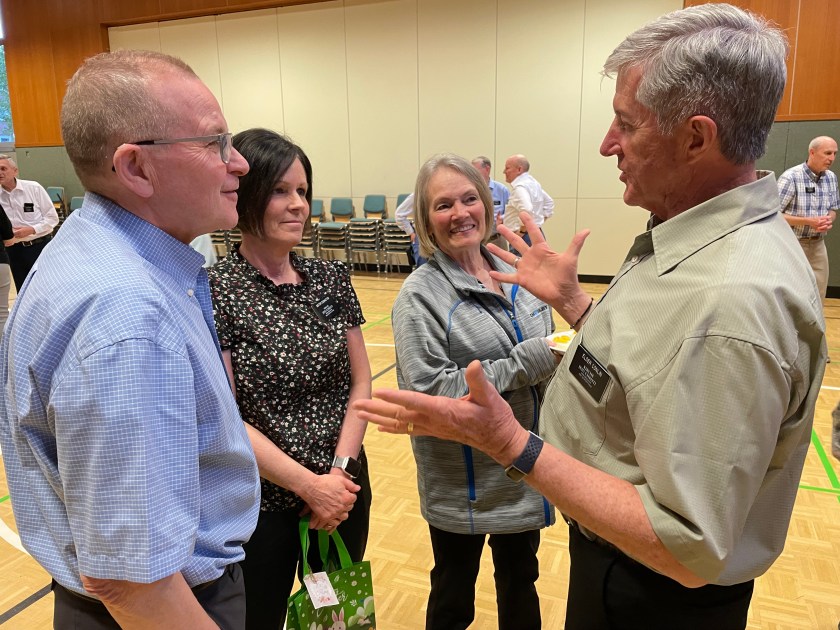
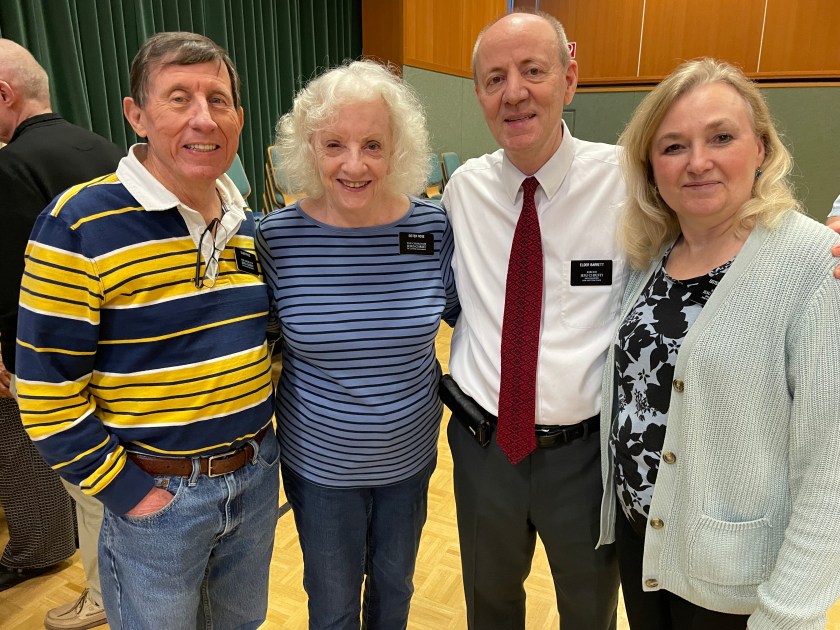
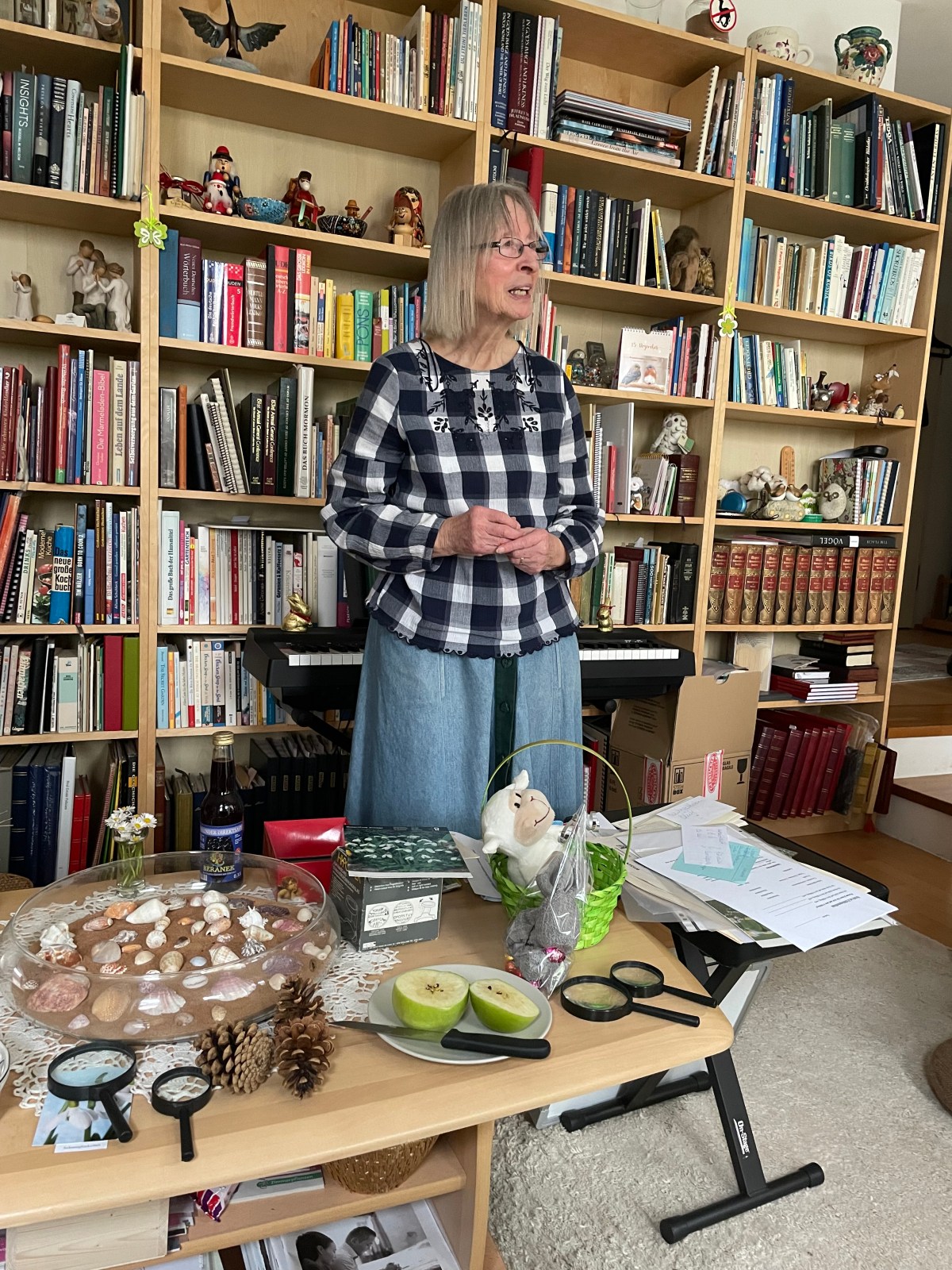
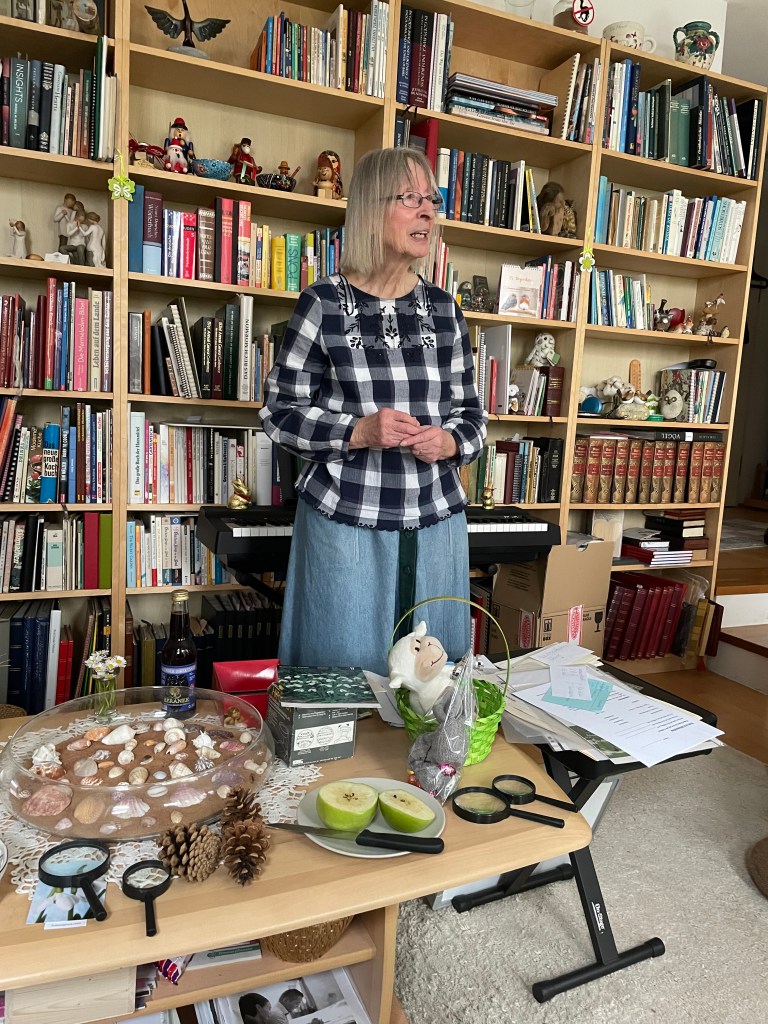
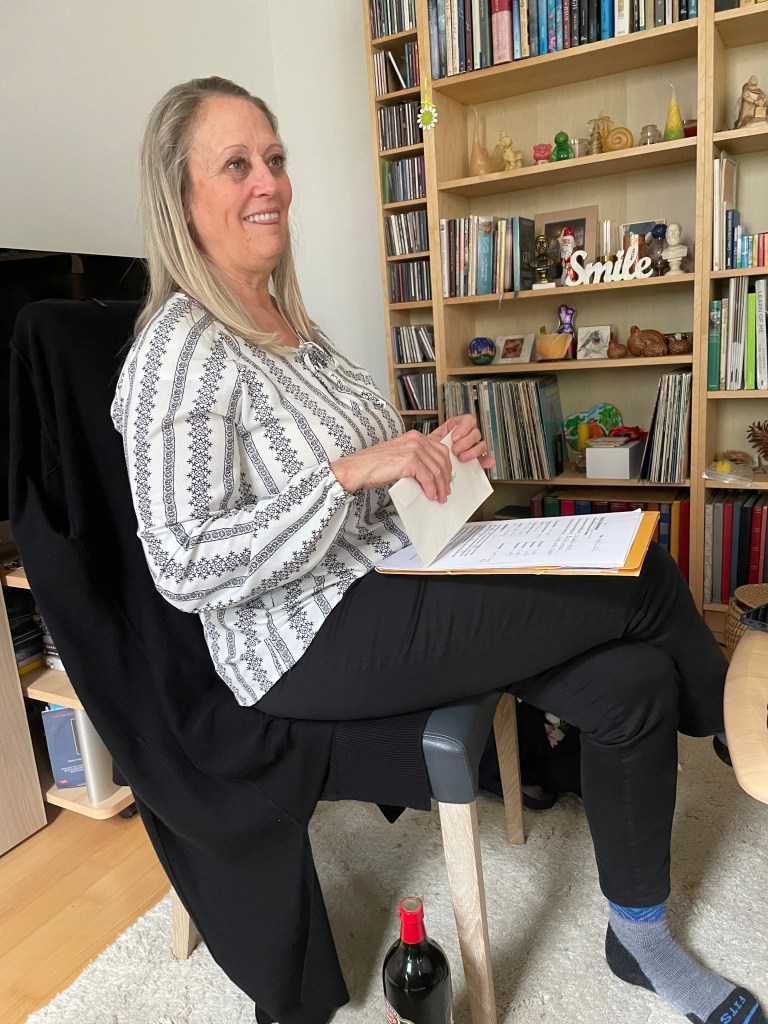
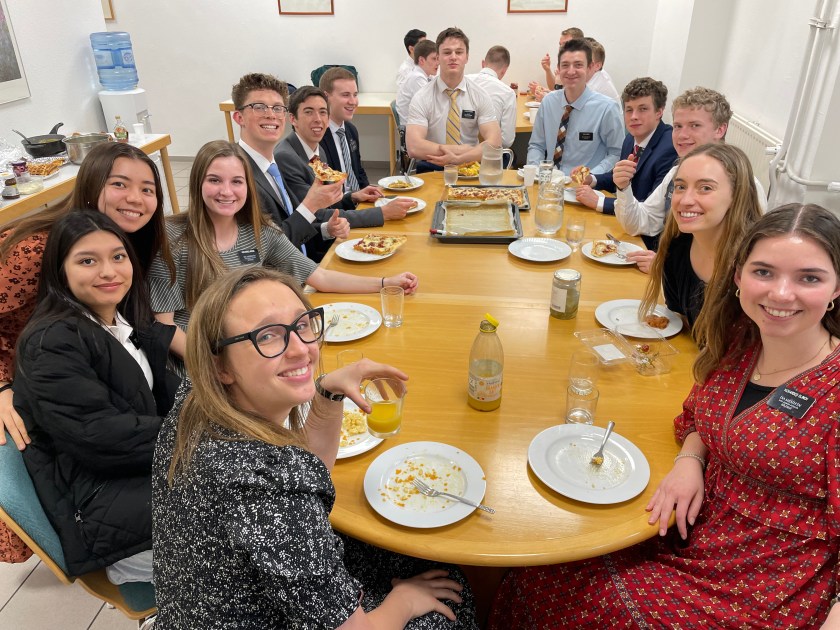
This evening we had our Easter potluck dinner along with some missionary farewells to the Ortons, the Tubbs, the Kochs, and the Barretts, who will be the next to leave us.

We have such a fun time when we get together for a good meal!

Our friends from home are visiting from the Paris France mission!

Each of the departing couples got to say a few last words to the rest of us and each was presented with a memory book we all put our words in.

We are always sad to say farewell to the friends we make here.

Friedberg

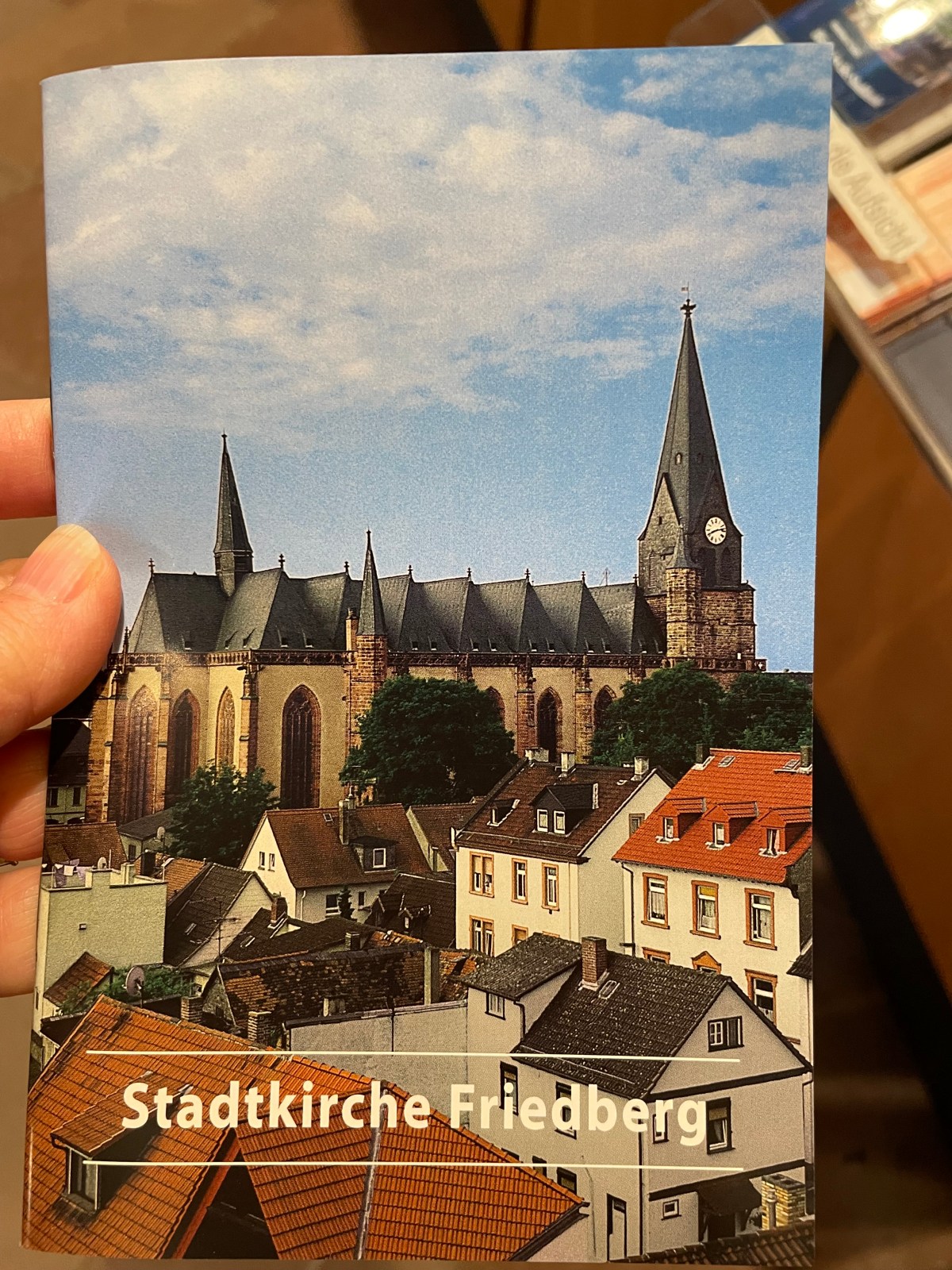
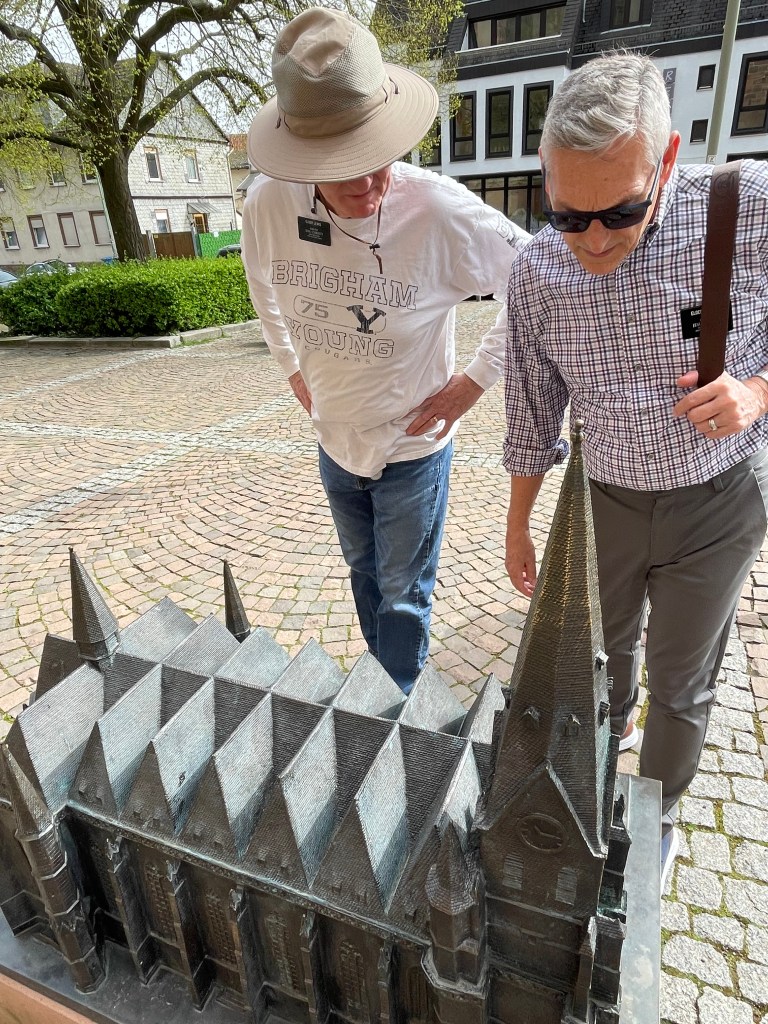
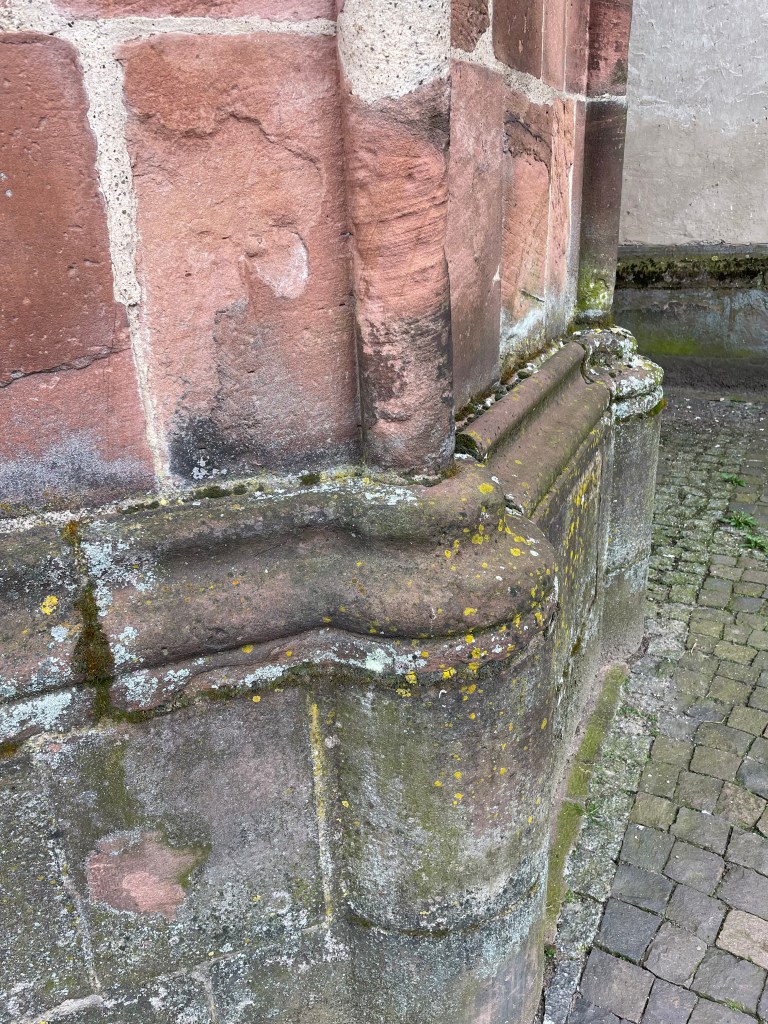
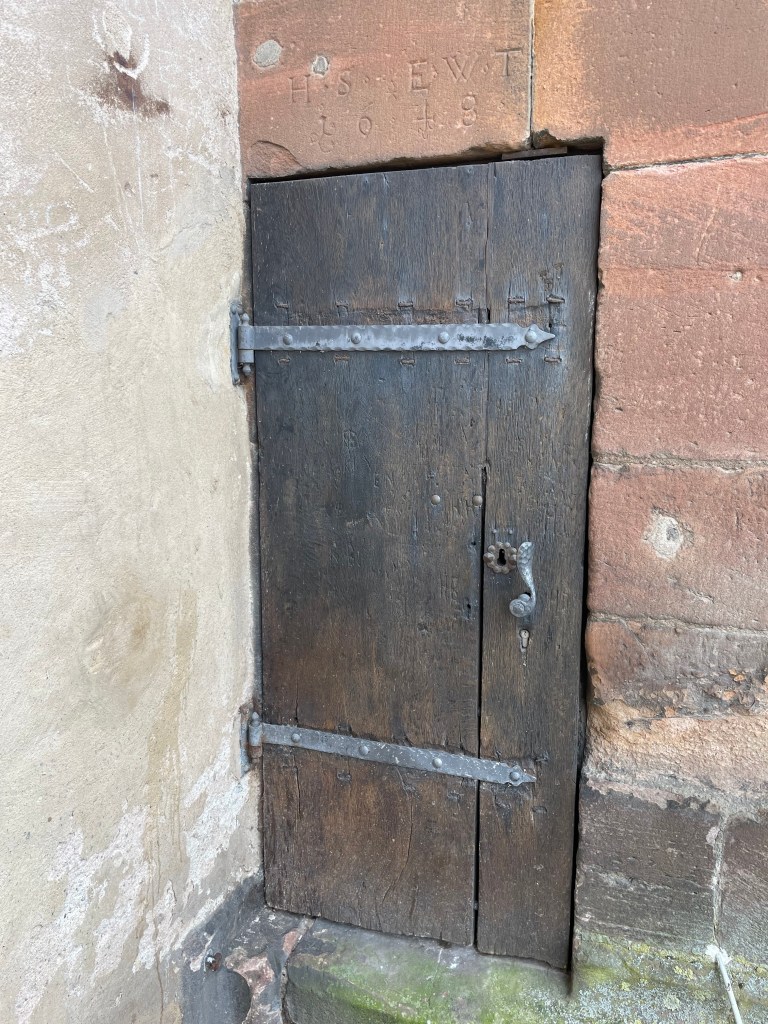
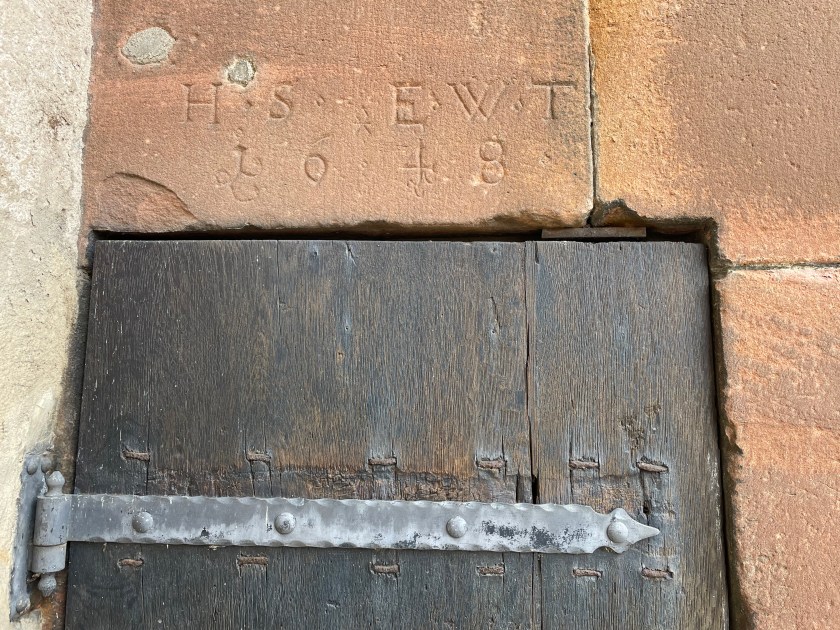
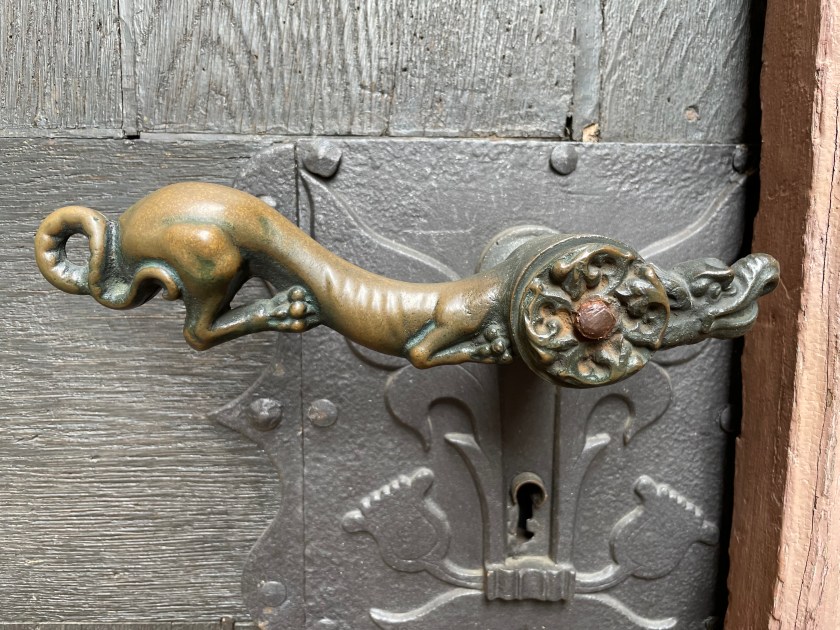
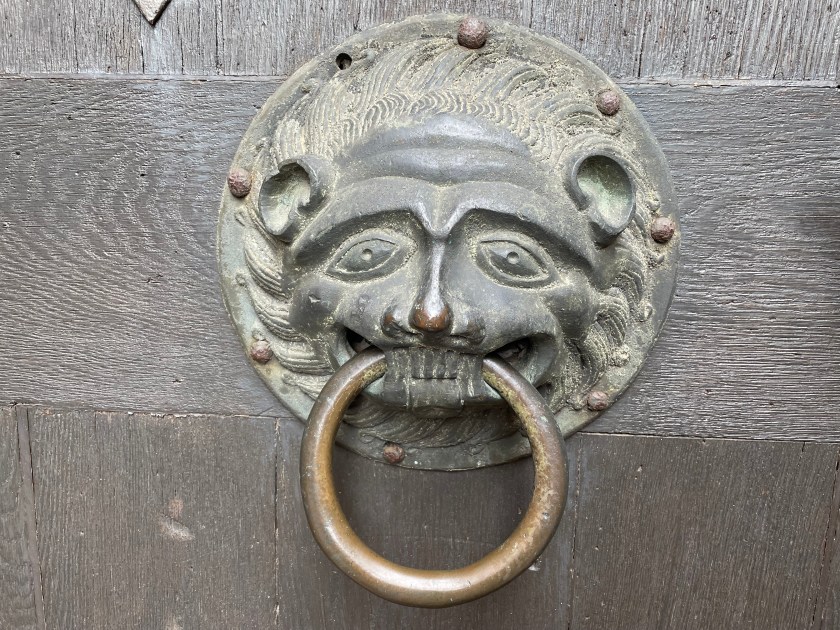
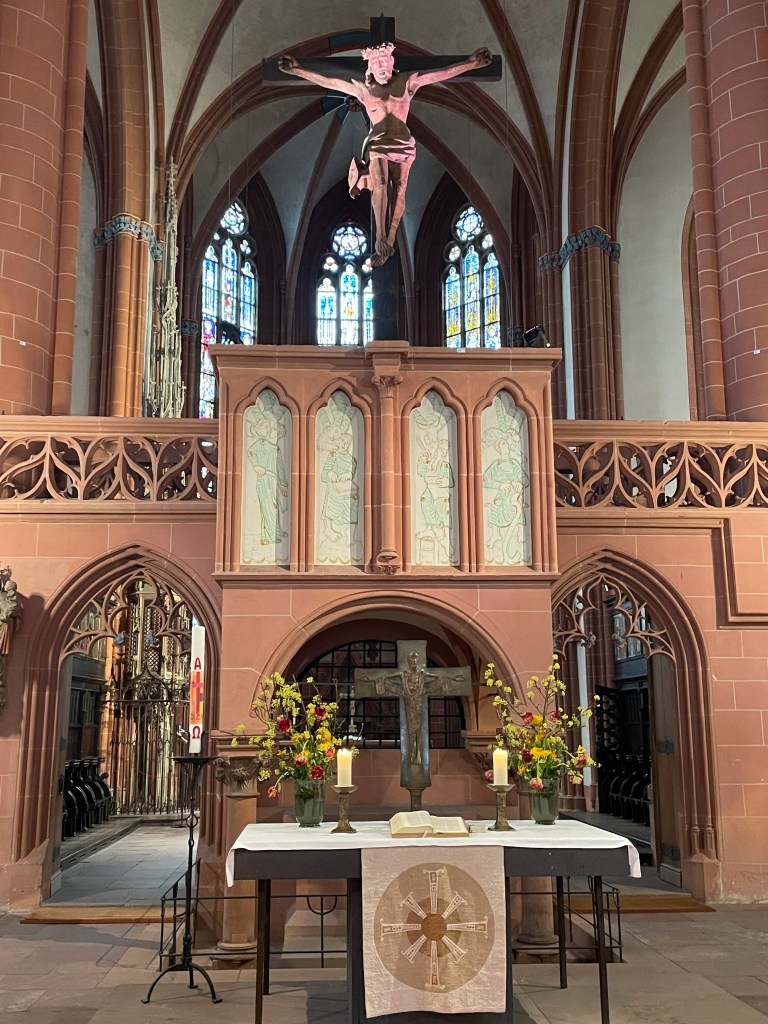
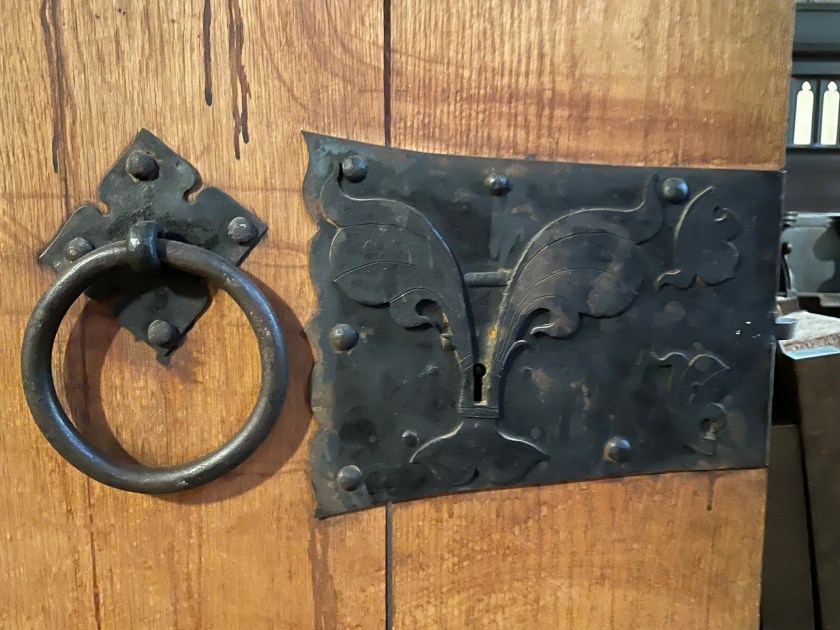
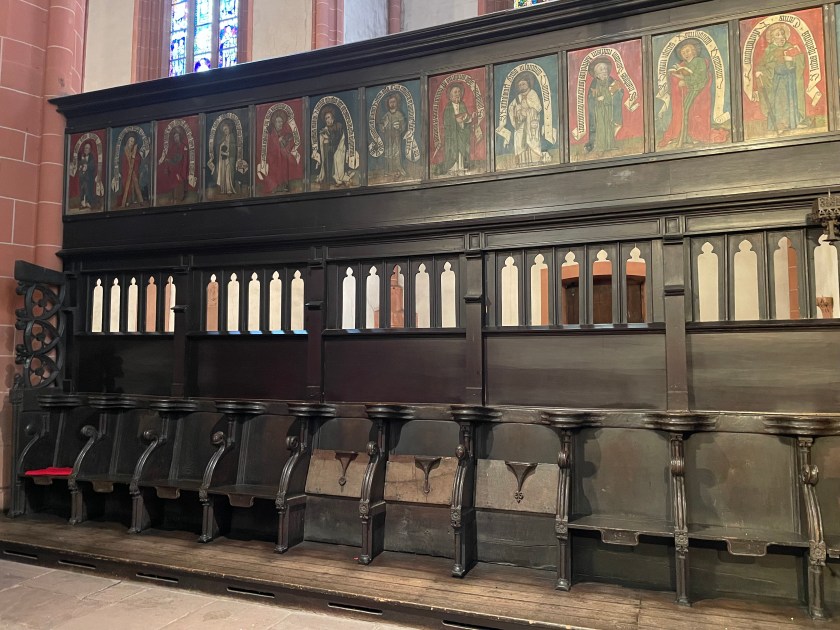
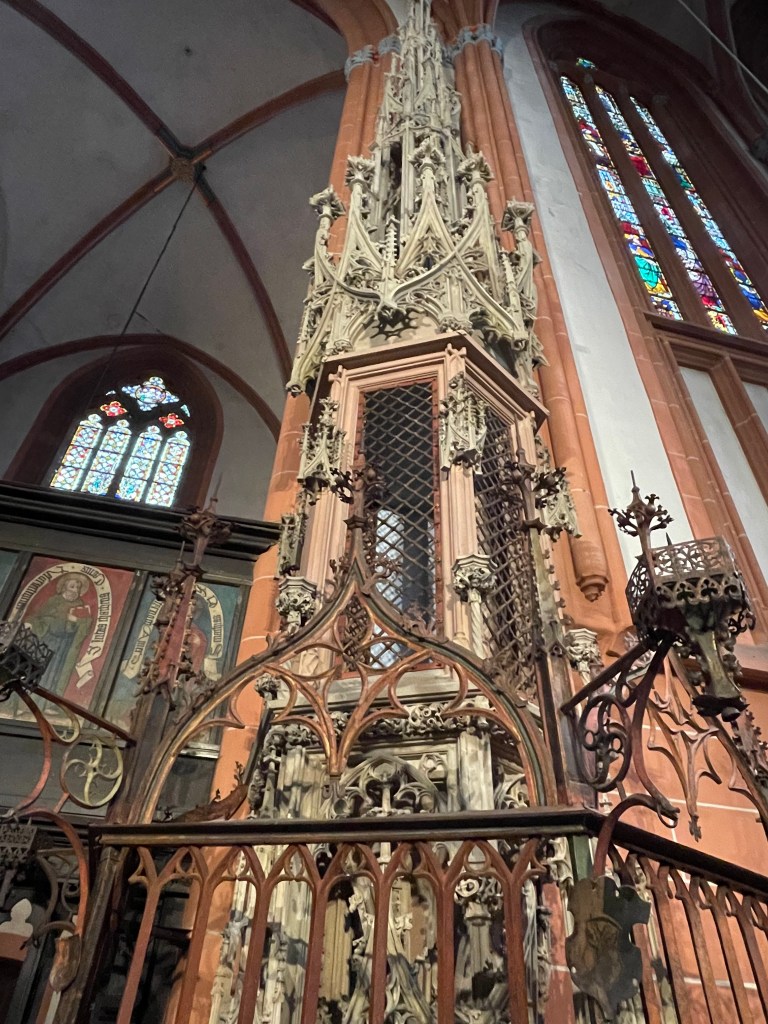
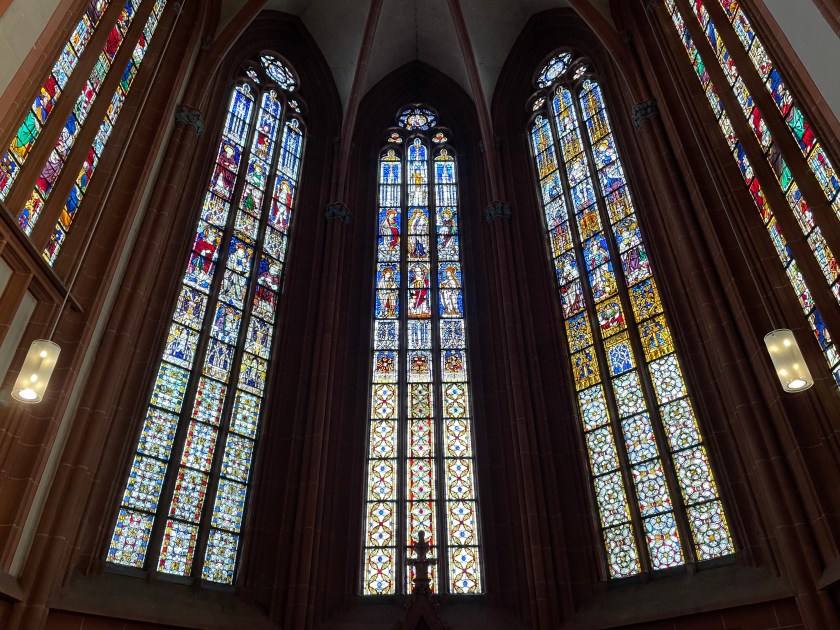
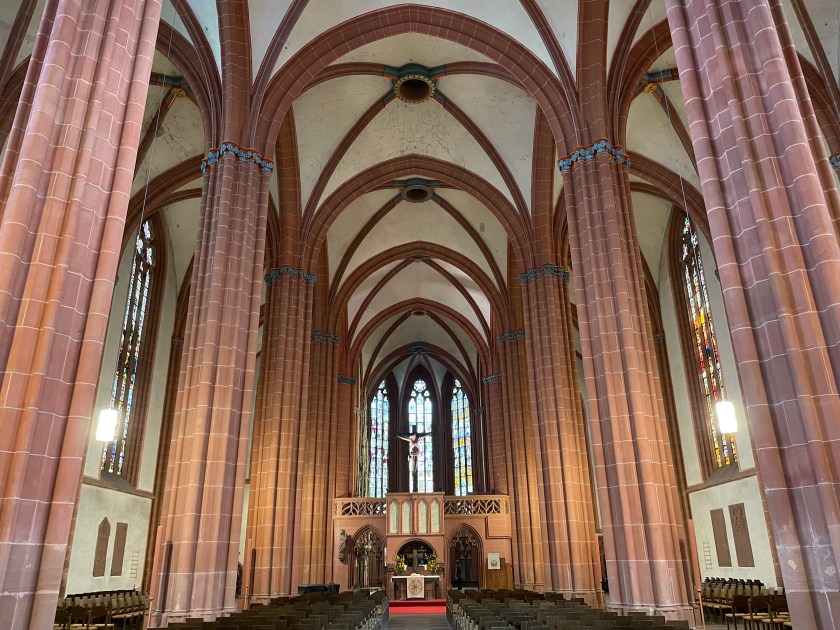
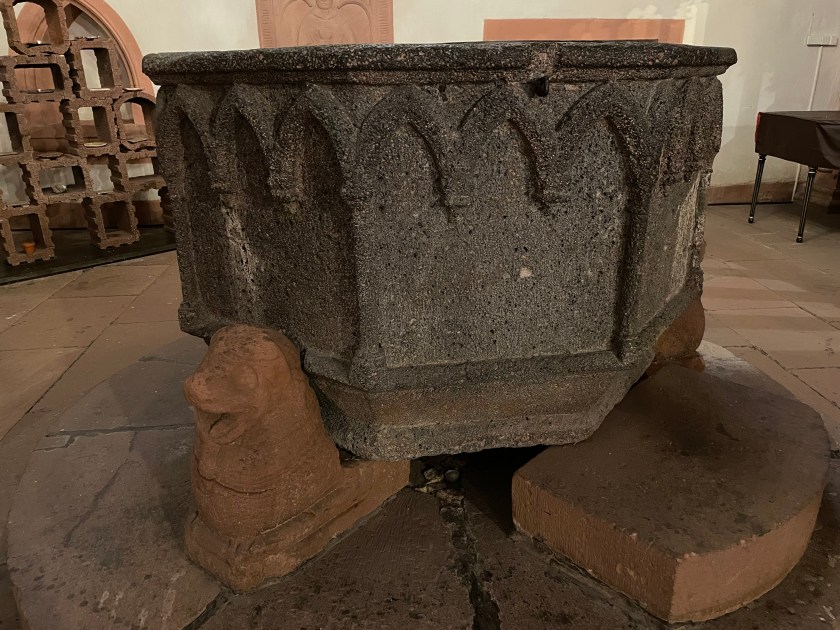
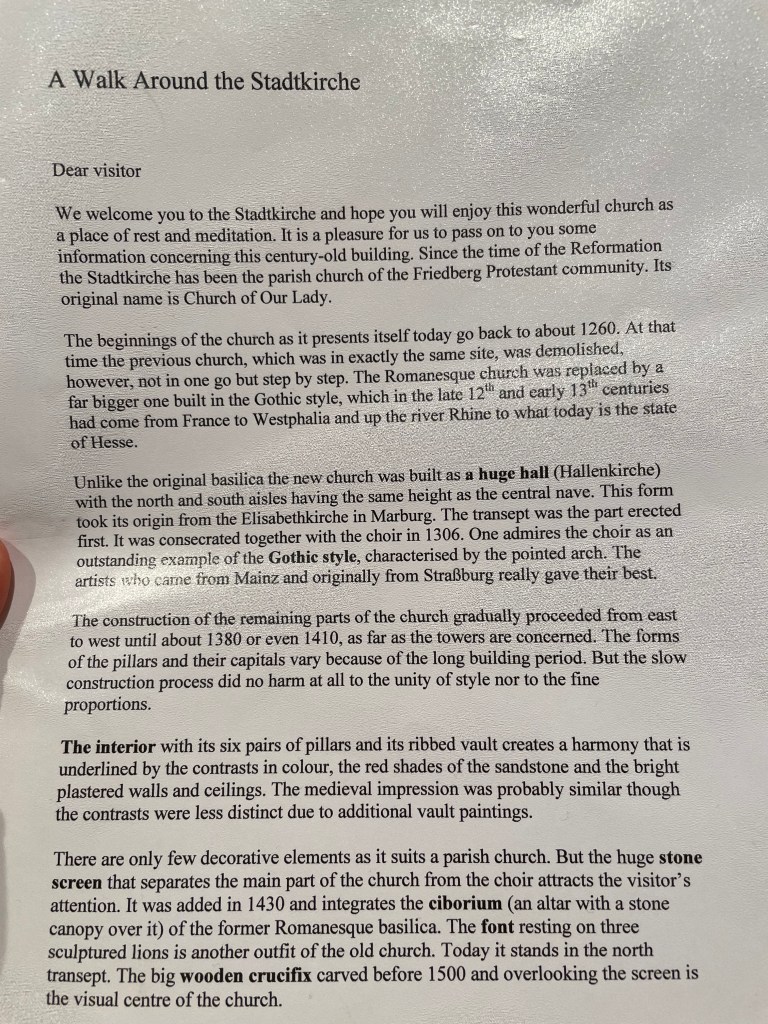
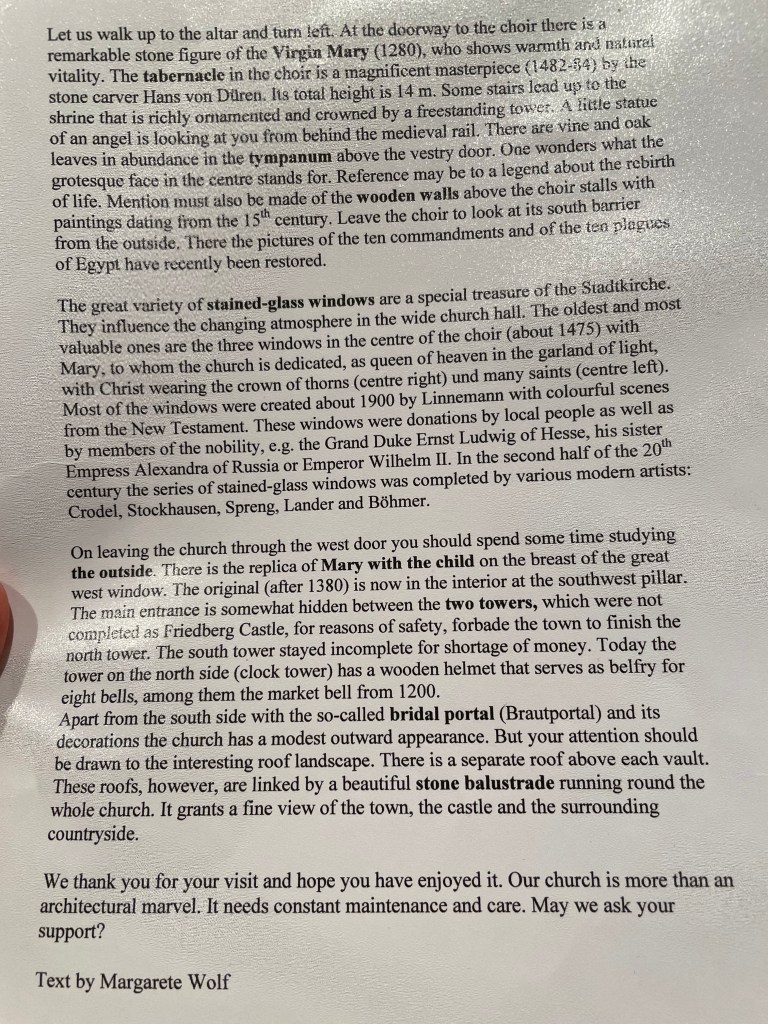
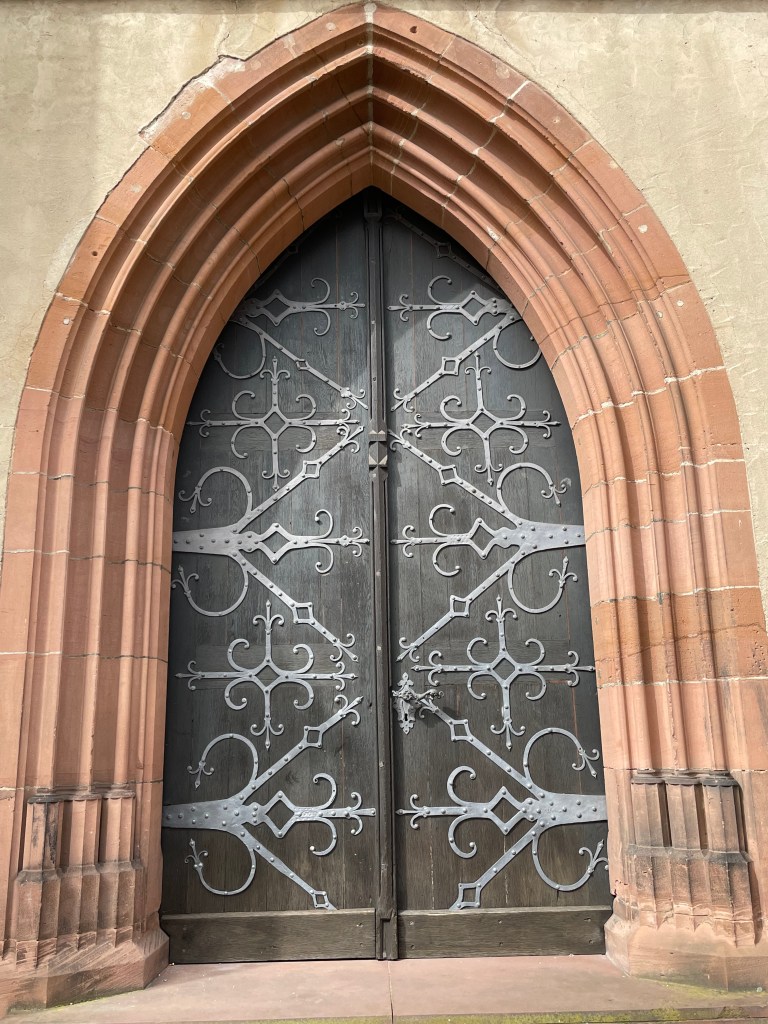
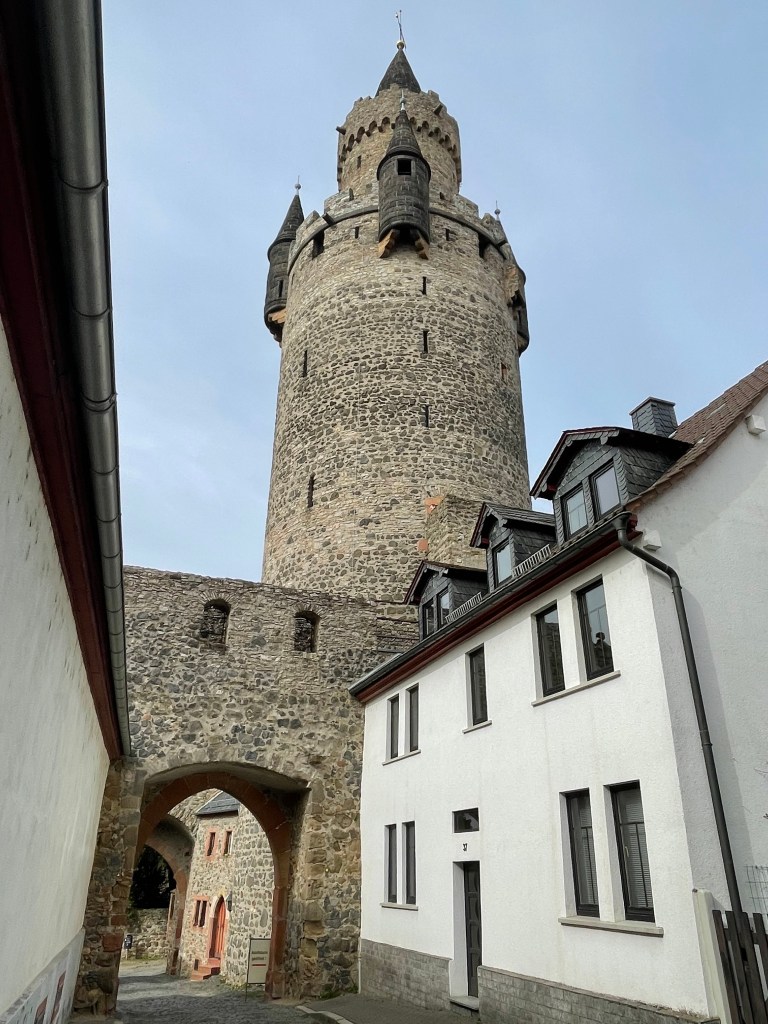
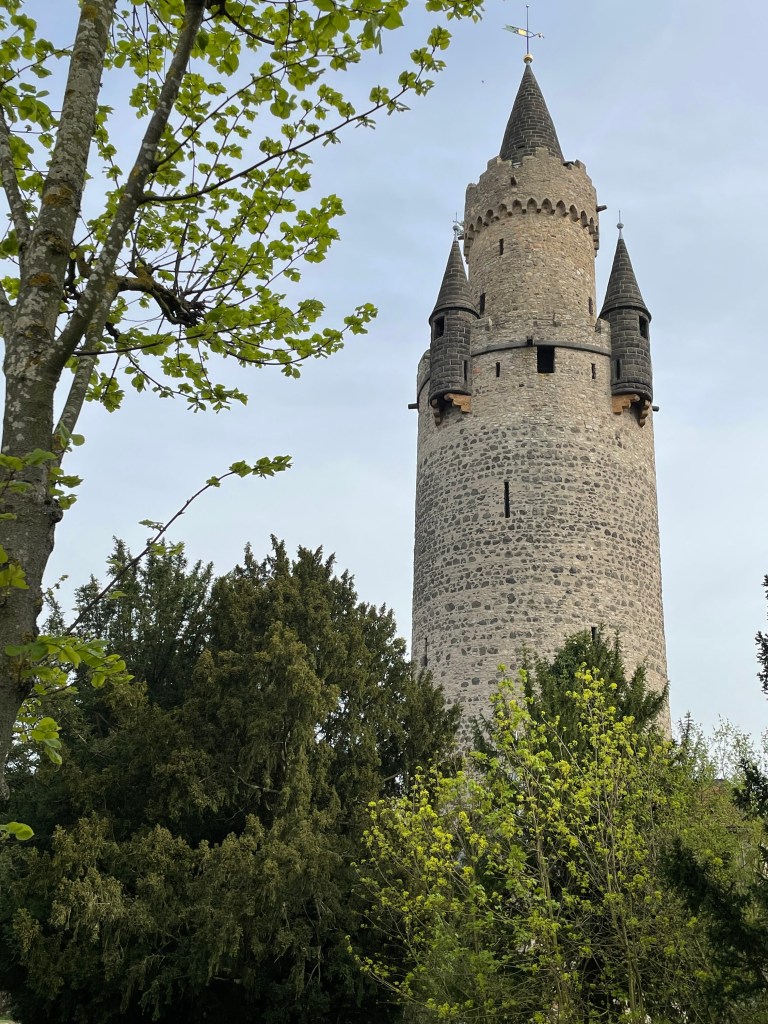
After walking in the orchards a bit, we noticed a Rapunzel tower and an old church in a town nearby, so we went to investigate. The town was Friedberg. The old church was really old. Before the Dom in Frankfurt was built, it was the largest church in Hesse, dating back to the 1200s.

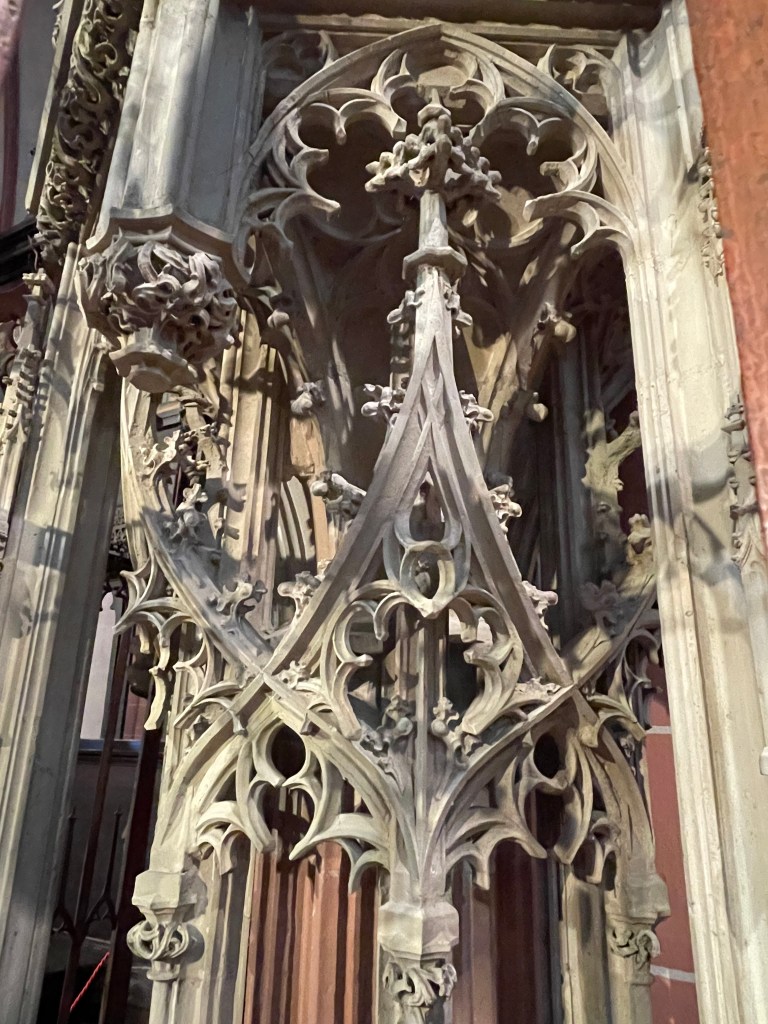
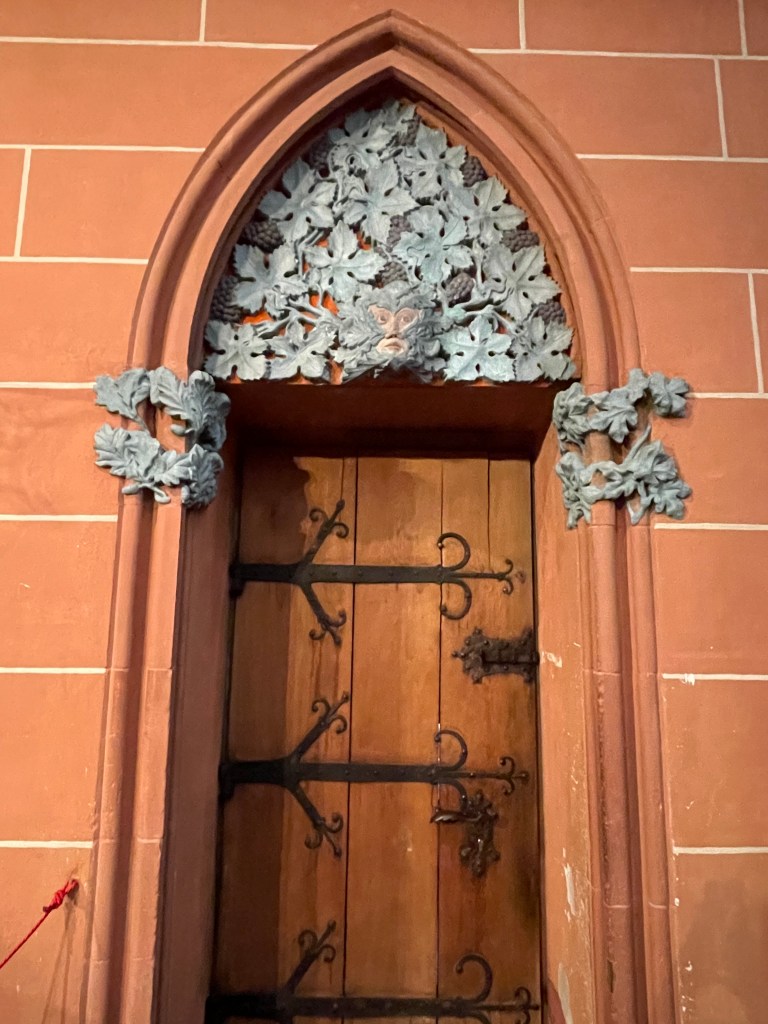
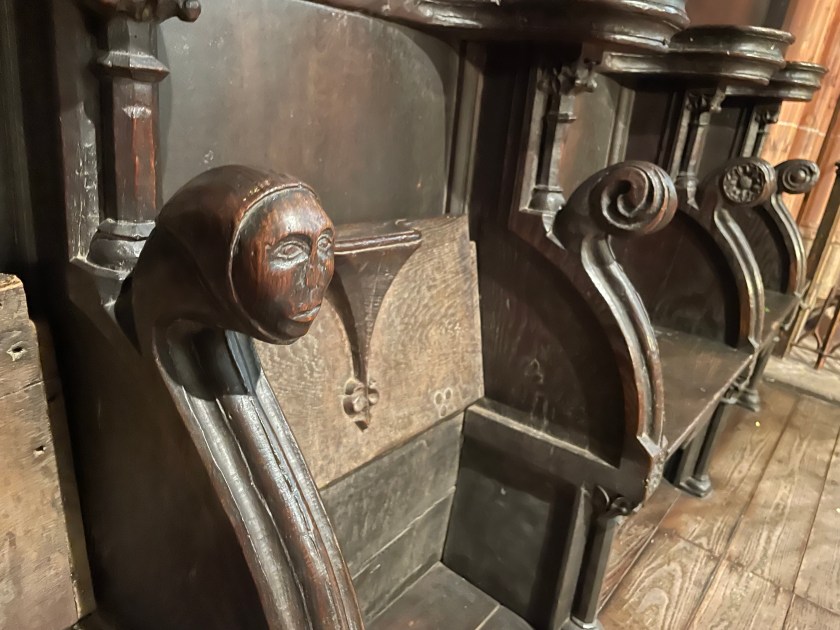
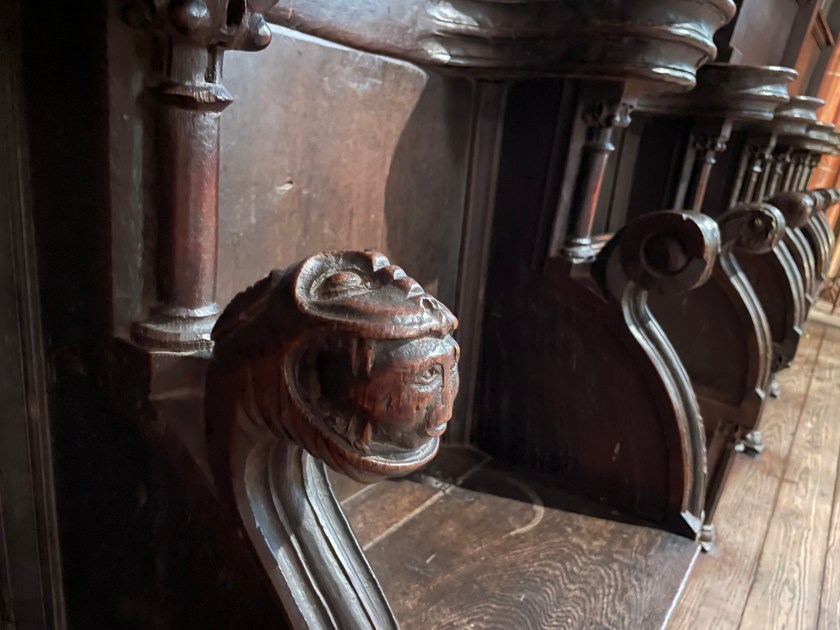
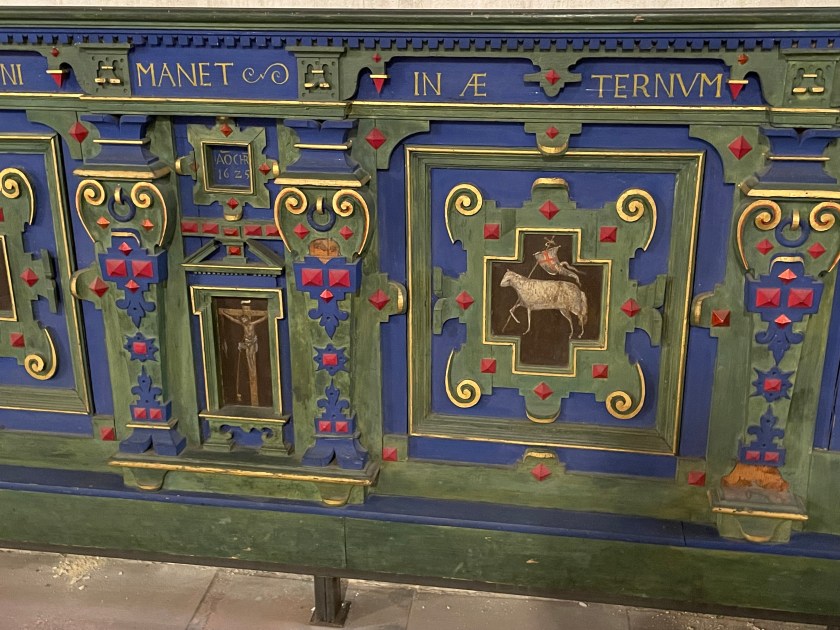
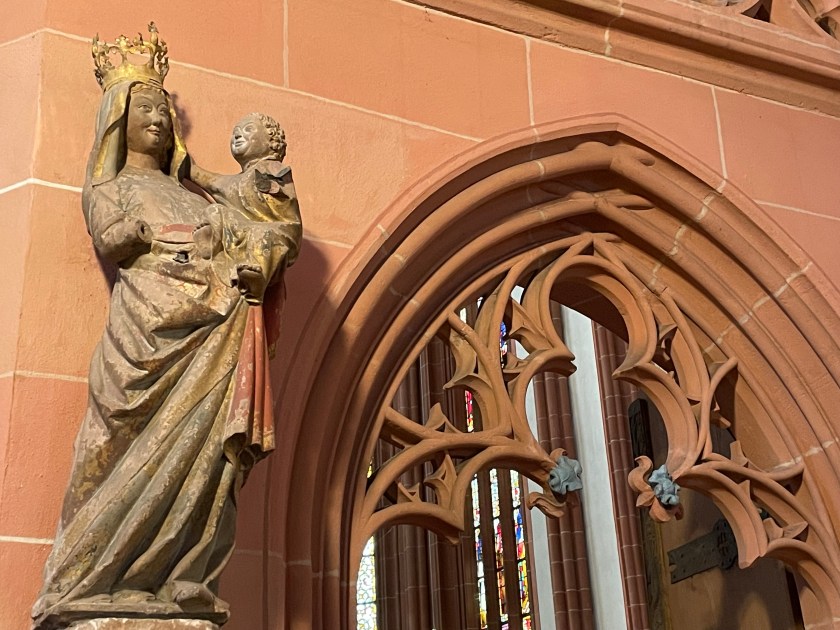
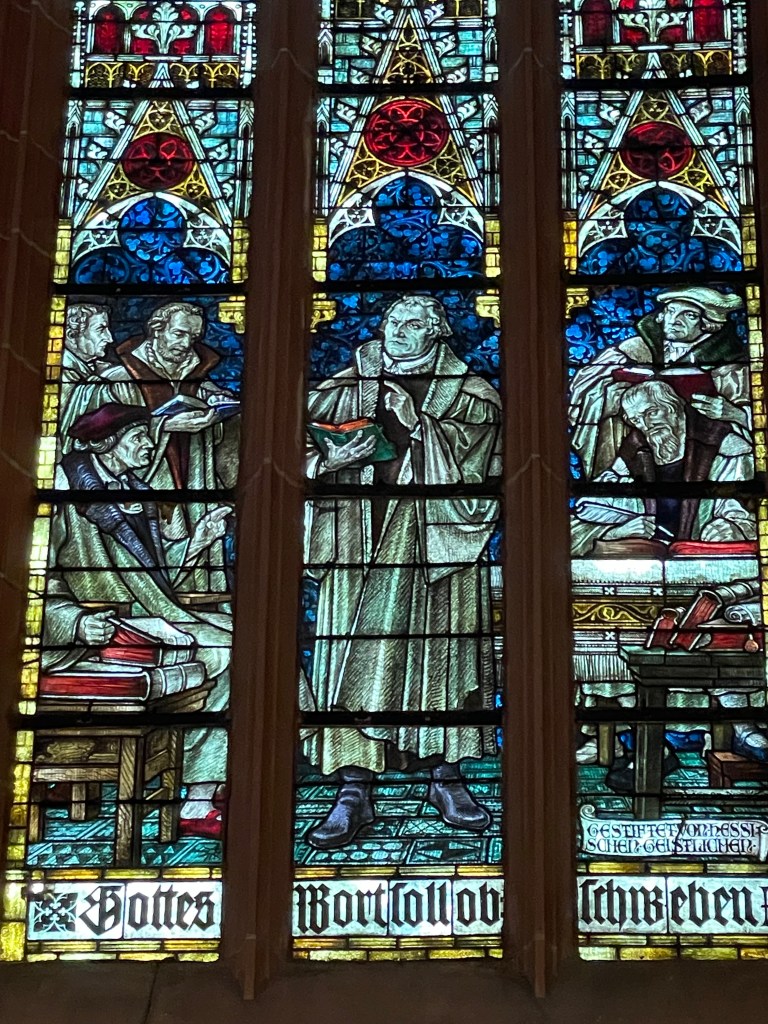
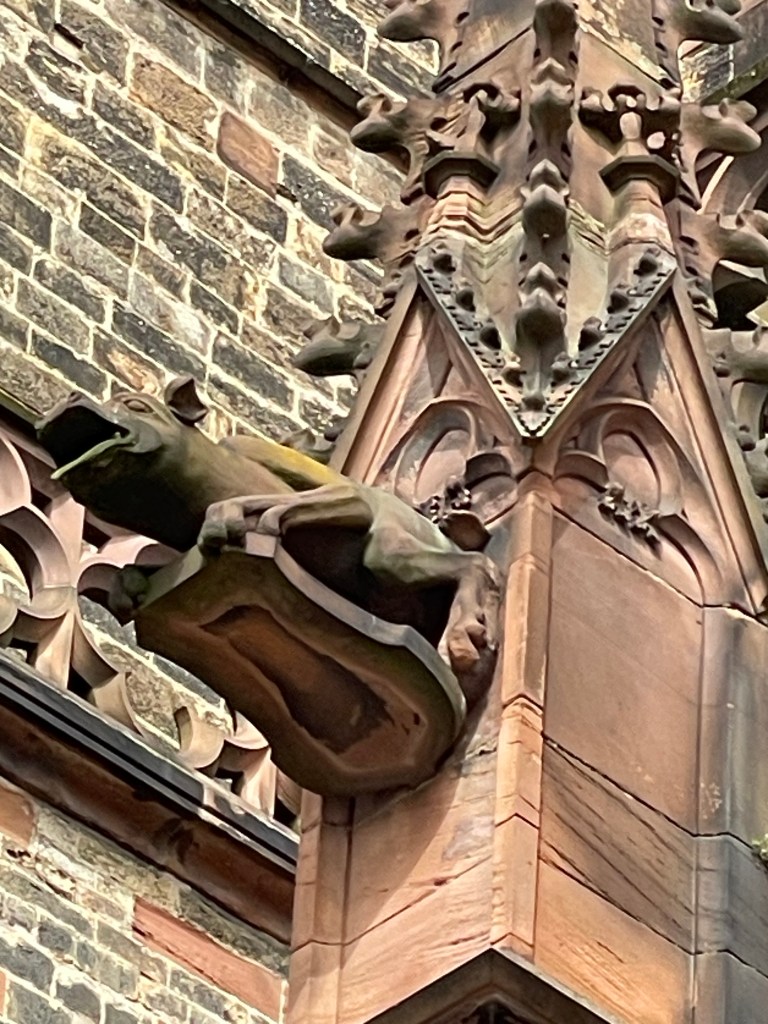
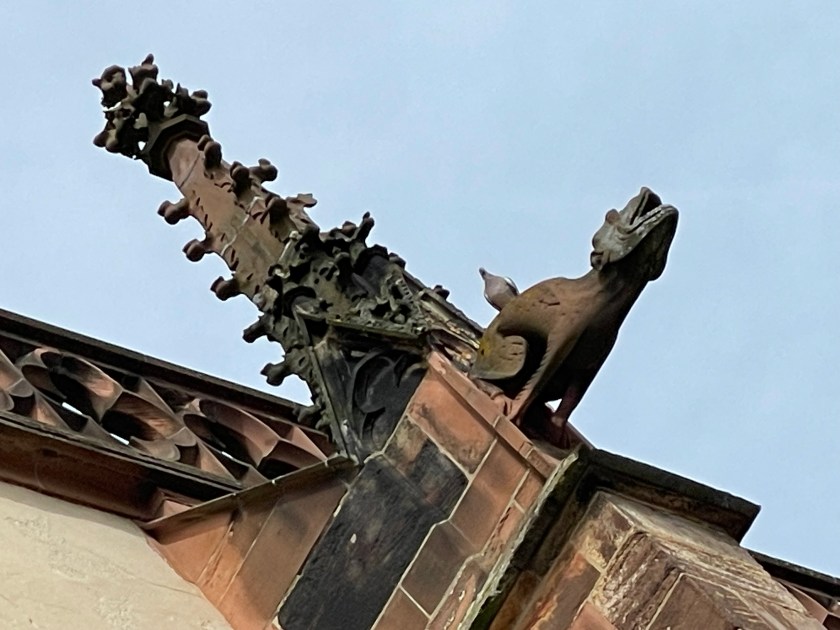
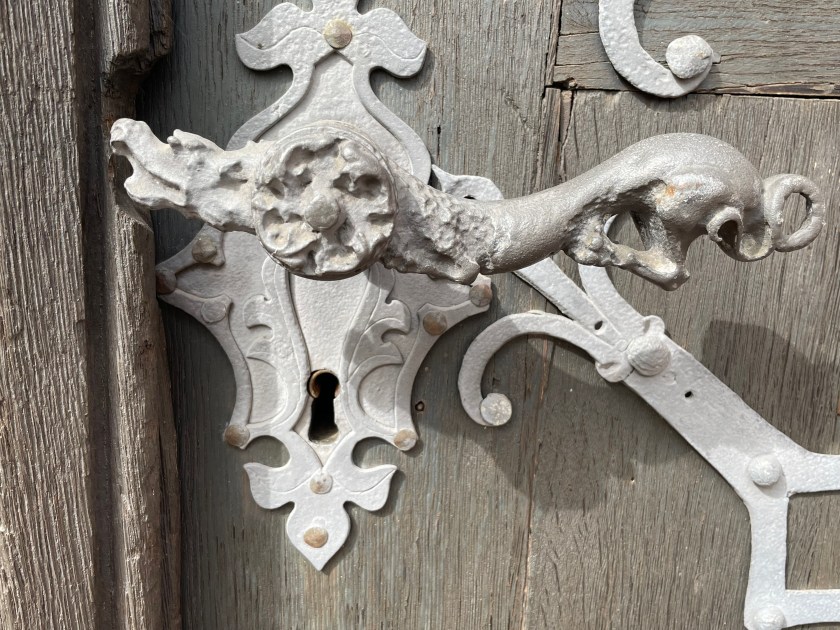
We enjoyed some time there, looking at the stained glass and the artwork and sculptures. It was old, tall, gothic, lots of gables on the roof with gargoyle rain spouts.

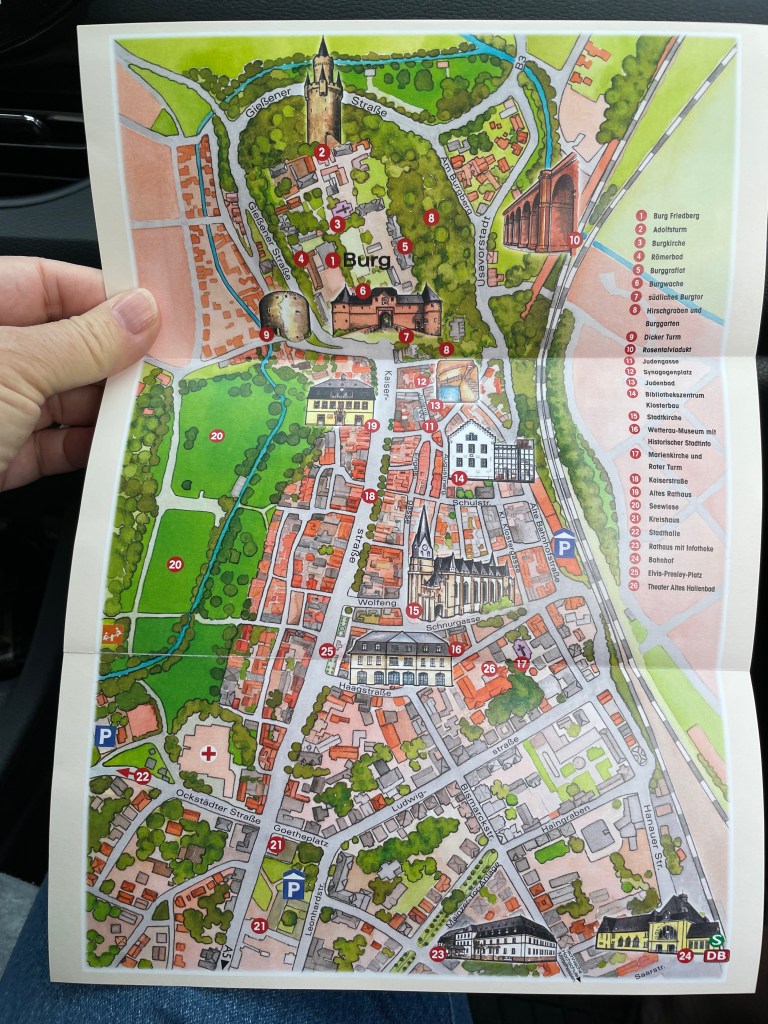
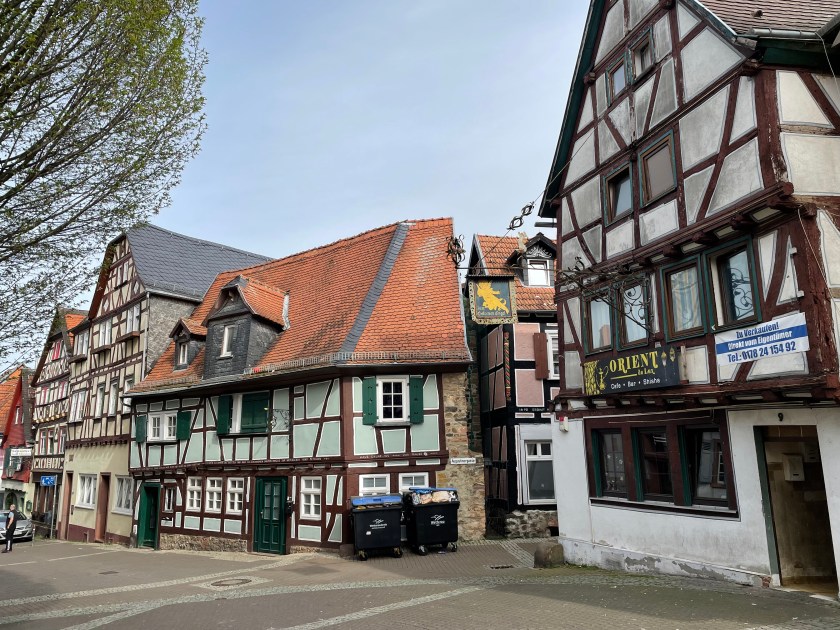
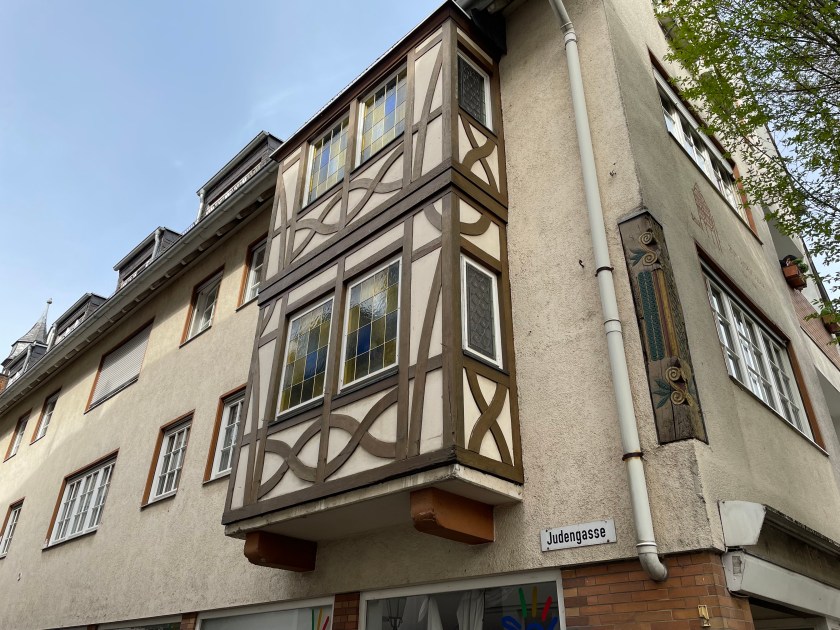
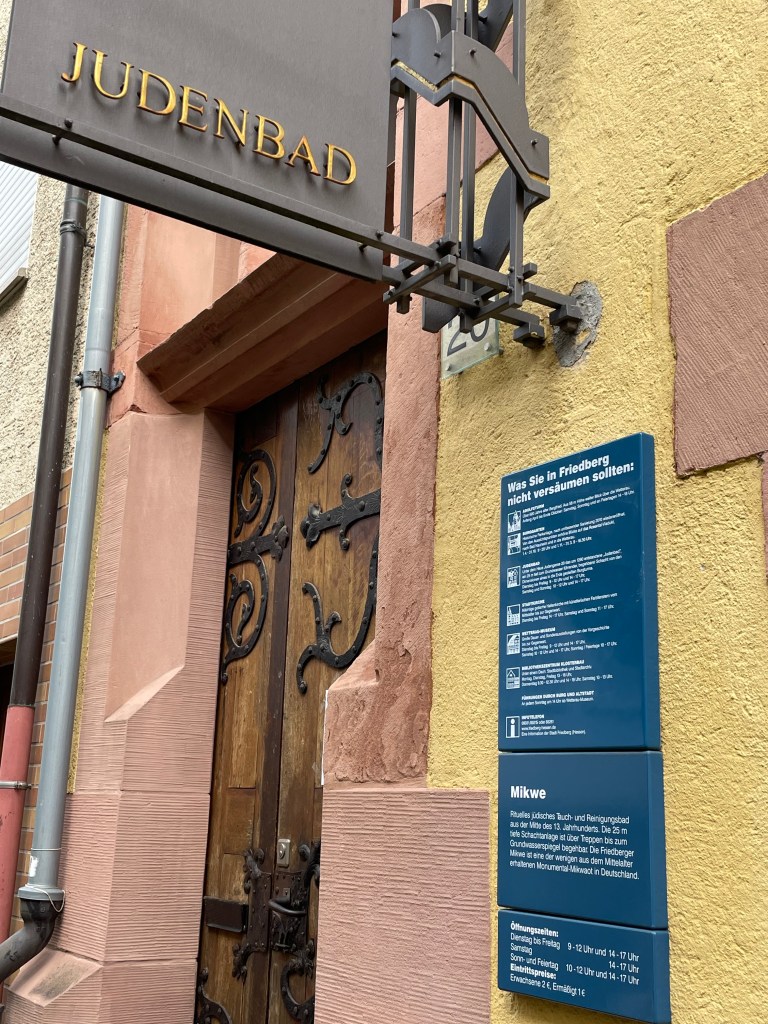
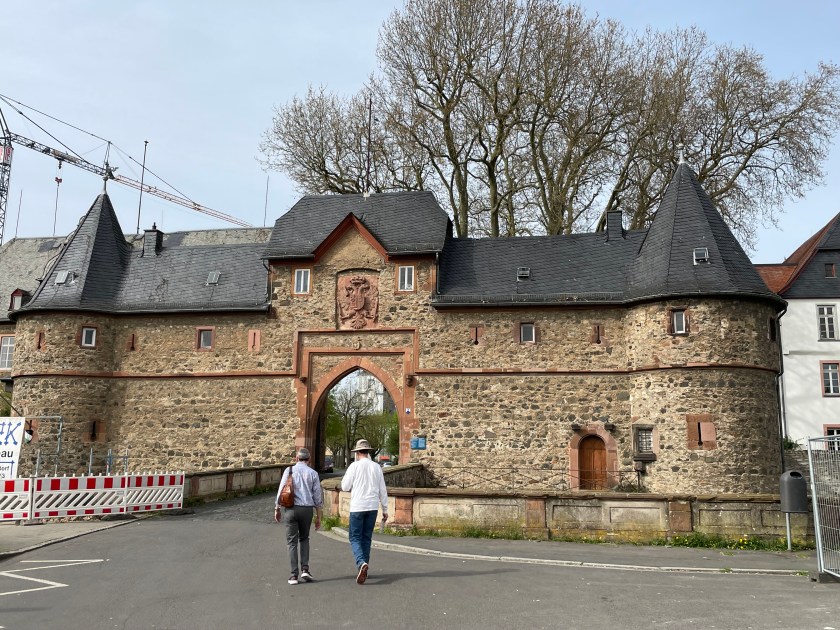
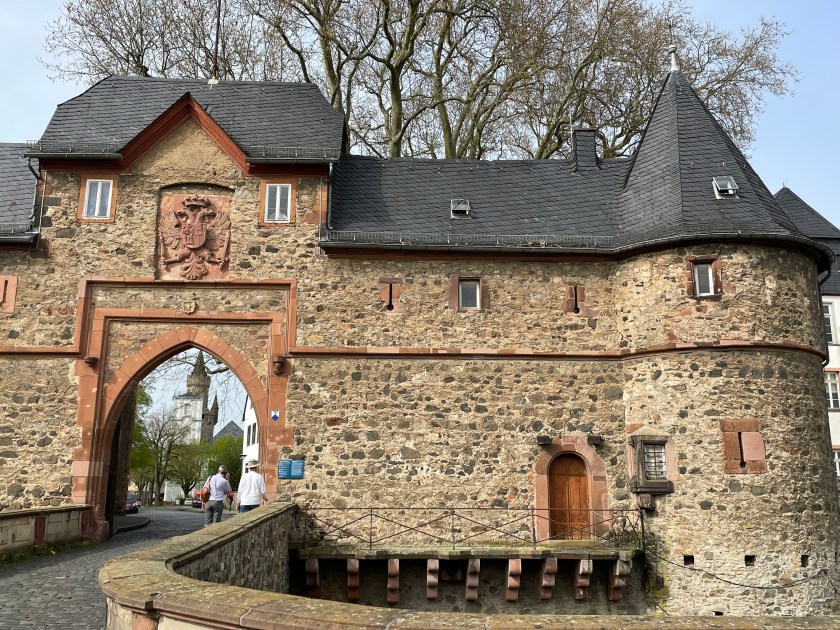
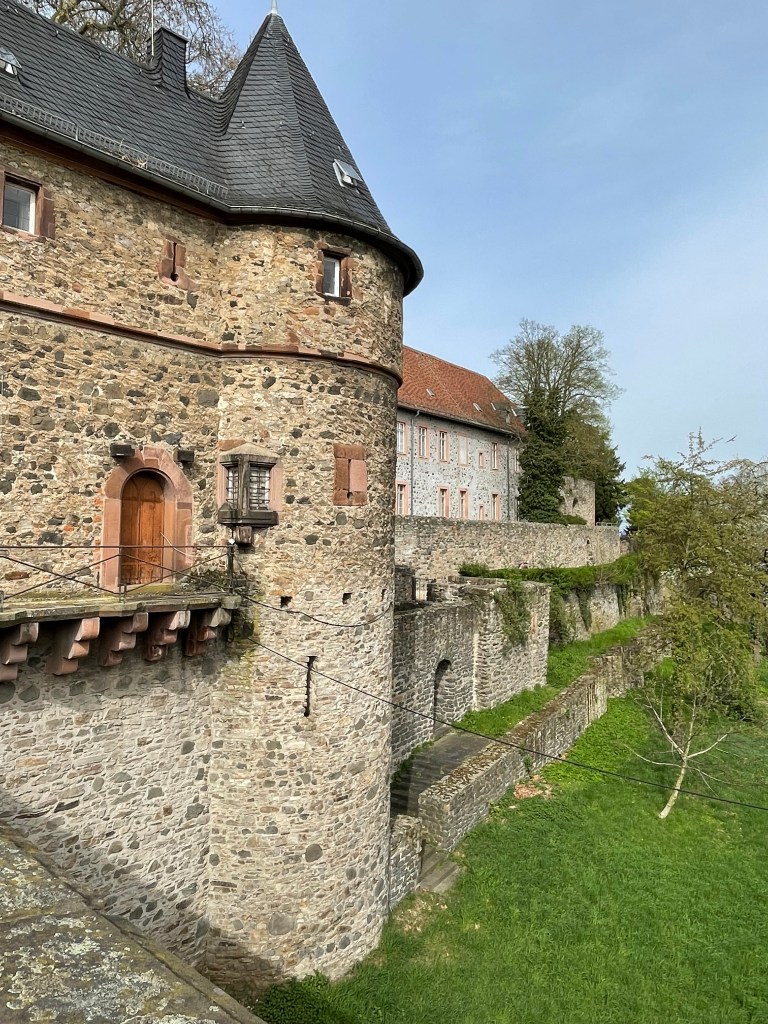
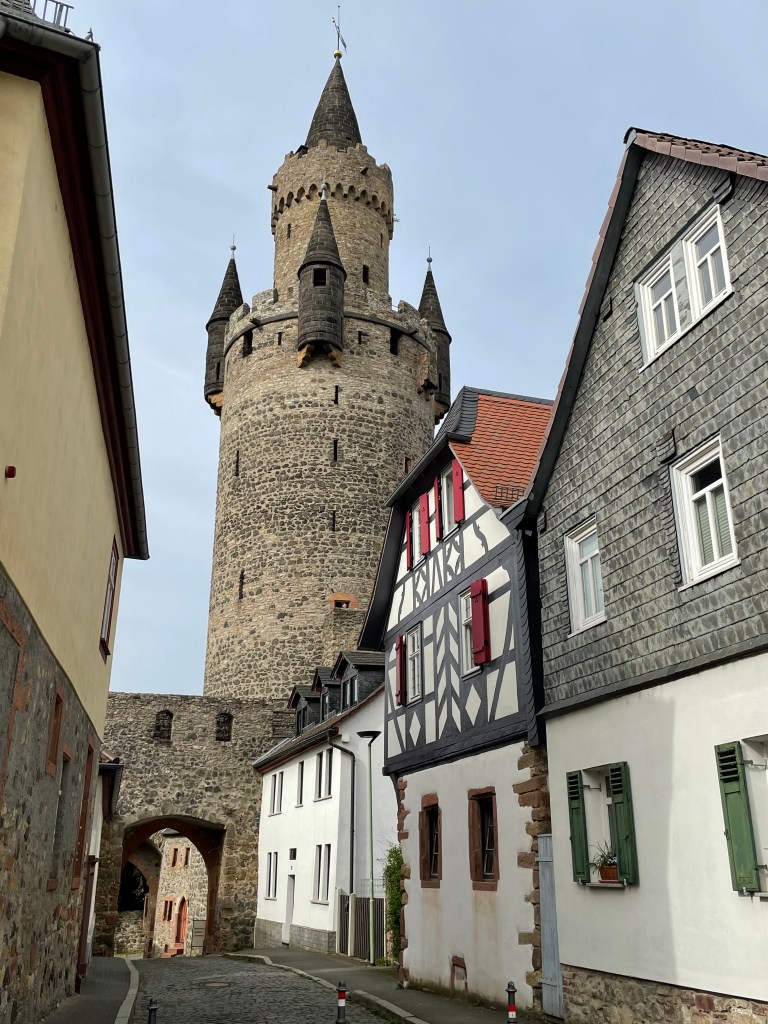
Then we walked through the town, through a Judengasse (Jewish street). There was an old 1200 mikveh bath (not open today). We went on to a city castle on the edge of the hill and walked around the castle grounds. Important people once lived there and had a little walled town area. At the far end was the Rapunzel tower with turrets at the top. It was such a fun and relaxing outing.

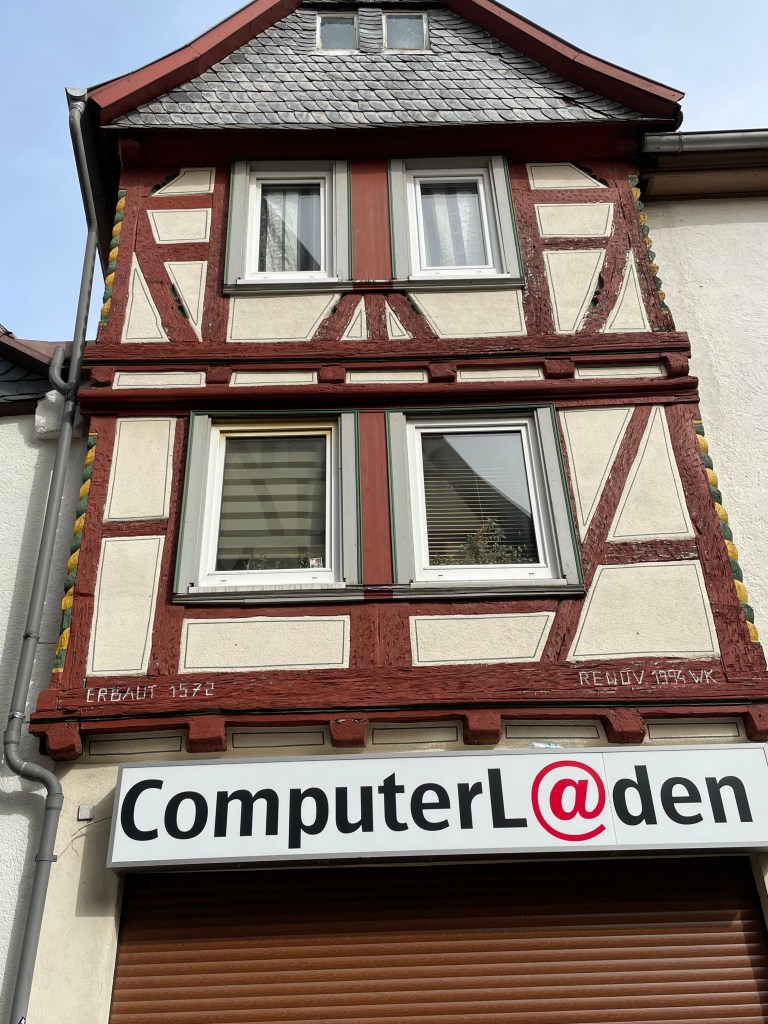
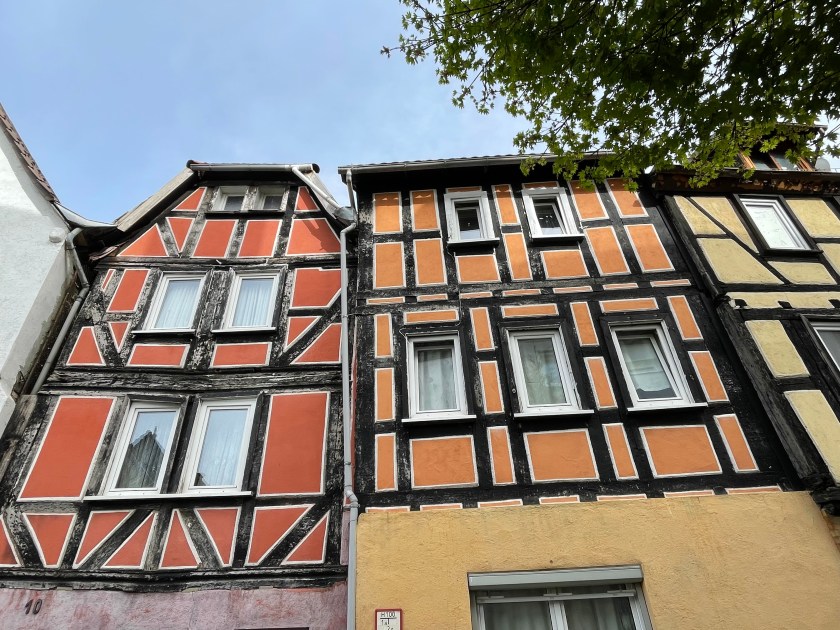
Below is a home built in 1572, now a computer shop.

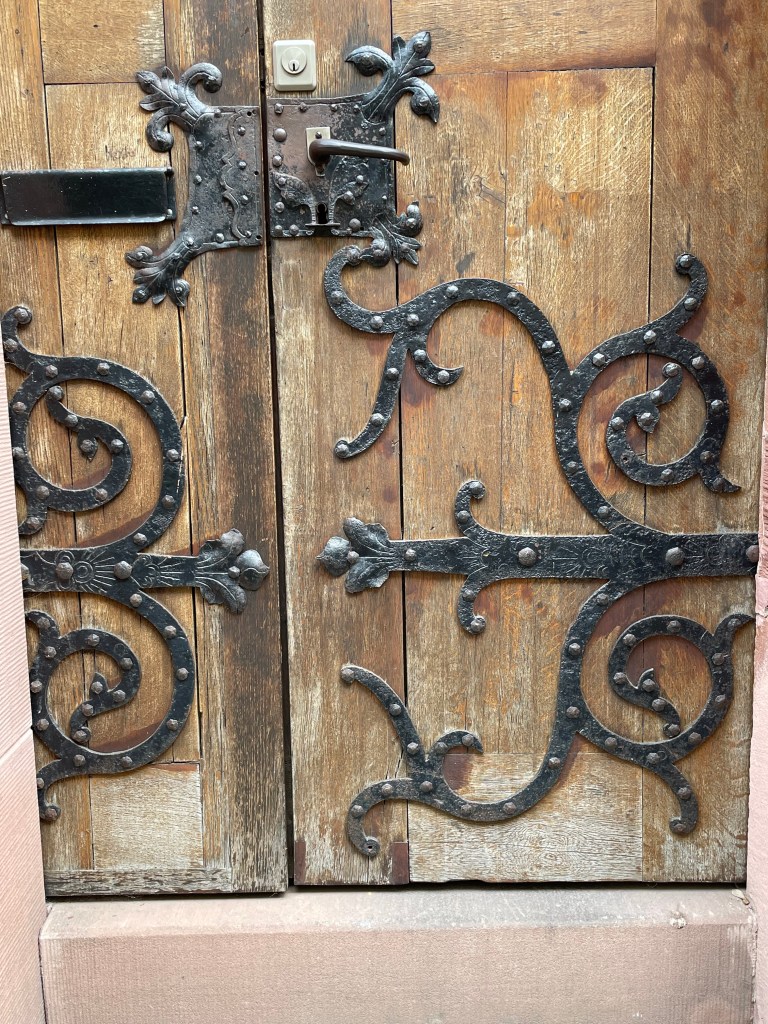
This was the place where the old Mikvah was discovered.

Interesting colors!

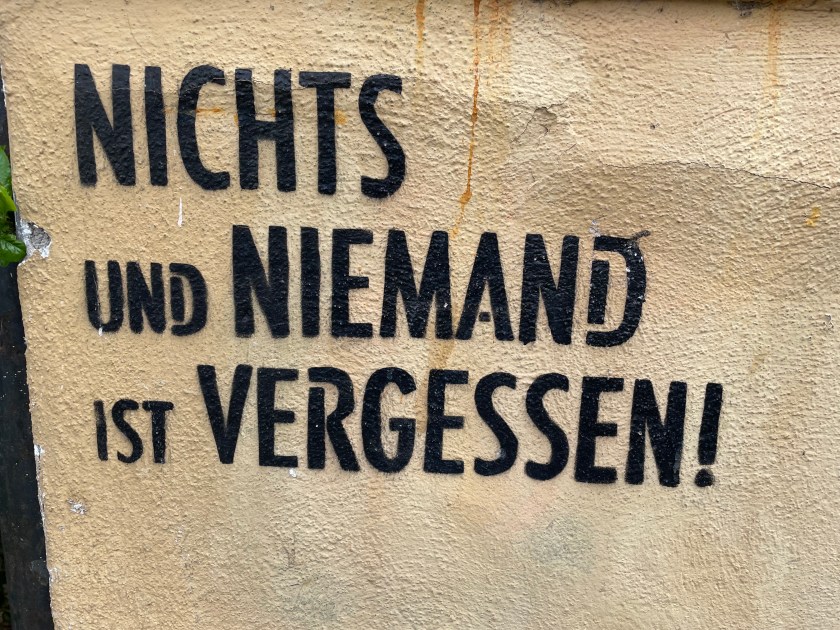
Nothing and No one is forgotten!

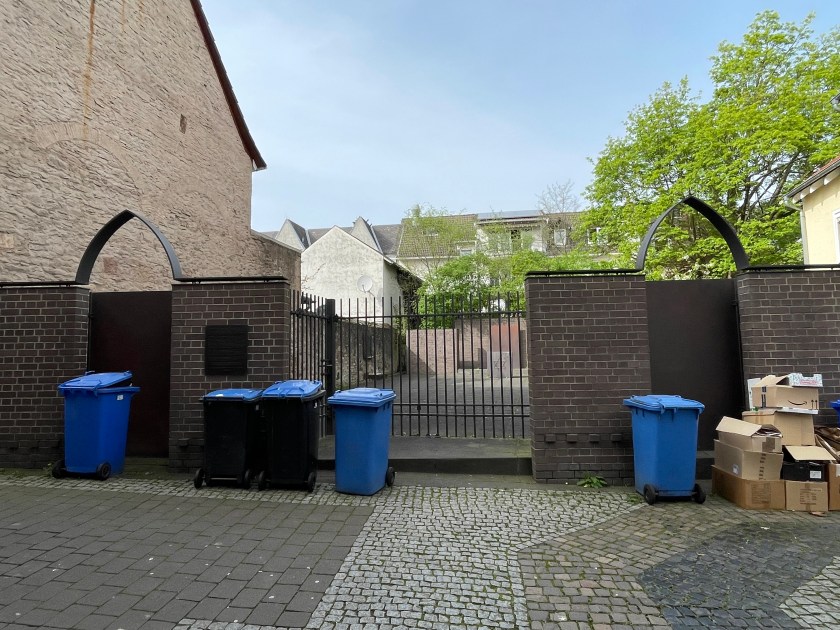
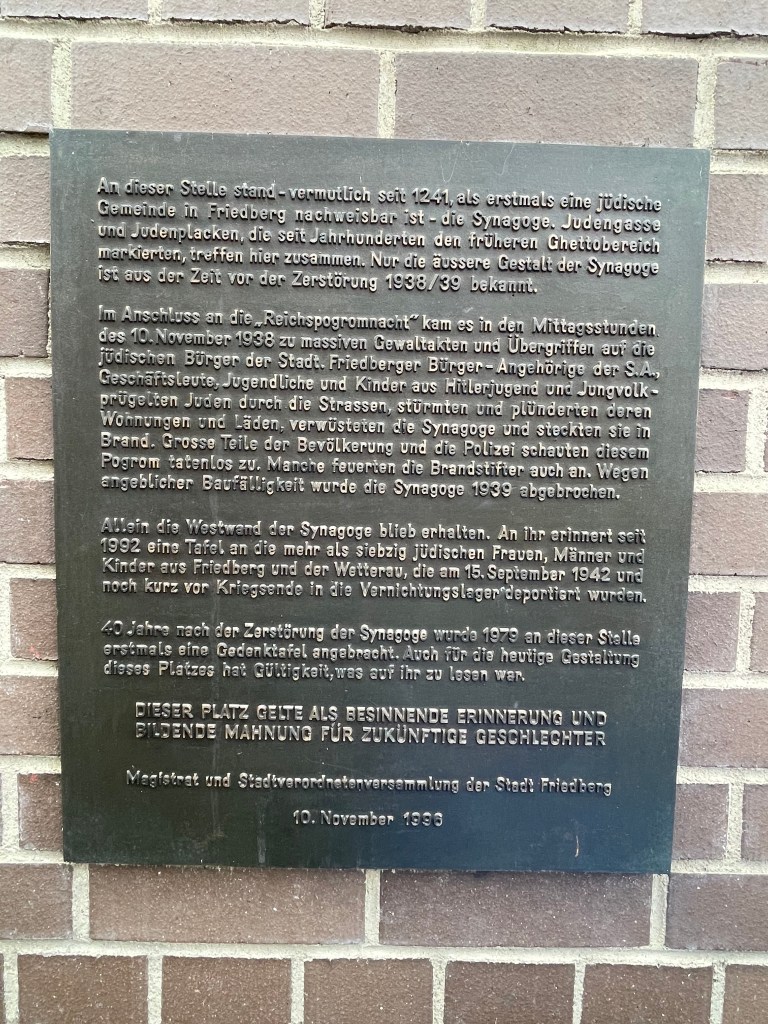
Below is the place where the town synagogue once stood.  The outlines of the building are represented.  It was destroyed in 1938 along with so many other synagogues in Germany.

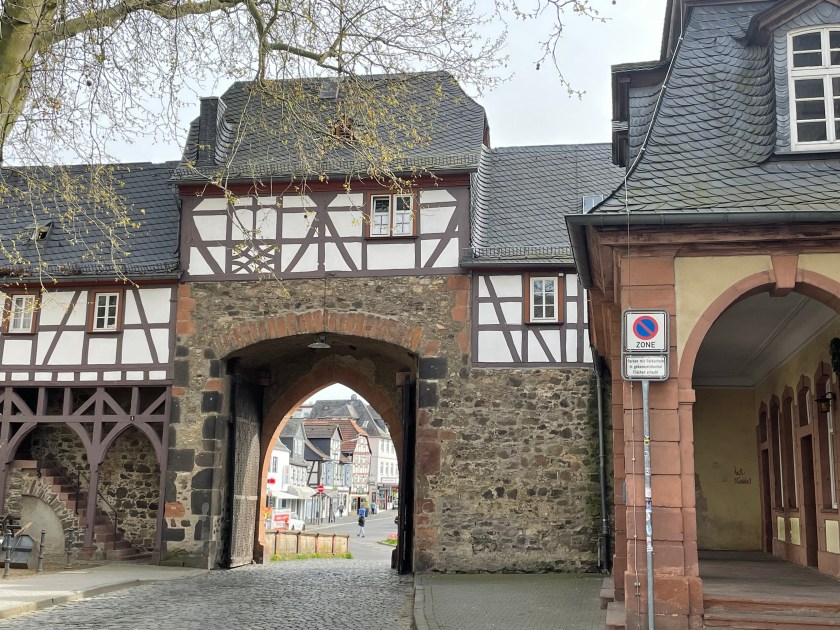
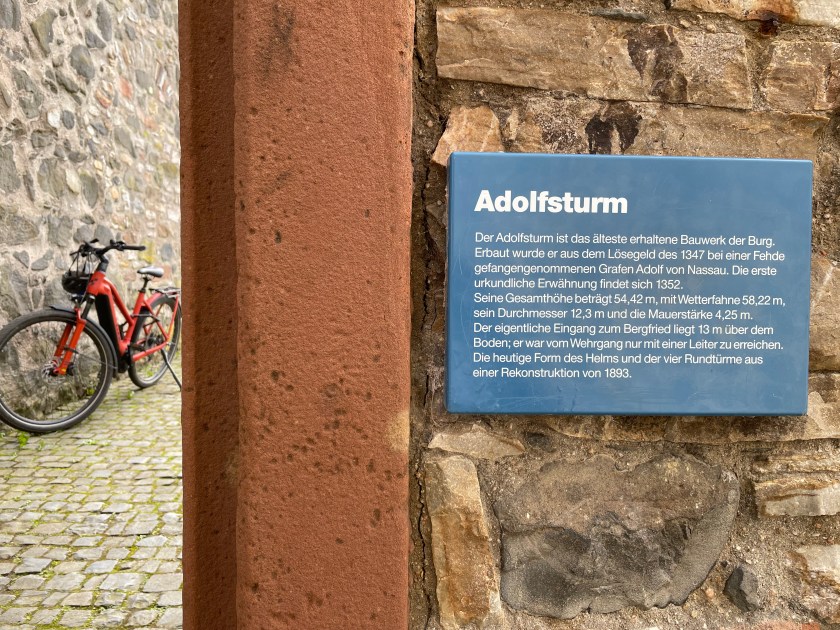
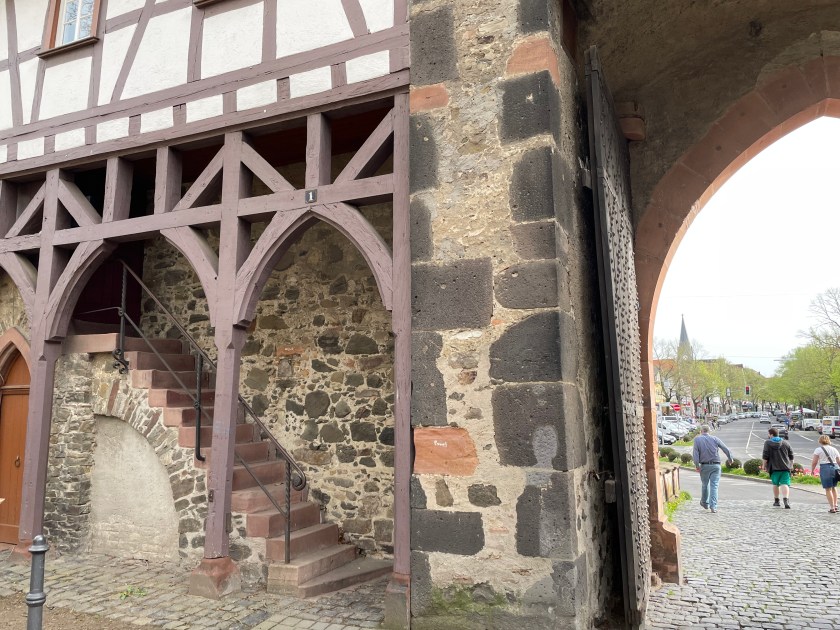
Here’s where we entered the castle tower walled area.

This Rapunzel tower was built in 1347!

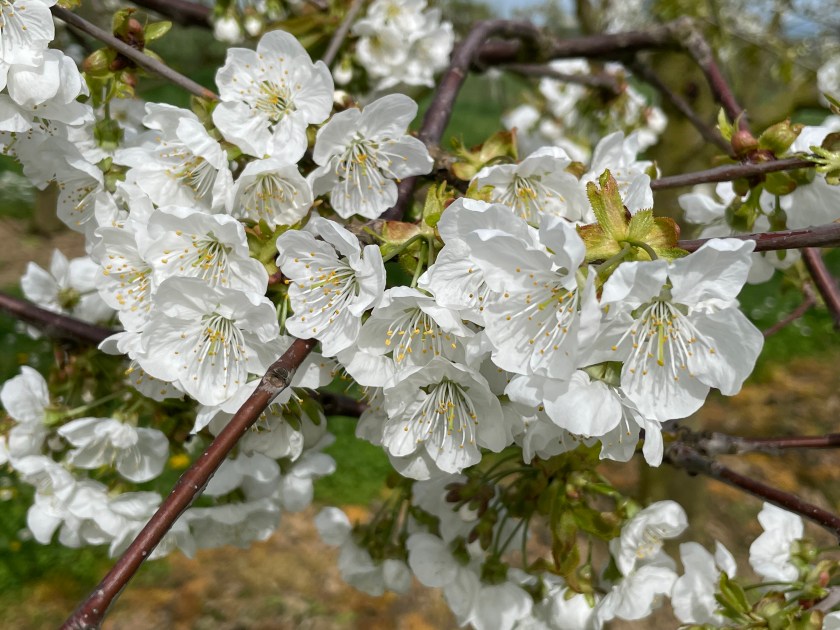
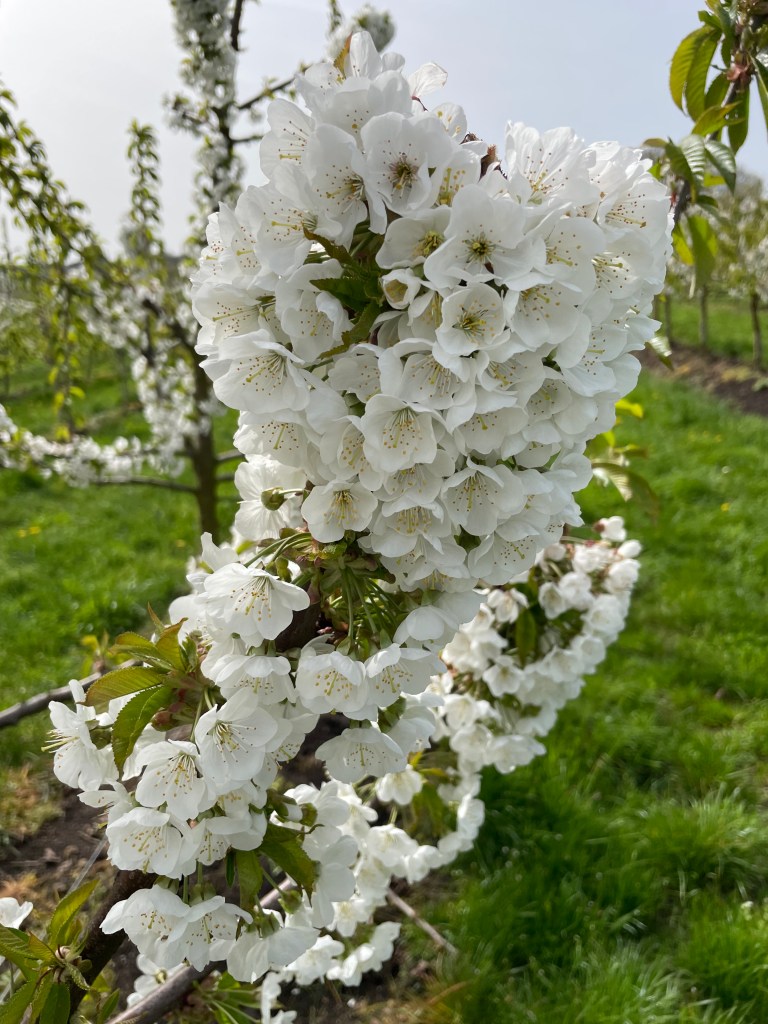
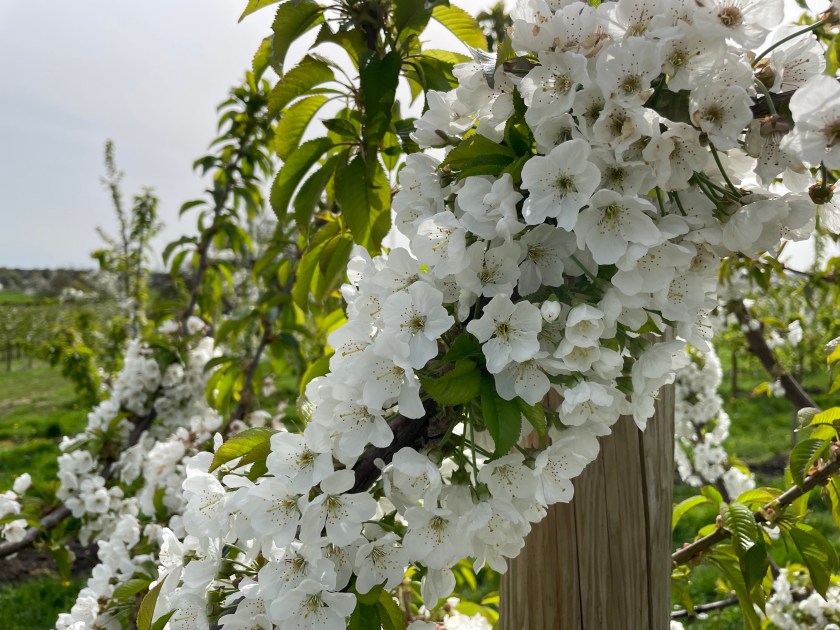
Apple Blossoms in Ockstadt

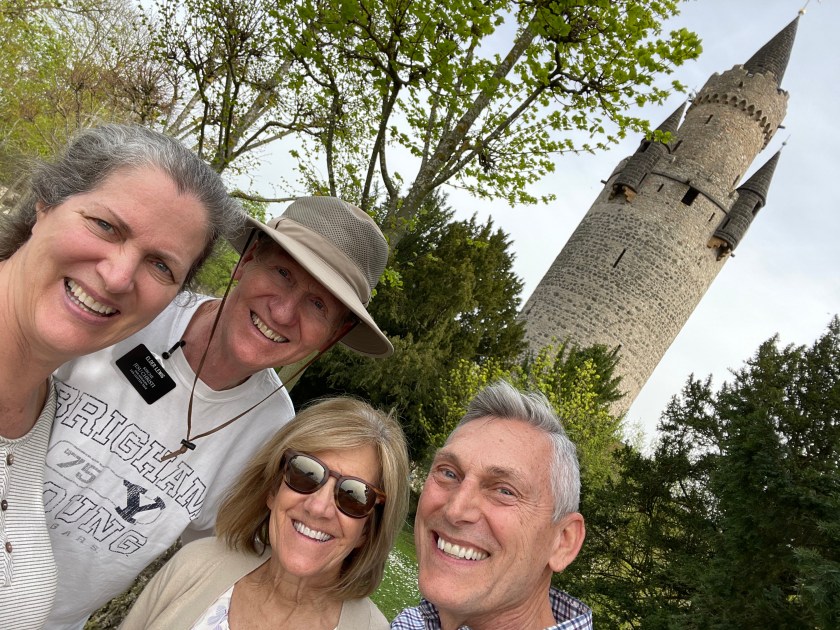
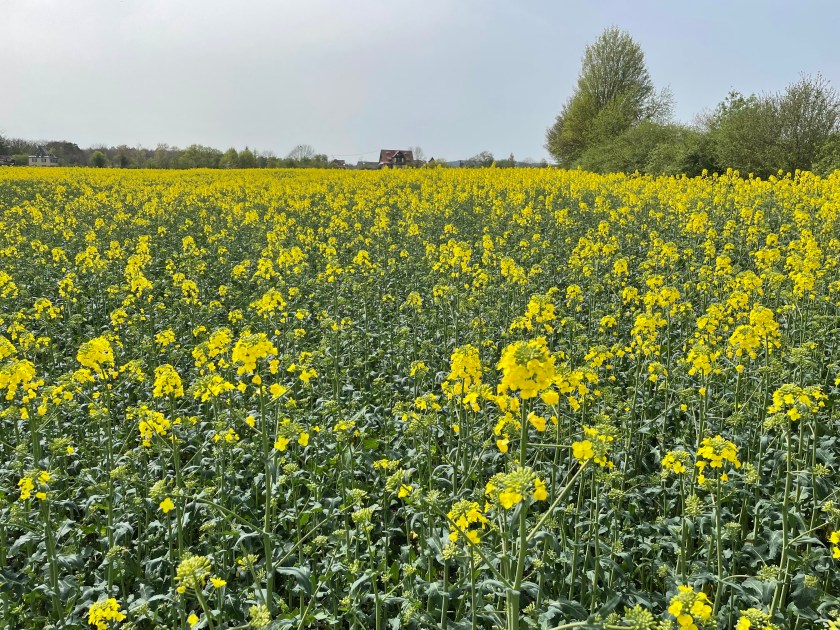
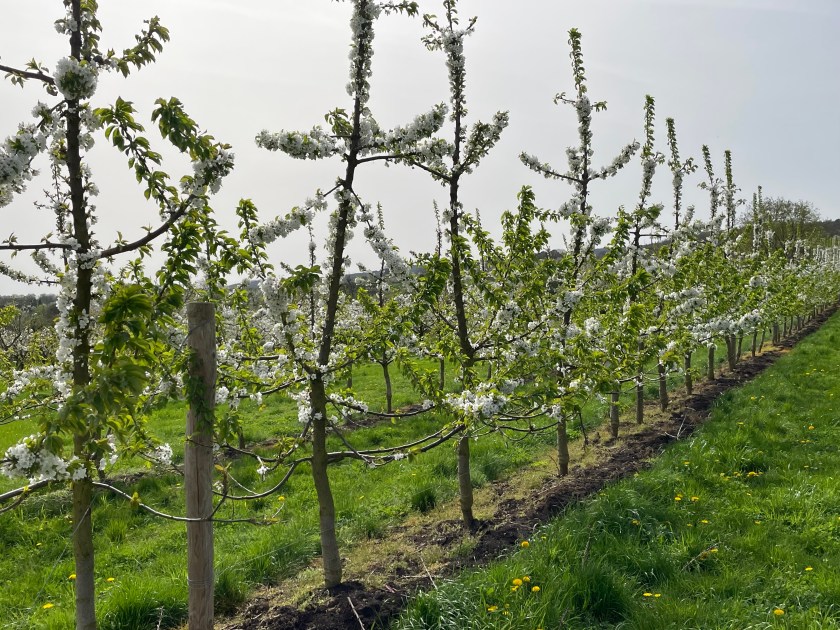
One of our work associates told us about a beautiful place to take a drive to see orchards of apple blossoms.  On this Saturday afternoon while waiting for General Conference to start here in Germany, we and the Feinauers decided to take the drive to Ockstadt.  Things are finally getting warmer here.  On the way, we drove by so many golden fields of Rape Seed.  The seeds are harvested to make oil.  The fields are just beginning to bloom.  Soon they will be nothing but yellow.


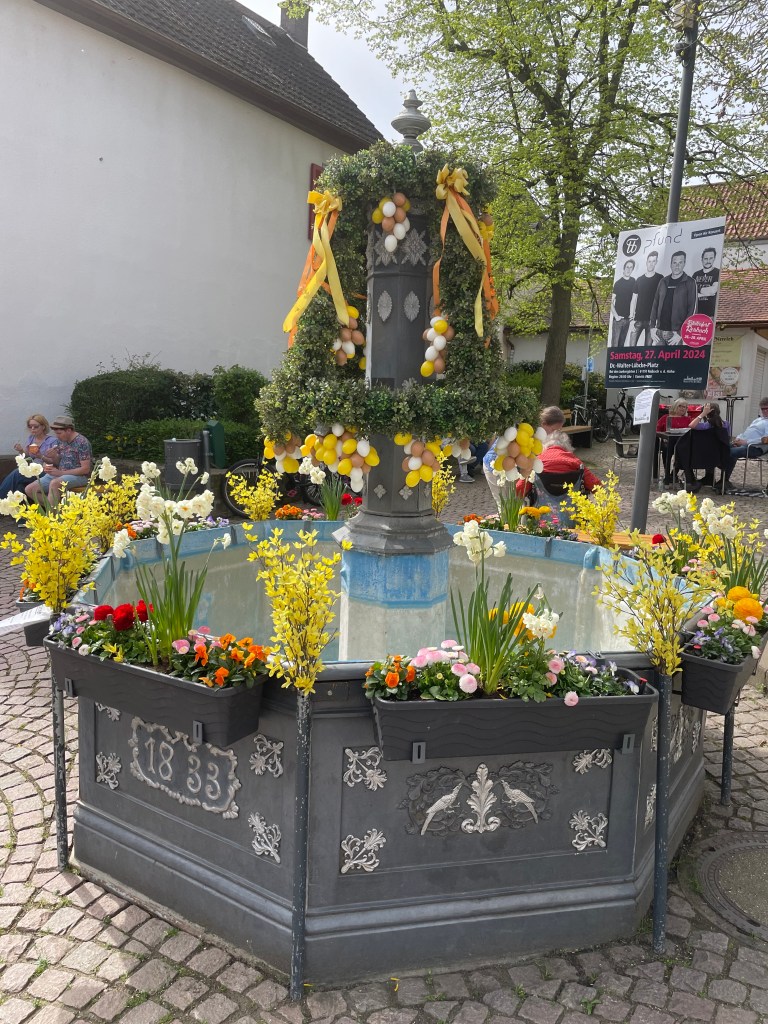
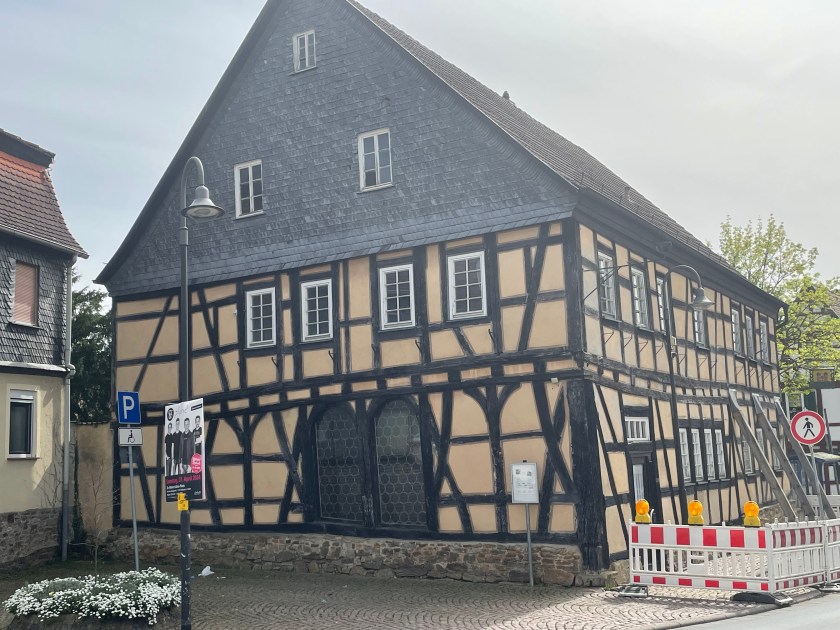
Here are a few pics of Ockstadt, the little town.  There was a bike race going through it today, so we had a little time getting around the road detours to find the orchards on the outlying hillsides.  Here is an Easter decorated town fountain.

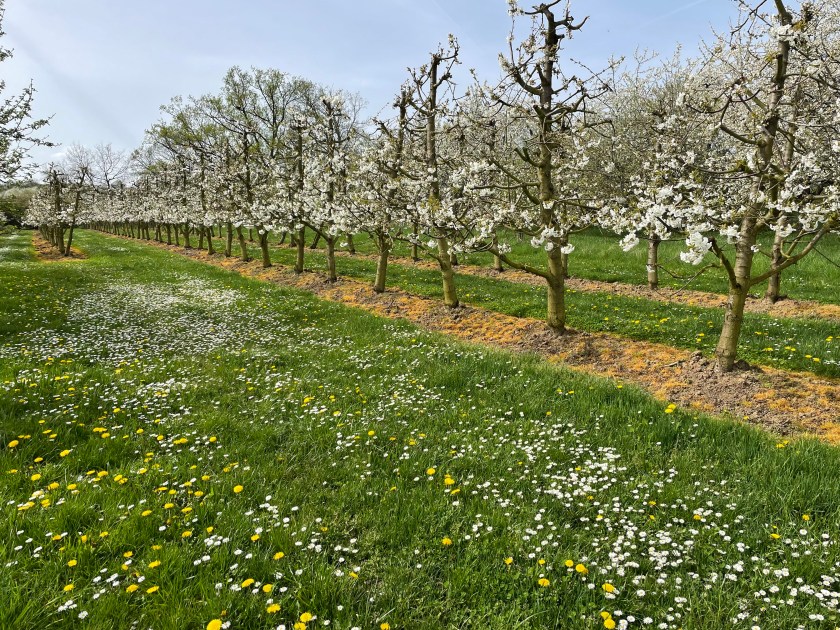
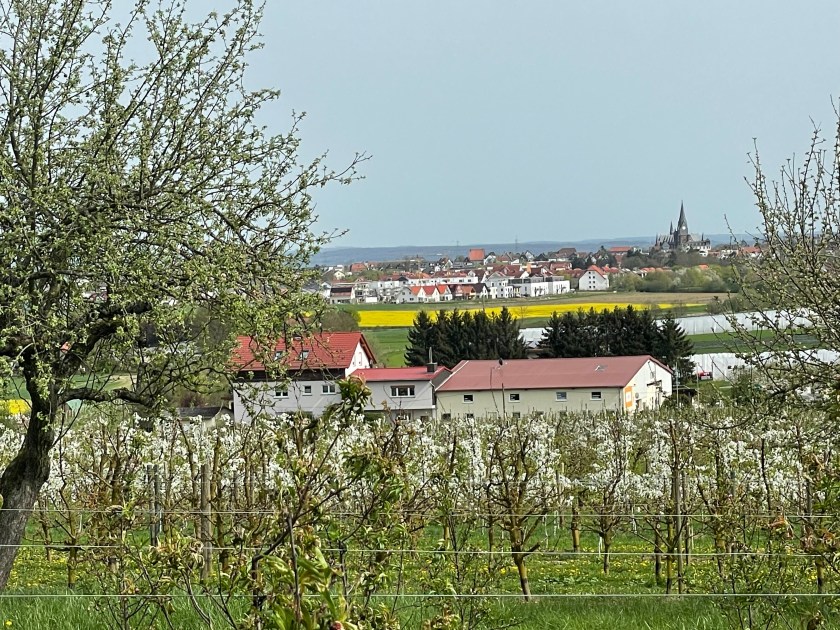
We eventually found our way to some orchards.  I’m not sure we were in the right place, but it was beautiful and reminded me of home and growing up surrounded by orchards.

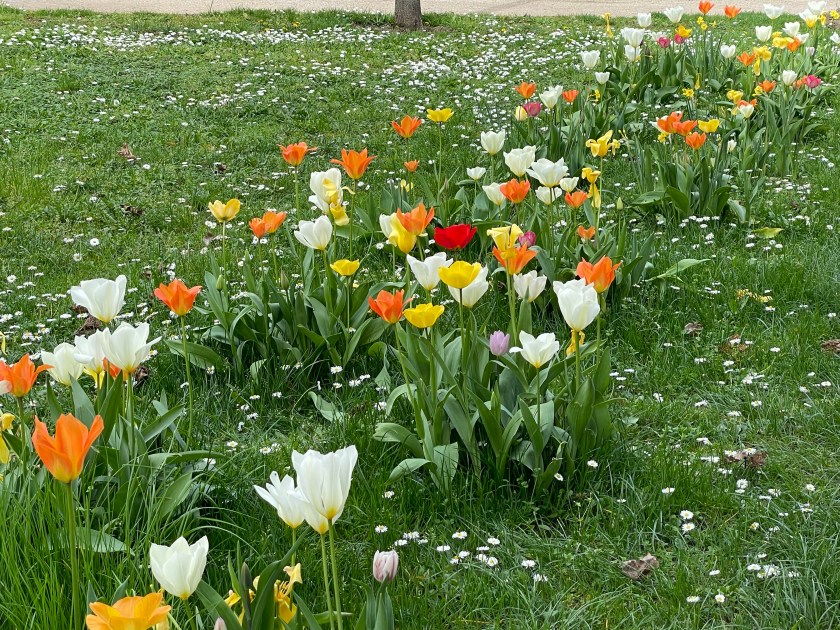
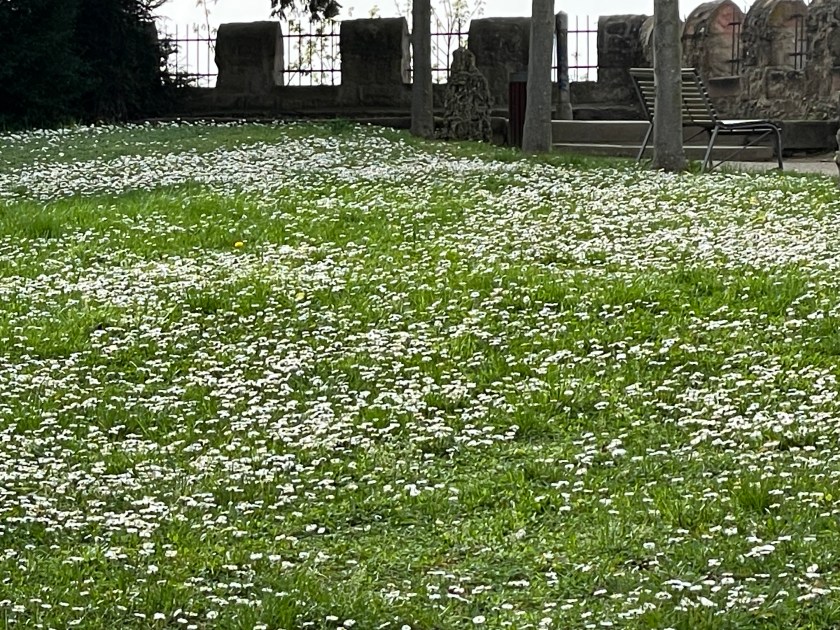
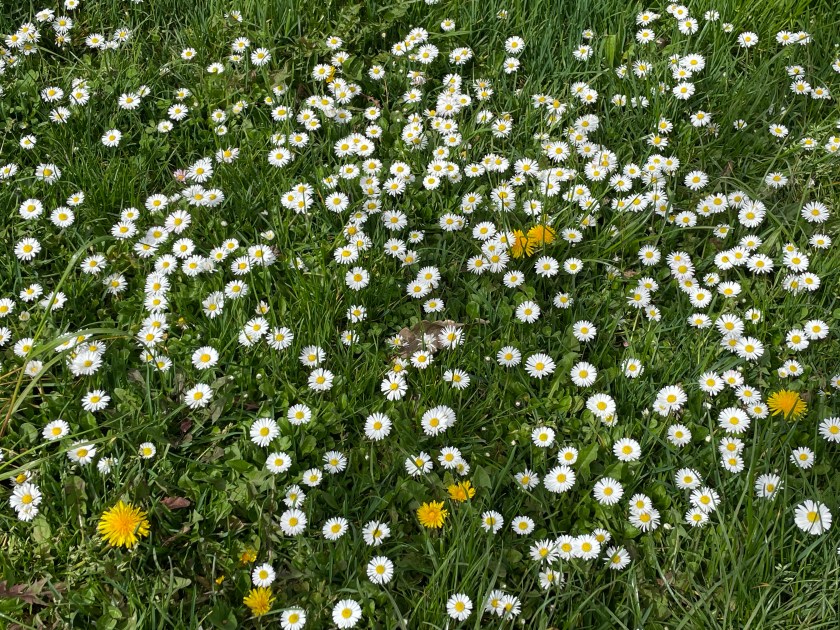
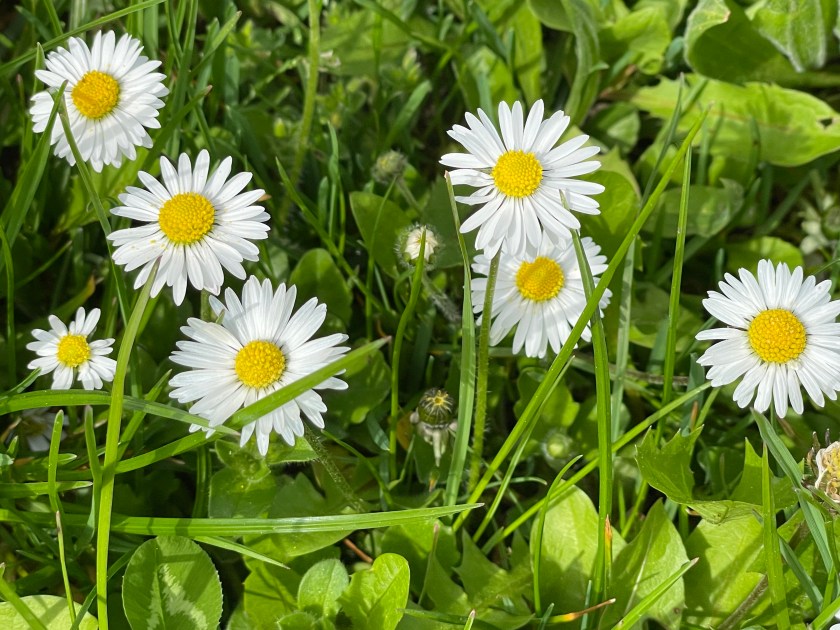
So far, in any place we’ve seen, the grass (in yards or fields) is not yet mowed.  These beautiful little daisies are growing everywhere.

From the hillside, we could wee the church tower in neighboring Friedburg.  It pulled us to it as we left the orchards.

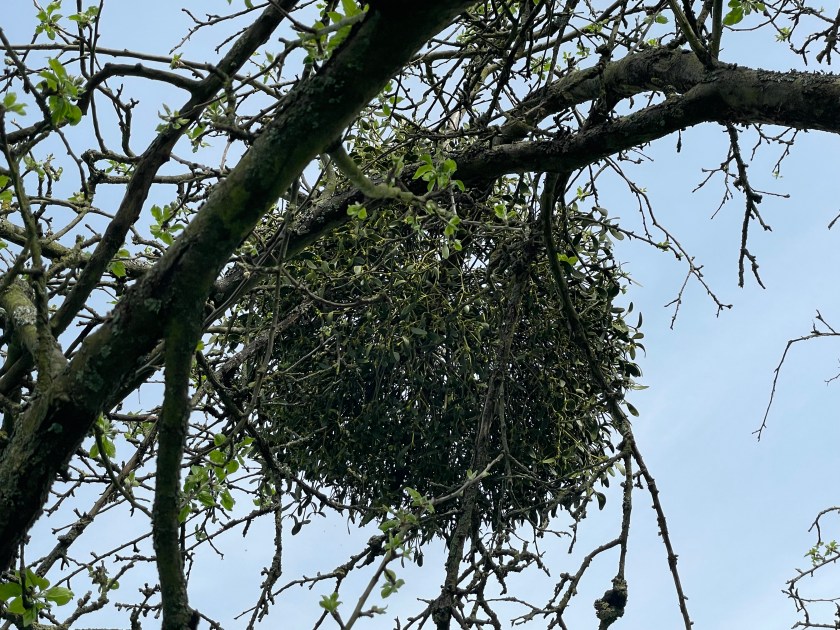
Clumps of mistletoe like this are seen all over Germany, growing in the trees above us.

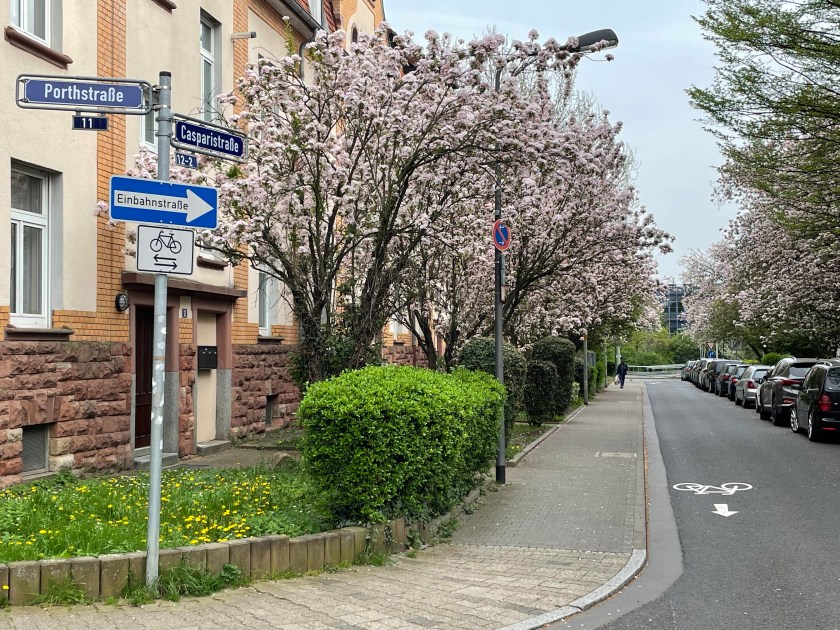
Here’s a look at the blossoms on our Portstrasse street when we got home.

Weimar and the Home of Liszt

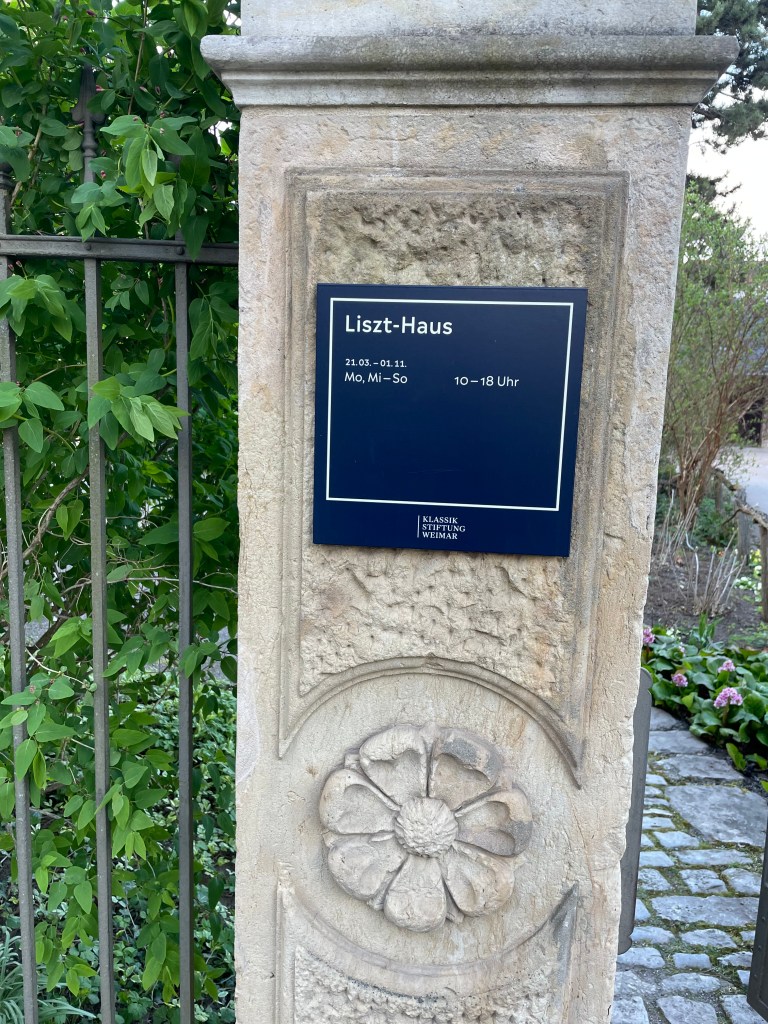
Liszt’s home was just closing as we arrived, but you can see inside and get the full tour on this excellent Weimar website.

Here is a little history about his home, which is right next to a beautiful park.

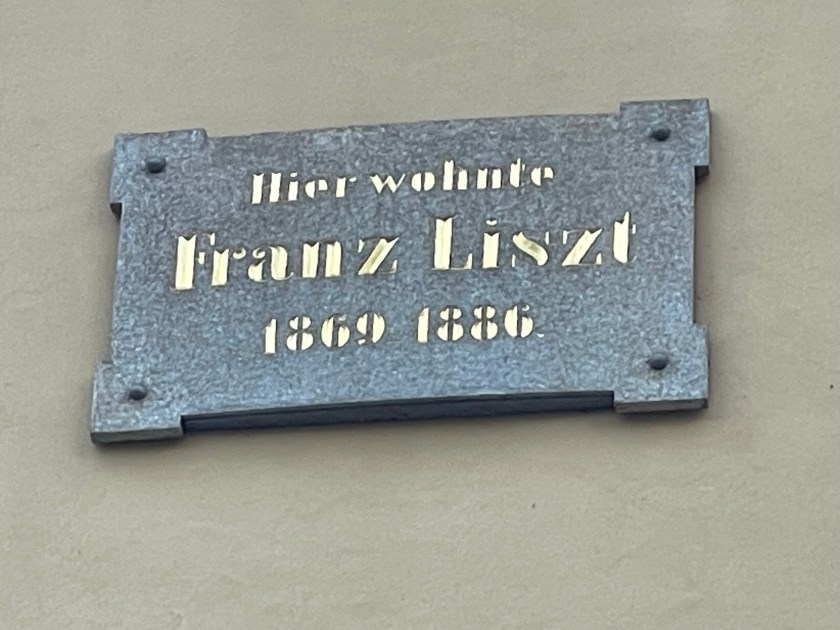
The Liszt House was built at the end of the 18th century as the court gardener’s residence and was redesigned in 1819 by Clemens Wenzeslaus Coudray. The upper floor had been used as an art studio before Liszt took up residence there in 1869. This would be Liszt’s second stay in Weimar; he had lived in the Villa Altenburg on Jenaer Strasse during his stint as Weimar’s Hofkapellmeister between 1848 and 1861. At the invitation of Grand Duke Carl Alexander, Liszt returned to Weimar in 1869. Grand Duchess Sophie had elegantly decorated his quarters on the first floor of the gardener’s house. In the following years, Liszt spent his summers at the residence and regularly invited guests to his performances. In 1887 Carl Alexander opened the composer’s former living quarters to the public as a memorial site.
The living room and study which comprise the central salon, as well as Liszt’s bedroom have been preserved in their original condition. The dining room bears a resemblance to its earlier furnishings, and the servant’s room is a museum presentation.