Spring. New life. Planting seeds. Gardens. But most of all thinking about our new little grandson today!
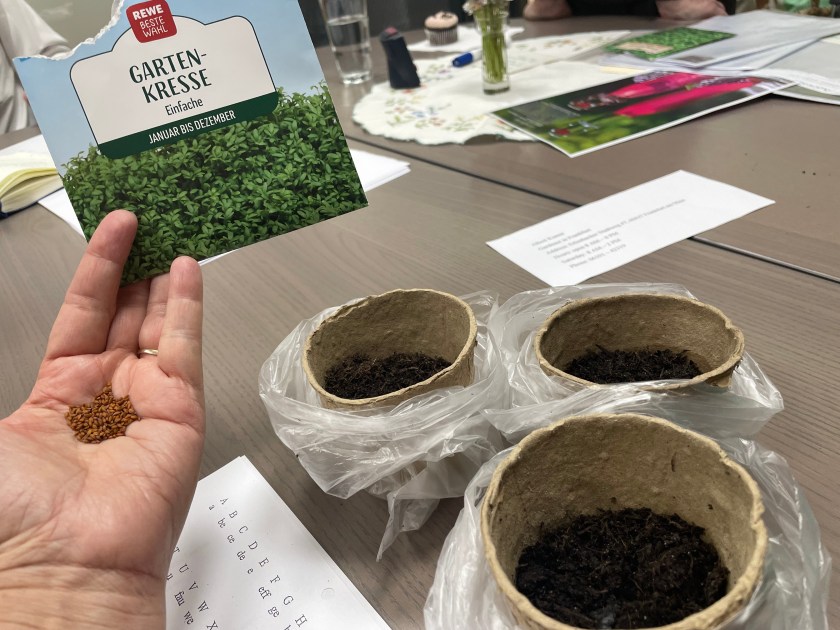
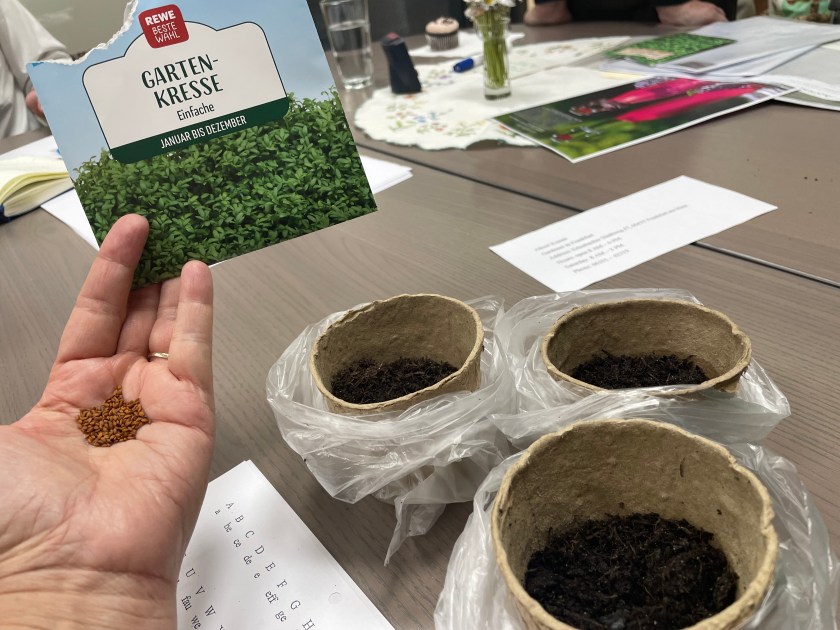
In a week I’ll be traveling home to meet Caleb, and while I’m gone Sis Enger will be teaching everyone how to use the herbs we planted today to make green sauce, served here in Frankfurt over boiled eggs and potatoes.
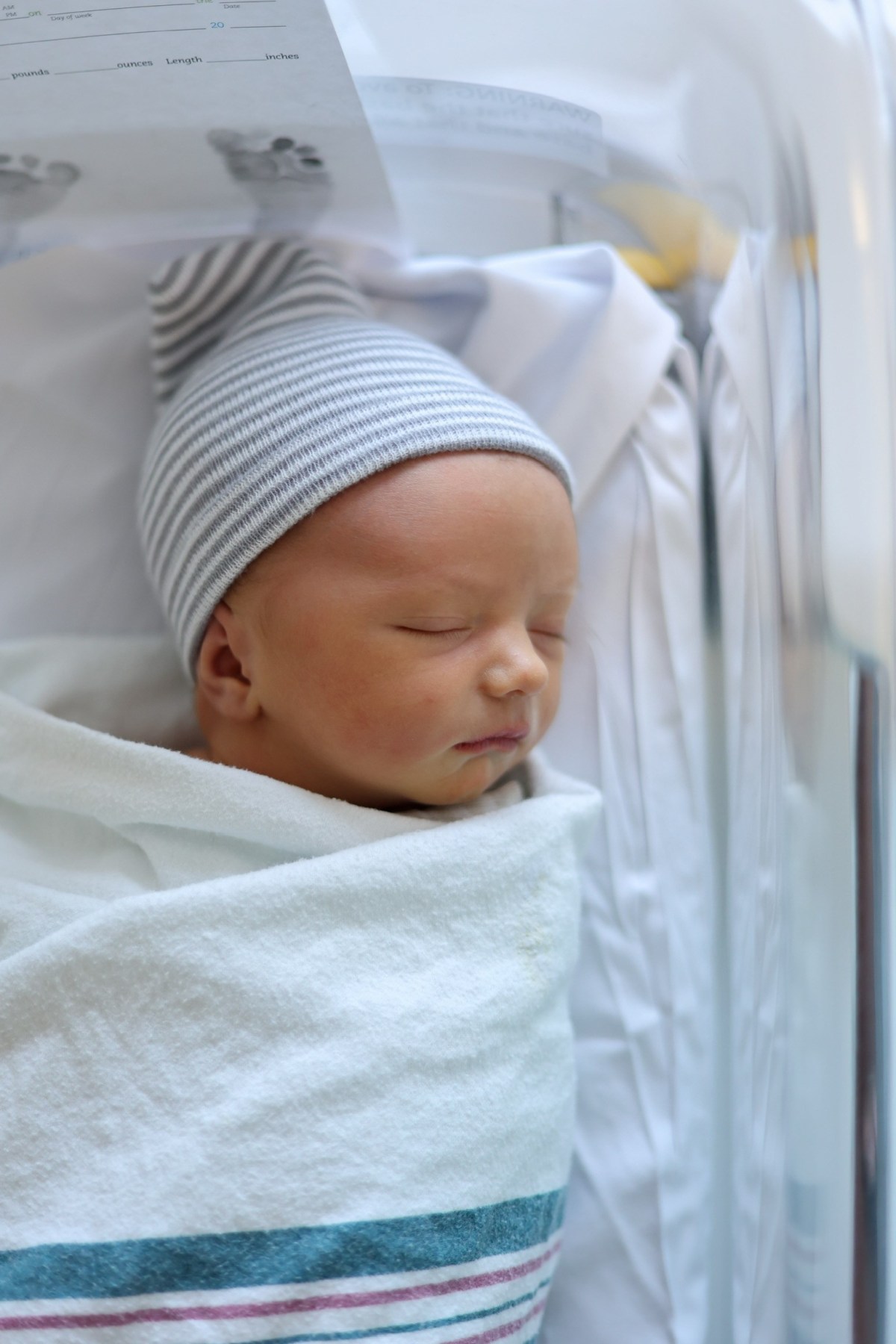
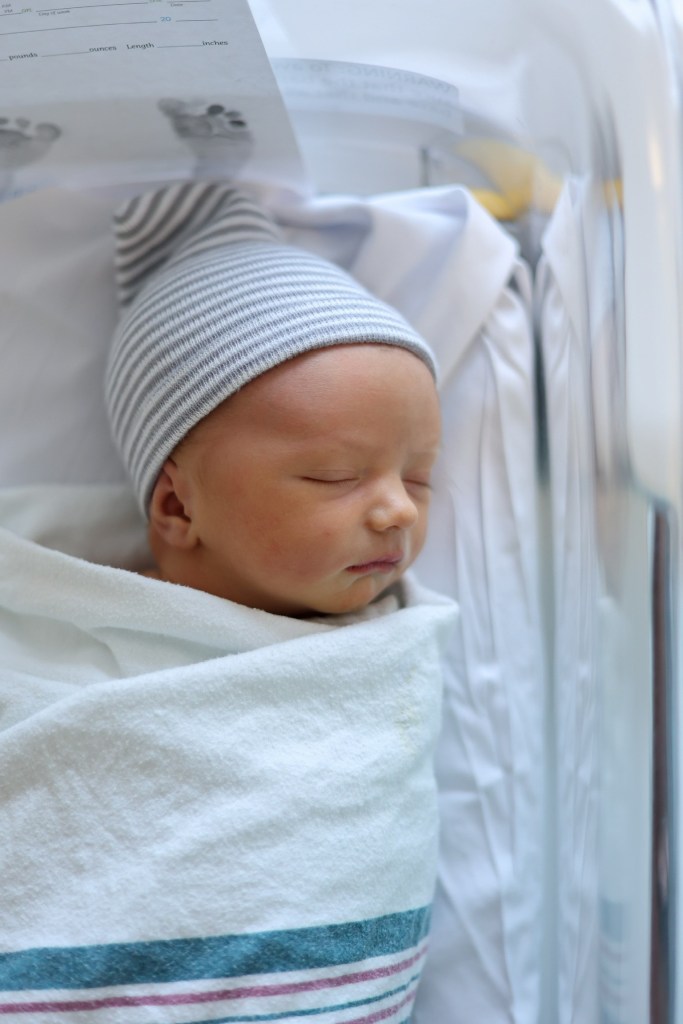
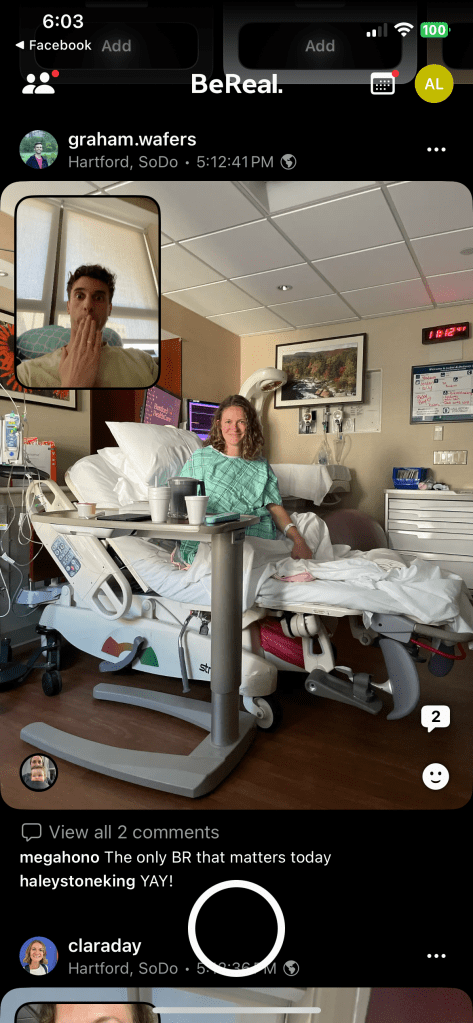
Here is our first look at our new grandson, Caleb Lewis Johnson, born just after midnight on 17 April 2024 in Connecticut. He weighed in at 8 lbs, 2 oz and was 22 inches long. He looks PERFECT to me!
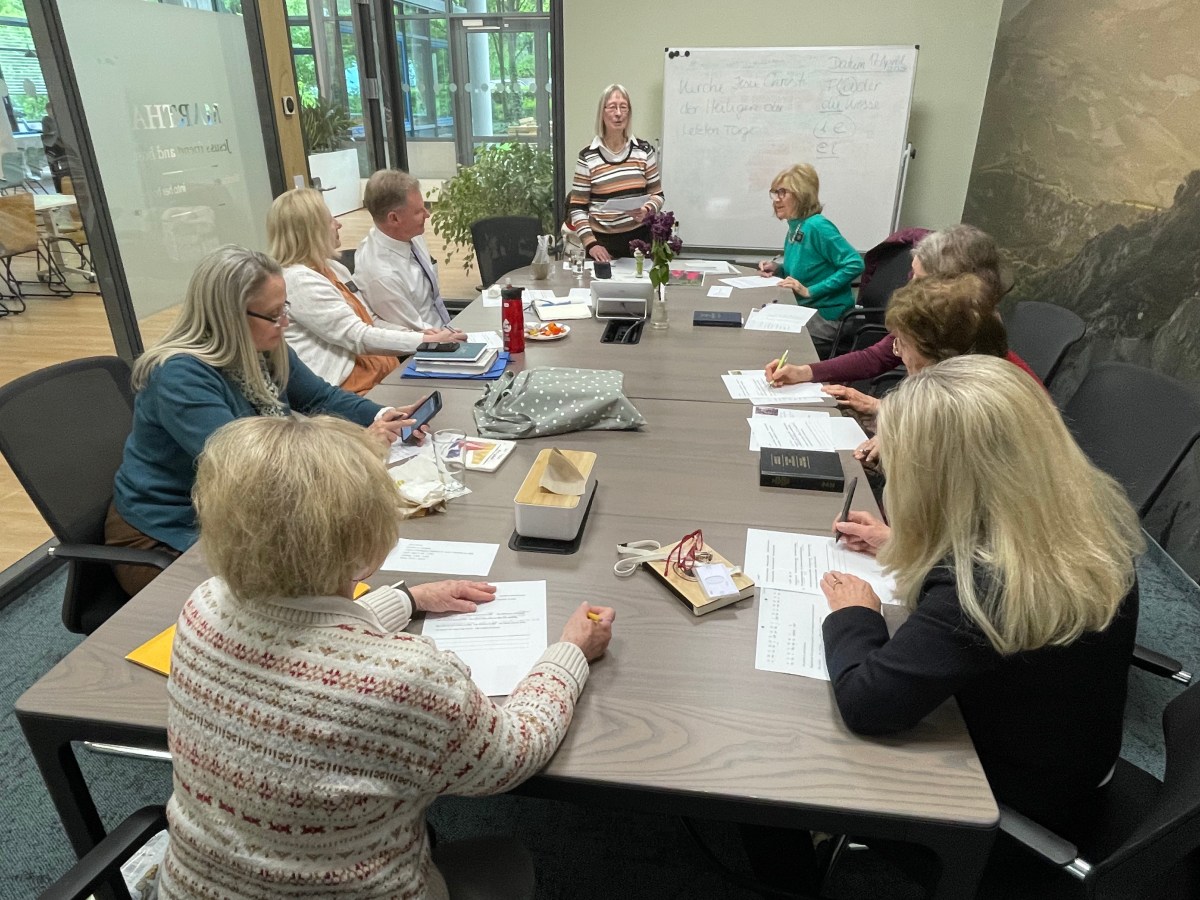
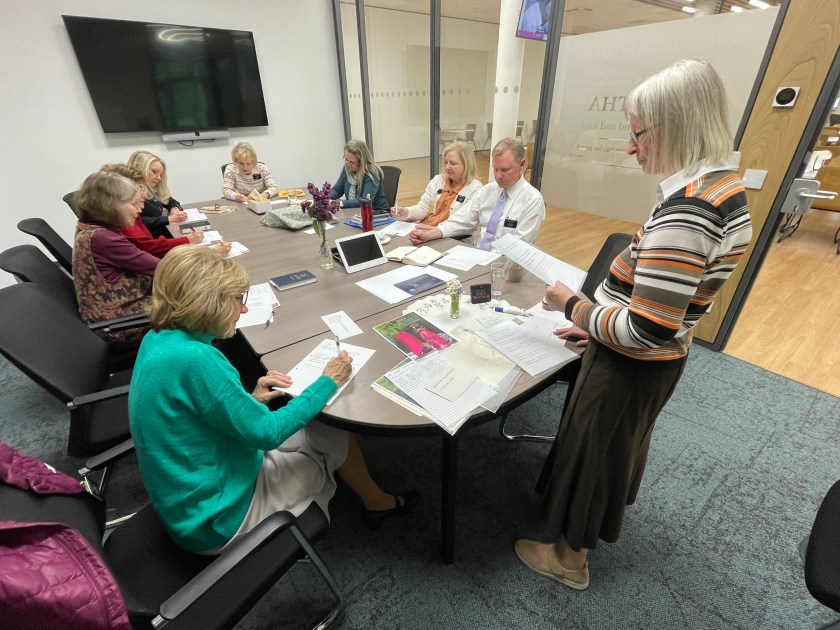
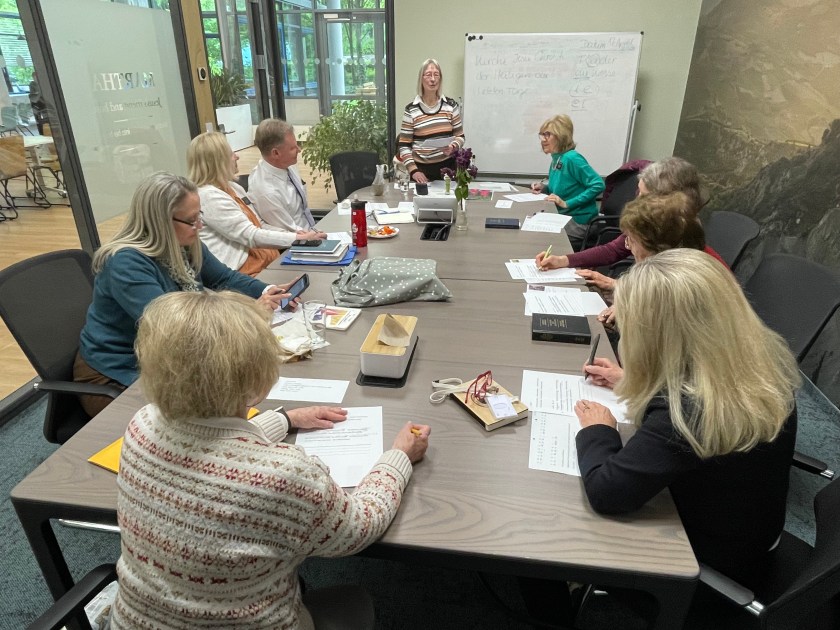
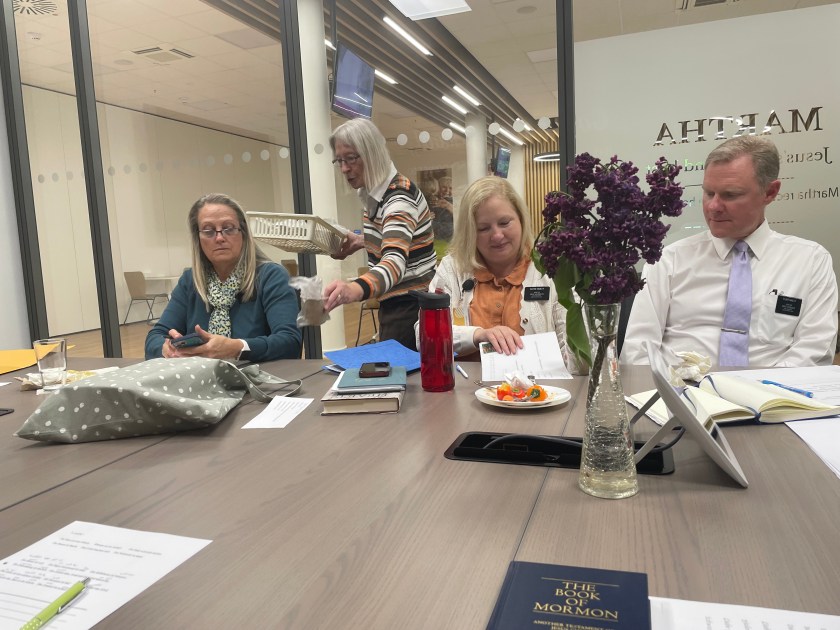
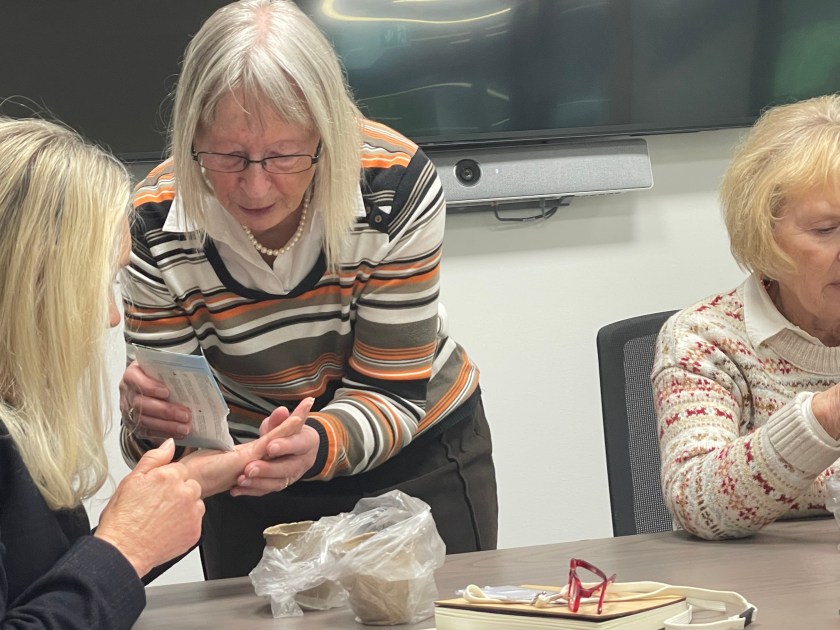
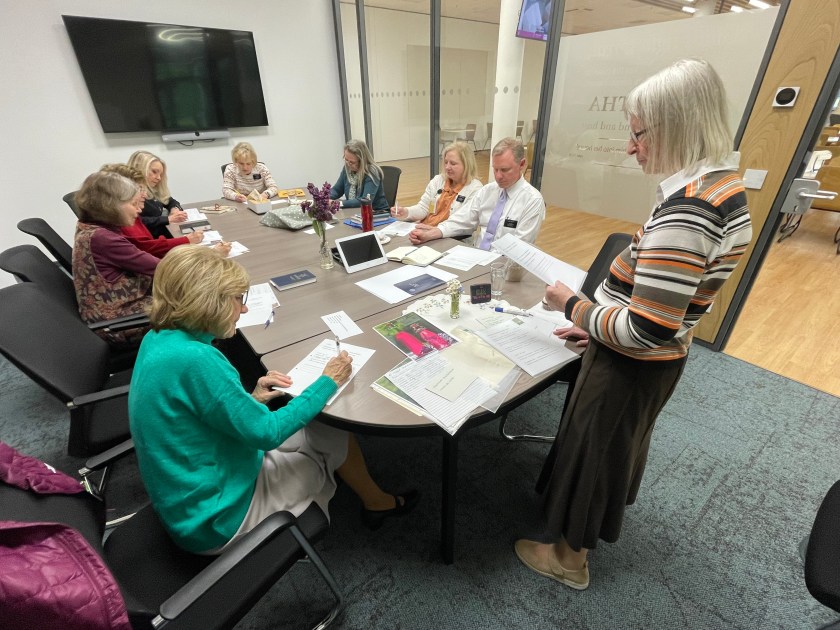
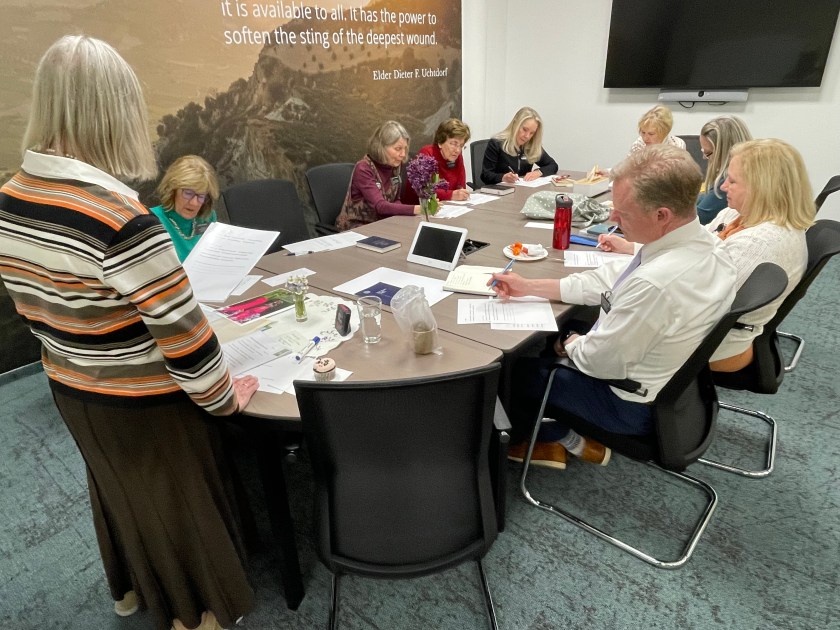
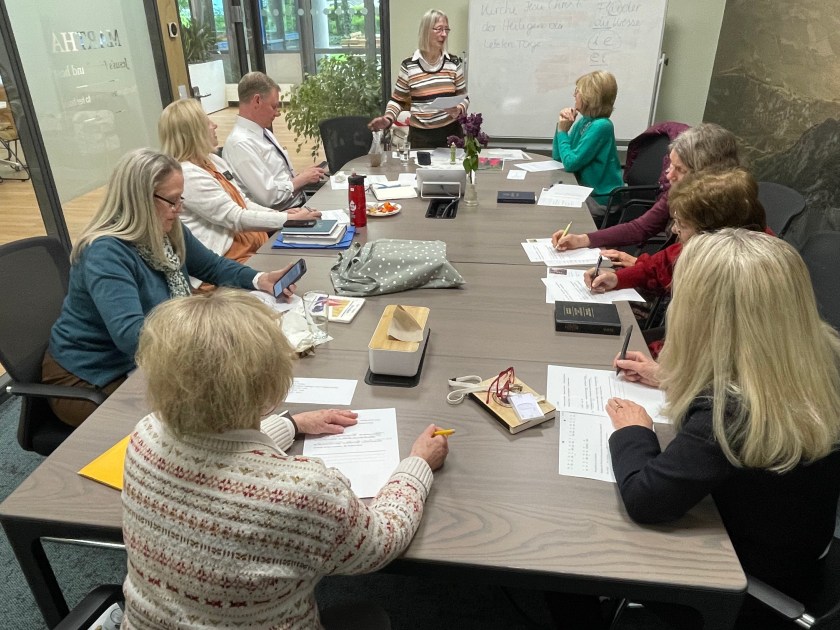
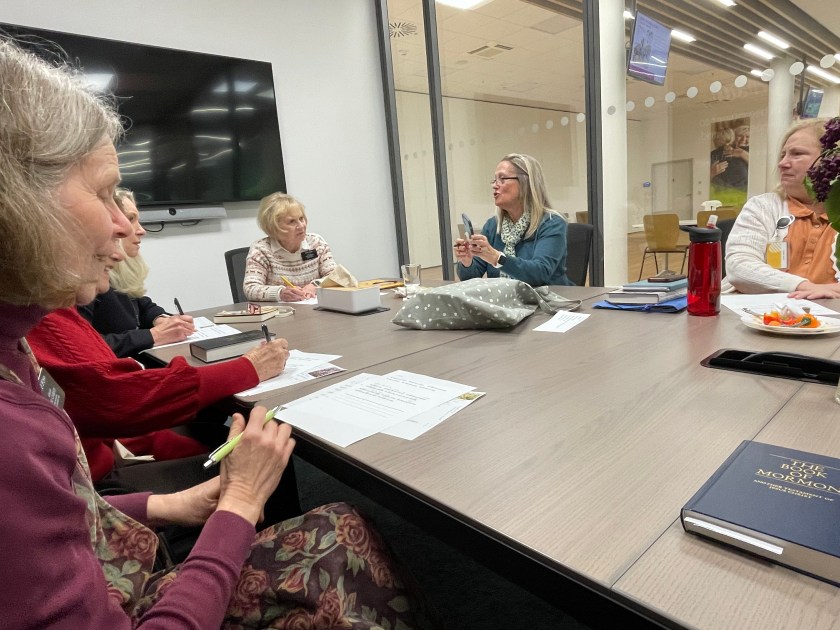
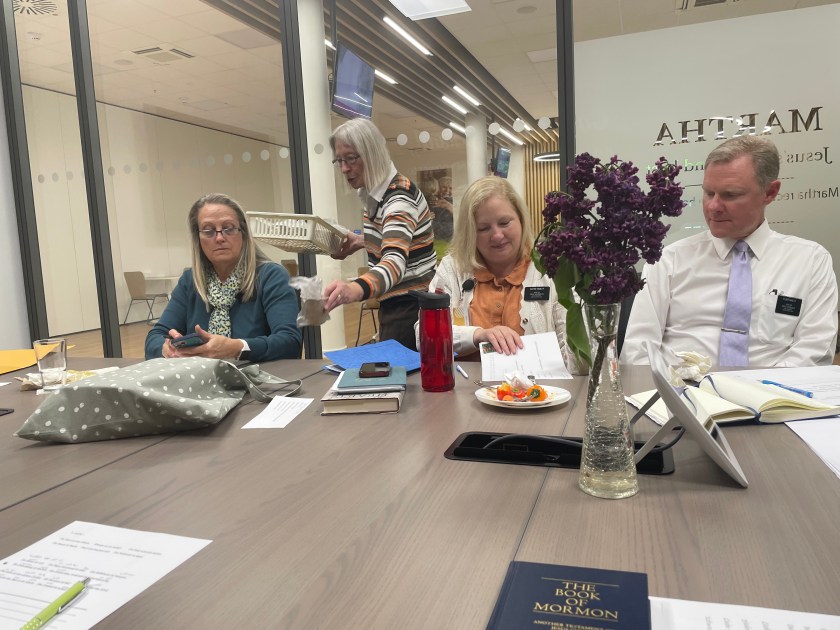
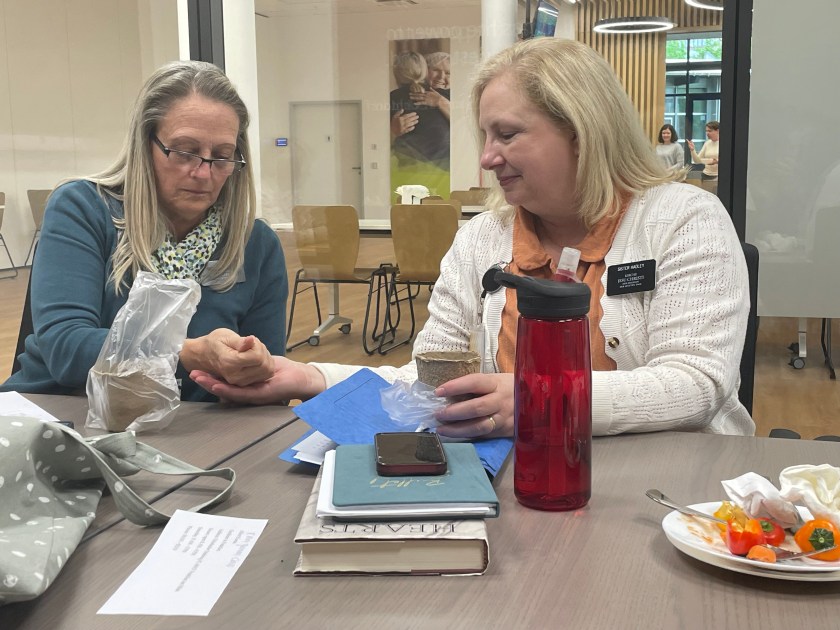
We’ve made a shift from Sis Enger’s home to the Phoenix Haus, in hopes that more friends will be able to join us. We’ll be meeting in the hour after our weekly Book of Mormon class.
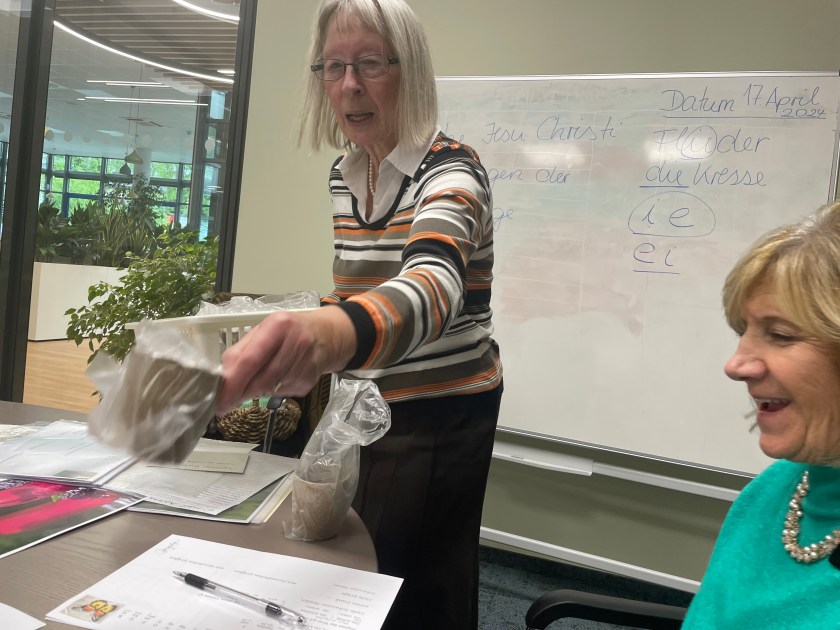
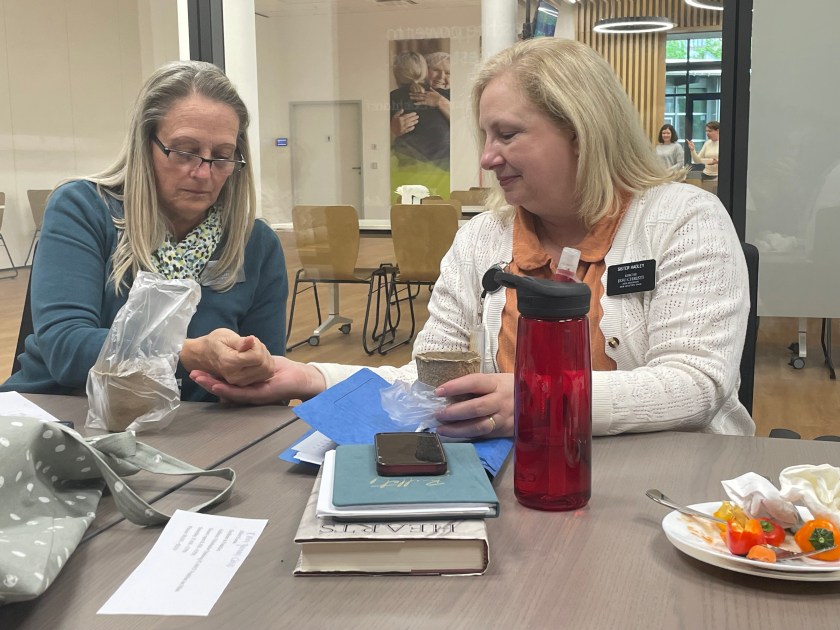
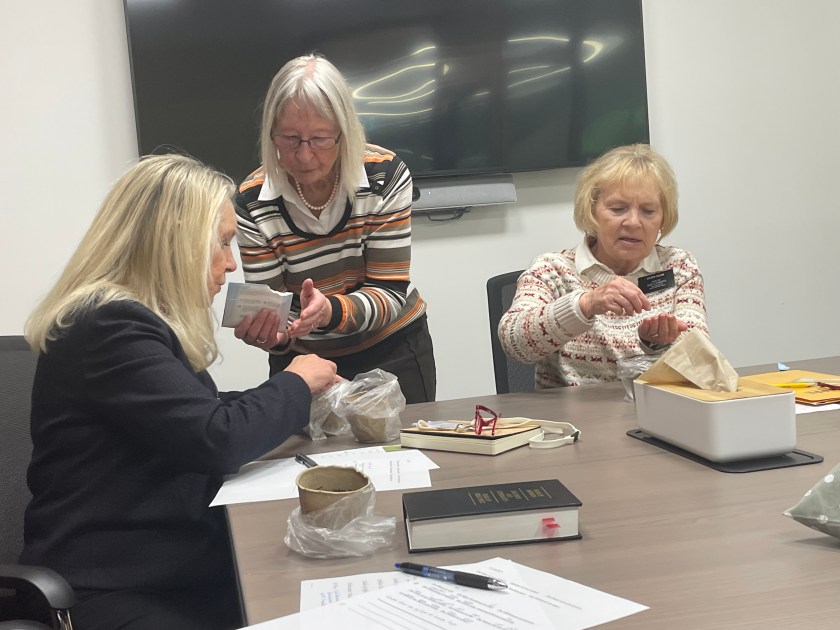
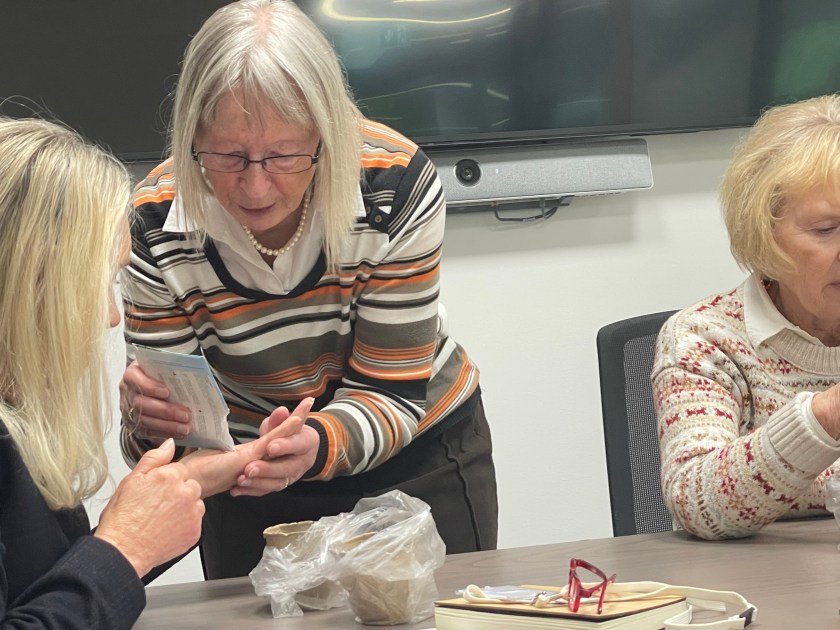
Today we worked on the German alphabet and we each got a cup of dirt and some Kresse seeds to plant. Next week we’ll be learning how to make Frankfurter Grüne Soße (green sauce) that’s traditionally served with boiled potatoes and hardboiled eggs. Kresse is one of the 7 traditional herbs ingredients in the sauce.
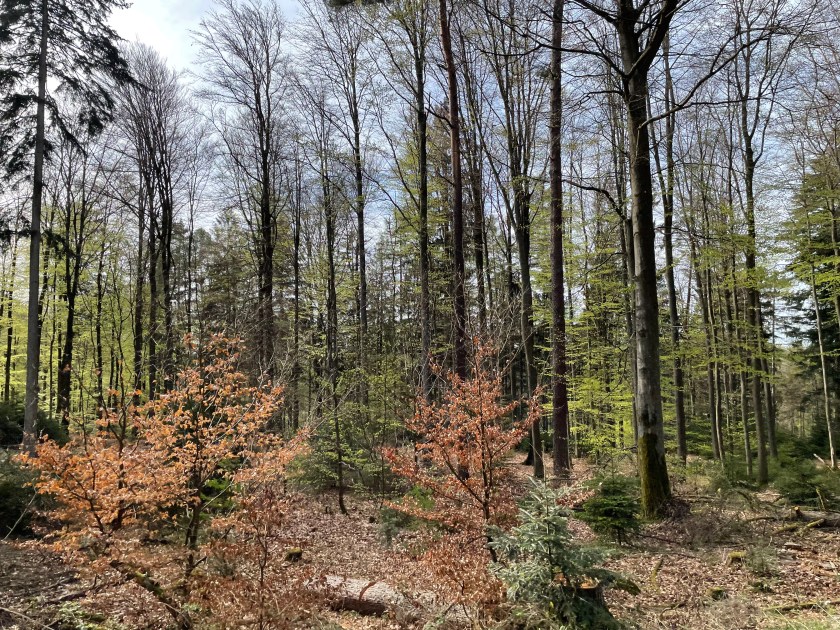
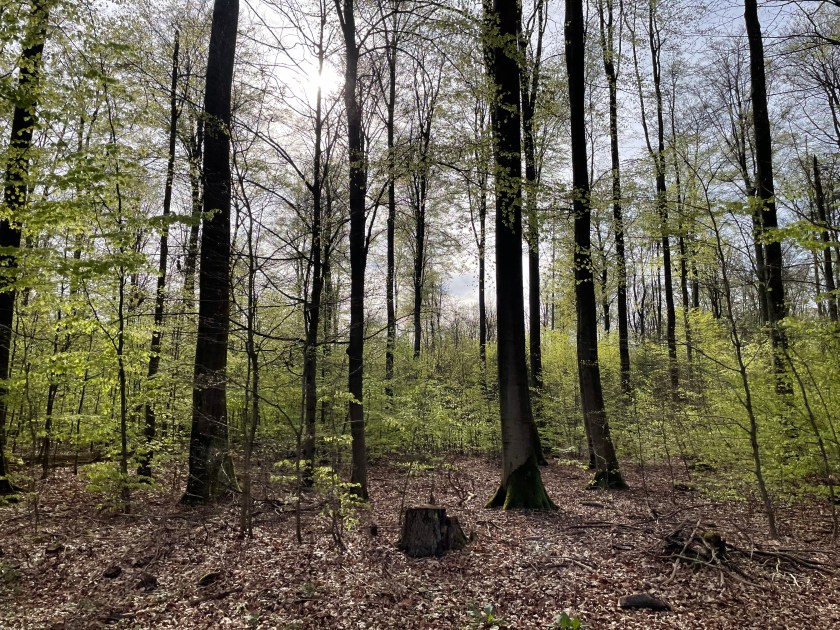
Leaving Lohr a. Main, we drove on through lots of woods and forested areas (not pines, but deciduous tall straight trees). All are leafing out now. There were occasional blooming trees–white blossoms, mixed into the forests, like popcorn trees. We drove another 30-40 min to a town called Seligenstadt.
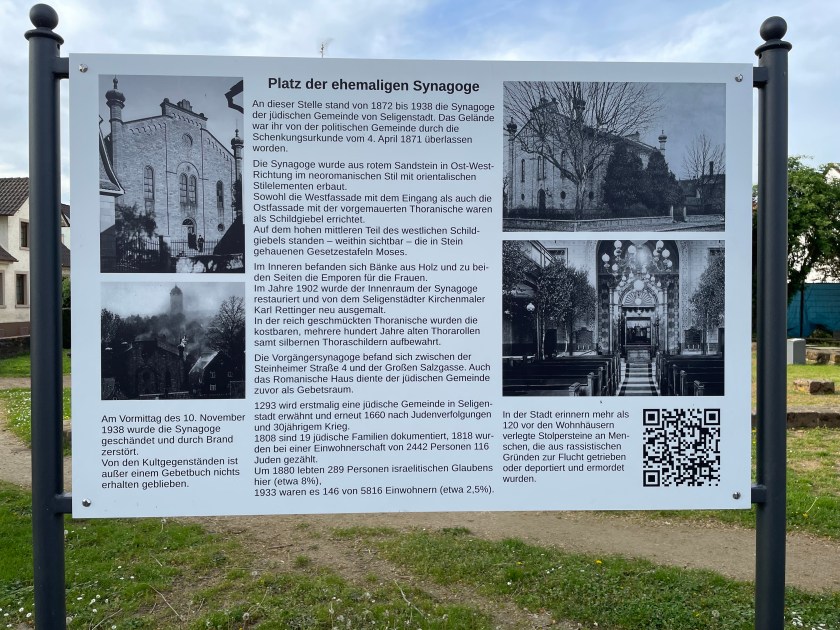
Arriving in Seligenstadt, we parked right next to a memorial to the synagogue that was destroyed by the Nazis on 10 November 1938. The cornerstones marked the place where it stood.
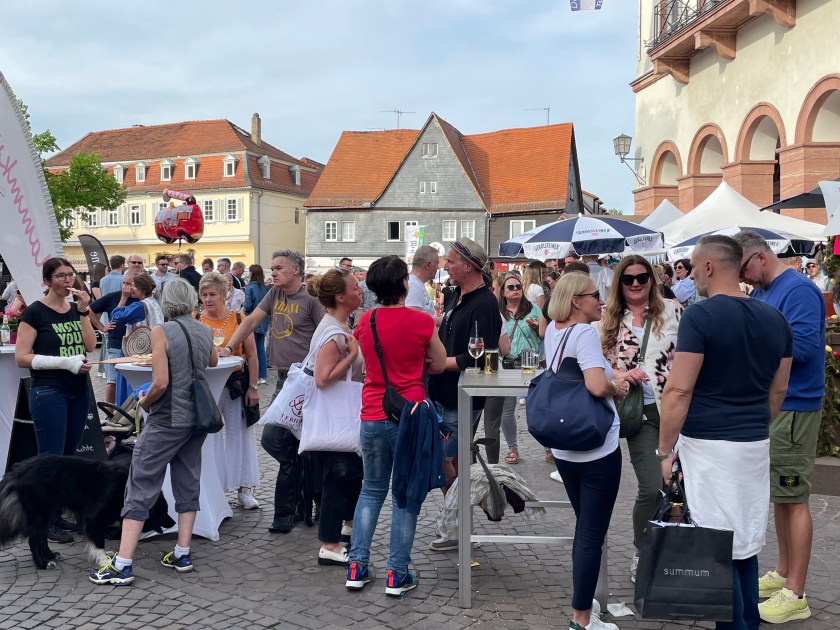
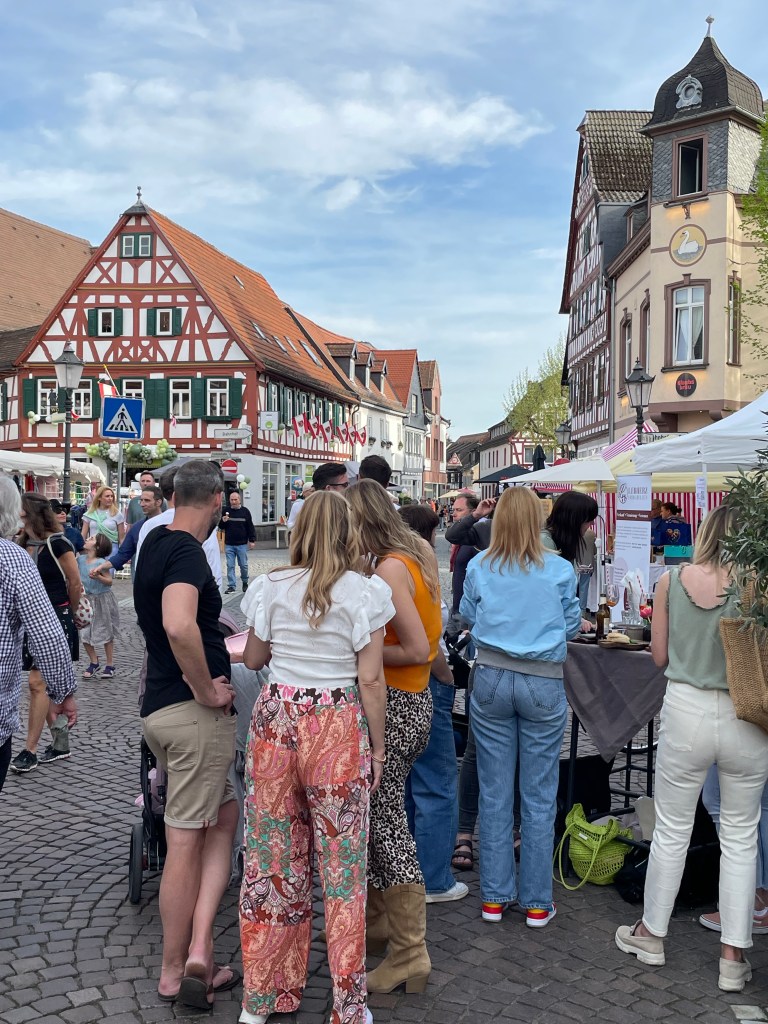
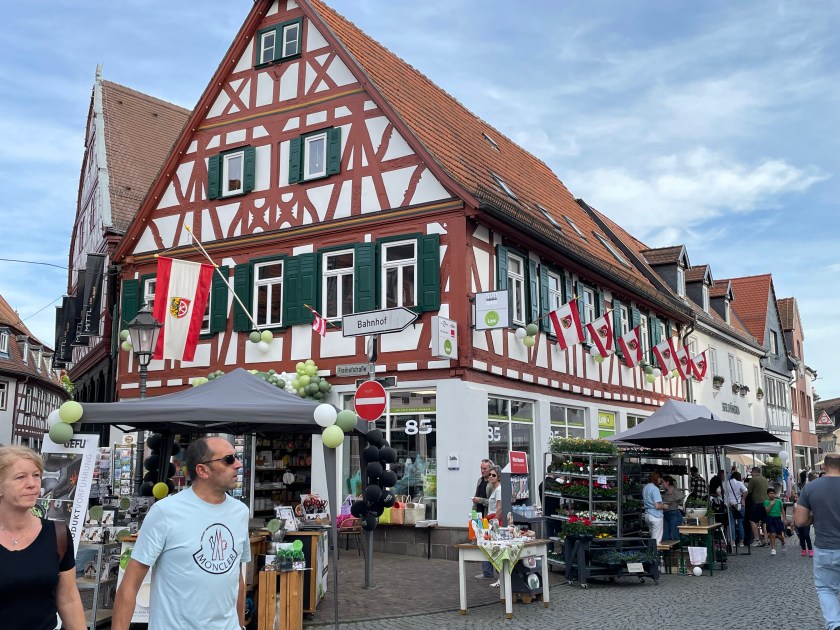
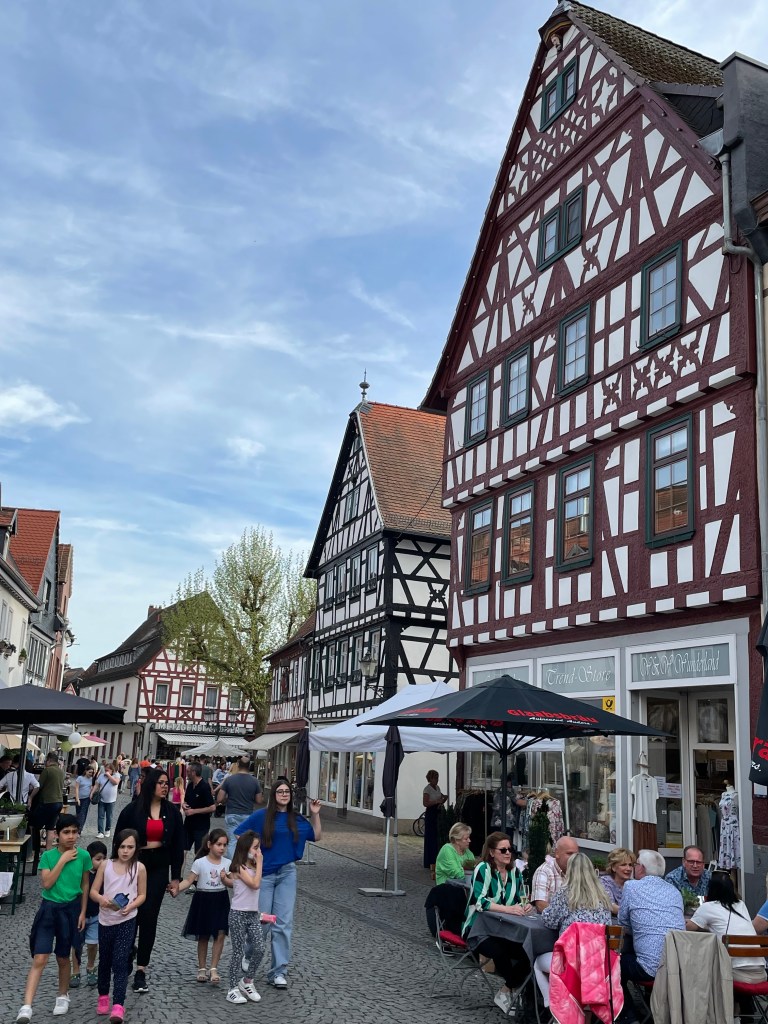
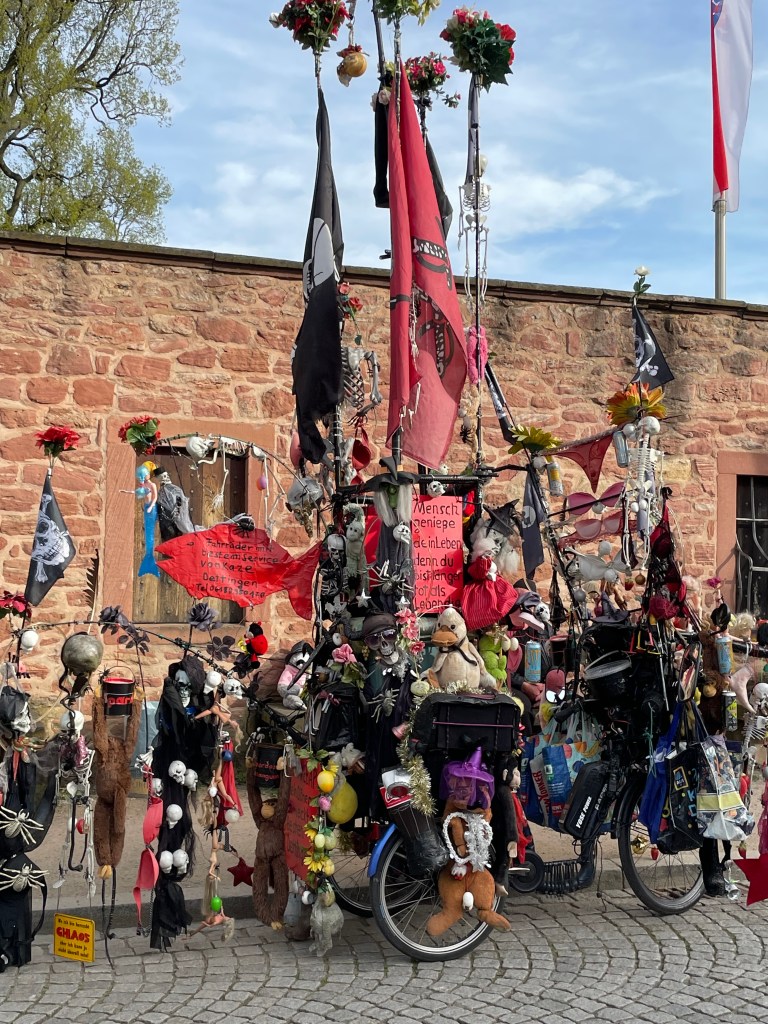
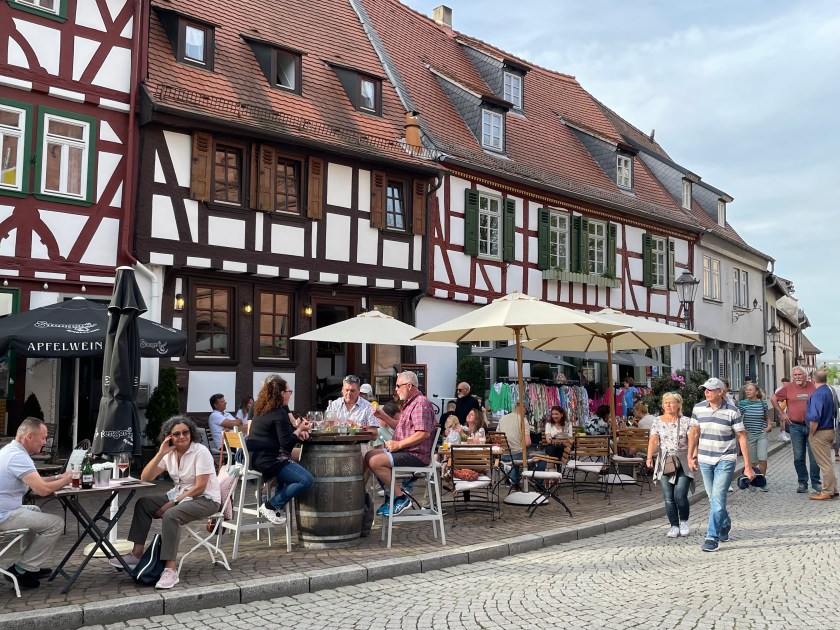
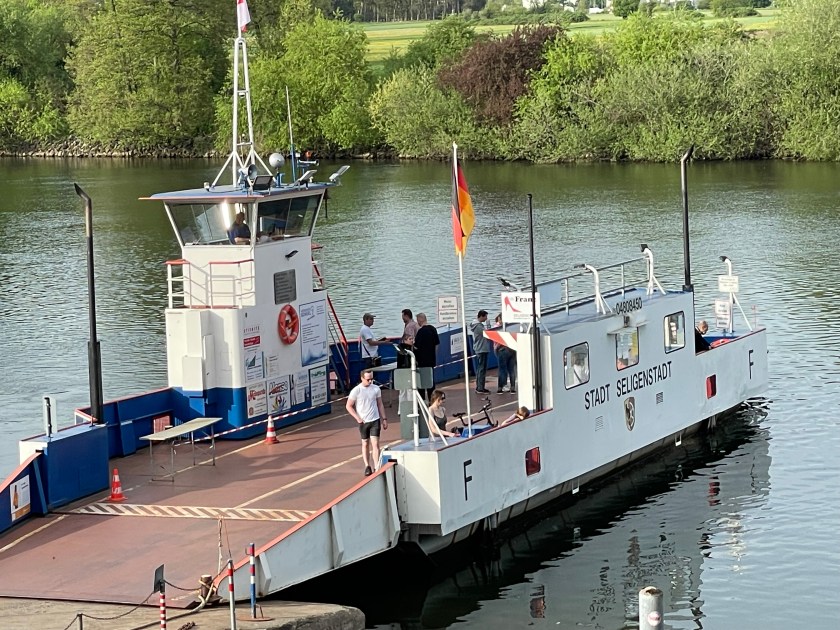
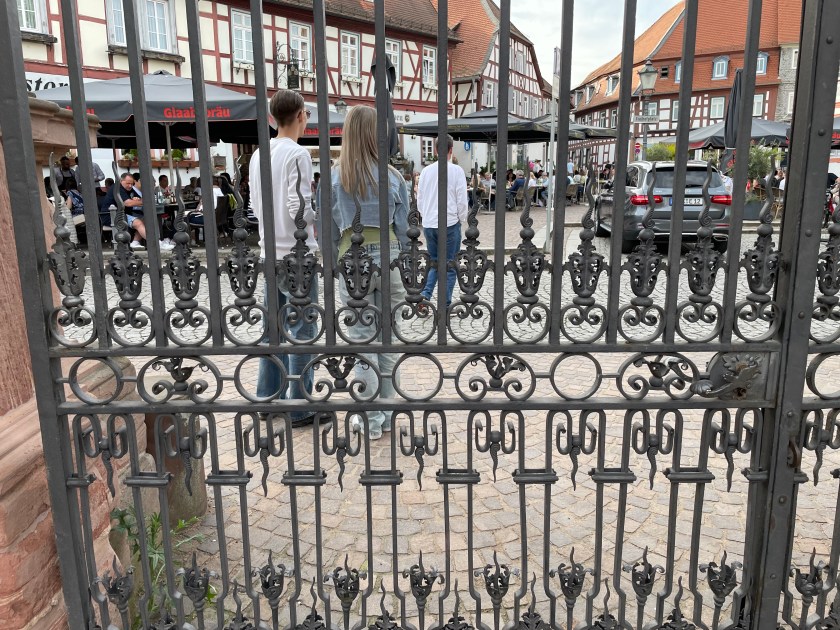
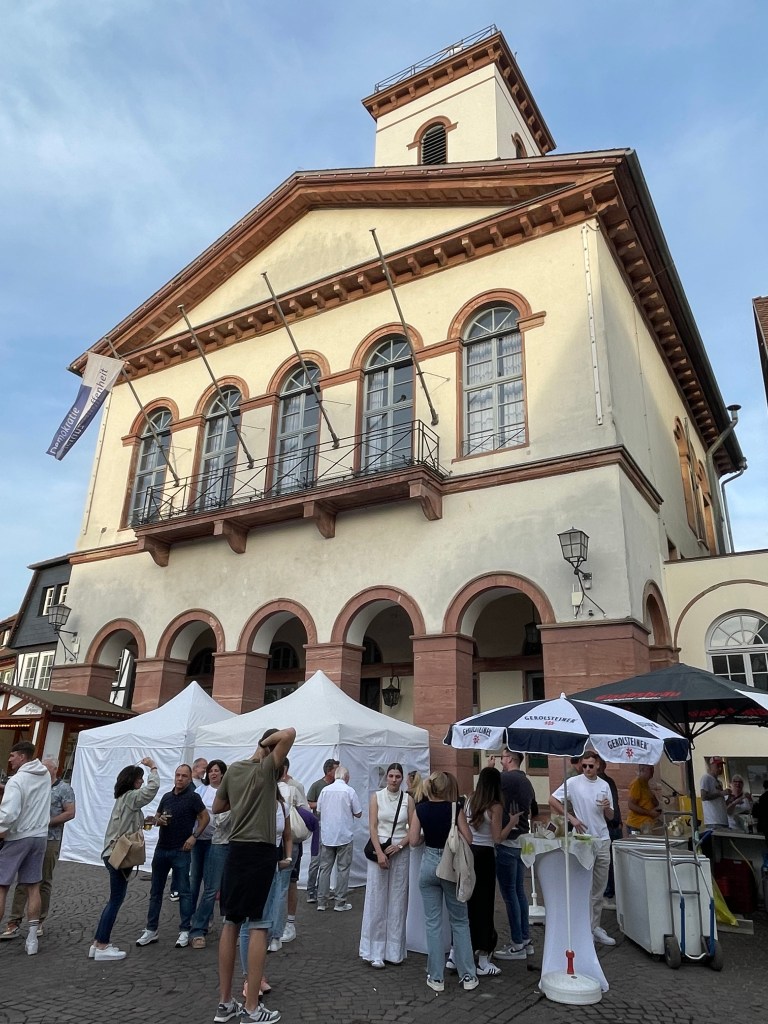
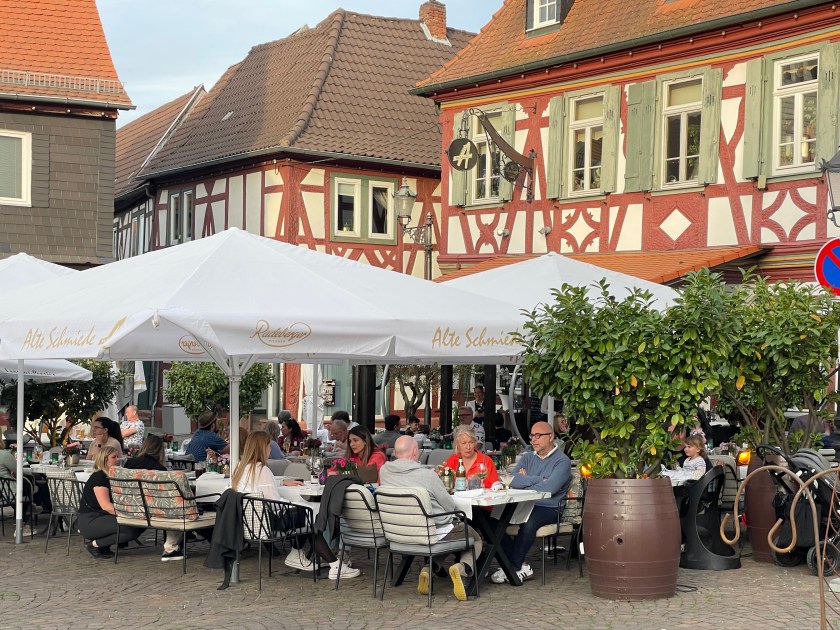
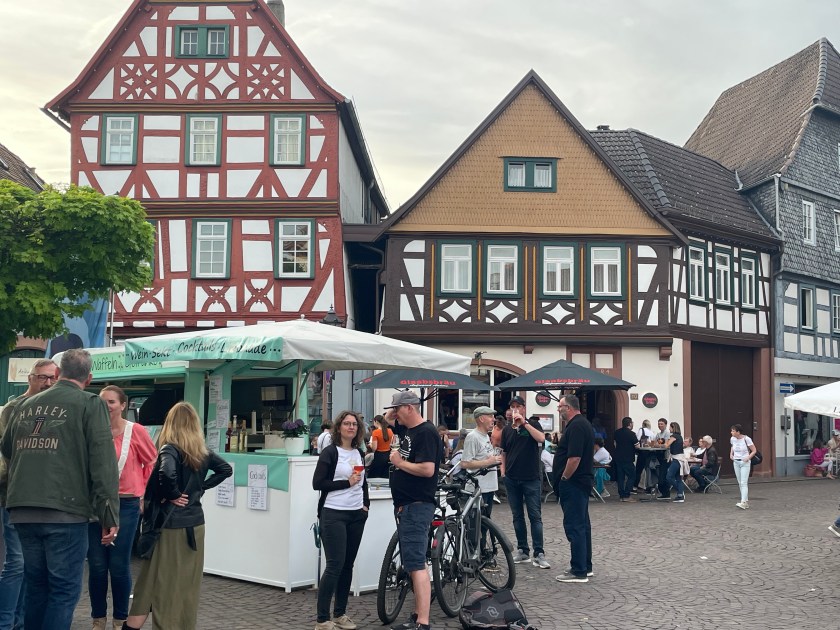
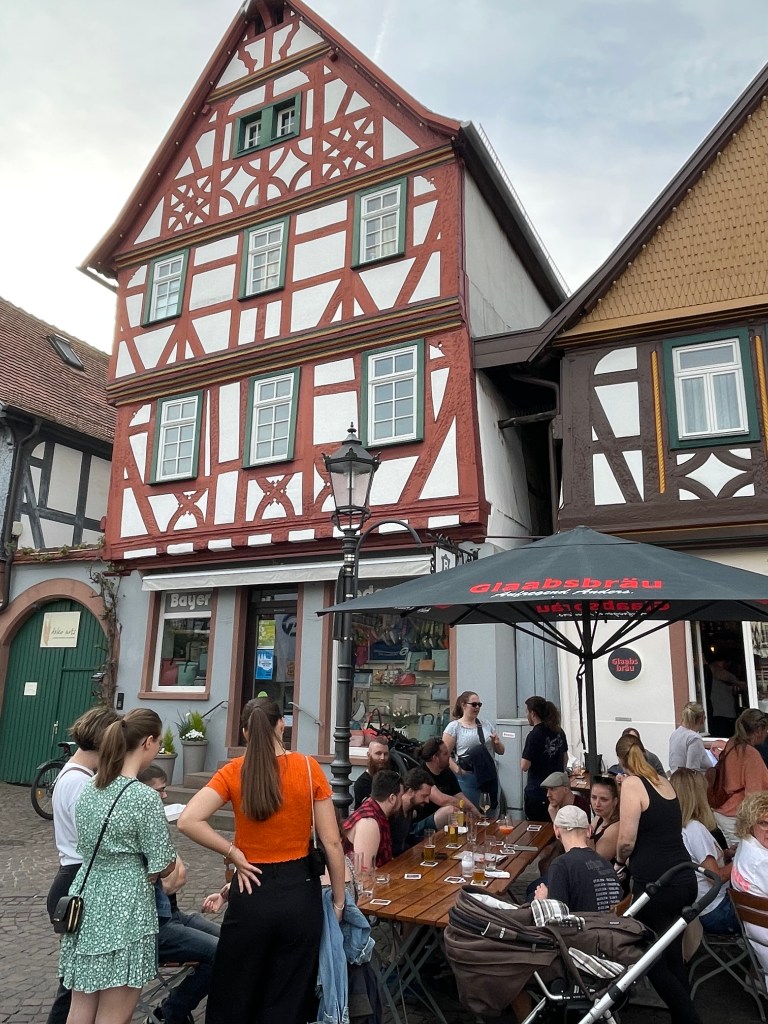
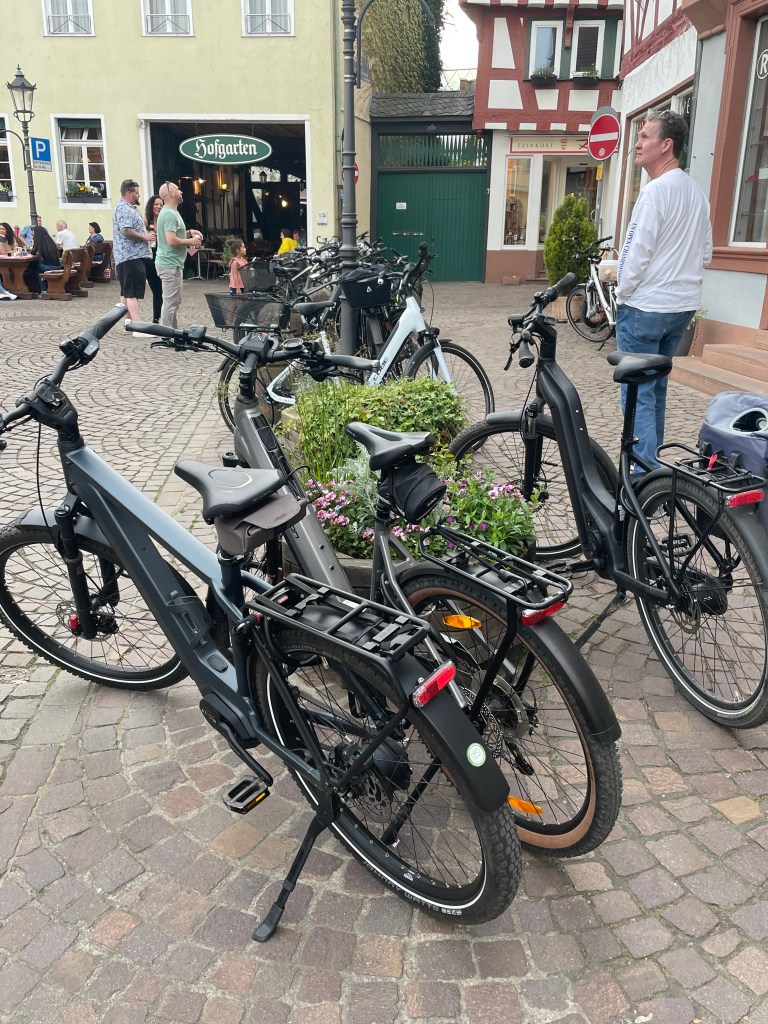
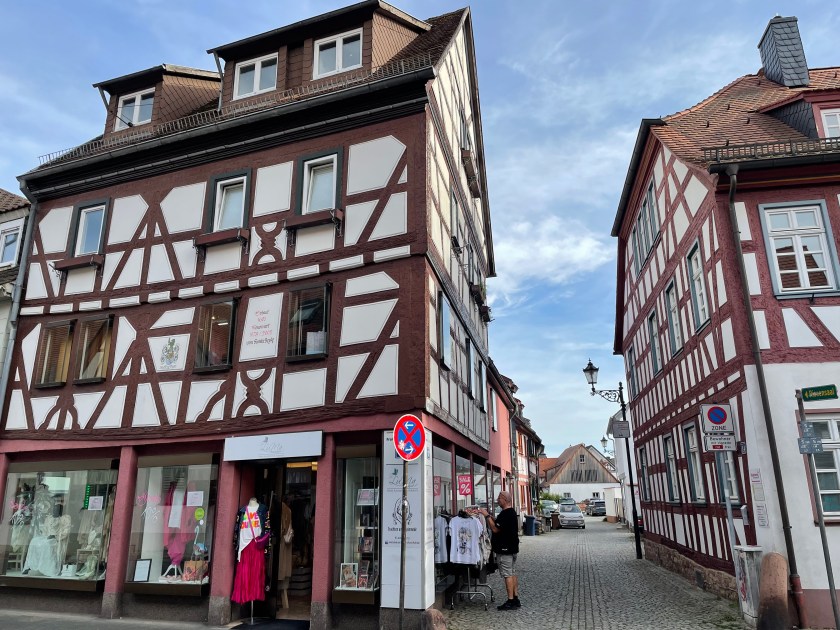
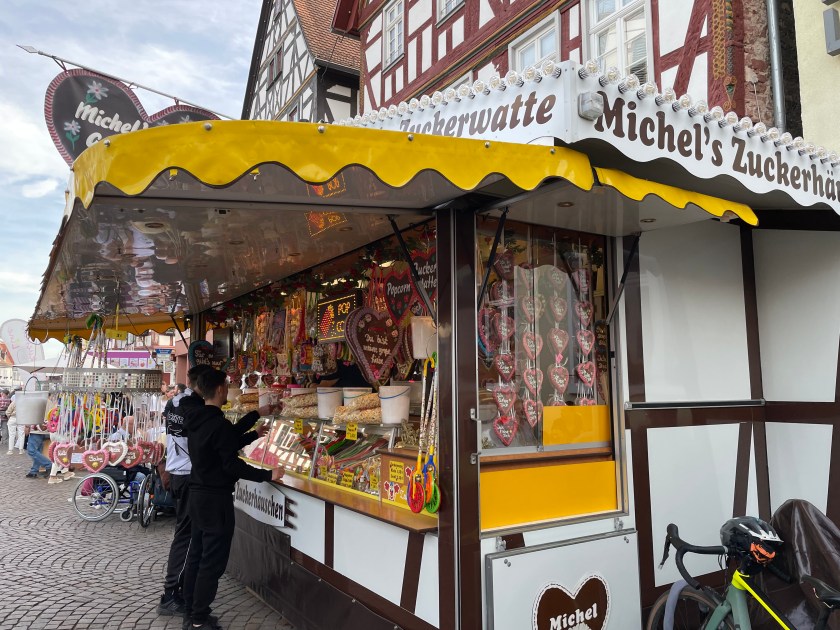
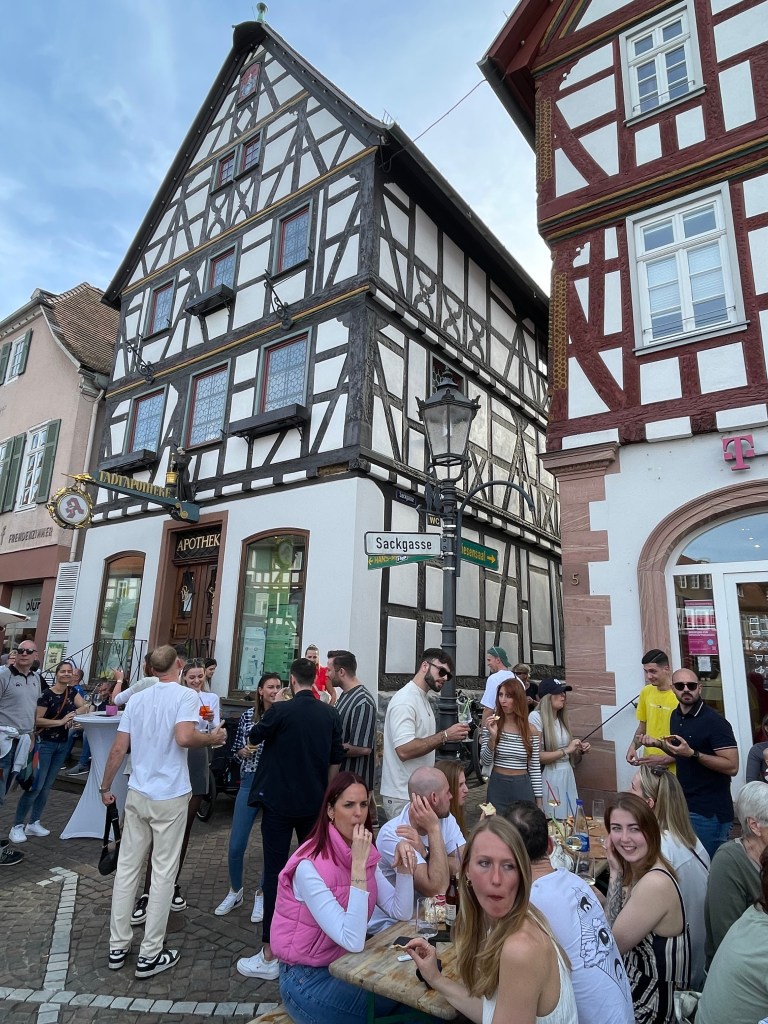
Seligenstadt is one of Germany’s oldest towns, on the banks of the Main River, just a half-hour from Frankfurt. It’s known for its Benedictine Abbey, medieval Old Town, and lively Carnival celebrations. And it just happened that we arrived during one of those celebrations. They hold the Spring Festival on the weekend 2 weeks after Easter. It’s a smaller town, and it felt like everyone turned out for the fest, filling the streets with vendors selling food items and wares of every sort. It was fun. There was live music and outdoor cafes full of people. Lots of beer and wine and happiness.
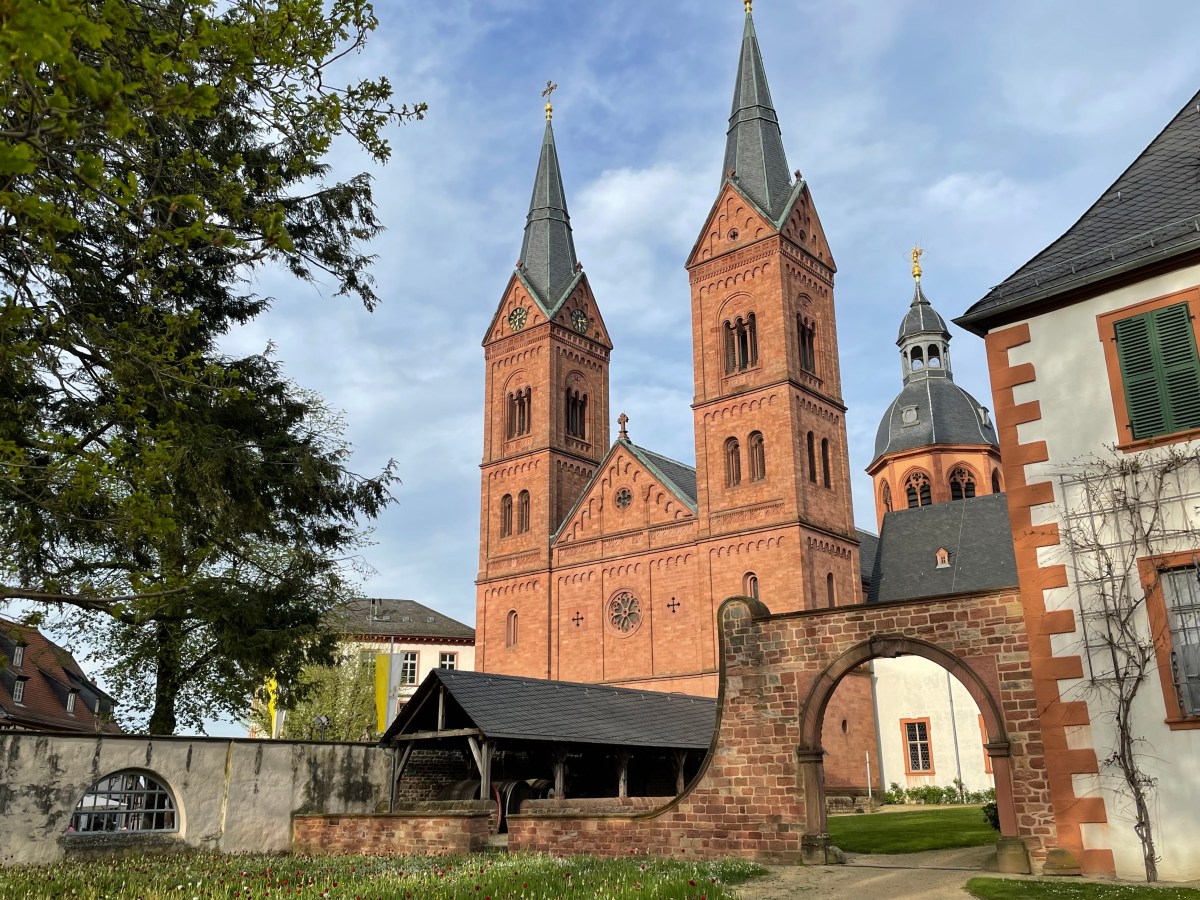
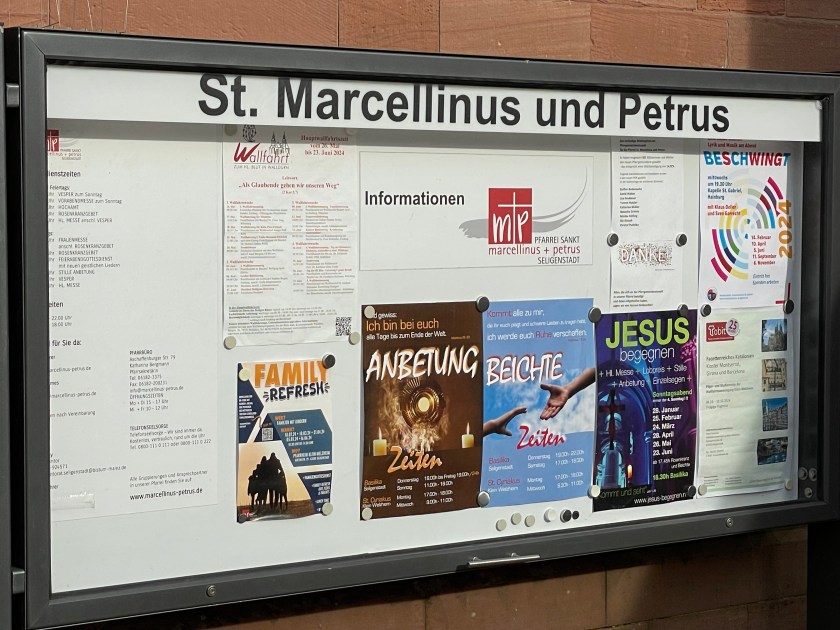
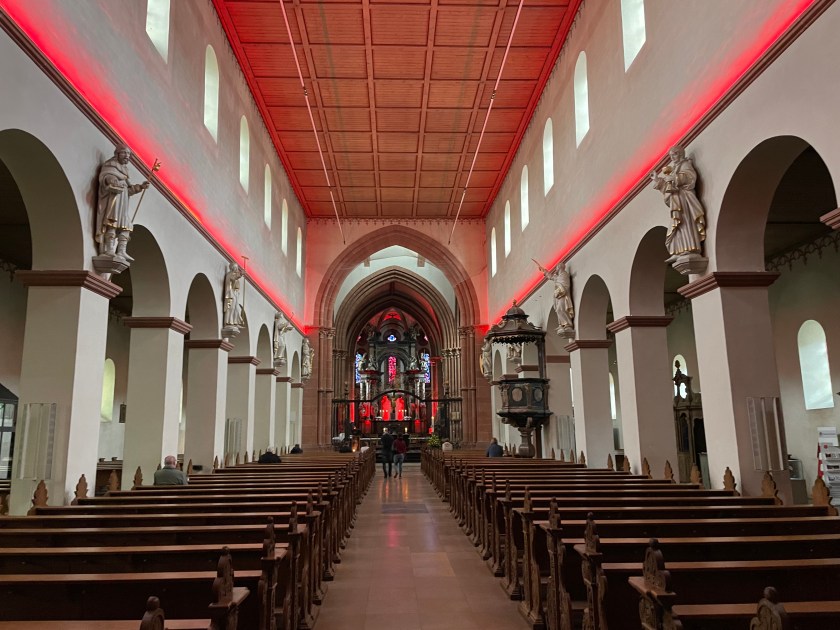
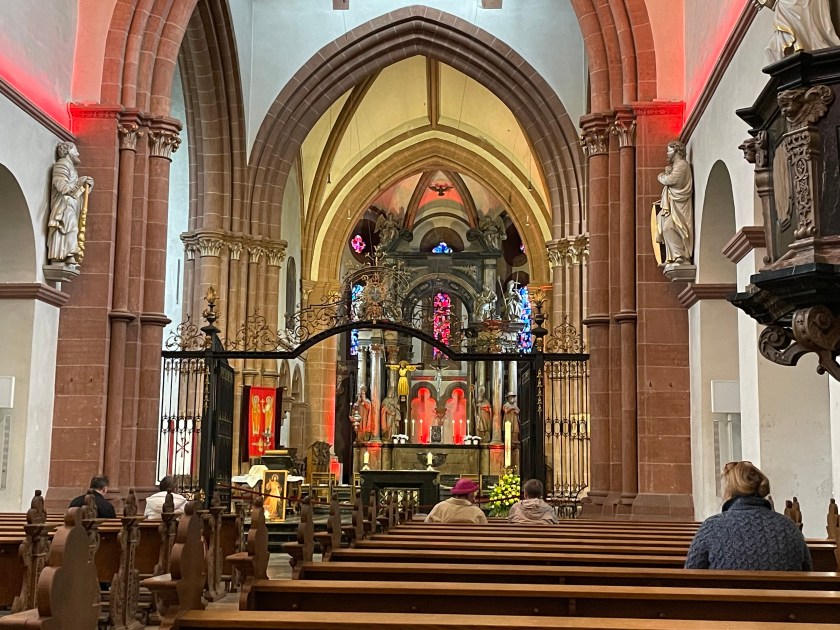
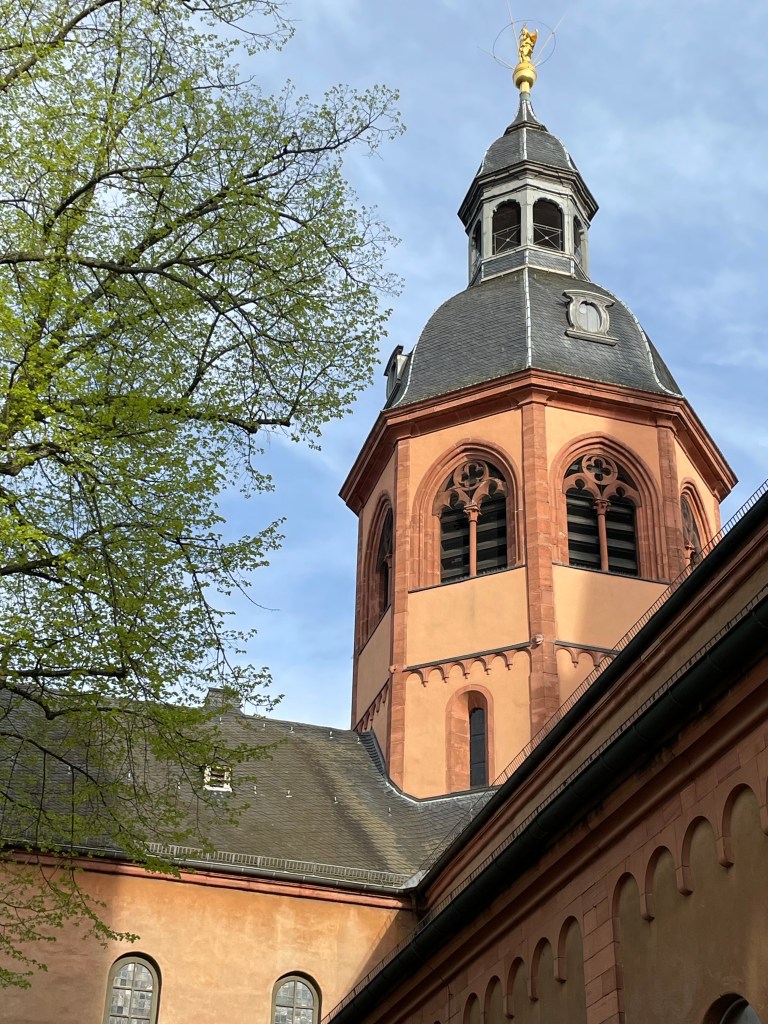
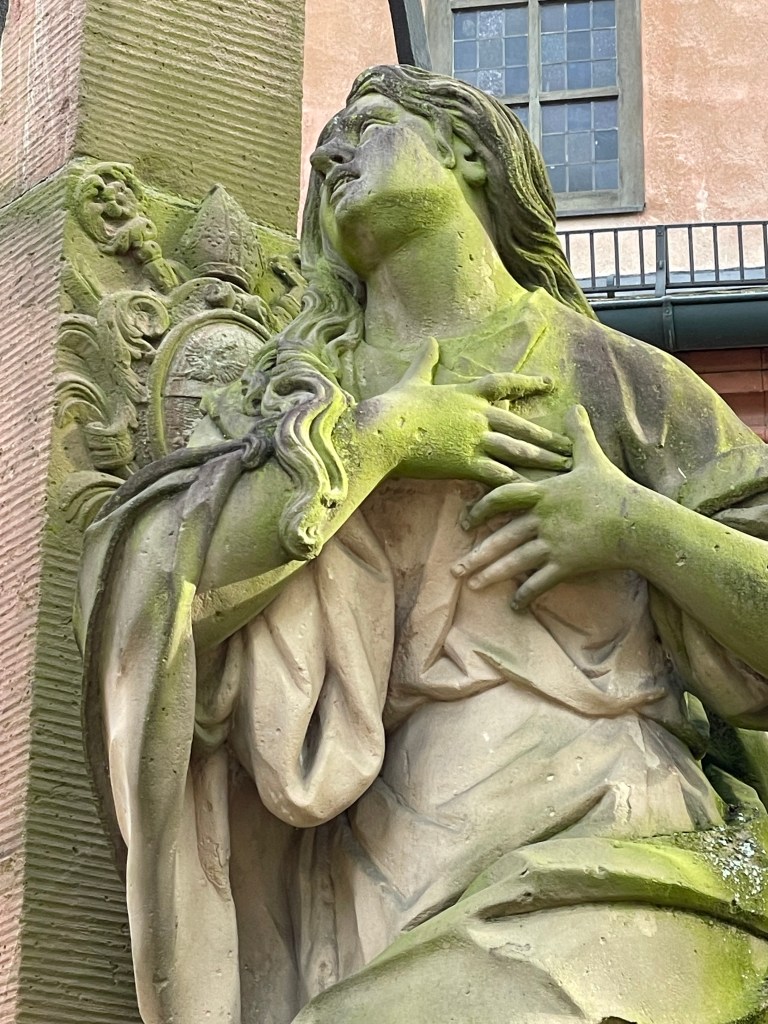
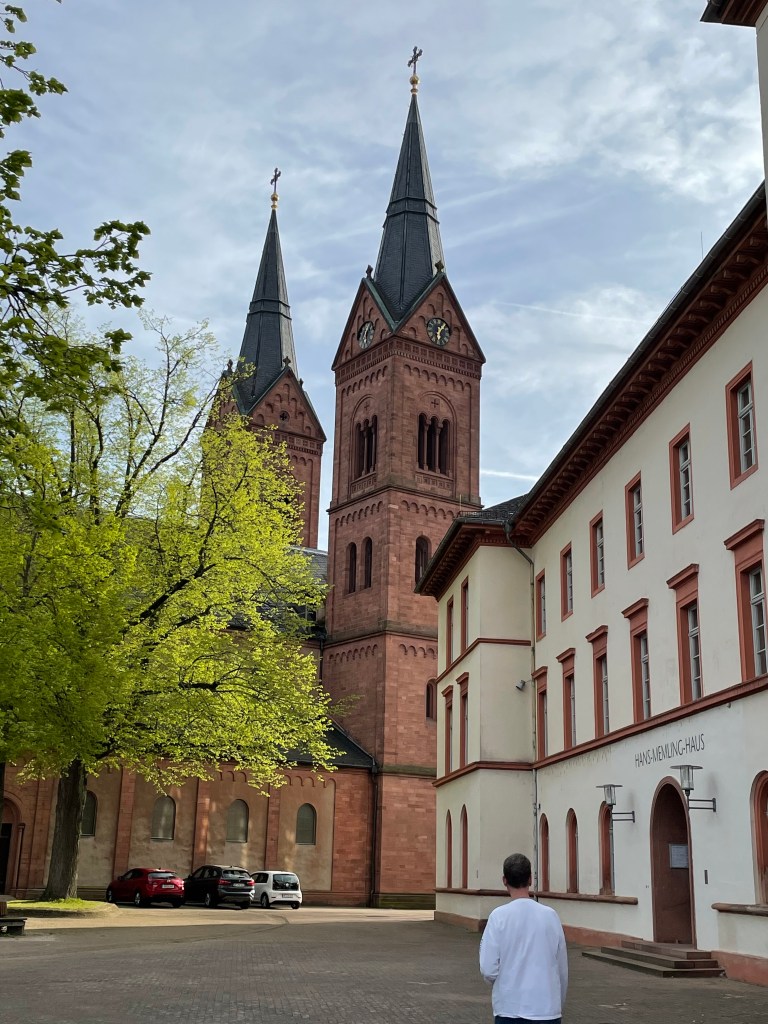
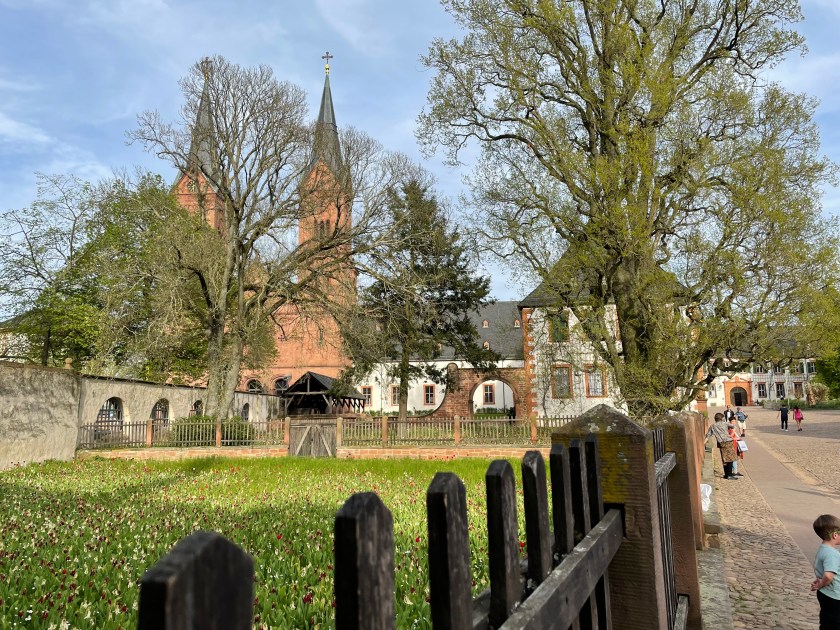
We’d heard about the beautiful church here, and it wasn’t hard to find.
We got to the church just before the 6:00 mass was to begin. We had time to look around a bit first.
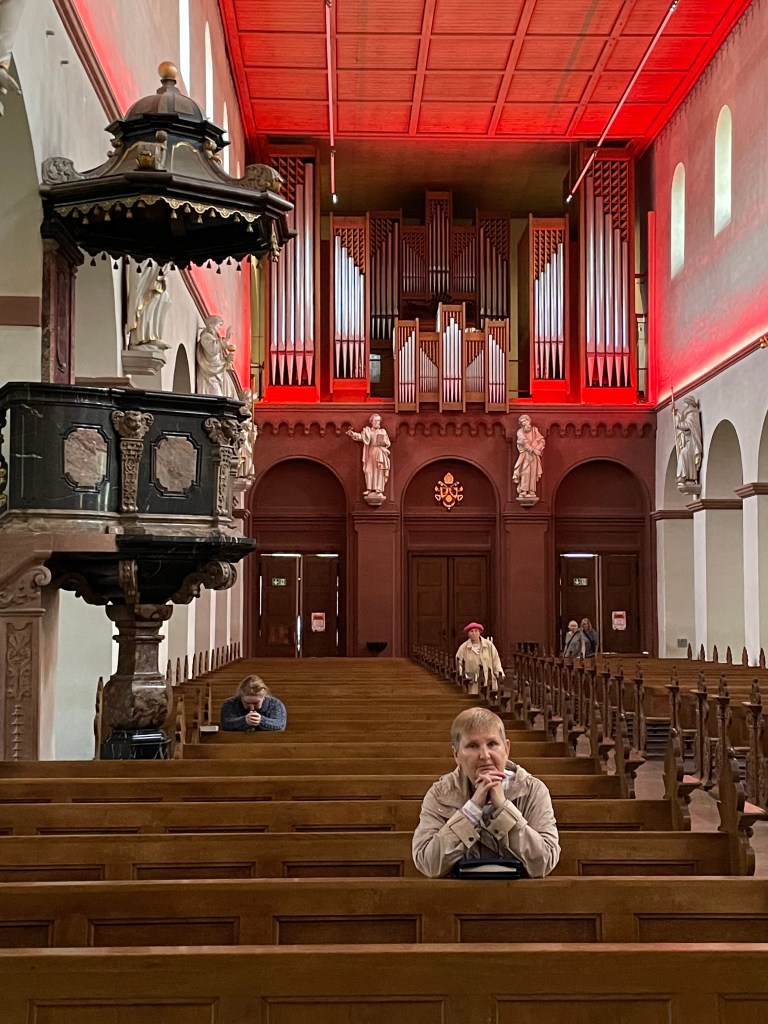
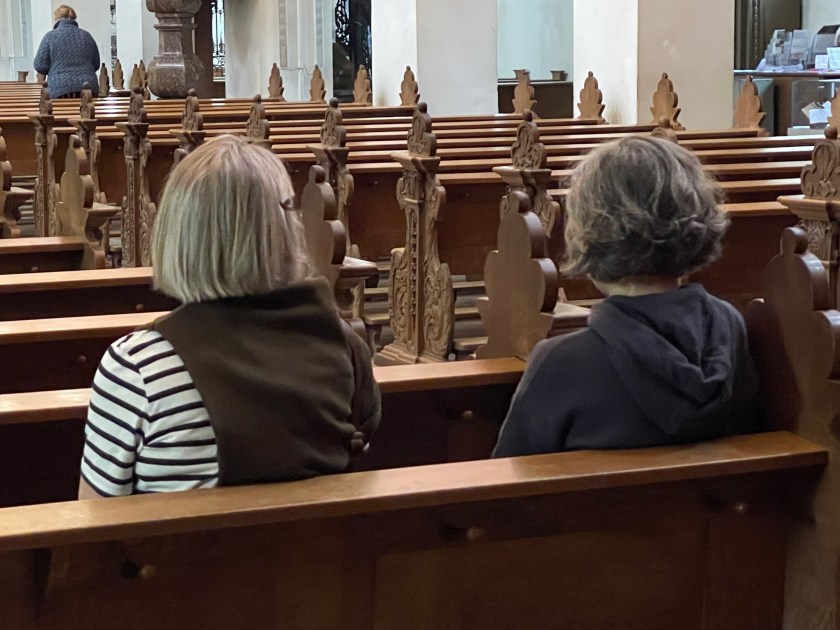
A handful of people came to worhip.
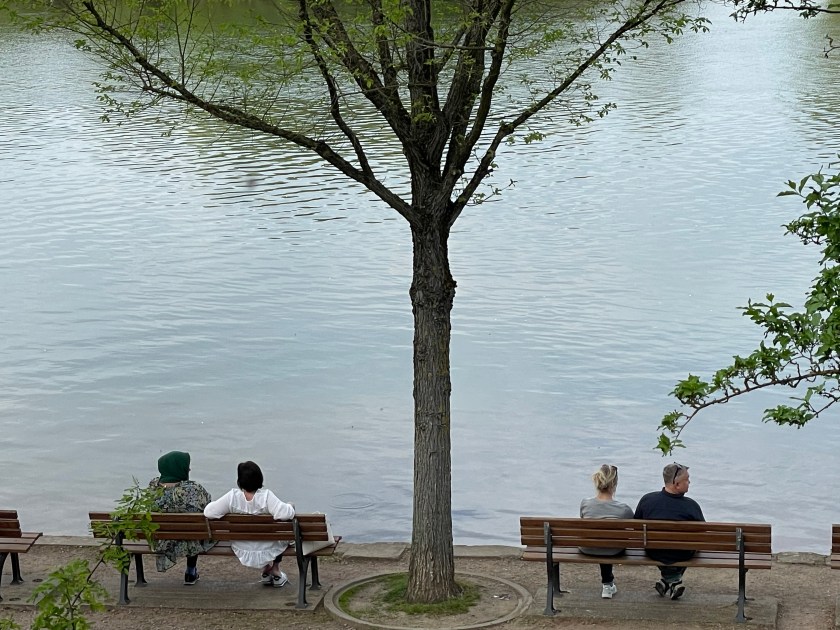
Behind the church we walked along the river.
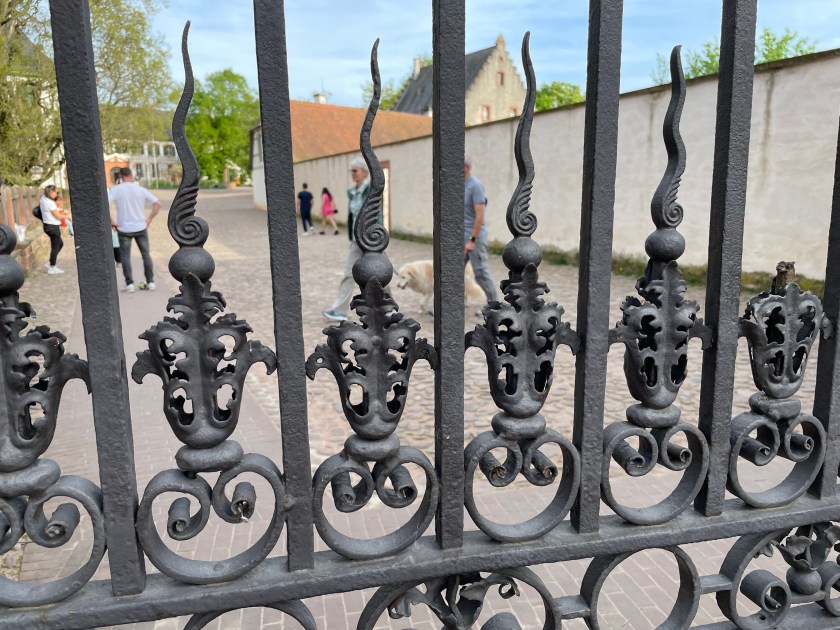
Then we looked in on the Abbey and Kloster. The former Benedictine Abbey is one of the most precious gems to see in Seligenstadt. It is one of the most well-preserved monastery complexes in Hesse. Founded in the 9th century, it was a fully operating monastery where monks lived and worked until secularization in the 19th century. Einhard, a founder, artist, and scholar, built the Benedictine Abbey. Monks lived here for almost a thousand years.
Surrounding the monastery is approximately 30,000 square meters of the garden, reconstructed to historic structure and horticulture.
After much renovation to the abbey, it has regained its baroque splendor making it Seligenstadt’s most visited spot.
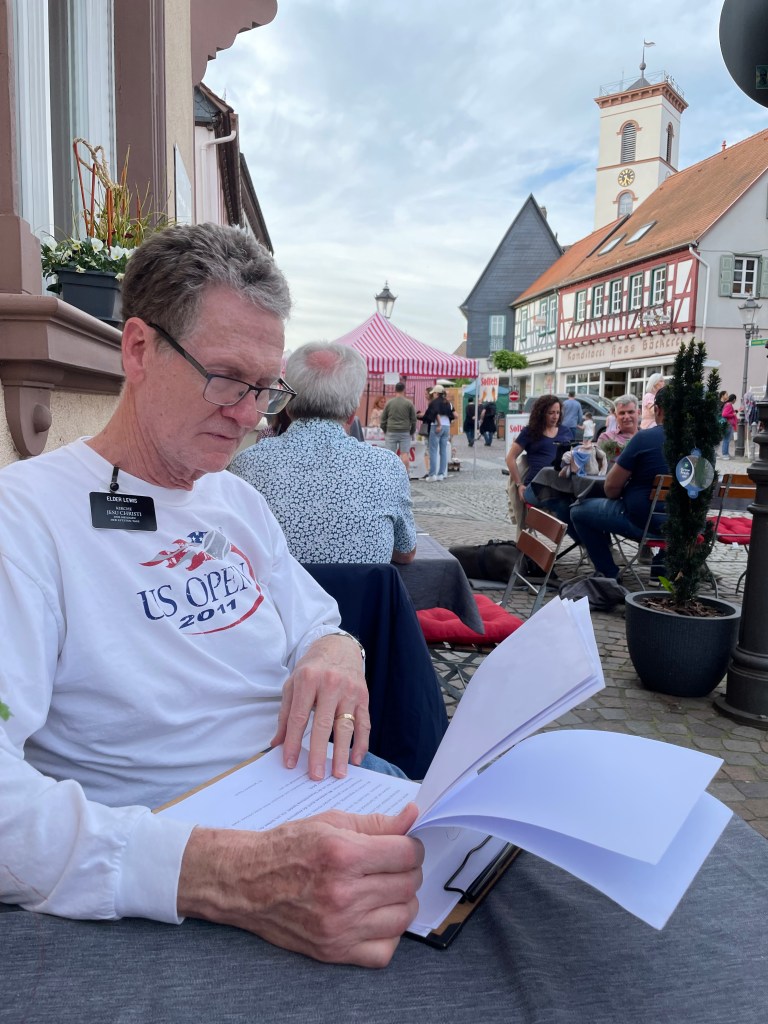
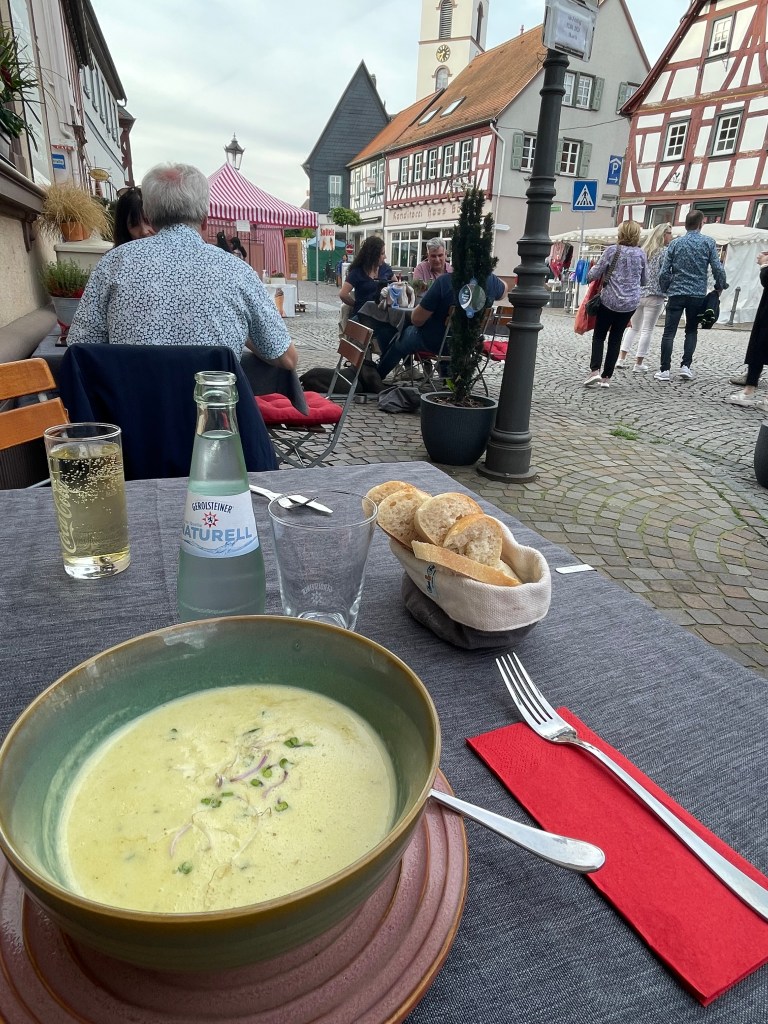
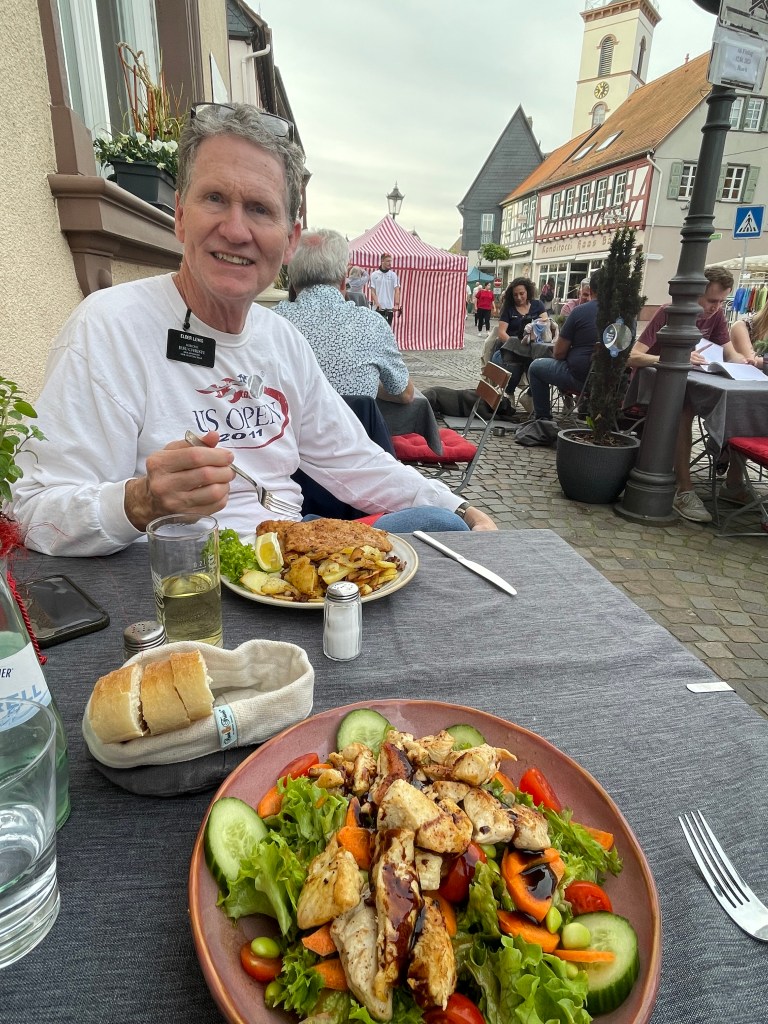
Things weren’t open for visitors this evening, so we went back into town to enjoy the Spring Fest and to have some dinner.
It’s Spargel Suppe (asparagus soup) season. Yum.
Our visits today to Wertheim, Lohr am Main and Seligenstadt were wonderful. All three towns are within an hour’s drive of Frankfurt. We are so happy to be here surrounded by so many beautiful places.
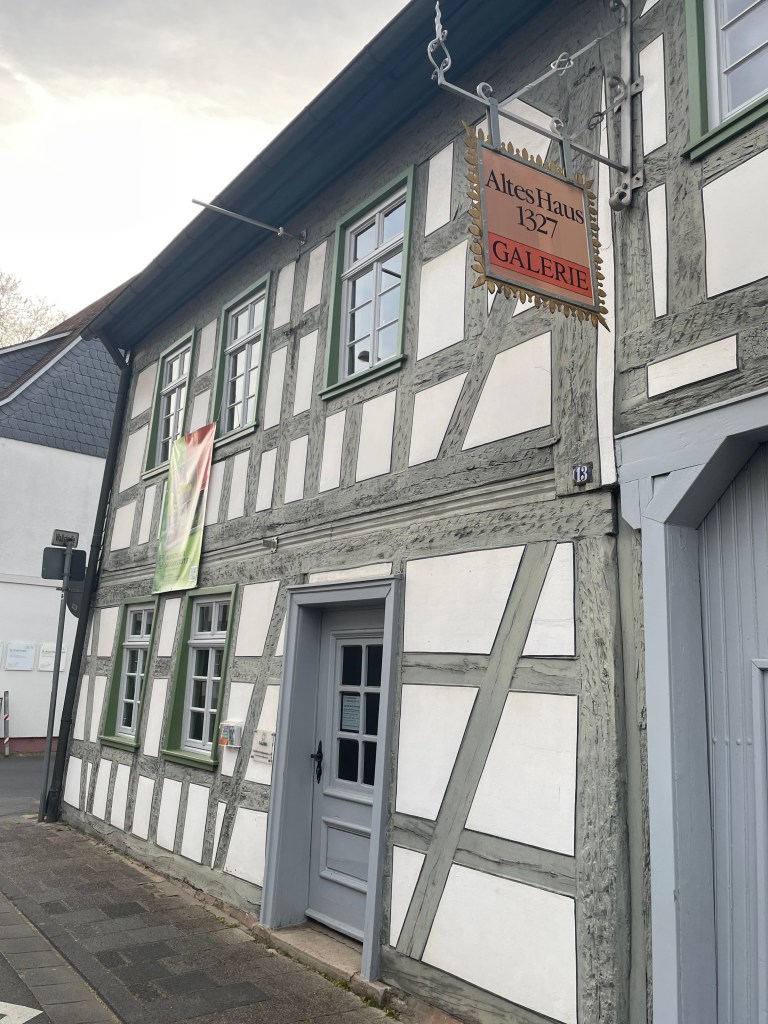
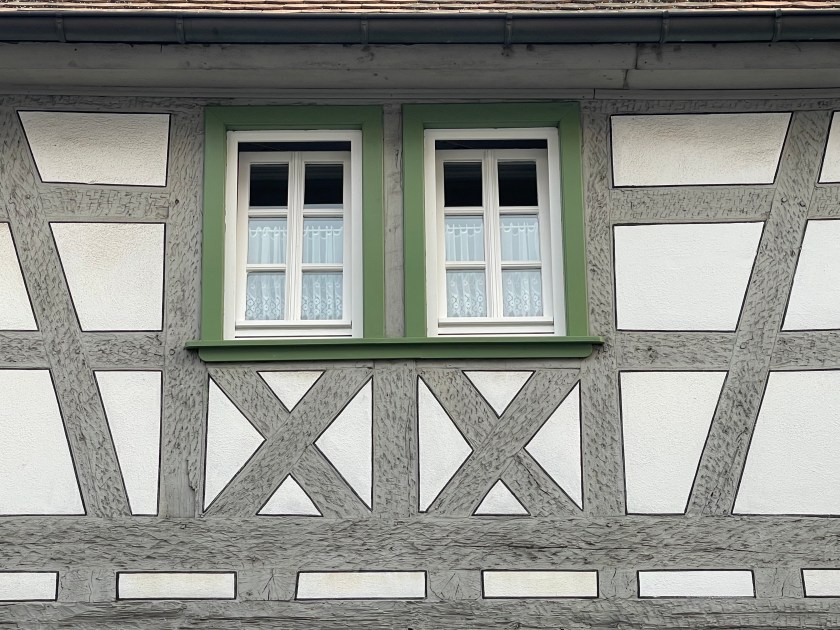
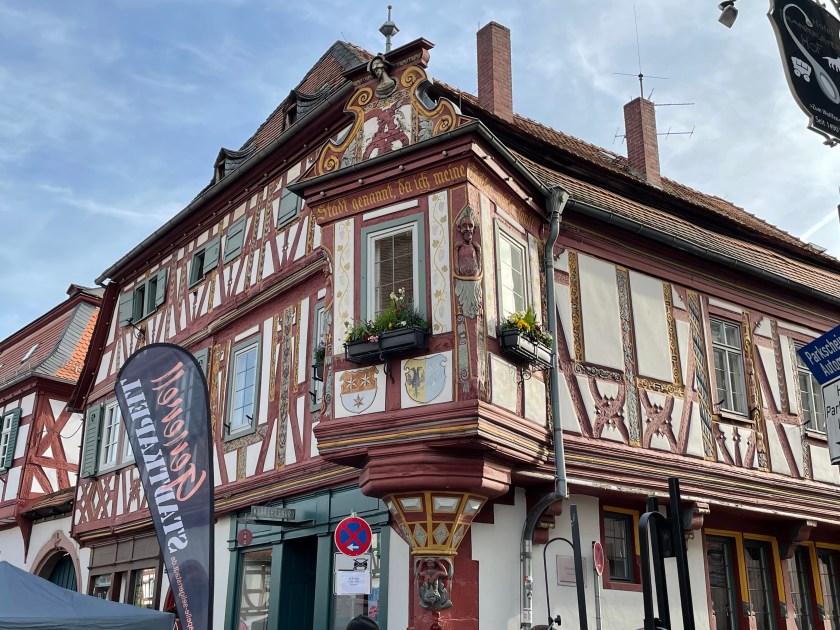
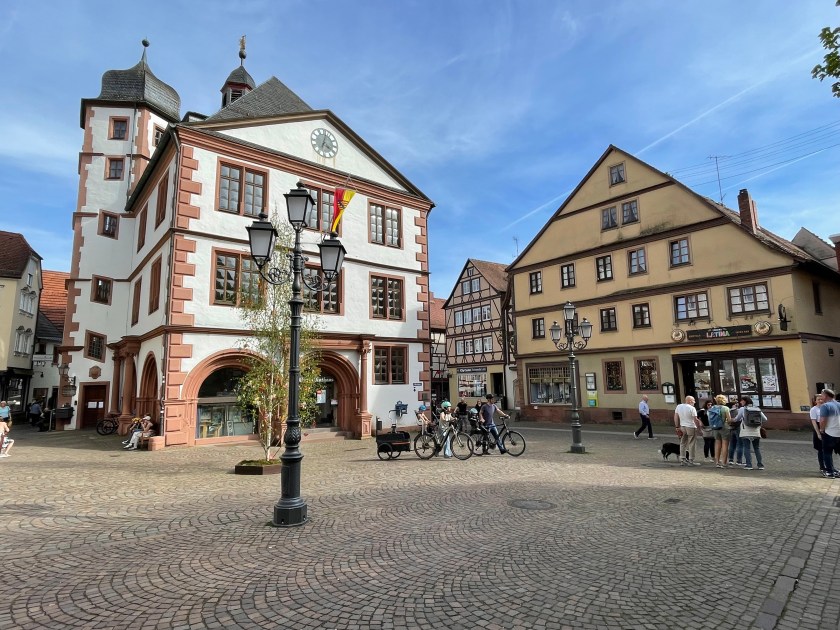
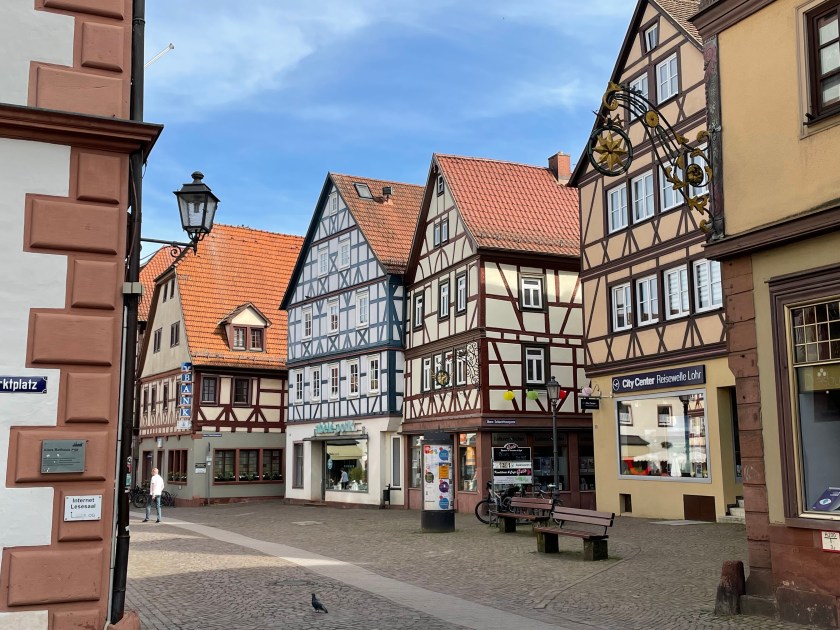
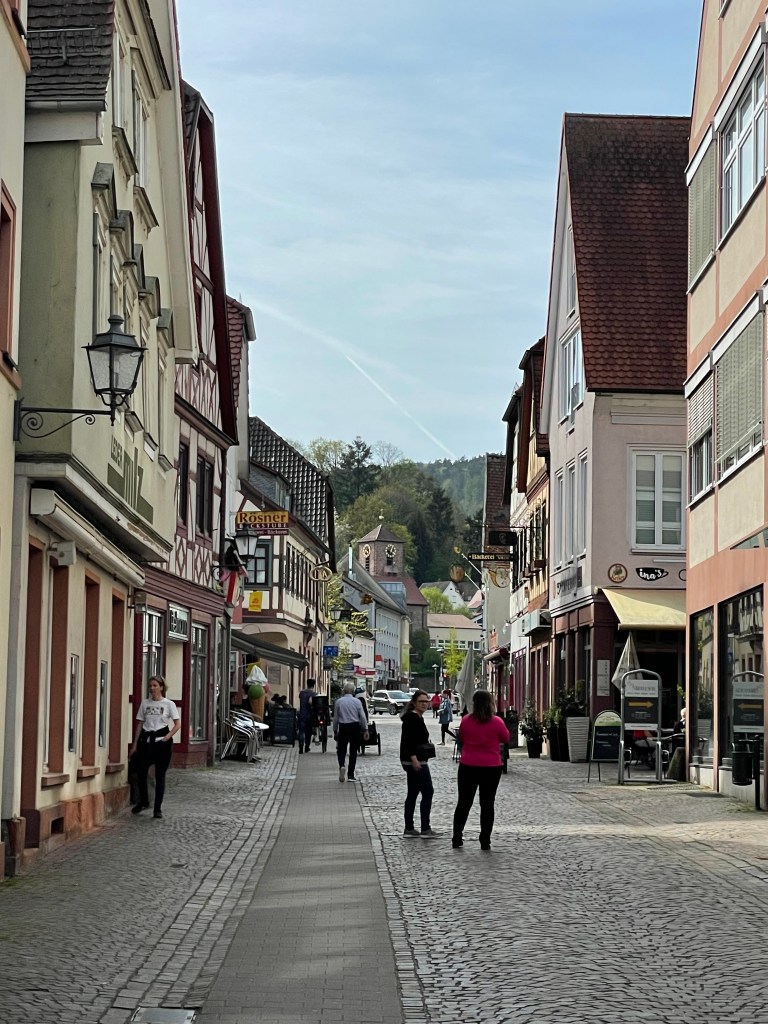
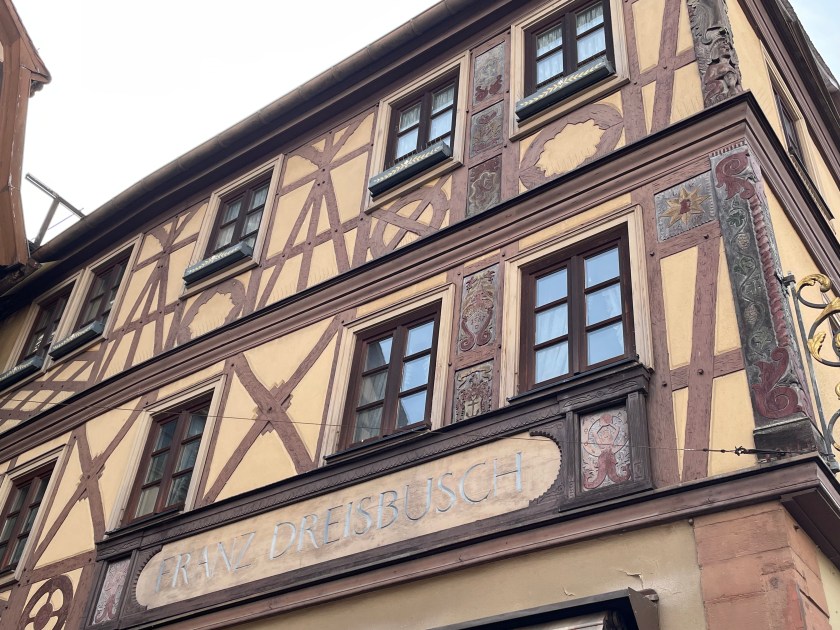
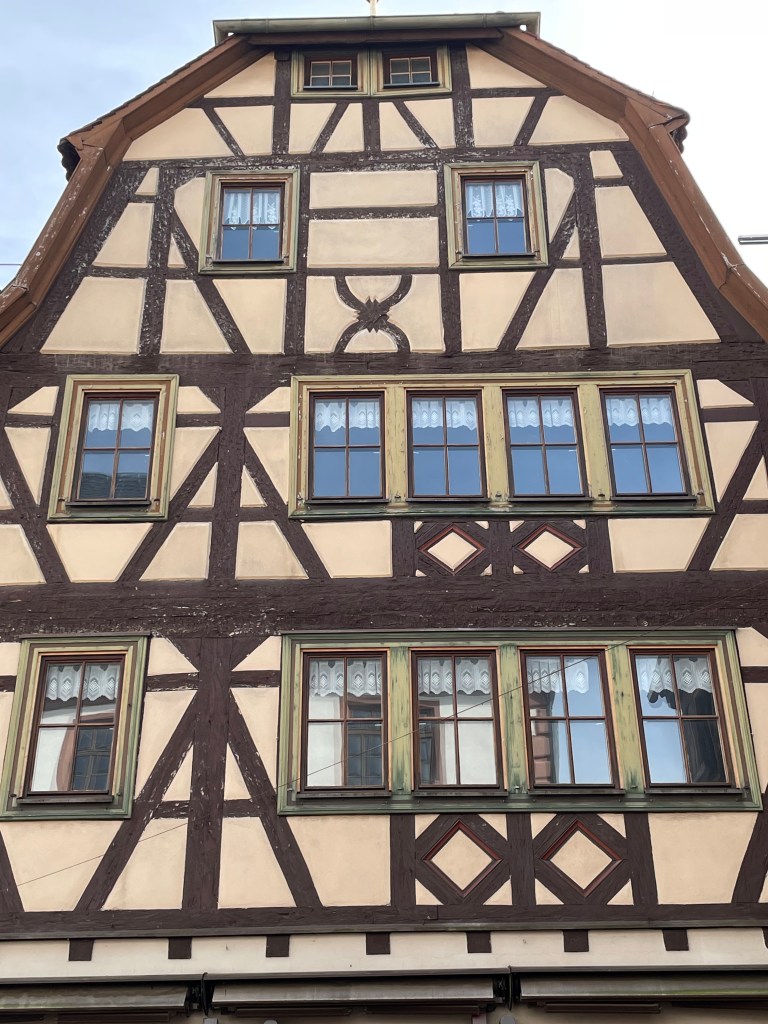
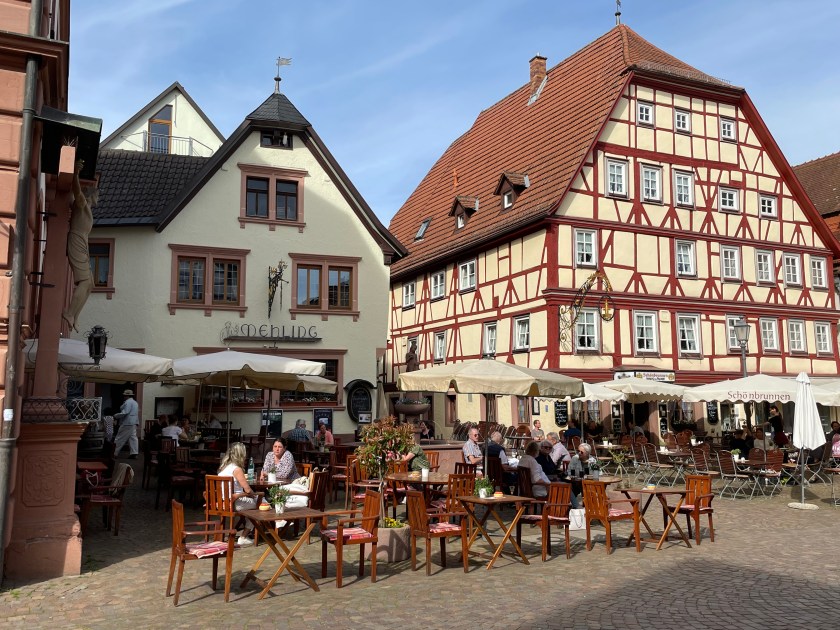
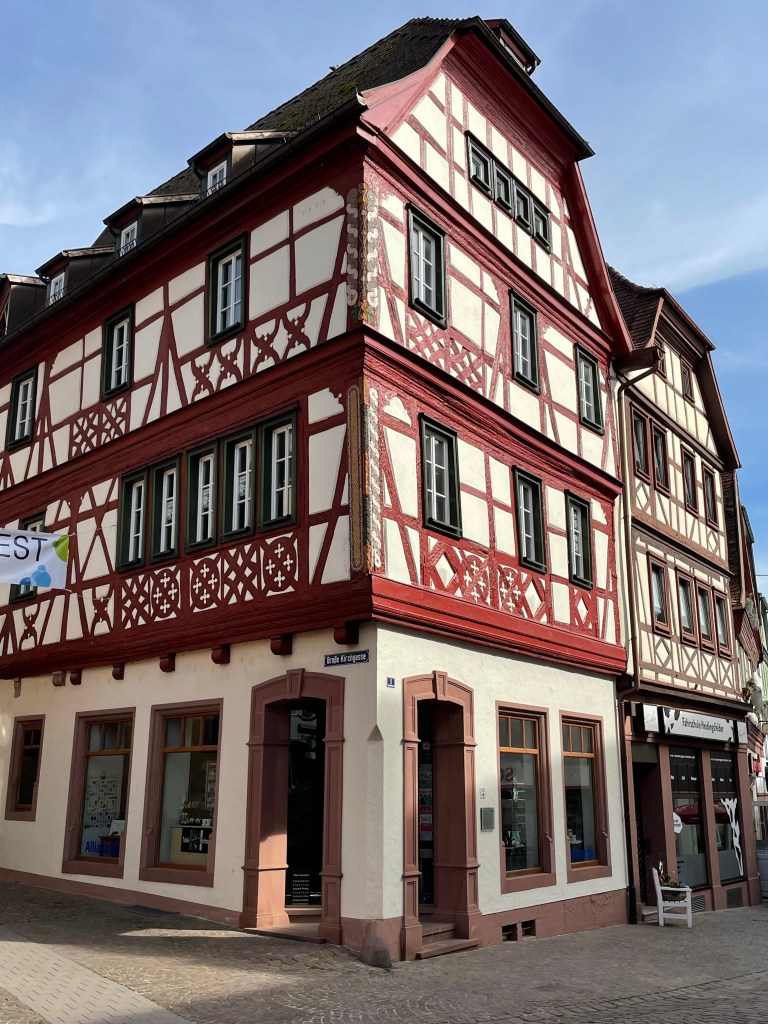
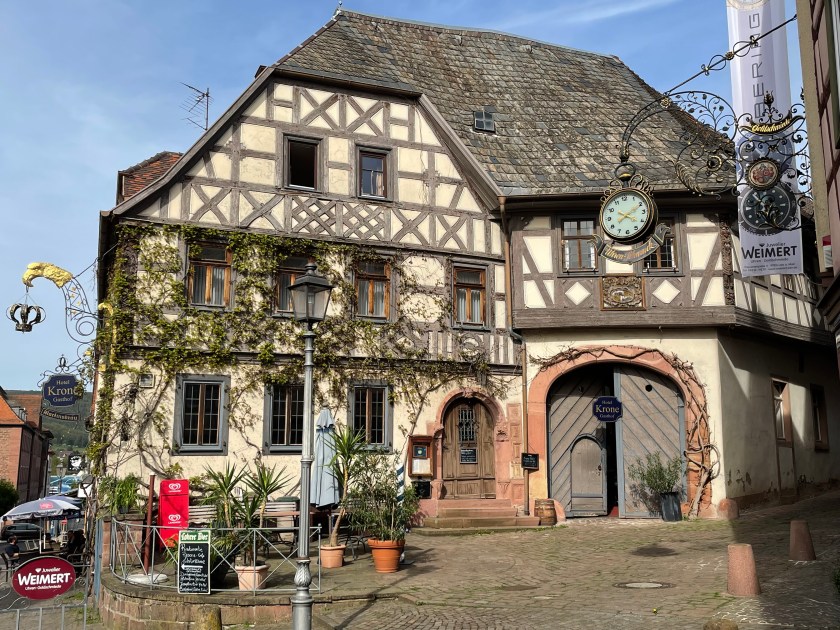
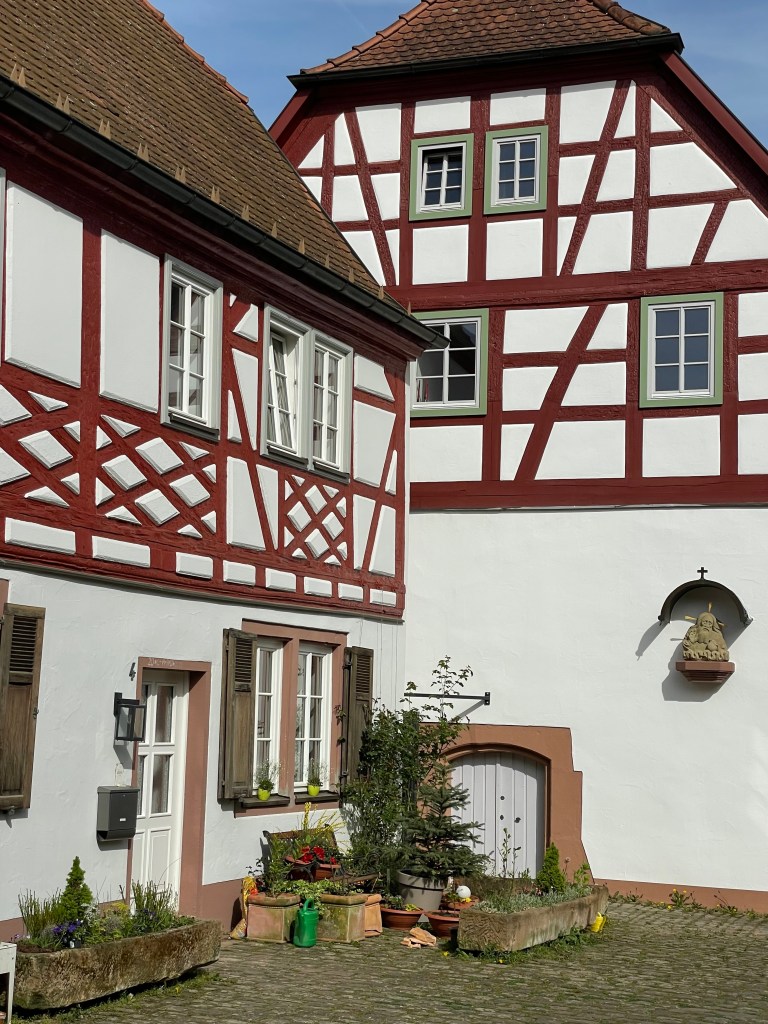
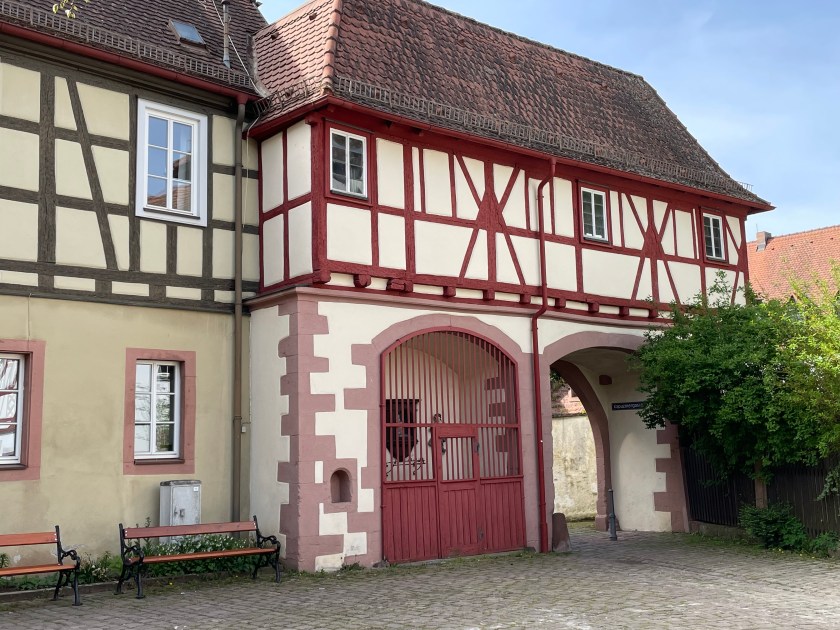
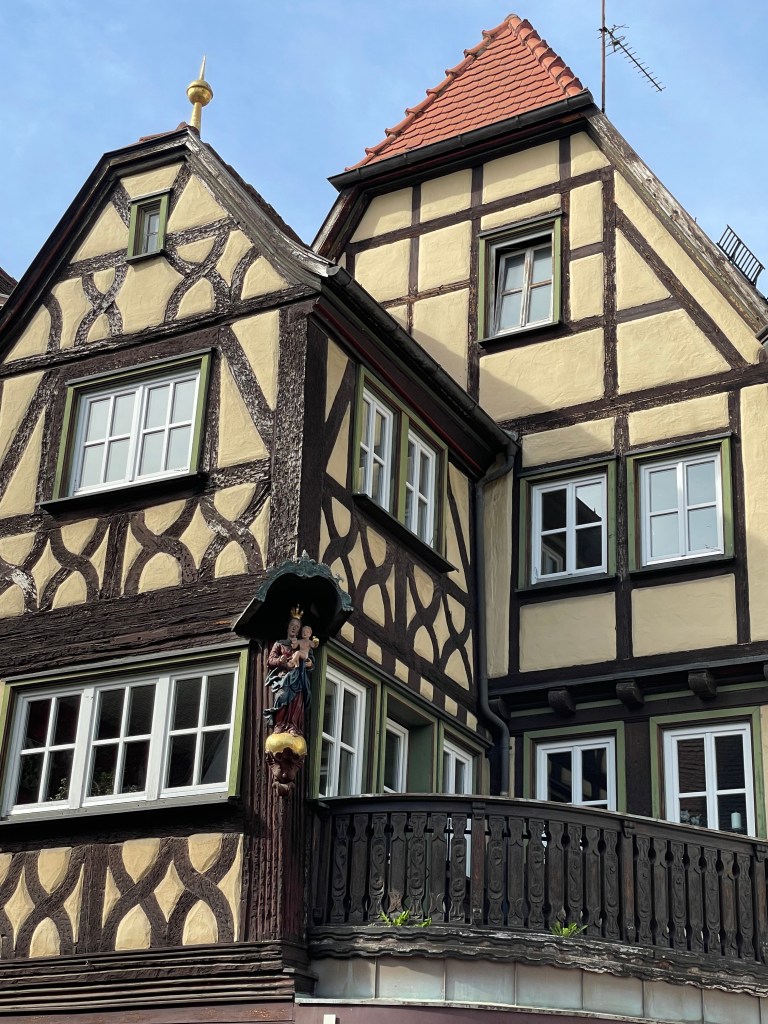
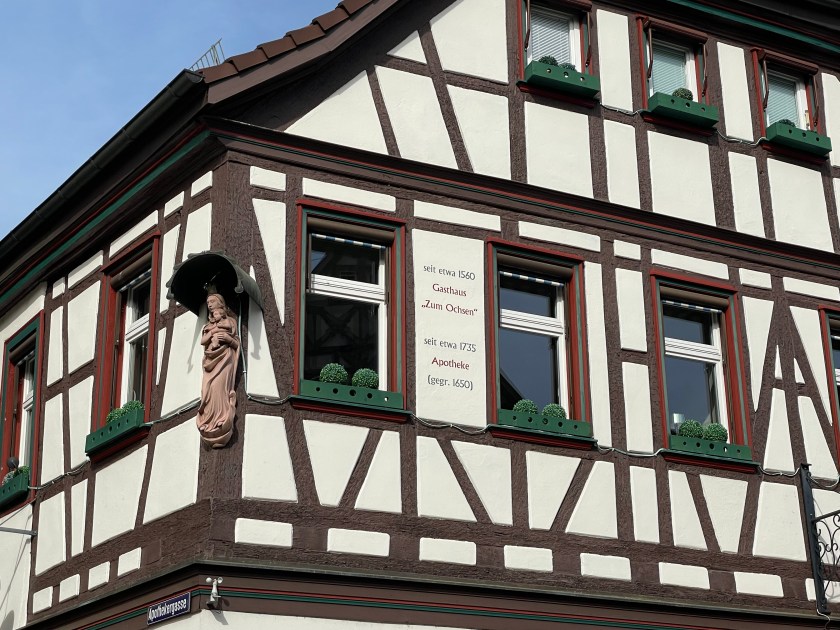
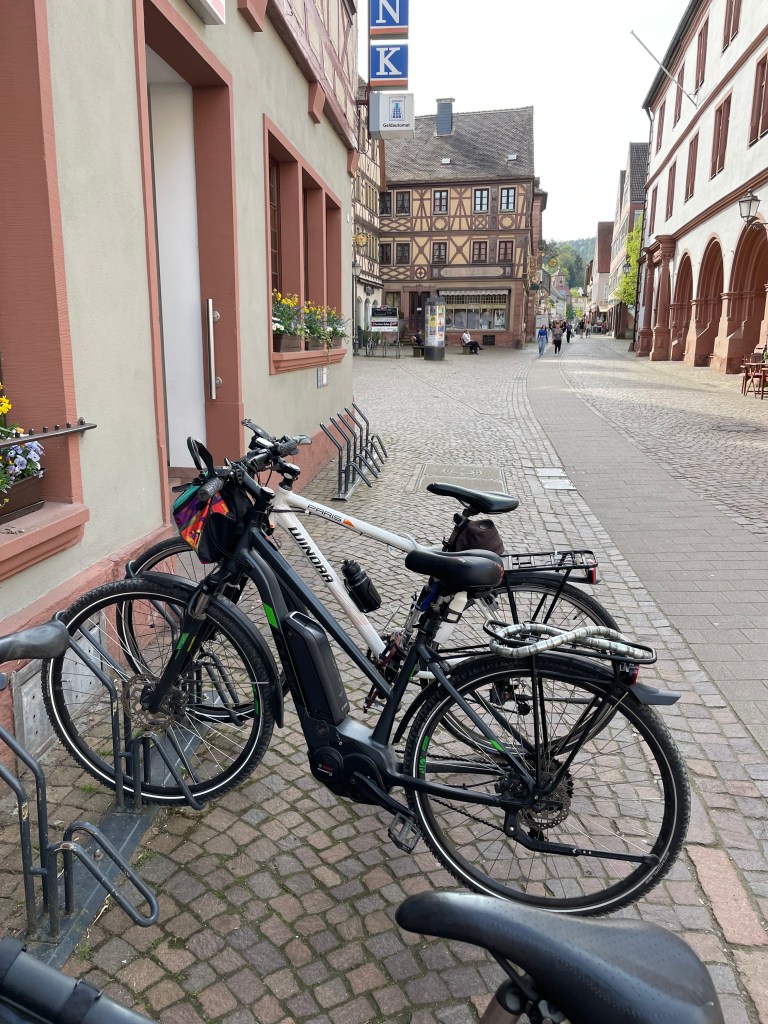
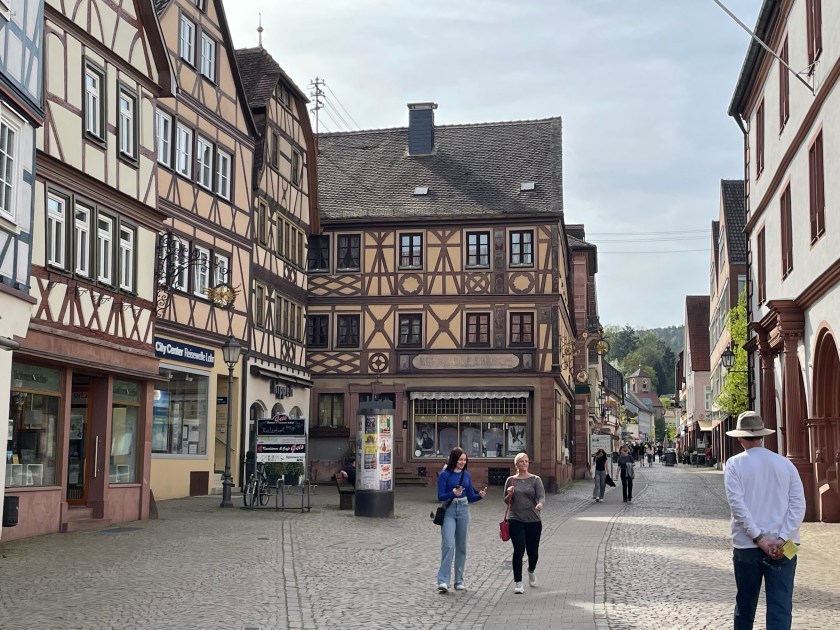
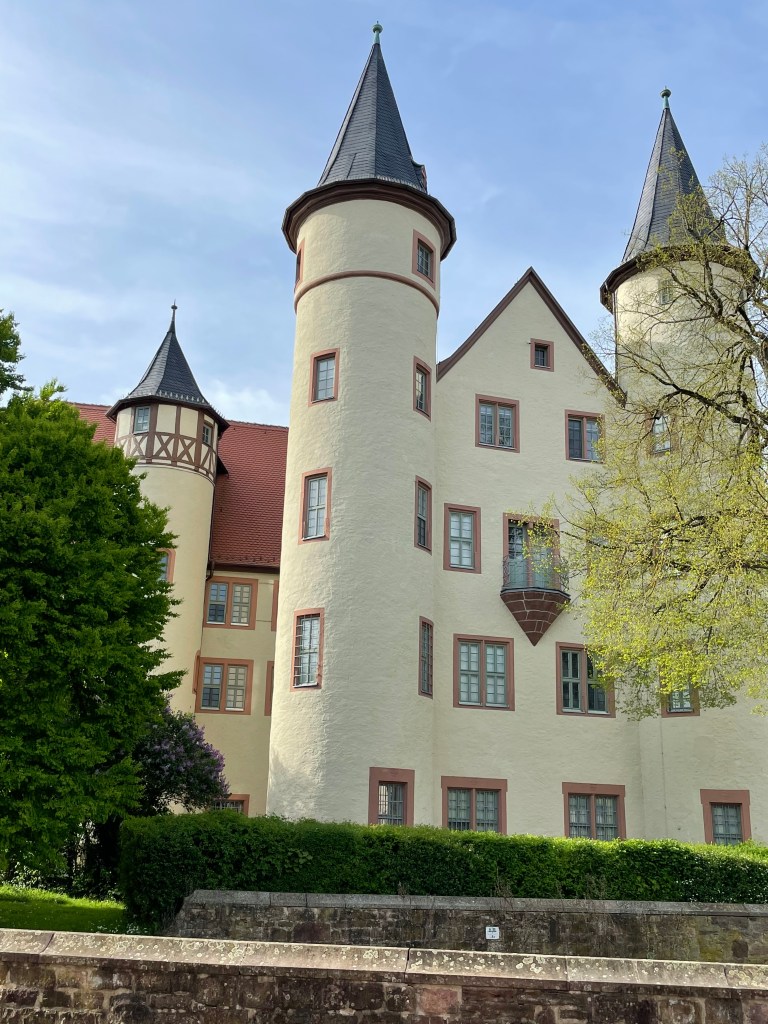
After visiting the Snow White Castle in Lohr am Main, we spent an hour or so just walking through the town. It was delightful. These little towns were not spared during the war. You can read here what the damage in Lohr a. Main was. It’s hard to imagine the destruction of such beautiful buildings.
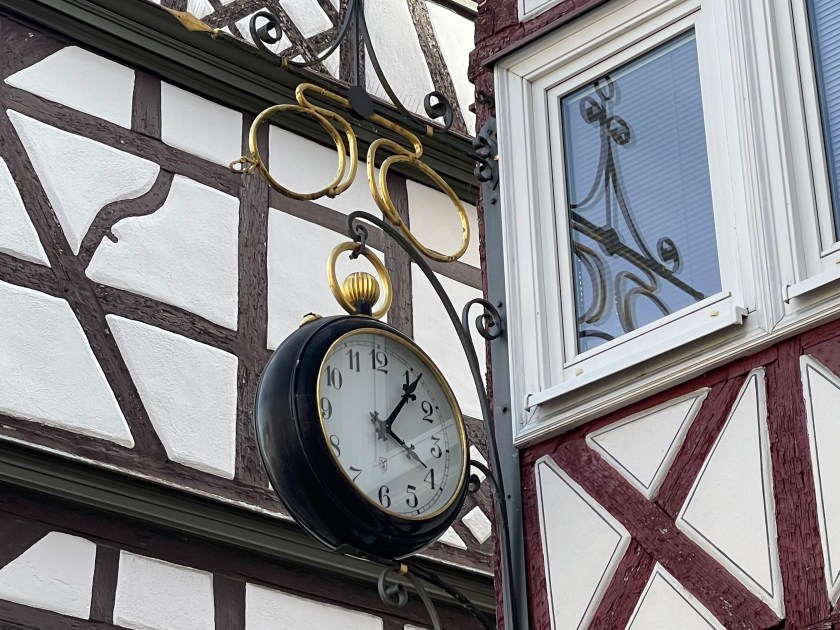
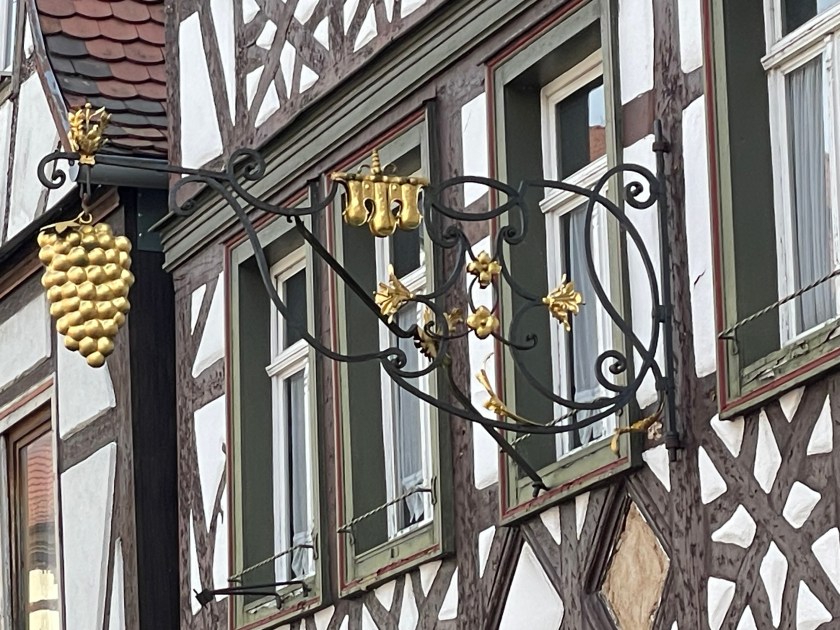
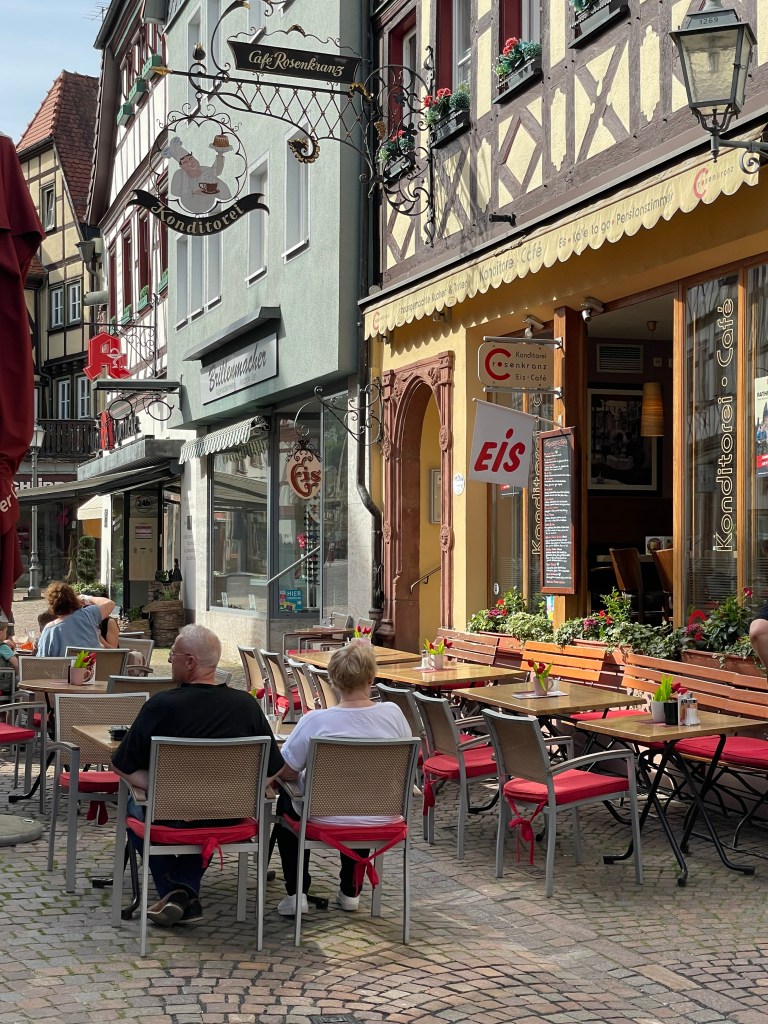
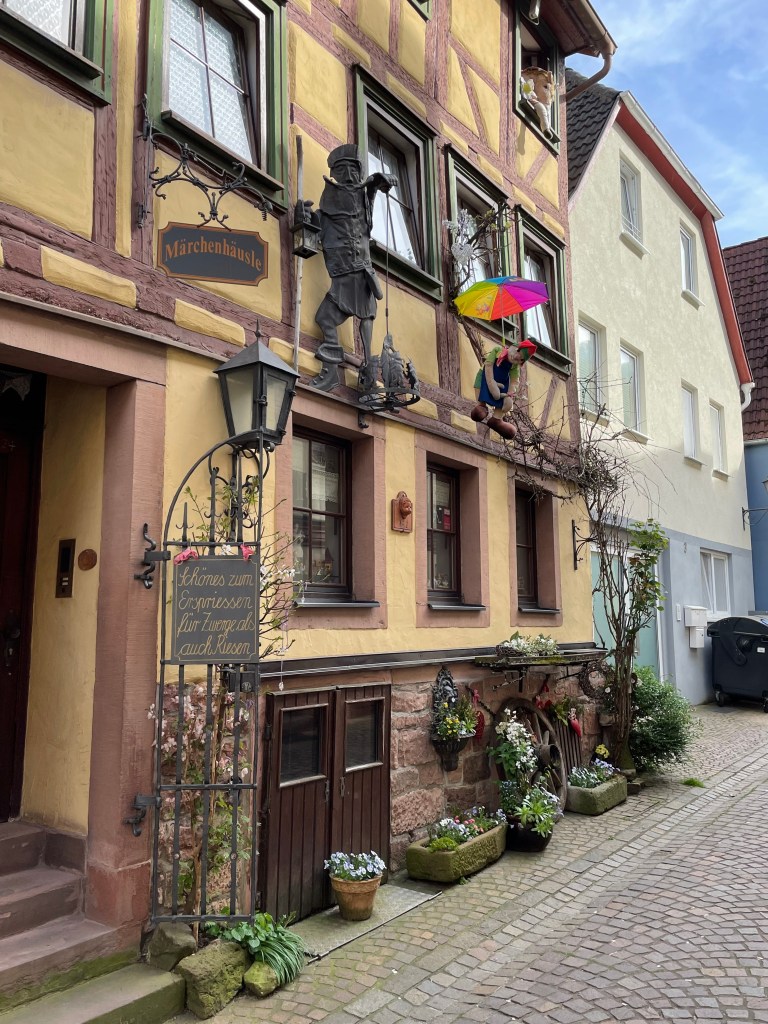
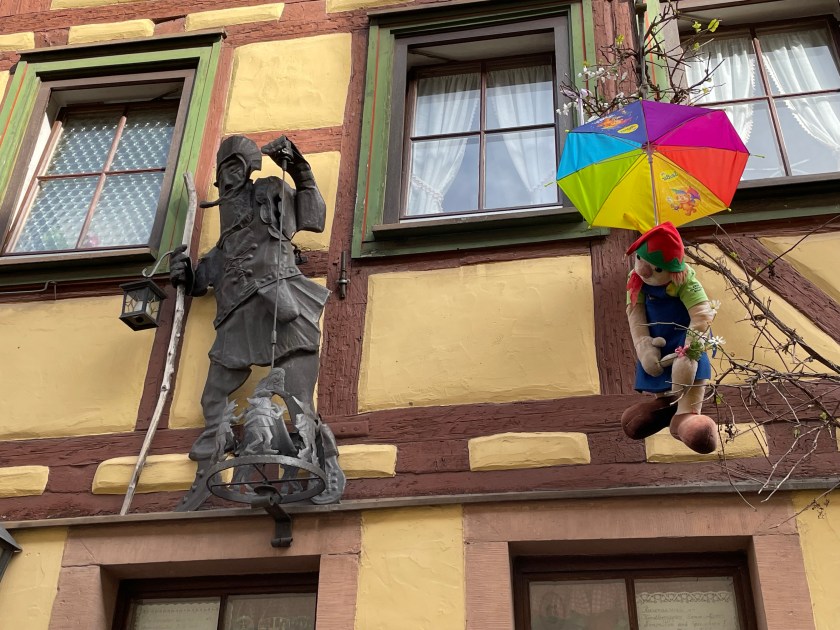
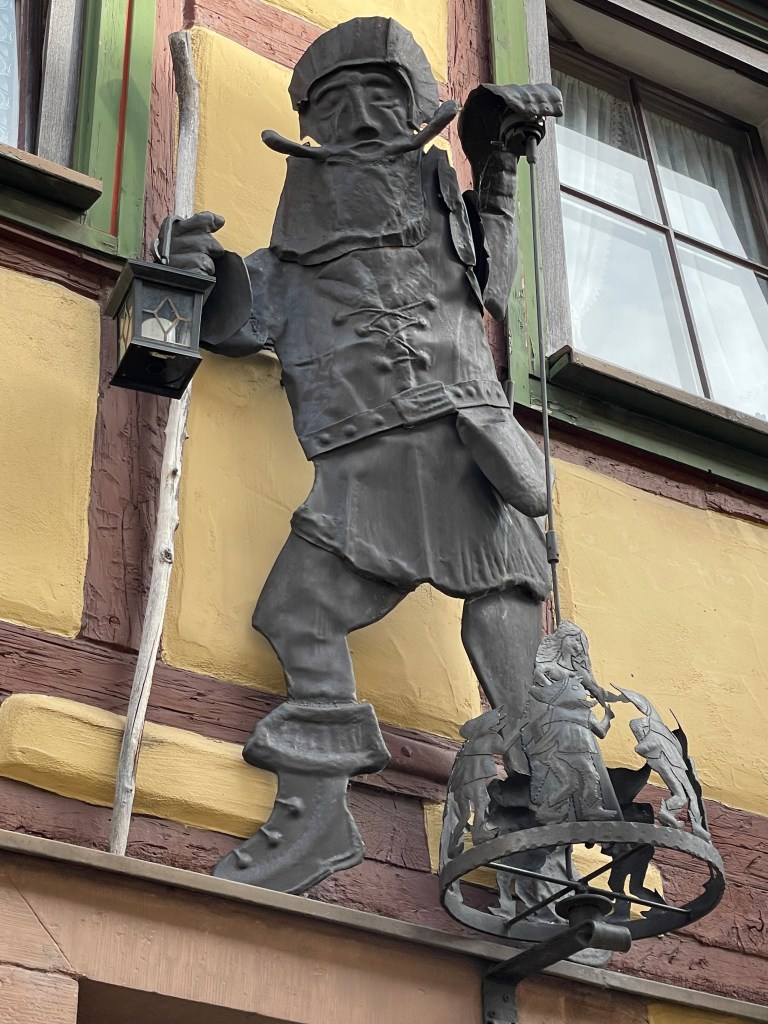
I especially enjoyed the fancy signs here.
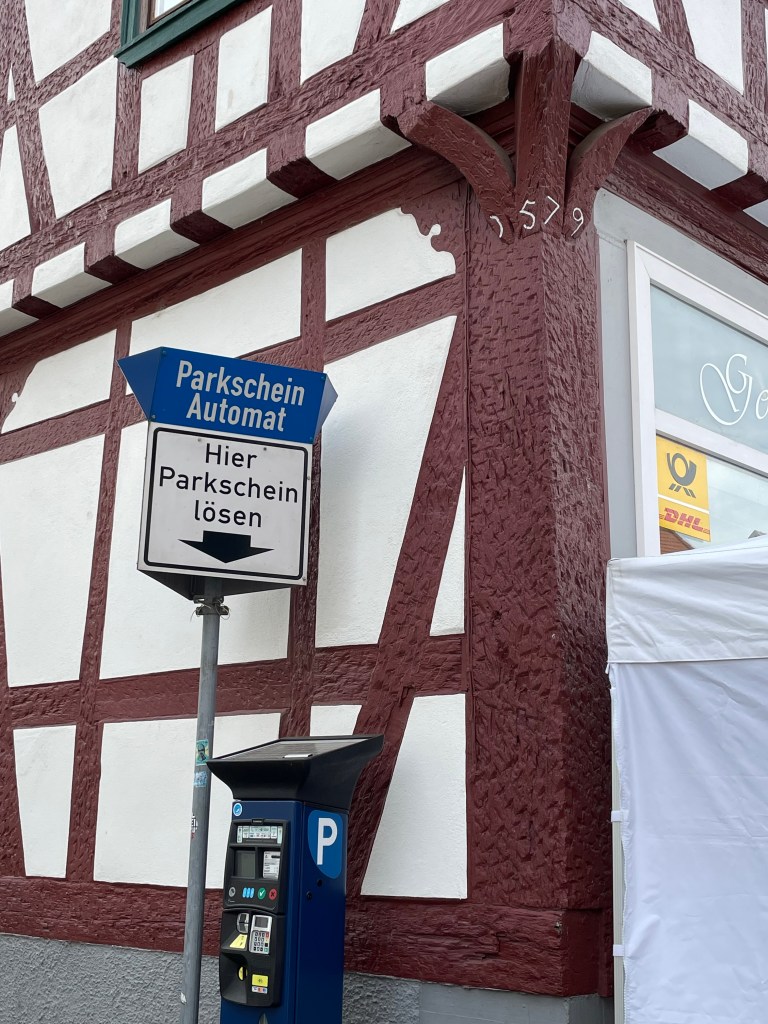
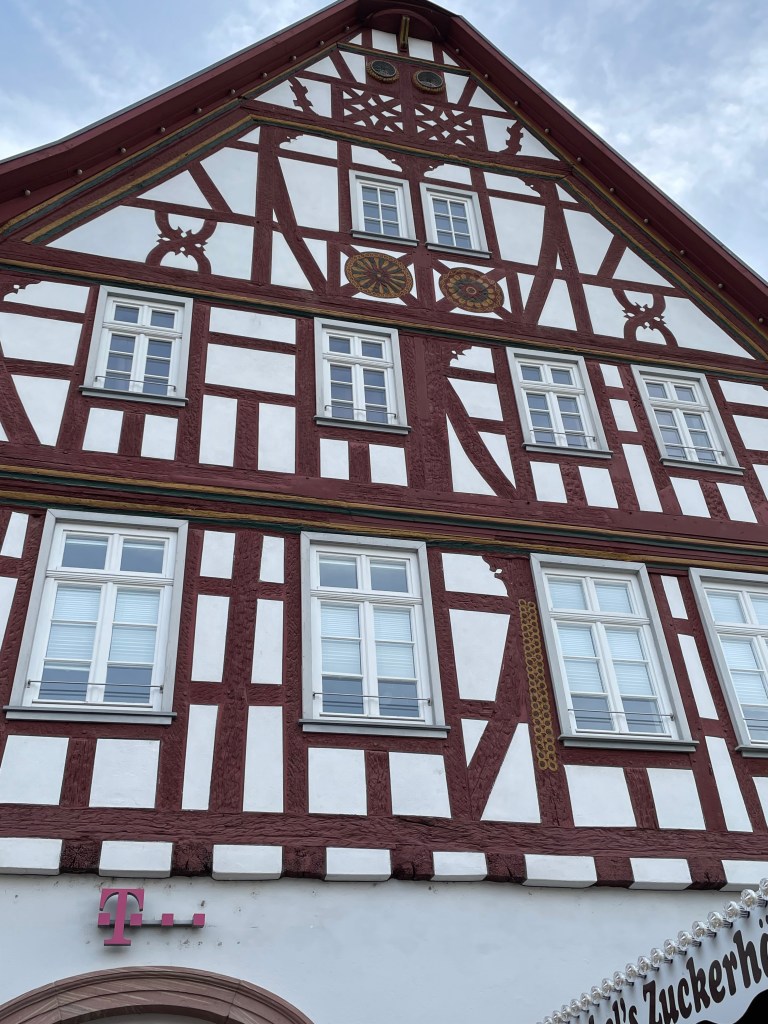
It’s fascinating to see the mix of the old and the new in the shops.
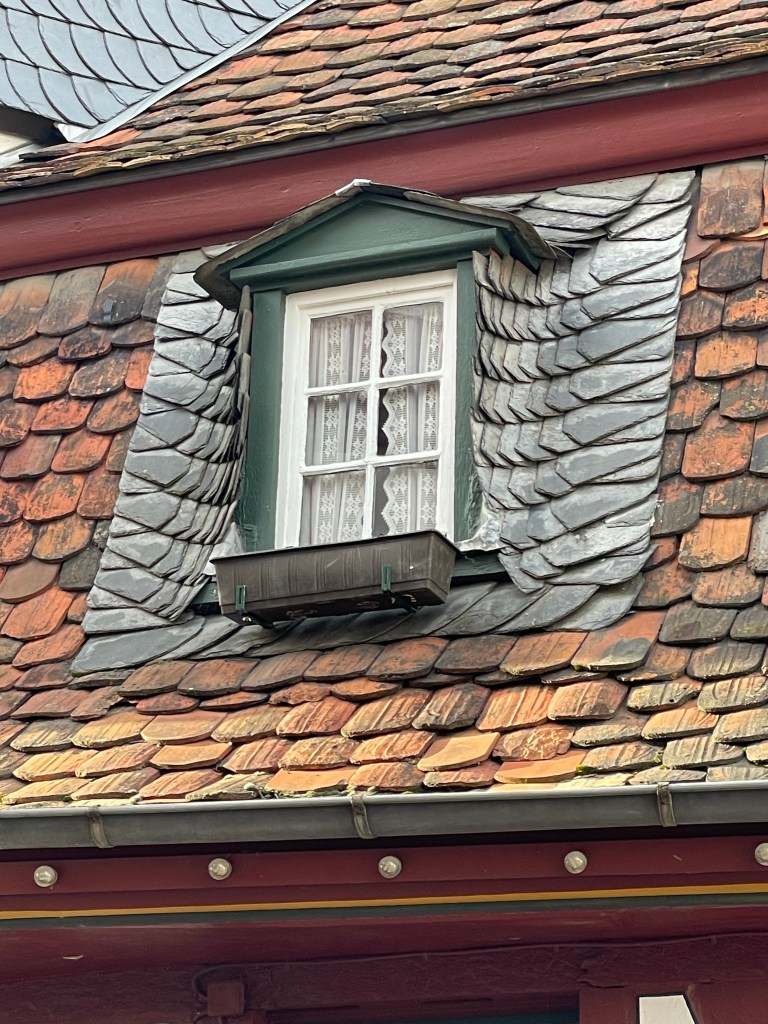
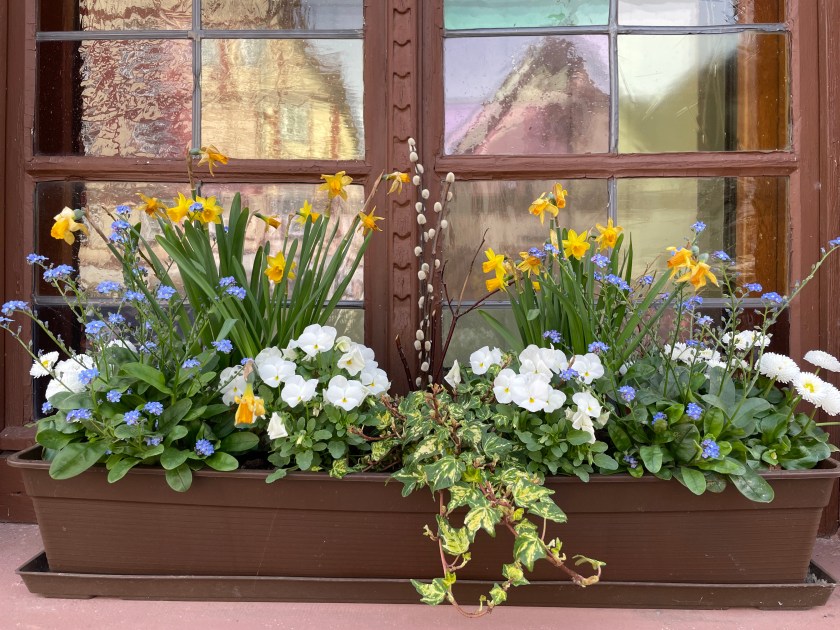
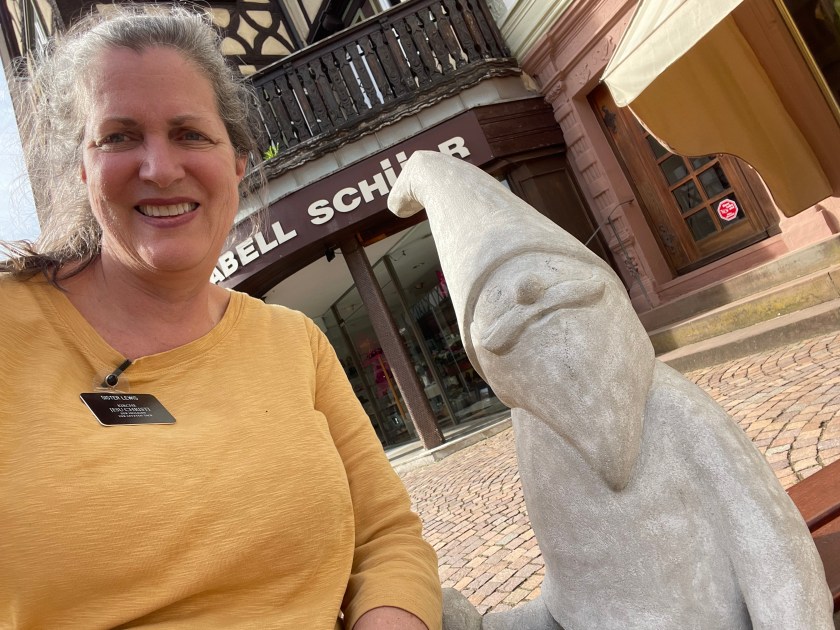
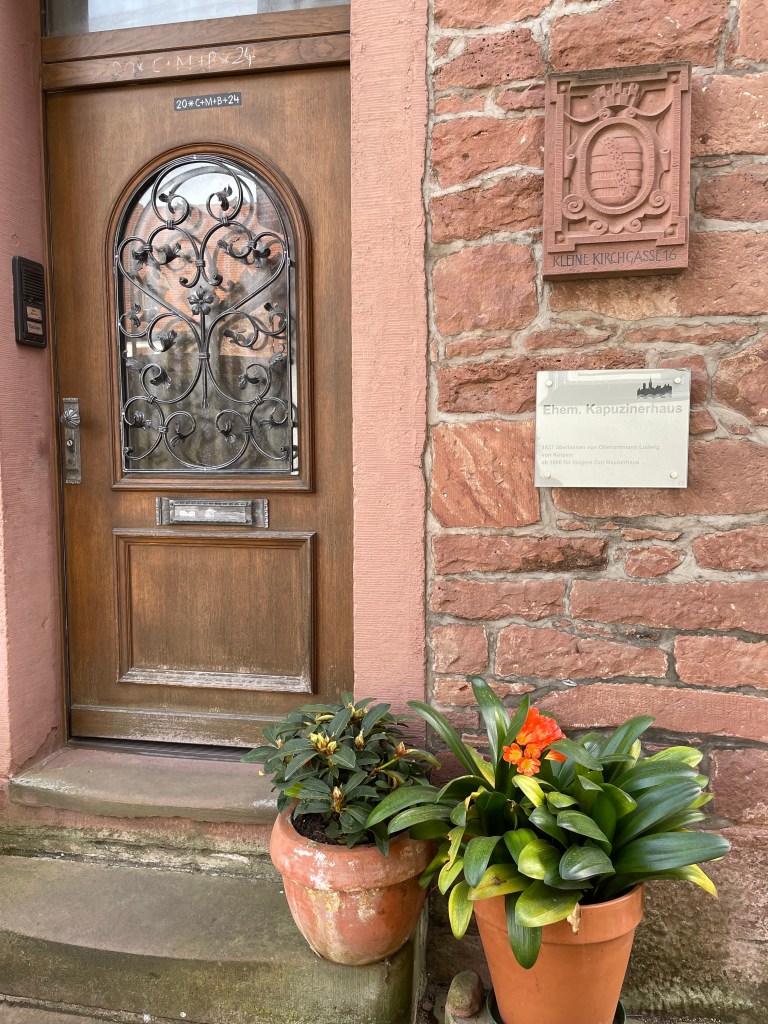
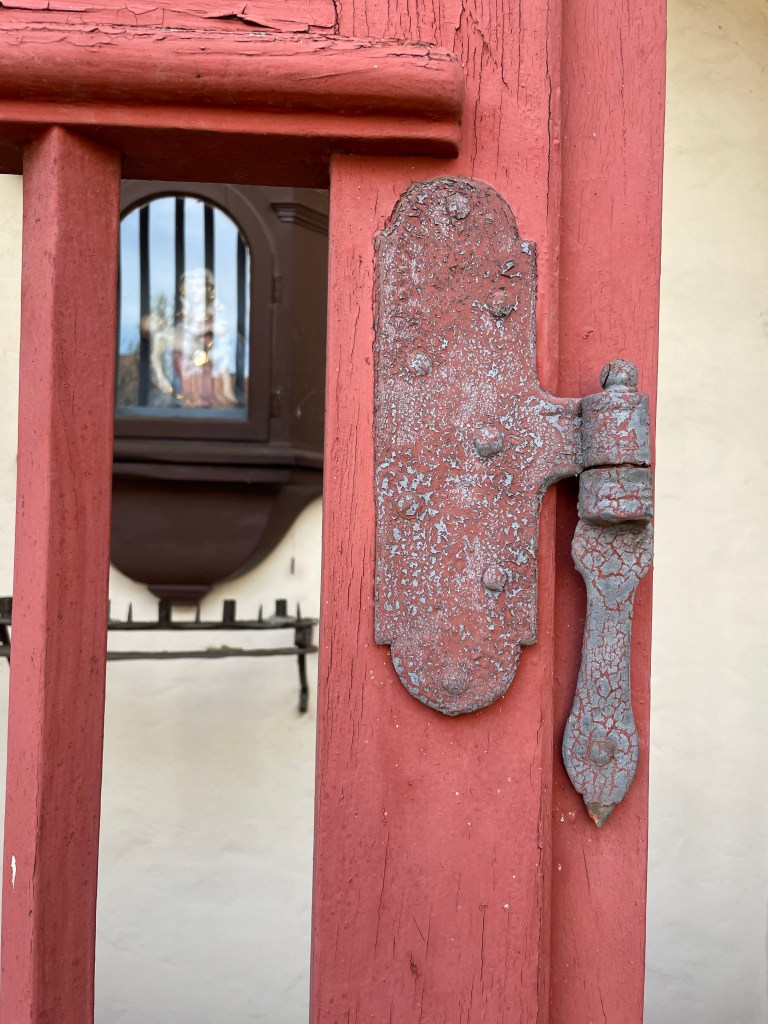
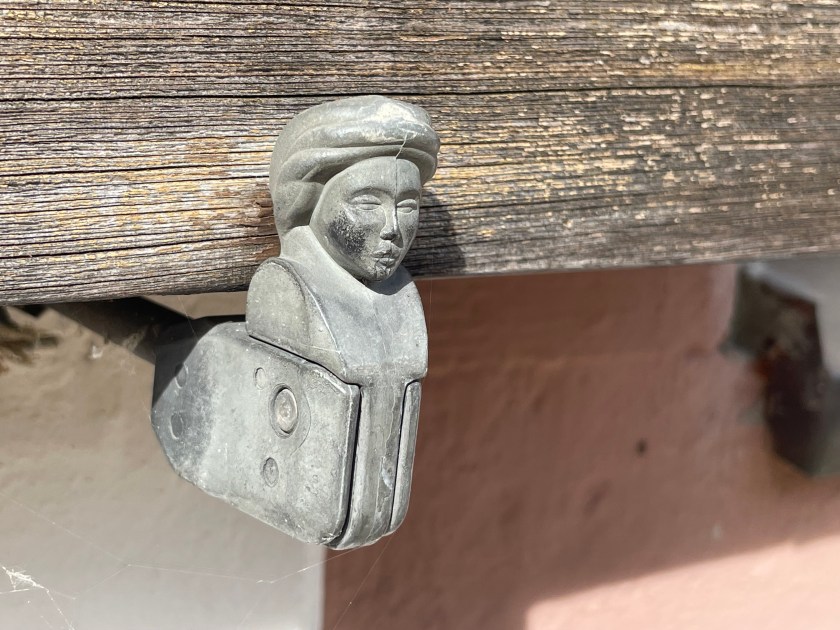
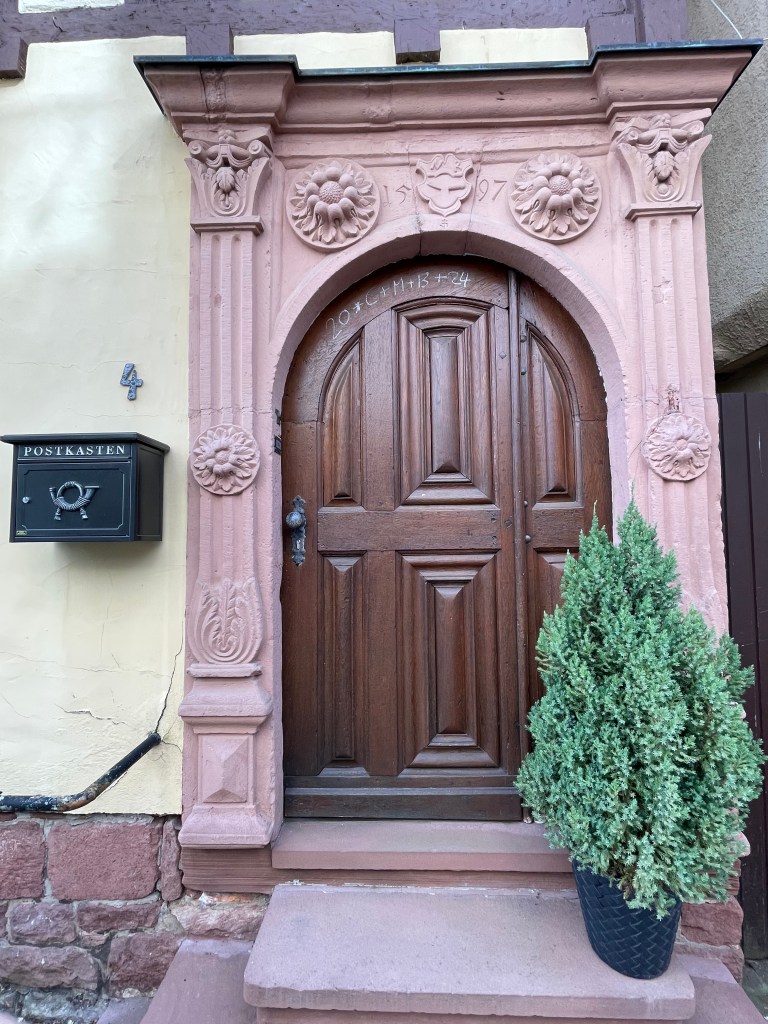
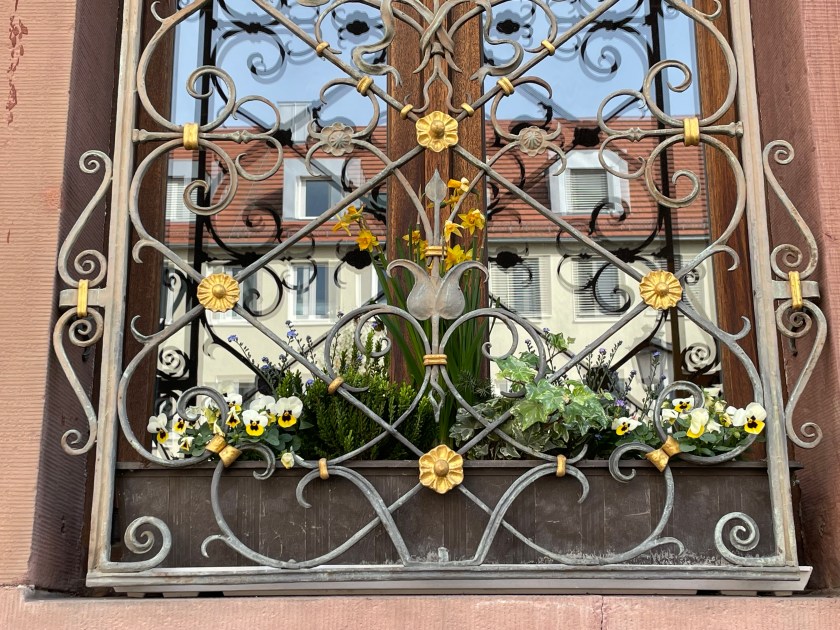
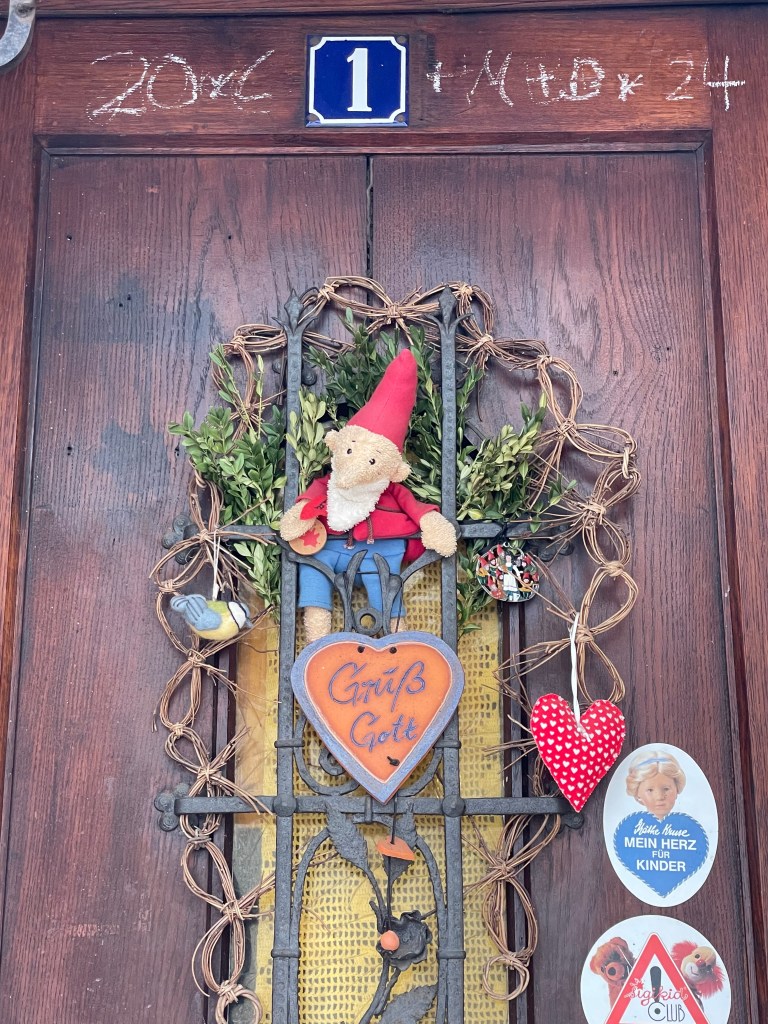
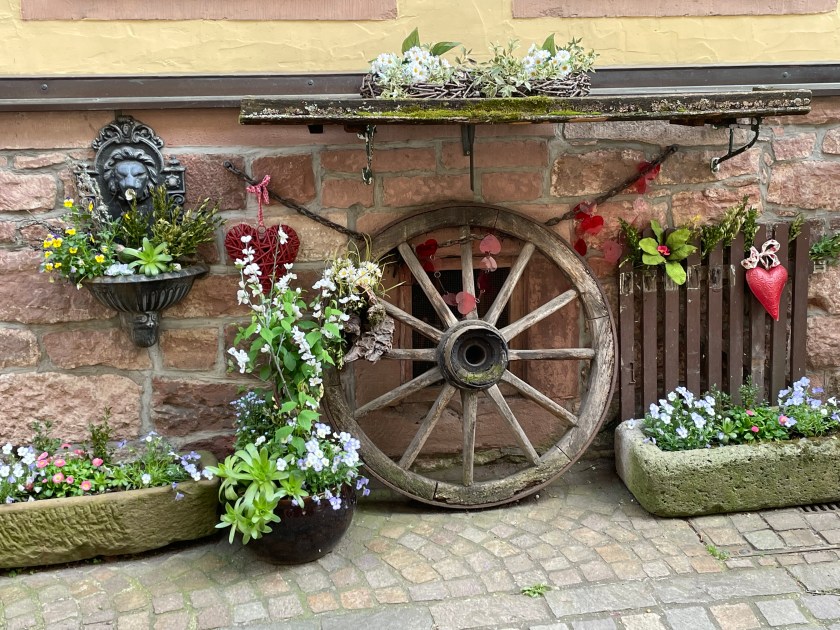
So many small charming details to see!
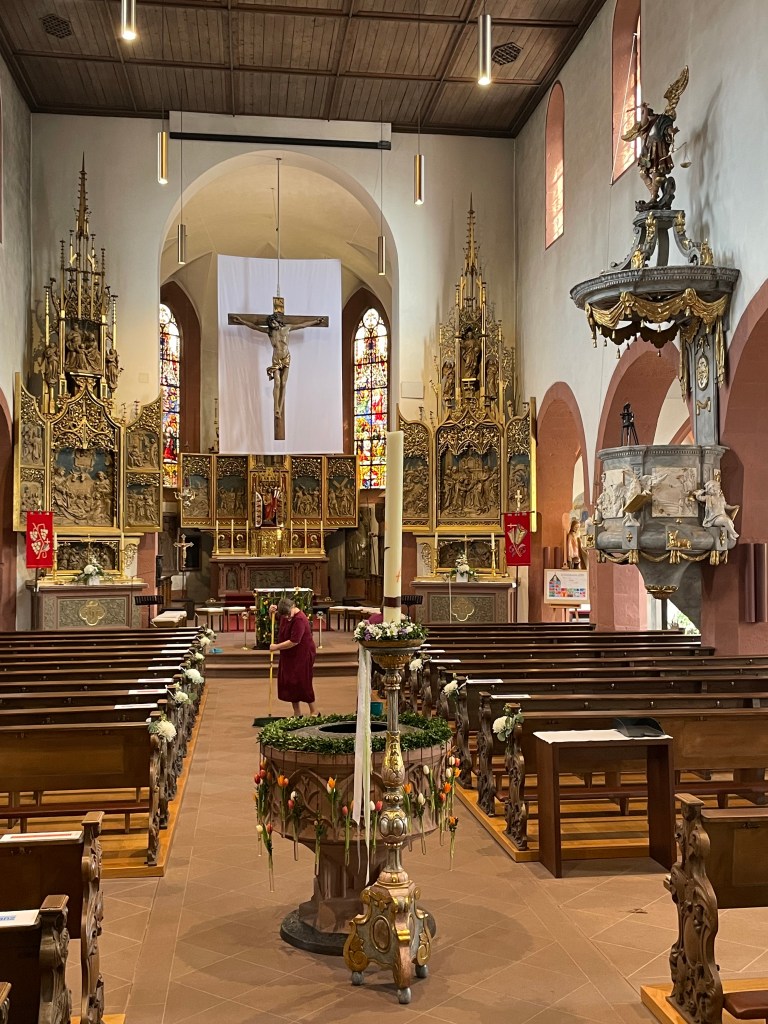
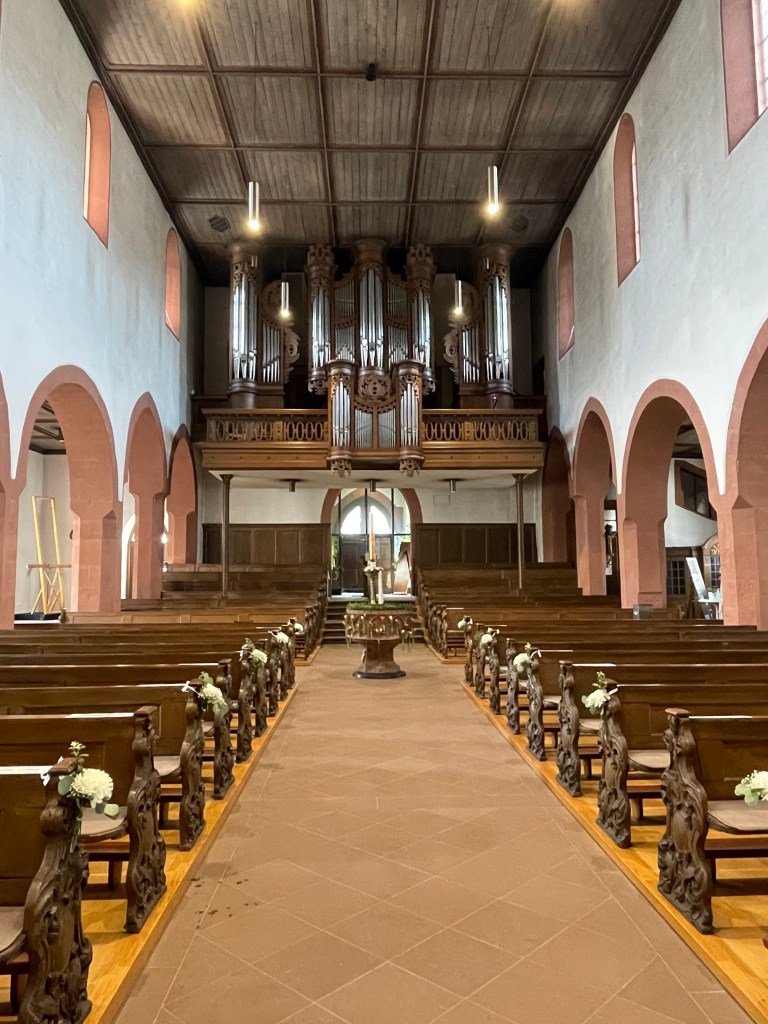
This is St. Michael’s Catholic Church.
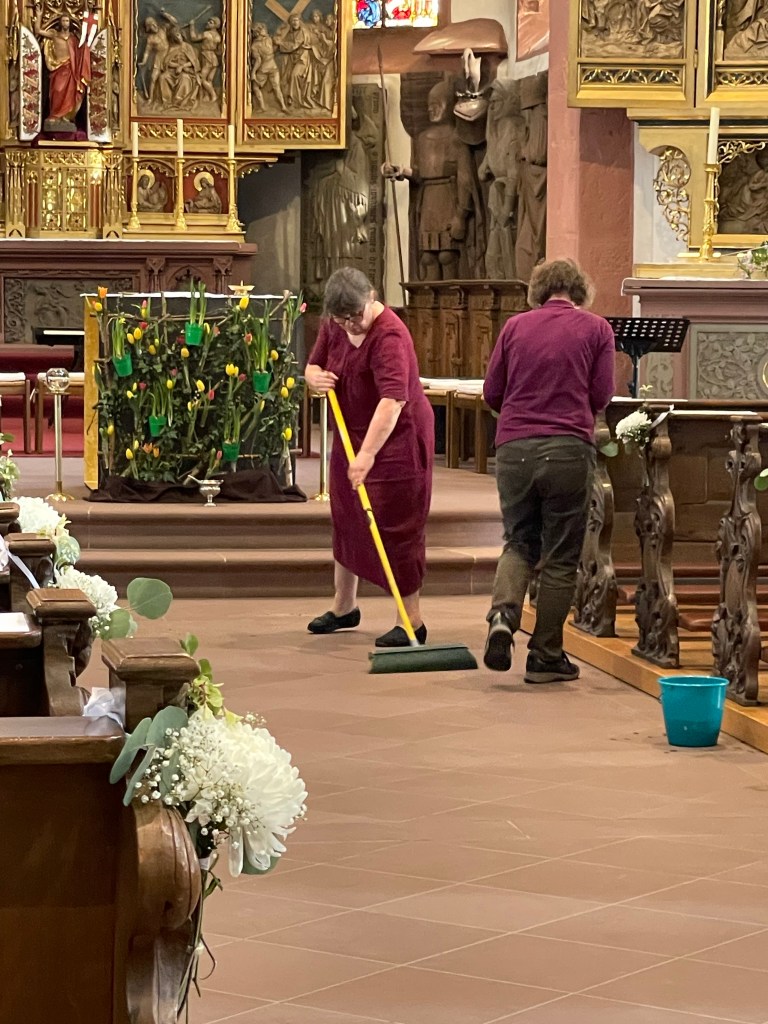
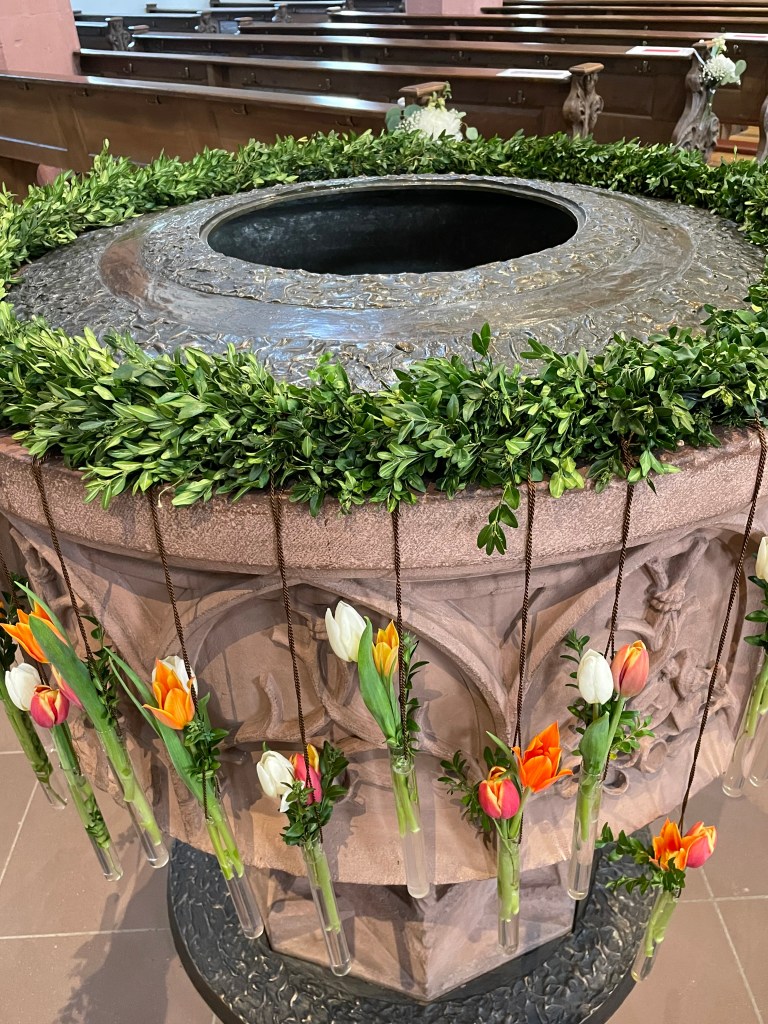
There were 2 women cleaning and preparing for a First Communion Service here tomorrow morning. Notice how the baptismal font is decorated with fresh-cut tulips.
Several of the churches we’ve seen today had flat interior ceilings.
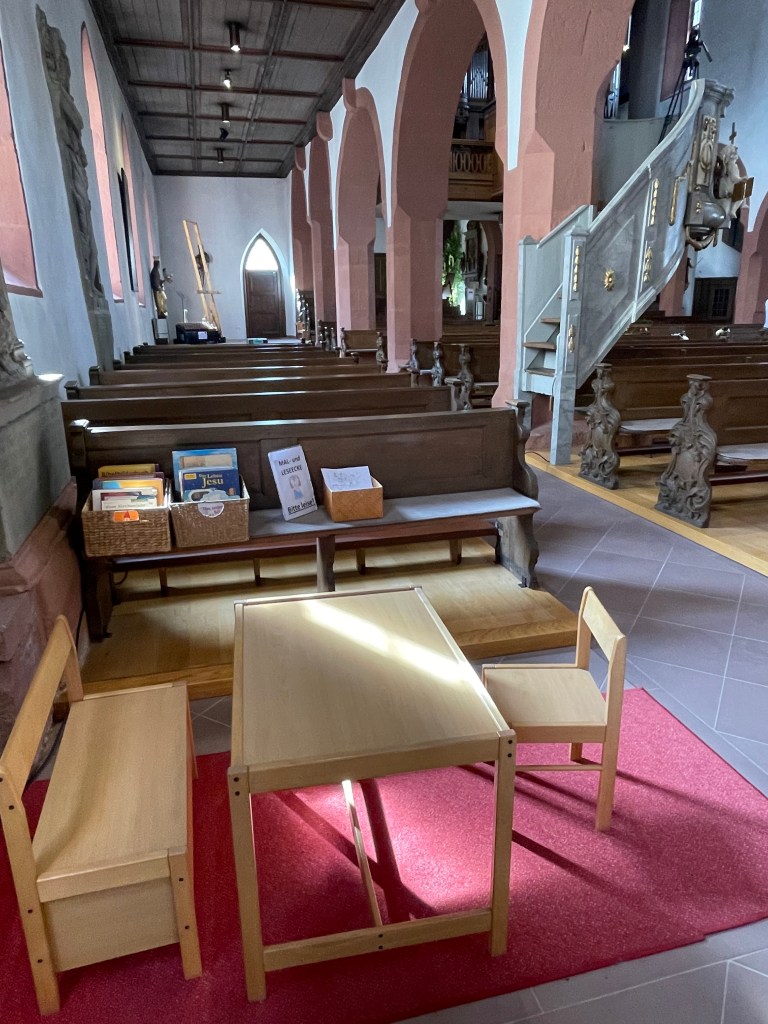
The children’s corner:
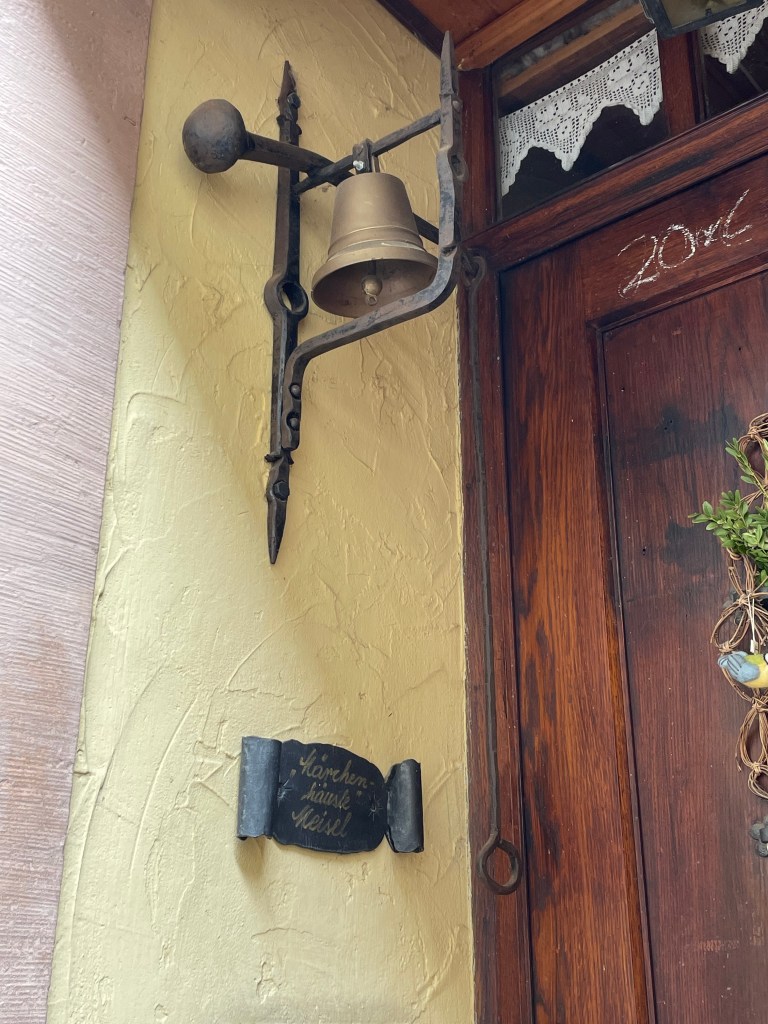
A fine door bell:
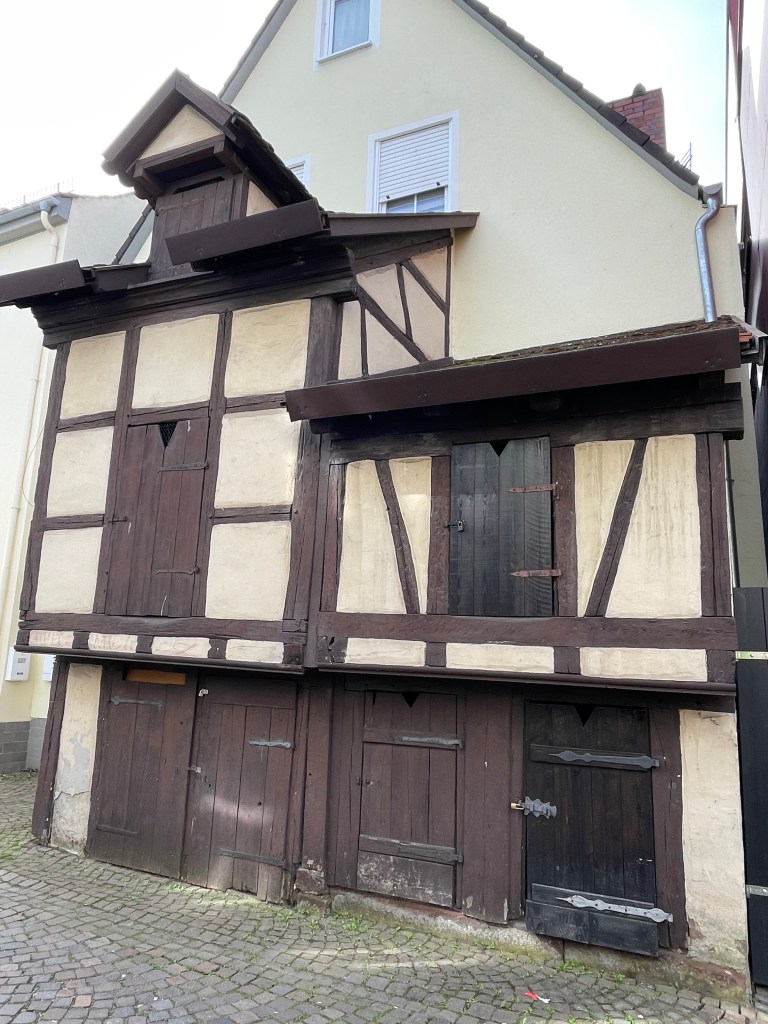
A Bauernhof (barnyard) with doors above for loading wagons:









































 Our Frankfurt Germany Mission