Stake Conference in Eket, Nigeria

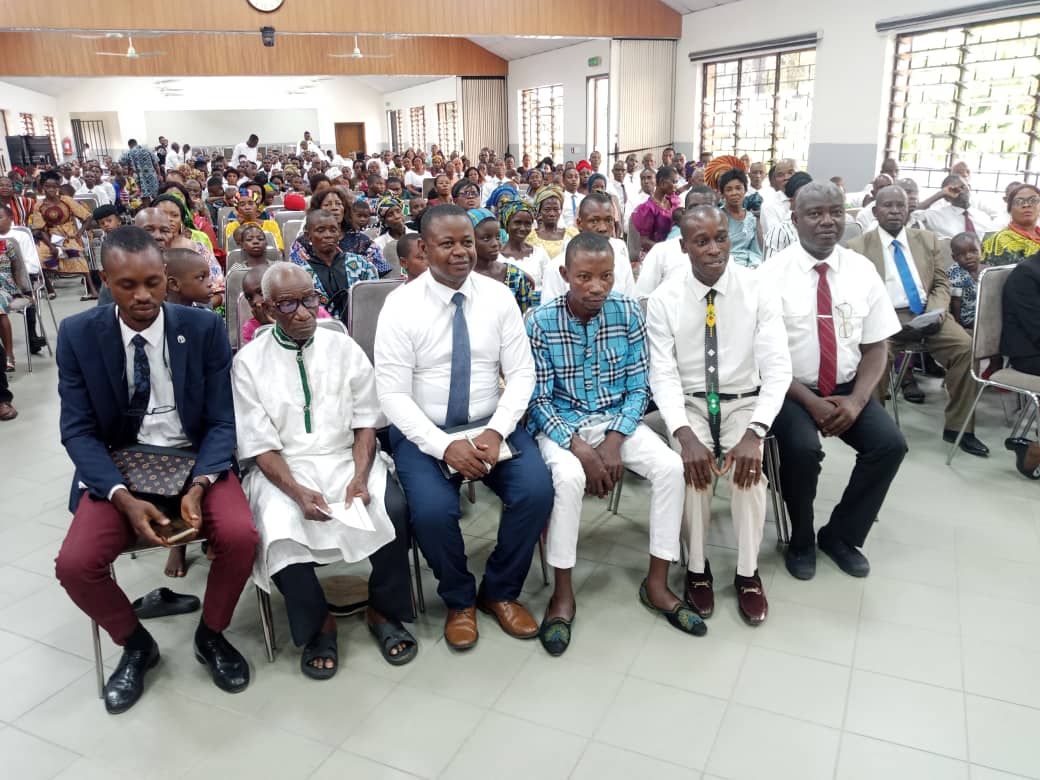
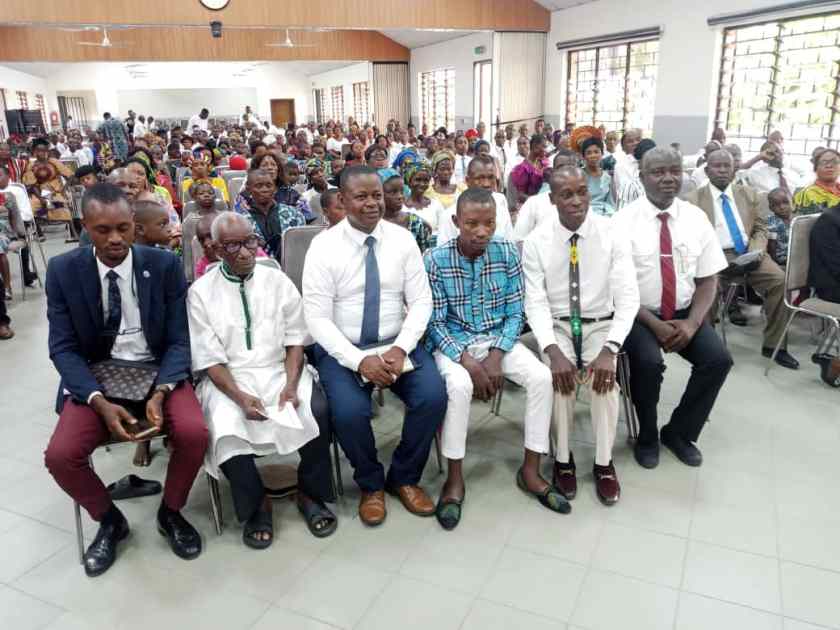
I just have to squeeze this photo in today, taken in Eket, Nigeria, where I once lived (1983-1987).  This is a Stake Conference held there, sent to us by one of our Bamako missionaries, Elder Ikpeti, who returned to his home in Eket.  This photo is thrilling to me.  When I lived there, we attended church in a mud hut with a thatch roof, just a small group of us.  I never would have imagined that some day there would be 3 stakes in the area where I worked, and now a temple announced in Eket!  Oh my, what I have lived to see!

Family History Event at the Phoenix Haus

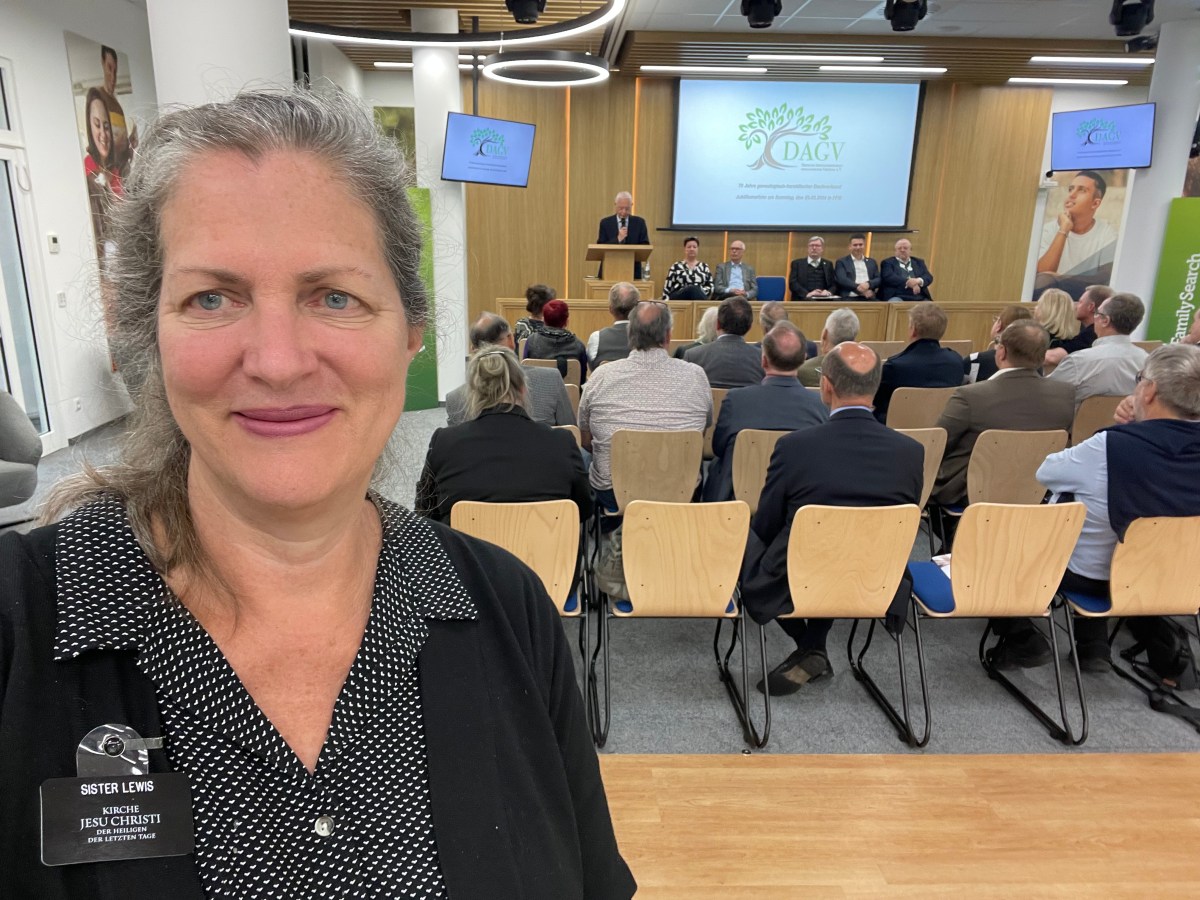
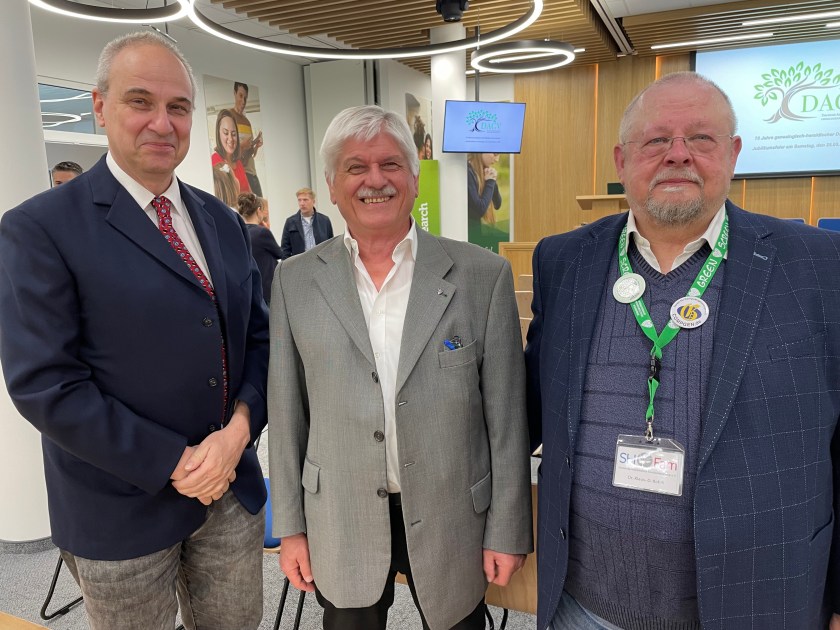
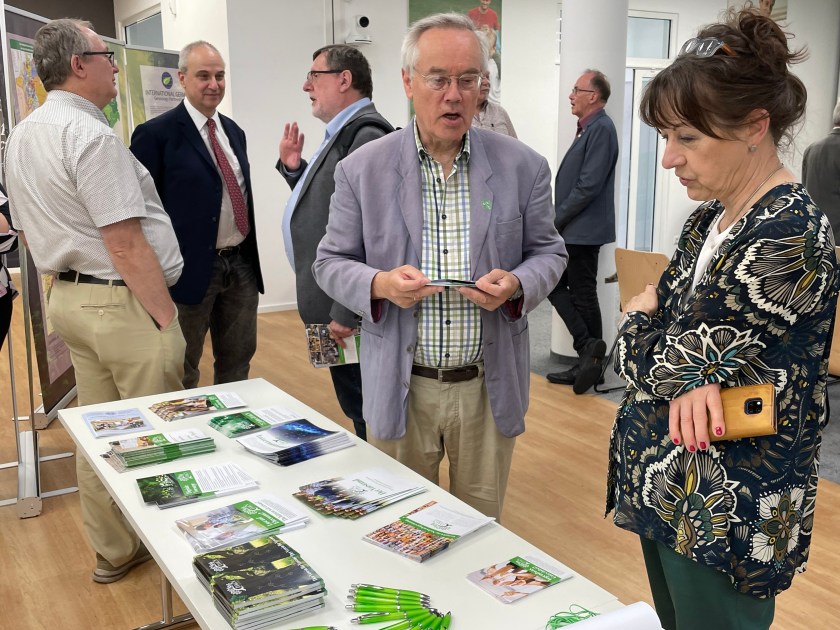
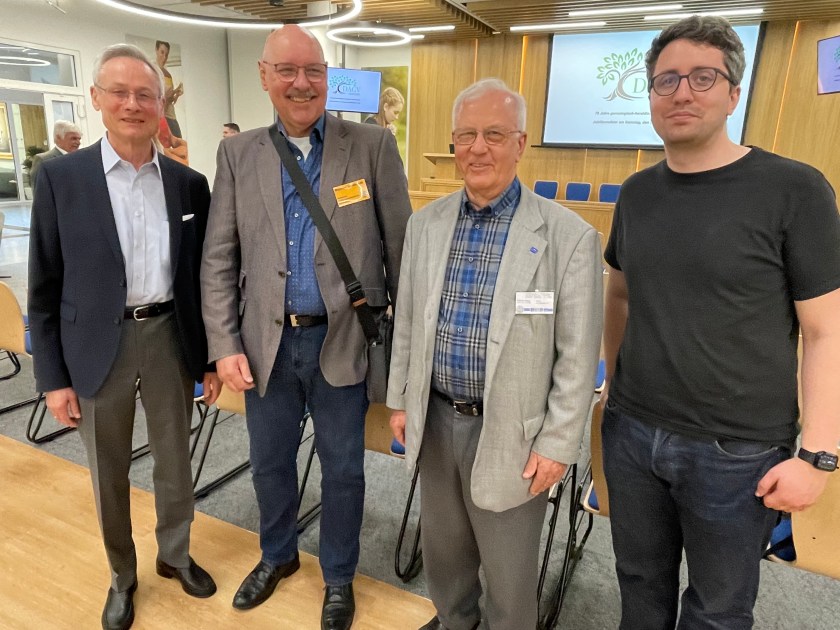
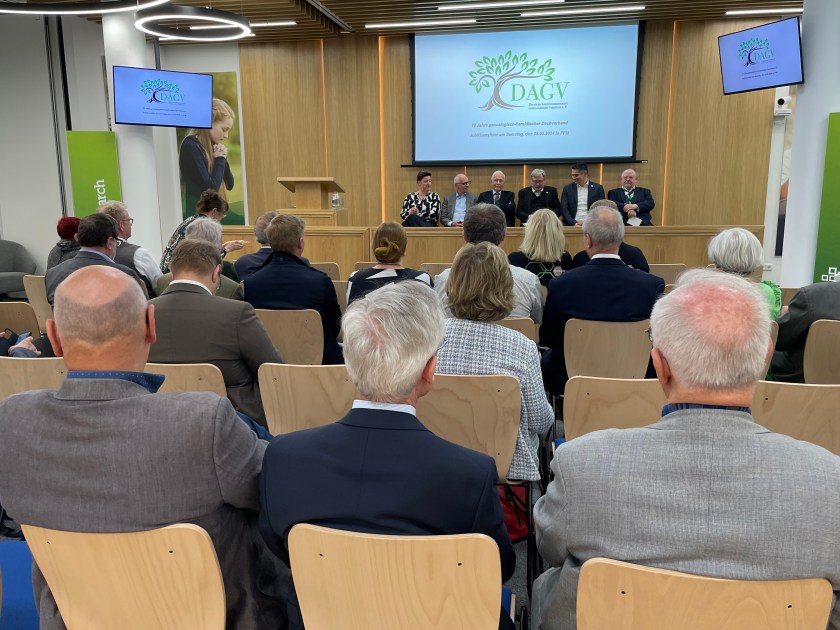
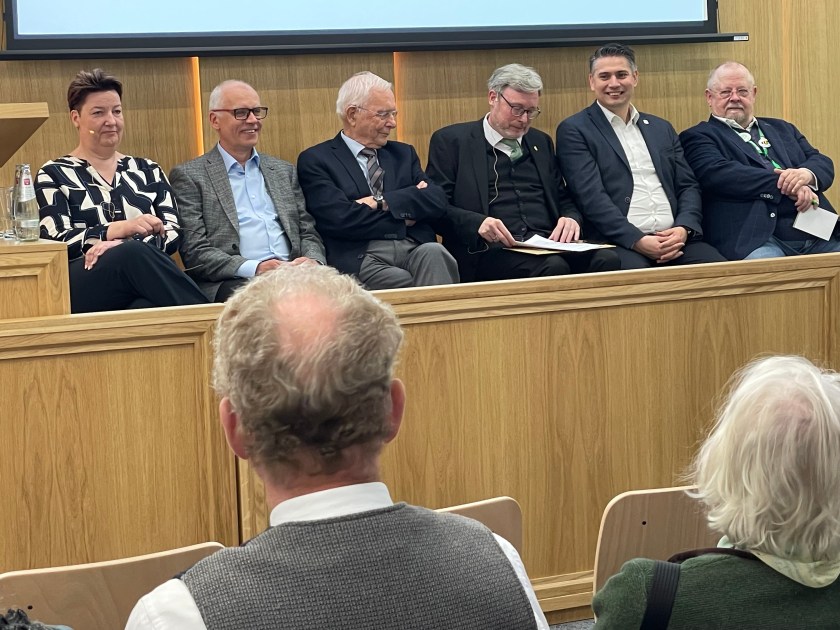
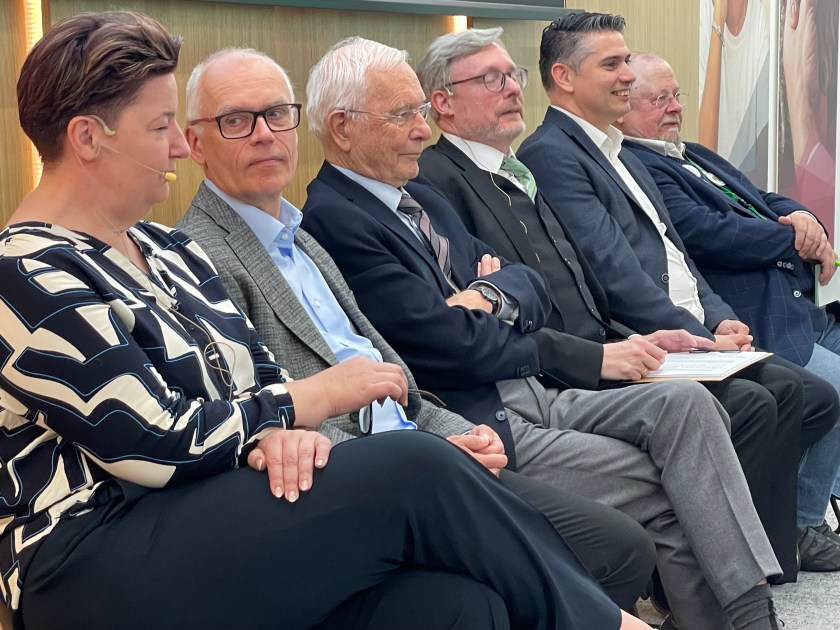
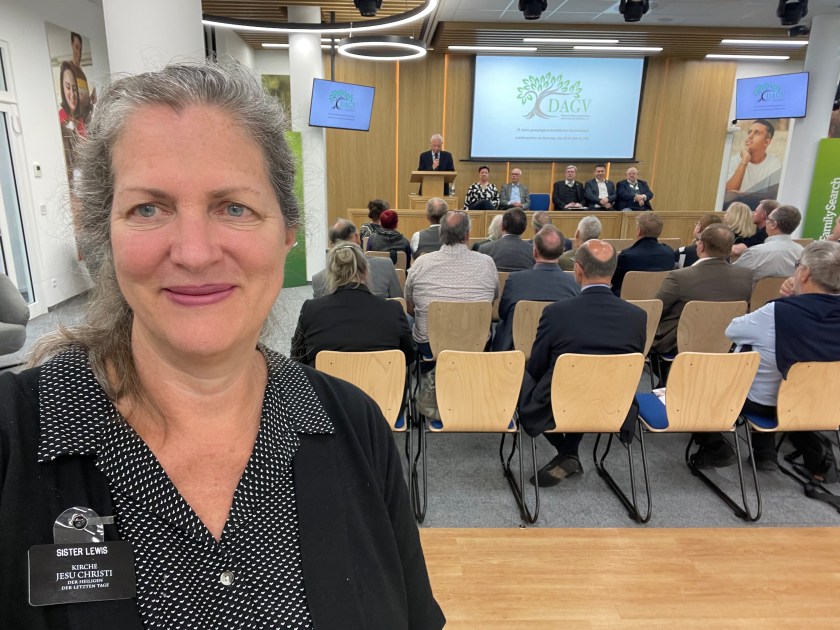
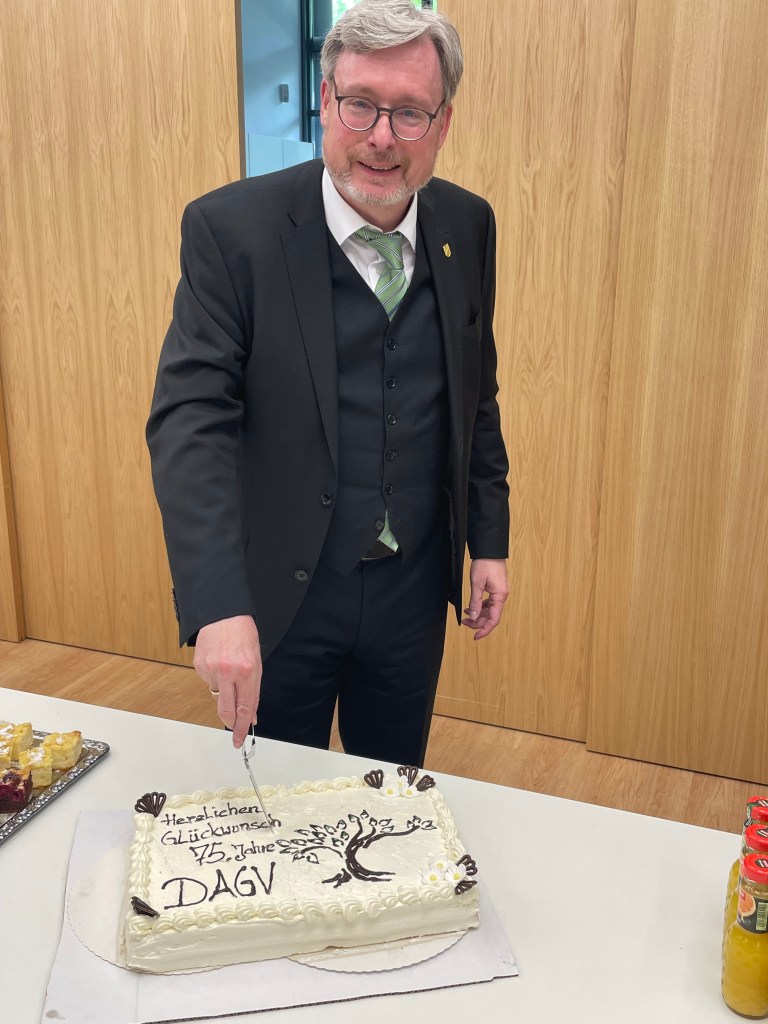
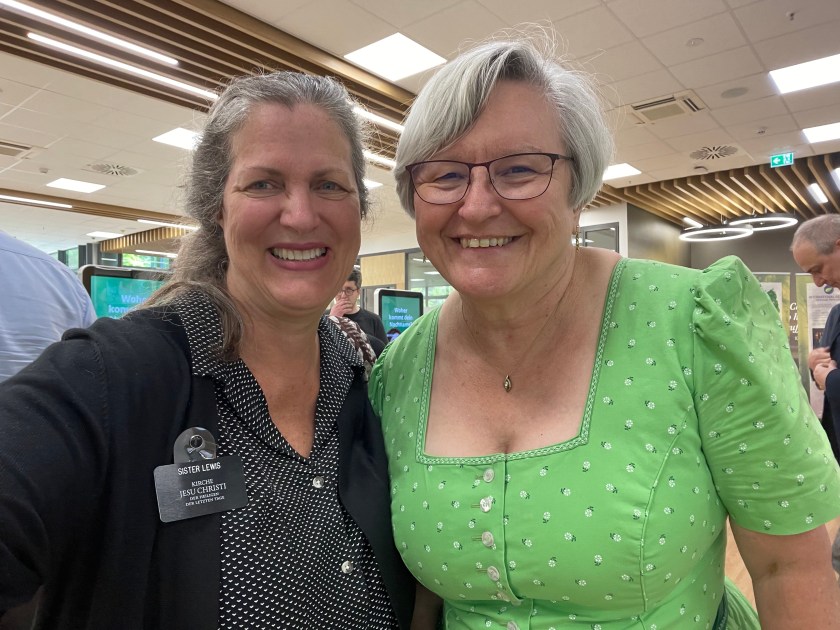
Today at the Phoenix Haus FamilySearch hosted the German Genealogical Society as they celebrated their 75th Anniversary.  I was grateful to be invited to help as a photographer.  These are my kind of people!

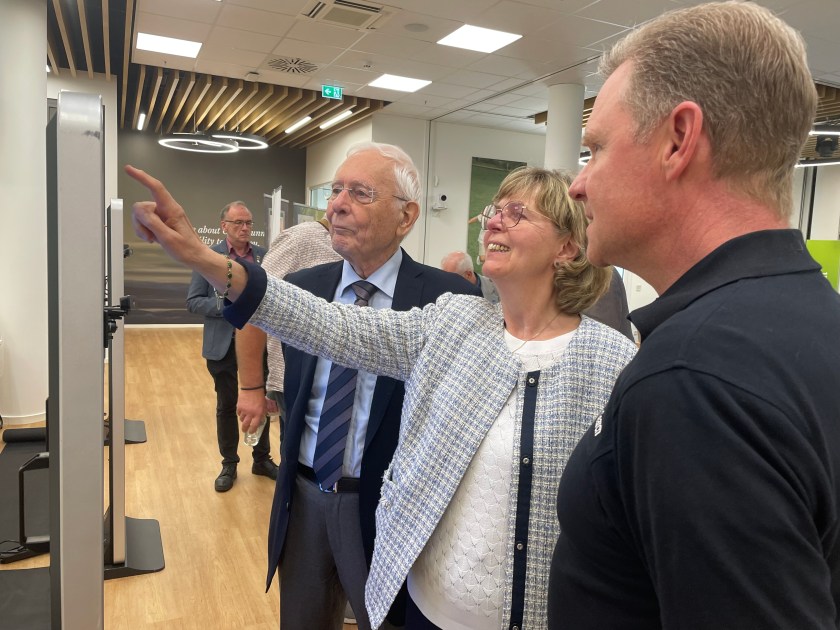
The guests, who were historians, archivists and genealogists, came from all over Germany.  There was a nice program, highlighting the achievements of the last 75 years and honoring former leaders of the organization.

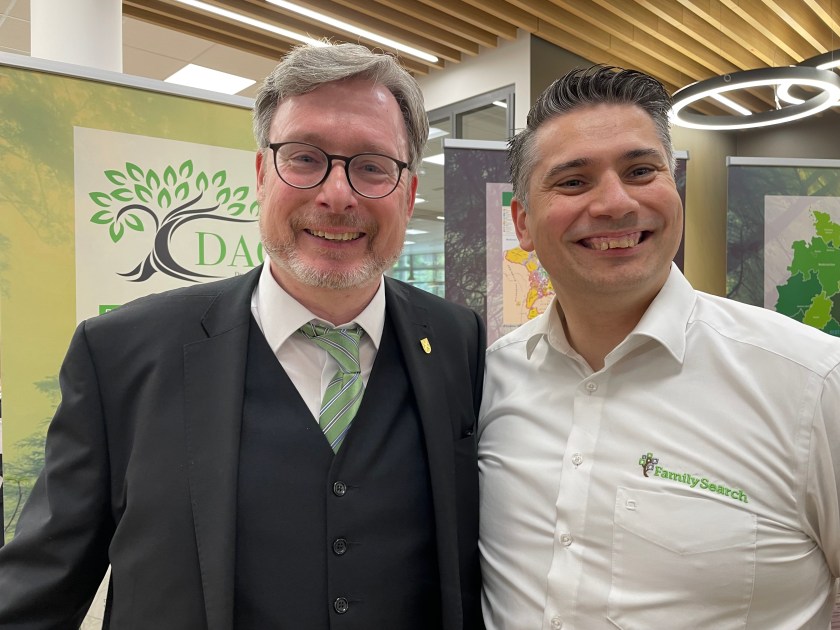
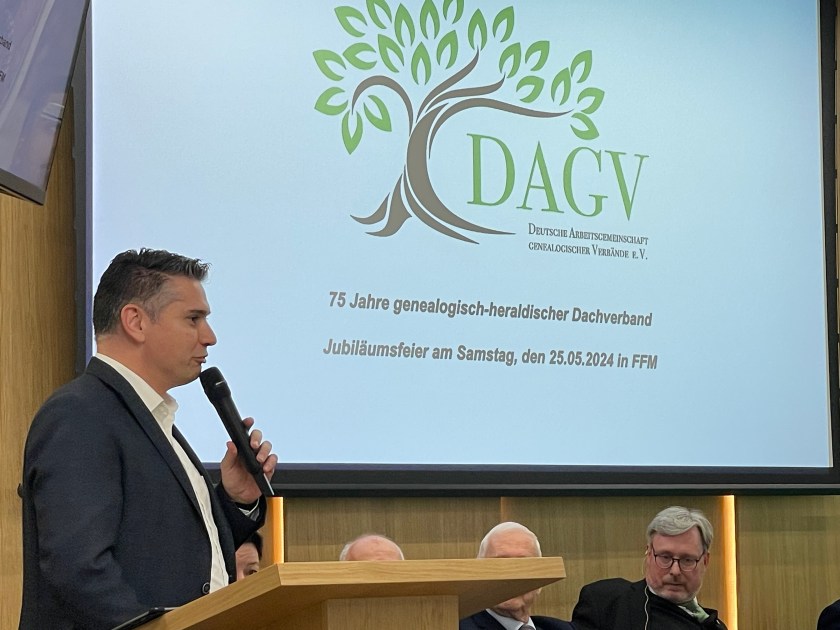
The current president with Torsten Kux, our FamilySearch director.

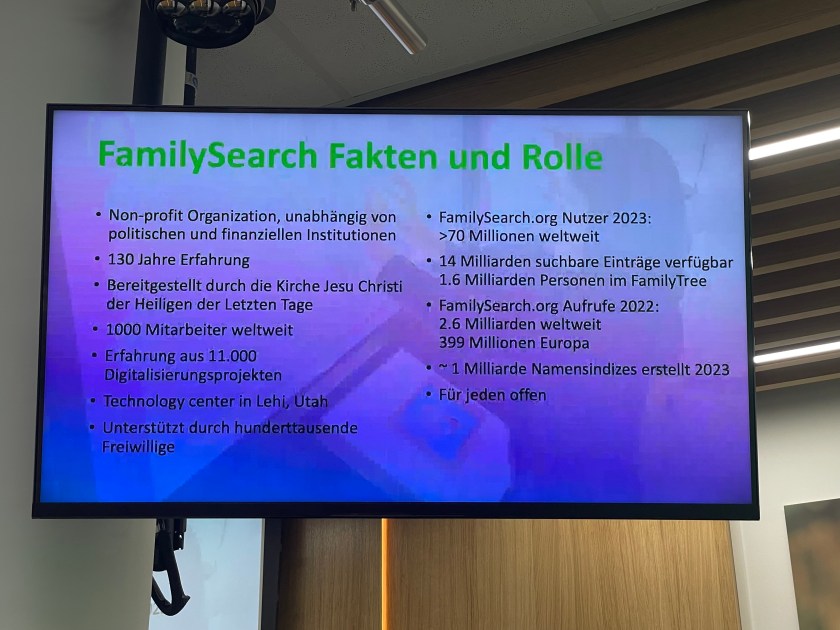
The Keynote address was given by Thomas Hengst.  He explained in fascinating detail the work FamilySearch is doing in Europe, particularly in Germany.  We have camera men and women all over the country digitizing archives and historic records.  The records are uploaded to FamilySearch and indexed by thousands of volunteers, then made available free to the public.


Here are the points he made:
FamilySearch is a non-profit organization, independent of political or financial institutions.
Founded 130 years ago
Administered through the Church of Jesus Christ of Latter-day Saints
1000 Employees worldwide
There are 11,000 digitalization projects going on
The technology center is in Lehi, Utah
Supported by hundreds of thousands of volunteers
In 2023 there were more than 70 million FS users
There are 14 million searchable names
1.6 million personal people in family trees
In 2022 there were 2.6 million views worldwide, 399 million in Europe
There are about 1 million indexed names since 2023
It’s available to everyone

My favorite thing was watching the faces of the guests as they realized what a Big Deal FamilySearch really is, and that it’s free for all to use.  It was good to have so many archivists here to learn more about what we do and how we share.

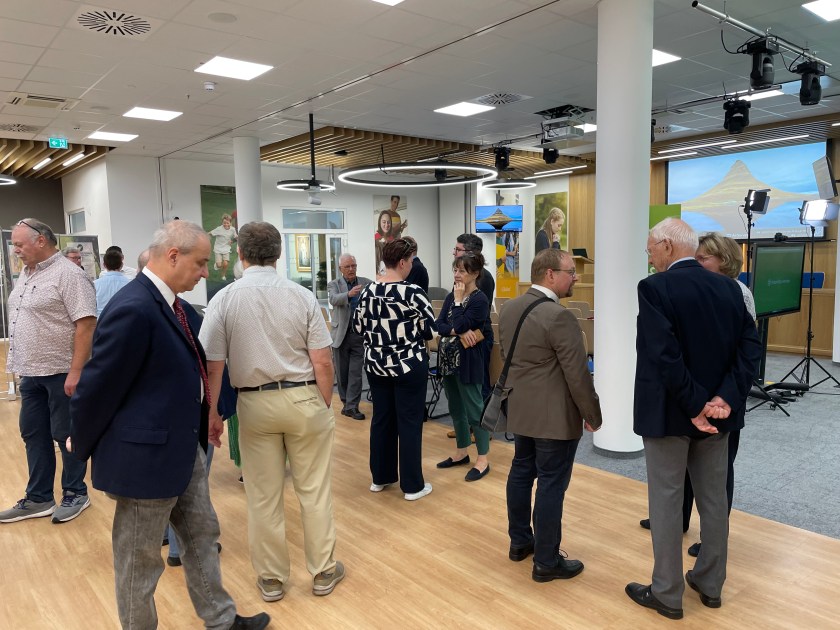
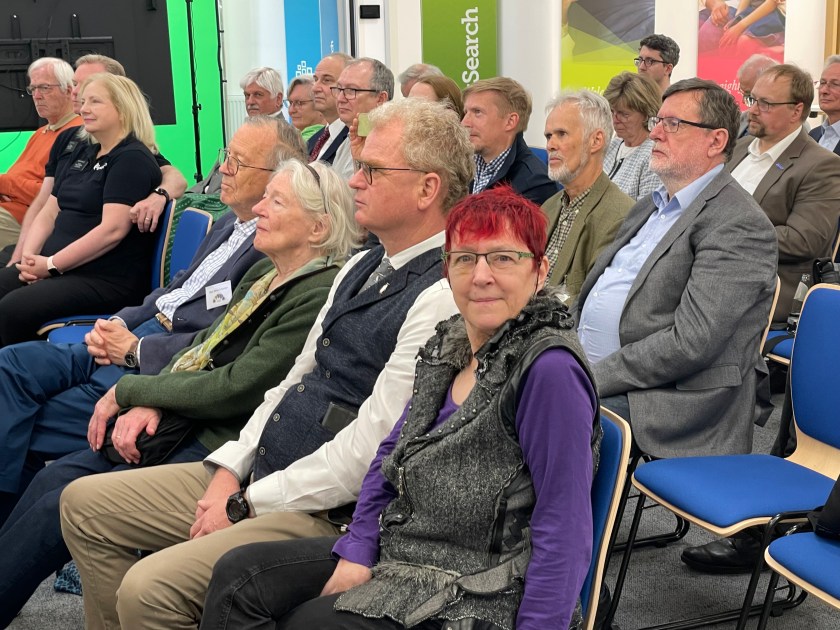
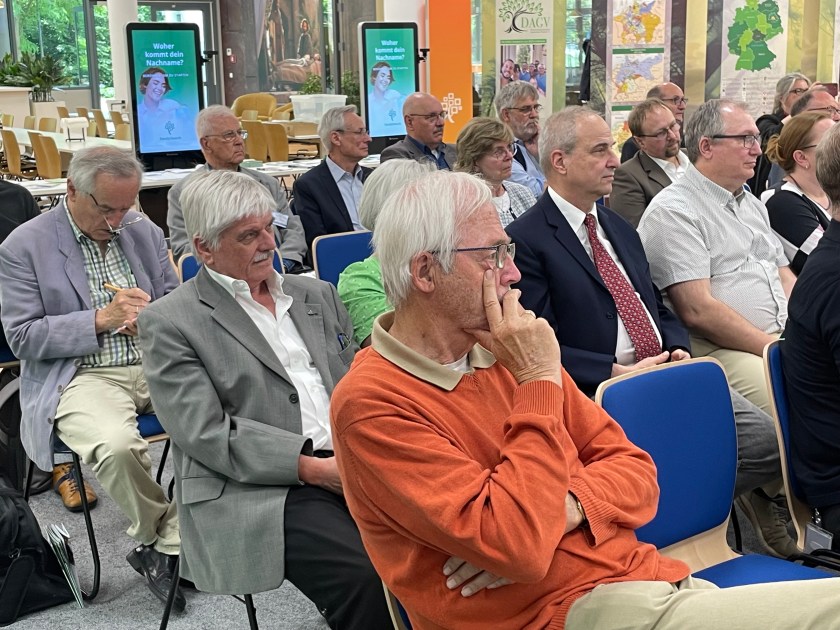
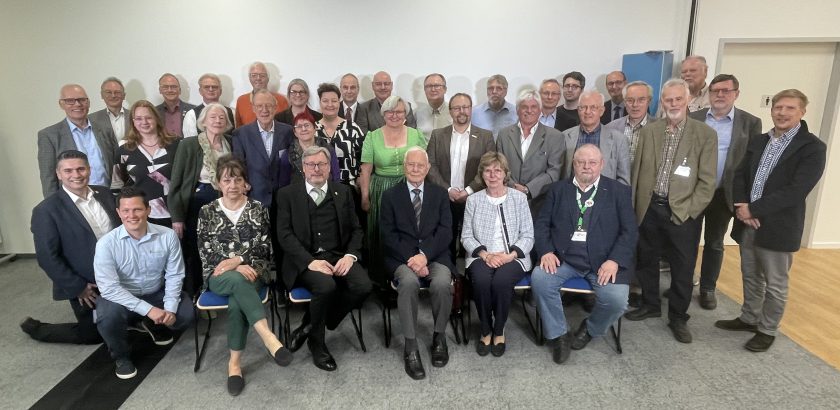
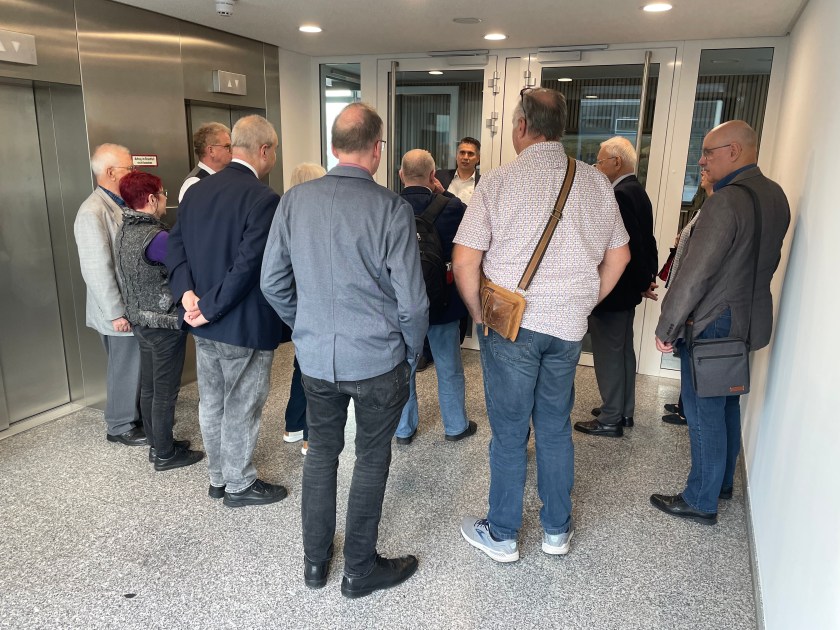
Here’s the group of guests:

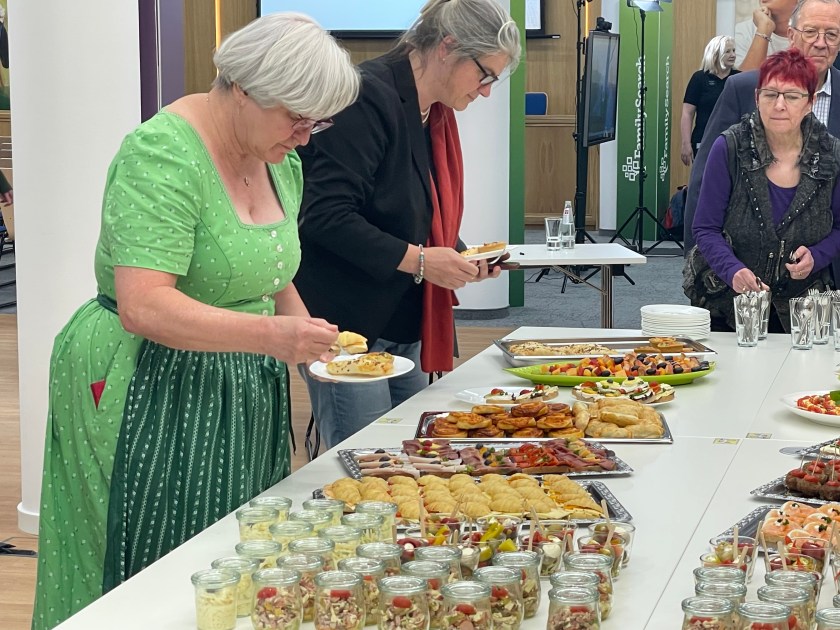
After the talks, a delicious lunch buffet was served.

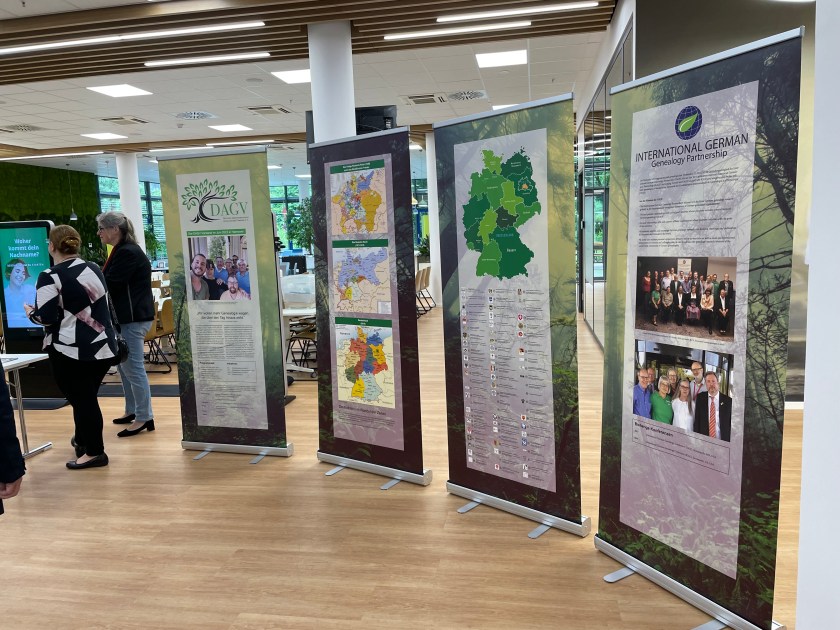
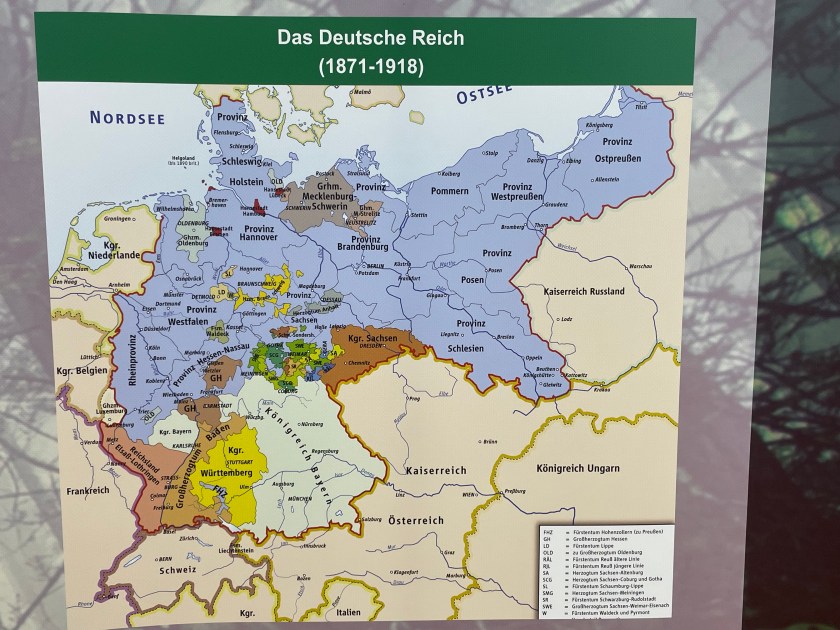
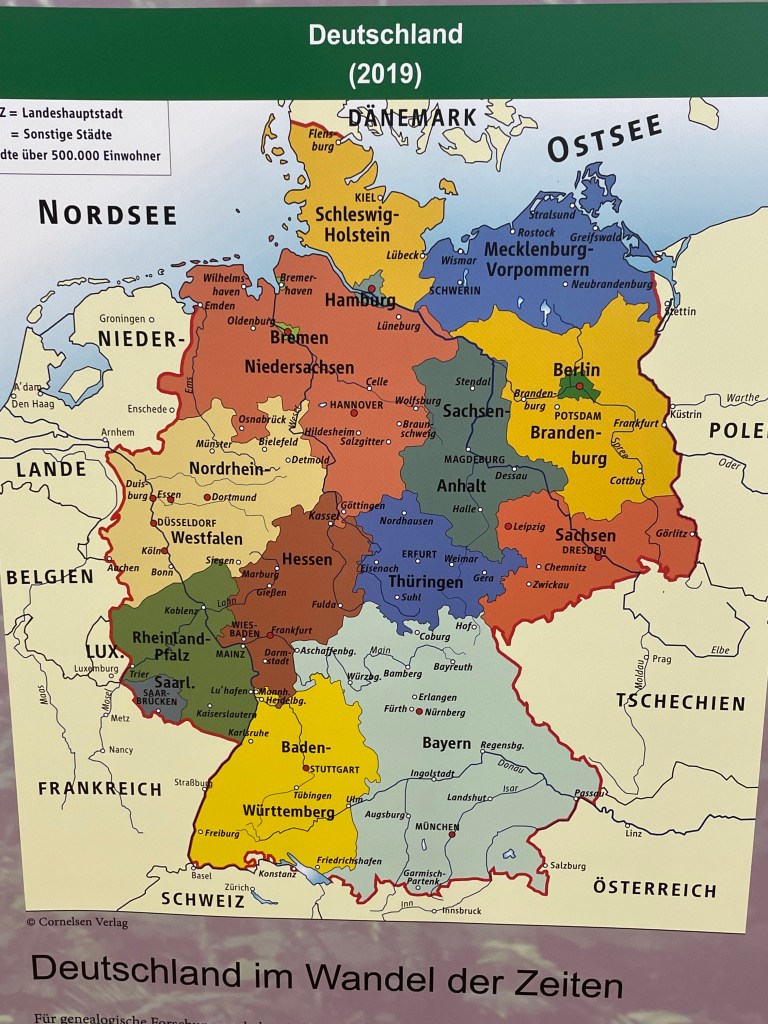
Germany’s complicated history:

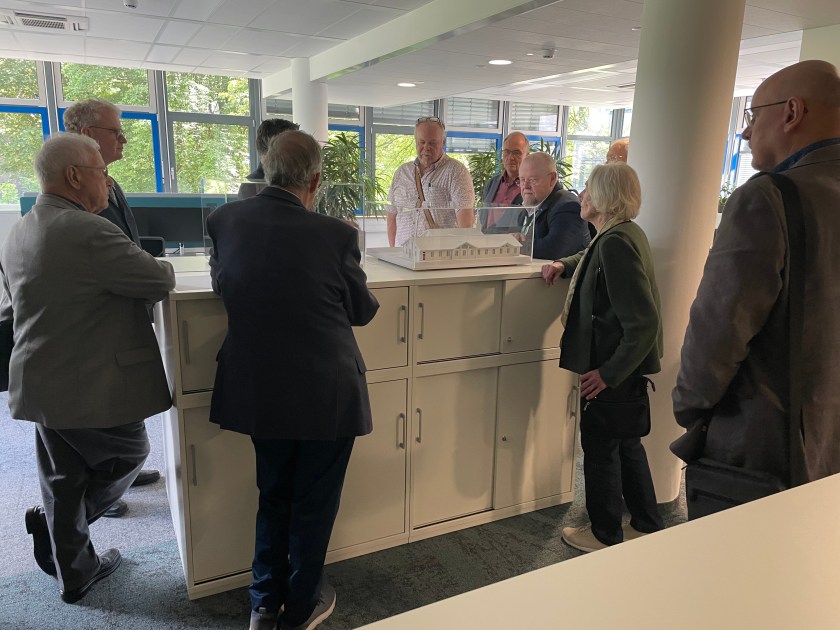
Then everyone was divided into 2 groups to take a tour of the building.

Again, these friends were amazed at the scope of what we do here.  They saw glimpses of each of the different church departments, then ended in the FamilySearch center on the ground floor.

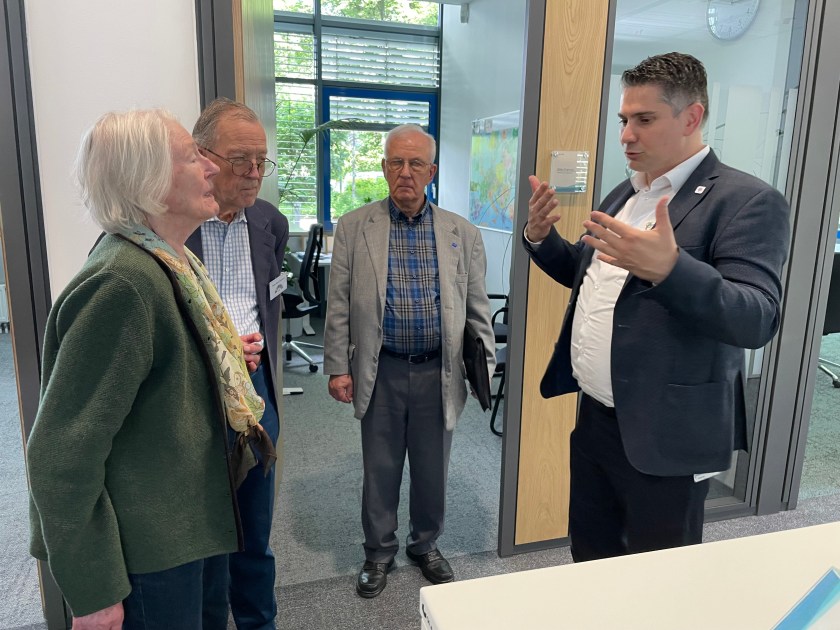
Torsten showed them the rooms where the films and images are processed with the finest technology.  We learned more today about Artificial Intelligence and the roll it will play in the future to help transcribe and index names and records.  It was all very exciting.

I enjoyed visiting with different archivists and I learned more about civil registries.  I am planning a trip to Leingarten, my ancestral hometown, to find more records of my family there.  I was so happy to be here today.

Missionary Outing to Koblenz #2

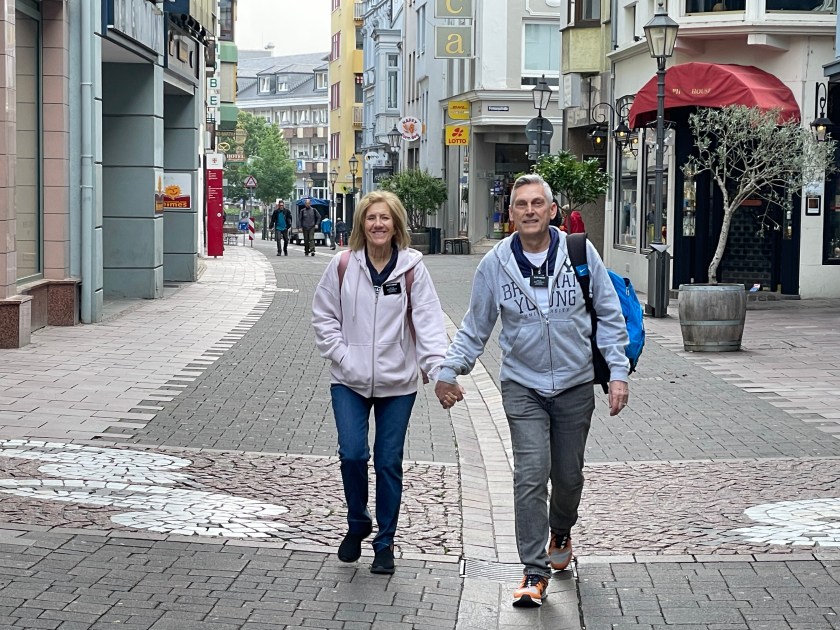
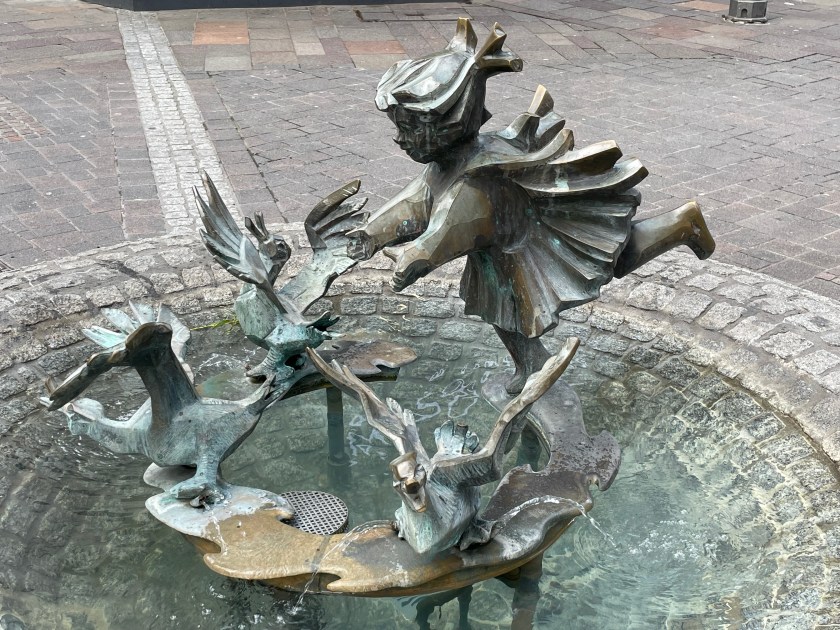
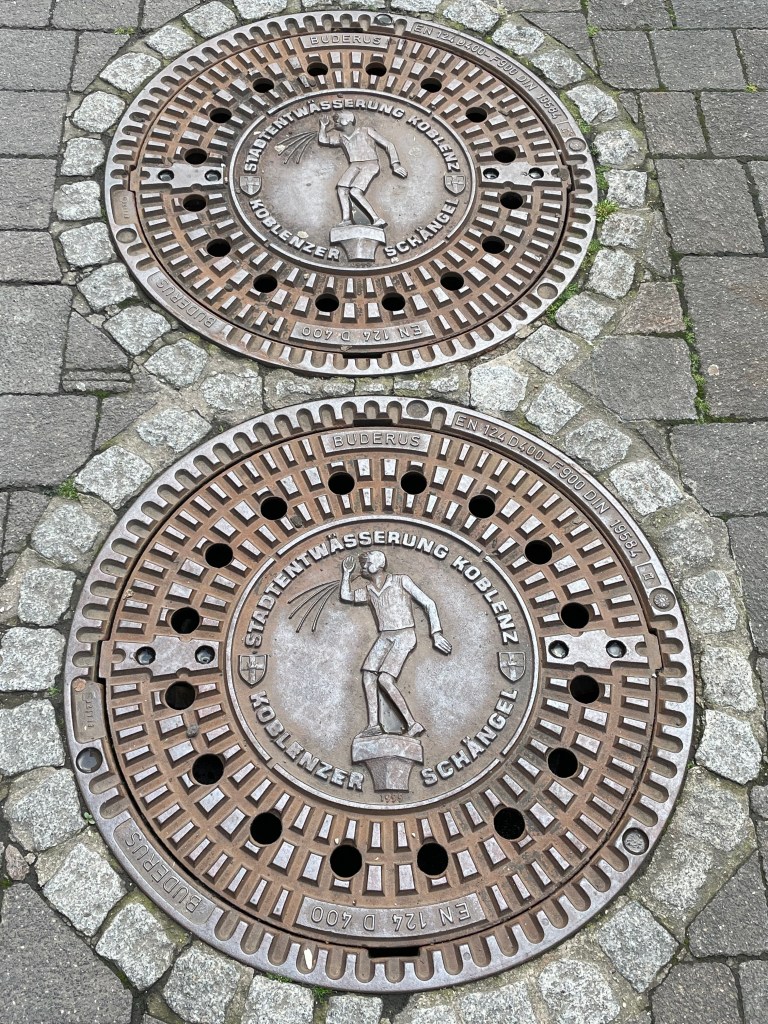
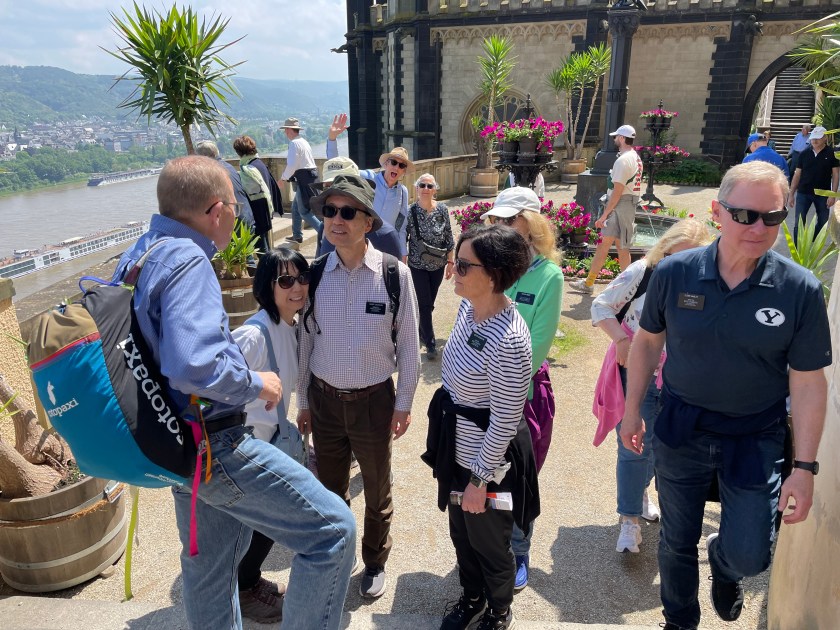
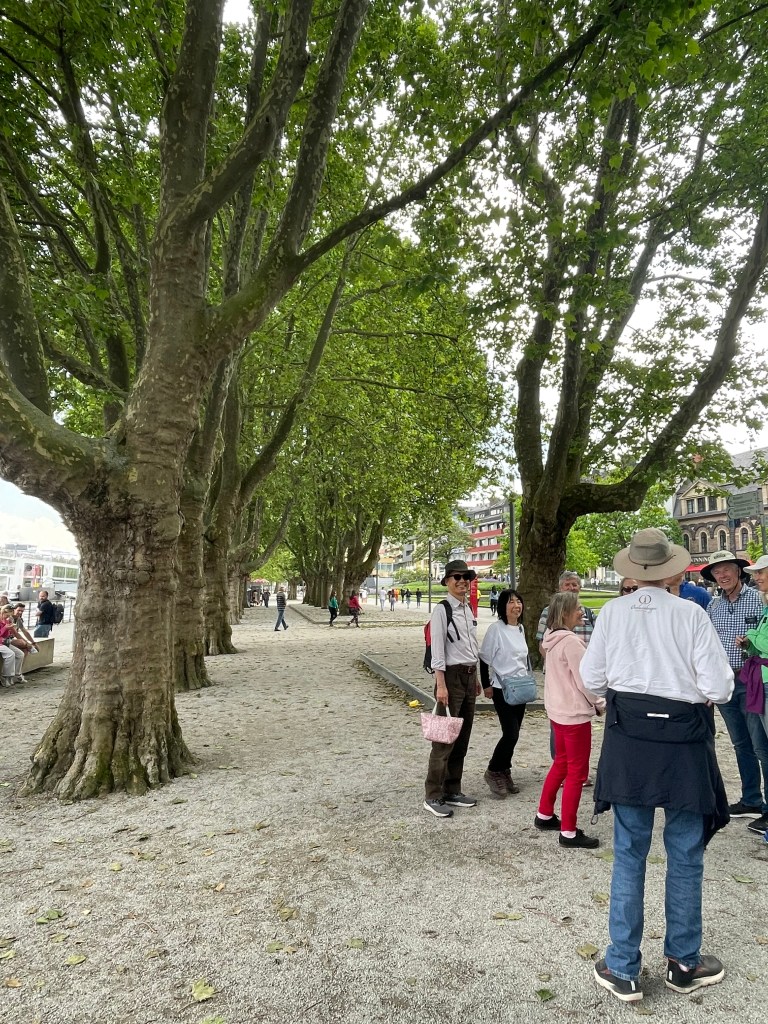
After our river cruise and castle visit, we were free to do whatever we wanted for the rest of the day.  Several smaller groups emerged and we spent the next few hours exploring in Koblenz.

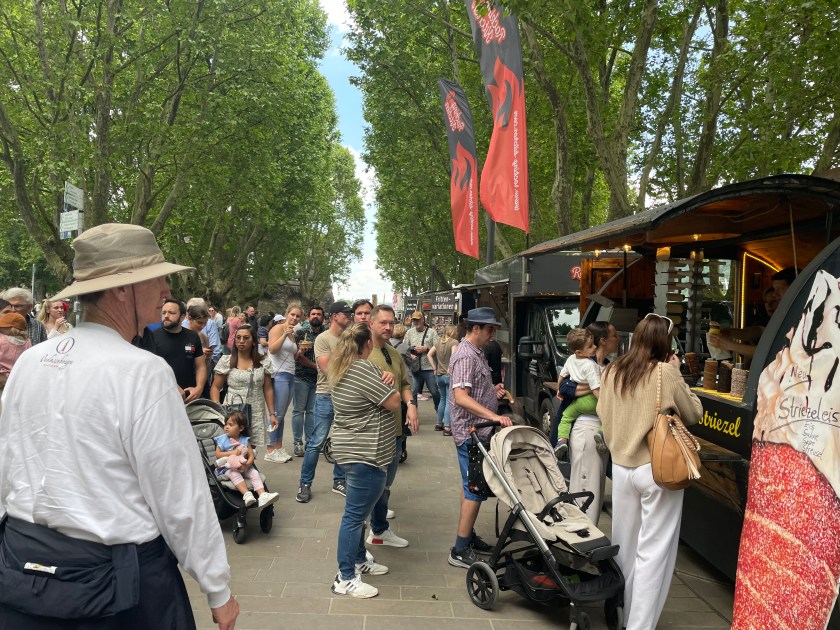
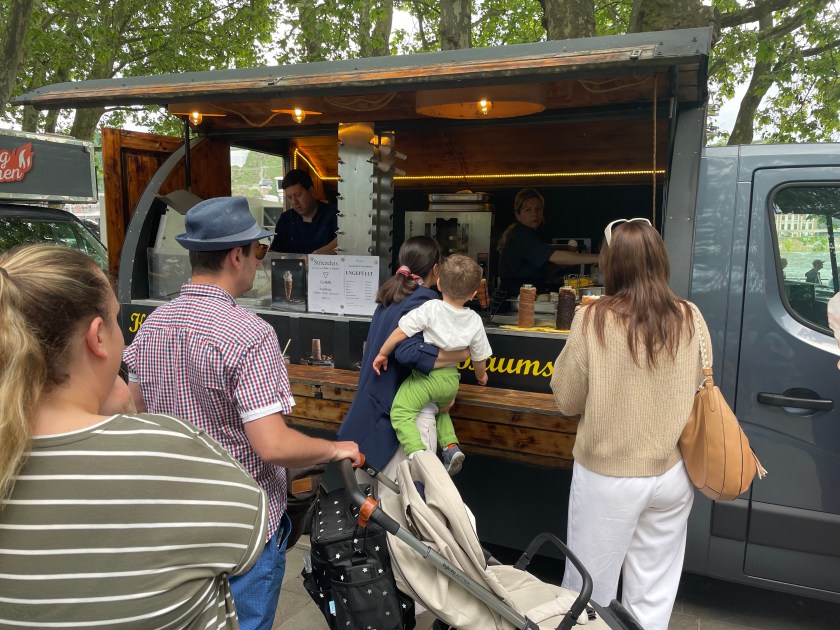
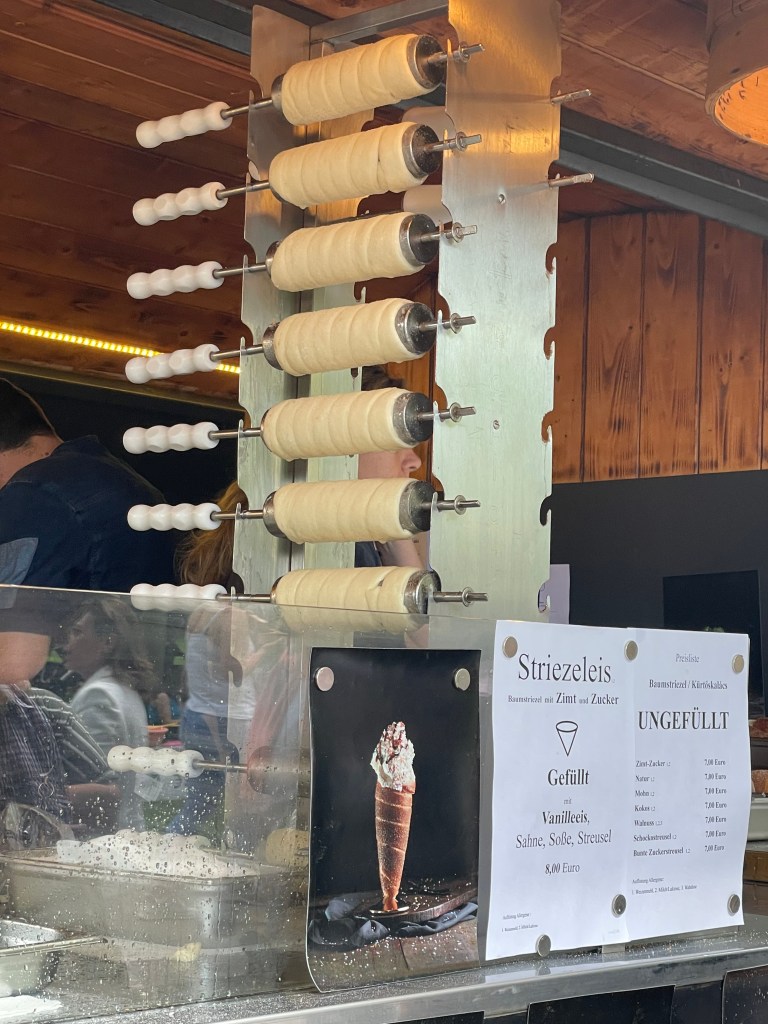
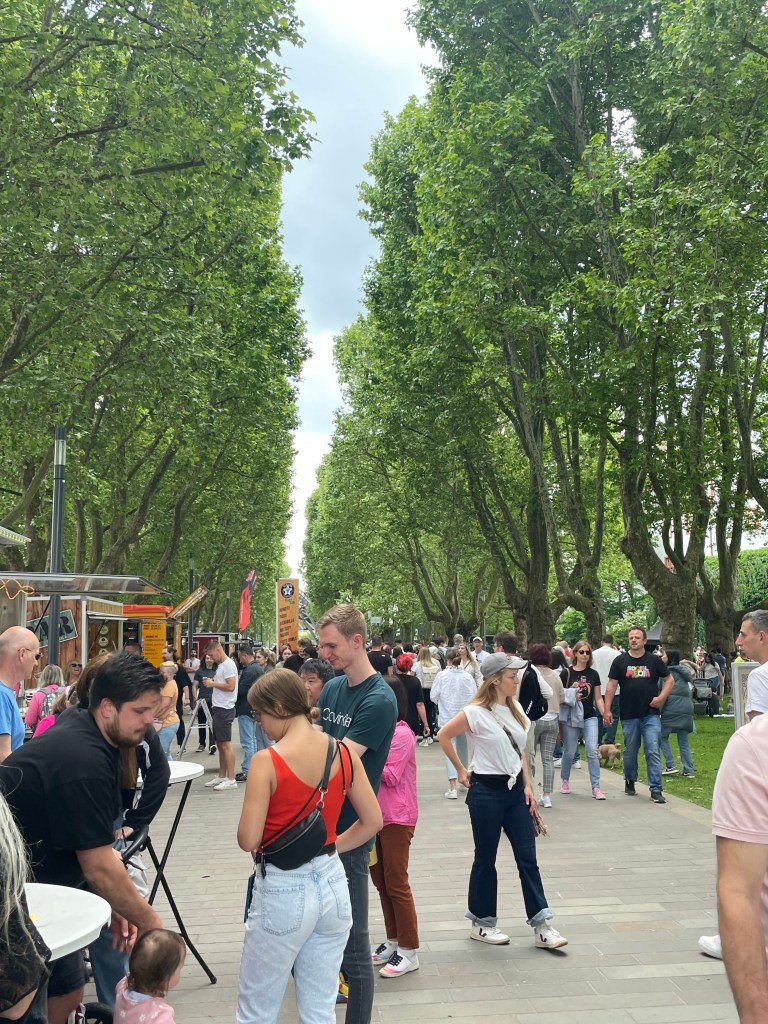
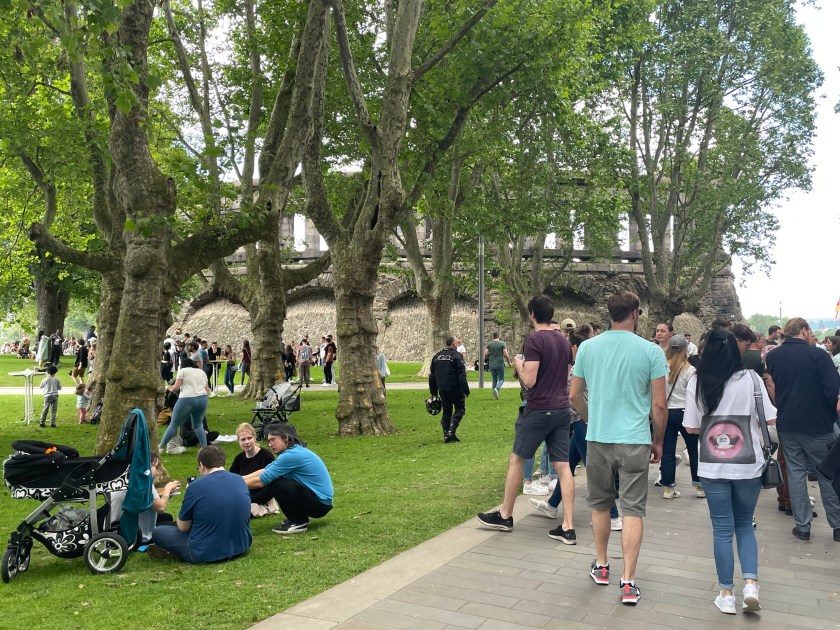
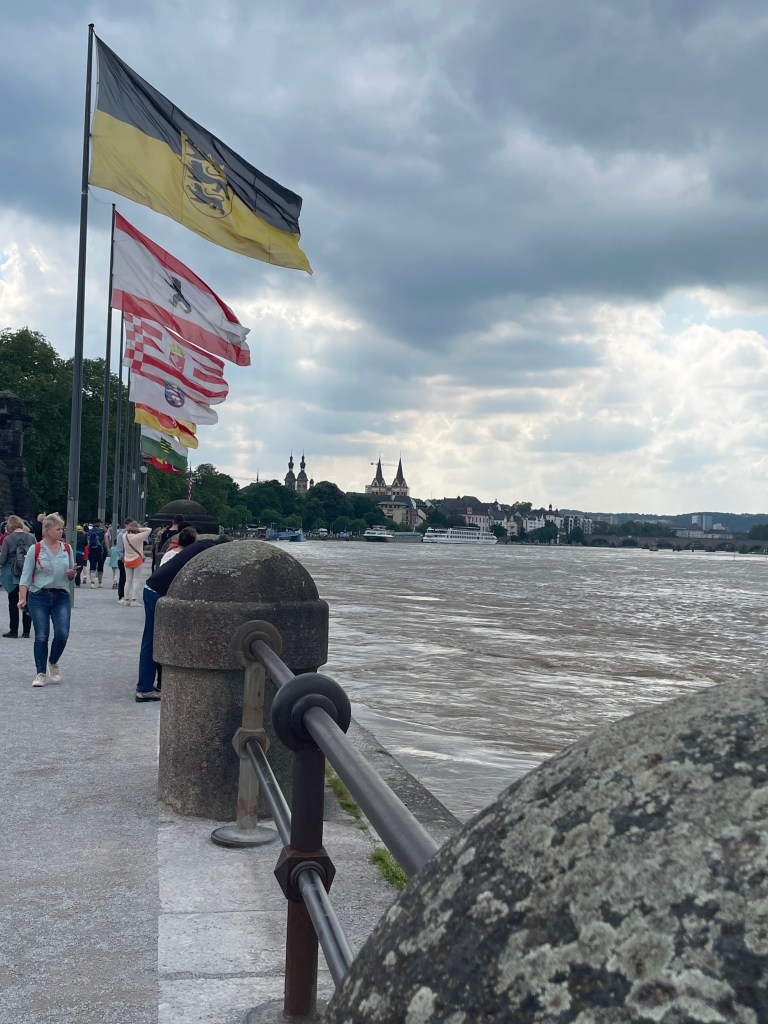
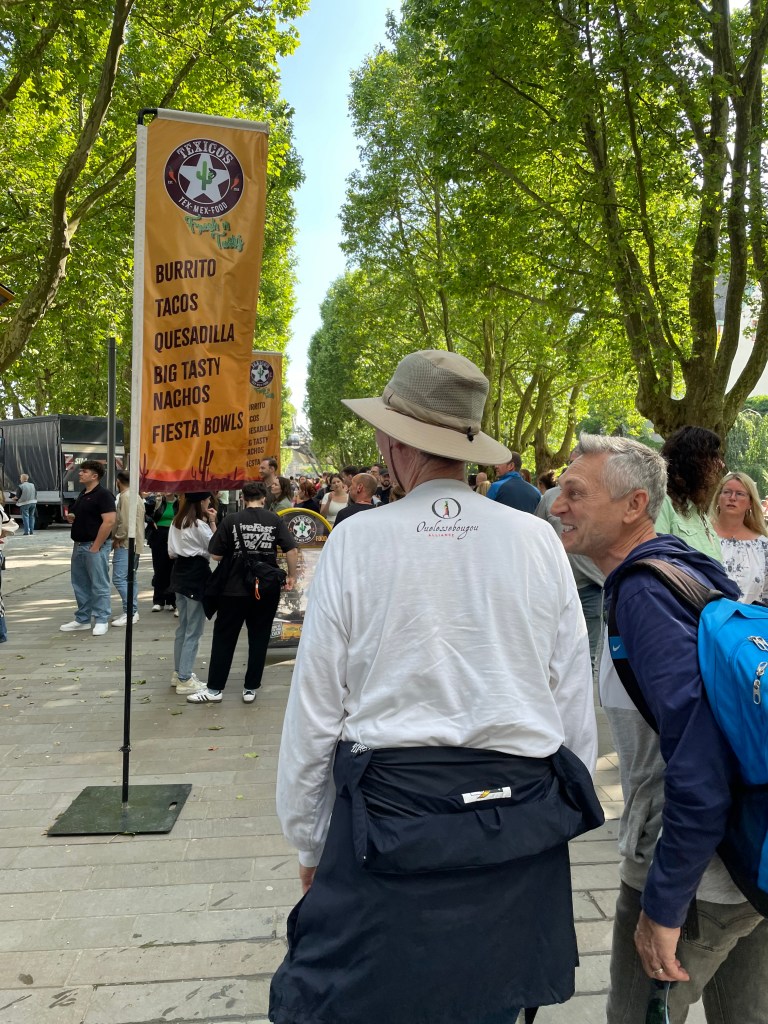
The promenade along the river was filled with food trucks and eating places for holiday visitors.  We joined the crowds as we walked towards the promontory point where the Rhine and the Mosel Rivers converge.

Now that the spring weather is turning warmer, people and families are out and about.  It’s fun to join them.

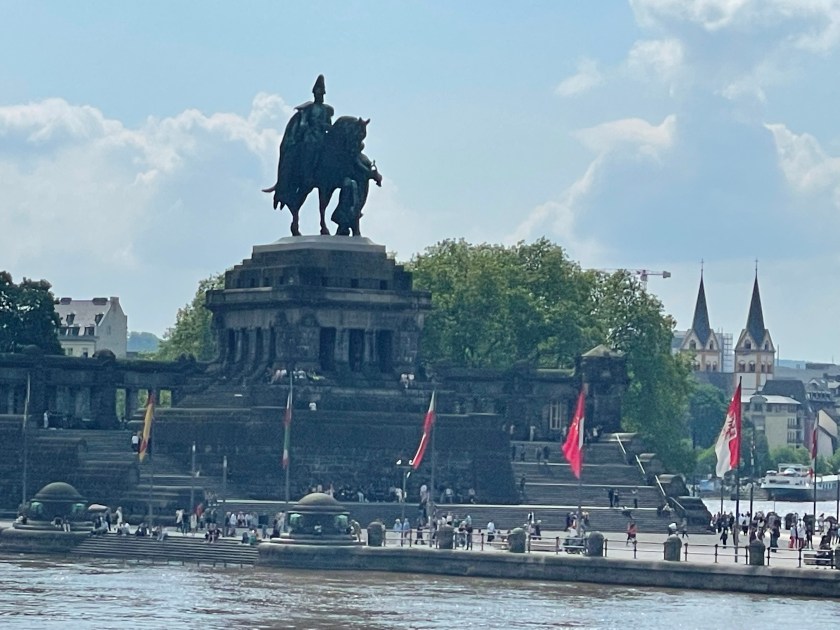
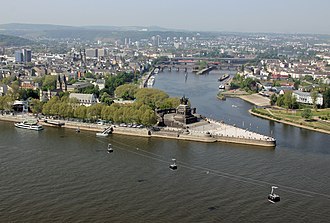
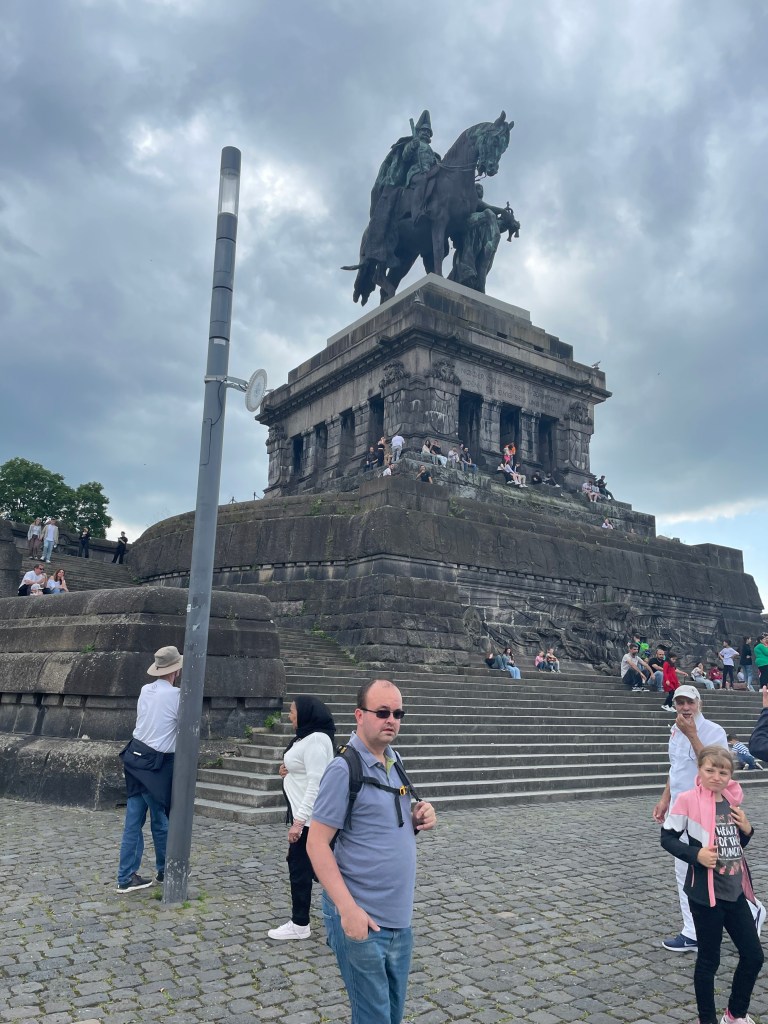
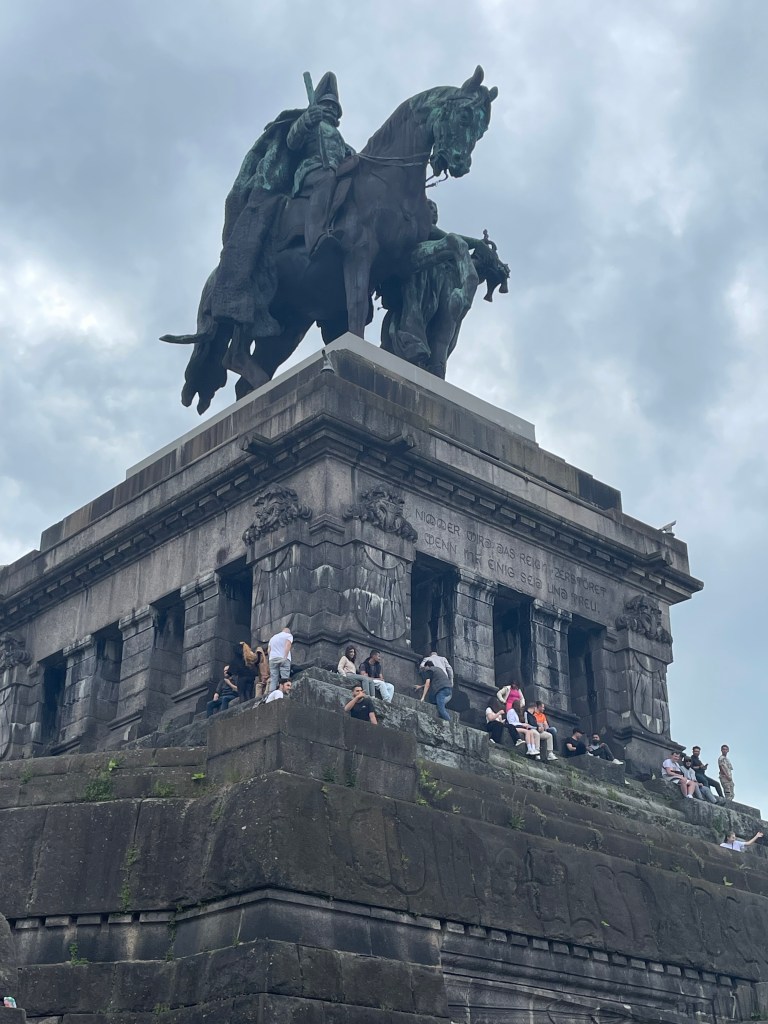
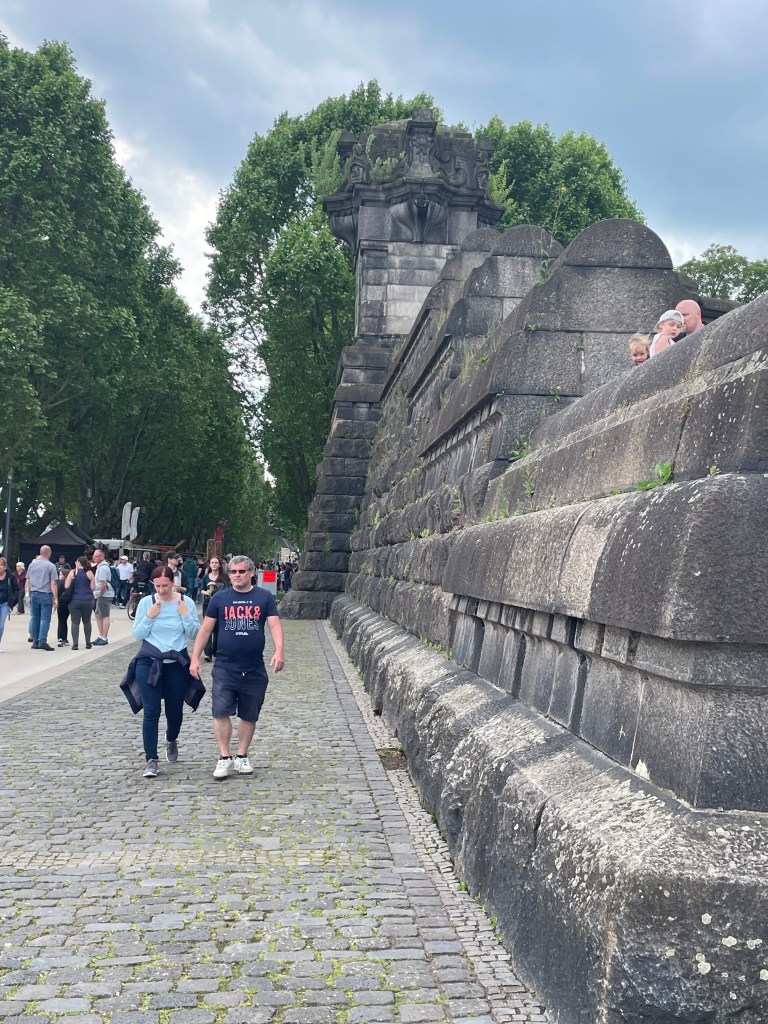
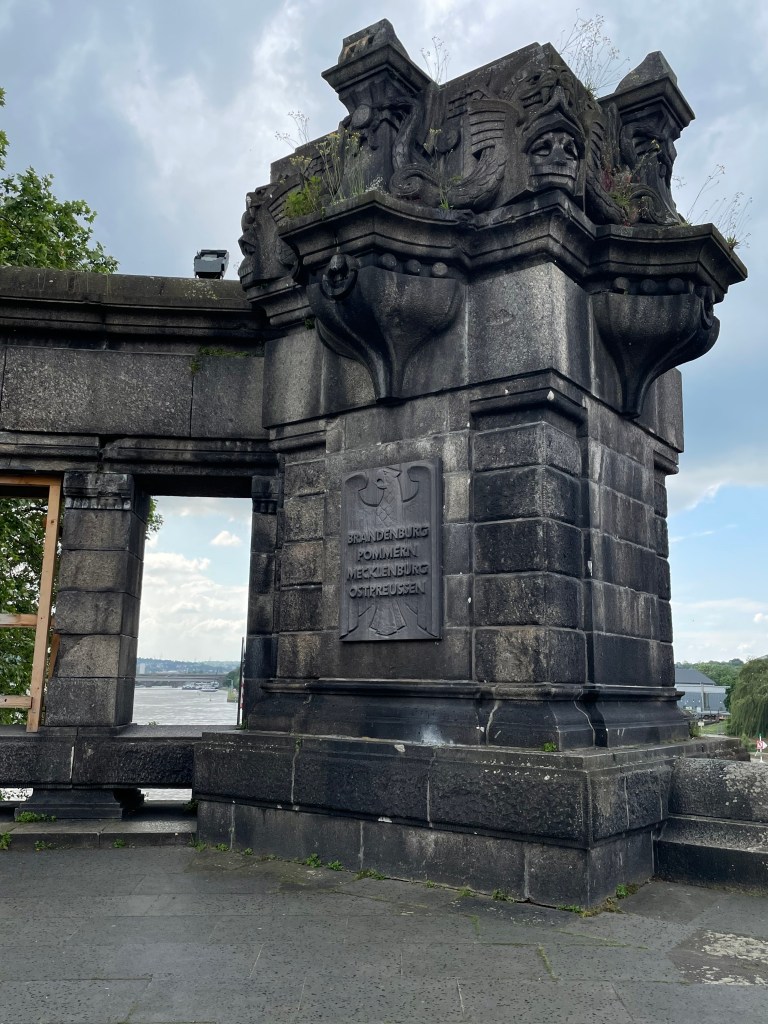
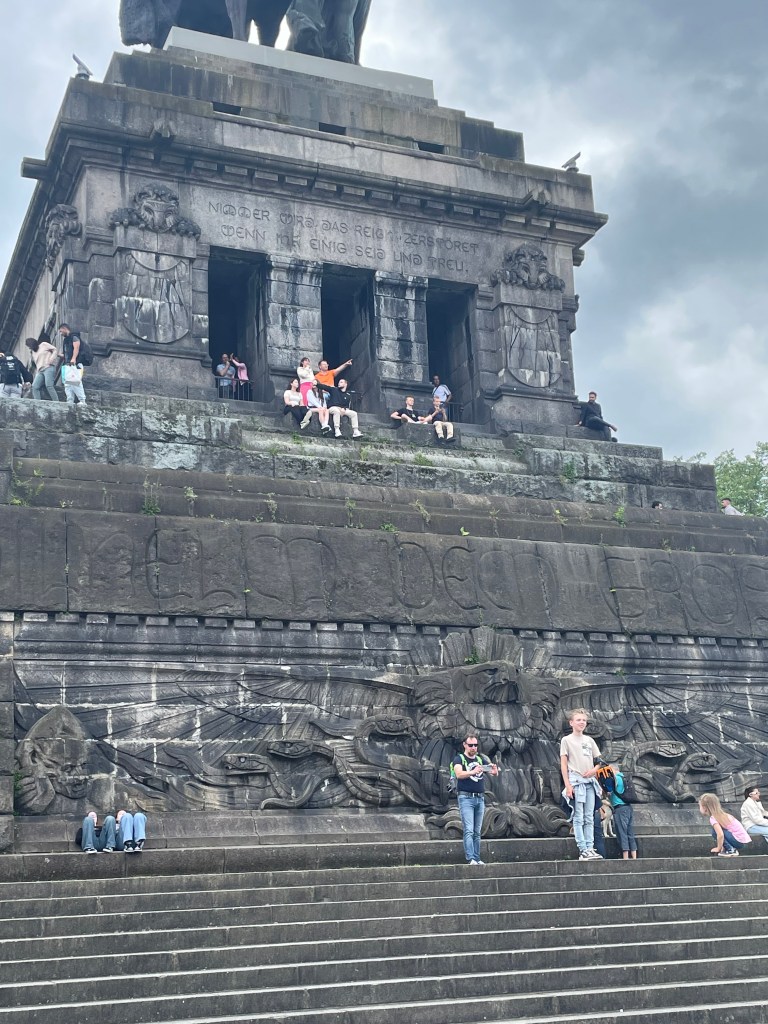
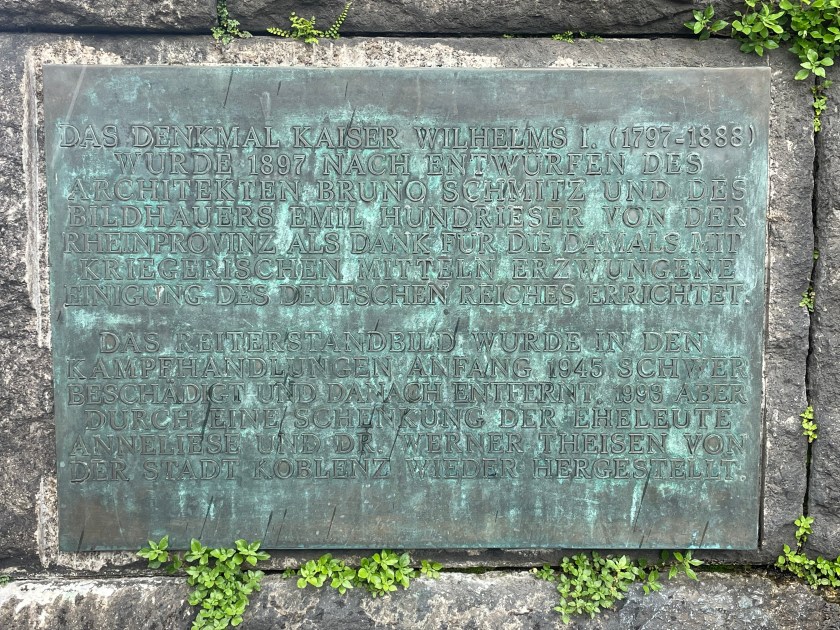
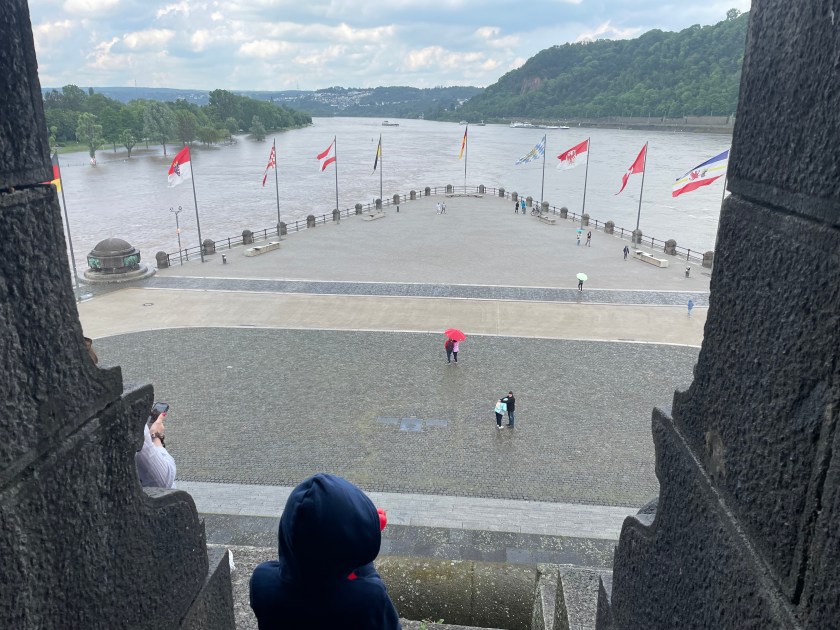
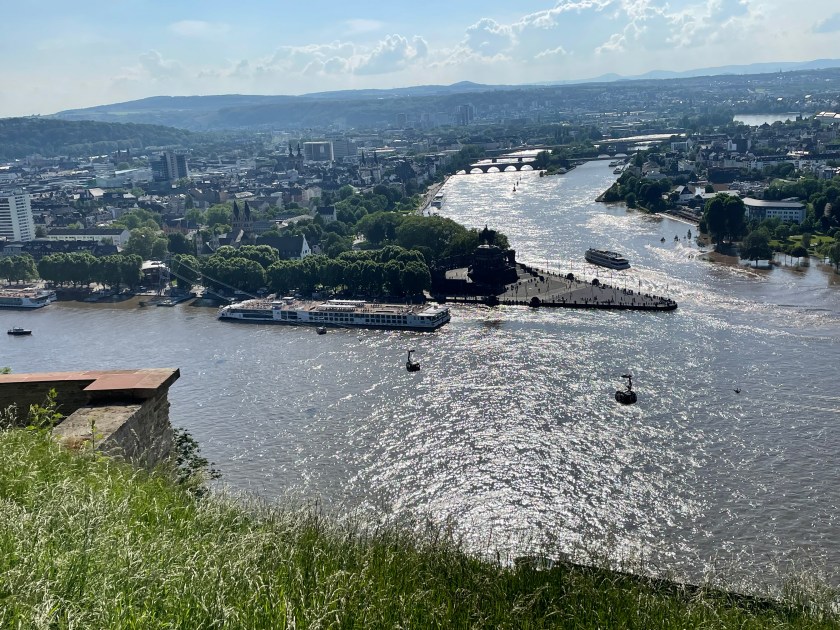
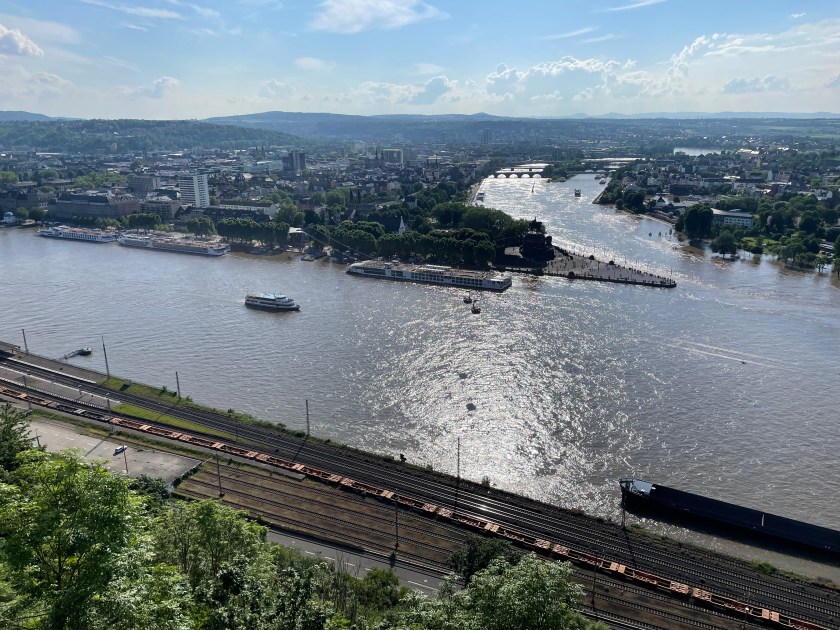
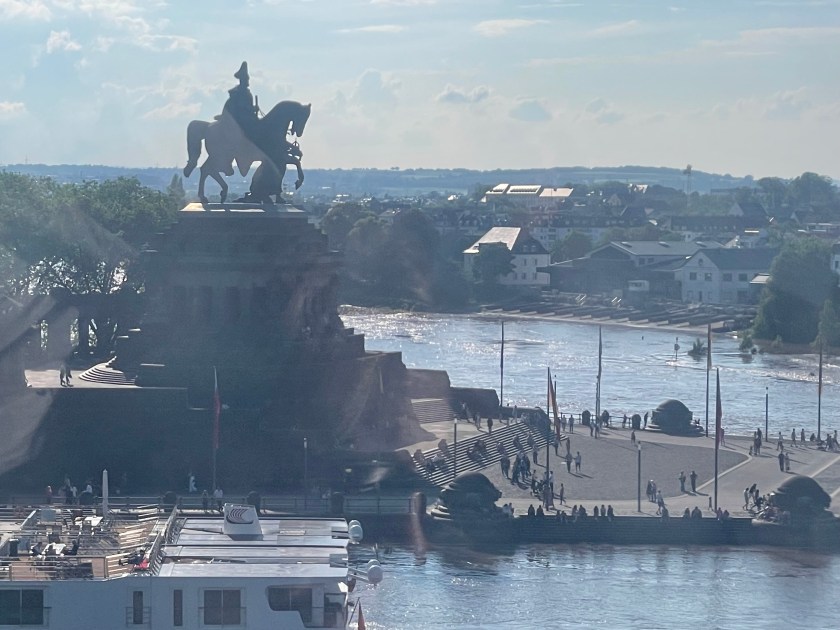
The promenade led to the HUGE monument to  the first German Emperor, Wilhelm I .  The monument is 44 meters high (14 meters for the horse and Wilhelm).  The equestrian statue ( hammered copper plates over an iron framework) weighs 63.5 tons.

View of the Kaiser Wilhelm Memorial at the Deutsches Eck from the Ehrenbreitstein Fortress , 2011, Wikipedia

A few weeks after the death of Kaiser Wilhelm I in 1888, the idea arose in both state and private circles to erect a monument to the immortalized prince as a thank you for the unification of Germany achieved in three wars (1864, 1866, 1871). Koblenz was among the numerous applicants for the site. The decision as to the location was left to the young Kaiser Wilhelm II , who in 1891 chose Koblenz and the spot at the confluence of the Moselle and Rhine.

This monument felt a bit like something out of South America, or something from the Inca culture.

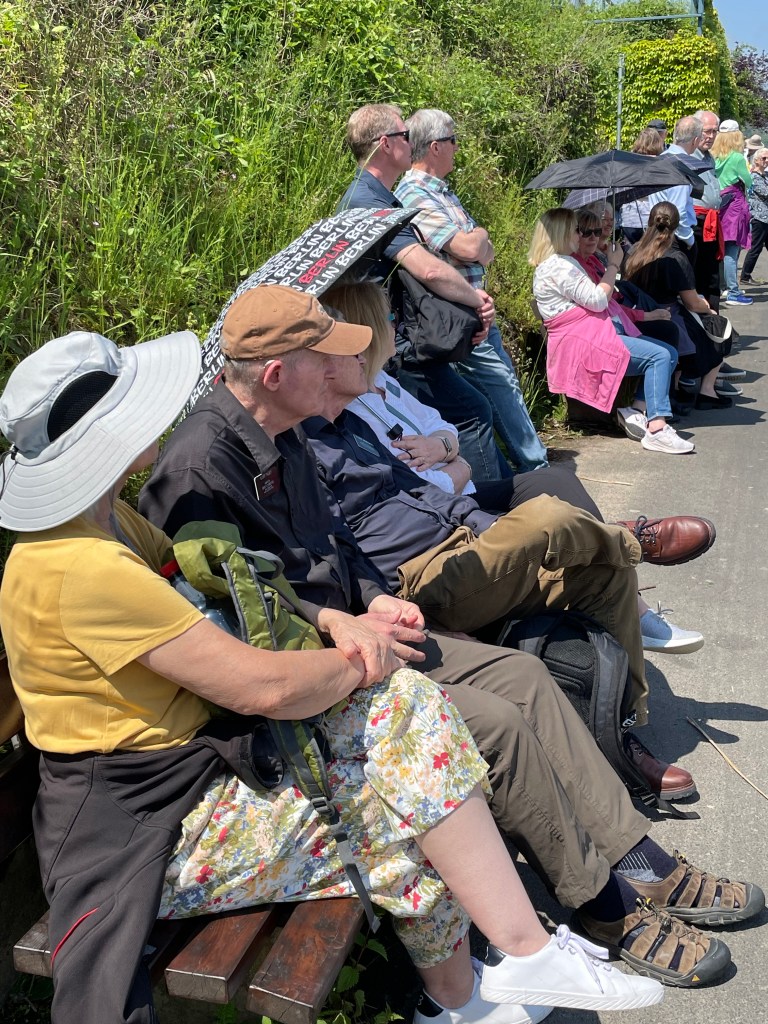
During the time we were up on top under the monument, the heavens opened and we had a downpour.  Everyone scurried for cover.  After about 10 minutes, the skies cleared again and everyone went back to their business.

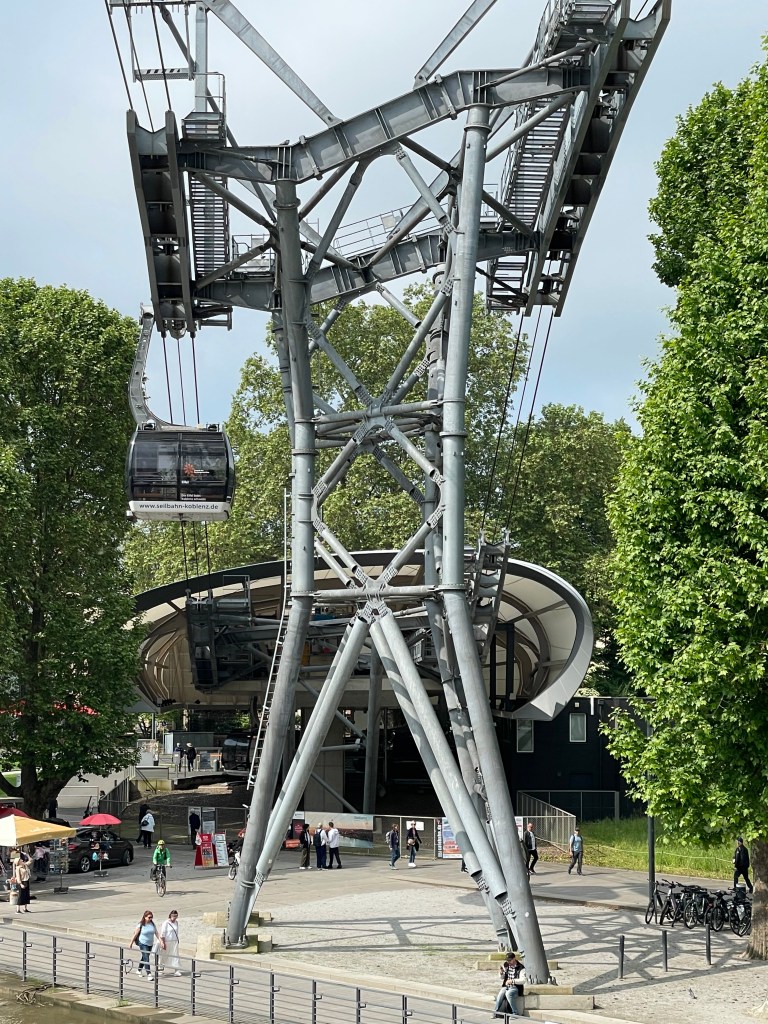
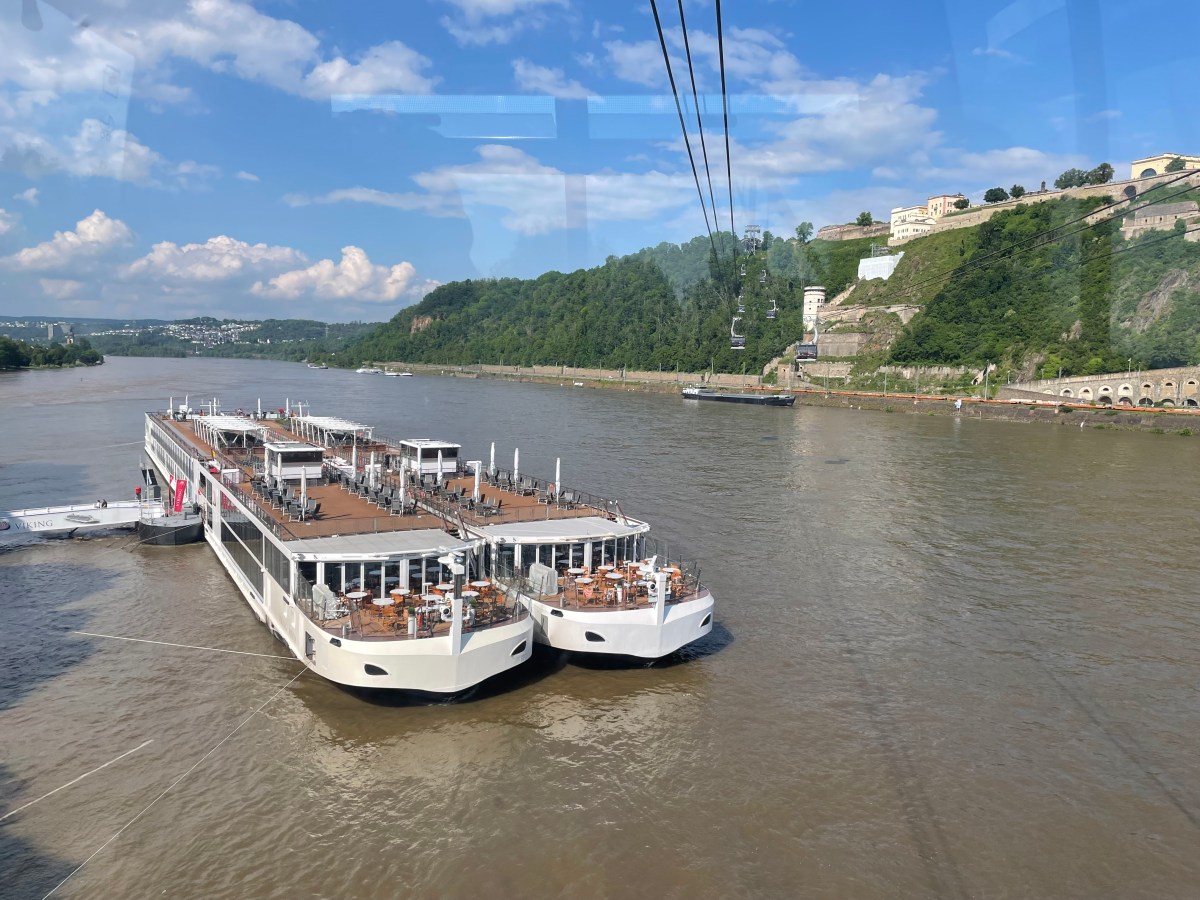
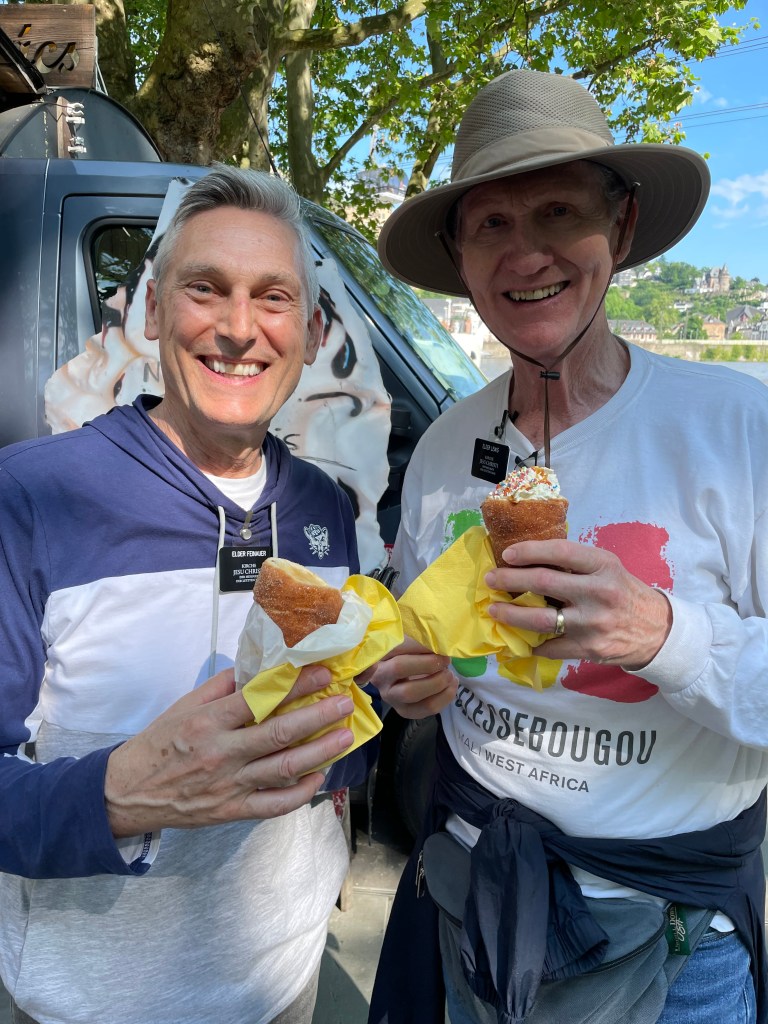
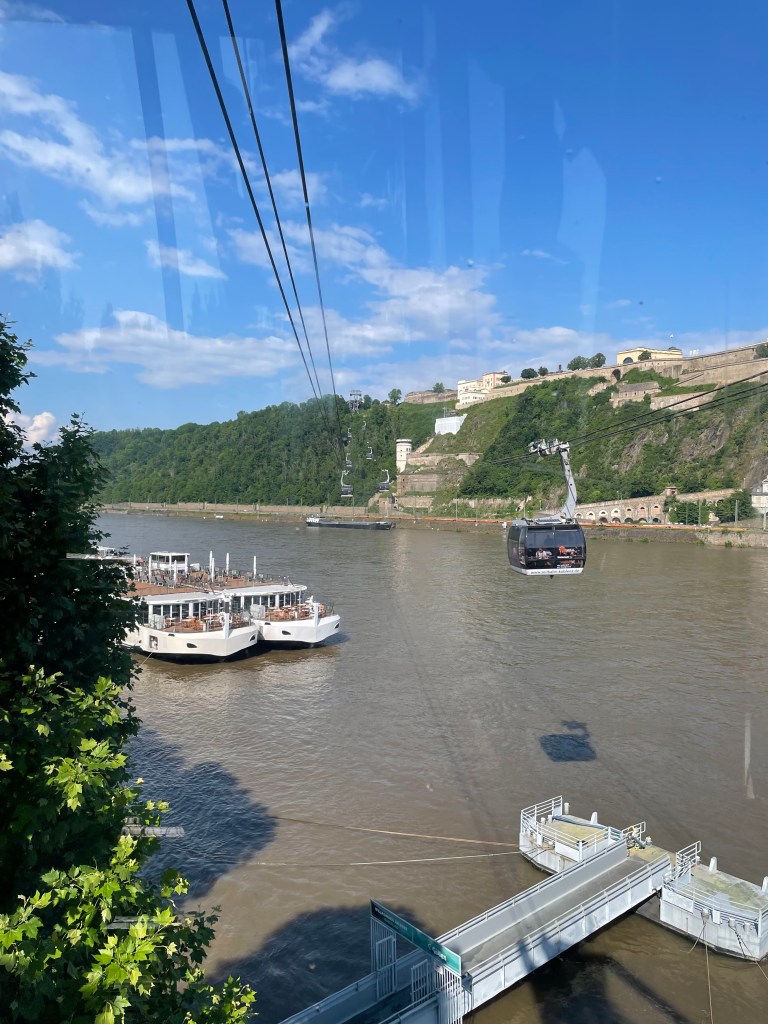
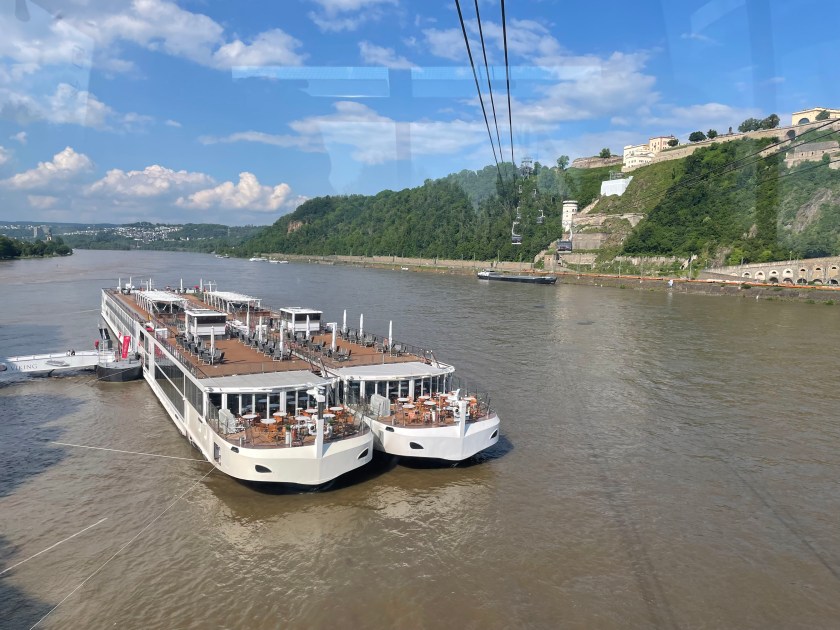
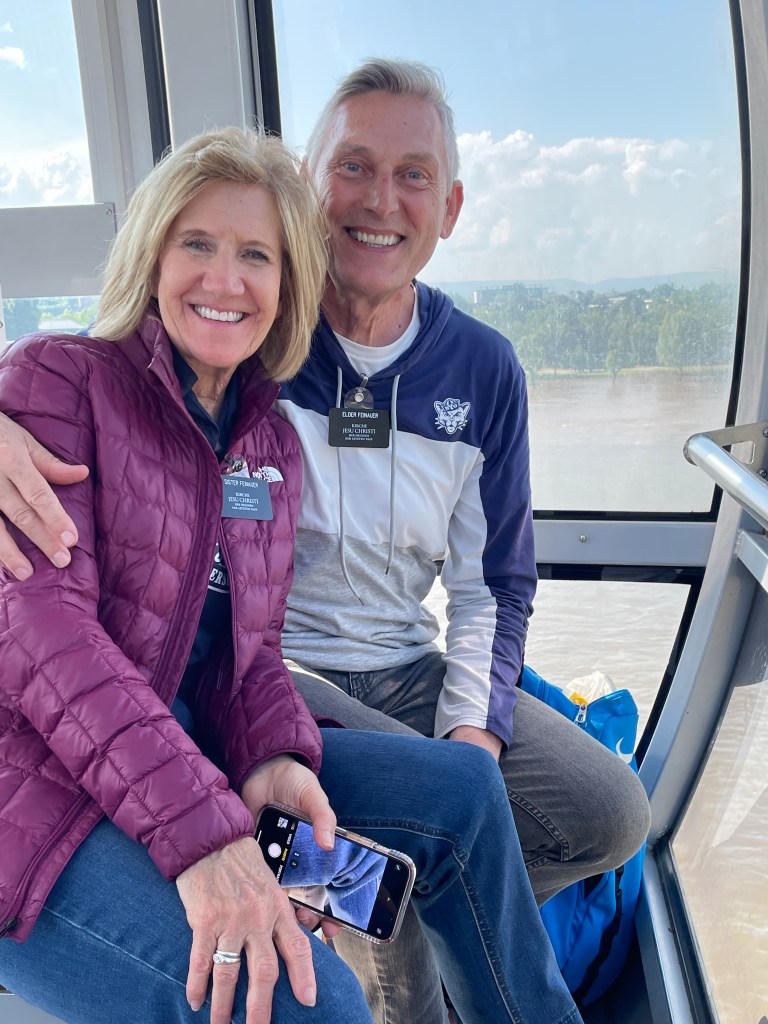
Our 29 Euro ticket for the boat cruise to the castle included a ticket for the tram across the river to the fortifications on the other side, which was as fun as a Disneyland ride!

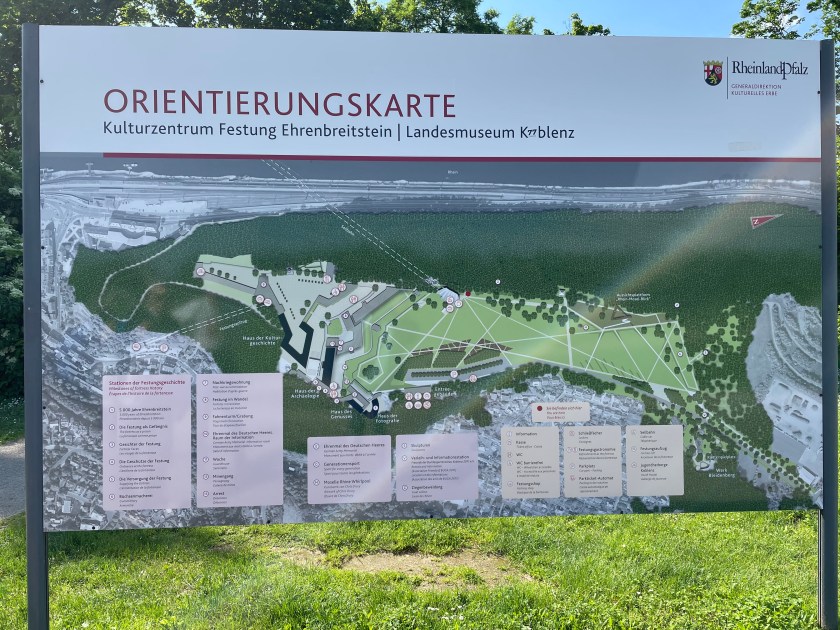
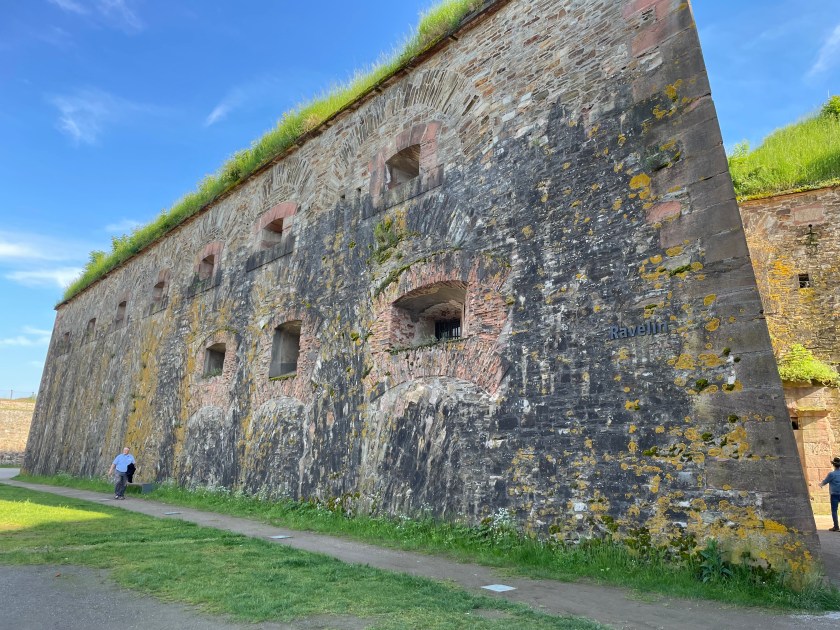
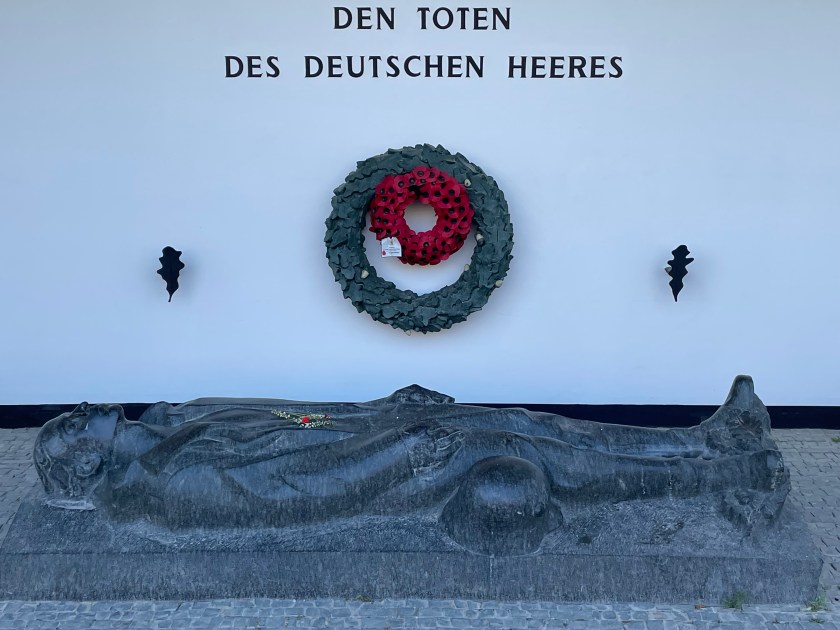
For the rest of the afternoon we wandered around the grounds and the fortifications on the other side of the river.

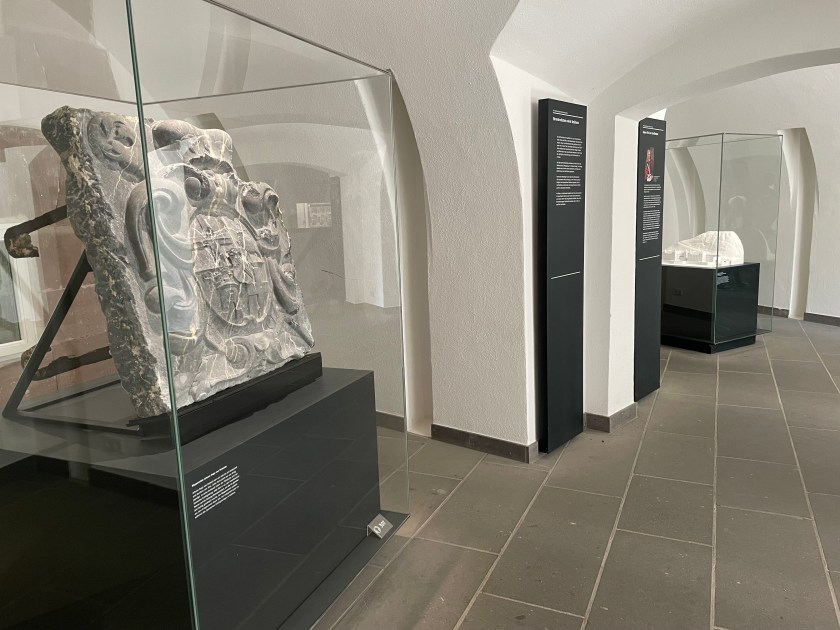
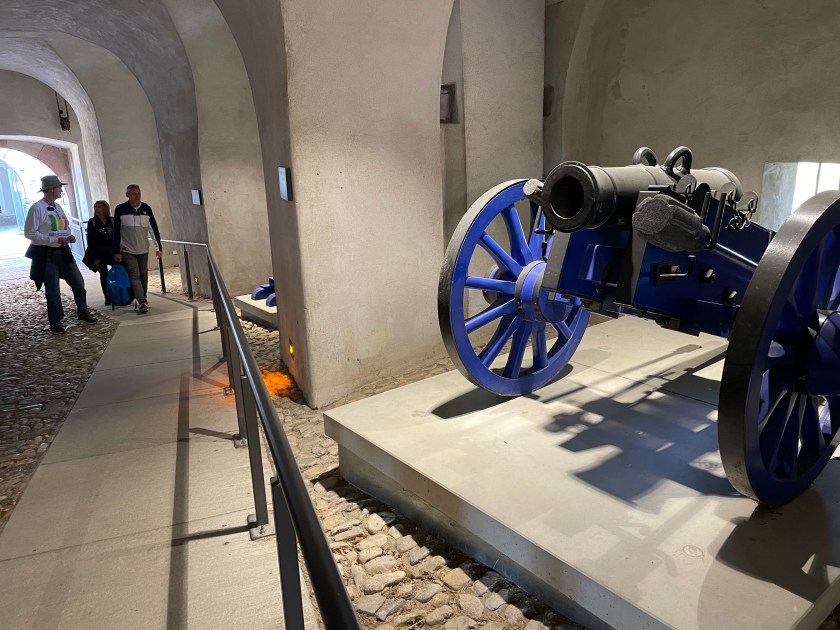
There were some museums to walk through.

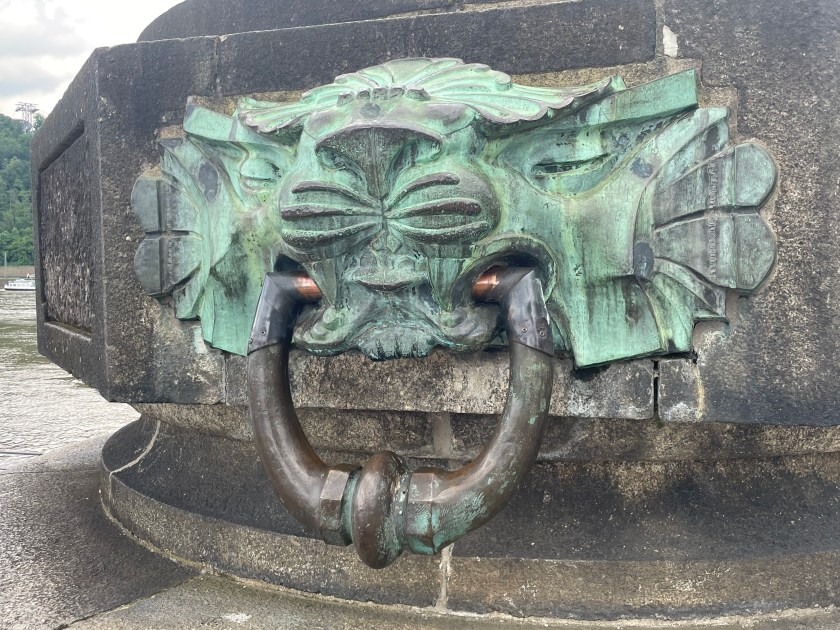
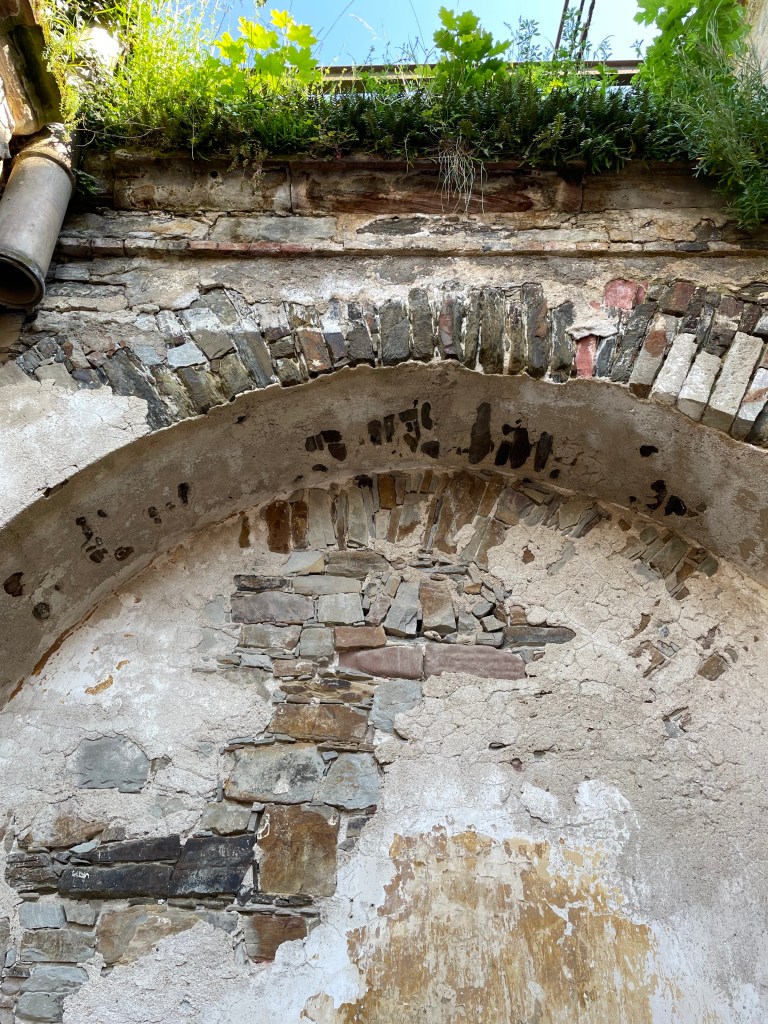
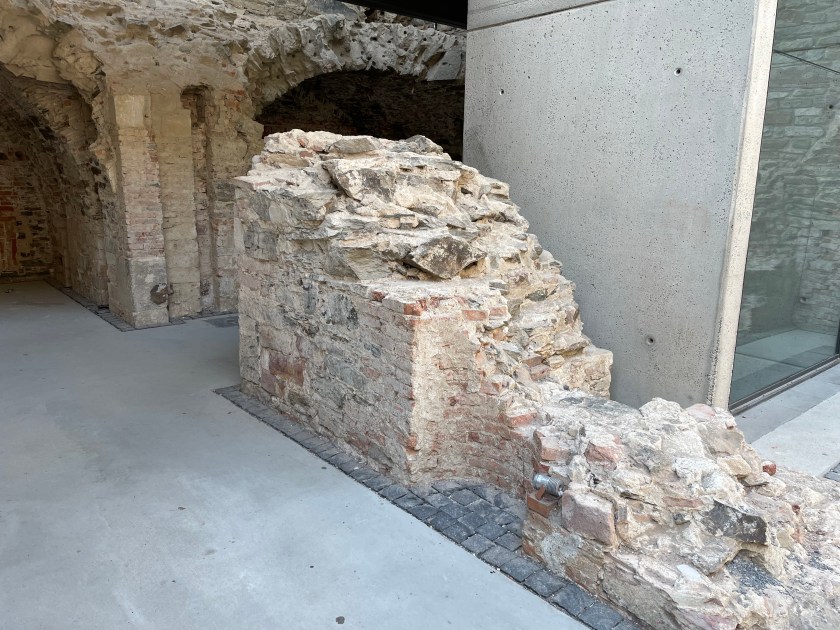
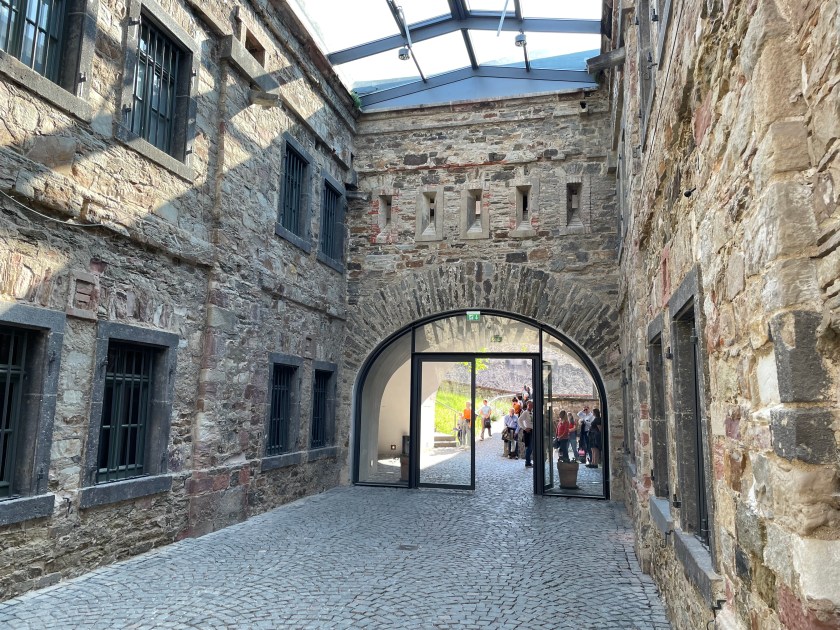
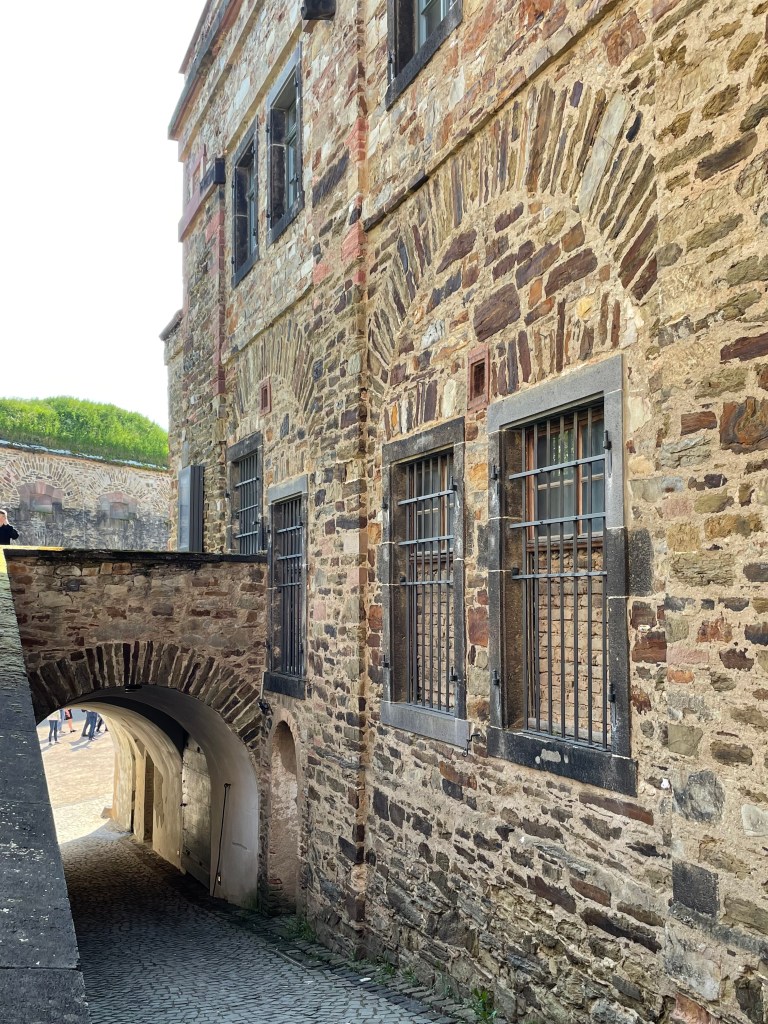
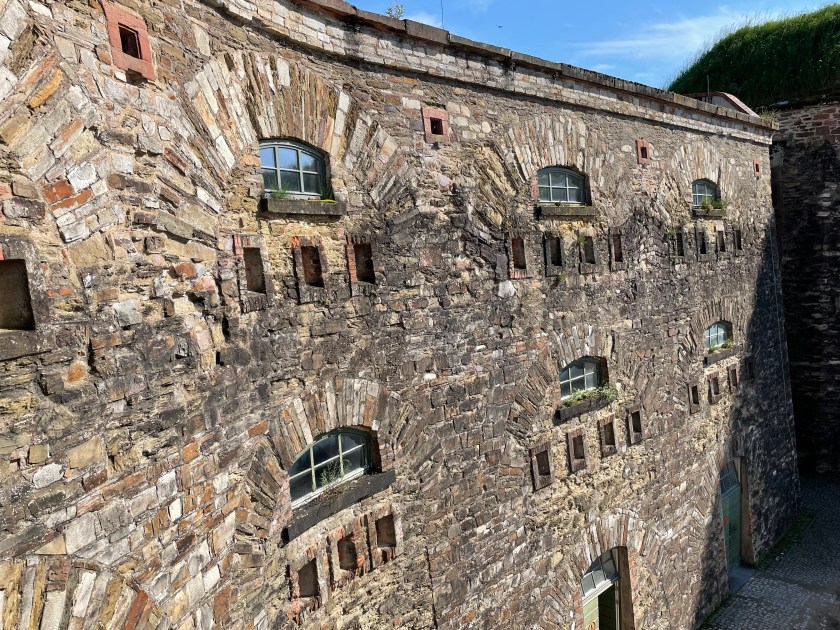
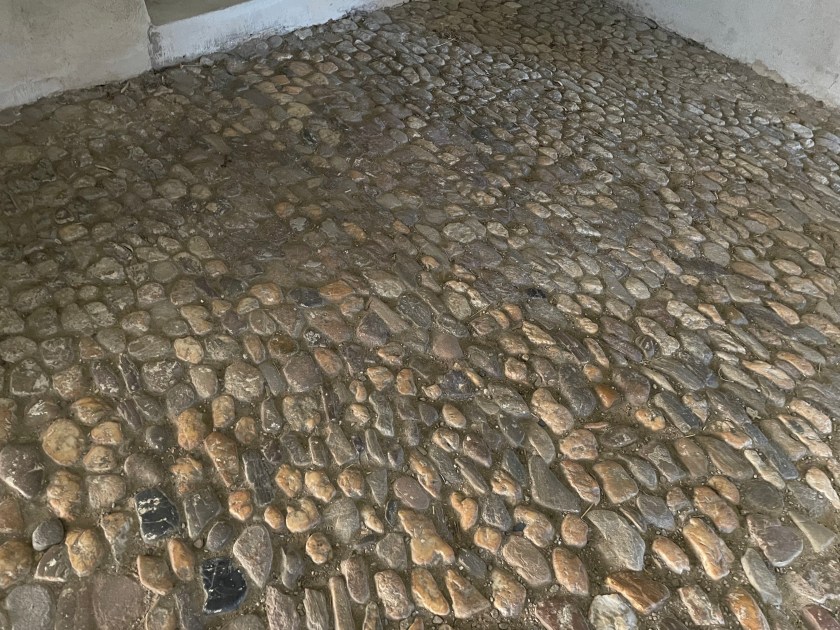
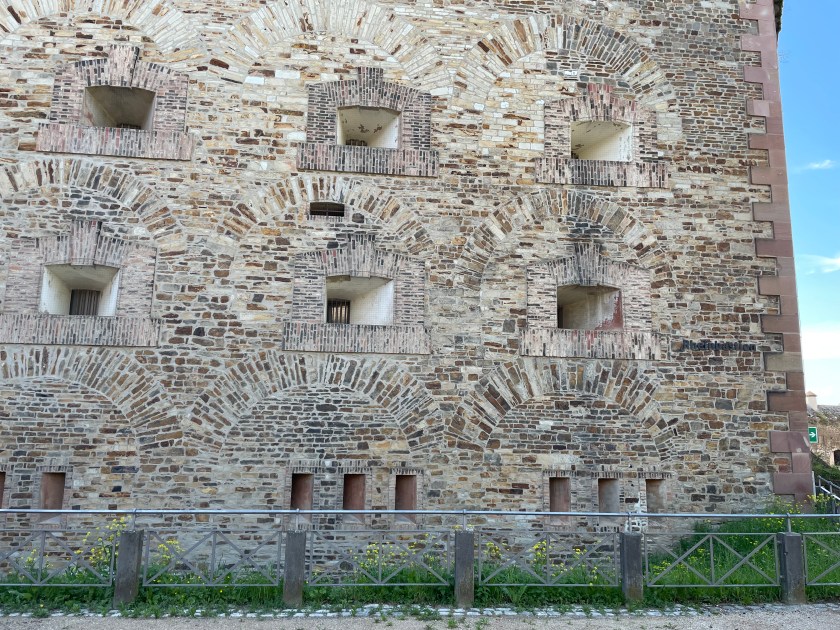
Interesting stonework everywhere.

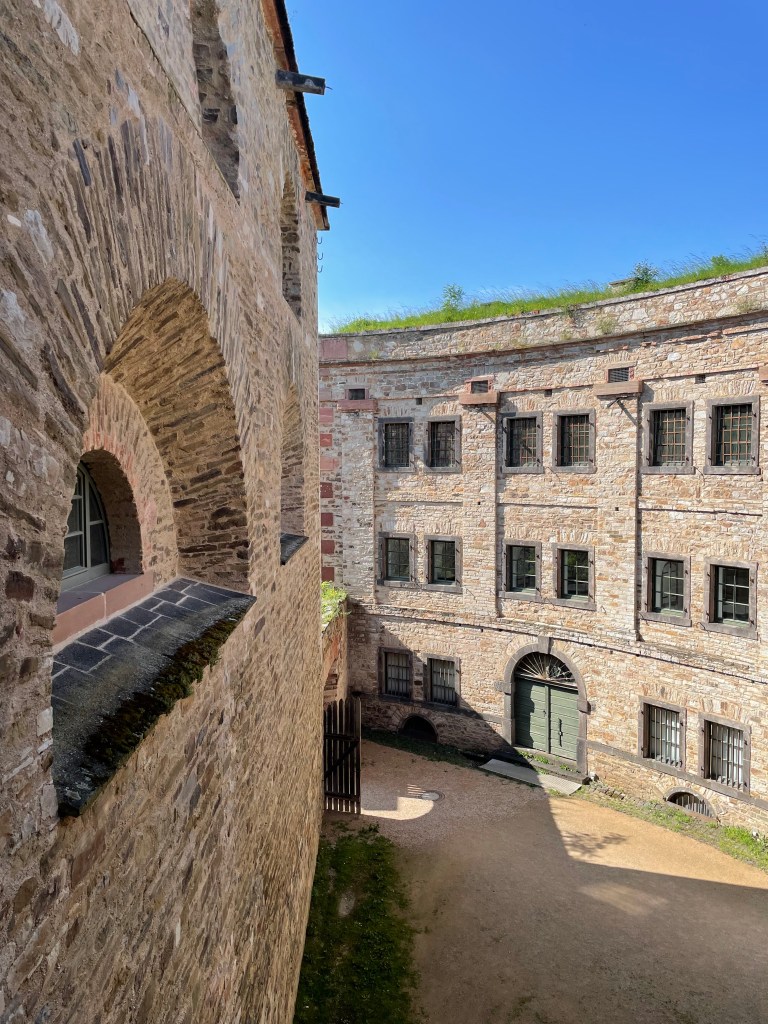
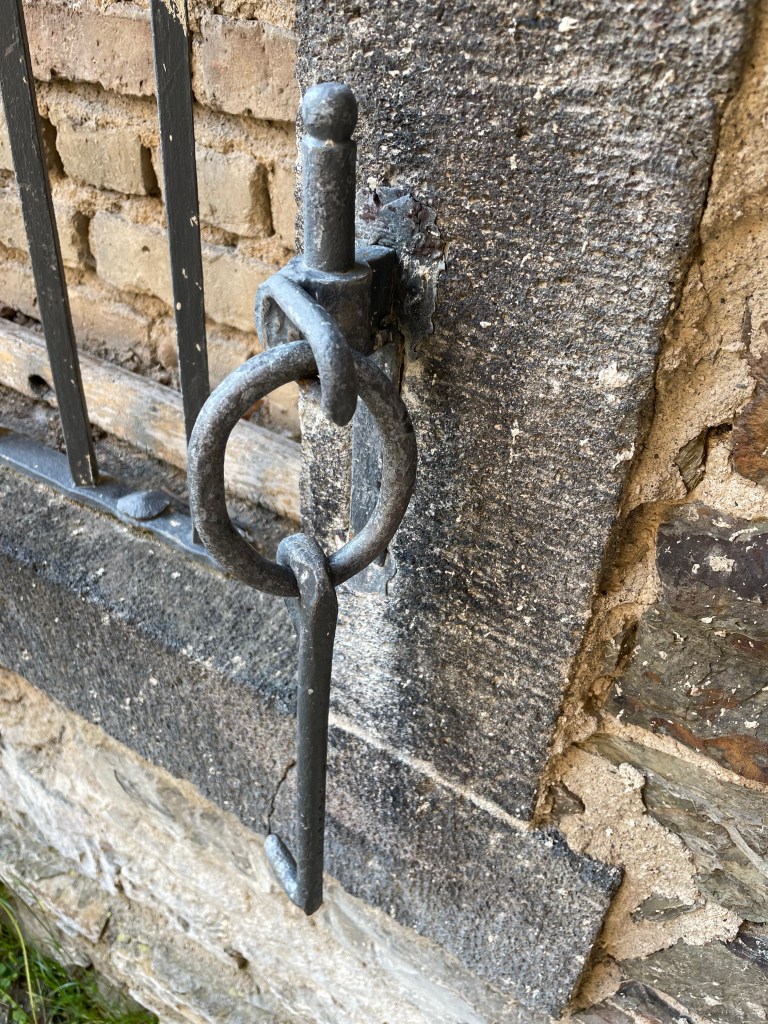
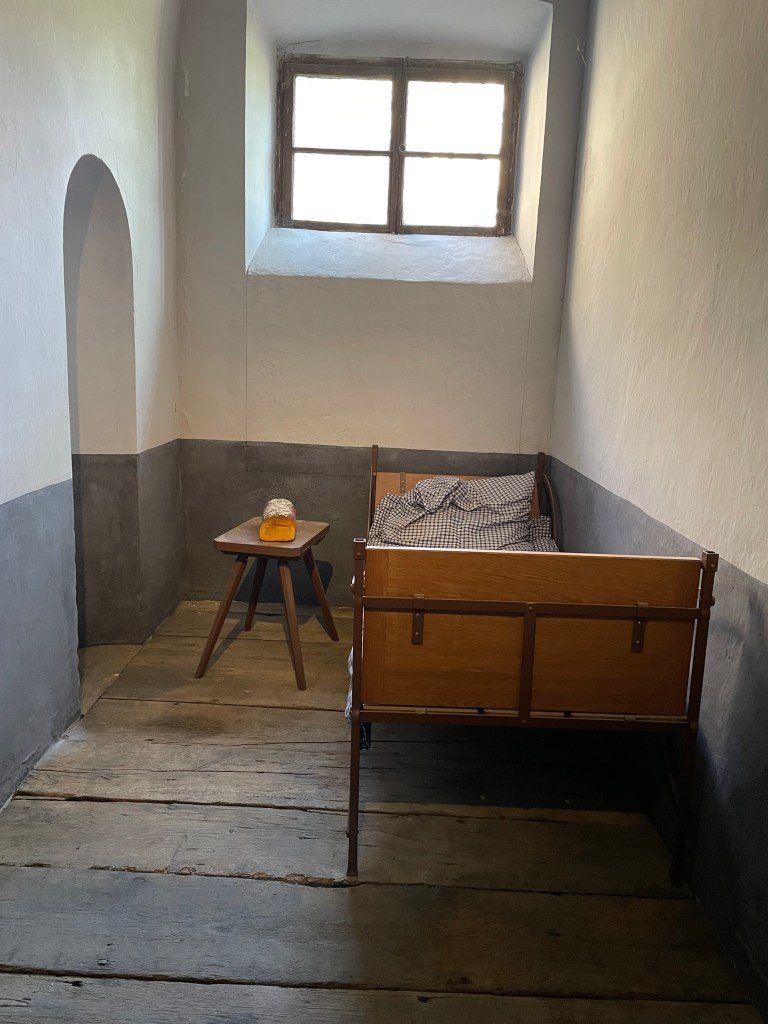
The fortification included some prison rooms.

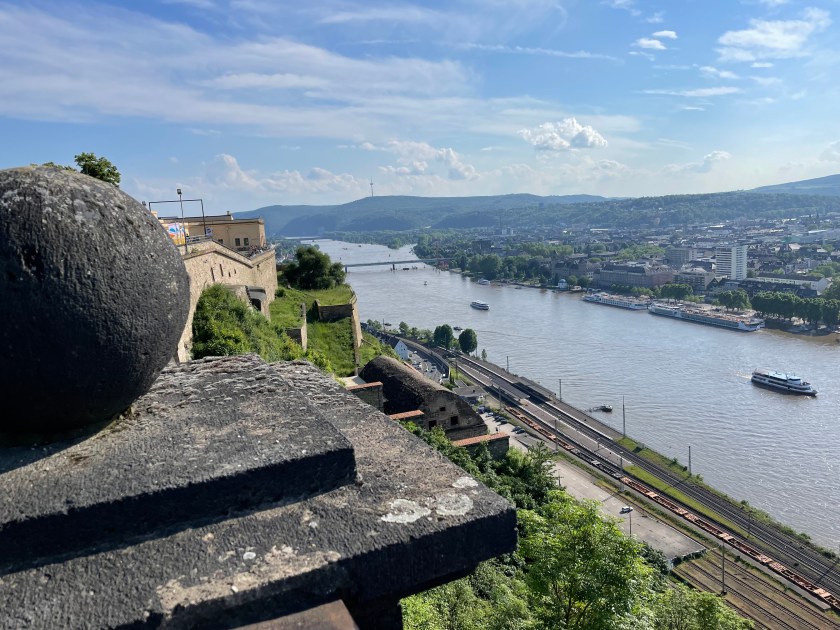
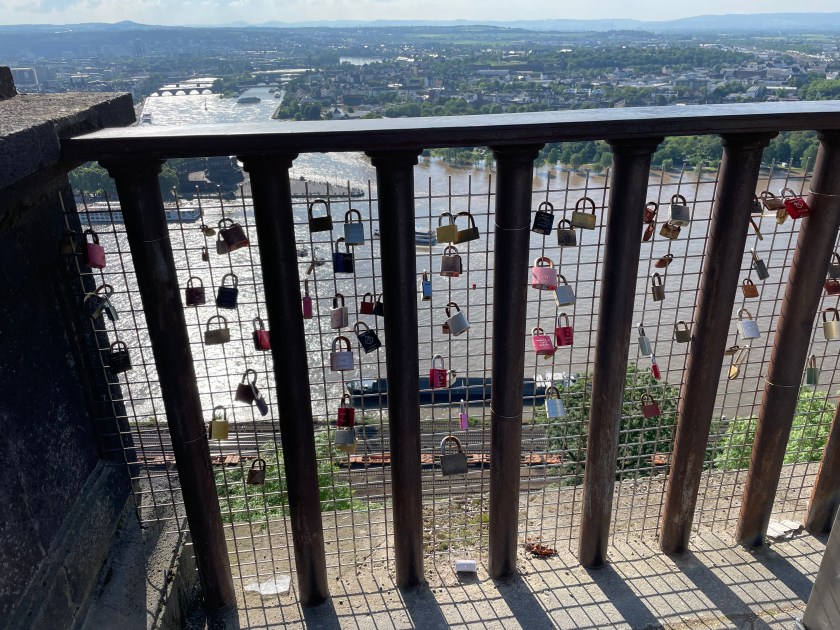
A beautiful view of Koblenz:

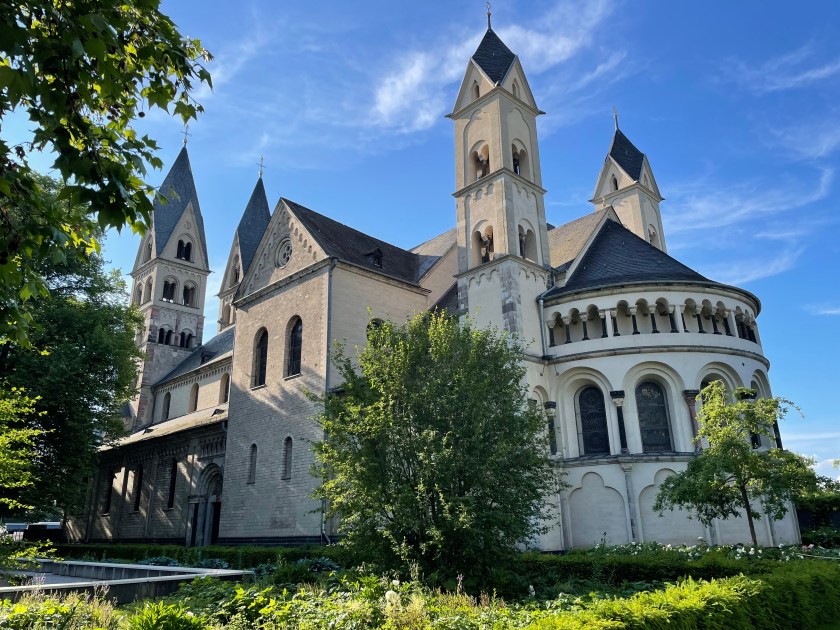
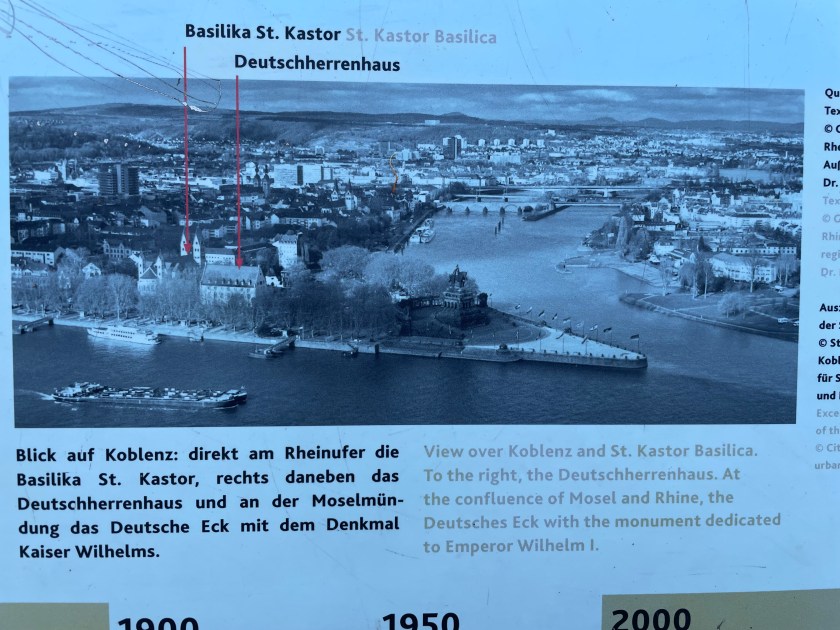
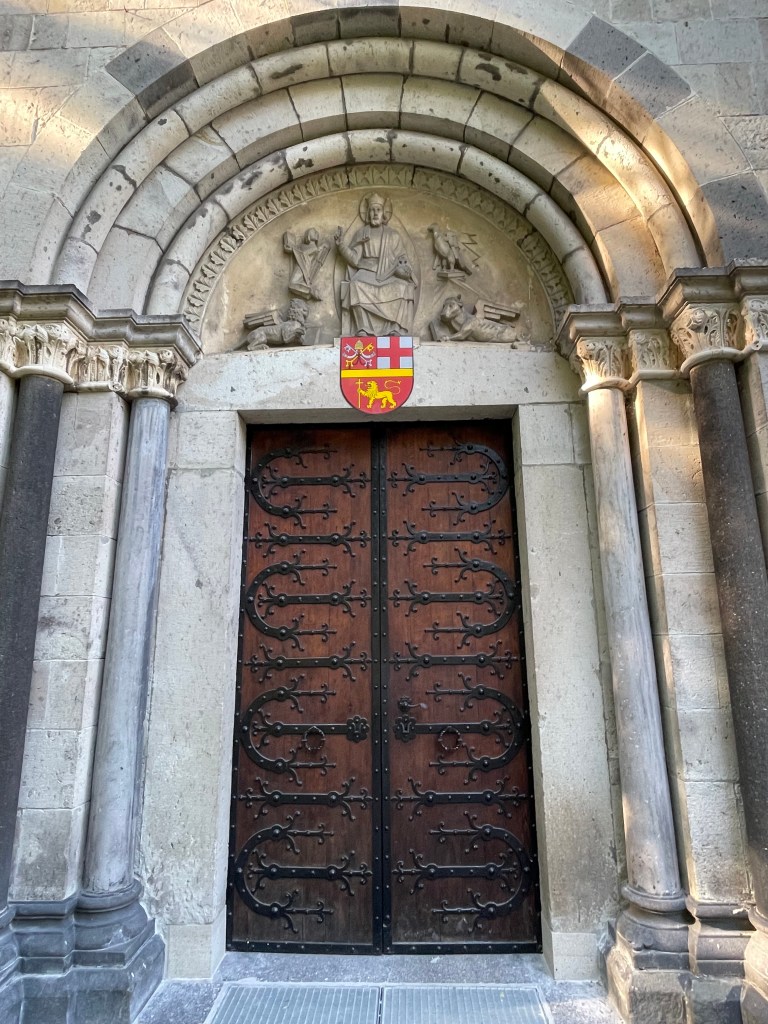
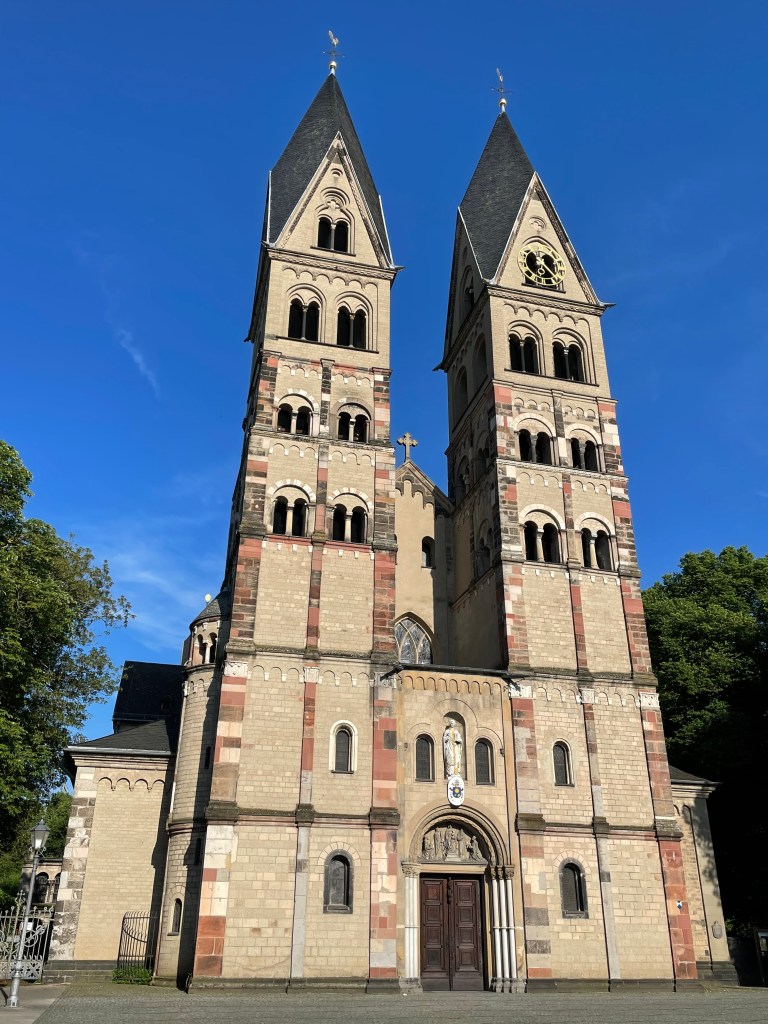
There are some beautiful churches in Koblenz.  This is the Basilica St. Kastor.  It wasn’t open today.

What an interesting and full day.  Enjoyed every minute!

A Zone Missionary Outing to Koblenz

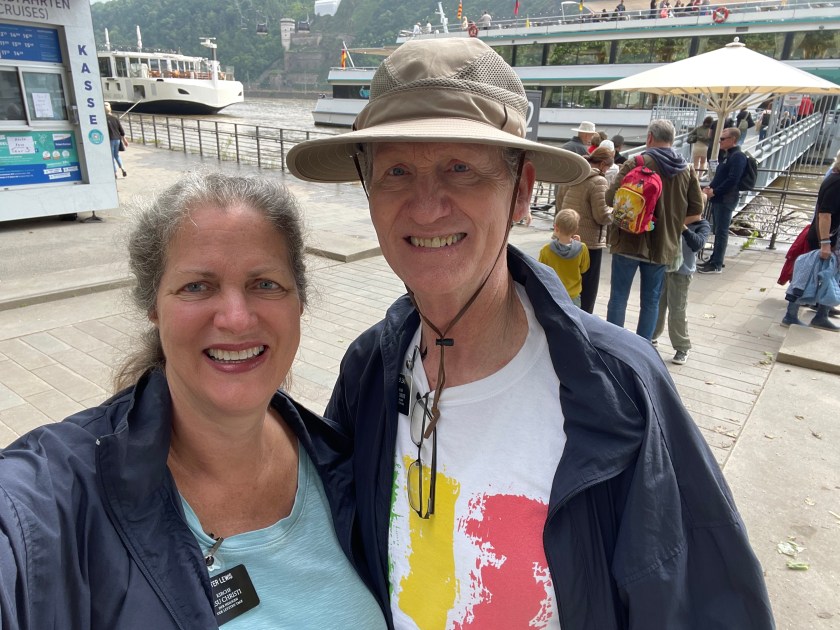
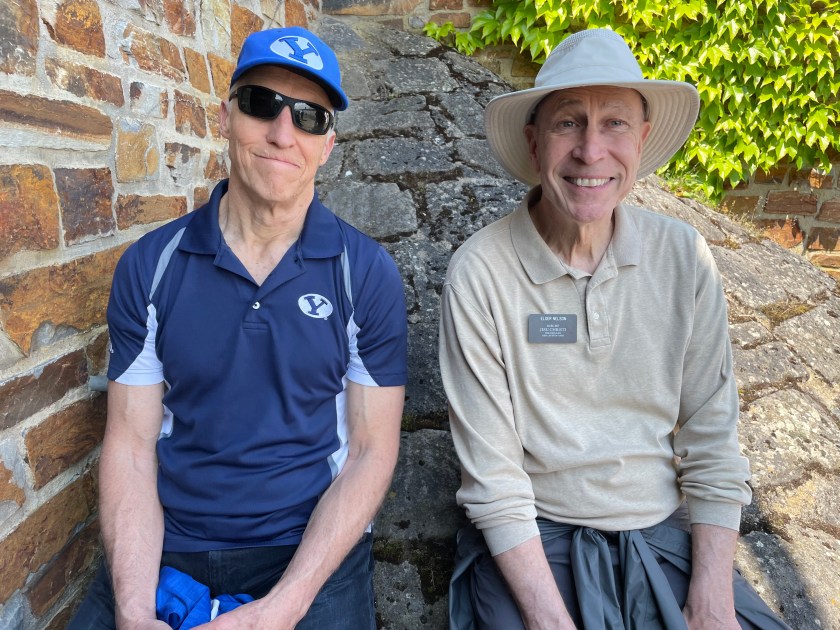
Today was a public holiday in Germany–Ascension Day, commemorating Christ’s return to heaven.  We planned a Zone Activity today (Monday) since the office was closed.  Our outing took us to Koblenz, a couple of hours away in the Rhine River Valley.  We carpooled and took 3 vans to get everyone to a riverboat pier Koblenz by 10:30.

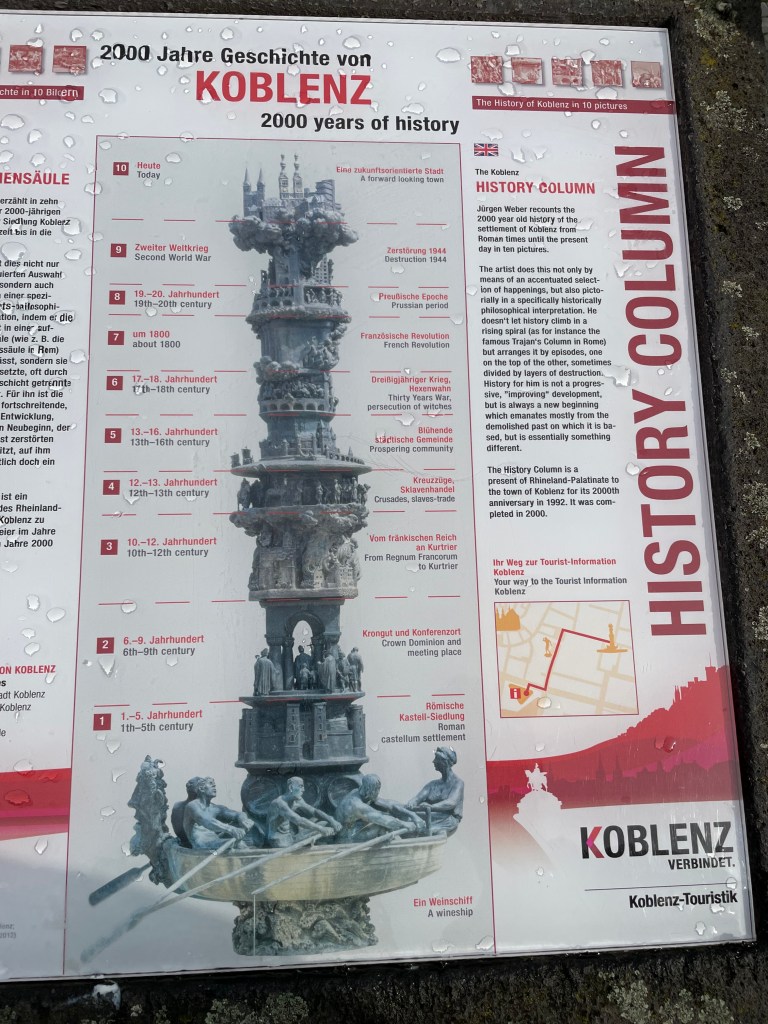
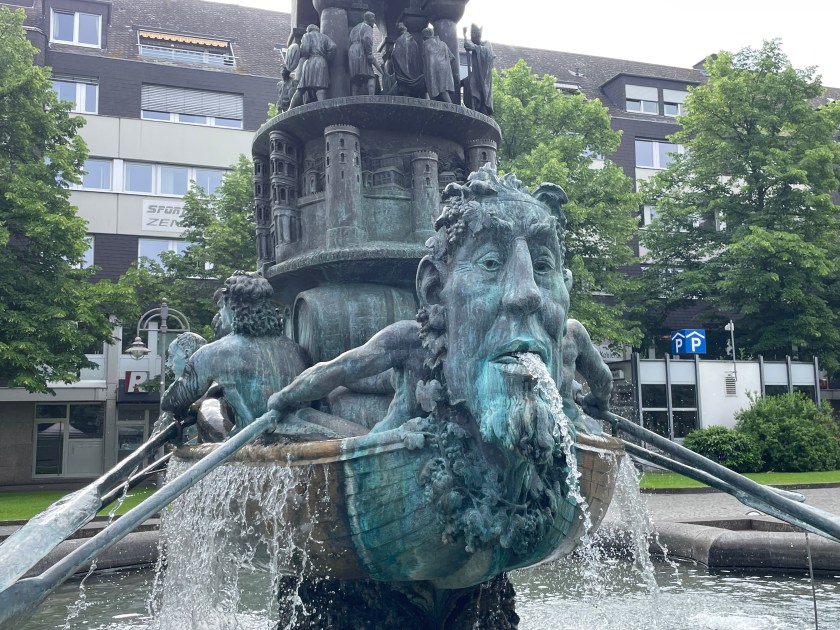
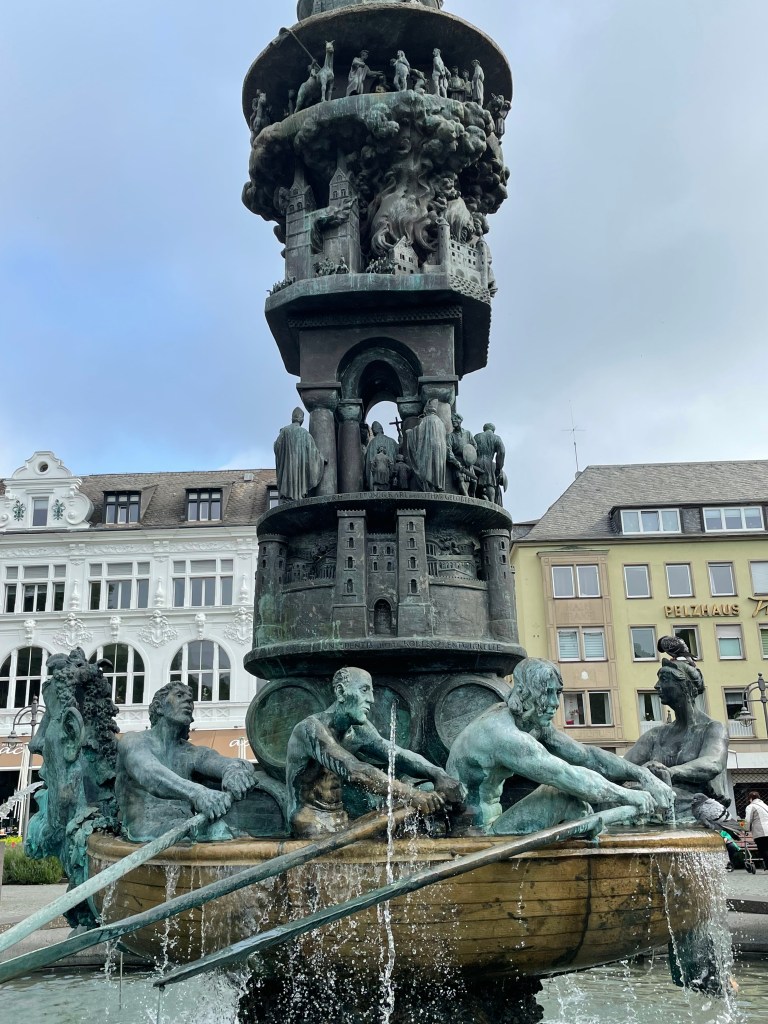
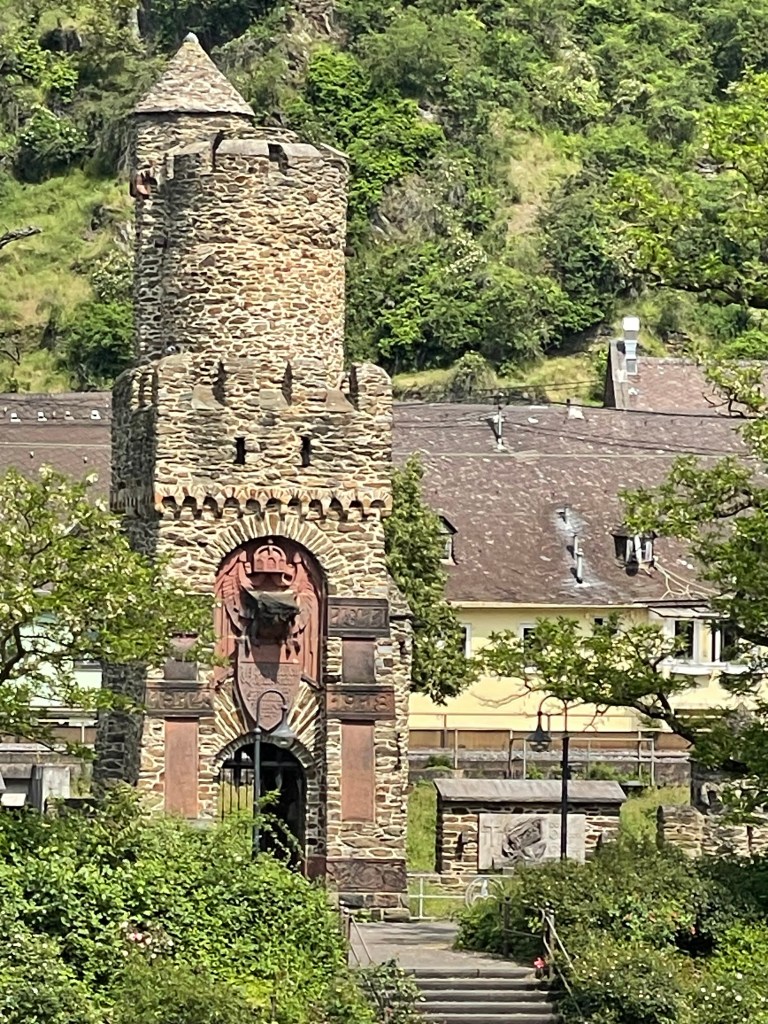
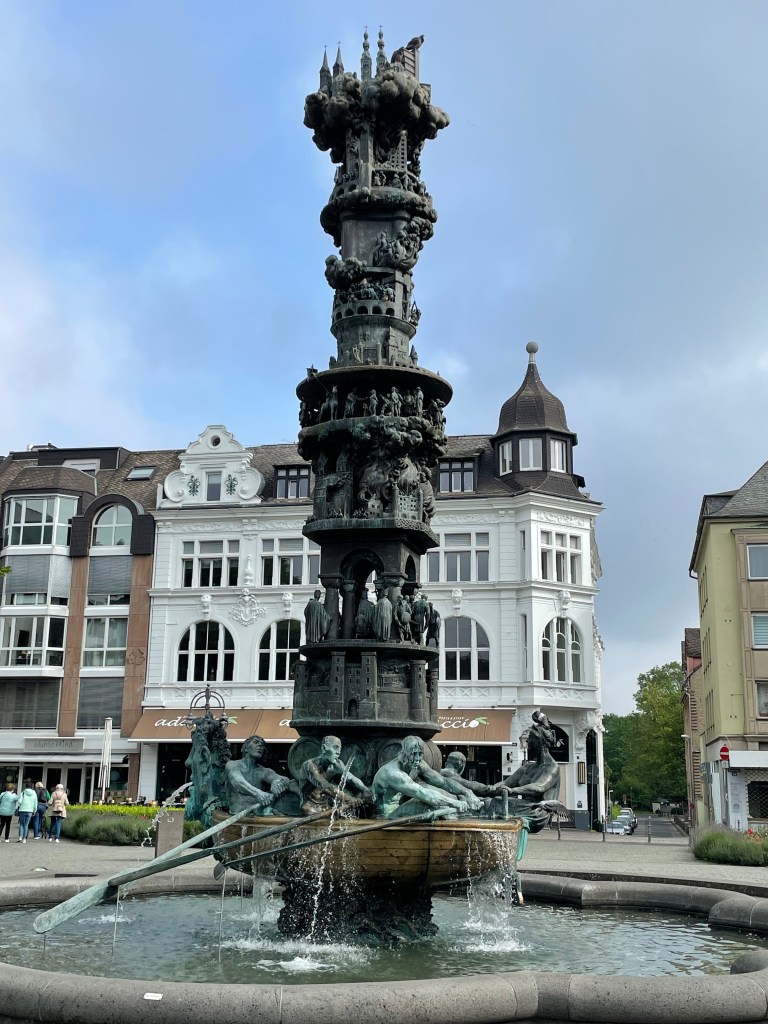
We got there about 30 minutes early, so we had time to look around a bit.  This History Column greeted us as we came up out of the car park.  It’s a really interesting depiction of 2000 years in Koblenz.
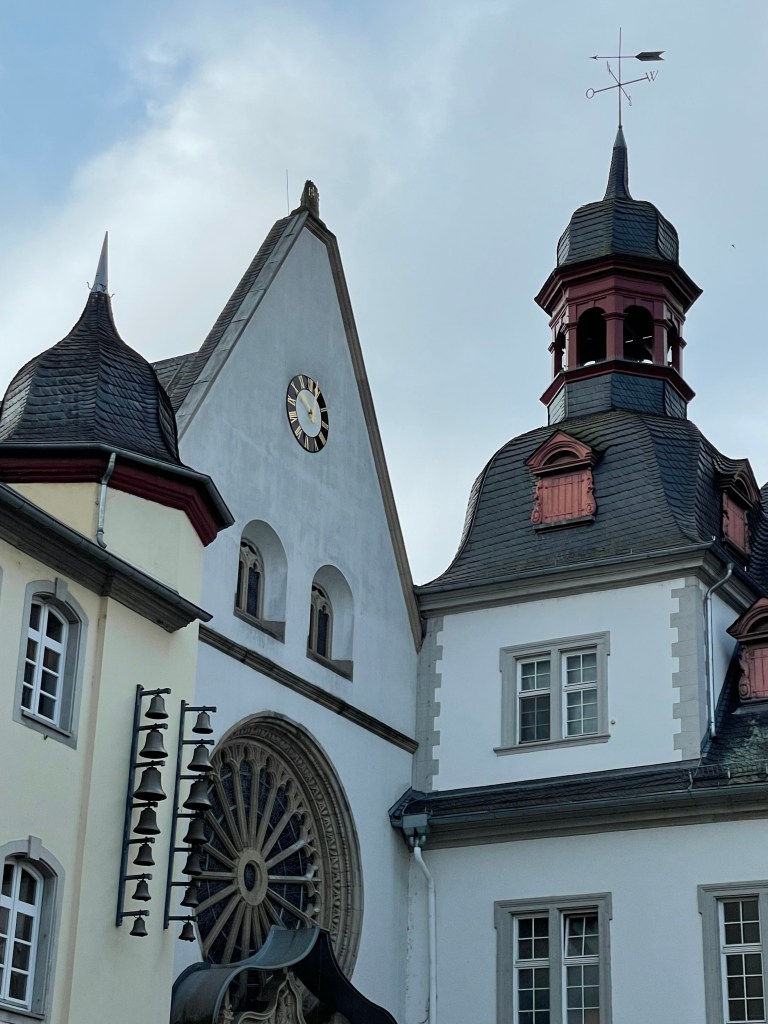
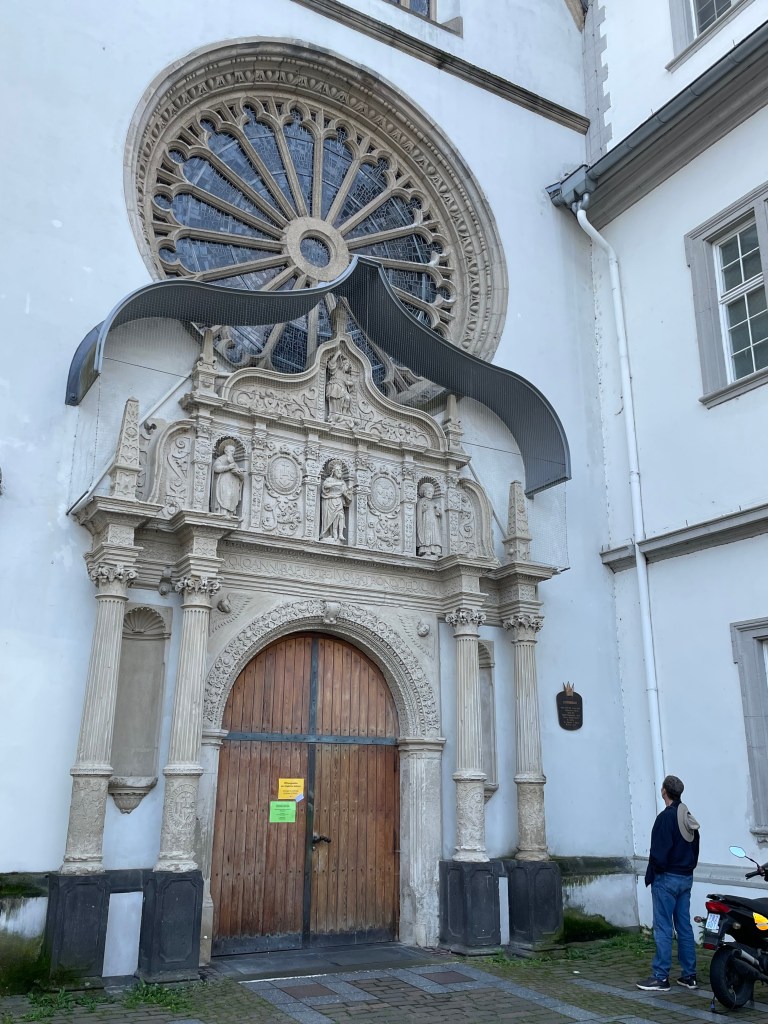
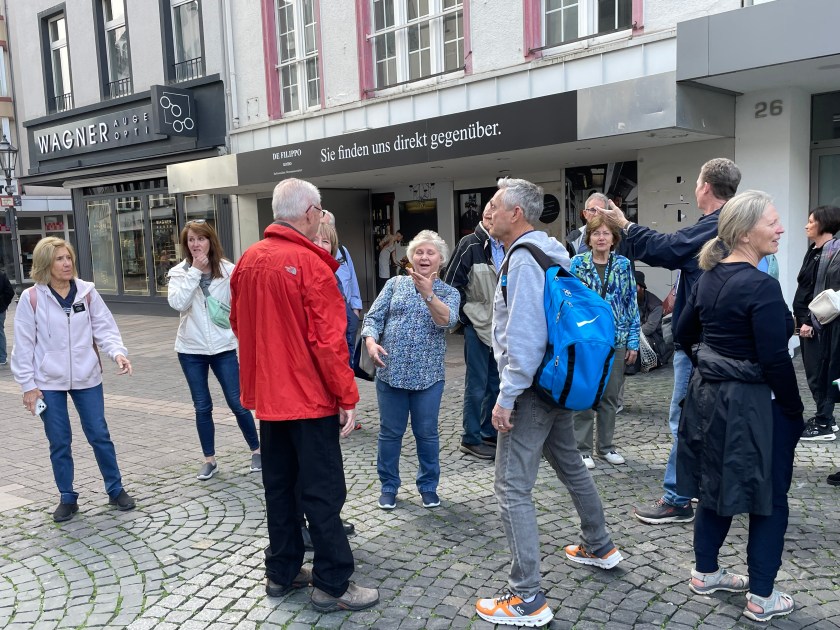
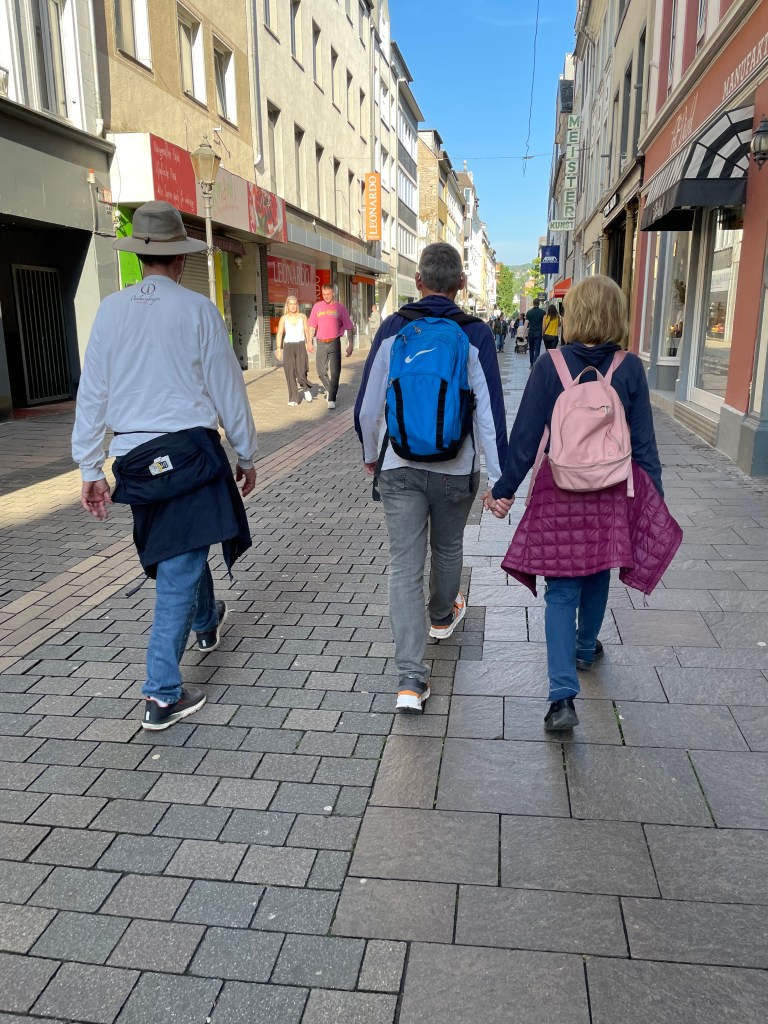
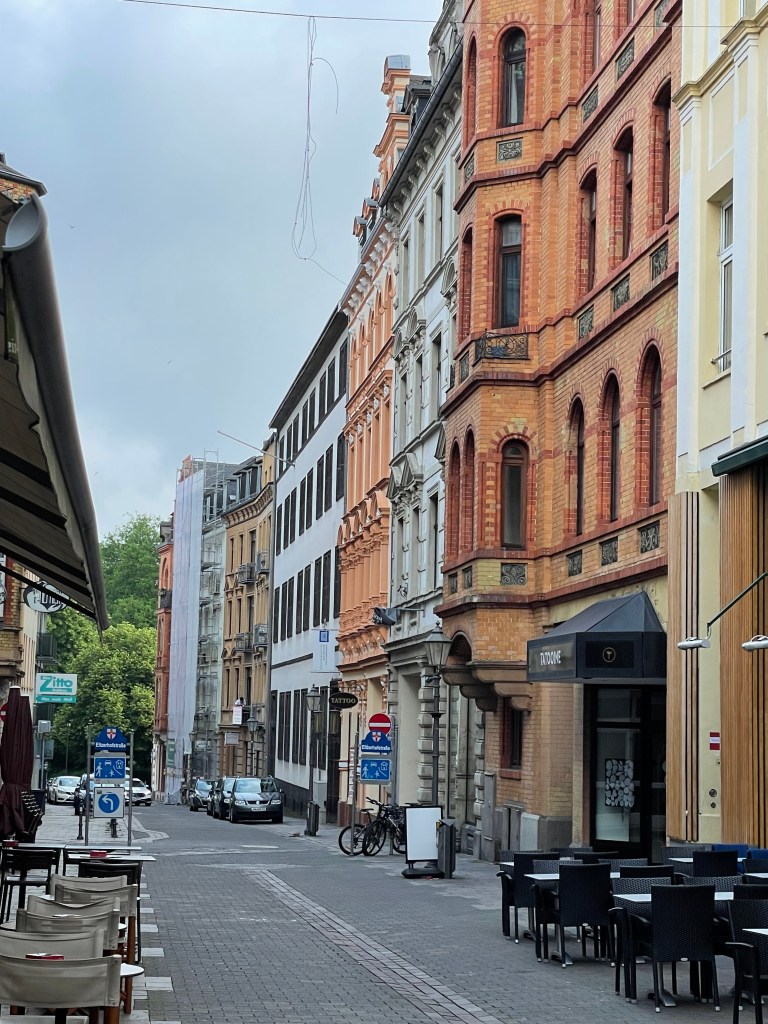
We found others, and went quickly into the heart of Koblenz to see the town squares and the old churches.

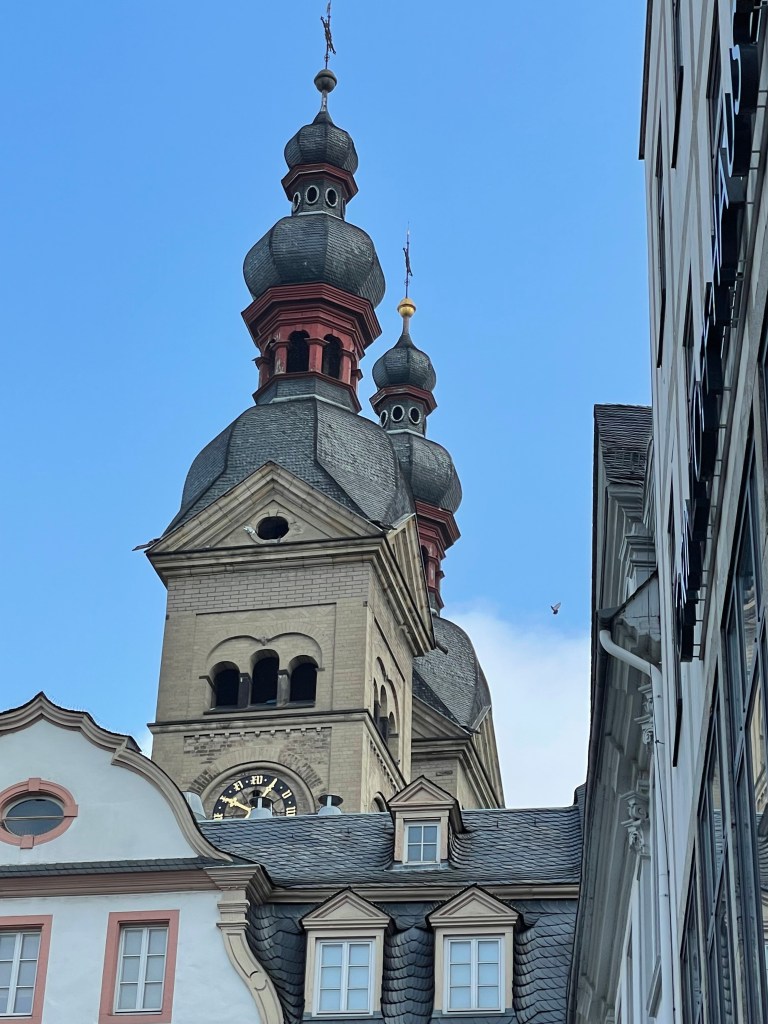
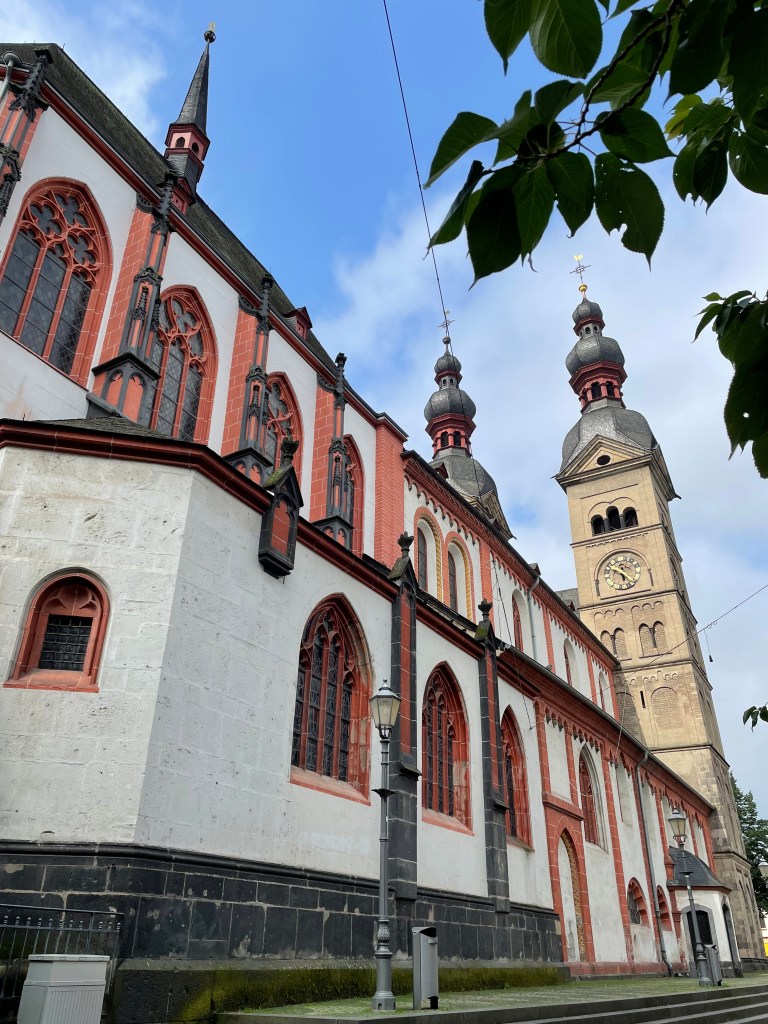
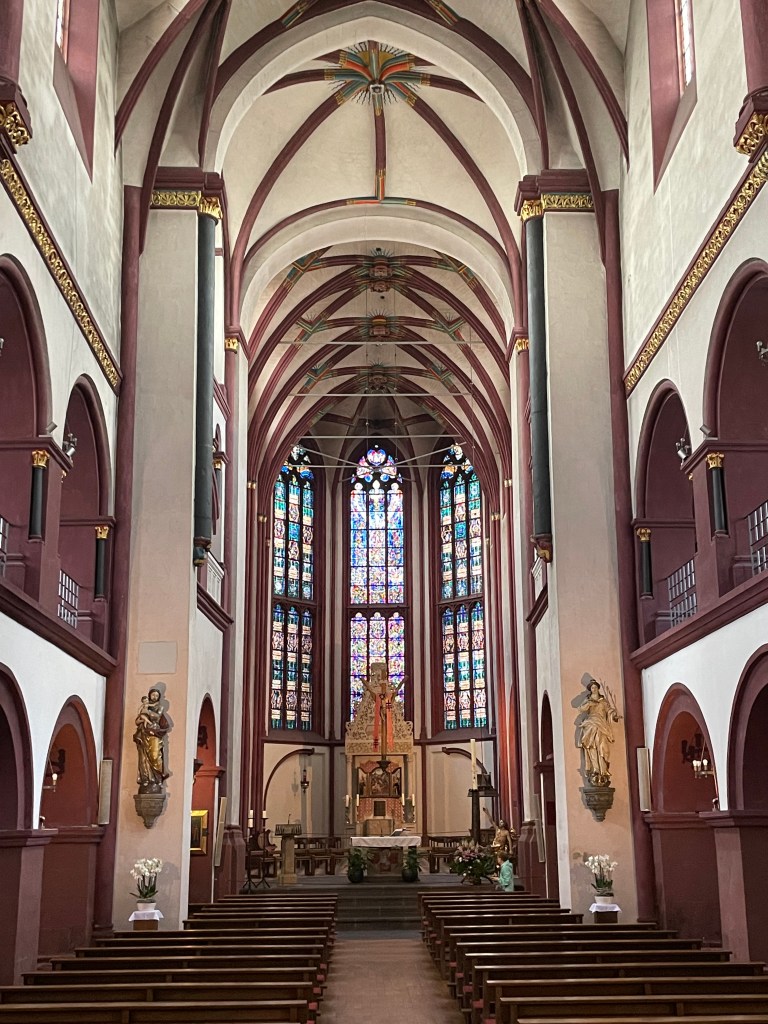
This is the Beautiful Liebfrauen Kirche in Koblenz:
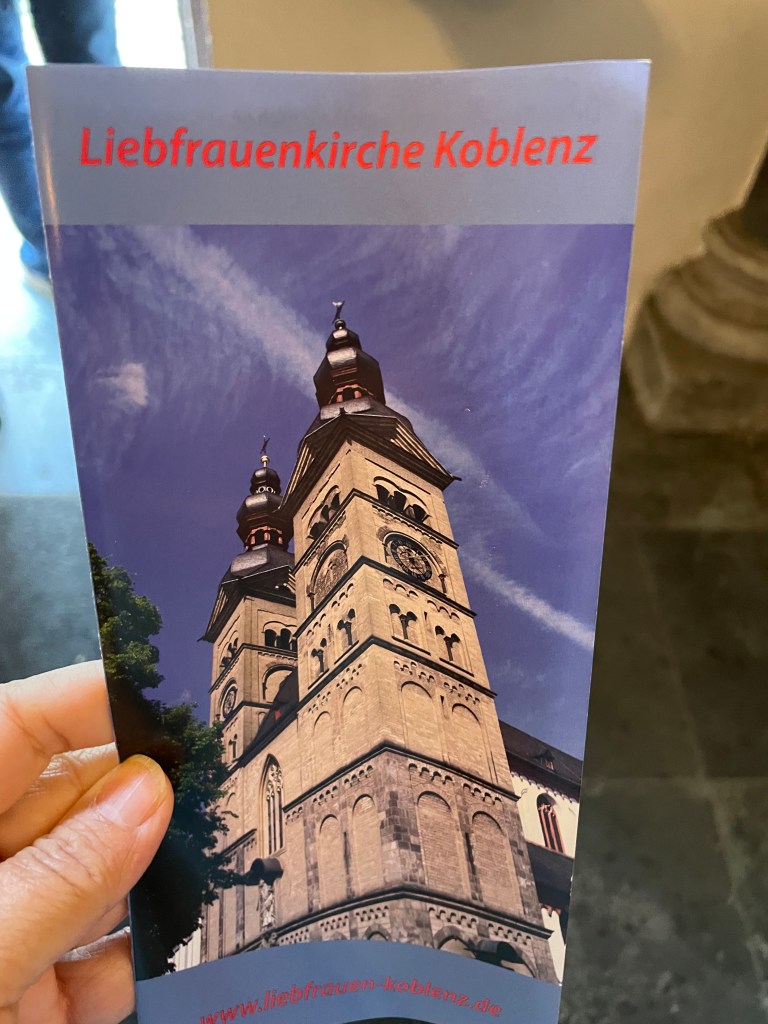
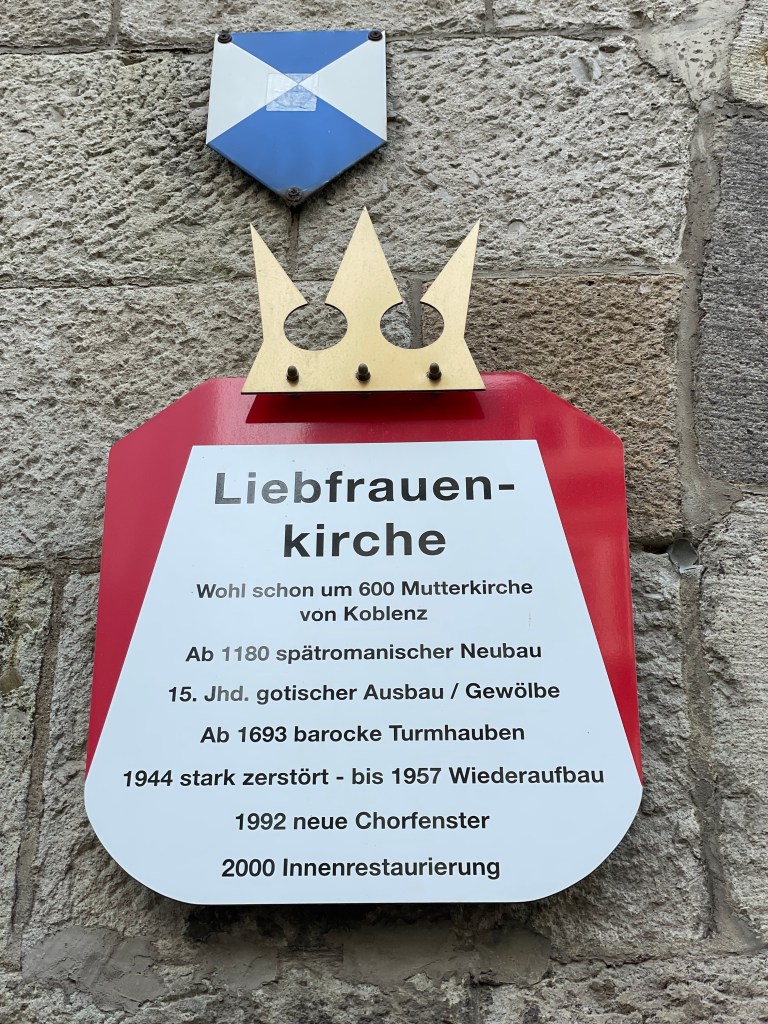
Here’s the history of this church–First built about 1180, added to in the 14oos, the baroque towers were added in 1693, badly damaged during the war in 1944, rebuilt by 1957, new choir windows in 1992, interior restoration in 2000.
 

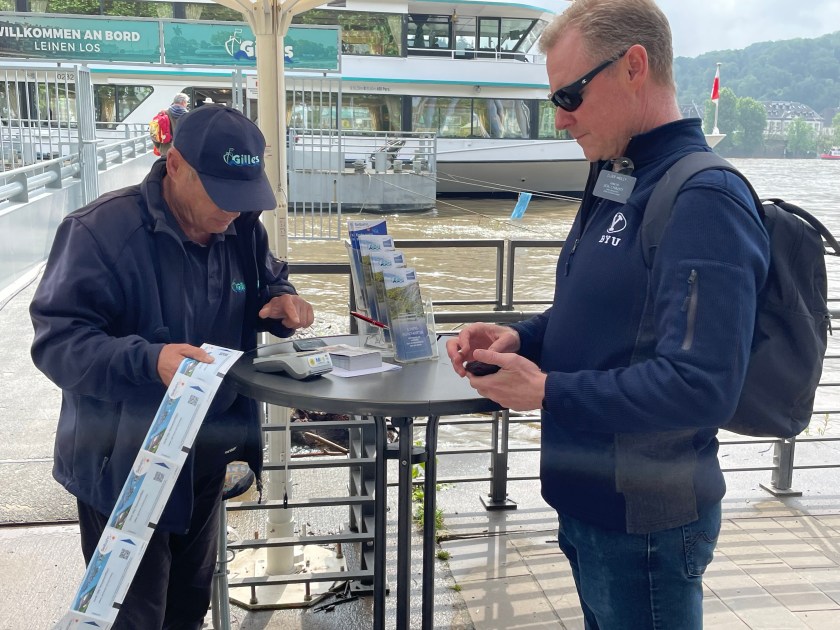
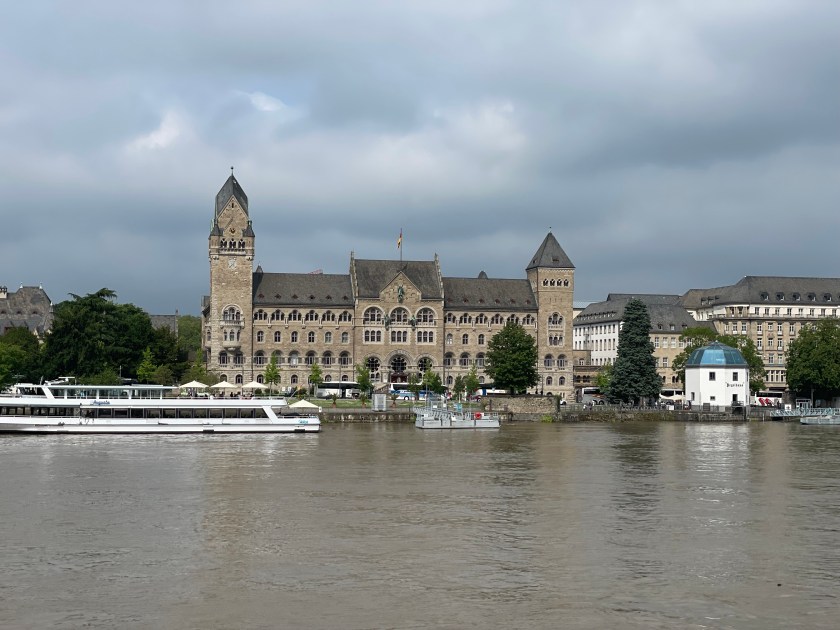
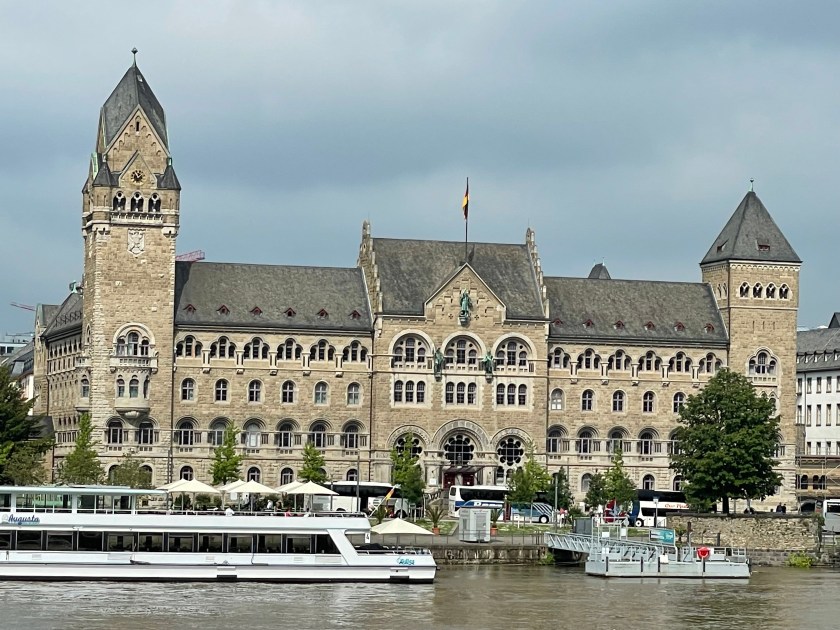
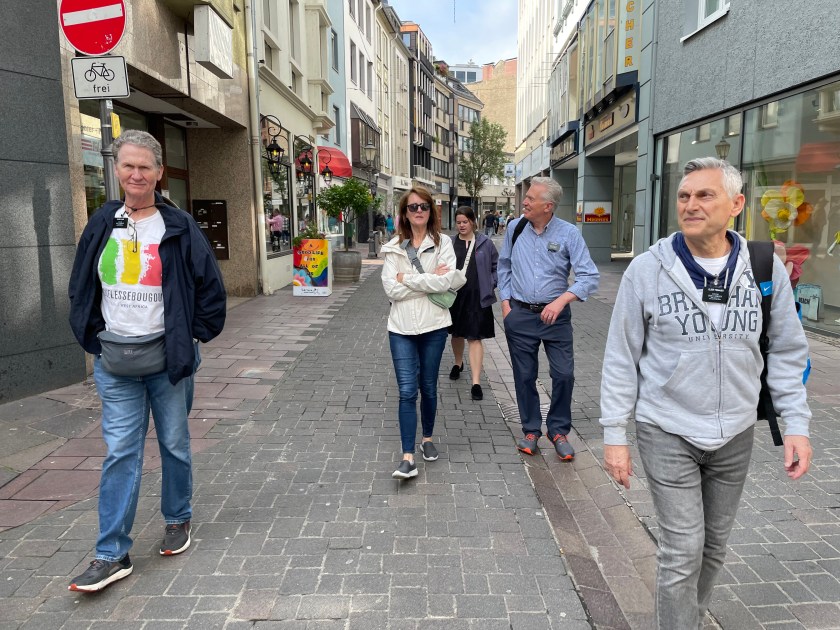
Then we headed to the dock to meet the rest of our group at 10:30 to begin our river cruise.
We passed by the tram that we’d take across the river later this afternoon.
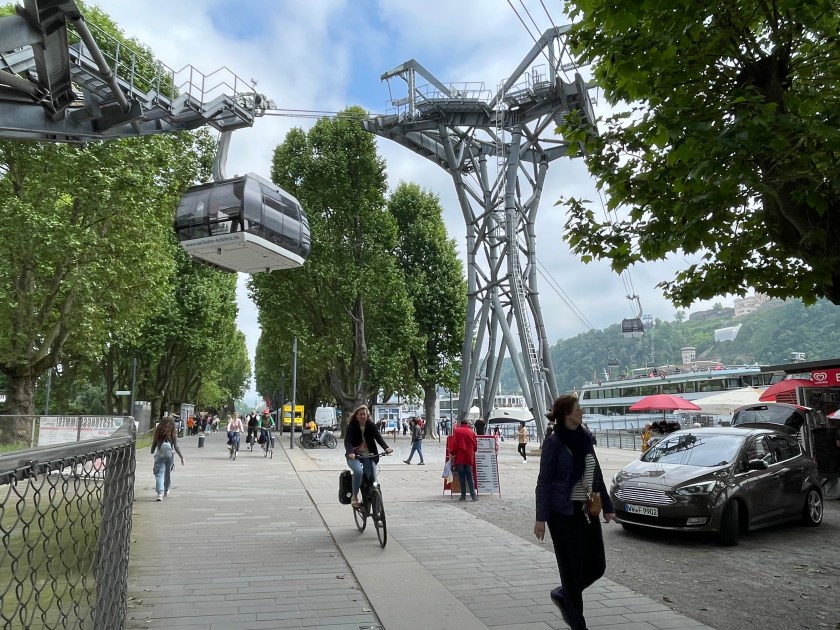
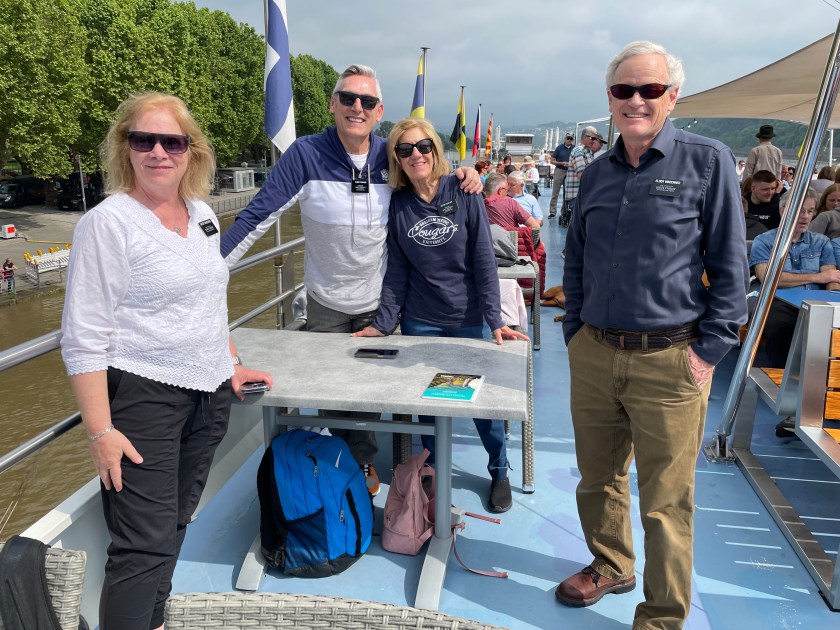
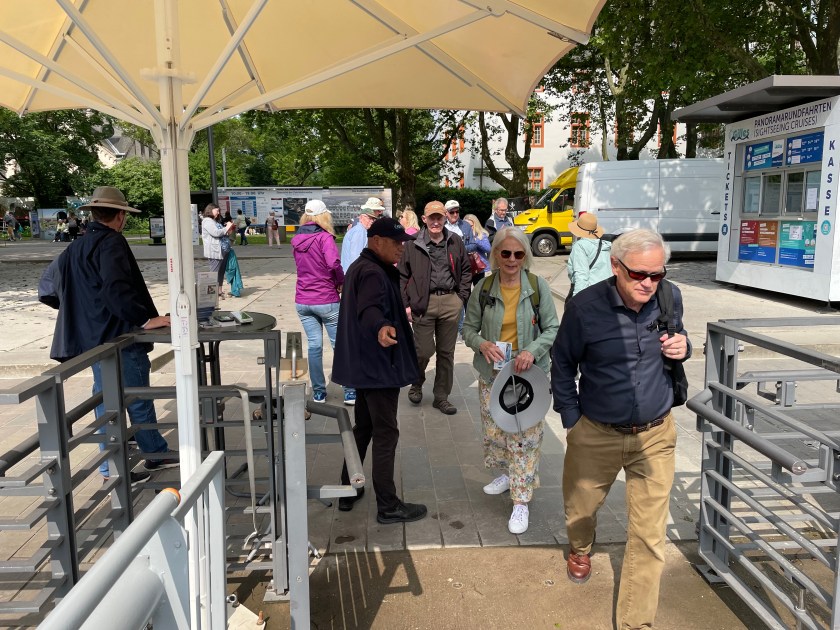
Embarking on our adventure!
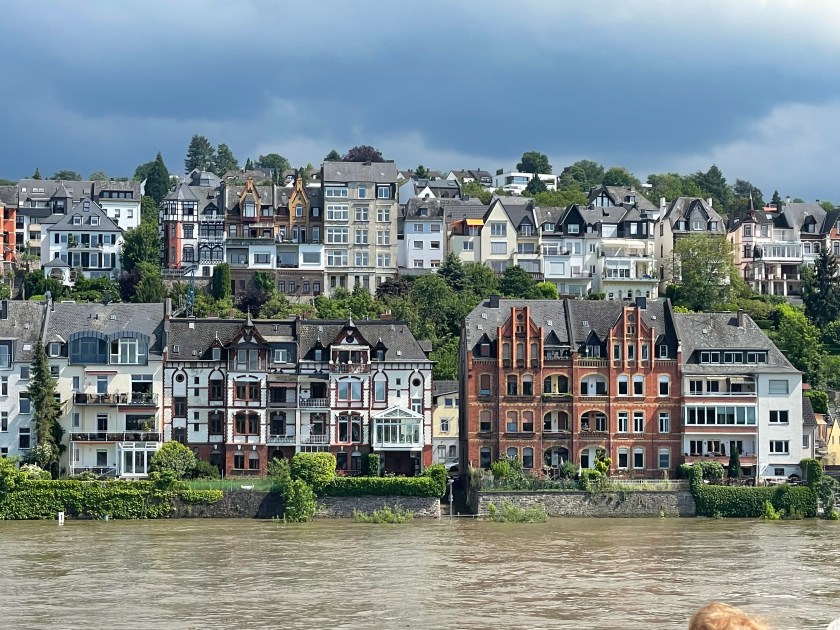
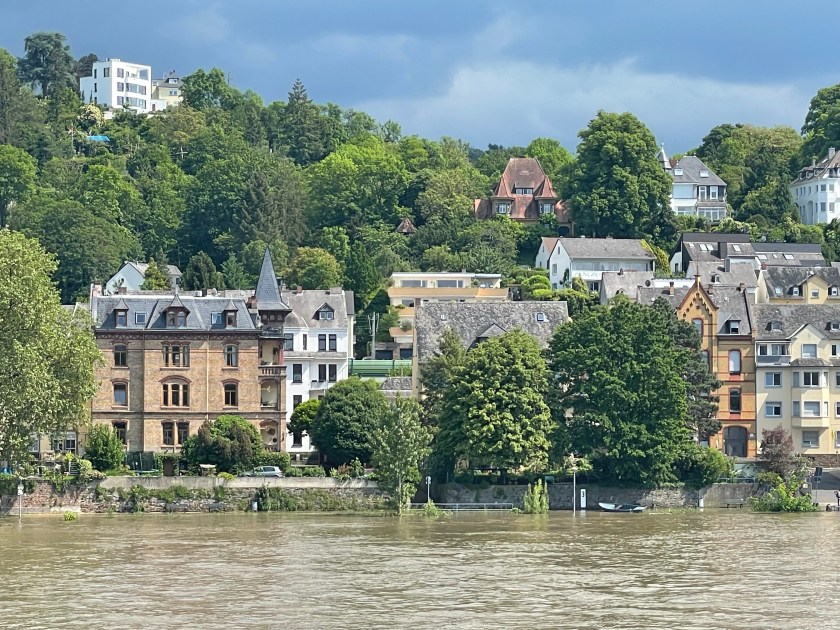
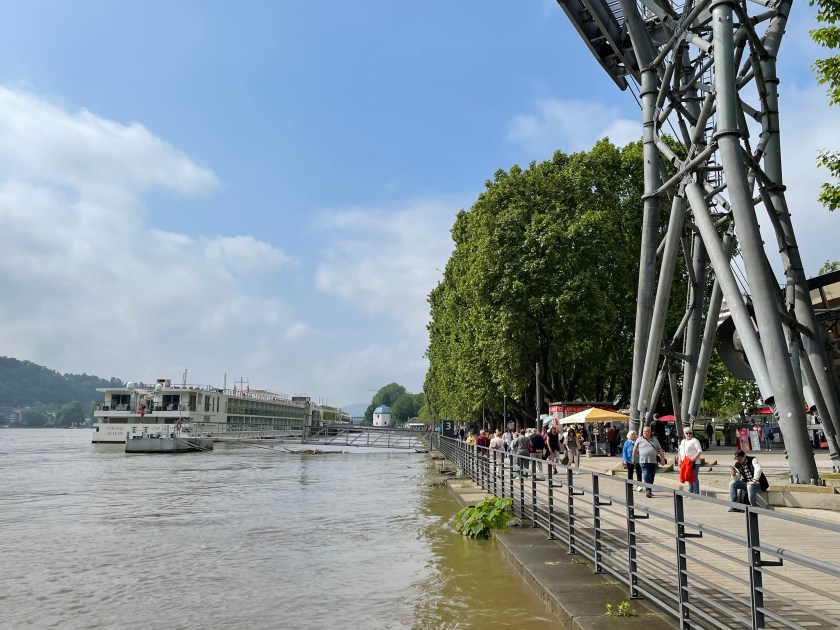
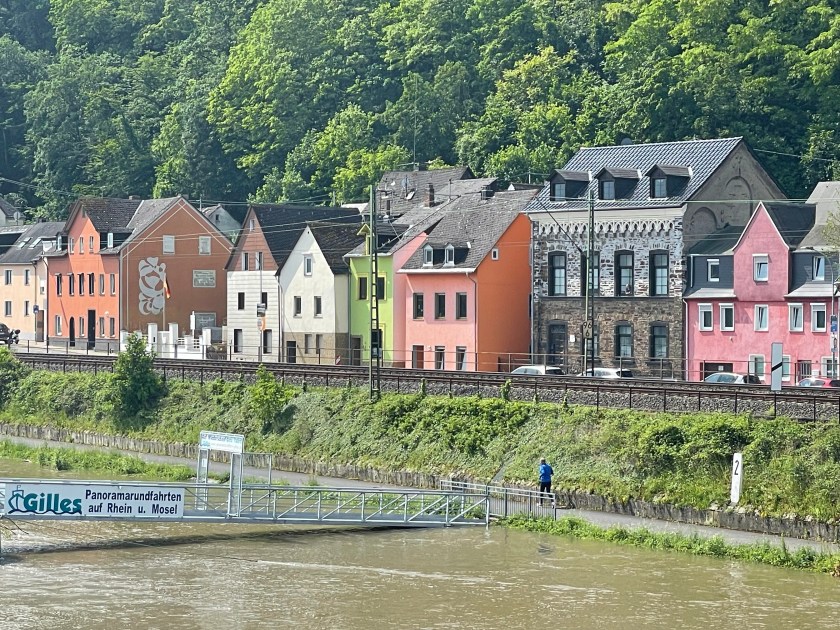
The water levels are extremely high right now.
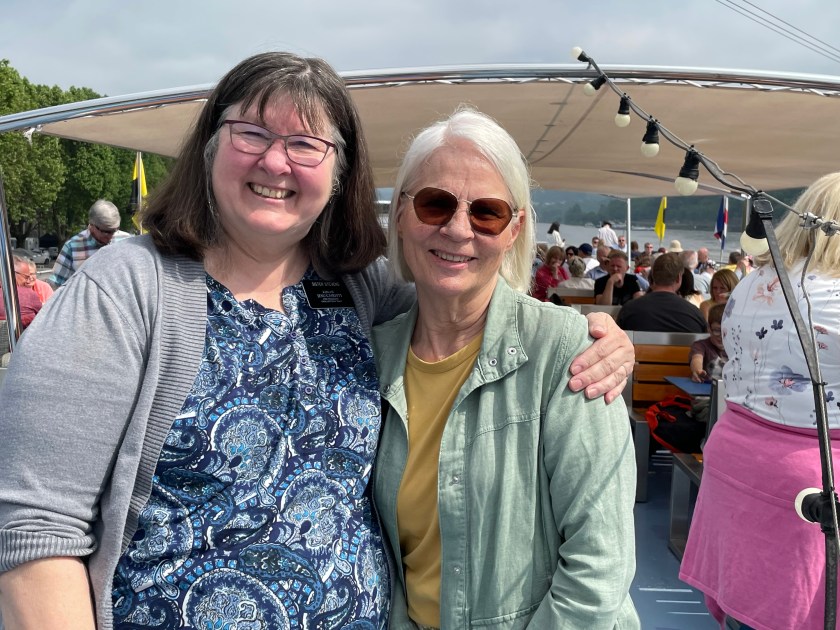
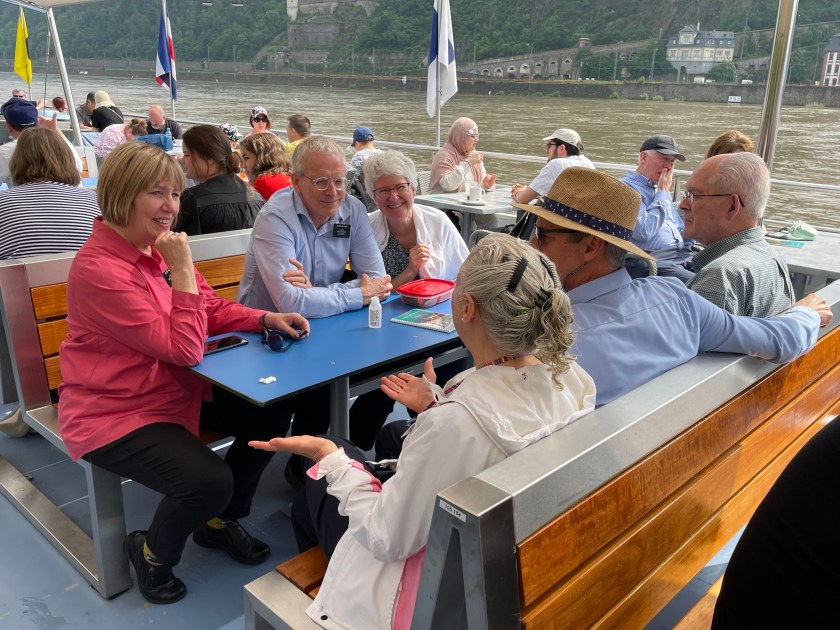
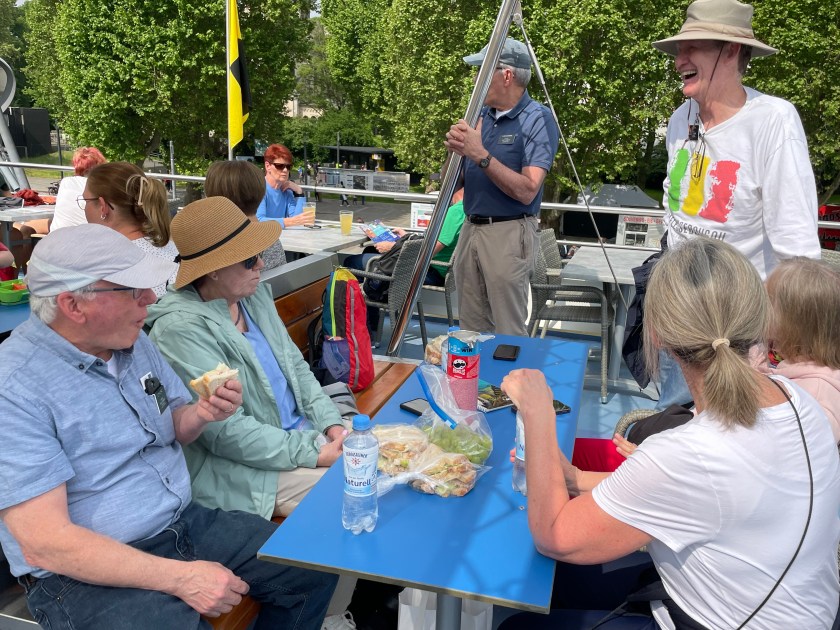
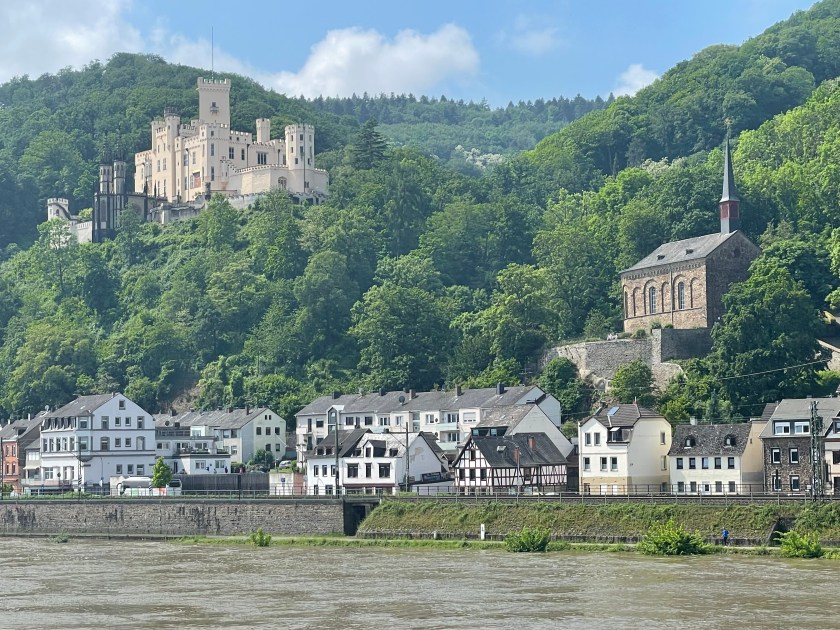
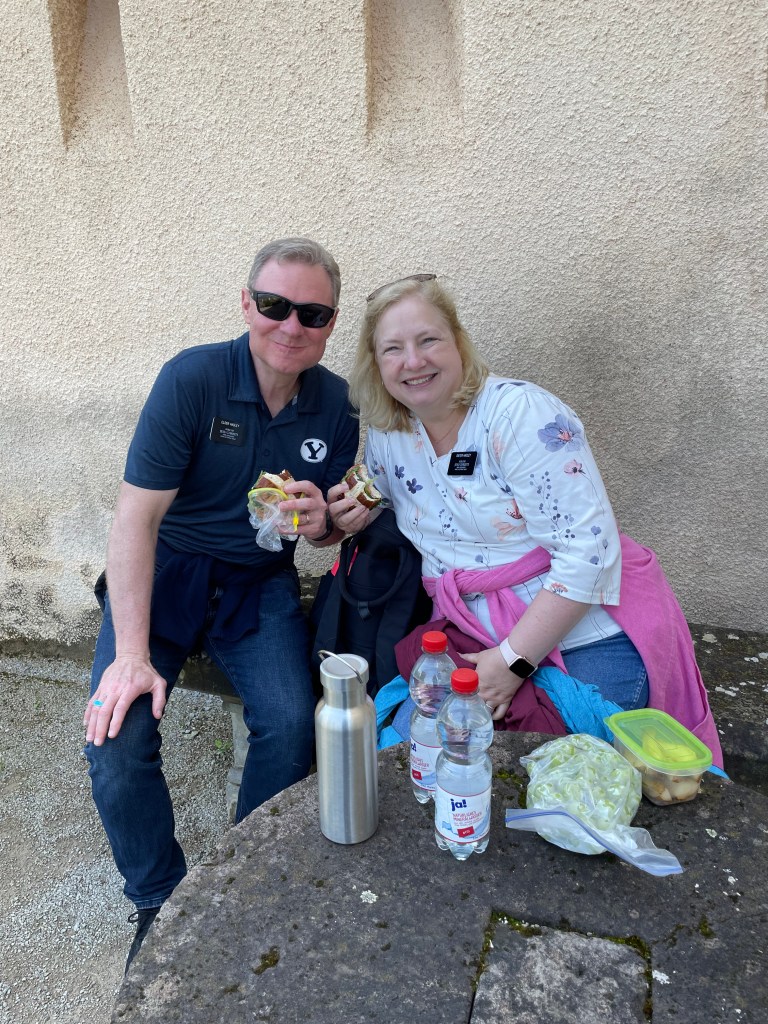
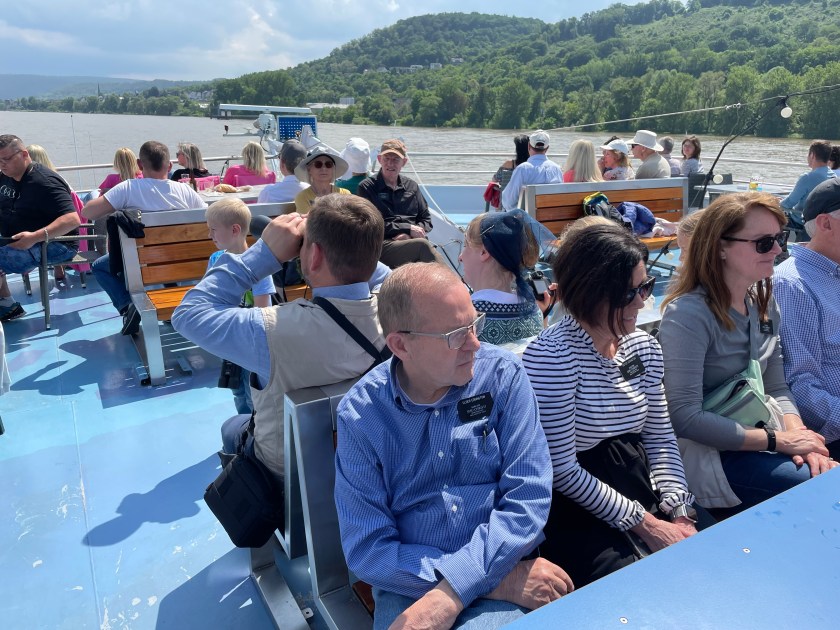
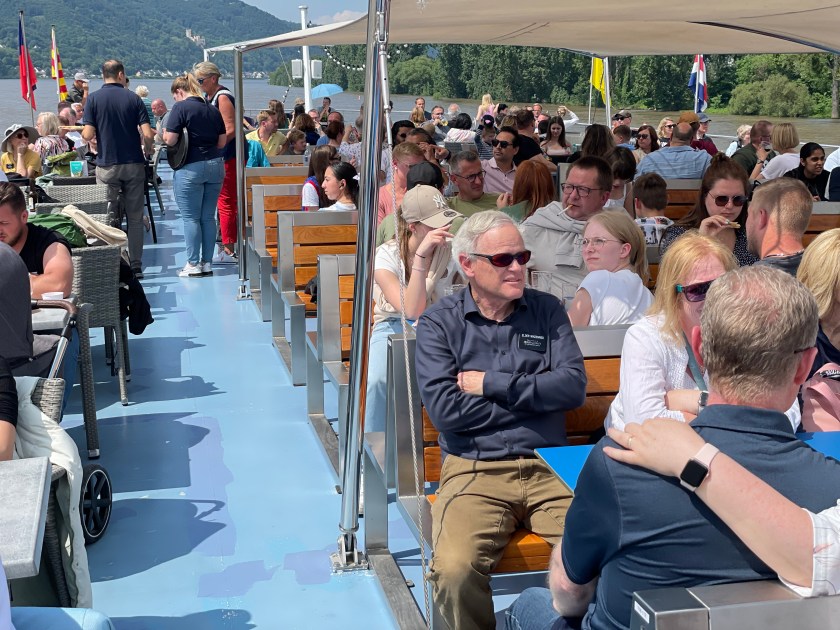
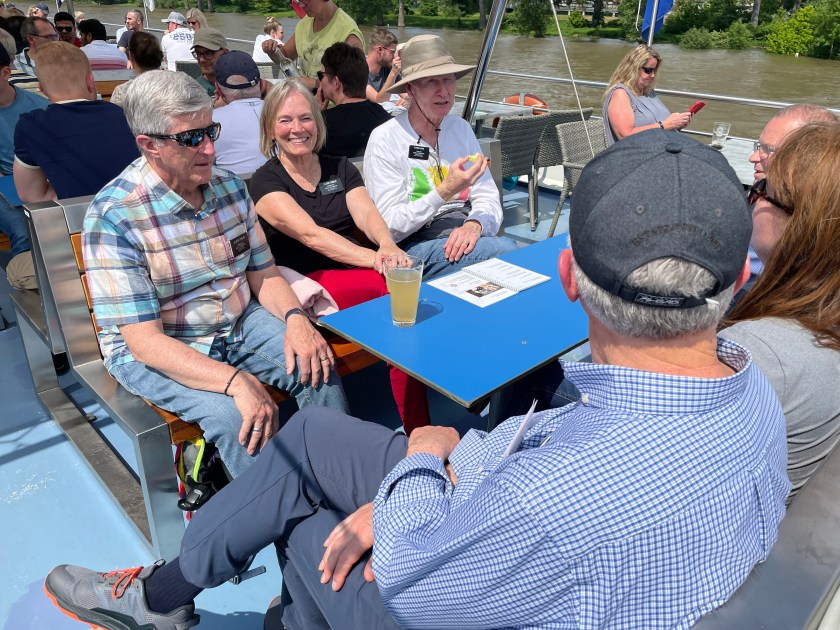
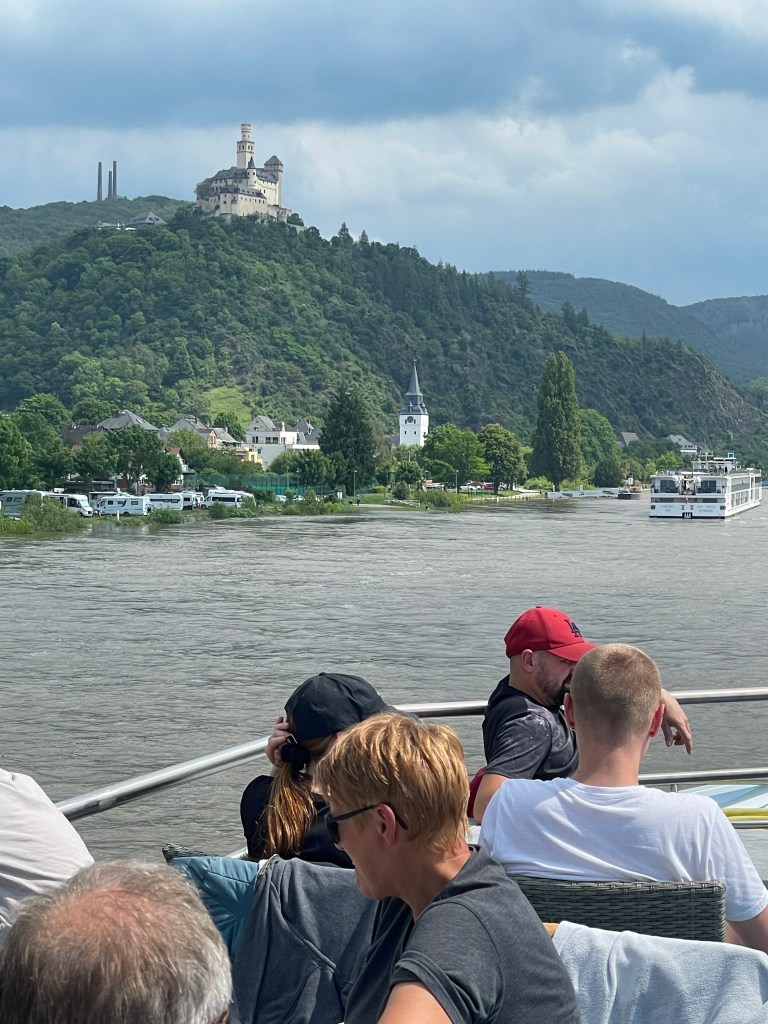
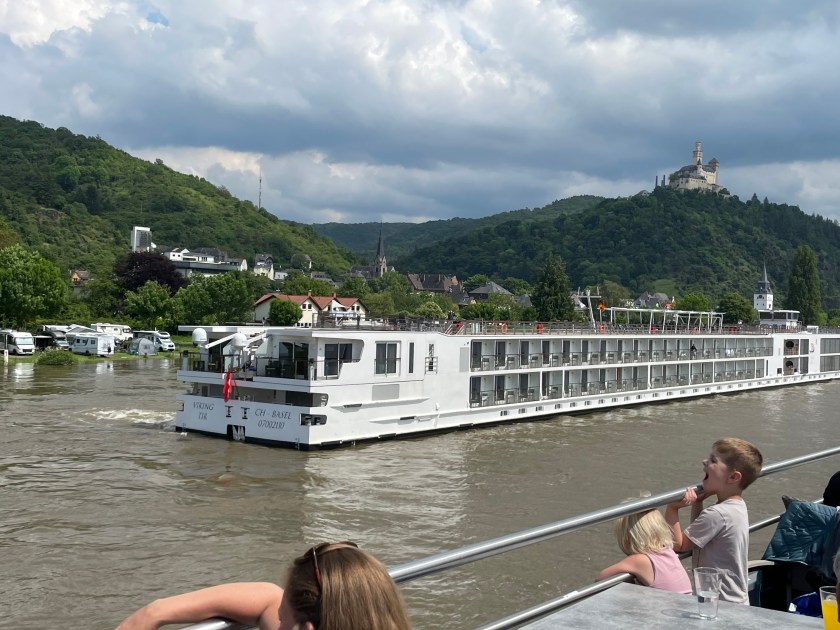
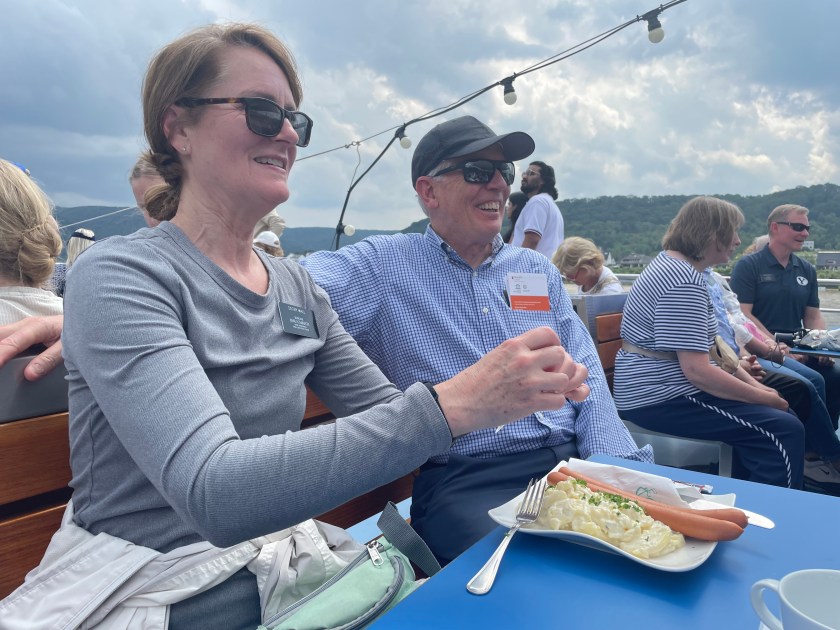
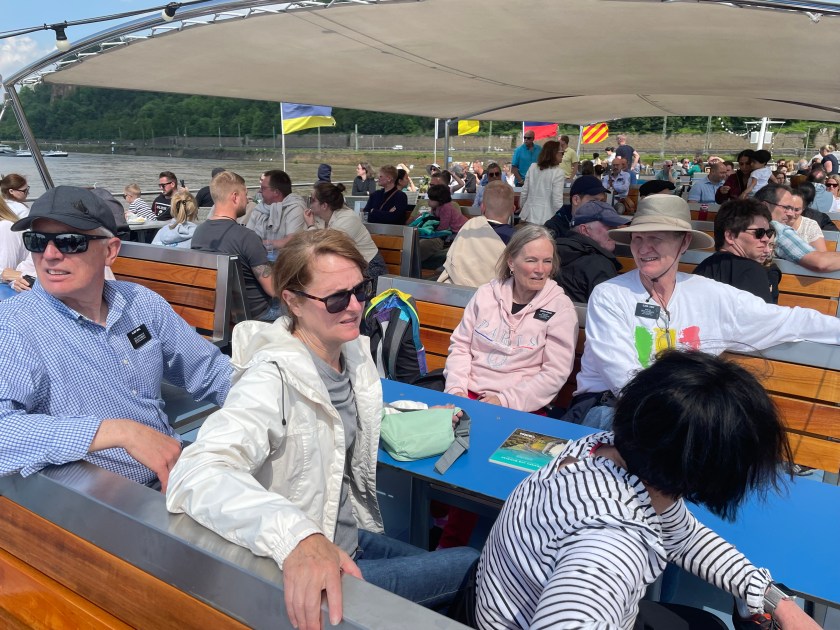
We were on the boat for about 45 minutes.  We had some lunch and enjoyed the watching the towns and castles on either side of the river.

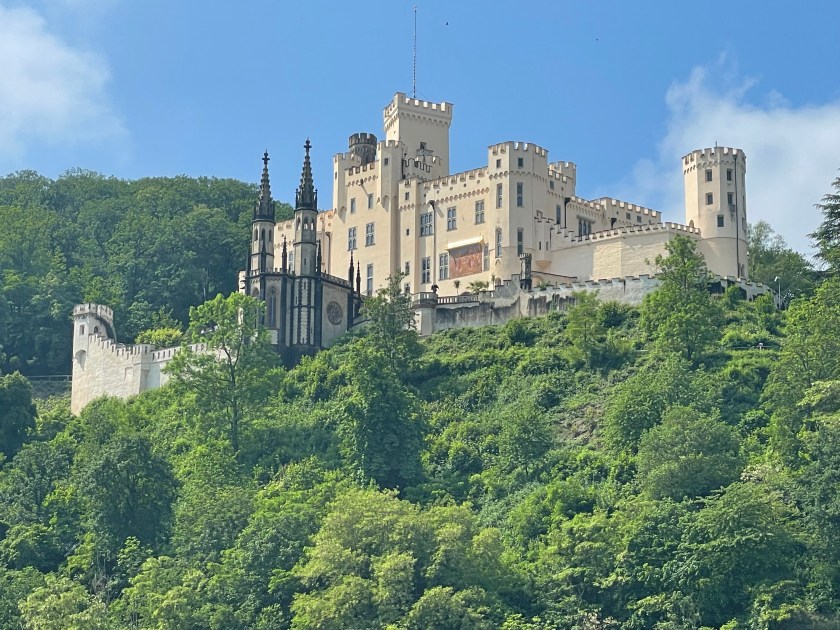
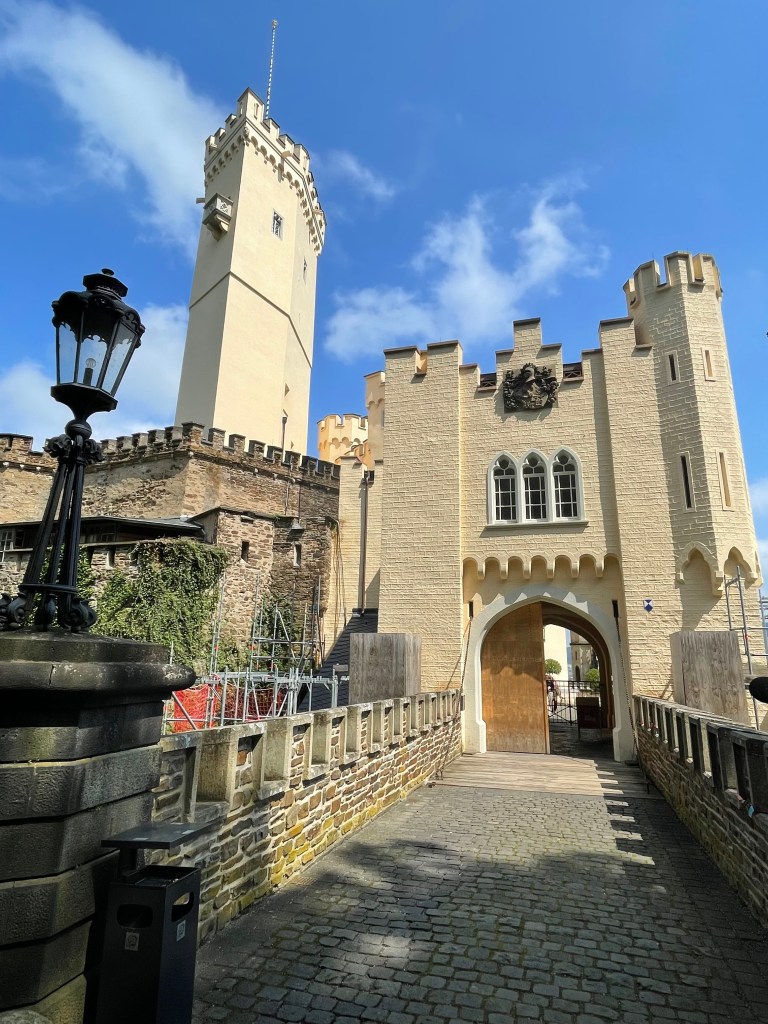
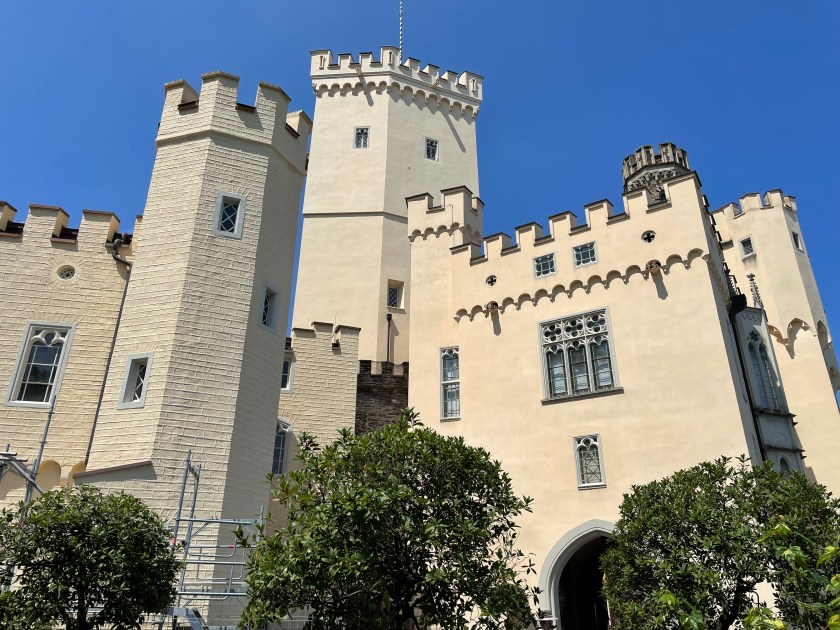
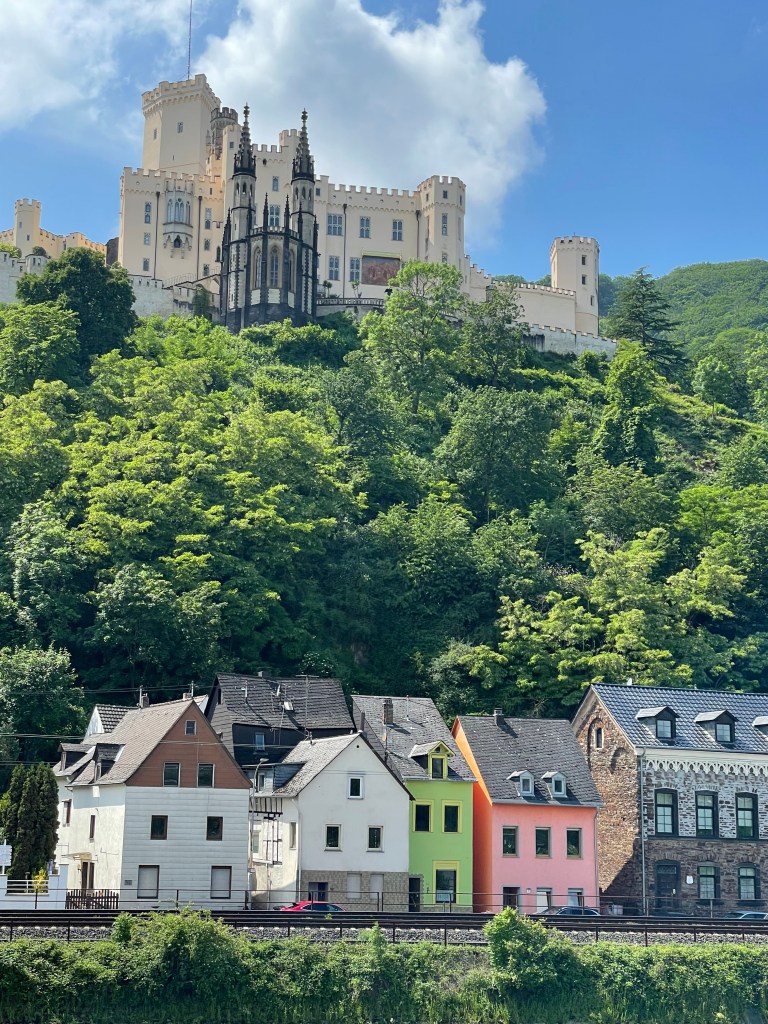
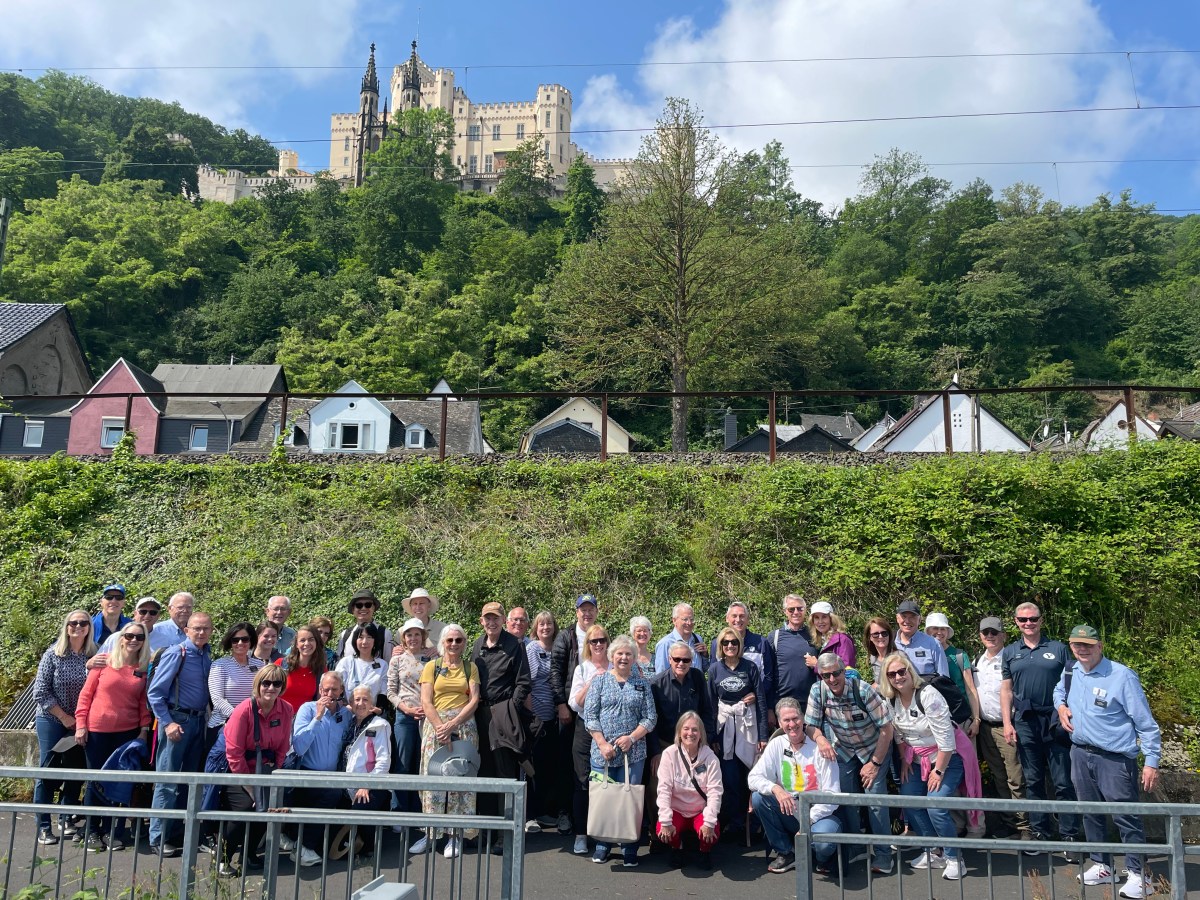
This was our destination–Stolzenfels Castle.
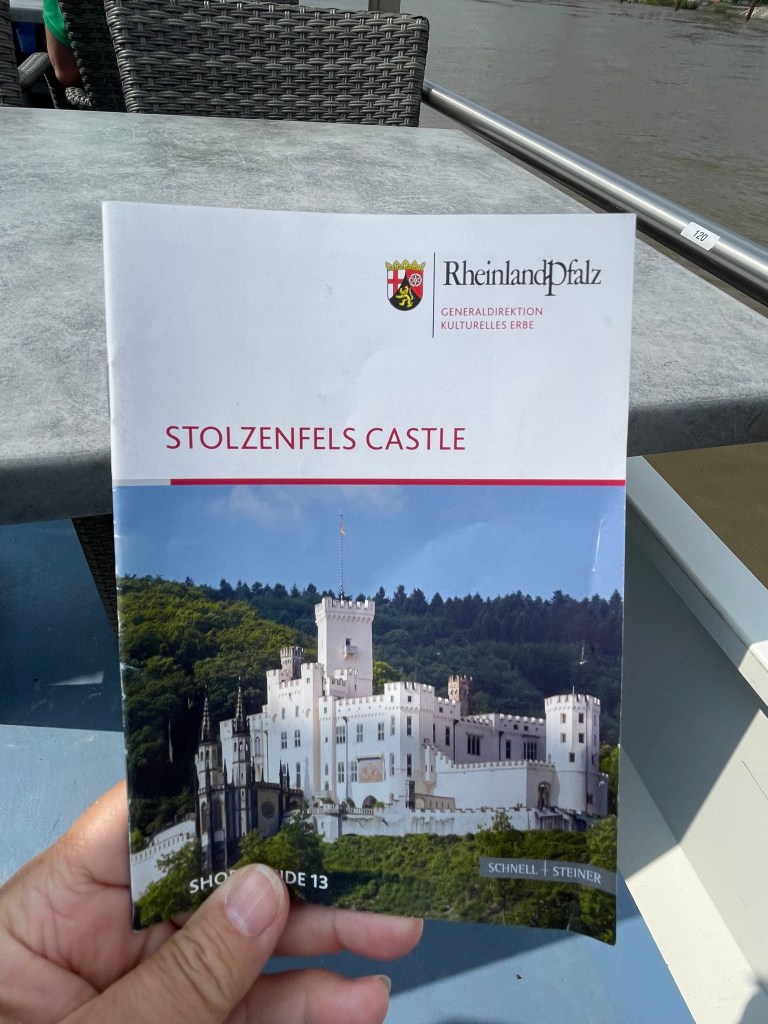
There are dozens of river boat cruises going and coming up and down the Rhine.  They stop at interesting sites and castles for the visitors to get off, then at a certain time we were to meet back again to take the boat back to Koblenz.
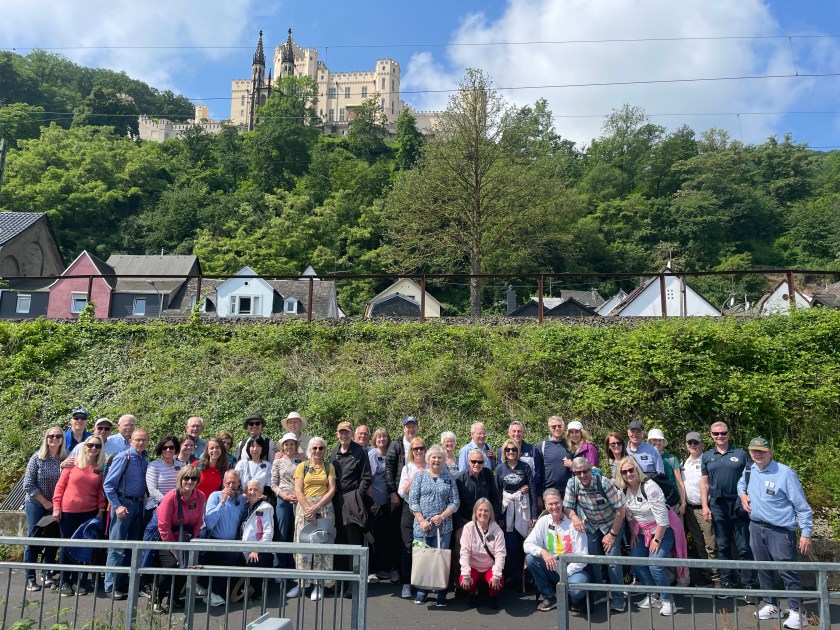
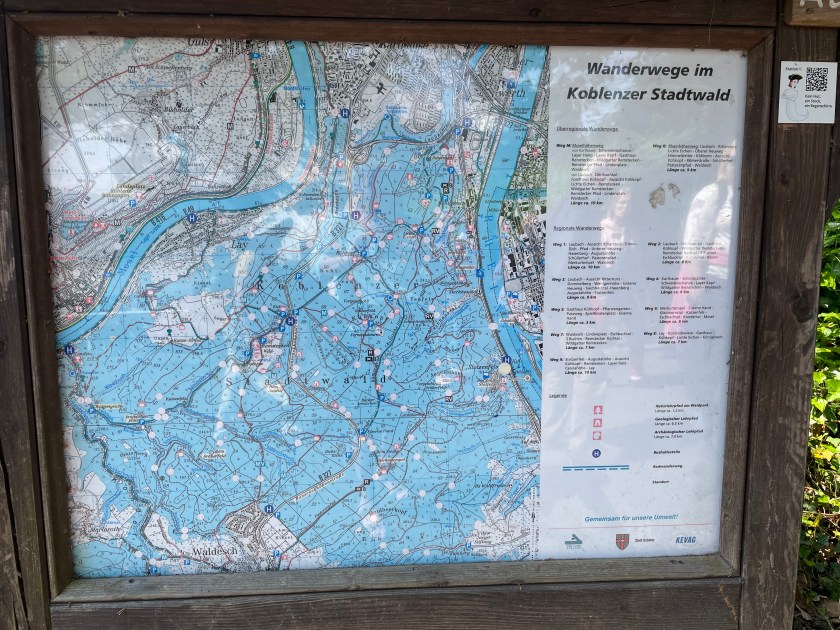
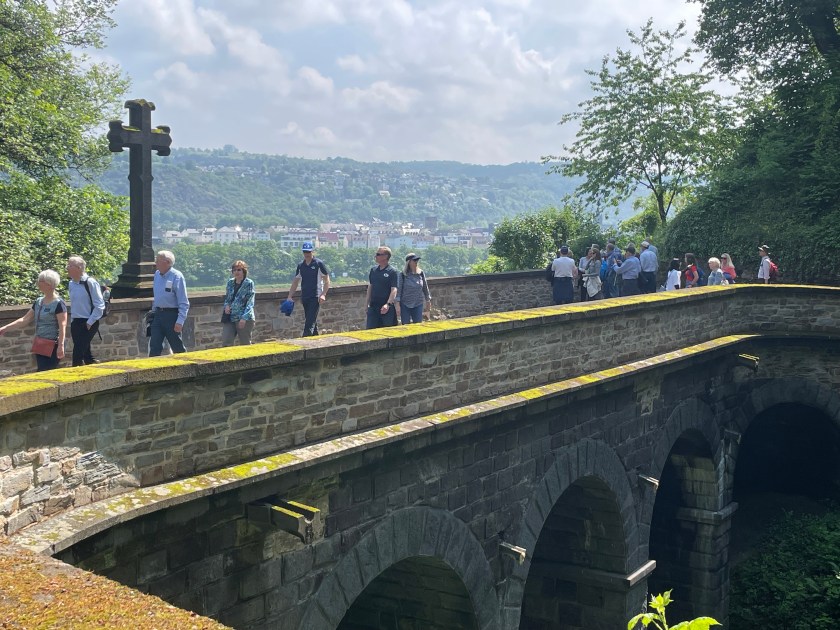
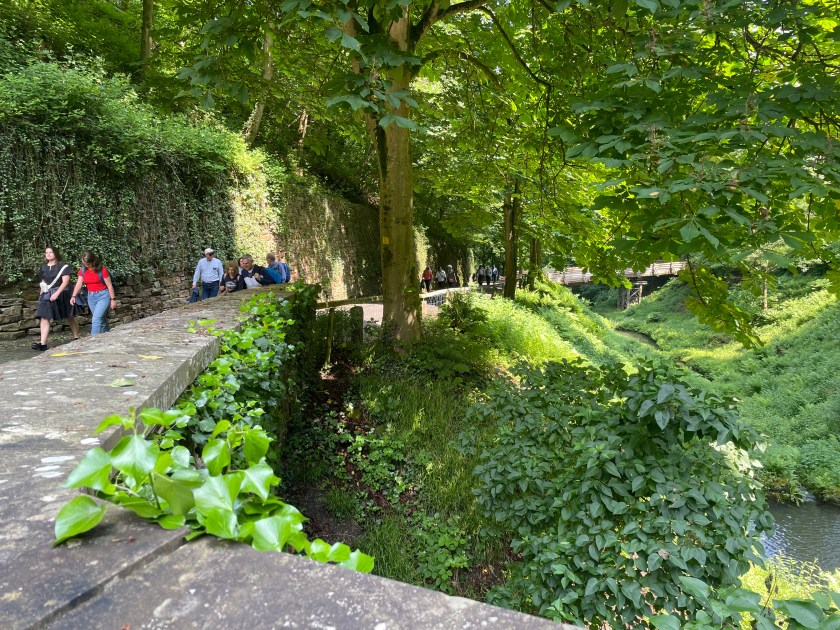
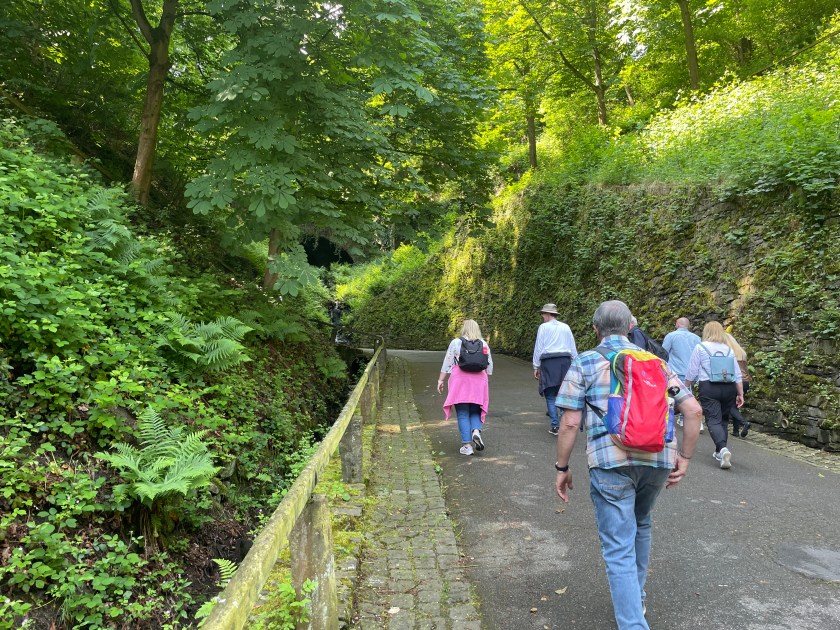
We hiked up to the castle along a path through some lush green woods.
Wikipedia:  Stolzenfels Castle is a former medieval fortress castle (“Burg”) turned into a palace, near Koblenz on the left bank of the Rhine, in the state of Rhineland-Palatinate, Germany. Stolzenfels was a ruined 13th-century castle, gifted to the Prussian crown prince, Frederick William in 1823. He had it rebuilt as a 19th-century palace in Gothic Revival style. Today, it is part of the UNESCO World Heritage Site Upper Middle Rhine Valley.

The original castle at Stolzenfels was built as a fortification by the Prince-Bishop of Trier, then Arnold II. von Isenburg. Finished in 1259, Stolzenfels was used to protect the toll station on the Rhine, where the ships, at the time the main means of transportation for goods, had to stop and pay toll (later moved to Engers).

Over the years it was extended several times (notably in the 14th century), occupied by French and Swedish troops in the Thirty Years’ War and finally, in 1689, destroyed by the French during the Nine Years’ War.

The ruin was used as a quarry during the 18th century.

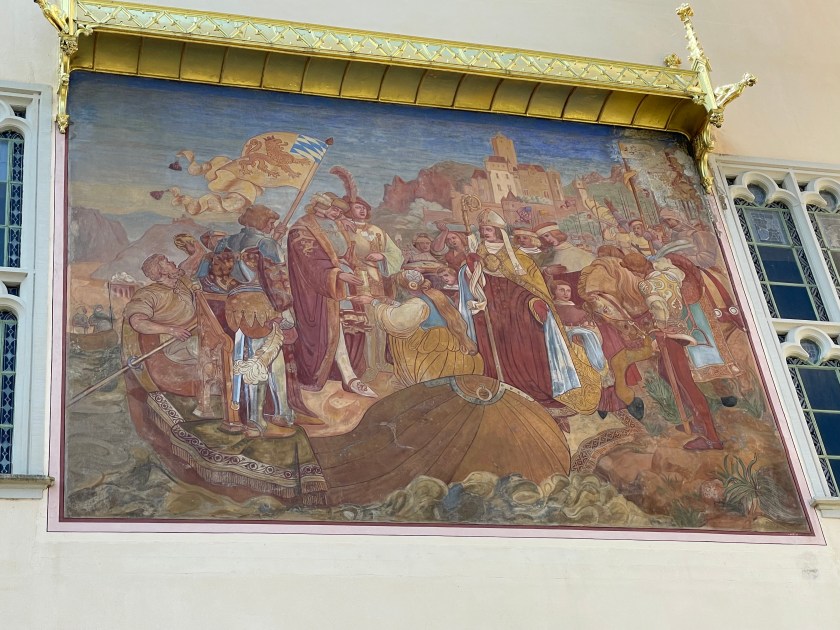
In 1802, the castle became the property of the city of Koblenz. In 1823, the ruined castle was given as a gift by the city to the then Crown Prince of Prussia, the future Frederick William IV of Prussia. In 1822, the Rhineland had become a province of Prussia. Frederick William had traveled along the Rhine in 1815, the year when the Congress of Vienna awarded several Princedoms in the area to Prussia, and had been fascinated by the beauty, romance and history of the region. In the spirit of Romanticism, Frederick William now had the castle rebuilt as a Gothic Revival palace, inspired by his cousin Frederick’s rebuilding of nearby Rheinstein Castle and his cousin Maximilian II of Bavaria’s romantic renovation of Hohenschwangau Castle.

By 1842, the main buildings and the gardens were finished. On 14 September of that year, Frederick William, since 1840 King of Prussia, inaugurated his new summer residence in a great celebration with a torchlight procession and medieval costumes.

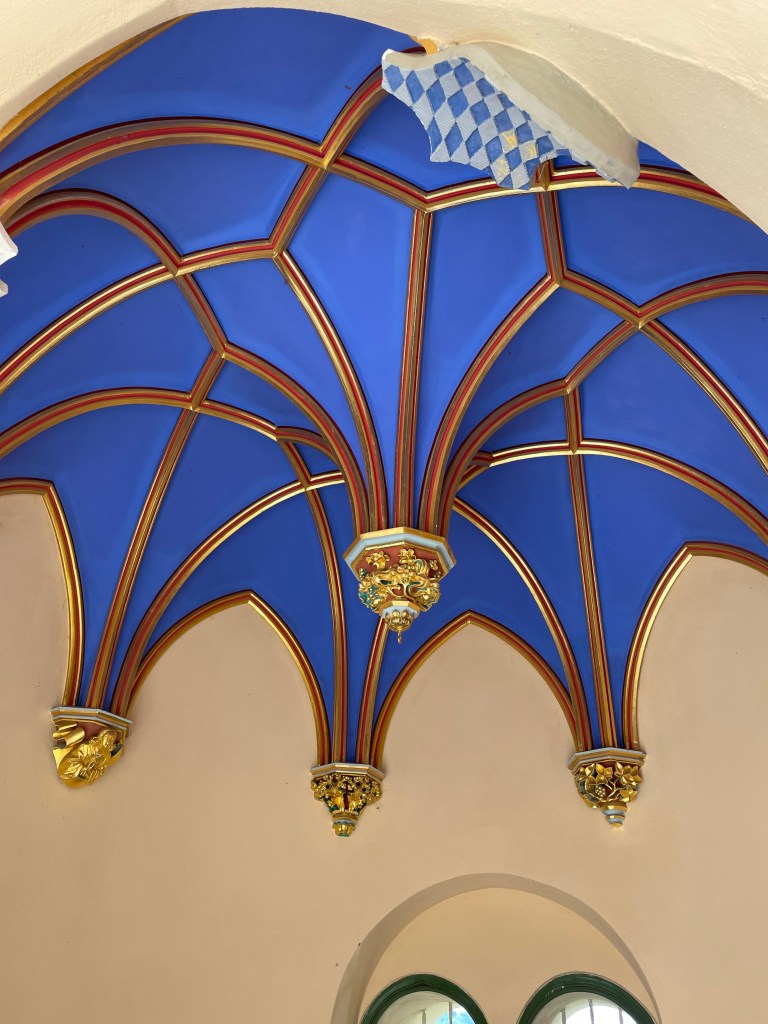
Inauguration of the Gothic chapel occurred in 1845 during a visit by Queen Victoria. Work on the interior of Stolzenfels castle was completed in 1850.

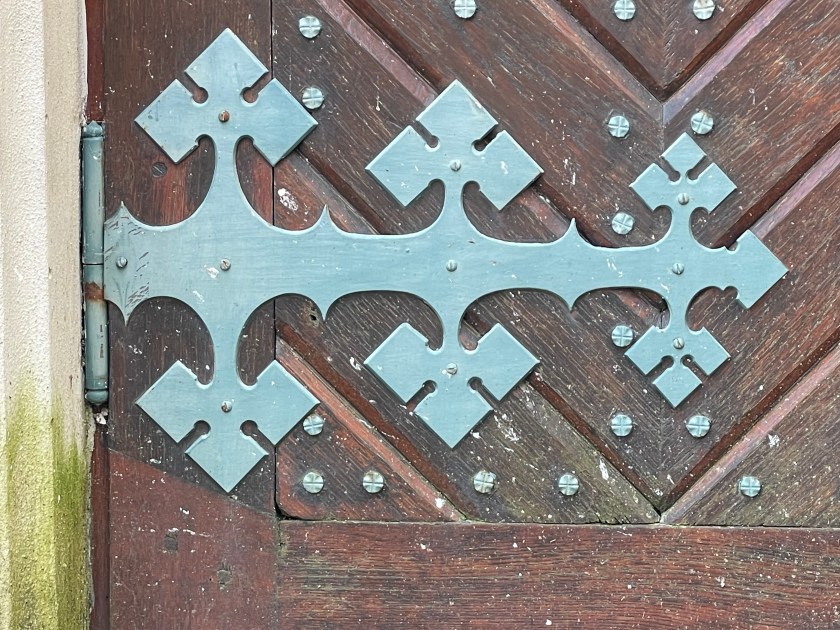
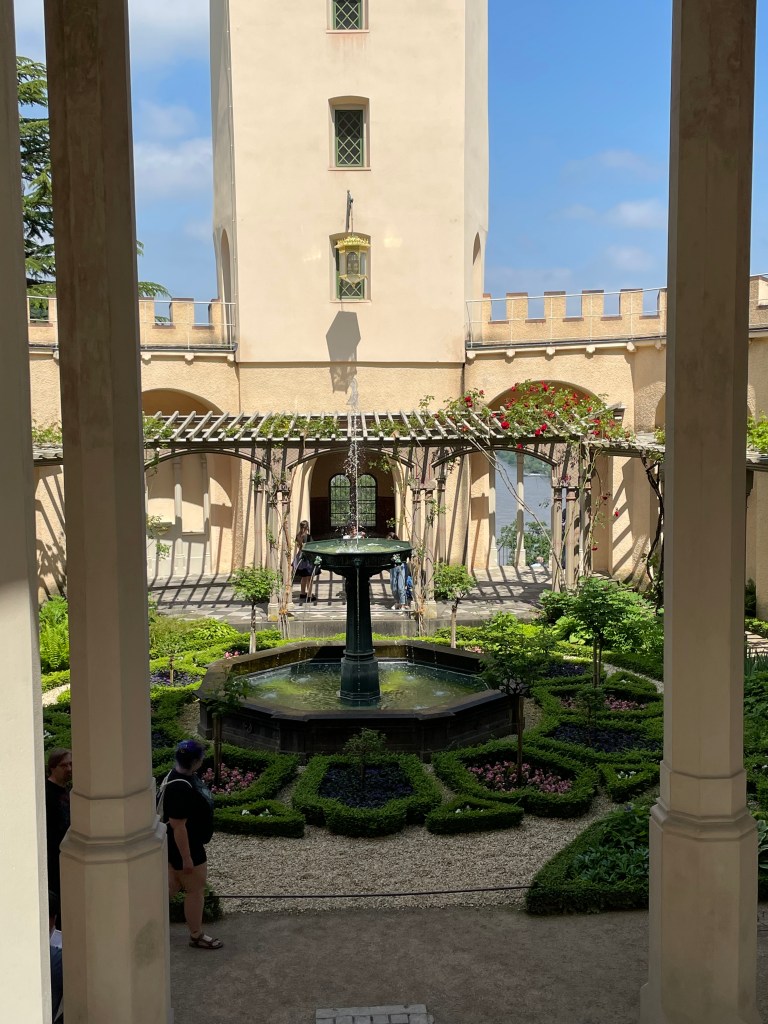
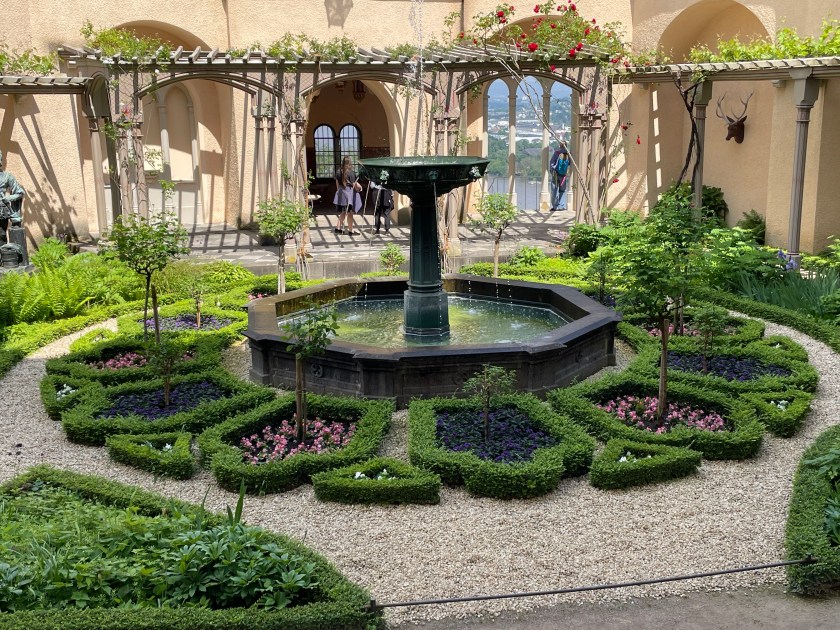
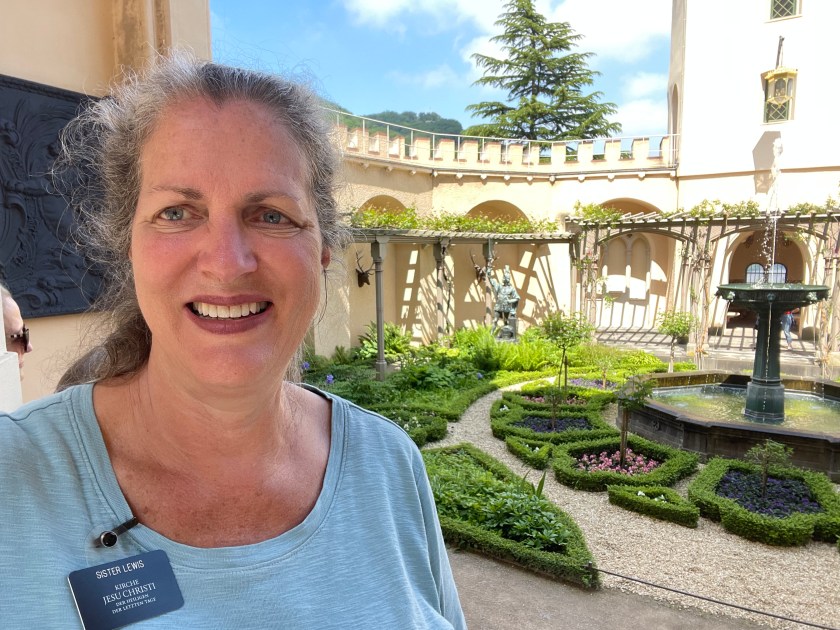
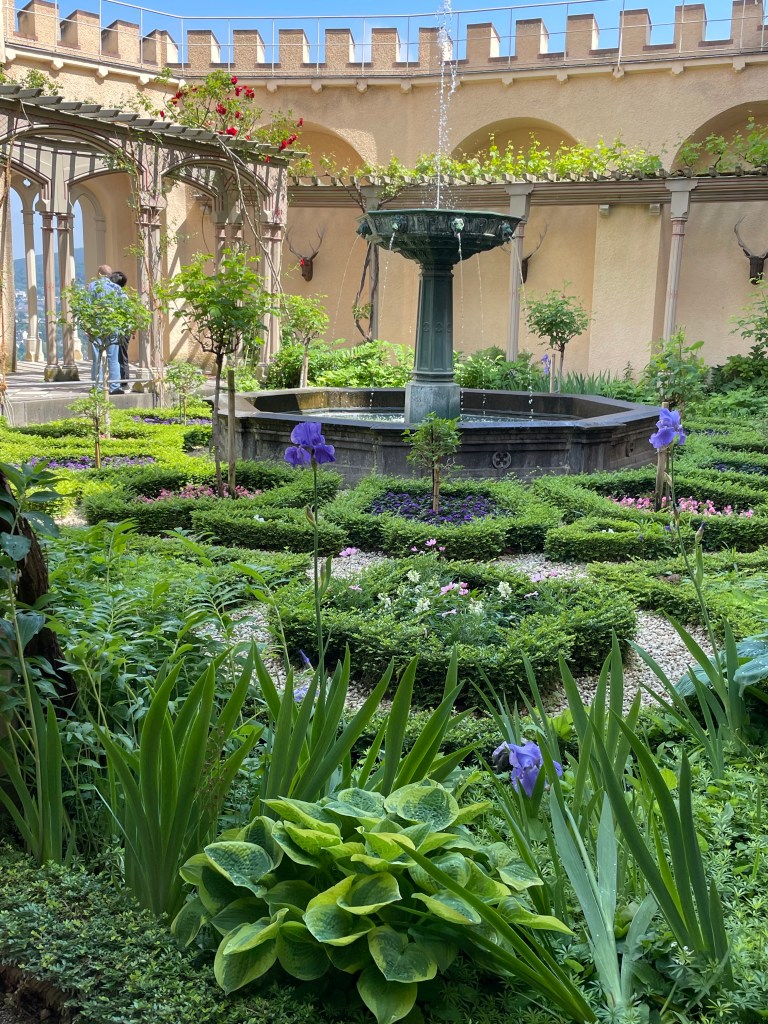
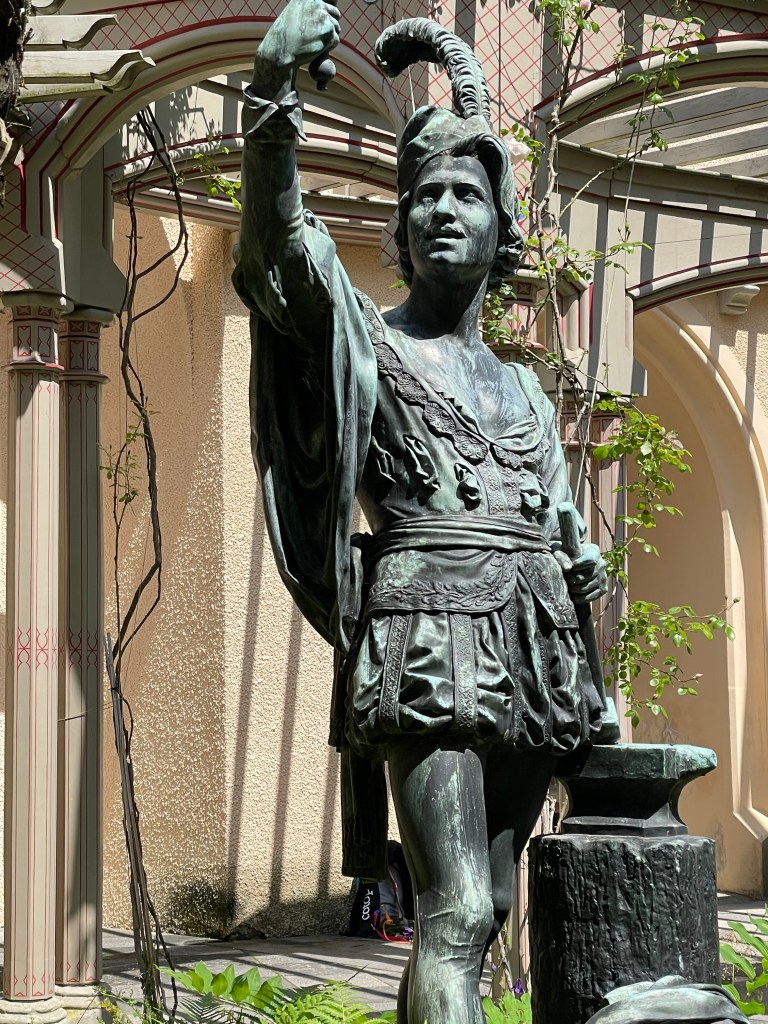
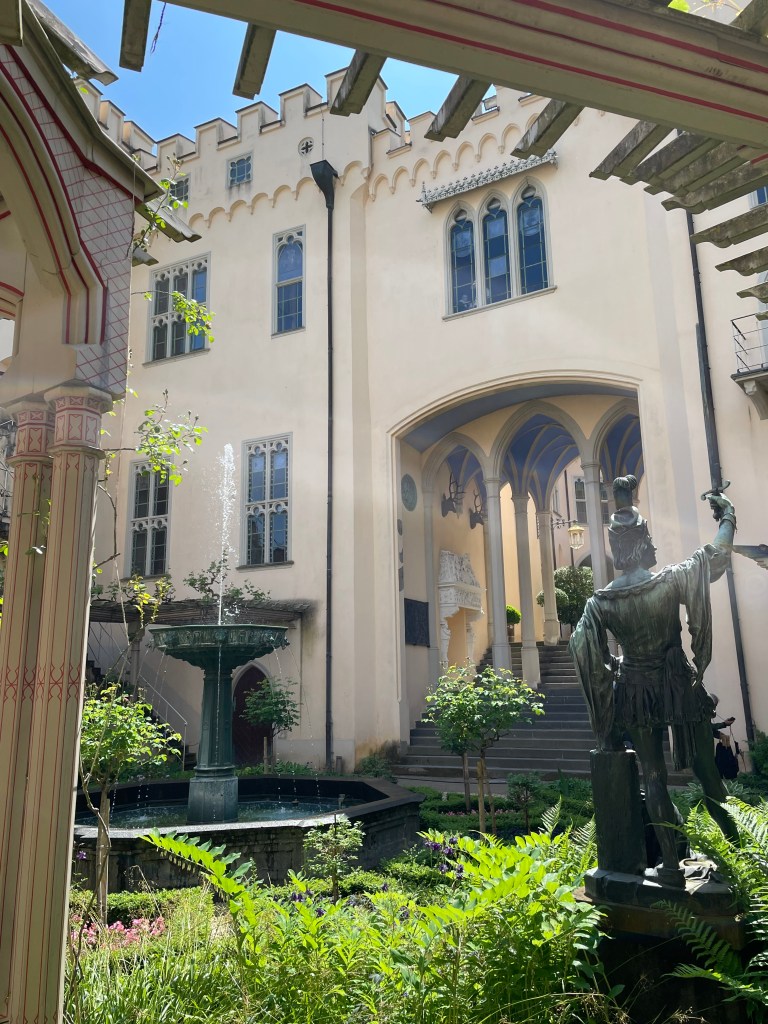
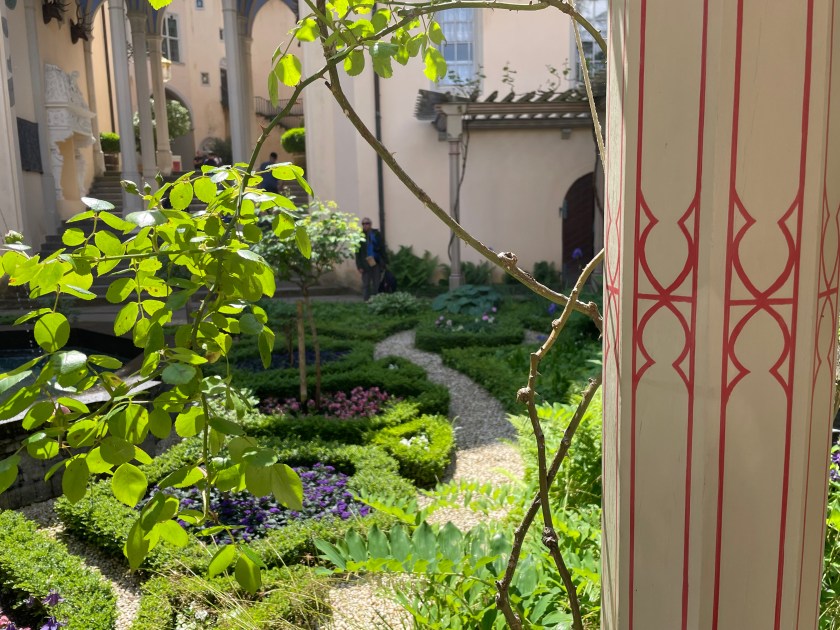
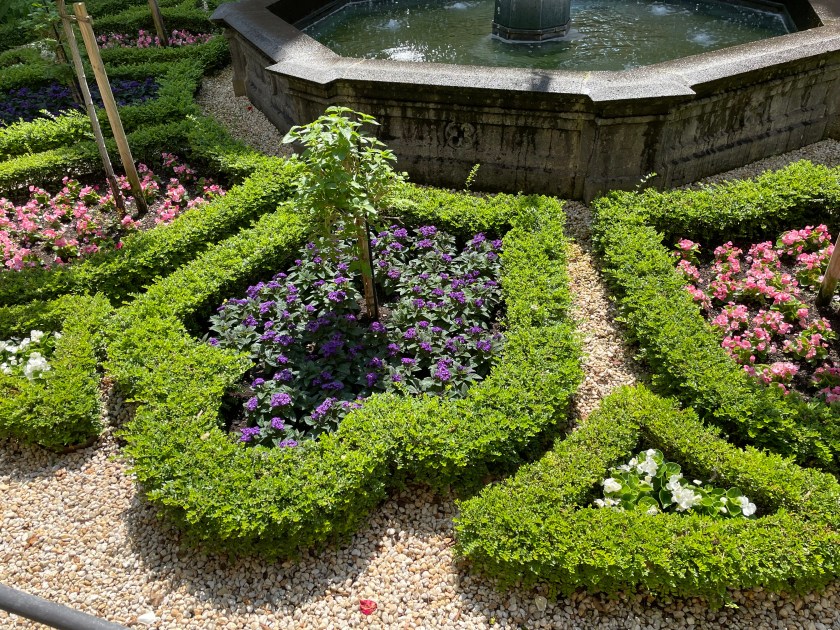
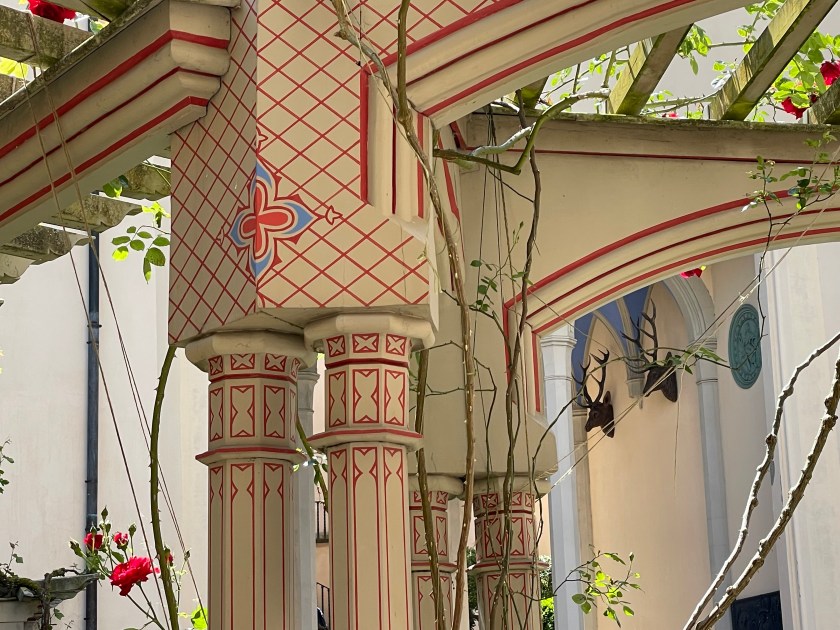
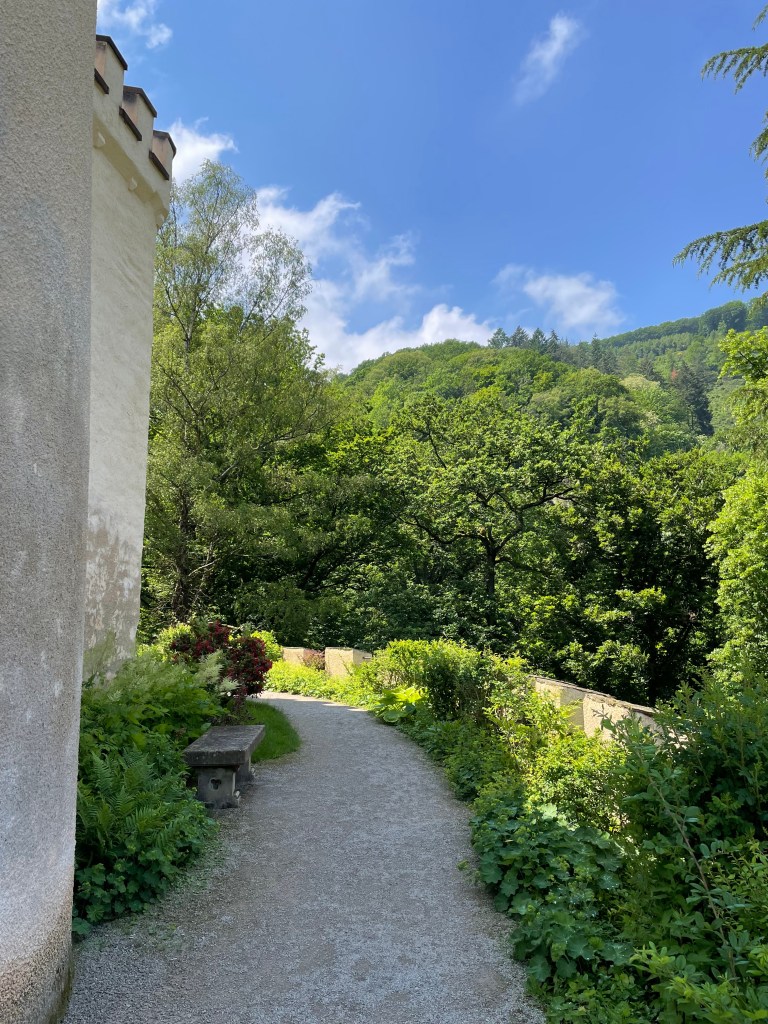
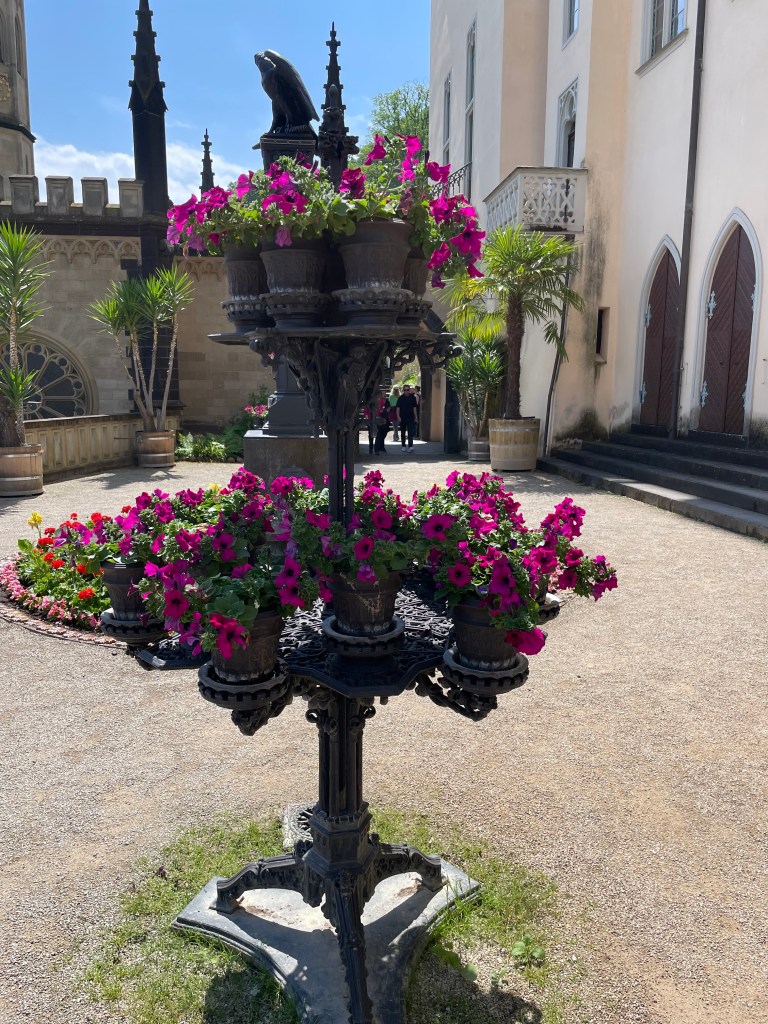
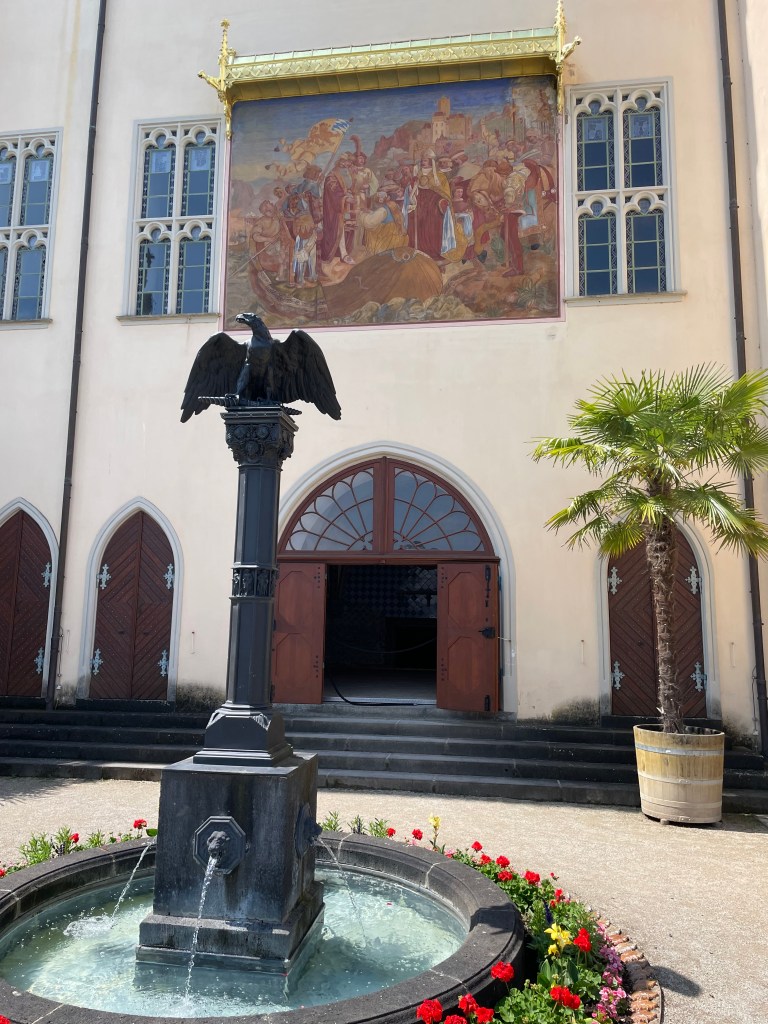
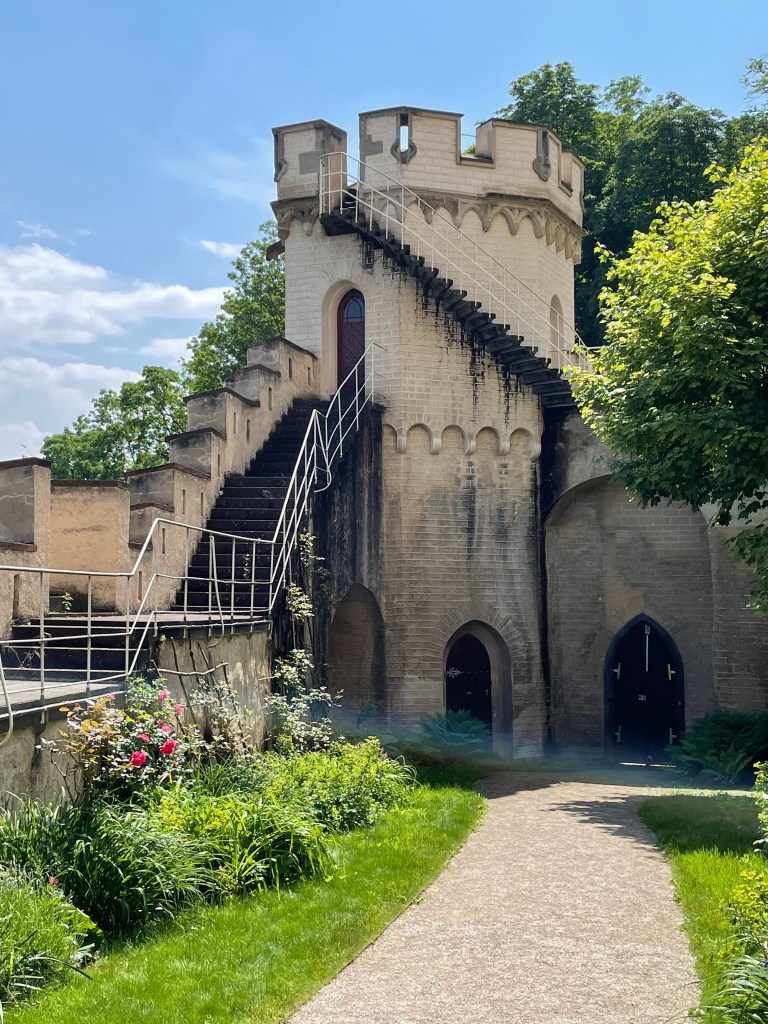
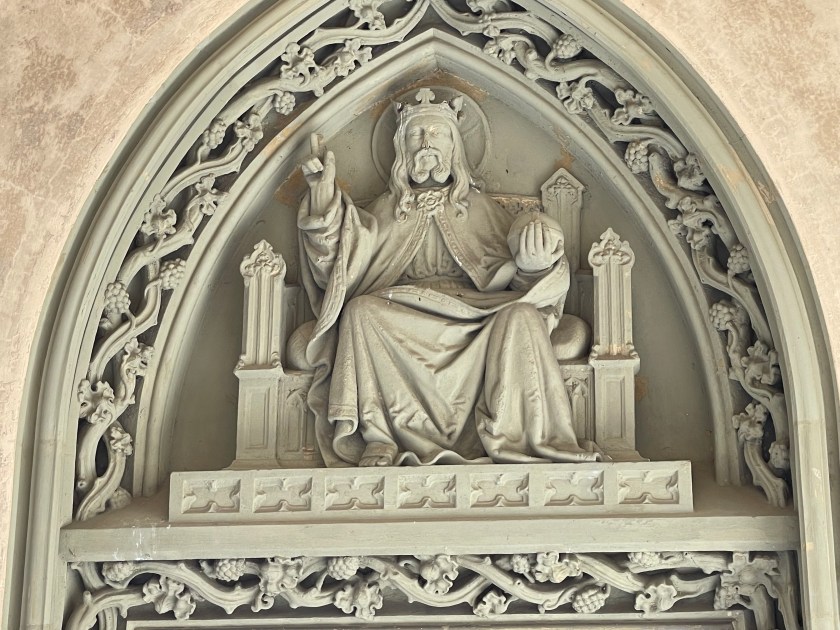
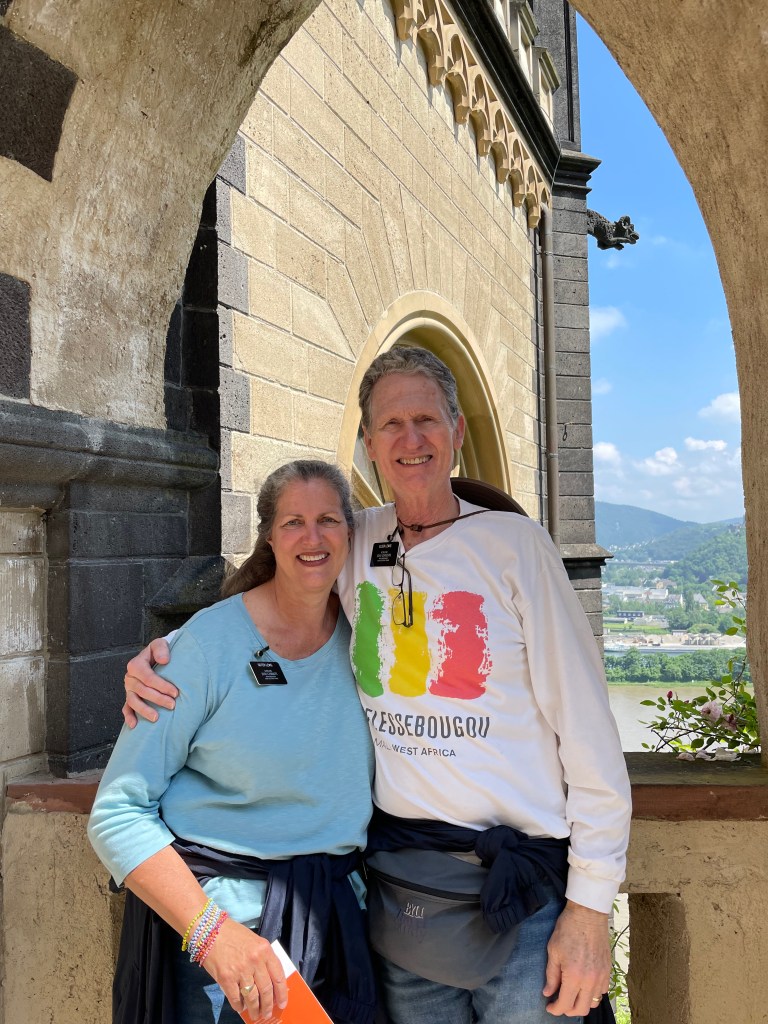
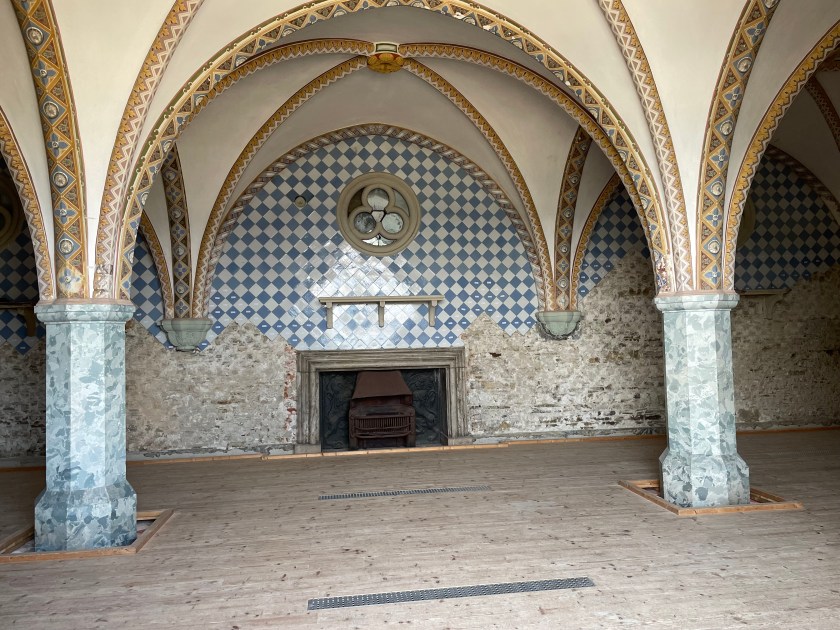
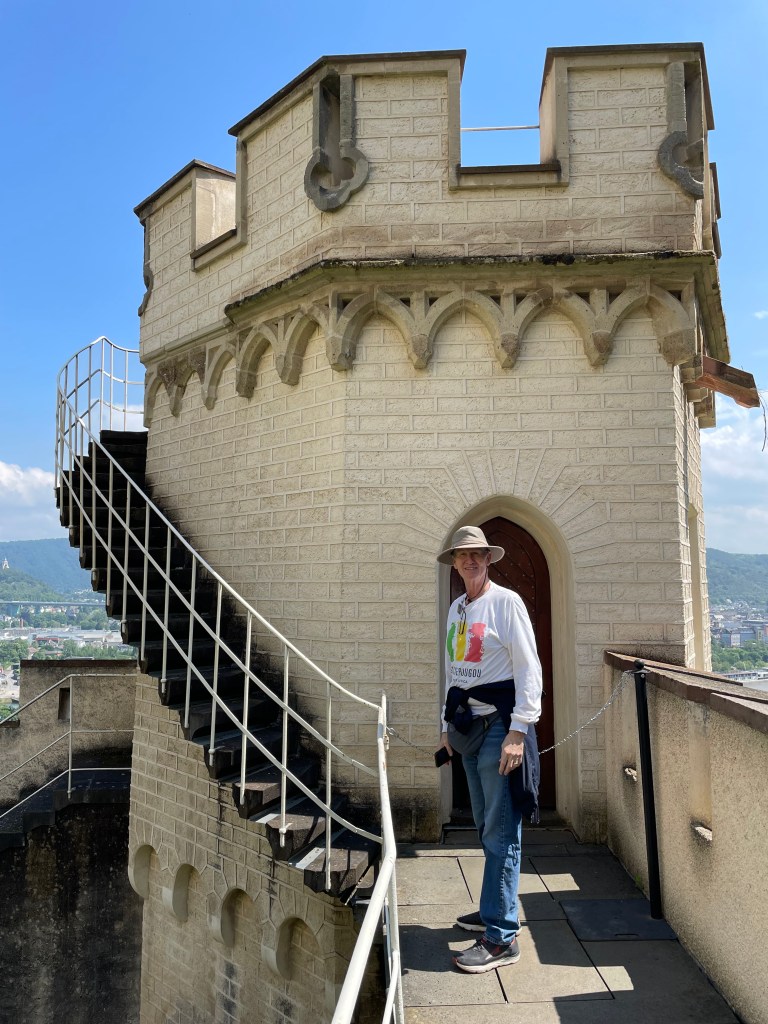
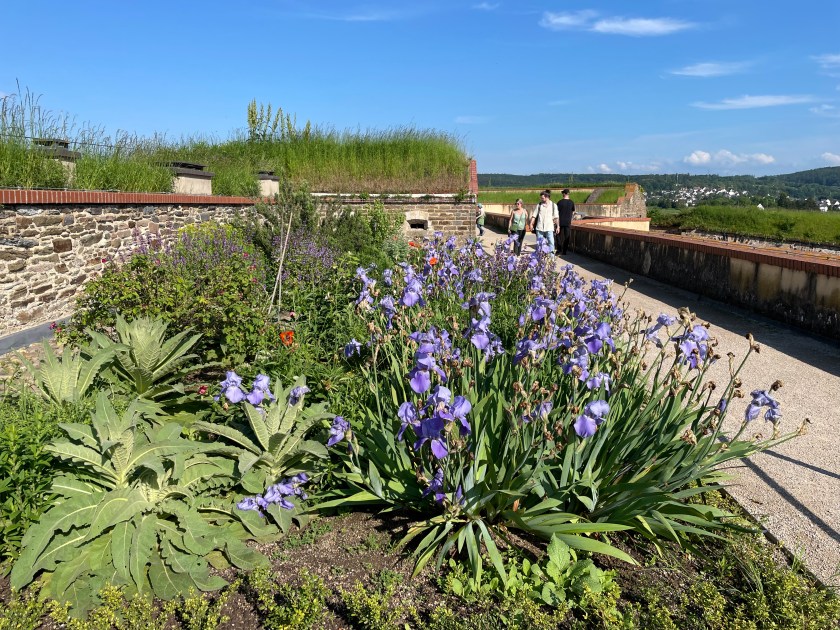
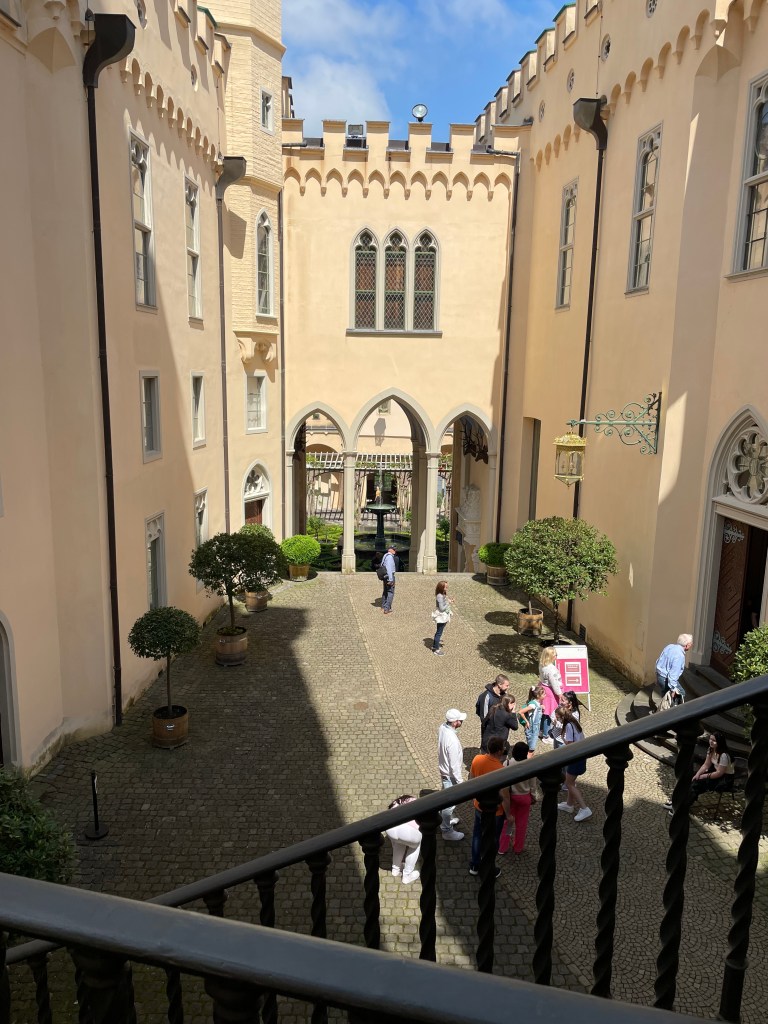
We weren’t allowed to take photos inside the castle, but here are some pics of the grounds:
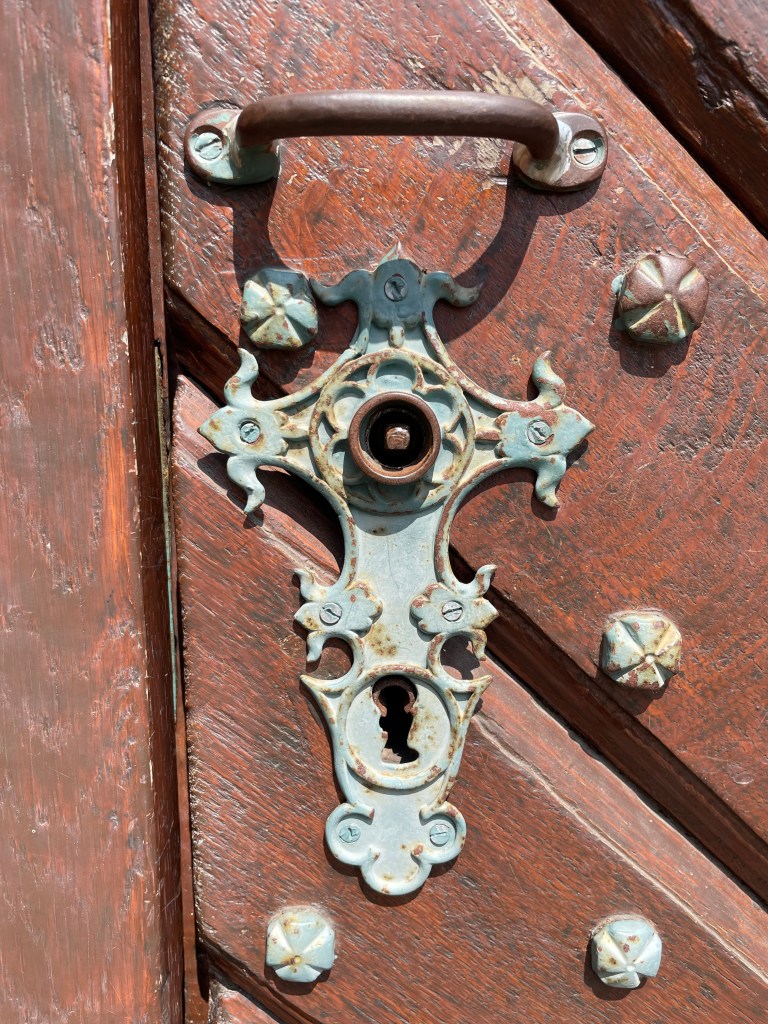
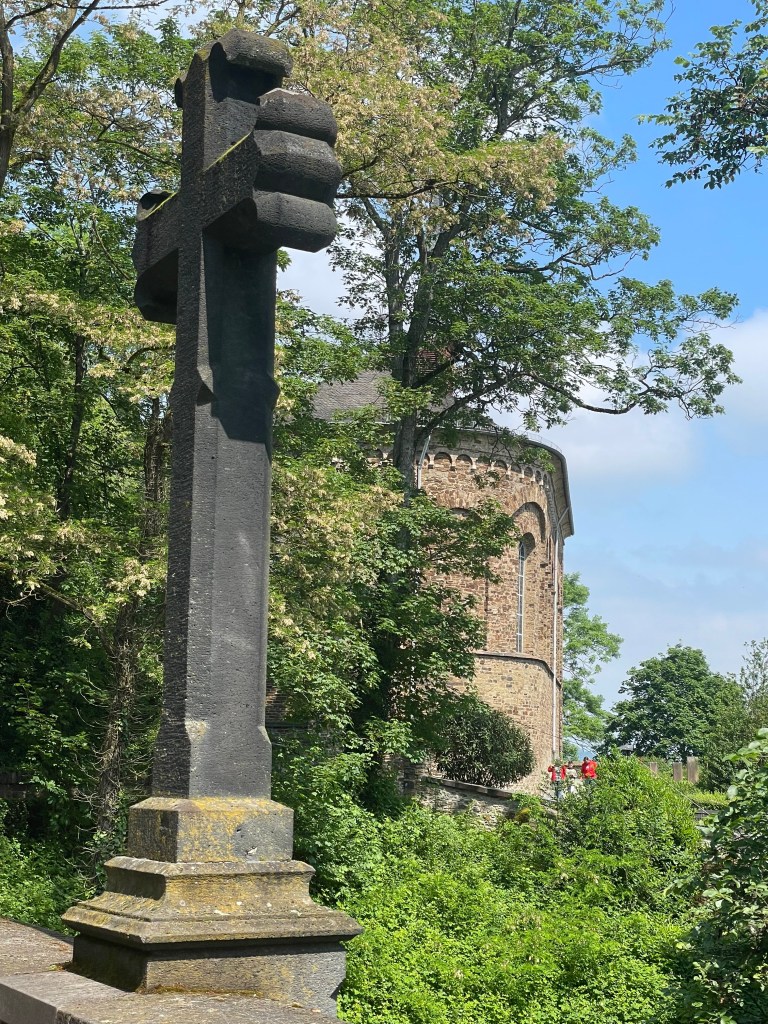
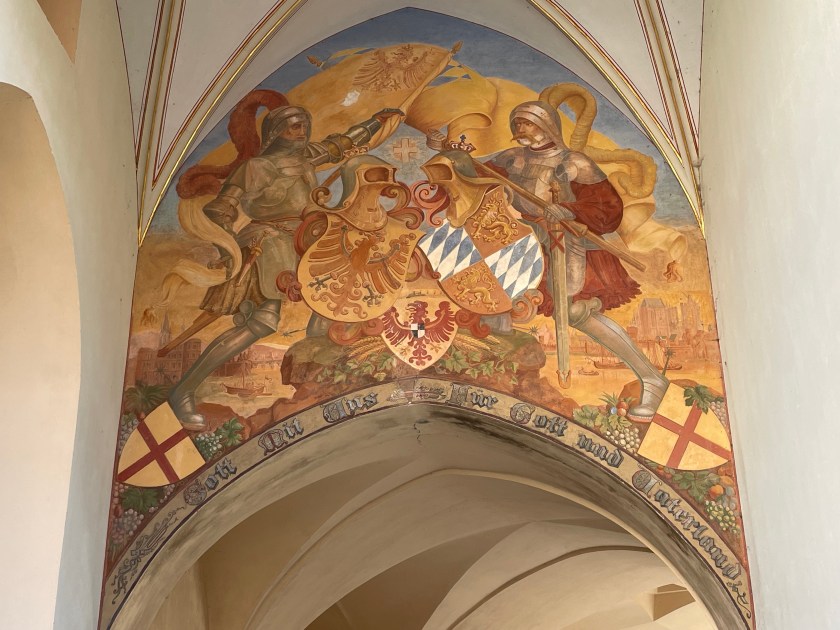
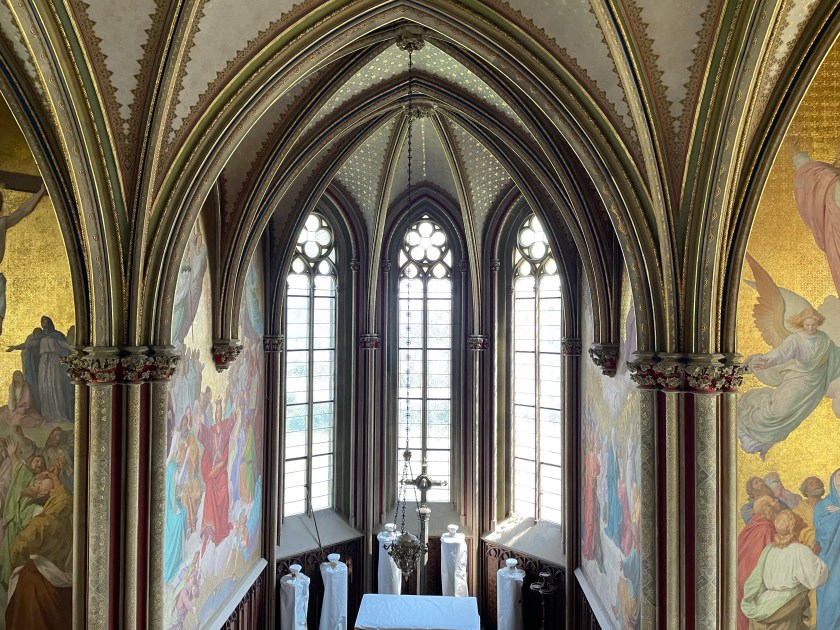
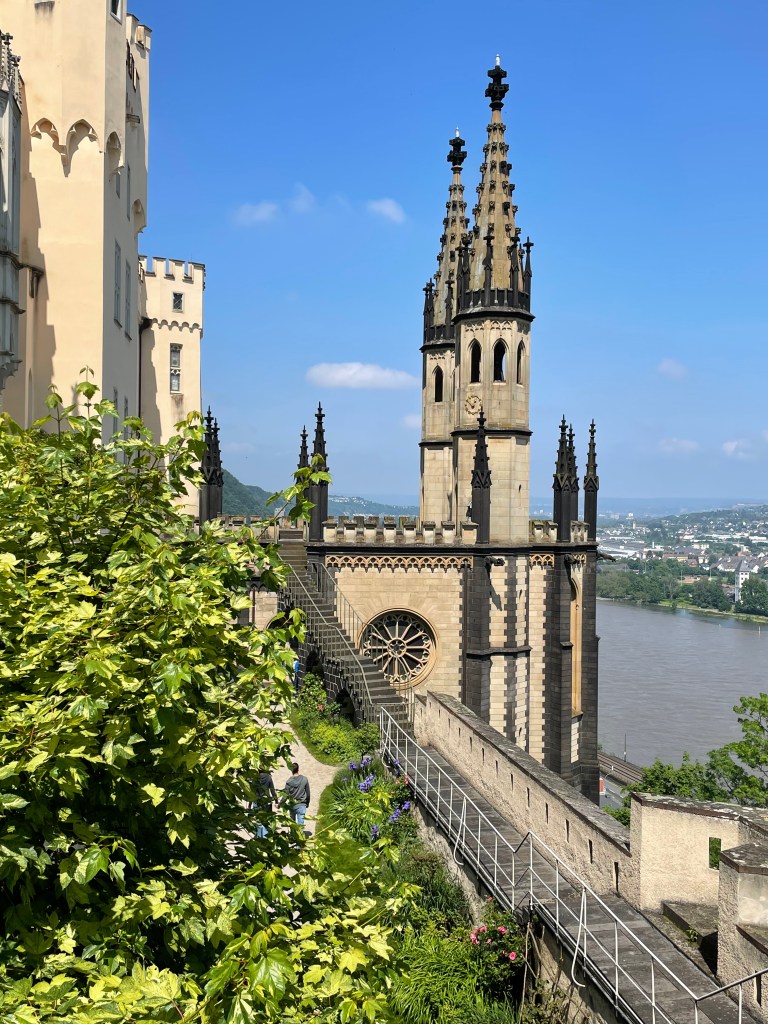
This is the church built onto the side of the castle:
 

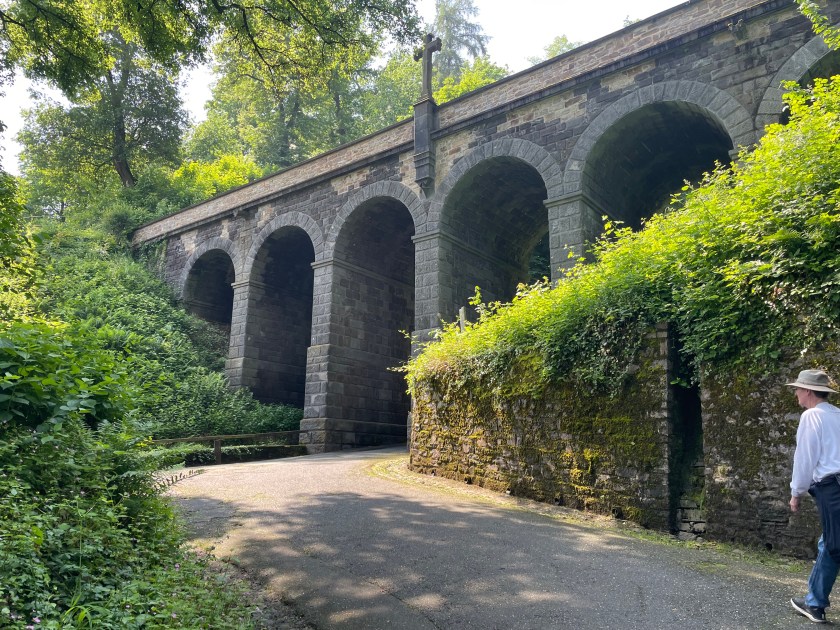
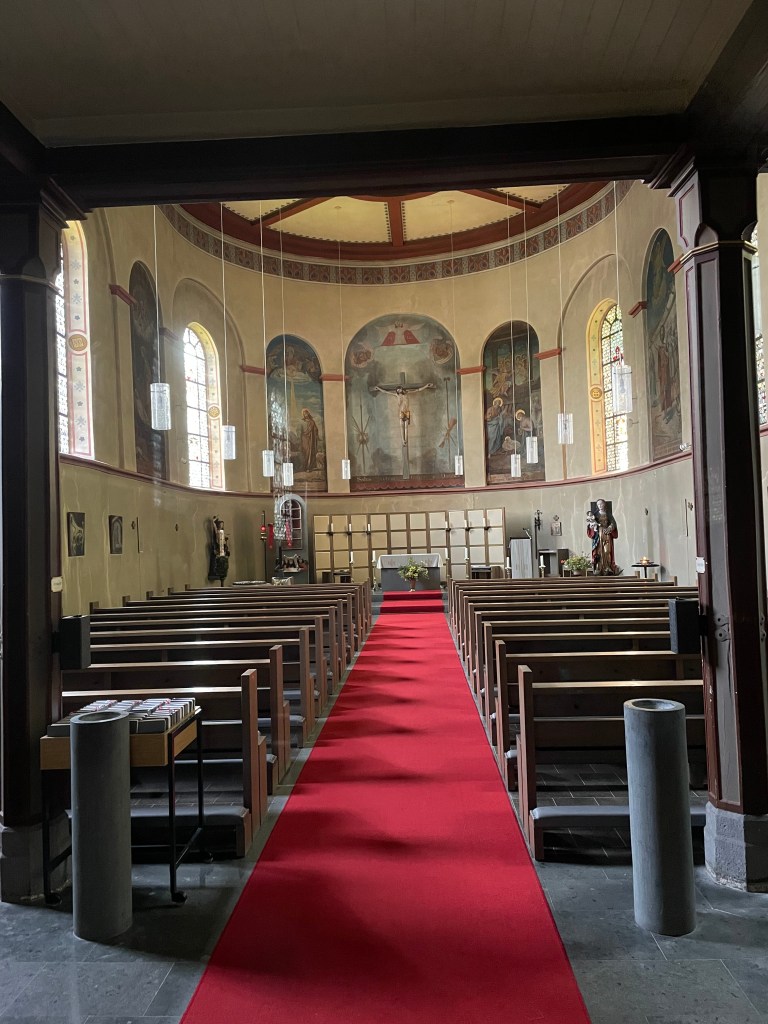
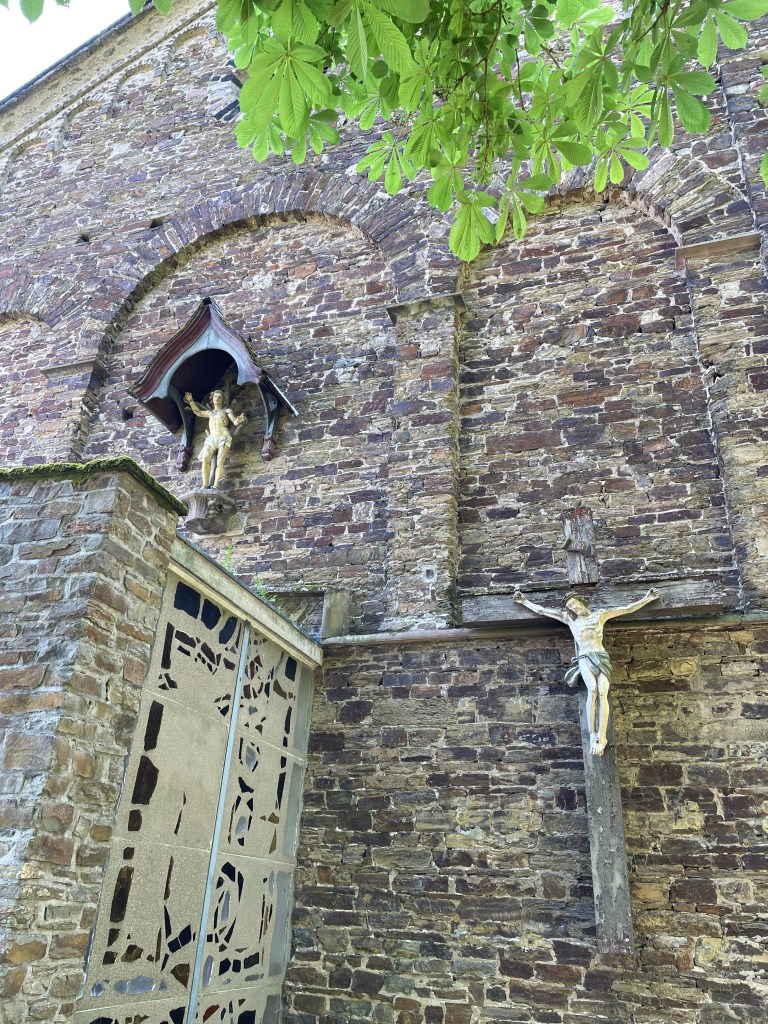
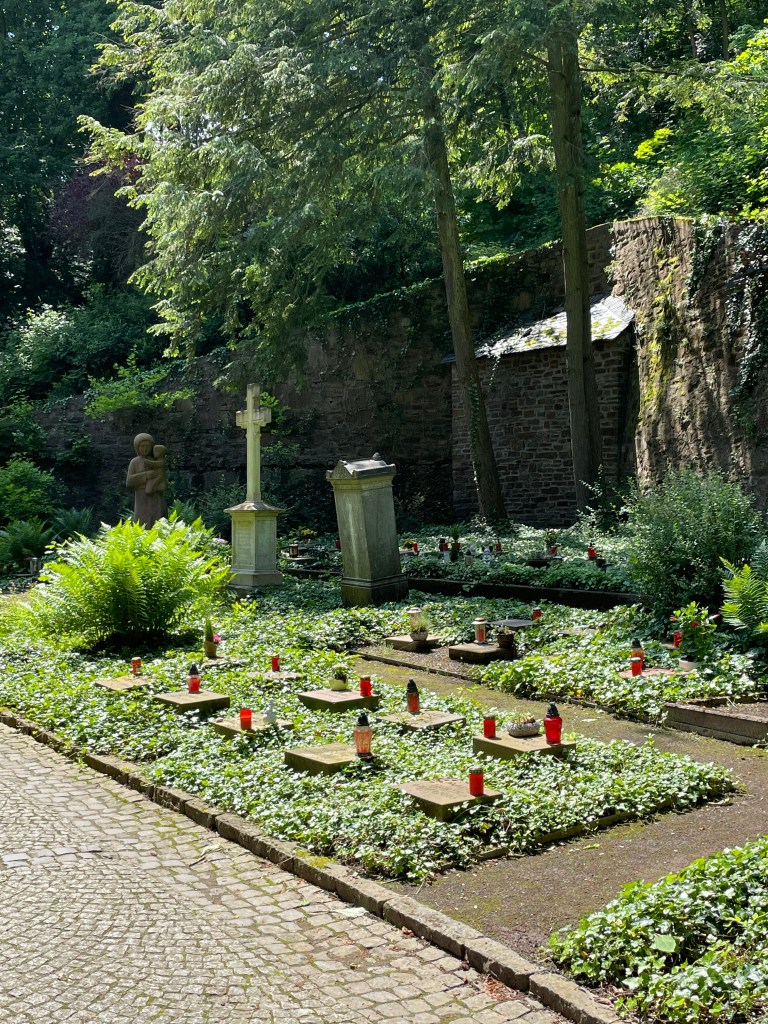
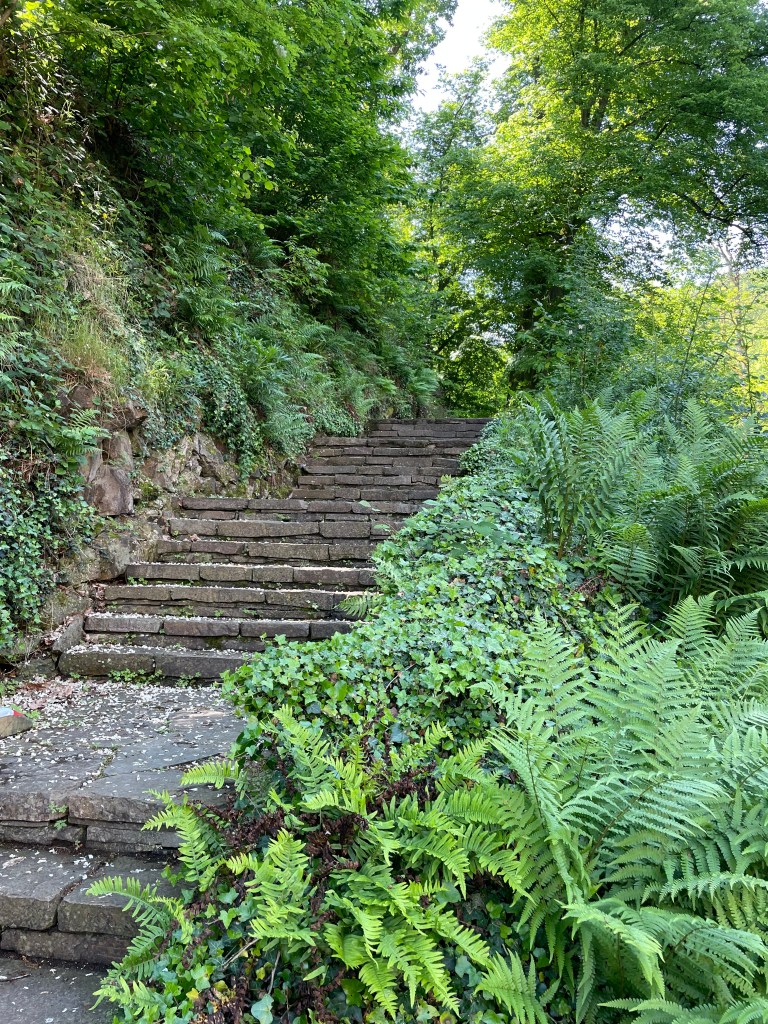
After seeing all we could, we hiked back down another way, past an old church on the hillside that we wanted to see.
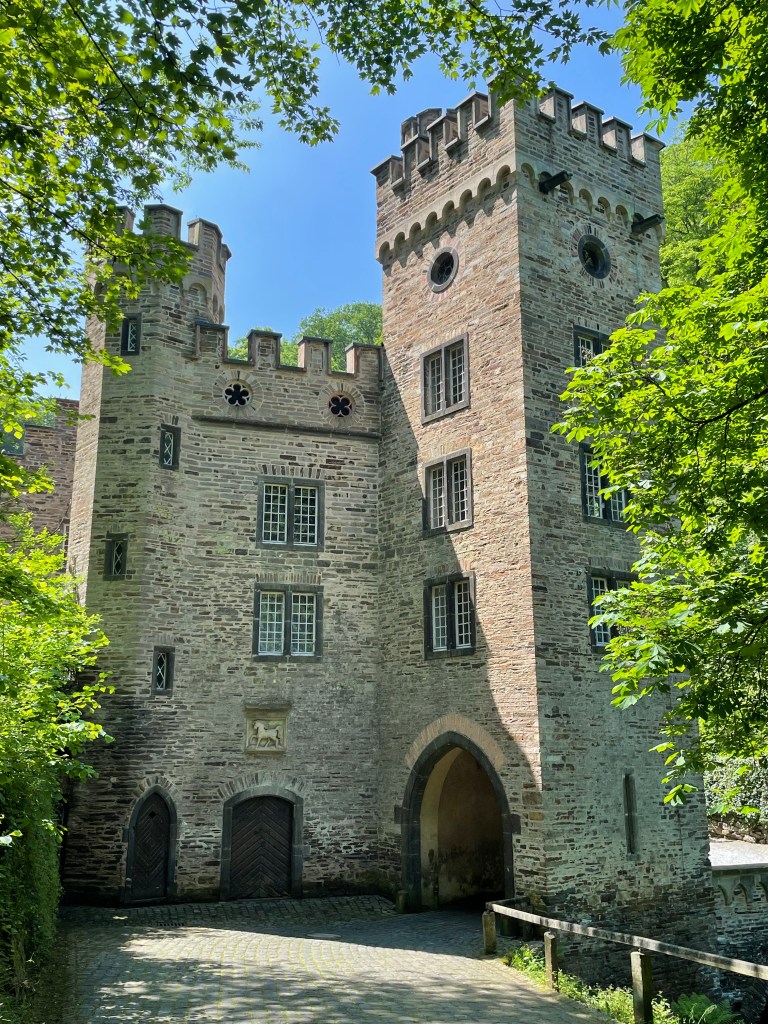
Then we met everyone else and waited for our boat to return for us.

You can see the high water coming up over the sidewalk.
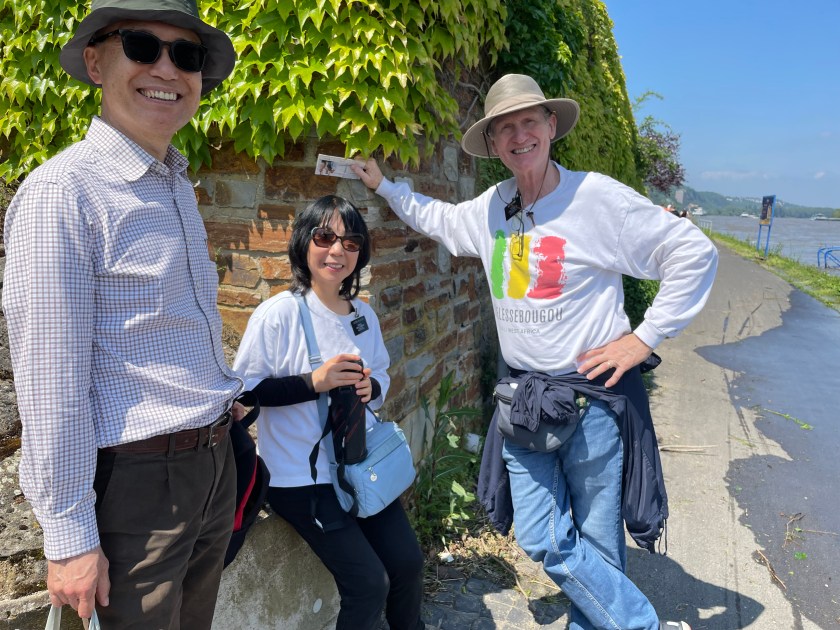
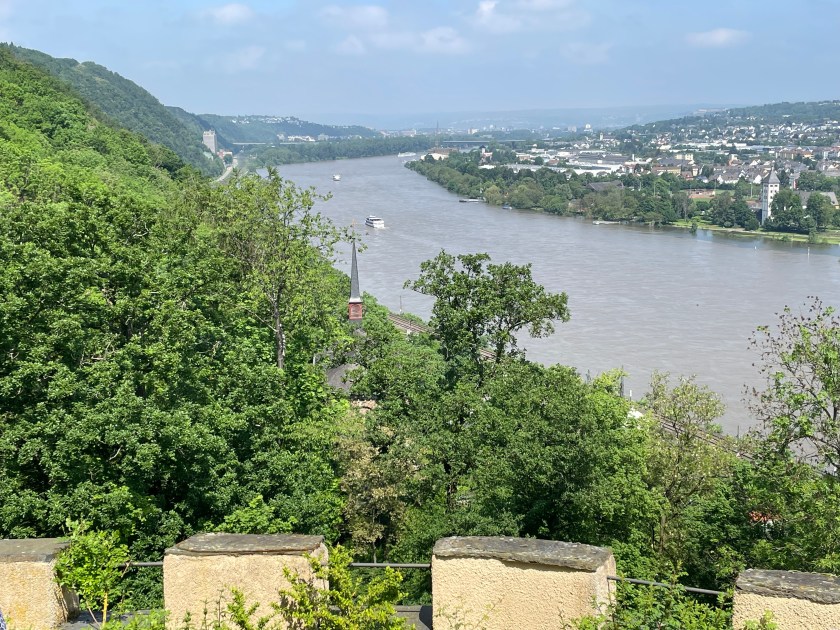
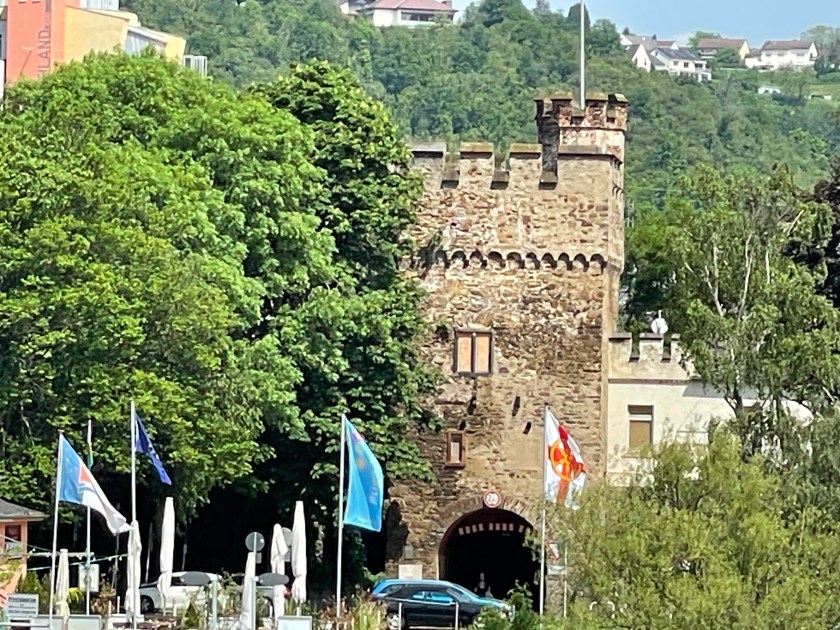
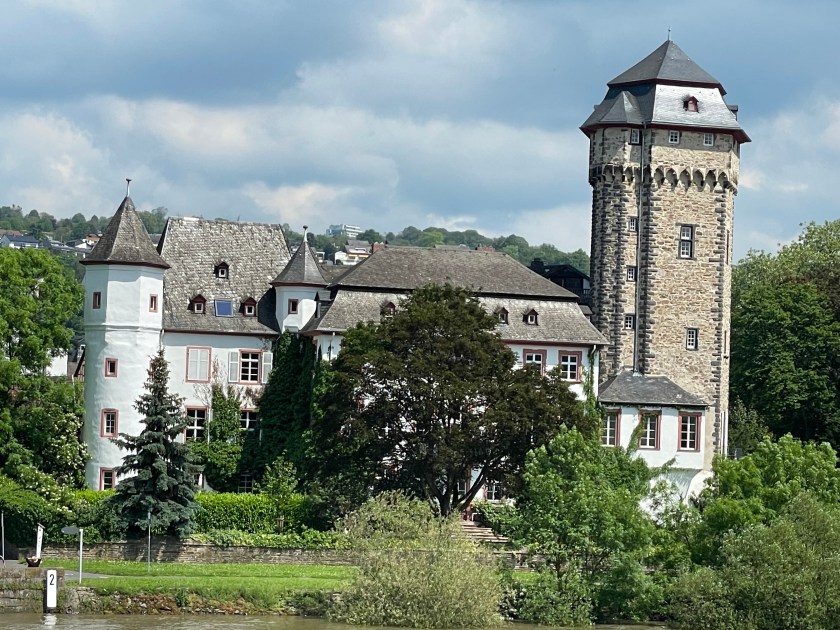
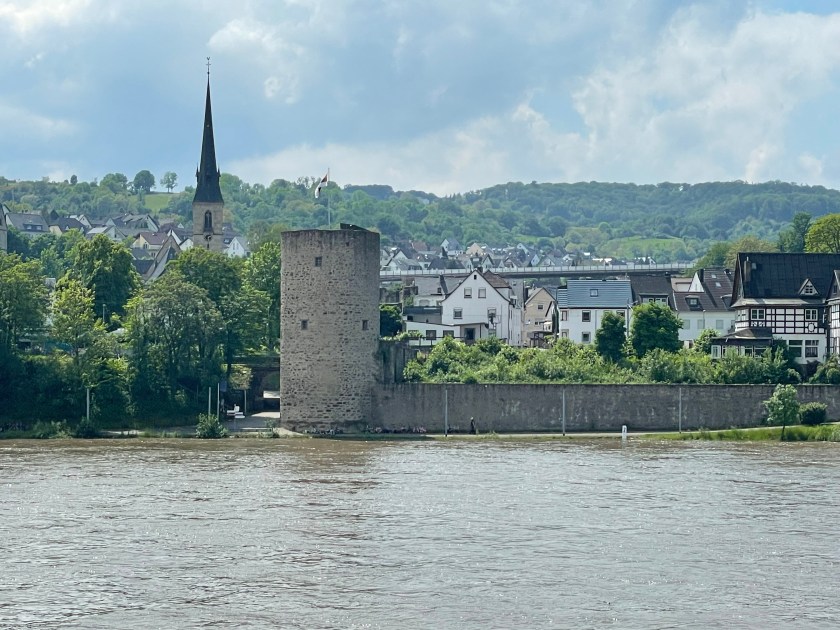
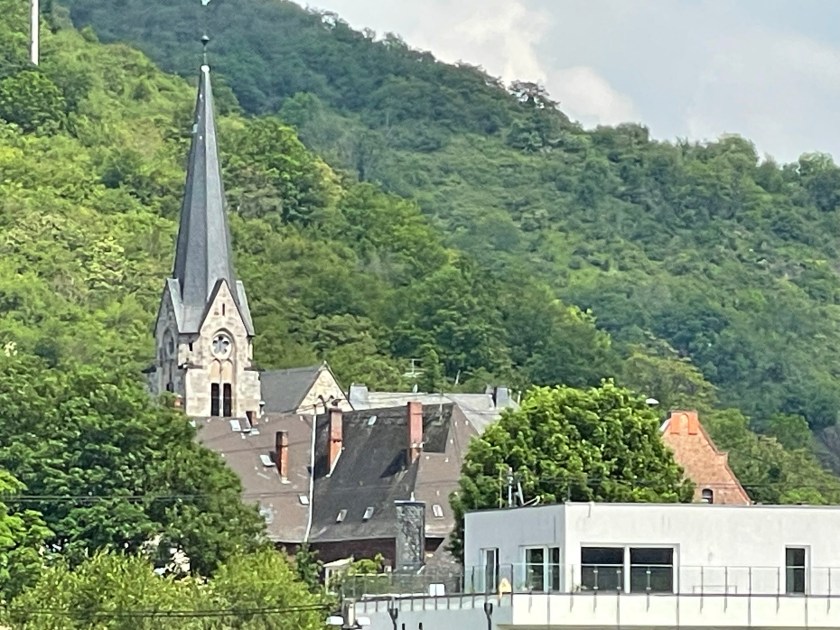
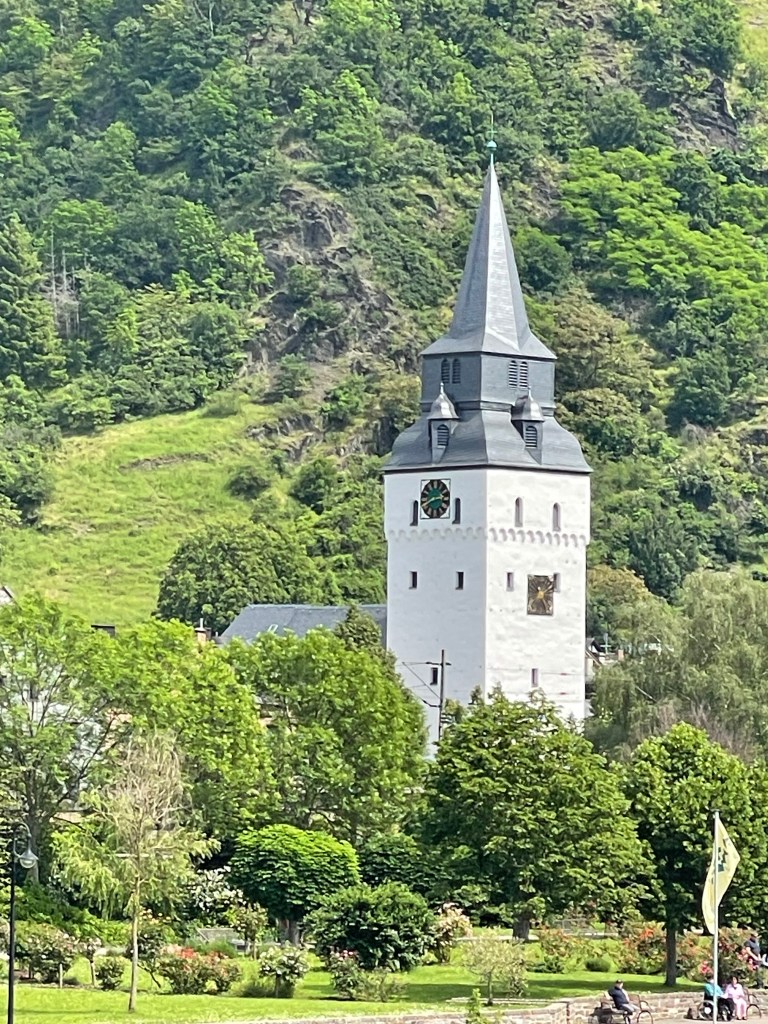
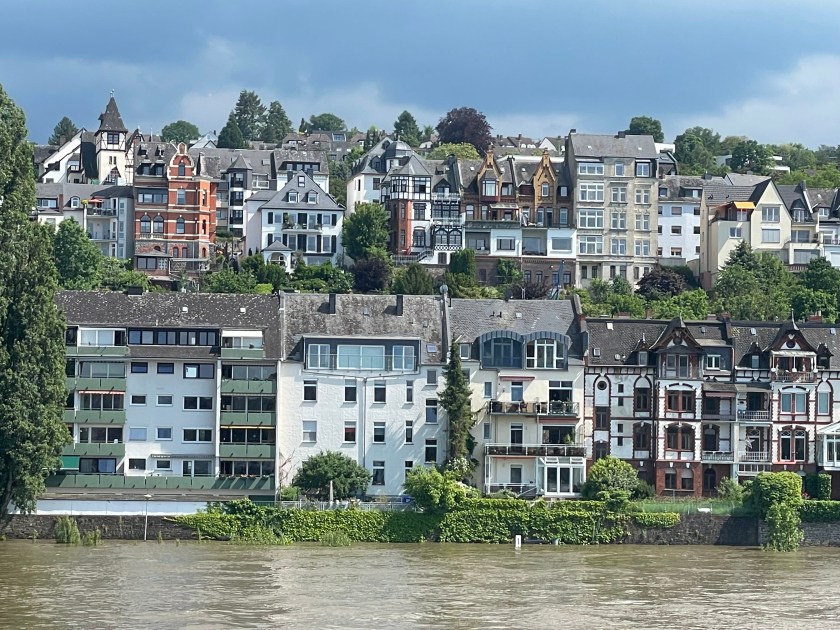
These are a few of the things we saw along the river as we headed back to Koblenz:

This afternoon we visited this fortress on the other side of the river:
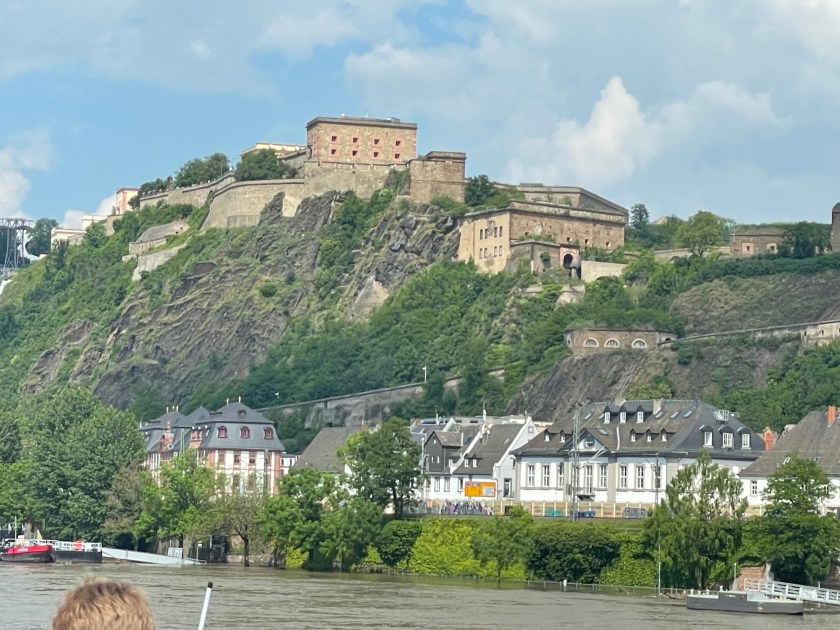
What a fun outing with friends!  To be continued . . . .
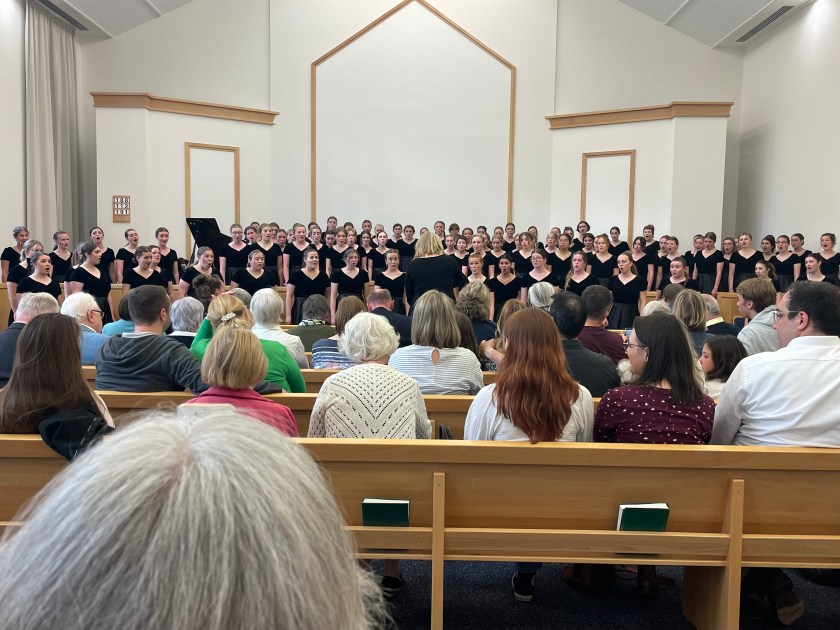
BYU Women’s Choir Performs in Friedrichsdorf

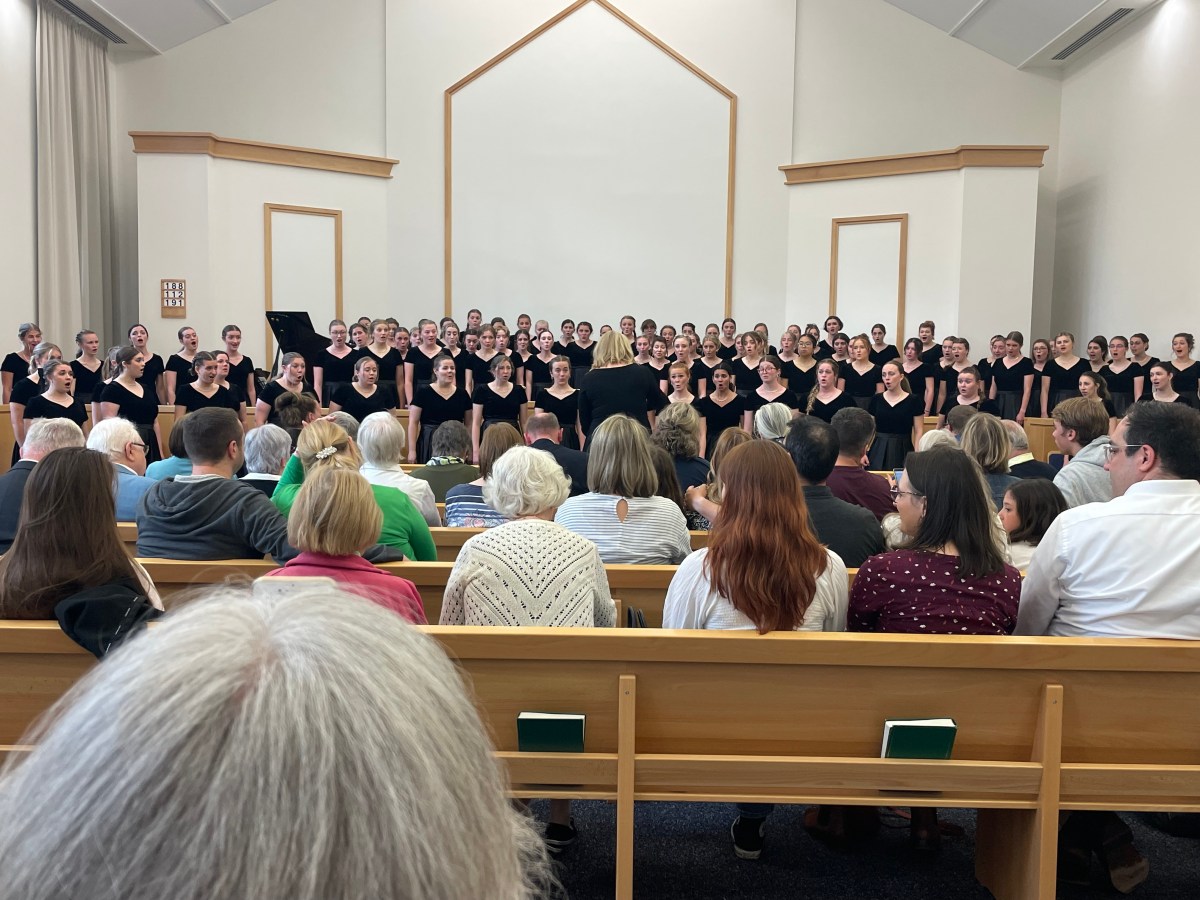
This evening we went to help with a performance of the BYU Women’s Choir who have been touring in Europe.  Last week they performed at the Frankfurt Dom, and this evening they came to the Friedrichsdorf Stake Center.  It was a fantastic performance with music in English and a bit of German.  Their conductor is from this area, so she was happy to bring her choir home.

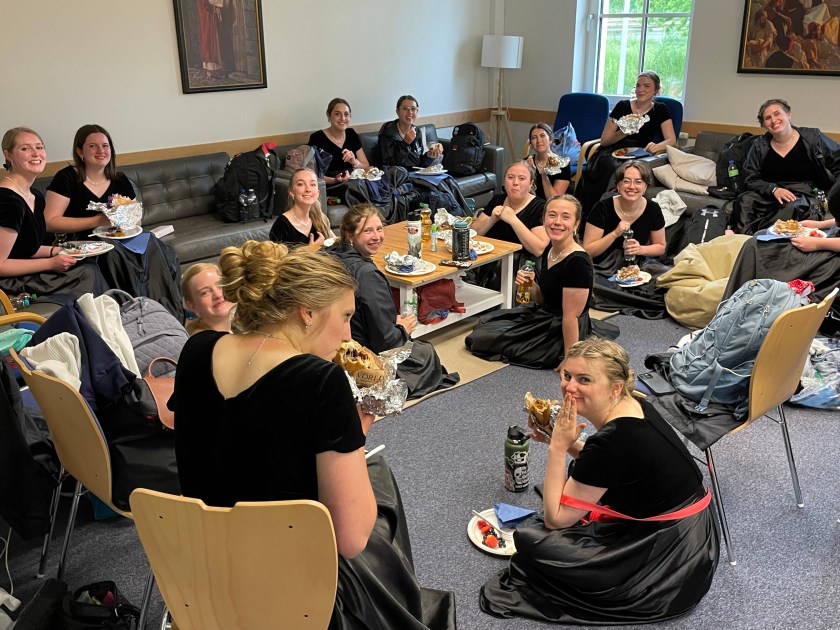
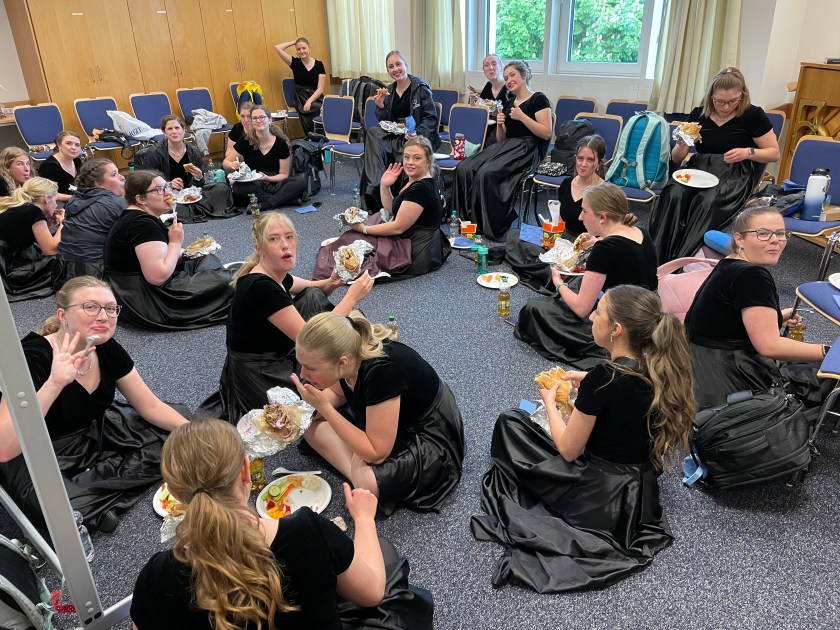
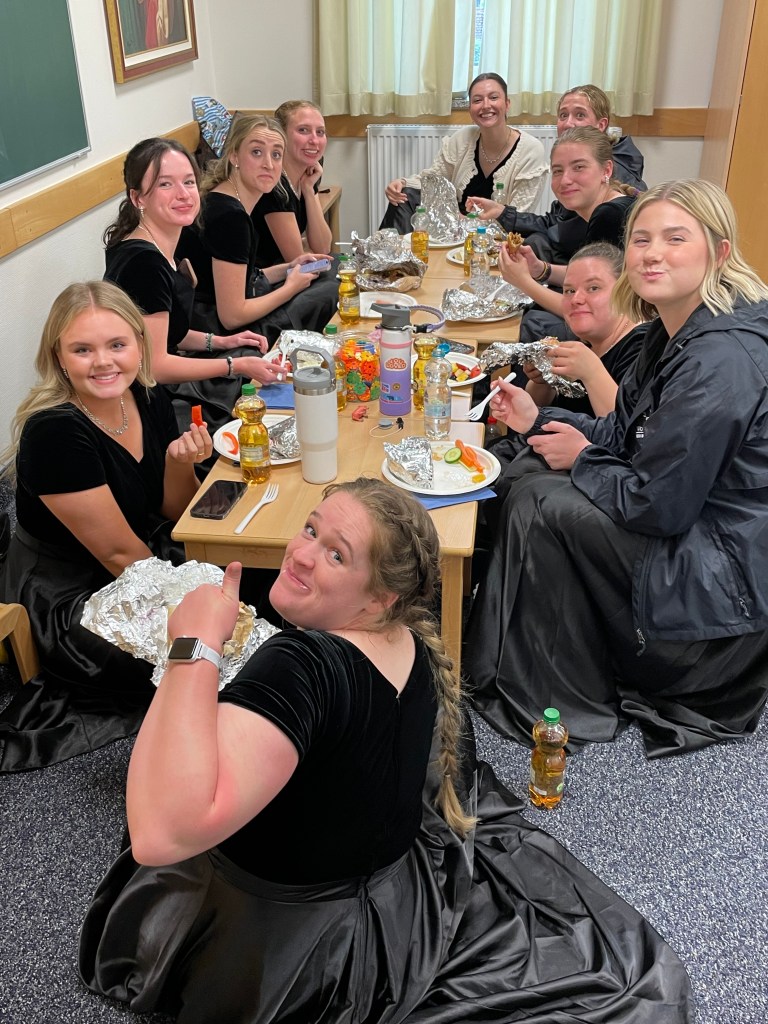
Girls having some dinner before performing.

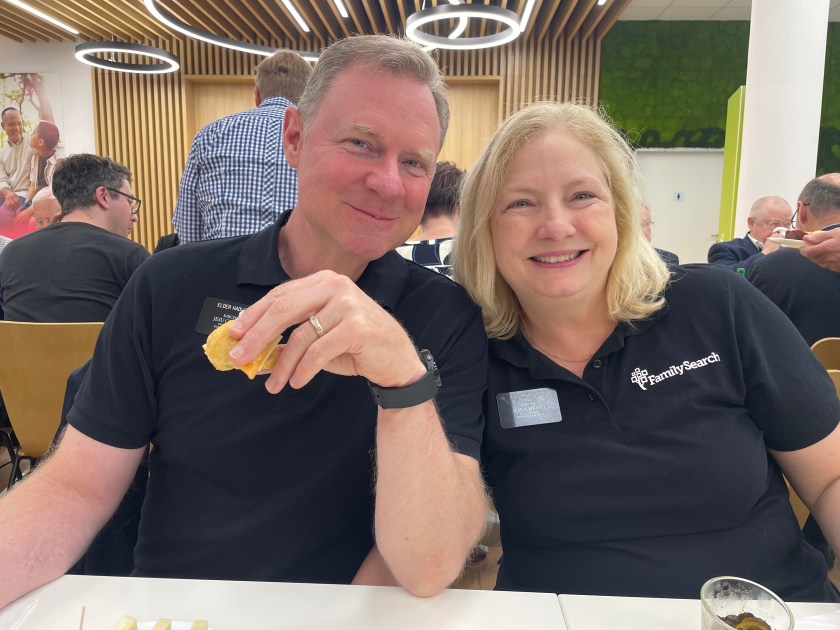
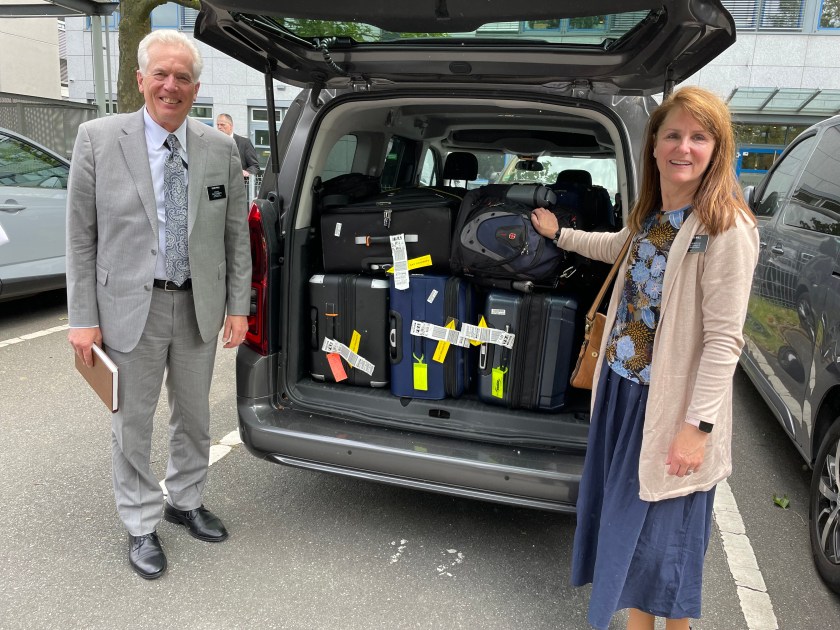
Today we also picked up Rob and Terri Wall, our newest missionaries.  He’ll be working in the Office of General Counsel.  We are happy to have them here.