The Kaiserthermen (Imperial Baths) in Trier

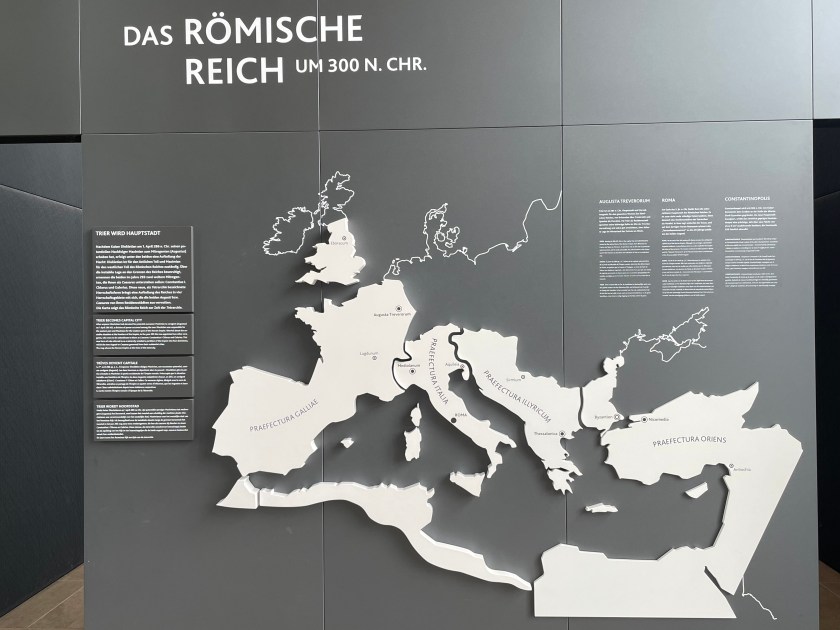
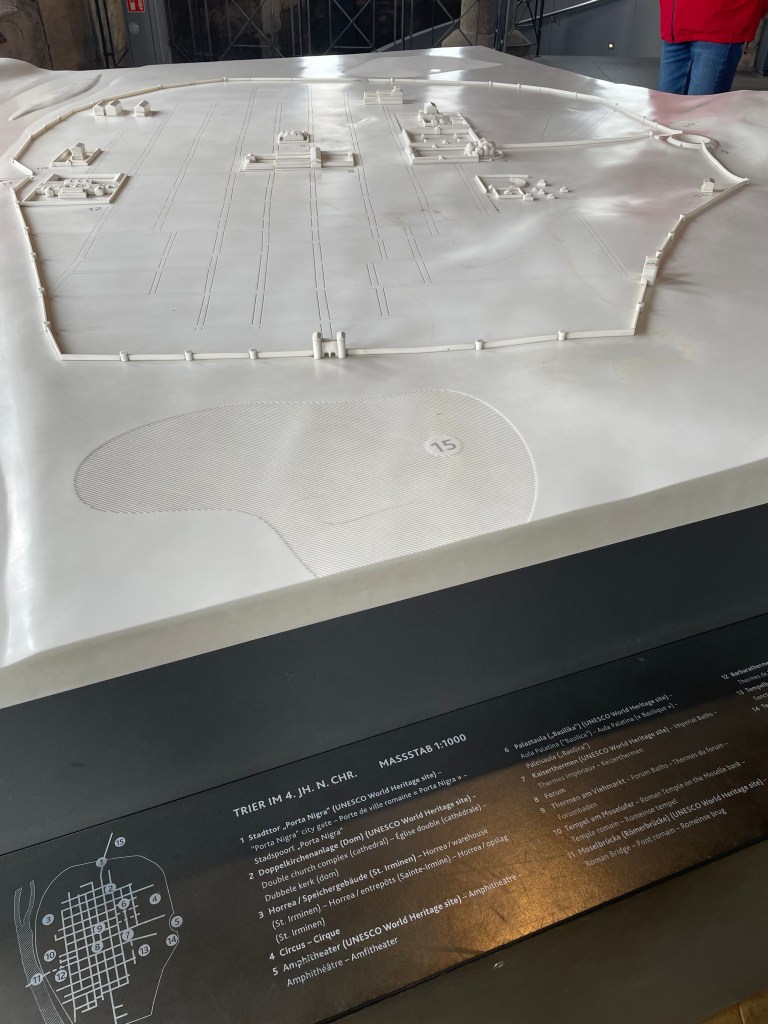
Trier was a big deal for the Romans.  In the 4th century, Trier was the imperial residence and all of the western part of the Roman Empire was administered from here.  Here’s how big that empire was:

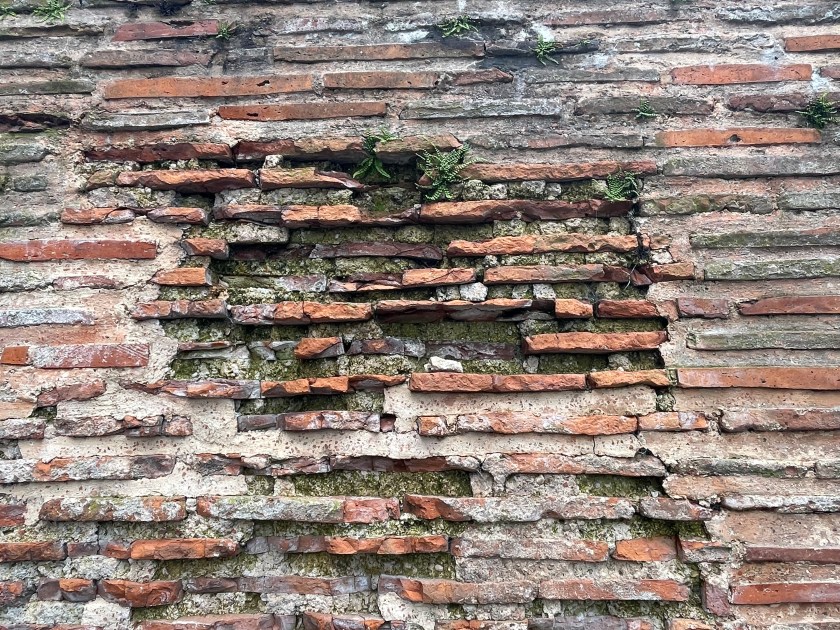
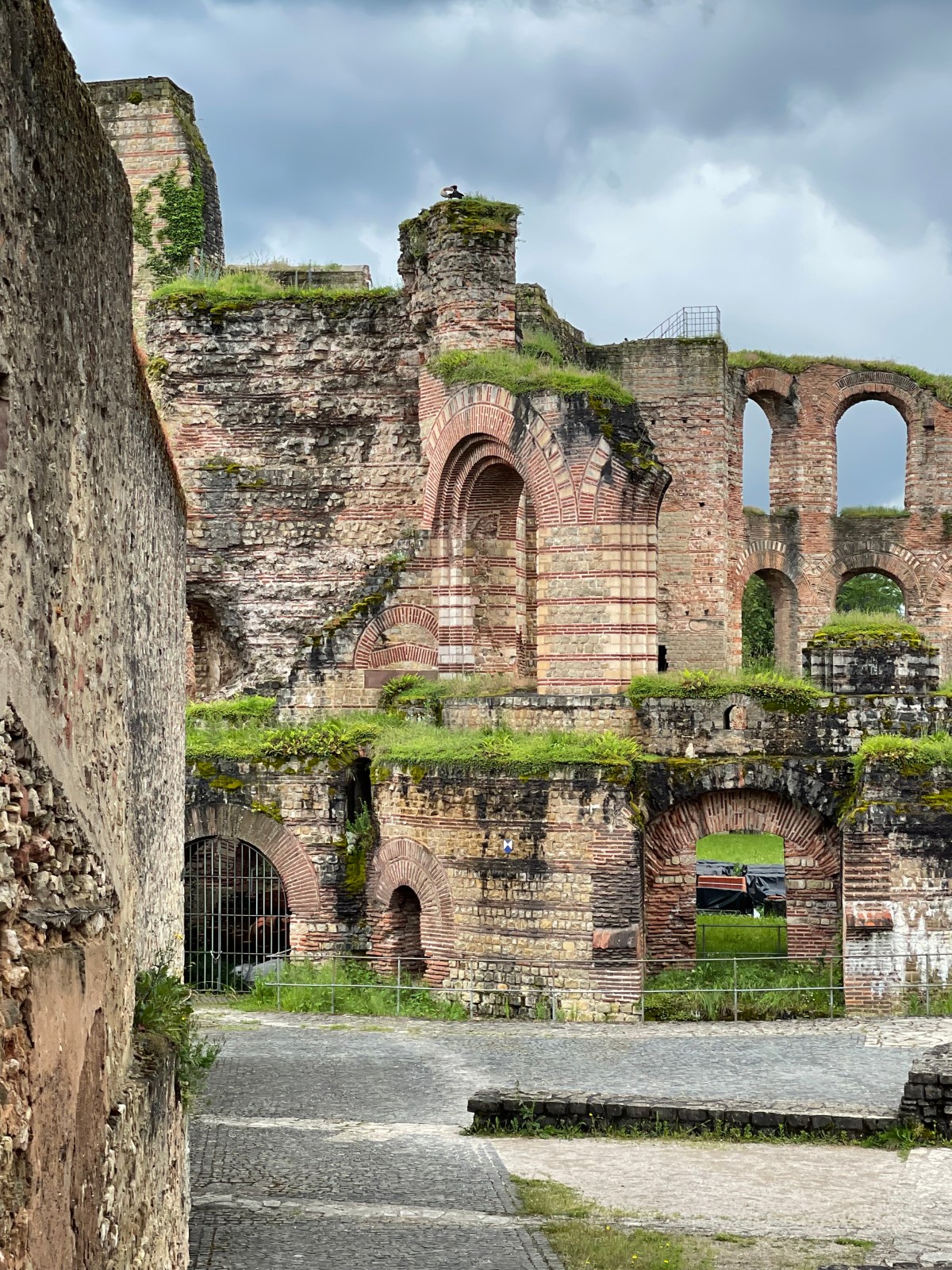
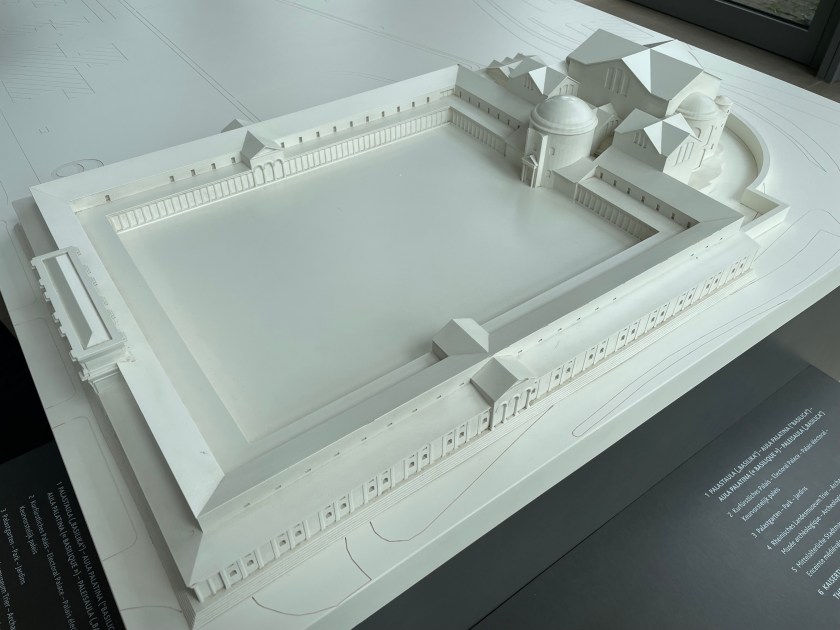
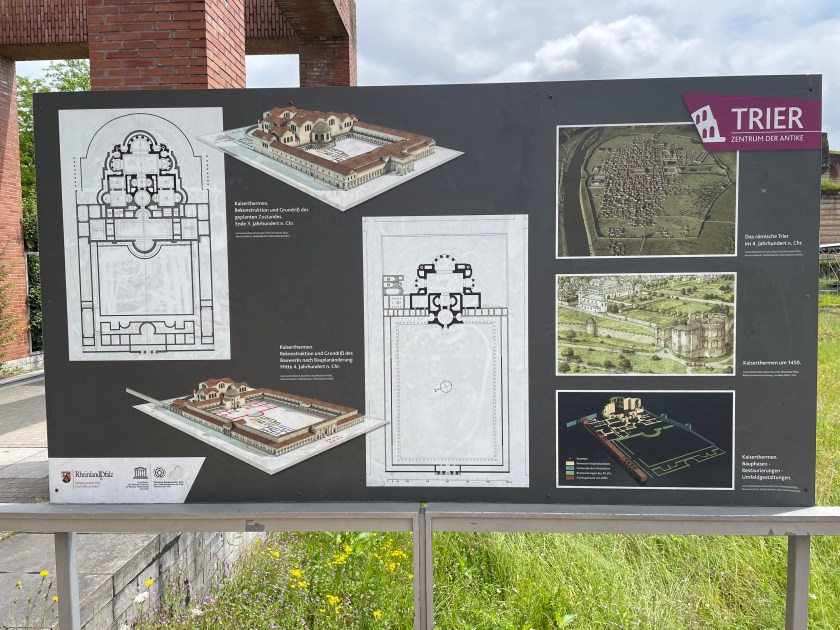
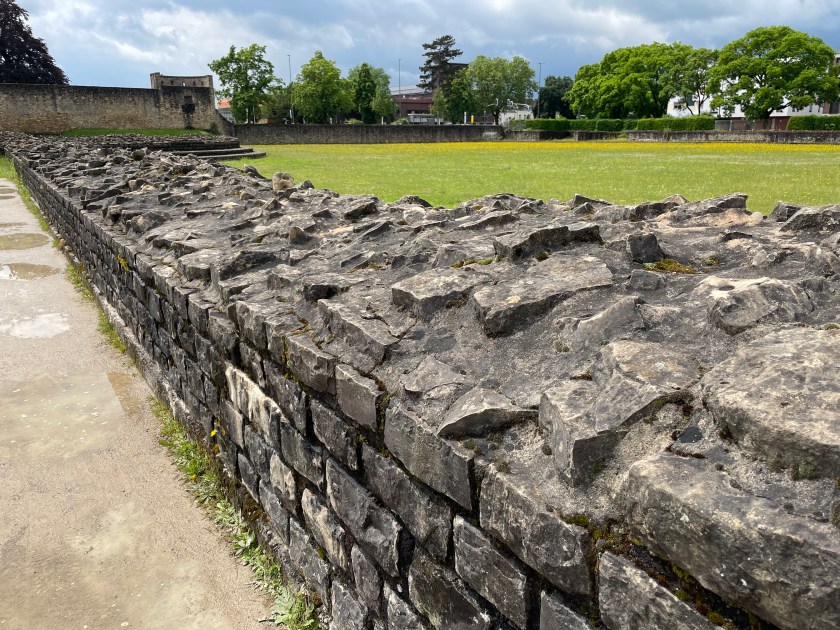
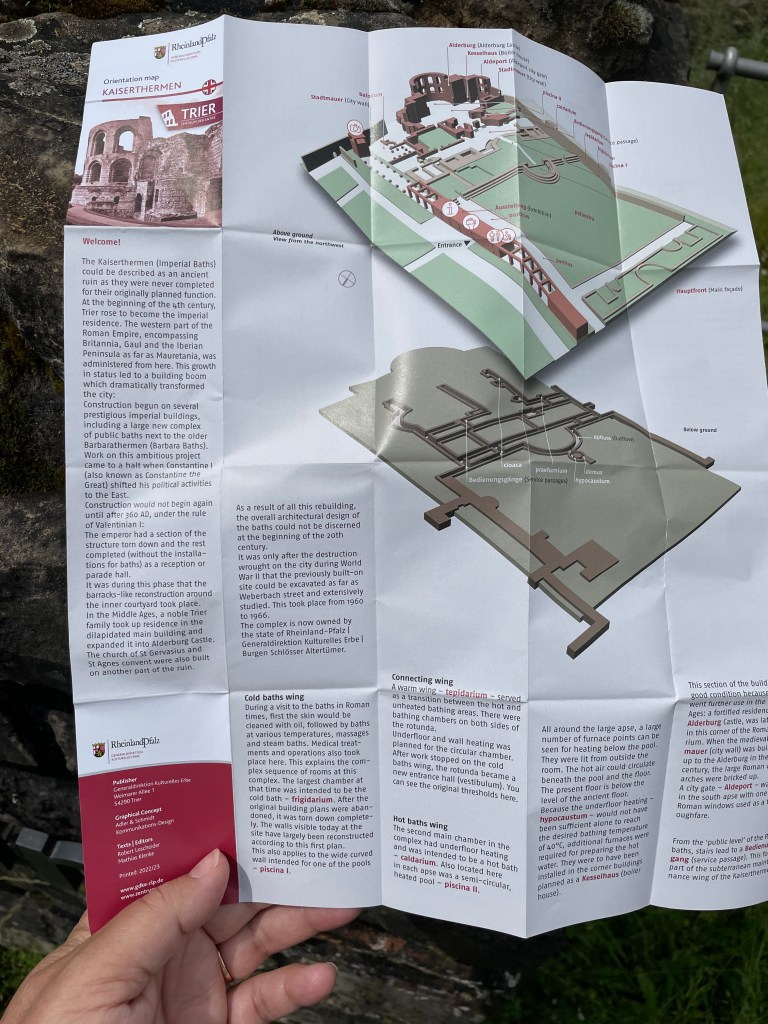
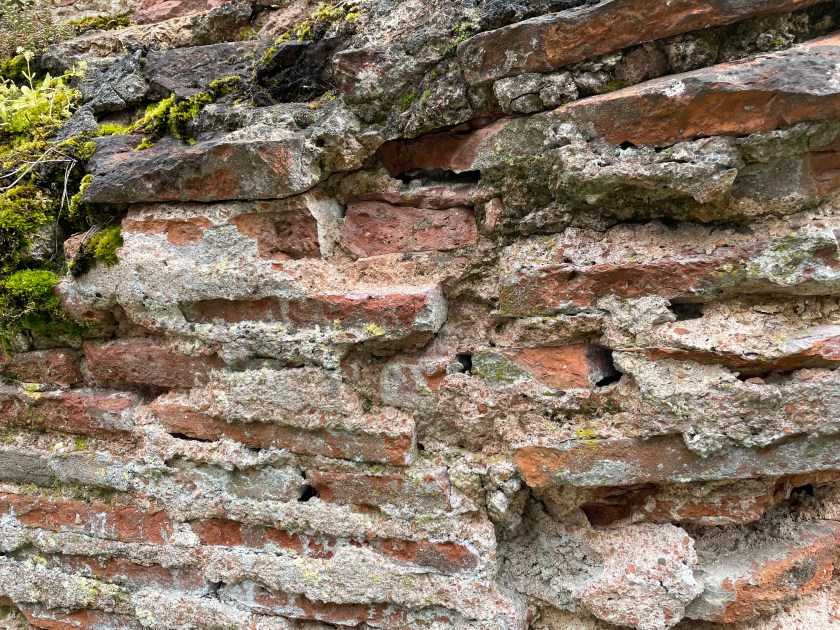
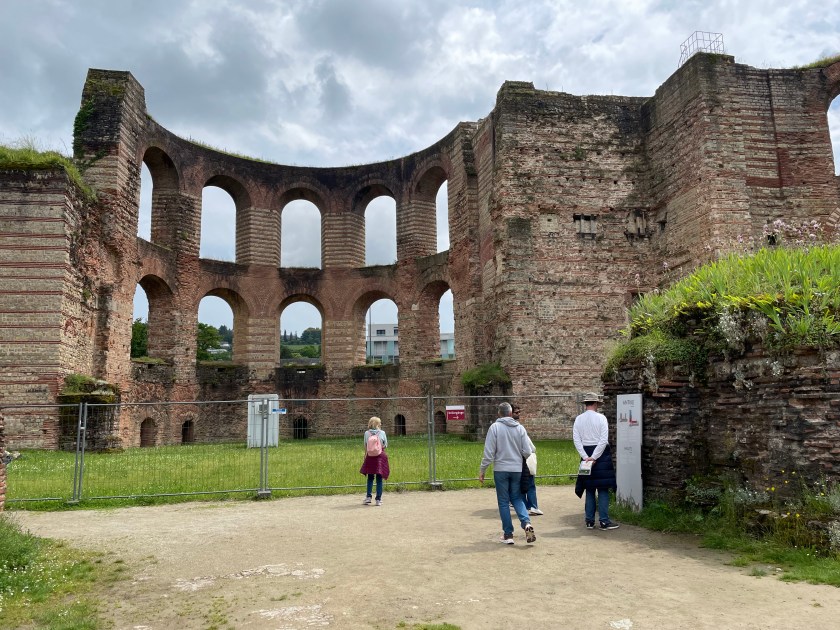
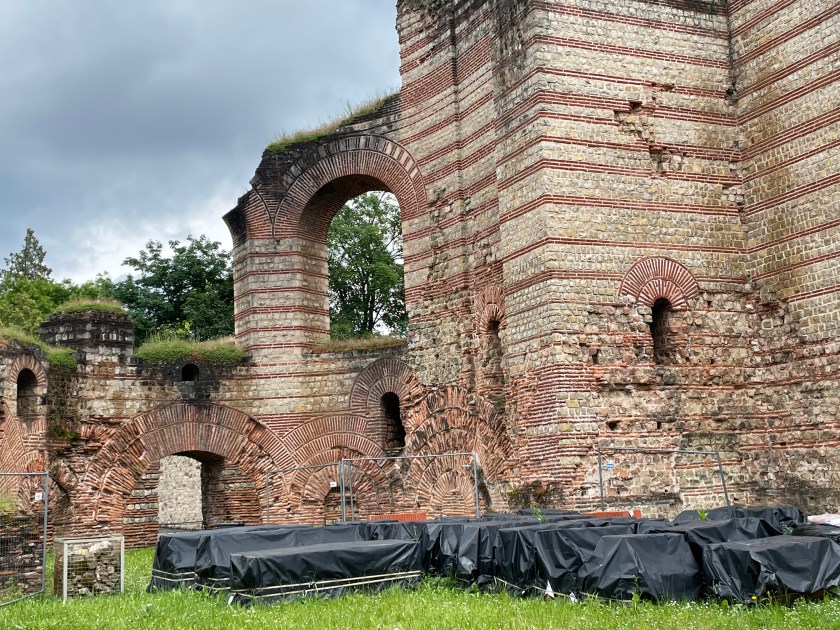
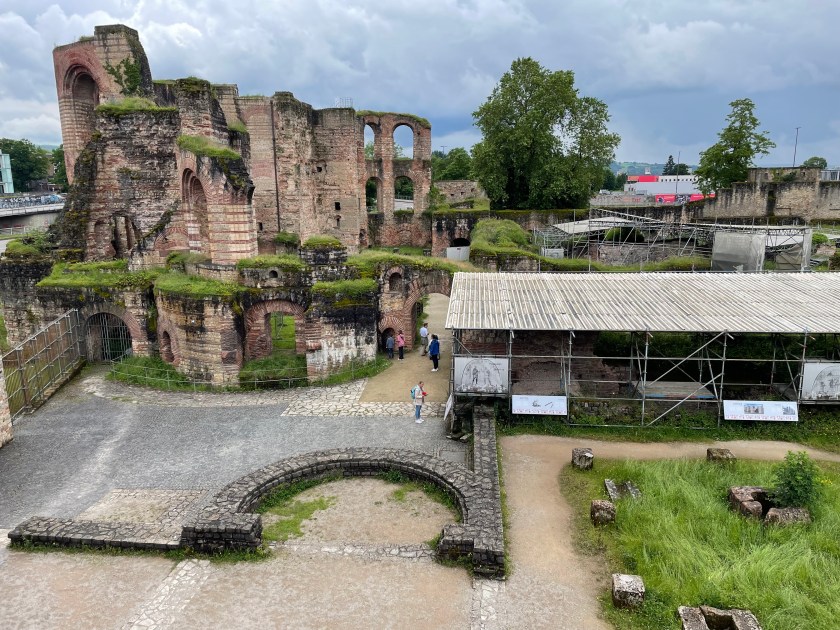
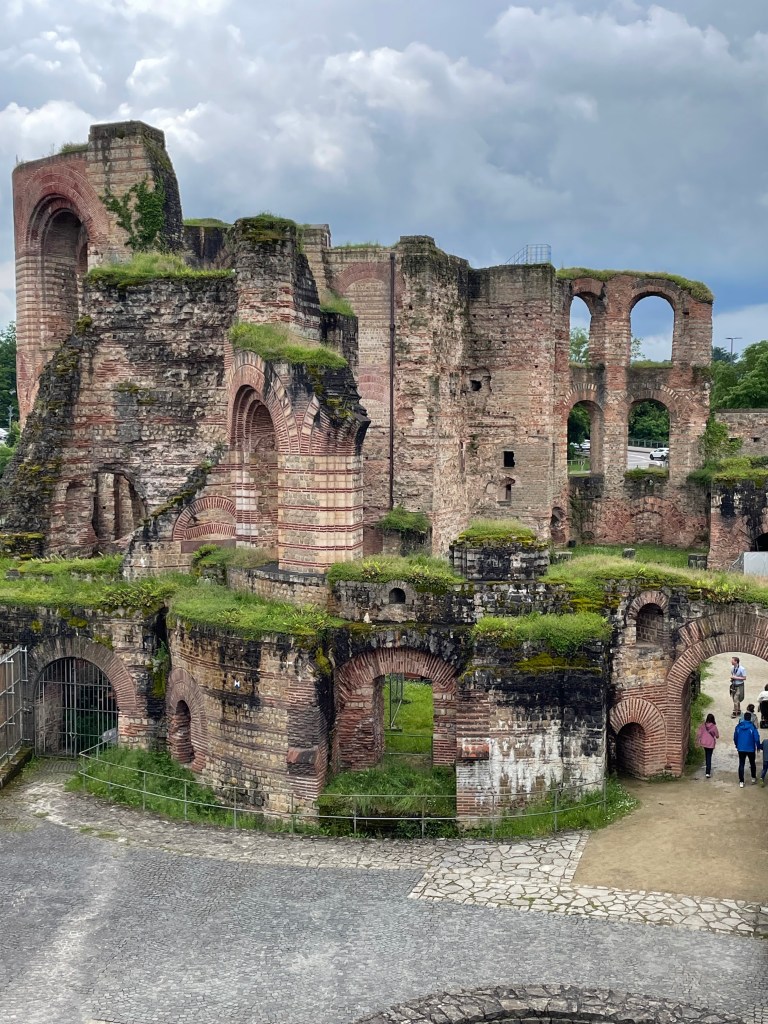
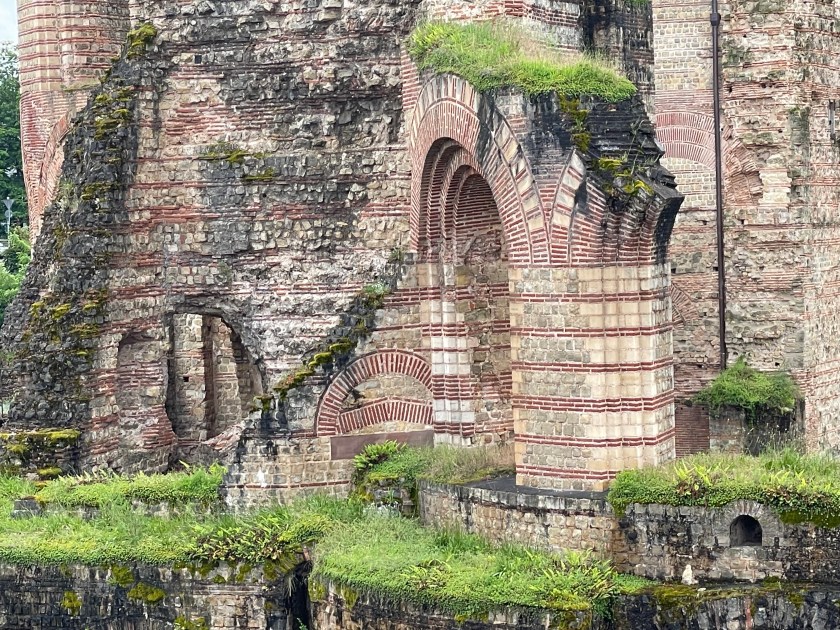
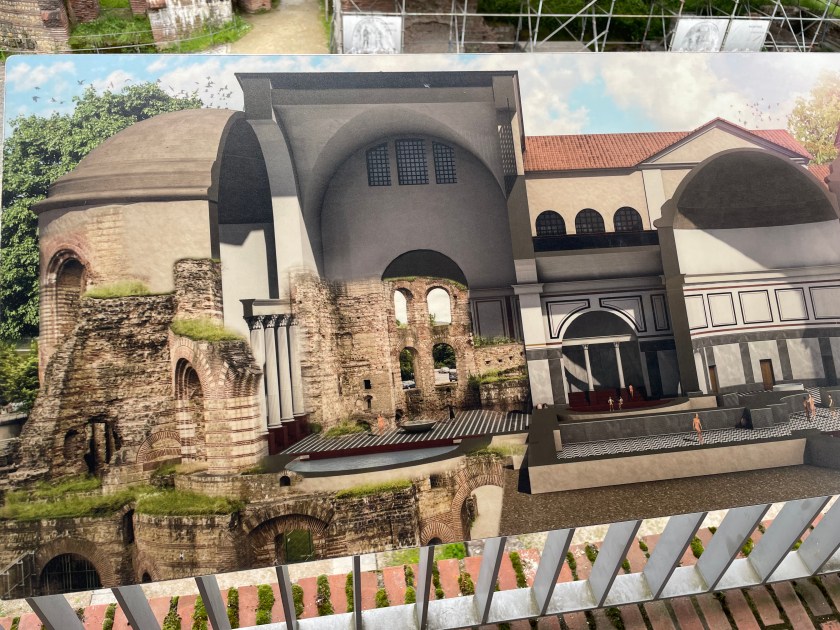
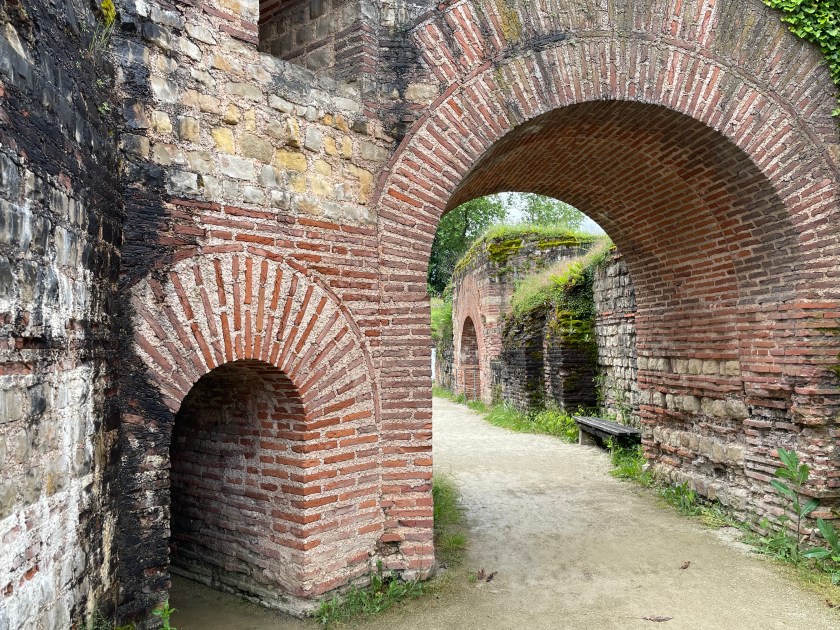
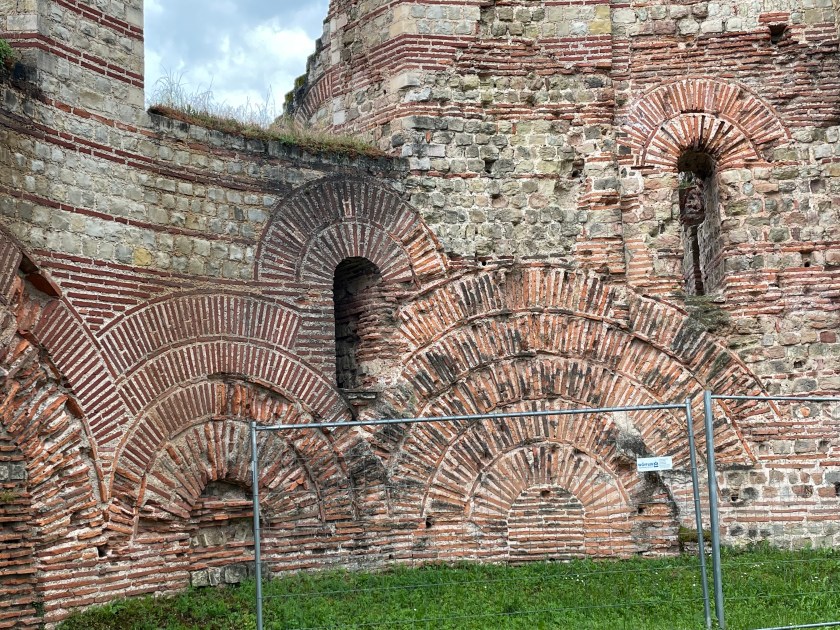
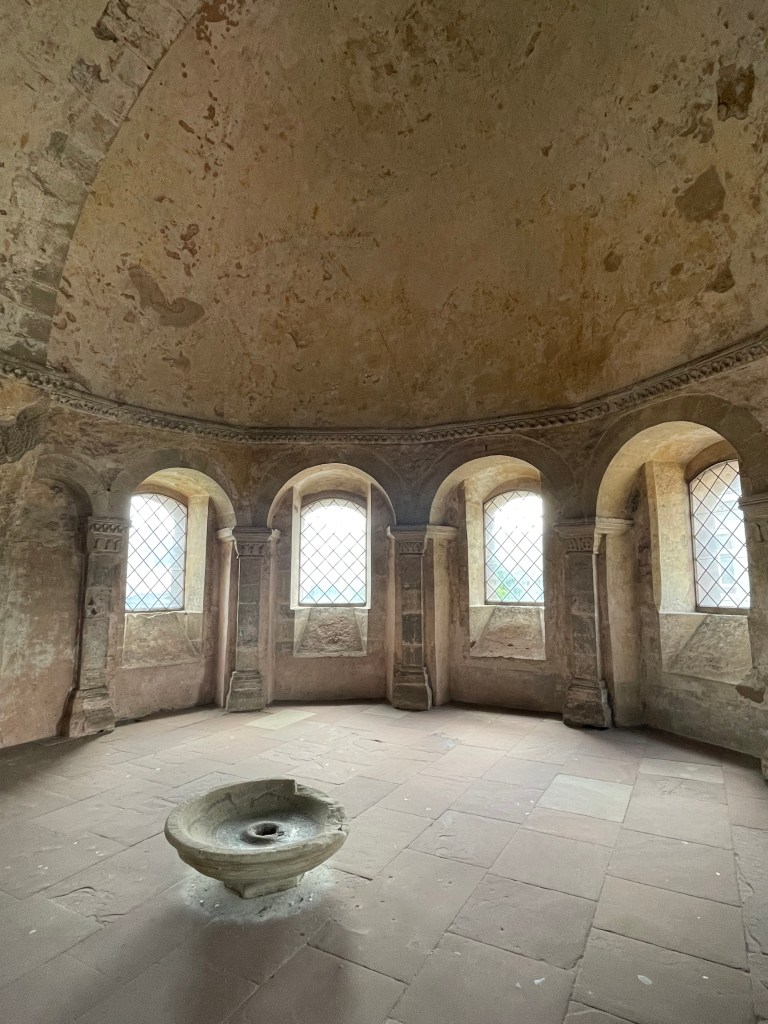
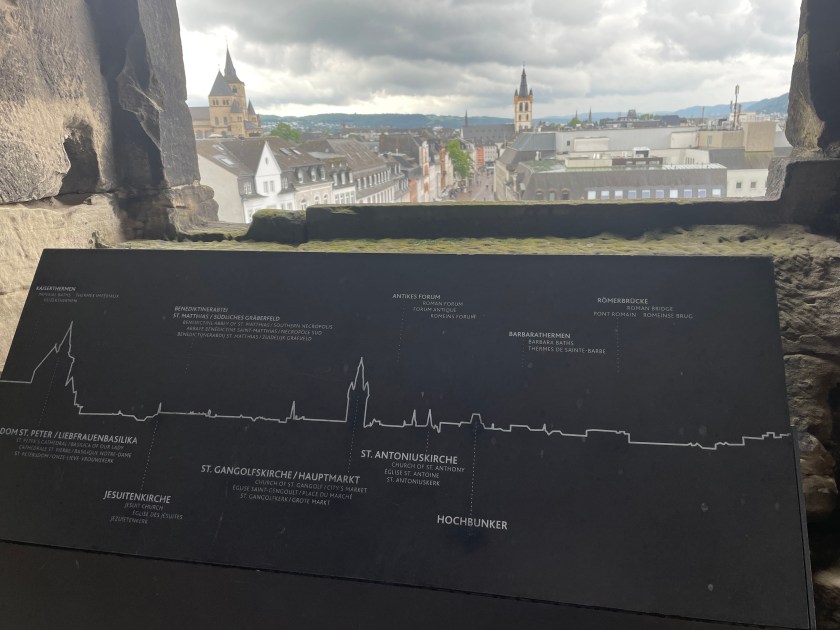
This is one of the Imperial Baths Constantine the Great had constructed here.  Work on this project stopped when Constantine shifted his political activities to Istanbul in the east.

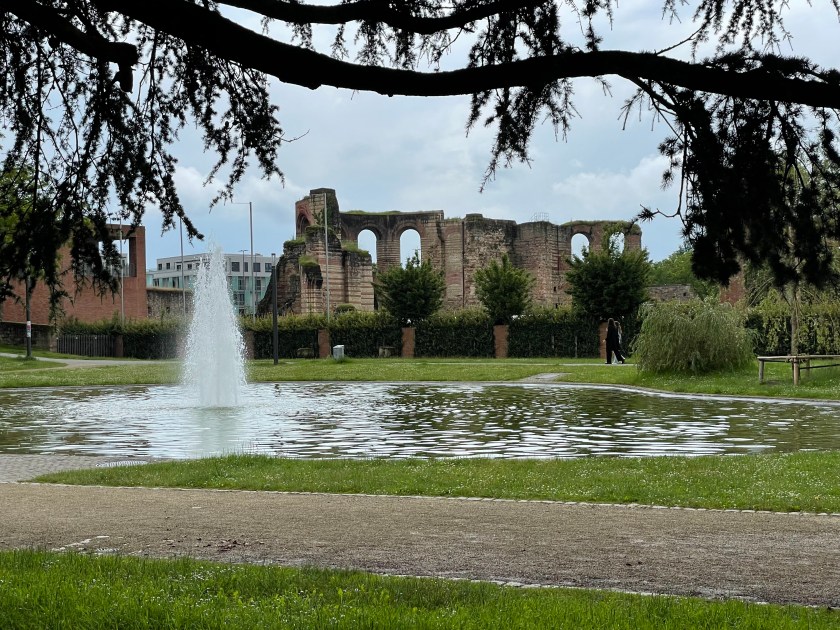
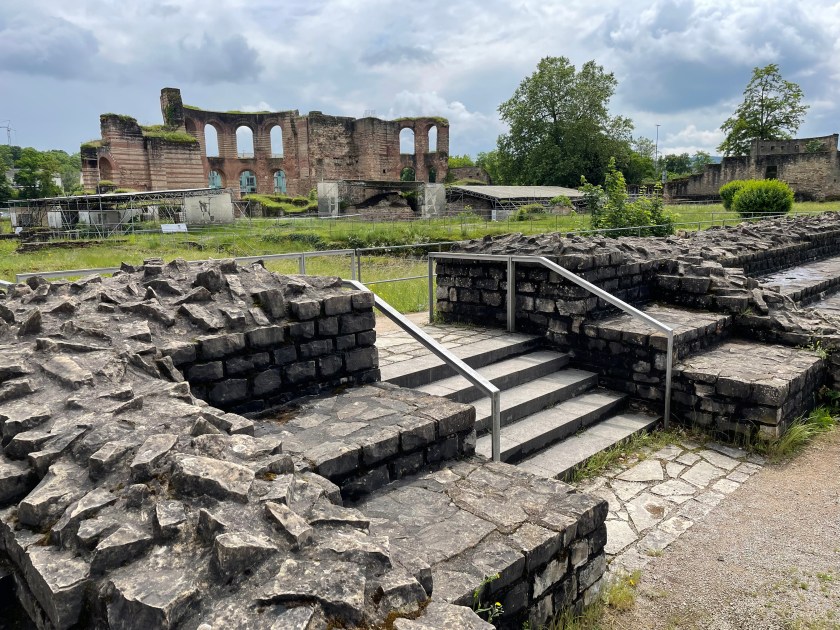
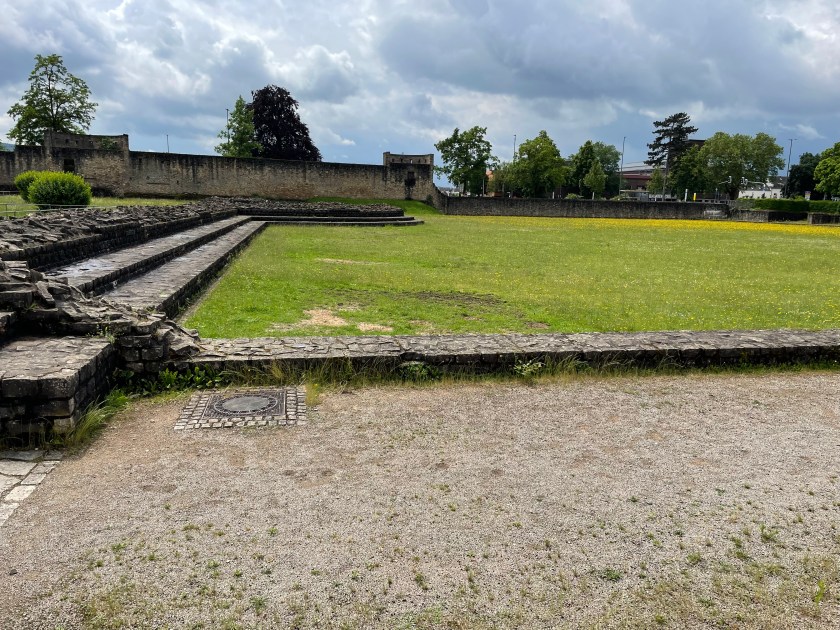
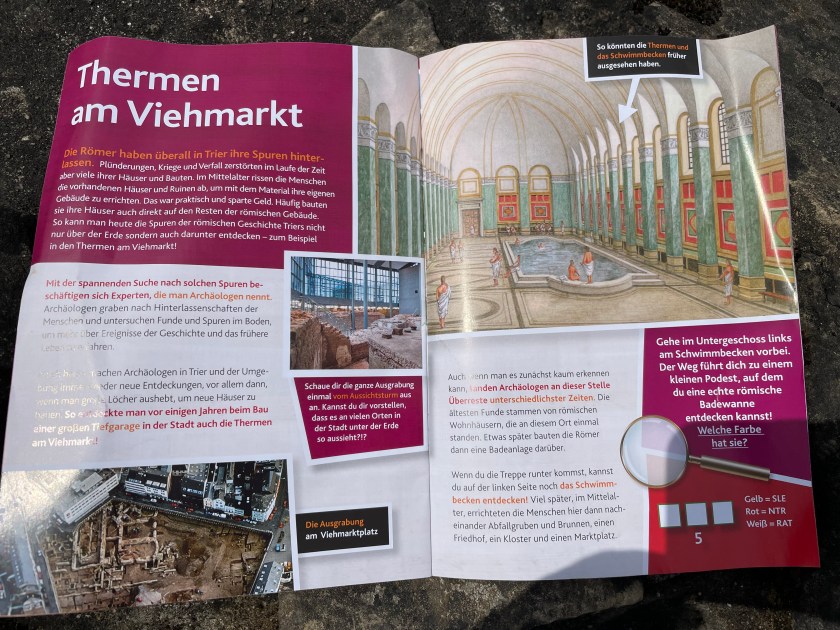
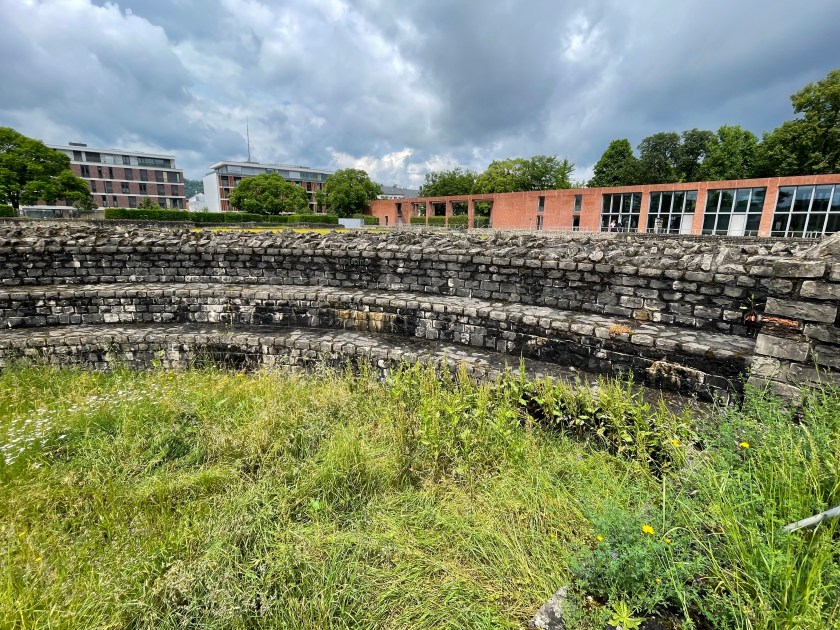
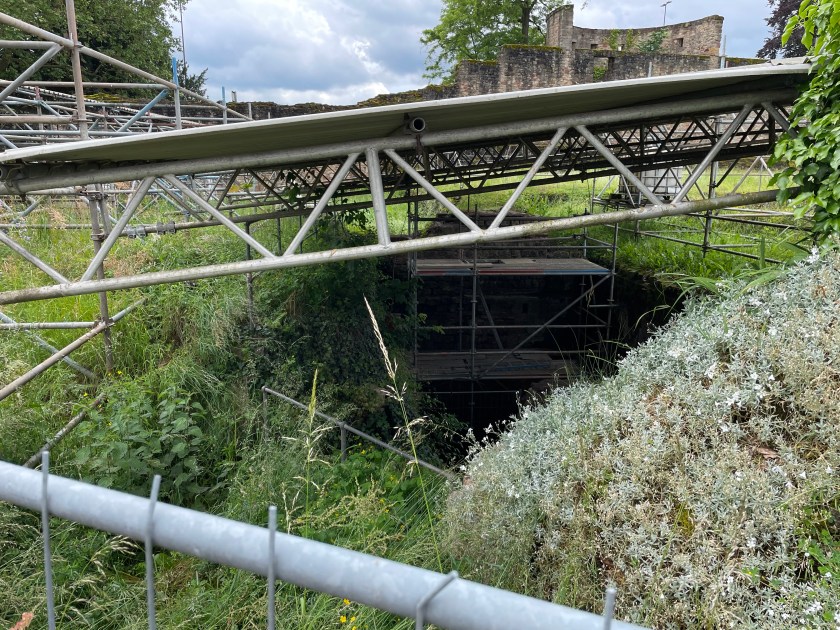
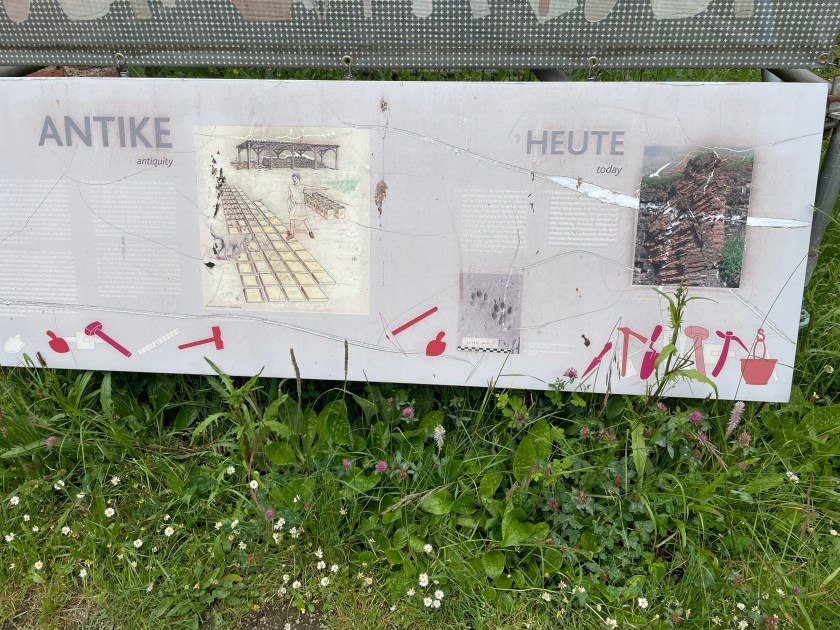
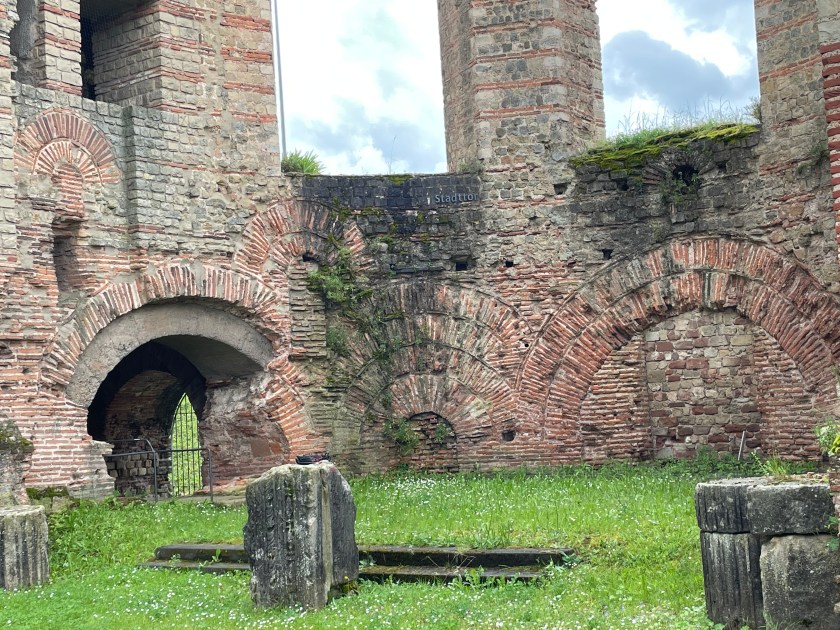
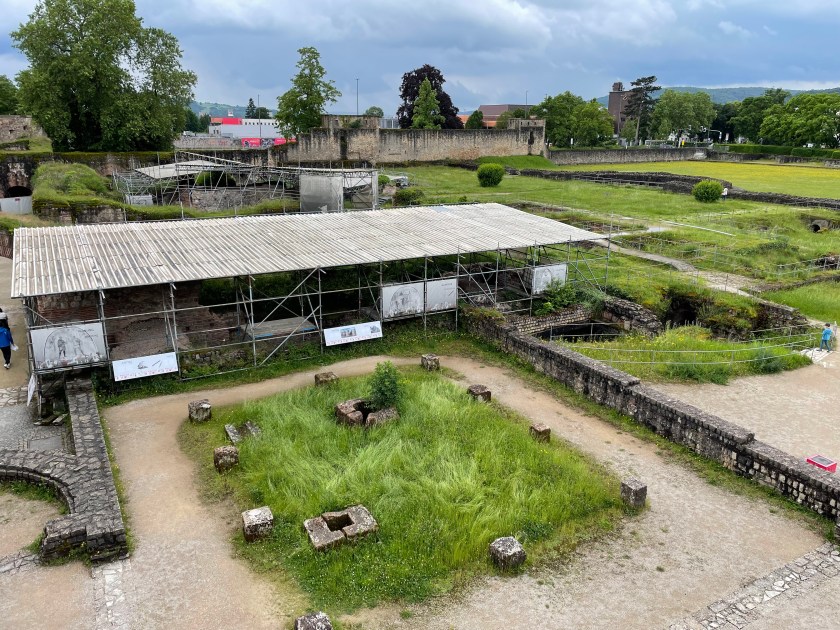
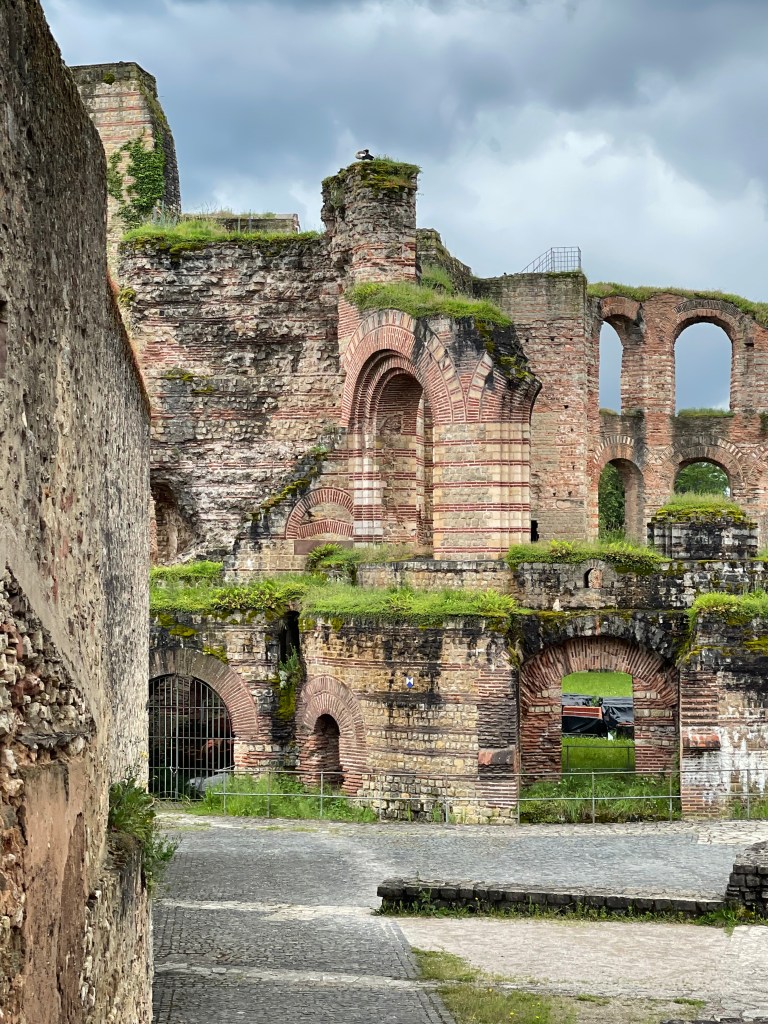
Today the site of these baths is a huge archaeological excavation project.  You can walk in and around the structures and read about what it was like long ago.  Most of the excavation took place after WWII, when buildings on this site were destroyed and excavation was possible.

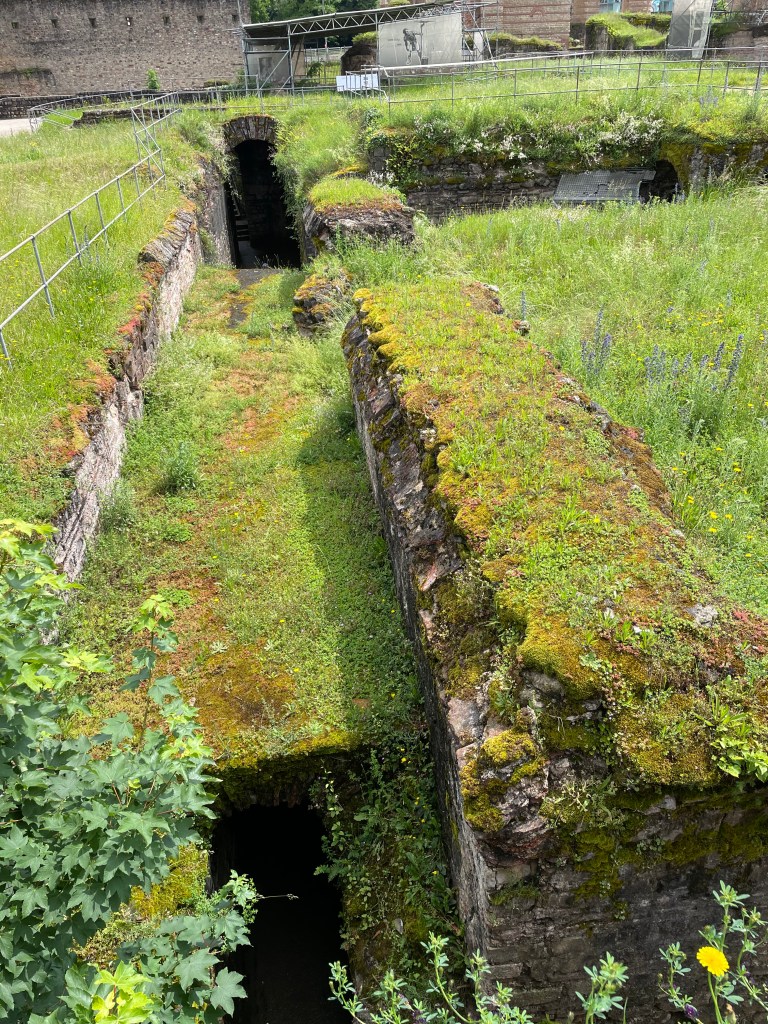
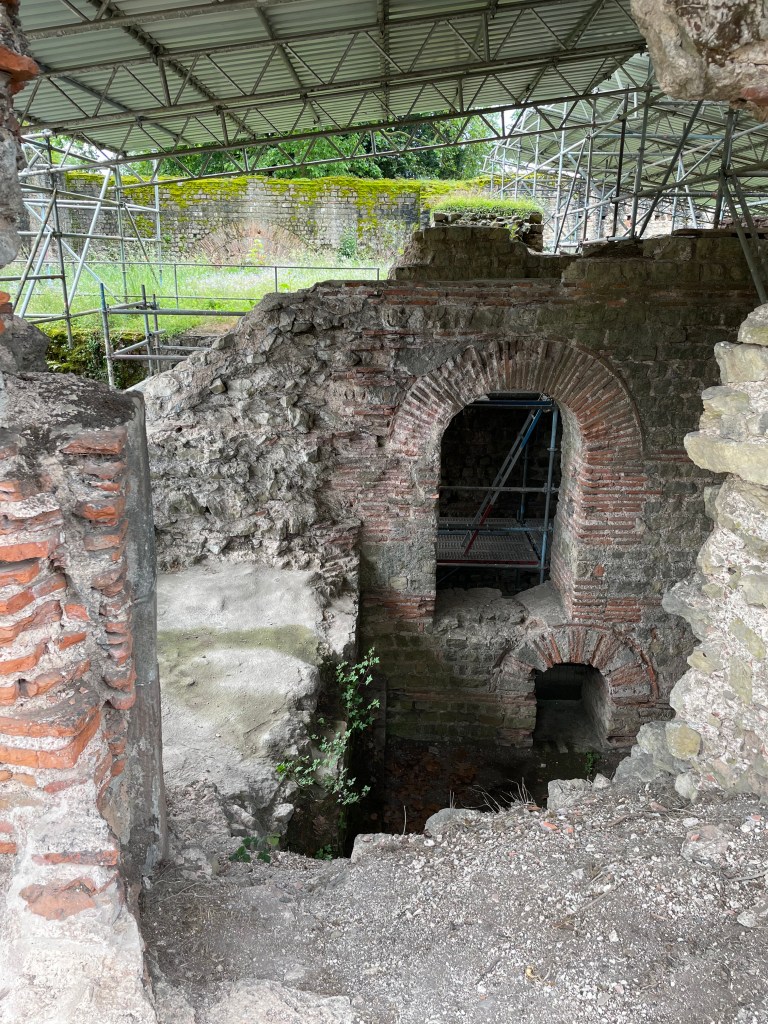
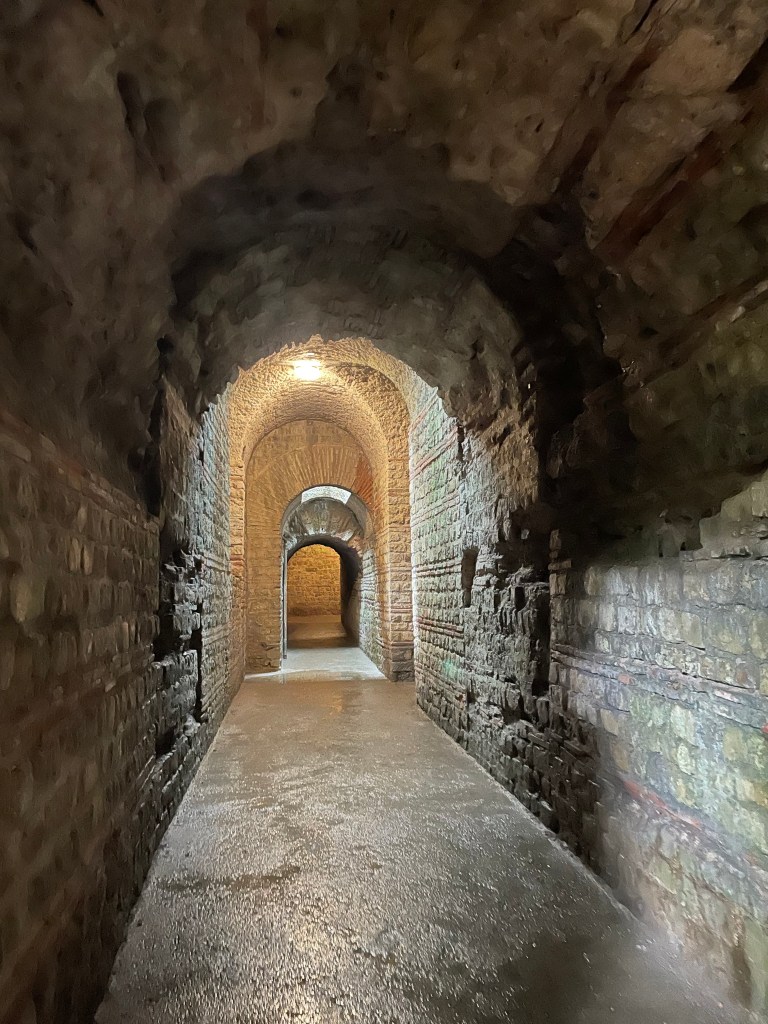
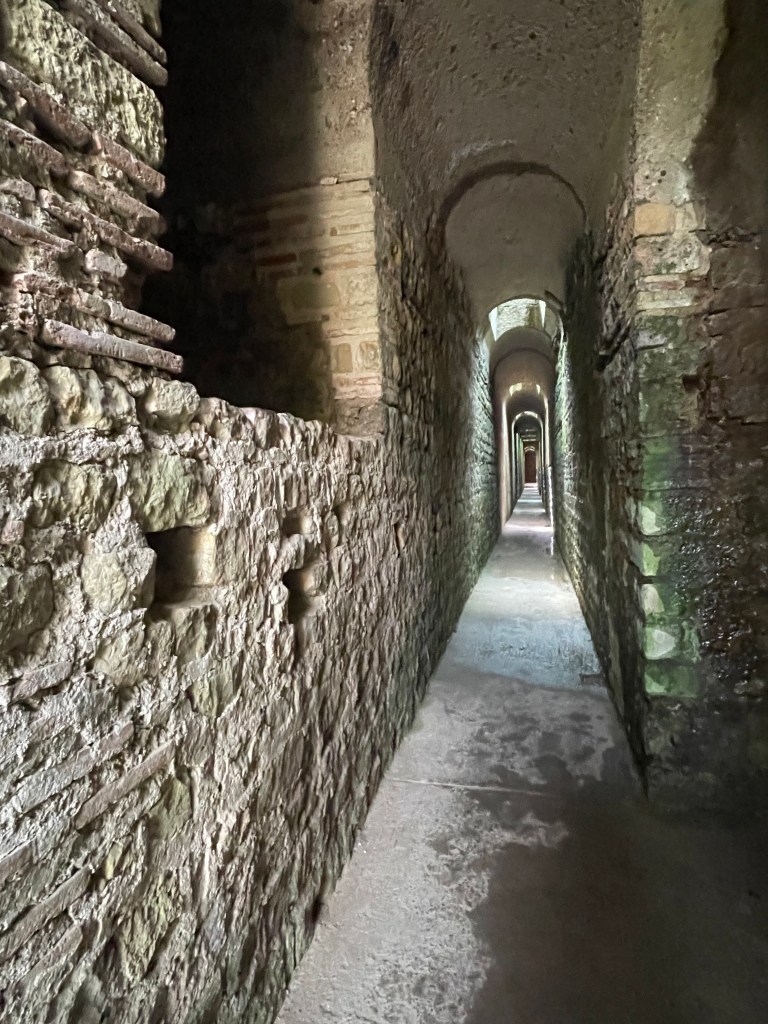
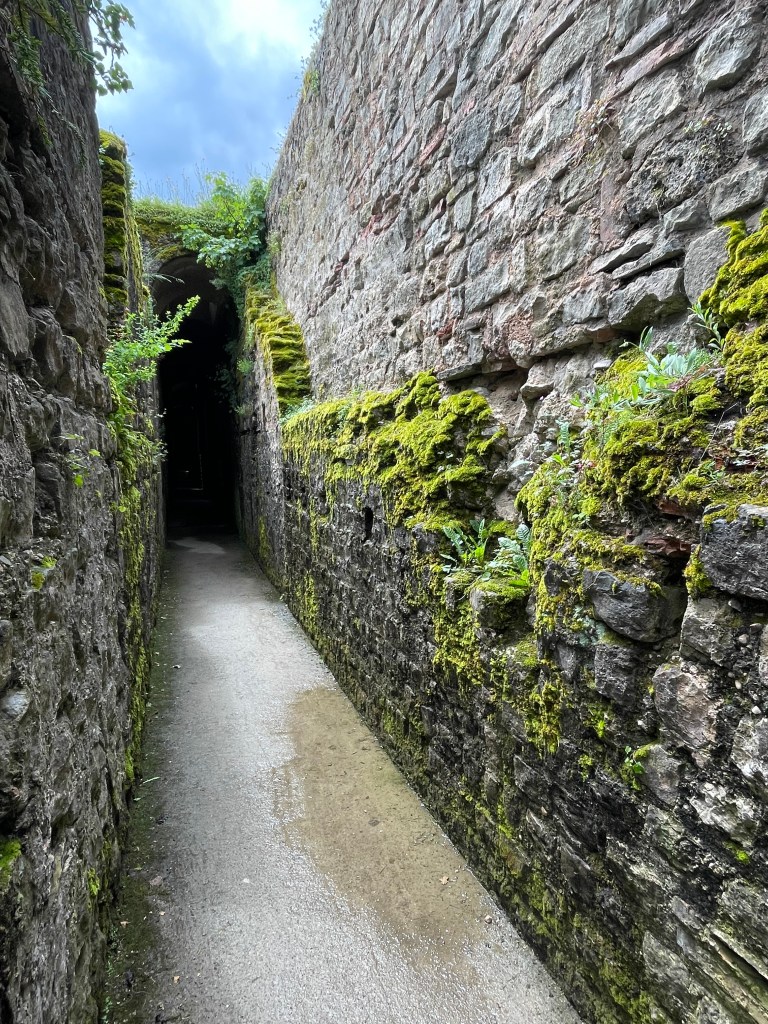
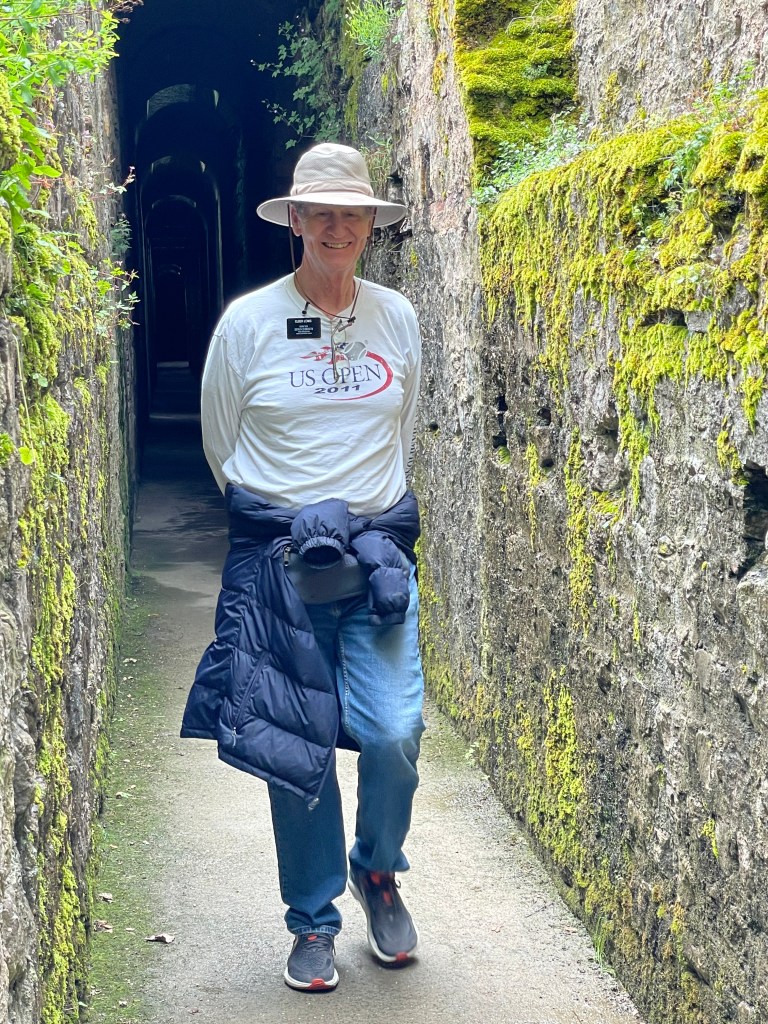
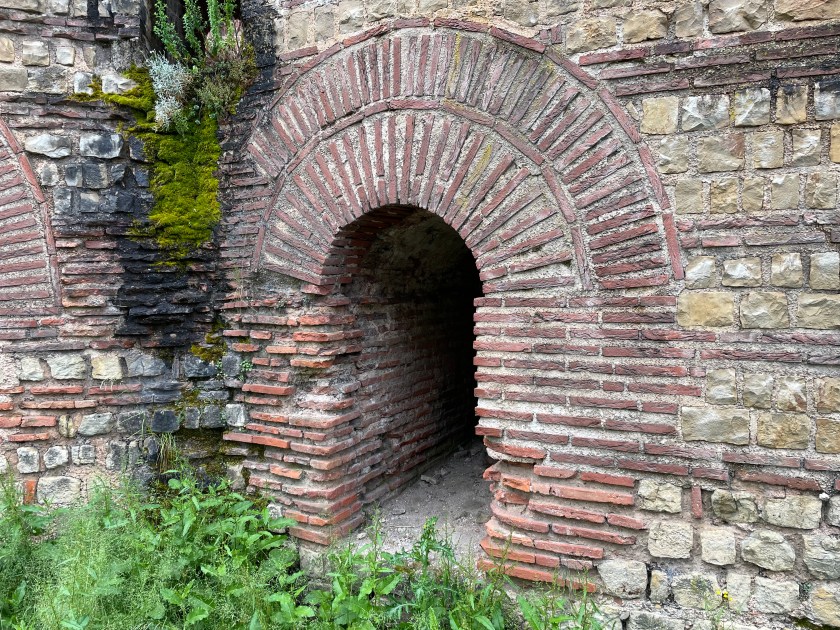
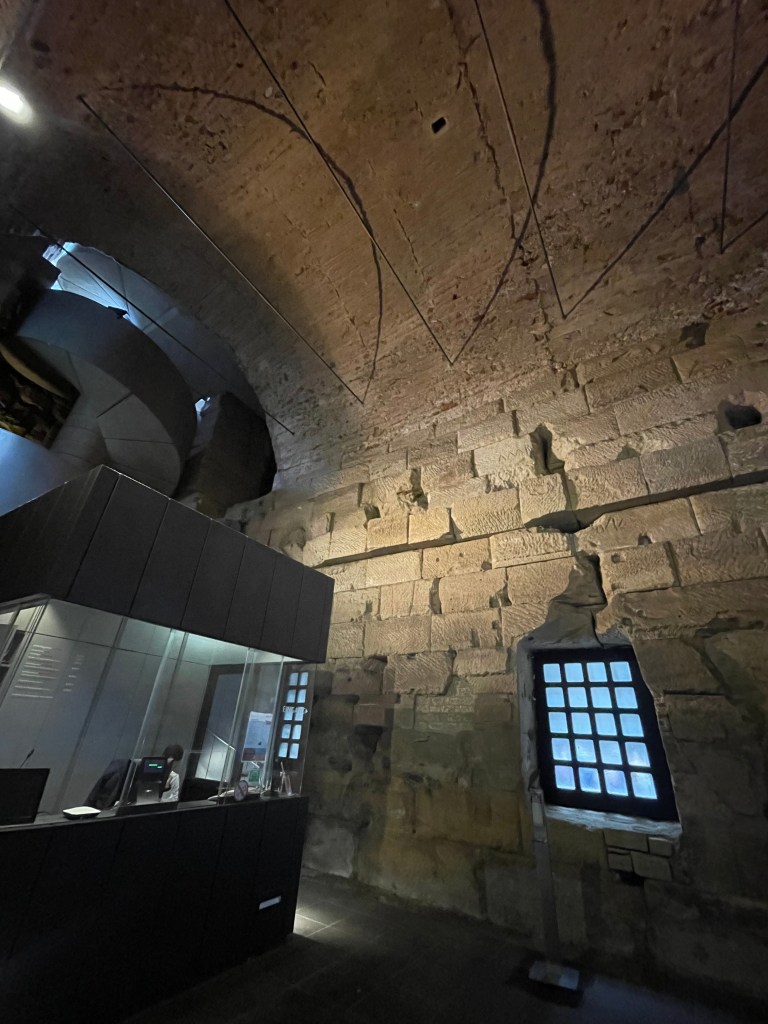
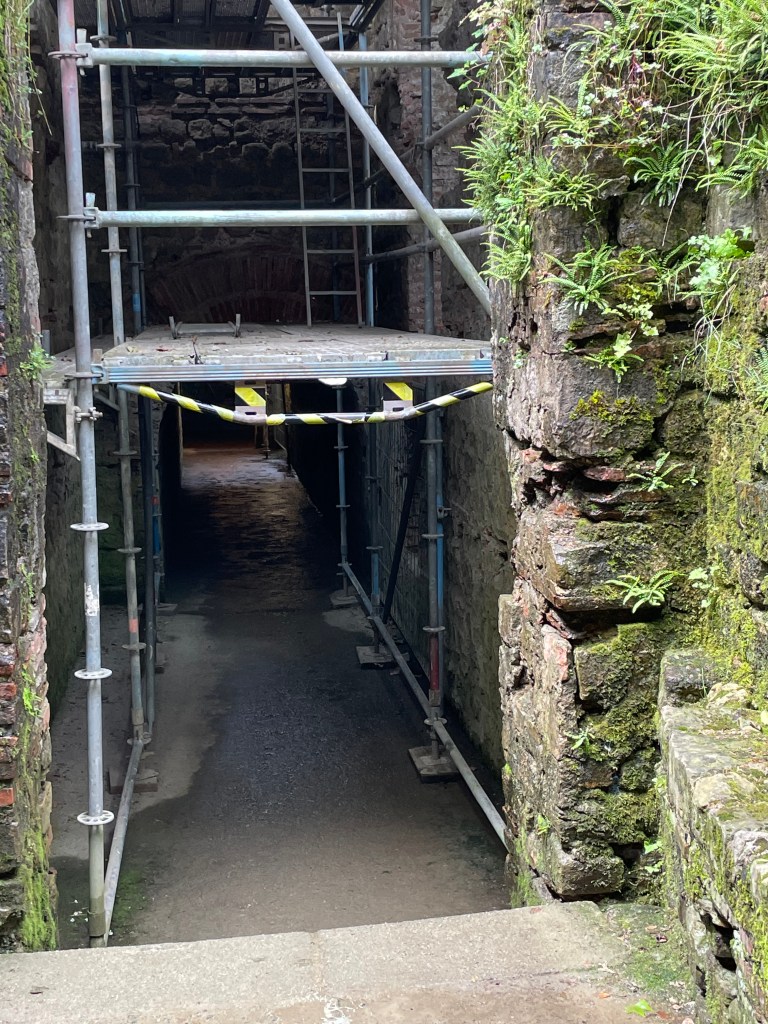
We went underground to see the tunnels and the maintenance wing (service passages) where all the workers operated the heating systems for the baths.  There were rows and rows of these tunnels underground, like mazes.

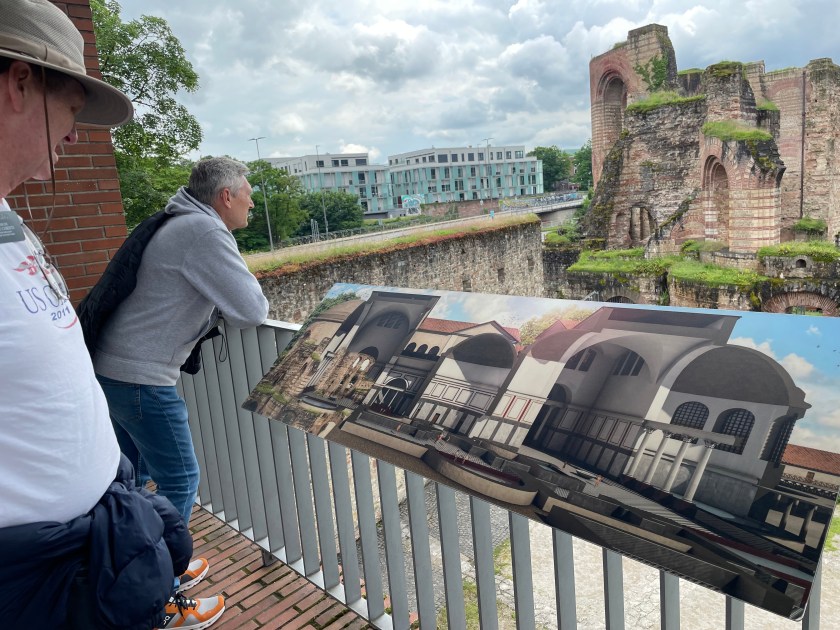
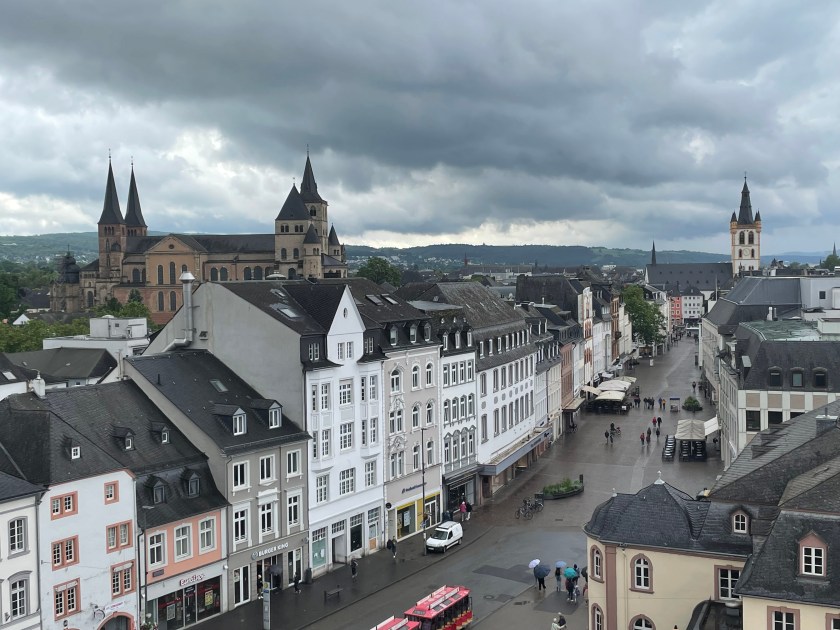
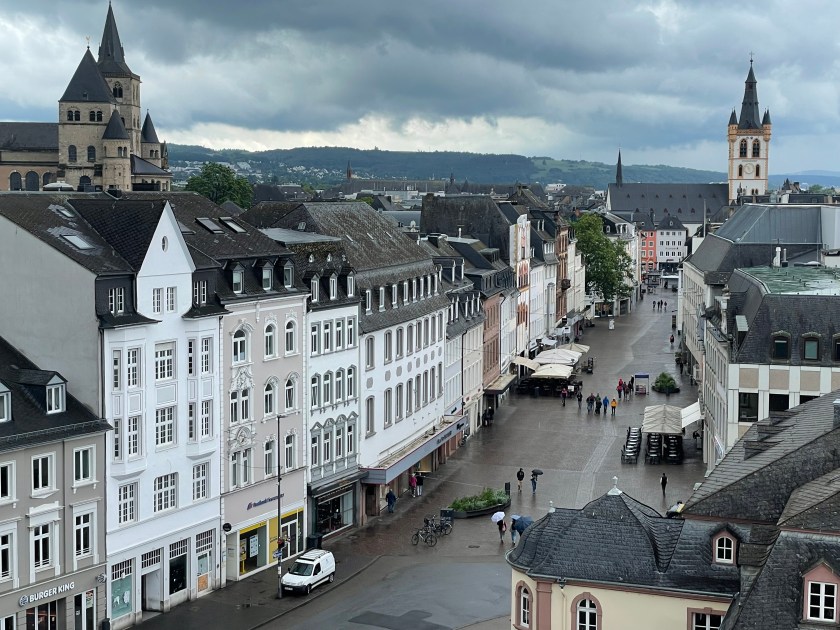
This tower was constructed to give a good view out over the bath complex.  It was really remarkable.  All this is located next to the palace quarter and the basilica.   The visitor’s center had an animated film showing the development and use of the baths in this area.  It was fascinating.

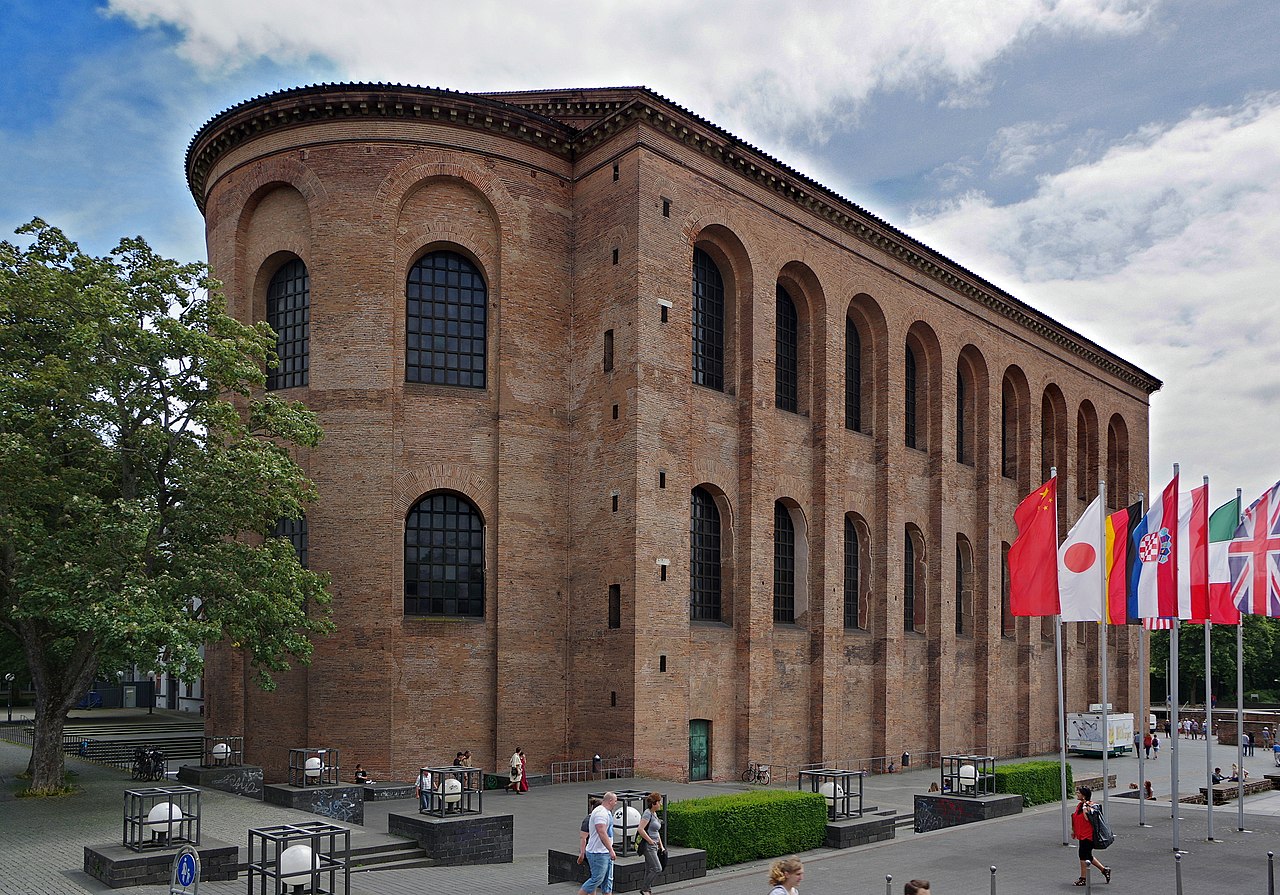
The Basilica of Constantine and Electoral Palace in Trier

undefined

From Wikipedia:

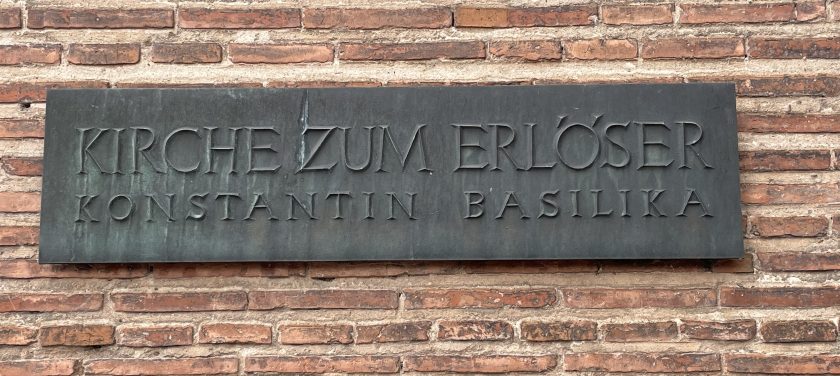
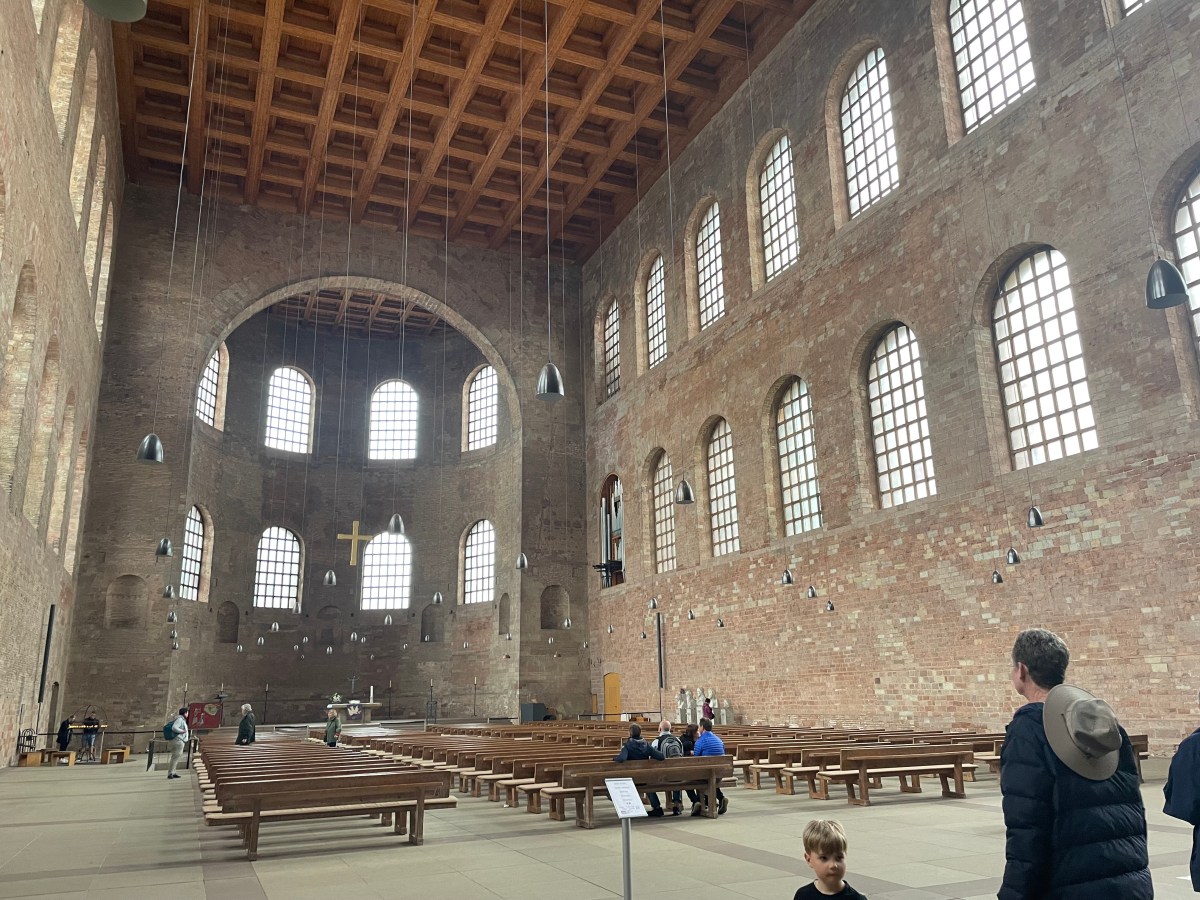
The Basilica of Constantine ( Evangelical Church of the Redeemer ) in the Rhineland-Palatinate city of Trier , the former Roman Augusta Treverorum , was originally a Roman palace hall . It was built as an audience hall for the Roman emperors who resided in the city in the 4th century. The name of the building after Constantine the Great as the Basilica of Constantine is a reminder of this time and purpose . The name of the building as a basilica was given by local historian Johannes Steiner in the 19th century, who took it from a late antique eulogy for the Emperor Constantine. From today’s perspective, it is inappropriate, as it does not correspond to the building type of a basilica , but rather to that of a hall church . The Catholic honorary title of basilica is also inappropriate, as the building was never a Catholic church.

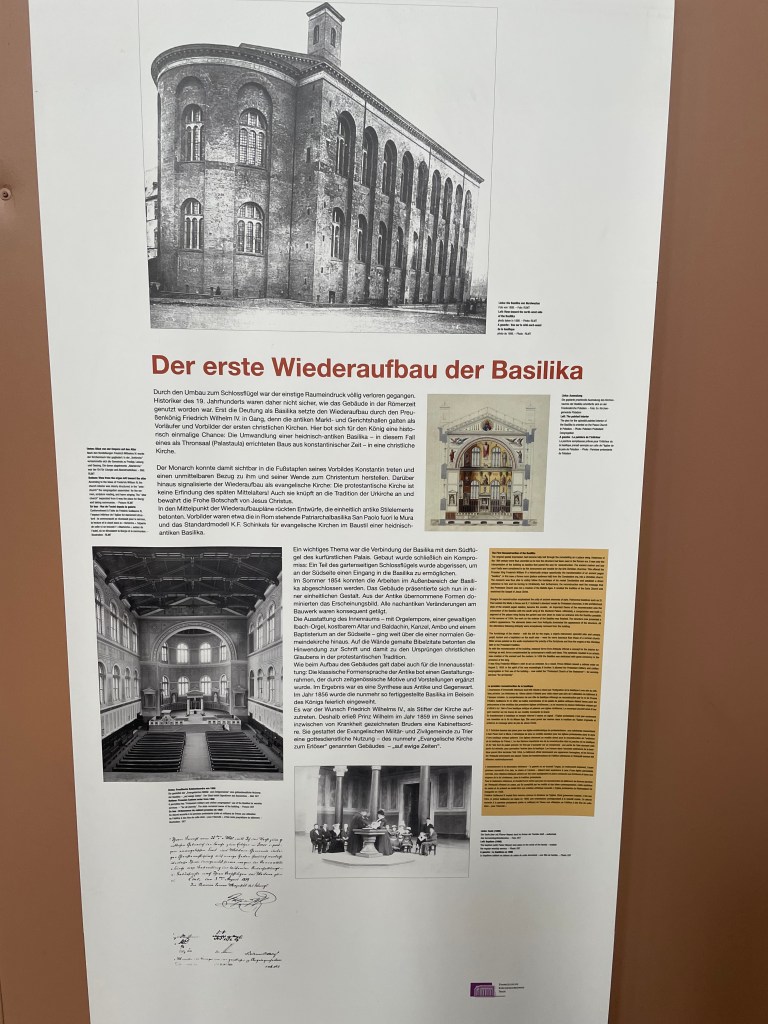
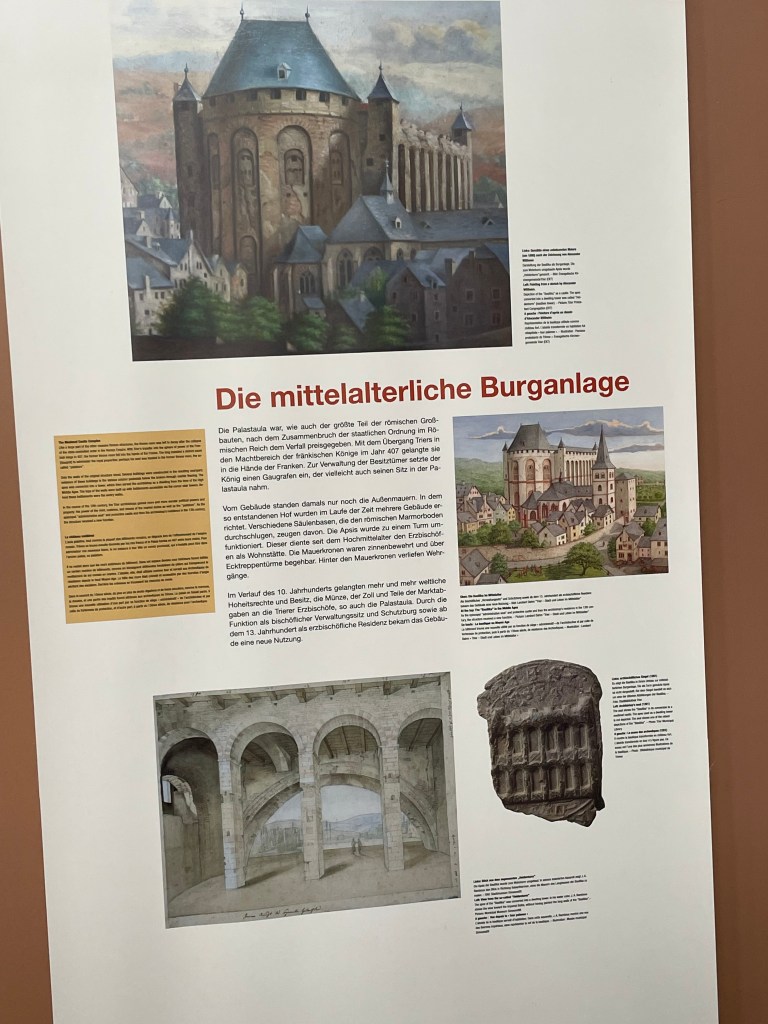
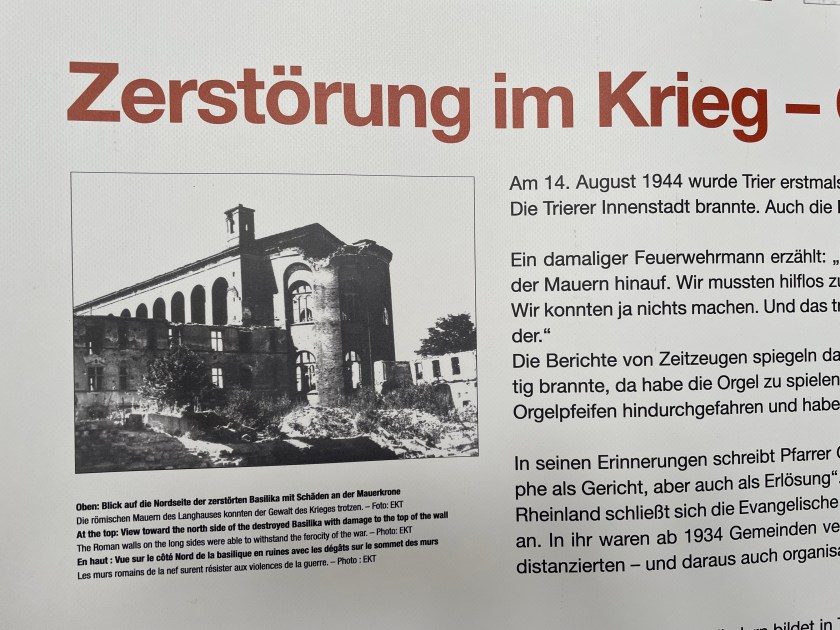
In the early Middle Ages, the burnt-out ruins came into the possession of the bishops of Trier . They converted them into a castle-like property. In 1614, the south and east walls were demolished and the rest was integrated into the new bishop’s residence, the Electoral Palace . Between 1844 and 1856, the church-like building was restored, consecrated on September 28, 1856 [2] and handed over “for all eternity” to the Protestant parish, which has used it as a church ever since. On August 14, 1944, the basilica was badly damaged by an American air raid and burned down completely. It was rebuilt in the 1950s. The interior design was reduced to exposed stone exterior walls and a wooden coffered ceiling.

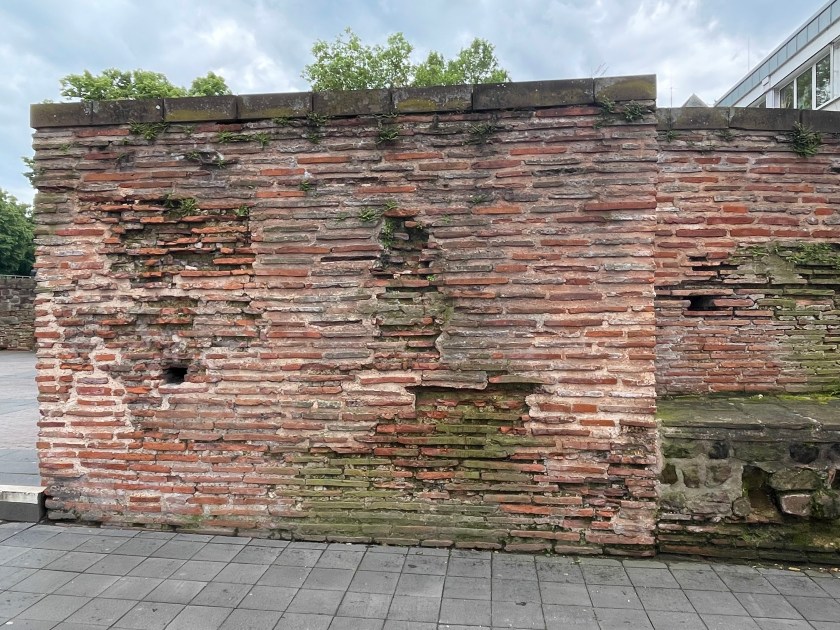
Destruction in WWII:
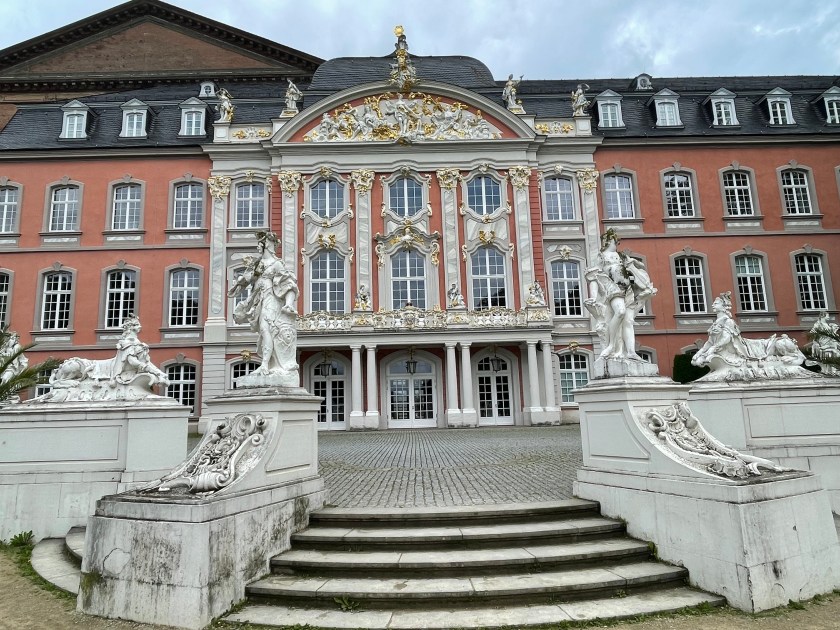
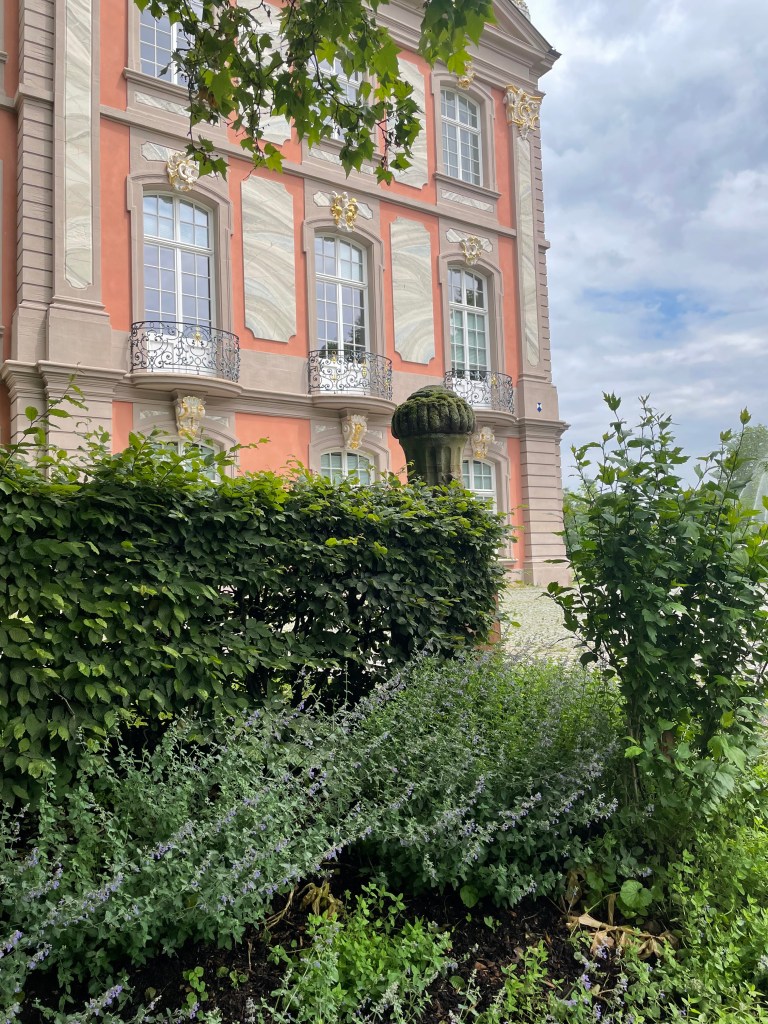
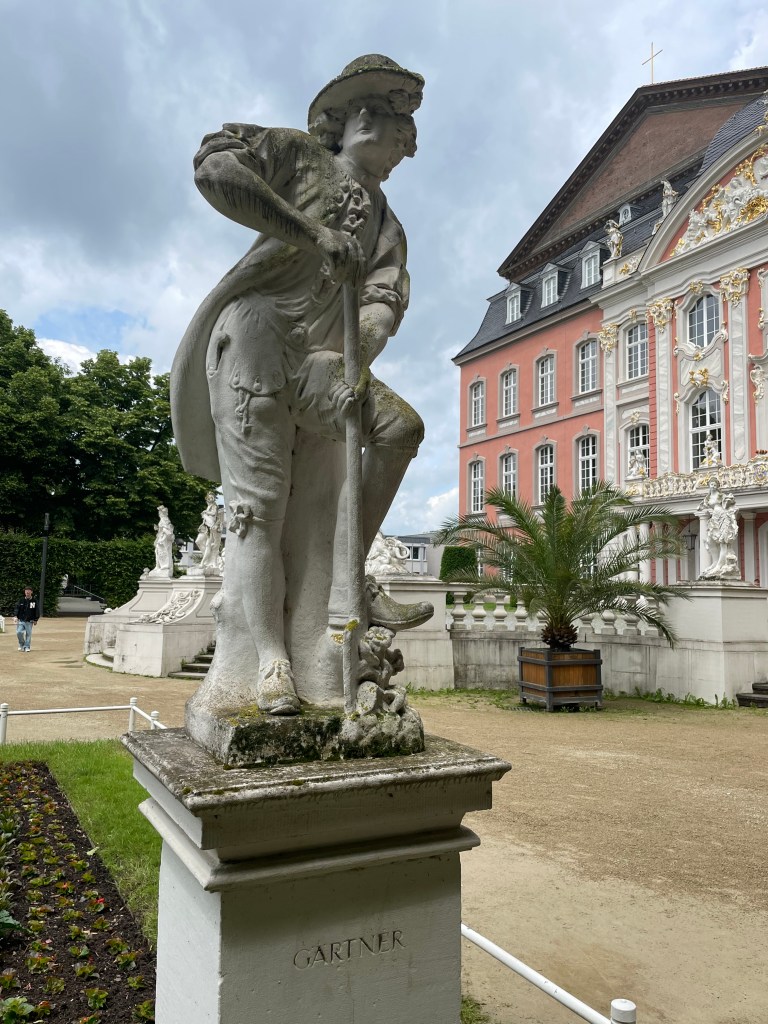
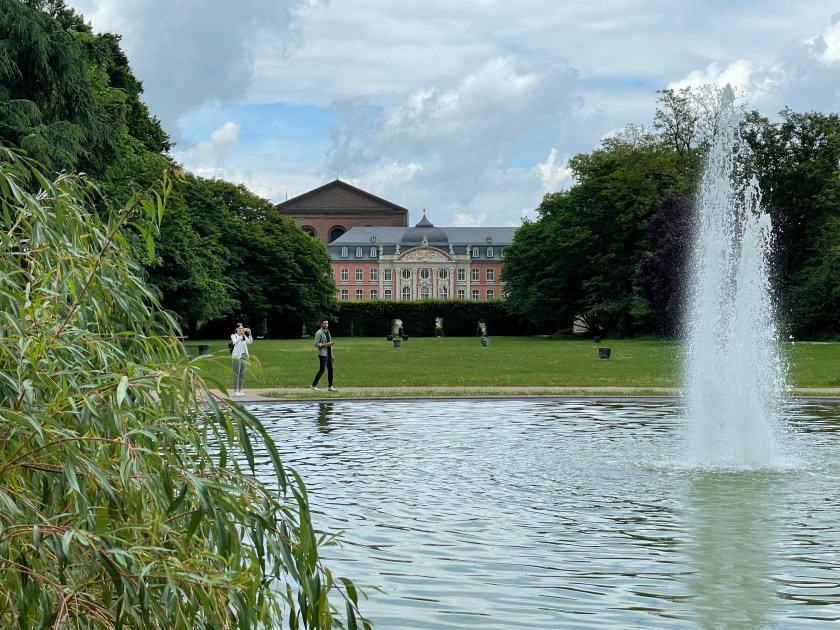
Here is the Electoral Palace next to the great hall Basilica and more from Wikipedia:

In the 17th and 18th centuries, the Electoral Palace of the city of Trier was the residence of the Prince-Bishops of Trier (until 1794). They ruled the Electorate of Trier as electors and, in personal union (until 1797), headed the Archbishopric of Trier as archbishops .

The Renaissance and Rococo building was partly built on the site of the Roman Basilica of Constantine . In the 19th century, the west wing of the palace was demolished so that the basilica could be rebuilt on its site.

After the expropriation of the electors under Napoleon , the Electoral Palace was used as a barracks by French and Prussian troops in the 19th and early 20th centuries. The building was badly damaged in the Second World War . The outbuildings, the so-called Lower Castle, were then completely demolished, with the exception of the Red Tower and a portal. Today, the building houses various authorities. Parts of the north wing are used by the Protestant community, parts of the south wing serve representative purposes.

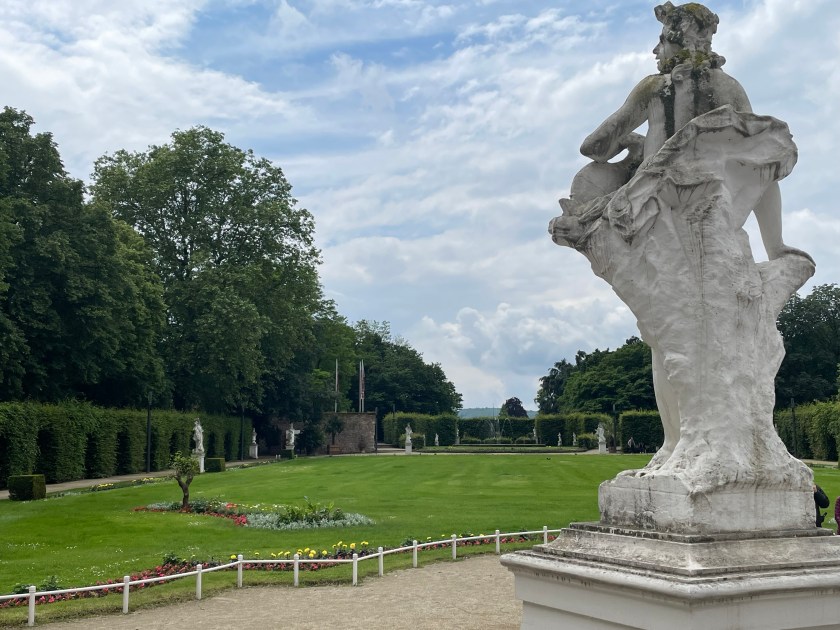
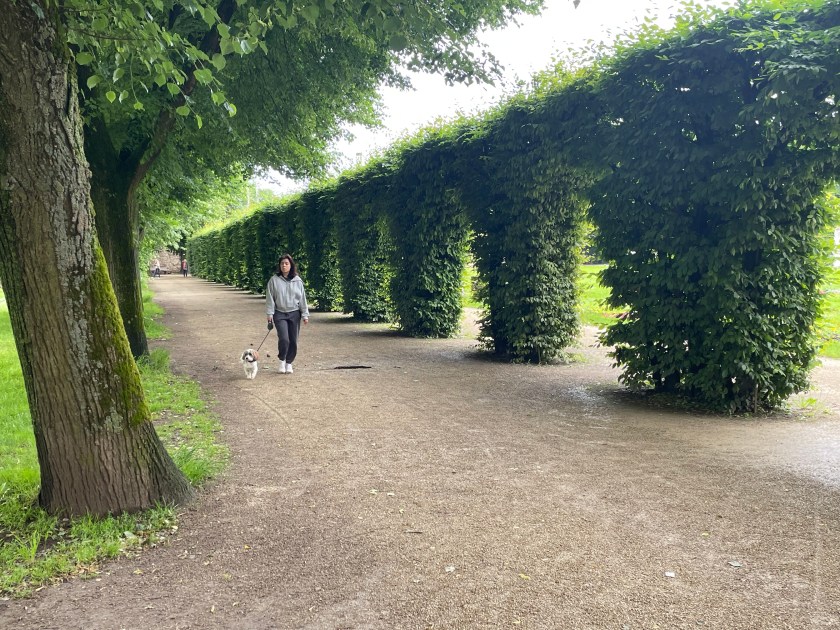
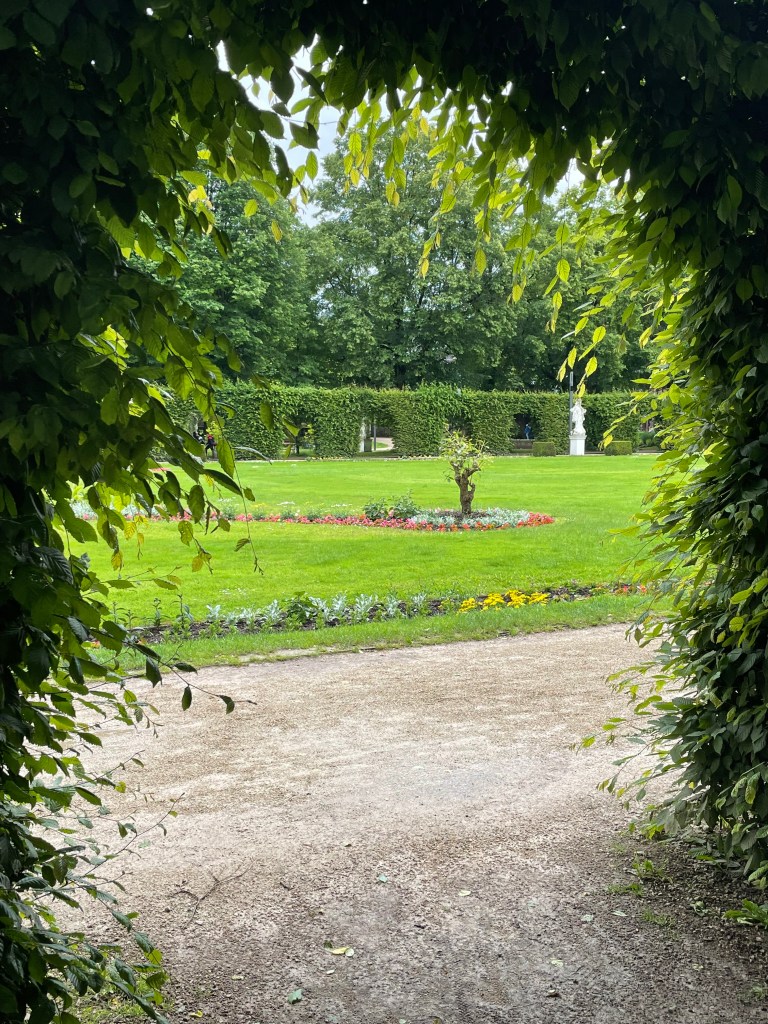
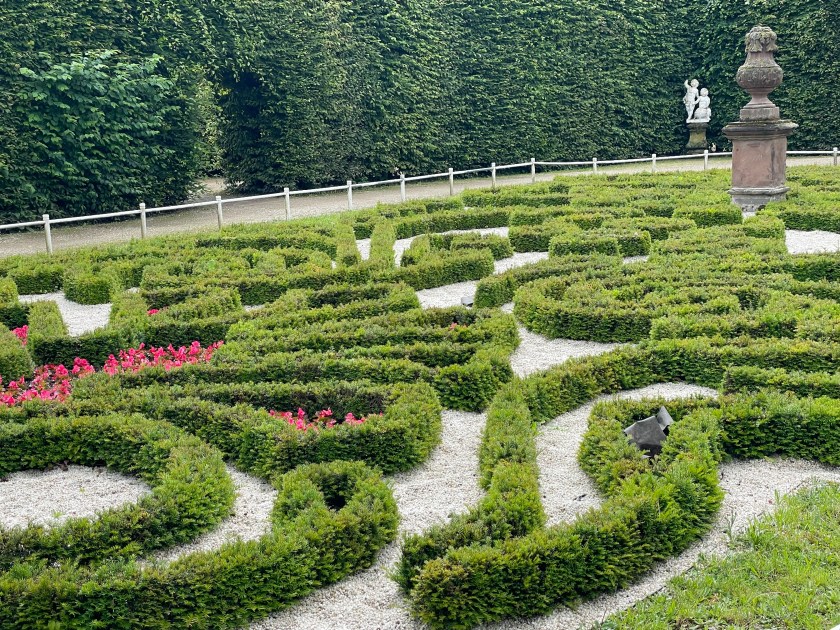
The palace garden in the south of the palace has been open to the public as a park since the beginning of the 20th century .

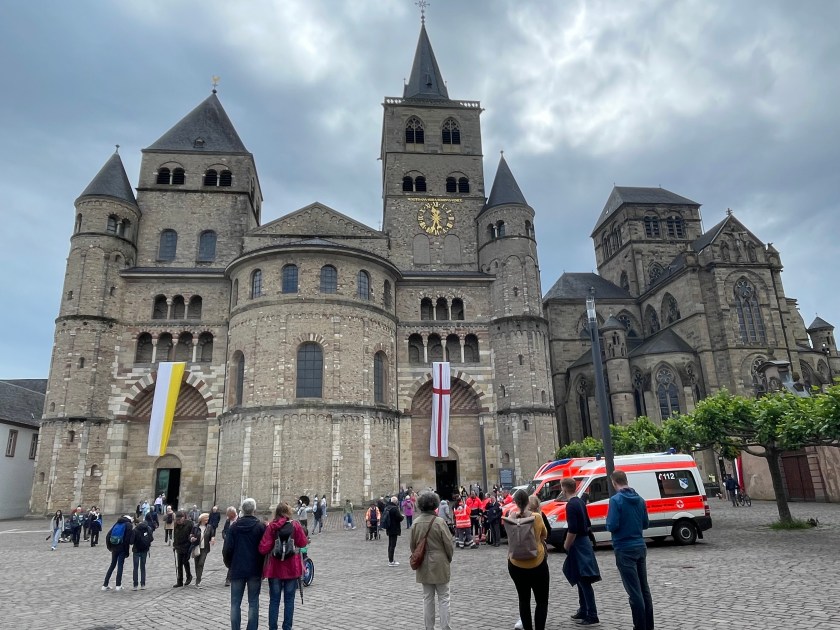
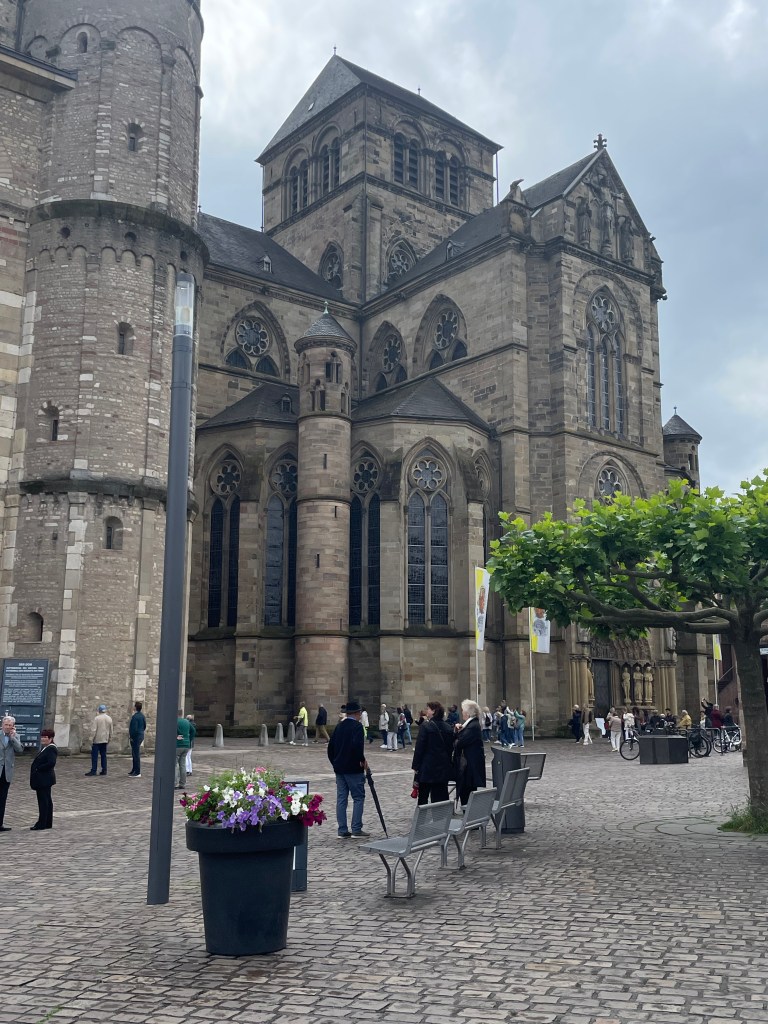
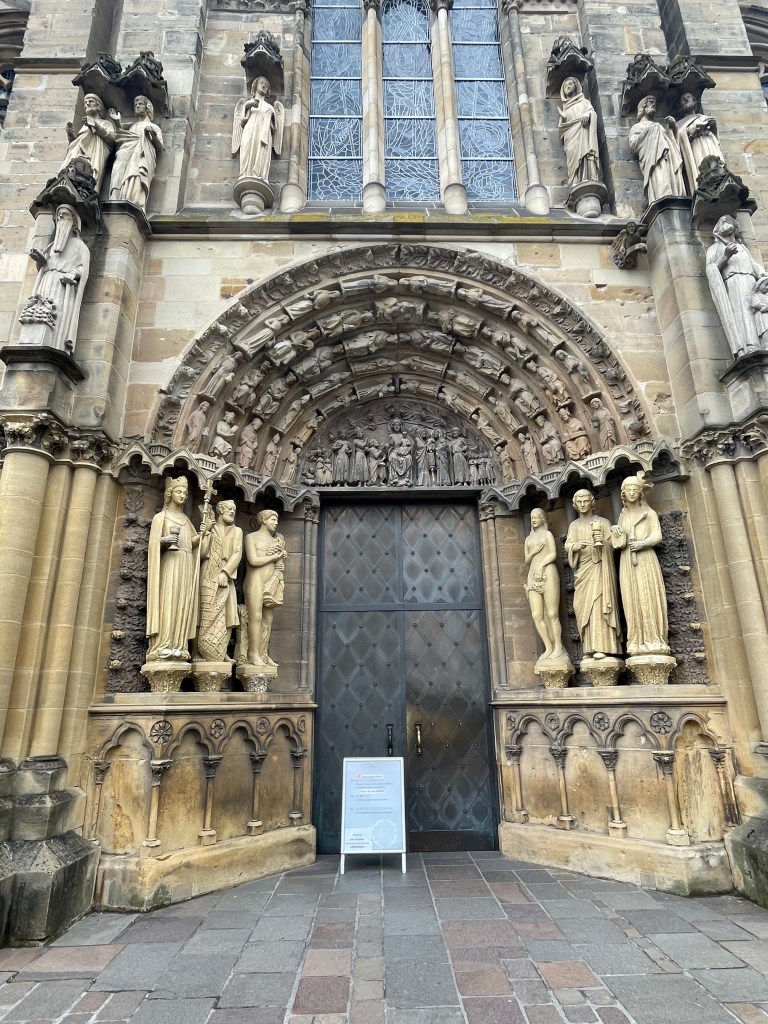
The Trier Cathedral

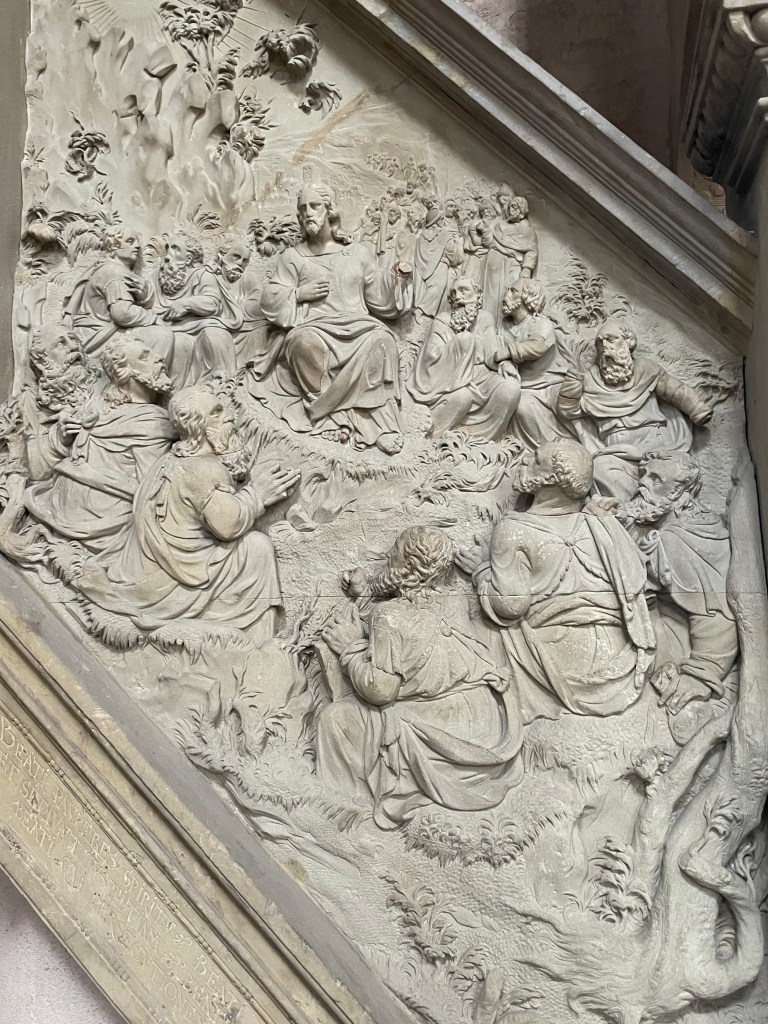
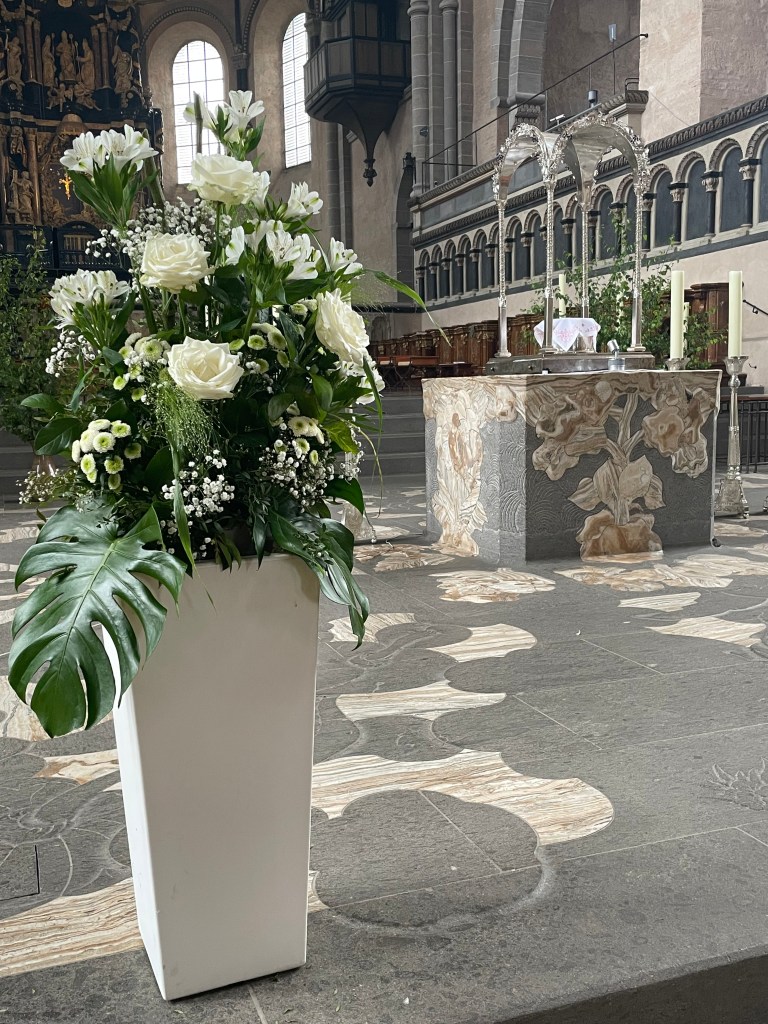
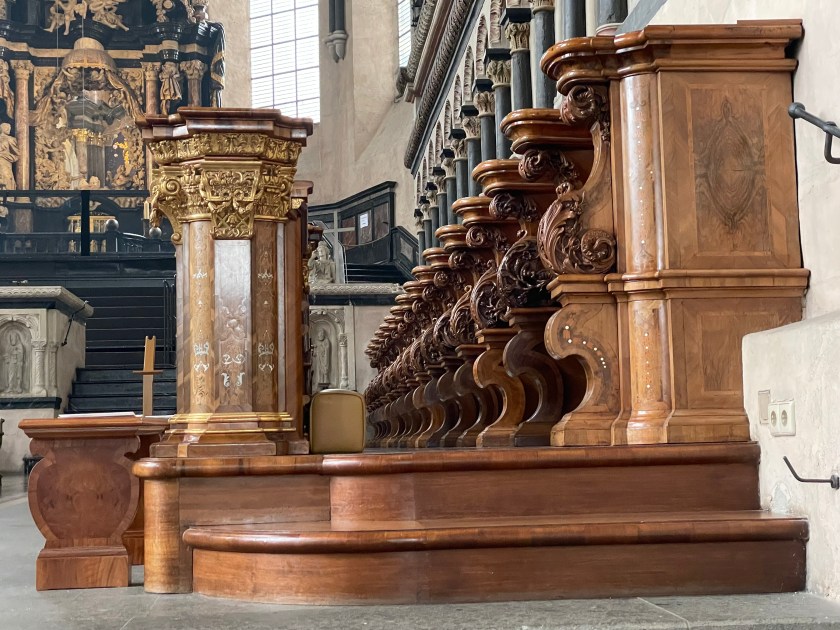
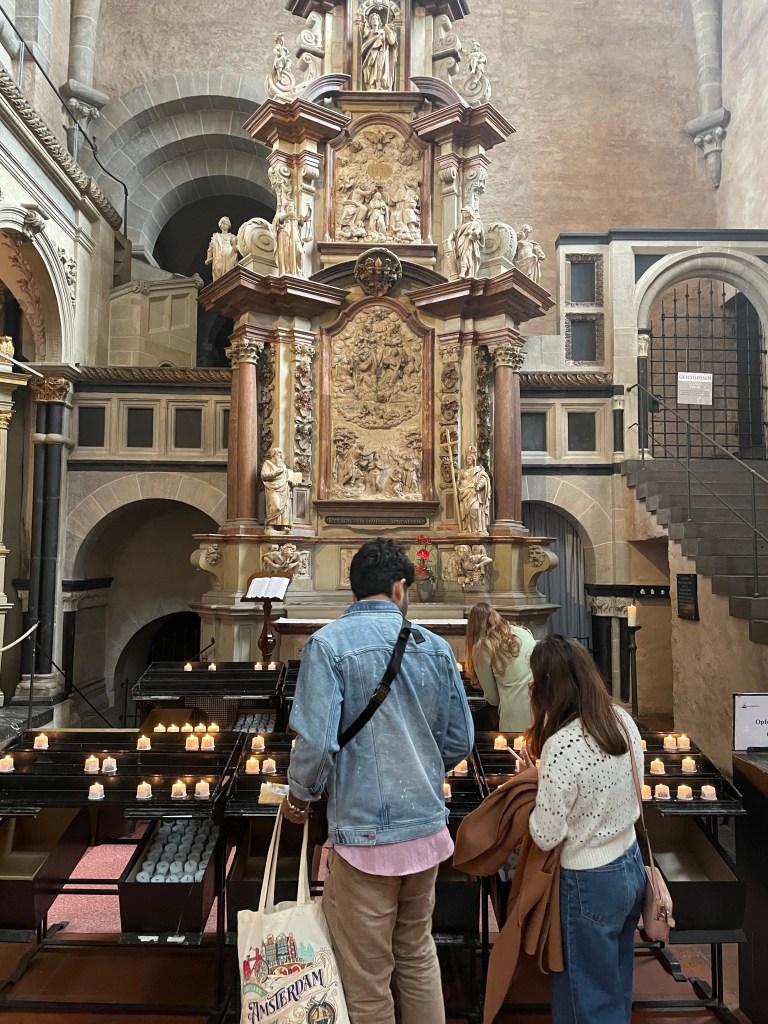
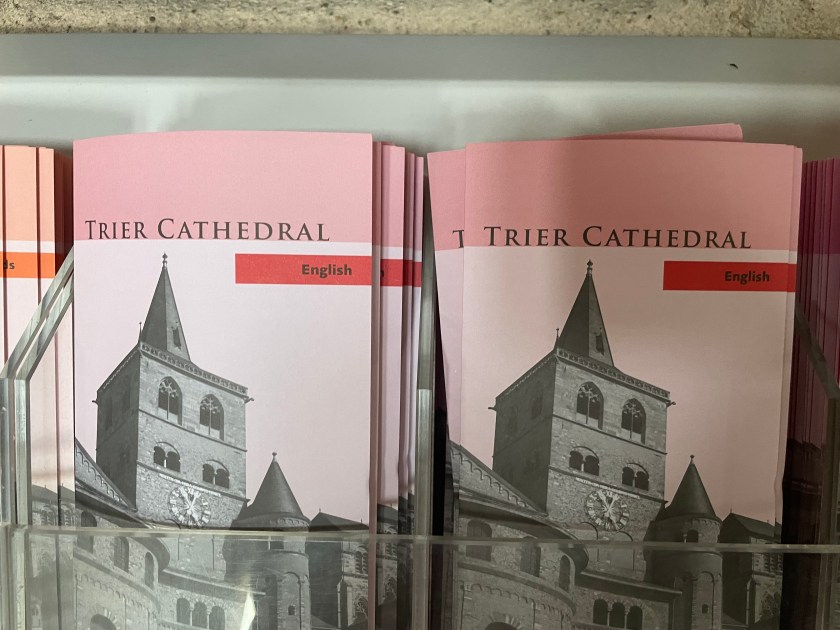
The High Cathedral of St. Peter in Trier is the oldest church in Germany.
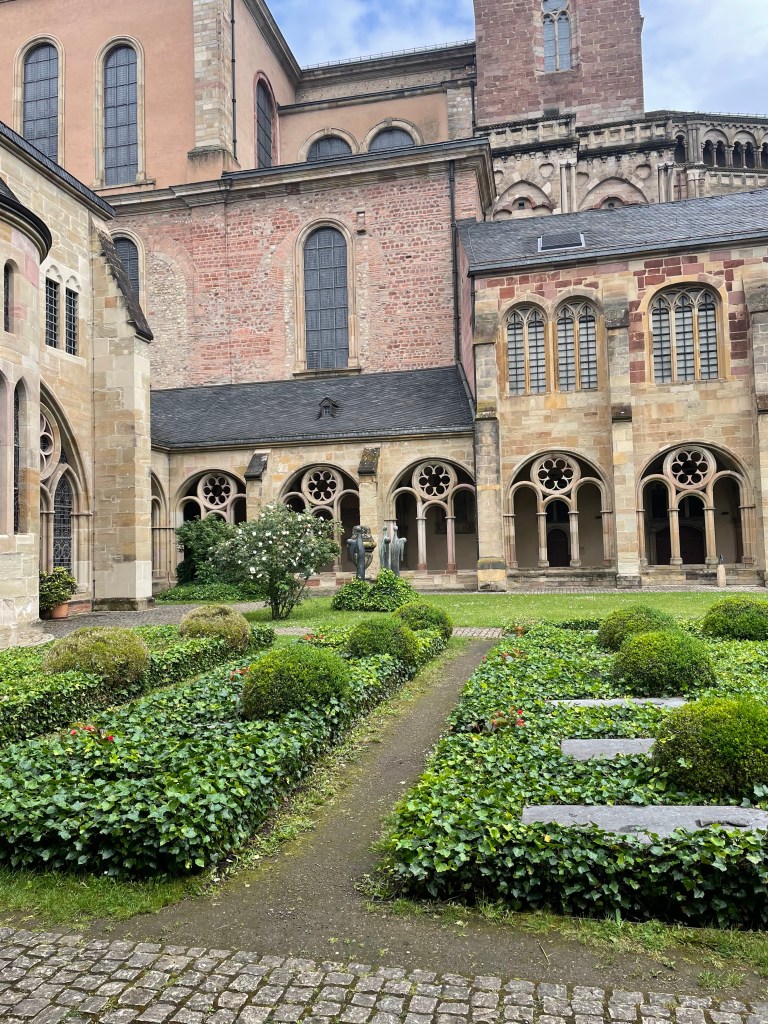
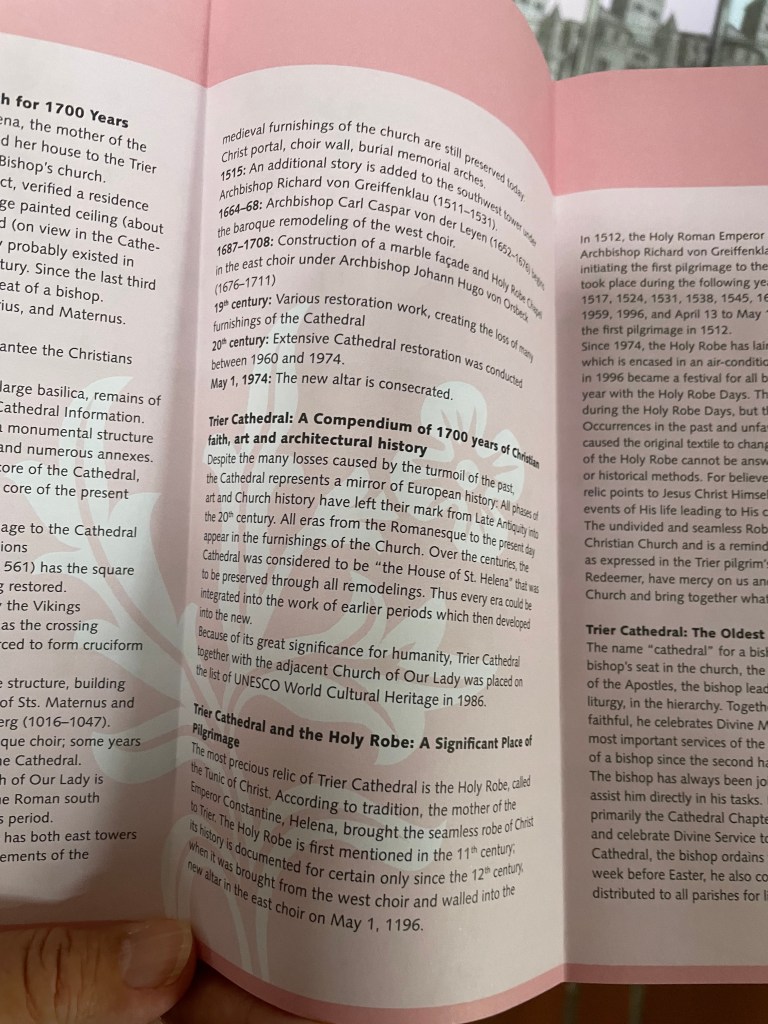
From Wikipedia:  According to certain sources, the cathedral was commissioned by Emperor Constantine the Great and built on top of a palace of Saint Helen, his mother. Following the conversion of Constantine to Christianity, bishop Maximin (329–346) is said to have coordinated the construction of a cathedral, which at the time was the grandest ensemble of ecclesiastical structures in the West outside Rome. On a ground plan four times the size of the present cathedral no less than four basilicas, a baptistry and outbuildings were constructed. Archaeological research confirms that the current cathedral, as well as the adjacent cloisters and Church of Our Lady, is raised upon the foundations of ancient Roman buildings of Augusta Treverorum. The four piers of the crossing of the present church, as well as parts of the brick outer walls are remnants from this period.

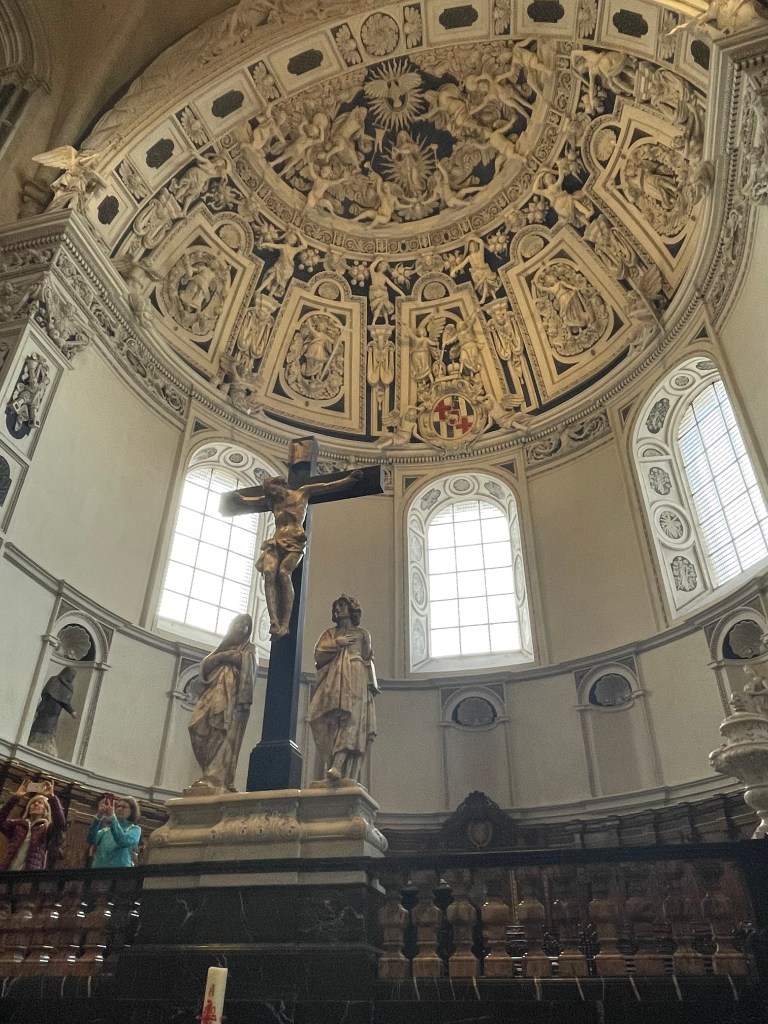
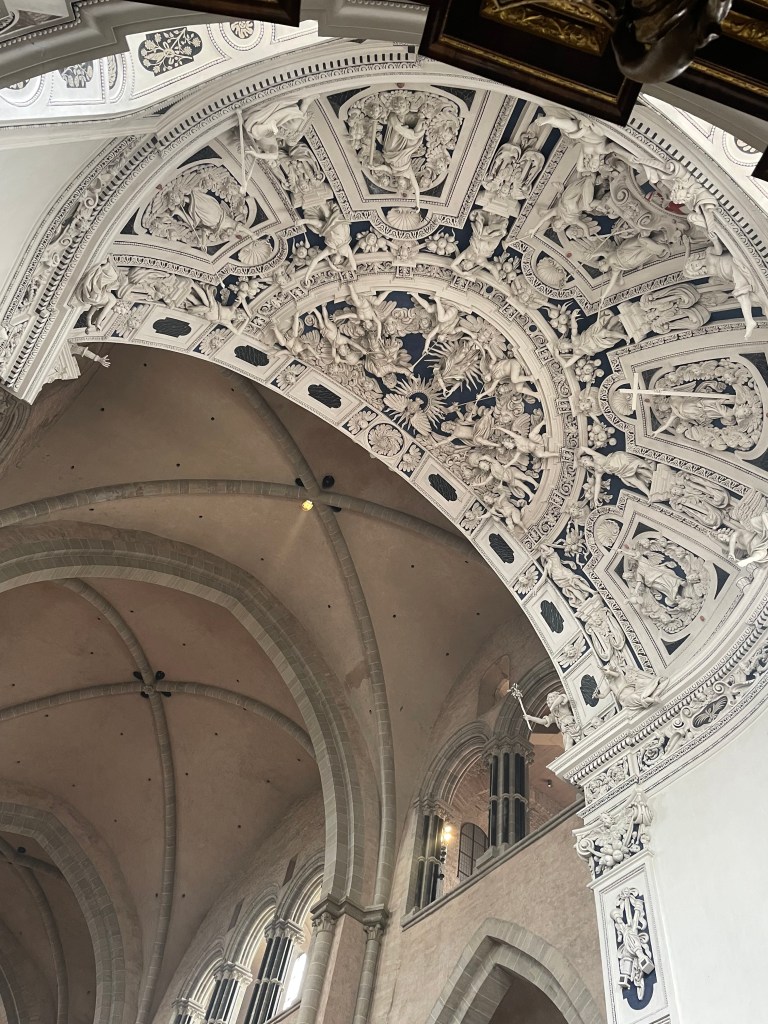
The fourth-century church was left in ruins by the Franks but rebuilt. It was destroyed again by the Vikings in 882. Under Archbishop Egbert (d. 993) rebuilding started, completed by Poppo of Babenberg (1016–1041). The famous west façade dates from this period, although the apse was not finished until 1196. Throughout the centuries the church continued to be rebuilt and embellished, according to the fashion of the period with Gothic vaults, Renaissance sculptures and Baroque chapels, but the overall style of the building remains Romanesque with a Roman core.

Interesting to know (but we didn’t get to see these things here):

Treasury and relics
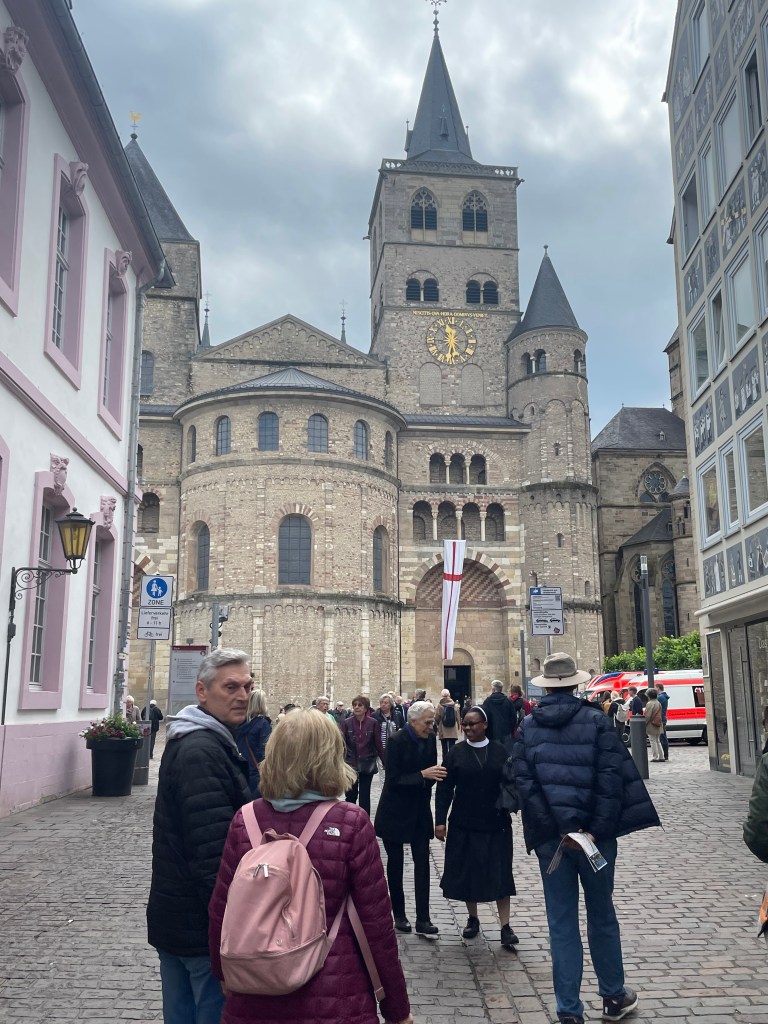
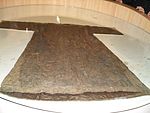
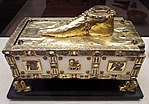
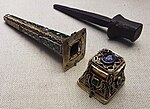
The Seamless Robe of Jesus, the robe said to have been worn by Jesus shortly before his crucifixion, is the best-known relic of the cathedral. It is kept in an annex chapel and shown to the public infrequently, most recently in 2012. The skull of St. Helena, the mother of Emperor Constantine, is displayed in the east crypt of the cathedral. Her drinking cup is kept in the cathedral’s treasury as well as the so-called Egbert Shrine. This is a decorated portable altar that contained the sole of a sandal of St. Andrew and other relics. Another reliquary from the same period contains a Holy Nail from the Cross of Jesus. Both objects are considered highlights of Ottonion goldsmithery.

Holy Tunic Skull of St. Helena Egbert Shrine  Holy Nail Reliquary

This complex of church buildings was large, grand and historical.

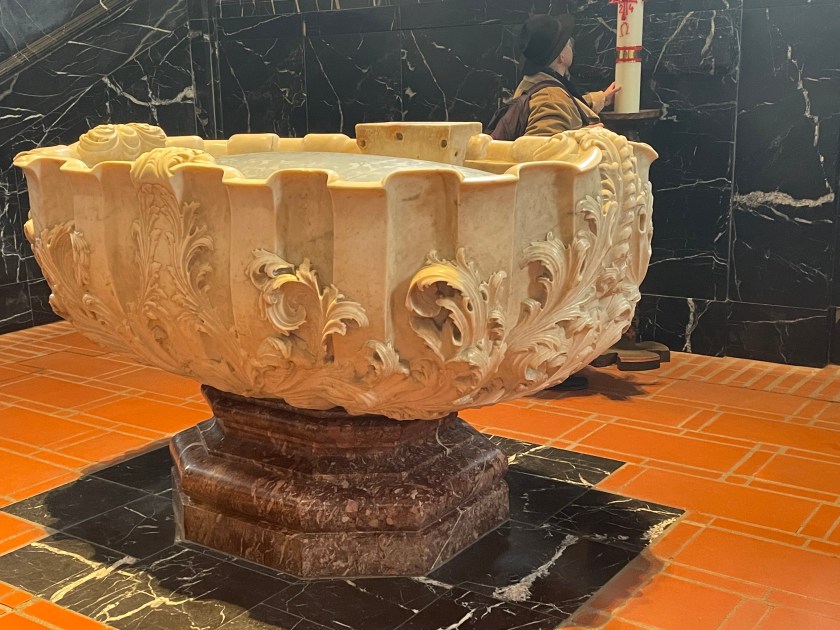
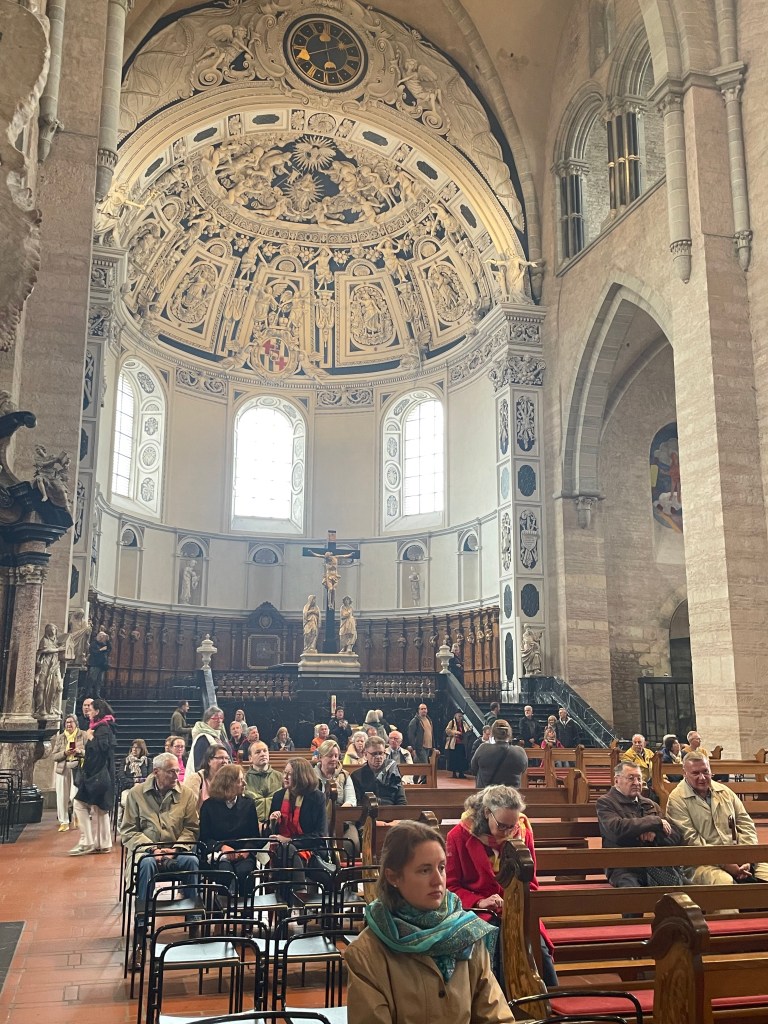
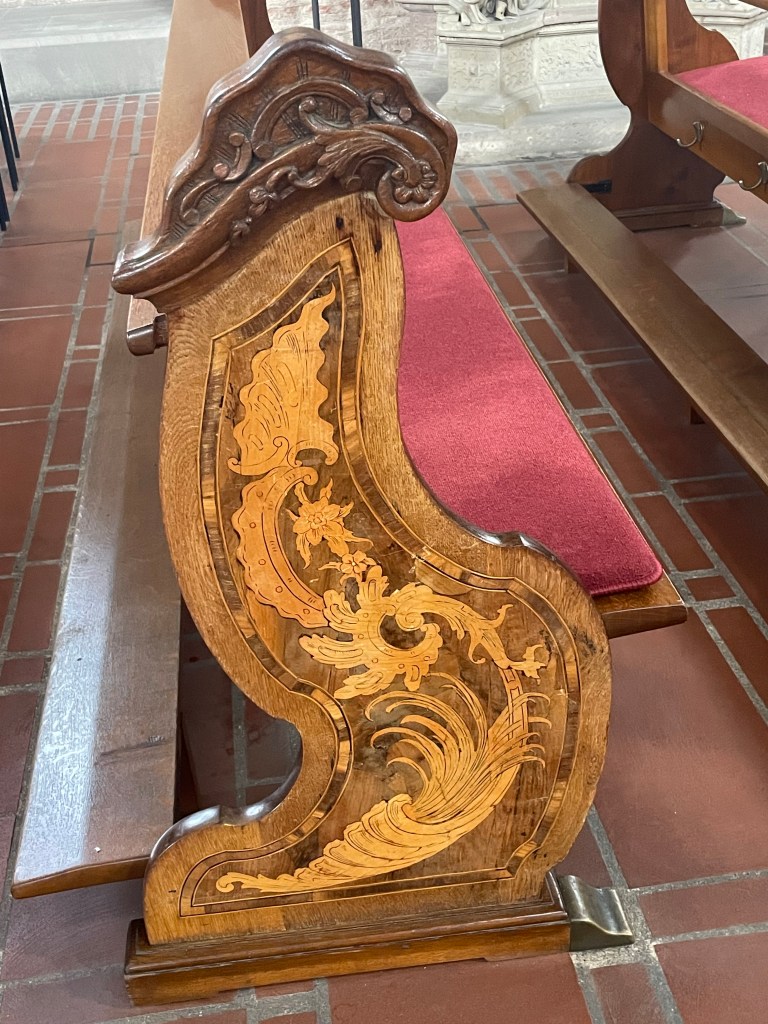
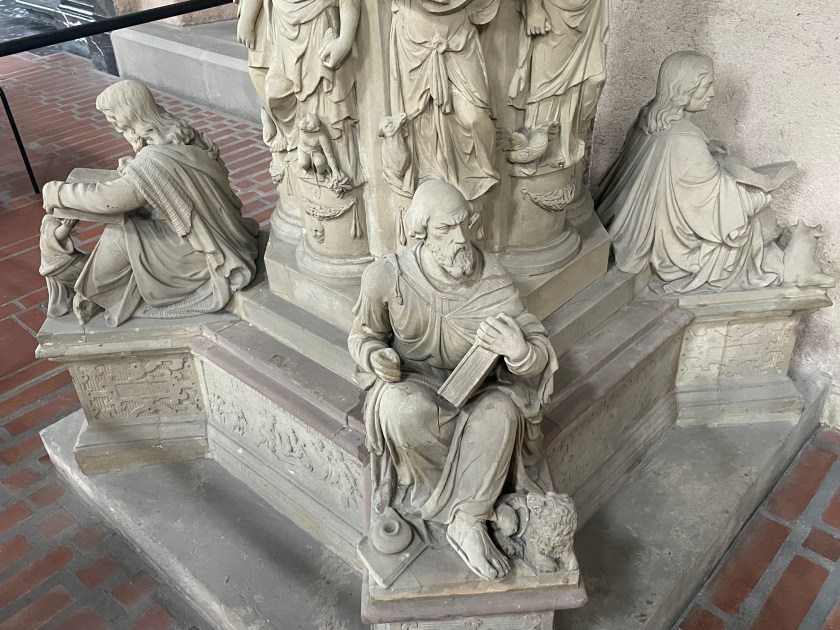
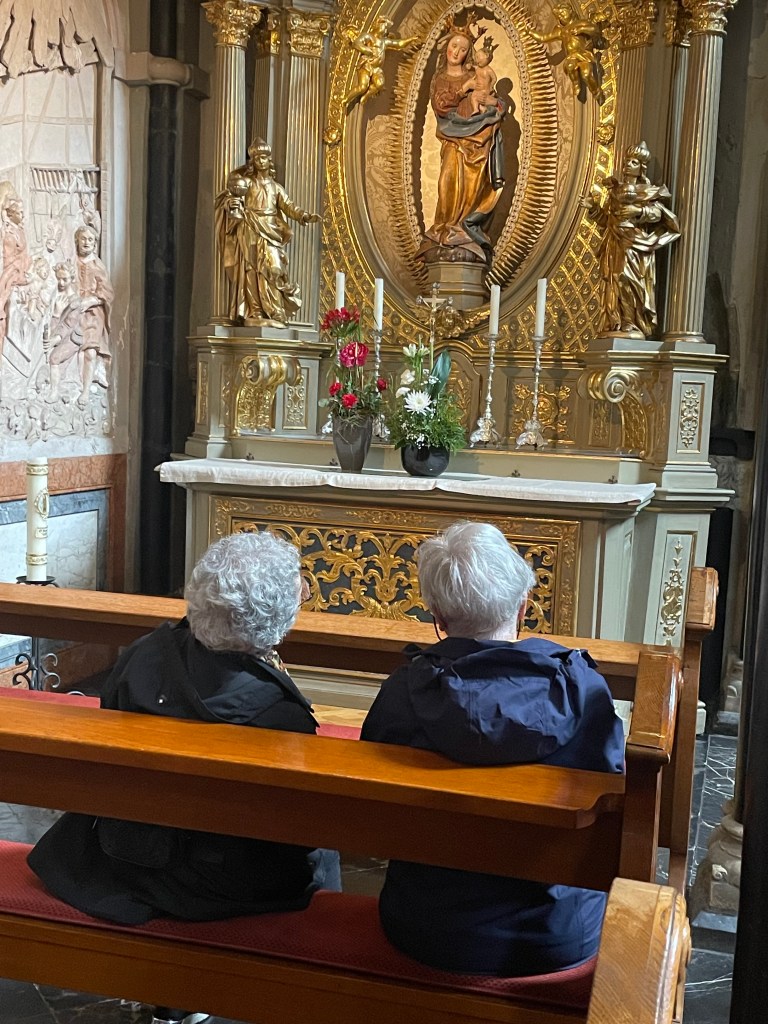
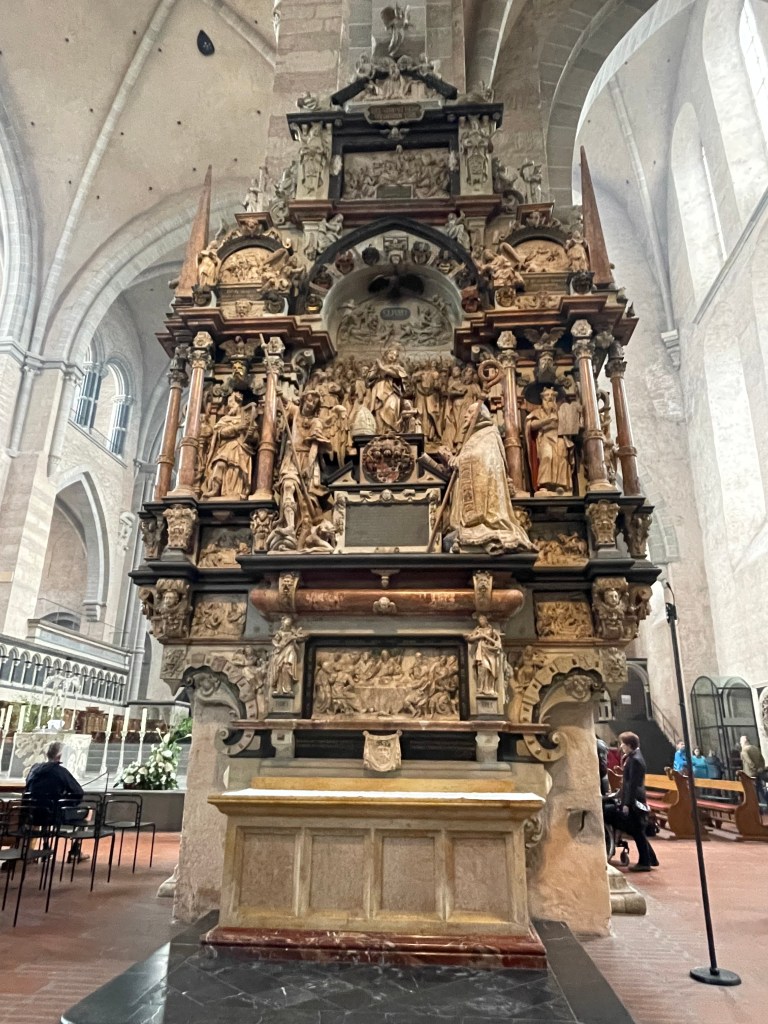
Let’s go inside!

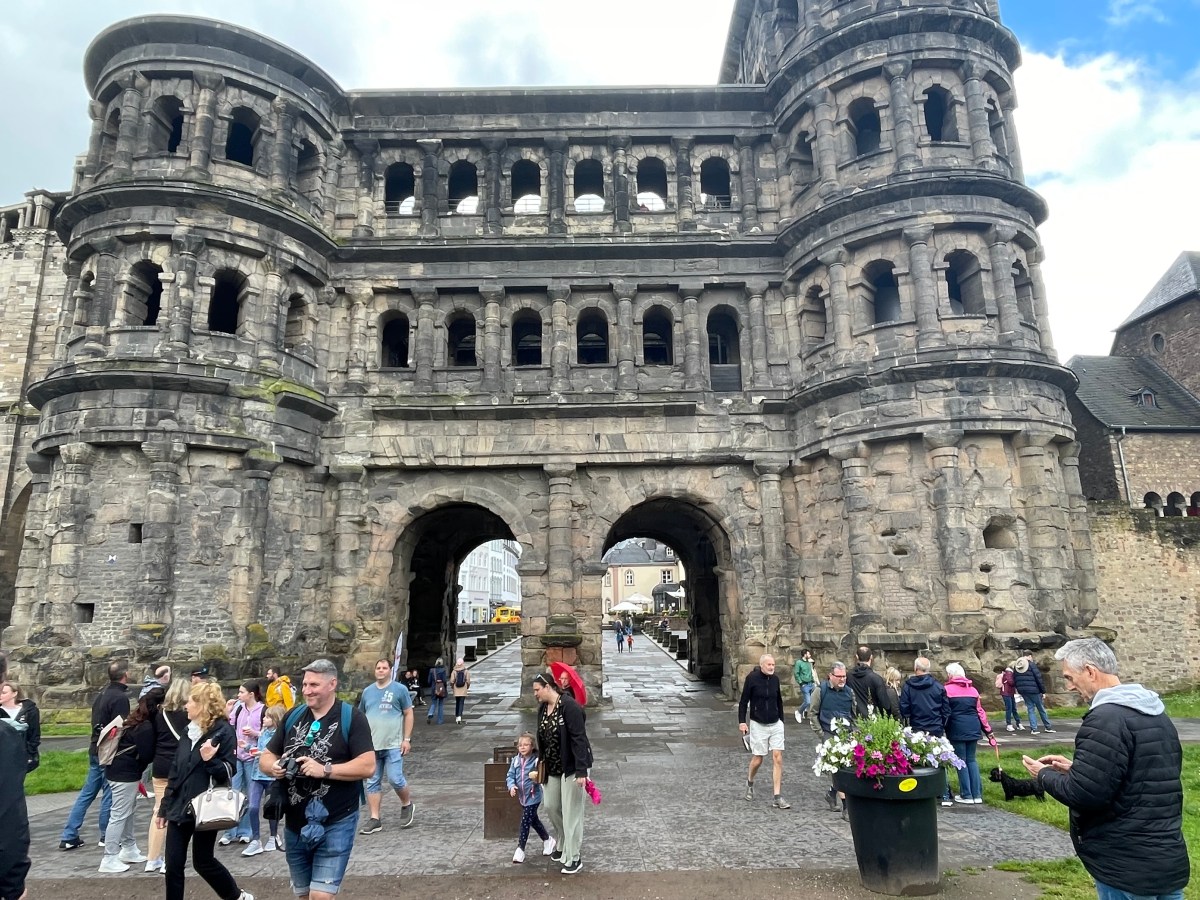
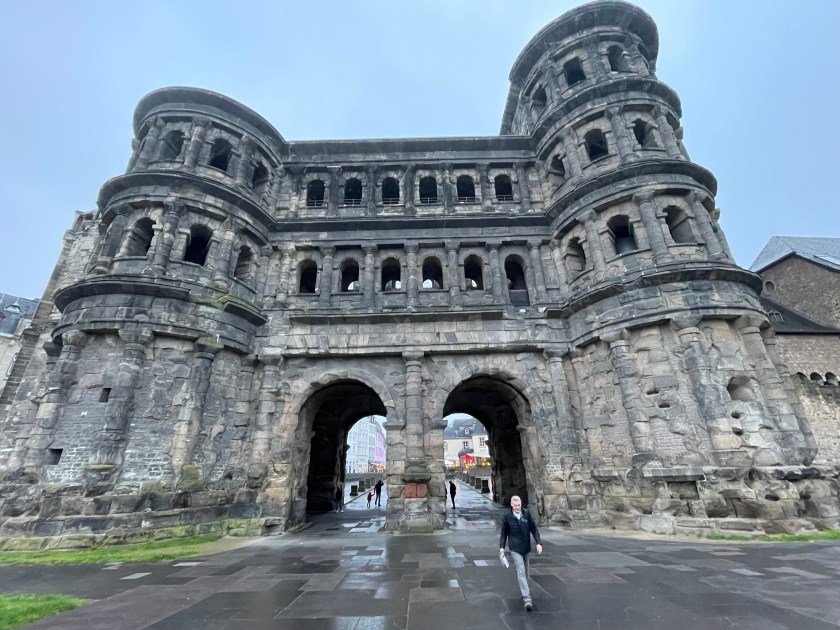
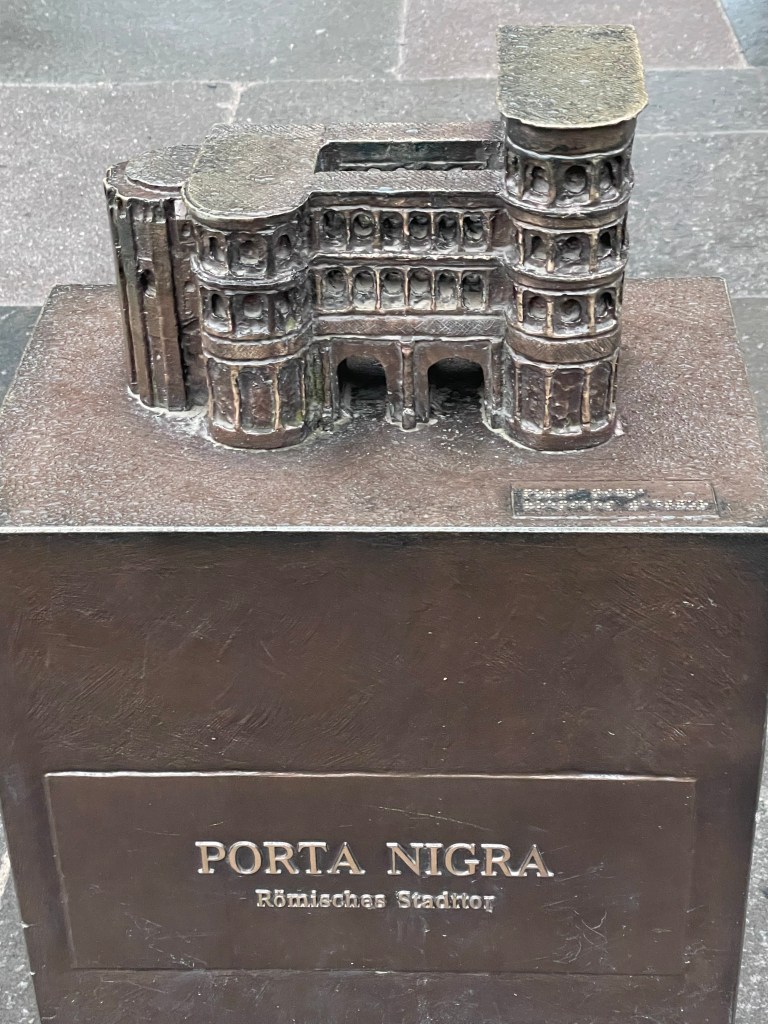
Porta Nigra, Trier

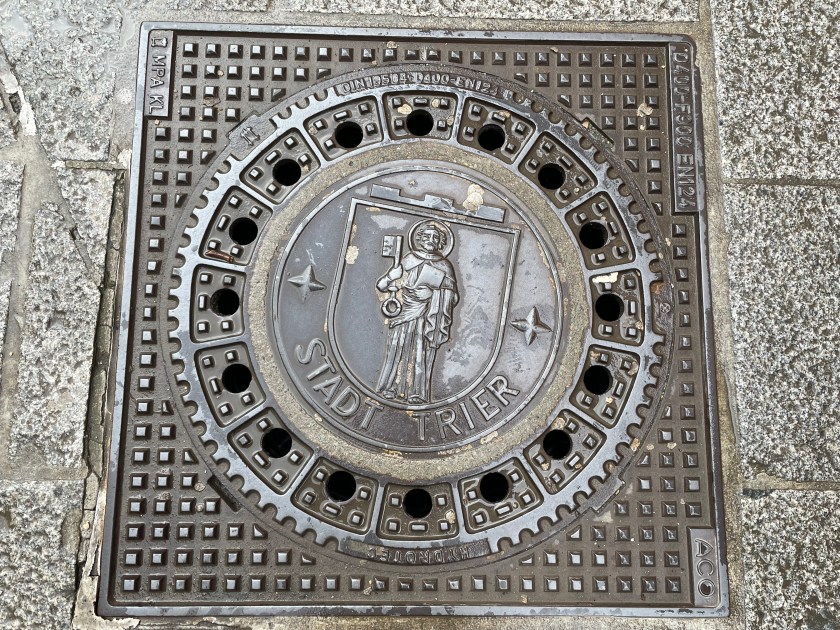
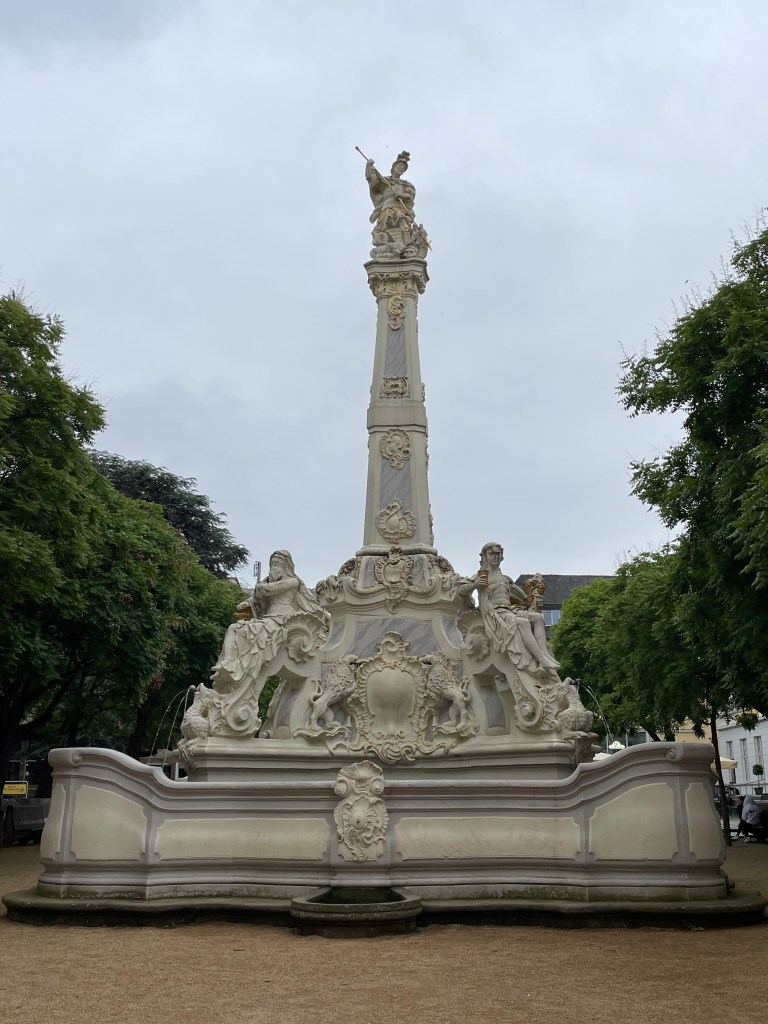
This fountain is right outside our hotel.  This morning we retraced our steps through town and back to the Porta Nigra.

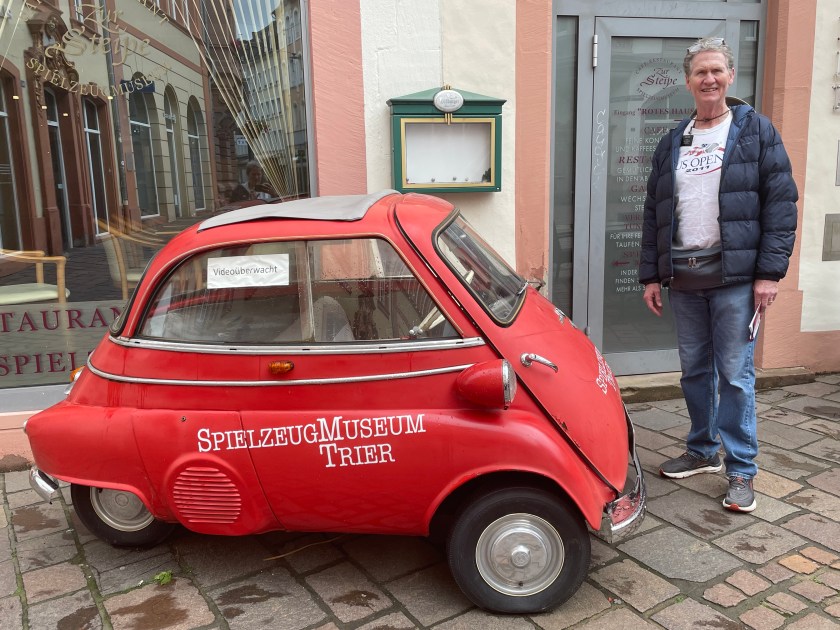
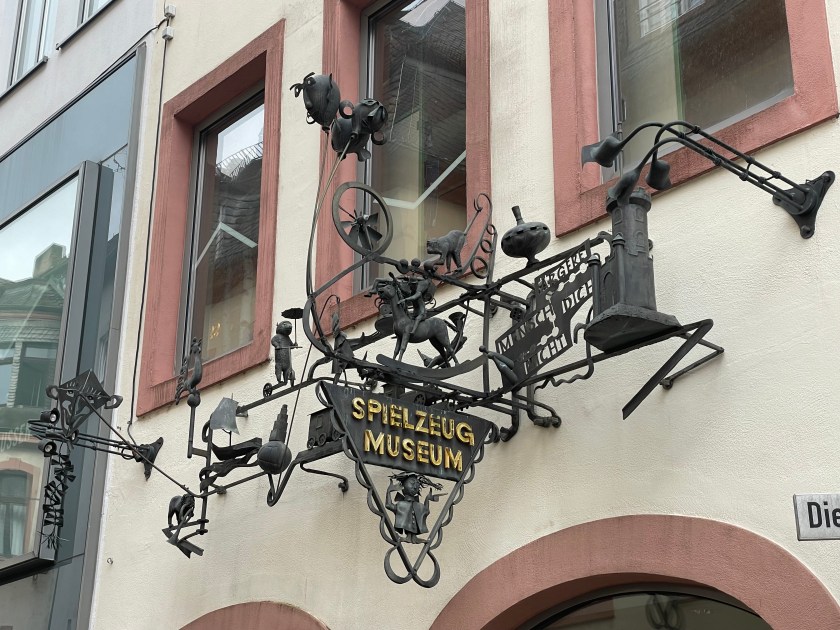
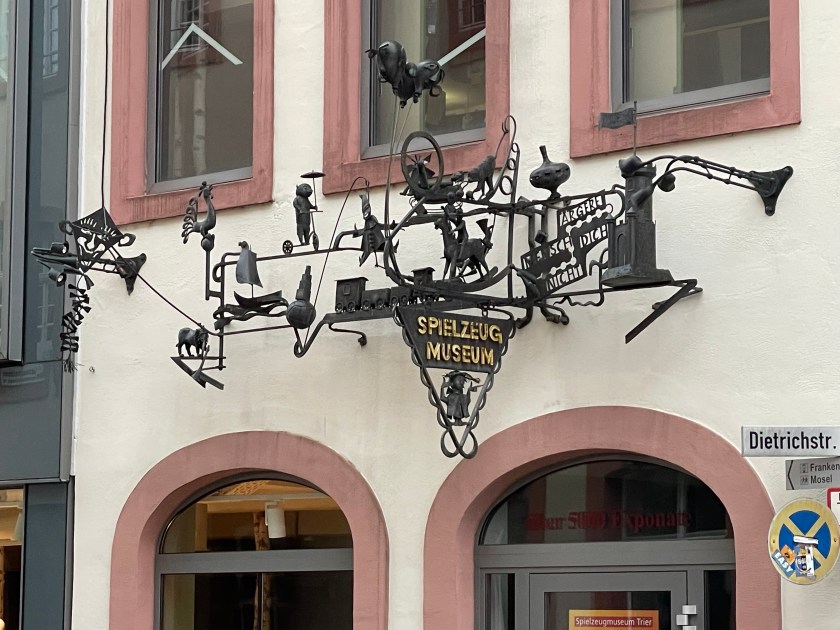
A toy museum.

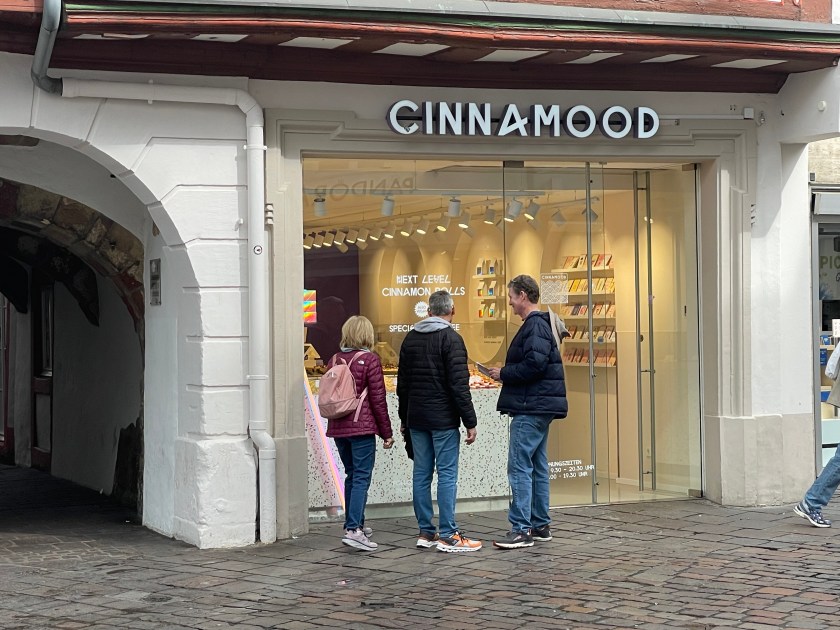
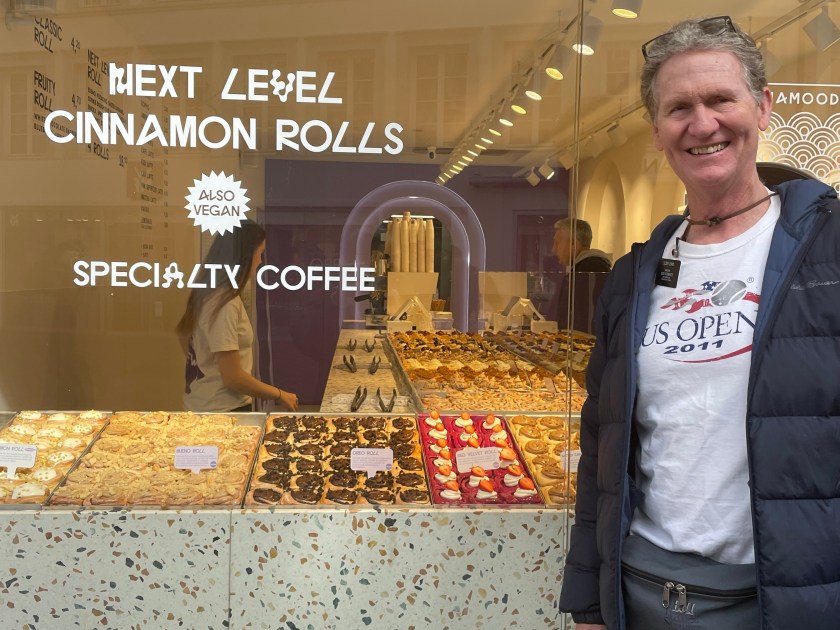
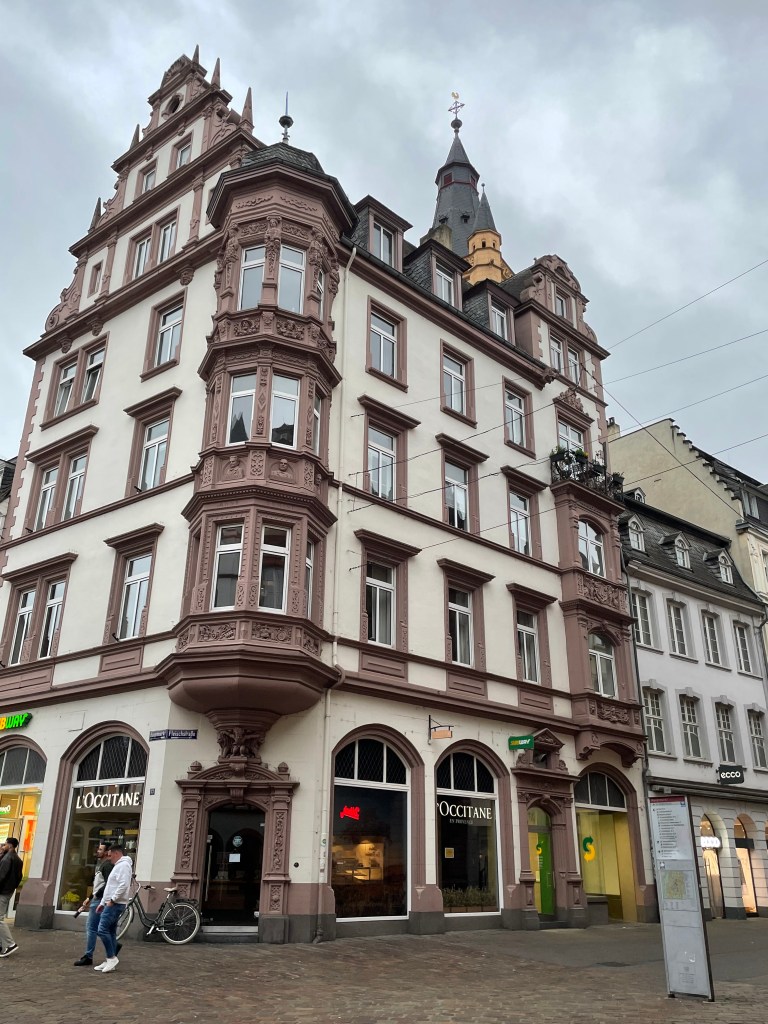
This time the cinnamon roll shop was open!

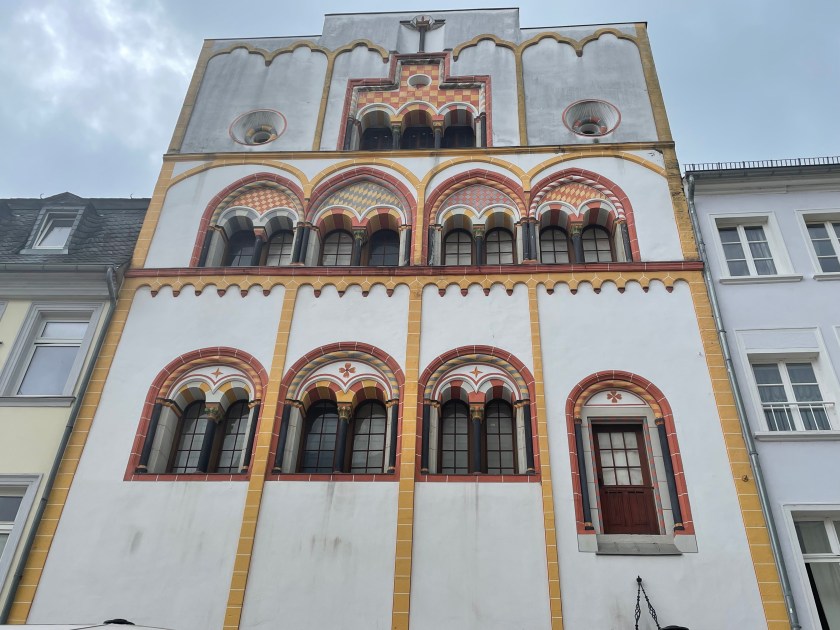
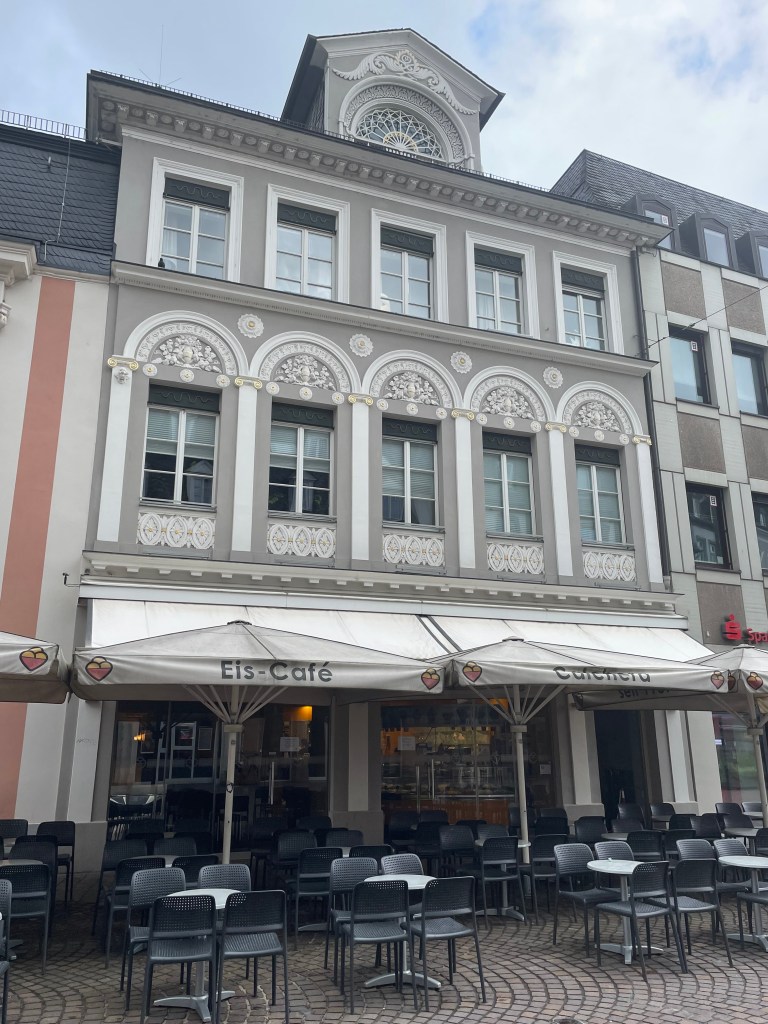
The Three Kings House in the daytime.

This morning we went first to the Tourist Information place to buy ticket passes to all of the main sights in Trier.  We got punch cards that were good for a year for 18 Euro.

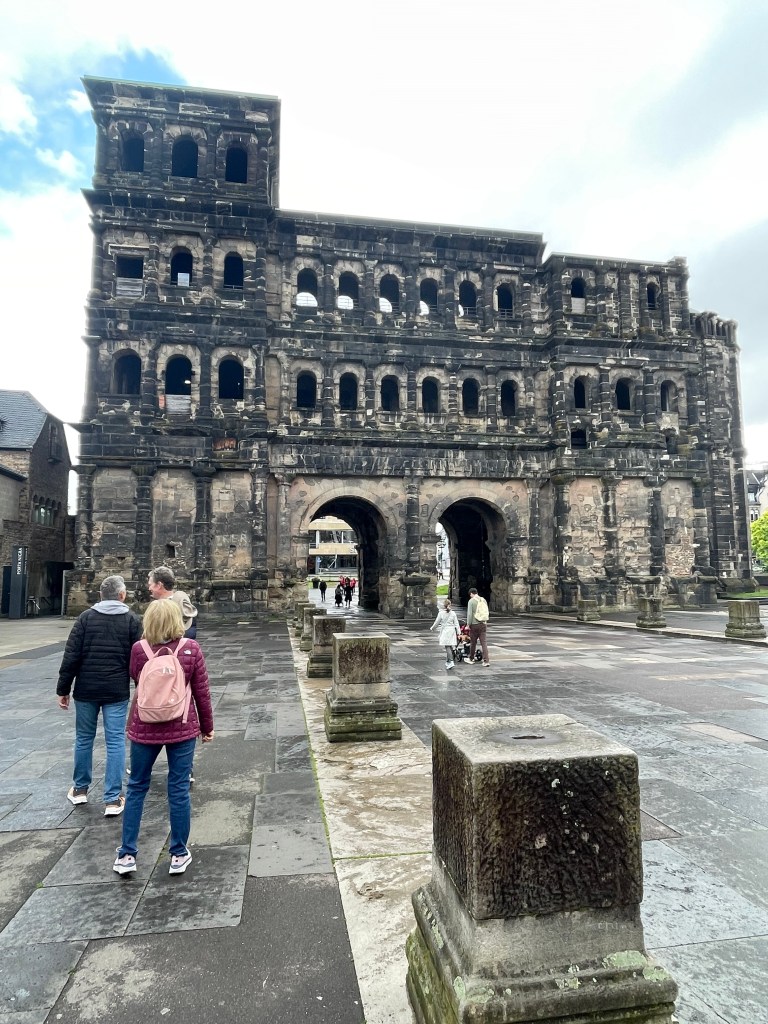
Our first stop was Porta Nigra, the black gate.

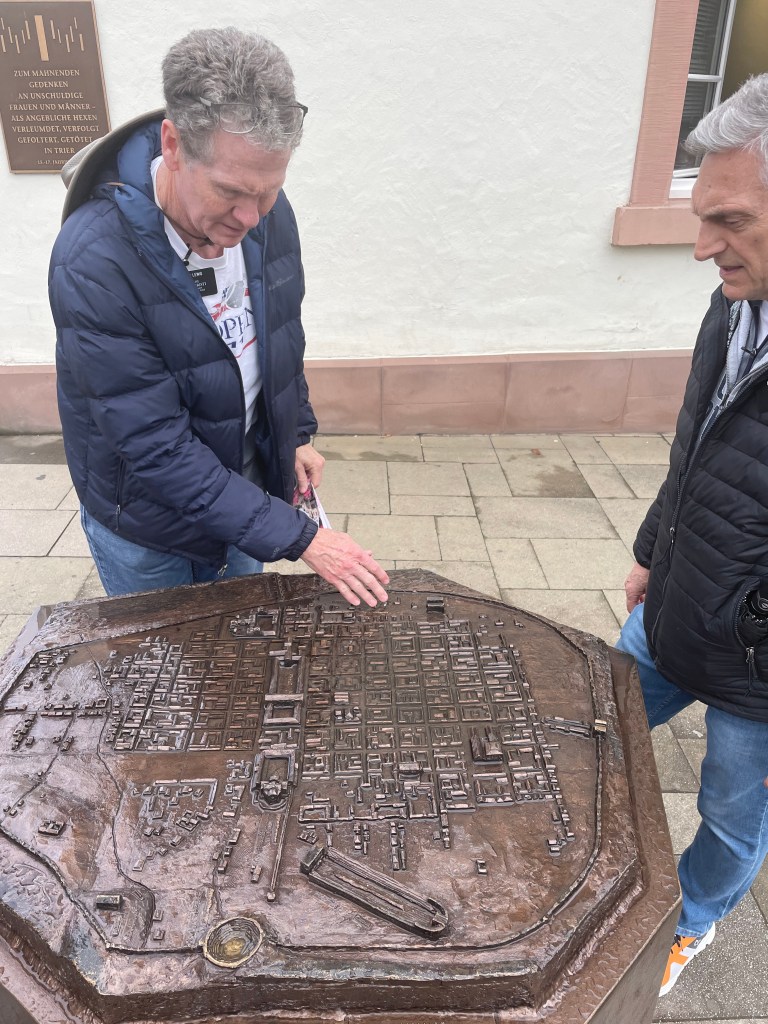
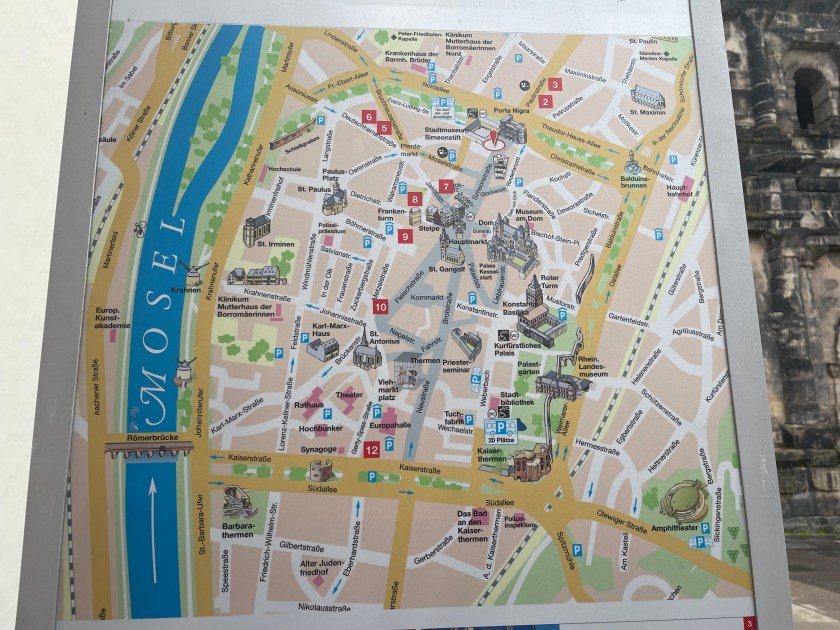
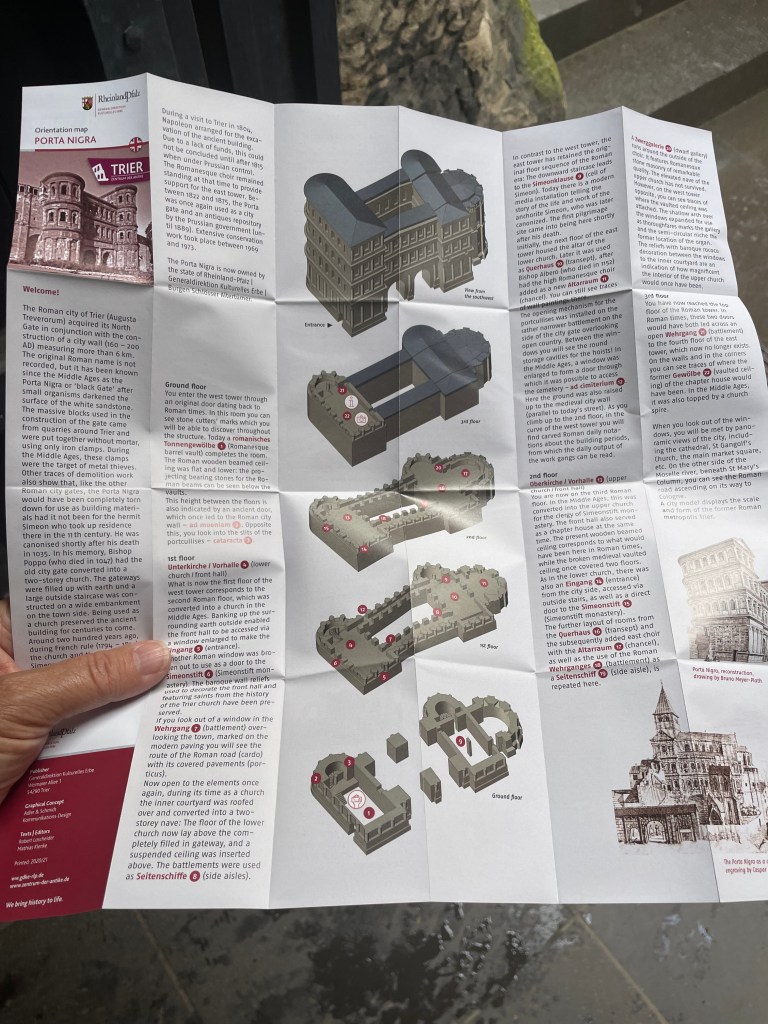
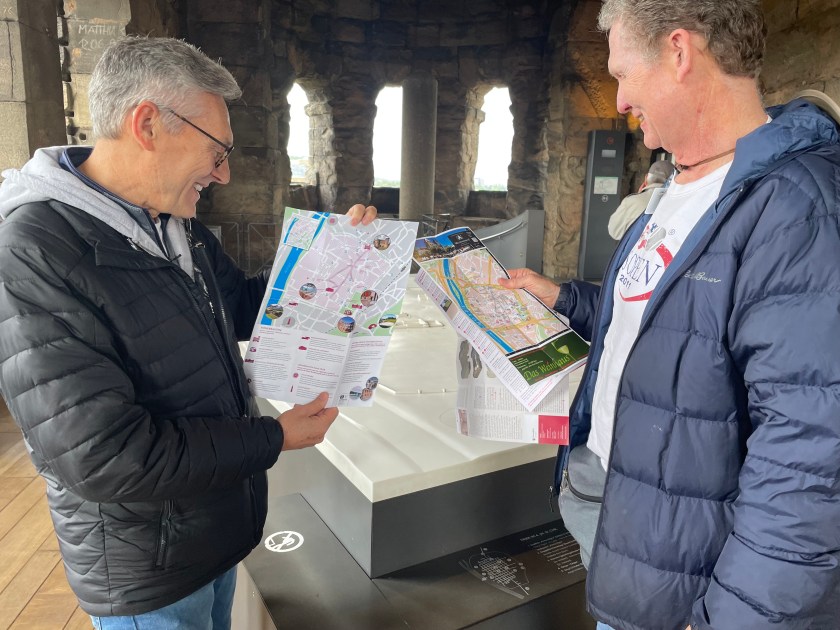
The gate is at the top of this map:

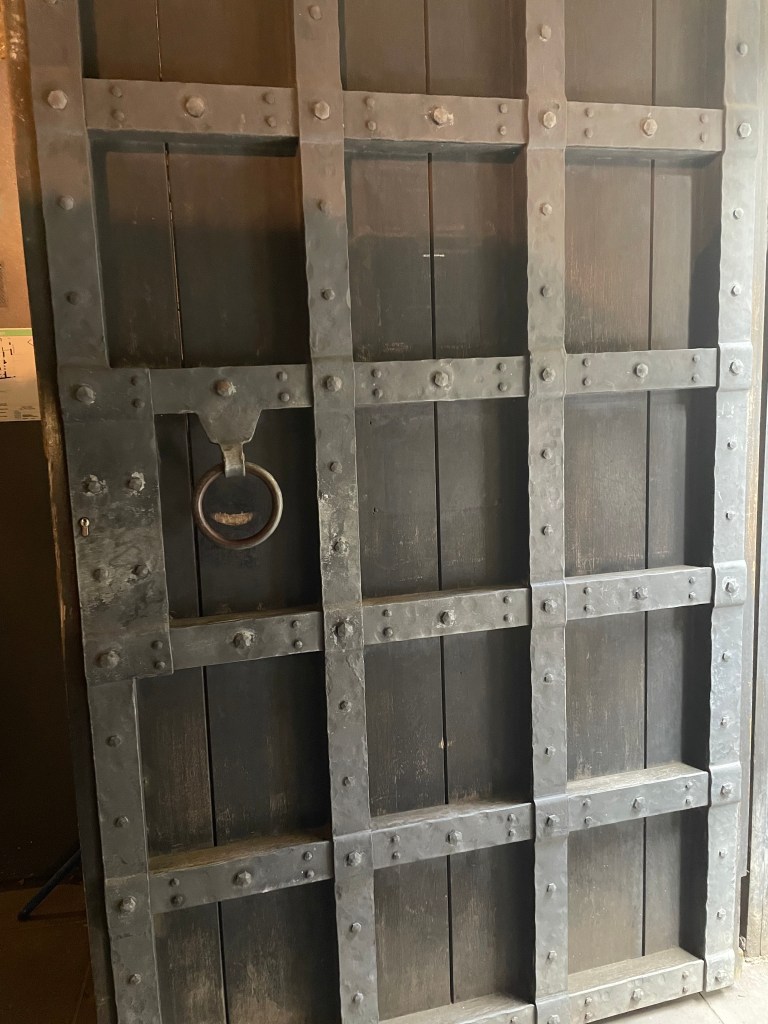
Here’s the entrance:

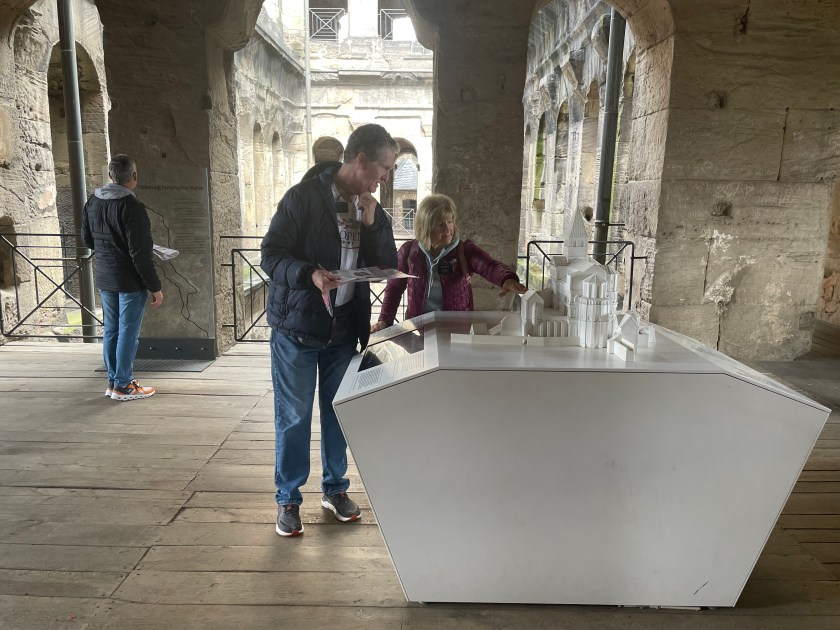
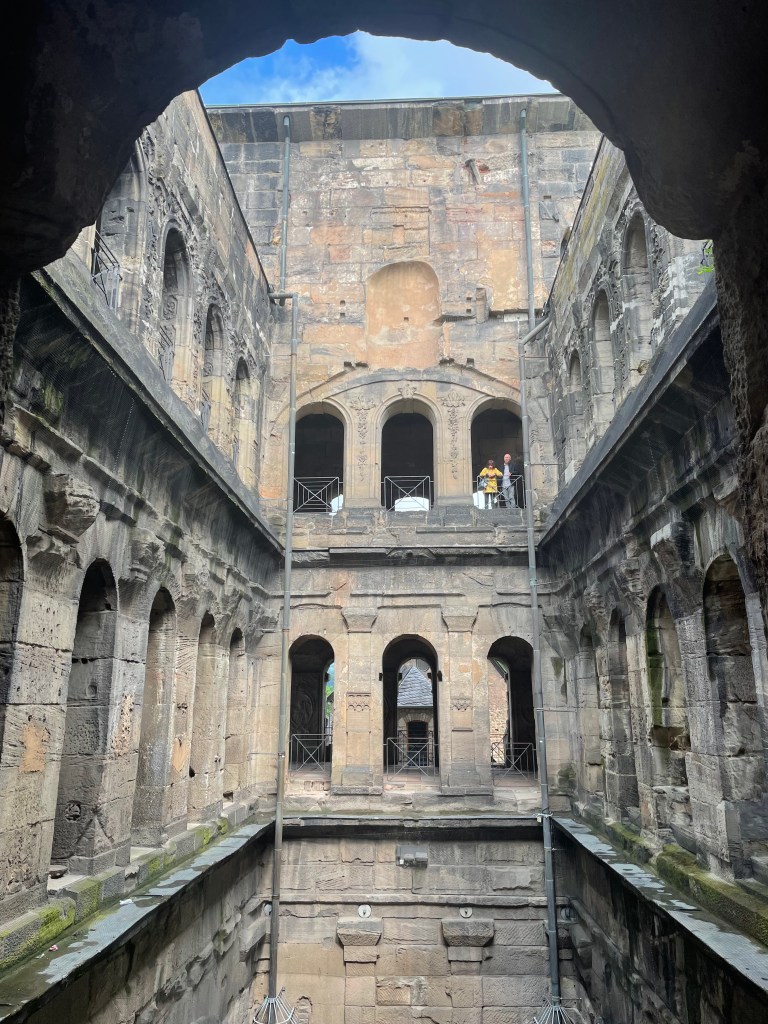
And here are the different levels:

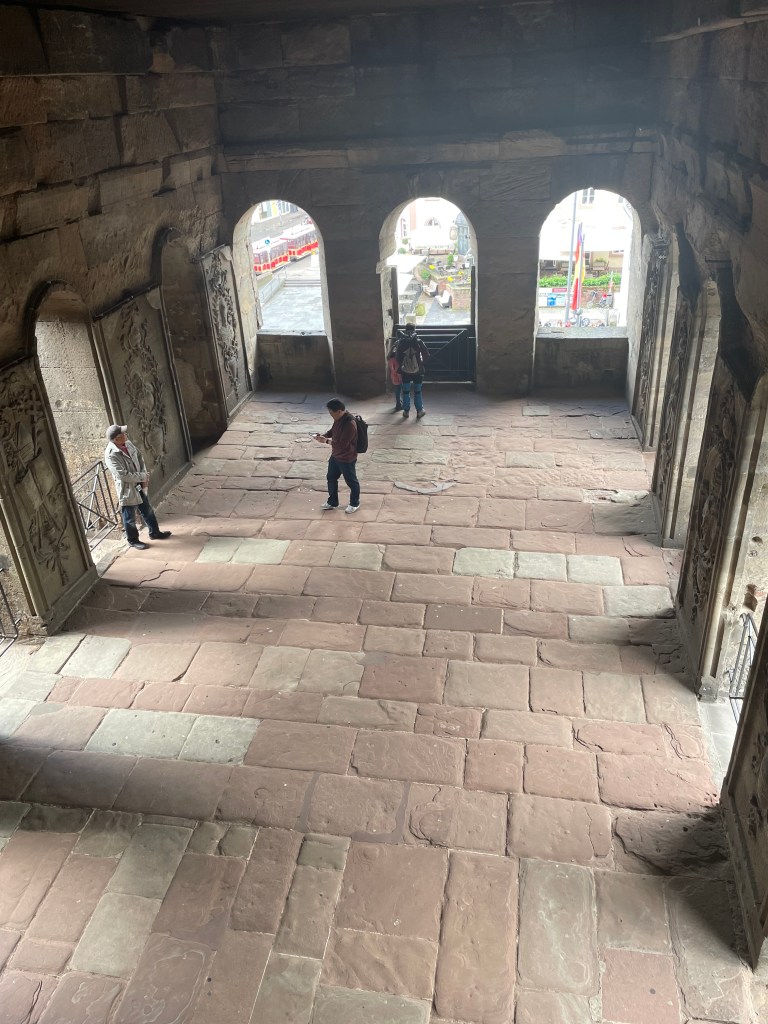
We spent about an hour walking through this historic site.  Imagine walking on stones placed here in AD 170!

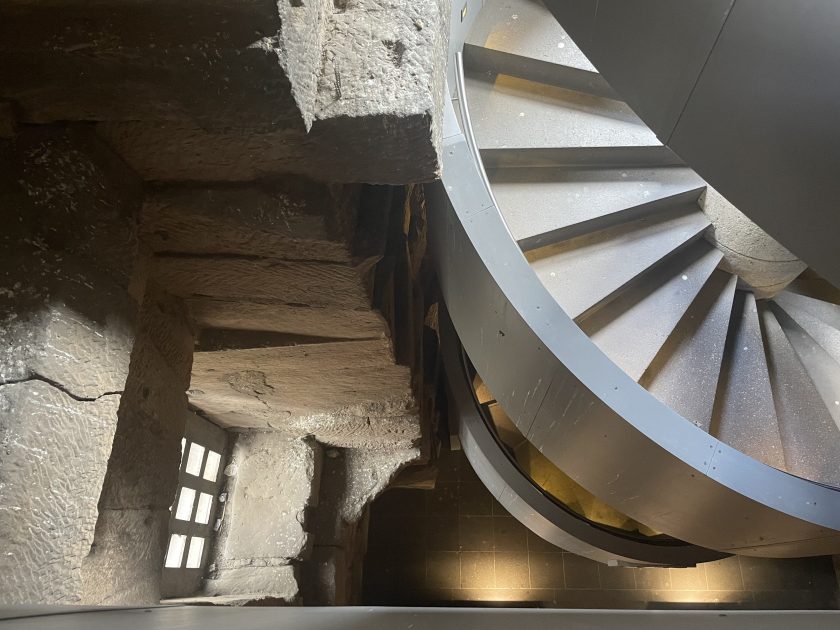
These are the modern stairs that went between the floors:

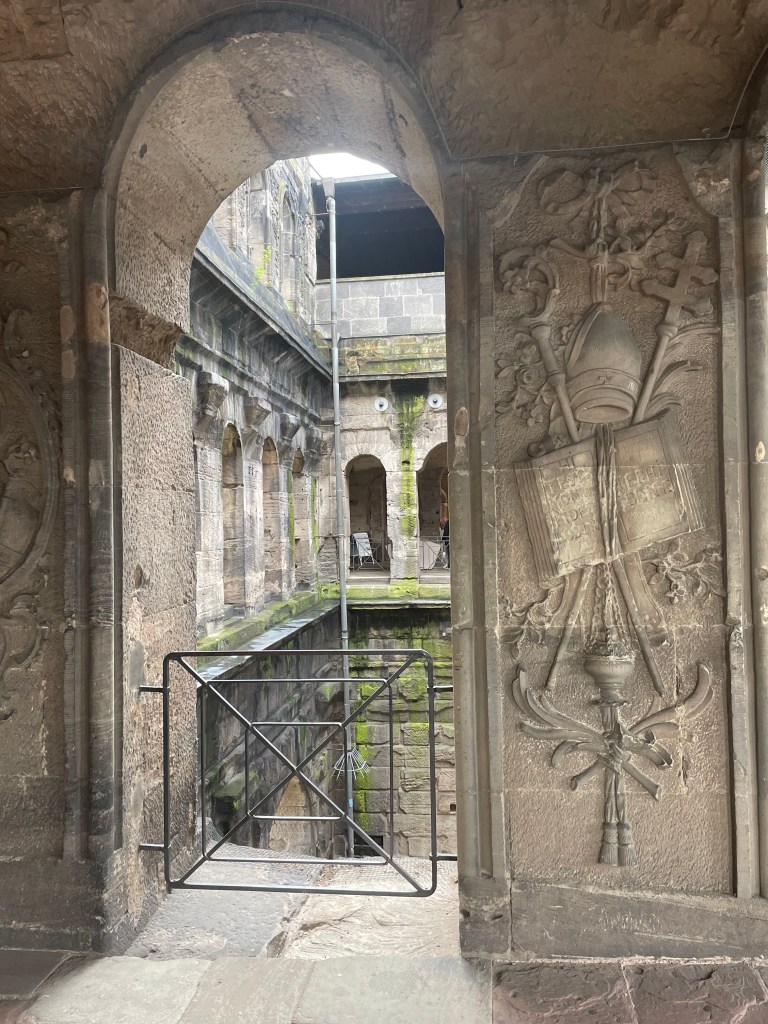
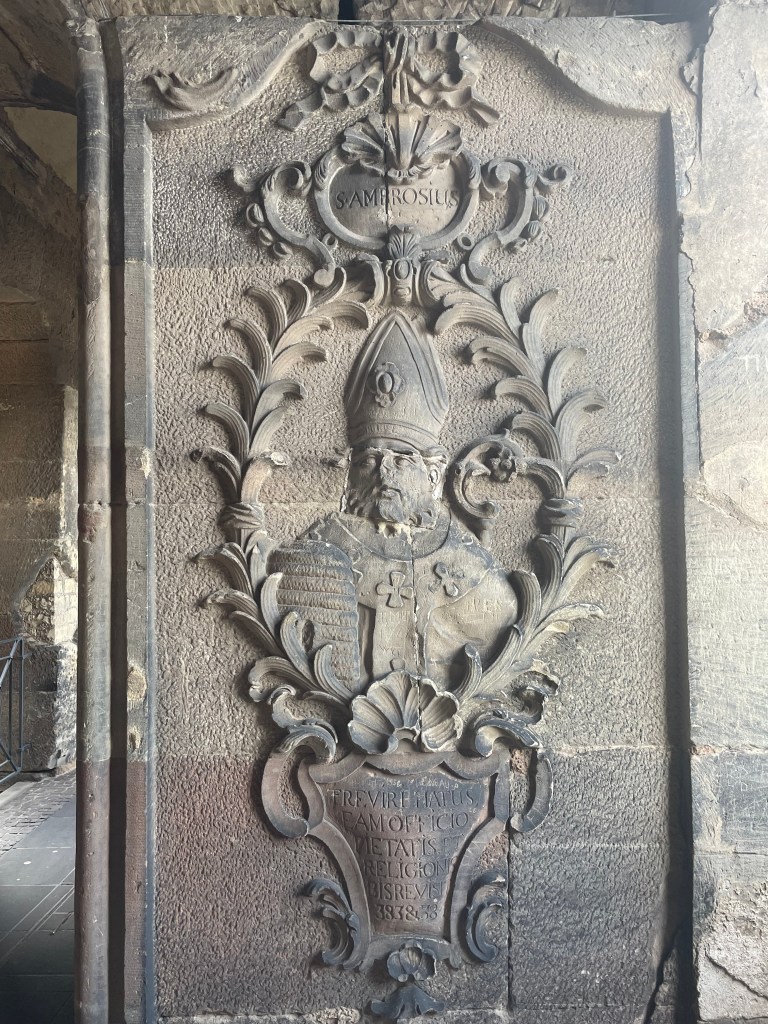
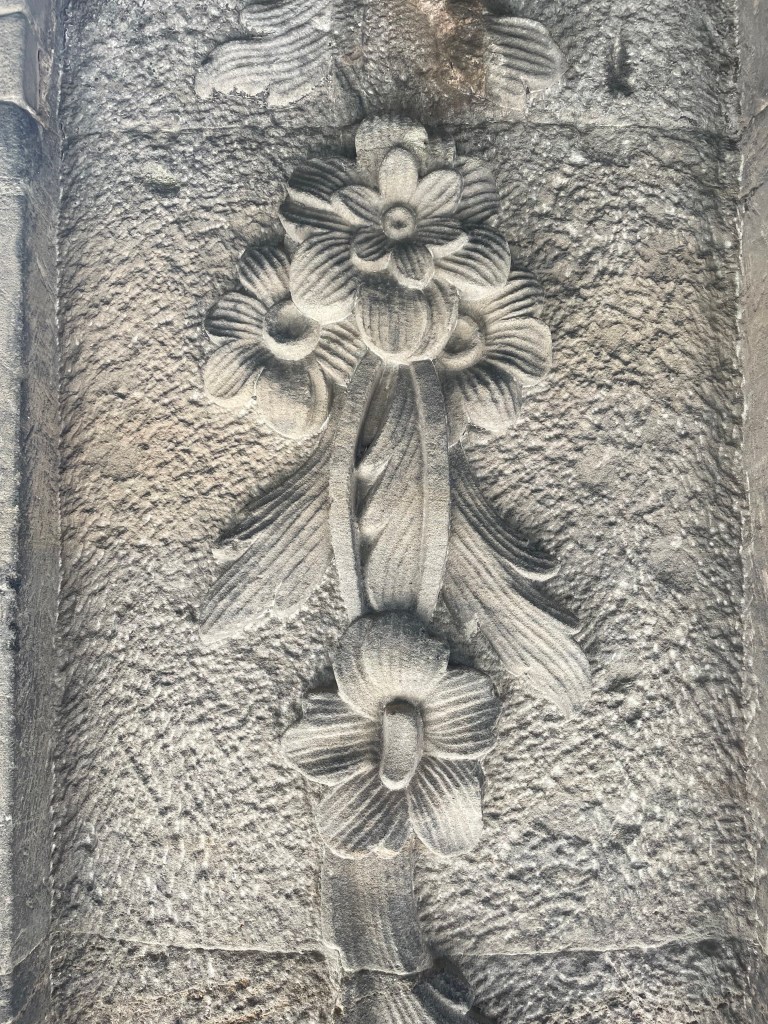
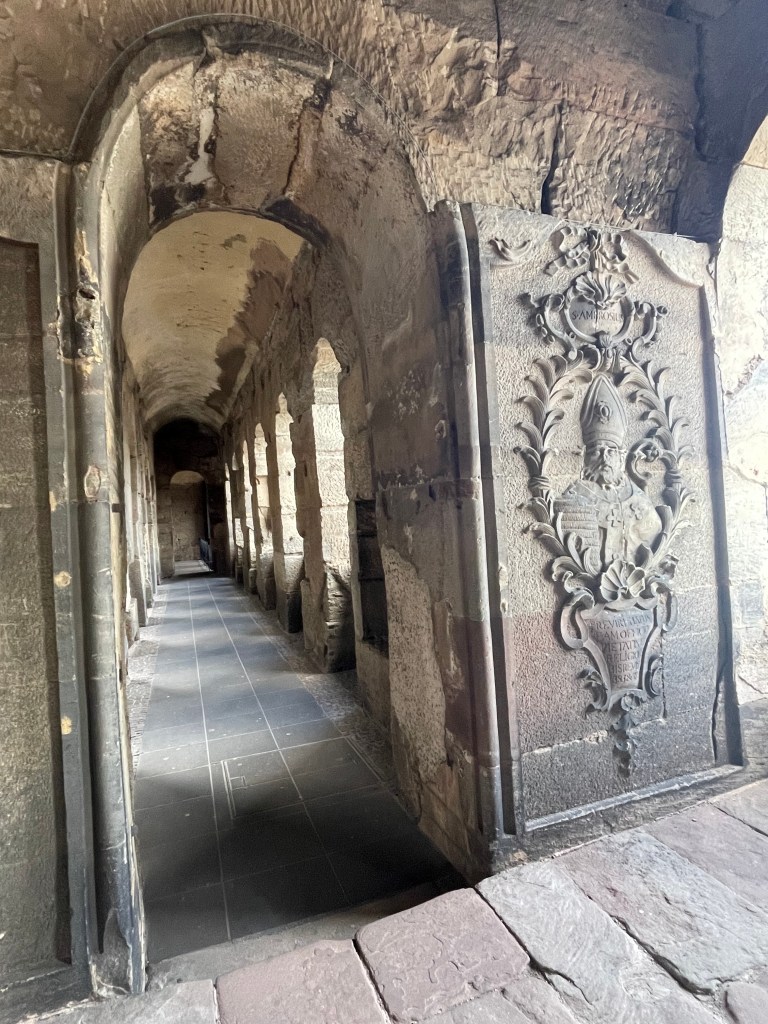
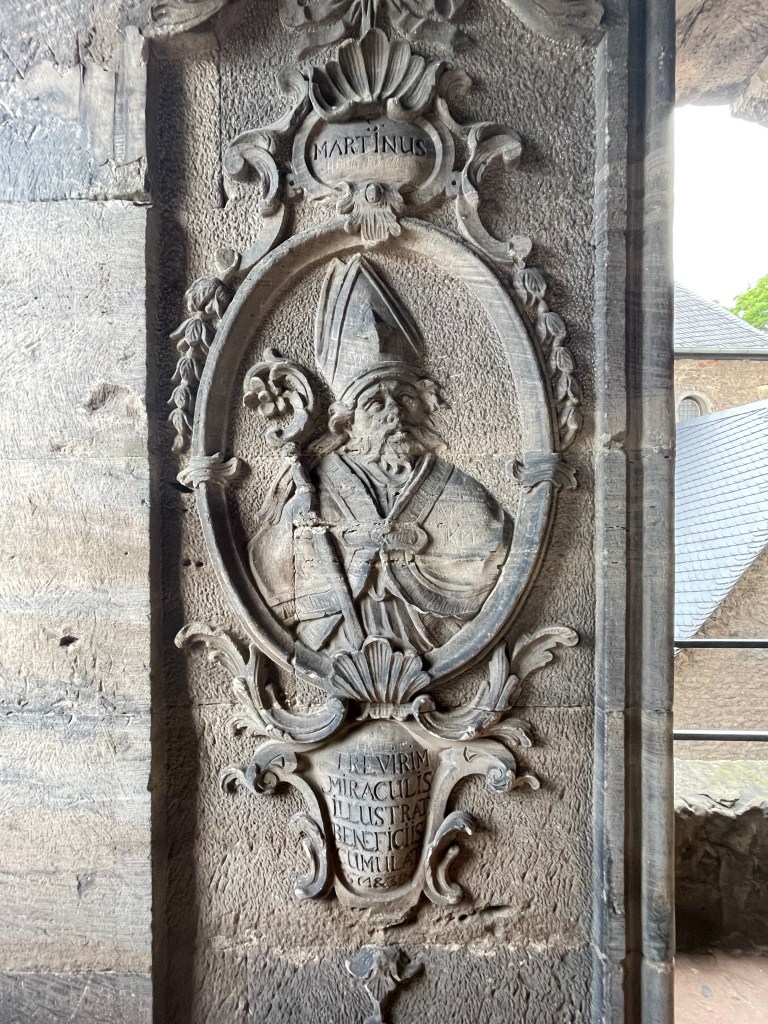
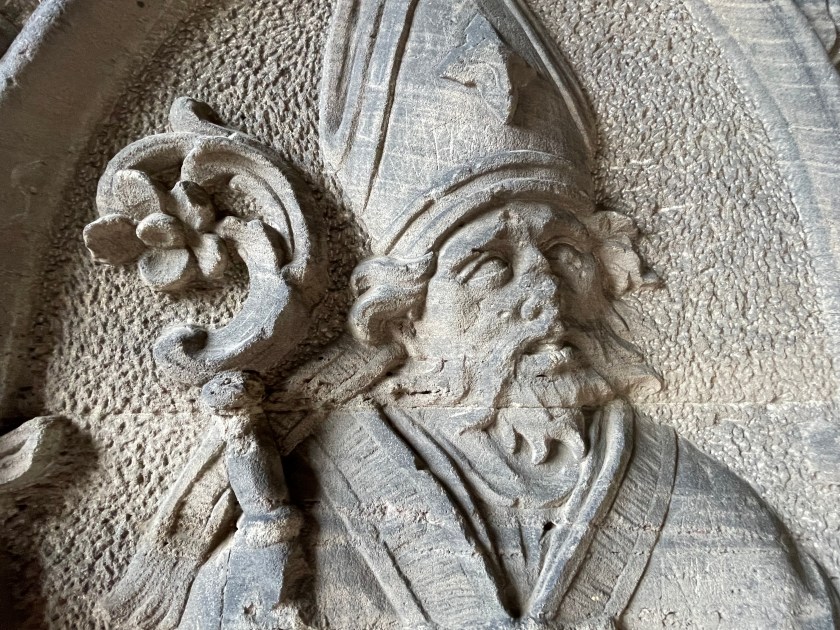
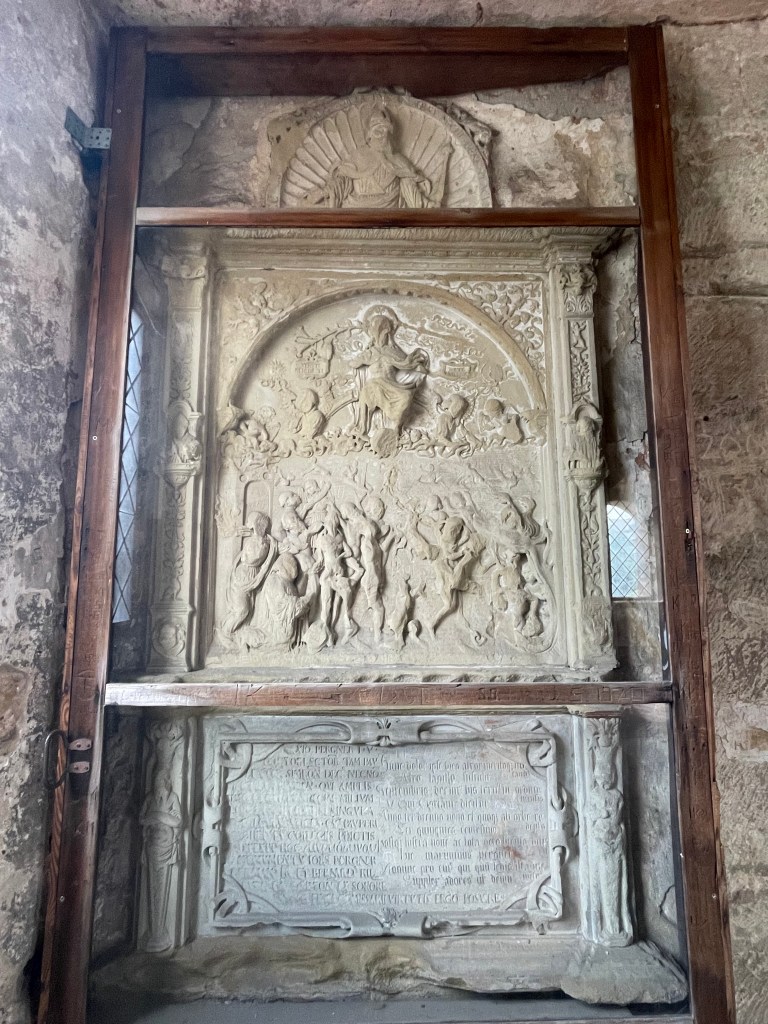
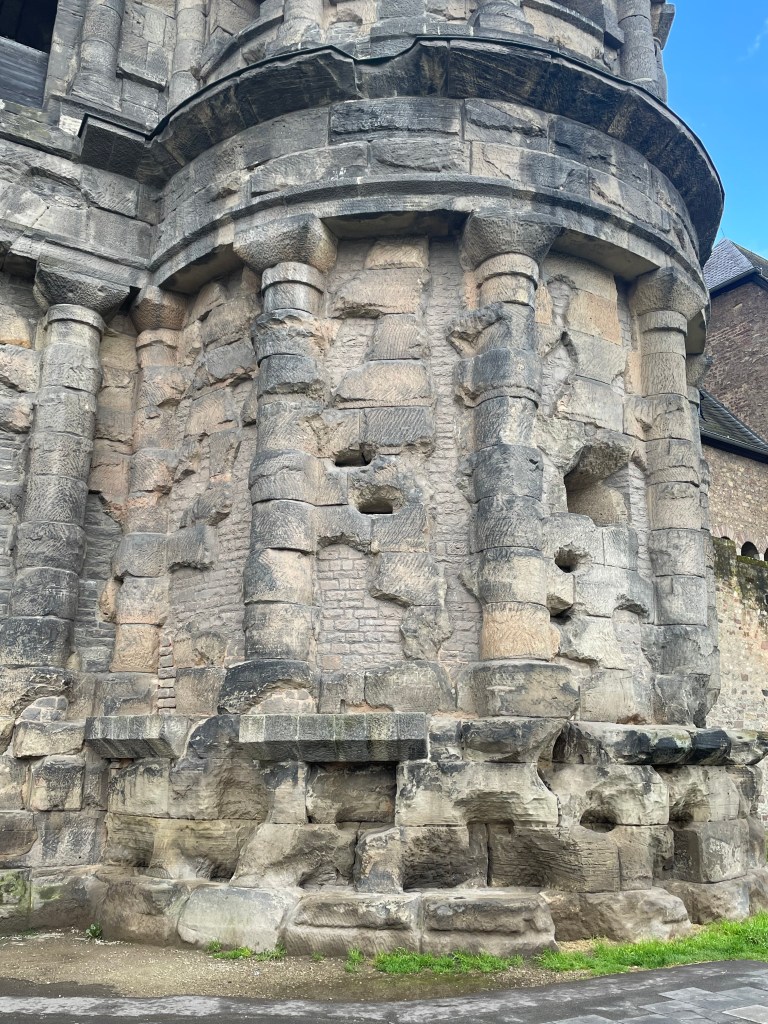
The carvings and decorations in the stone were very beautiful, flowery, feminine.

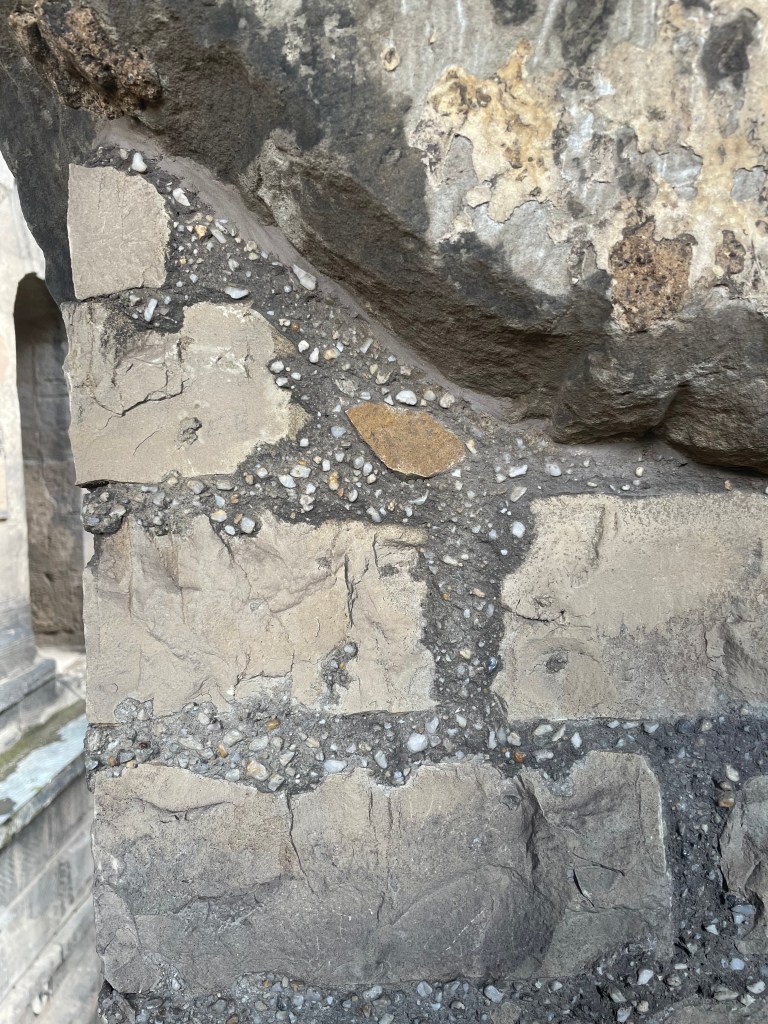
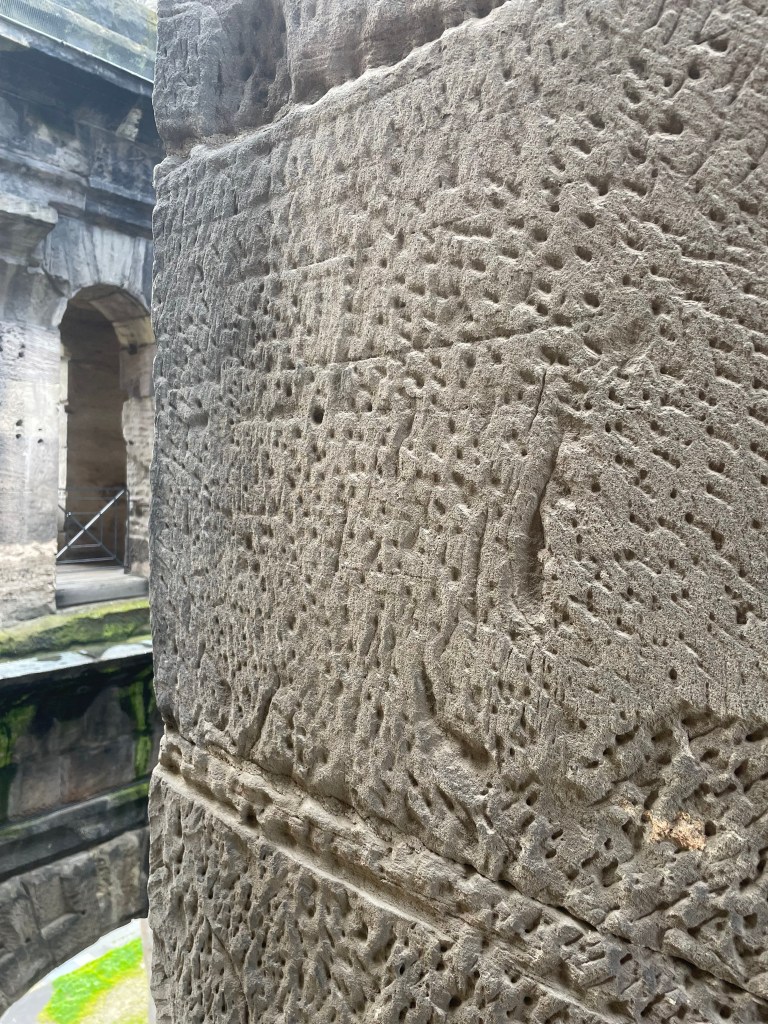
The stone itself was fascinating, mostly hand-hewn sandstone.

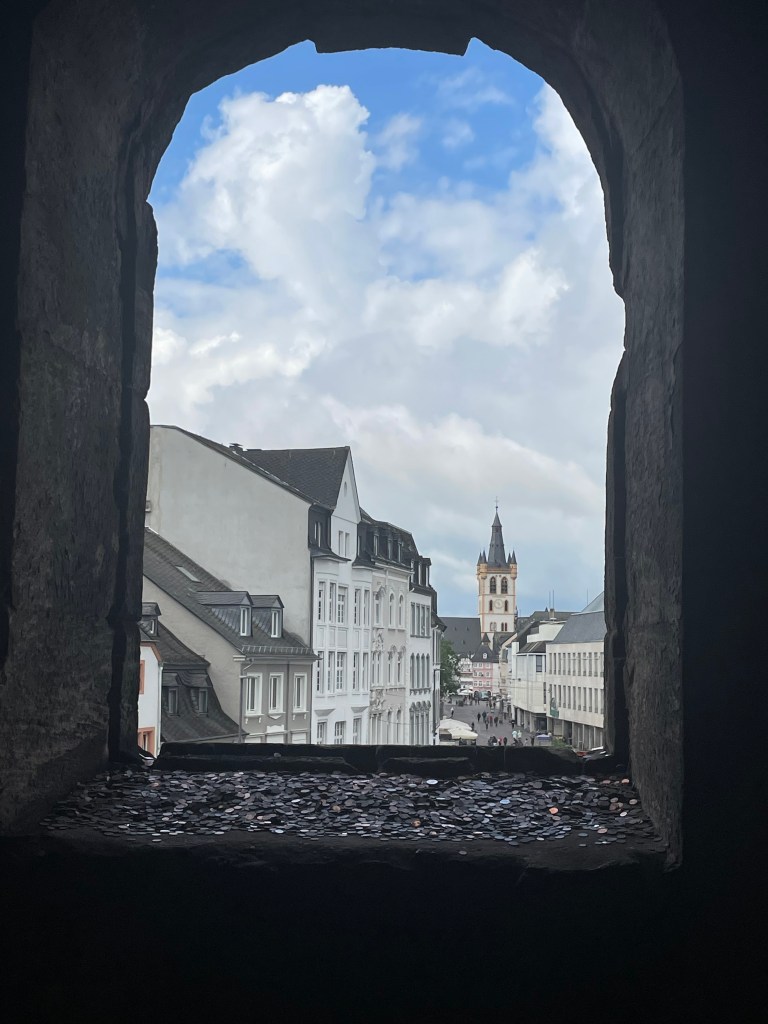
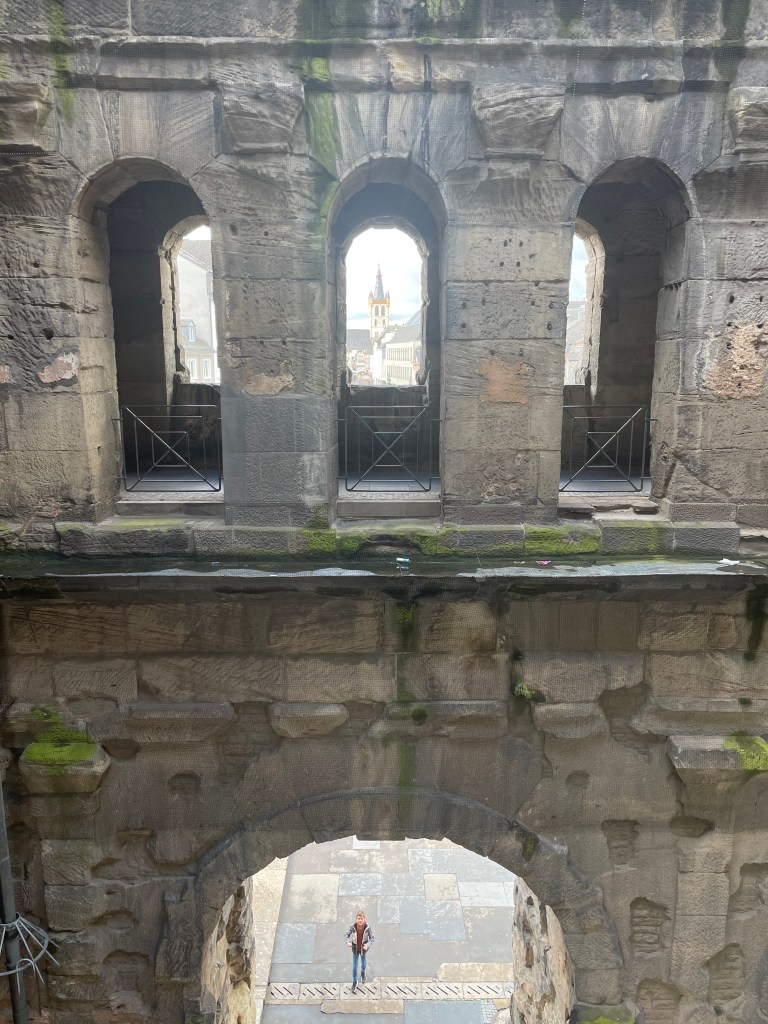
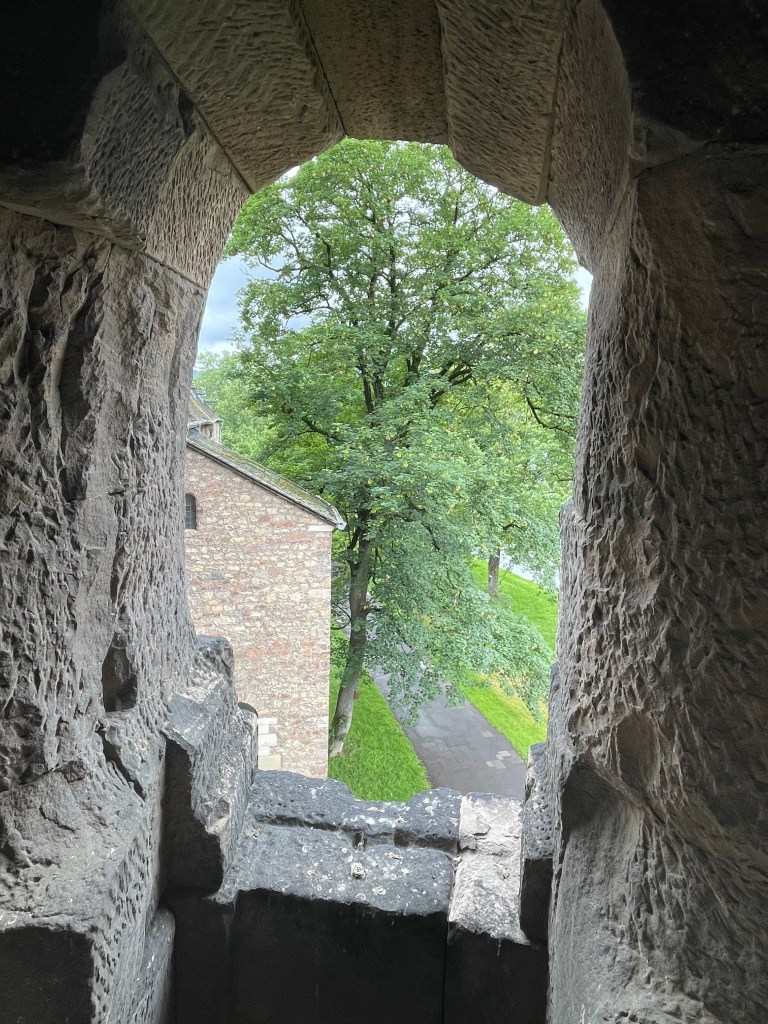
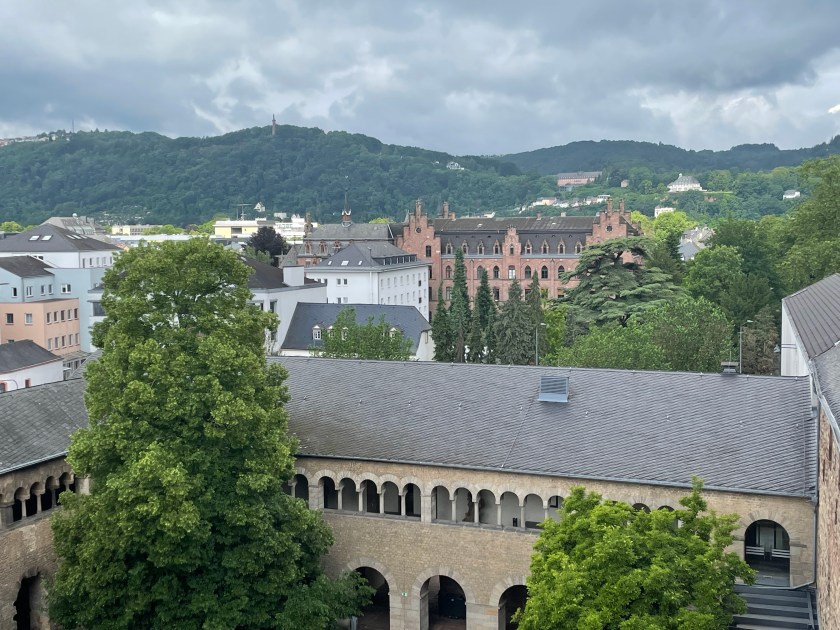
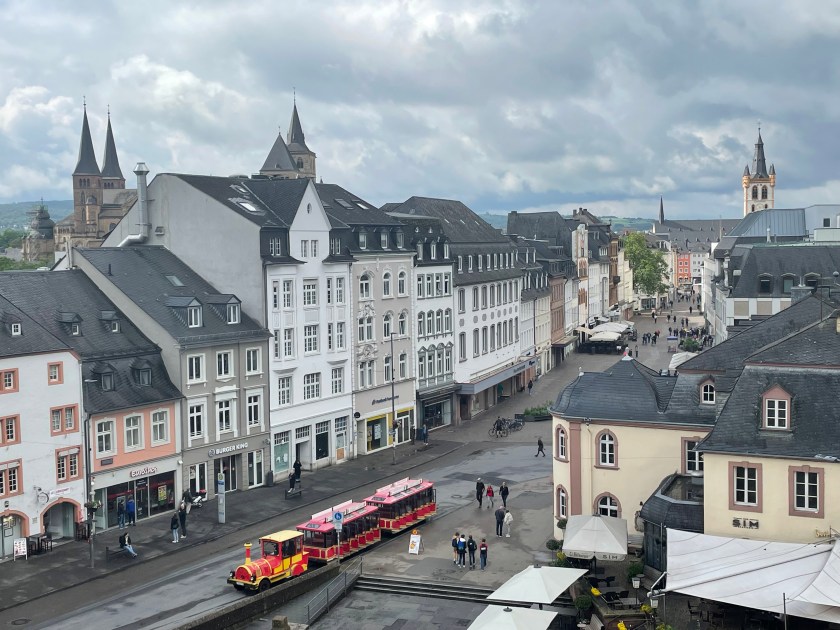
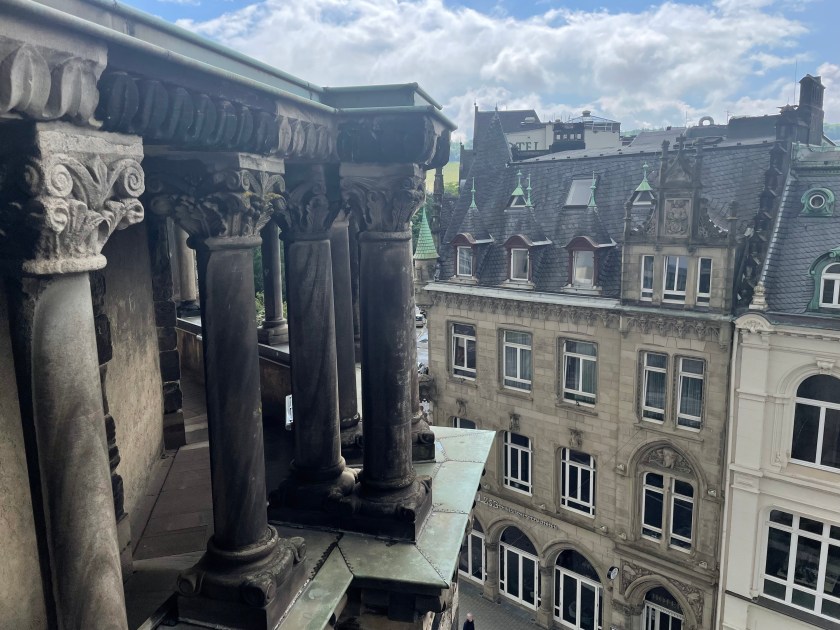
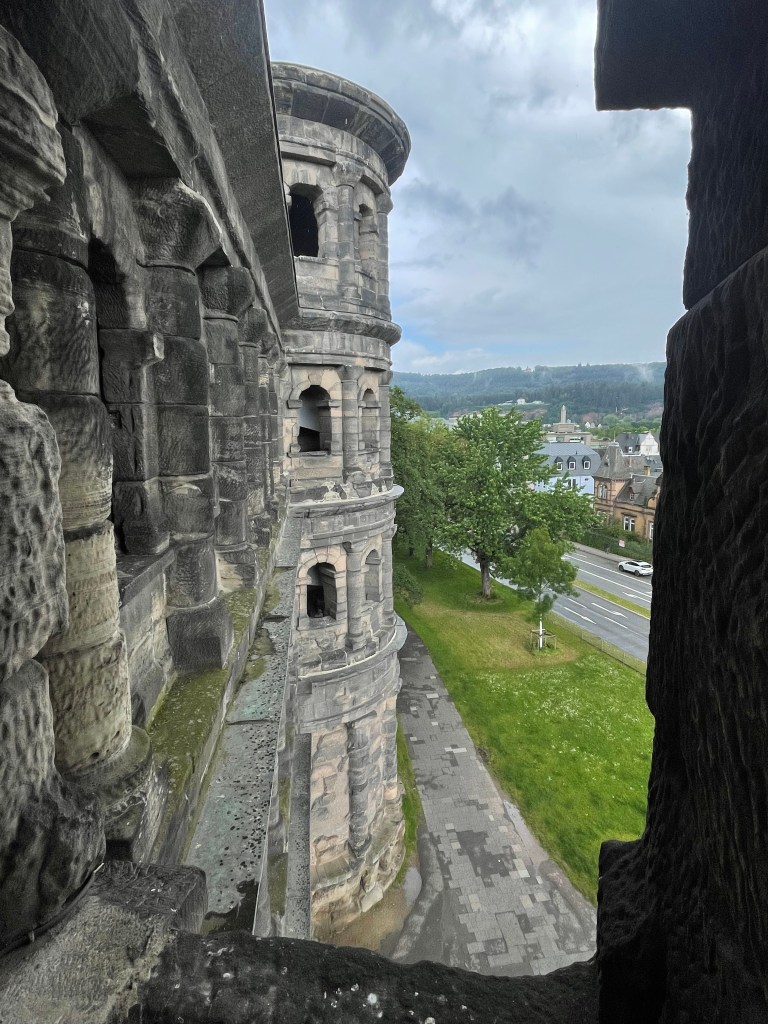
Views from the top windows:

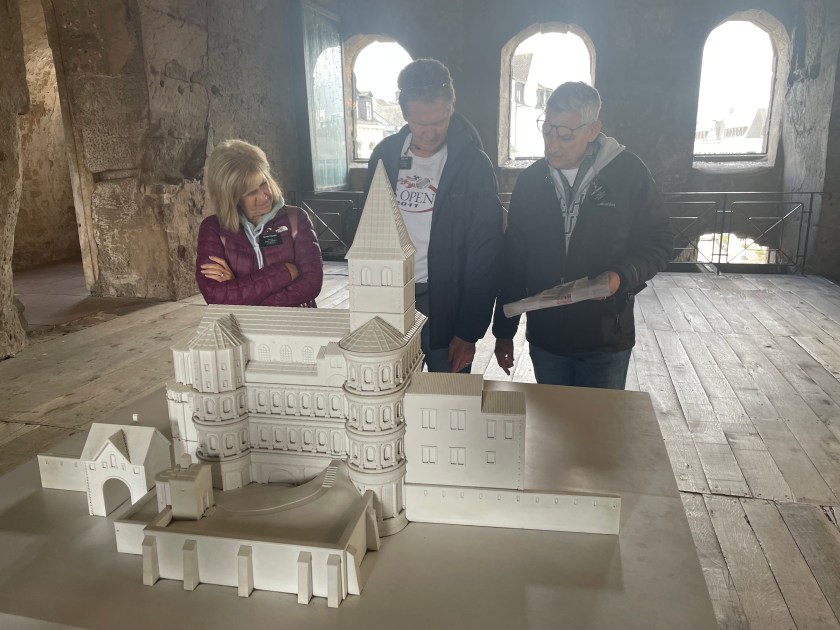
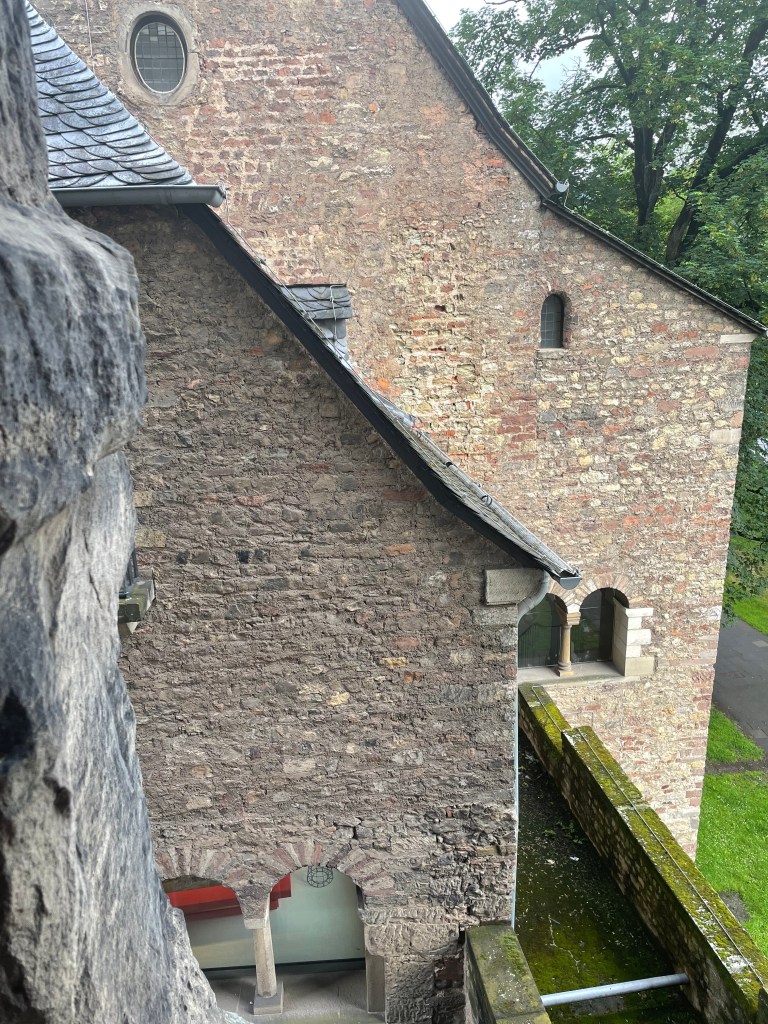
Here are the Roman structures:

Oh, if only stones could speak!

Trier — The Oldest City in Germany

Trier Introduction Walking Tour, Trier

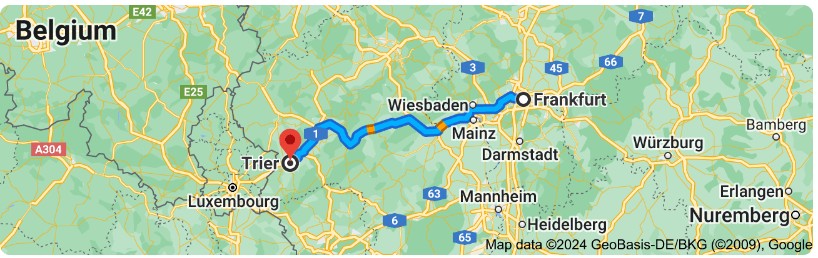
This evening, after our seminar at work ended, we traveled with the Feinauers to Trier, about 2.5 hours from Frankfurt.  We had a long weekend because of Ascension Day, a public holiday here in Germany.  We also planned to visit Luxembourg.  We were really excited for a new adventure!

Here’s a nice overview of Trier’s history from GPSmyCity:

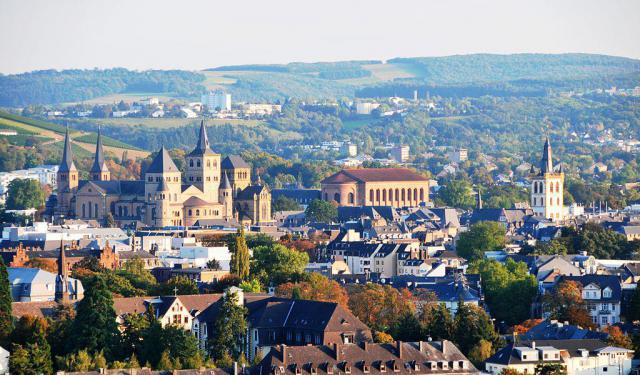
Trier is Germany’s oldest city and features beautiful Roman ruins, impressive medieval architecture, stunning churches, and fascinating museums.

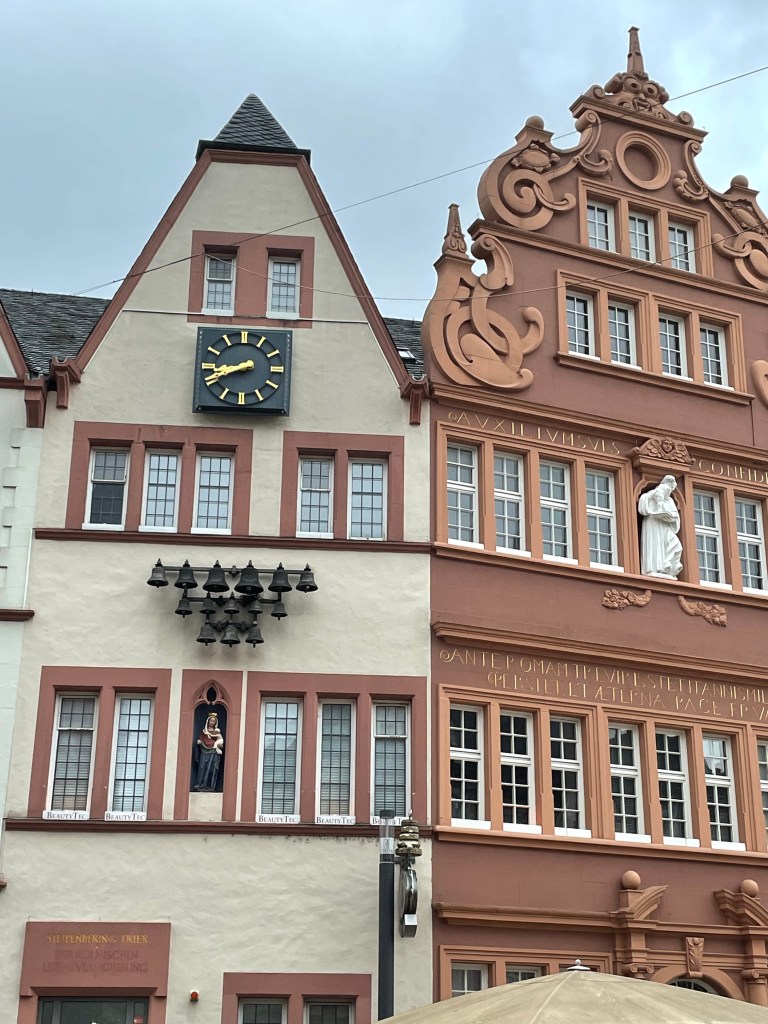
While an inscription on the famous Red House states that the city was founded 1300 years before the Romans arrived, this has never been proven. The Celtics originally founded Trier during the fourth century BC. The Romans arrived in the first century BC and built Trier into a bustling Roman city that became one of the Roman Empire’s four capitals. During the fourth century, up to 100,000 Romans lived in Trier.

Roman history is prominently displayed in Trier. Visitors can admire the massive Roman Black Gate and walk through the Imperial Roman Baths. The Basilica of Constantine is well-preserved and is the largest Roman structure outside of Rome.

During the Middle Ages, Trier’s archbishop-elector was one of the Holy Roman Empire’s seven electors and held tremendous power. Trier became an important center of early Christianity and is home to several historic churches, including St. Peter’s Cathedral and the Church of Our Lady. Both churches were built on the site of a Roman palace, and St. Peter’s is Germany’s oldest church.

Epiphany House is a fabulous example of early Gothic architecture and dates to the 13th century. The Steipe House in Main Square is another beautifully restored building that dates to the 15th century.

Trier continued to prosper as an economic and cultural center until French invasions led to its decline during the 17th and 18th centuries. Napoleon Bonaparte conquered and occupied the city, which was ceded to France in 1801.

Prussia took control from 1805 to 1815. The city was heavily damaged during World War II but has been rebuilt as a cultural and commercial center.

Simeon Street is Trier’s main shopping street, where visitors can enjoy Trier’s history, culture, and cuisine. Main Market Square features a cross dating to 958 and is surrounded by flowers, vibrant facades, and market stalls.

Visitors can explore the city’s history at the Rhineland Museum, which displays artifacts from Celtic times to modern times. Trier is also the birthplace and home town of Karl Marx, founder of communism. The Karl Marx House Museum is dedicated to the life and work of the arguably the most influential and controversial philosopher of the 19th century.

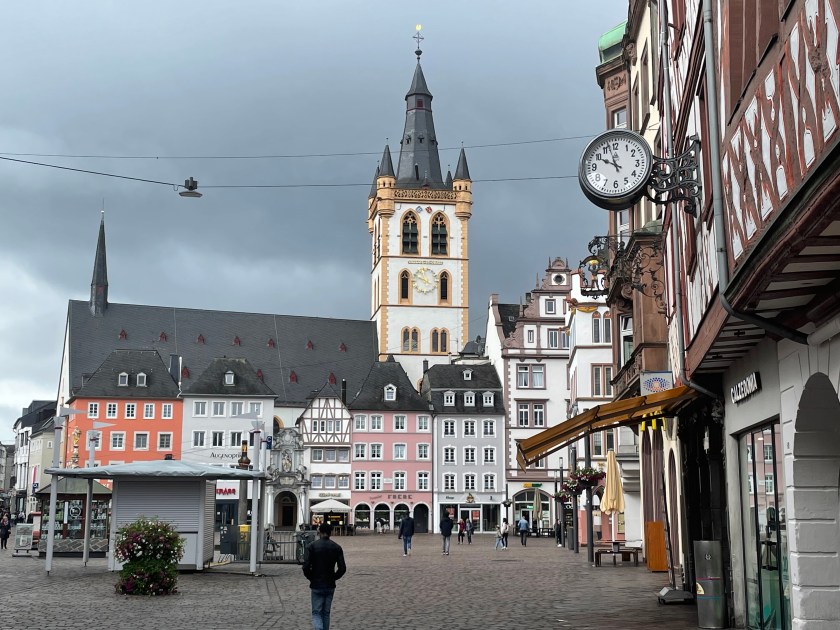
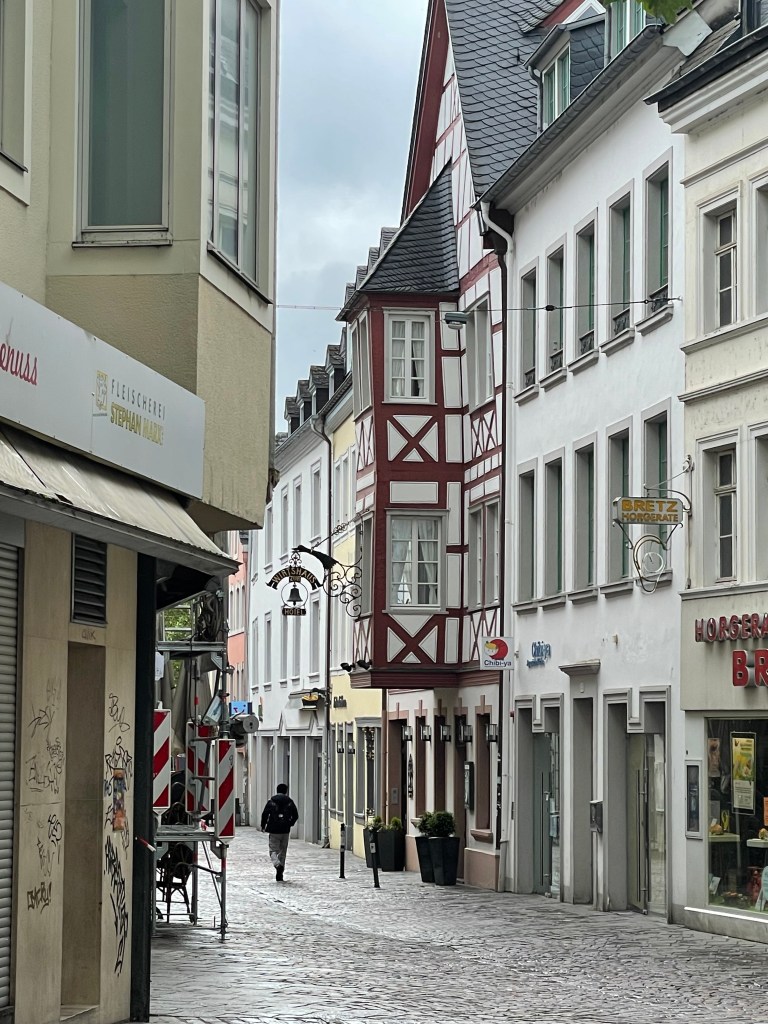
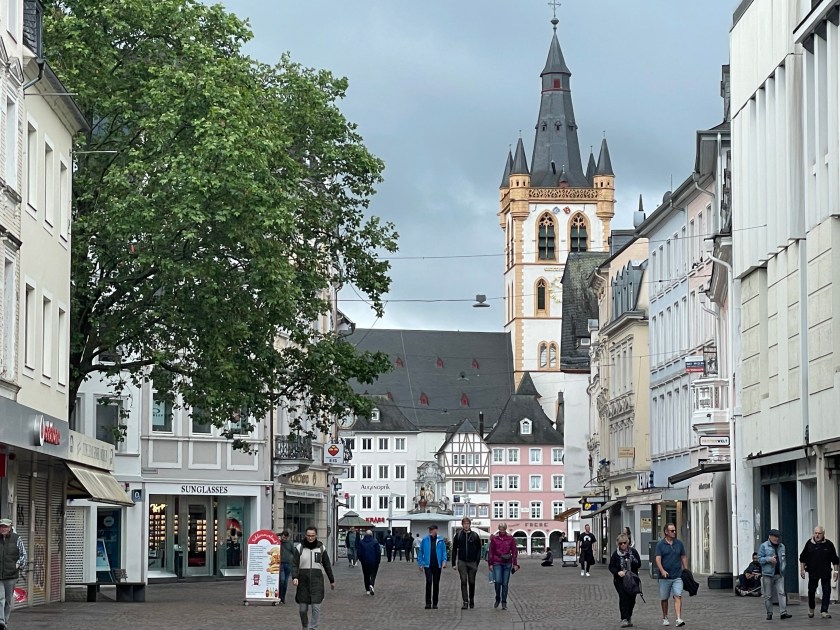
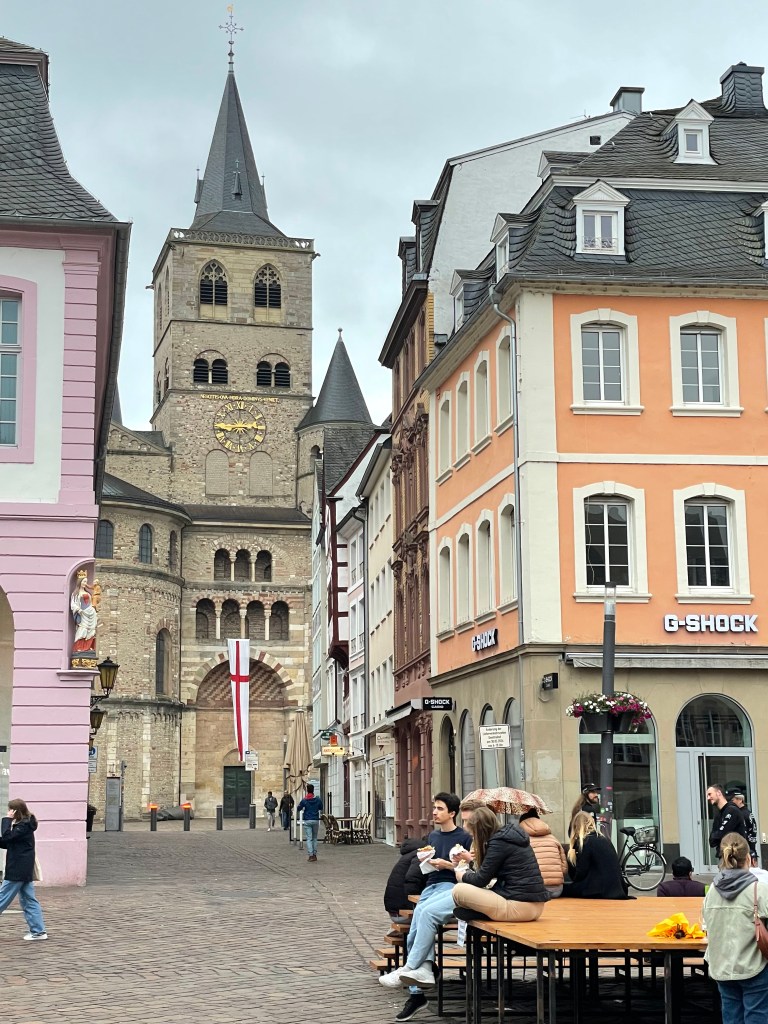
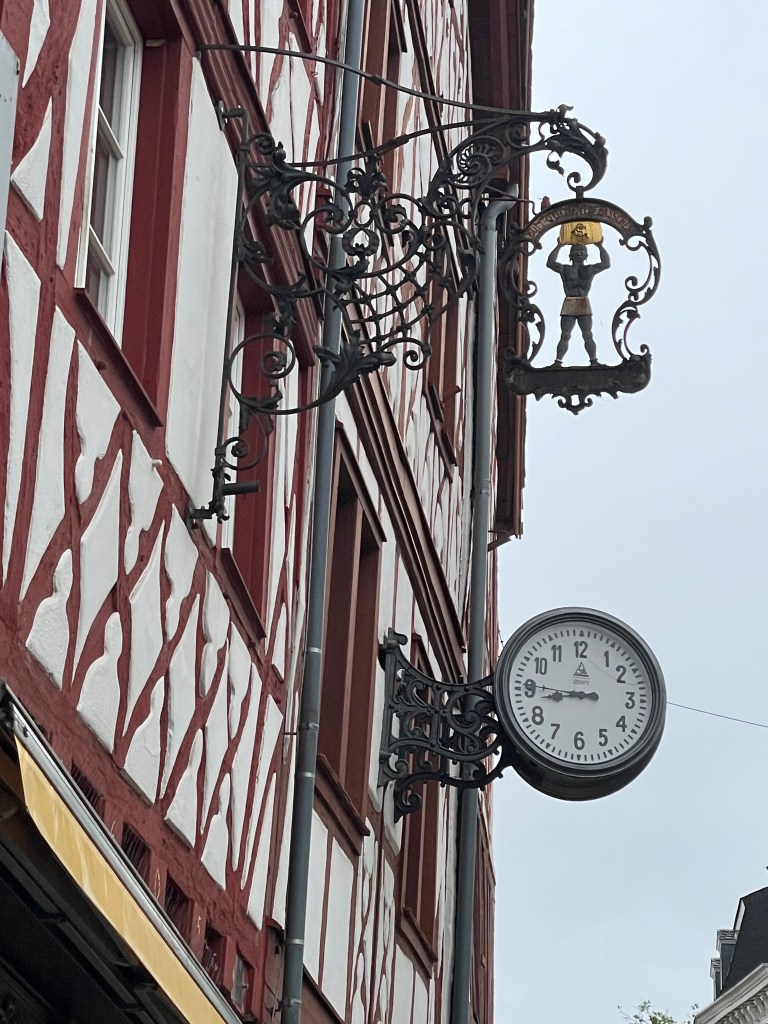
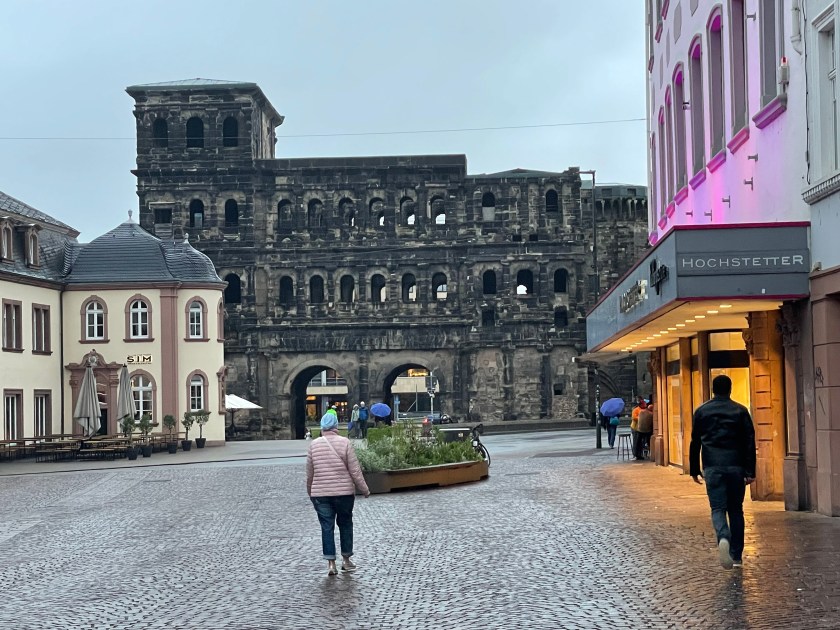
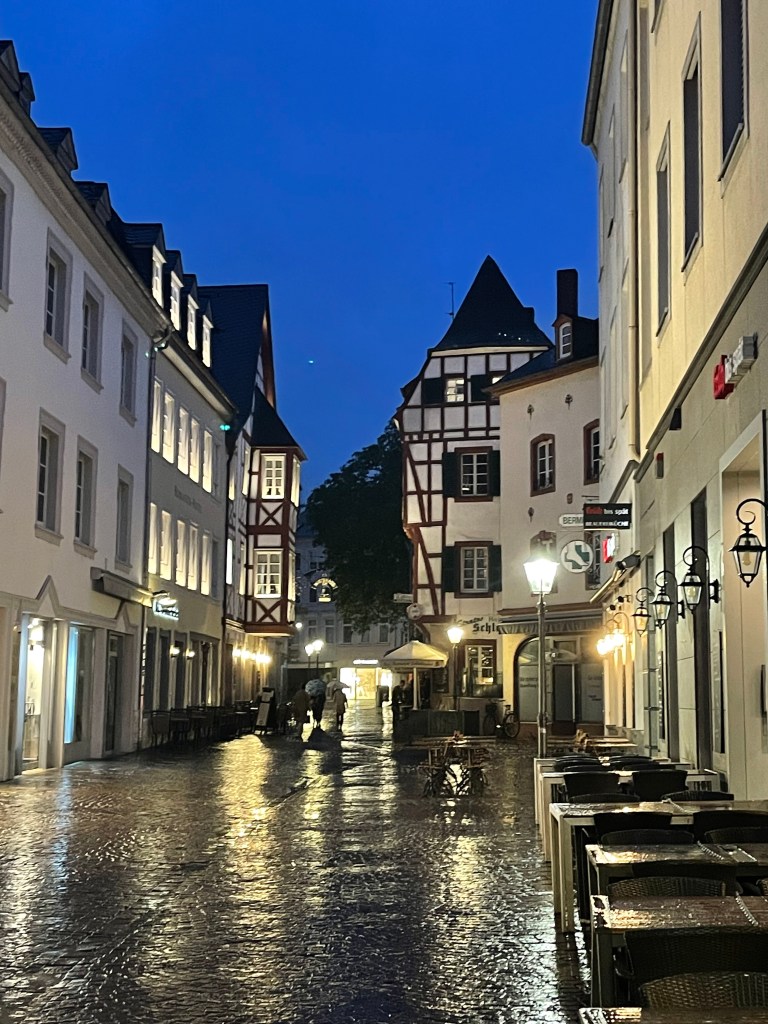
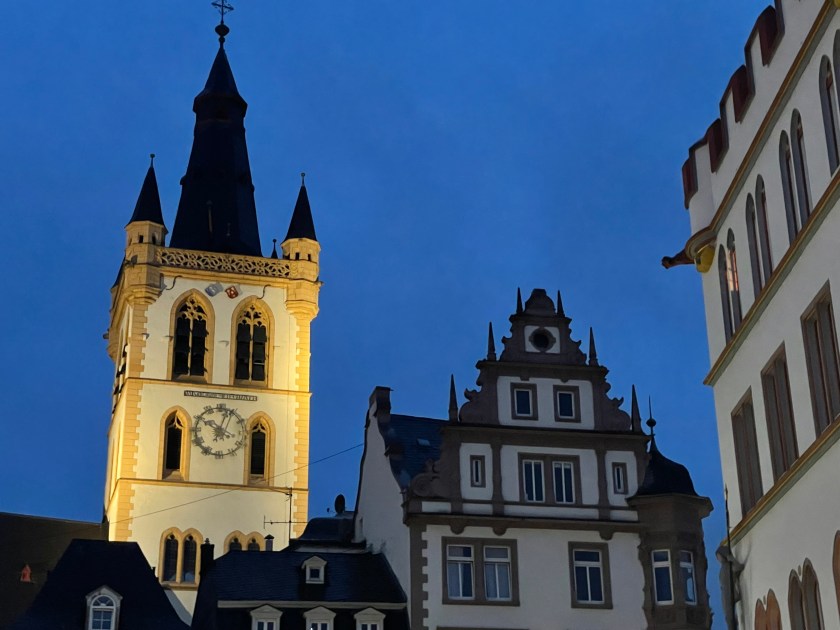
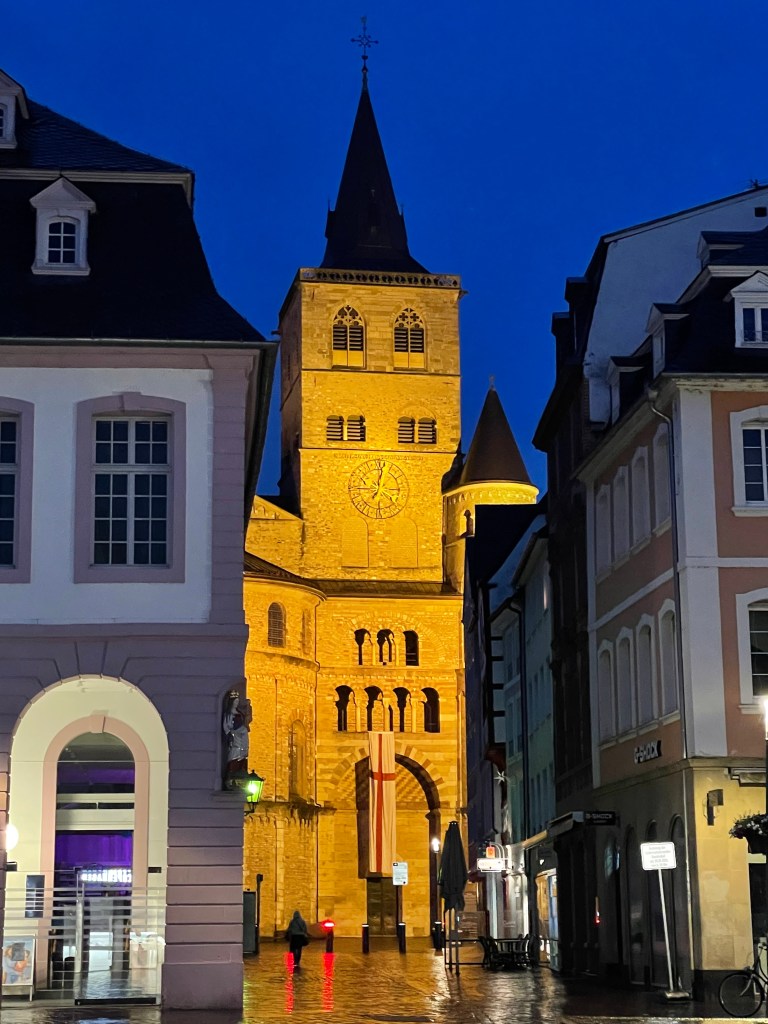
The summer days here stay light until after 9:30 p.m., so we had time this evening to walk the old streets and take a look around the old plazas.  We walked to the famous Porta Nigra (The Black Gate), that dates back to 170 A. D.   Here’s what we saw along the way.

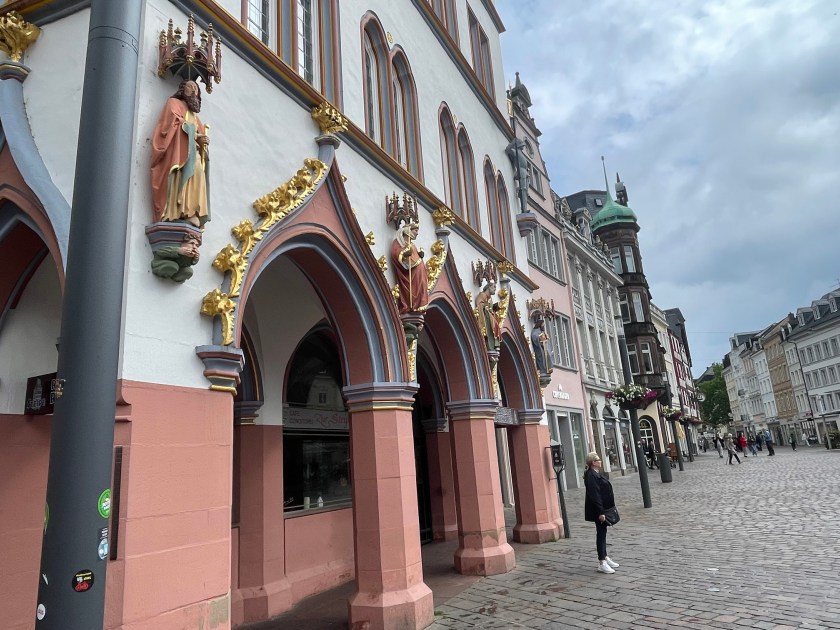
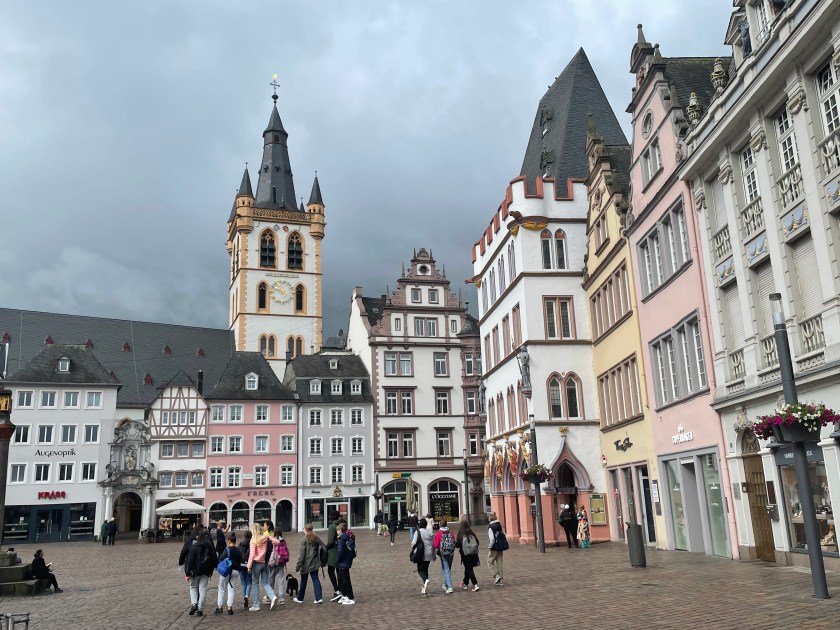
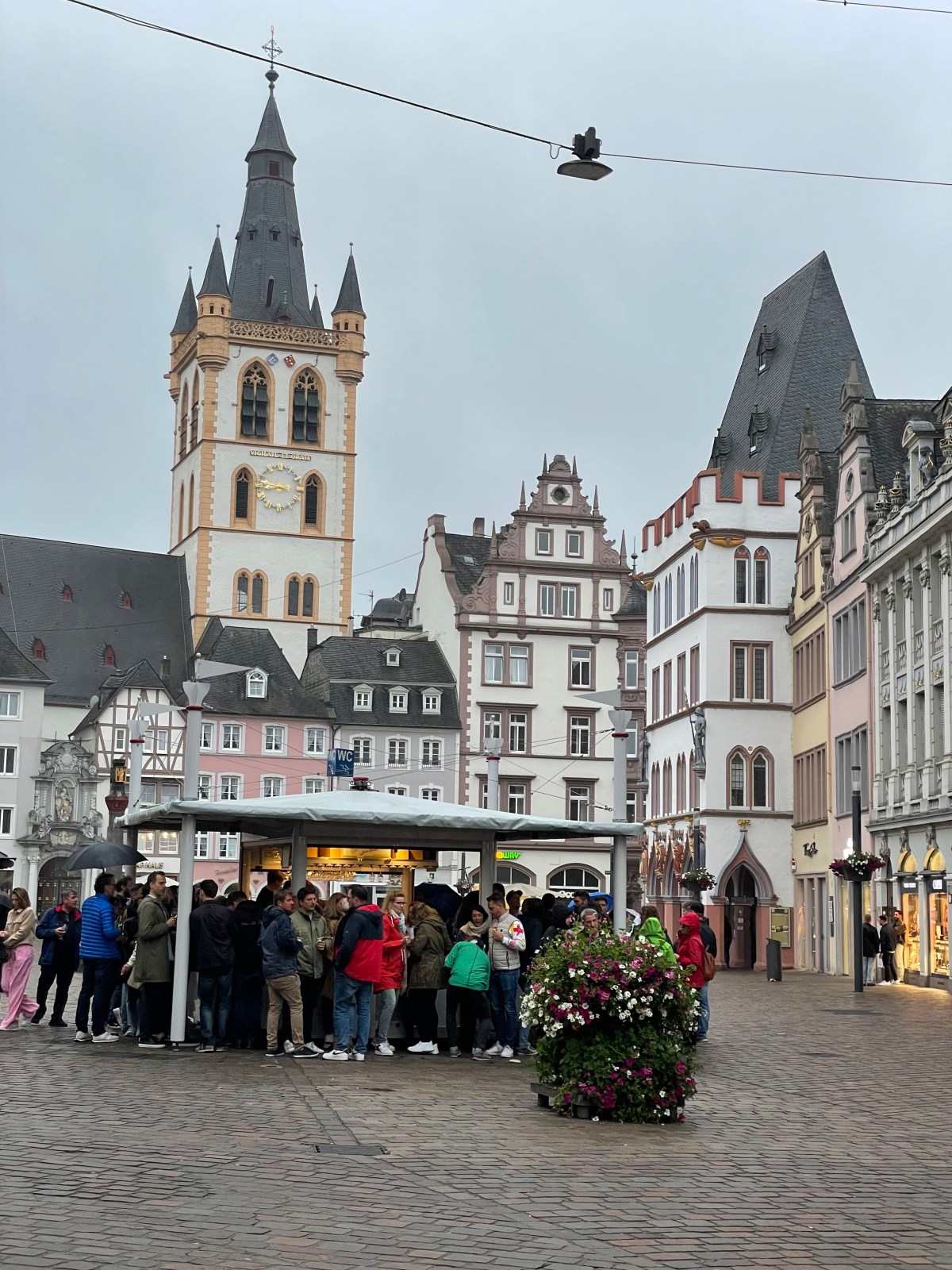
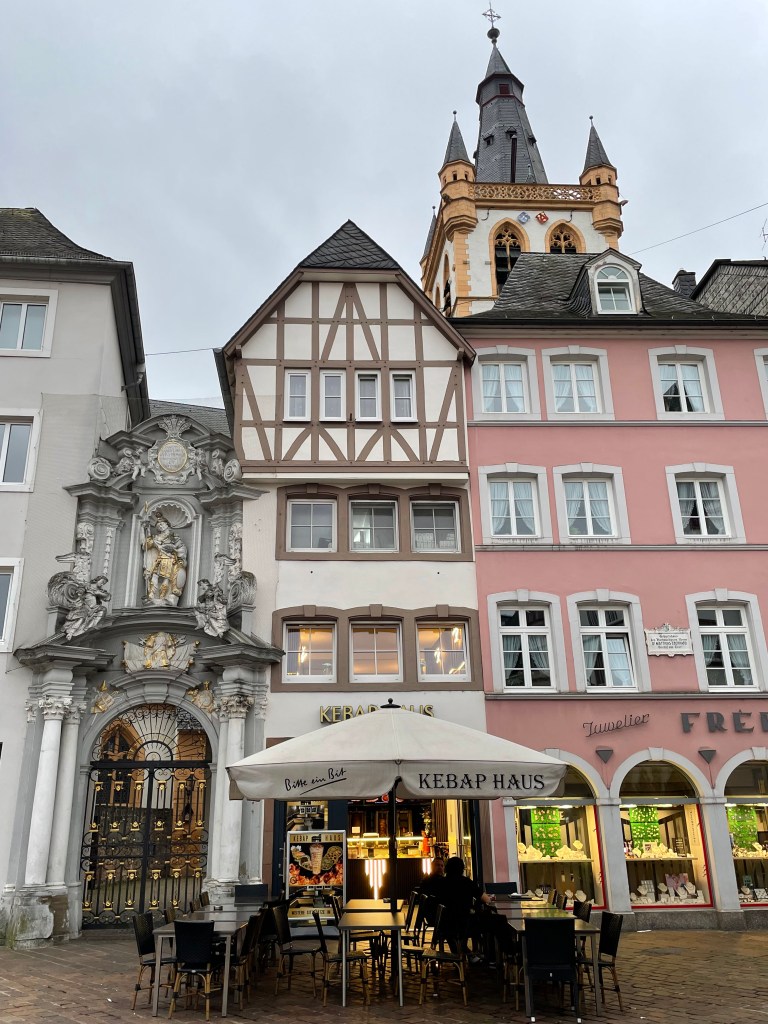
The fancy gate below on the left is the entrance to the church behind.

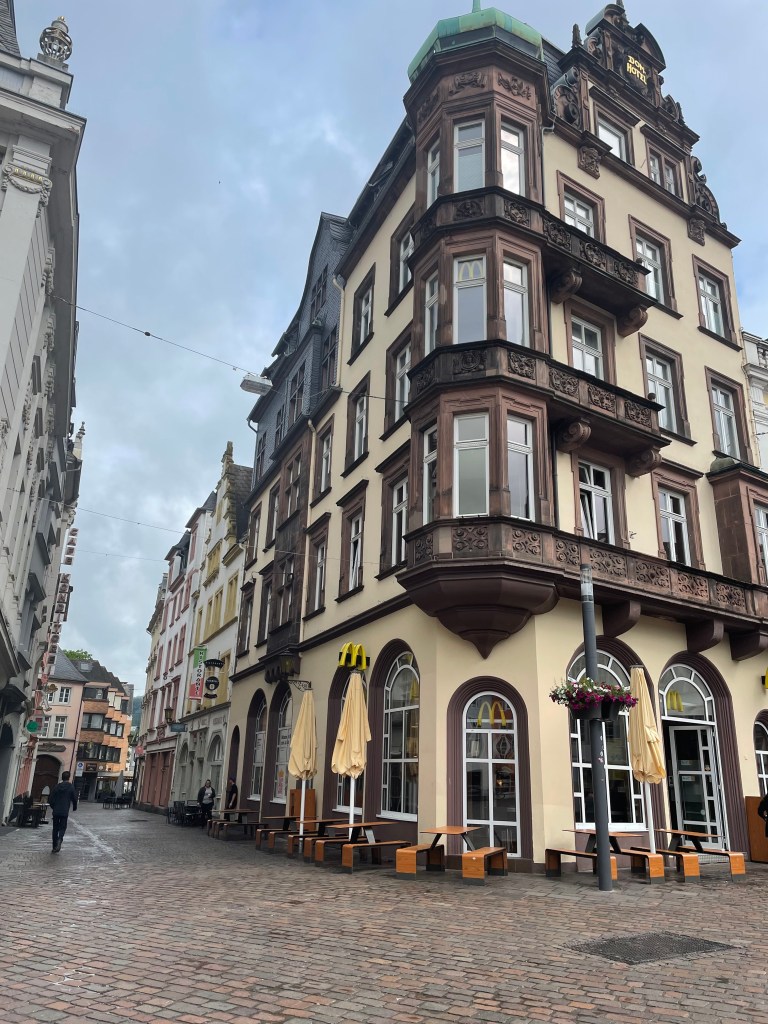
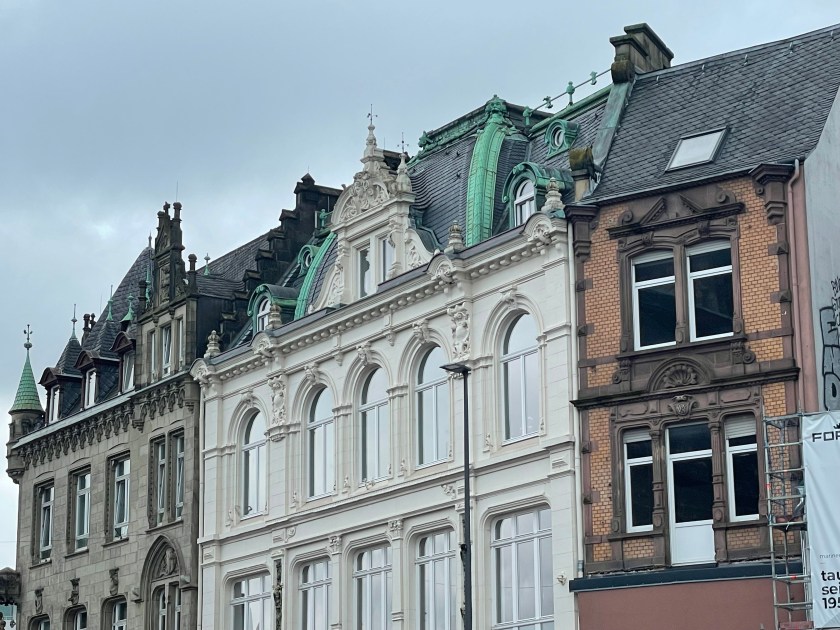
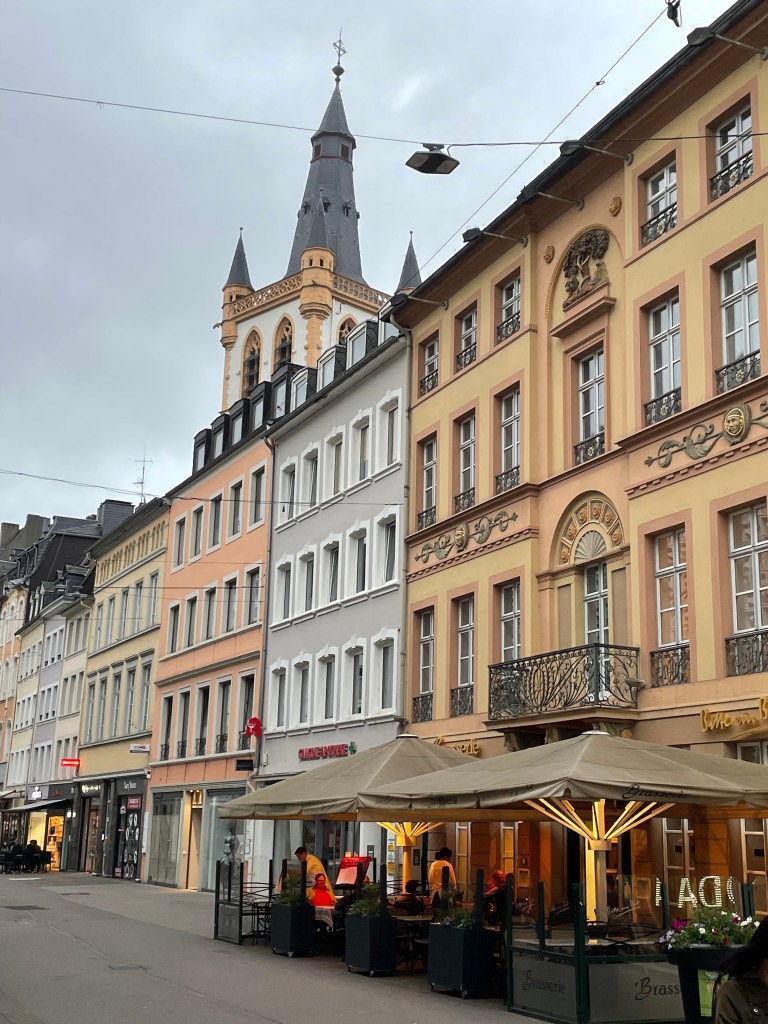
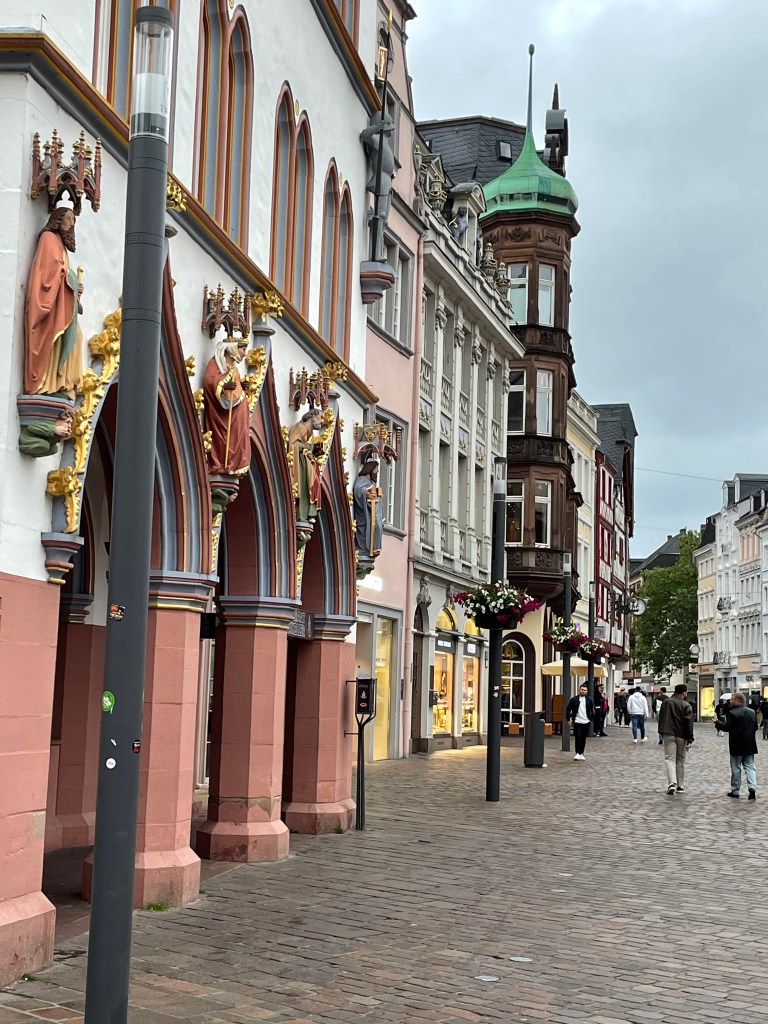
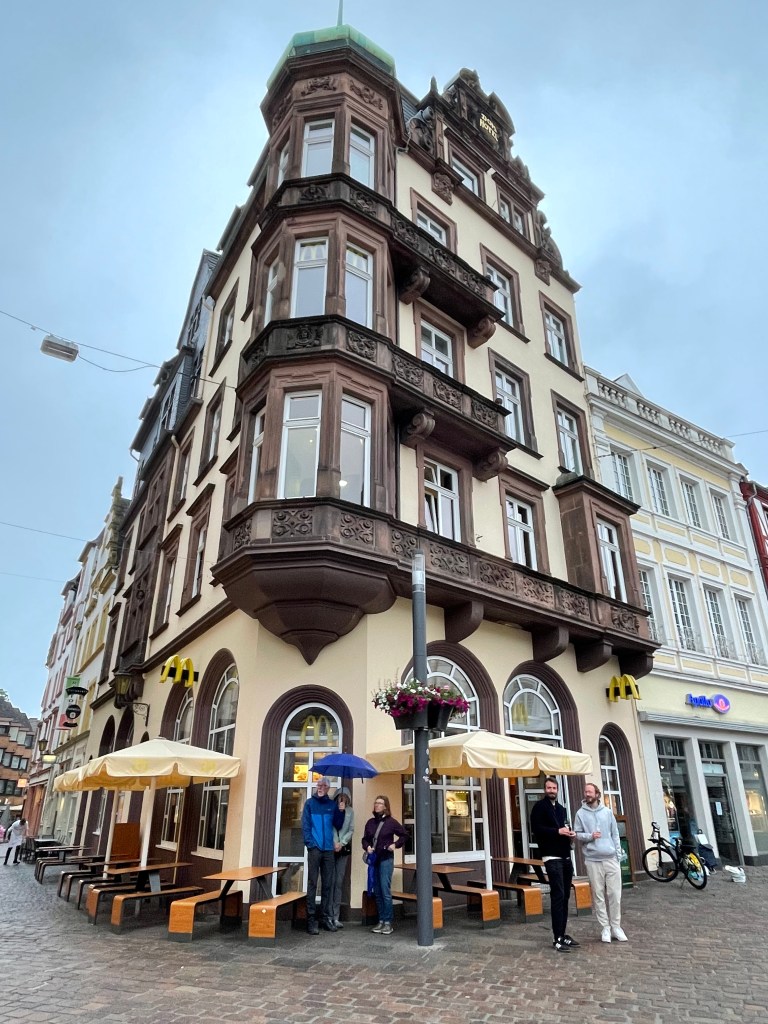
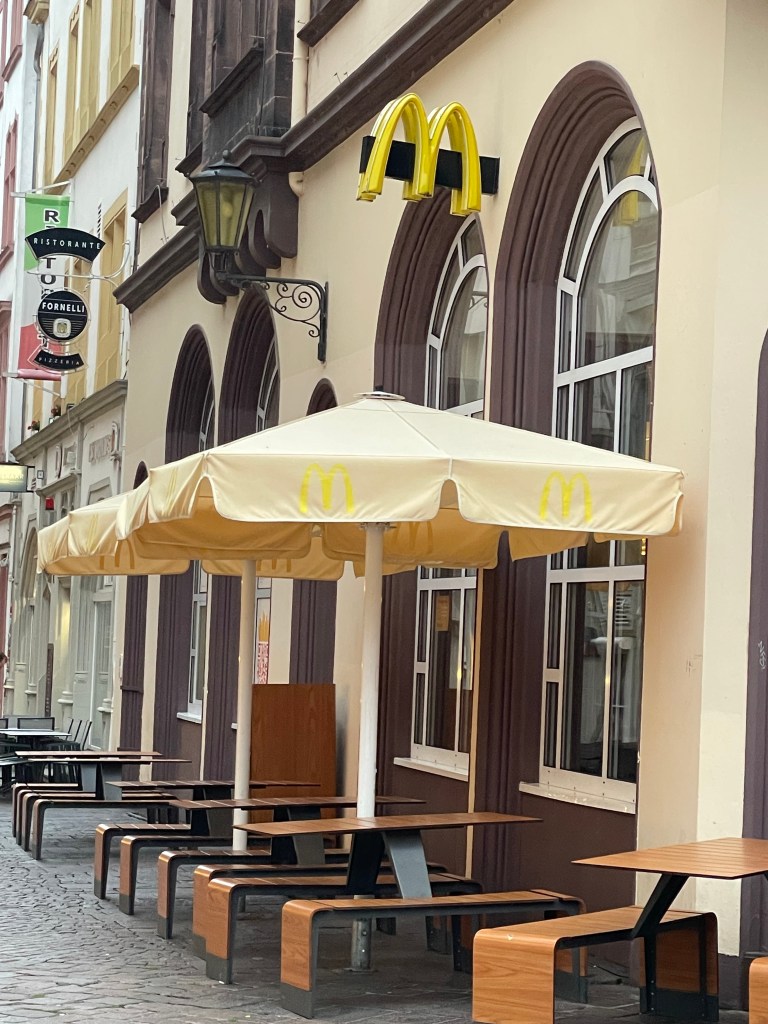
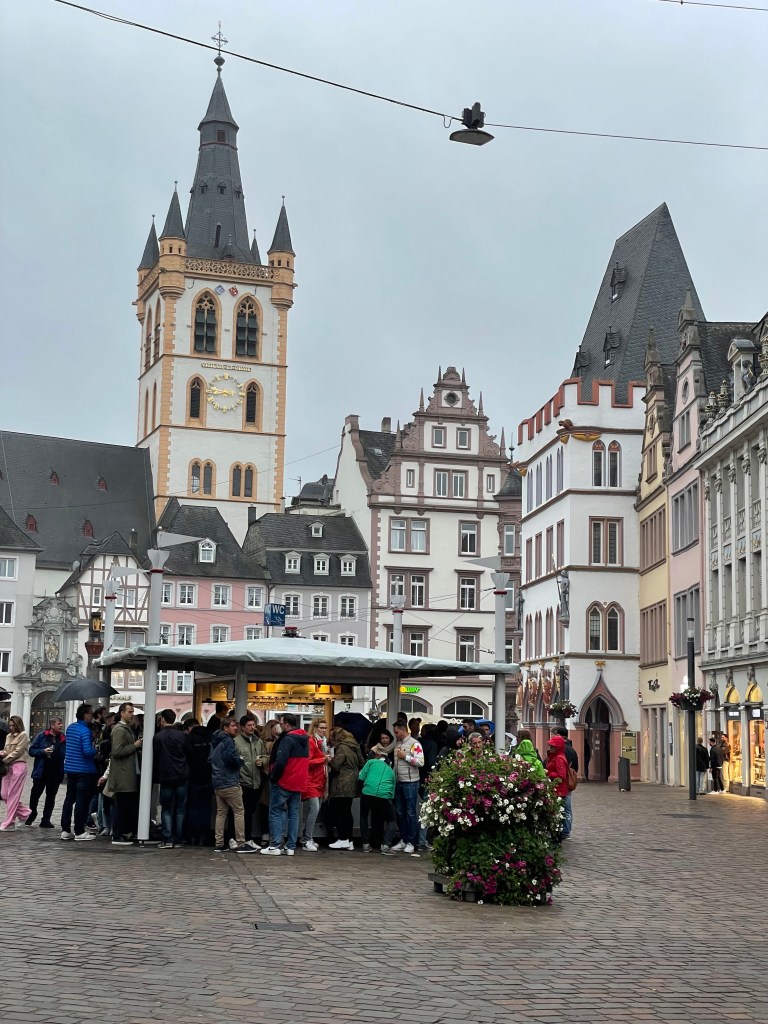
Lots of people were still out and about.  Look how modern shops (like McDonalds) live in old old buildings on the ground floor.

The busiest place in the plaza was this tent where beer and wine were being sold.

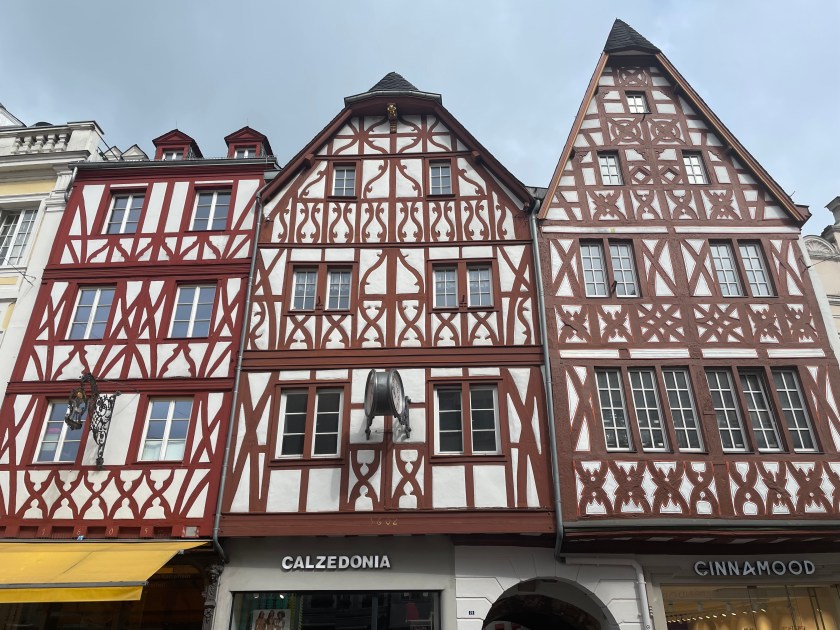
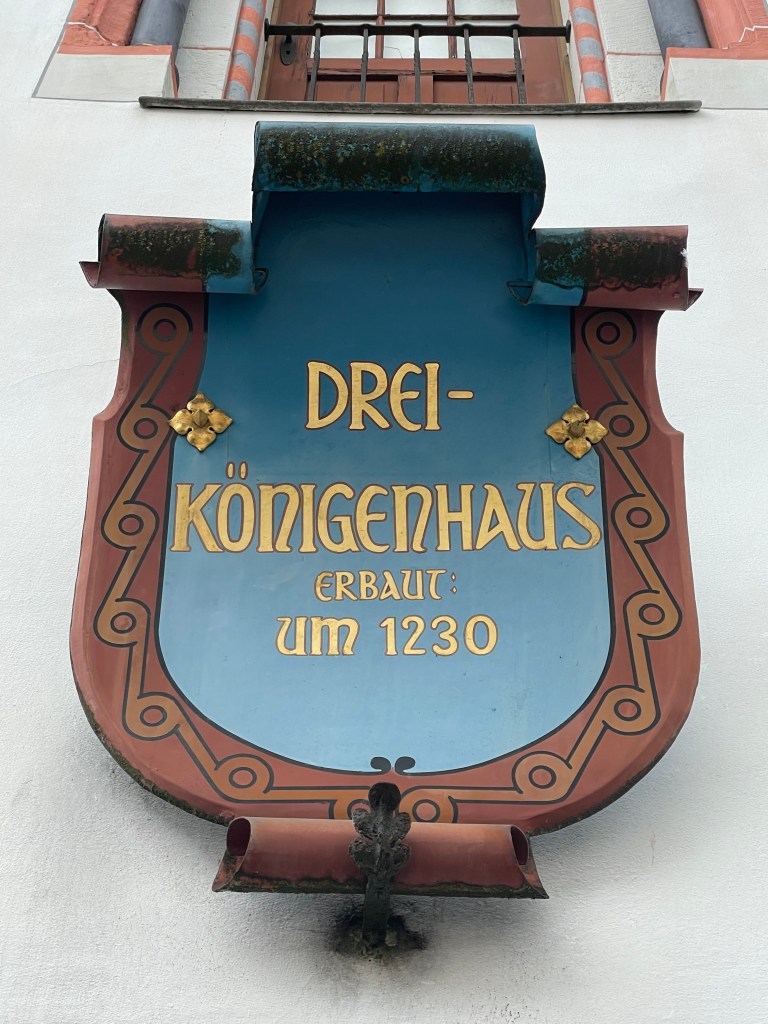
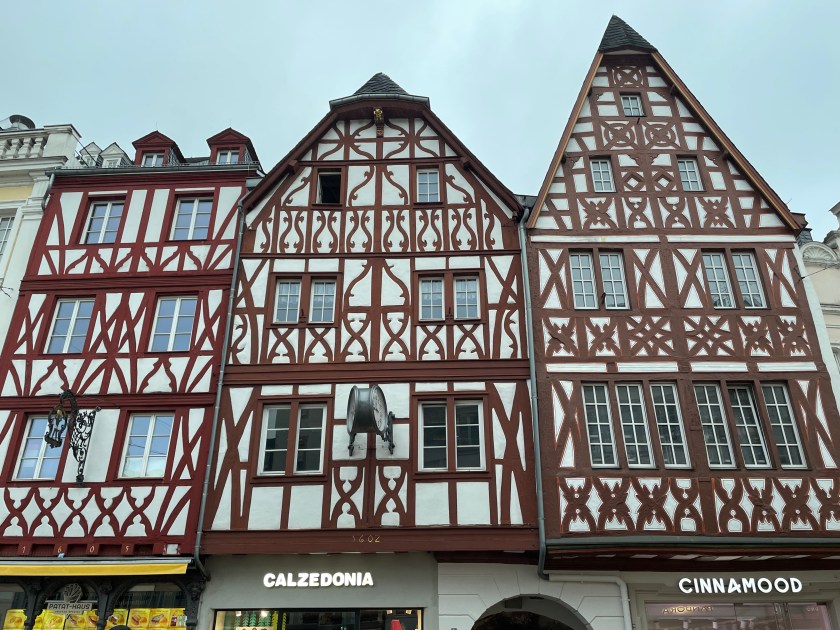
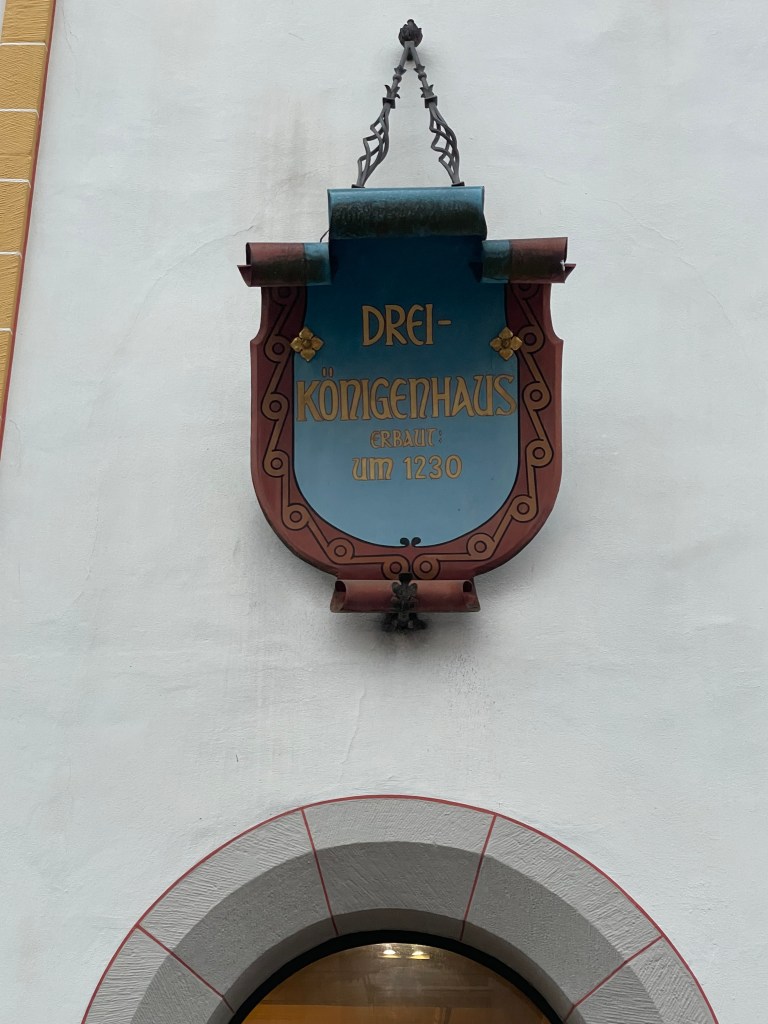
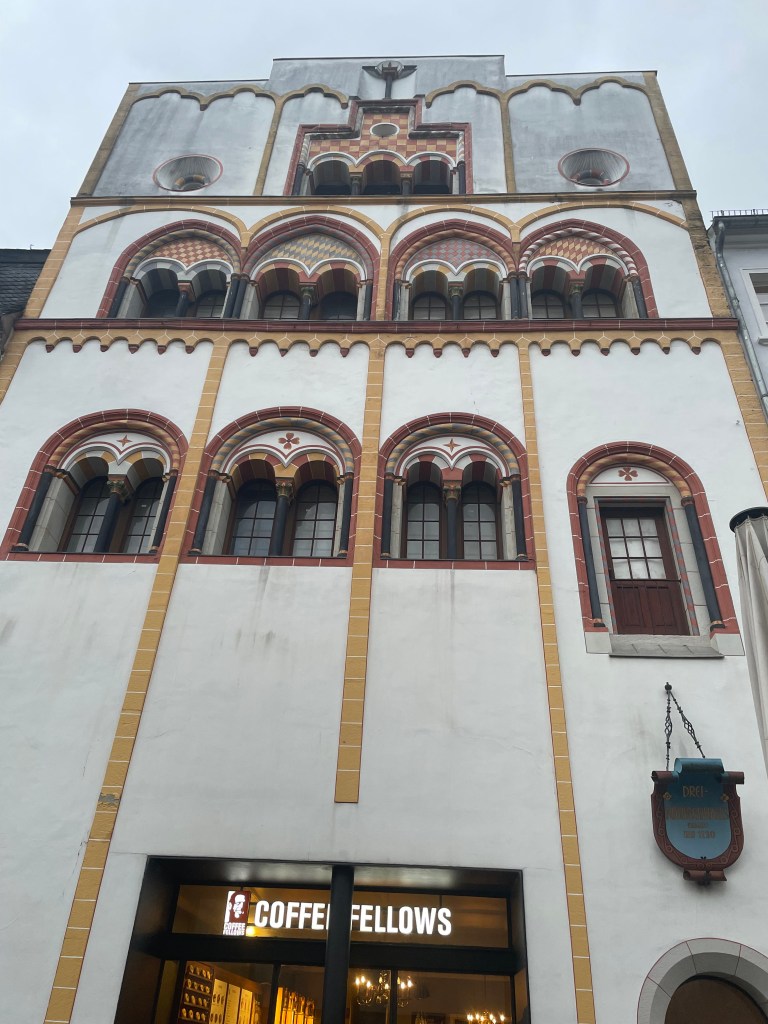
Here is a very old house, dating back to 1230, the Three Kings House:

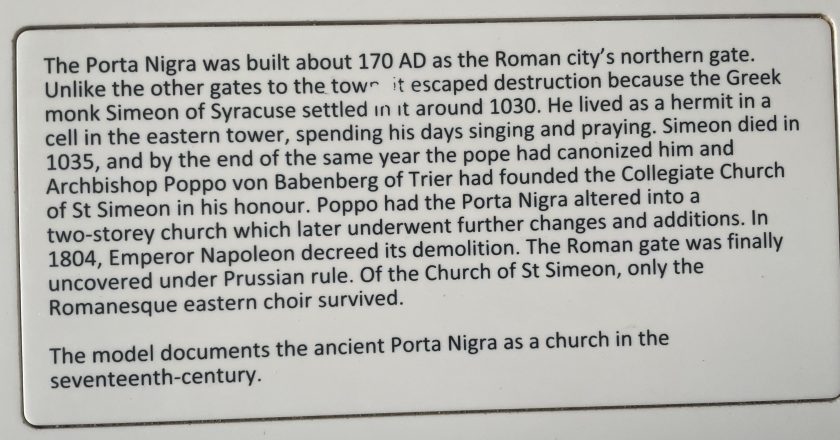
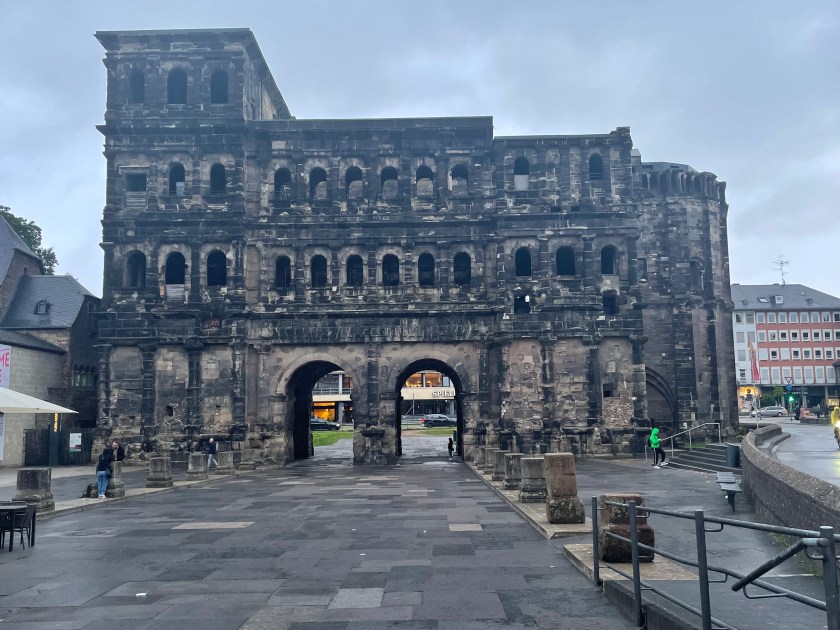
And here is the famous Porta Nigra:

We walked around it this evening before going to find some dinner.  Impressive.  Old.

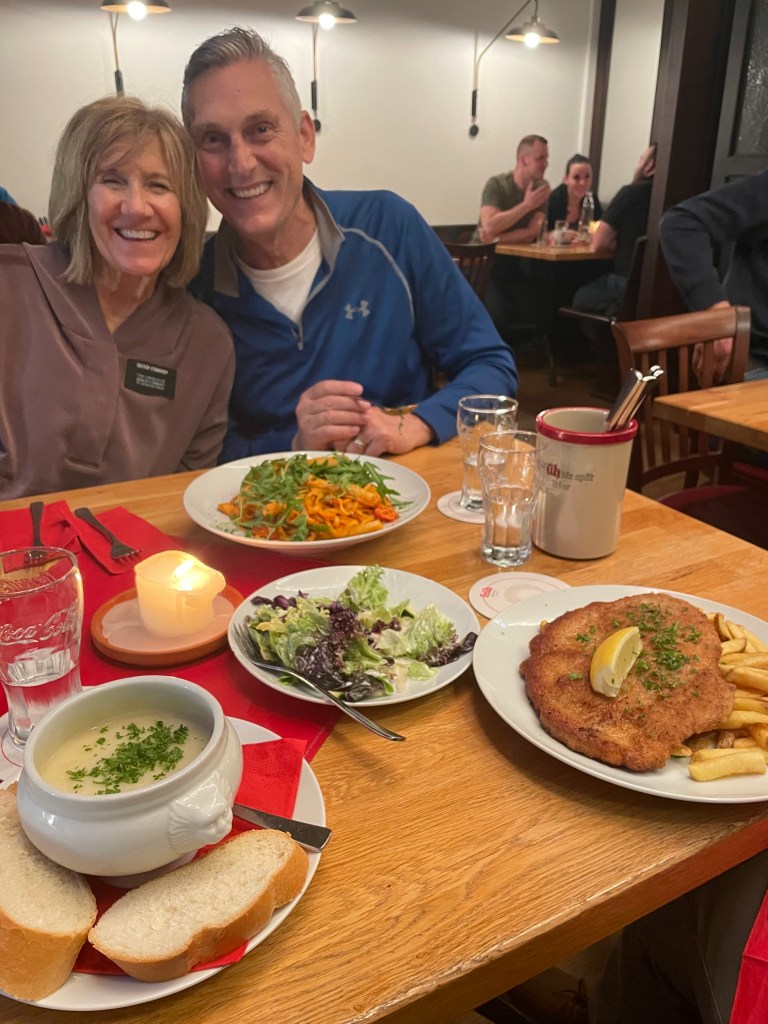
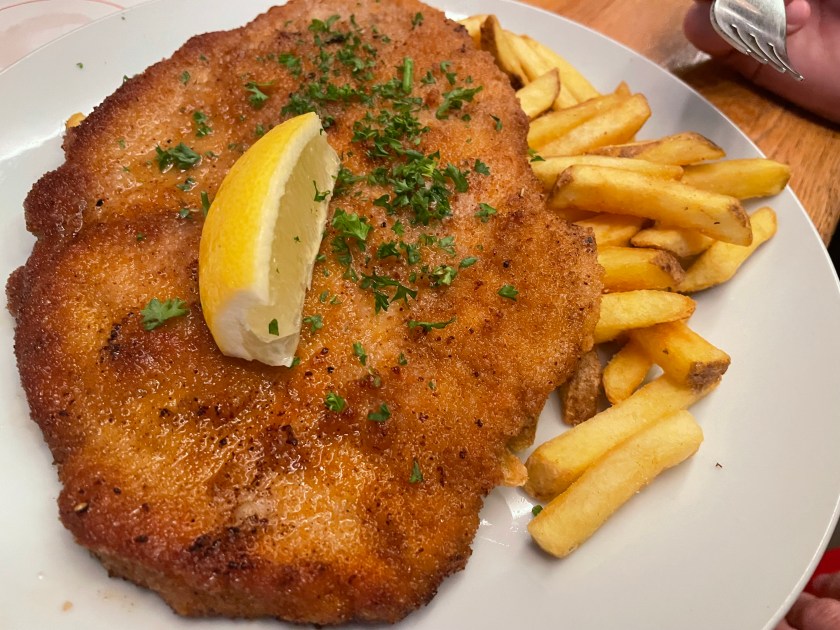
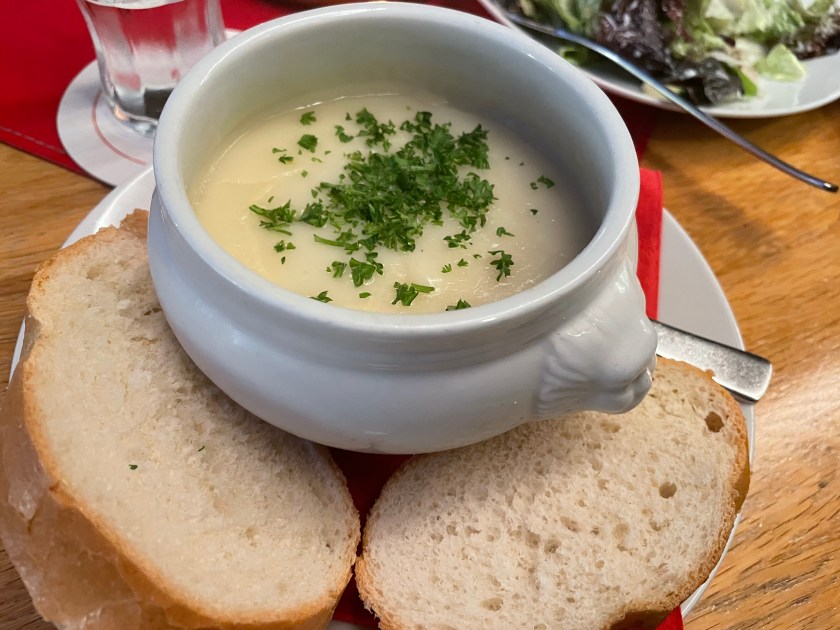
Here’s our delicious dinner–pasta with Spargel for the Feinauers, Spargen soup for me and Schnitzel for John.

It was drizzling rain as we walked back to our hotel, Ibis Styles Trier City.

Our PSD/CCD Seminar Continued

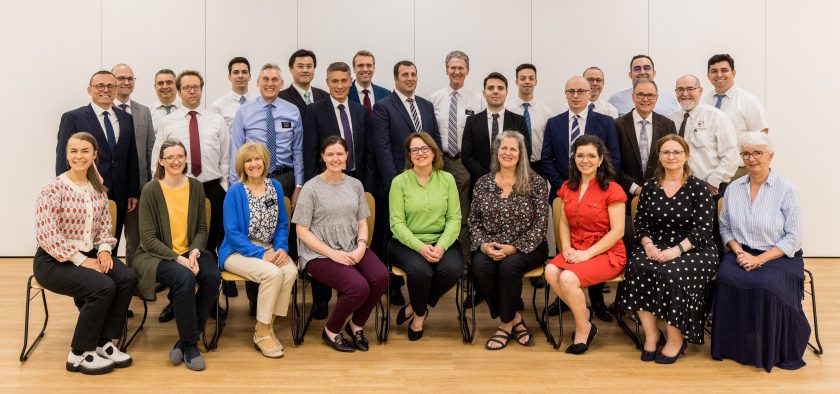
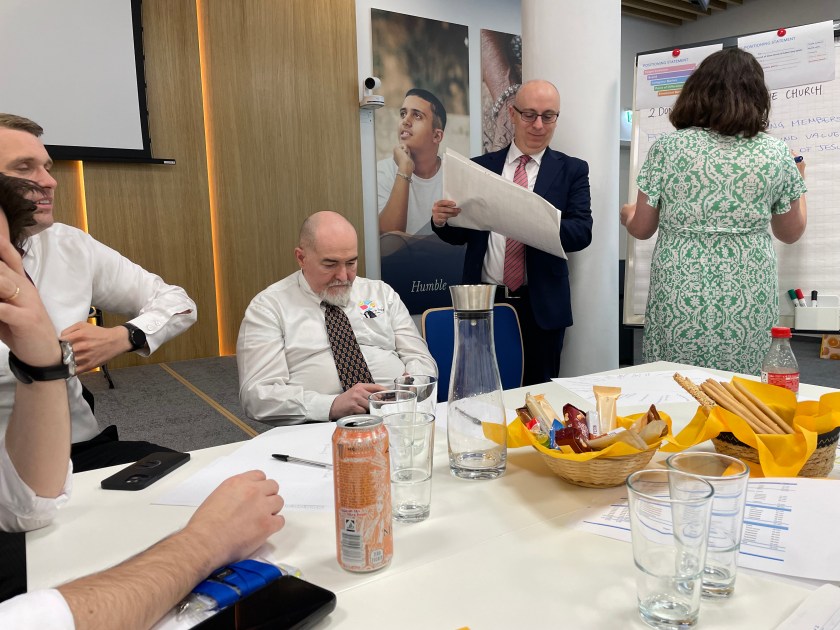
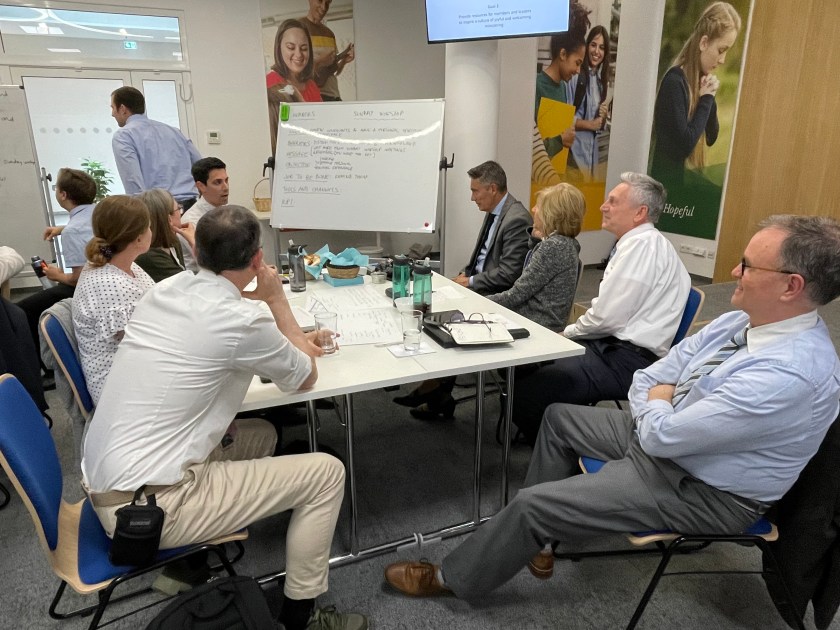
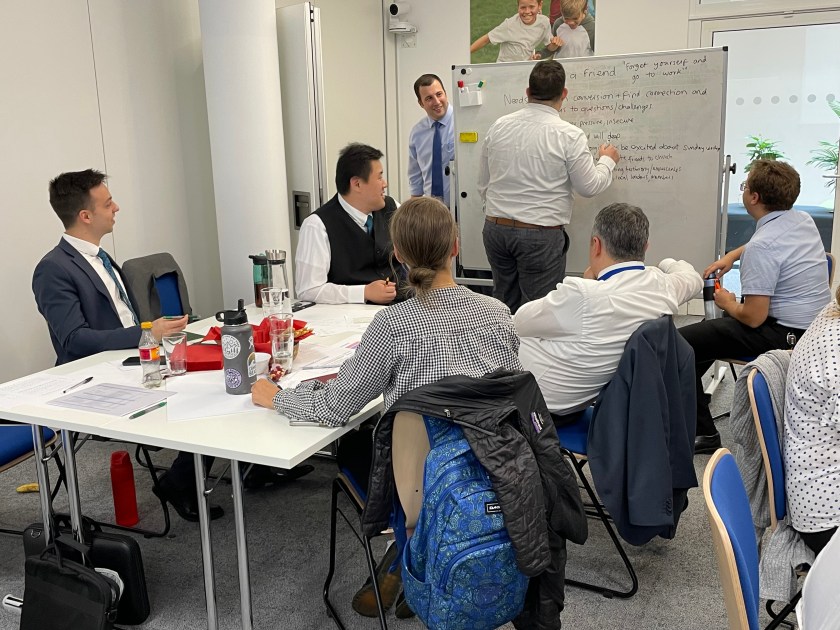
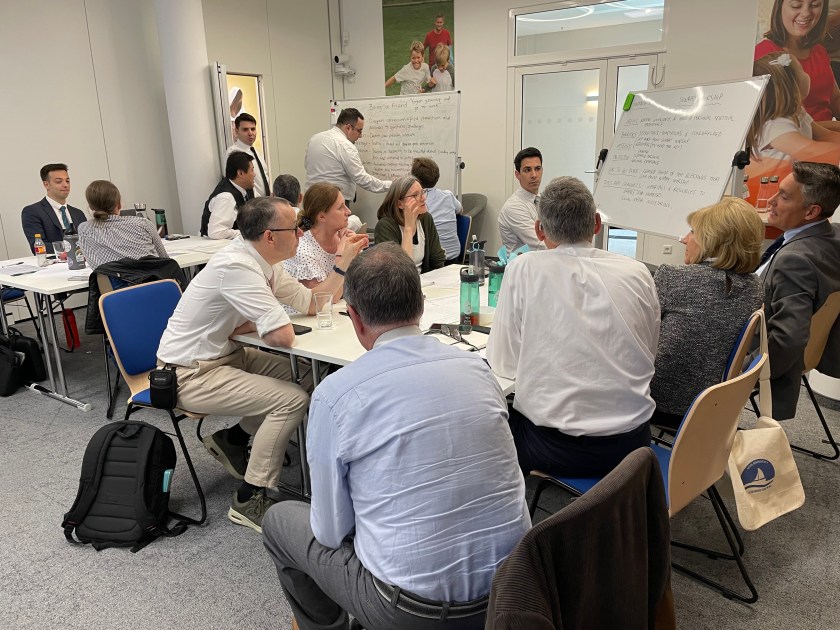
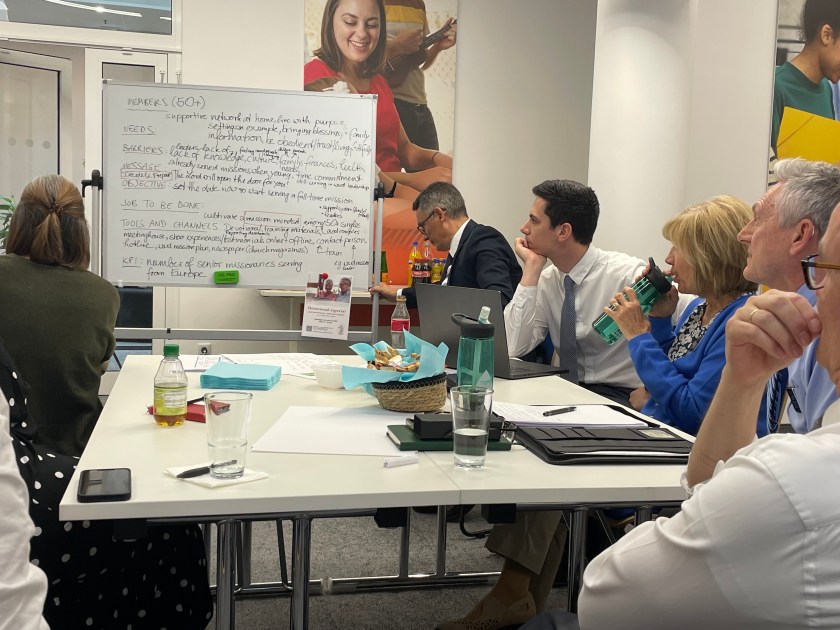
Above is our Team.  We are the Communications Department and the Publishing Services Department.  In the coming weeks we will be combined into one department, with one purpose.

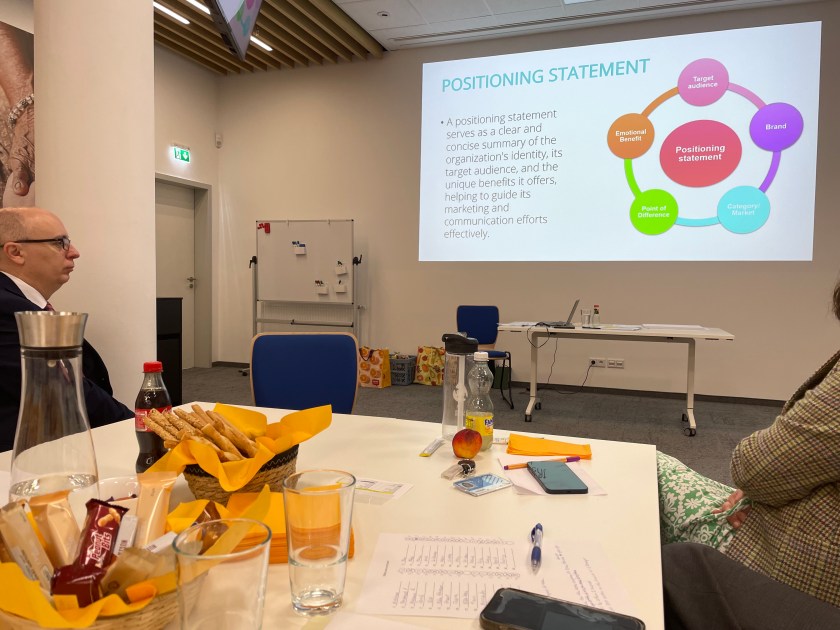
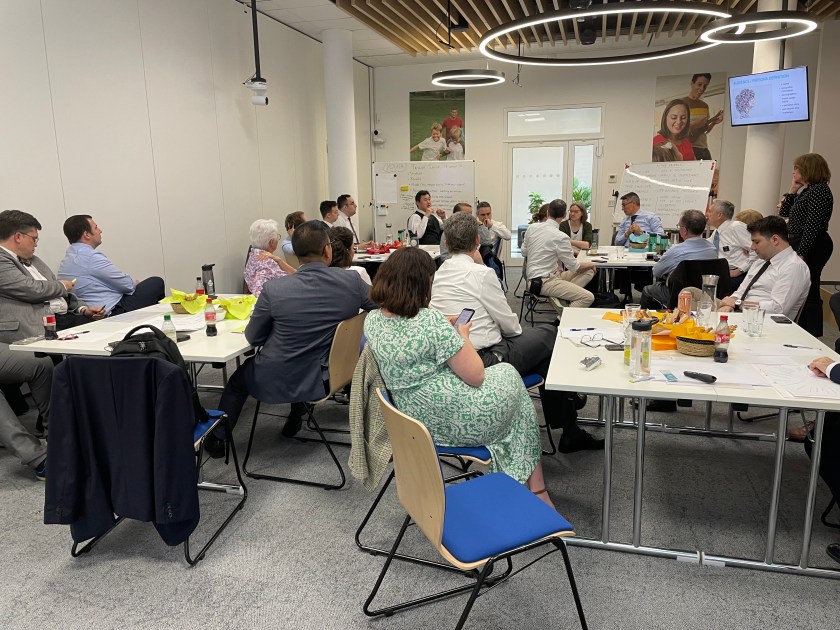
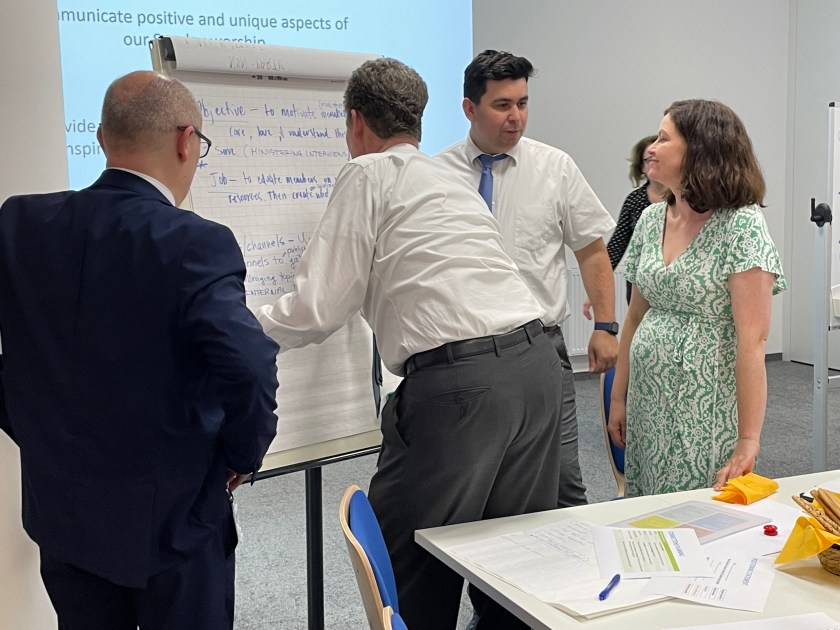
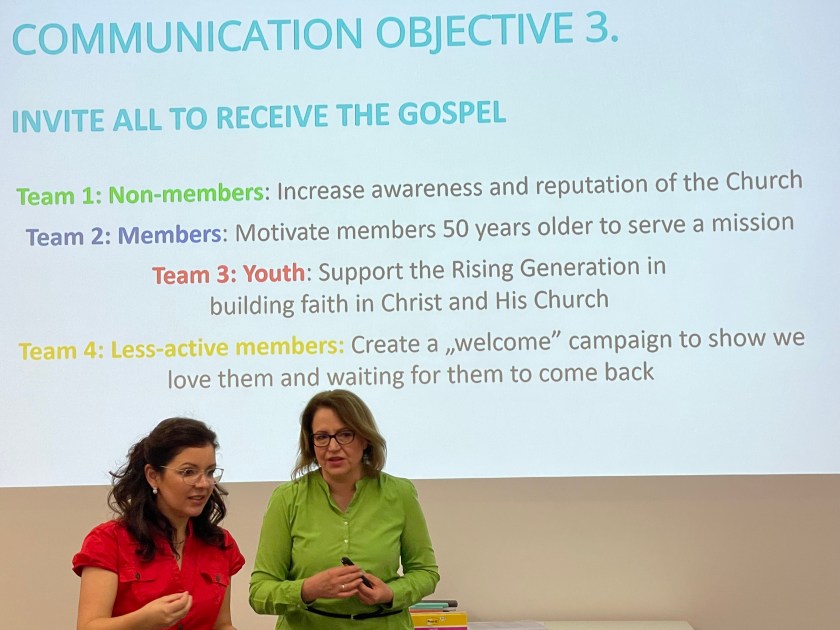
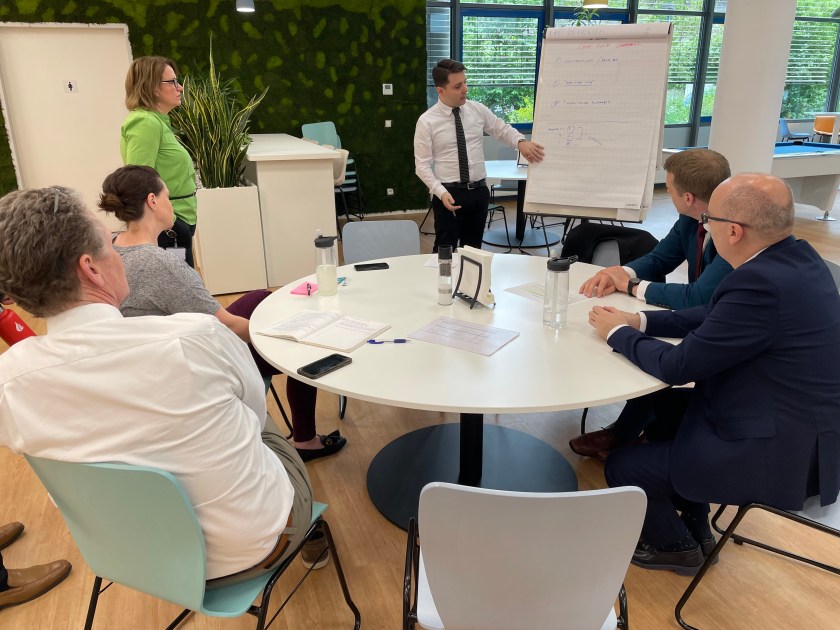
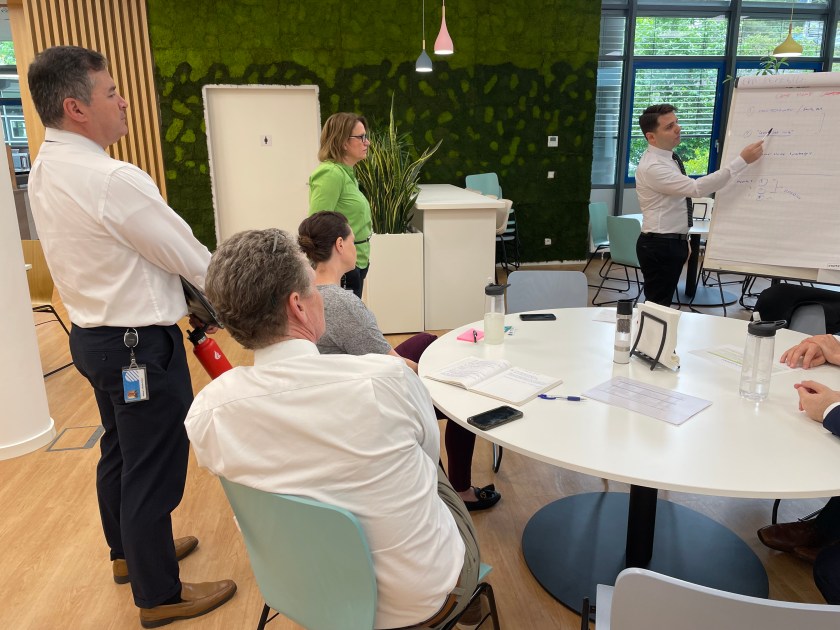
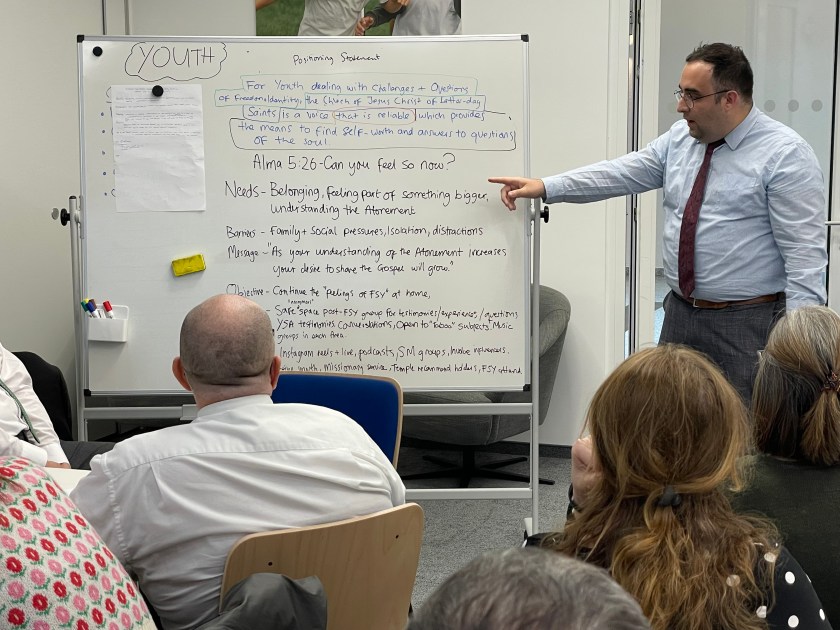
A few weeks ago we met for 2 days in a Seminar and started our work together.  This week, for 2 more days, we continued that work, planning for the messaging we will send out to the world in the coming year.  We worked really hard to drill down to the most important messages we have to share with each type of audience:  members, less-engaged members, non-members, and the youth.  We worked with our Area Objectives and Purposes and came up with good plans and marketing ideas.

I am grateful that we have a true and important message for the world.  There was a lot of good inspiration flowing this week in this group.


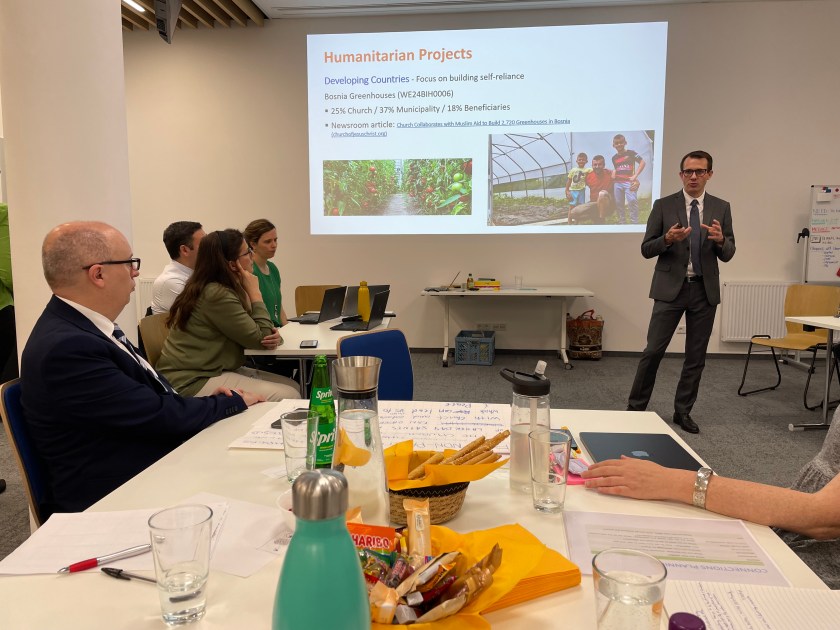
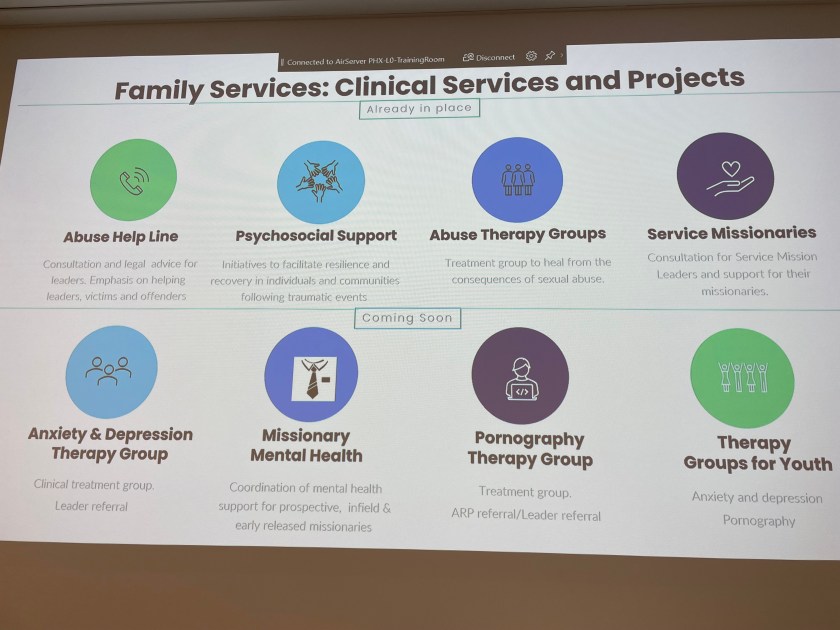
We also had some guests come to share –some were church leaders in local communities who know the challenges and what is working for them.  Others were from the humanitarian department–they introduced us to all of the resources at our disposal as we invite all to come to Christ.

I really love what we are doing.  And I love the people we work with.  This mission experience is top notch.  These people are amazing.