Luxembourg’s Lower Old Town

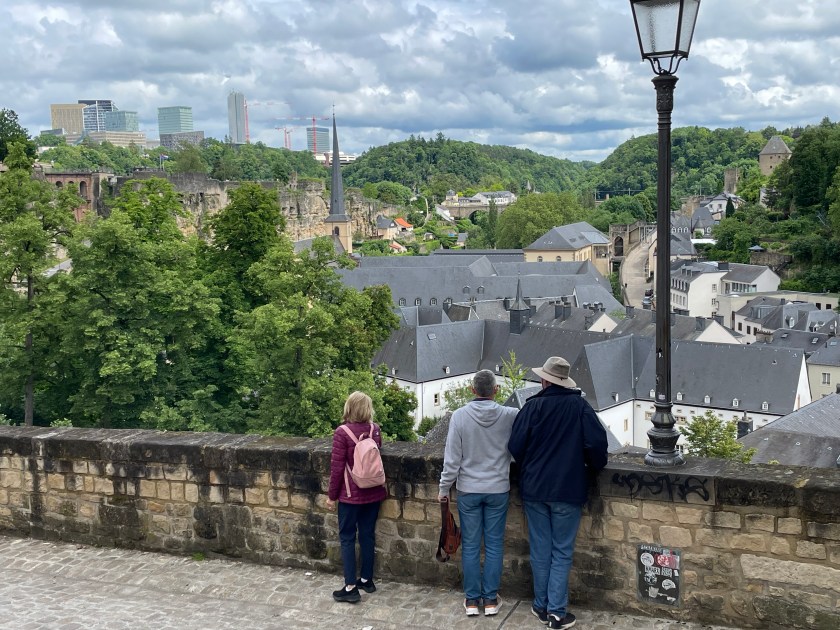
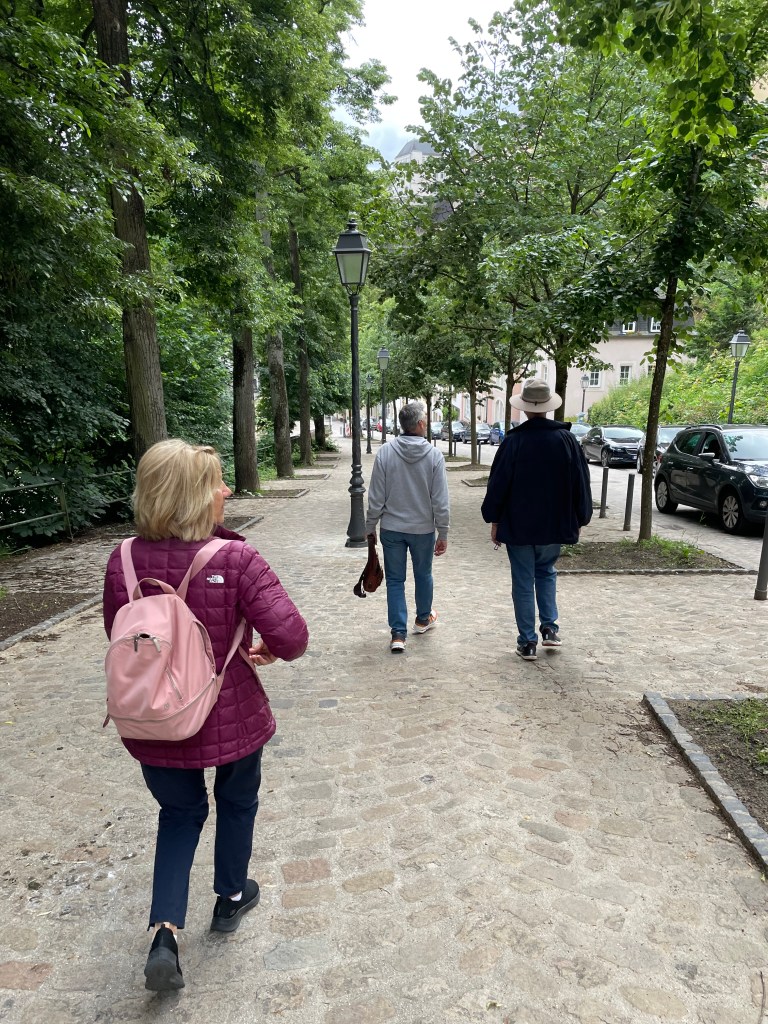
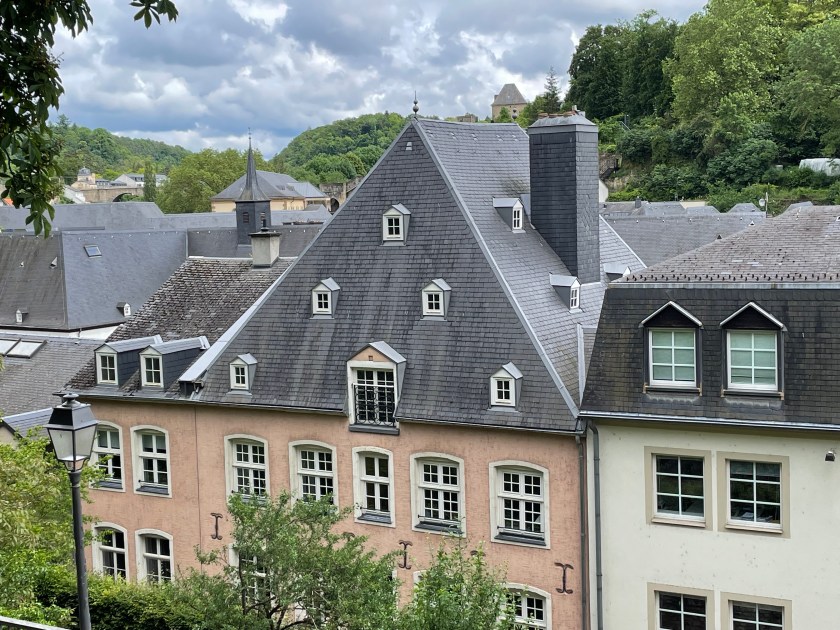
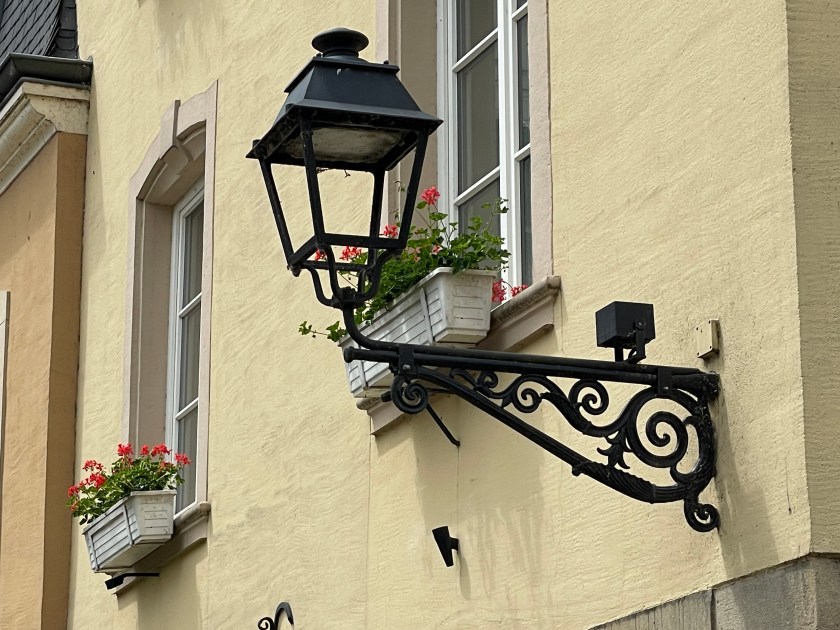
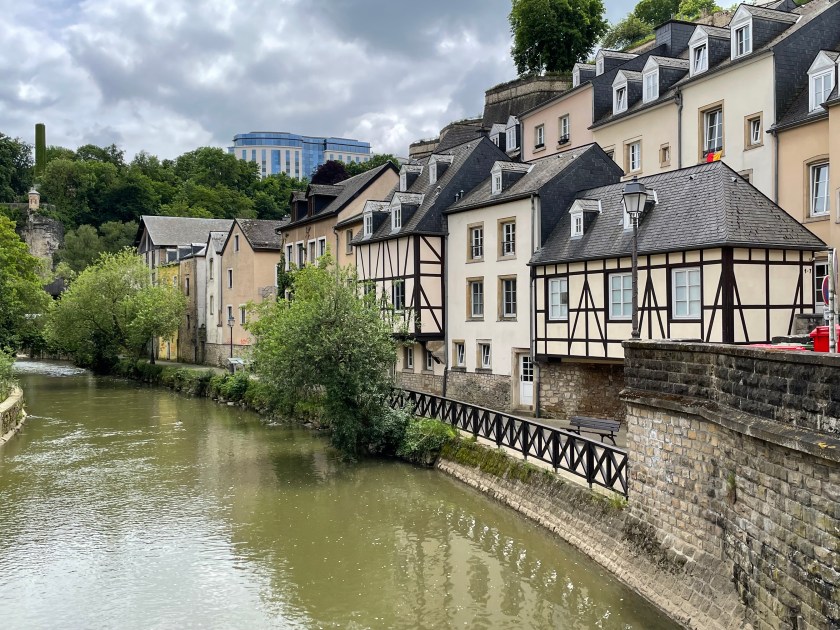
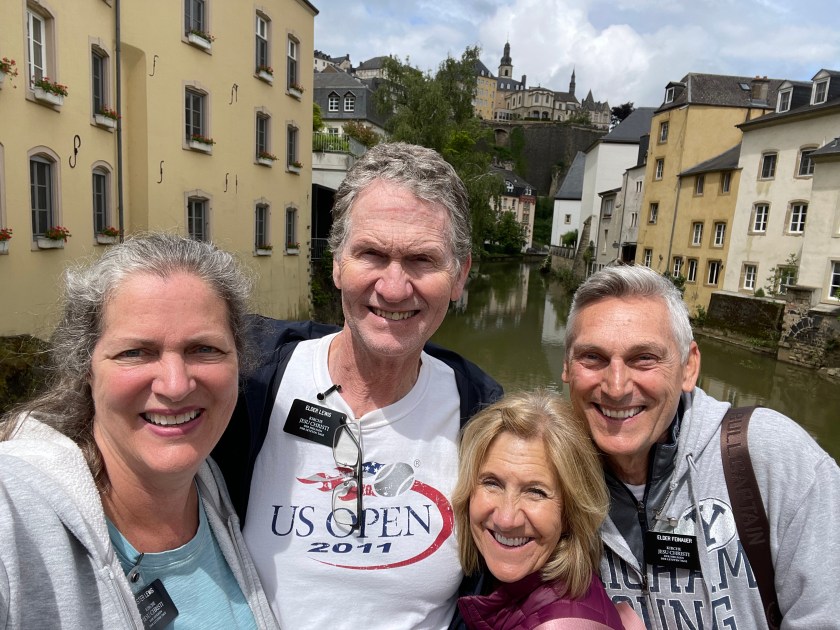
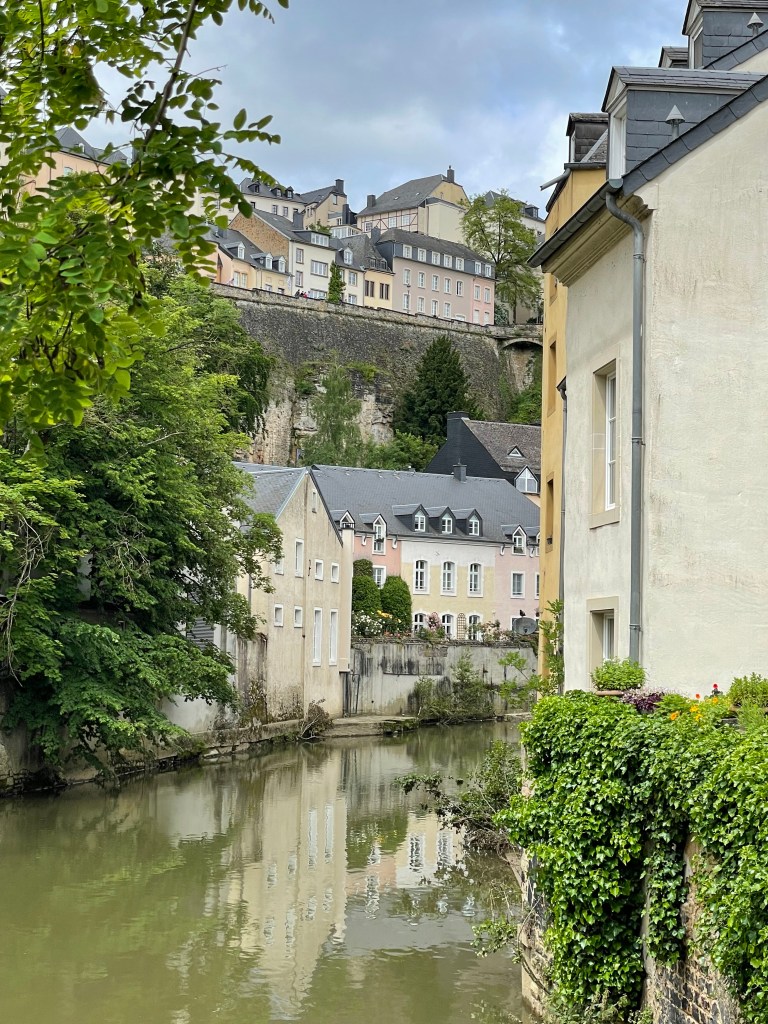
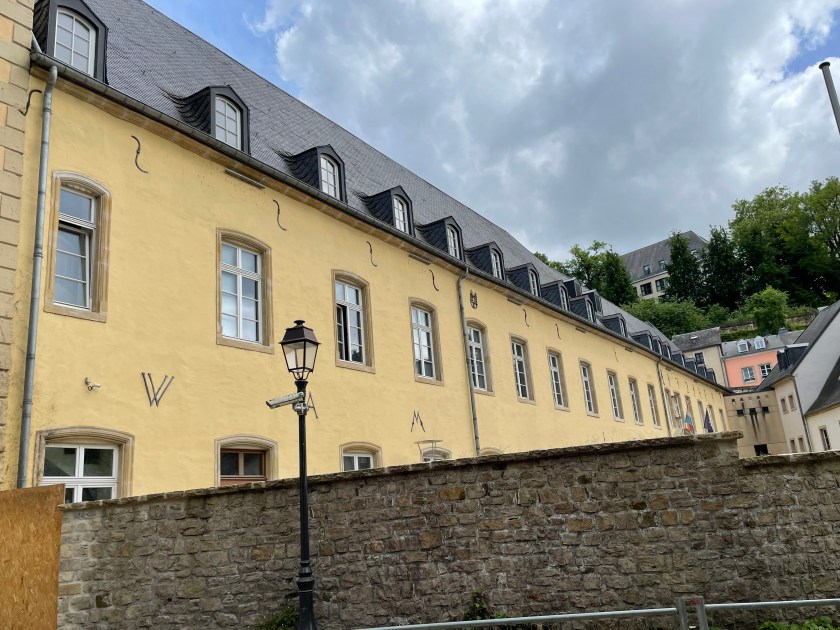
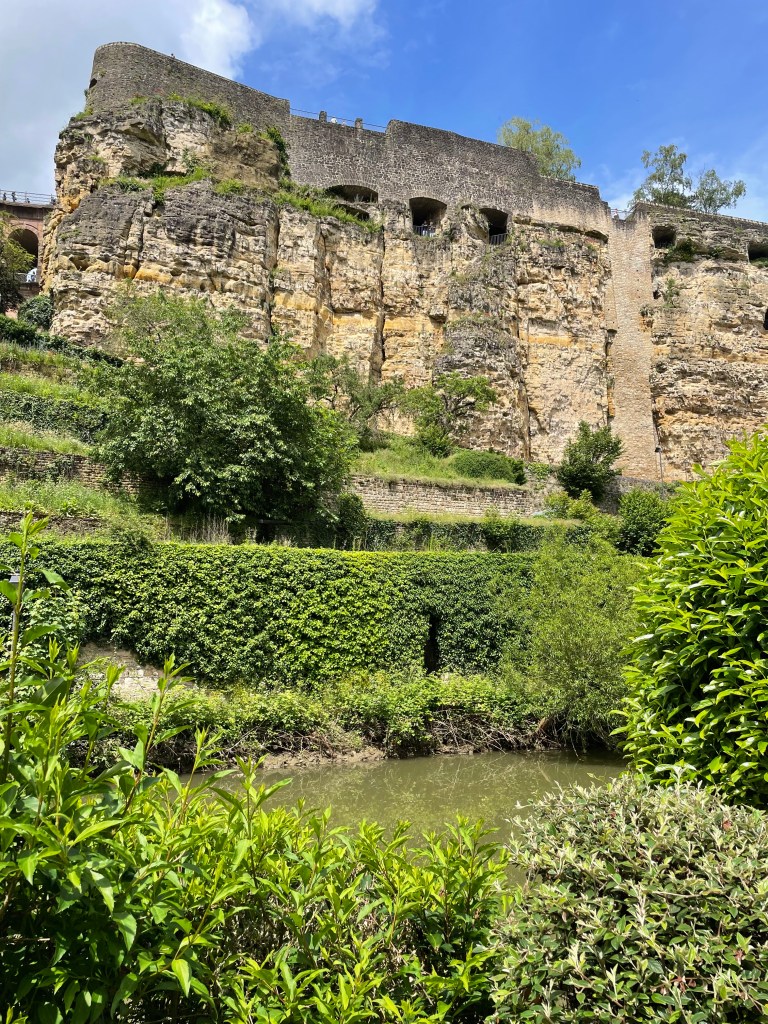
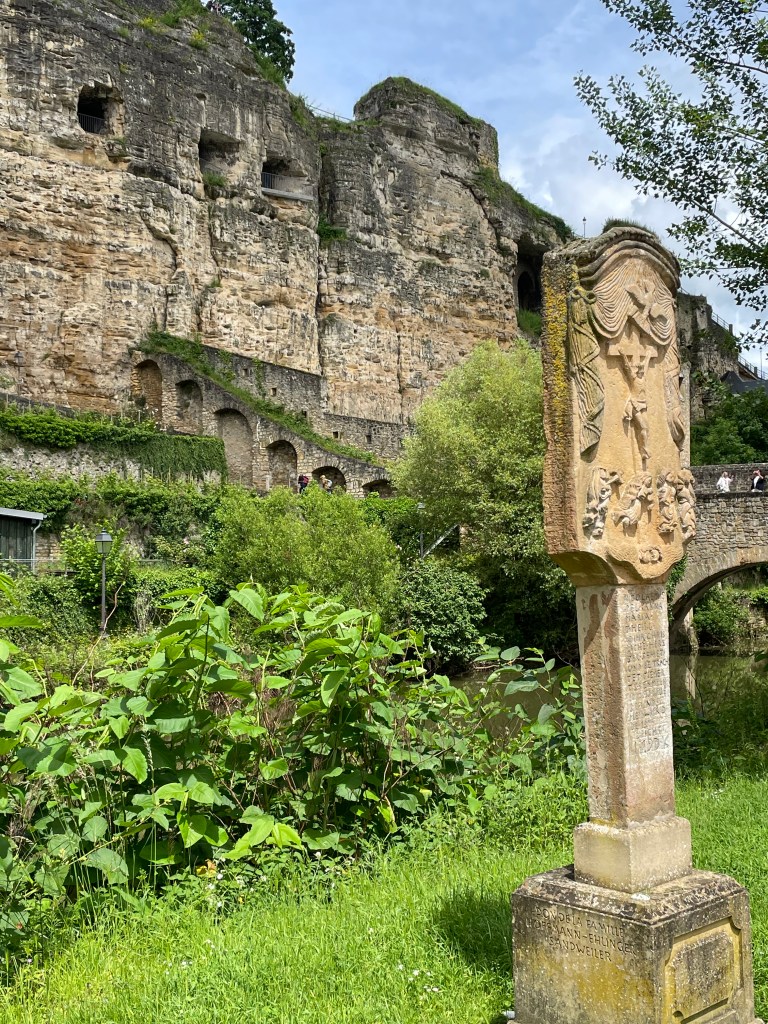
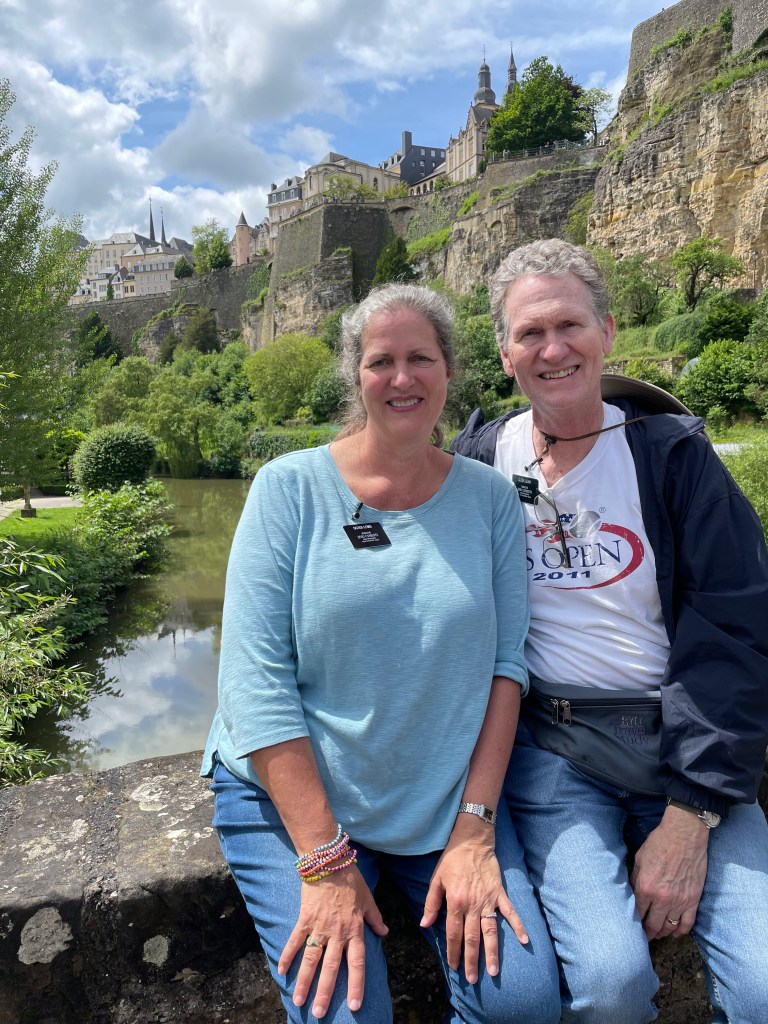
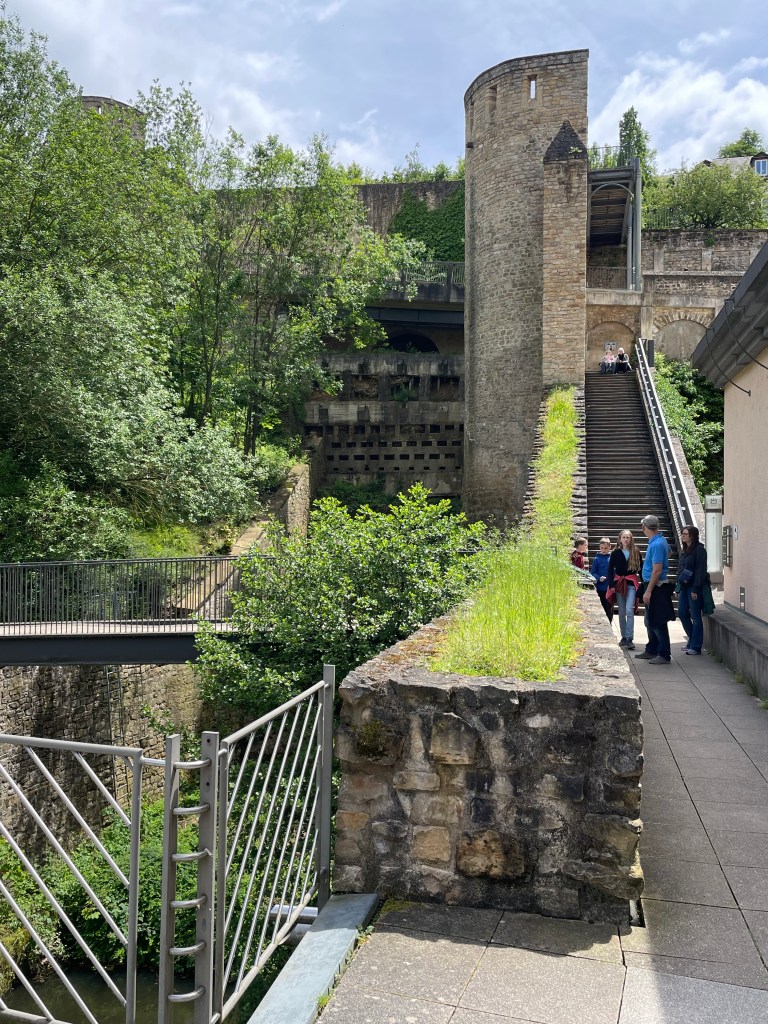
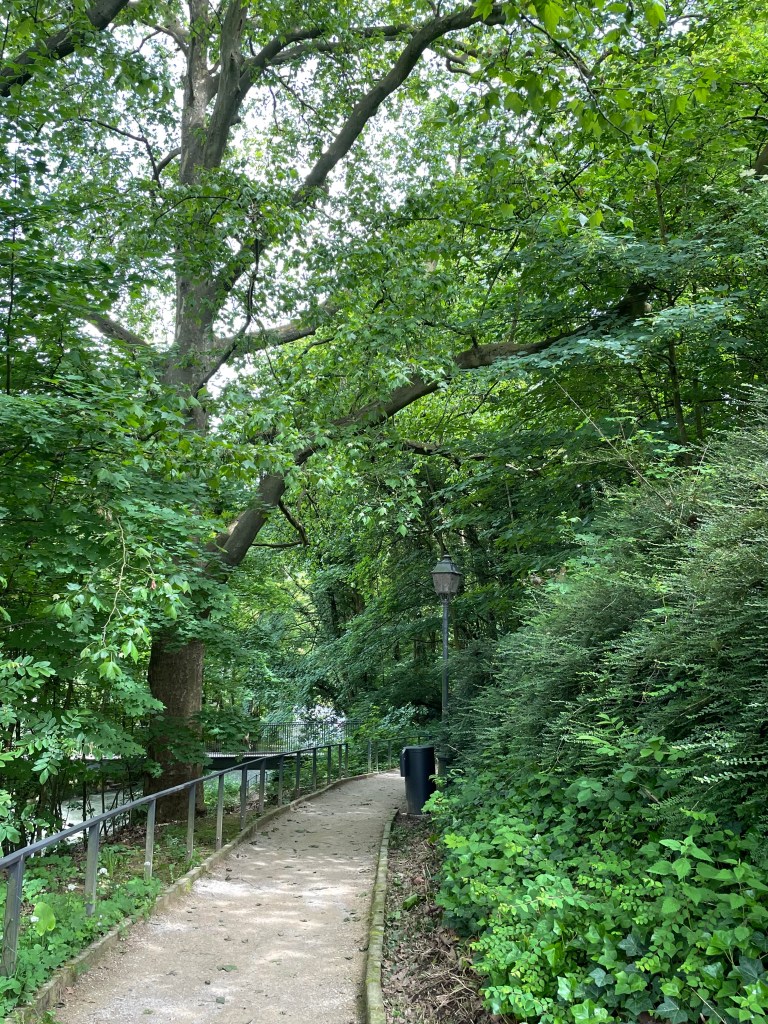
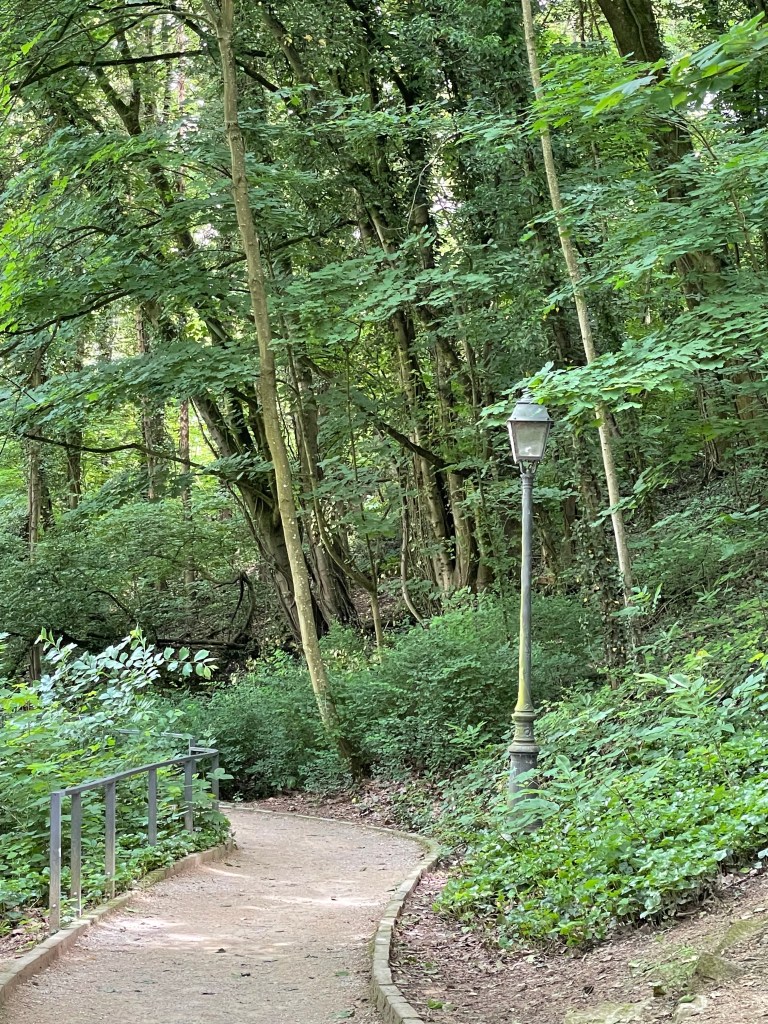
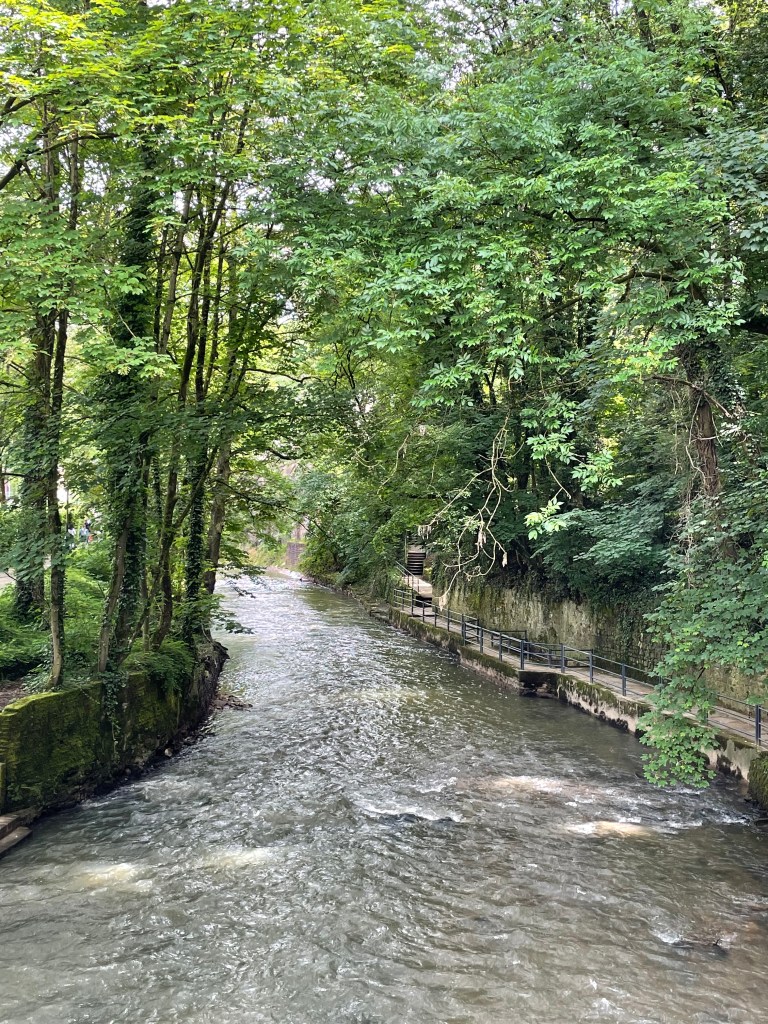
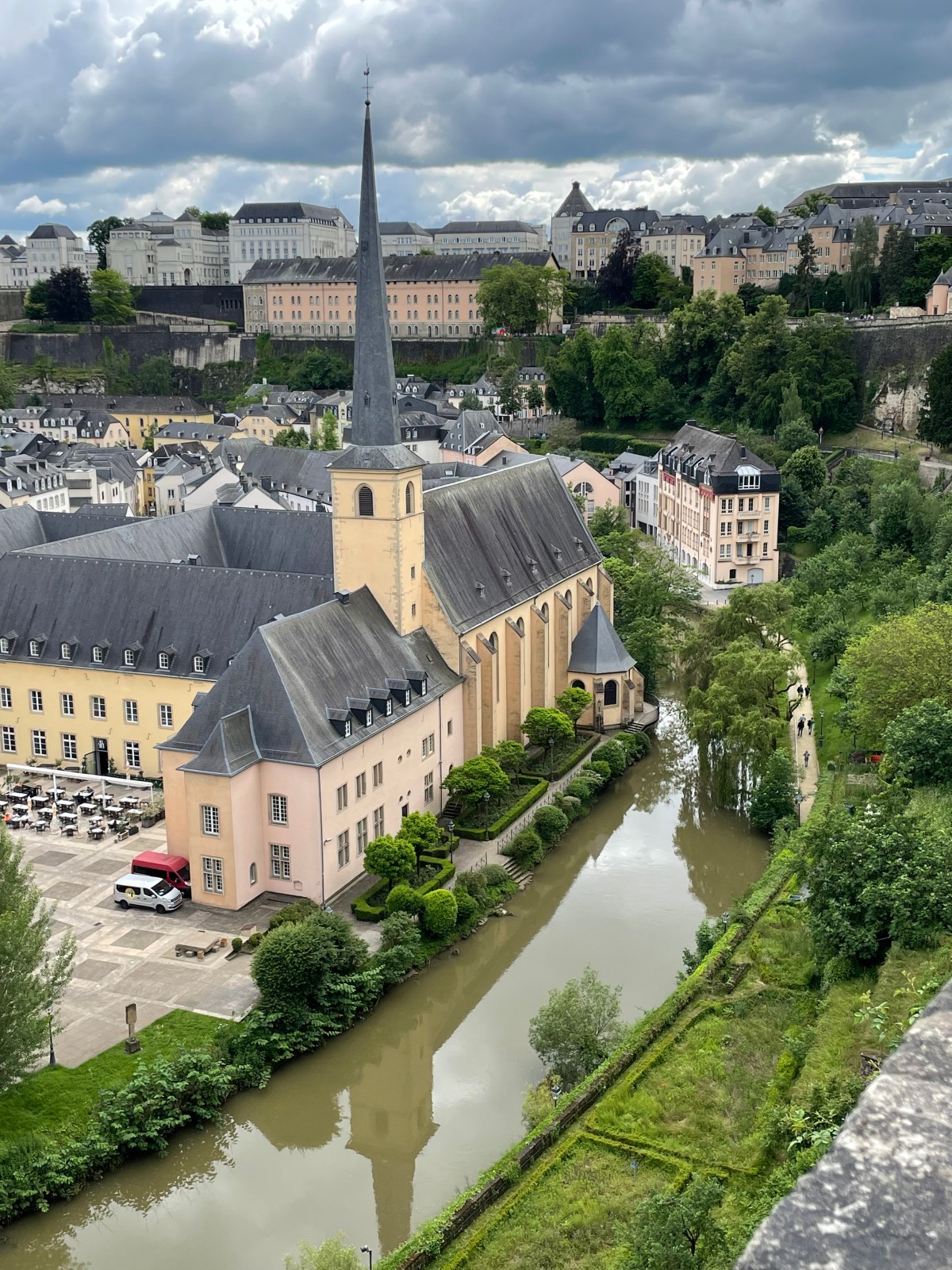
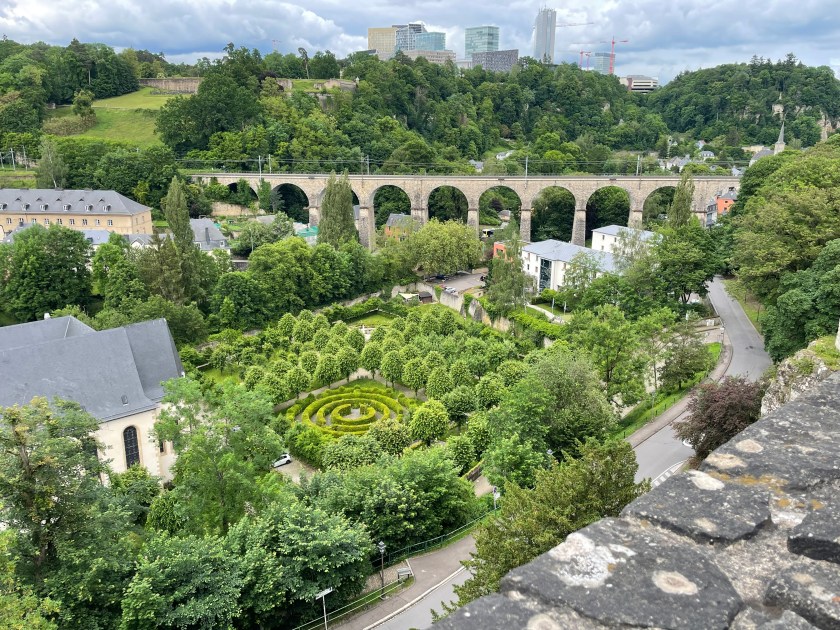
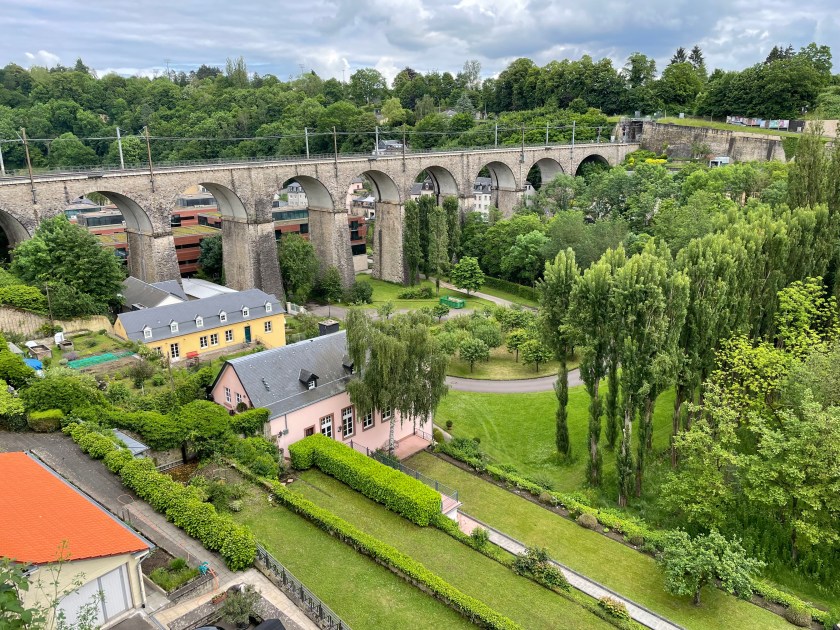
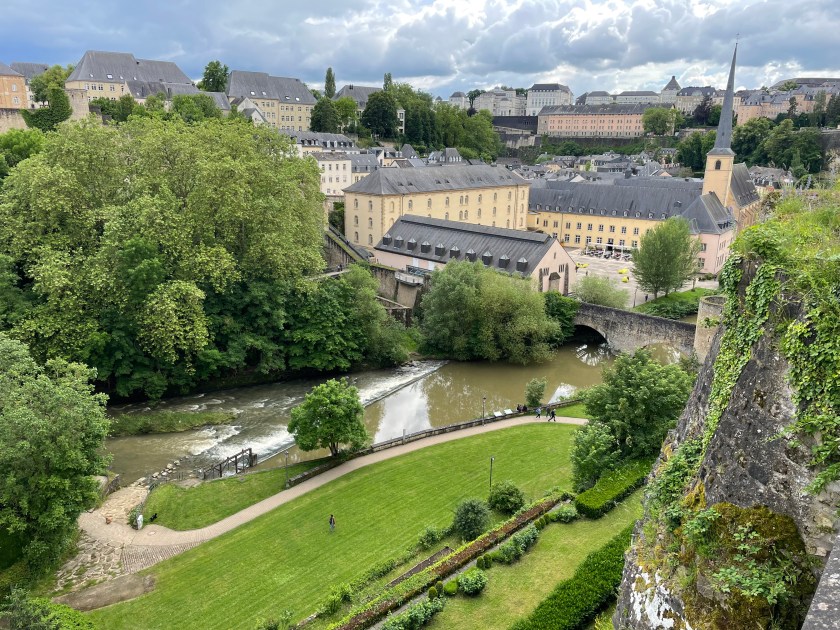
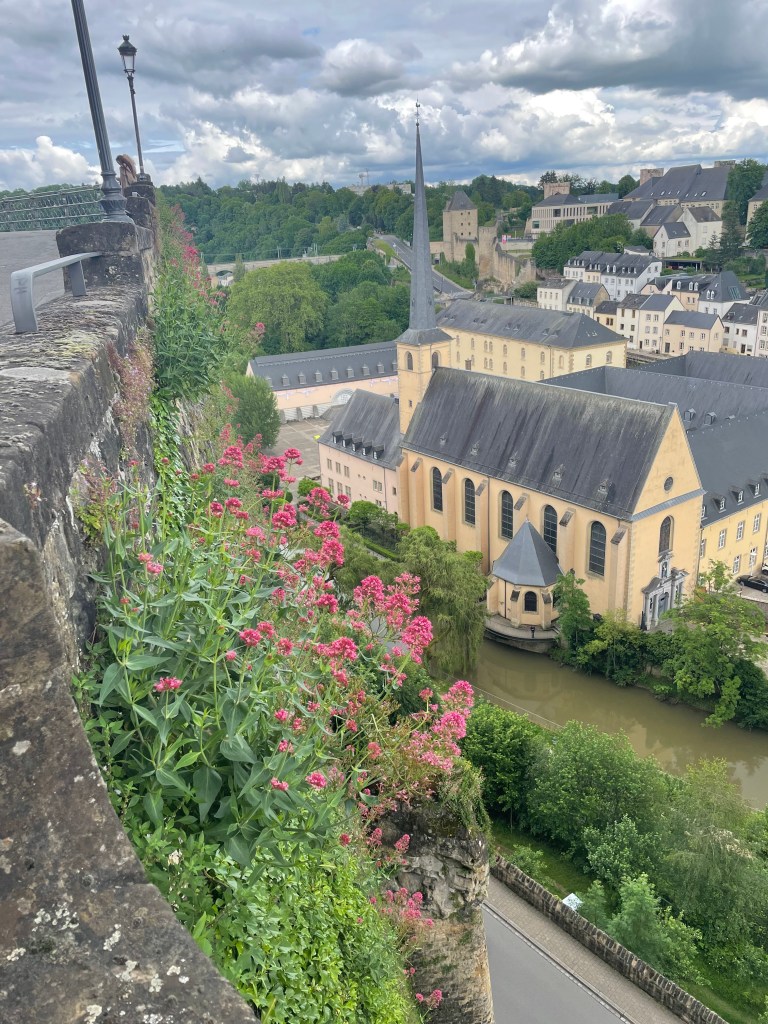
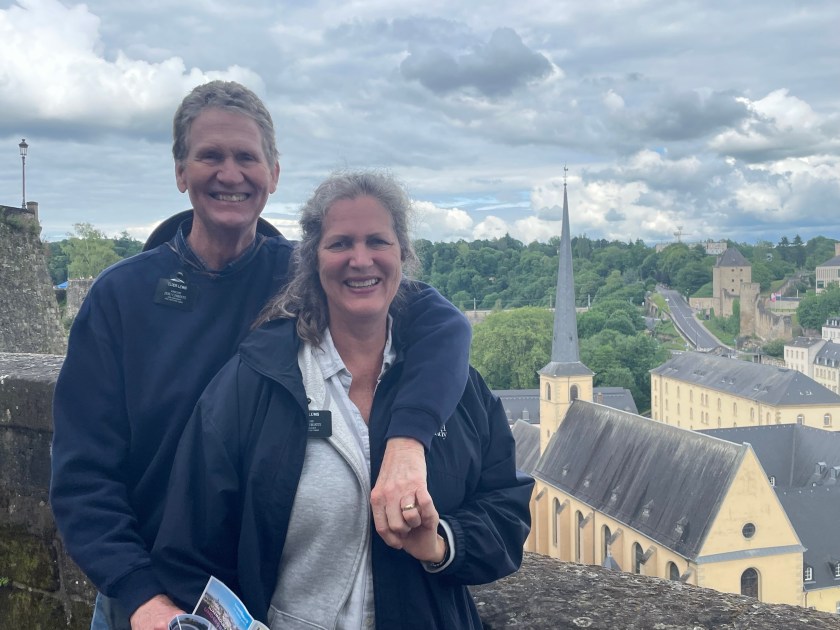
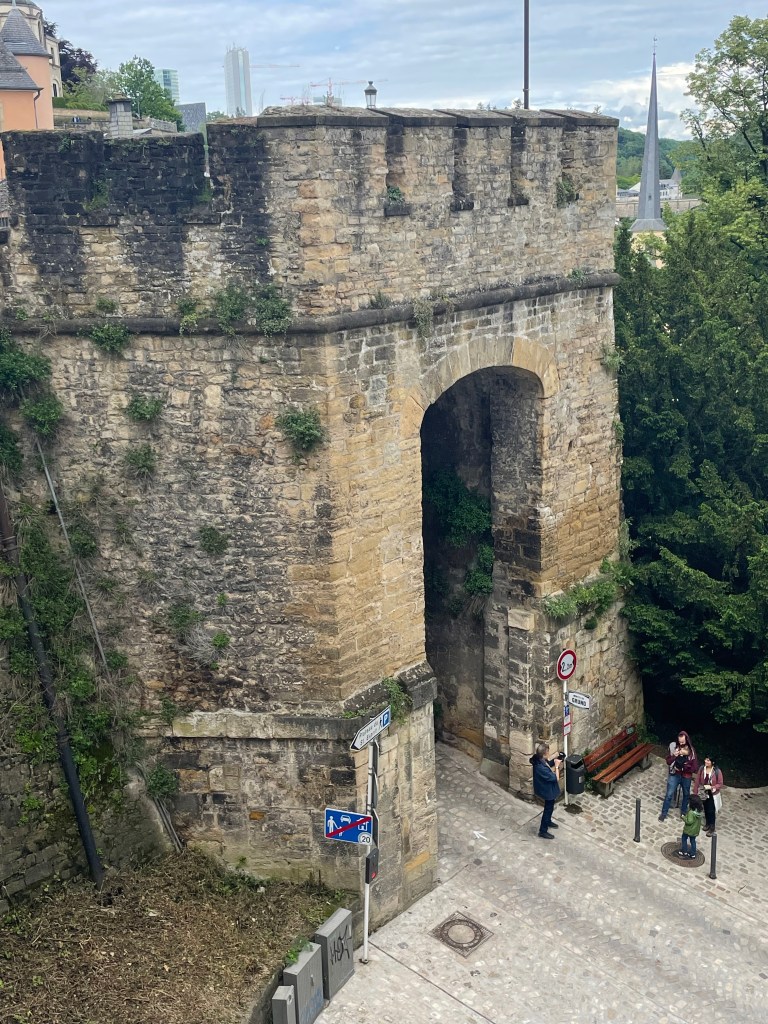
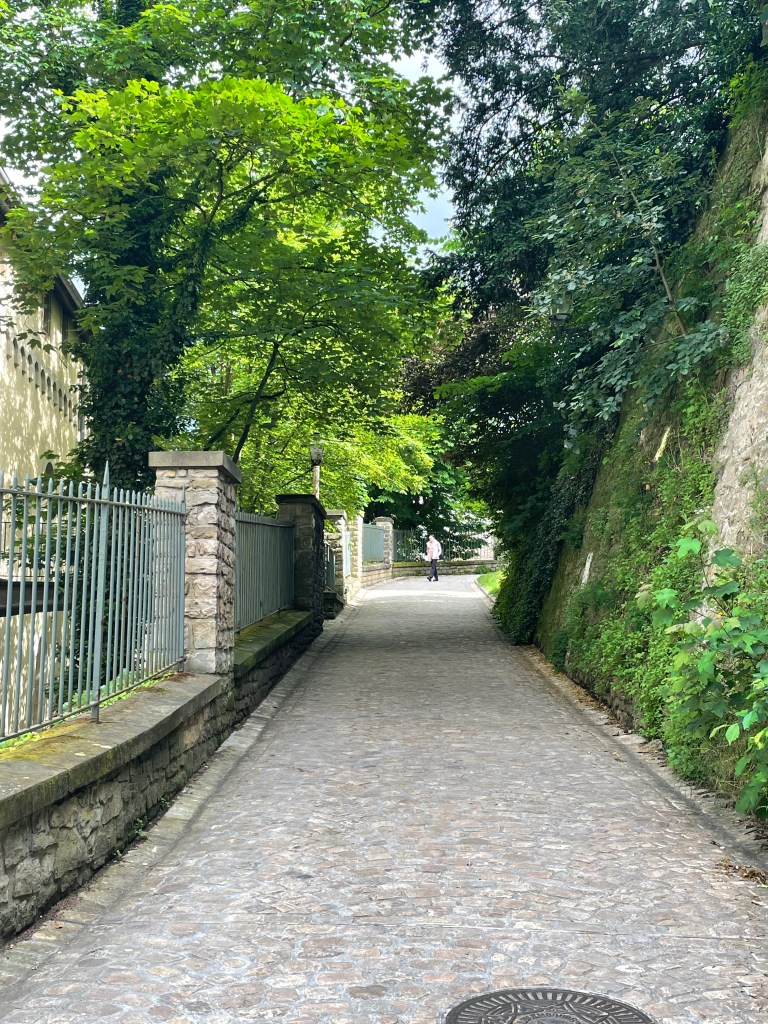
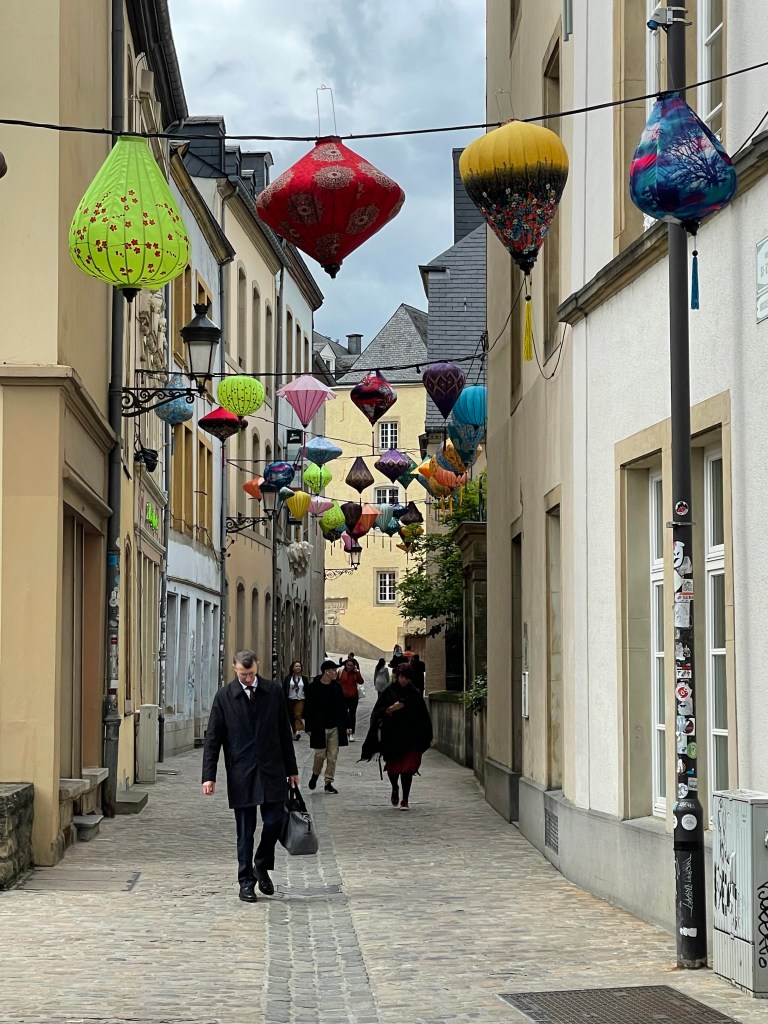
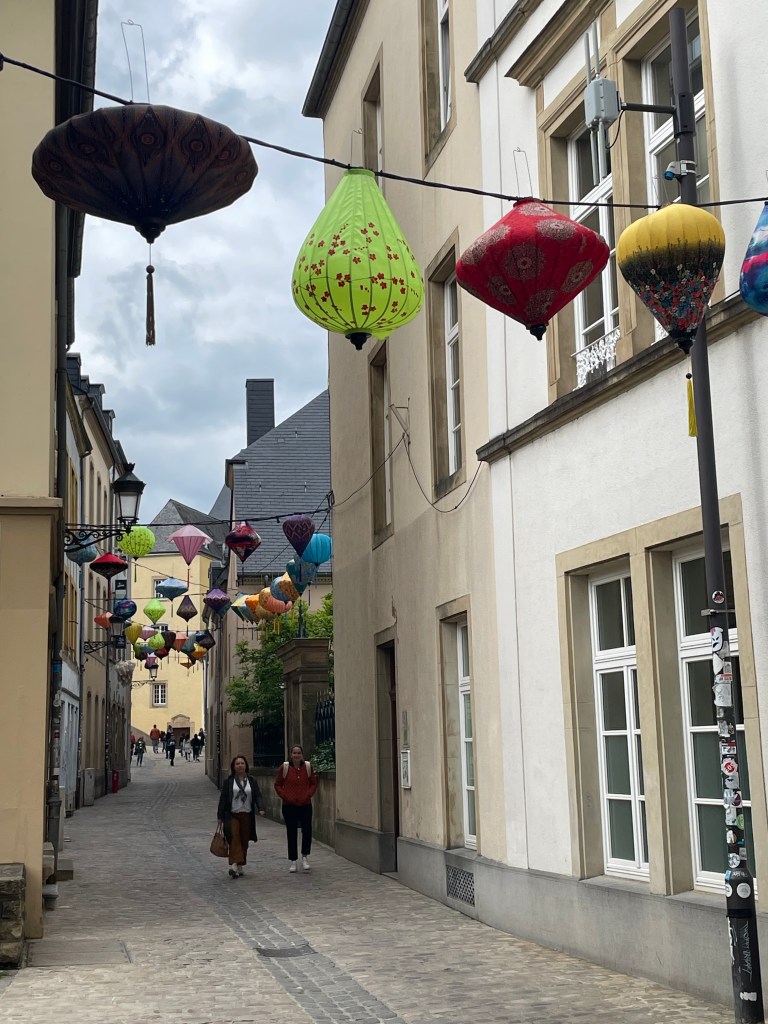
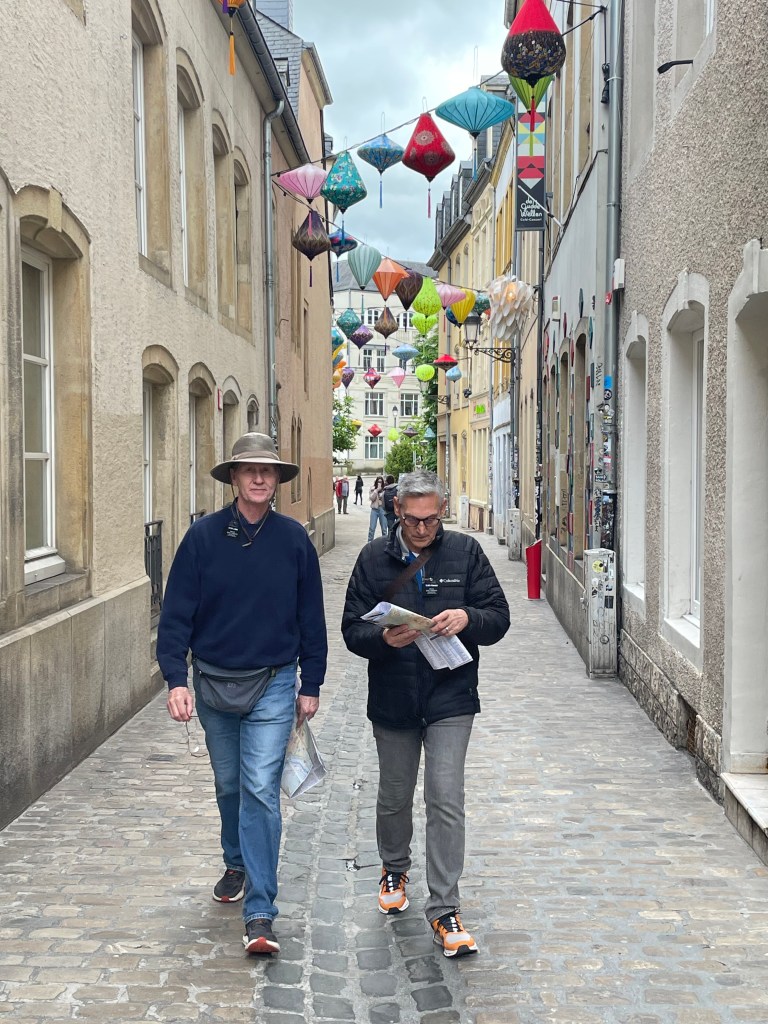
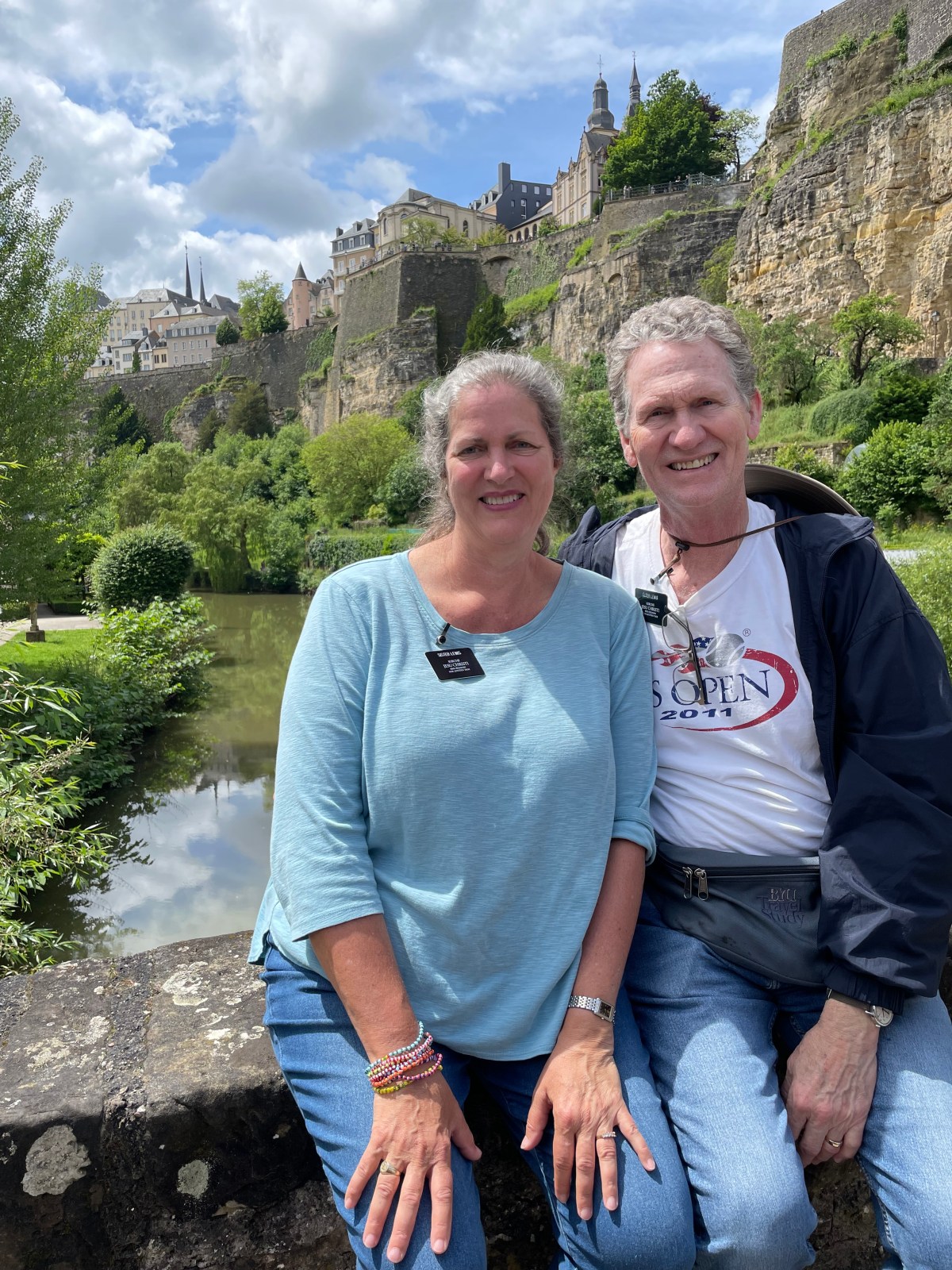
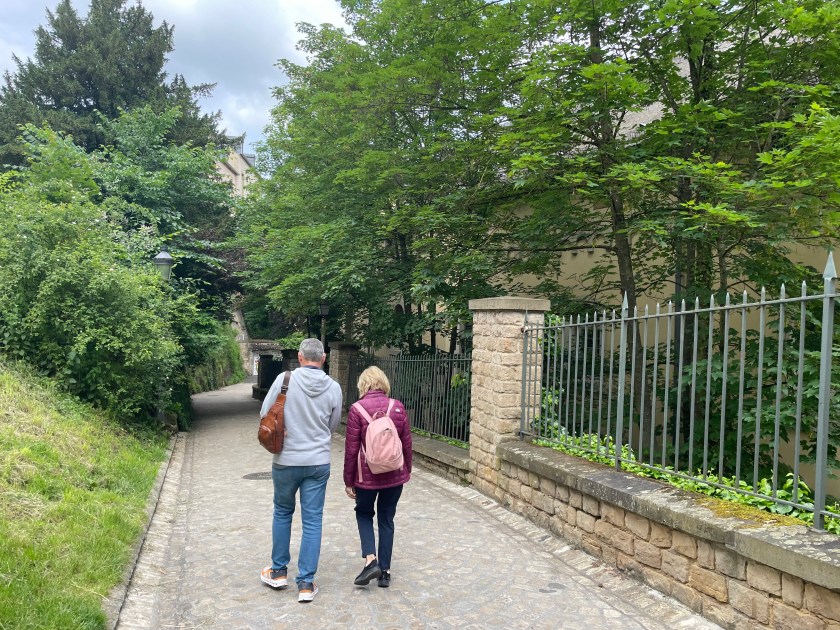
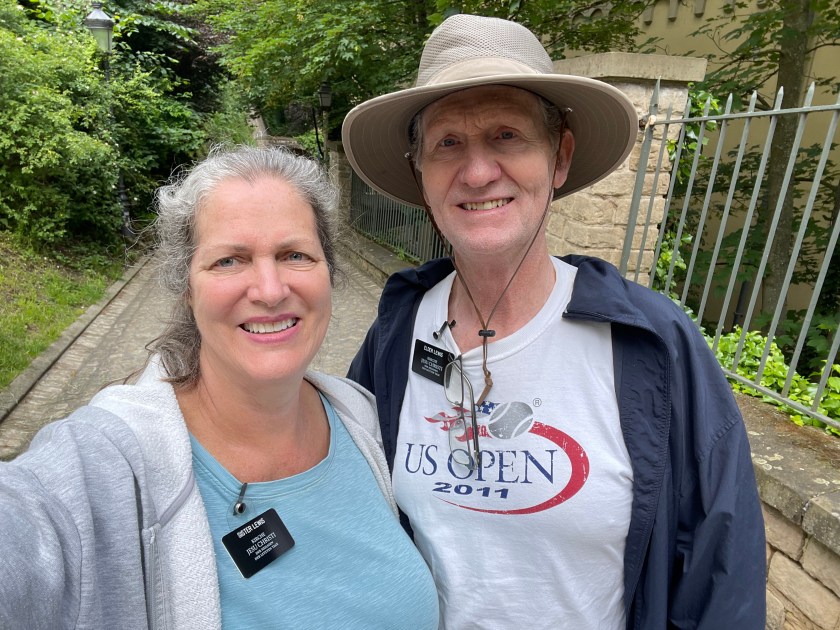
Today we wanted to explore the lower part of the old town, down at the base of the old city walls.  The walking paths made the downhill wander lovely and easy.
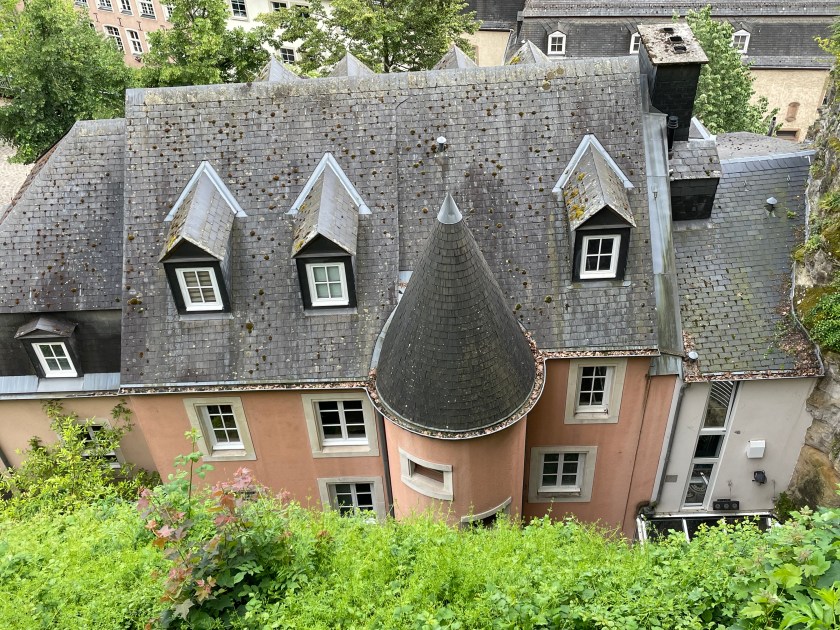
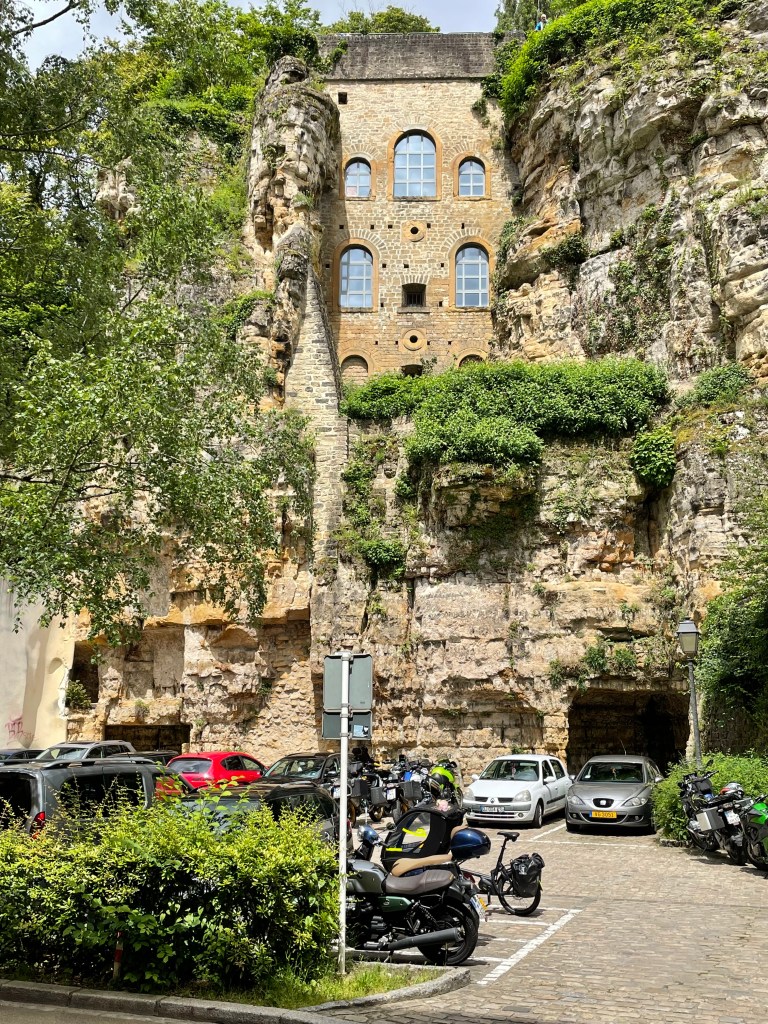
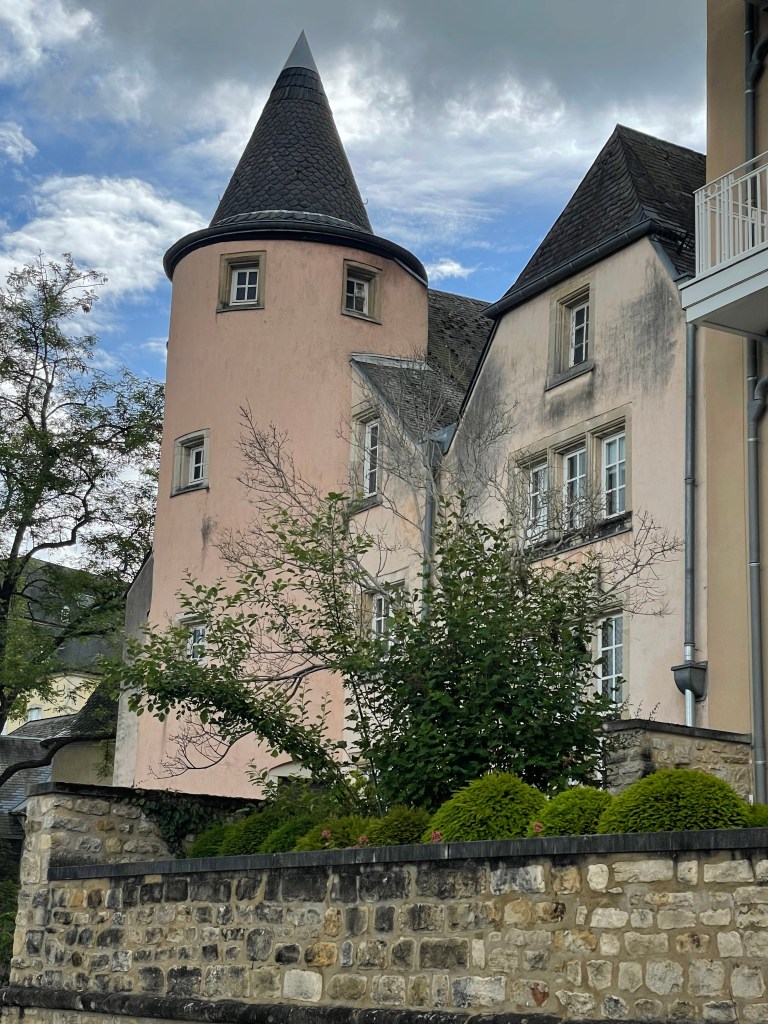
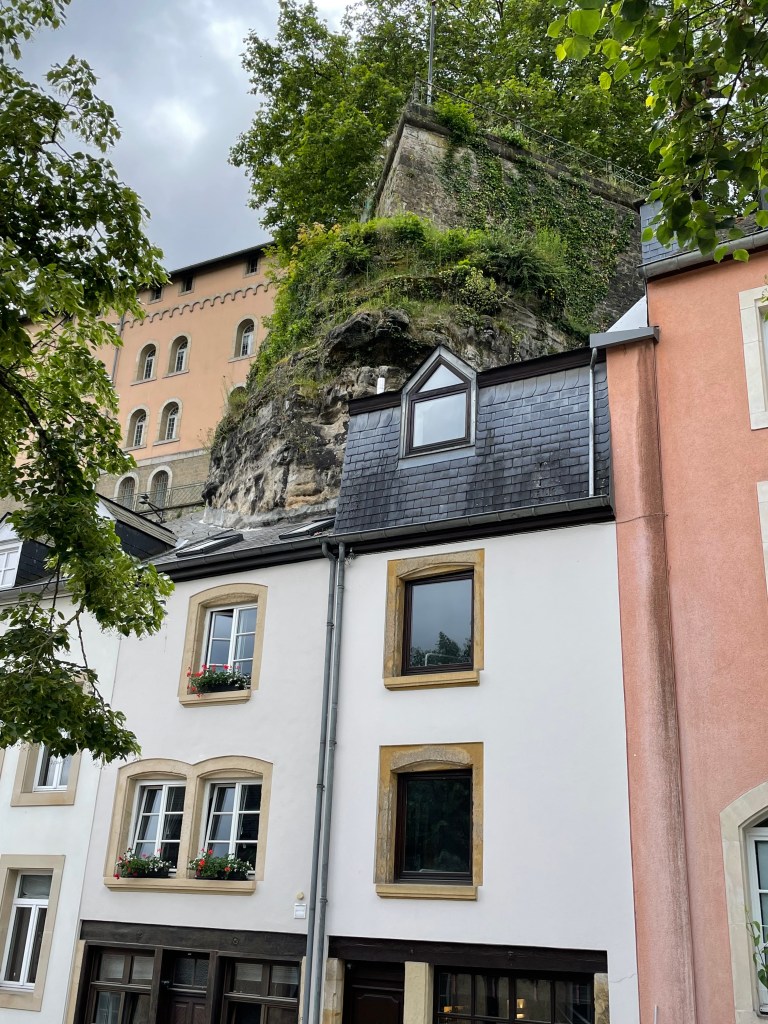
Look at this outcropping of rock coming out behind this house!
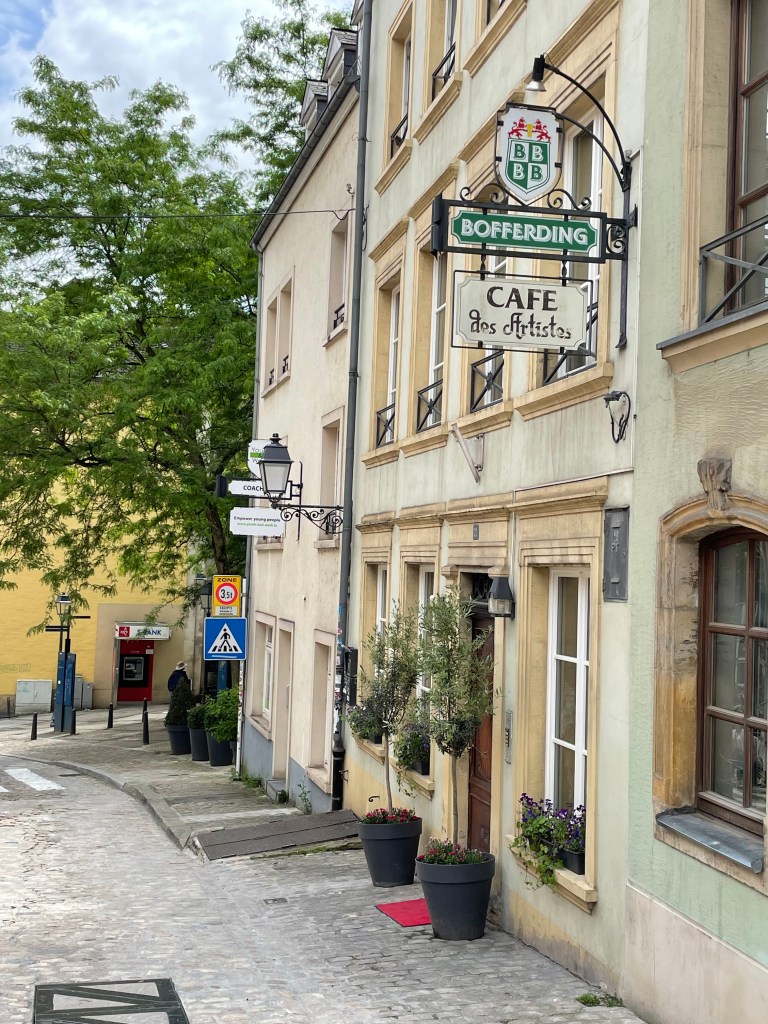
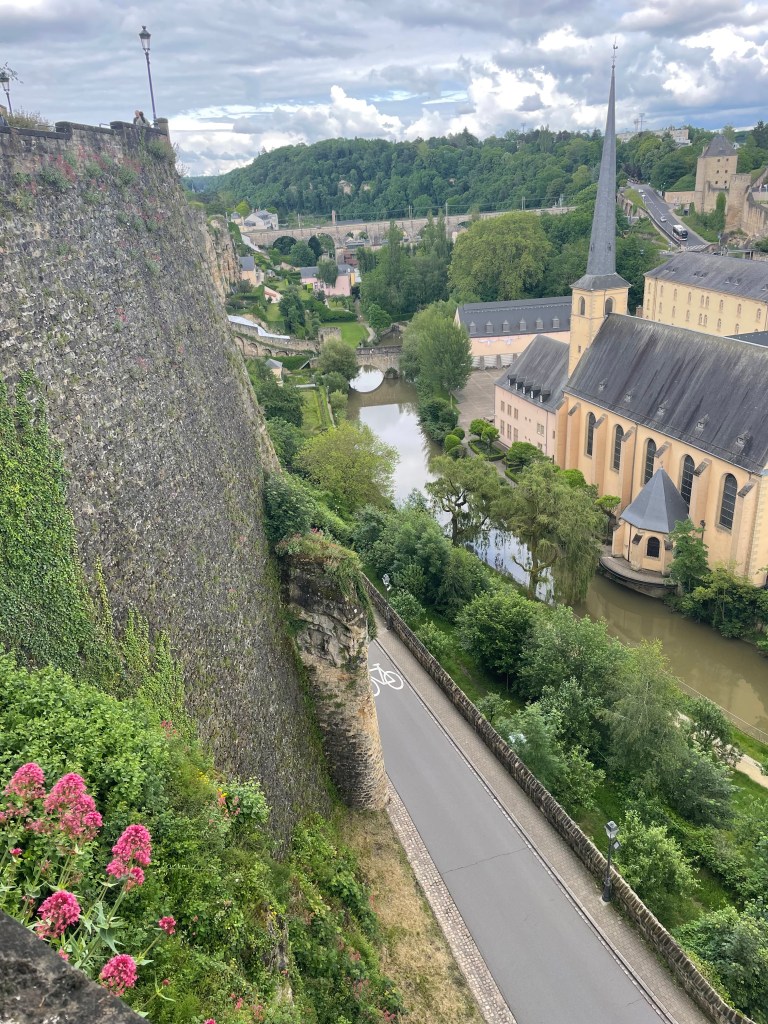
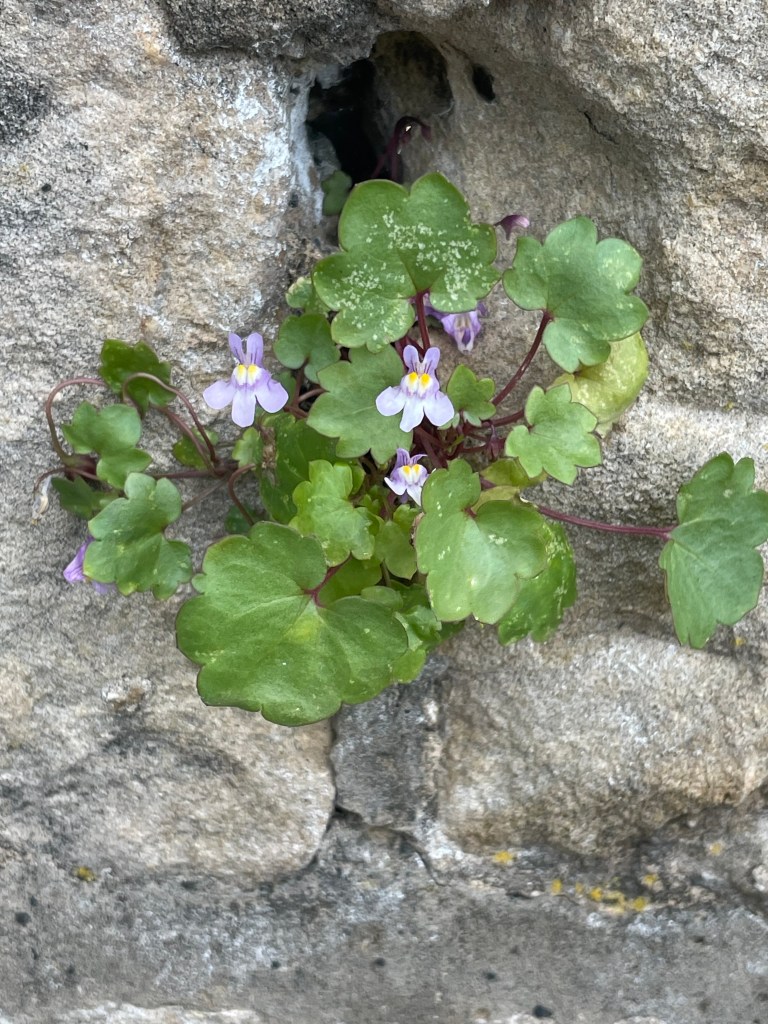
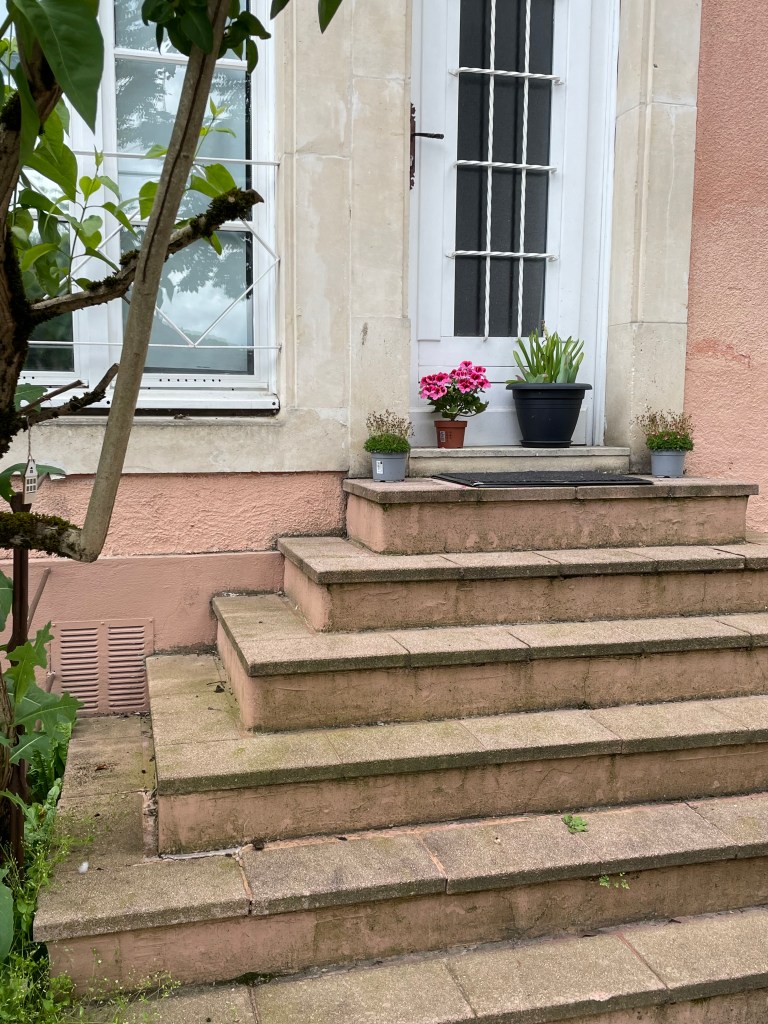
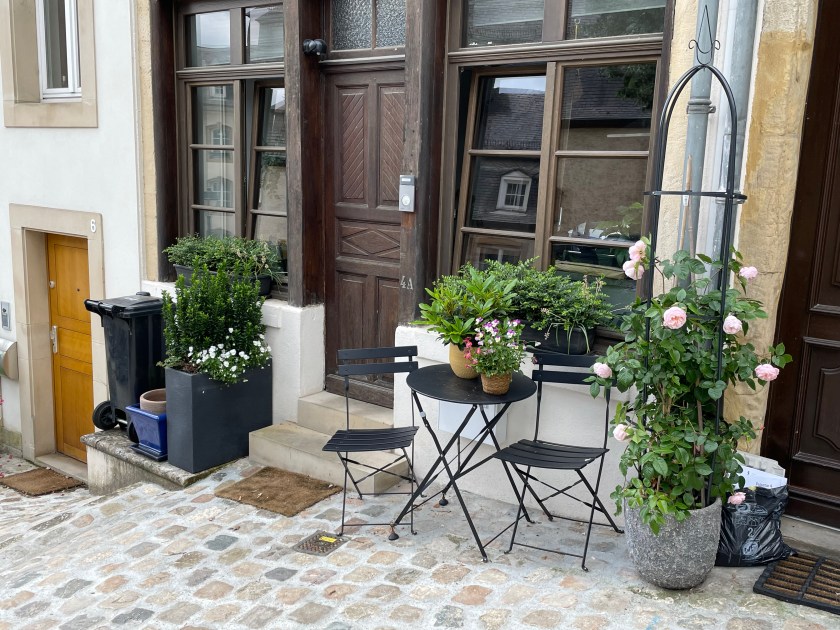
Simple beauty as we went down the hill:
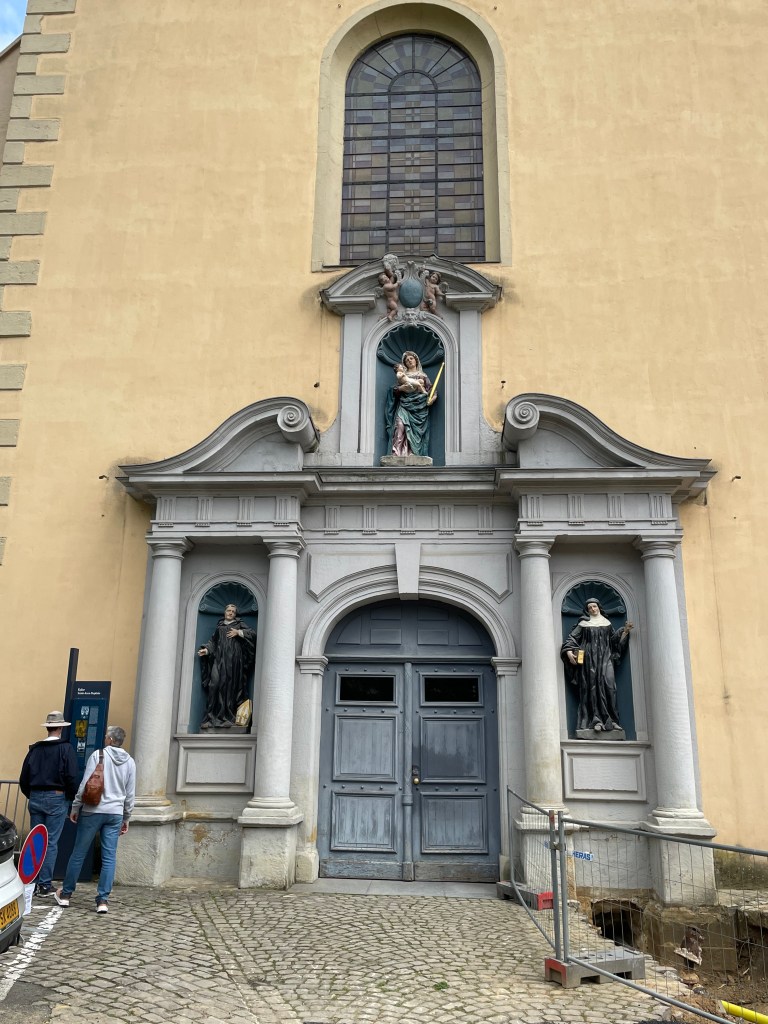
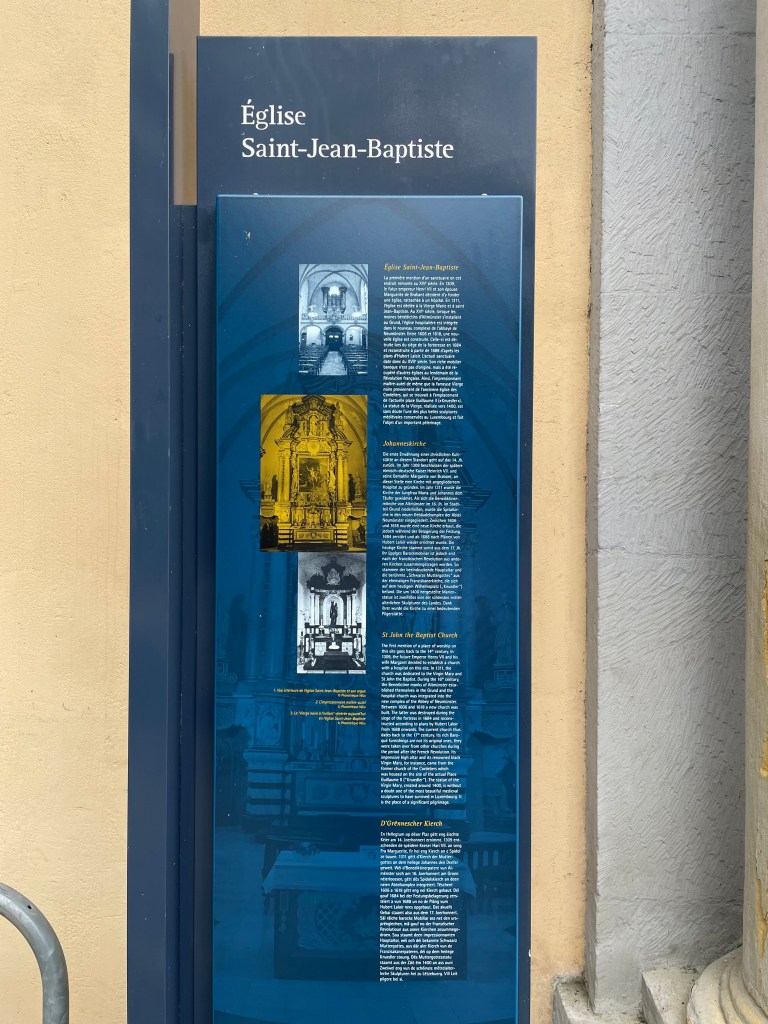
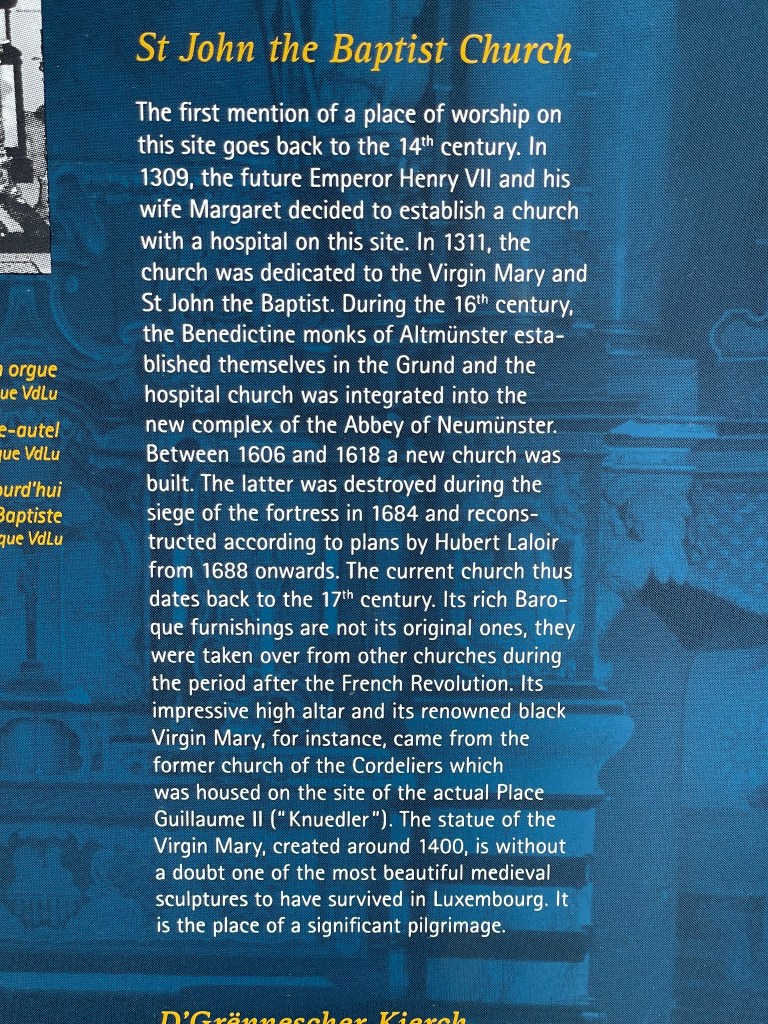
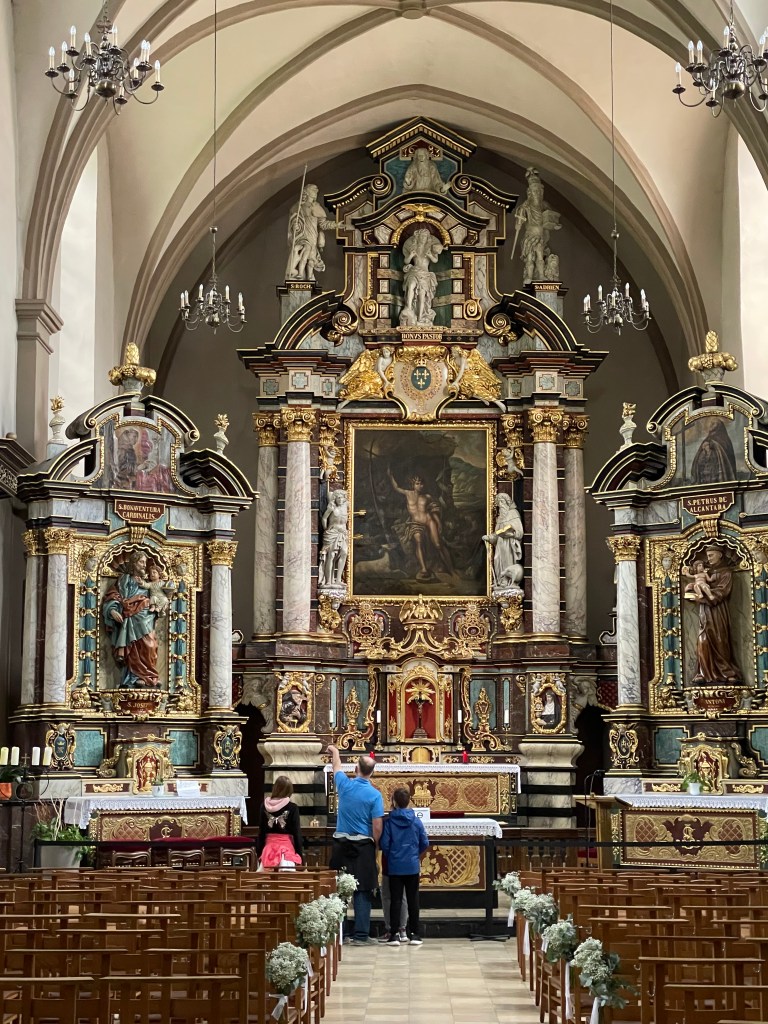
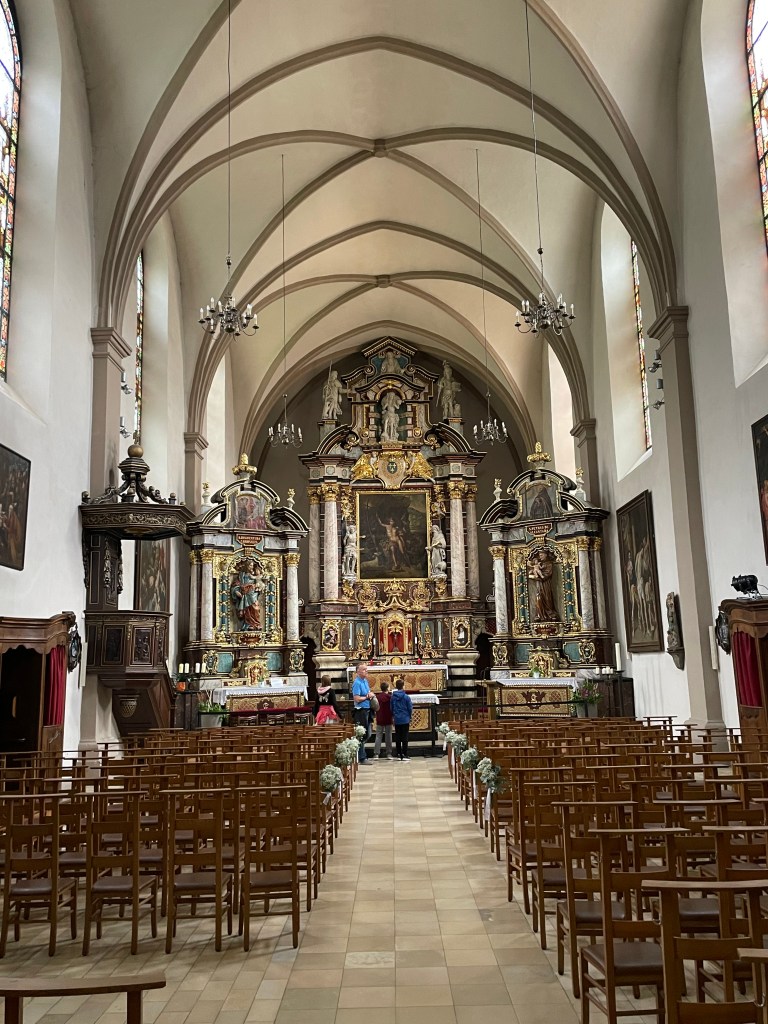
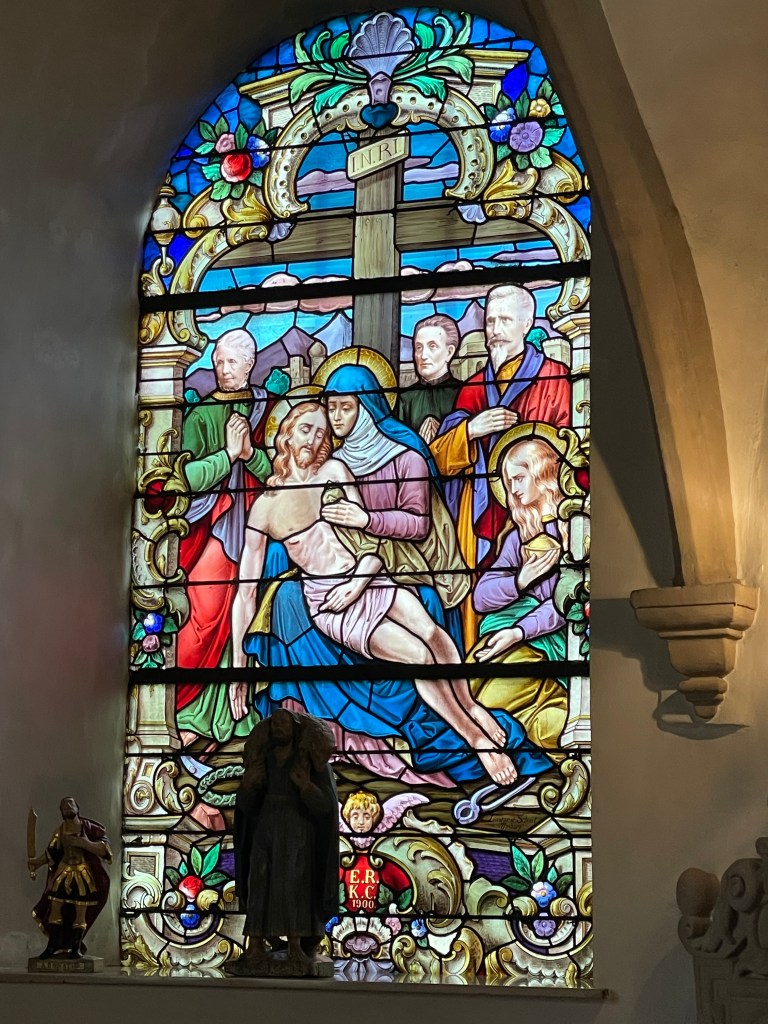
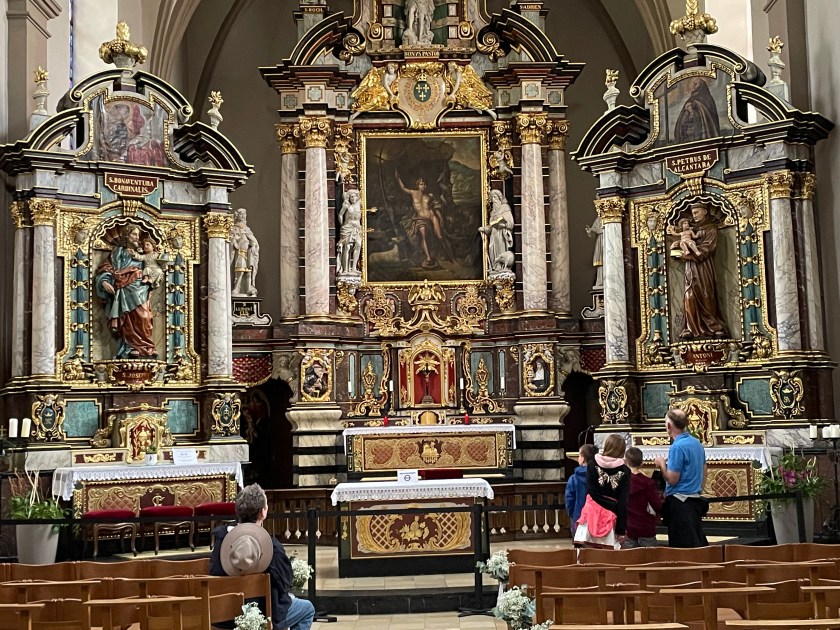
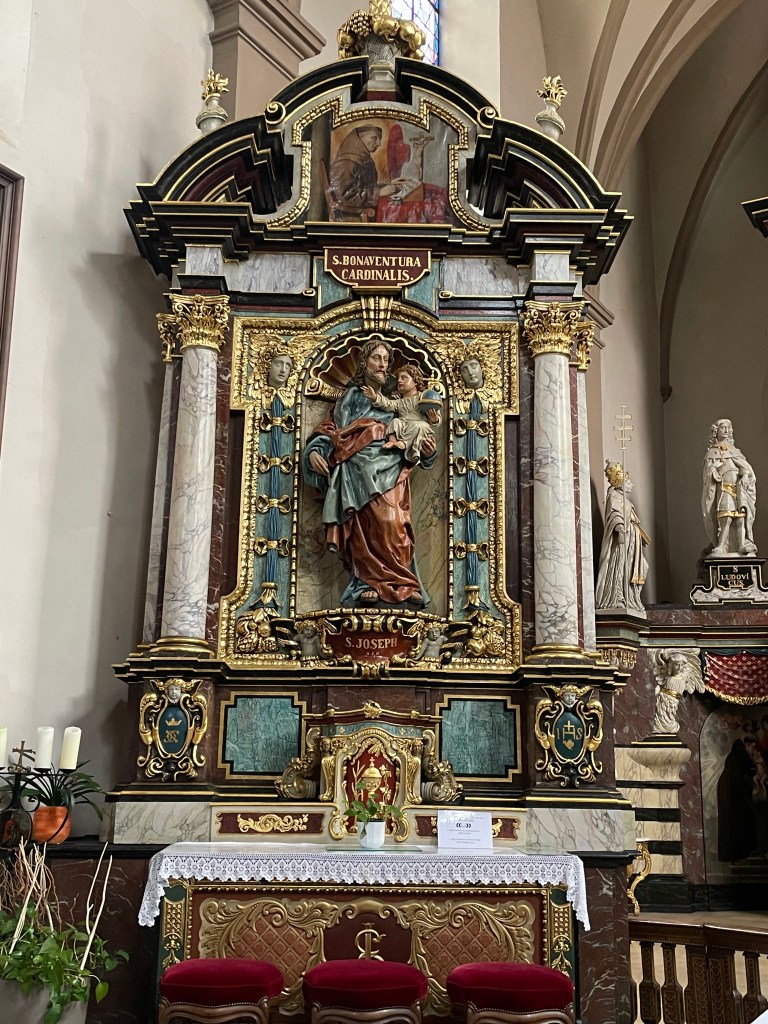
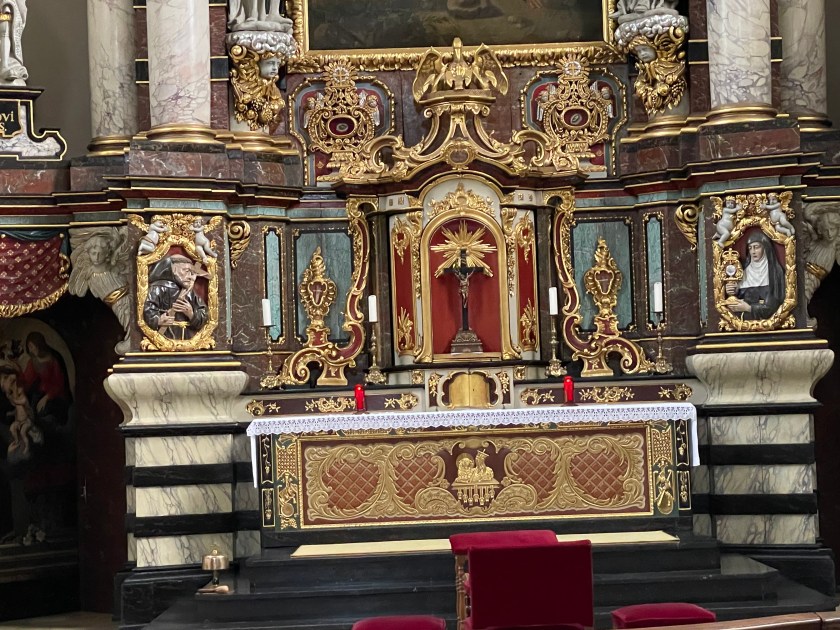
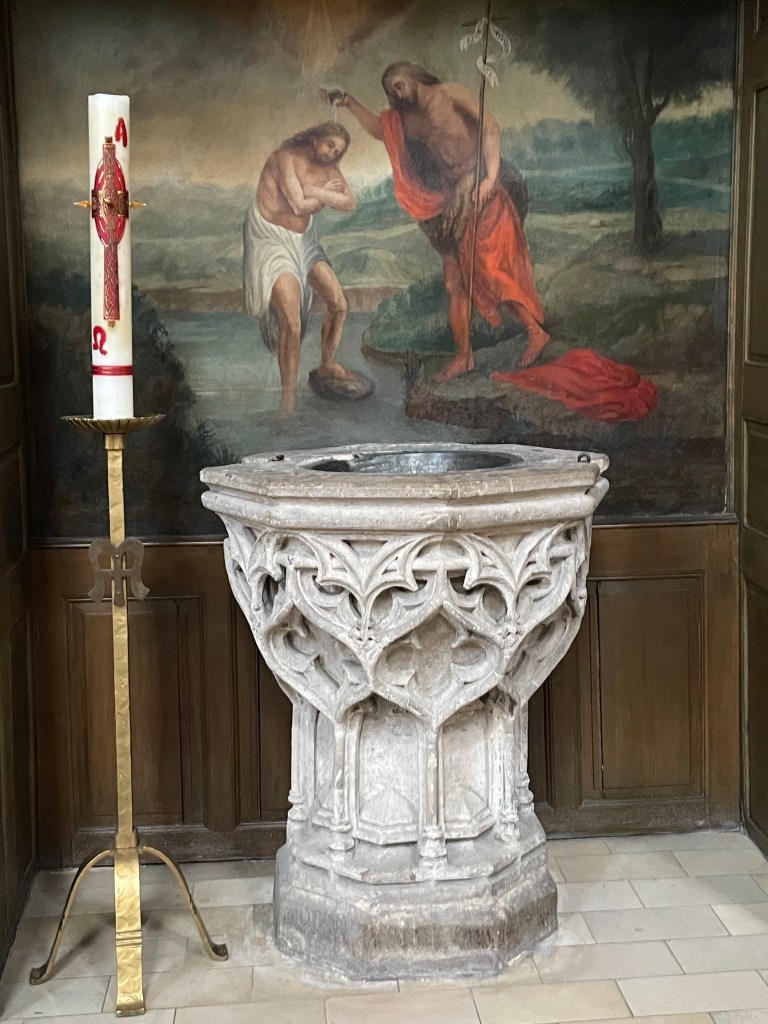
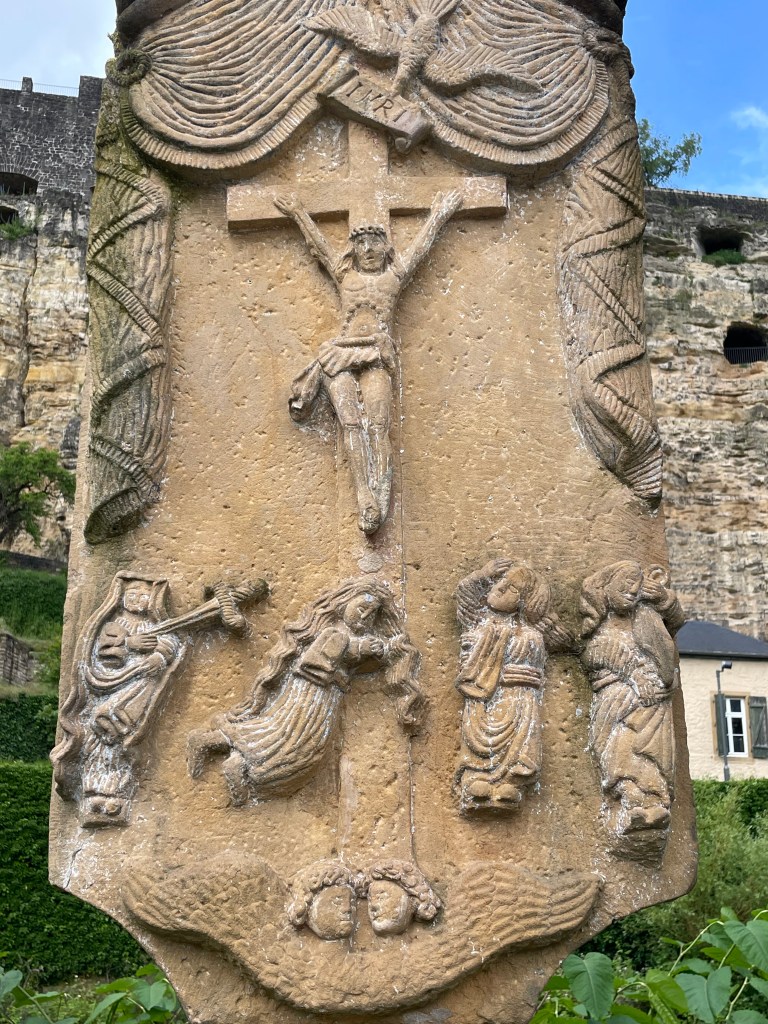
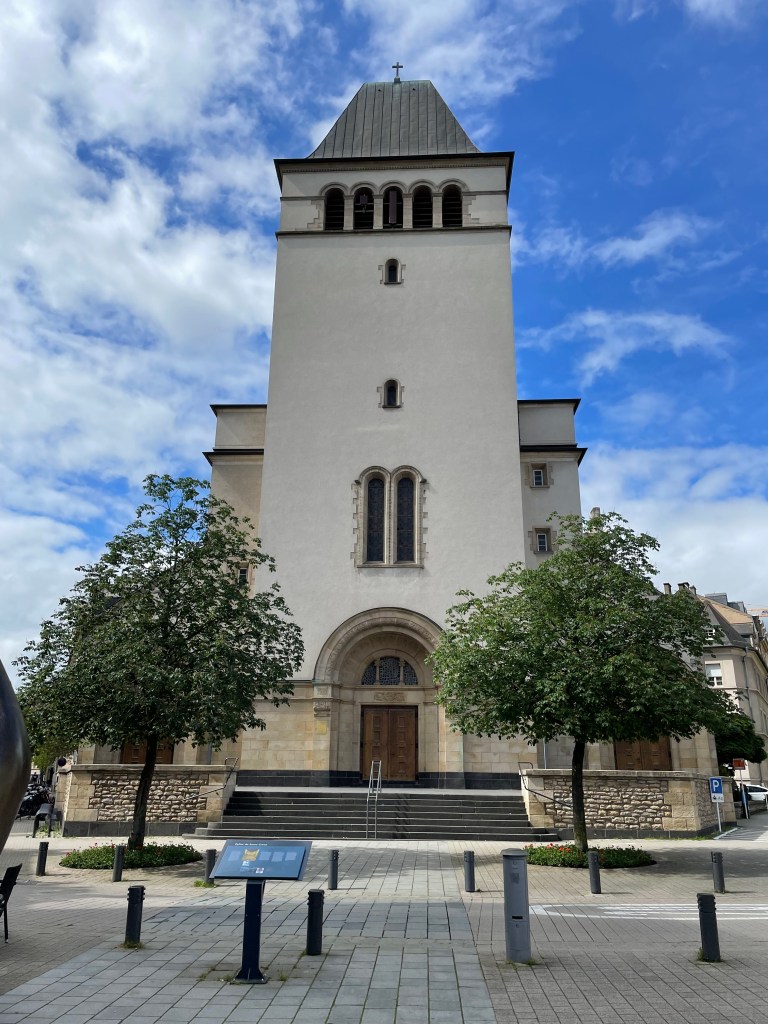
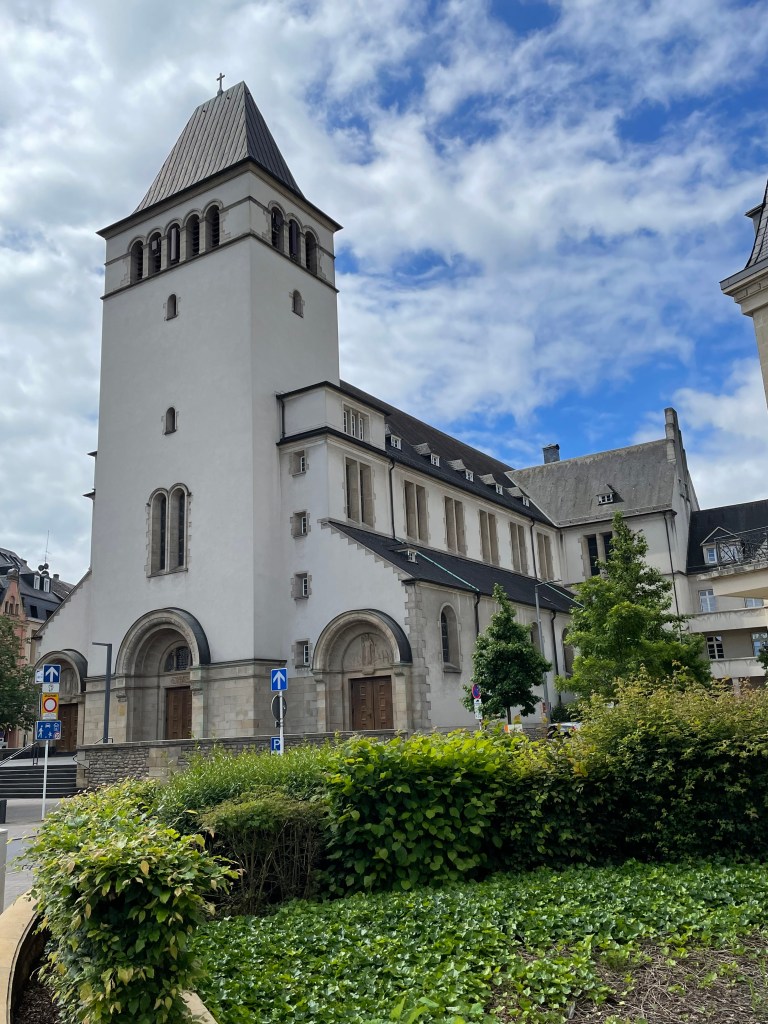
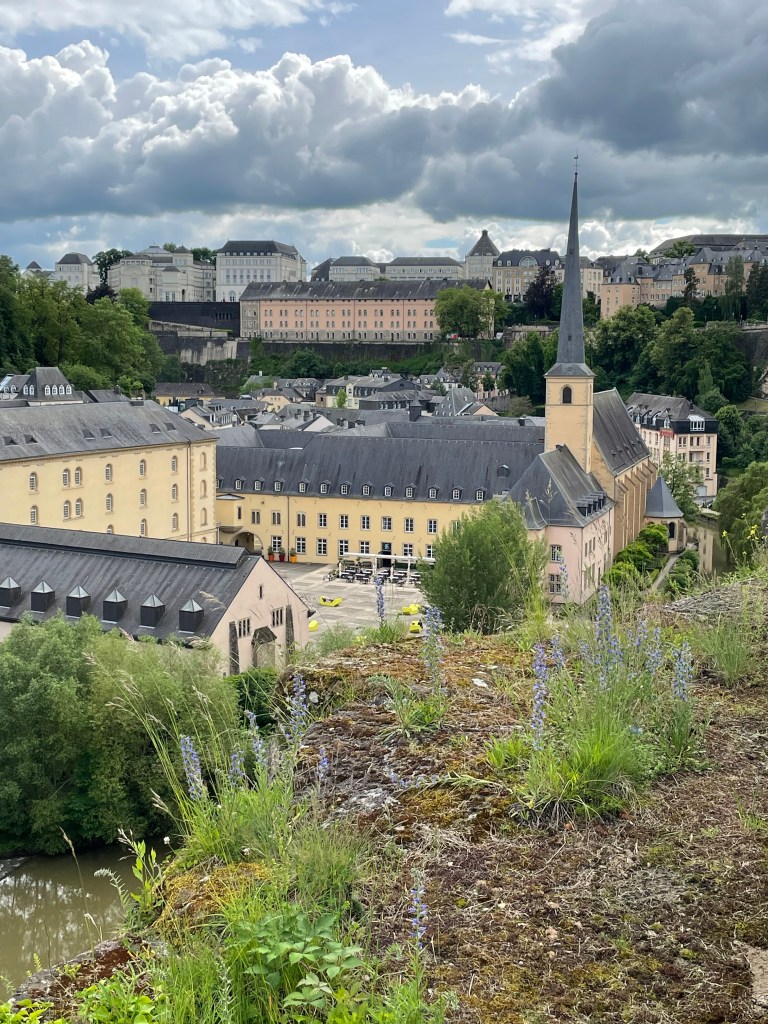
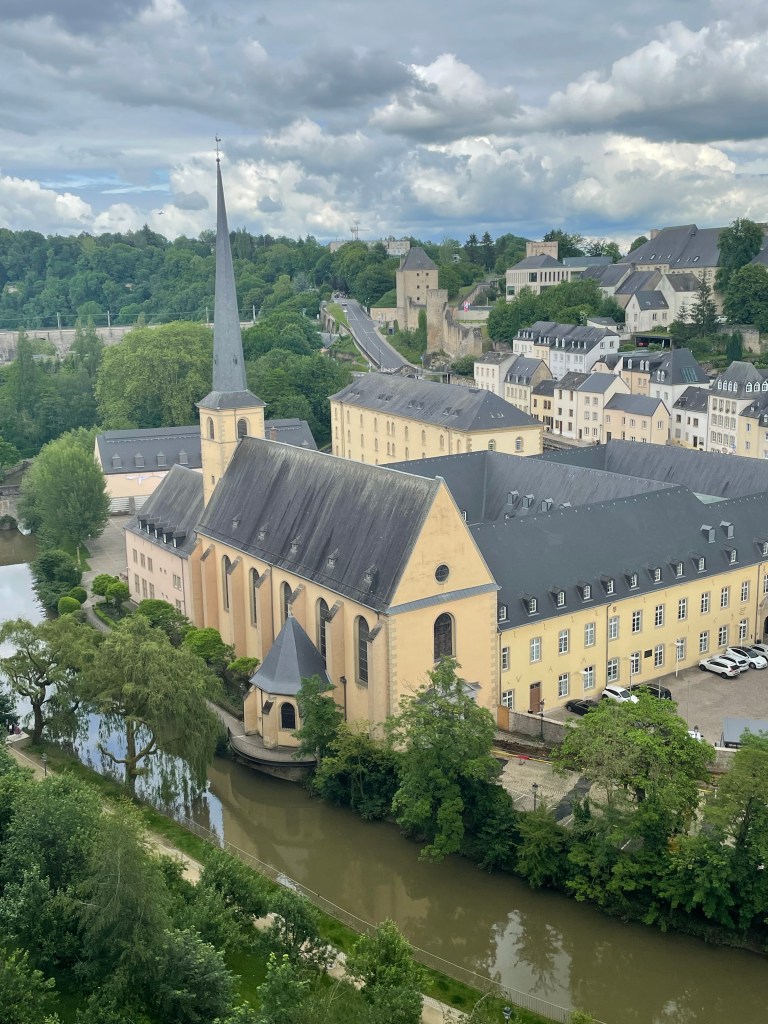
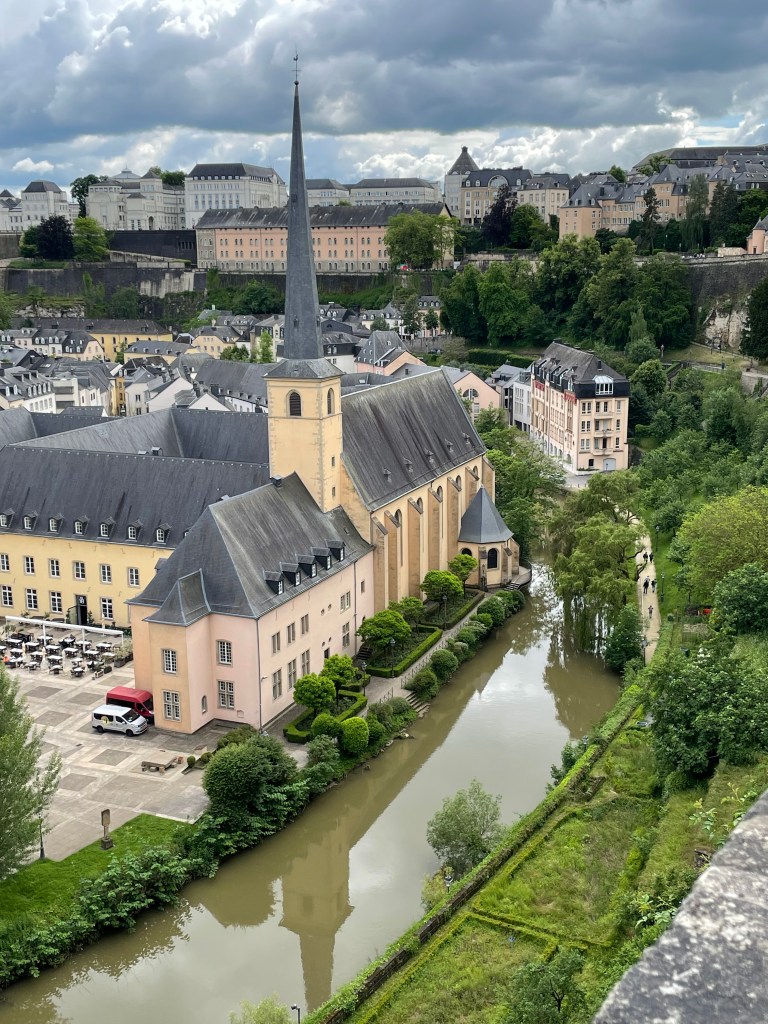
This is the Church of Saint Jean Baptiste, first established here in 1309.
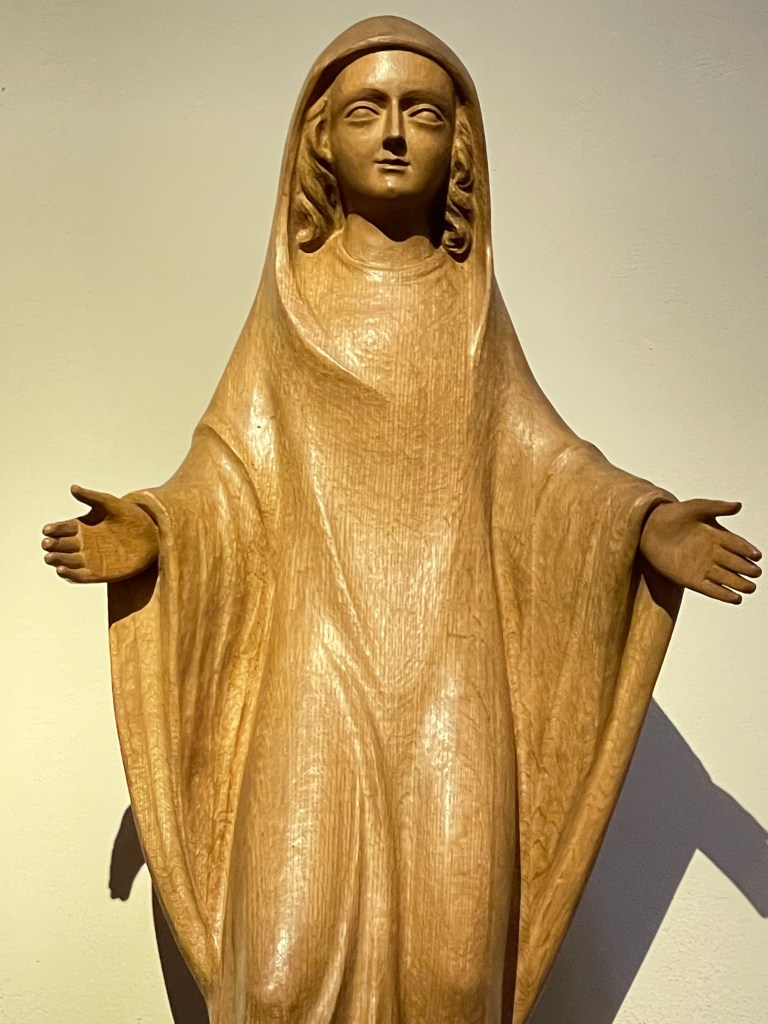
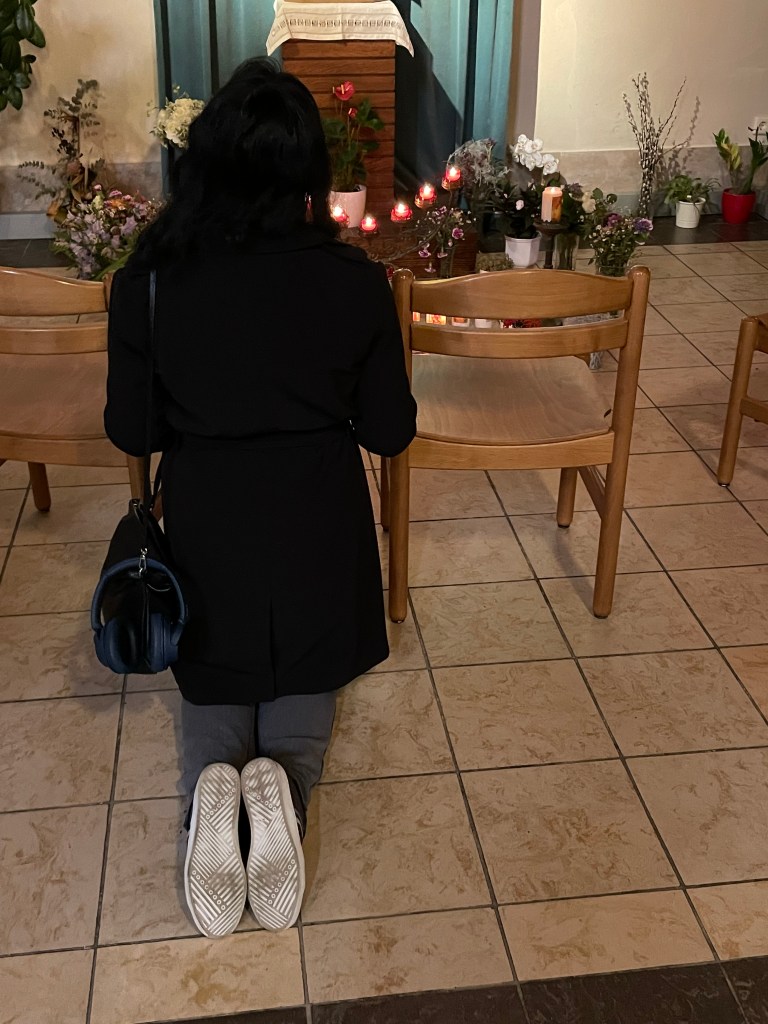
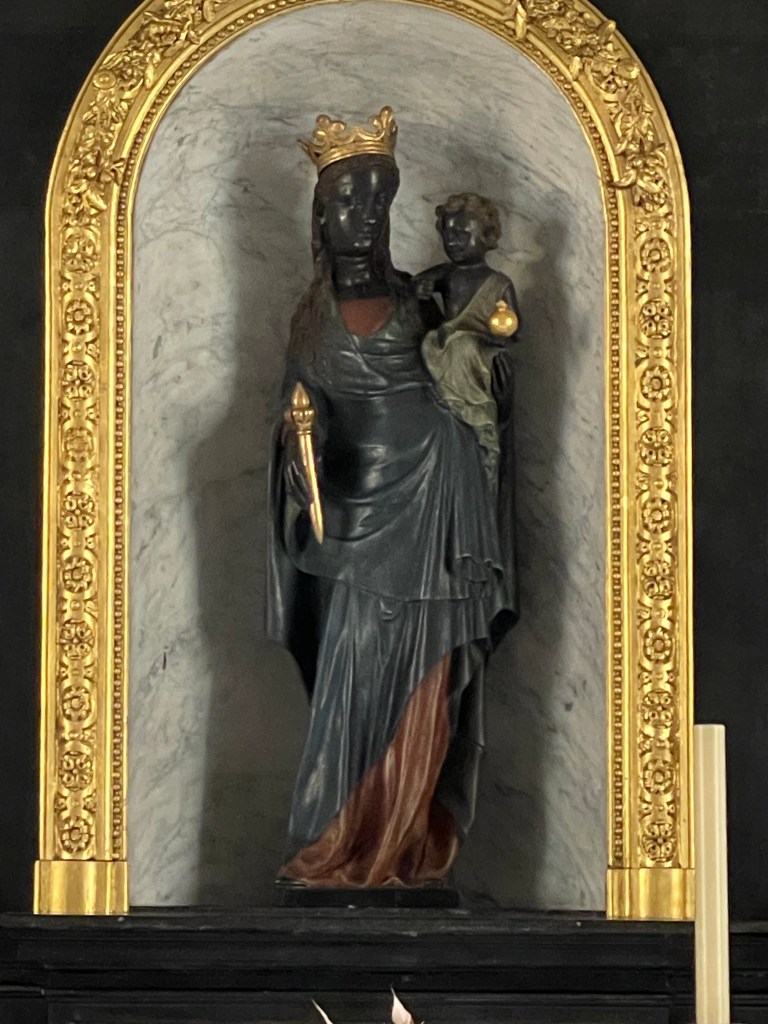
It’s famous for this black Madonna, a piece from the Middle Ages that has been led many to this church on pilgrimages.  Here’s a bit about it:

As most Black Madonnas so this one too is deemed to be a miracle working ‘image of grace’. Most people agree that she must have been sculpted around 1360 by a member of the Cologne school of sculpting. However, there are no documents proving this and so some medieval chronicle claims that she was brought to Luxembourg from the Middle East during the crusades, which supposedly is why she was also known as the Egyptian Mother of God. Her titles have changed several times in the course of the centuries. First she was simply called Mother of God and Star of the Heavens. After the 30 Years War she was invoked as the Queen of Peace. After patina and candle soot had further blackened the already dark wood and the plague had struck, she was worshiped as the Black Emergency-Mother-of-God (schwarze Notmuttergottes) charged with protecting her children from the Black Death. Since the faithful appreciate her darkness her skin was painted black in later renovations.
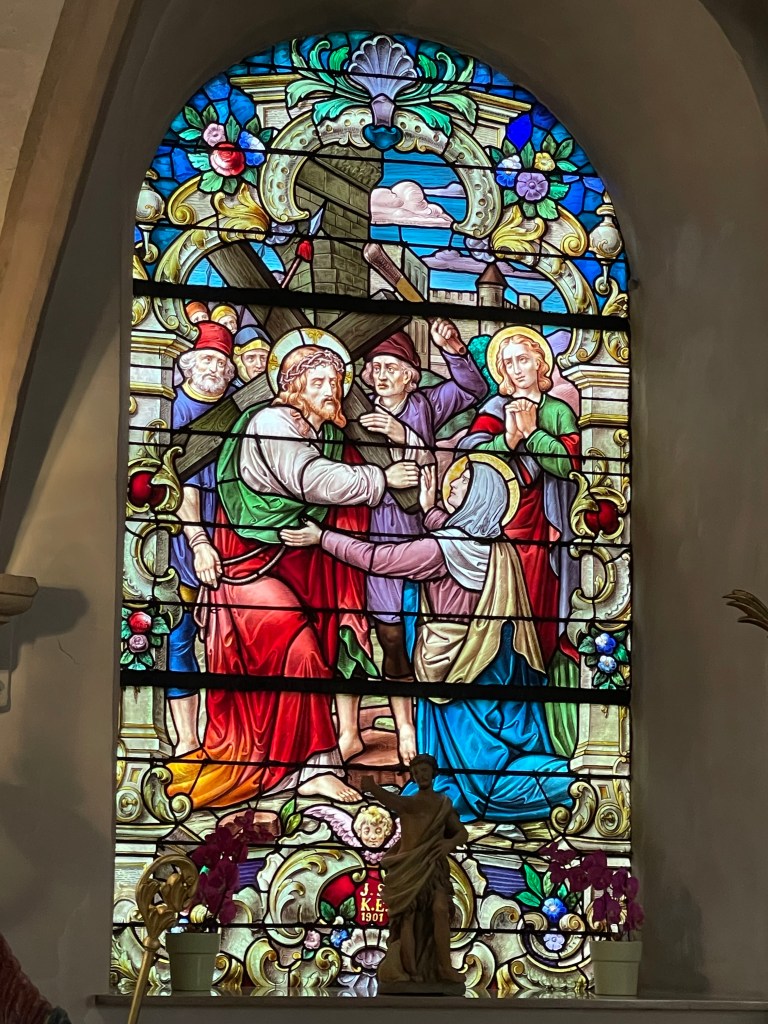
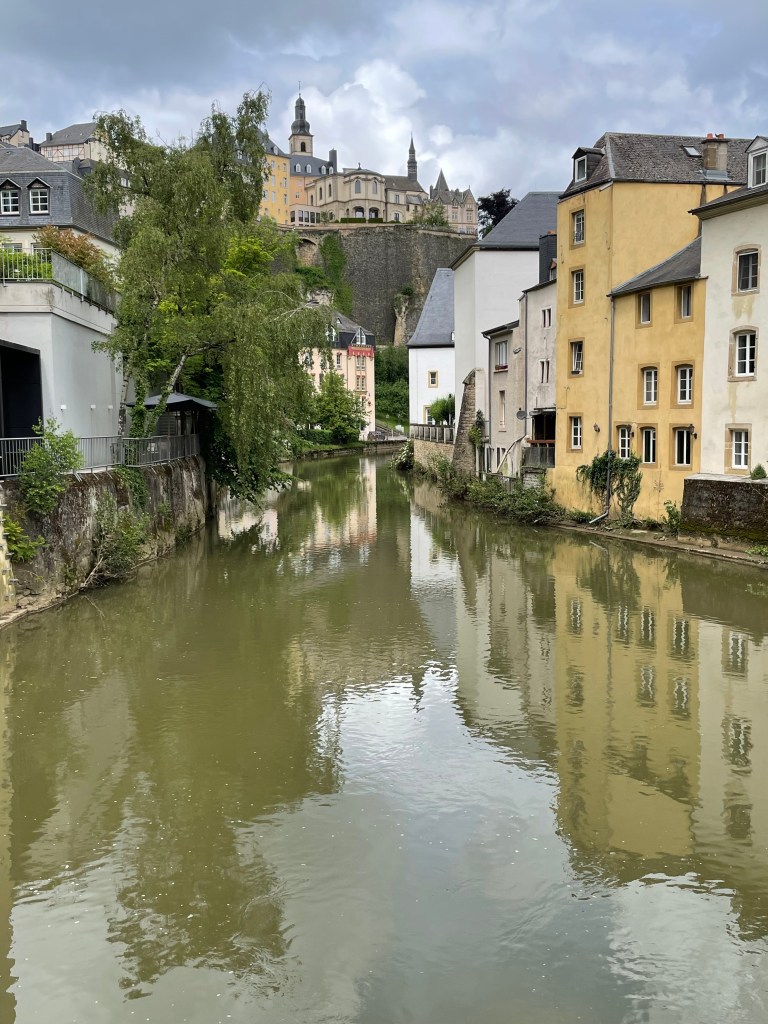
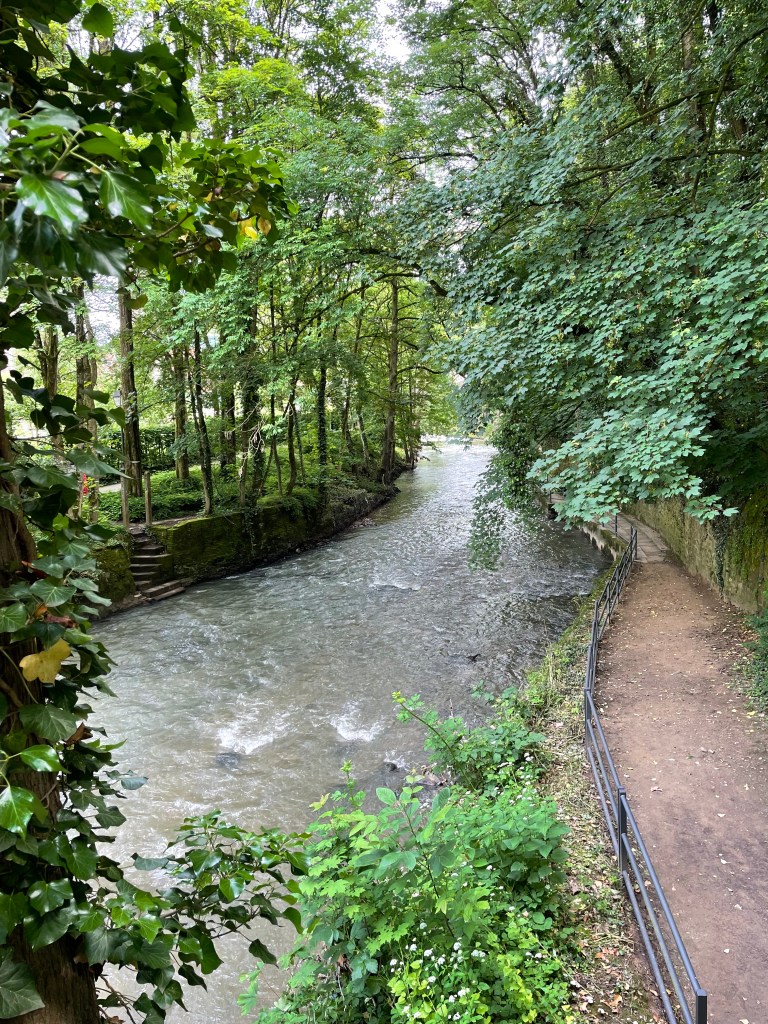
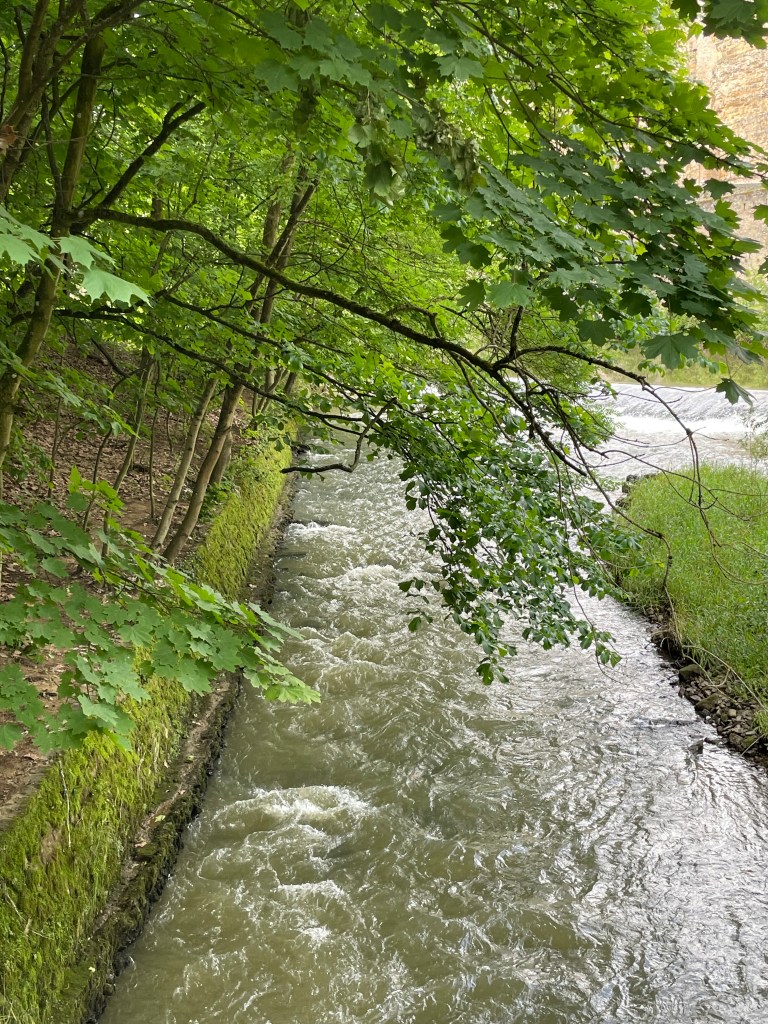
The walking path continued behind the church and along the river.
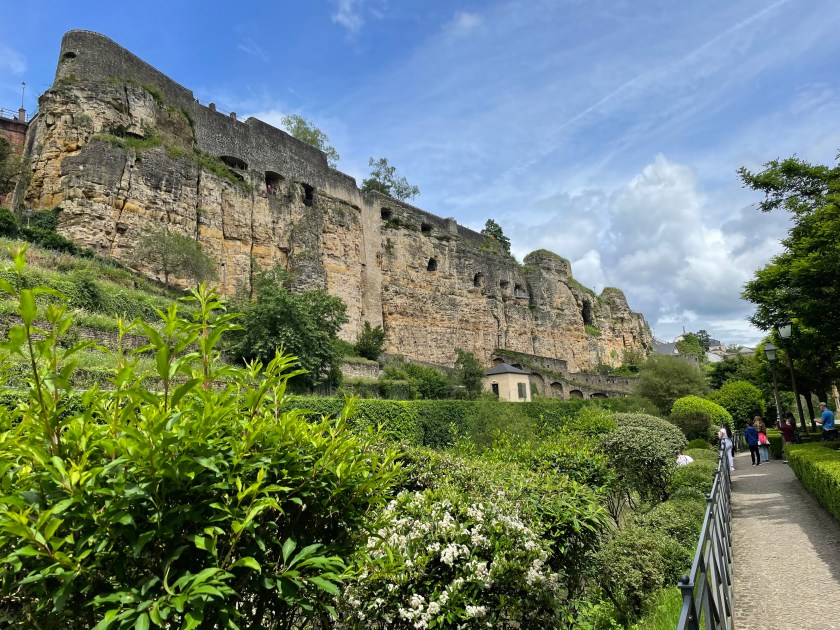
This was heavenly!
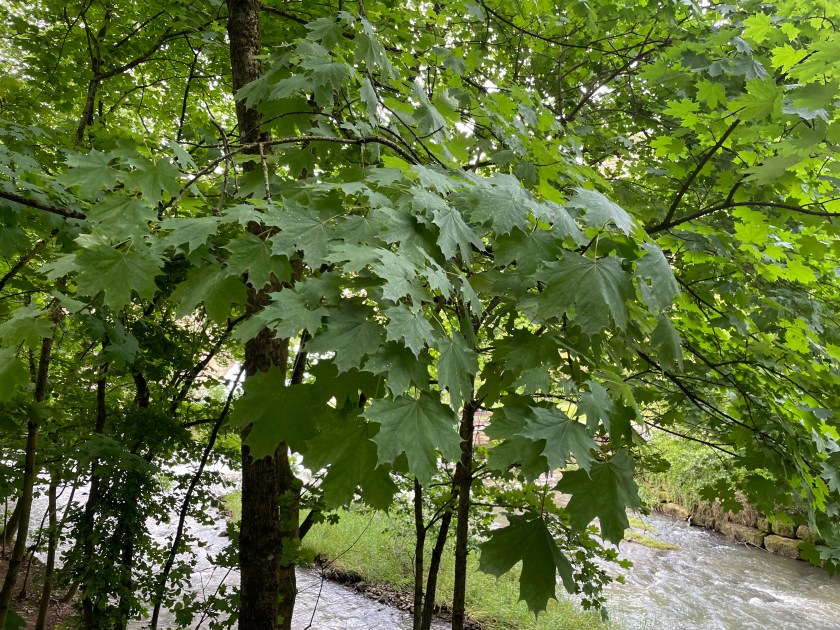
Luxembourg is so kind to accommodate visitor and those who live here by providing elevators from low place to high places.  We were able to ride all the way back to the top where we started!
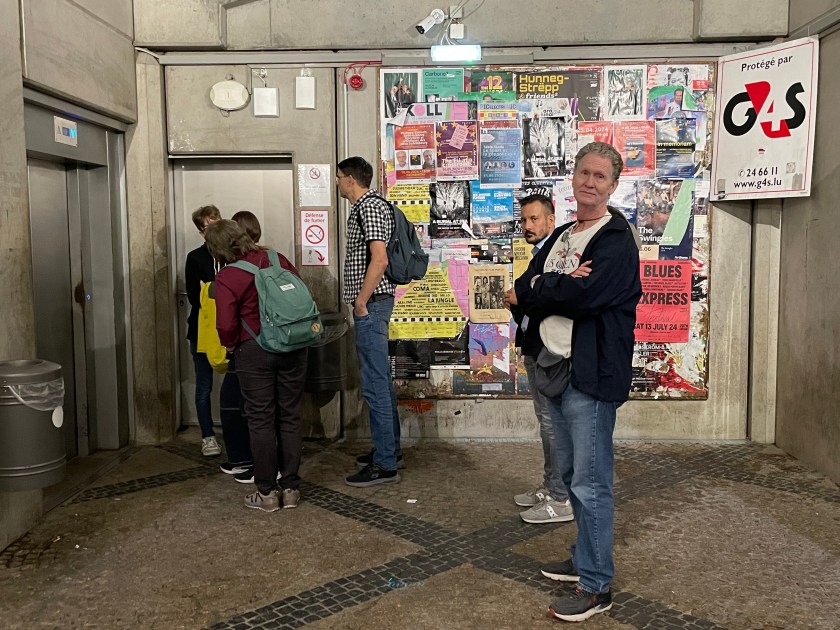
And we came out here:
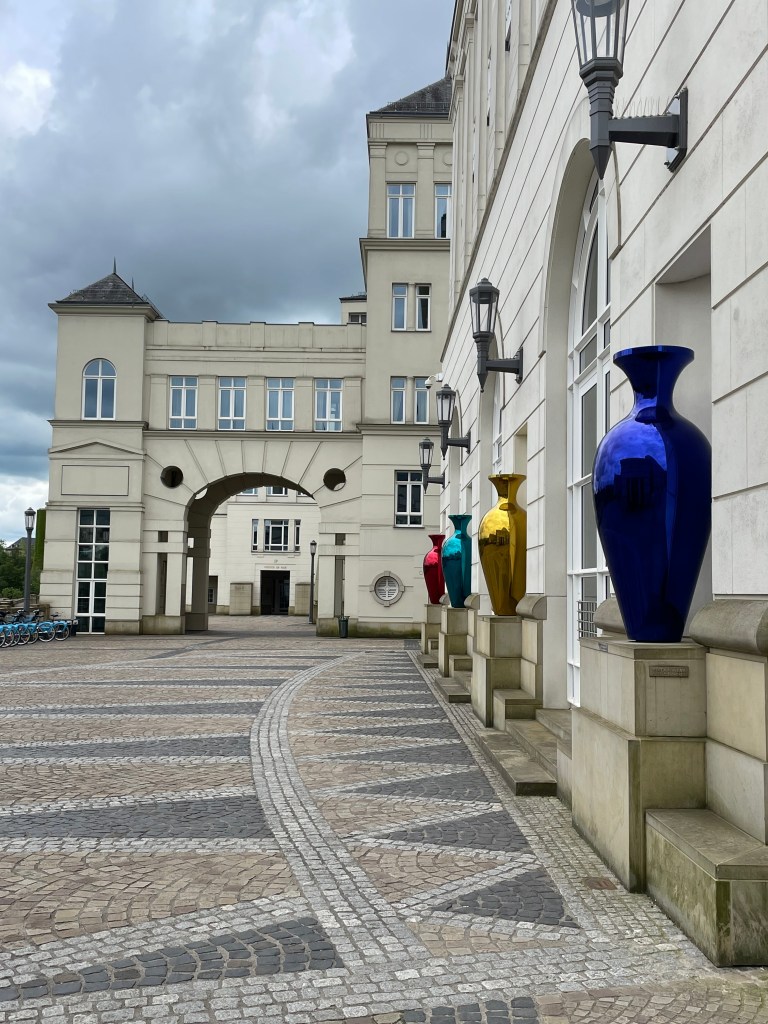
There are also tours you can take down below that go underground.  We opted out on those this time–we had other things we wanted to see.
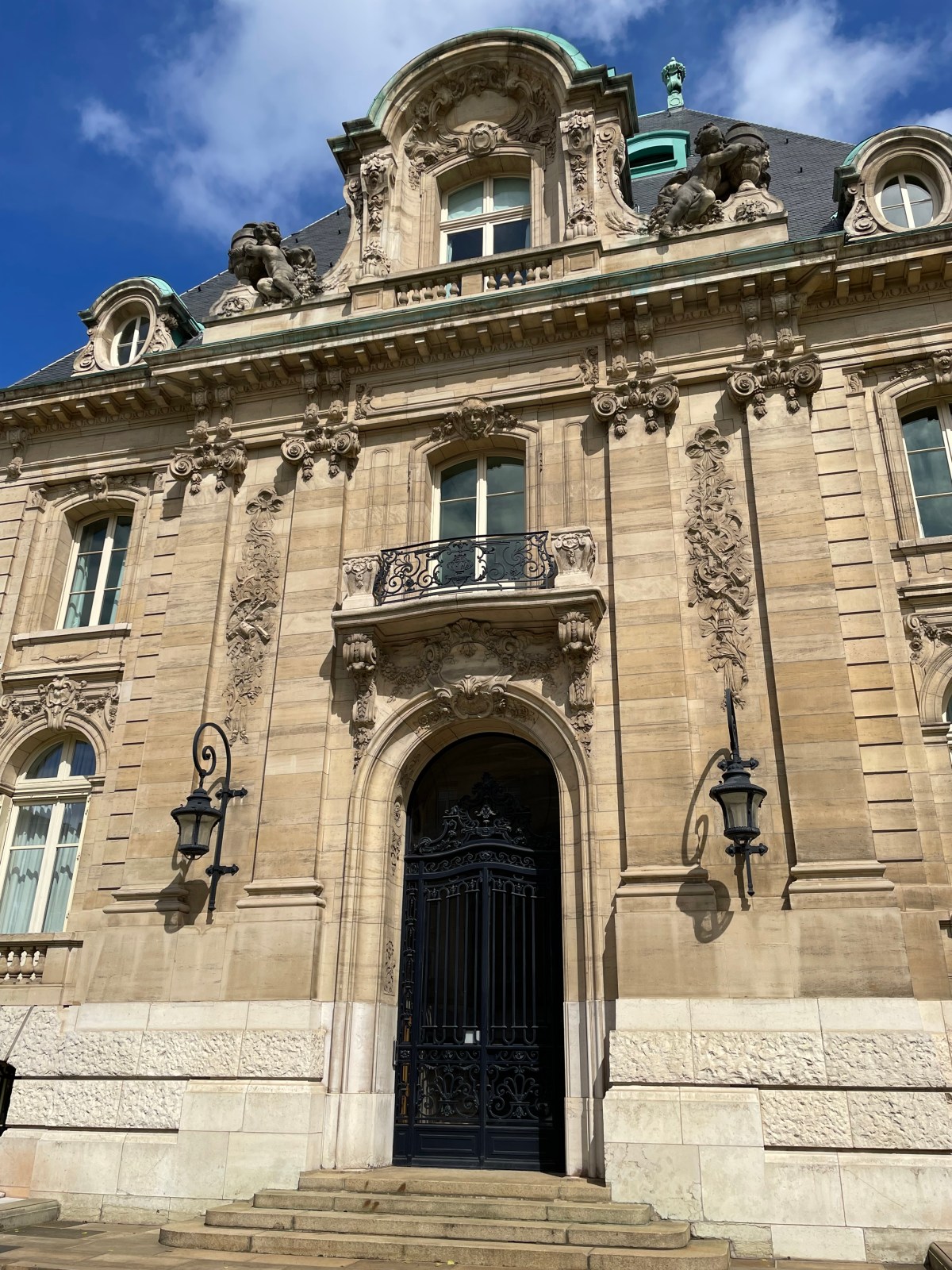
Luxembourg City

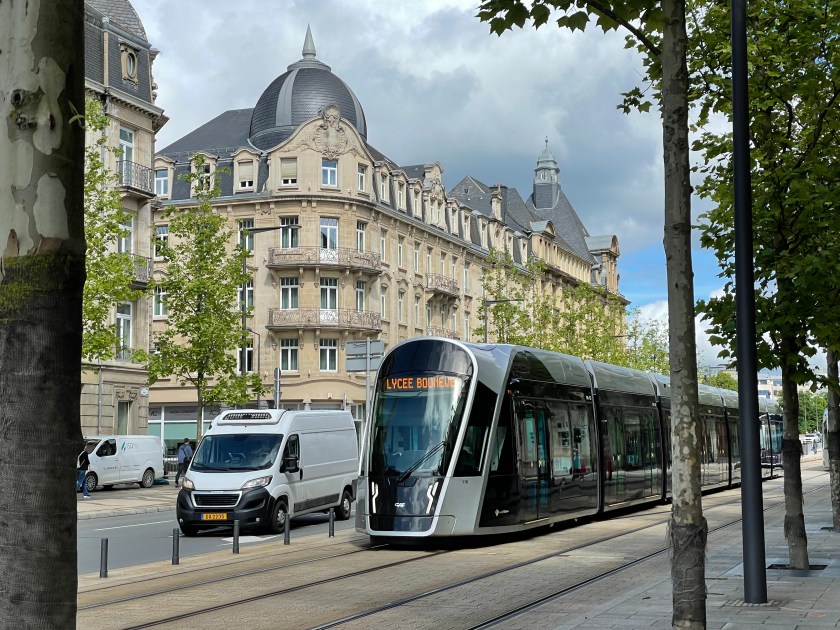
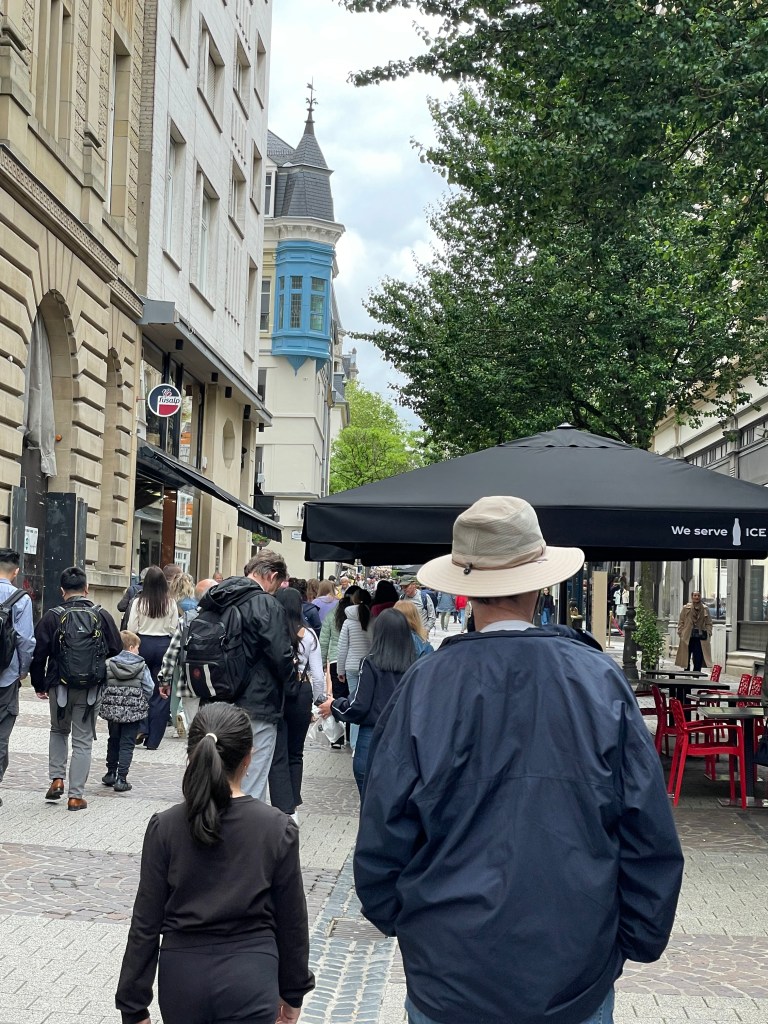
Our plans today were to see as many things in Luxembourg as possible, so we did some more walking around town, then we got on the free tram and rode it to the end of the line and back, just to see what we could see.  We’d get out along the way, then hop back on.

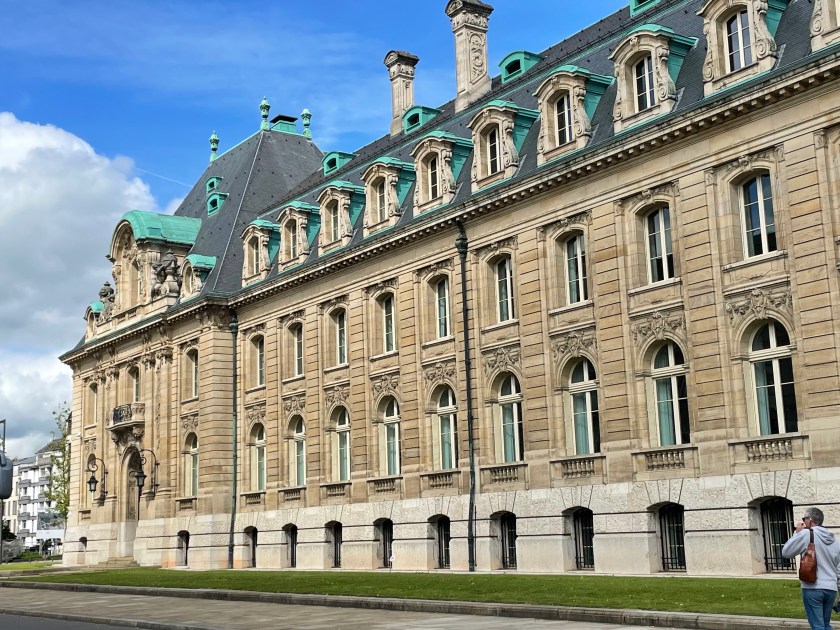
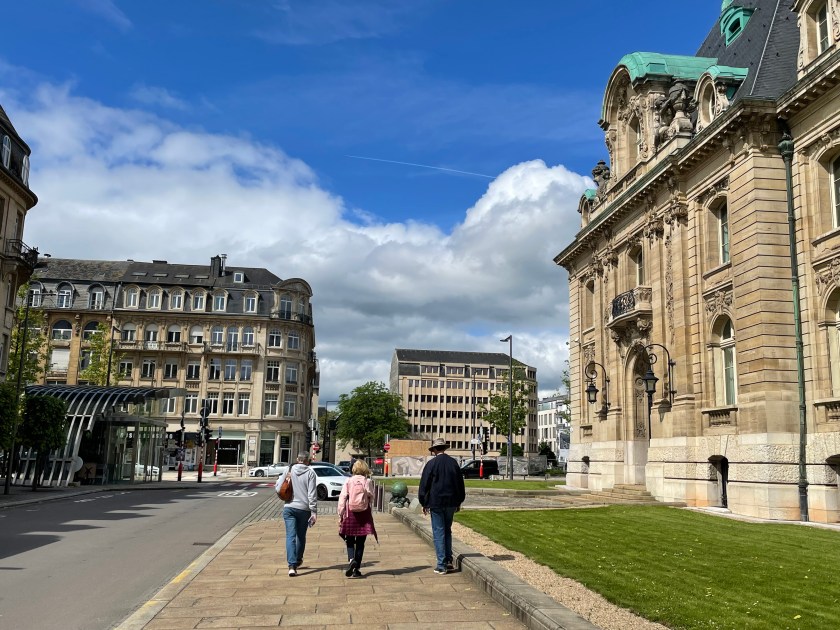
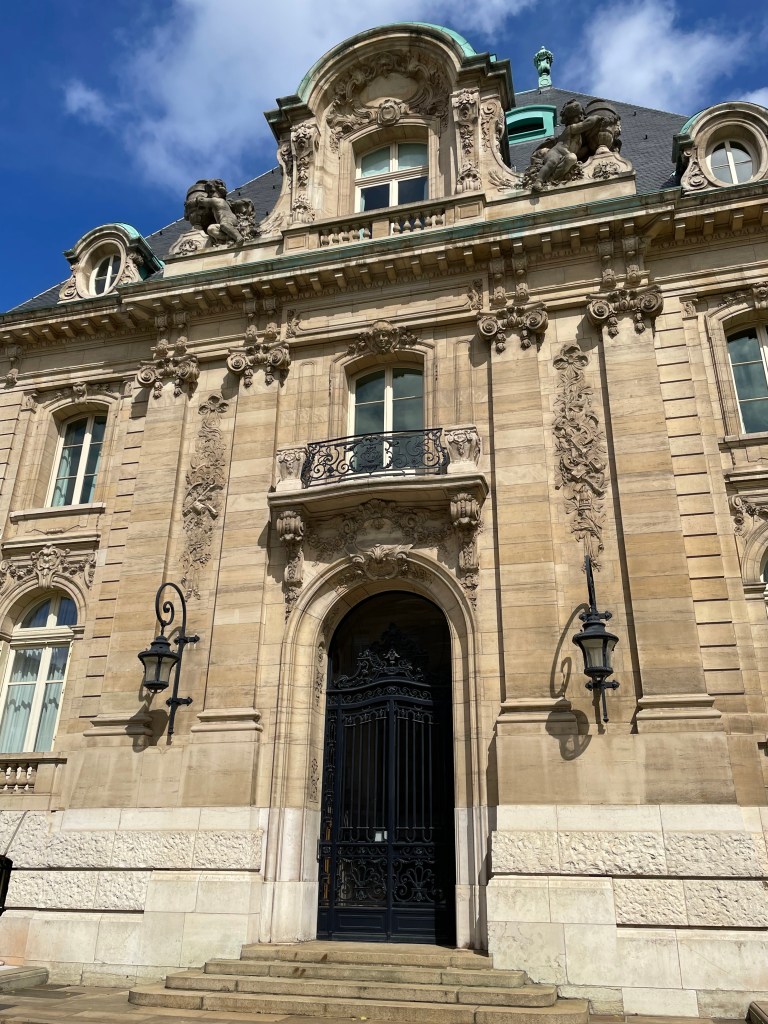
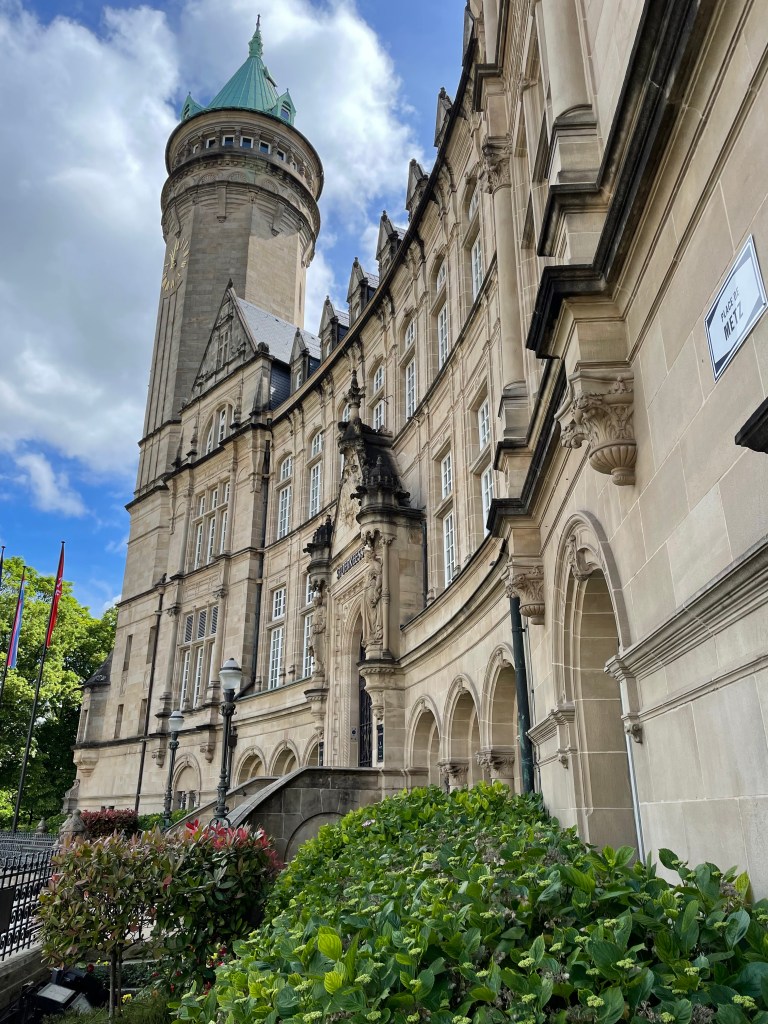
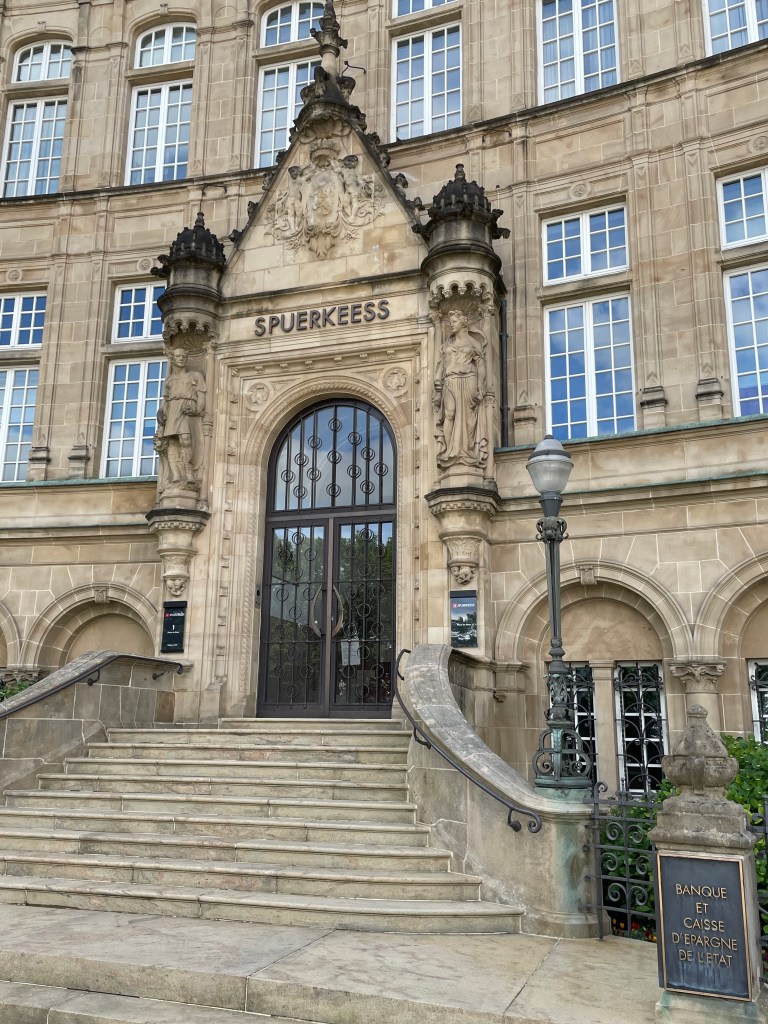
Here are some pics of the grand financial district full of big banks.  Everything is magnificent and grand.

We ended up back by the bridge.
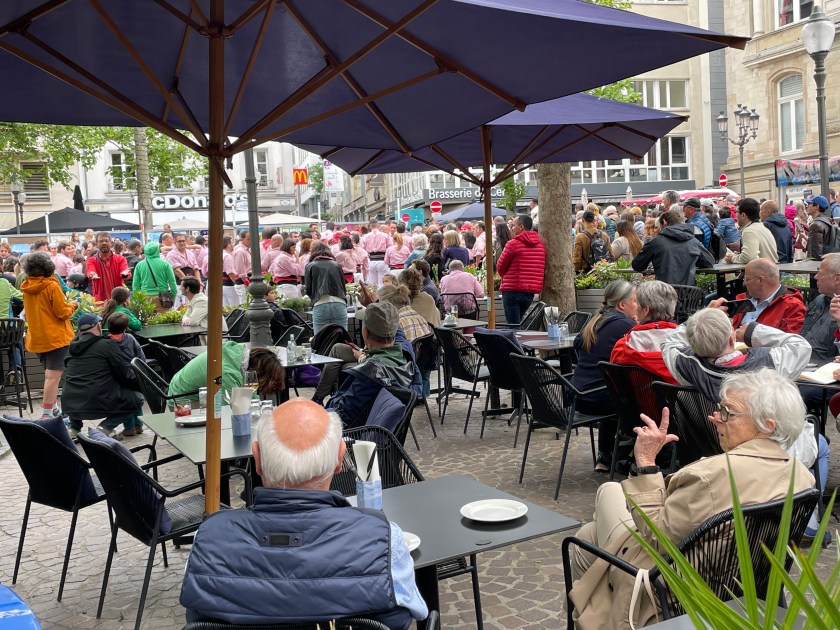
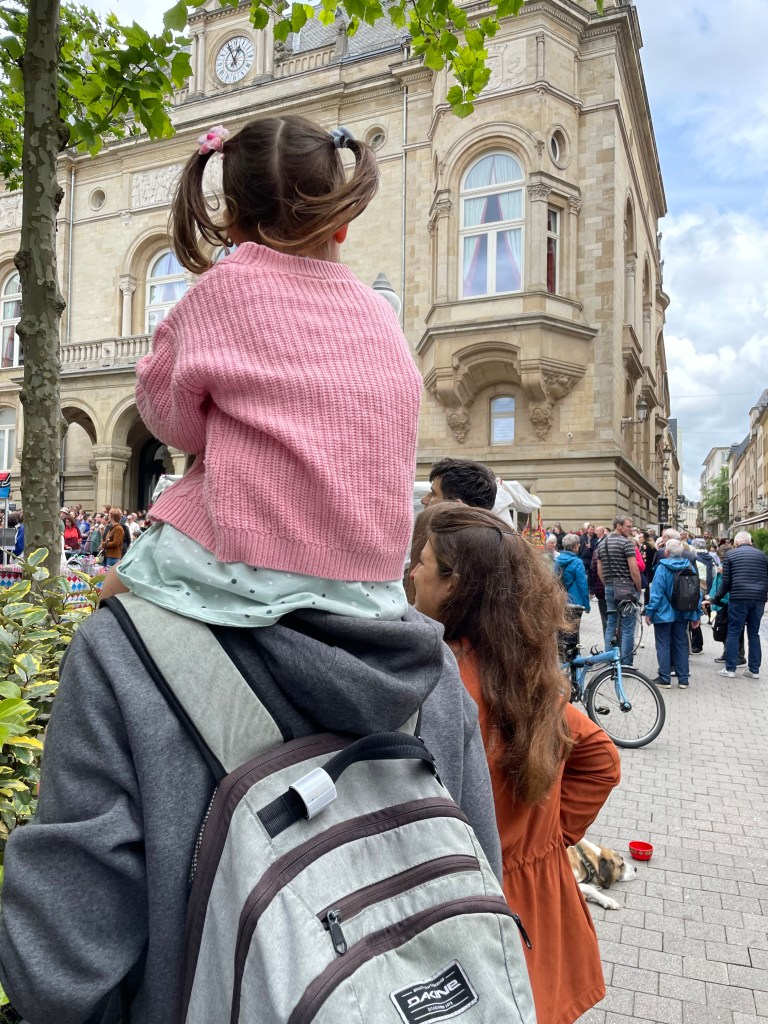
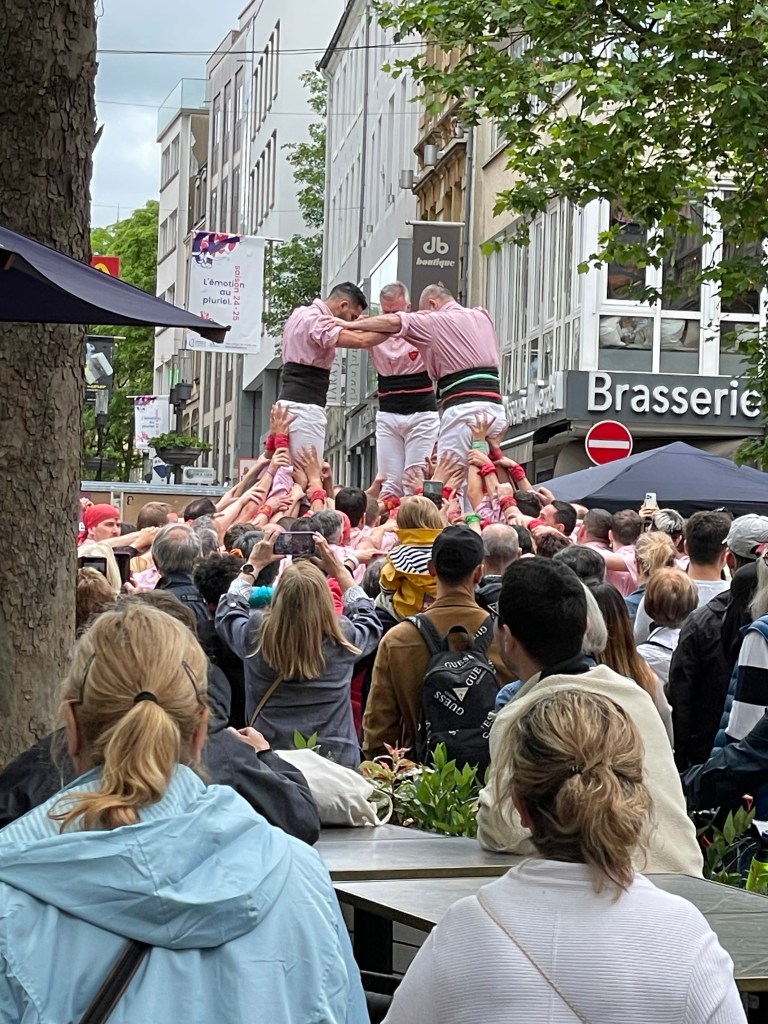
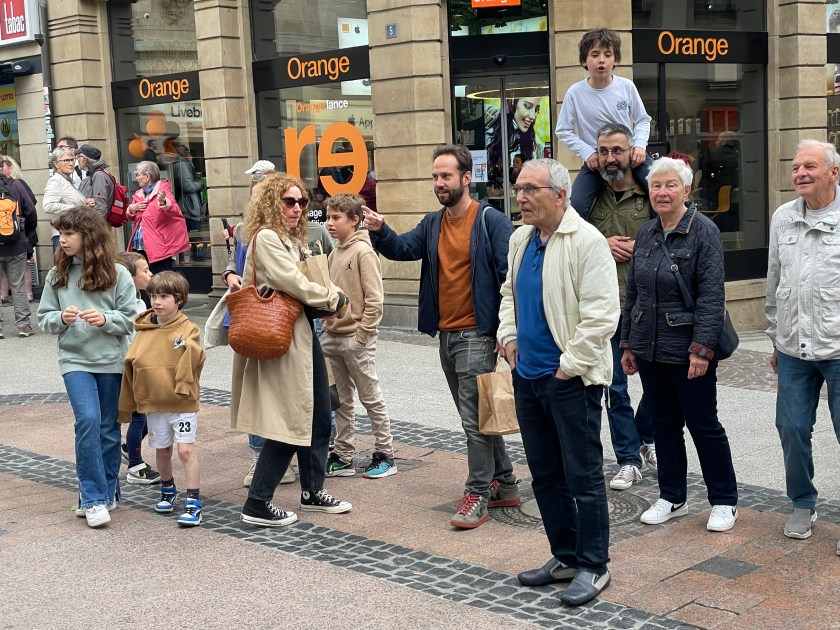
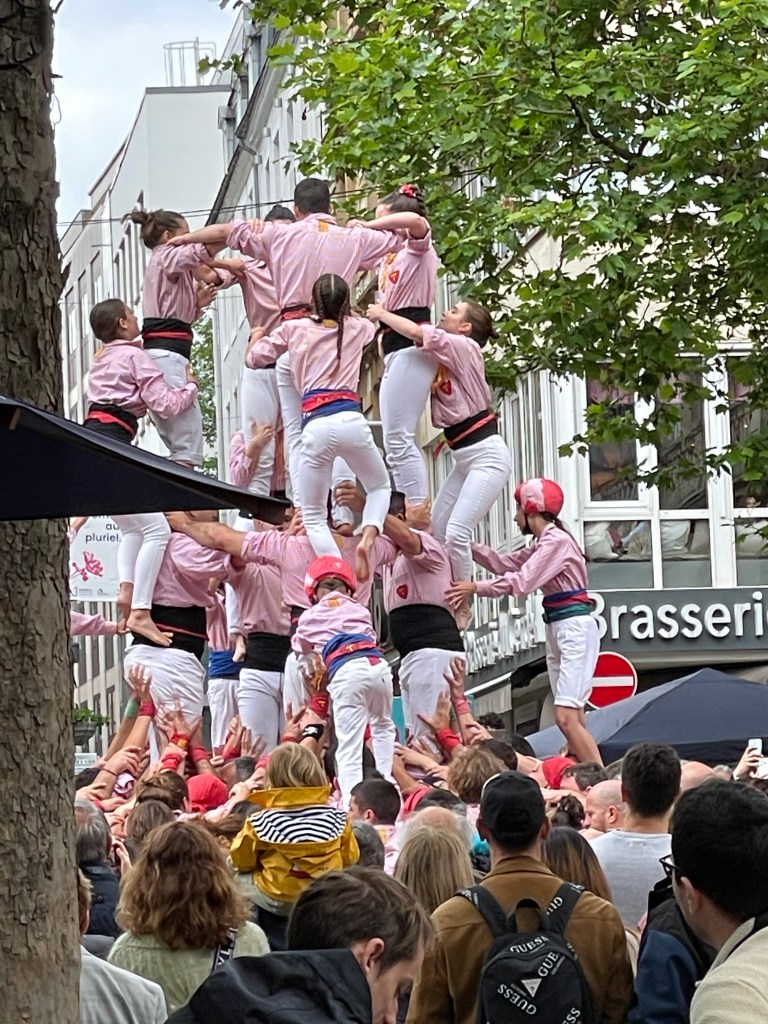
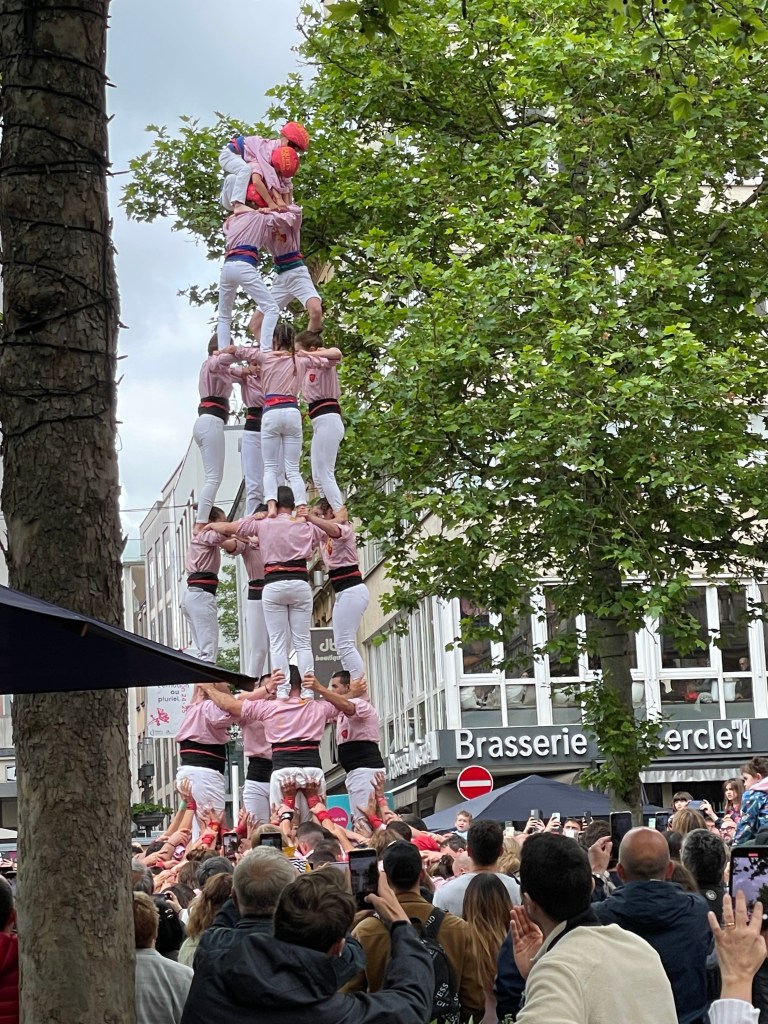
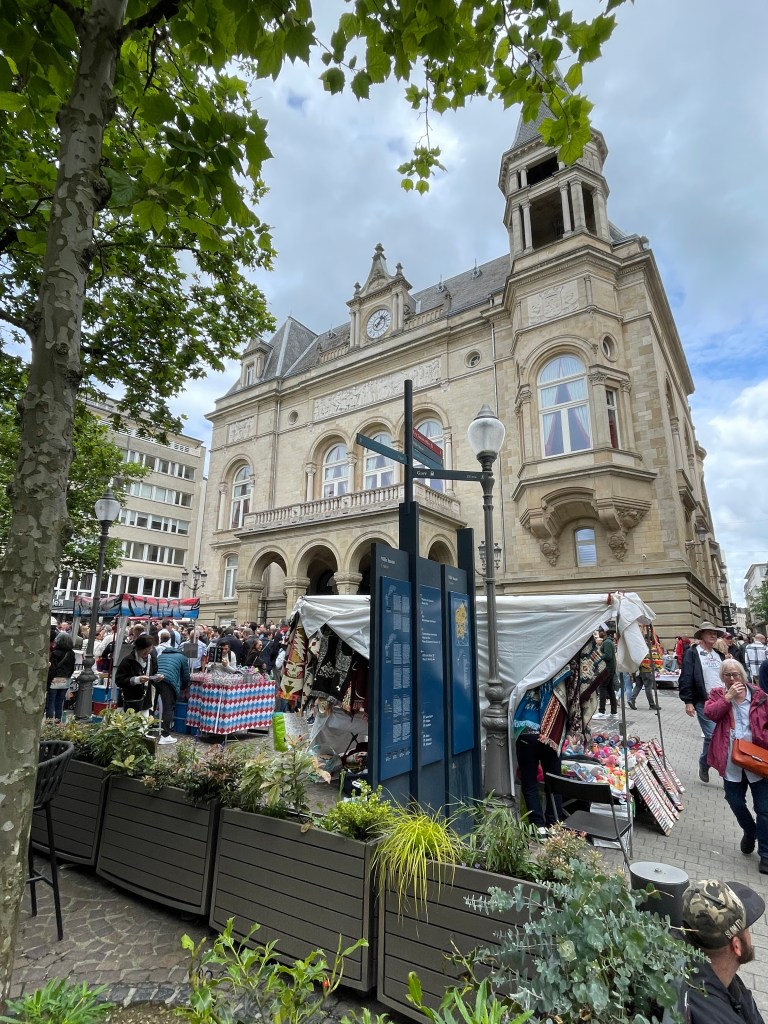
Then we walked back into town to the place where the liberation took place in 1944.  Today (Saturday) the plaza was packed full of people.  There was a troupe of acrobats doing tricks.  They were so fun to watch.
The Grand Duke and Duchess:

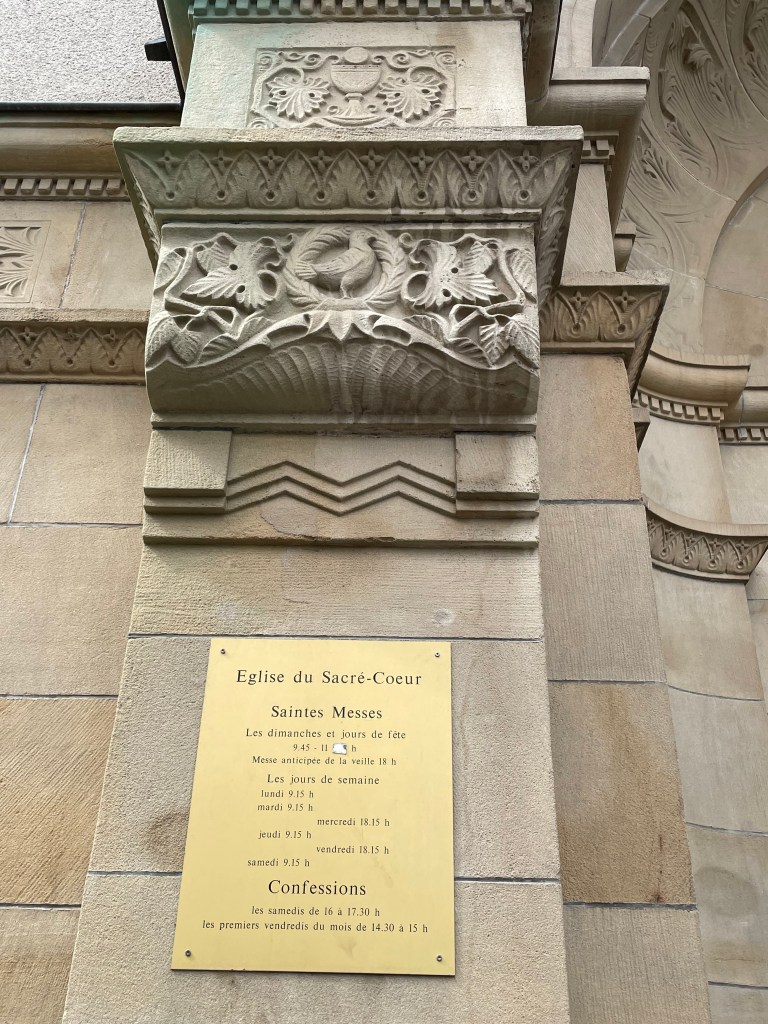
Sacre Coeur Church in Luxembourg

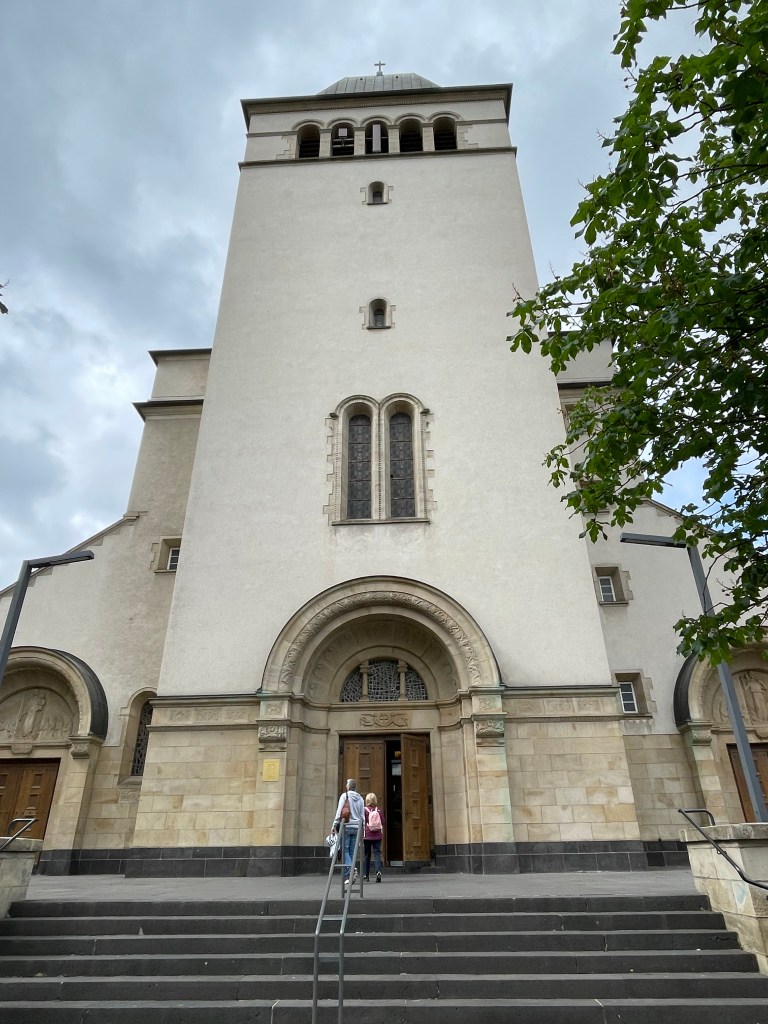
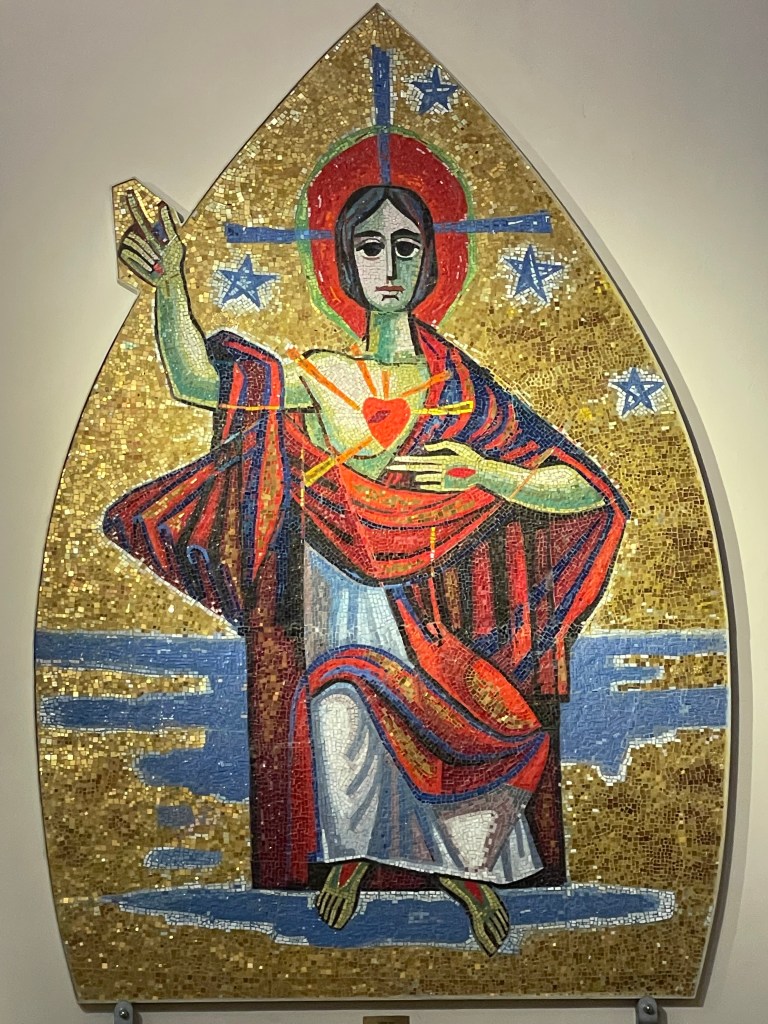
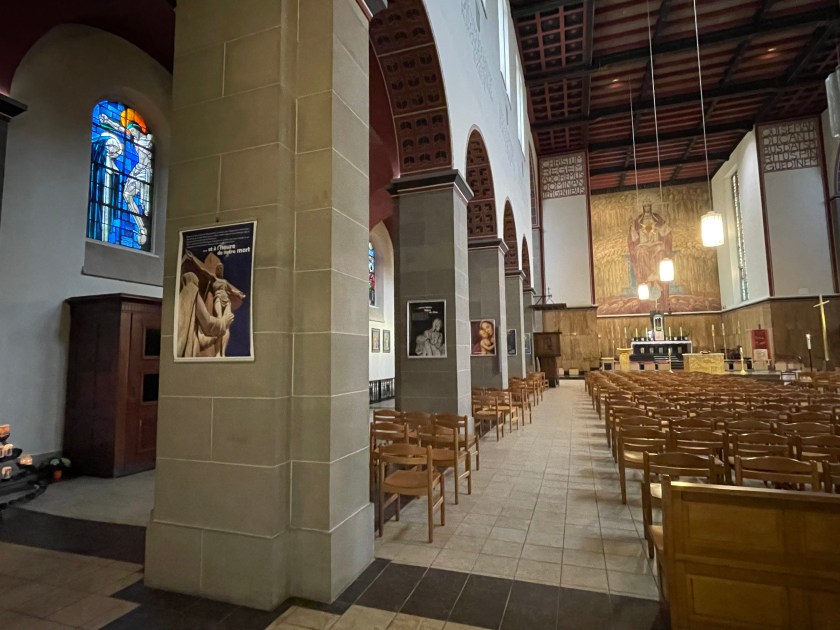
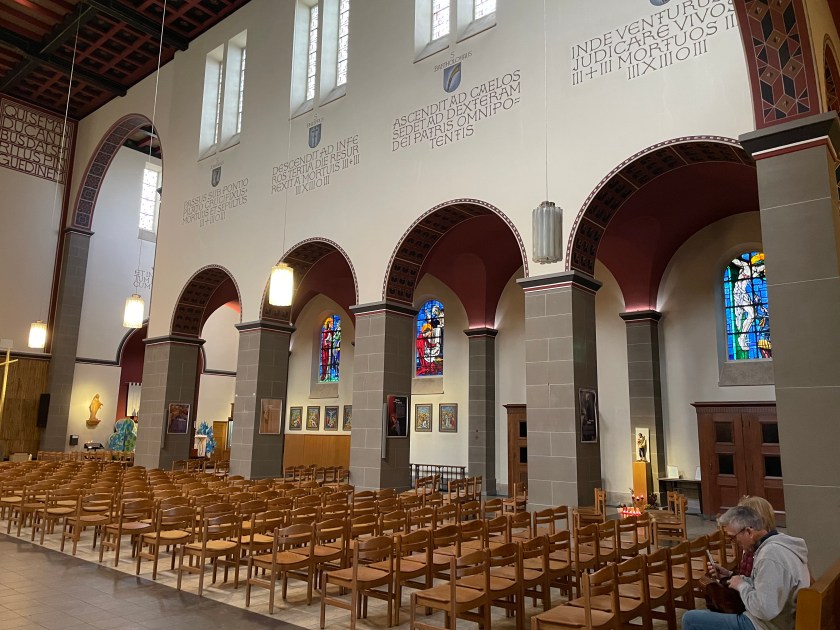
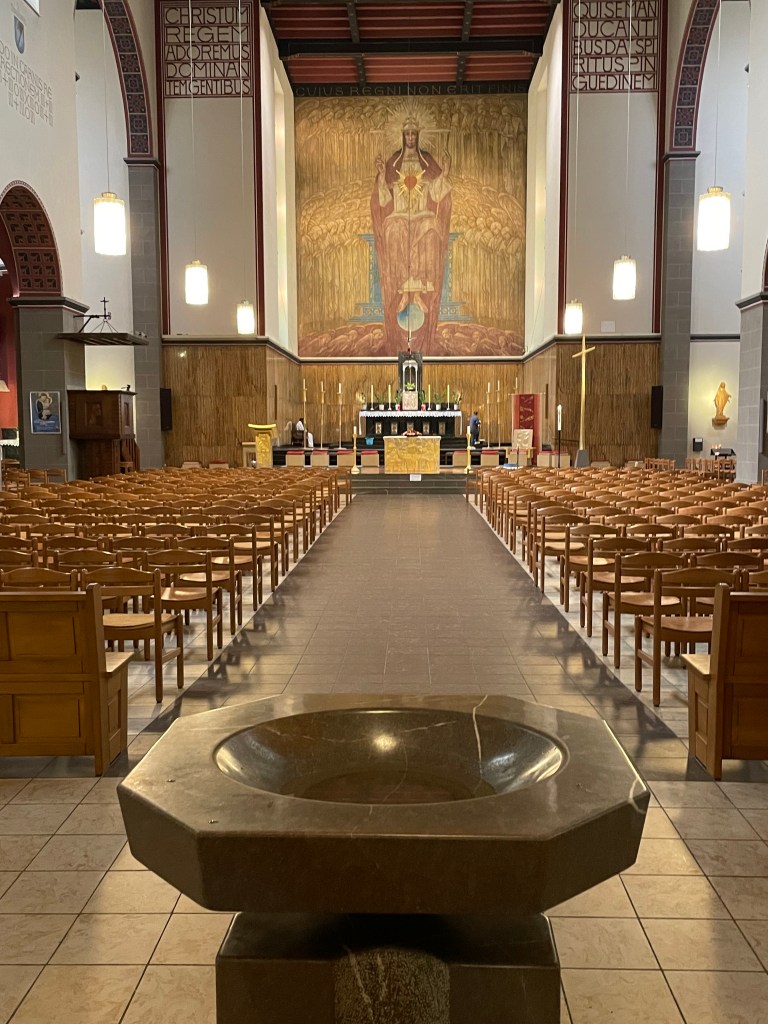
This morning we walked to the main Bahnhof,  got on a tram there and went into town a few stops, then walked to the places on our list, starting with Sacre Coeur, a fairly plain-looking church on the outside, but it was one of my favorites on the inside.

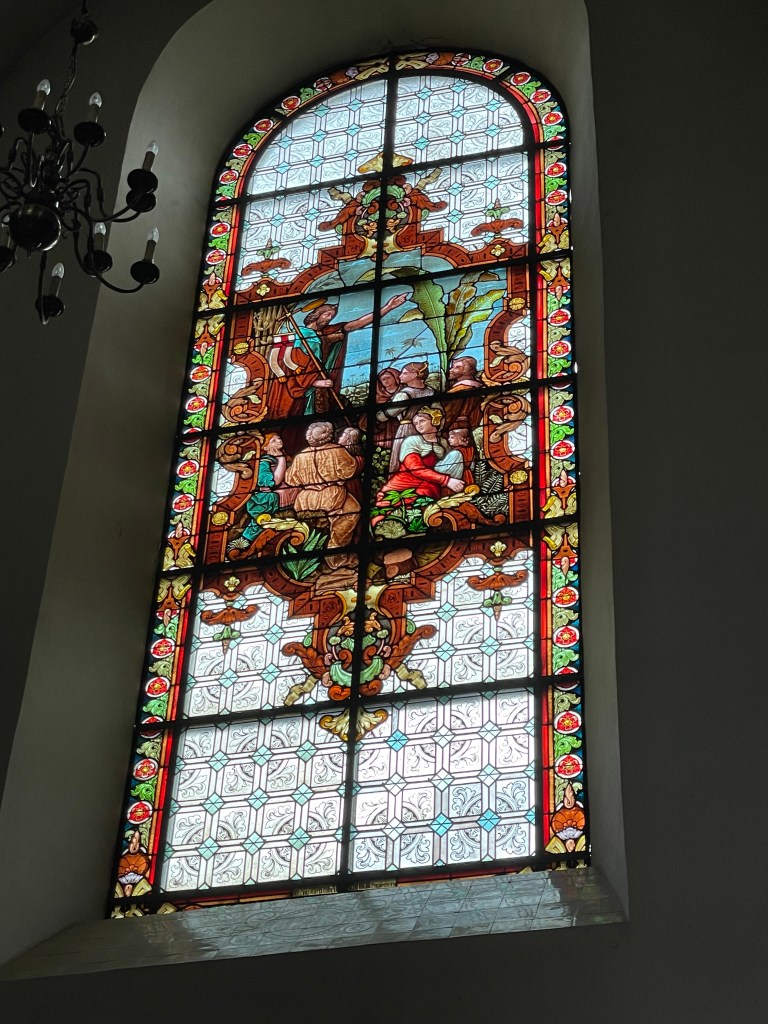
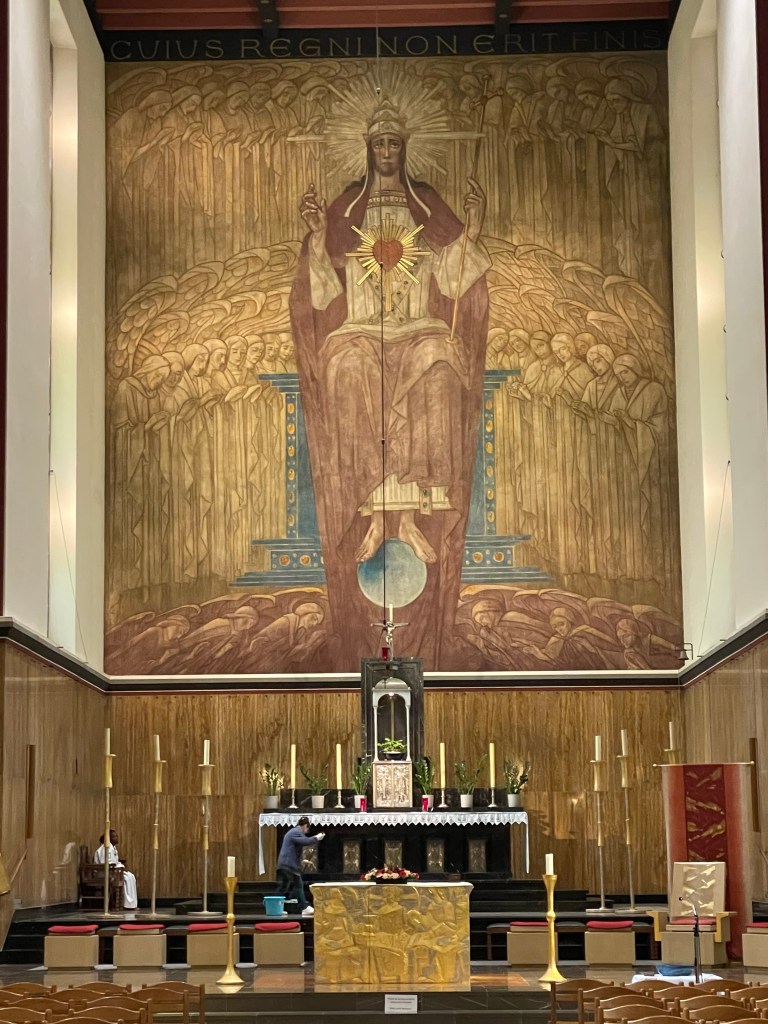
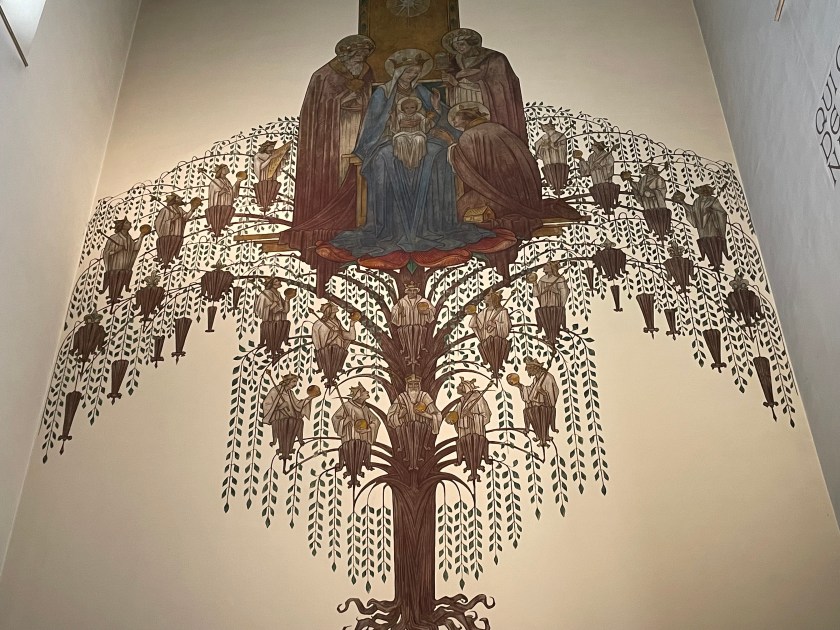
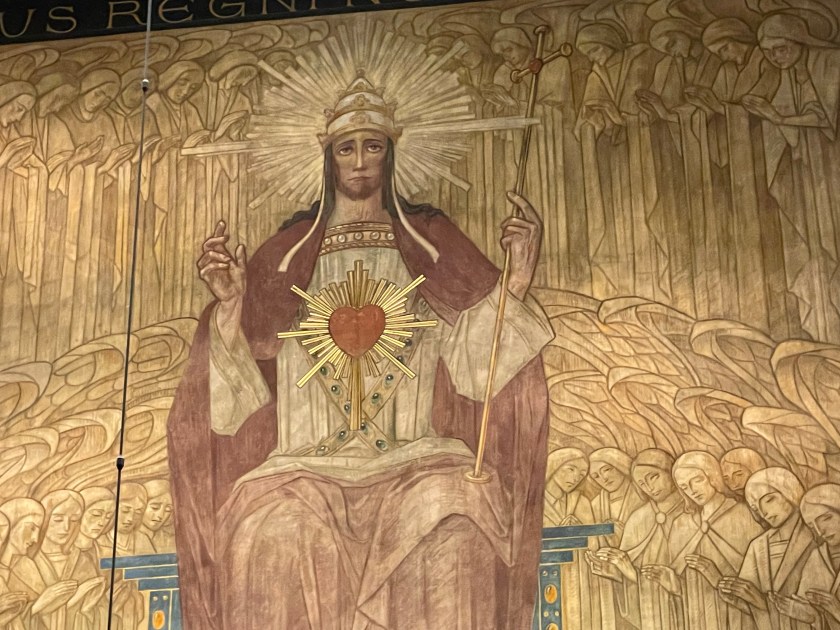
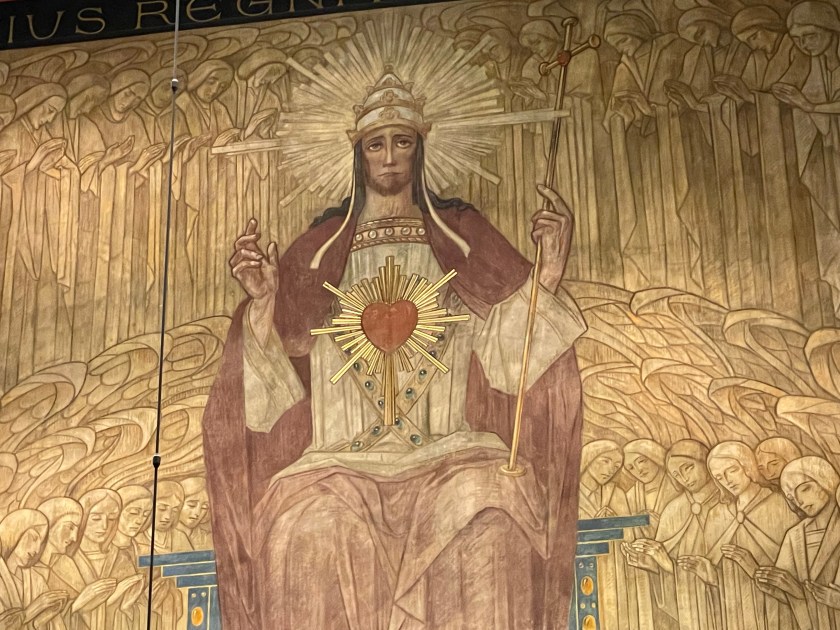
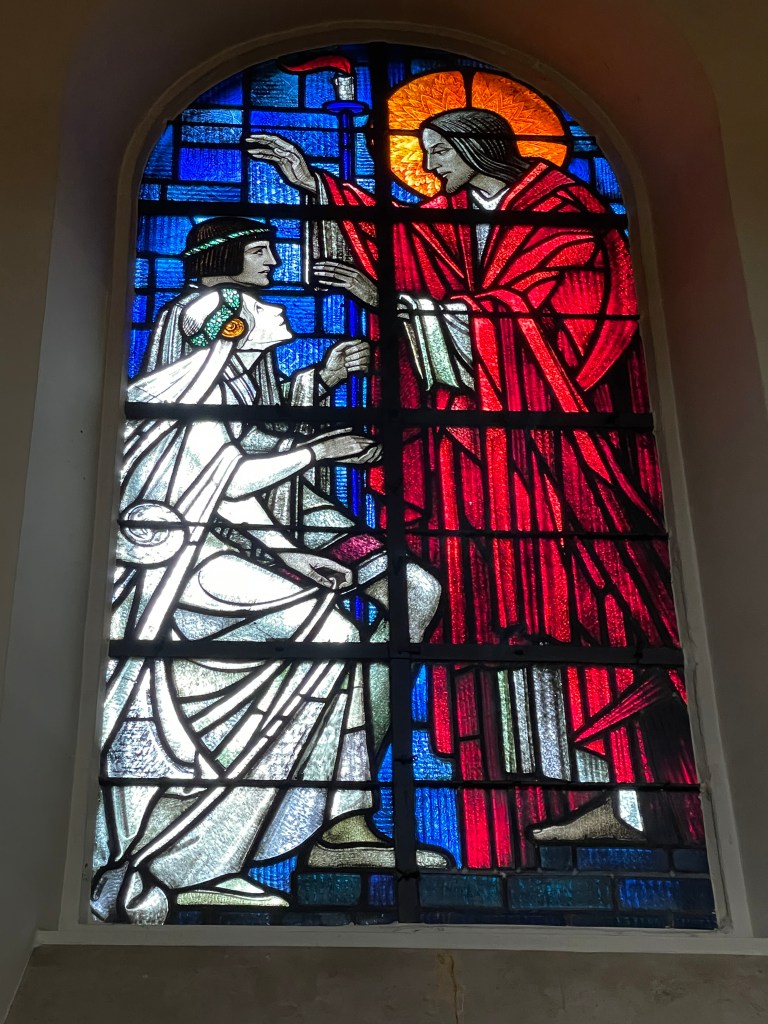
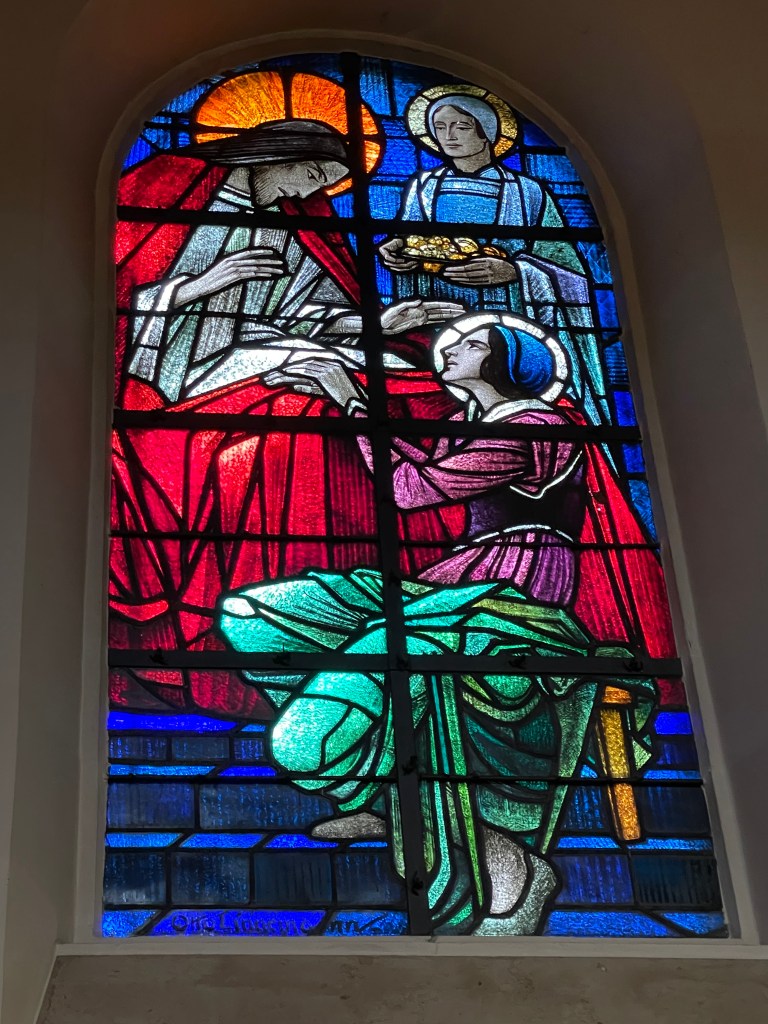
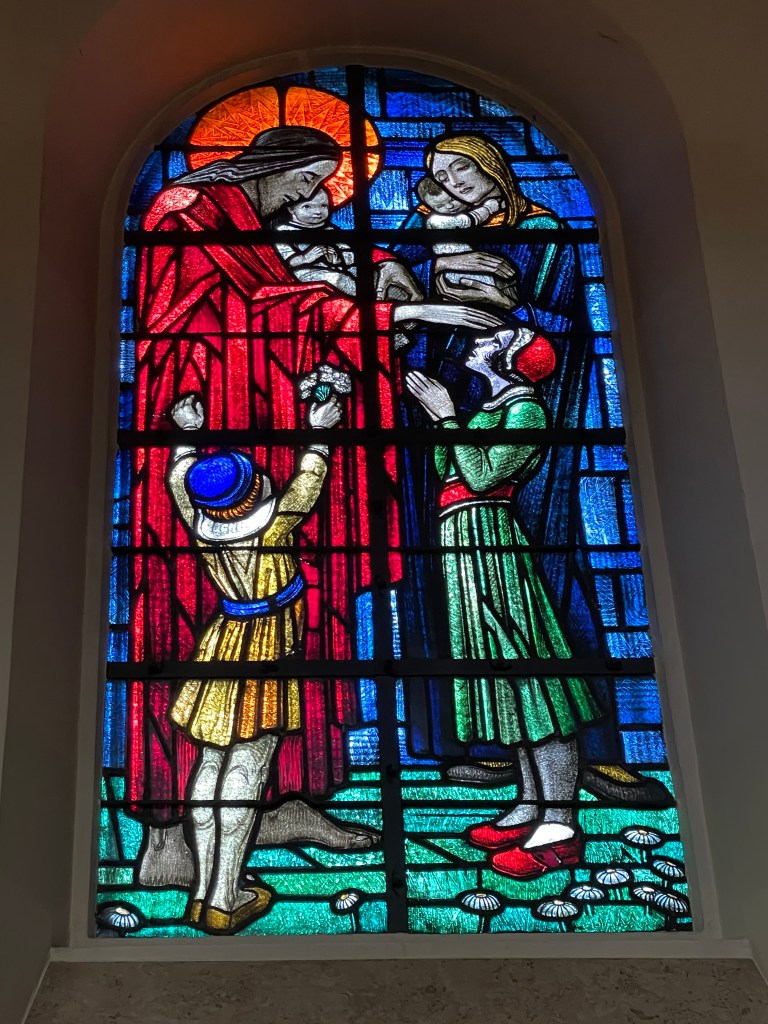
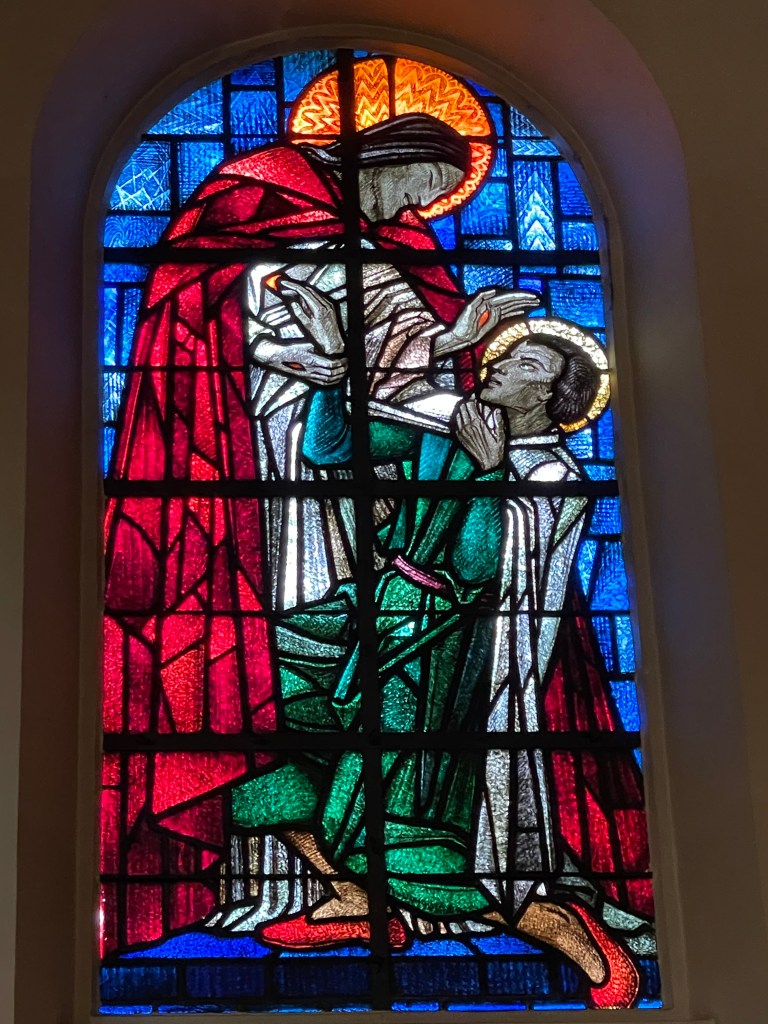
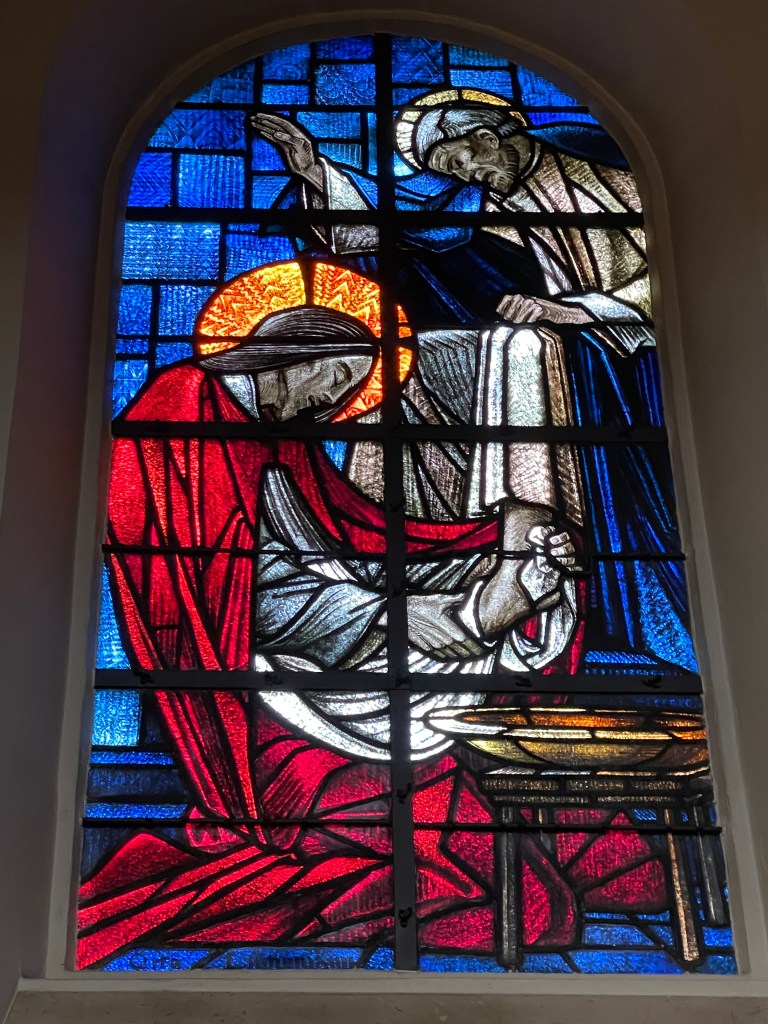
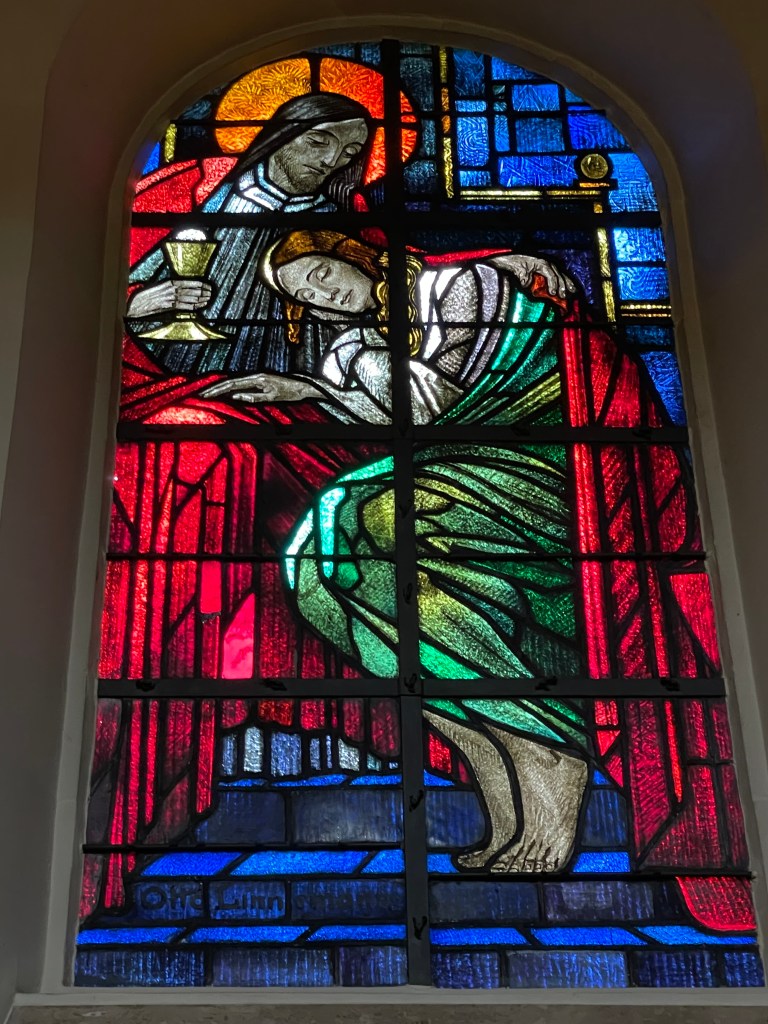
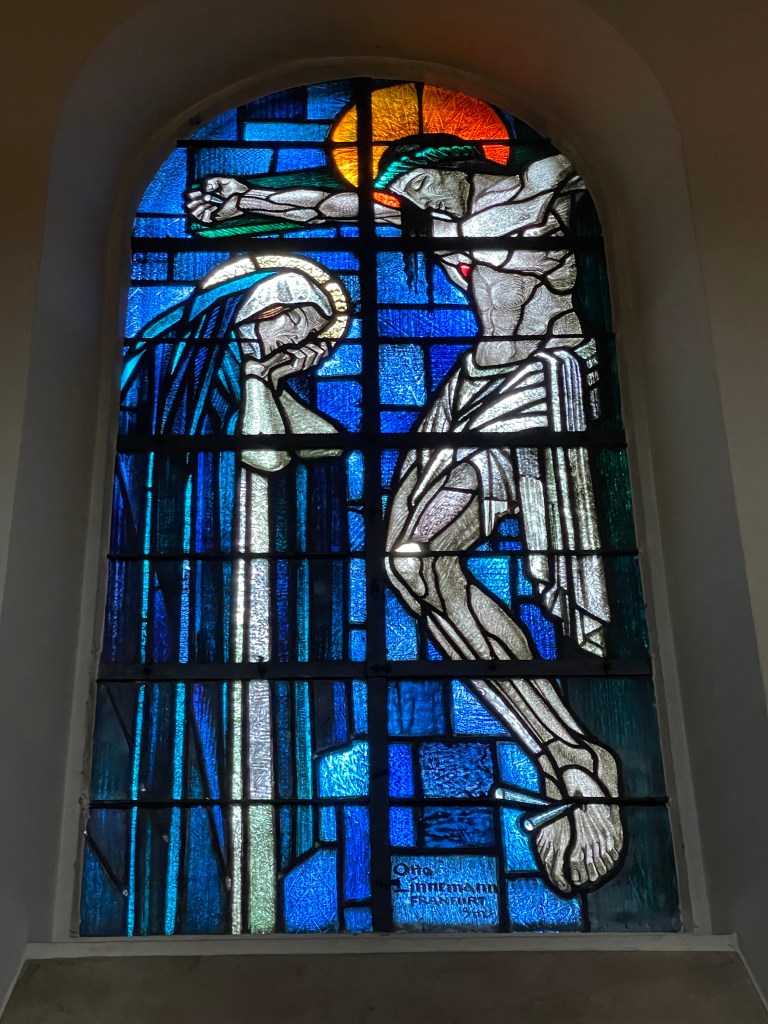
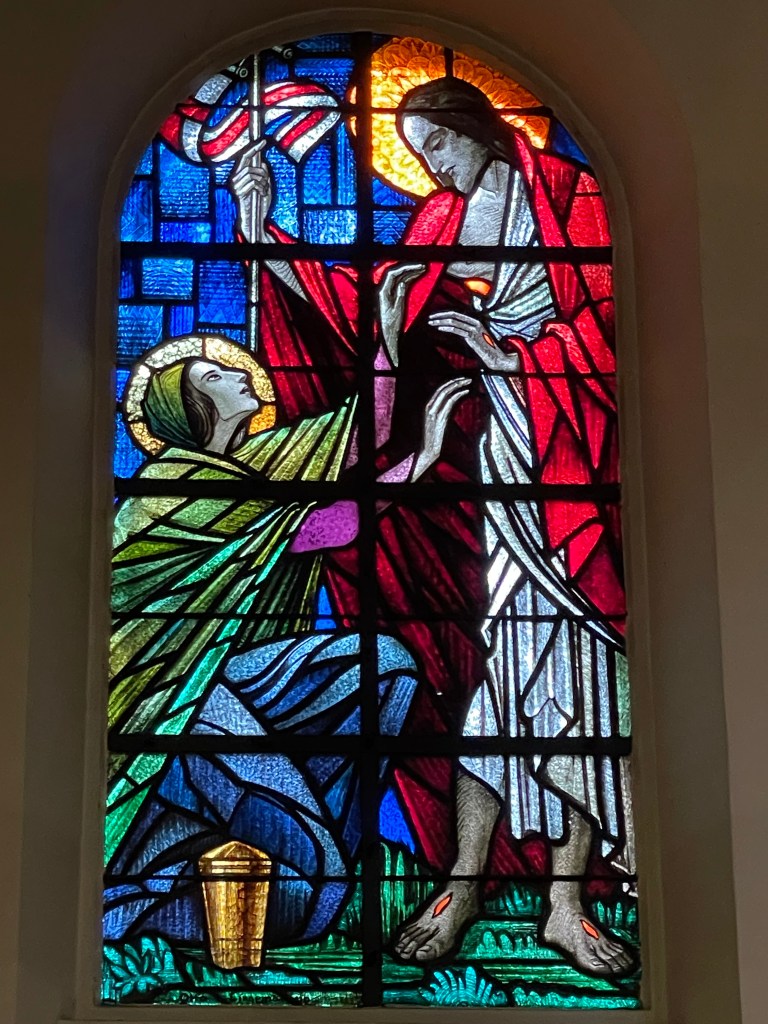
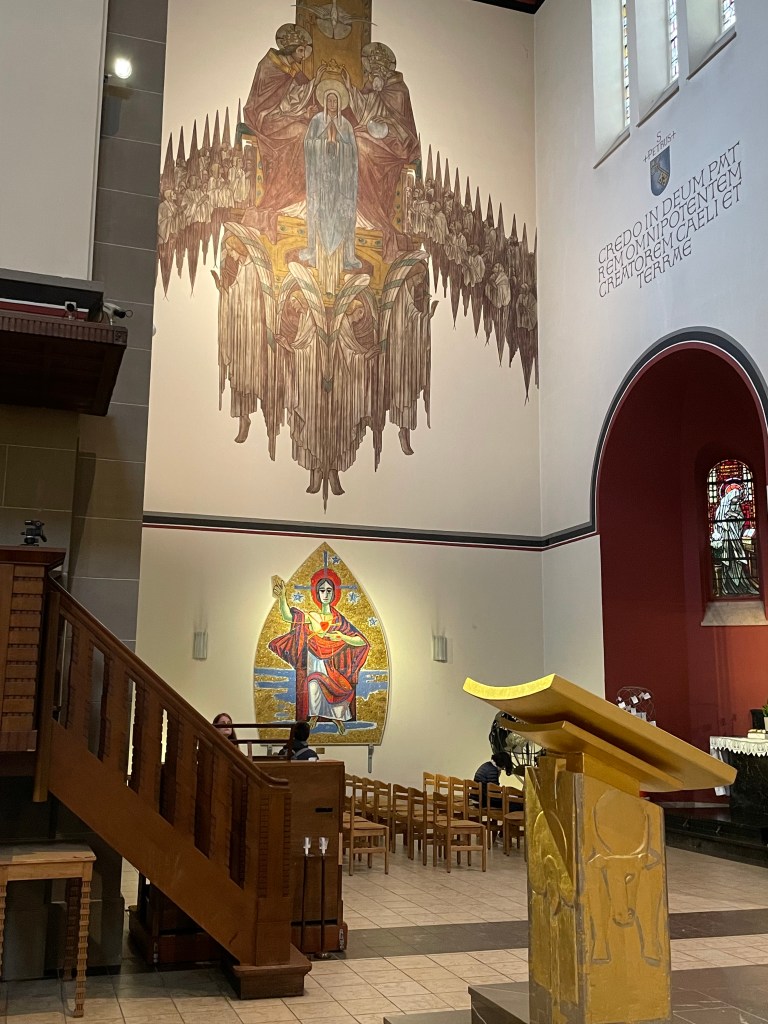
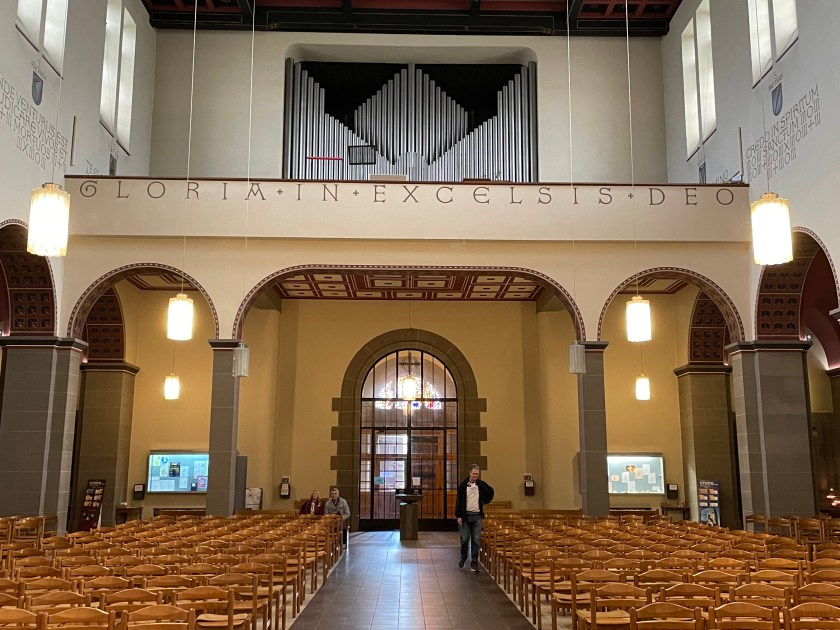
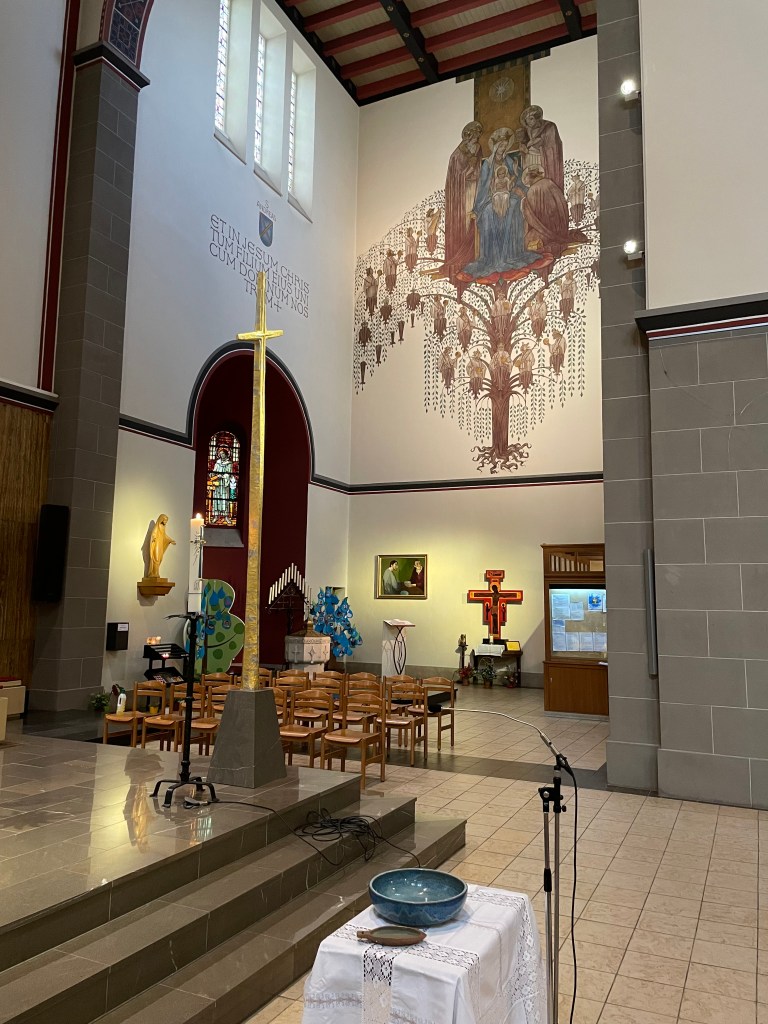
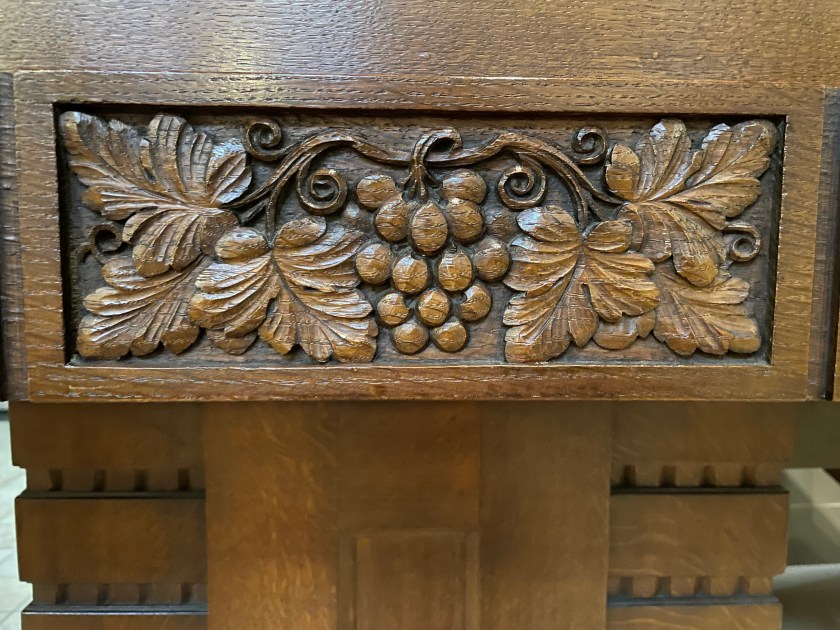
Sacre Coeur (Sacred Heart) was more modern, early 20th century art nouveau style, with beautiful art and incredible painted glass windows. Everything in the church depicted Jesus’s life. It was not gothic or ornate. It was simple and elegant. I loved it. It felt sacred.

I took pictures of each of the 12 painted glass windows, each depicting a scene from the life of Jesus. The colors were vibrant, but so beautiful, artistic, with so much texture and depth. And the faces were beautiful. I think this is the most beautiful stained glass I’ve ever seen. I will look at my photos again and again.

The name of the glass artist is Otto Linnemann, the second son of the architect and glass painter Alexander Linnemann. (who did the windows in the Frankfurt Dom that were destroyed in the war).  After school, Otto Linnemann worked in his father’s studio and learned the craft of stained glass. He then studied painting at the Düsseldorf Art Academy. There’s not much online about him or his work in this church. I found his name in a book for sale at the church. Maybe I should have bought it.

I hope you enjoy these, each one:

I loved the feeling in this church so much.  It brought me peace and helped me feel Jesus’s love.


The Monument of Remembrance in Luxembourg

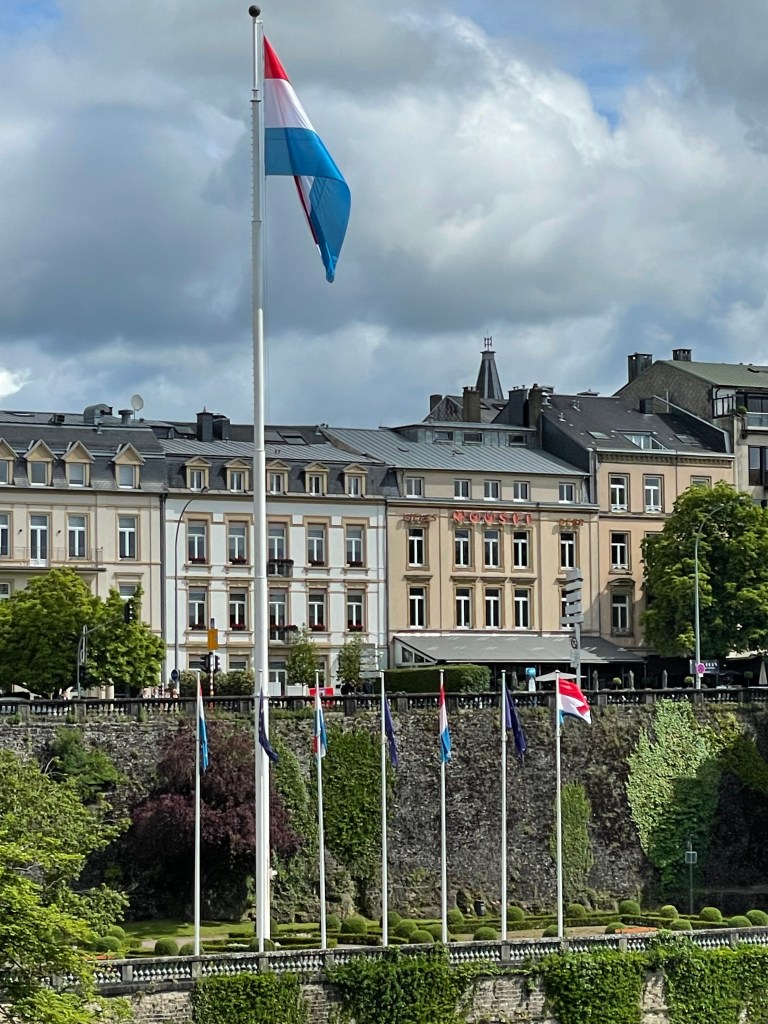
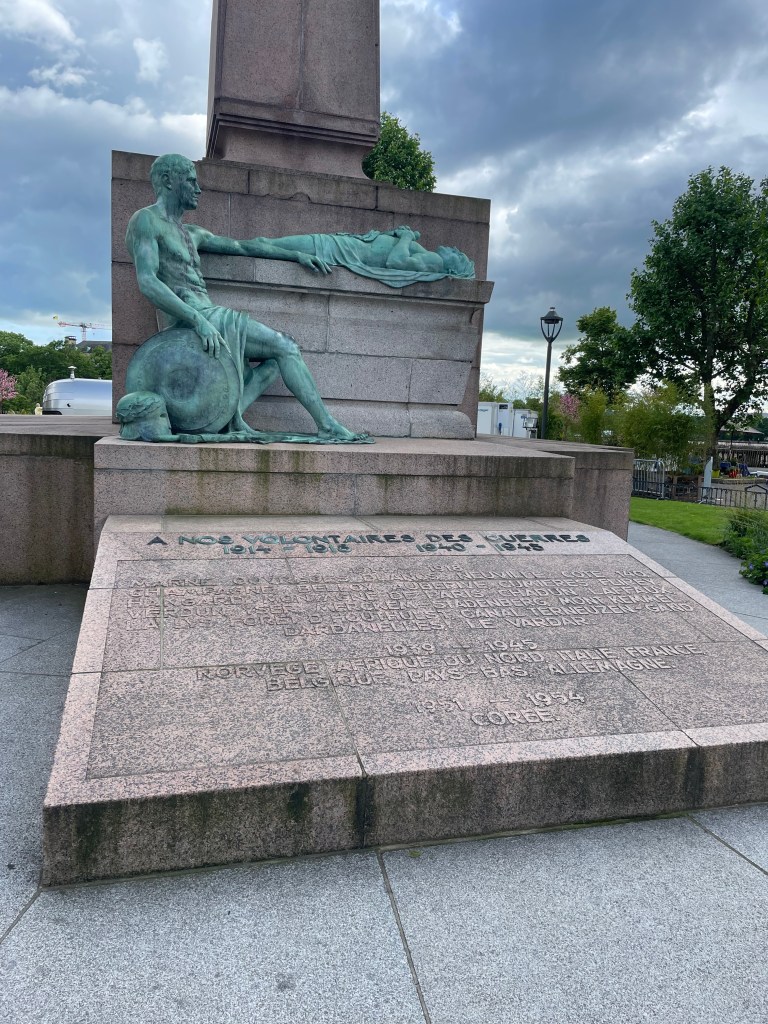
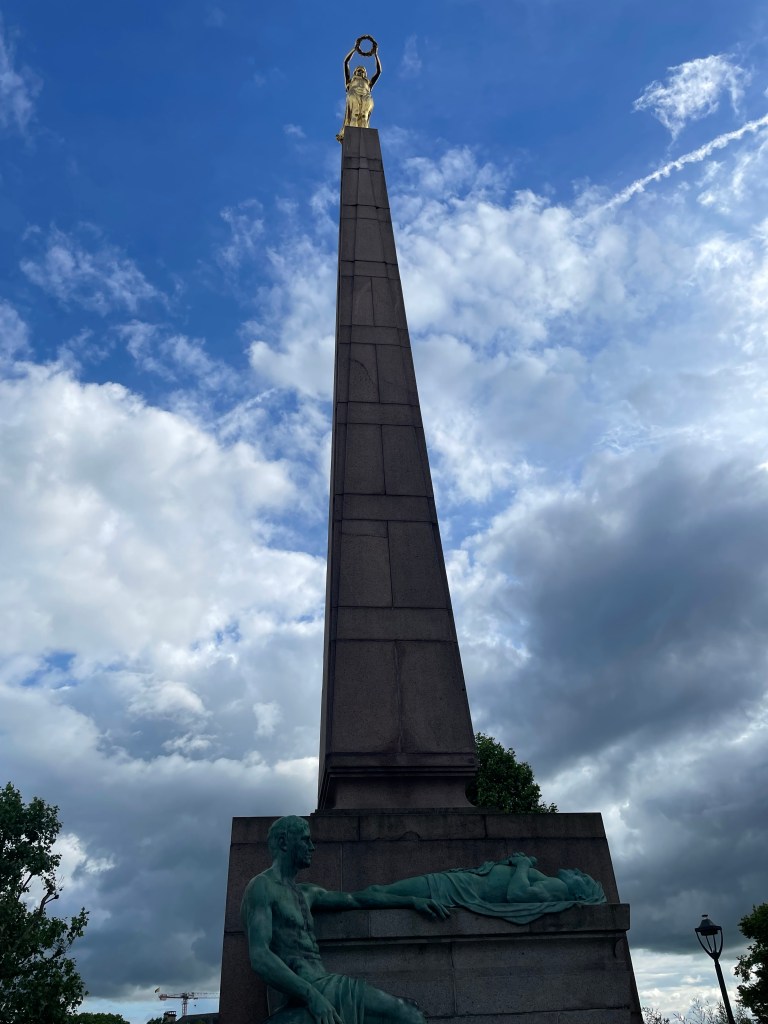
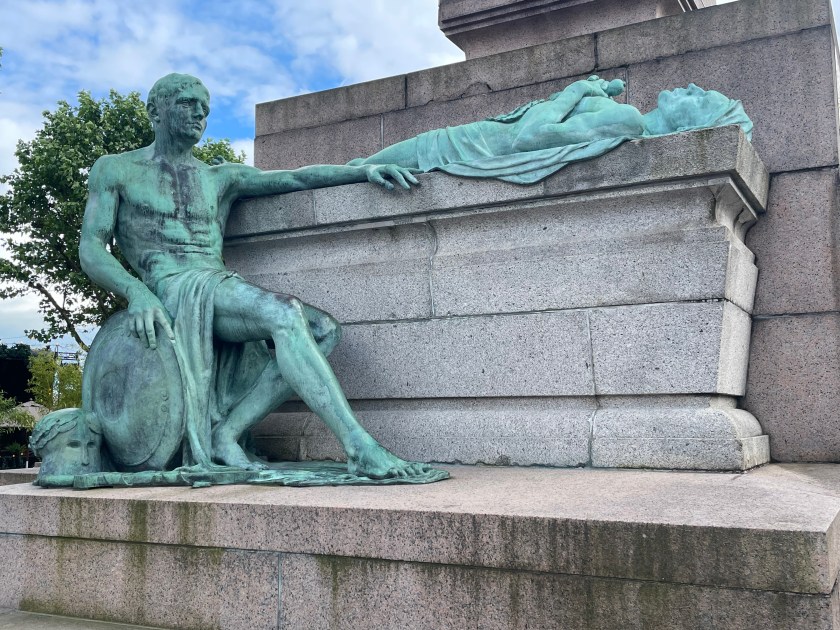
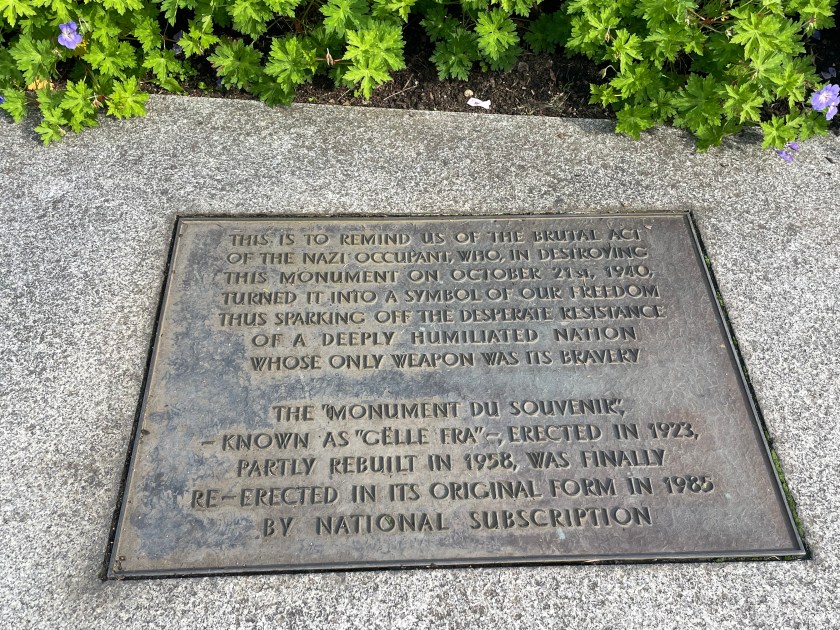
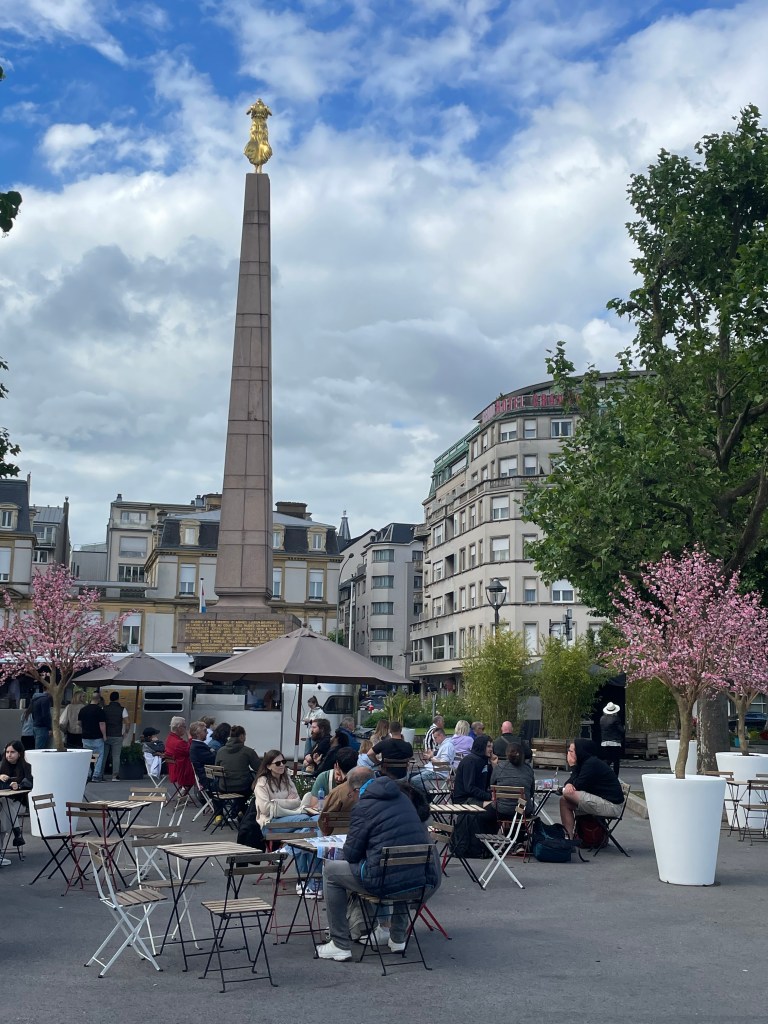
The Monument of Remembrance, usually known by the nickname of the Gëlle Fra, is a war memorial in Luxembourg City. It is dedicated to the thousands of Luxembourgers who volunteered for service in the armed forces of the Allied Powers during both World Wars and the Korean War. 

On 21 October 1940, the Nazis destroyed this monument and it was turned into “a symbol of our freedom thus sparking off the desperate resistance of a deeply humiliated nation whose only weapon was its bravery.”

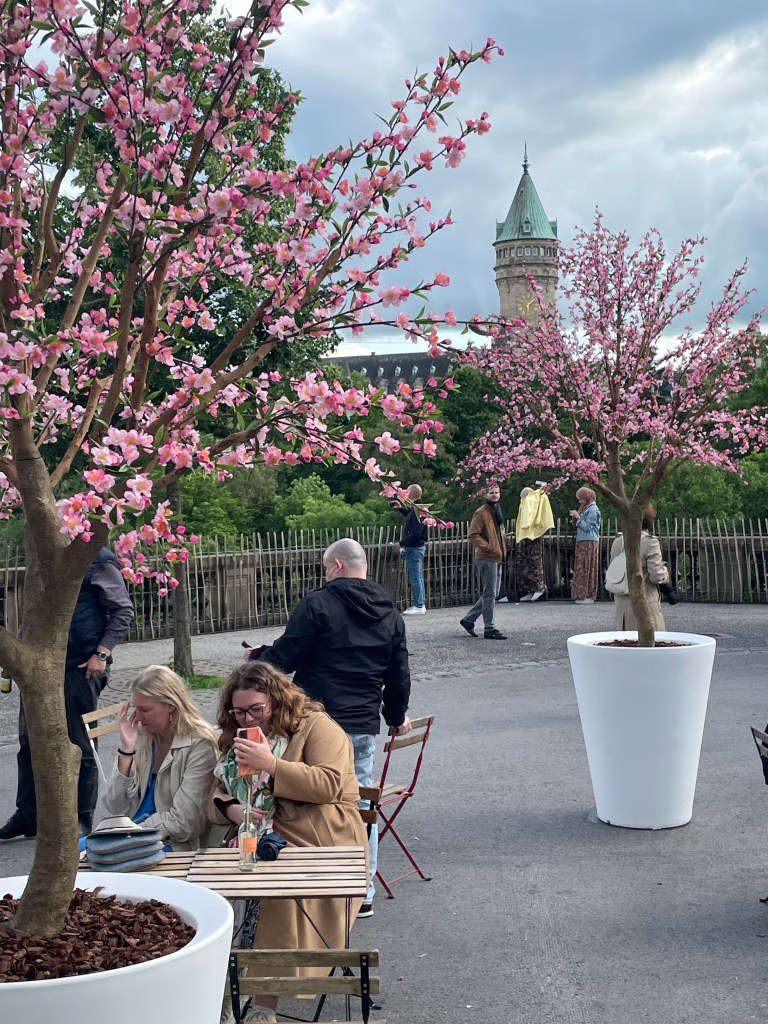
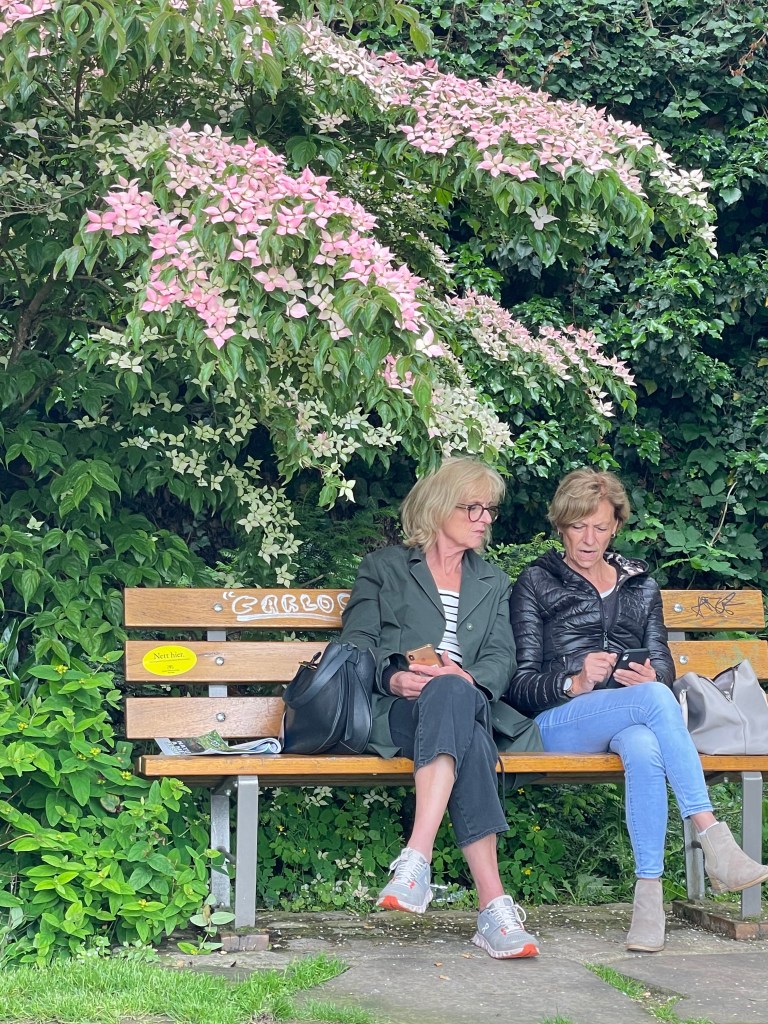
Fake but pretty blossoms.

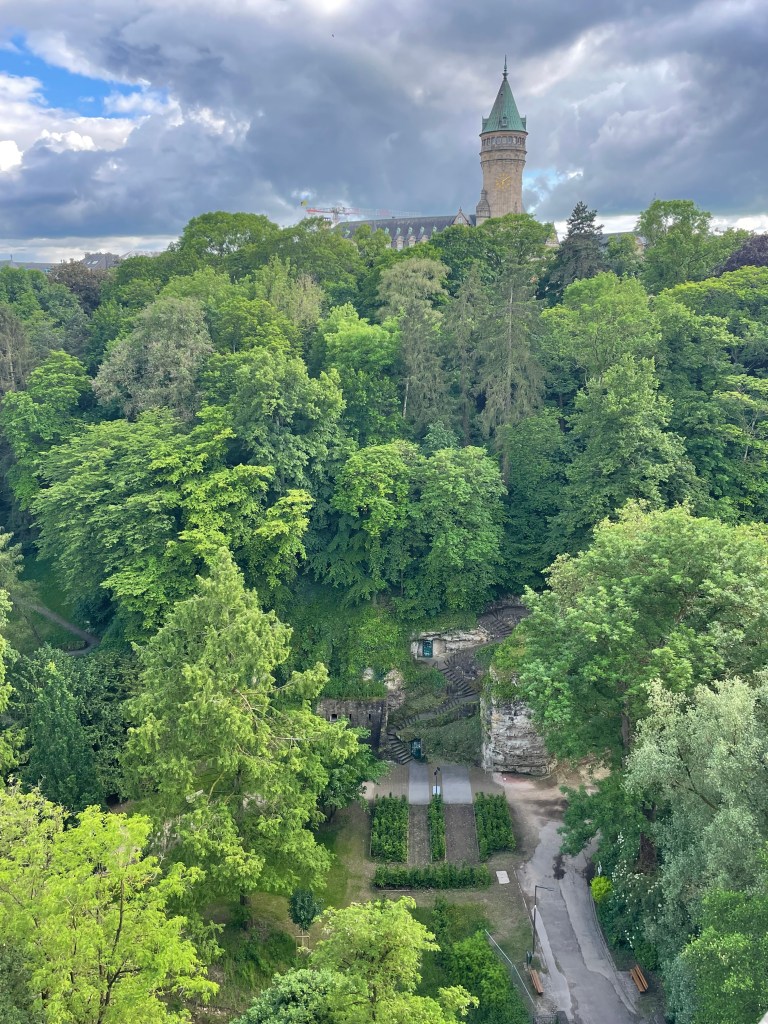
The views from this plaza were wonderful.

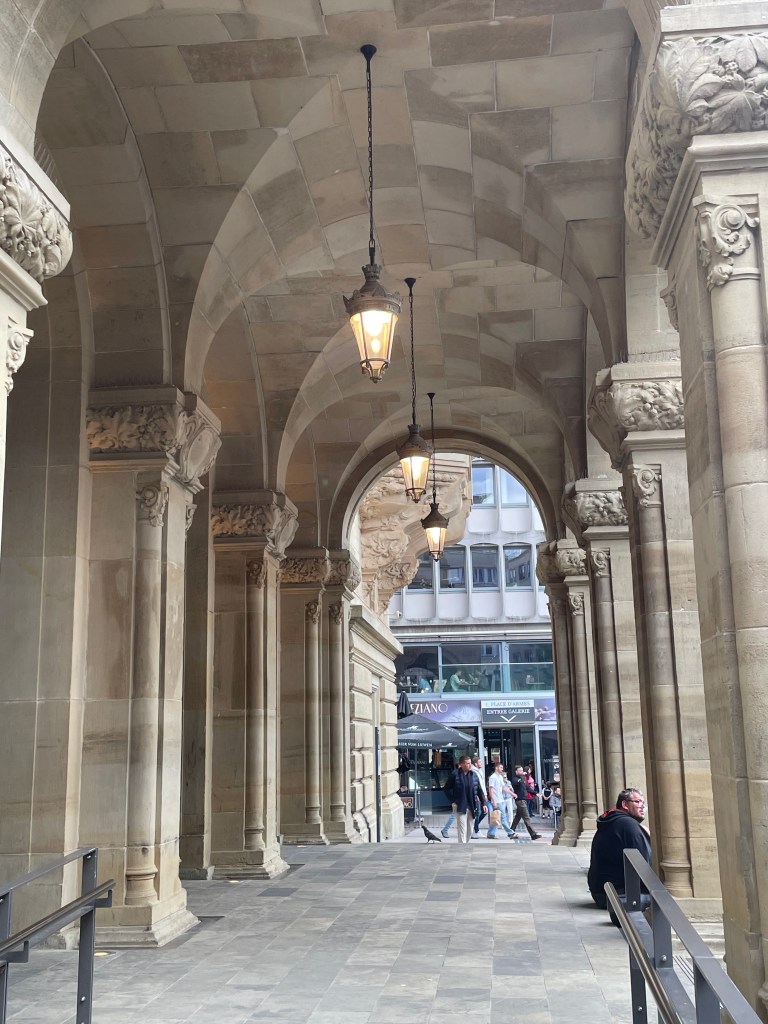
After this visit, we walked back into the heart of the old town.  Below is the building overlooking the main plaza where the American Army Liberated Luxembourg on 10 September 1944.

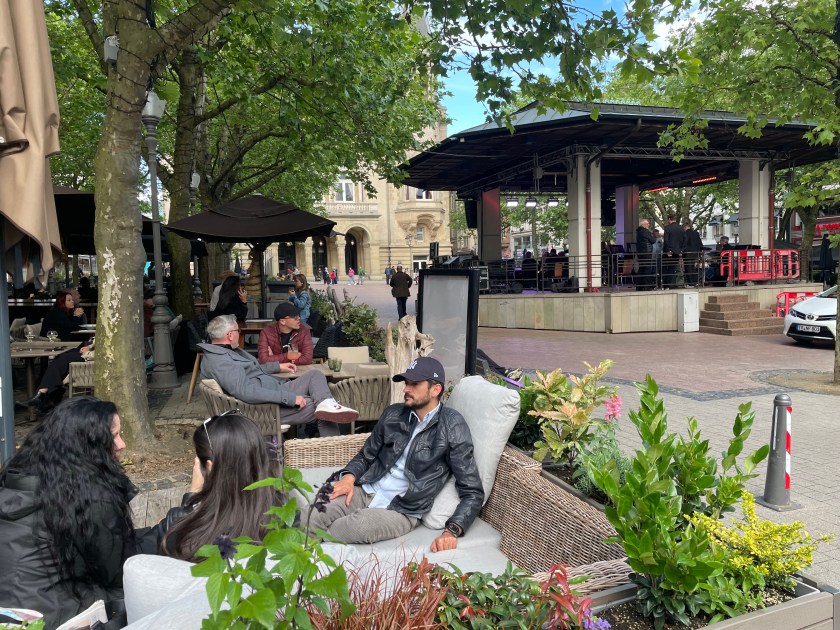
This evening there was a live jazz band playing at the far end of the plaza.  It was festive and fun to be here.

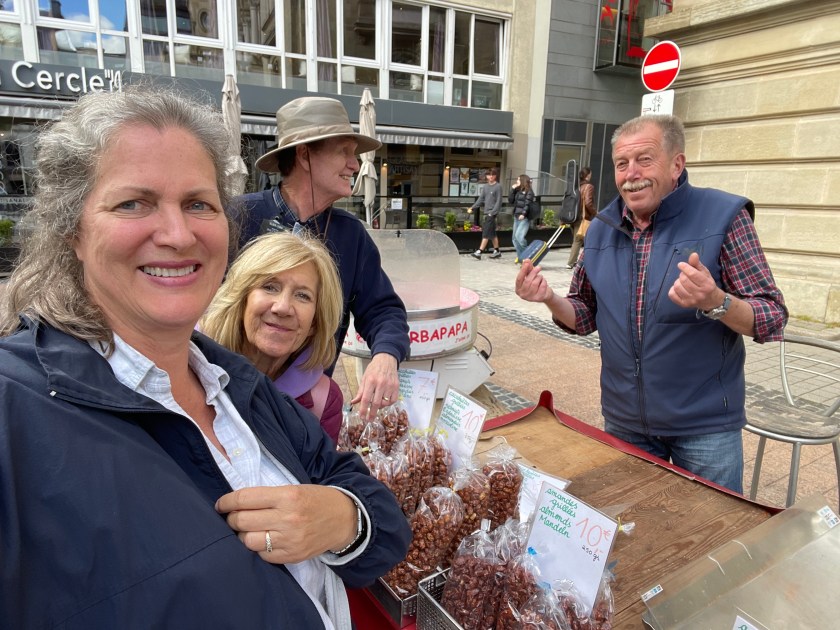
We were getting hungry, so we stopped to buy some candied almonds from this friendly man who BEGGED us not to let Trump win the election in the USA.  He said, “All of Europe is watching with fear.  If he is elected, it will be bad for ALl of Europe.”  That seems to be the feeling of everyone we meet here.  Trump has no friends in Europe.  Understandably.  We’ll do our best to try to keep that from happening.

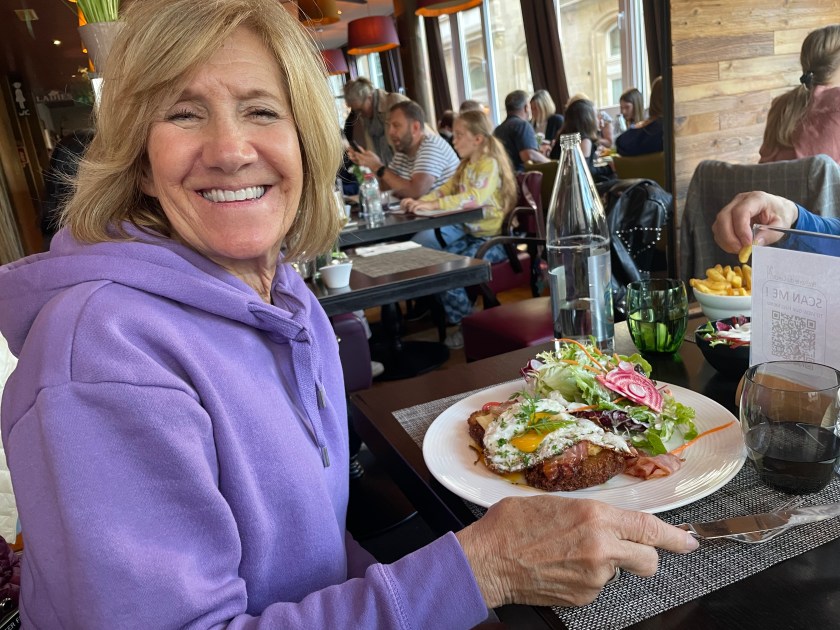
Our almond man recommended his favorite restaurant and we had a delicious traditional Luxembourg meal–it was really good, comfort food.  A nice way to end our very full day.

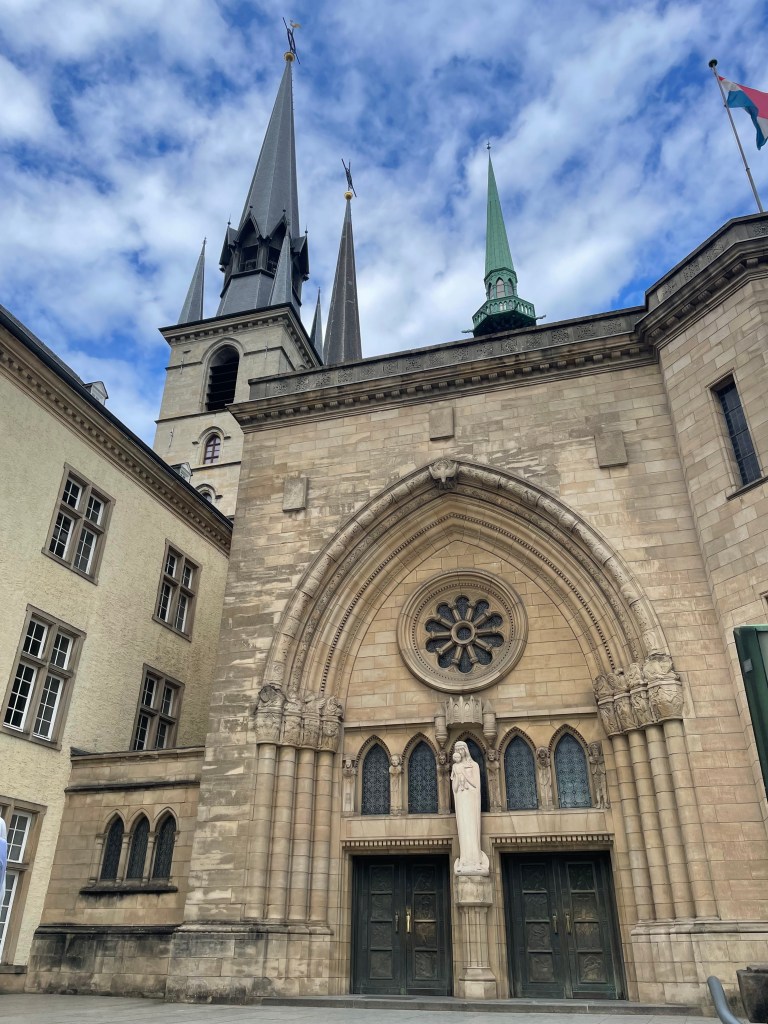
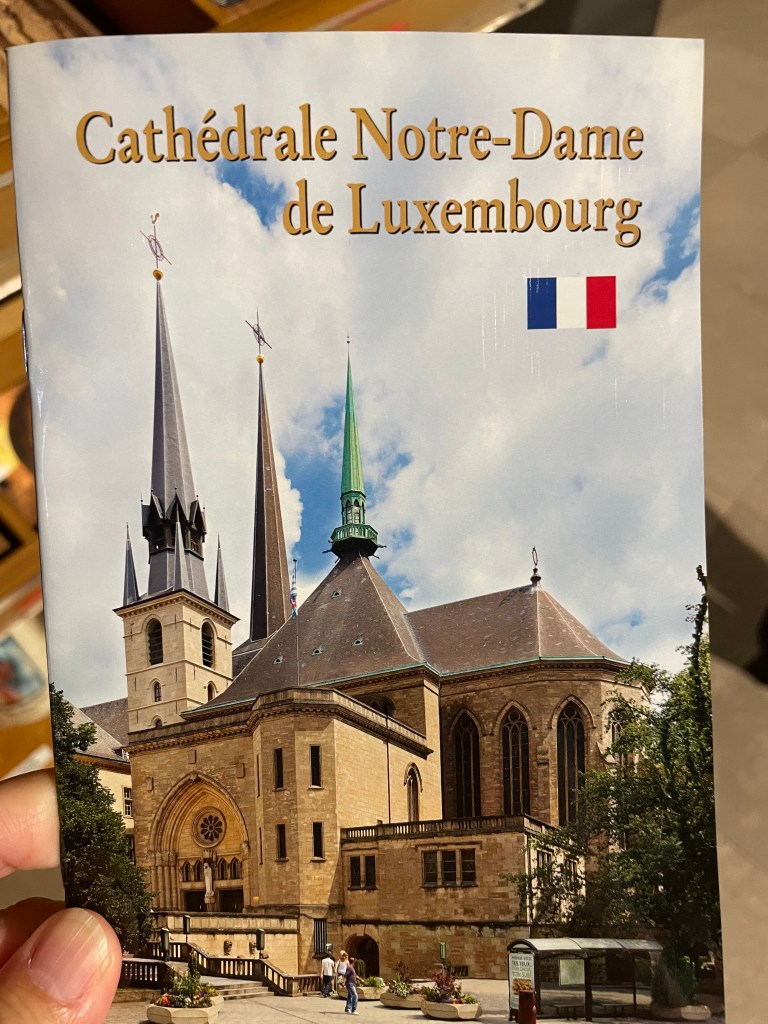
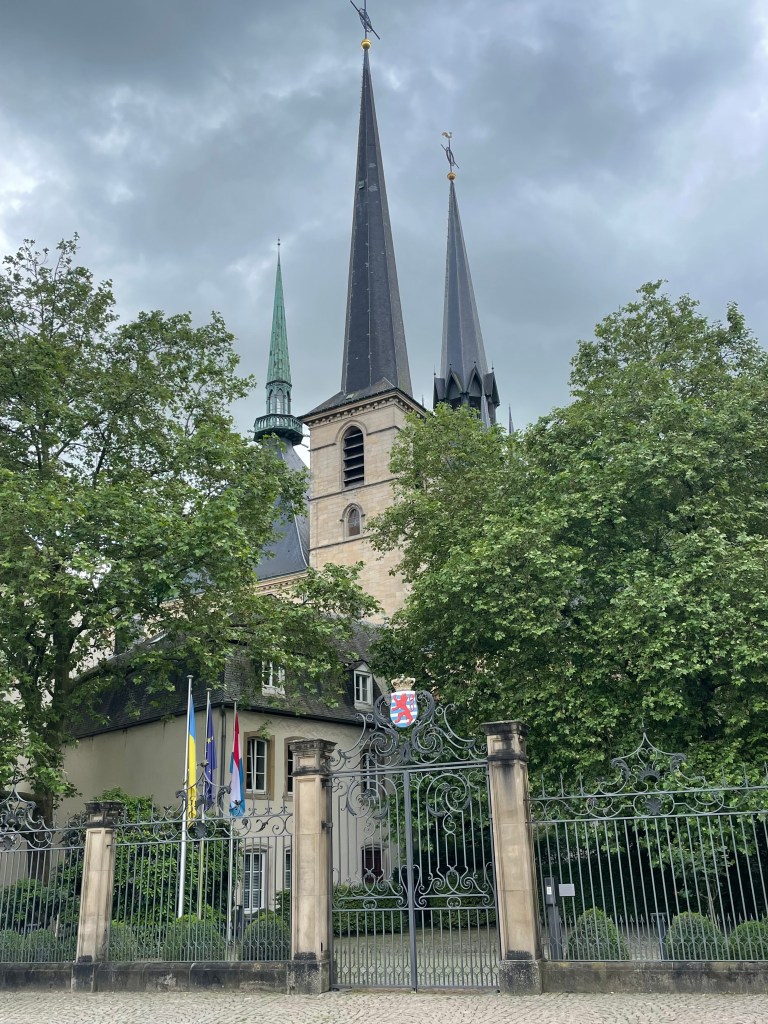
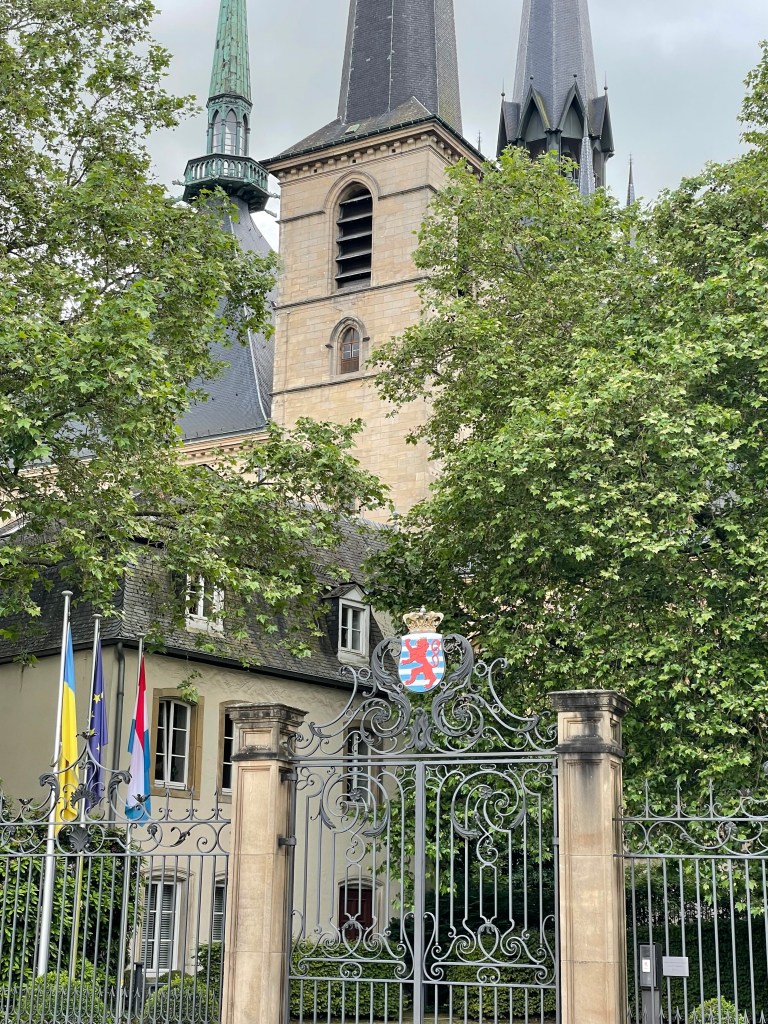
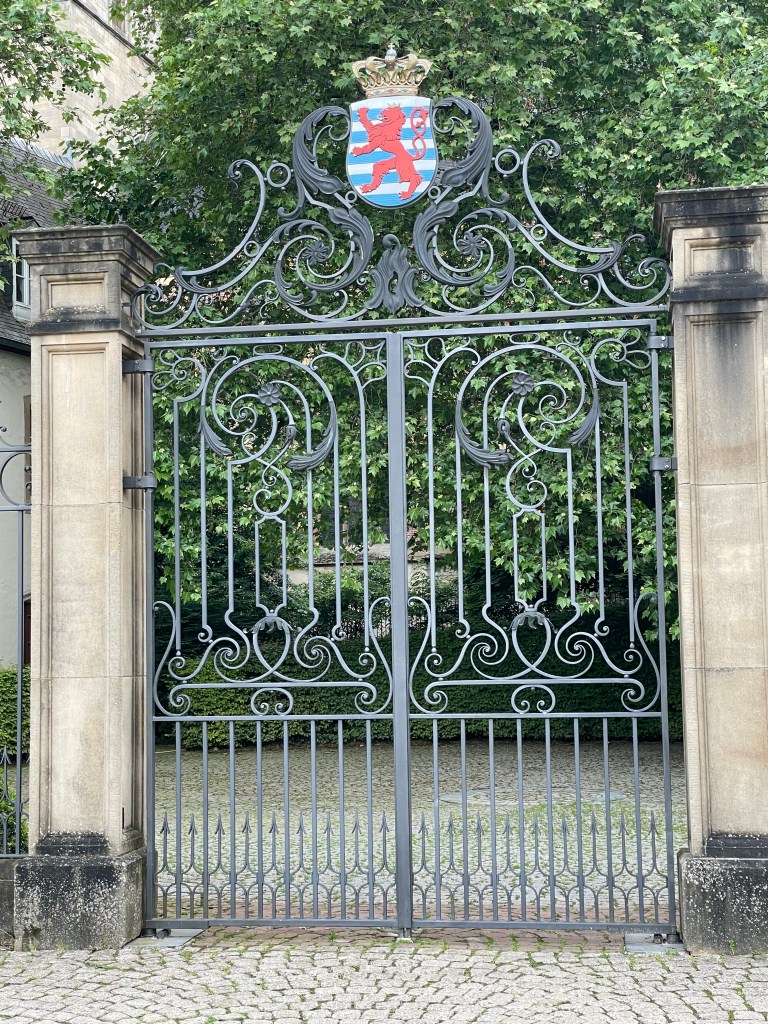
Notre Dame Cathedral in Luxembourg

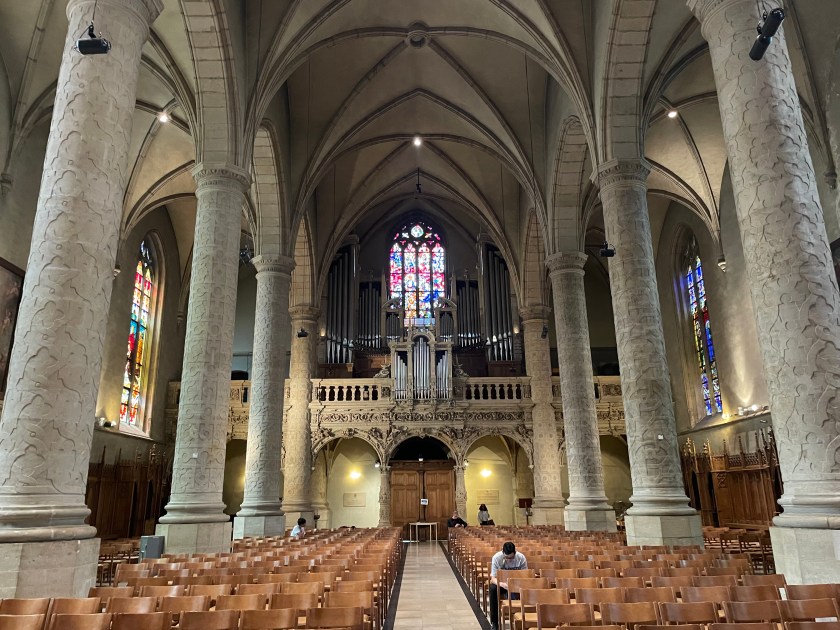
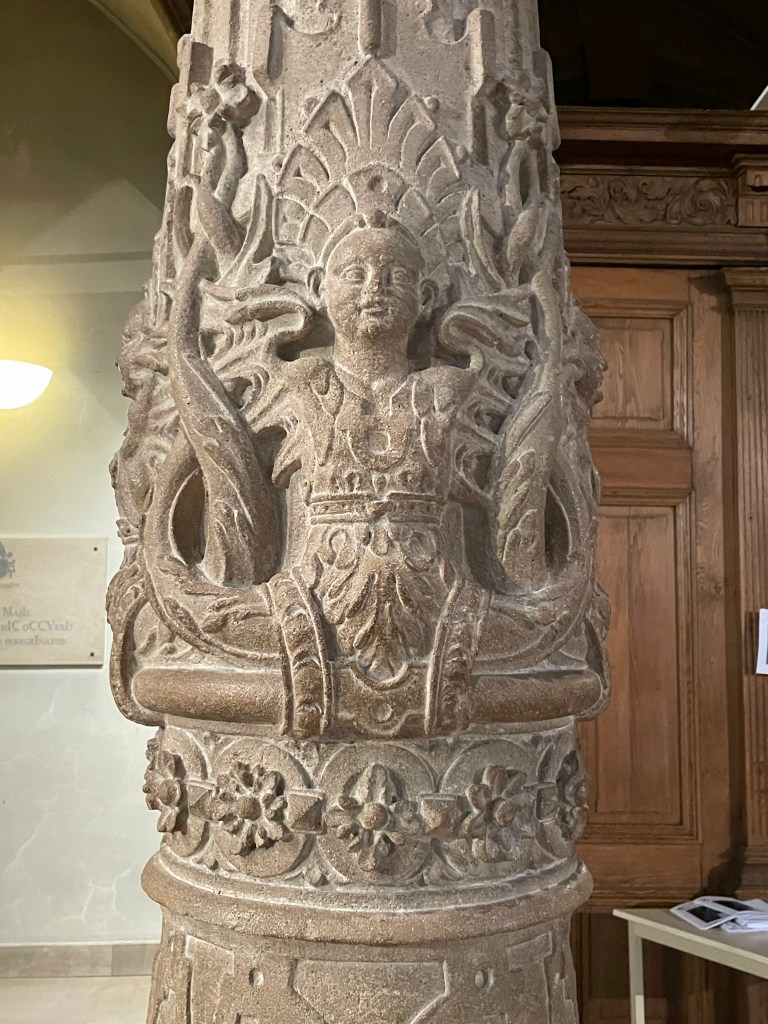
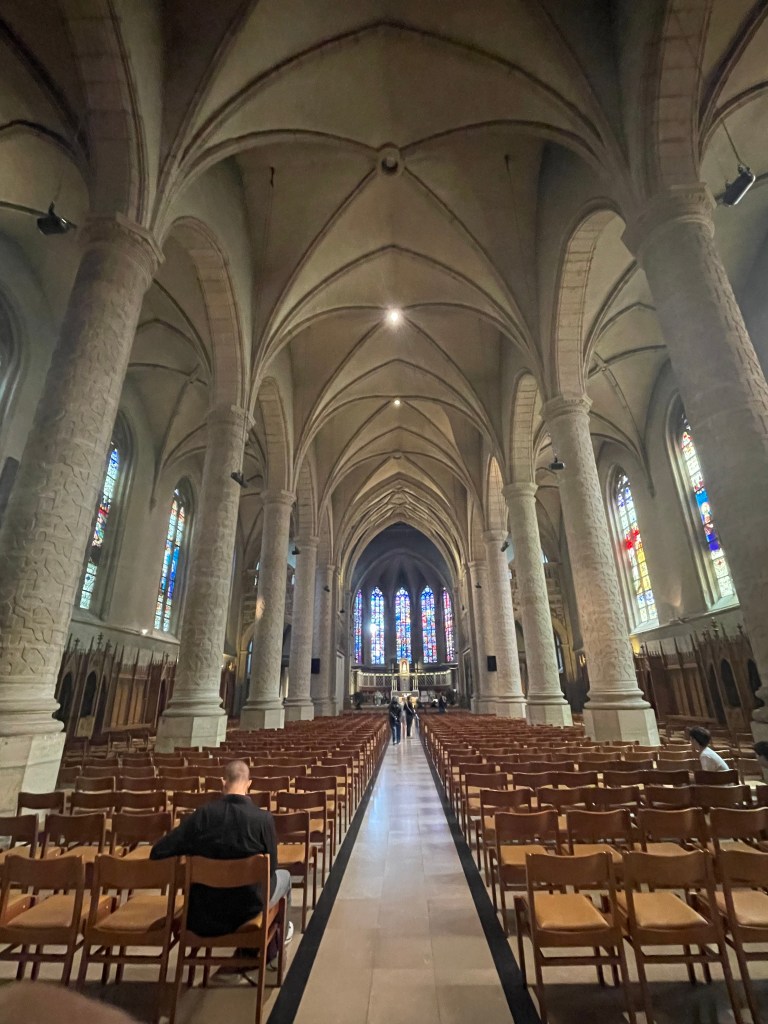
The first stone of this church was laid on 7 May 1613 and it was dedicated in 1621.  It’s hard to imagine something so grand being built in that day.  How did they lift all of these stones?

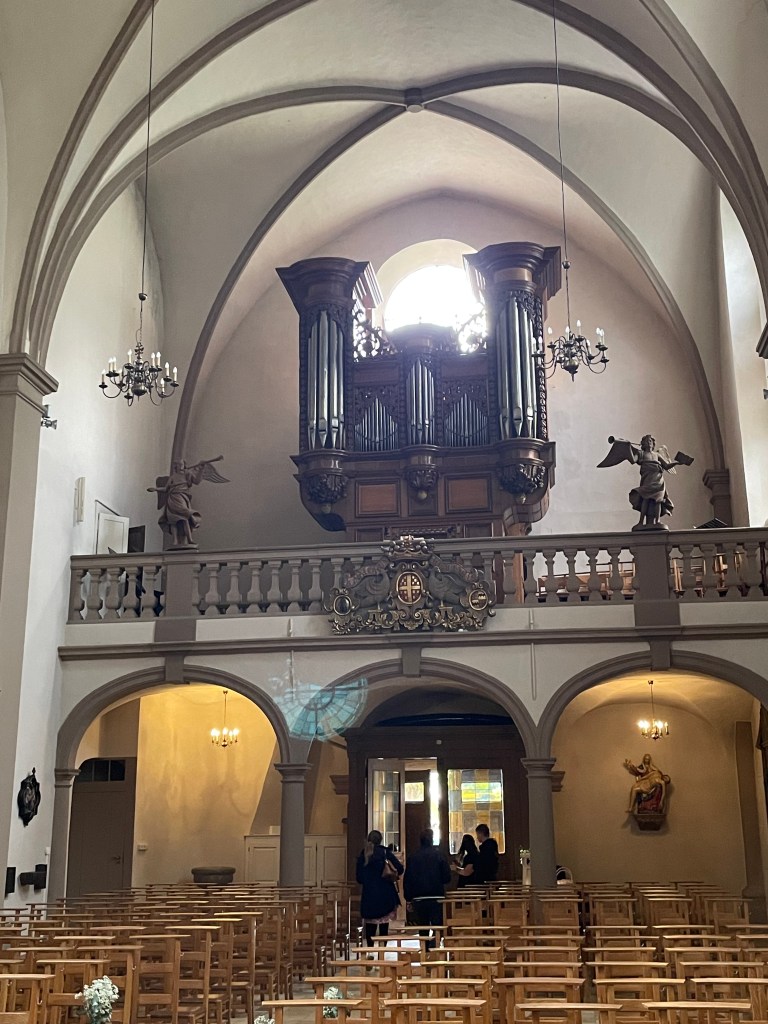
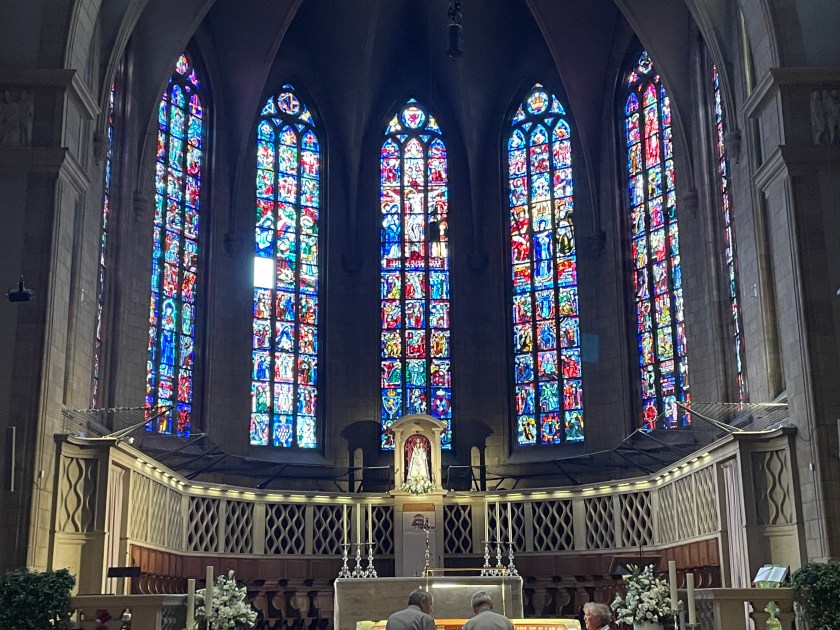
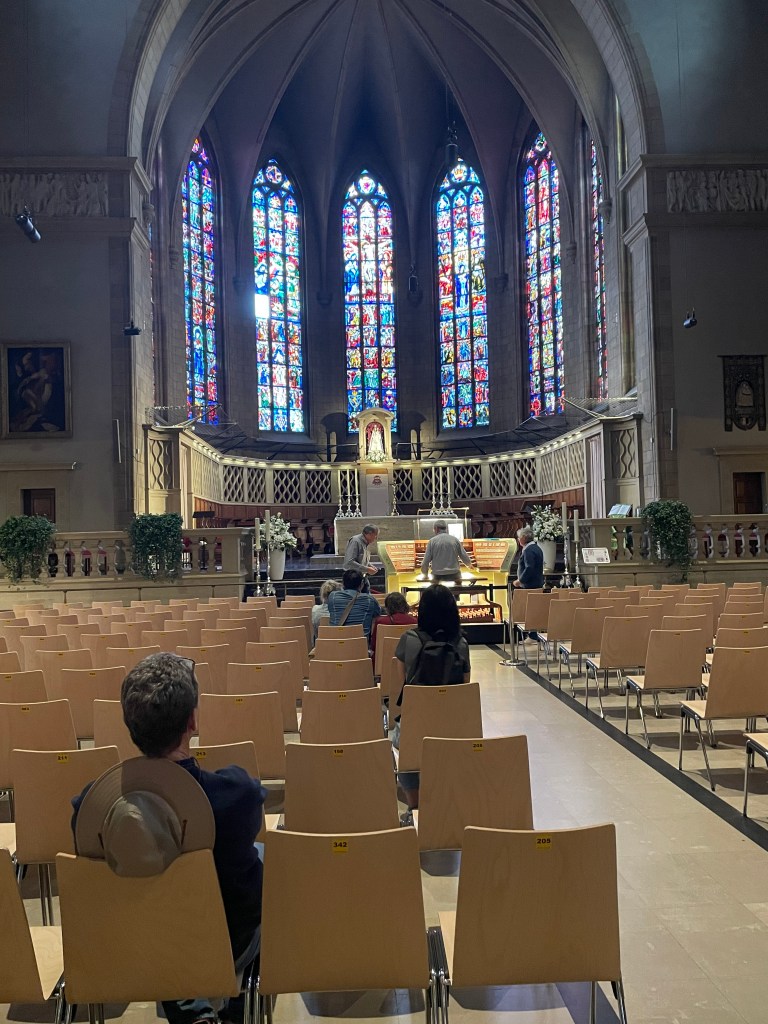
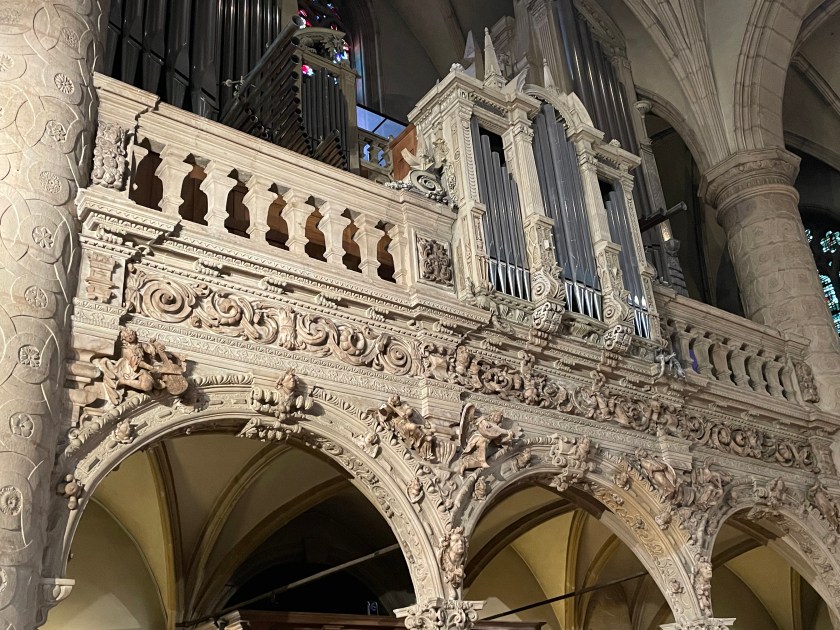
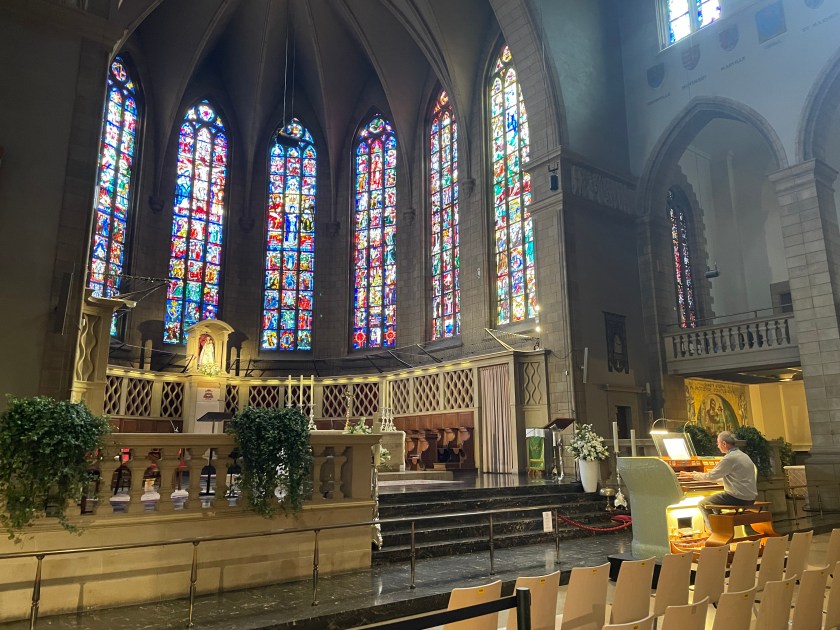
A fellow was practicing the organ (I think for a concert tomorrow night), so we enjoyed the organ tones as we walked through the gigantic building. The stained glass was beautiful and everywhere. We left as it closed at 6pm. 

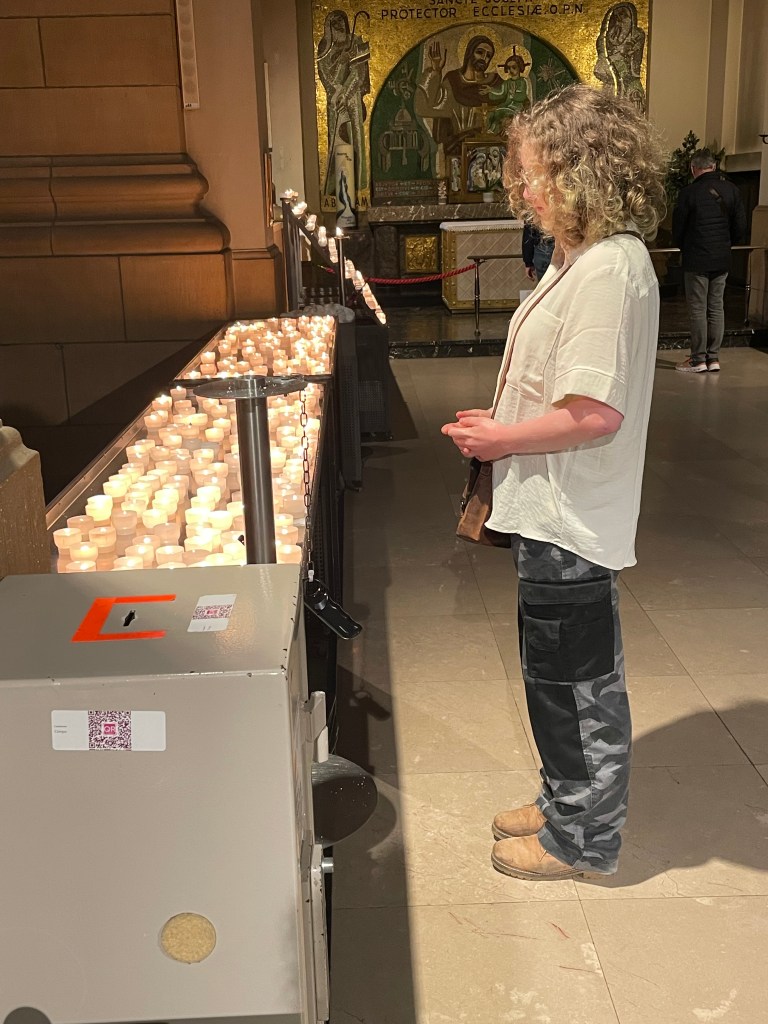
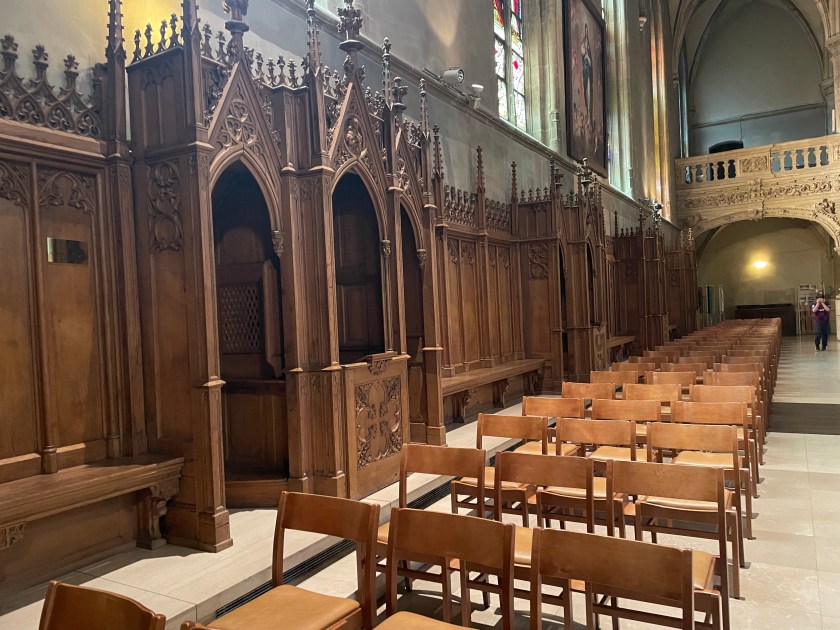
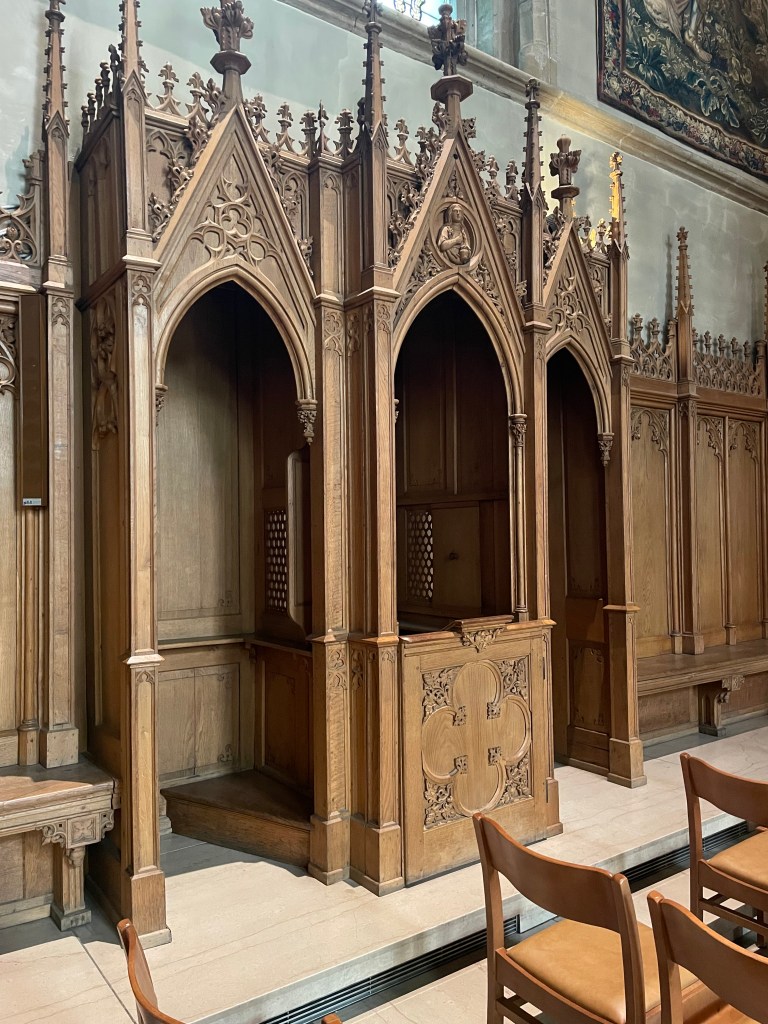
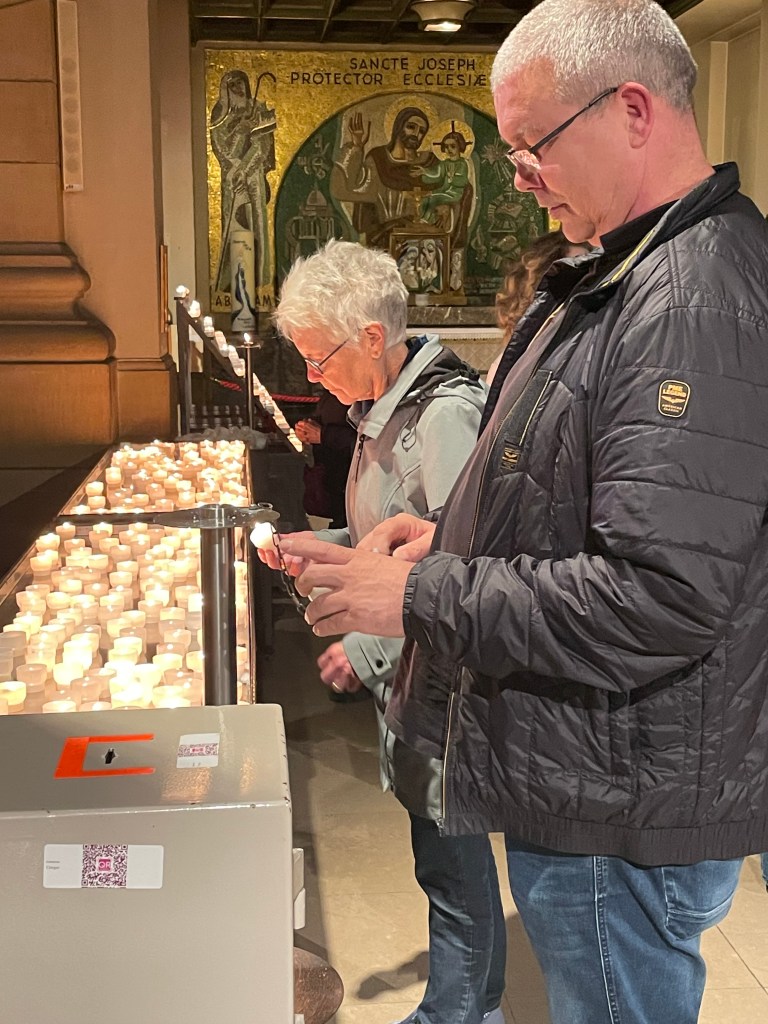
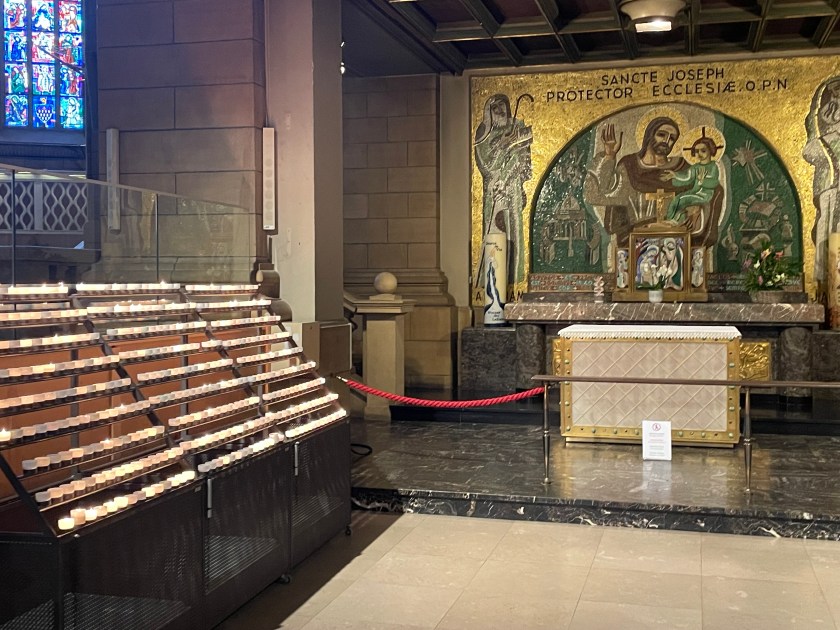
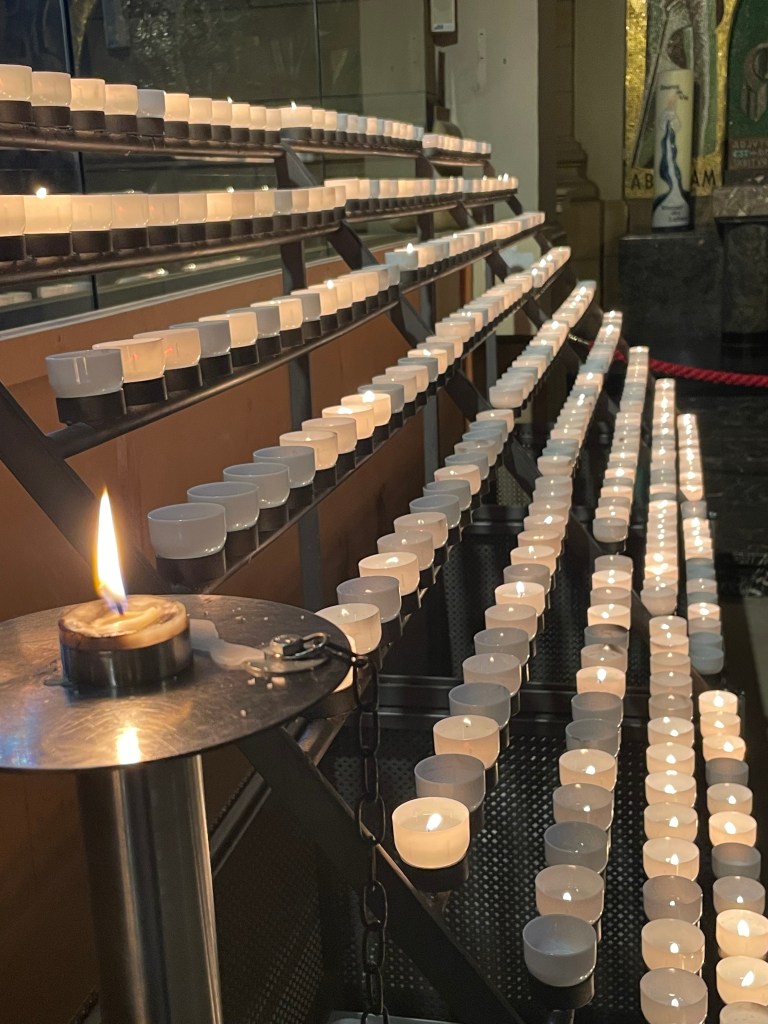
Lots of confessionals and candles here.

Luxembourg Ramparts and Ruins

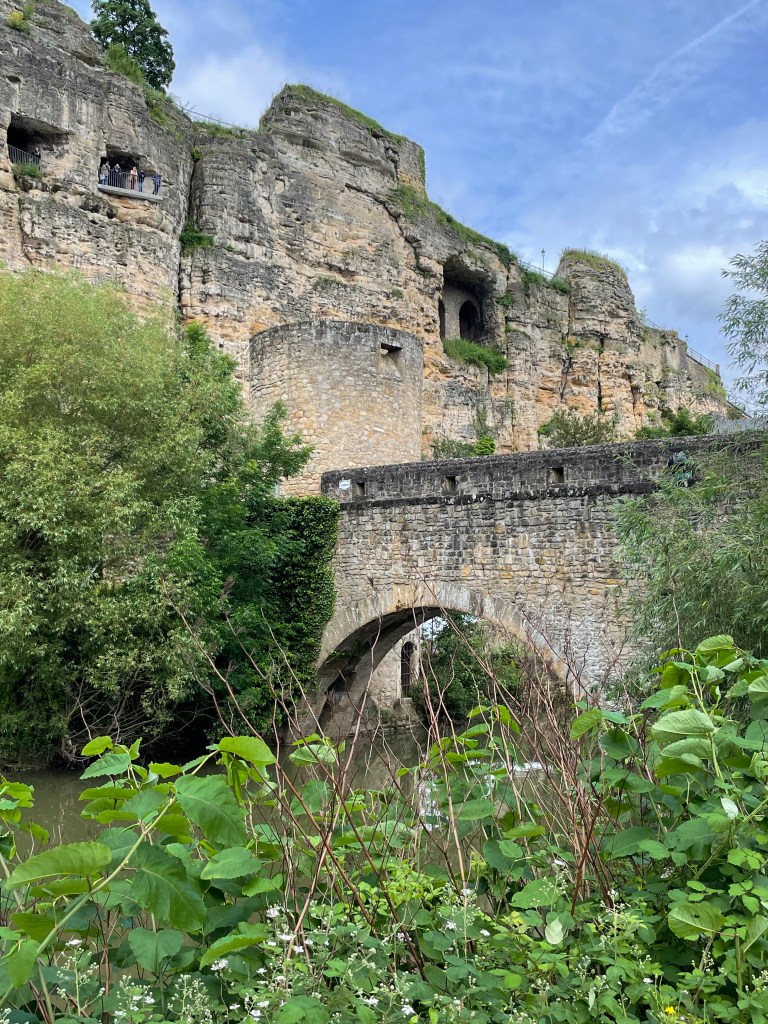
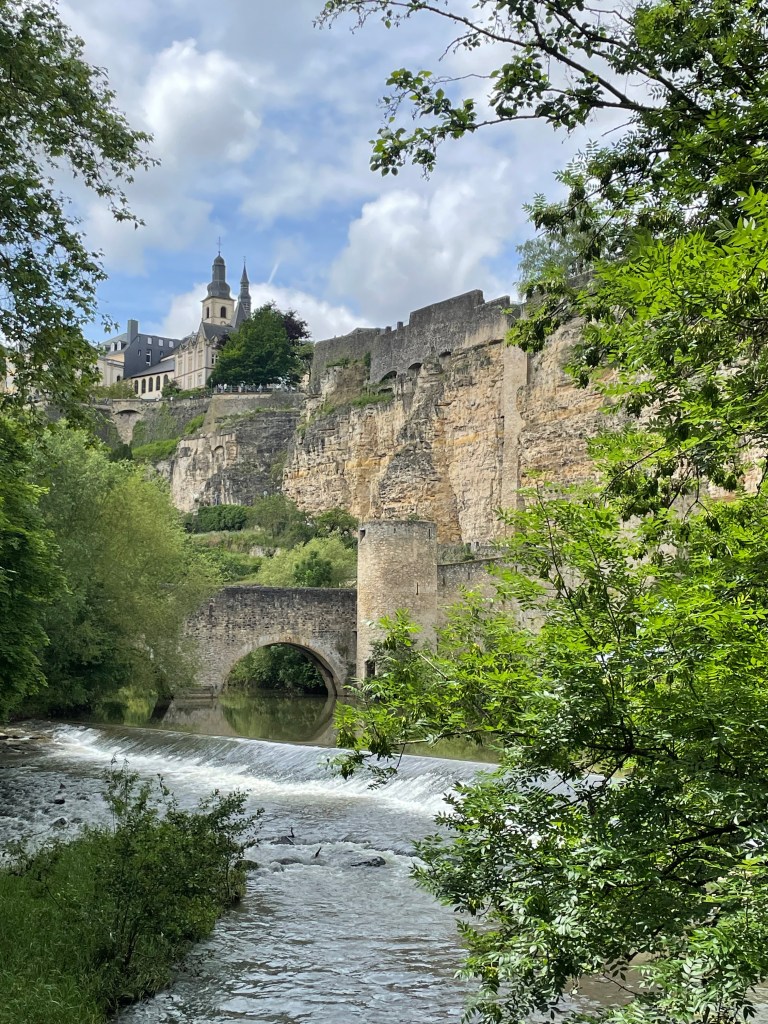
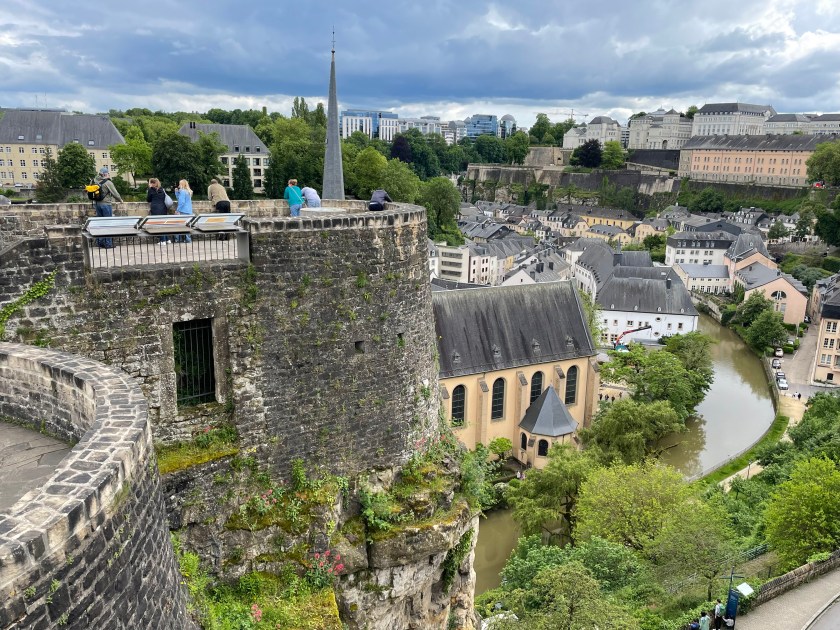
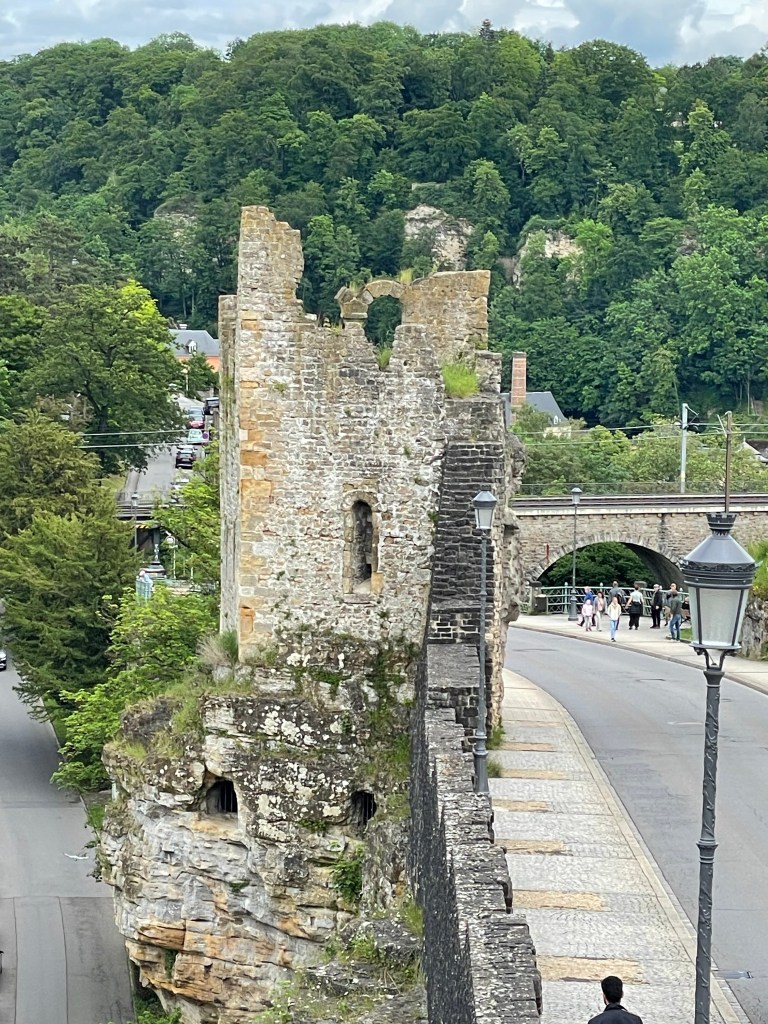
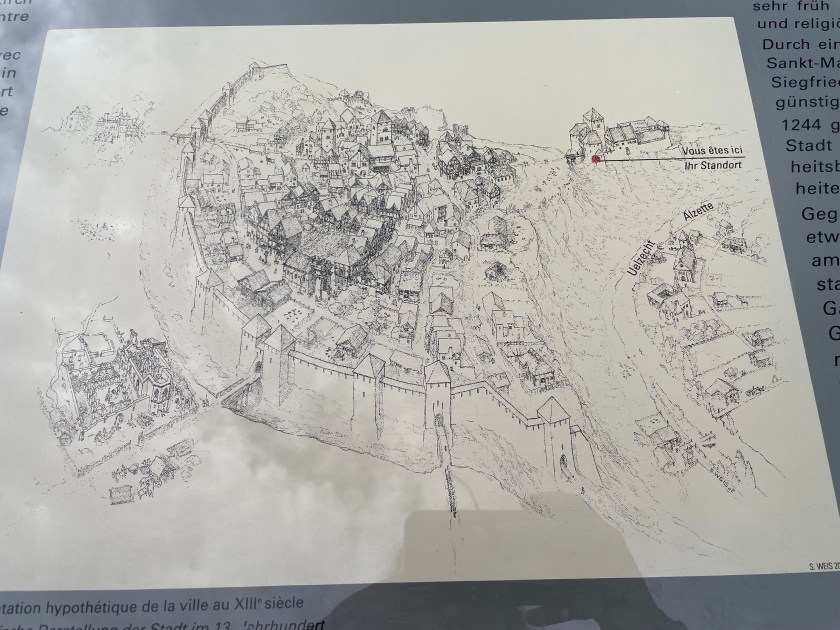
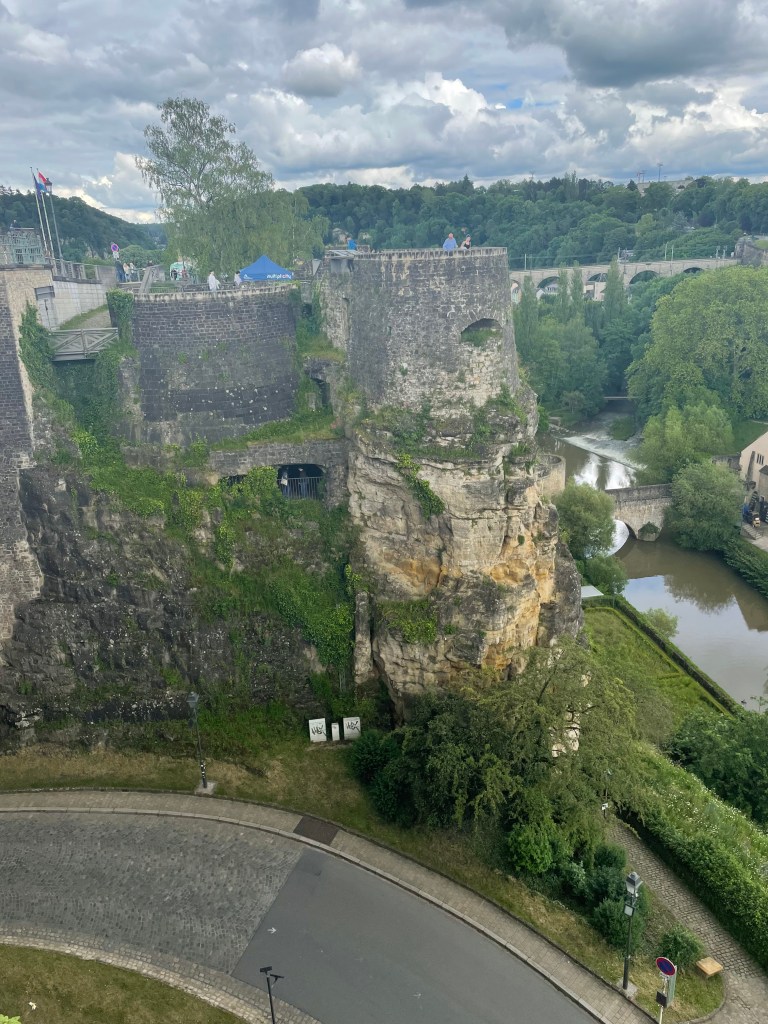
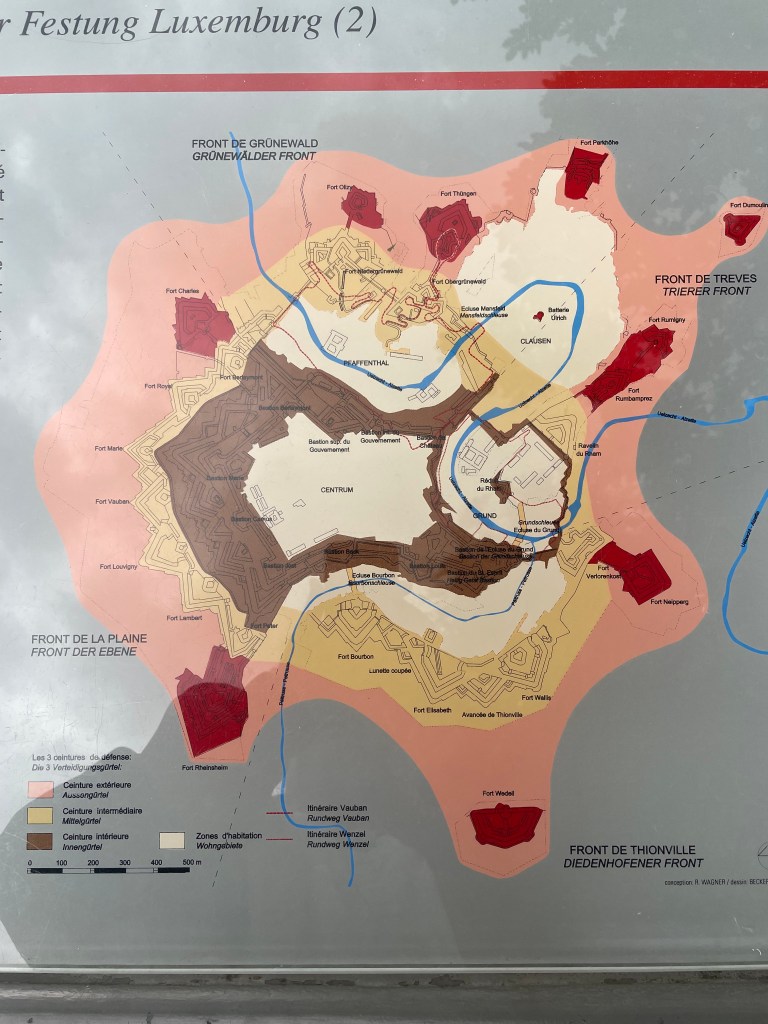
After walking though the impressive buildings in town, we approached the bridge and a nice bronze tribute to the Luxembourgois by Goethe.  The bridge begins by traveling along a large rock outcropping—the Bock.  This is where the original Luxembourg fortress was built in 963 when Luxembourg was founded.  In the valley below is the Alzette River, a smallish river that winds peacefully back and forth. We spent a lot of time reading about the past on the placards and soaking in the beautiful views. Once we got on a walkway along the edge of the city wall (Le chemin de la corniche), the views got even better.

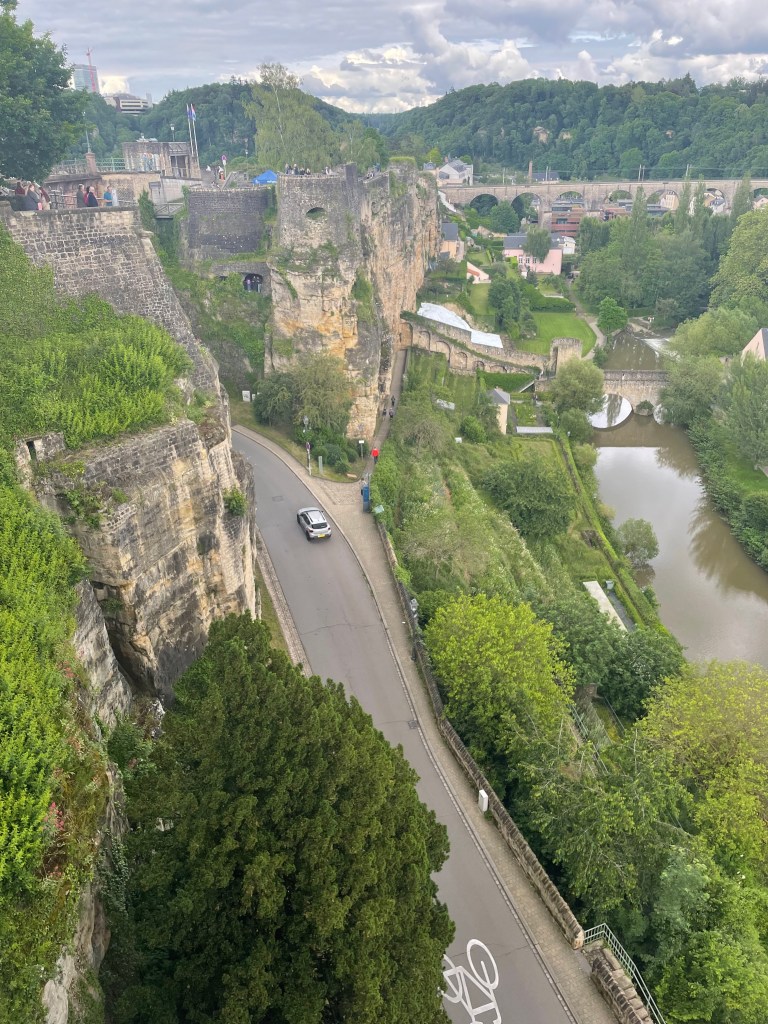
Here are the views we saw as we hiked on the ruin ramparts.  It was hard not to take pictures.

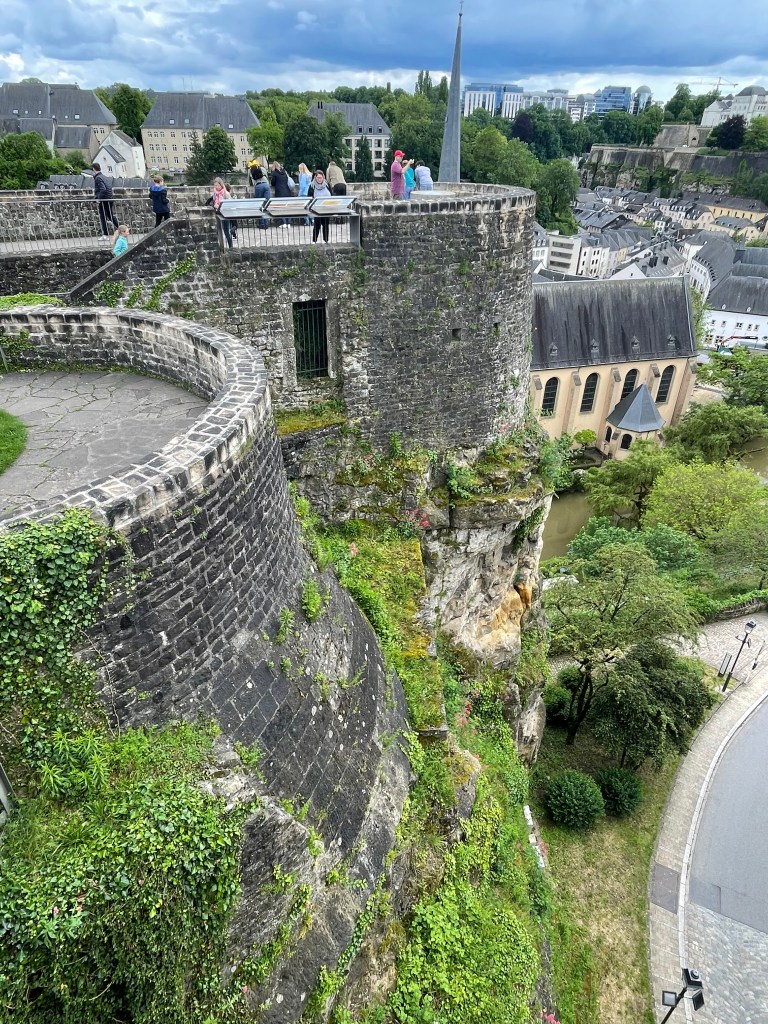
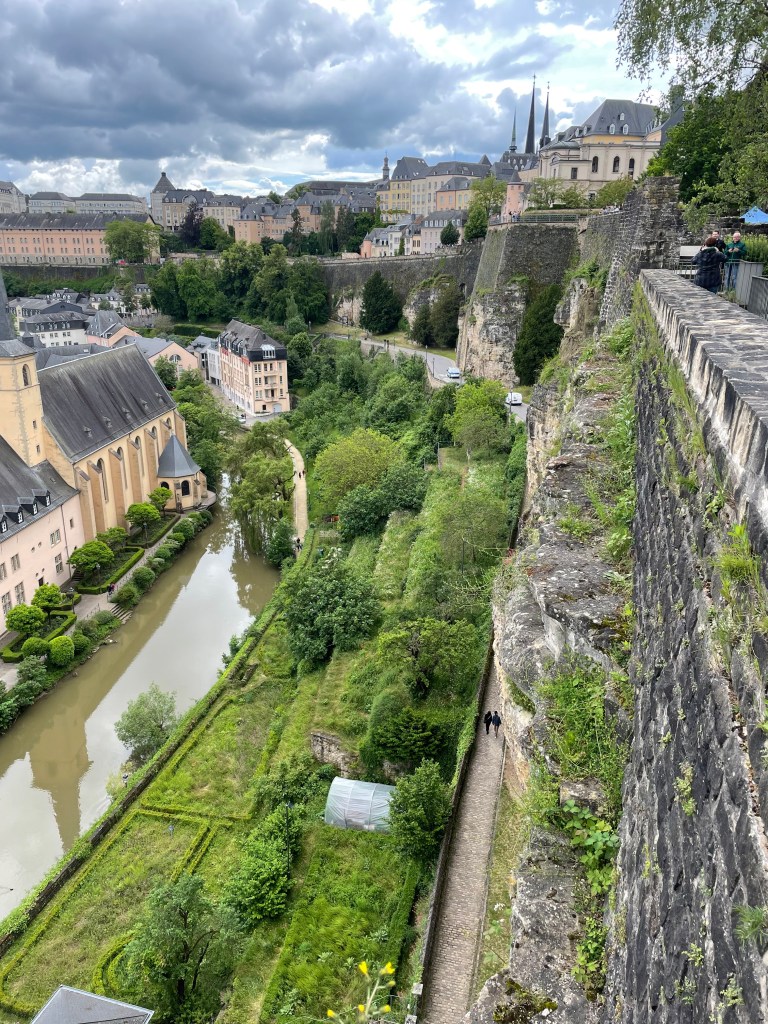
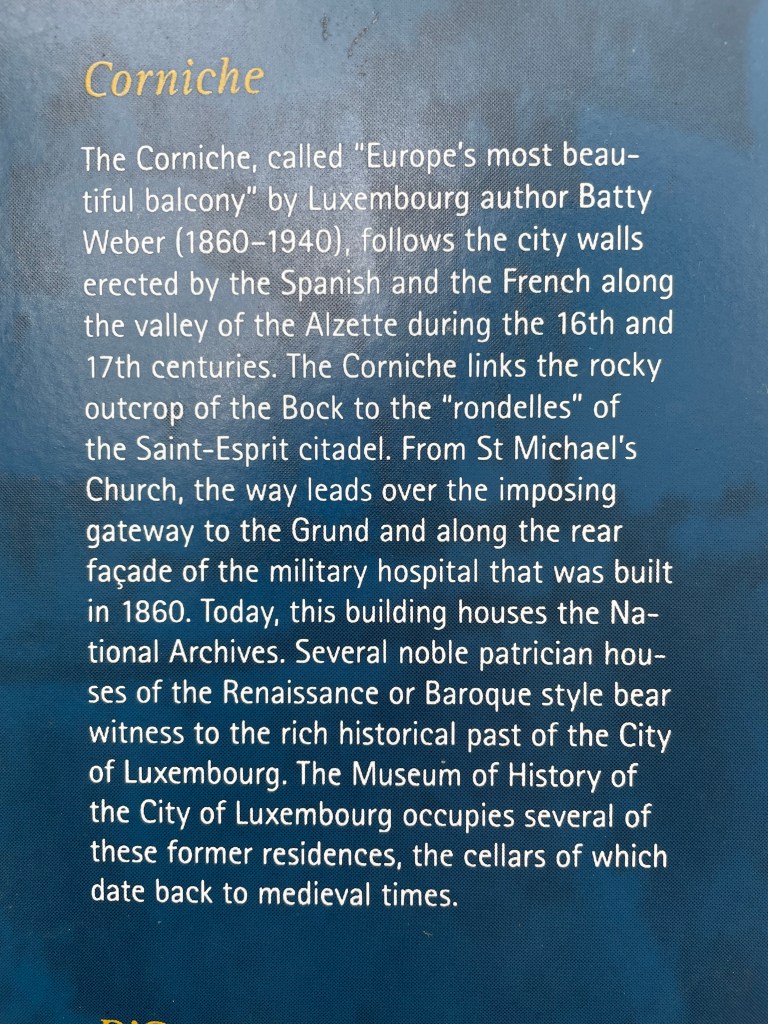
We are walking from the Bock along the city walls (the beautiful balcony) that looks out over the river and small village below.  In the olden days about 5,000 people lived down there, people who worked at the fortress.

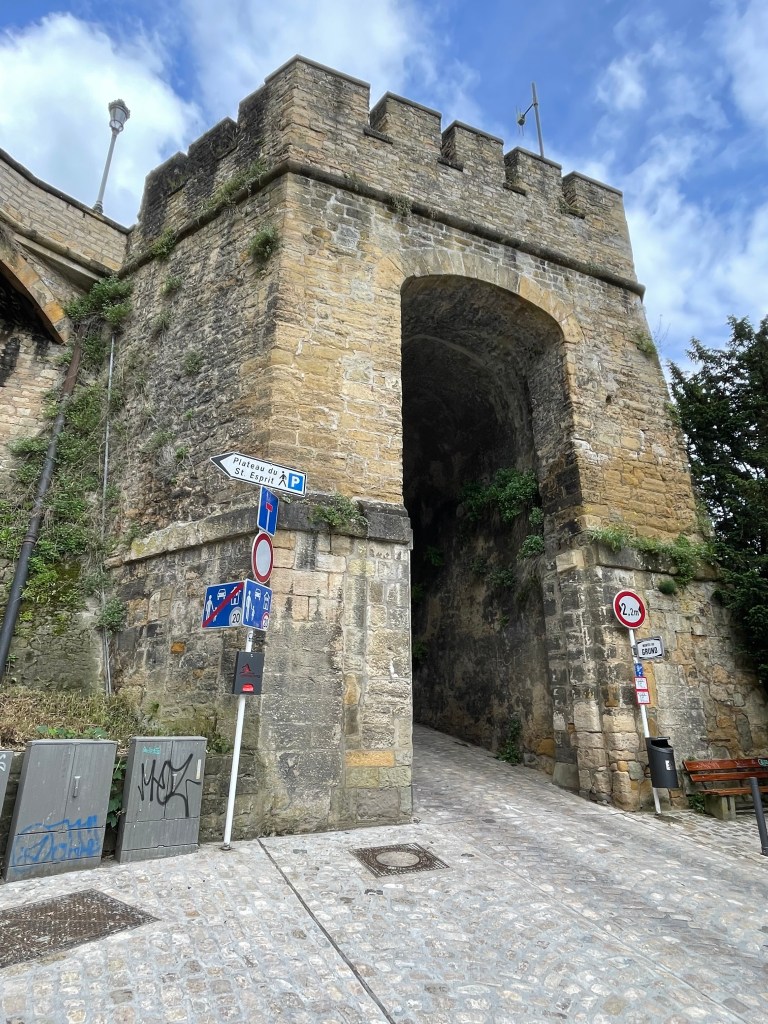
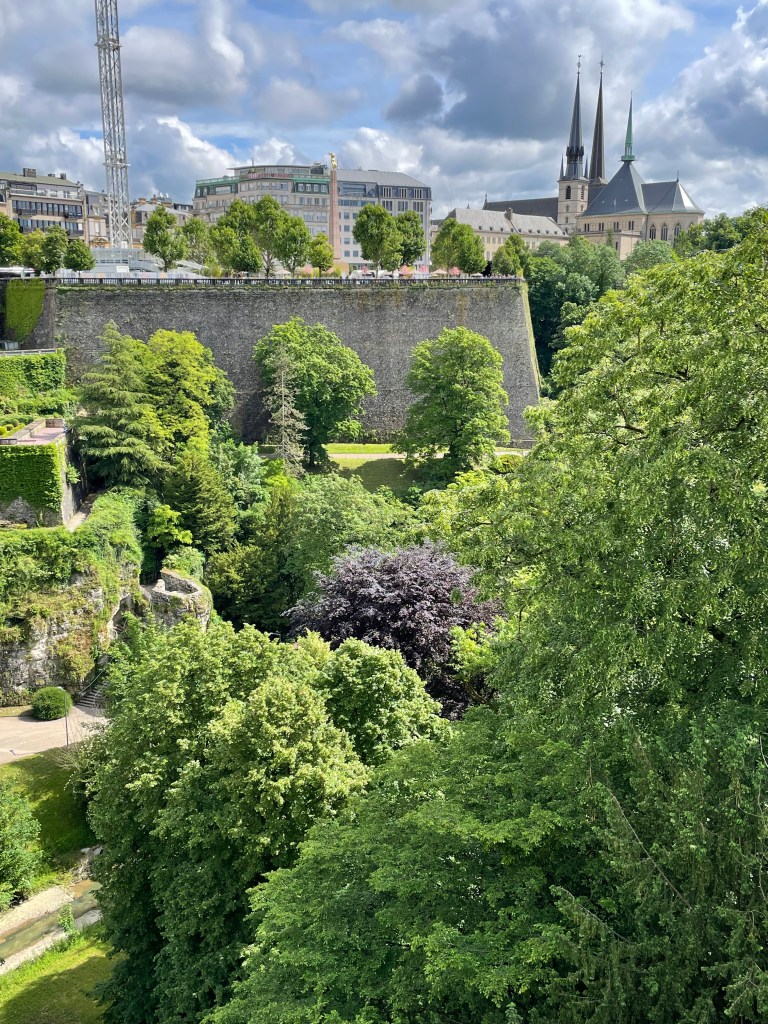
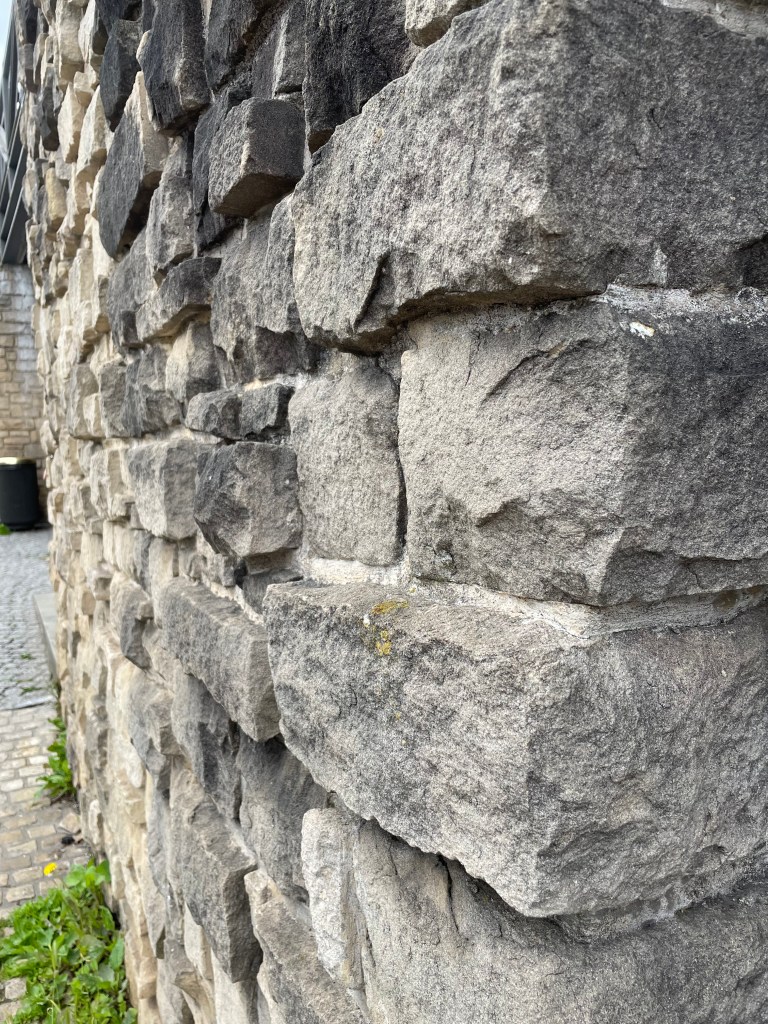
The city walls were impressive.

On the way back up to the upper city we passed the National Archives and passed through some charming streets. Up top, we saw a lovely statue of the Grand Duchess Charlotte, then went into the Notre Dame Cathedral.