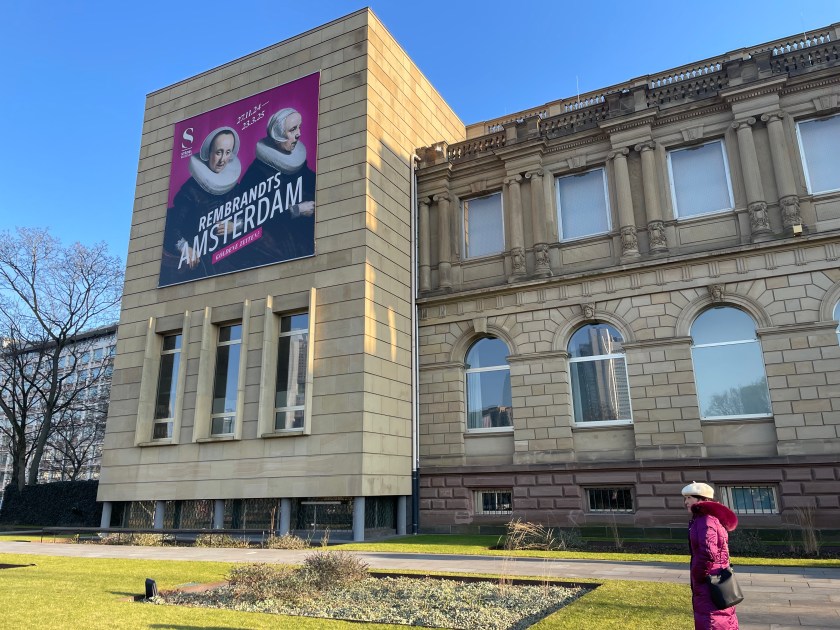
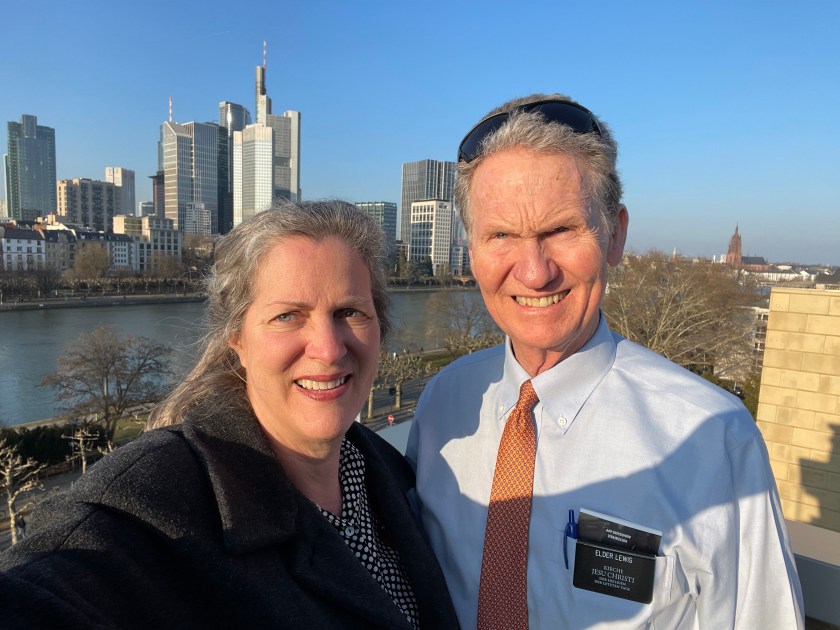
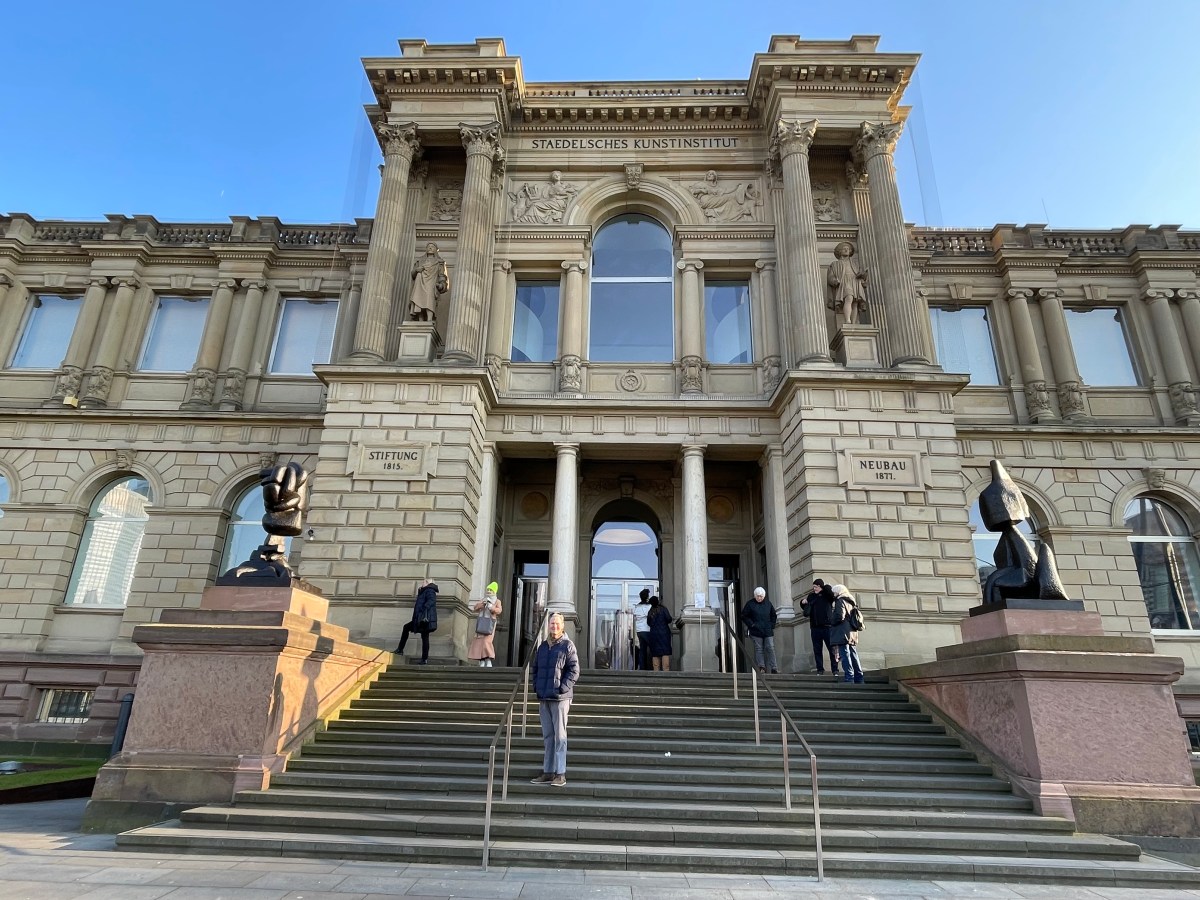
On Tuesday afternoons, the Städel Art Museum in Frankfurt is half price. This was the last place on our Frankfurt bucket list to visit. We left work a little bit early to take the train into town for our museum visit.
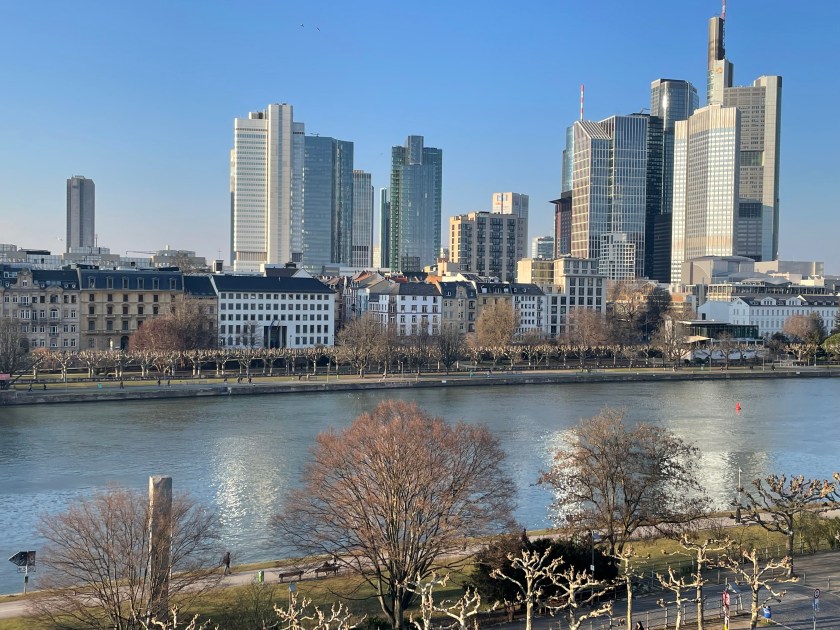
After weeks of cloudy days, we saw sun today! It was glorious!
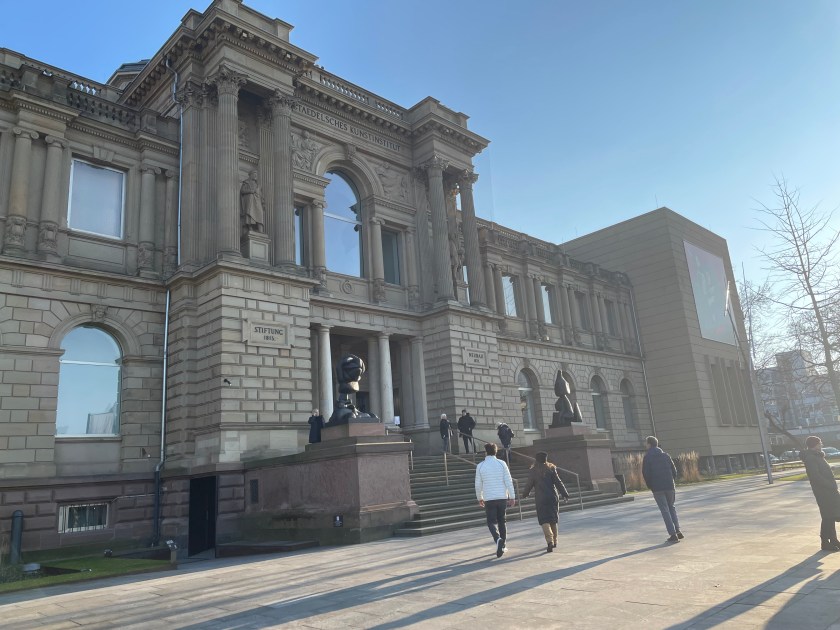
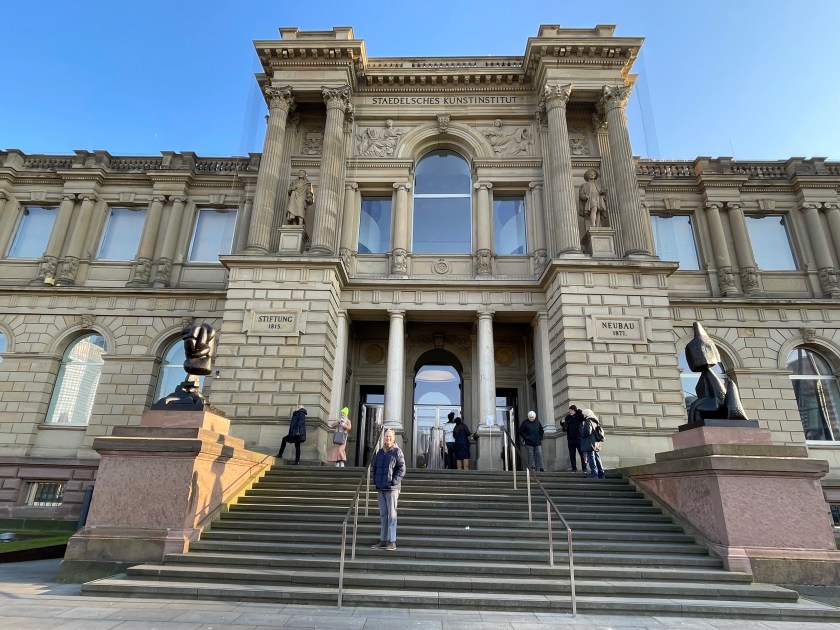
From Wikipedia:
The Städel Museum owns 3,100 paintings, 660 sculptures, more than 4,600 photographs and more than 100,000 drawings and prints. It has around 7,000 m2 (75,000 sq ft) of display and a library of 115,000 books.
The Städel was founded in 1817, and is one of the oldest museums in Frankfurt. The founding followed a bequest by the Frankfurt banker and art patron Johann Friedrich Städel (1728–1816), who left his house, art collection and fortune with the request in his will that the institute be set up. In the early years, Städel’s former living quarters at Frankfurt’s Roßmarkt were used to present his collection. The collection received its first exhibition building at the Neue Mainzer Straße in 1833.
19th century building
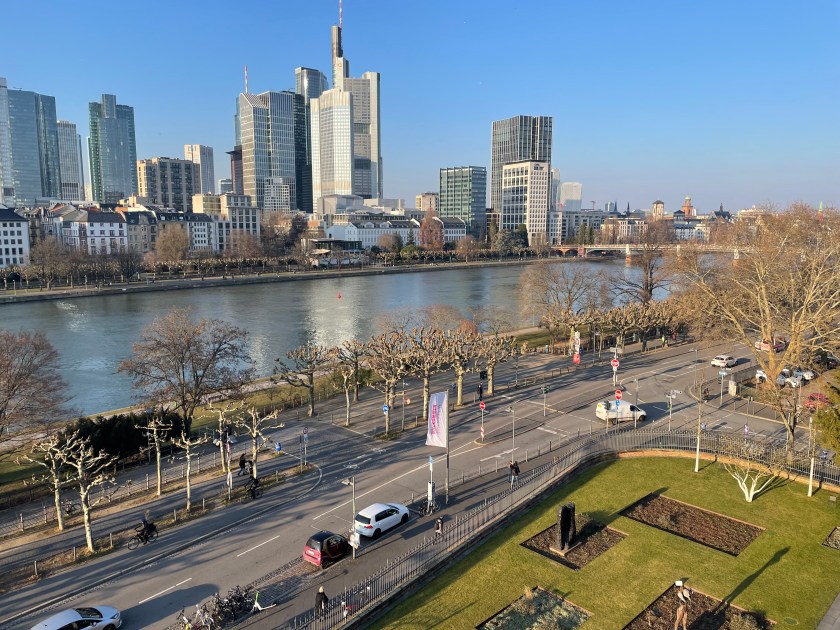
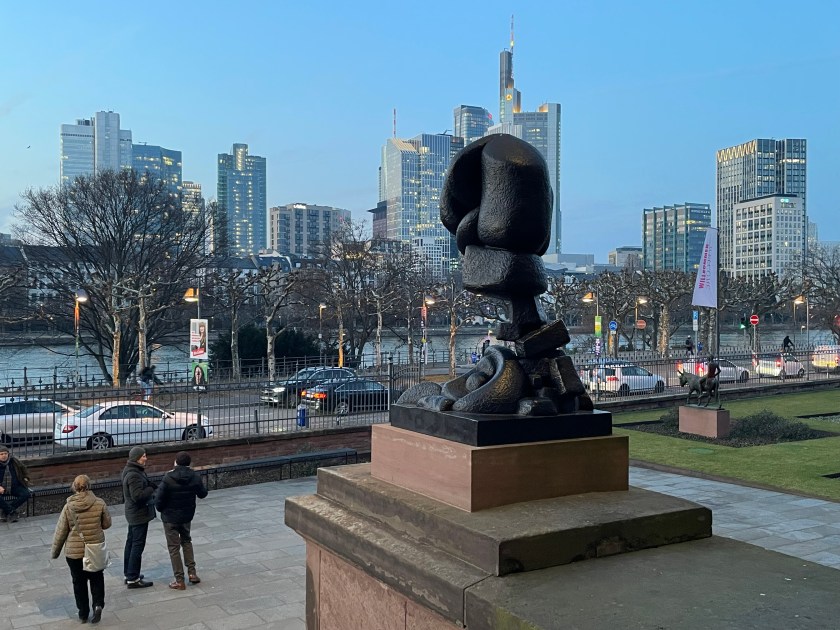
In 1878, a new museum building, in the Neo-Renaissance style, was erected by Oskar Sommer on Schaumainkai, a street along the south side of the river Main.
20th century
In 1937, 77 paintings and 700 prints were confiscated from the museum when the National Socialists declared them “degenerate art.”
In 1939, the collection of the Städel Museum was removed to avoid destruction from the Allied bombings, and the collection was stored in the Schloss Rossbach, a castle owned by the Baron Thüngen near Bad Brückenau in Bavaria. There, the museum’s paintings and library were discovered by Lt. Thomas Carr Howe, USN, of the American Monuments, Fine Arts and Archives program.[24]
Renovations and extension
The gallery was substantially damaged by air raids in World War II, it was rebuilt in 1966 following a design by the Frankfurt architect Johannes Krahn. An expansion building for the display of 20th-century work and special exhibits was erected in 1990, designed by the Austrian architect Gustav Peichl. Small structural changes and renovations took place from 1997 to 1999.
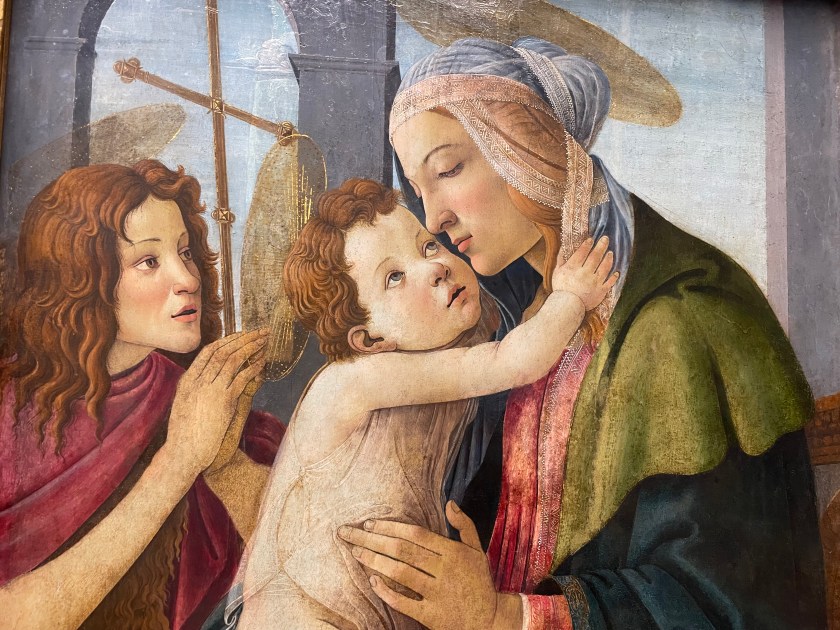
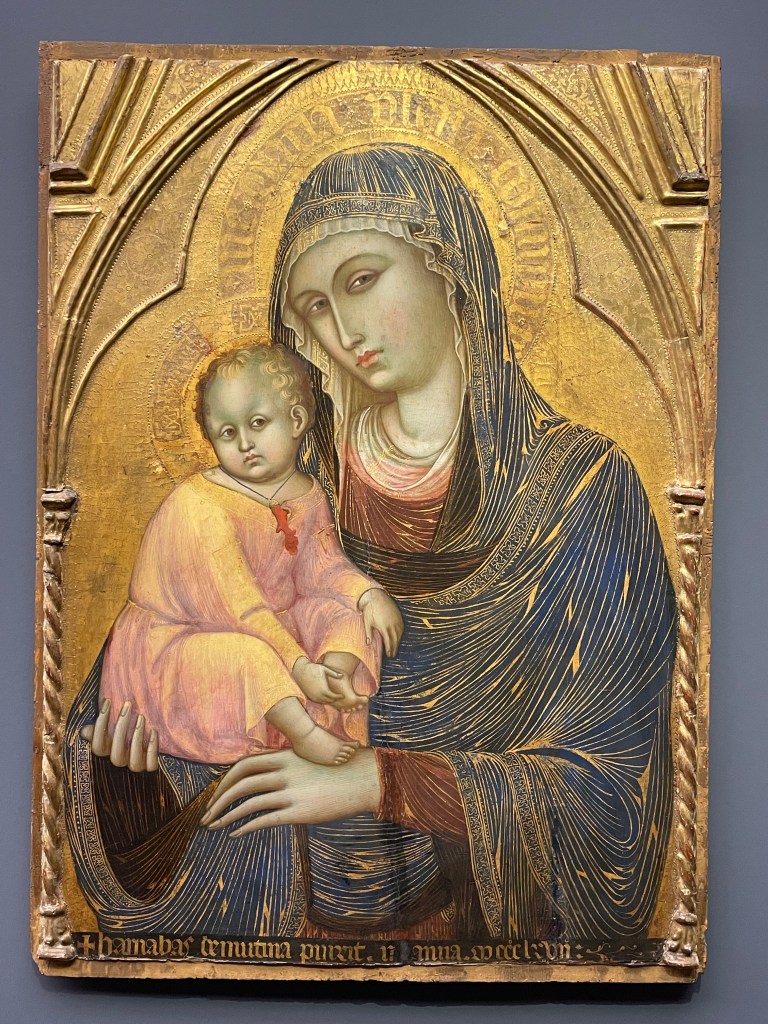
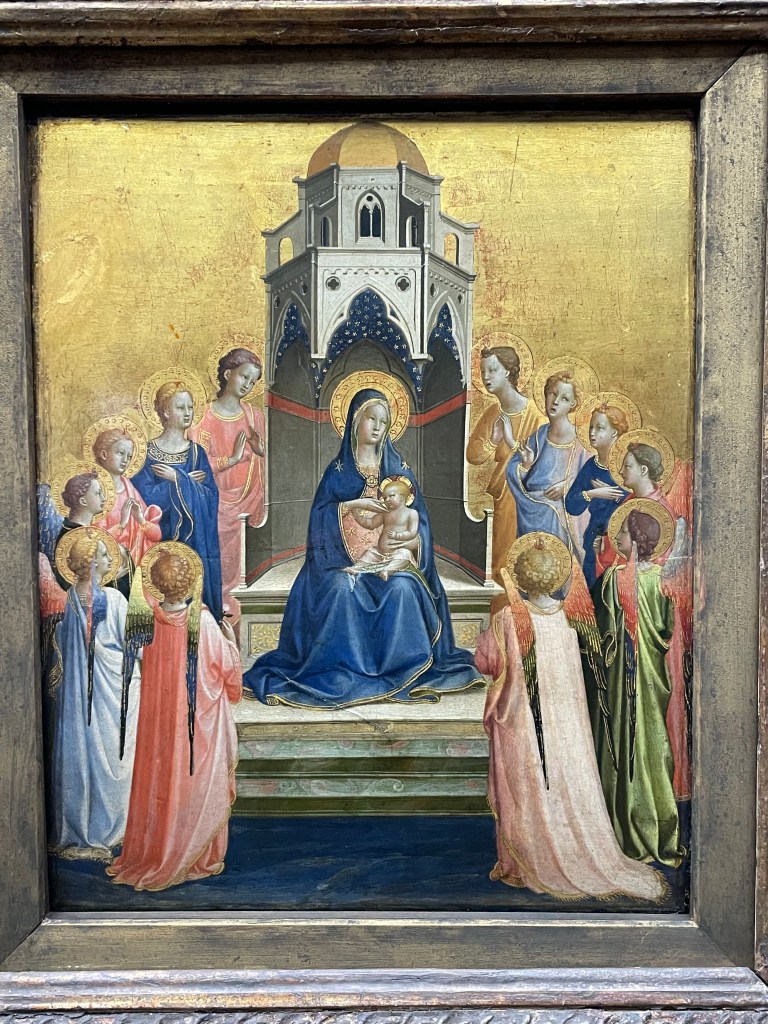
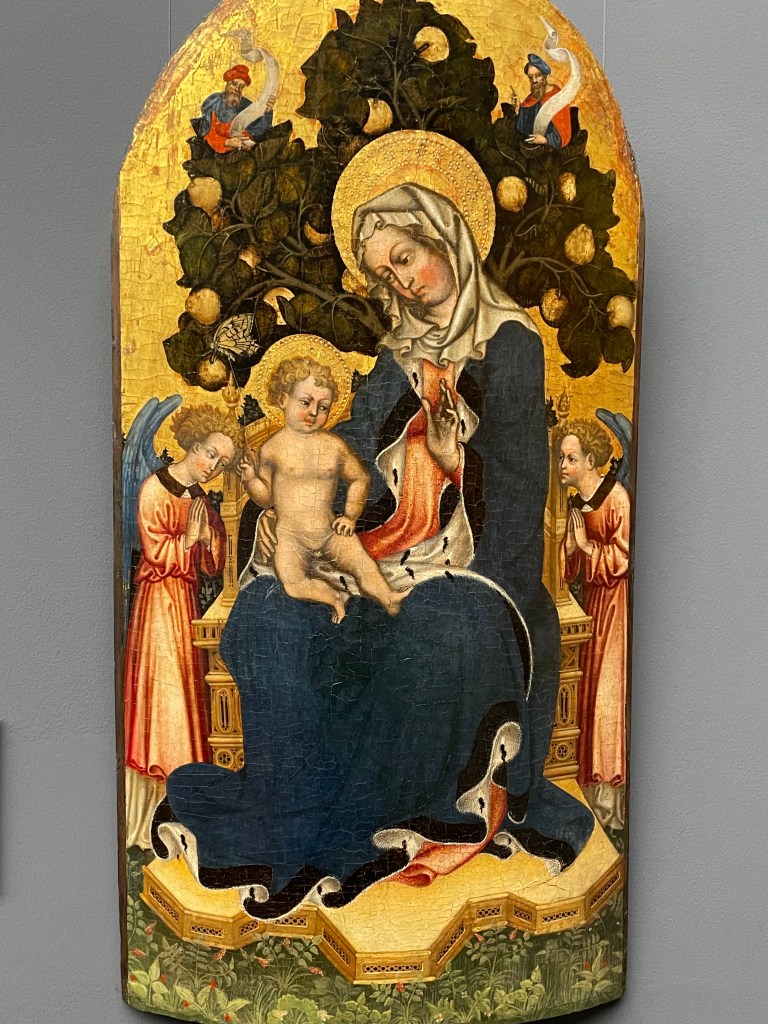
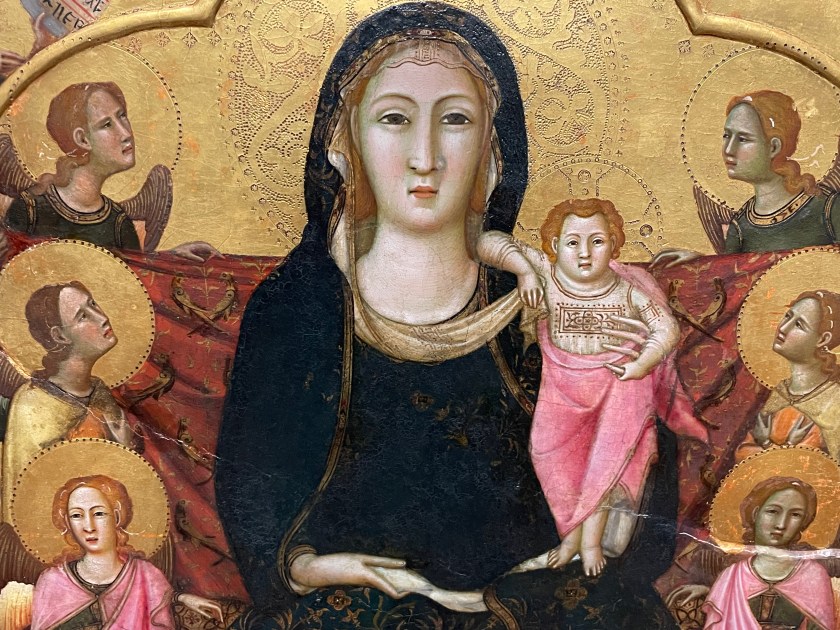
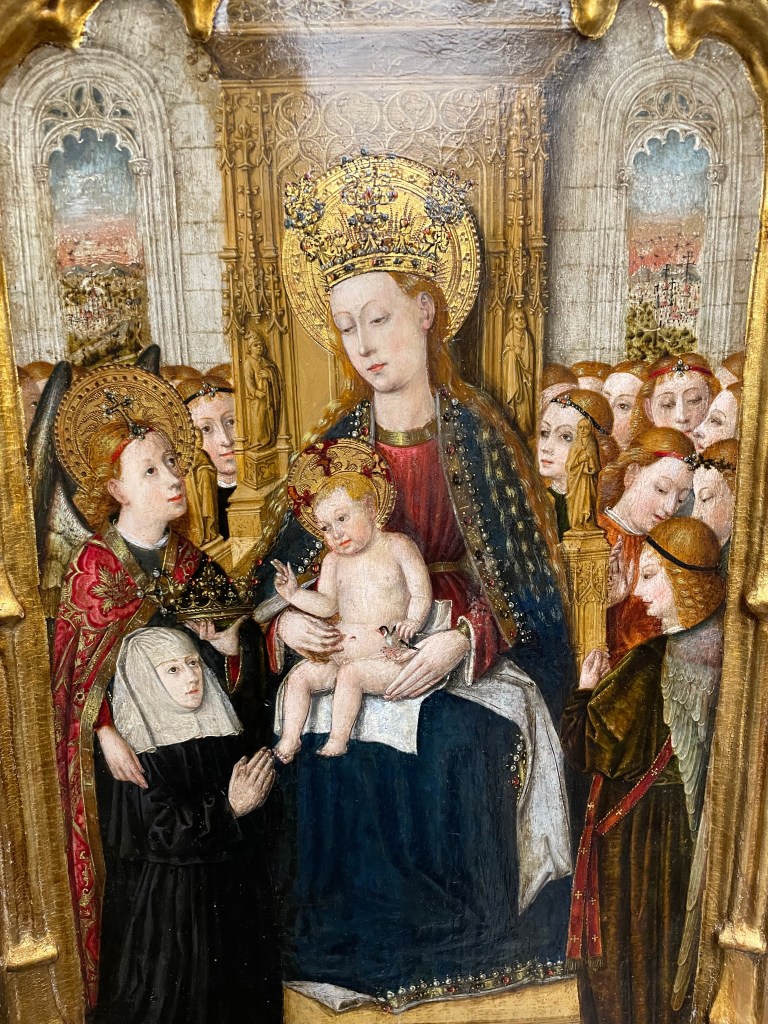
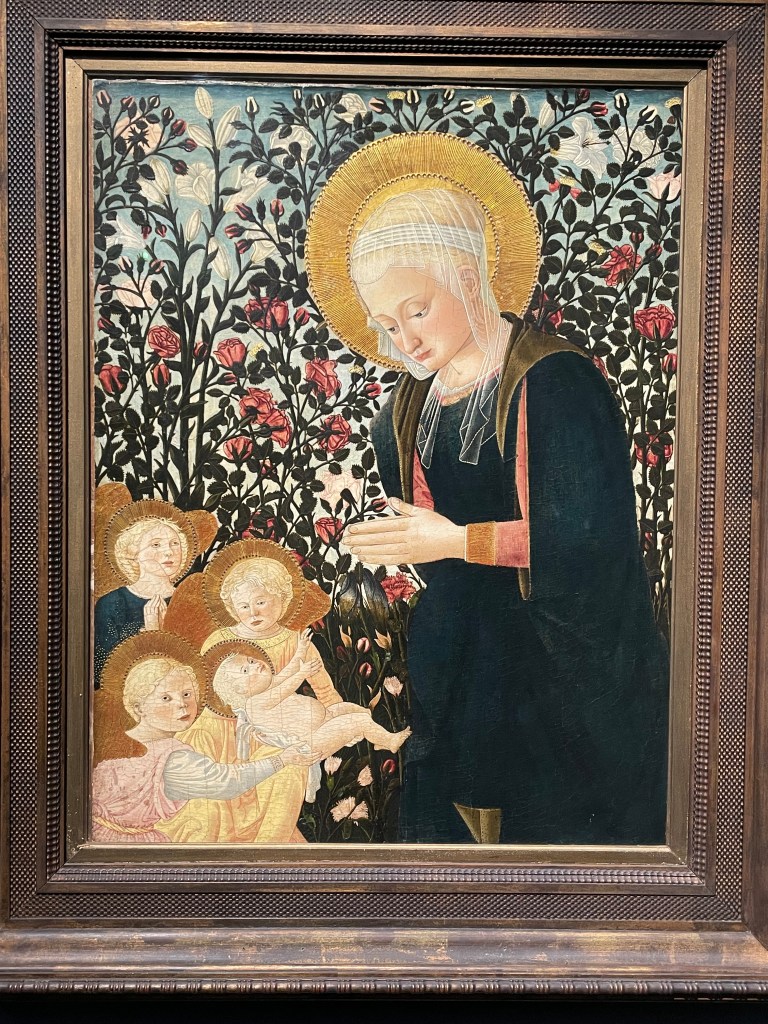
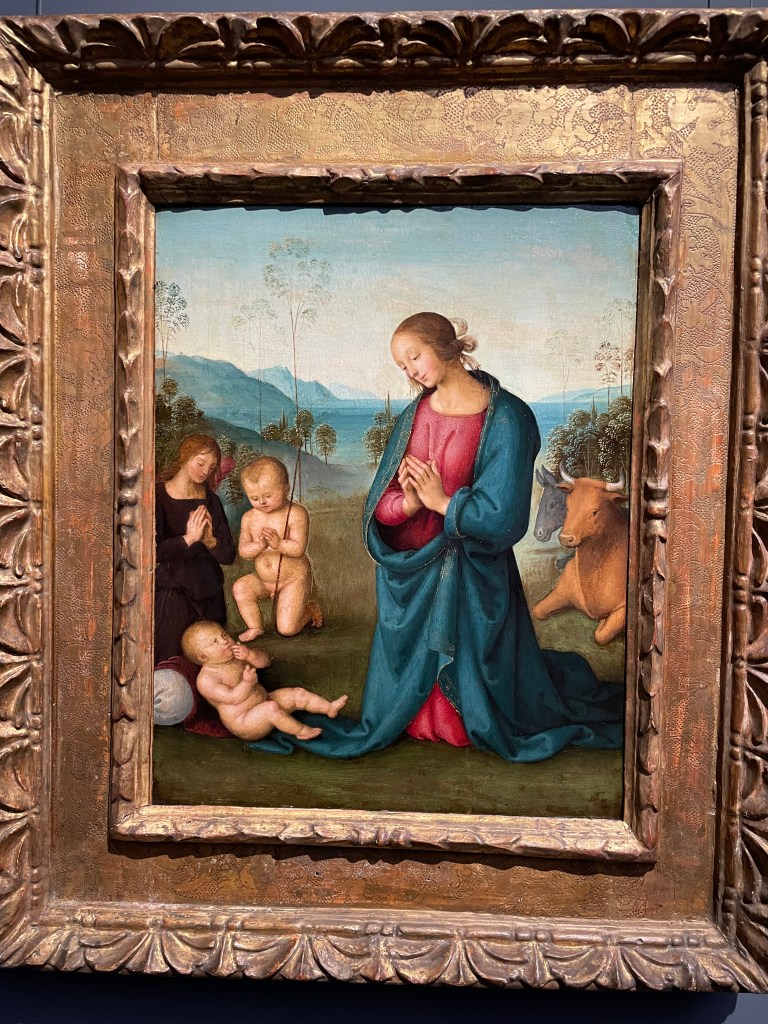
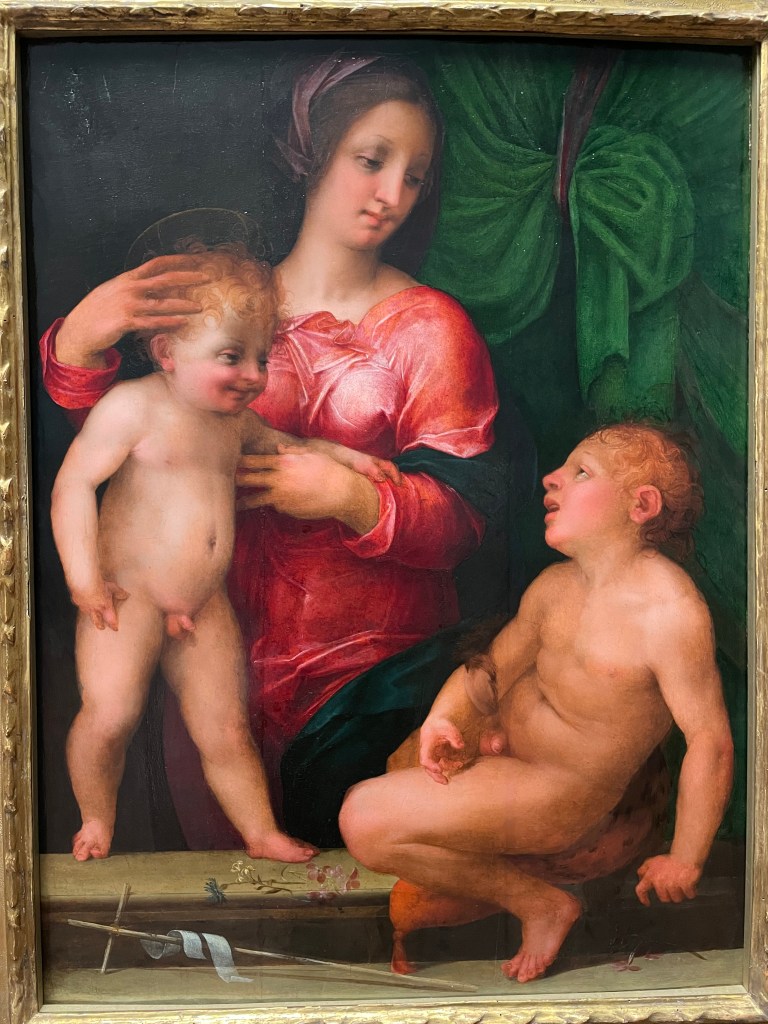
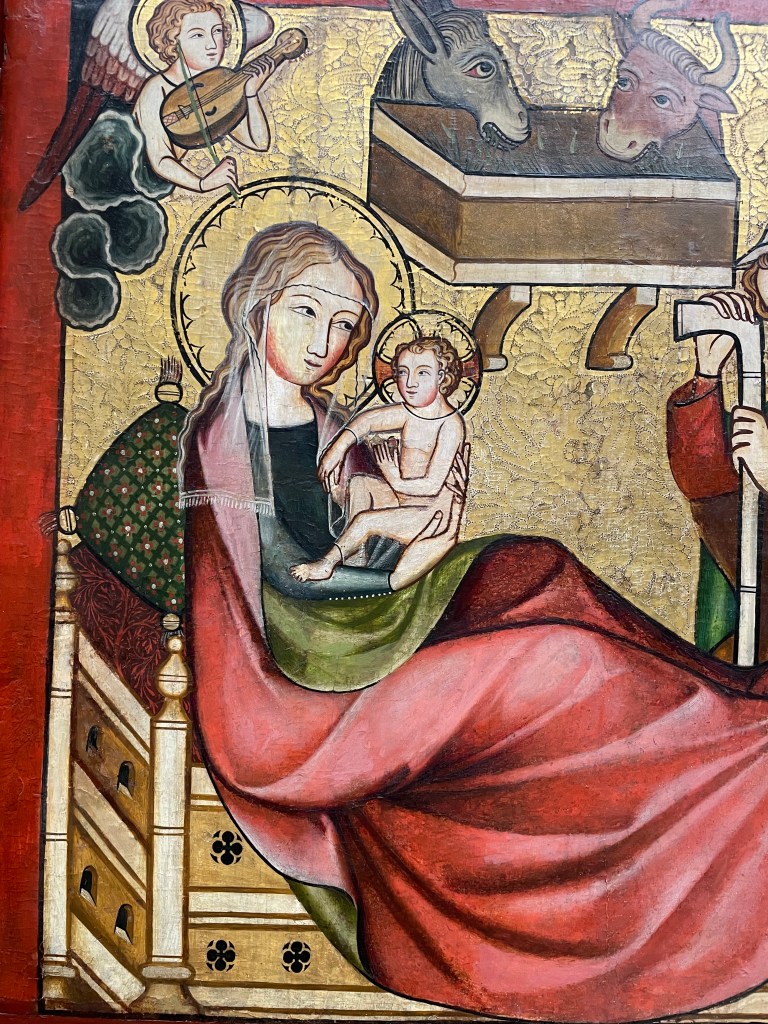
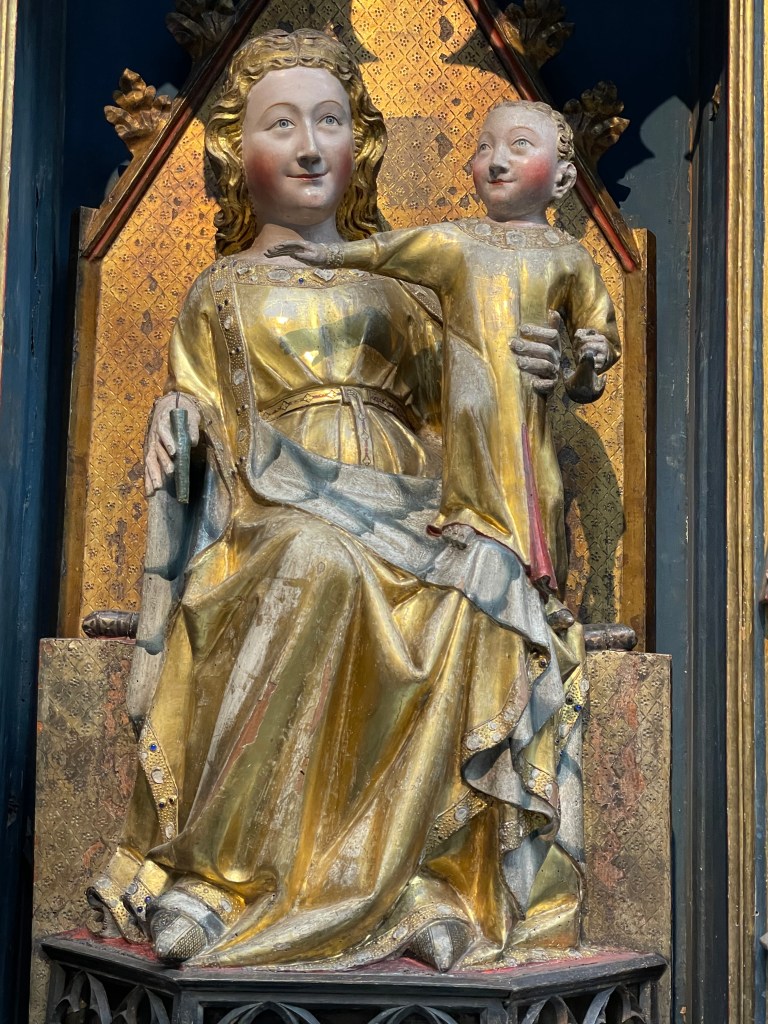
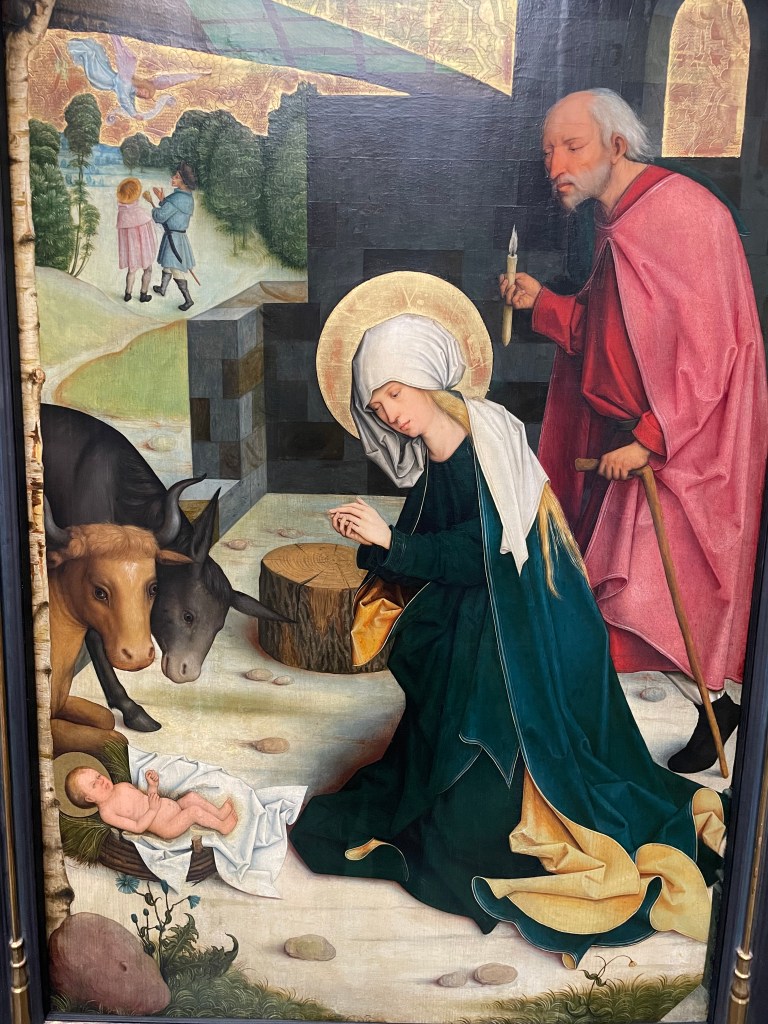
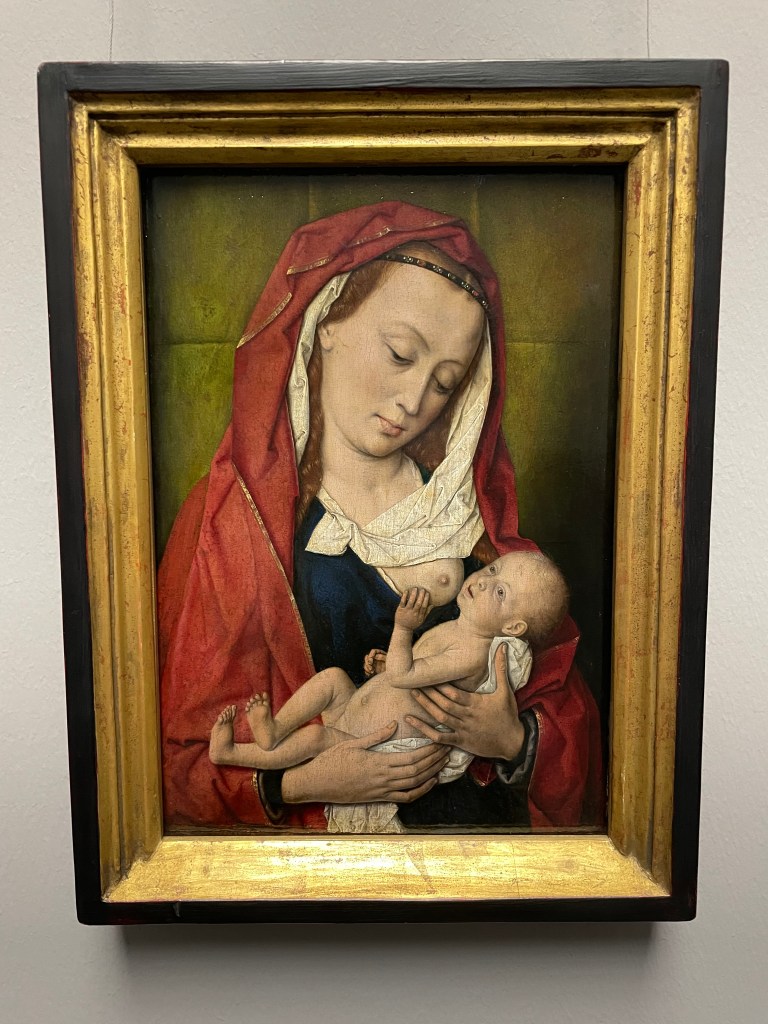
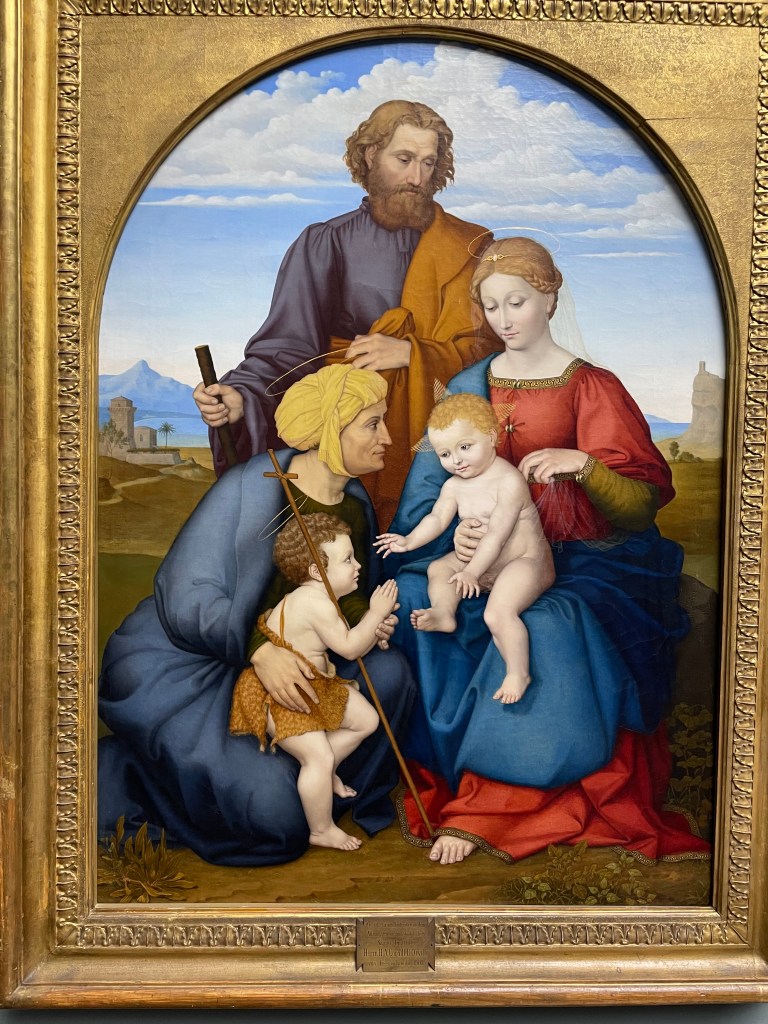
I focused my attention today on art representing Mary and Jesus, and enjoyed taking these photos. Sorry for not including all of the artists and credits. Just the art here.

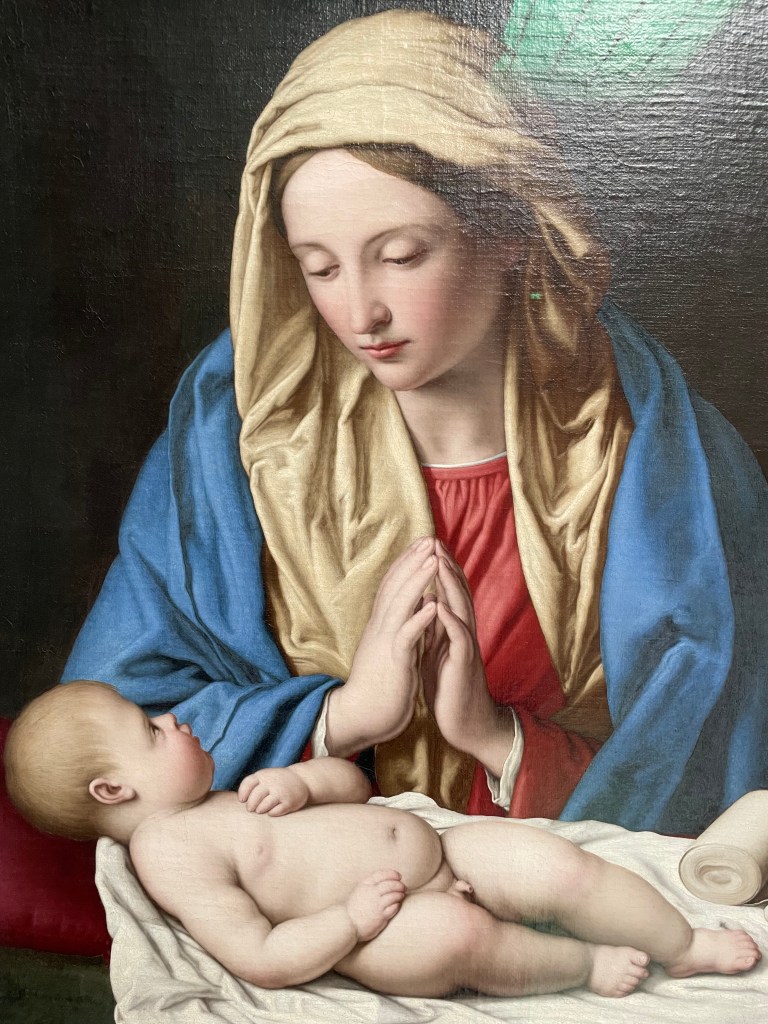
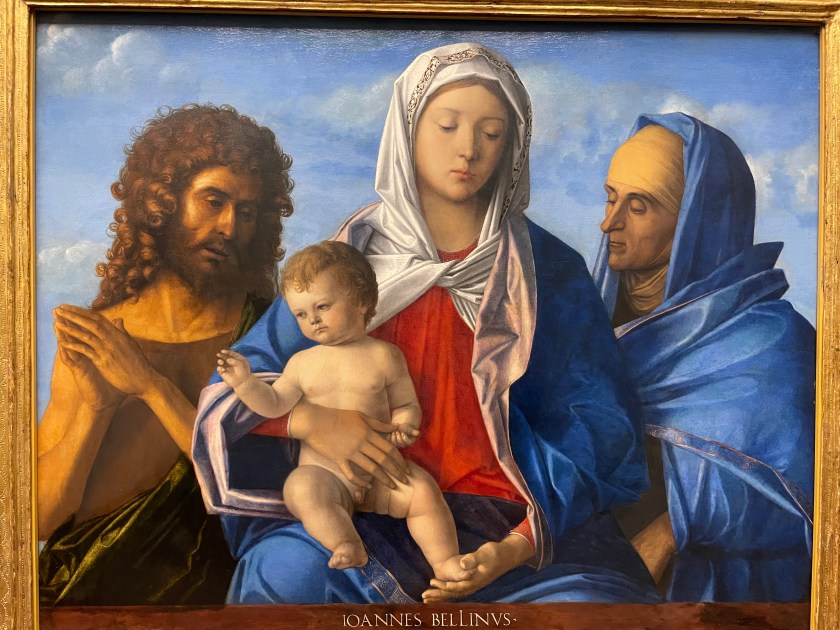
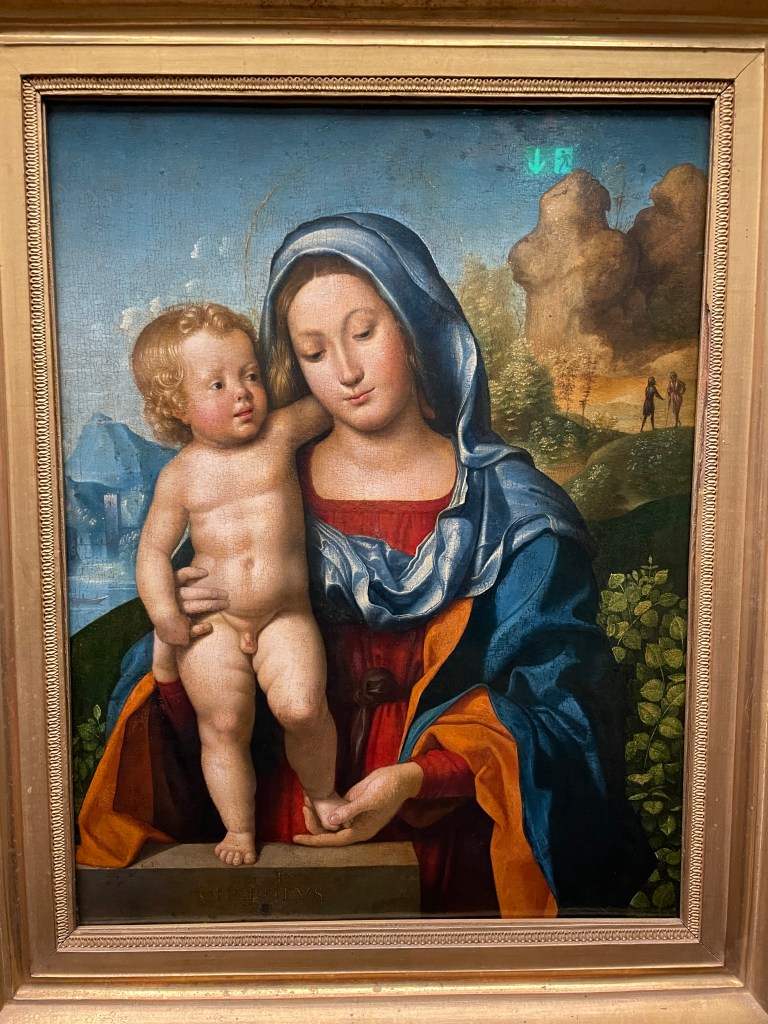
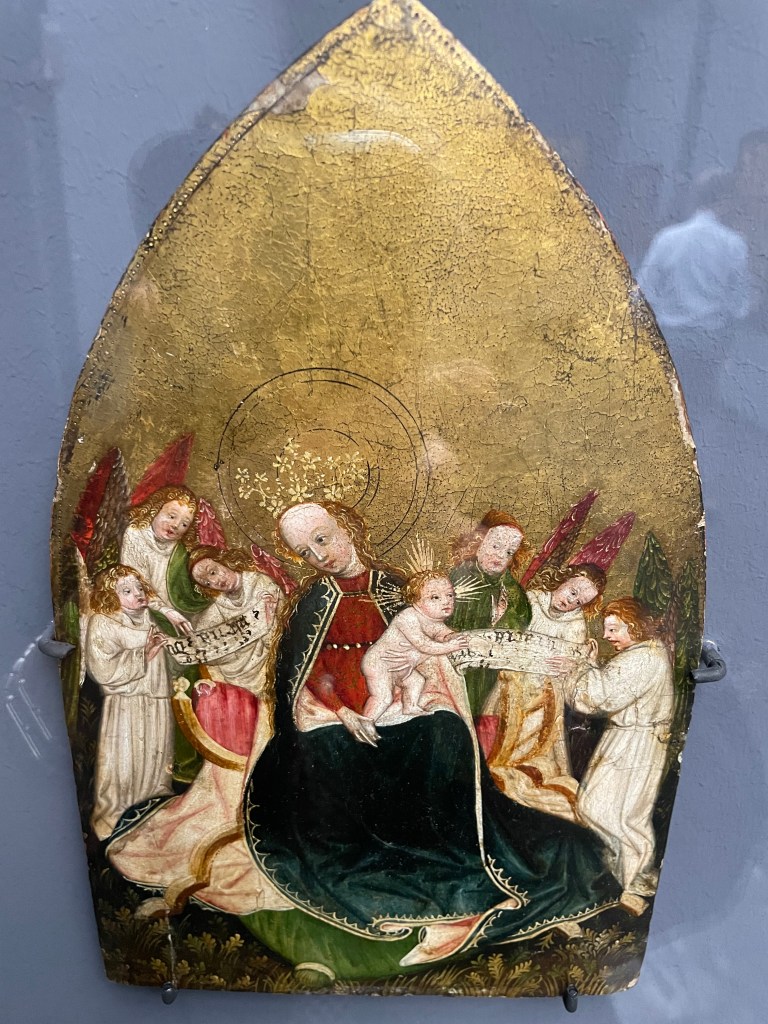
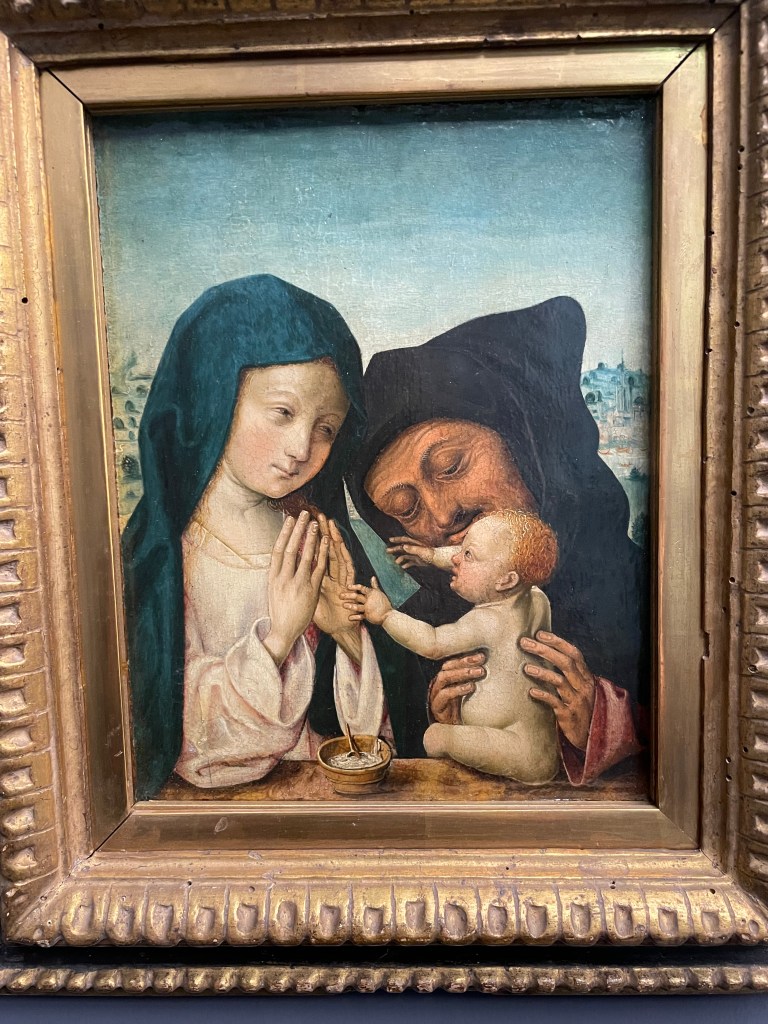
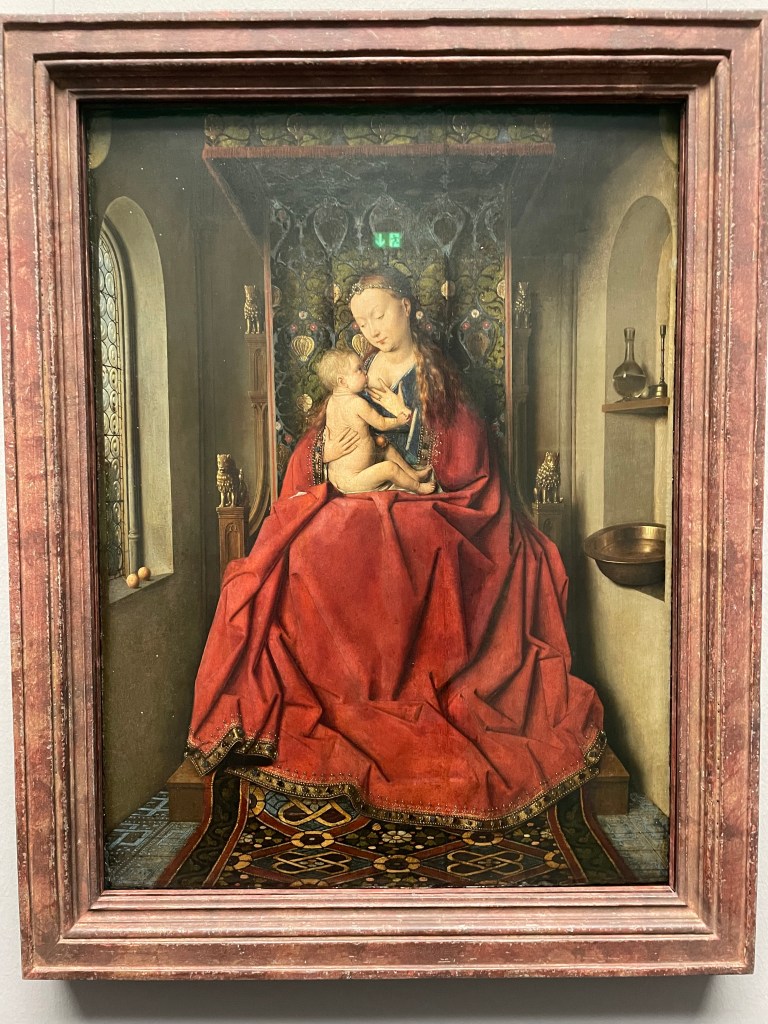
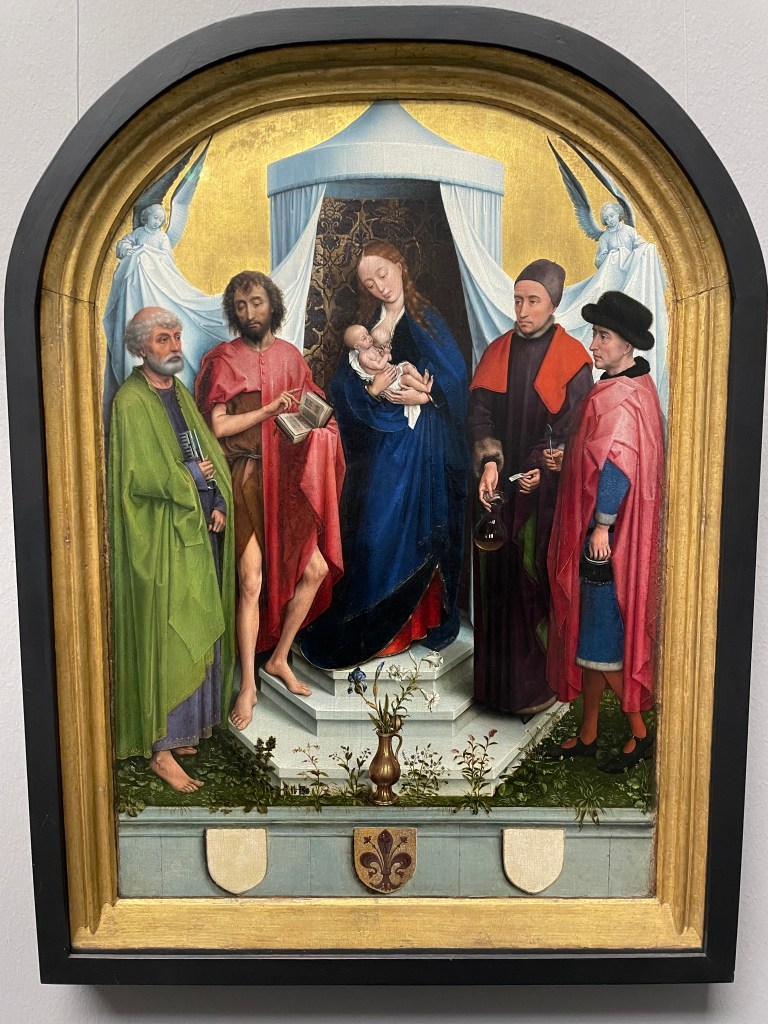
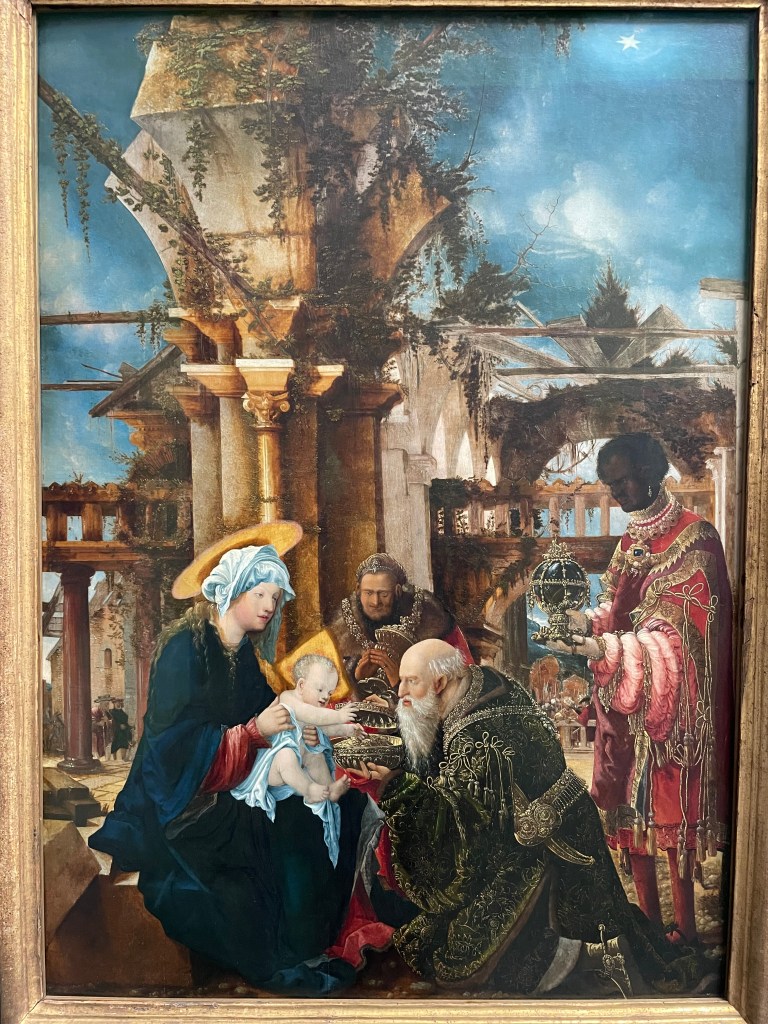
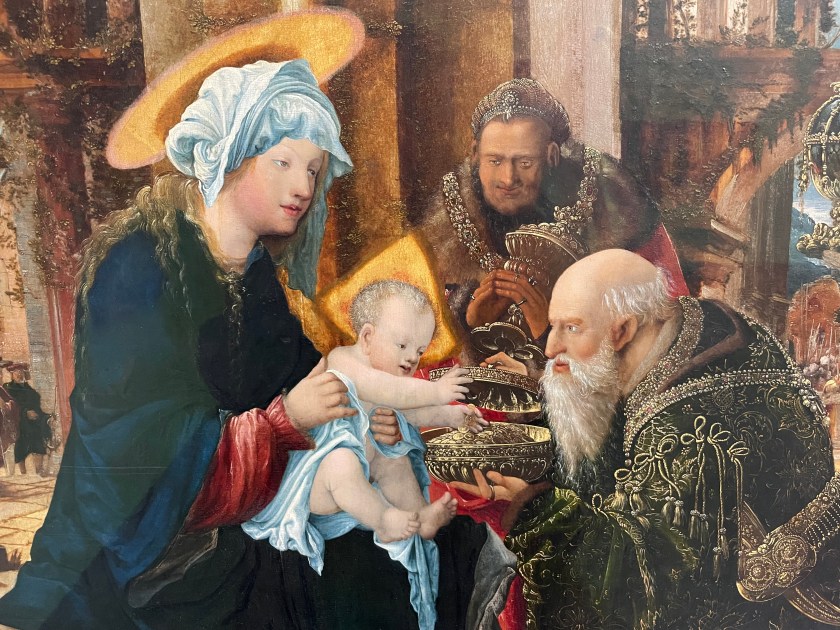
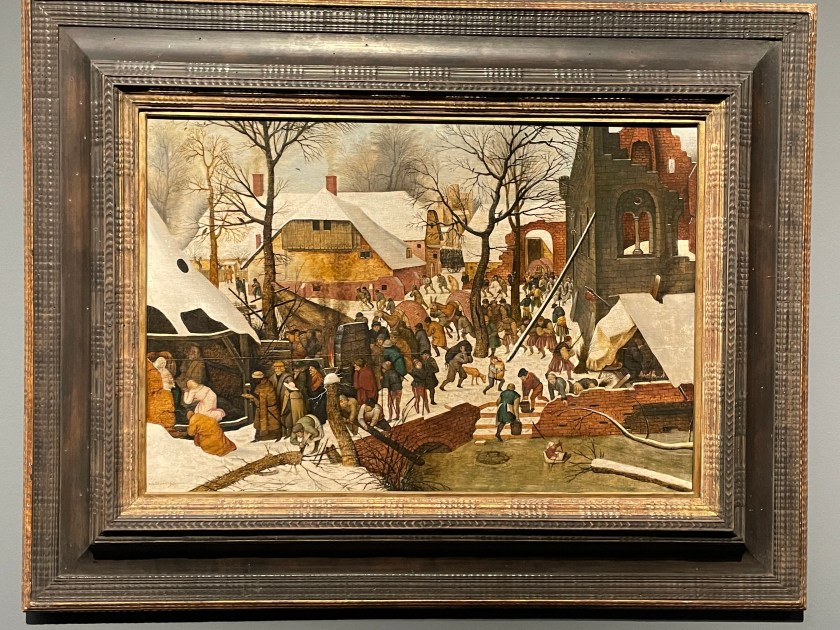
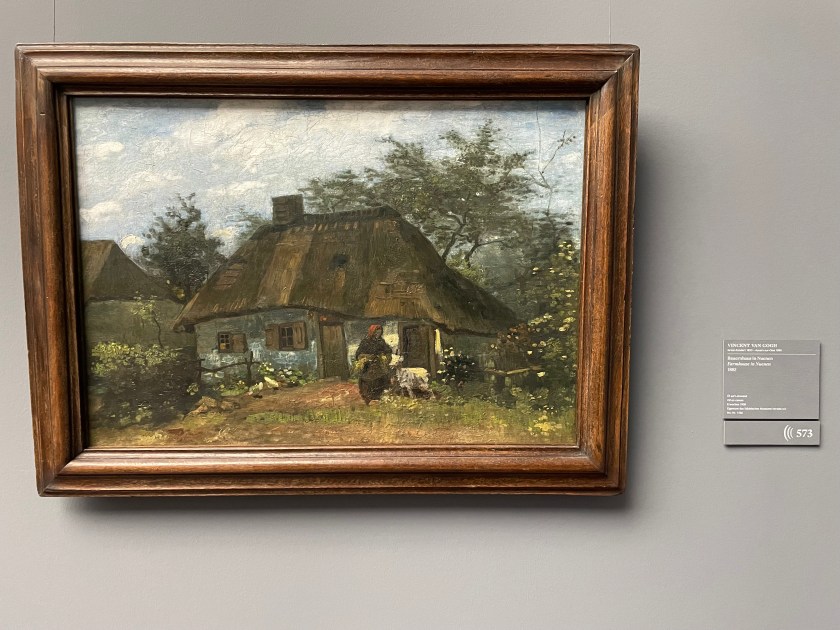
Here are a few other pieces I really liked:

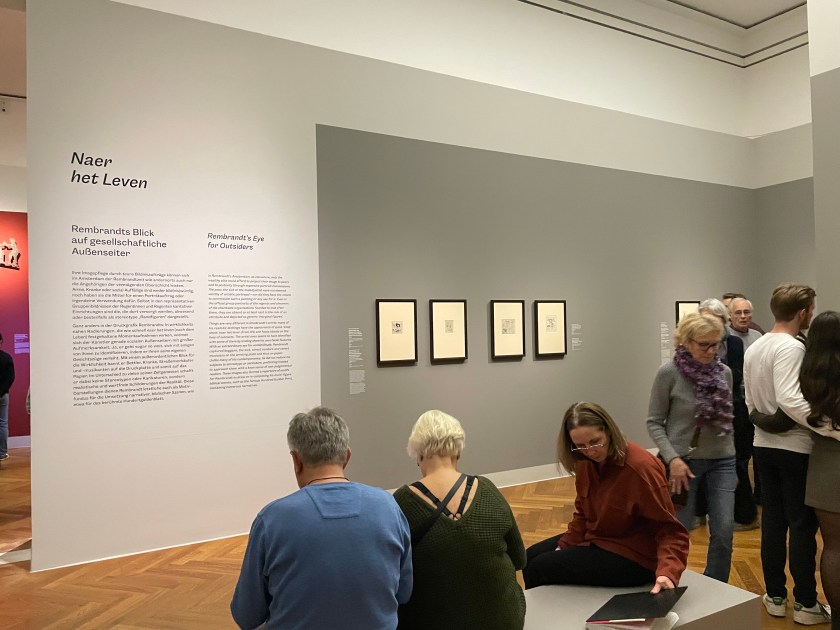
This room was filled with small sketches by Rembrandt of random street people. They were about 2-4″. It was unusual for famous painters to sketch or paint normal street people.
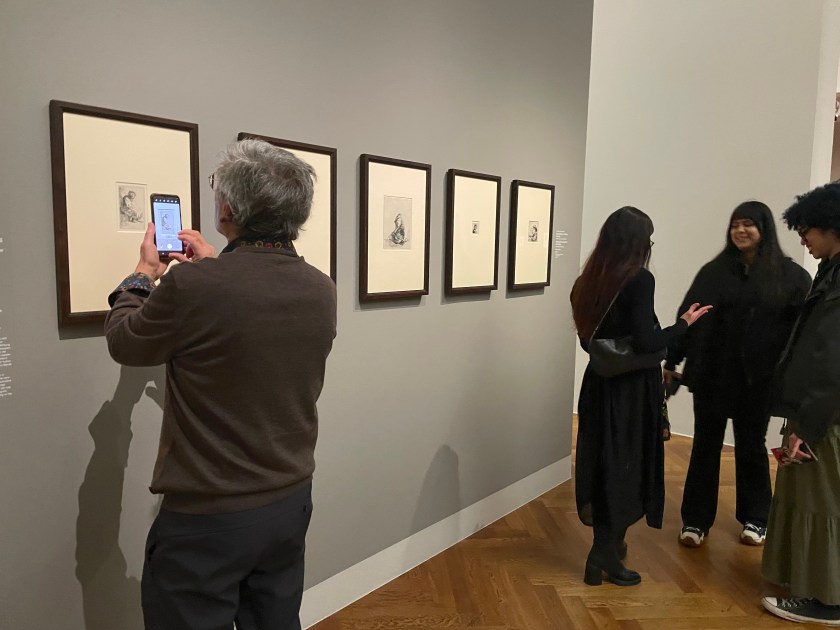
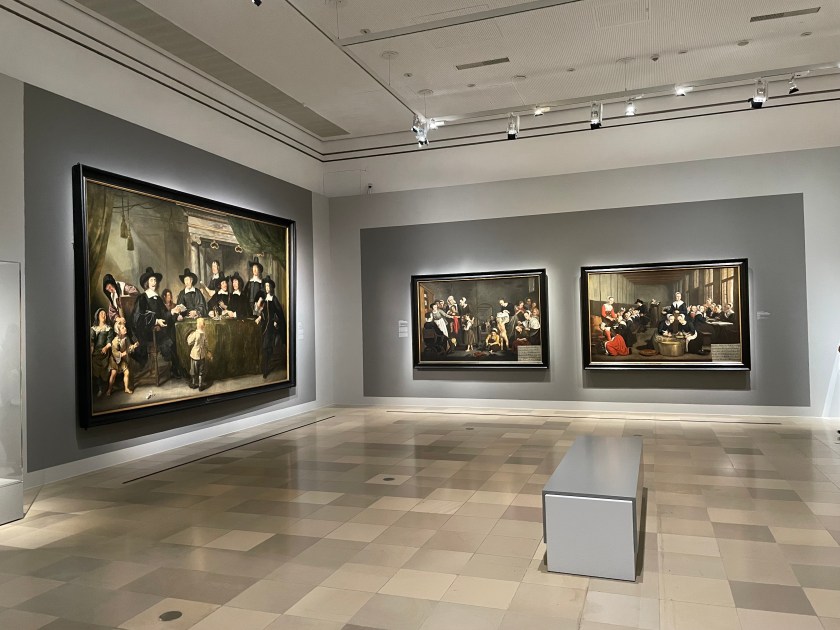
Turn’s out “Rembrandt’s Amsterdam” wasn’t a display of Rembrandt’s work, but art (mostly of people) by Amsterdam’s artists who lived during Rembrandt’s lifetime.
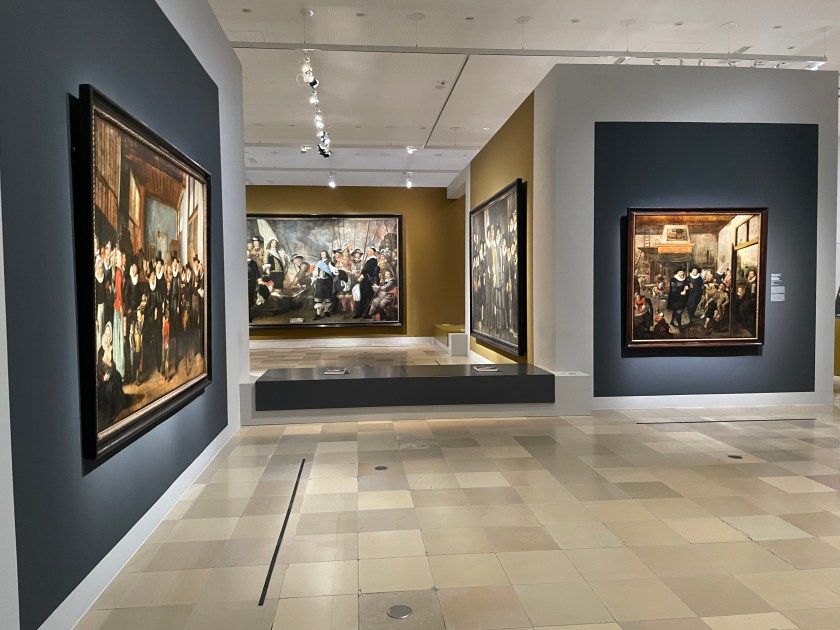
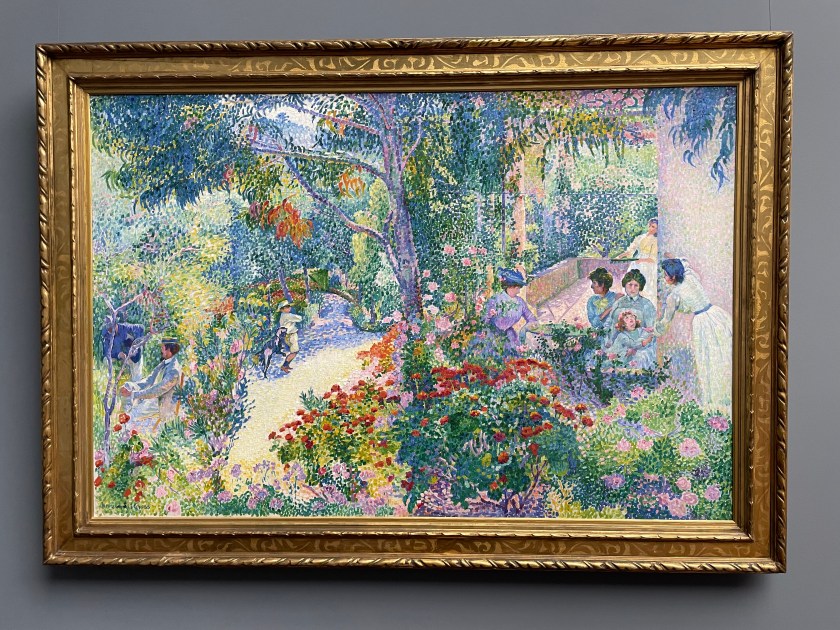
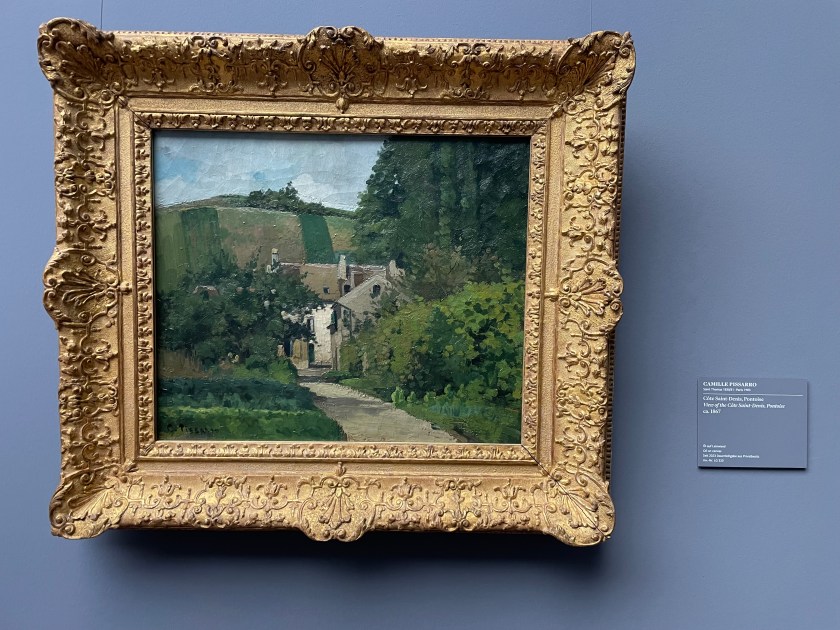
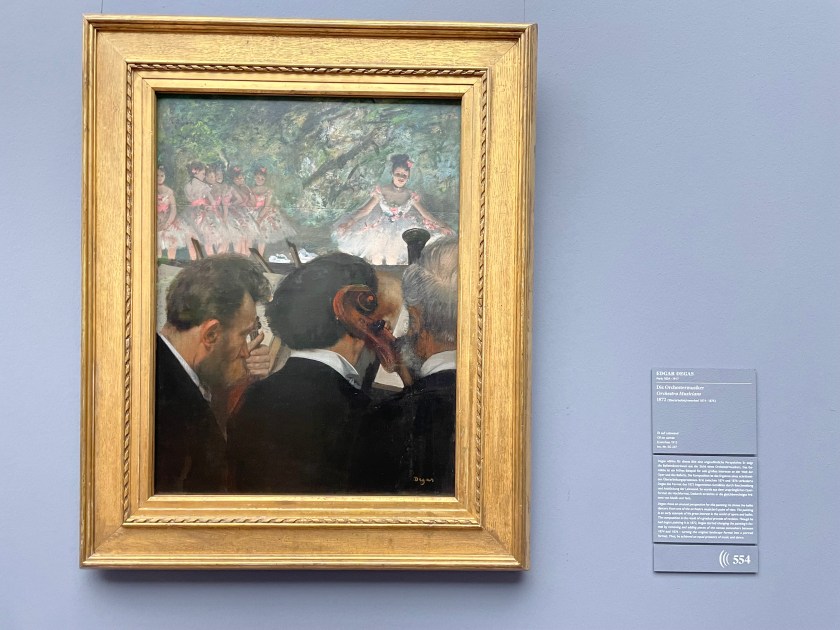
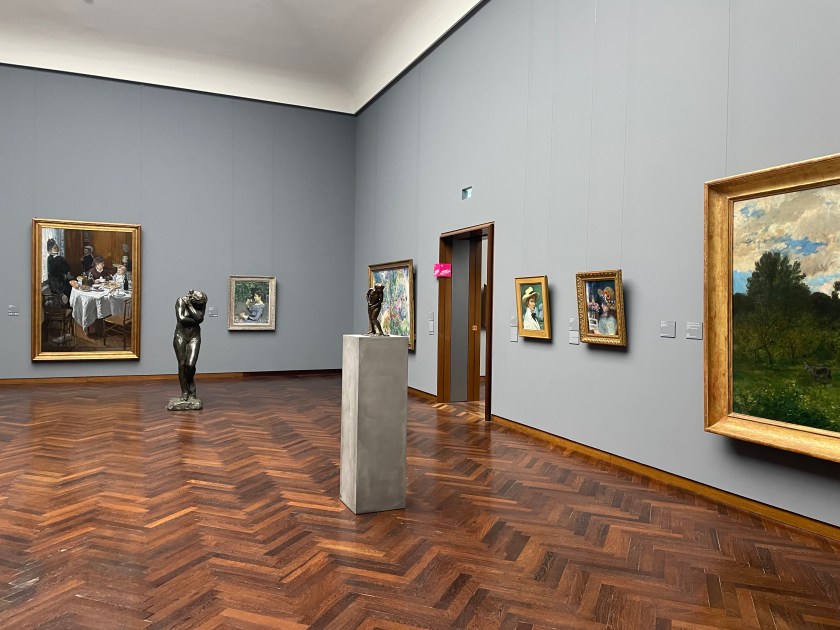
A few others by the Masters:
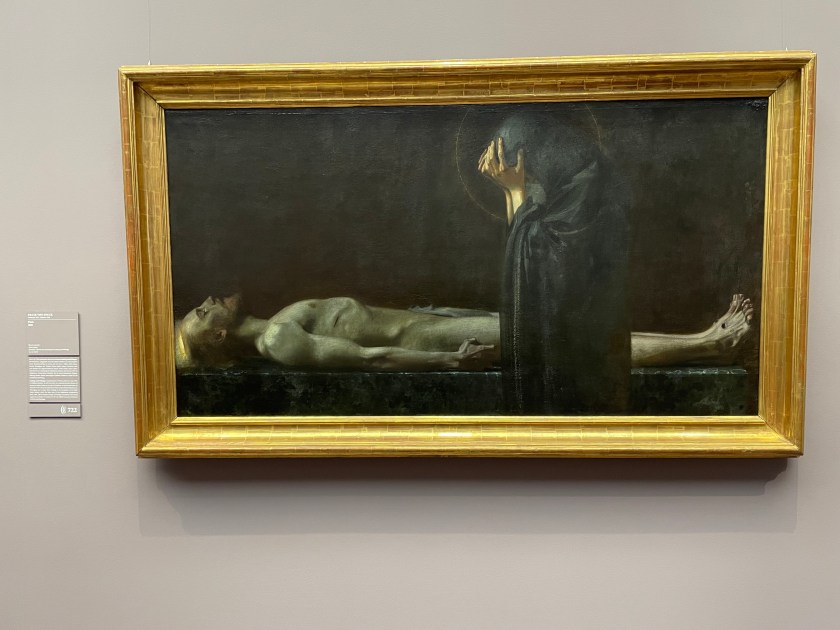
The Pieta below moved me.
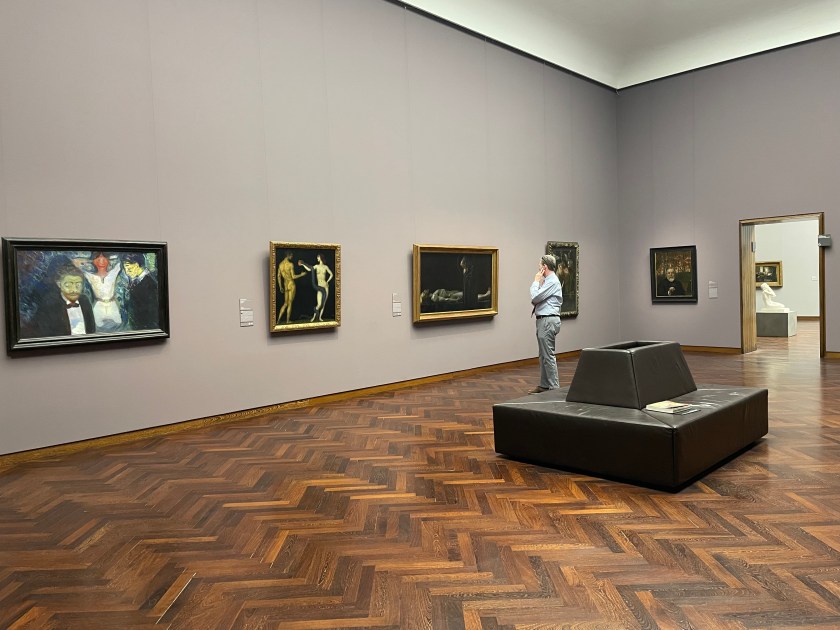
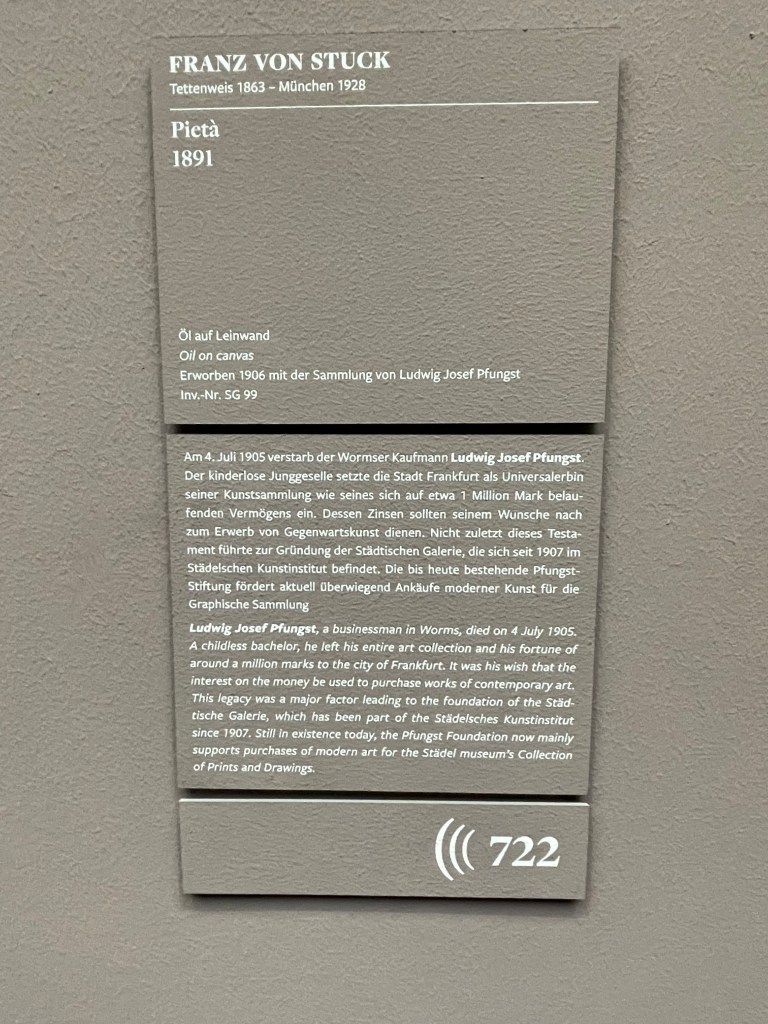
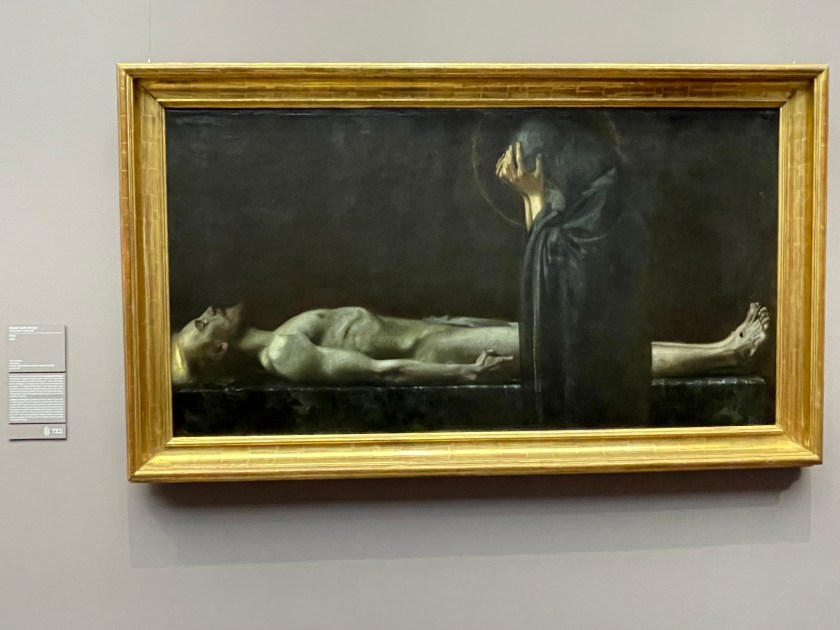
What a nice way to spend a few hours. Enjoyed it very much.









































 Our Frankfurt Germany Mission