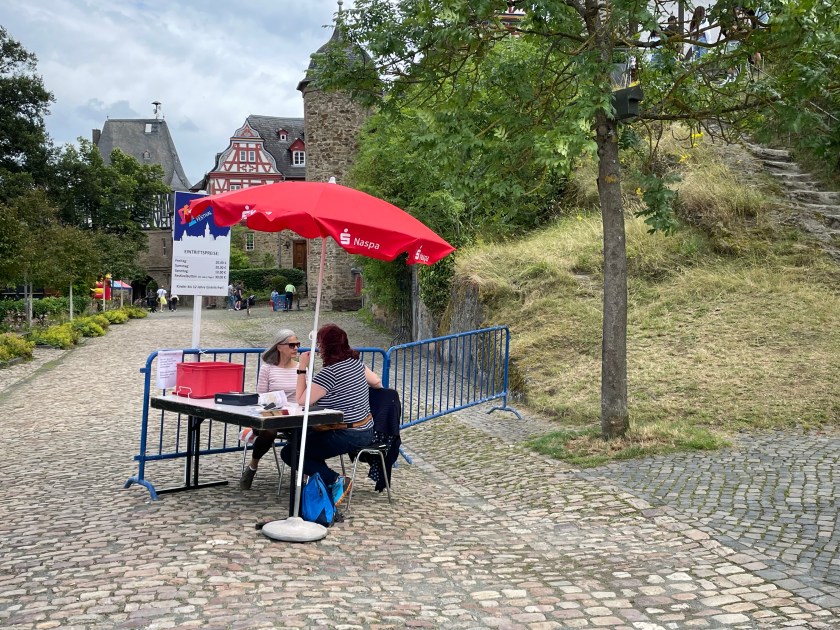
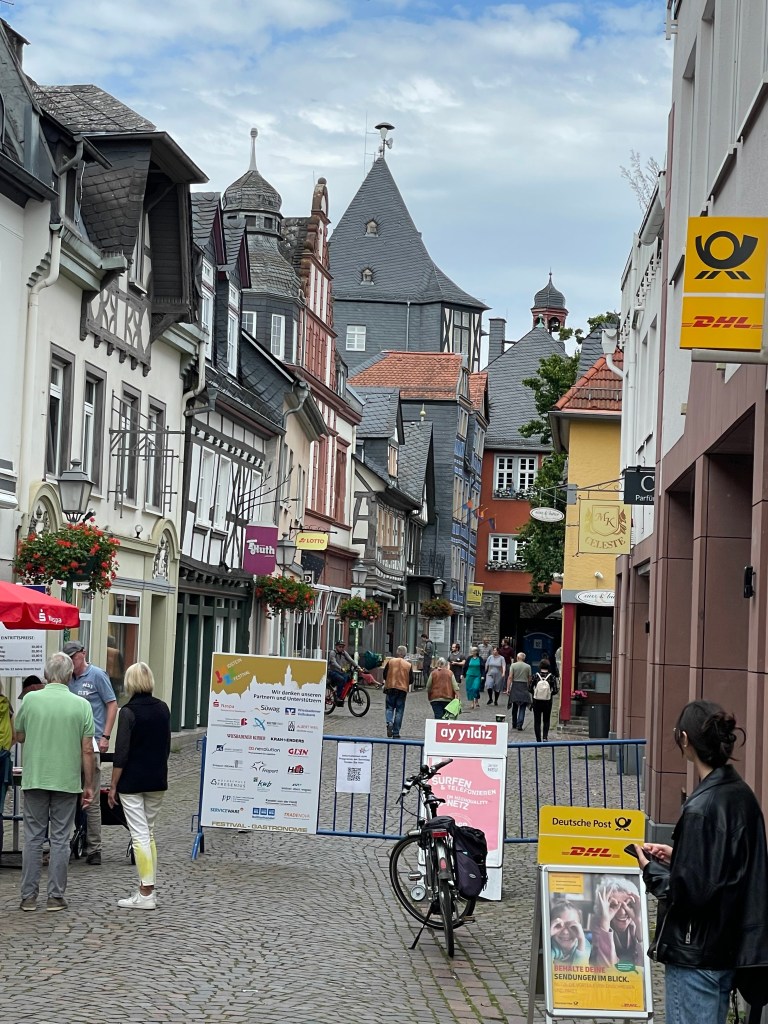
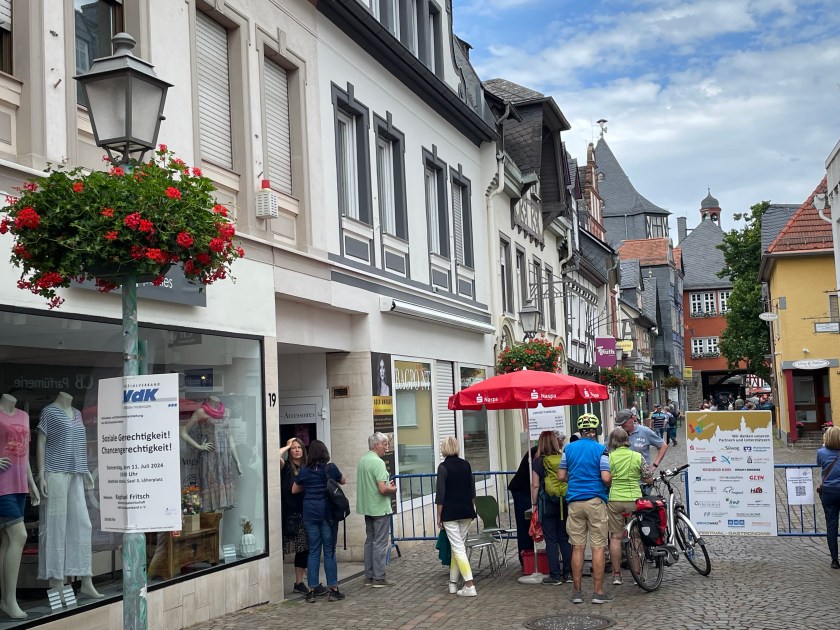
Our last stop today was in Idstein. We quickly learned that the entire old town was blocked off with sentinentels at every street, requiring 20 Euro entrance fee to a live jazz festival going on here this weekend.
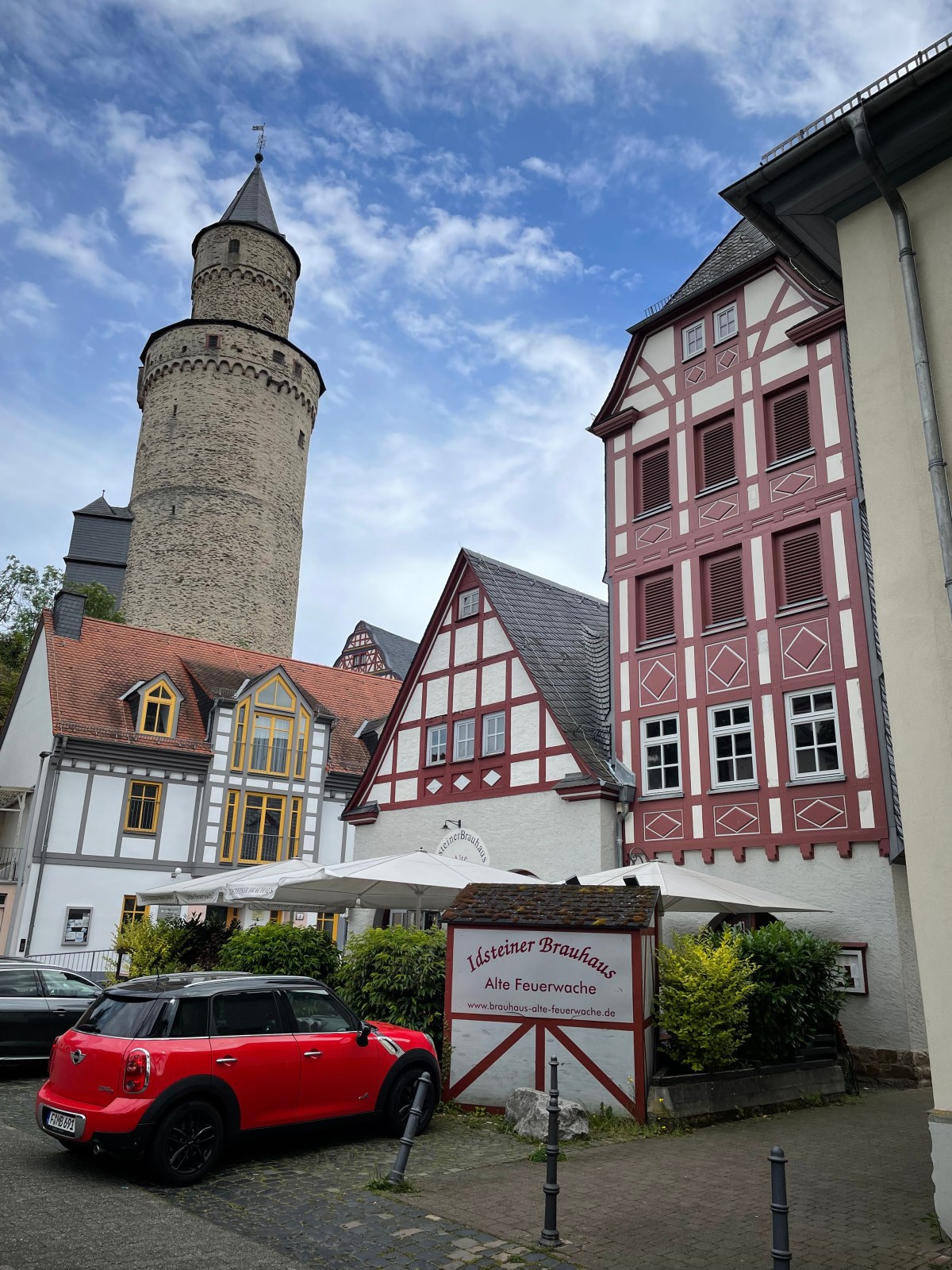
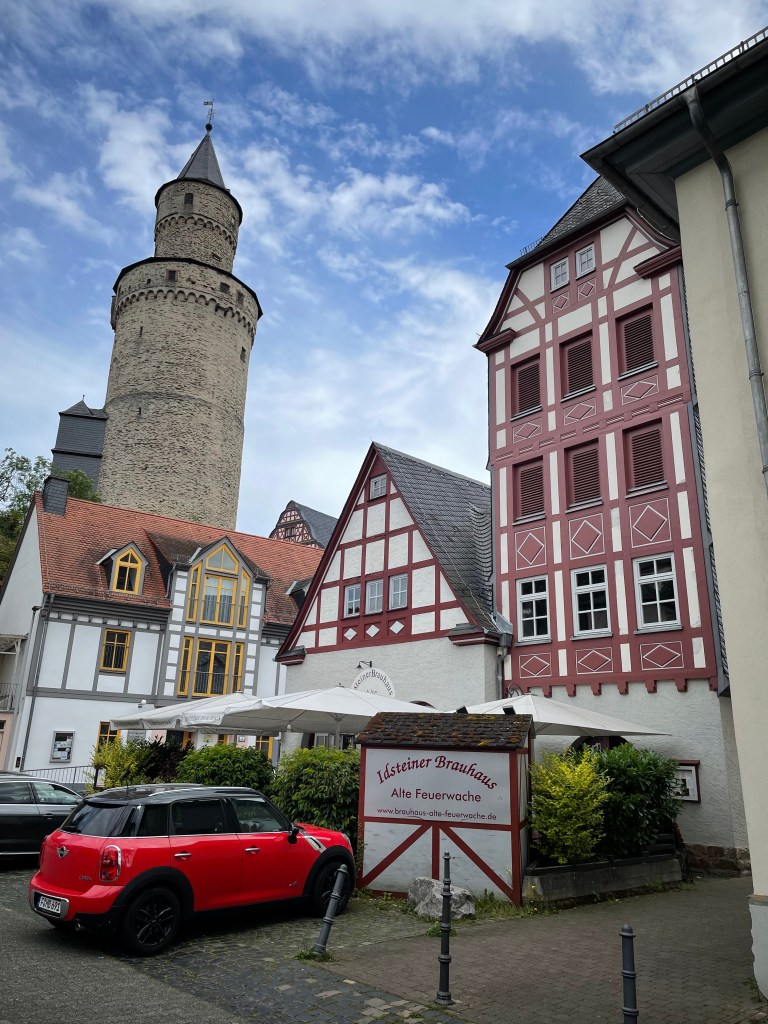
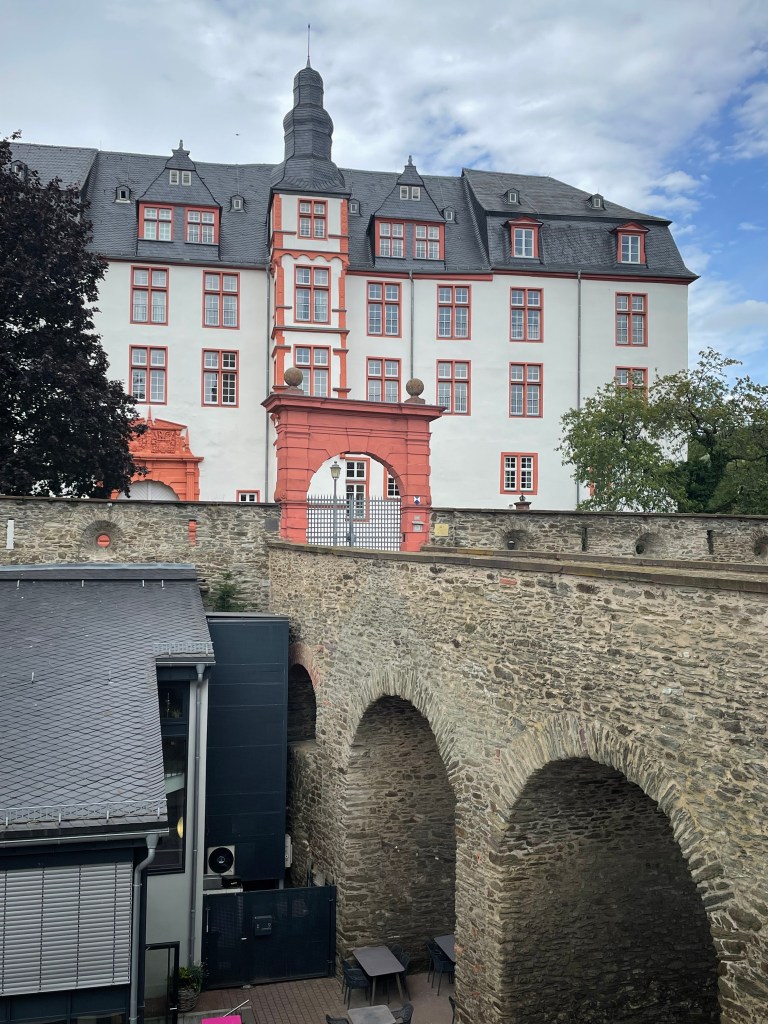
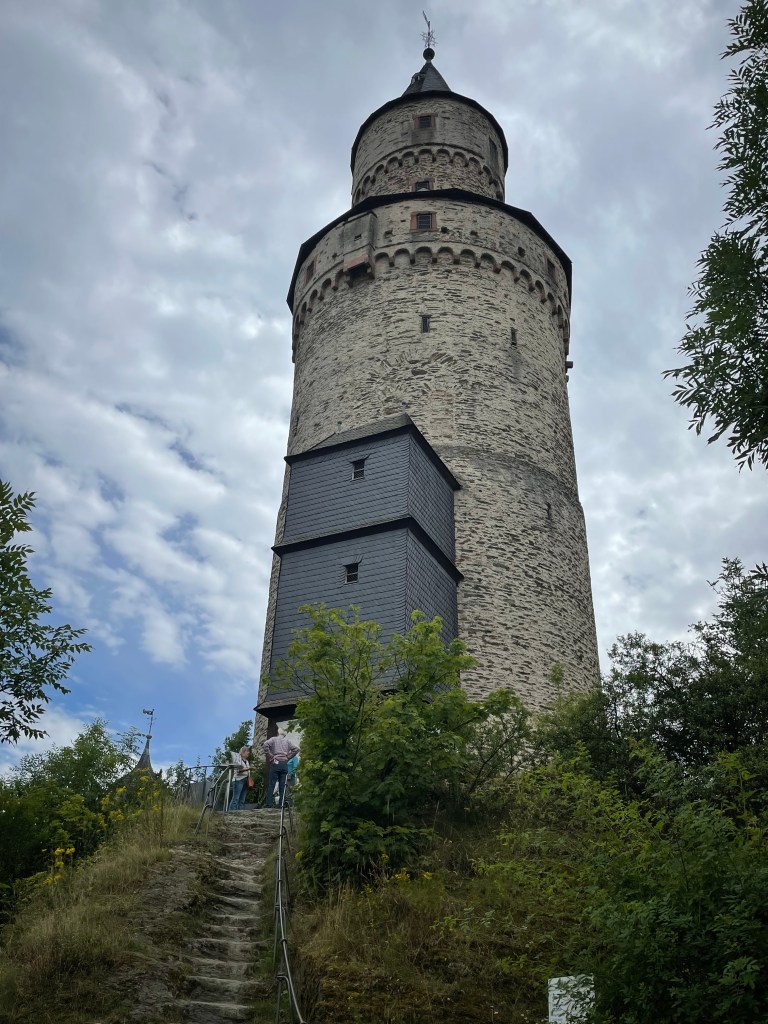
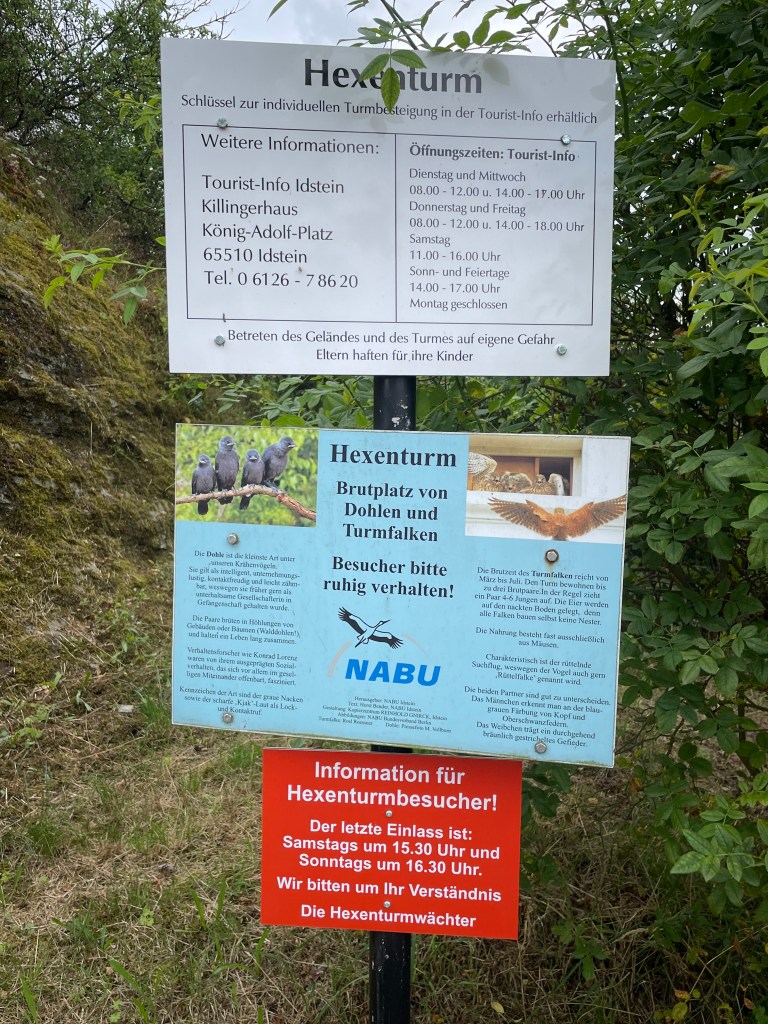
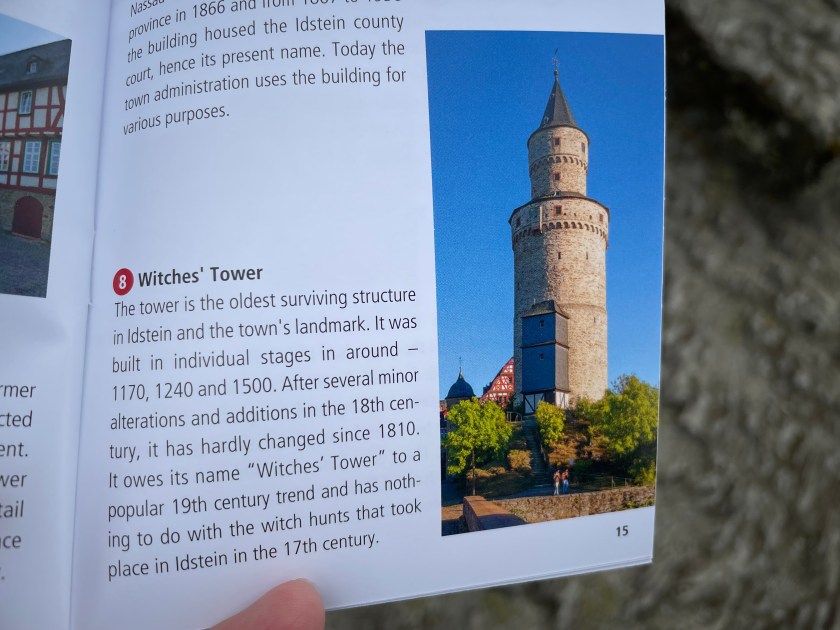
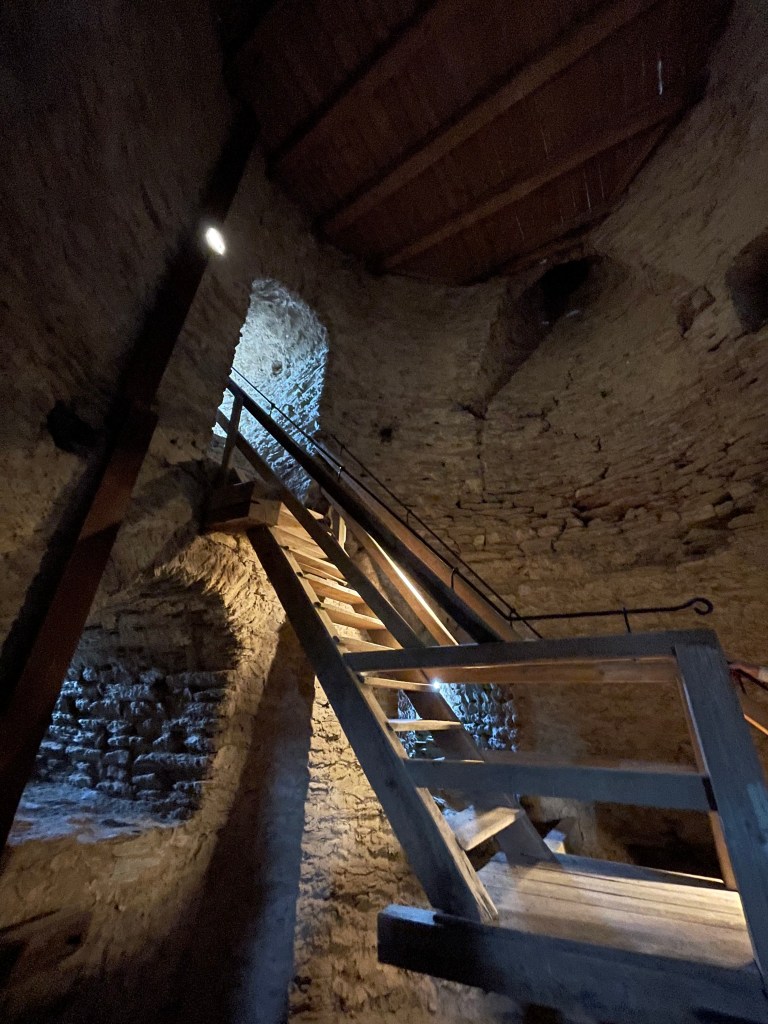
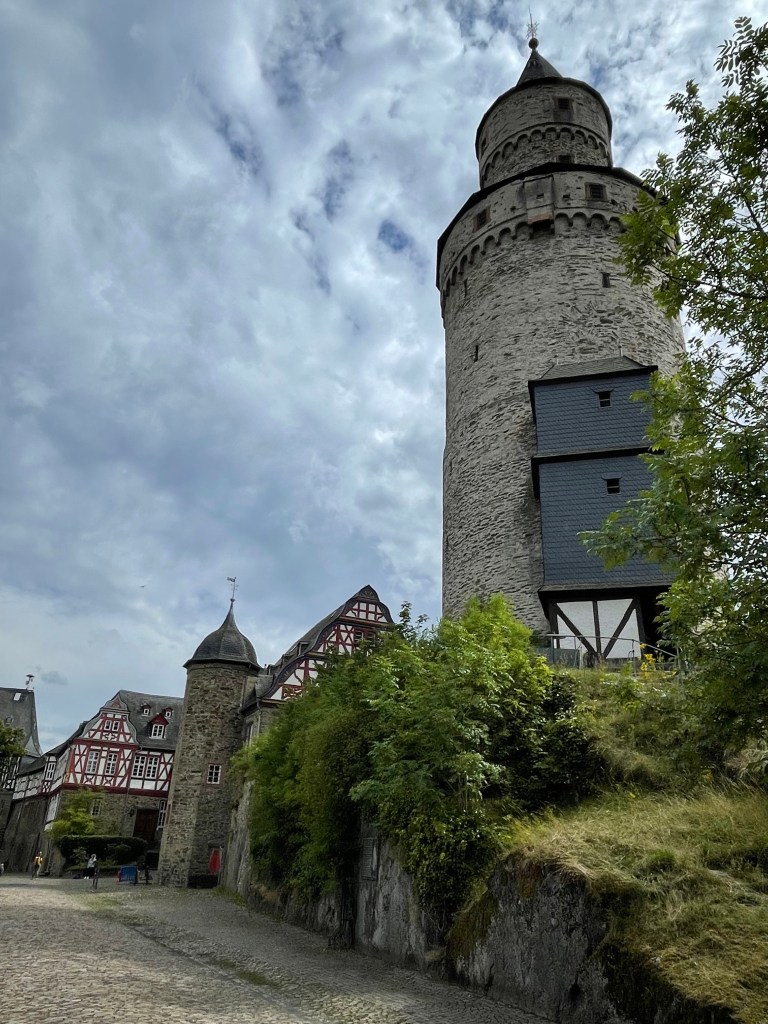
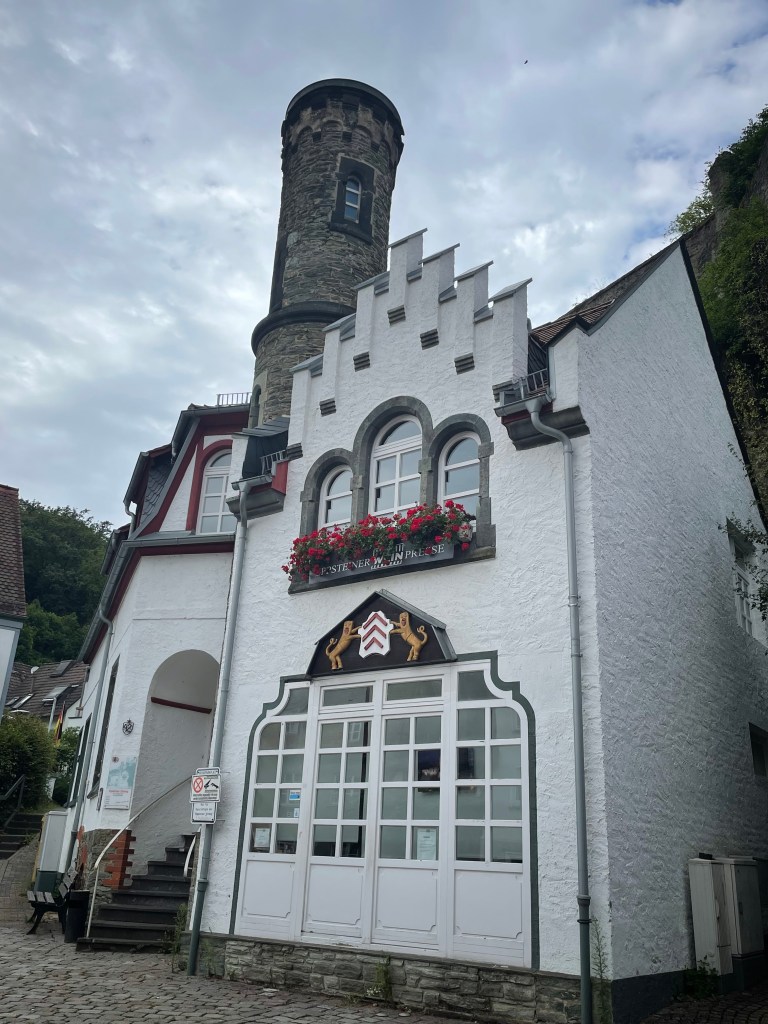
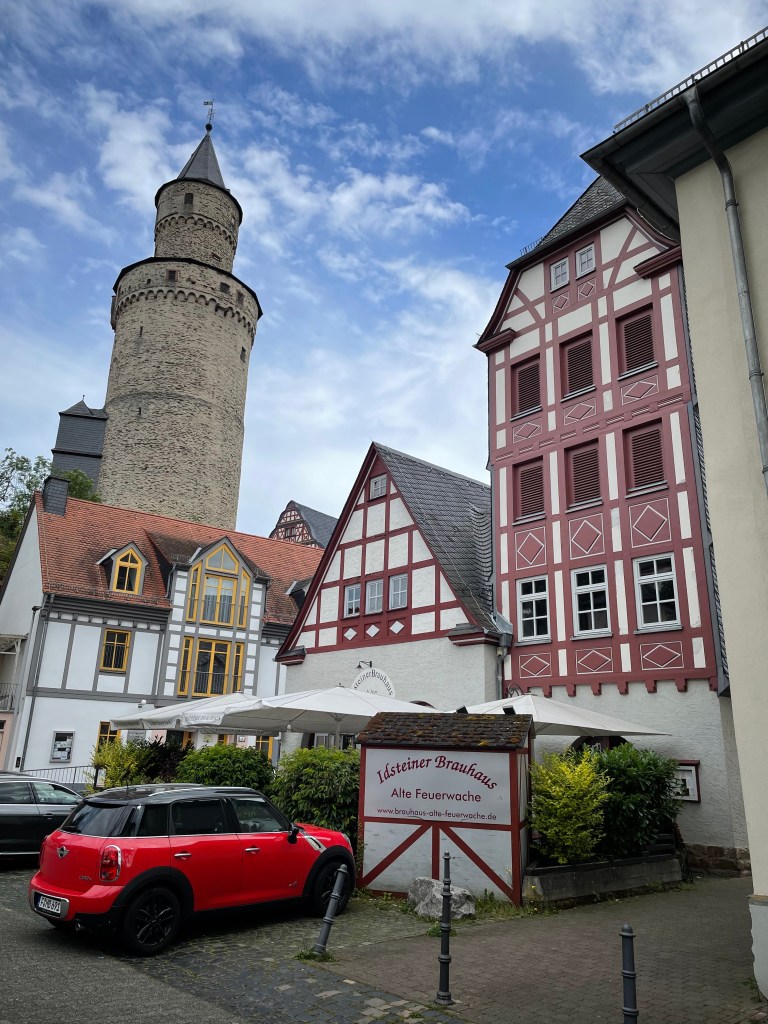
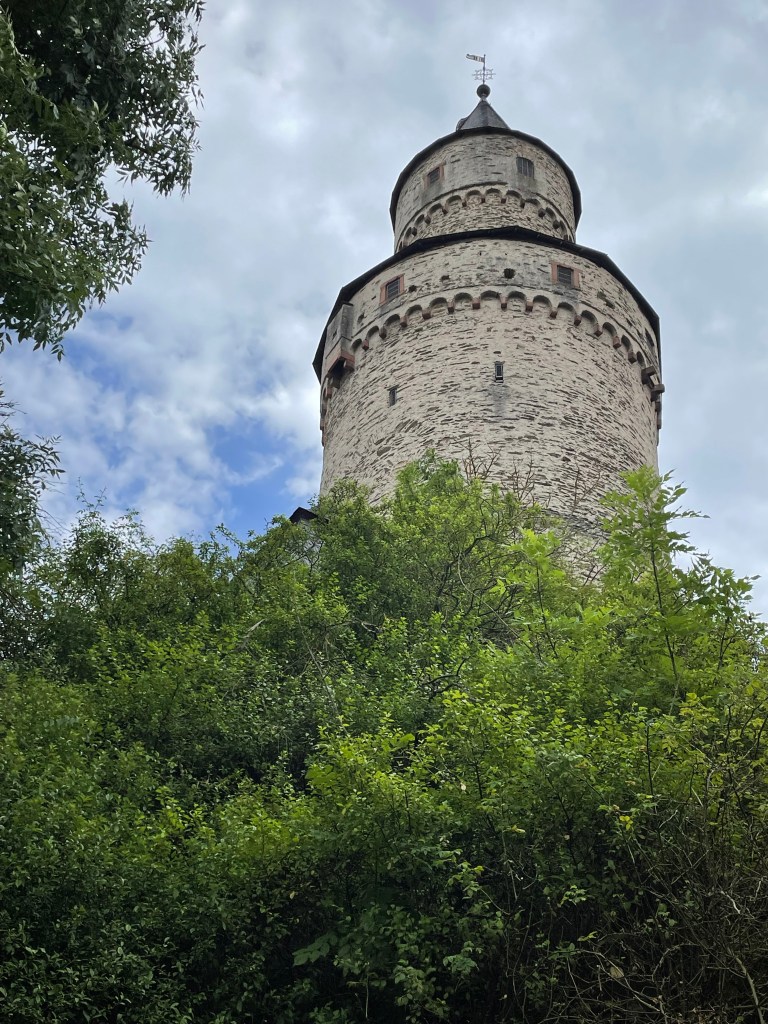
There was no way to walk through town, so we stayed outside of the Altstadt and went instead to visit the very old (1170) Hexenturm, or witches’ tower just outside the old city wall.
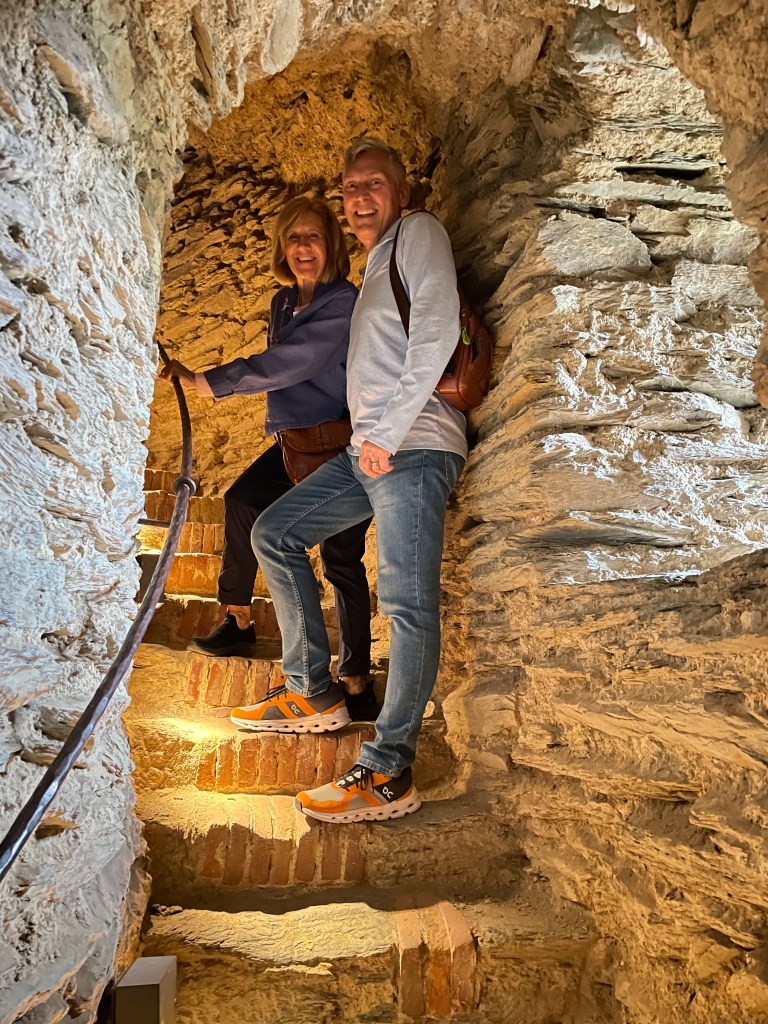
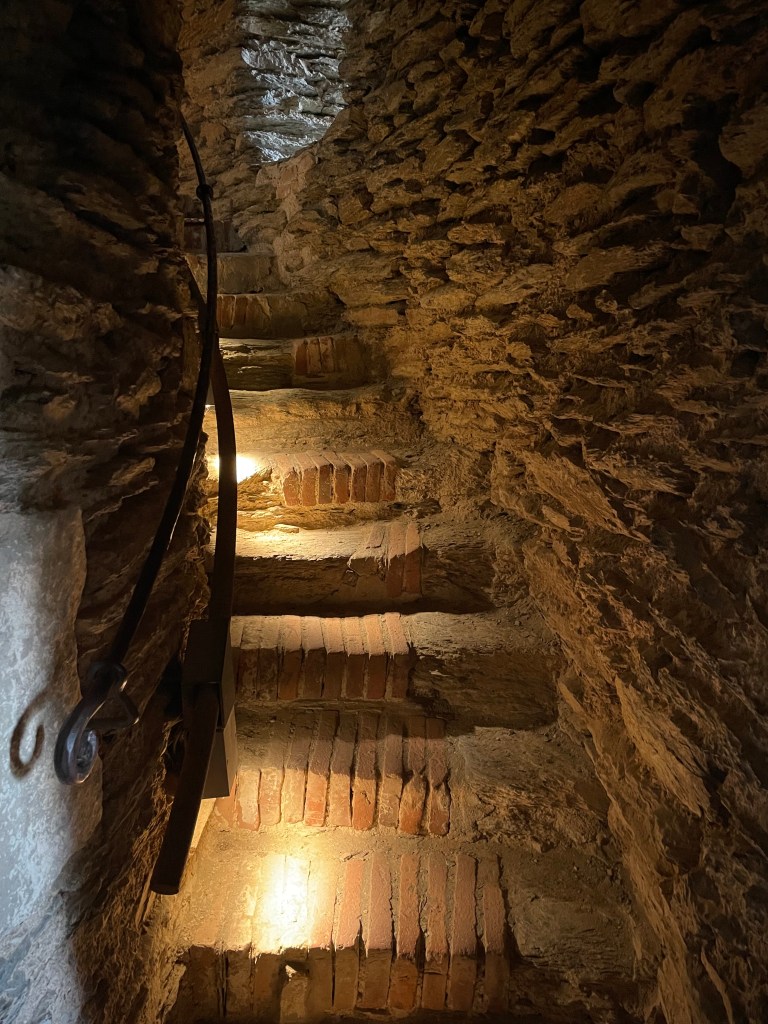
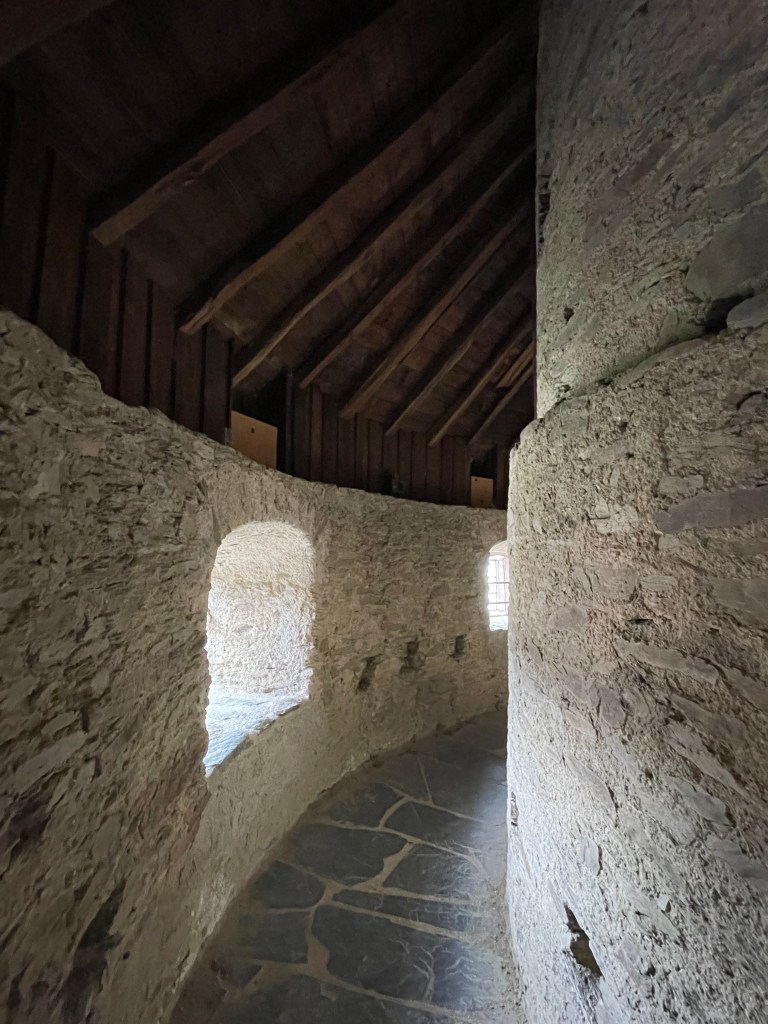
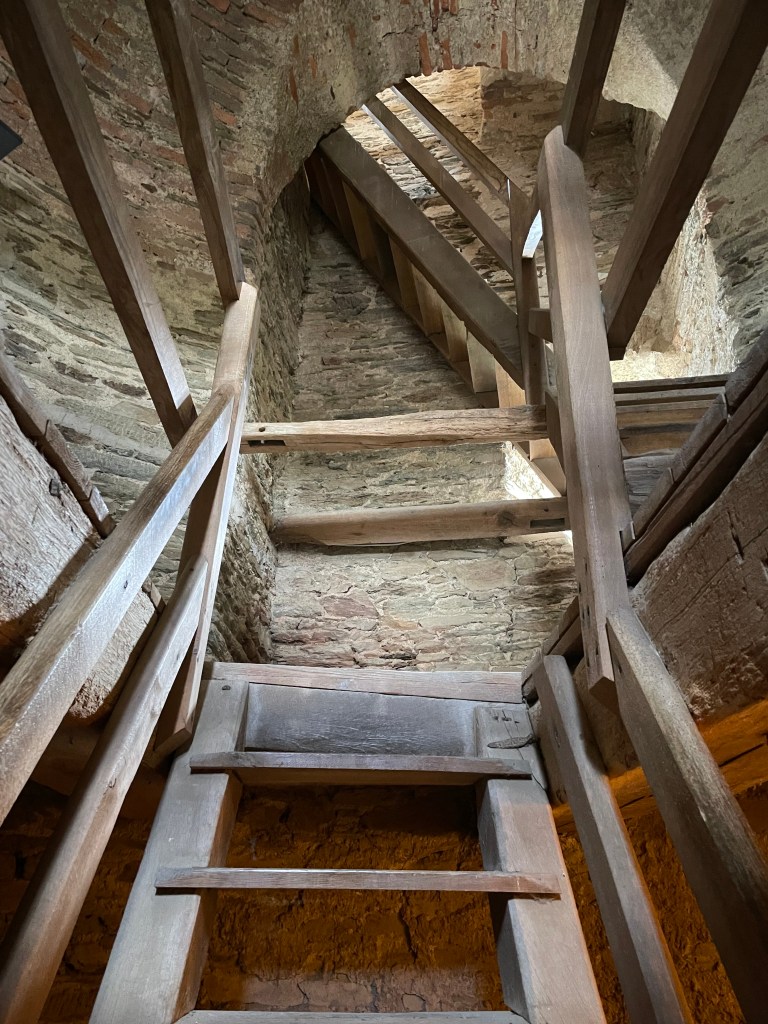
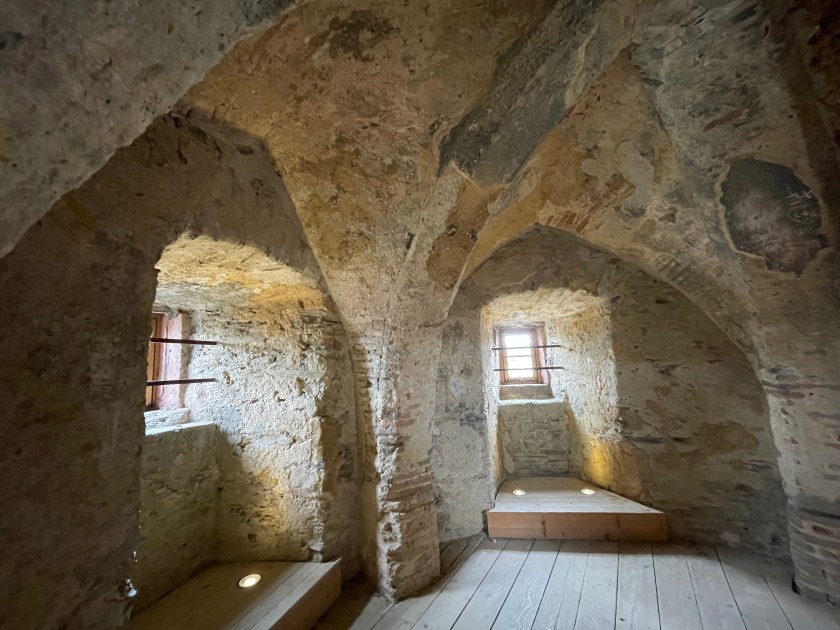
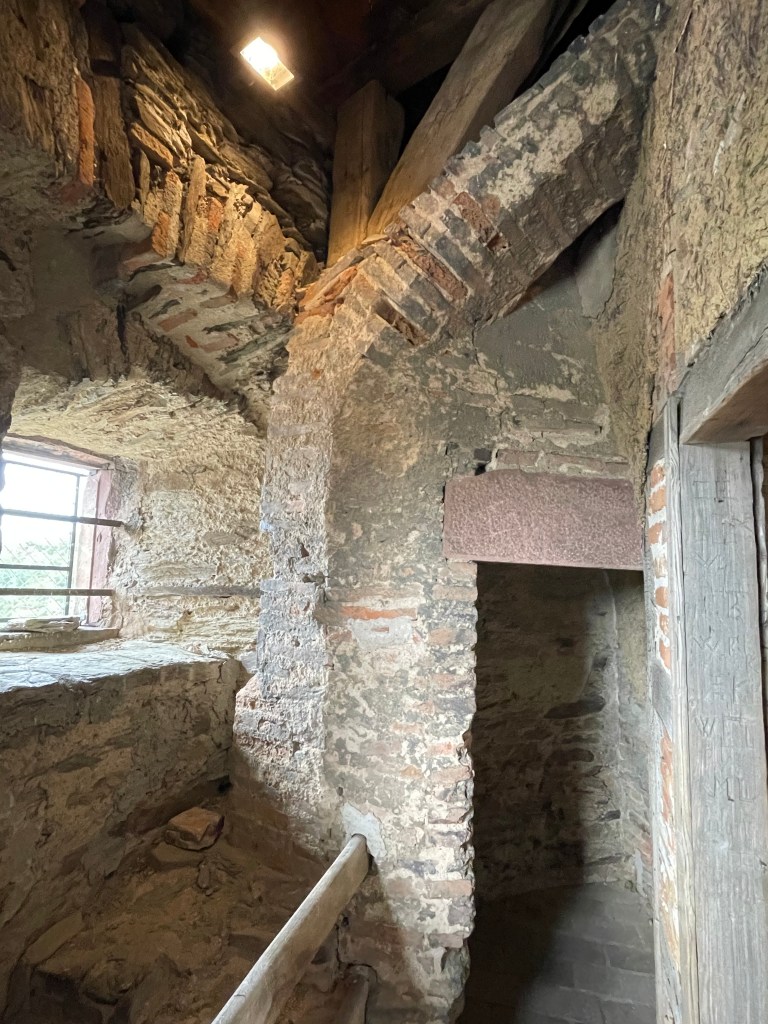
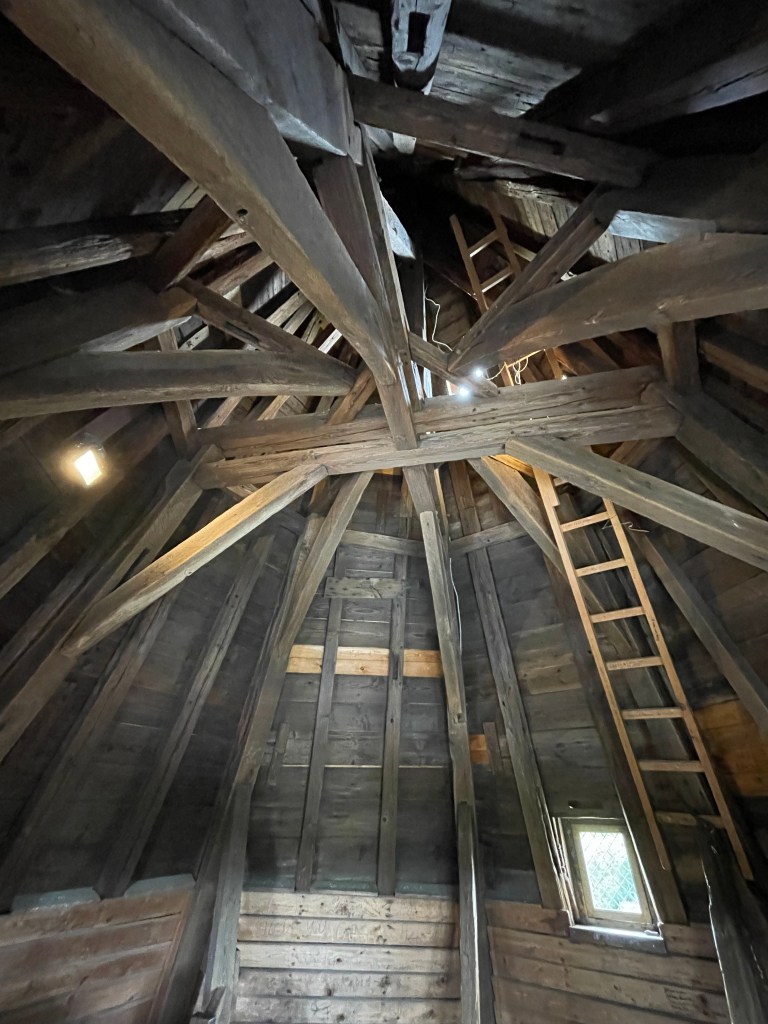
This is the first time we’ve visited a tower that we were allowed to climb up into. Come and see–
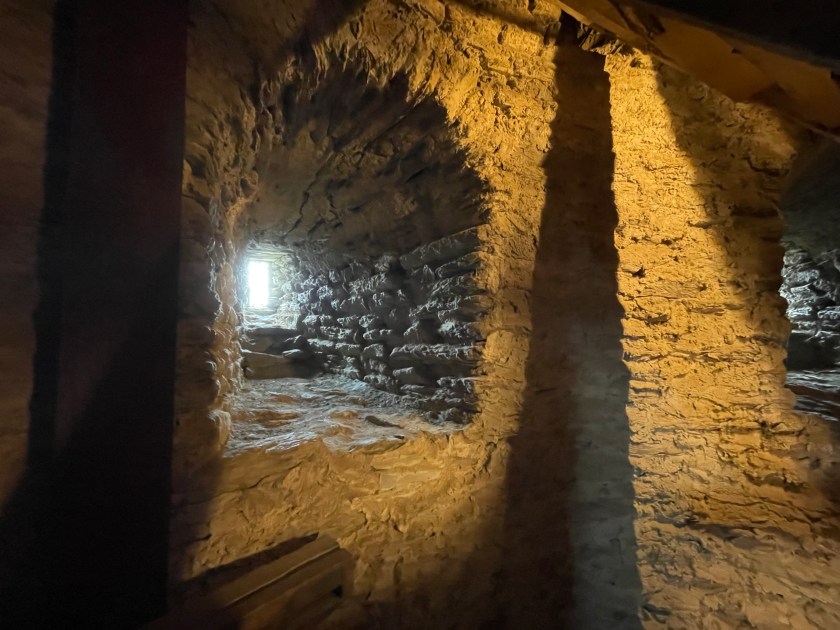
The tower walls were several feet thick.
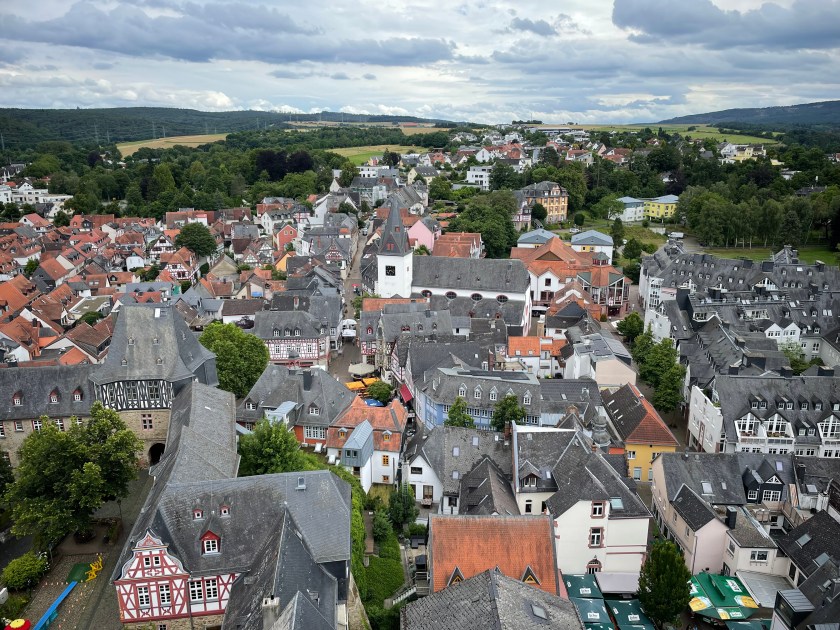
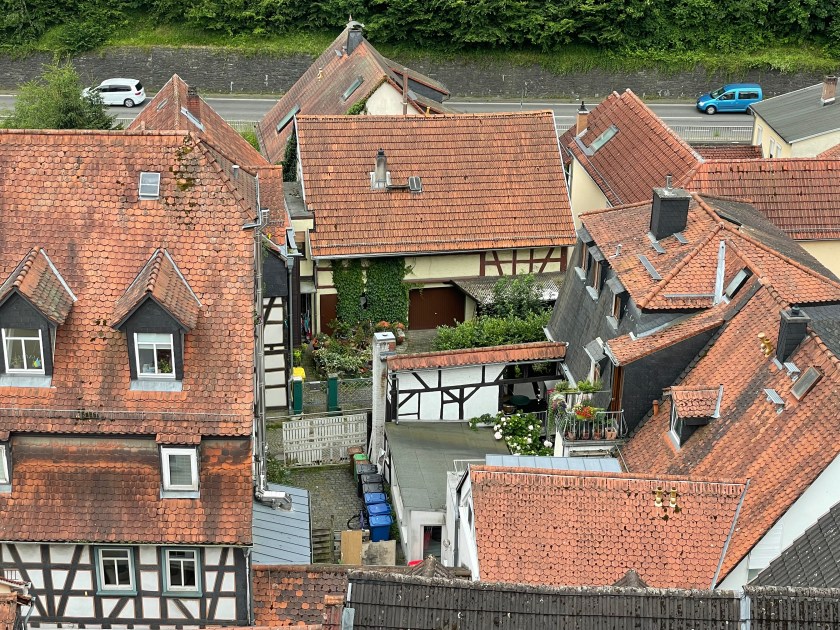
View from the top:
We could hear the jazz music floating up on the air.
Here are some of the checkpoints to enter the town.
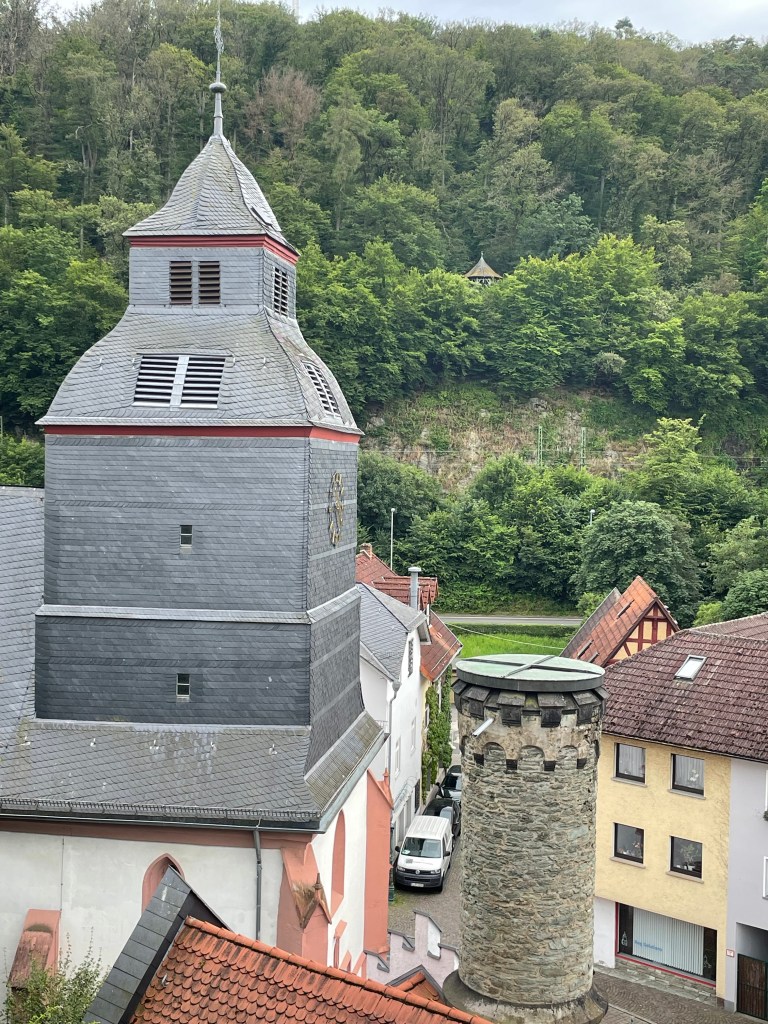
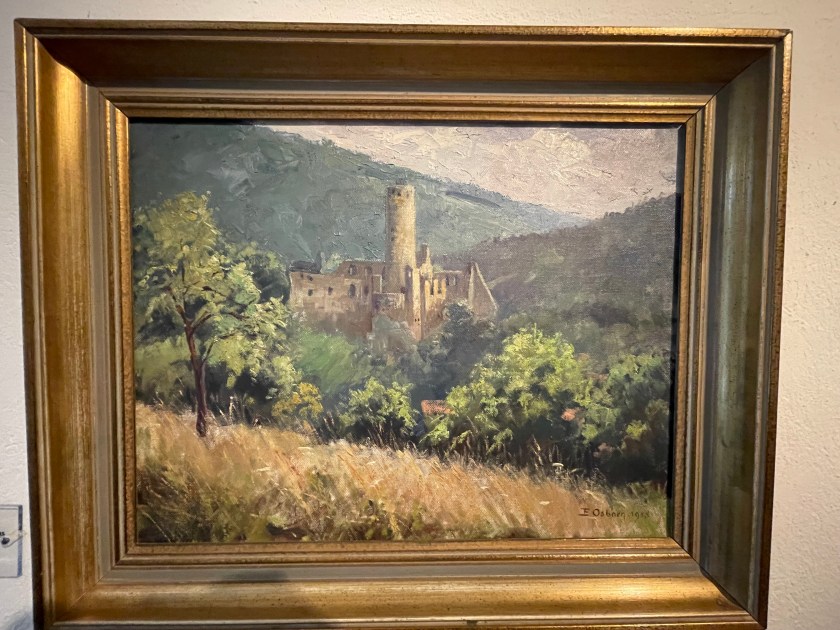
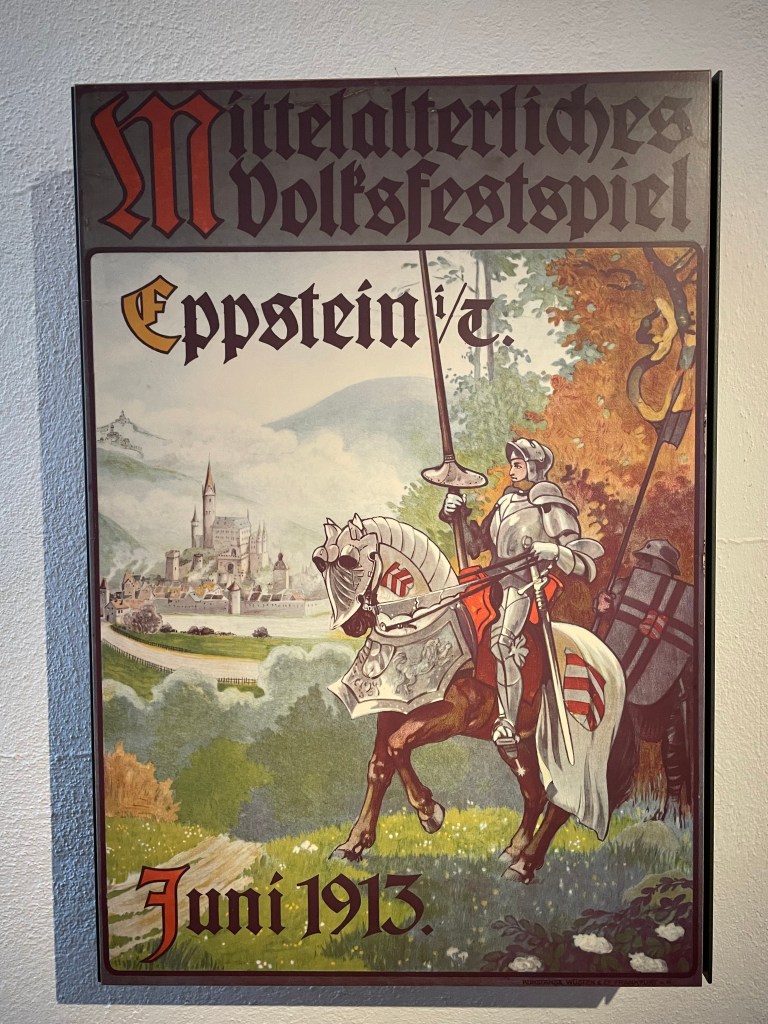
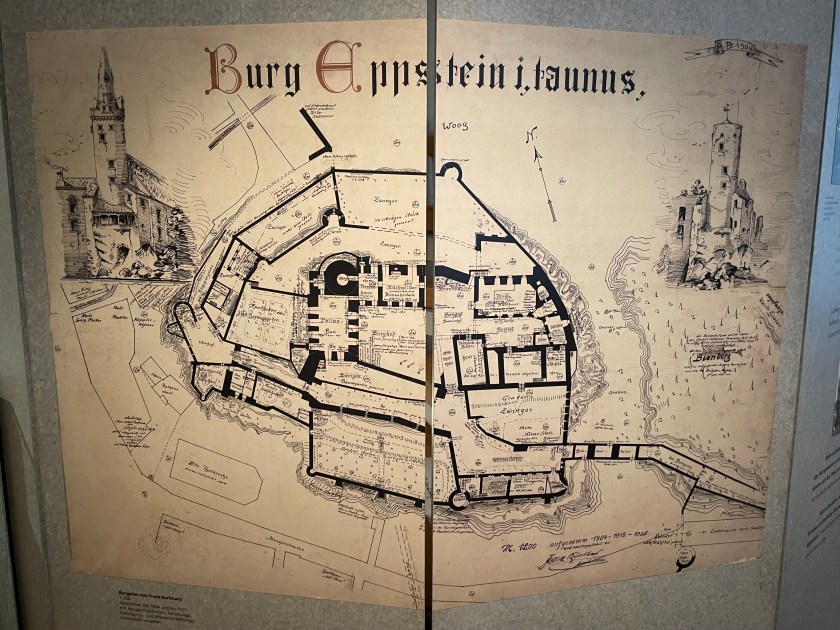
After visiting Limburg, we drove to nearby Eppstein, to introduce this place to our friends who haven’t been here yet. We were happy to be back. We hiked up the hill to the castle ruins. They were preparing for a theatrical performance there this evening. There’s a small museum on top that was closed last time. We enjoyed it and the views.
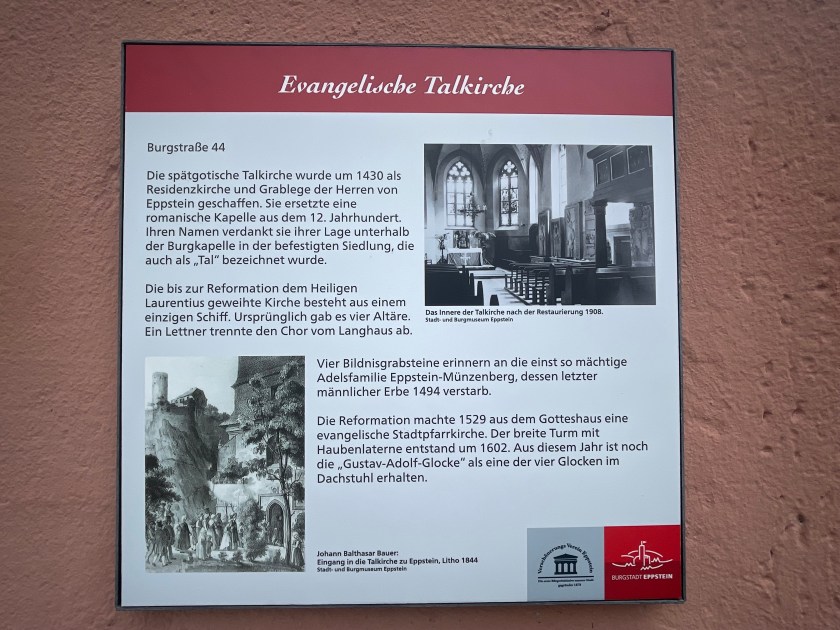
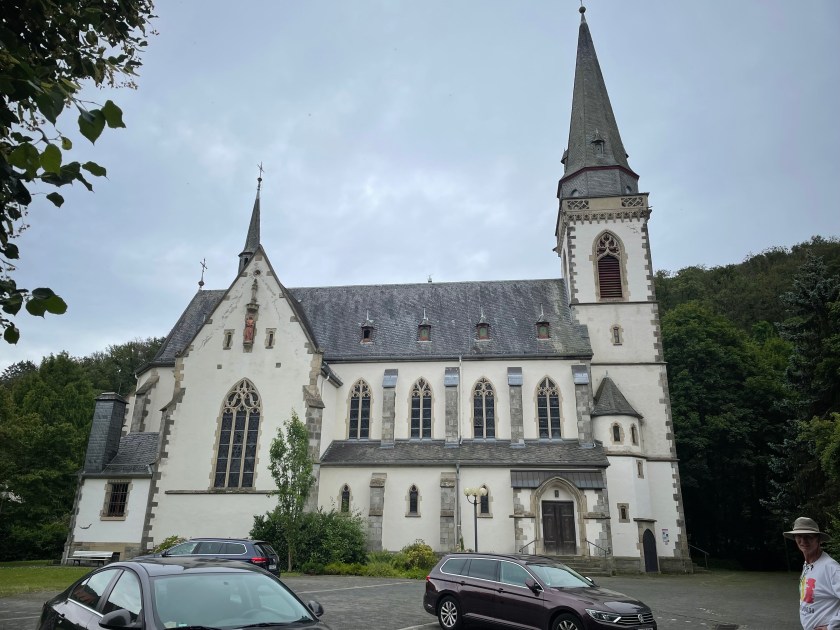
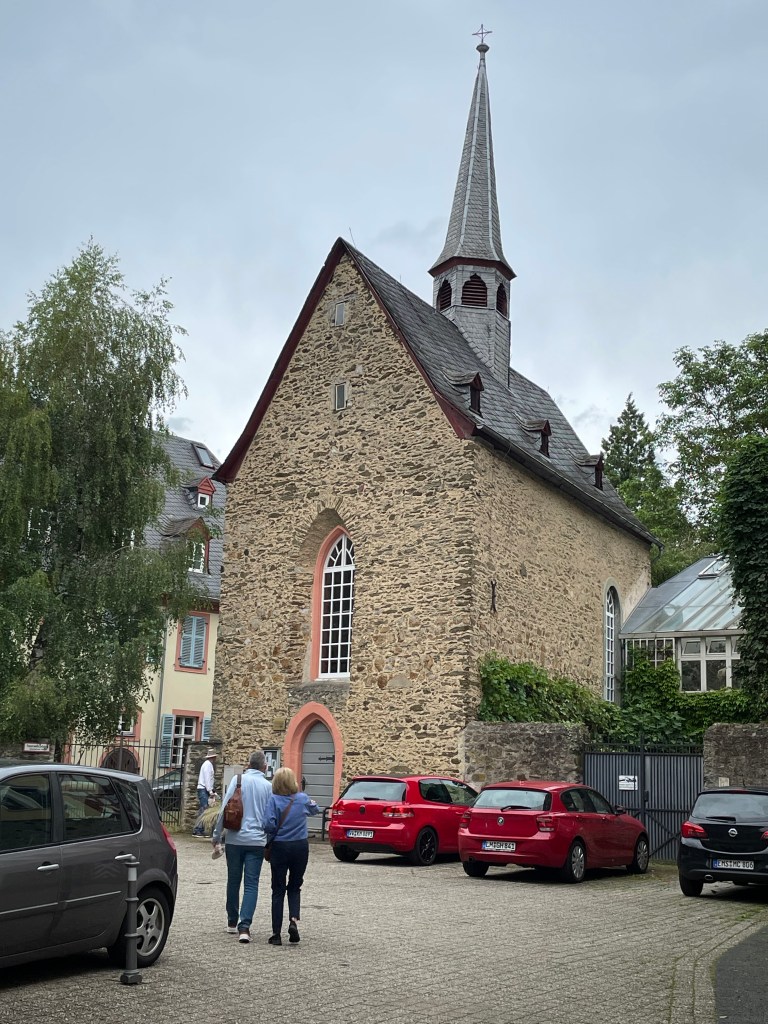
Here’s the Talkirche, built in 1430.
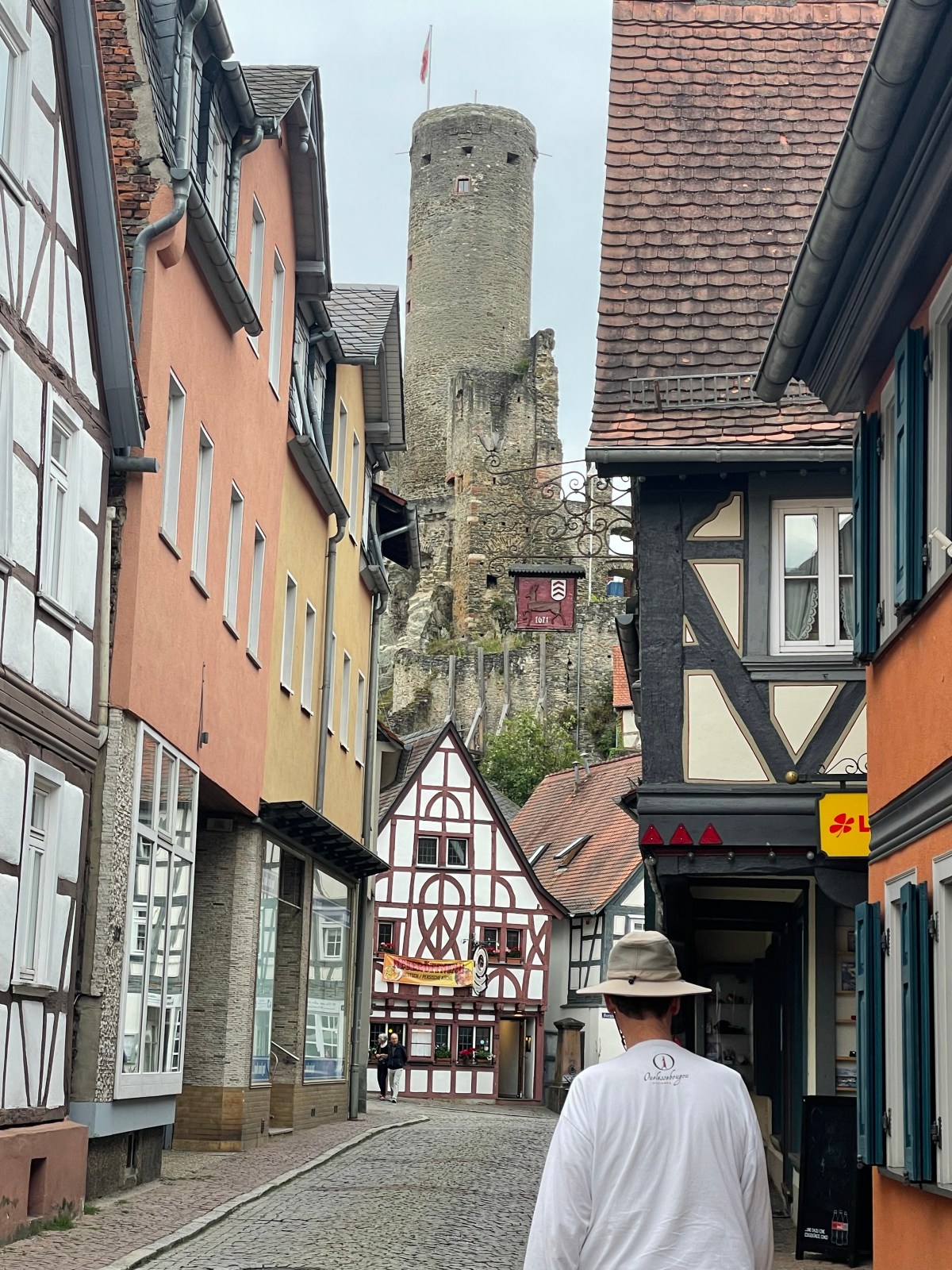
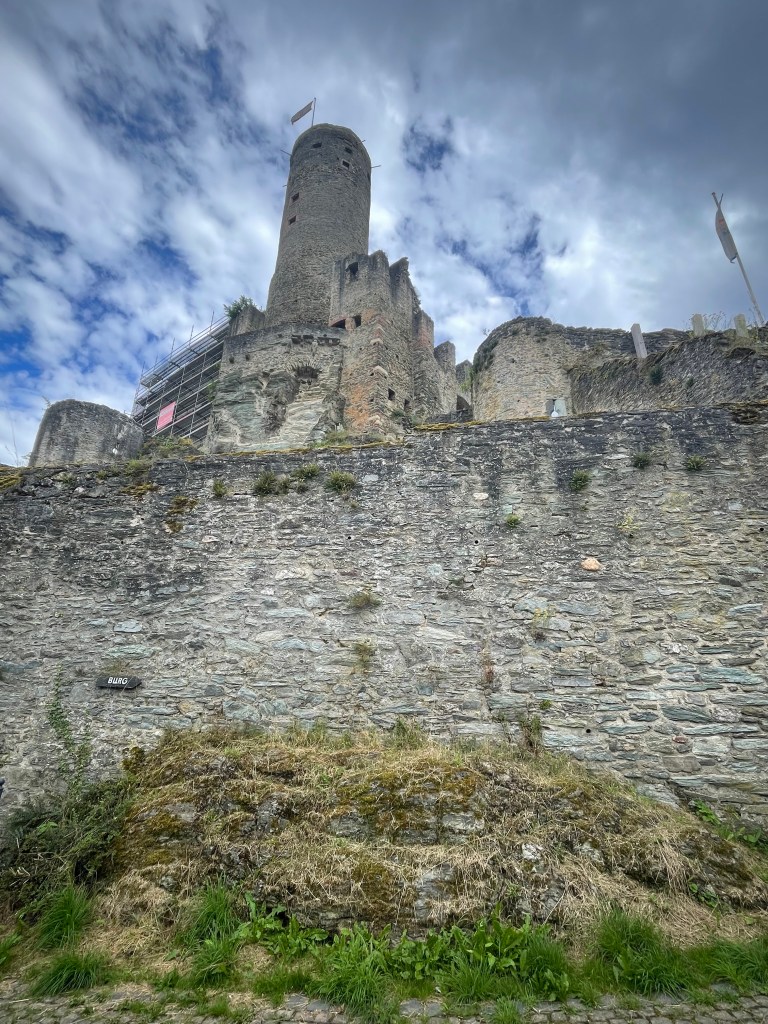
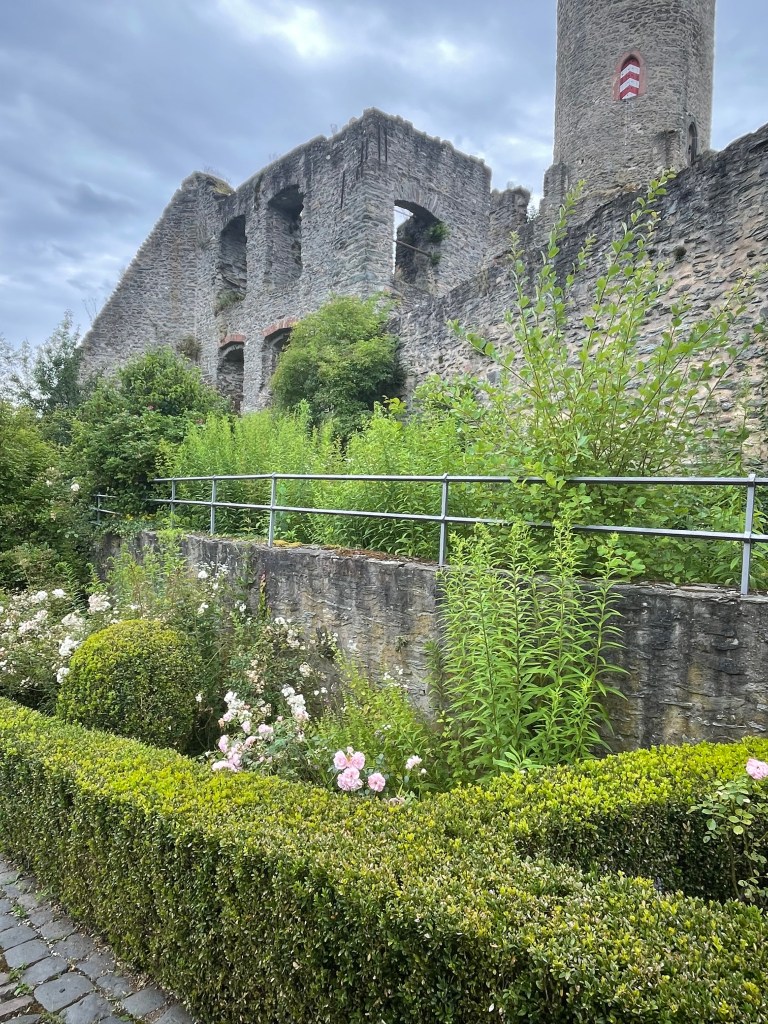
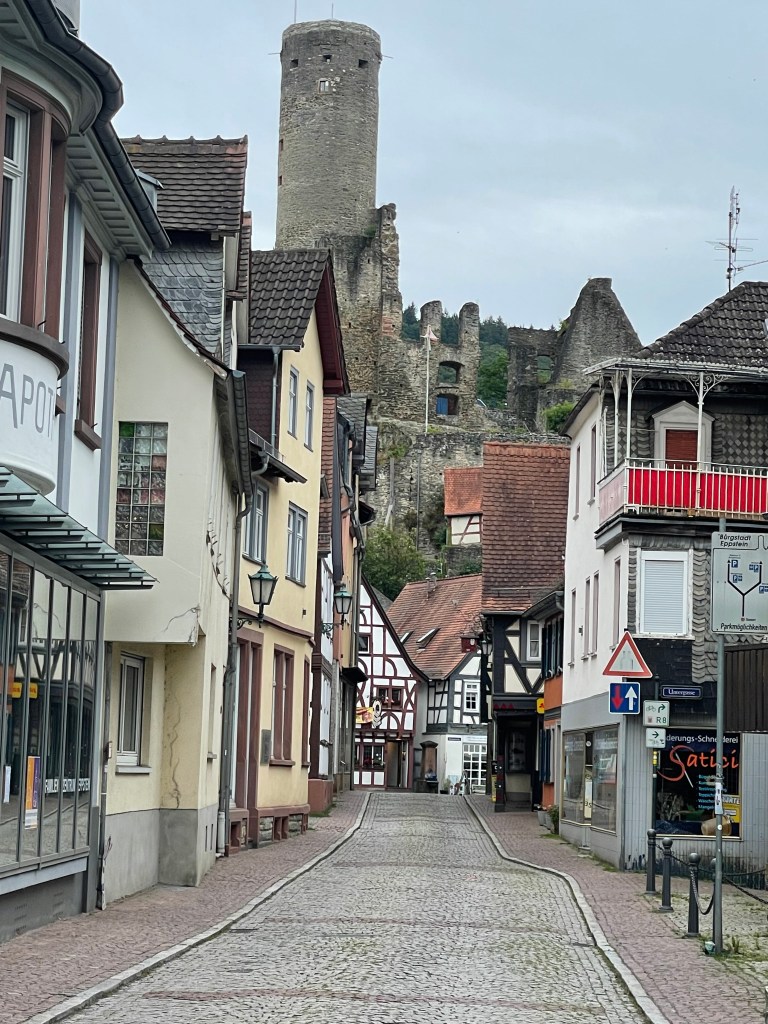
We hiked up to the castle that overlooks the town.
Many of these old castles are used for local events or concerts.
Here’s the small museum that was up inside the castle.
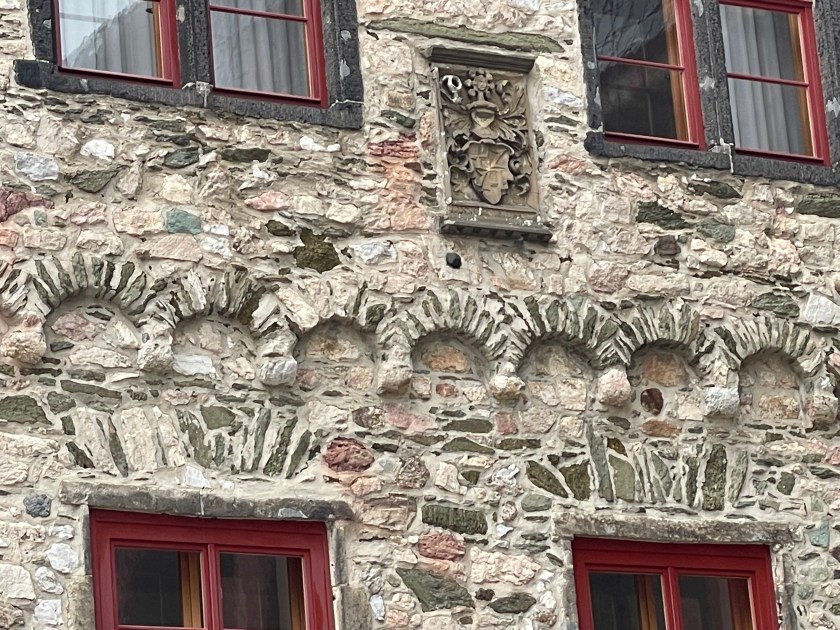
Look at this stonework!
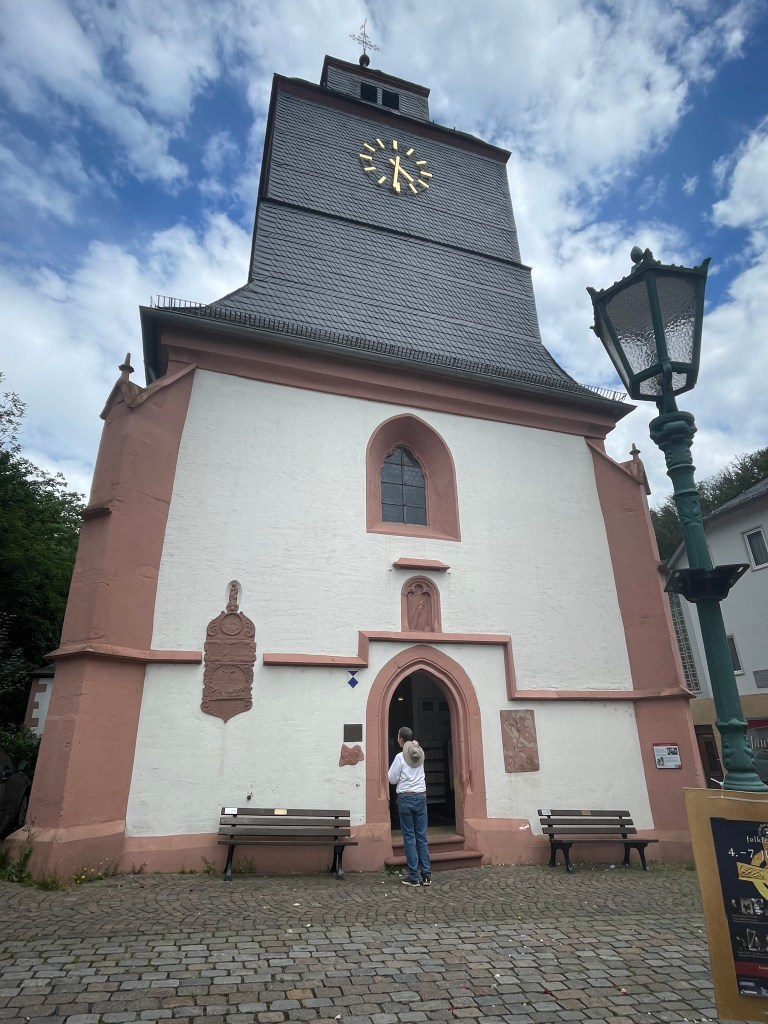
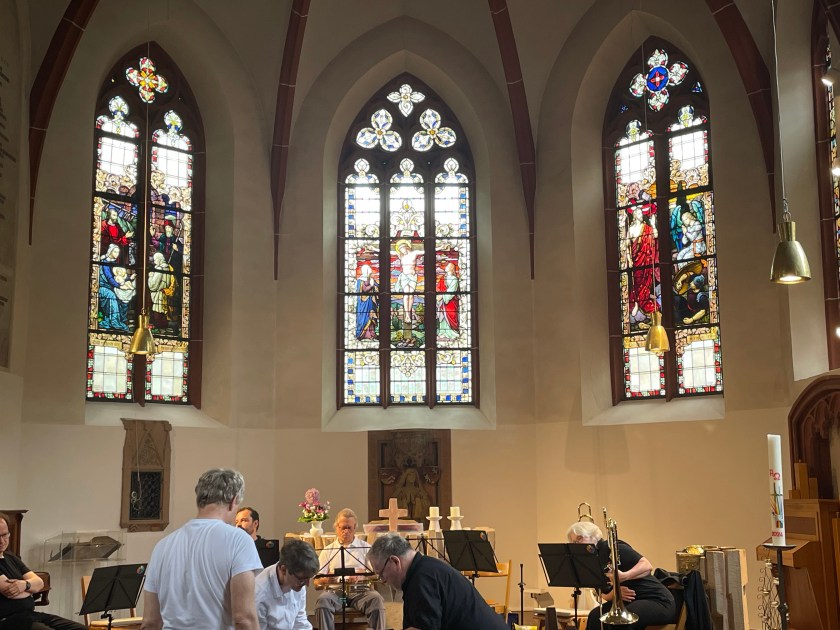
After coming down from the castle, we wandered over to the old church and the old Friedhof. It was peaceful and quiet in town and the old church is beautiful.
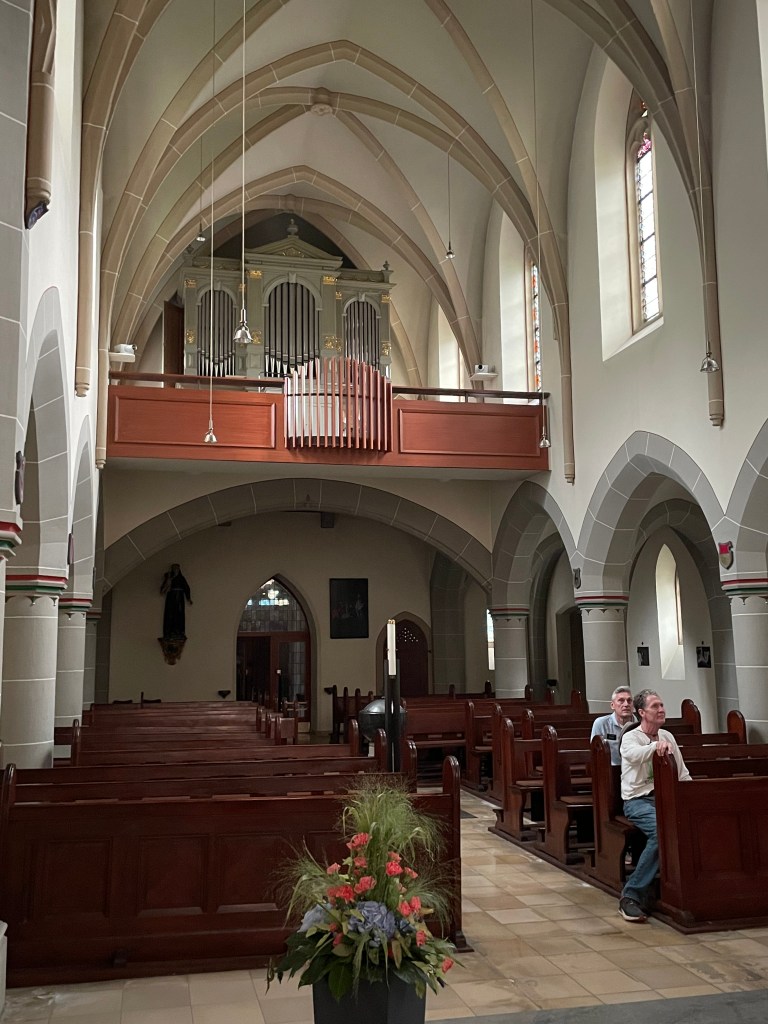
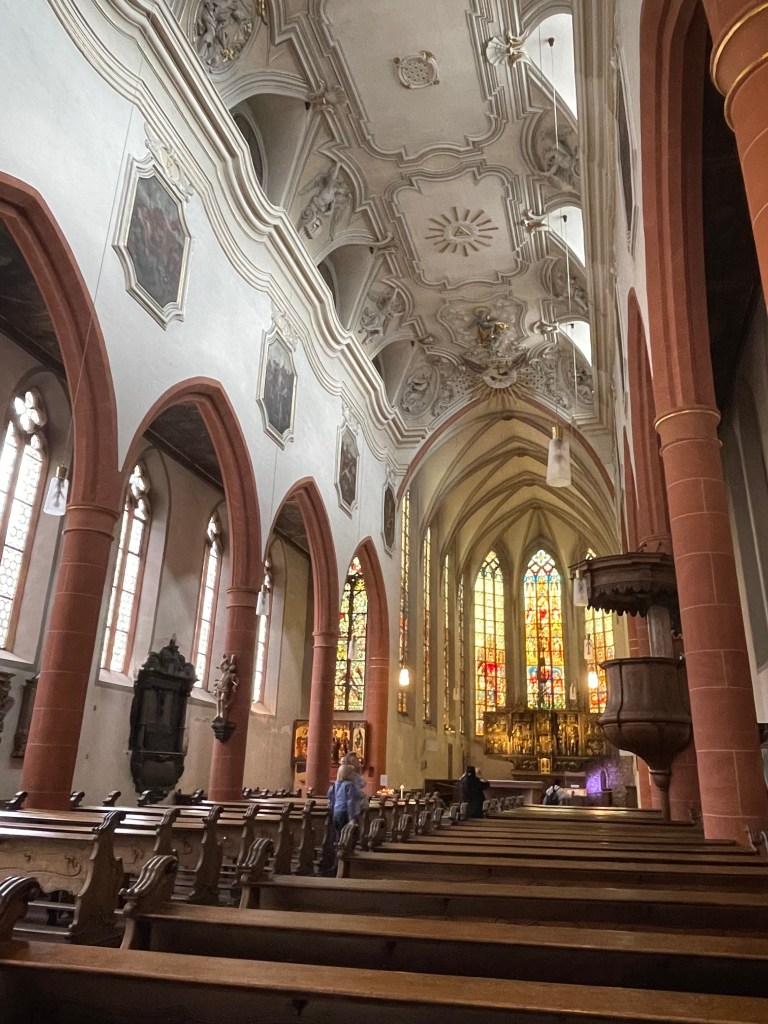
The St Laurentius Catholic Church felt beautiful and reverent. What a lovely spirit there.
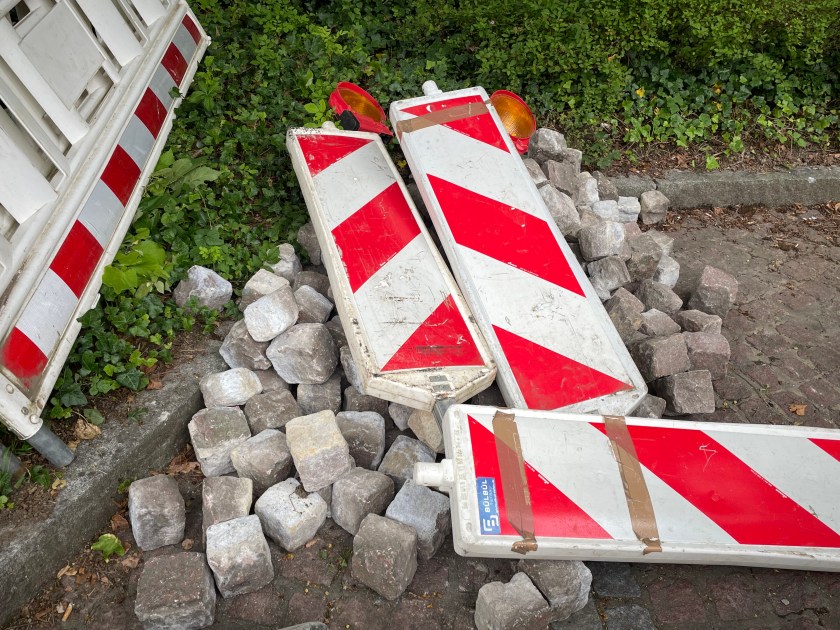
Cobblestone street repair:
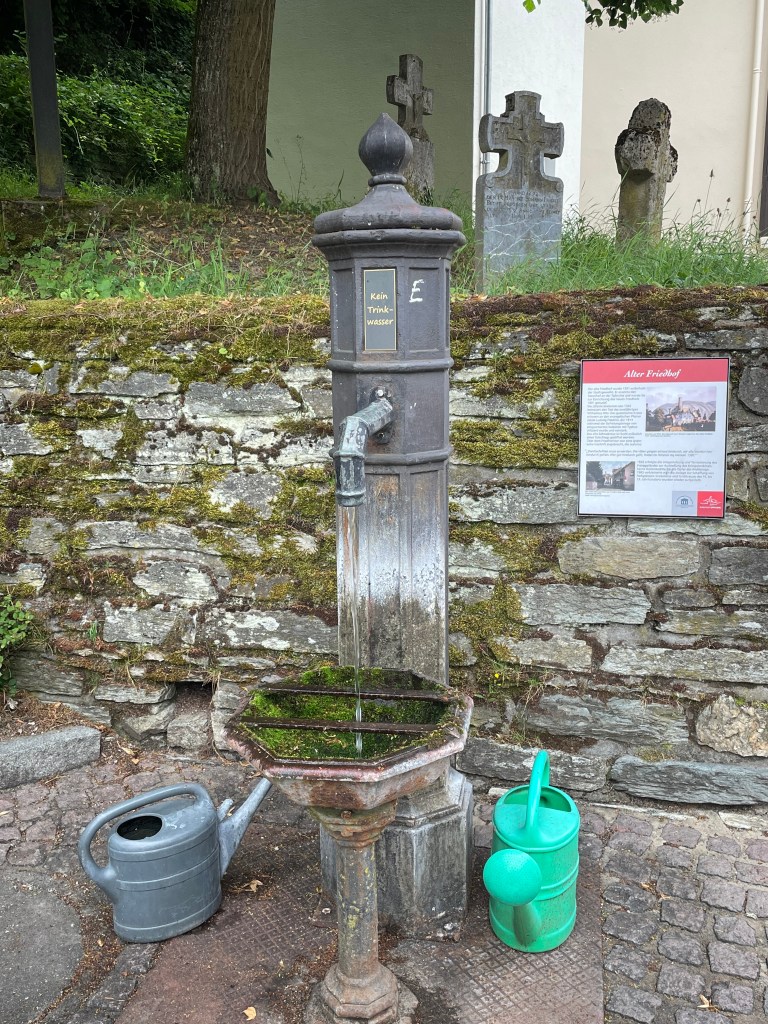
There are only a few stones left standing at the old cemetery.
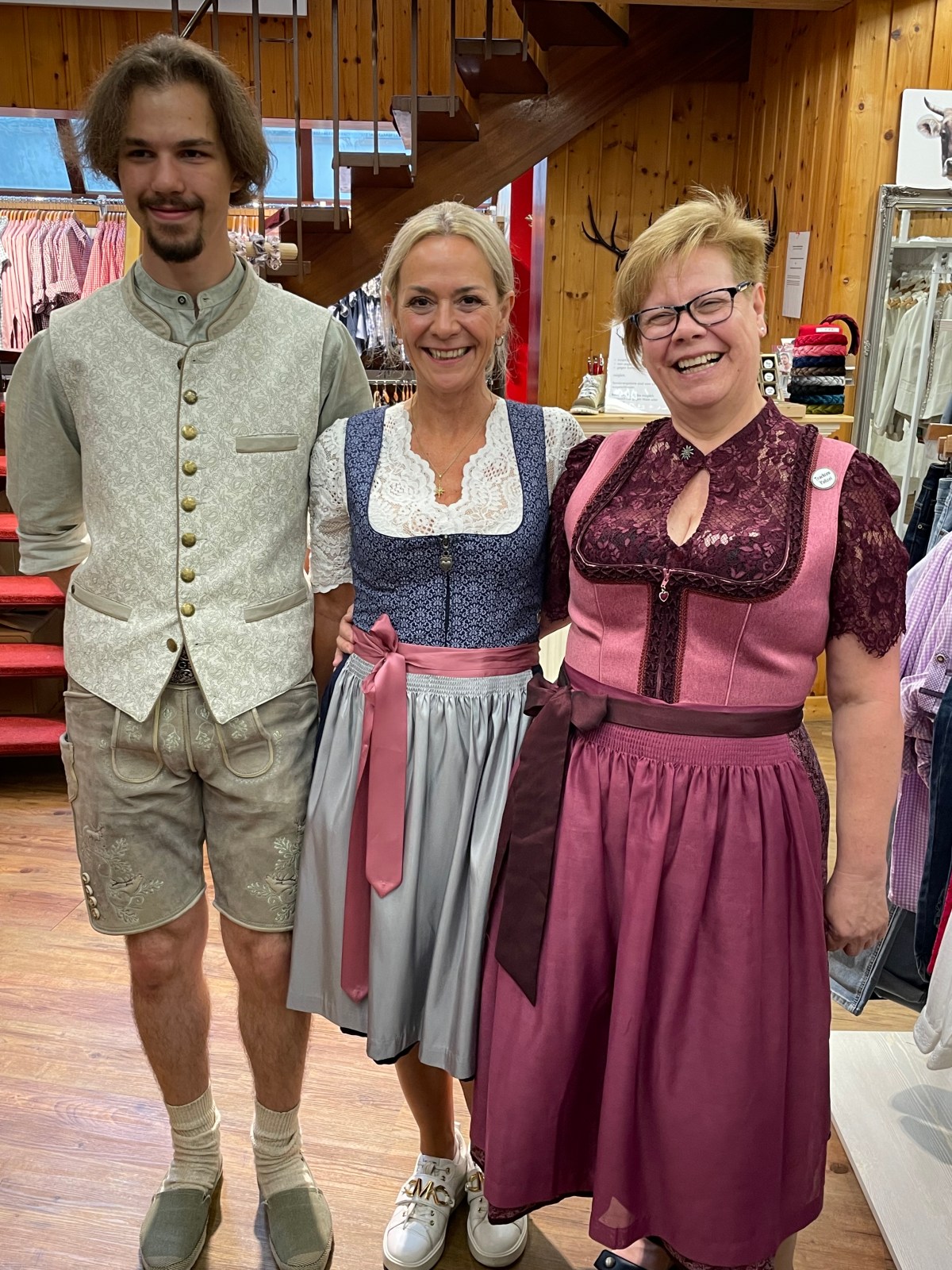
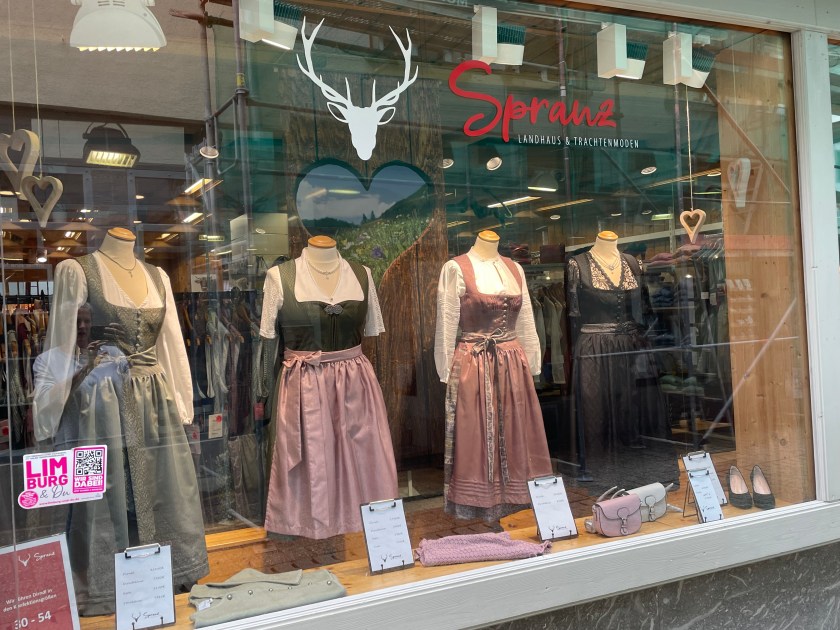
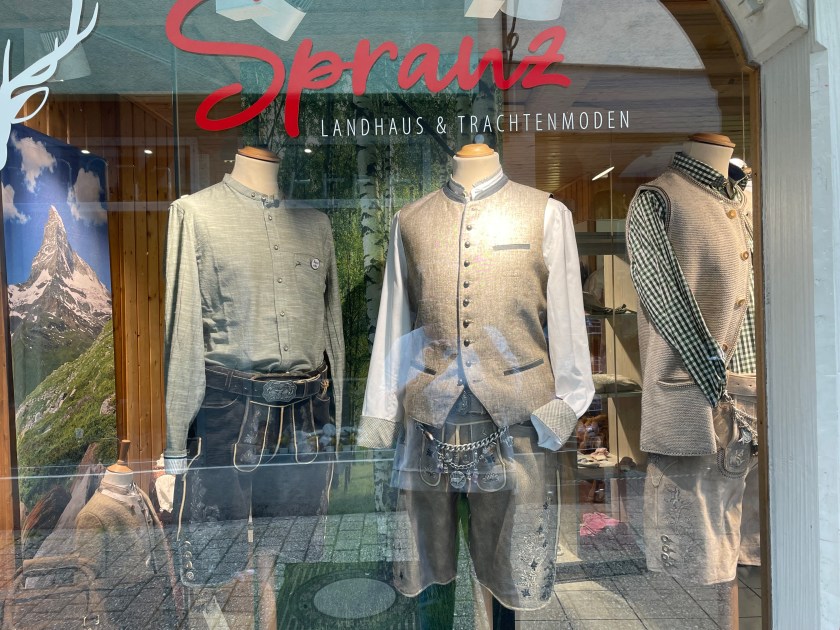
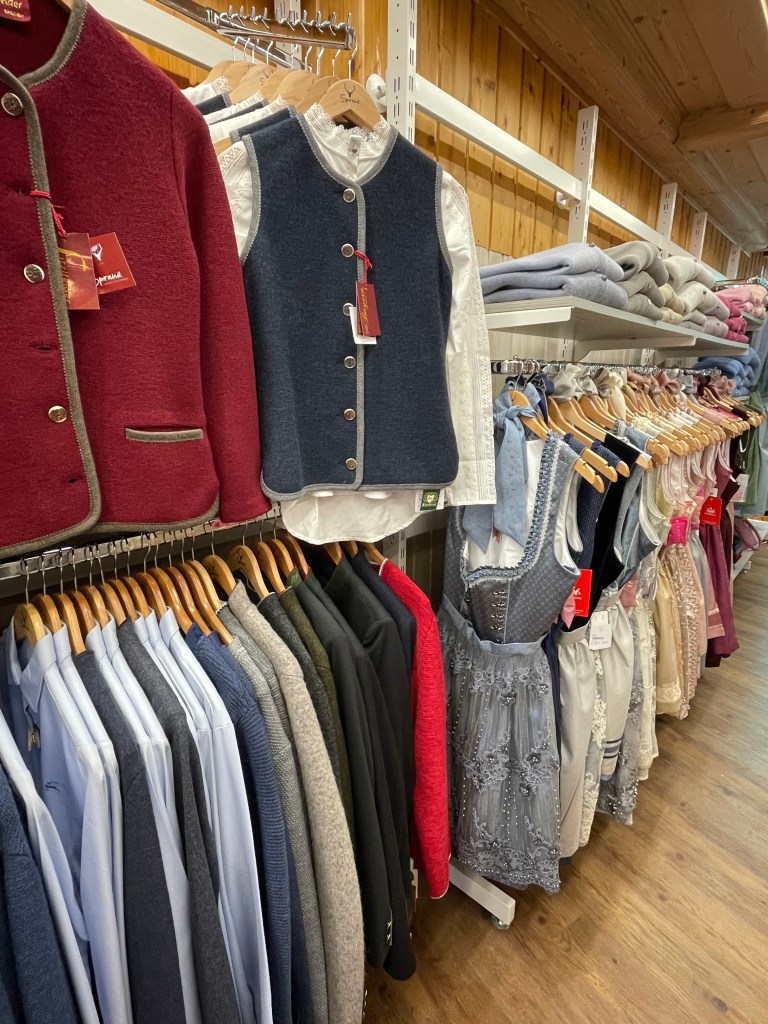
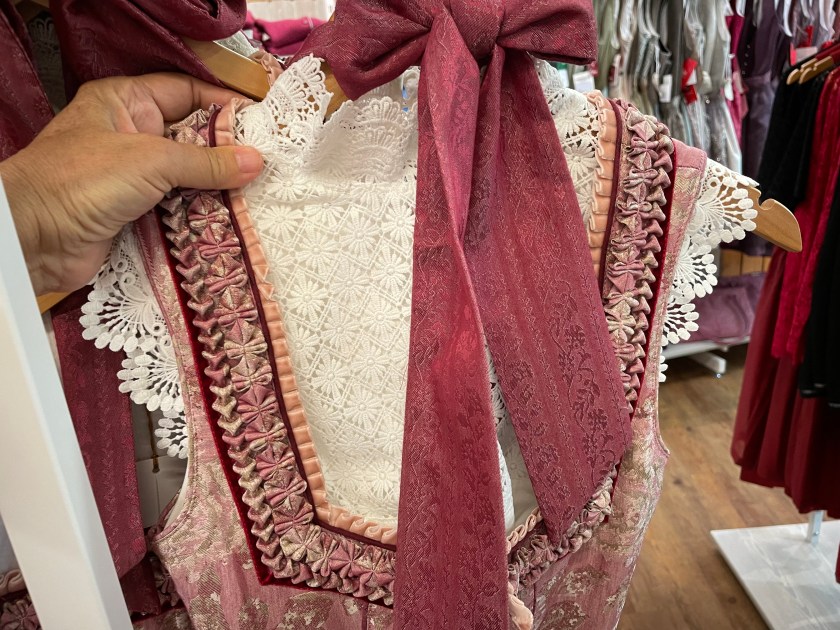
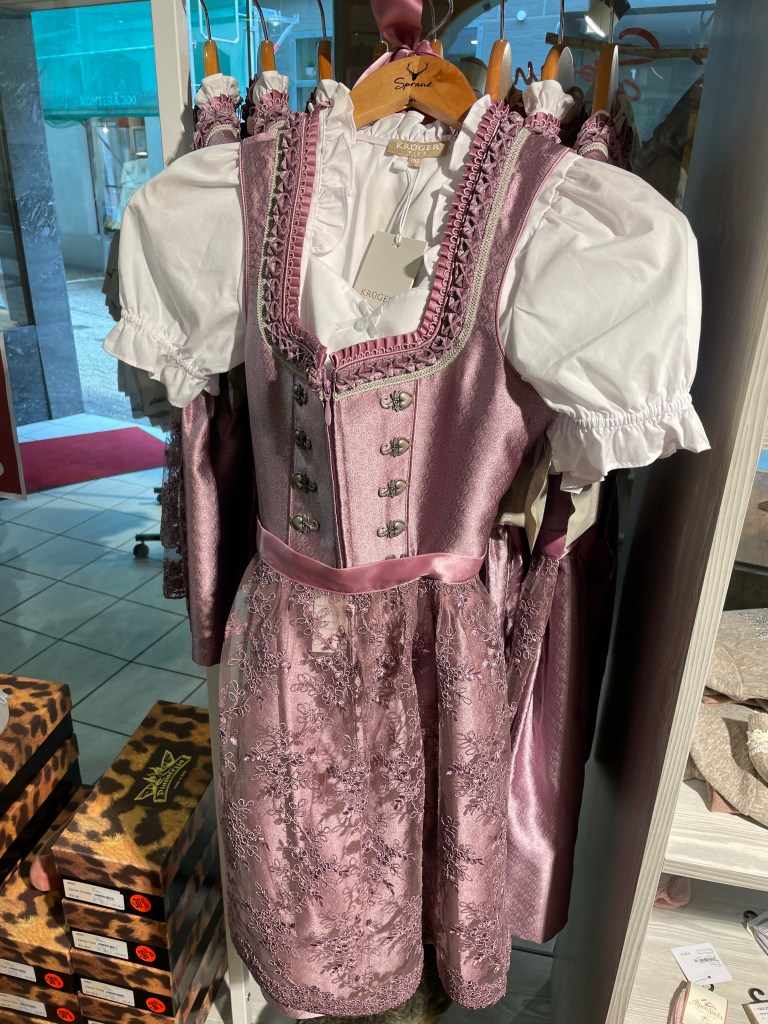
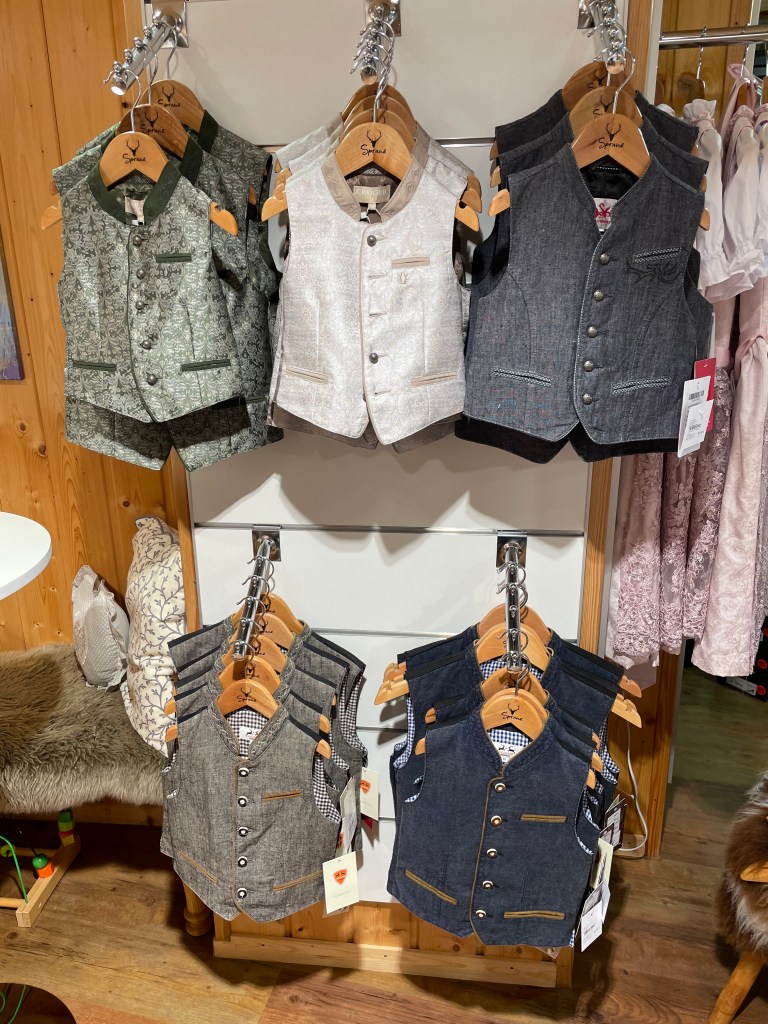
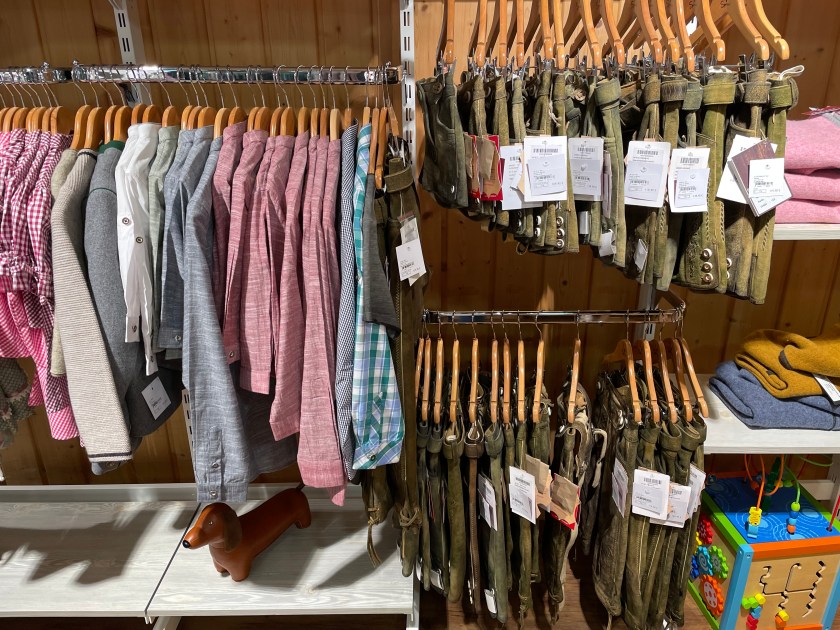
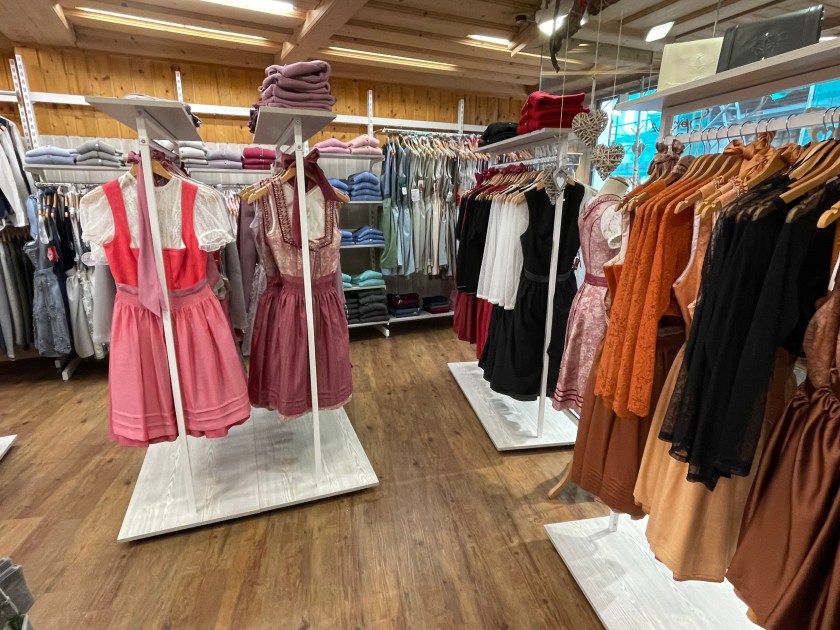
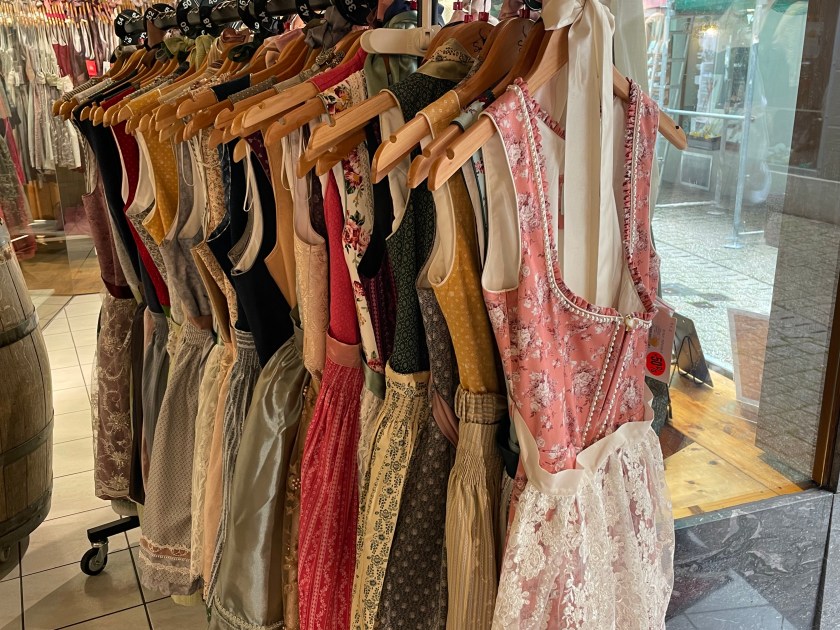
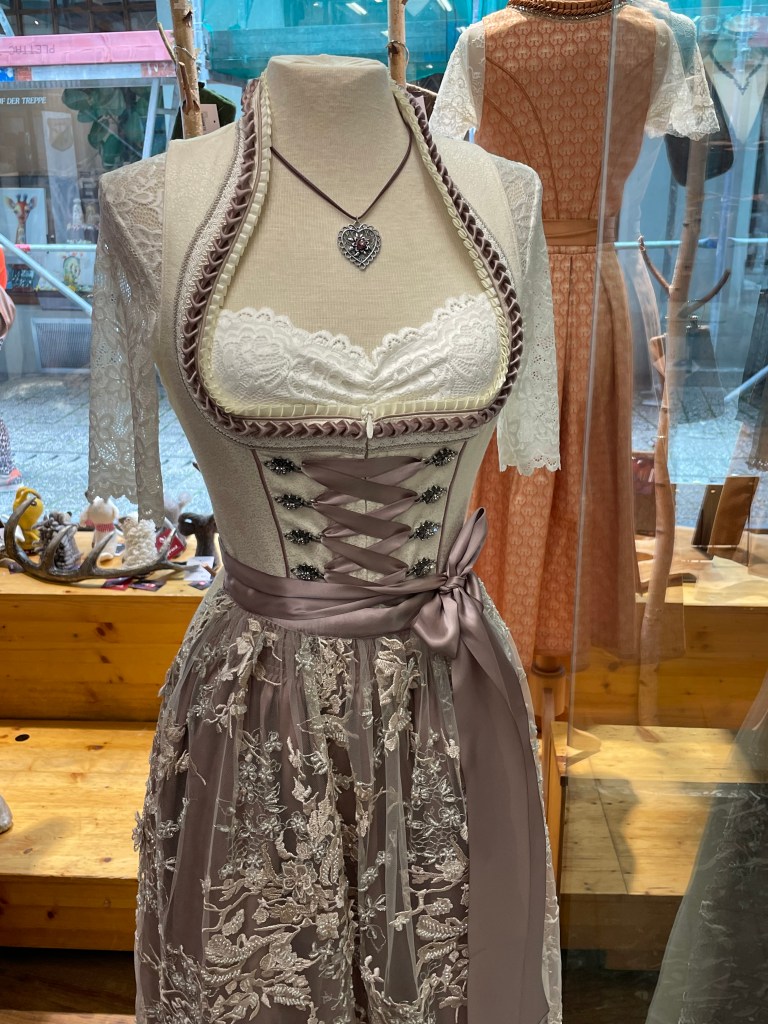
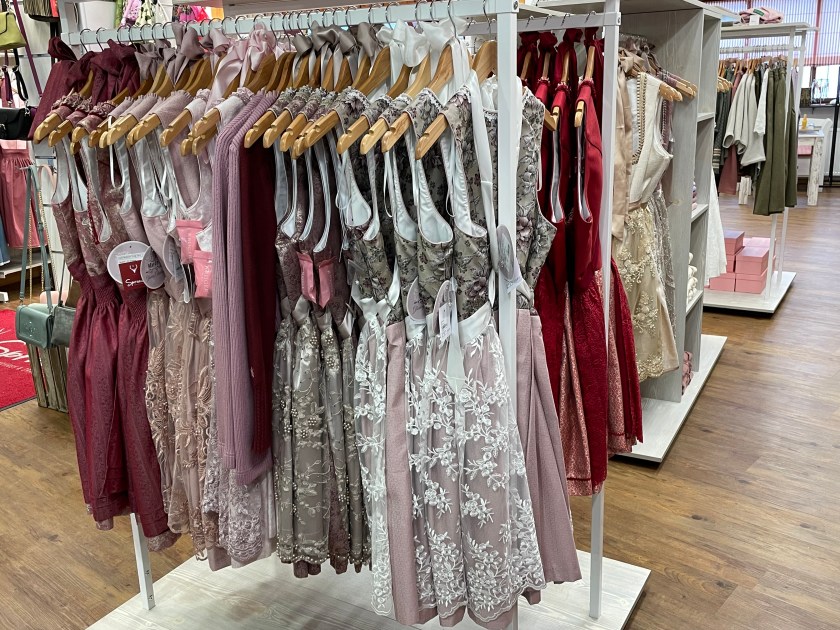
In the heart of the old town of Limburg is this amazing German clothing store that specializes in beautifully made traditional clothing. Many wear traditional clothing for special occasions or festivals. Some wear them just because they are beautiful. We went to take a look.
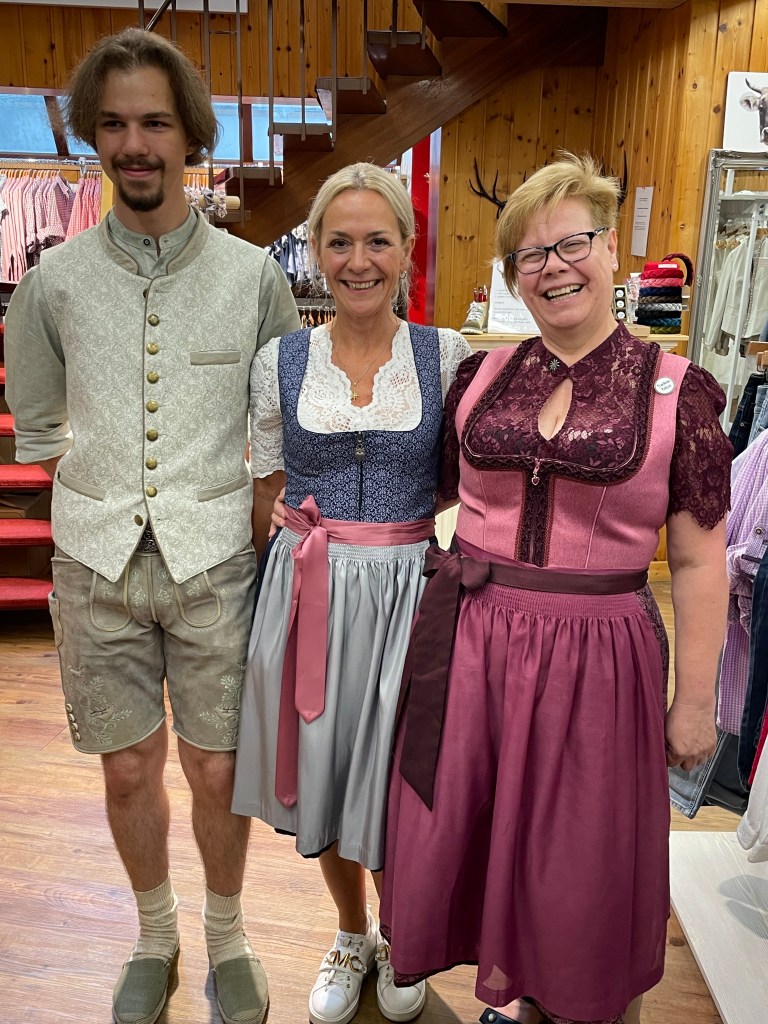
The friendly shopkeepers:
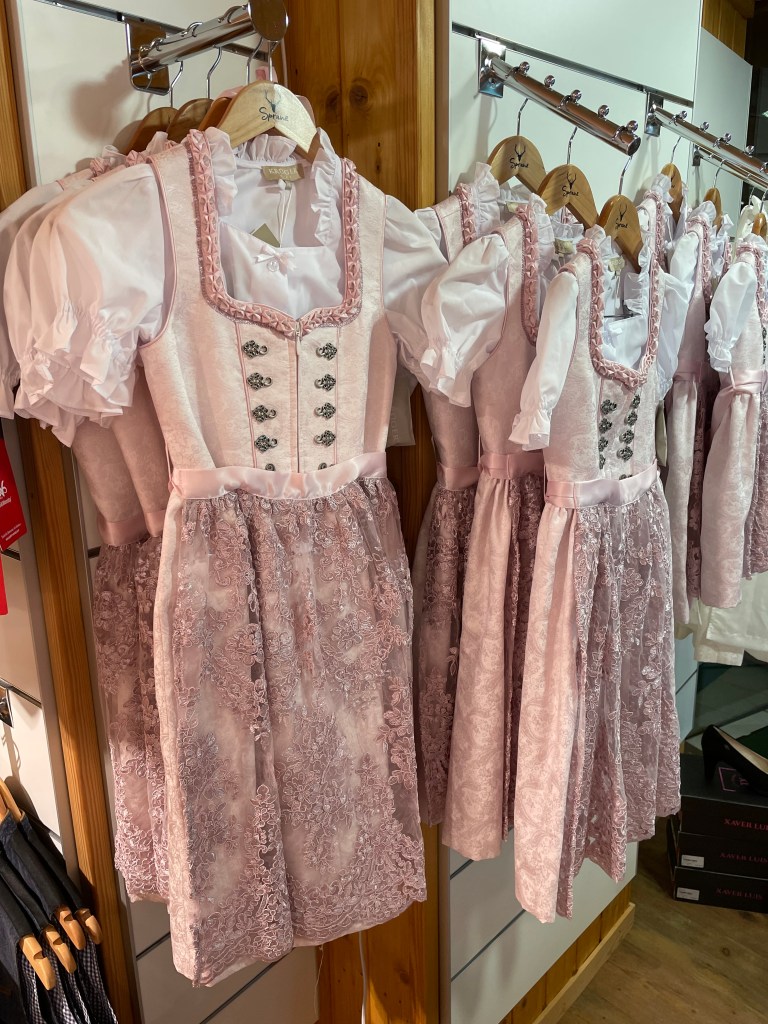
The clothing really is exquisite and it’s quite expensive.
They had beautiful children’s clothing too:
Lederhosen in every size:
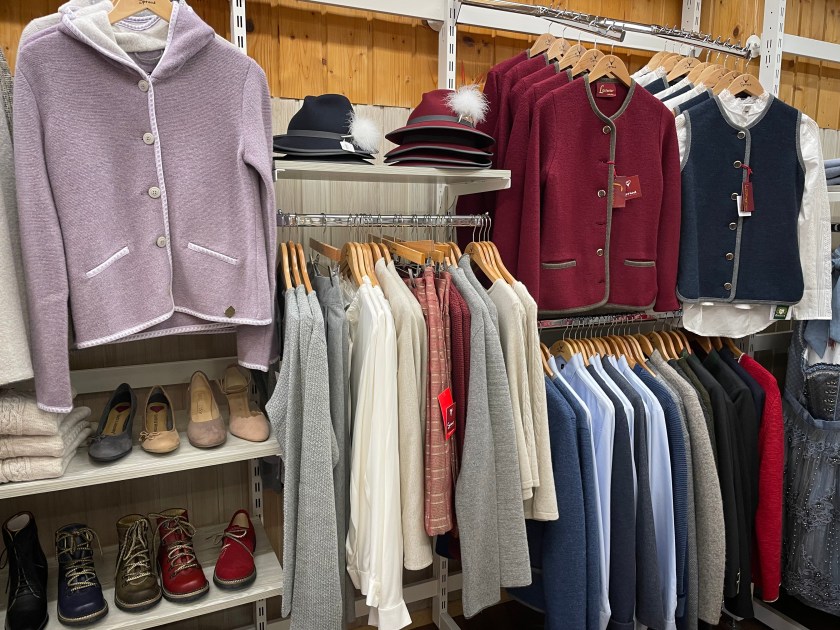
Chris found a vest he loved. John and I found beautiful sweaters to take home and enjoy.
I really loved looking at all the fabrics and the beautiful handwork and care that went into making this clothing. An Dirndl might cost anywhere from 200 to 600 Euro. The little girl dresses were 150. The little boy’s Lederhosen were 60-80 Euro. Sweaters for adults cost anywhere between 100 and 300 Euro, just to give you an idea.
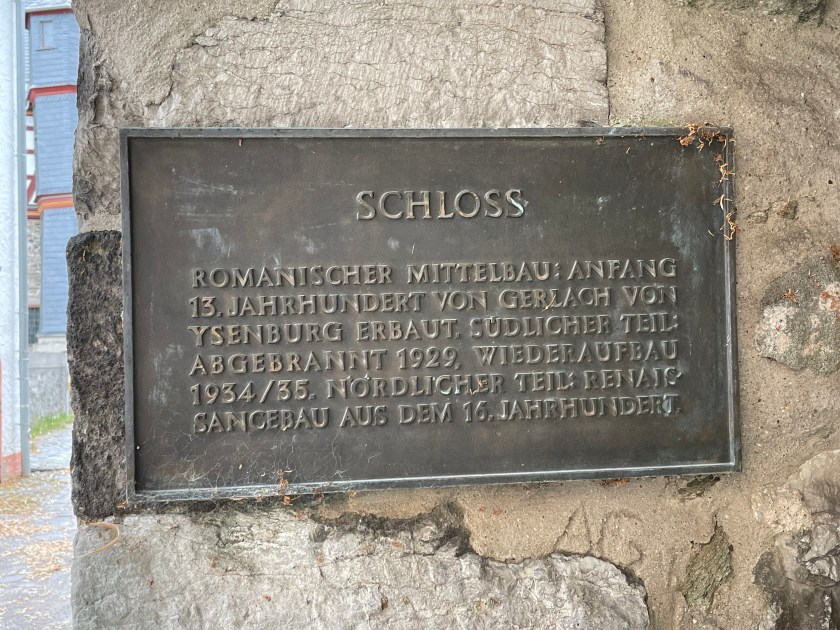
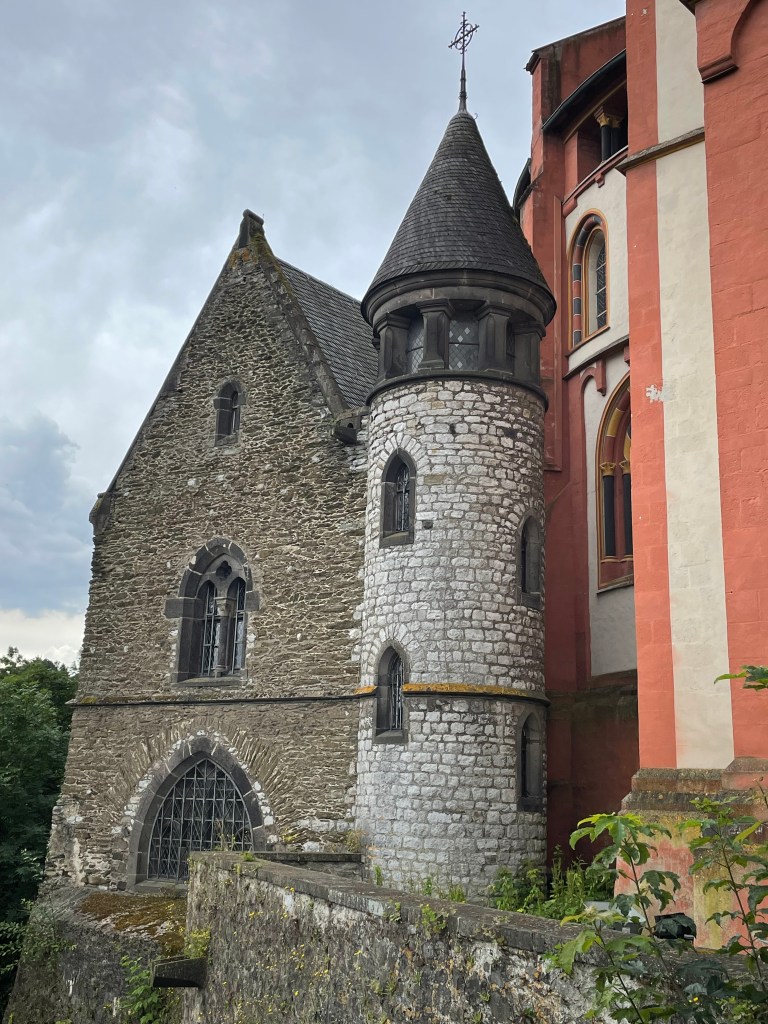
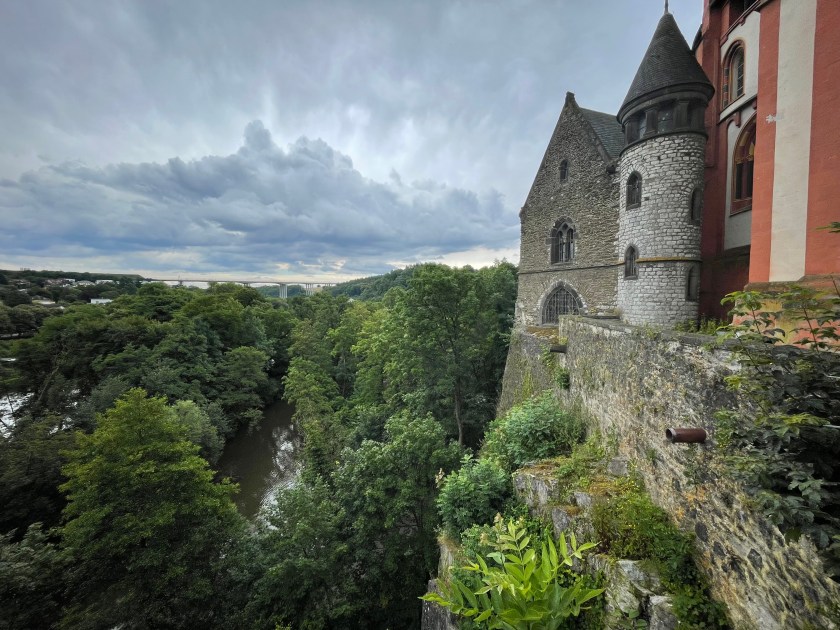
In about 800 A.D., the first castle buildings arose on the Limburg crags overlooking the river Lahn, probably built for protection. In the decades that followed, the town developed under the castle’s protection. Limburg is first mentioned in documents in 910.
In 1150, a wooden bridge was built across the Lahn. The long-distance road from Cologne to Frankfurt am Main then ran through Limburg. In the early 13th century, Limburg Castle was built in its current form. Remains of the fortification wall from the years 1130, 1230 and 1340 with a maximum length of about 1000 meters give an idea of the size of what was here during the Middle Ages.
This castle is up on the hill behind the cathedral.
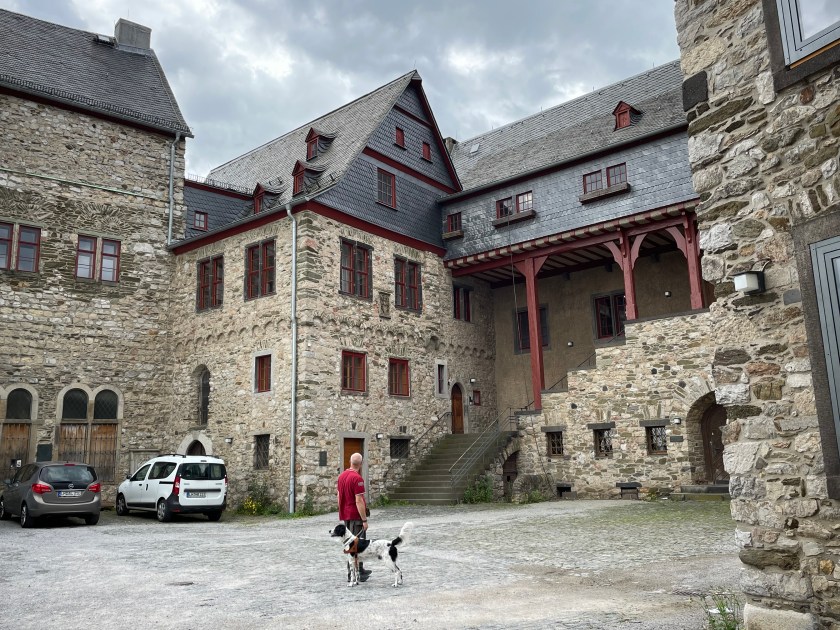
Today you can walk around the castle courtyard, but you can’t go into the buildings. They are working on preserving the site. Maybe someday you’ll be able to go inside.
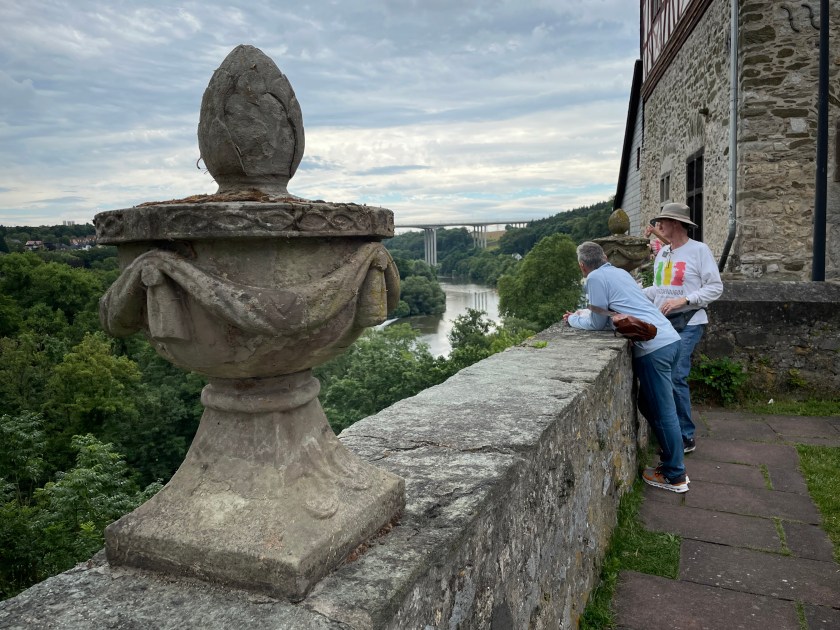
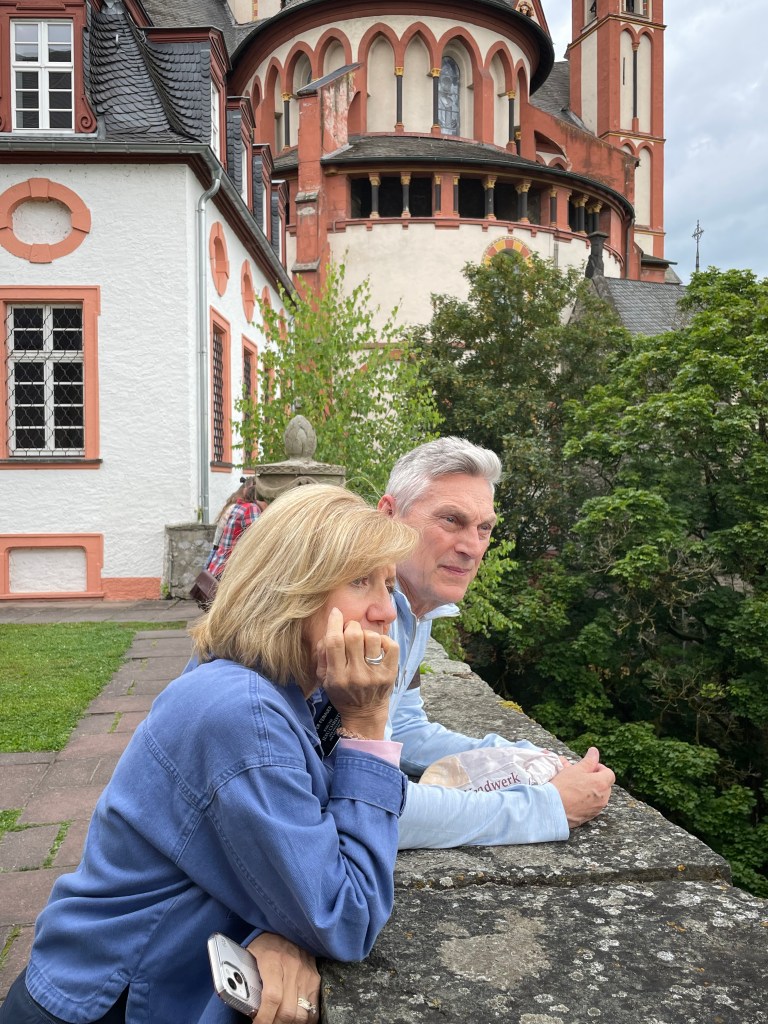
The view of the cathedral from the castle:
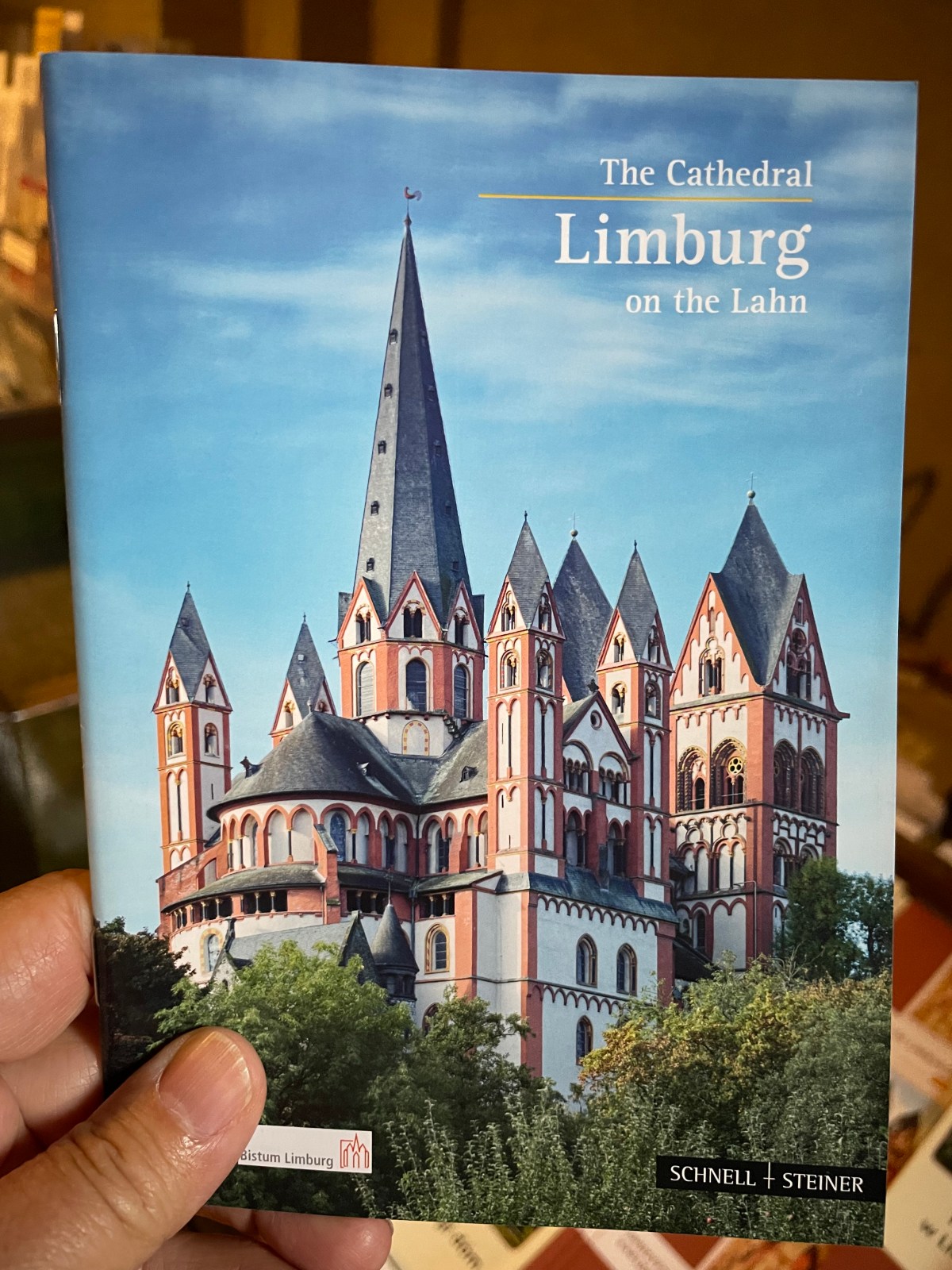
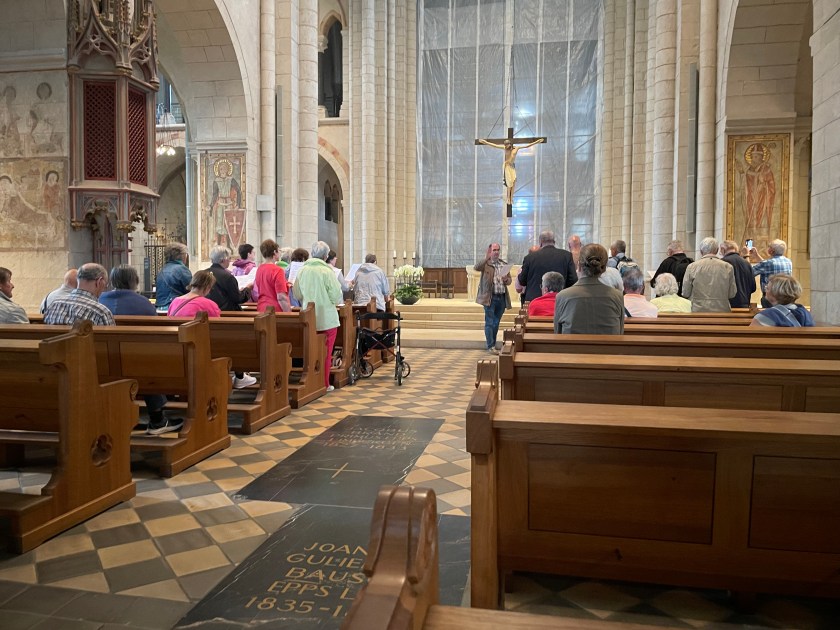
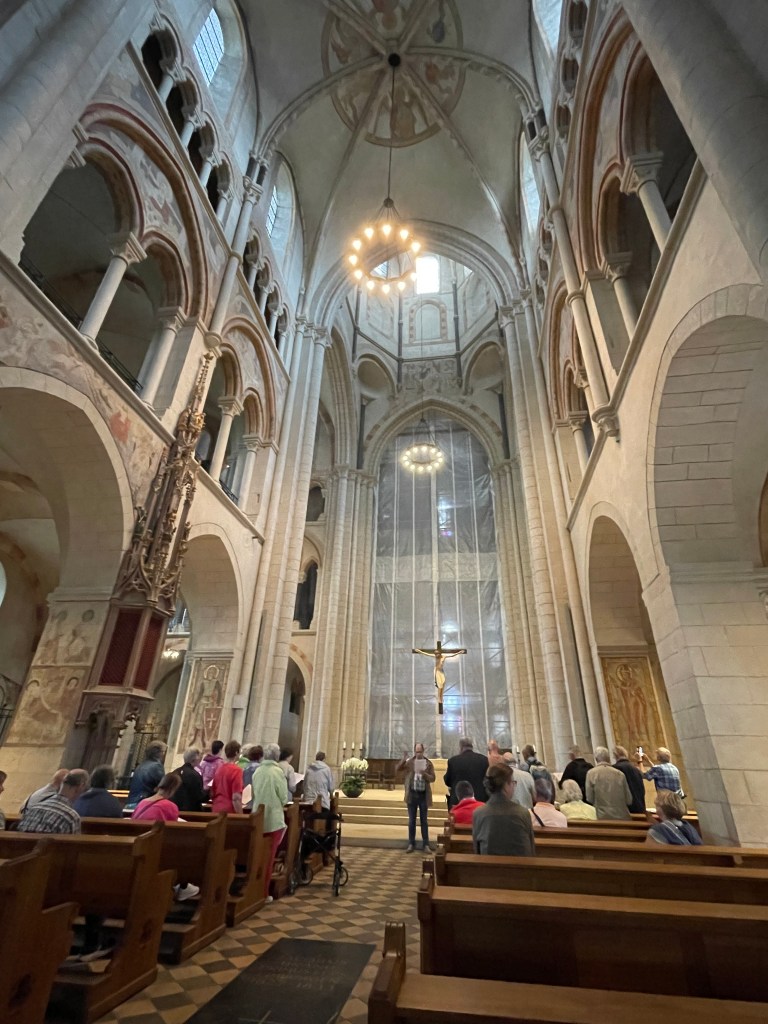
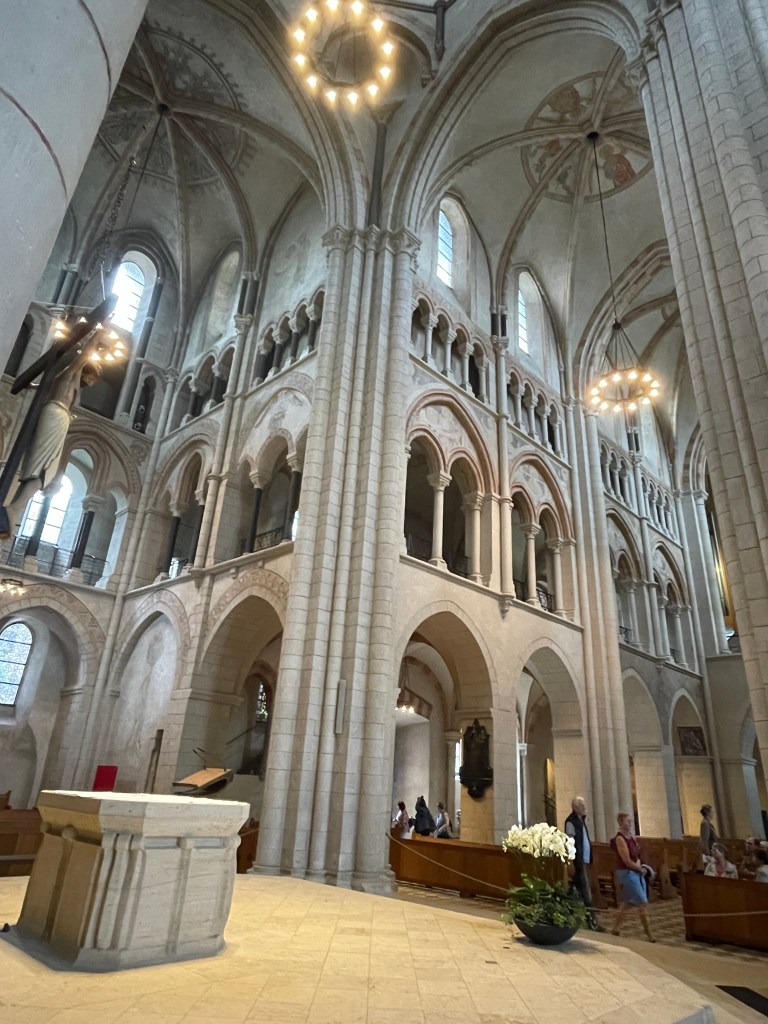
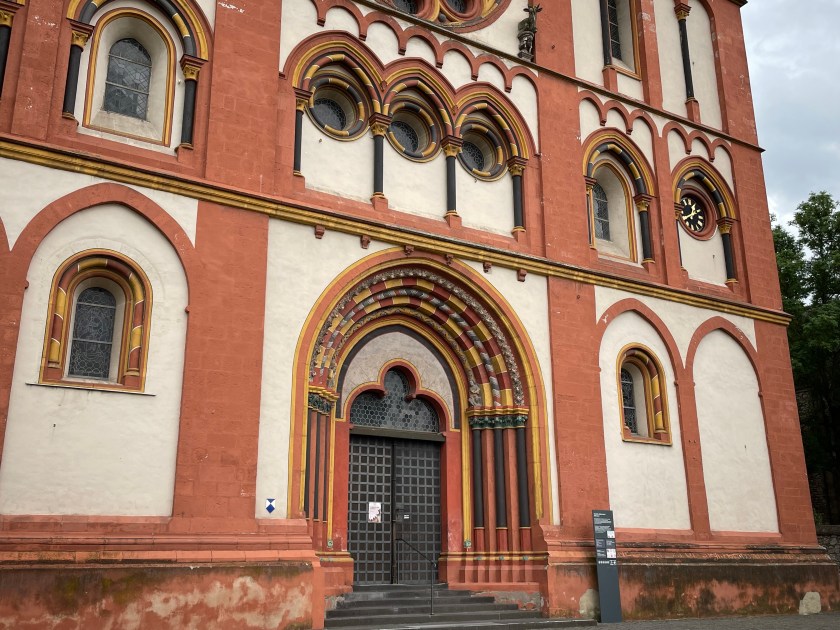
Next we went into the cathedral, “The High Cathedral of Limburg.”
The town of Linburg started in the 7th century surrounding the castle up on the hill in the center of the town and different versions of this church were built here after that. Excavations under the present church date back to the 800s and 900s, with changes made in the 1100s.
In about 1180 an extensive remodelling was started that gave the church its present-day shape. It’s a huge cathedral today, with all kinds of interesting history.
When I went in, there was a tour group singing some beautiful Latin music. The sound was heavenly.
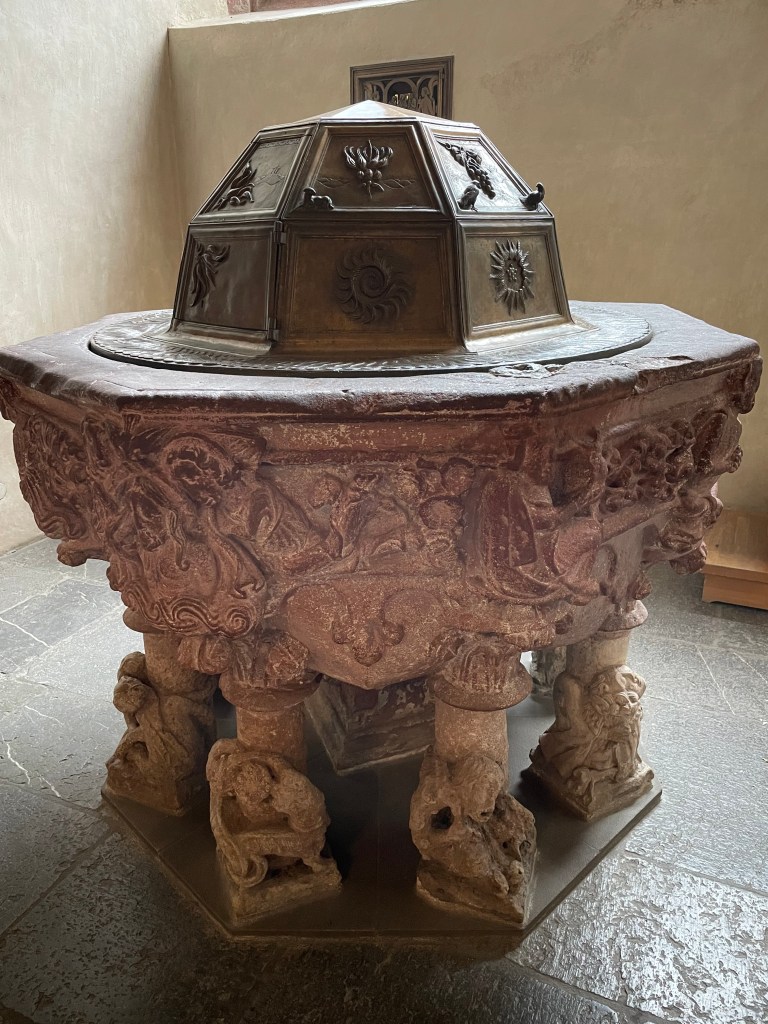
This baptismal font is from the 1200s.
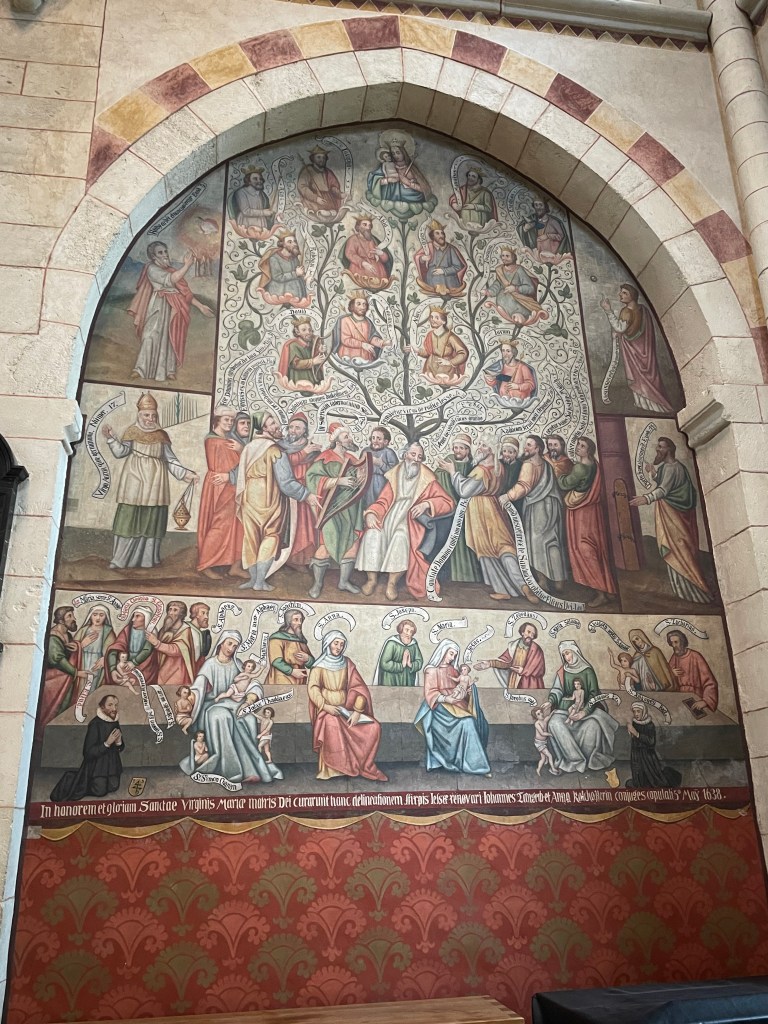
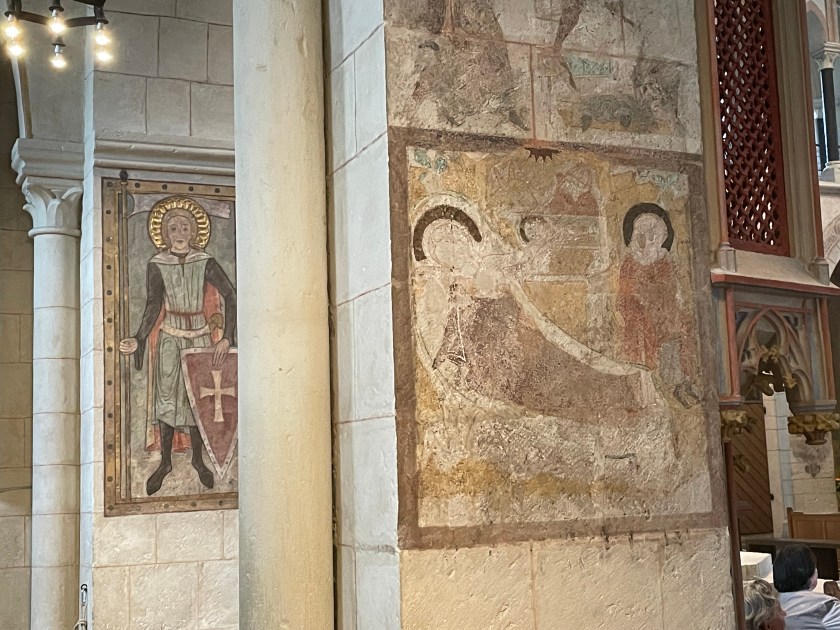
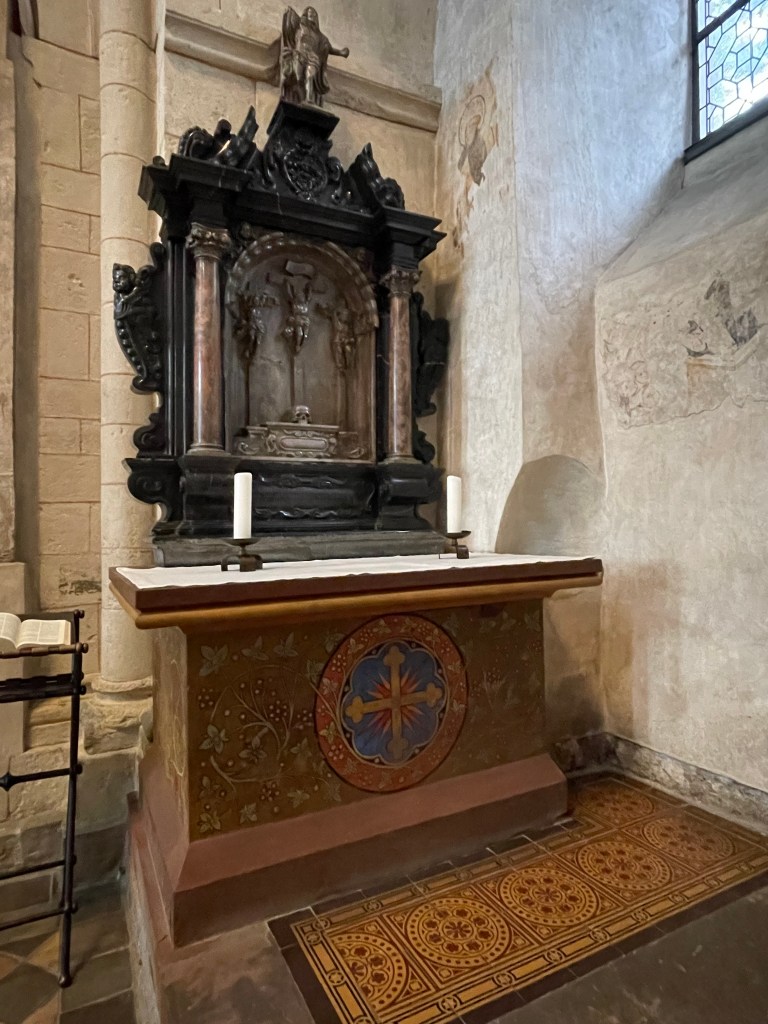
Interesting histories on the walls.
Look at the floors covered in memorial stones.
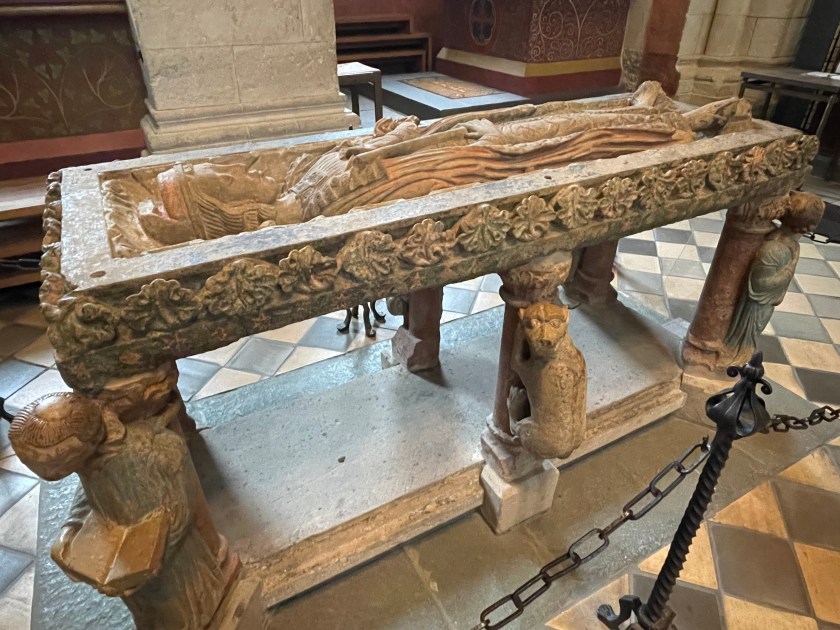
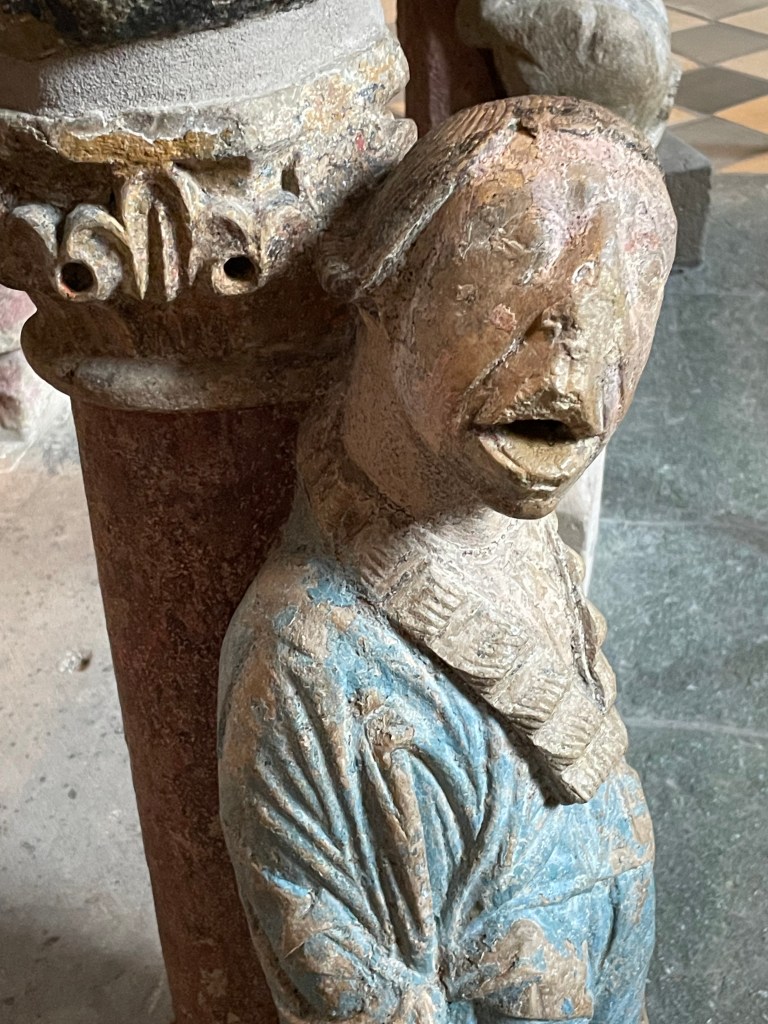
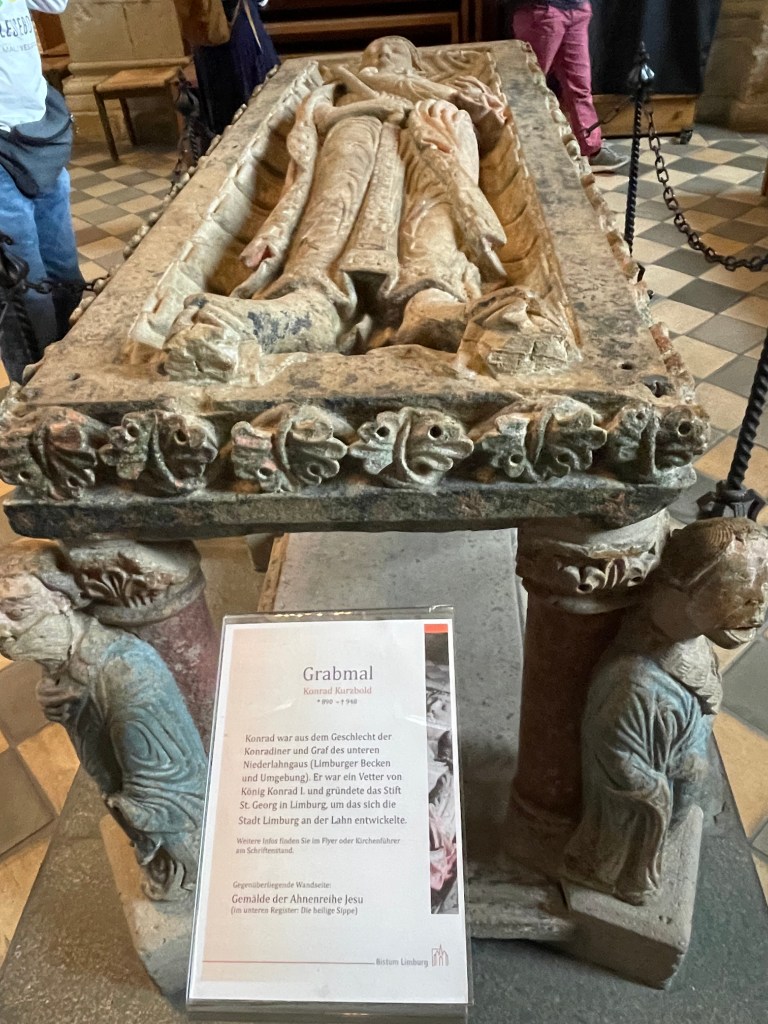
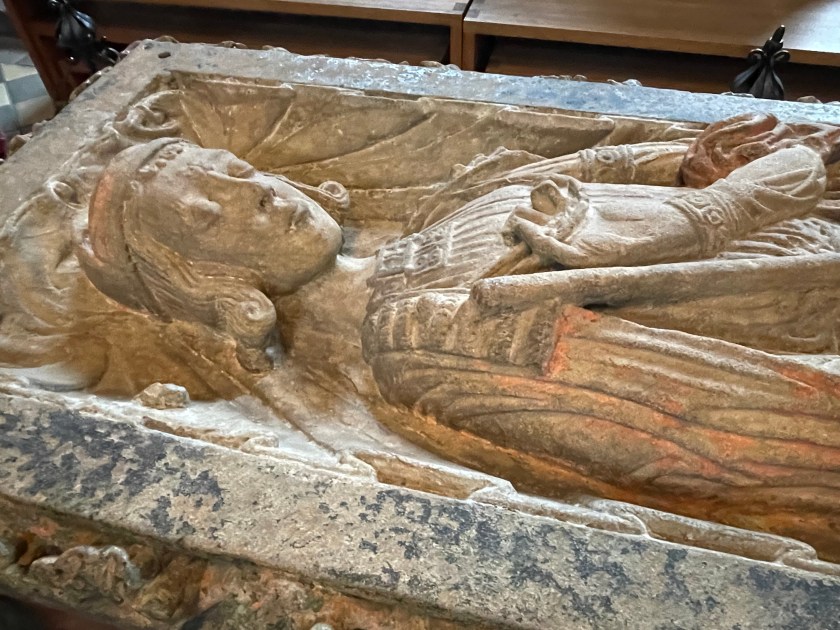
A grave memorial from the 900s.
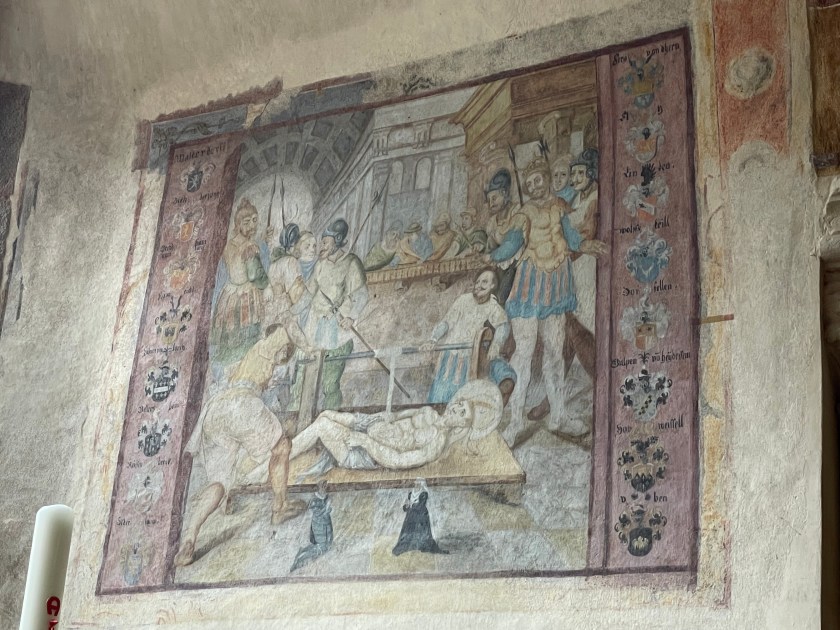
The evisceration of one of the apostles:
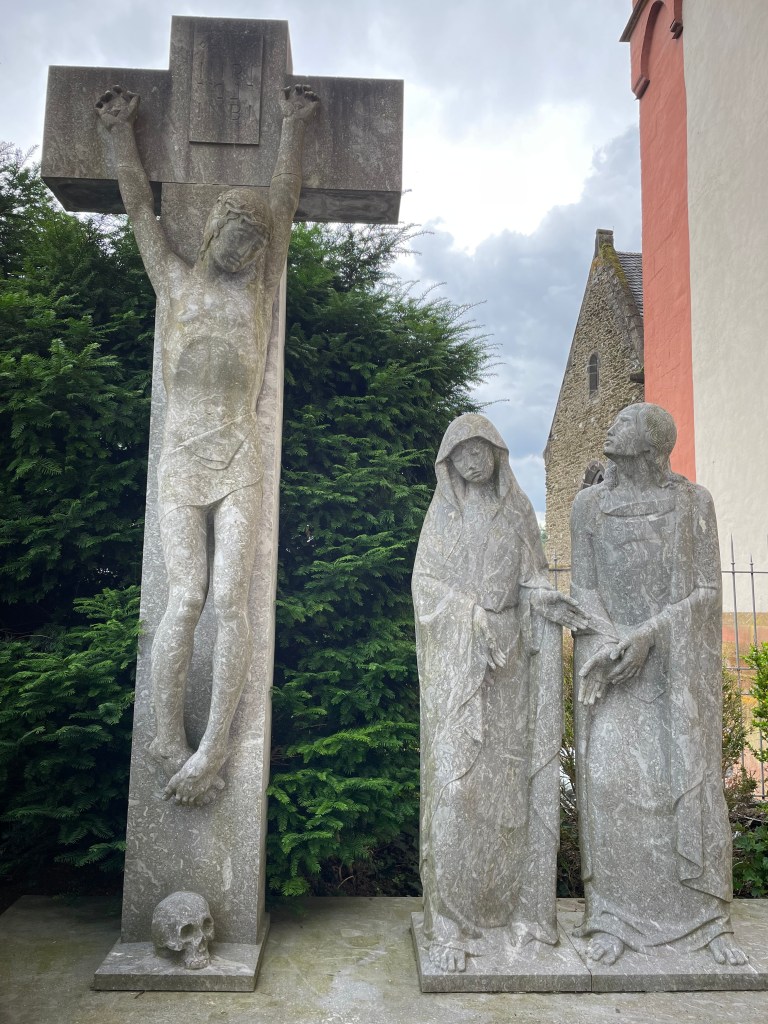
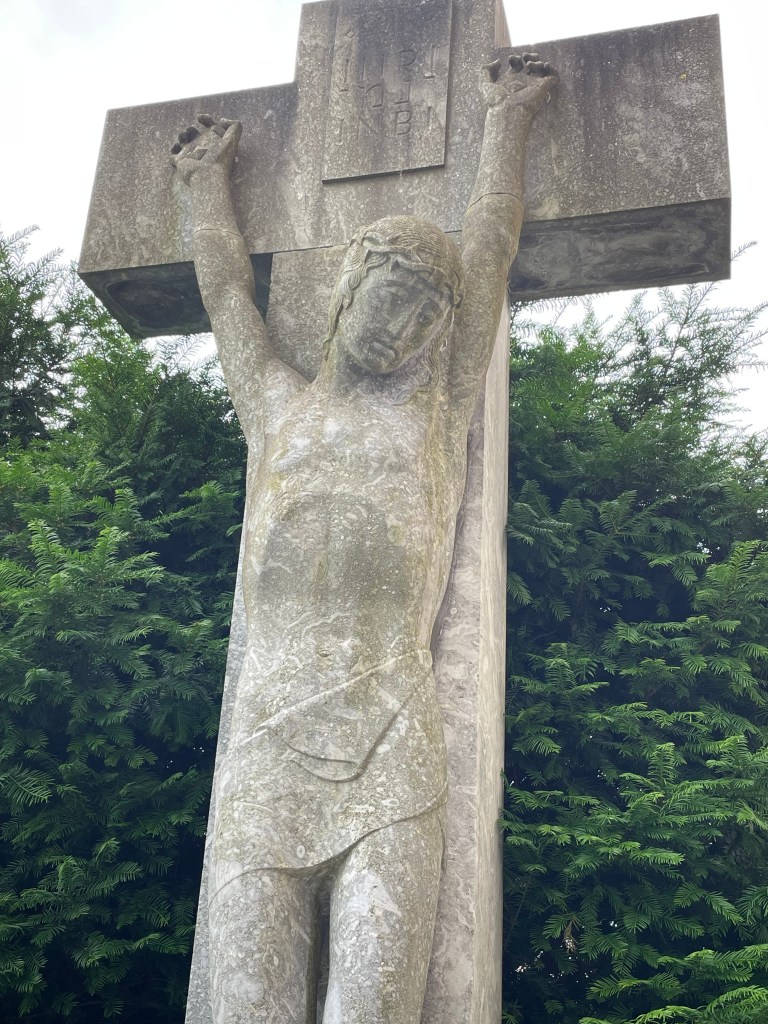
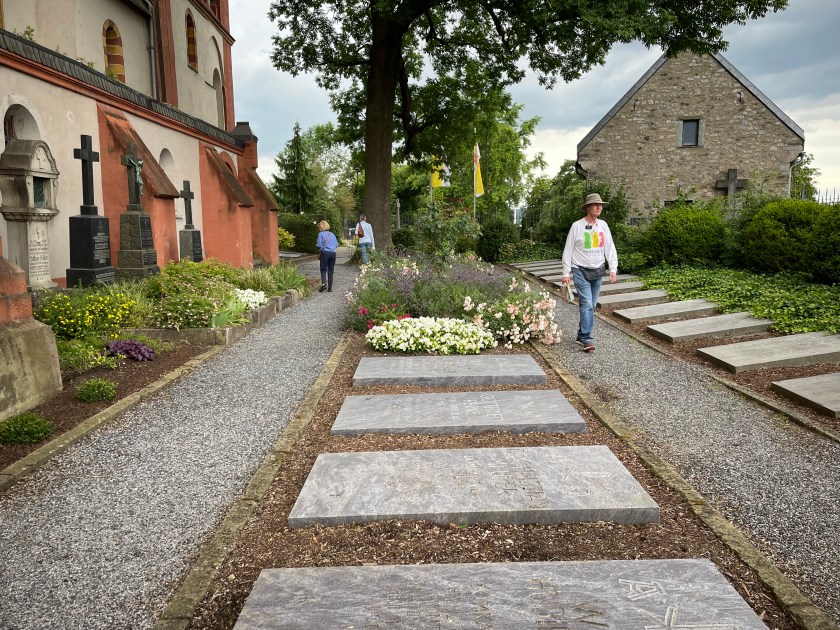
There is a cemetery outside of the cathedral where church leaders were buried.
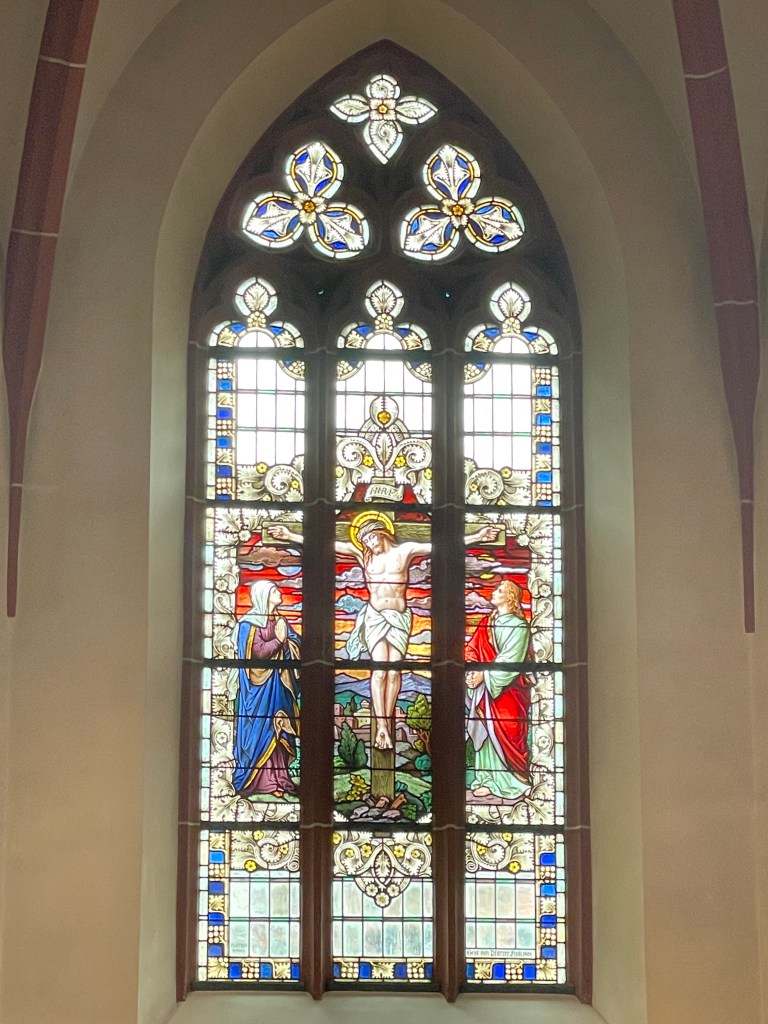
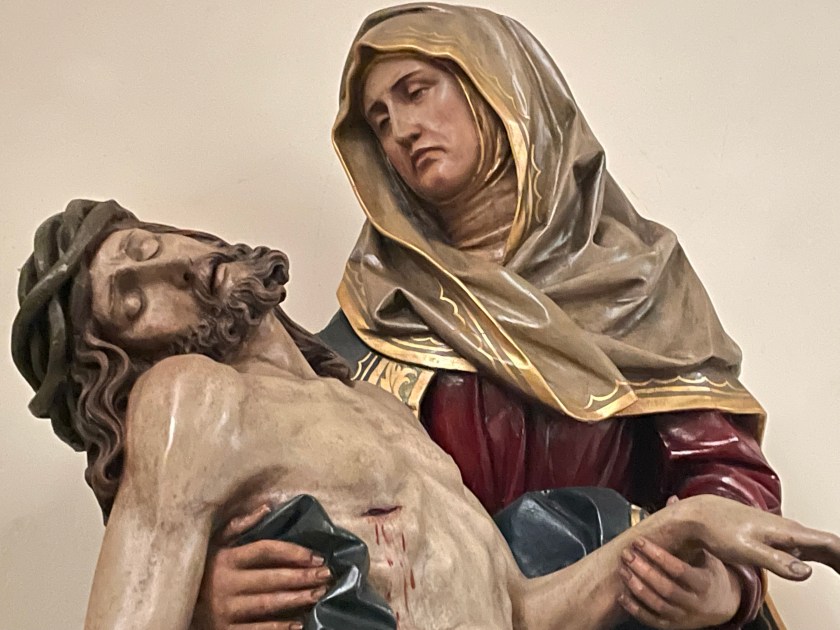
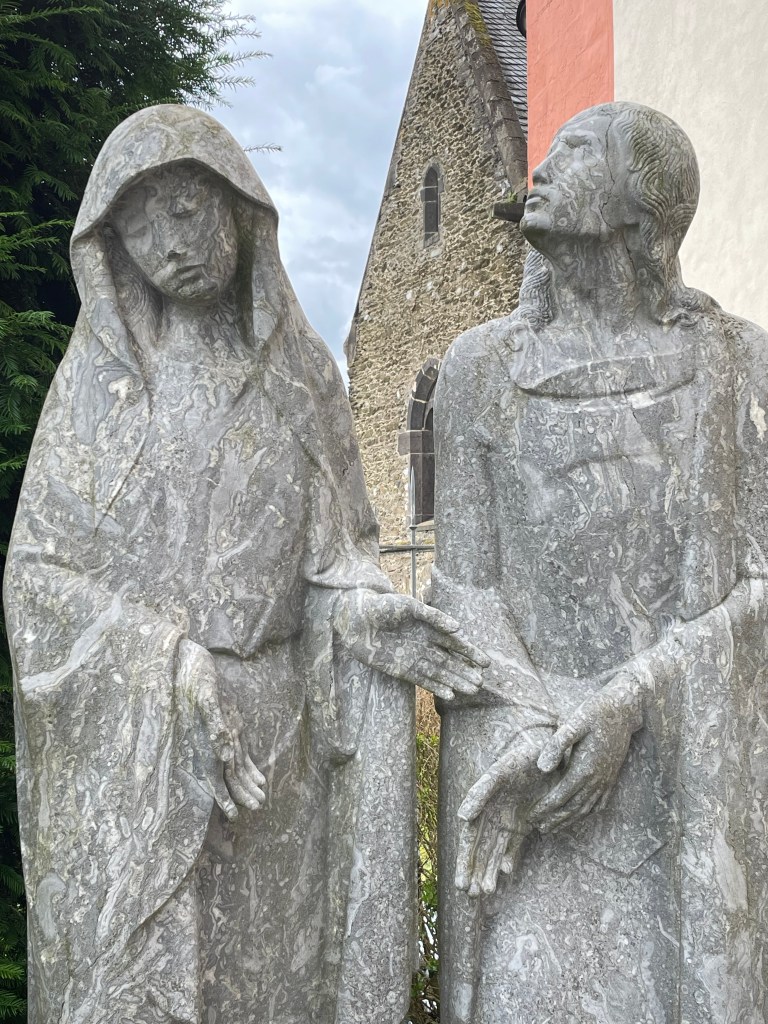
“When Jesus therefore saw his mother, and the disciple standing by, whom he loved, he saith unto his mother, Woman, behold thy son! Then saith he to the disciple, Behold thy mother!”
(John 19:26-27)
We walked back down into the old town.
Passing by an open cellar door:
A GAME-CHANGING BRIDGE
The year 1150 was a game-changer when engineers constructed a wooden bridge across the Lahn River. With this bridge, the long-distance trade route known as the Via Publica from Cologne to Frankfurt now ran directly through Limburg. Limburg quickly became a hub at the crossroads of commerce.
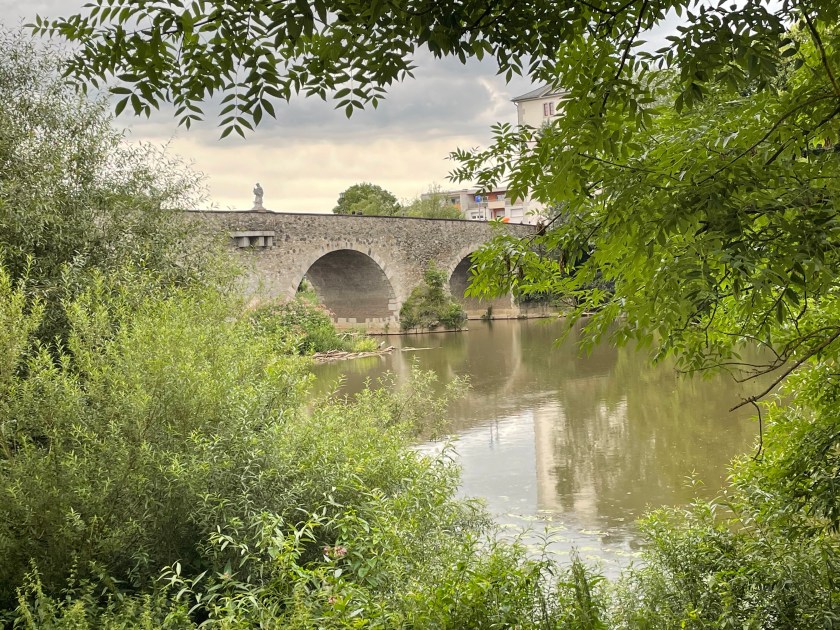
In 1306, the wooden bridge was replaced with a stone bridge — the Alte Lahnbrücke (Old Lahn Bridge) — after extensive flooding. At one time, the bridge was protected on both ends by towers. In addition to controlling access, the towers served as toll booths and were used to collect money from traveling merchants. This revenue directly funded the construction of the magnificent buildings in Limburg. The bridge tower gates were closed at night to prevent crossing during silent hours.
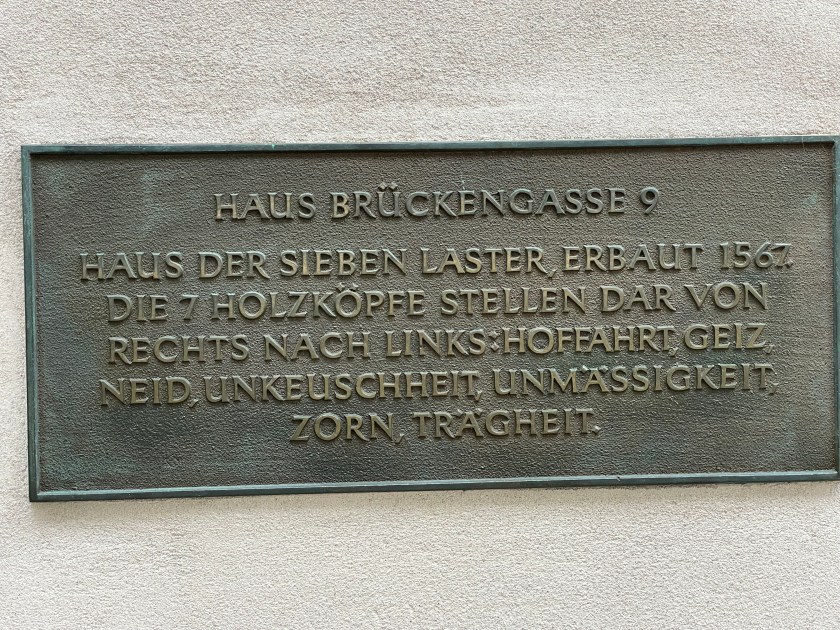
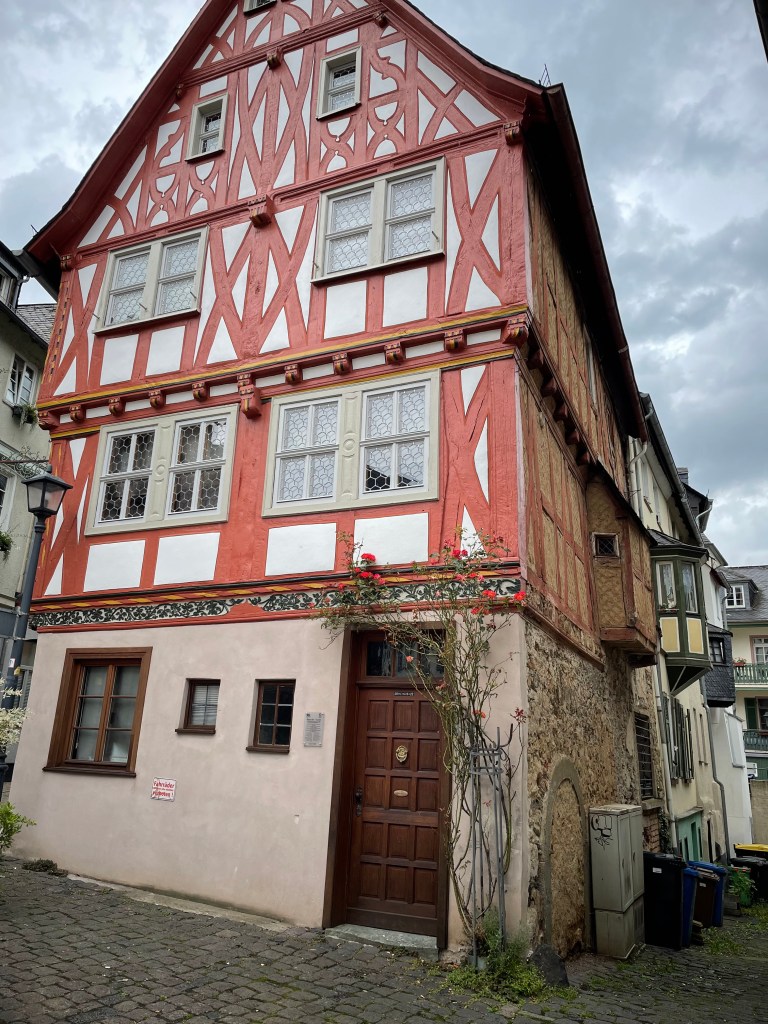
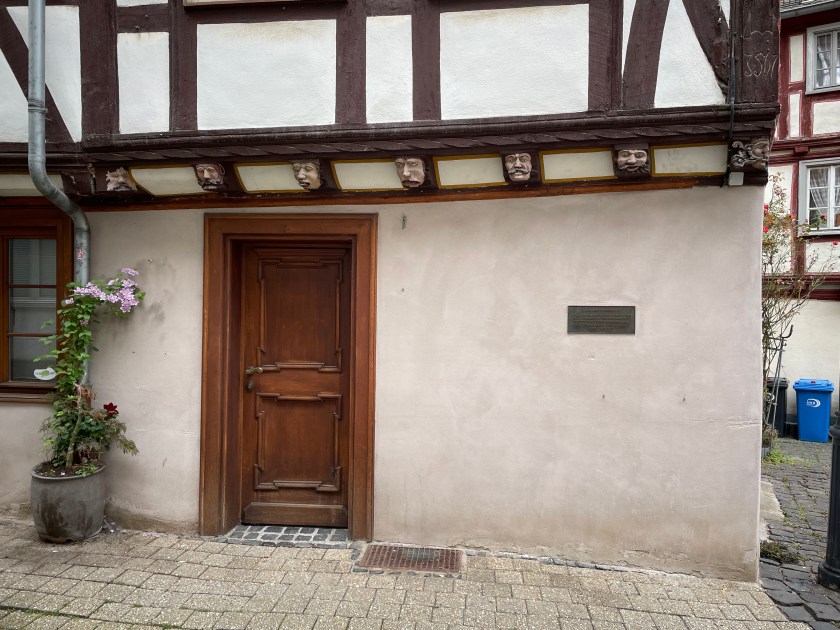
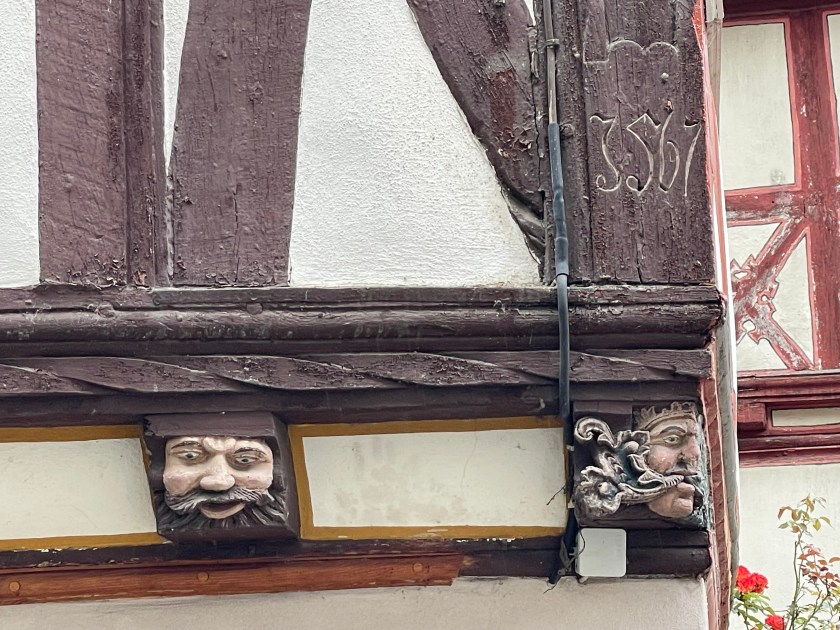
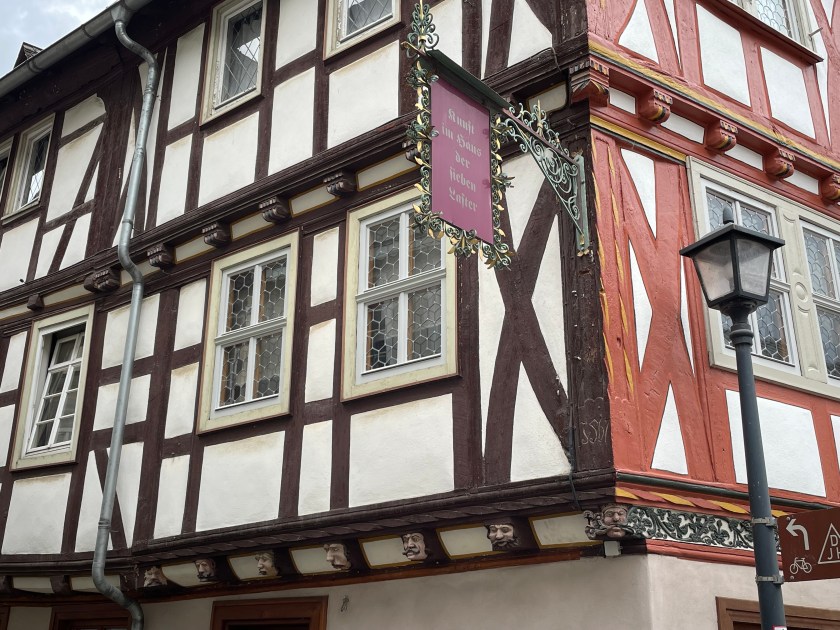
This is the House of the Seven Sins or Vices, built in 1567.
There are 7 carved heads on the ground floor roof beam representing these vices: pride, envy, intemperance, avarice, lust, anger and indolence.
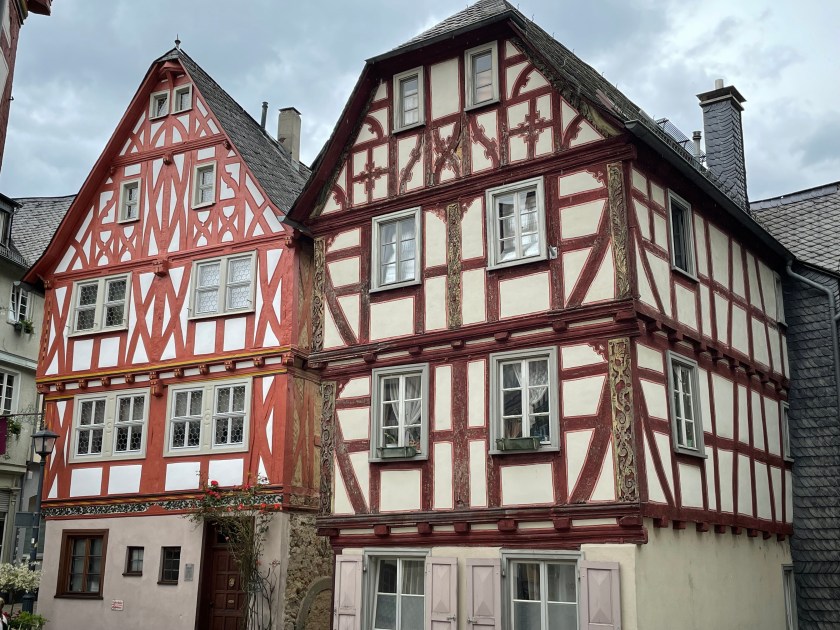
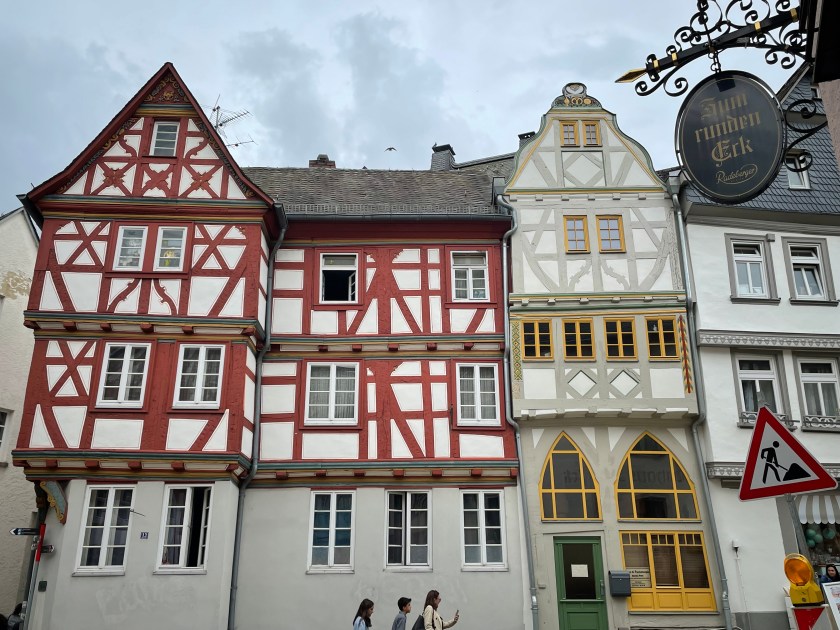
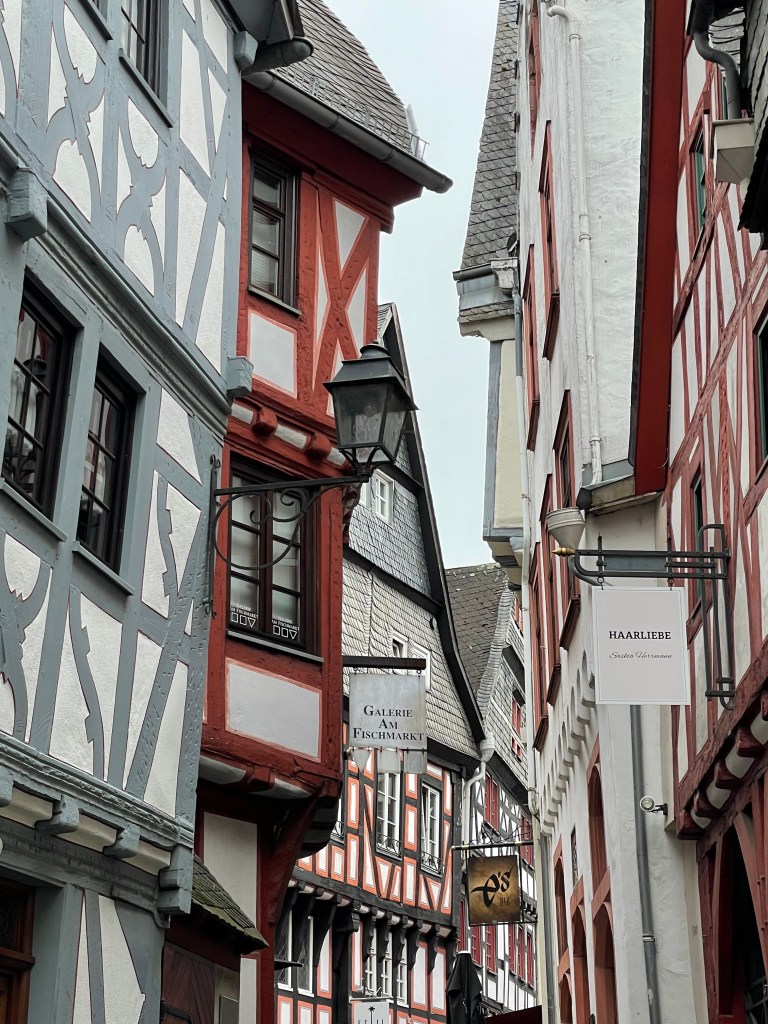
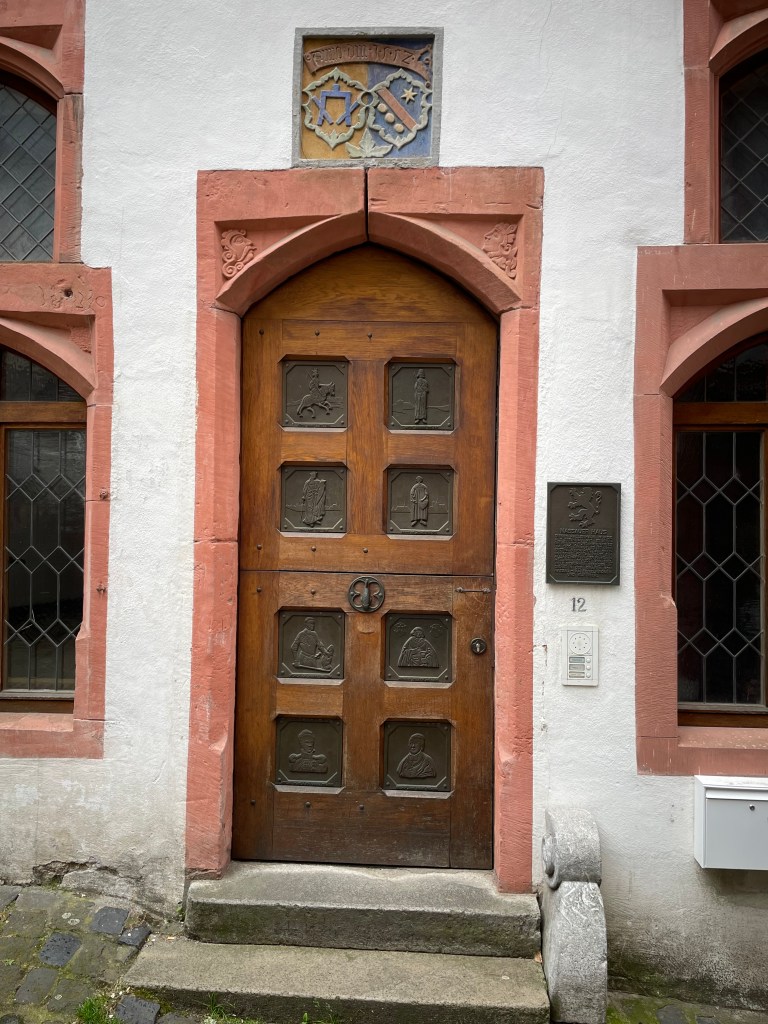
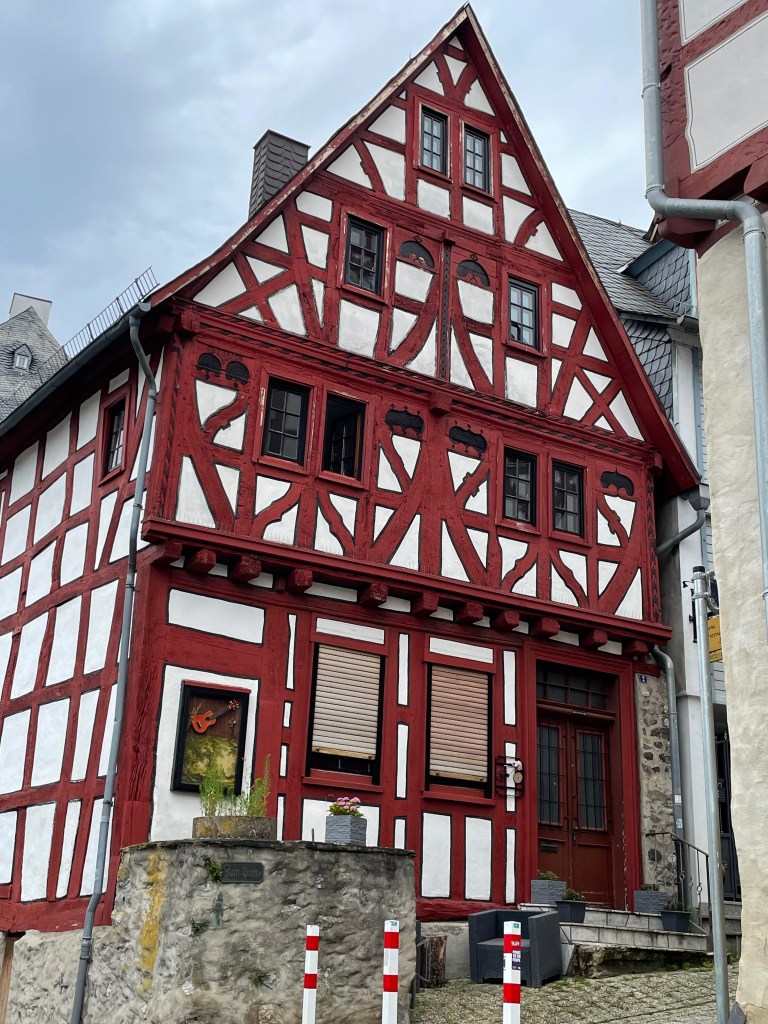
More beautiful old homes:
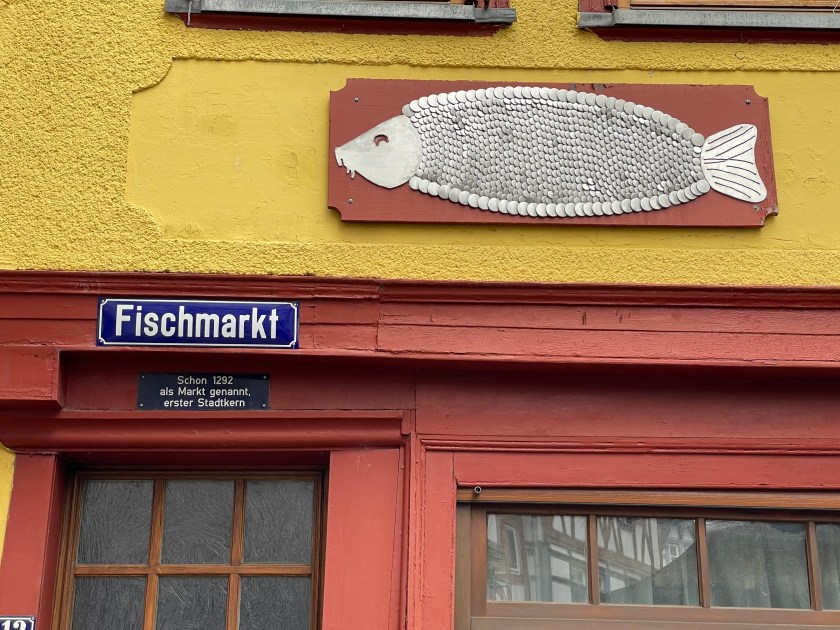
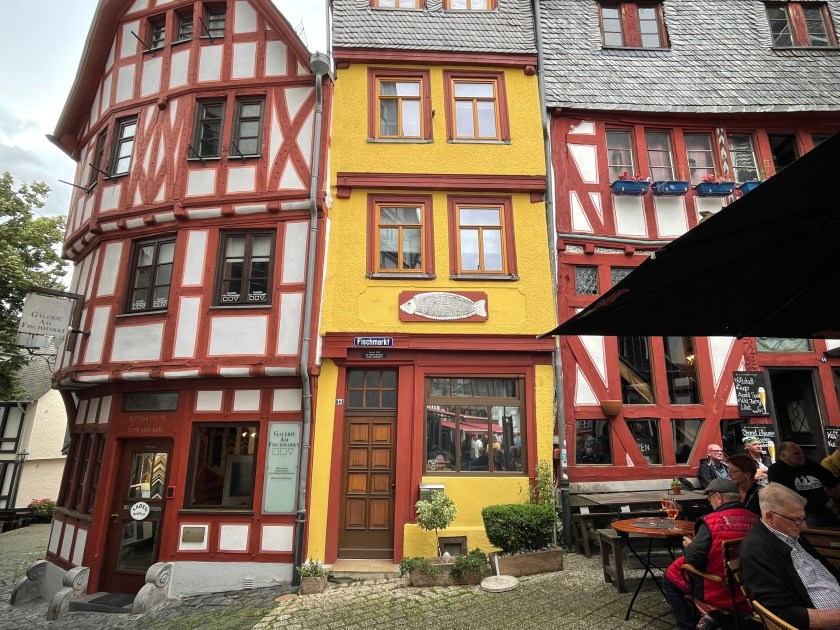
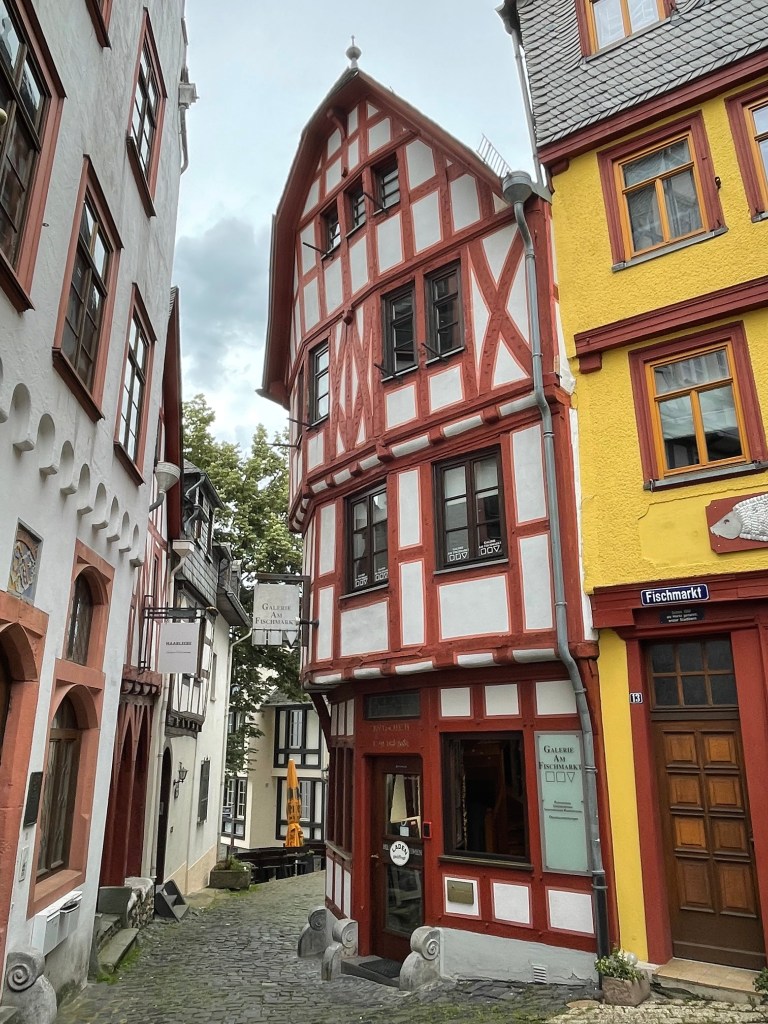
The old fish market plaza.
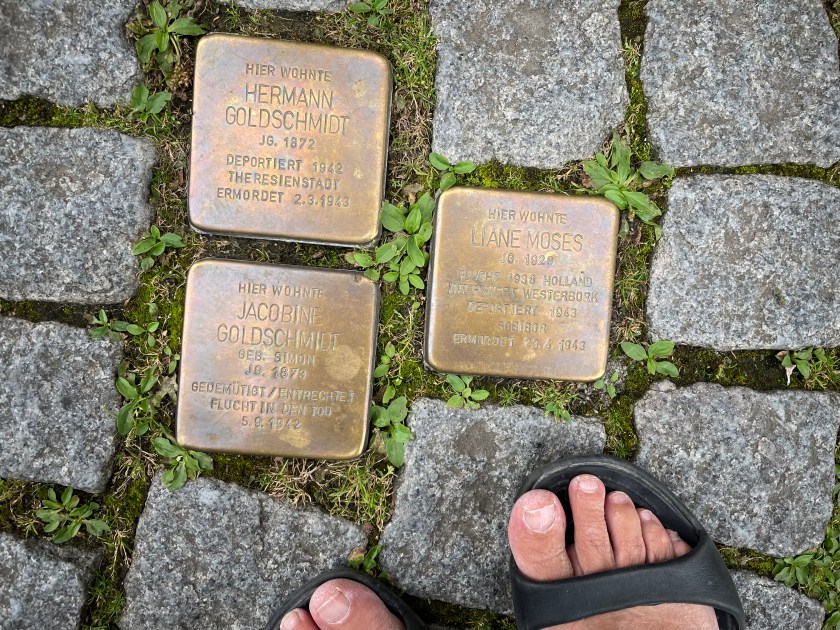
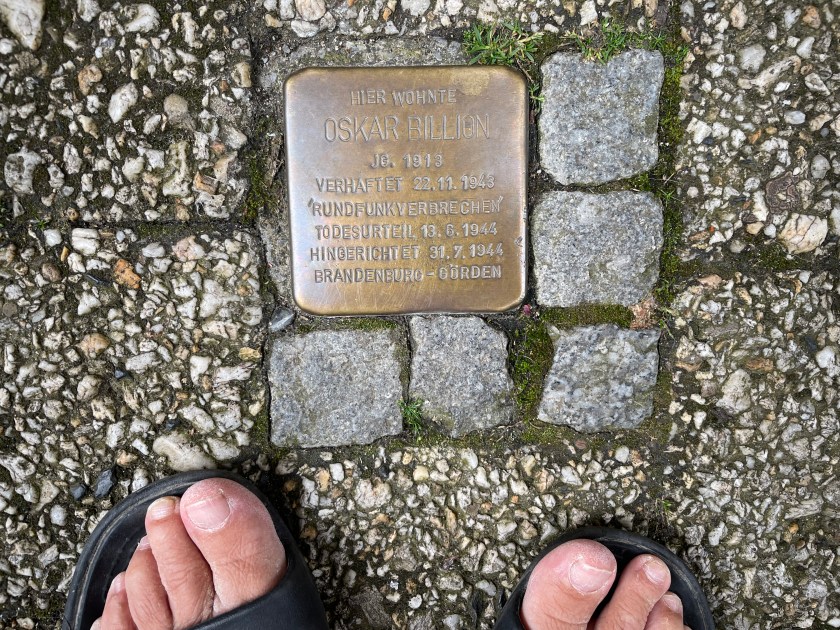
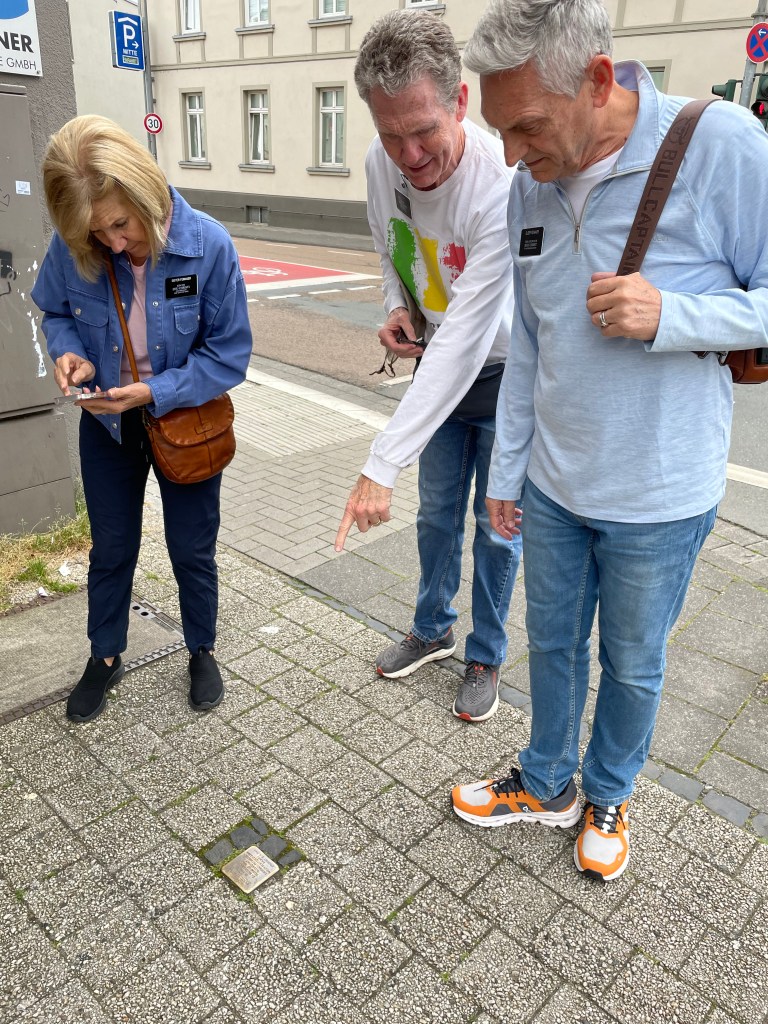
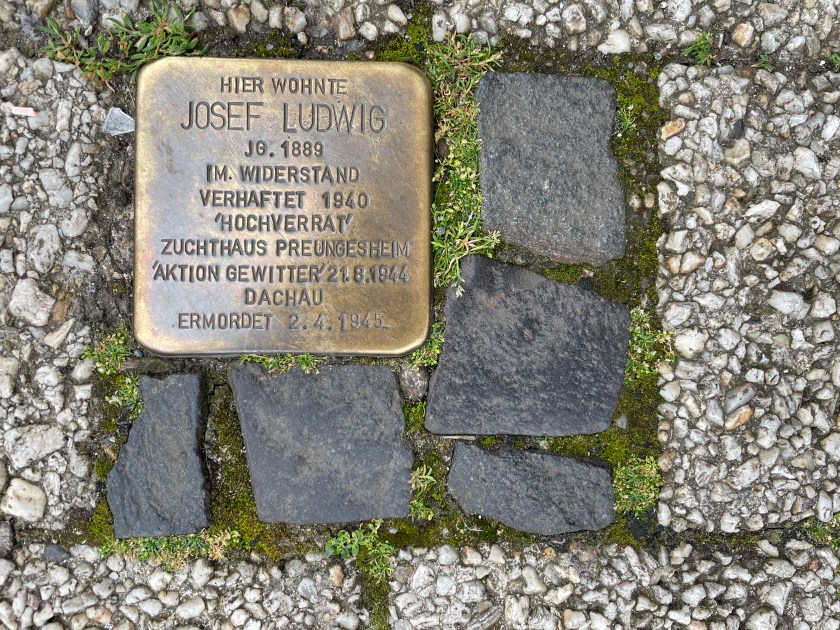
As we made our way out of town, we passed more Stolpersteine. They never fail to move my heart.
There was one more reason we came to Limburg–there is a particular shop here the missionaries love. Read about it in my next post.
Today’s Saturday outing took us to Limburg on the Lahn River. We’ve been here a couple of times before, but wanted to return with friends to take a closer look at this very charming medieval town that was first mentioned in 910. The town of Limburg grew around the 9th-century Limburg Castle (Burg Limburg) on the Lahn River. Soon the St. George’s Monastery (later to become Limburg Cathedral) was erected and the town began to flourish both religiously and economically and Limburg increased in importance.
The very first thing we noticed as we came up out of the parking garage was a Stolperstein, which quickly reminded us that hard things happened here.
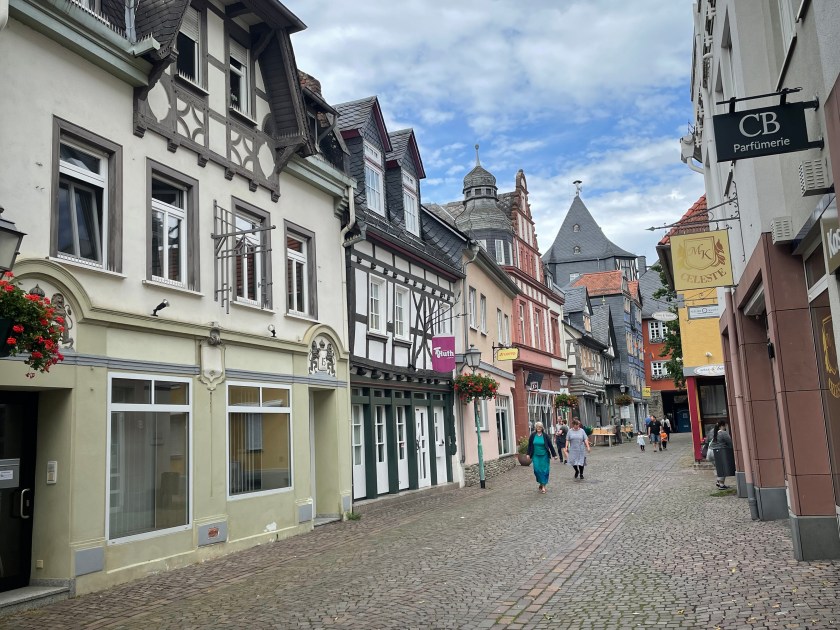
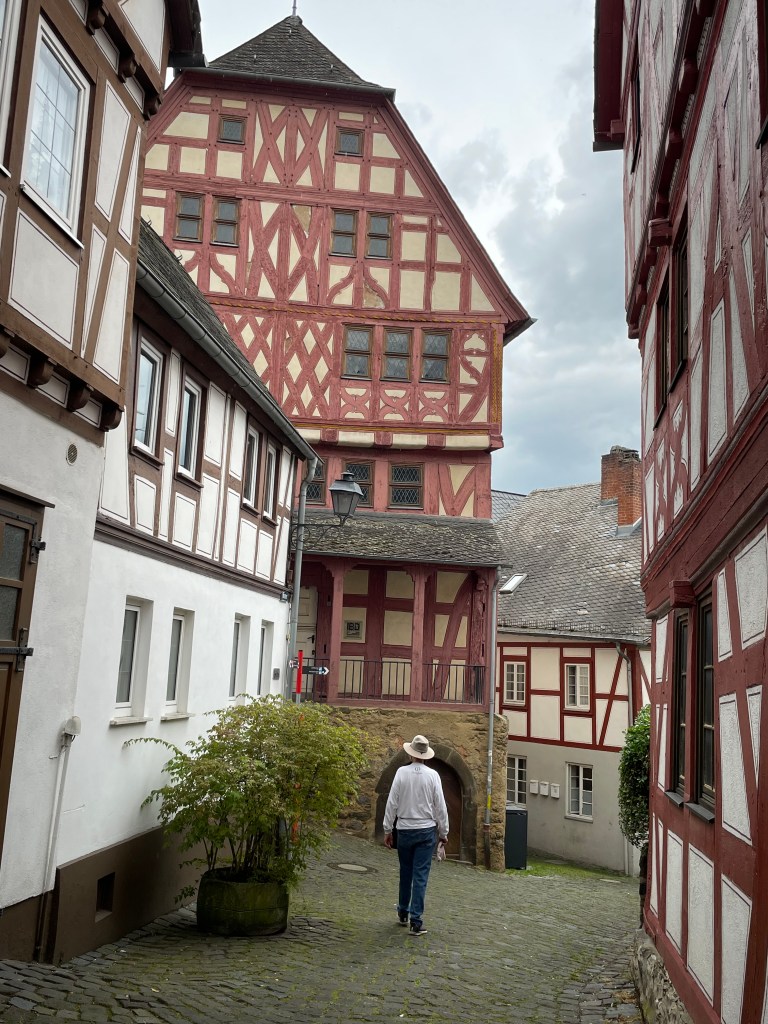
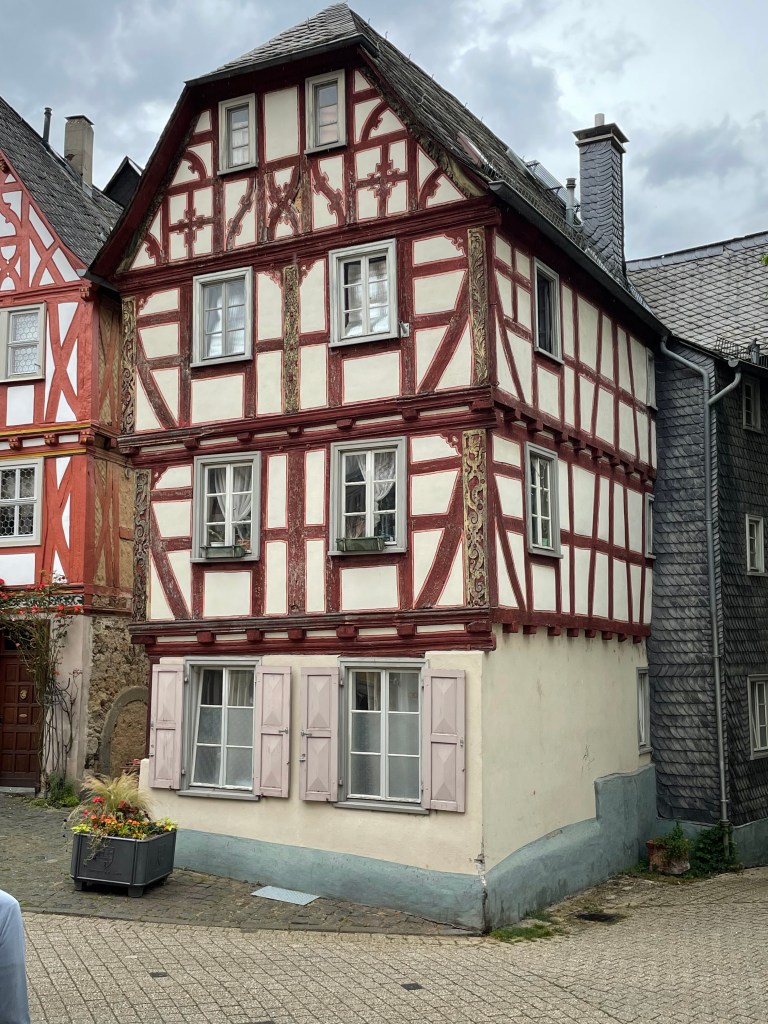
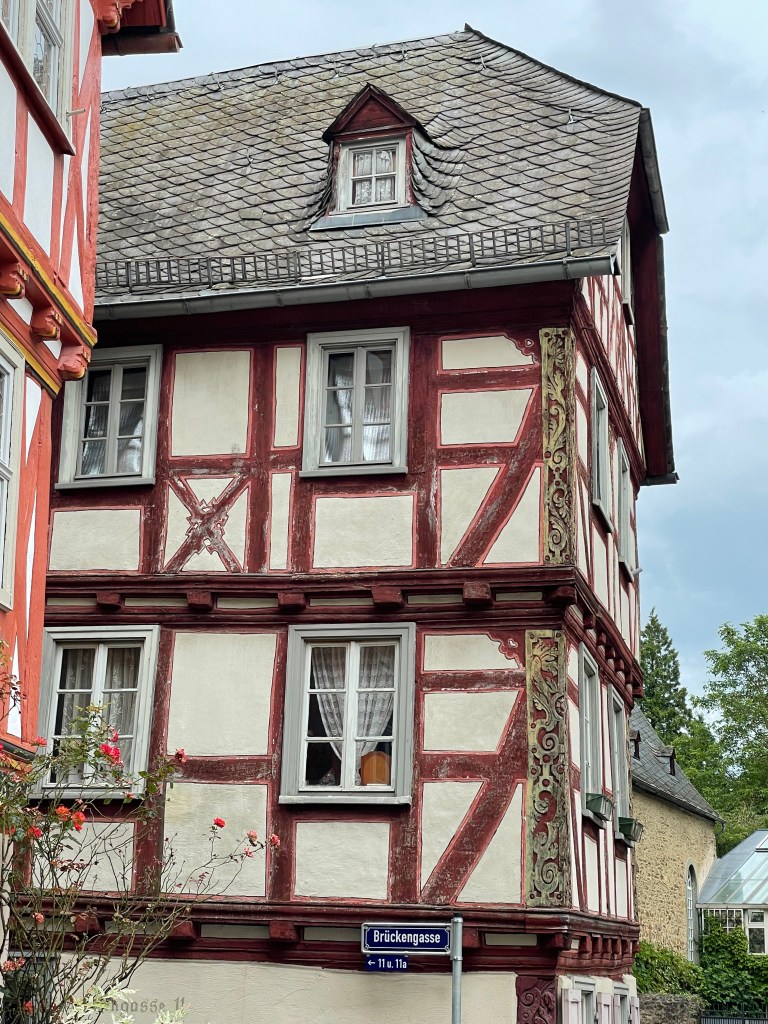
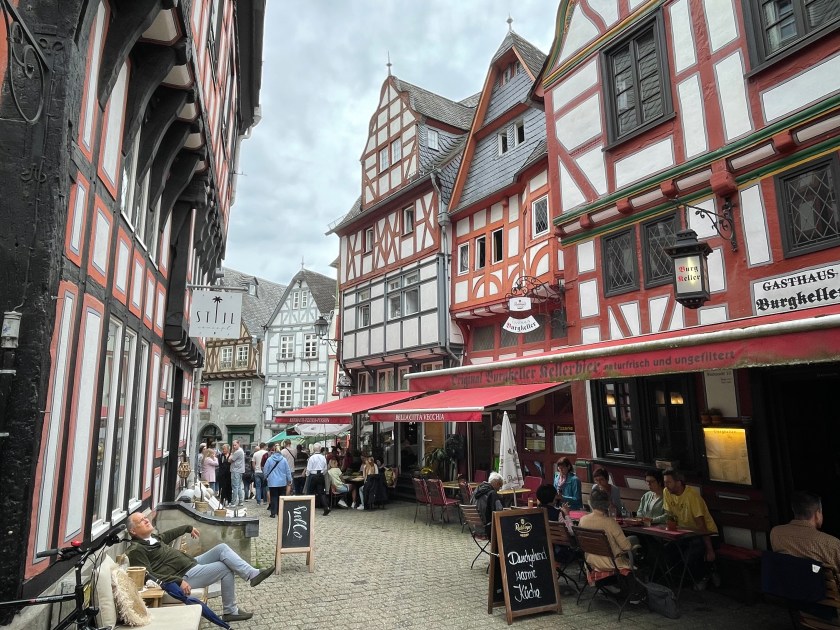
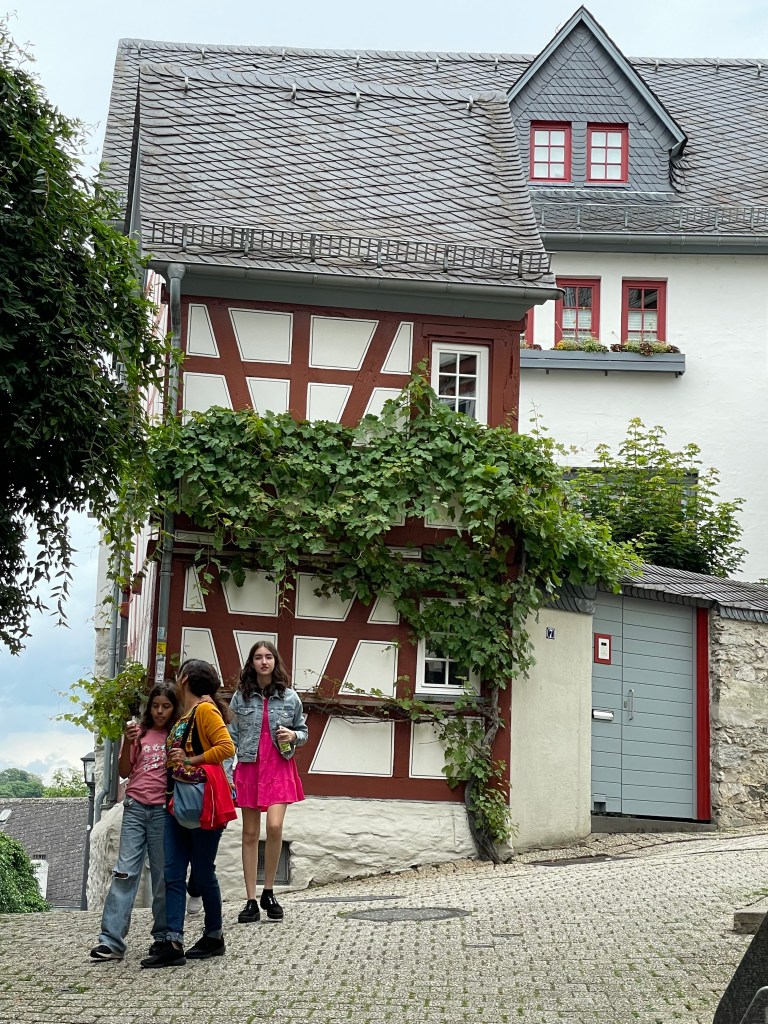
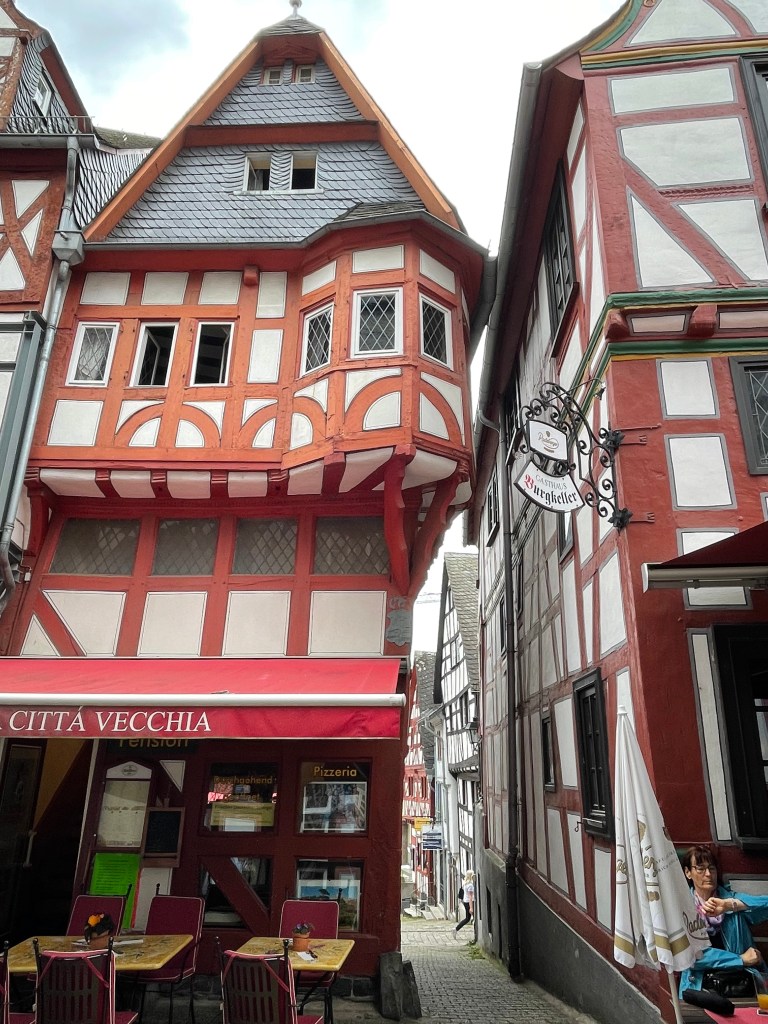
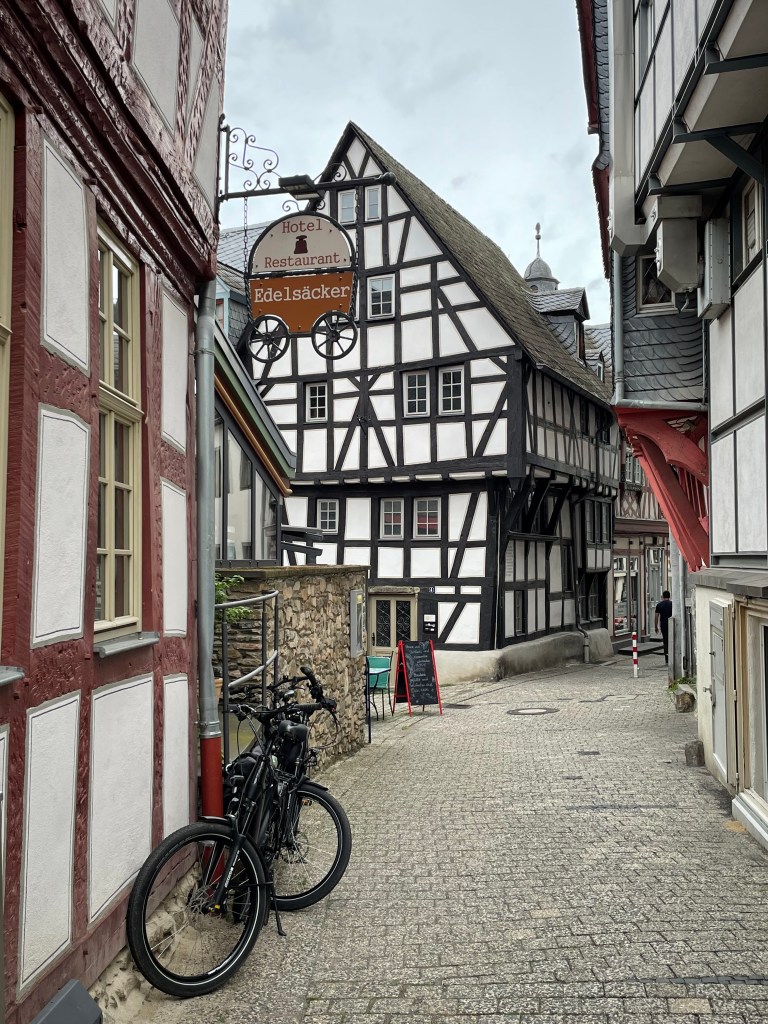
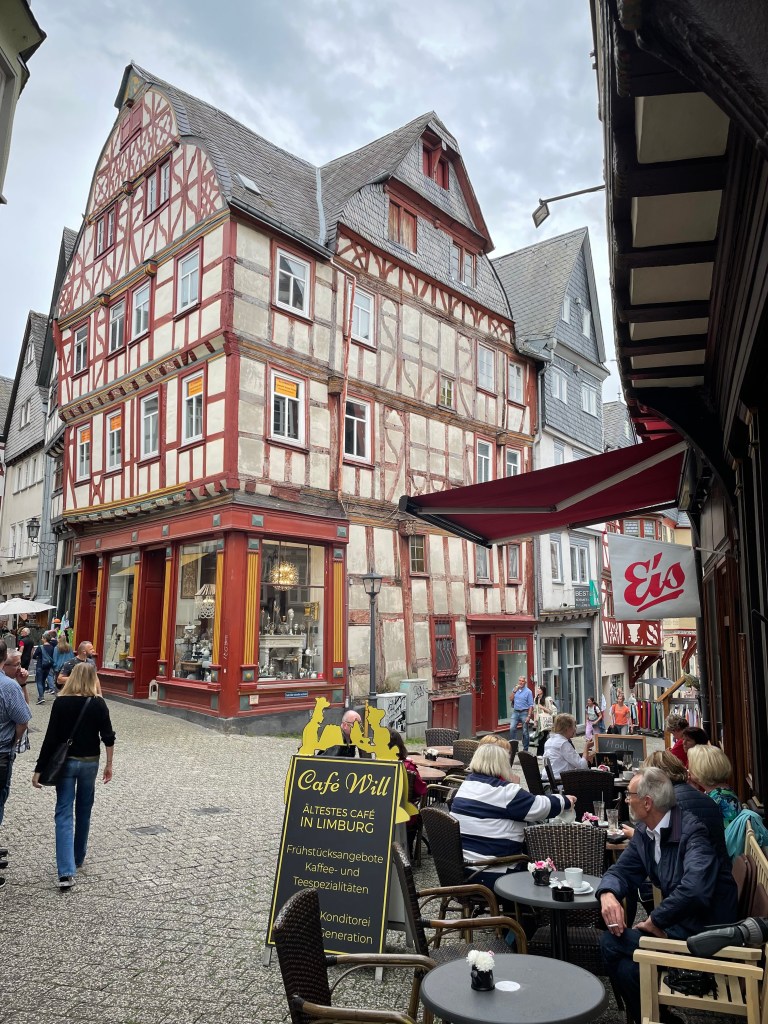
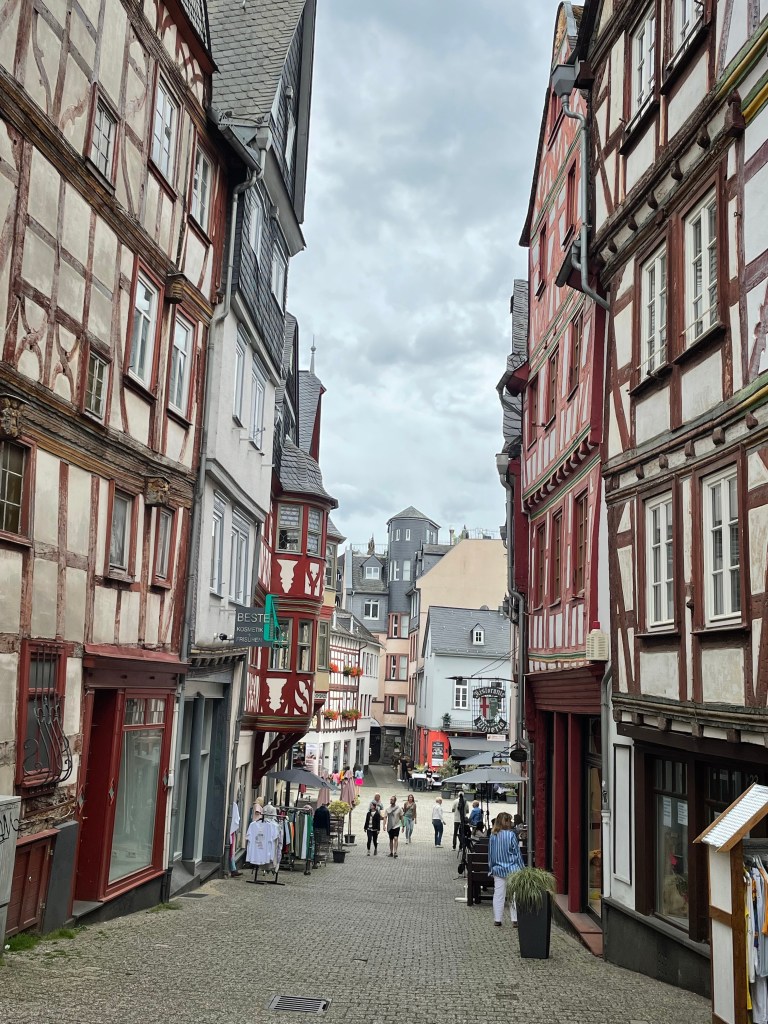
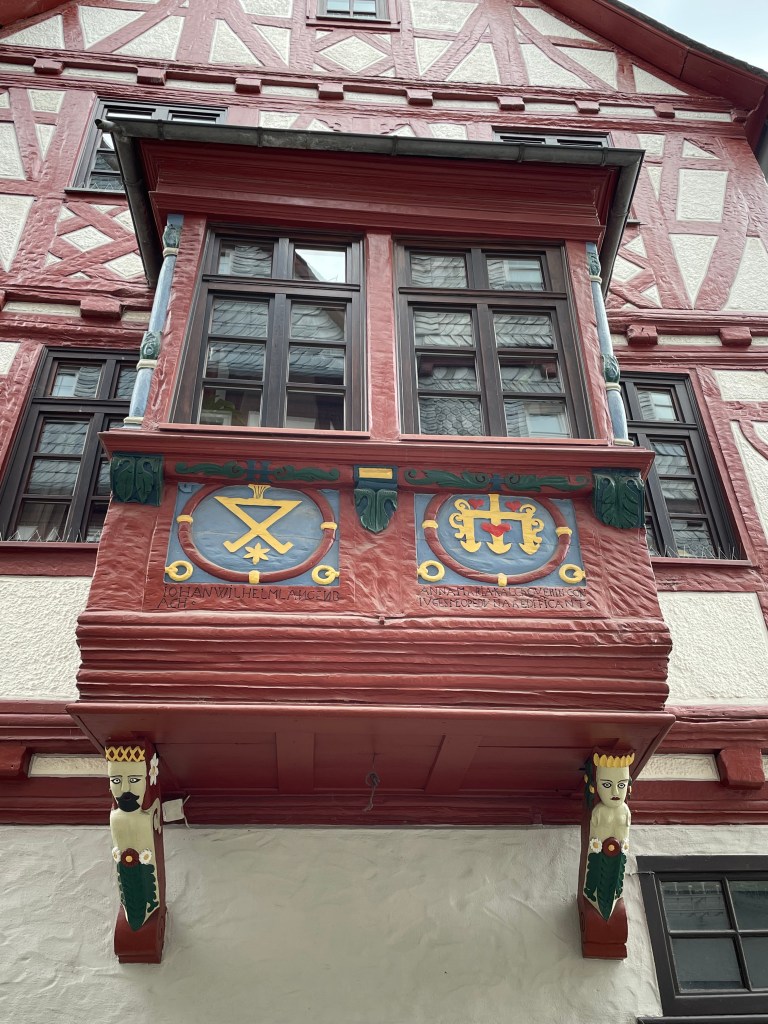
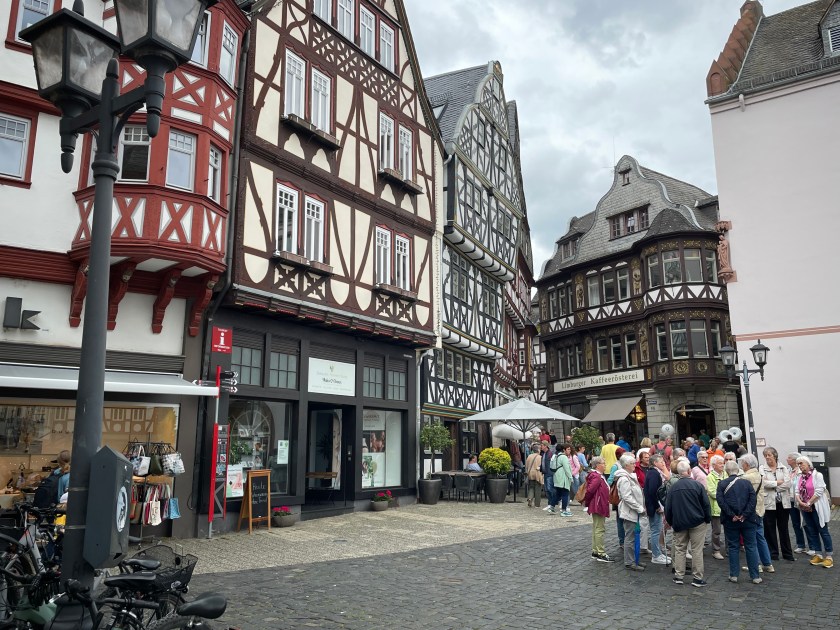
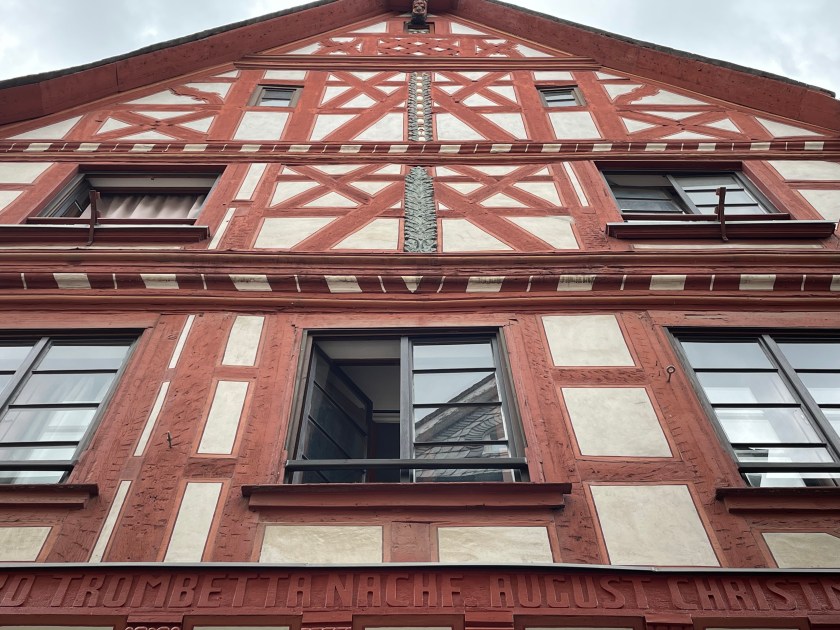
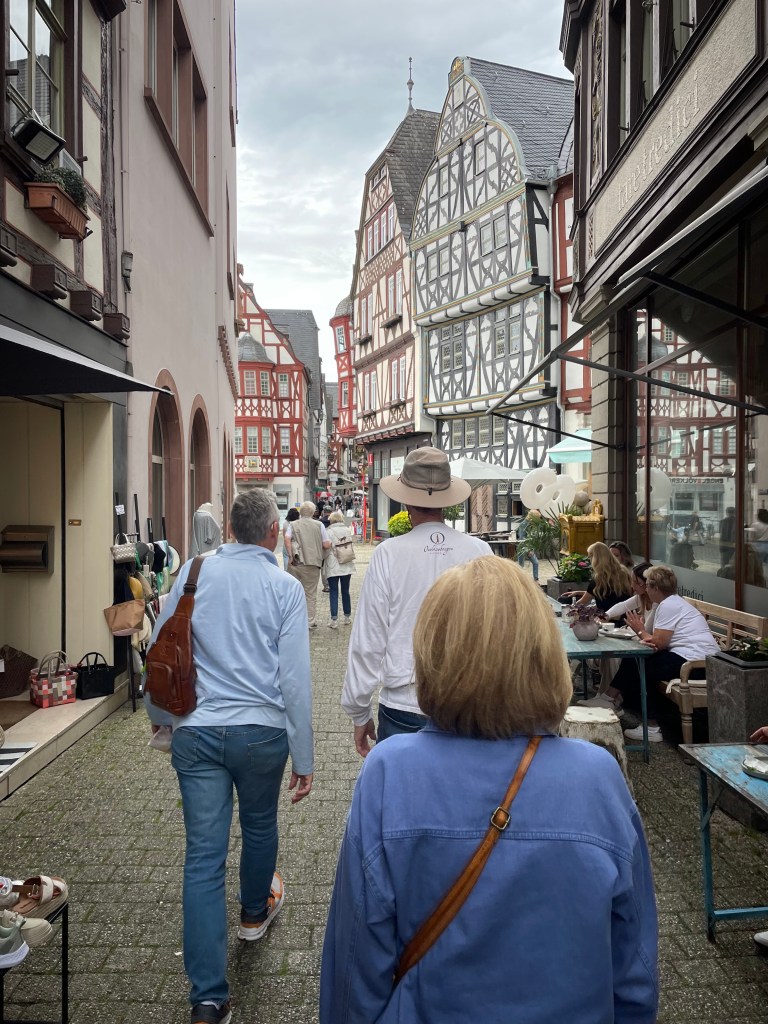
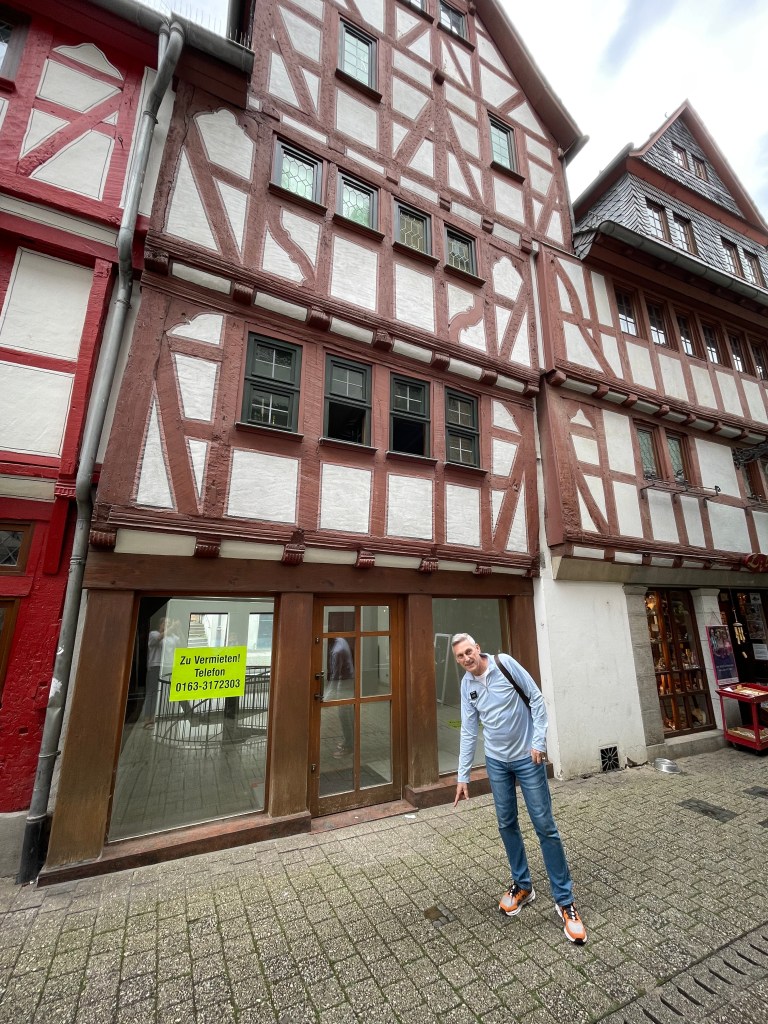
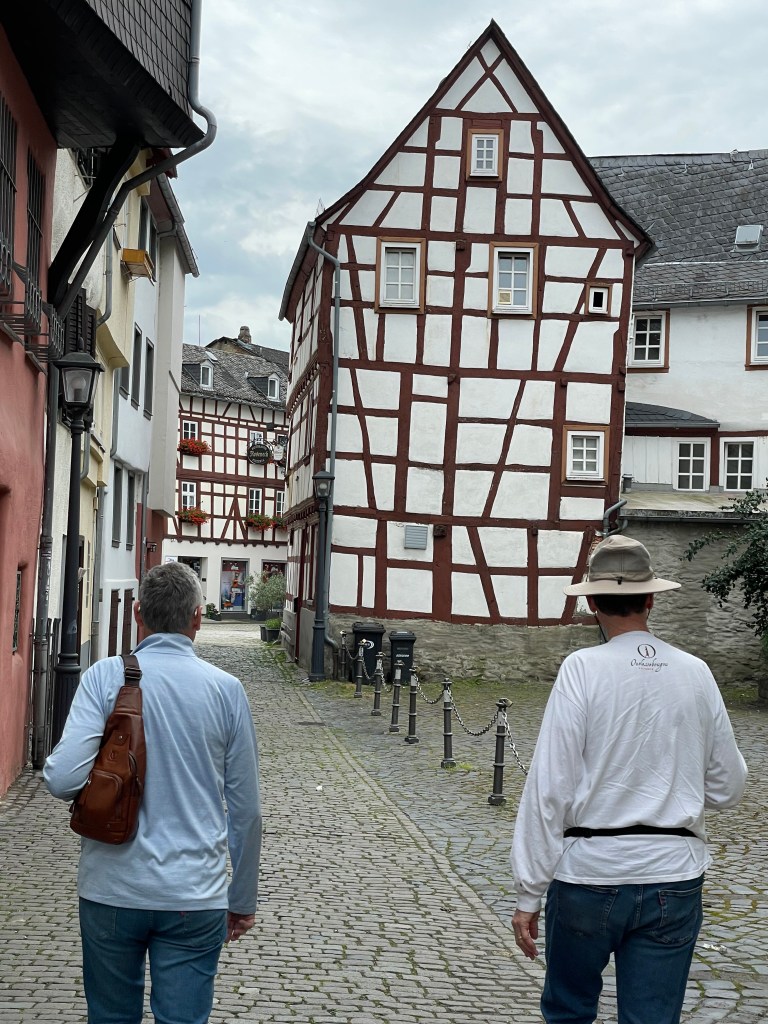
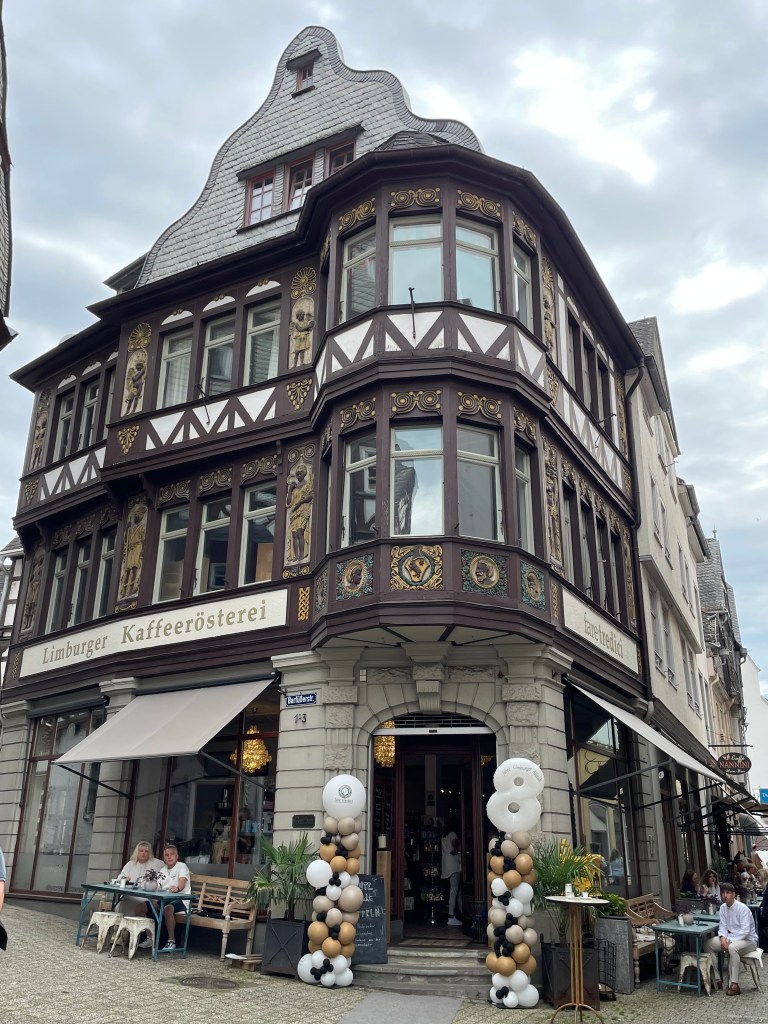
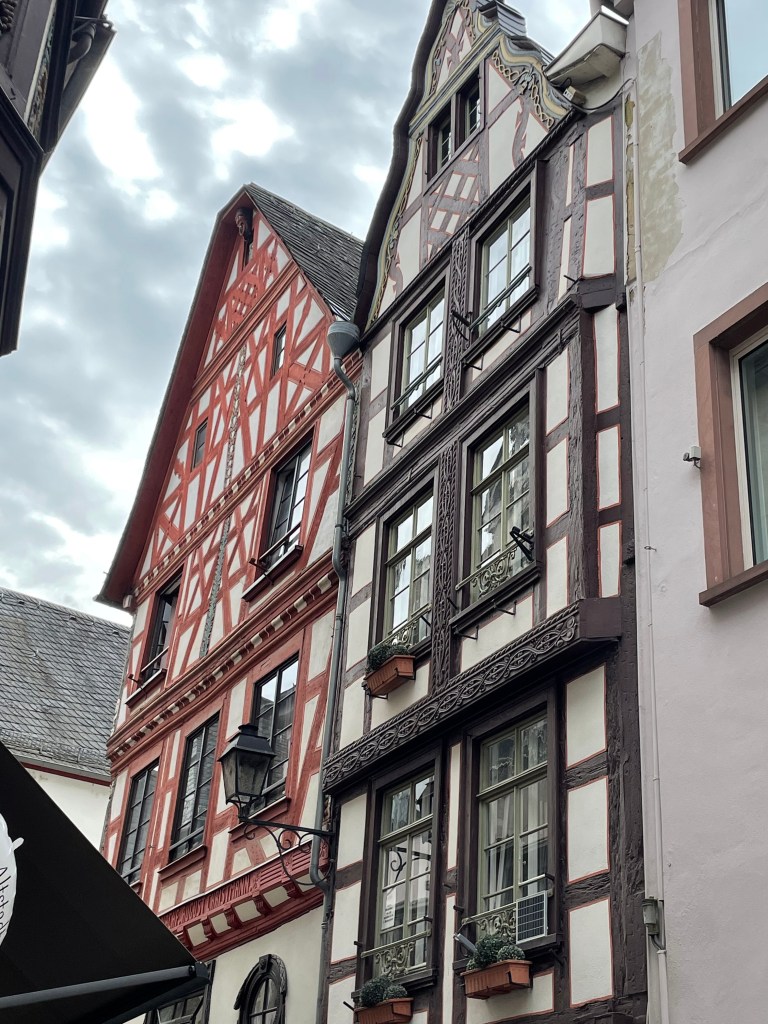
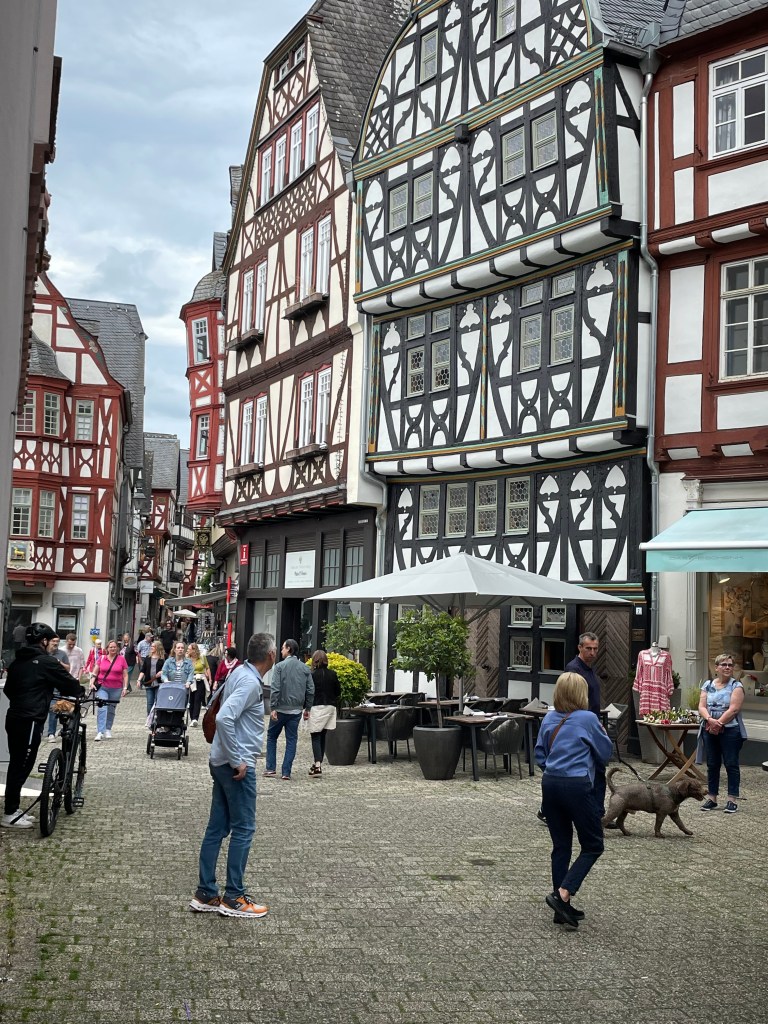
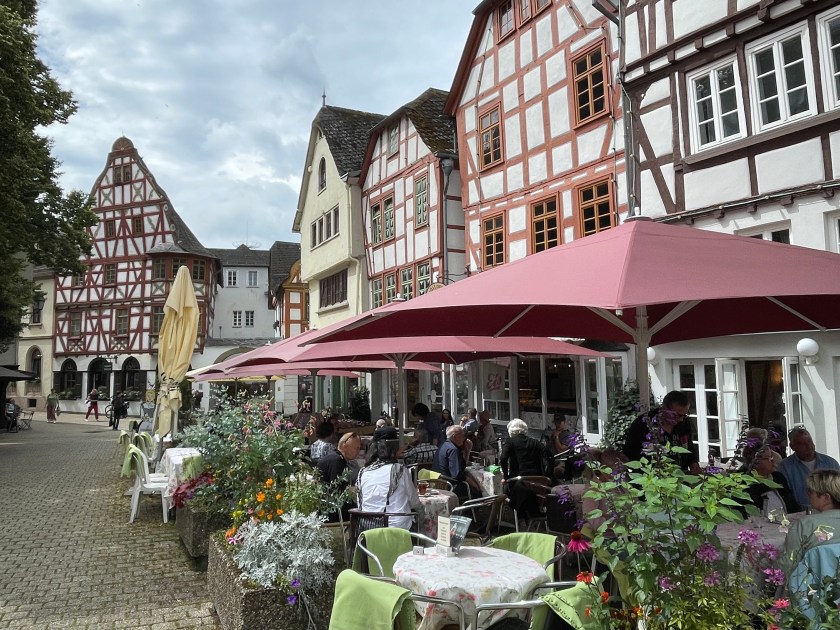
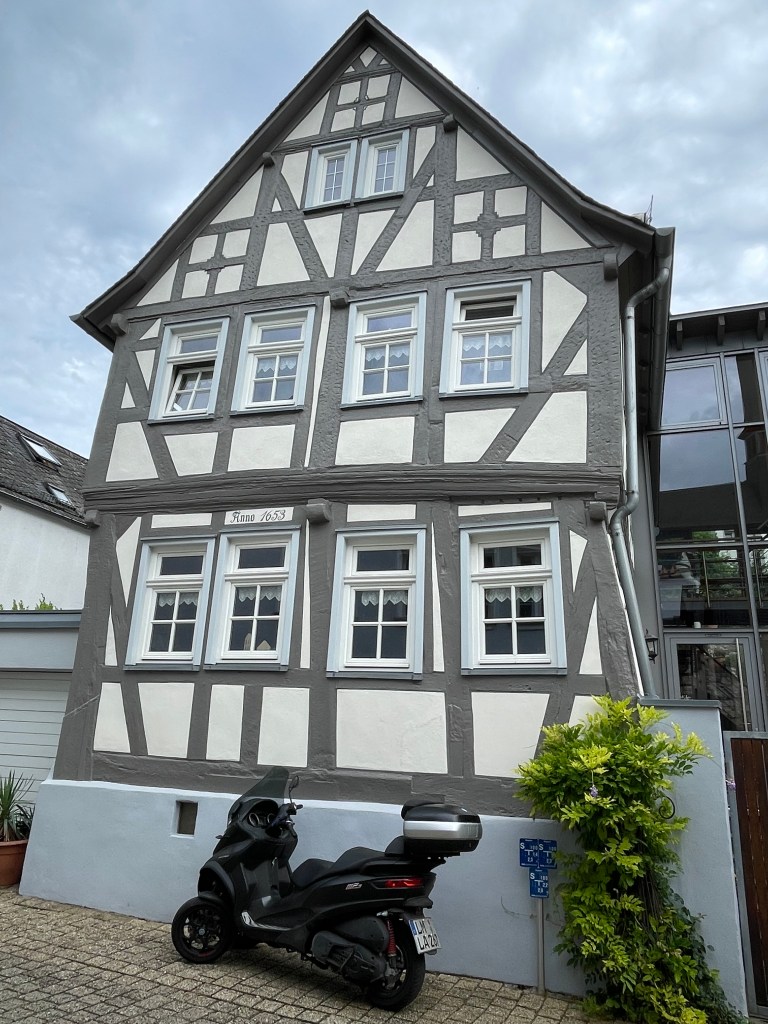
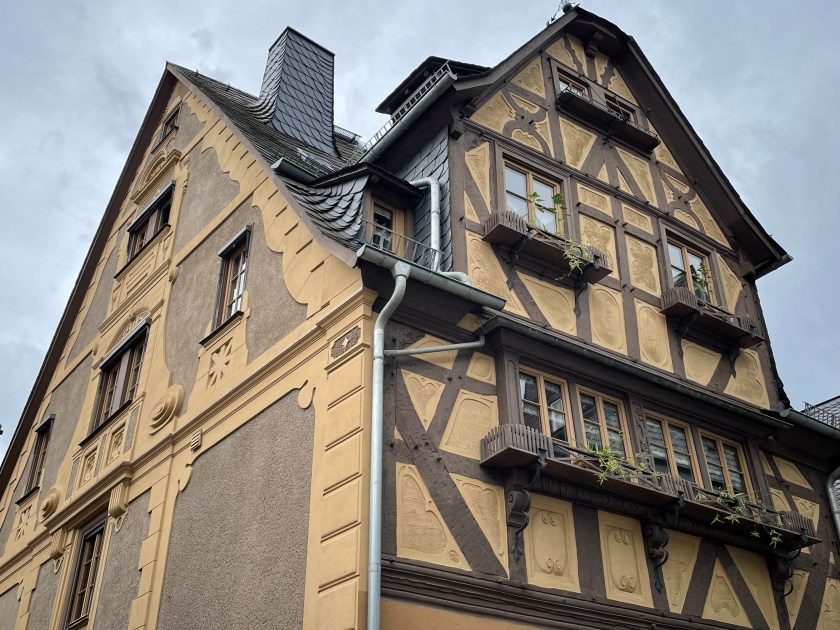
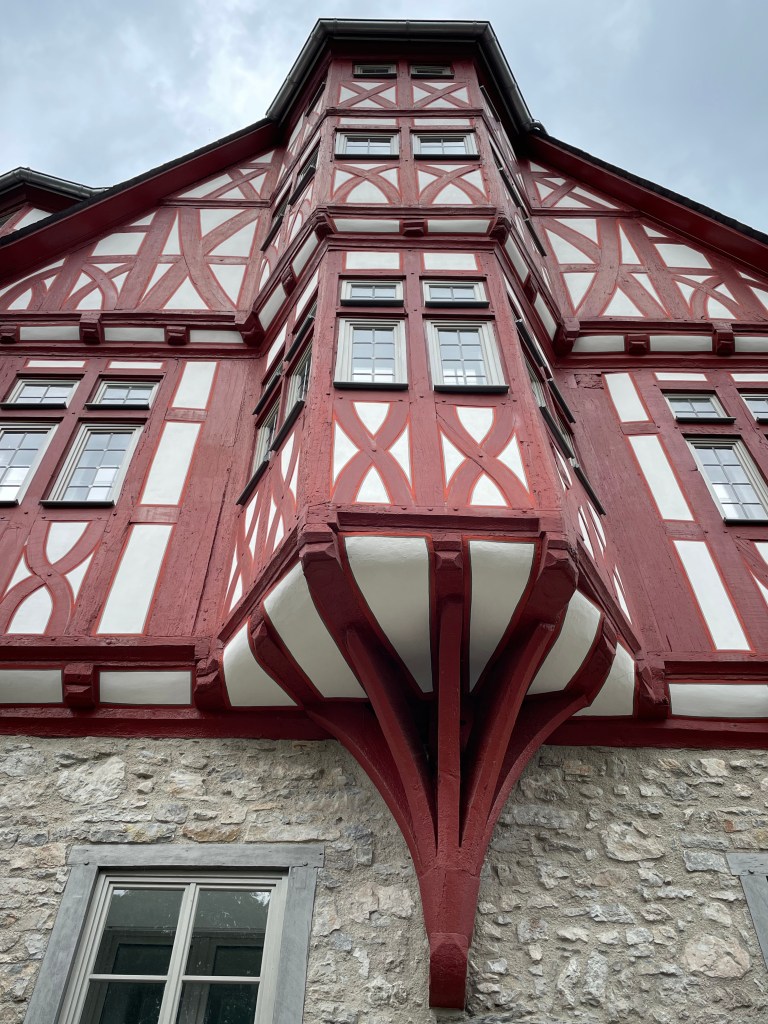
Limburg an der Lahn is defined by having the most preserved concentration of medieval half-timbered homes of anywhere in Germany. These beautiful homes lining the streets were built between the 13th and 18th centuries. Their foundations have settled over time. As a result, many of these magnificent homes lean a bit with their gables almost touching. But they still look solid and sure. I love to imagine the people who have lived here and the ways our worlds have changed.
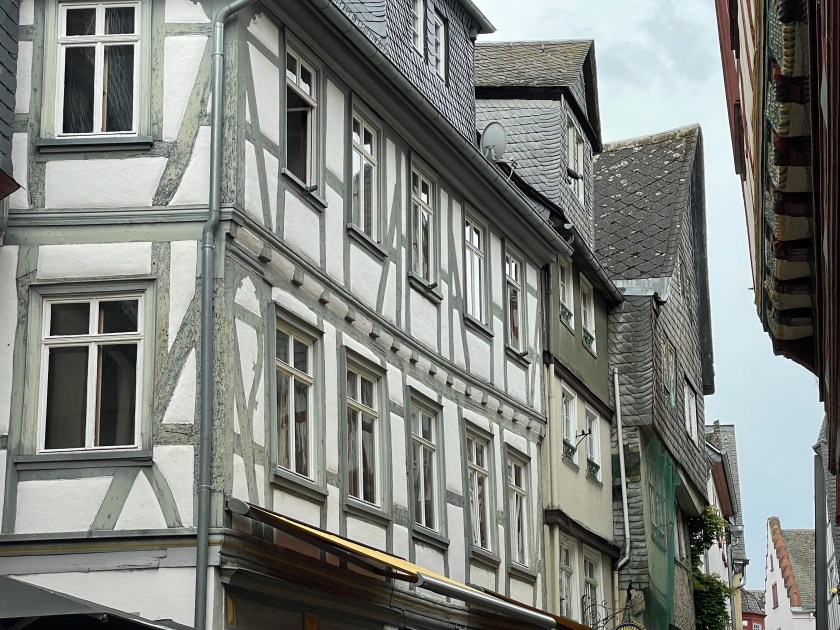
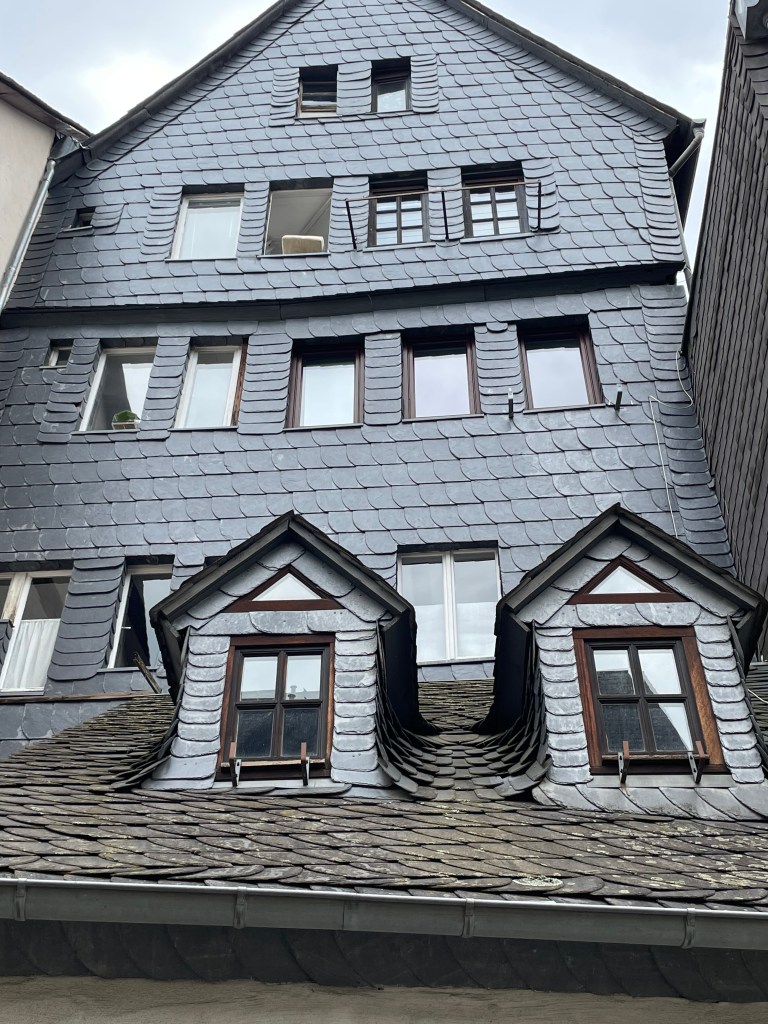
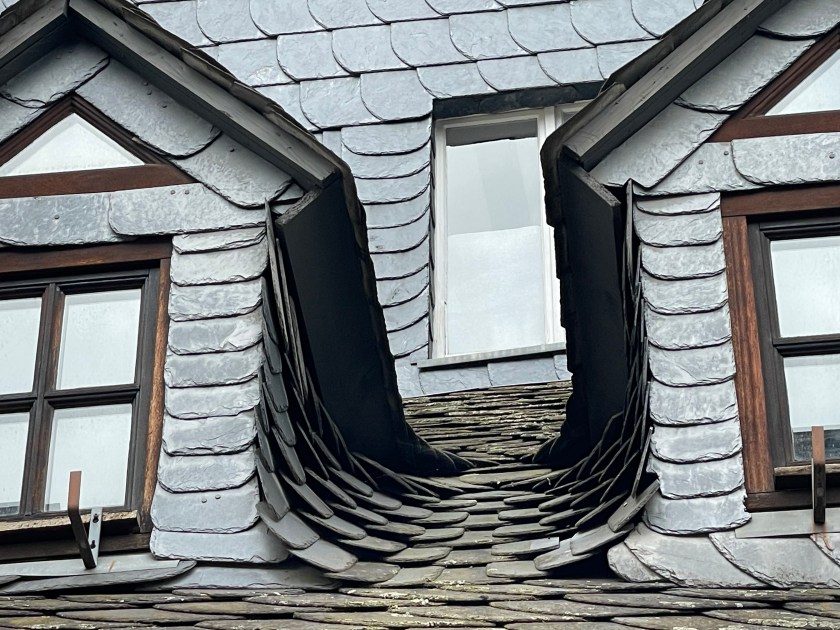
Also interesting are the homes built with slate tiles.
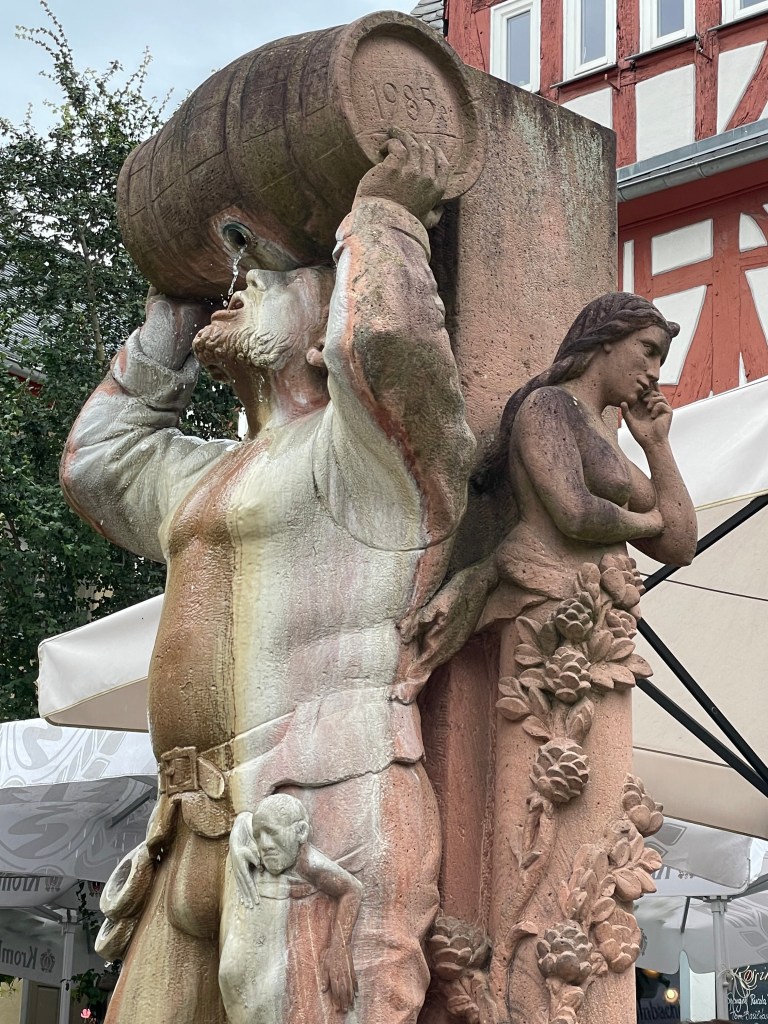
Here’s an interesting monument that speaks volumes: While the men drink at the pubs, the women cry.
They say that taxes were paid on the footprint of the home, so many homes get larger as they get taller.
These homes and businesses are really beautiful. I’m always astounded at how LARGE the homes were that long ago. And how long they’ve stood.
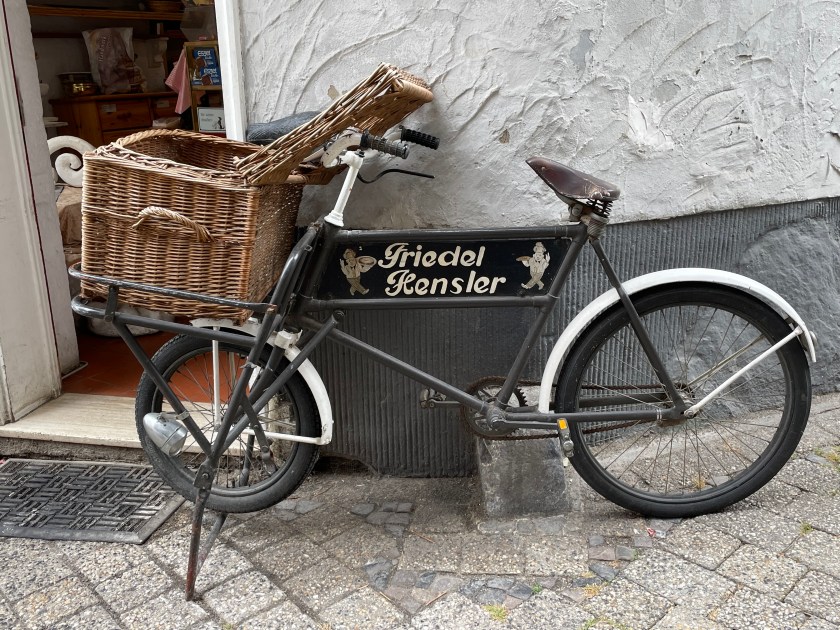
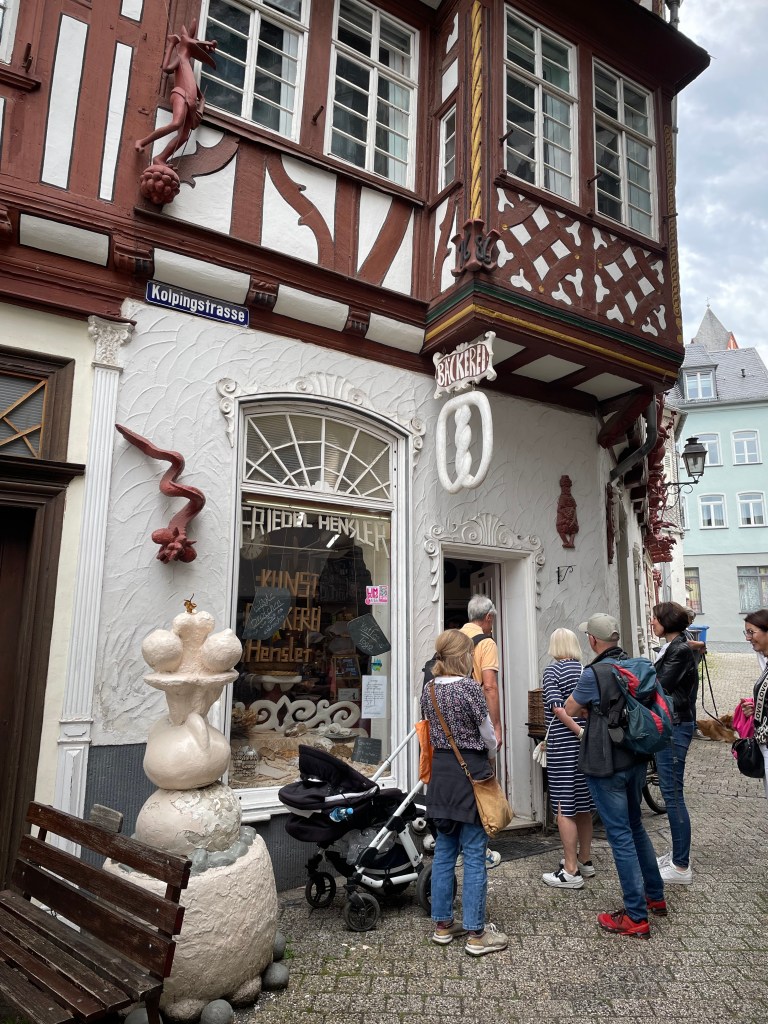
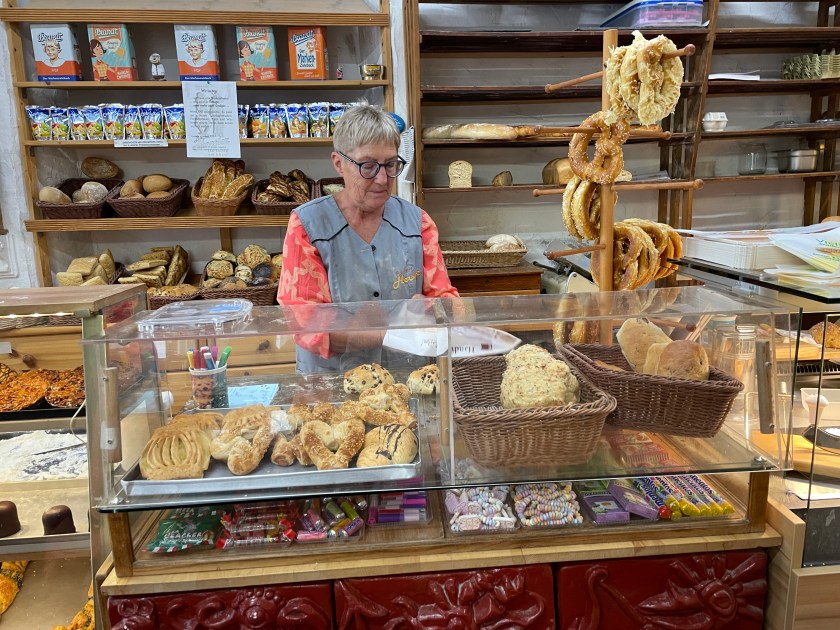
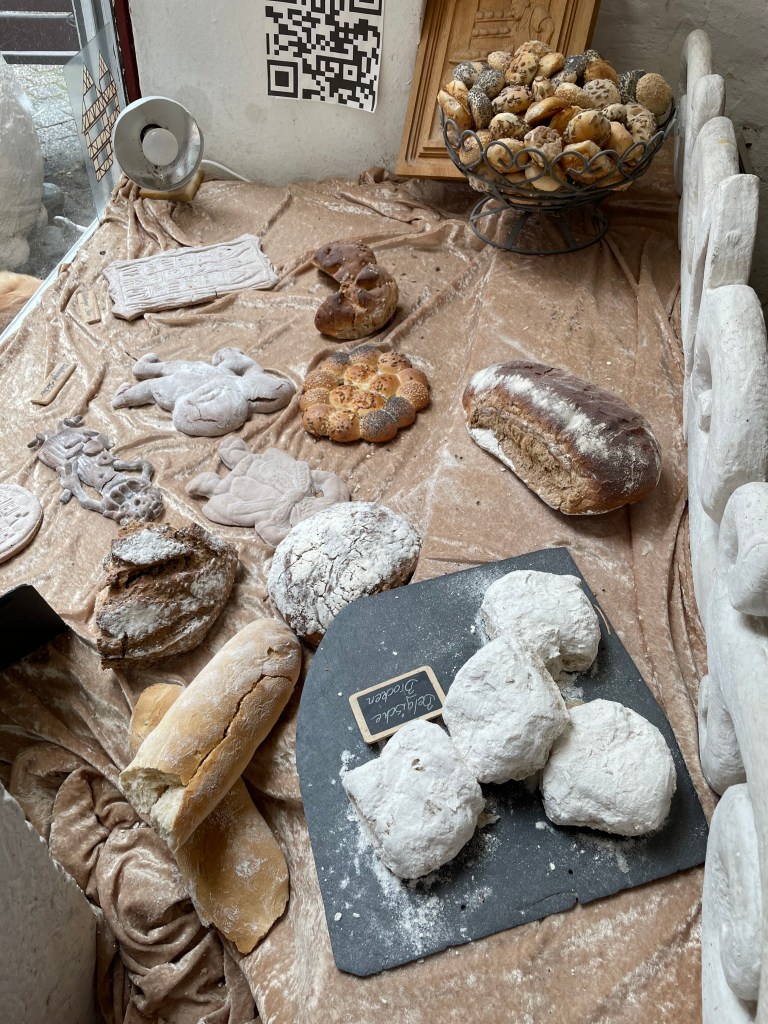
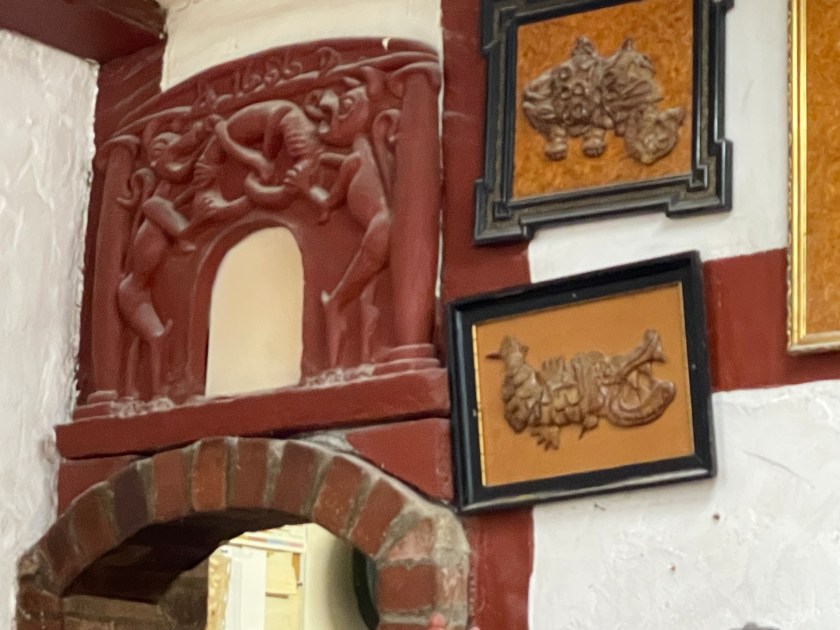
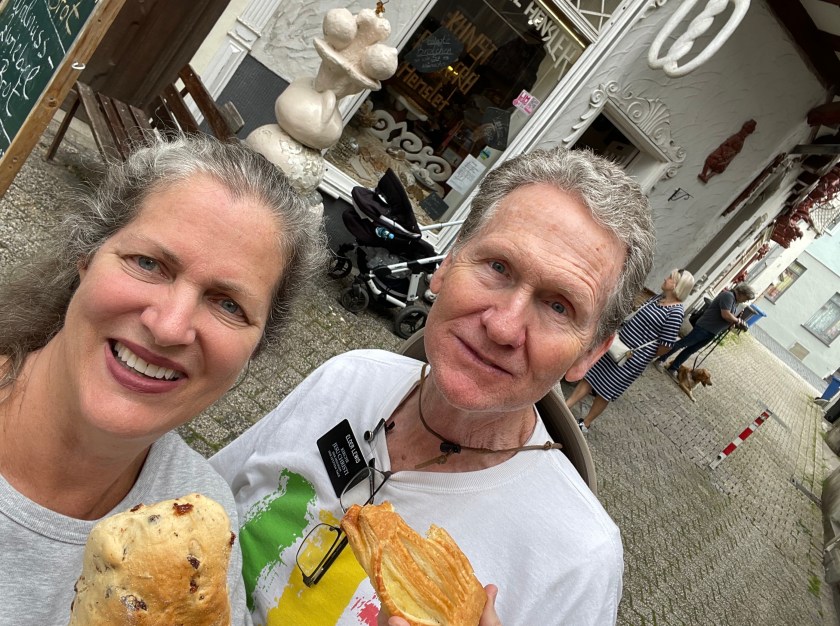
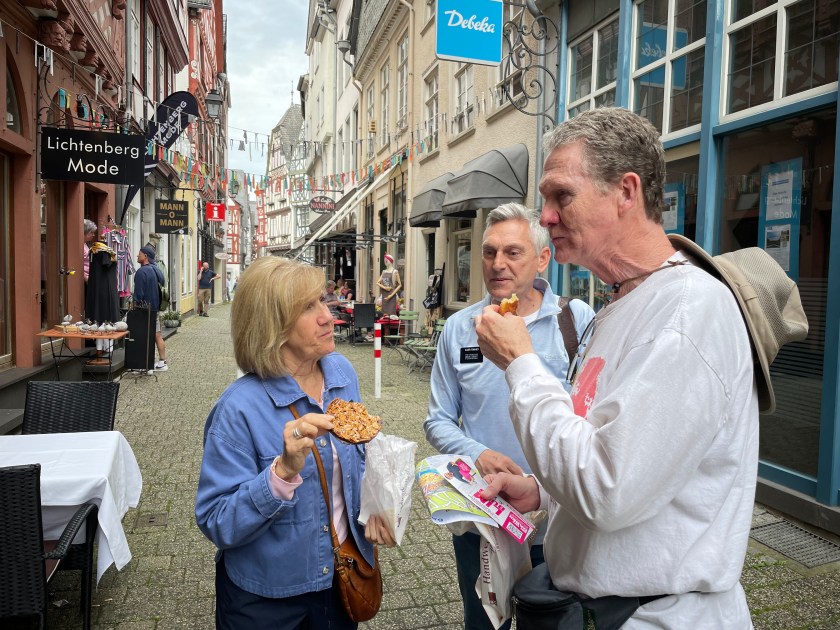
Here is a very old traditional Limburg bakery that still uses old traditional methods and recipes. We decided to continue our tradition of a pastry in every town in this place. It smelled heavenly!
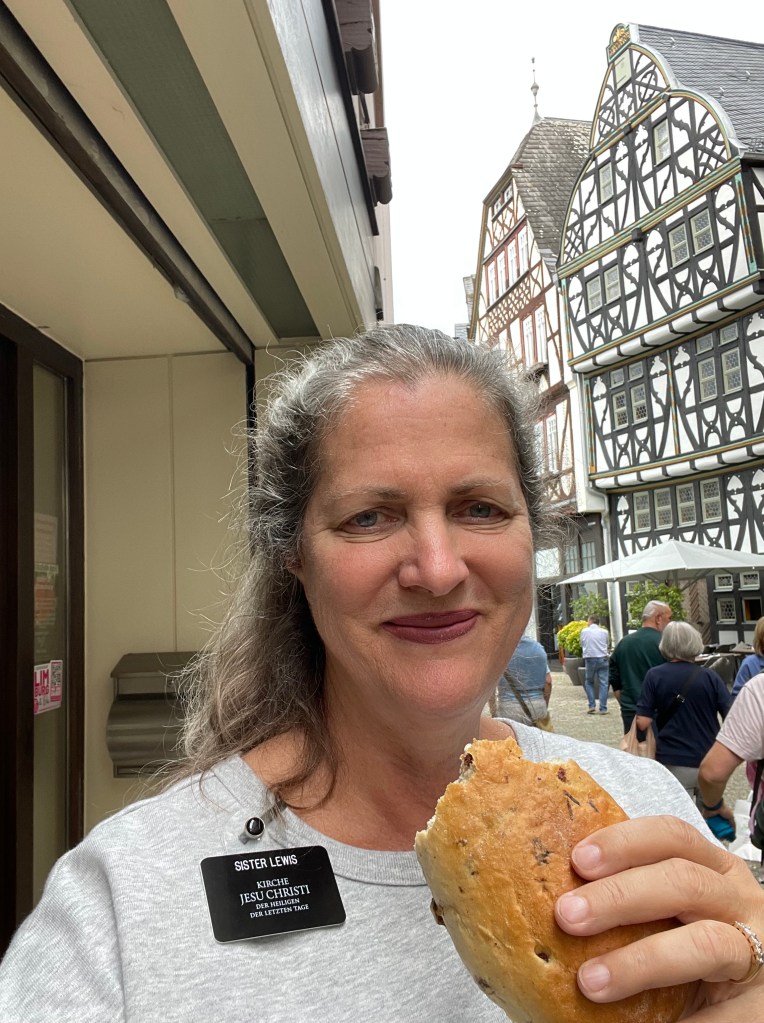
I, of course, asked for something with raisins in it and the kind baker handed me a small loaf of raisin bread that was SO GOOD. I ate the whole thing.
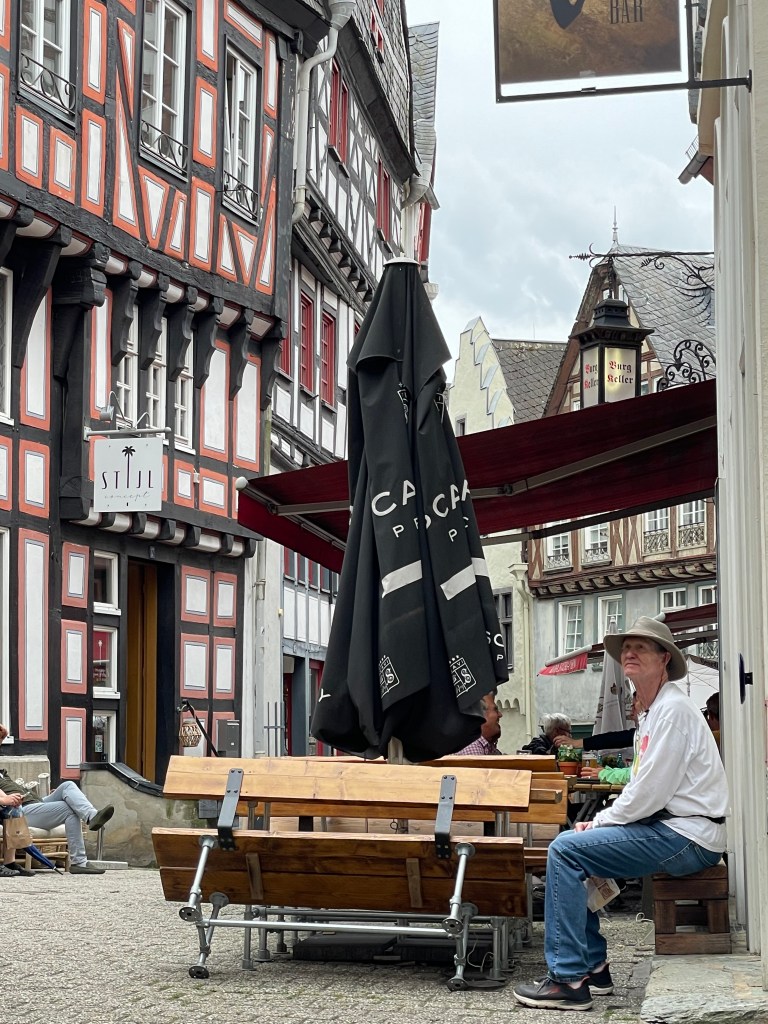
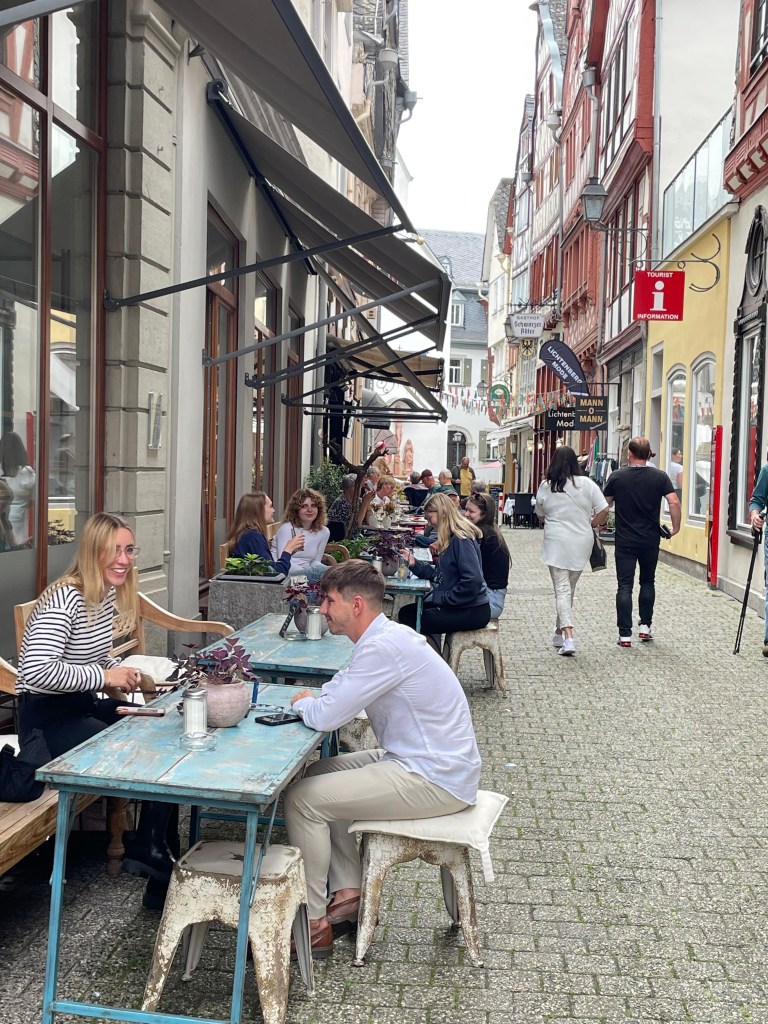
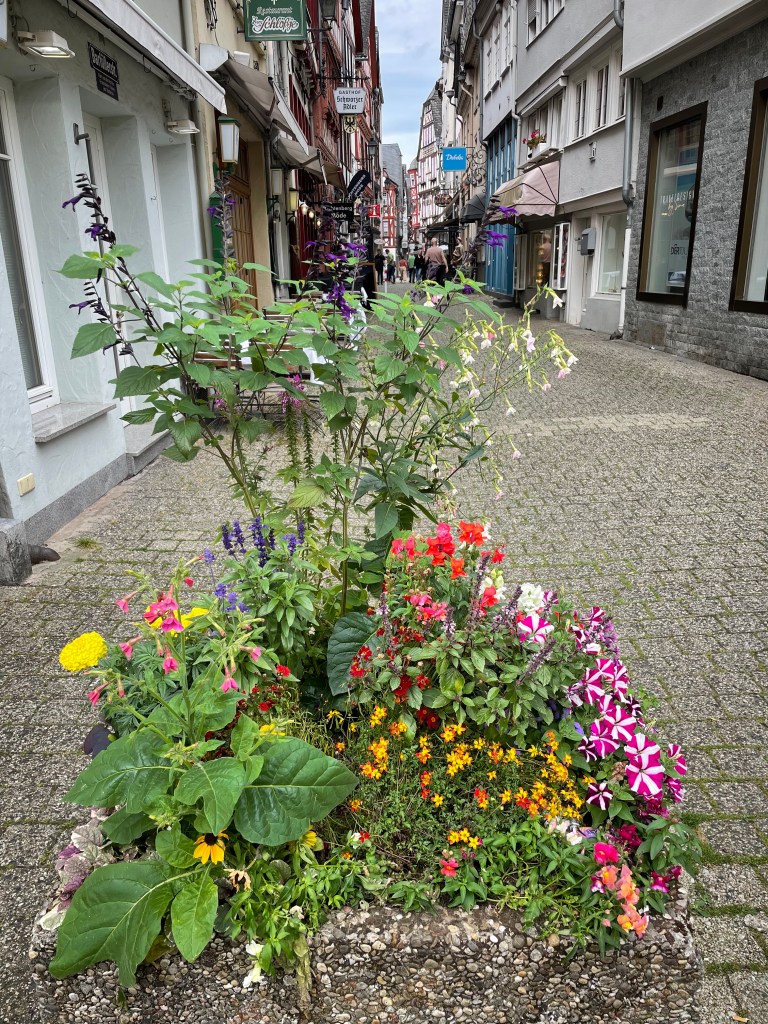
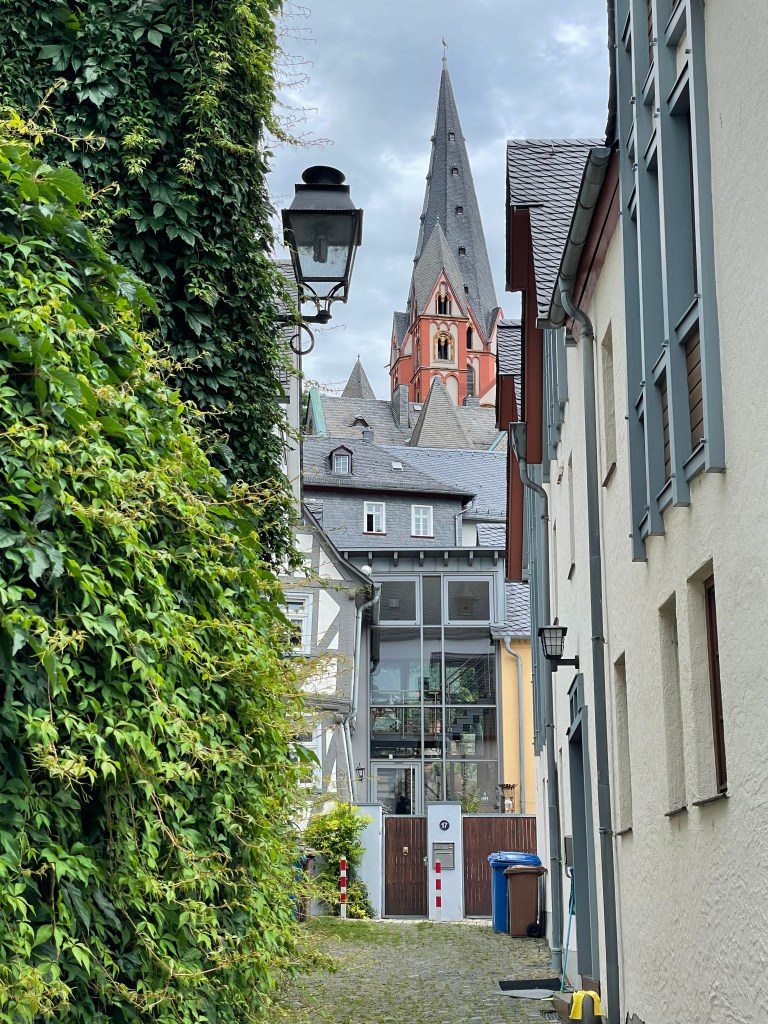
Here are more of the beautiful places we saw as we wandered up and down the streets.
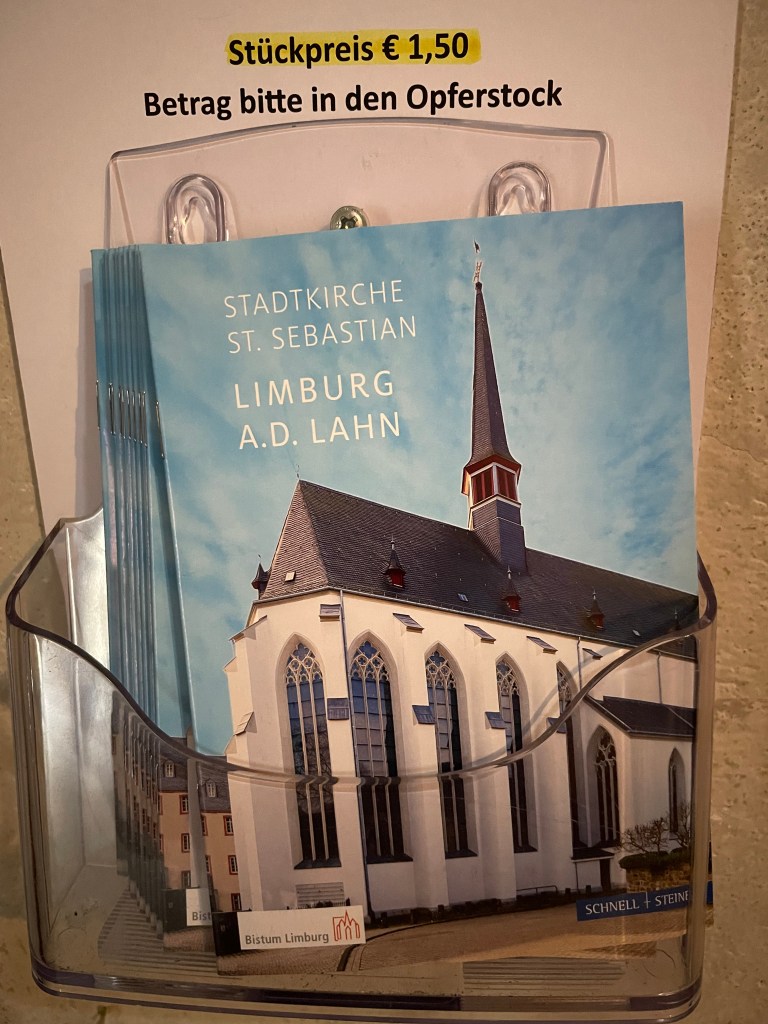
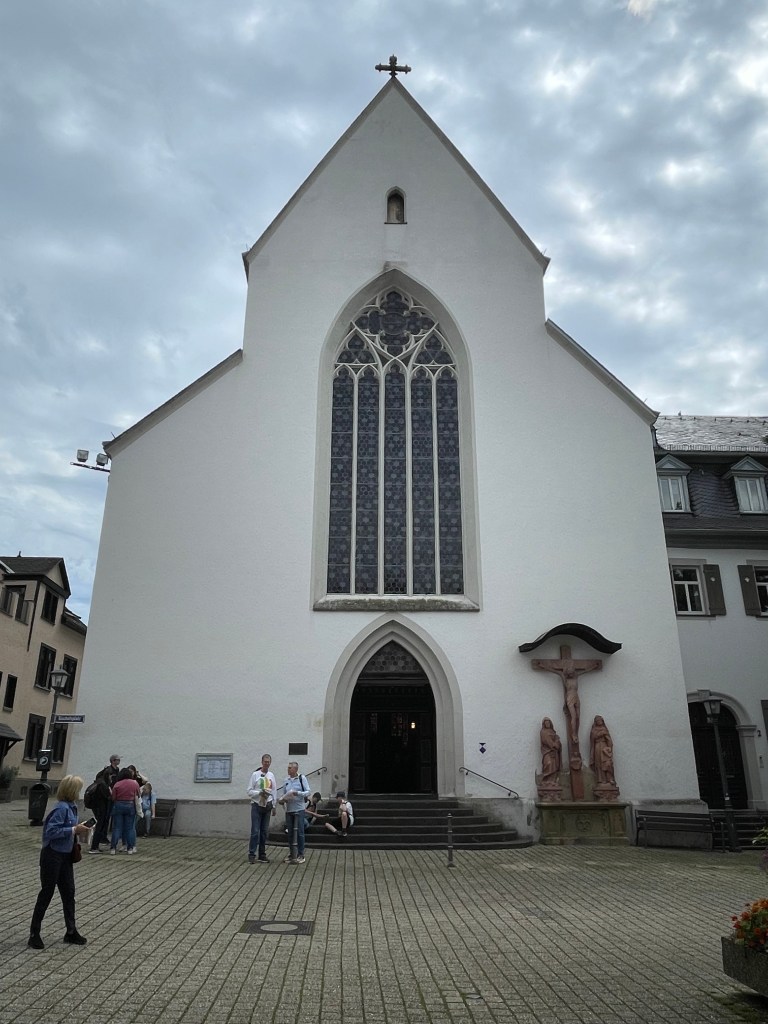
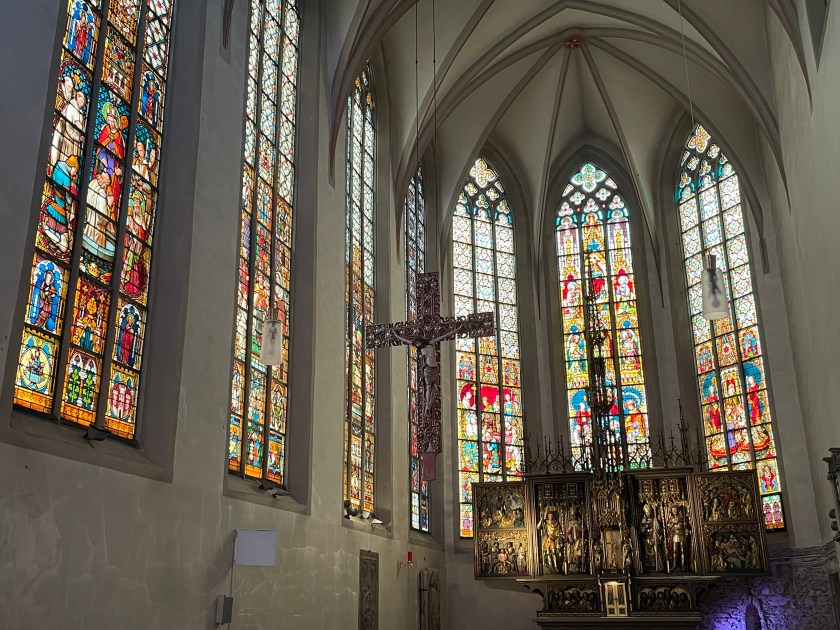
Here is one of the Limburg Churches–St. Sebastian, built in 1300:
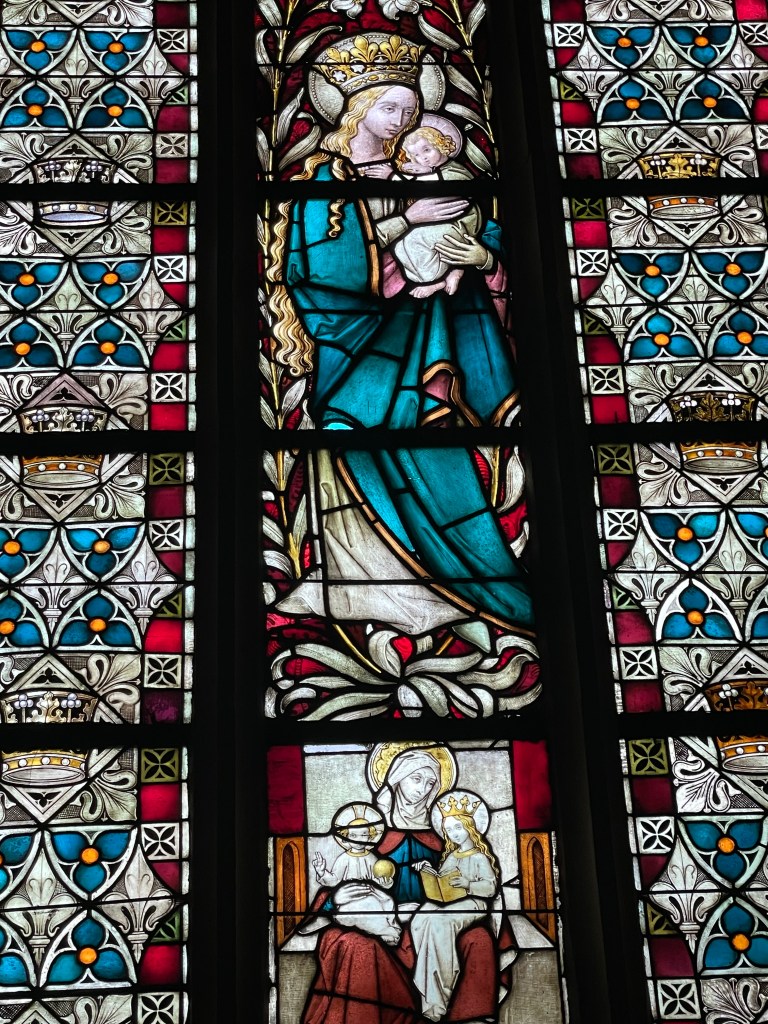
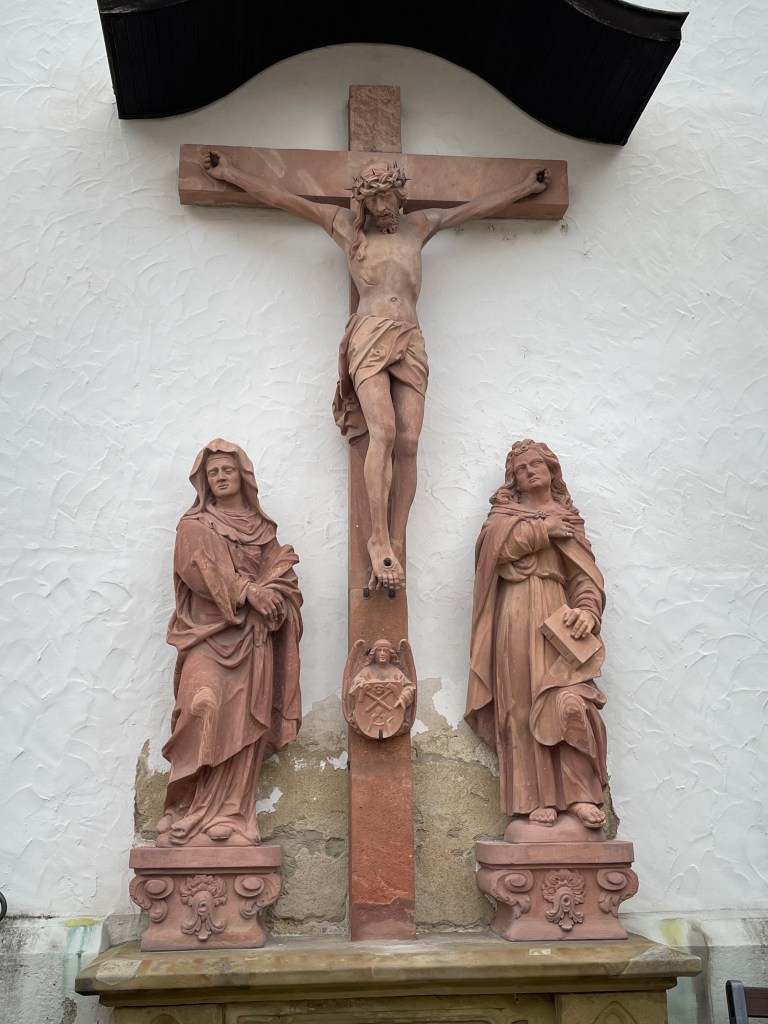
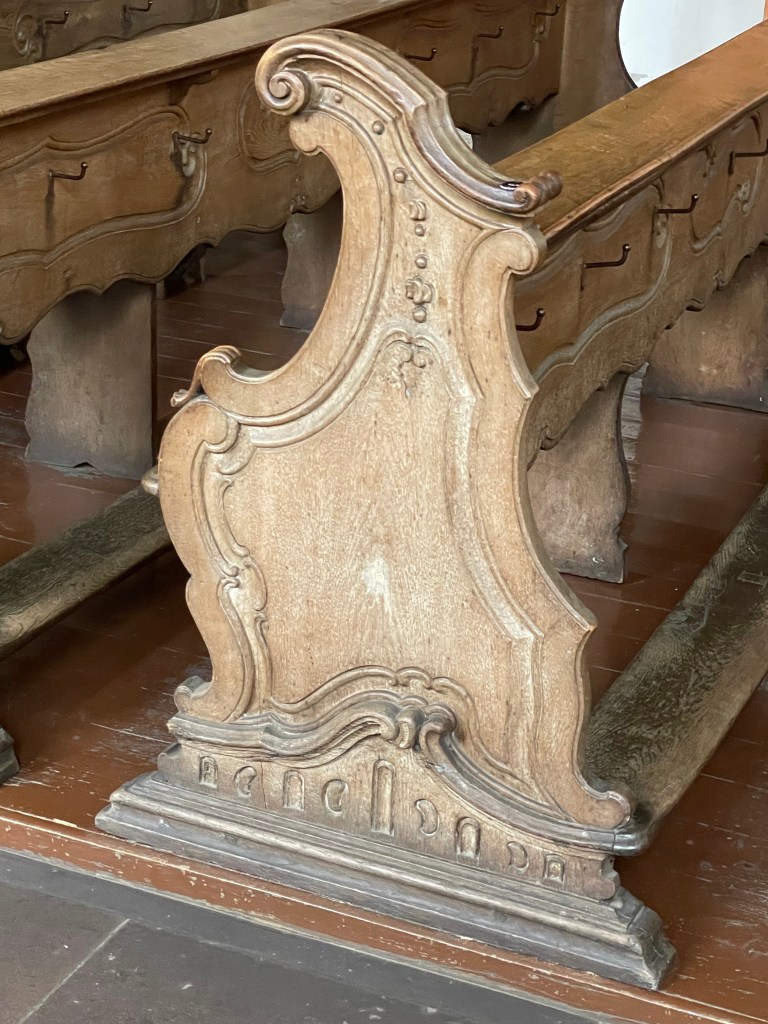
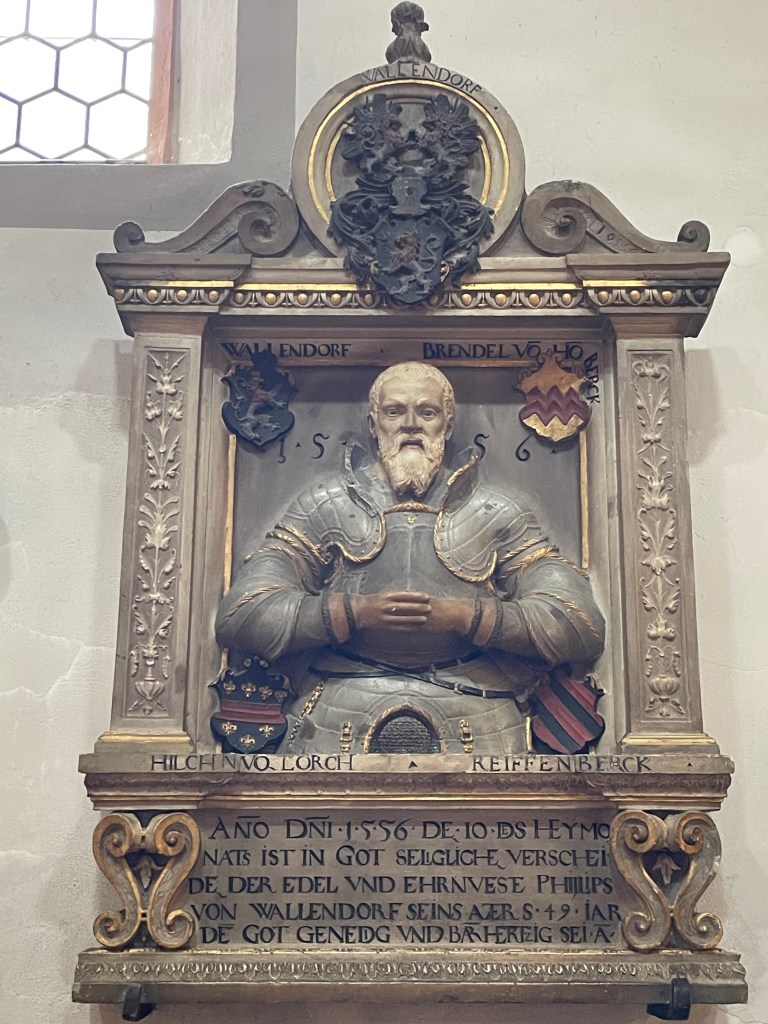
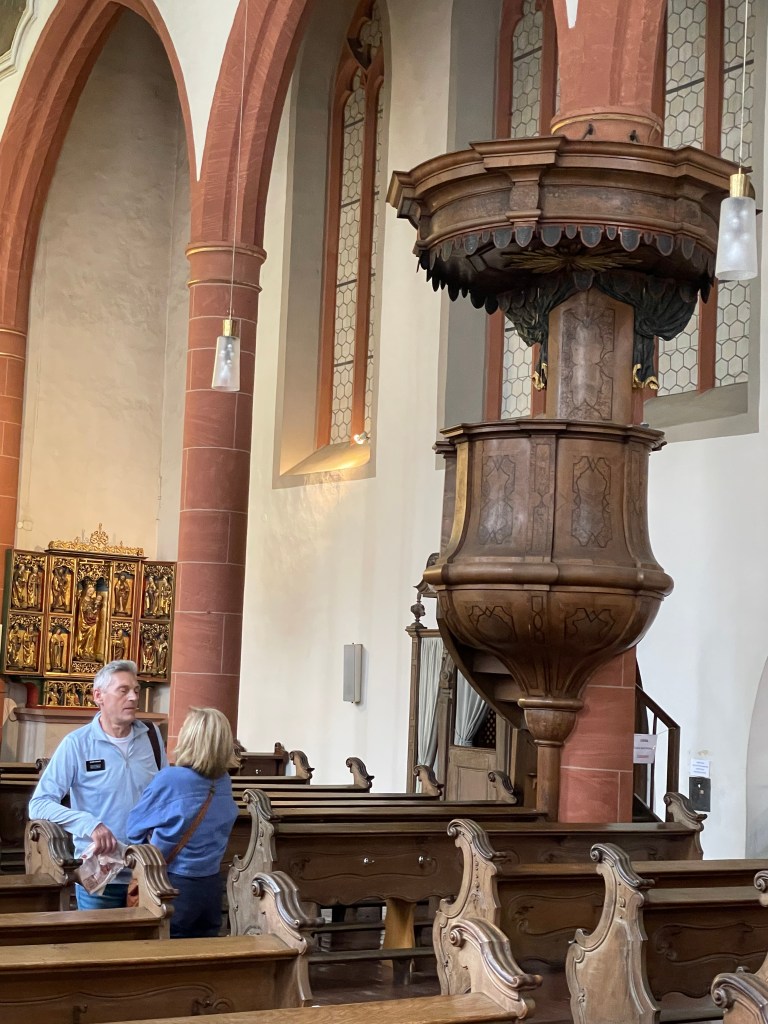
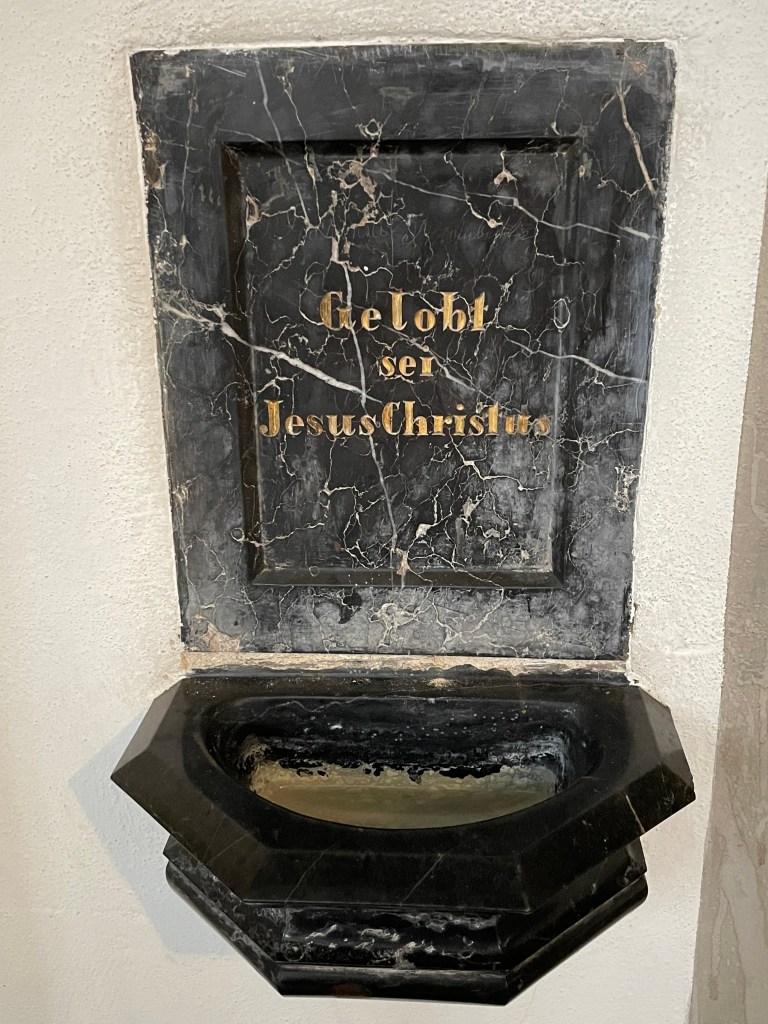
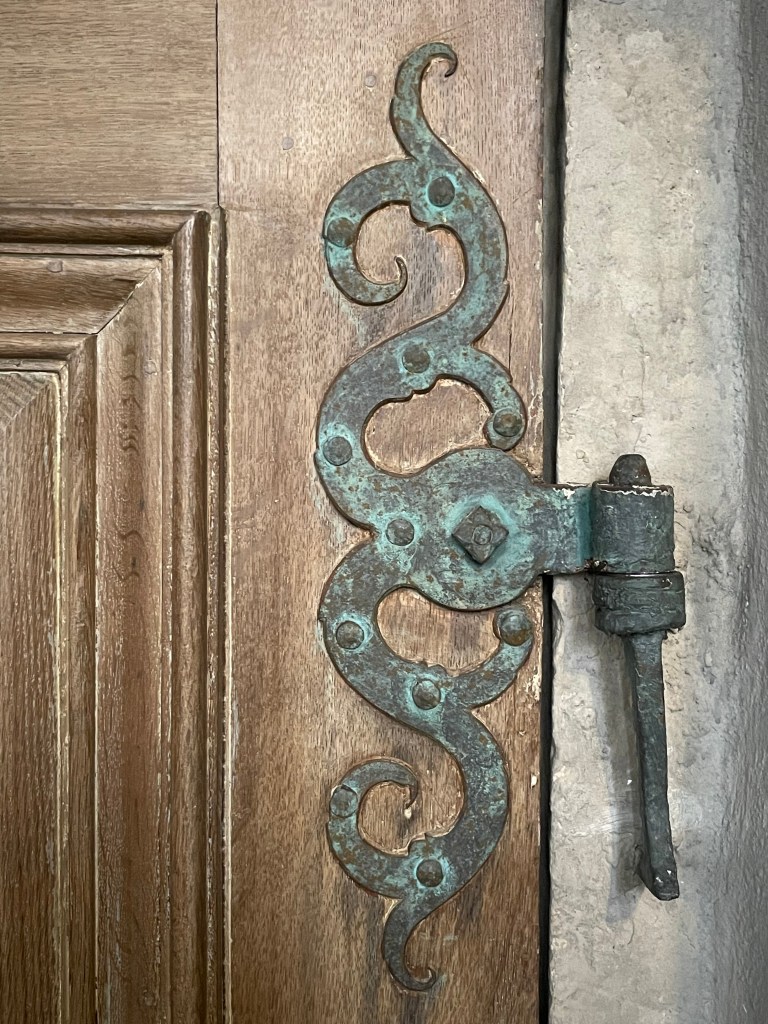
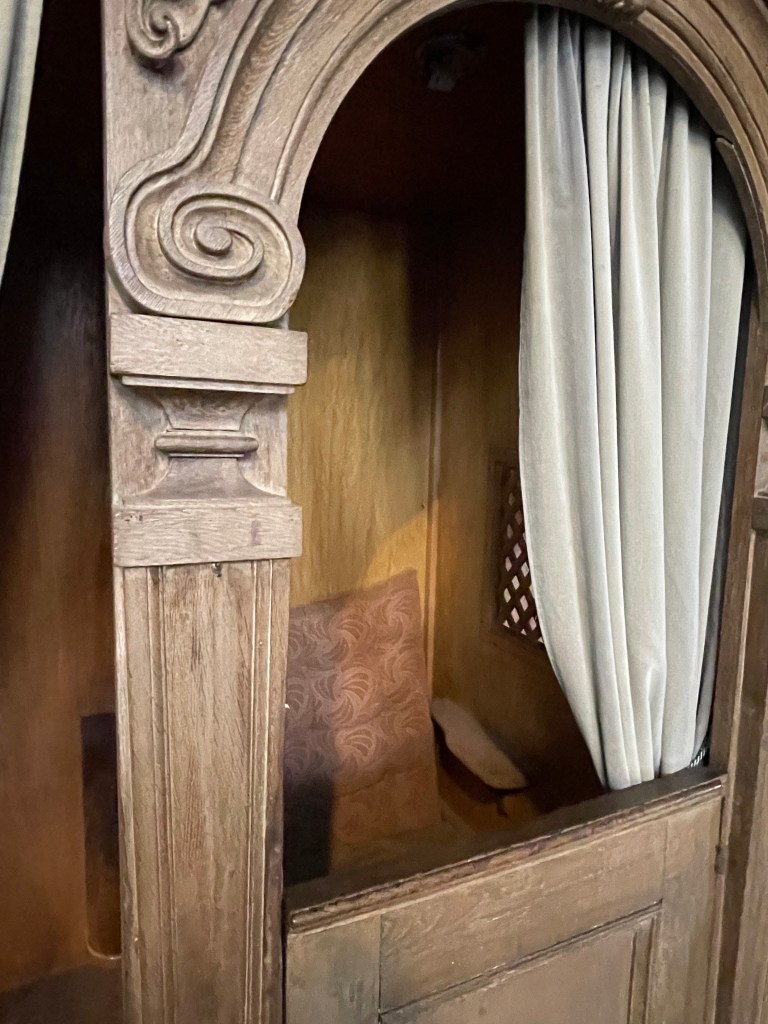
The craftsmanship and art in these old churches is remarkable.
All so beautiful, every detail.
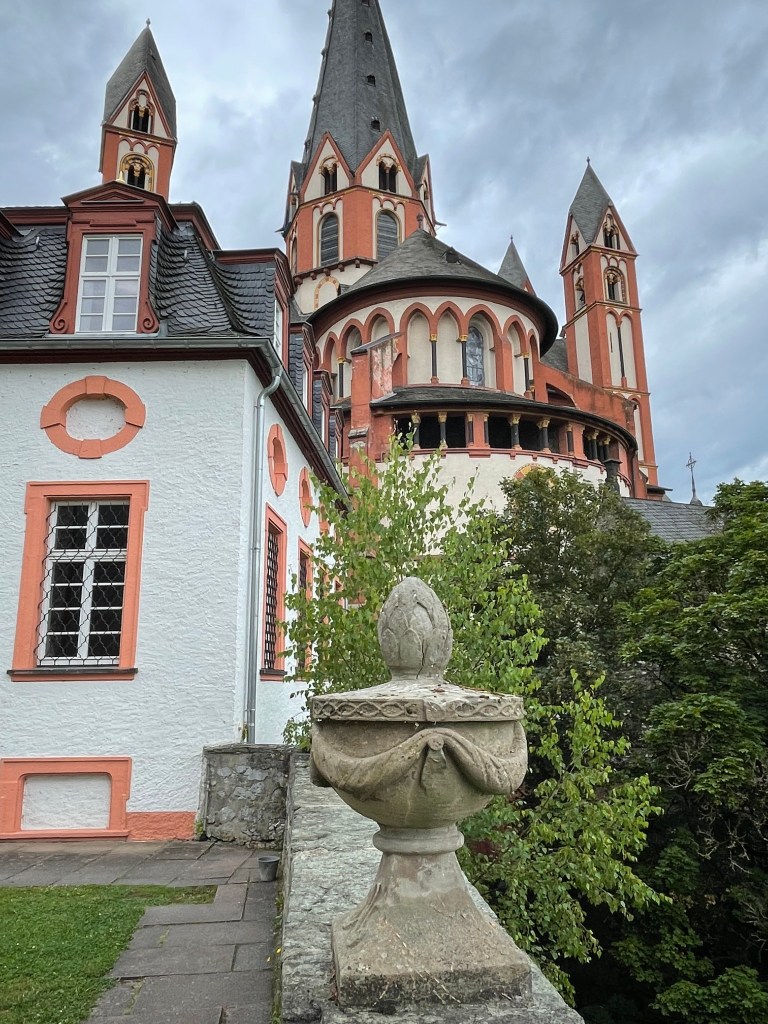
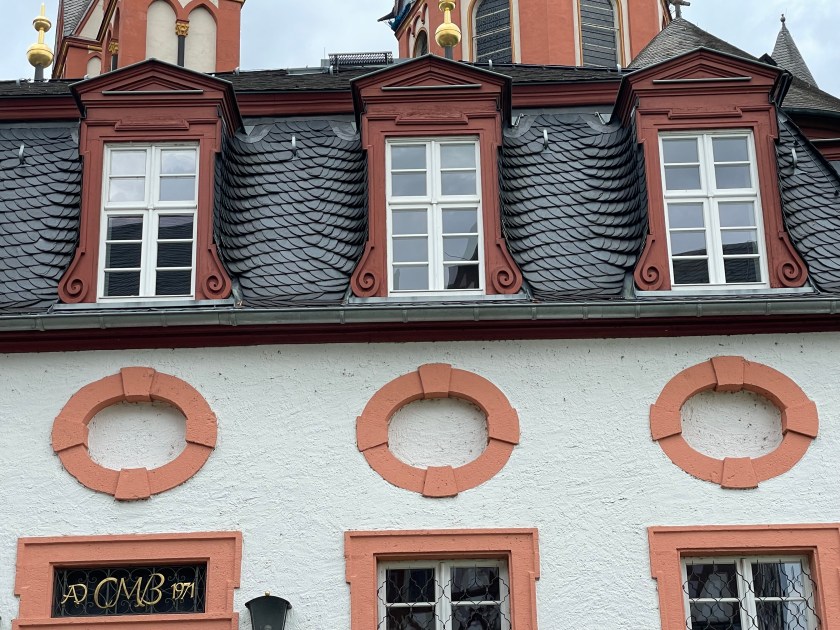
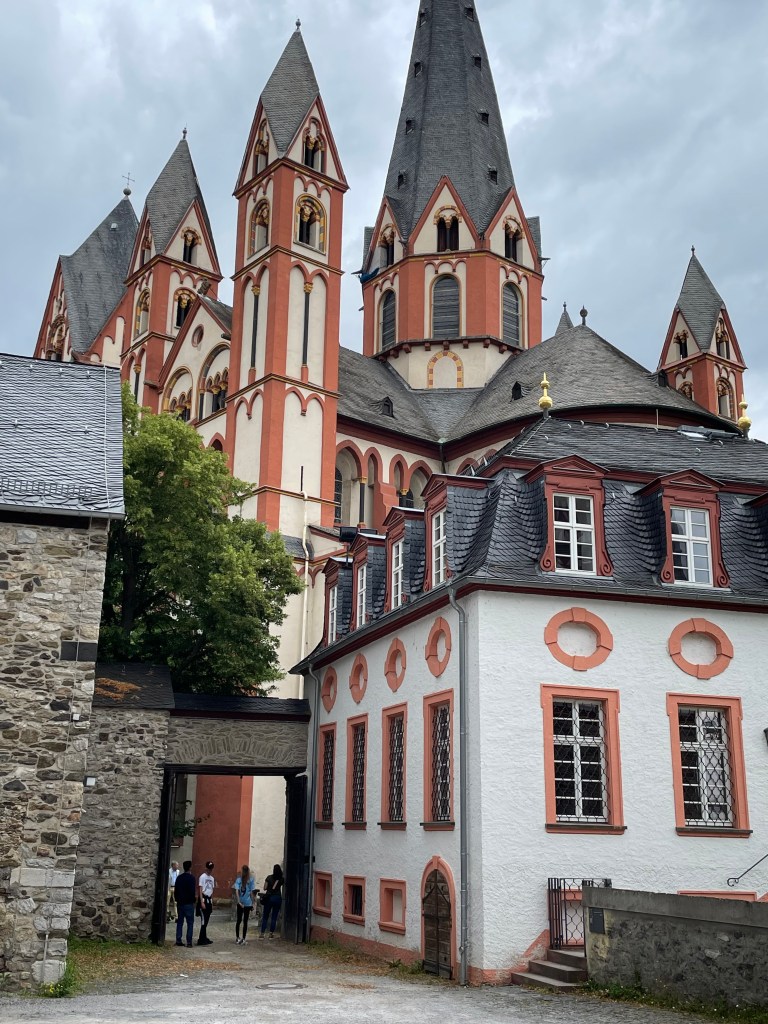
Next we returned to the painted Limburg Cathedral.
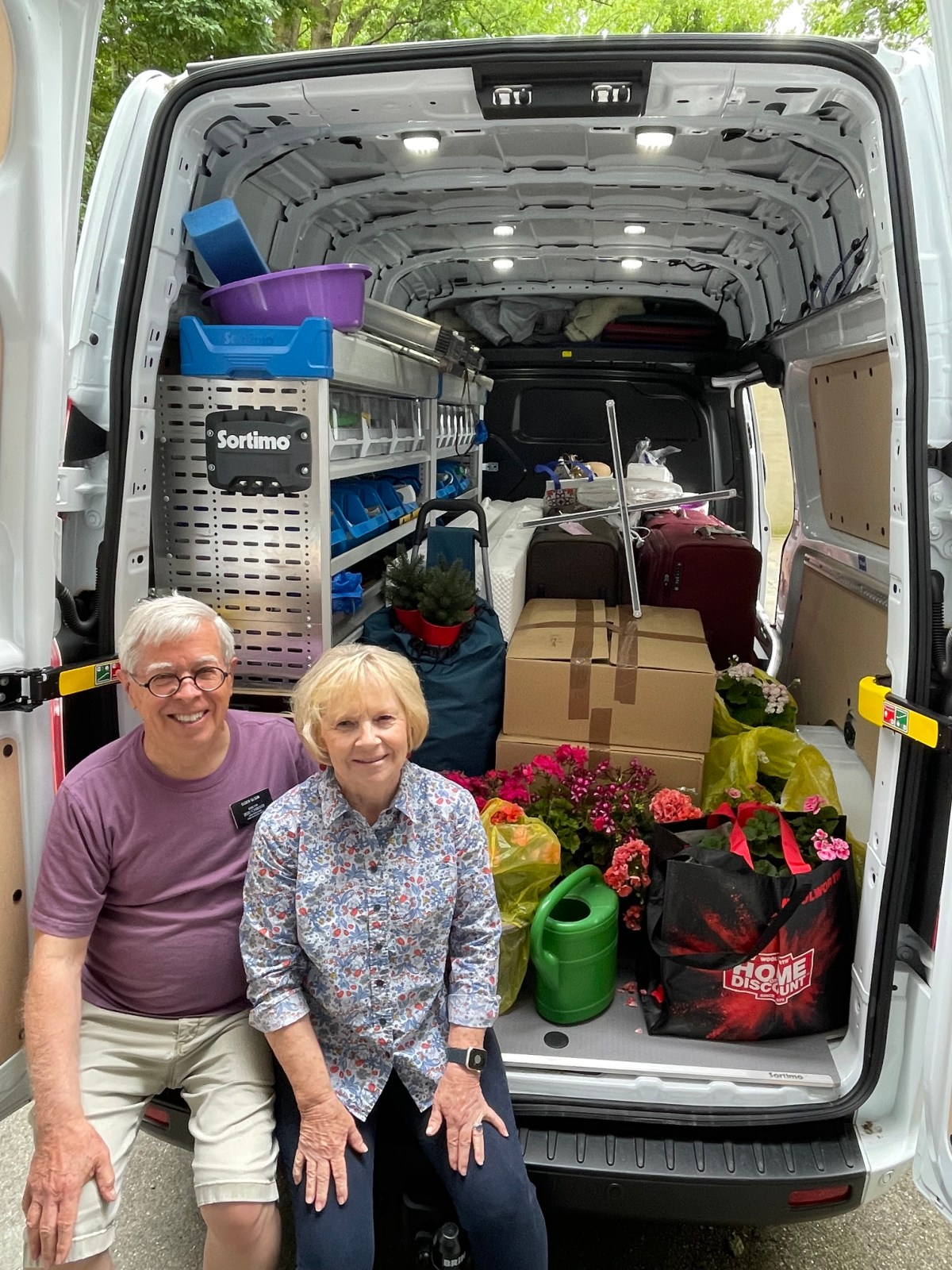
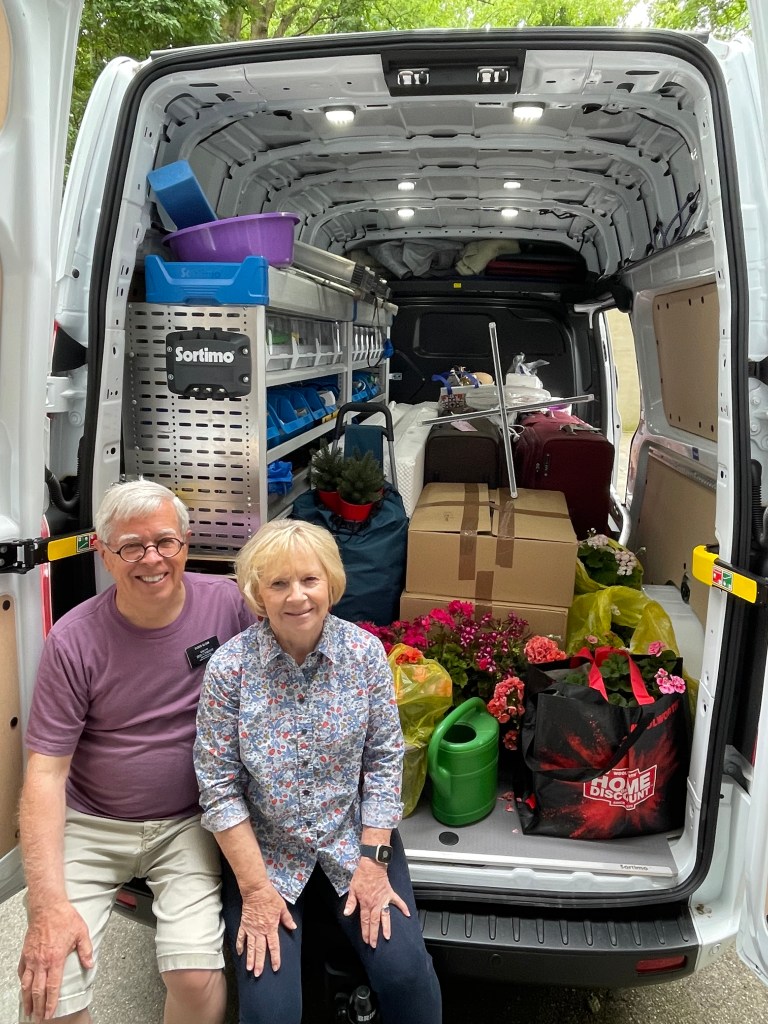
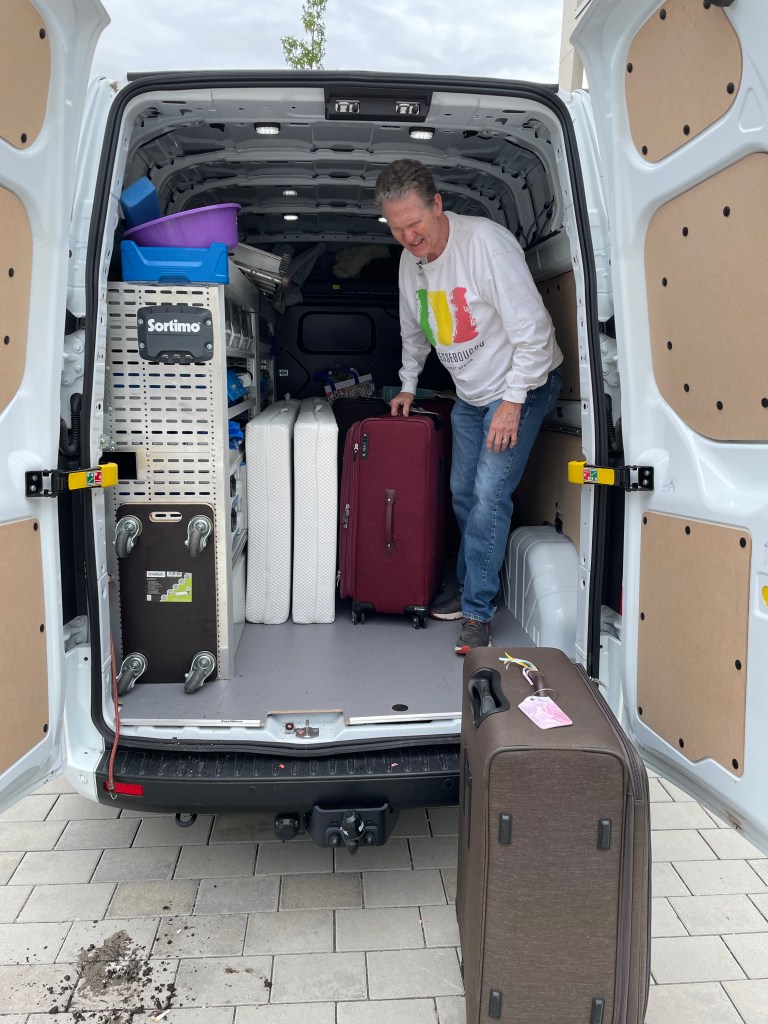
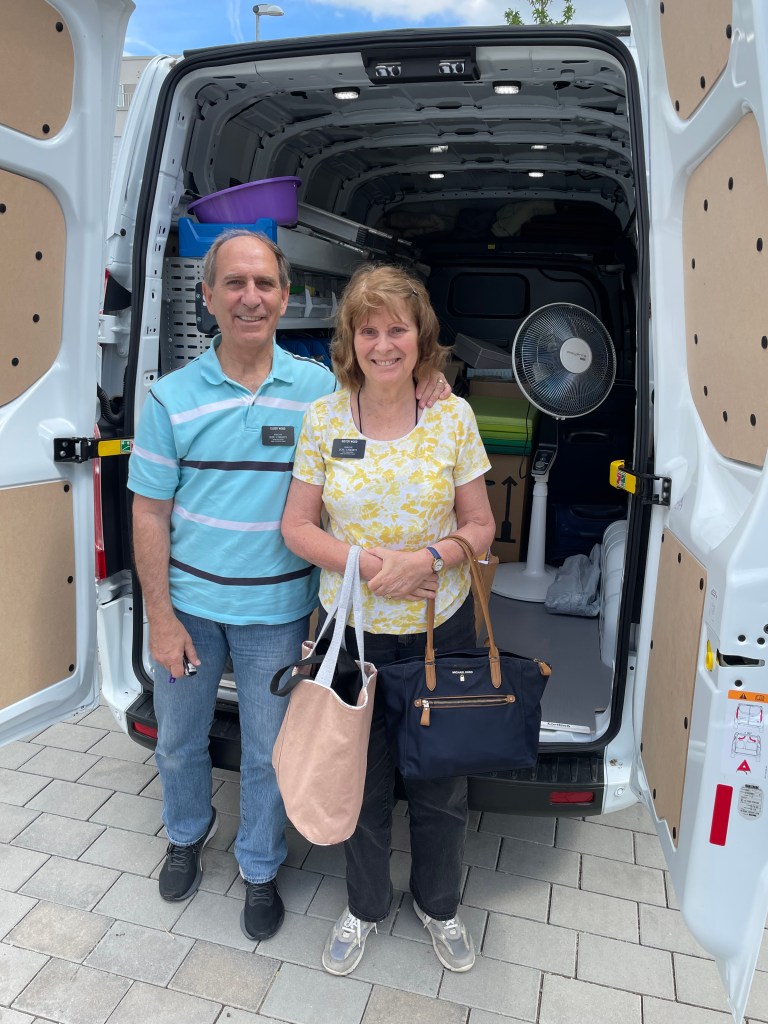
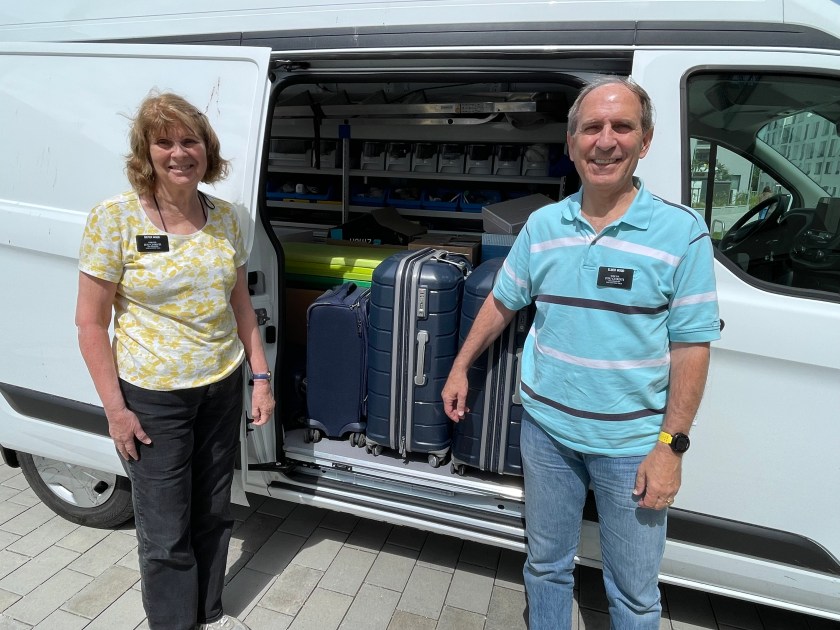
We are methodically moving missionaries from Portstrasse to the new apartments in Bad Homburg. Today the Olsons moved from here and the Woods moved from their apartment not far from Portstrasse.
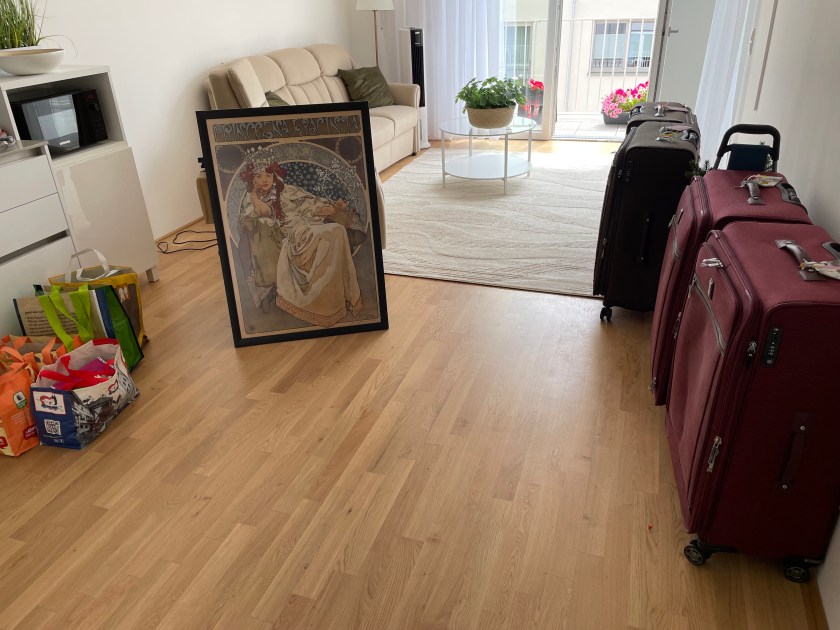
It’s always fun to see how coming with 2 suitcases each expands as we stay here. But we are also moving apartment STUFF and food, so it’s a job.
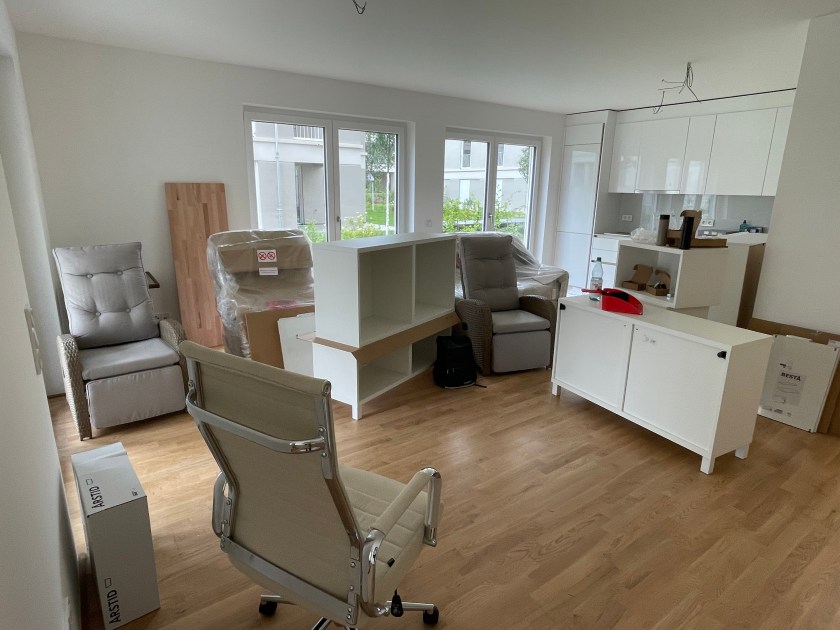
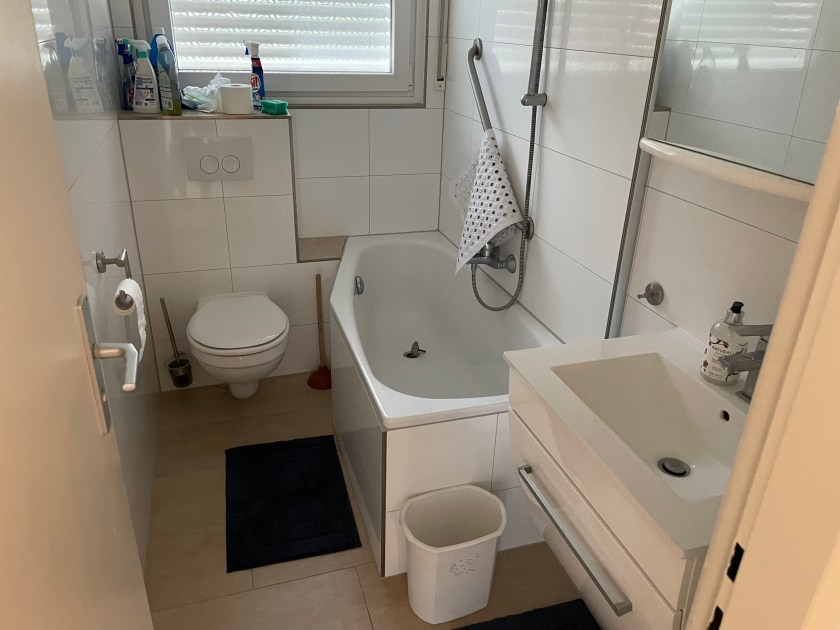
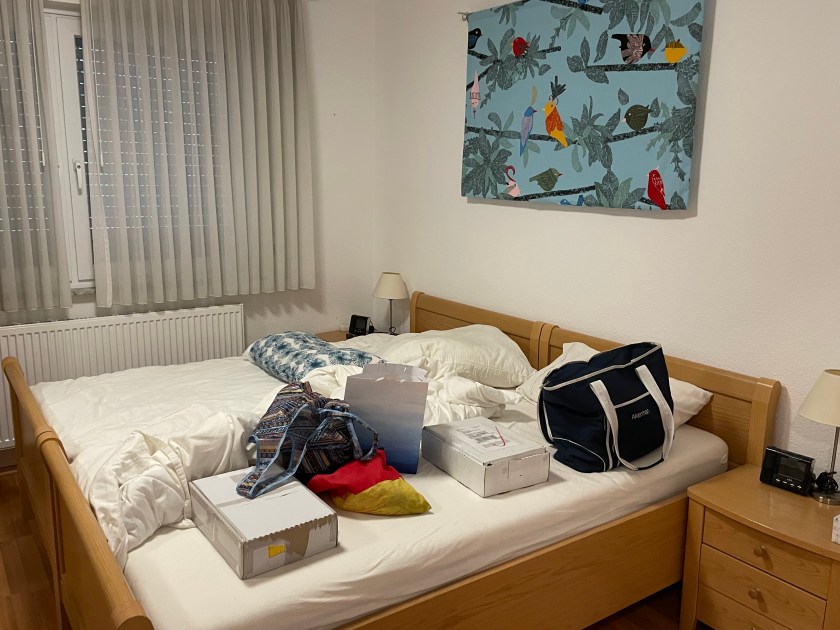
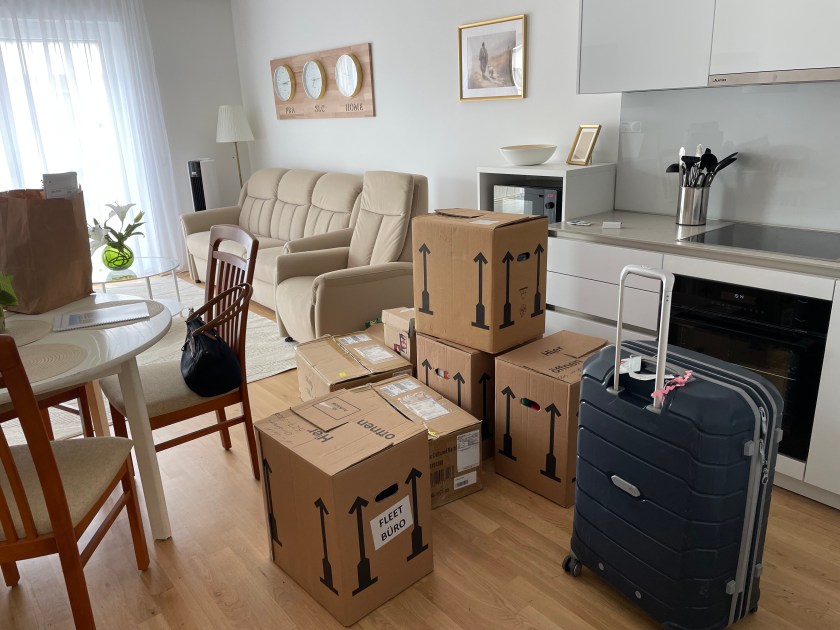
Here’s the Olson’s new apartment:
We checked on other new apartments while we were there, just to see how they are coming along. In all, about 32 new apartments have been reserved here for our missionaries and crews of helpers are getting the furnished and ready.
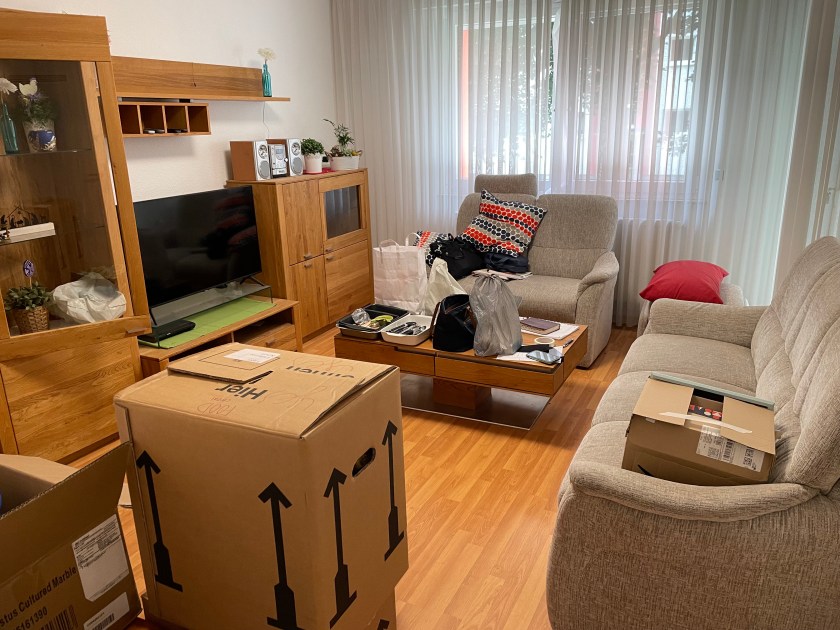
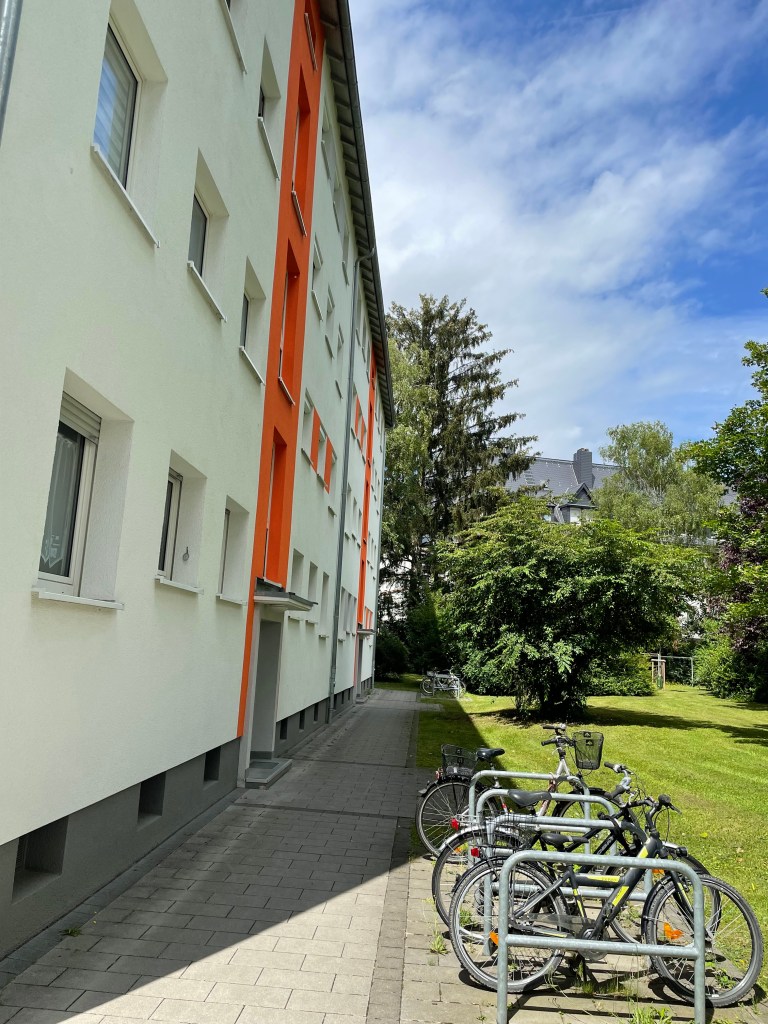
Next we went to pick up the Woods. Here’s the apartment they’re moving from.
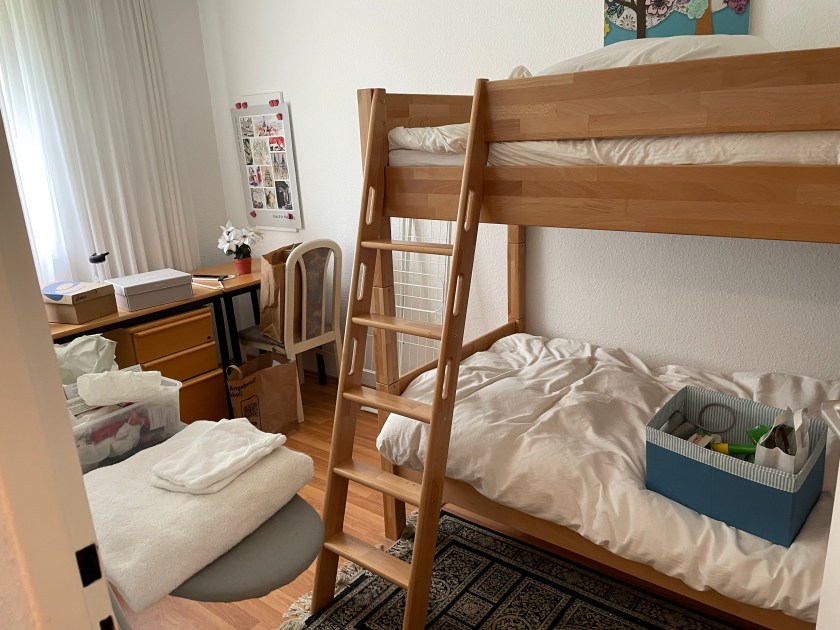
And this is their new home:
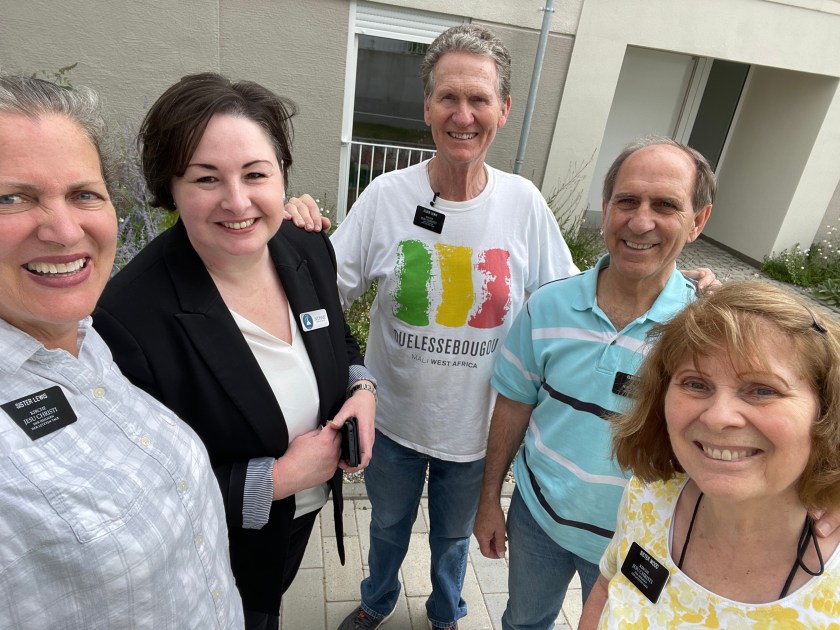
Ivonne is the facilities manager who is making all of this possible. She is amazing.







































































 Our Frankfurt Germany Mission