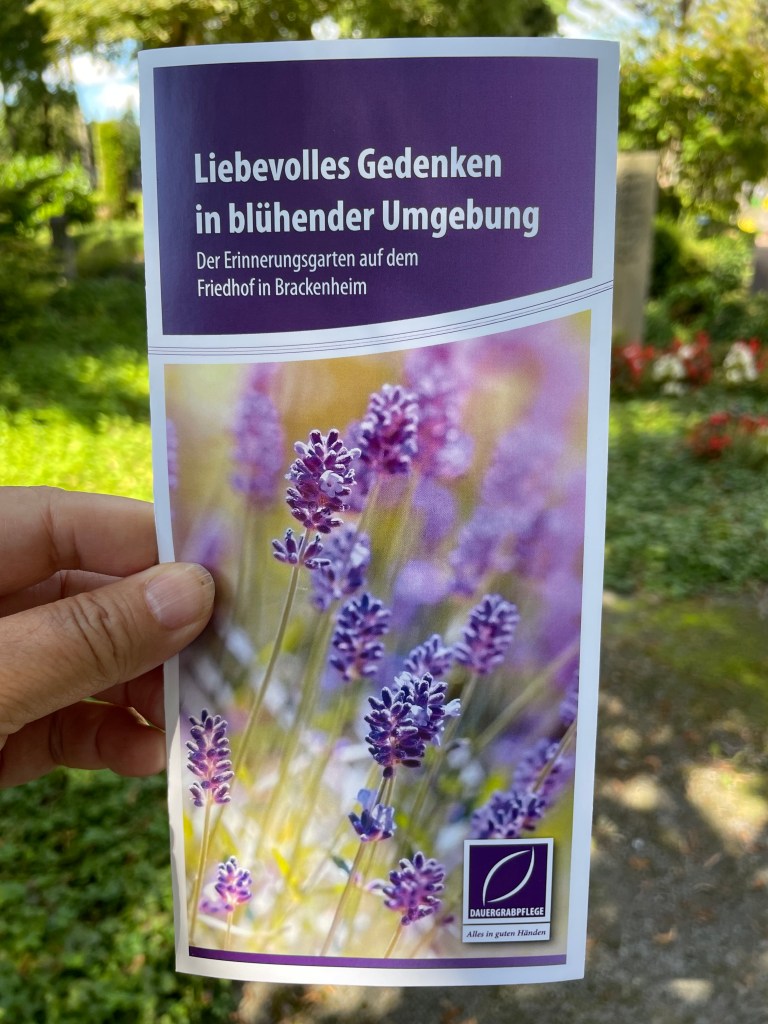
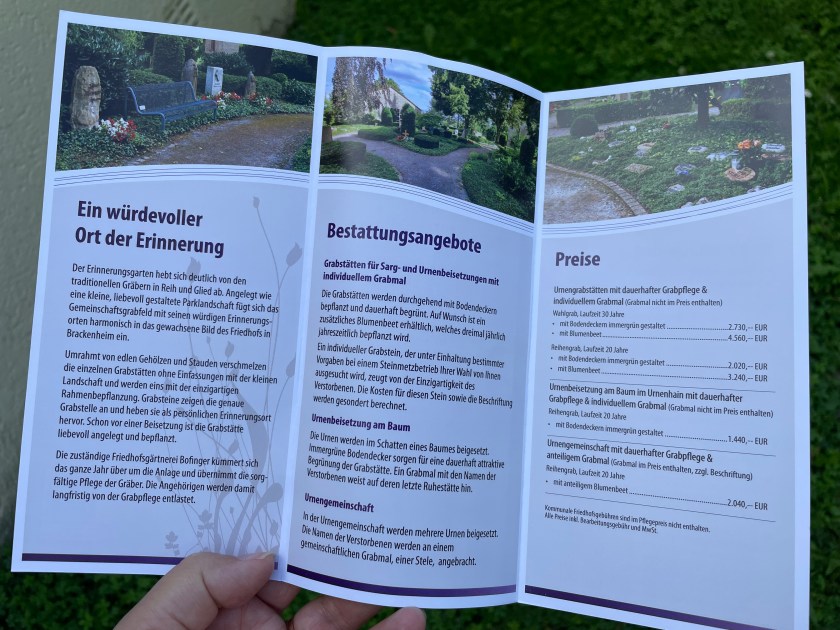
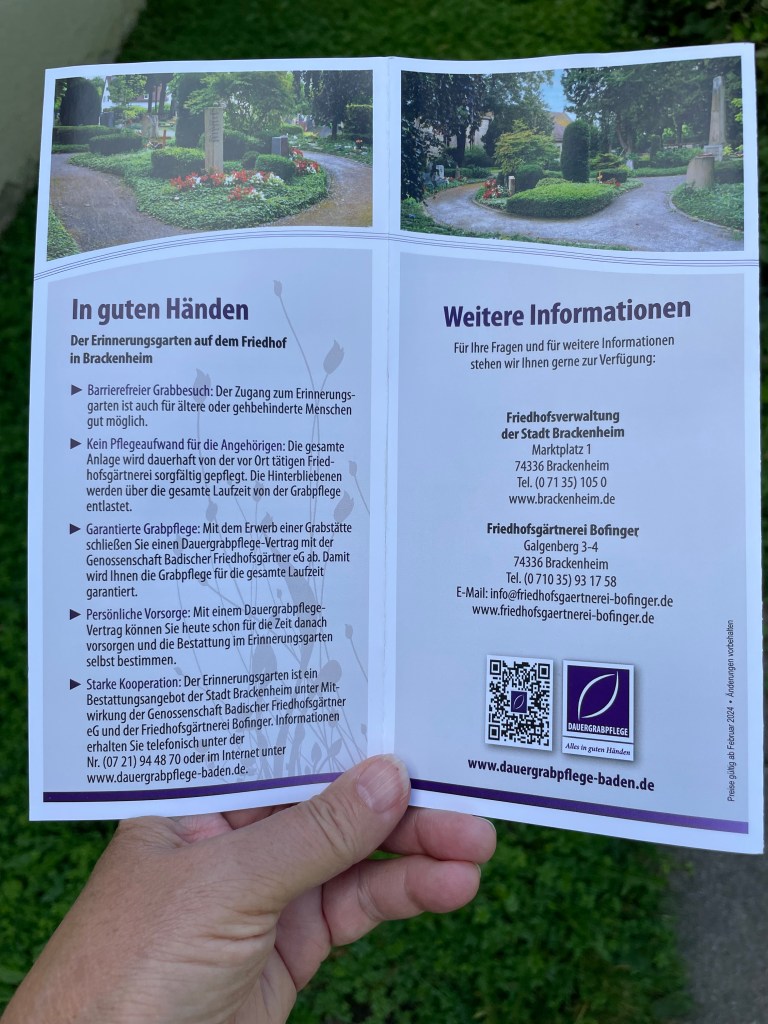
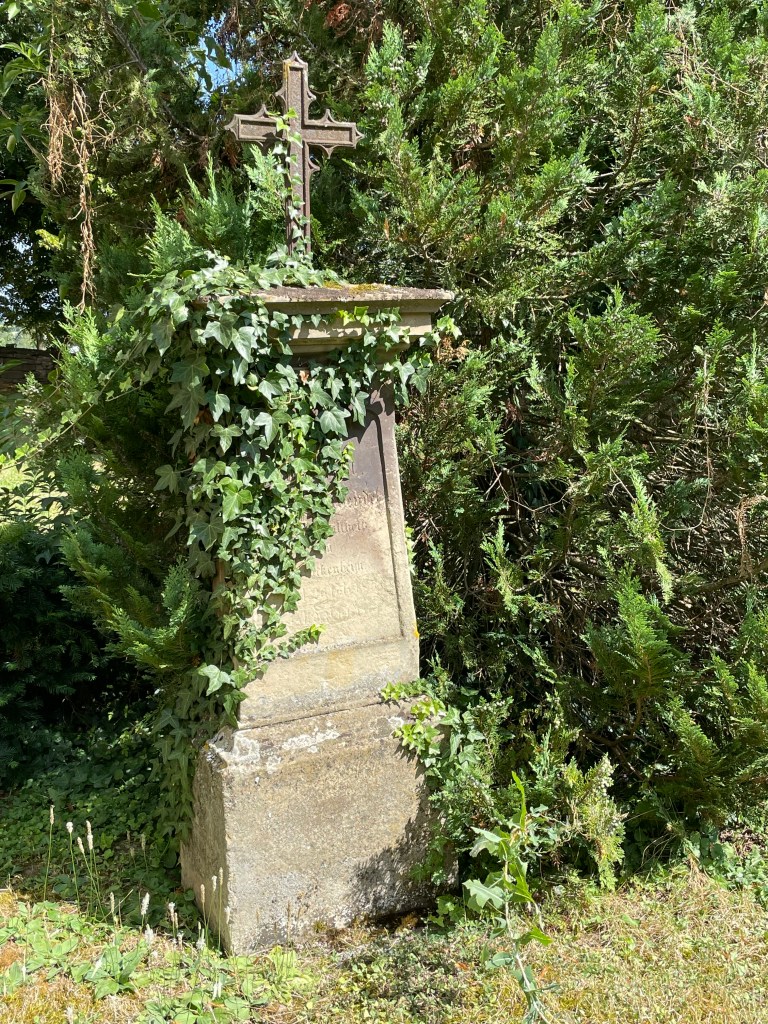
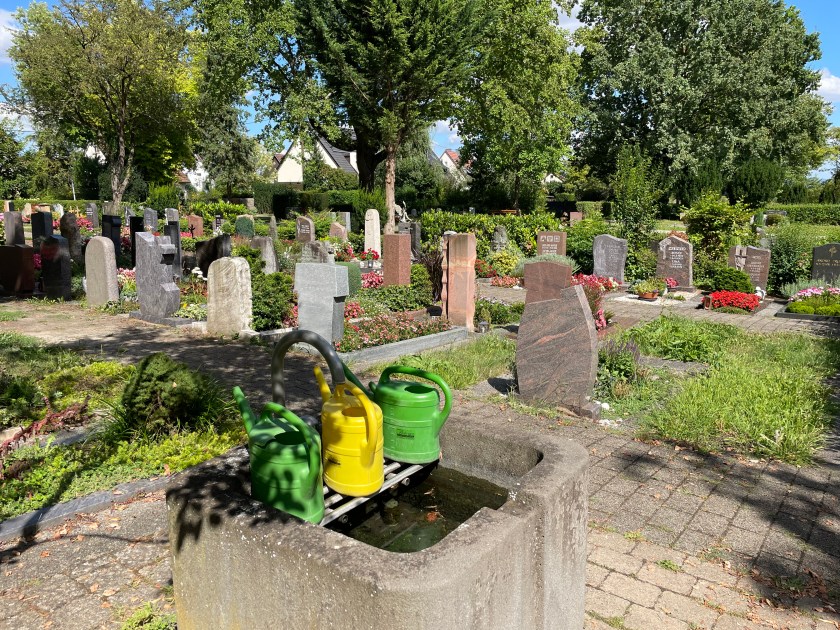
While in the Brackenheim Cemetery, I picked up this pamphlet and dreamed about this perfect job–a burial plot gardener!
For between 2,000 and 4,500 Euro/year, you can hire someone to take care of your loved one’s burial plot for the next 20 to 30 years, depending on how long your cemetery contract lasts. After a contract expires, the plot is re-assigned to the next person needing a place to rest.
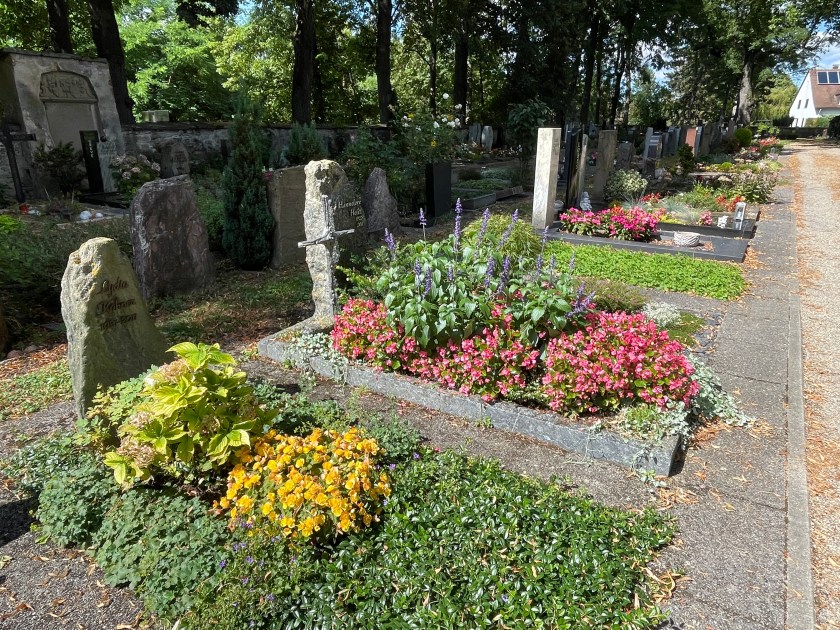
Most graves in German cemeteries are relatively new, from the last 20-30 years. You pay for the period of time you are able to care for the plot. Typically, families visit the cemeteries regularly to weed and water and care for the gardens planted by each grave. If you are unable to do that, you can hire someone else to care for your loved one’s grave.
I would enjoy that job.
These prices include regular weeding and planting. Your gravesite will be in good hands.
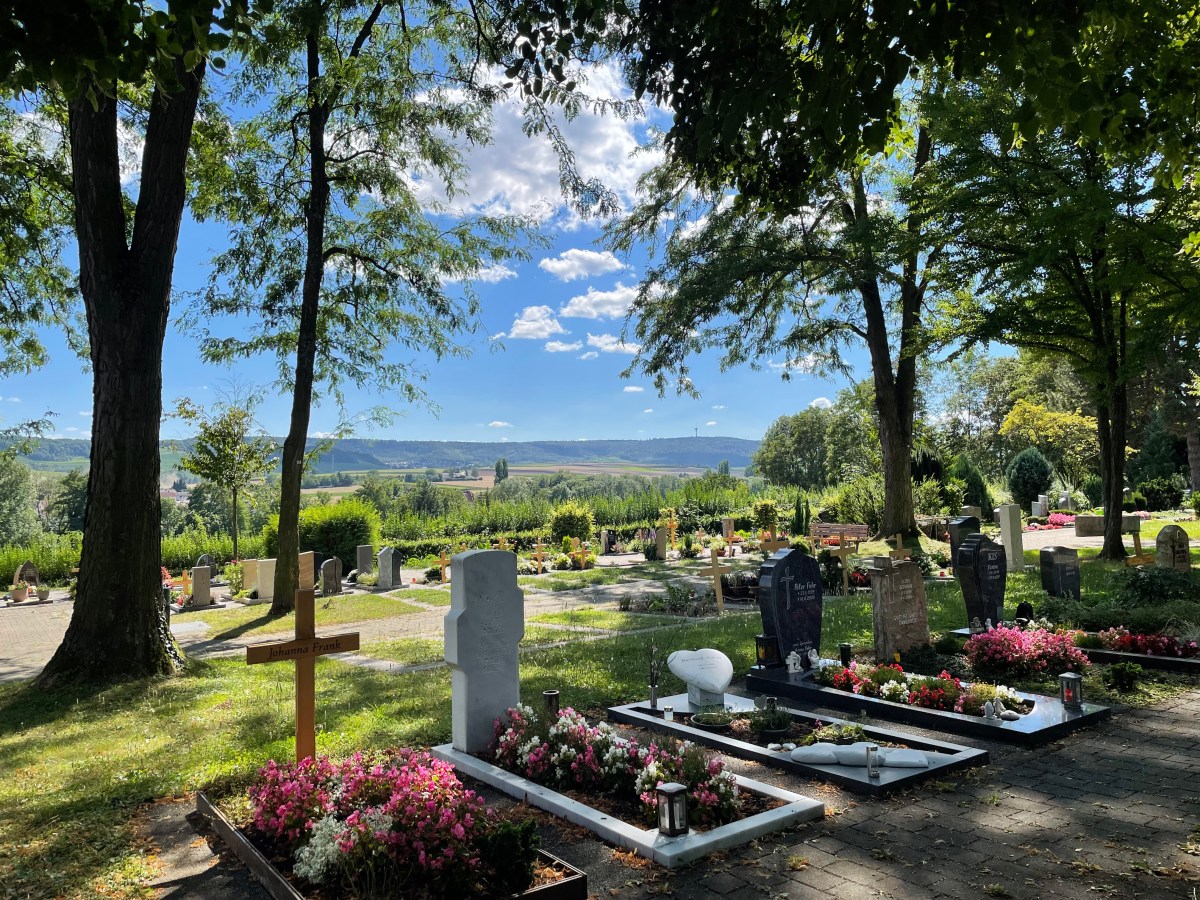
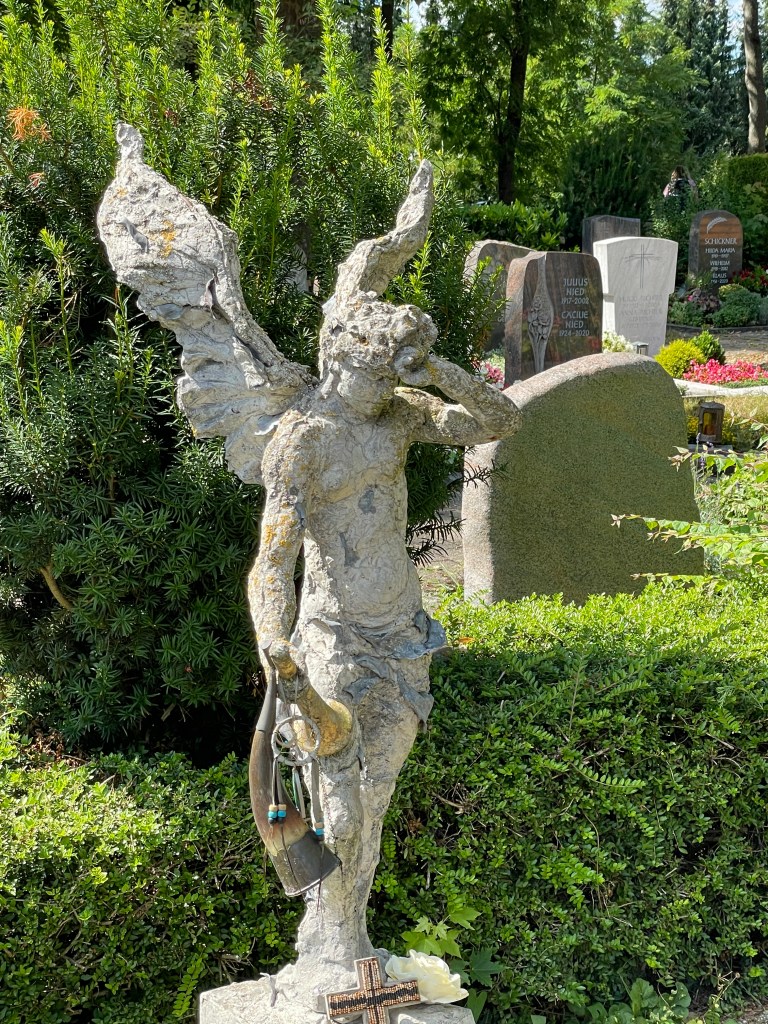
Cemeteries here really are lovely and beautifully kept, wonderful places to visit.
Today we traveled to Brackenhiem, a town near Grossgartach where our Laemmlen ancestors lived. The first Laemmlen to move to Grossgartach was my 2nd Great-grandfather, Leonhard “Heinrich Lämmlen, b. 9 Dec 1836 in Brackenheim. He was a master plumber in Brackenheim. He died 11 June 1868 in Grossgartach. His wife was Maria Magdalena Justine Schelle was born 15 December 1833 in Biberach (which we will also visit) and died 16 July 1897 in Grossgartach.
Most of our other family lines lived and raised their families in Grossgartach for 100s of years, but many family members came from these surrounding farming villages.
There are 2 old churches in Brackenheim. We visited both today to get a feeling for this place. I’m not sure which of these churches our family attended, but I will find out–I have their church records.
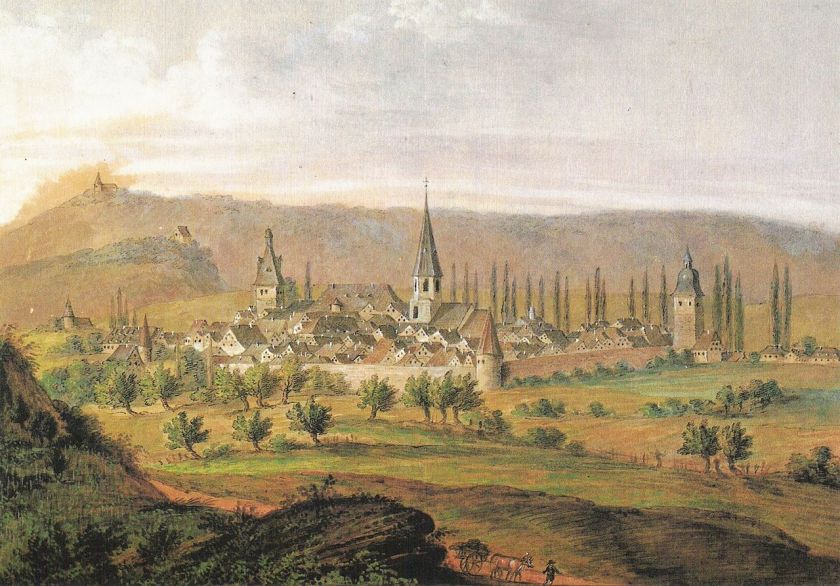
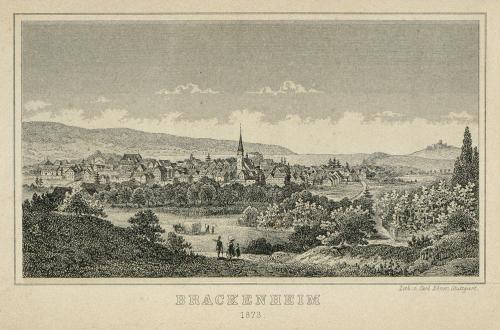
Here are some historic pictures of Brackenheim in 1820 and 1875:
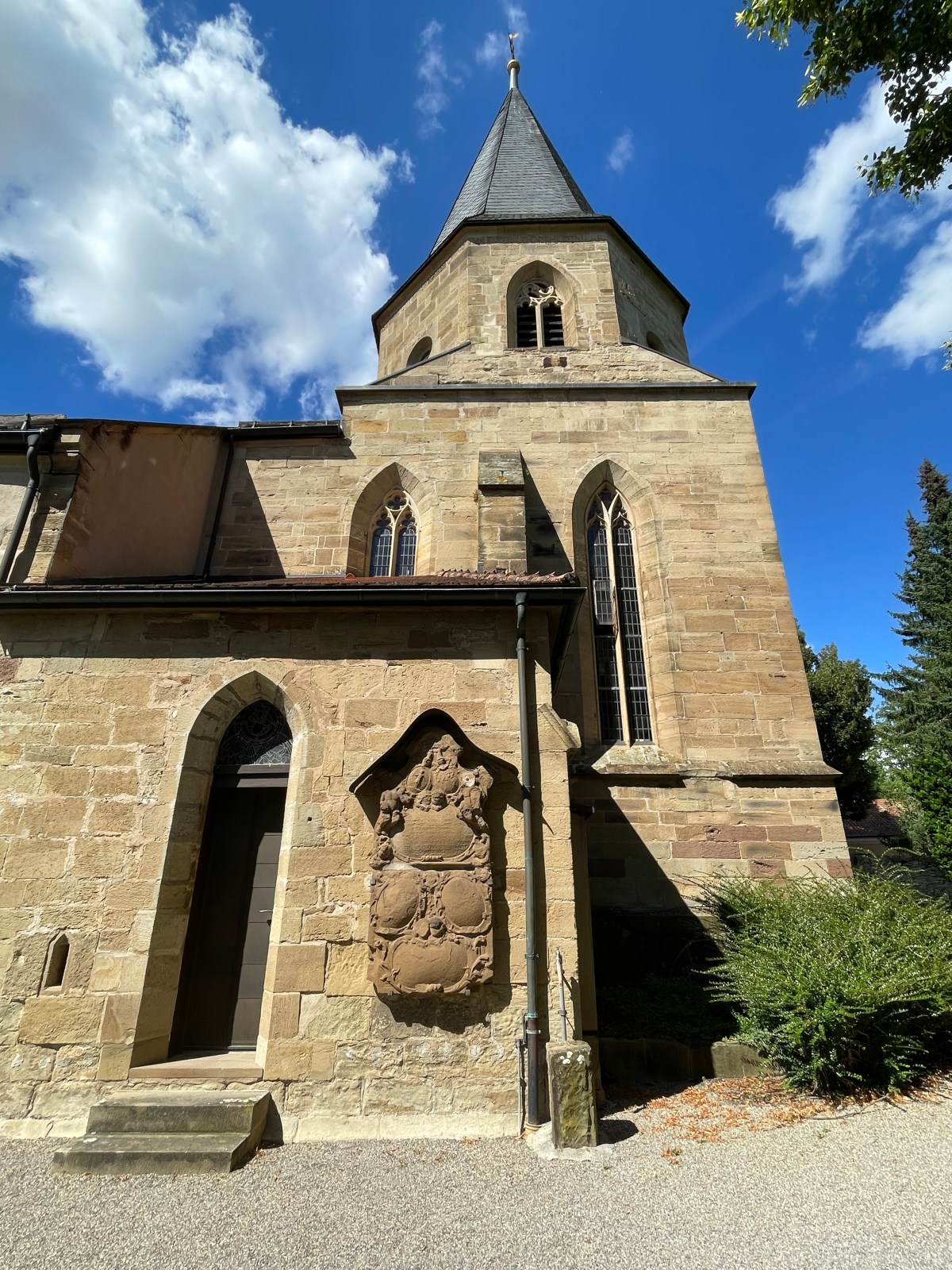
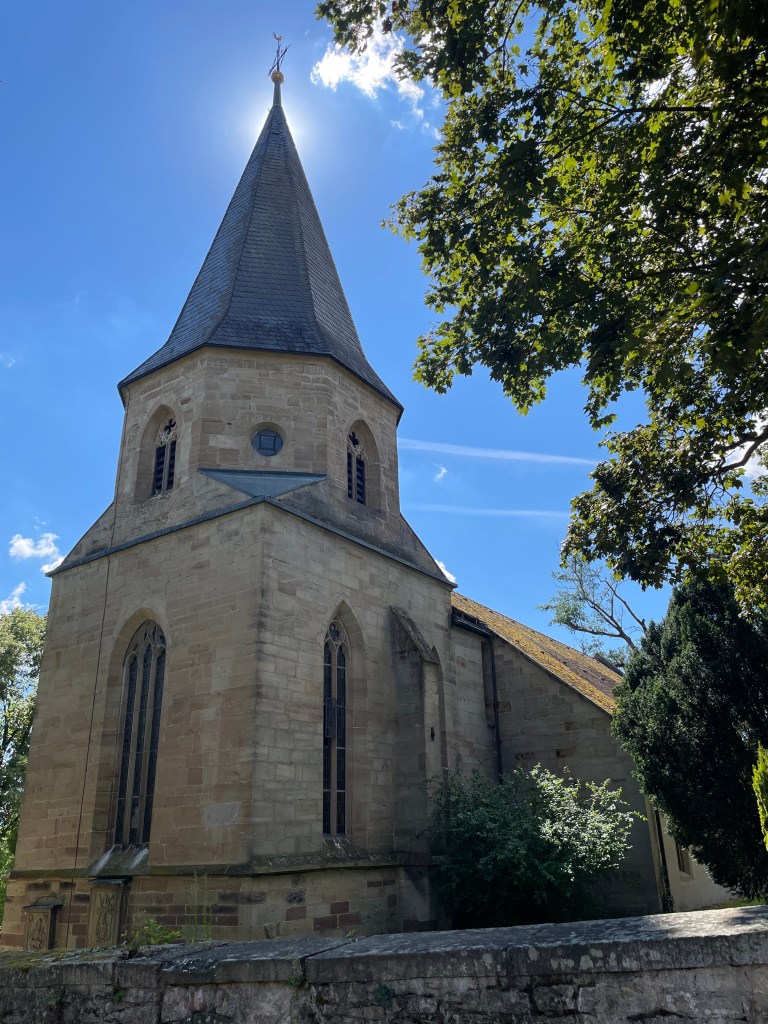
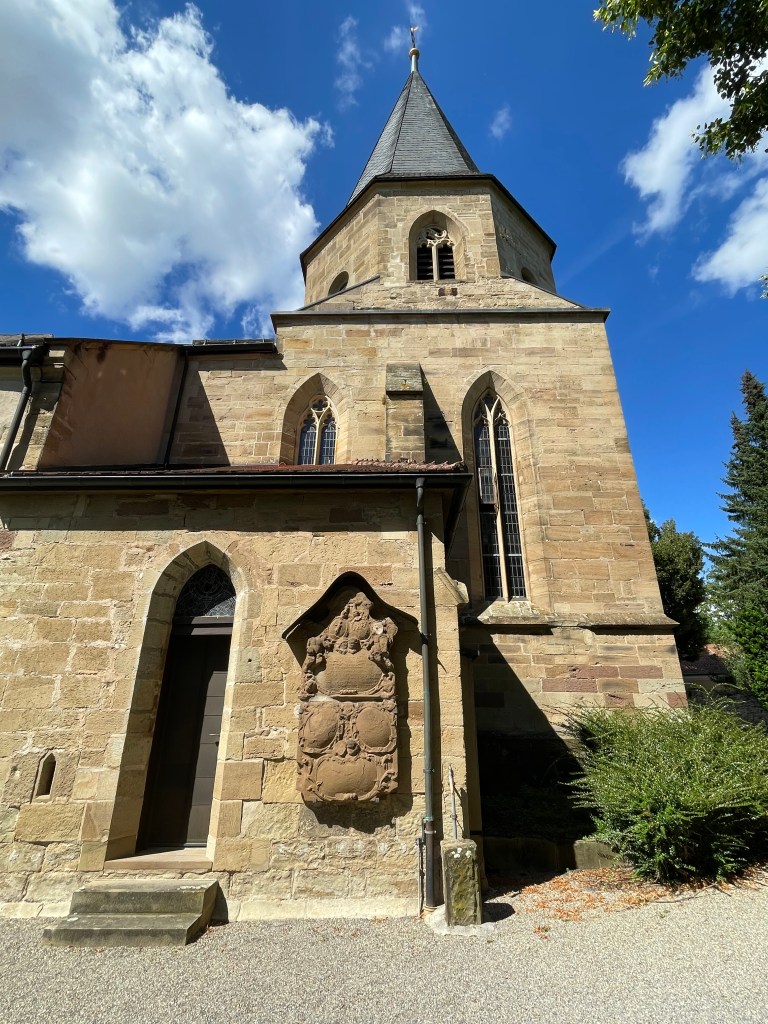
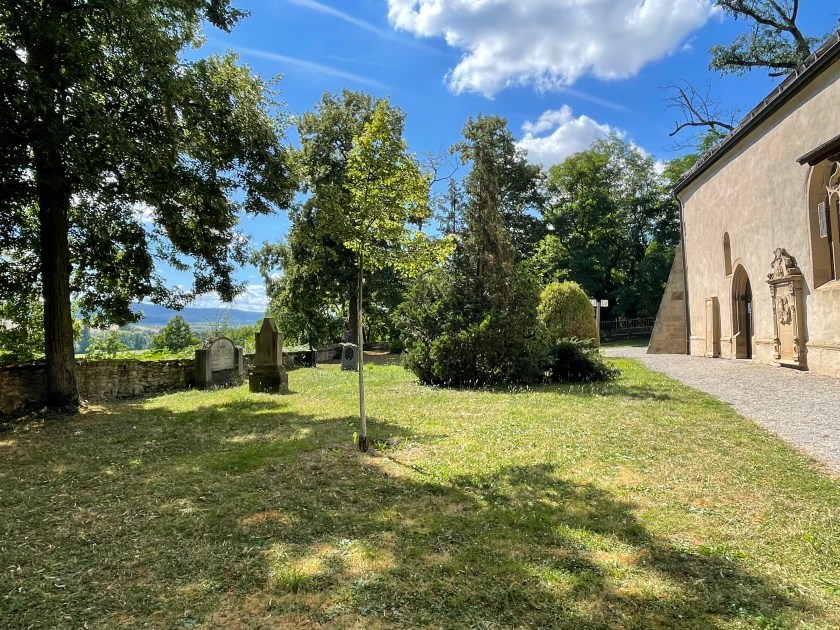
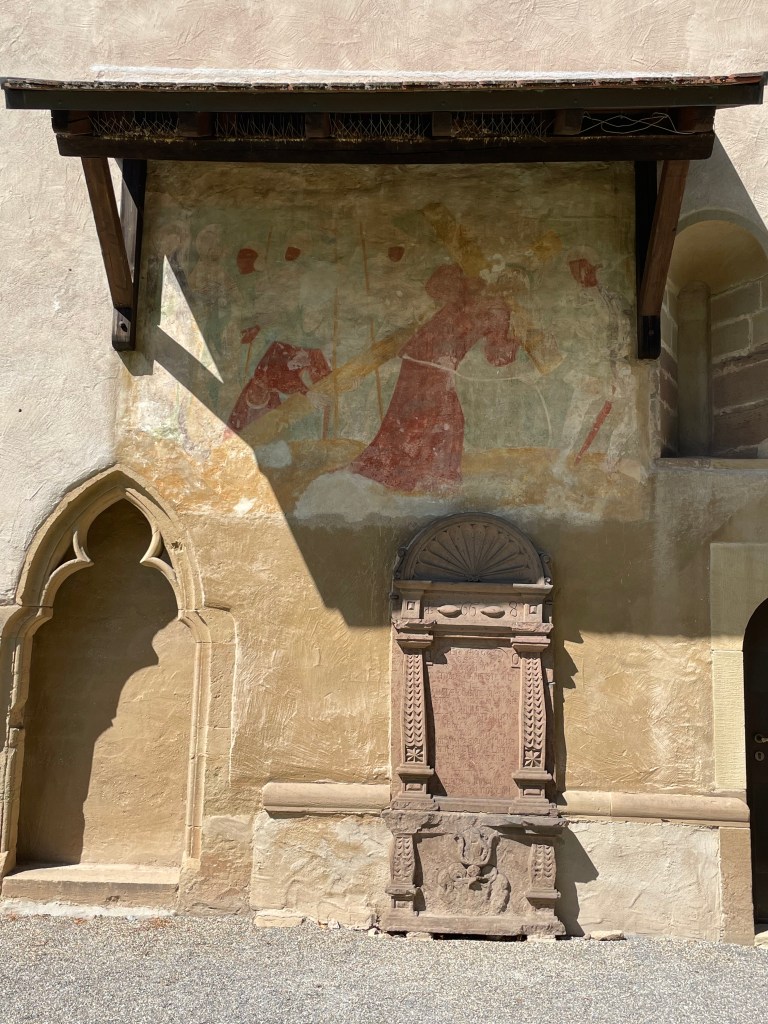
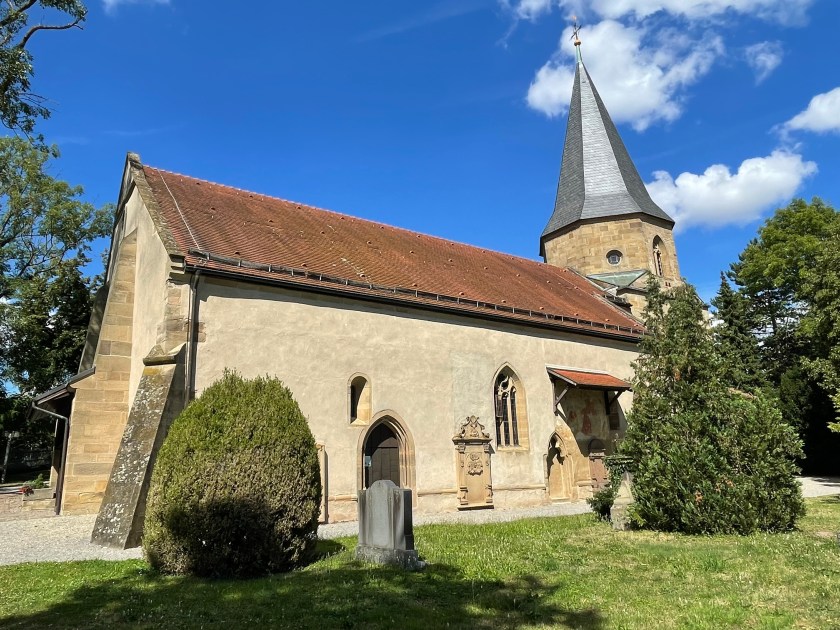
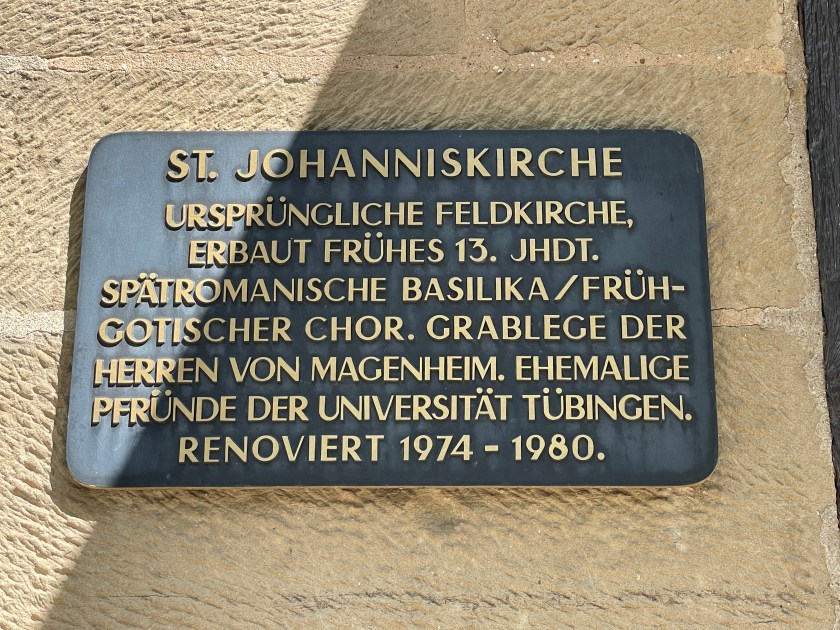
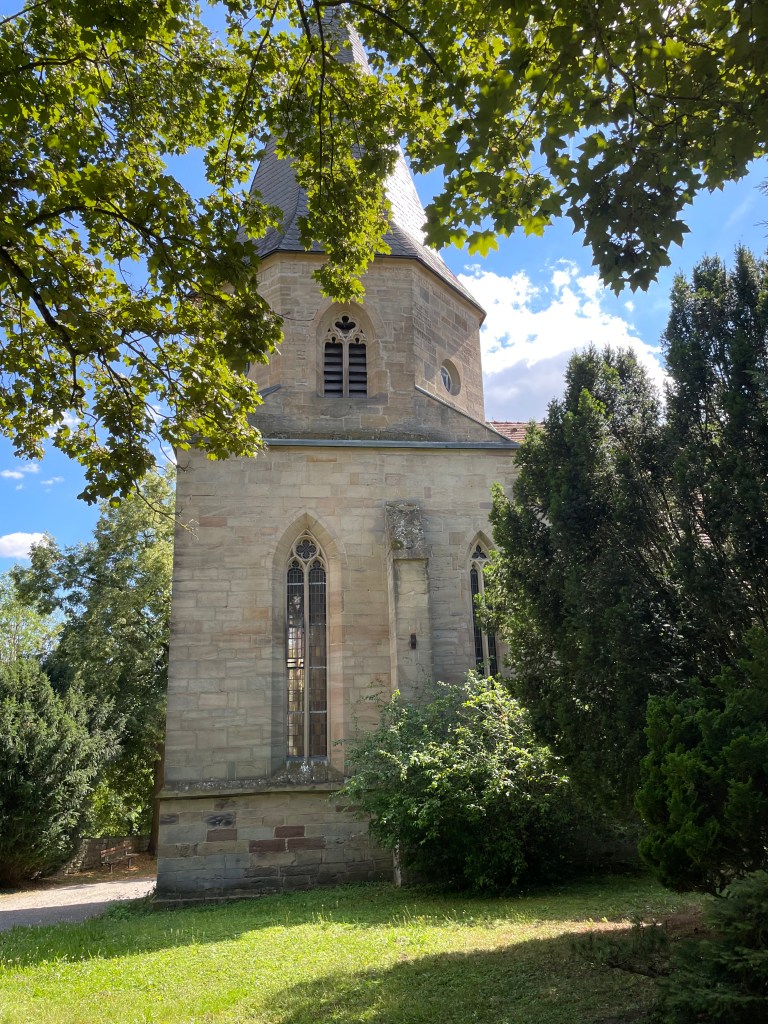
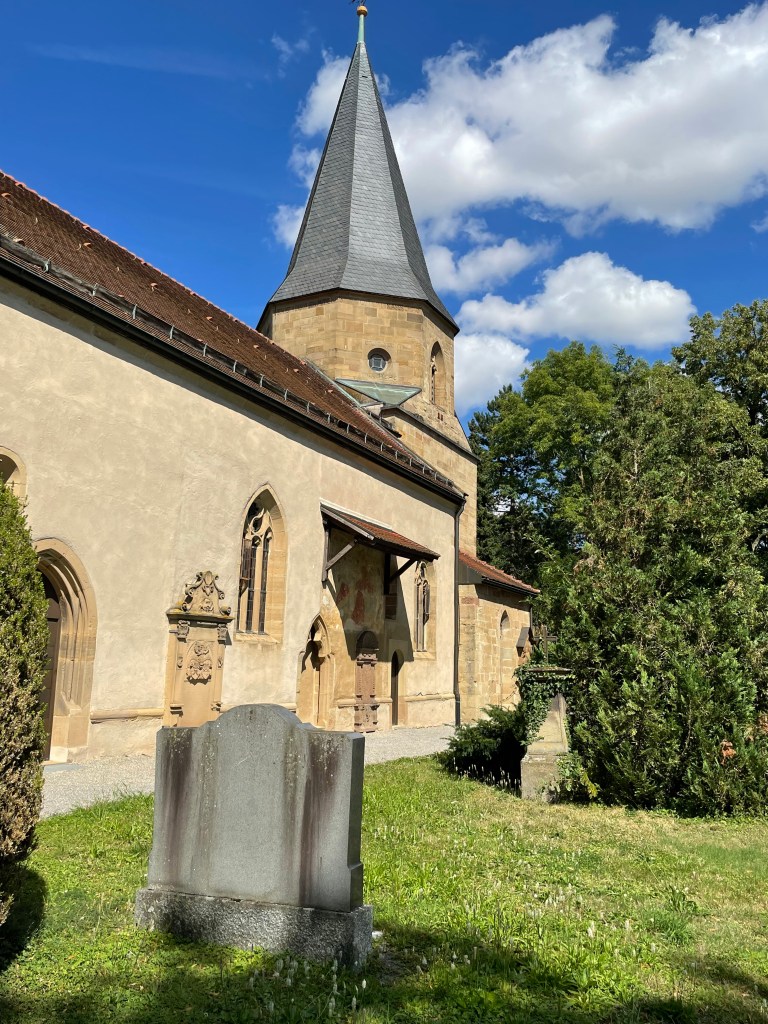
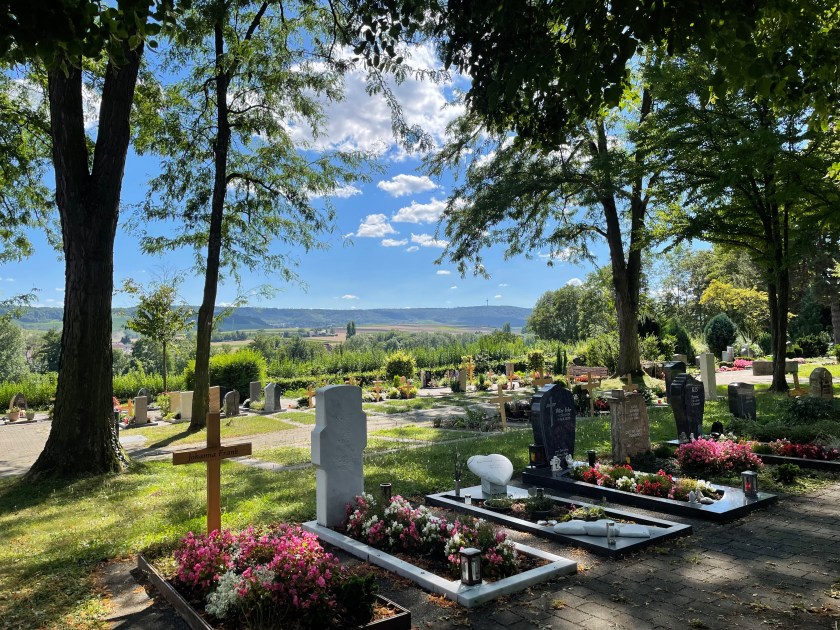
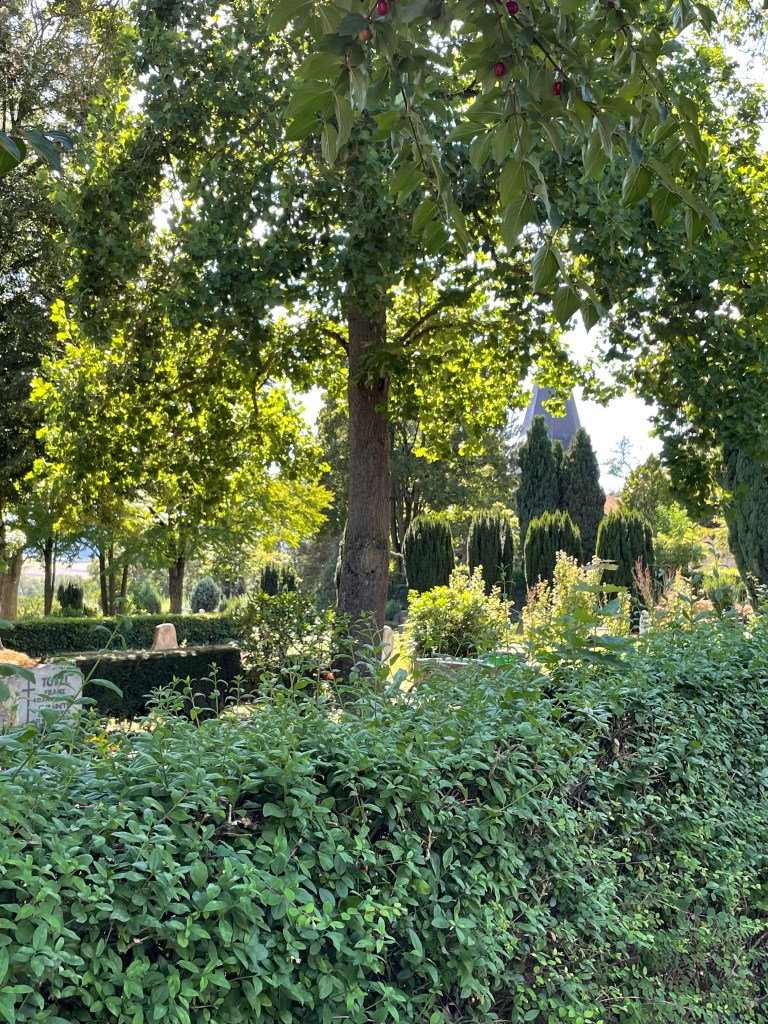
This is the Protestant Johanneskirche or St. John’s Church. It’s on the southern side of town, overlooking fertile vineyards and fields. The Brackenheim Cemetery is located next to this church.
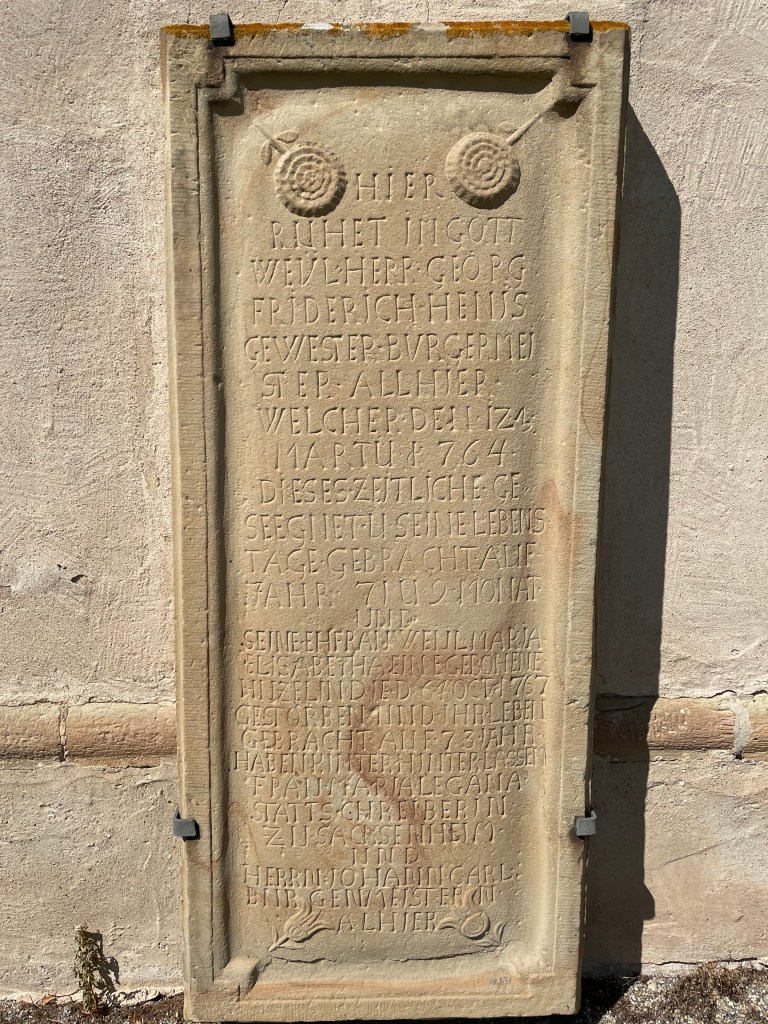
This church dates back to the 13th century. We spent about an hour here, wandering around the church grounds and the cemetery. The church was locked, but is still used for church services. There are some interior photos below.
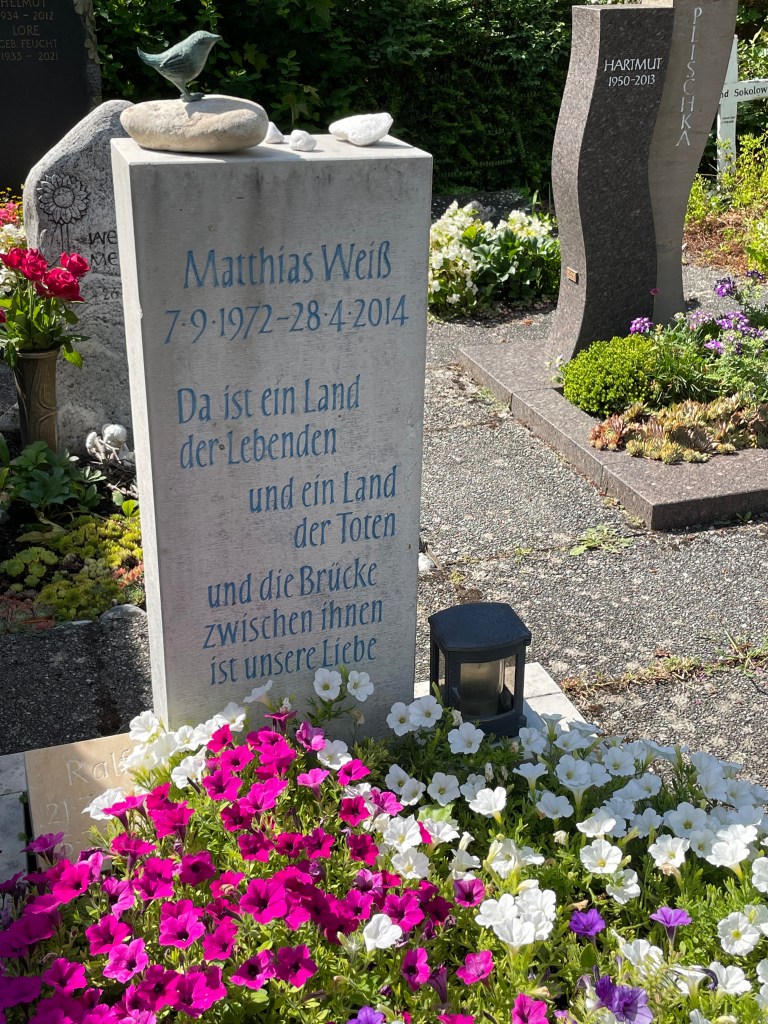
The words on this headstone say, “There is a land of the living and a land of the dead and the bridge between them is our love.”These stones are memorials for those who were cremated. Their urns with ashes are under the stones.
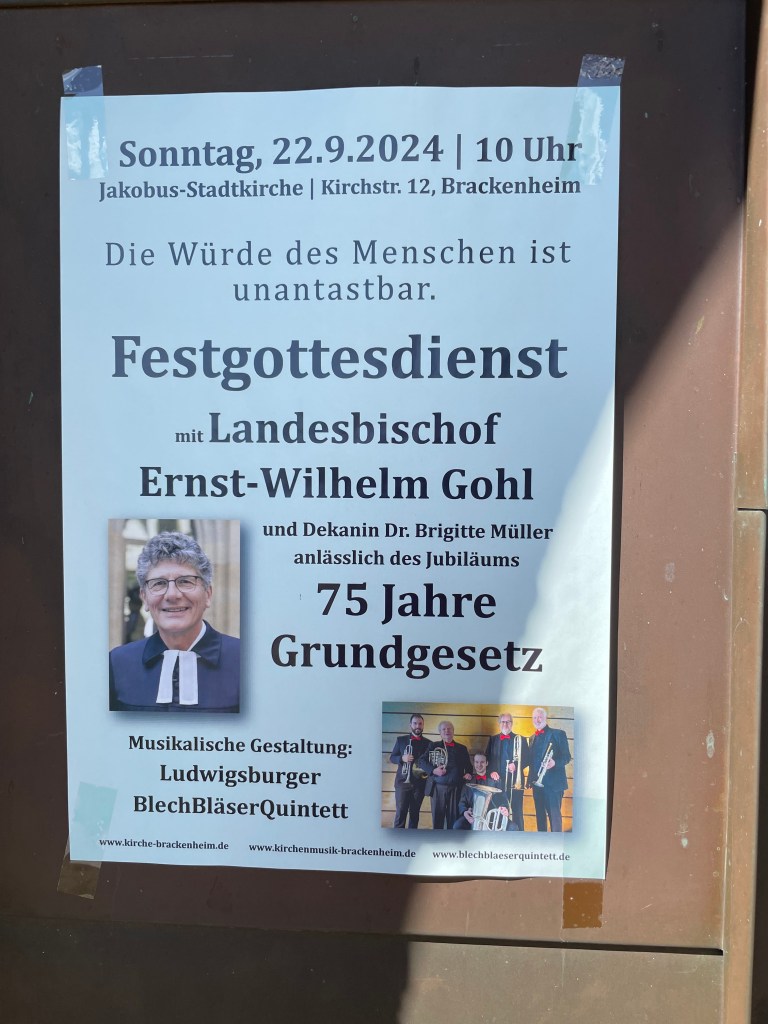
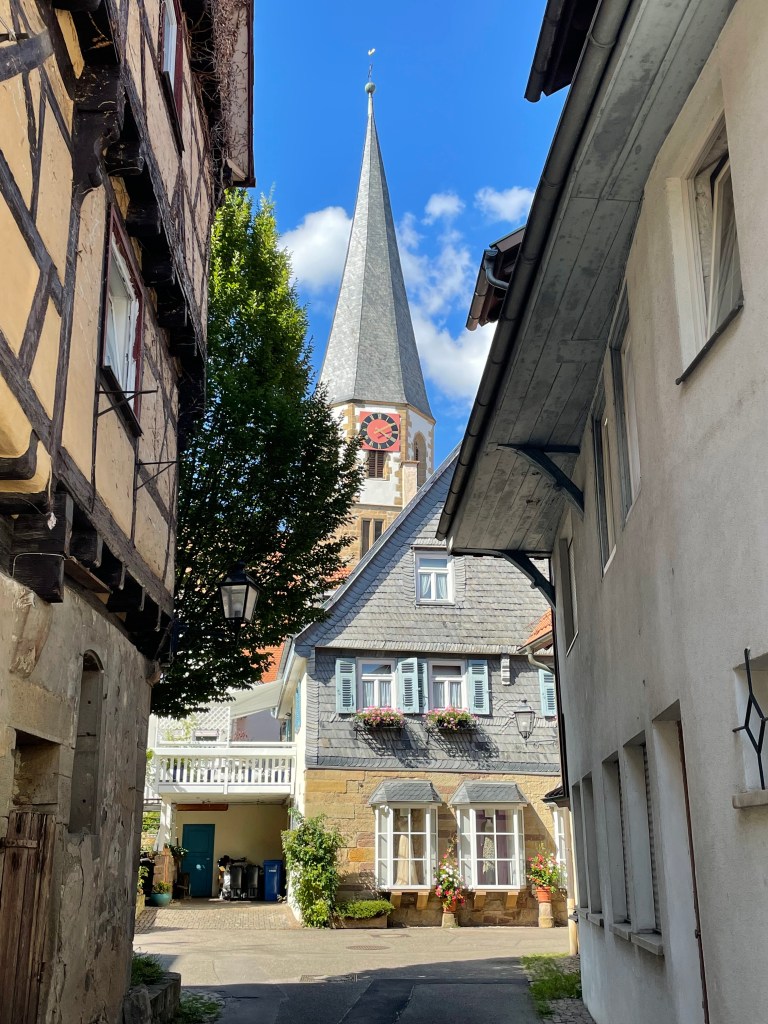
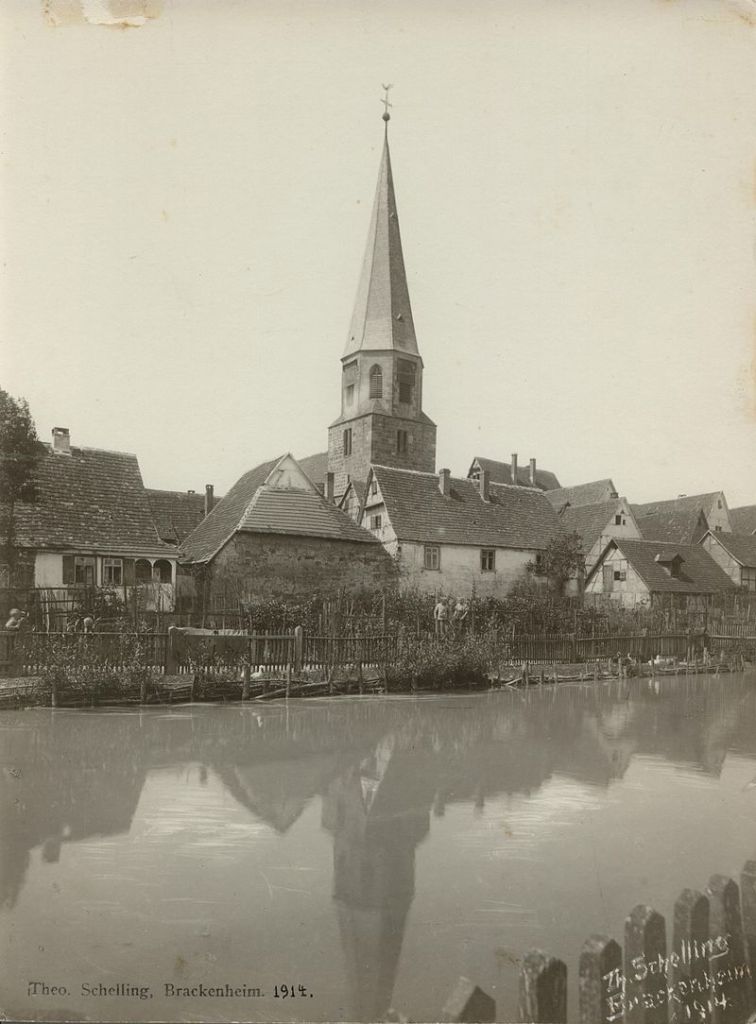
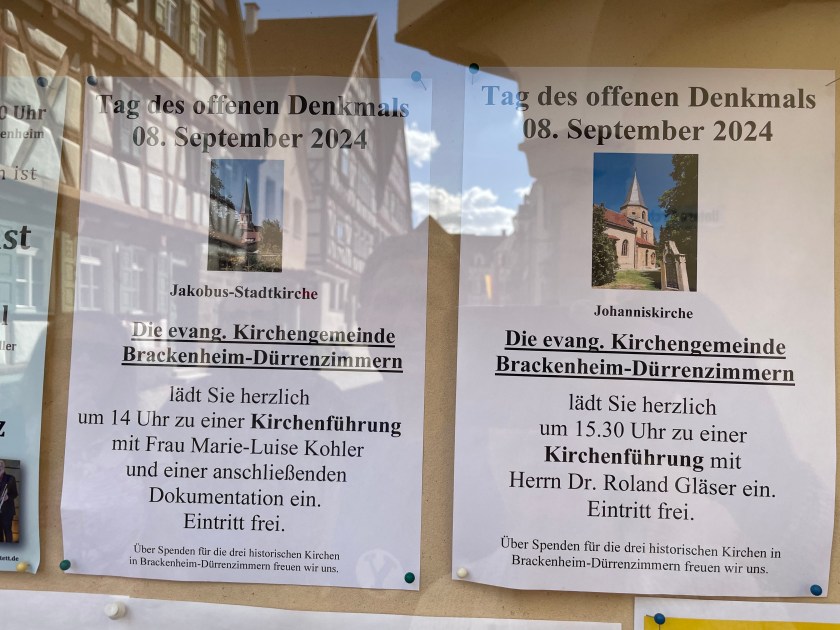
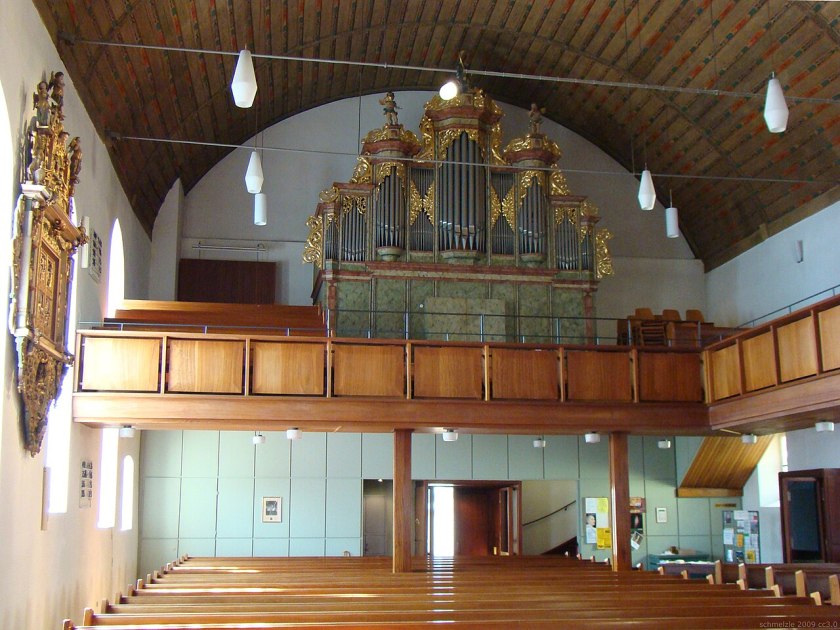
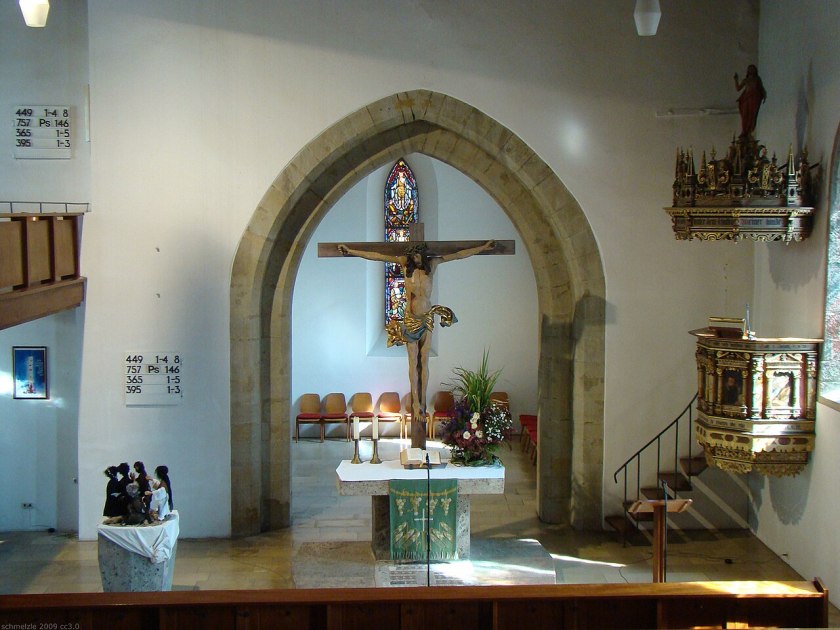
Next we went into town to the other old medieval church, the Protestant City Church, St Jakobus, or St. James. This church is right in the old part of town, with homes, apartments and buildings surrounding it. It was also closed today.
Here’s a photo from 1914:
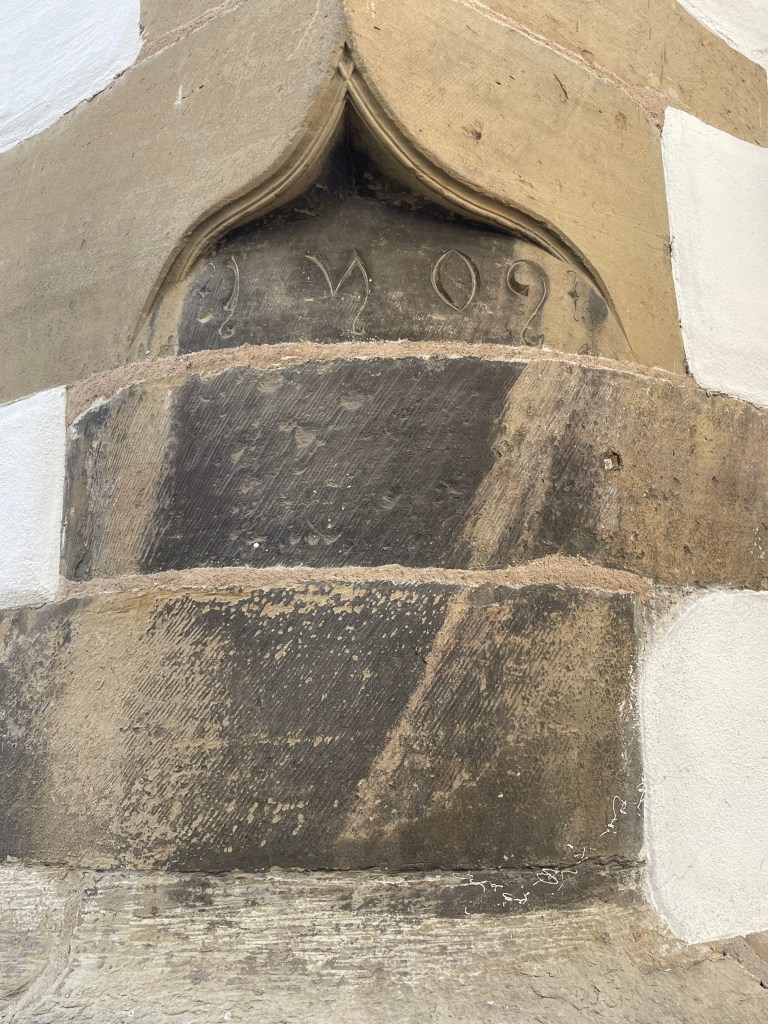
It’s hard to get a photo of the church because there are so many buildings around it. This corner piece dates to 1409:
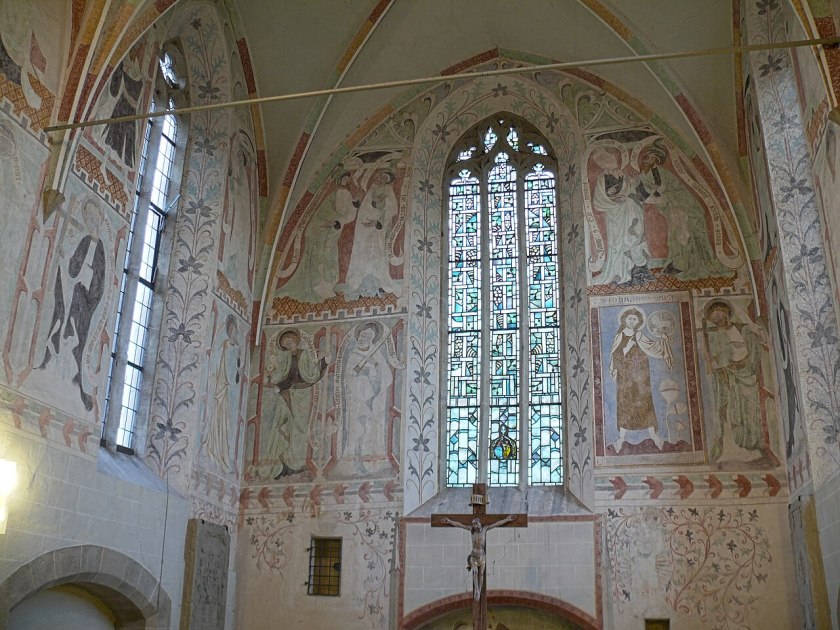
Here are a few photos of the interior (there are more) from Wikipedia.
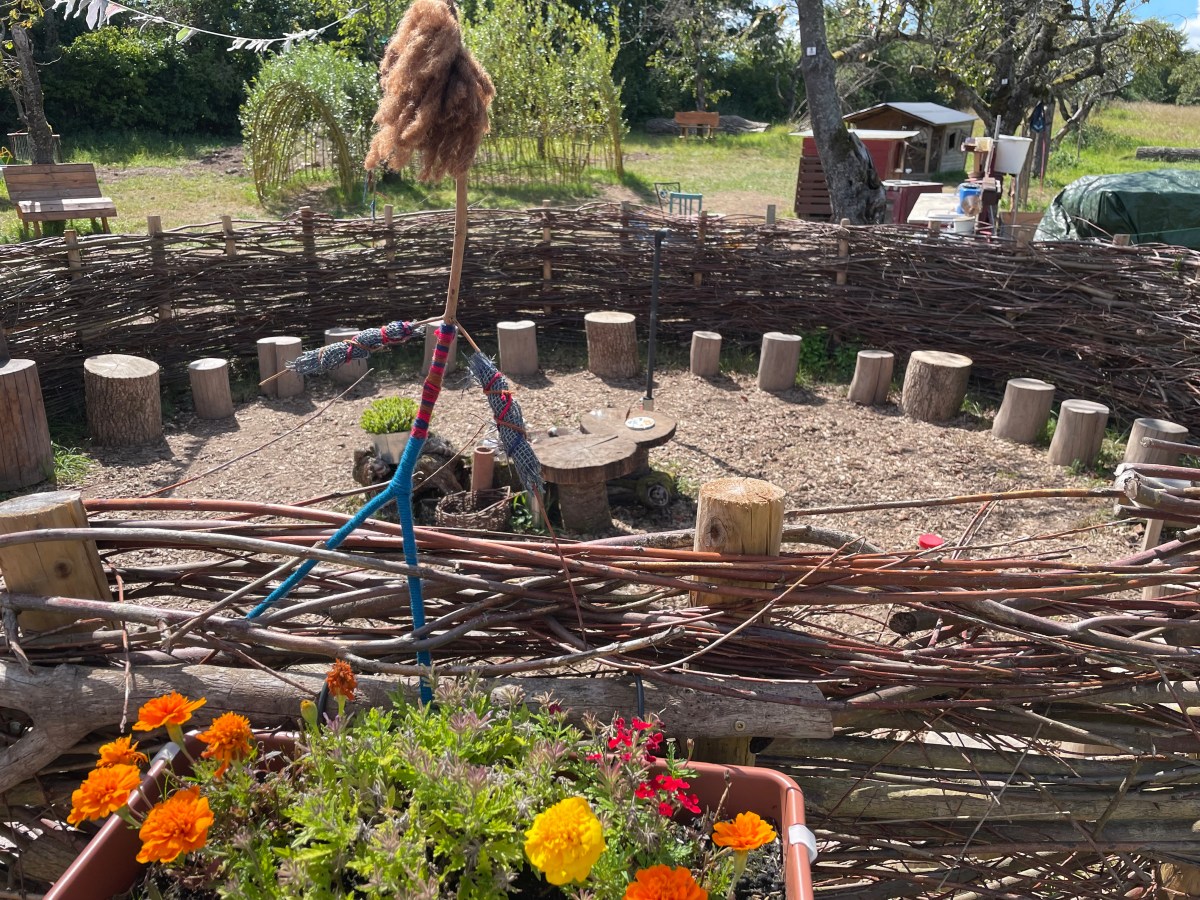
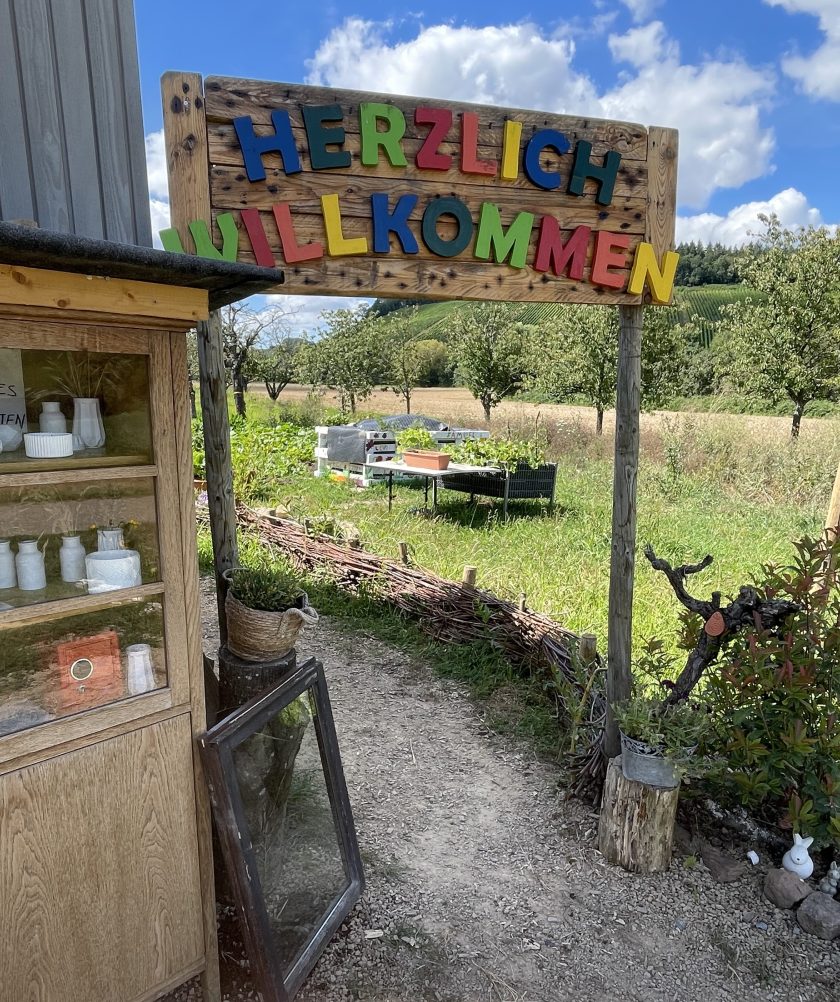
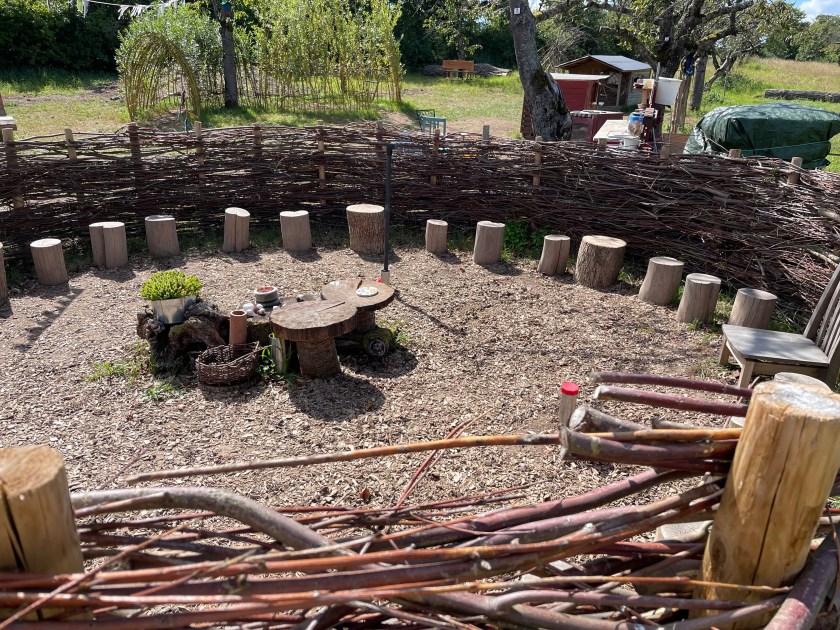
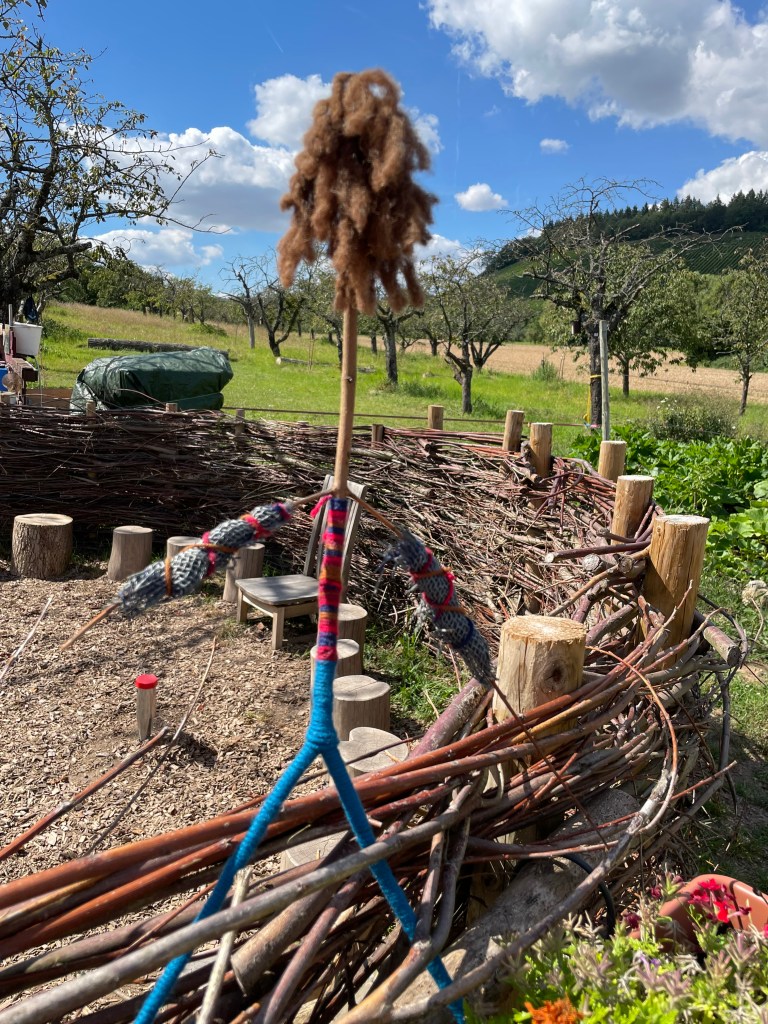
On our way from Schluchtern to Brackenheim, as we drove through the country farmlands and woods, we stopped to see the Nature Kindergarten where Michael Laemmlen’s wife, Katrin teaches. No one was here today on Saturday, and we enjoyed imagining the children learning and playing here. They hold school here year-round. This outdoor classroom is delightful!
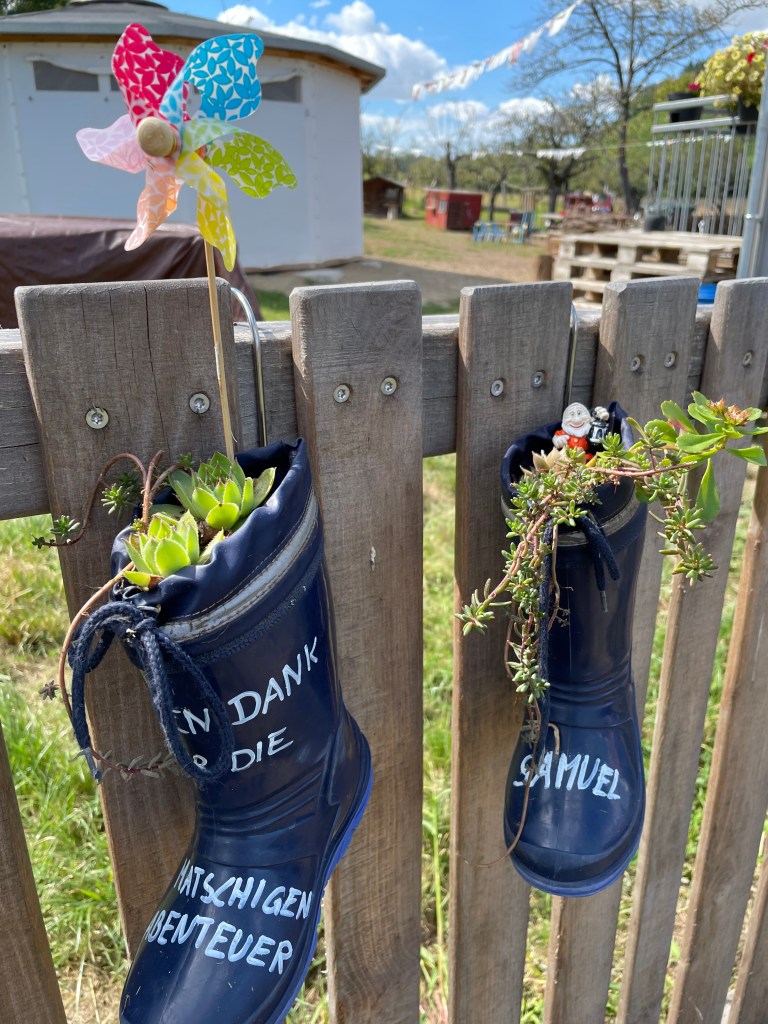
We were welcomed by these fun potted boots.
This is the class room. There is a trailer where the kids can go when the weather is bad.
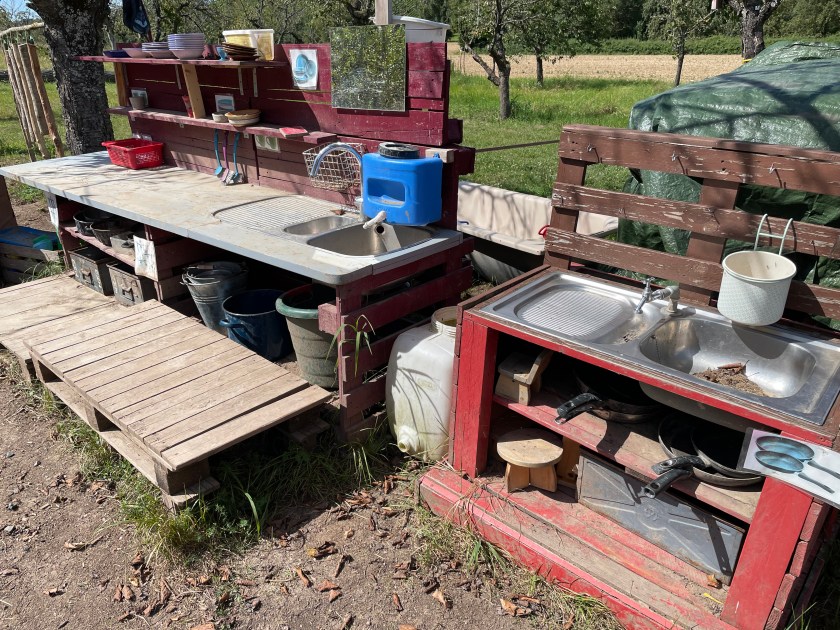
The vegetable garden and the kitchen.
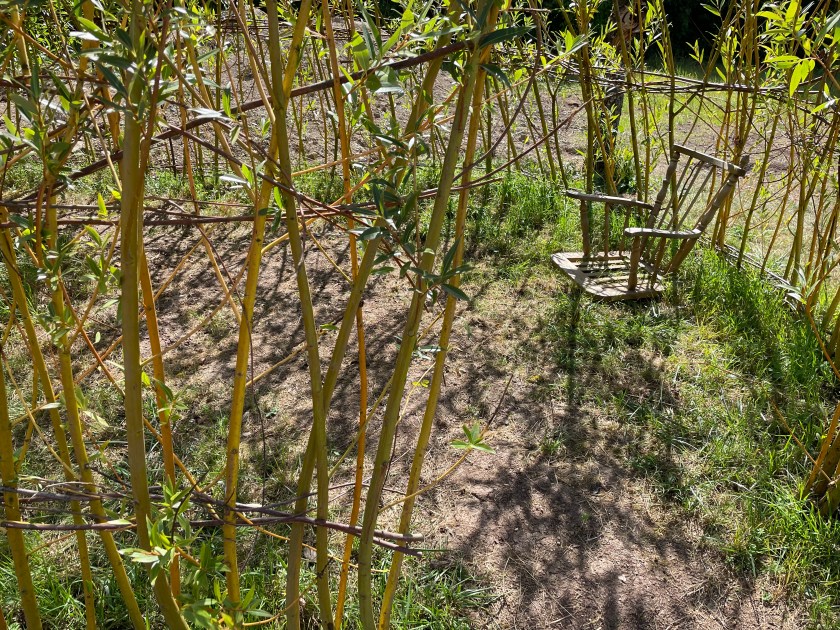
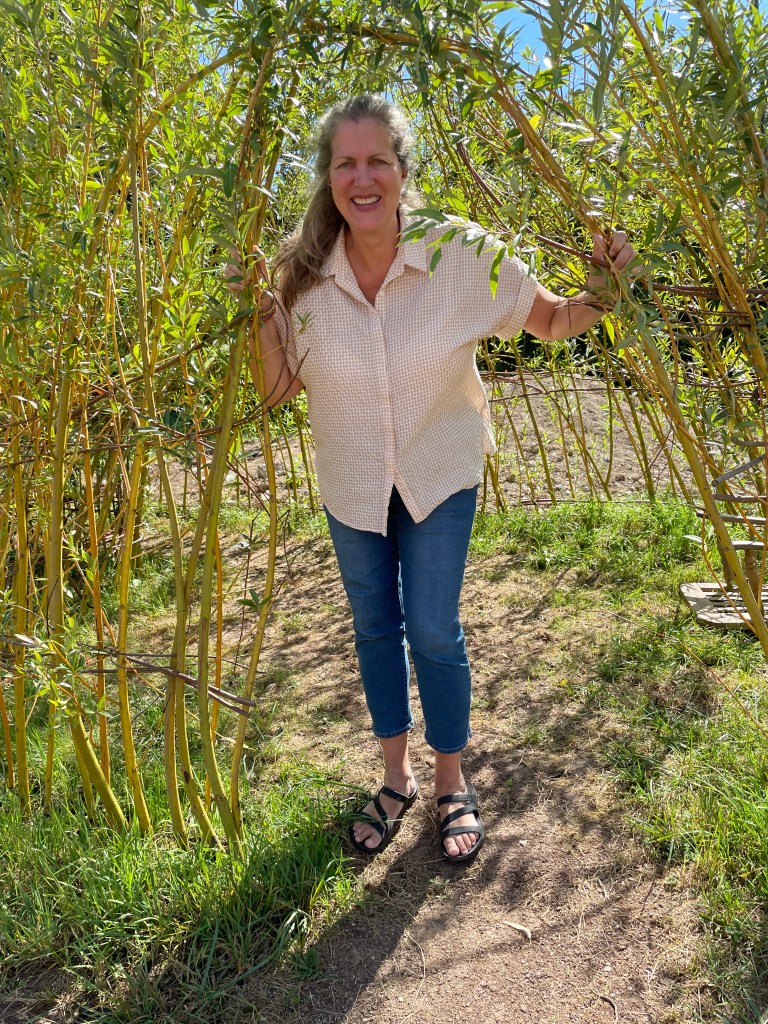
They are growing a special room out of bamboo.
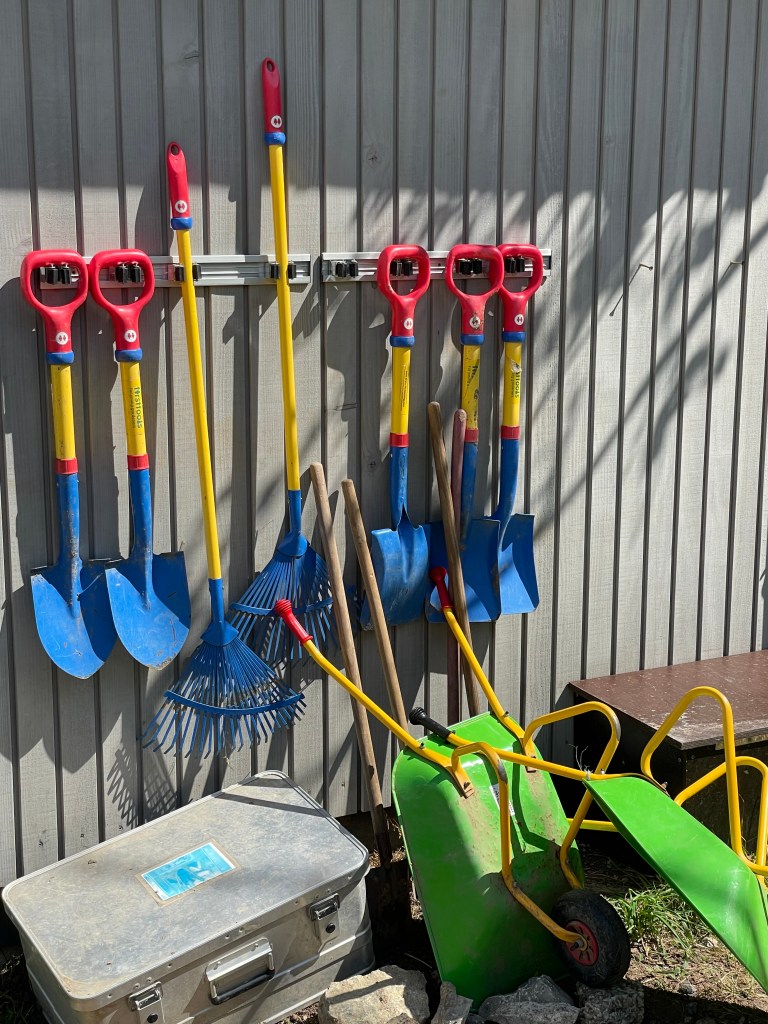
An ice cream shop and garden tools.
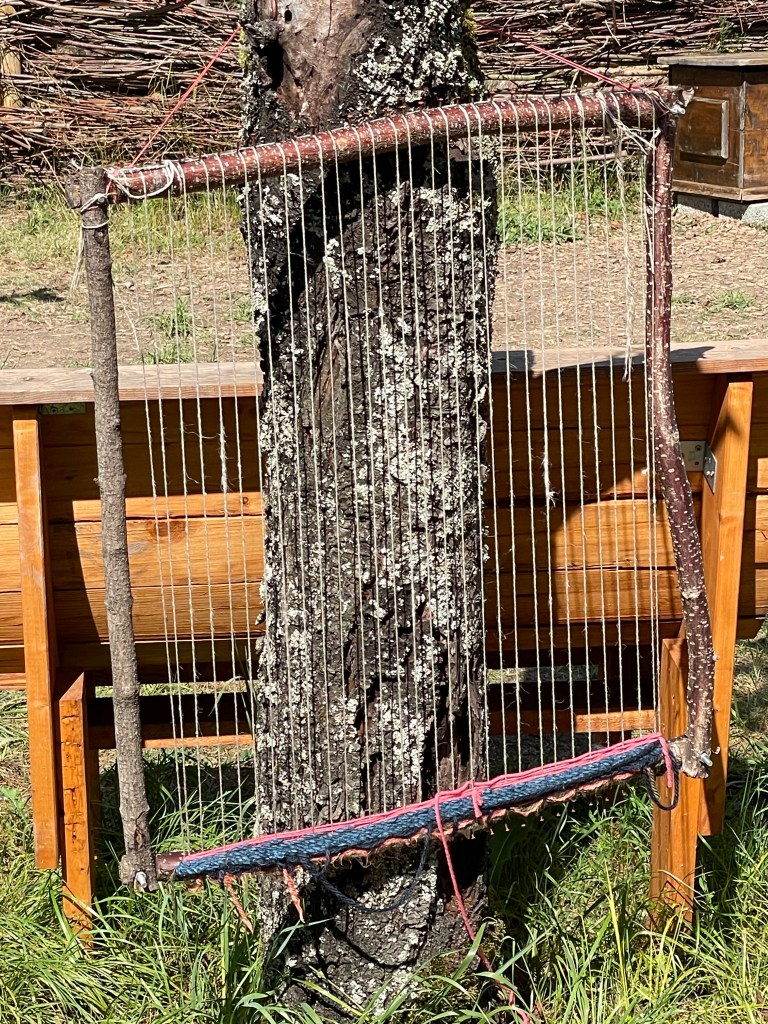
A weaving loom and doll houses.
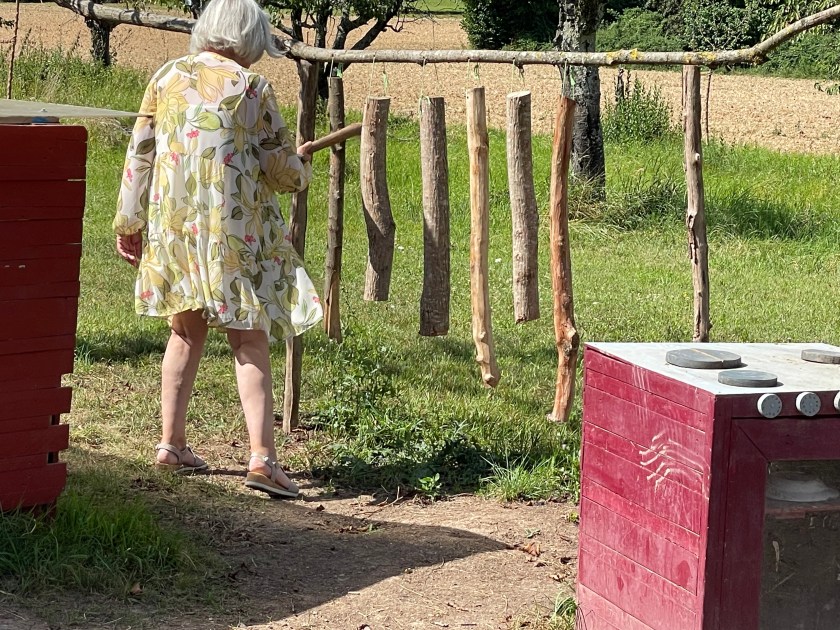
A place to make music.
The school bell.
I think my grandkids would love attending a school like this. It was so creative and fun and real.
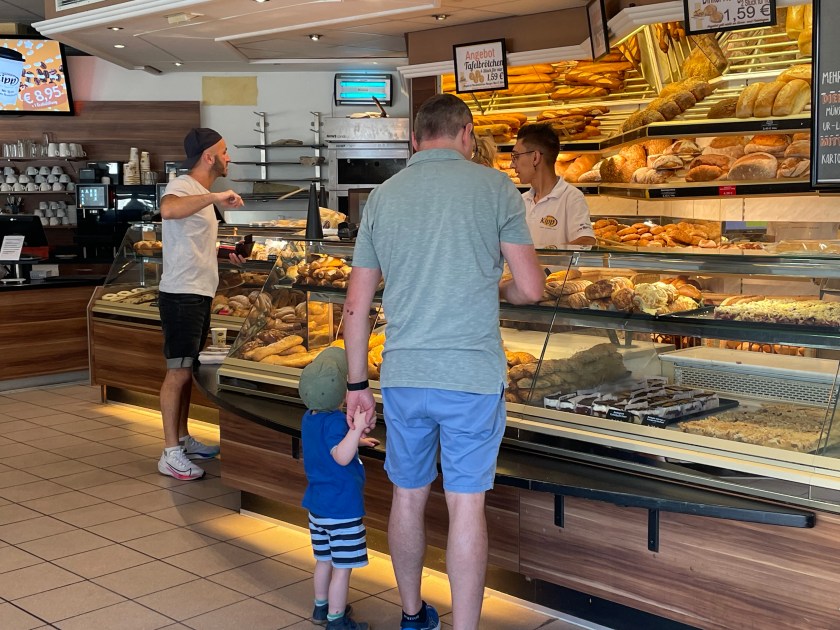
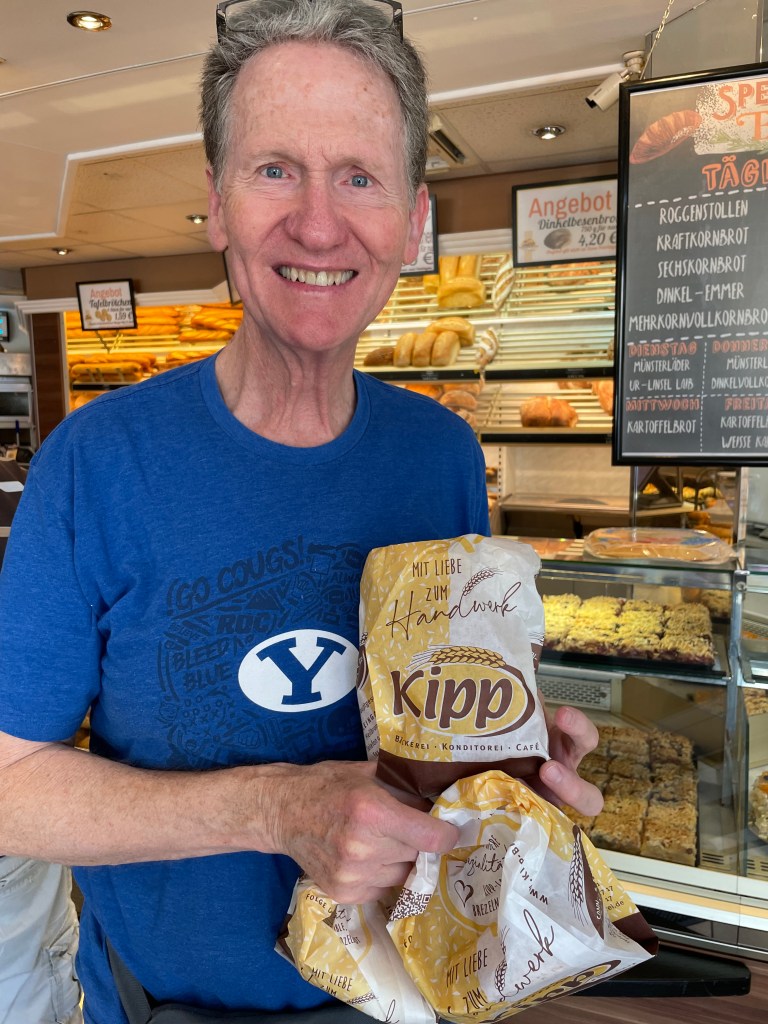
Our first stop this morning was one of Leingarten’s bakeries (John’s happy place). We picked out a few things, then drove over to Martin and Jutta’s farm.
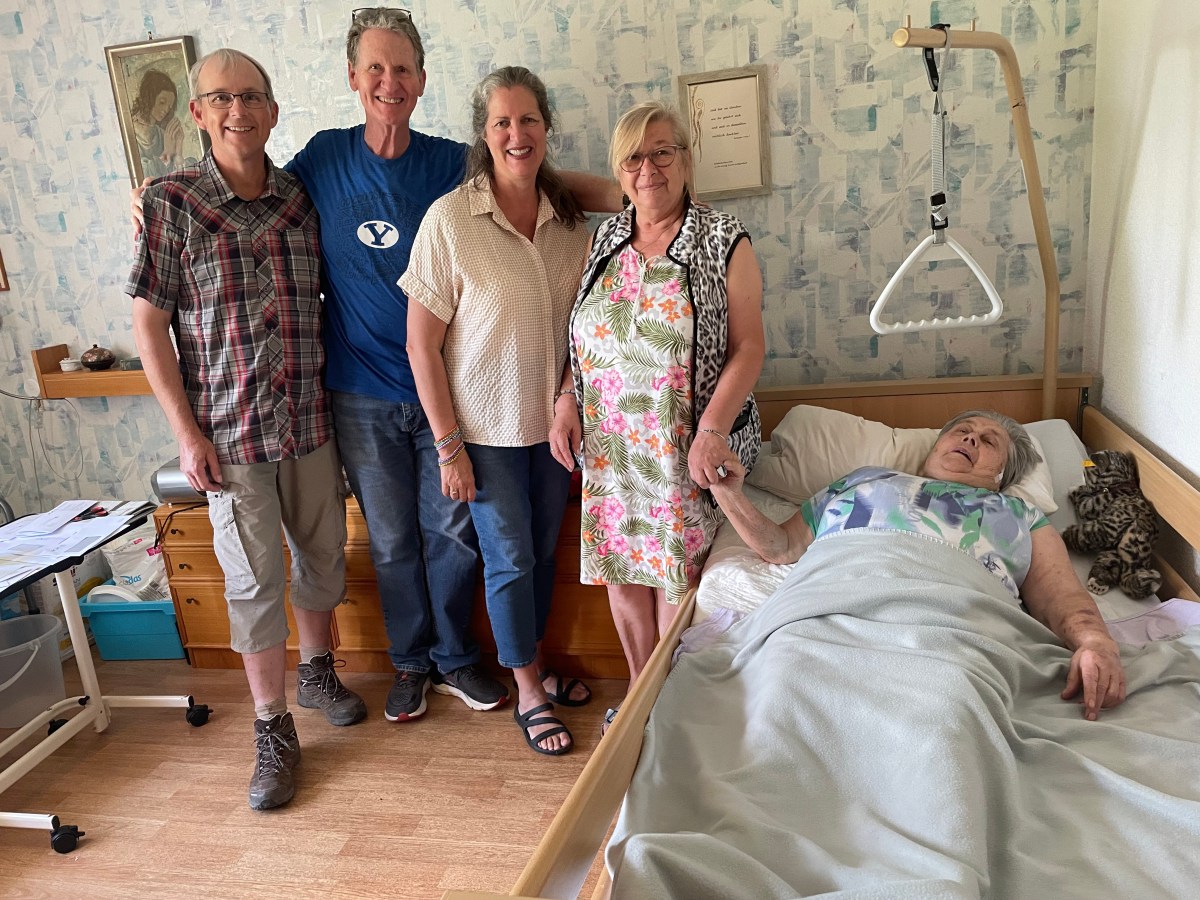
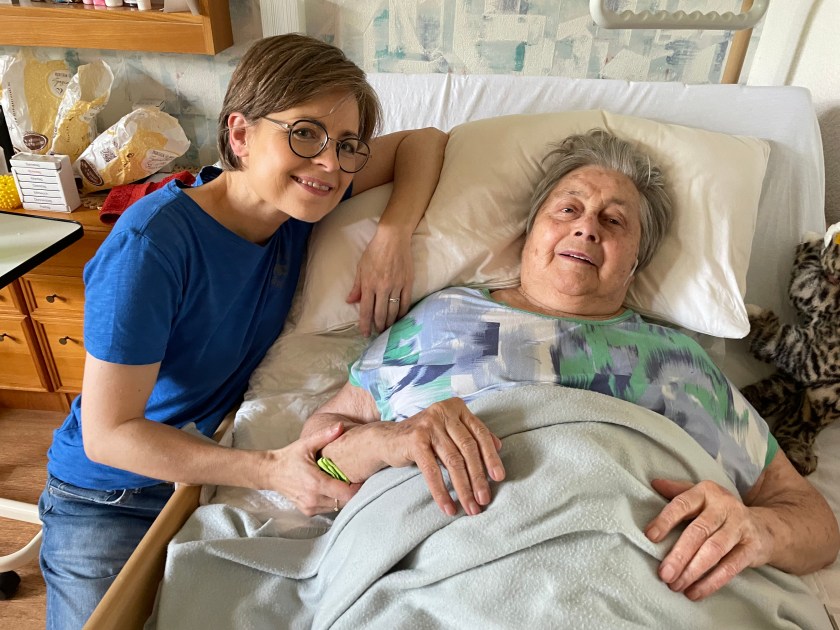
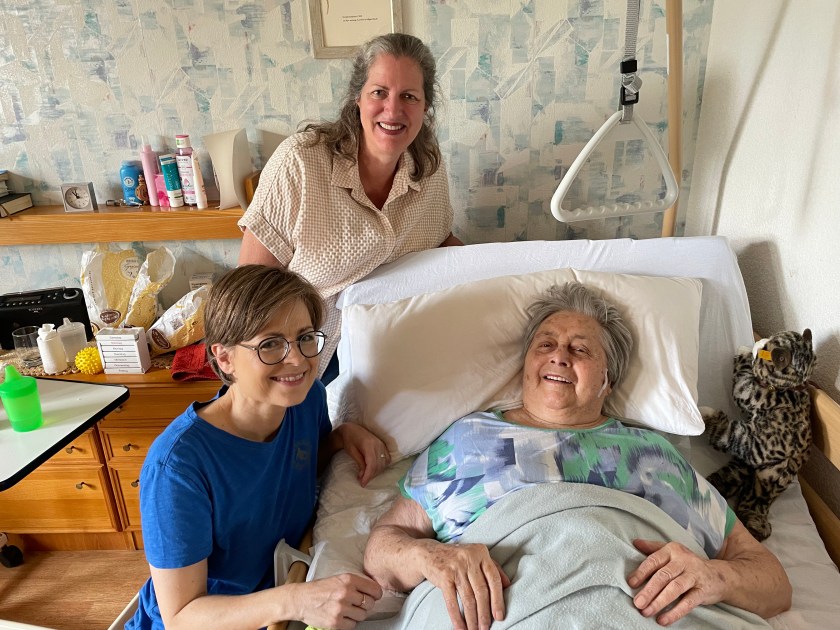
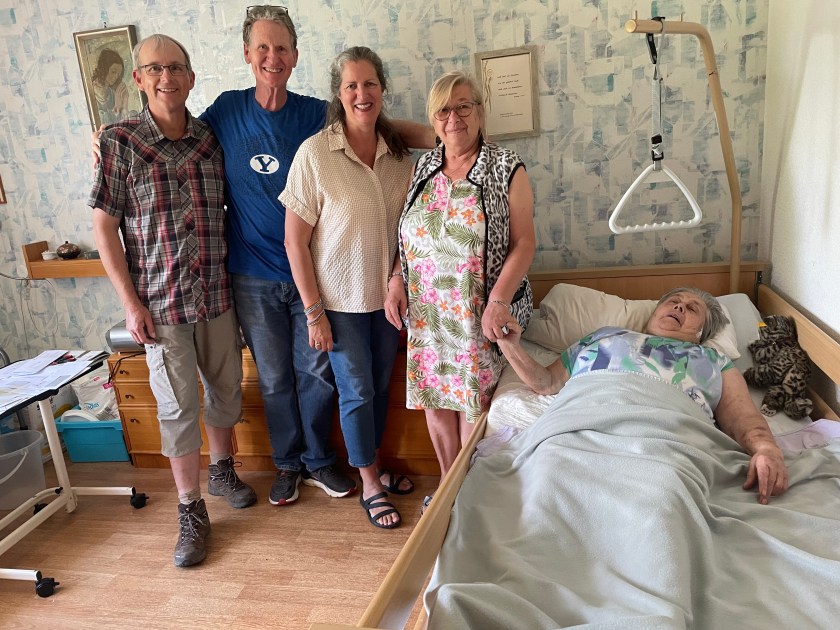
When we arrived yesterday, we were so thrilled to learn that Martin’s sister, Elly, was also here this weekend to help care for her mother, Marie, who is now 91 years old. We had such a happy reunion last night when we arrived, and we visited some more this morning before going to lunch, and then on to Brackenheim.
Marie is doing pretty well. Her legs are weak. She works with a physical therapist a few times a week and she can walk with a little help from a walker.
Elly lives in Wiesbaden, 2 hours away, and she comes each weekend to help.
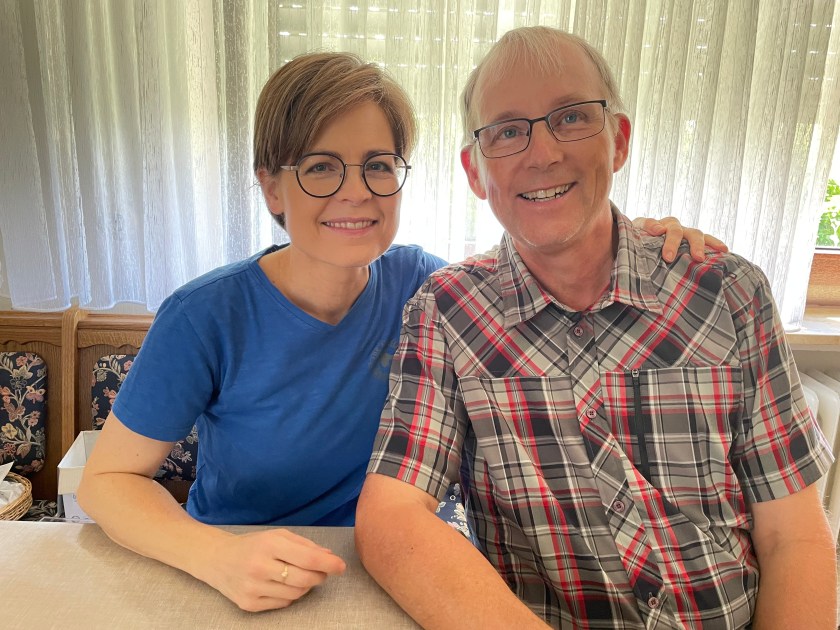
Martin and Elly, children of Helmut and Marie:
Marie with her caregiver from Romania:
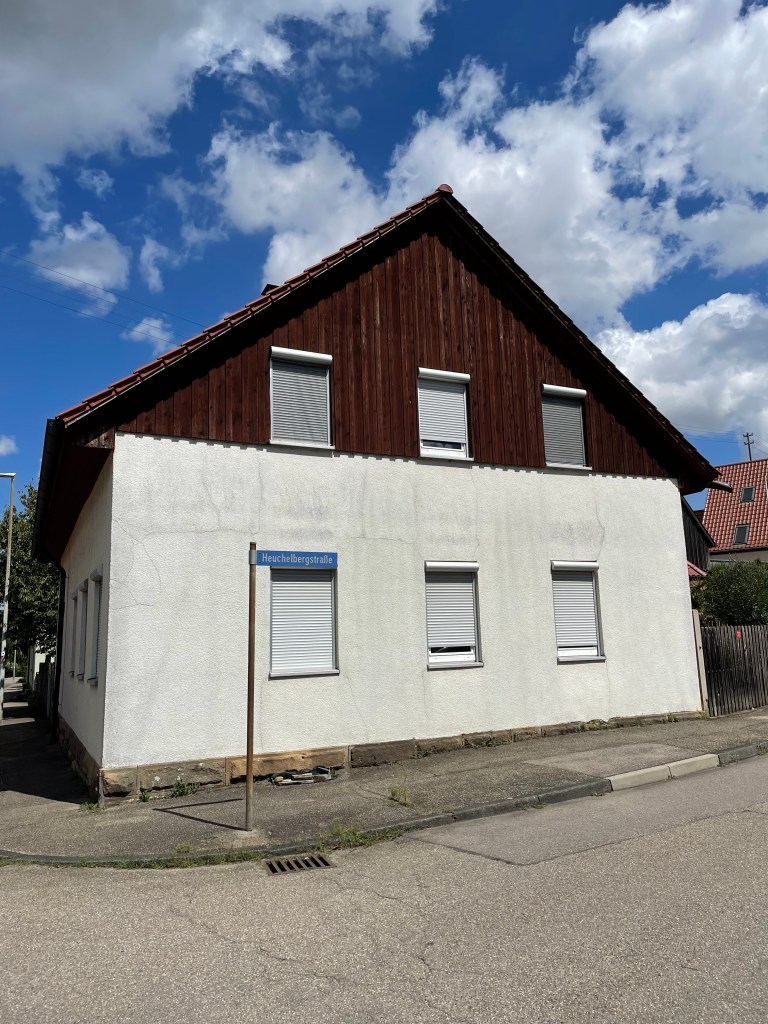
Marie told her kids to take us out for lunch at another hill-top restaurant in nearby Schwaigern. First we drove by the home where Marie was born in Stetten. This home was originally covered with the black slate tiles.
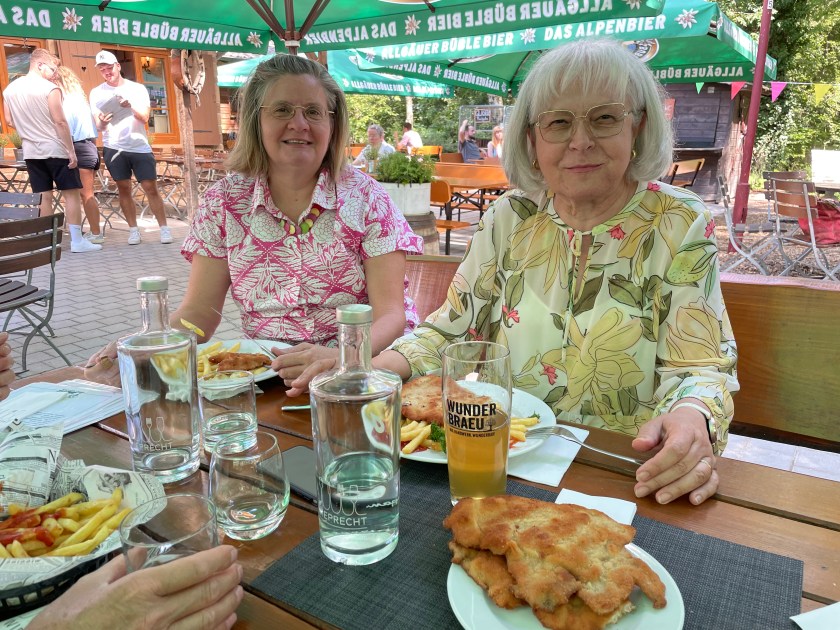
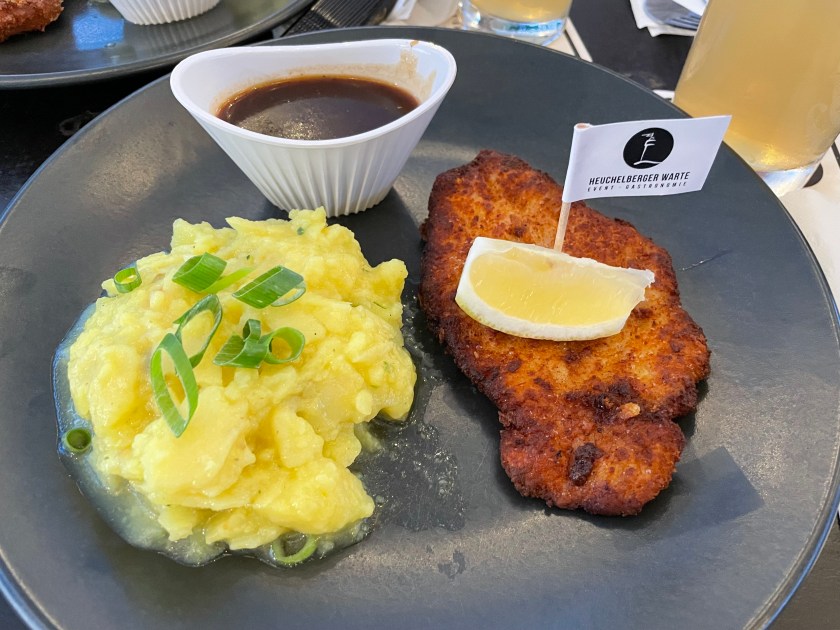
We had lunch at the Neuer Berg restaurant, where they specialize in Schnitzel of all kinds.
One portion was enough to feed two!
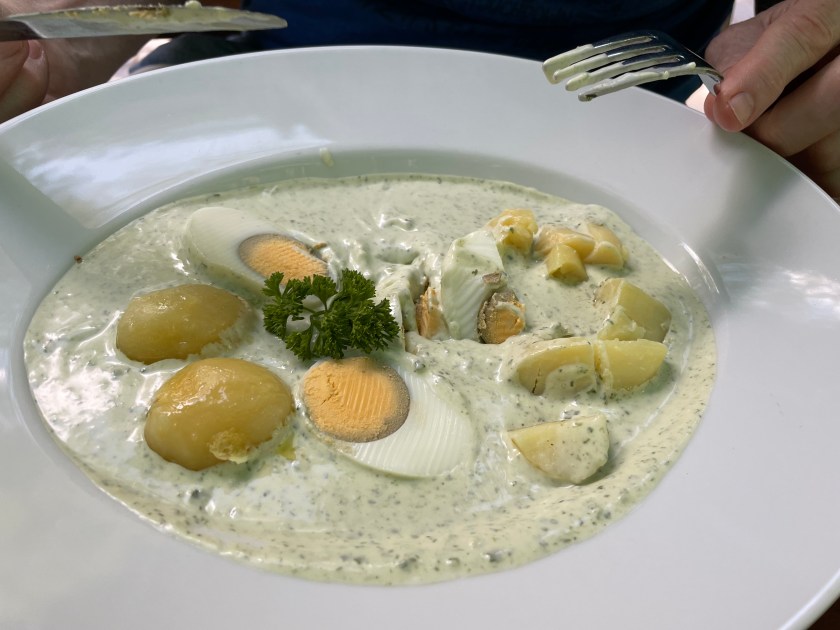
John had traditional green sauce with potatoes and hard boiled eggs.
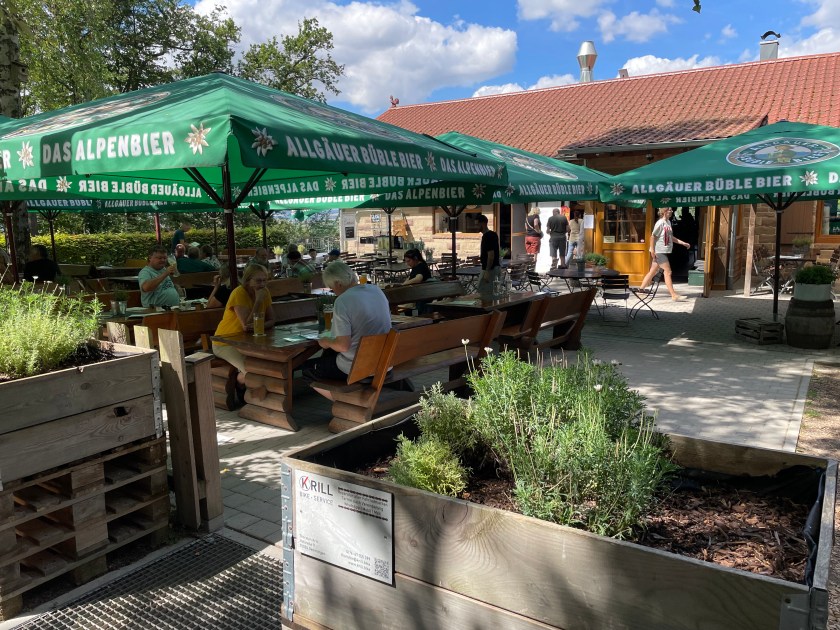
At these mountain top restaurants, you go to a counter and place your order. When it’s ready, they beep you and you go pick it up. These traditional restaurants have served people here for decades.
After our delicious lunch, we drove down the mountain and over into Brackenheim.
This evening we went to Martin and Jutta’s home on Kolter 1 Strasse, just south of town. Martin is the son of Helmut, my father’s first cousin (son of Karl Albert “Heinrich” Laemmlen, my Grandpa Rudolf’s brother). We were also greeted by Michael Laemmlen, son of Bernd, son of Kurt, son of Grandpa’s brother, Hermann. They were waiting for us and we were so happy to be reunited after about 10 years!
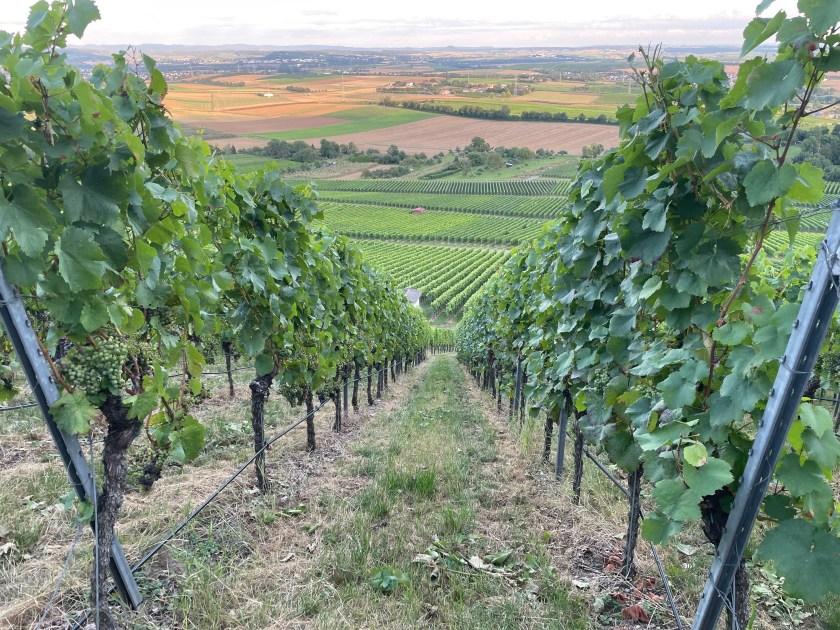
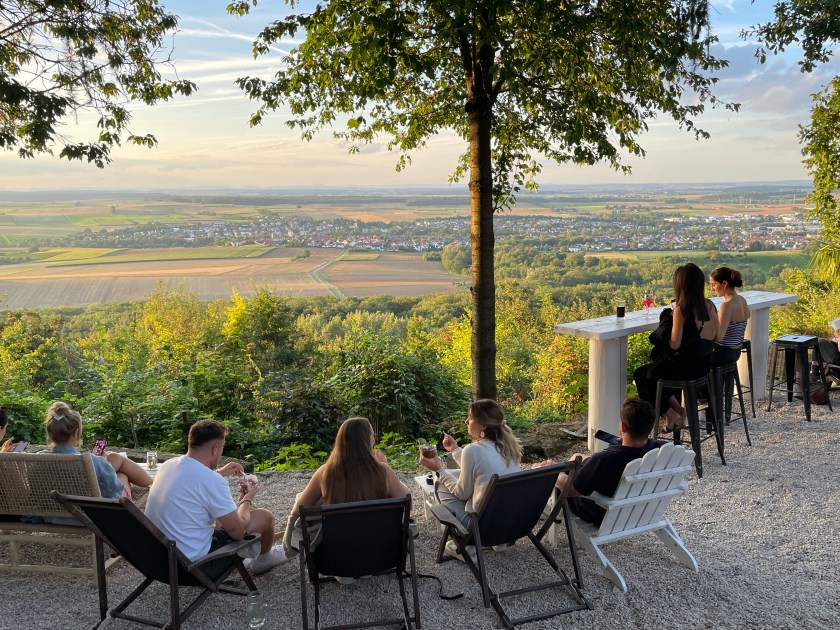
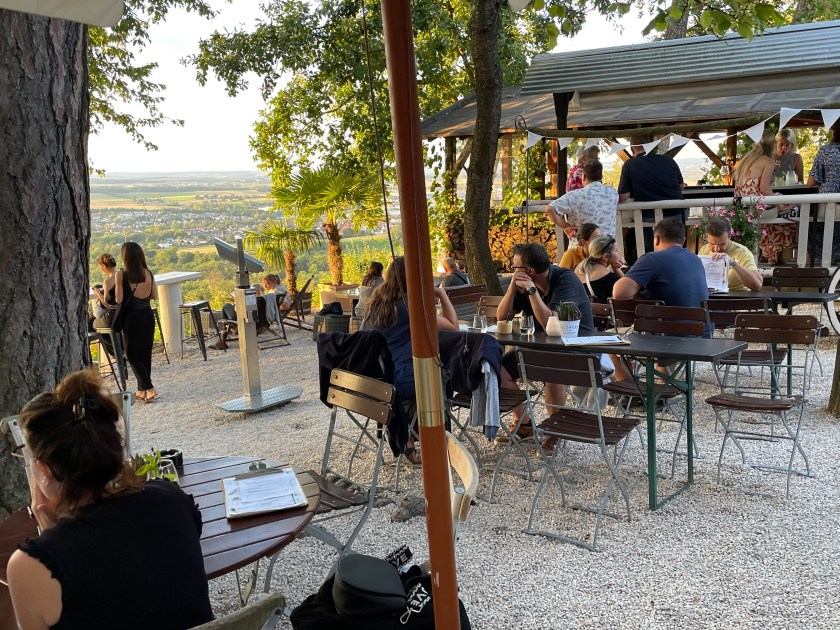
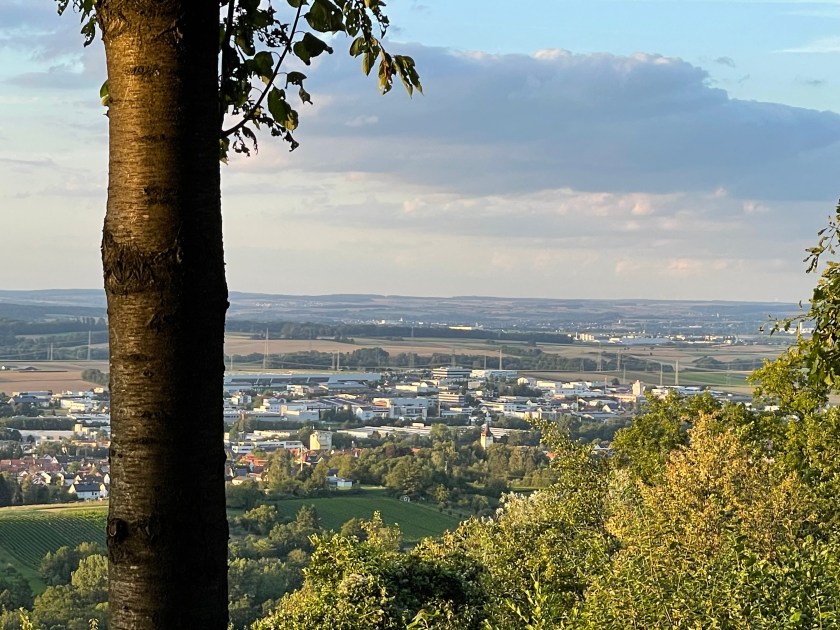
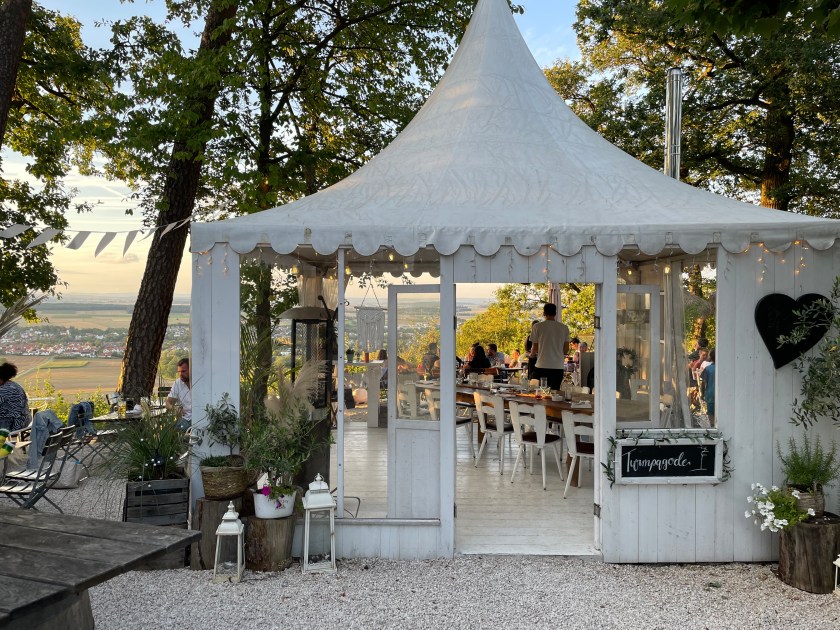
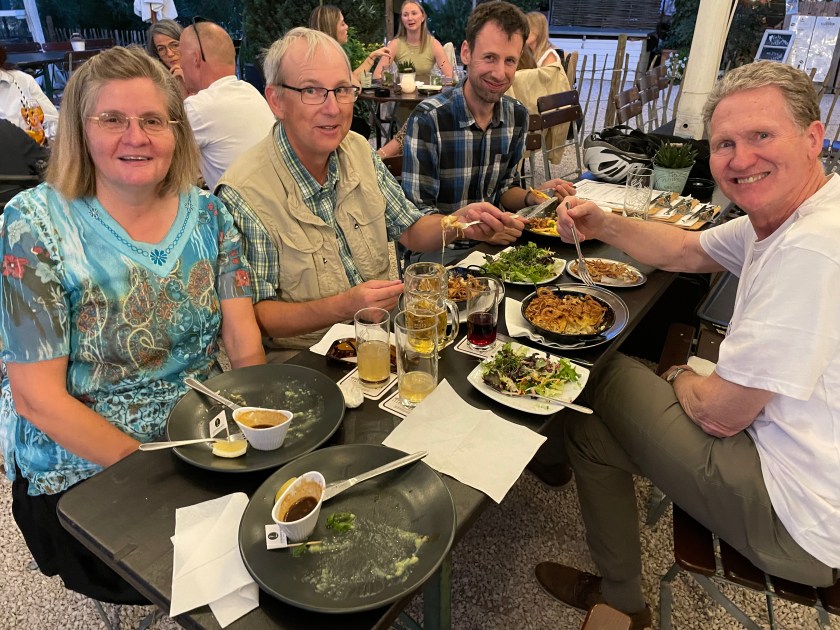
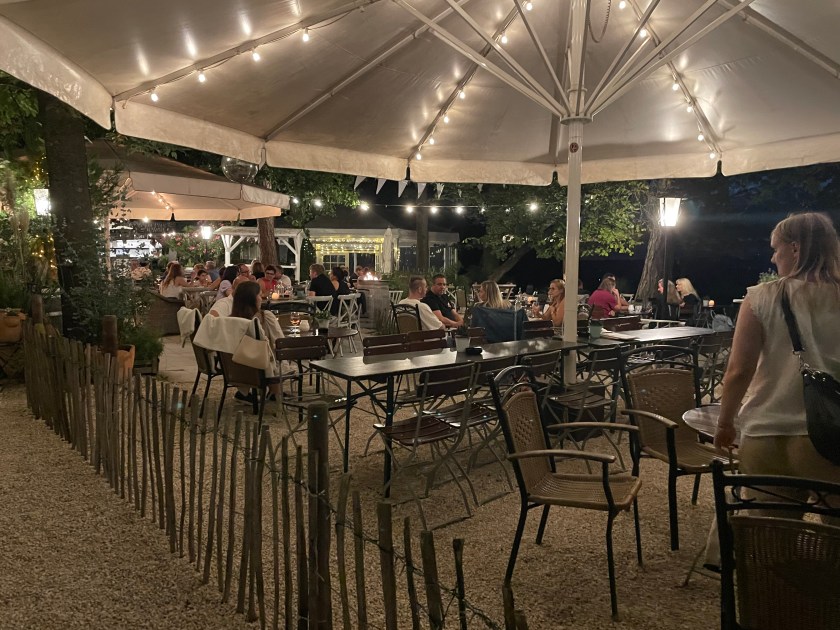
They took us through the vineyard up to the Heuchelberg Turm. The Turm, or watch tower was built in 1483 and it has been a sentinel standing over Grossgartach for as long as my people have lived here. There is a wonderful restaurant up on top of this mountain called Heuchtelberger Warte, where we had dinner.
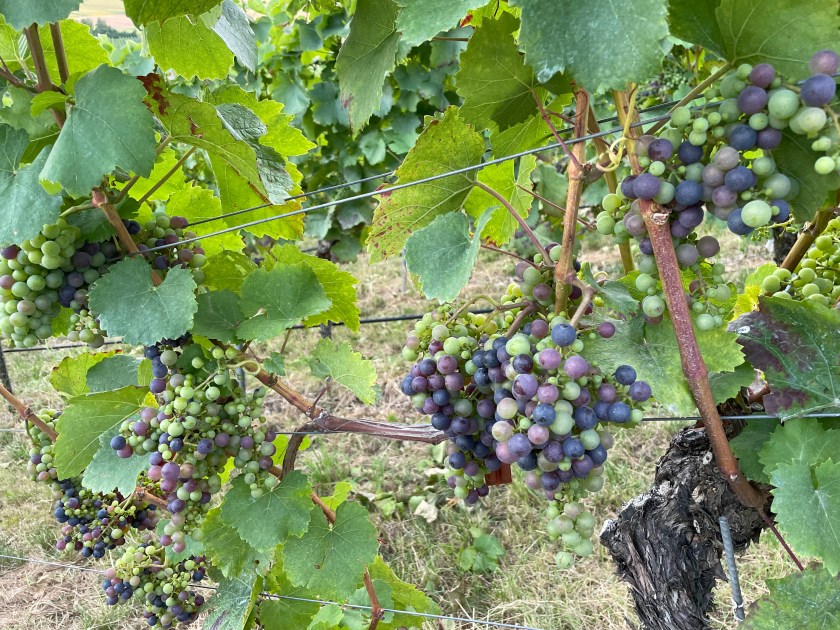
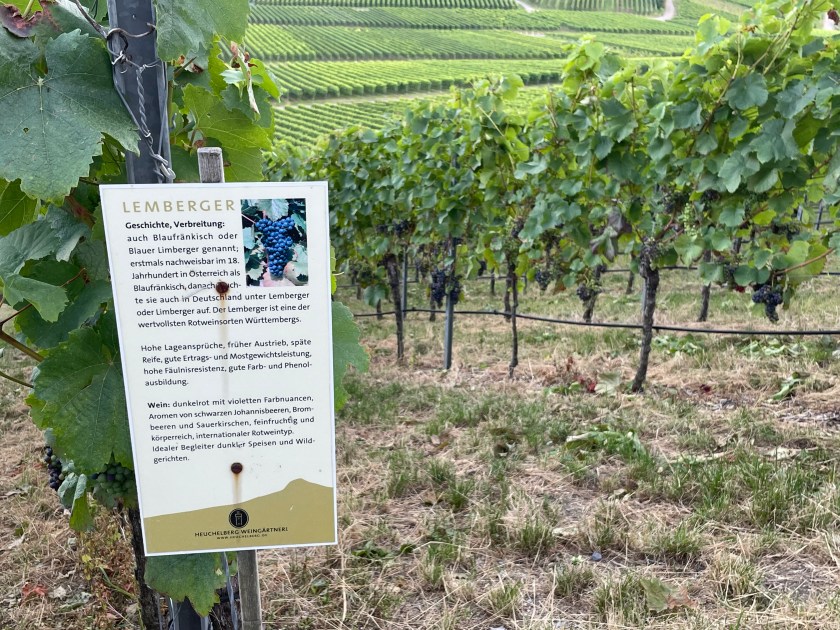
Martin said he has 15 different pieces of vineyard land, scattered around the area. Grandpa always hated that when a father died, his land was divided between his sons, making the pieces of land smaller and smaller. For example as we drove by the vineyards, Martin pointed out 10 rows he owned in one place going up the steep hillside. It’s a few rows here and a few there.
Grandpa must have been so happy to buy a farm in America that was all one piece, on flat land!
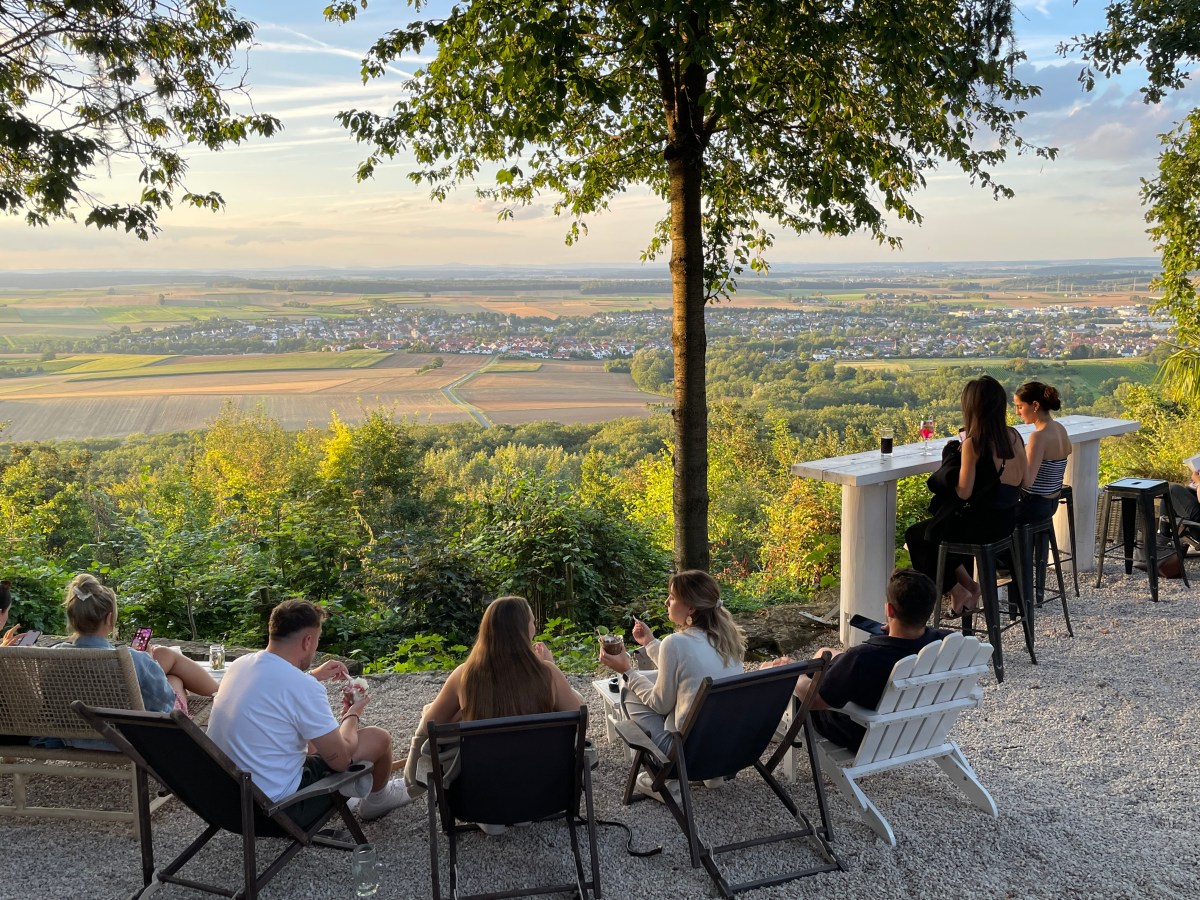
The views from on top are beautiful with a 360 degree panorama of the farmlands and towns in the area.
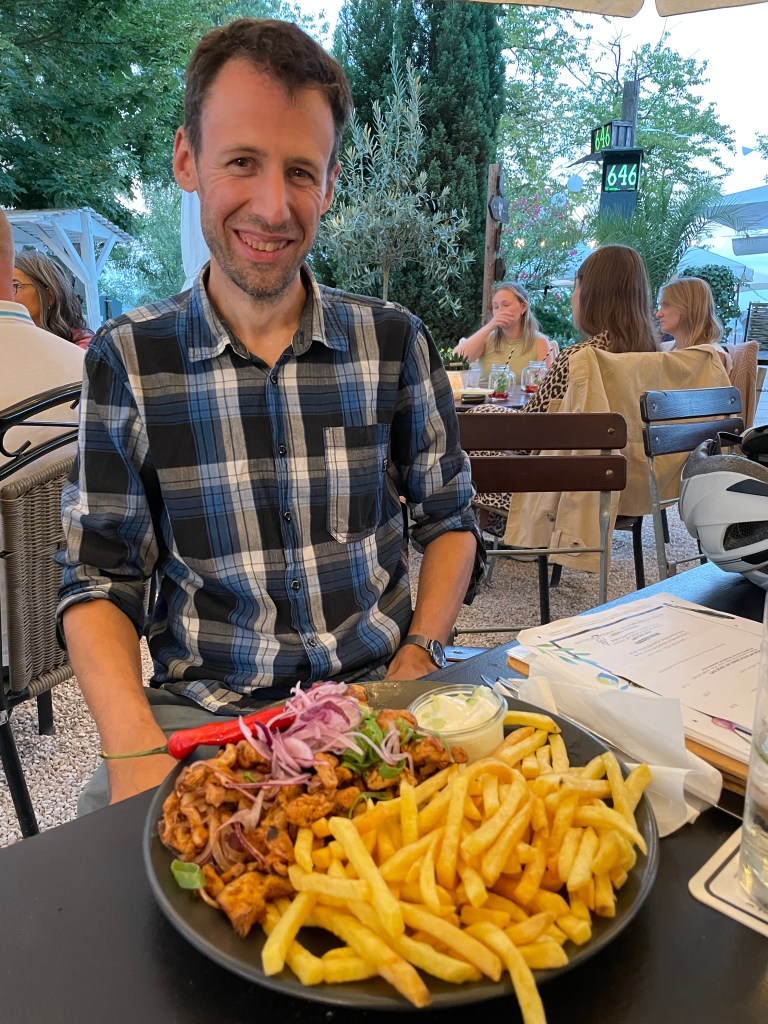
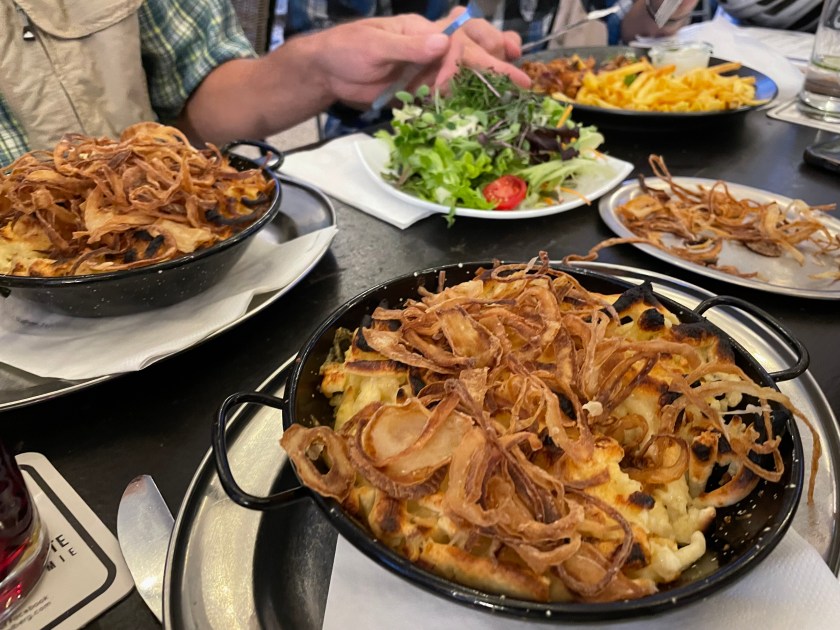
We had a great traditional German meal–Schnitzel and Käsespätzle–a very fun way to begin our few days in Grossgartach.
[The name changed to Leingarten in 1970. In more recent years, when the population grew to 10,000 people Leingarten qualified to be called and incorporated as a city.]
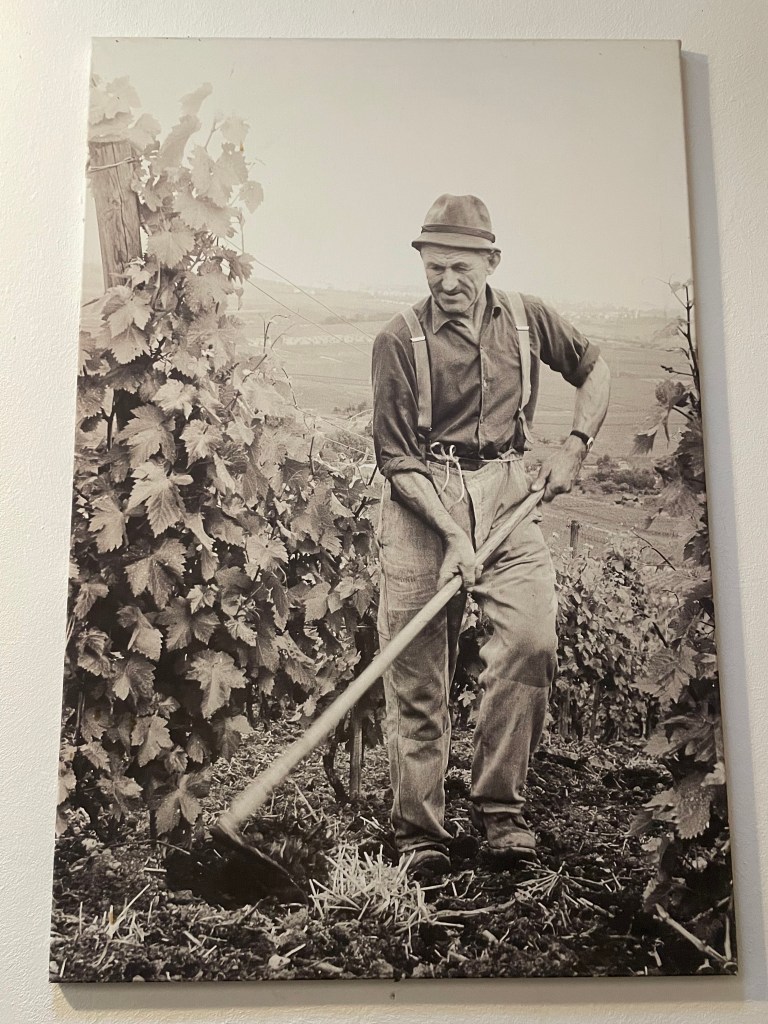
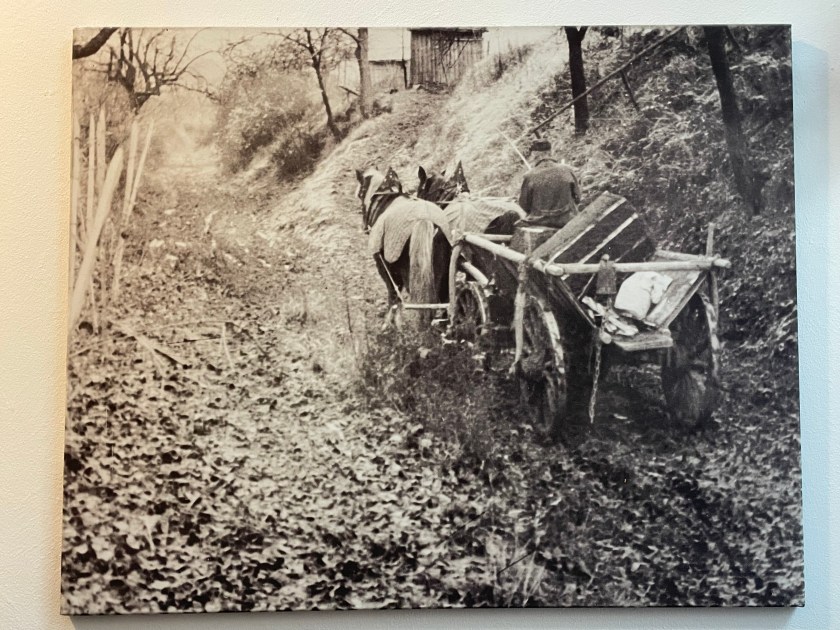
These old photos of the grape harvest were on the walls inside the restaurant–this was the life my ancestors lived:
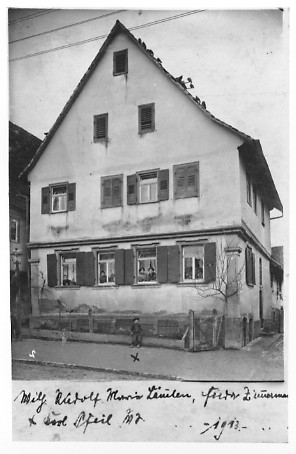
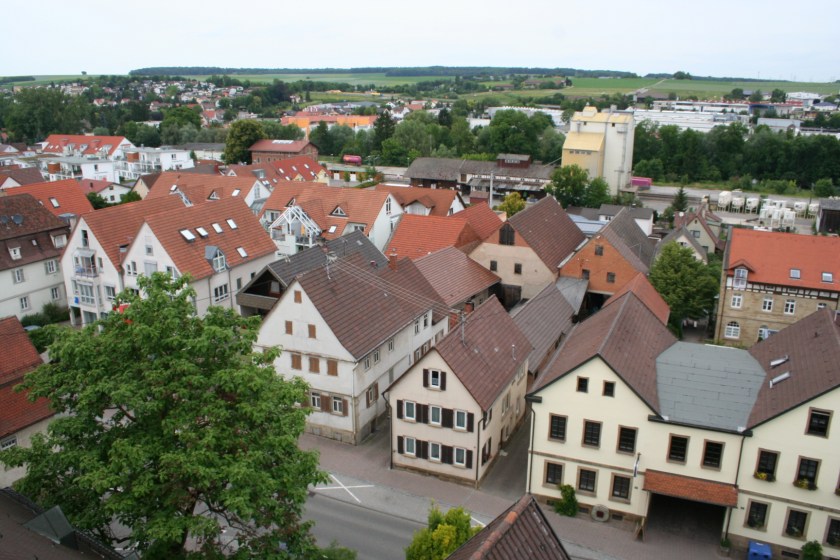
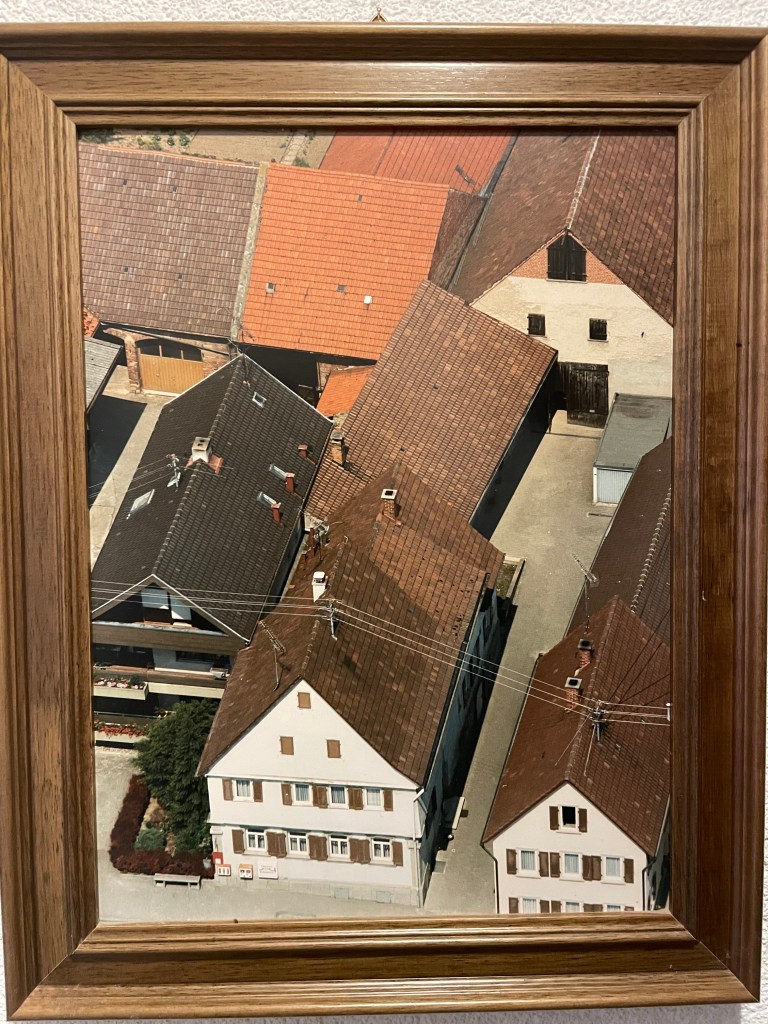
The home in the middle in the photo above is where my grandpa Rudolf grew up. Their lot was long and narrow, with an animal stall behind the house, then the red barn behind. Behind the barn was a small garden. These photos were taken from the church tower when I visited in 2009.
Here is an aerial photo taken by a helicopter. Bernd Laemmlen has this photo hanging in his home now.
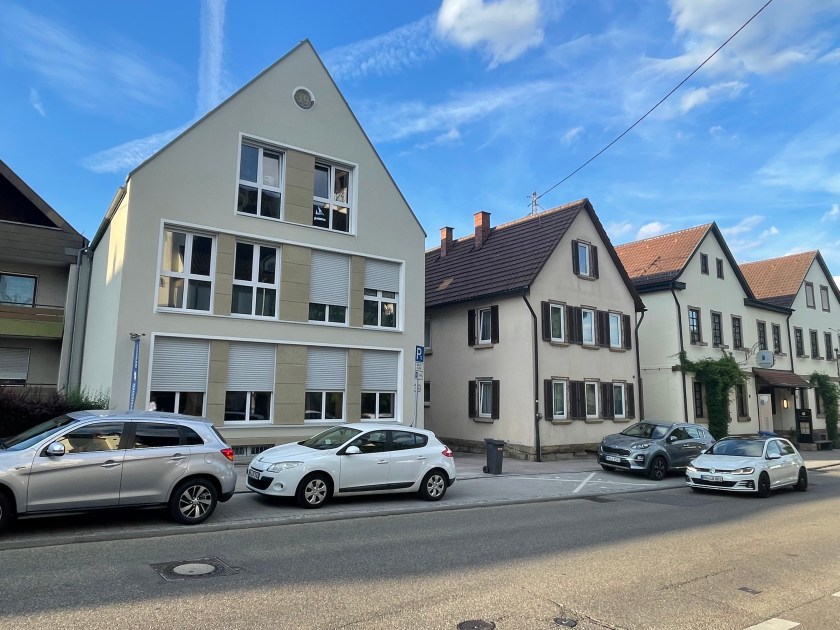
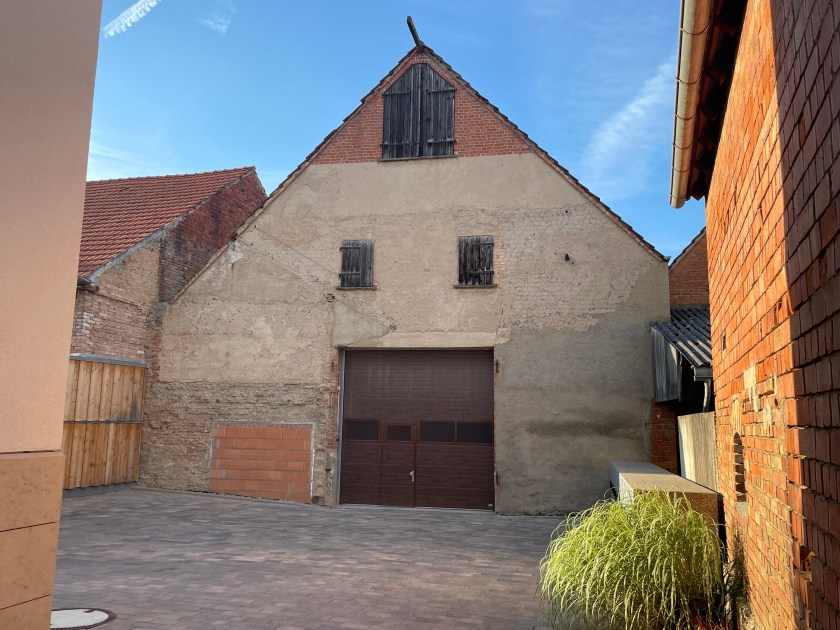
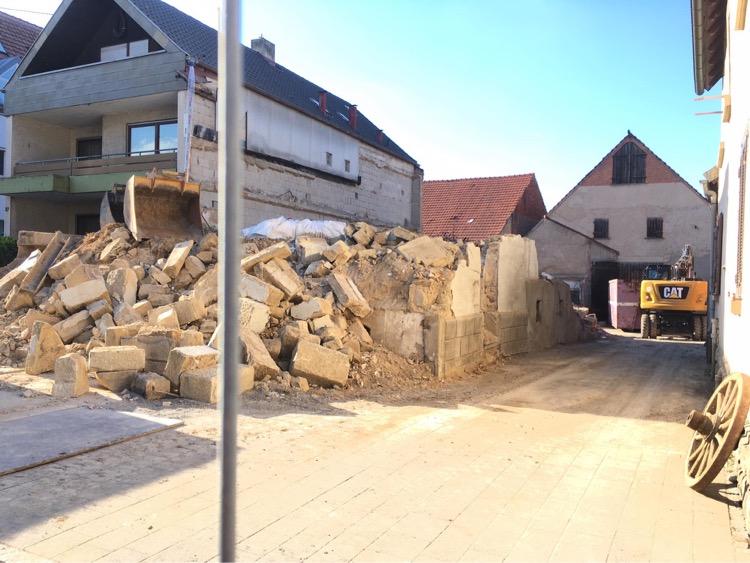
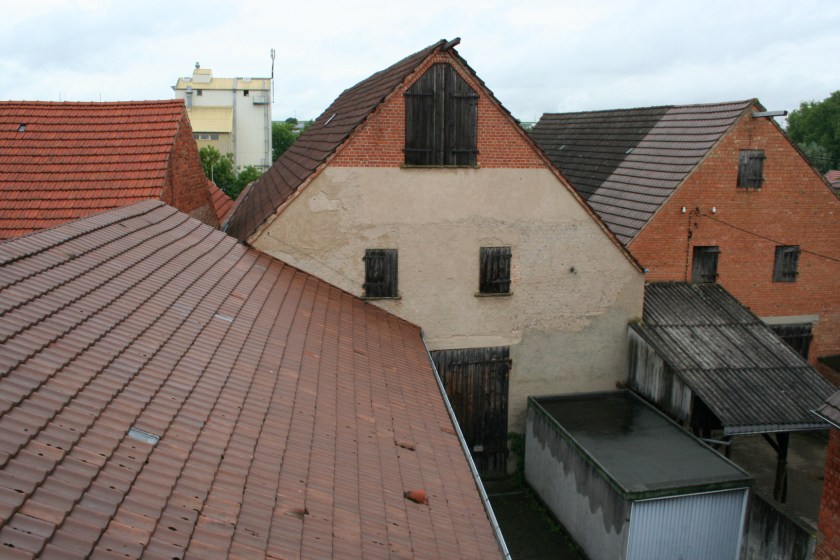
A few years ago Martin Laemmlen wrote to tell us the old farm house was being torn down. Below is the new apartment building that was built in its place. The barn in the back is still standing.
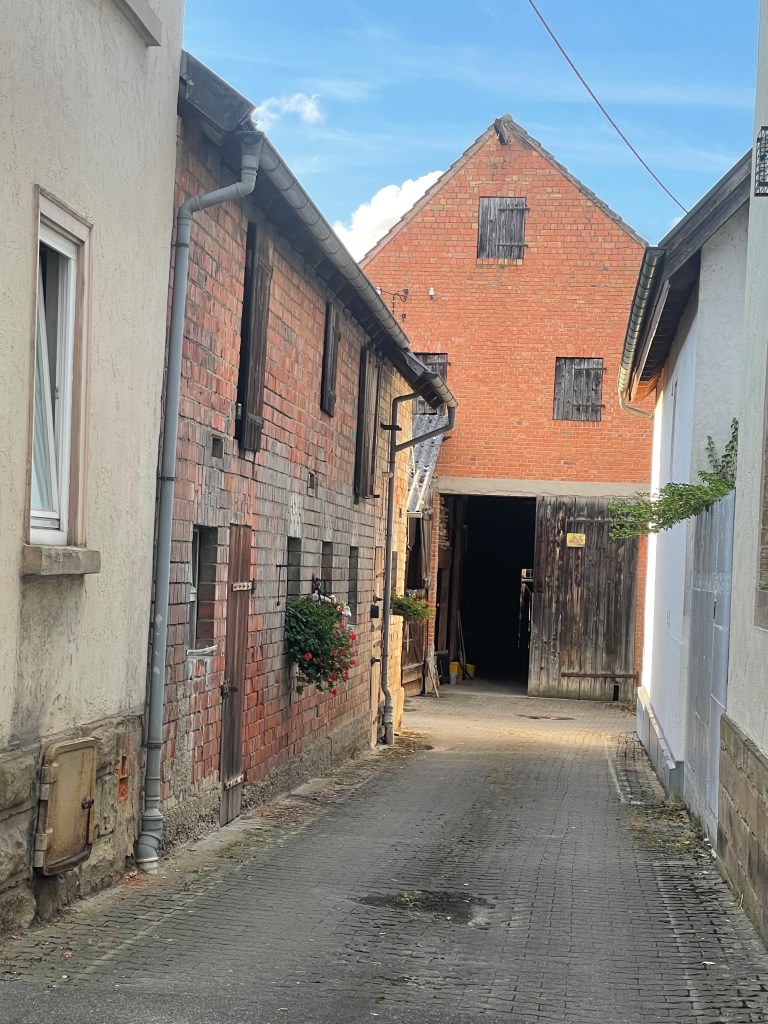
This one is the neighbor’s barn to the left behind the new building:
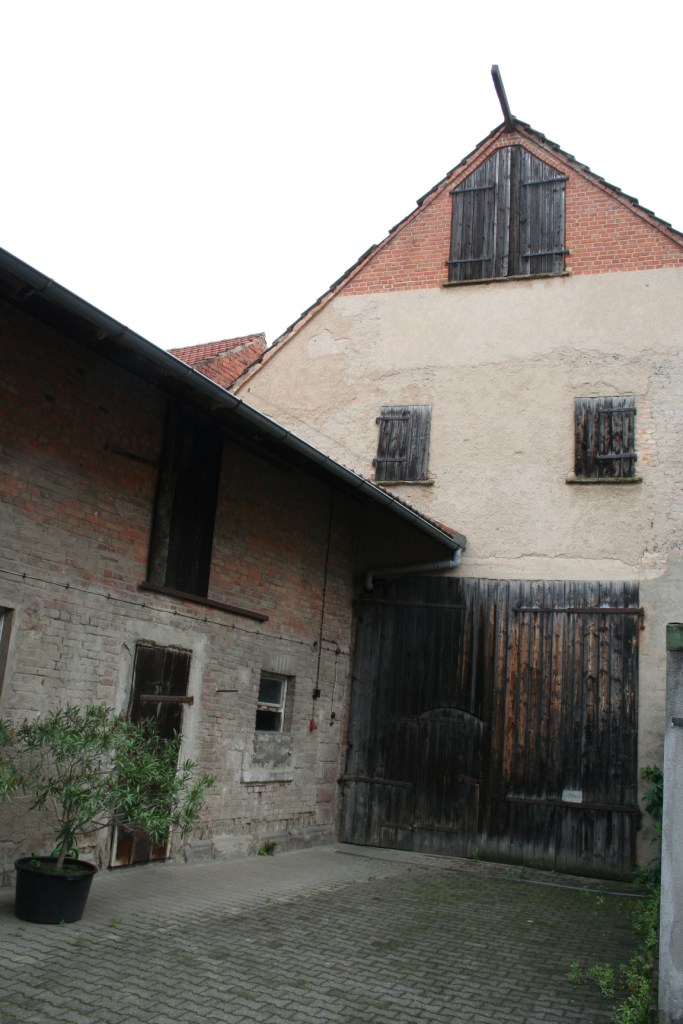
Grandpa’s barn:
This photo was taken of the home in 1913. My Grandpa Rudolf was 14 years old. Wilhelm, Rudolf and Marie, siblings are in the windows. Friends, Peter Zimmerman and Karl Pfeil are also pictured.
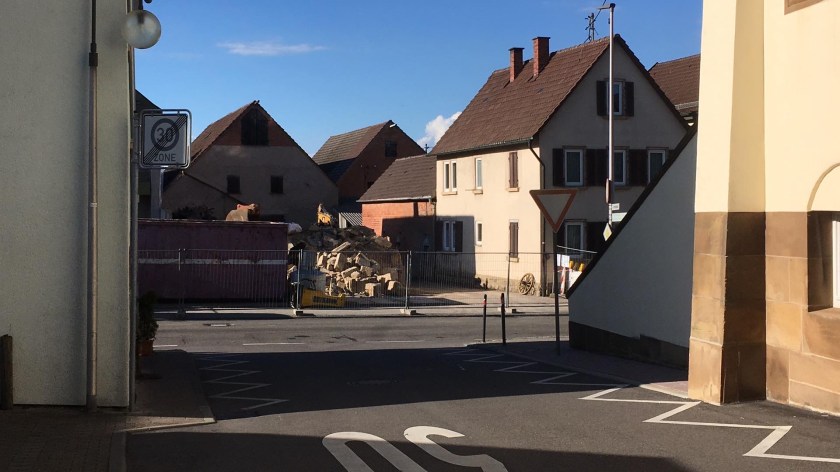
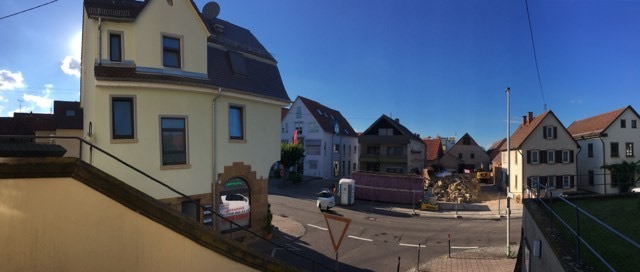
Here are pictures and videos Martin Laemmlen sent in June 2020 when the old house was torn down:
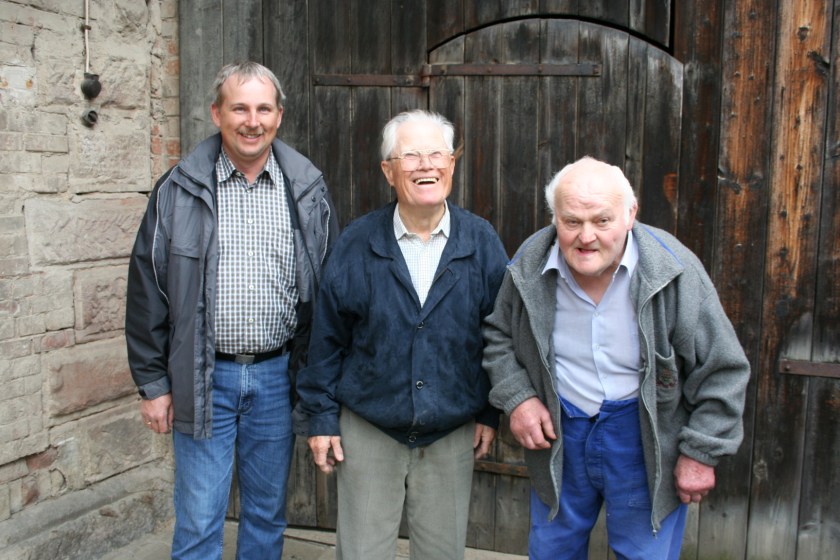
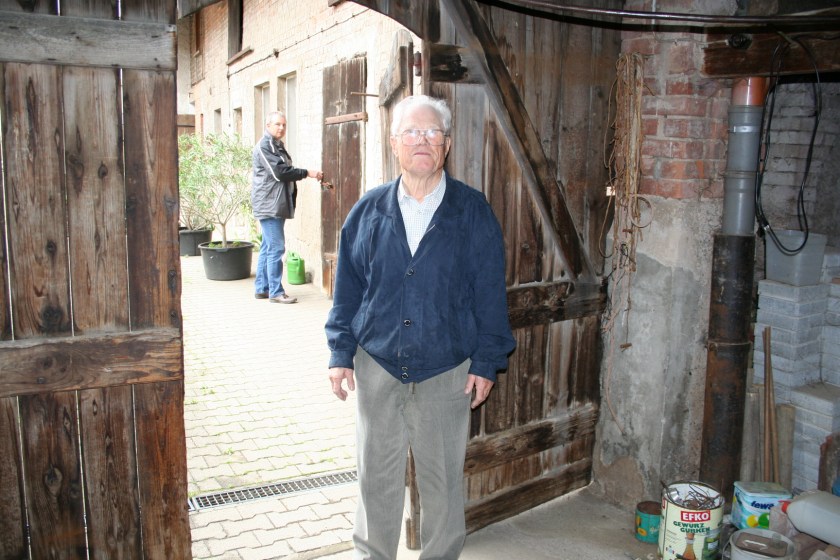
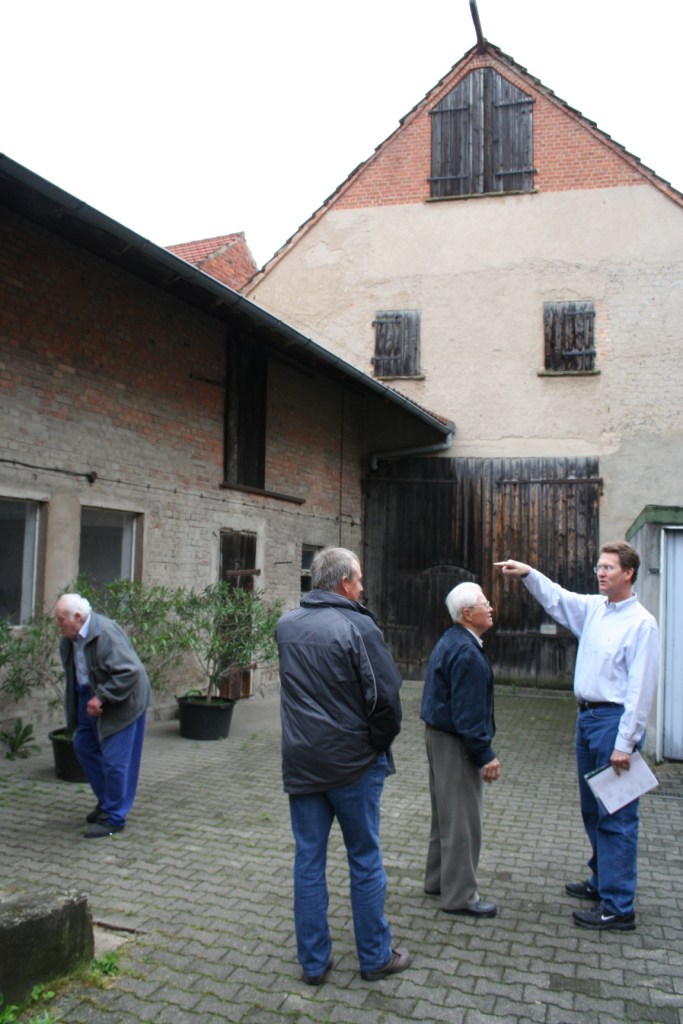
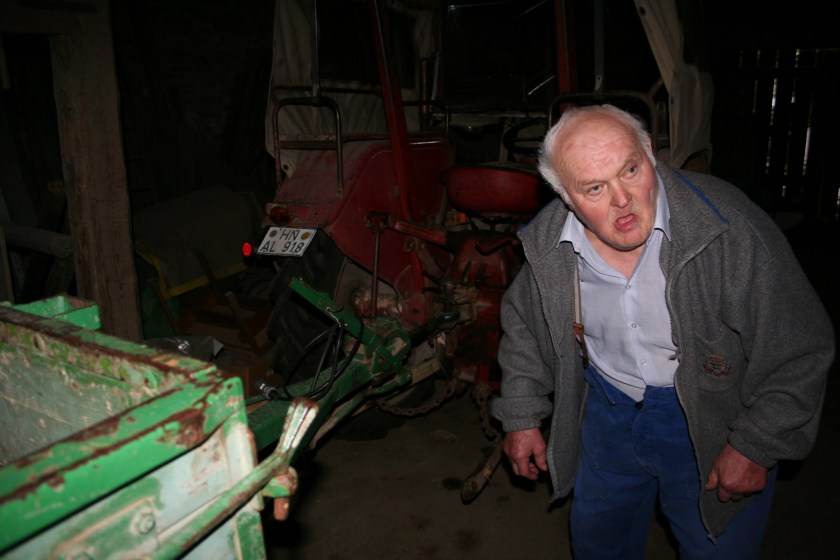
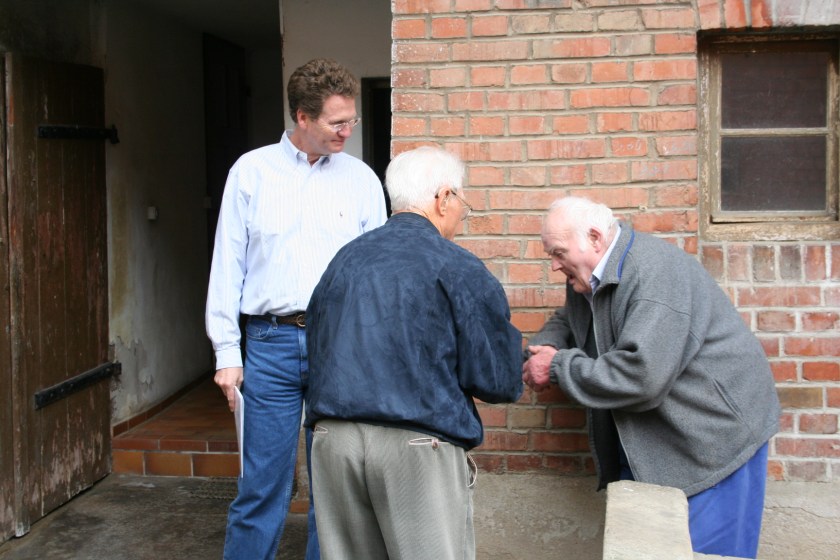
The photos below were taken in June 2009 when Helmut and Martin took us to see the old farm house, at that time, owned by Hilde Laemmlen (Bernd’s mother). Dad’s cousin, Rudolf (son of Grandpa Rudolf’s brother, Hermann) lived in the house and Hilde cared for him there. Rudolf had learning disabilities. He passed in 2015 at age 87. Hilde’s husband, Kurt died in 1972 after a farming accident. Hilde took good care of Rudolf. She died in 2019 at age 88. She was still living the last time I visited.
Here is the “stall” behind the house where the animals were kept.
Martin, his father, Helmut, and Helmut’s cousin, Rudolf:
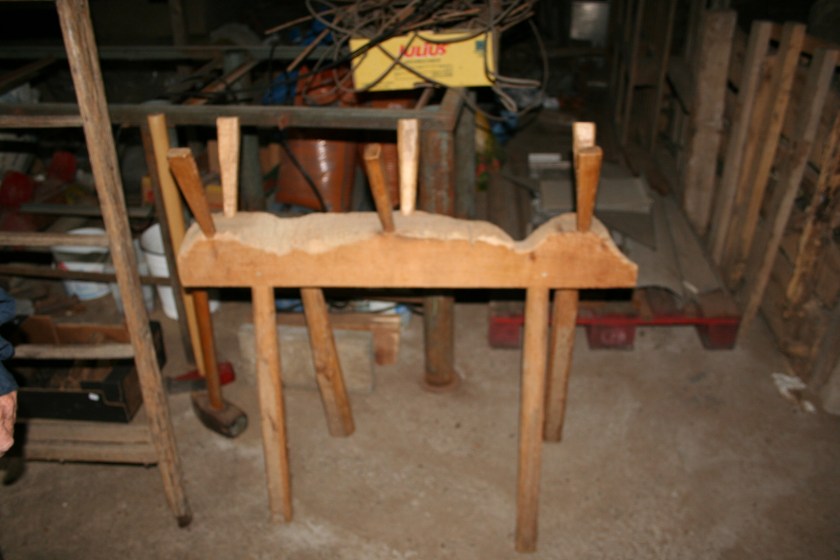
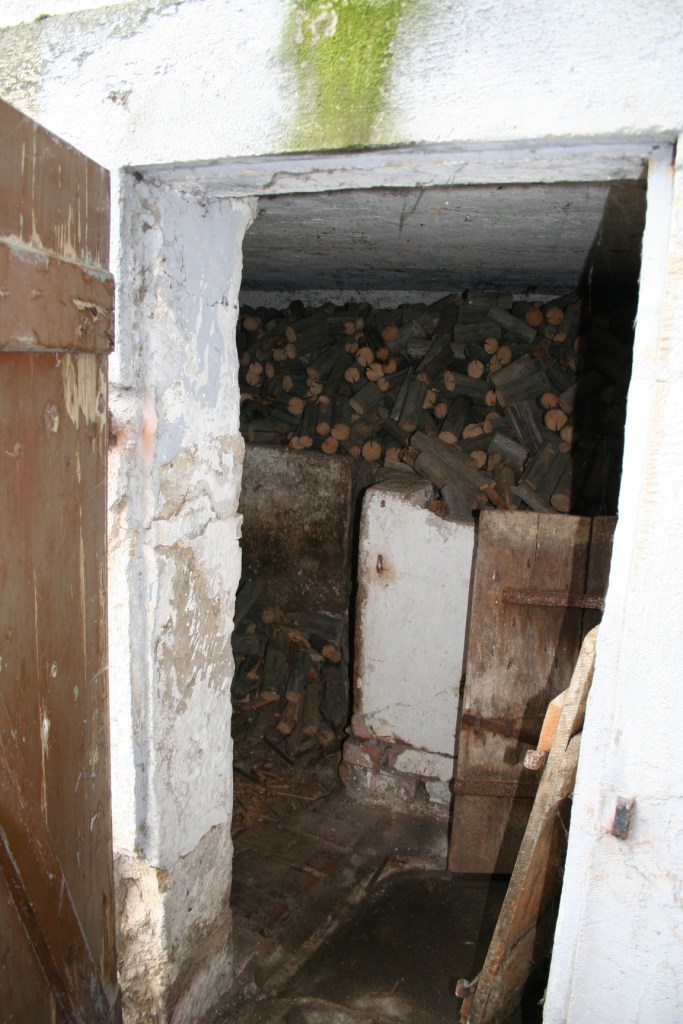
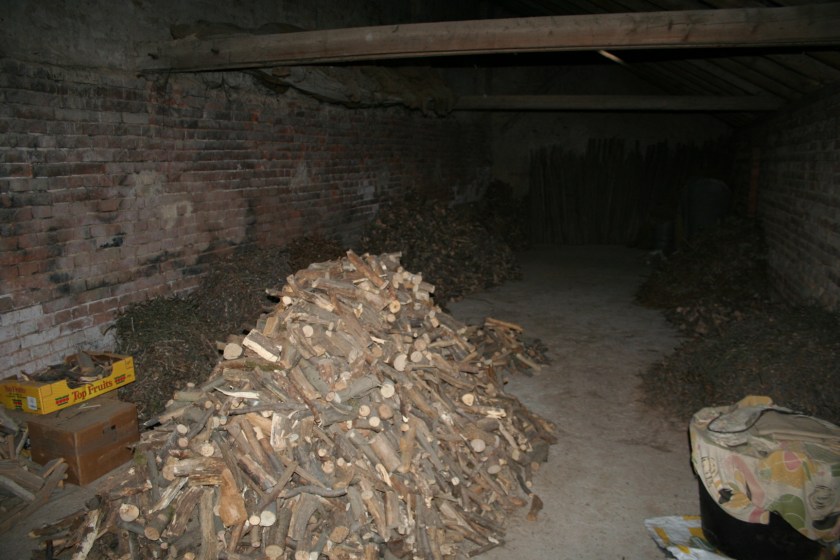
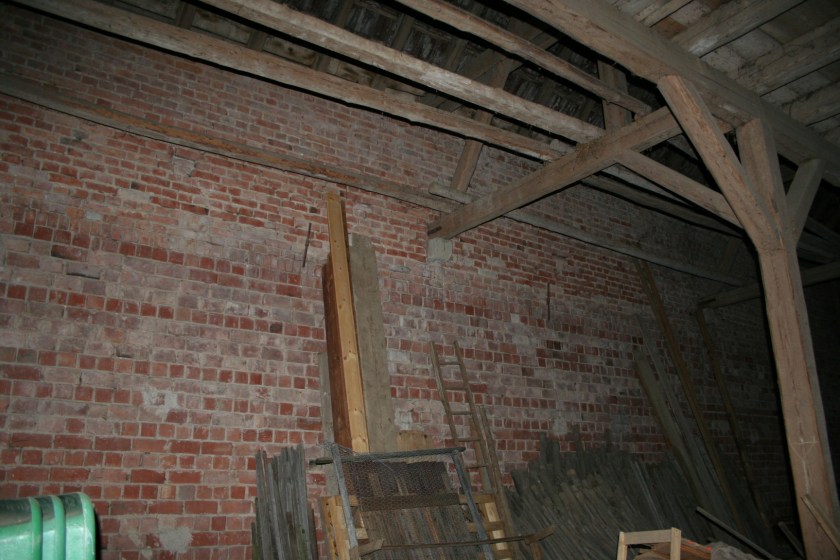
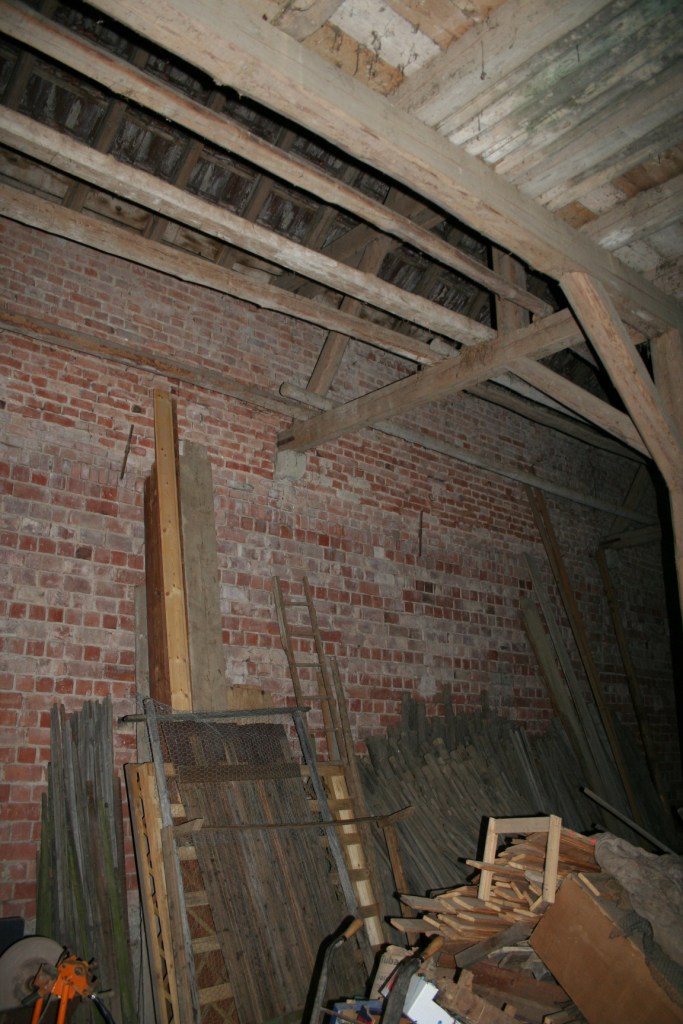
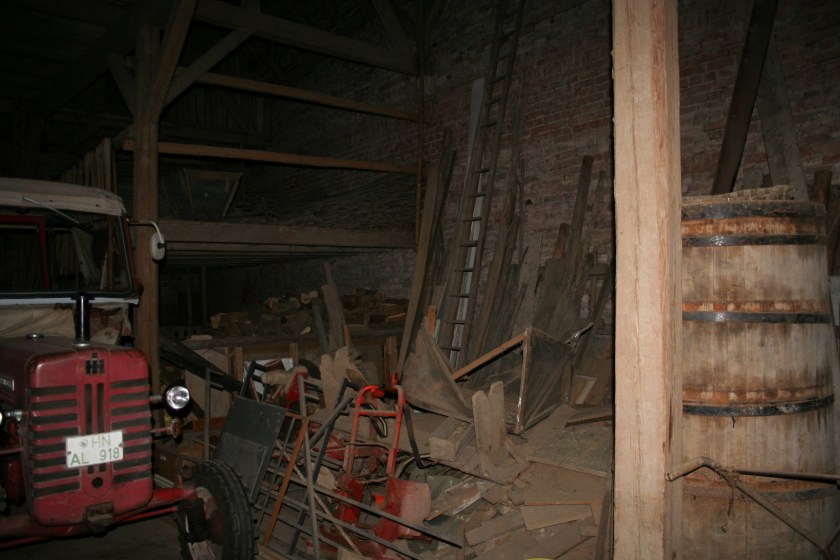
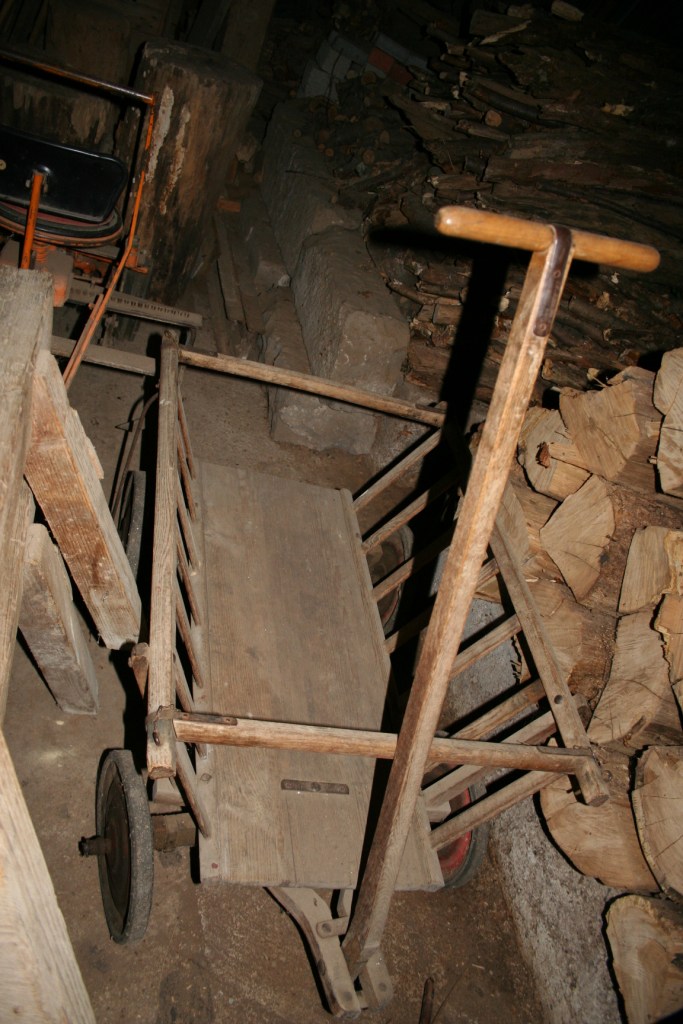
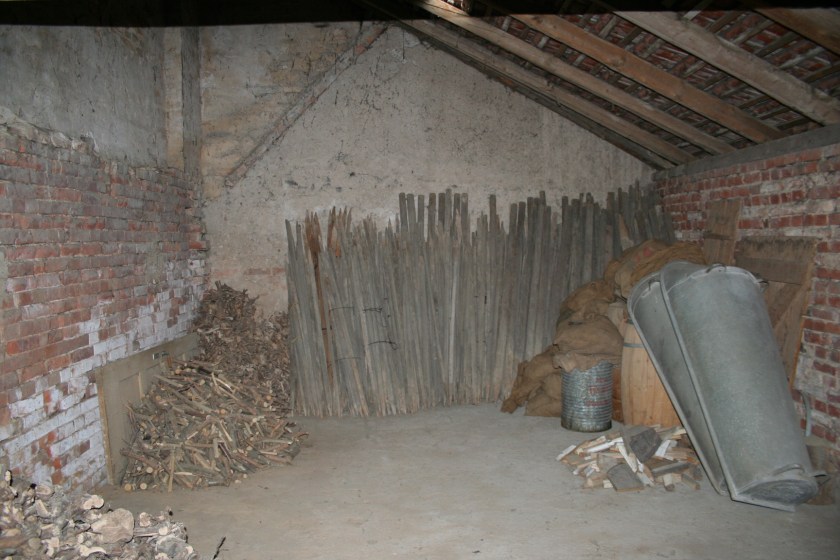
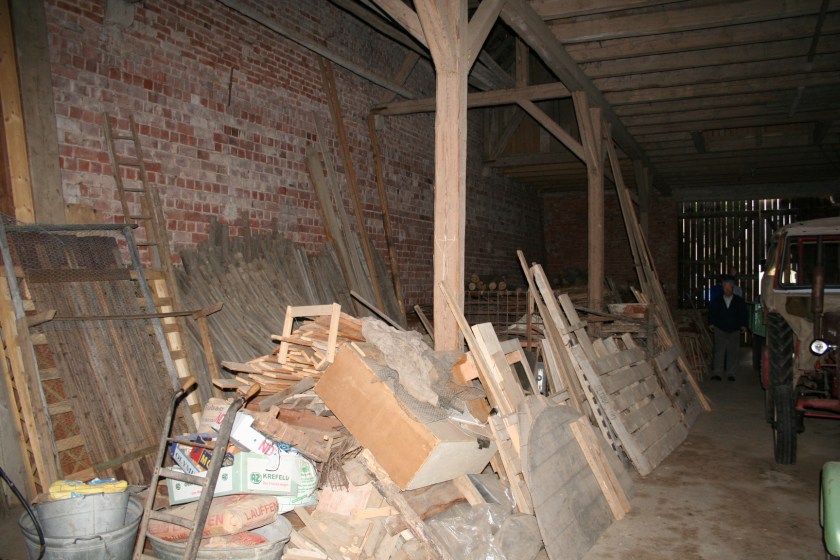
We went into the old barn. Cousin Rudolf LOVED to cut wood. He would cut and stack the wood in perfect stacks in the barn.
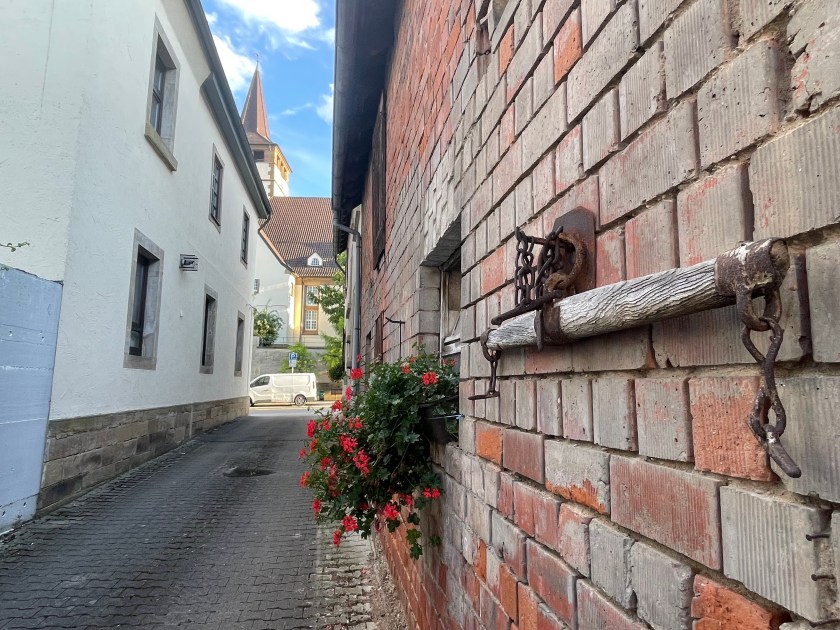
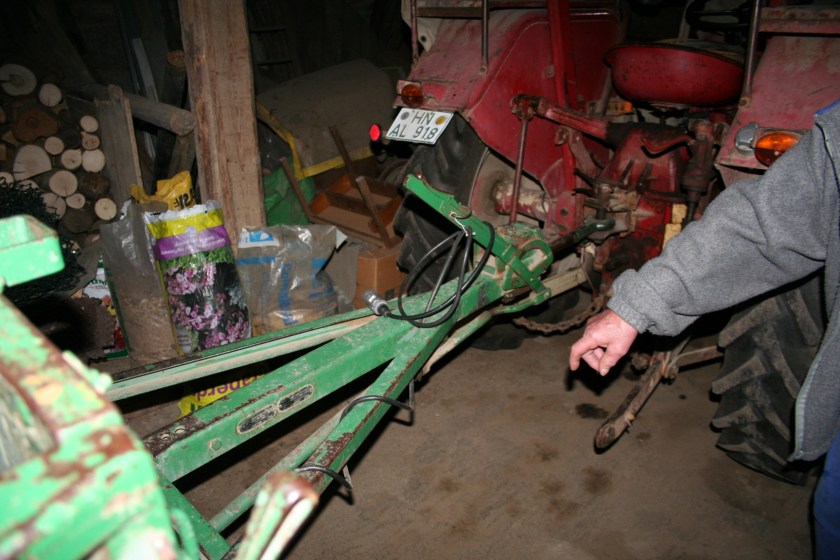
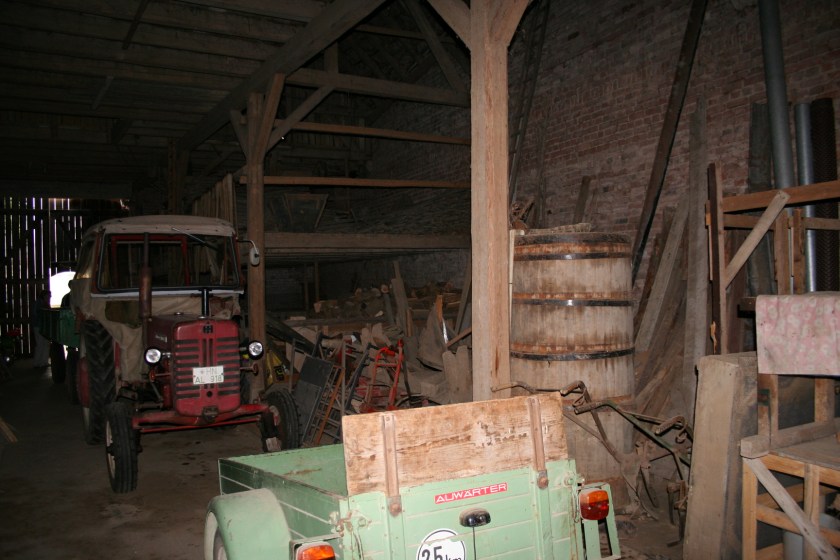
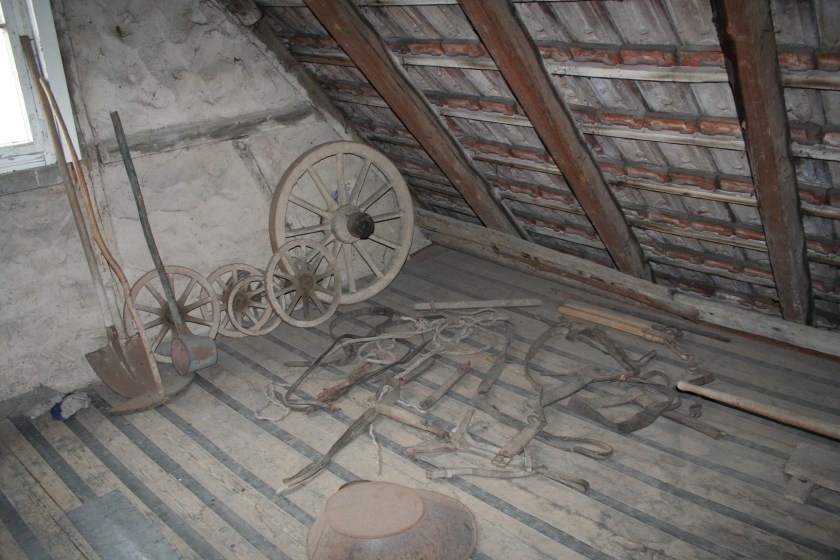
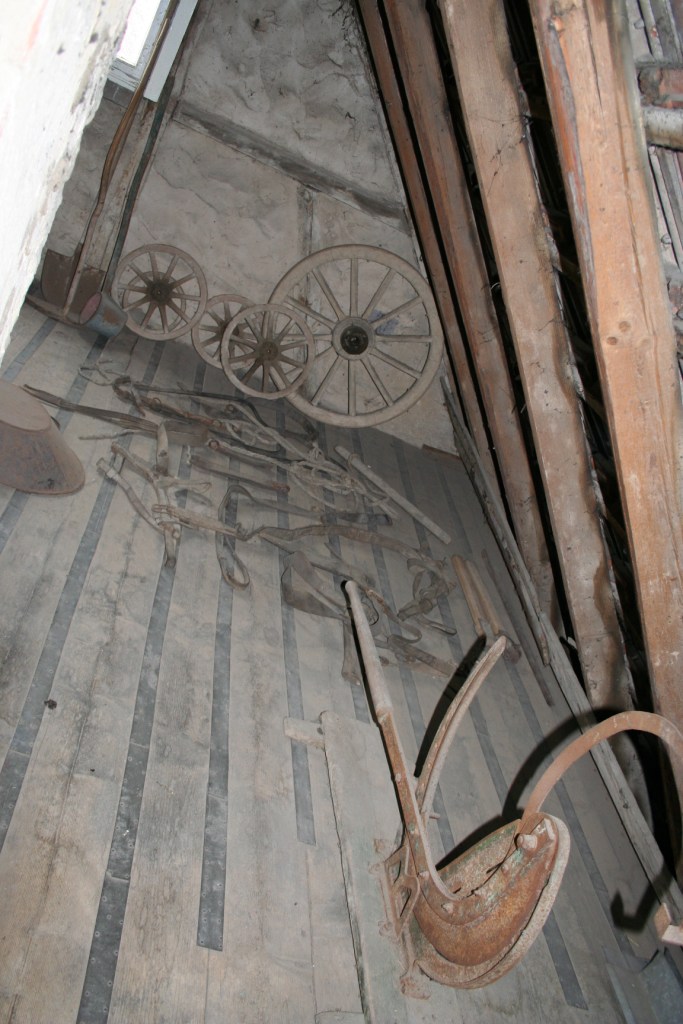
I brought home one of these wagon wheels, a piece and memory of Grandpa’s place. I wish I could have captured and brought home the smell of this old barn and all of the old equipment in it. It reminded me a lot of my own Dad’s shop and junk shed, where he kept his treasures.
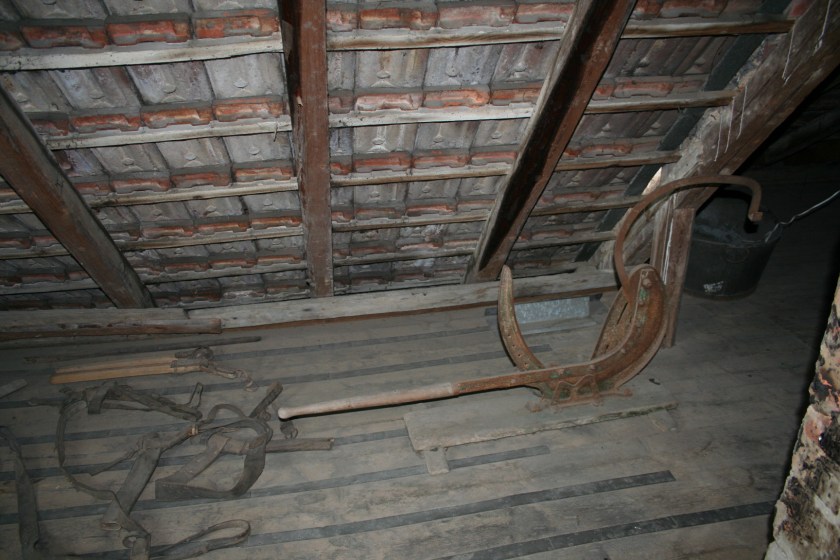
The things in these photos are Laemmlen things. They belonged to my people. I LOVED being here.
These are the bins that were strapped onto their backs when they picked the wine grapes during harvest:
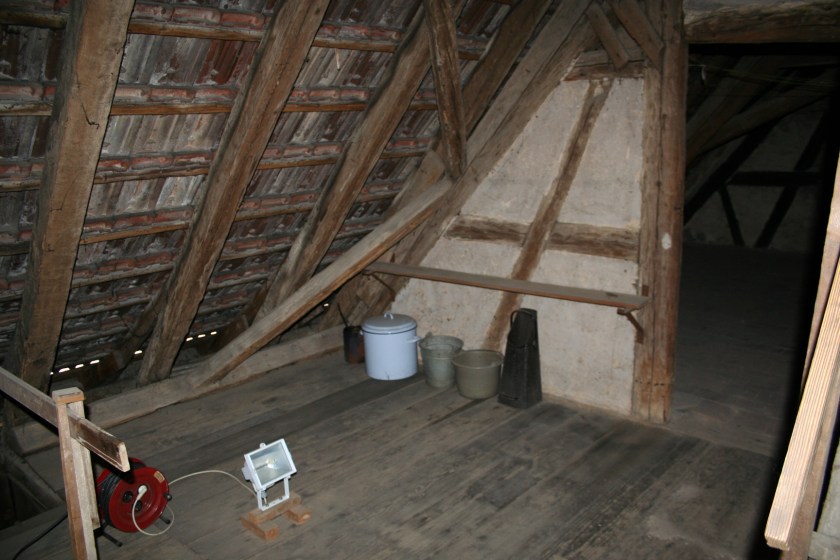
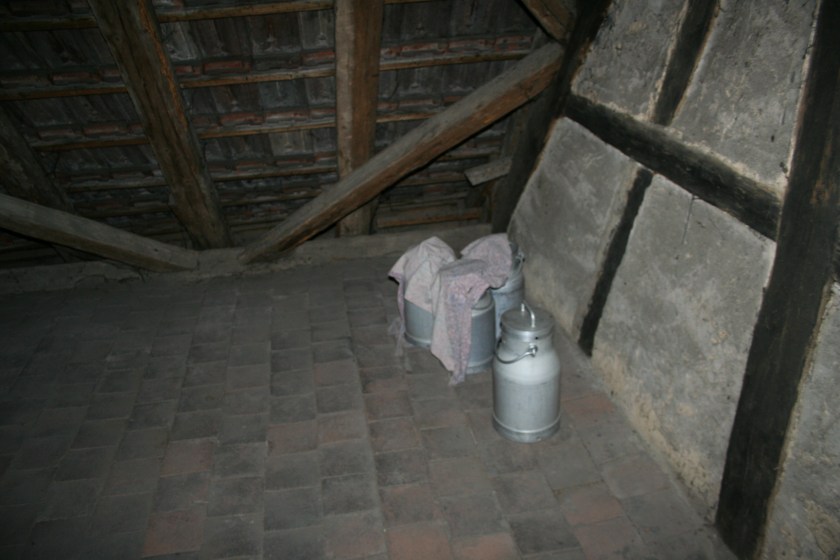
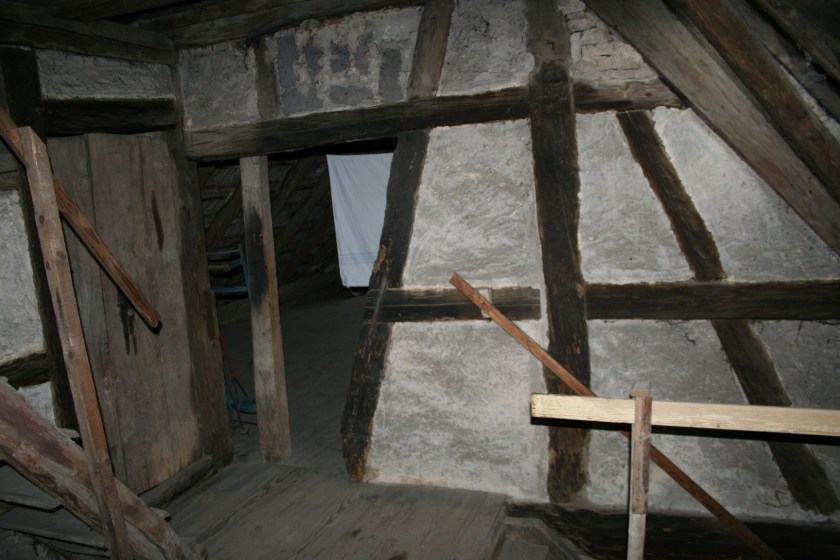
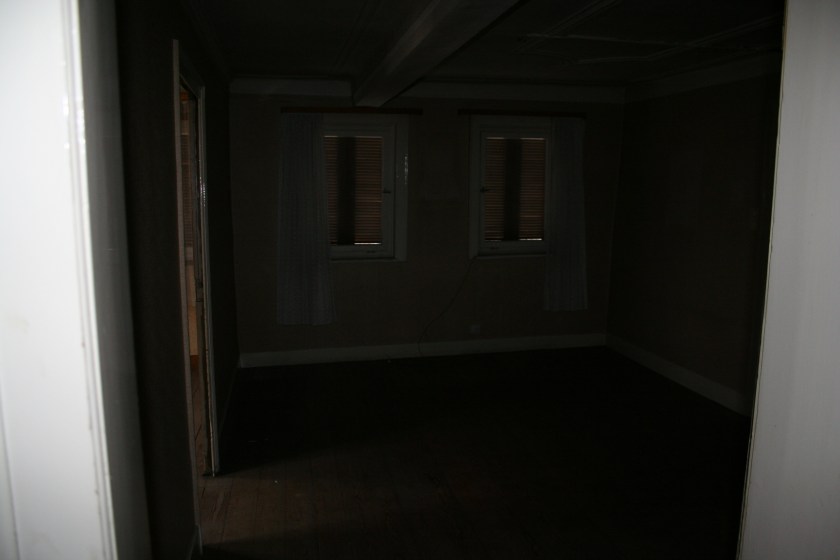
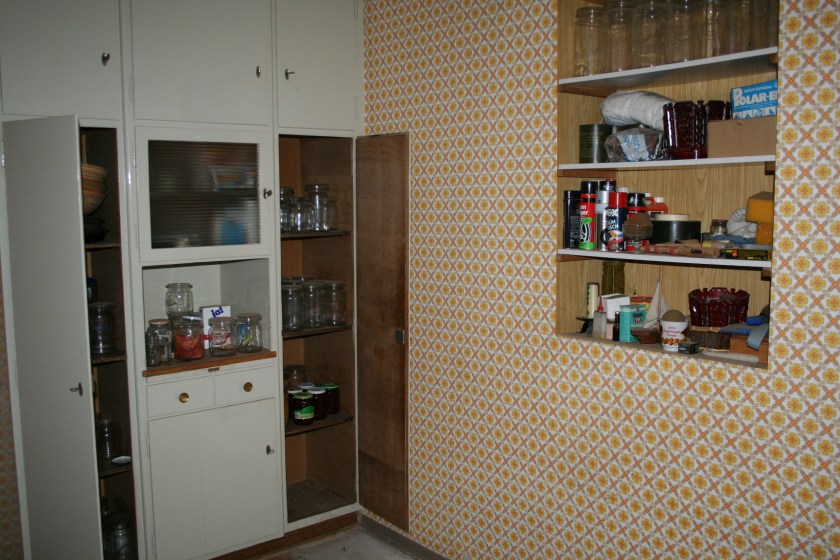
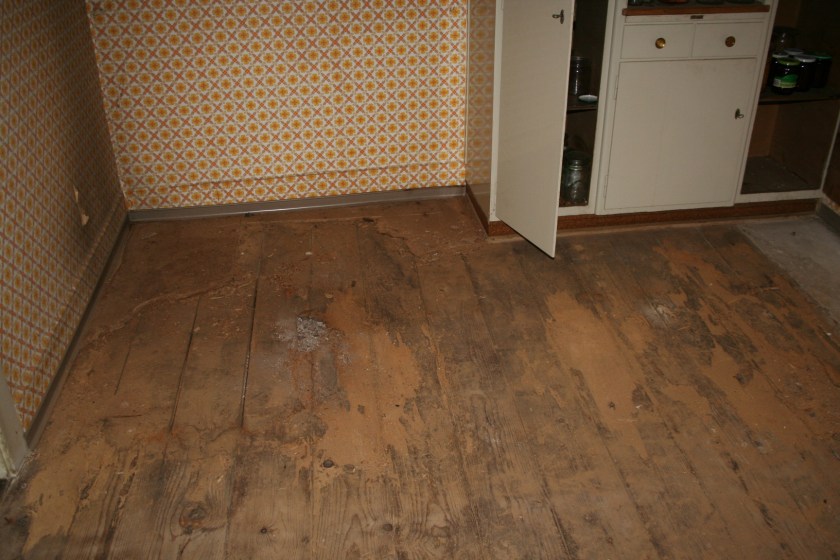
Here are a few photos from inside the house. The rooms were pretty empty by this time. Rudolf used a room or two and the kitchen.
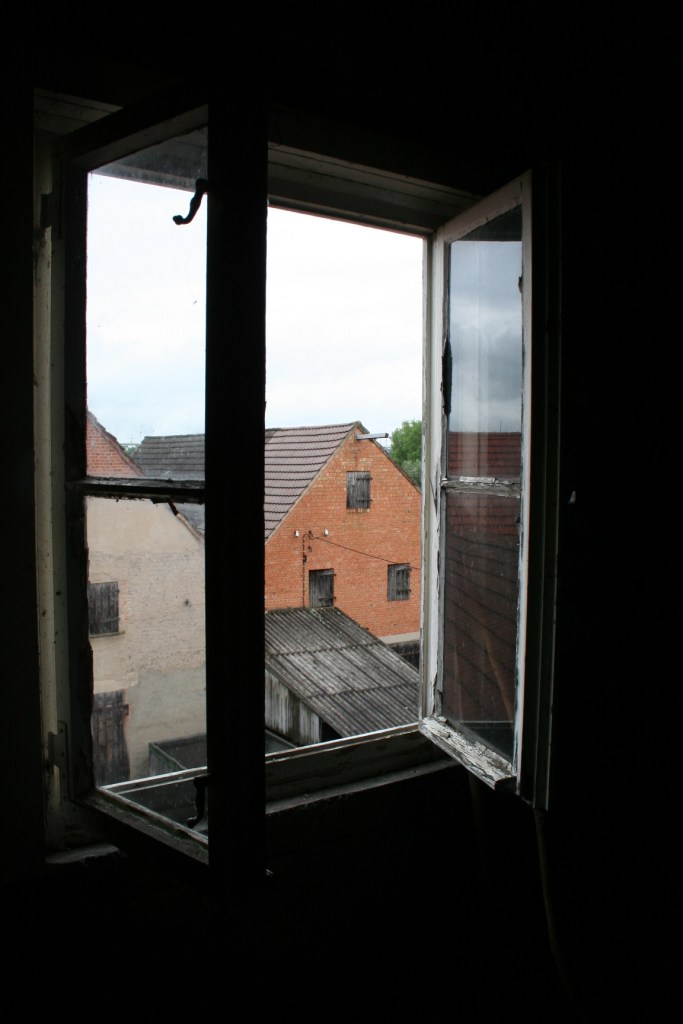
Behind the barn was a small garden area that sloped down to the next property.
There’s something so sweet about being “in the place where it happened.”






























































 Our Frankfurt Germany Mission
_Chor_Apsis.jpg)