Biberach bei Heilbronn, an Ancestral Town

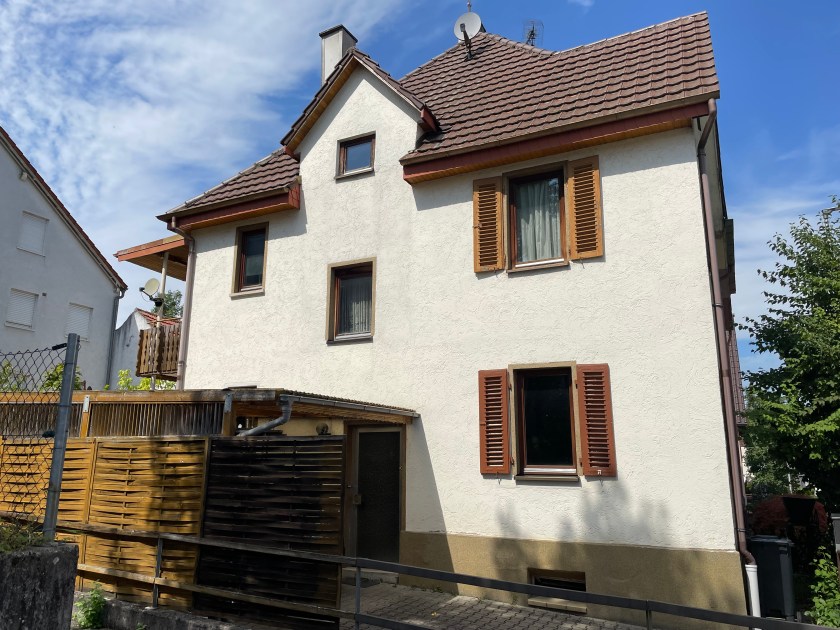
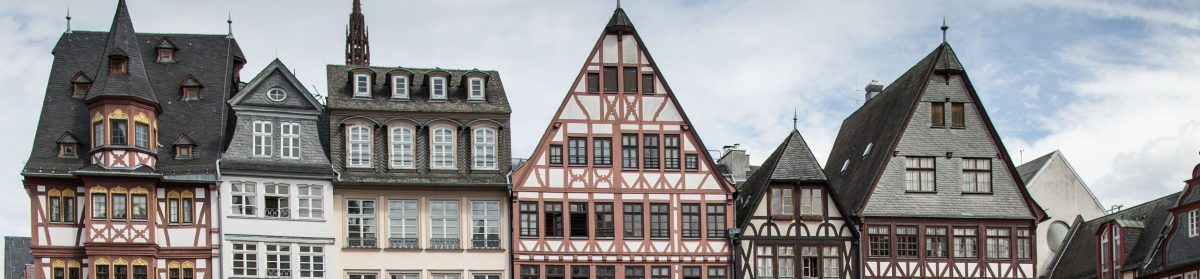
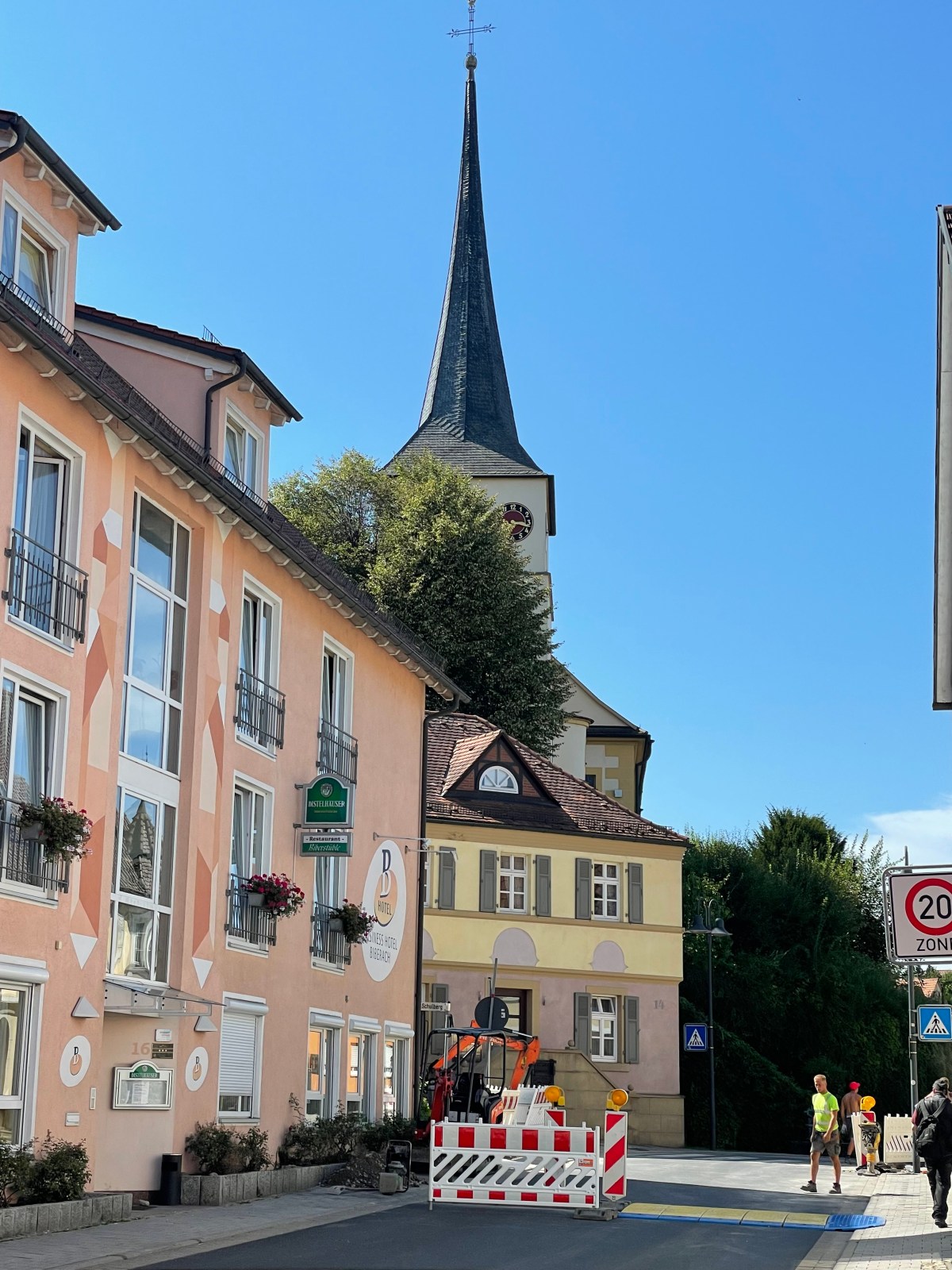
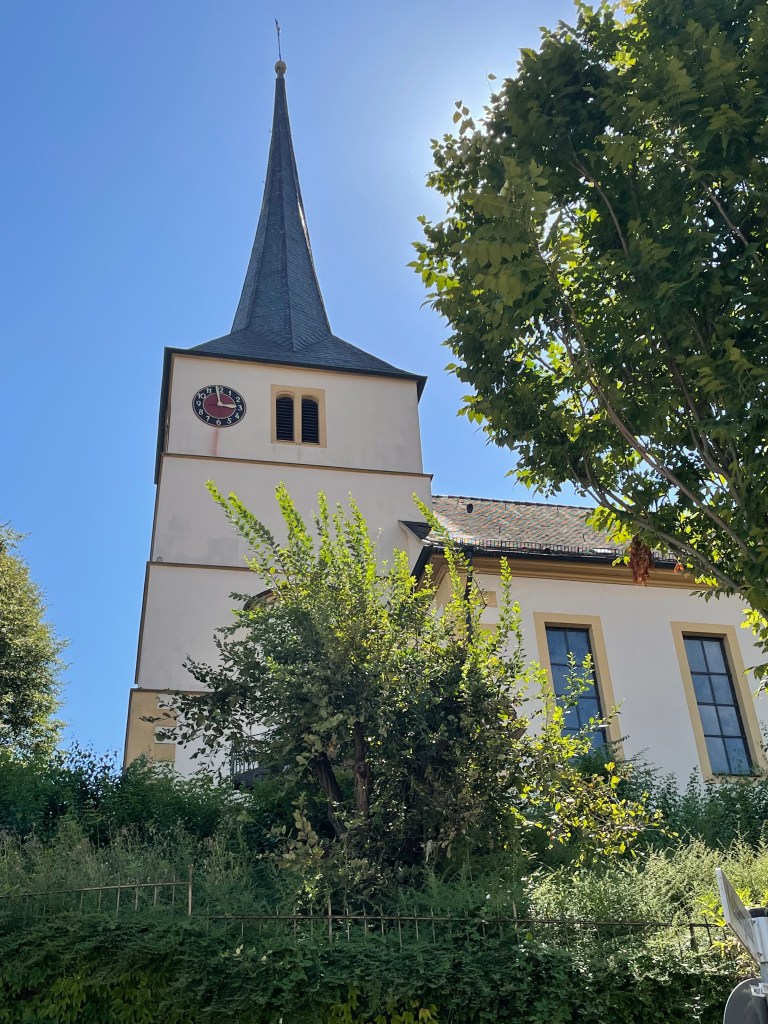
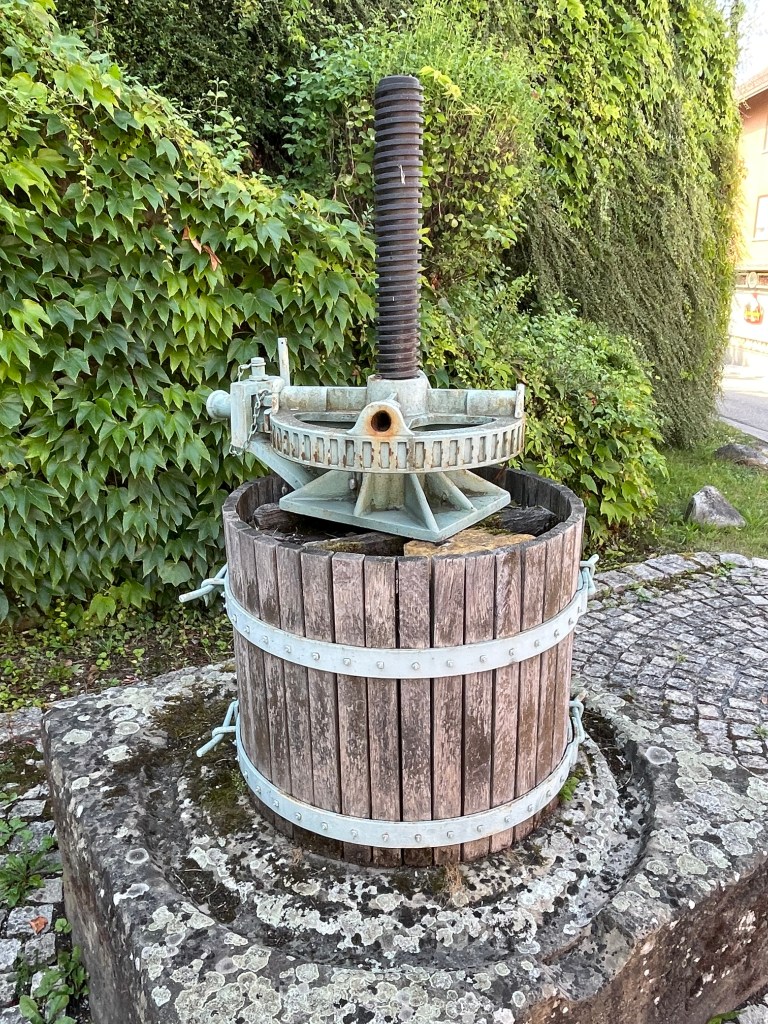
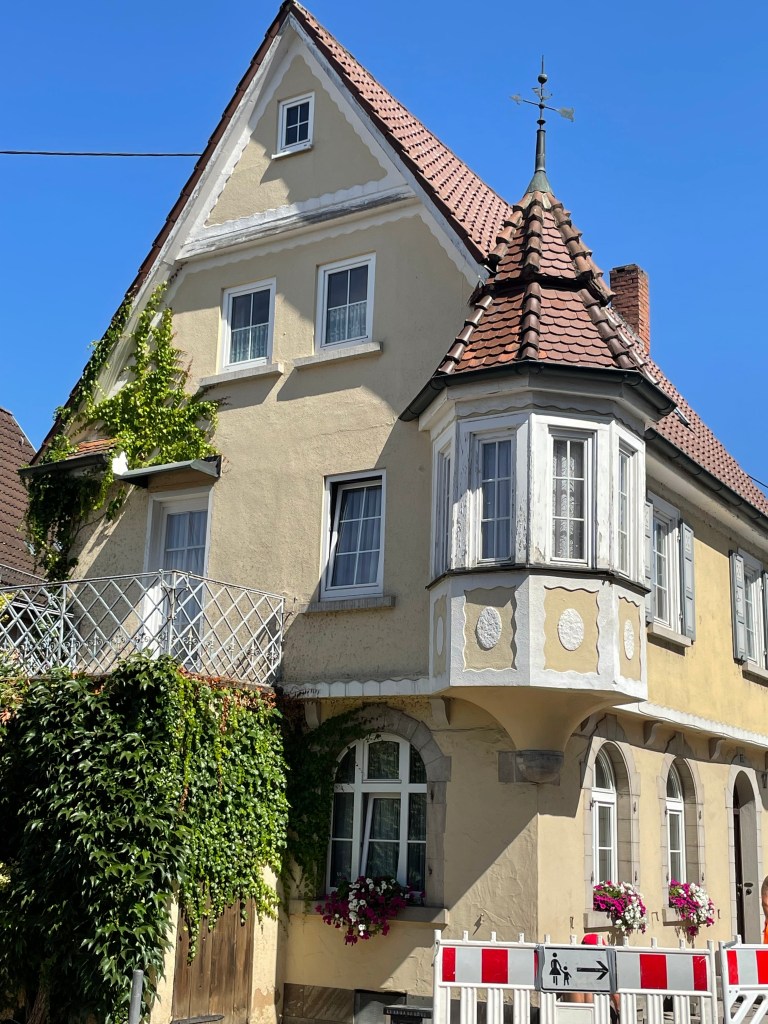
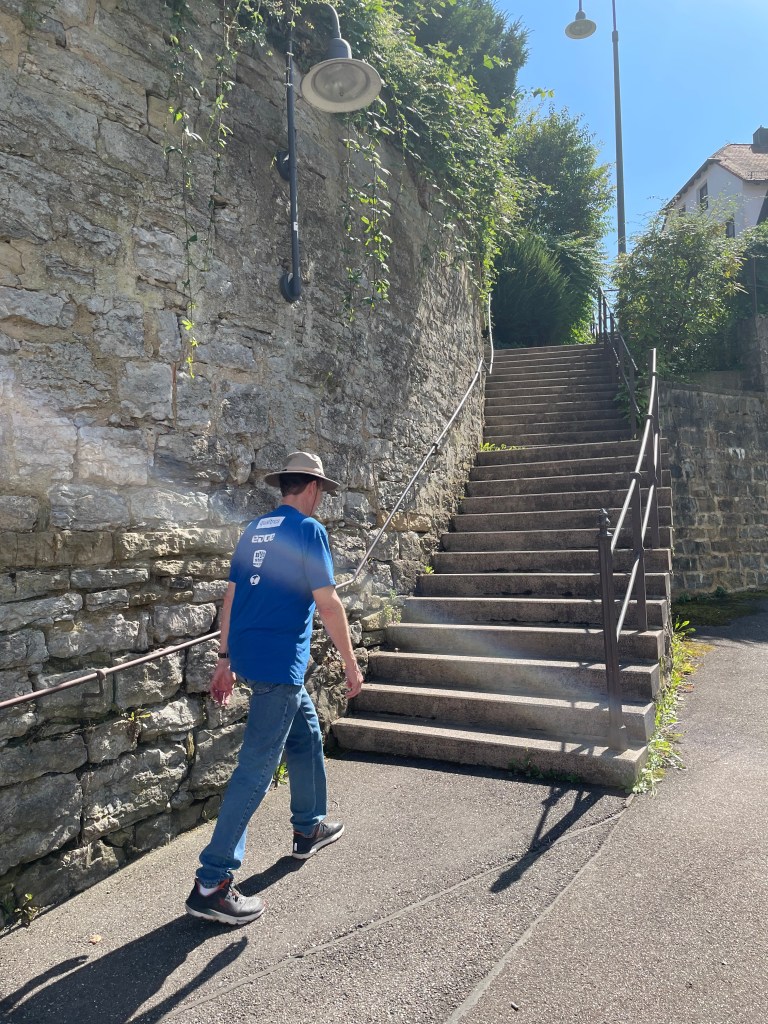
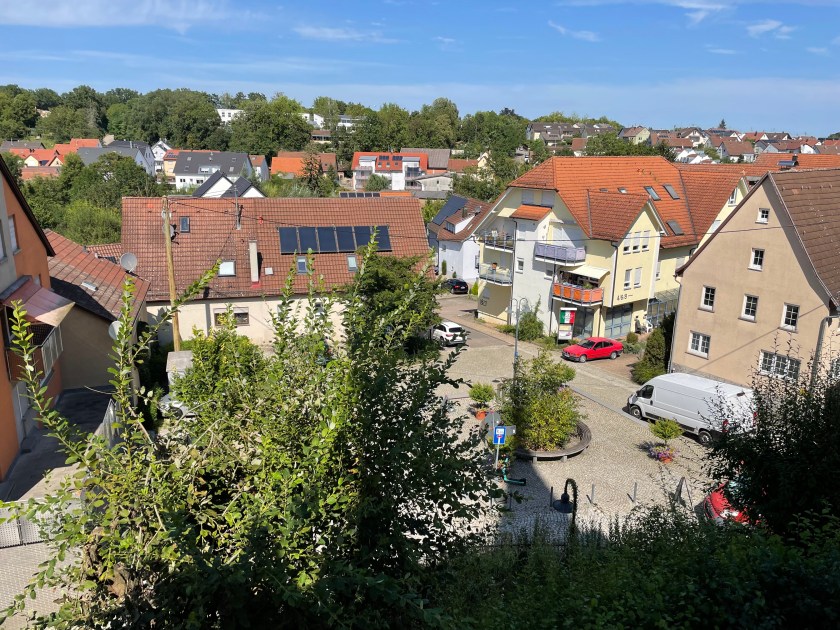
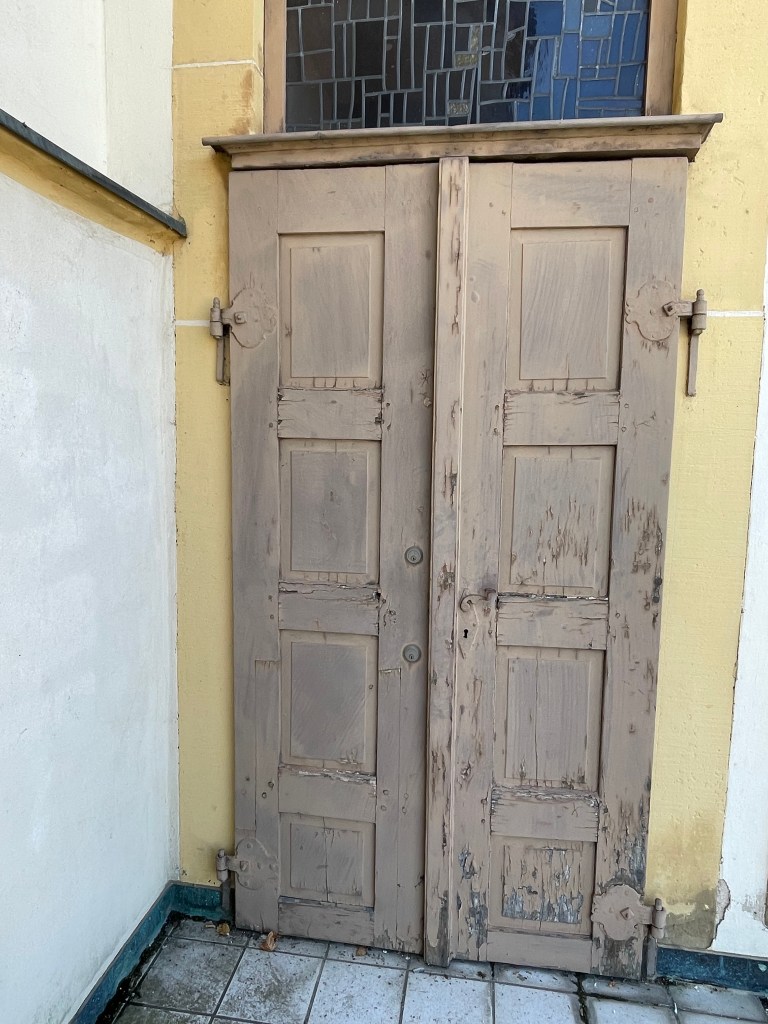
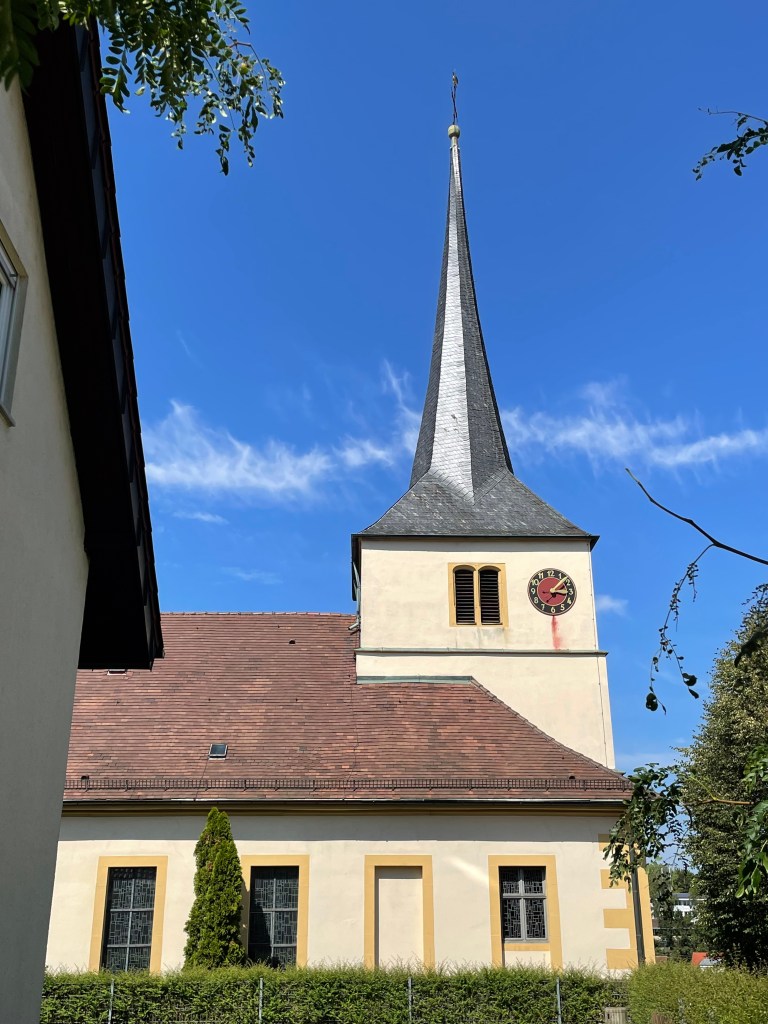
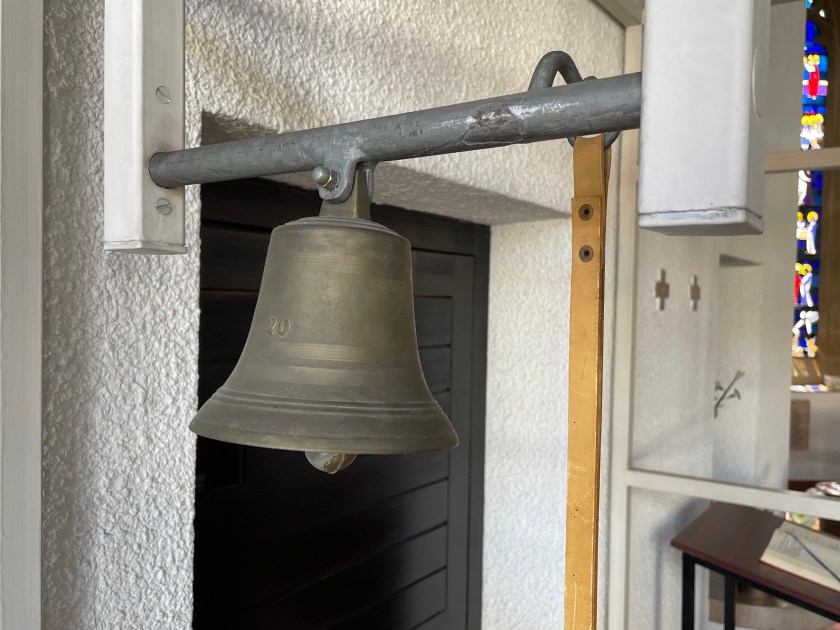
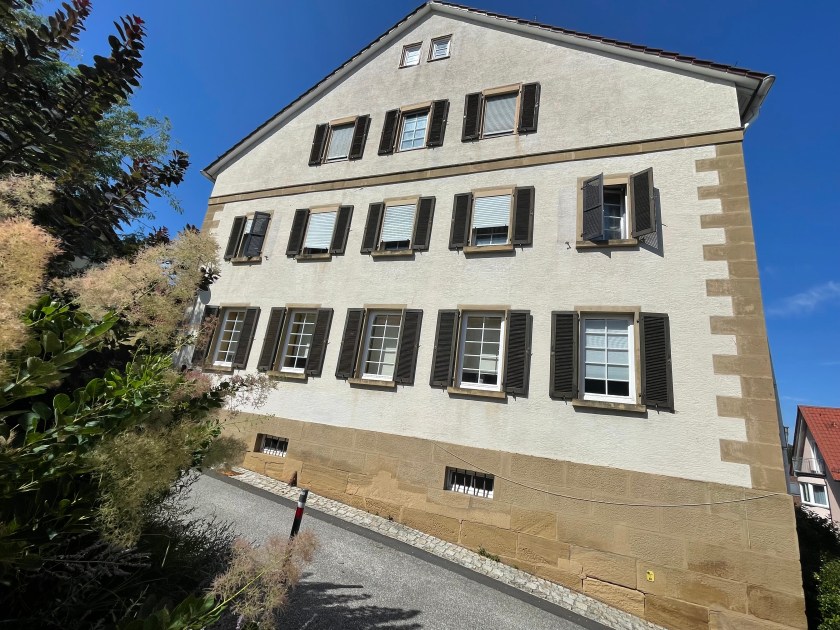
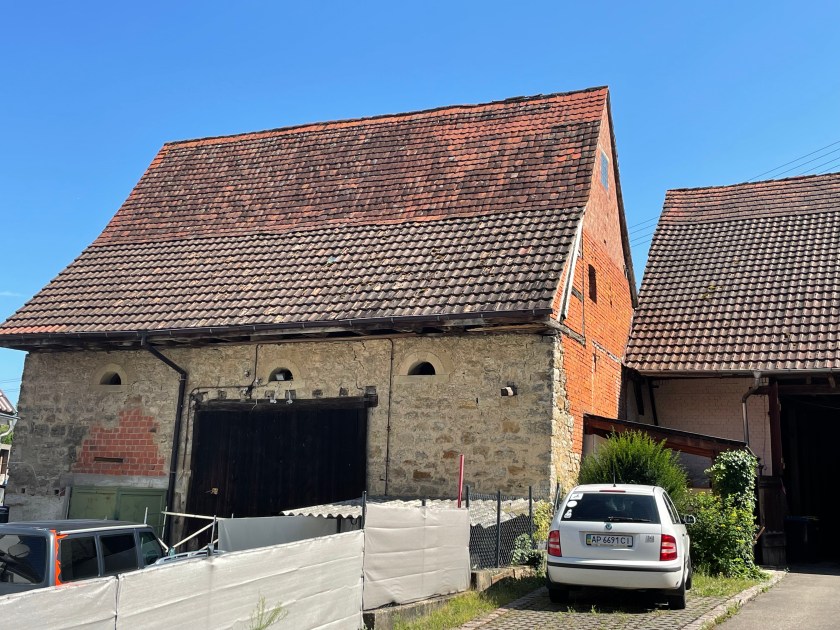
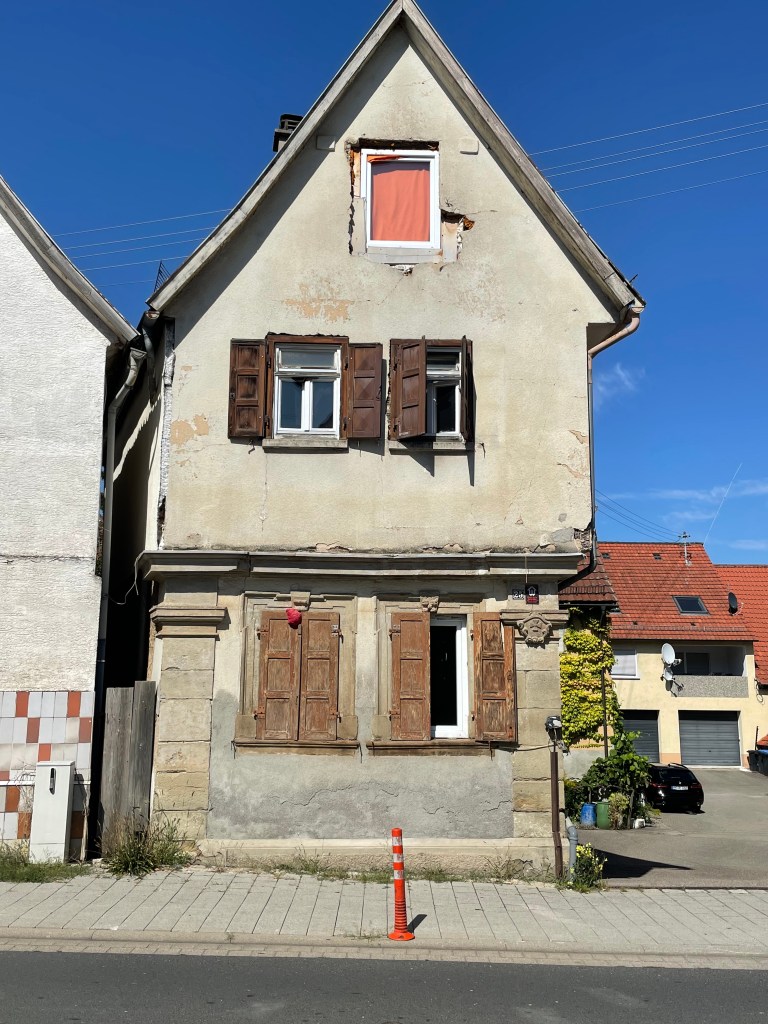
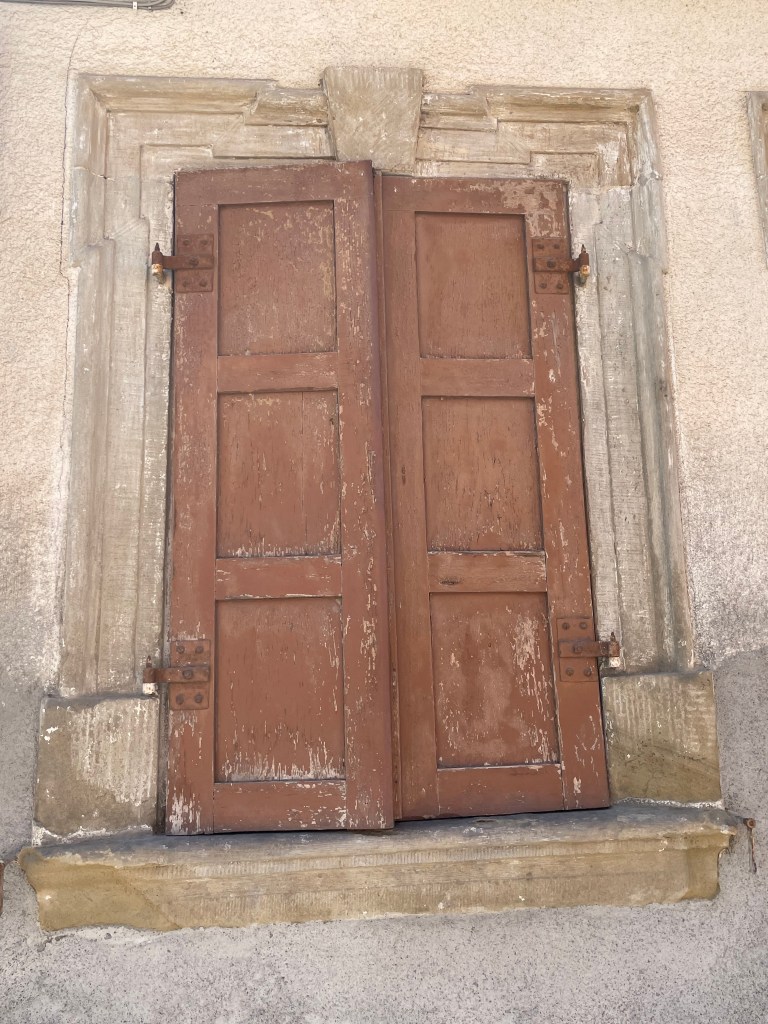
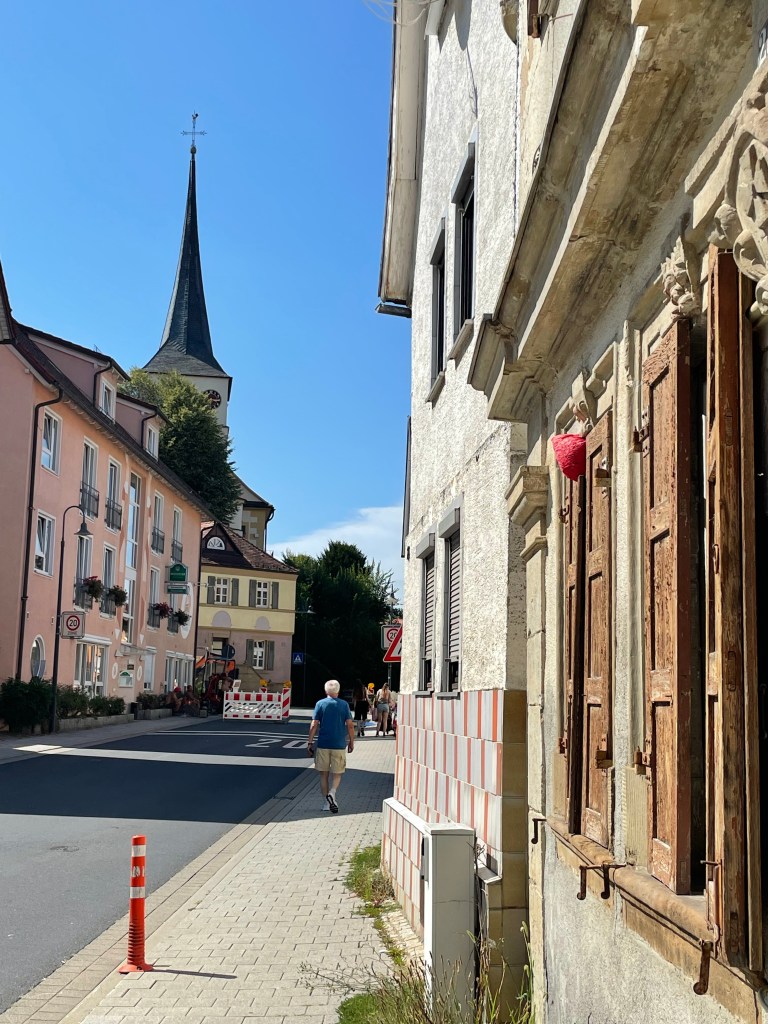
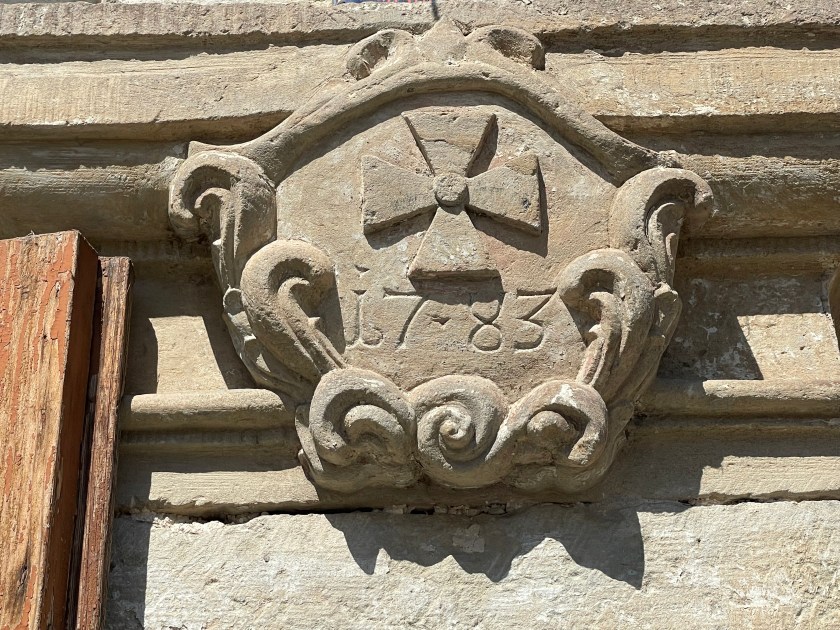
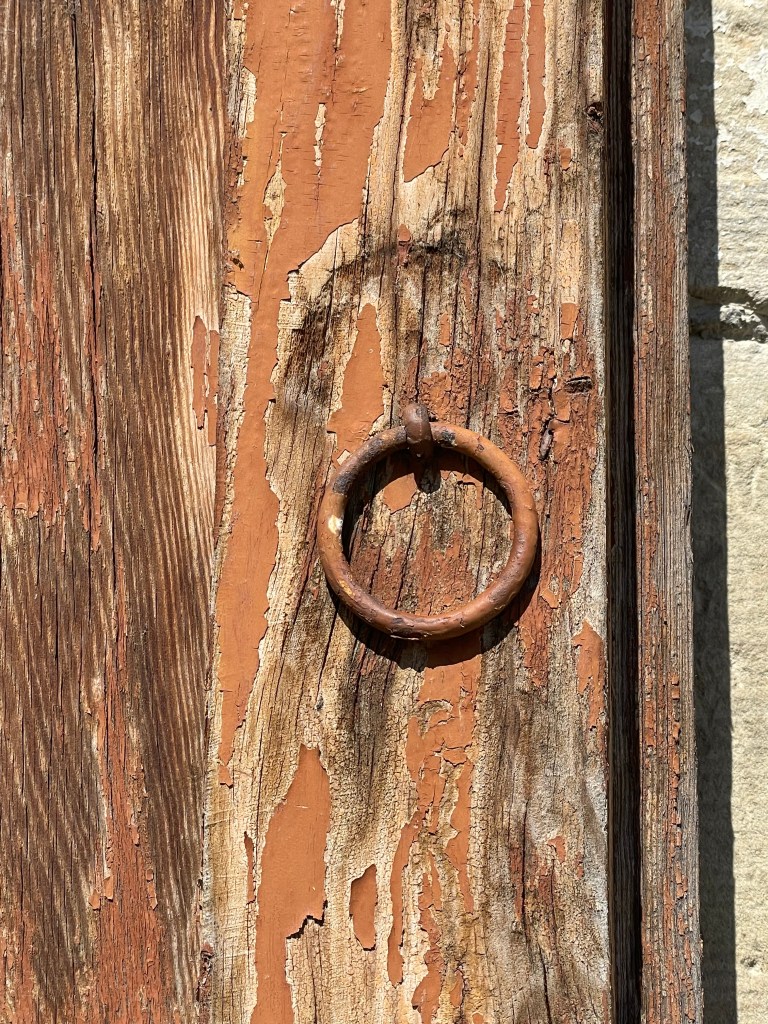
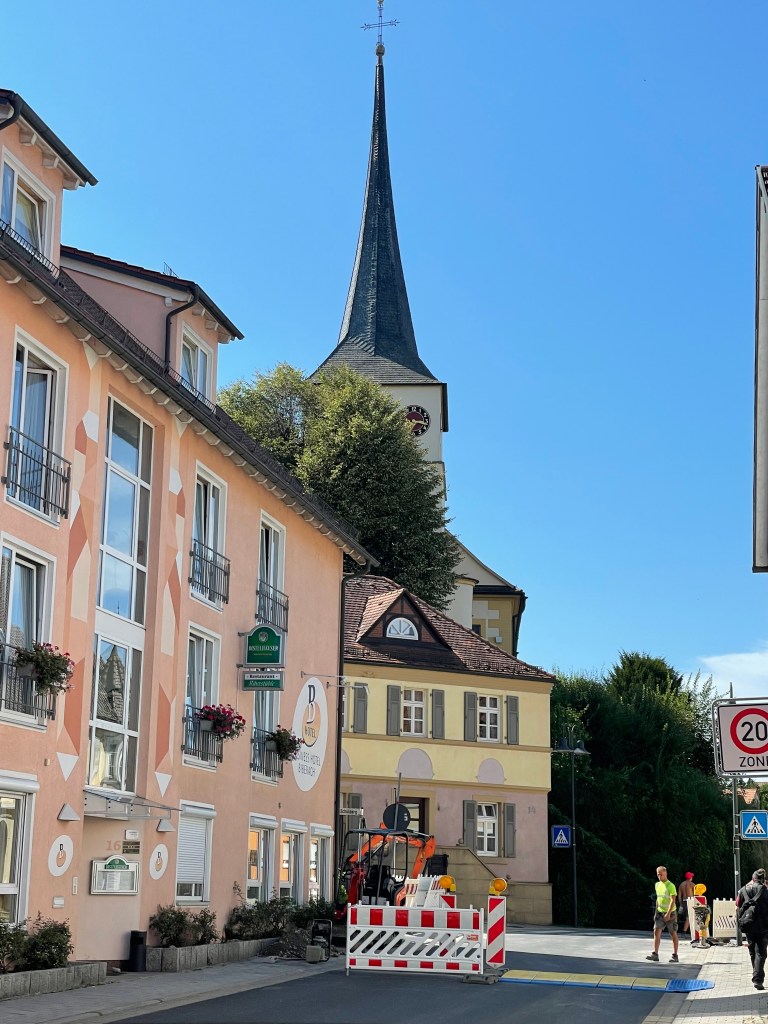
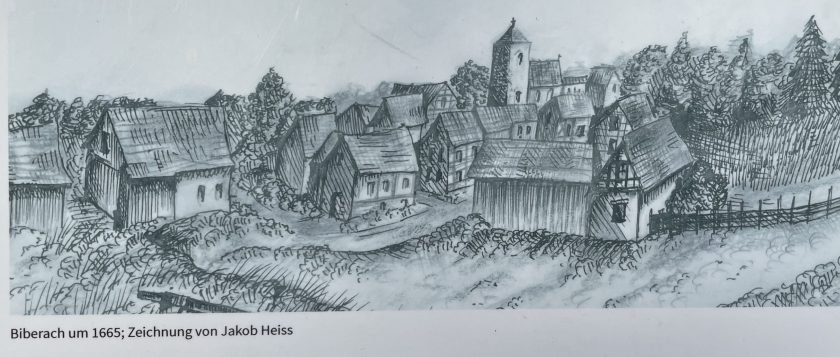
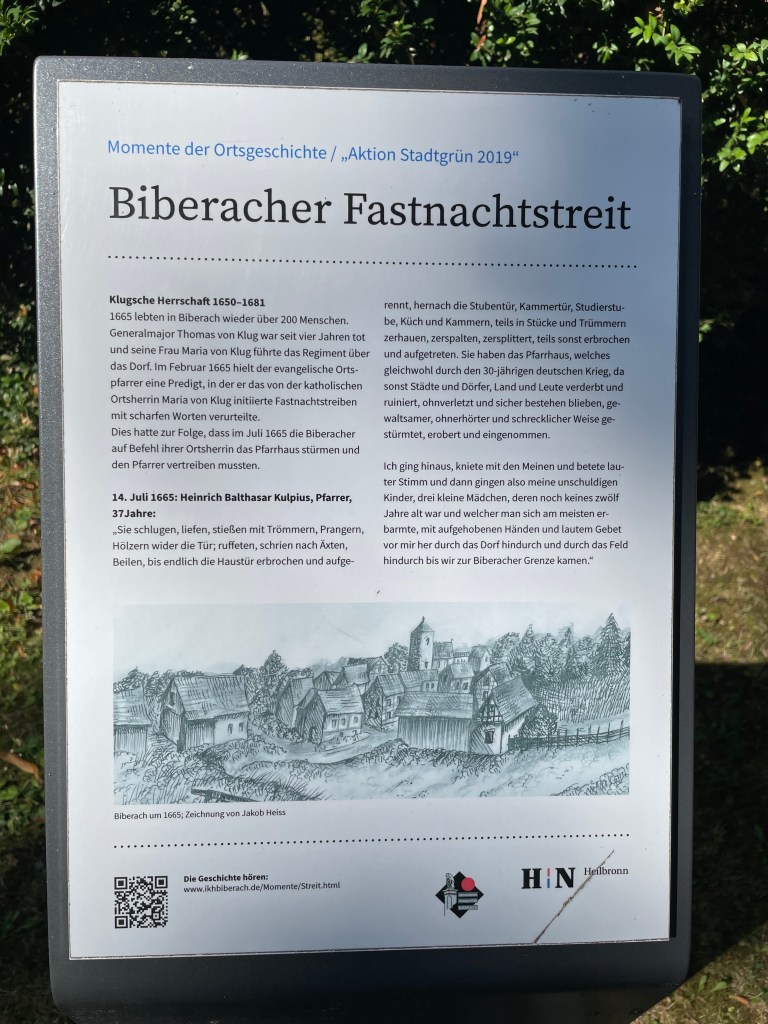
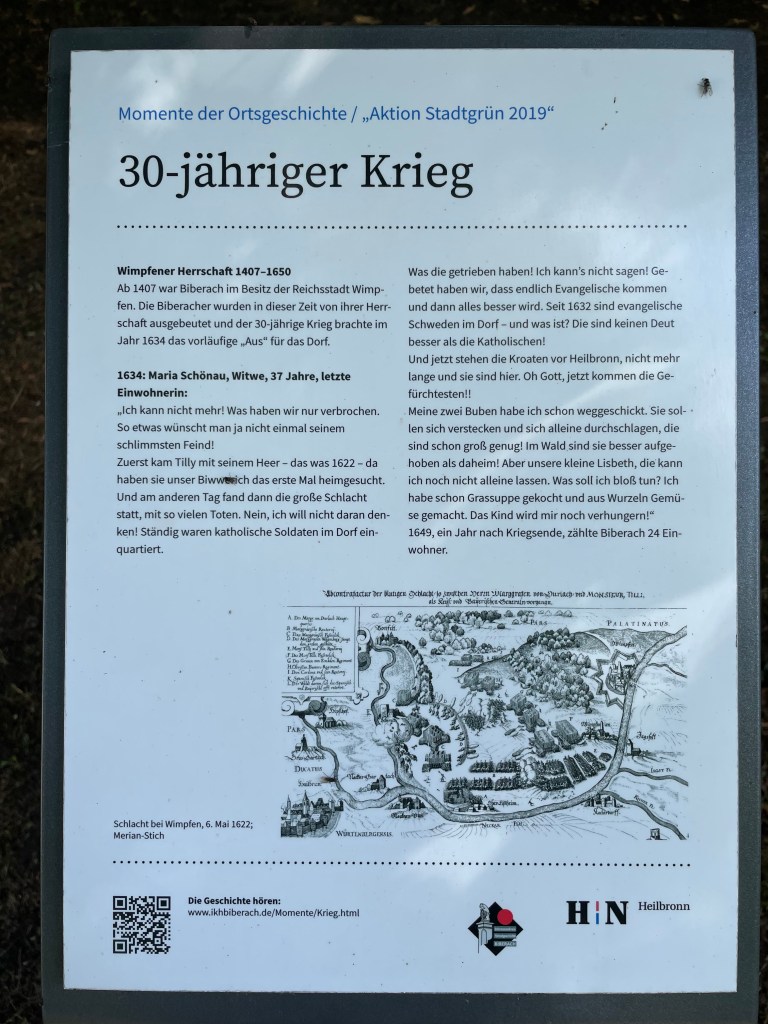
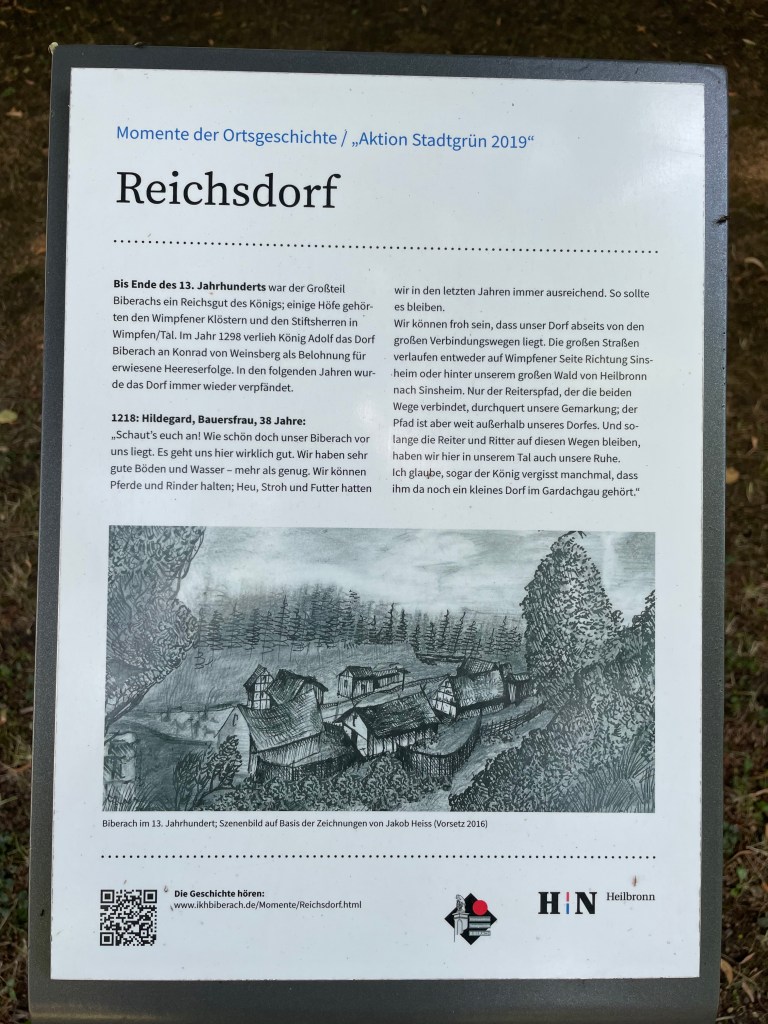
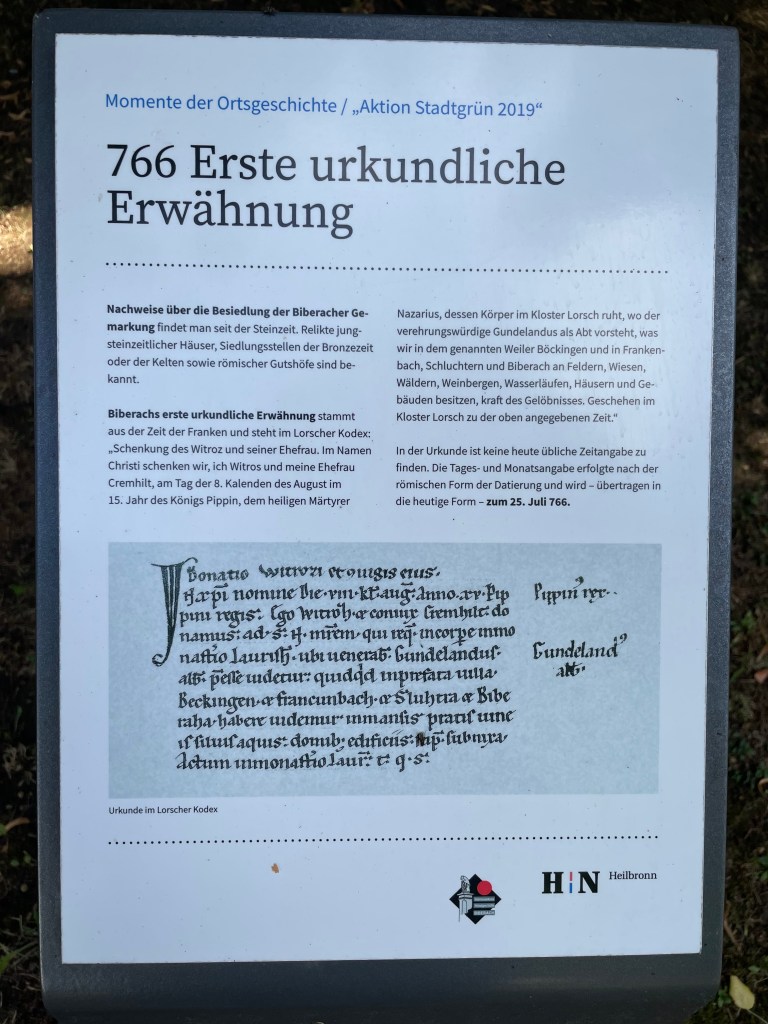
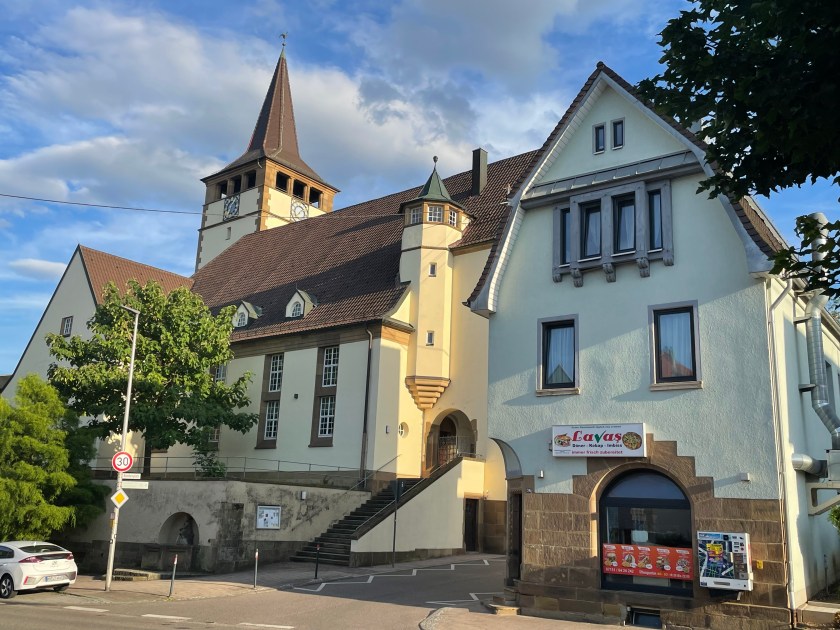
Here are a few more photos from our visit to Biberach.  The old church is up a hill overlooking the town.  I took pics of old things that I imagined my people seeing when they lived here.

Going up to the church:

Sadly, it was closed.

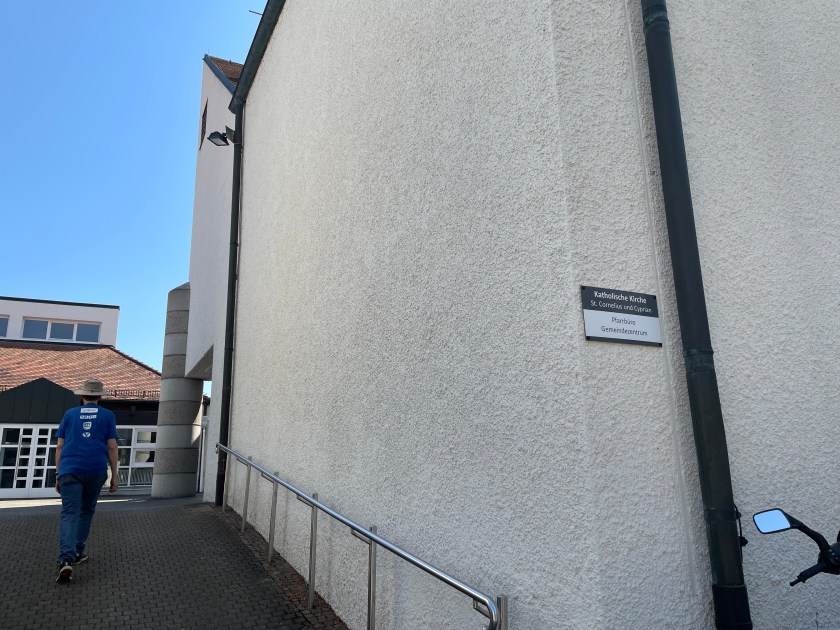
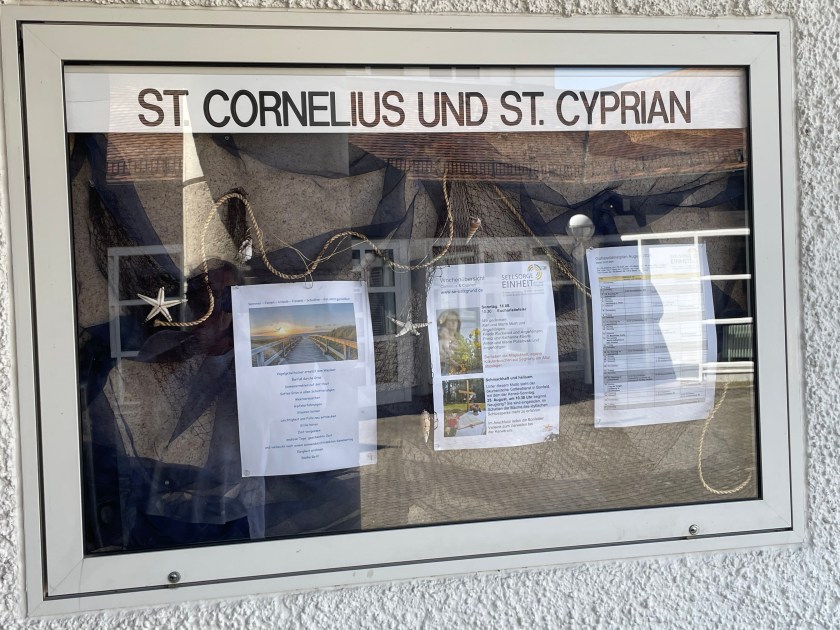
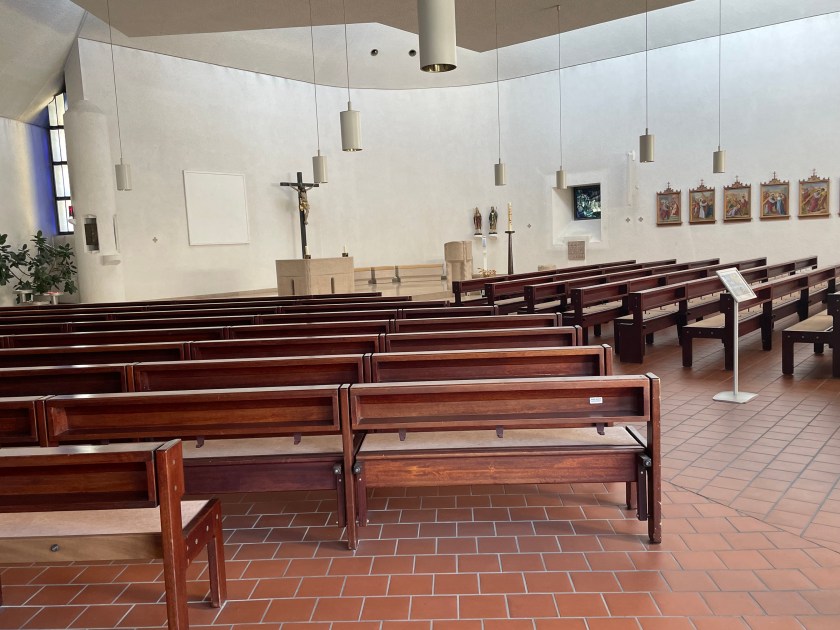
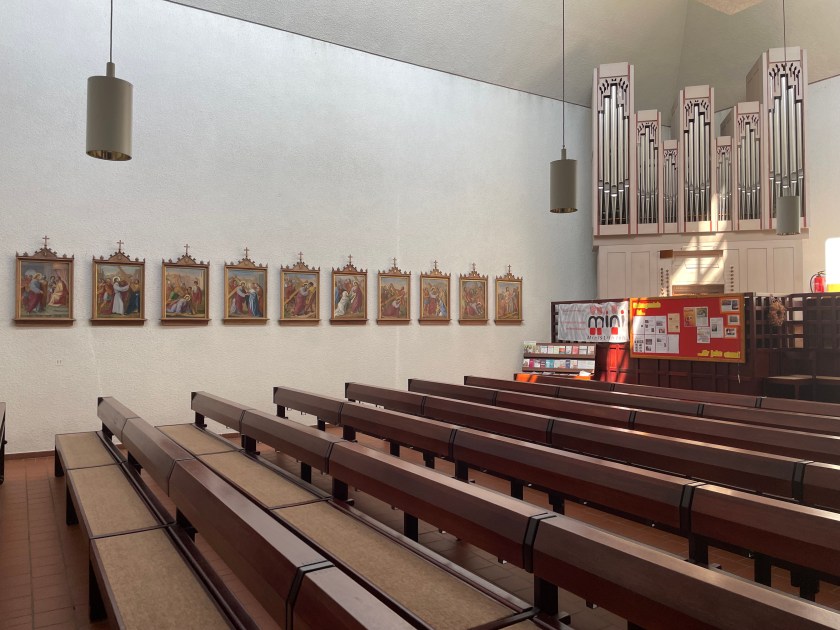
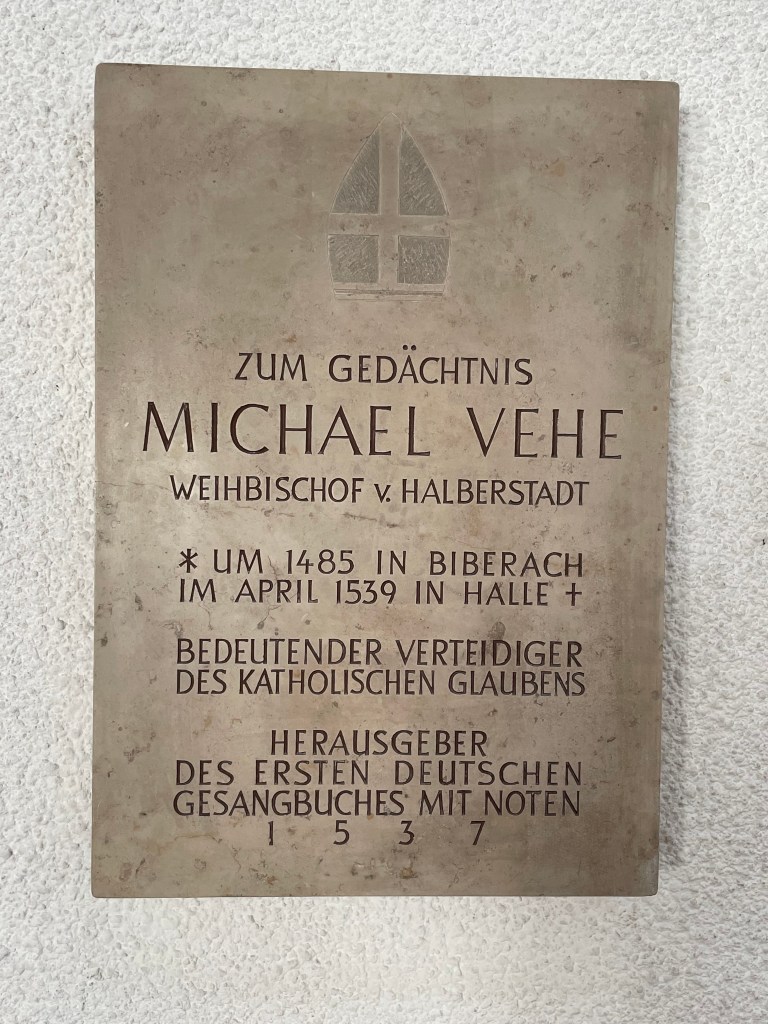
Then we walked over to the Catholic church.

It was quite modern-looking in side.

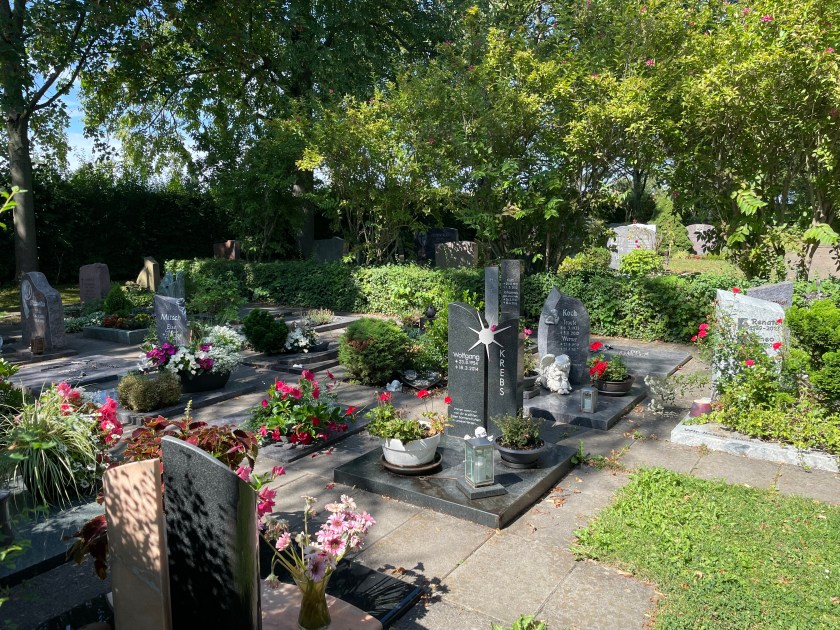
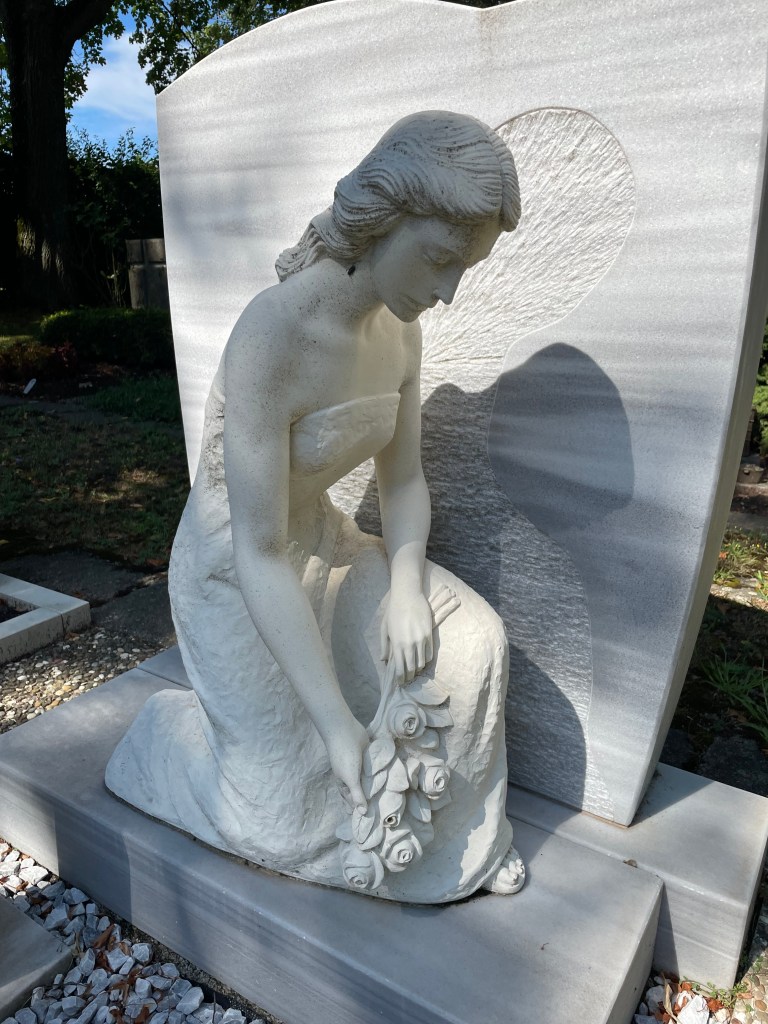
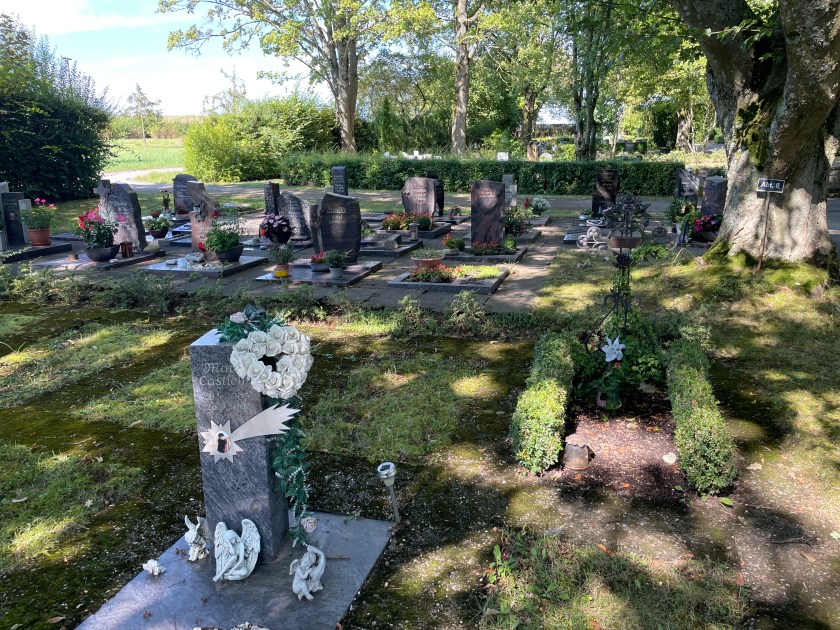
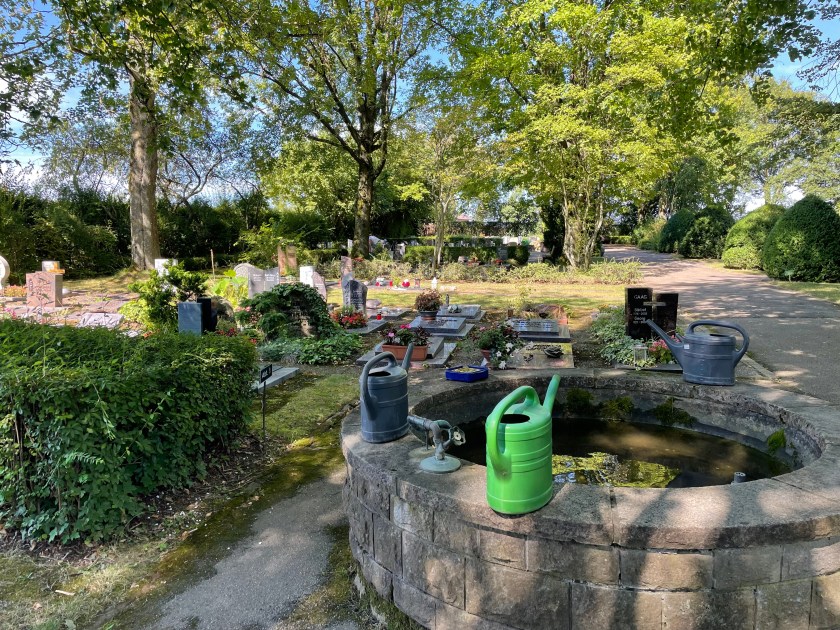
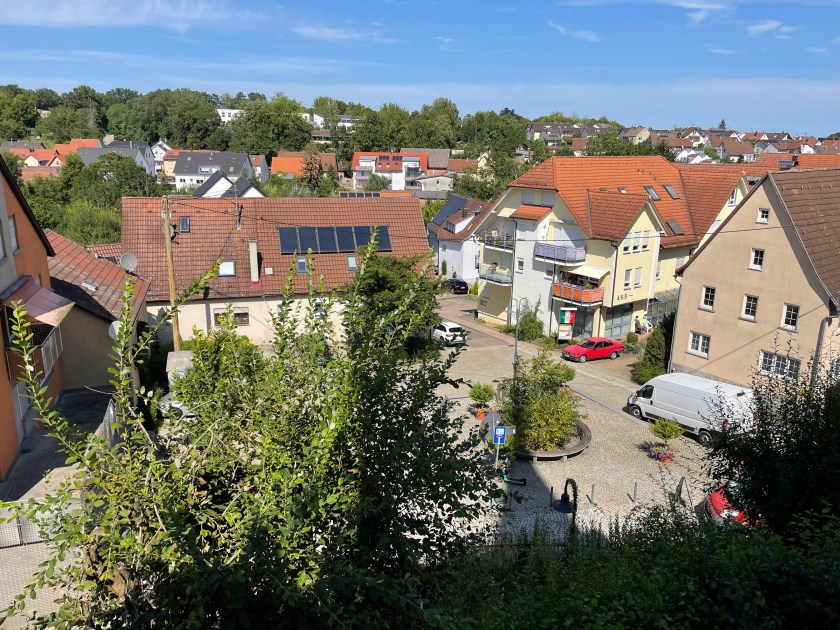
After walking along this little town’s main street, we drove up a hill to the new cemetery, just to feel the place.  Then we headed back to Frankfurt.


Visiting Biberach and the Old Cemetery

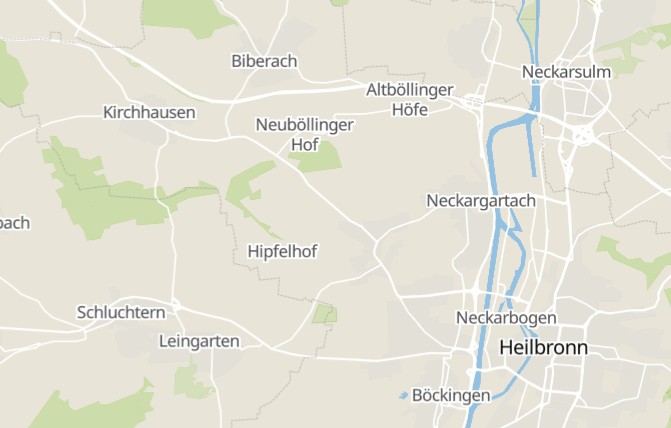
On our way back to Frankfurt, we stopped in Biberach, about 5 miles north of Leingarten.  My 2nd Great-grandma, Maria Magdalena Justine Schelle, b. 15 Dec 1833 was born here.  She married Leonhard Heinrich Laemmlen b. 1836 in Brackenheim.  They settled in Grossgartach and raised their family there.  I have other family lines that come from Biberach.  I wanted to walk the streets here and feel this place. (I have to mention that there are 2 Biberachs, one is Biberach am Riss, about 2.5 hours away.  That’s not the one my family comes from.)

In the last several weeks, I’ve been doing a lot of family research in Biberach, gathering 100s of names.  I felt those people calling me to come and see where they lived.

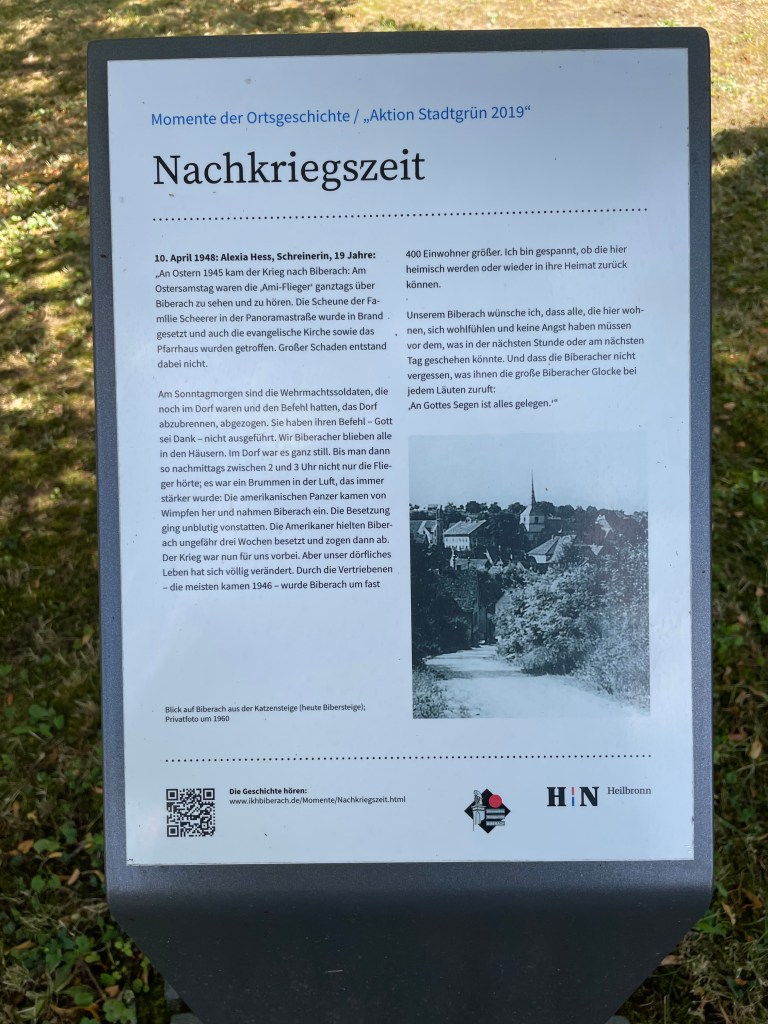
Wikipedia:  In 1806 Biberach became an independent village in Württemberg , where it was part of the Heilbronn district . In 1840, the population was only 1,305; this population figure changed very little over the next 100 years. Population growth stagnated, particularly due to high levels of emigration; between 1850 and 1950, Biberach lost 259 people as a result. In 1950, Biberach had 1,734 inhabitants. The large new development areas surrounding the historic town centre were built in the 1960s. At that time, the structure of the town also changed from an agricultural to a commuter housing estate for the nearby city of Heilbronn, which doubled the population.  Today there are more than 5,000 inhabitants.

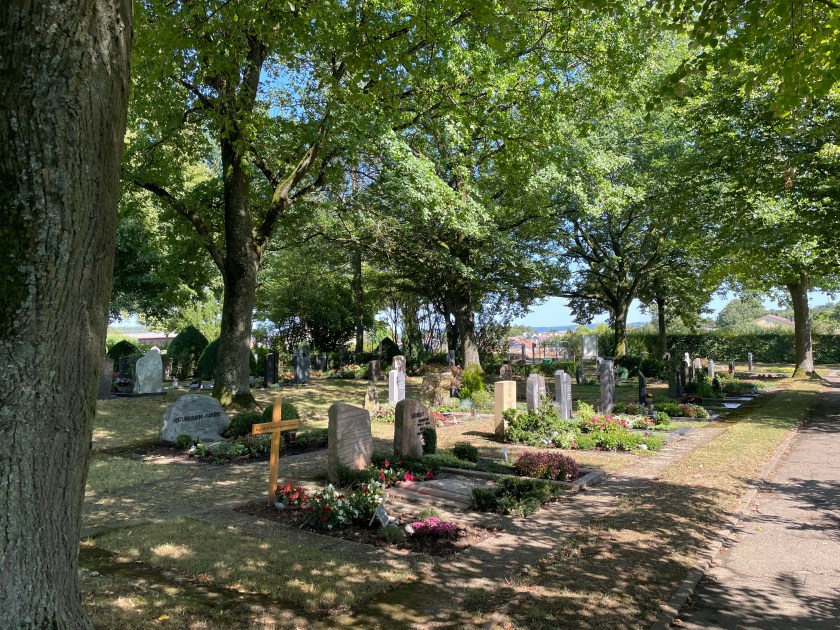
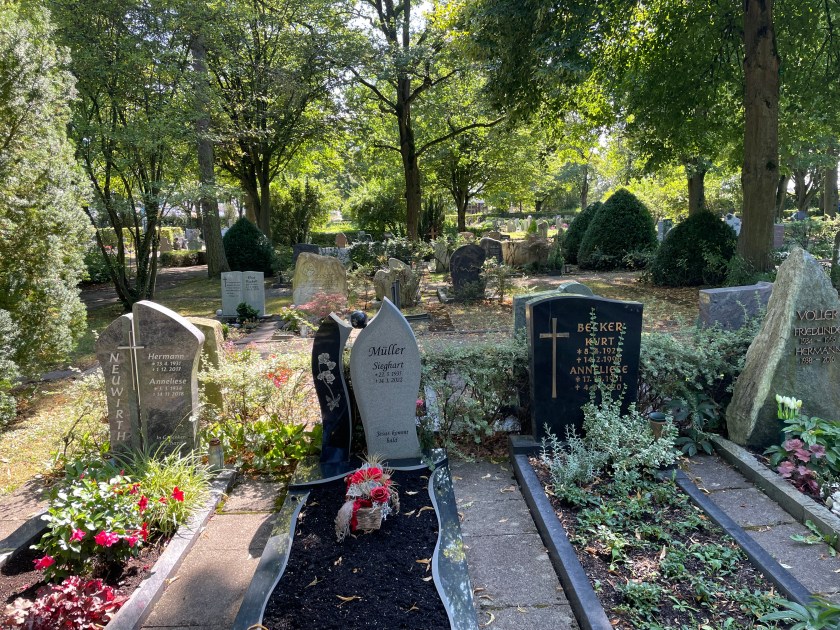
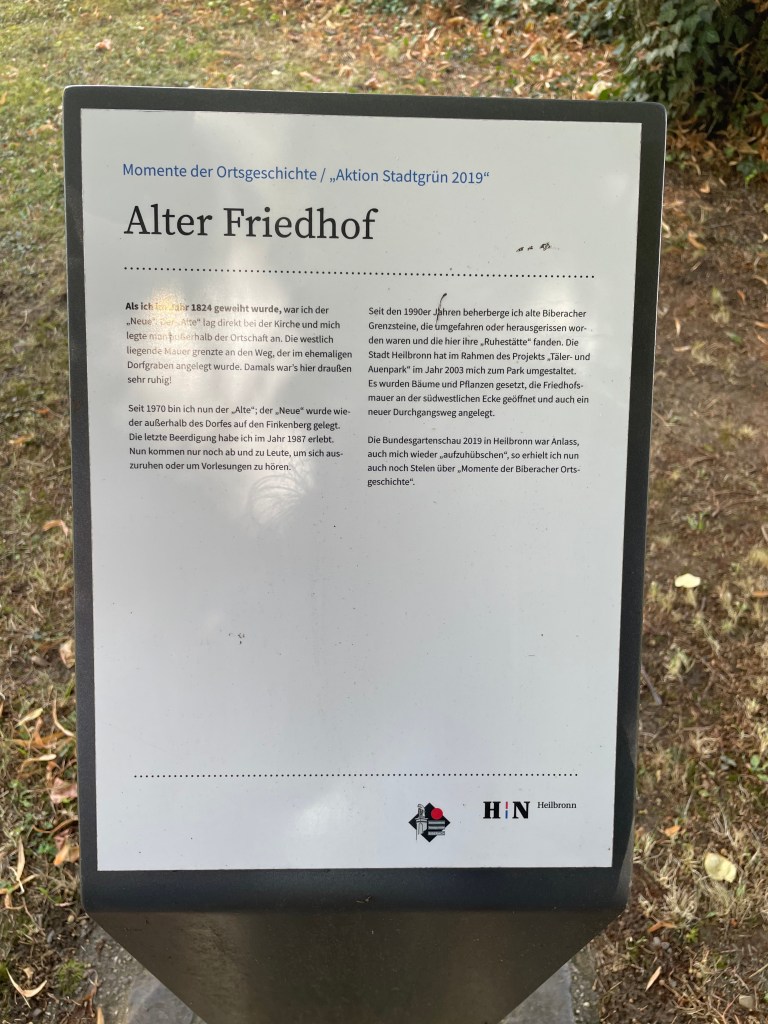
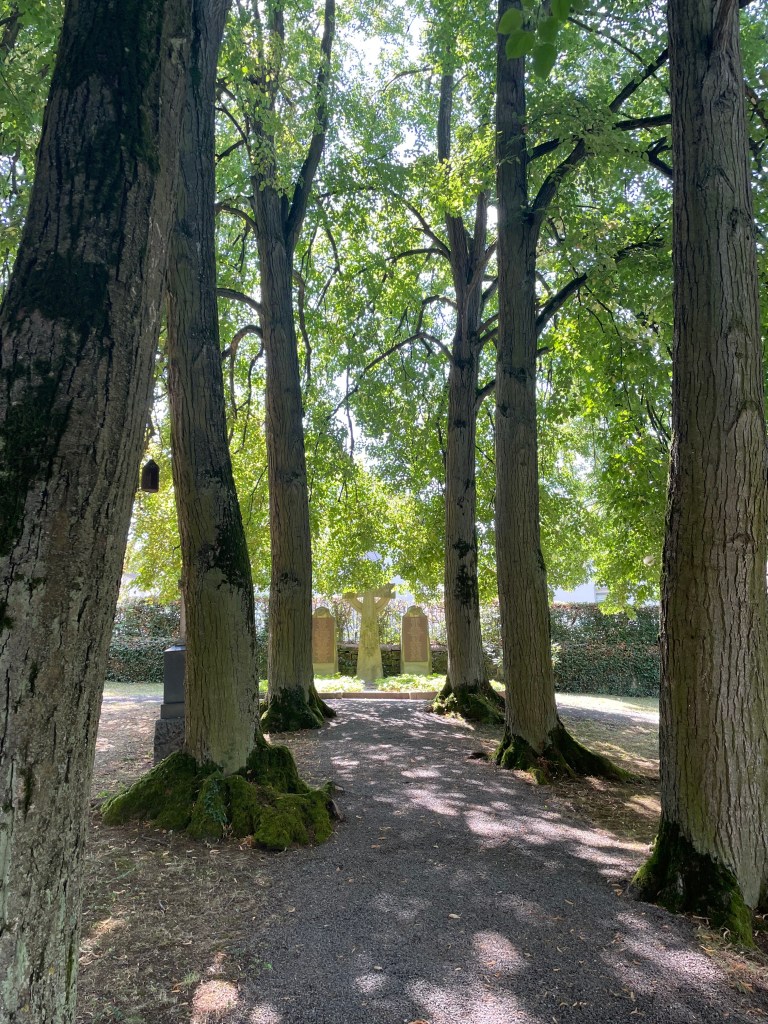
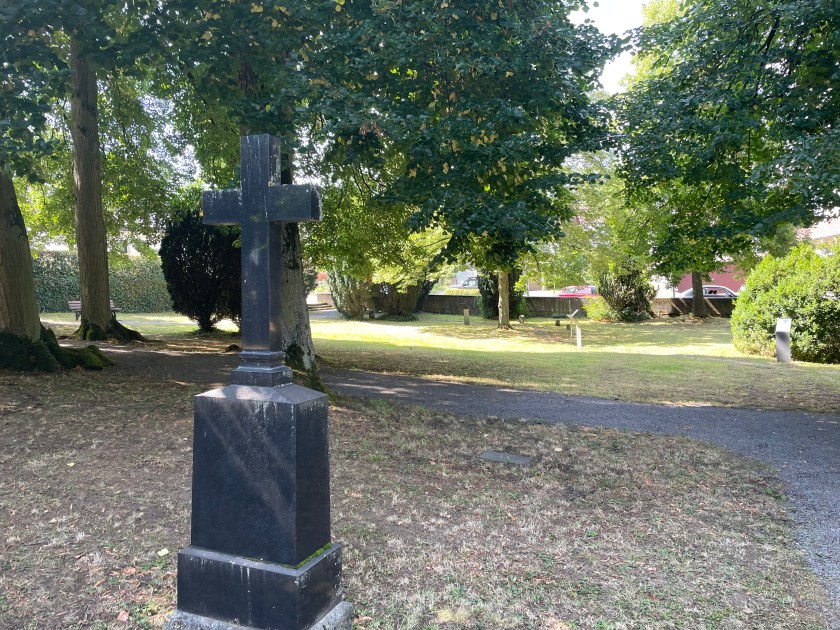
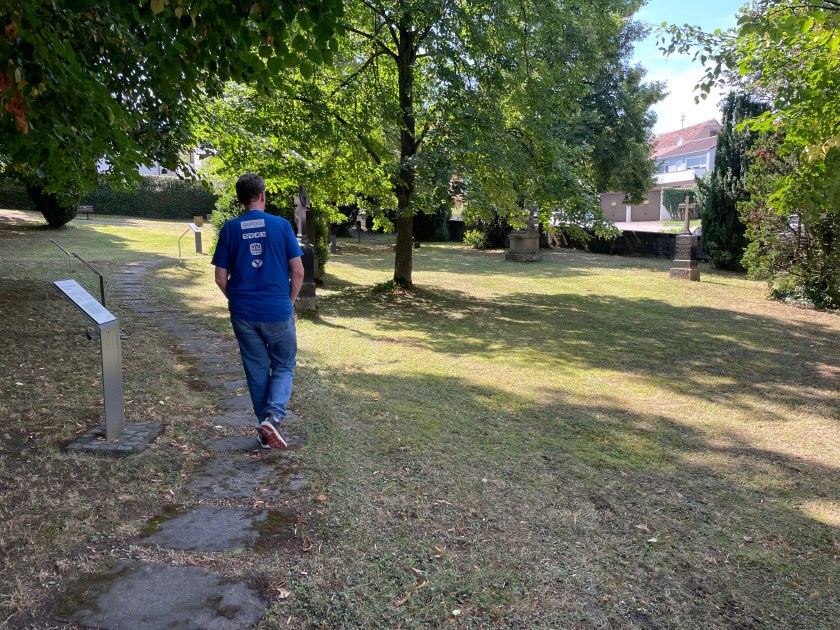
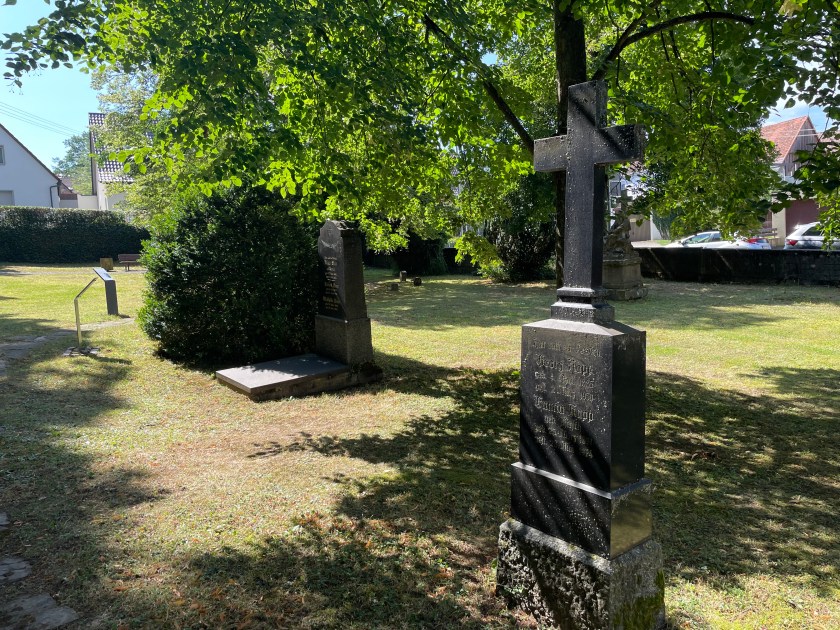
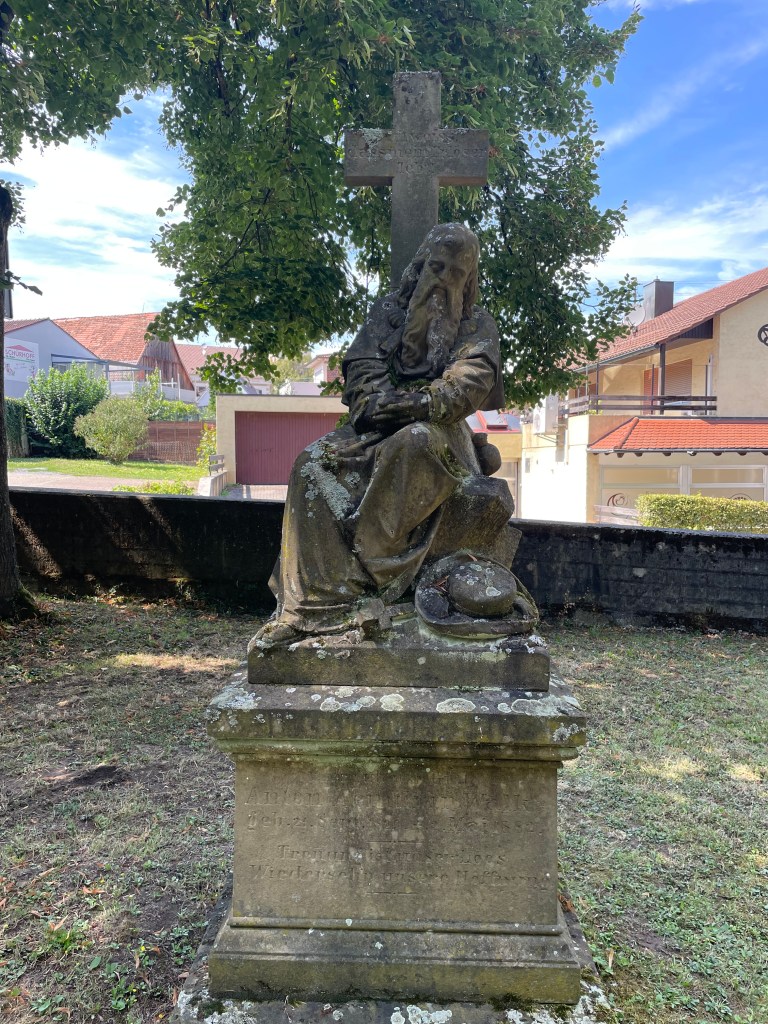
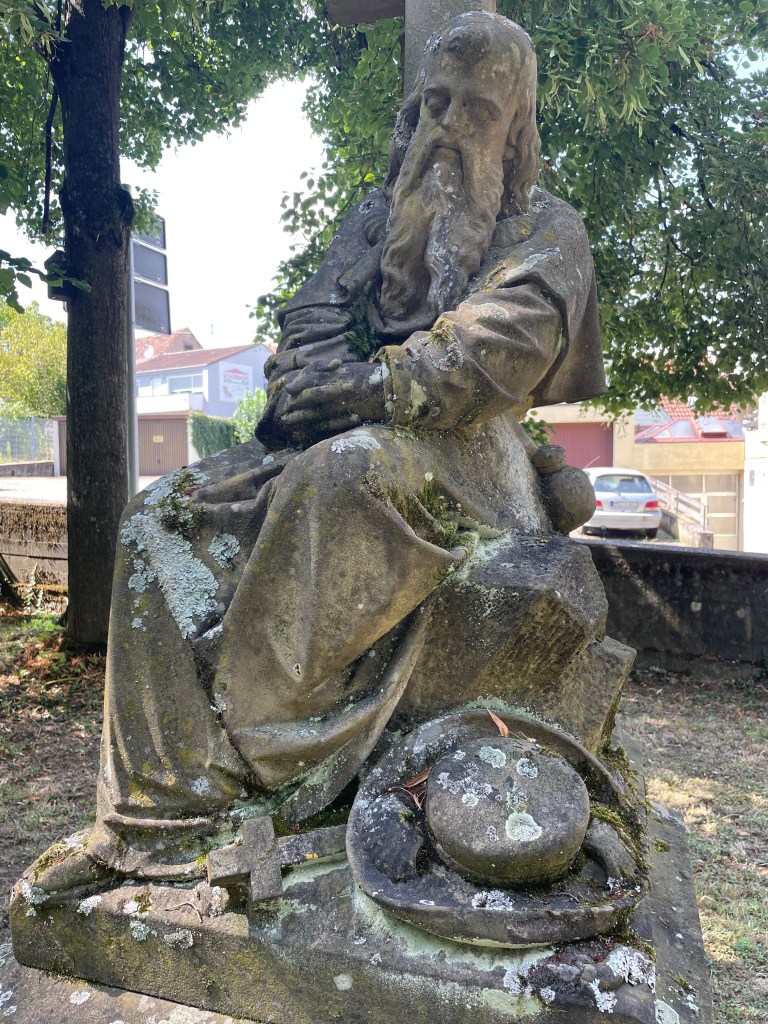
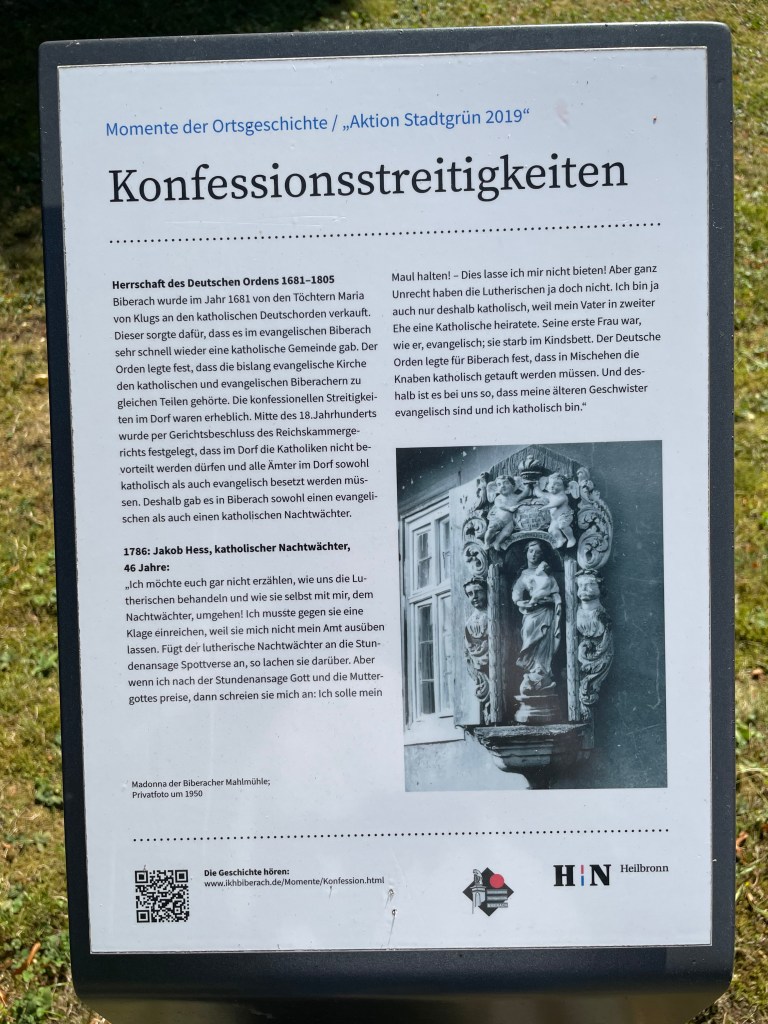
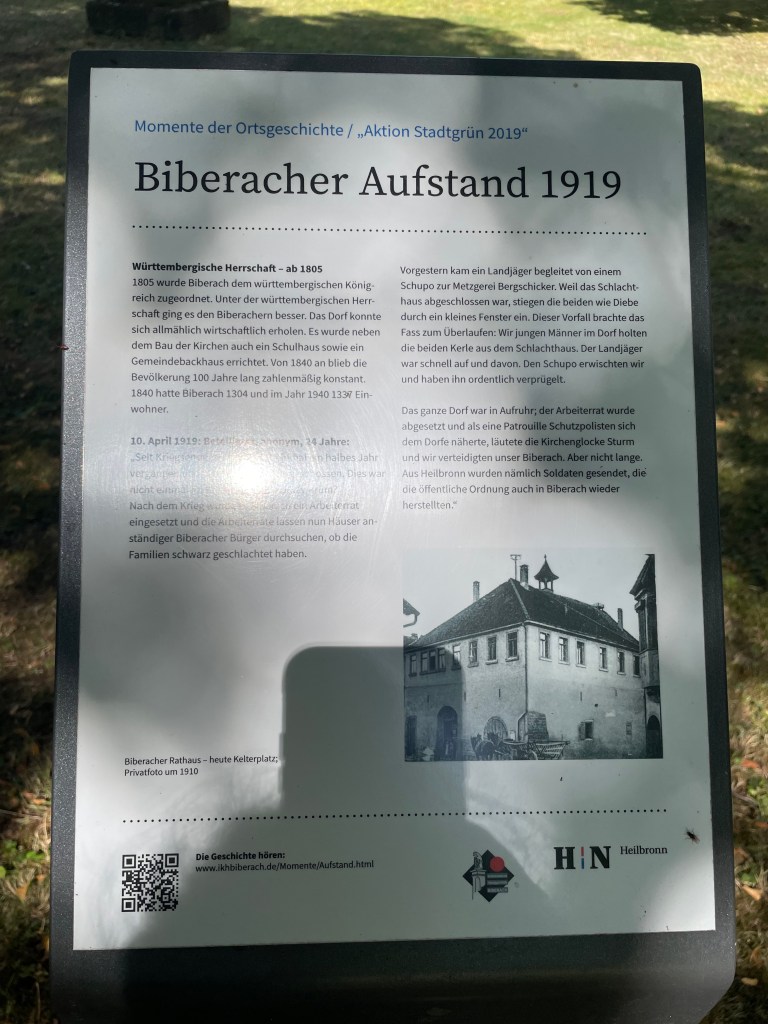
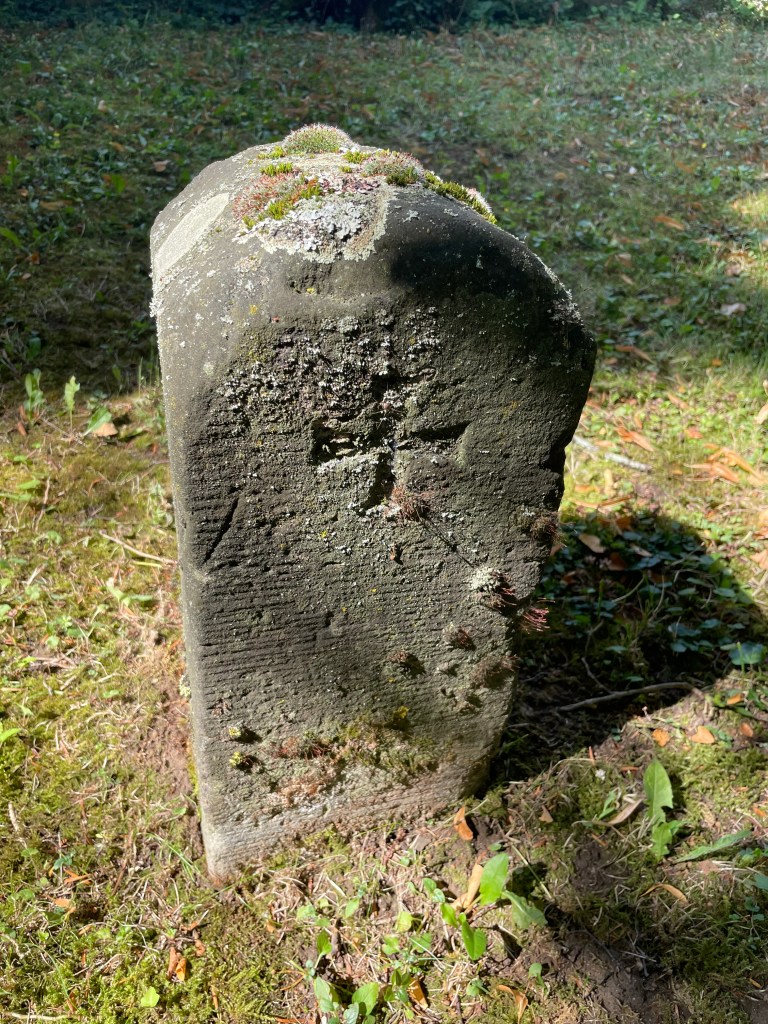
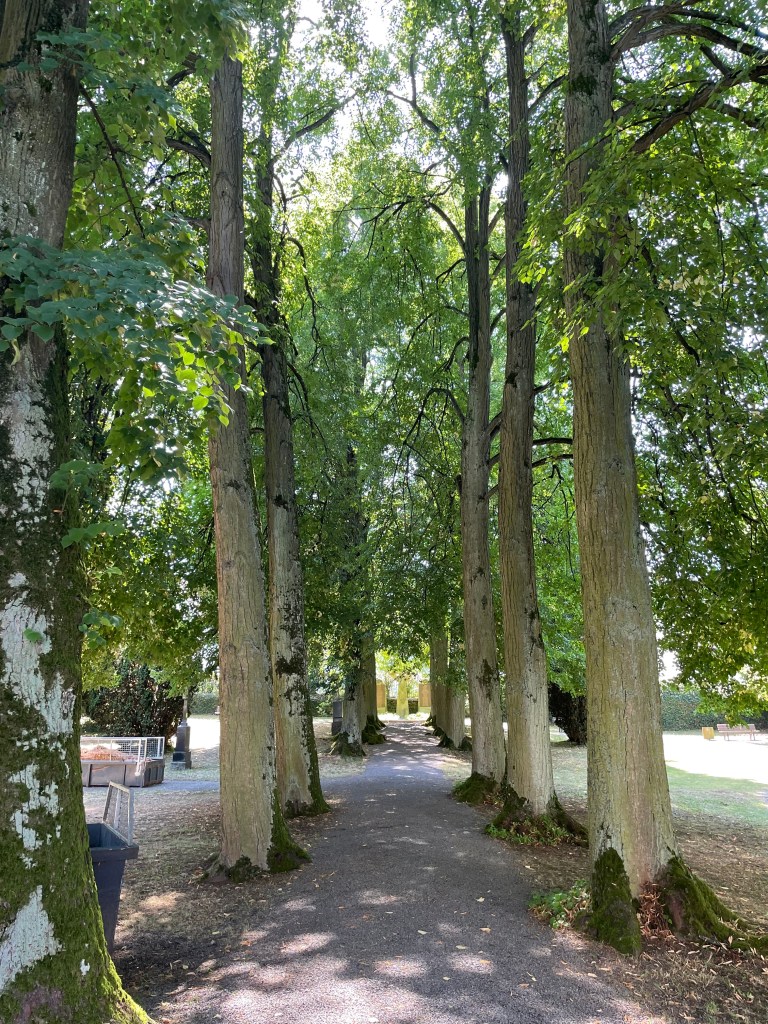
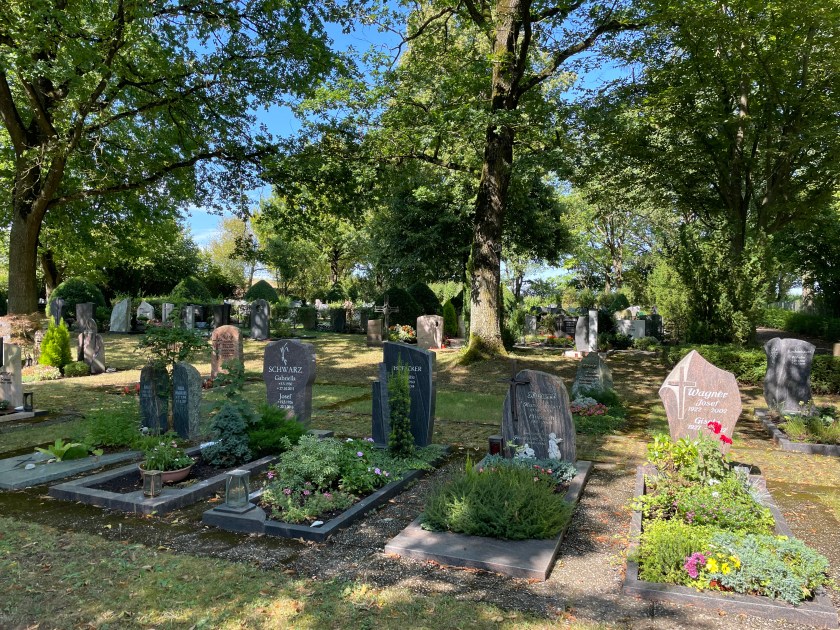
Our first stop was the old cemetery.

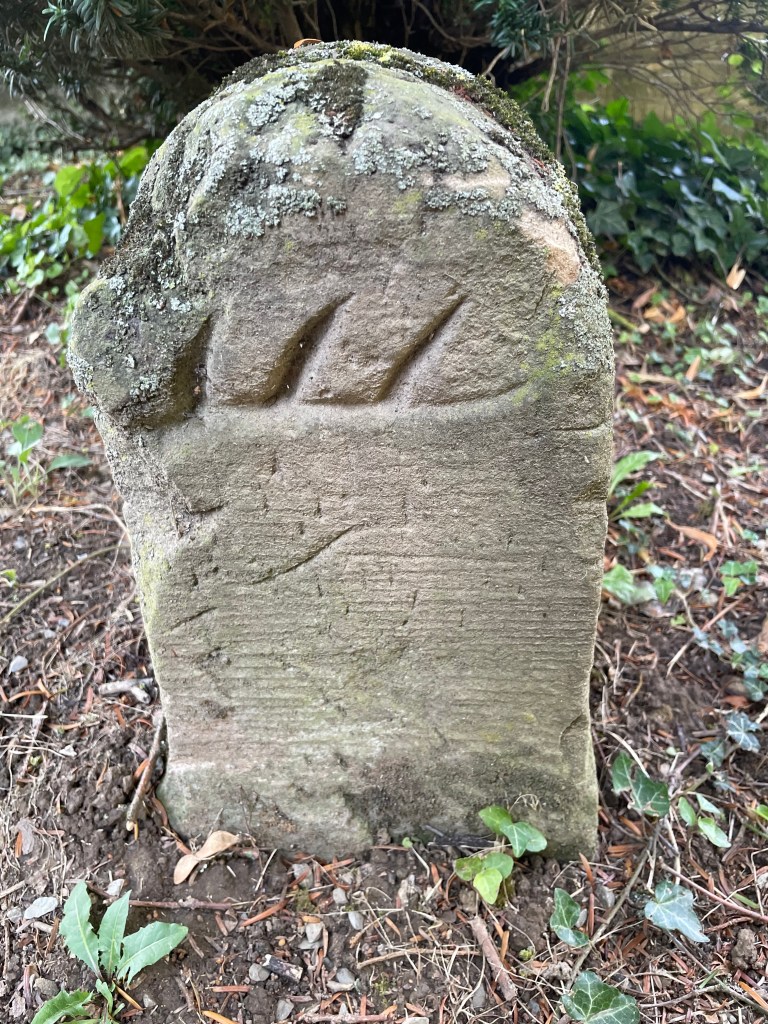
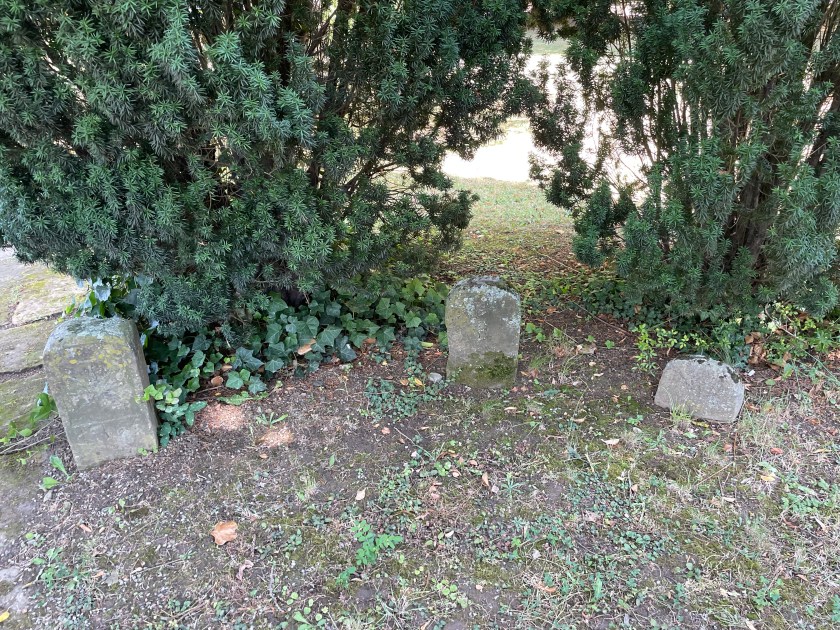
There is some interesting history told here.  Not many headstones remain.  All burials since about 1970 are in the new cemetery.


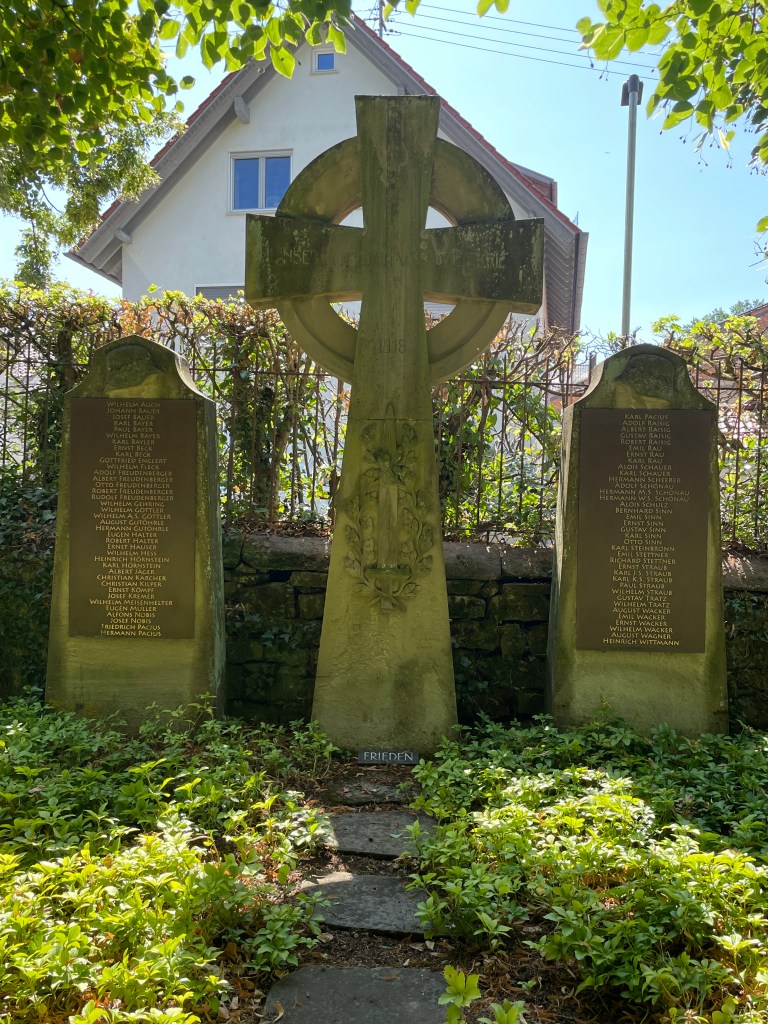
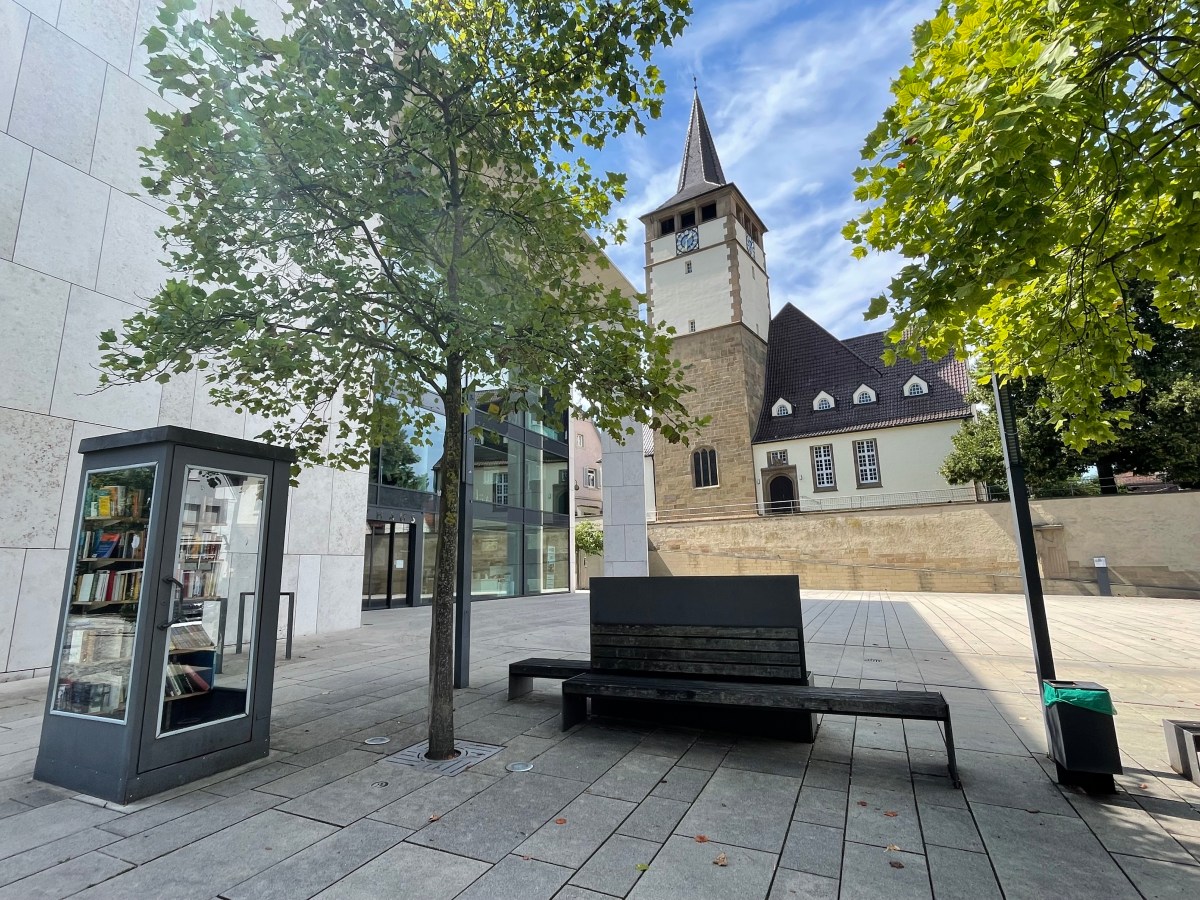
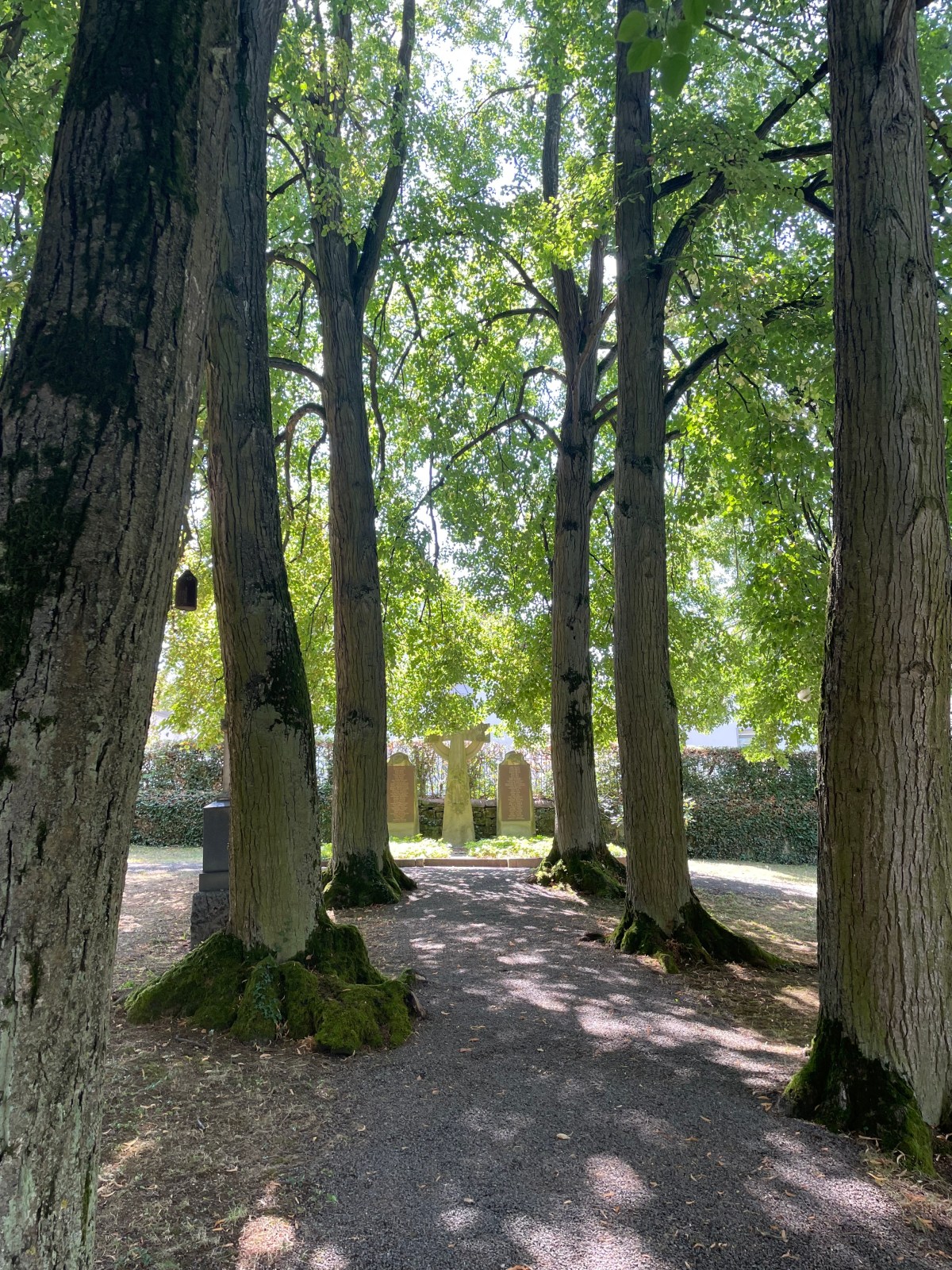
Next we walked through the town and visited the old church.

Farewell to Martin and Jutta and Leingarten

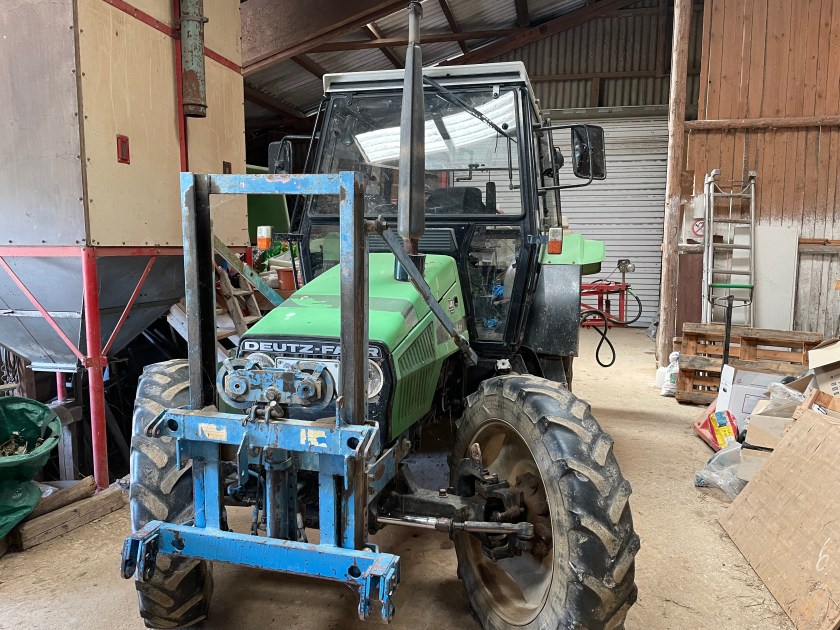
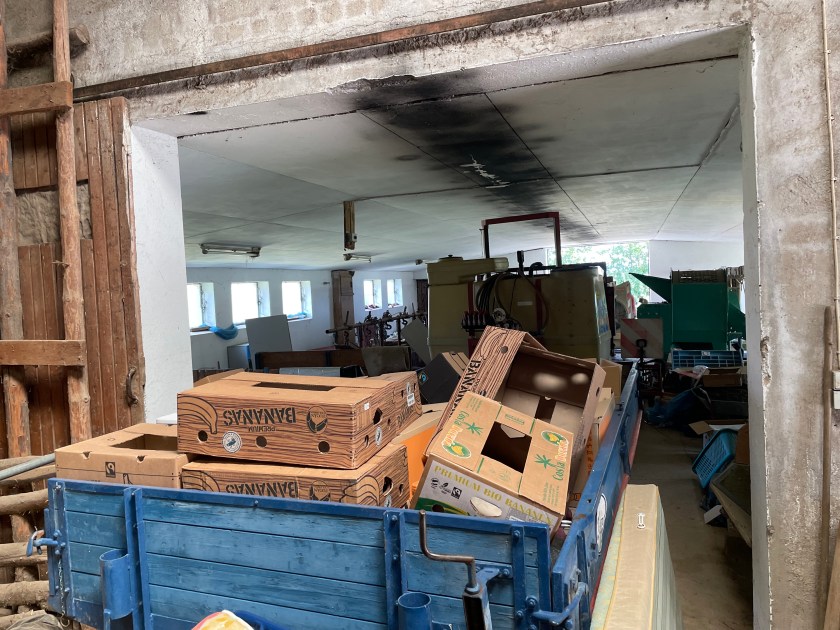
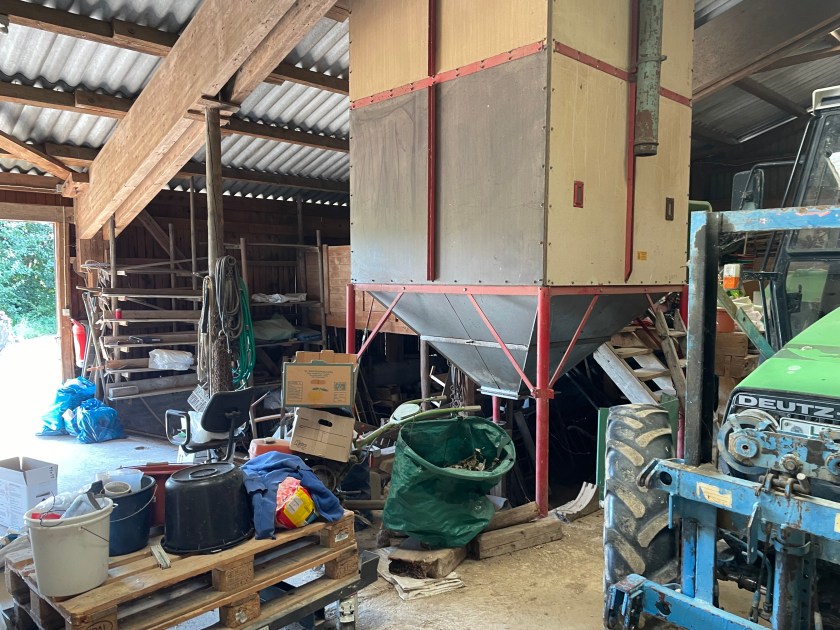
This is Martin’s farming world, a world very much like the one I grew up in.  I felt right at home here with the old farm equipment and old cattle stalls.  The first time I came here in 1976, Helmut had a barn full of milk cows.  I loved the smell and I loved how it still lingered, even after all these years.

My father, also a farmer, lived in a world like this too.  We had a huge shed, a work shop, and Dad’s junk shed where every scrap and useful piece was kept until it was needed.  I loved growing up in a place like this.  I wished I could capture the smell of it all–the old grease, the old wood, the equipment, now resting.  I loved being here.

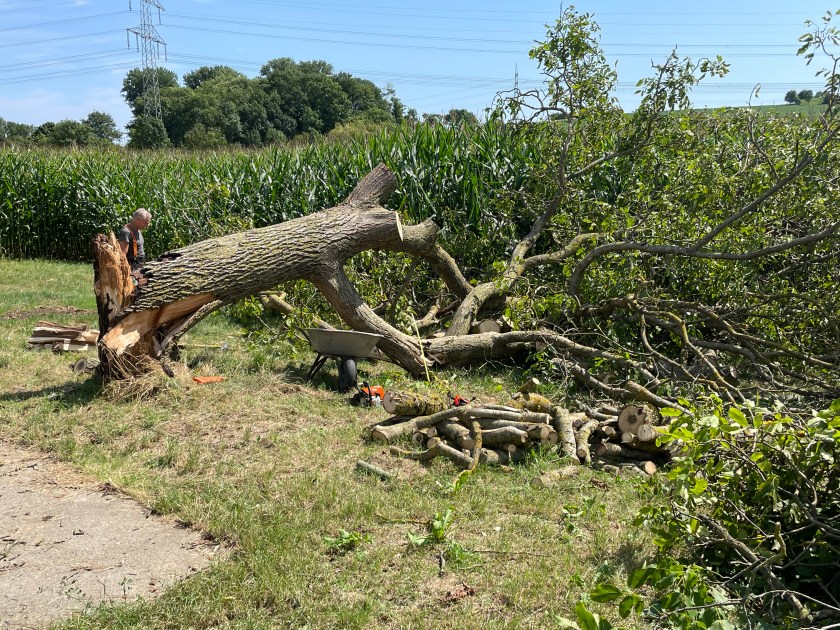
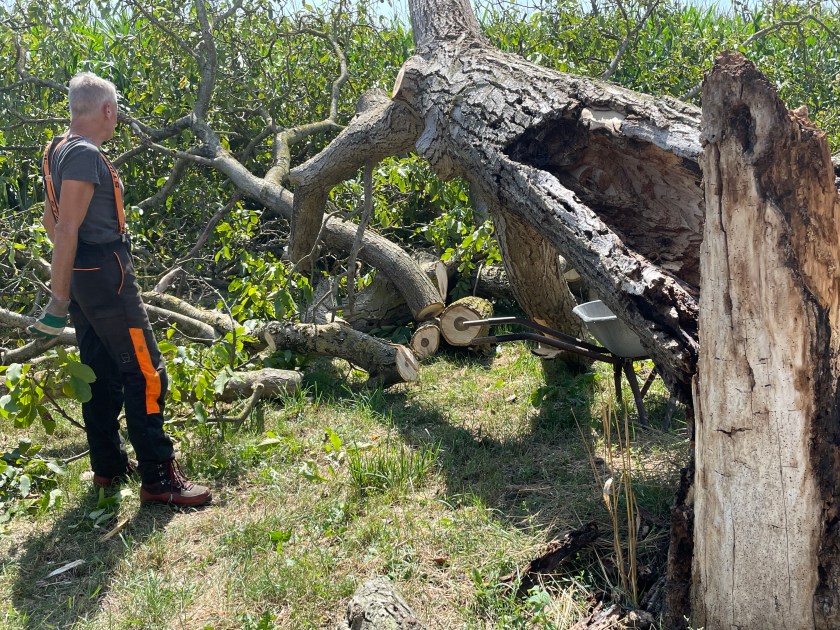
There was a cloud burst last night that took down this old walnut tree.

Martin sent us off with this case of grape juice made right here in Leingarten.  Liquid gold!

I’m so grateful for my German family and for how dear they are to me.  I can tell the same blood runs in my veins, just by how comfortable I feel here.  I was sad driving away today.  I hope we can visit again soon.

Our Last Day in Leingarten

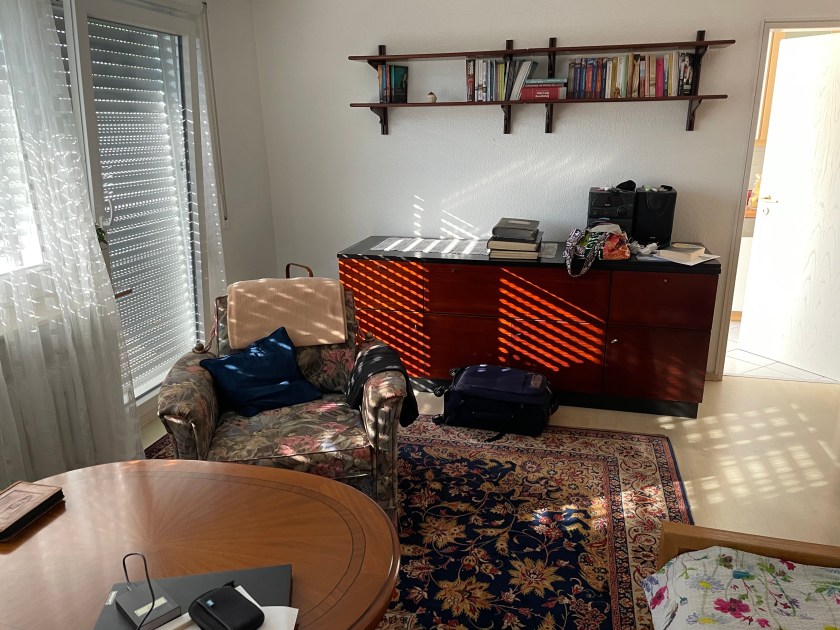
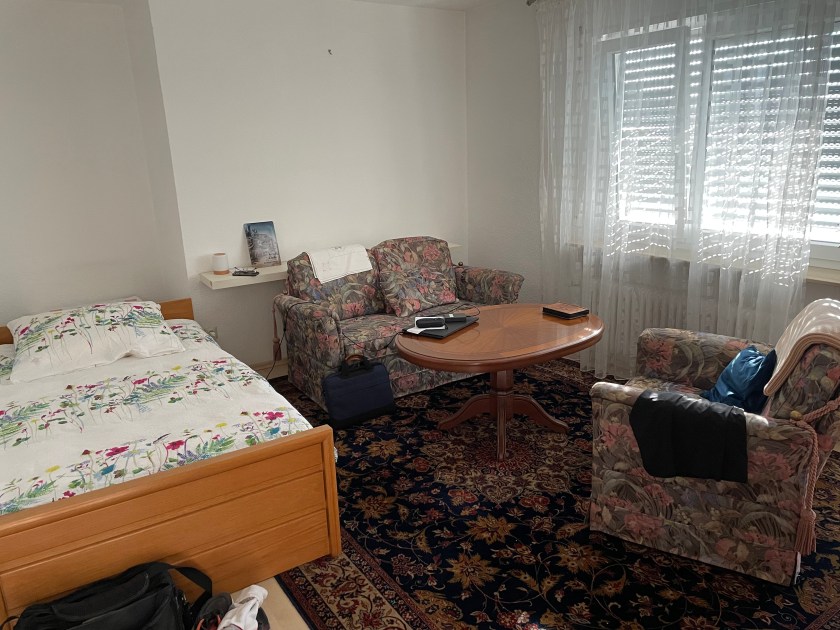
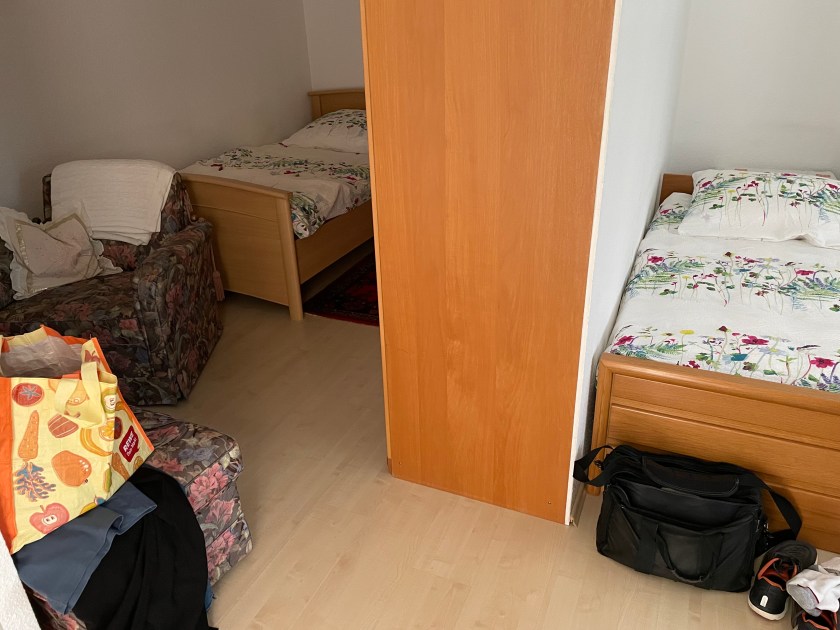
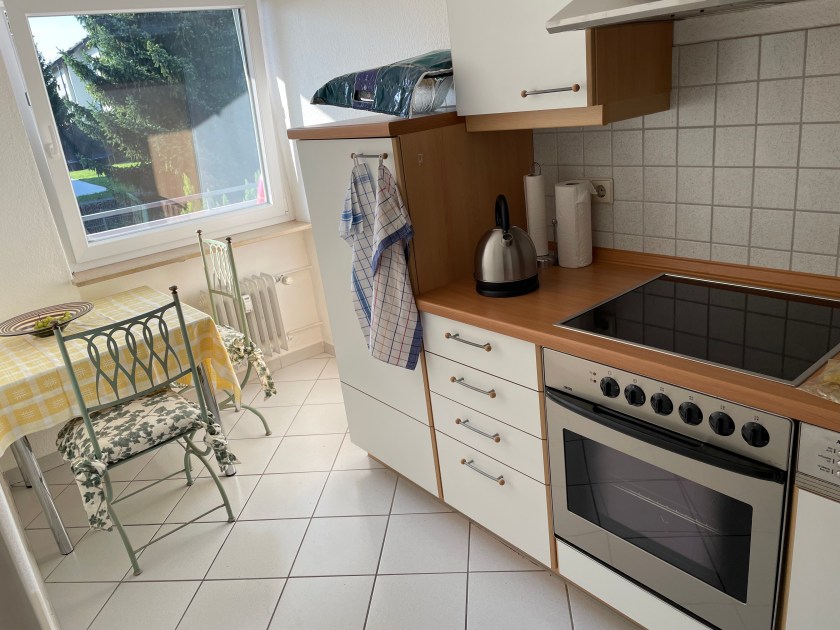
Today was our final day here.  This morning we packed our things and thanked Elfrieda, Jutta’s dear friend, who shared an empty apartment with us this last week.  This apartment was perfect in every way.

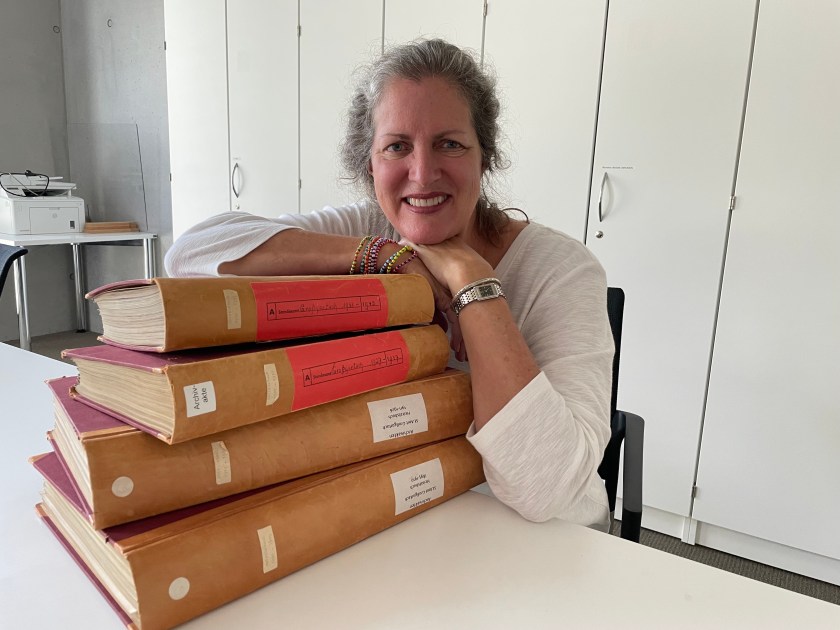
Then we went down to load the car before heading back to the Archives for one last morning of digitizing the records.  Each evening we were allowed to take the civil registry volumes home to work on afterhours, which was such a blessing.

Each batch of records was carefully copied onto this external drive, to make more room in our phones and computers.


When we got down to the car, there was a problem.  We couldn’t get out!

Eventually the workers put a temporary cover over the trench so we could back out.

This is Regina, the Archivist, who was so helpful and kind.

Here’s the room where we worked.  Today we finished the marriage records.

This has been one of the happiest weeks of our time here in Germany.
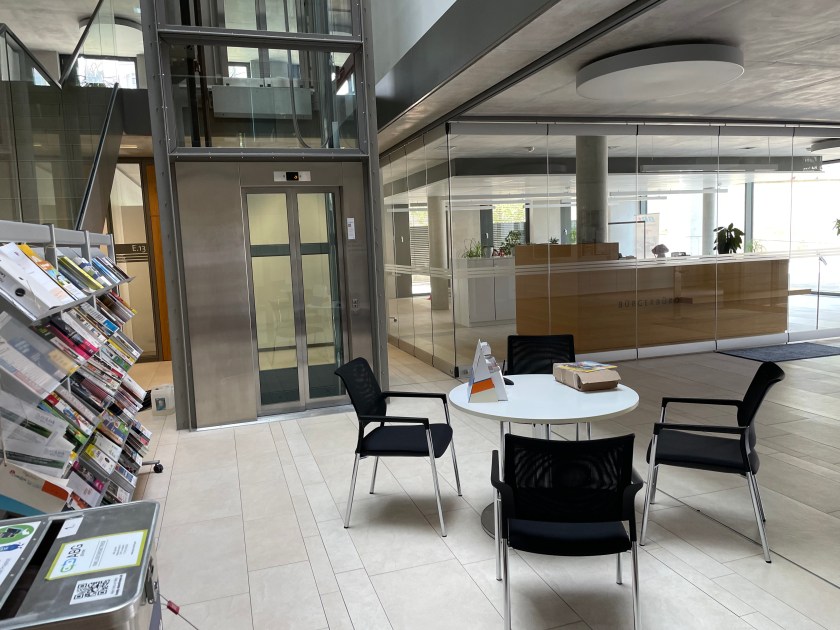
Goodbye to the Rathaus and Archives.
And then one last good bye to Grandma’s home across the street.
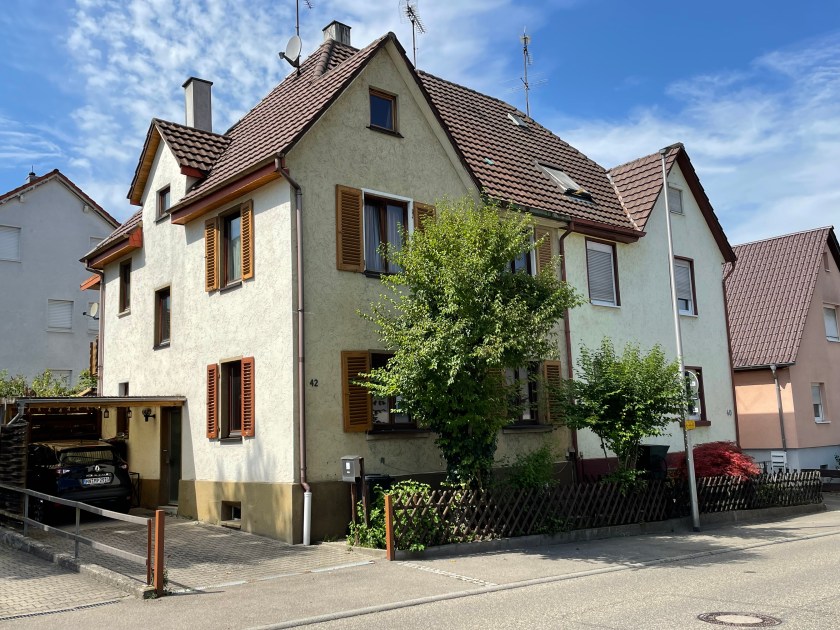
Here is one more ancestral home we went by on our way to Martin and Jutta’s farm.  This is the home where Martin’s grandparents, Heinrich and Sofie lived.  Heinrich is my Grandpa Rudolf’s brother.  Sofie’s father, Johann Heinrich Werner, built this double home.  The home of the right side was sold to help pay for the left side, where Heinrich and Sofie lived.   Johann Heinrich Werner built a second home just like this one on Heilbronnerstrasse in town for another of his daughters, perhaps Frieda, the mother of Gerhard Hauff, or perhaps for Marie Karoline.  In each case, the second side was sold to help pay for the home.
How to Make Brats and German Potato Salad

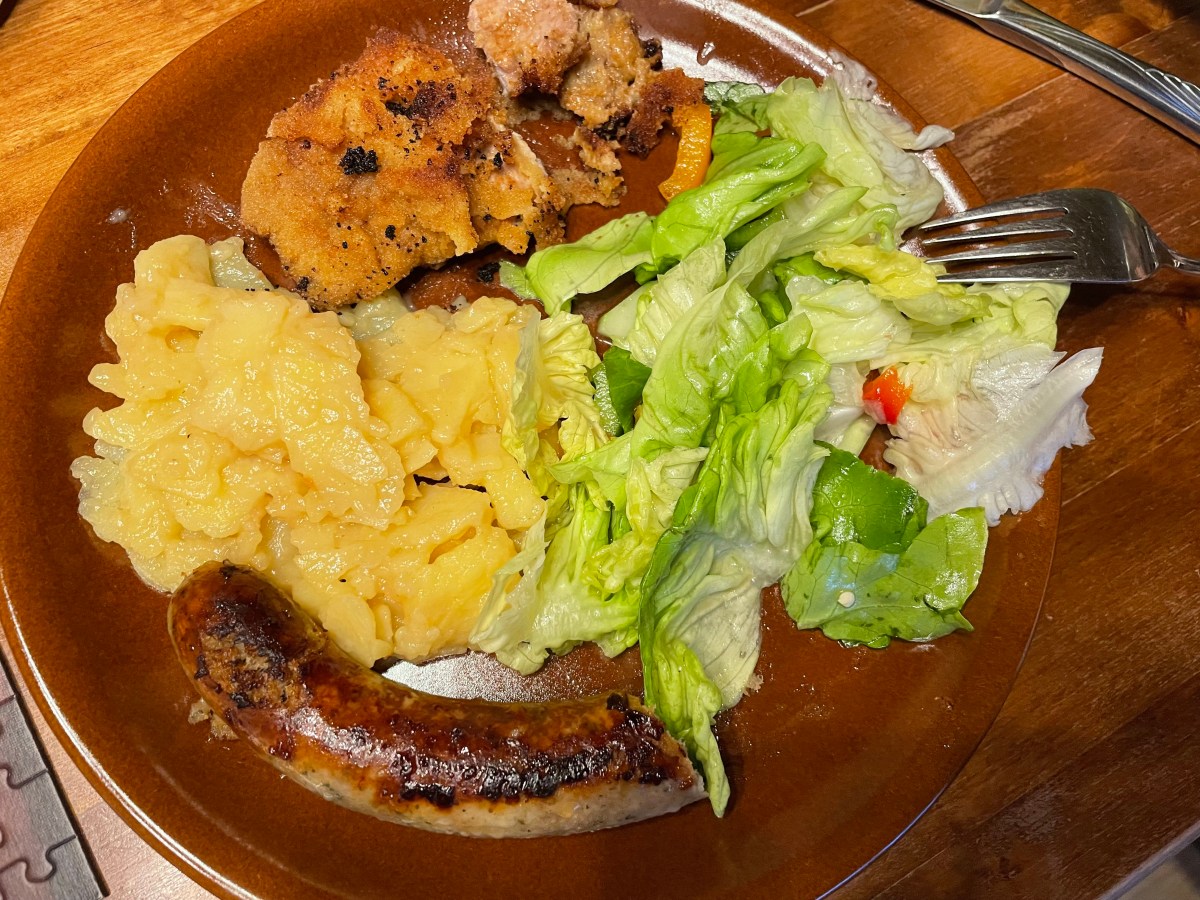
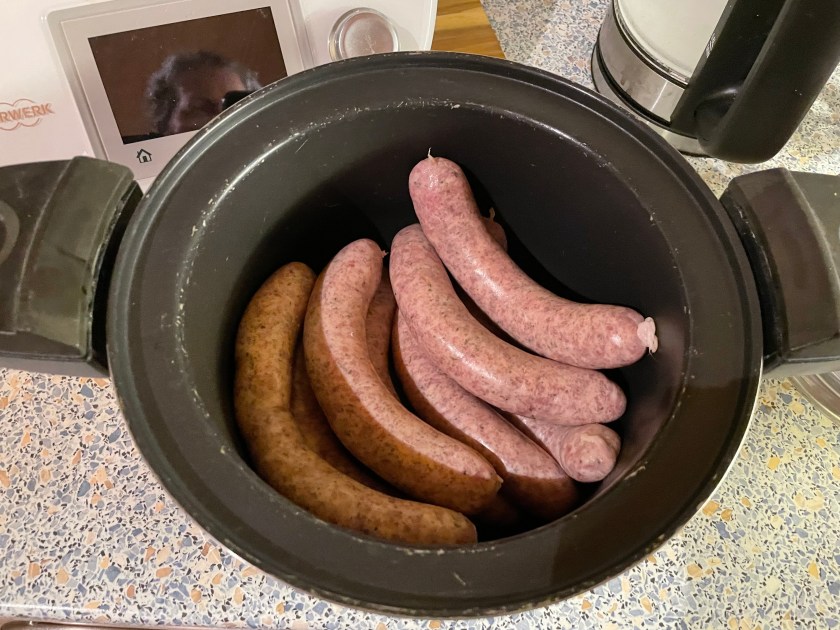
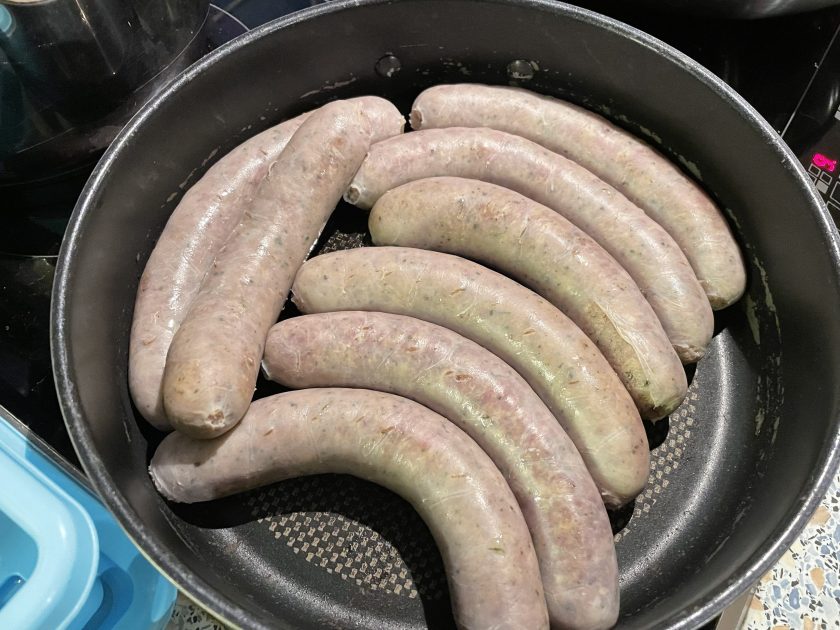
Most butchers have their own recipe for Brats.  The ones we had this evening were probably the most delicious I’ve had so far in Germany.  This evening Jutta showed me how she prepares them as we were preparing our dinner.

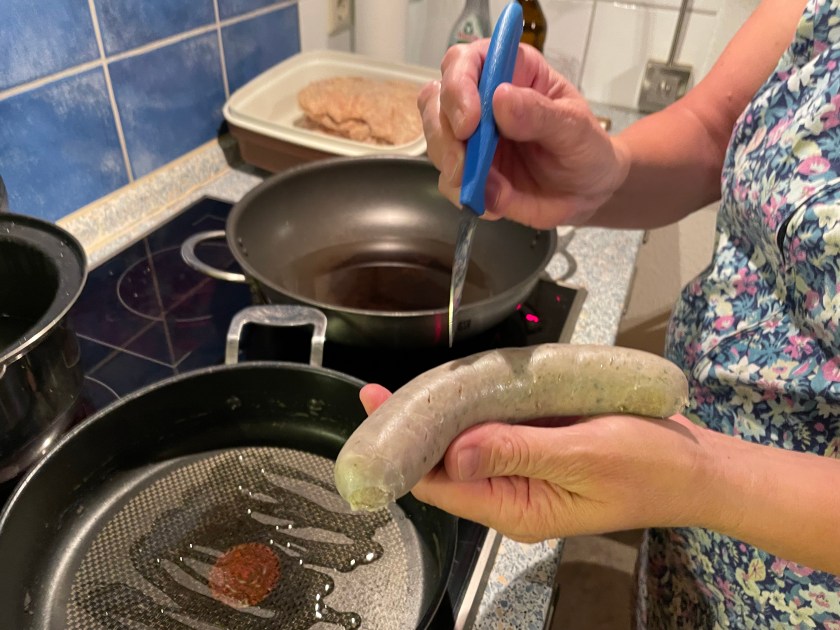
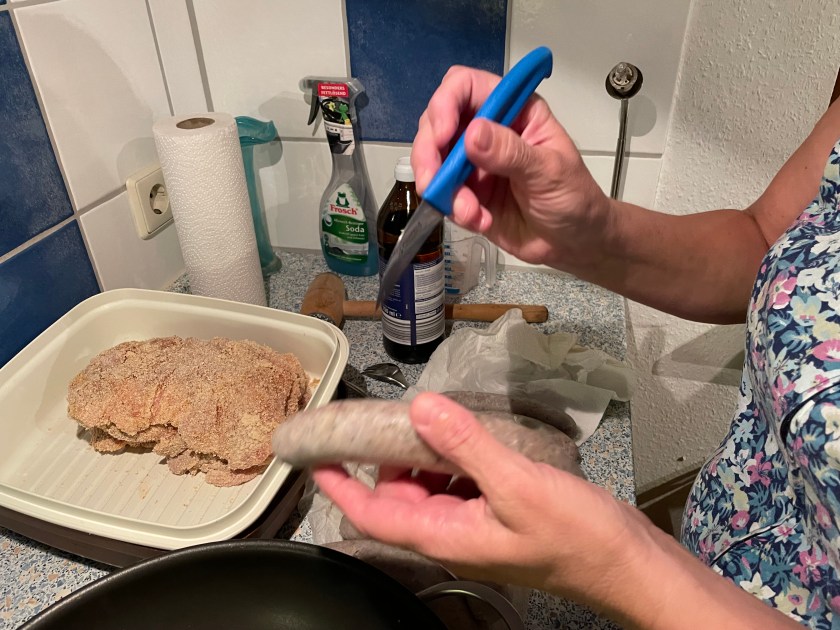
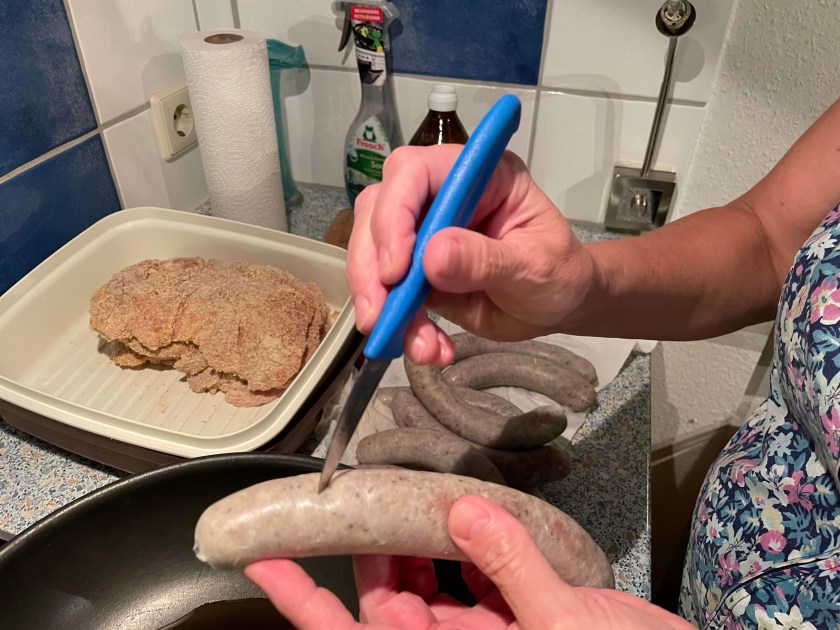
She put the Brats in a pot and poured boiling water over them, letting them sit for about 20 minutes.  This partially cooks them.  Then before frying them in a little bit of oil, she pricked each Brat with a knife.
Then you fry them until golden brown.  I didn’t get a pic of them before we served them, we were too busy preparing the potato salad to go with them.
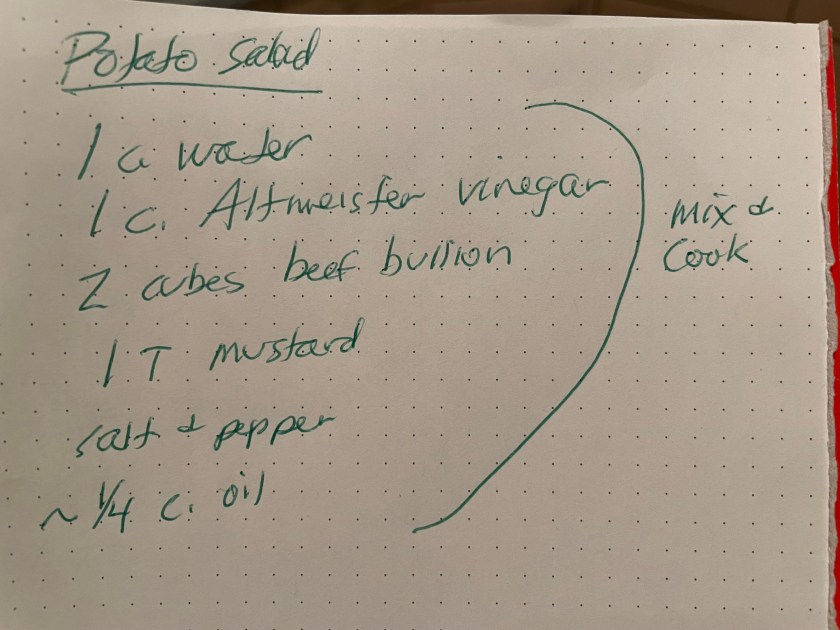
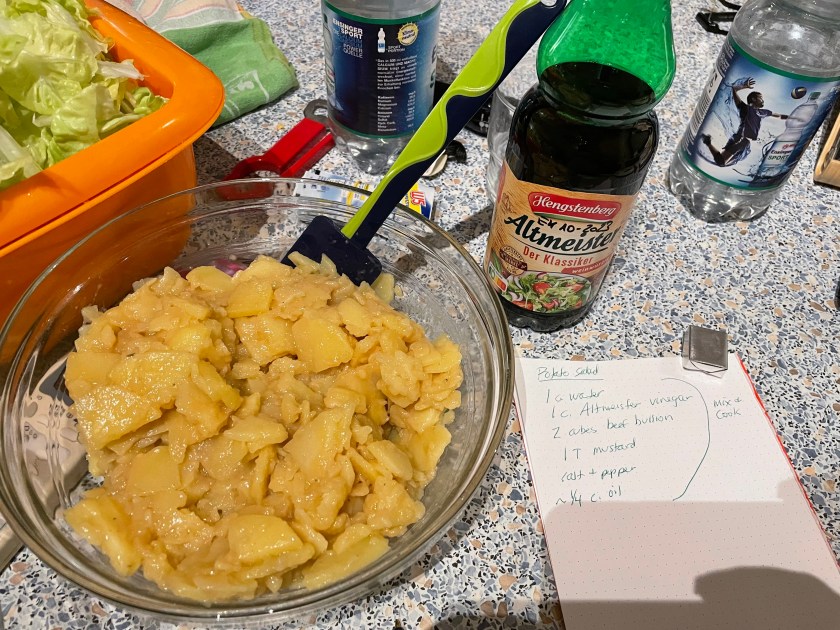
Here’s the recipe I jotted down for Jutta’s potato salad.  Interestingly, she got this recipe from the sister of Regina ,the Archivist, so I will remember her too, when I make this, which I will do!

German Potato Salad
Mix and cook on the stove until all the ingredients are well mixed (light boil).   You can also add chopped onion before cooking, if you like.
1 cup water
1 cup Altweisfer vinegar
2 cubes of beef bullion
1 T mustard
about 1/4 c. oil
salt and pepper
Toss this dressing with boiled, peeled and thinly sliced (not cubed) potatoes.  You can also add hard boiled eggs.

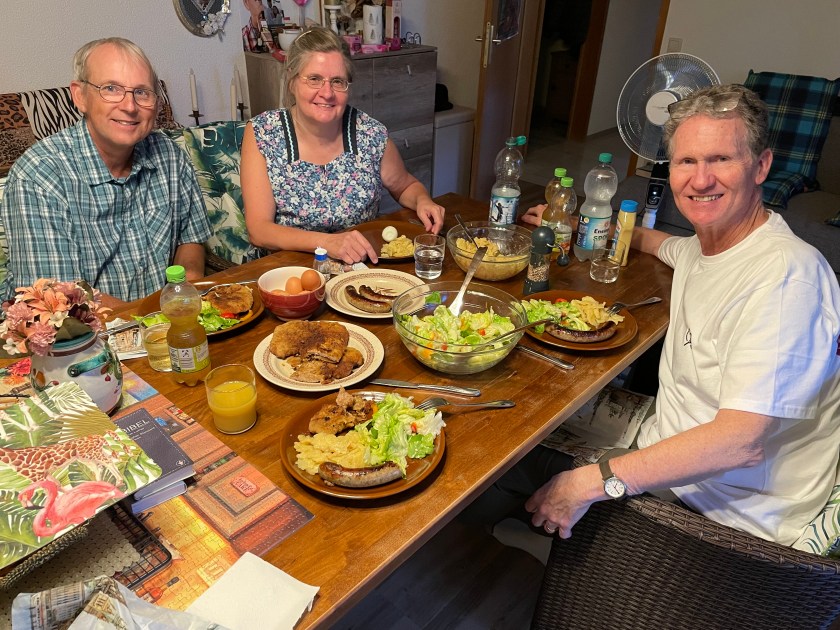
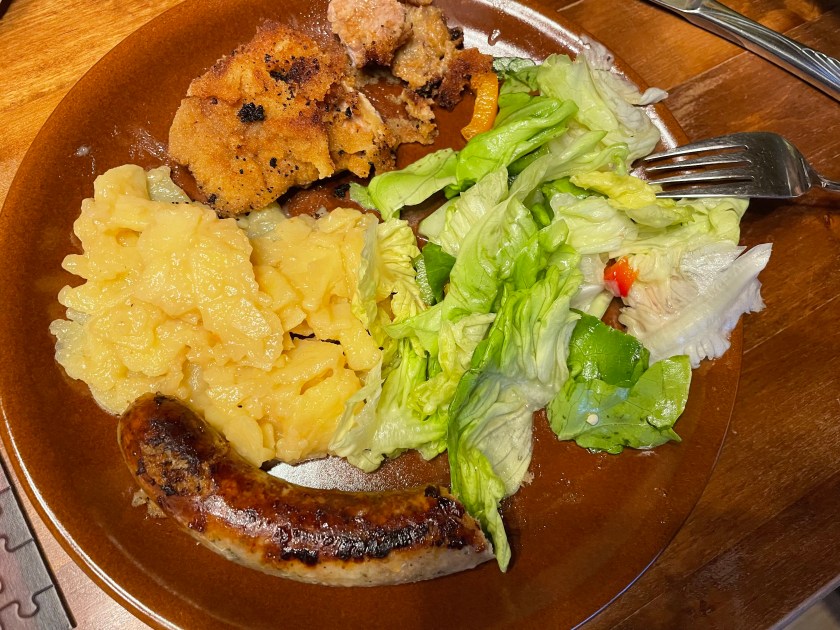
Then we sat down to enjoy this very delicious meal.

How to Make Schnitzel

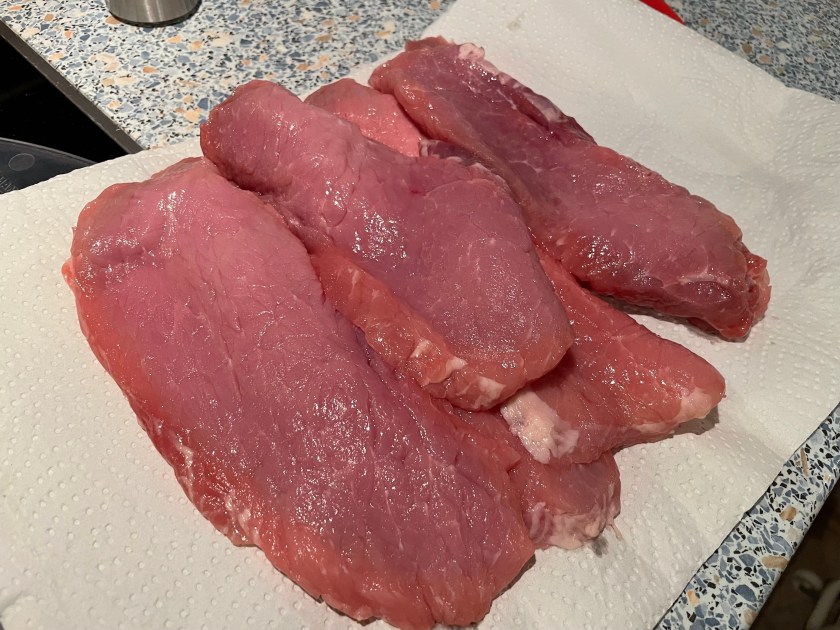
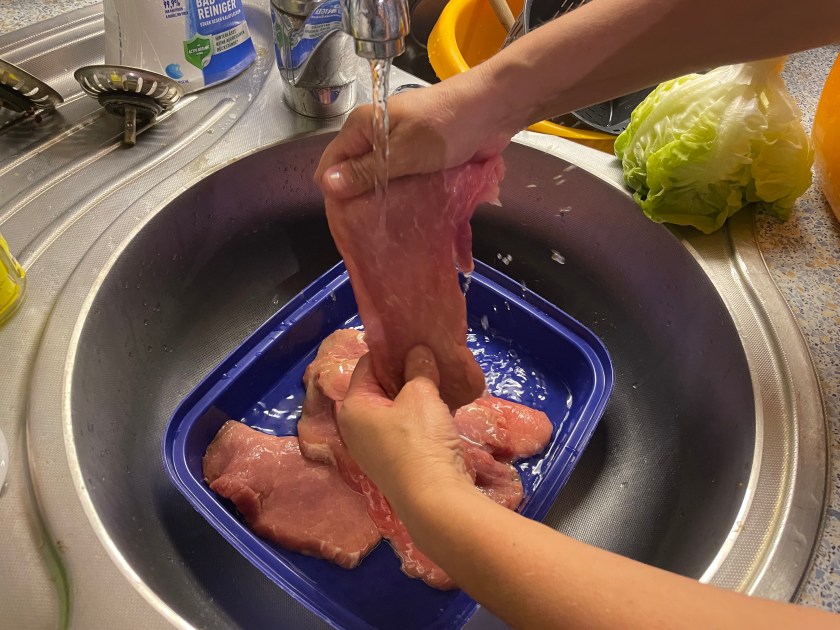
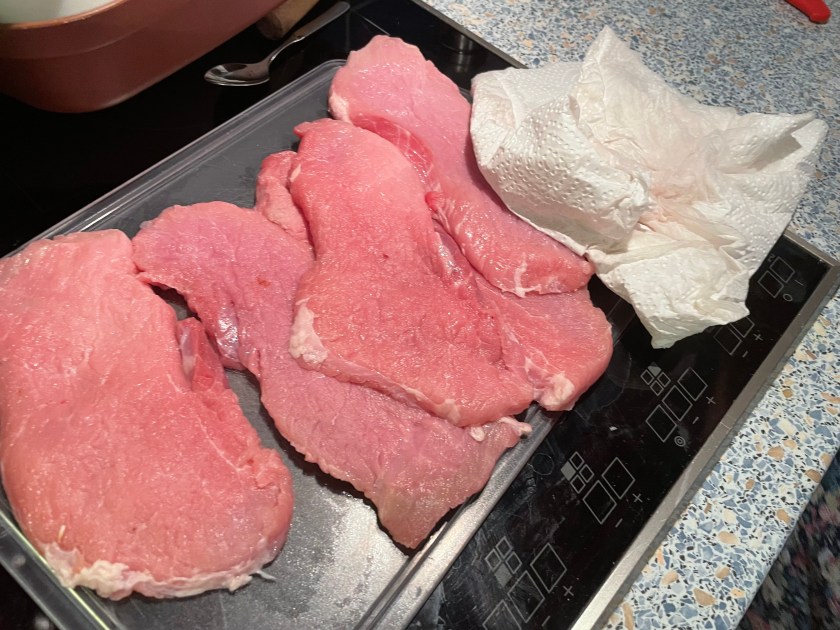
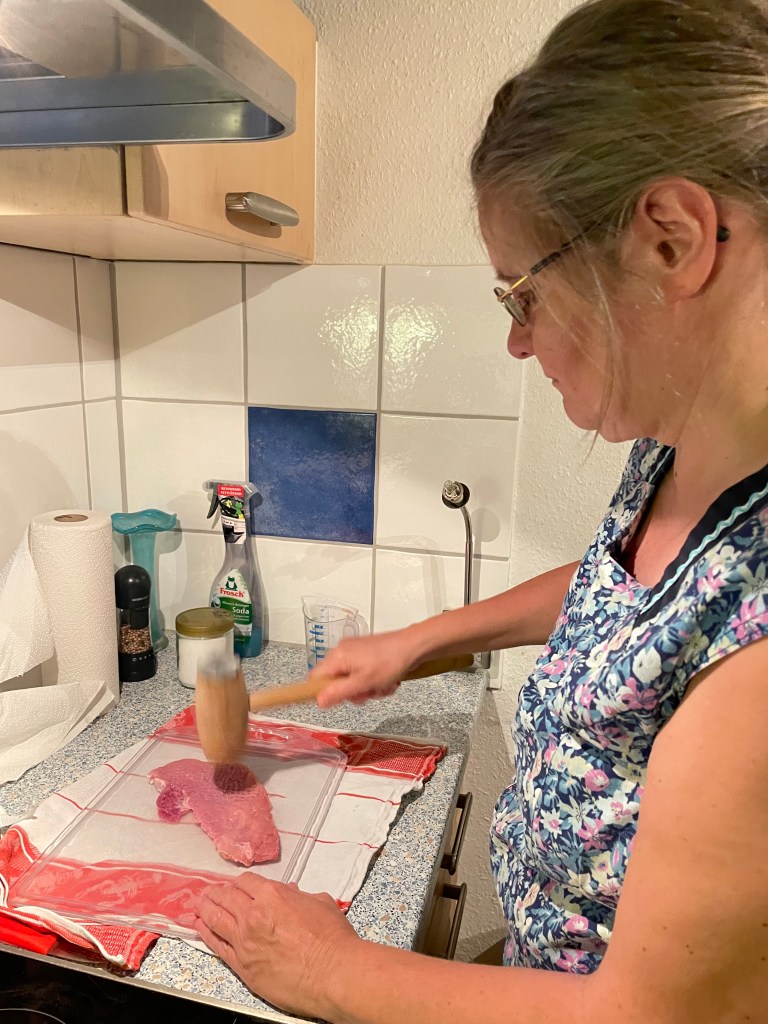
This evening Jutta taught me how she makes Schnitzel, a favorite here in Germany.  You start with pork, veal or chicken cutlets.  First you wash and dry them.  These are pork.

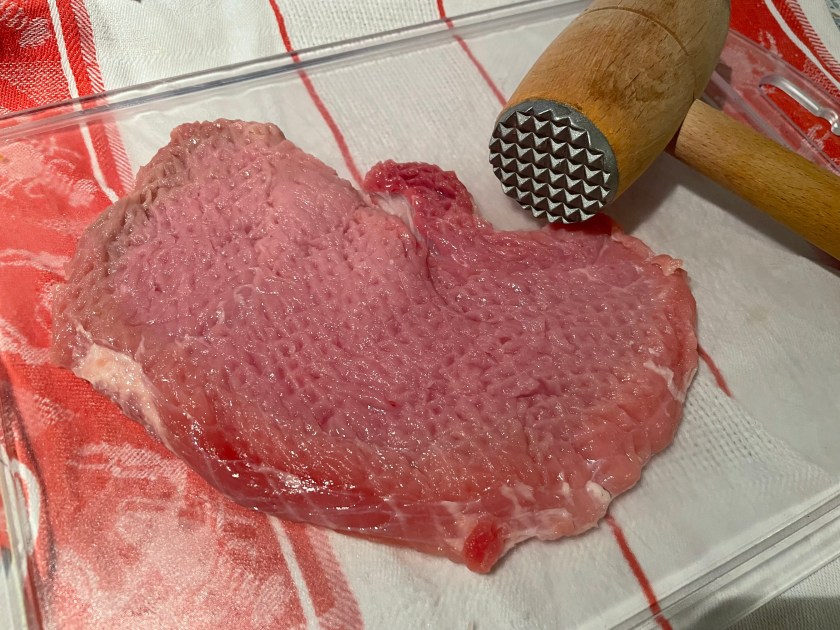
Then you pound the smithereens out of them until they are thin and tender.

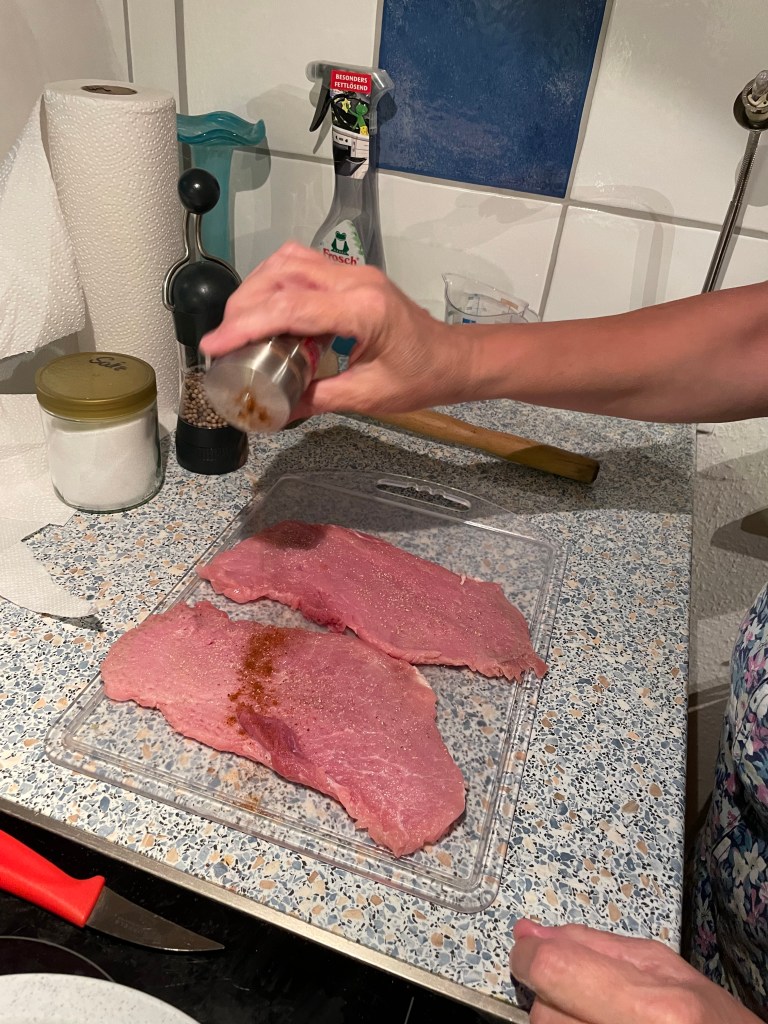
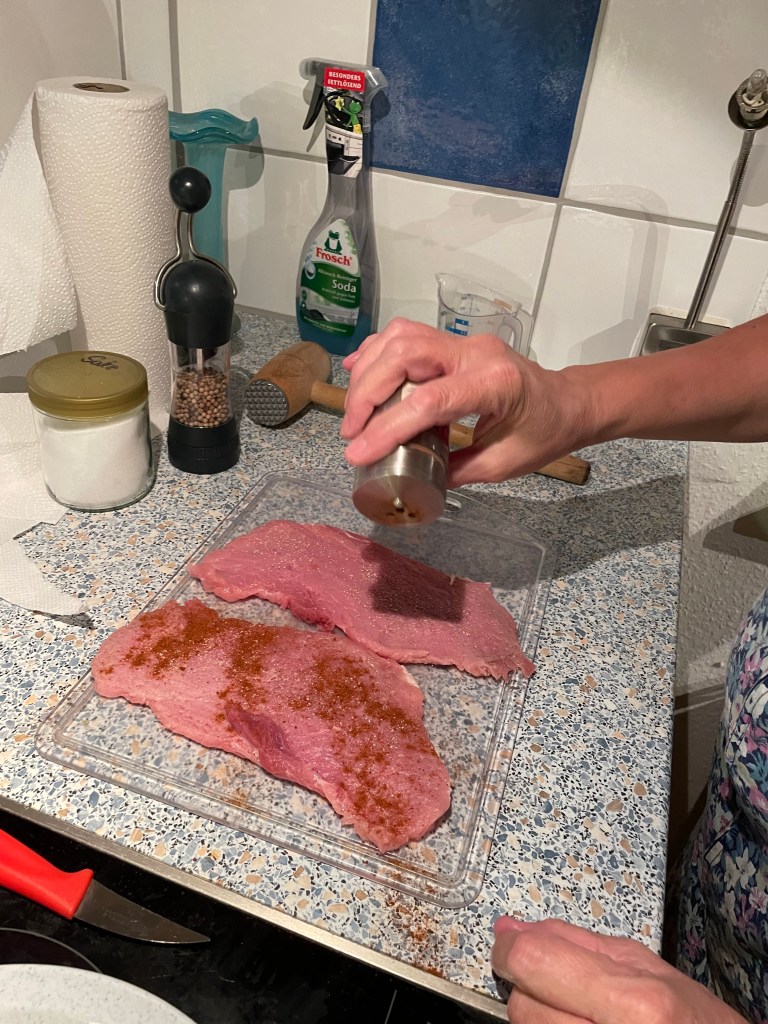
Season with paprika, salt and pepper.

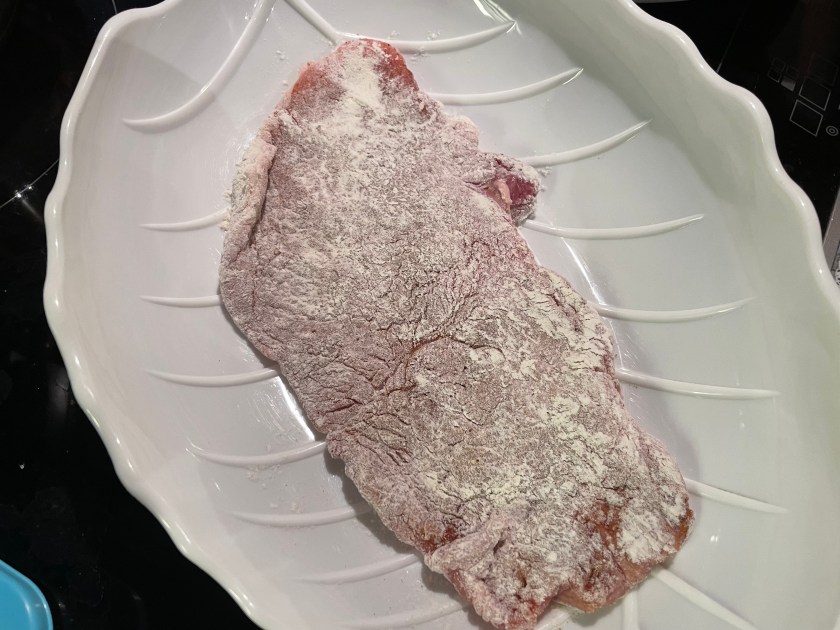
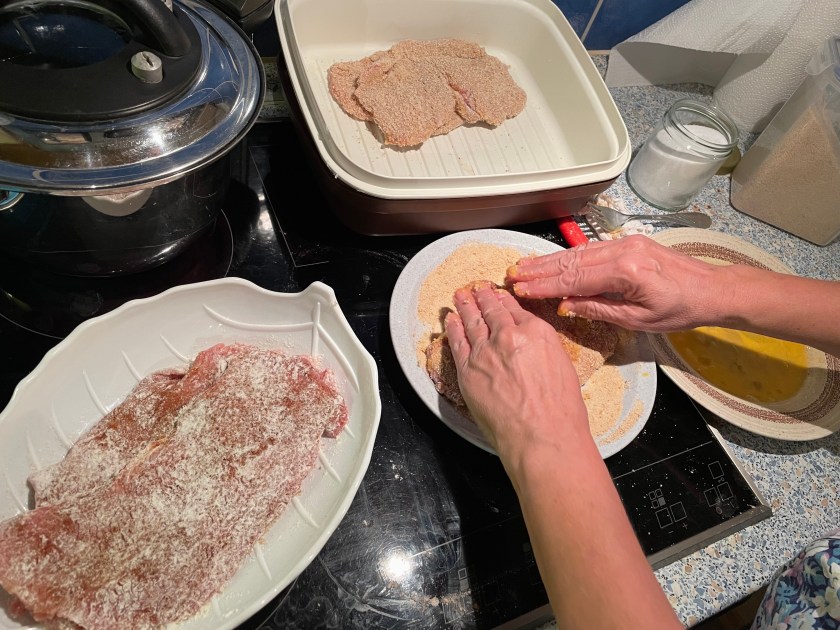
Next you coat them with flour.

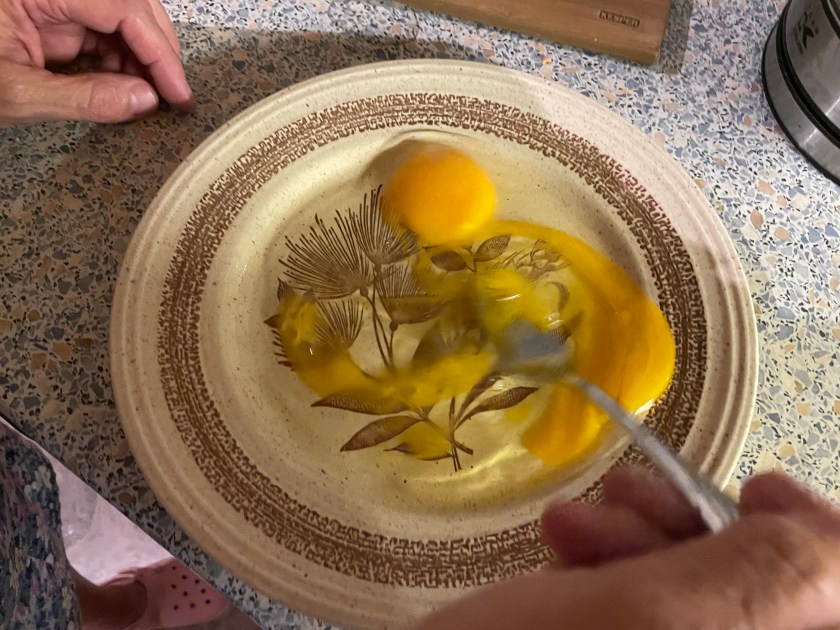
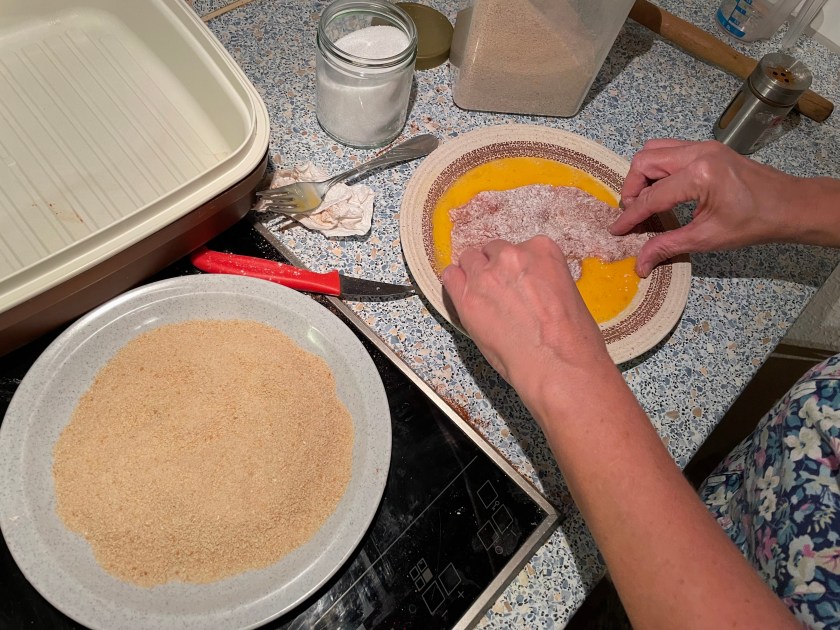
After the flour, you dip them in scrambled egg.

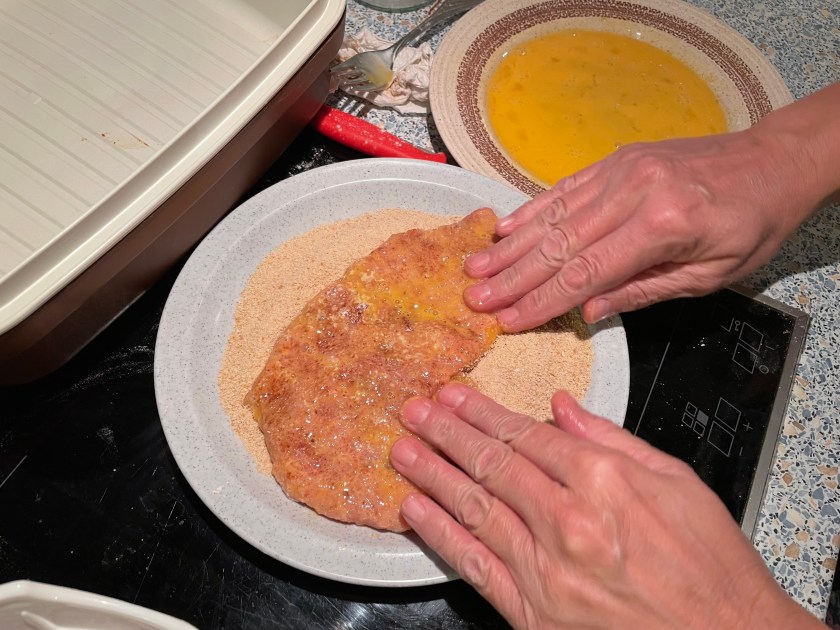
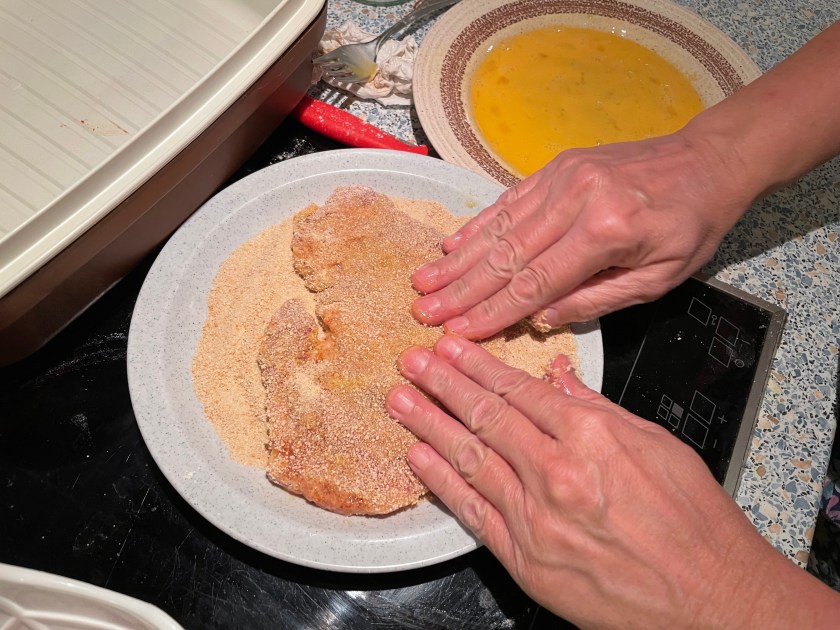
Then you coat them a second time, this time with bread crumbs.

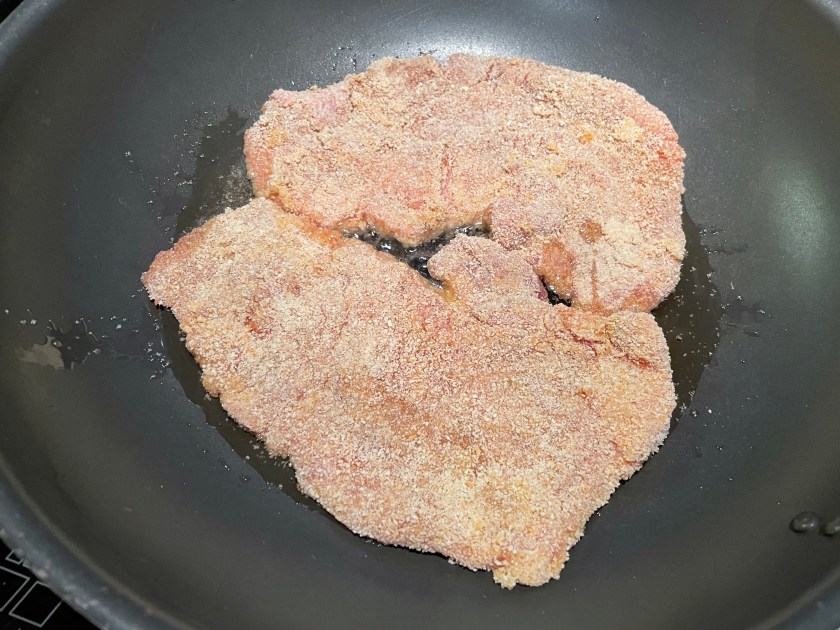
Then heat some oil in your frying pan.

A tip from Jutta’s grandma:  the oil is hot enough when a wooden kitchen tool put into the oil bubbles around the edges.

Then put the breaded cutlets in the oil and fry for 10 minutes on each side.

Enjoy your Schnitzel.  Most restaurants serve several kinds of Schnitzel, served with mushrooms or gravy or other toppings.