Colmar and its Little Venice

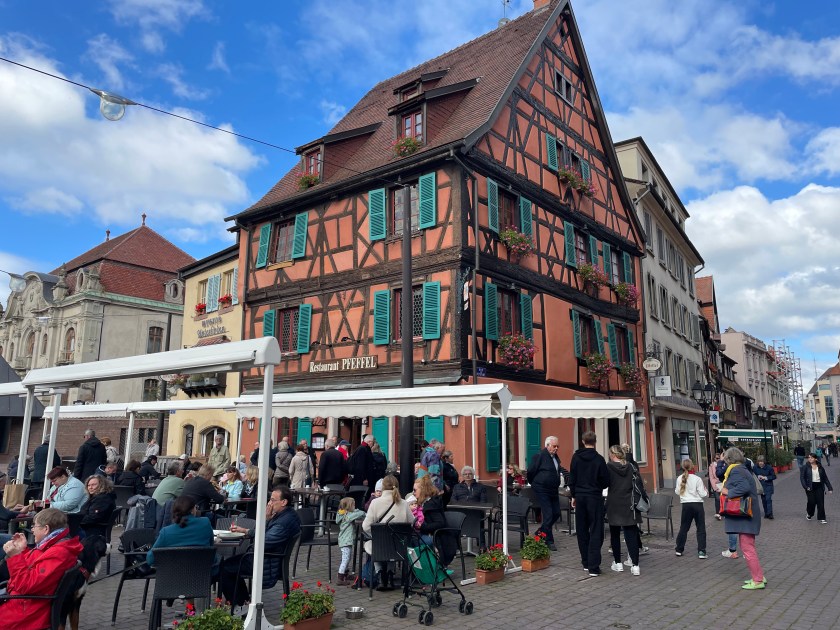
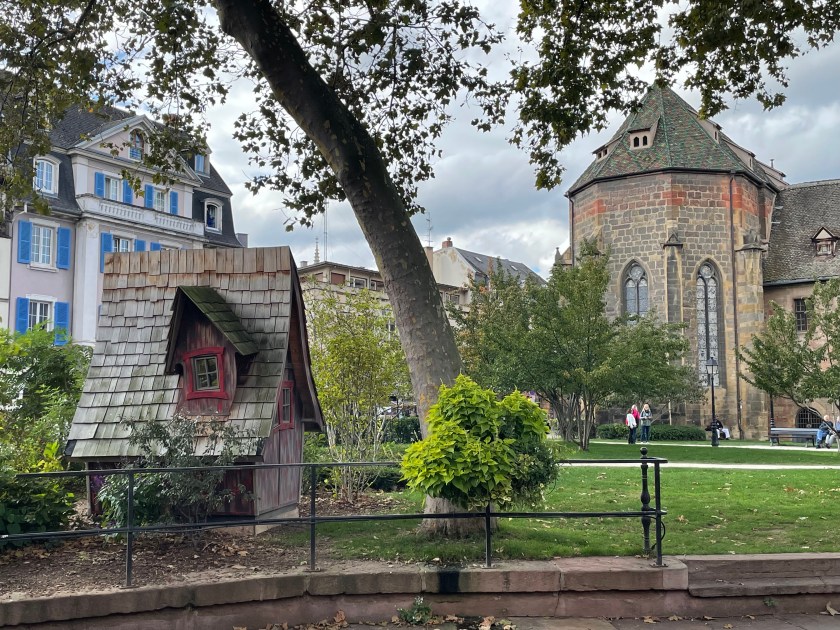
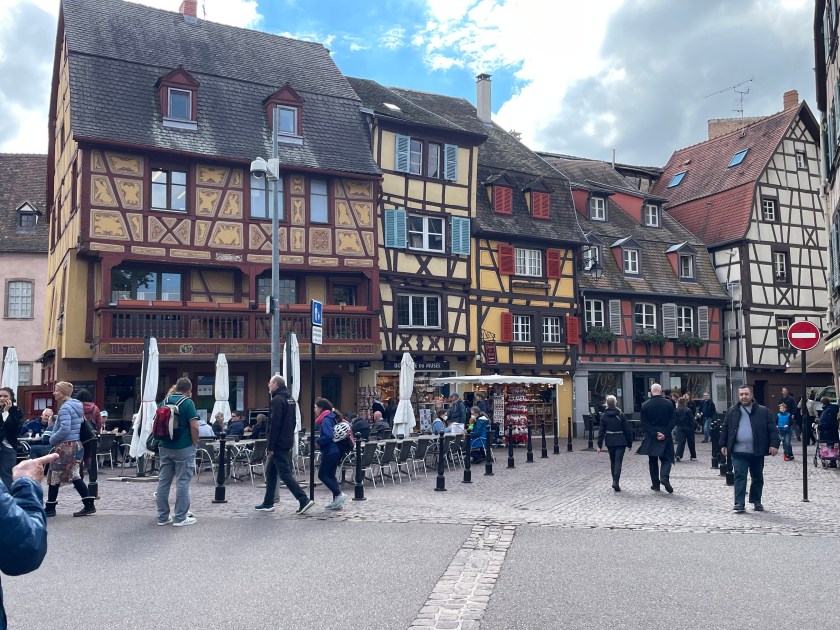
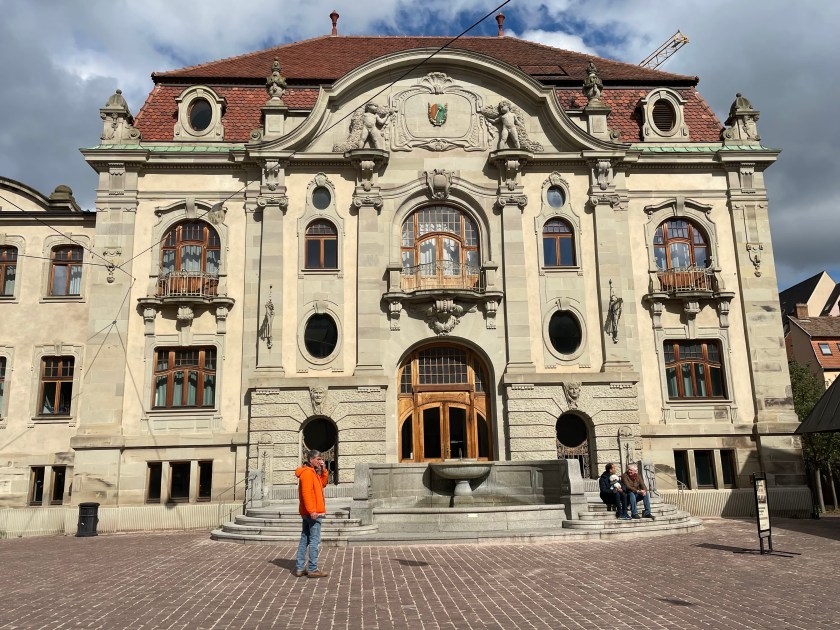
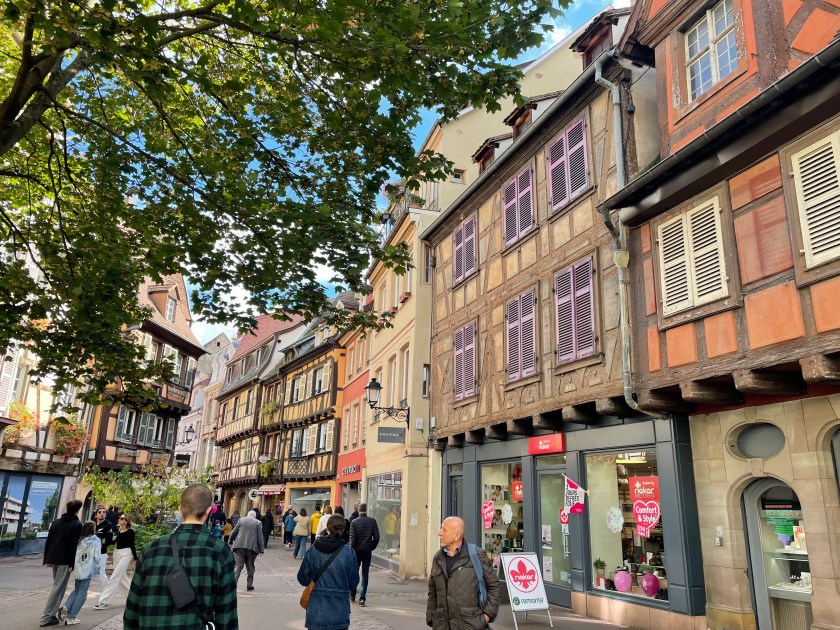
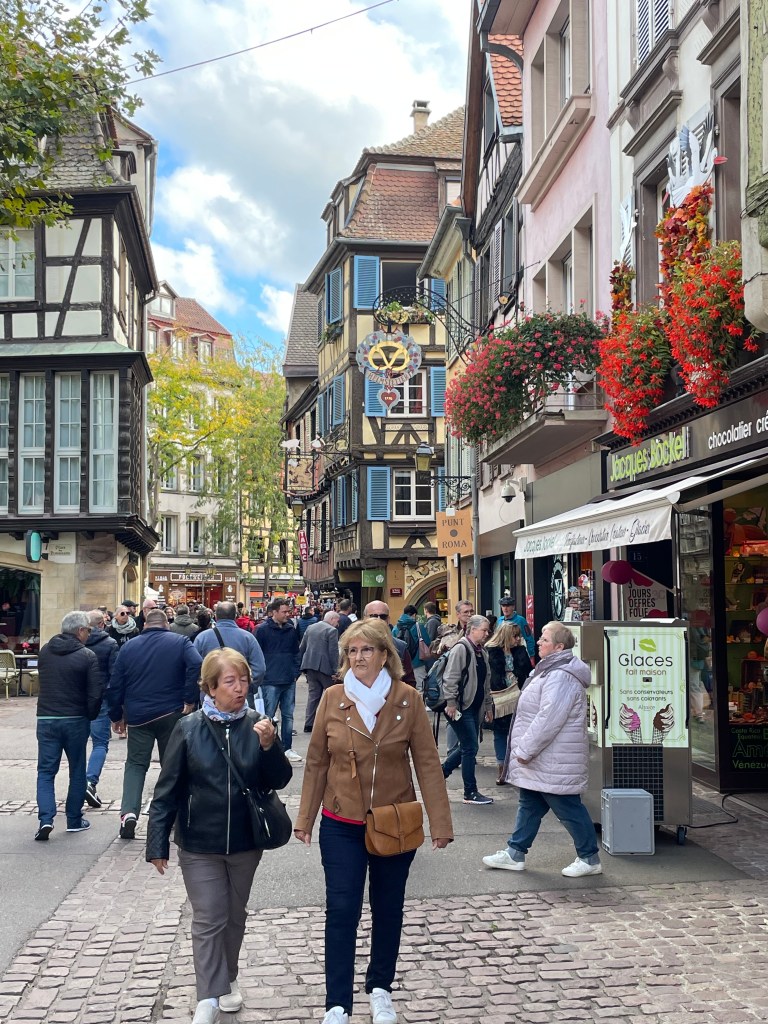
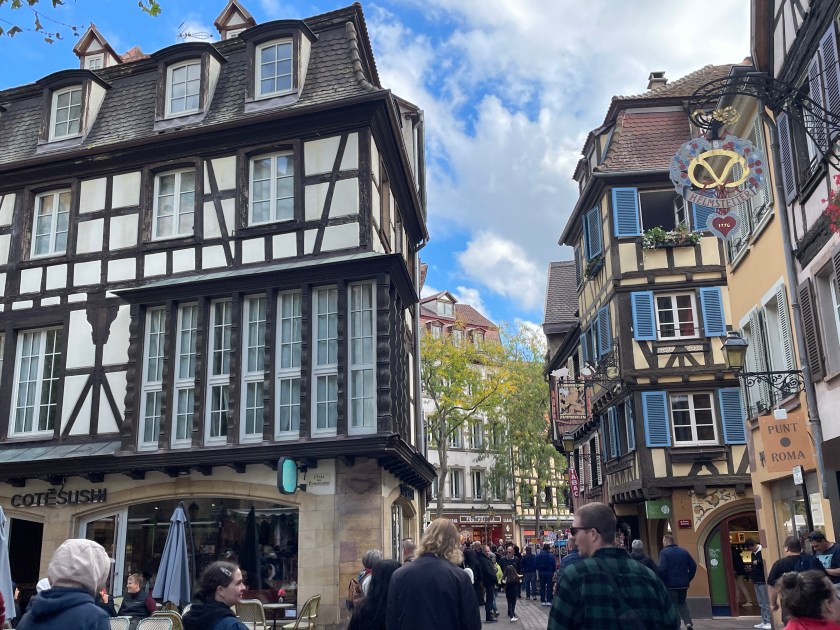
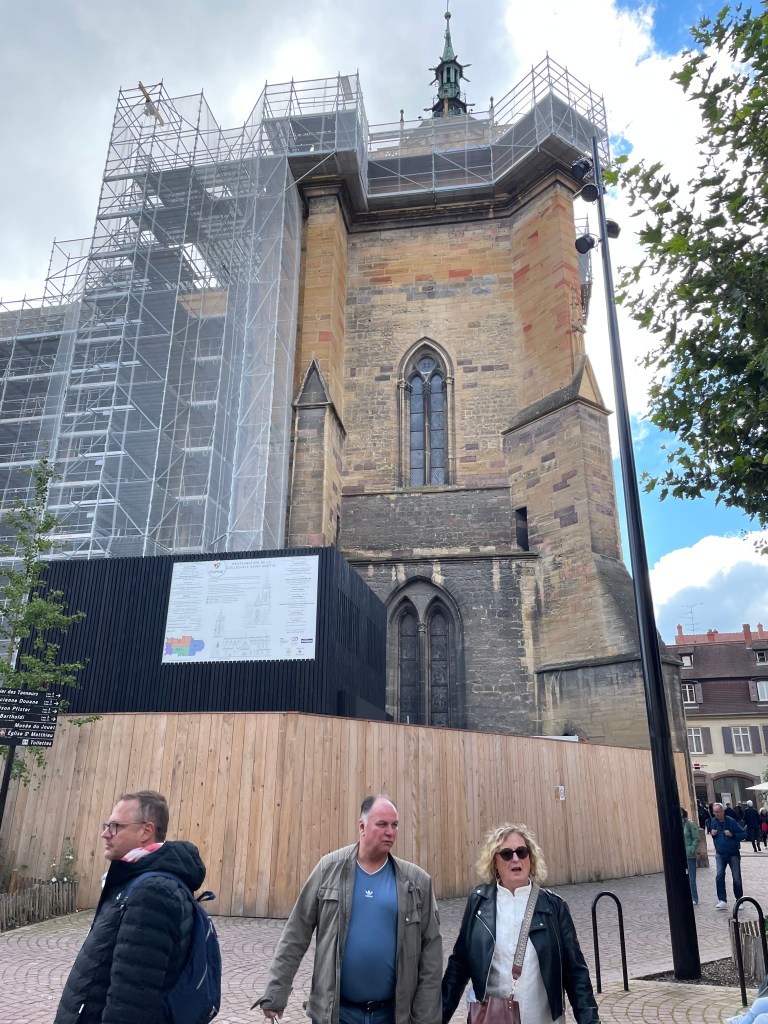
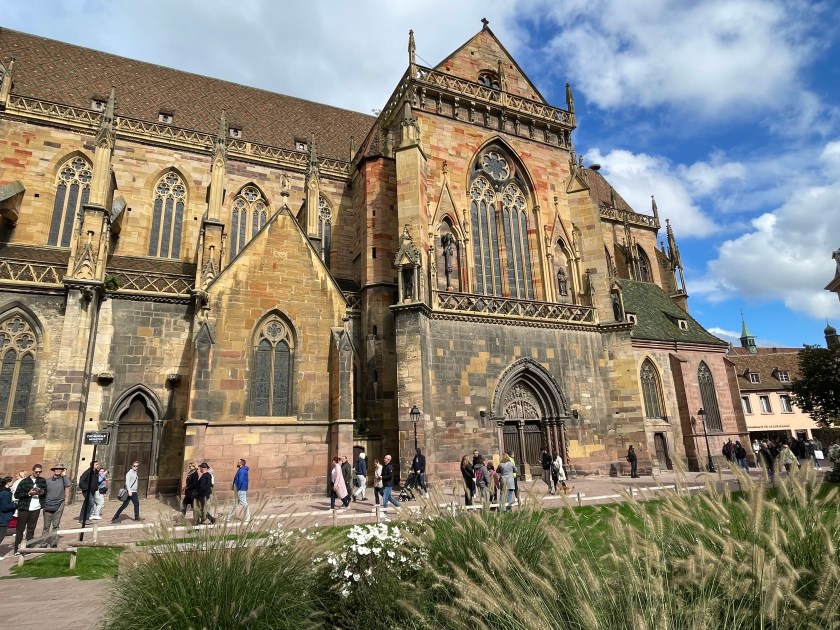
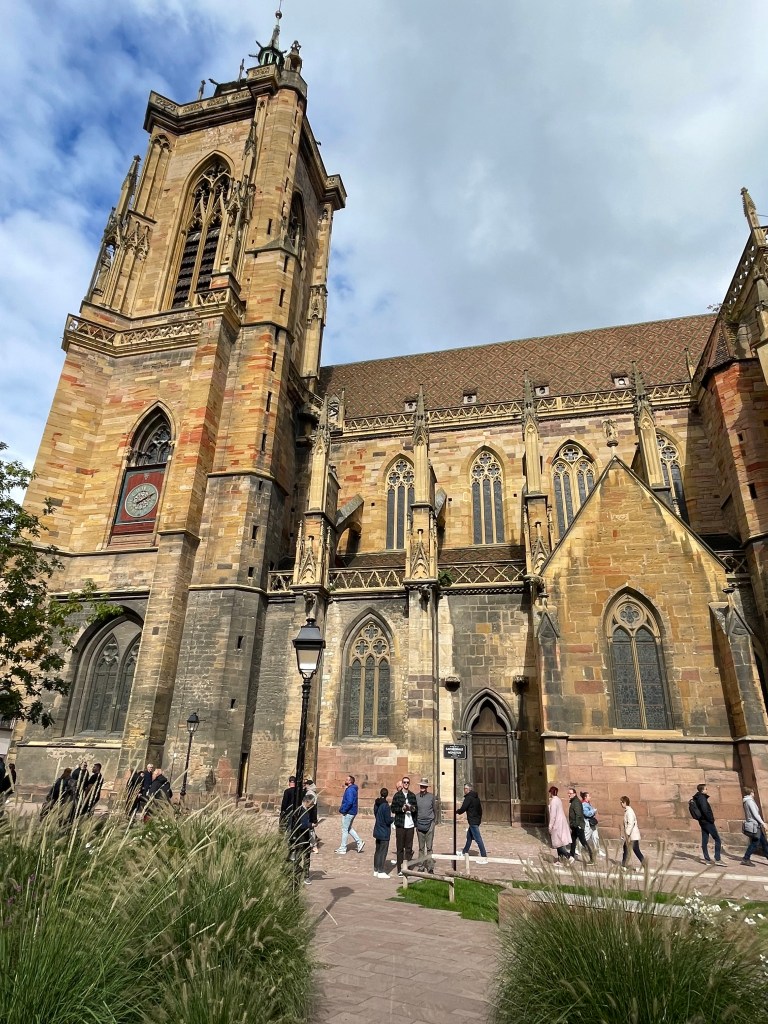
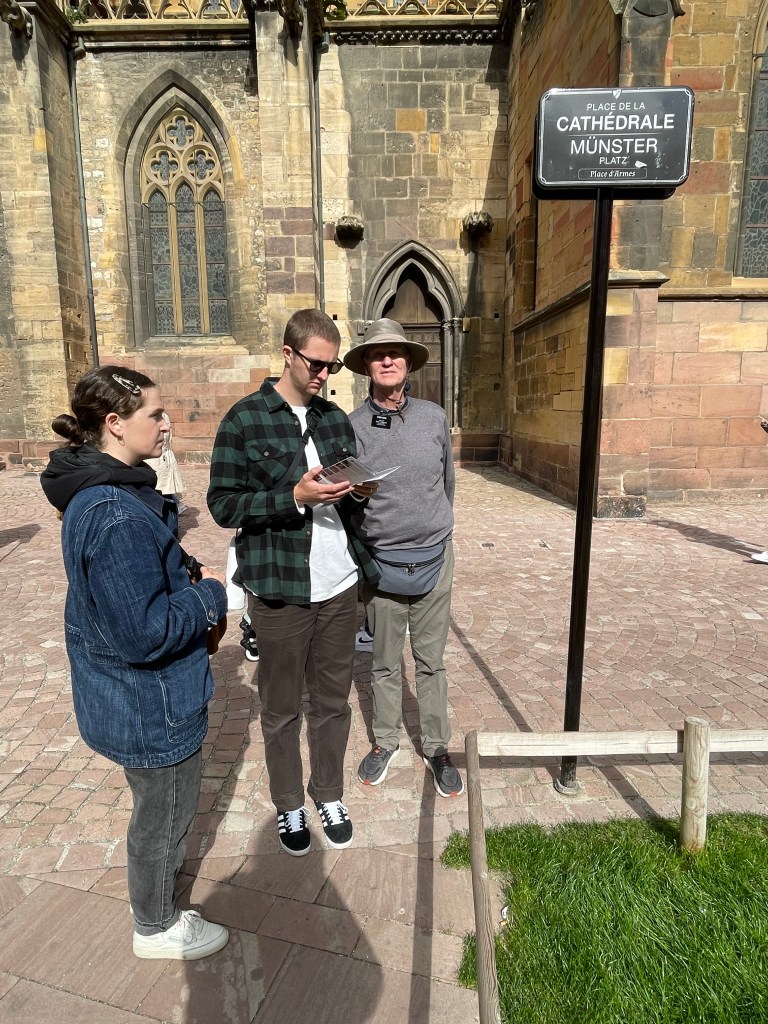
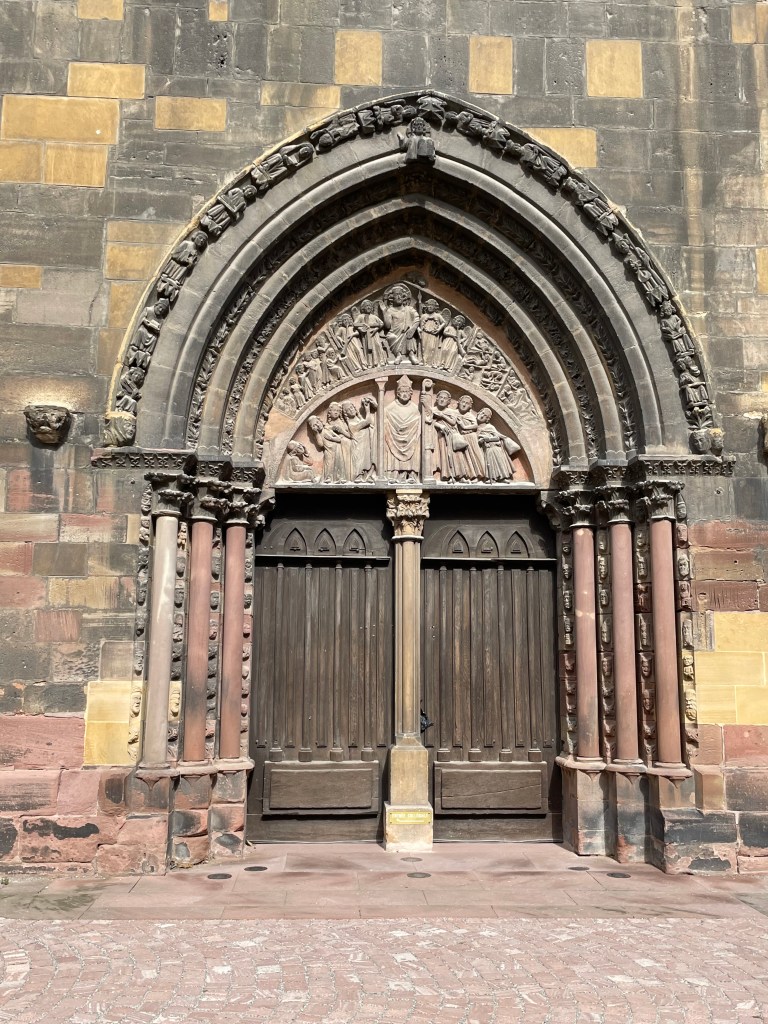
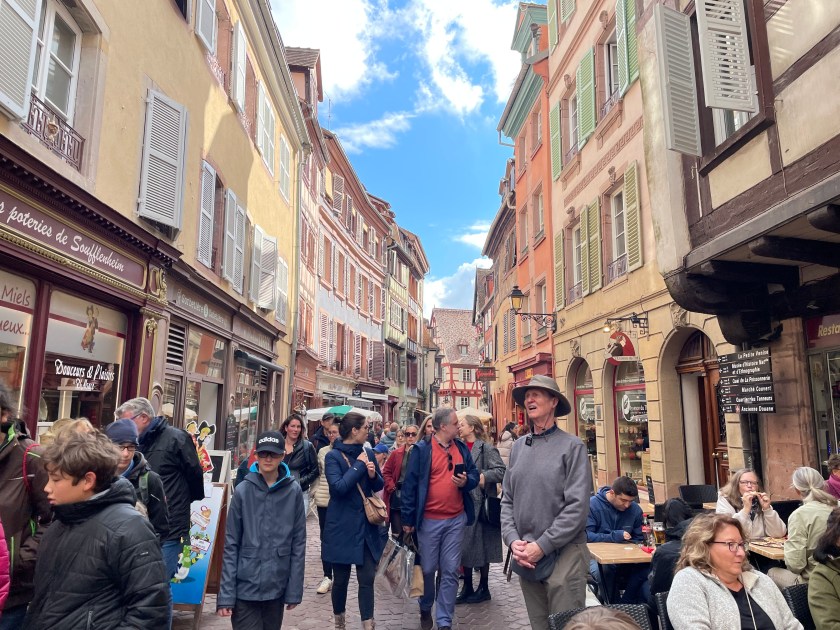
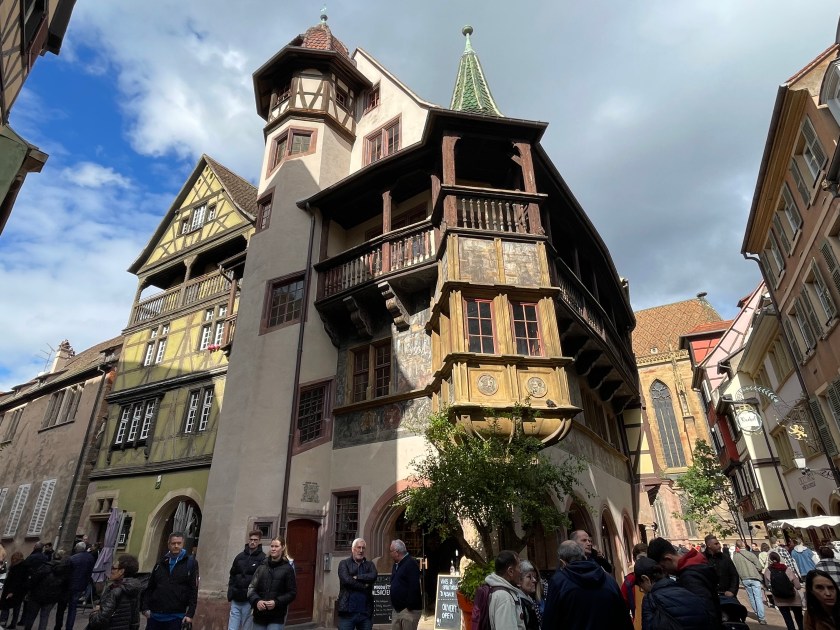
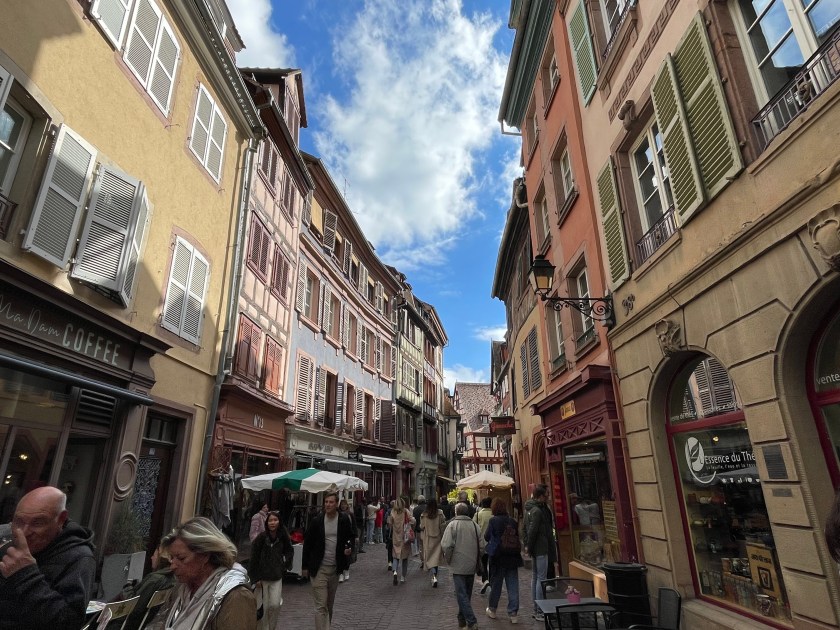
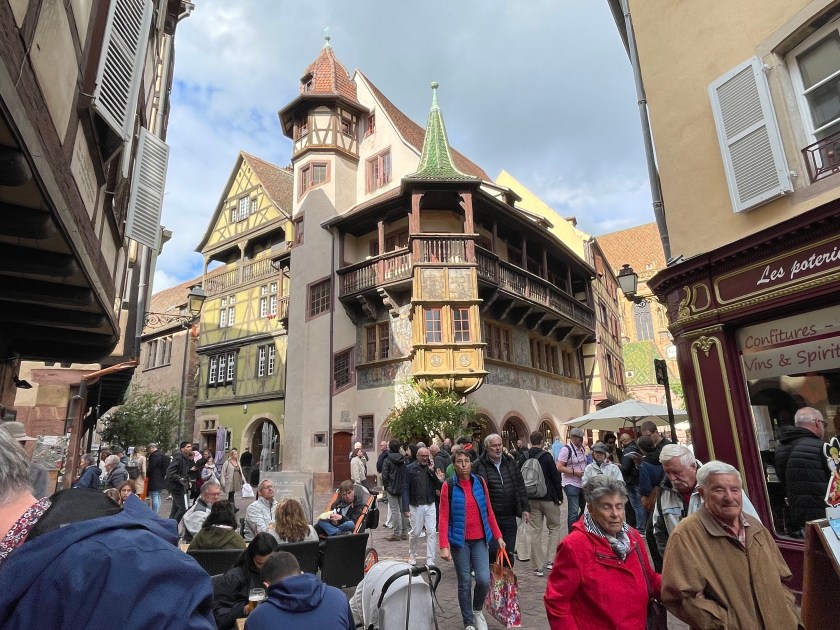
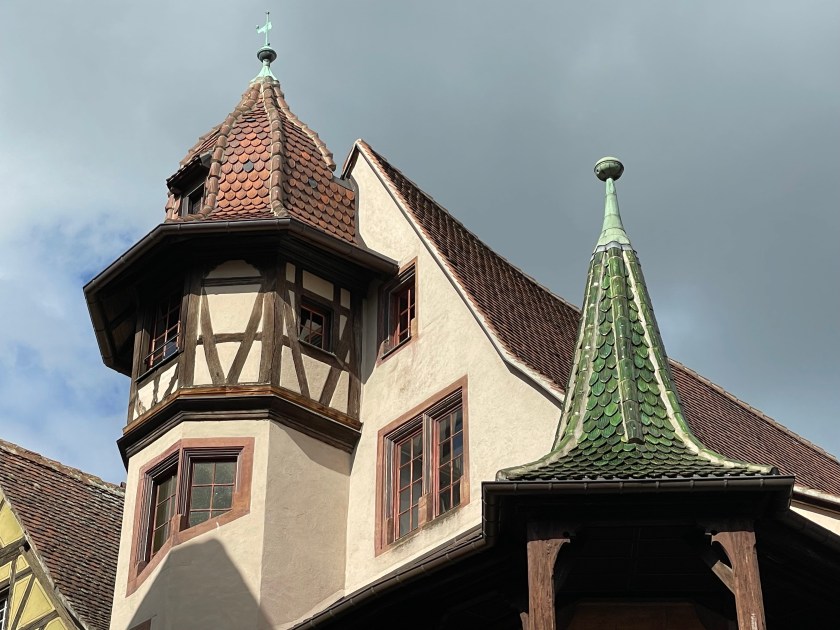
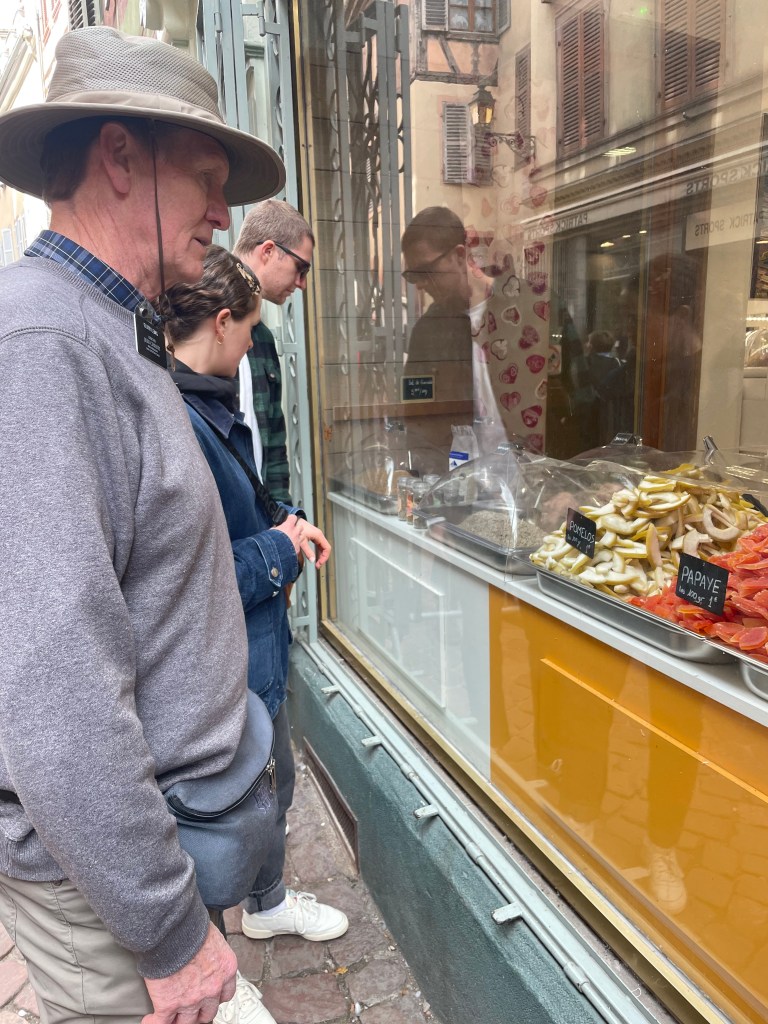
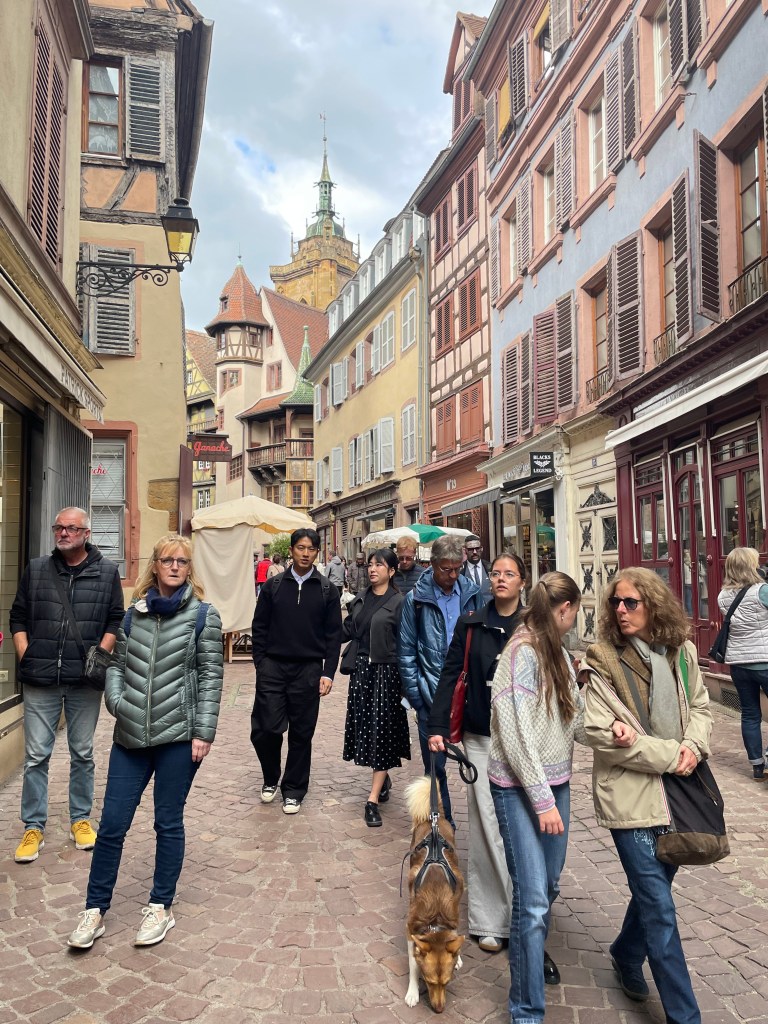
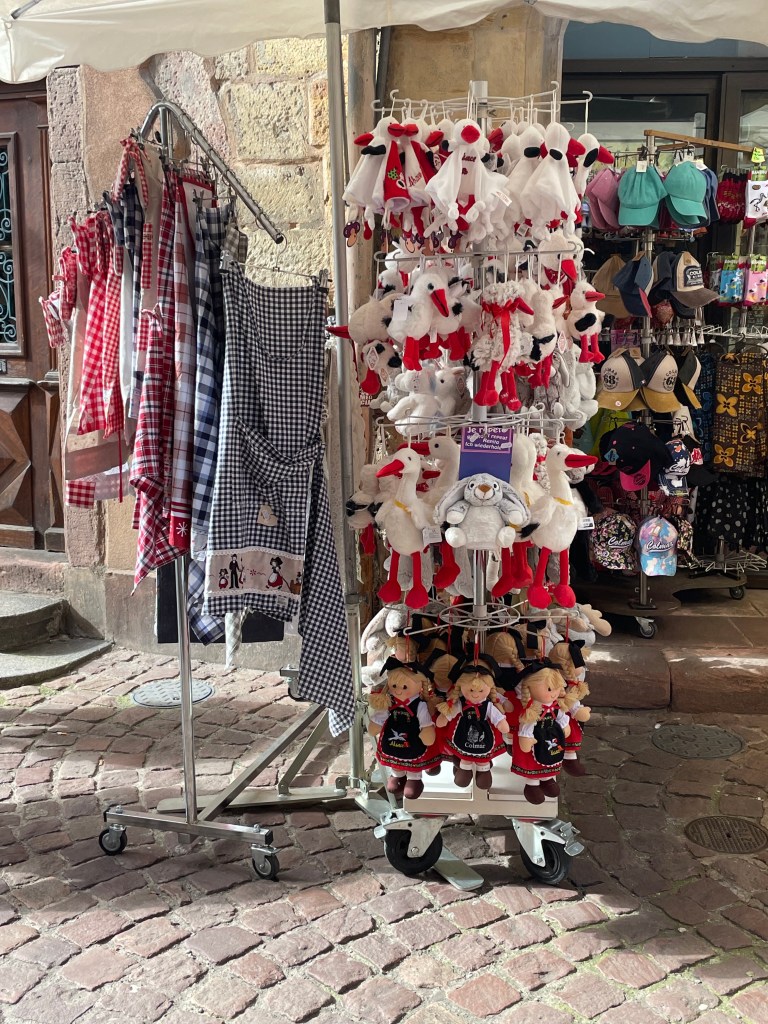
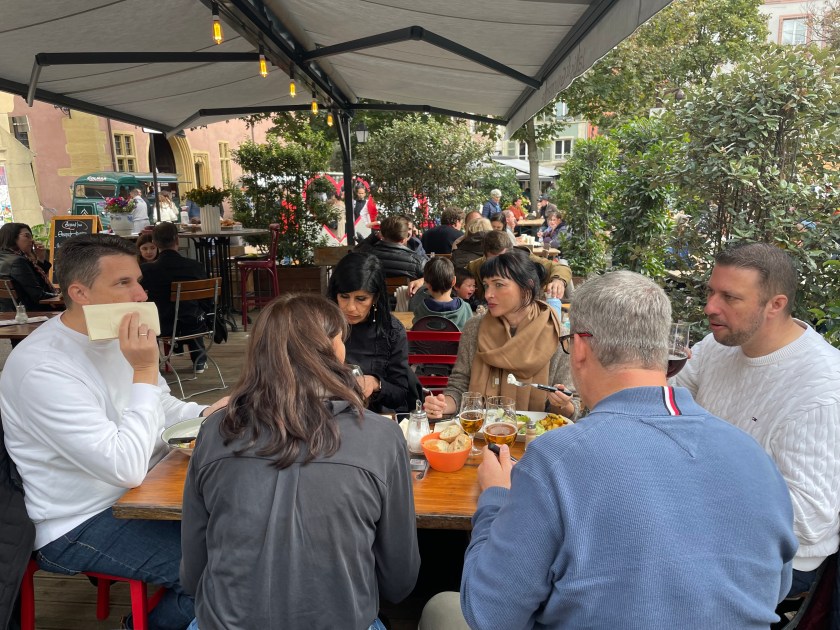
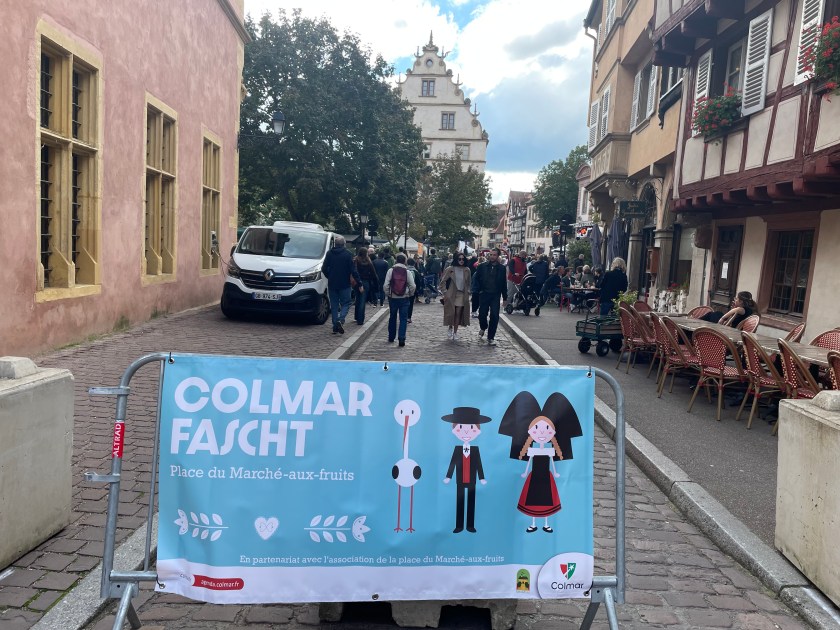
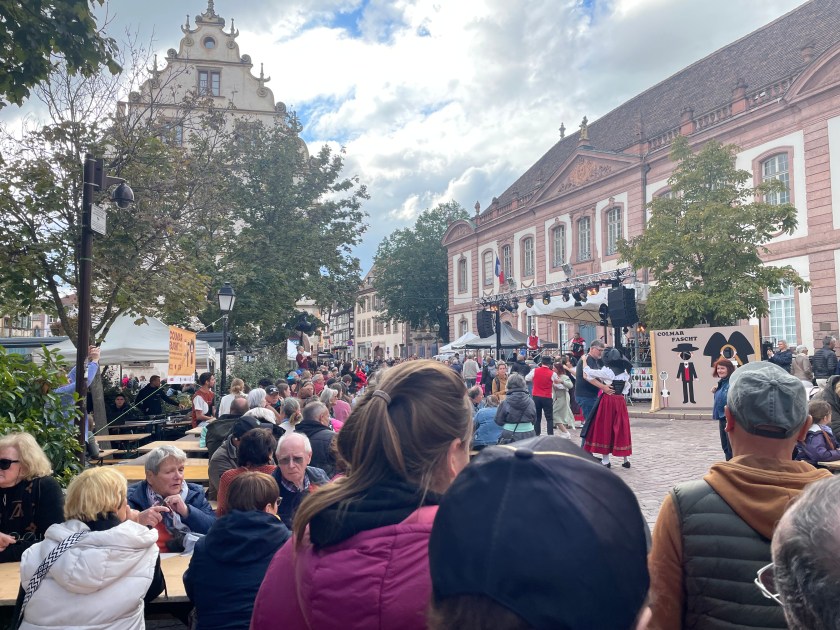
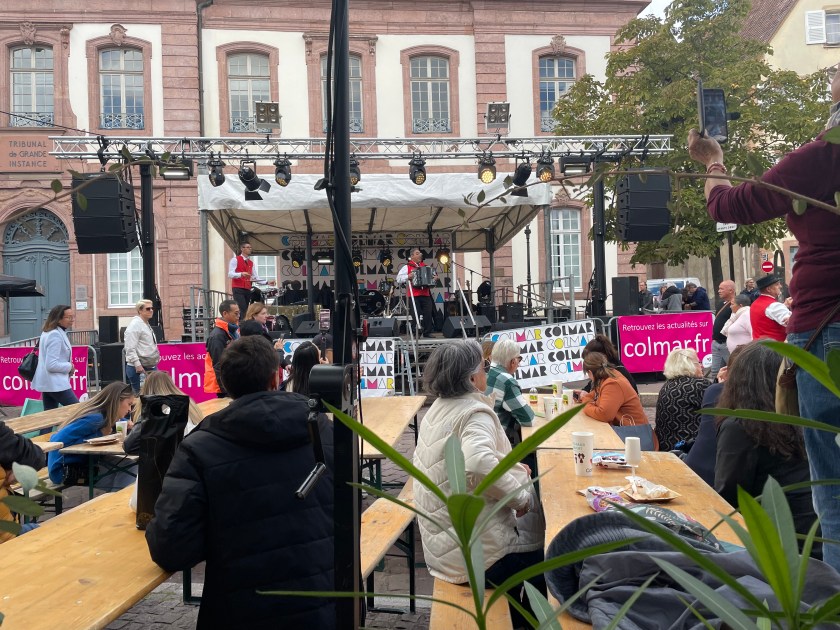
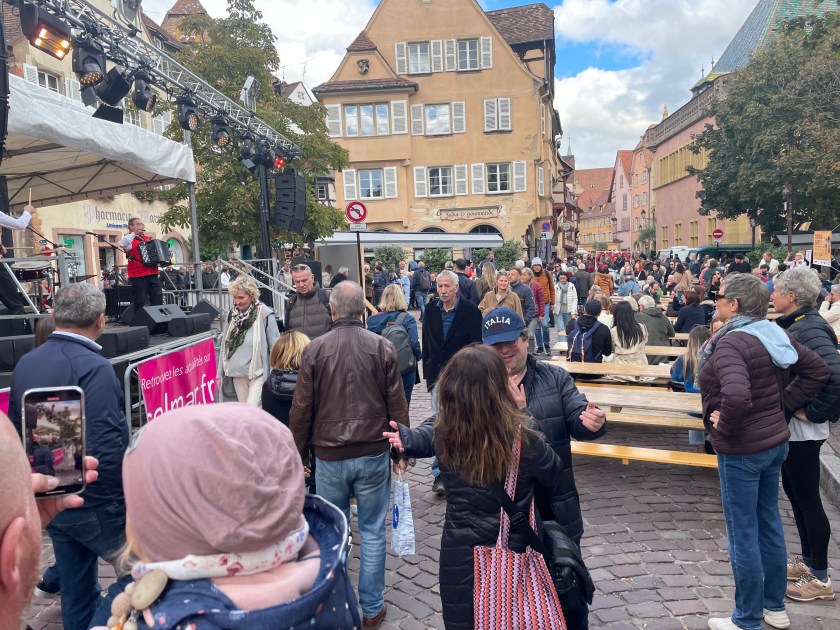
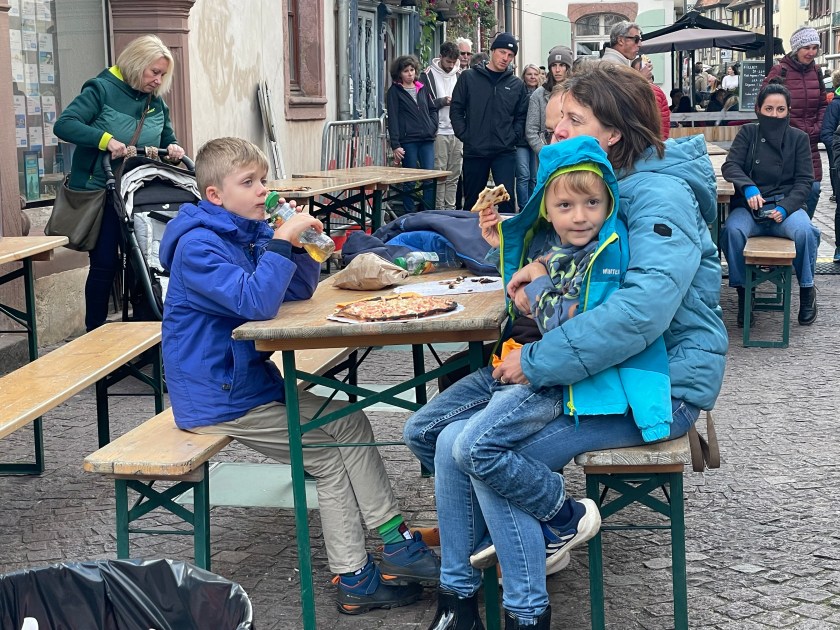
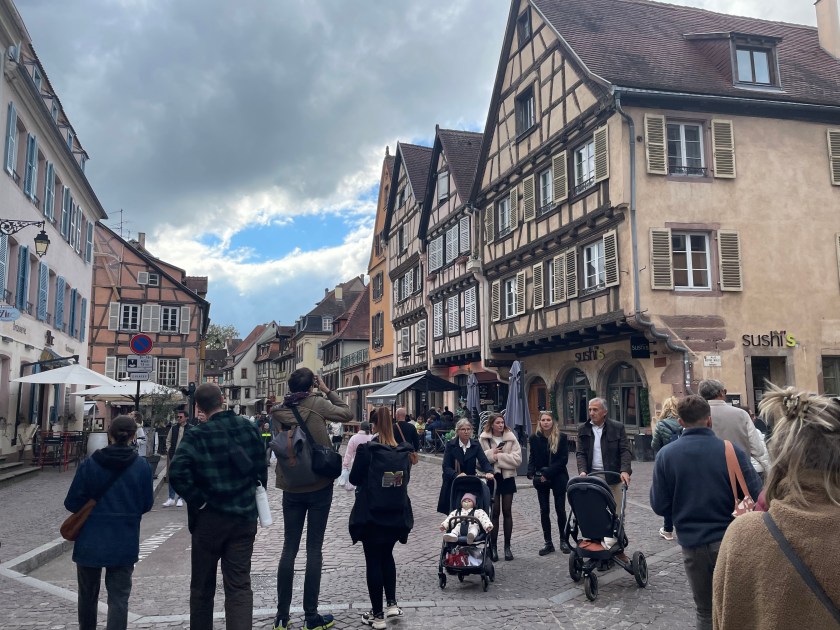
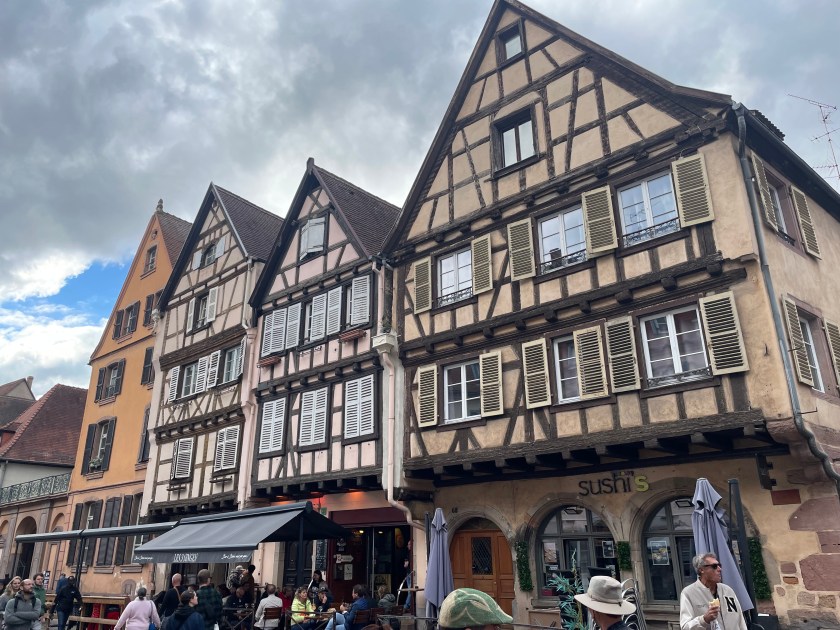
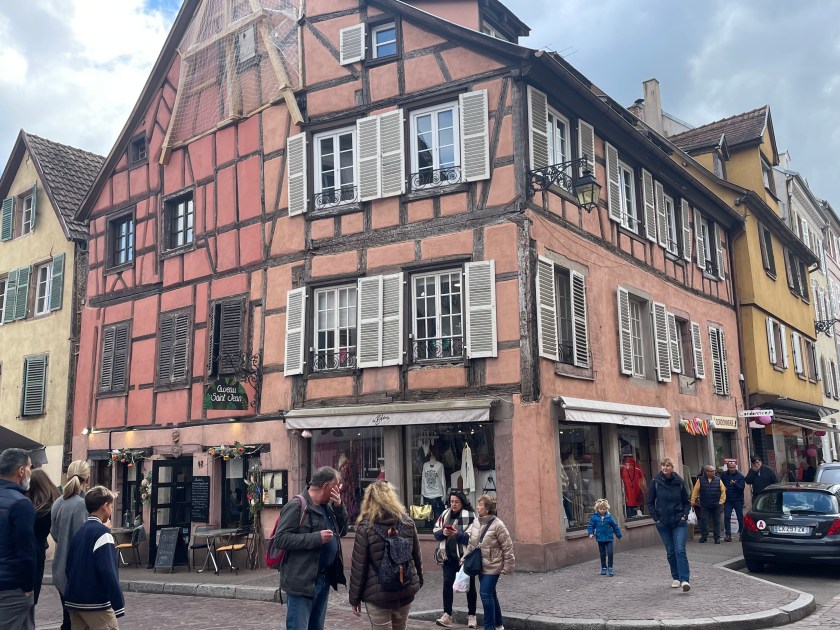
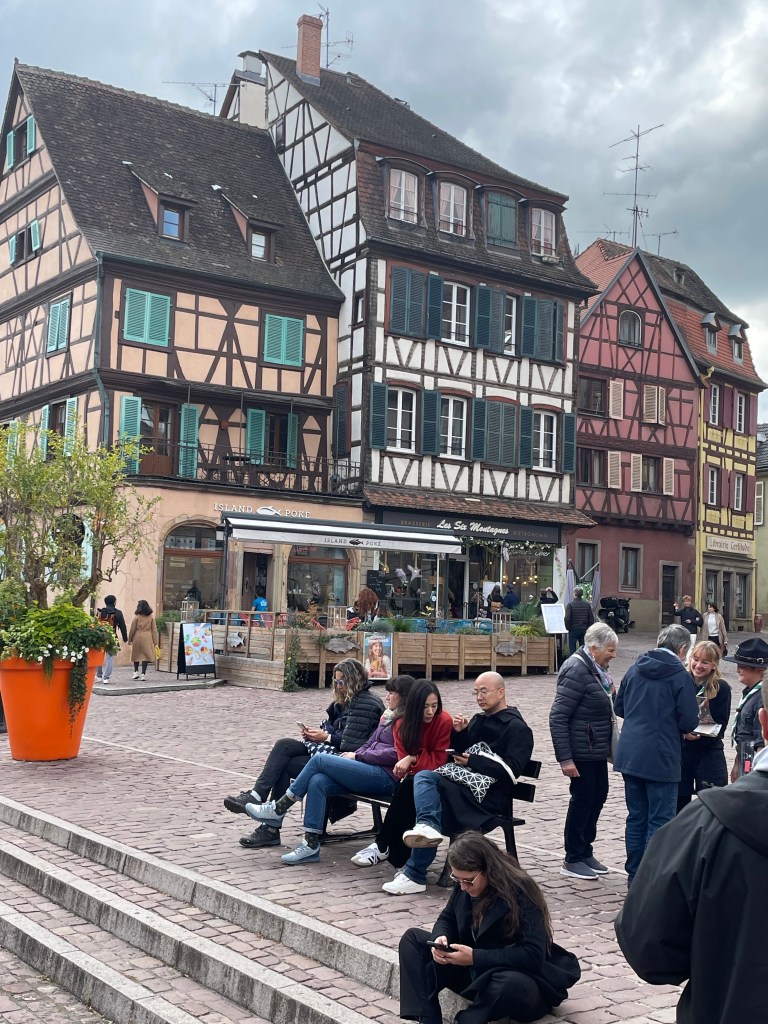
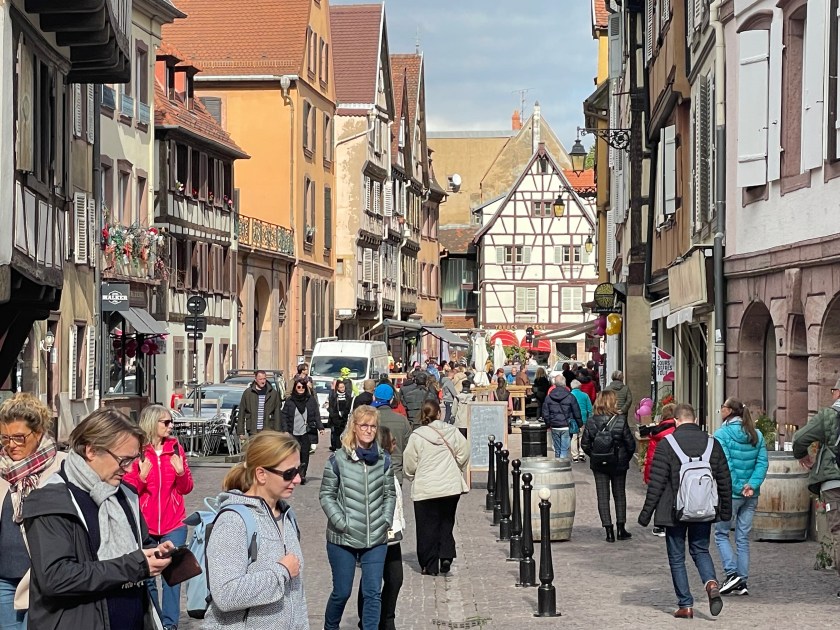
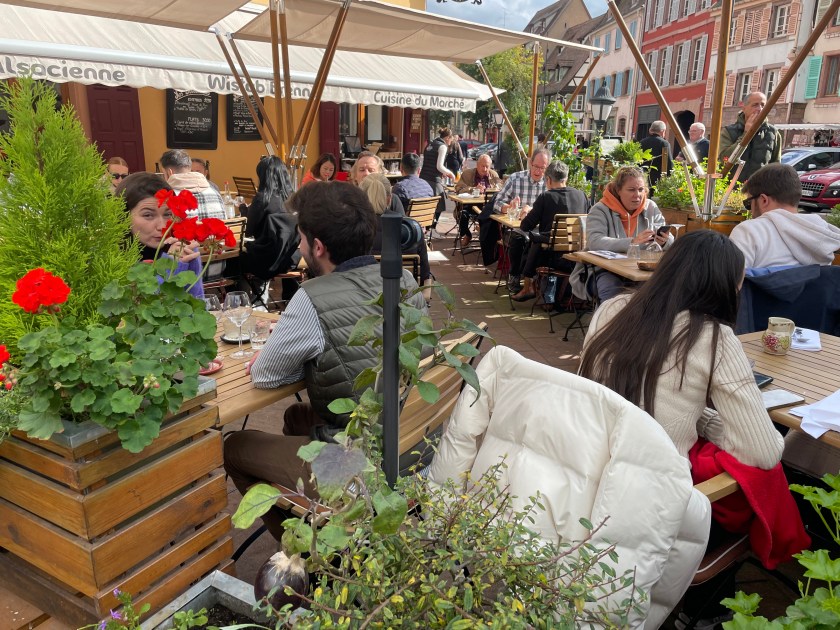
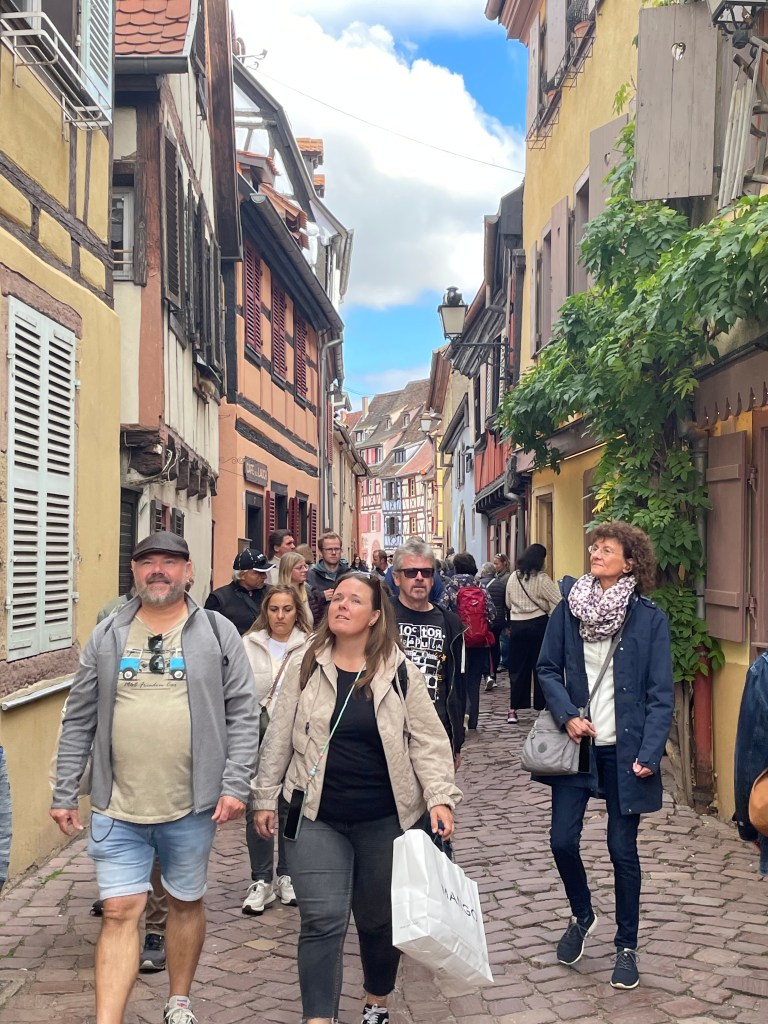
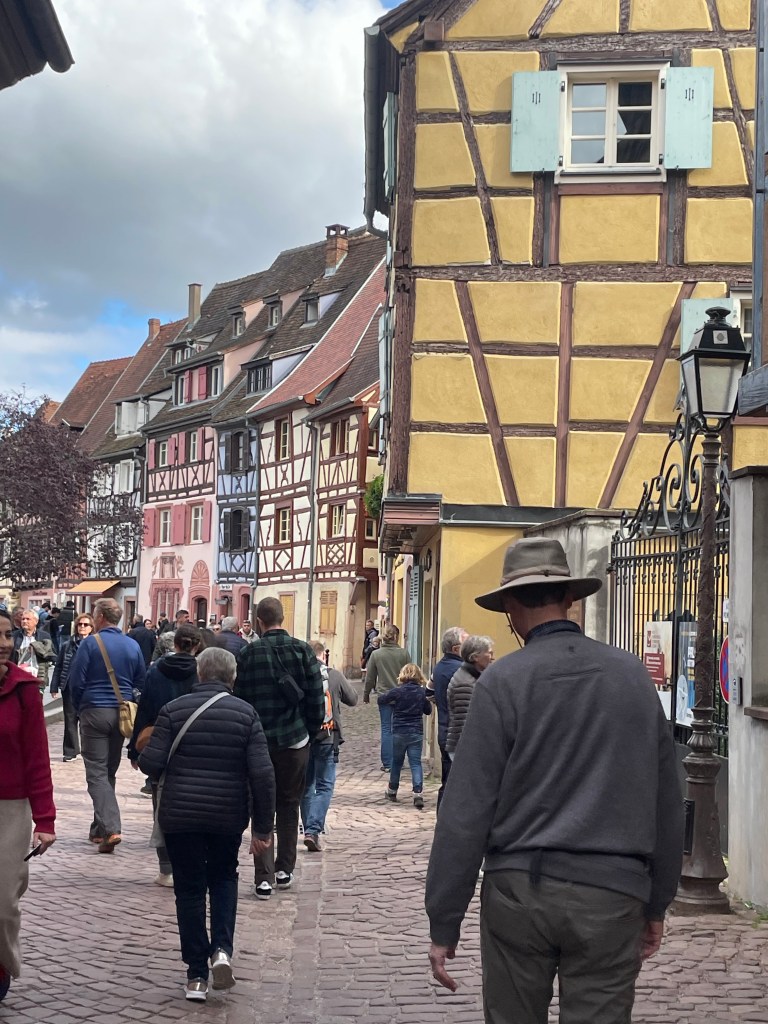
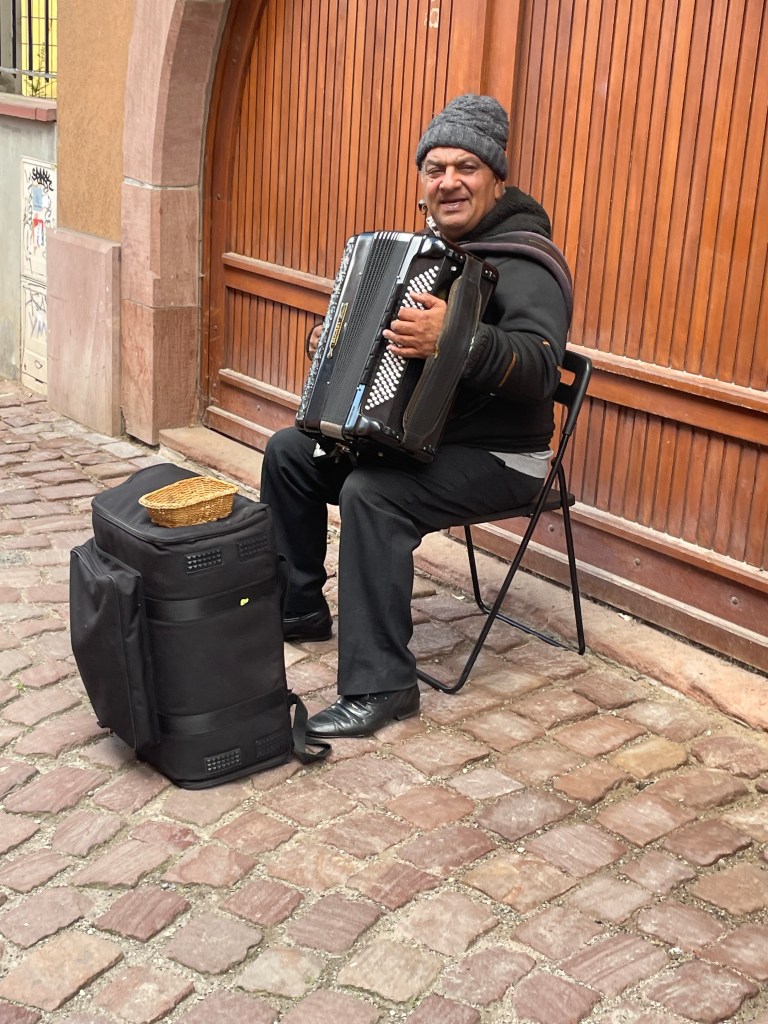
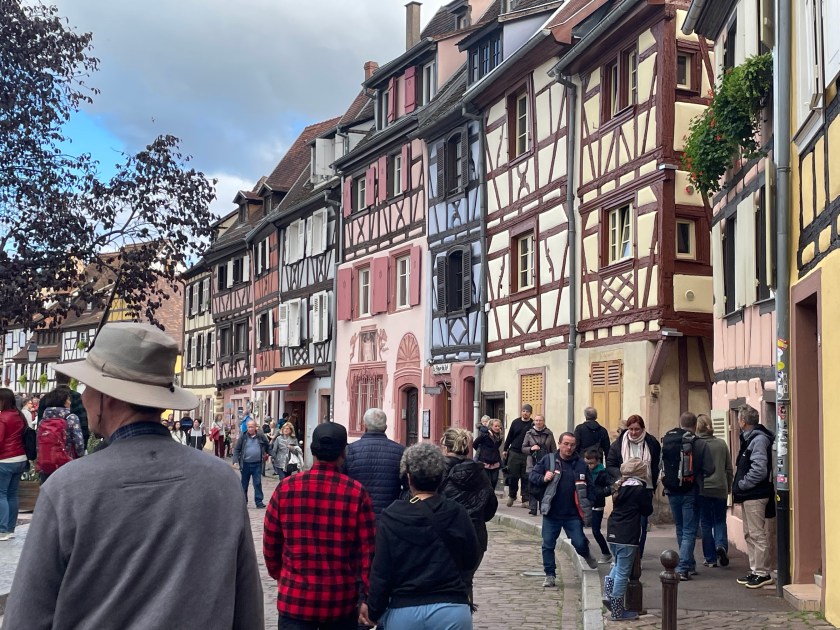
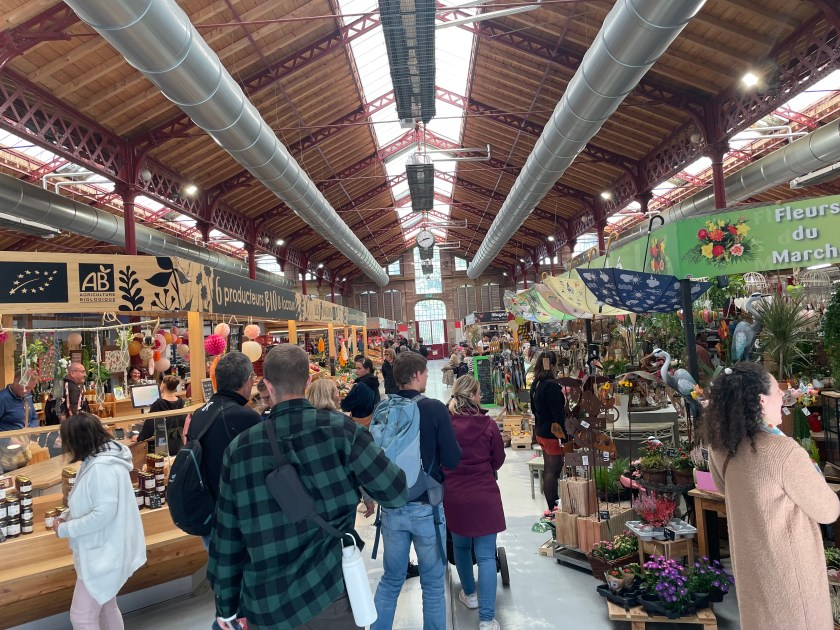
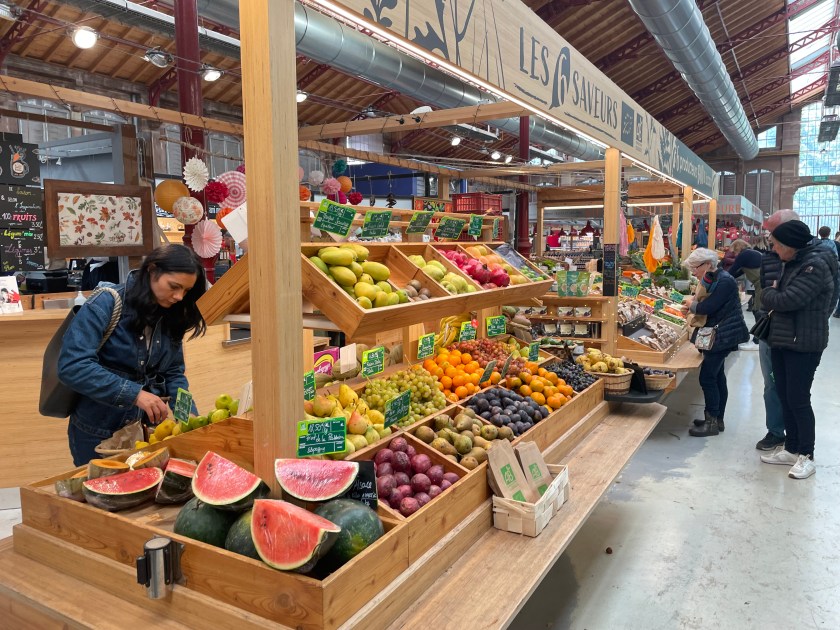
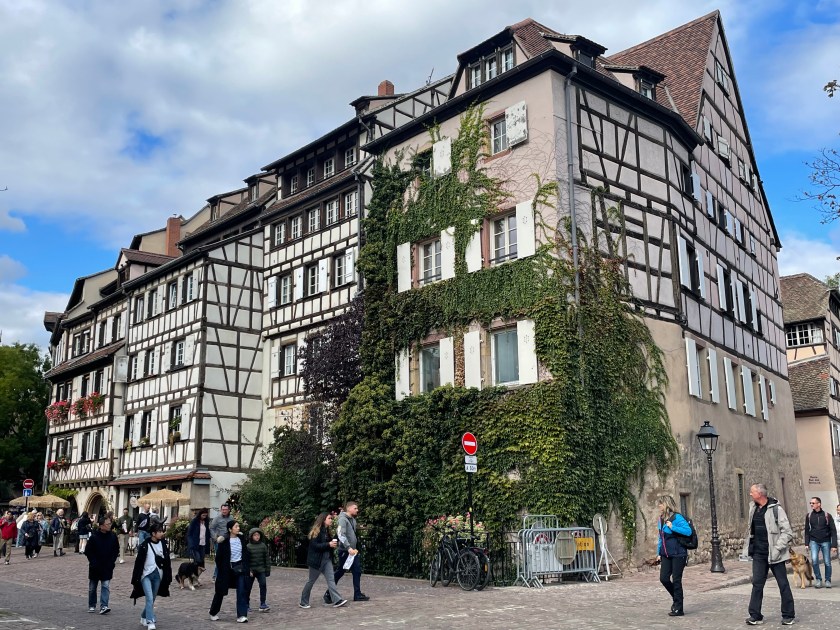
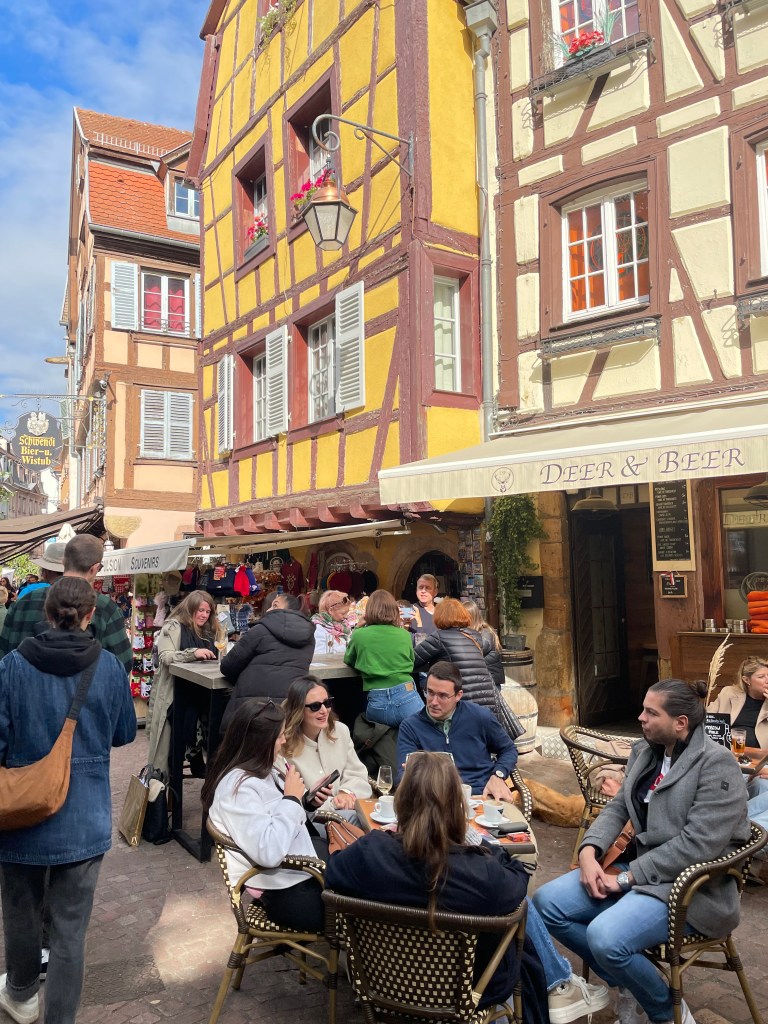
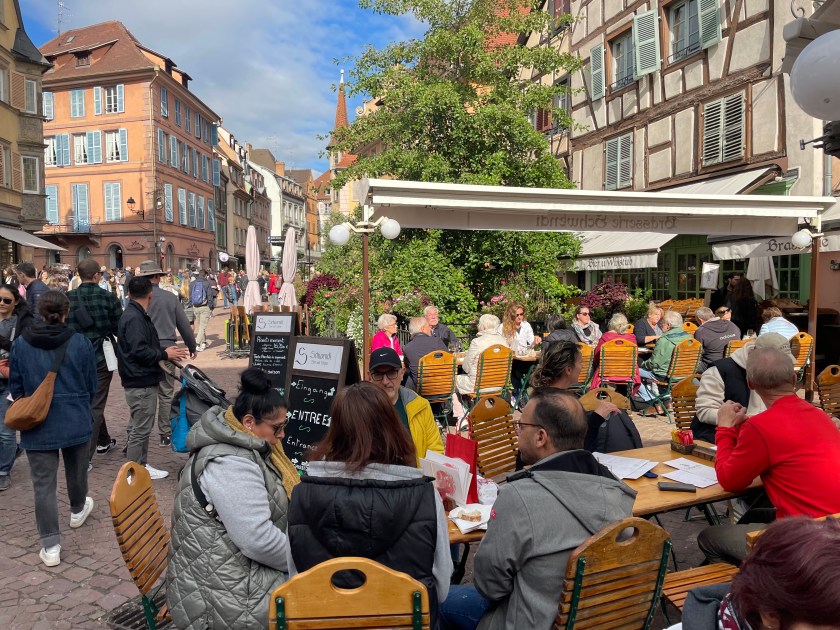
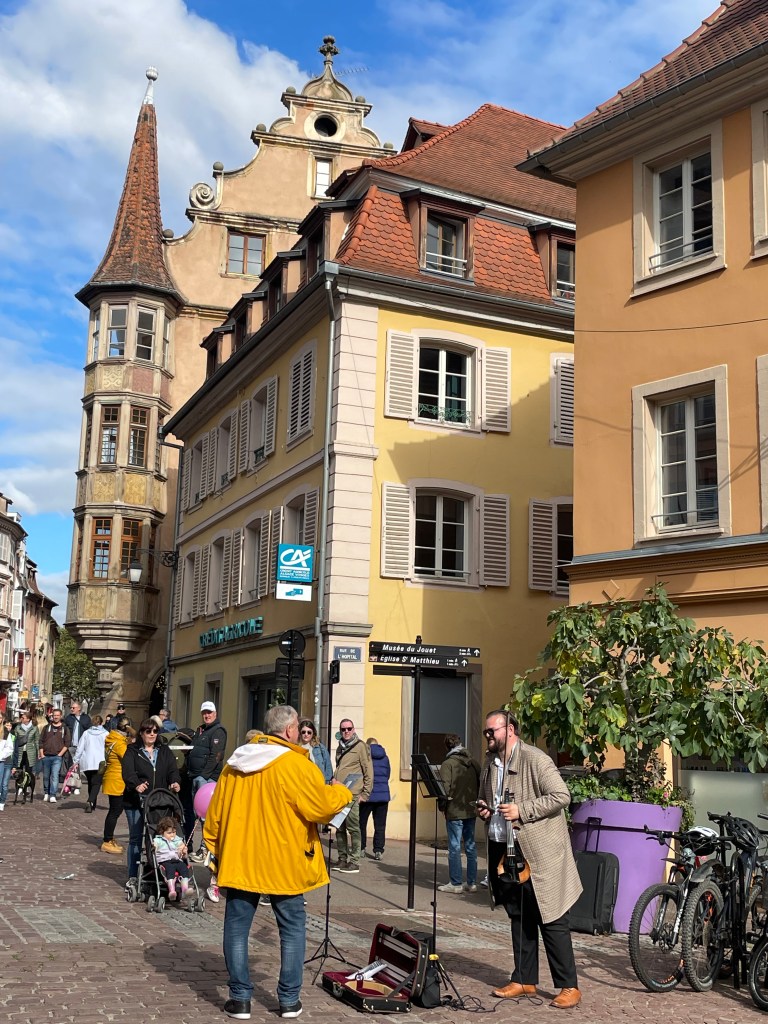
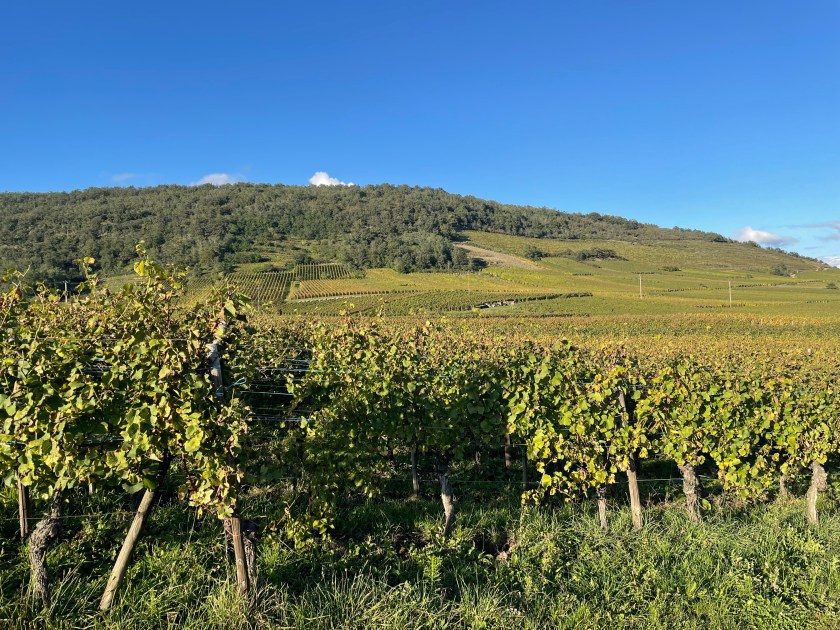
We drove through beautiful vineyards along the wine route to our next stop:  Colmar, where we spent the next 2.5 hours wandering through a larger but still charming town. There was a fall festival going on. People in Europe are out on the weekends, enjoying the sights with their families.
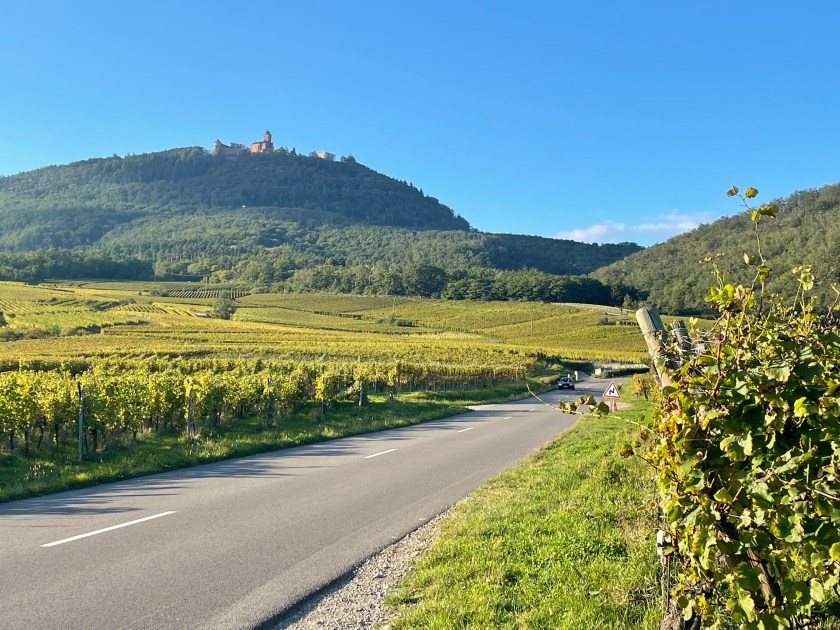
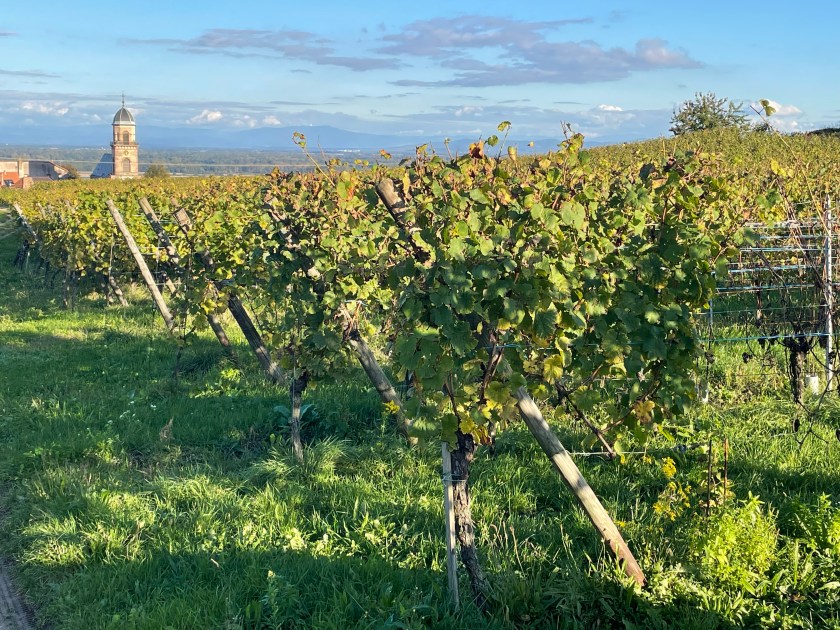
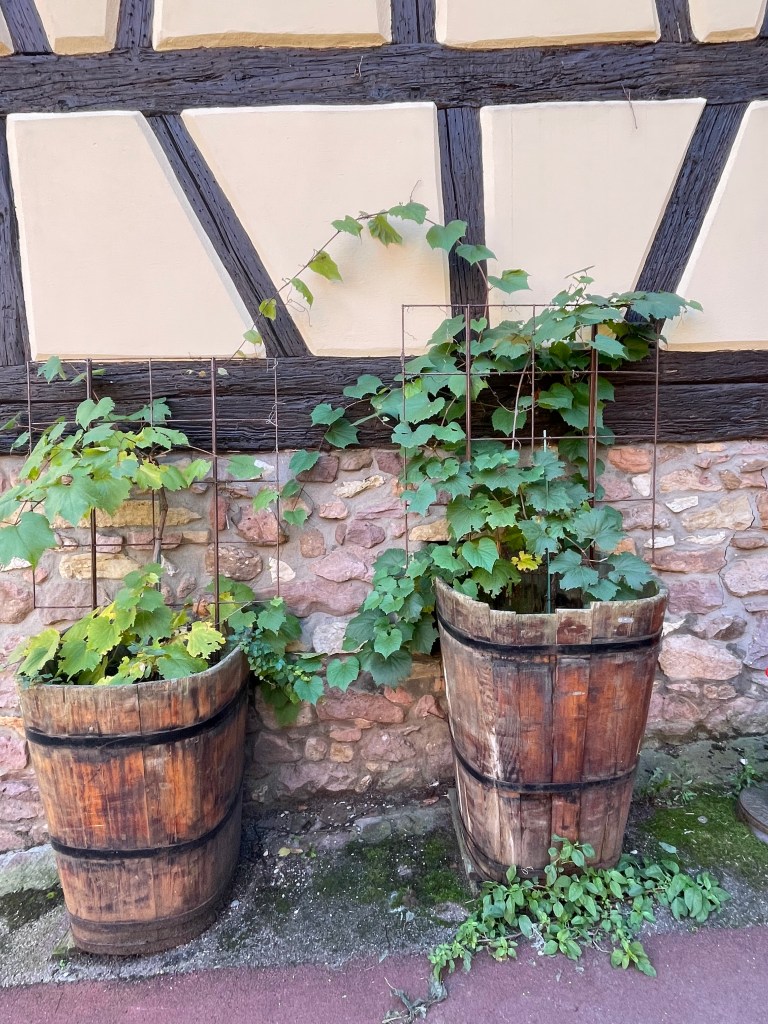
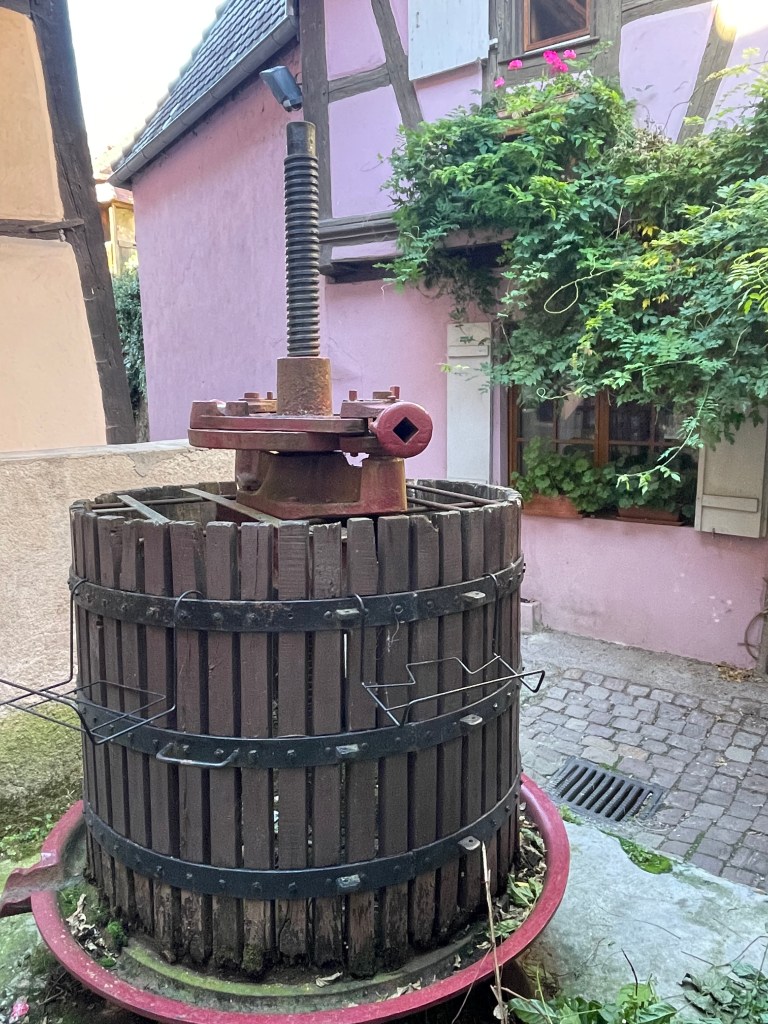
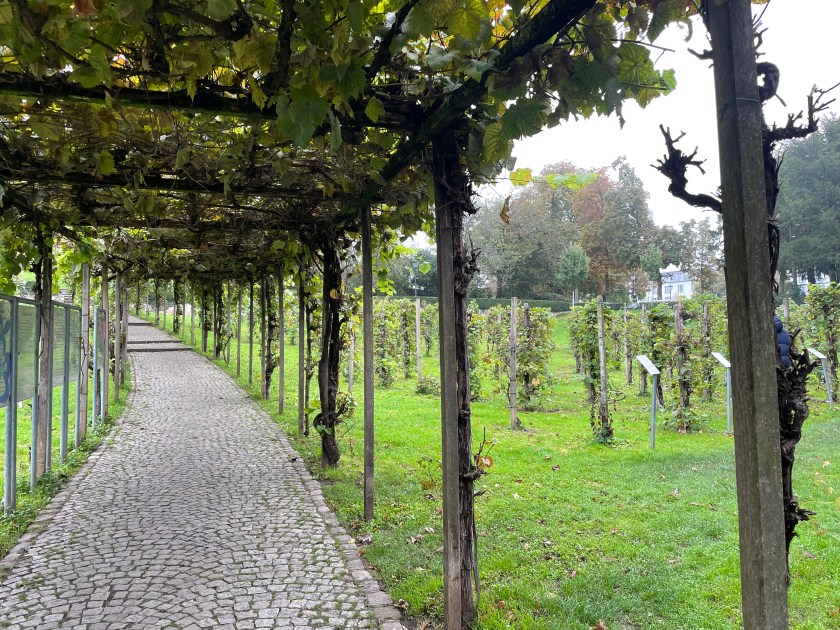
These towns along the wine route are famous for their wine.
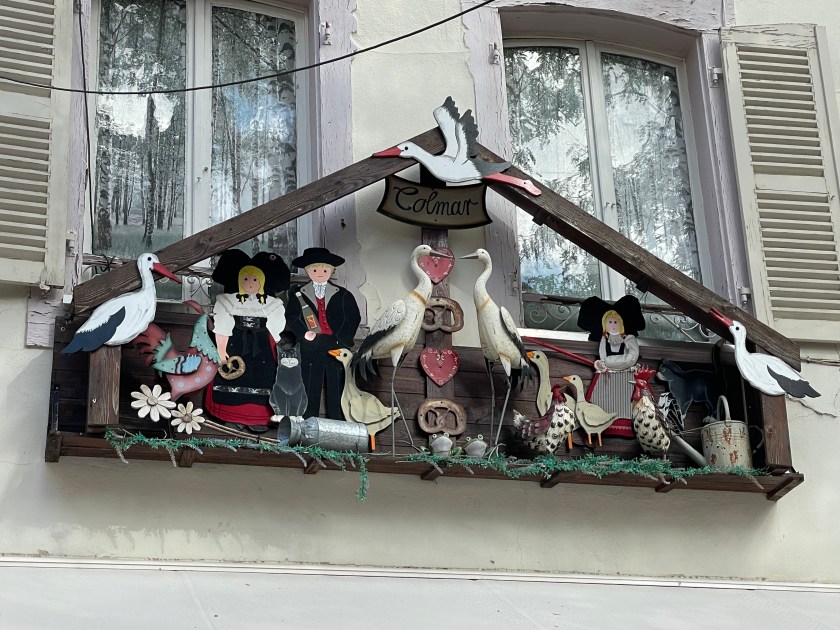
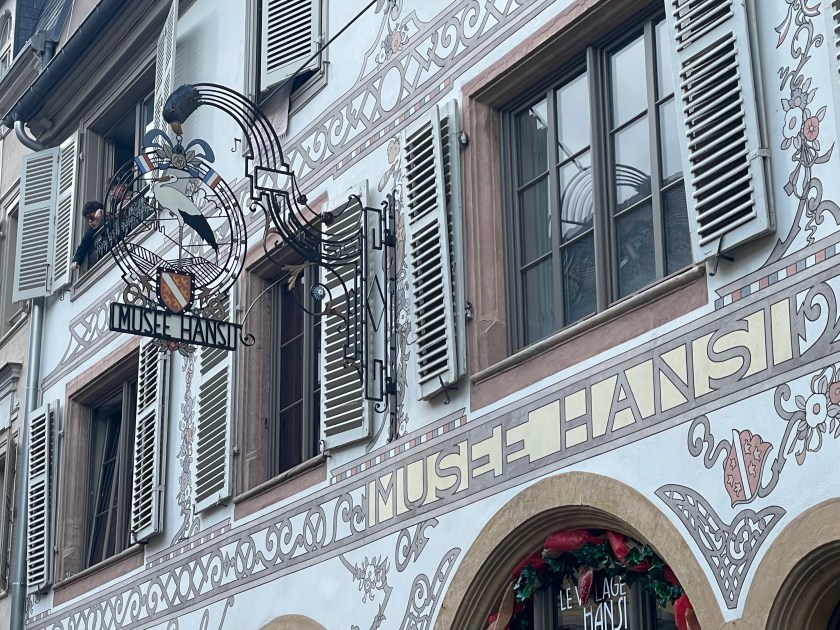
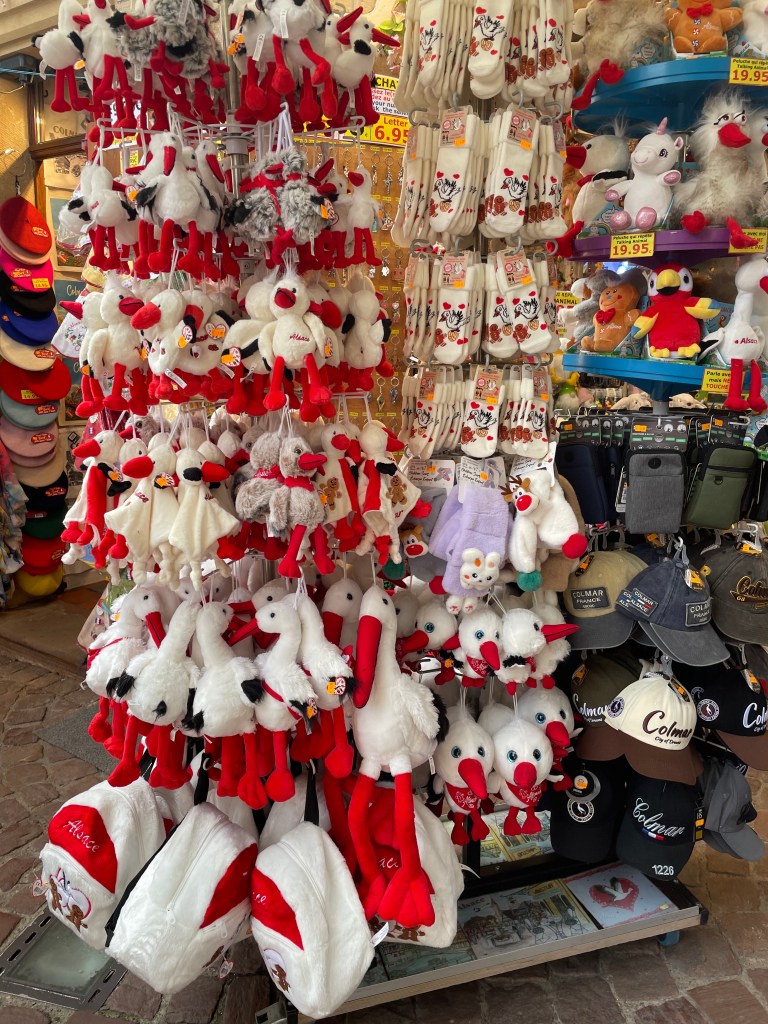
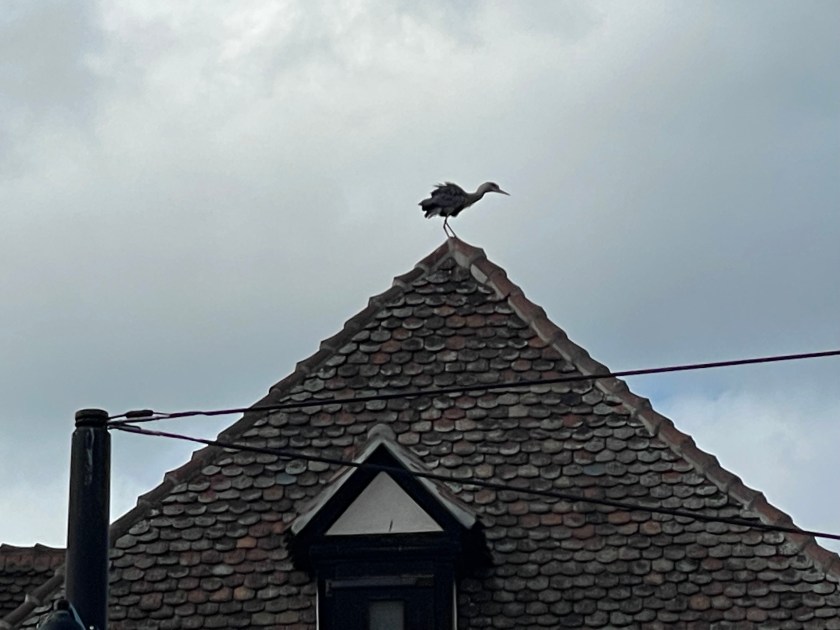
This town seemed to have a pelican theme.  Here is one perched on a roof top.
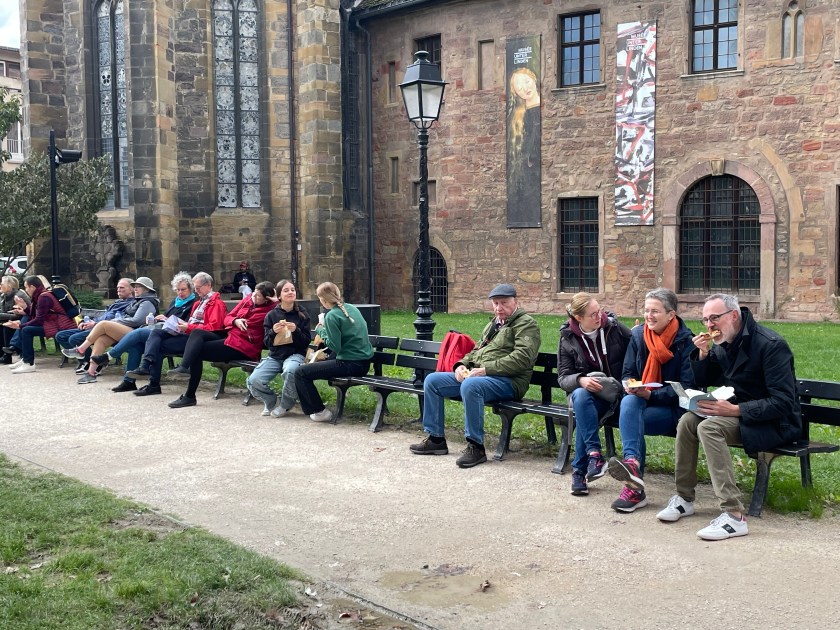
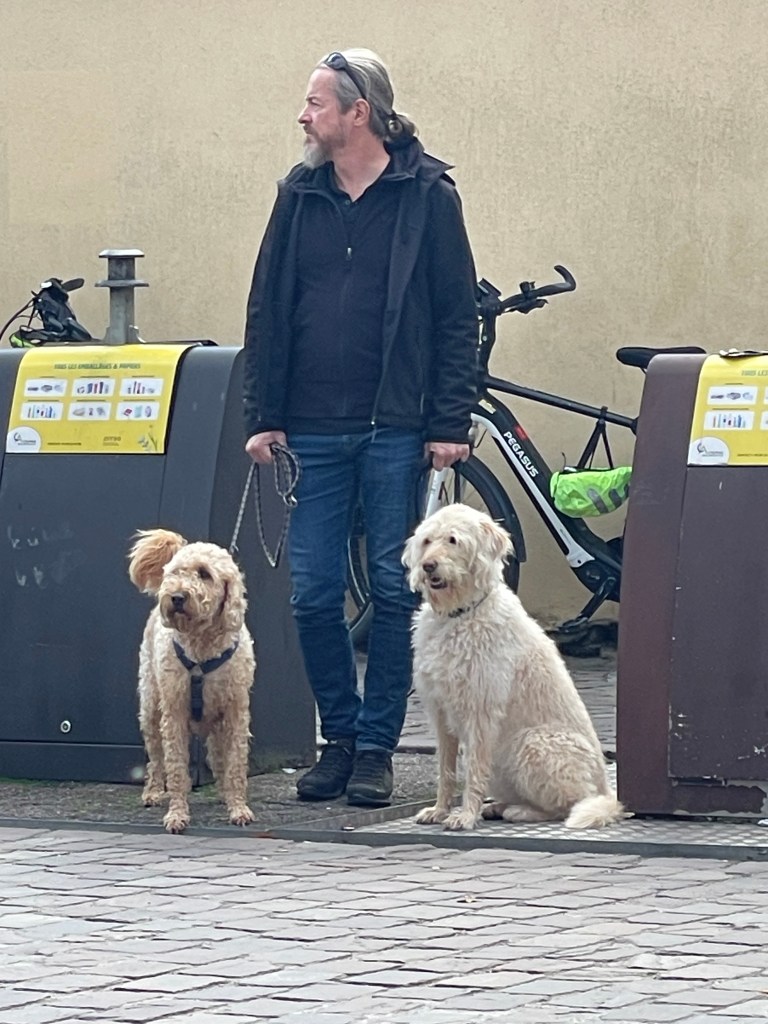
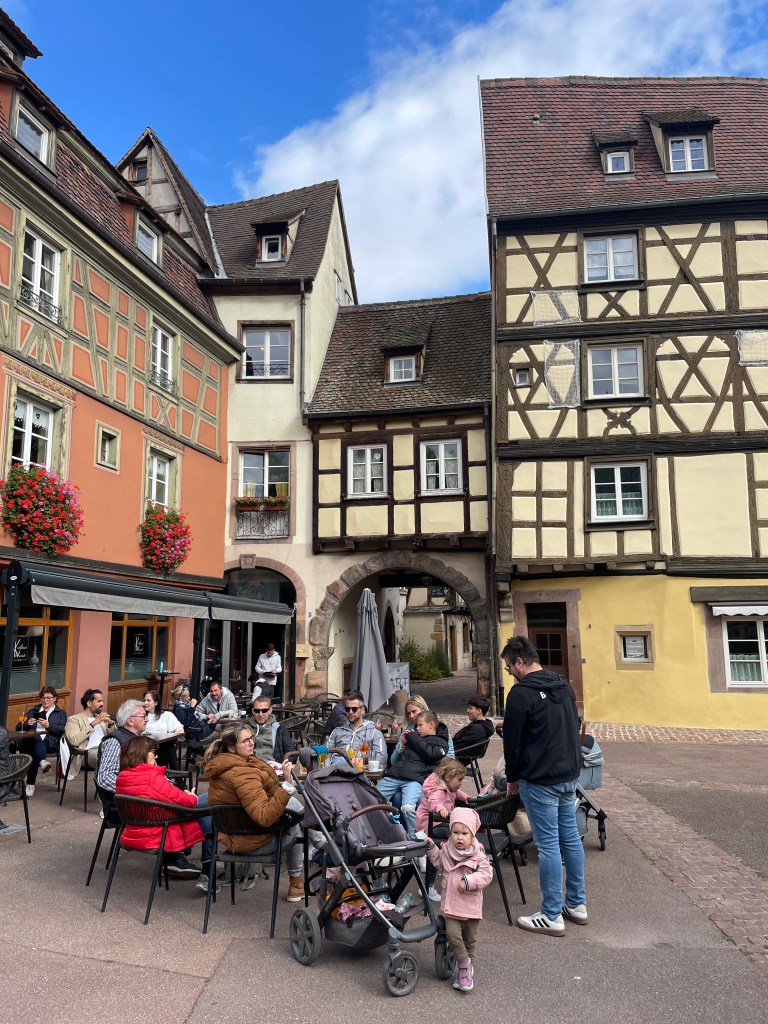
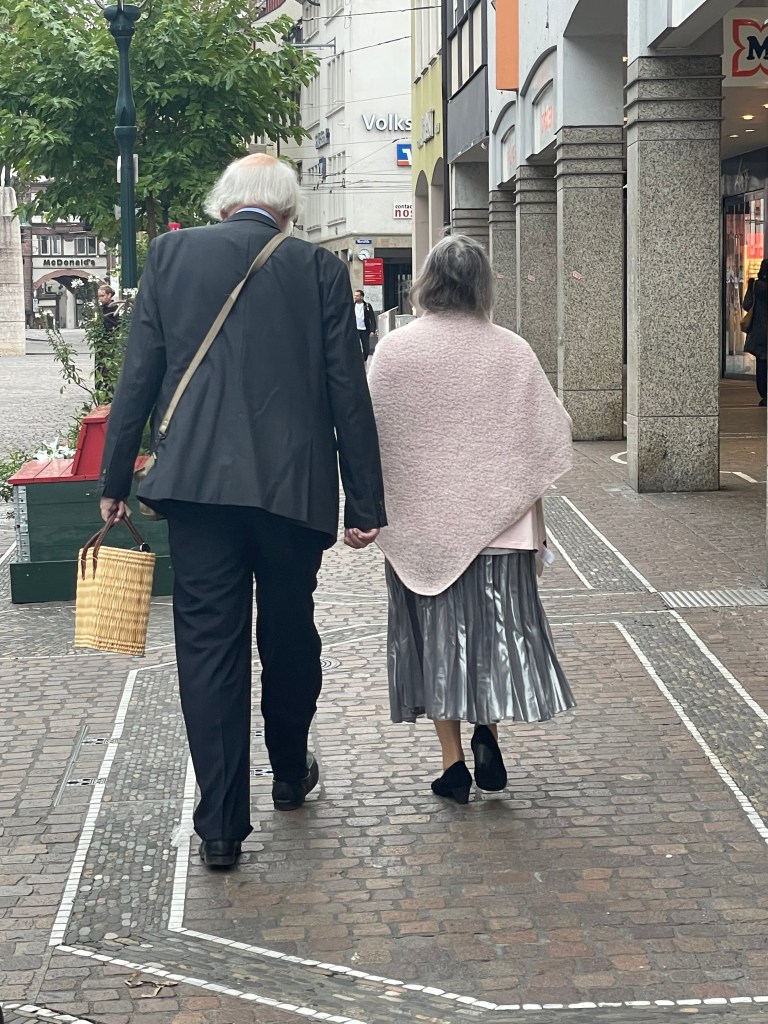
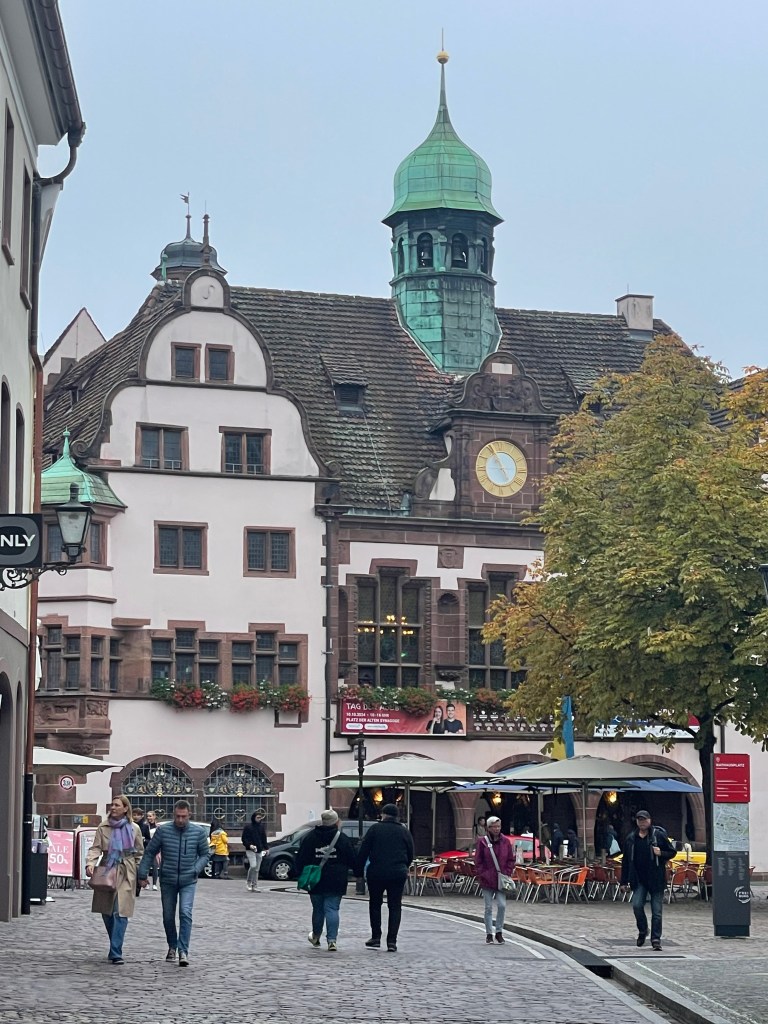
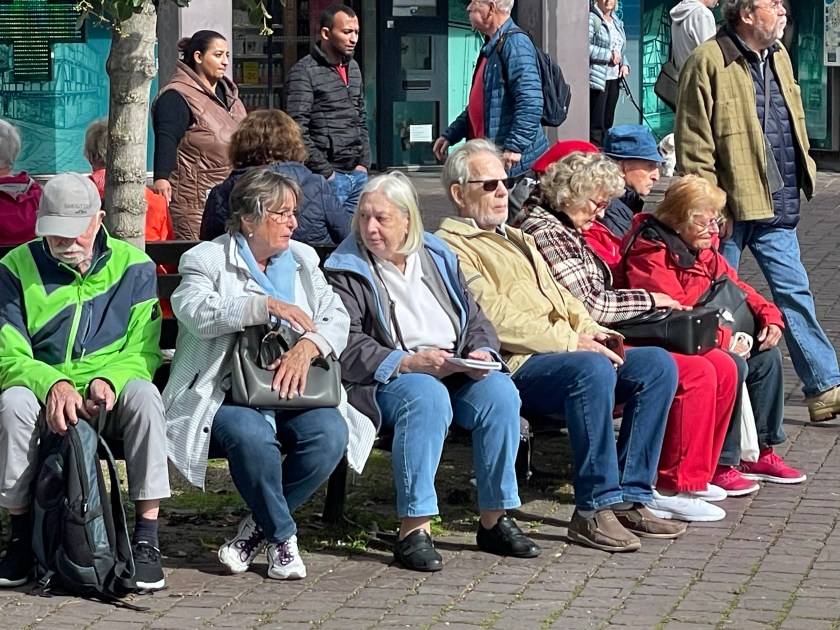
Locals enjoying the sunny day.
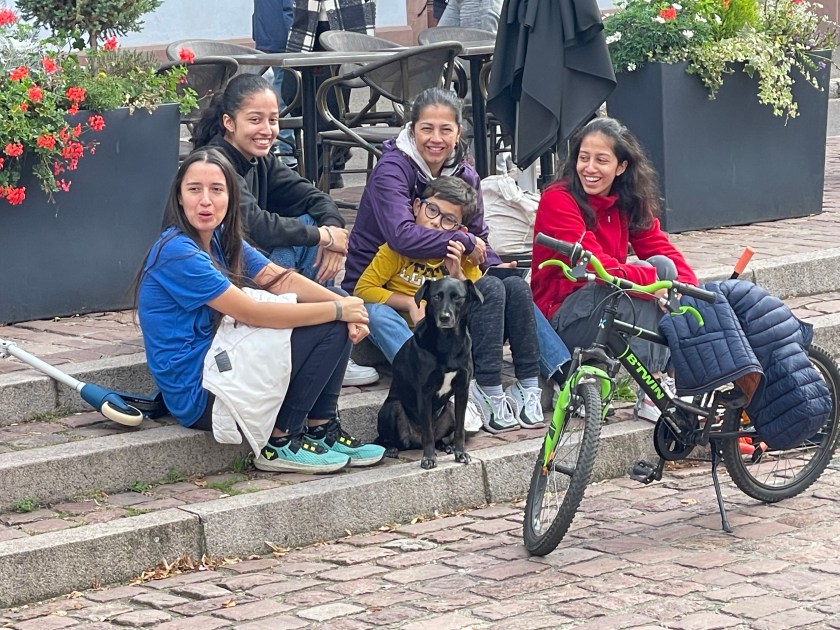
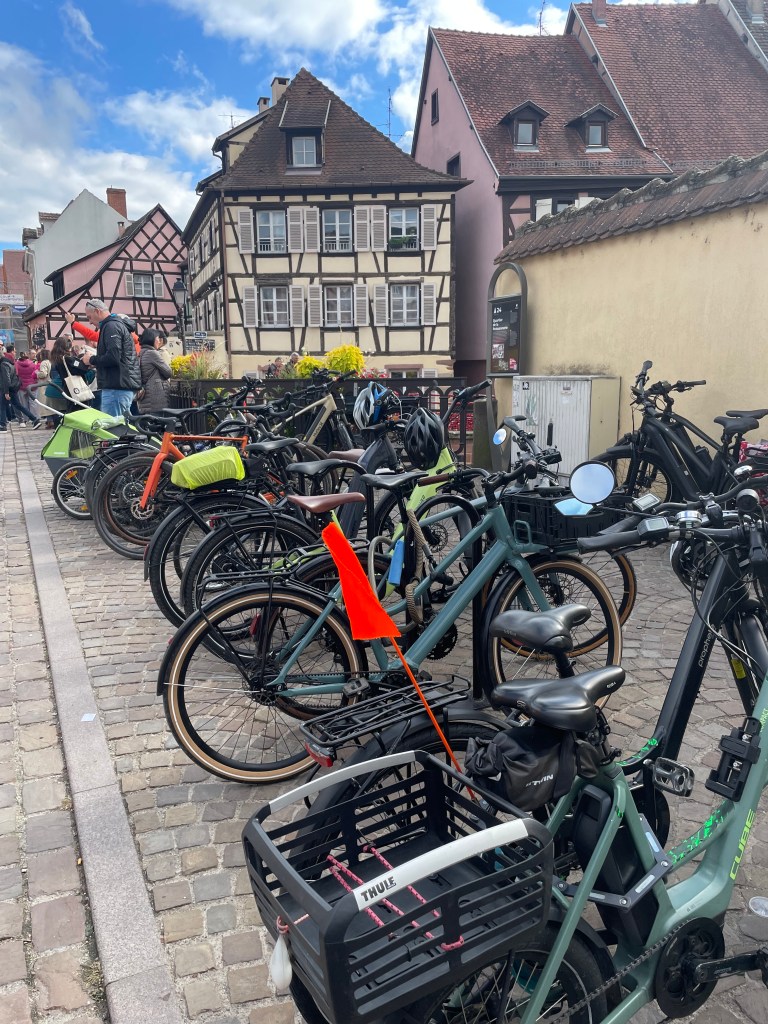
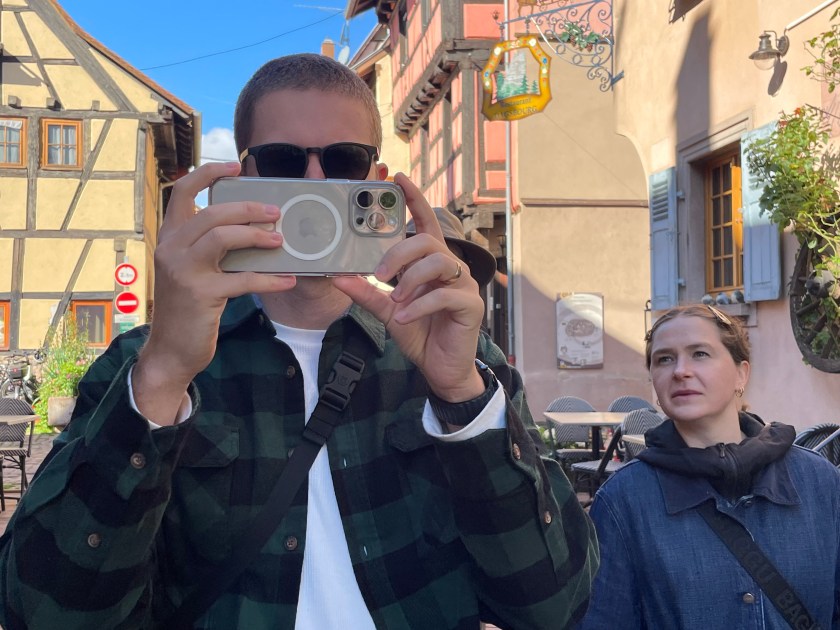
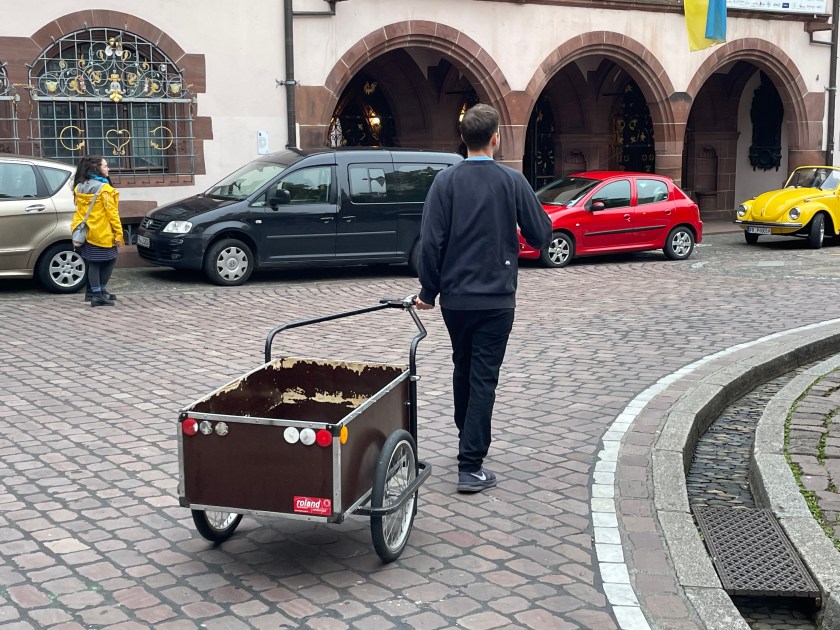
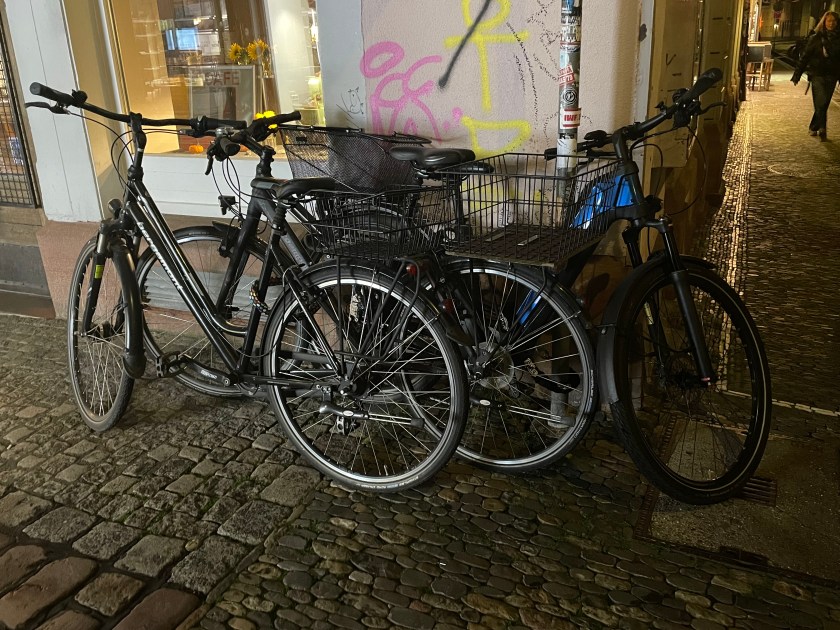
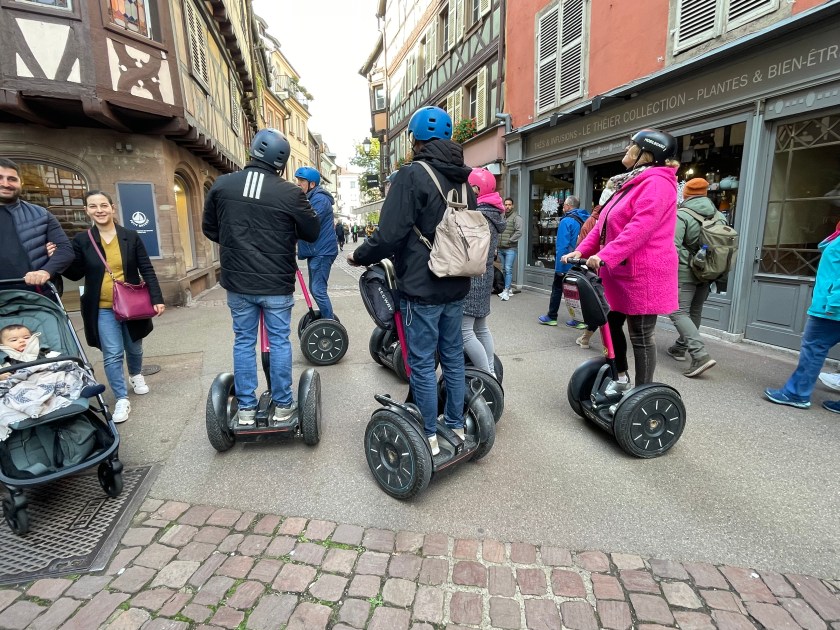
We were passed up by this hip set of tourists on their wheels.  I was grateful to be on solid ground with my hand on my camera!
 

A local celebration going on with live music and dancing:

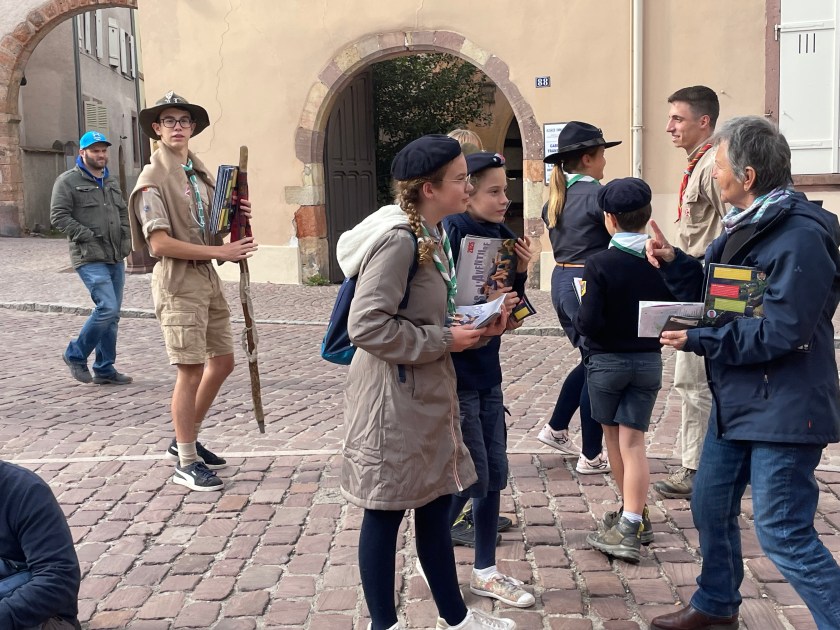
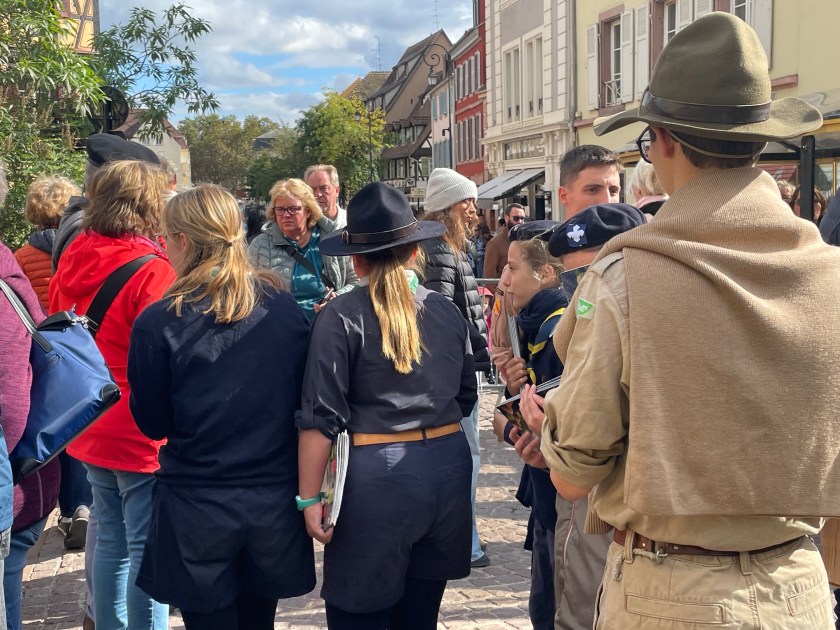
A scout troop selling calendars:

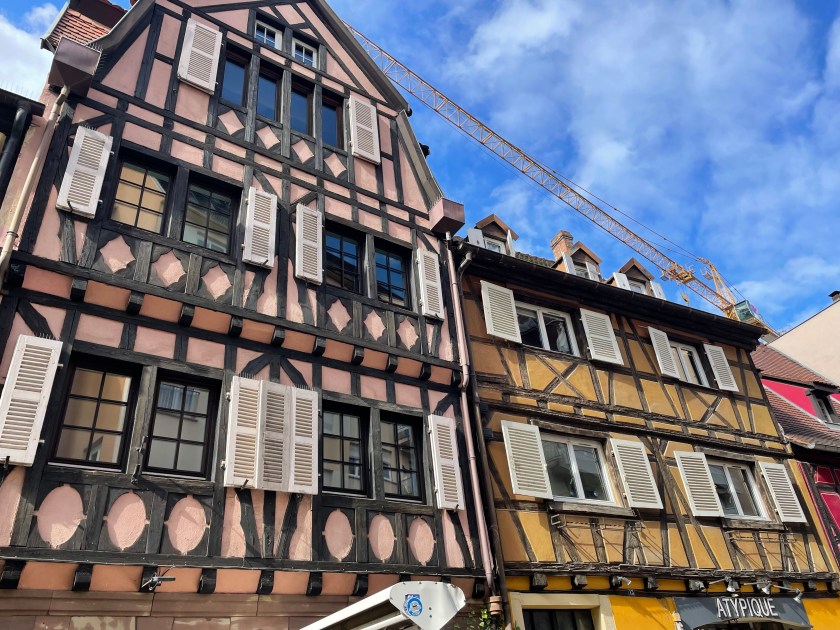
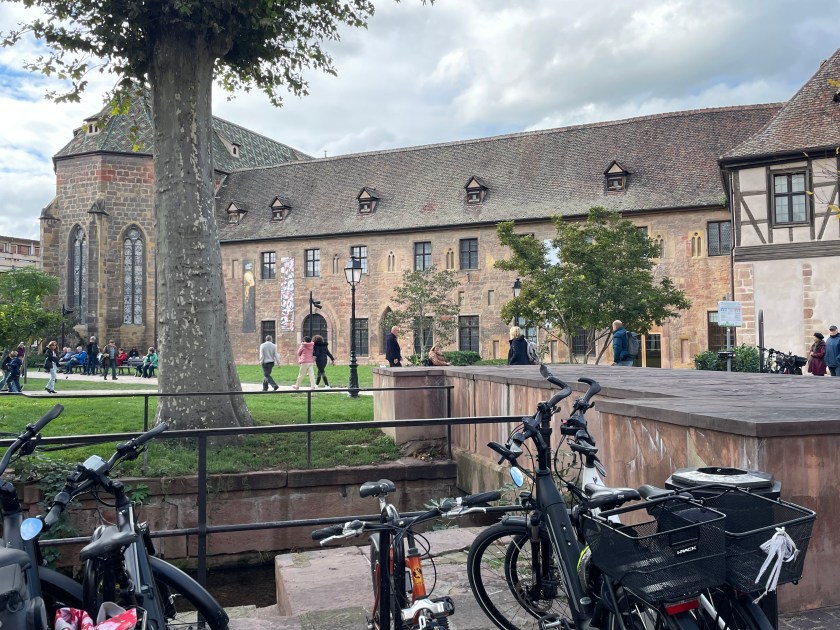
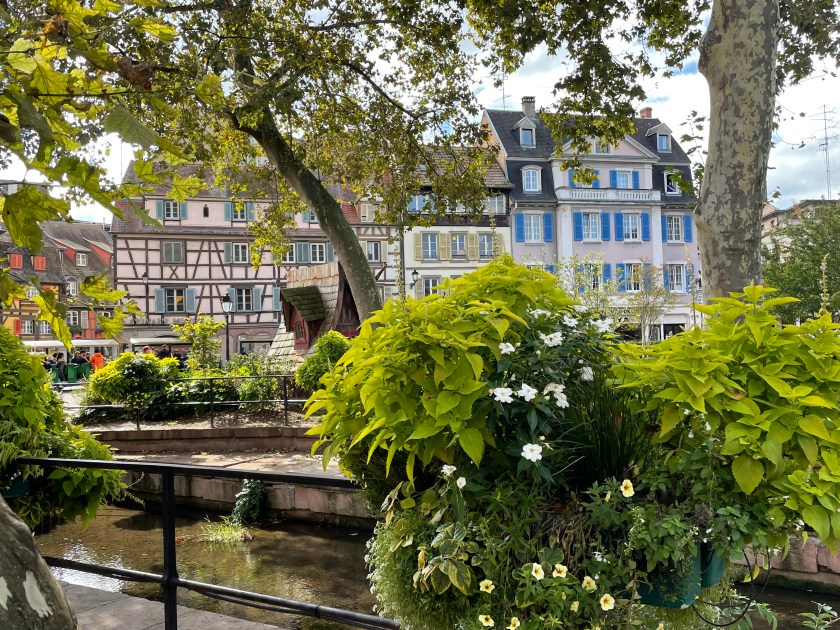
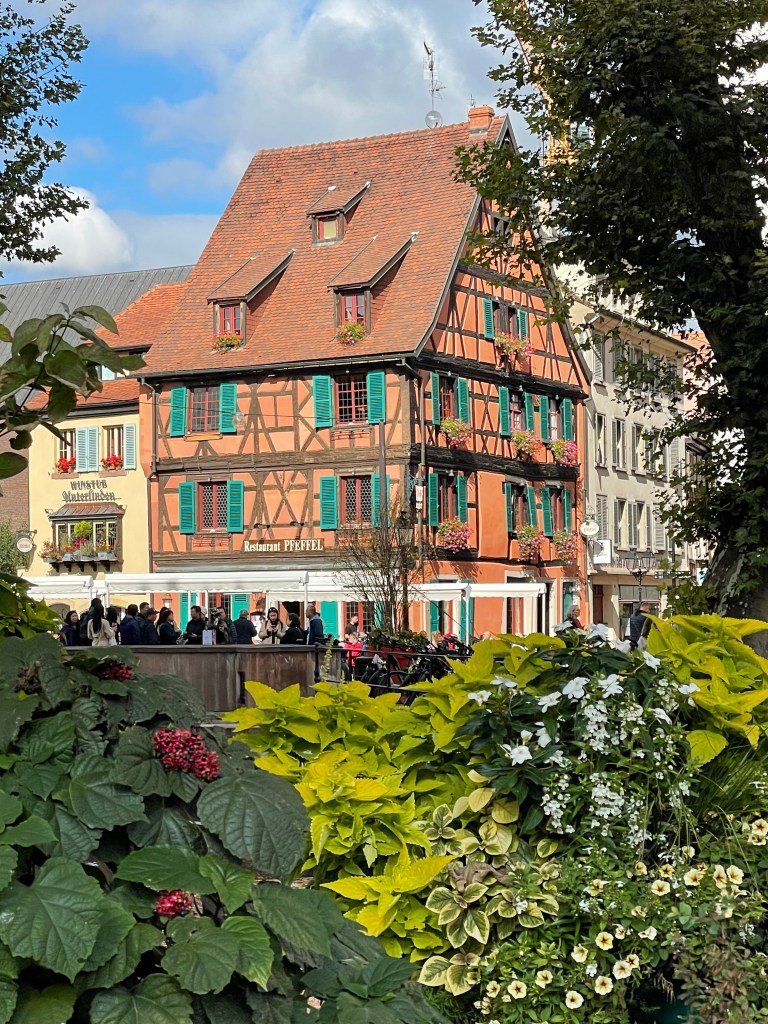
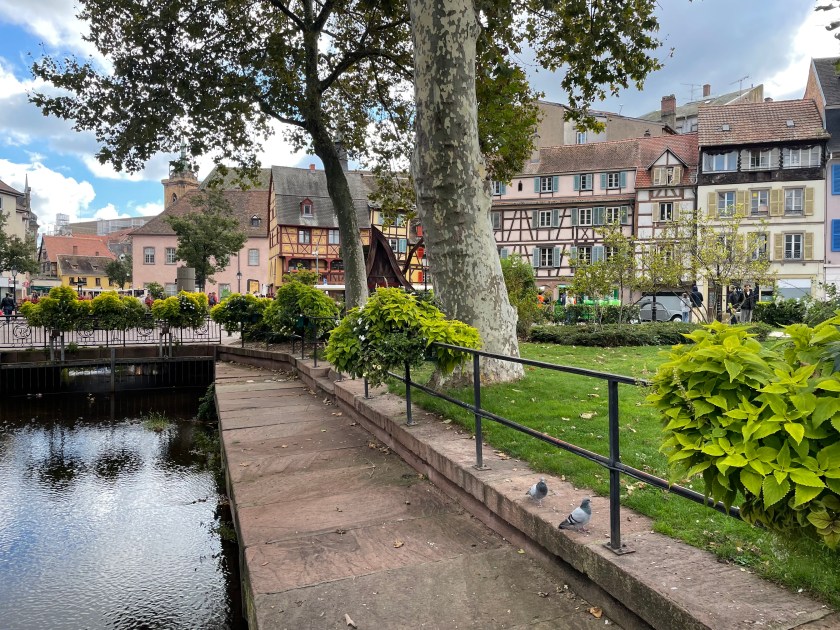
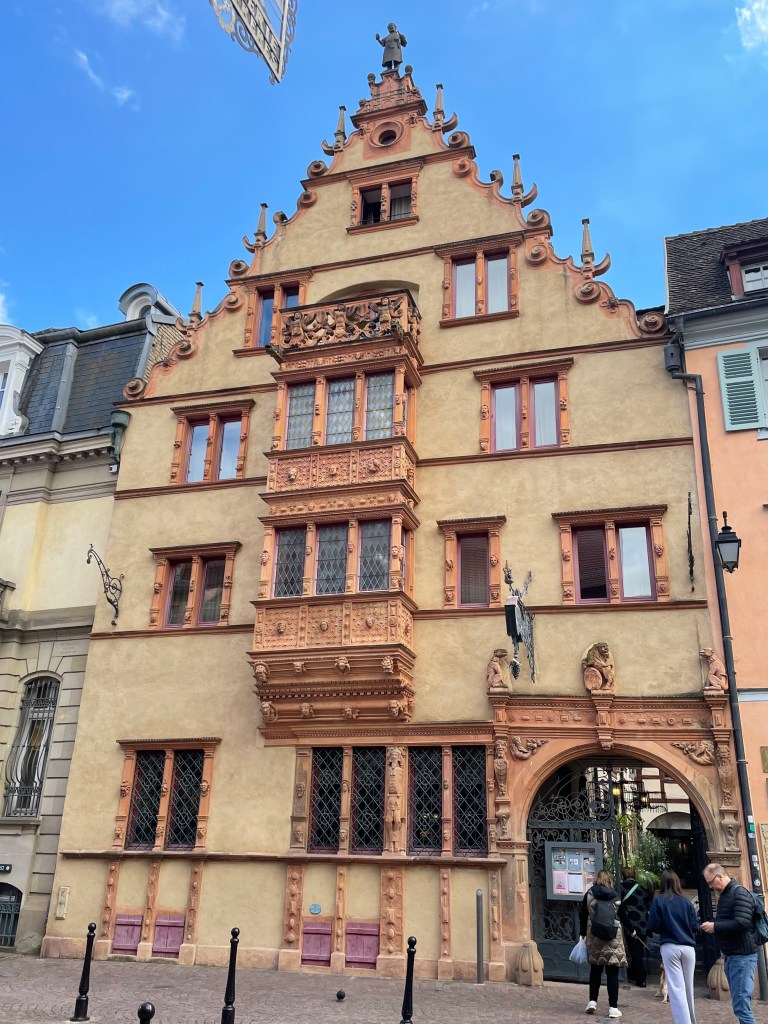
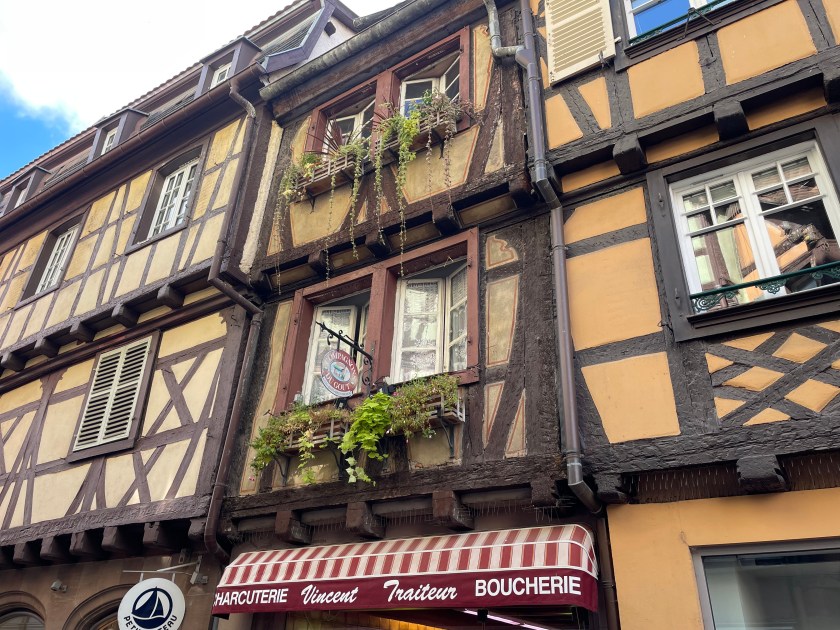
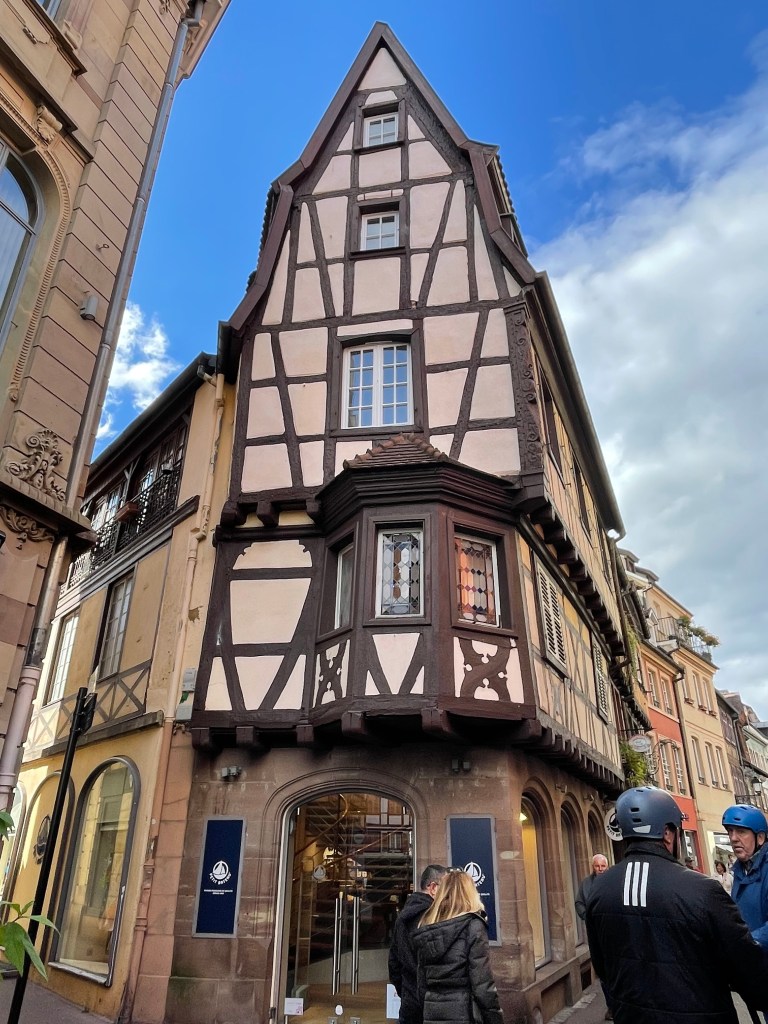
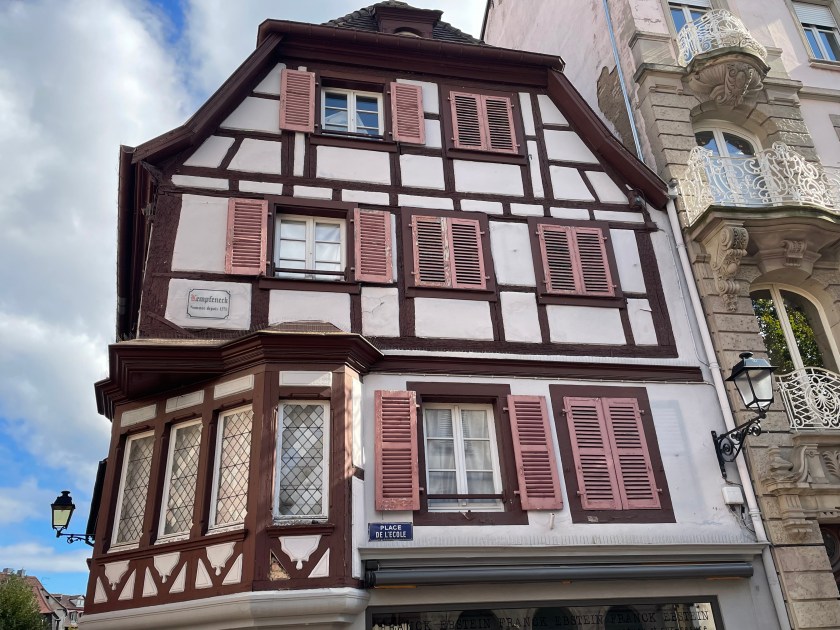
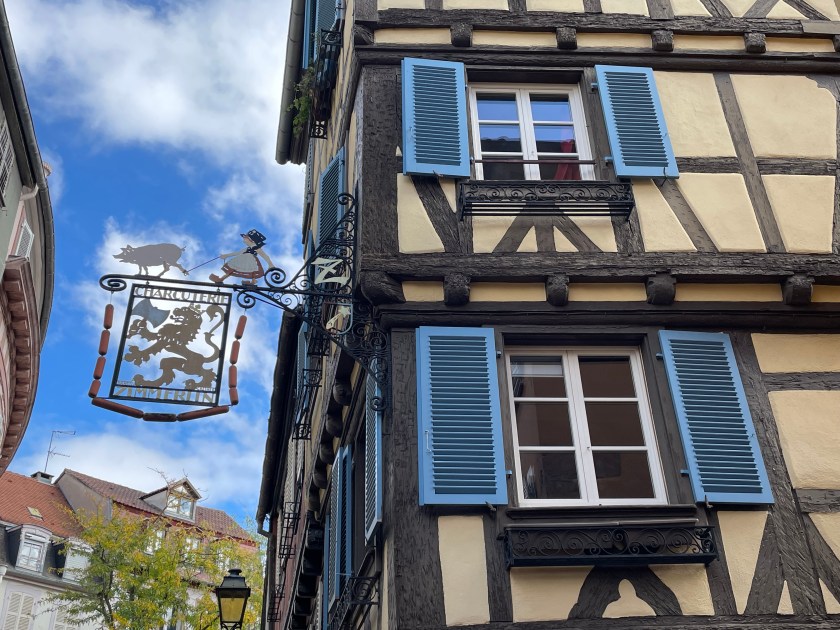
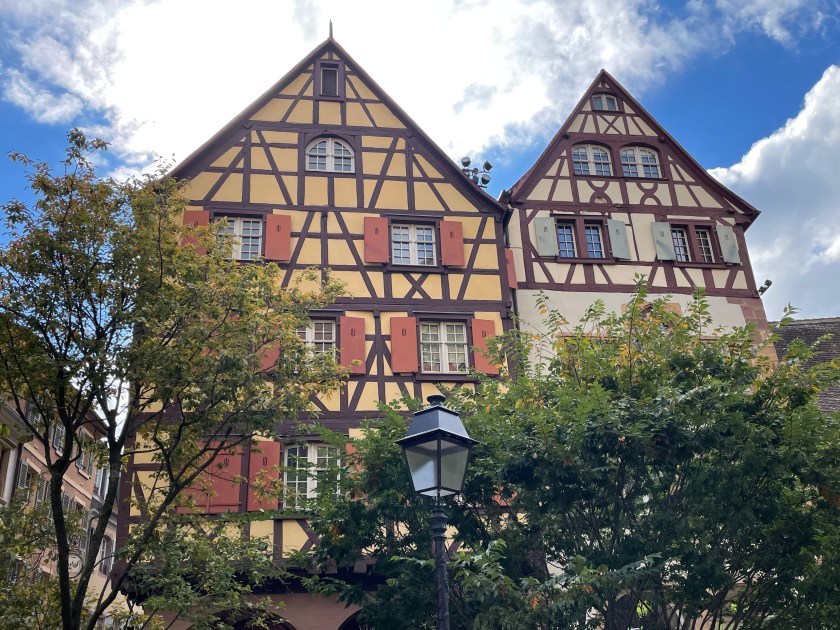
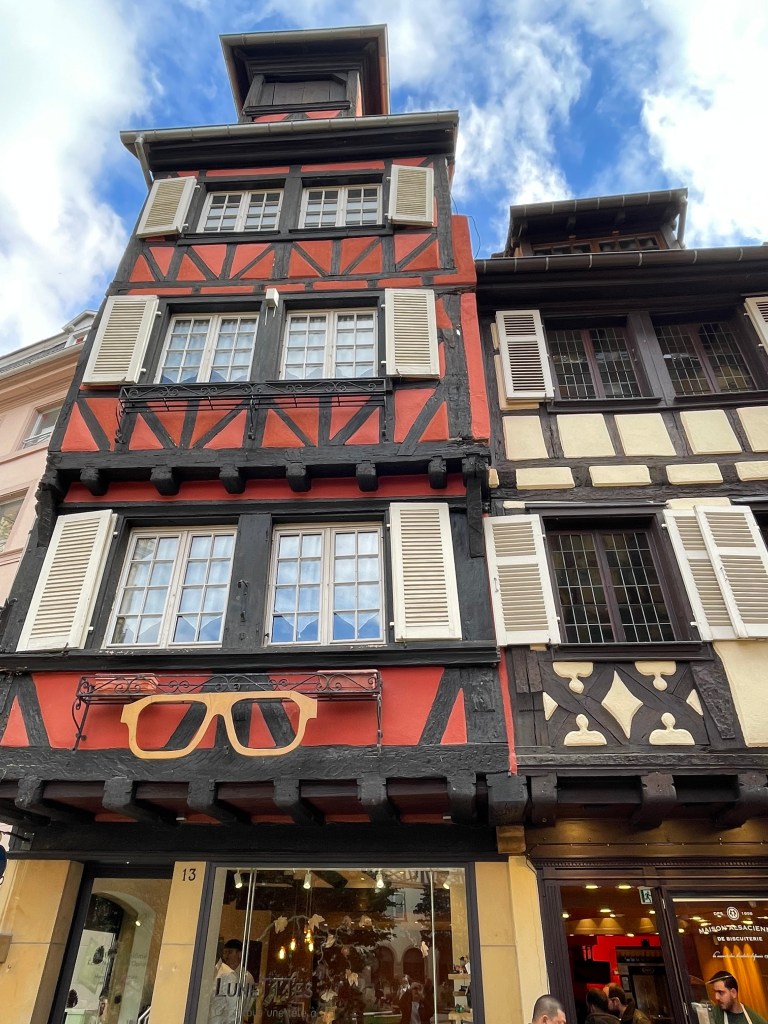
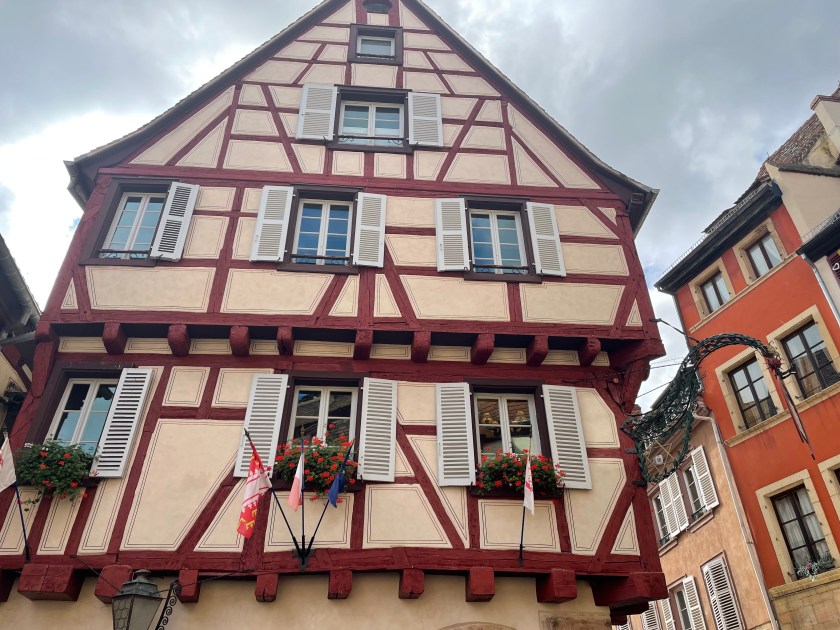
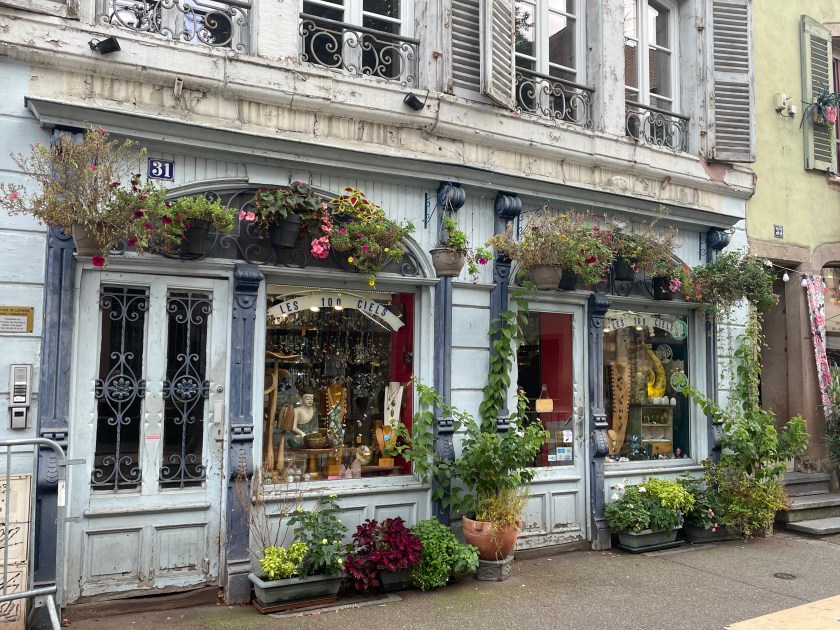
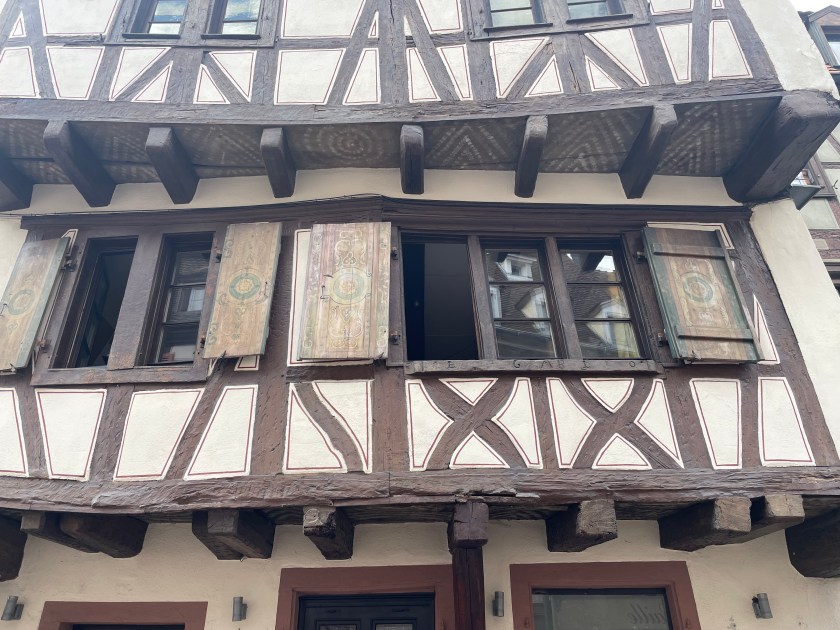
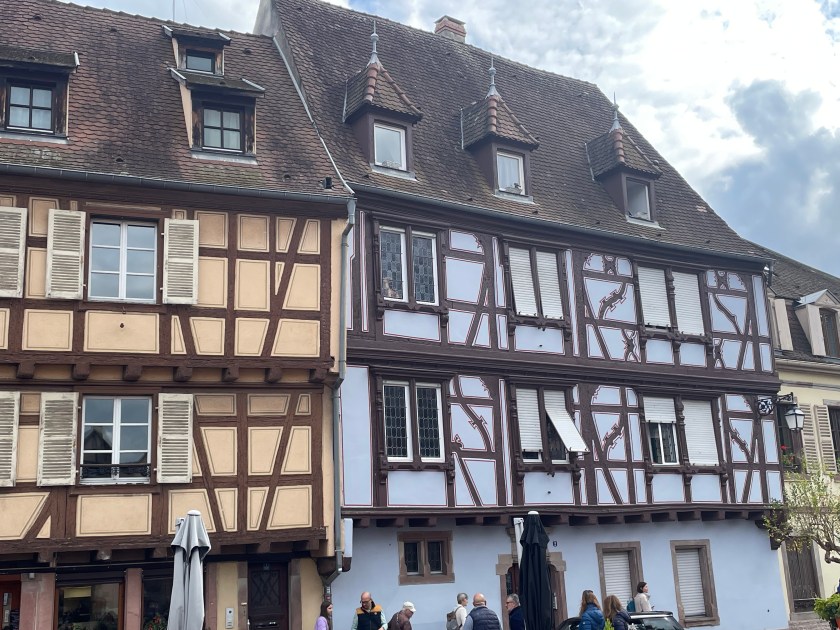
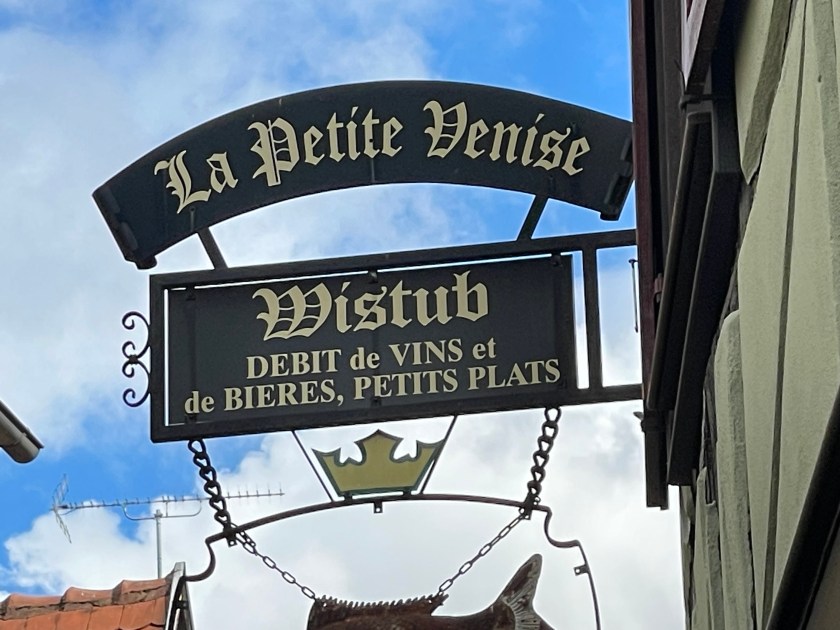
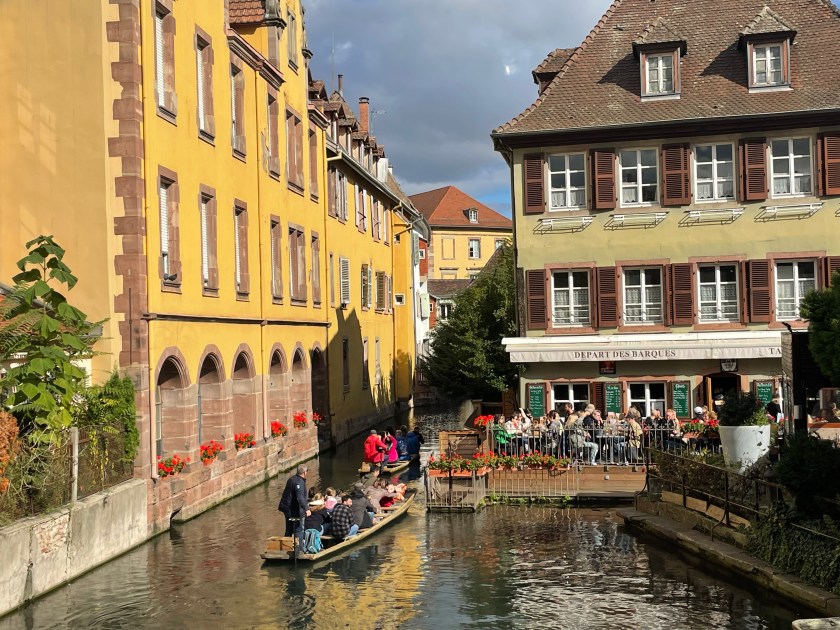
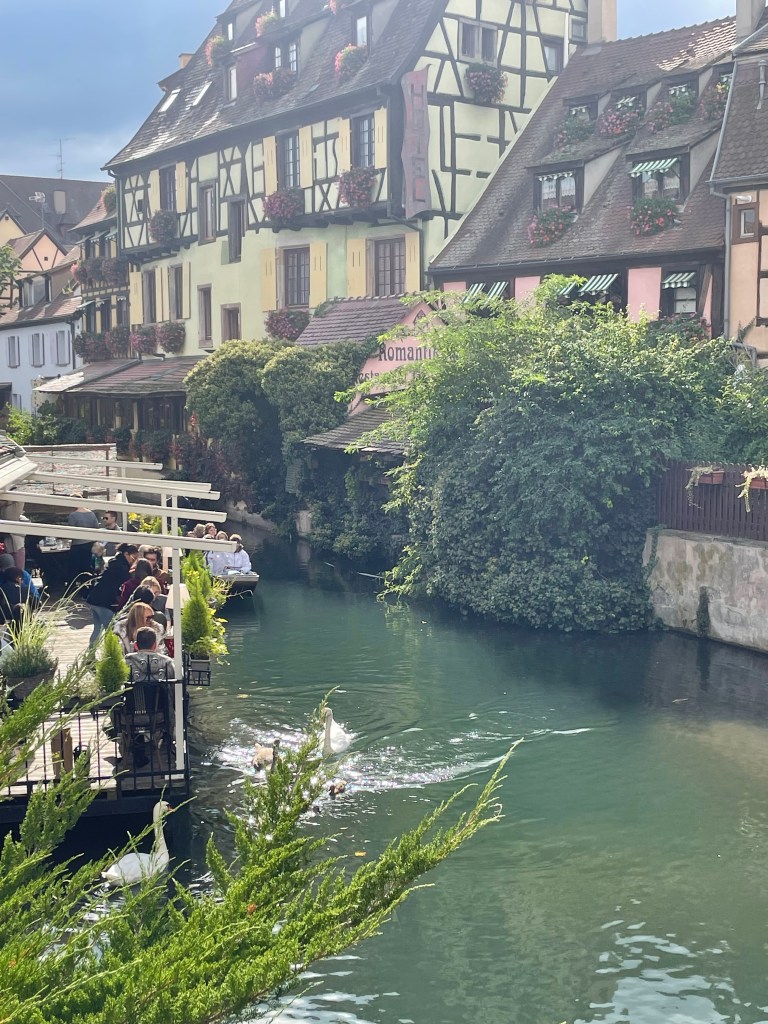
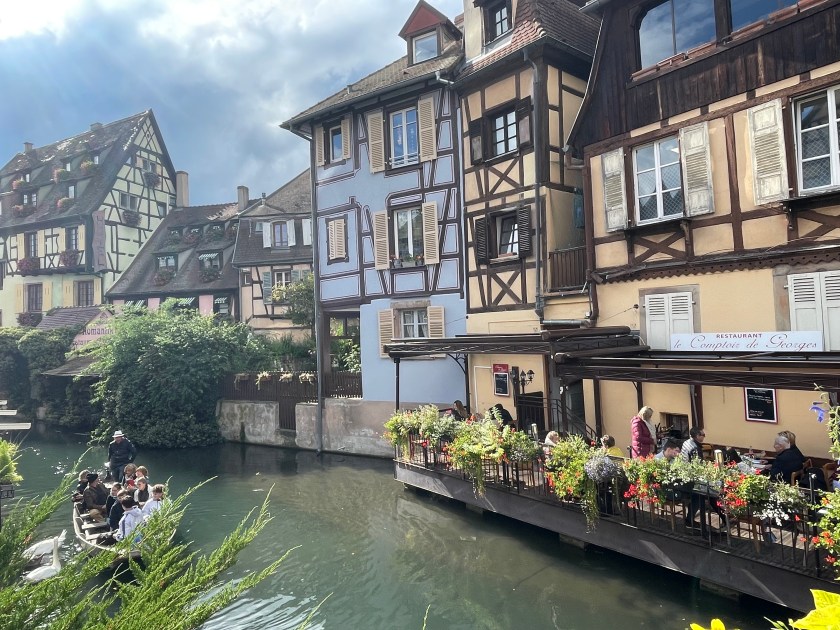
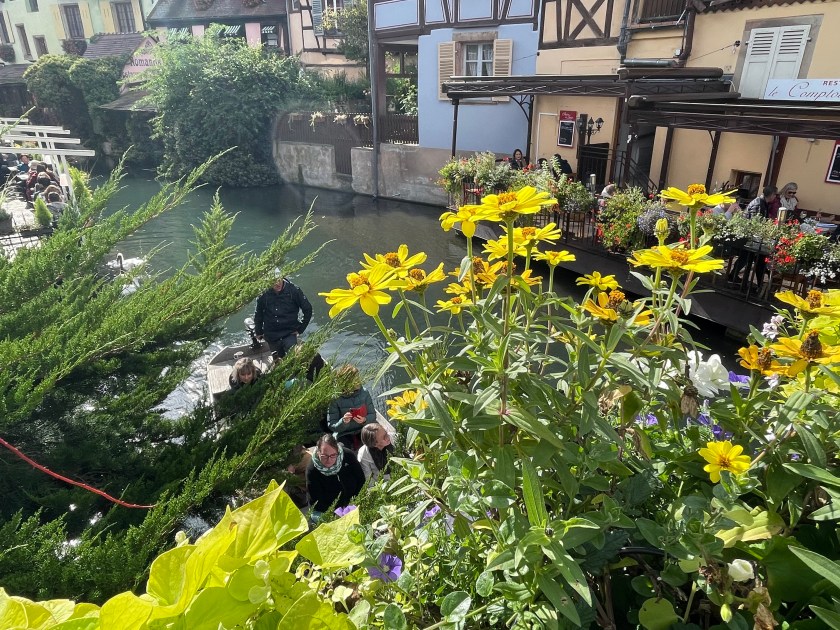
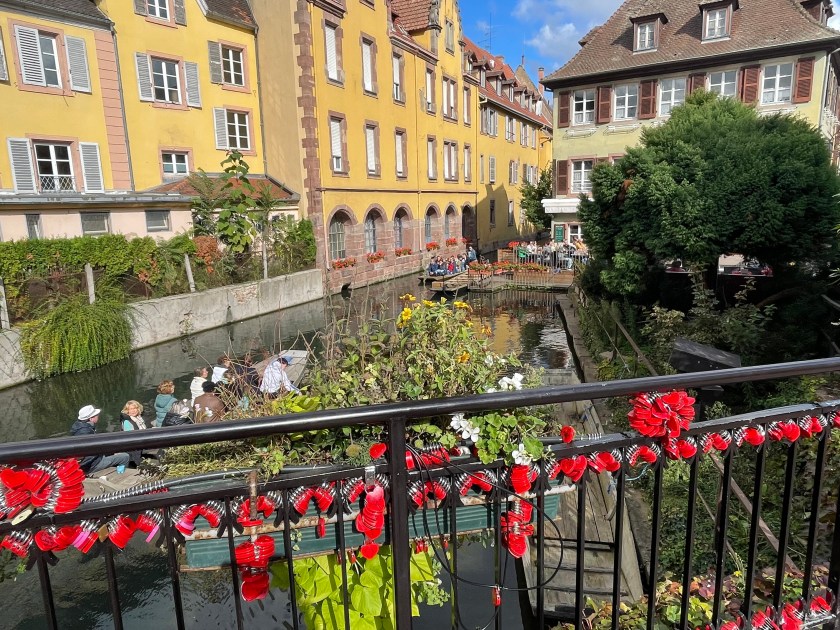
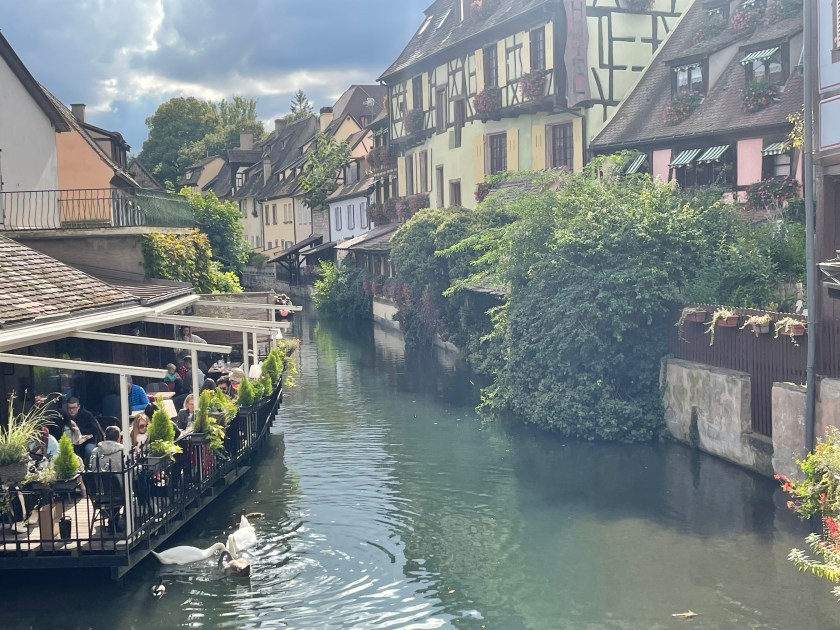
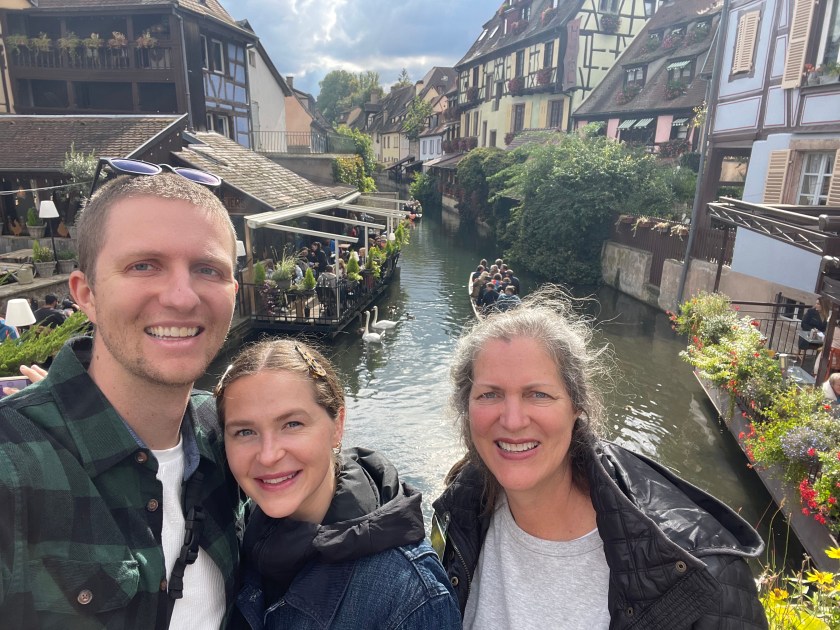
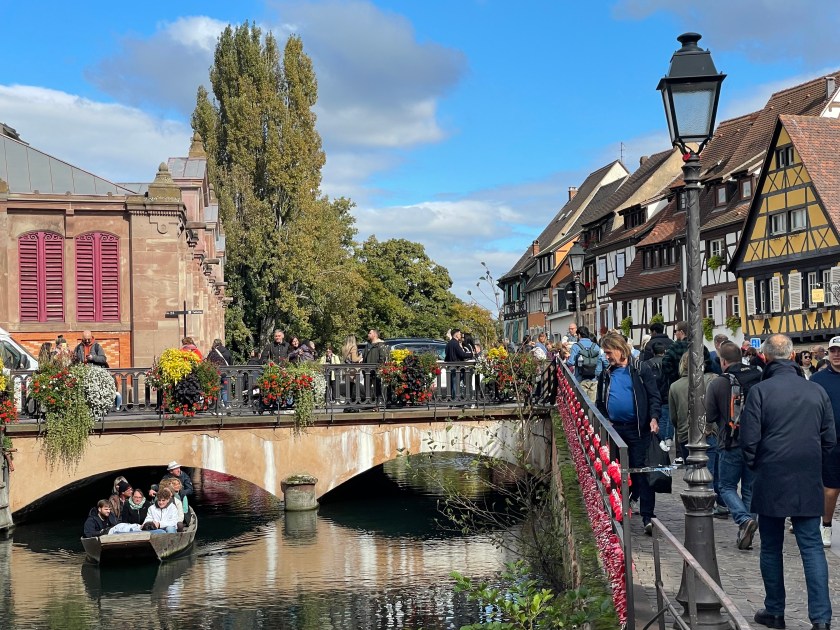
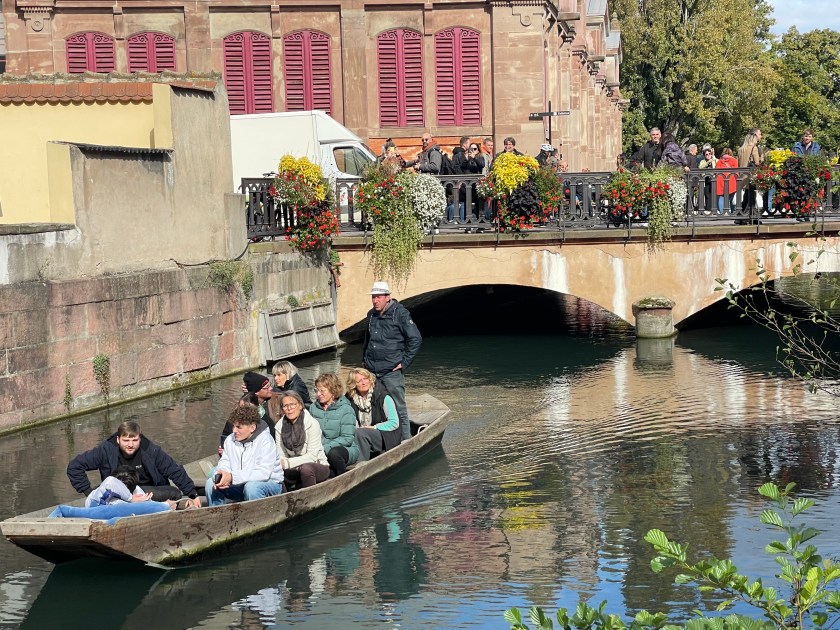
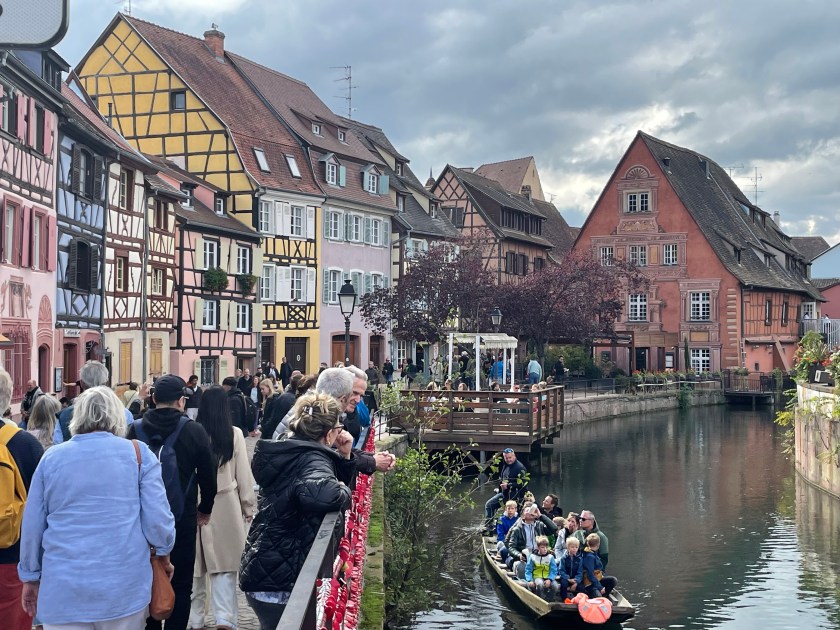
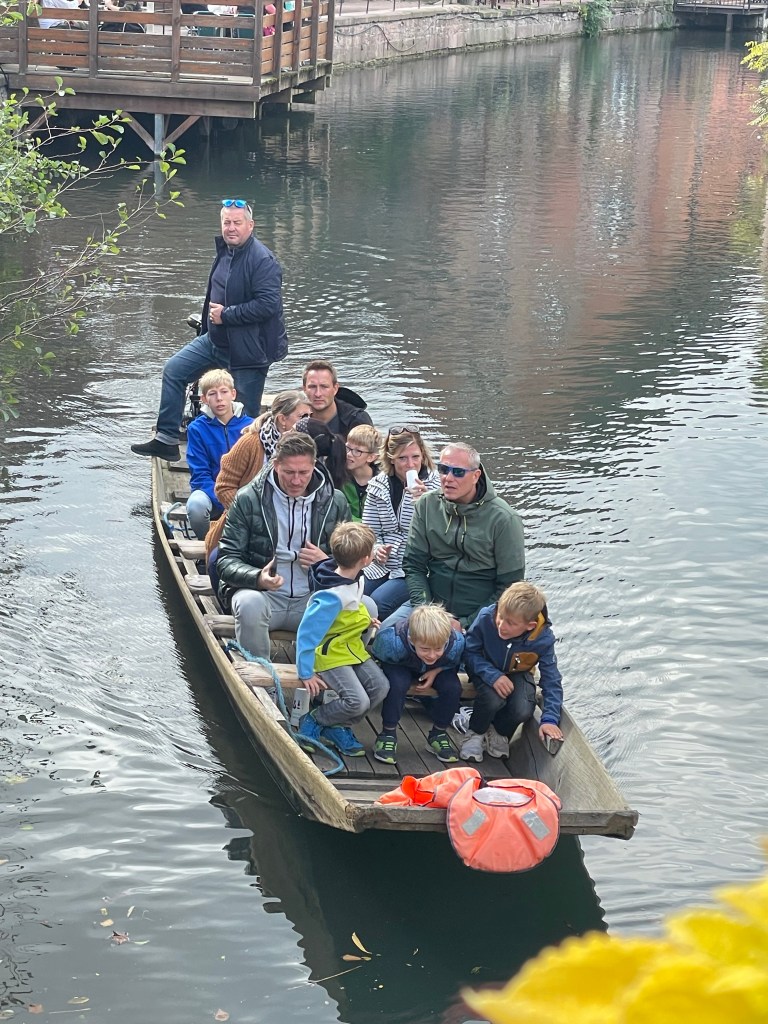
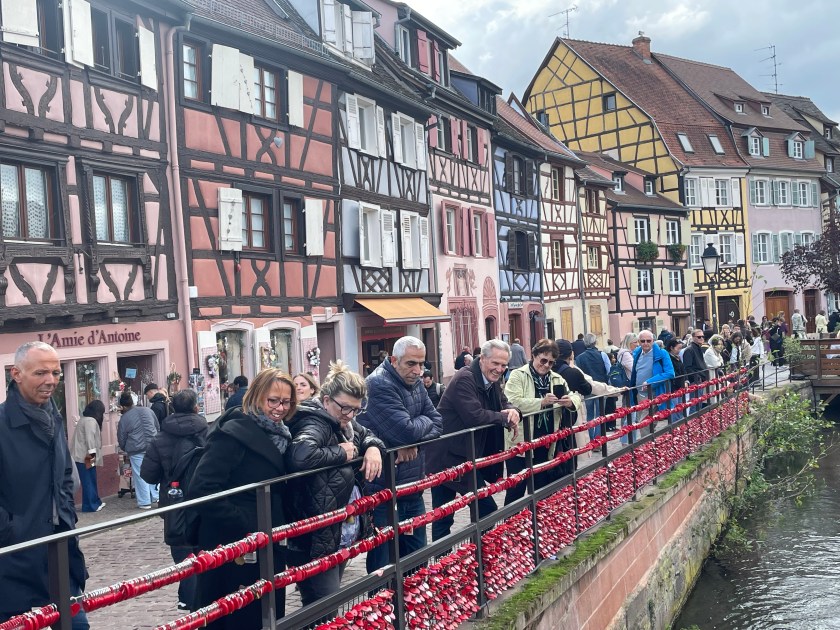
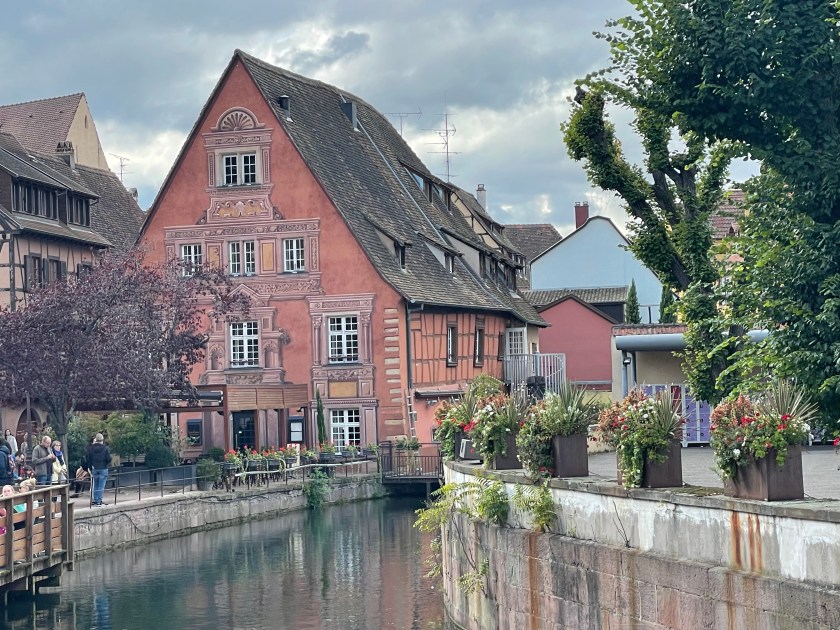
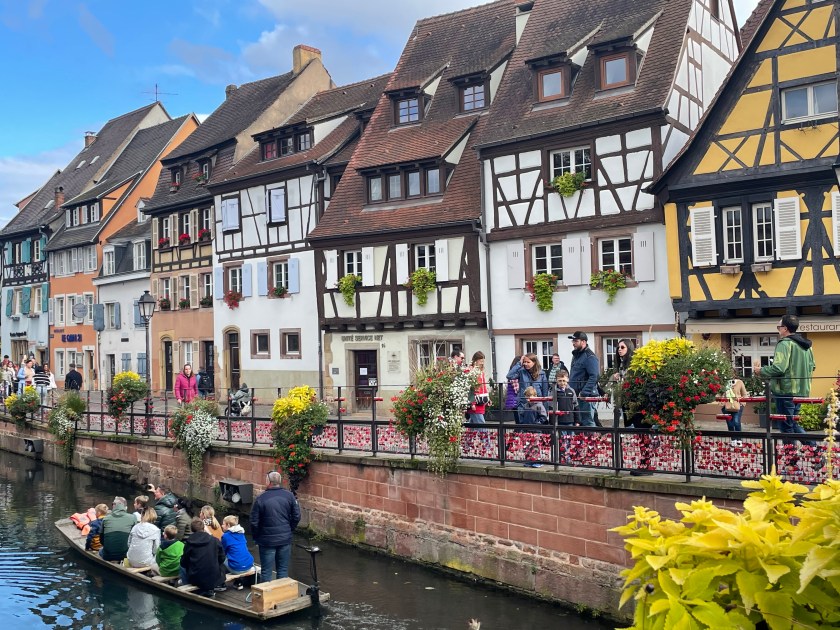
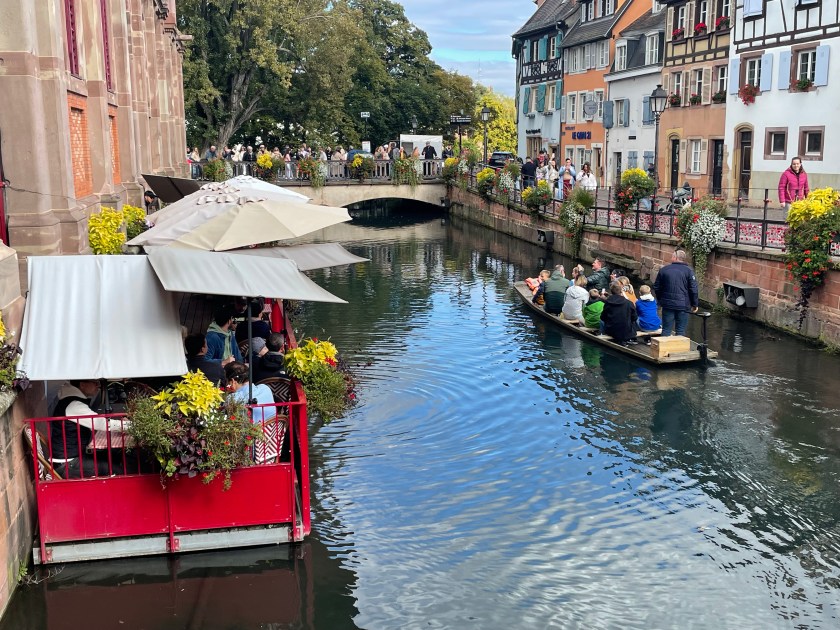
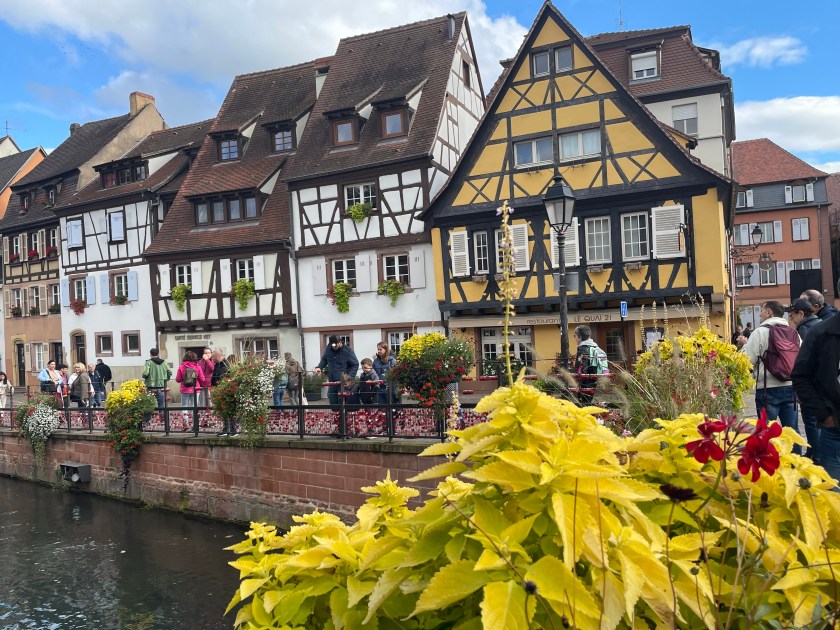
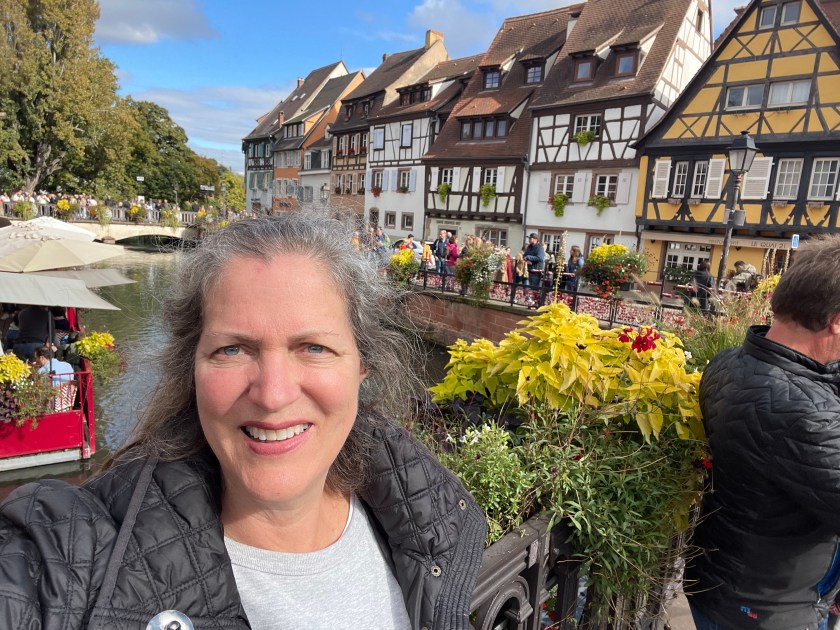
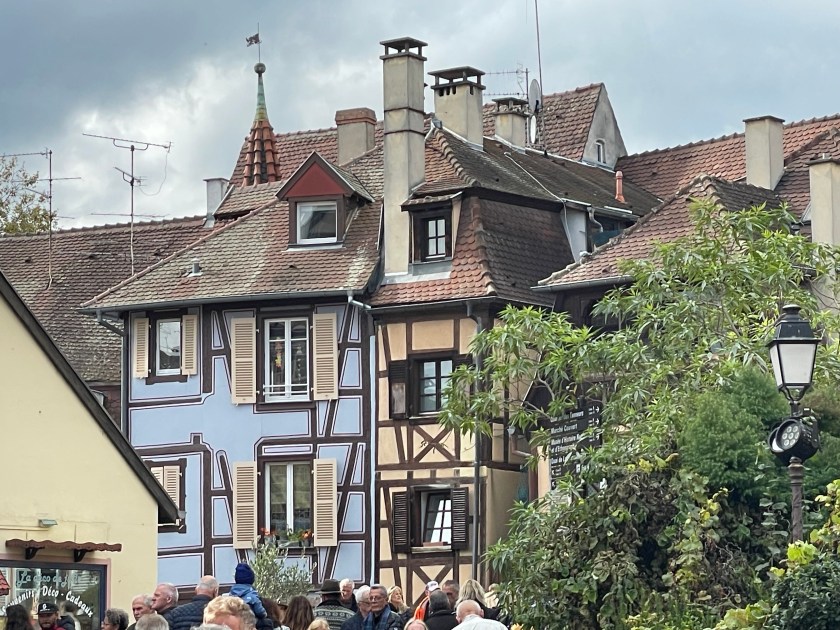
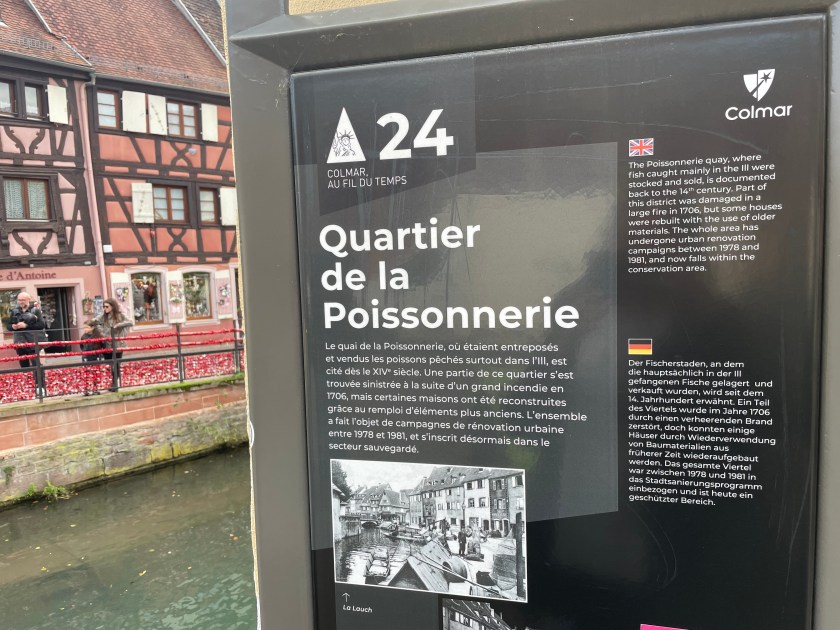
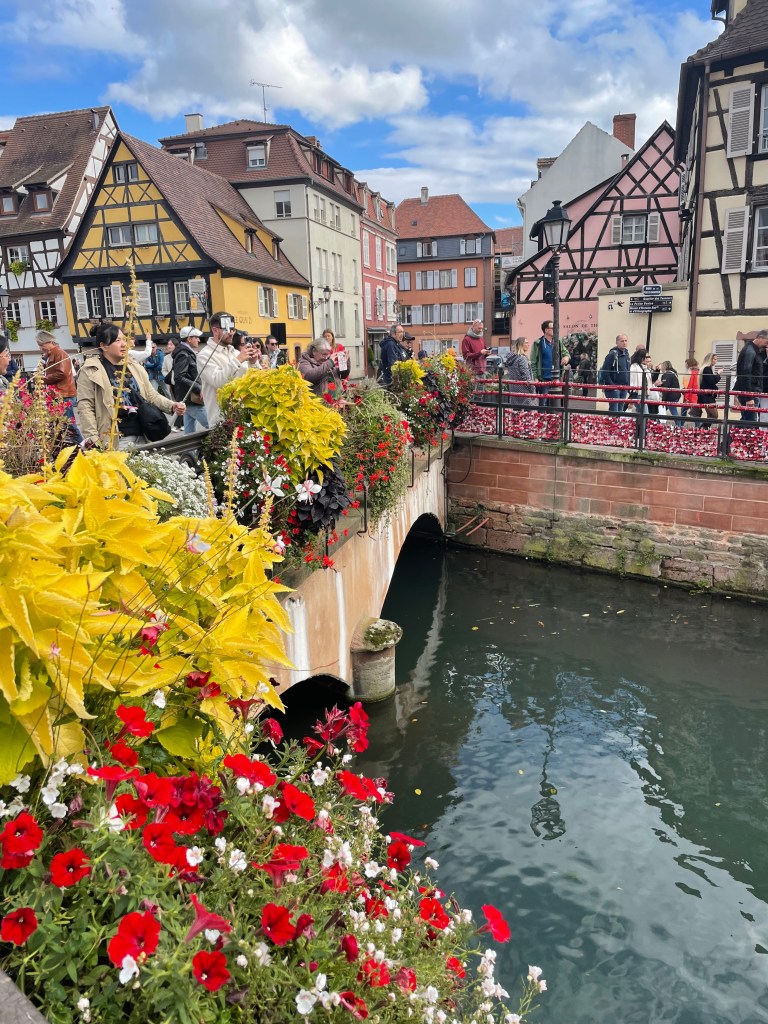
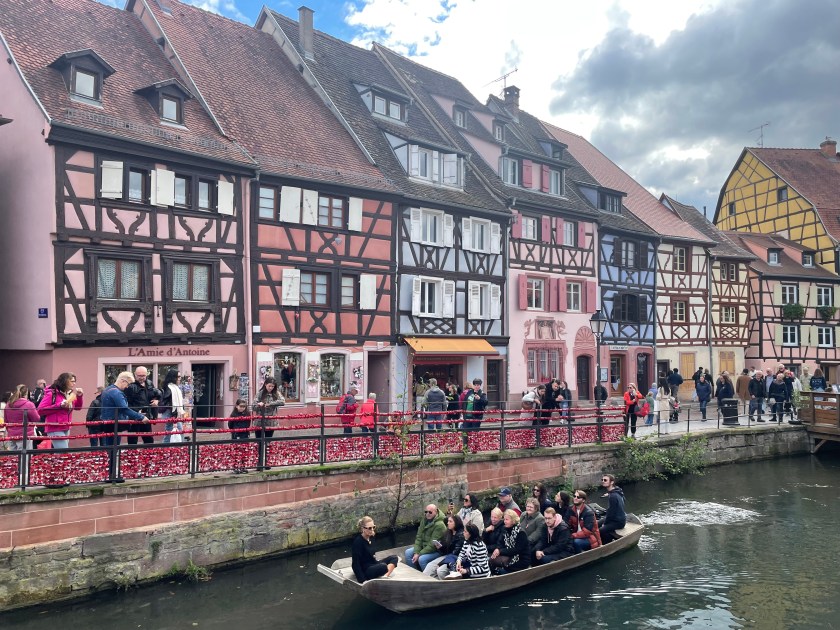
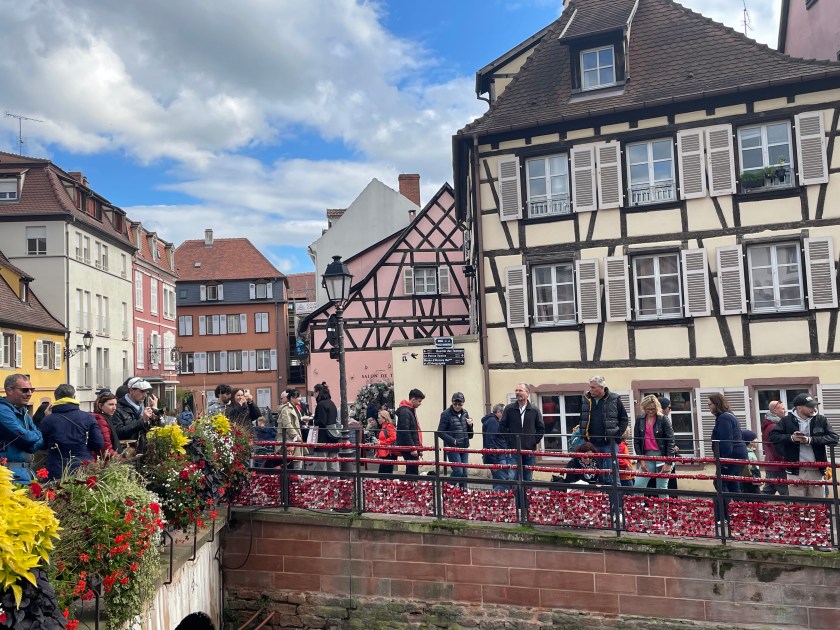
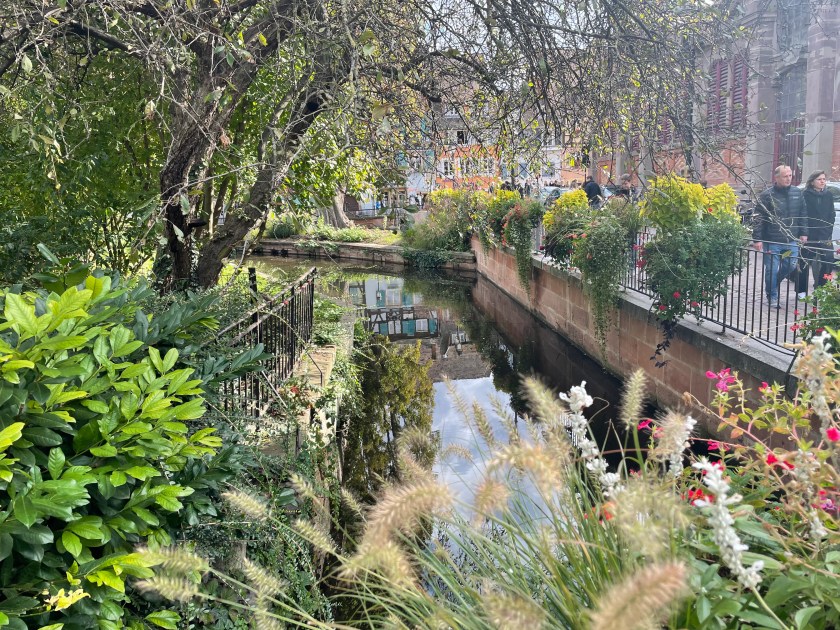
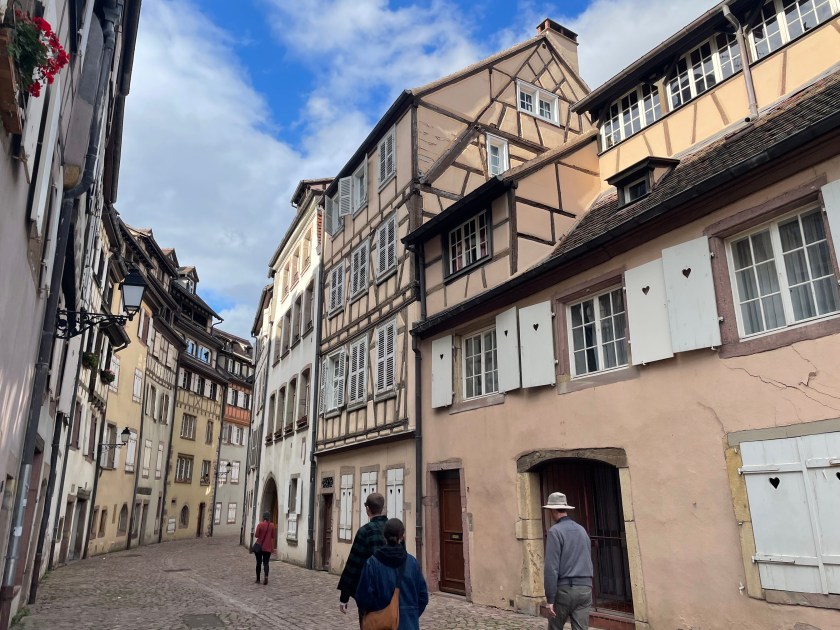
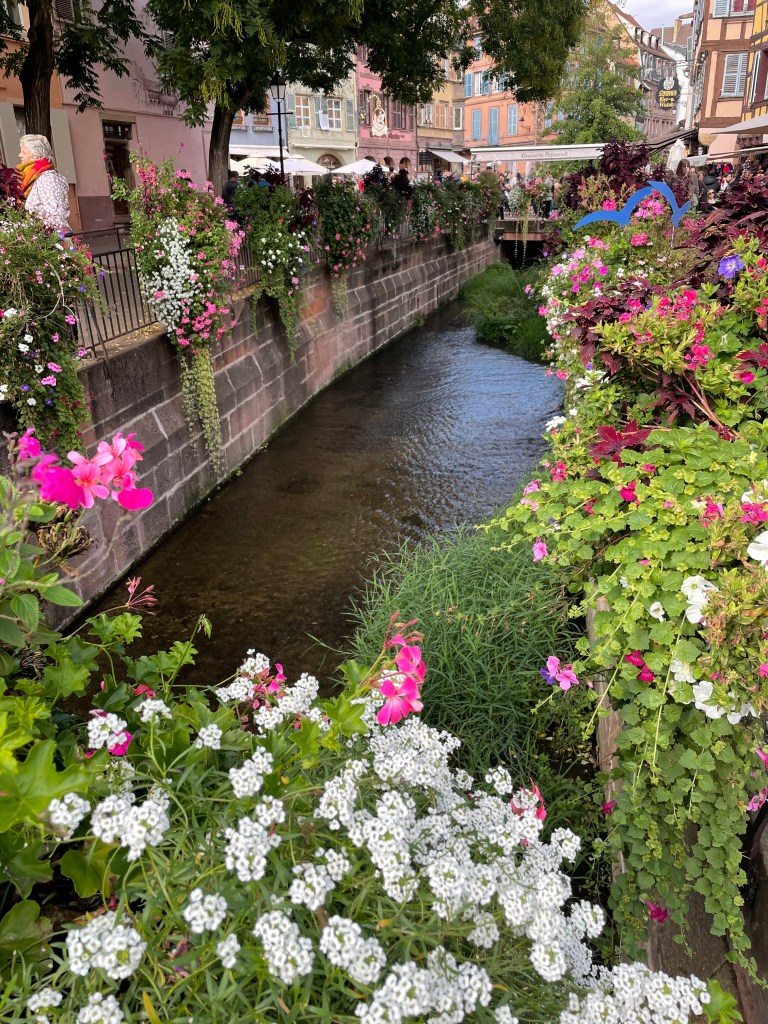
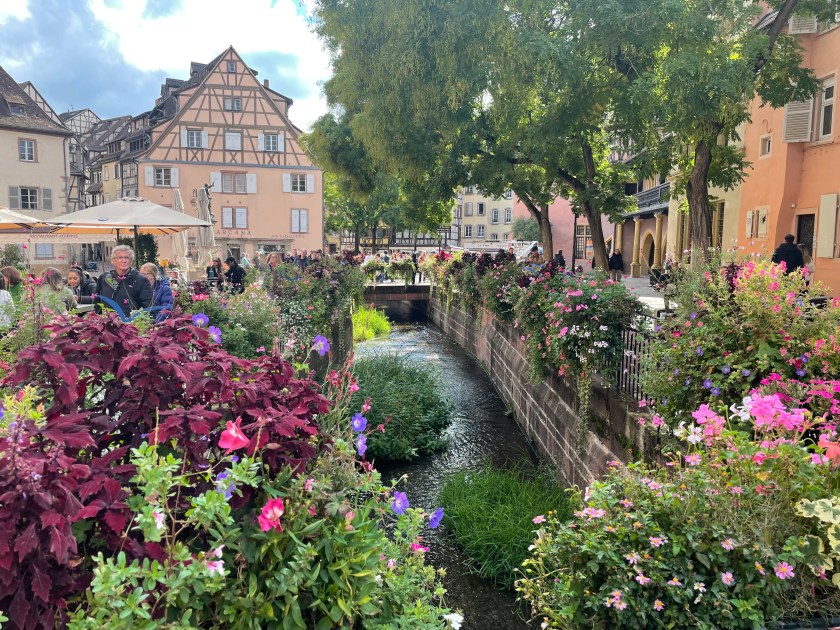
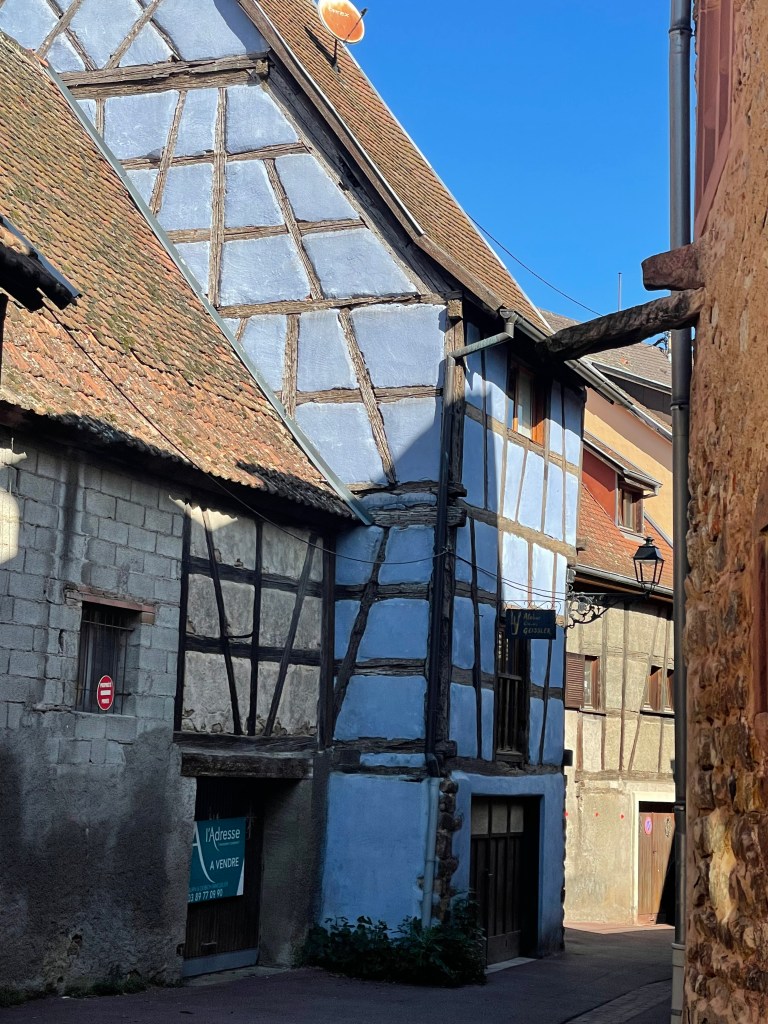
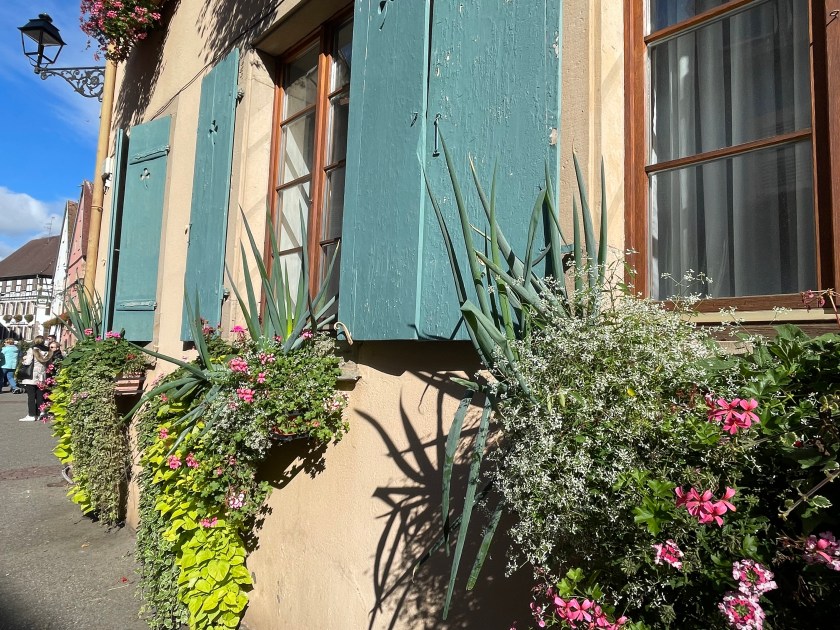
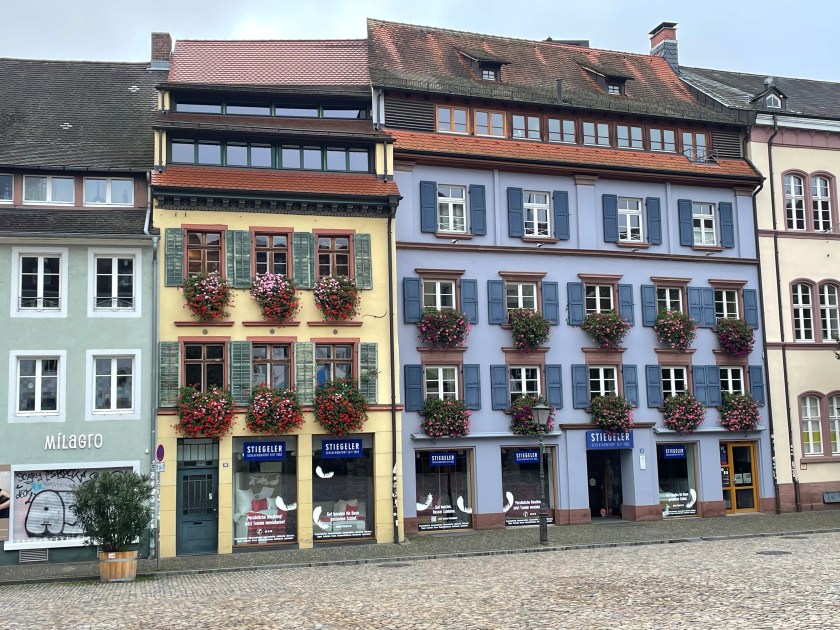
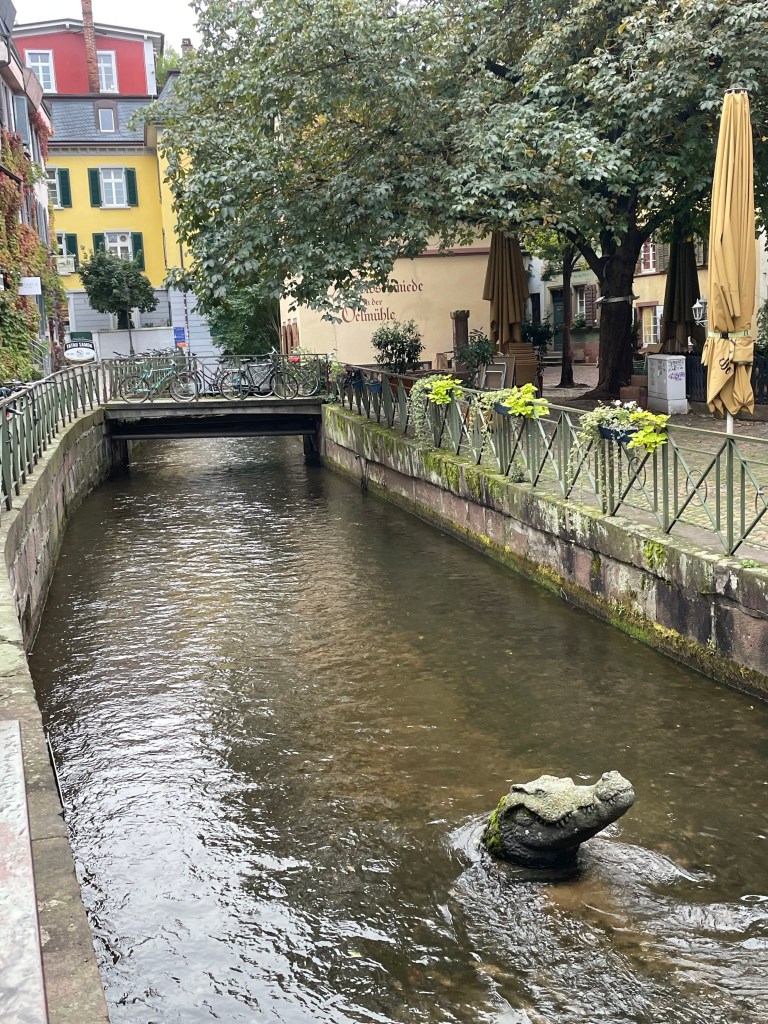
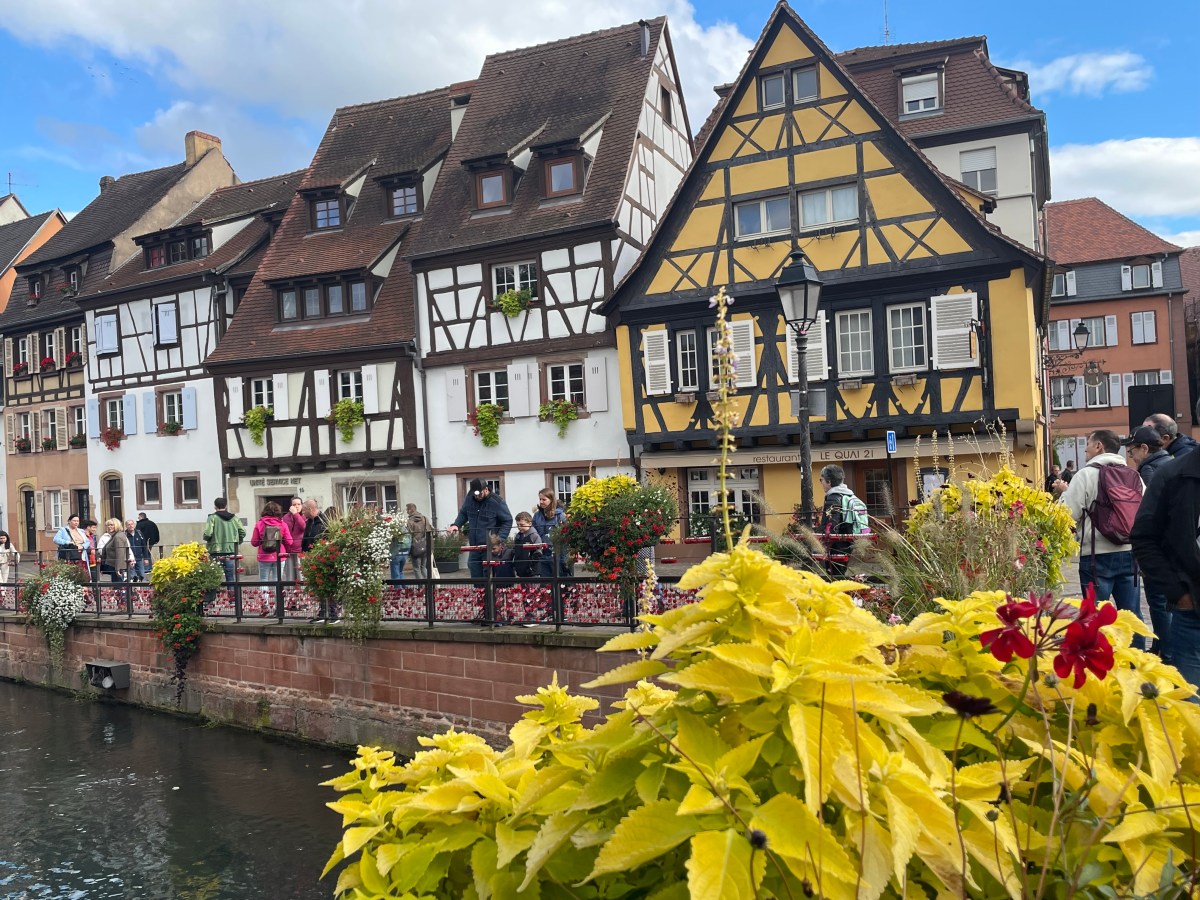
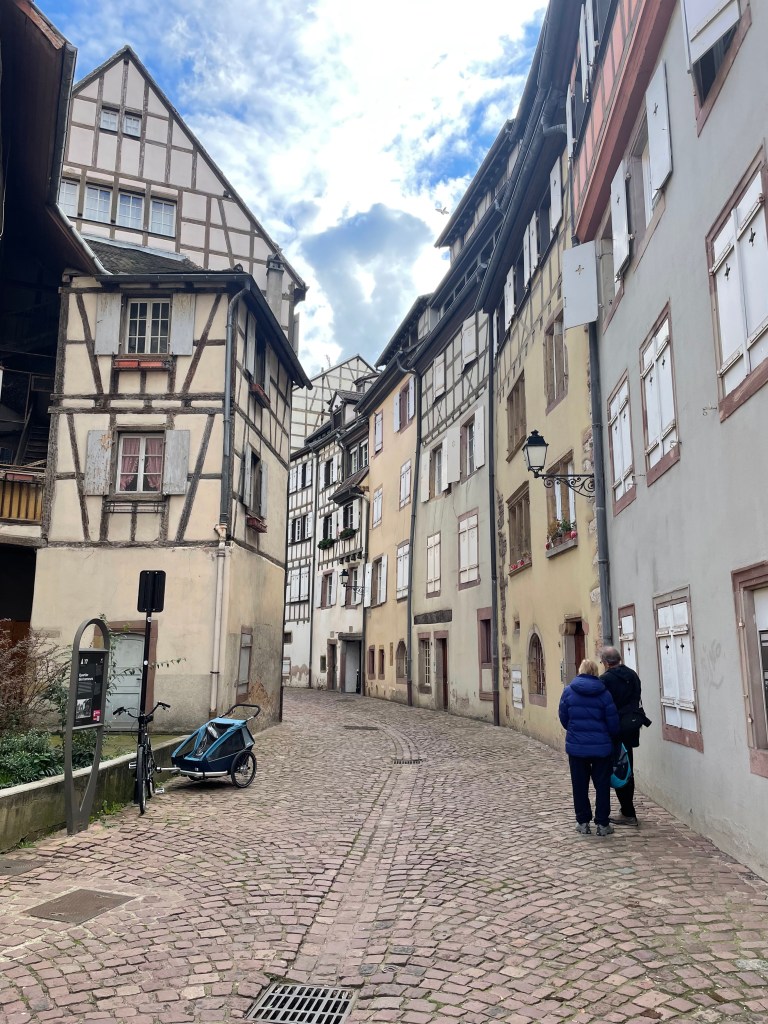
There’s a part of Colmar called “Little Venice” with some water canals and boats with people. The homes here were colorful and old and beautiful. It’s all overwhelmingly beautiful, hard to capture in words. What I love most is the attention to detail. Everything is kept up and beautiful. It’s like the people here CARE about the whole and the old is loved and respected, not replaced by the modern or new.  Yes, the shops are new and modern, but they’re in the ground floor of the beautiful old buildings. The integrity of the history is maintained and I love that so much.

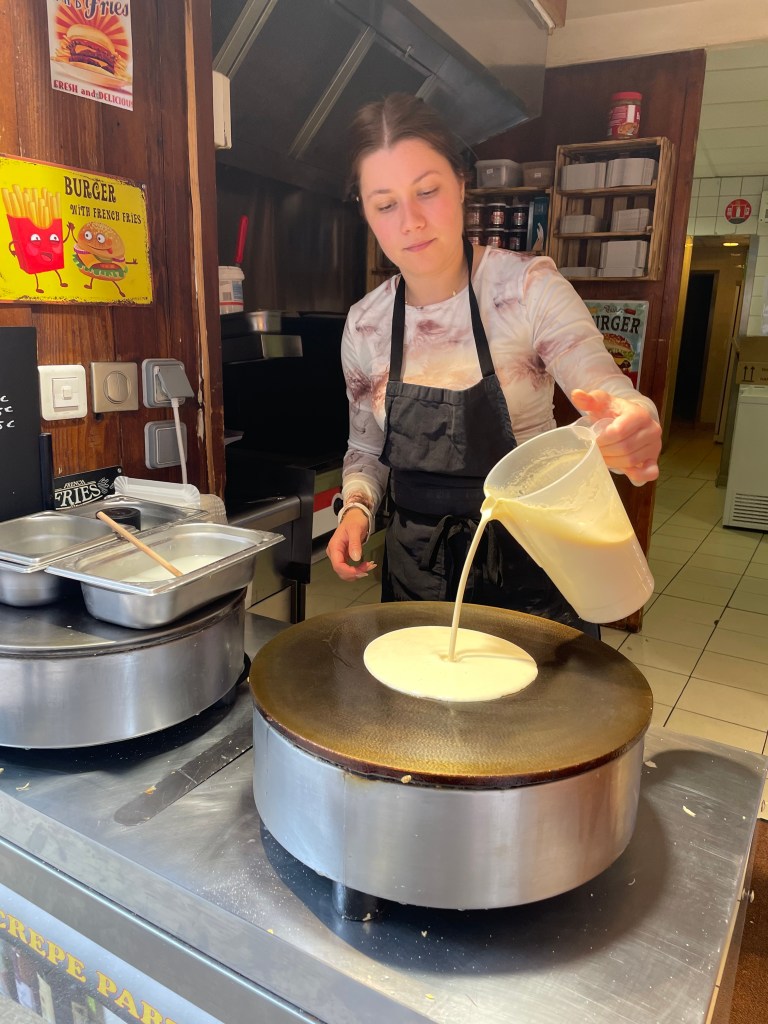
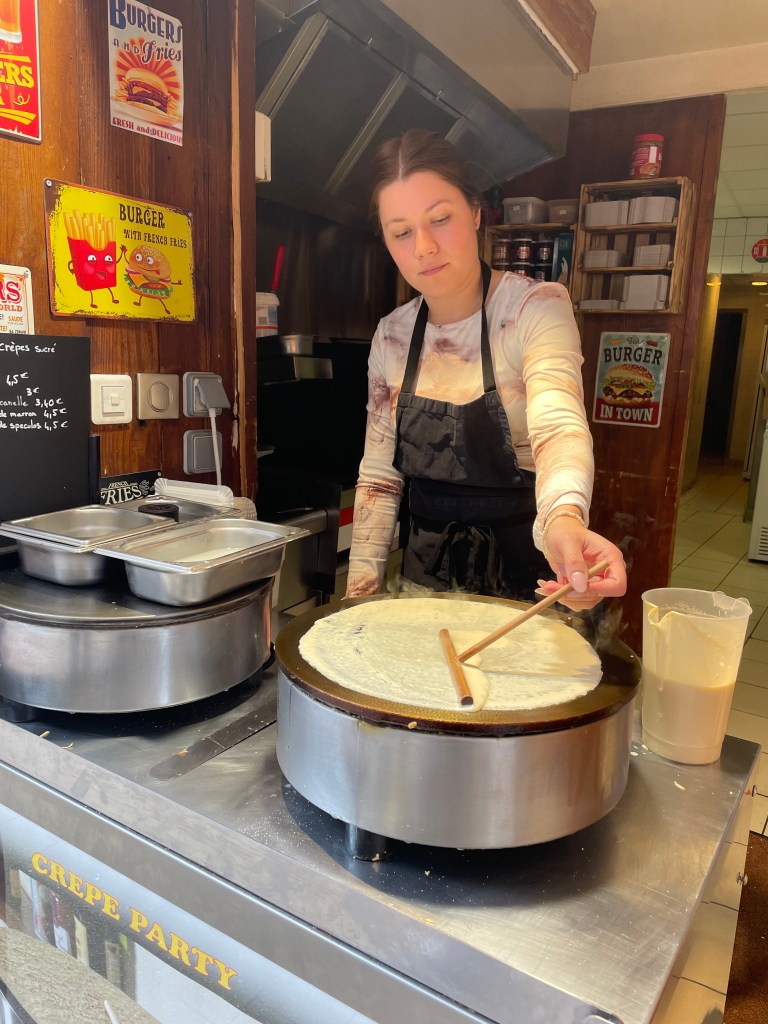
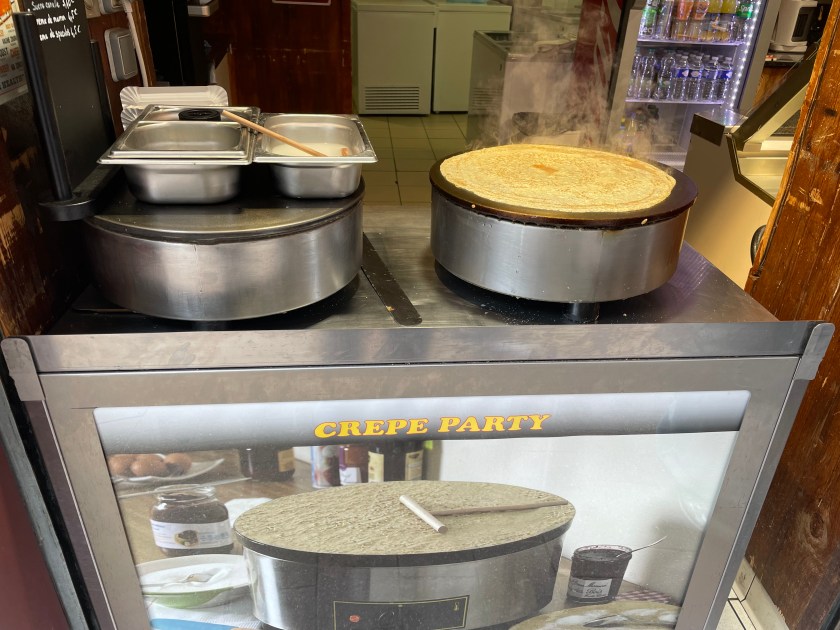
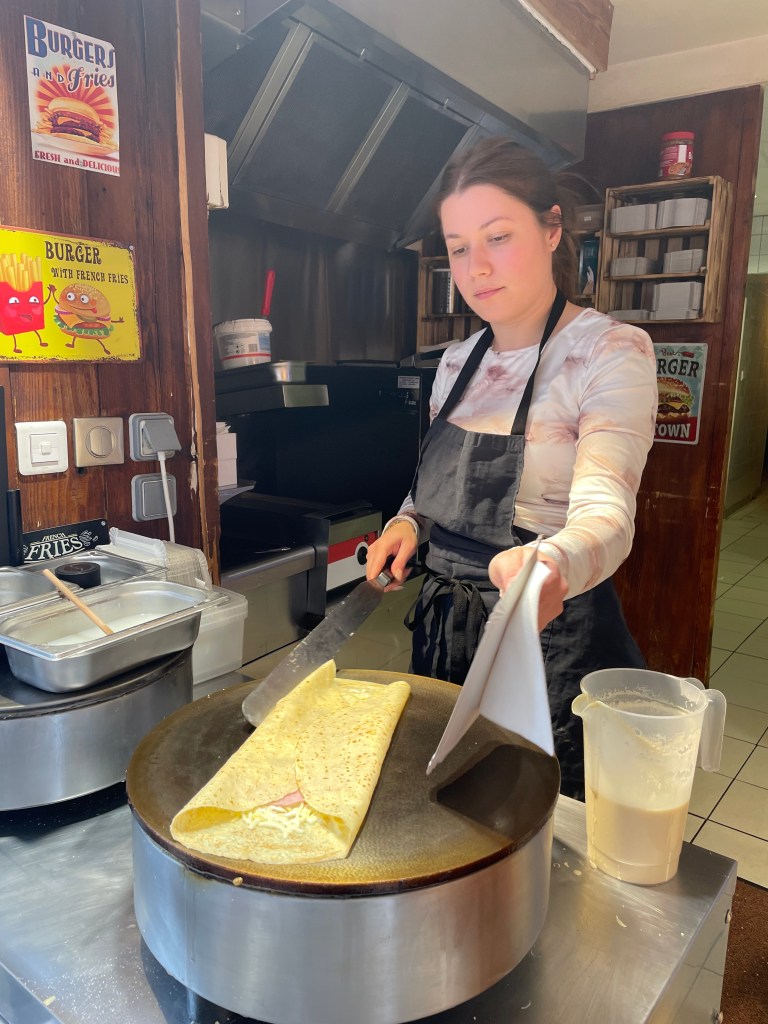
We topped off our time in Colmar with some delicious warm crepes.

Eguisheim, France

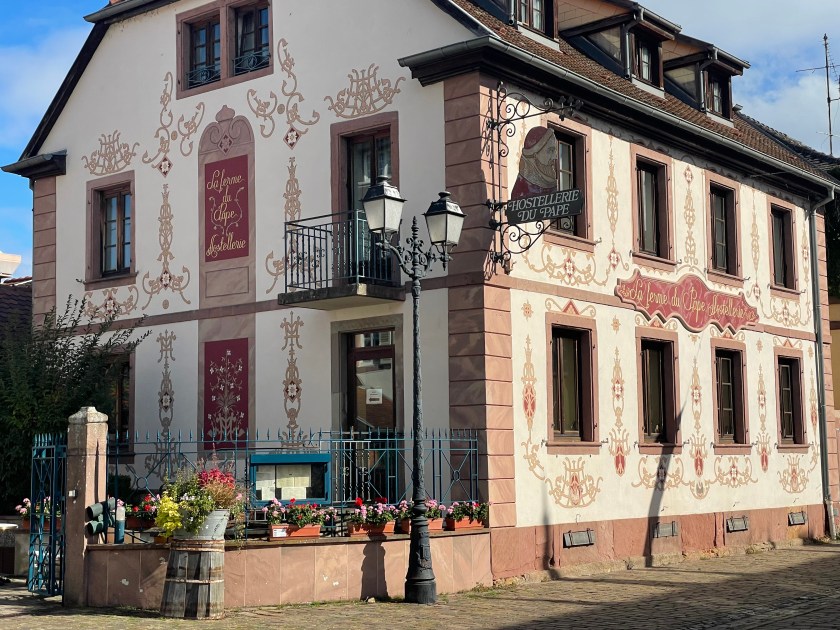
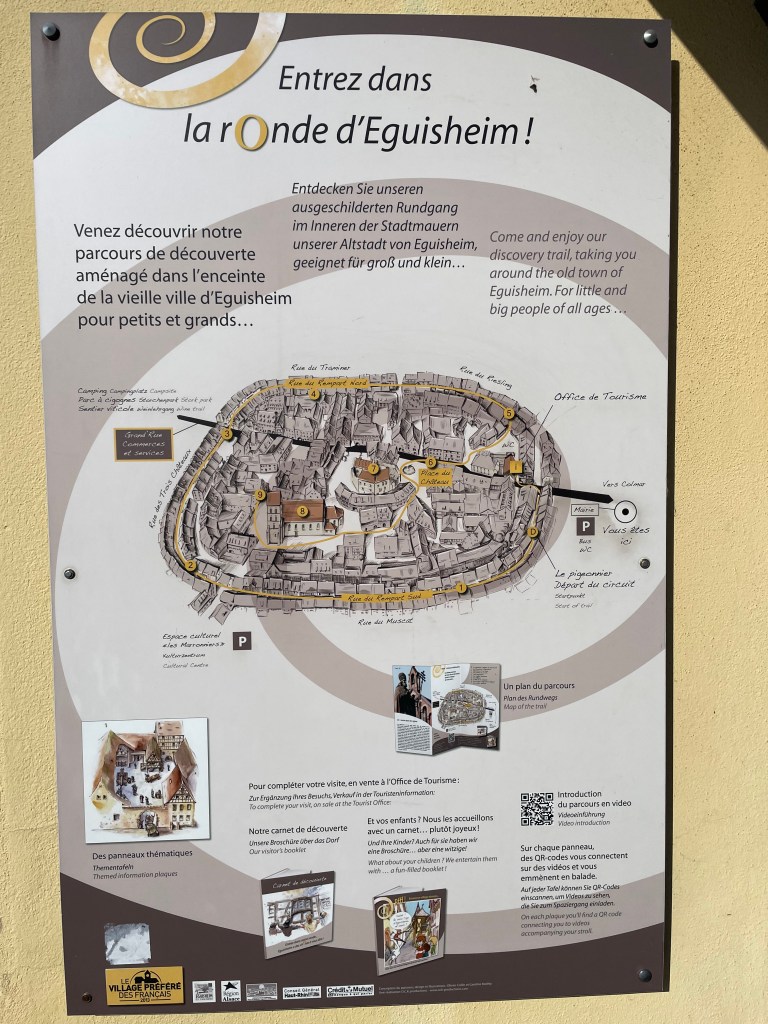
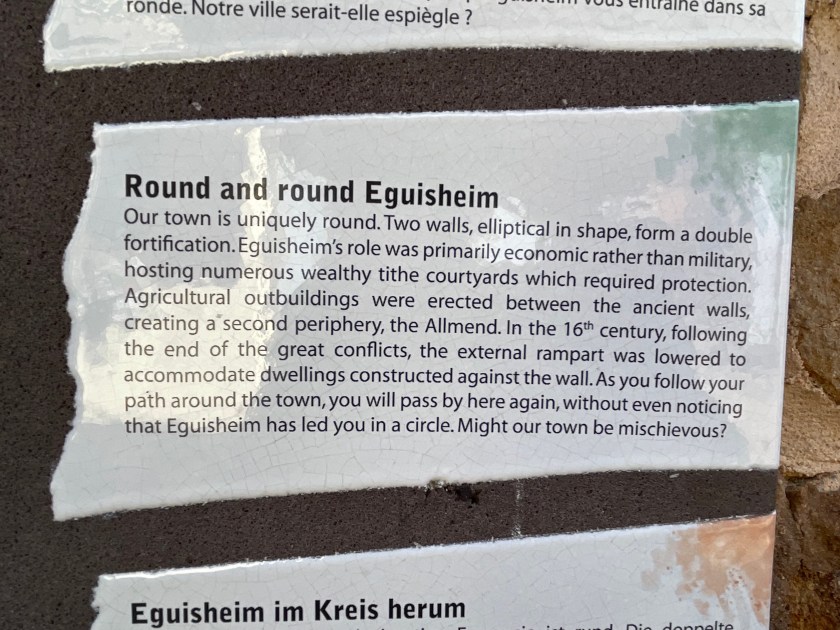
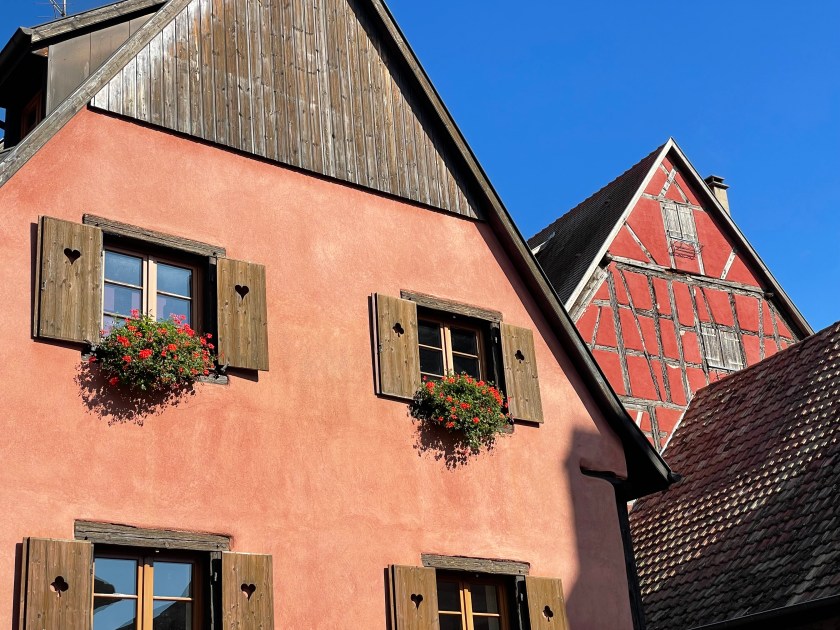
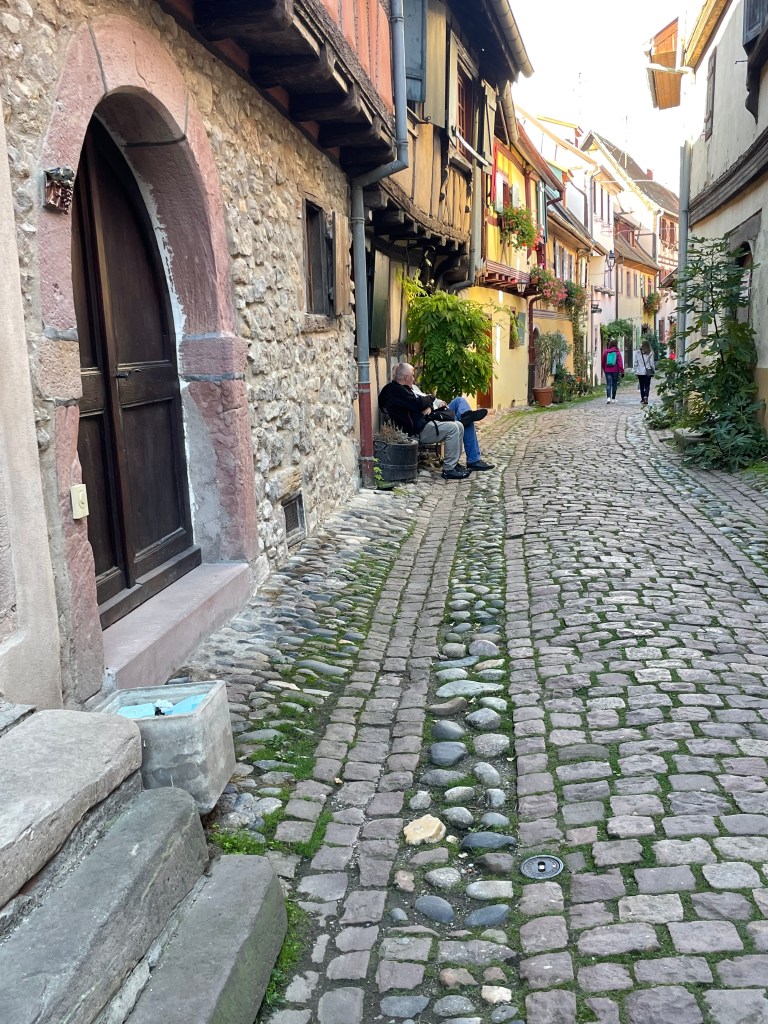
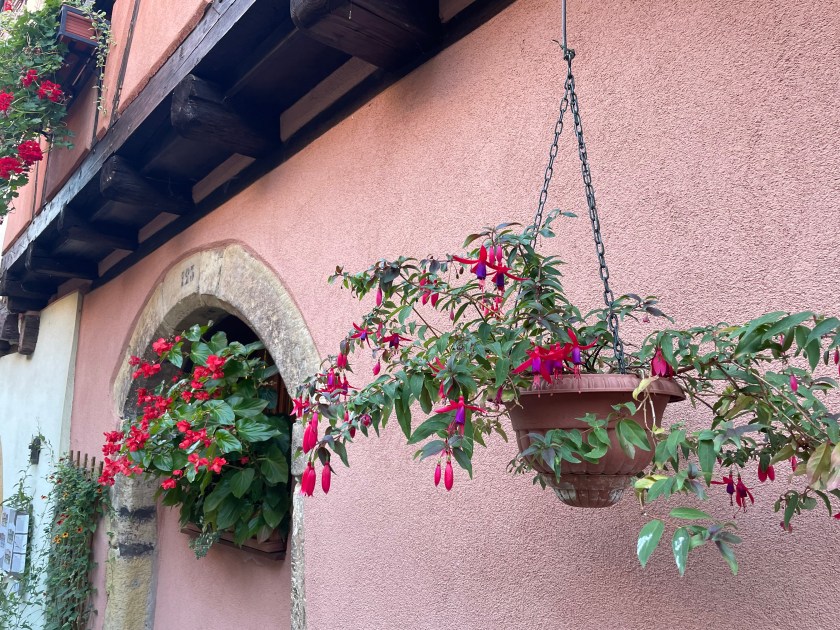
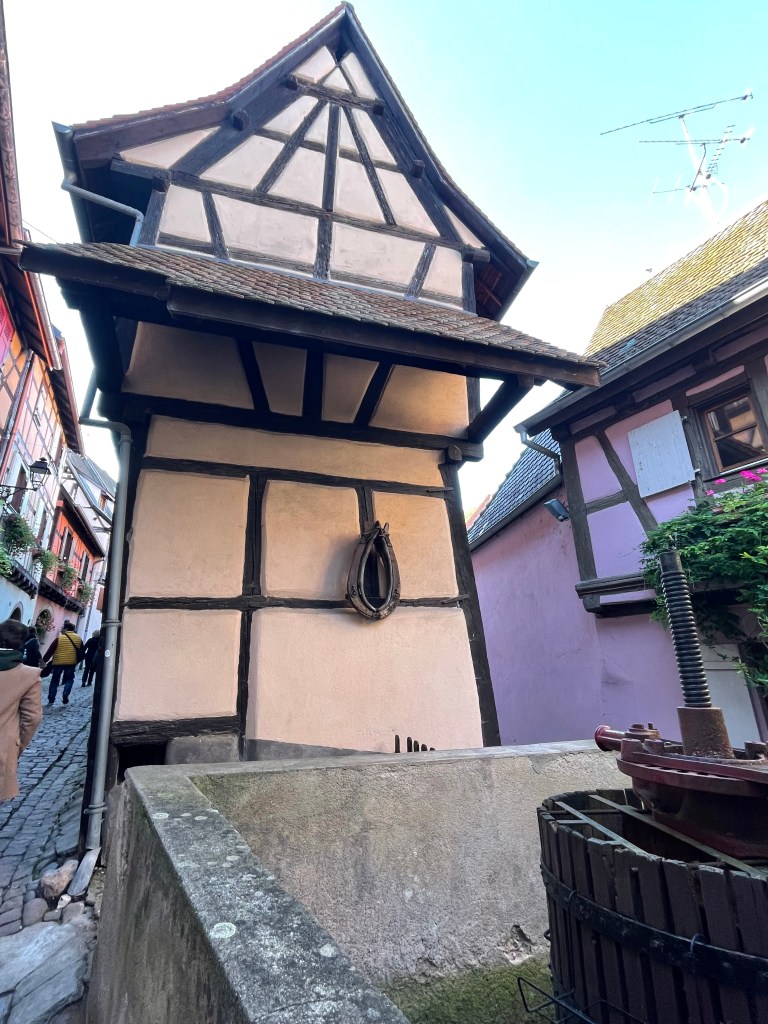
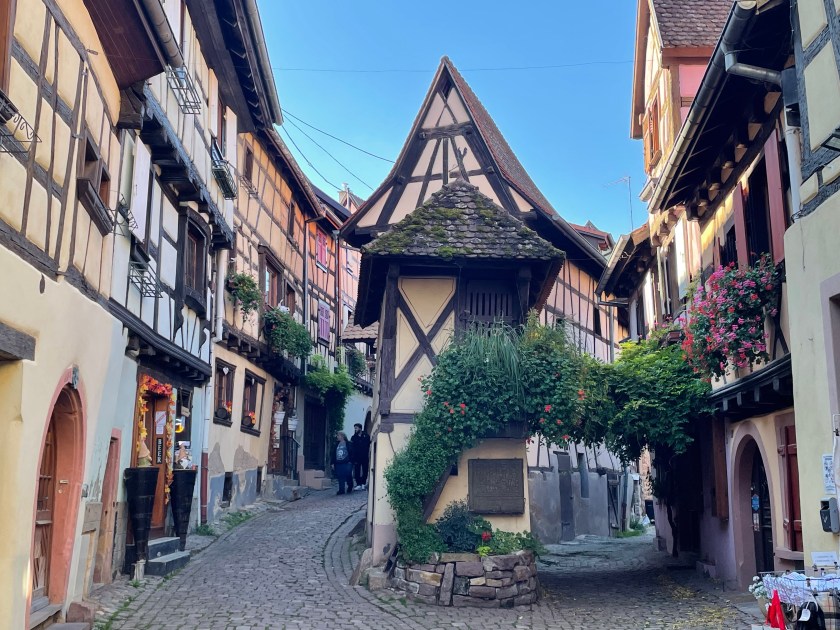
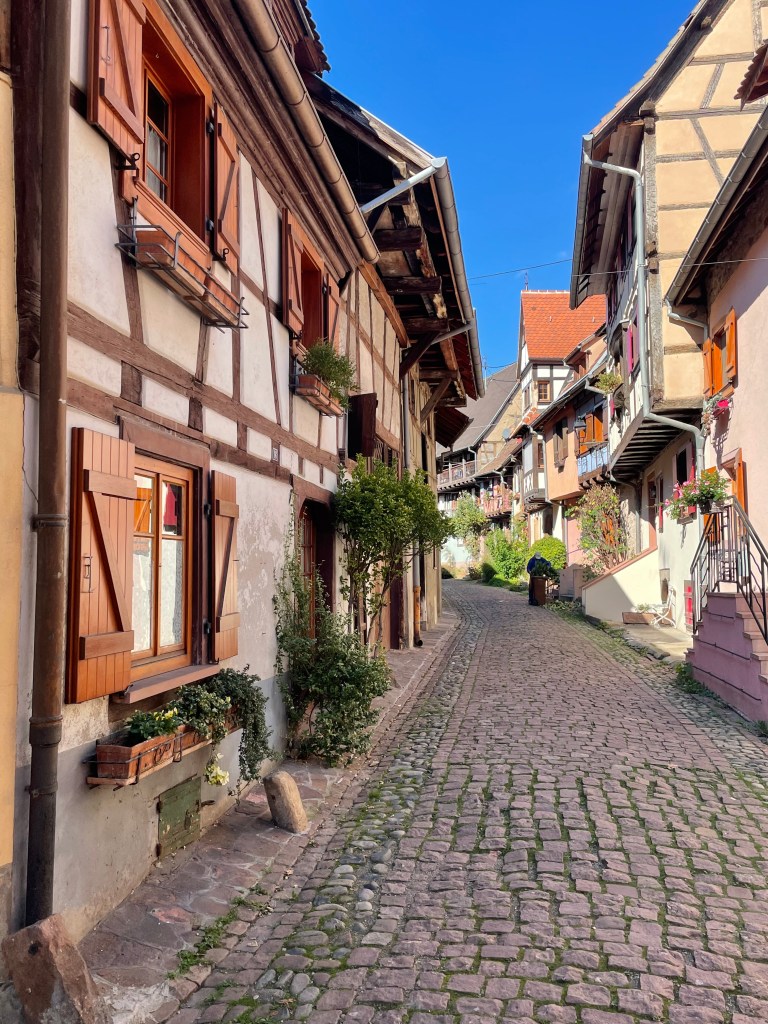
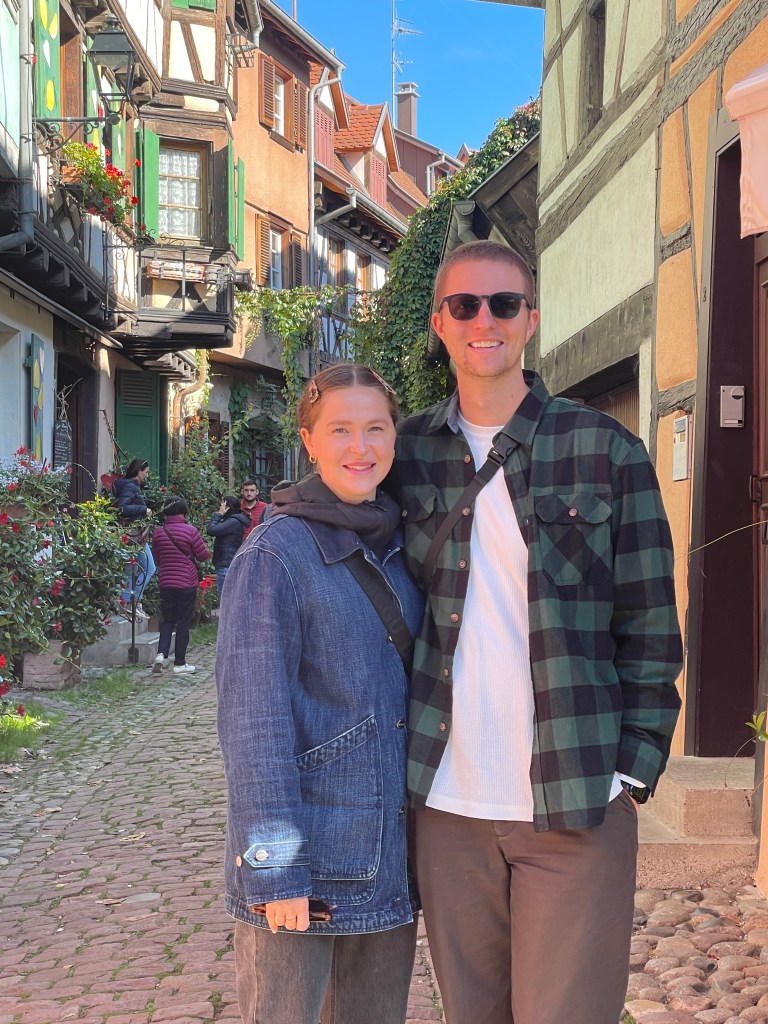
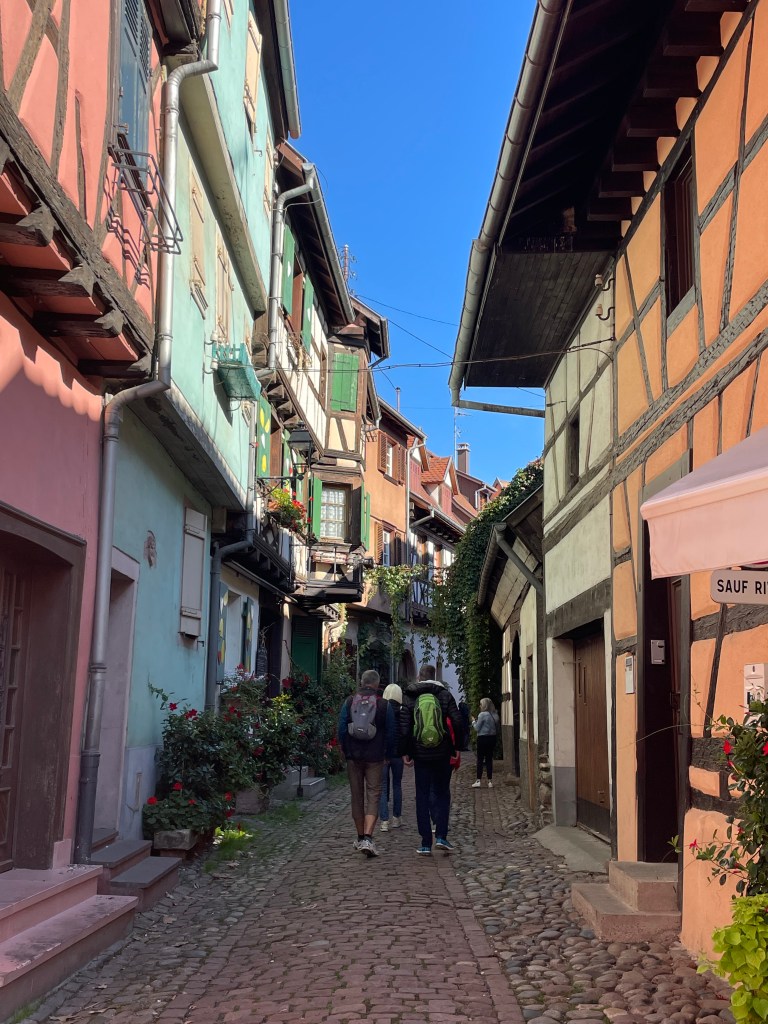
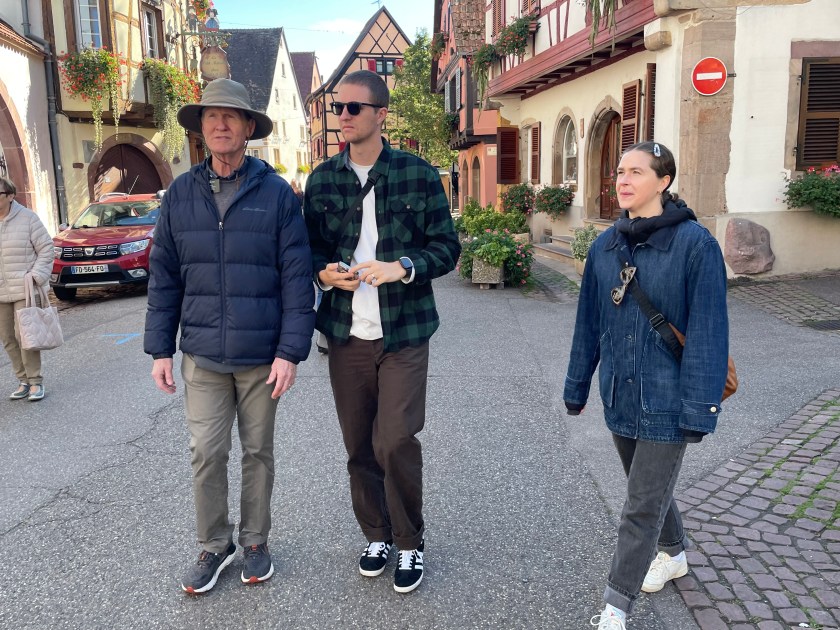
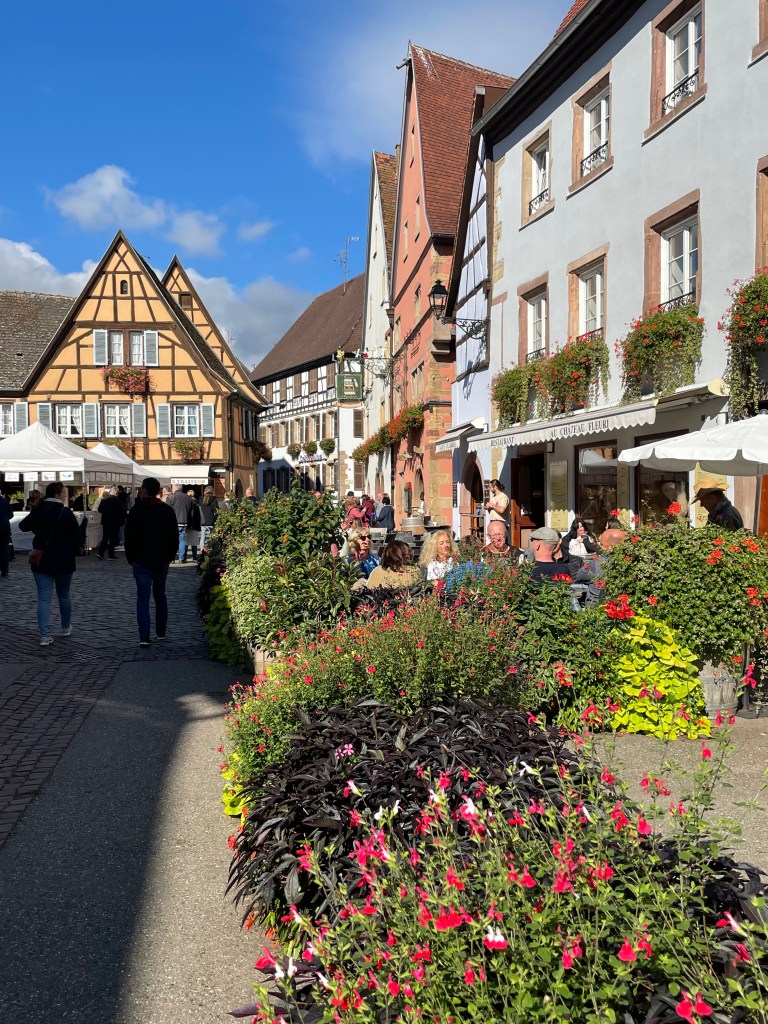
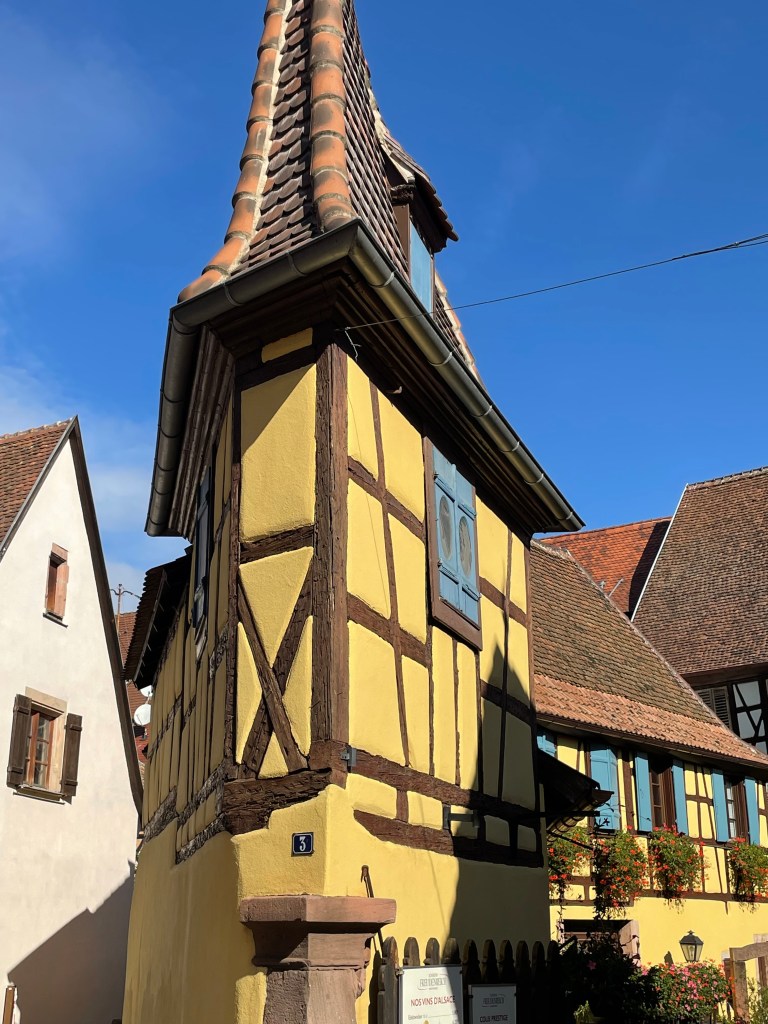
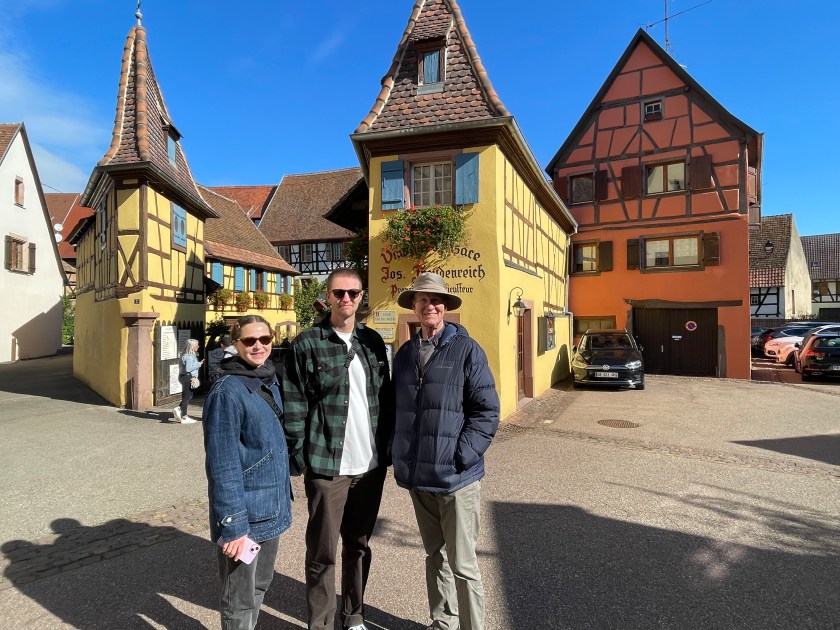
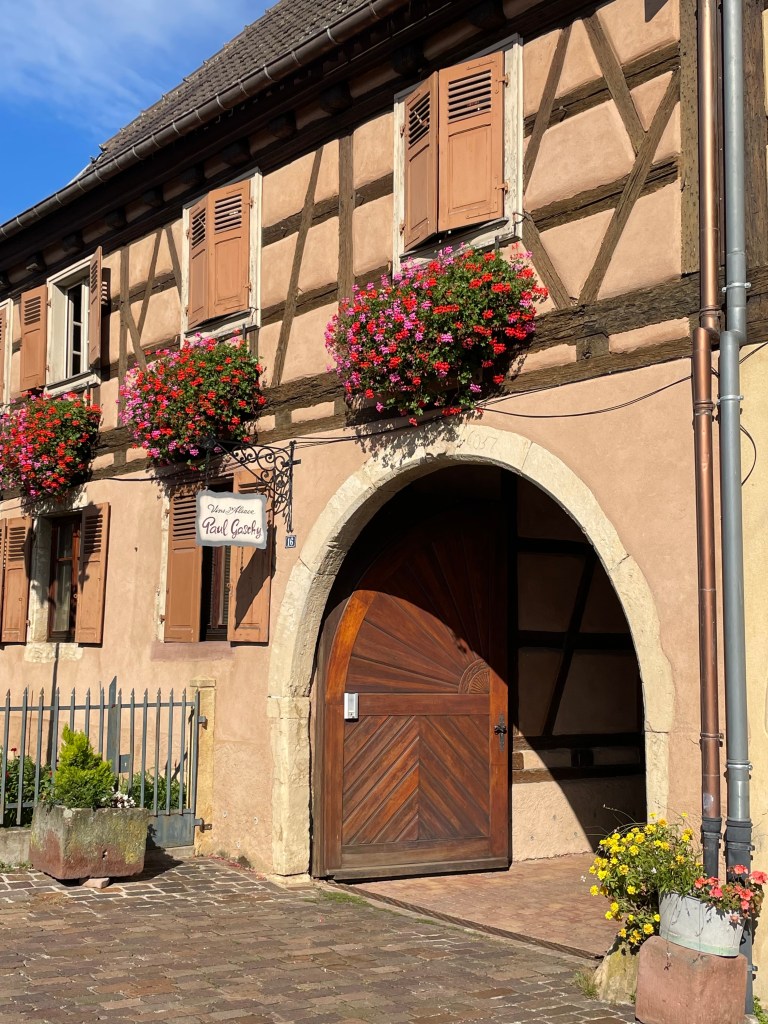
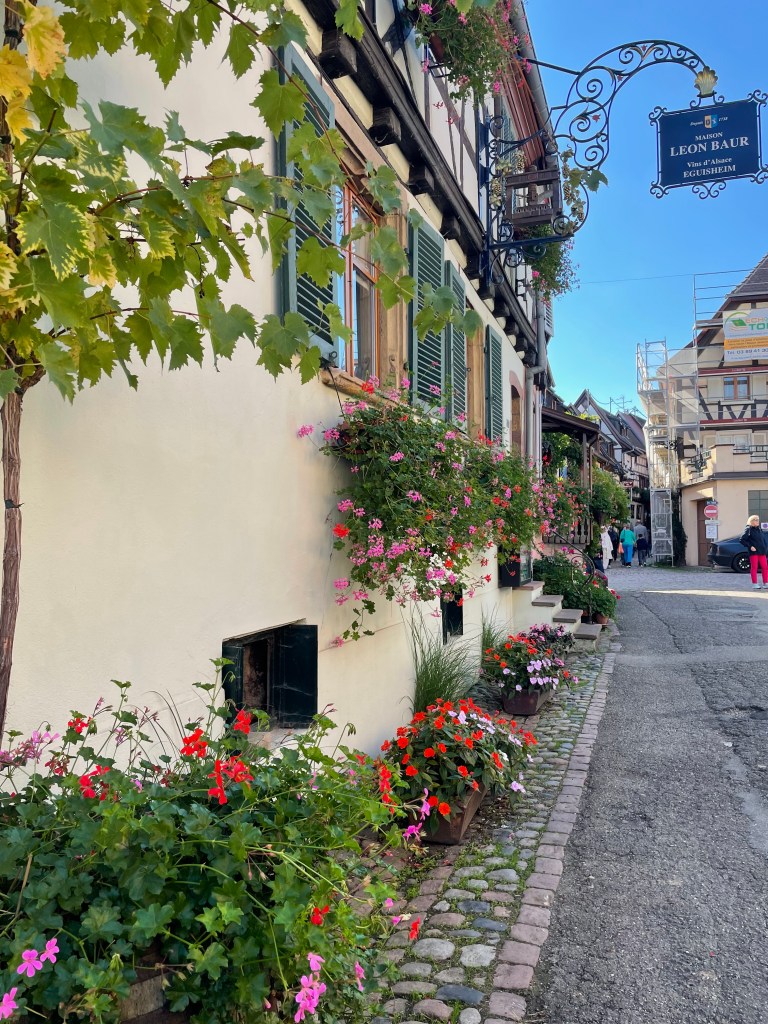
Today we drove into France to drive the Wine Route from the south end to the north. We started in Eguisheim, a town dating back to the 1500s in the shape of an oval with 2 walls, forming a double fortification. It’s a magical place we visited last year at Christmas time. It was so fun to see it this time of year with all the colorful interesting half-timber homes and flower boxes. There were lots of visitors who came to spend the day here.

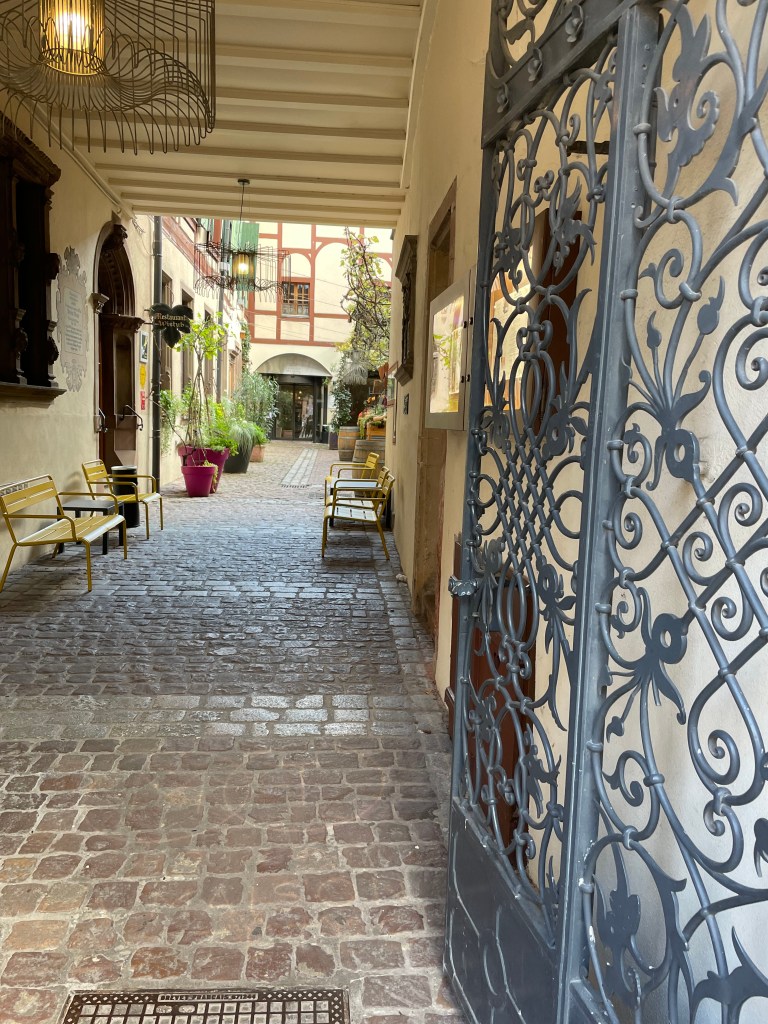
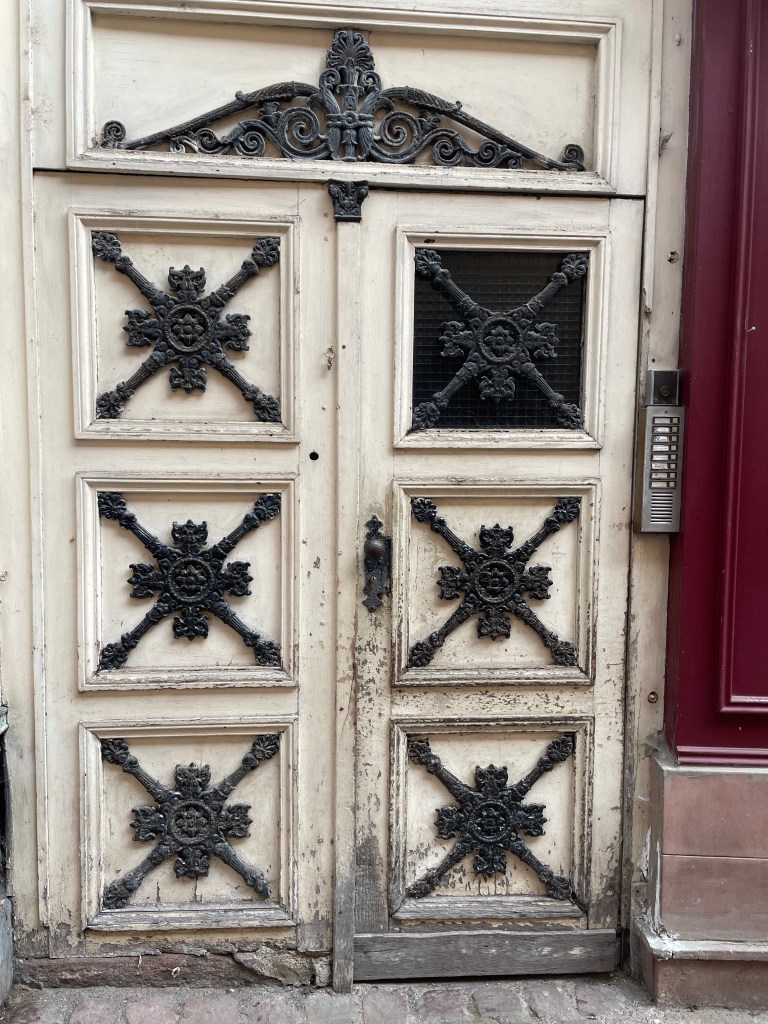
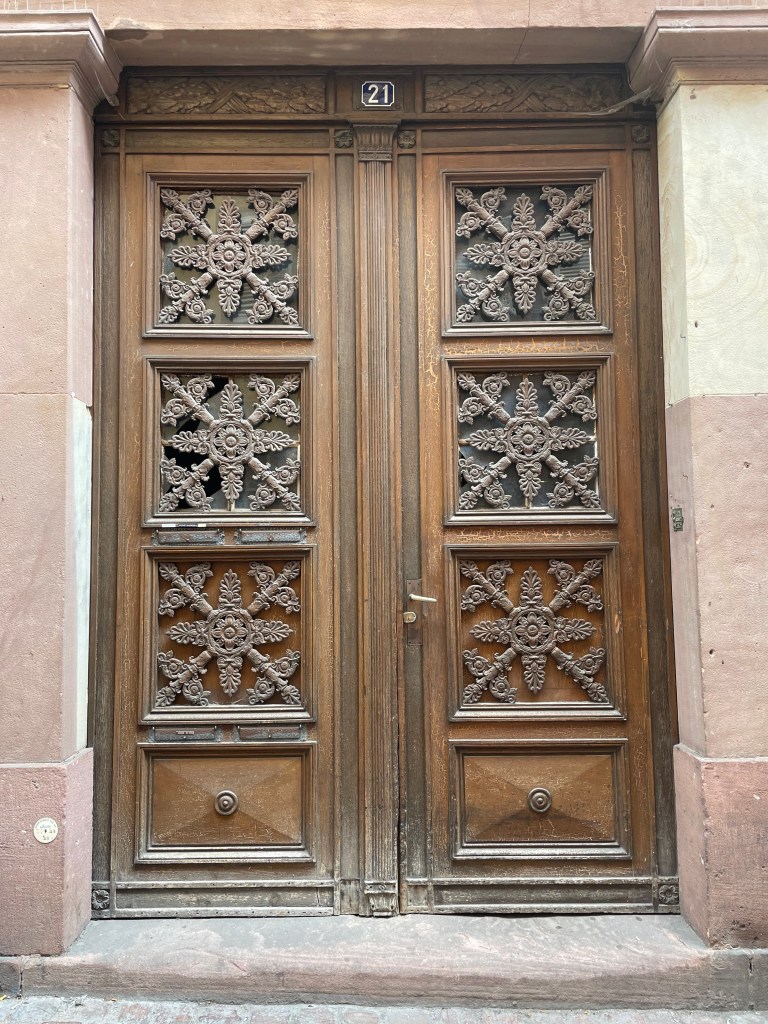
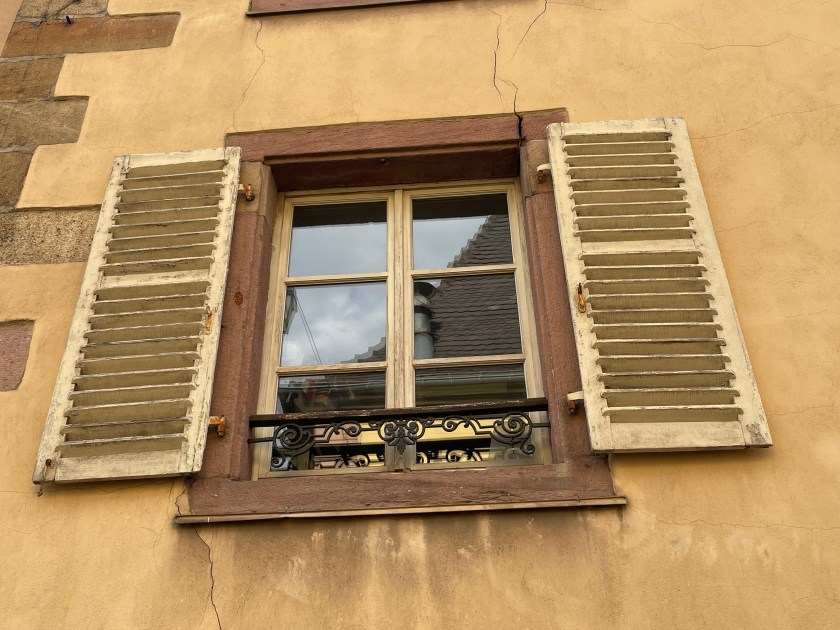
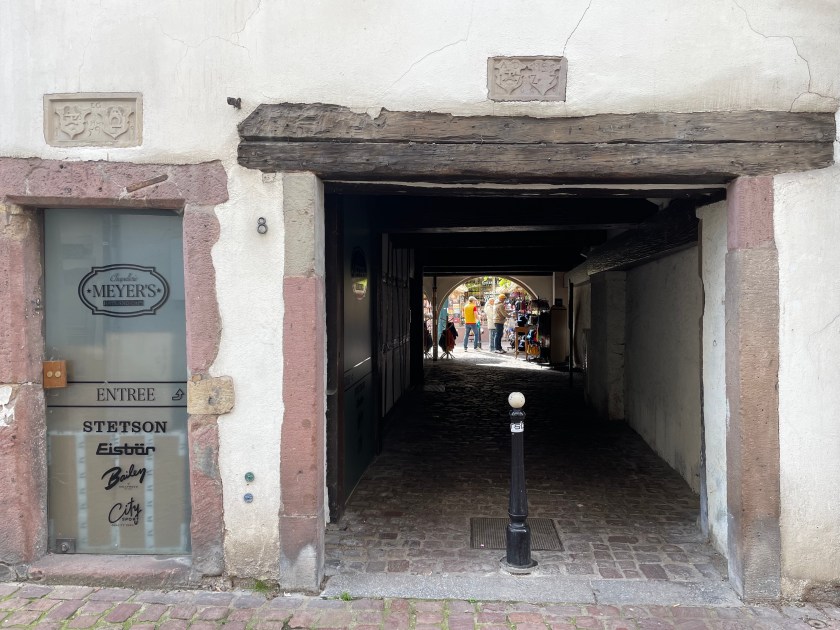
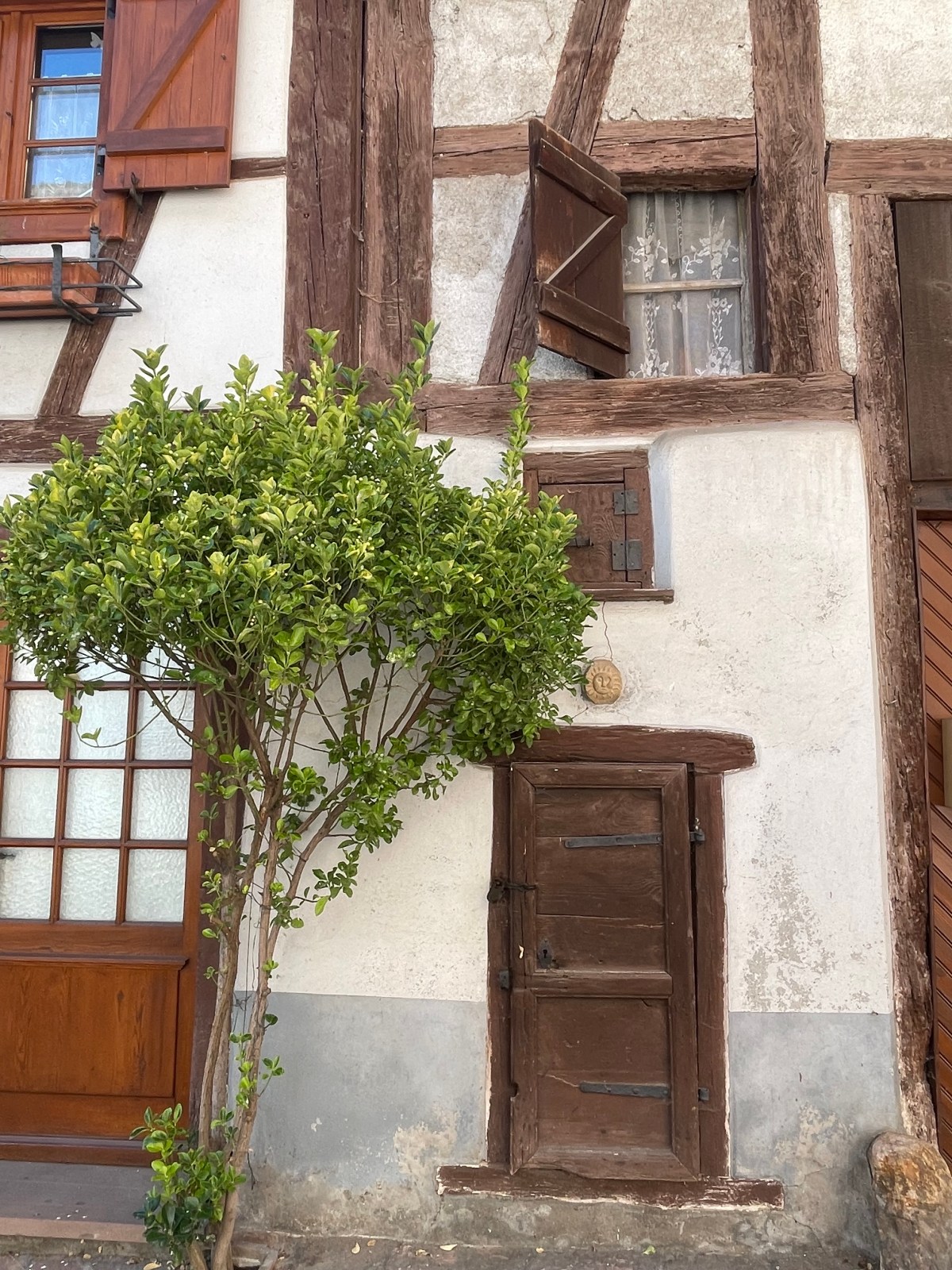
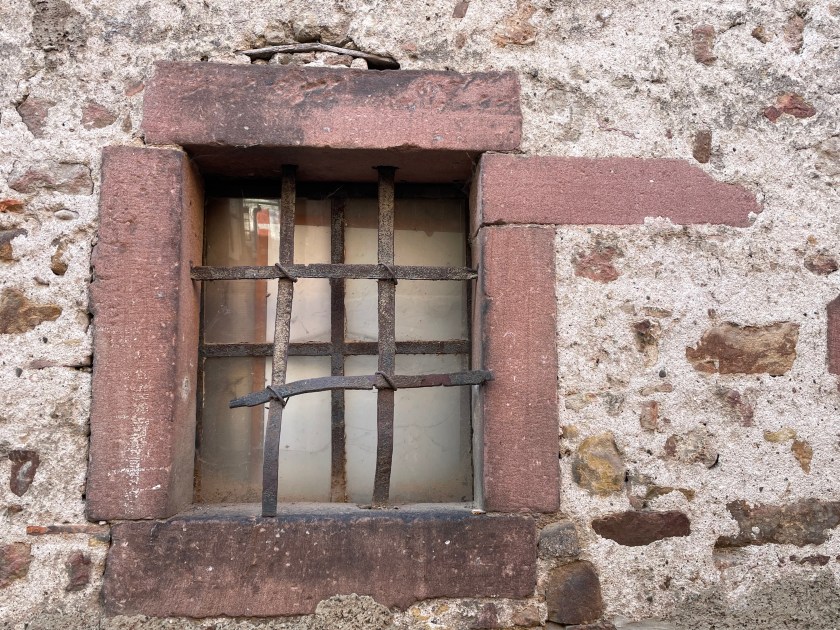
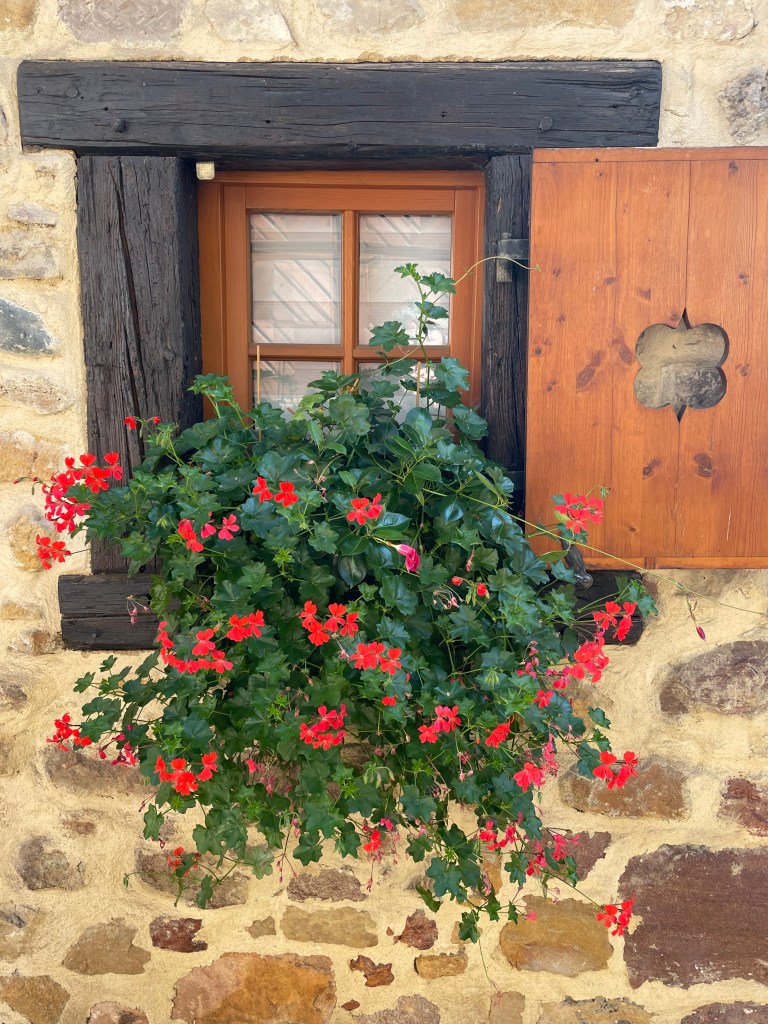
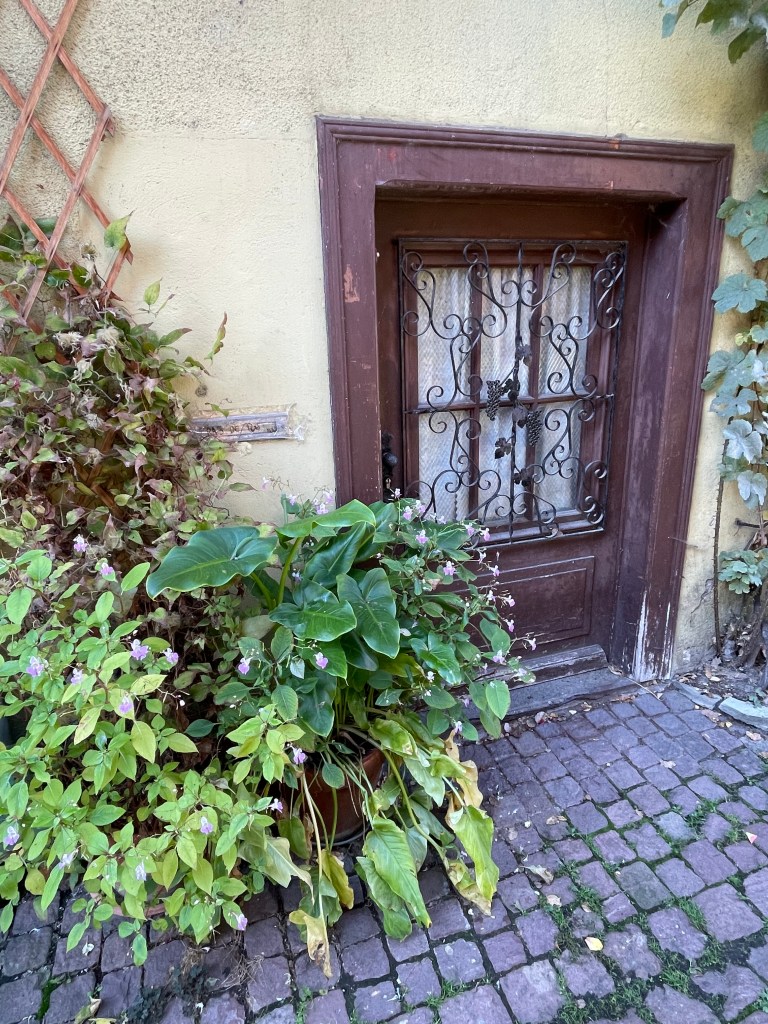
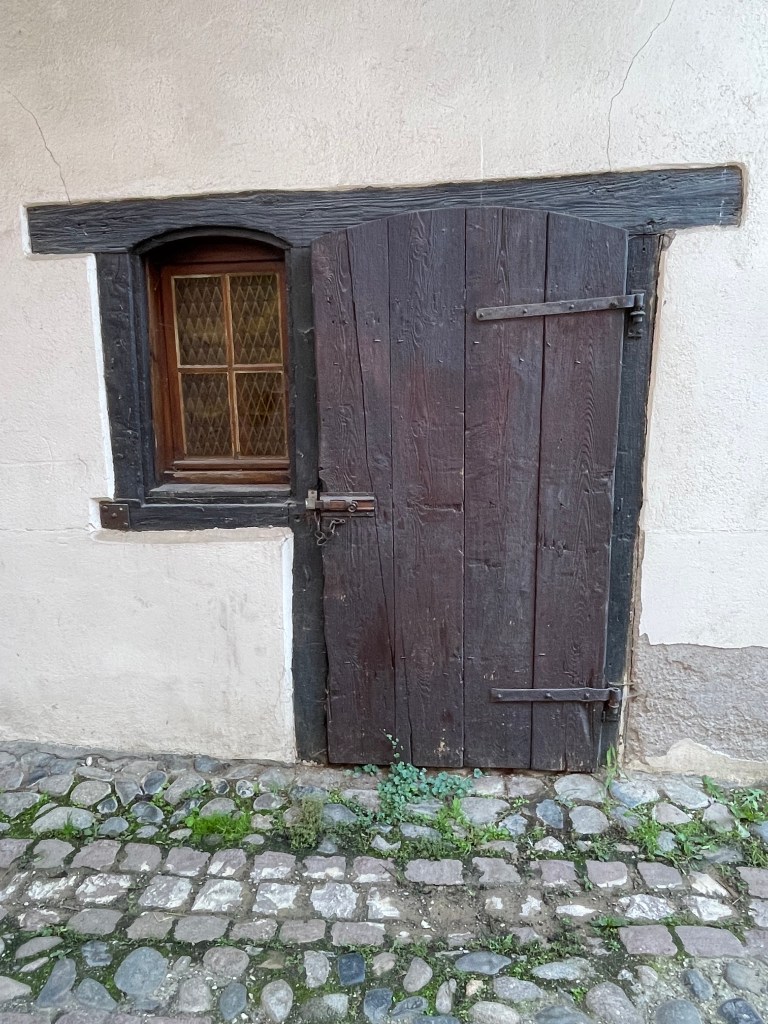
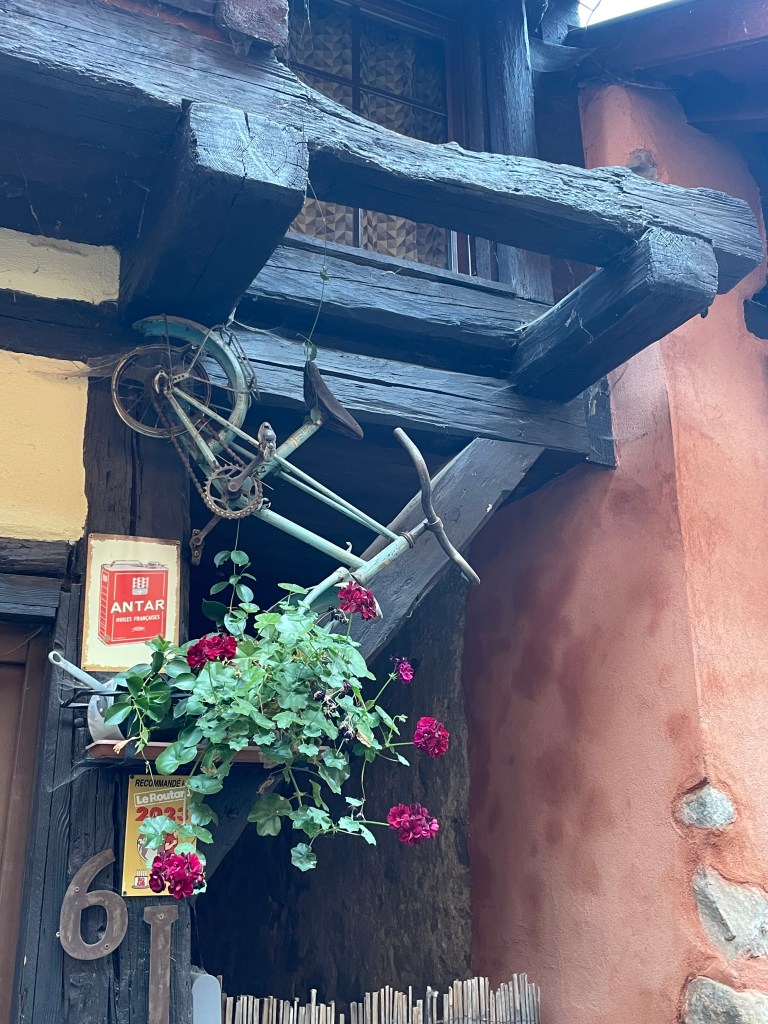
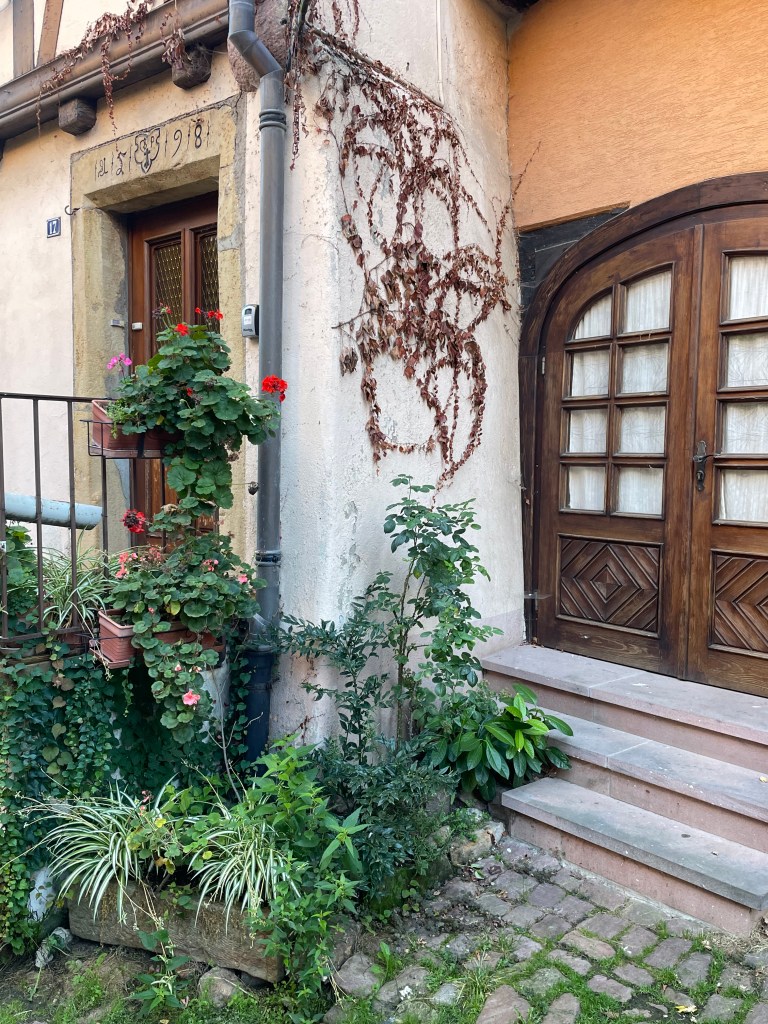
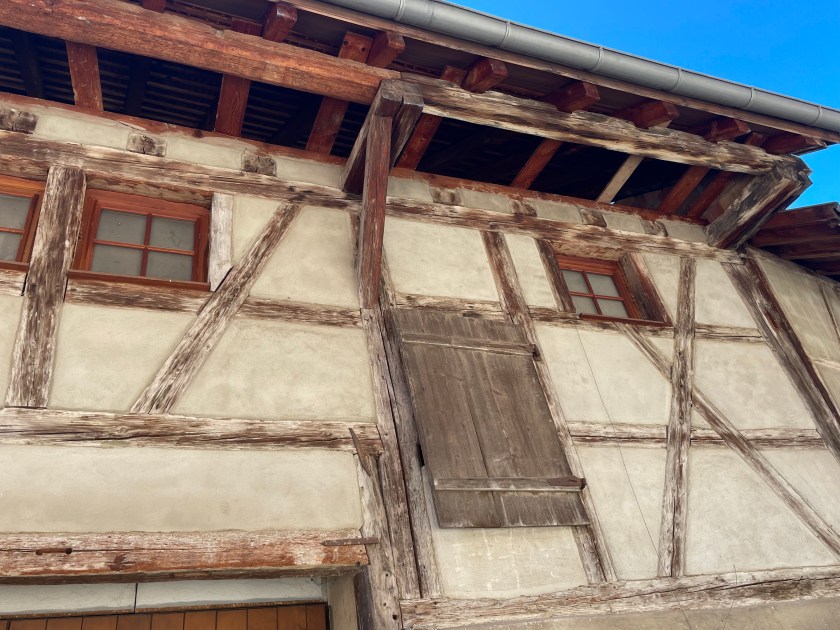
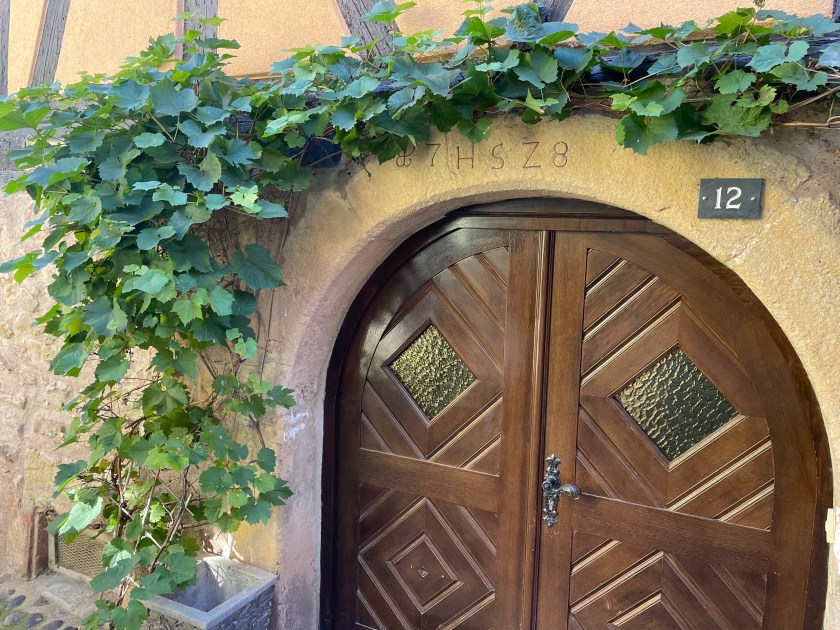
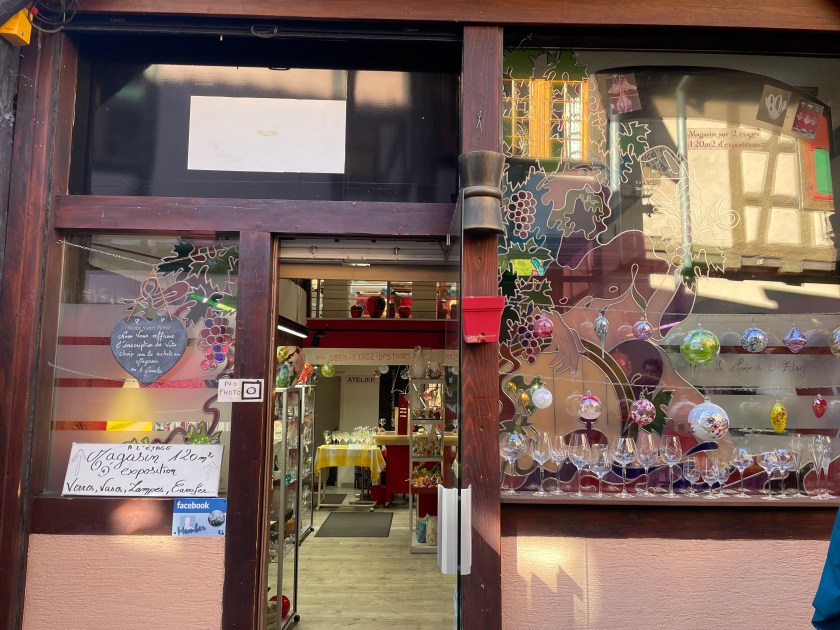
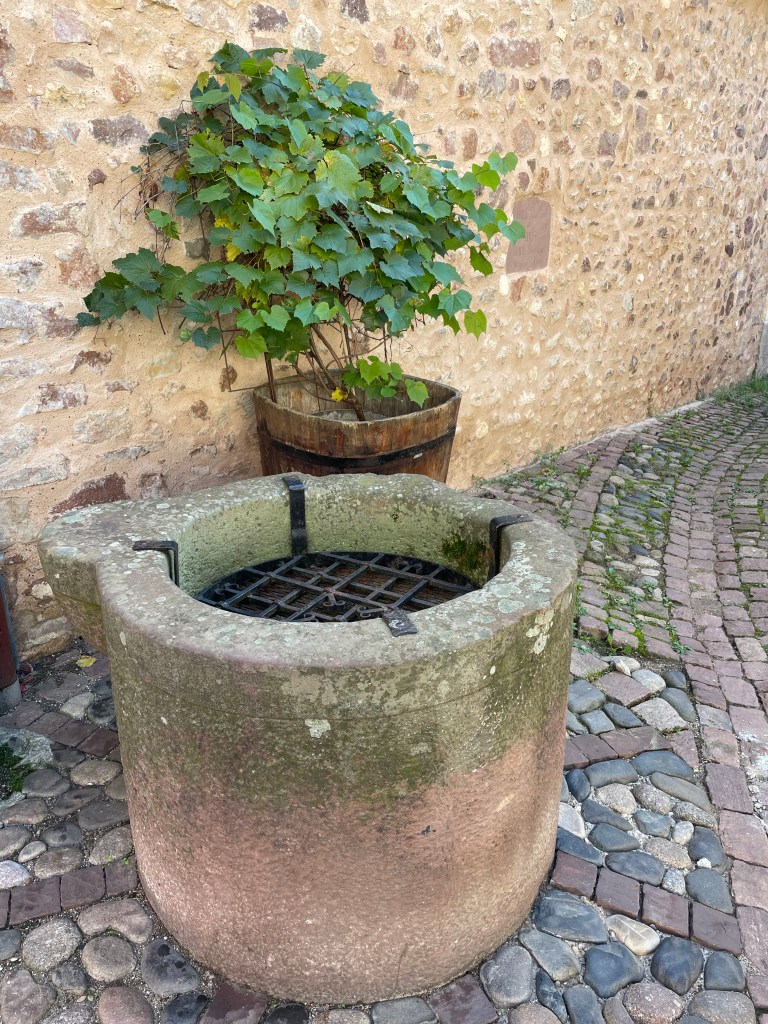
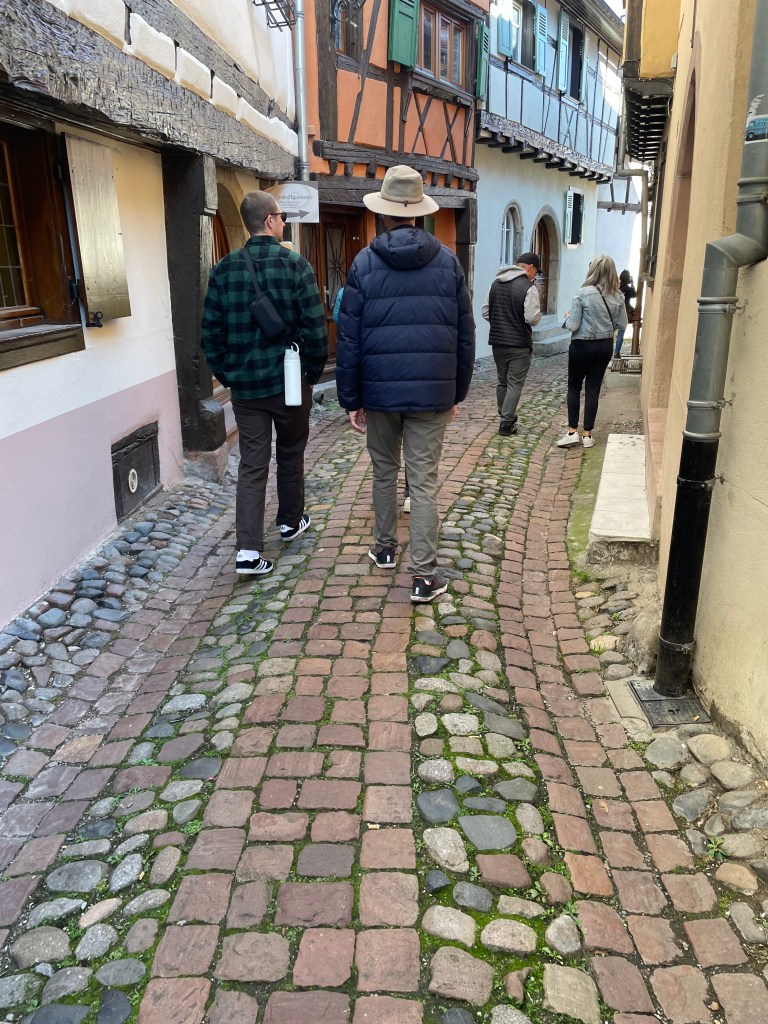
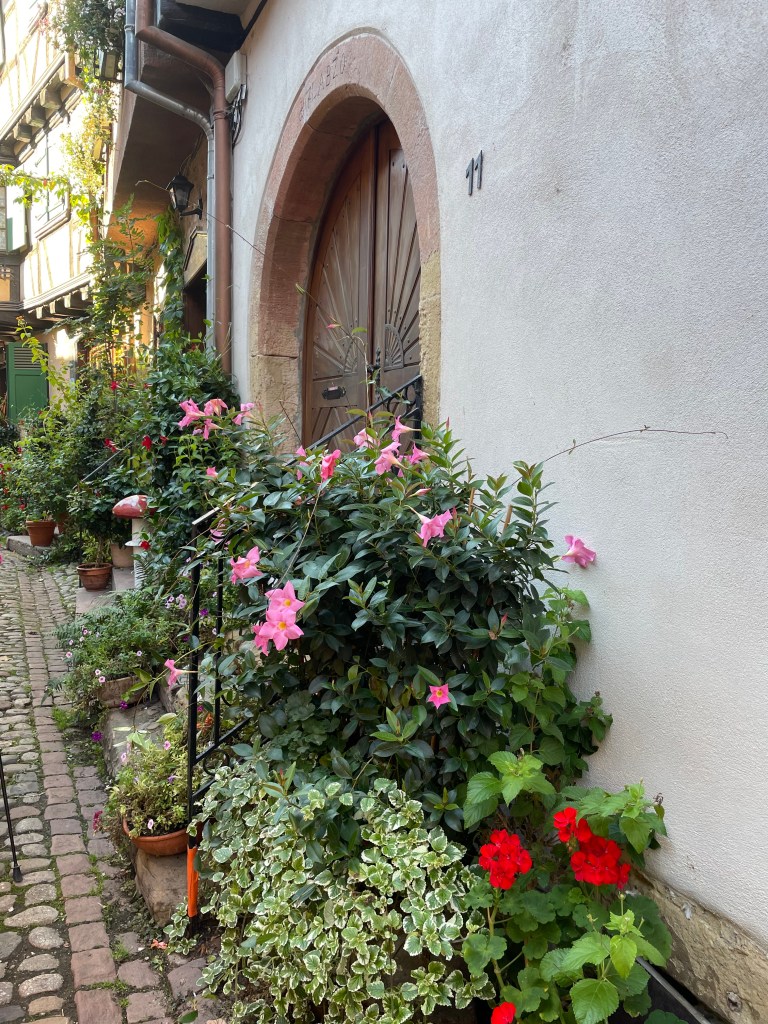
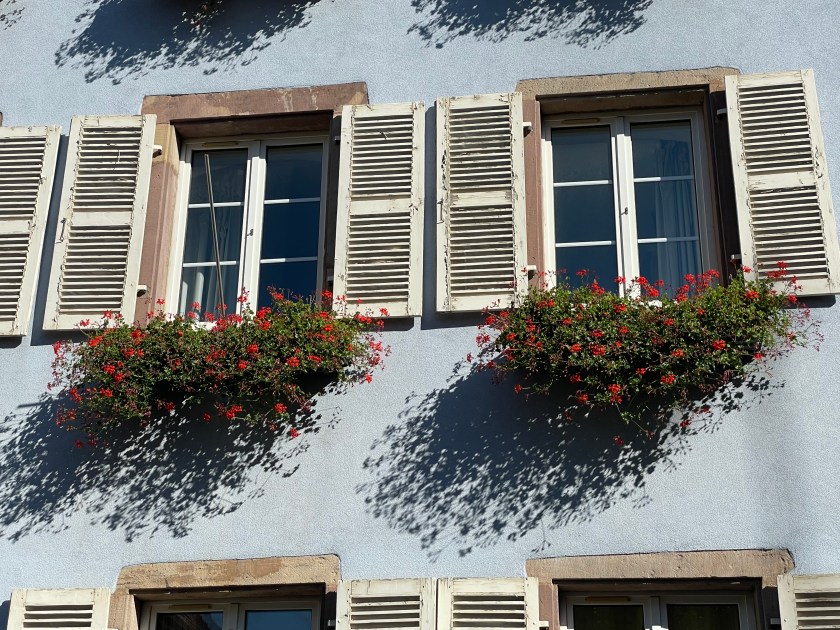
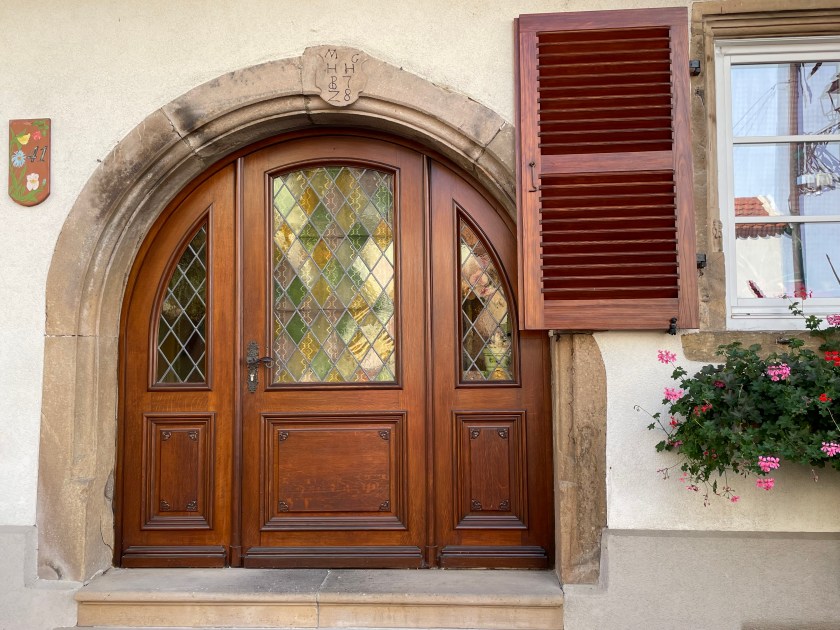
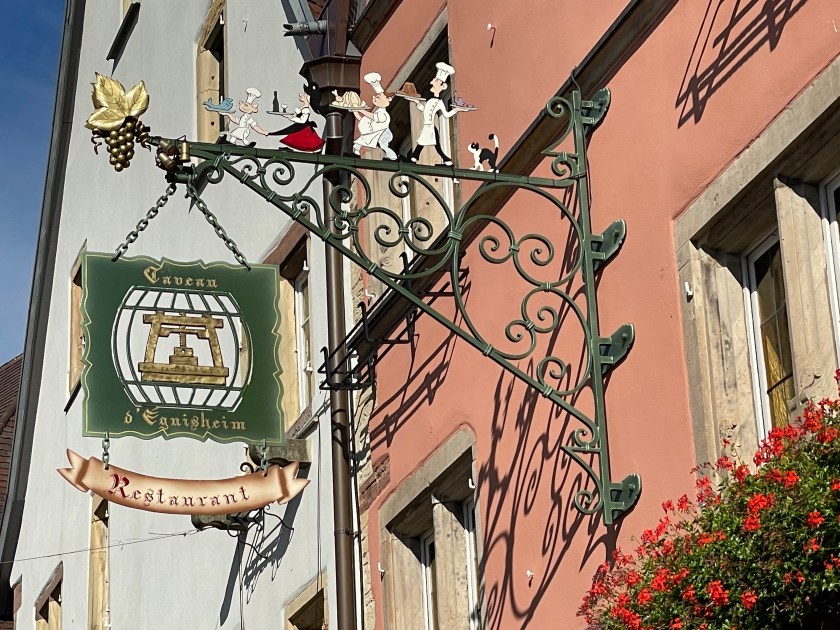
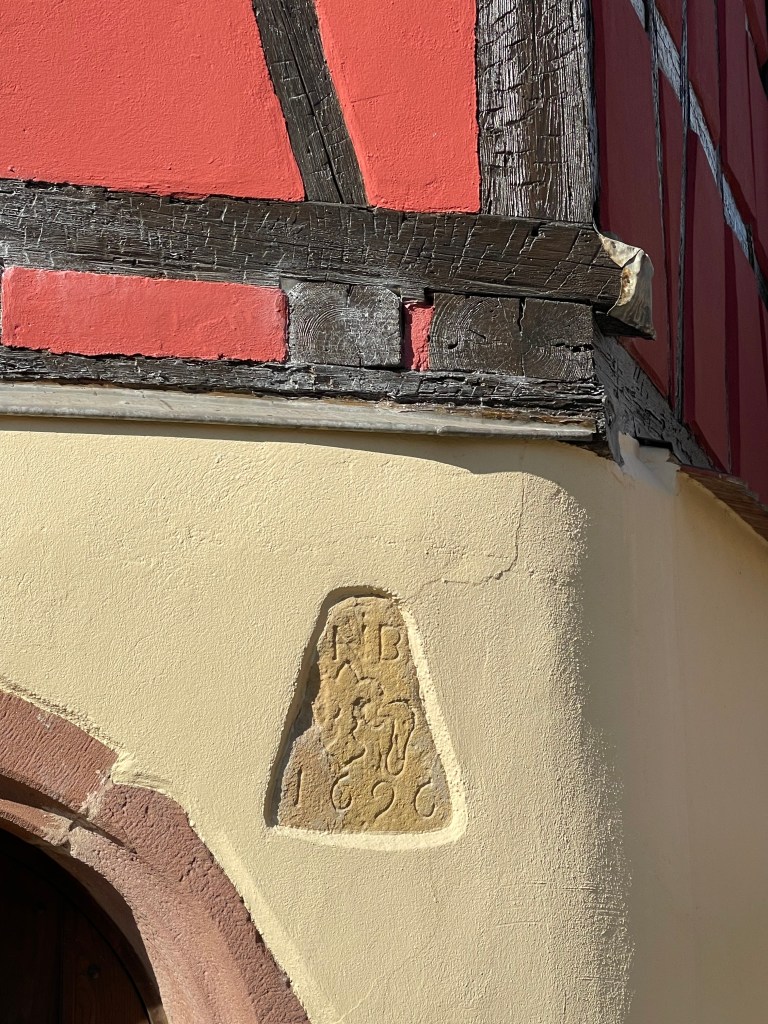
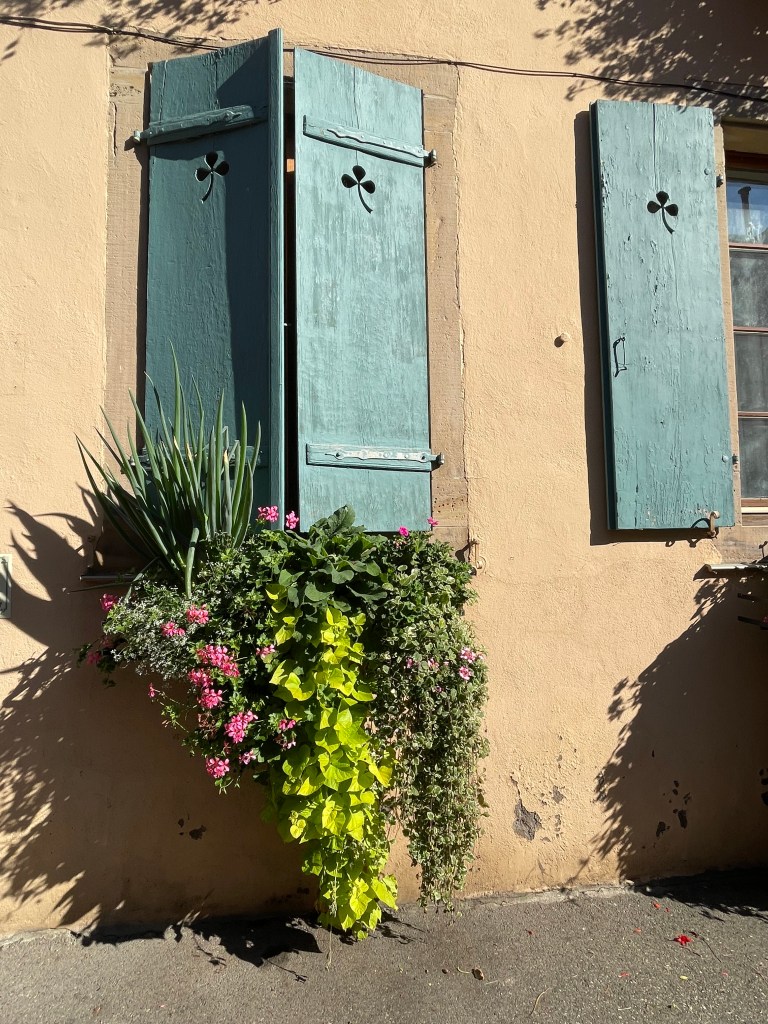
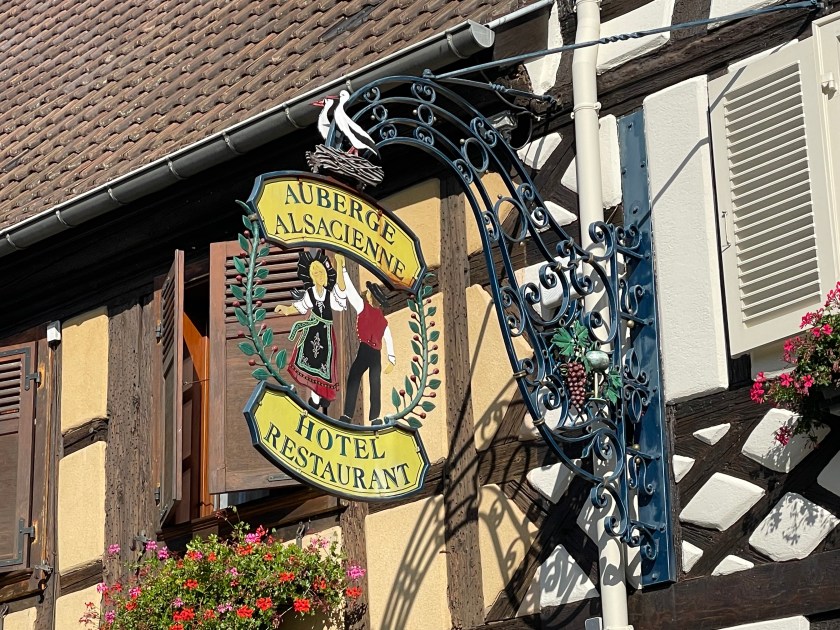
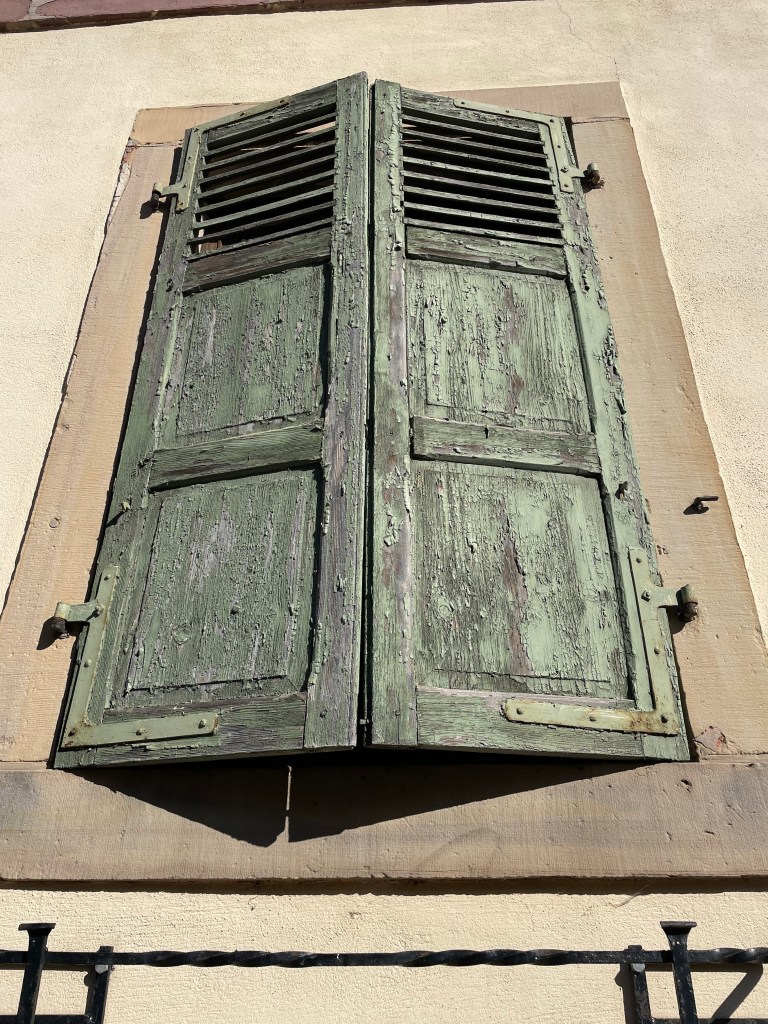
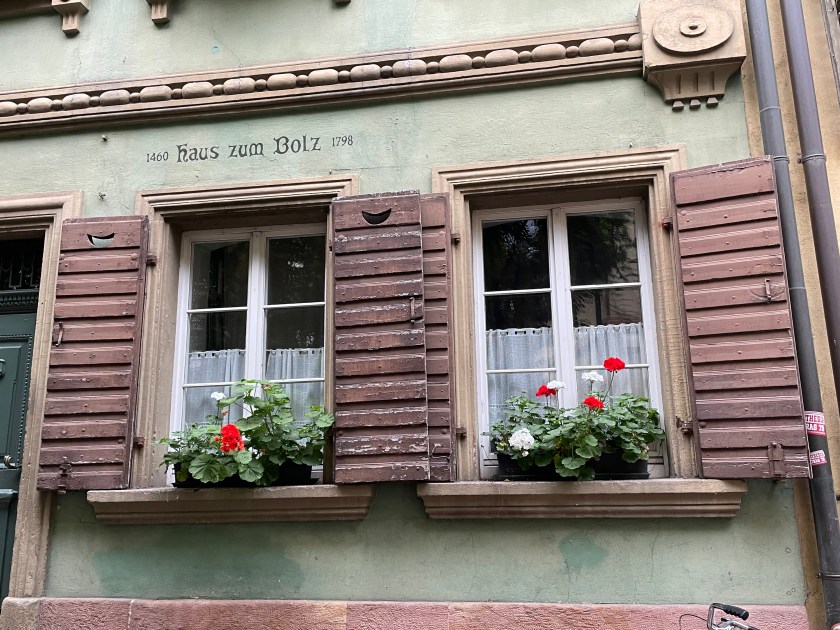
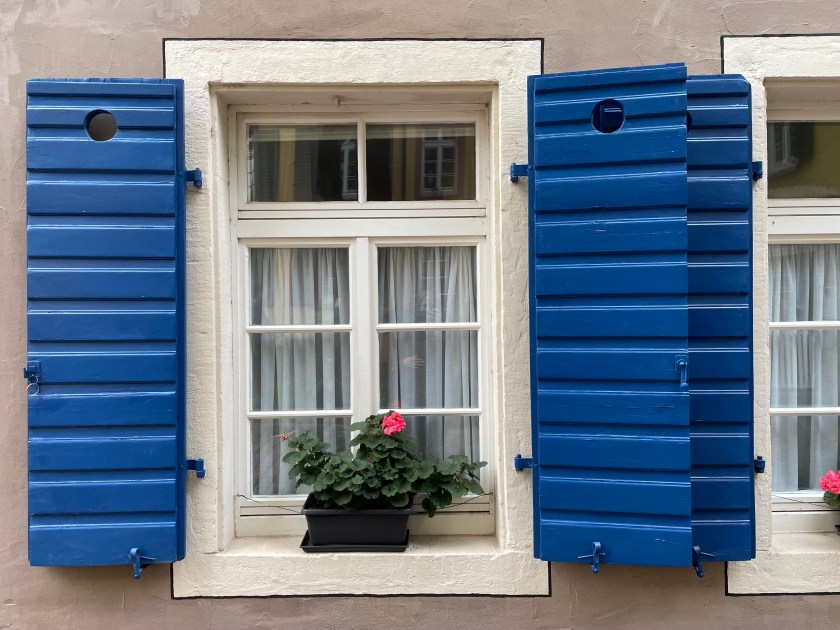
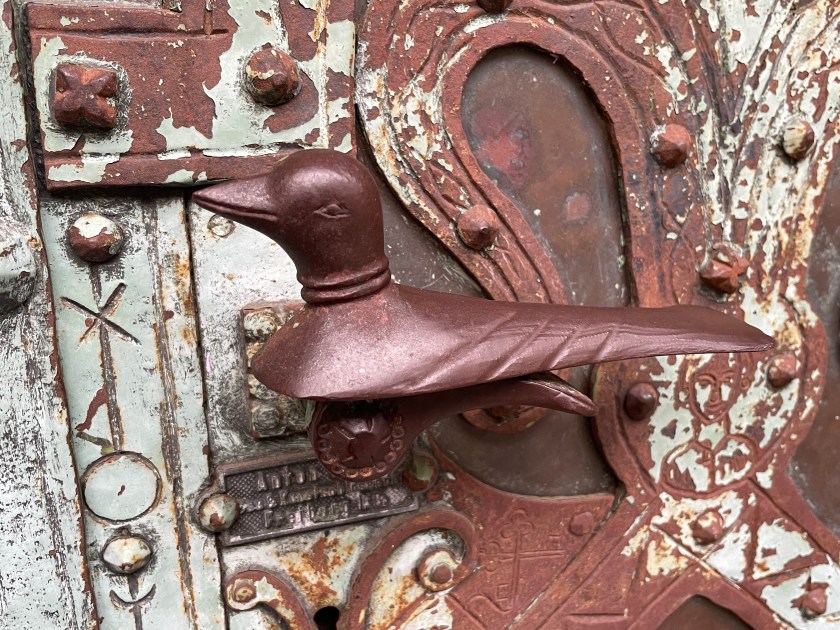
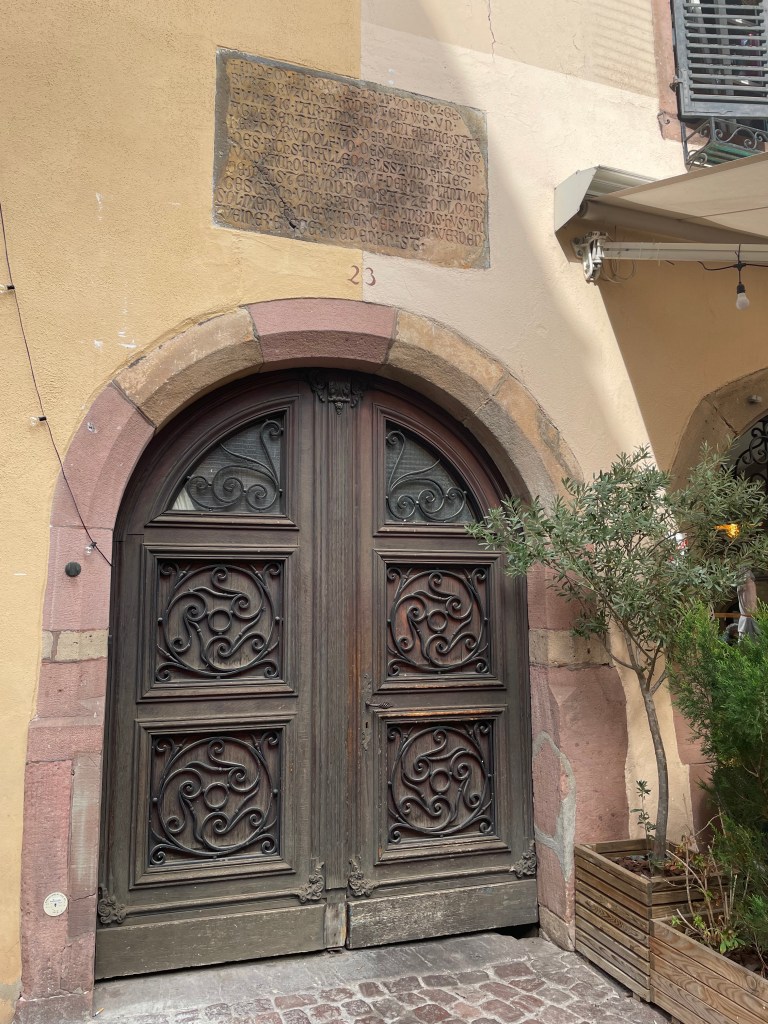
Everything is interesting here–the doors, the windows and shutters, the flower boxes, the cobblestones, the entryways to the homes. All so charming and quaint.

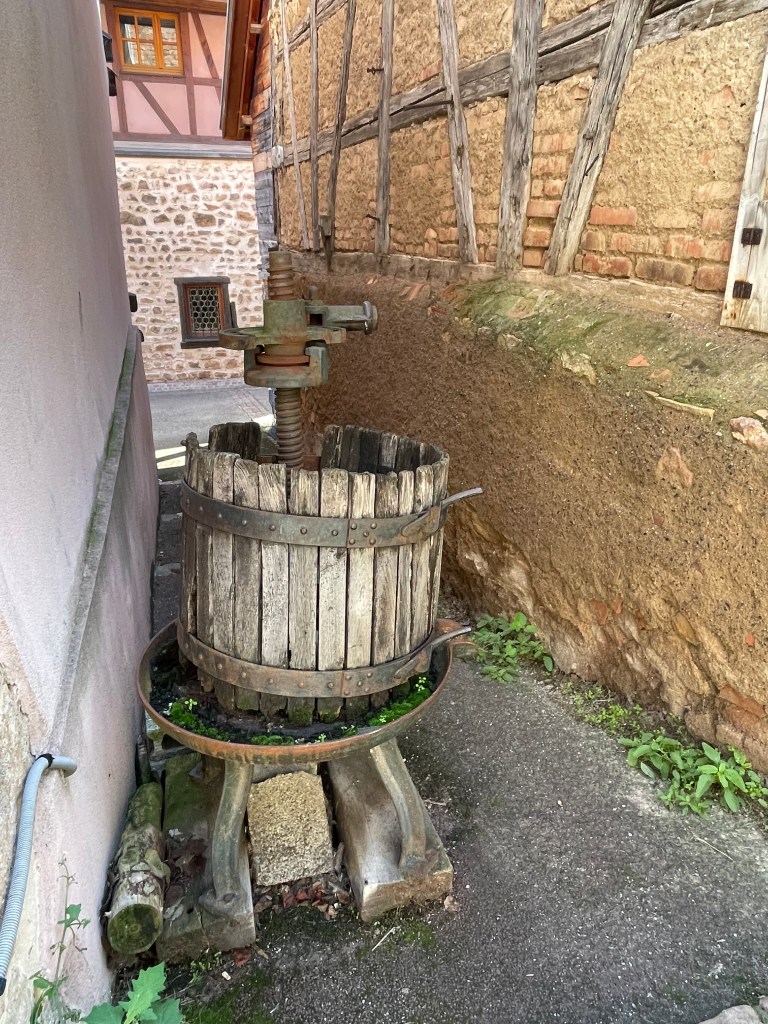
We spent about 2 hours wandering in Eguisheim, then returned to the car and drove on through the vineyards. The Wine Route (Route des Vin) is a small country road that meanders through each small town along the way. It’s scenic and each little town is interesting, with an old center and a church and old homes and farms.

The wooden cones below are worn on the backs of the grape pickers when they harvest the grapes.

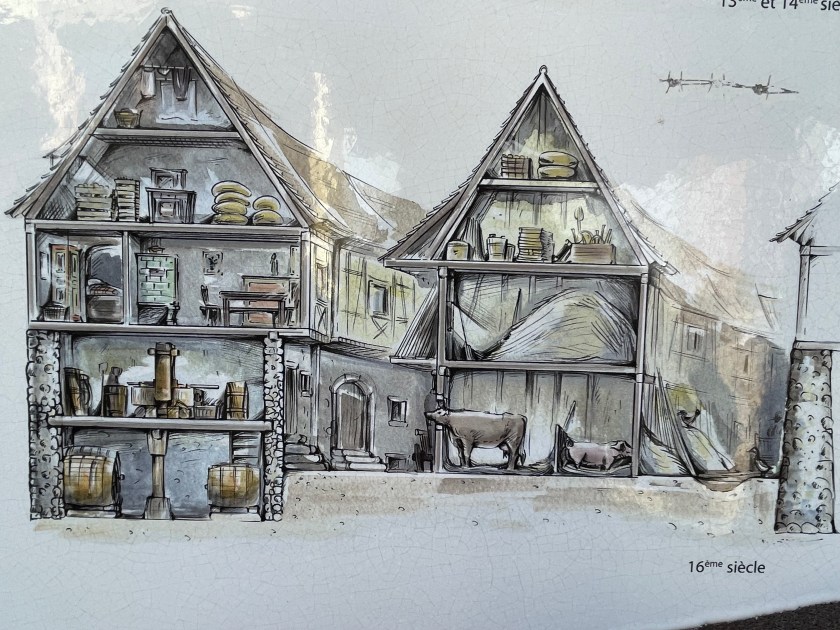
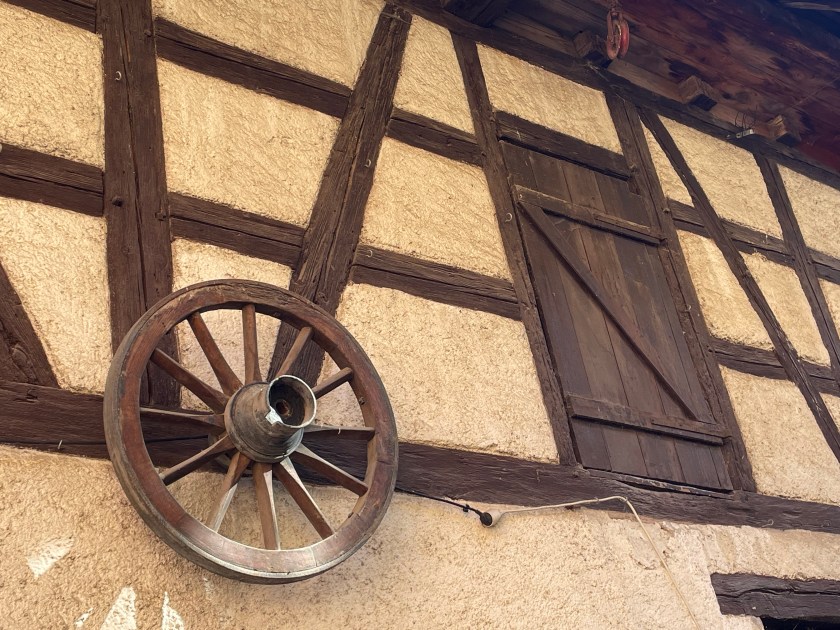
It’s wonderful to me that these very old farm houses and homes have been preserved.  I wonder what stories they might tell if they could.

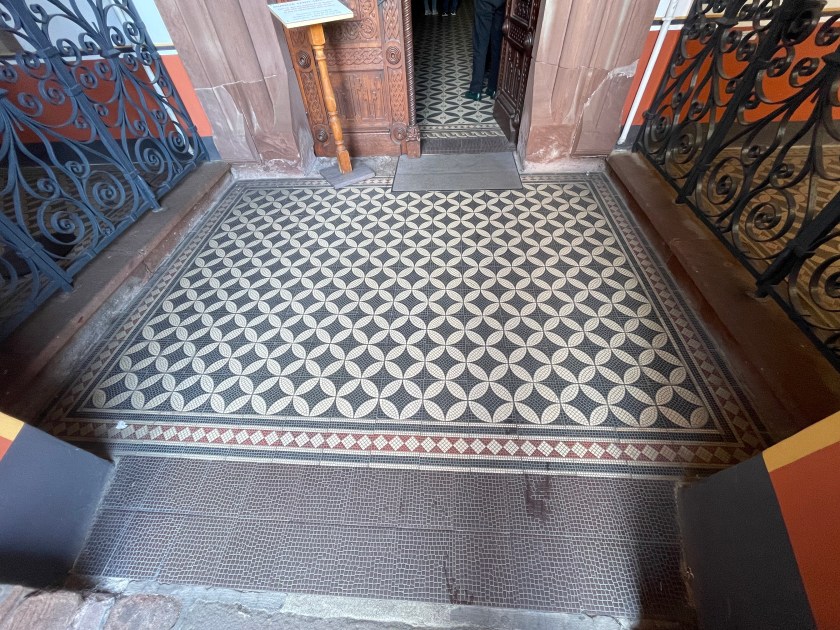
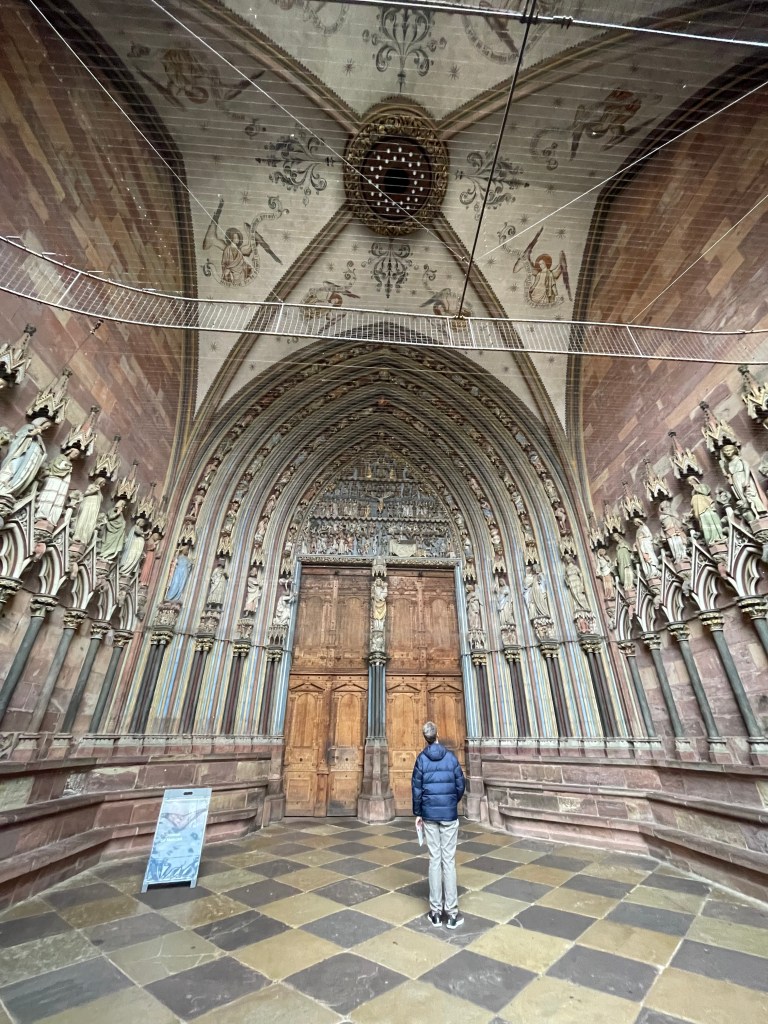
Entering this small church was like walking over a beautiful quilt.

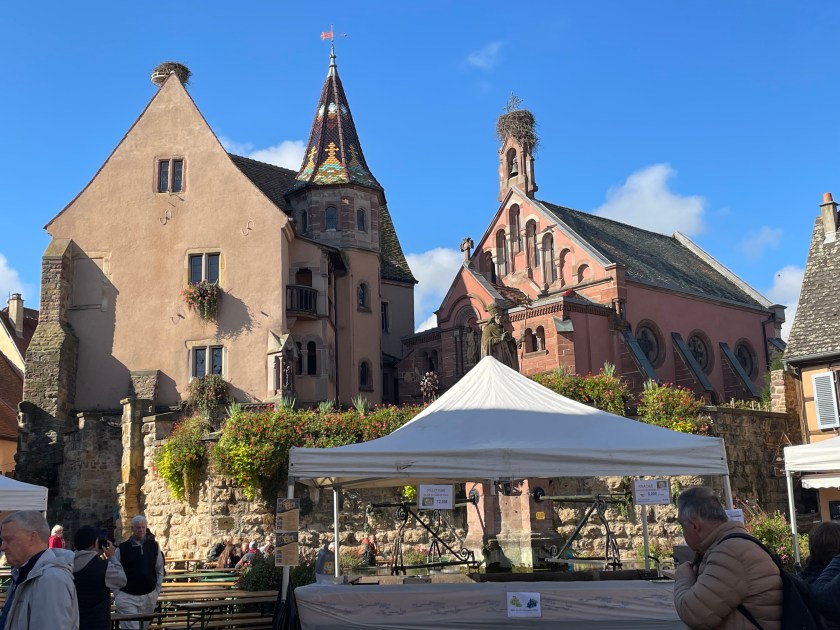
Pelican nests on top of the church tower:

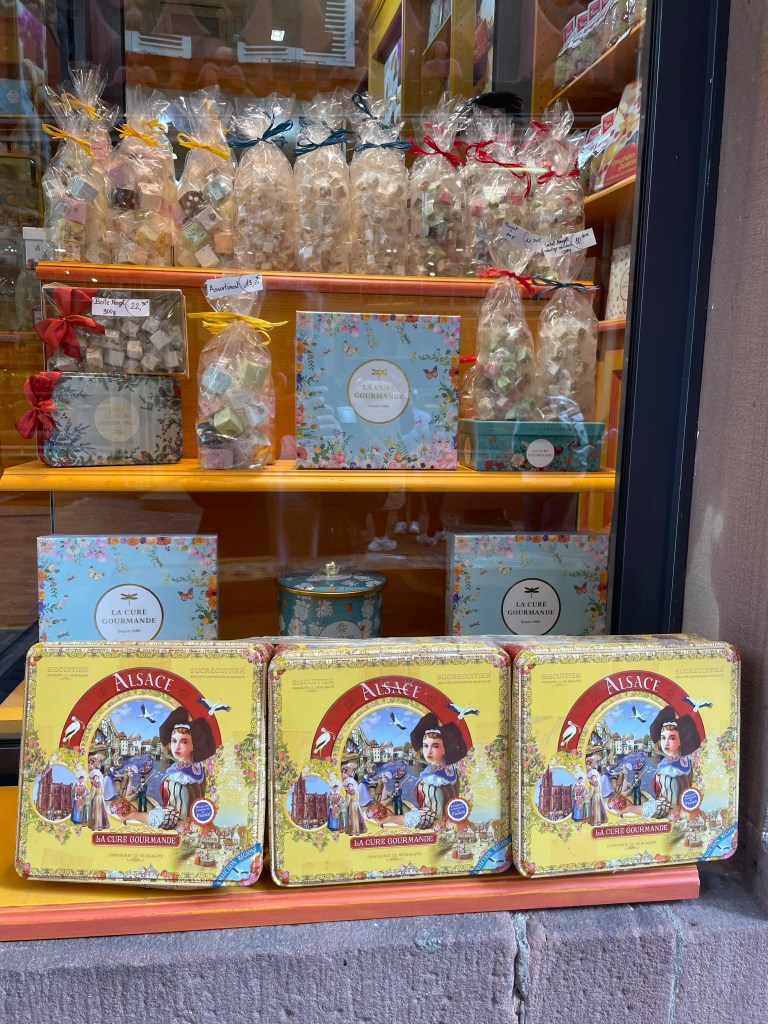
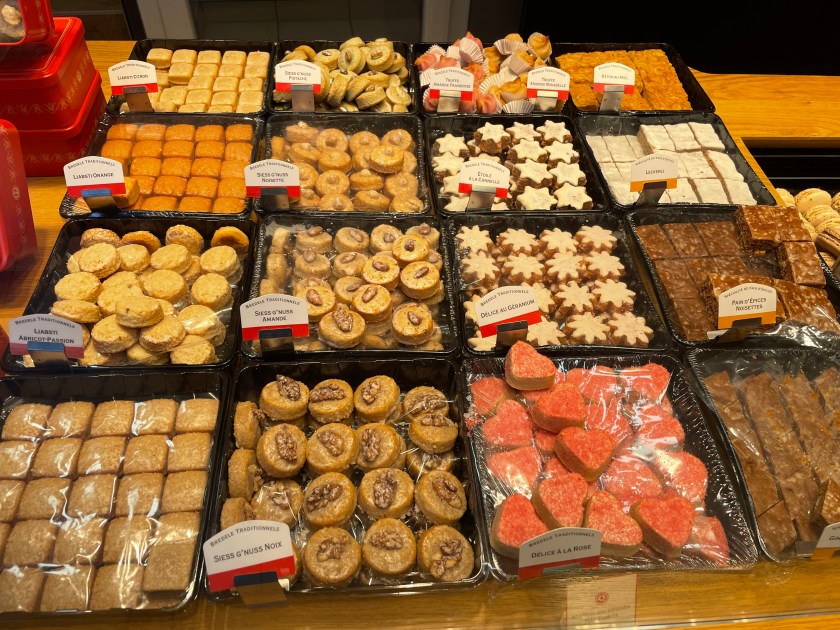
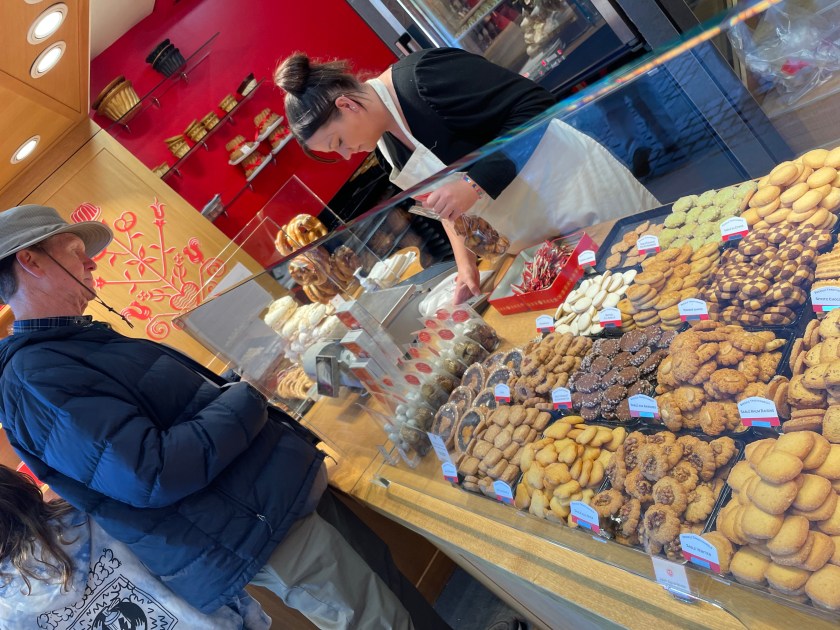
We sampled warm macaroons and fragrant cheeses from shopkeepers with trays of offerings. There was a lot of wine tasting going on.  It was fun to hear the French and speak a bit with the people here.

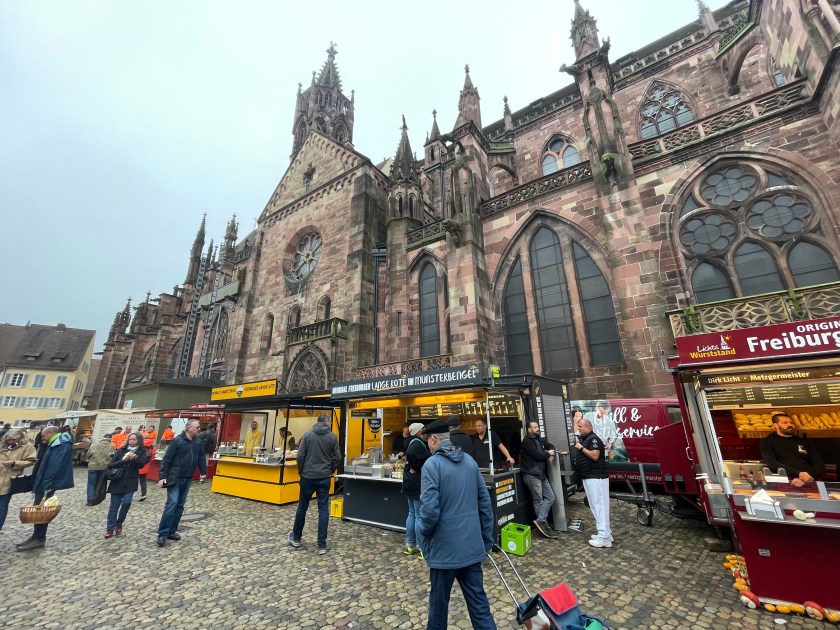
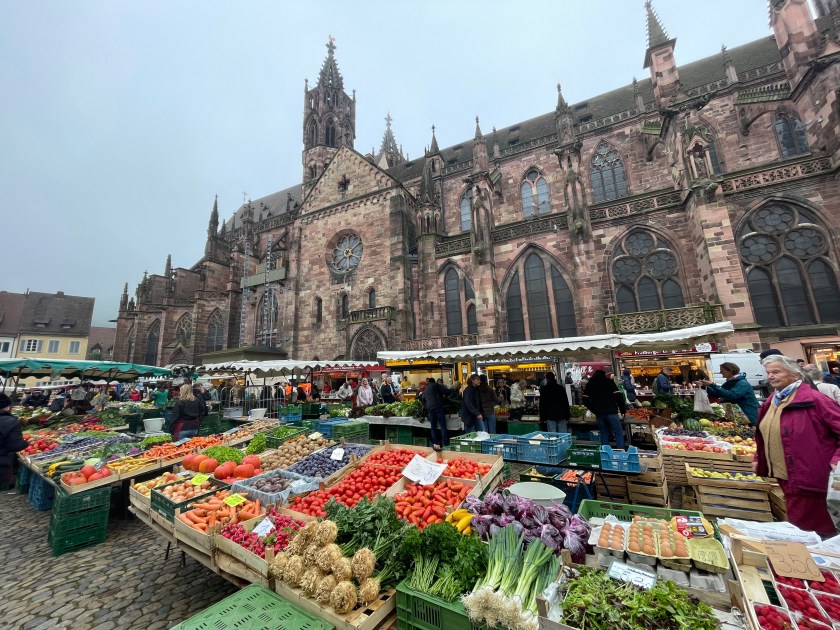
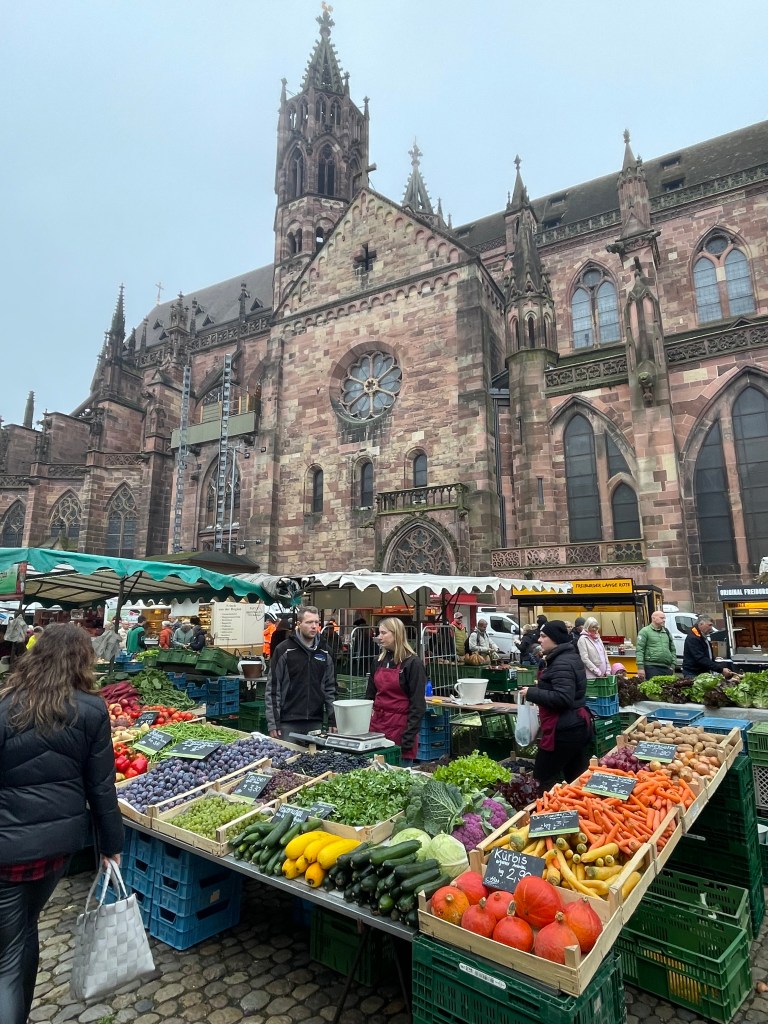
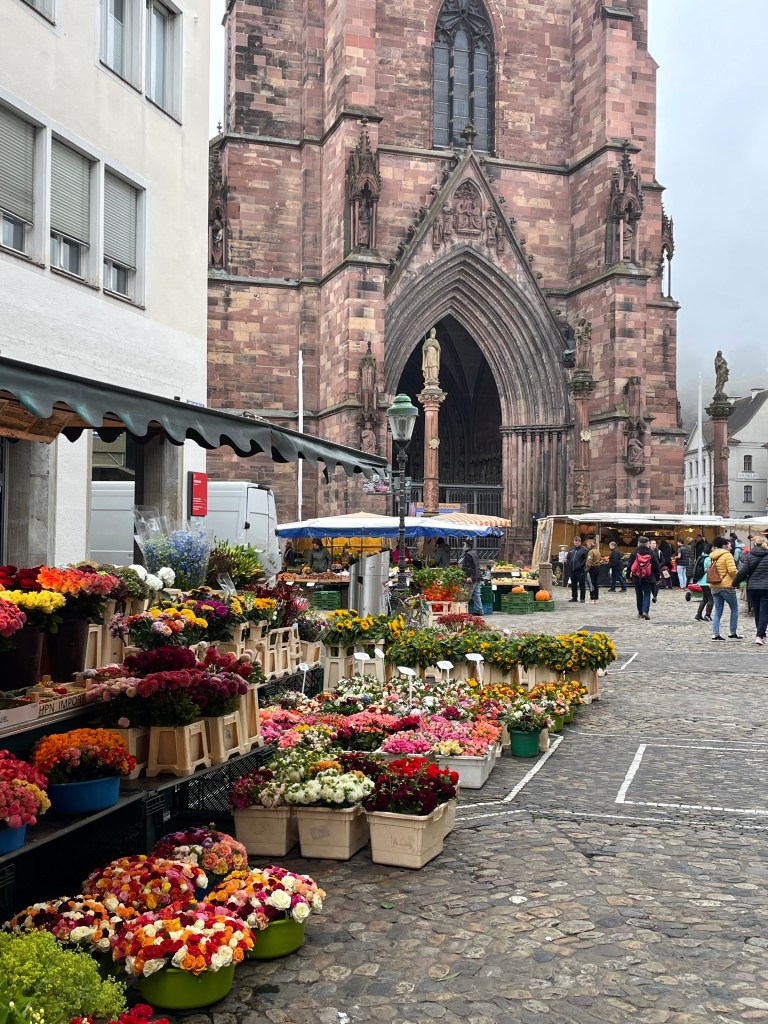
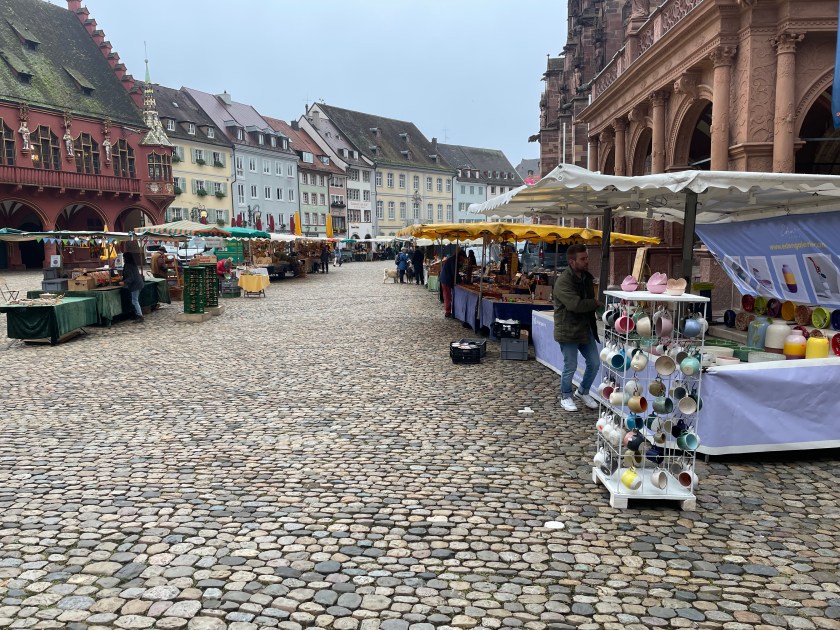
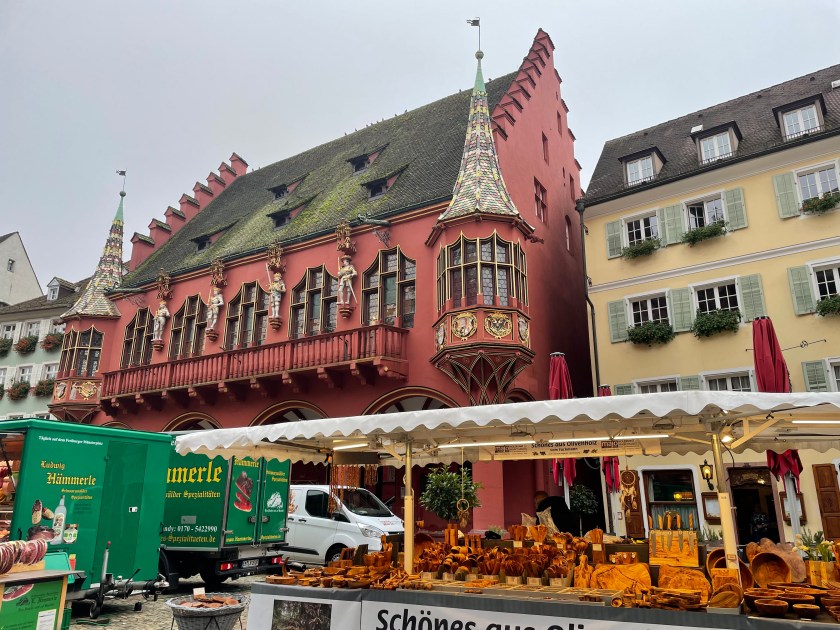
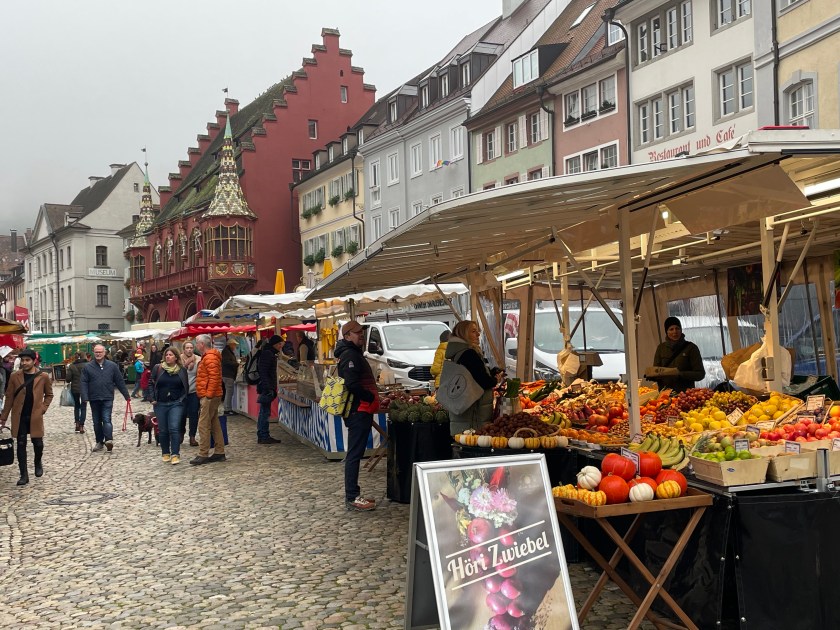
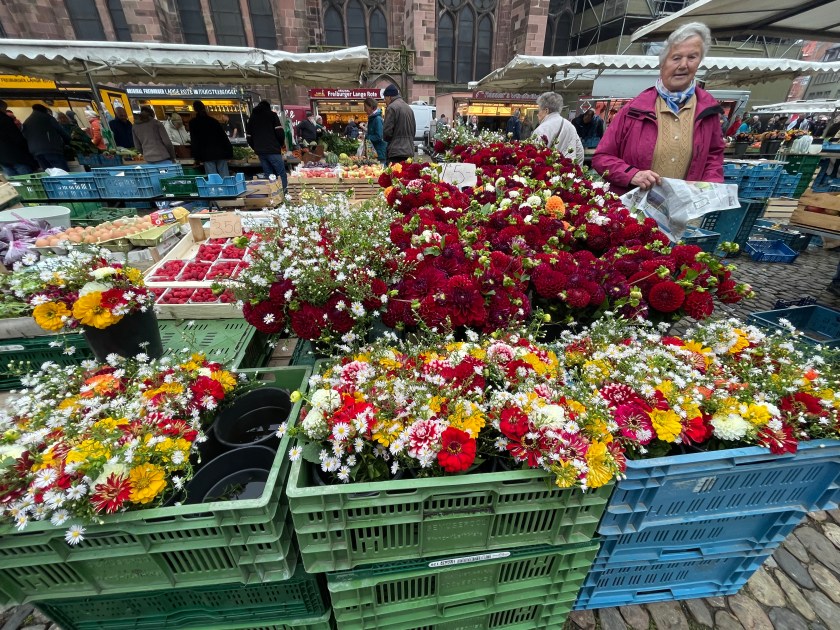
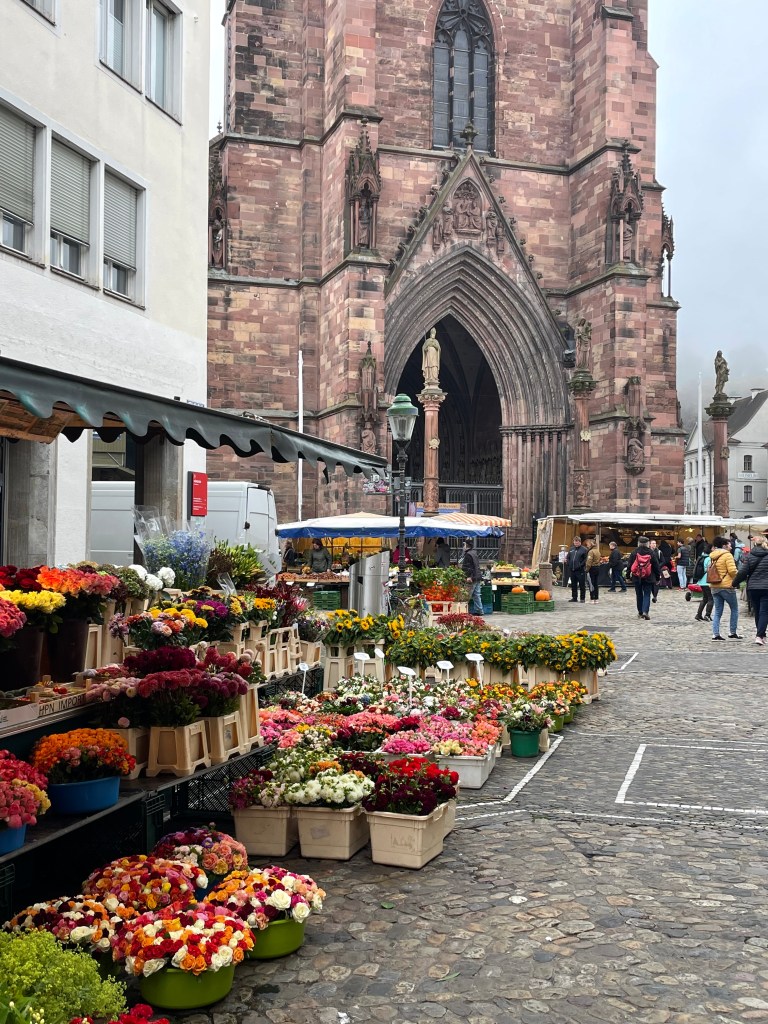
The Freiburg Cathedral surrounded by the Saturday Farmer’s Market

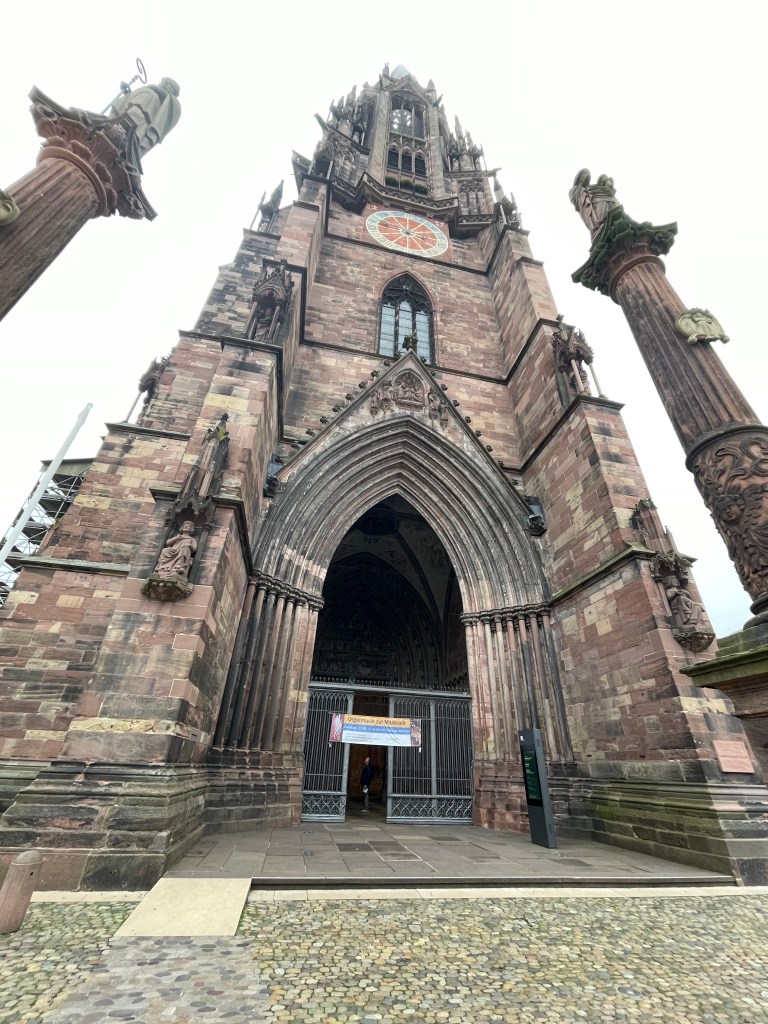
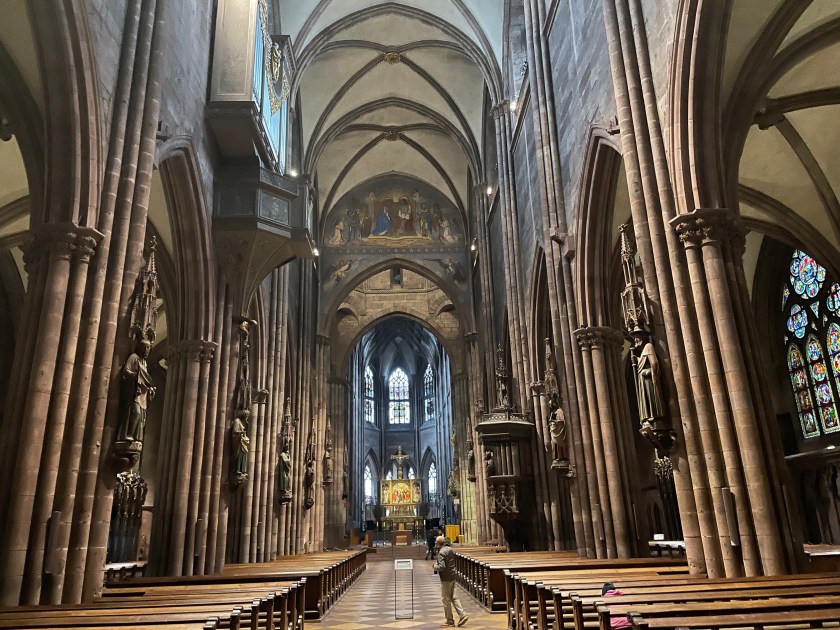
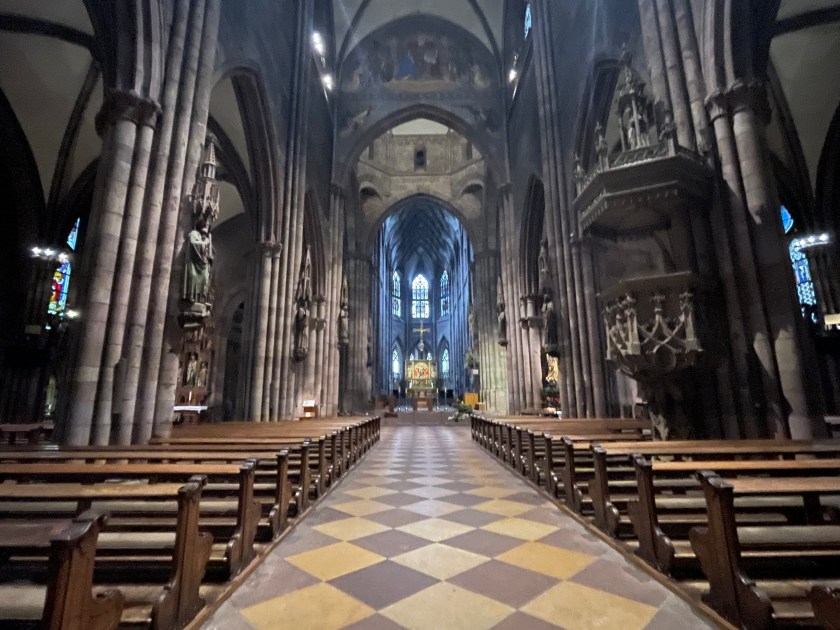
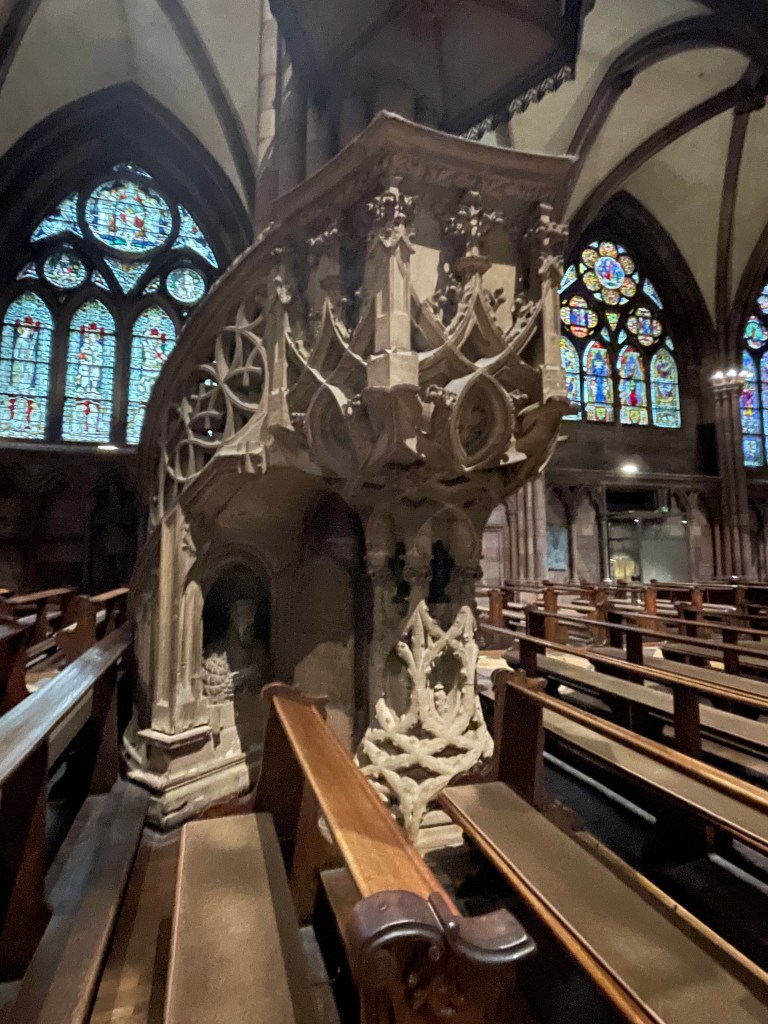
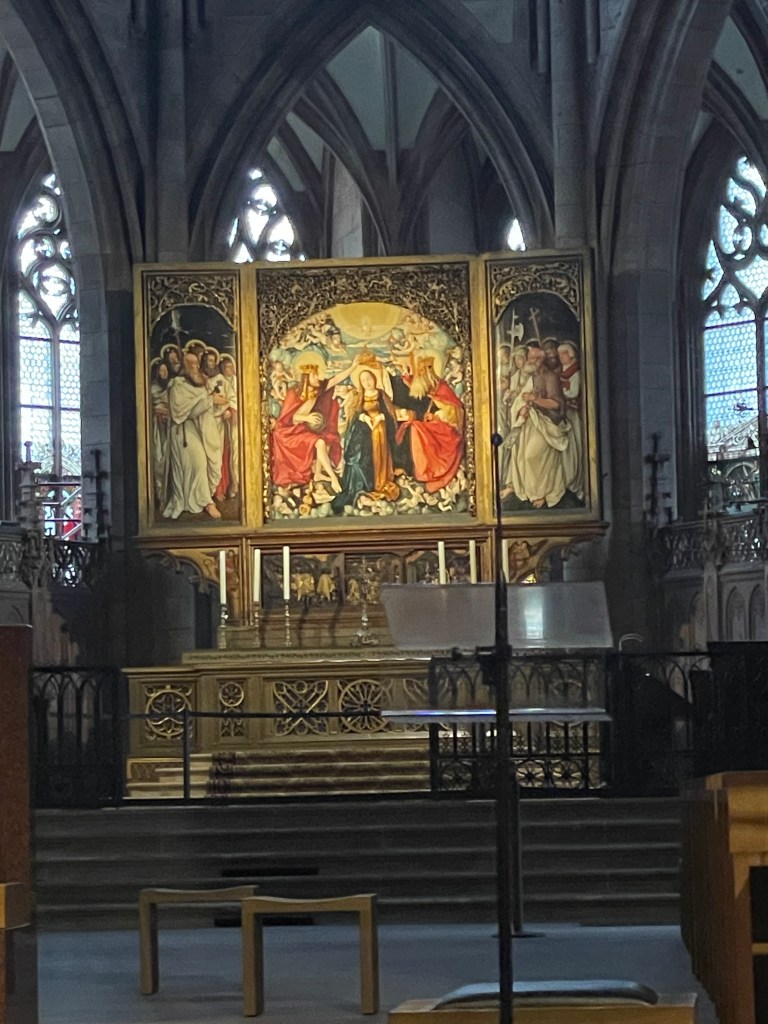
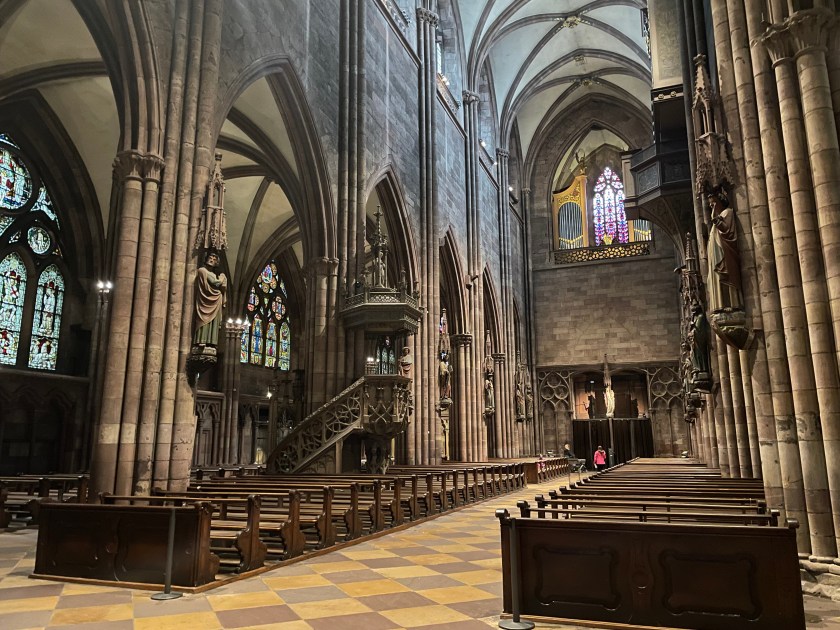
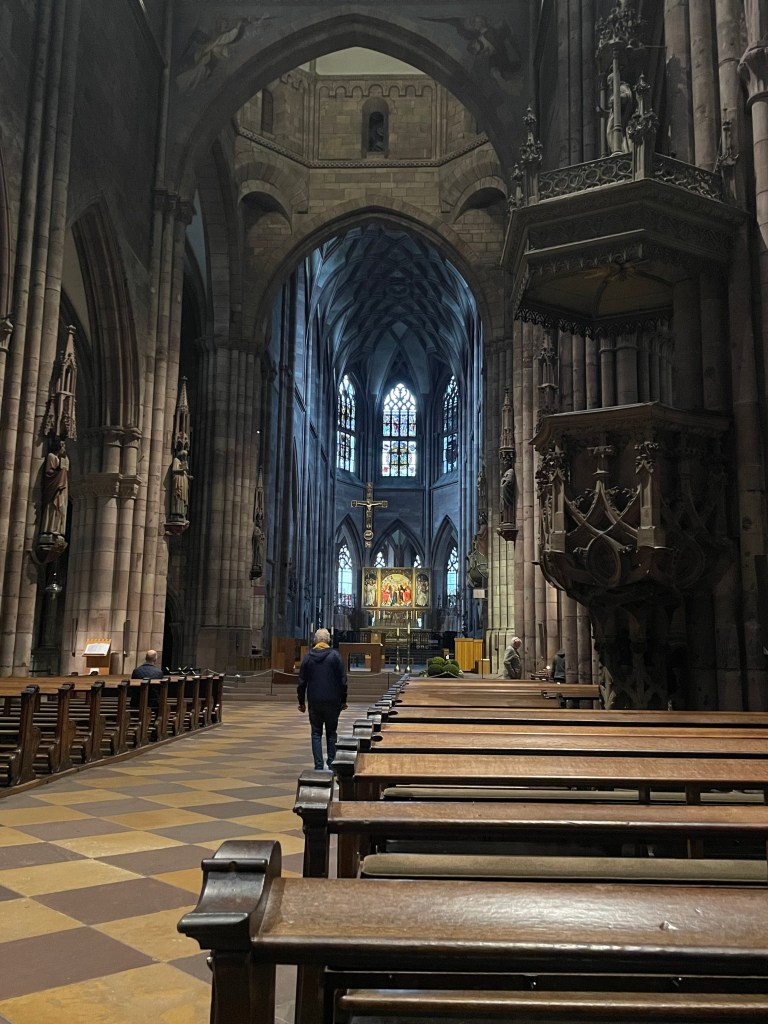
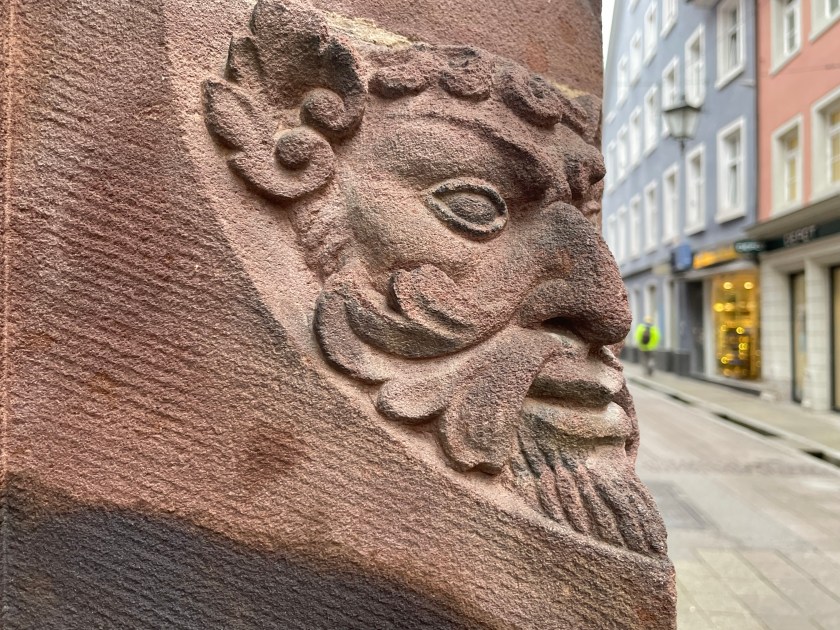
The Munster is an enormous cathedral that took over 300 years to build from 1200 to 1530. It has a 750-year-old three ton bell and 71 gargoyles. One of these gargoyles is famous.  It’s called “the mooning gargoyle of Freiburg.”  This unique stone figure is positioned to “moon” the City Council building, and has become an iconic symbol of defiance.  According to legend, a disgruntled stonemason, unpaid for his work by the council, crafted this cheeky gargoyle as an act of rebellion.

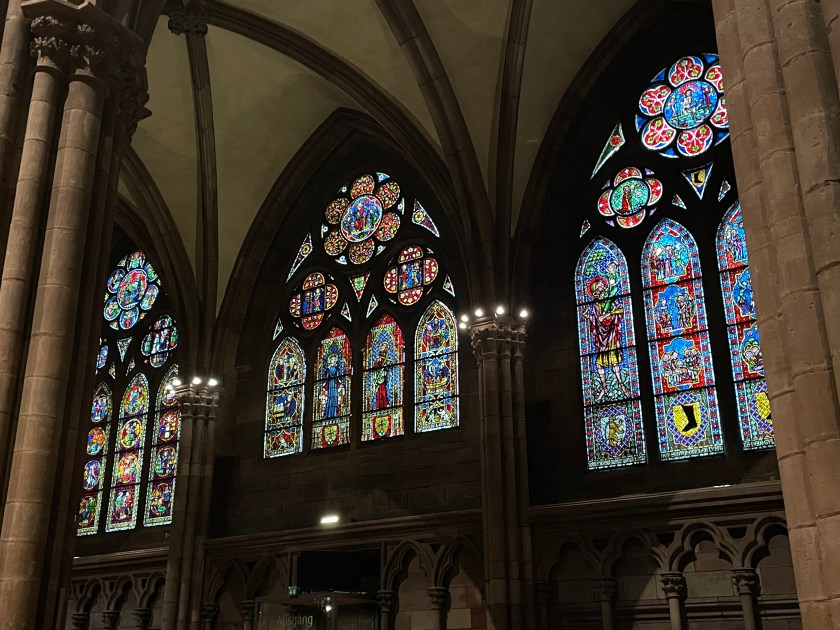
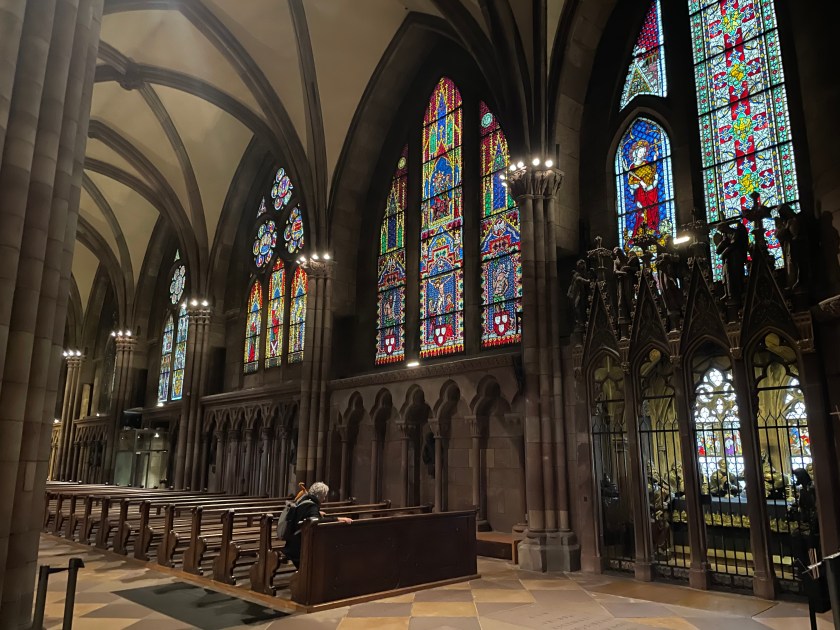
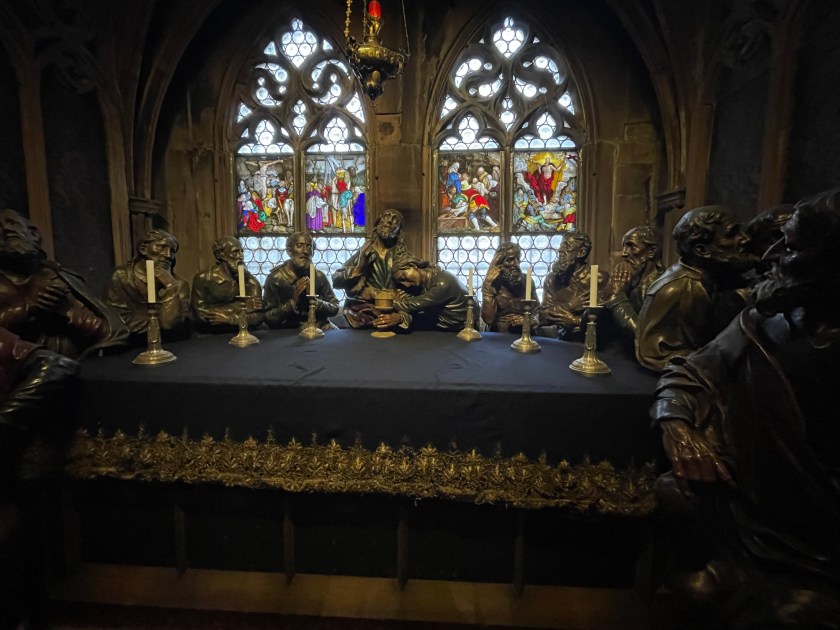
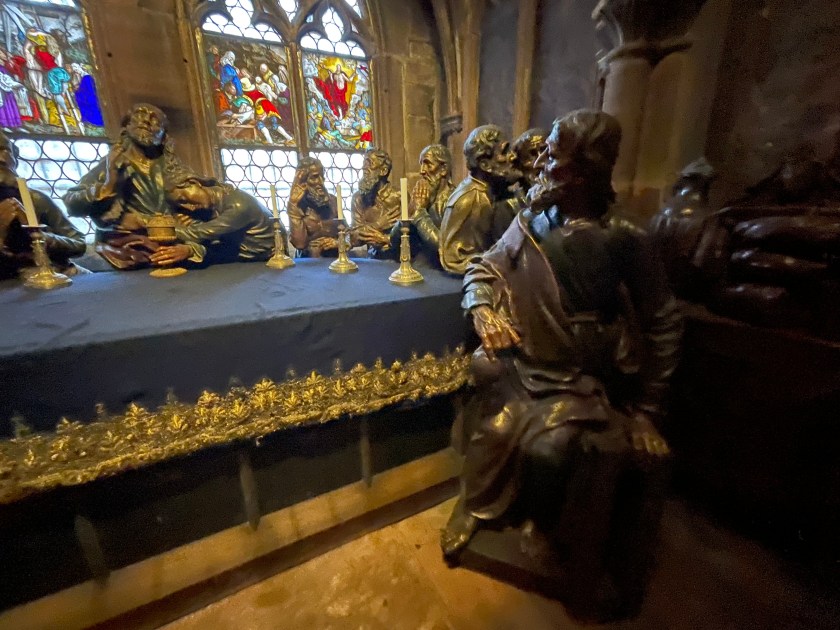
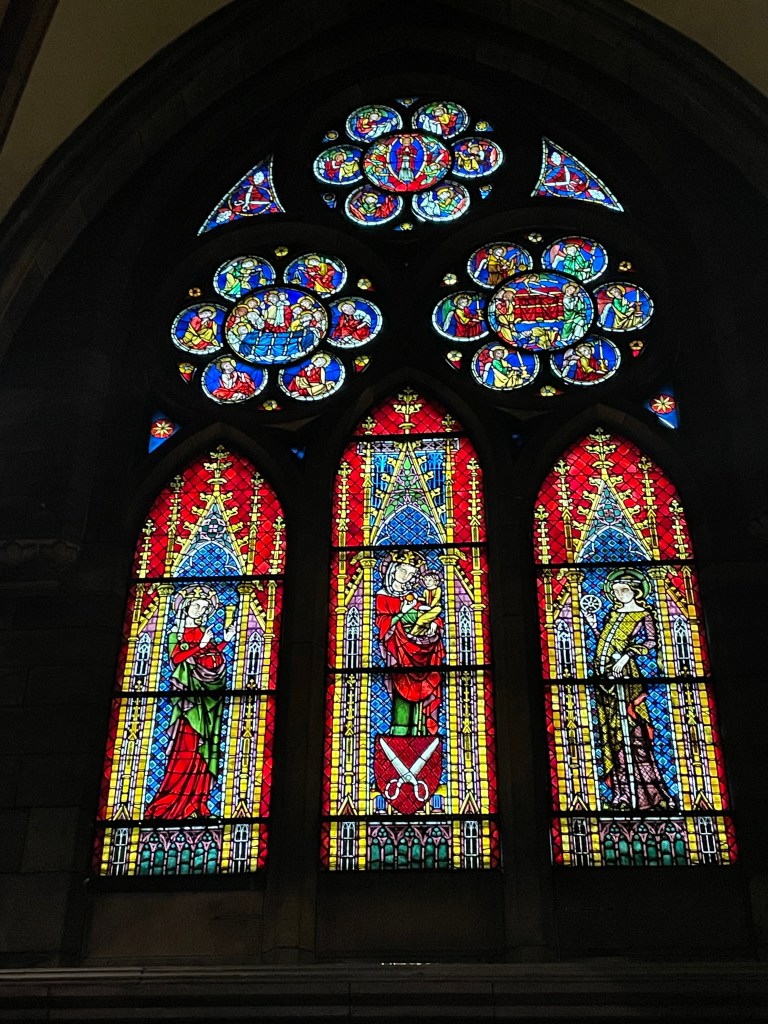
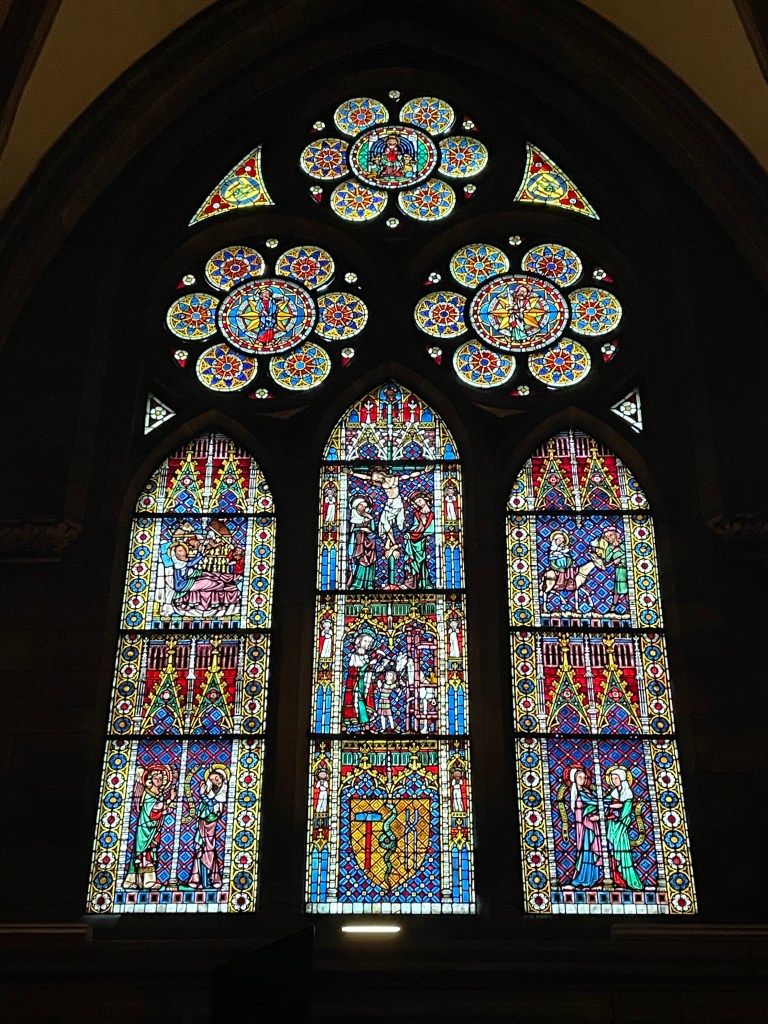
The exterior of the cathedral is spectacular with the lace work on the spire and the interior has beautiful stained glass windows.  It was  the only building in the area left standing after the allied bombings of WWII.

Aerial view of the city center destroyed on November 27, 1944:

Wikipedia:  The cathedral remained largely undamaged during the Second World War , although the surrounding buildings were reduced to rubble by the bombing raid of 27 November 1944 by the Royal Air Force.  Only the roof was damaged, but with the support of Berlin army authorities, the Basel monument conservationist and young people from the cathedral parish, it was able to be completely closed again by the winter of 1945/46.  The medieval stained glass windows were also preserved because they had been removed in time before the bombing raids. Other windows and stone figures that were replaced with restored copies on the building can be seen in the Augustinermuseum in Freiburg.

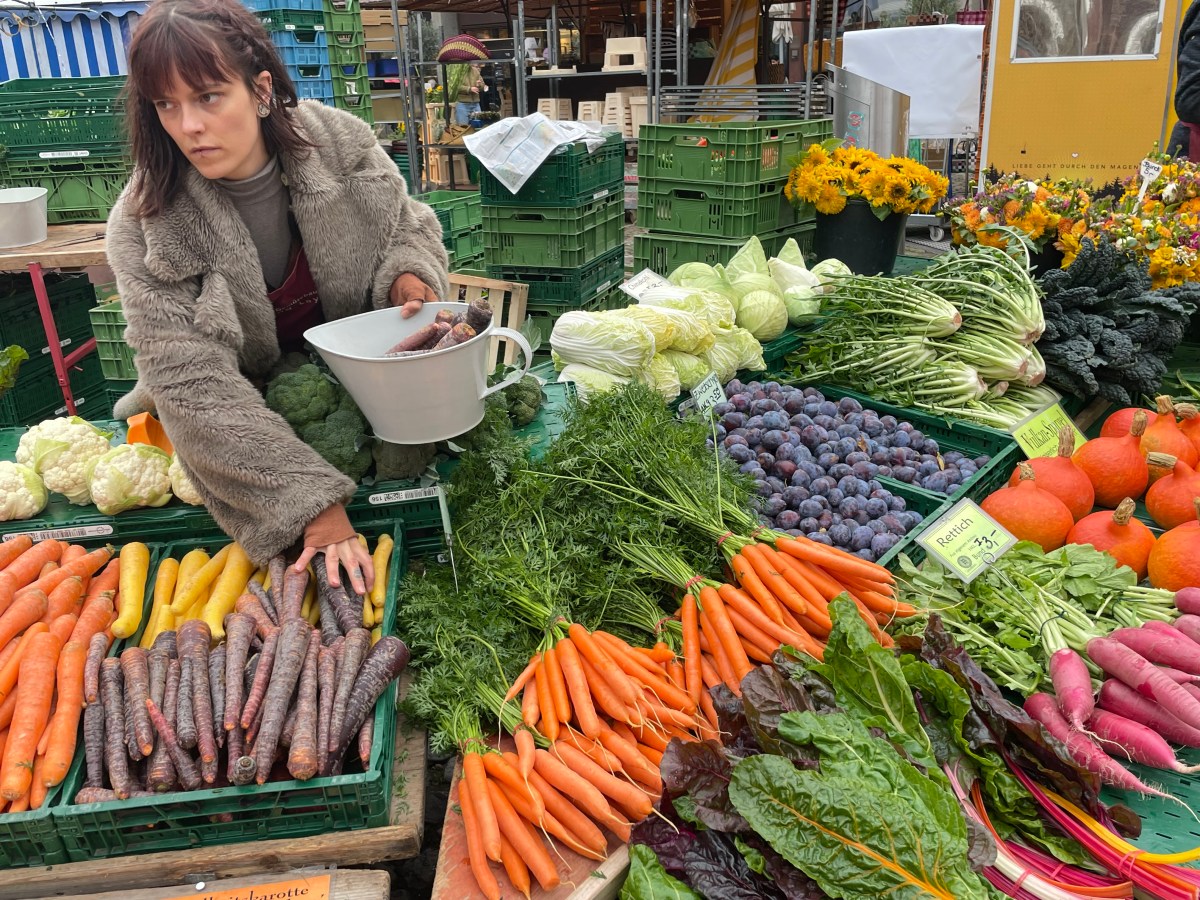
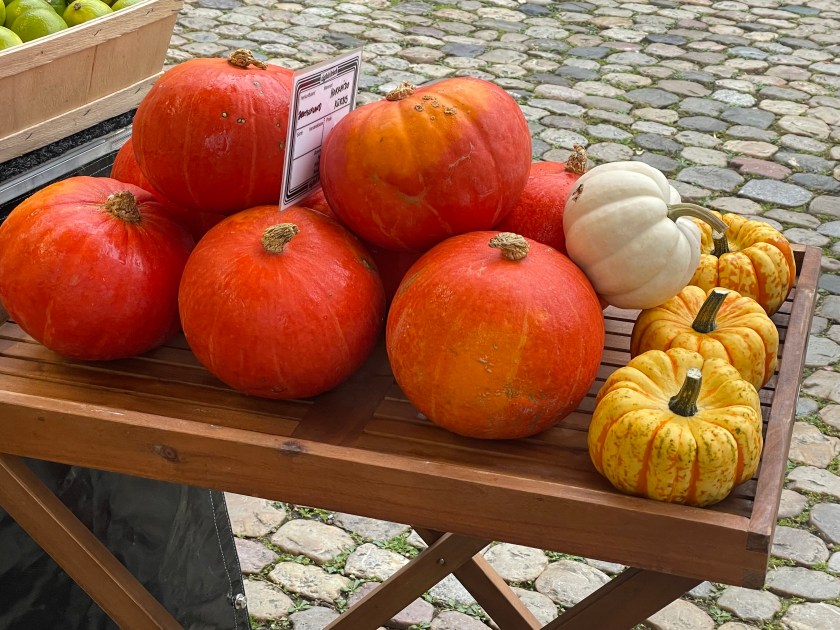
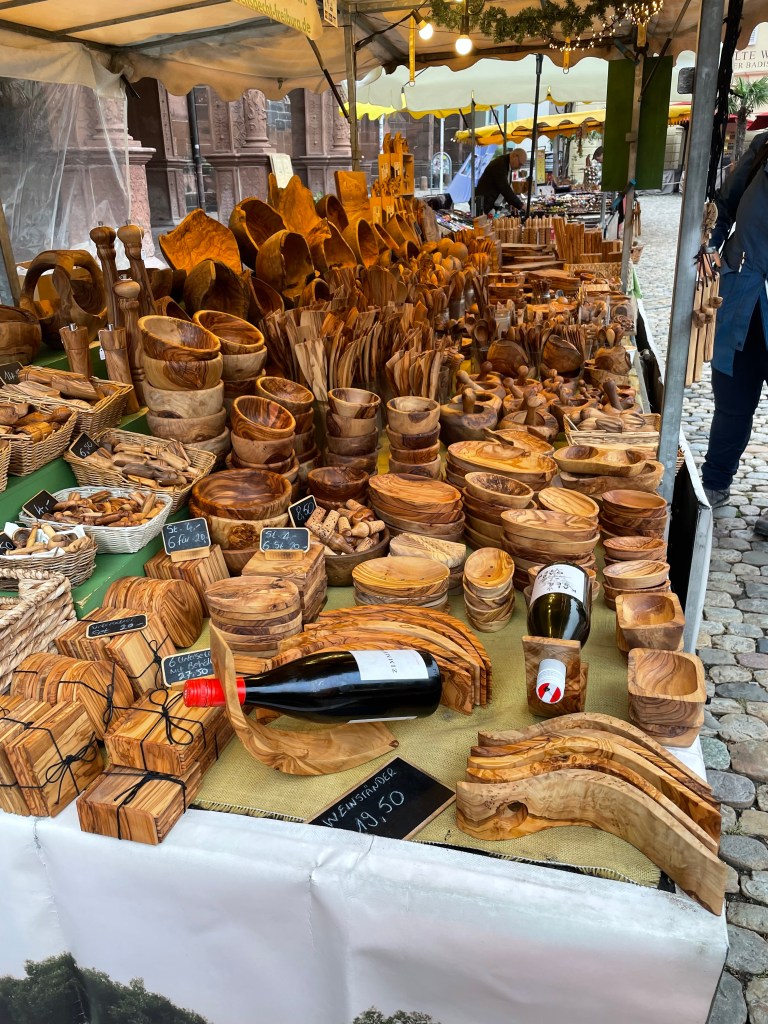
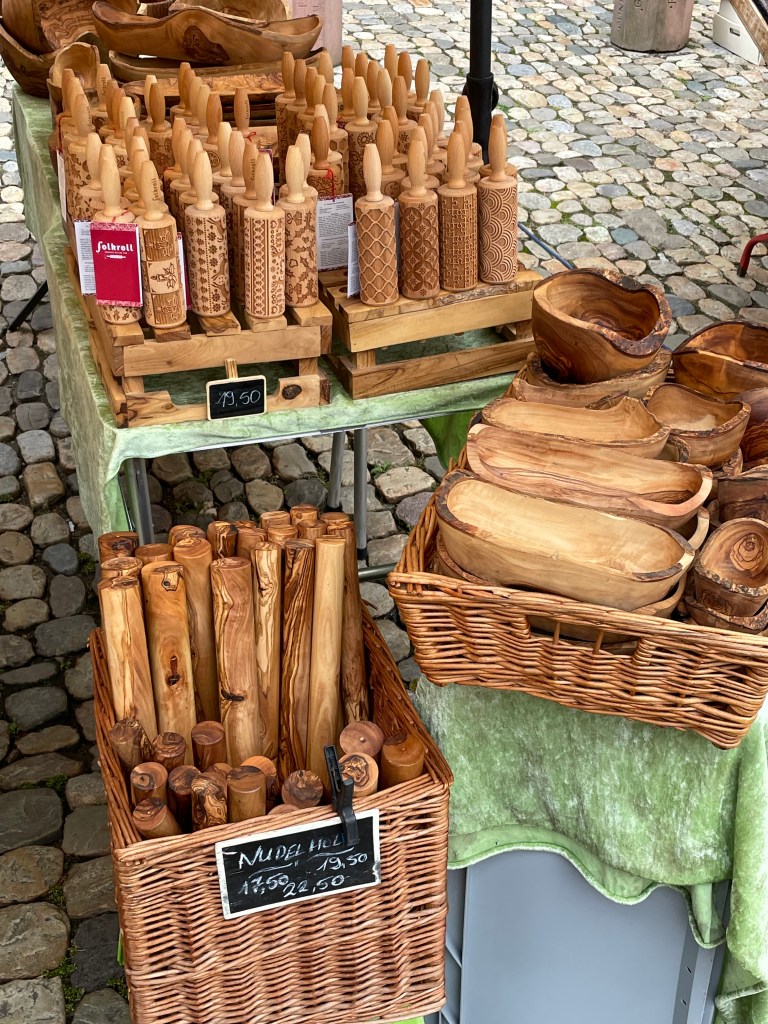
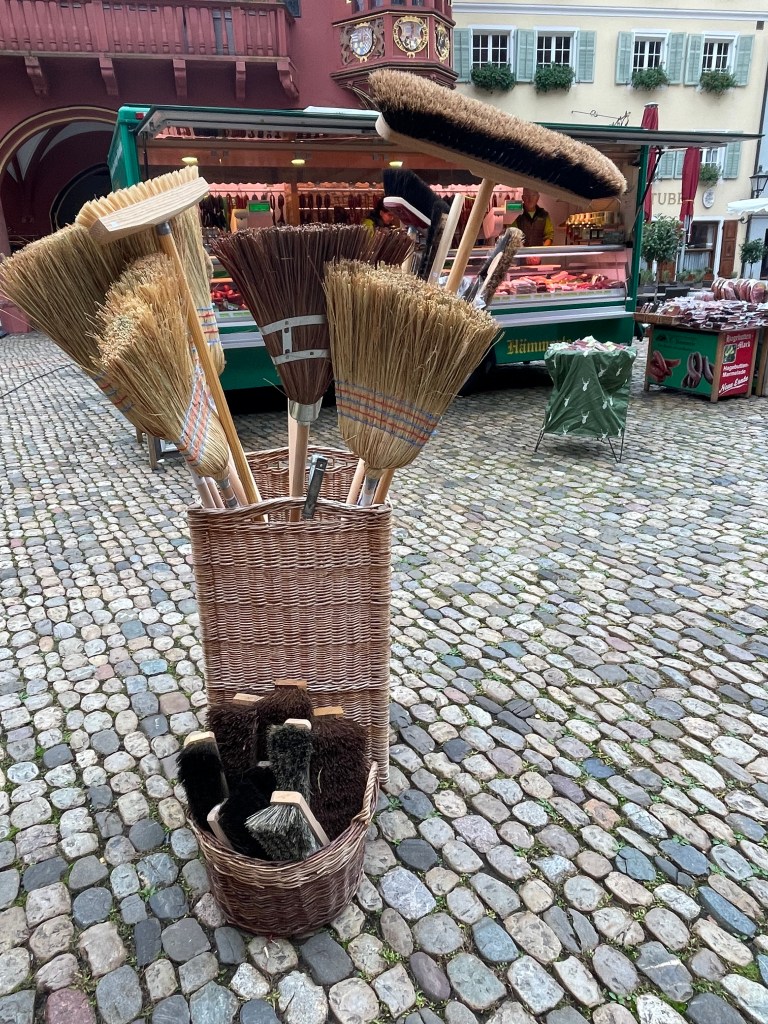
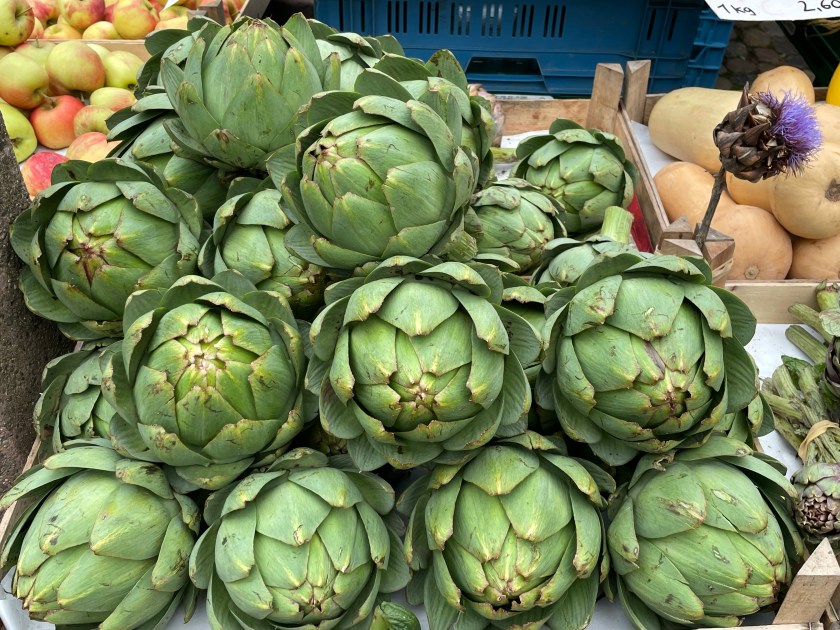
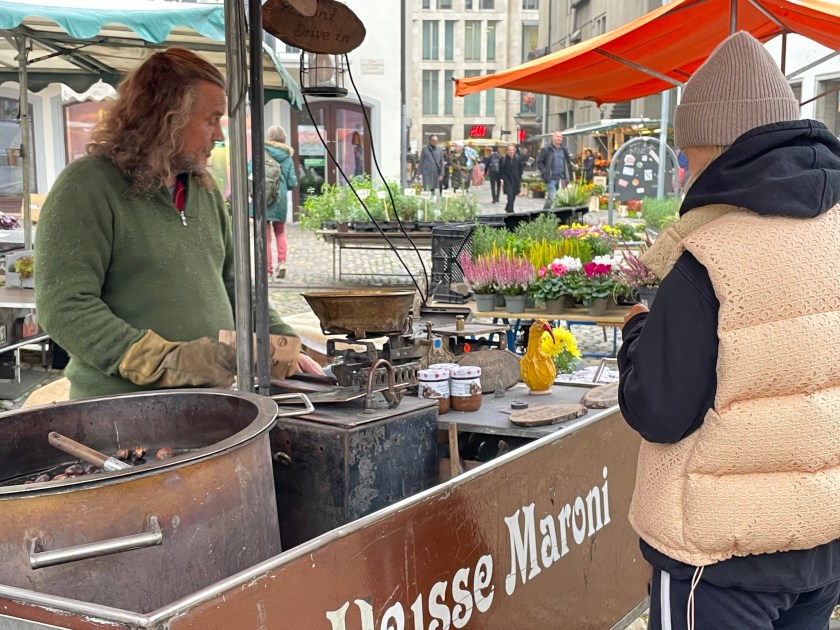
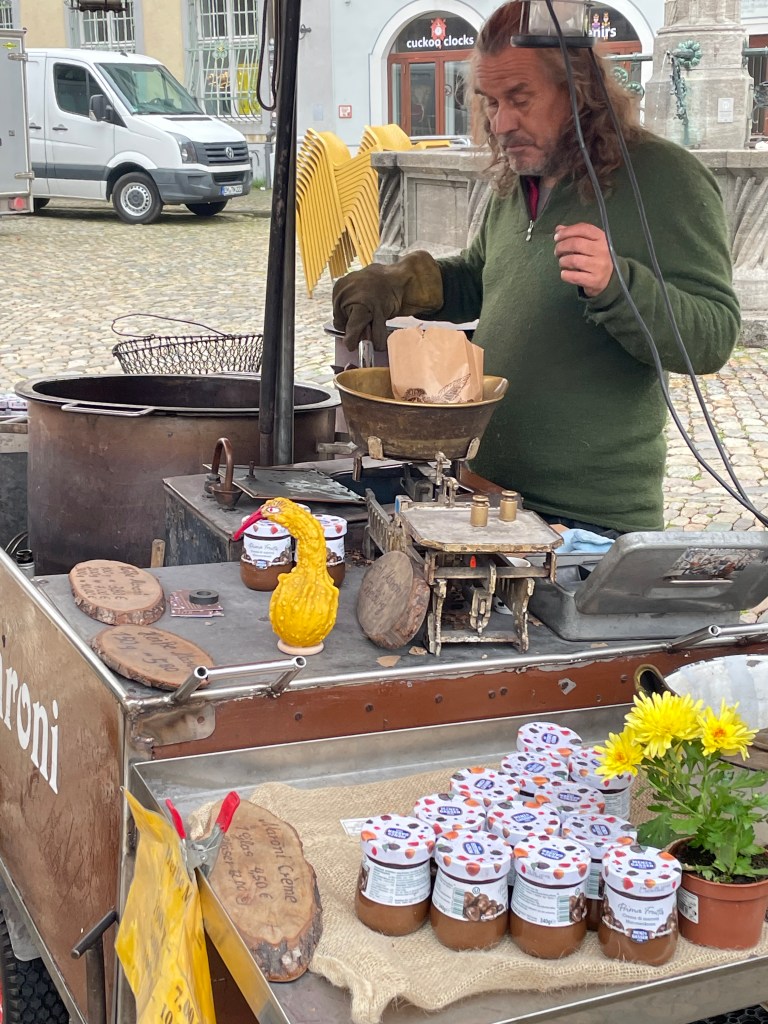
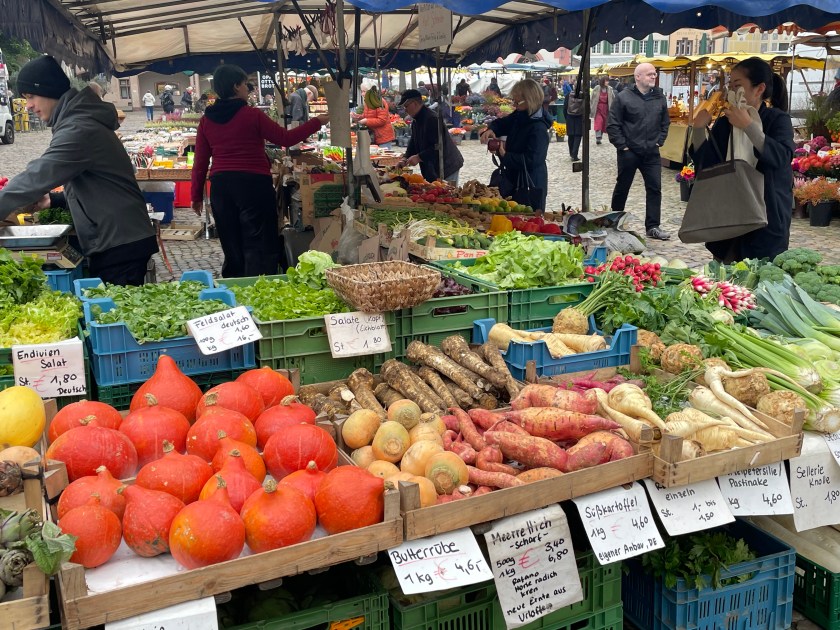
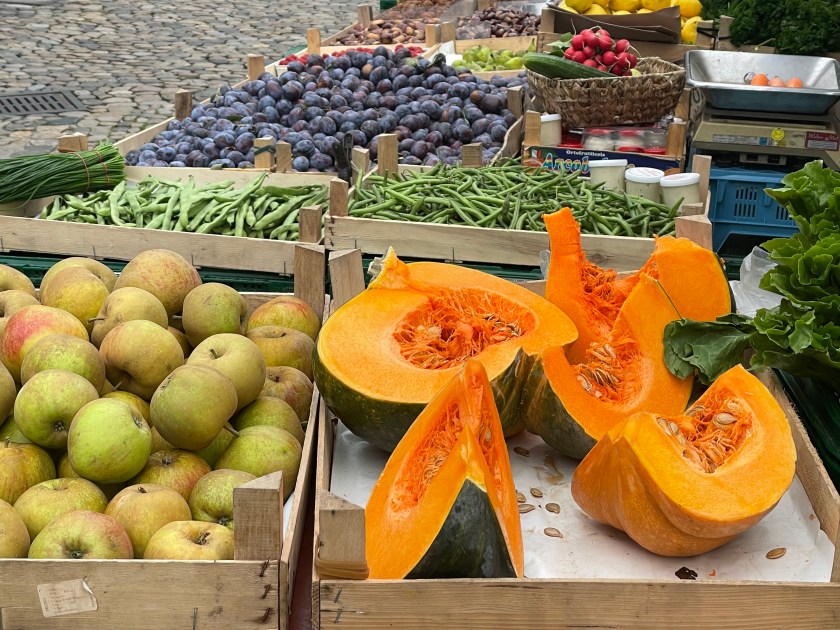
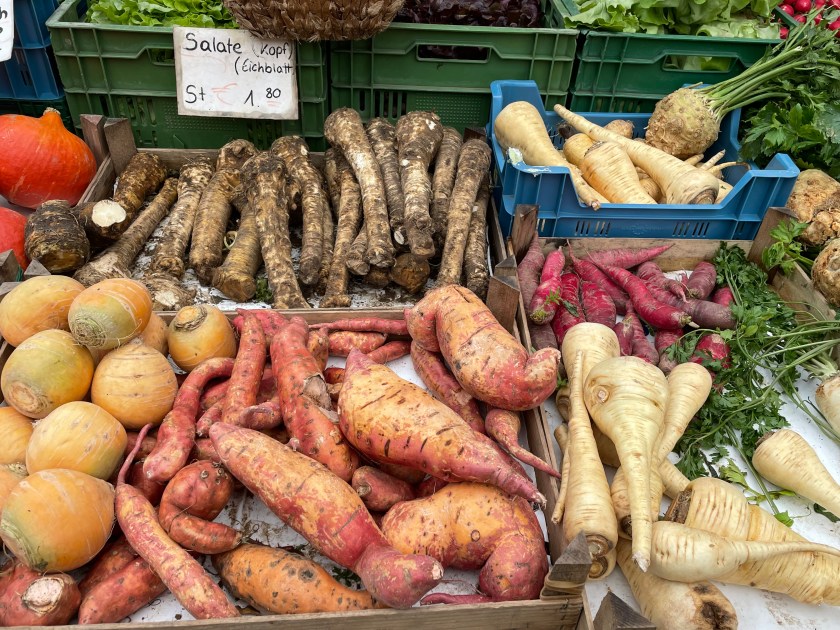
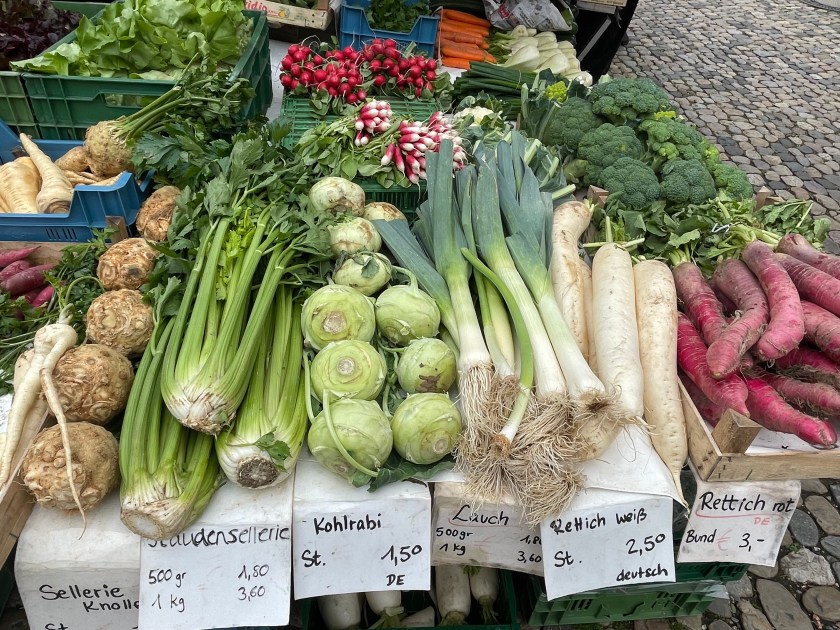
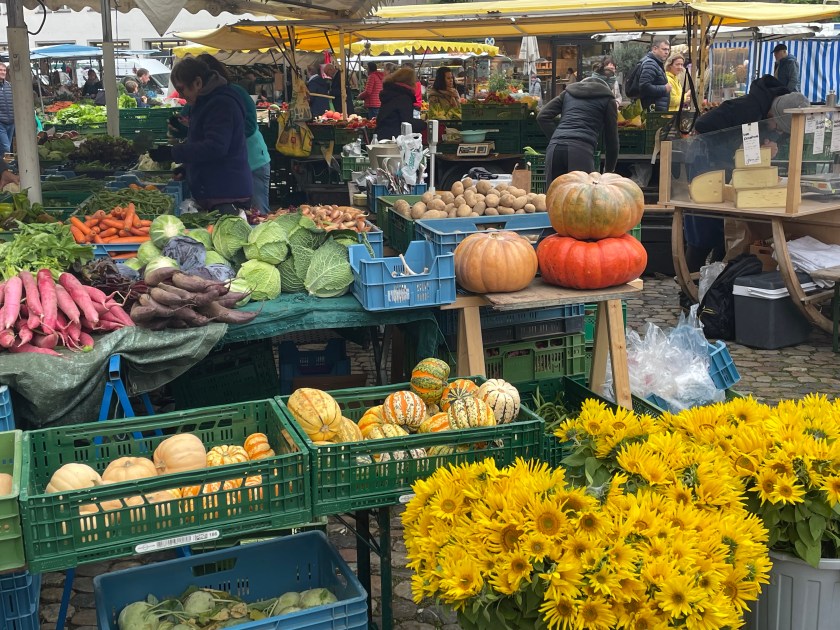
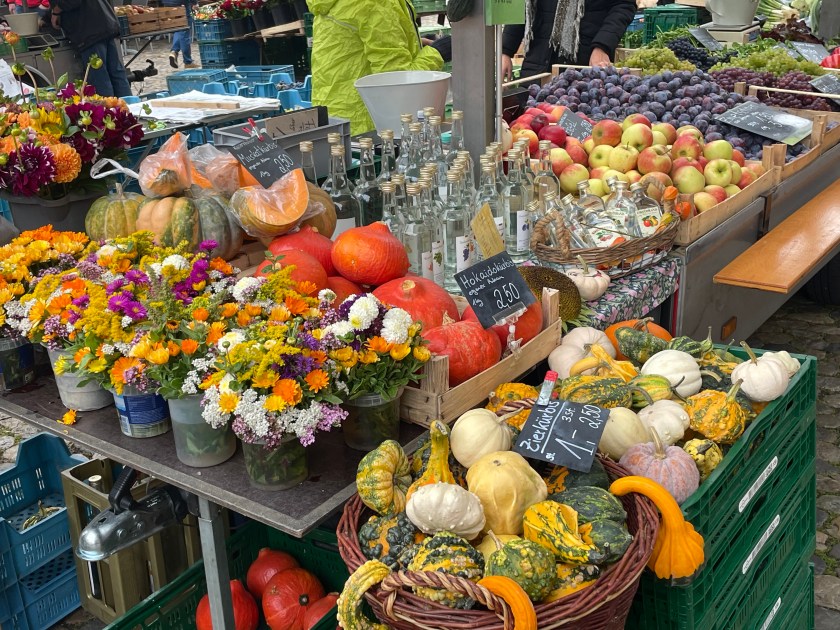
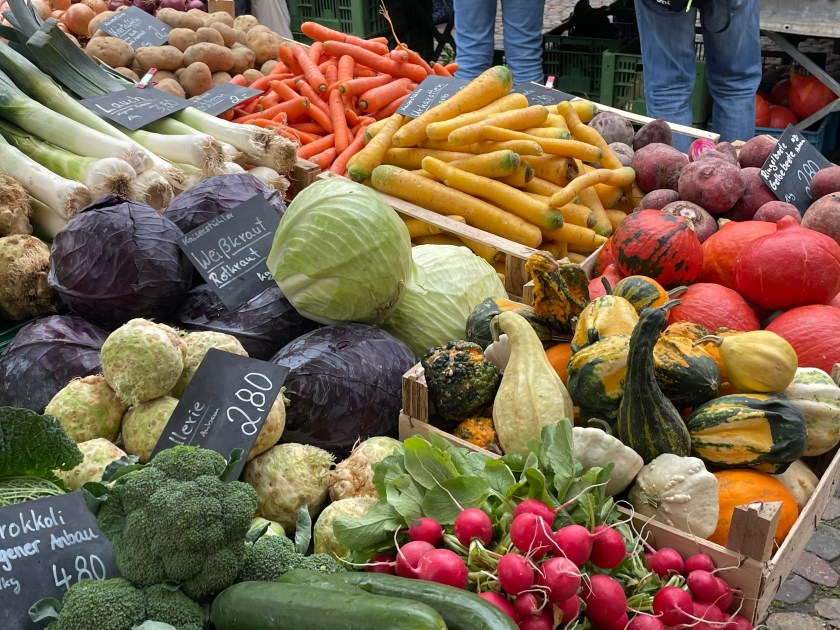
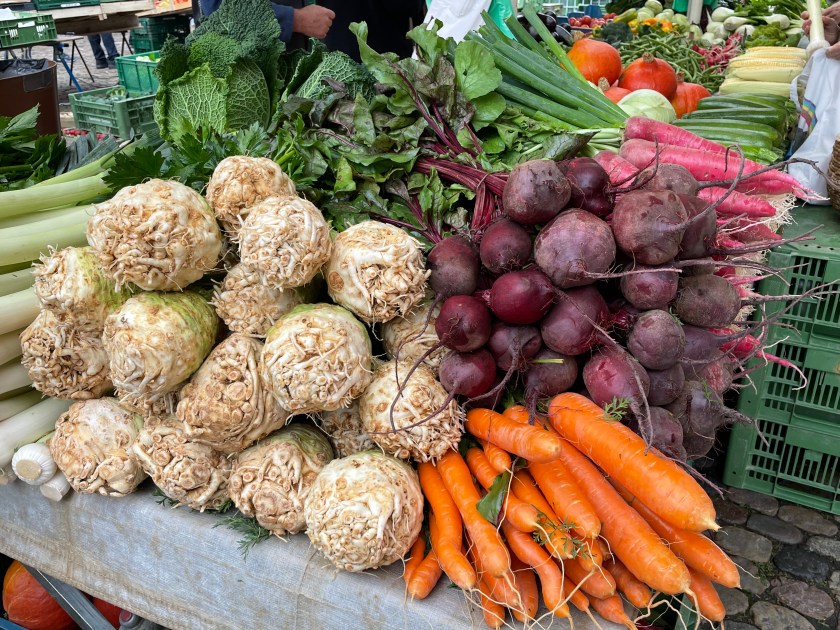
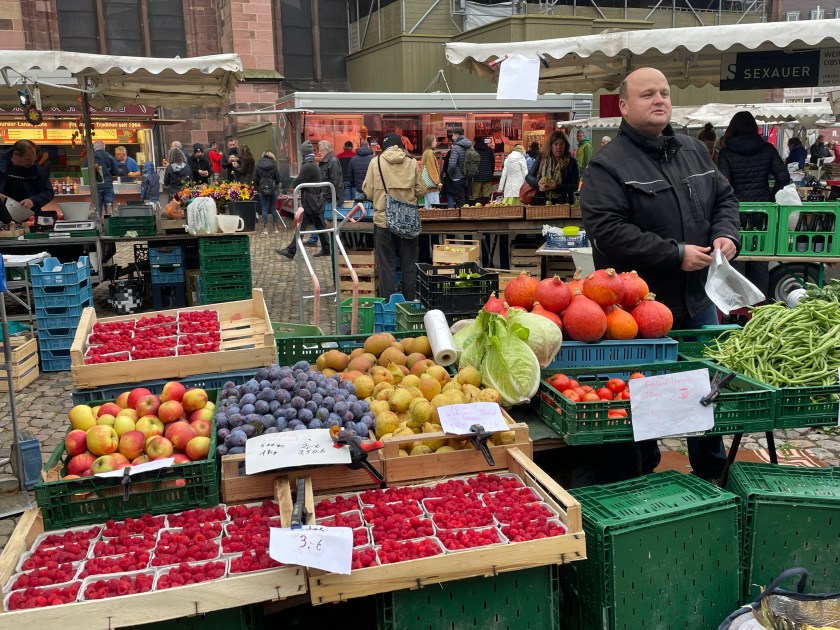
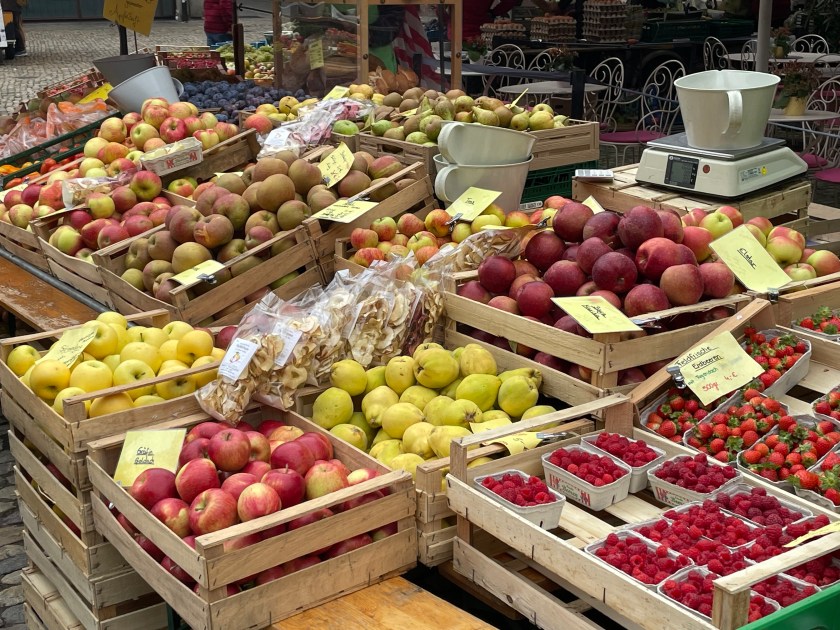
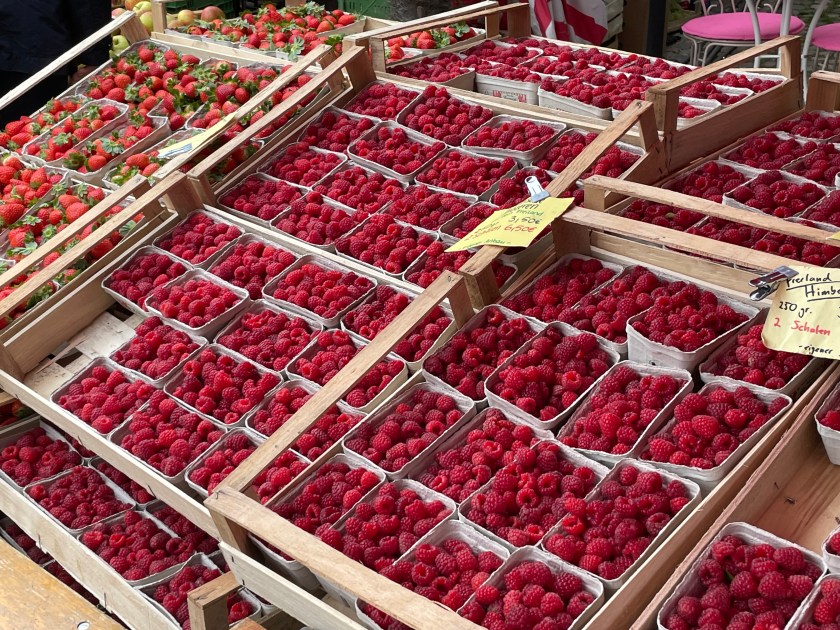
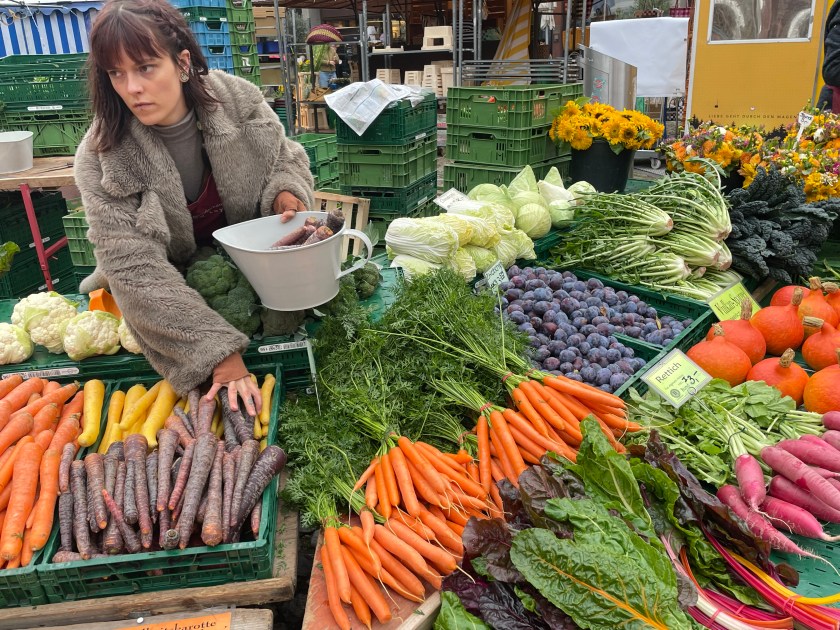
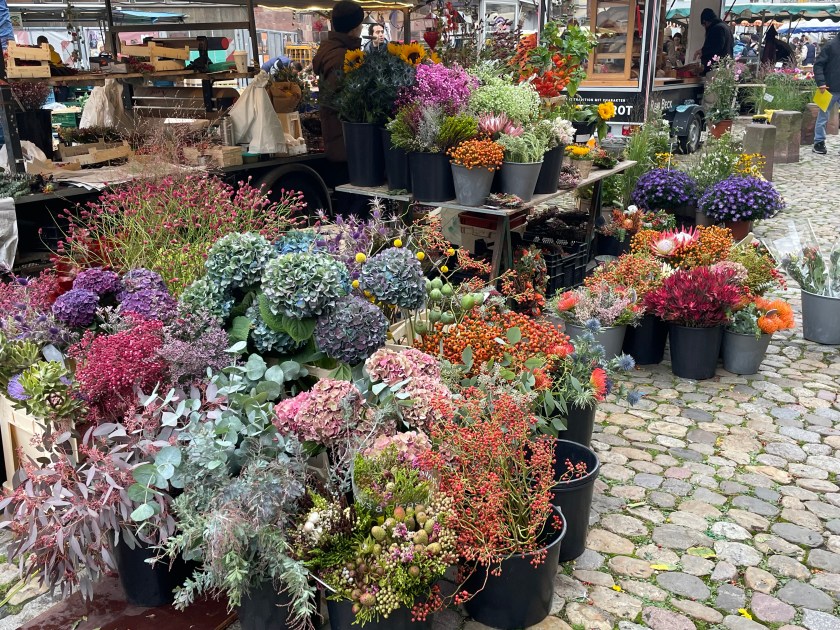
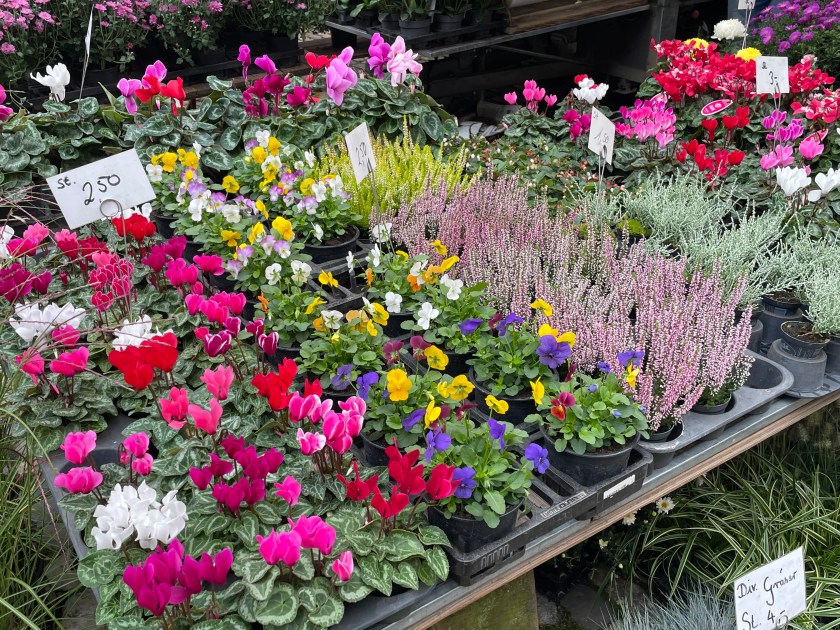
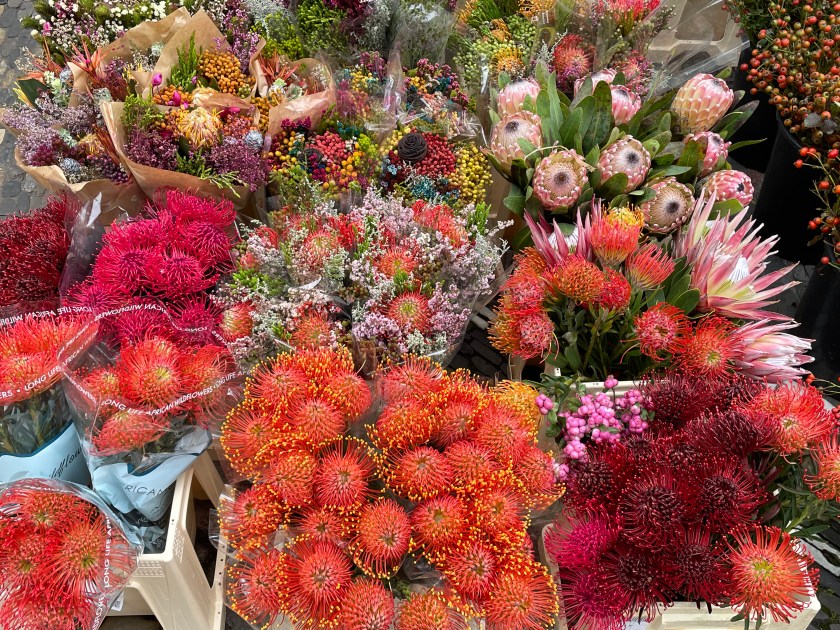
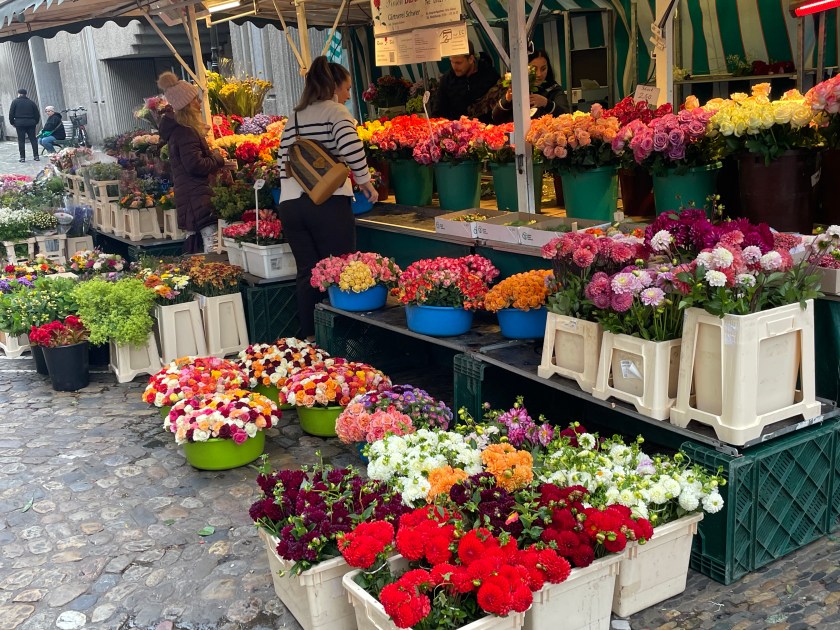
Outside the cathedral, the Saturday Farmer’s Market was setting up.  The produce and flowers were so beautiful.  Look at the colors of the fruits and vegetables!  This made my heart sing!
Freiburg by day

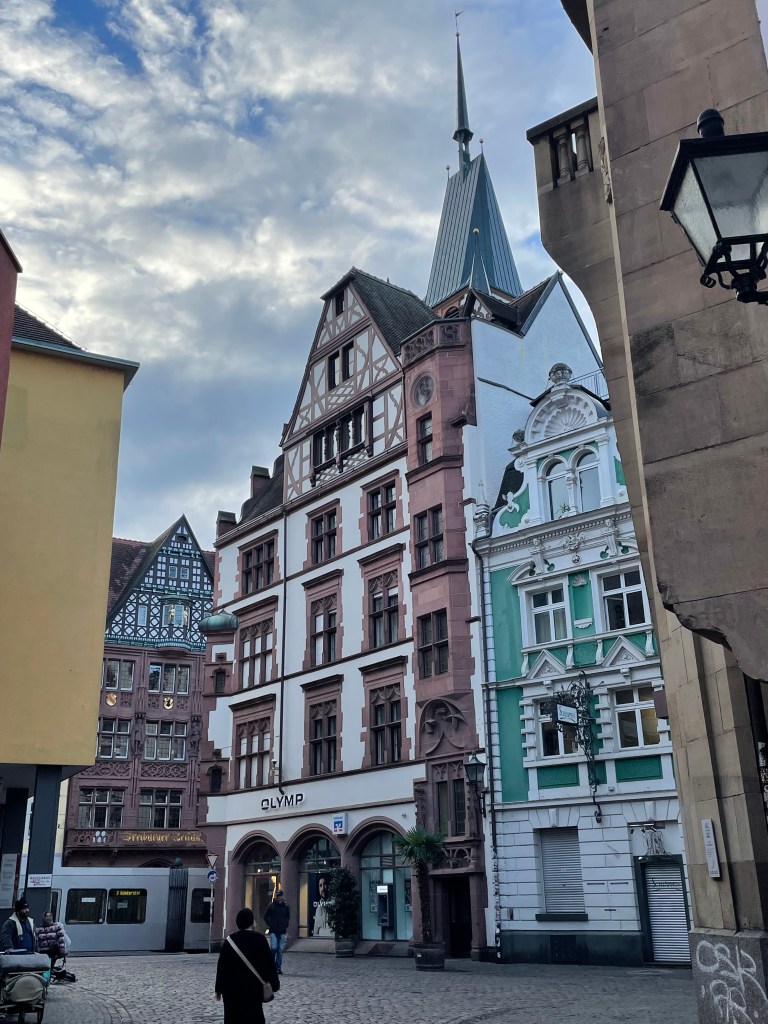
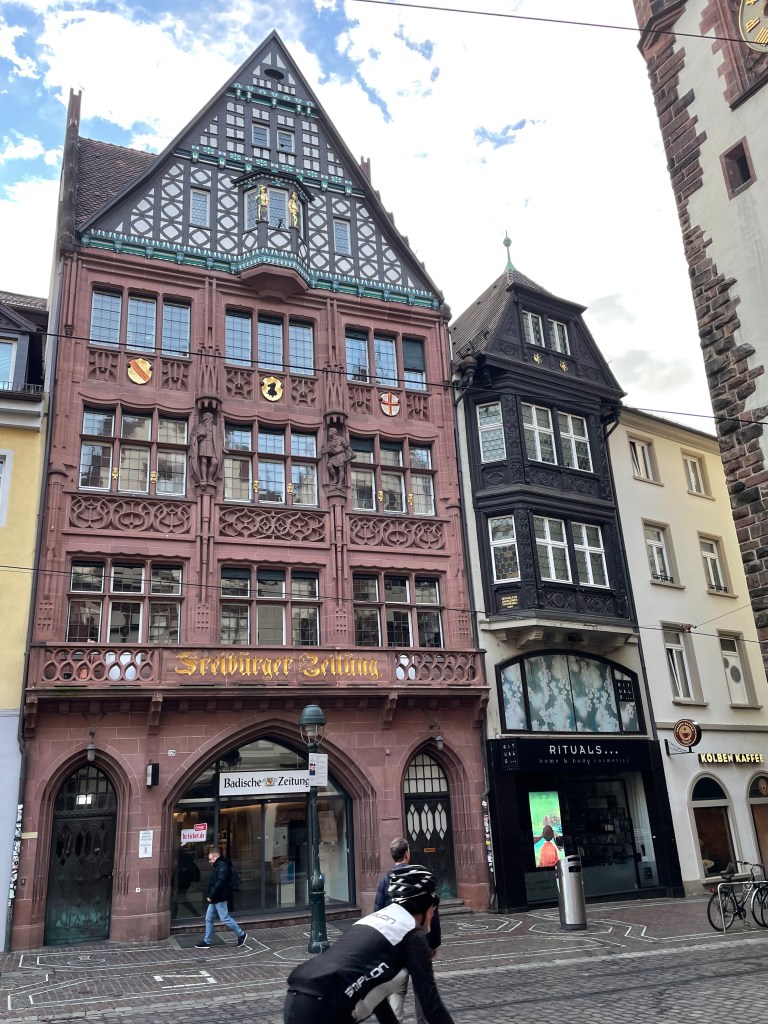
Freiburg is an old reconstructed university town with about 24,500 students.  John and I got up early this morning to explore a bit before meeting the kids to check out of our apartment at 10:00.  Here’s a look at Freiburg waking up.
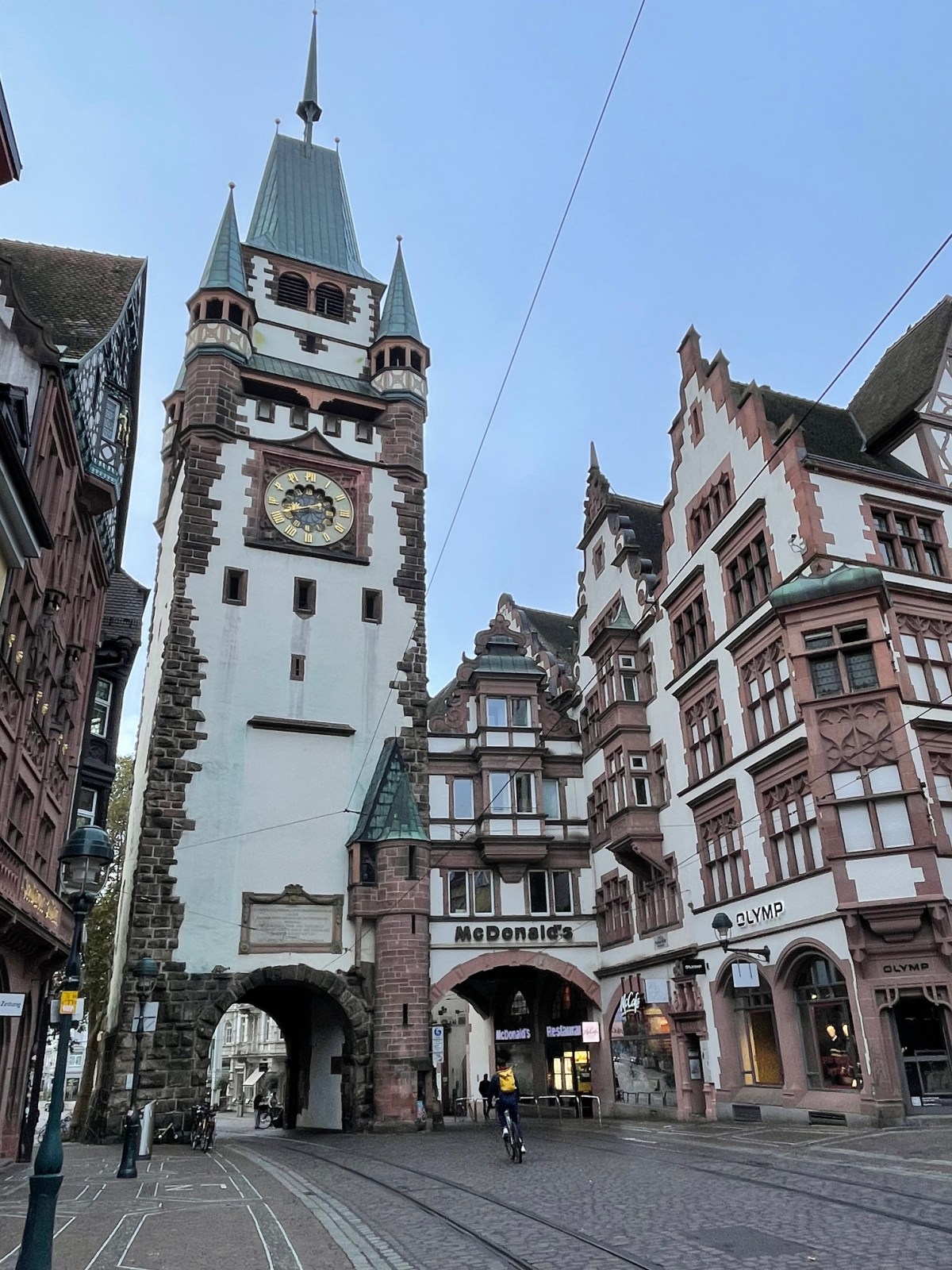
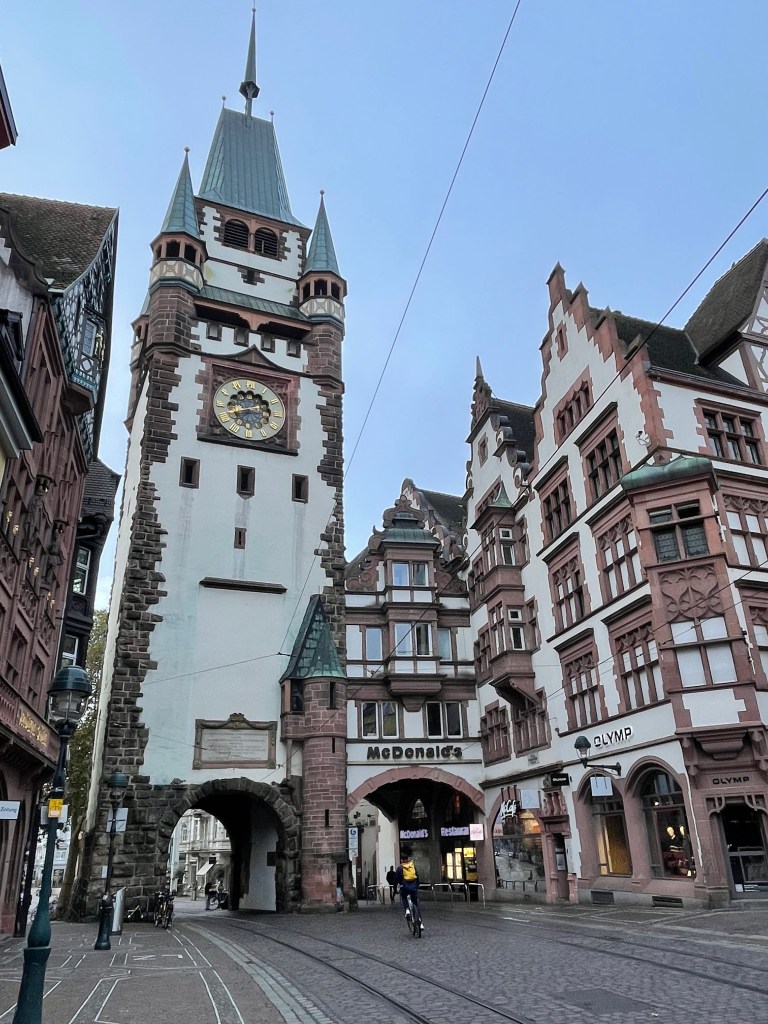
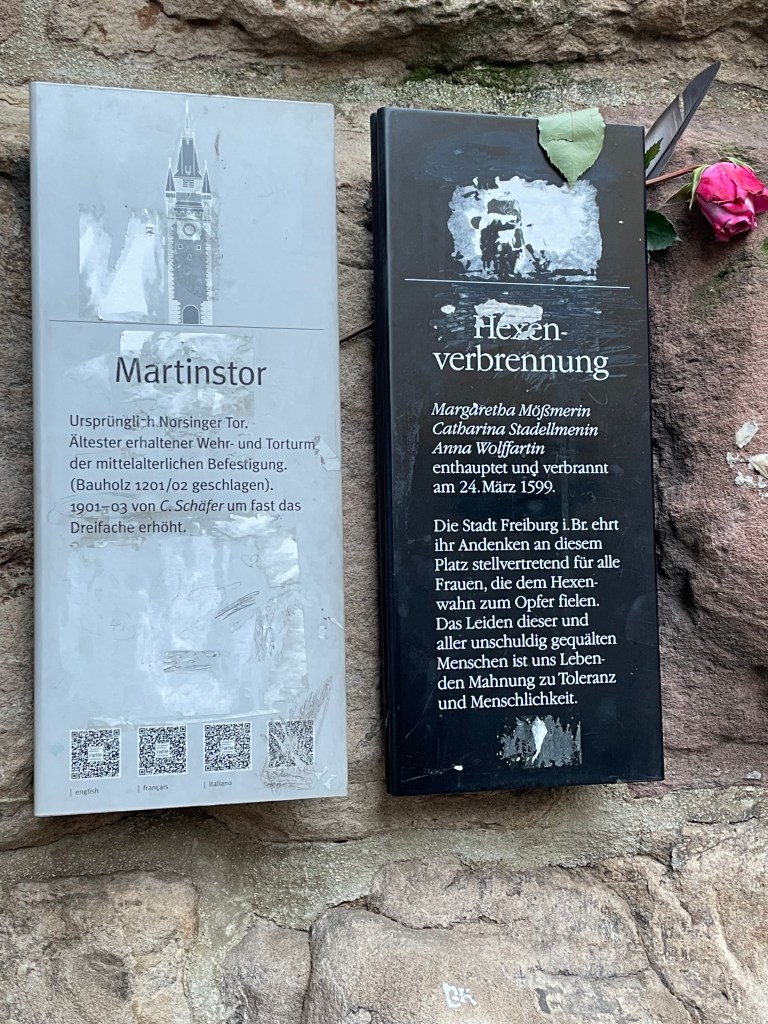
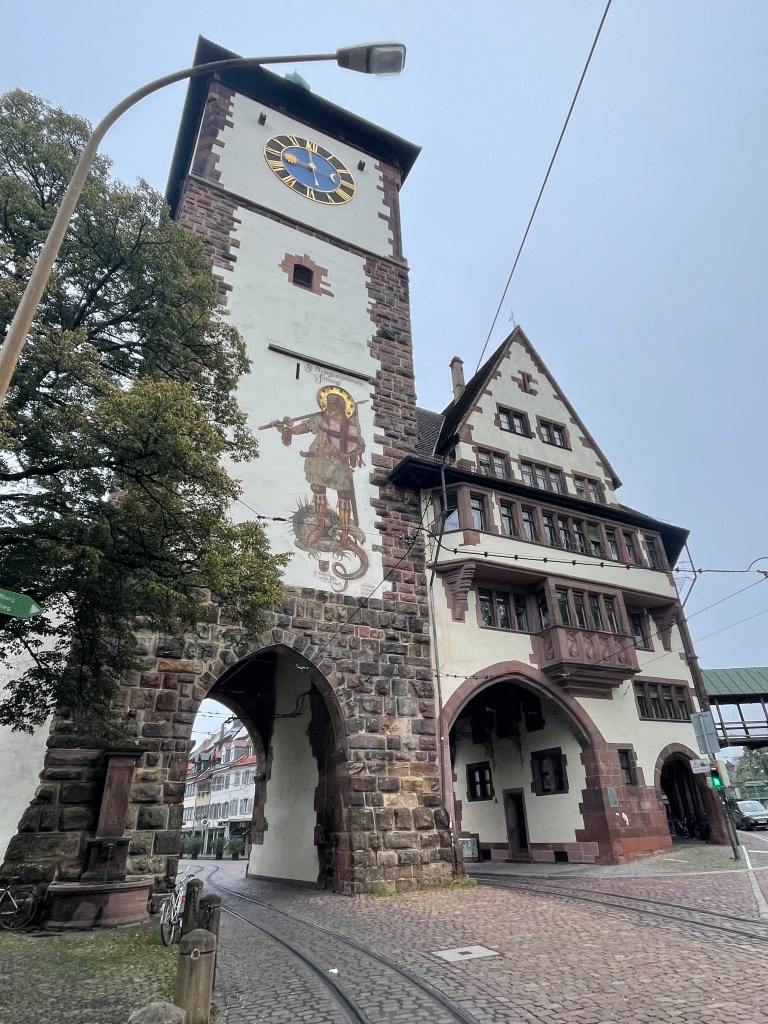
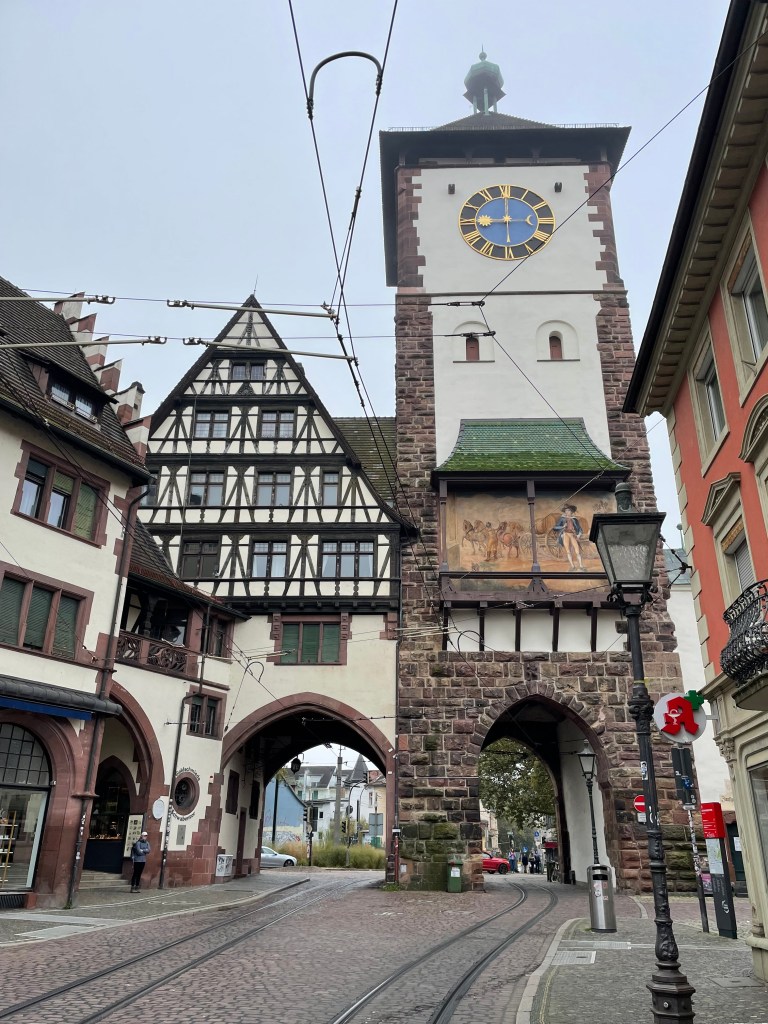
Martinstor (Martin’s gate)“It would be an unprecedented act of irreverence if one were to lay a hand on these venerable and impressive witnesses of Freiburg’s most ancient history with the intention of tearing them down. […]” These were the words of Lord Mayor Otto Winterer, shortly after taking office in 1888.

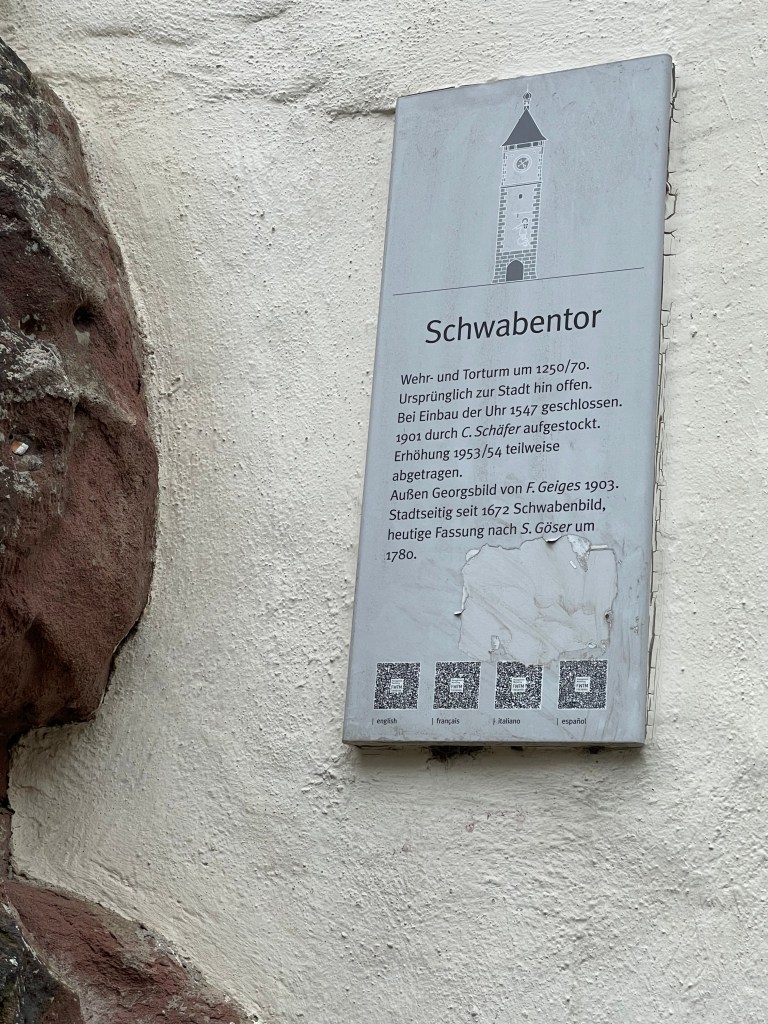
In light of plans for the construction of an electric trolley car line, some citizens and businessmen were demanding the demolition of the Schwabentor and Martinstor. Freiburg’s two remaining medieval city gates (there were once five in total) had survived all the many wars, but critics viewed them as obstacles to the development of a modern transportation system.

Mr. Winterer, however, had a different view. The mayor wanted to highlight the importance of the two historic 13th-century towers, commenting that “a village has roofs and a city has towers,” which he then managed to extend upward. Instead of tearing down Martinstor, the city actually almost tripled its height, from 22 to 63 meters. A 15th-century style turret was added and, to placate the critics, a larger opening for the trolley cars.

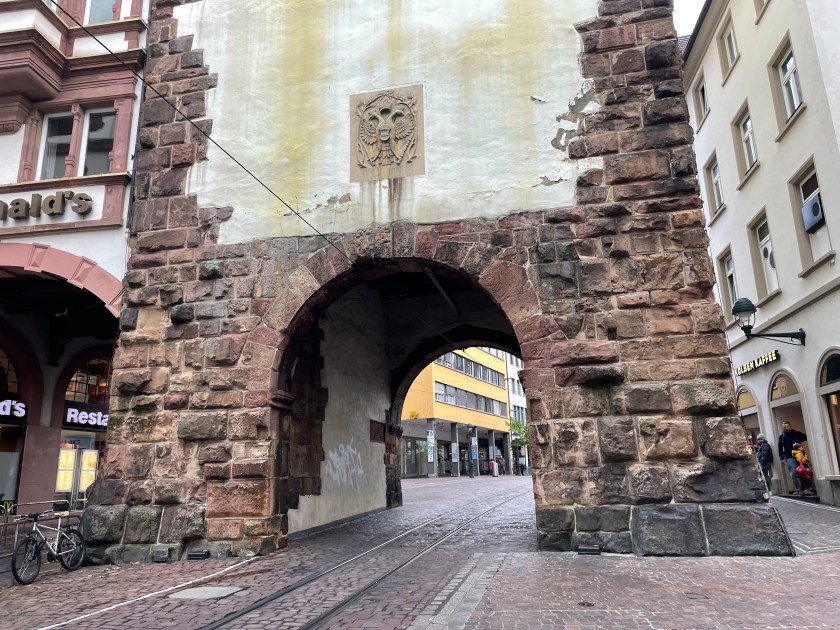
Like the other four towers, Martinstor had been built flush with the city walls and the battlement. On the outer side of the wall, there was also a huge forecourt that served as an additional defense, as well as a bridge spanning a moat twelve meters wide and five meters deep. On the east side, the former opening to the battlements can still be seen about six meters up.

A plaque in memorial of the victims of the witch hunt is located on the inner side of Martinstor. Three widows of city councilors, Anna Wohlffartin, Catharina Stadelmennin and Margaretha Mößmerin, were beheaded and burnt during the first wave of persecutions from 1599 onwards. They are remembered in honor of all victims from the 16th and 17th centuries. Although Martinstor was chosen as the memorial for the witch hunts, it was mostly a prison for debtors rather than witches, giving rise to an expression that translates to: “they dressed him with the Martin’s coat.”

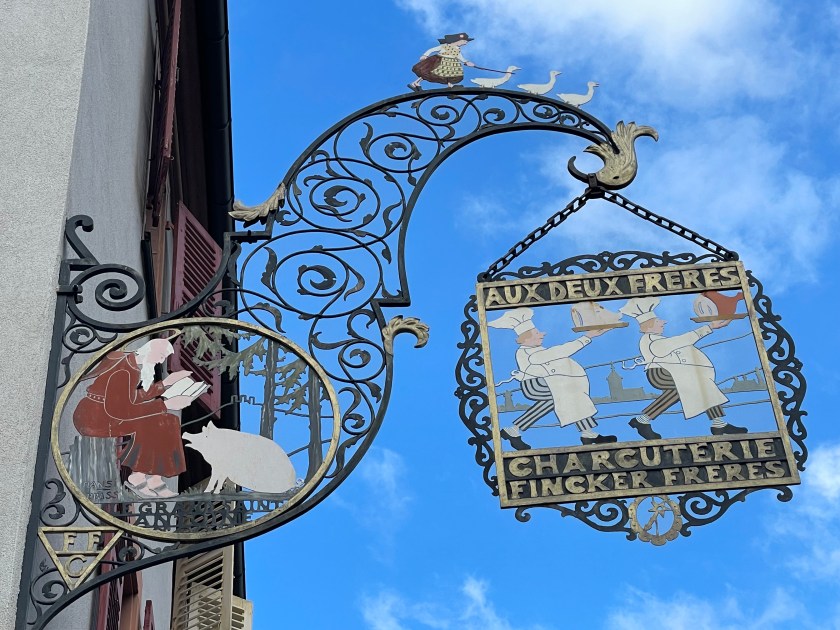
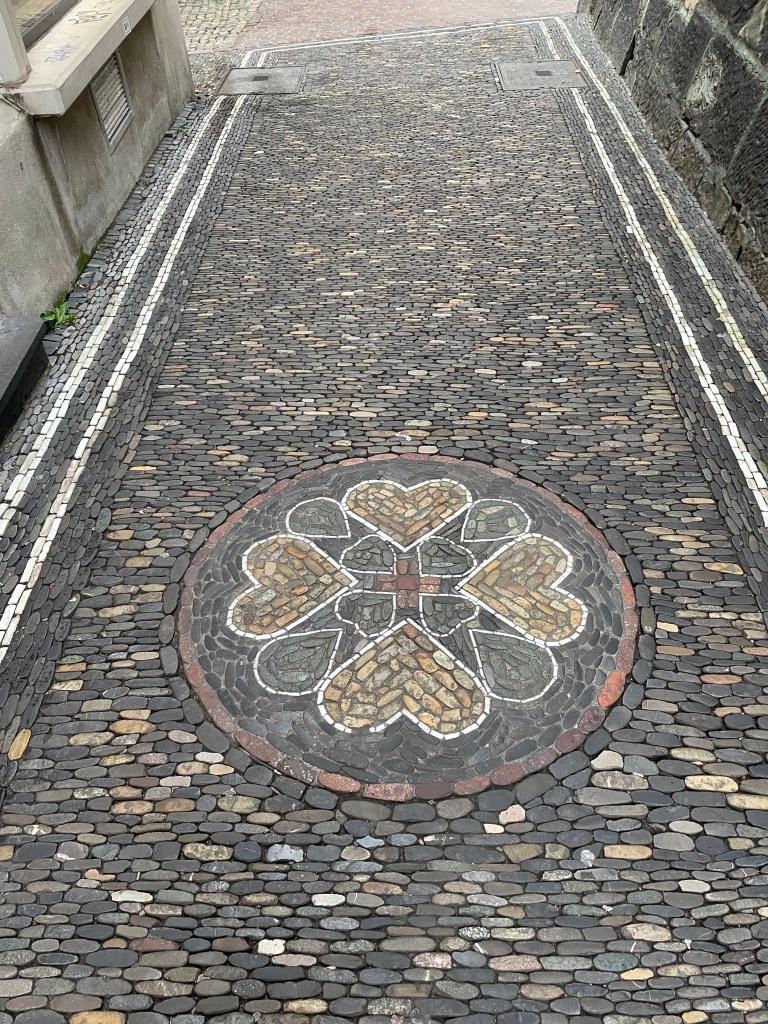
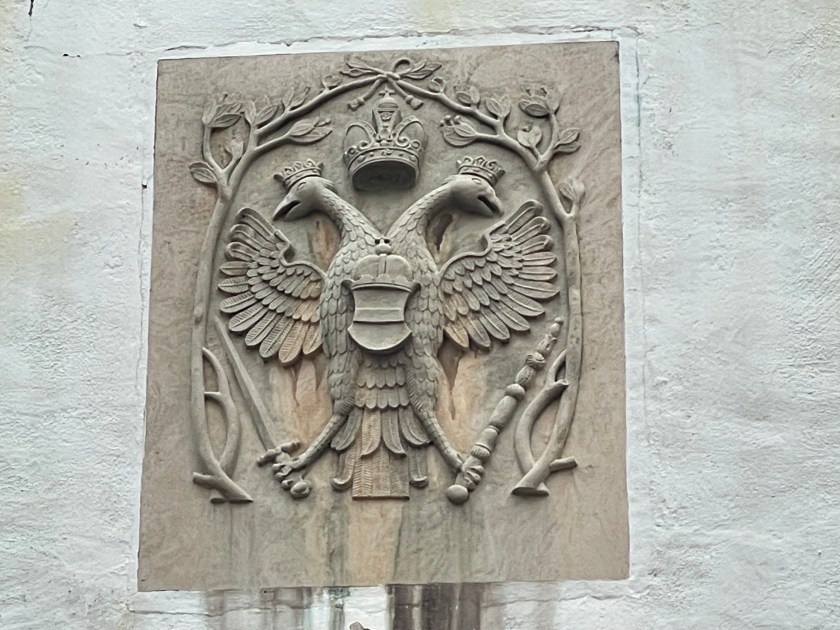
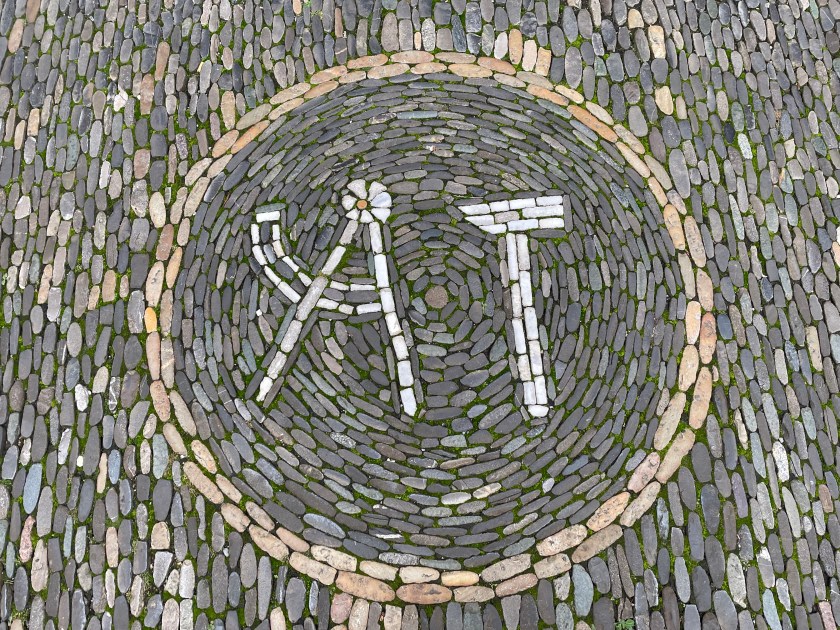
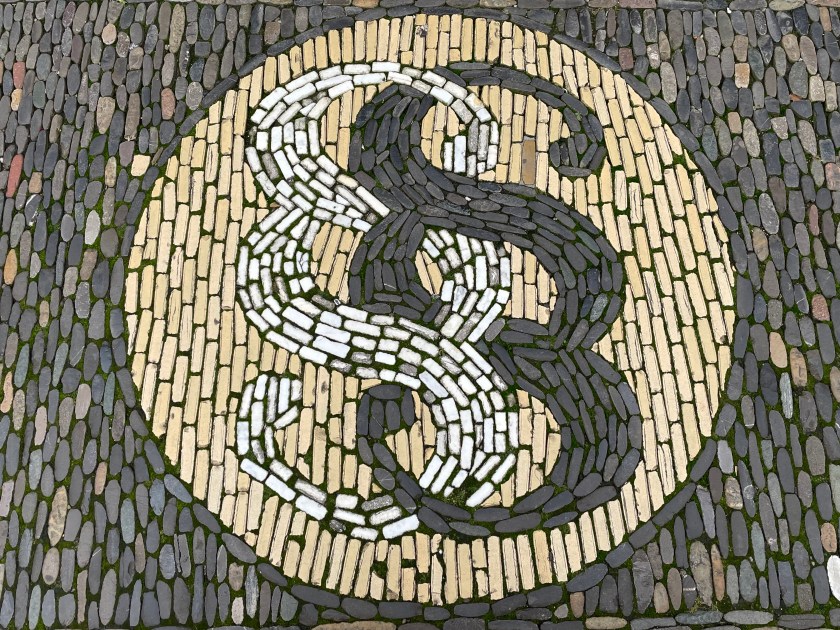
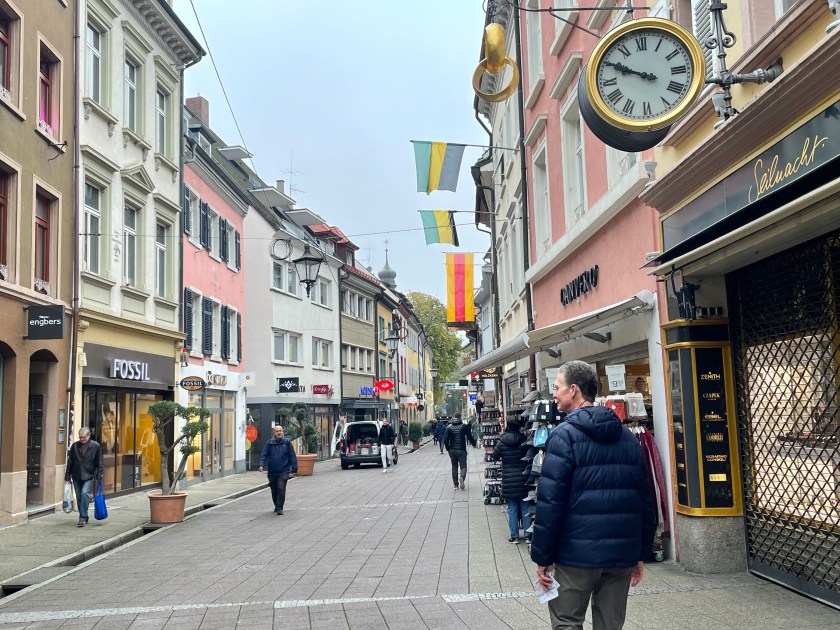
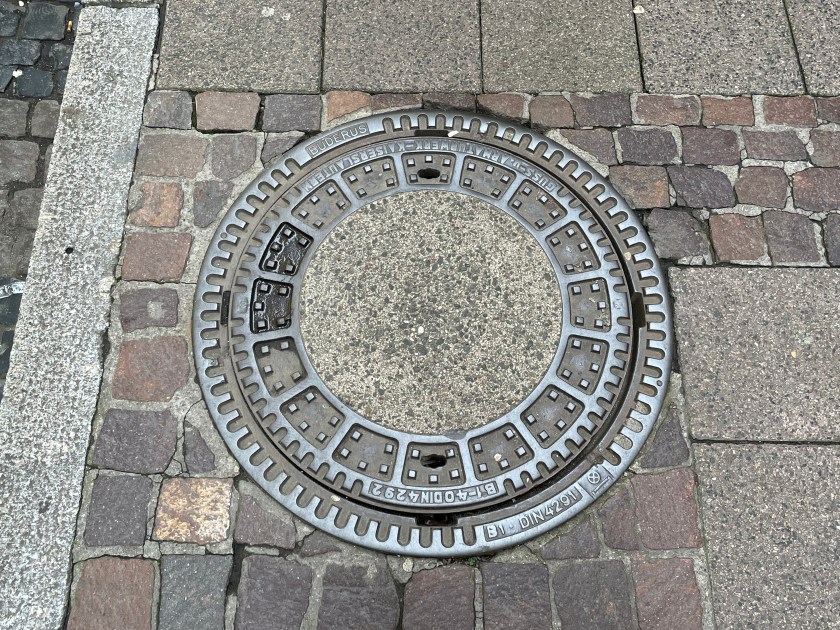
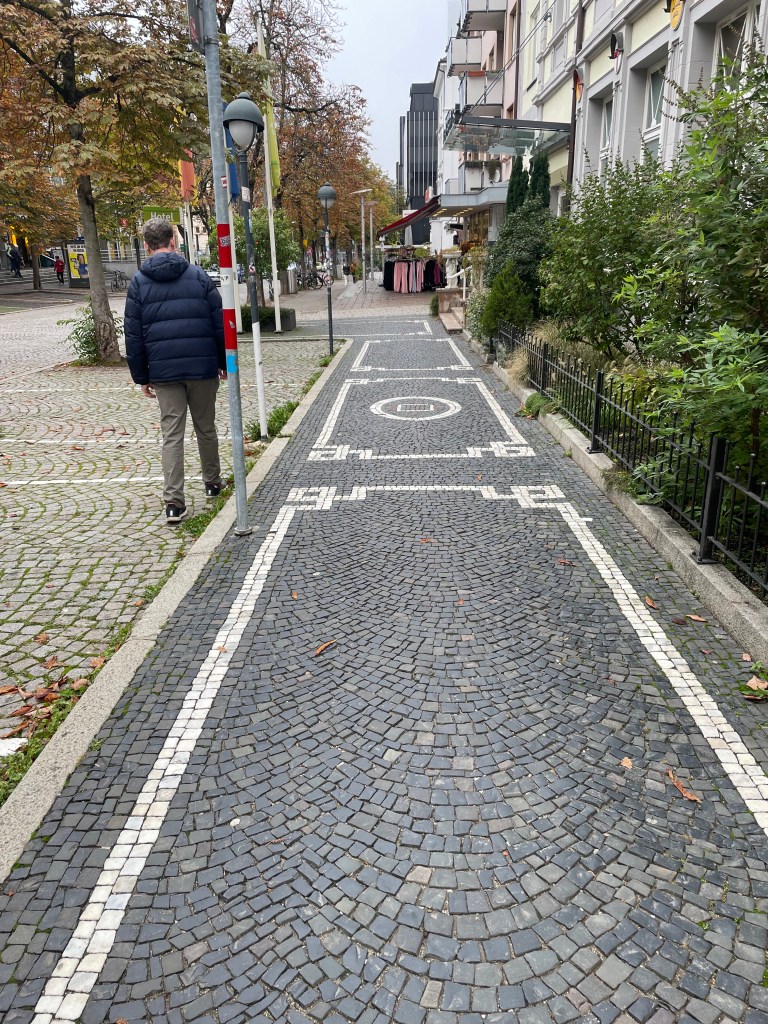
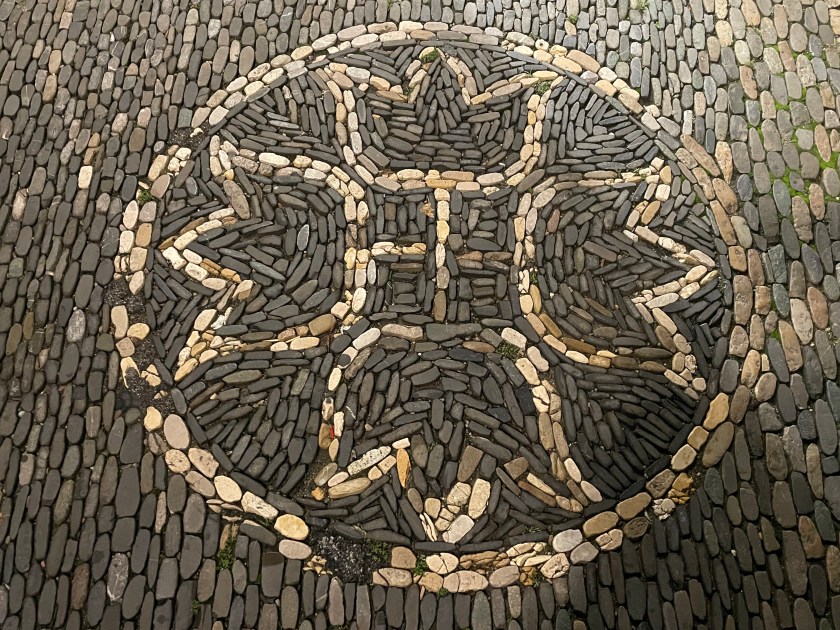
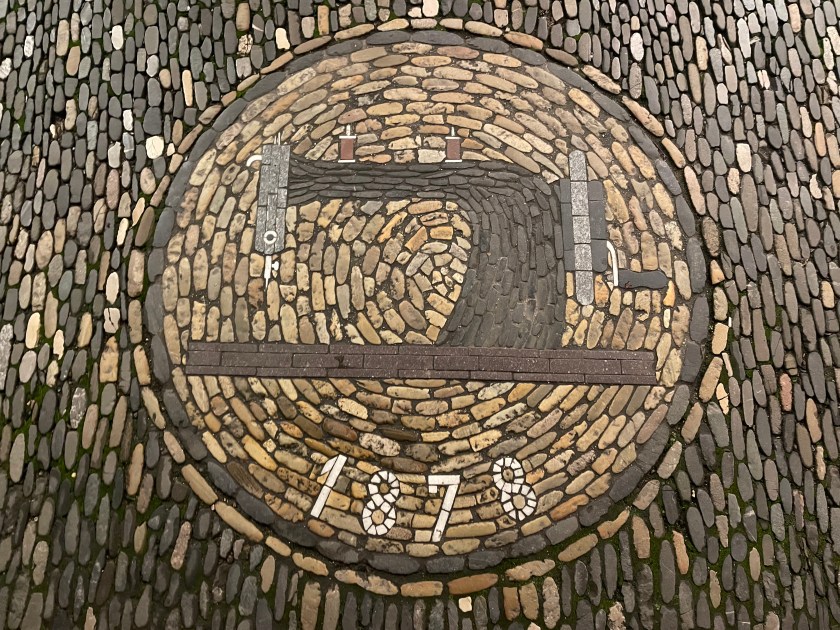
Enjoying the cobblestones and shop insignias in stone.

Freiburg by night

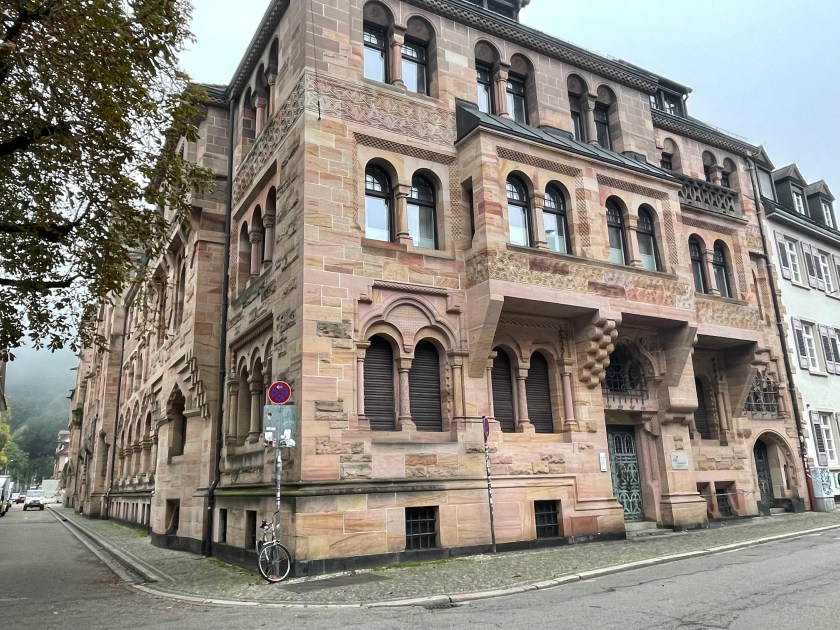
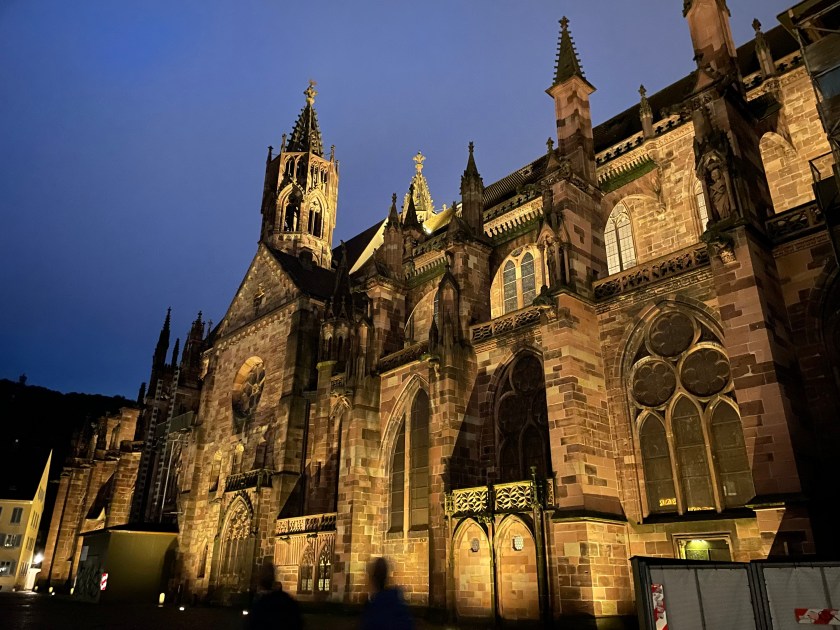
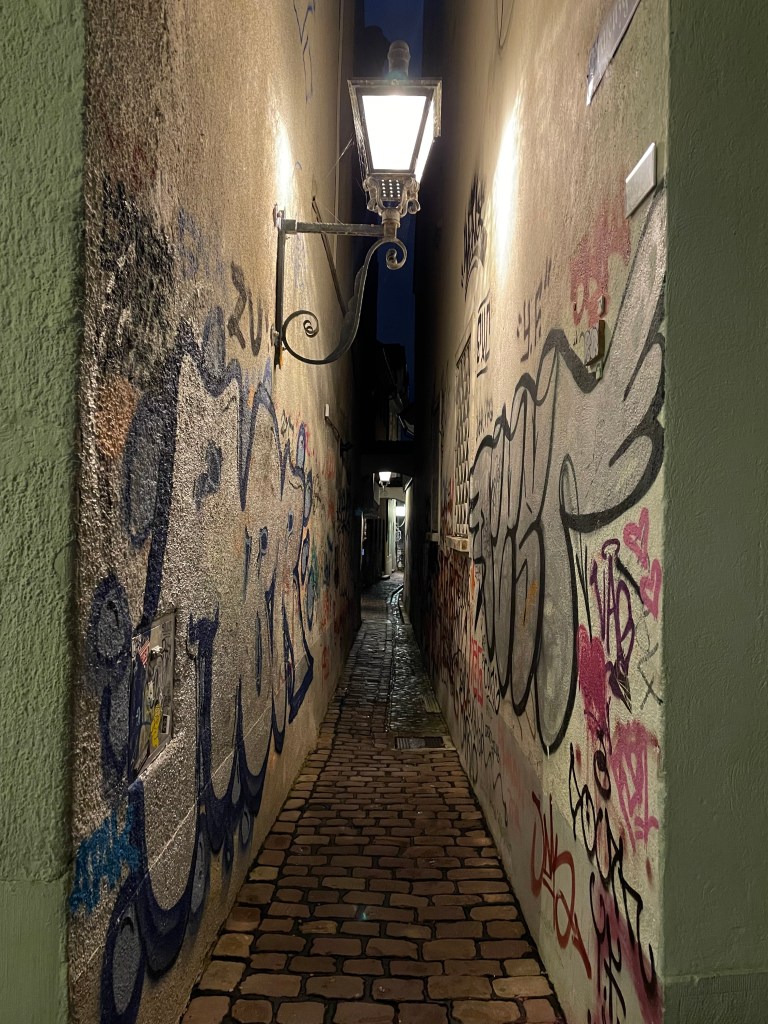
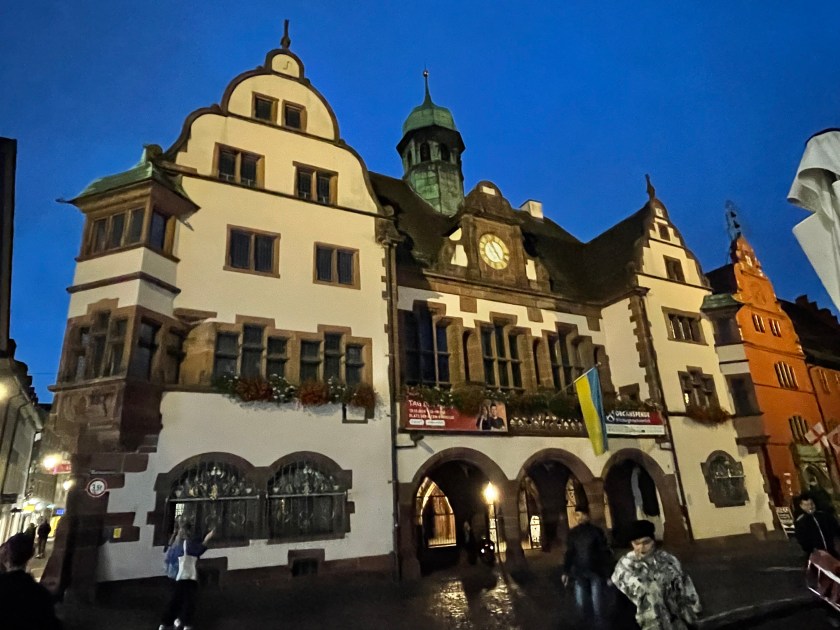
From Bern we drove to Freiburg, arriving there as night fell.  The buildings in the Altstadt date back to the 1400s.
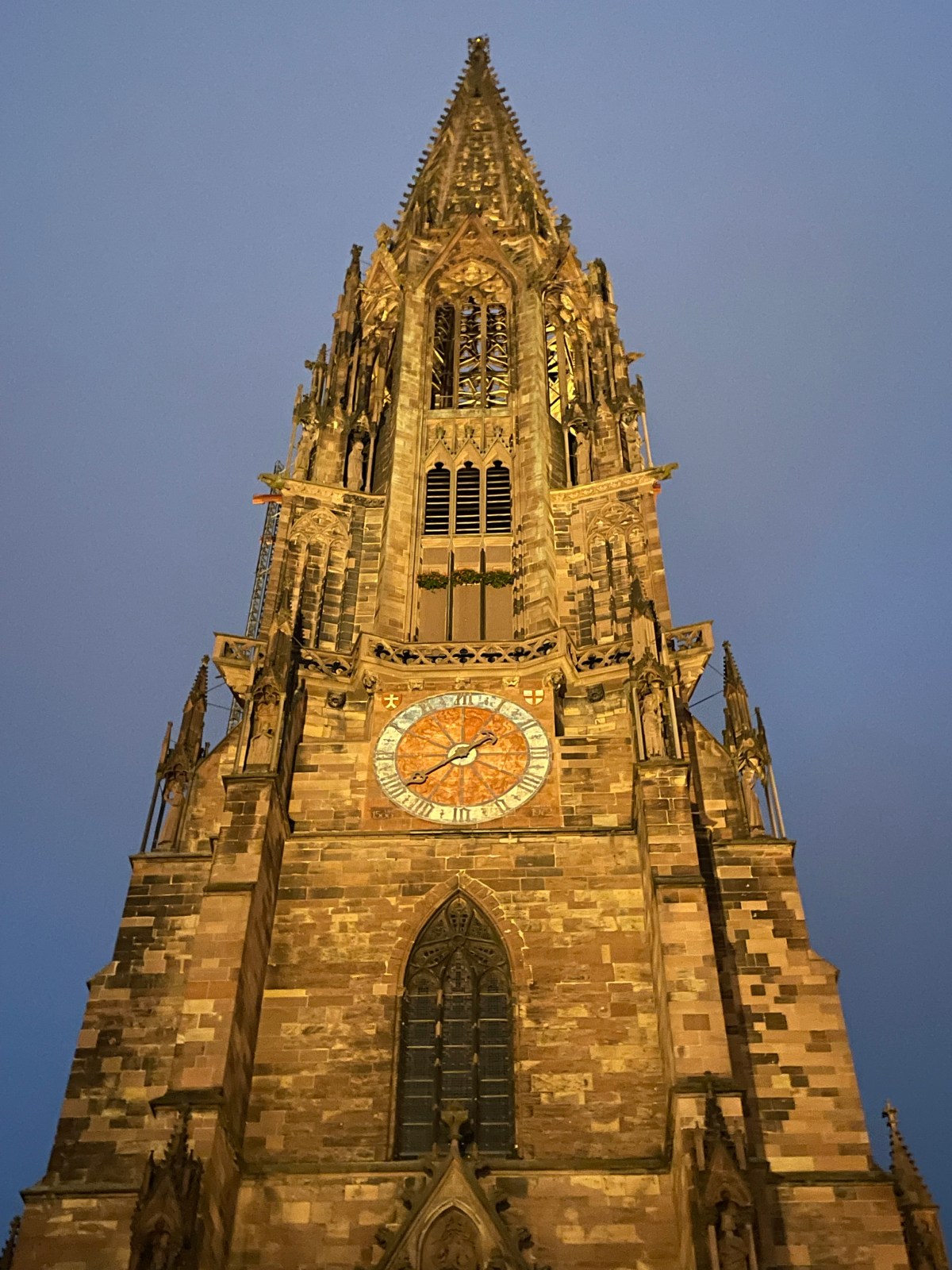
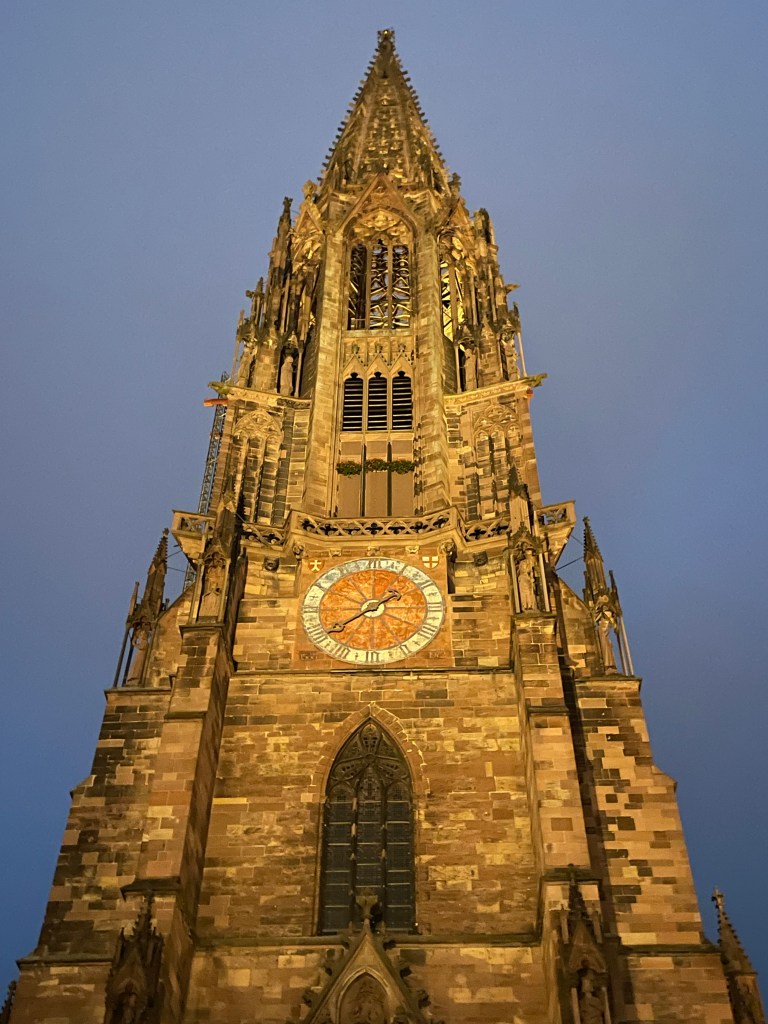
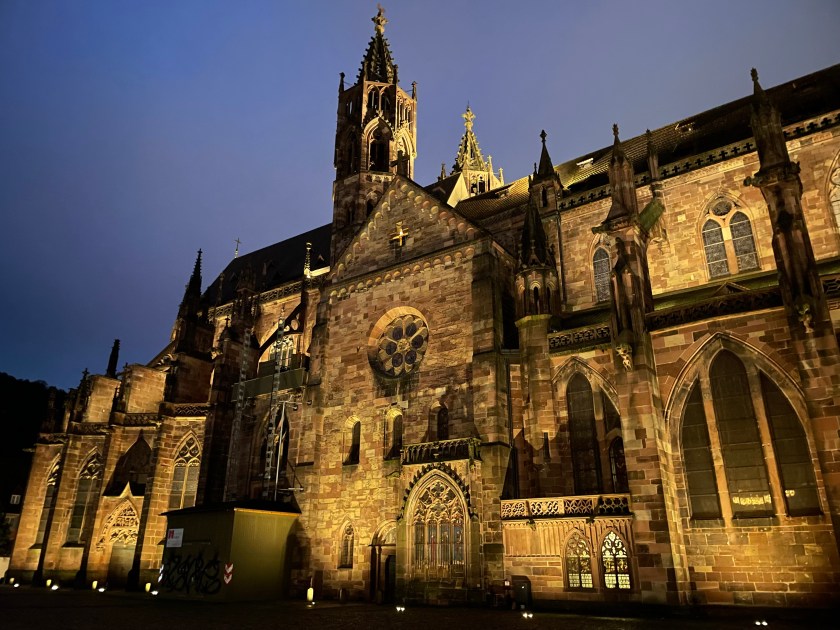
We found our way to the HUGE cathedral in the old town.  It was beautifully lit.  The Swiss historian Jacob Burckhardt once said that the church’s 116-meter tower “will forever remain the most beautiful spire on earth.”

Wikepedia:
The Freiburg Cathedral is the only Gothic church tower in Germany that was completed in the Middle Ages (1330), and has lasted until the present, surviving the bombing raids of November 1944, which destroyed all of the houses on the west and north side of the market. The tower was subject to severe vibration at the time, and its survival of these vibrations is attributed to its lead anchors, which connect the sections of the spire. The windows had been taken out of the spire at the time by church staff led by Monsignor Max Fauler, and so these also suffered no damage.

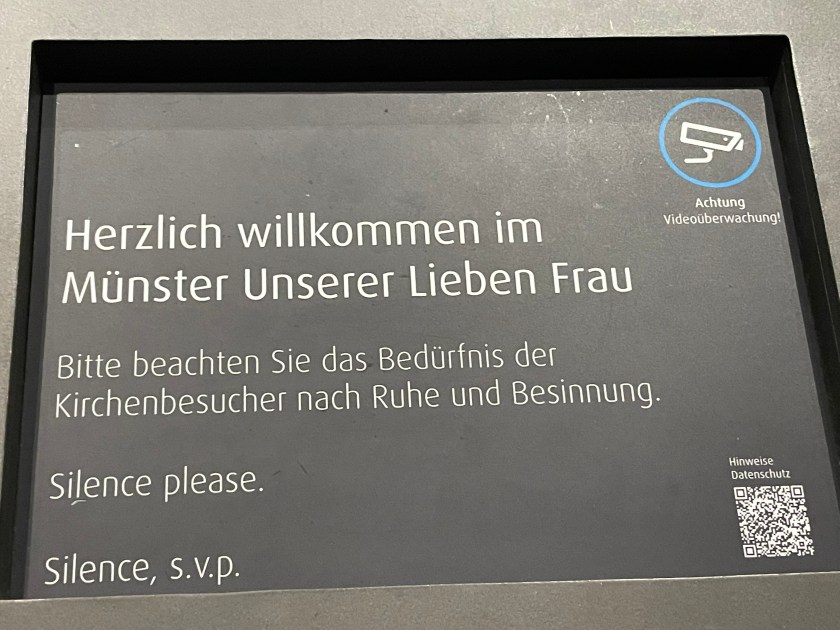
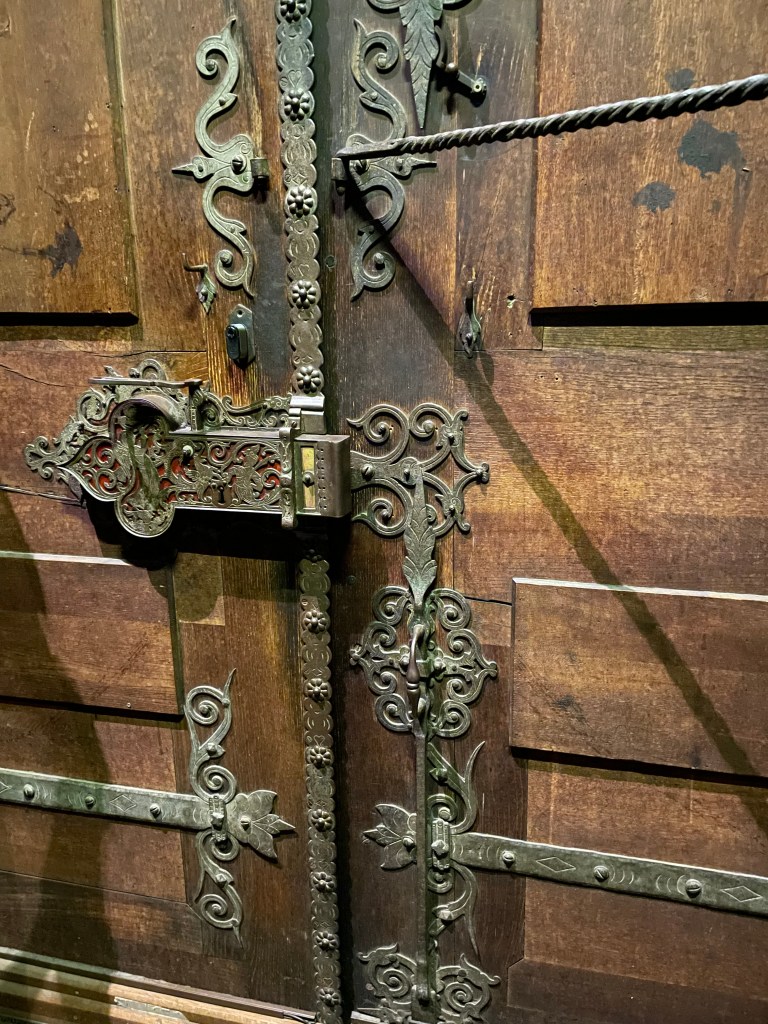
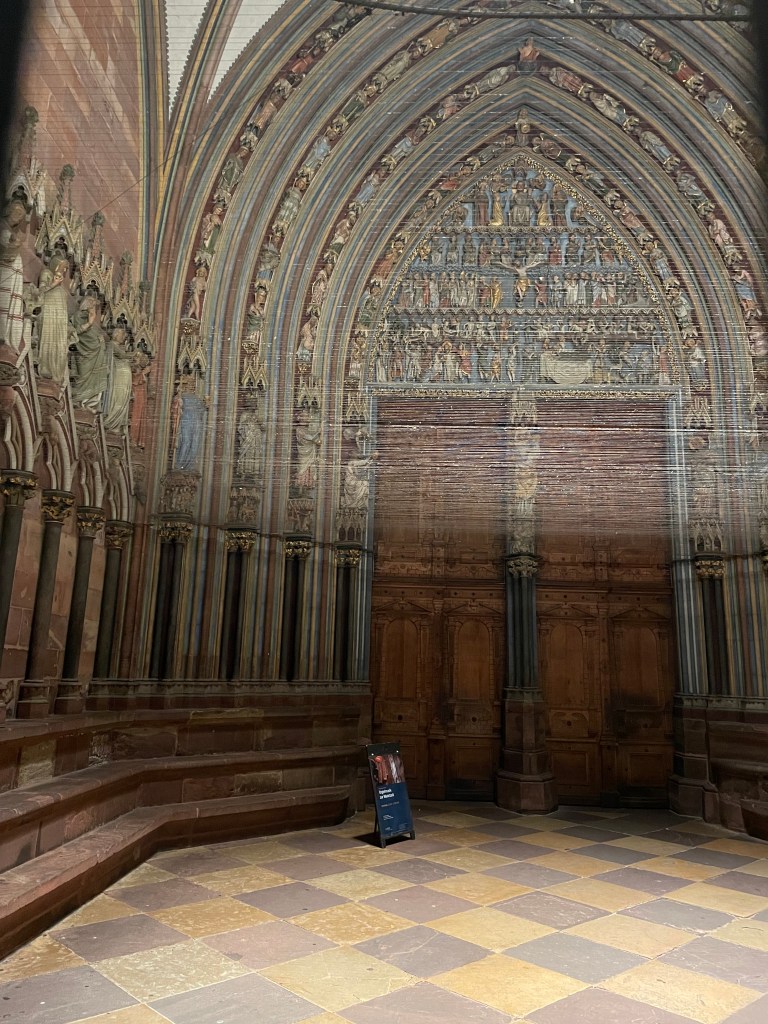
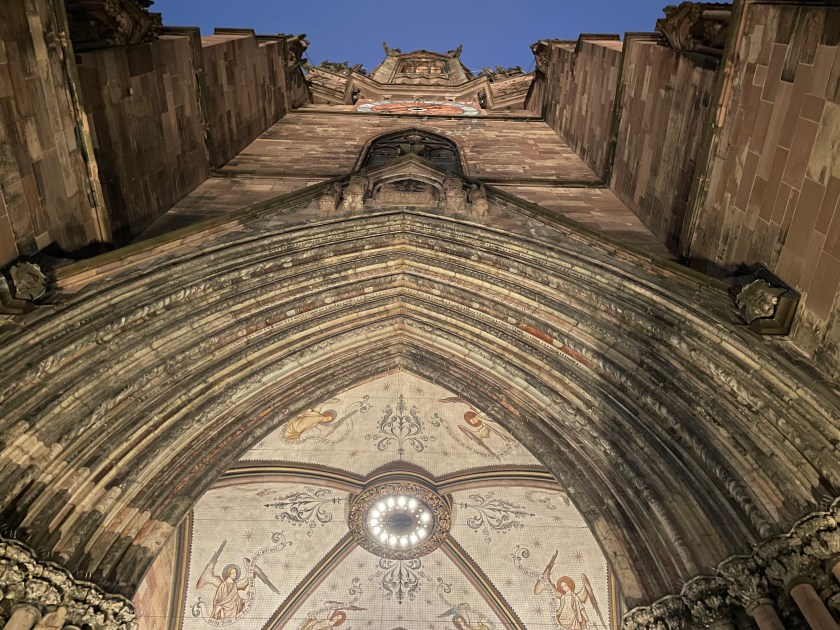
The cathedral was locked up for the night, so we’ll return in the morning to see inside.

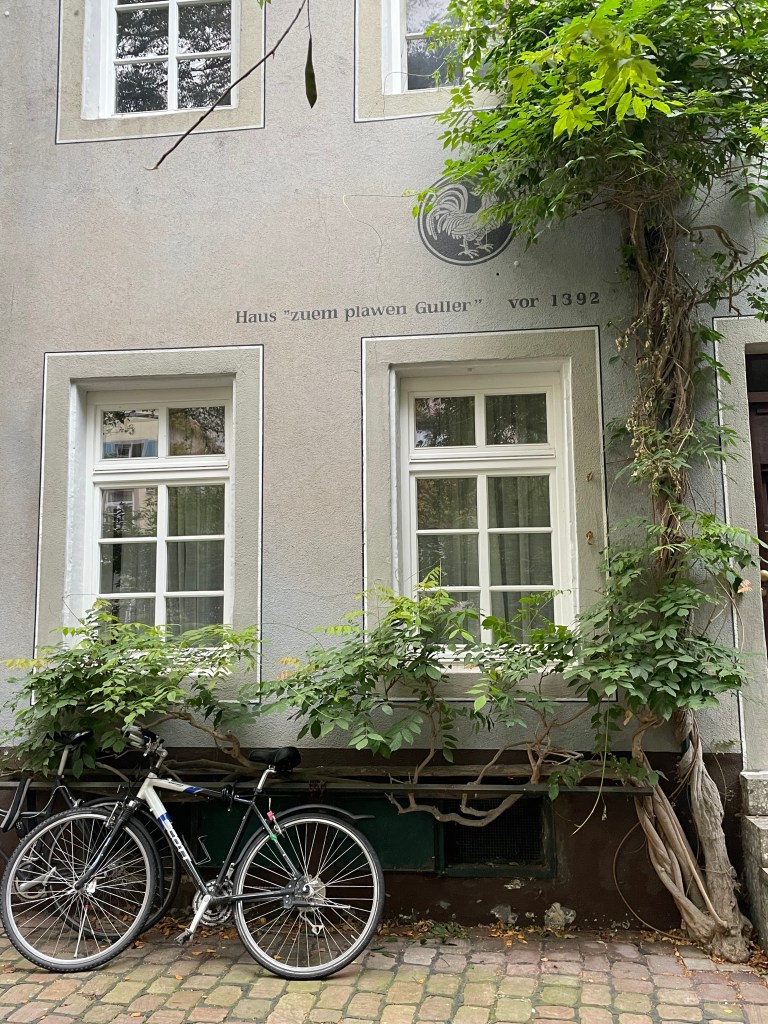
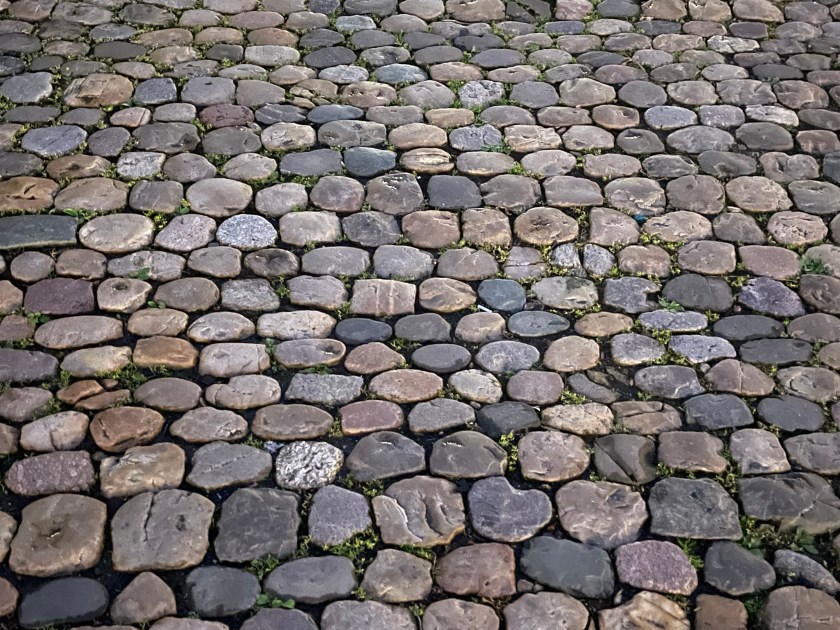
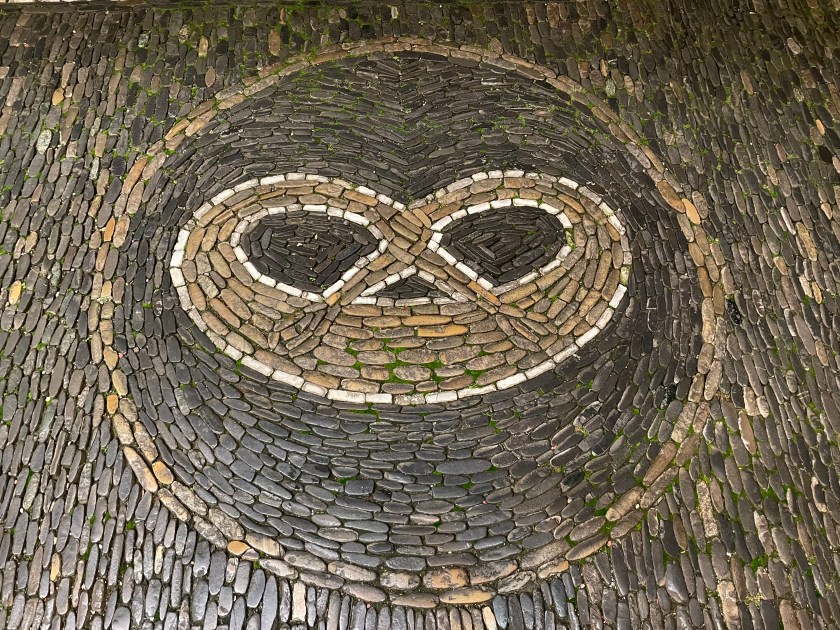
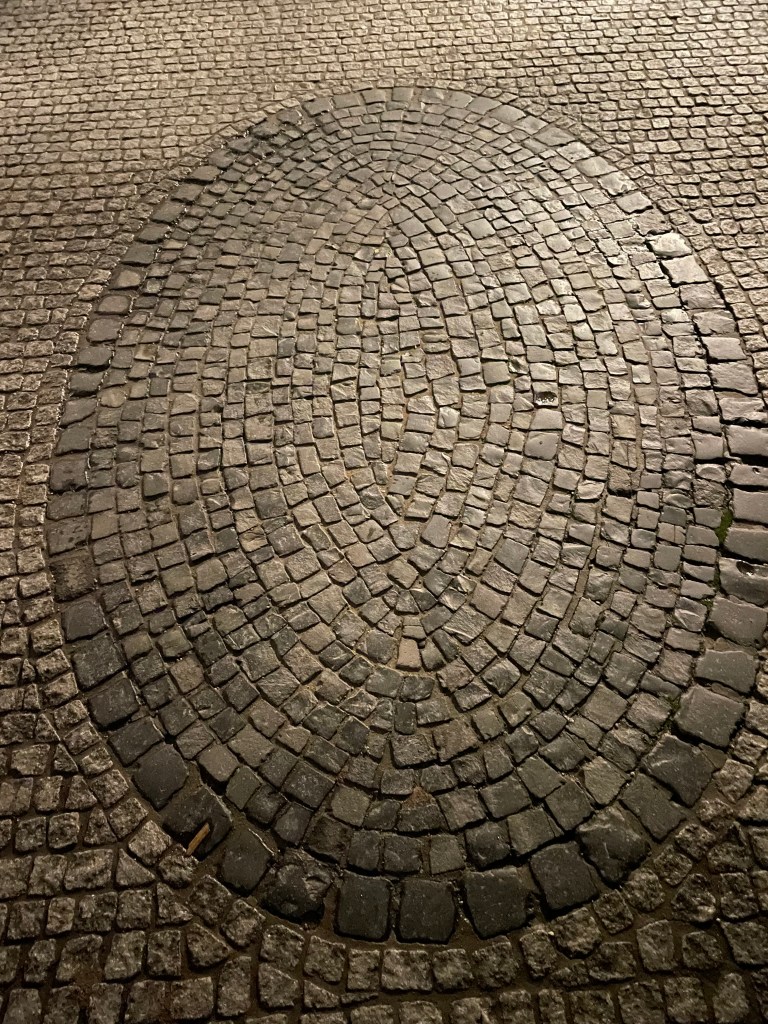
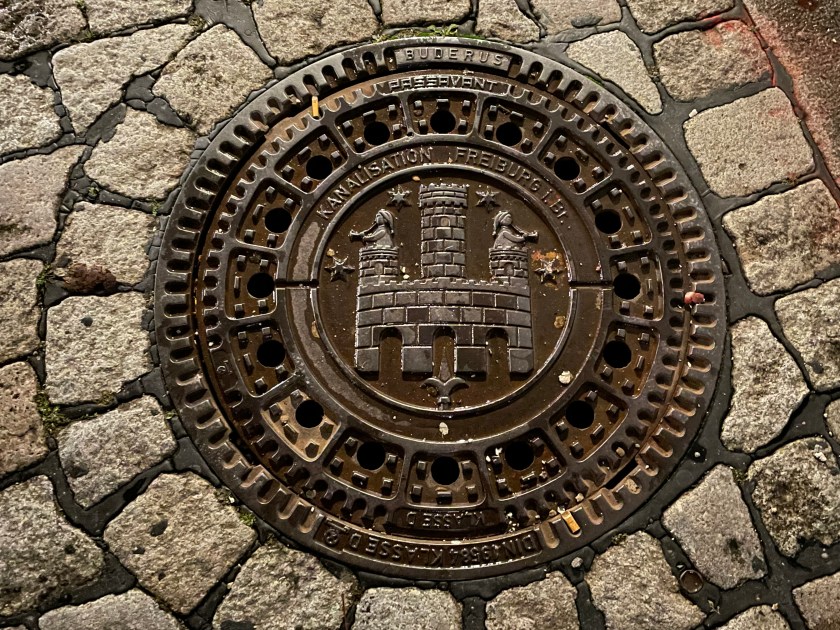
I loved the interesting cobblestones here–they were rounded and a different color.  On the sidewalks, the cobblestones were small ovals.  There were stone designs in front of the shops telling what sort of shop each was–like a pretzel for a bakery, or a tool, or a sewing machine for a tailor.
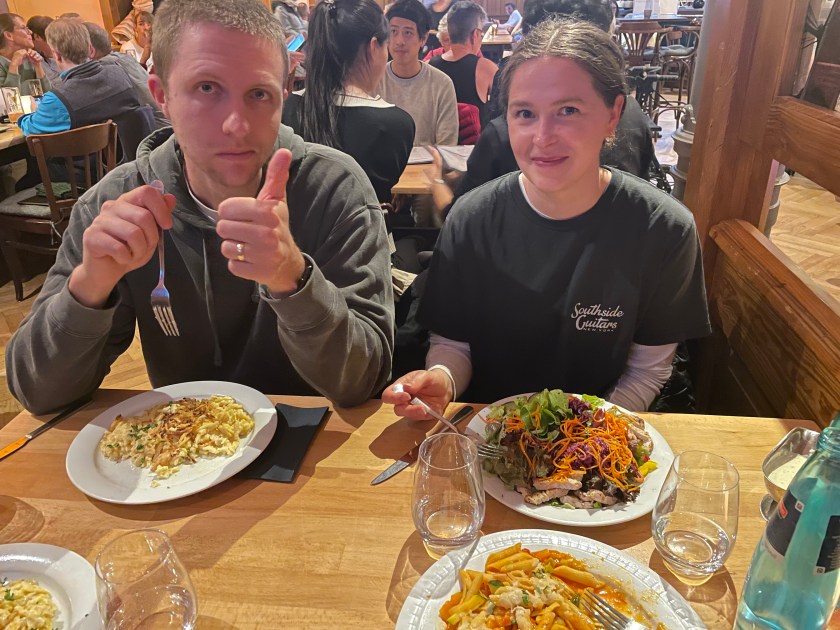
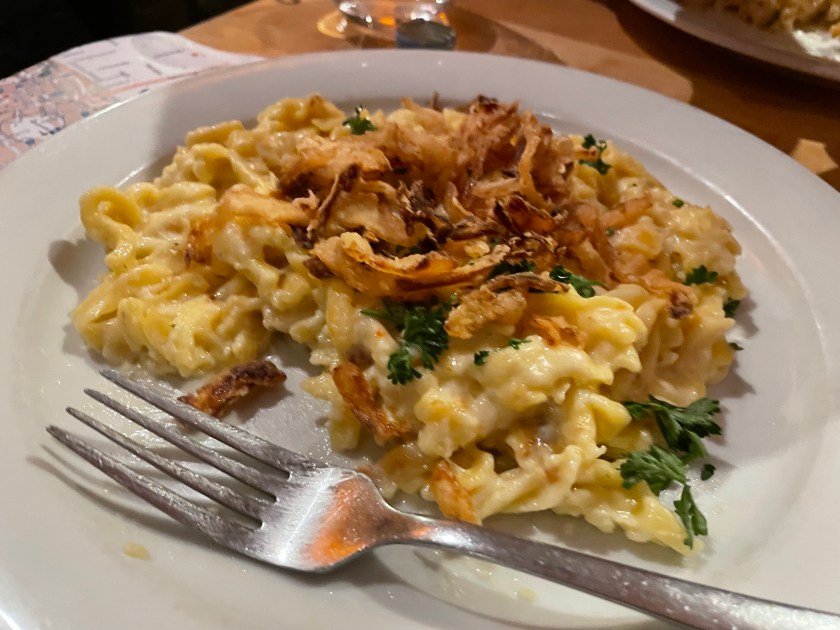
YUM!!  Käsespätzle with crispy onions!