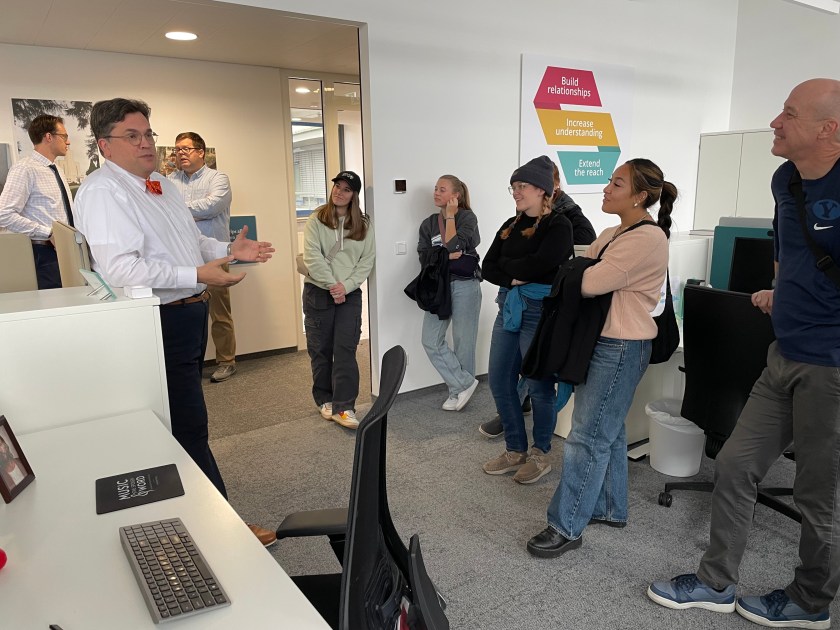
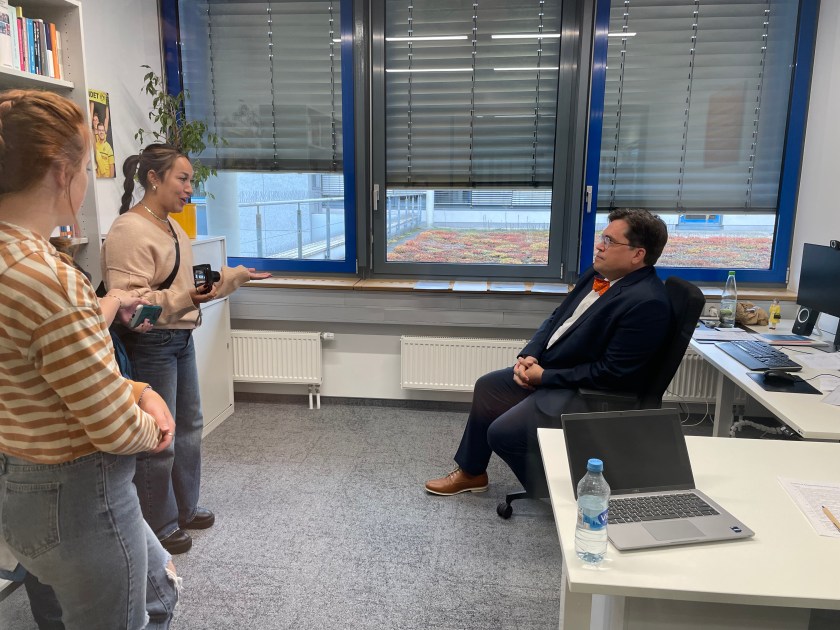
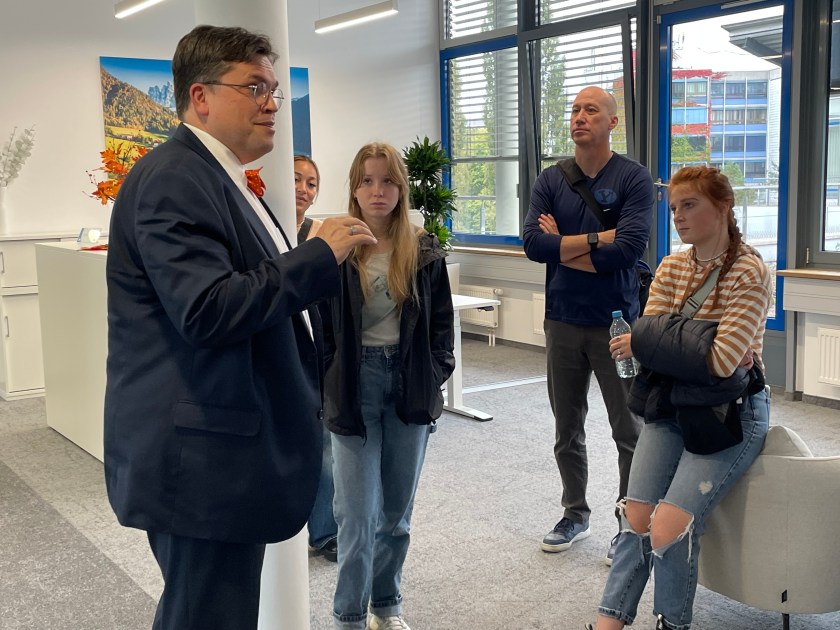
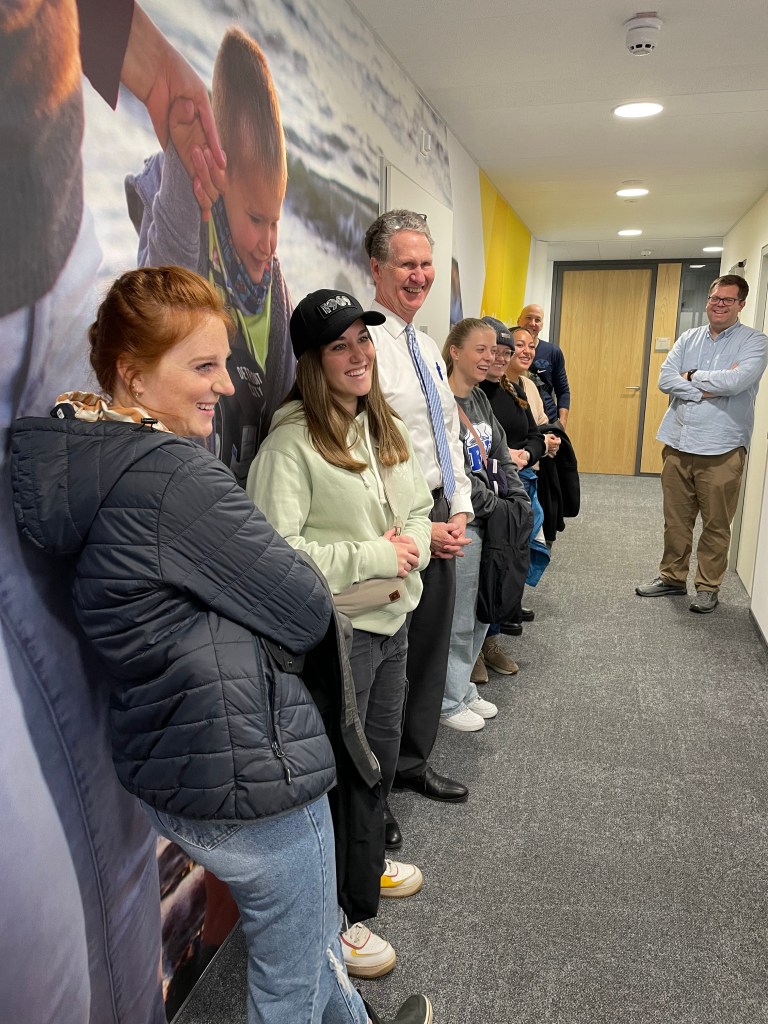
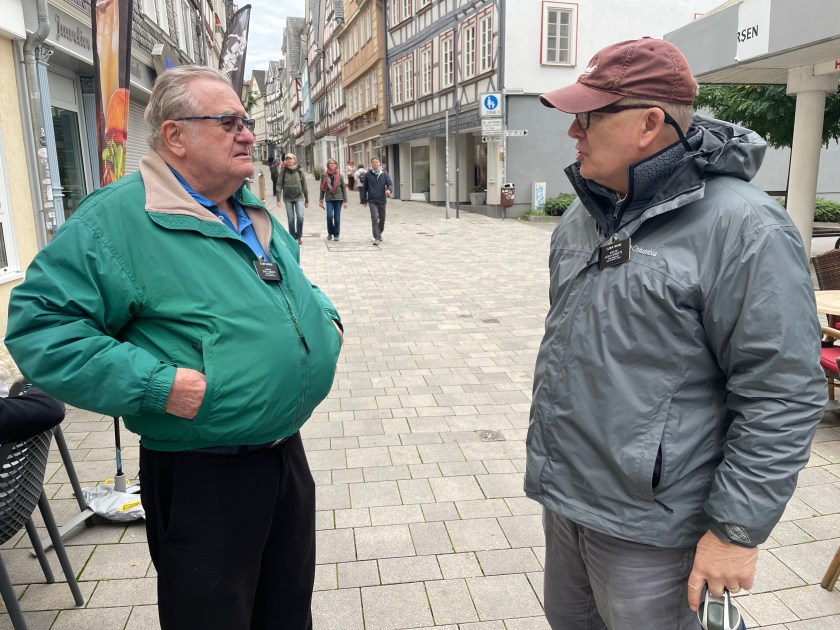
This morning my cousin Scott (Bushman) Church and another BYU professor to come to our offices with 6 BYU Communication students. They are spending a week in Europe to study and learn about the beginnings of communication here.
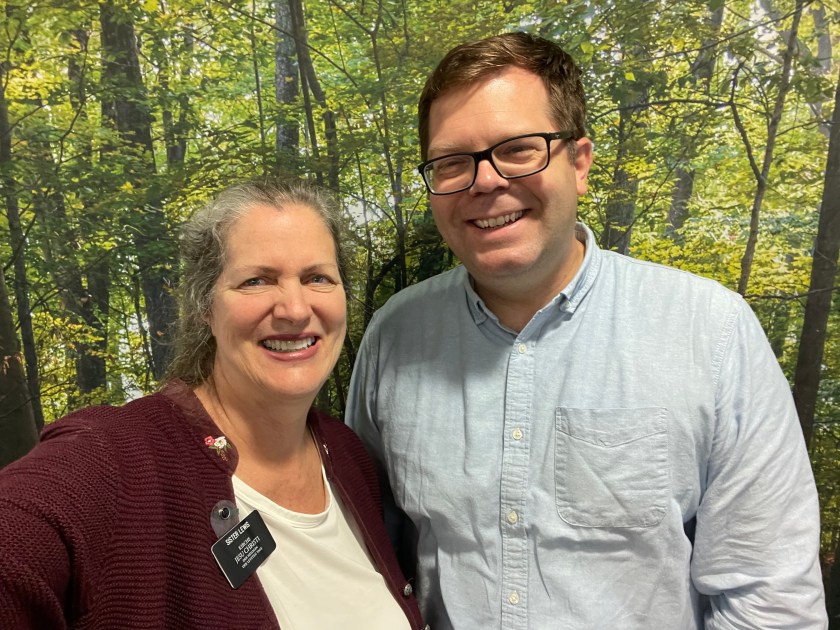
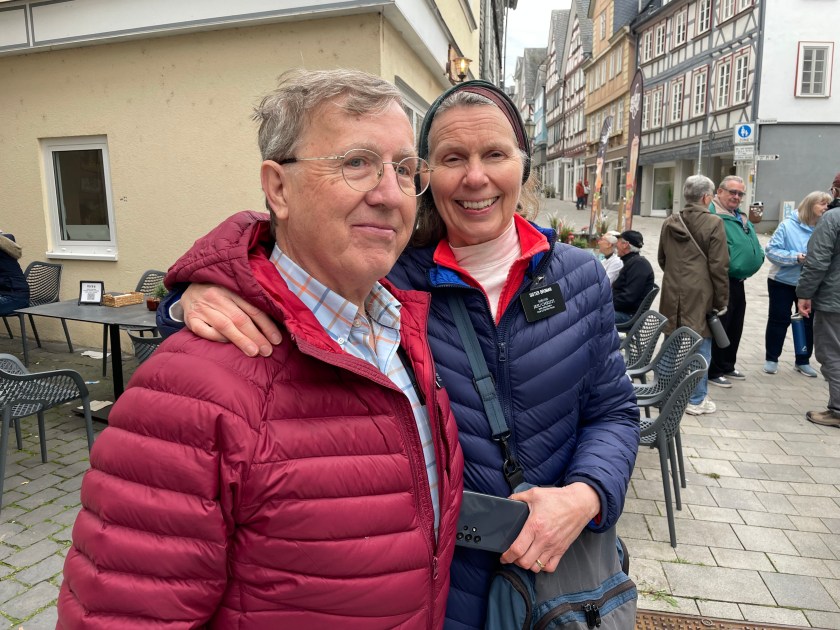
Scott Church, my cousin:
The students interviewed Ralf, our spokesperson.
Our BYU intern this semester, Scott Young, came from this BYU department.
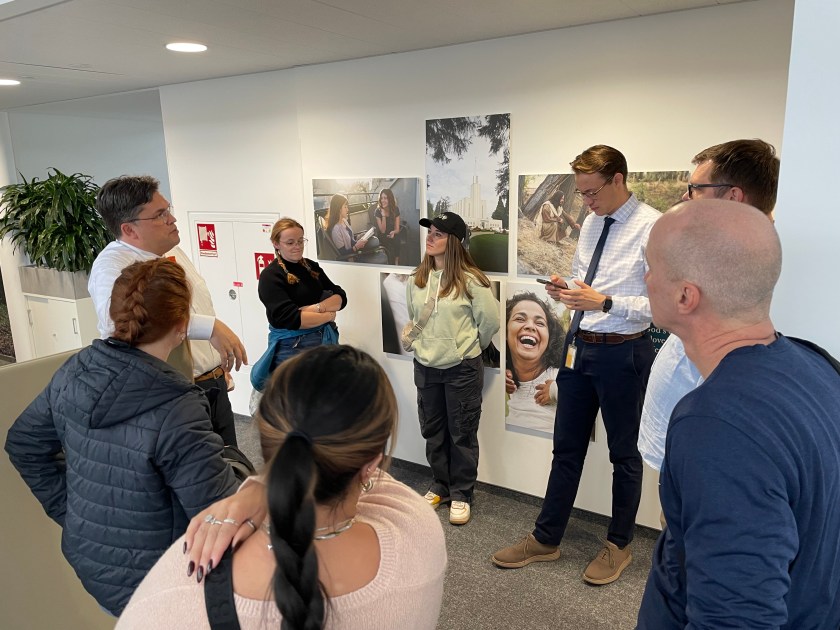
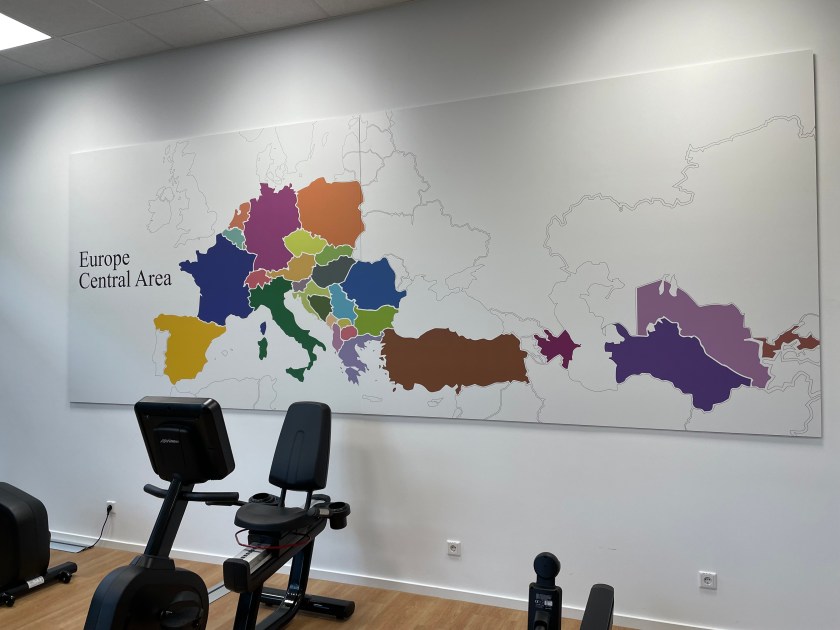
We gave them a nice tour of the Frankfurt Area Office.
When I meet groups like this, I feel assured that our future is in good hands.
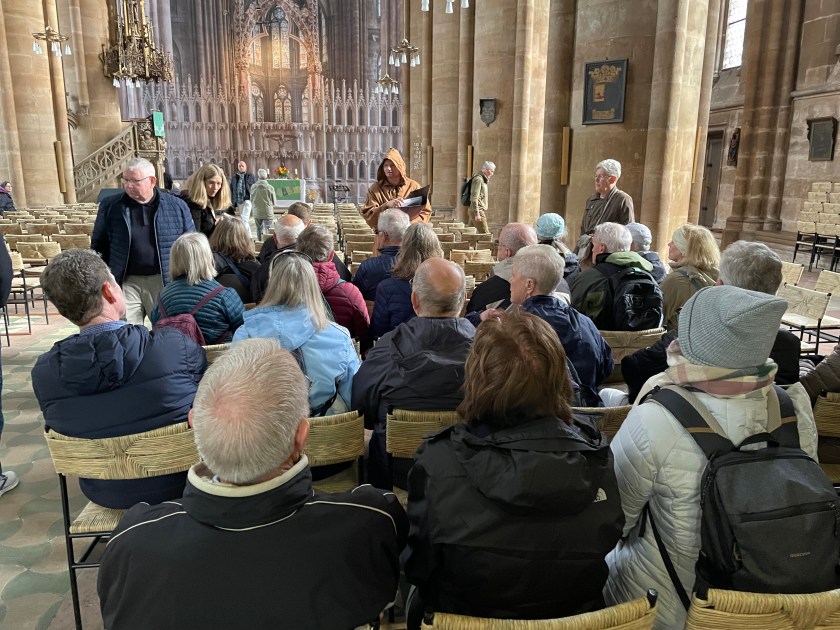
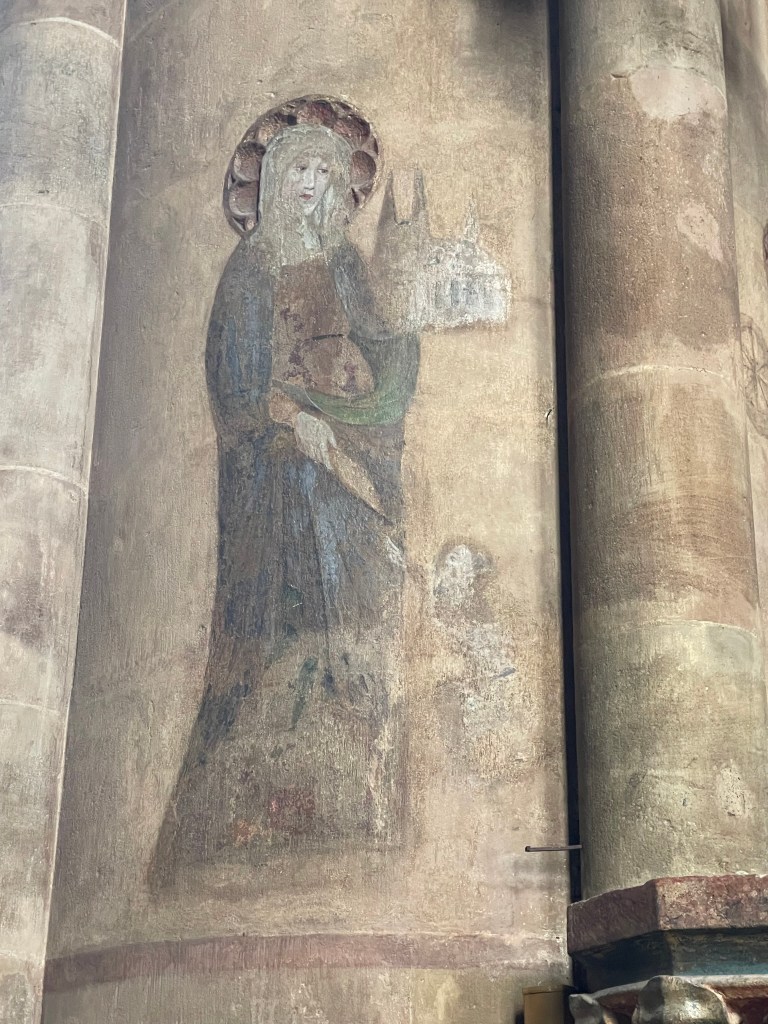
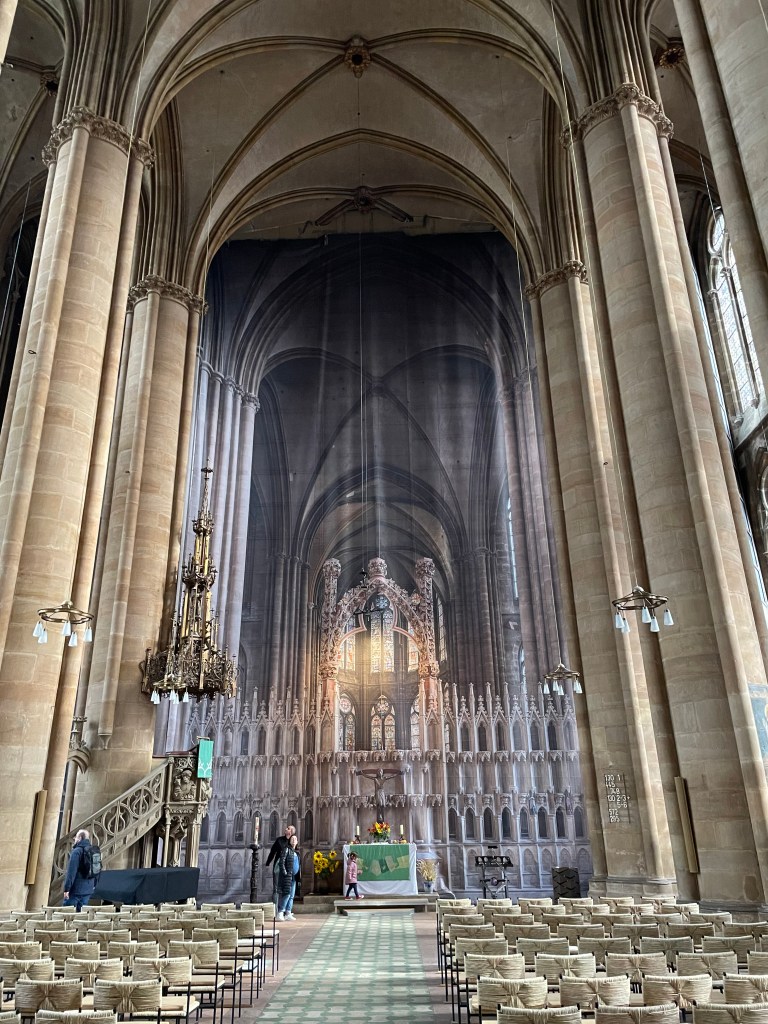
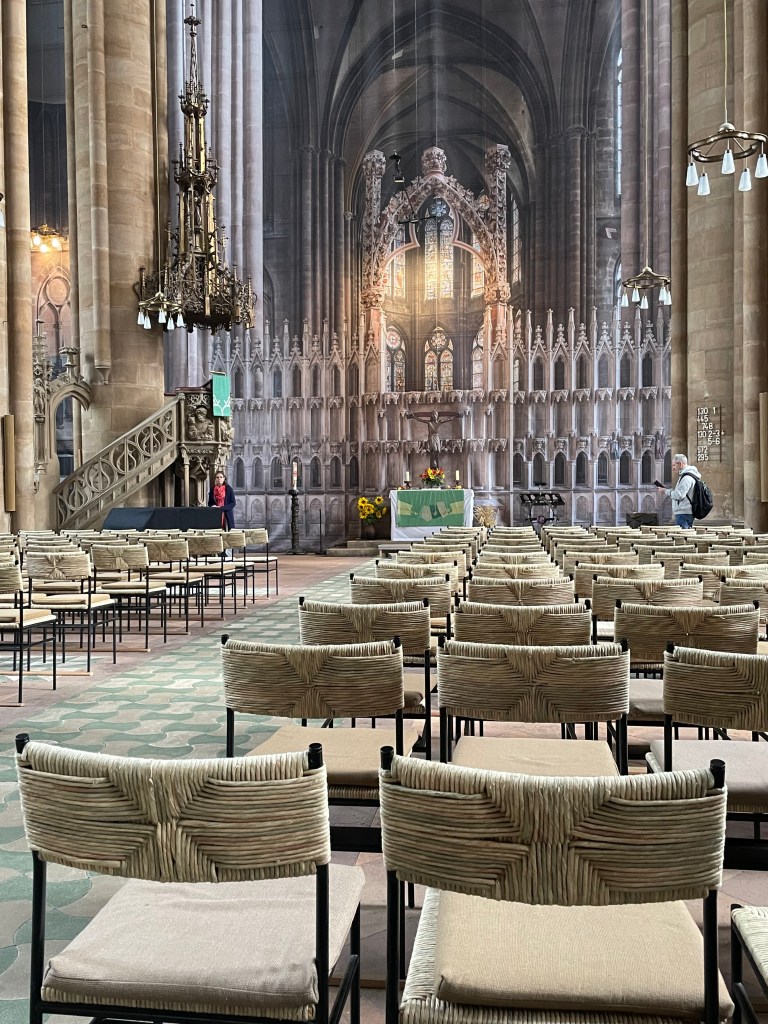
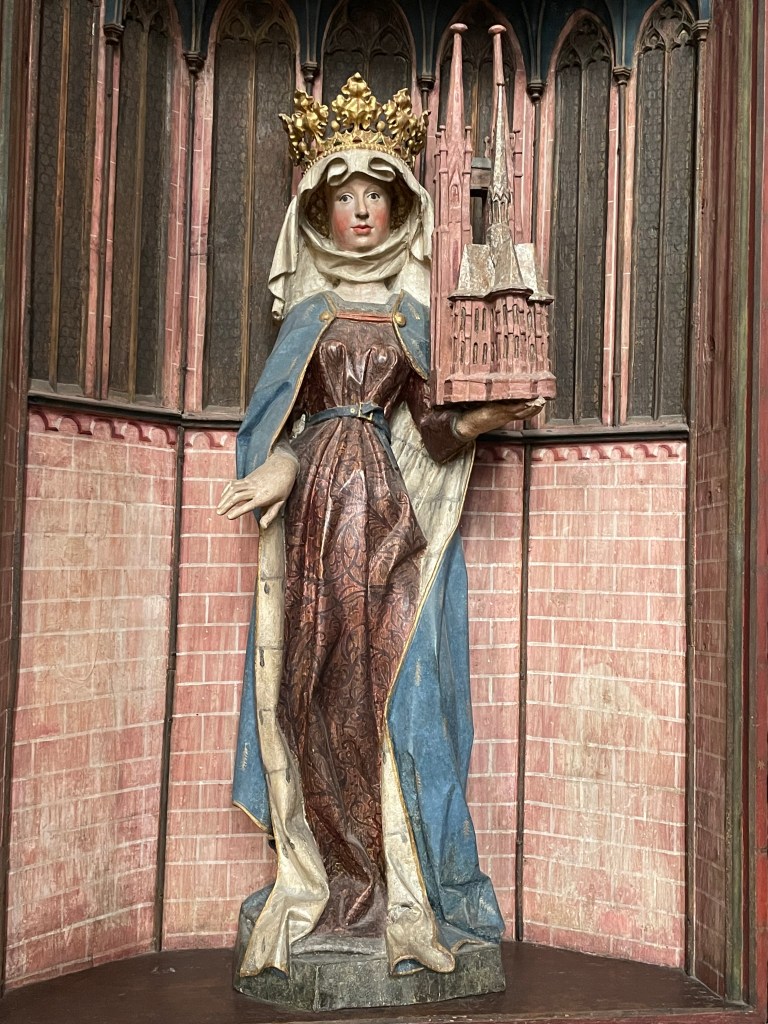
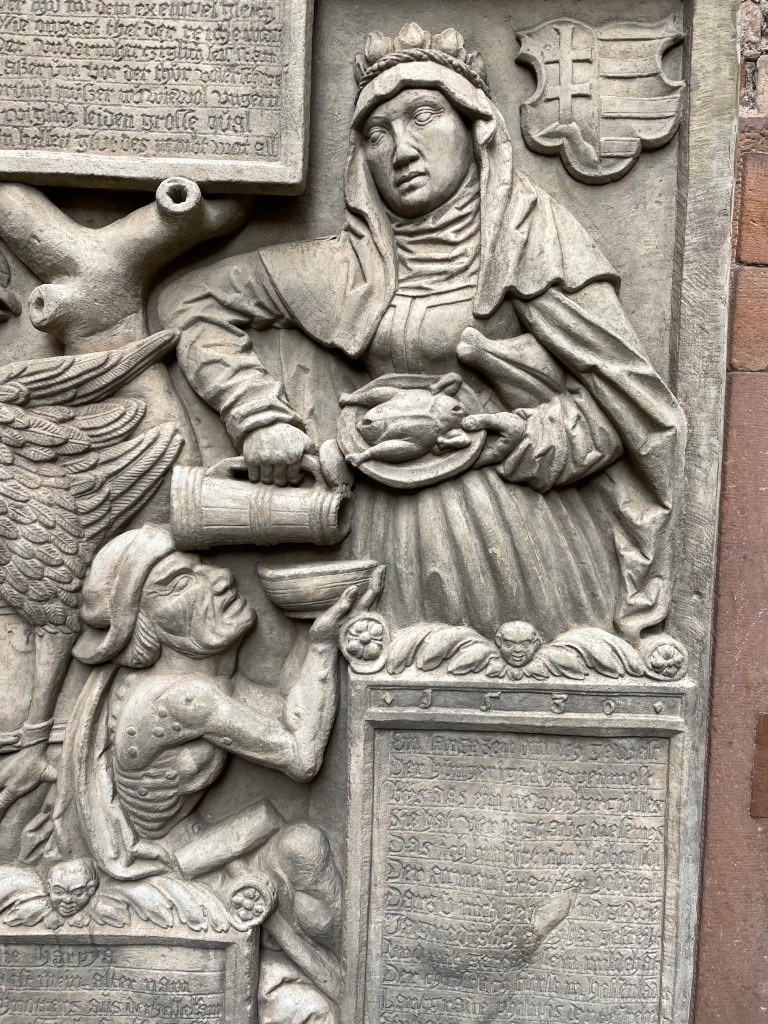
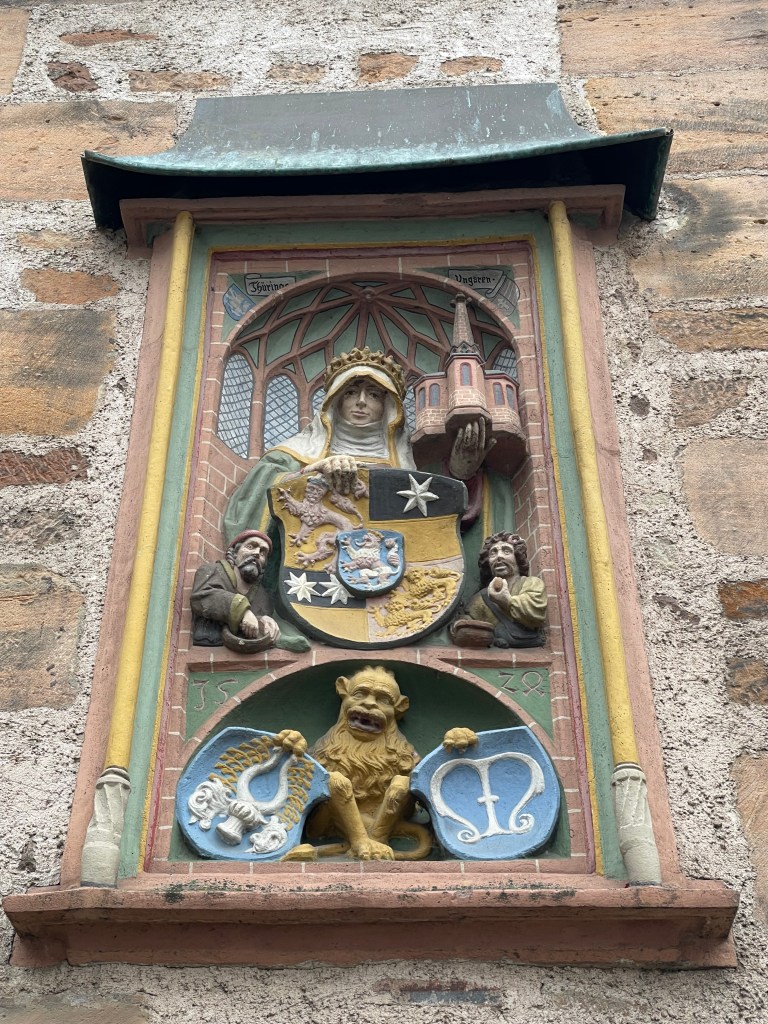
Elizabeth’s life is so interesting. It’s full of intrigue and service. She wanted to serve Jesus and when she learned the scripture “if ye do it to the least of these, ye do it unto me,” she started to serve the poor and the sick, bringing them into the castle (to the dismay of her dead husband’s family). She gave up all her riches to the poor.
Something like that must have been so contrary to reality in that day, everyone learned about her and honored and loved her. She was pronounced a Saint after she died at age 24. She probably got sick from caring for the sick.
Christ in the bed
Another story told of Elizabeth, also found in Dietrich of Apolda’s Vita, relates how she laid the leper Helias of Eisenach in the bed she shared with her husband. Her mother-in-law, who was horrified, told this immediately to Louis on his return. When Louis removed the bedclothes in great indignation, at that instant “Almighty God opened the eyes of his soul, and instead of a leper he saw the figure of Christ crucified stretched upon the bed.” This story also appears in Franz Liszt’s oratorio about Elizabeth.
Elizabeth is remembered in art, music and stories that have been handed down through centuries. Good for her. Her life is worth reading about.
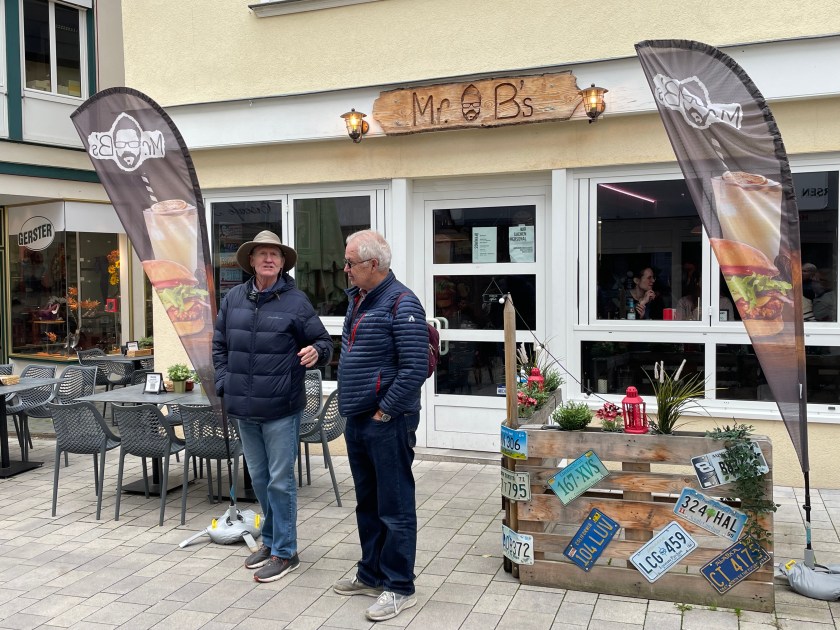
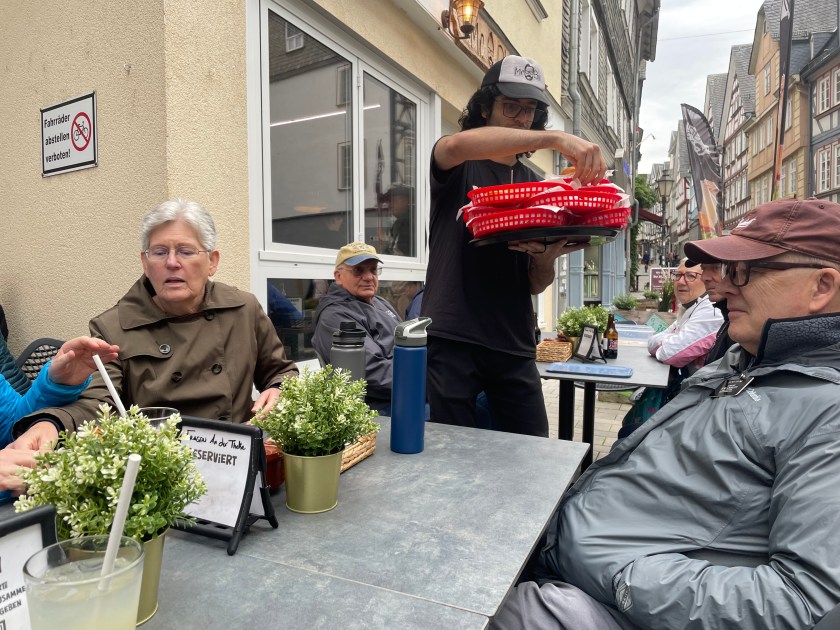
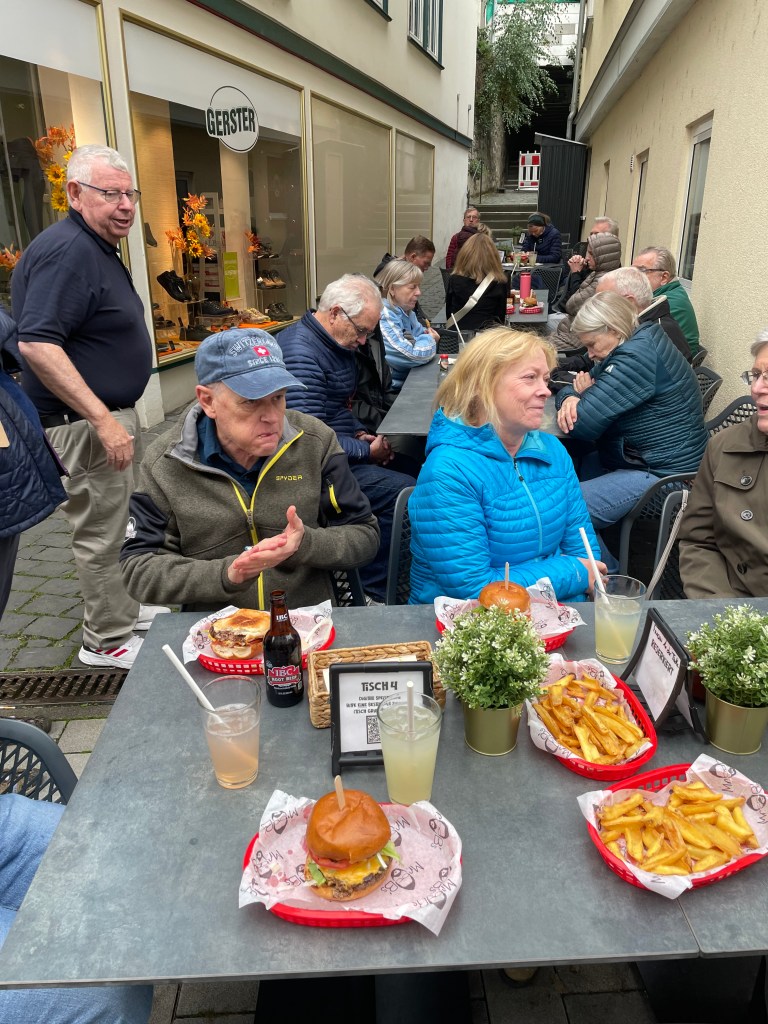
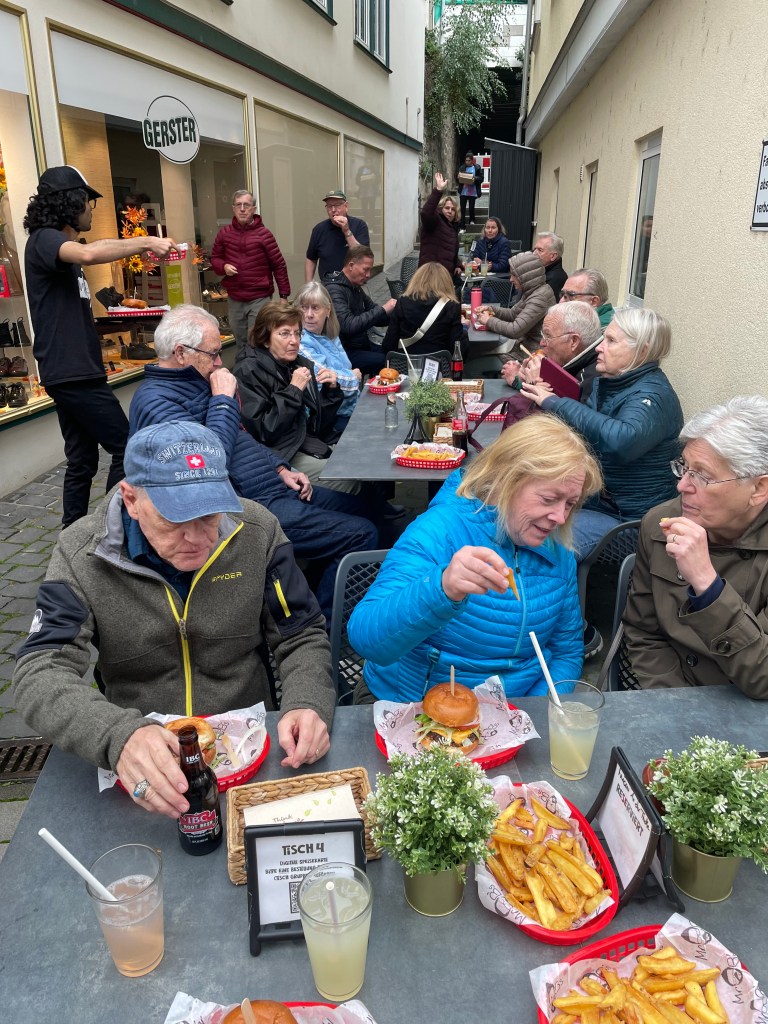
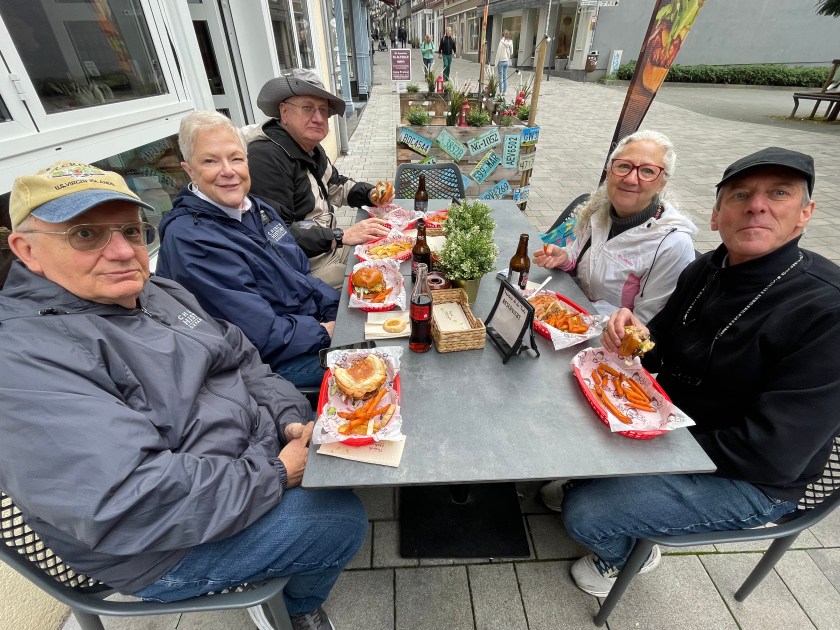
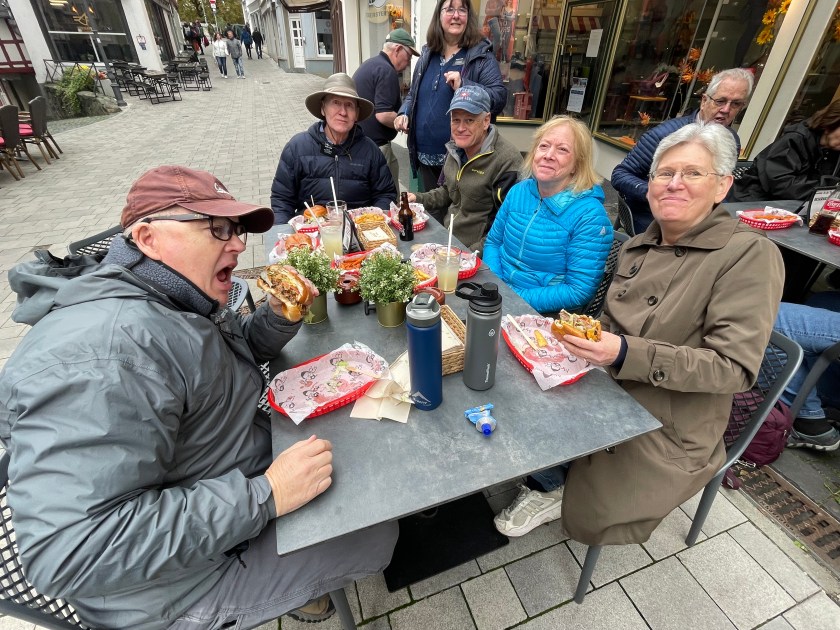
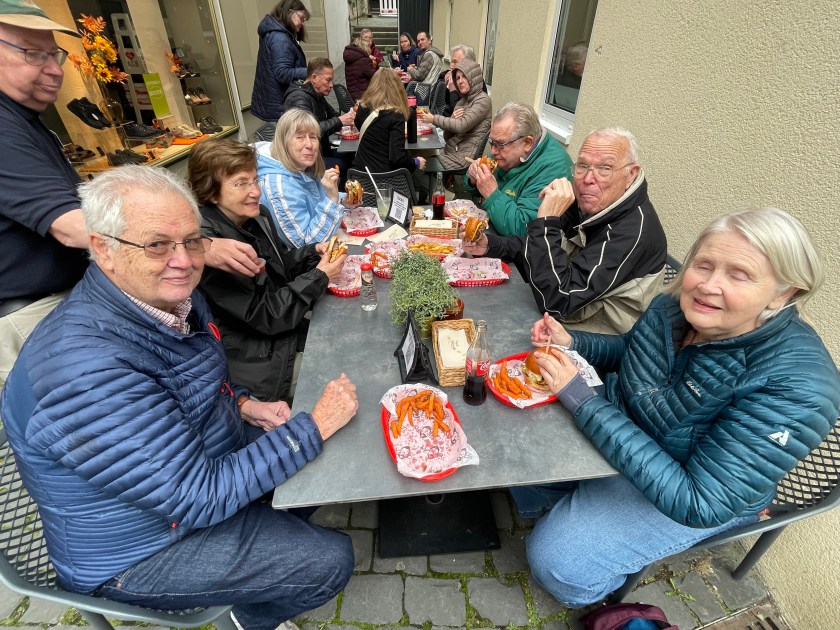
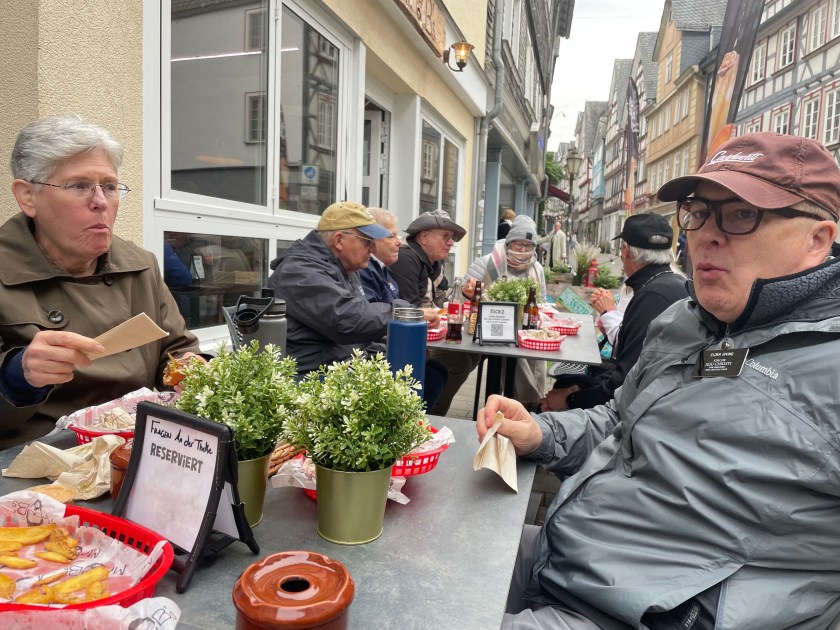
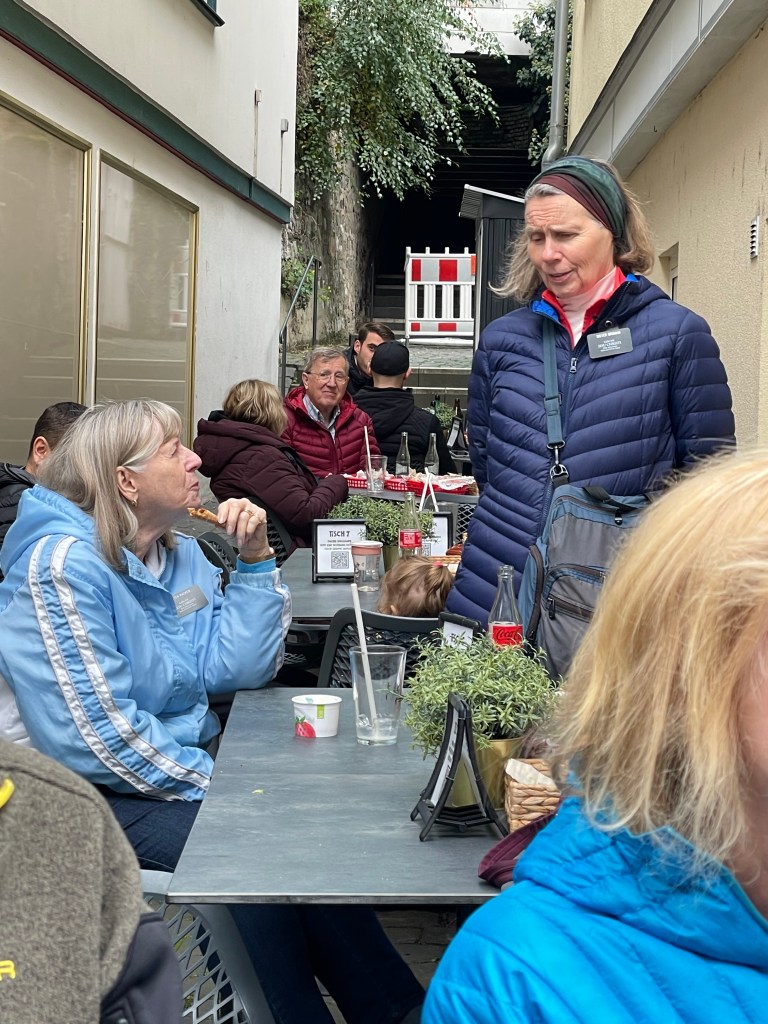
After visiting Marburg, we all loaded up to drive over to Wetzlar to have lunch at Mr. B’s, a fine burger shop.
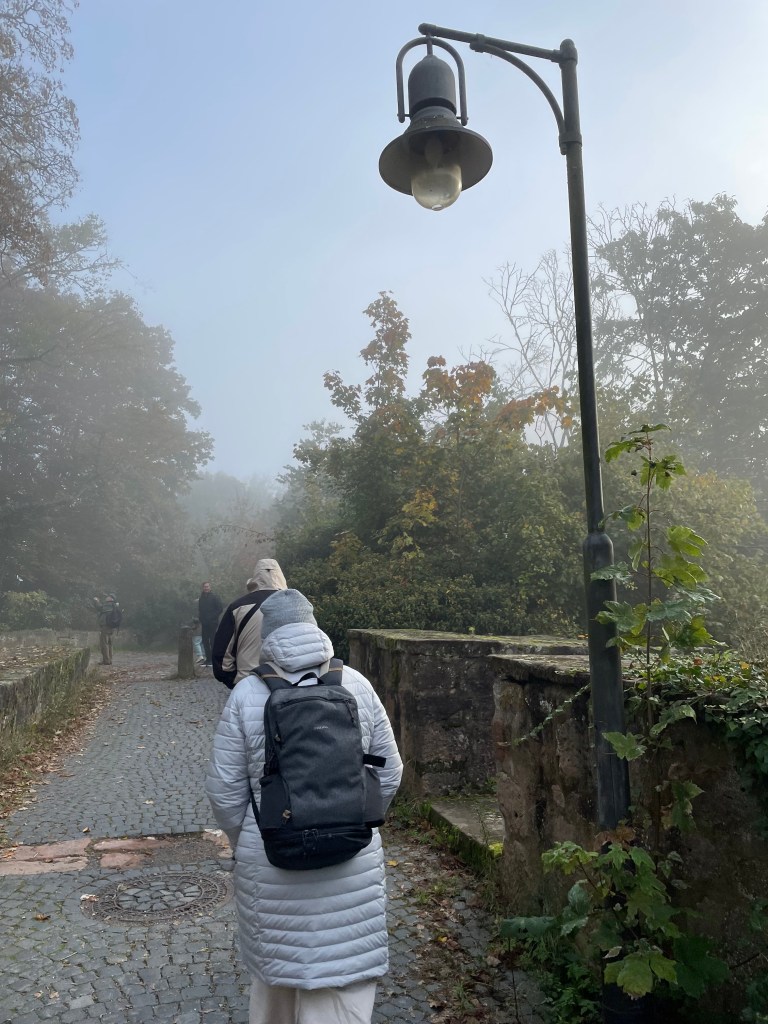
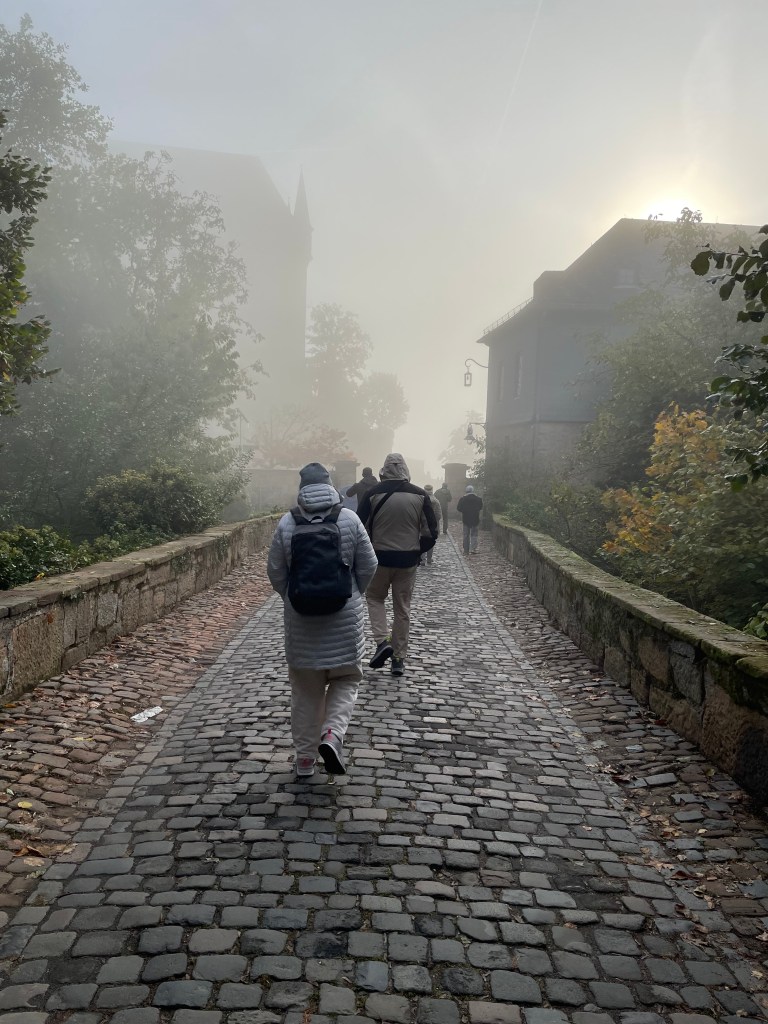
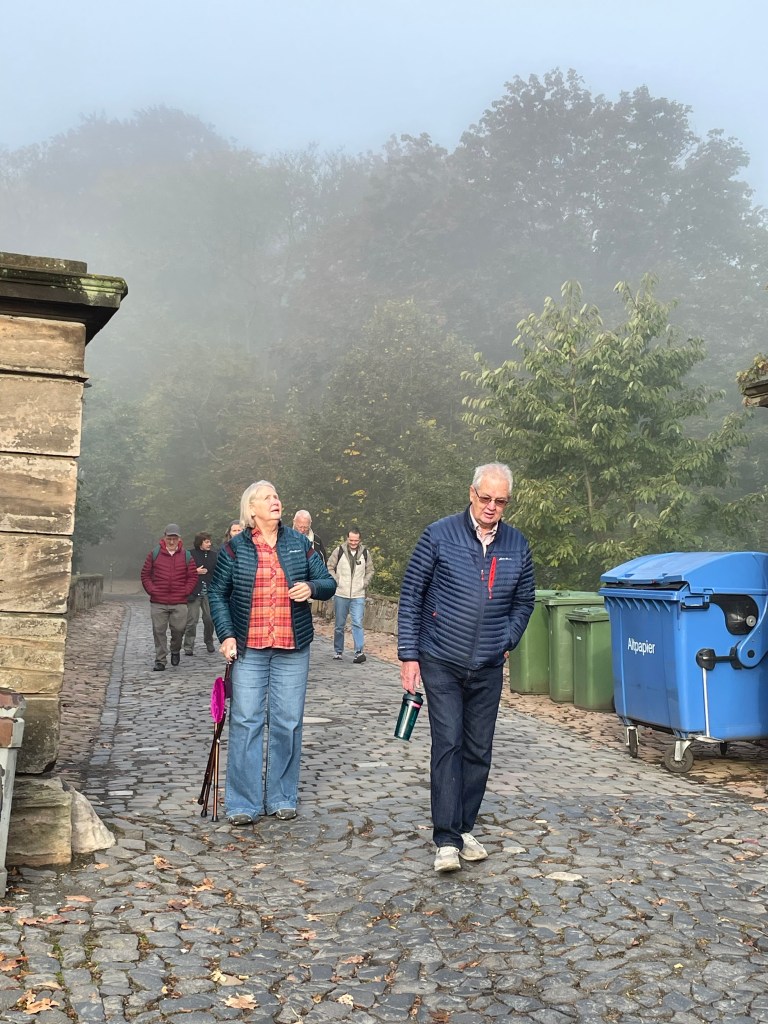
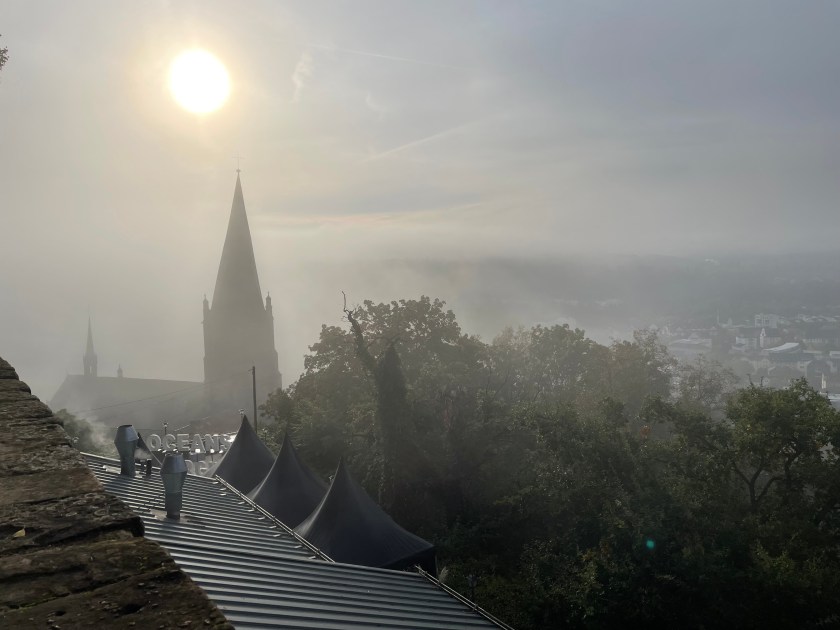
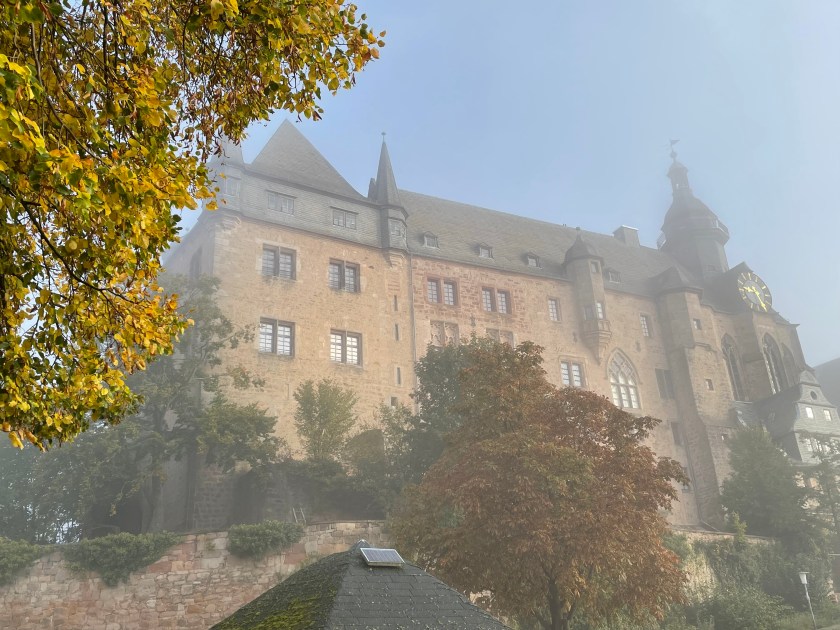
Sometimes group outings just sort of bubble up, like, “Hey, who wants to join us on a trip to Marburg??” Today we and several other couples drove about 1,5 hours north through foggy countryside to visit Marburg and the castle there. This was one of our first outings more than a year ago. Here’s a post from that visit. We were happy to go back.
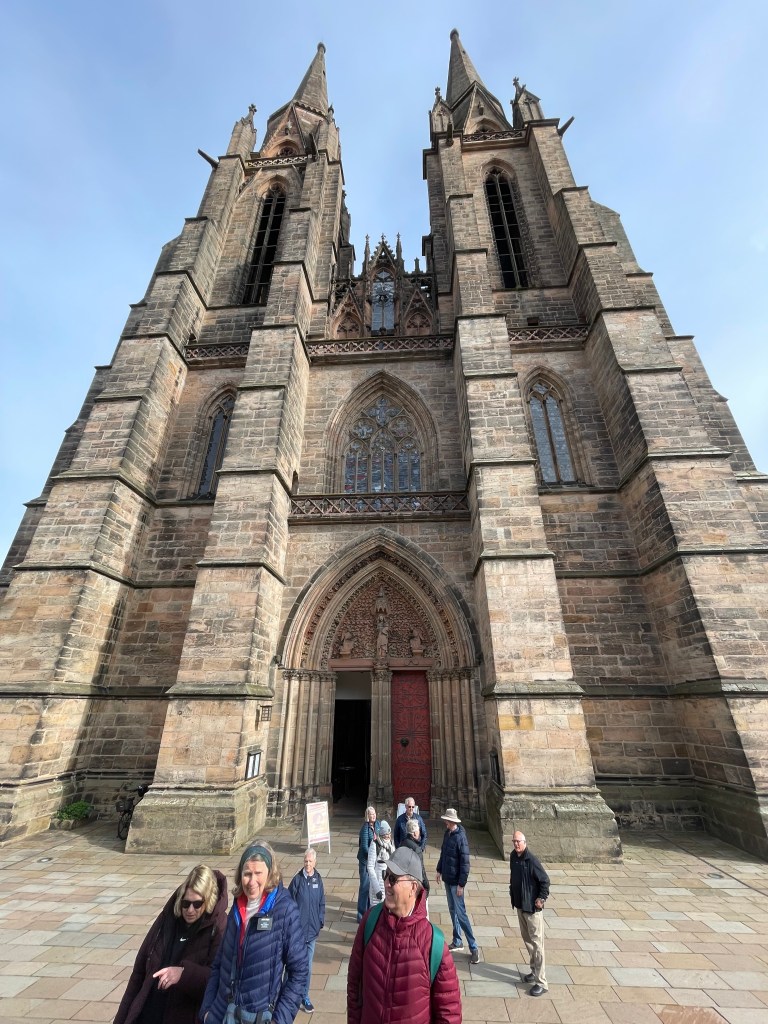
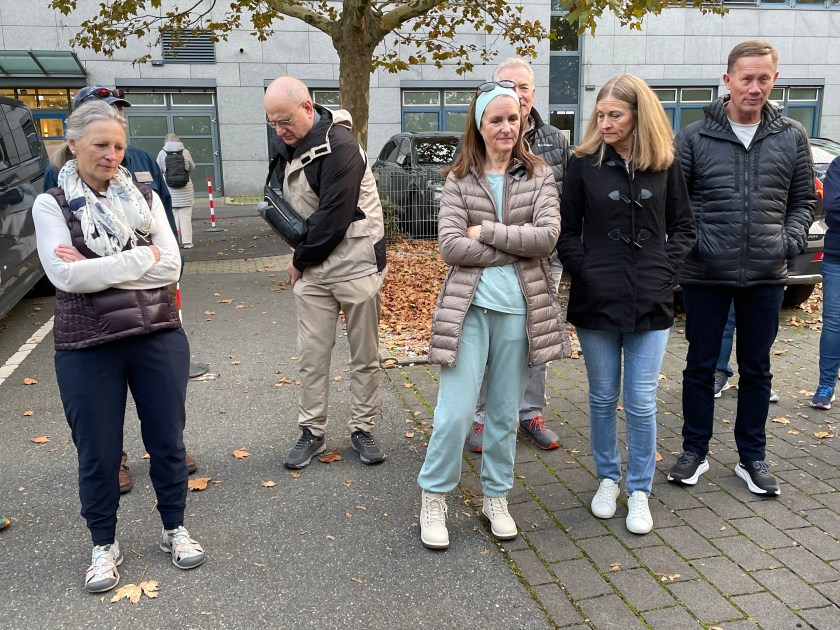
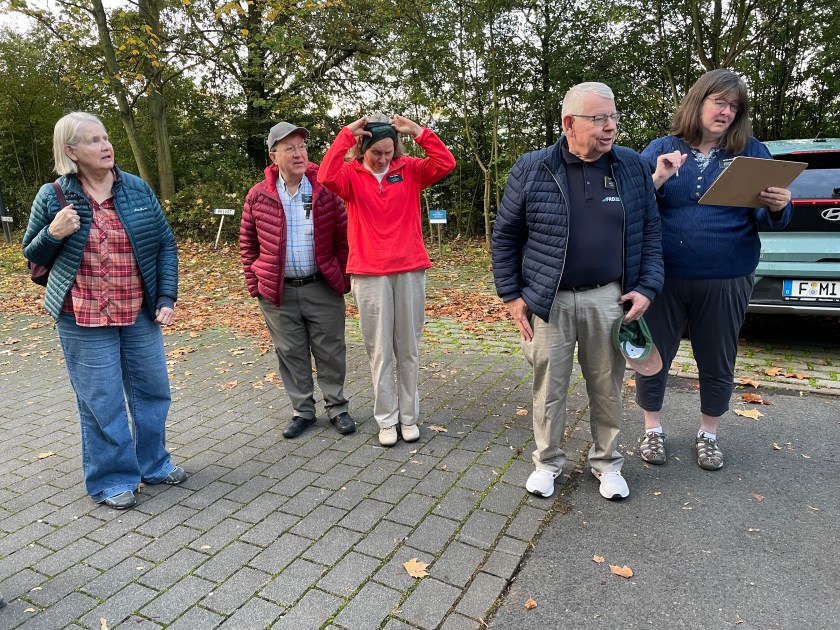
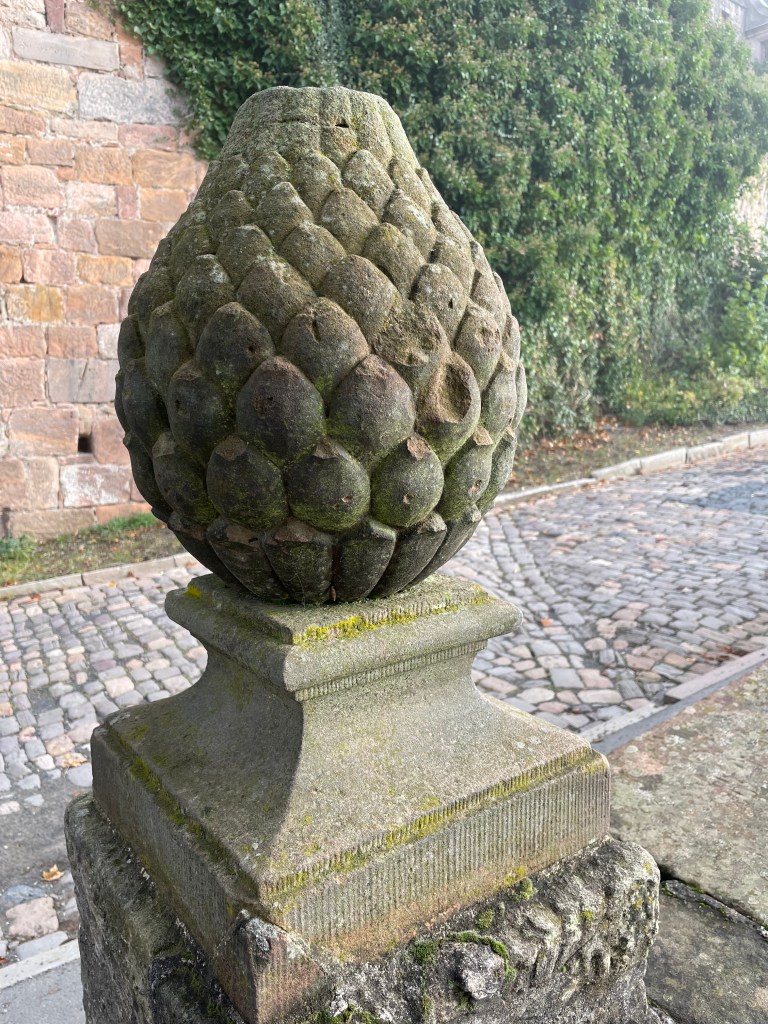
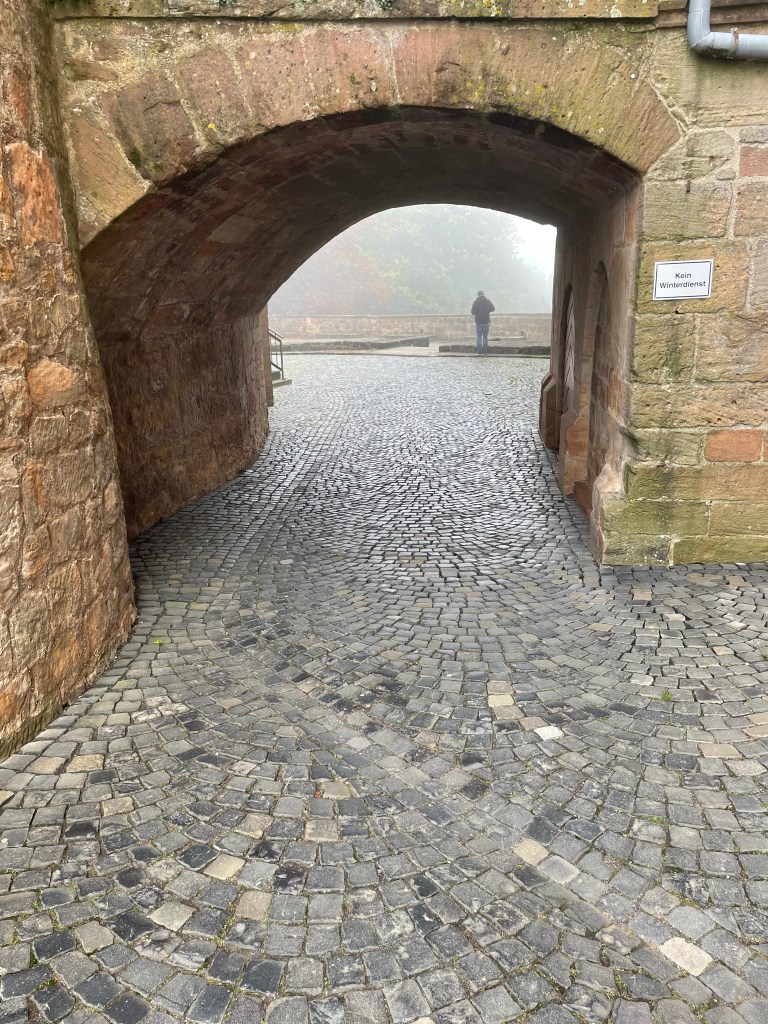
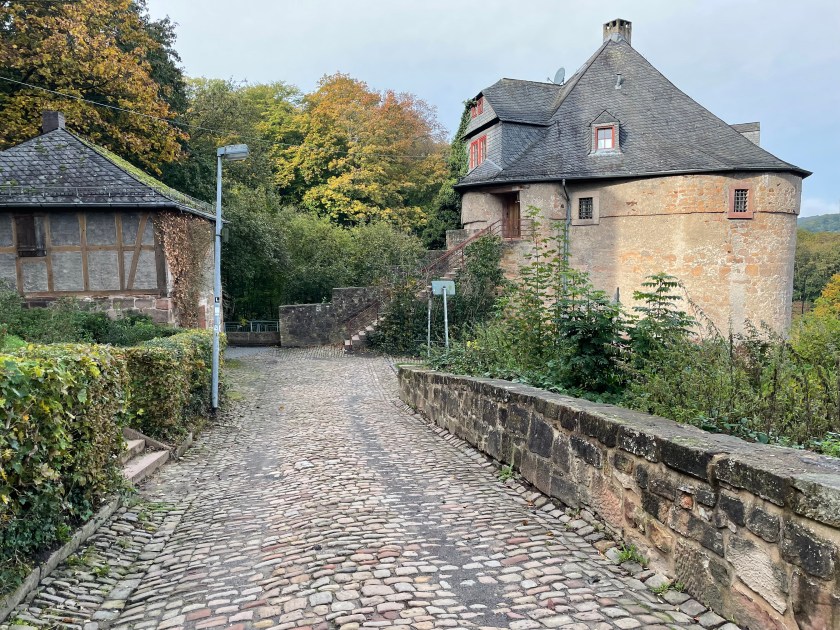
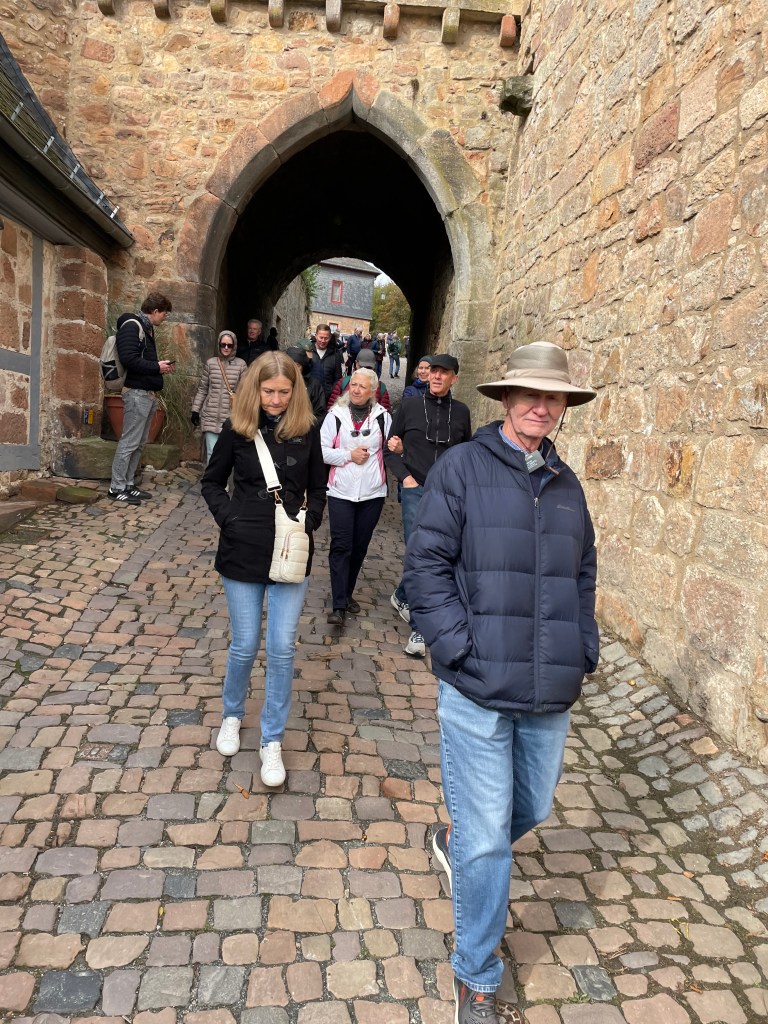
A few pics while waiting for our tour guide to arrive (Alexander Greb, a member from the Wetzlar Ward).
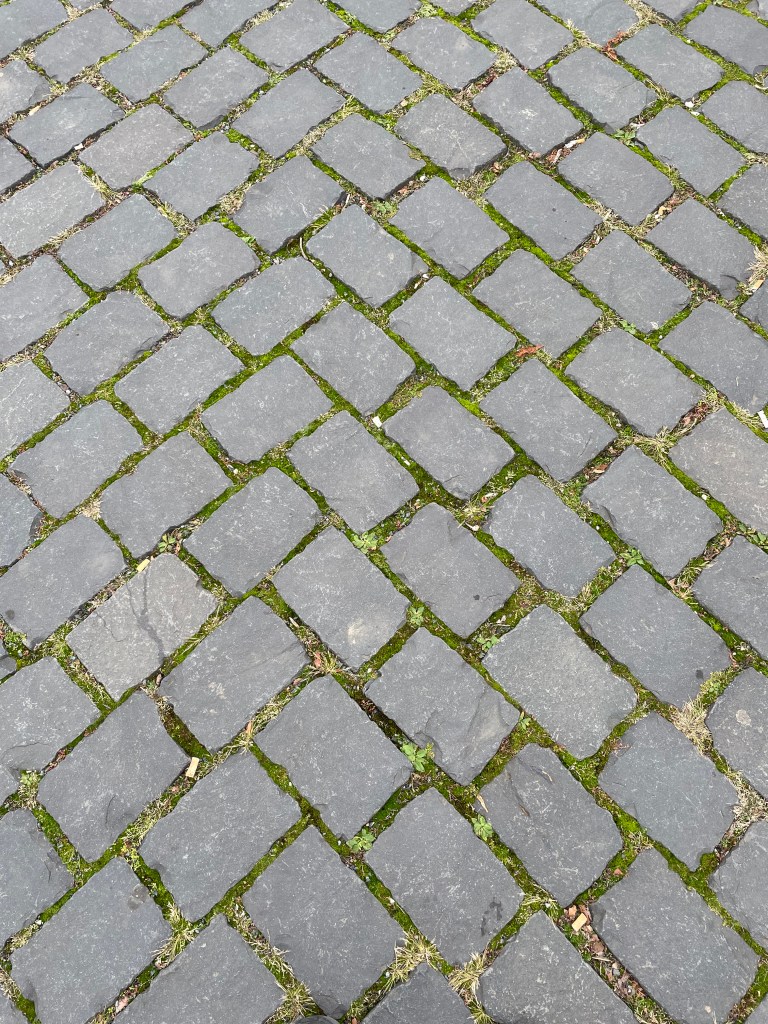
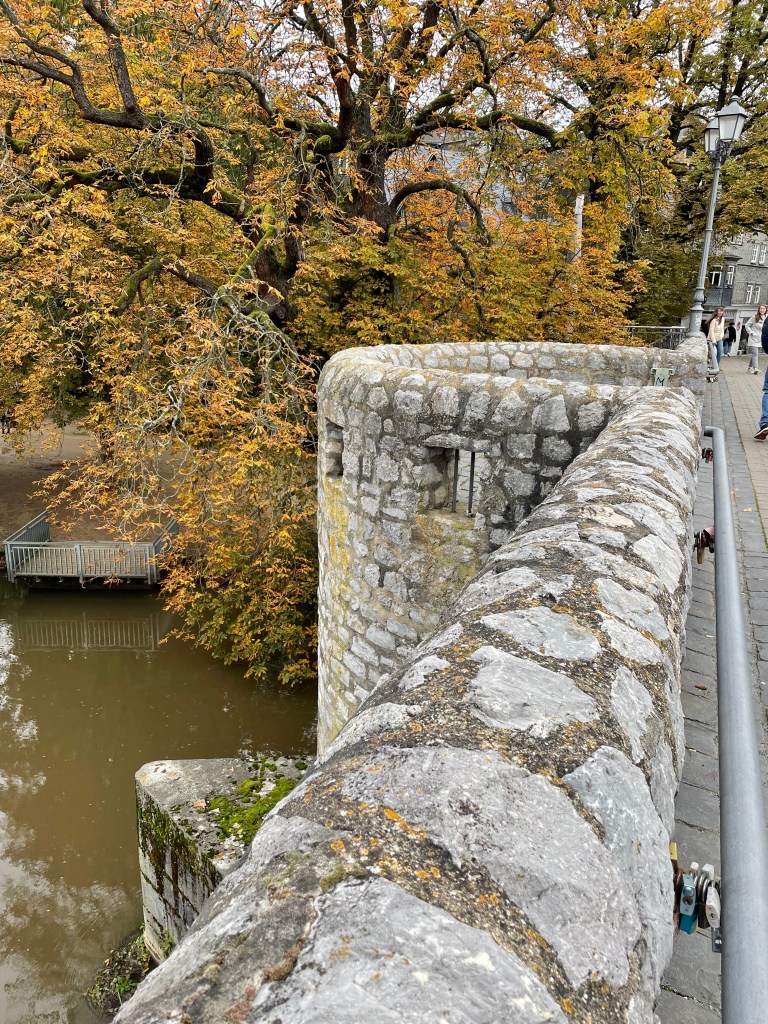
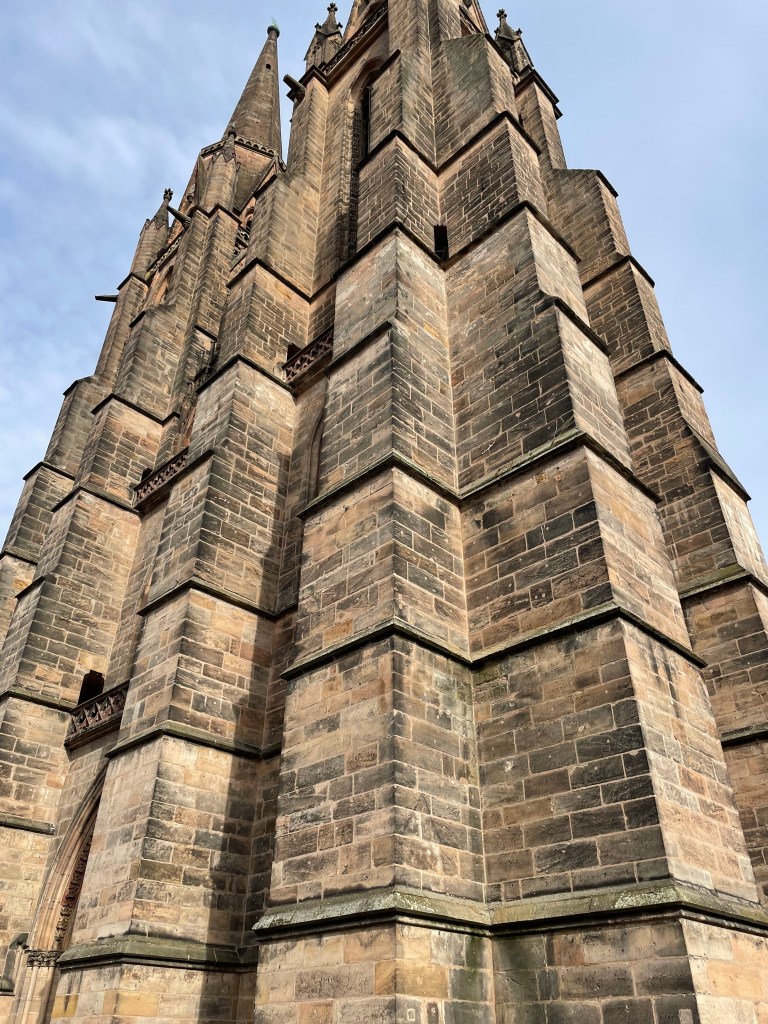
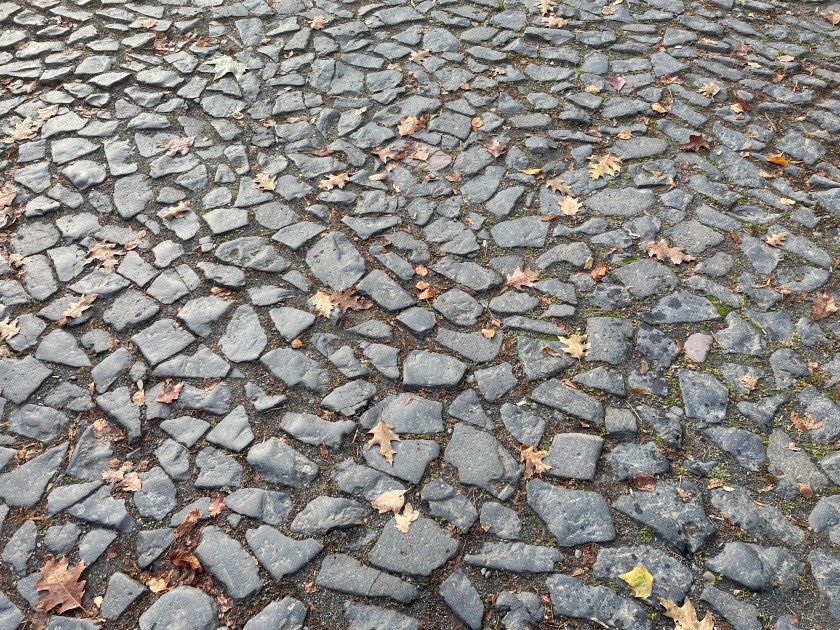
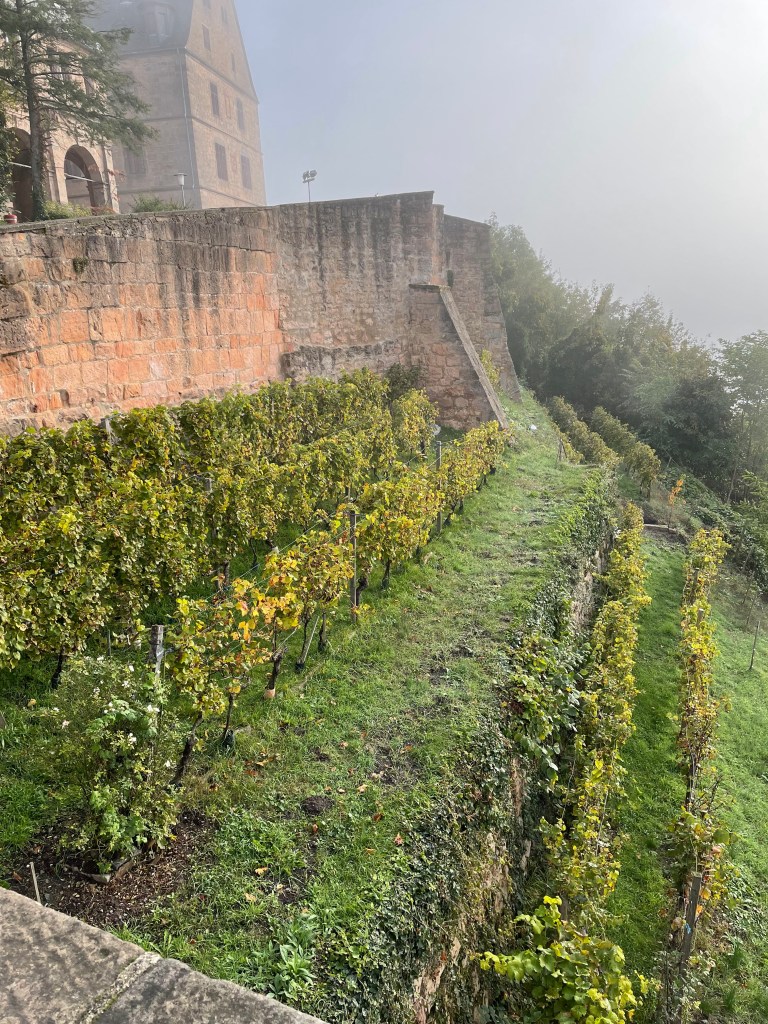
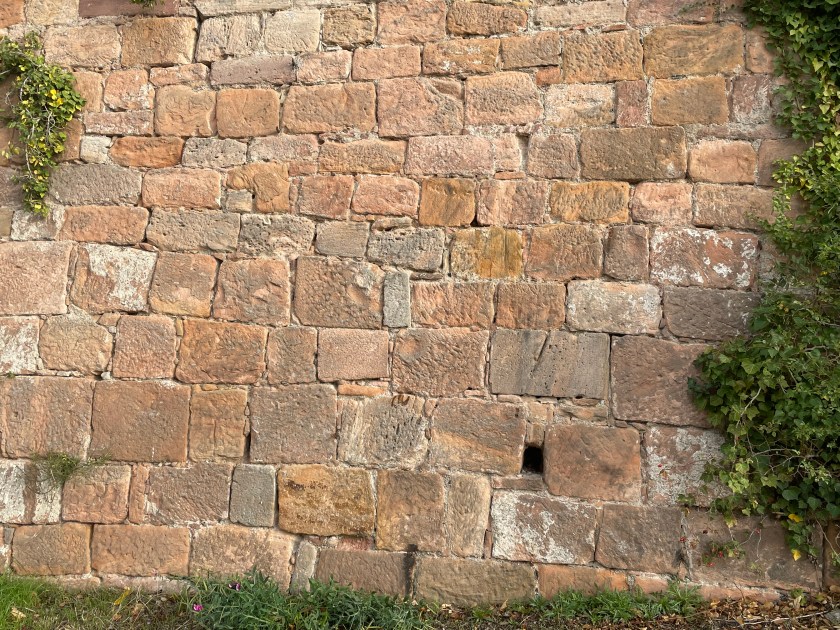
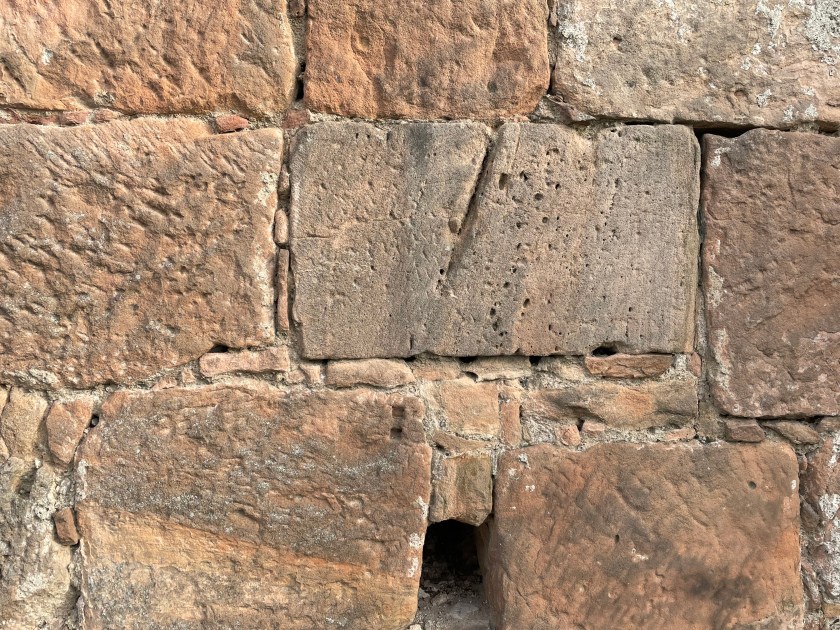
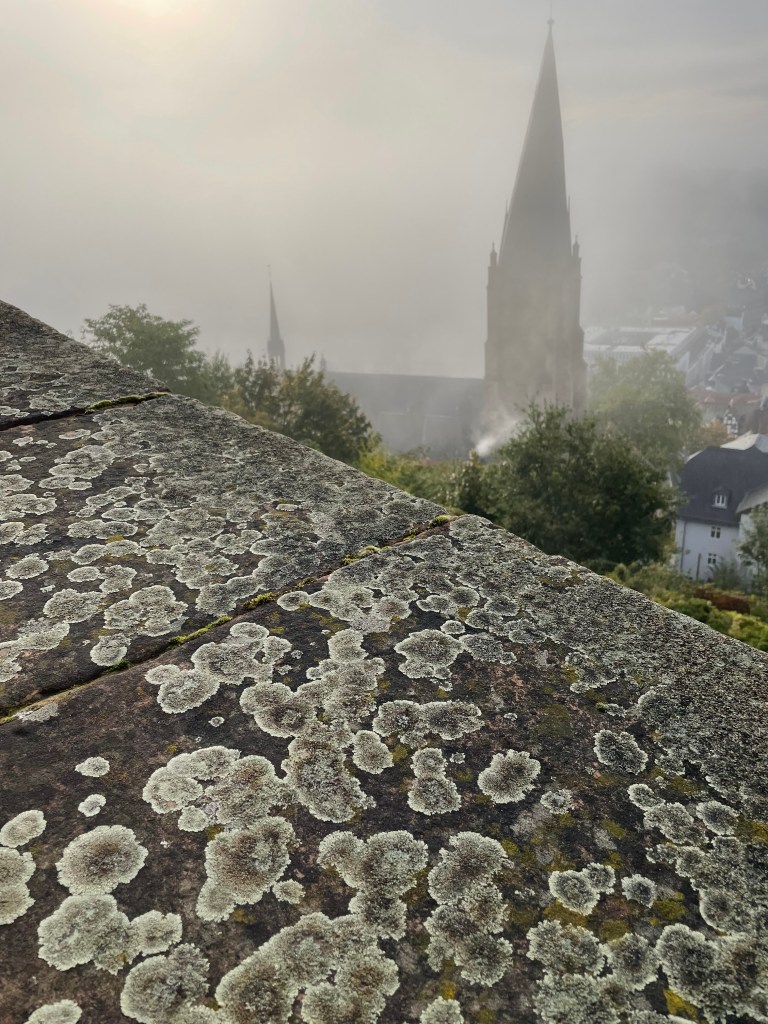
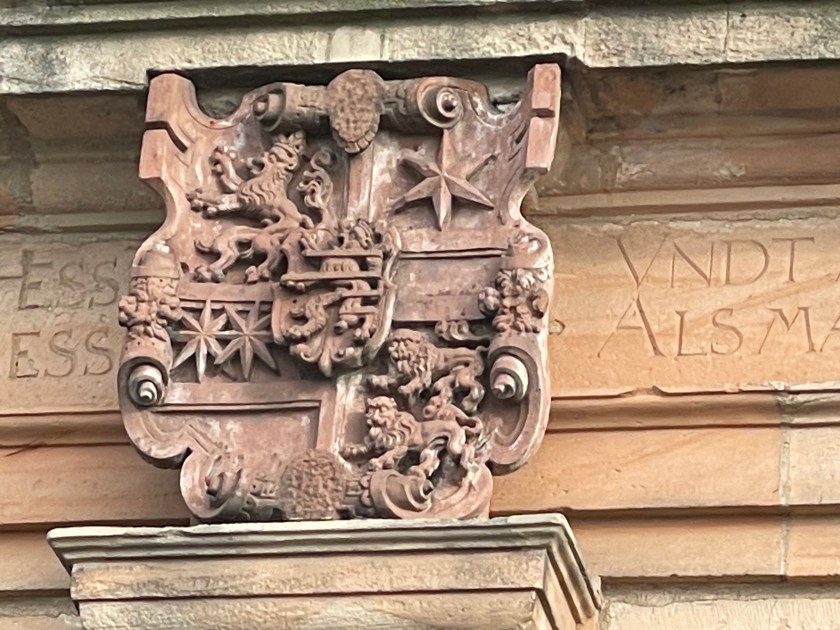
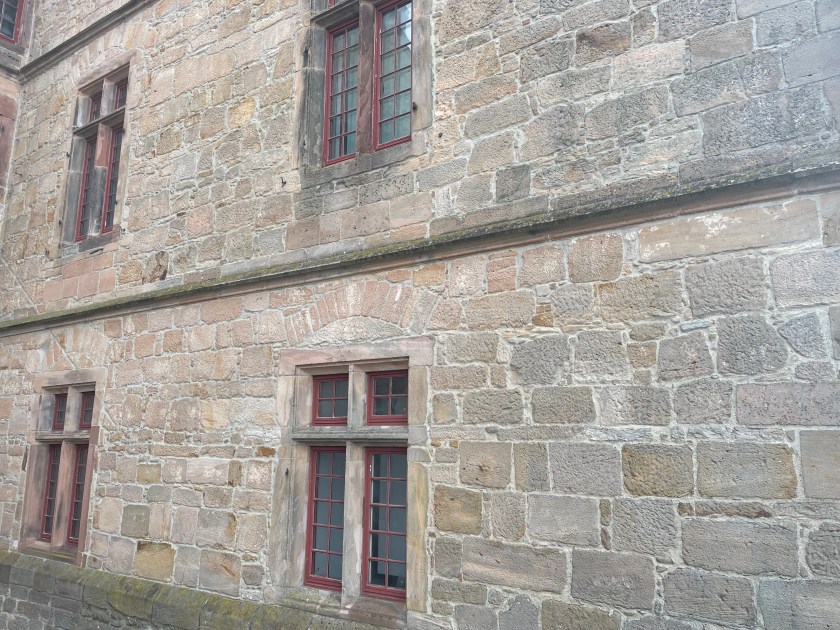
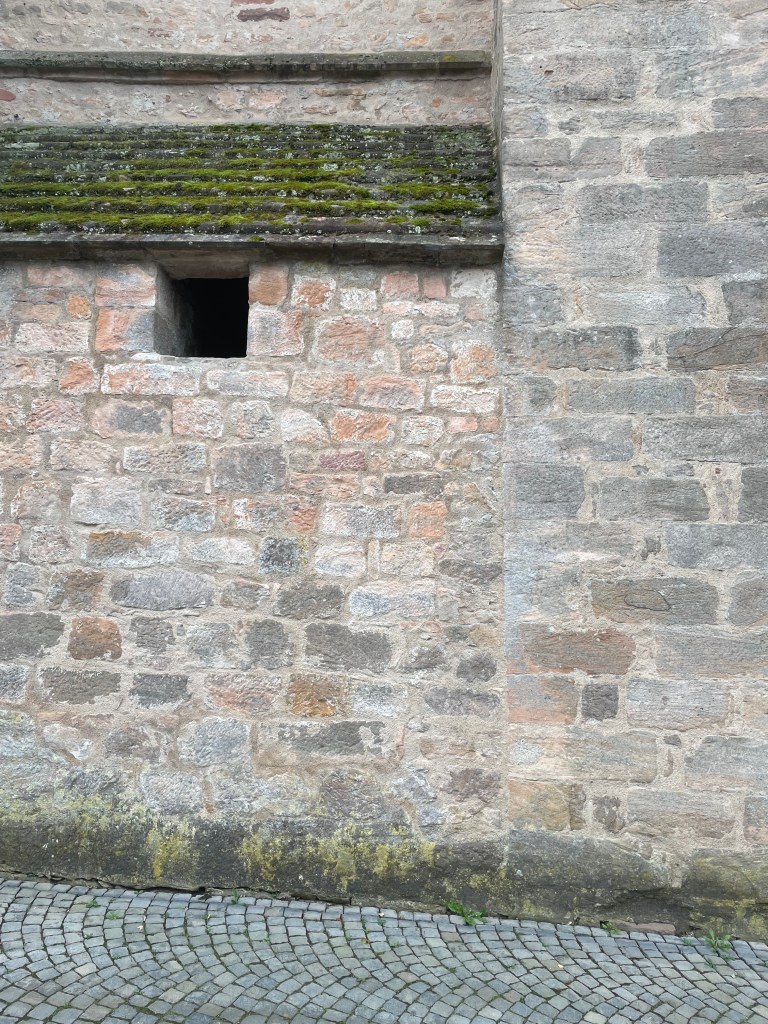
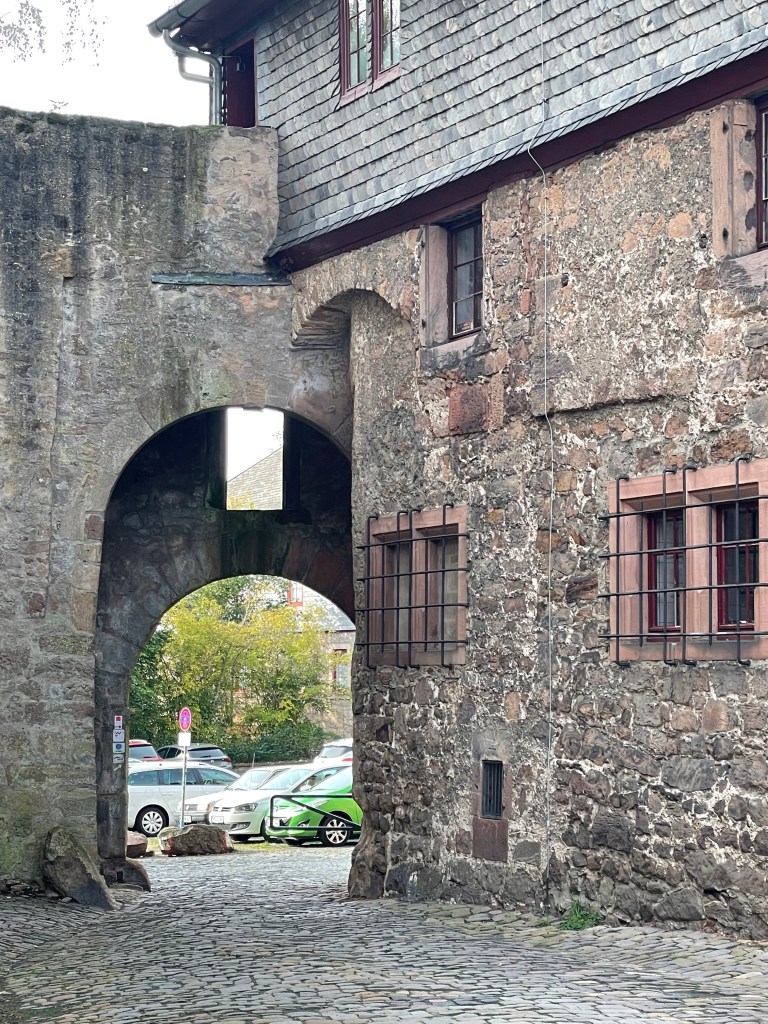
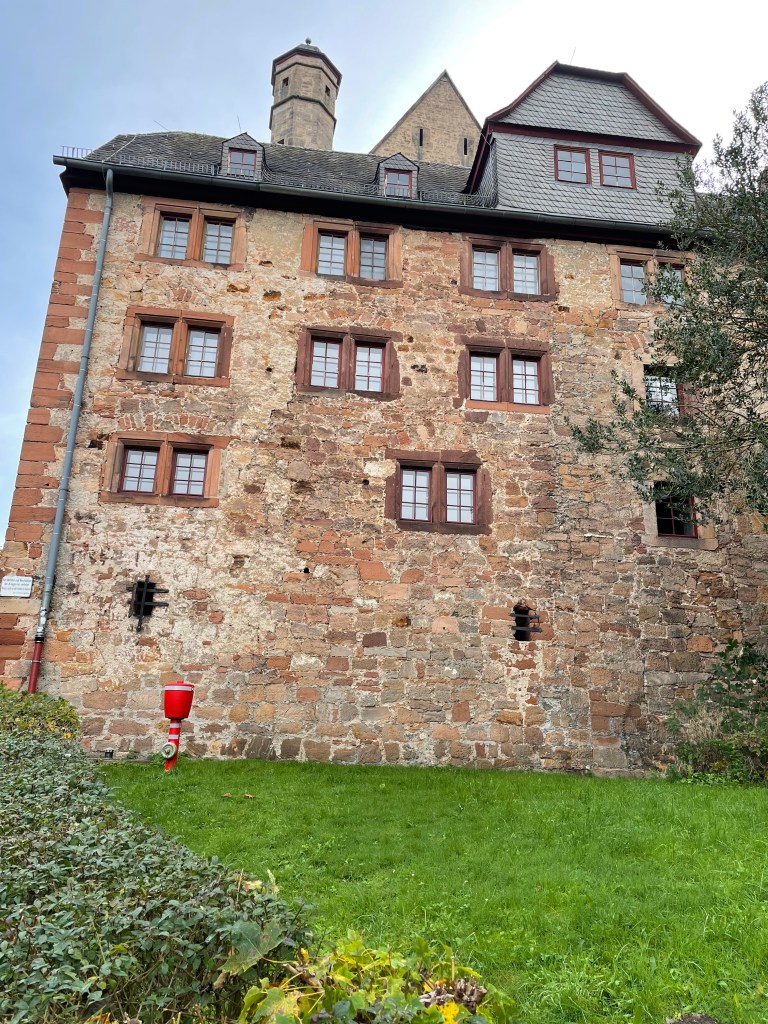
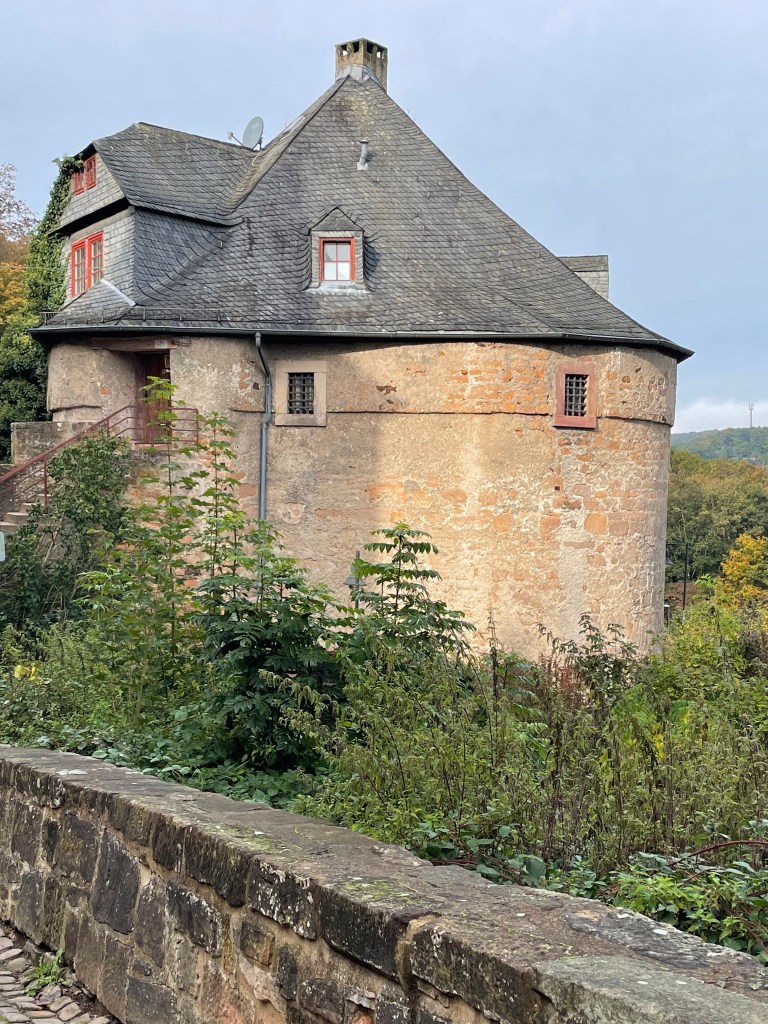
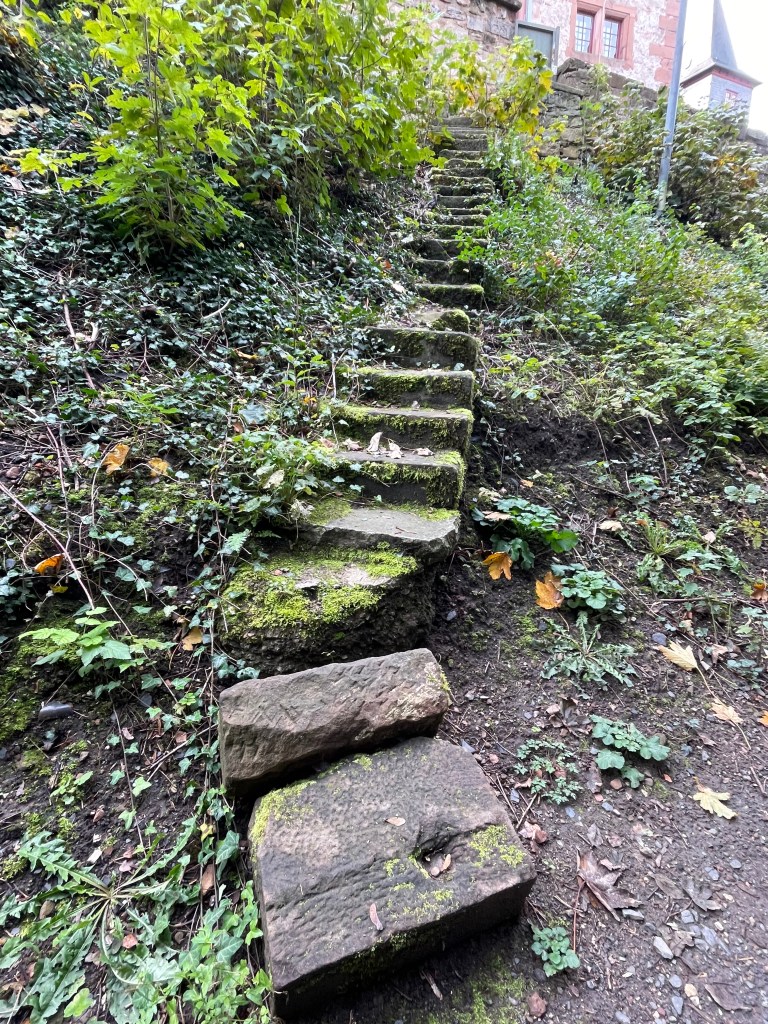
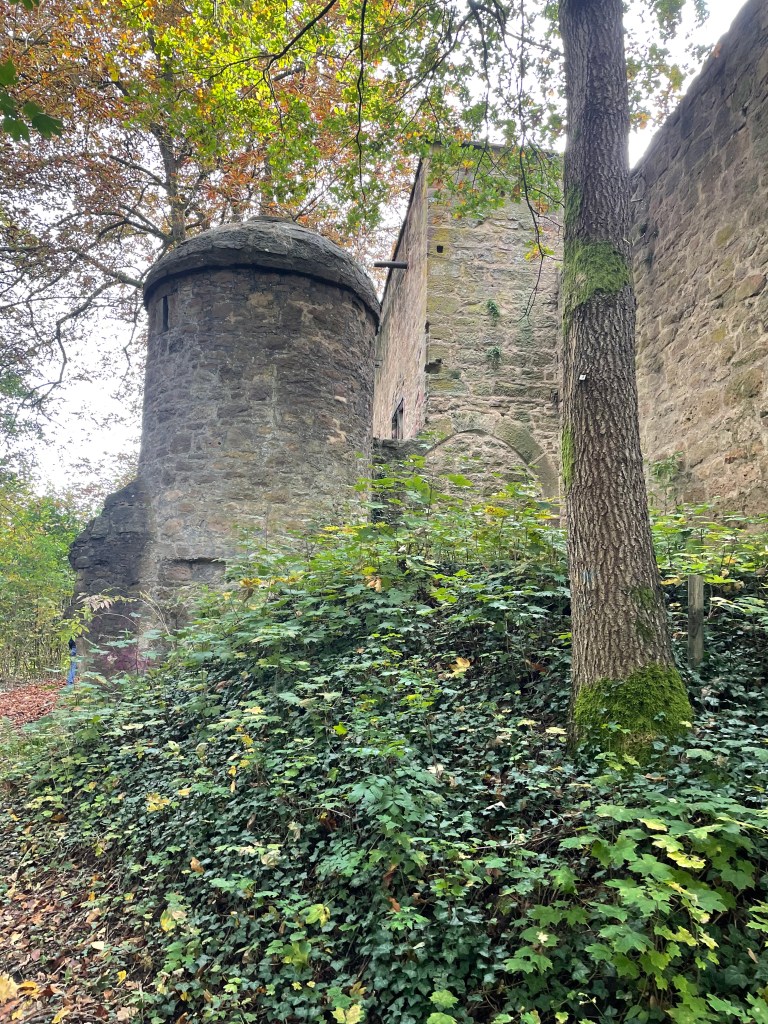
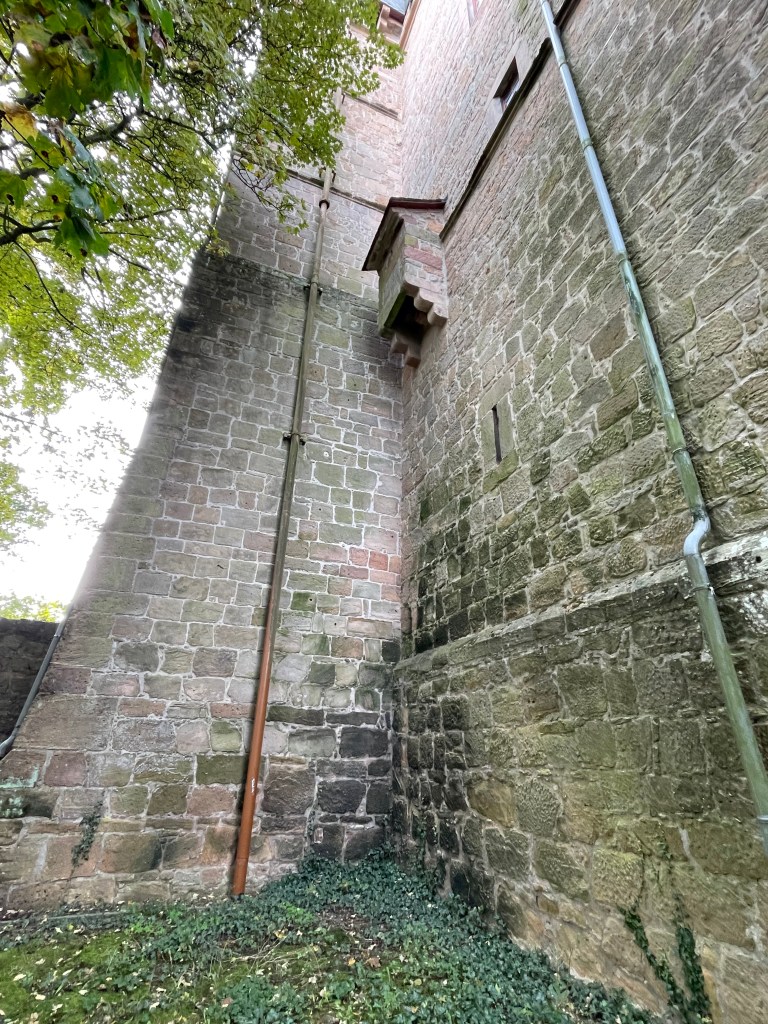
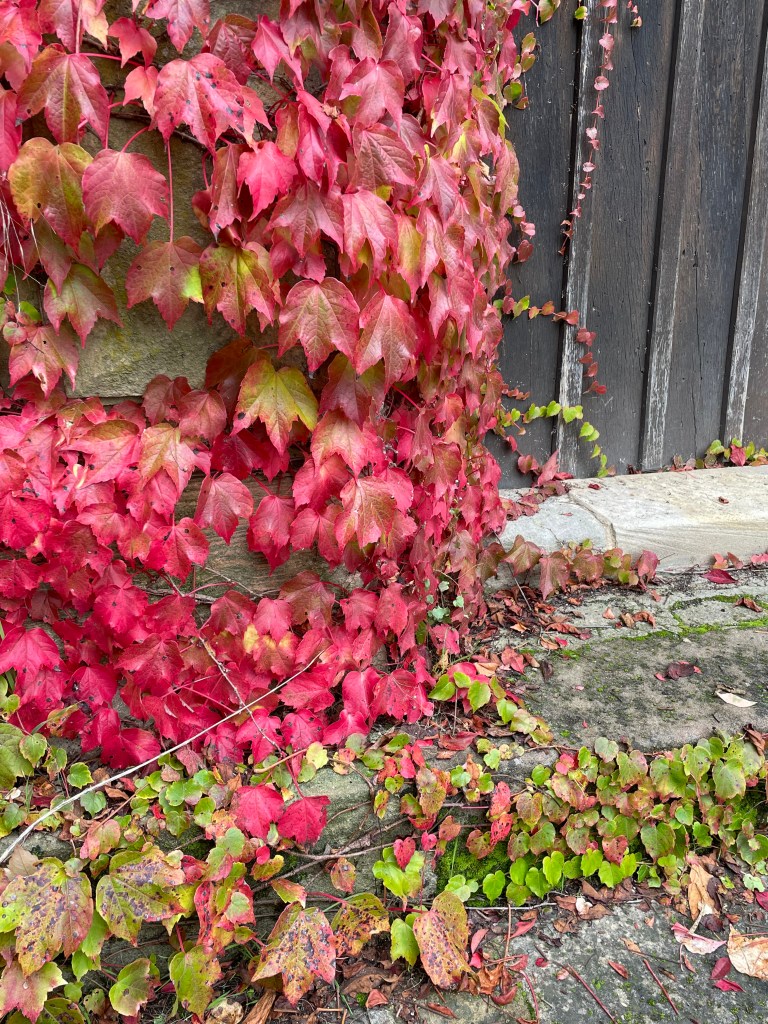
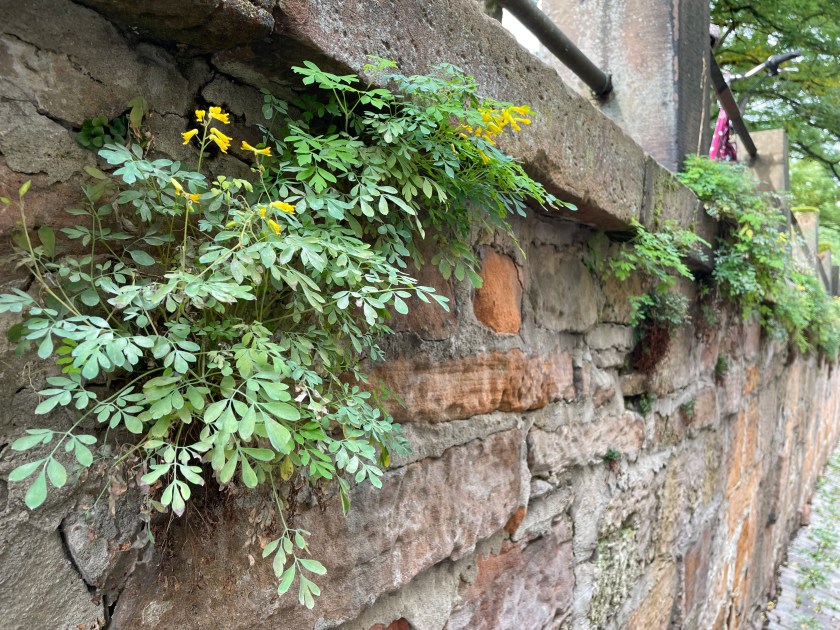
The stonework at this castle intrigues me. I wrote about “The Enduring Power of Stones and Words” here. If only these stones could speak!
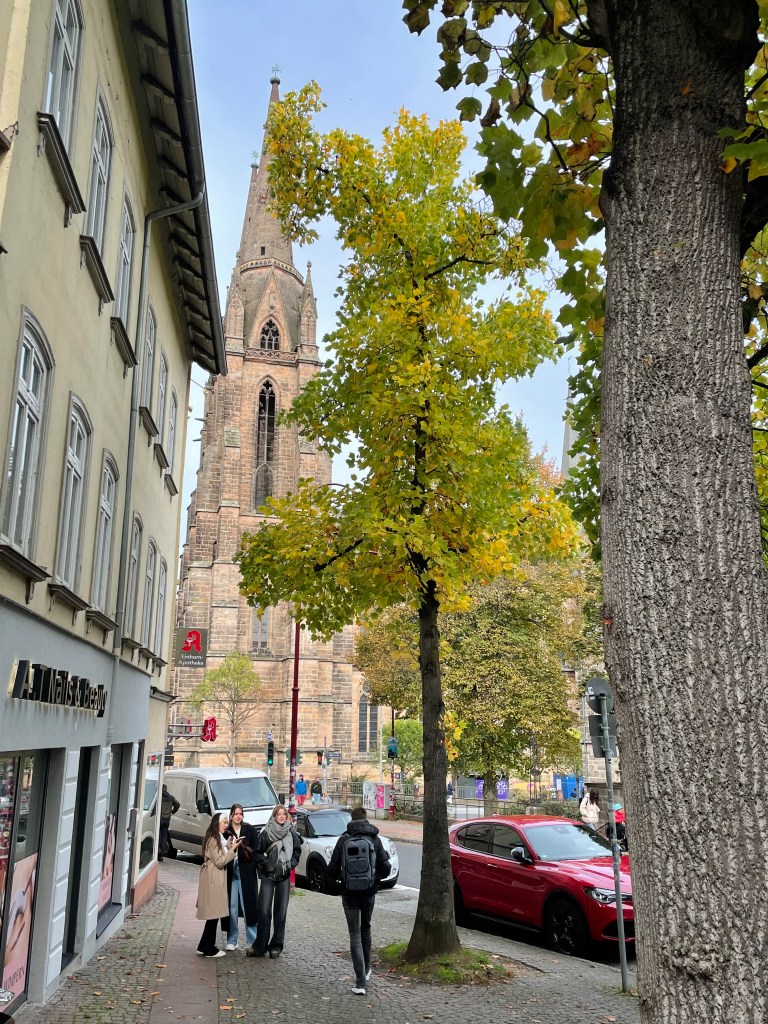
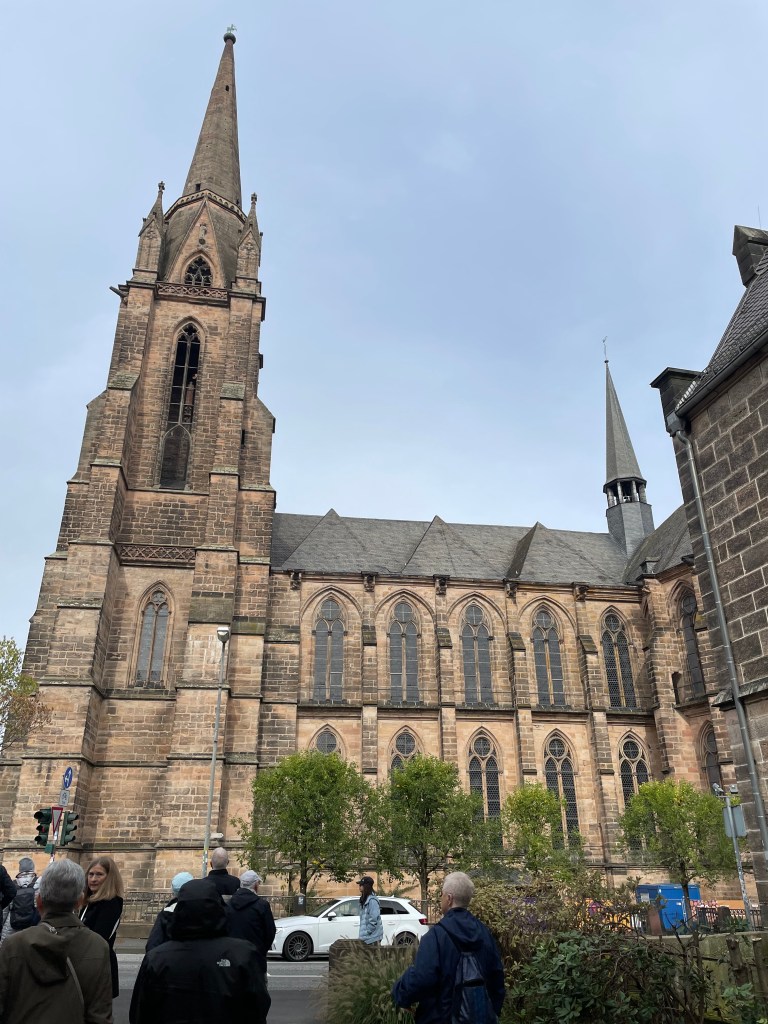
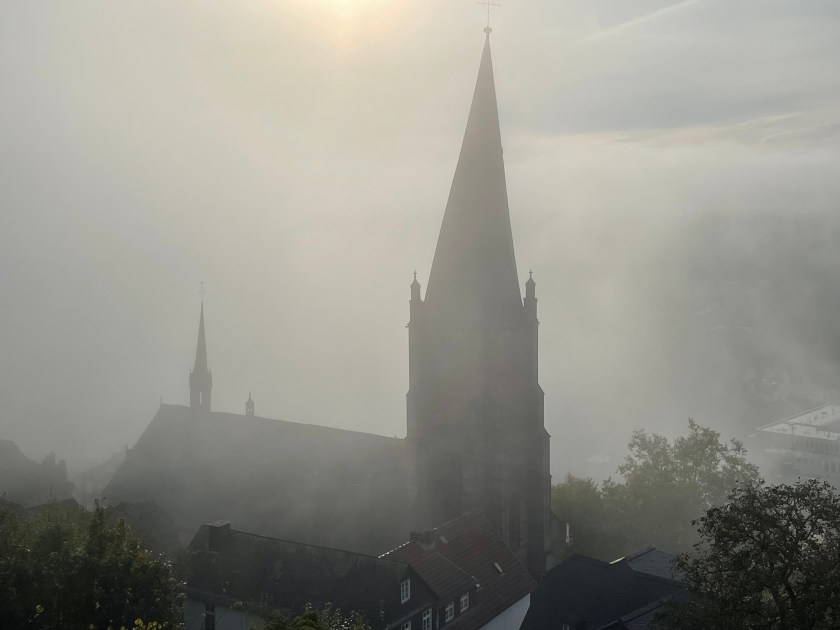
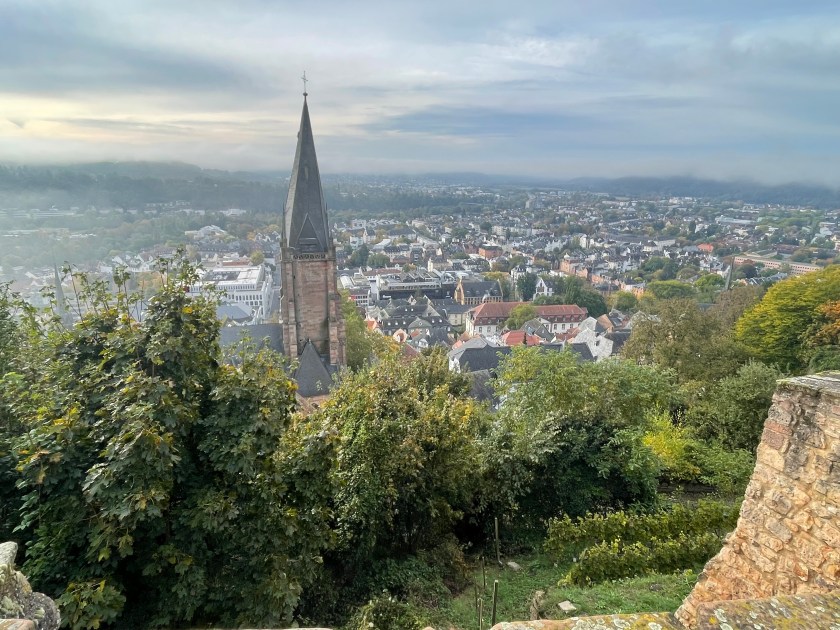
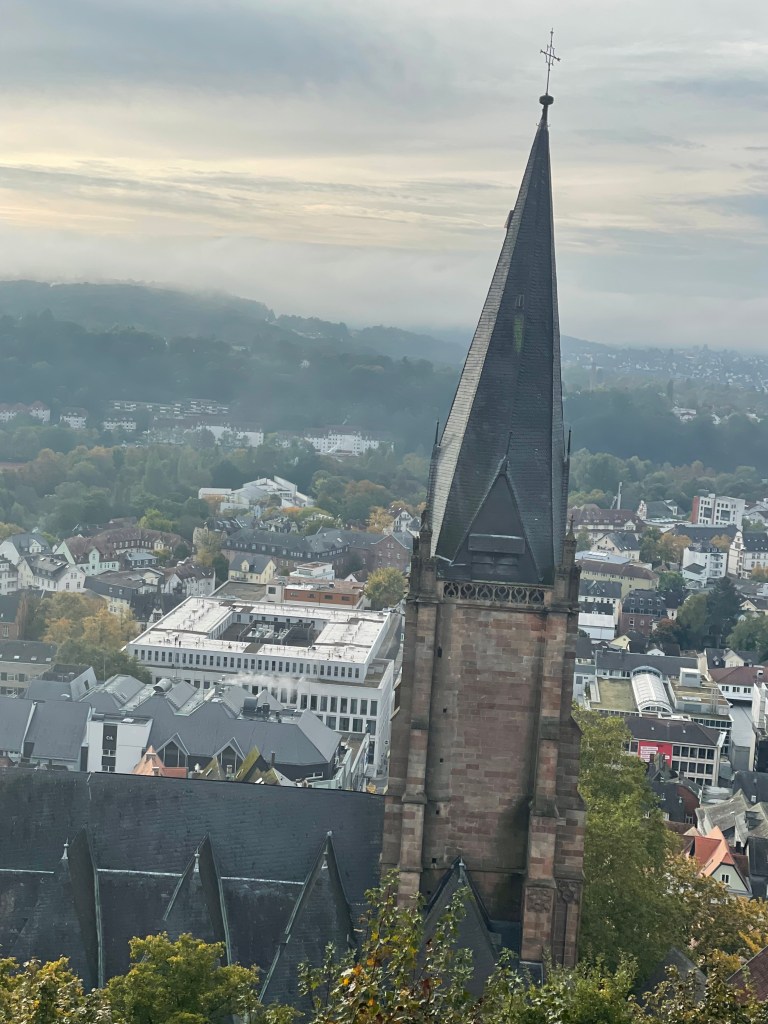
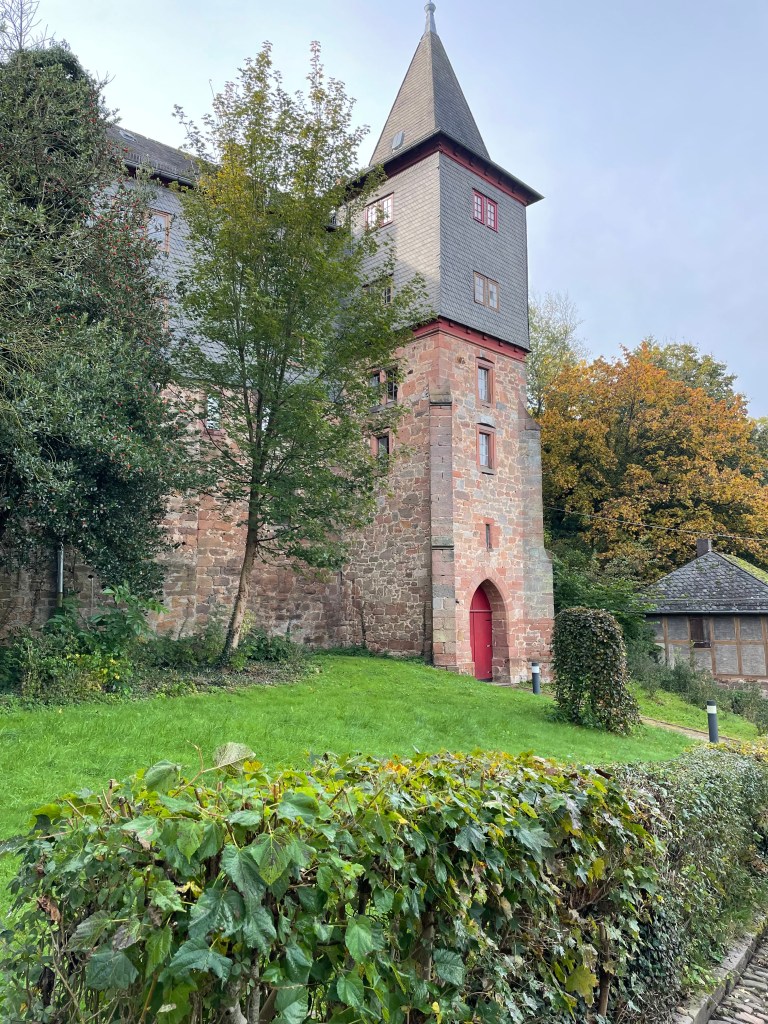
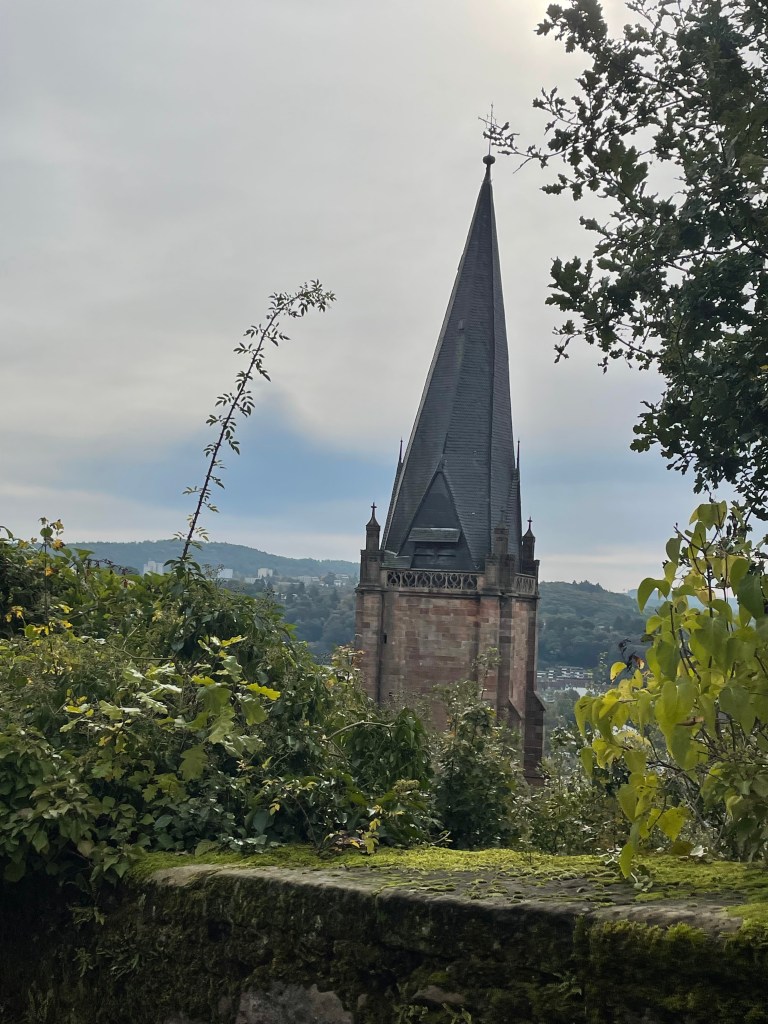
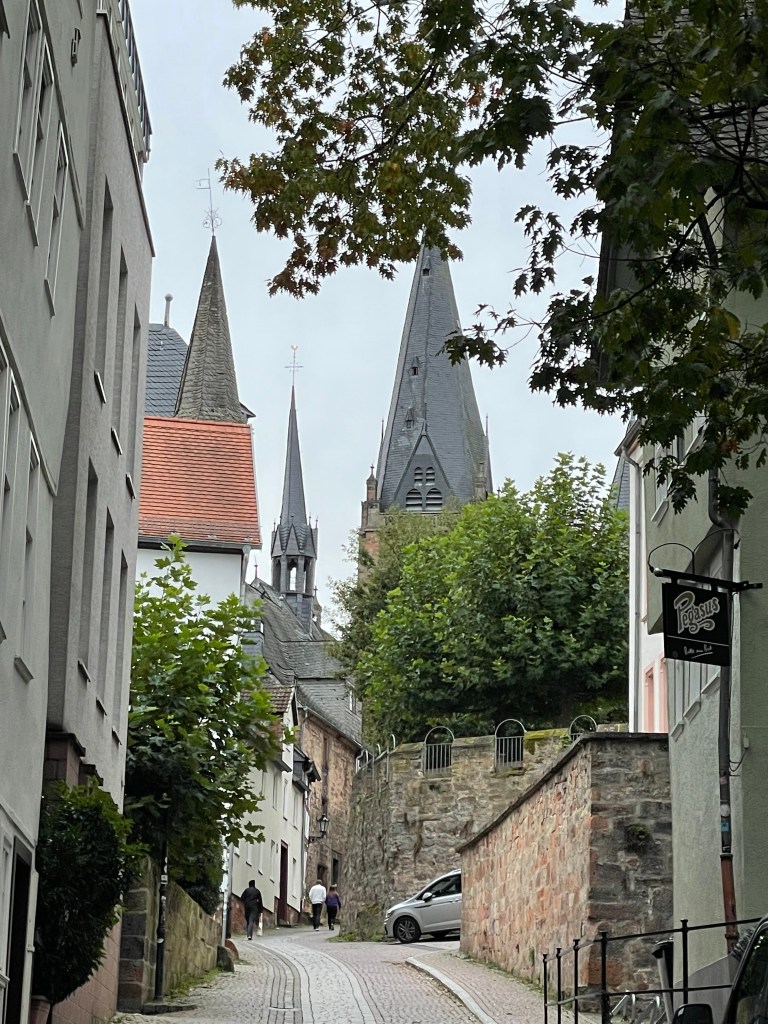
The locals say that the crooked steeple on the cathedral below will straighten out the year a virgin graduates from Marburg University. One of the student dorms is located in the castle complex.
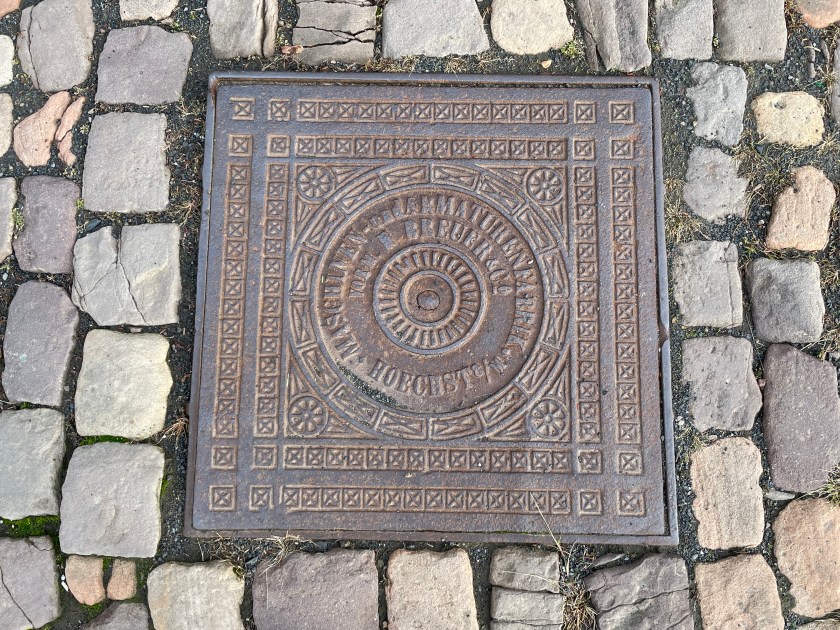
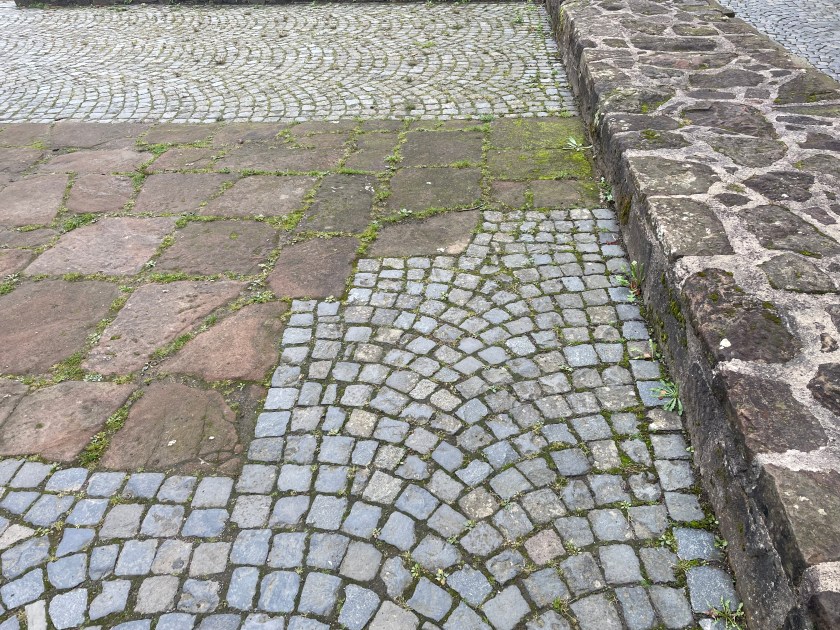
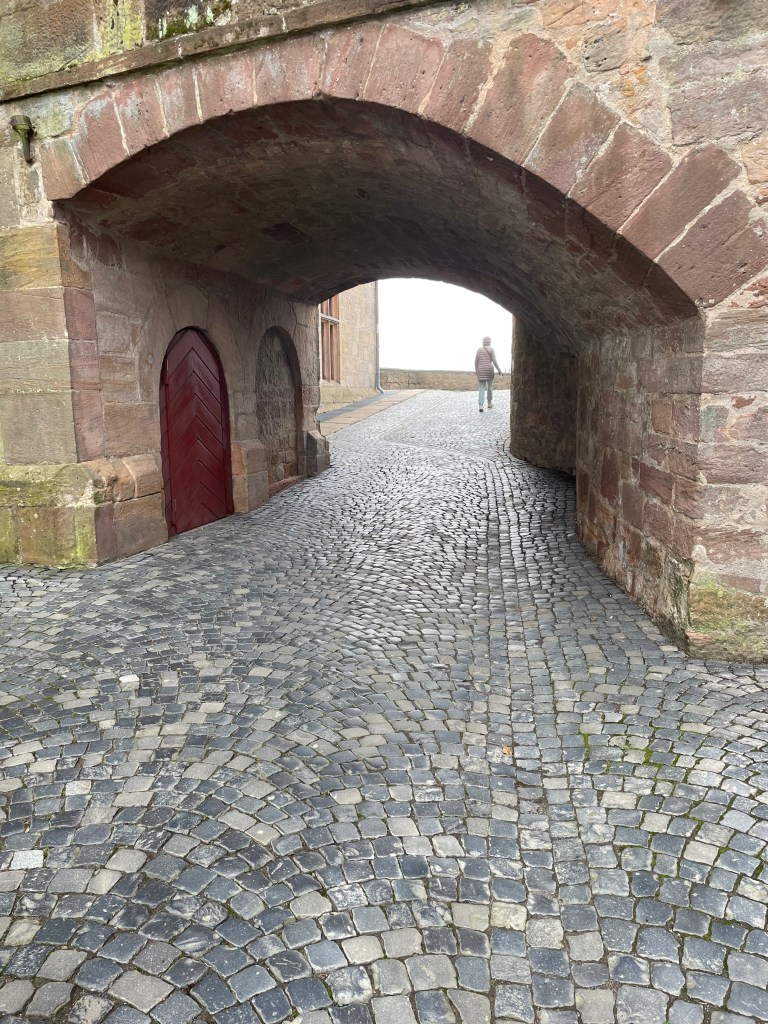
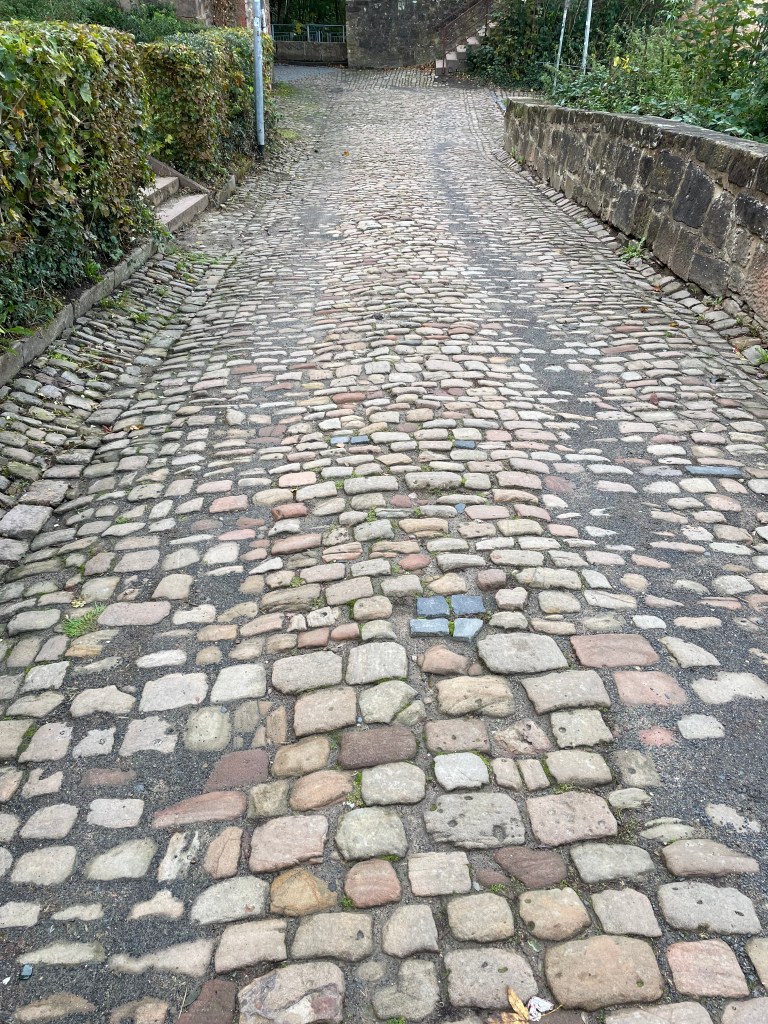
More fascinating stonework:
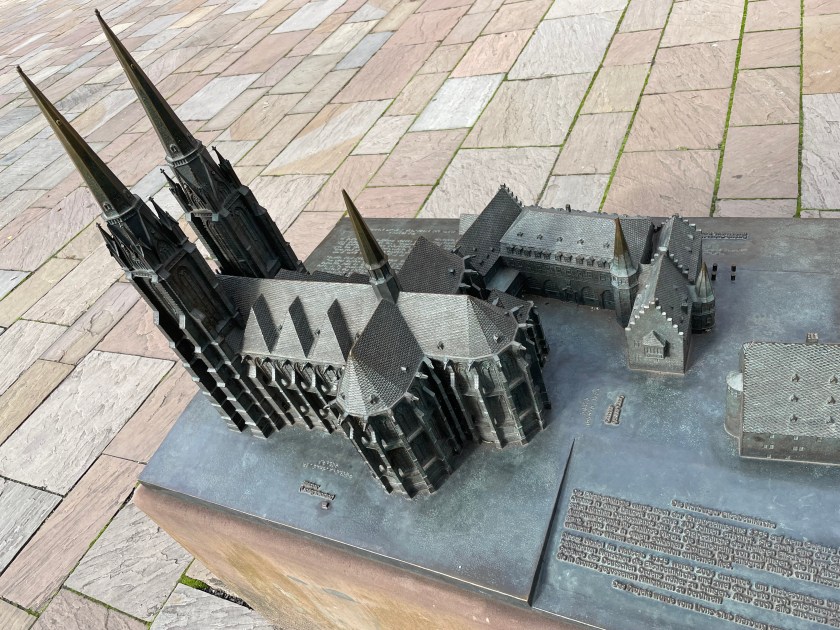
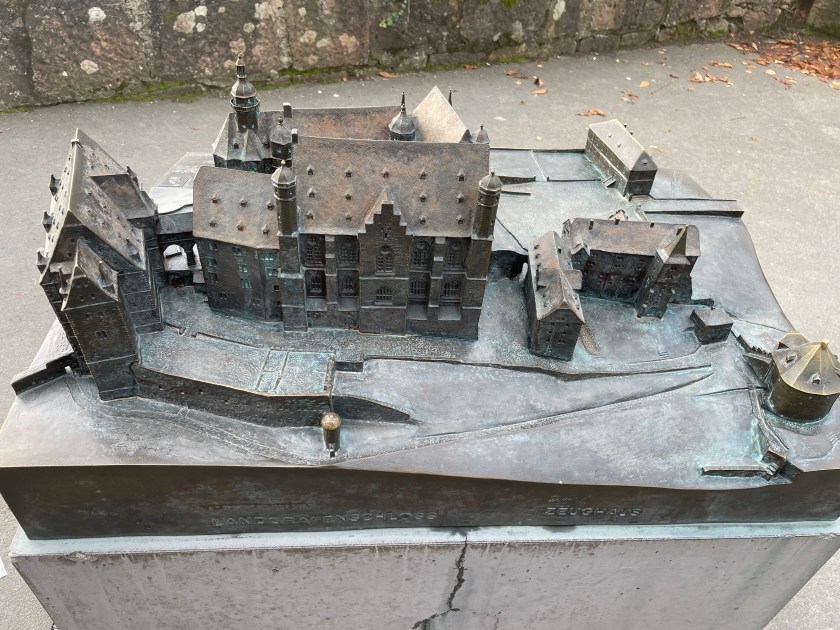
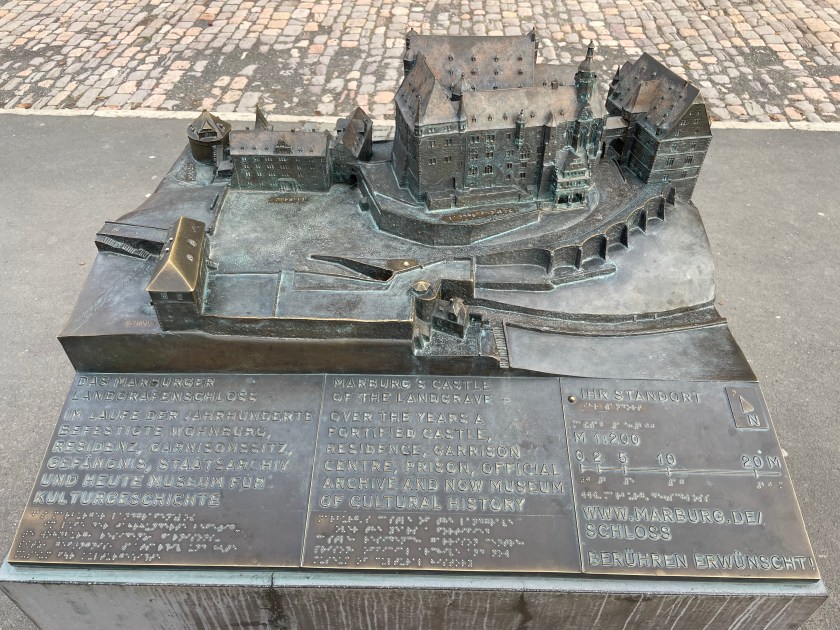
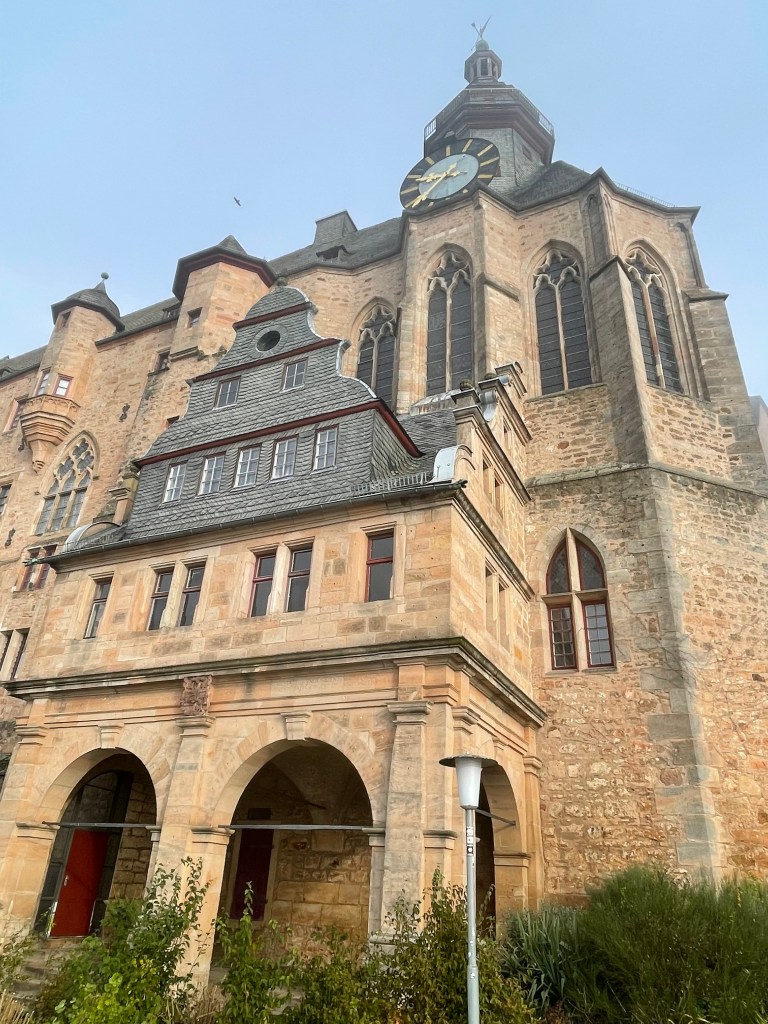
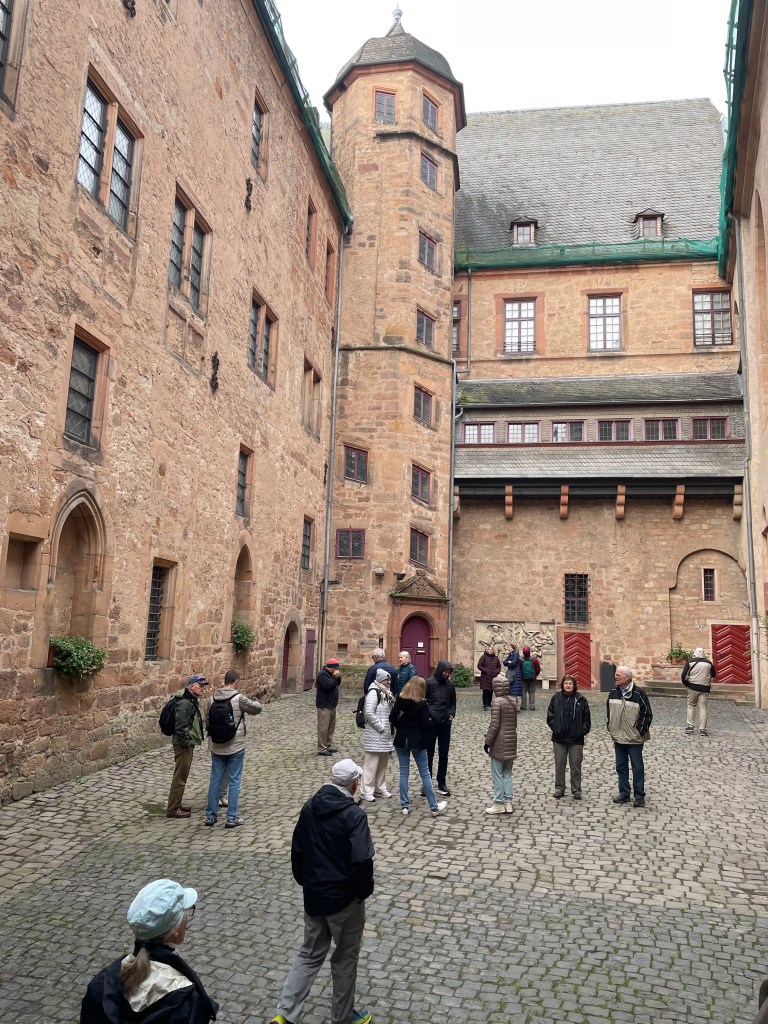
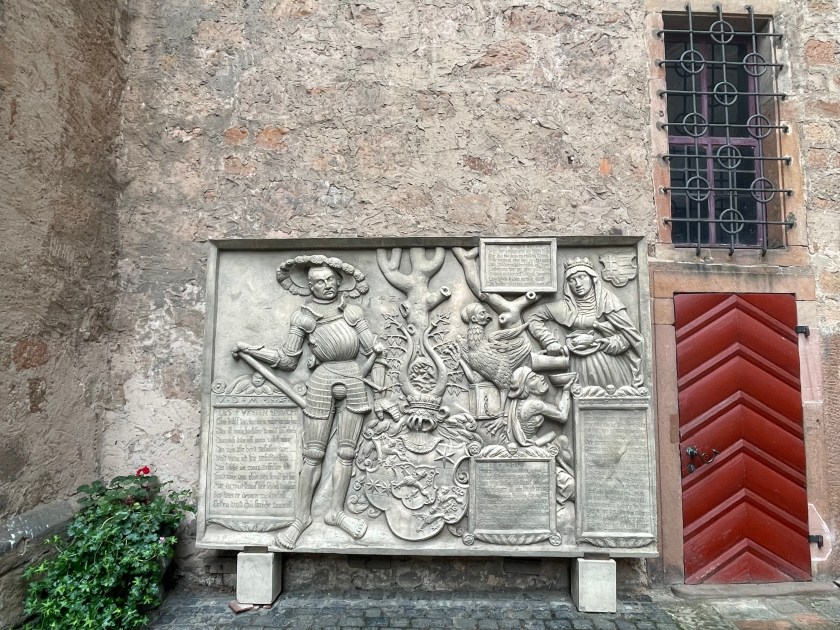
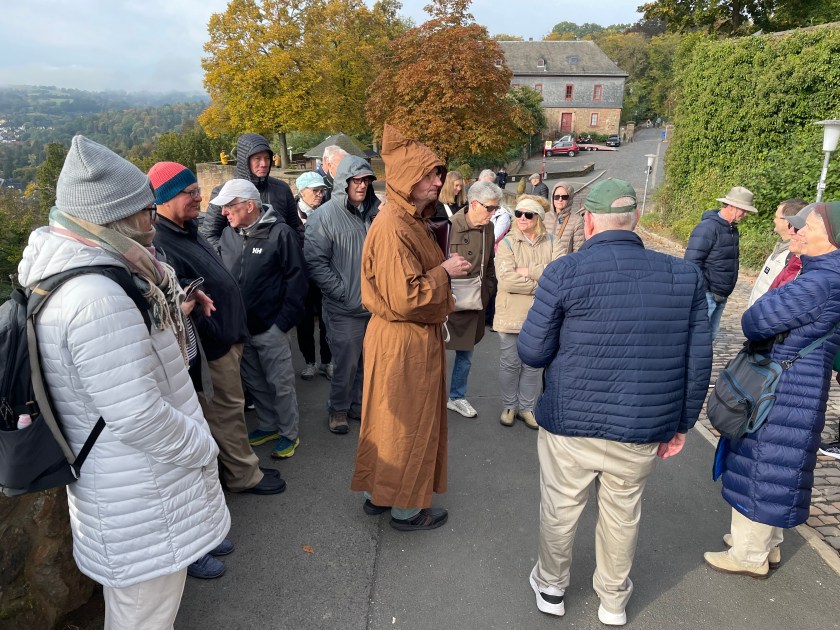
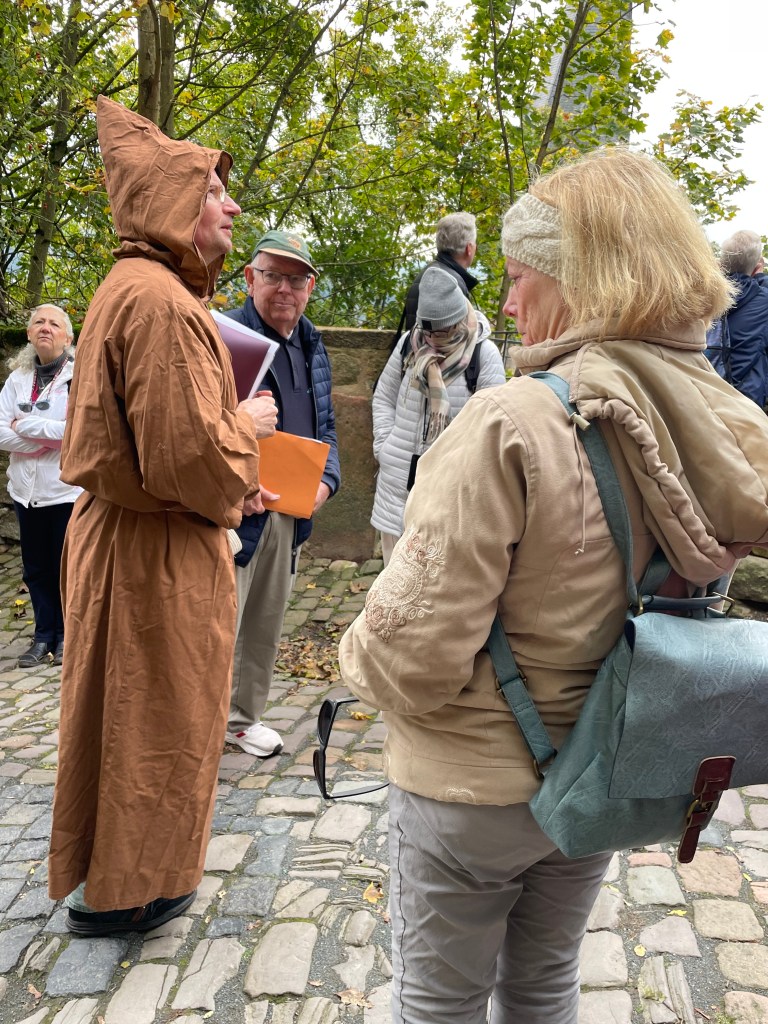
This is the courtyard of the castle. Today we didn’t go inside. We walked around the grounds and learned about the history of this place, made famous by the Saint Elizabeth, from Hungary (1207-1231), who was brought to live here.
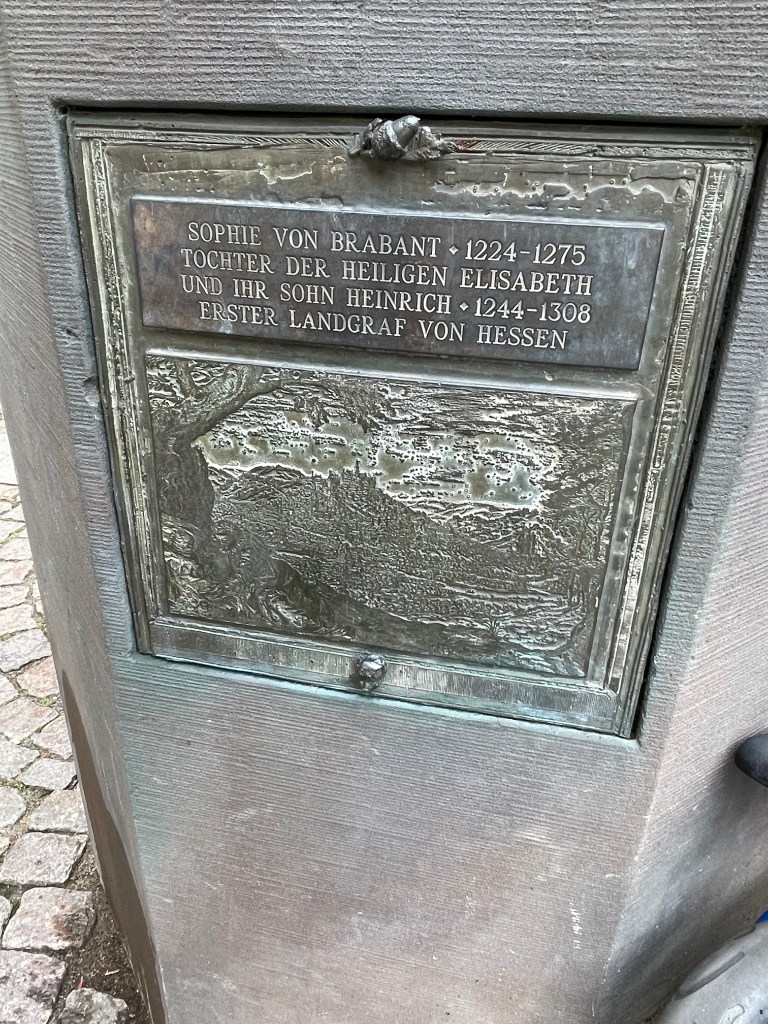
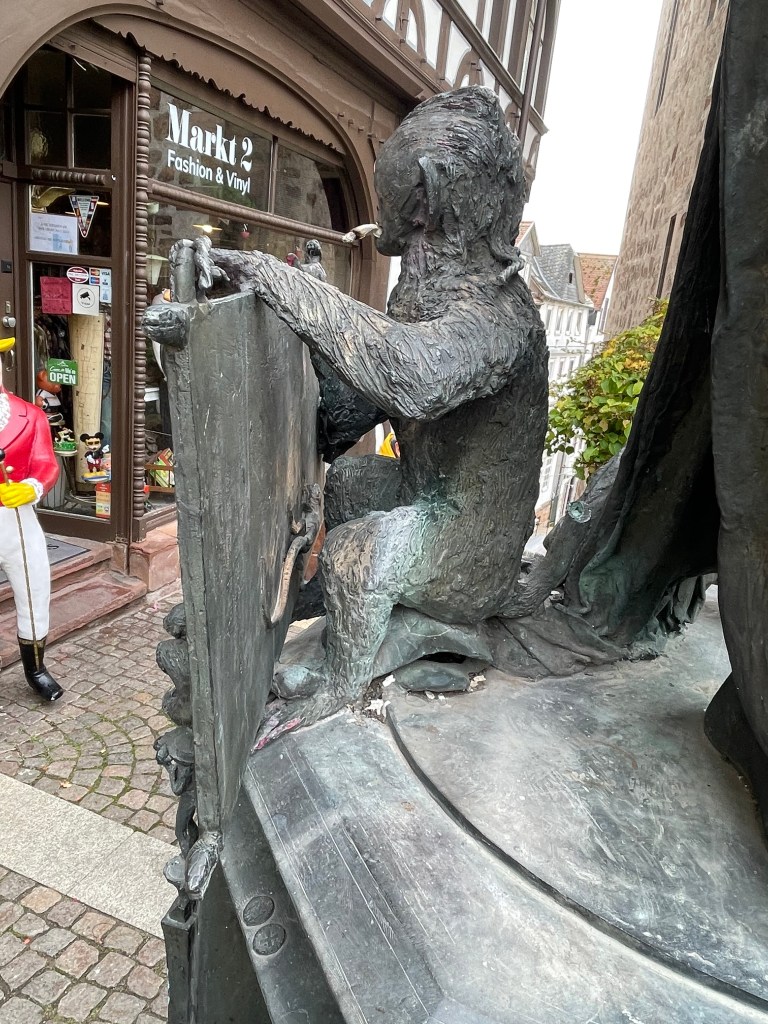
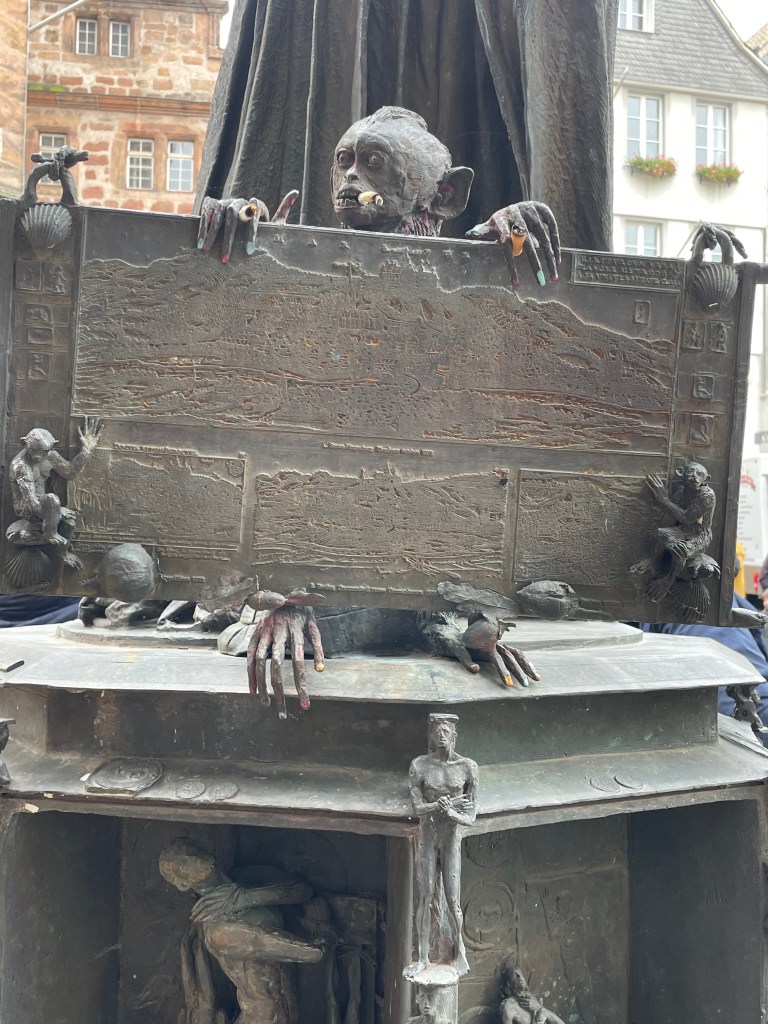
This memorial is a tribute to her:
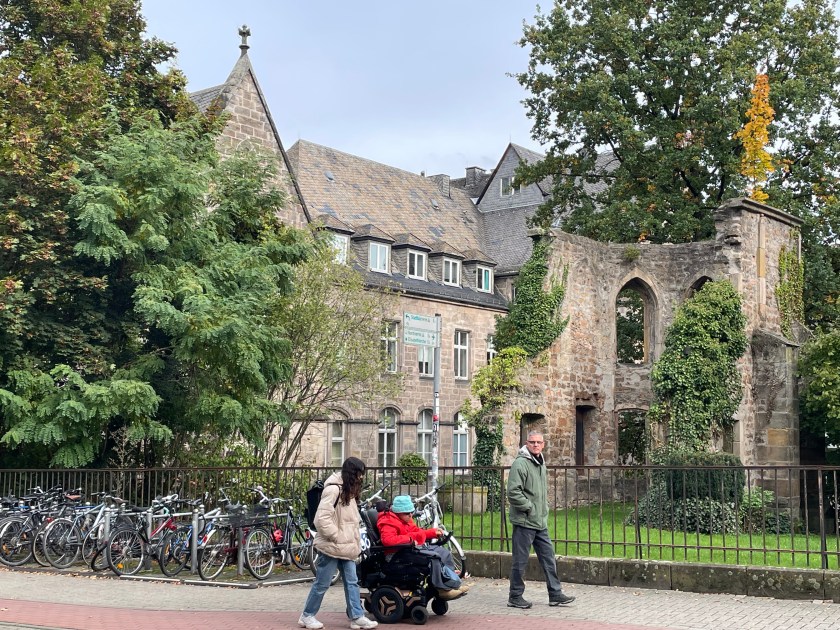
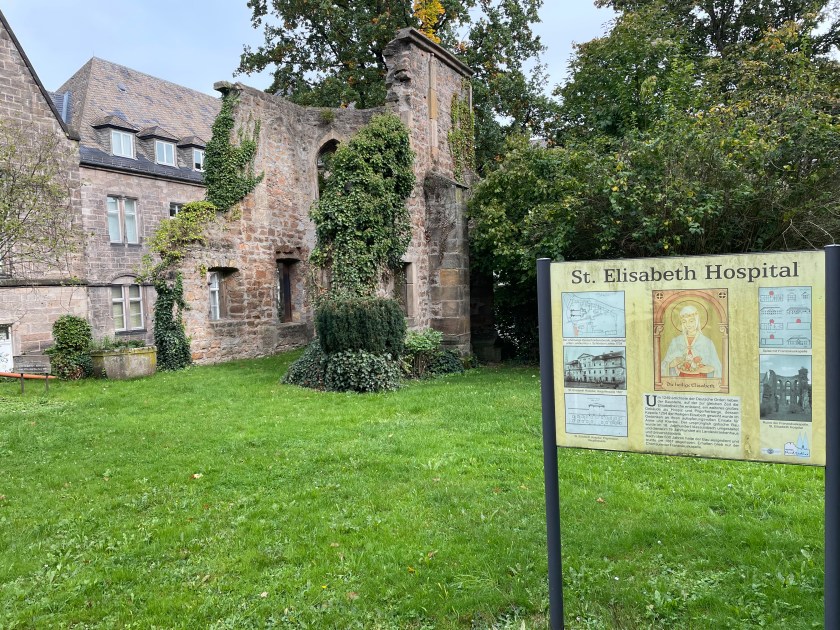
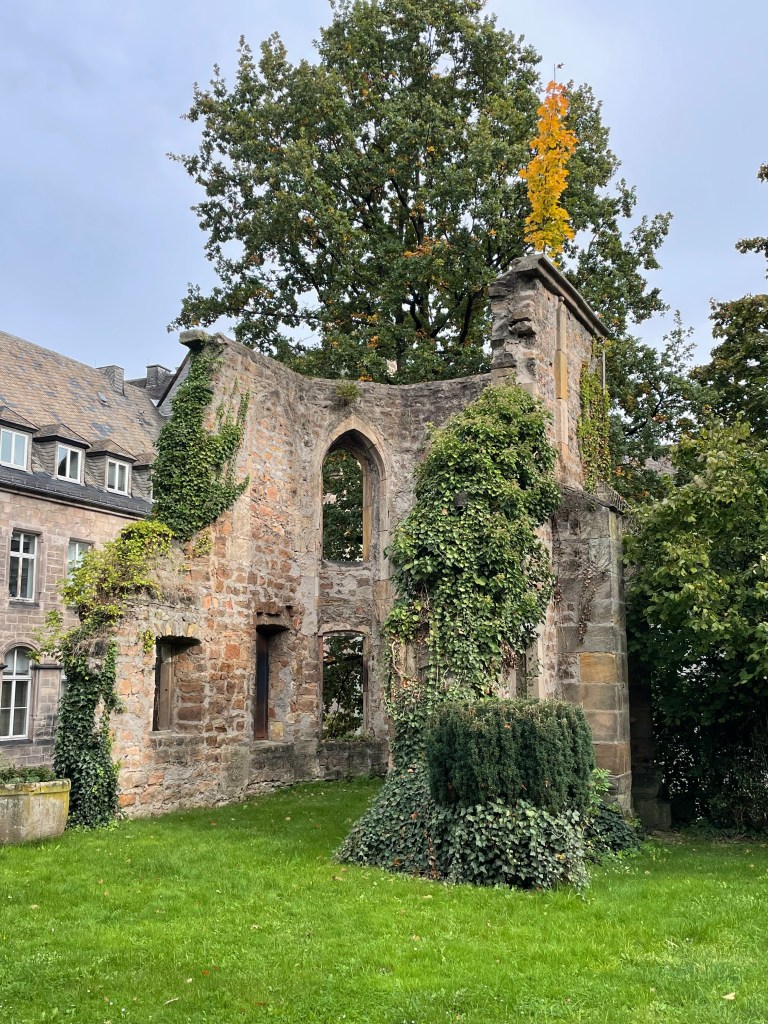
Elizabeth was married at the age of 14, and widowed at 20. After her husband’s death, she regained her dowry, using the money to build a hospital where she herself served the sick. She became a symbol of Christian charity after her death in 1231 at the age of 24 and was canonized on 25 May 1235. She is venerated as a saint by the Catholic Church. She was an early member of the Third Order of St. Francis, and is today honored as its patroness.
Her husband’s family wasn’t too excited about her spending her family wealth on the poor and needy. She did it anyway. Bravo, Elizabeth!
The fog clearing and the steeple still crooked.
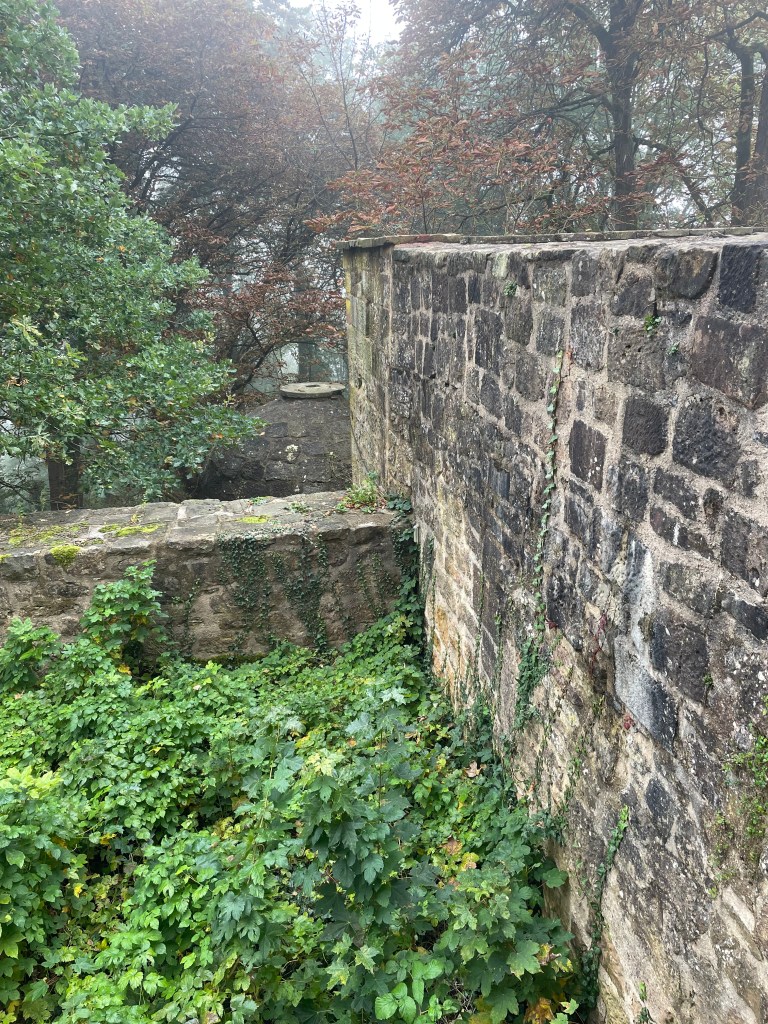
Below is a medieval toilet, that dropped waste into the garden grounds below.
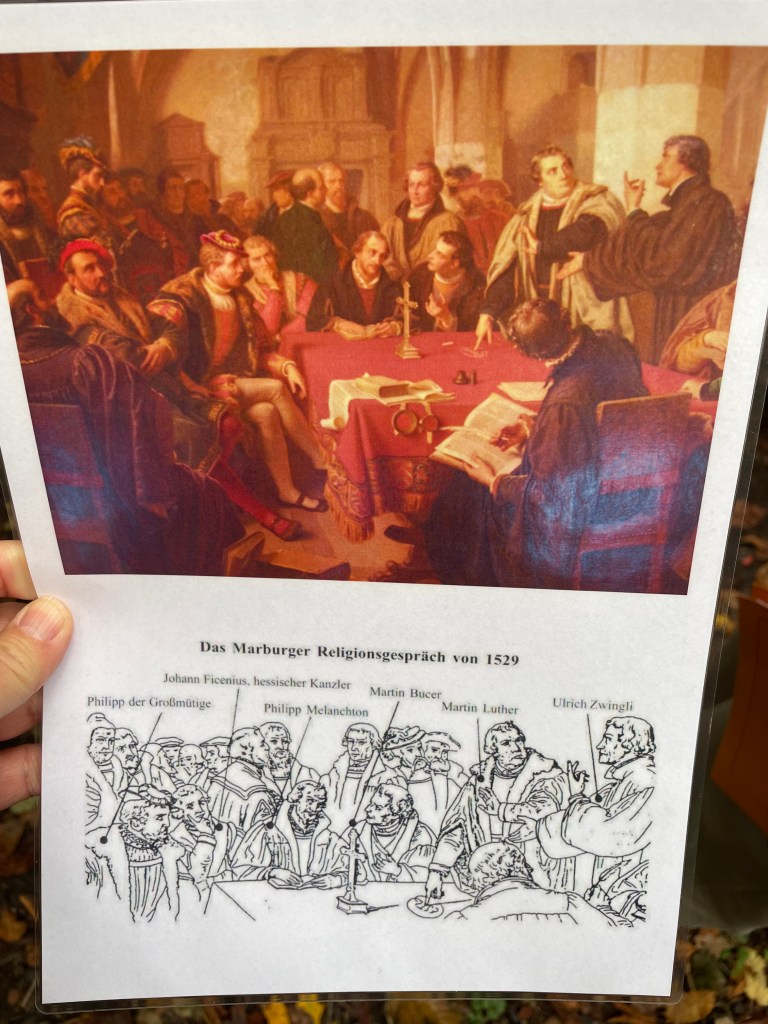
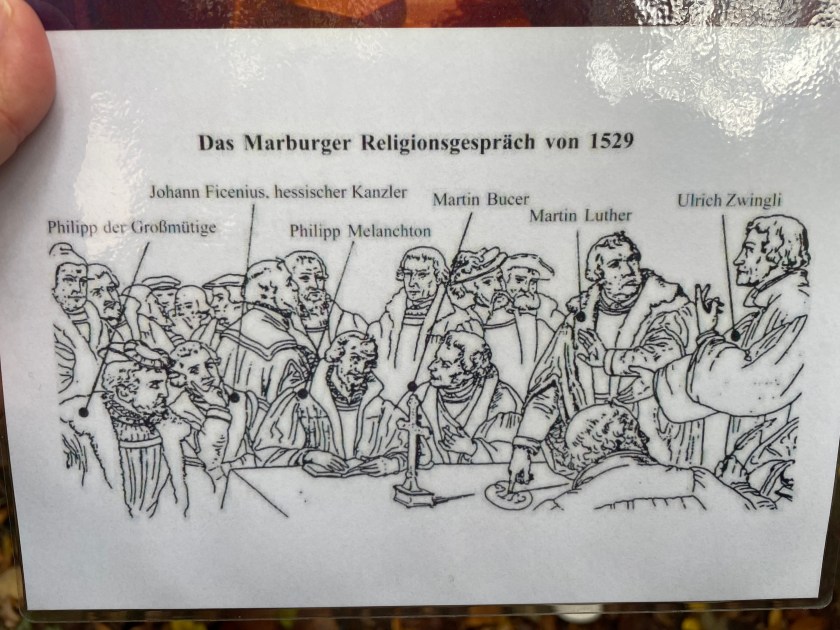
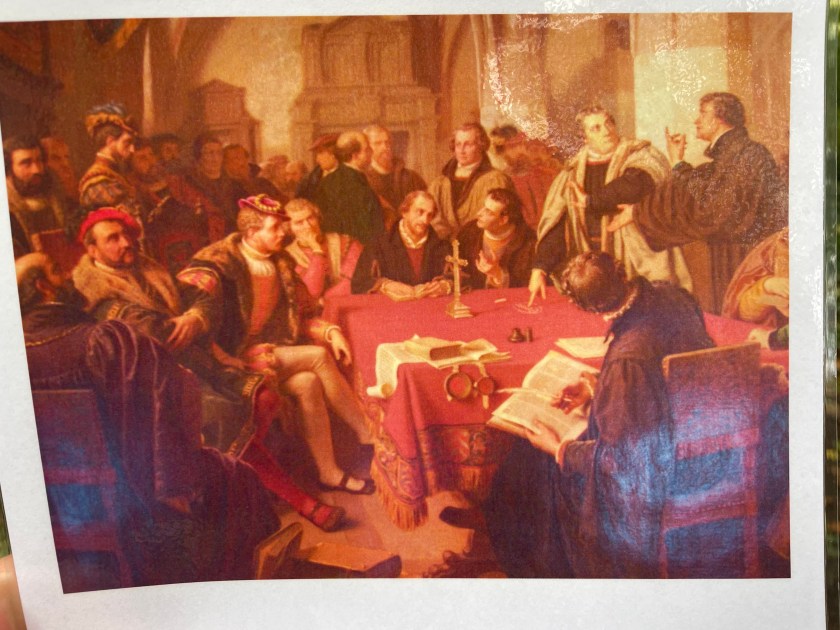
This was an important meeting of religious leaders at Marburg in 1529 where they discussed the true meaning of the Sacrament–was in a symbol of Christ’s body and blood, or was it literal?
This steeple was so intriguing. Did I expect it to be straightened the next time I looked?
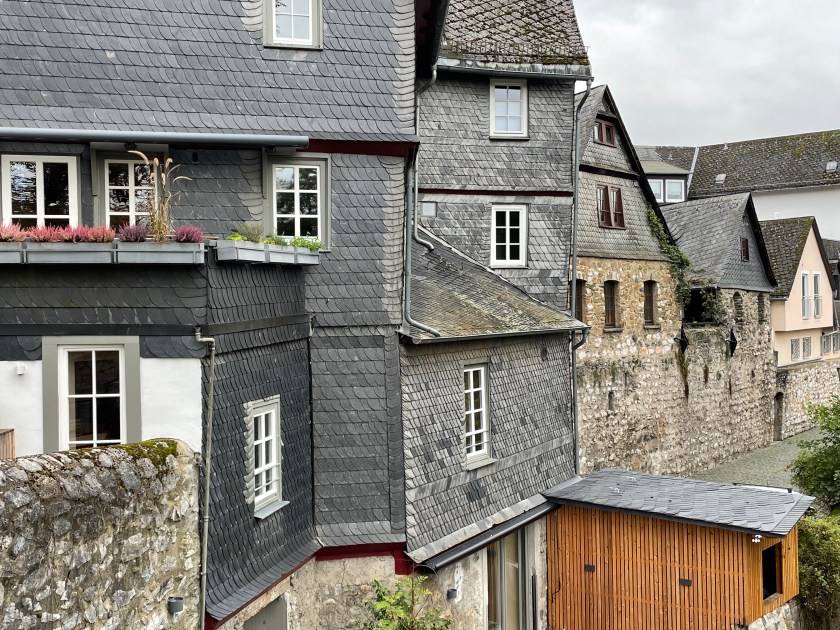
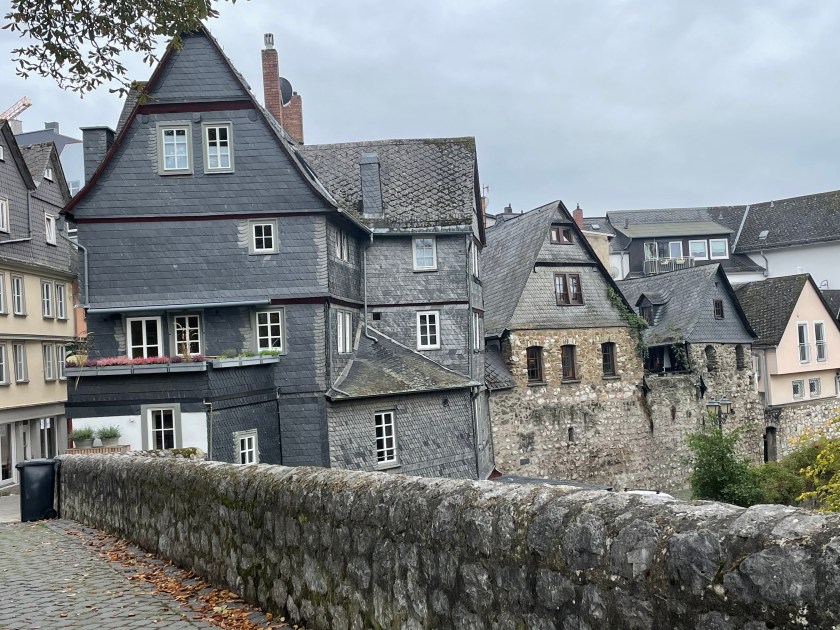
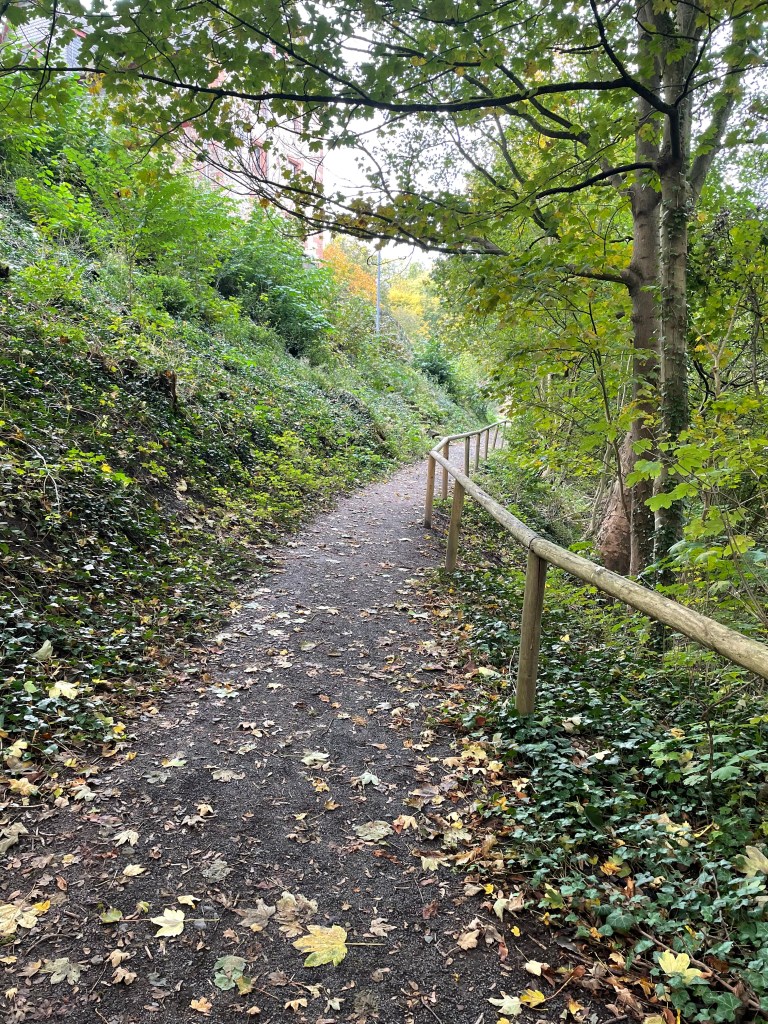
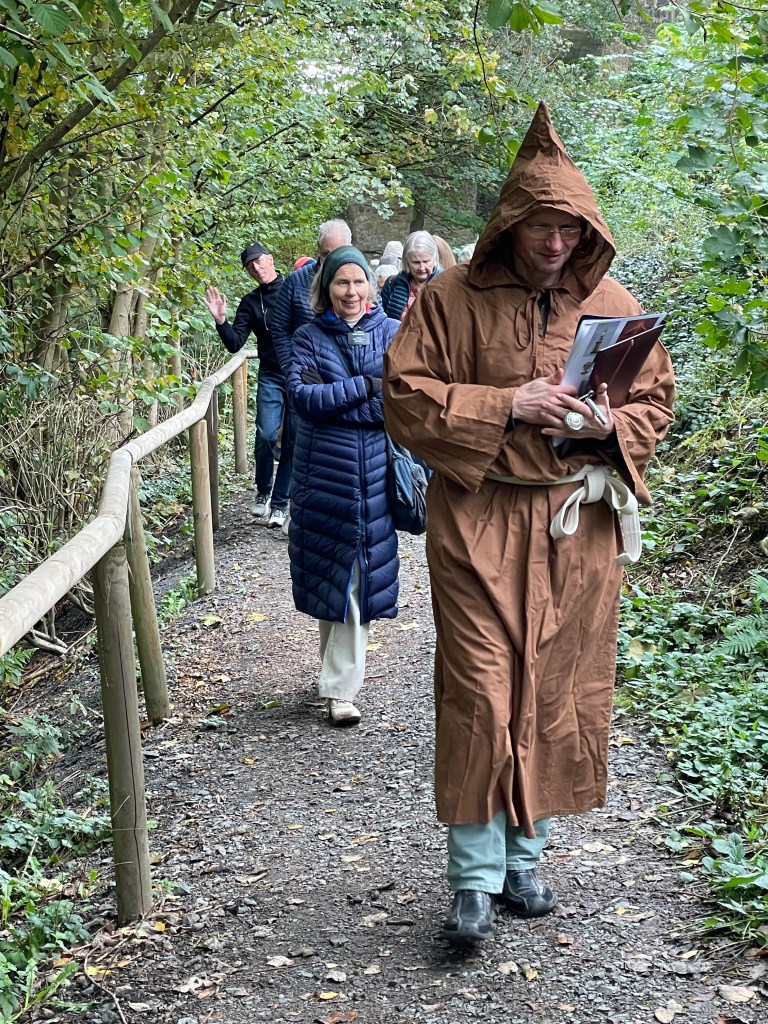
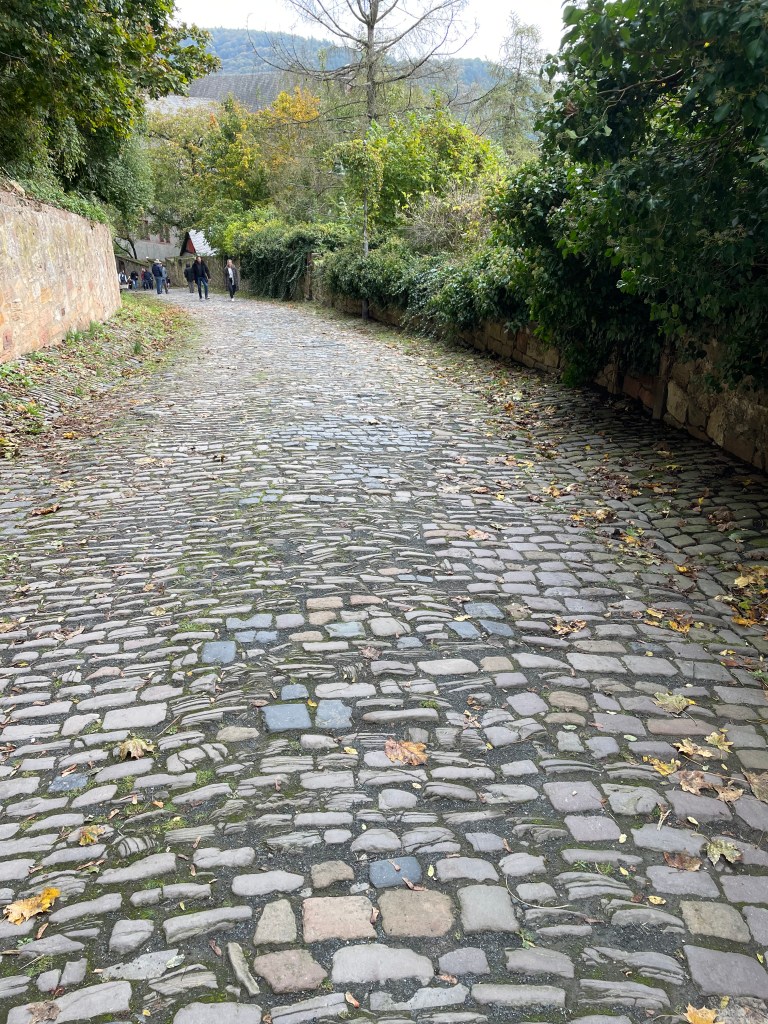
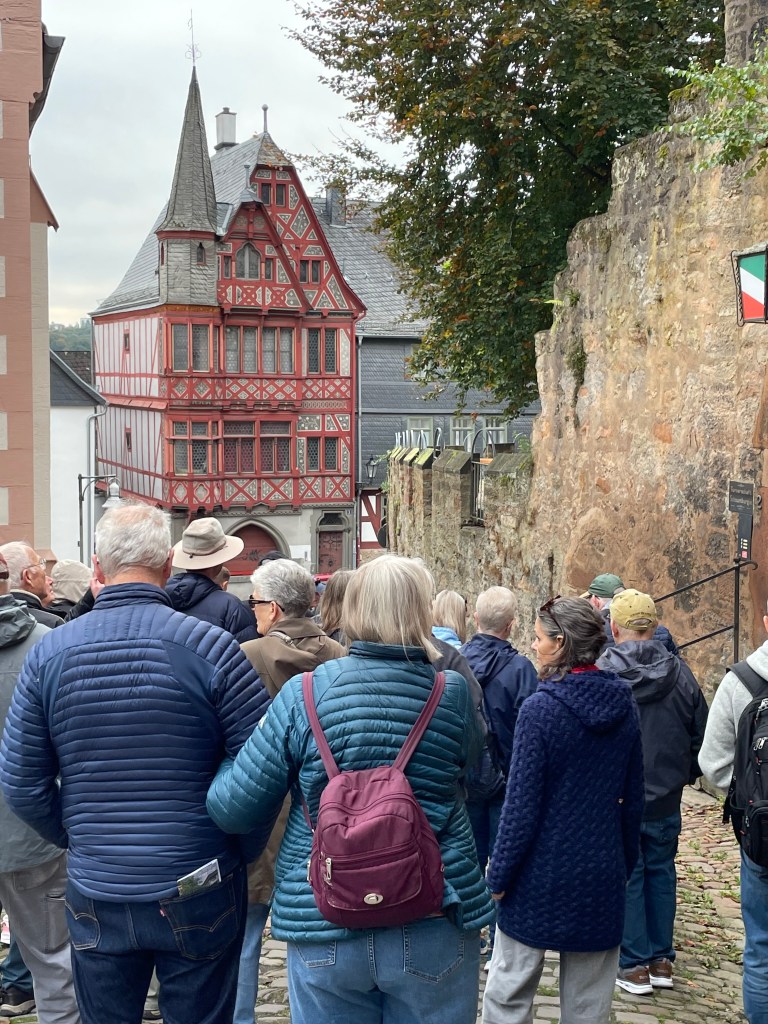
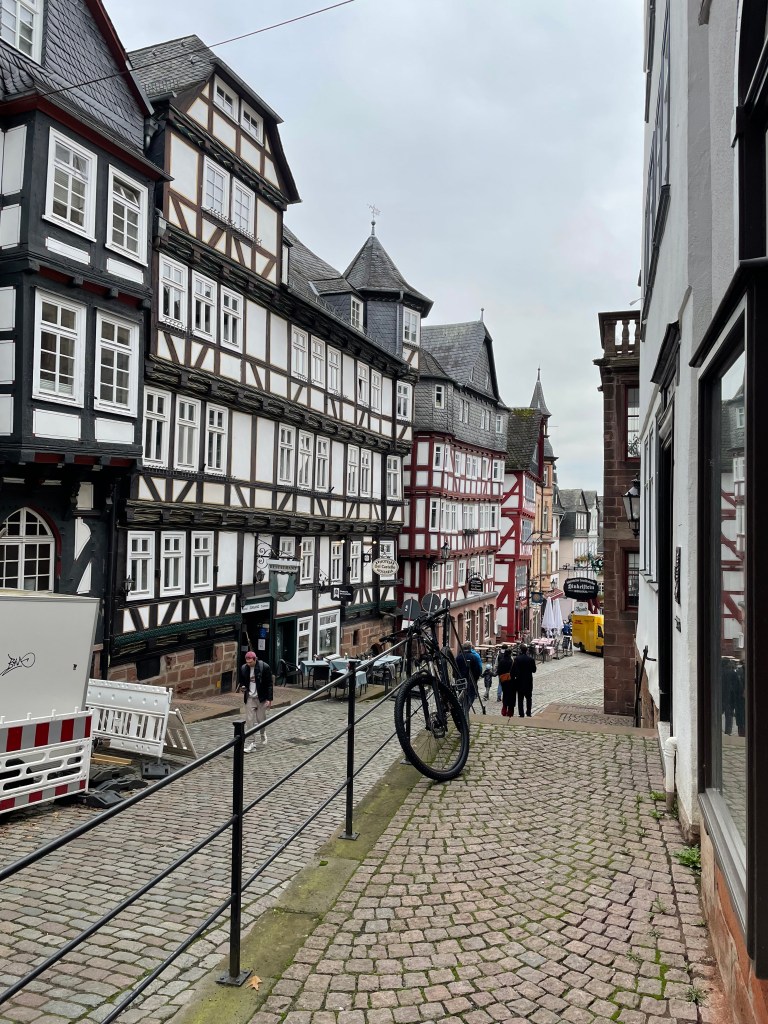
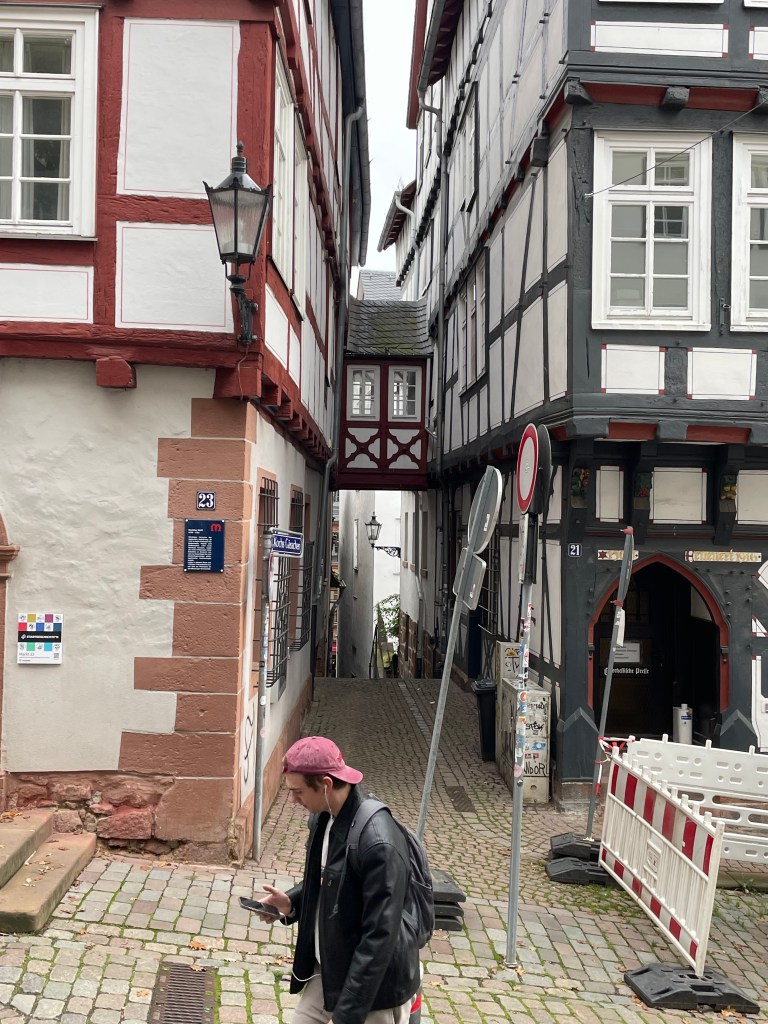
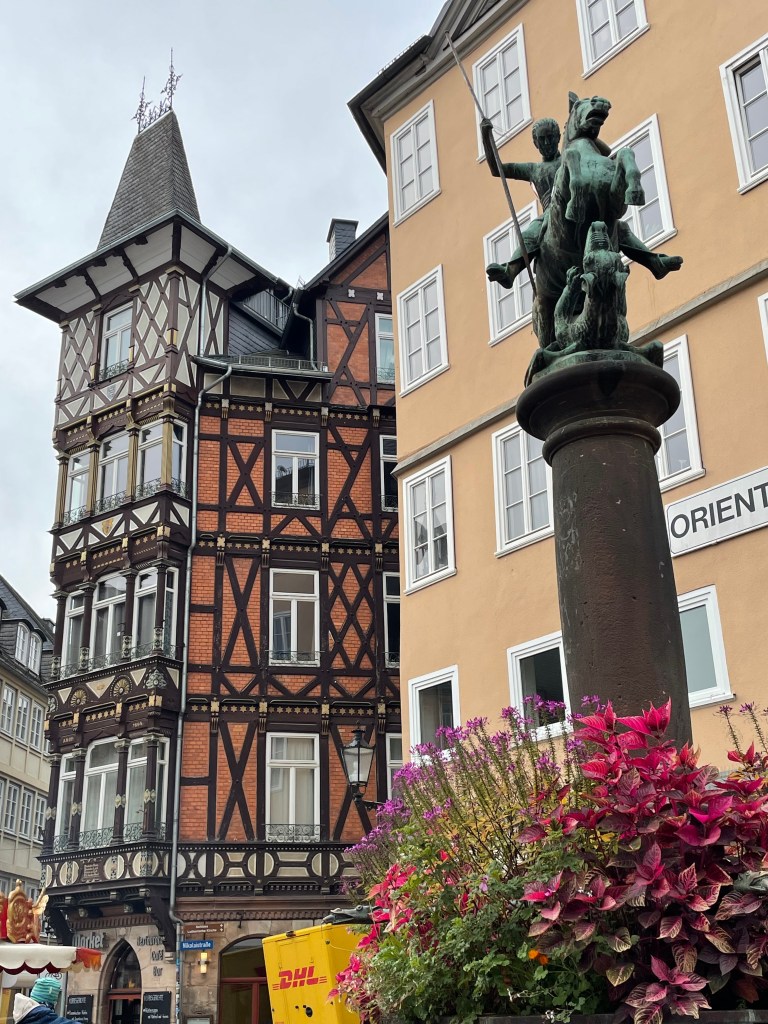
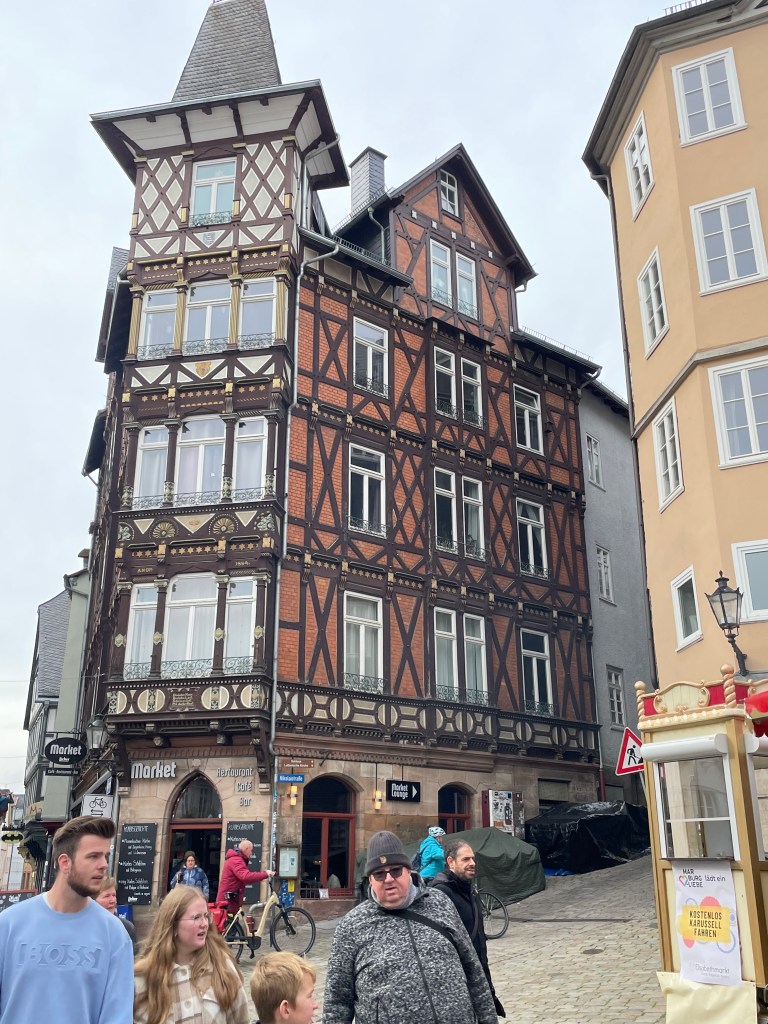
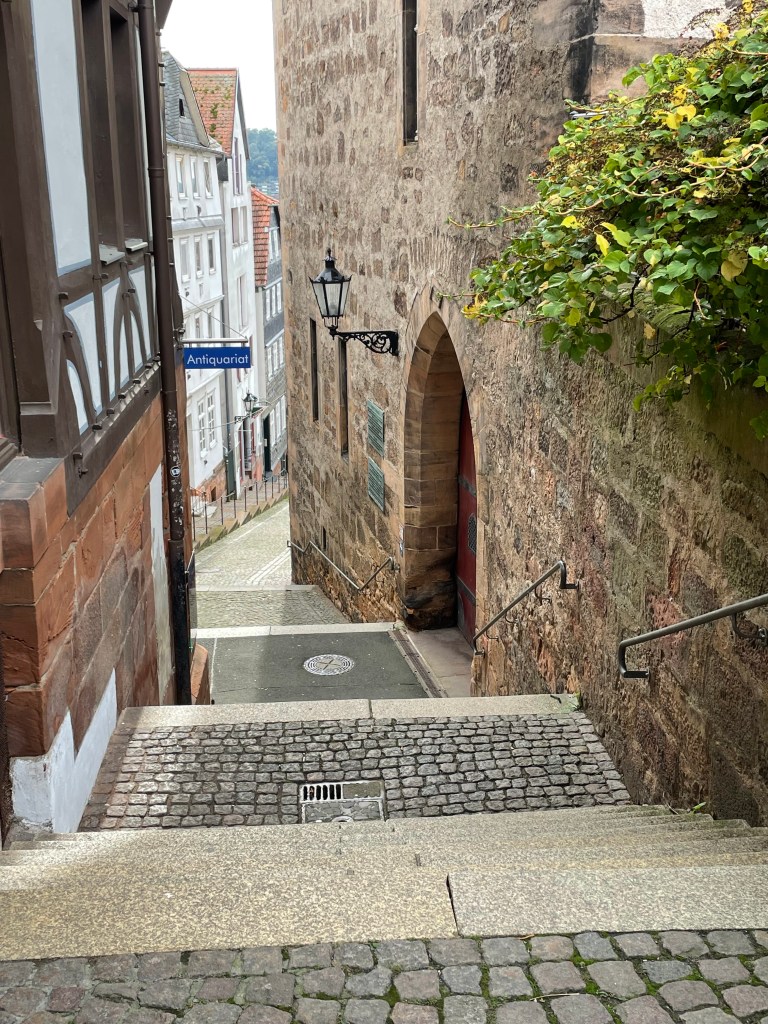
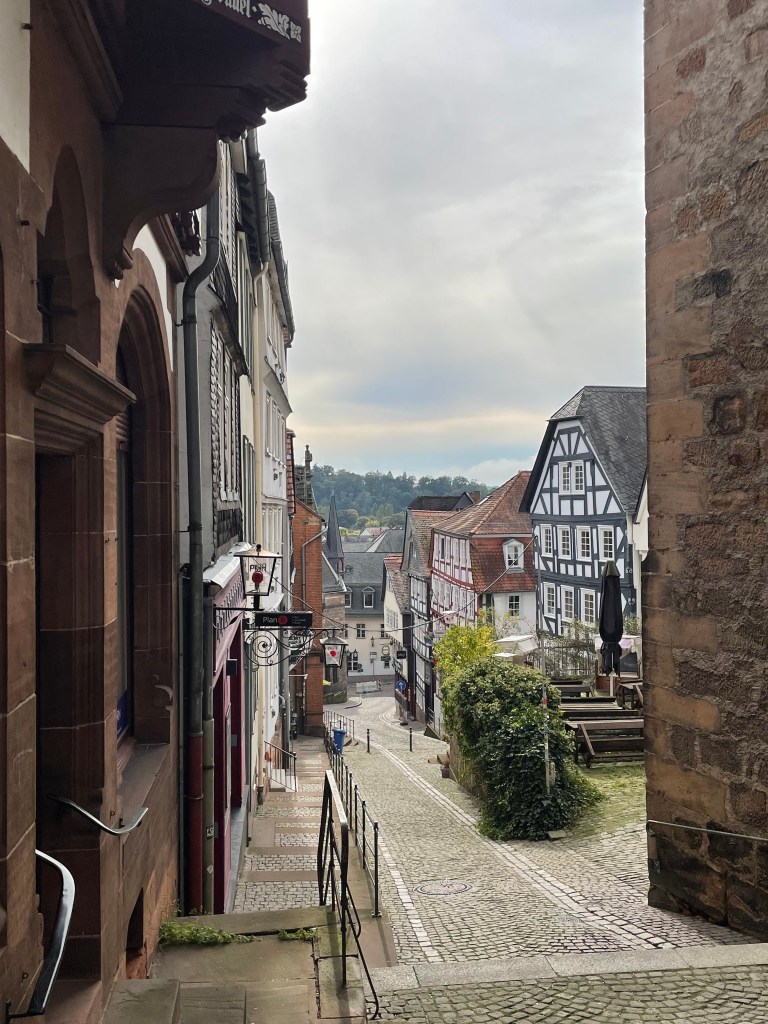
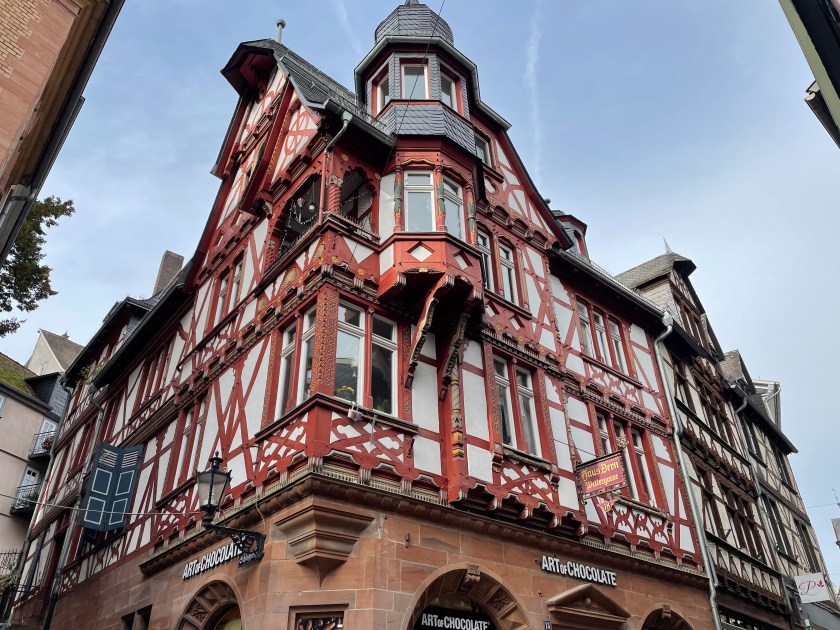
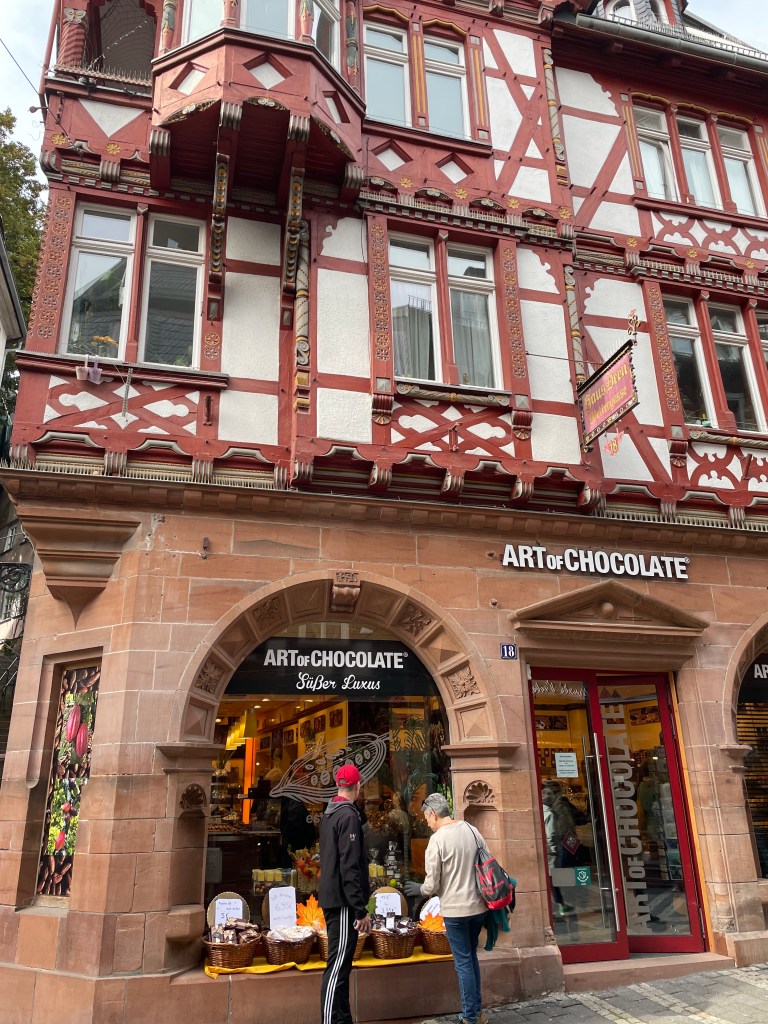
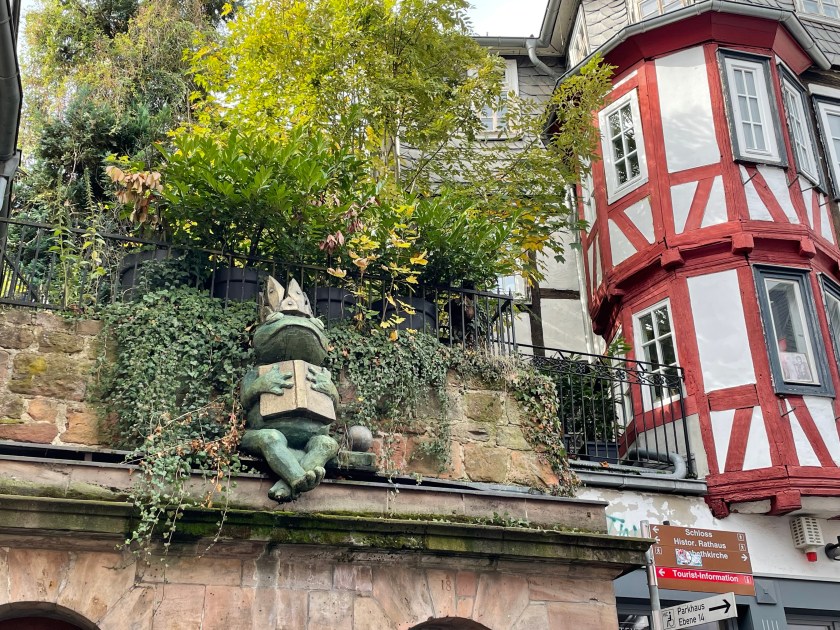
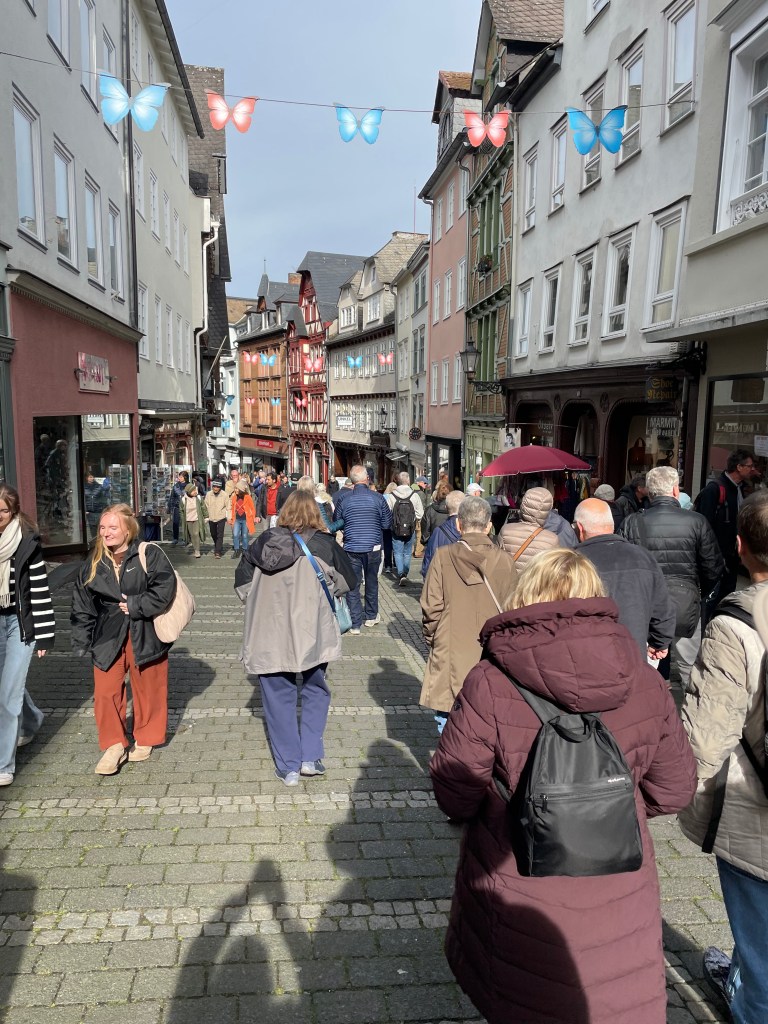
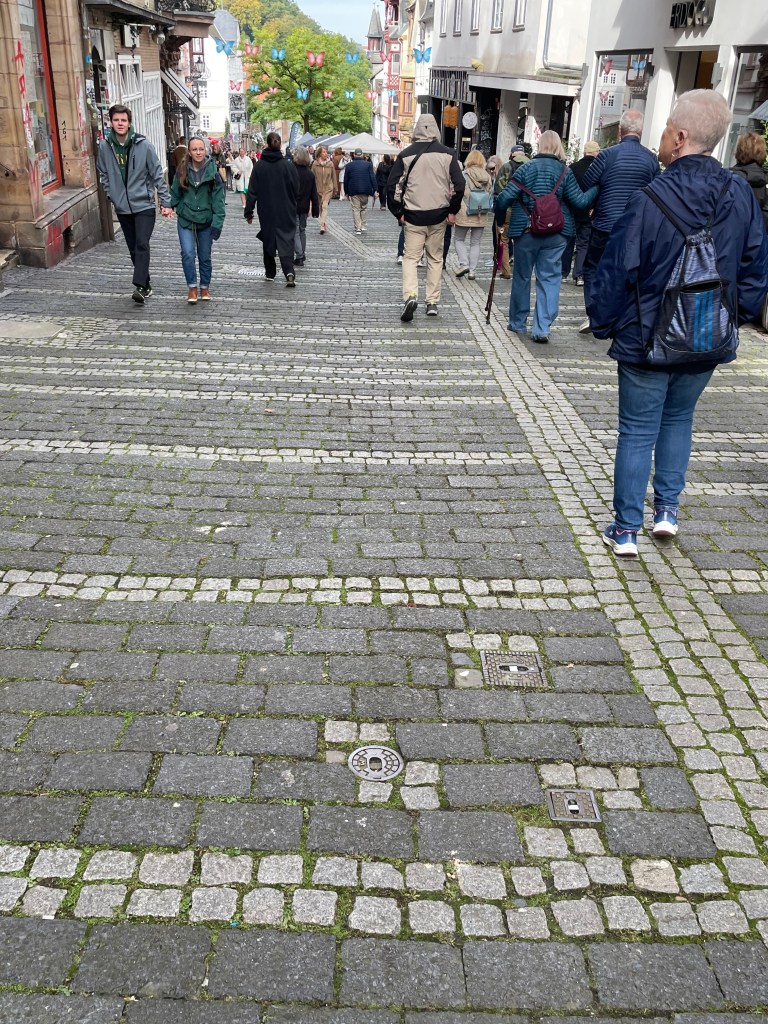
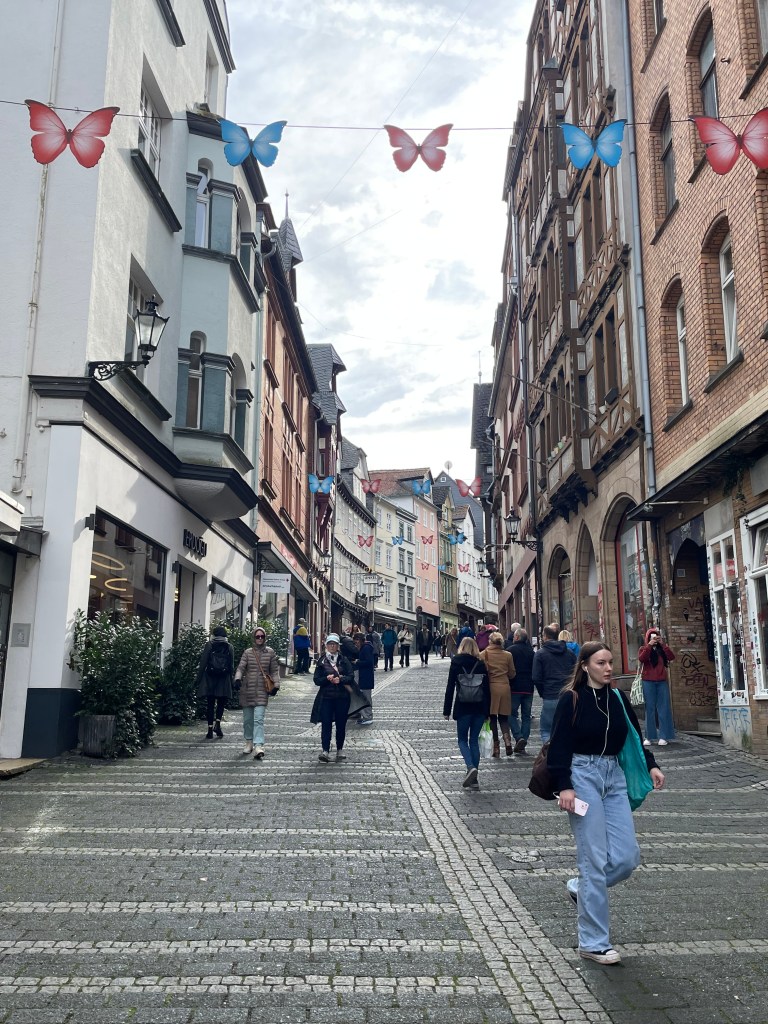
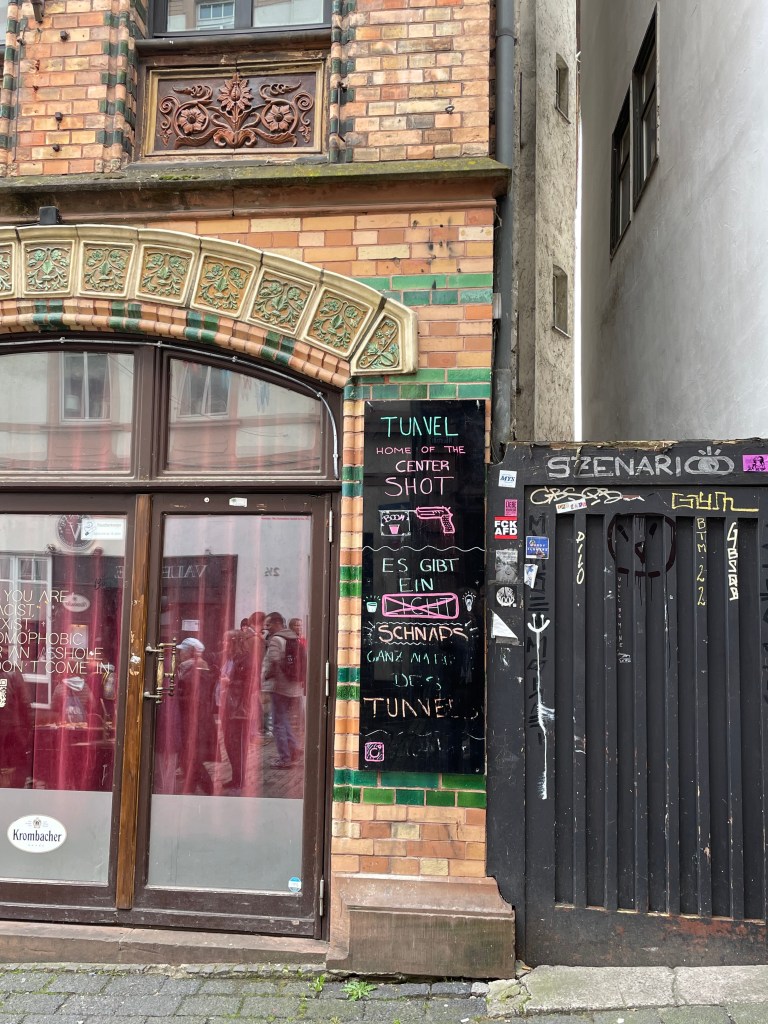
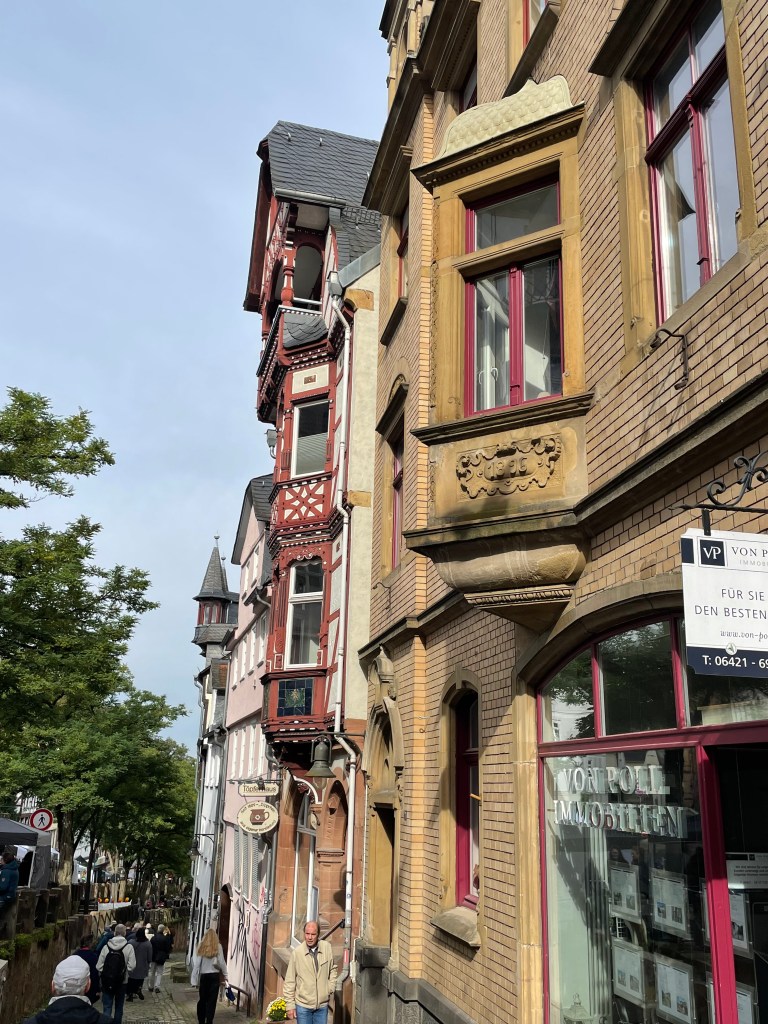
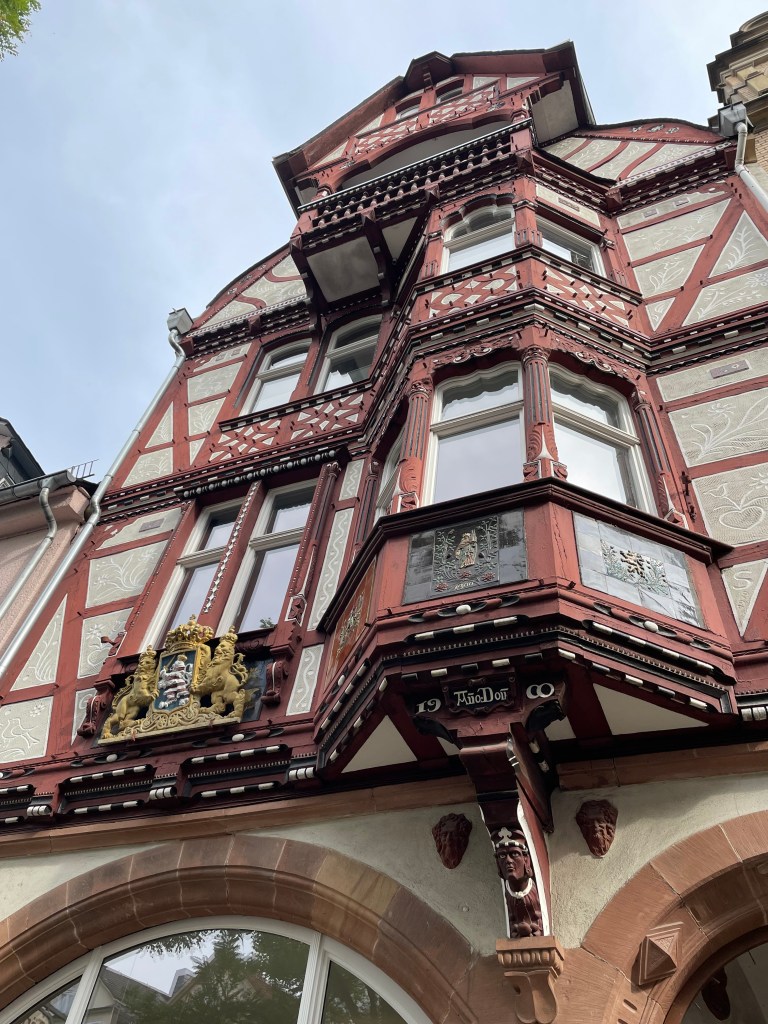
After our castle history lesson, we walked down into the town of Marburg.
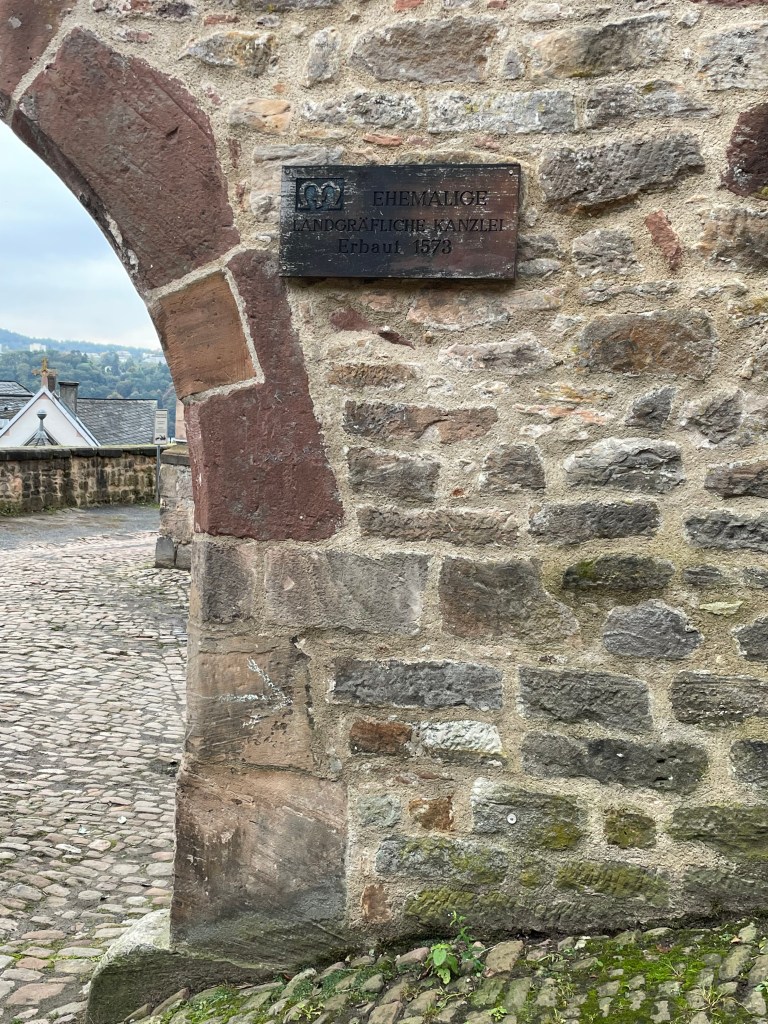
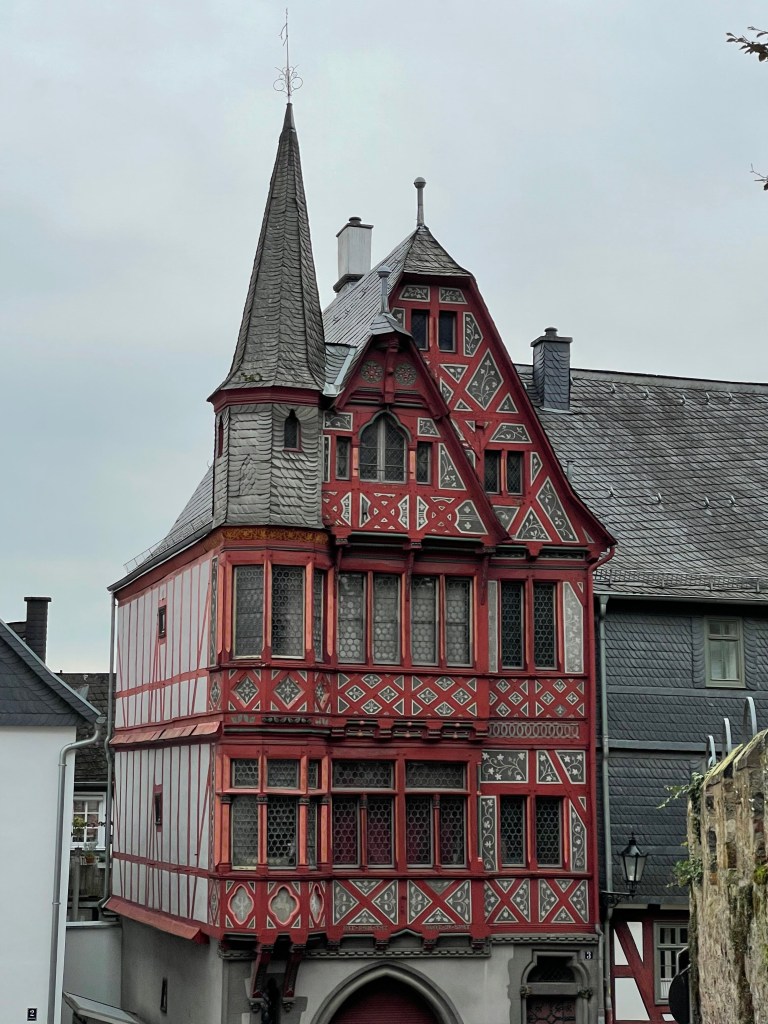
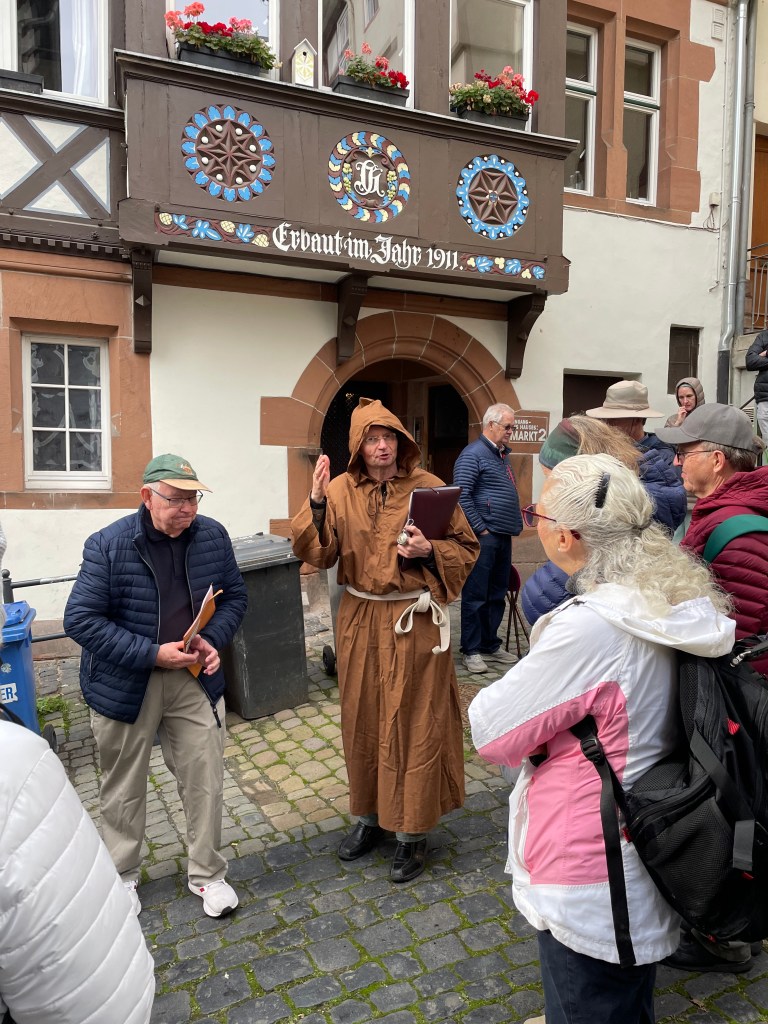
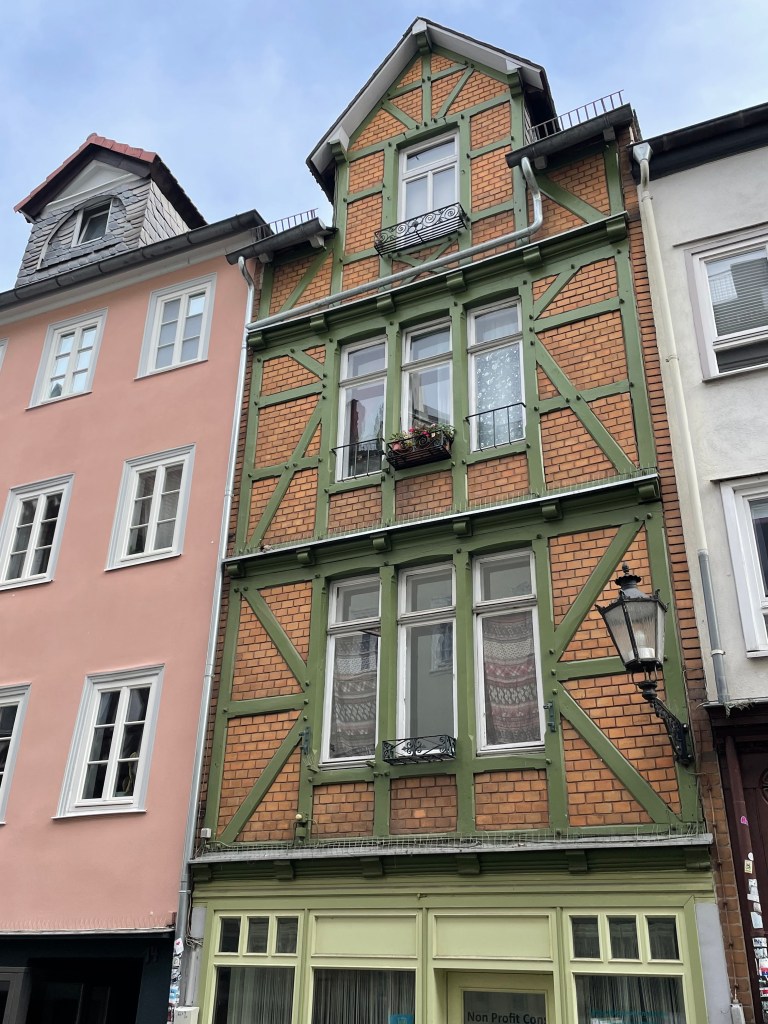
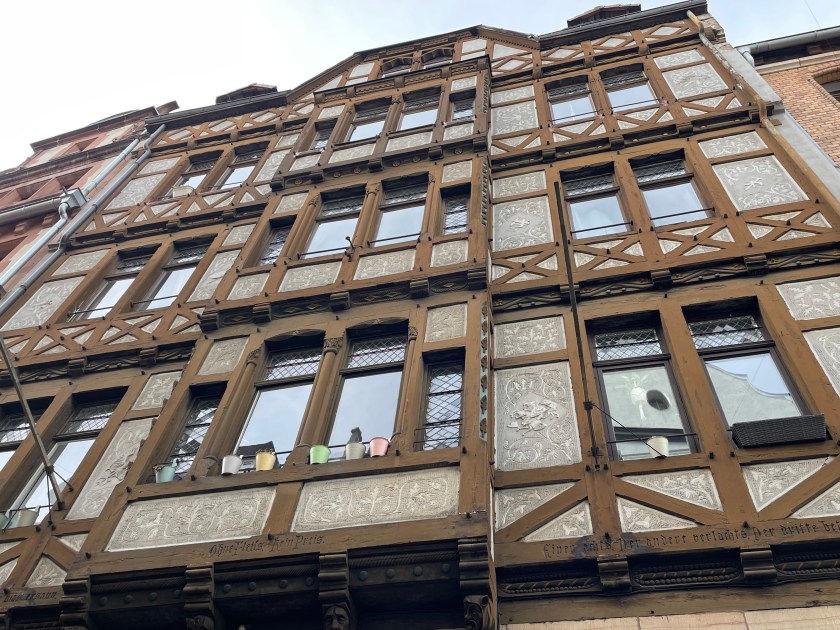
This entry was built in 1573:
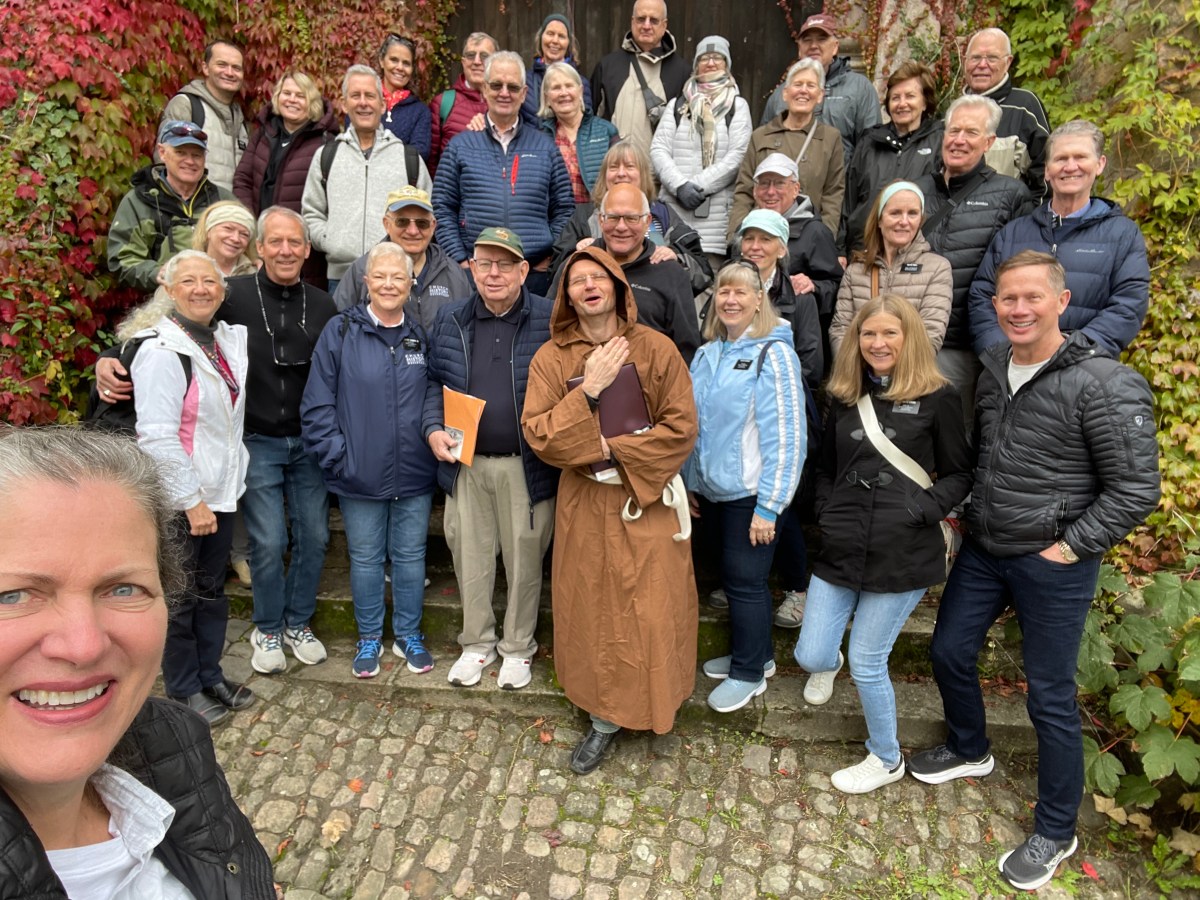
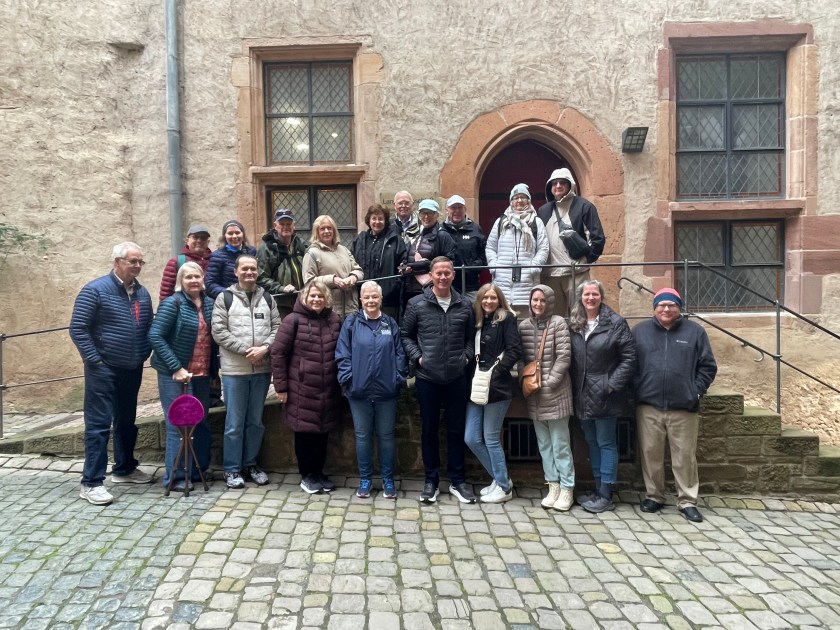
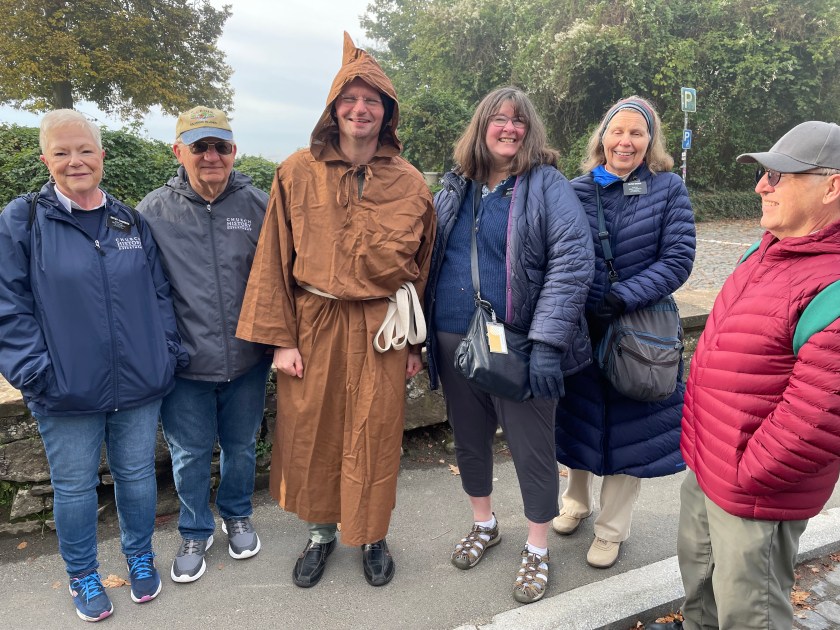
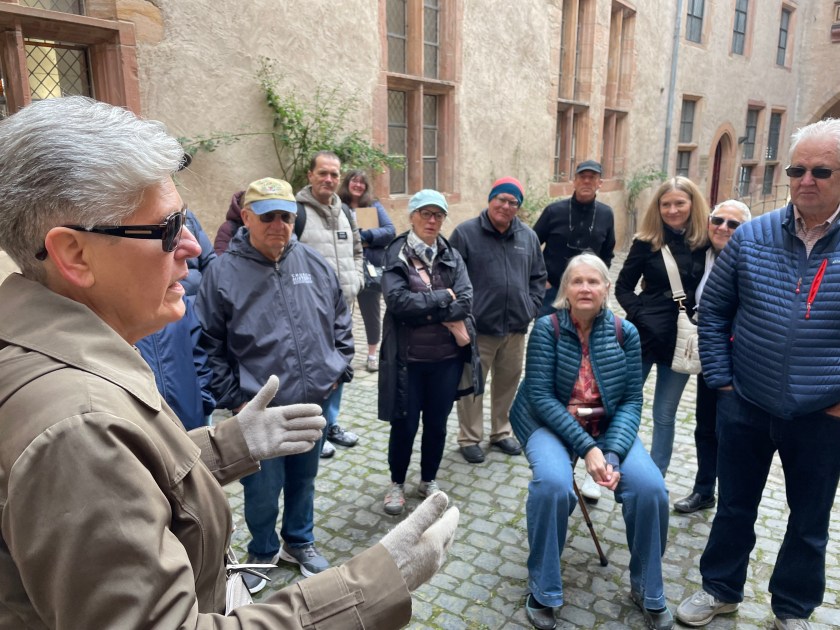
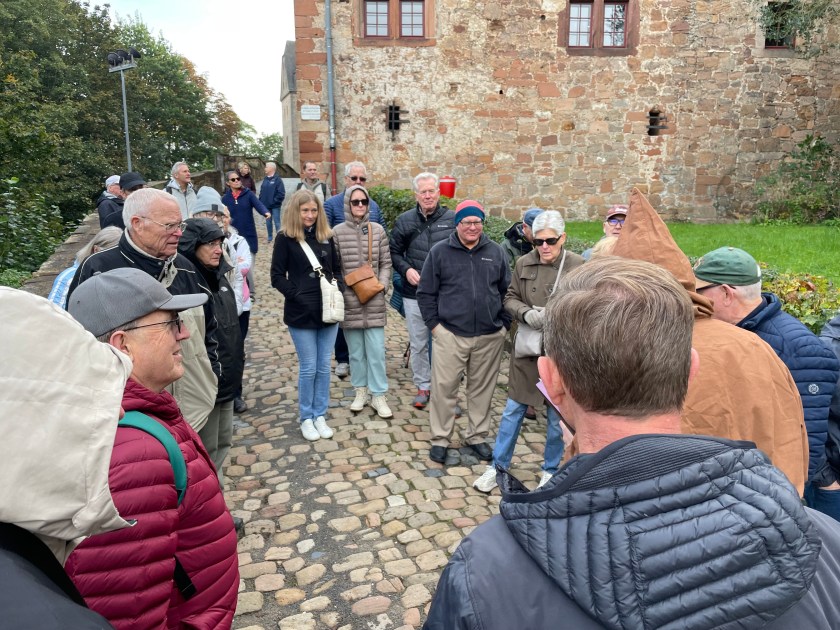
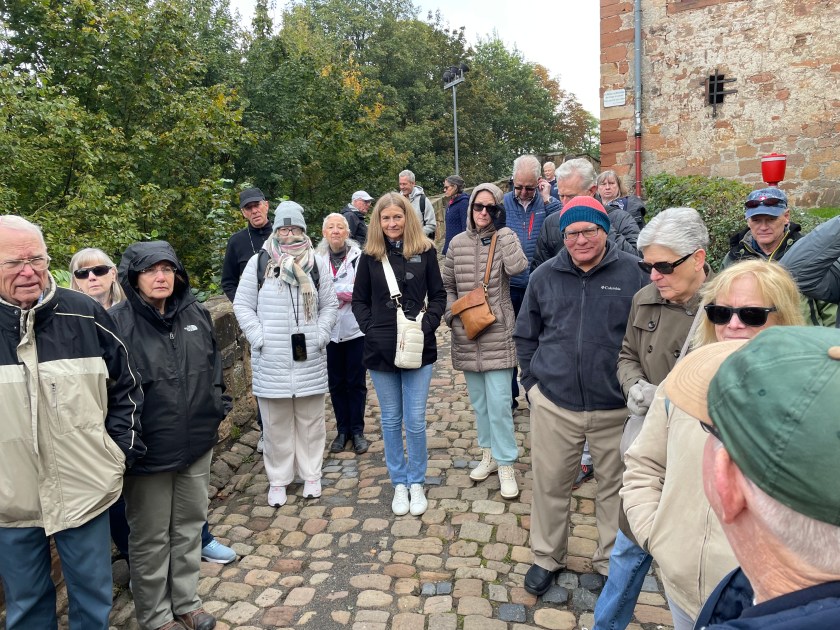
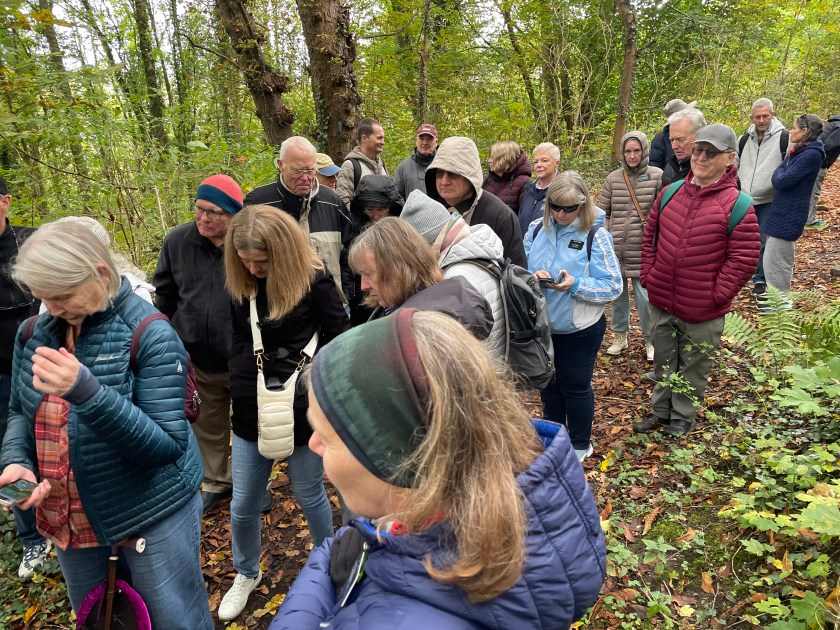
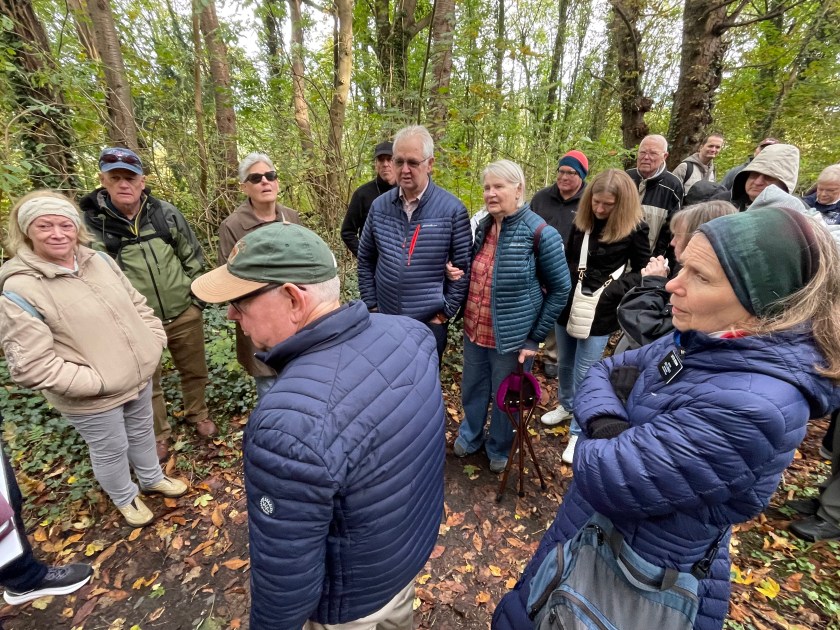
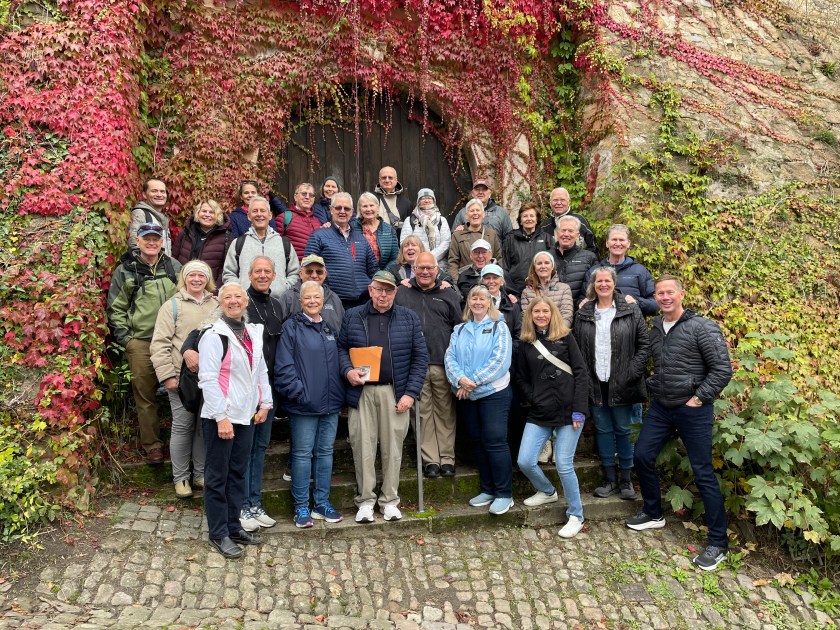
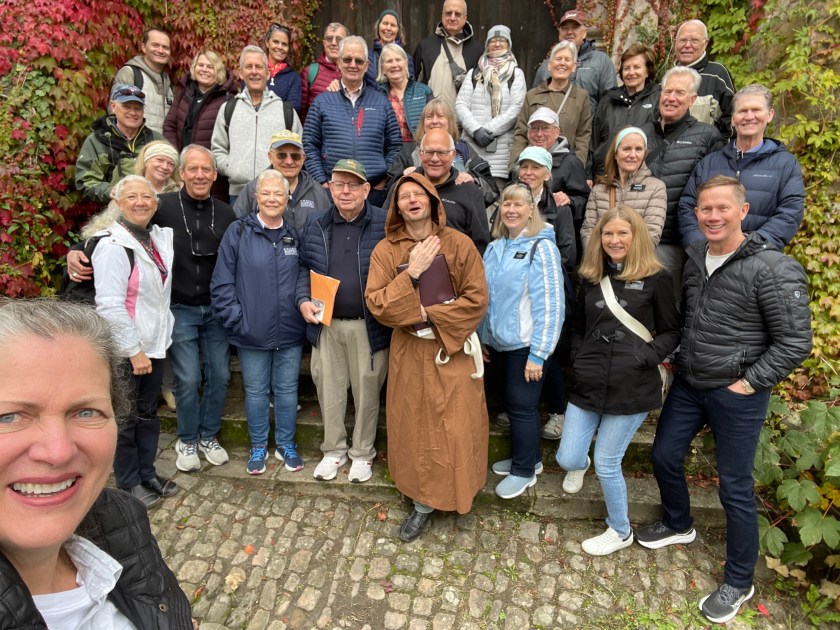
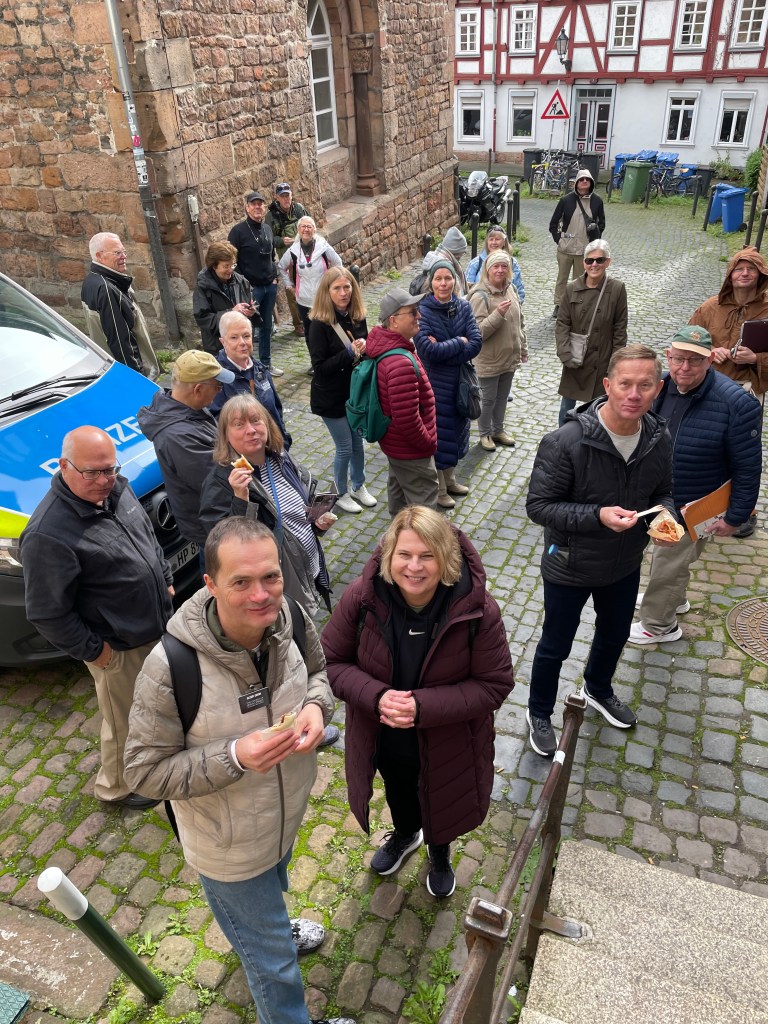
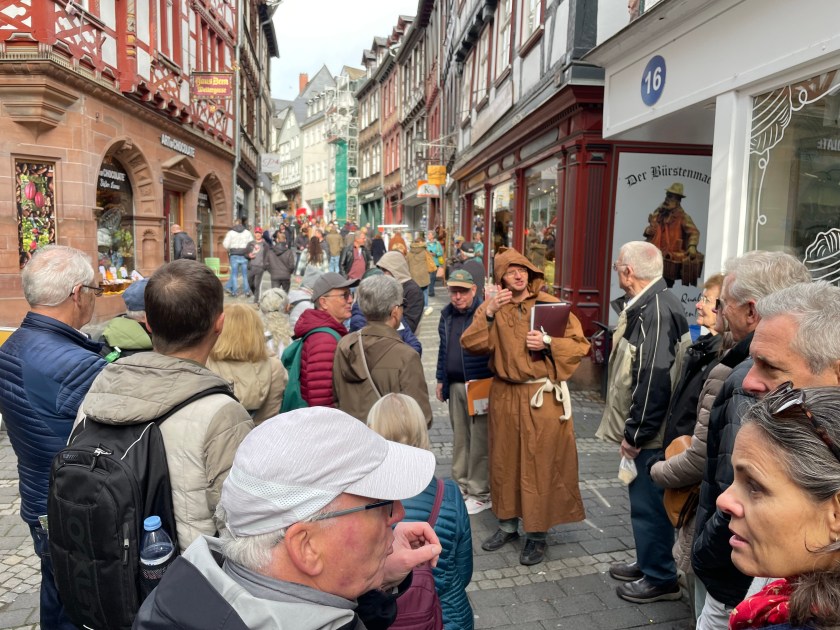
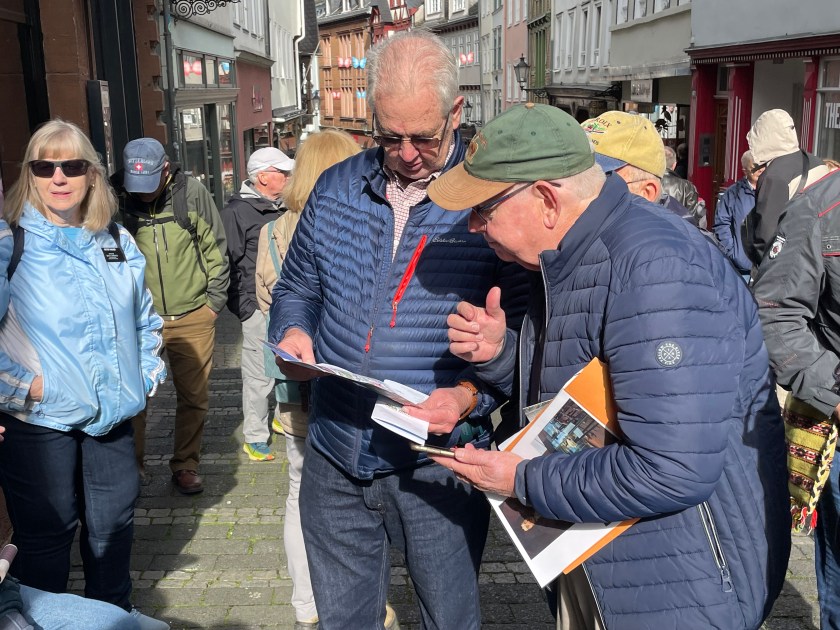
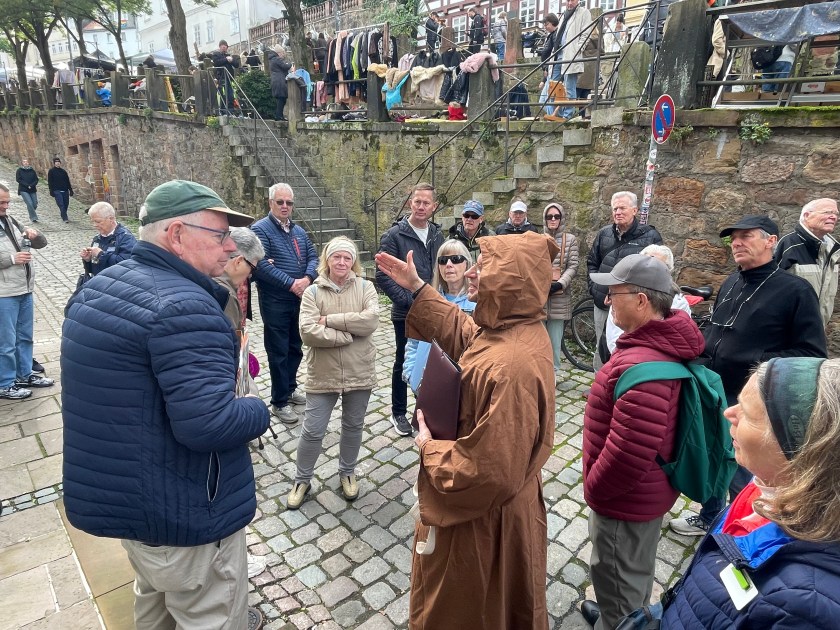
Here’s our group today!
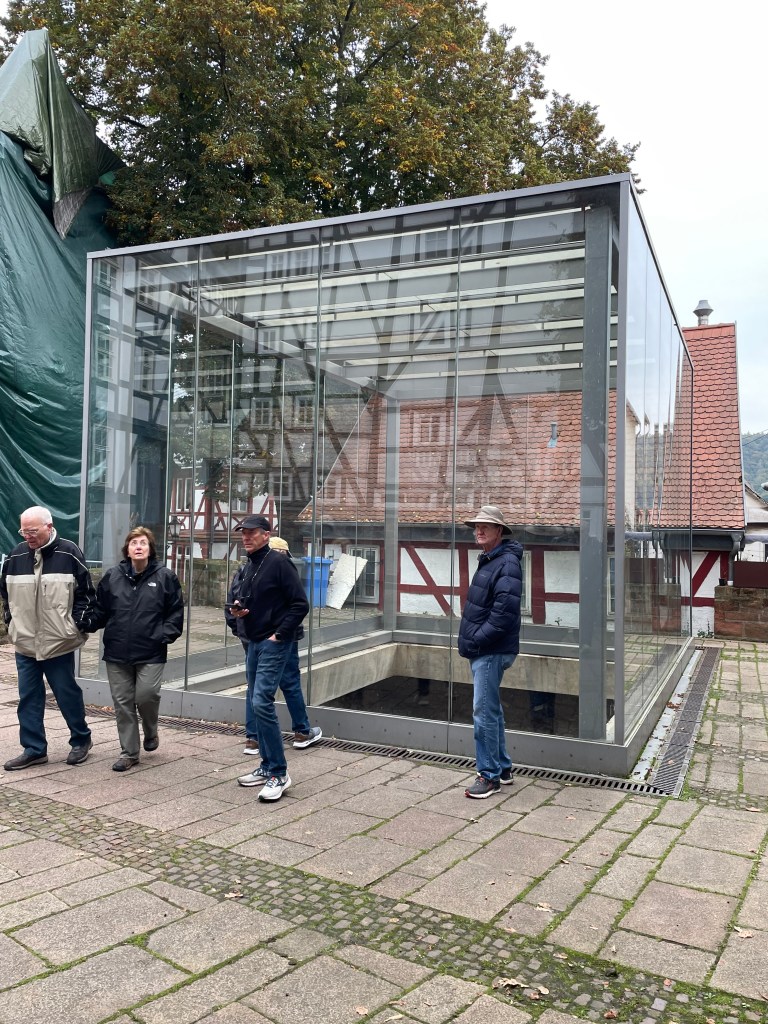
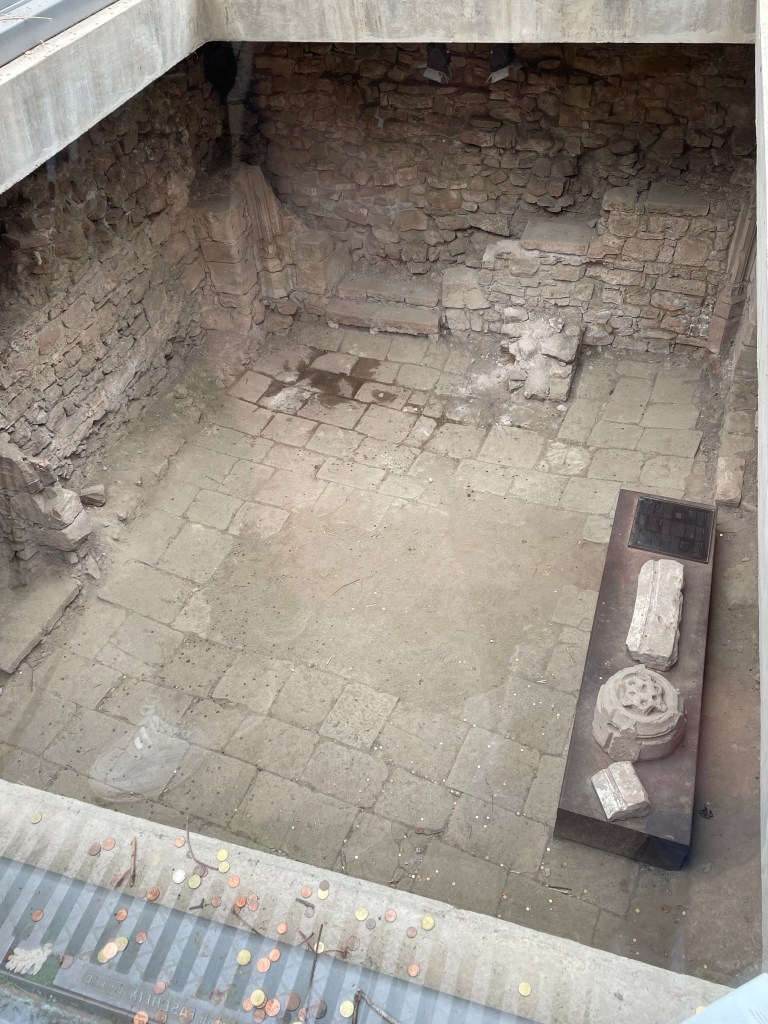
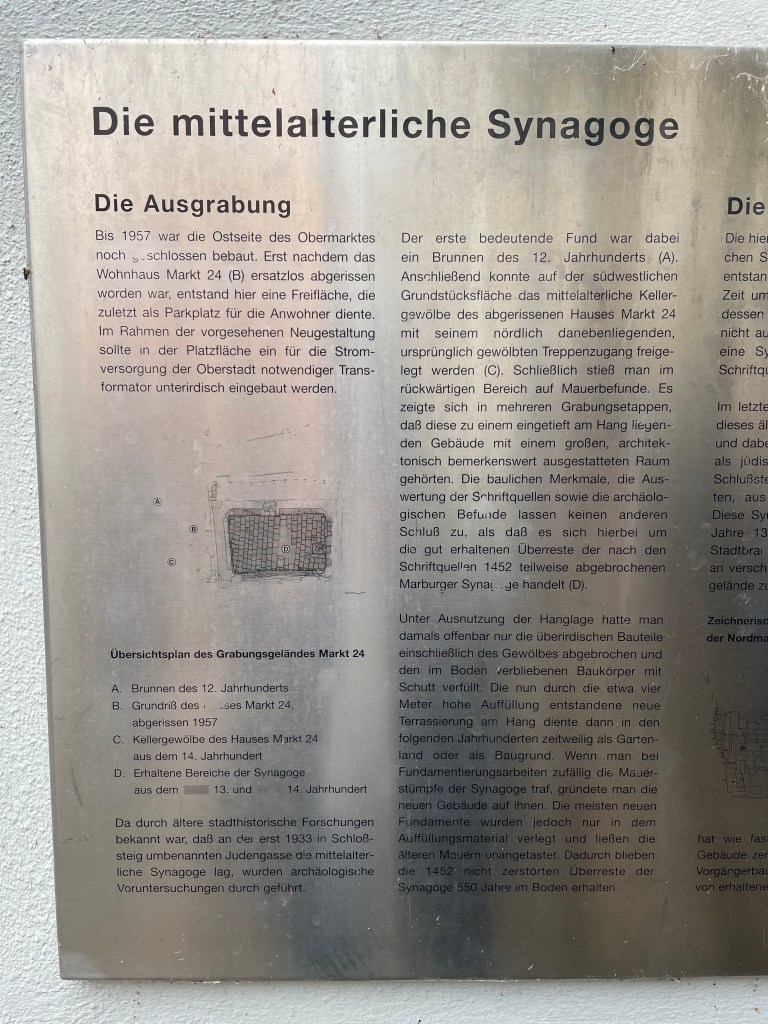
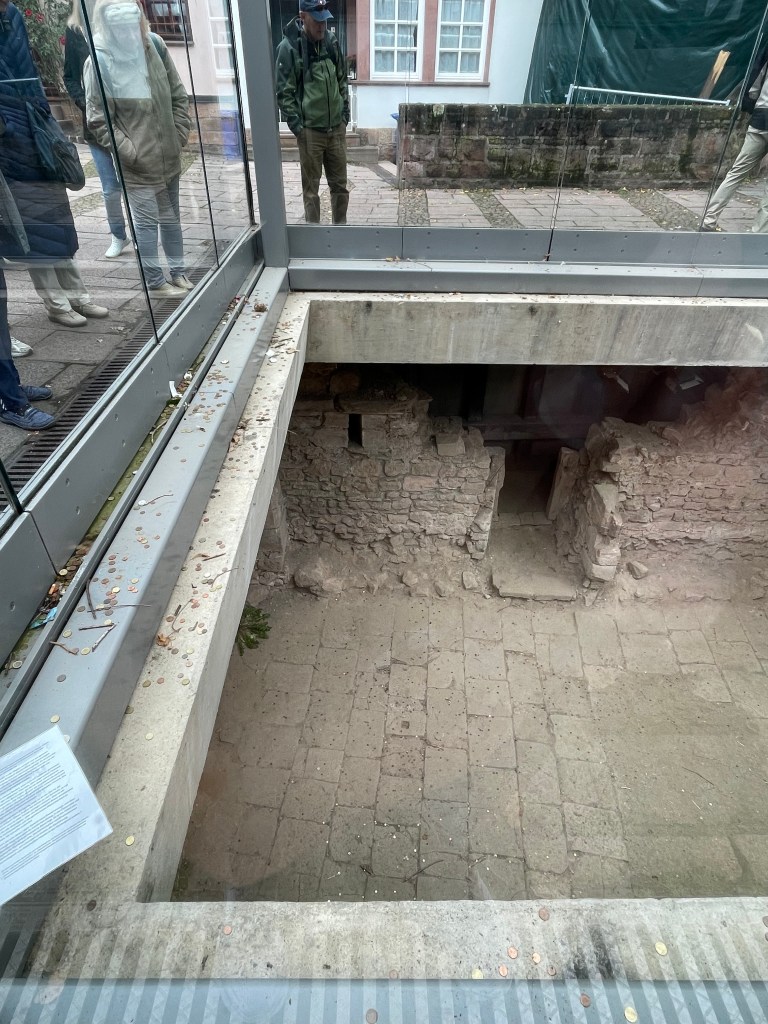
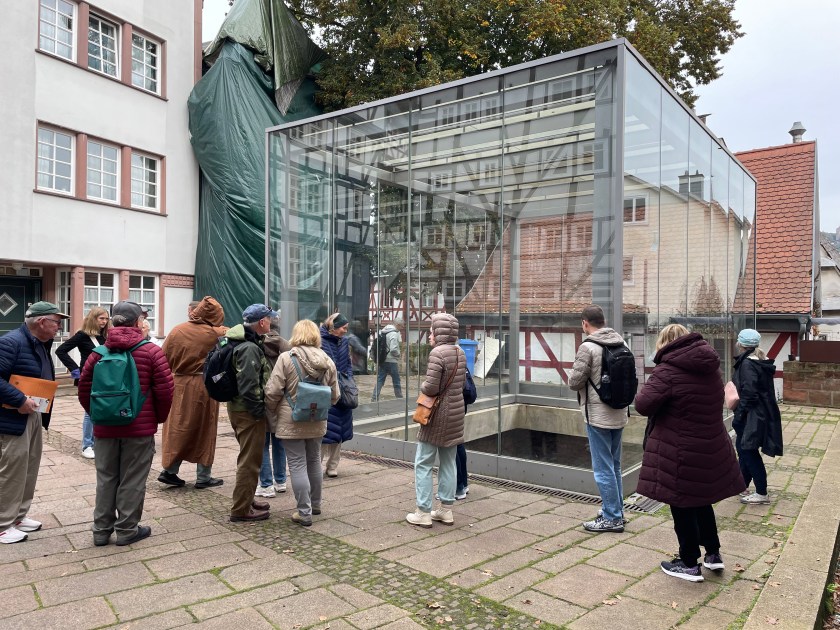
We came to this old excavated medieval synagogue (1100s):
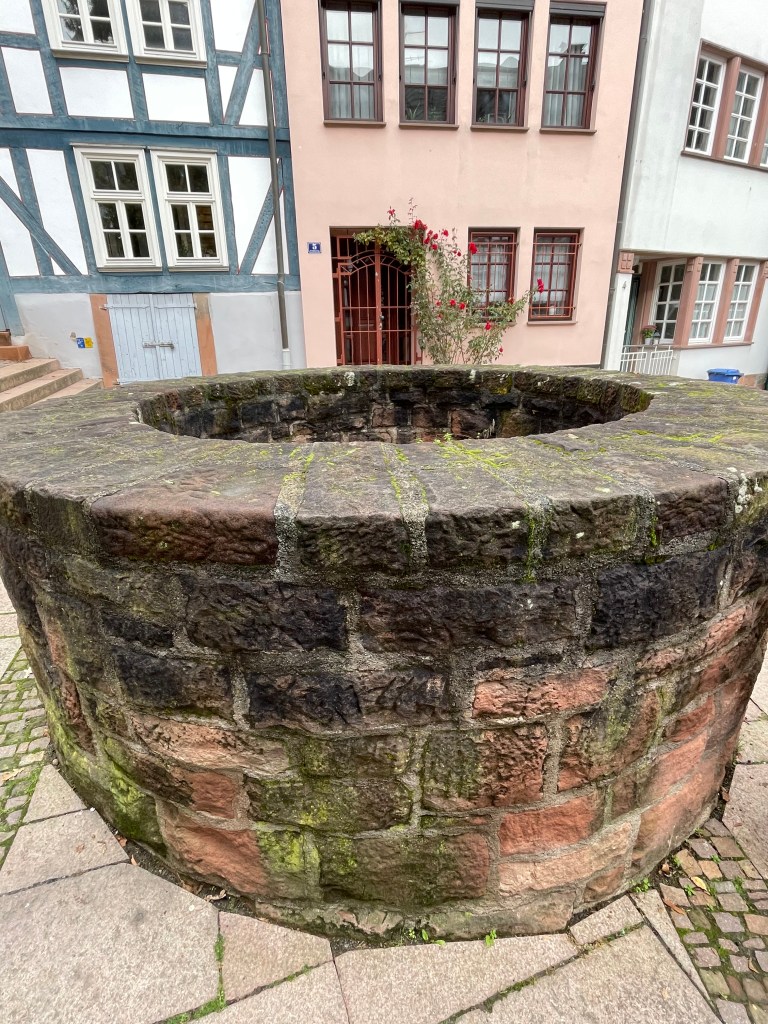
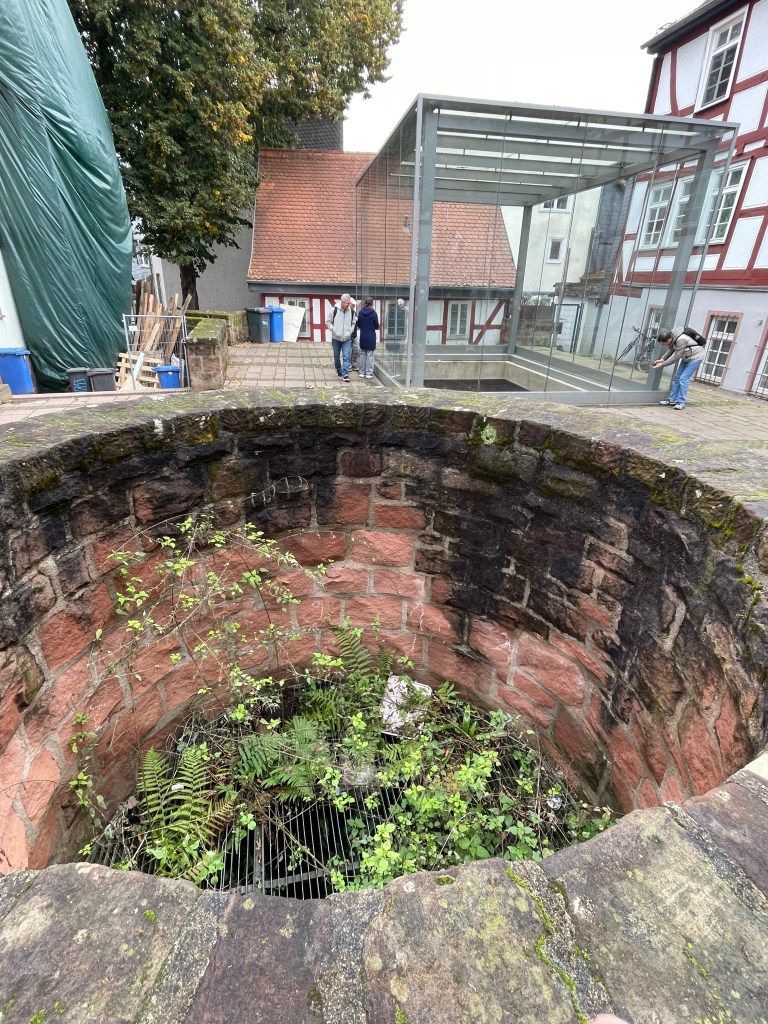
And this old well next to the synagogue. Old.
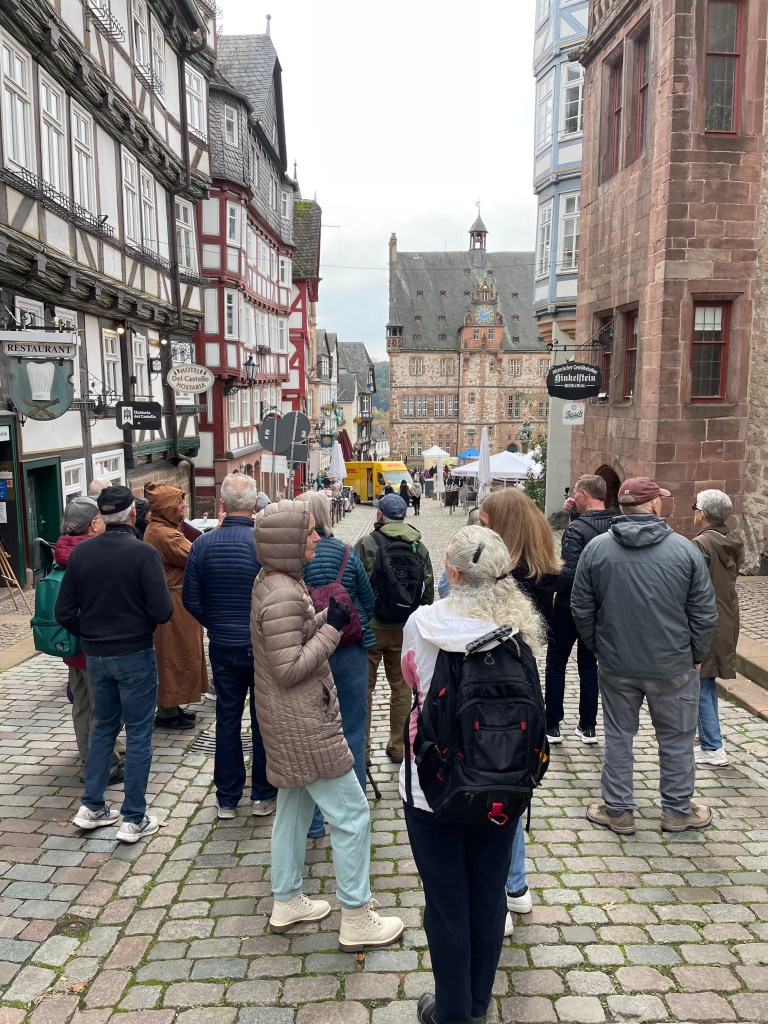
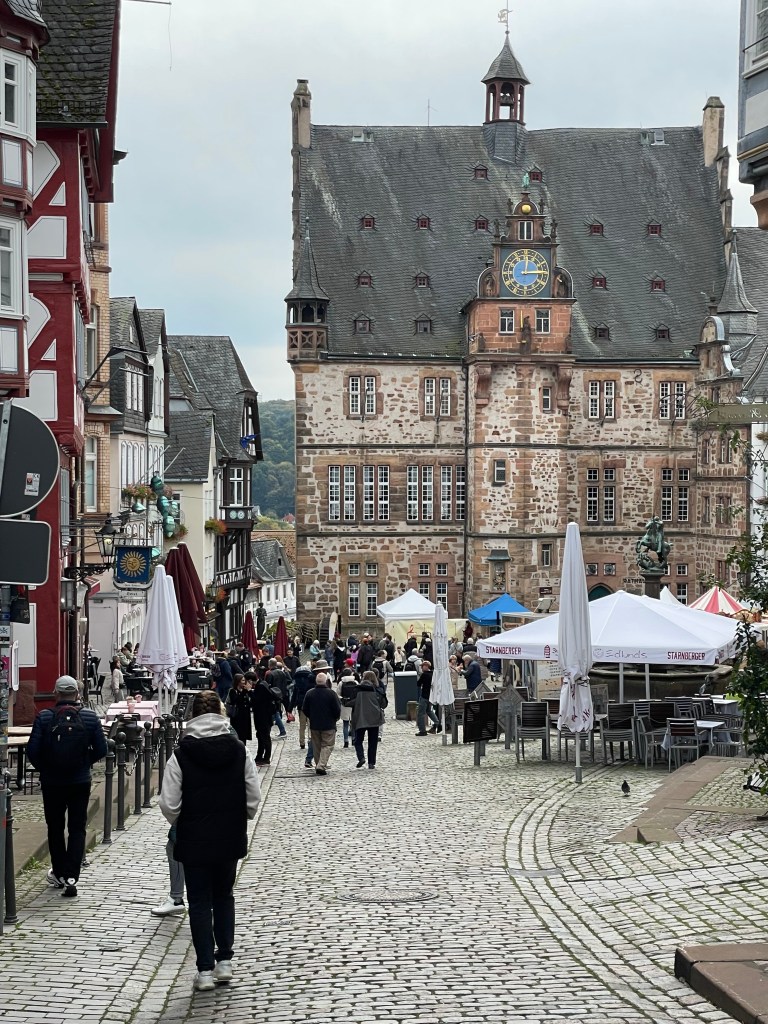
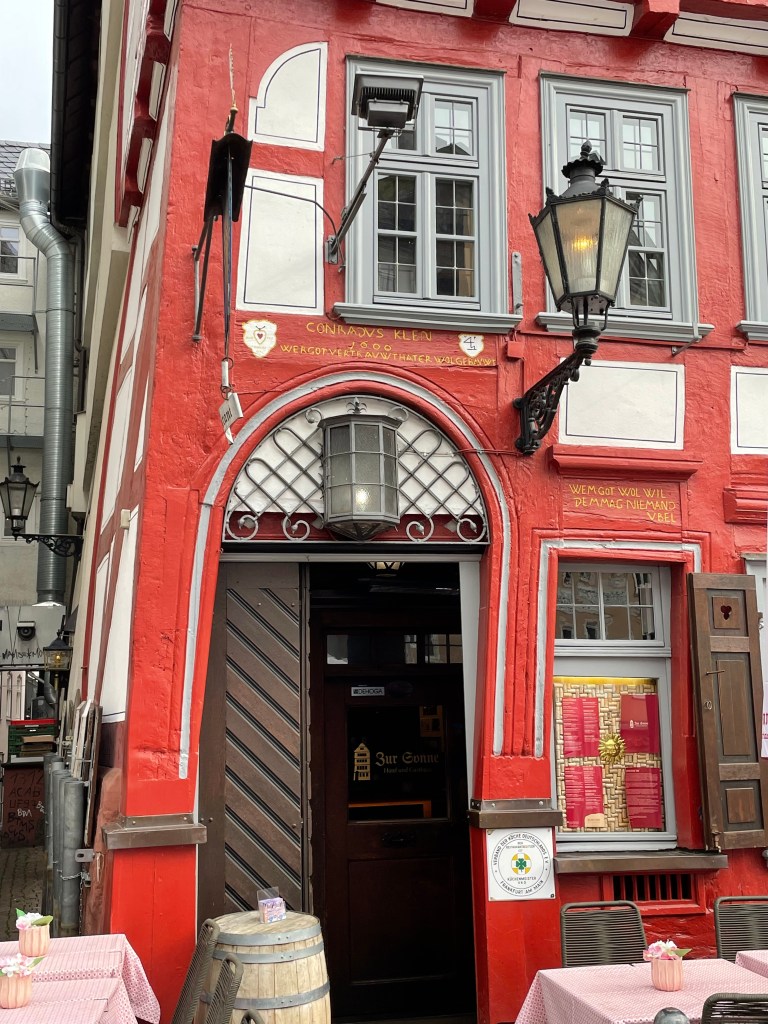
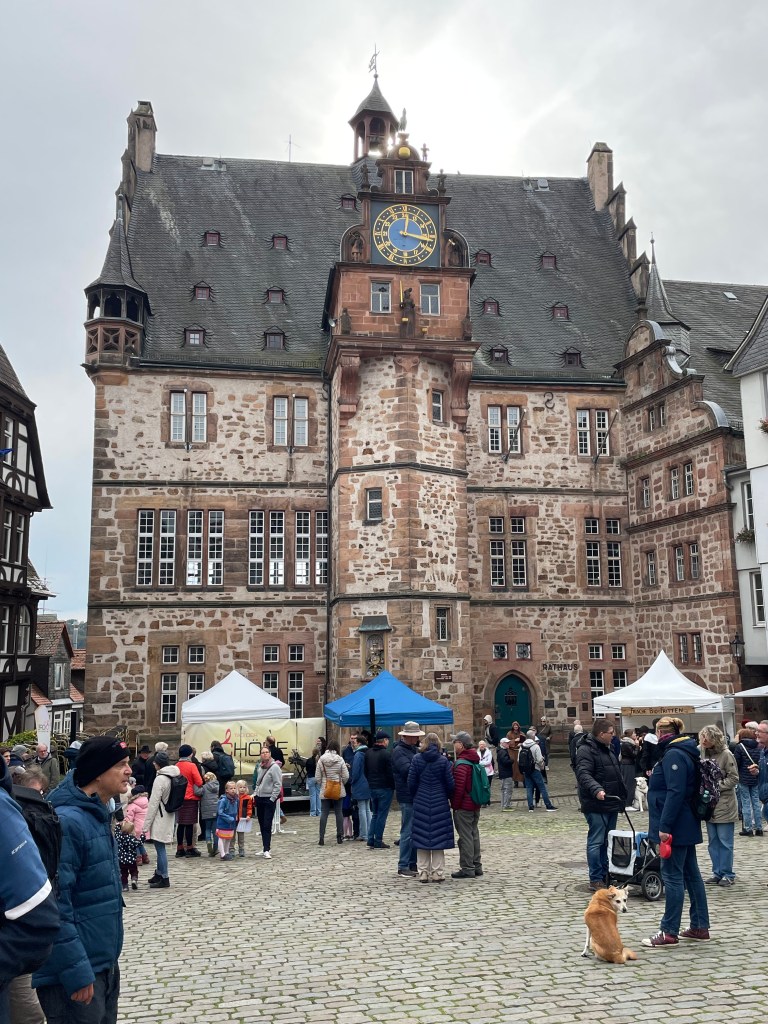
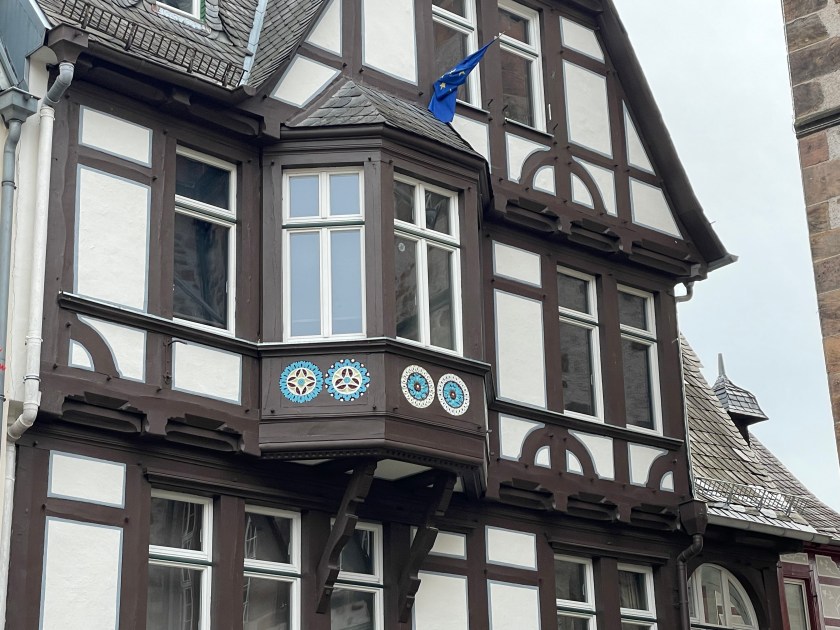
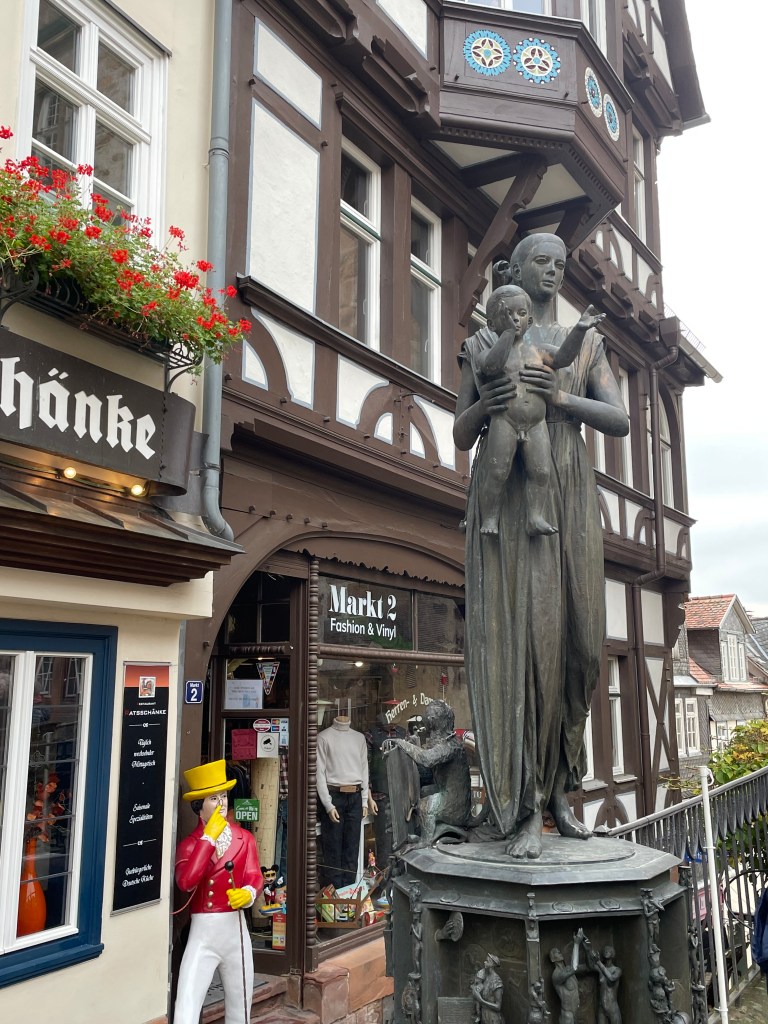
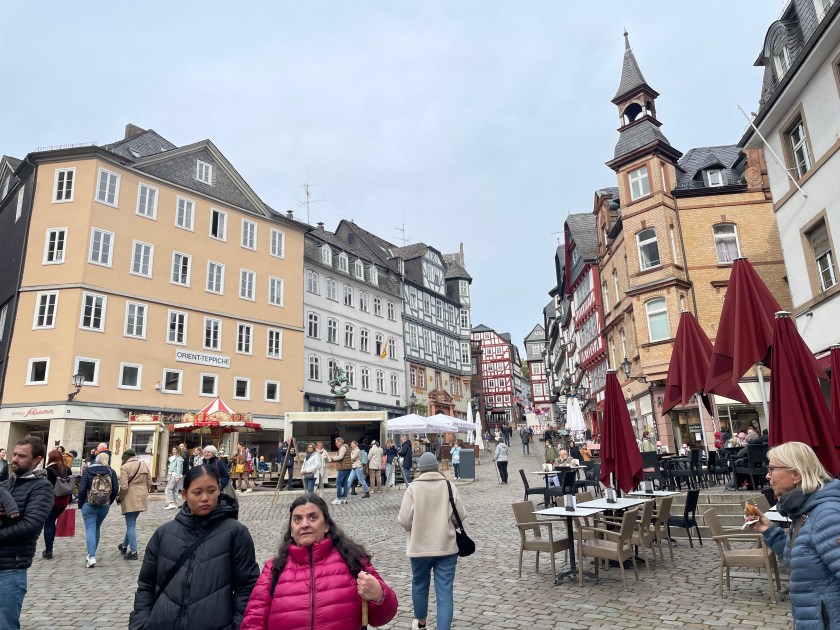
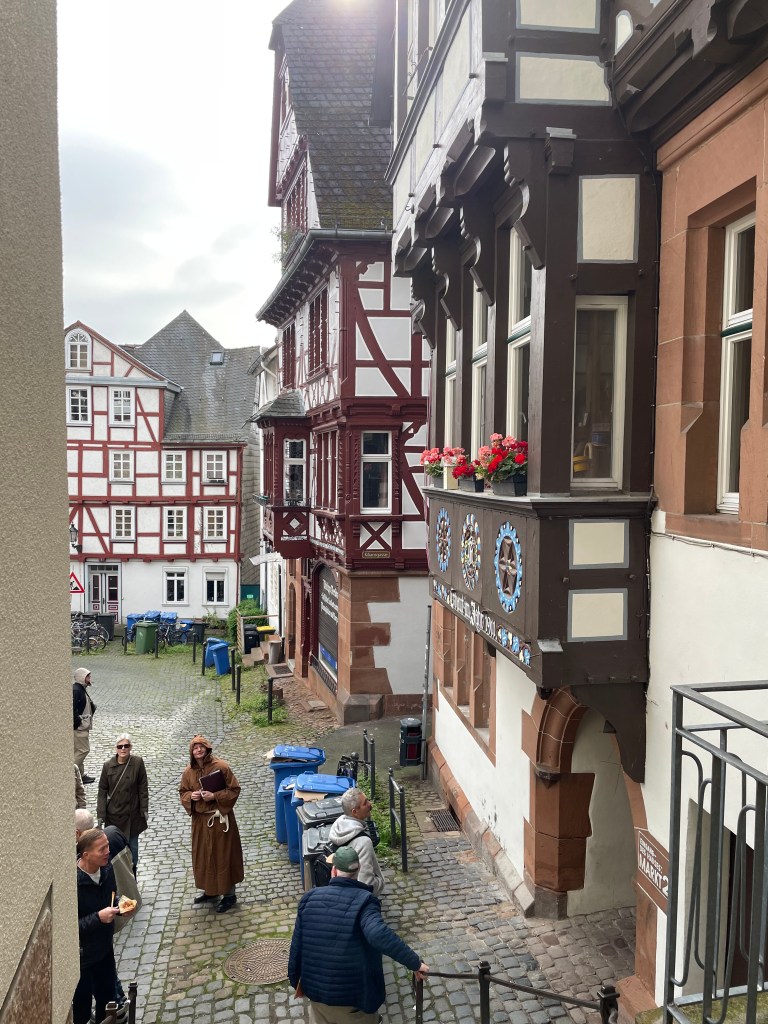
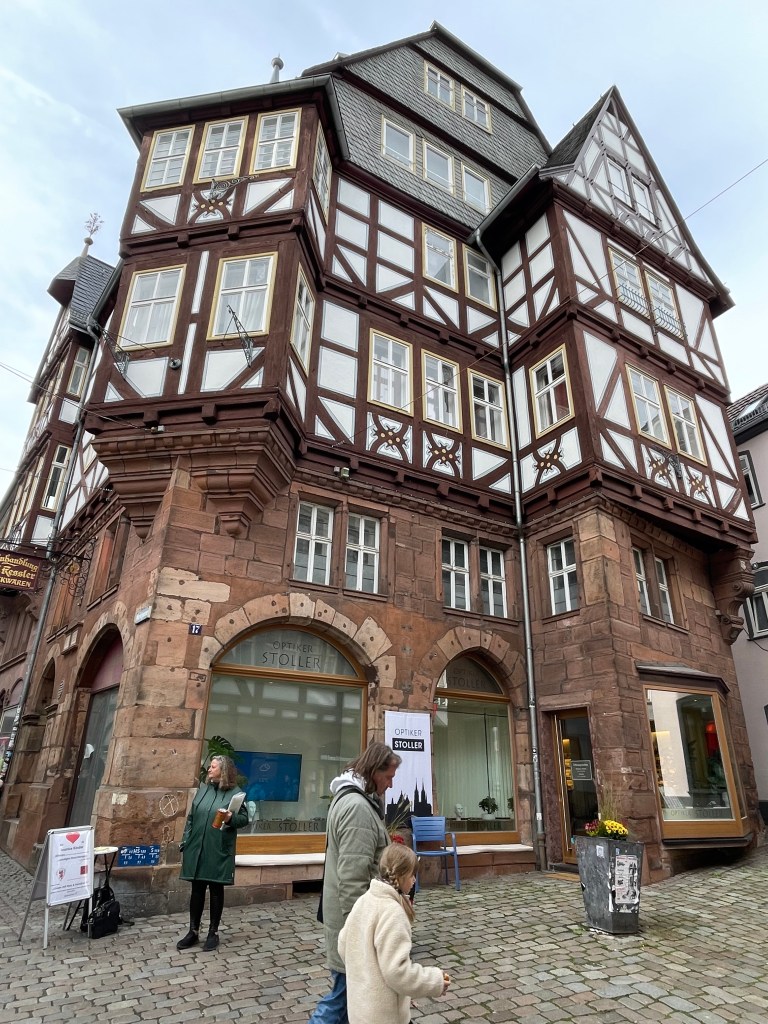
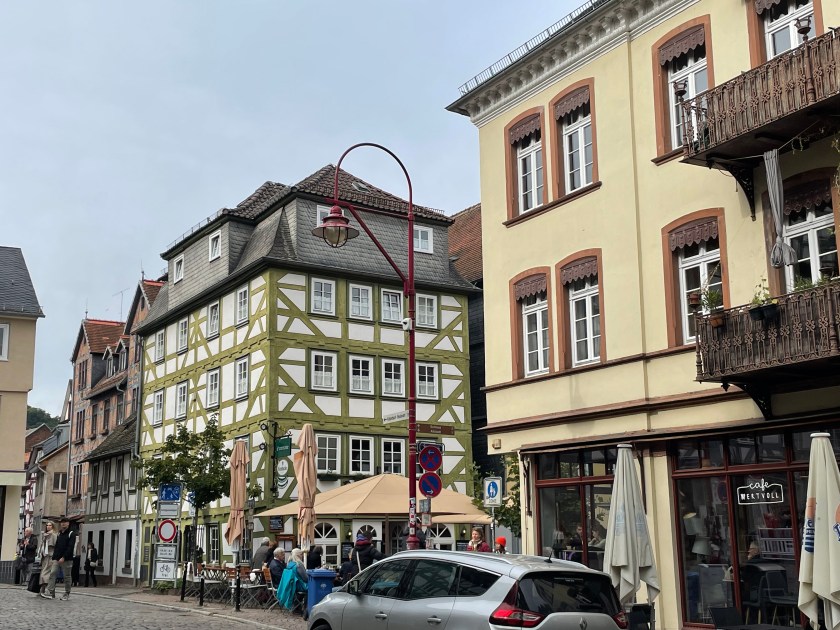
Approaching the town square and the Rathaus:
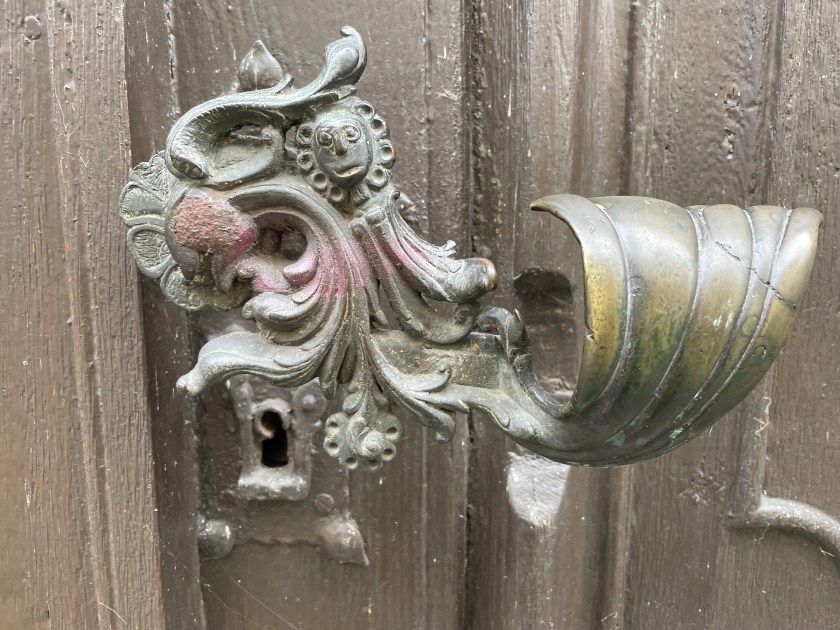
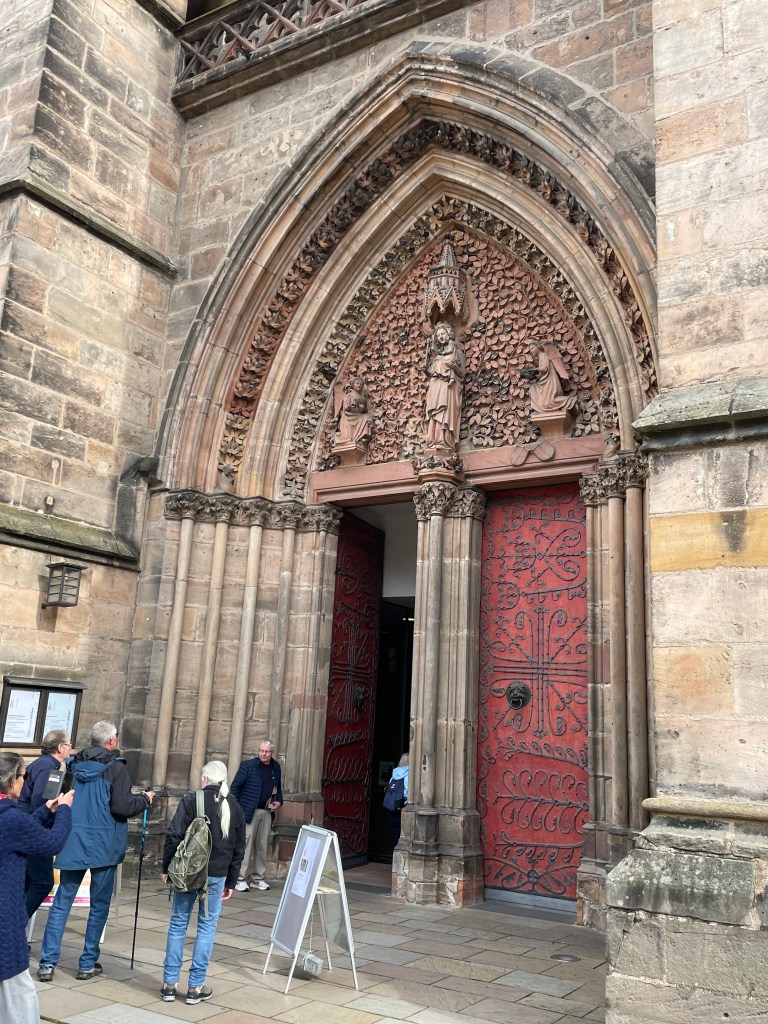
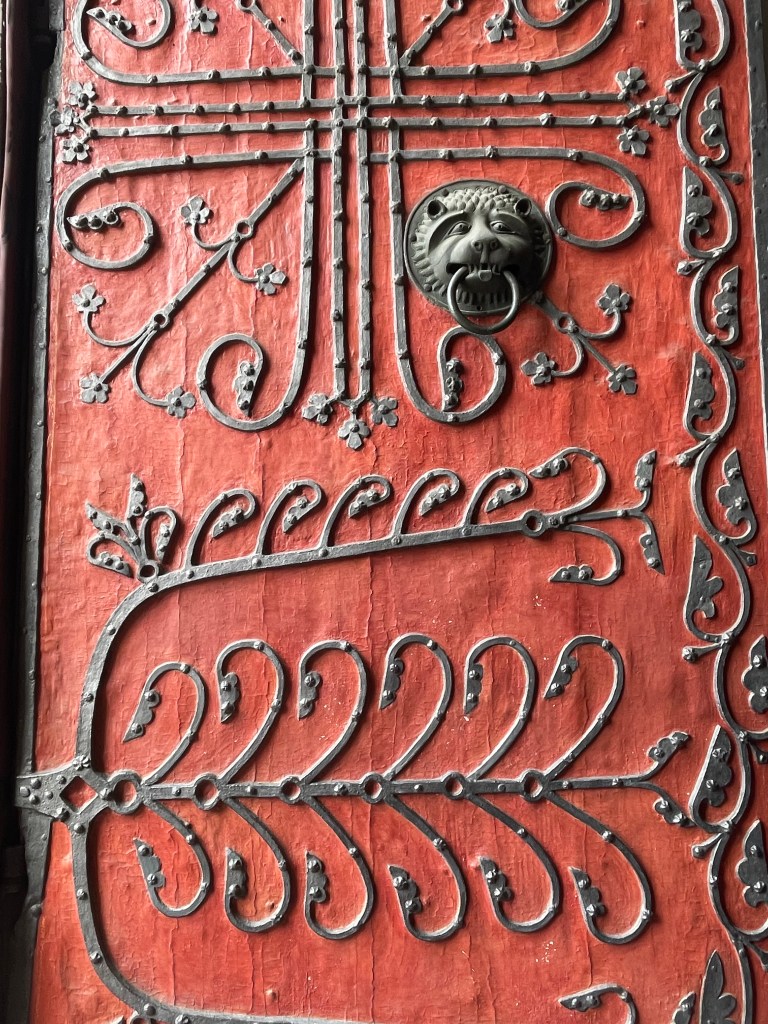
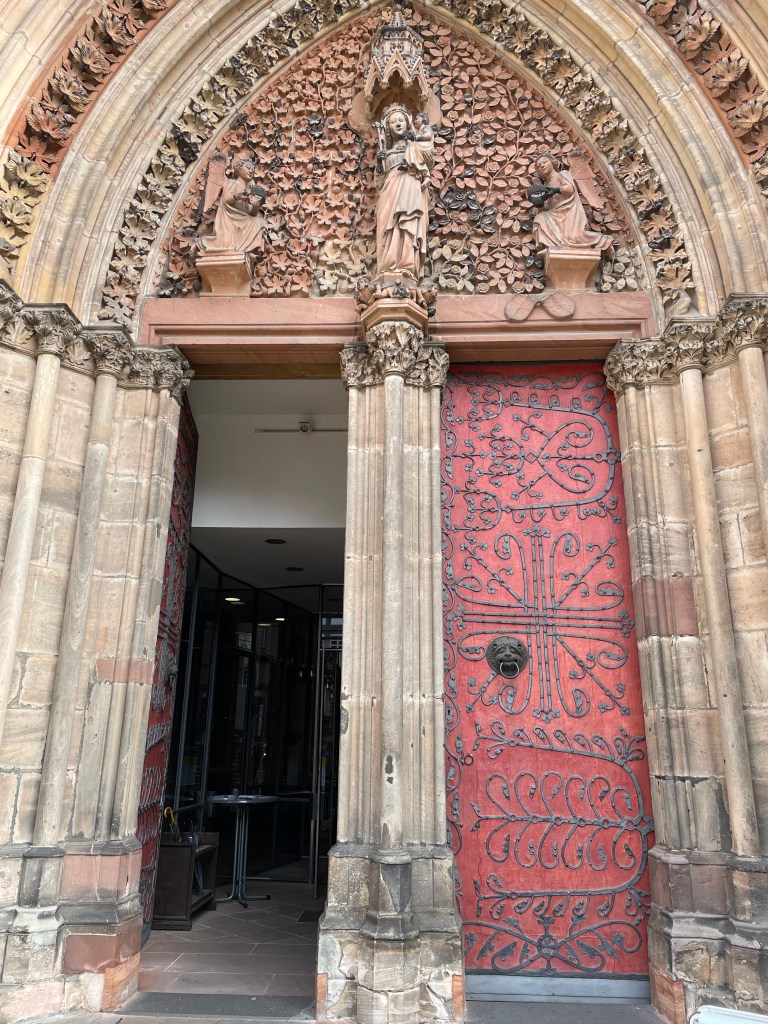
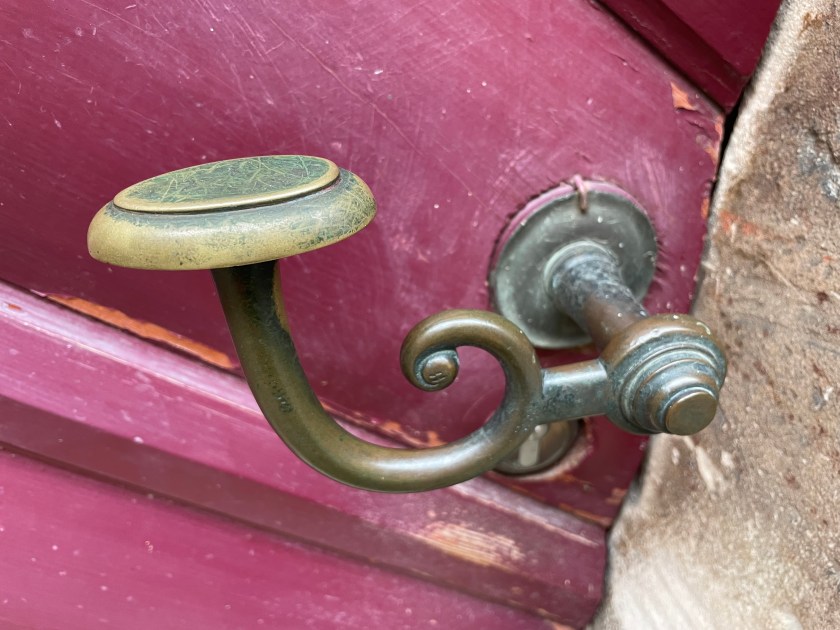
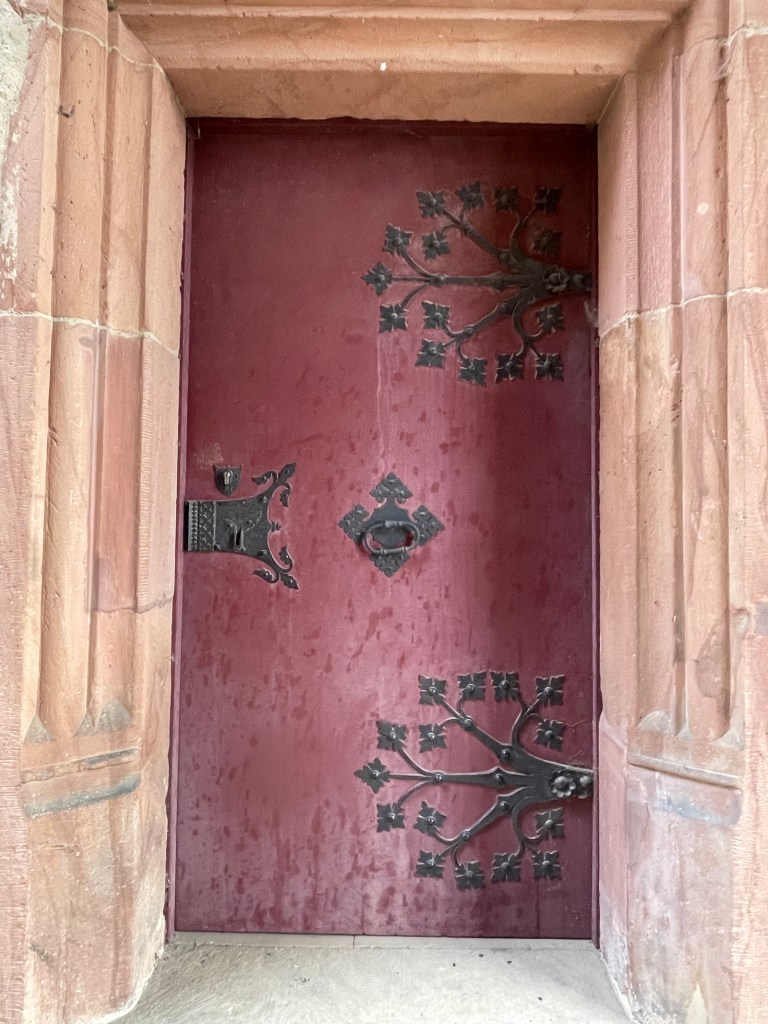
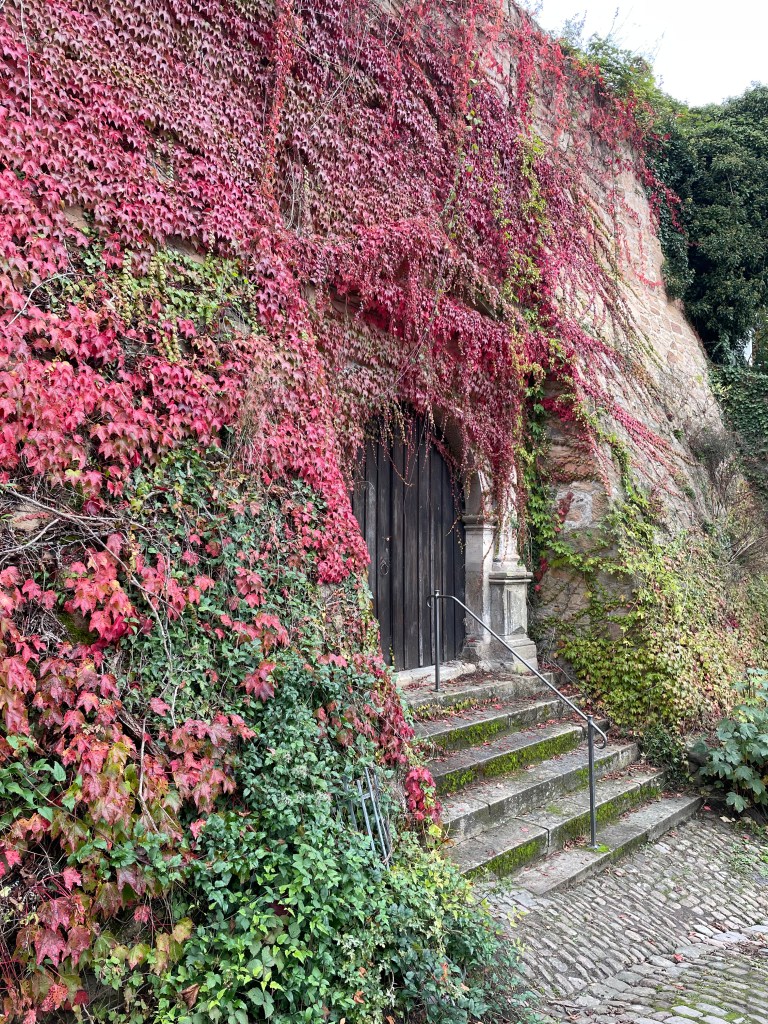
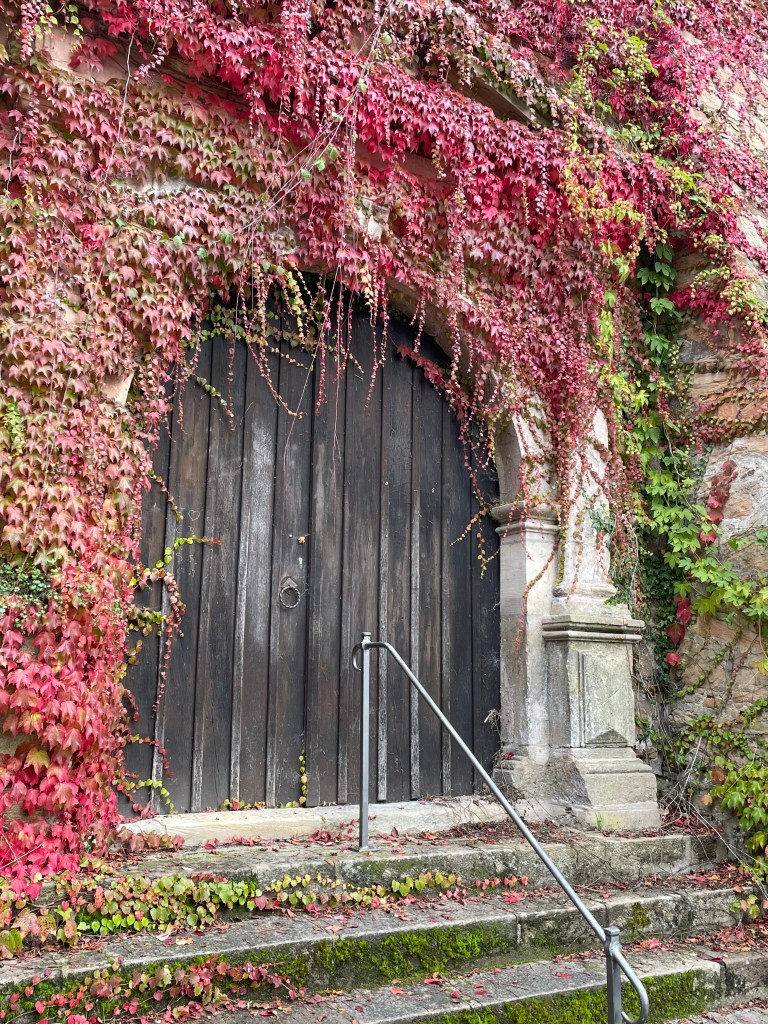
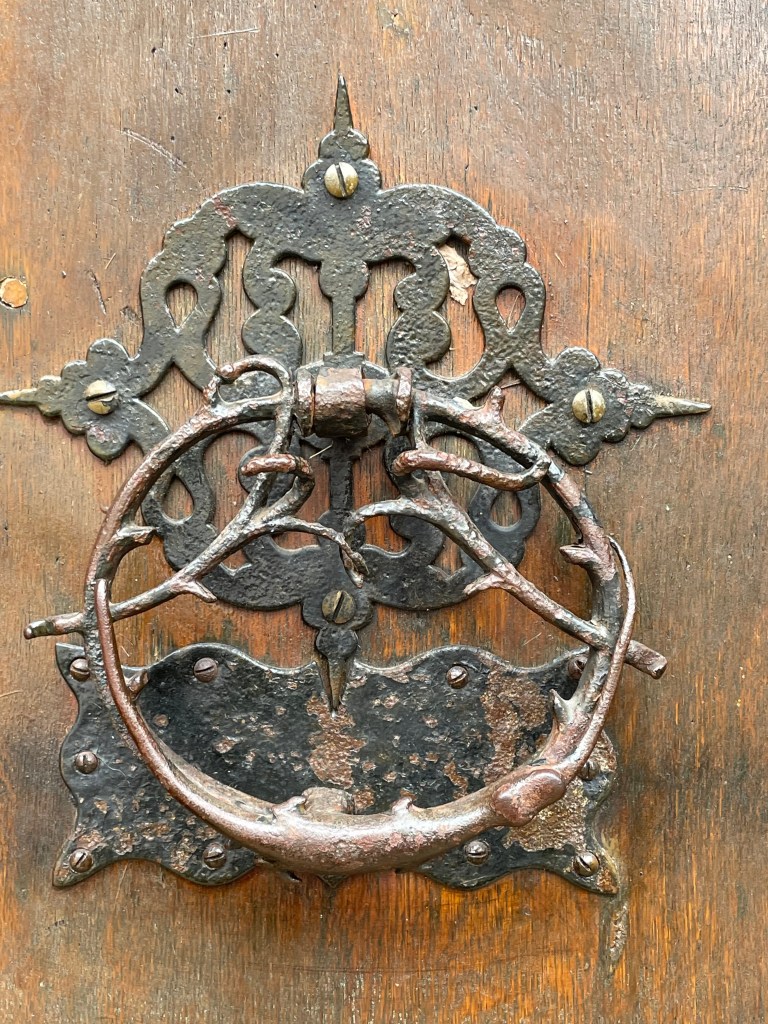
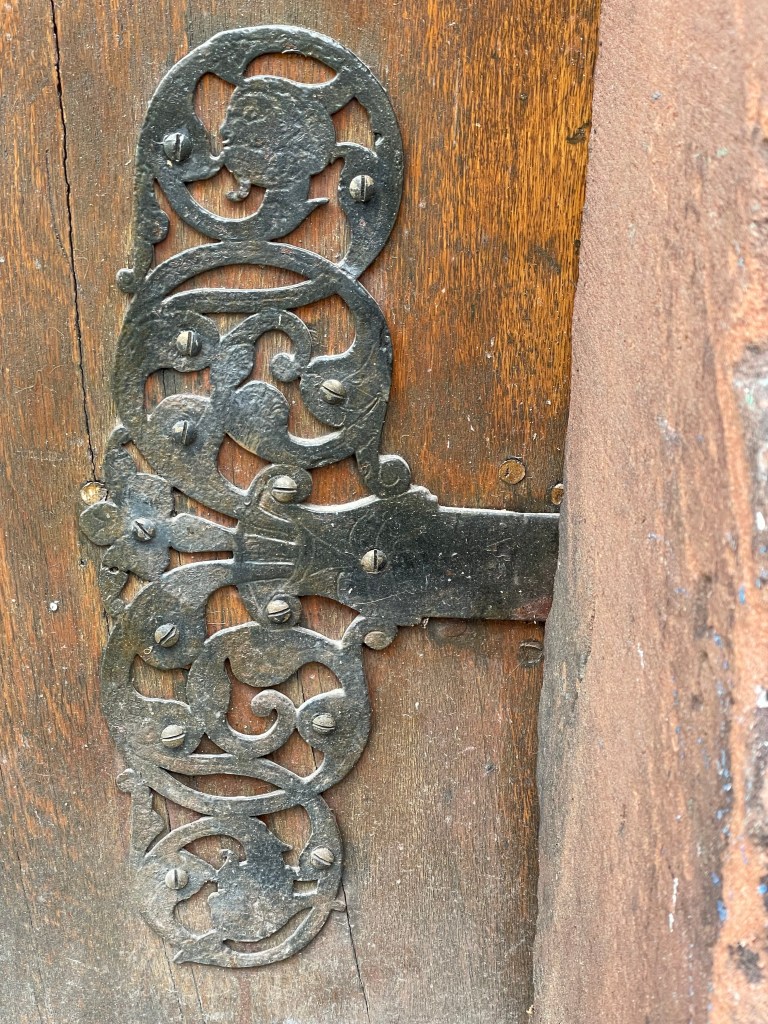
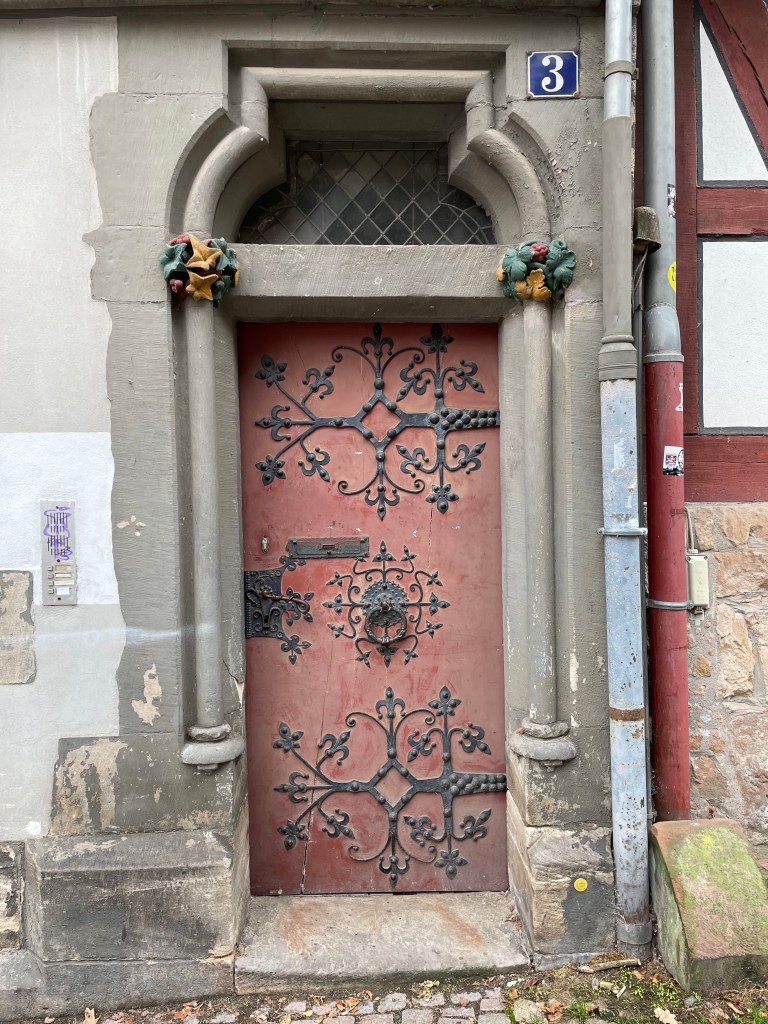
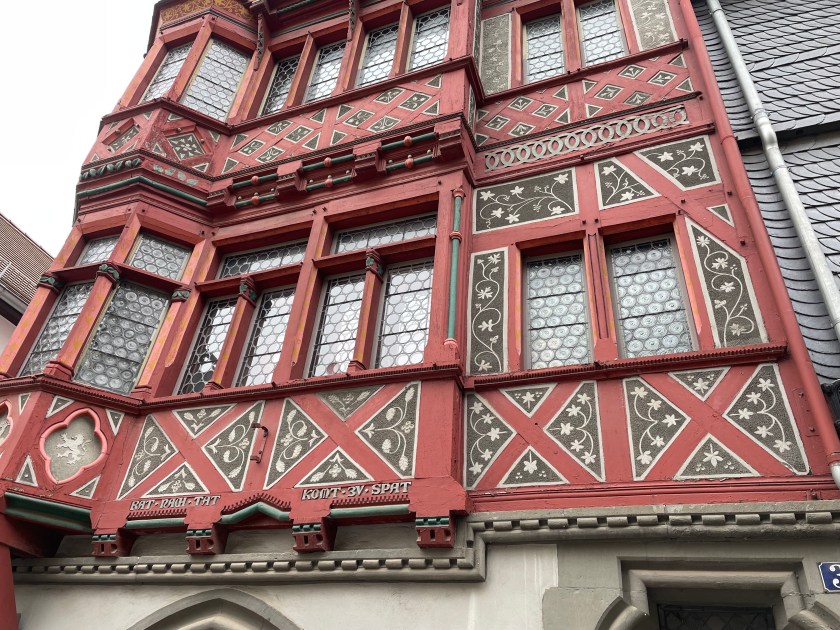
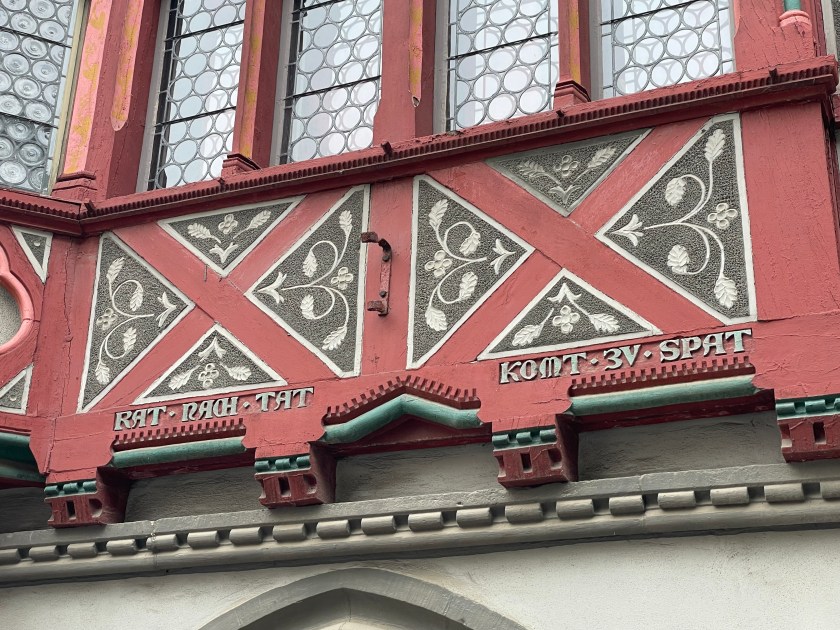
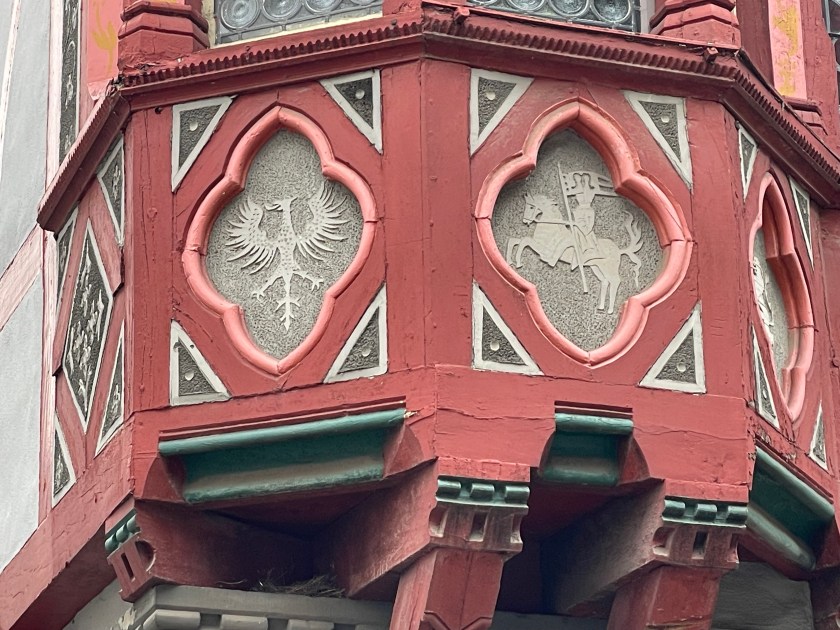
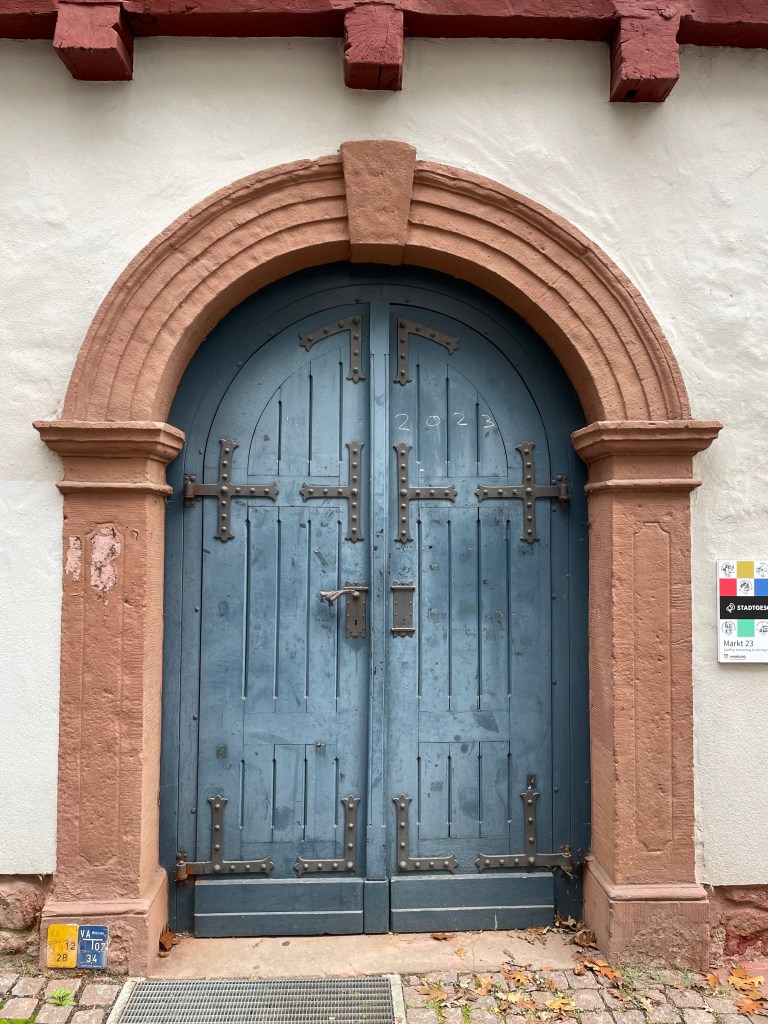
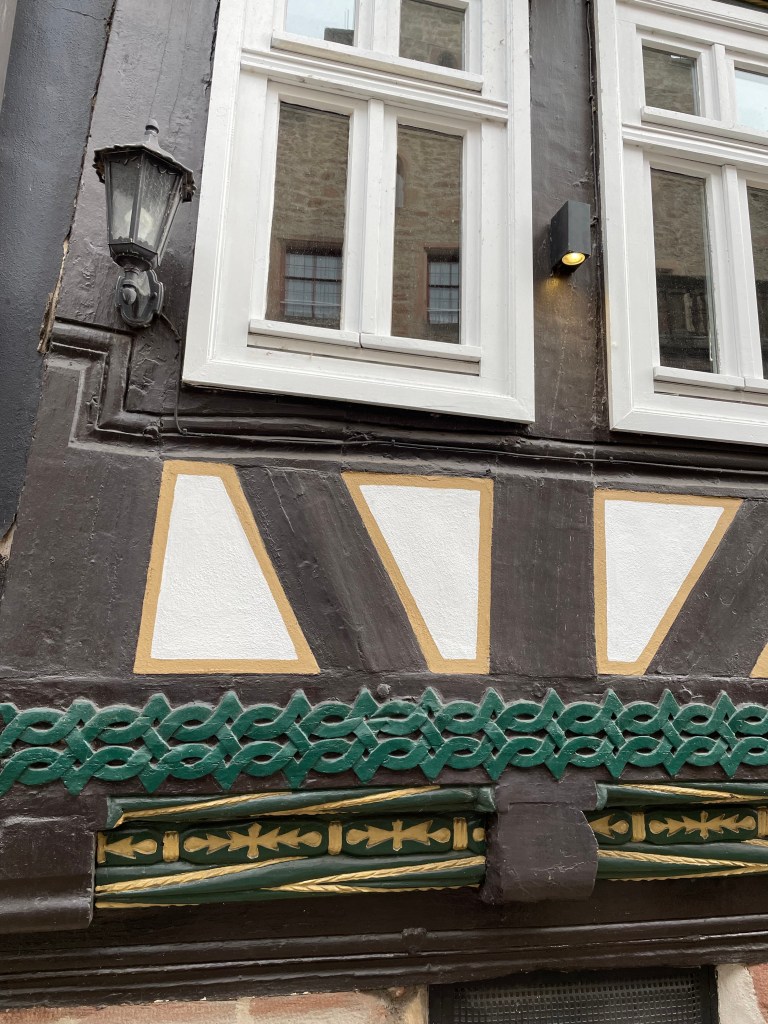
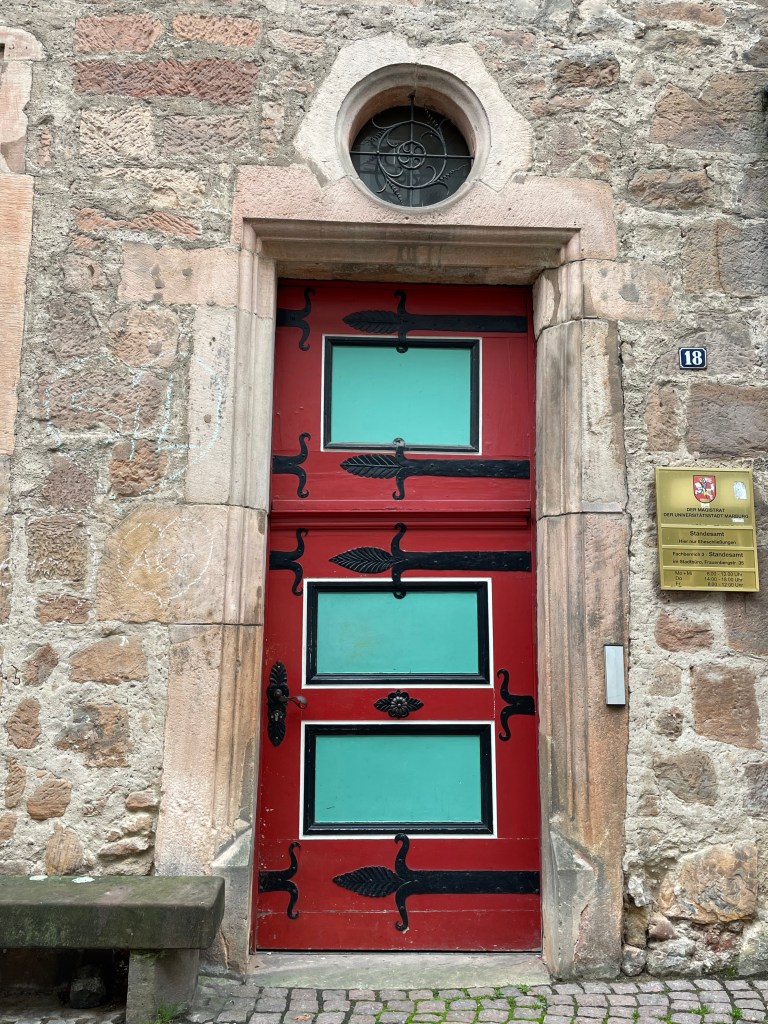
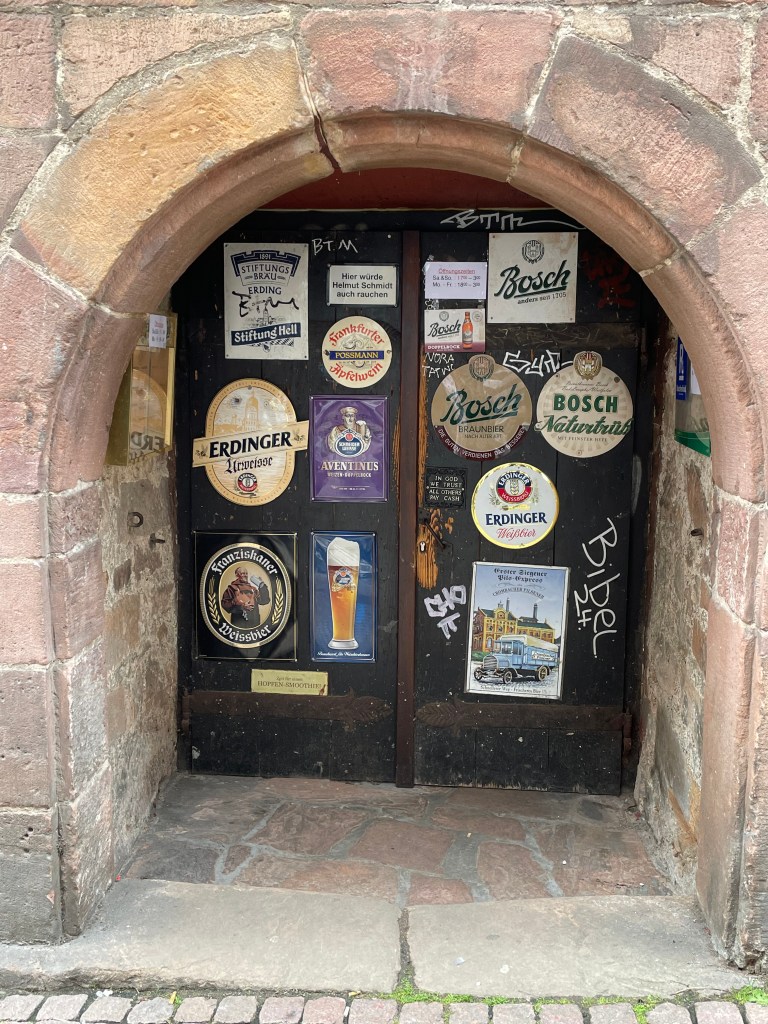
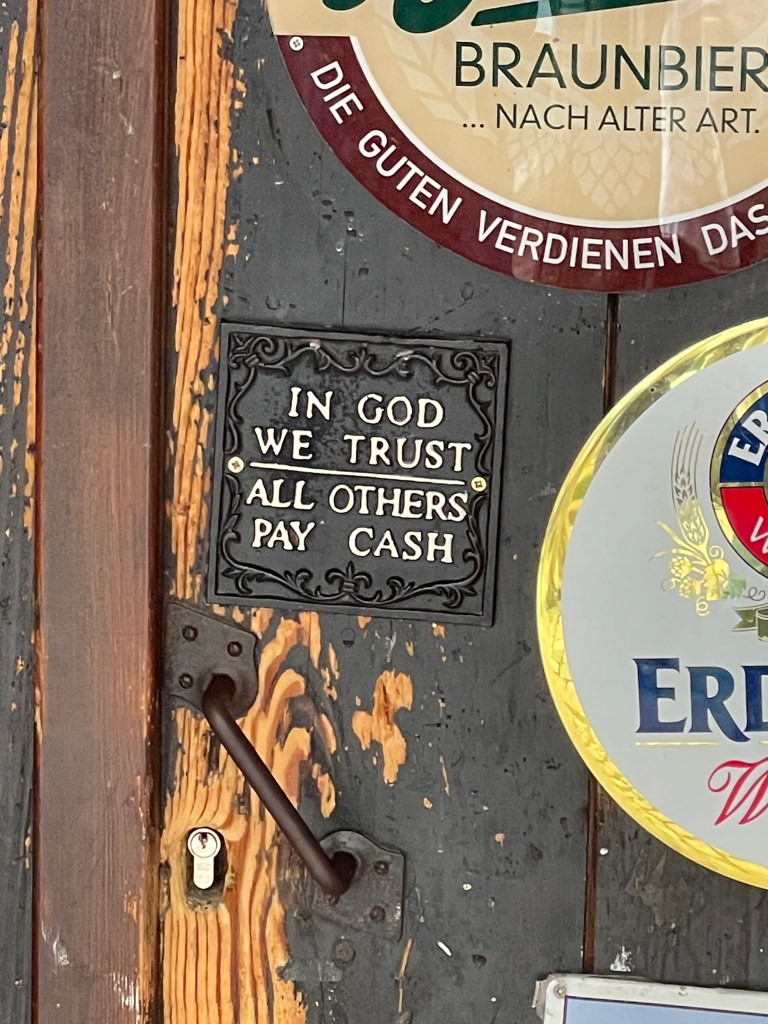
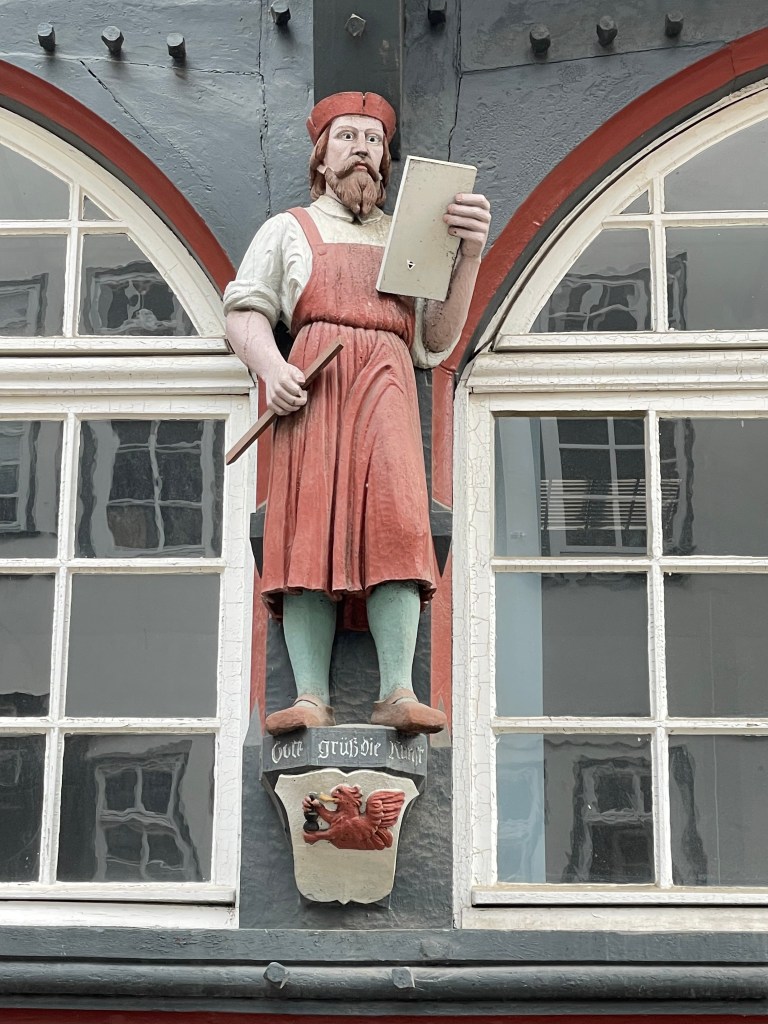
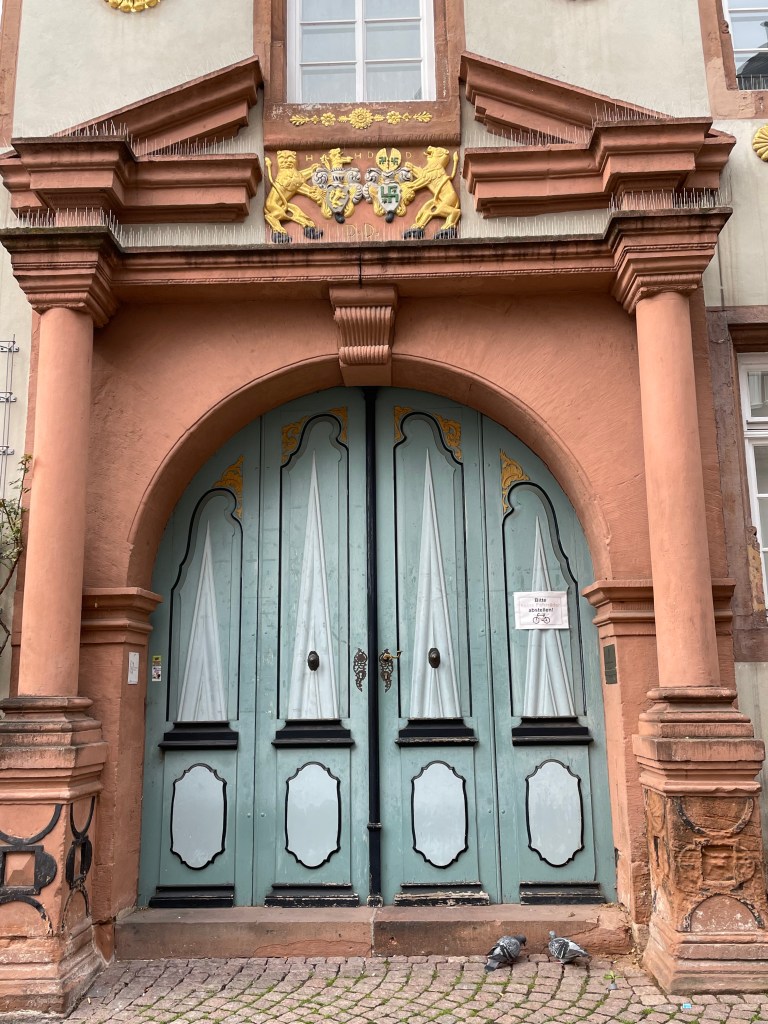
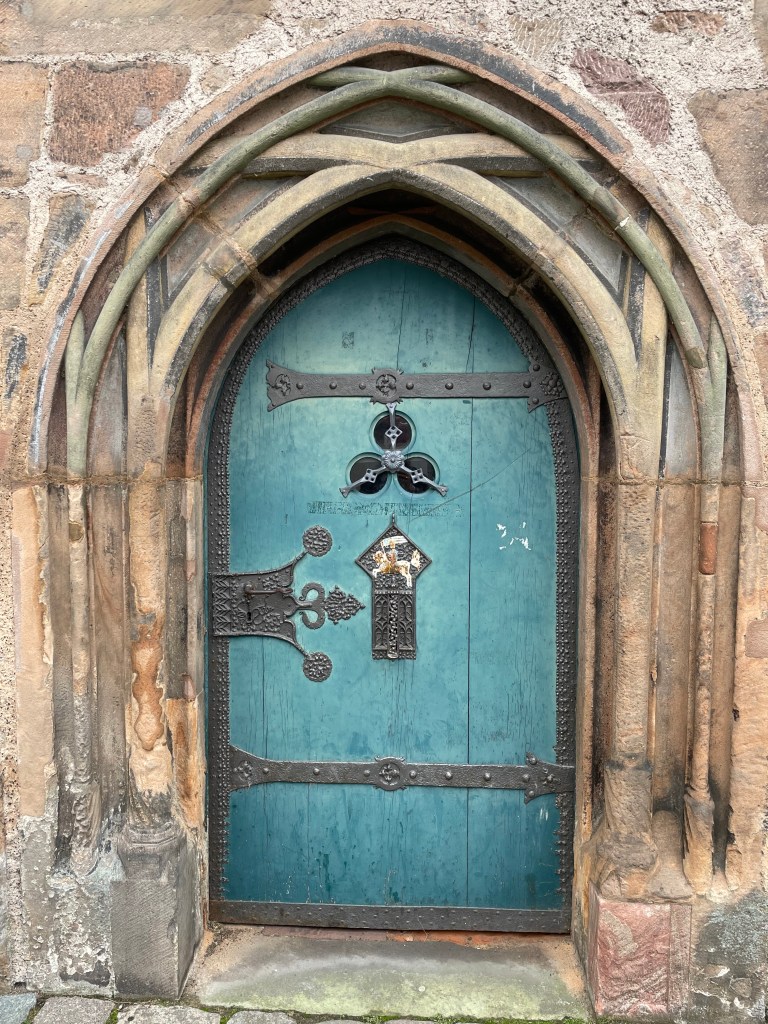
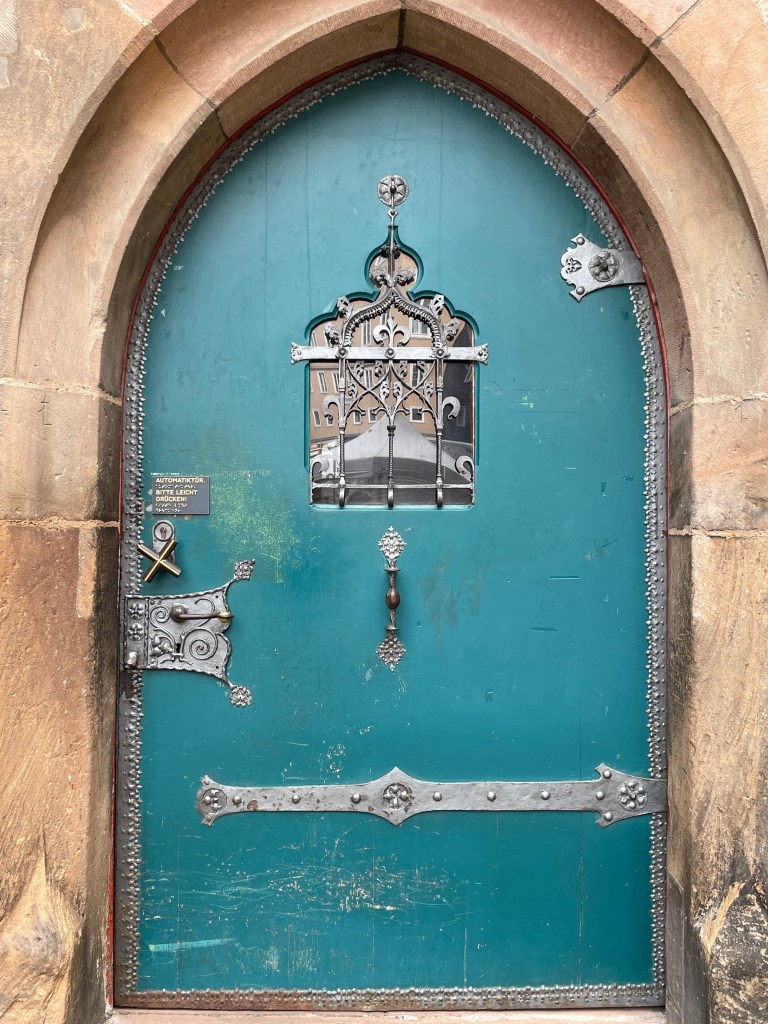
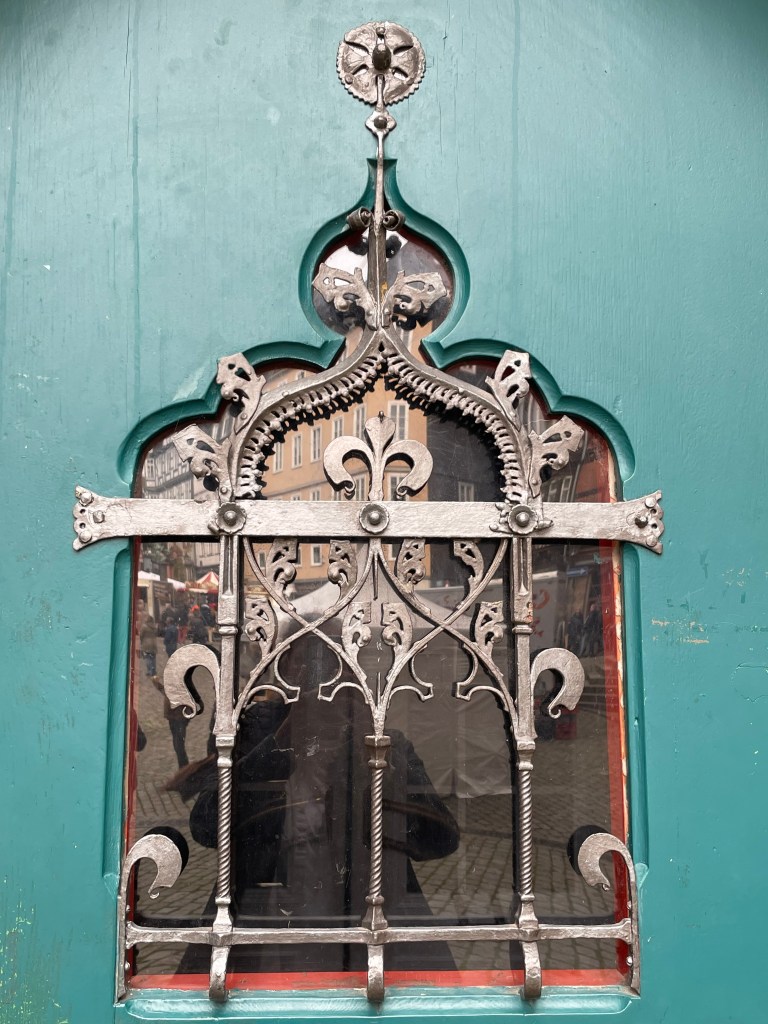
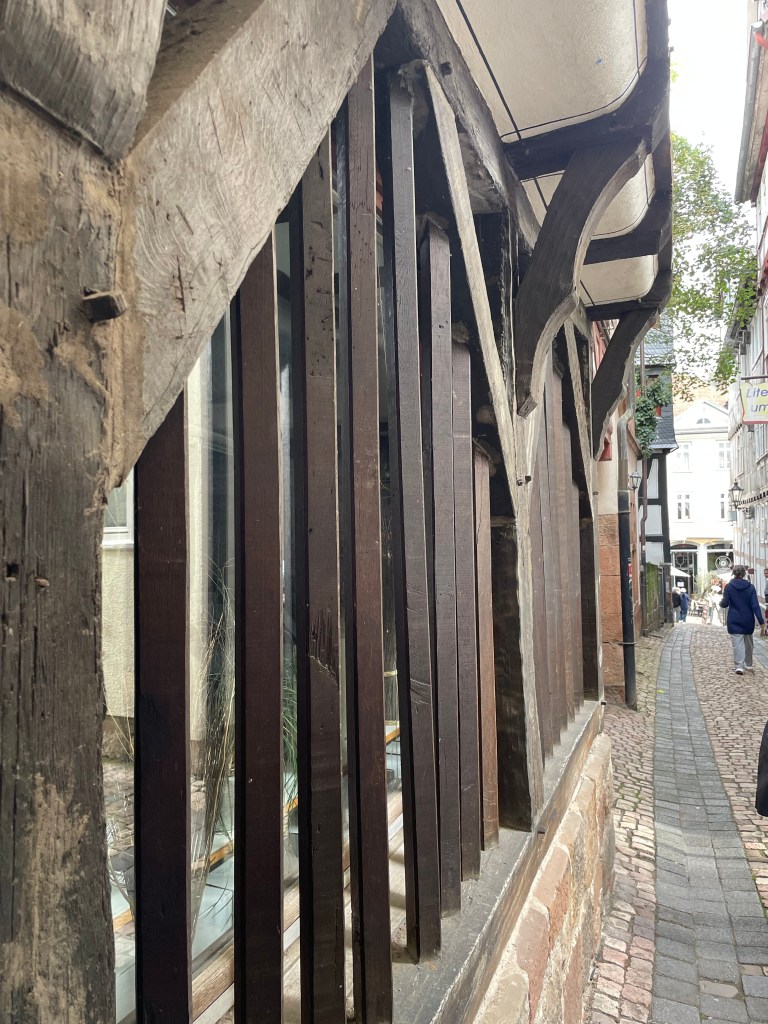
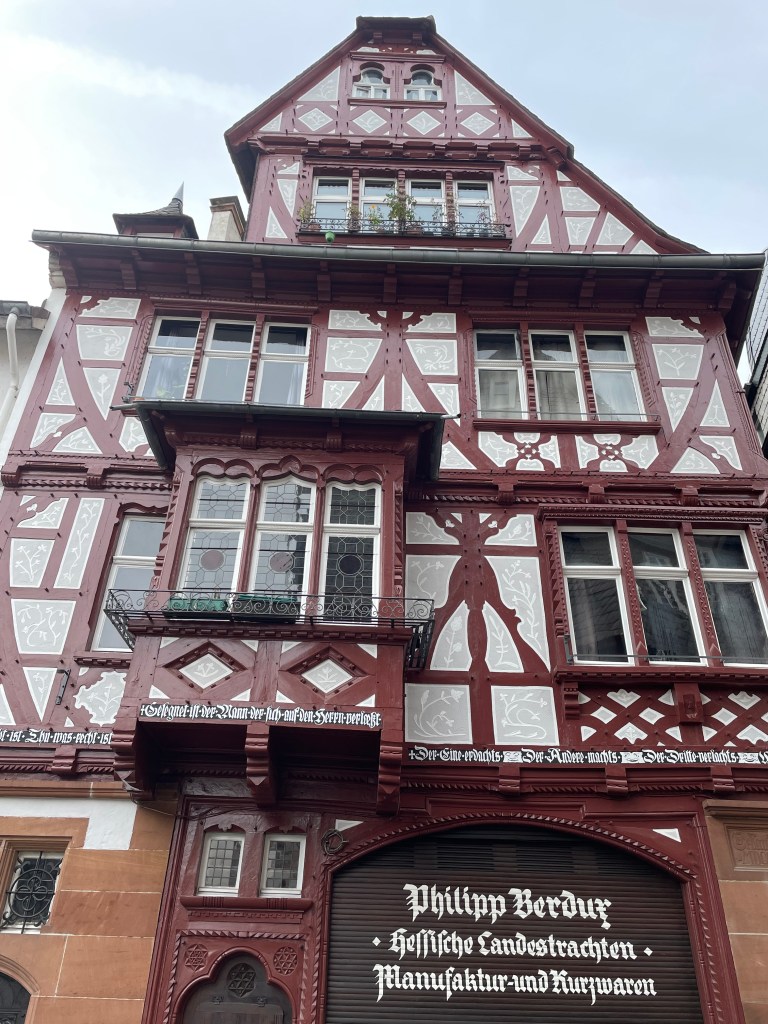
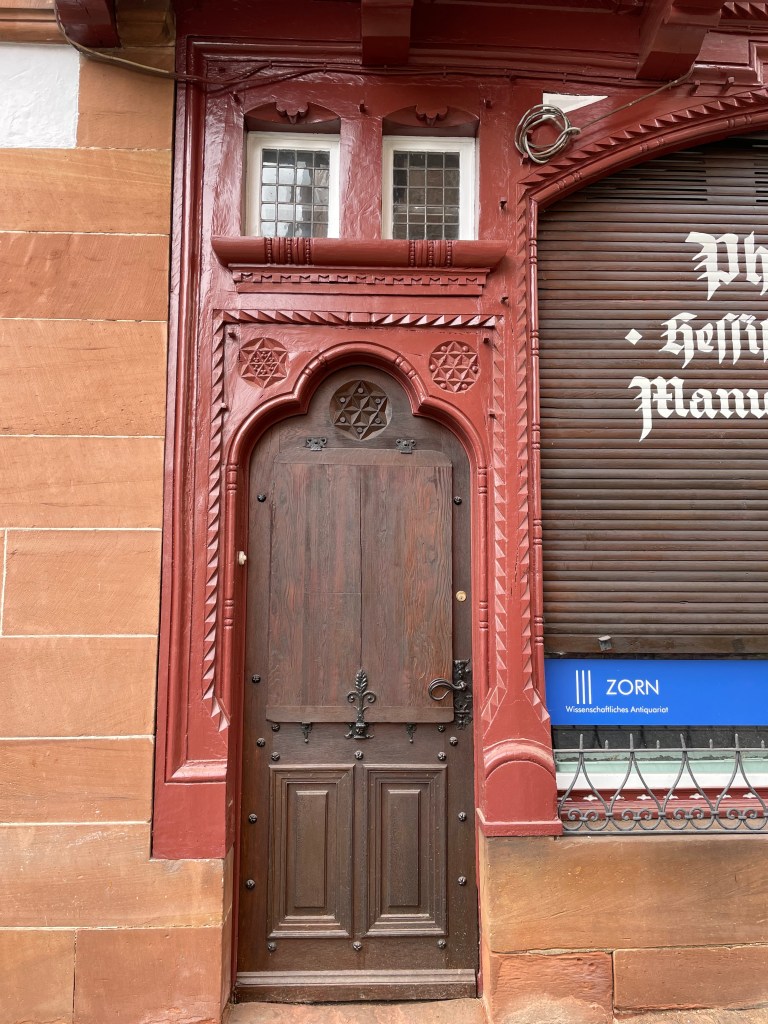
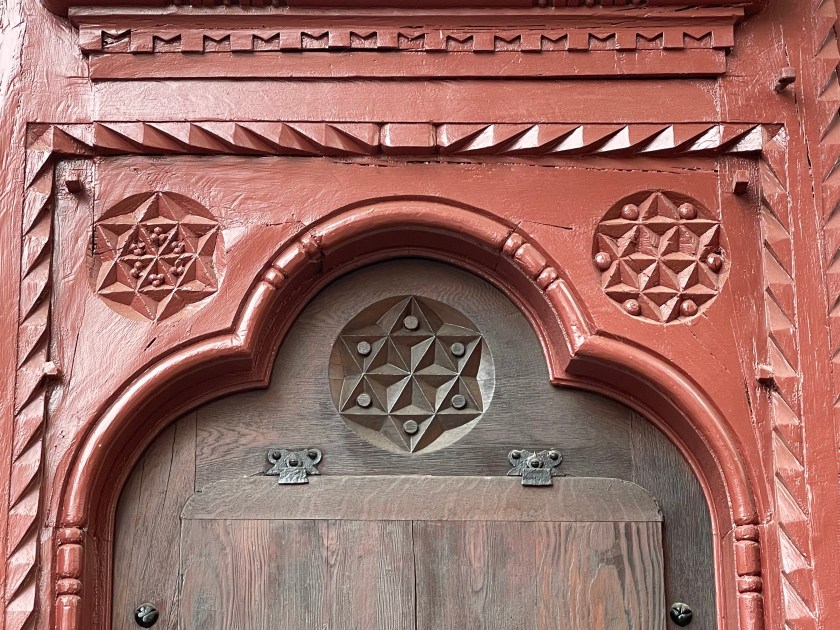
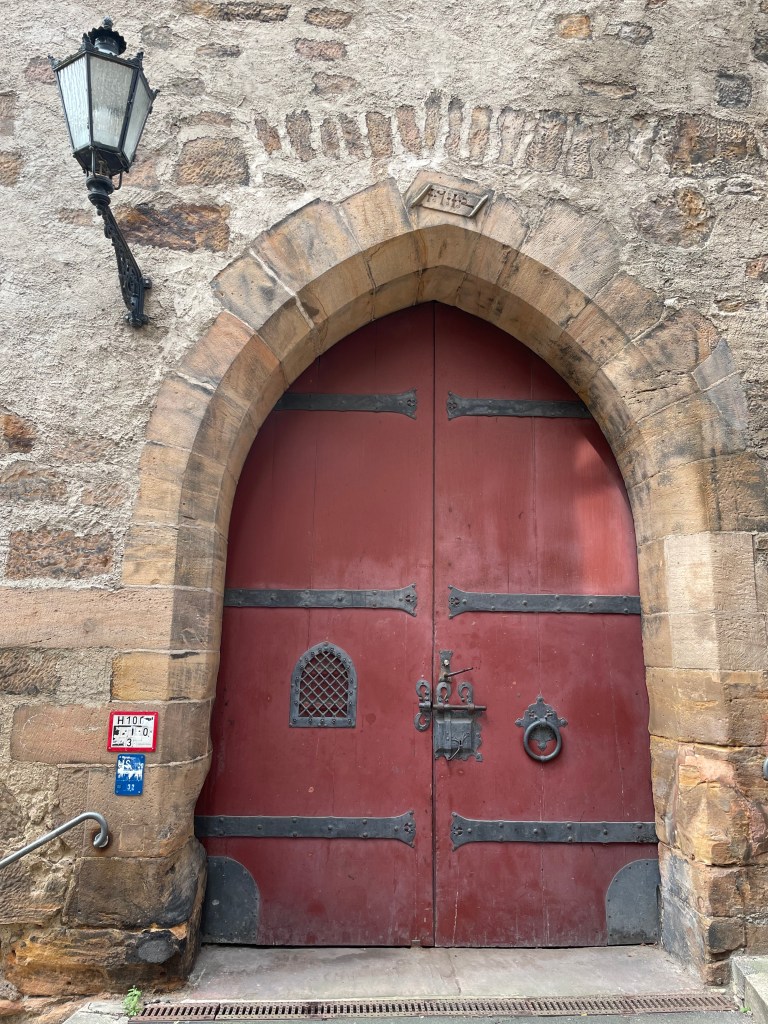
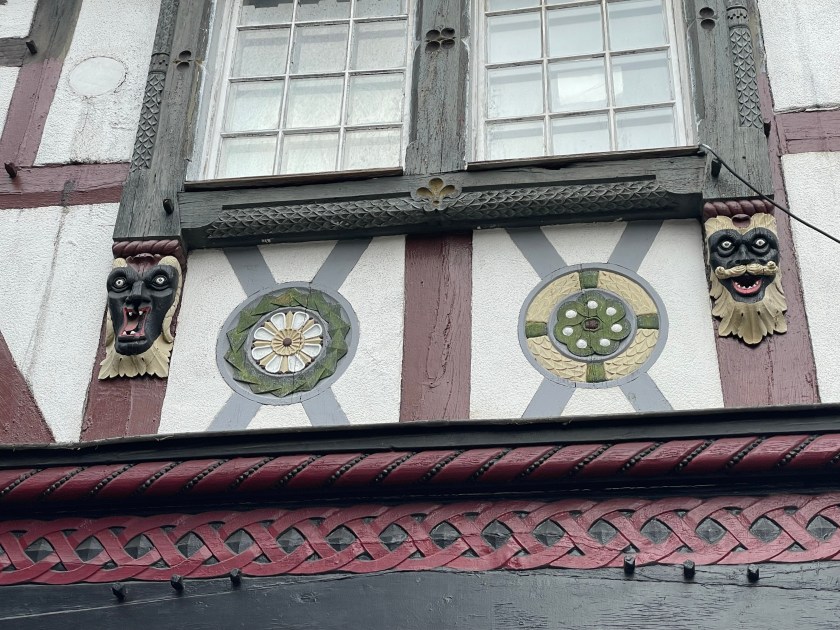
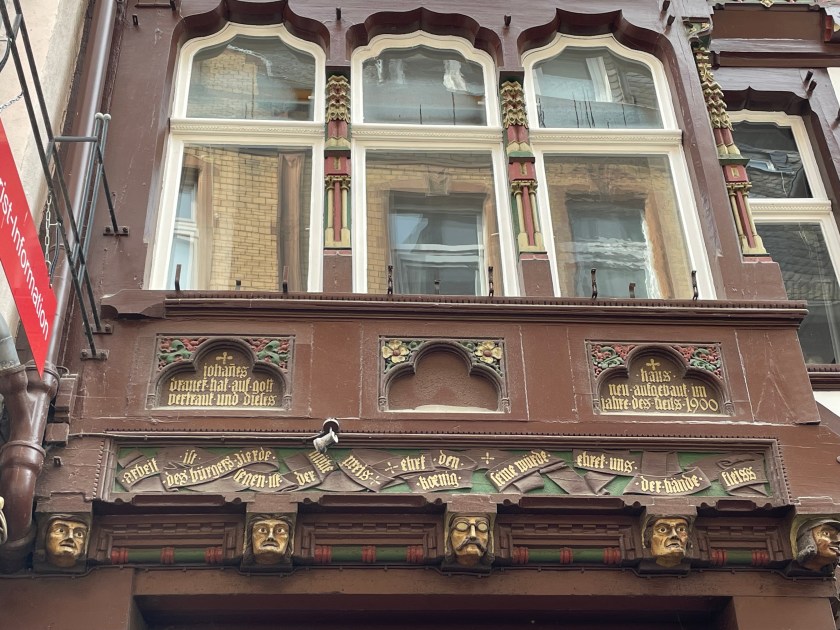
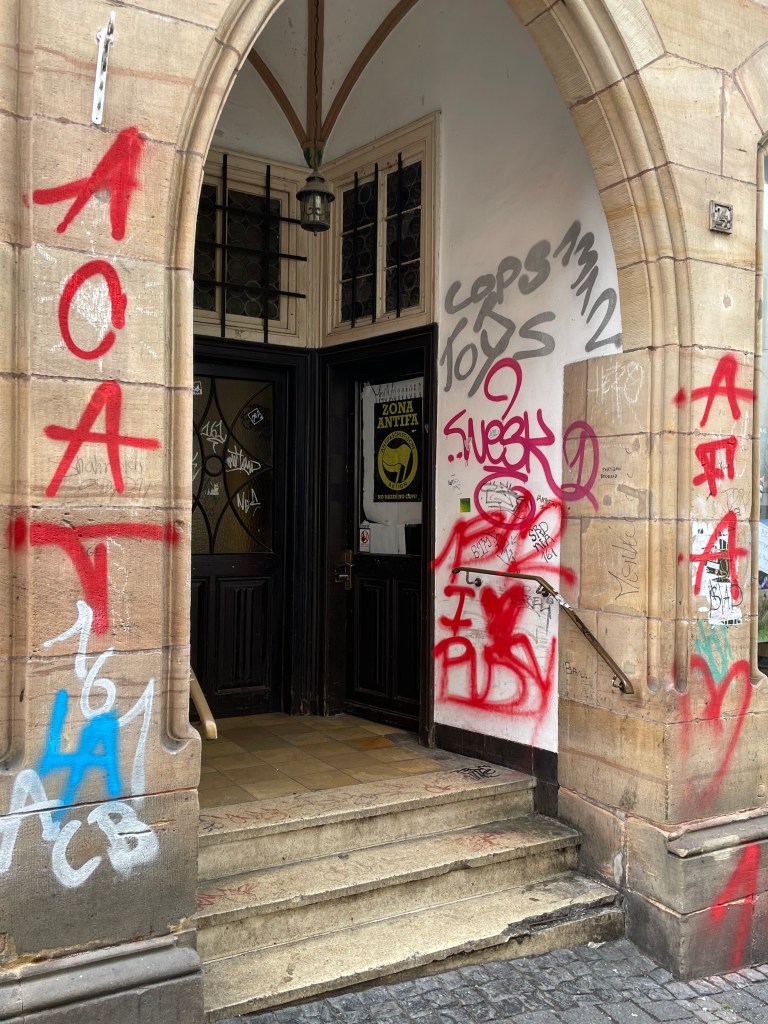
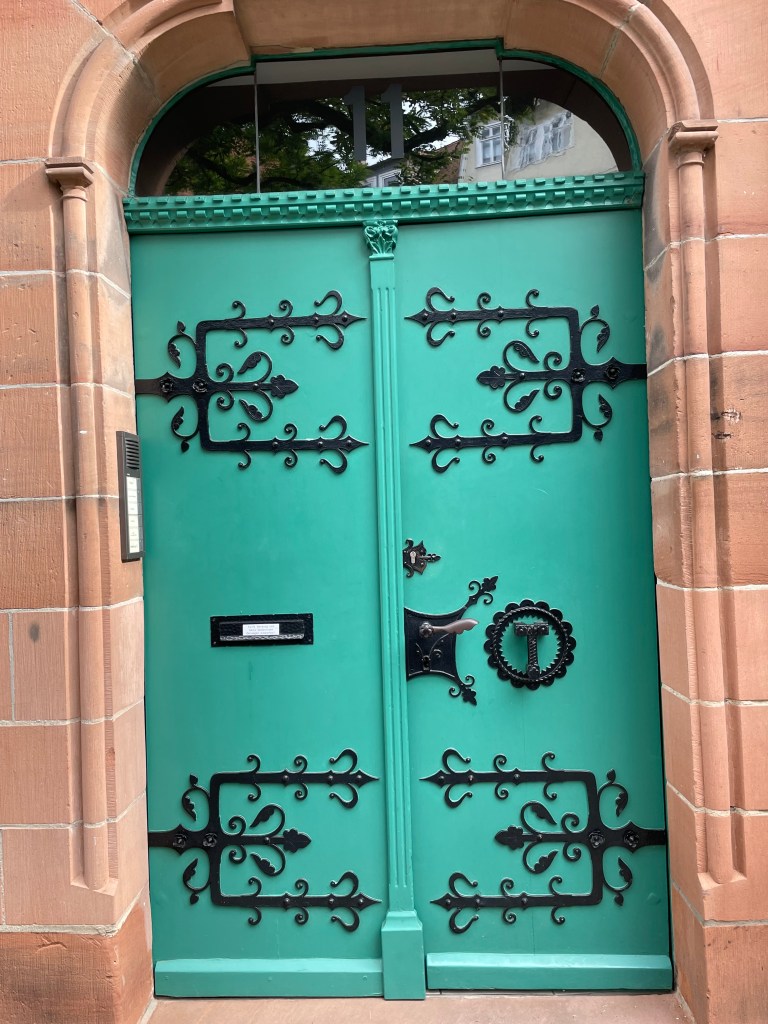
There are some pretty incredible doors in this place!
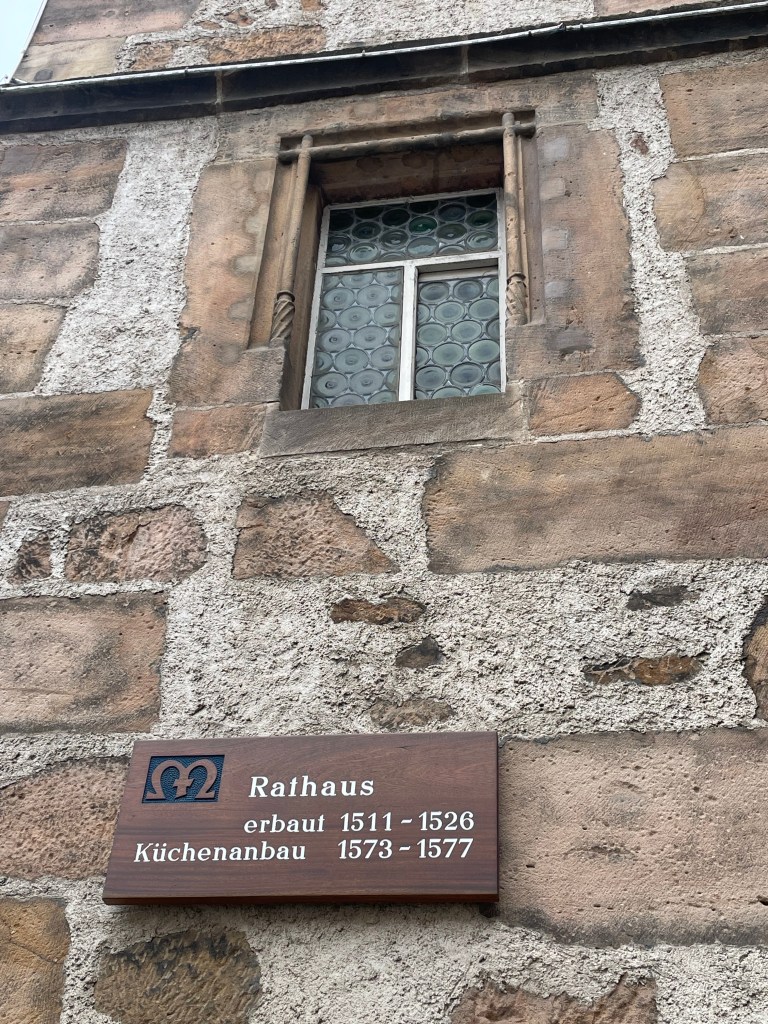
The Rathaus, or City Hall:
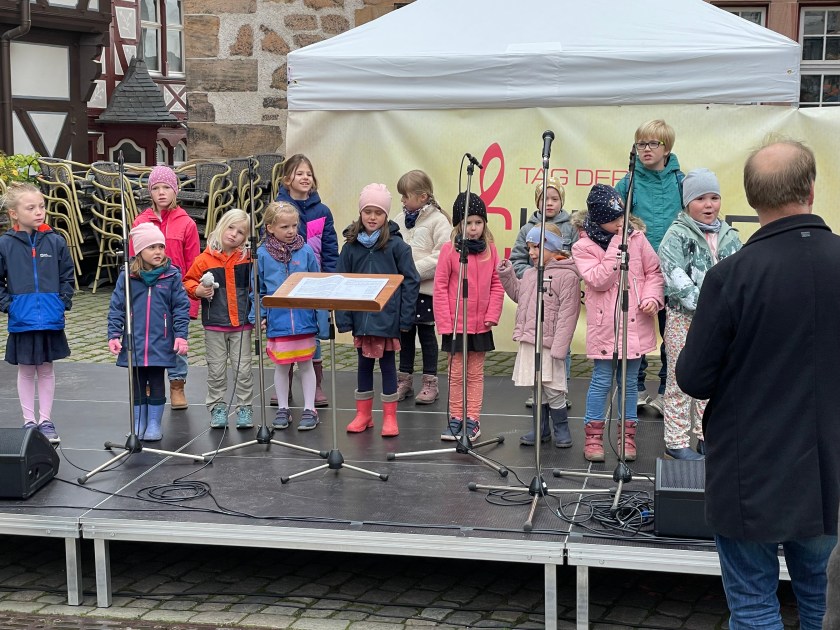
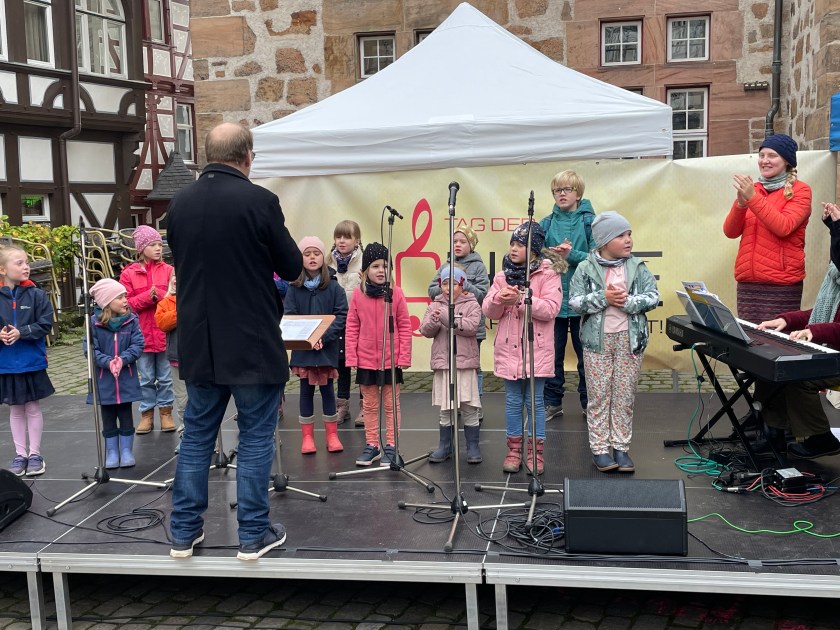
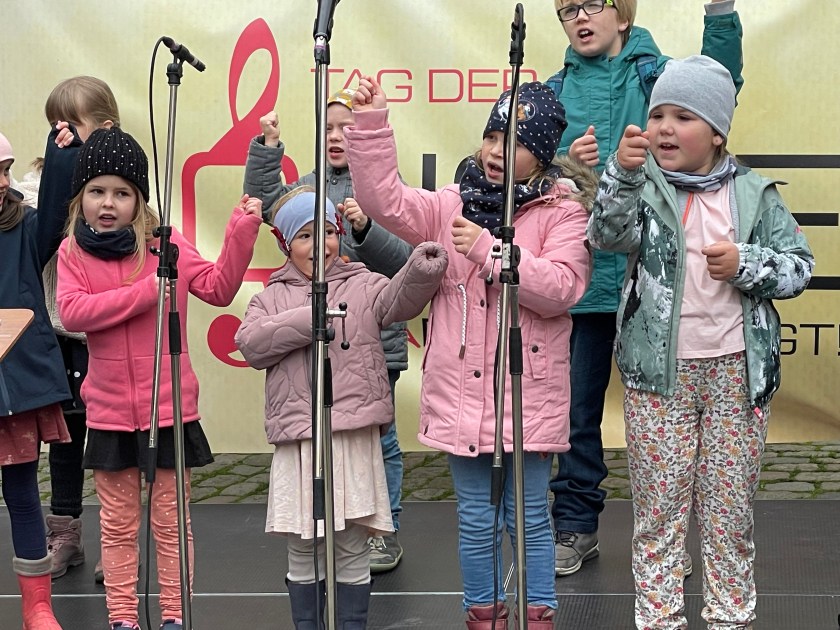
We enjoyed a children’s chorus performing several songs about the harvest season.
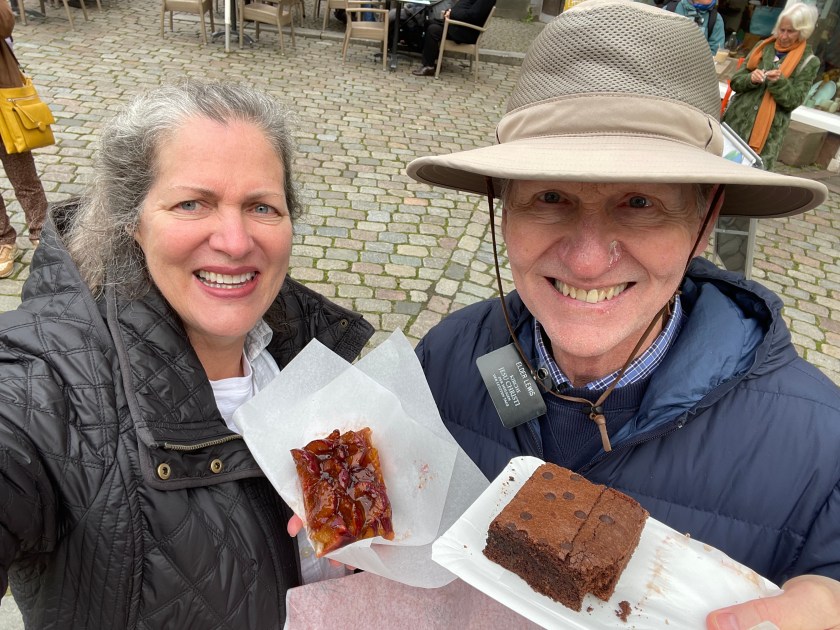
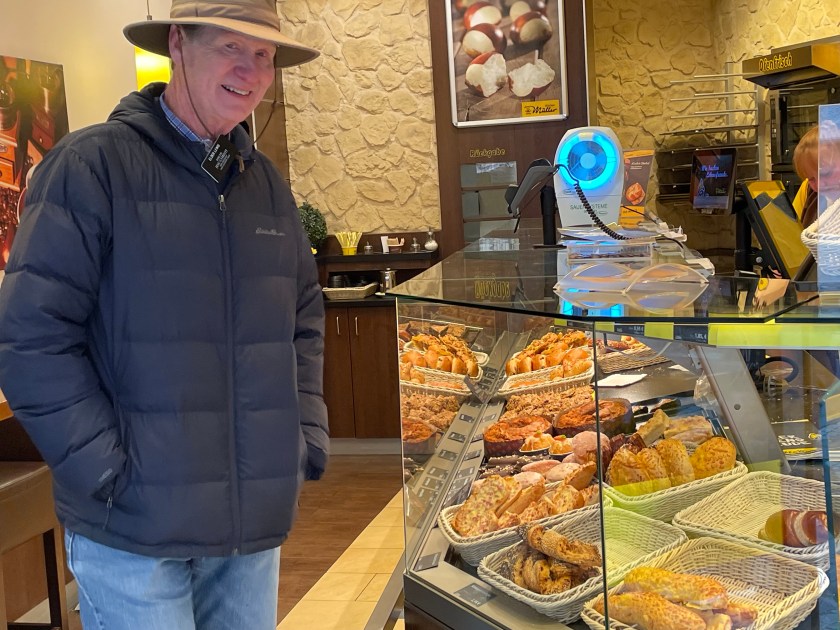
Today is our 34th anniversary. John bought some pastries to celebrate. Plum for me, chocolate for him.
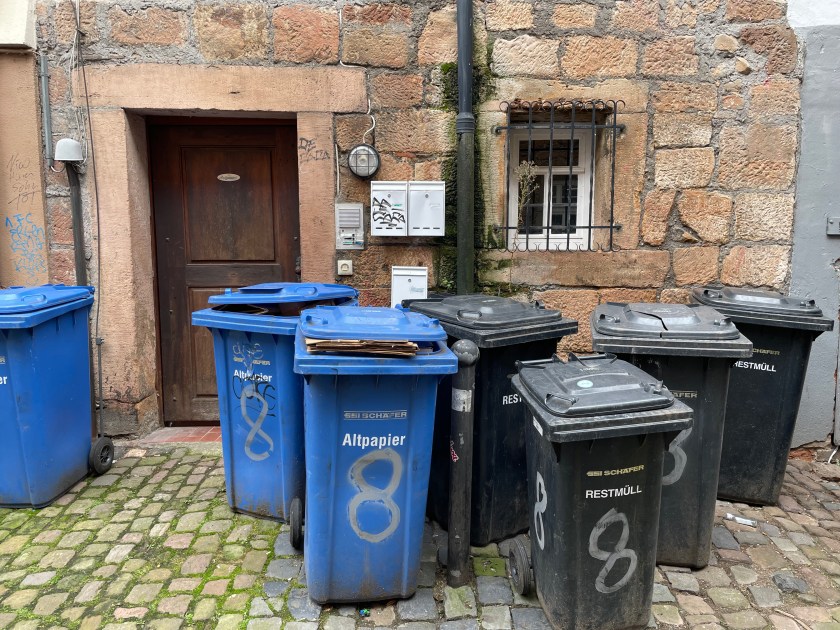
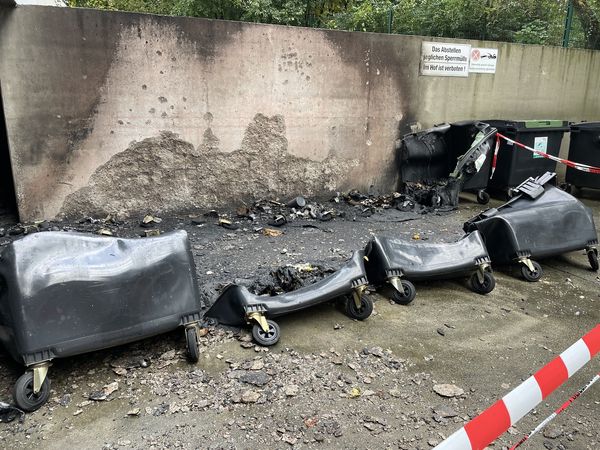
John took our trash down this morning and came back and said, “You’ll never believe . . . .” He showed me pics of our trash dumpster area. There are about 20 dumpsters down there for all of our different kinds of trash: paper, glass, cans, plastics, wet waste, and other garbage. The pictures showed several of the dumpsters burned and melted into heaps on the ground–maybe 12-15 of them were totally destroyed by fire. In the night, someone set off bombs in them, or something. The manager was down there assessing the damage. He said it was probably “idiots who had nothing better to do.” I posted the amazing pics on our German Sisters group and one said they heard what sounded like fireworks at 4:10 a.m. We didn’t hear a thing.
The view from our apartment:
Most were cleared away by morning. These few were still there, melted, like the Wicked Witch of the West.
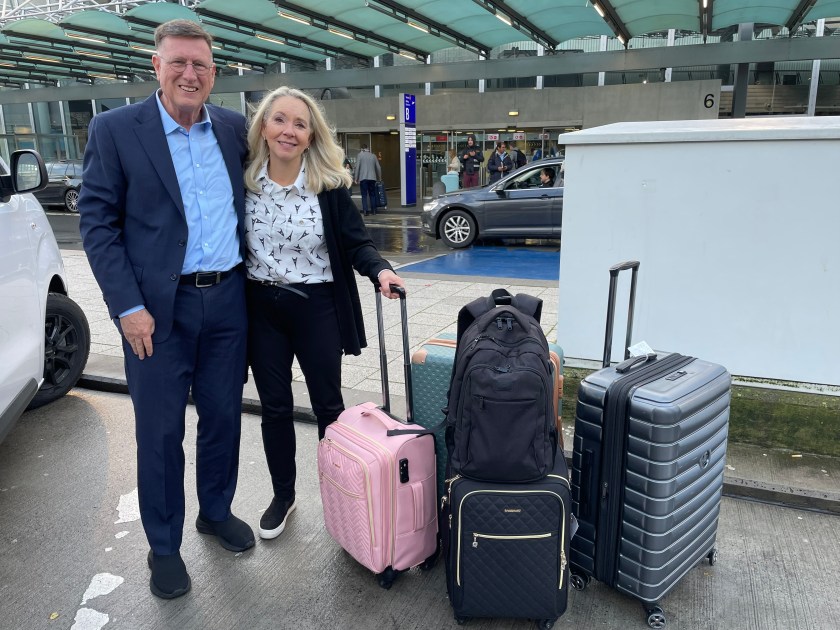
Our dear friends, Phil and Diane Stoker have been working with us here in Frankfurt since their arrival last year. Guess what? They’ve been transferred to Turkiye! They work in the Humanitarian Department and will be going to help with many of the projects the Church is doing there after the devastating earthquakes a year or so ago.
Here’s an article about some of the things happening in Turkiye right now:
11 November 2024 – Frankfurt am Main
News Release
Schools Funded Through a Humanitarian Donation by The Church of Jesus Christ of Latter-day Saints Open in Türkiye’s Hatay Region
More than 2,000 children will be able to continue their education in the brand-new facilities
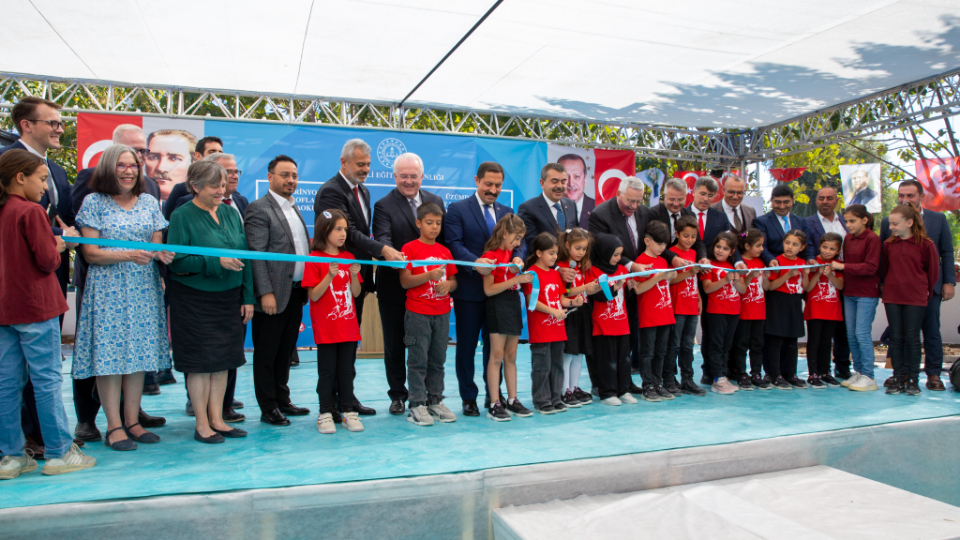
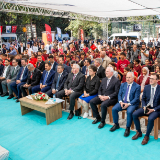
On 23 October 2024, The Church of Jesus Christ of Latter-day Saints, together with Turkish authorities, formally inaugurated three schools in the Hatay region in south-east Türkiye. Elder Rubén V. Alliaud, President of the Europe Central Area of the Church, and Elder Jack N. Gerard, first counselor in the Presidency, along with other Church representatives attended the inauguration at the school in Aşağioba, in the Antakya district, in the Hatay province.
Dr. Yusuf Tekin, Minister of National Education of the Government of Türkiye, headed the representation of government officials at the event. Minister Tekin was joined by Mehmet Öntürk, Hatay’s Metropolitan Municipality Mayor, Vali Mustafa Masatli, Governor of the Hatay Province and Harun Tüysüz, Provincial Director of National Education.
Inauguration of three new schools funded by The Church of Jesus Christ of Latter-day Saints, in the Hatay region, Türkiye, on 23 October 2024.2024 by Intellectual Reserve, Inc. All rights reserved.
Addressing those present at the inauguration event, Minister Tekin stressed that the priority of those in charge is not only to replace all destroyed schools and classrooms, but also to use this opportunity to build many more schools, “as this will contribute to heal the traumas and the psychological effects of this disaster.”
Minister Tekin also thanked the Church for playing an important role in the reconstruction and thanked those who have made many sacrifices to restore normalcy to life in the affected area. He concluded his remarks by saying that “I see all donors as our friends and helpers. We hope this will be a big example to the world, especially in a time that when so many are suffering the effects of wars, conflicts and disasters”.
The construction was made possible entirely by donations from members of the Church worldwide and the direct involvement of local companies and business. Two of the companies involved were Turmaks and FZA, with whom the Church of Jesus Christ has worked in the past.
The powerful earthquakes that struck Türkiye on 6 February 2023 destroyed many homes and damaged important infrastructures, including schools. The level of destruction in the Hatay area, not far from the border with Syria, was particularly severe. With the construction of these schools, children in the neighbouring communities no longer need to walk or travel long distances to continue their education.
In his address at the inauguration event, Elder Alliaud explained why the Church is involved in these projects. “This is not about the buildings, it is about the future”, he said. “It is not about building with bricks, but with faith, building people, building hope. I do not think we can change the past, but certainly I believe we can change the future”, he continued. “And I hope that this school and the beauty of it, will contribute somehow to that end”.
The Church of Jesus Christ has been providing help to the areas in Türkiye that were most affected by the February 2023 earthquakes. Just in the last five years, it has implemented 34 projects in Türkiye, covering different needs and areas. The Church has a foundational commitment to helping the poor and the needy, rooted in its teachings and the example of Jesus Christ. This commitment is guided by a belief in the inherent worth of every individual and a dedication to alleviate suffering and promote self-reliance and community resilience. The building of the elementary schools is a vivid example of this commitment.
Harun Tuysuz, Hatay’s Provincial Director of National Education, thanked the Church for help it has provided in the aftermath of the earthquake. He specifically mentioned the role the schools play in the local community. “Since last year, we have been making every effort to open the schools rapidly. The reason for this is that after such a big disaster, we observed that most of our citizens who migrated out were leaving because of educational purposes”, he said.
“We told ourselves we must build schools so that we can bring back our citizens. Thus, we have endeavored to normalize and activate our city, to make economic life and cultural life go back to normal”, he concluded.
The construction of the schools began in May 2024 and was completed in a record time of four months. The three new schools, built in the villages of Aşağioba, Serinyol and Üzümdali, in the Antakya district, follow a model that is prepared to withstand strong earthquakes. Each wall is modular, with a reinforced steel frame, insulation and dry wall on the outside. This allows for a relatively fast construction timeframe. Each school building inaugurated with twelve classrooms for a total of 360 children of primary school age in double sessions.
These schools are also characterised by their design: plenty of daylight in the rooms and corridors, a very spacious entrance hall, ramps for disabled children, two laboratories and data cabling, as well as air conditioning and central heating system that supply the entire building. There are also facilities for sports activities and a school garden, as well as several playground areas outside.
The Church will continue to be involved in the reconstruction efforts in Türkiye and help restore normality and hope in the lives of those who’ve been severely impacted by the powerful earthquakes.























 Our Frankfurt Germany Mission
On 23 October 2024, The Church of Jesus Christ of Latter-day Saints, together with Turkish authorities, formally inaugurated three schools in the Hatay region in south-east Türkiye. Elder Rubén V. Alliaud, President of the Europe Central Area of the Church, and Elder Jack N. Gerard, first counselor in the Presidency, along with other Church representatives attended the inauguration at the school in Aşağioba, in the Antakya district, in the Hatay province.