More Salzburg — Cemeteries, the Cathedral and the Fortress

The Cemetery behind St. Peter’s Church
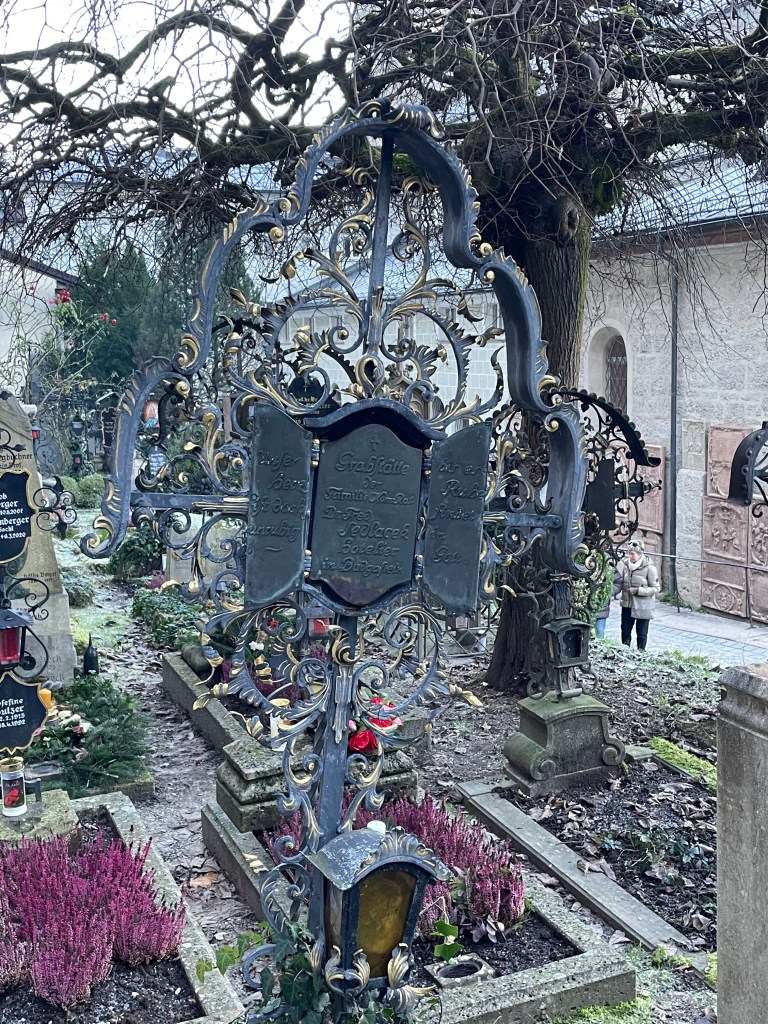
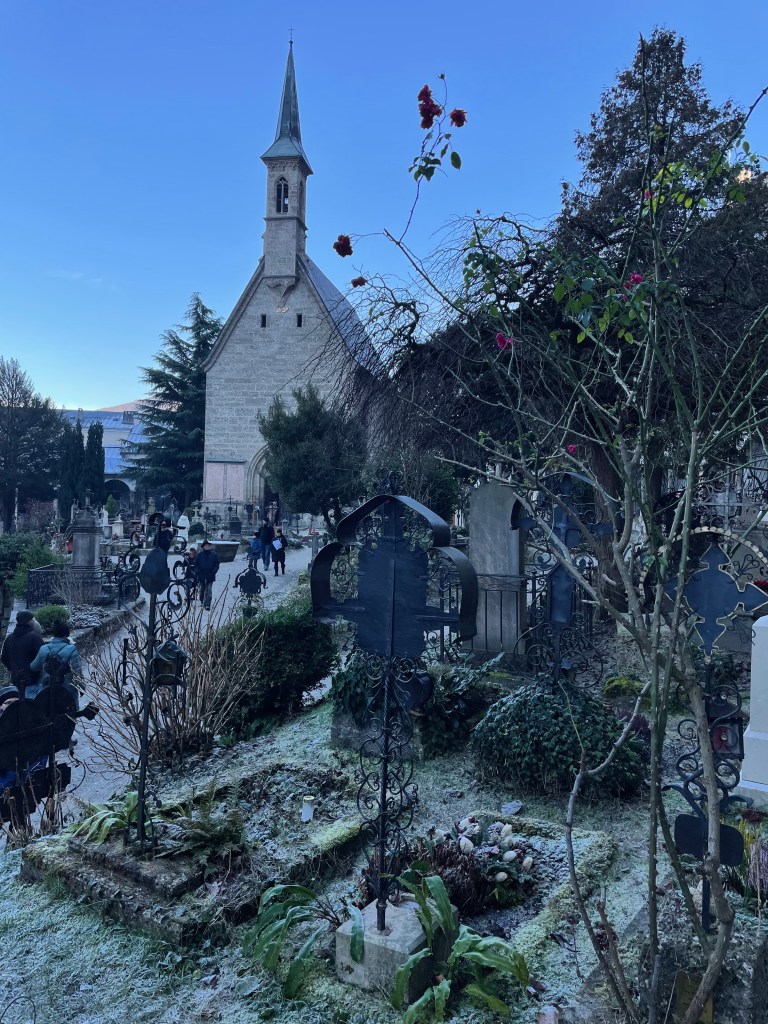
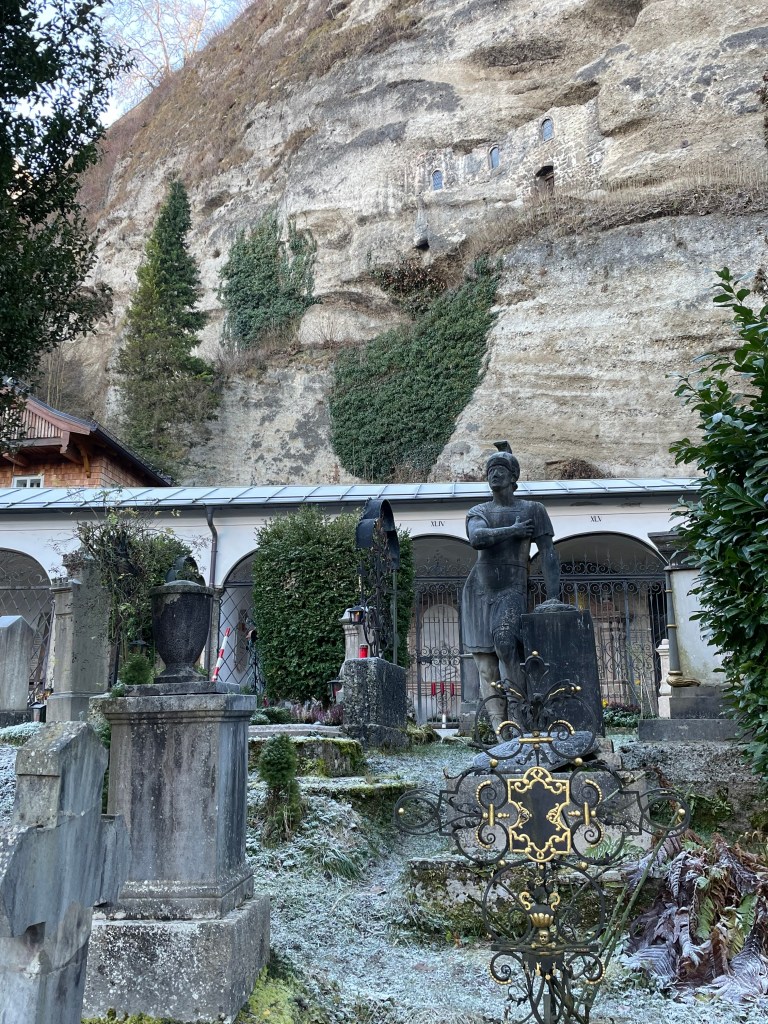
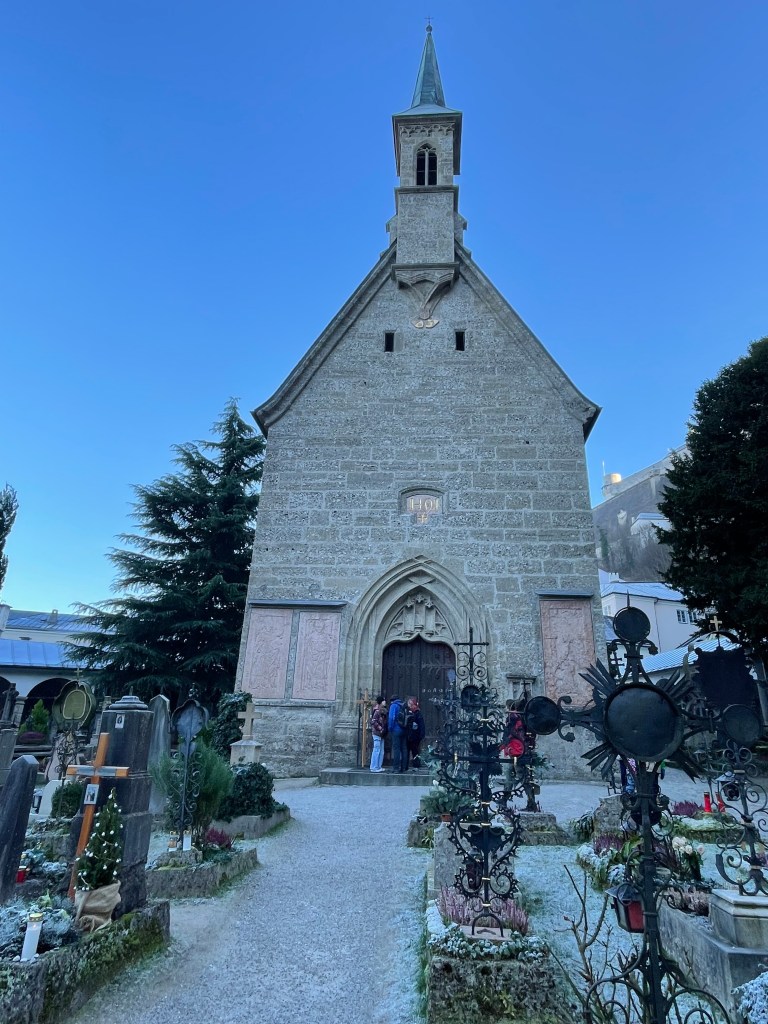
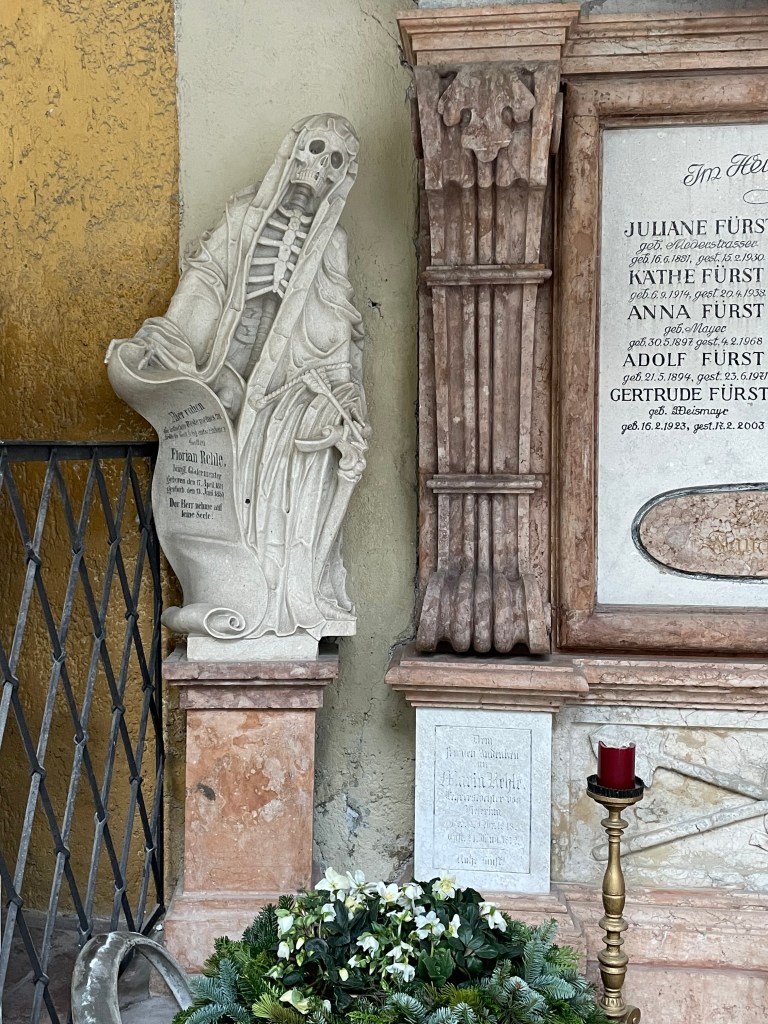
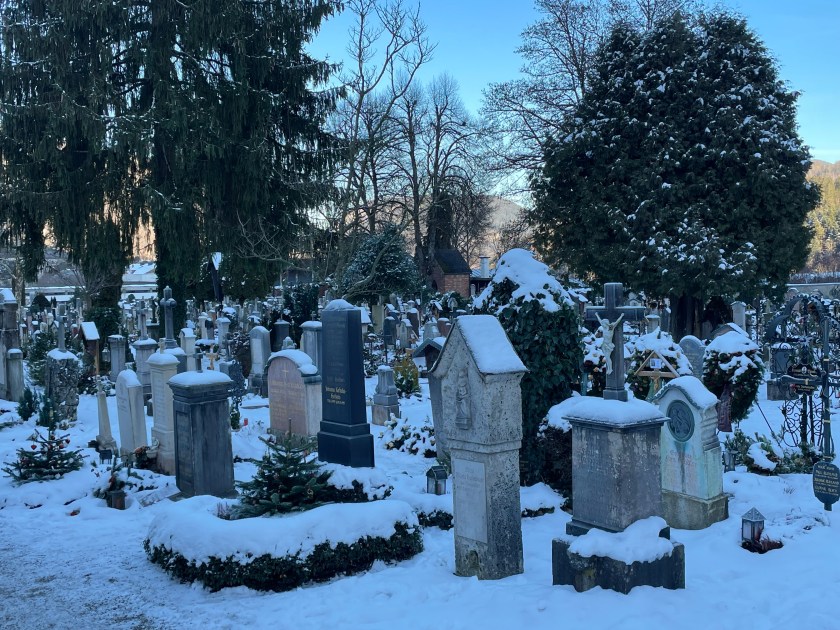
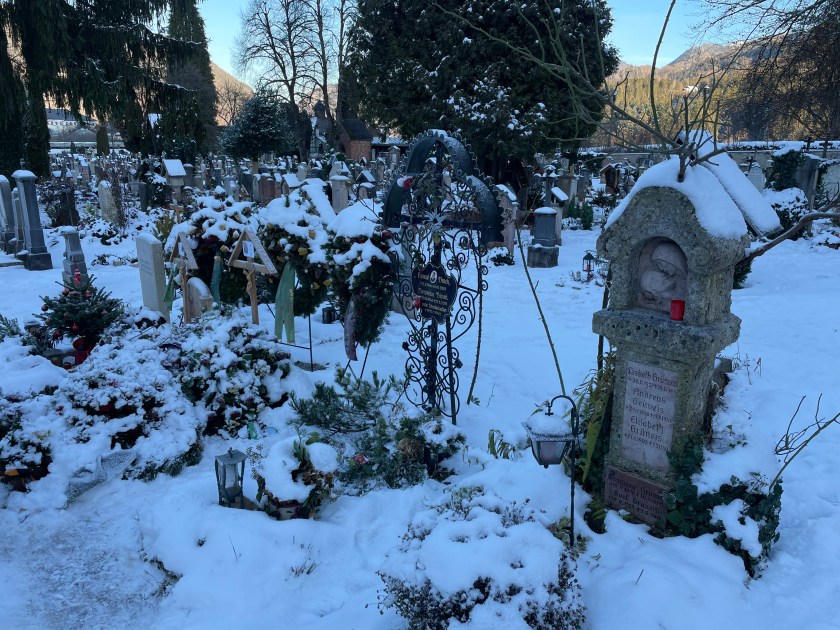
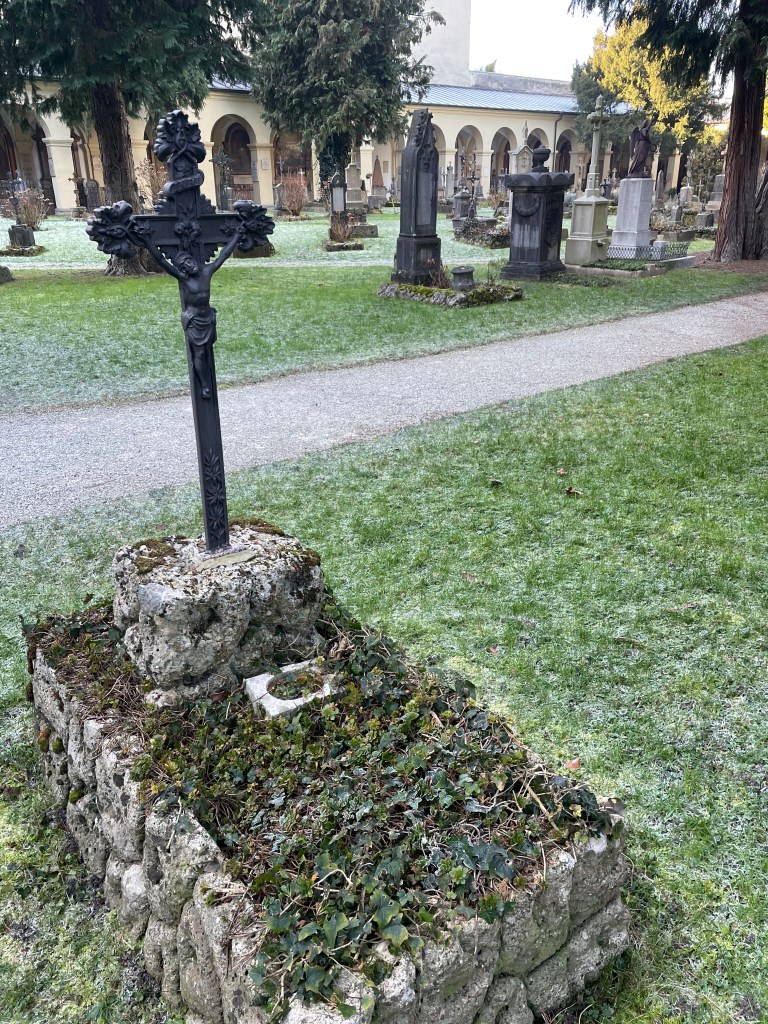
Anna Maria Mozart (only living sibling of Mozart) and family members are buried here.  These cemeteries are really amazing. This one had the most unusual headstones–not of stone, but of ornate iron. It was still frosty and mystical. There was a funeral in the church just before we got there and a burial site was prepared to receive the casket. This cemetery was one of my favorite places visited today.

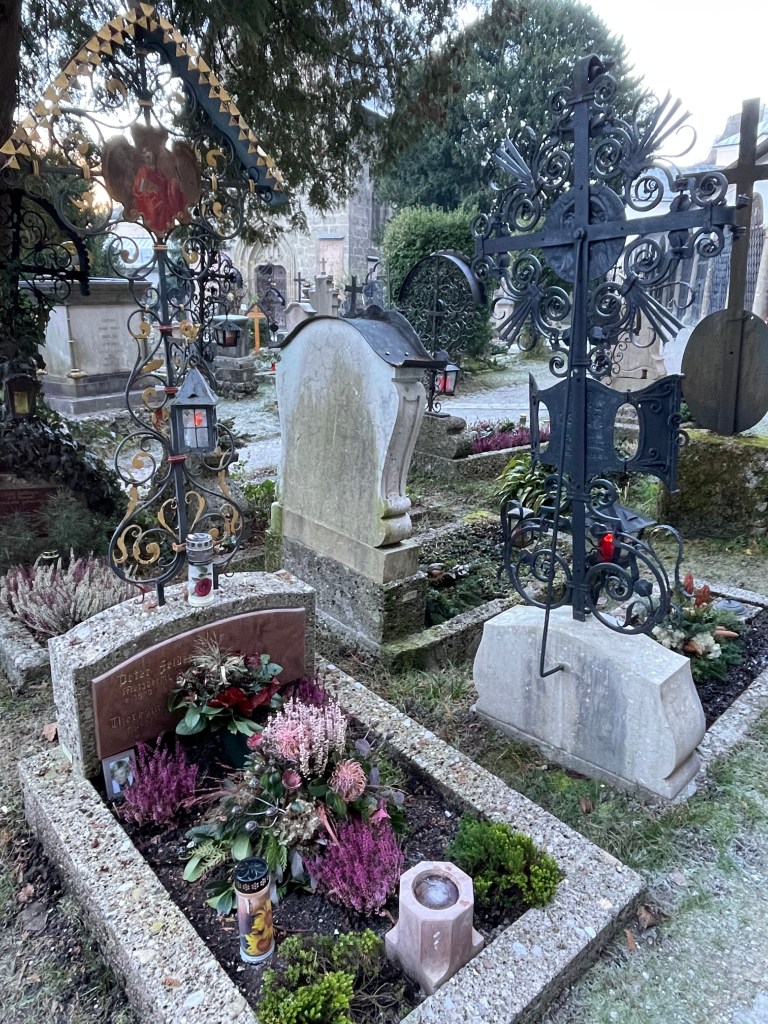
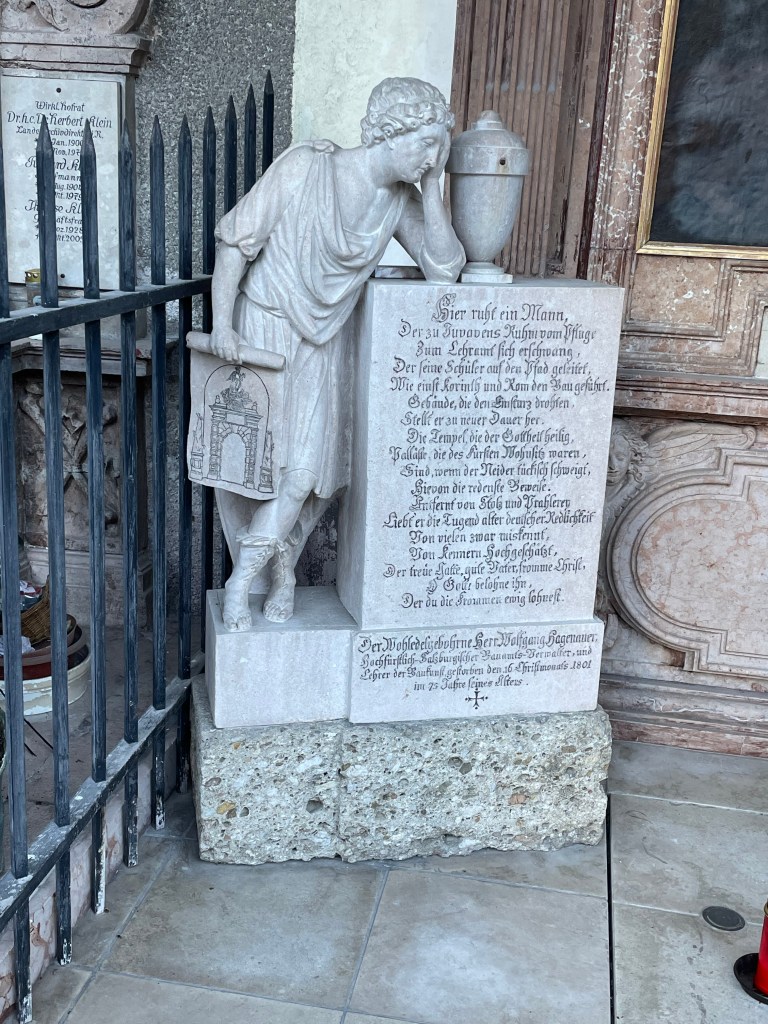
Mozart’s sister’s and Joseph Haydns’ brother’s memorial:

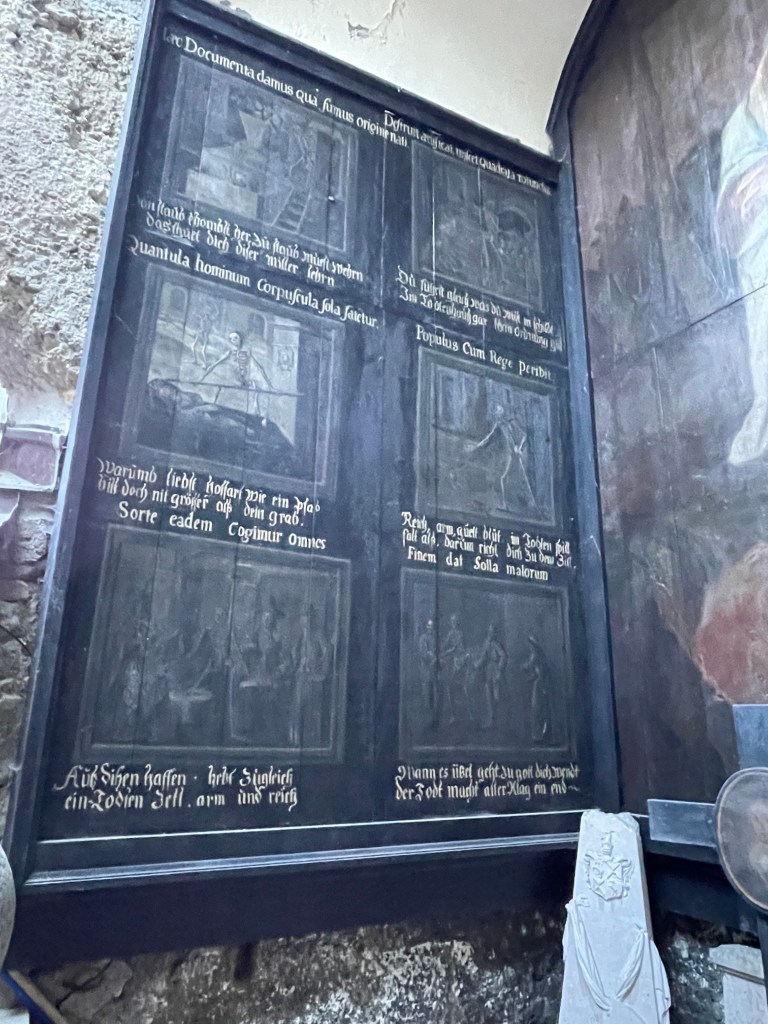
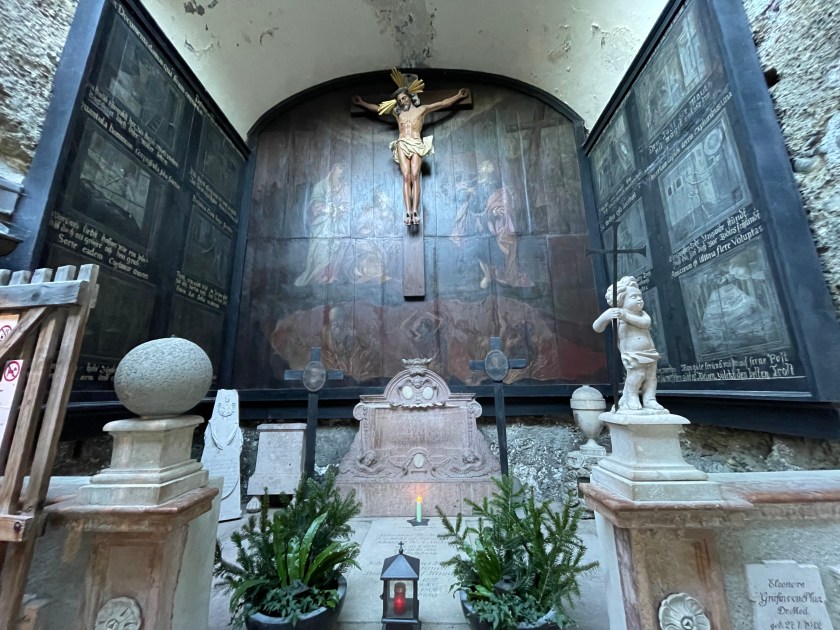
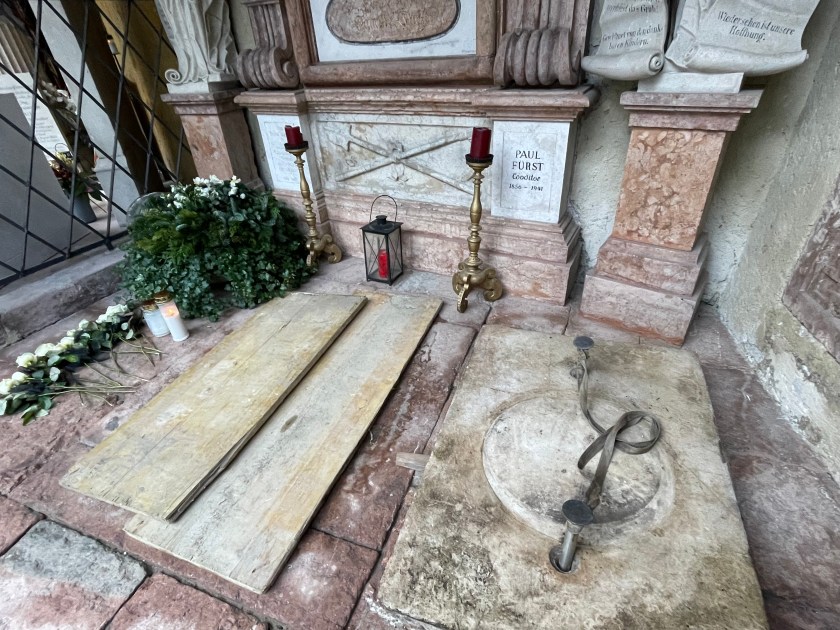
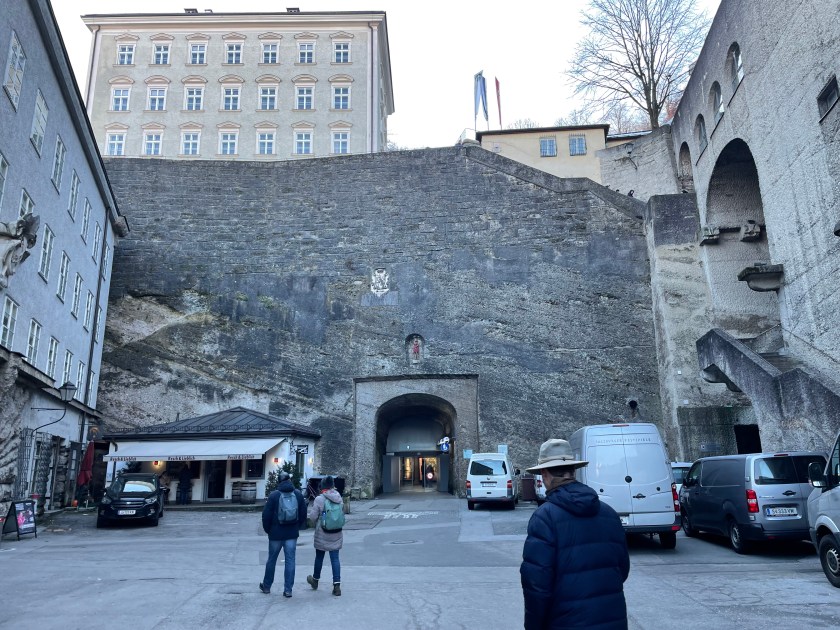
These are the catacombs by the cemetery at the base of the mountain with the fortress on top:

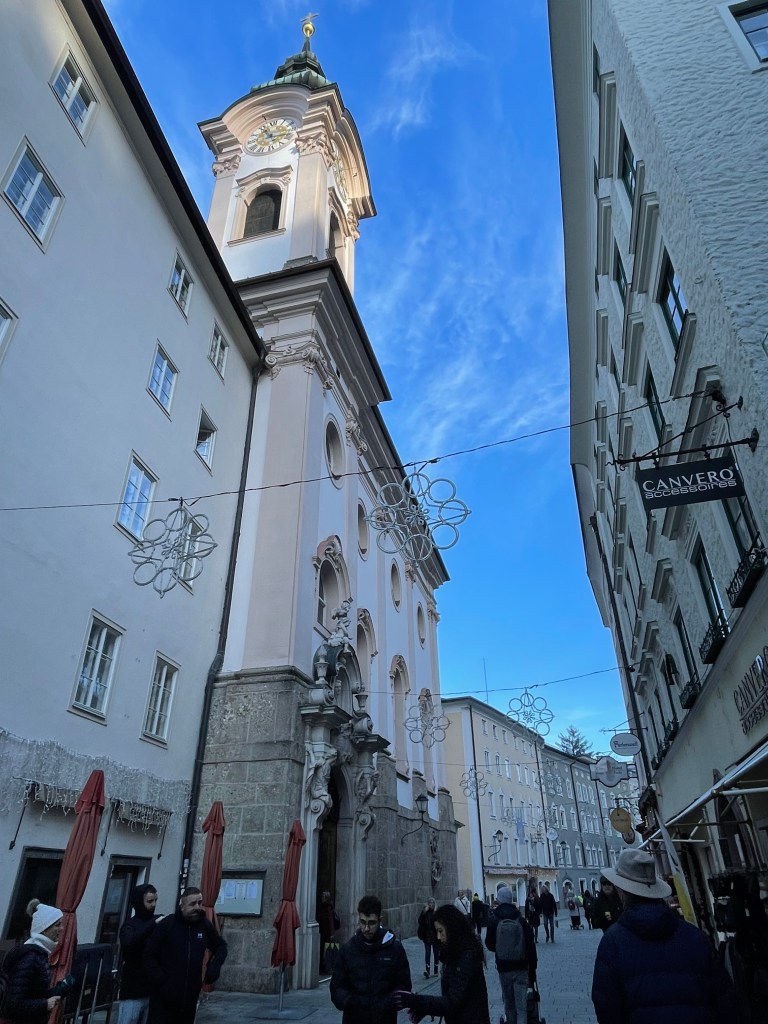
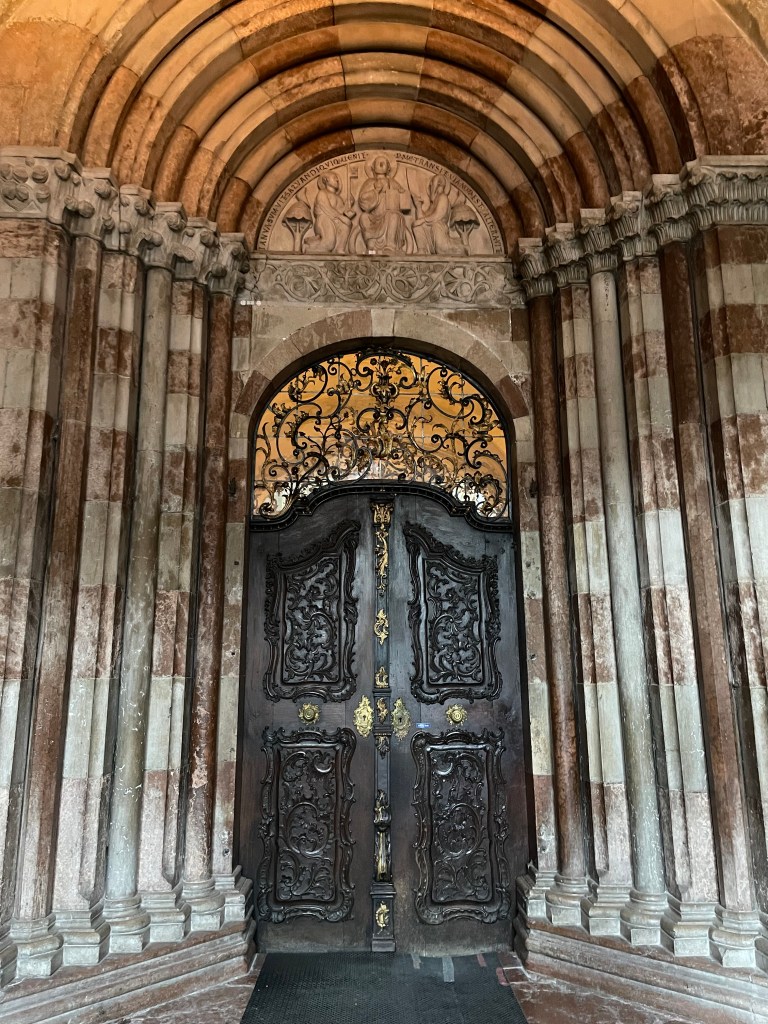
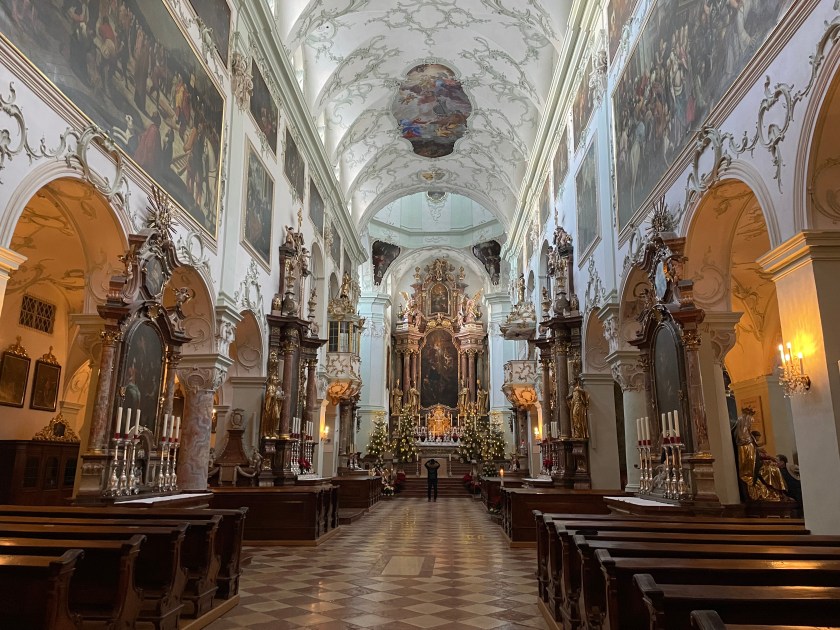
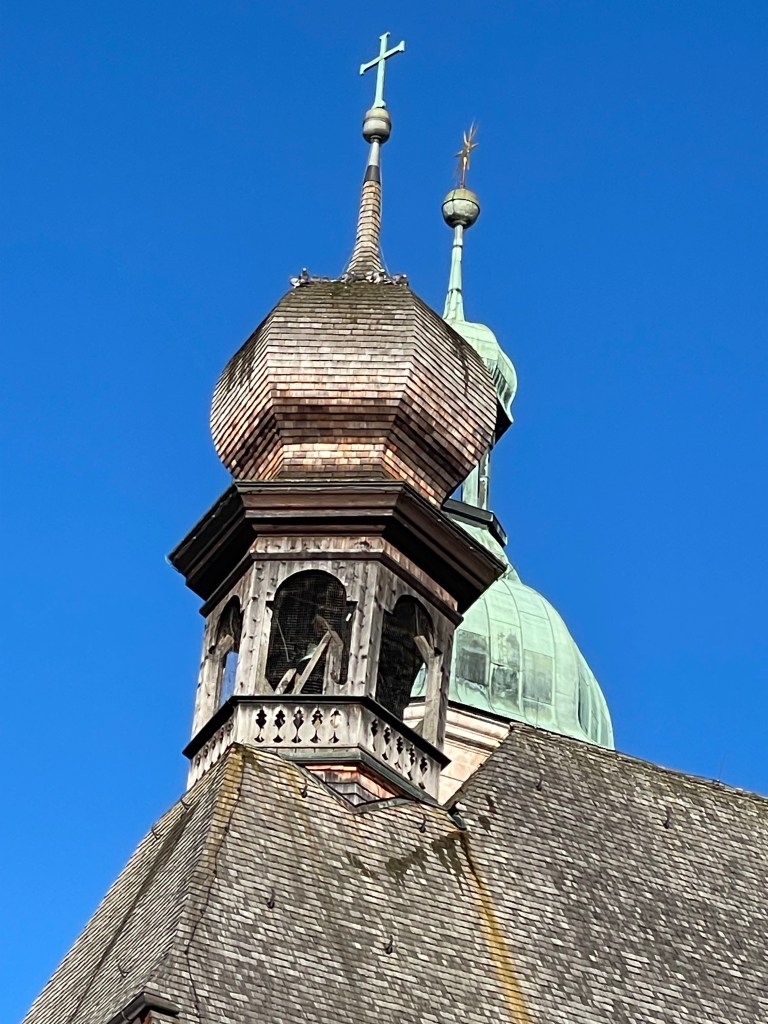
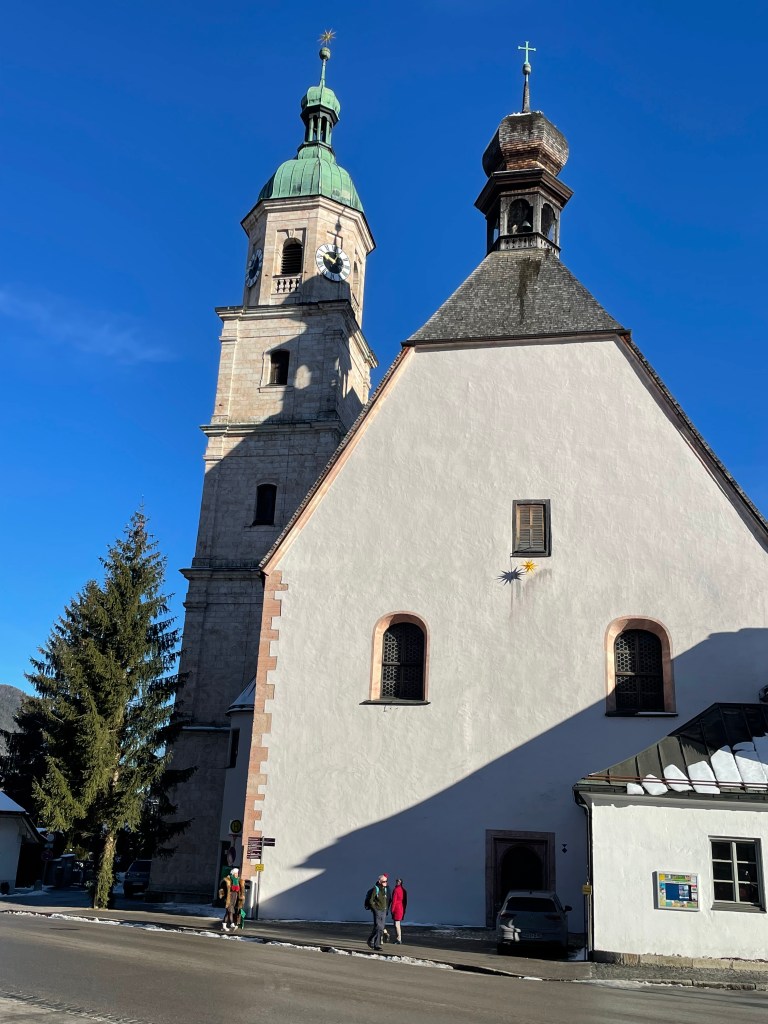
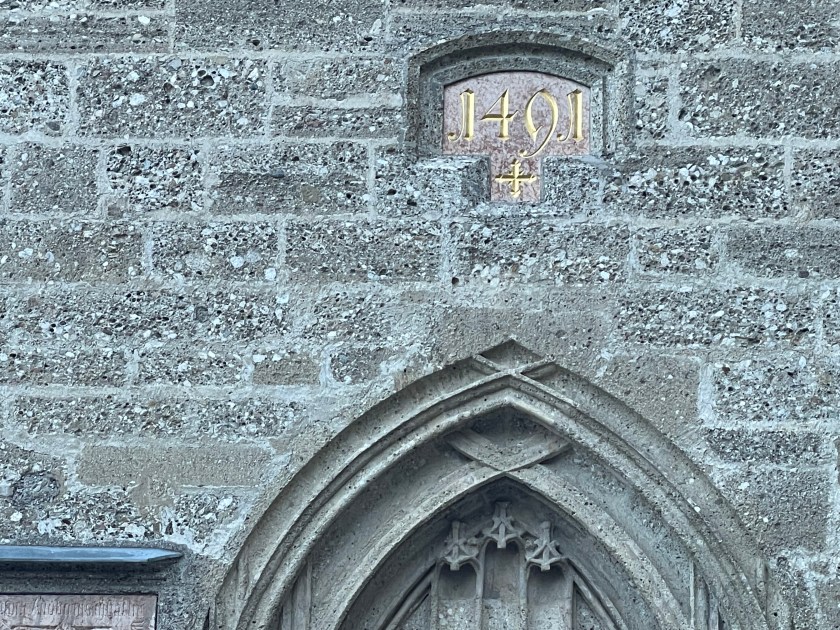
St Peter’s Church, dating back to 1491.
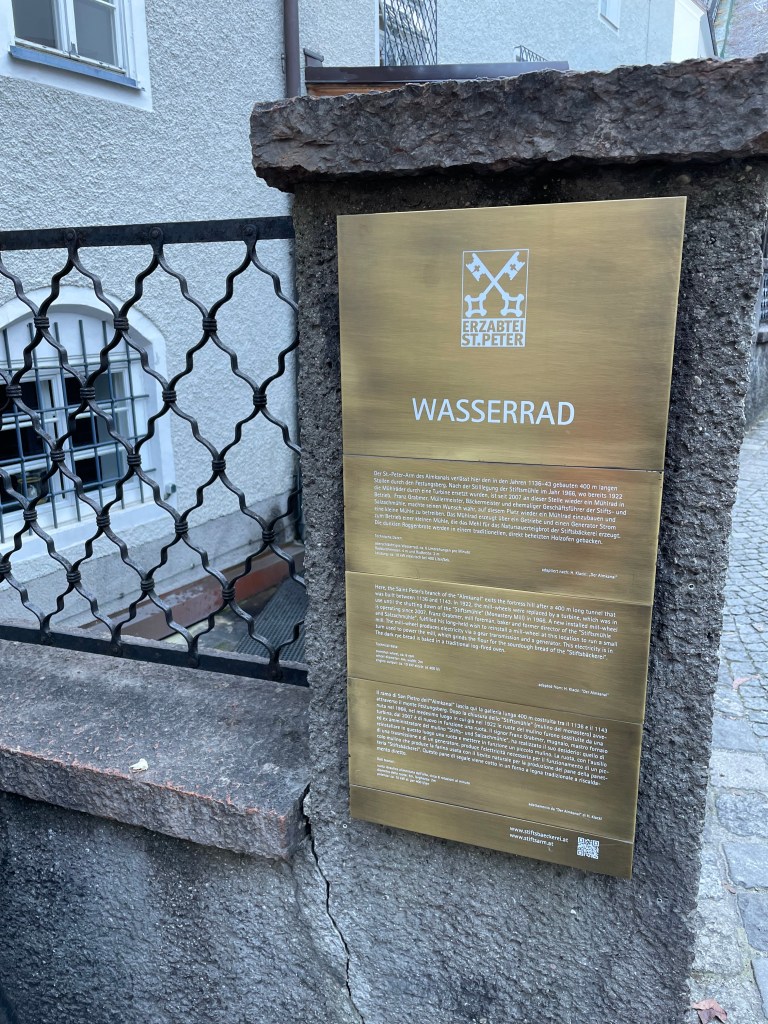
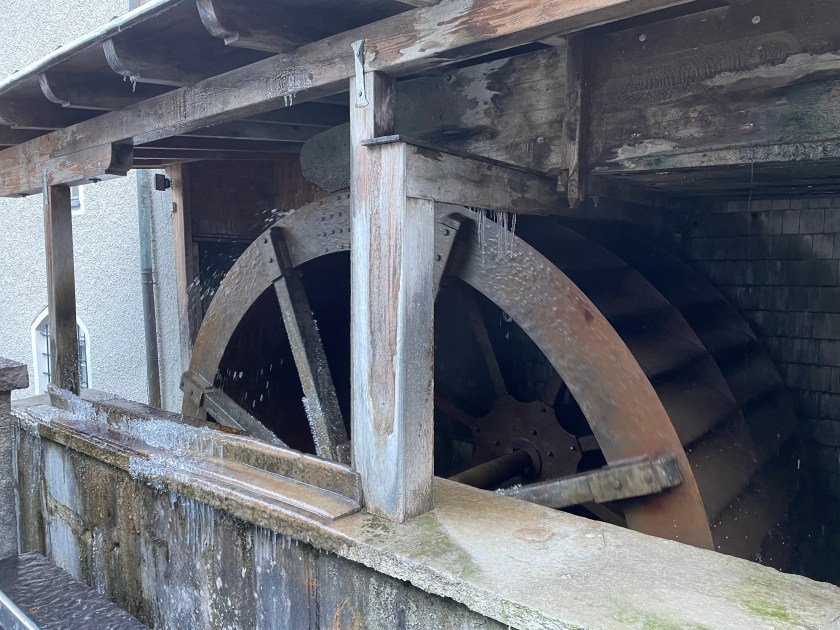
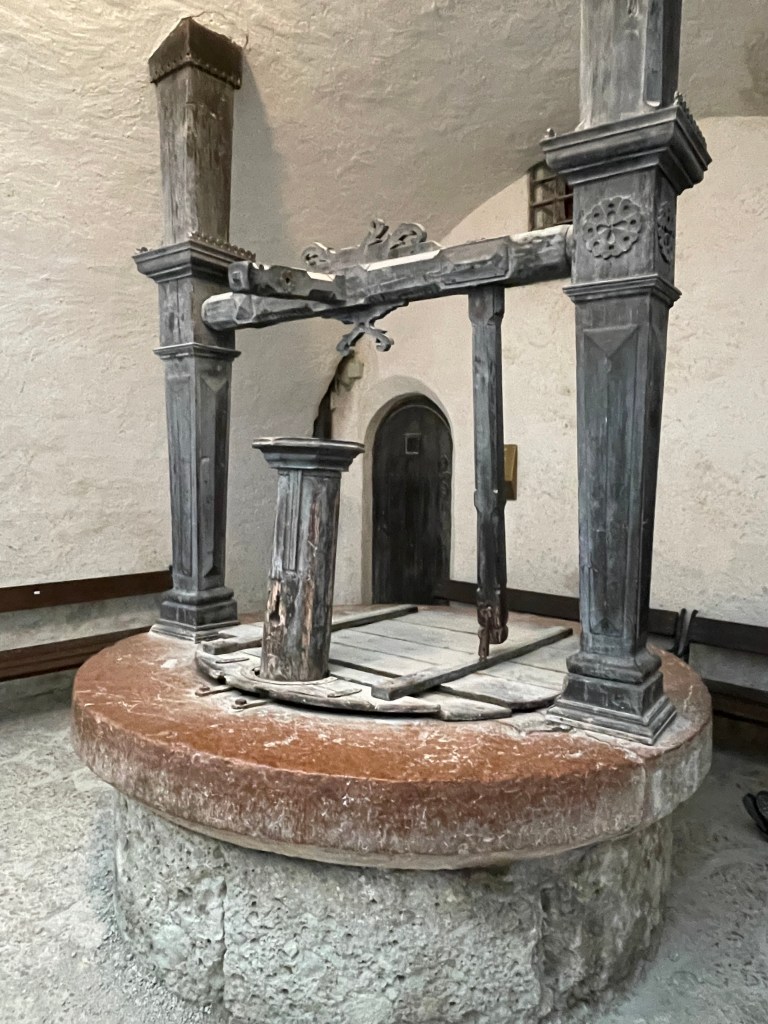
Water wheel by the Abbey bakery
It was working, turning the water right next to the oldest bakery in Salzburg.  Maybe we’ll go back when it’s open.

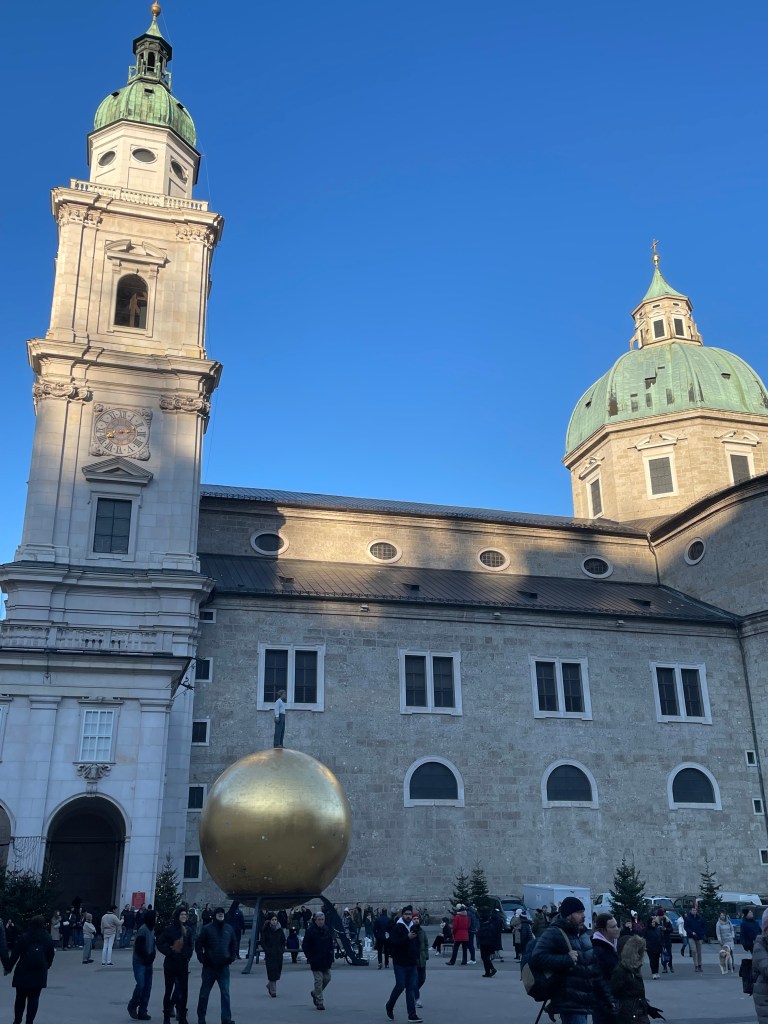
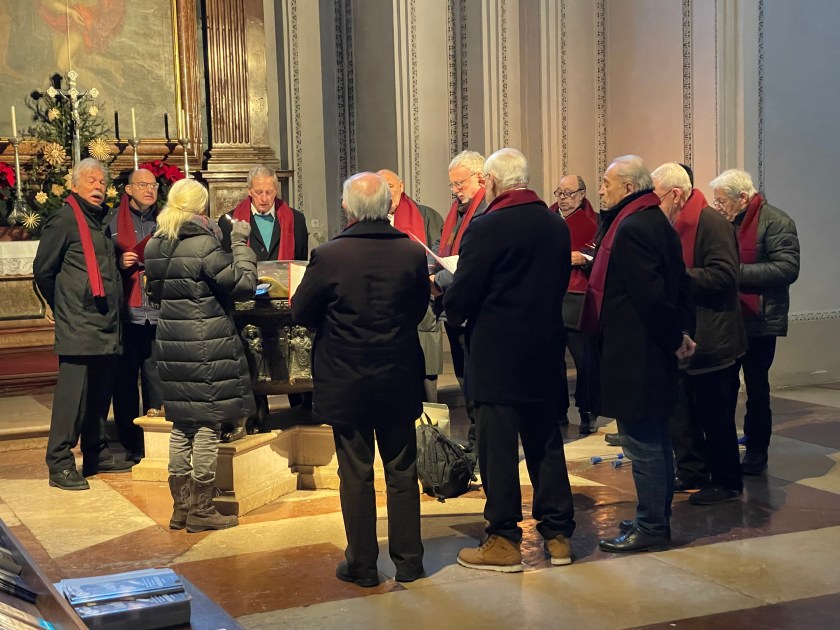
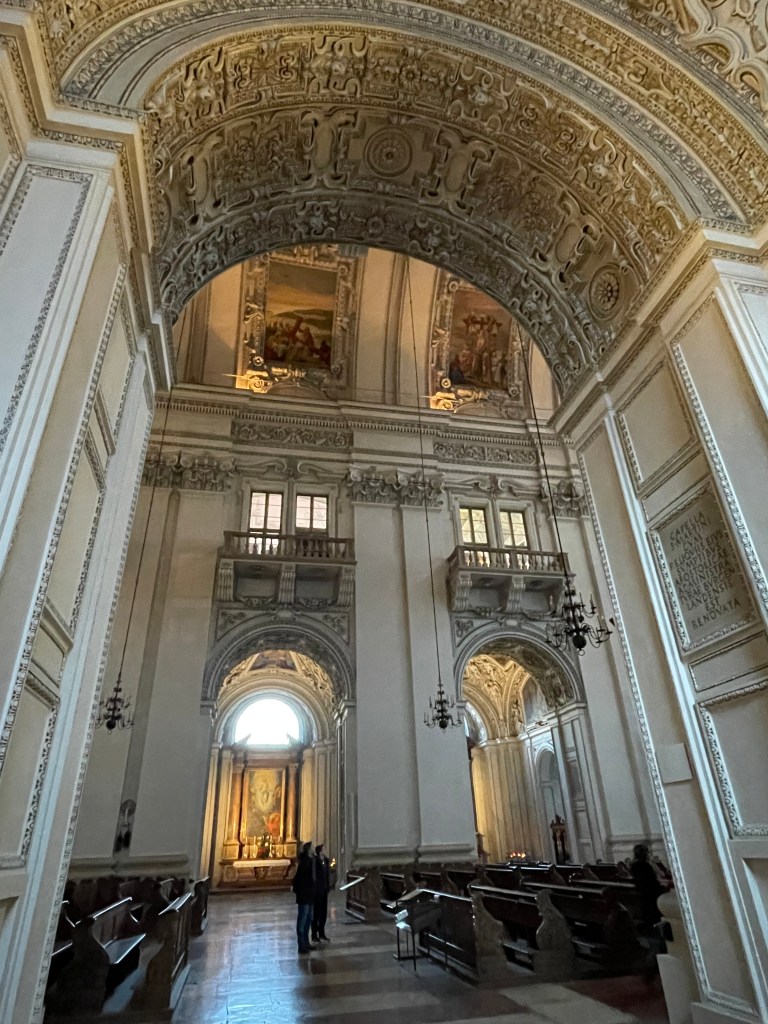
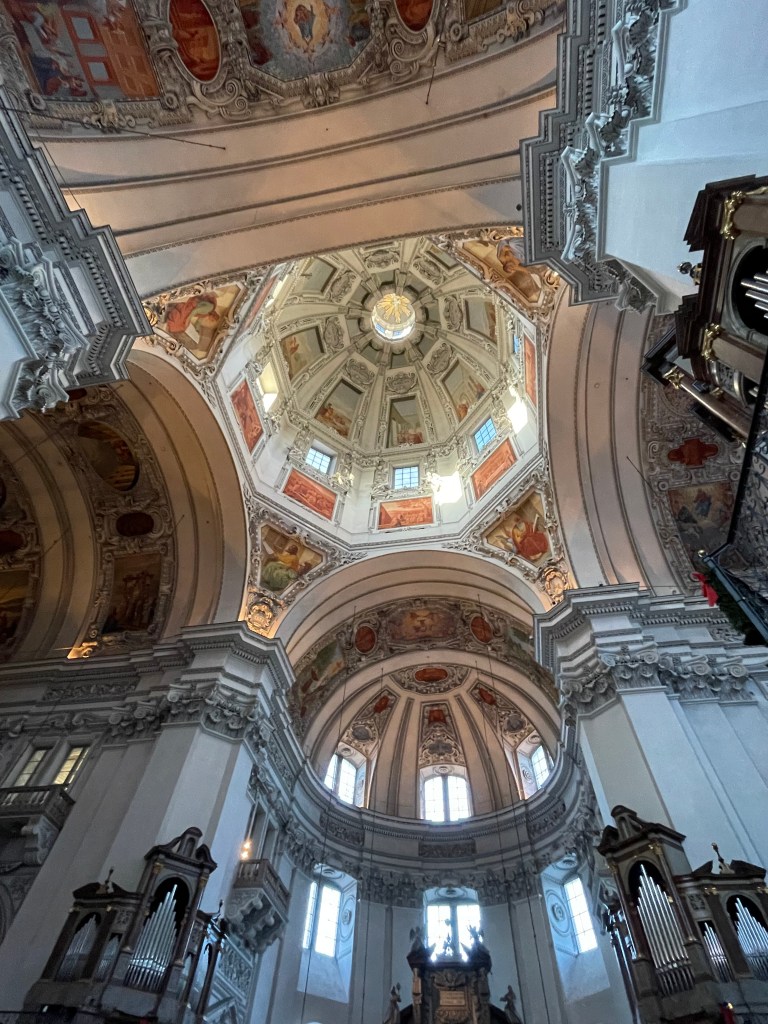
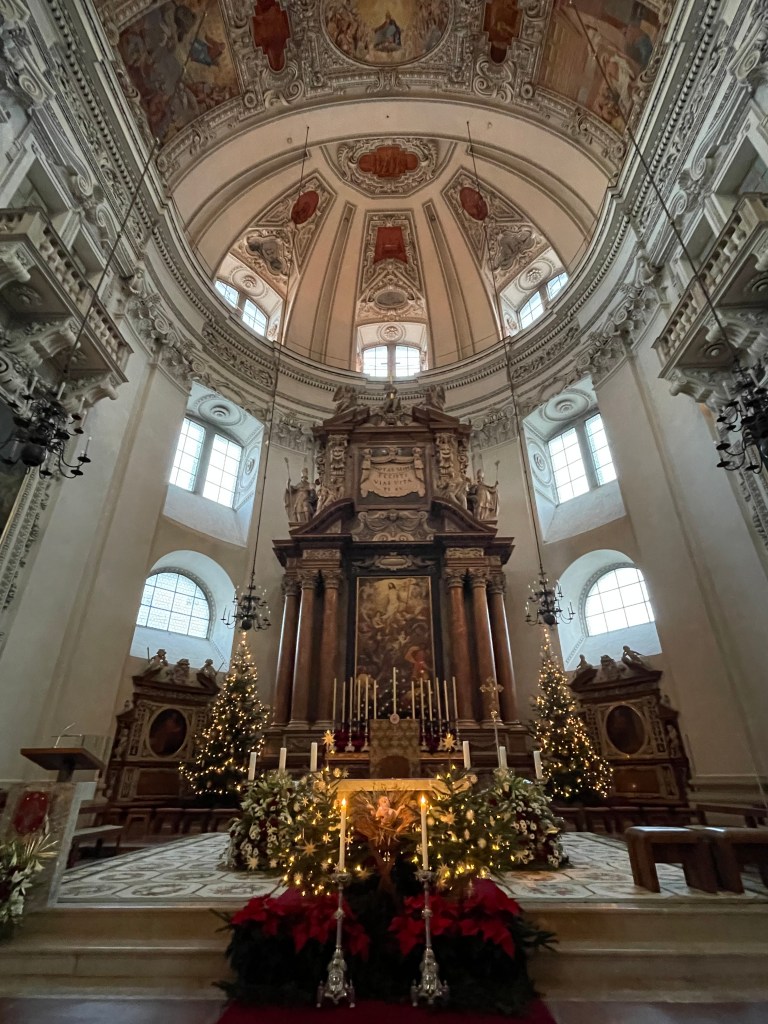
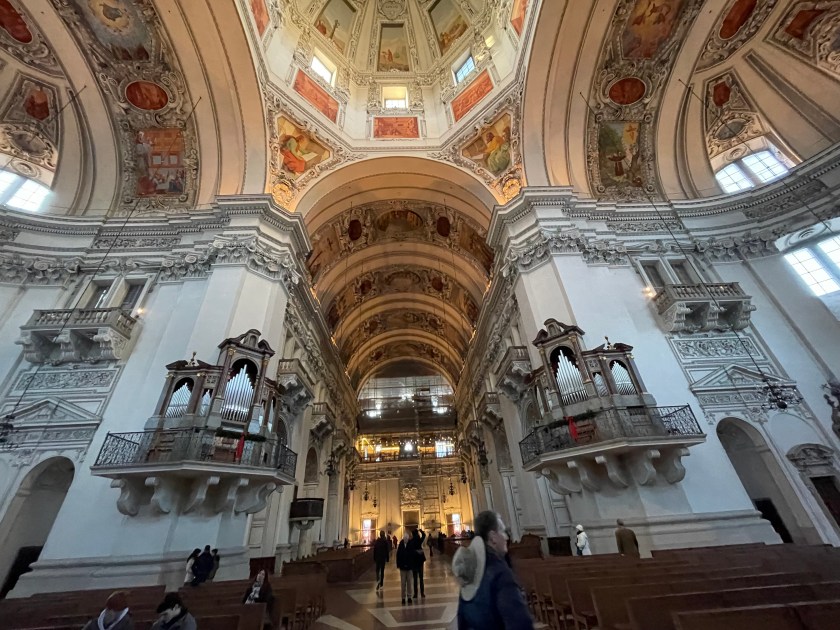
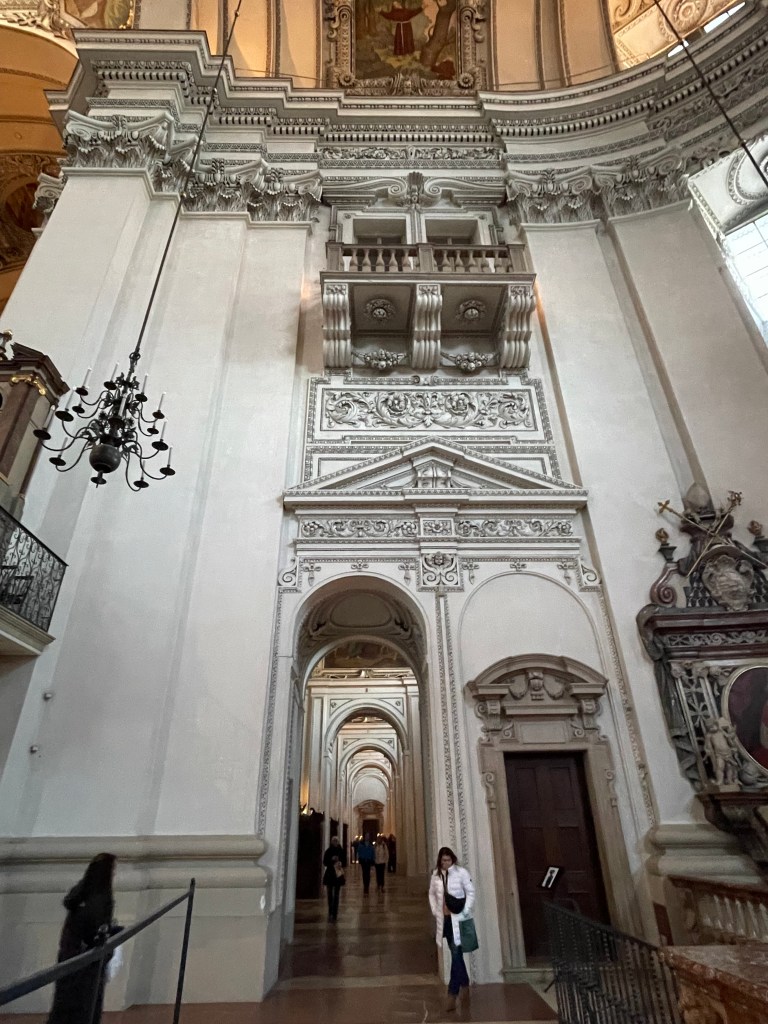
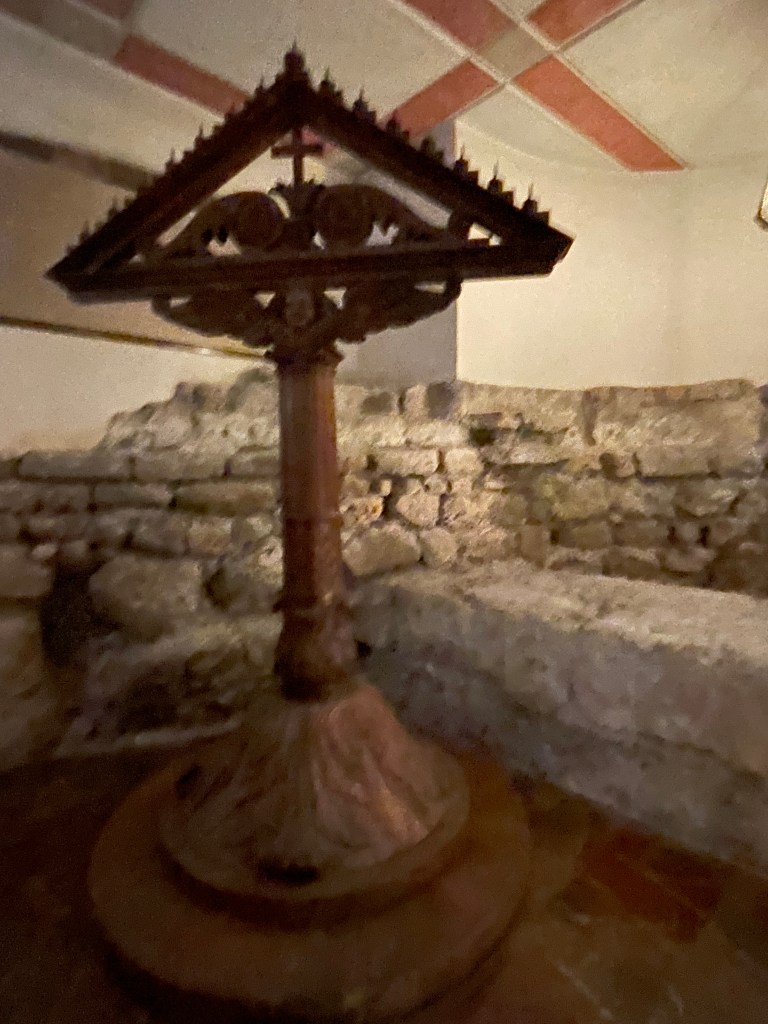
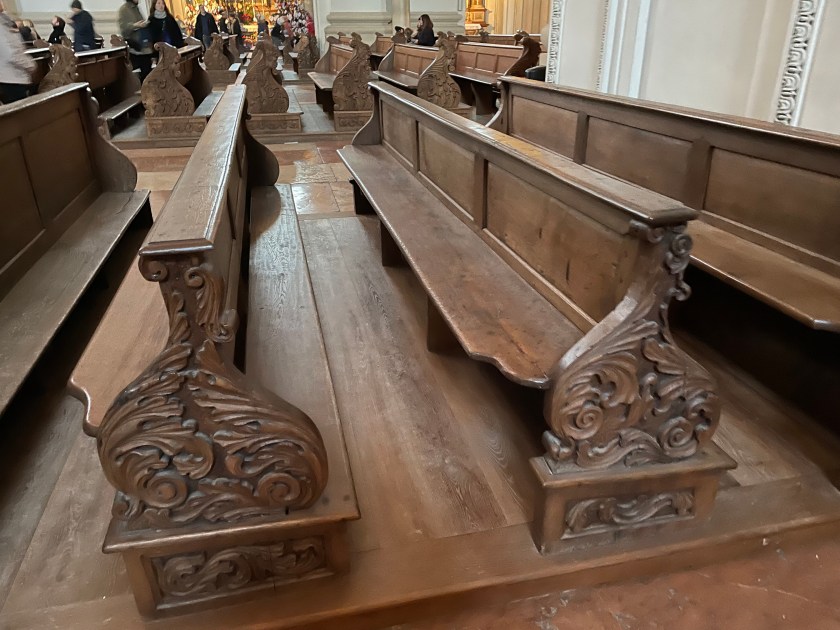
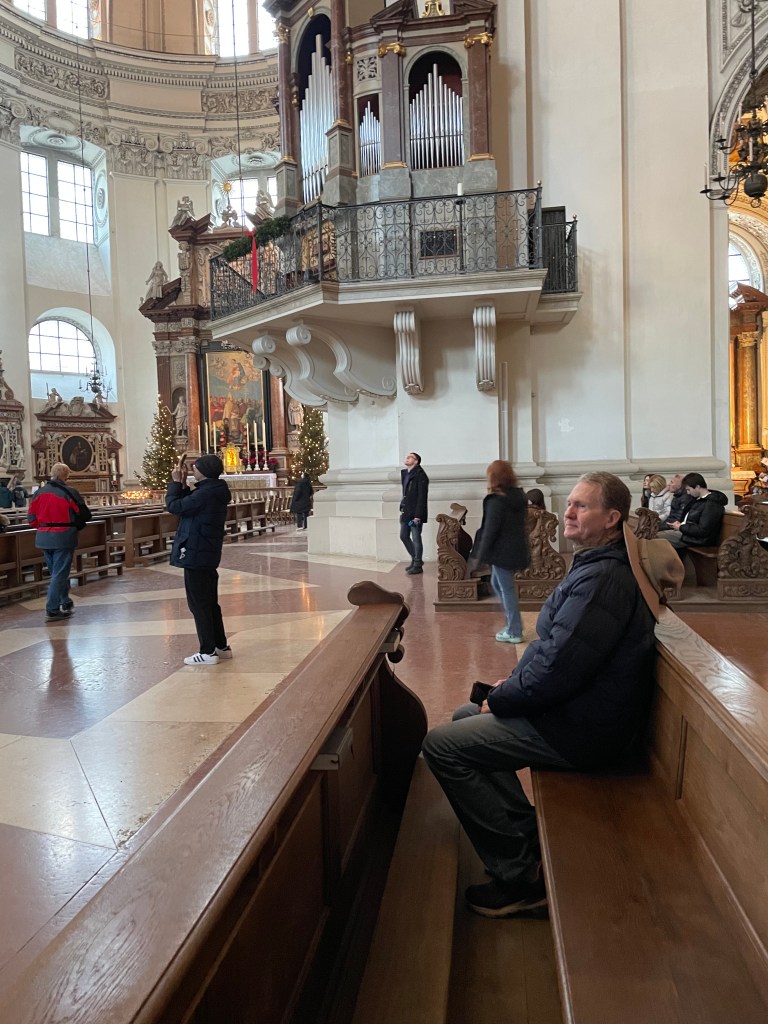
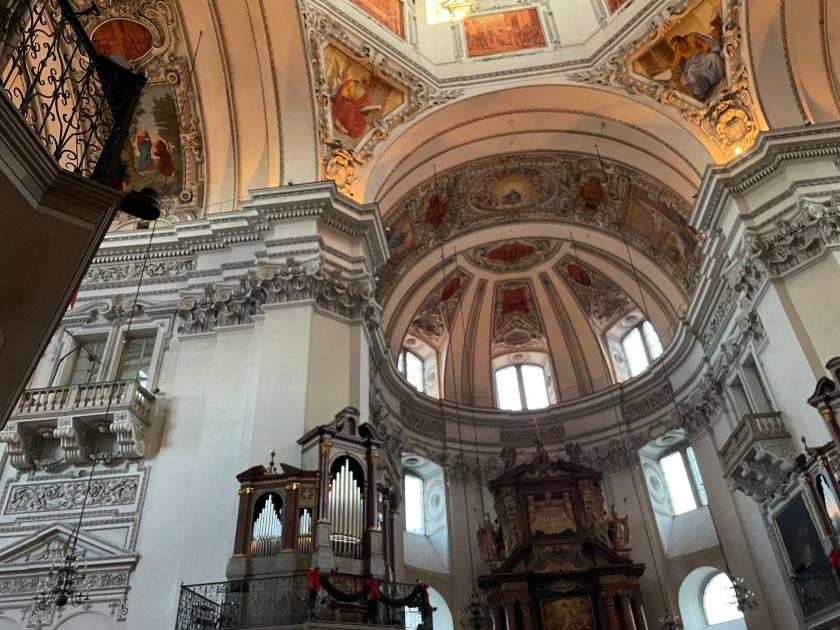
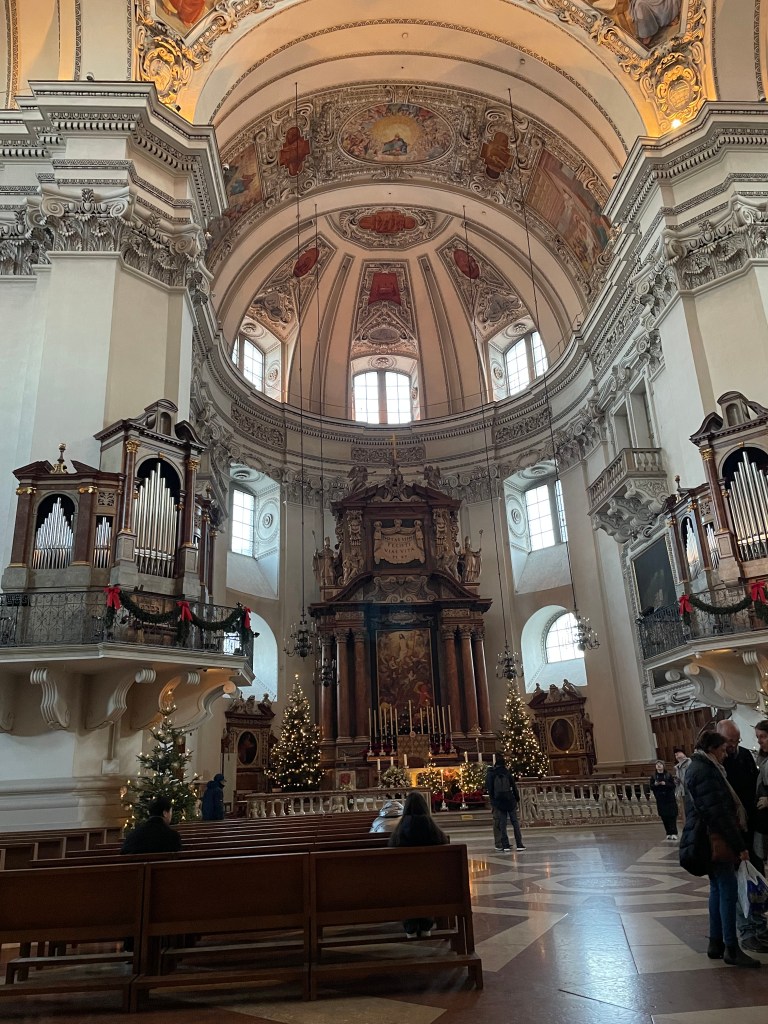
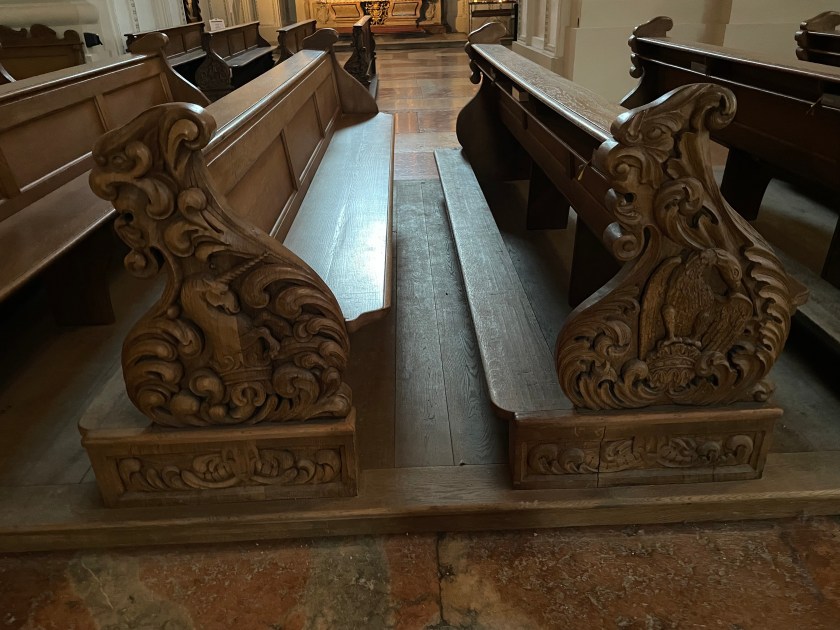
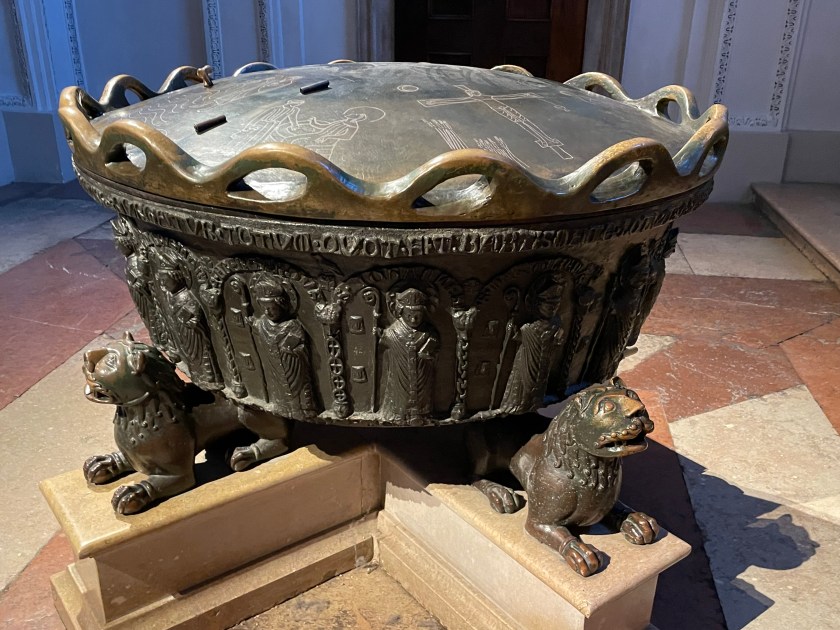
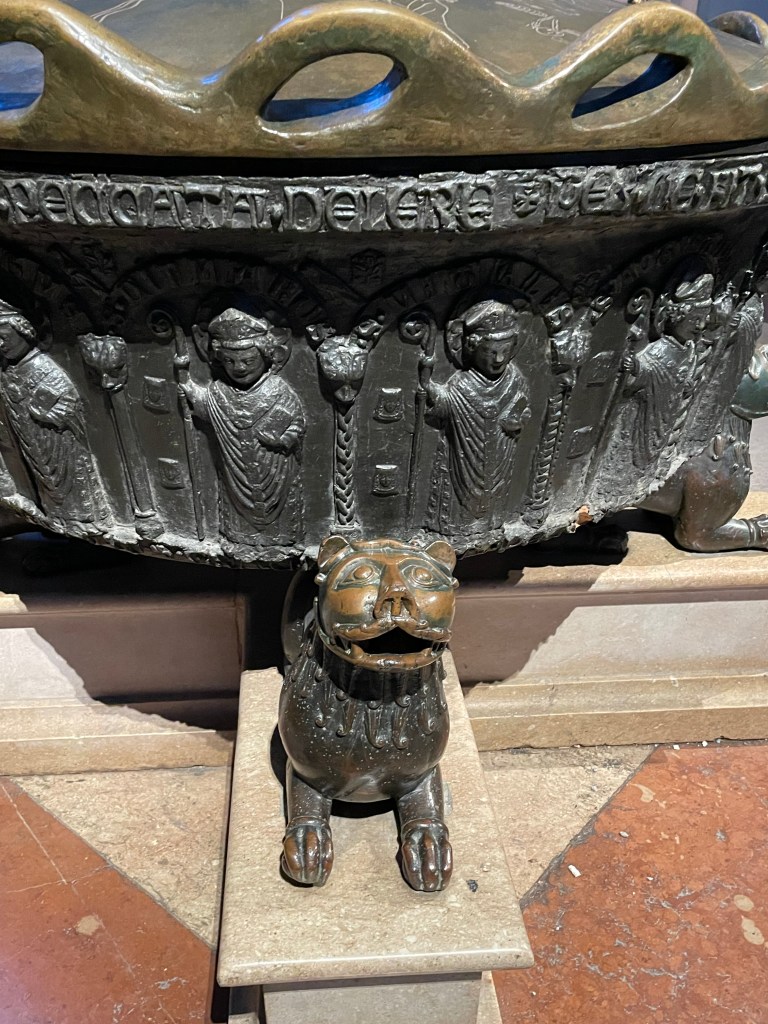
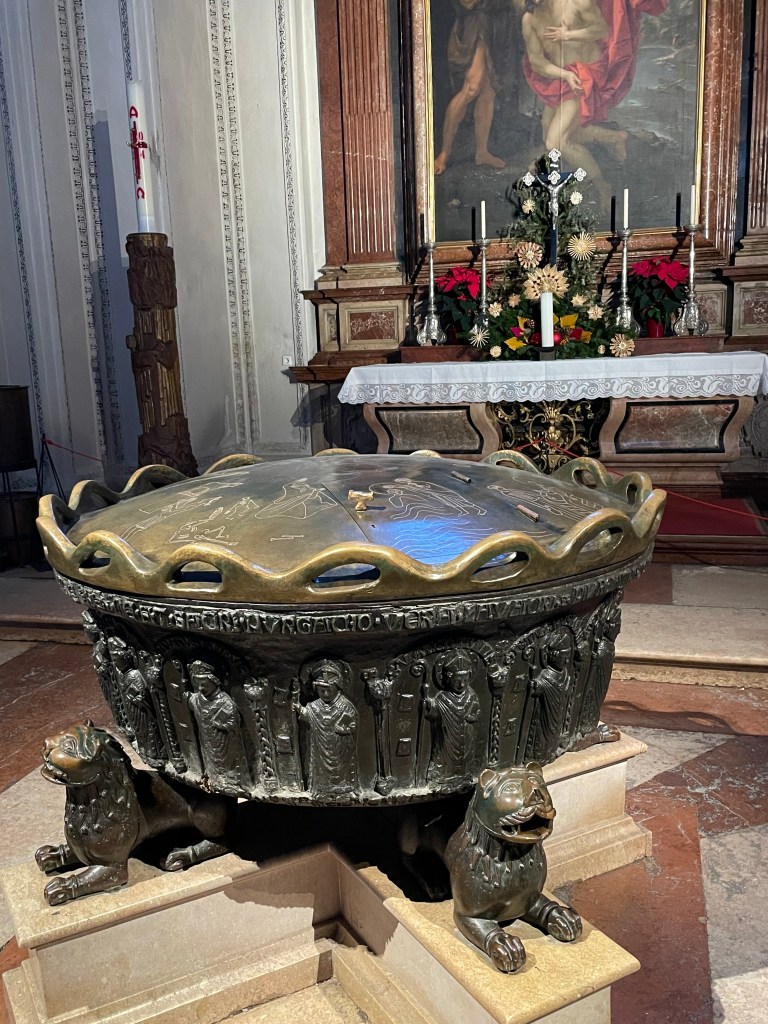
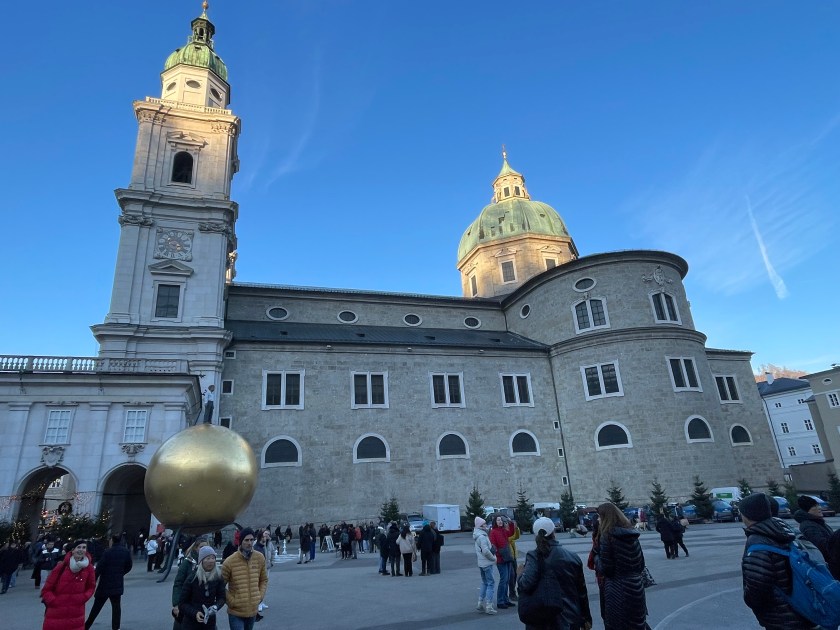
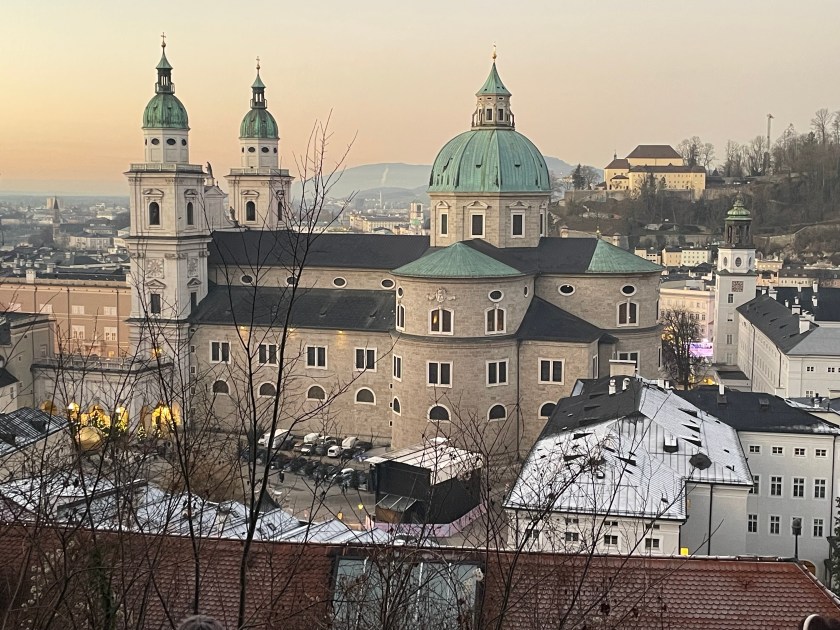
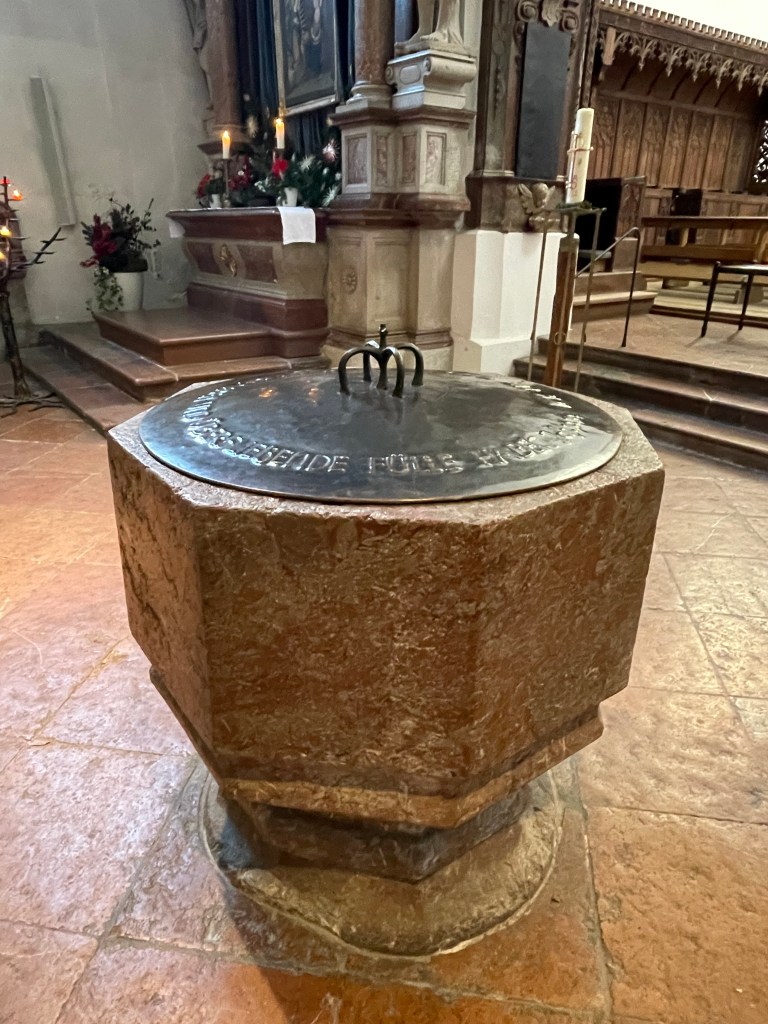
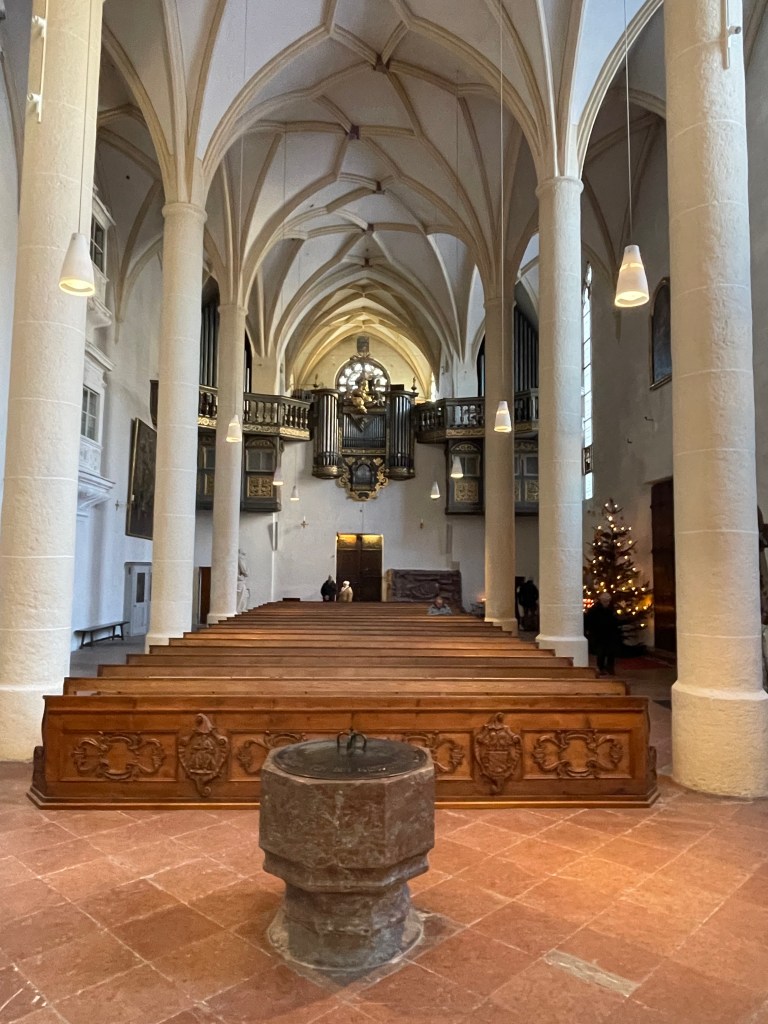
Salzburg Cathedral  (5 Euro)  with Mozart’s baptismal font
Salzburg Cathedral is the seventeenth-century Baroque cathedral of the Roman Catholic Archdiocese of Salzburg in the city of Salzburg, Austria, dedicated to Saint Rupert and Saint Vergilius. Saint Rupert founded the church in 774 on the remnants of a Roman town, and the cathedral was rebuilt in 1181 after a fire.
This uniquely-designed cathedral was constructed in the early 17th century and was the site of Mozart’s baptism in 1756.
It is huge and grand.

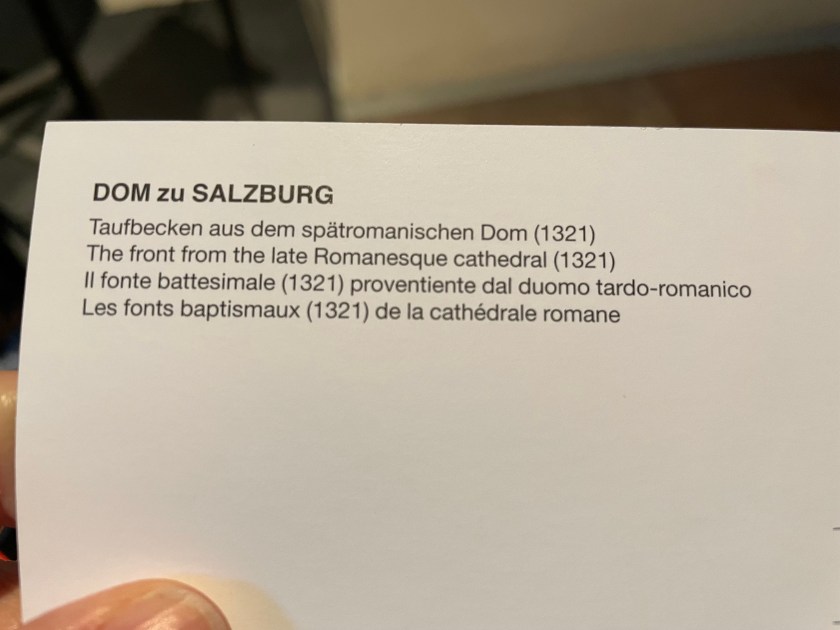
This is the font (from 1321) where Mozart was baptized in 1756:

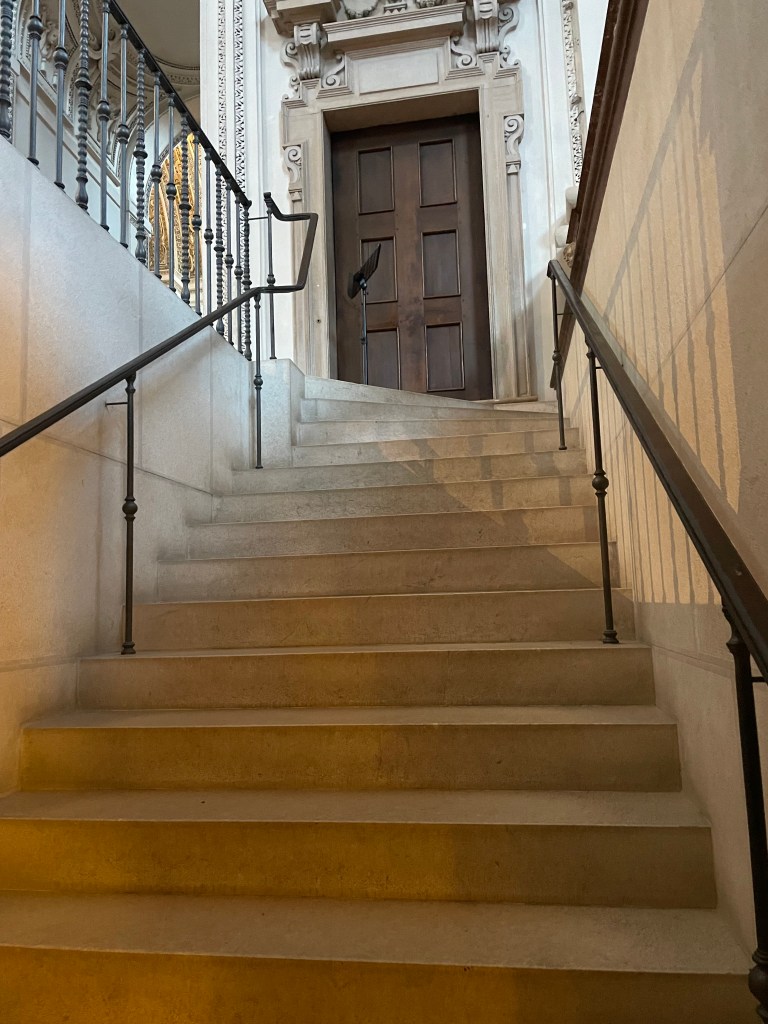
Mozart’s music on a music stand:

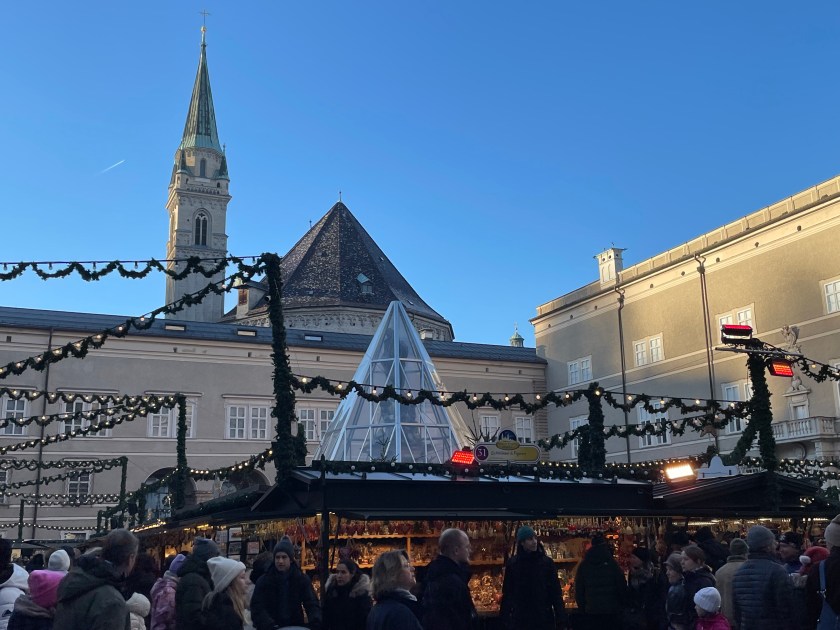
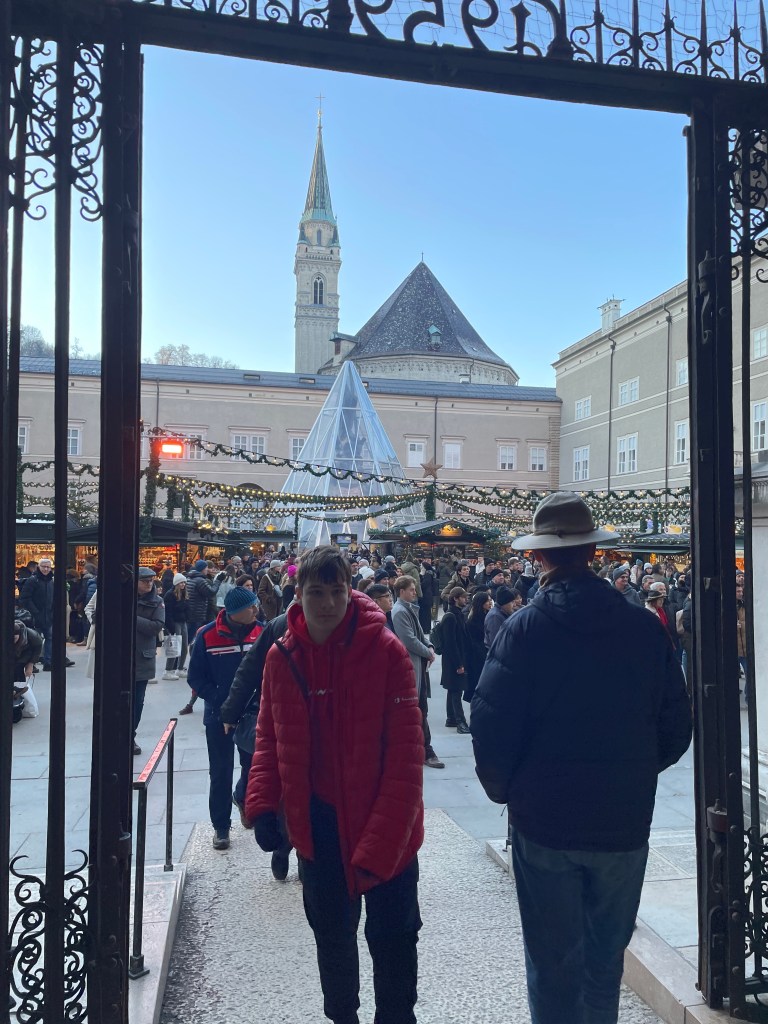
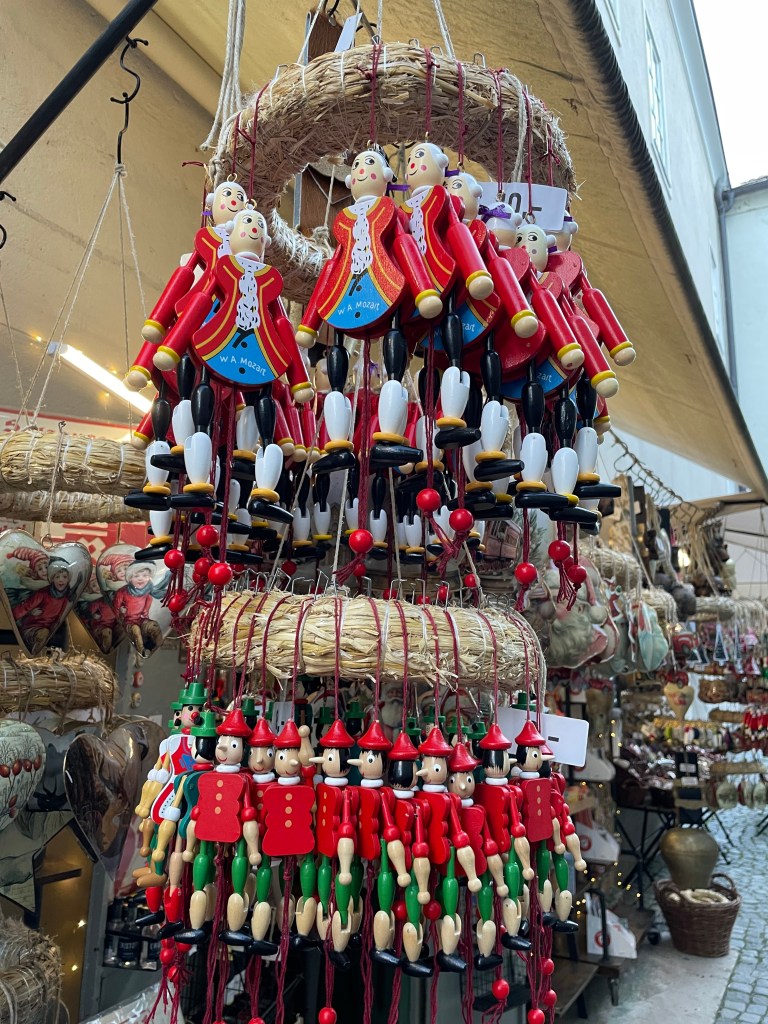
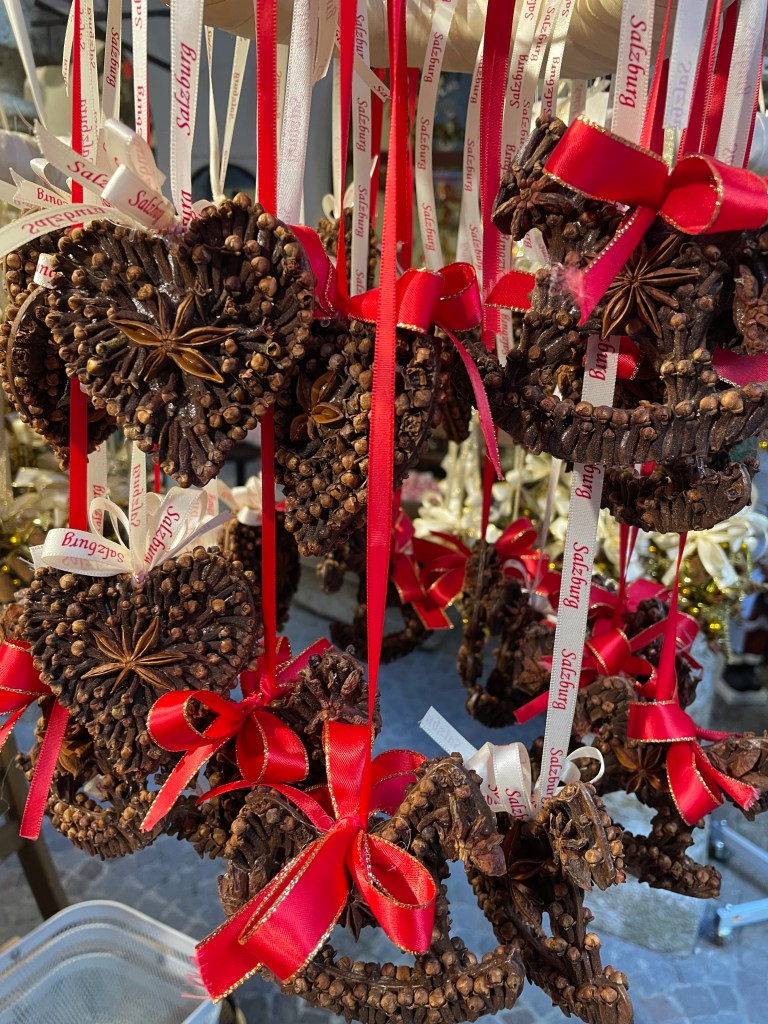
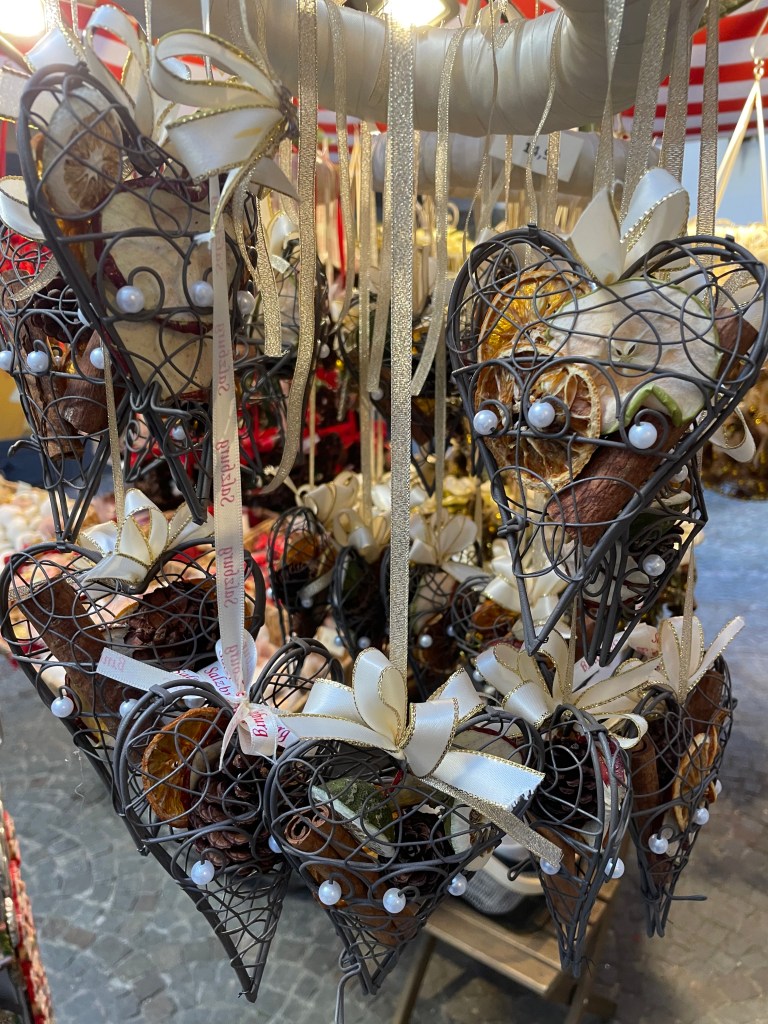
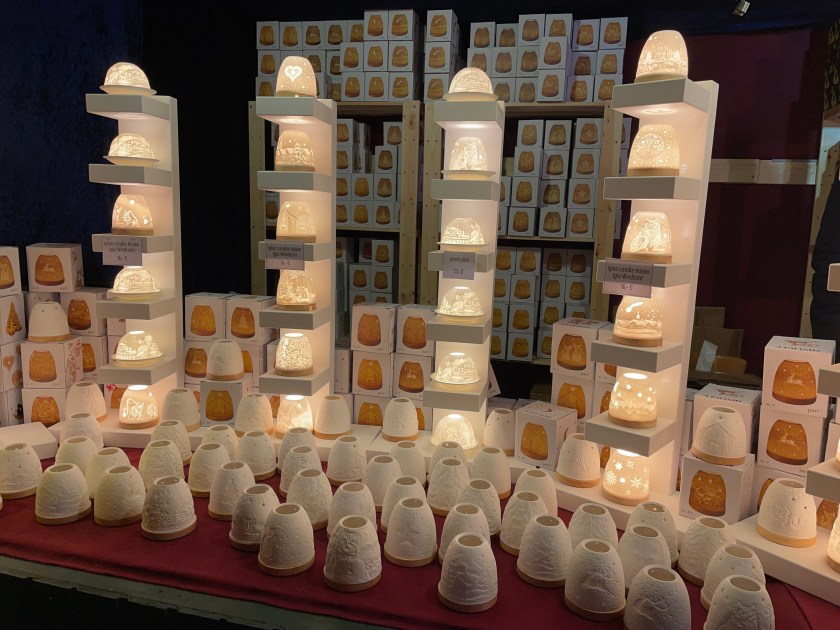
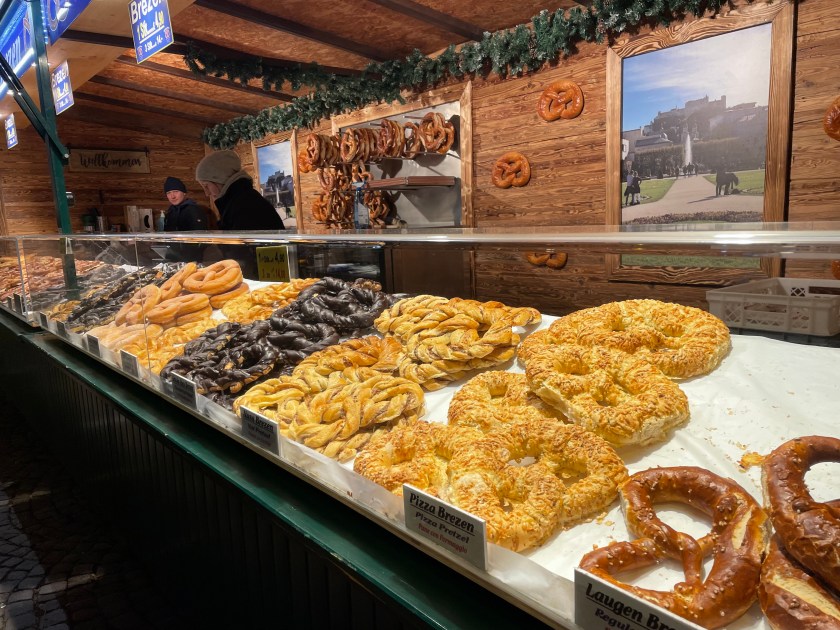
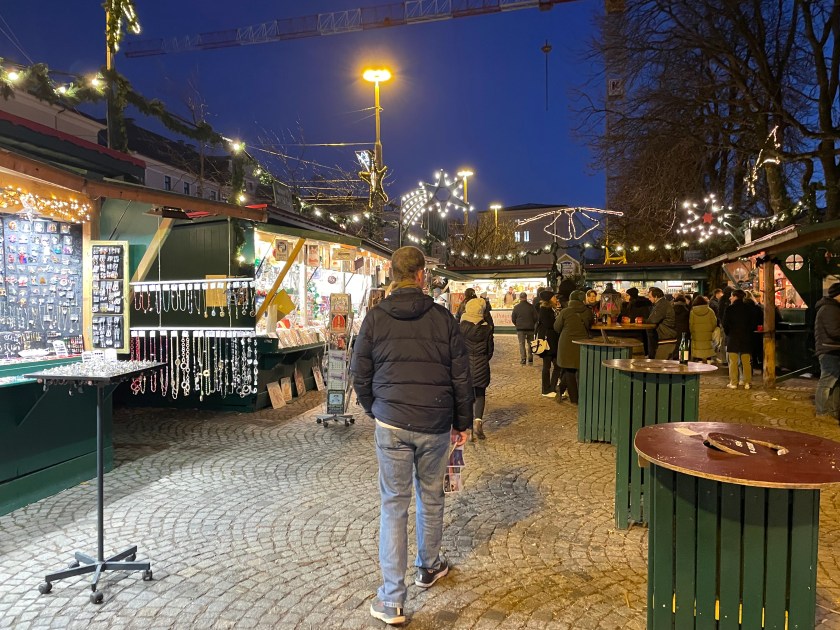
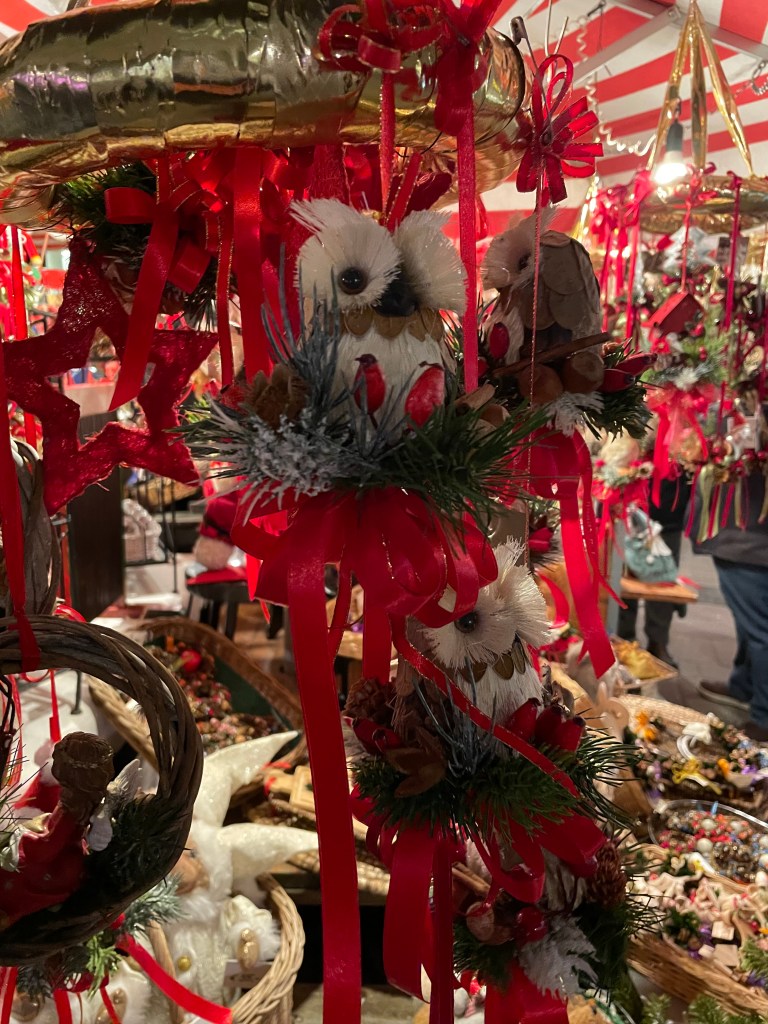
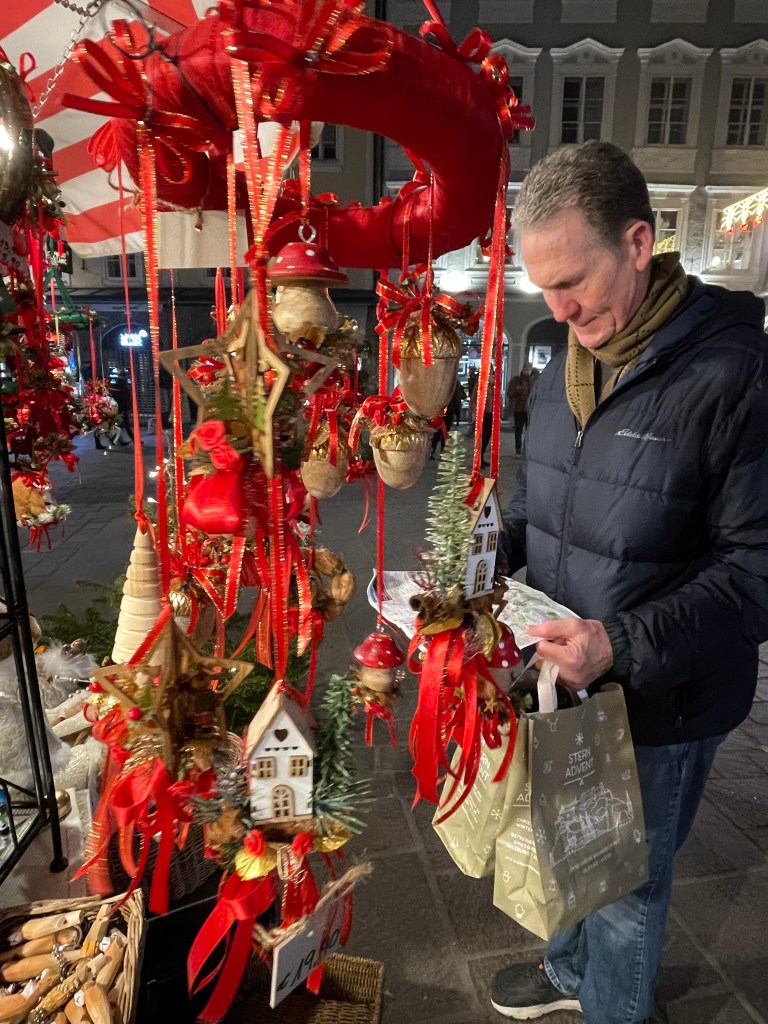
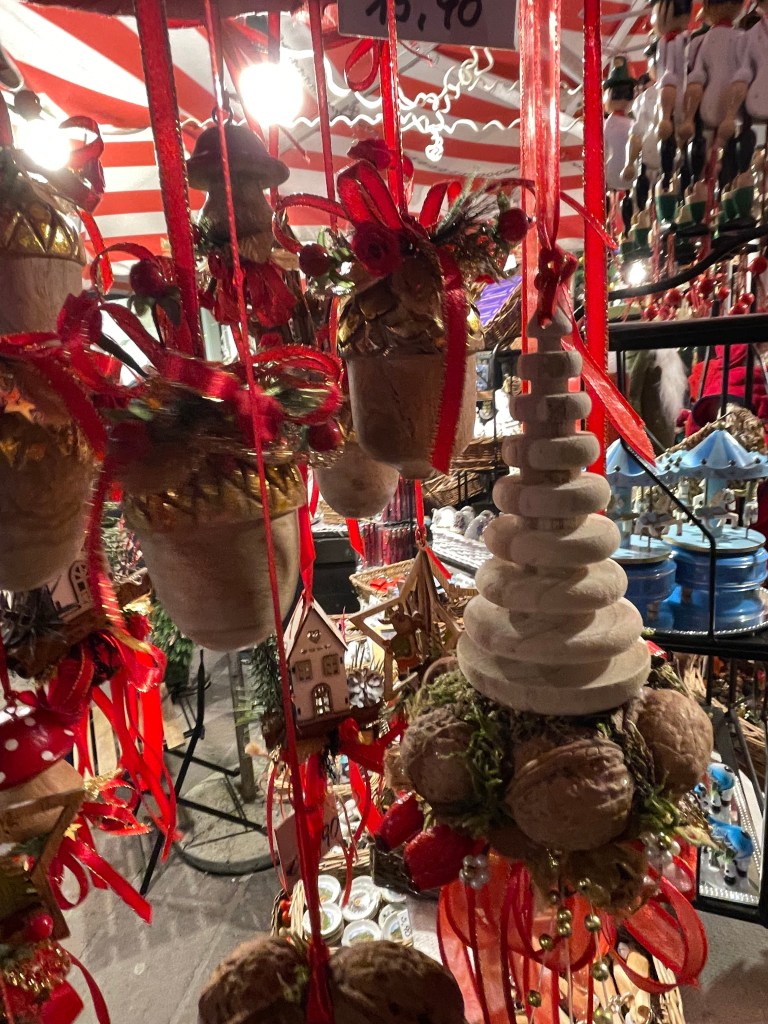
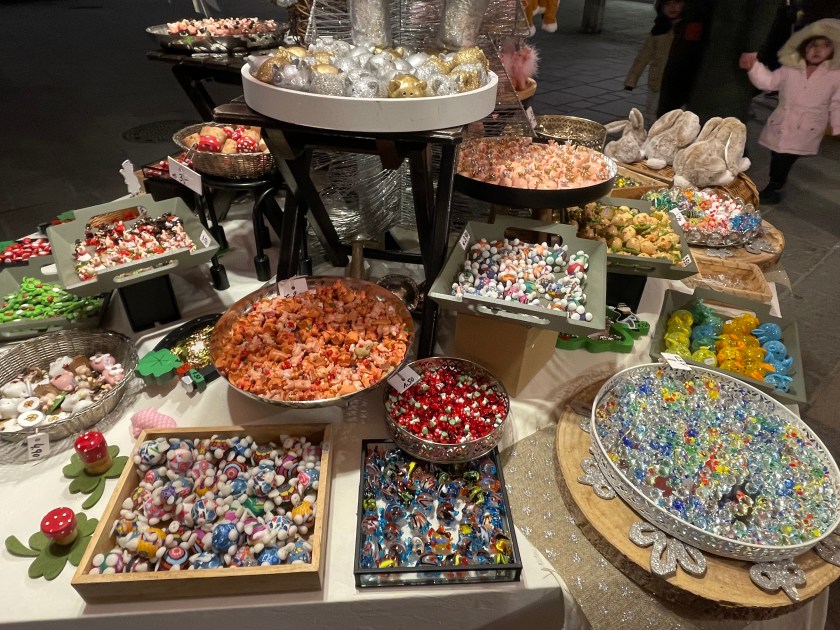
A walk through a Christmas Market:

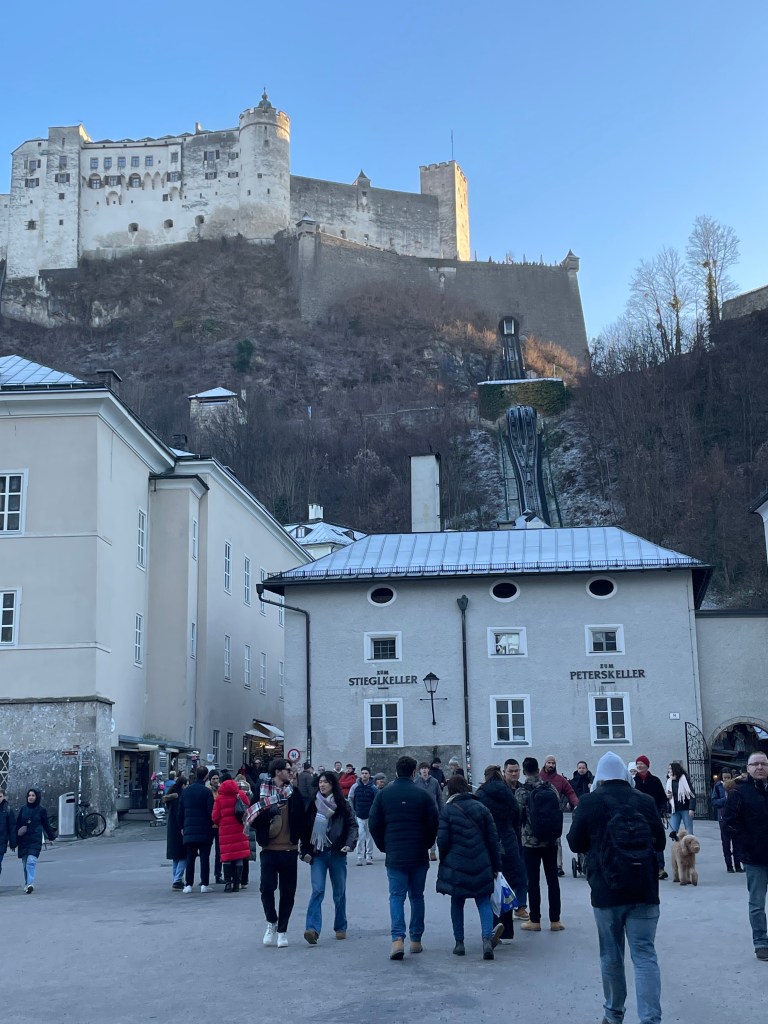
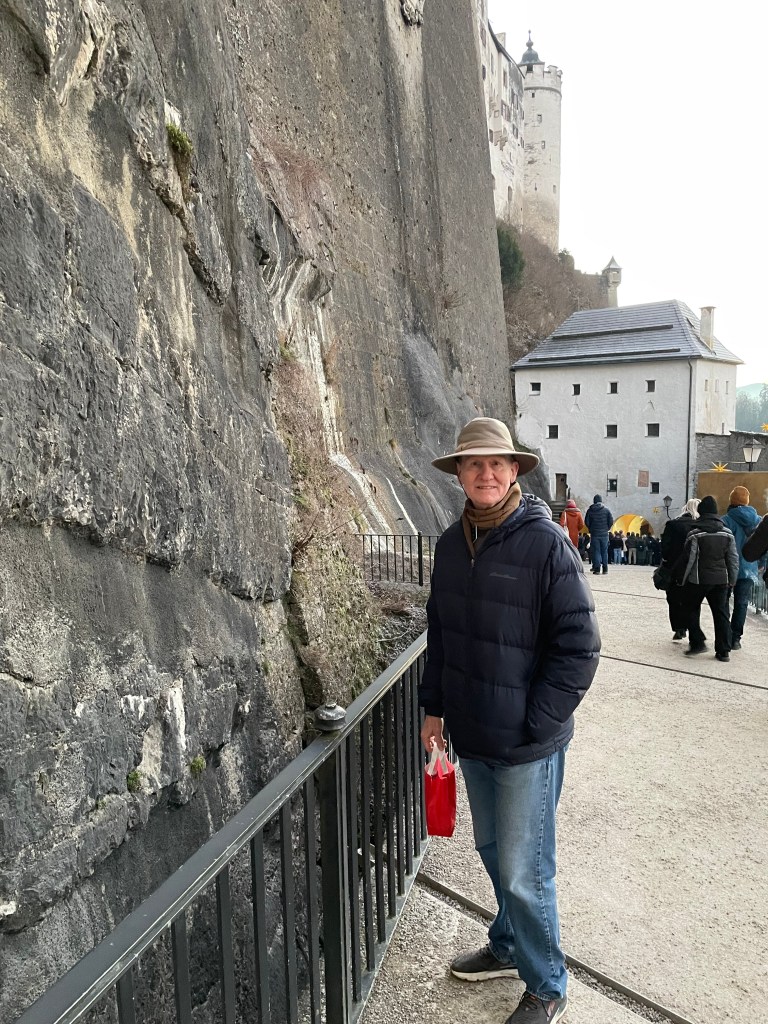
Next we took the Bahn/tram (14.50 Euro each) to the Fortress up on the mountain top.
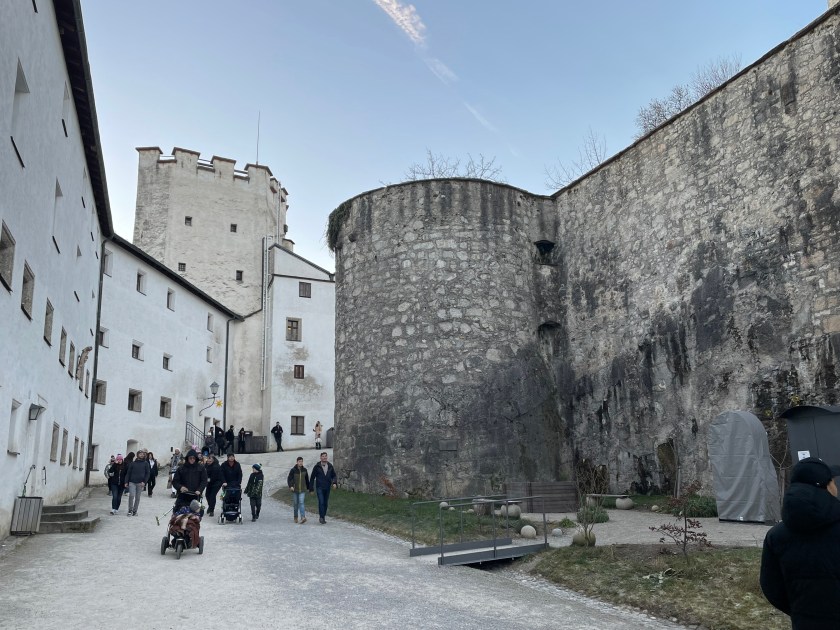
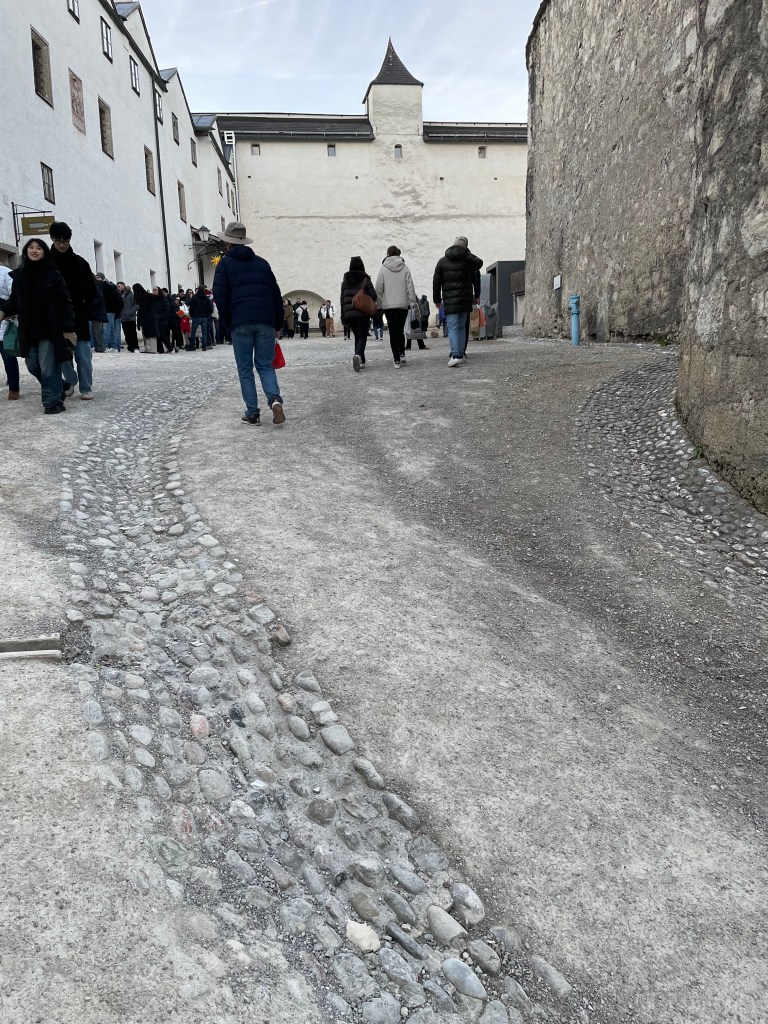
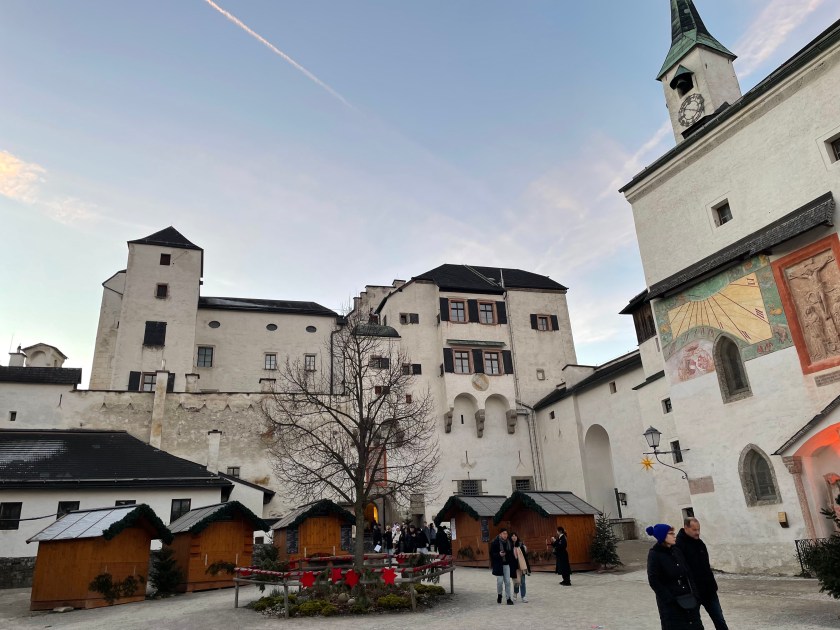
The Hohensalzburg
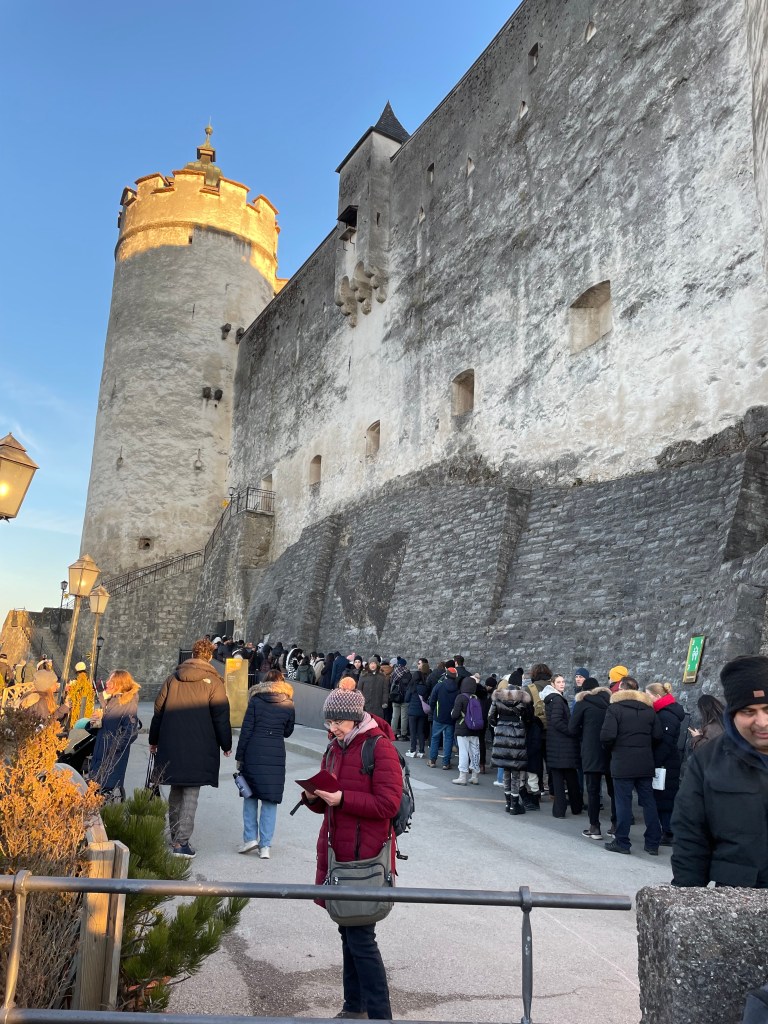
Hohensalzburg Fortress is a large medieval fortress on top of the Festungsberg mountain (506 meters up).  It was erected at the for the prince-archbishops of Salzburg.  The fortress is 250 m long and 150 m wide making it one of the largest fully-preserved medieval castles in Europe.  It gives a 360-degree view of the city and its surroundings.
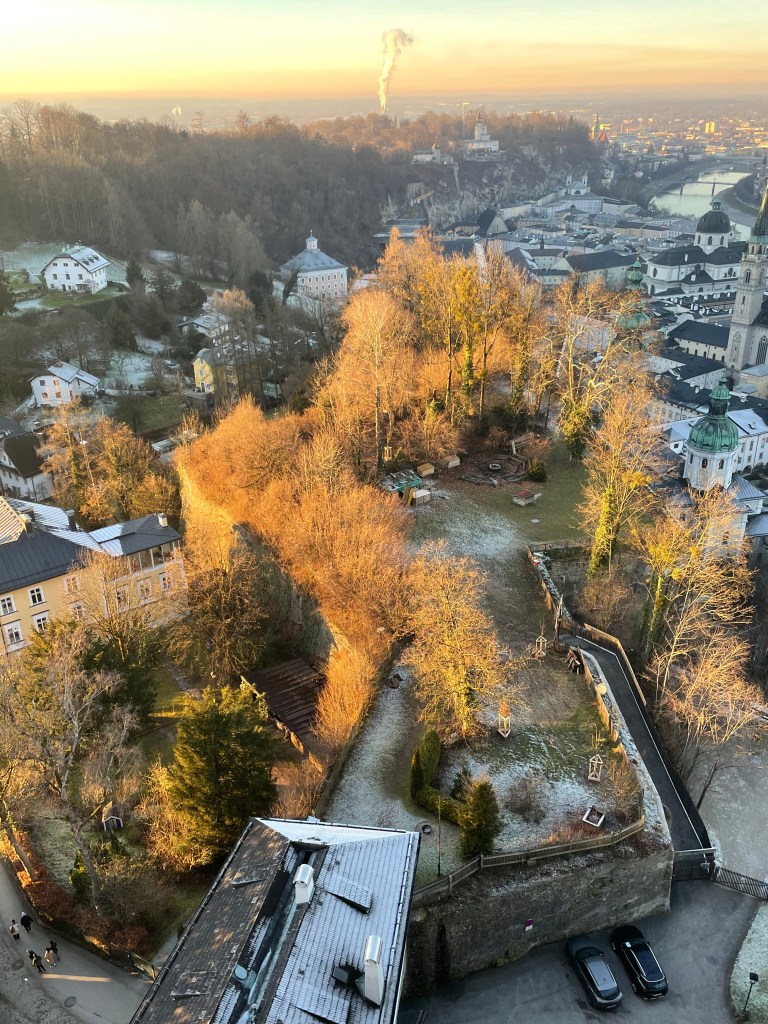
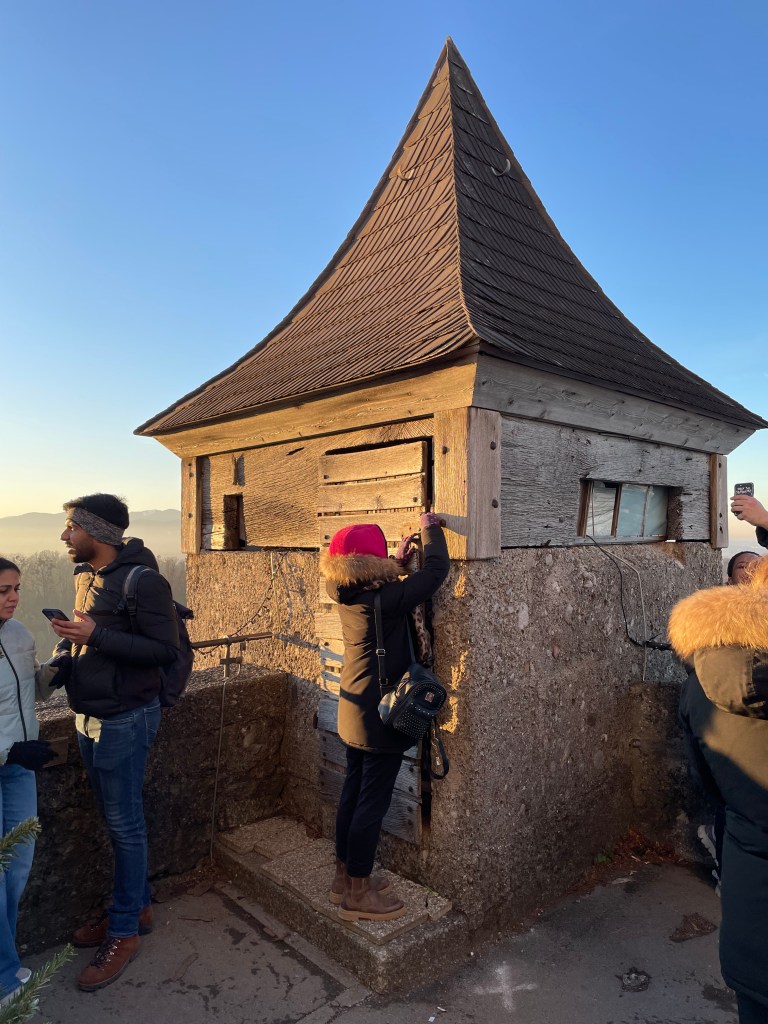
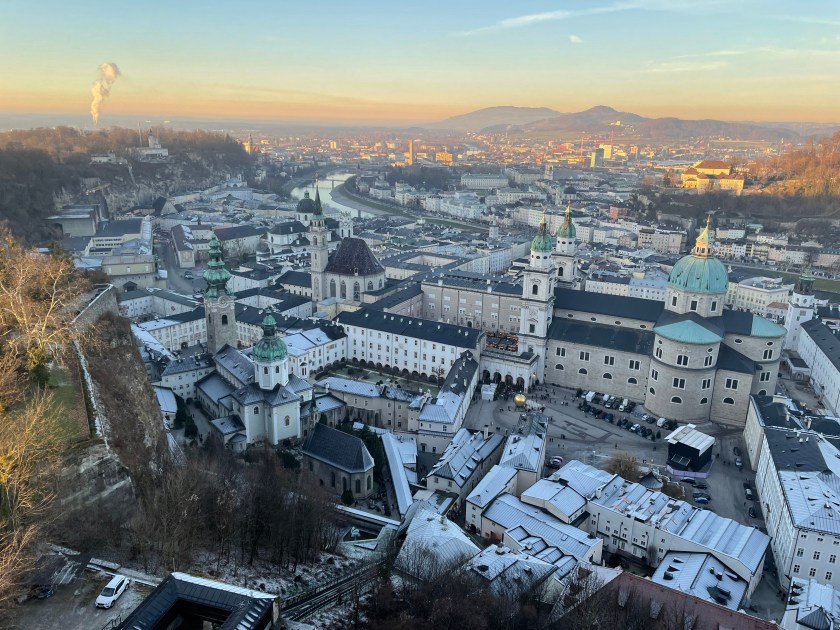
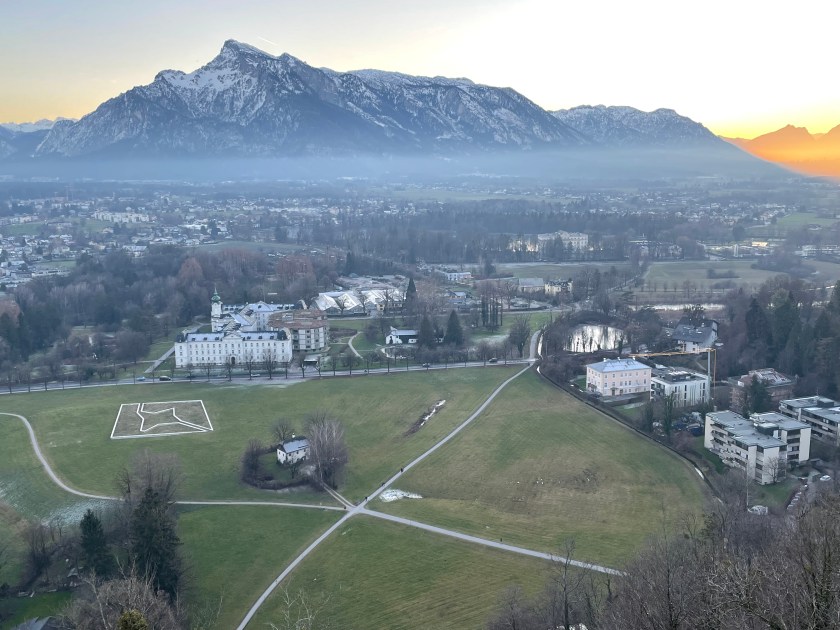
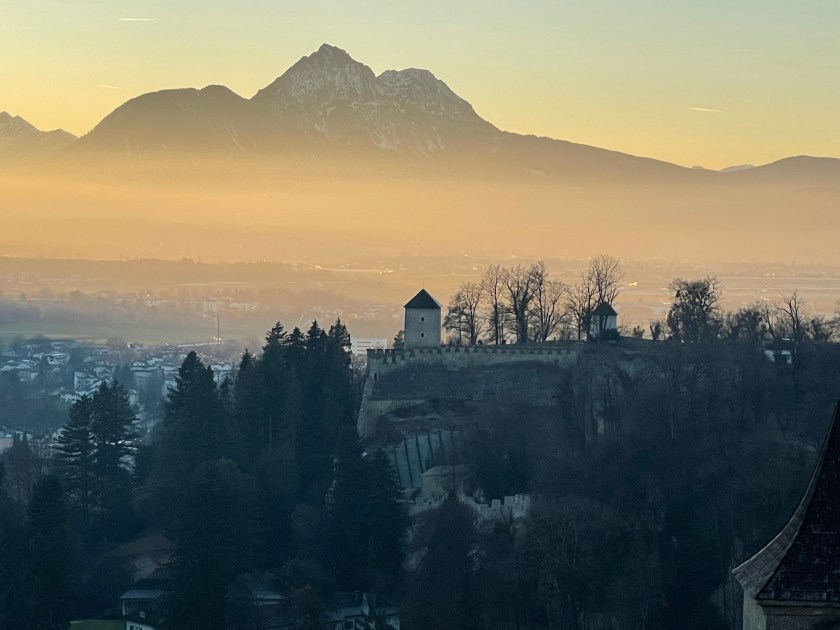
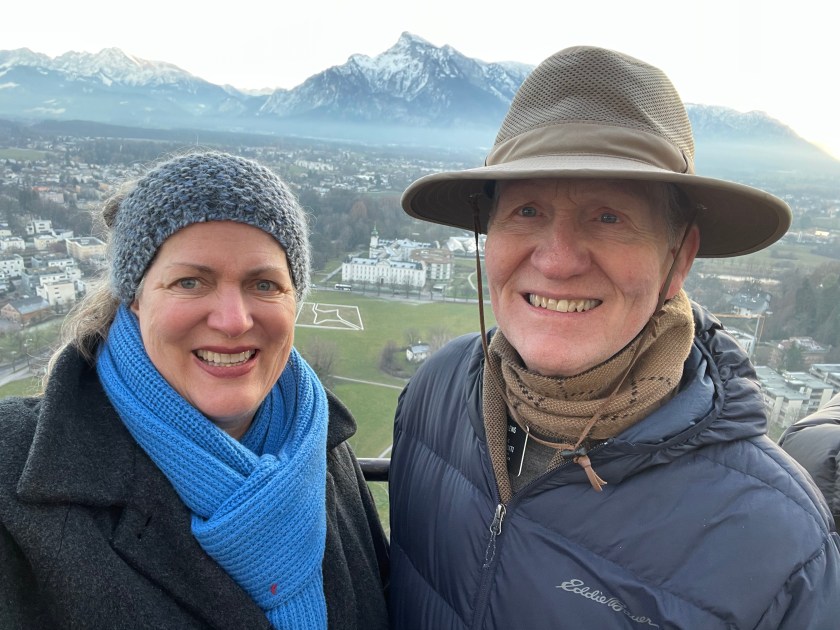
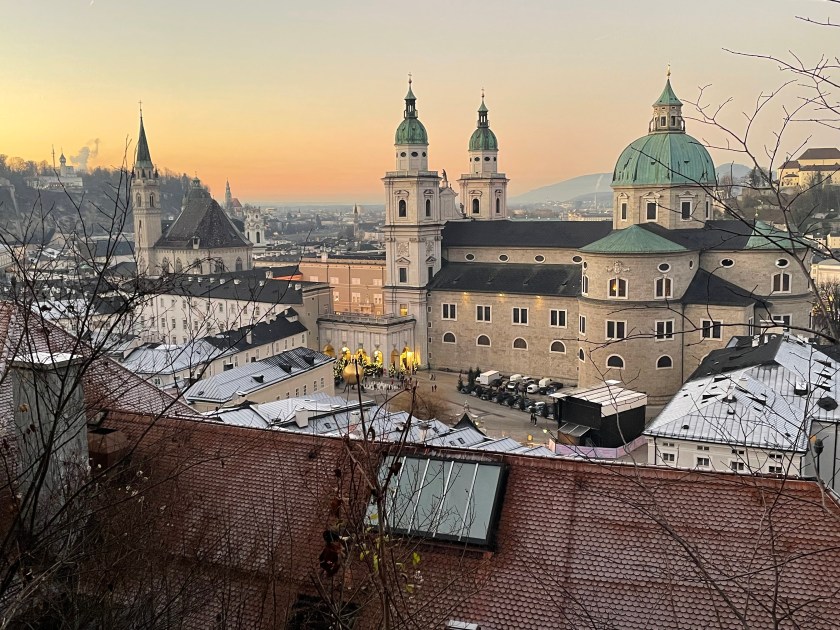
Views from on top:

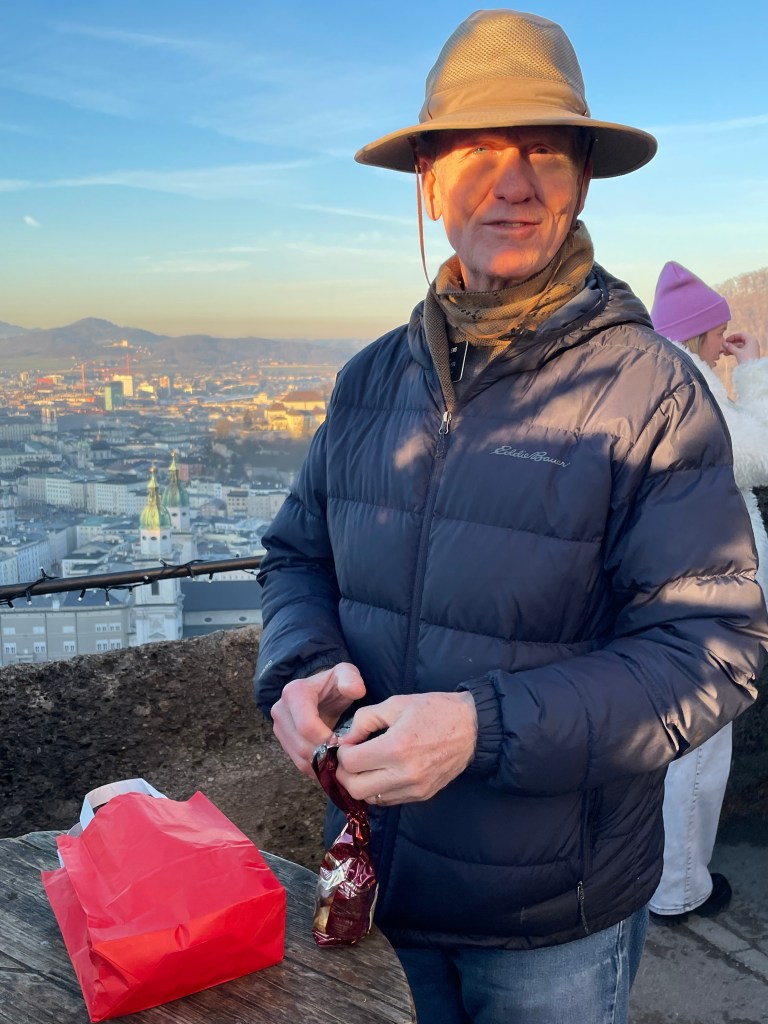
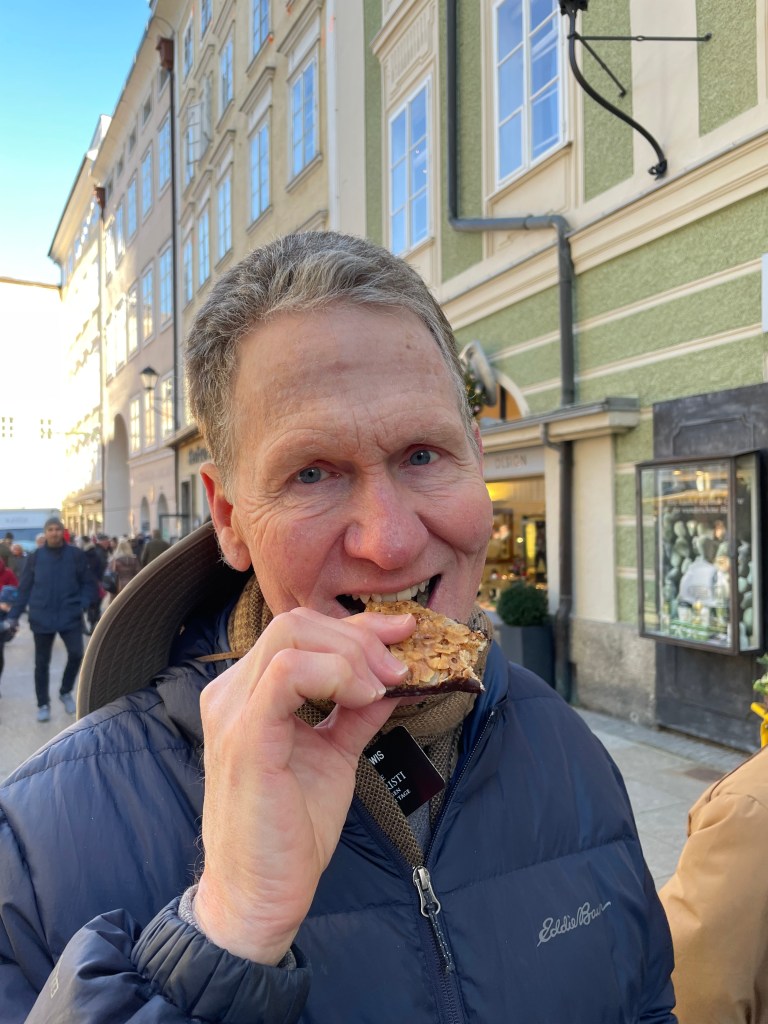
John breaking out some chocolate!

The History of Hohensalzburg Fortress
Archbishop Gebhard built the Hohensalzburg Fortress in 1077.  In the years after that, his successors continued developing the architecture of the fortress. Around 1500, under Archbishop Leonhard von Keutschach, the fortress took on its present appearance. The original purpose of the fortress was to protect the principality and the archbishops from enemy attack.  In all these years the fortress has never been taken by foreign troops.

Below is the view toward Berchtesgaden and The Eagle’s Nest high on the mountain top.

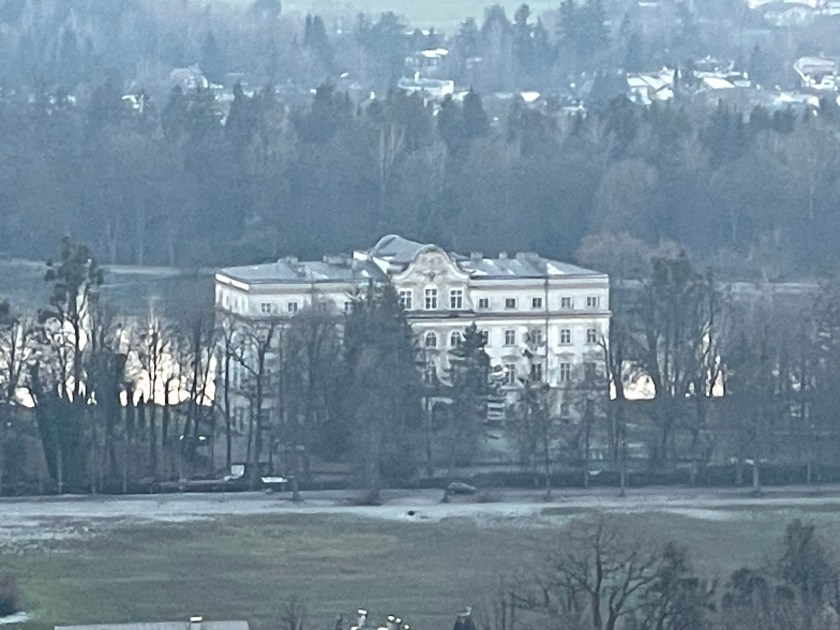
This is Leopoldkron Palace (the site of  the Von Trapp family home in The Sound of Music).

I found the ancient rain gutters interesting:

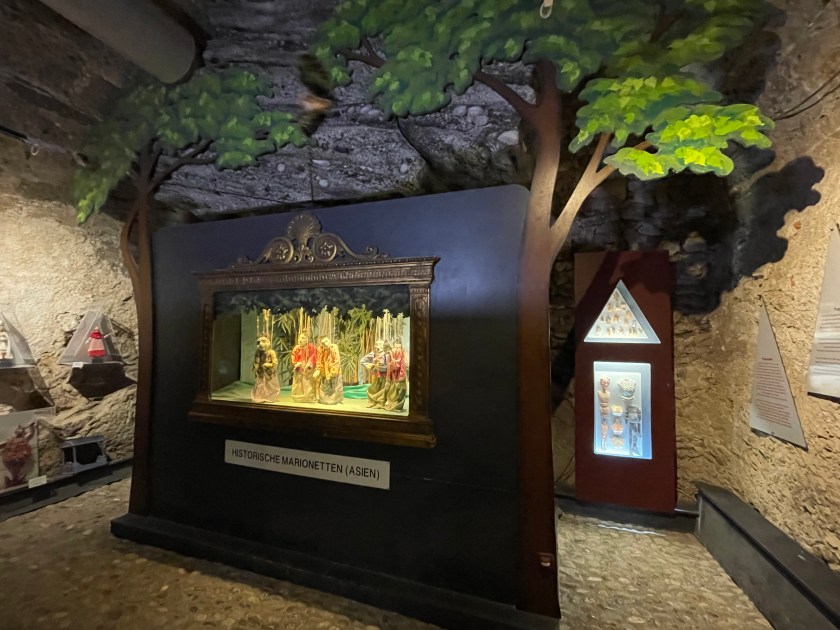
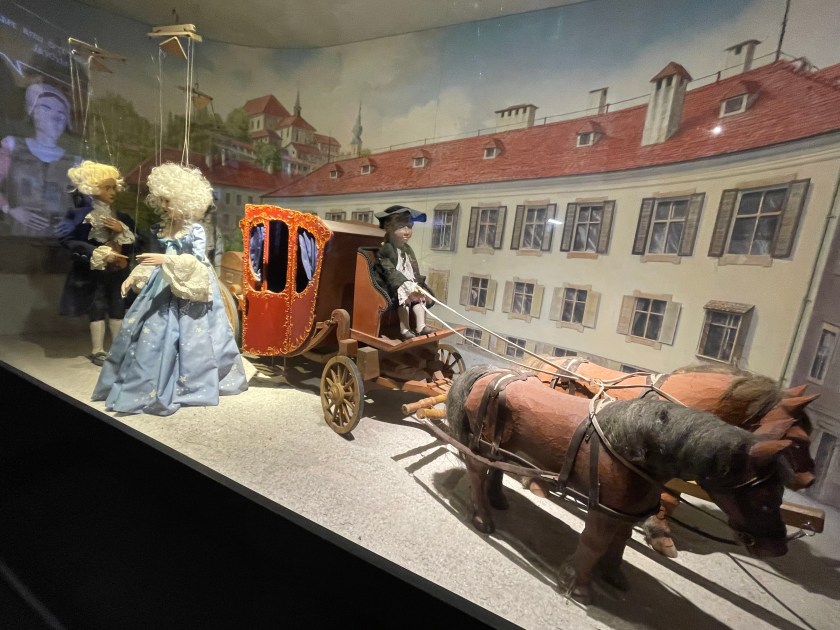
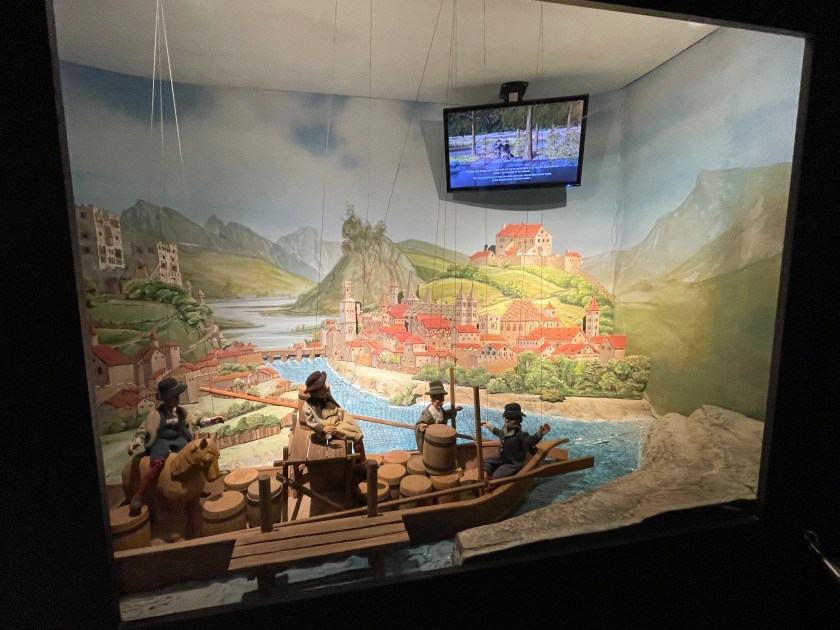
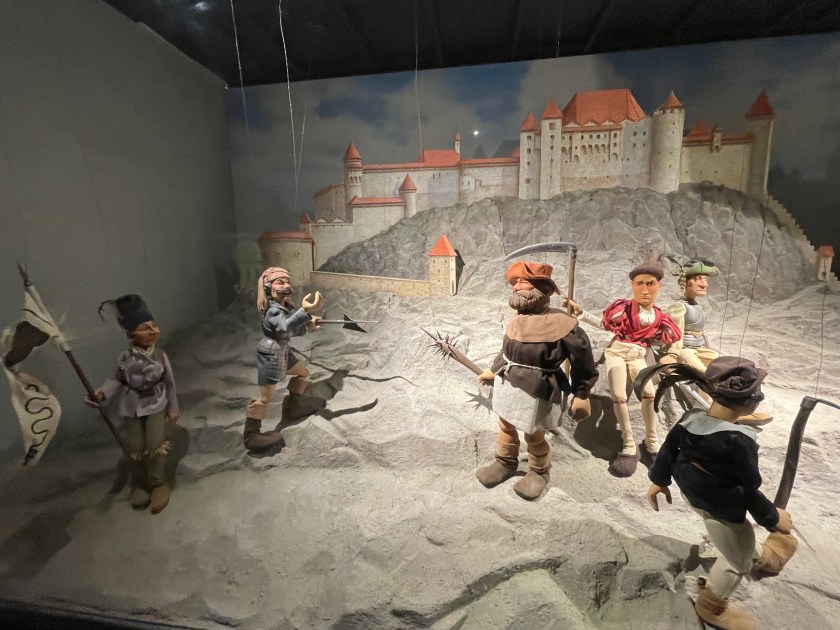
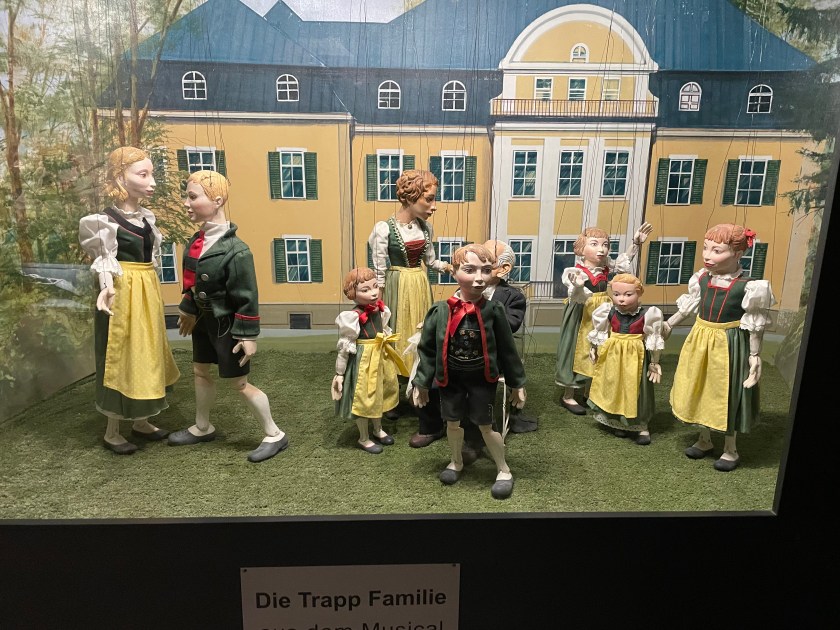
There was a display about puppetry in one of the castle rooms.

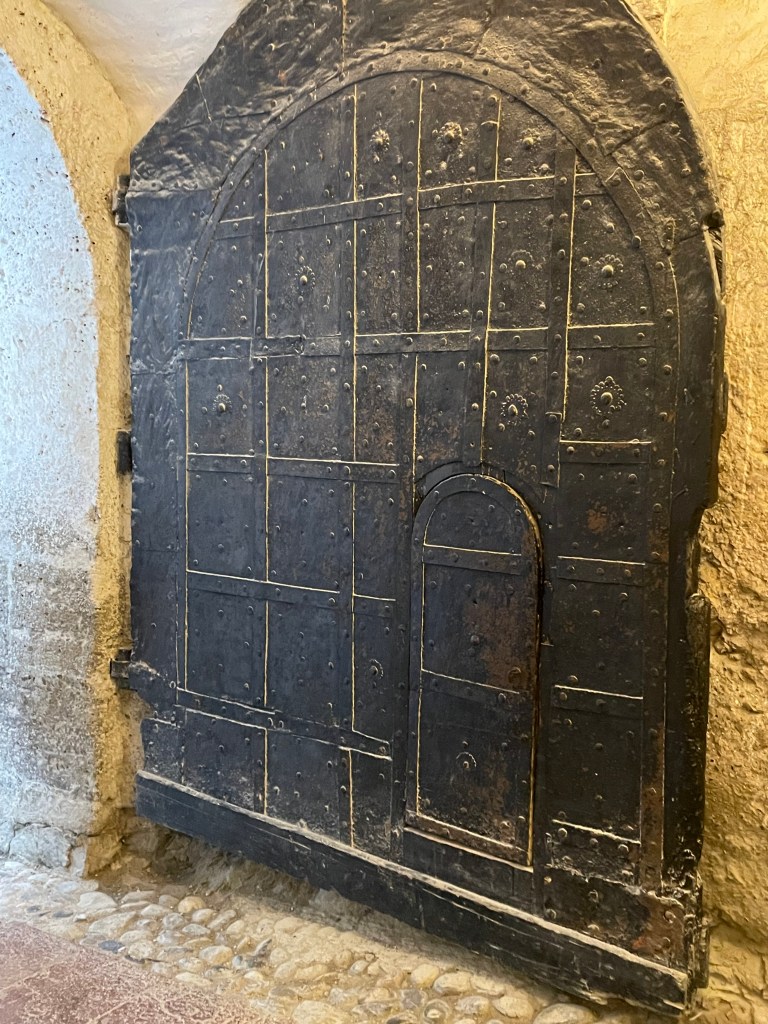
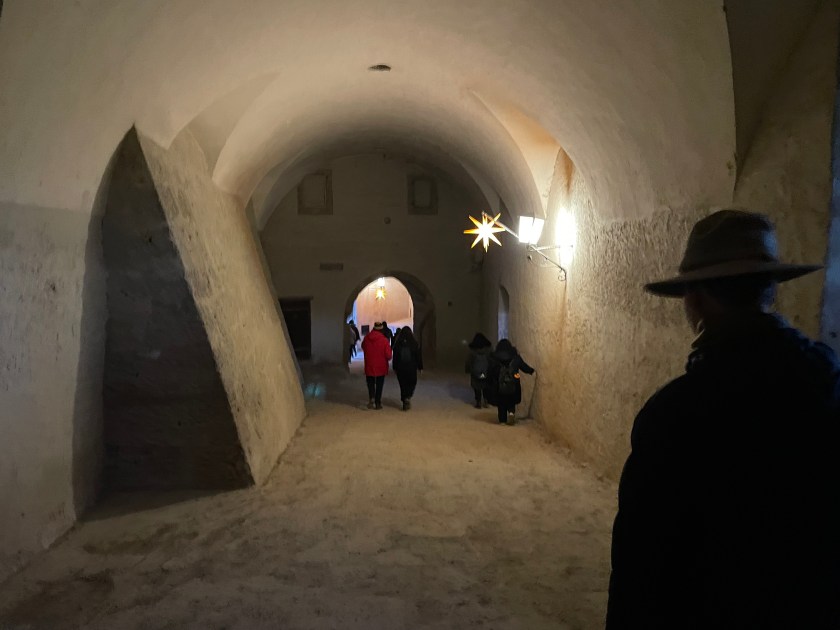
One door for a horse, another for  a man.

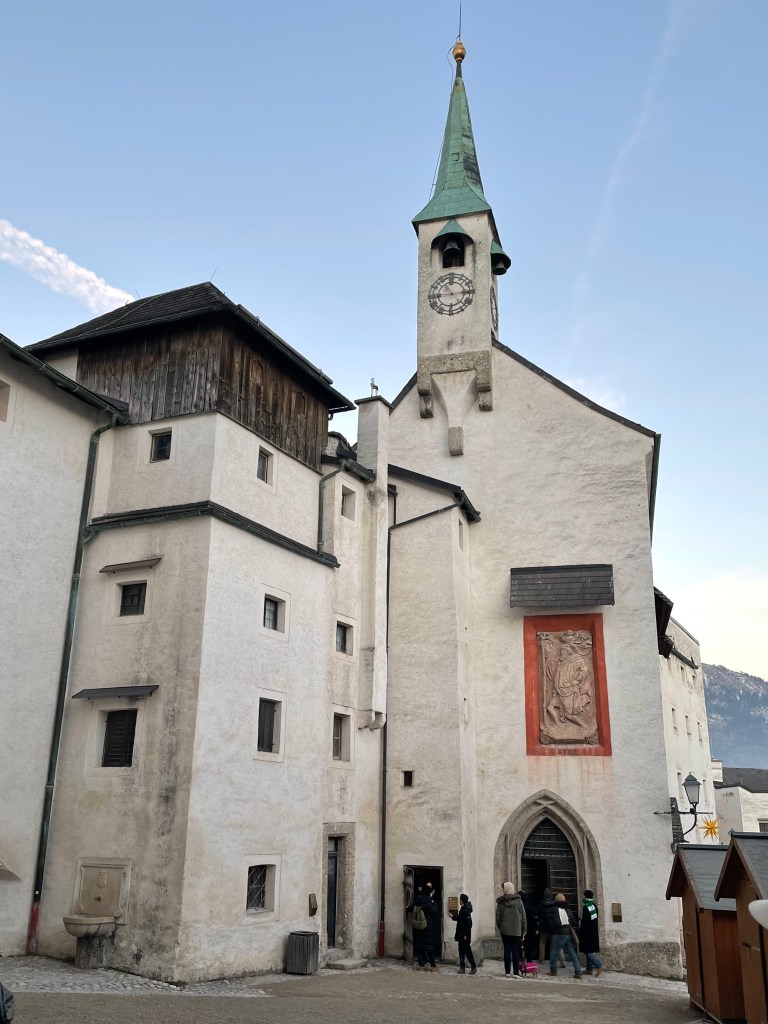
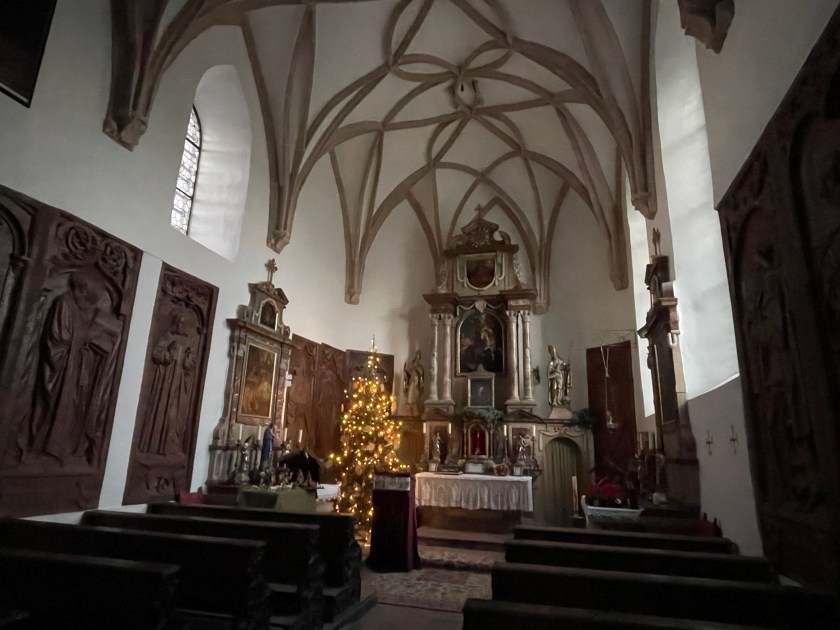
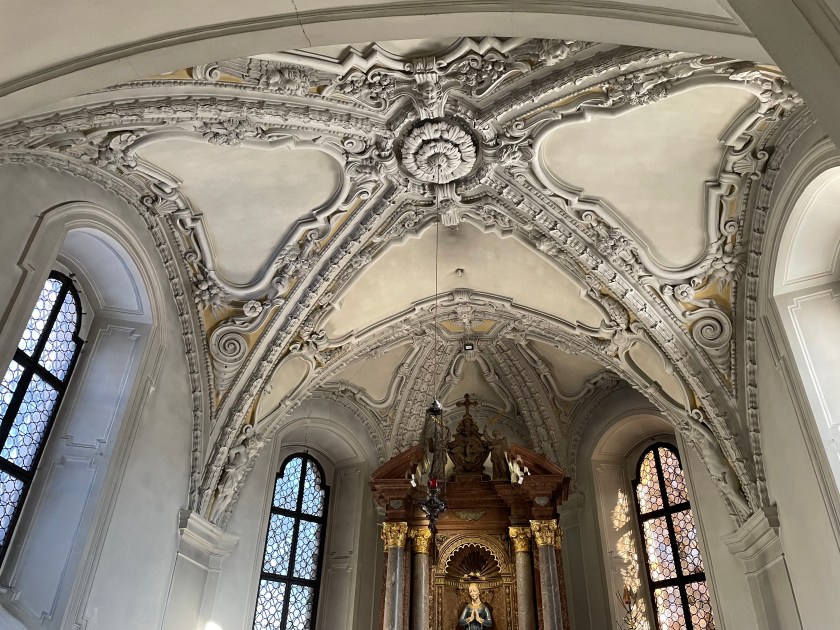
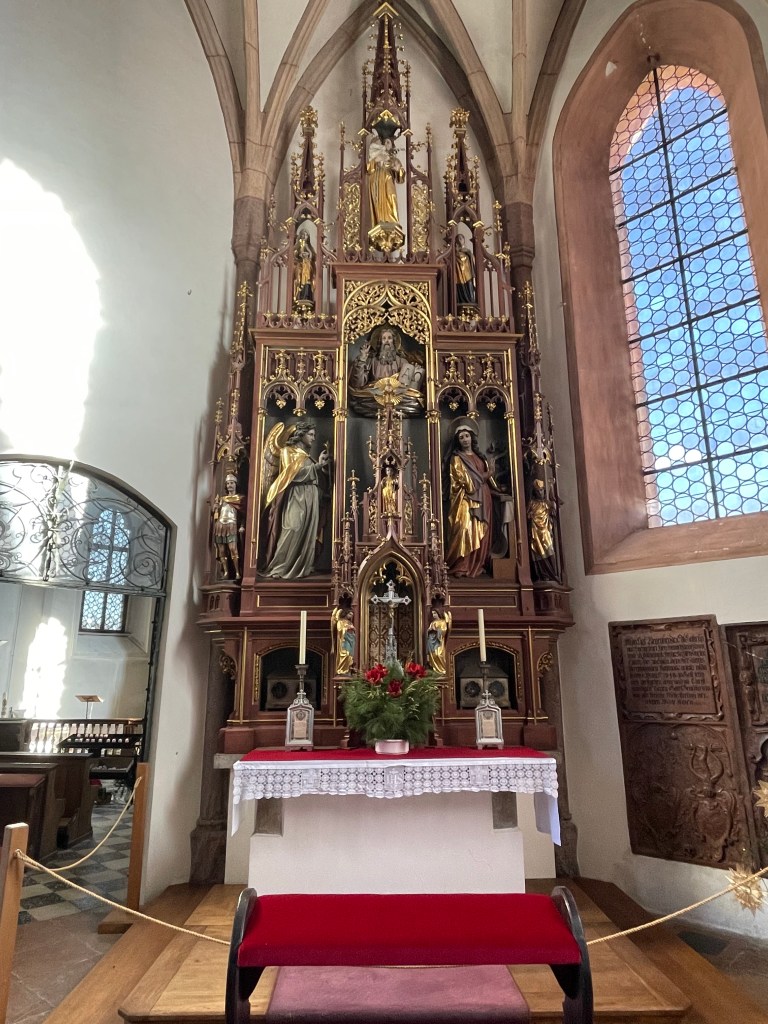
The castle chapel (1502):

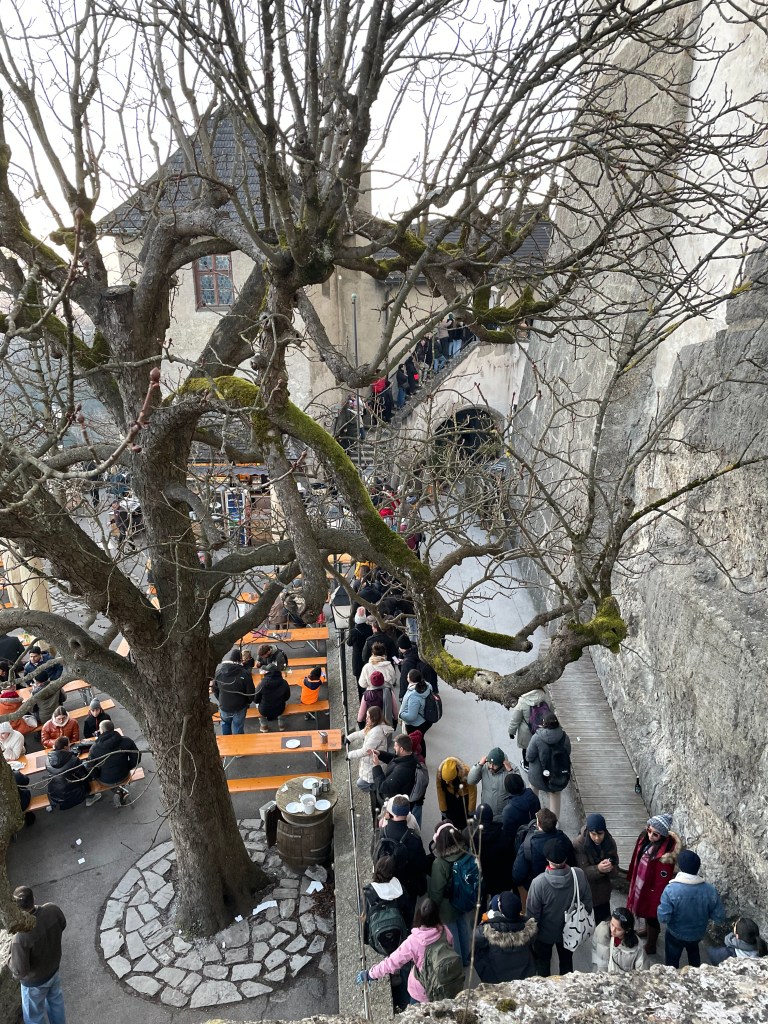
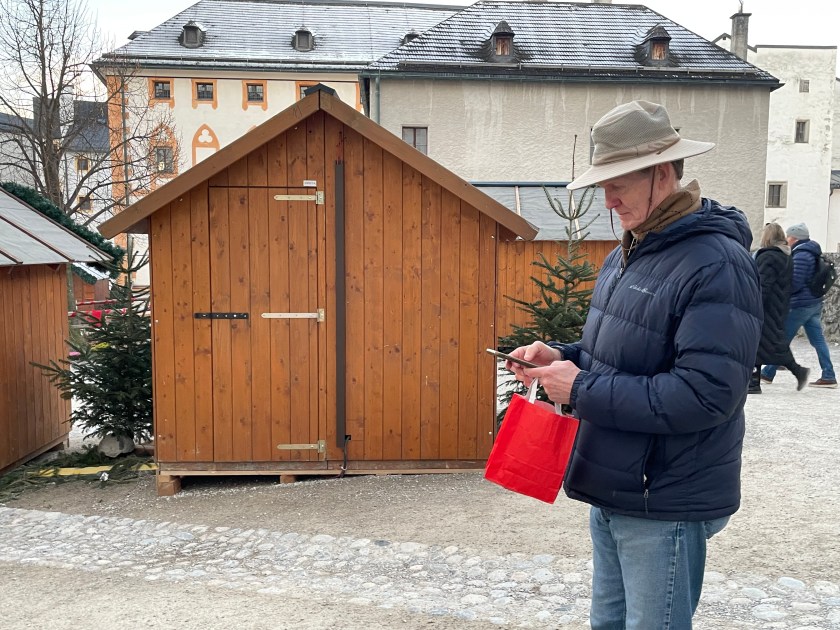
The Castle’s Christmas Market had closed for the day.

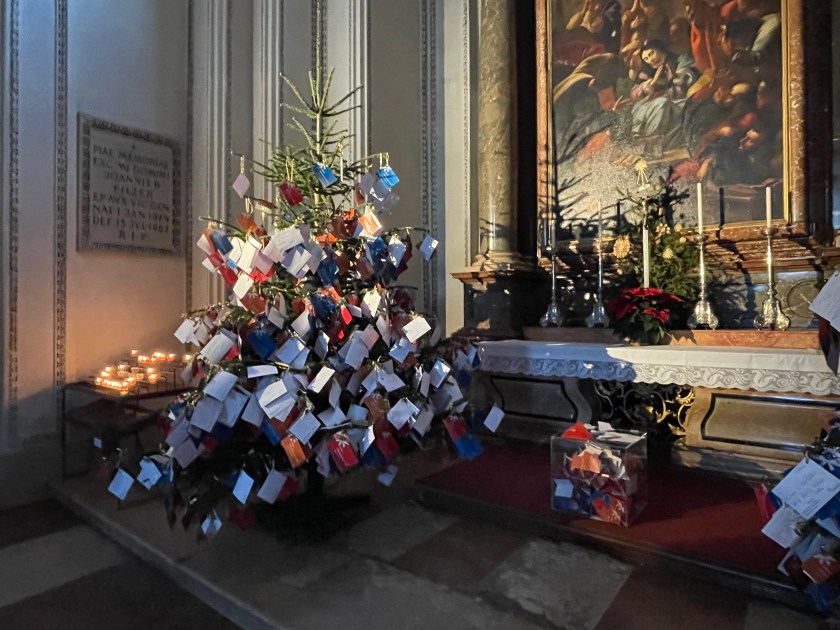
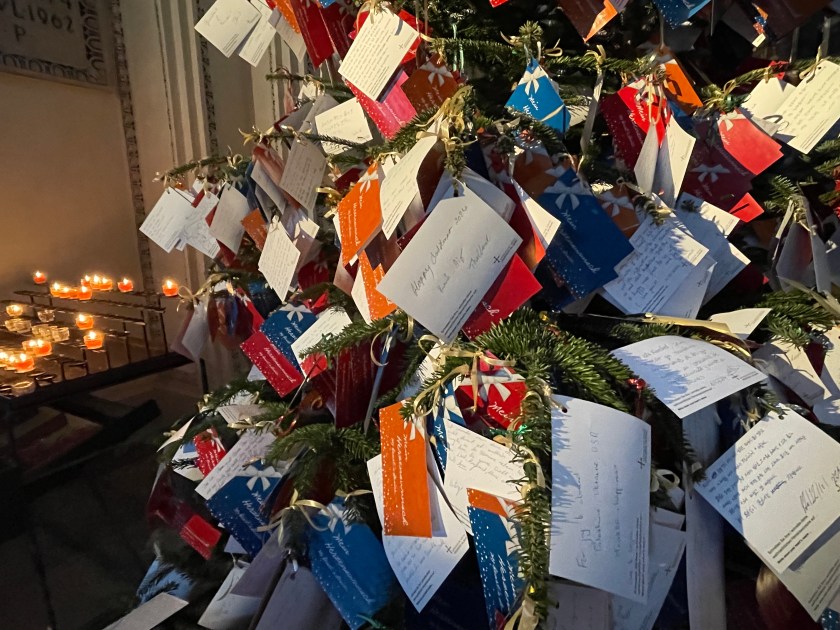
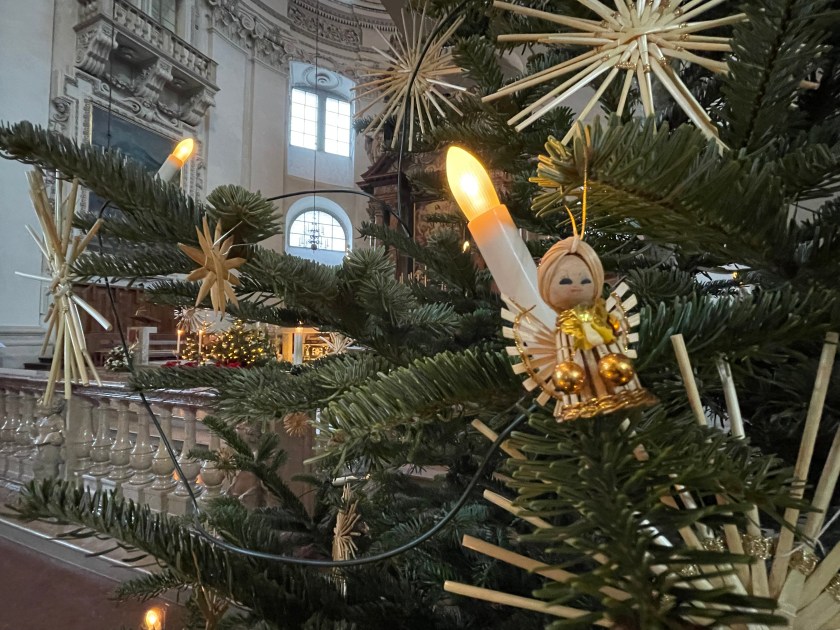
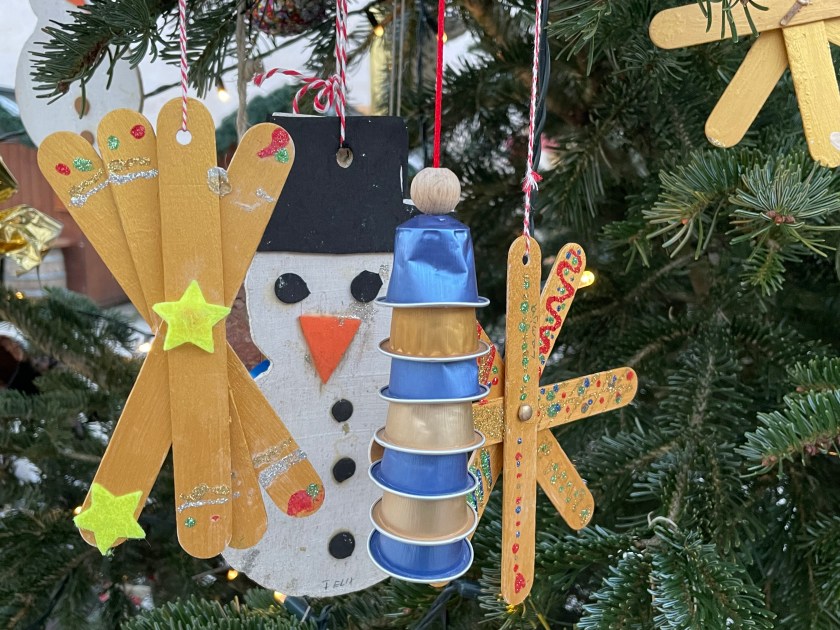
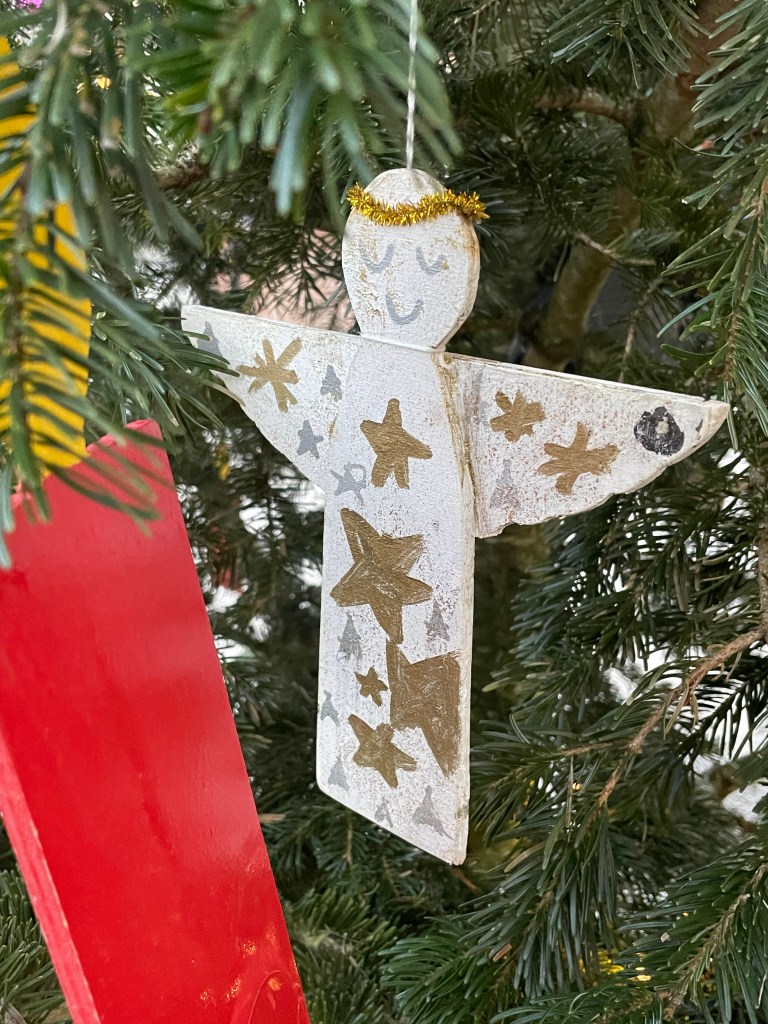
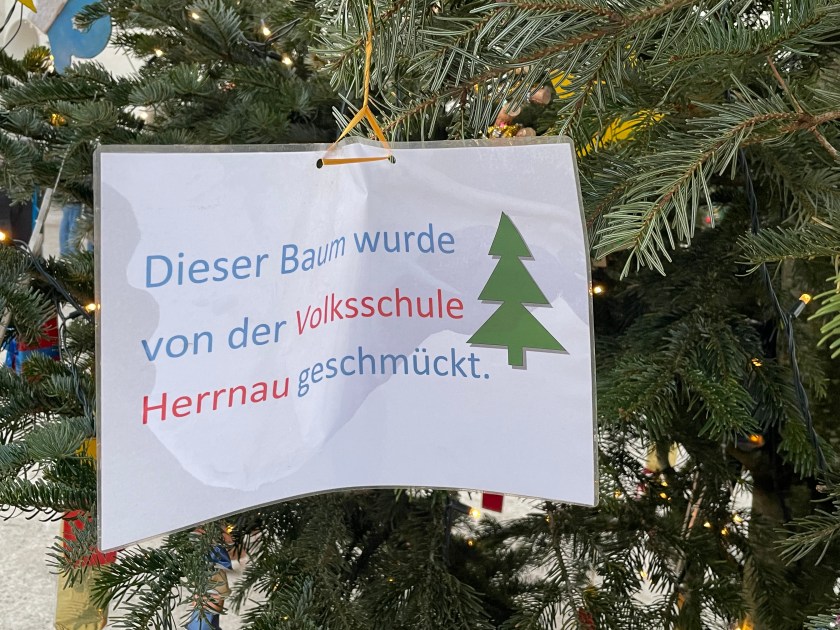
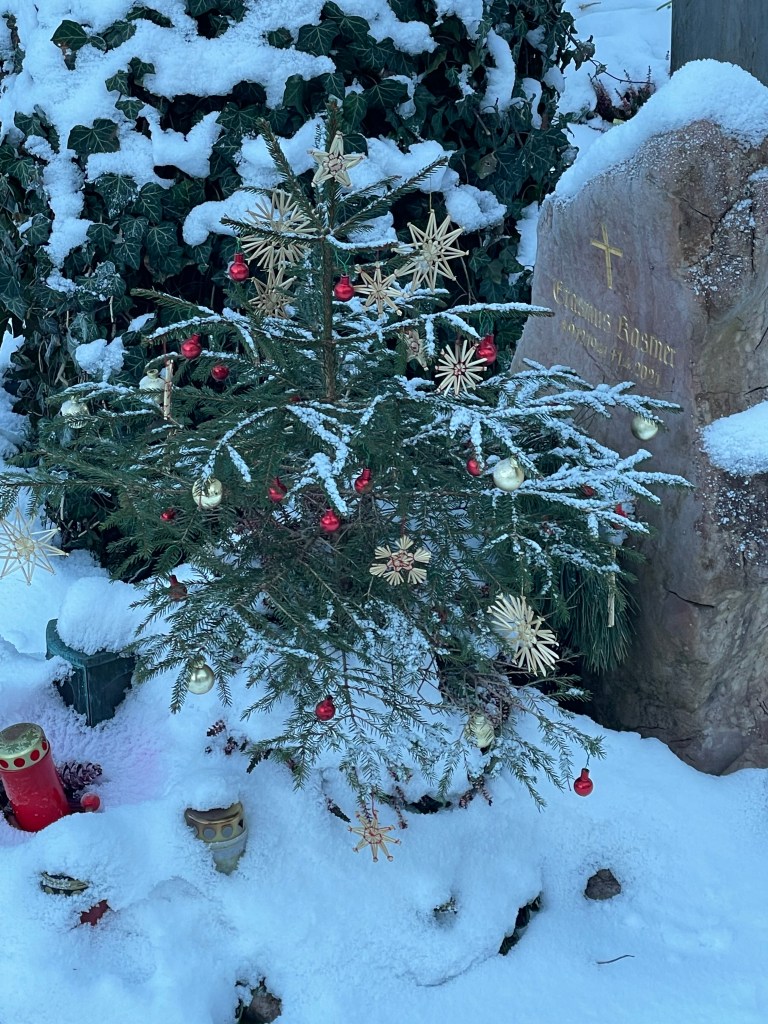
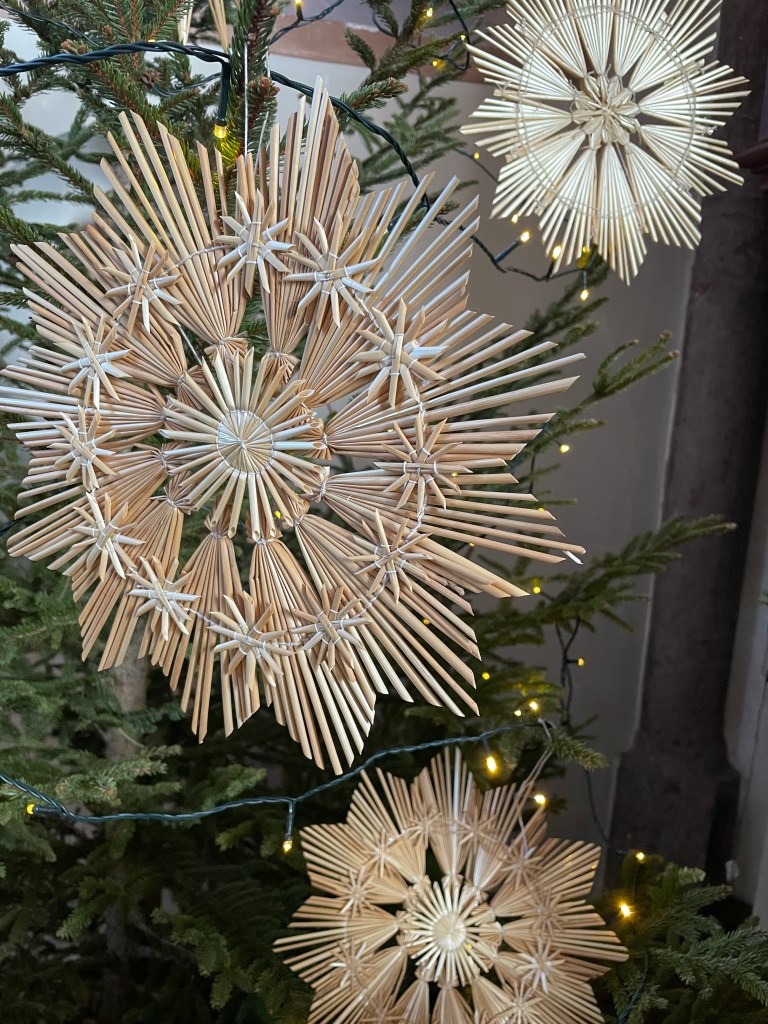
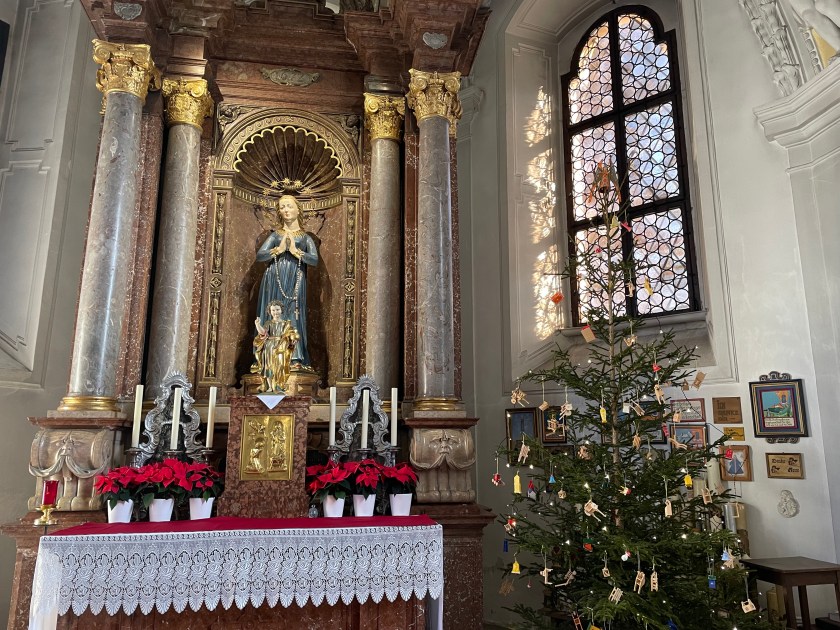
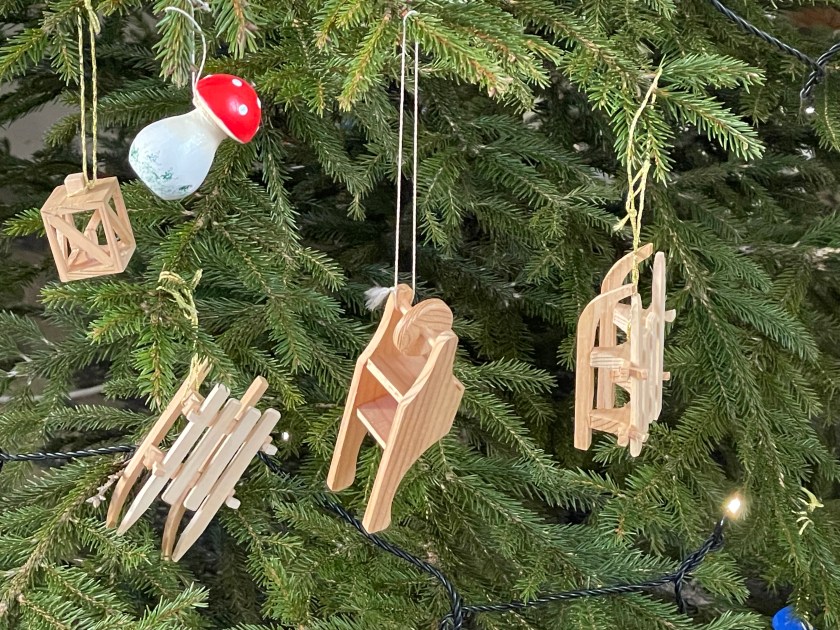
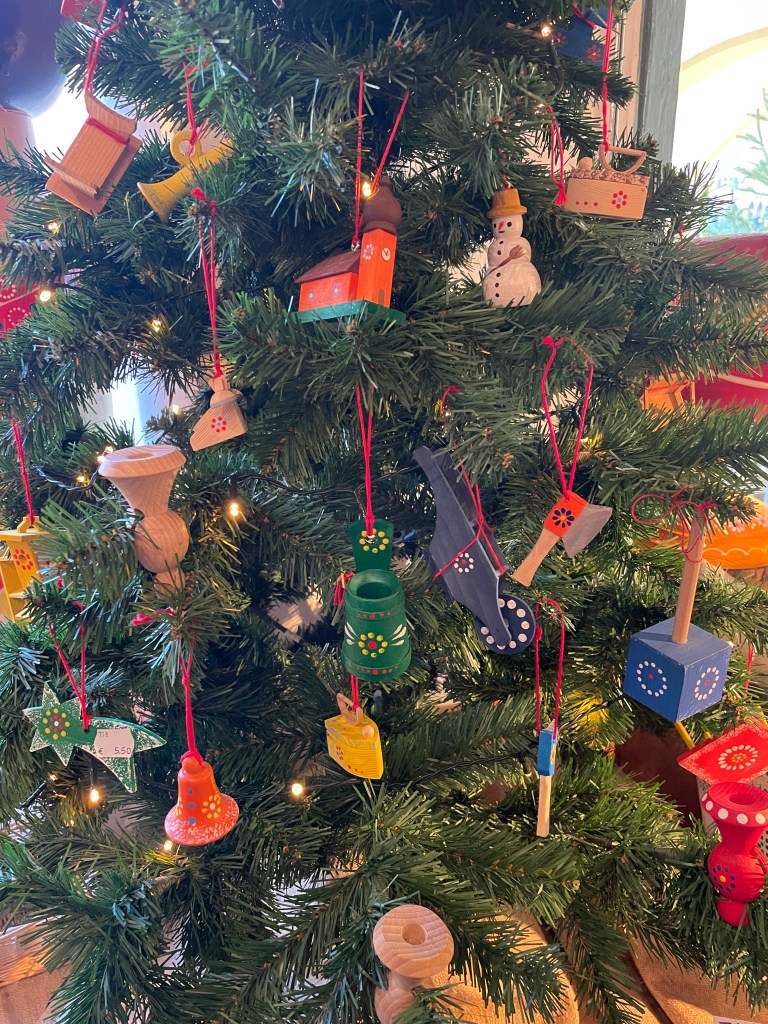
The Christmas trees in the market area were decorated by different school classes.  I loved the ornaments made by the kids!

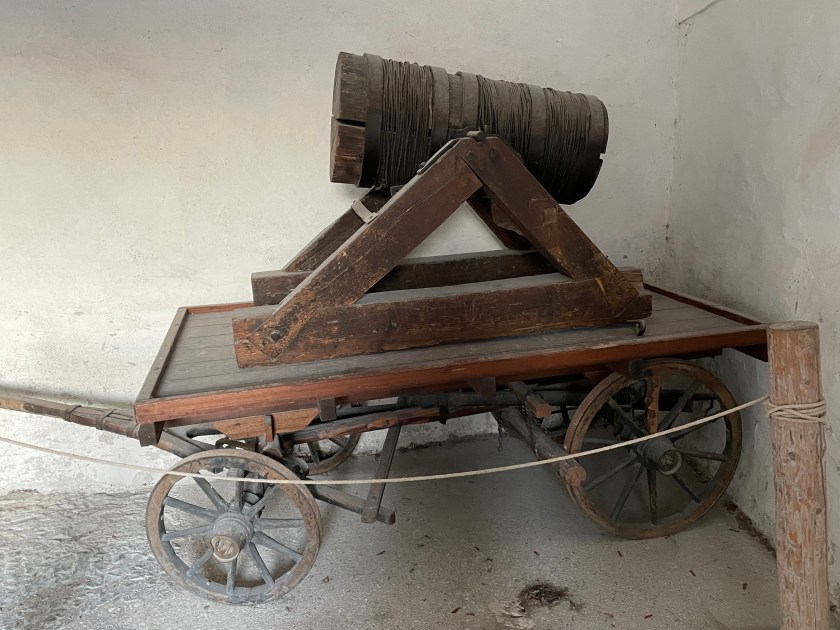
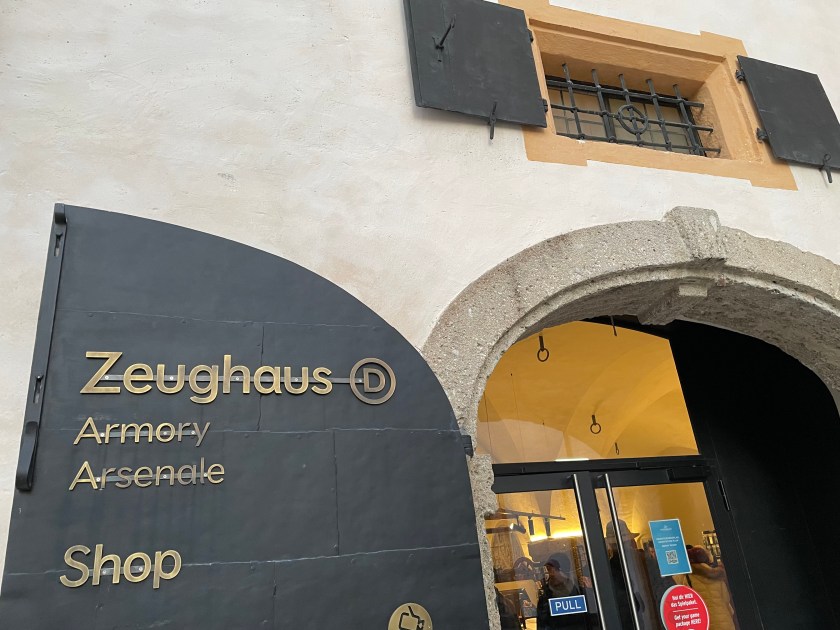
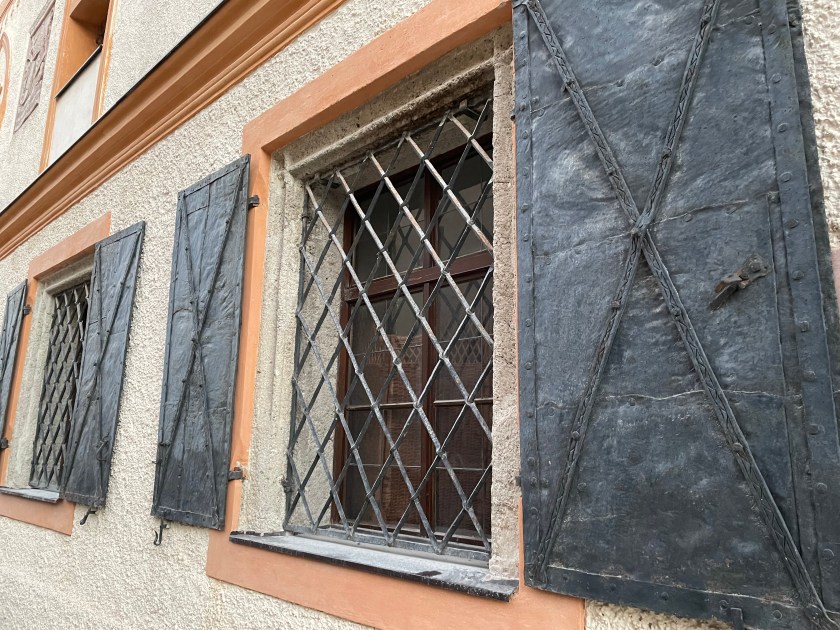
This room was the armory and is now a nice gift shop.

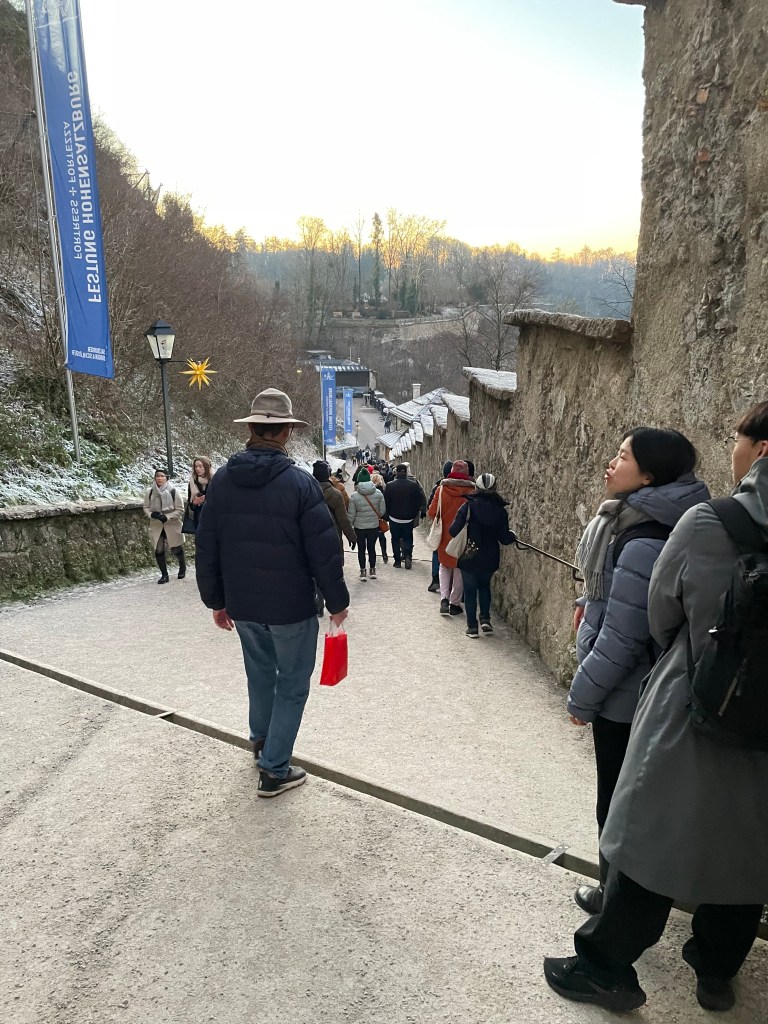
We didn’t ride the tram back down, instead we walked back down the mountain another way.

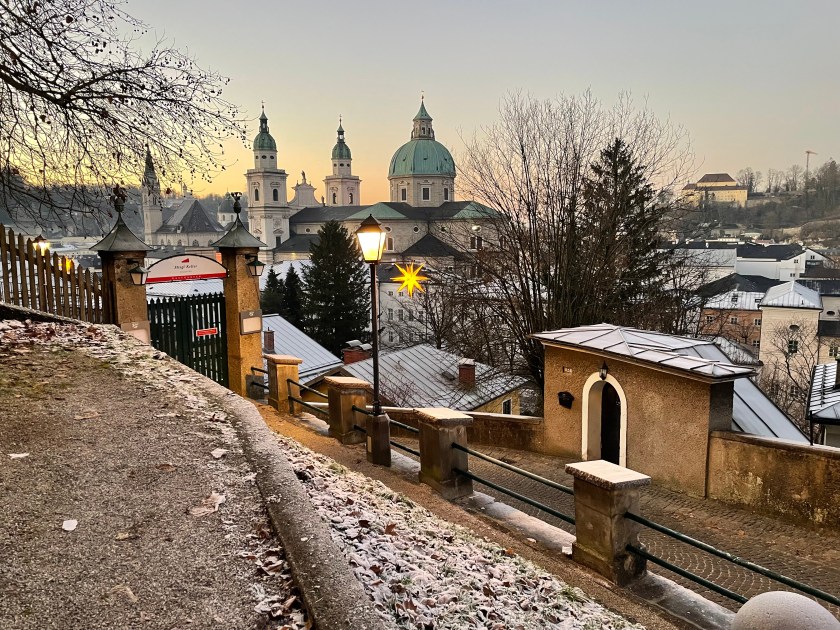
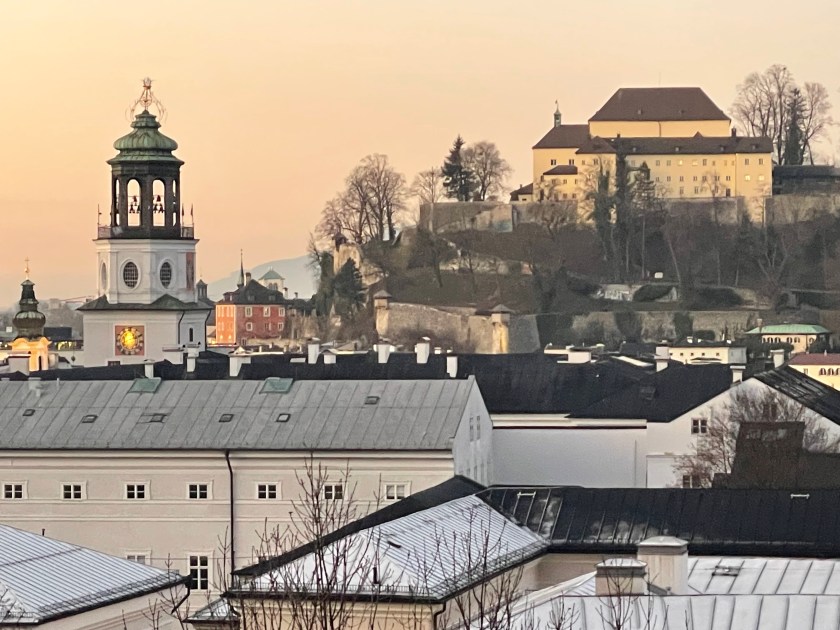
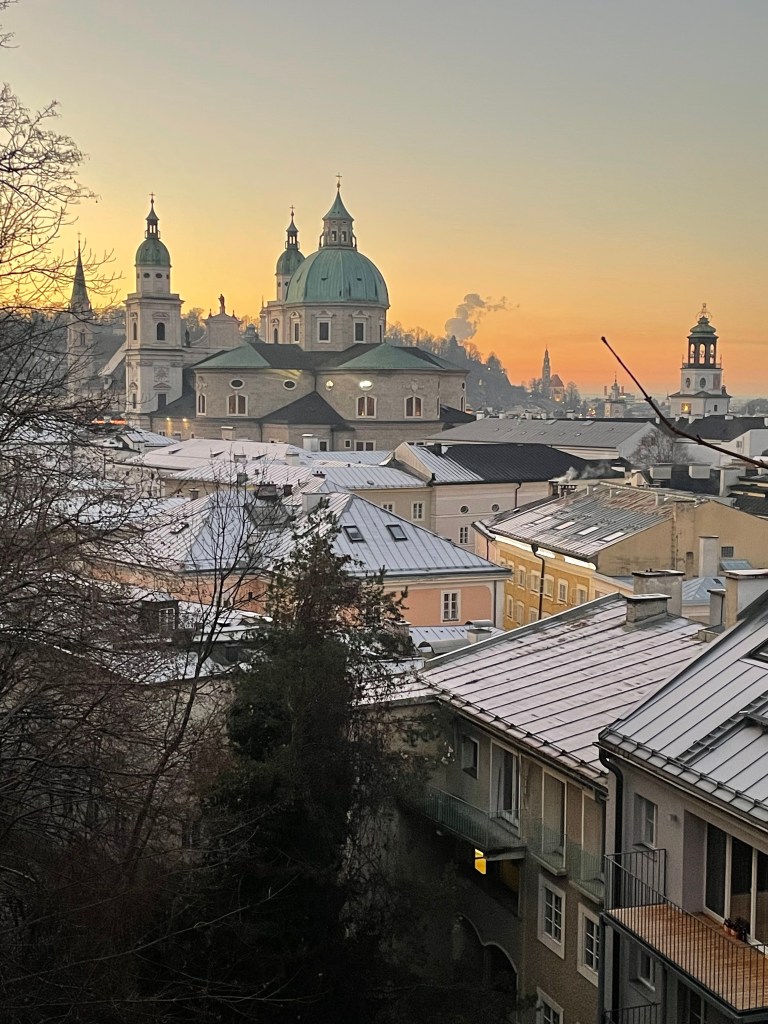
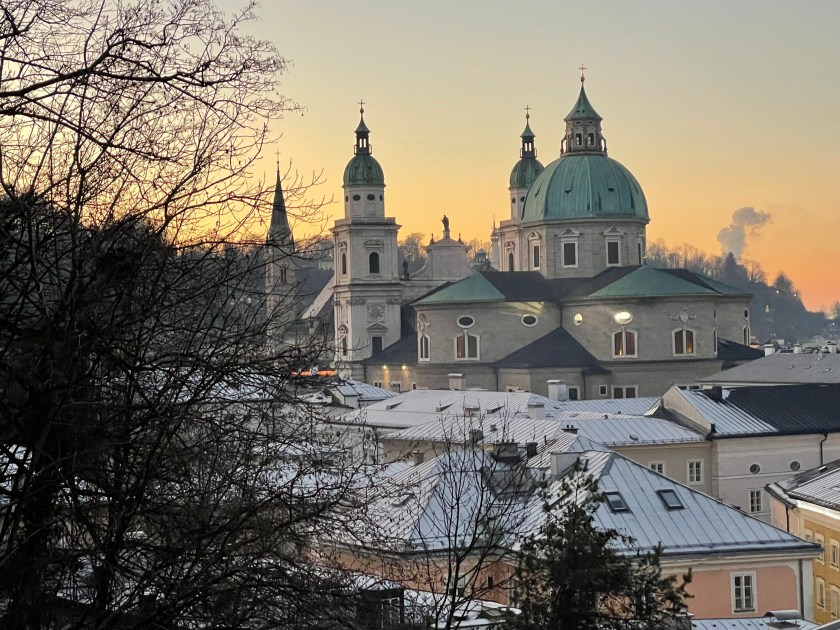
I could not get enough of these beautiful sunset views!  Every minute the light changed a bit as we came down the side of the mountain.

Our next visit was perhaps the my favorite of the day–the nunnery where the nuns sing vespers–in the very place represented in The Sound of Music movie.

Salzburg –Day 9

We had a great day.  We found a Salzburg walking tour like this one and went after it.  It was a very full day.  We walked more than 9 miles and saw so many interesting things.   This post will be a quick overview.

The Mirabel Gardens and Palace (Wolf Dieterich Reitenau, Prince Archbishop)
Today, the Mirabell Palace houses the offices of the Salzburg mayor and the municipal administration. The Marmorsaal is now considered one of the finest wedding halls in the world. Leopold Mozart and his children Wolfgang and Nannerl performed here.
These offices are surrounded by some beautiful gardens, covered now in frost.  It was a cold day.  The pansies have been planted for spring.

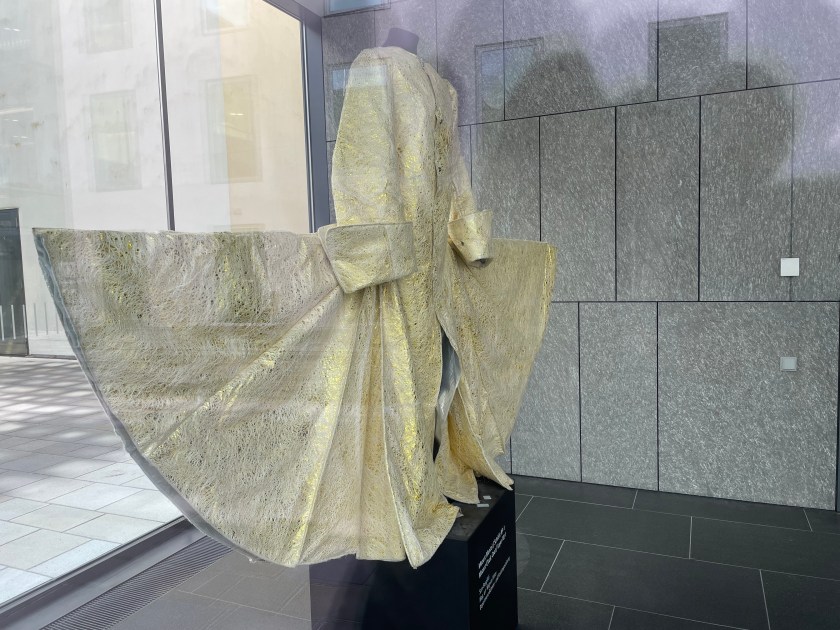
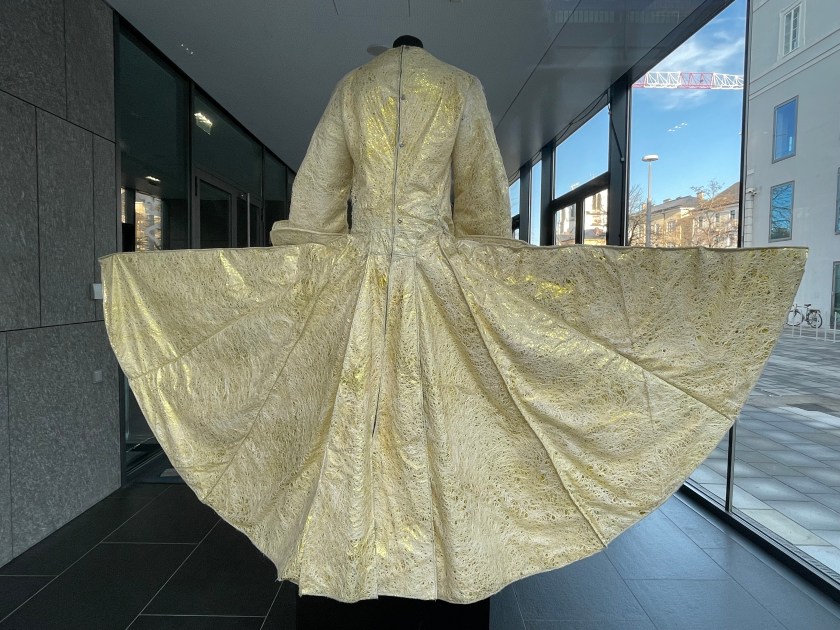
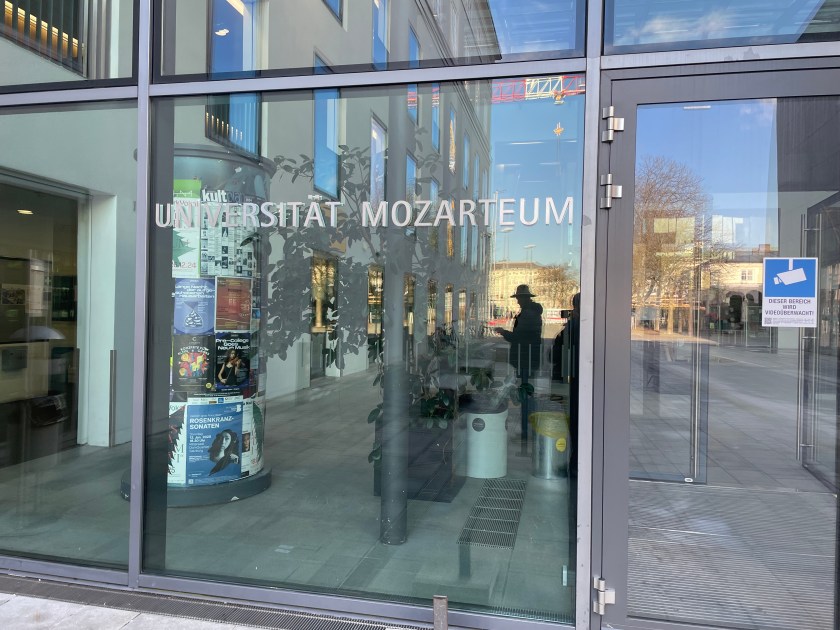
University Mozarteum (Mozart’s coat in window)
This area is part of the university for music students, named after Mozart.

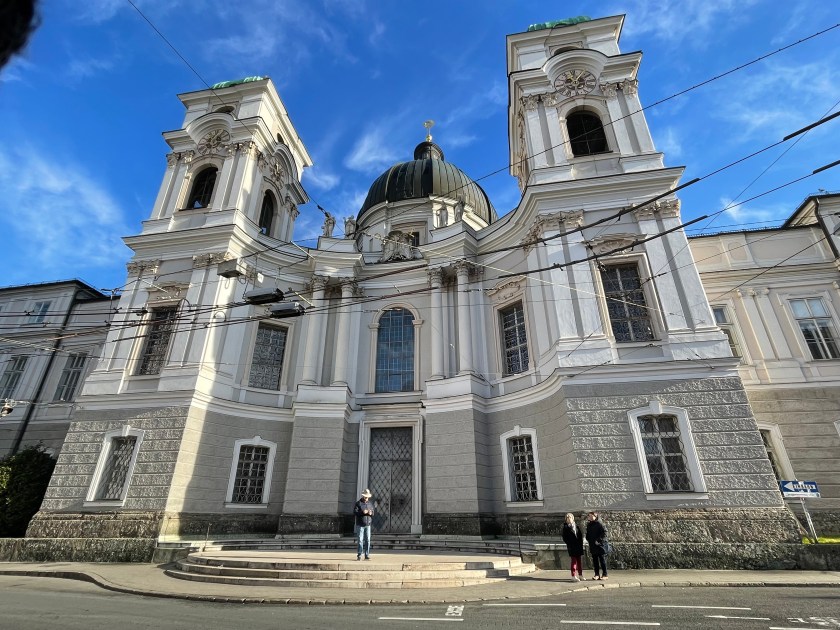
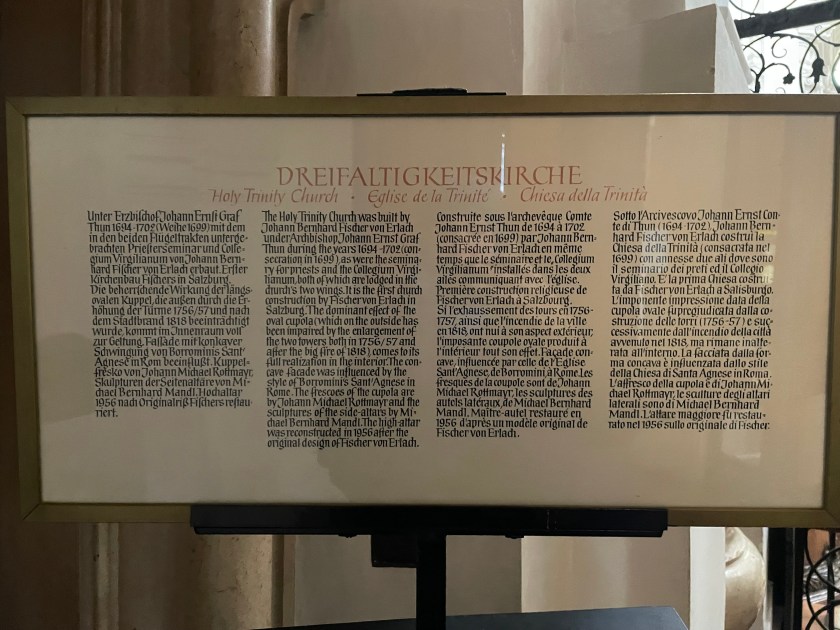
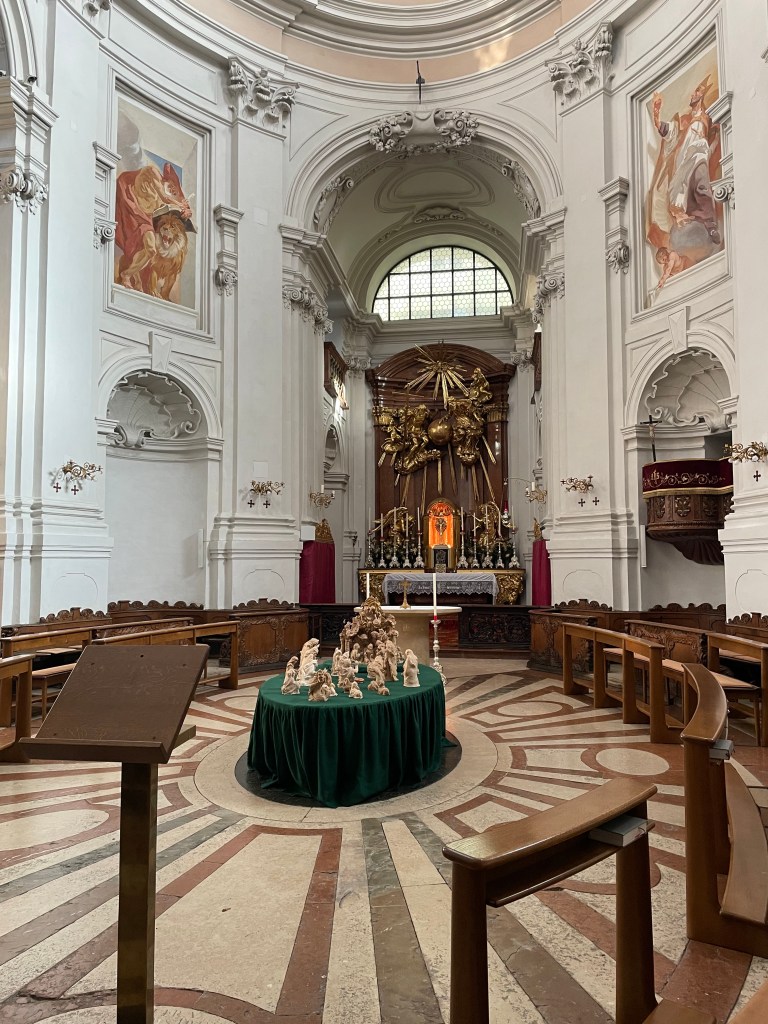
Church of the Holy Trinity
Catholic, baroque, beautiful

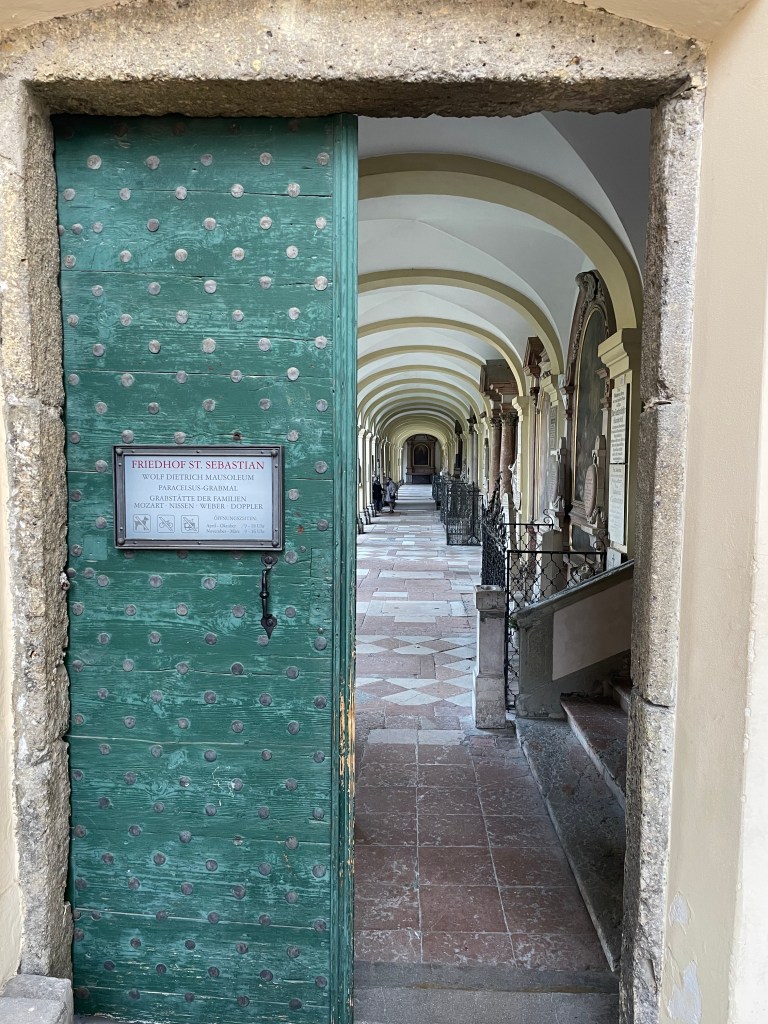
St. Sebastian Church & Sebasitian’s Cemetery 
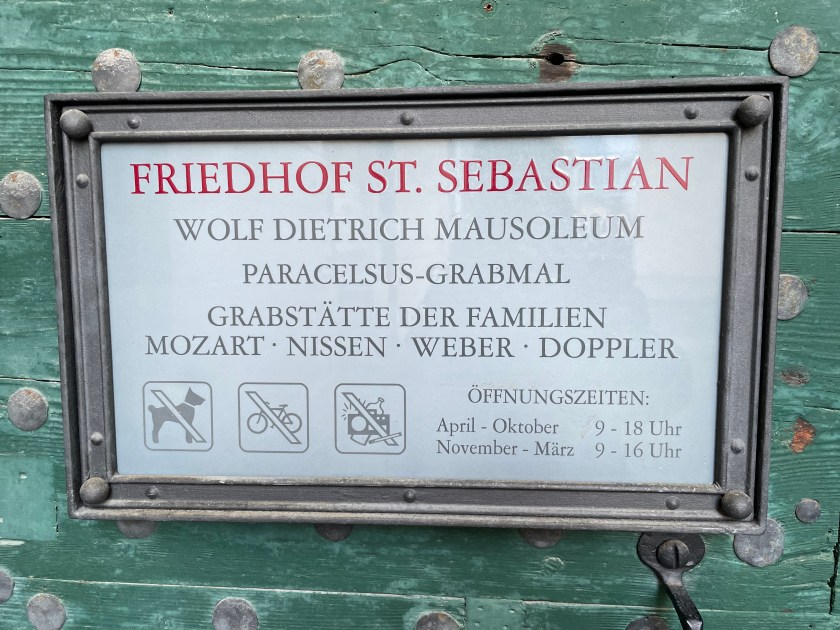
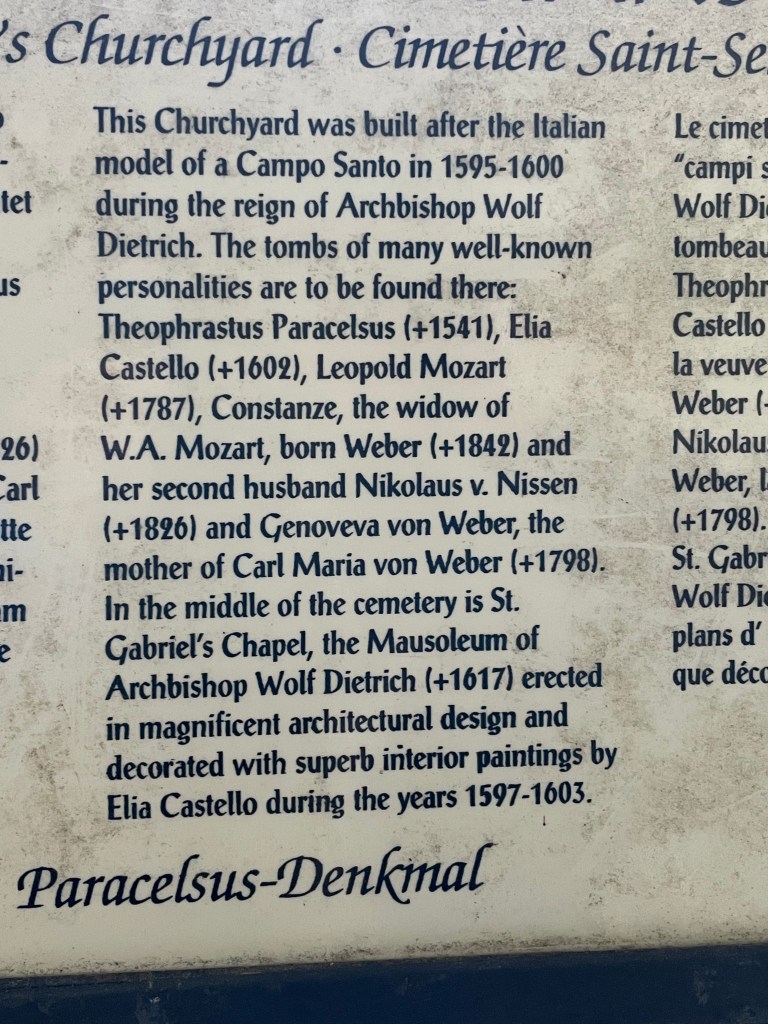
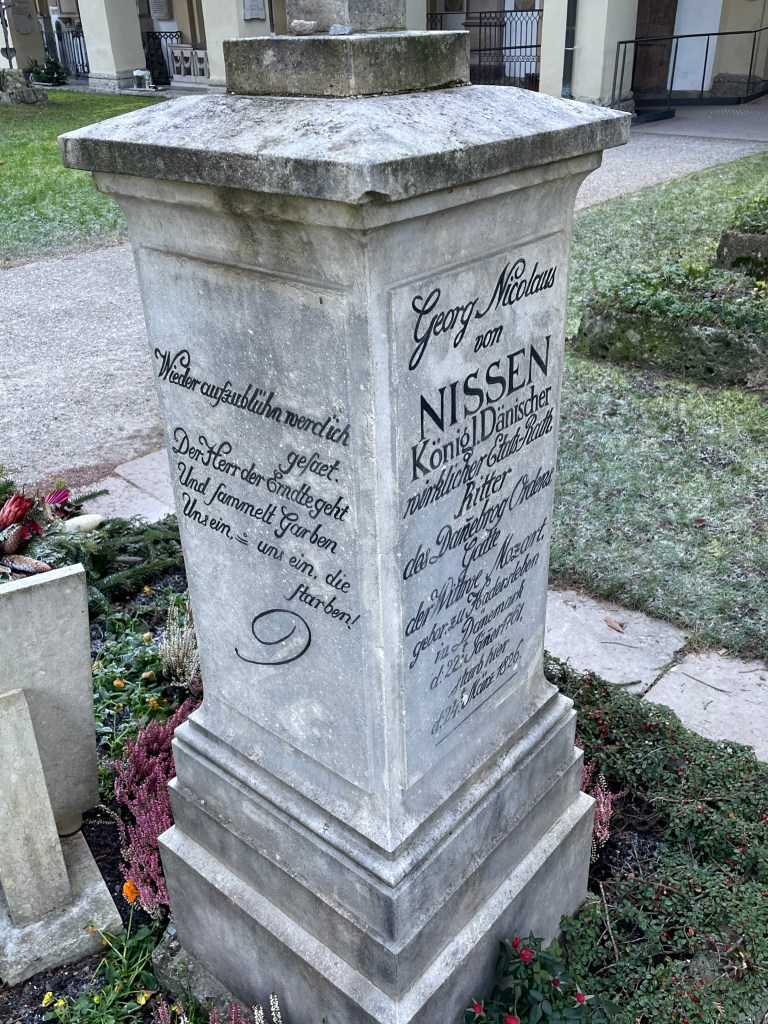
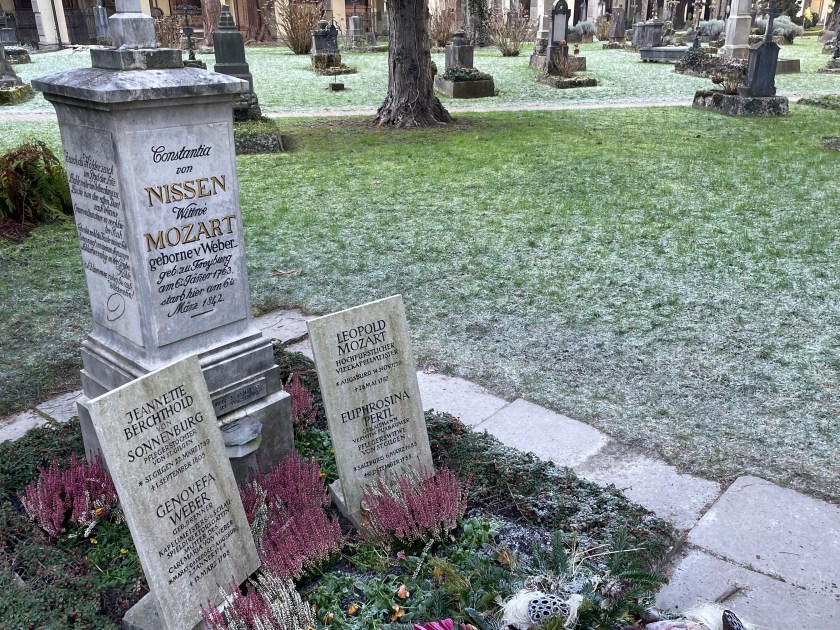
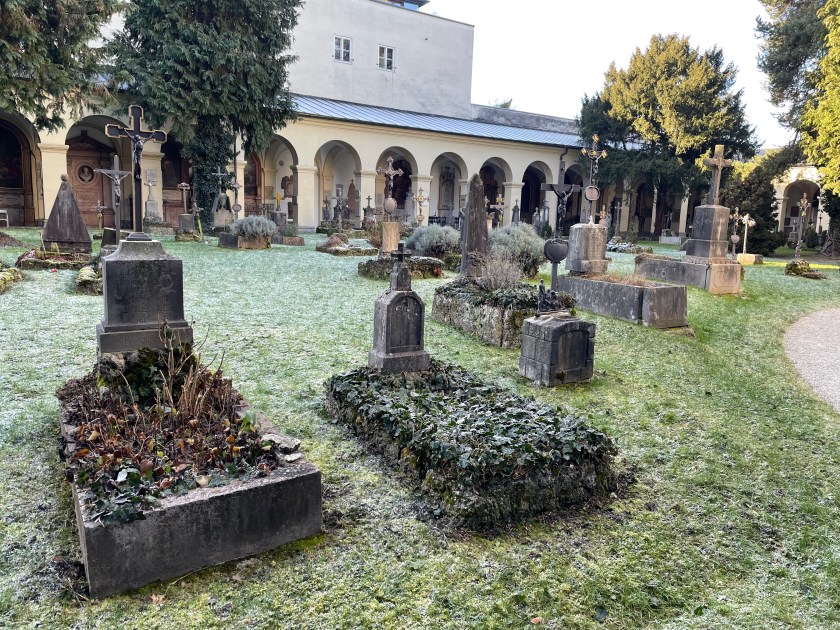
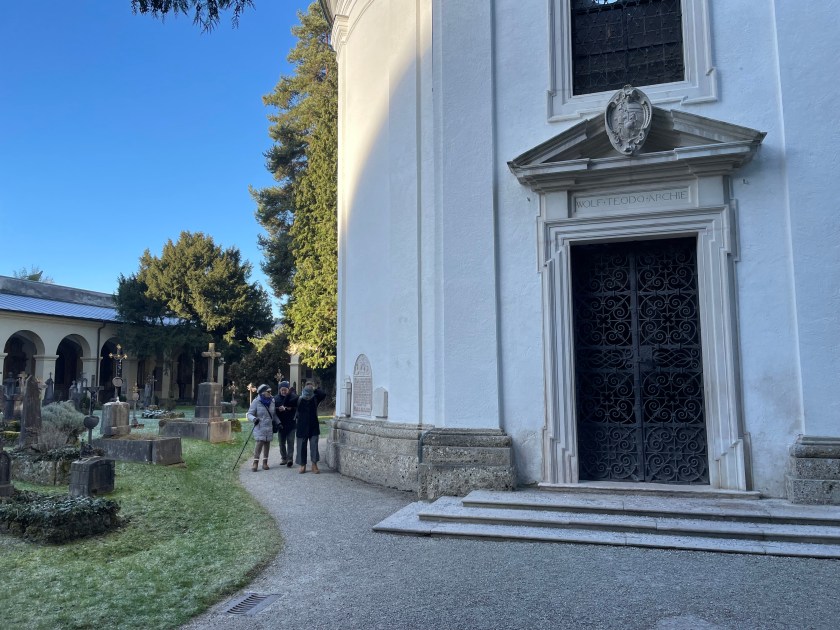
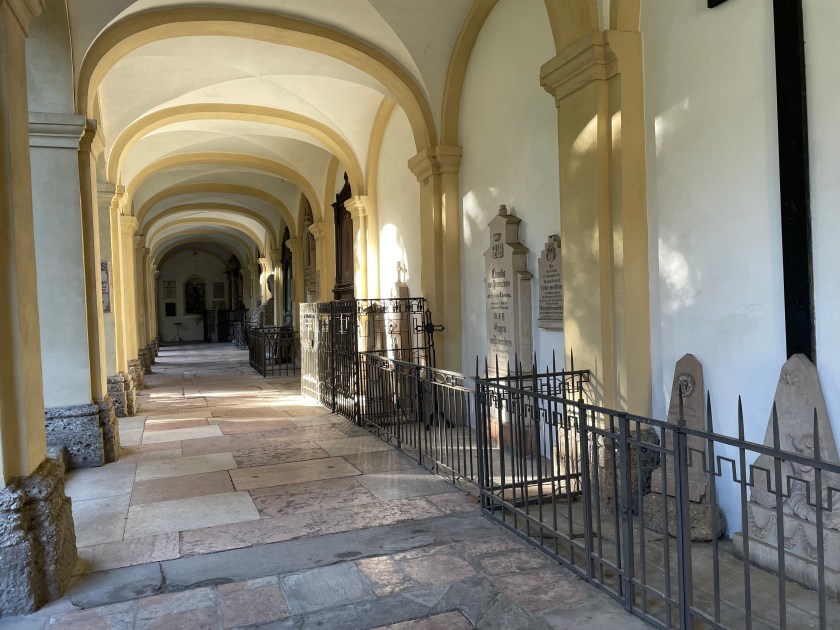
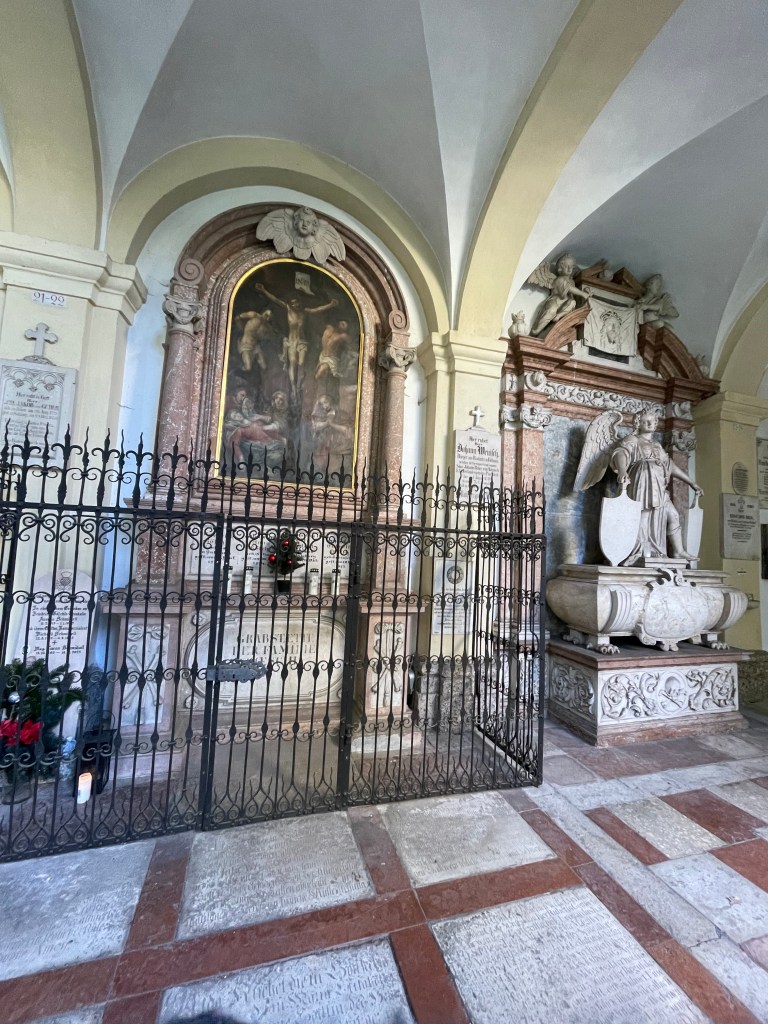
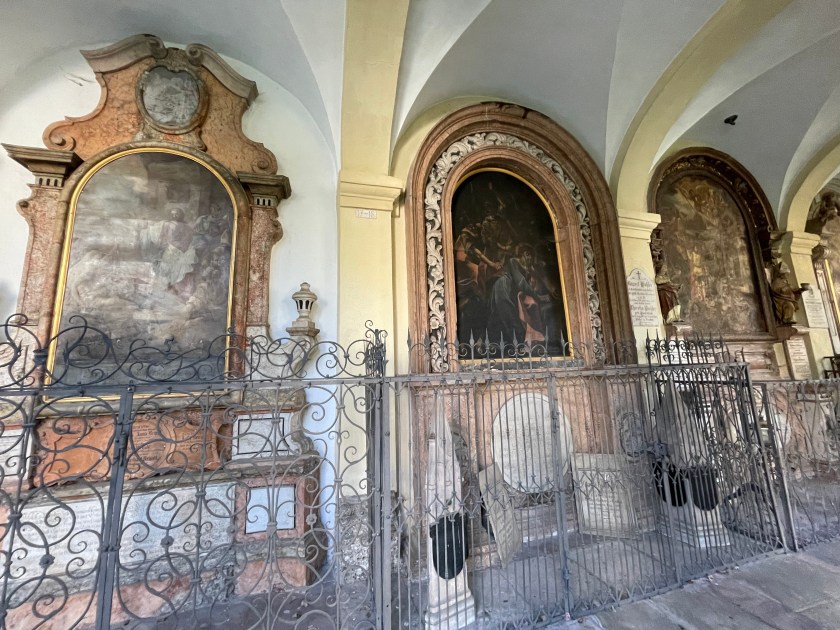
Was designed based on the model of an Italian campo santo with an arcade-lined graveyard. In the center is the mausoleum of Wolf Dietrich von Raitenau. It also houses the tombs of the Mozart family and Paracelsus.
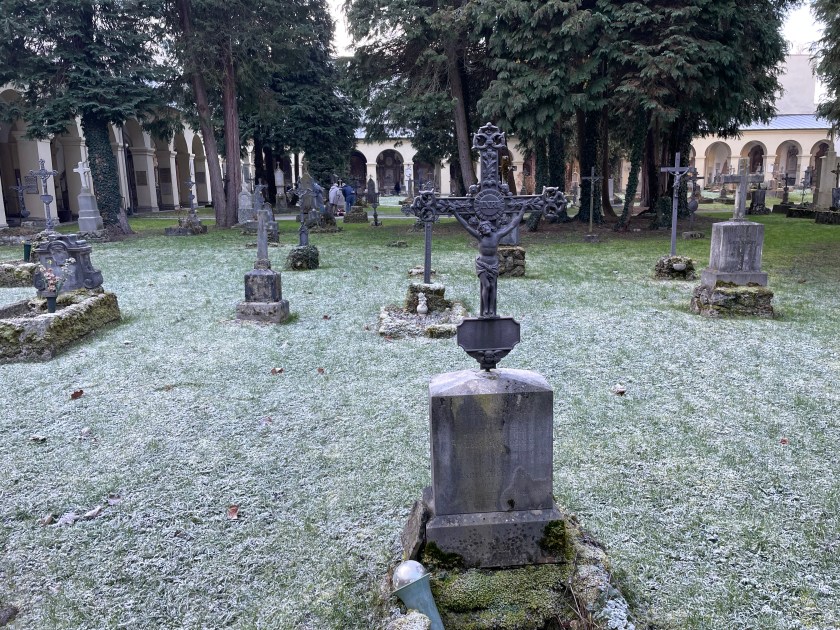
The ground was frosty, the headstones were wonderful.  Found the burial site of the Mozart family members and visited with some older women also visiting the site.

The courtyard and cemetery:

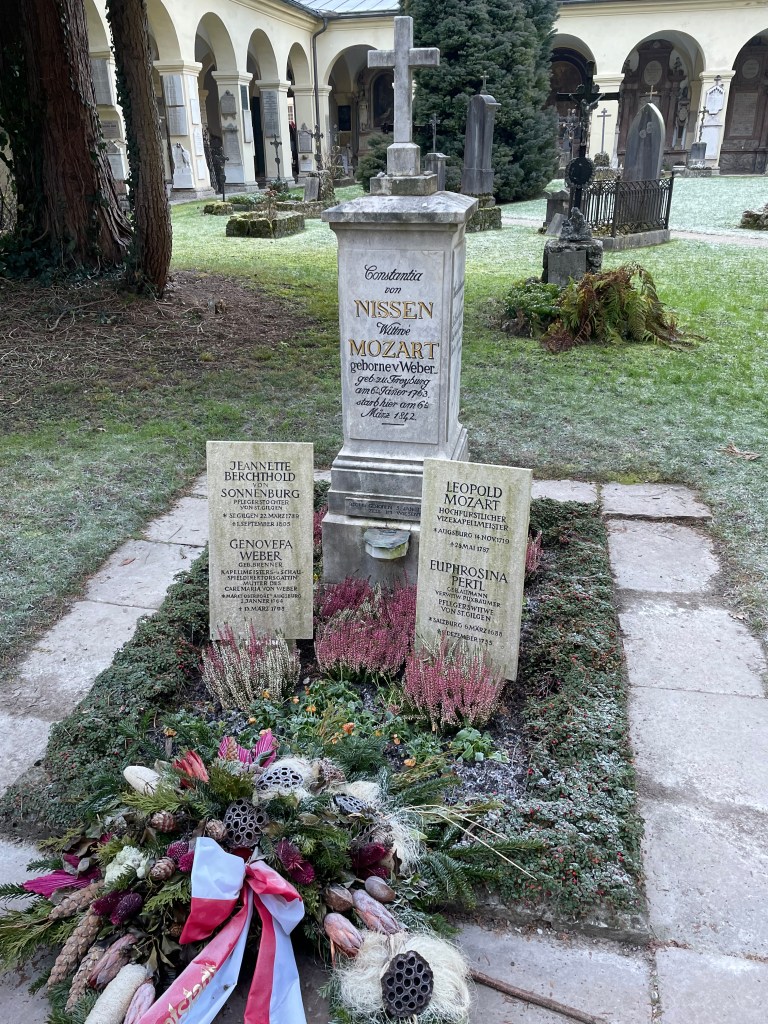
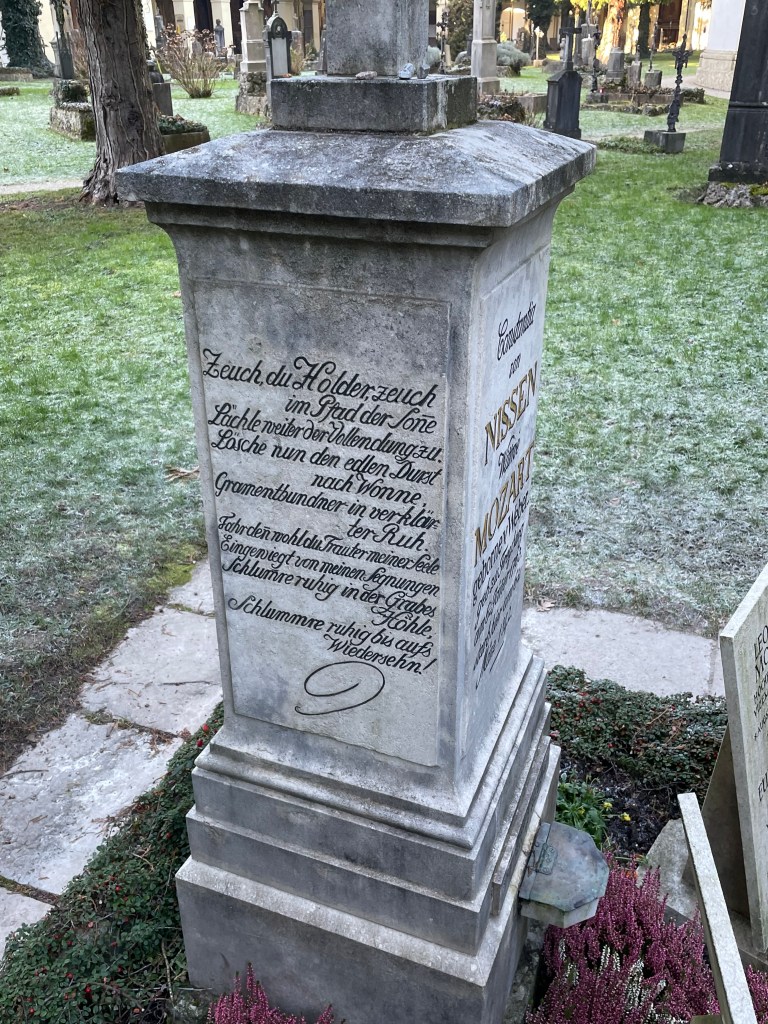
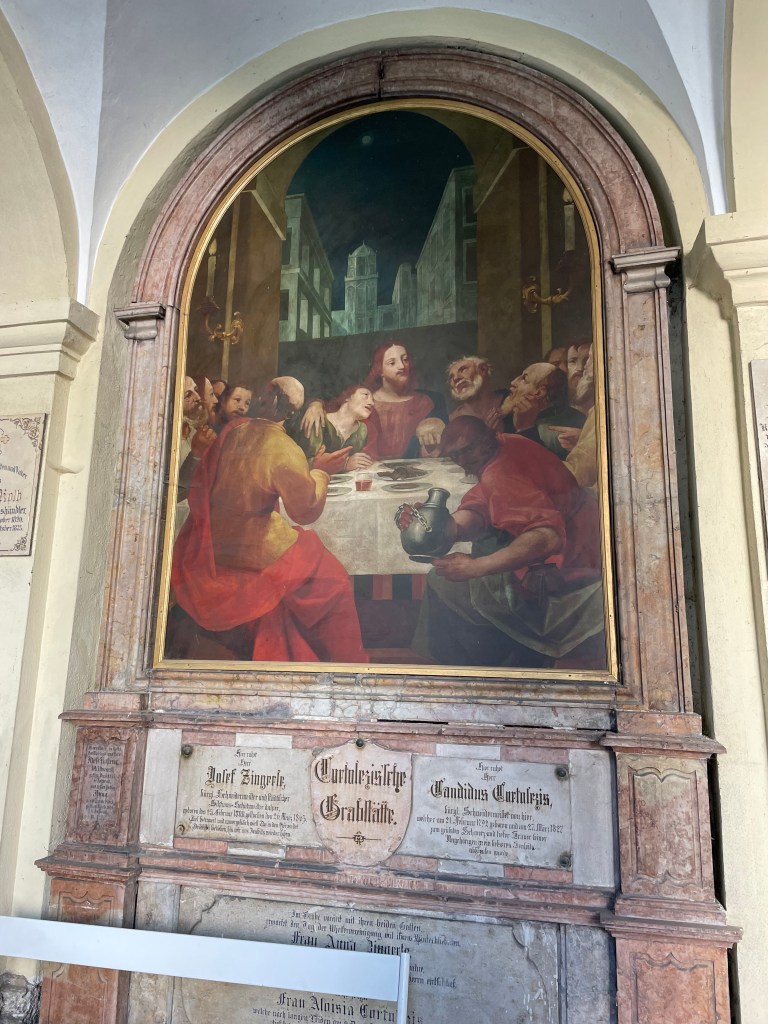
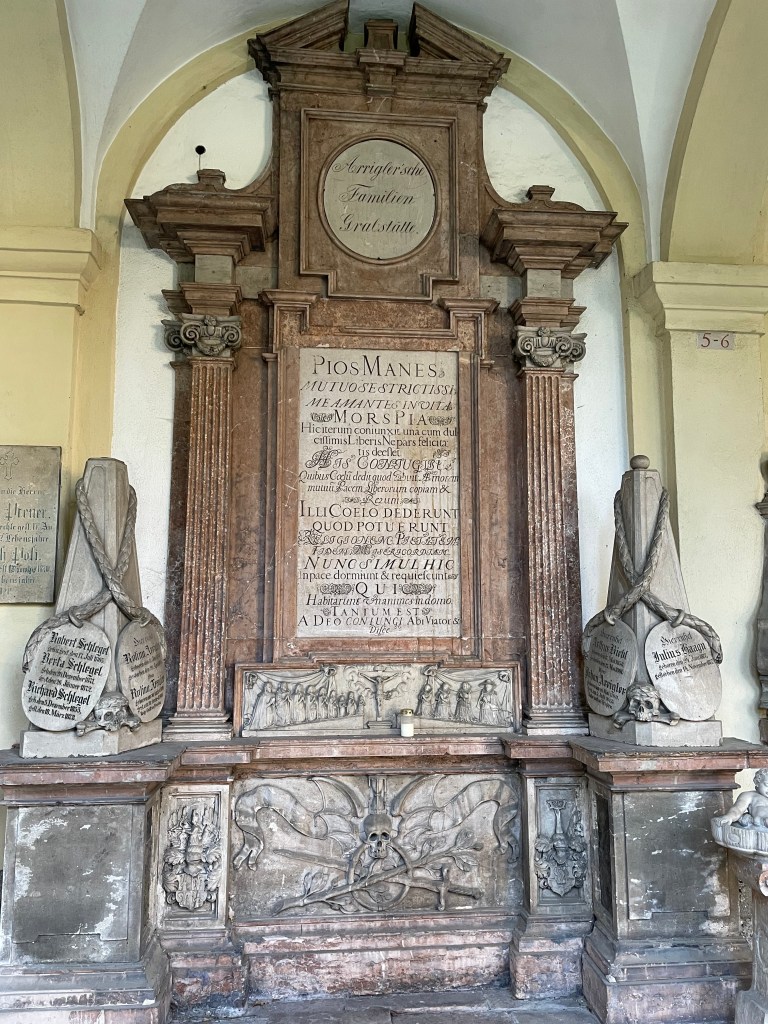
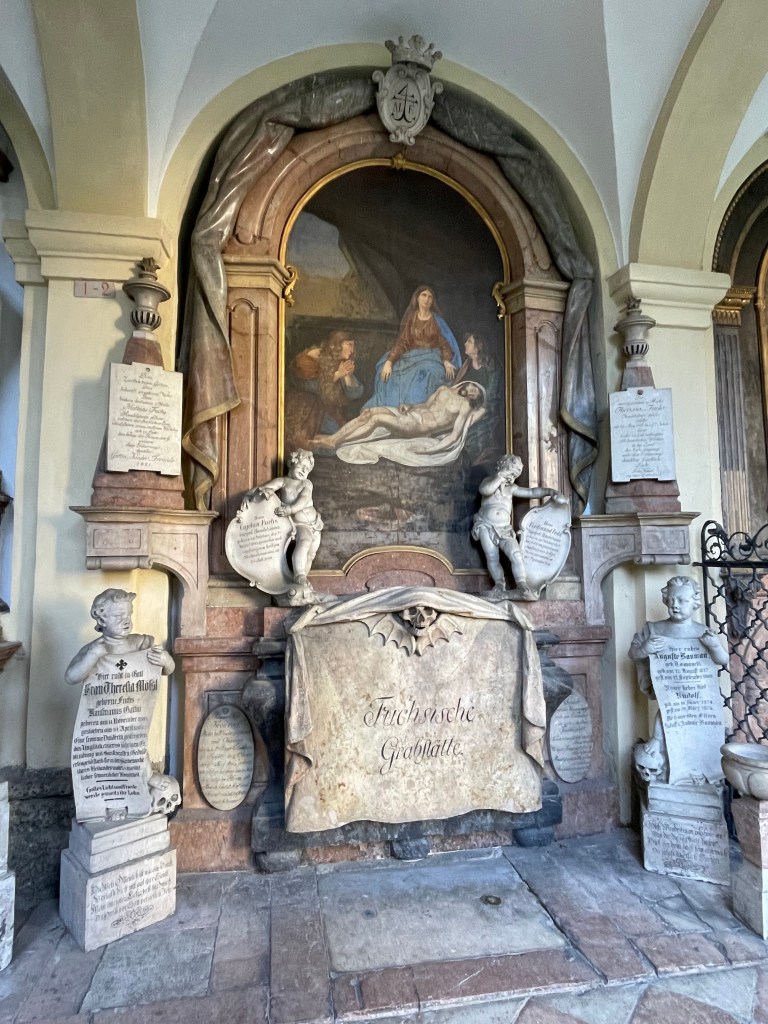
The Mozart family is buried here:

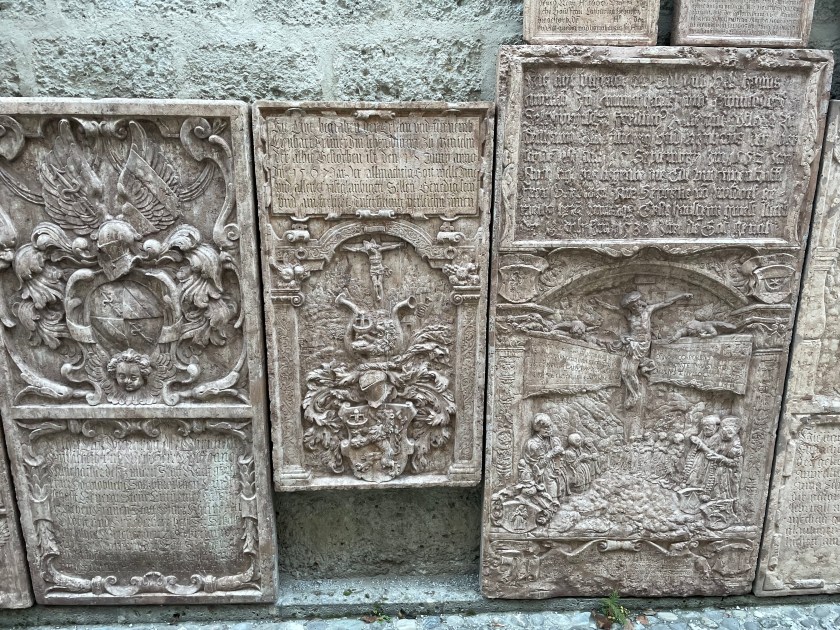
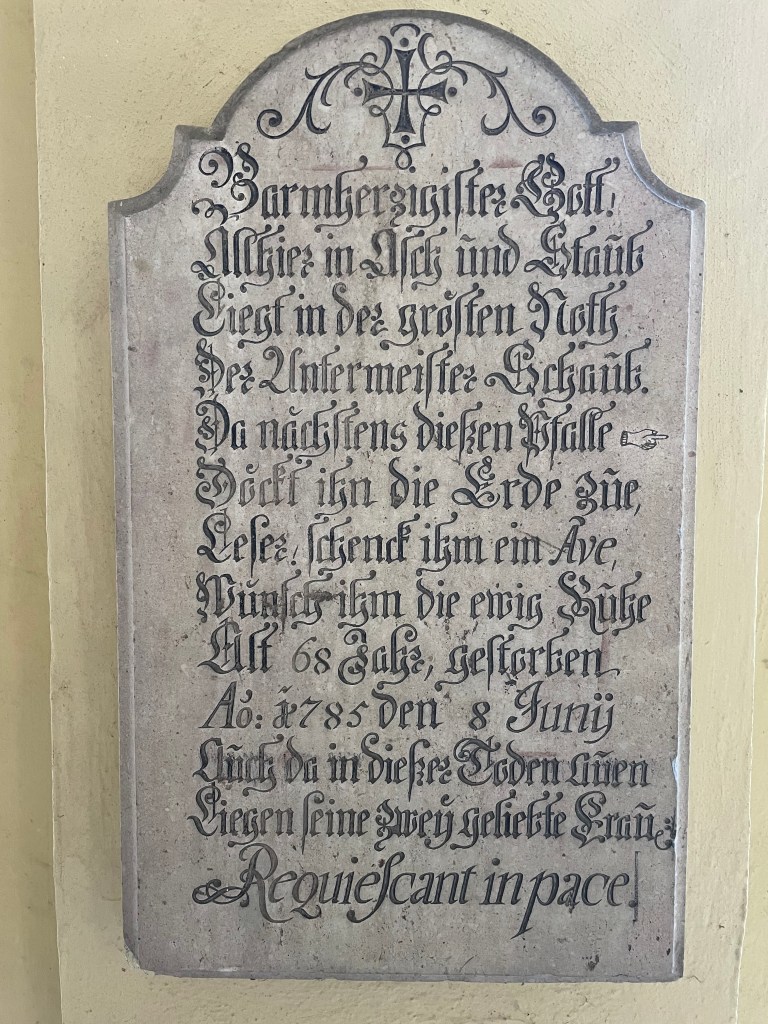
Such interesting headstones and memorials.

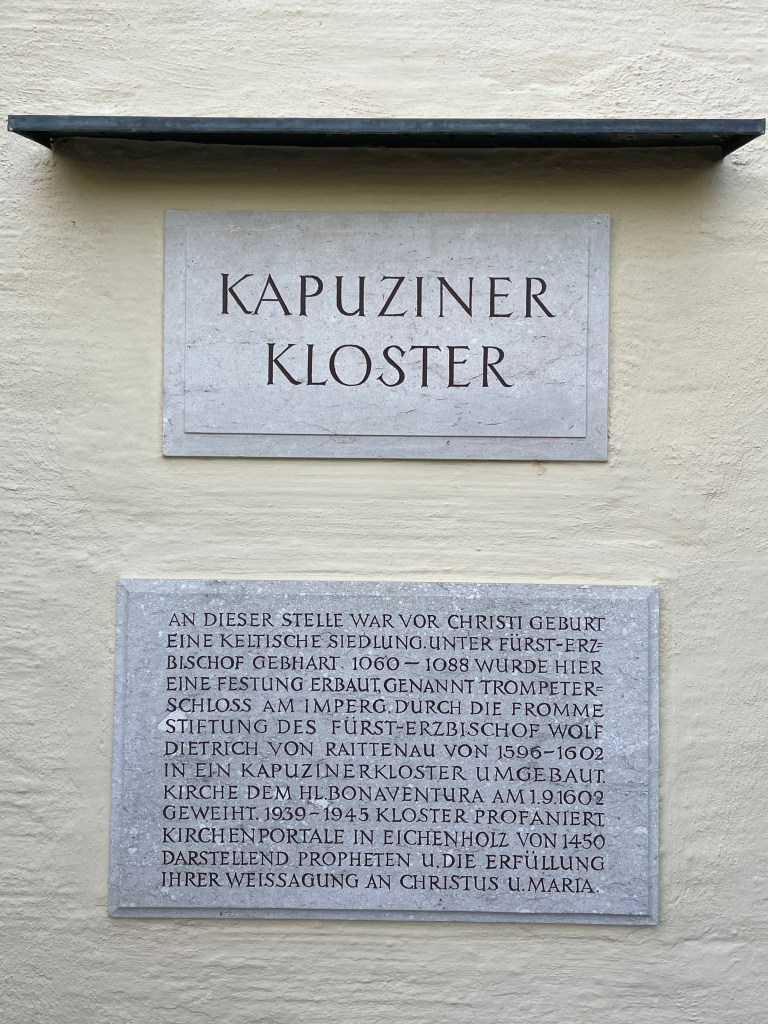
Kapuziner Kloster
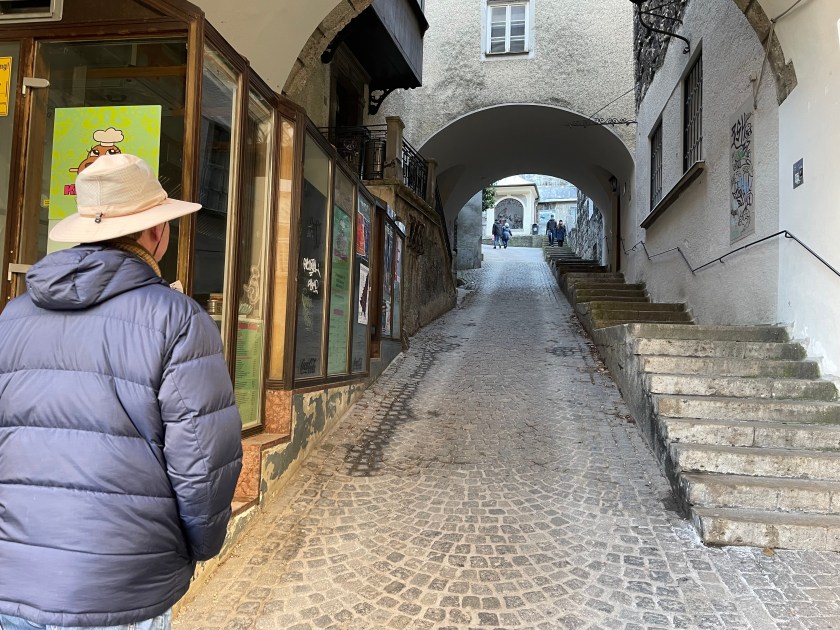
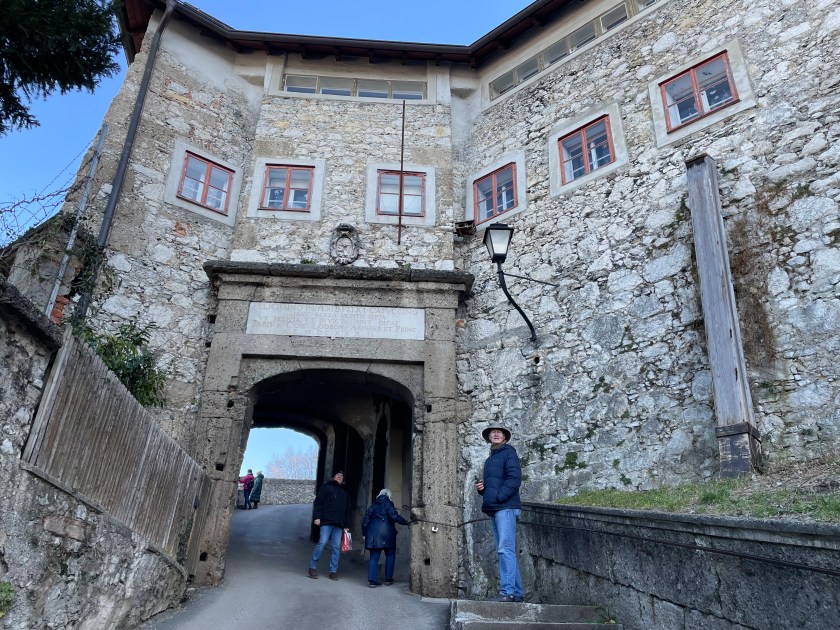
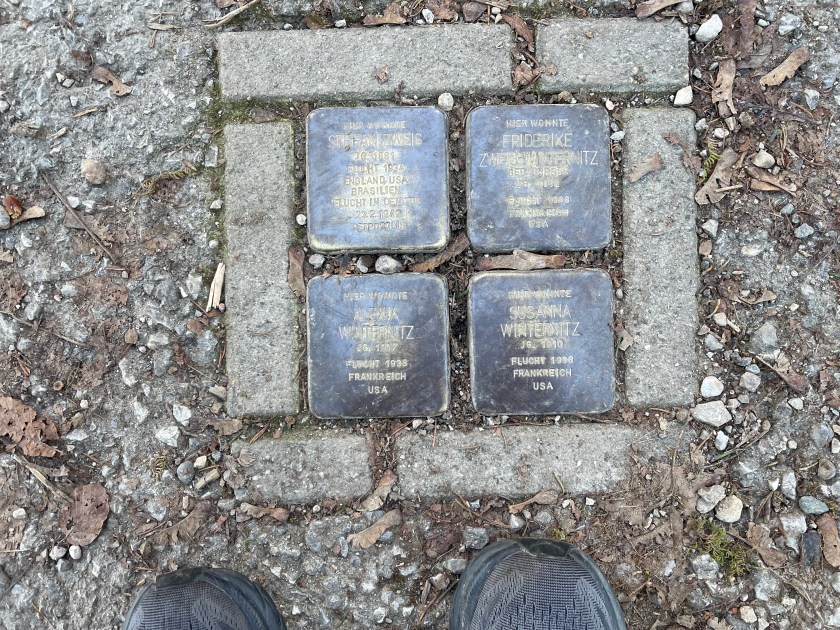
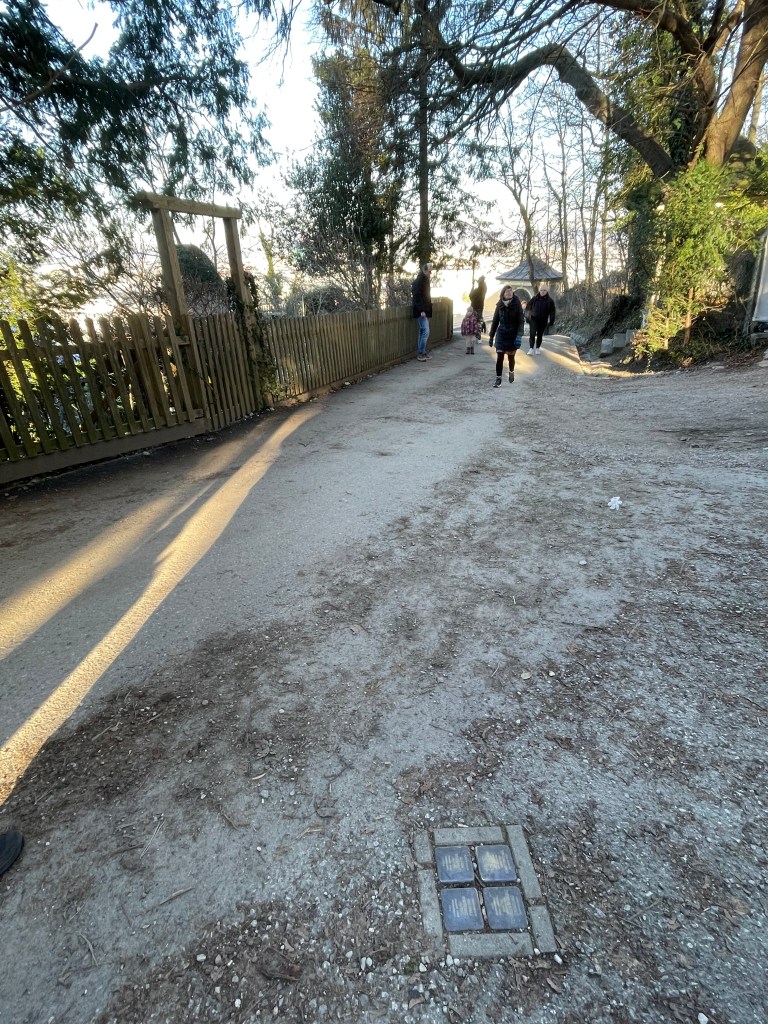
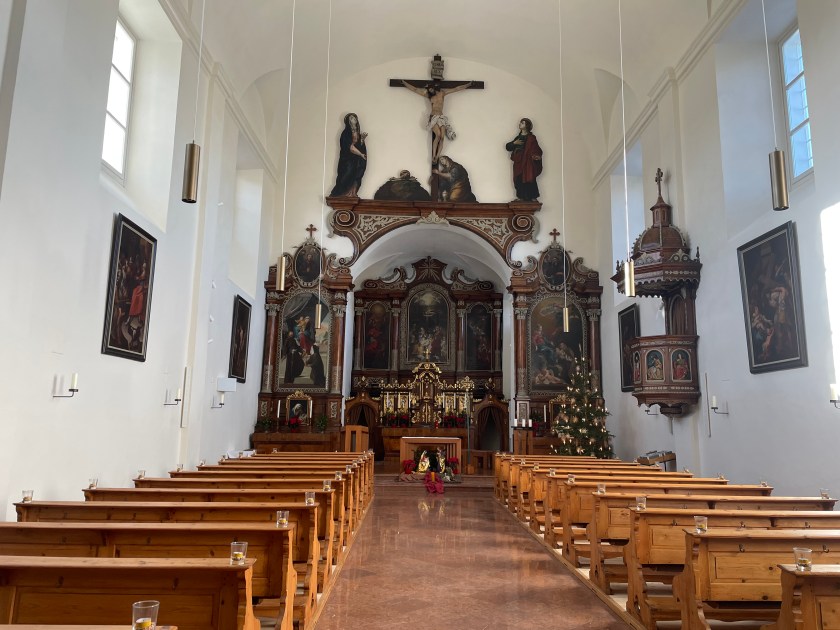
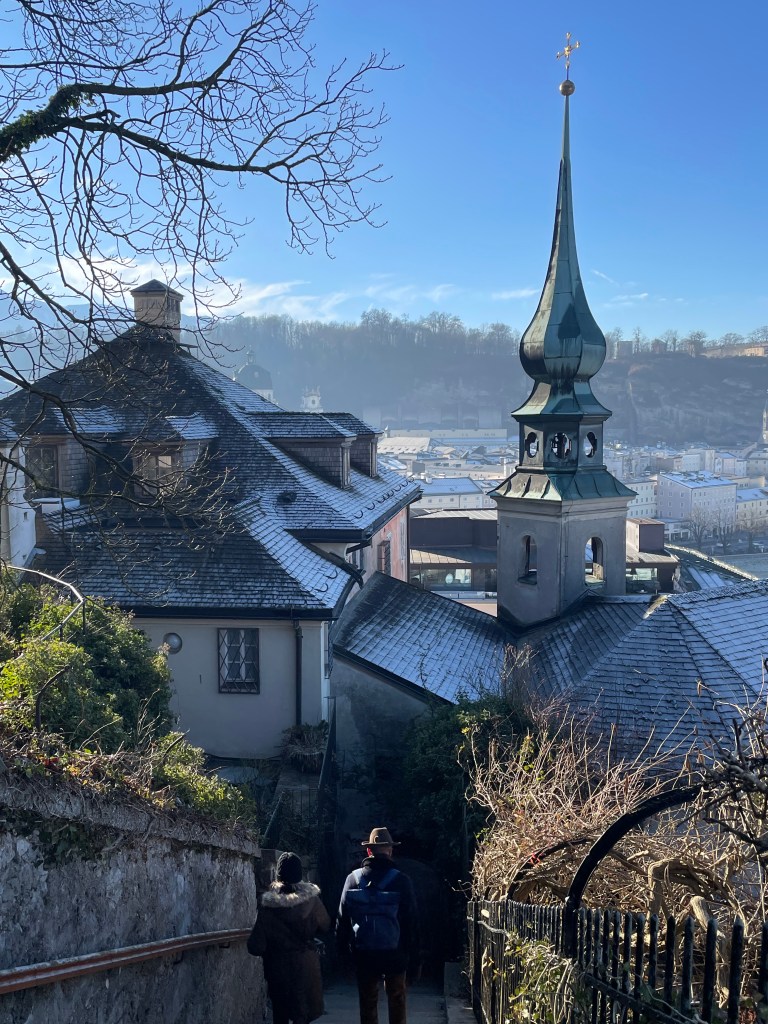
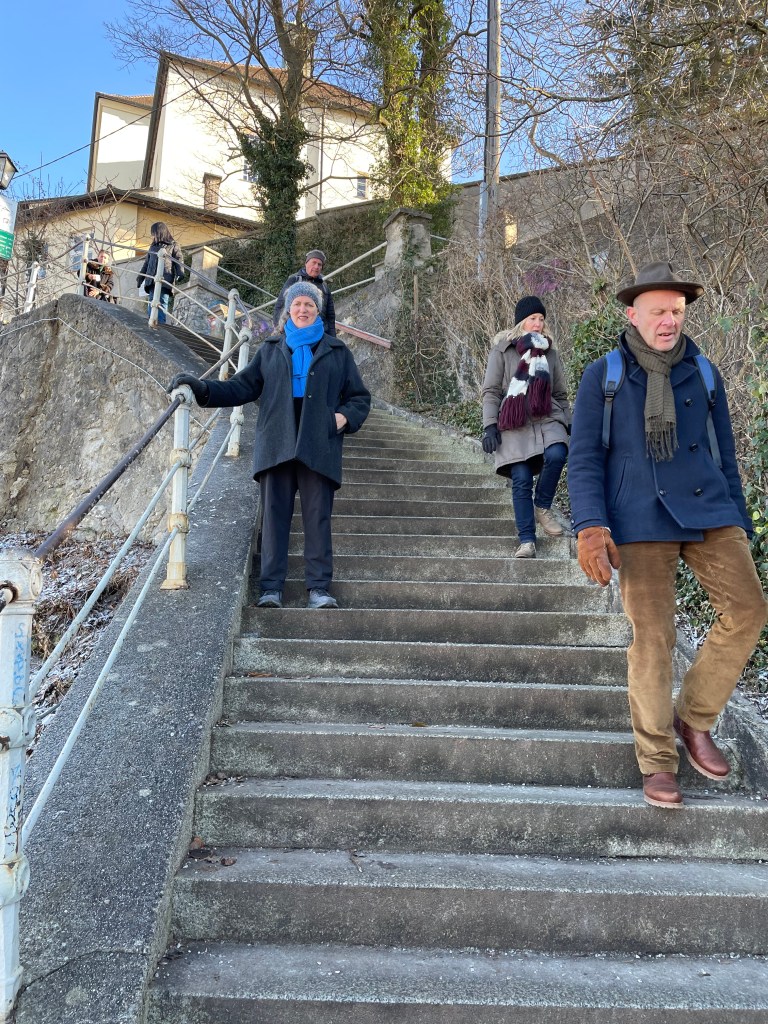
There are 2 ways up, one more gradual, which we took, but it still was a climb–248 steps up, saw the views, and came down again on the steep side.  The views on top were good, but not the best (better from the fortress later today).  Visited the Kloster up on top, another old church.  Found Stolpersteine up on top by the Kloster.

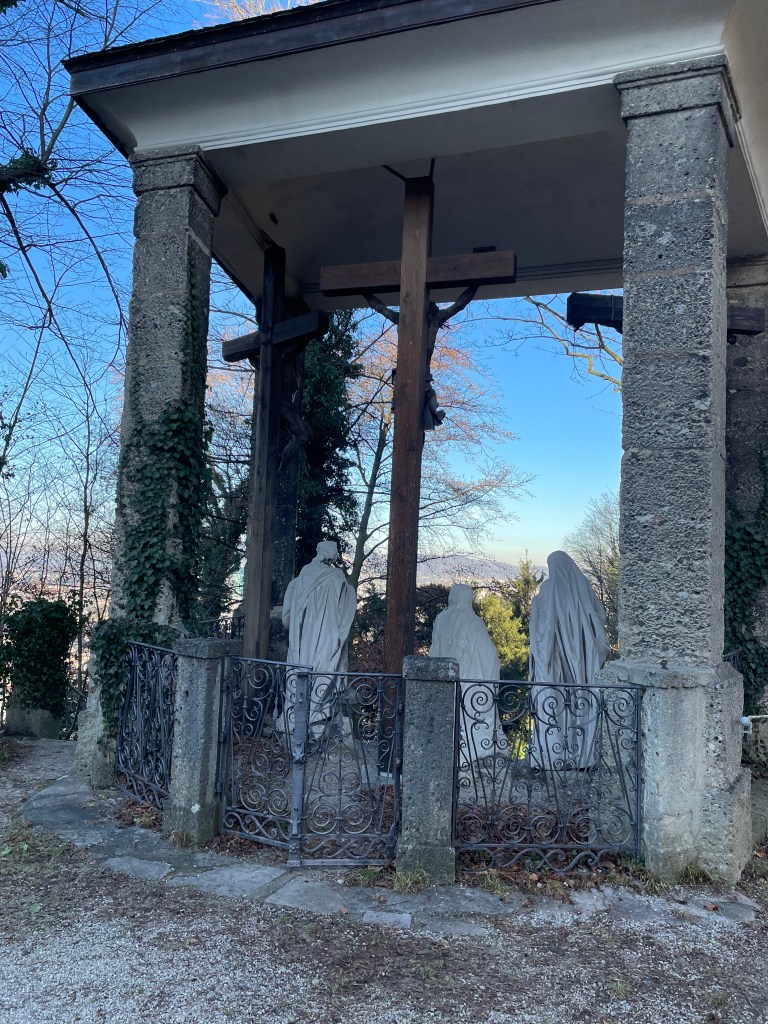
The small chapel up on top.

I’d love to see this chapel at night, it by these candles.

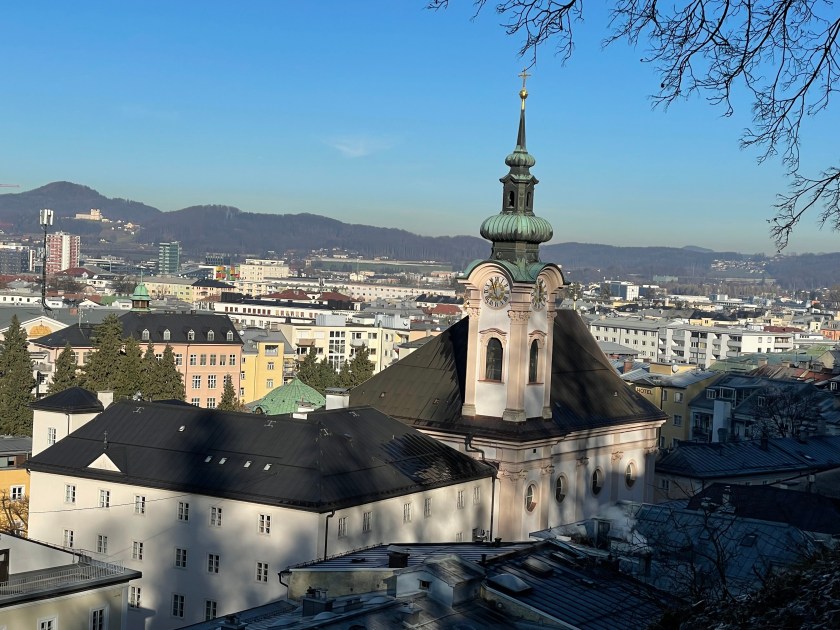
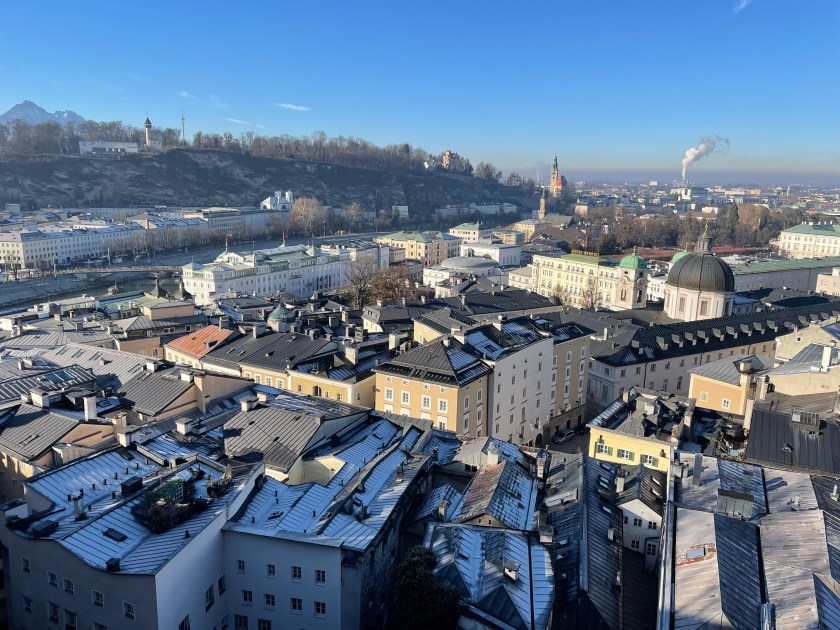
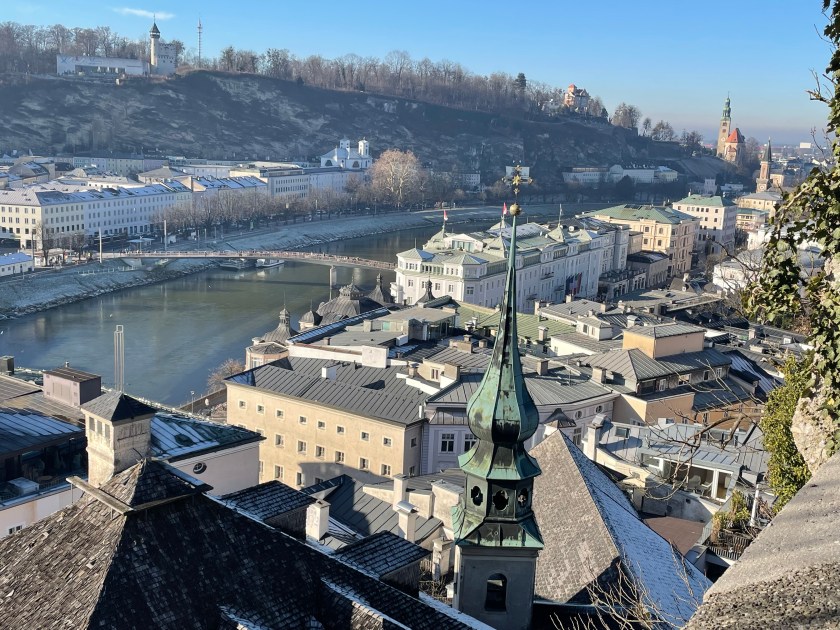
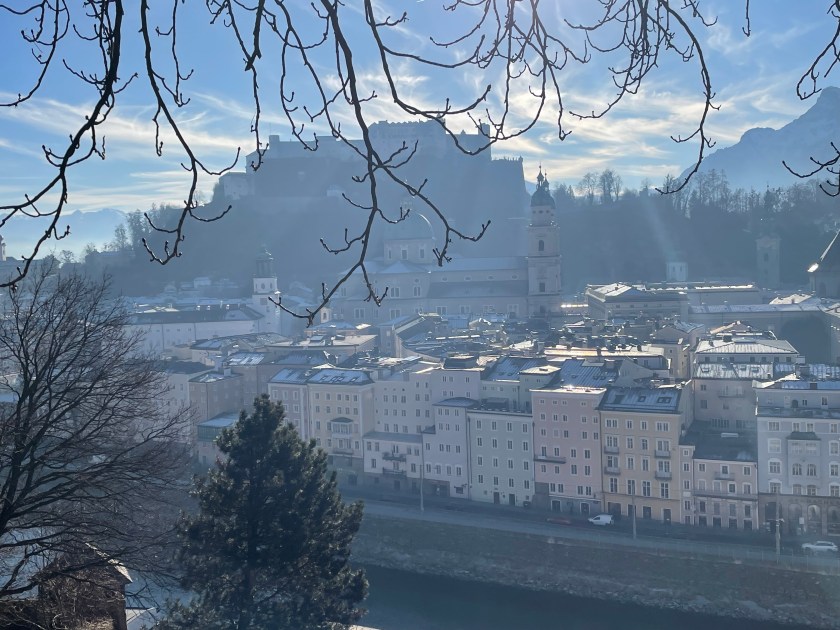
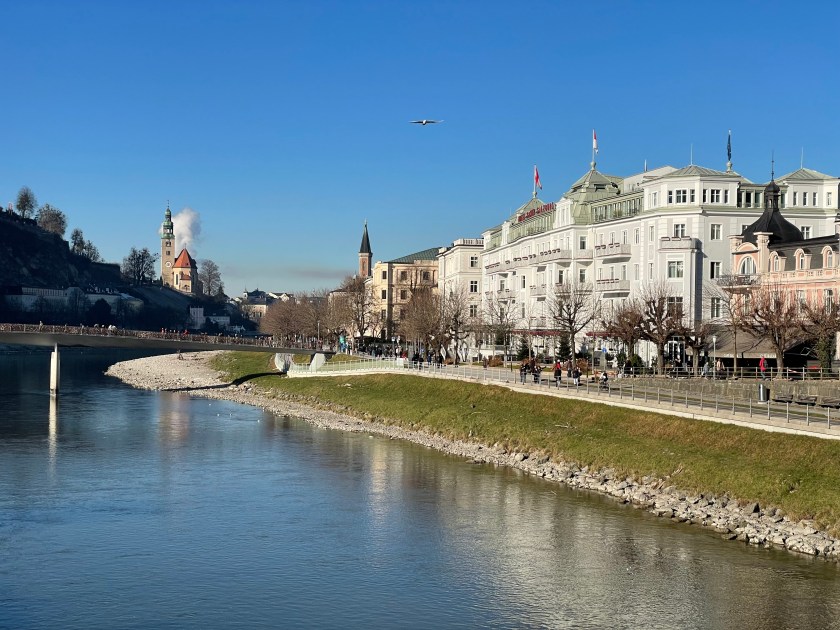
The view across the valley to the castle.

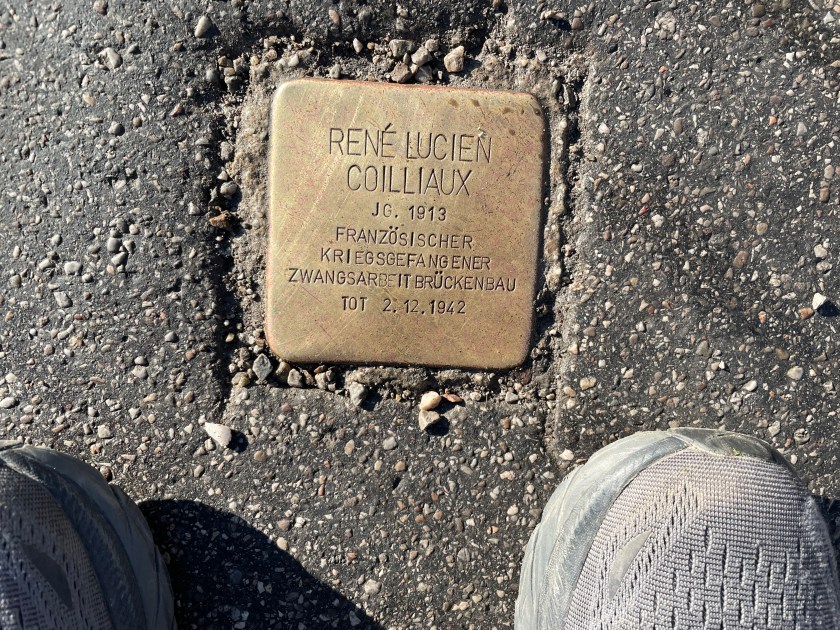
I was interested to see this Stolperteine right before we crossed the bridge.  This one is in memory of Rene Lucien Coilliaux born 1913, a French prisoner of war, who was forced to labor on this bridge.  He died in 1942.

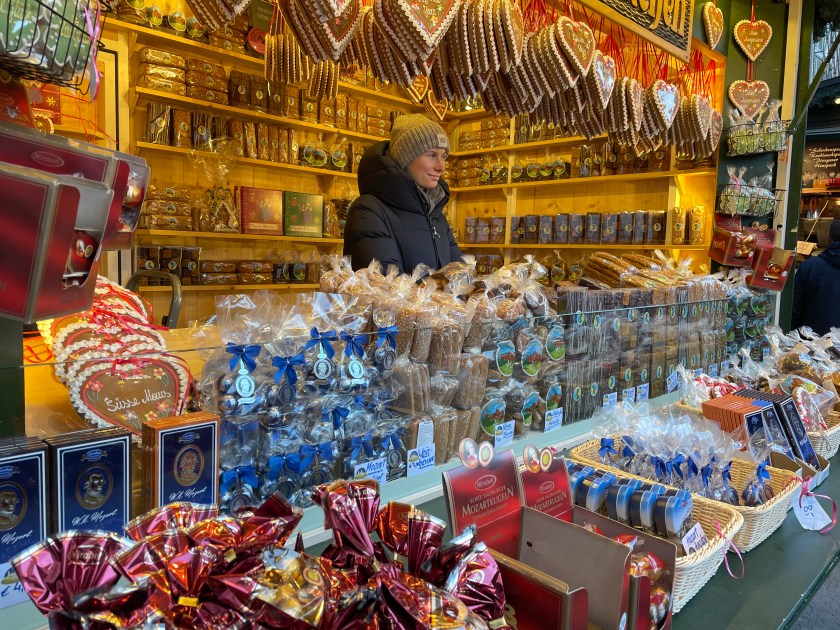
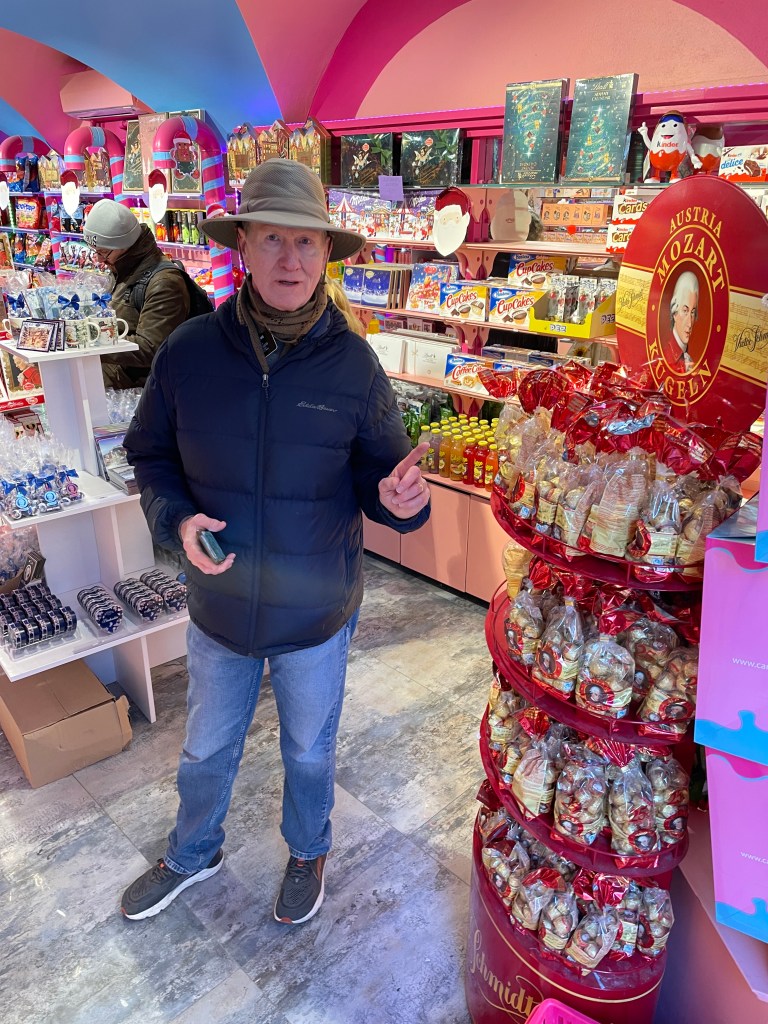
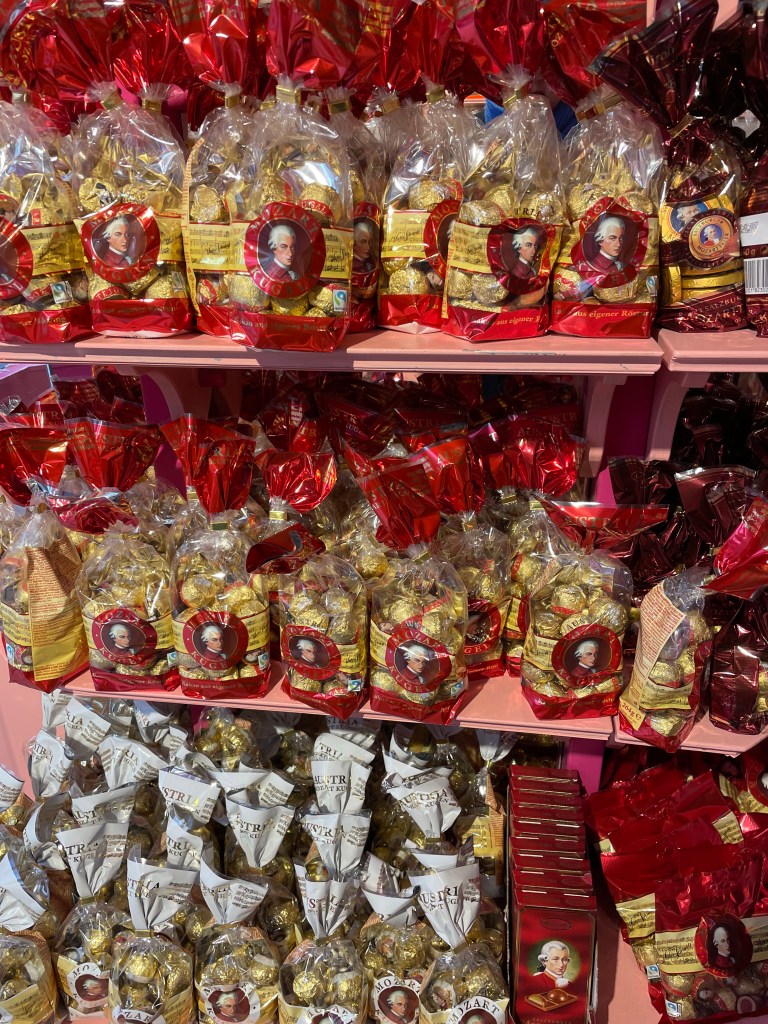
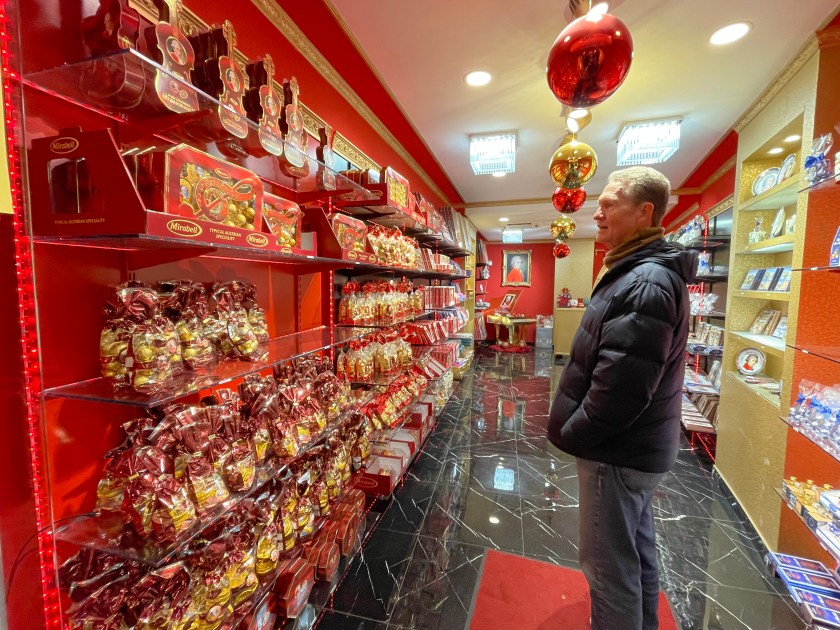
John is on a quest to find the best price on the Mozart chocolate balls.

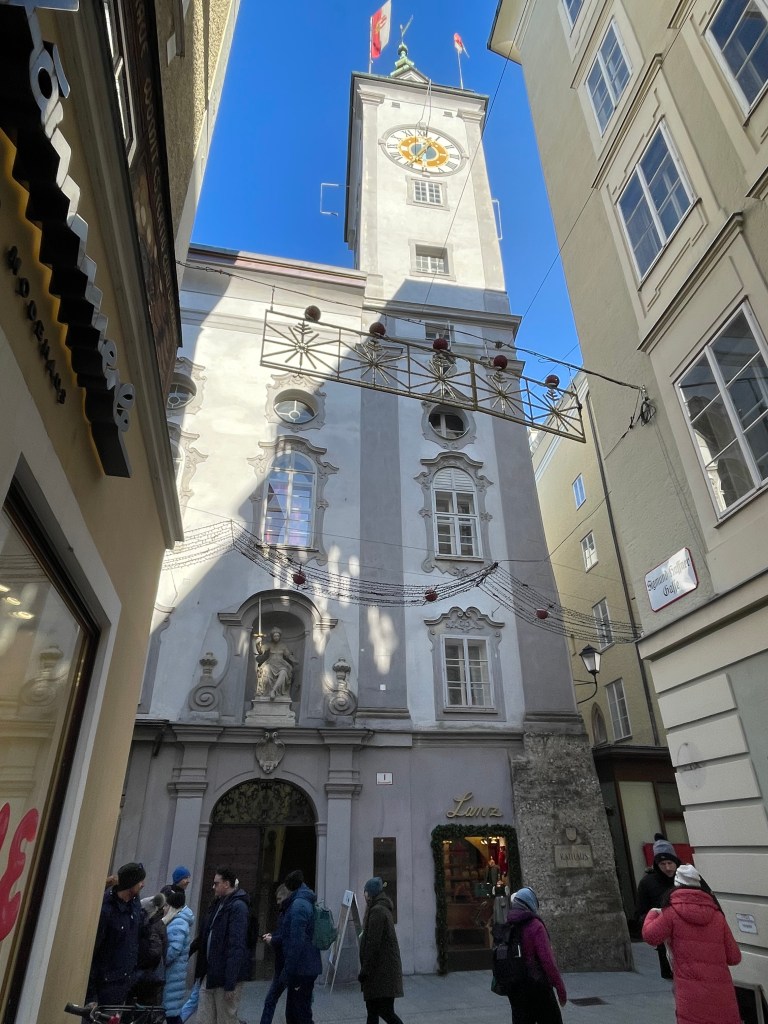
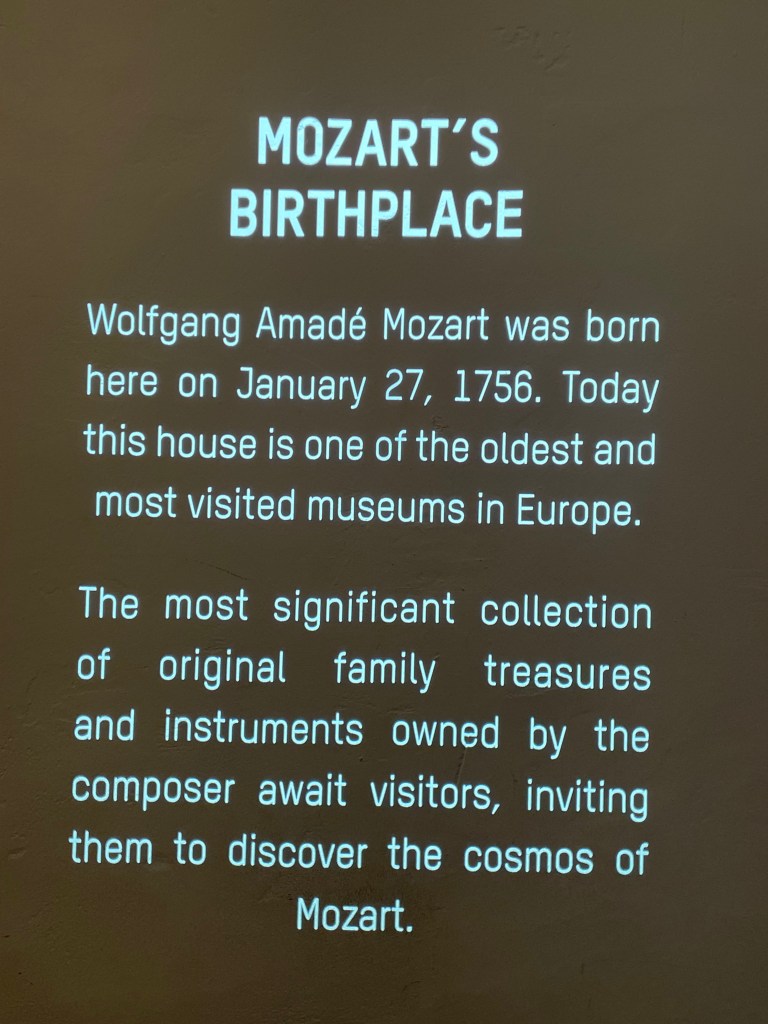
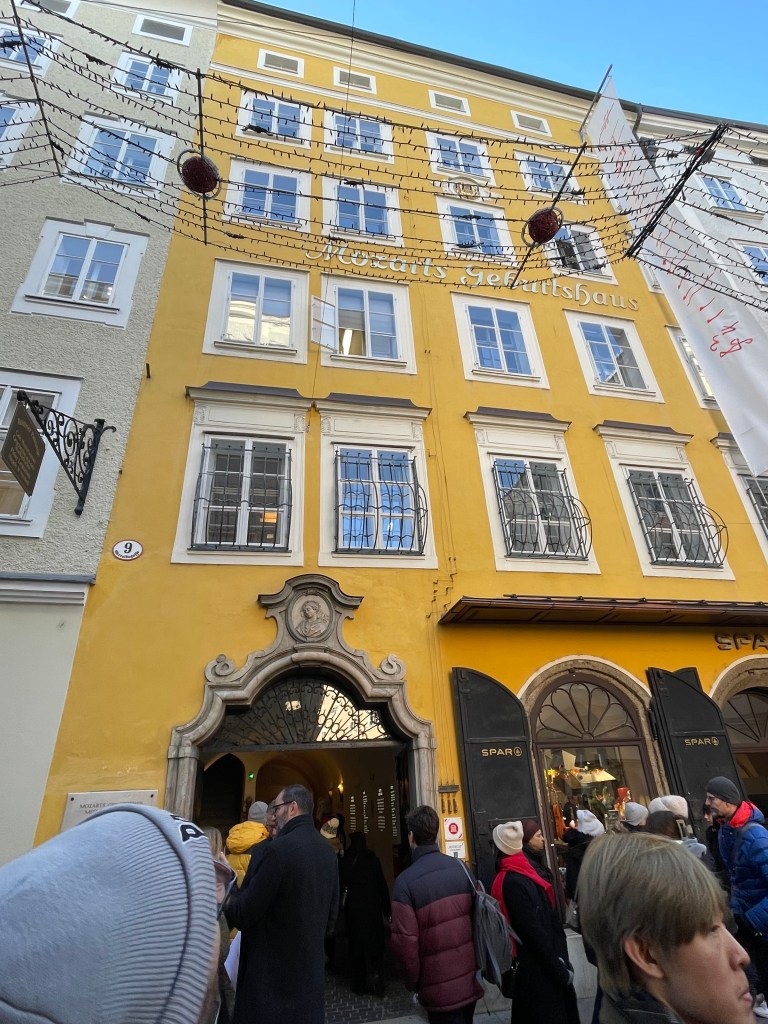
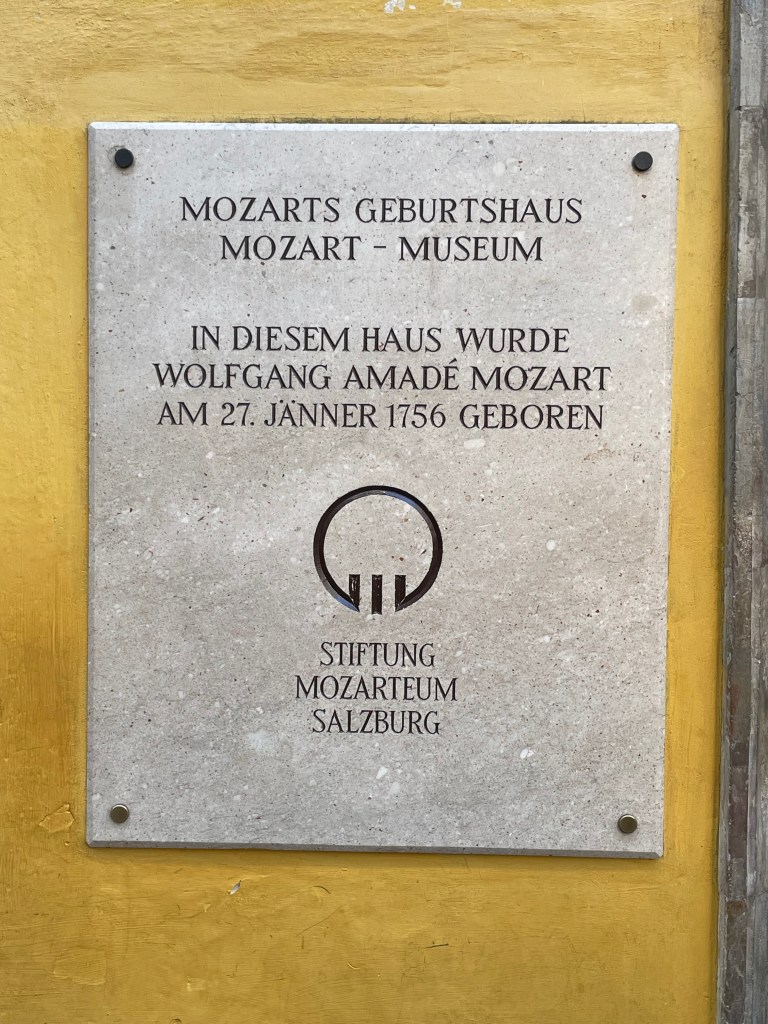
Yellow Mozart Haus birthplace, museum (we’ll will return to do this later).
For 26 years the Mozart family lived in a 130 m2 flat at number 9 Getreidegasse. Wolfgang was born here in 1756. The museum shows the Mozarts’ flat with kitchen, anteroom as well as living room, bedroom and study – containing original exhibits such as his childhood violin.

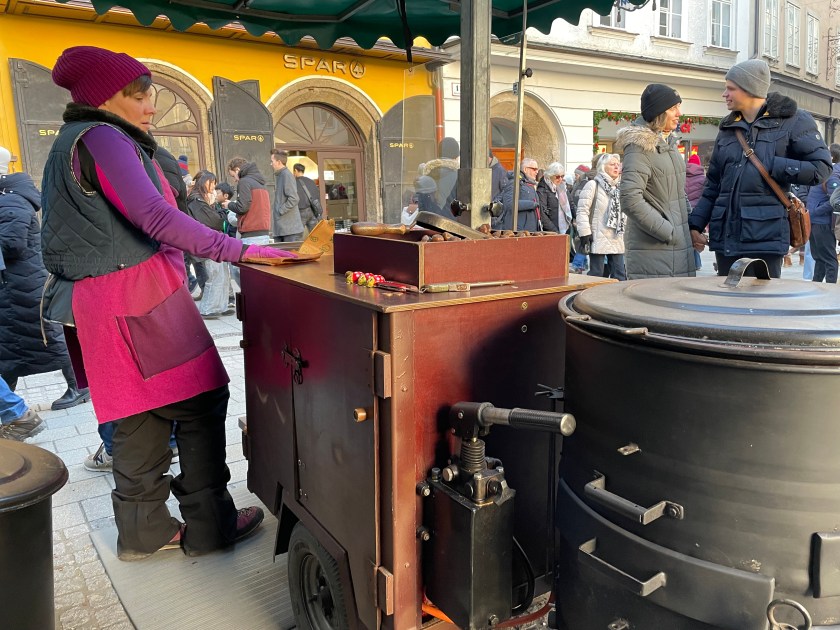
Chestnuts roasting by Mozart’s house.

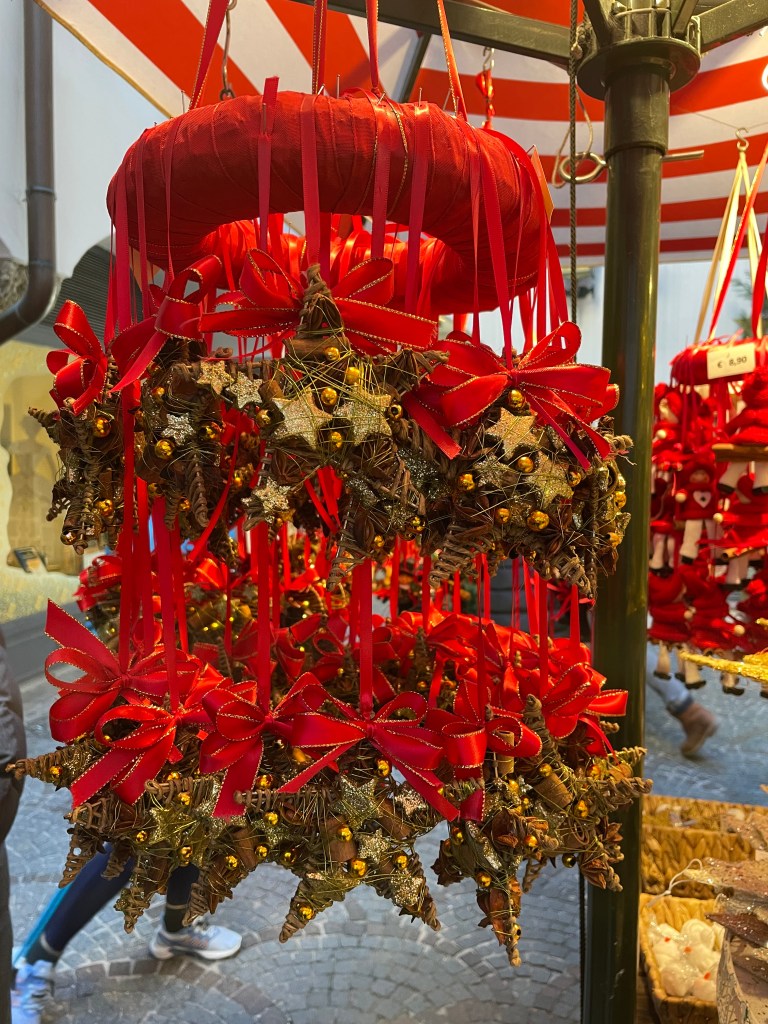
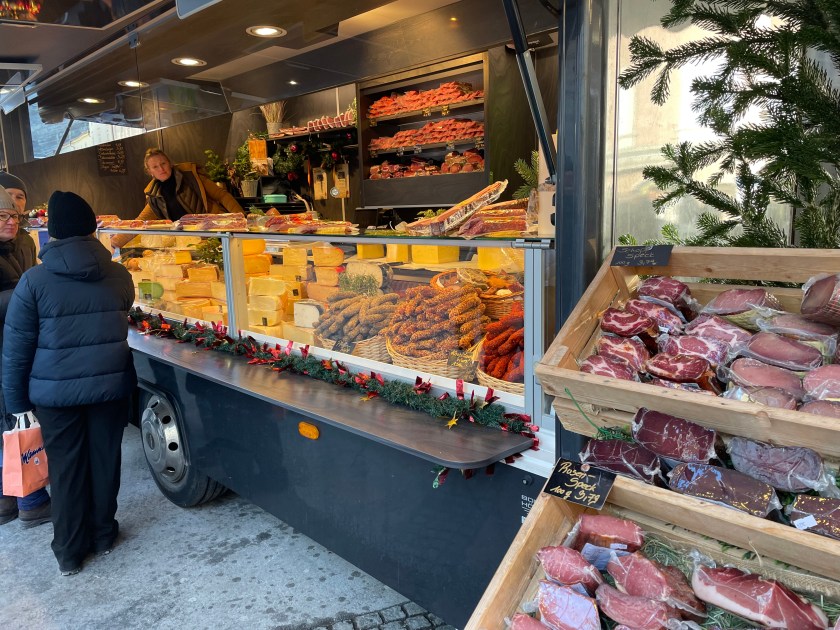
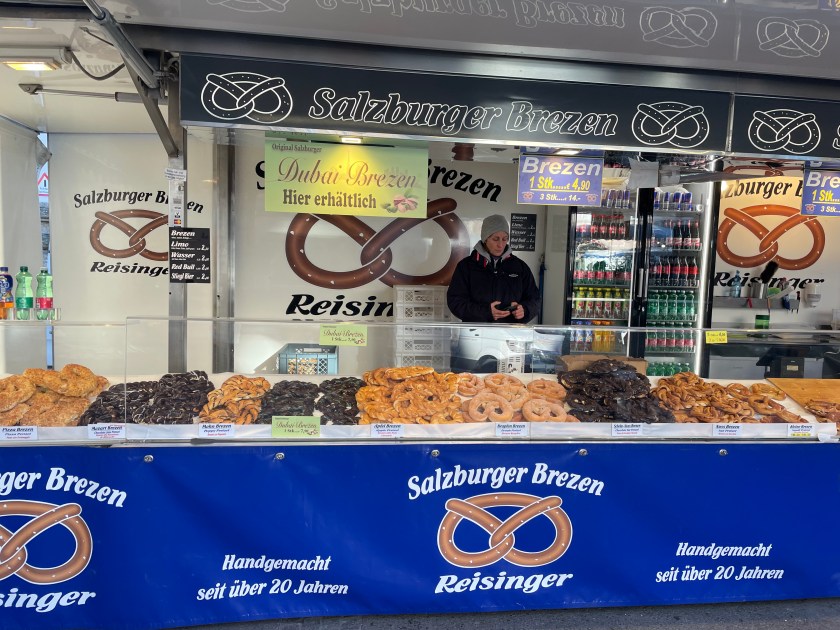
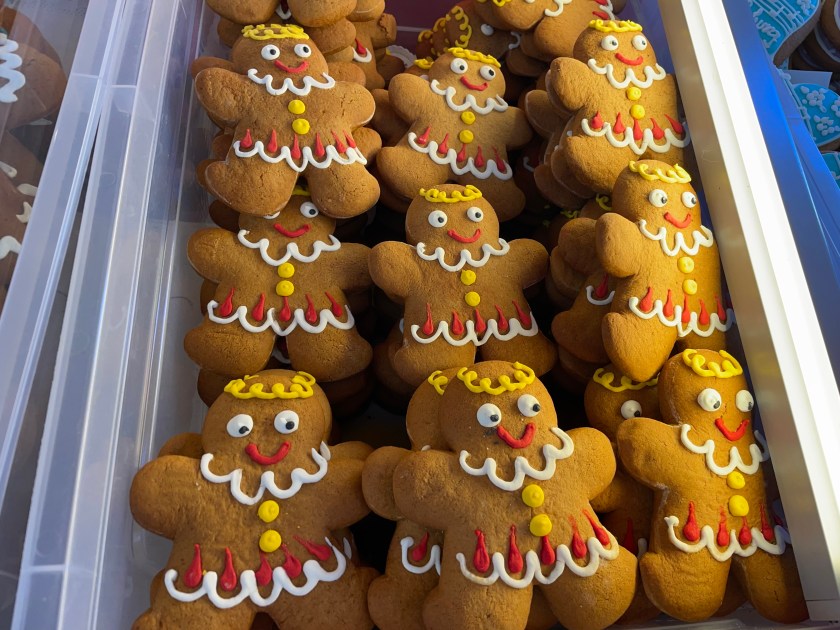
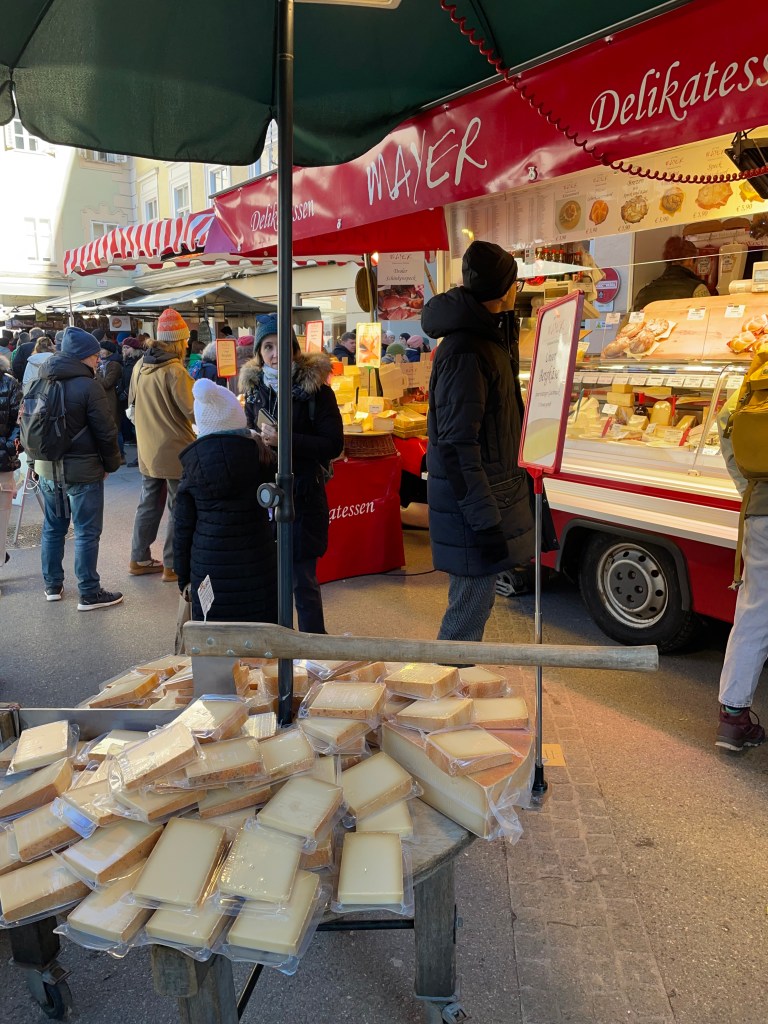
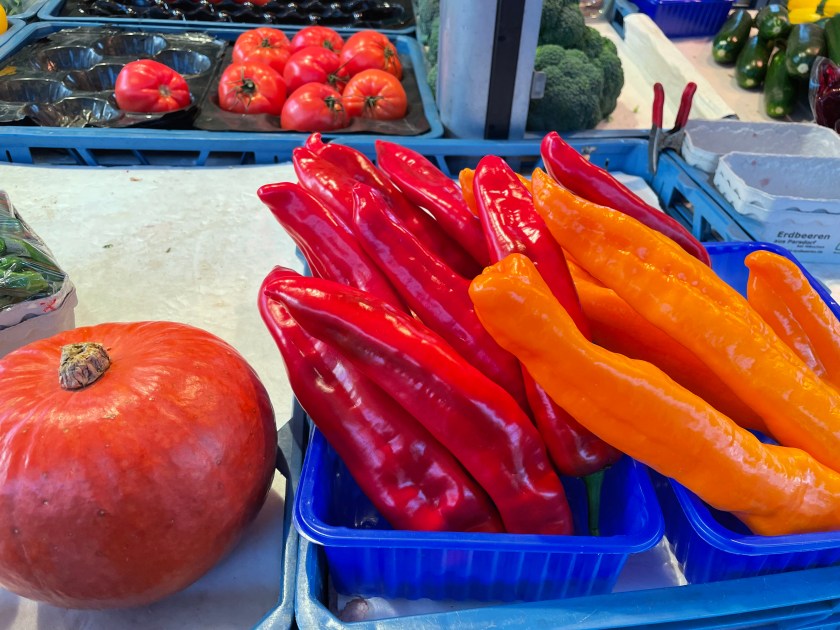
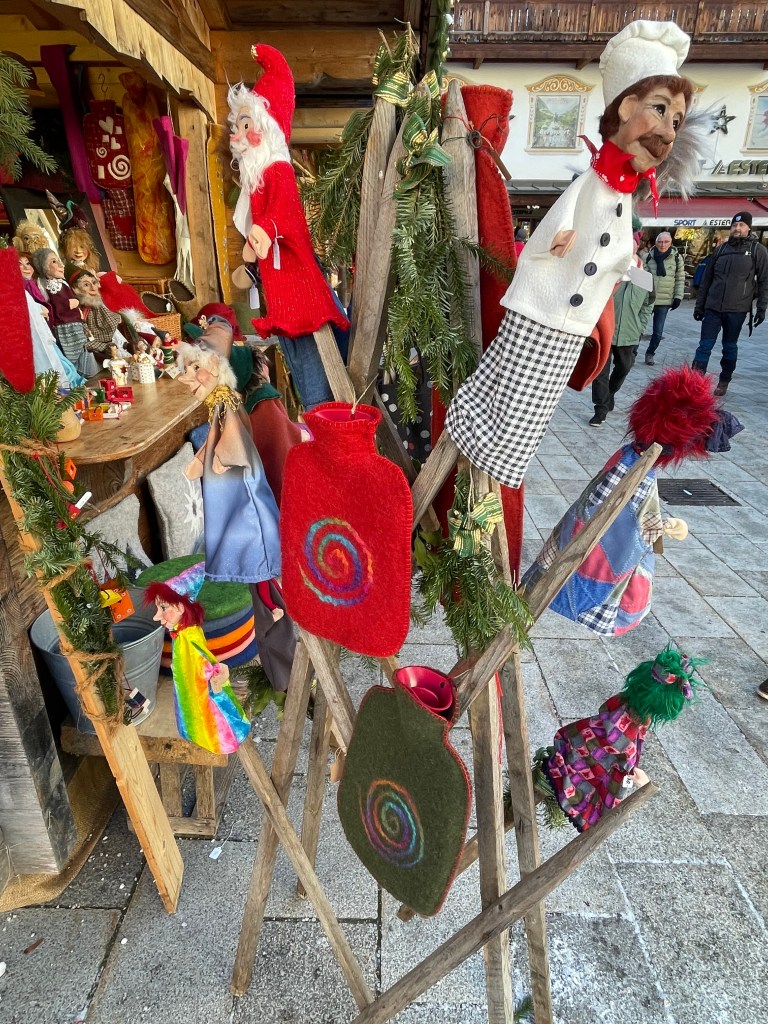
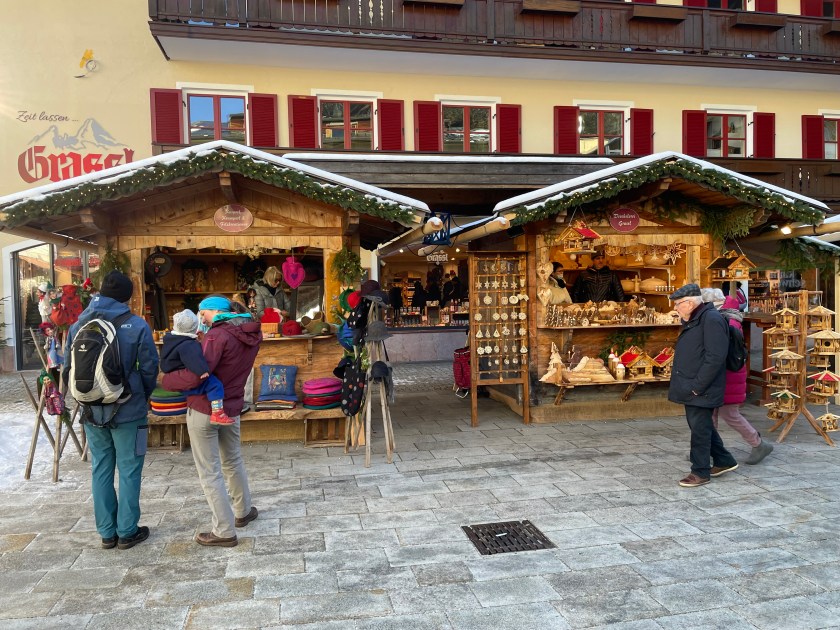
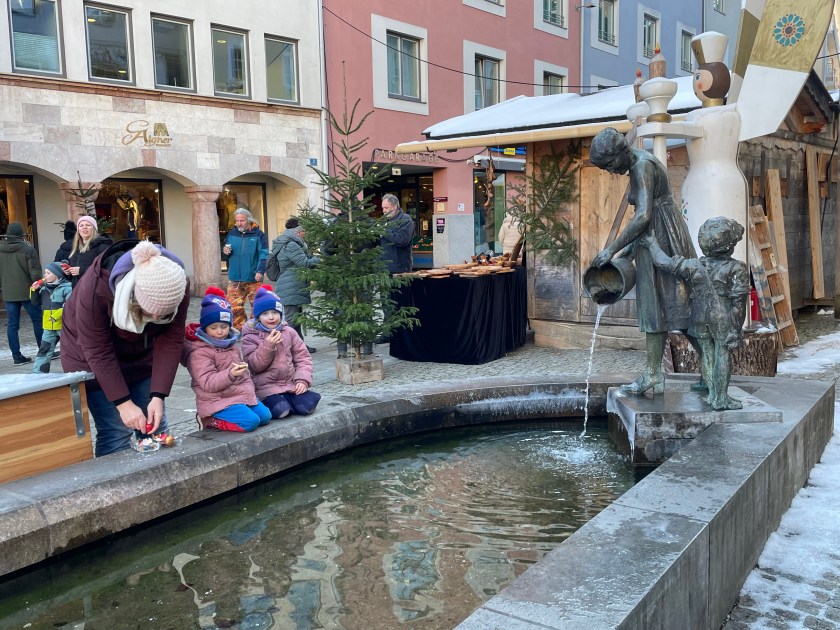
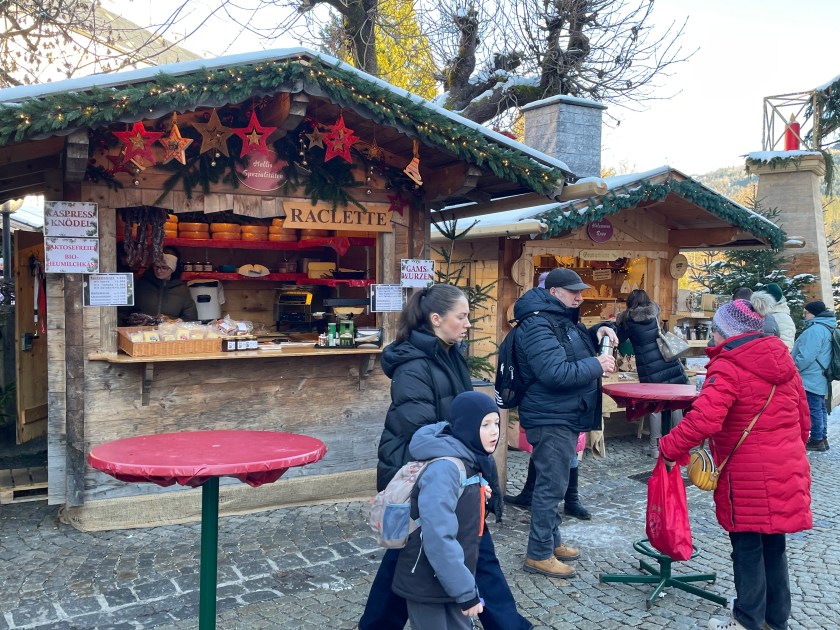
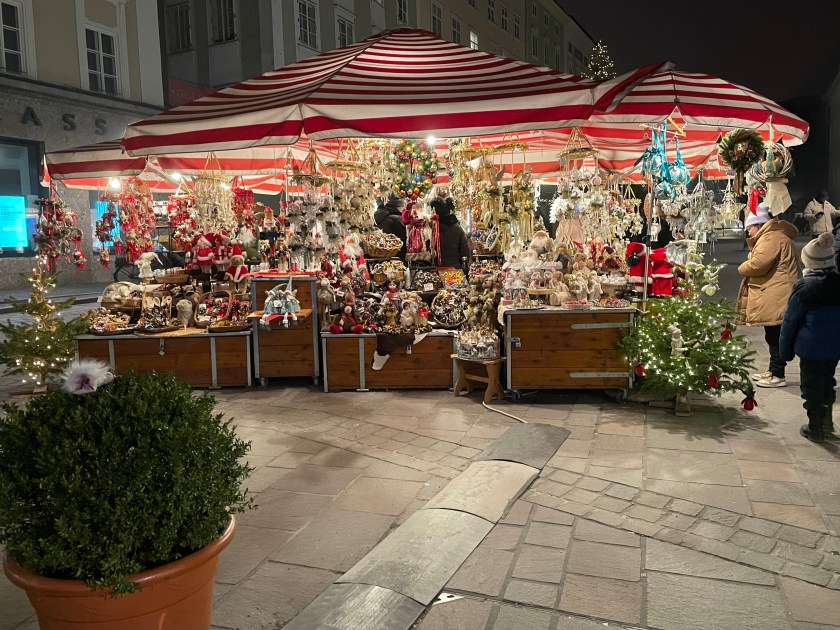
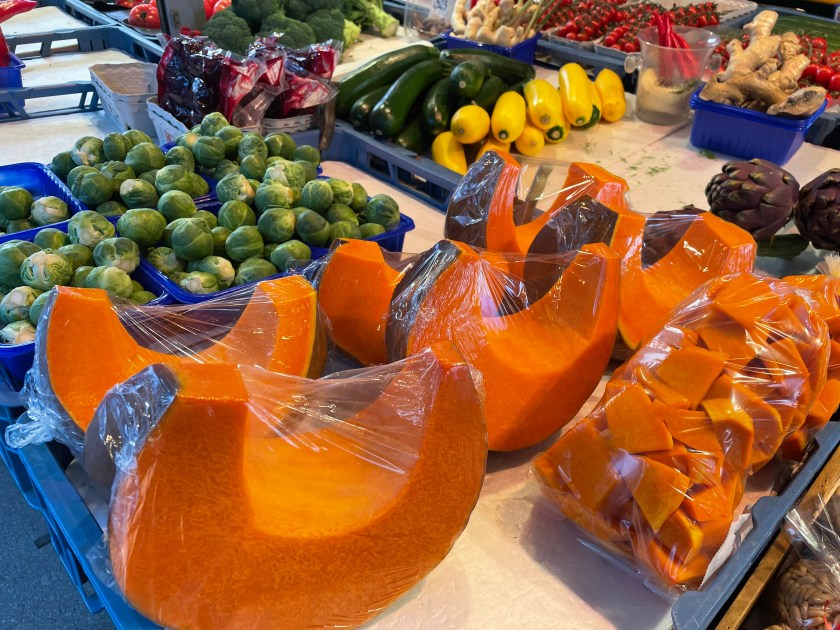
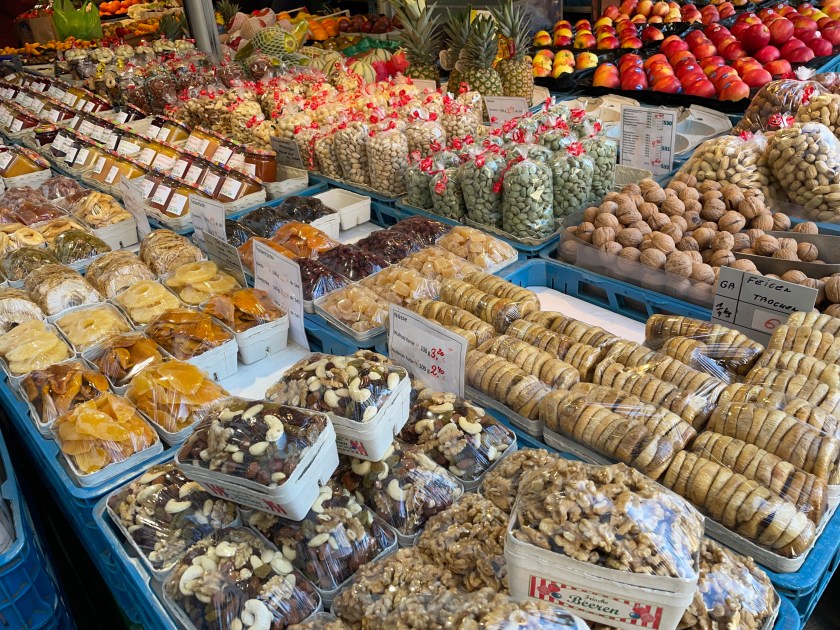
There are Christmas Markets scattered around the town.  We enjoy walking through them as we come to them.  This one was more of a Farmer’s Market with some Christmas things added to the produce and food items.

The Saturday farmer’s market mingled with Christmas market stalls:

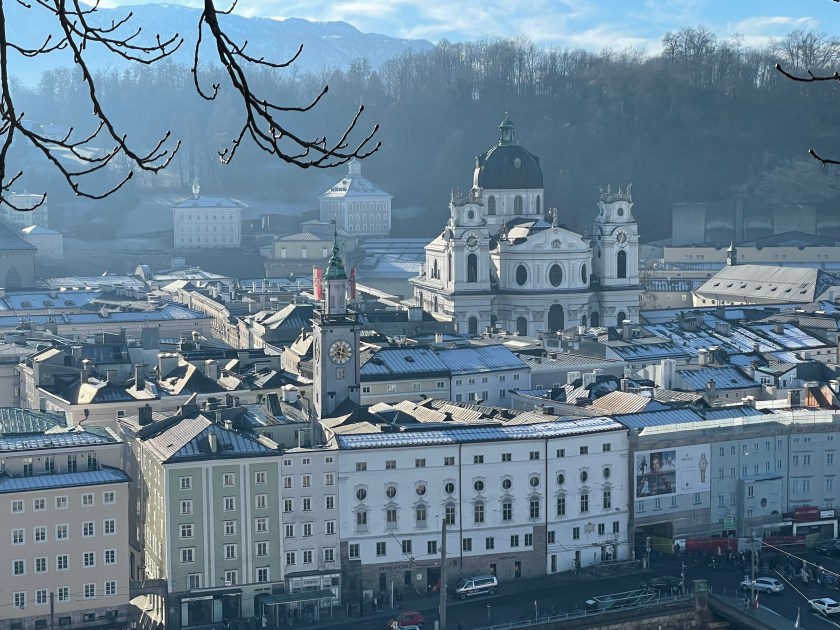
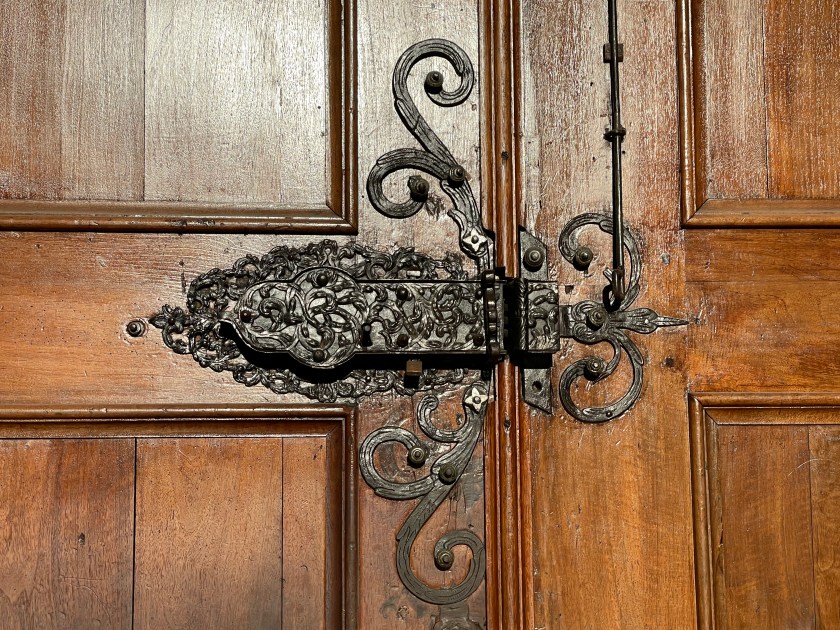
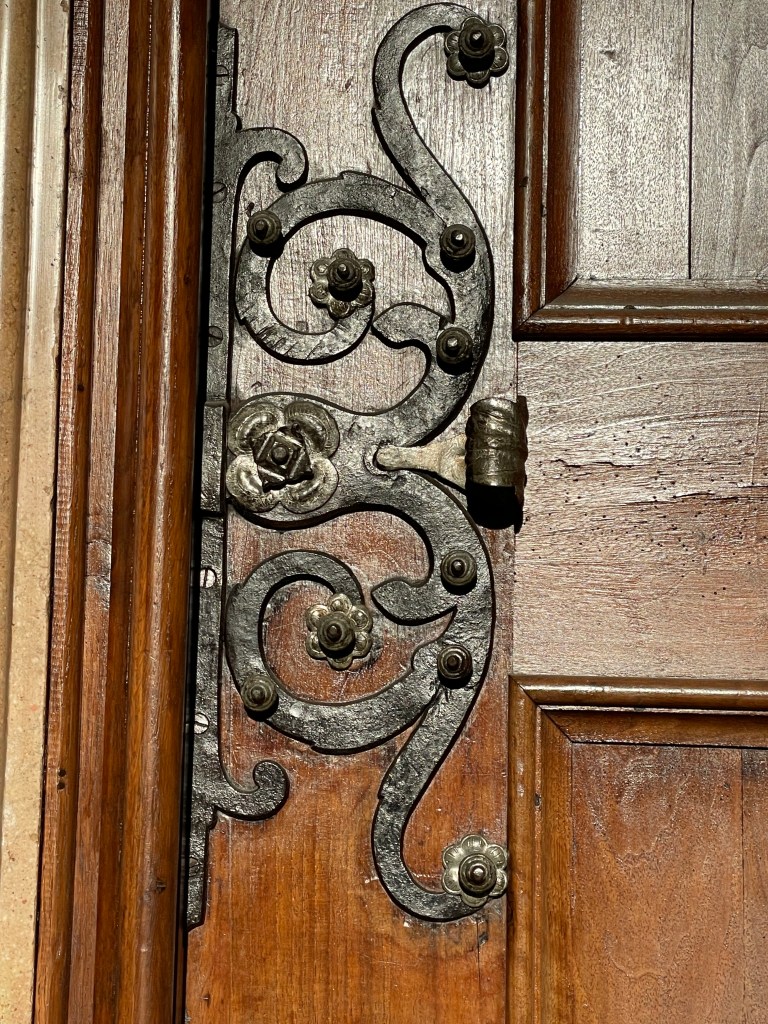
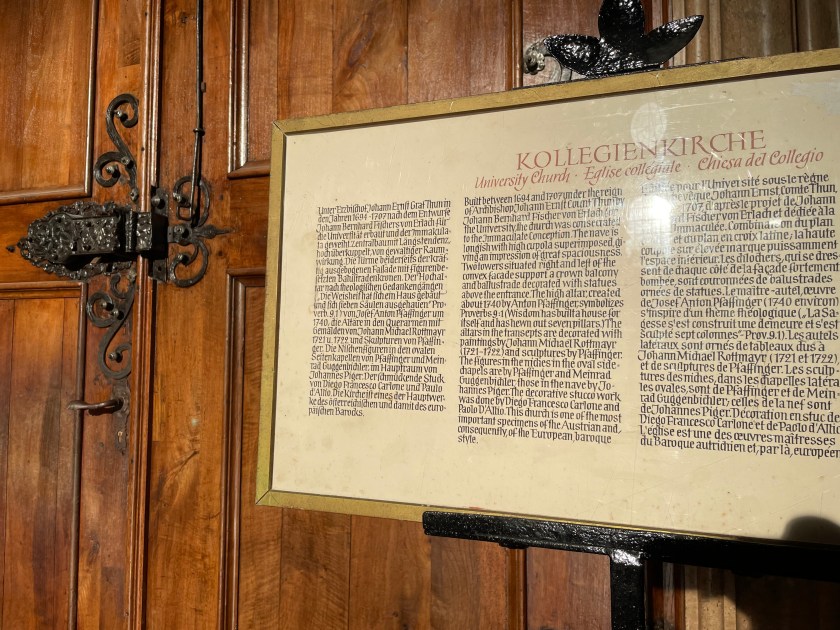
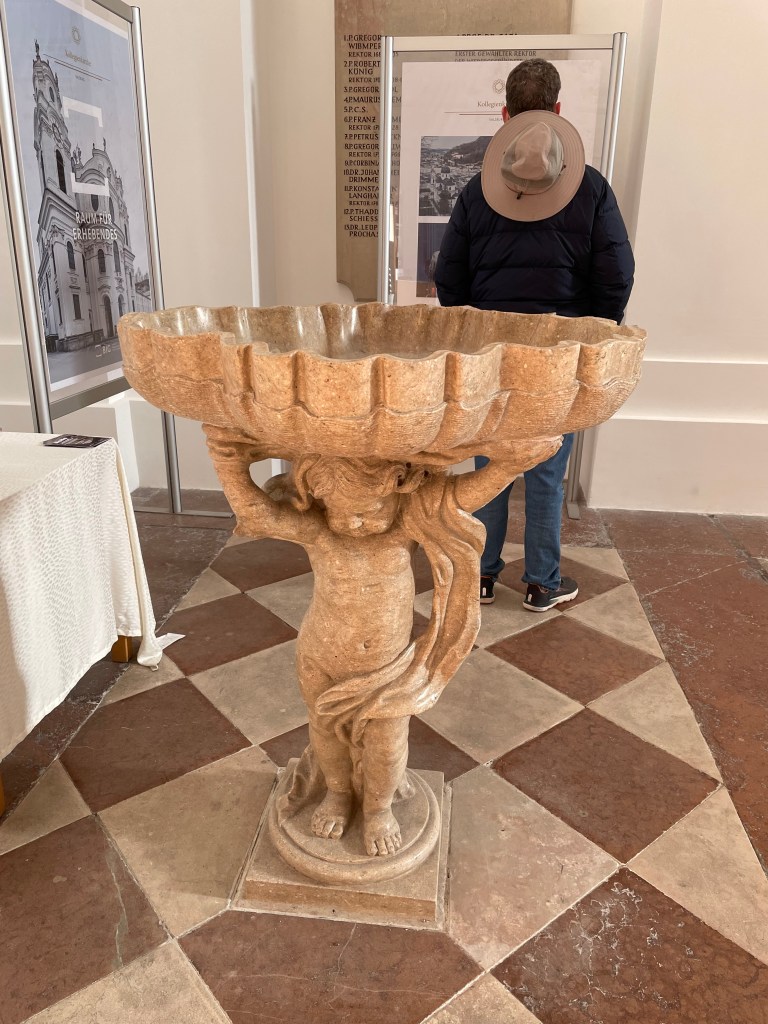
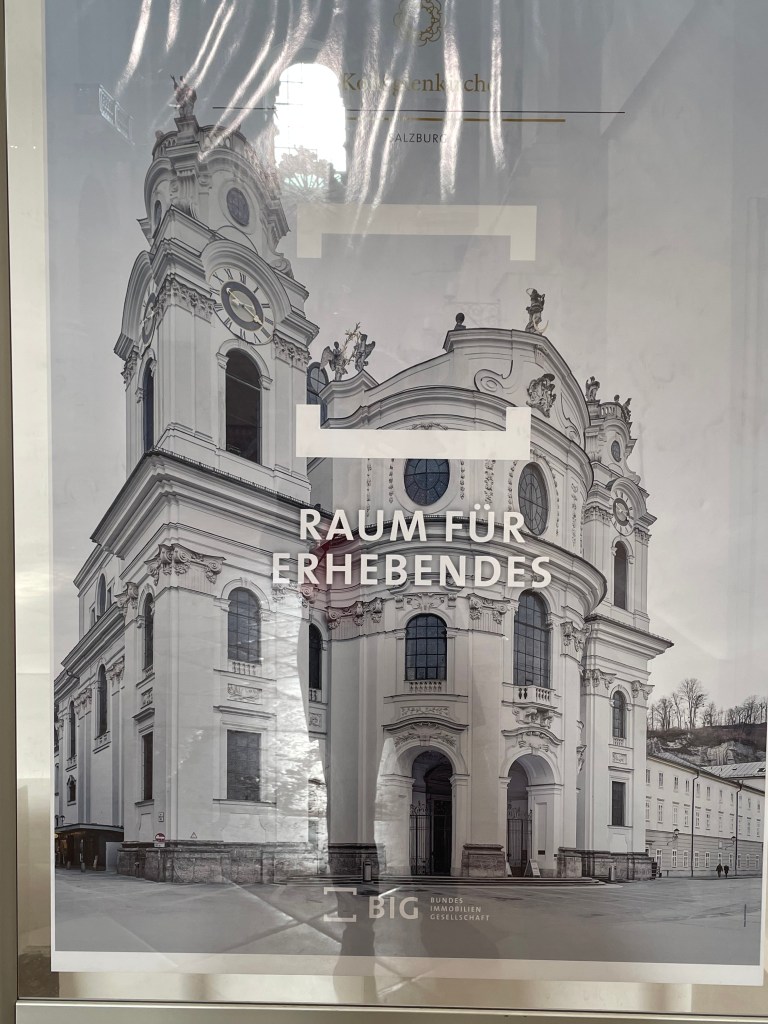
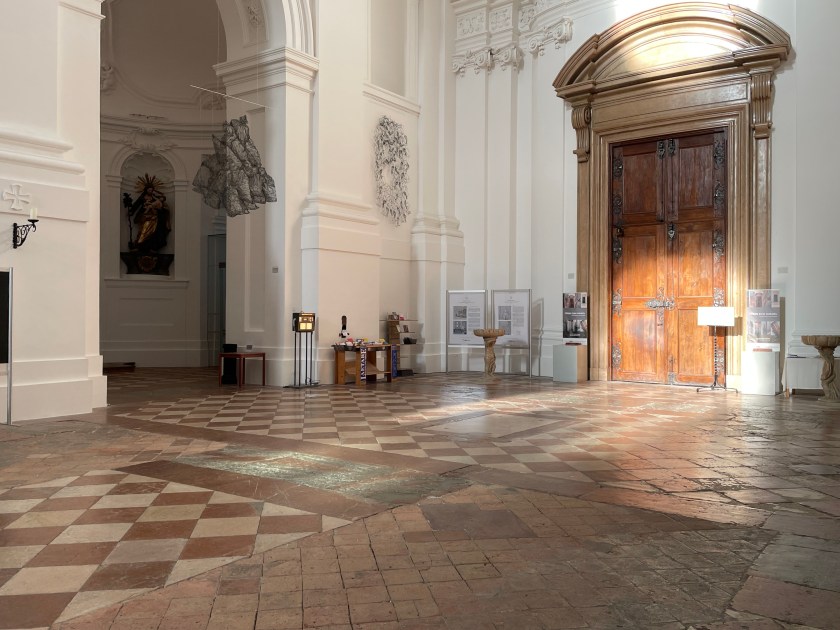
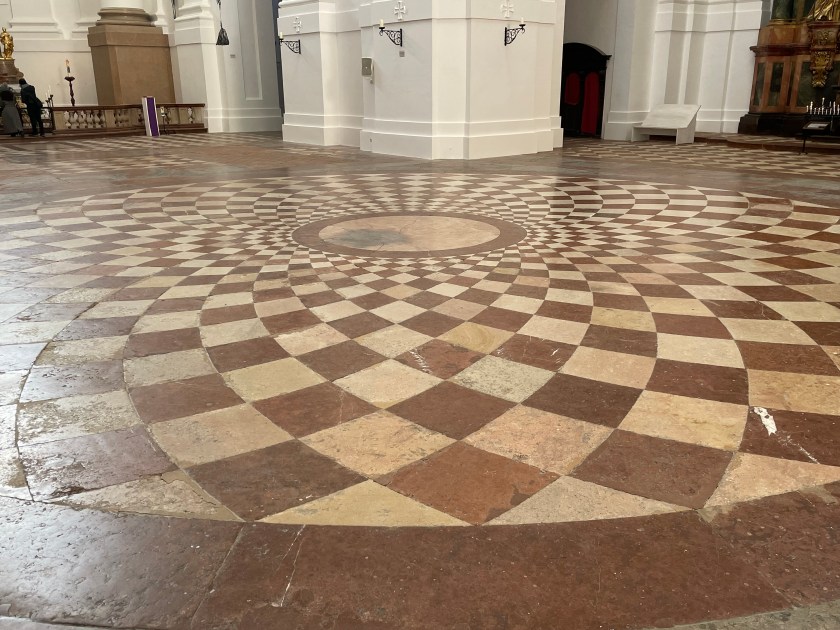
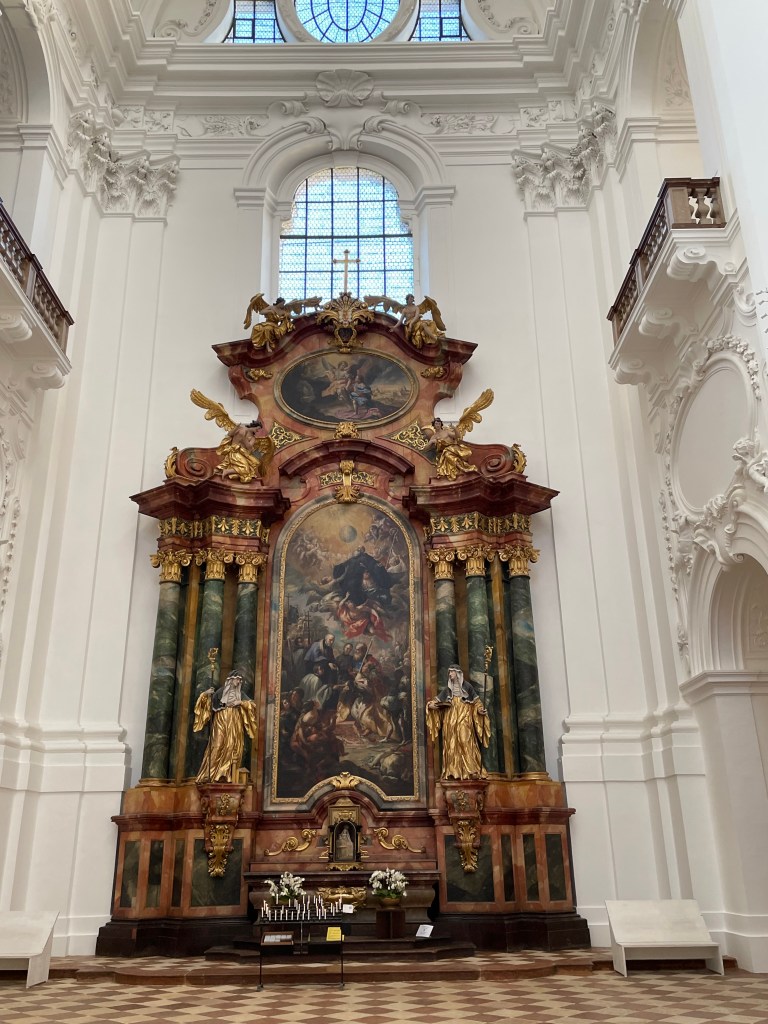
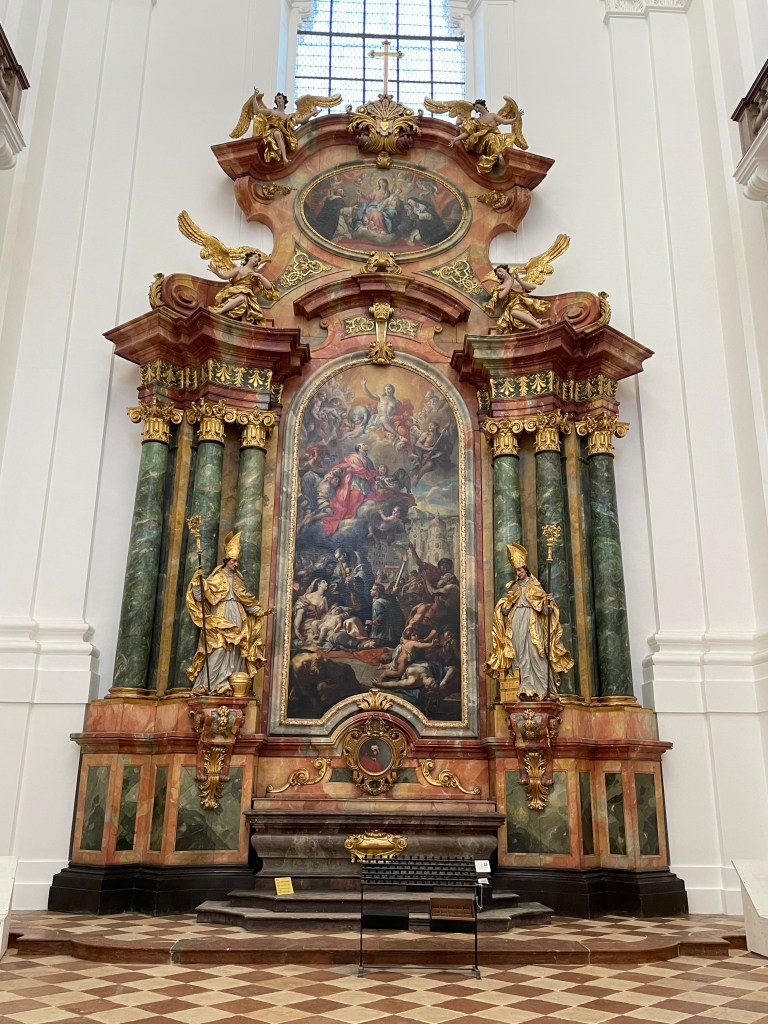
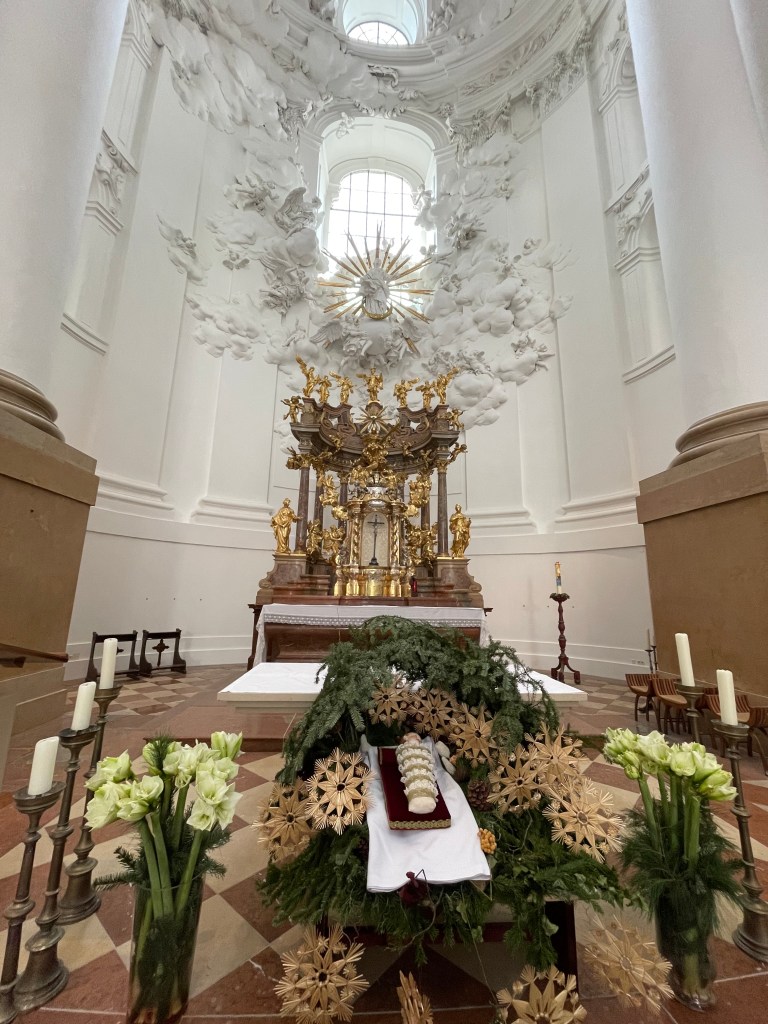
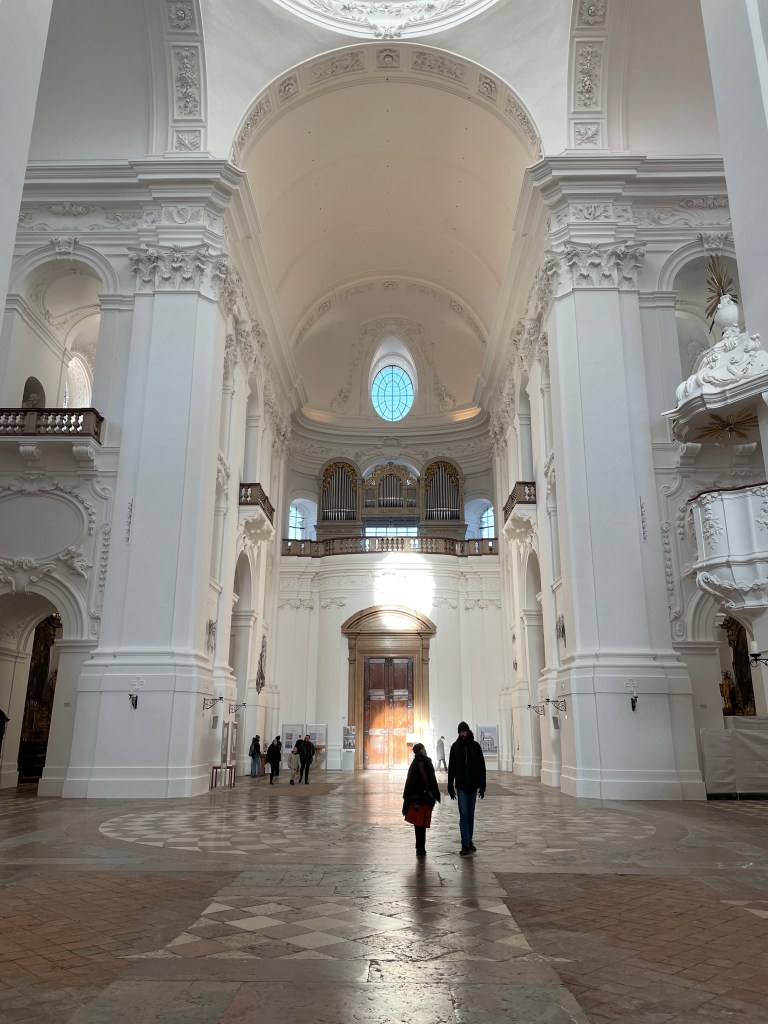
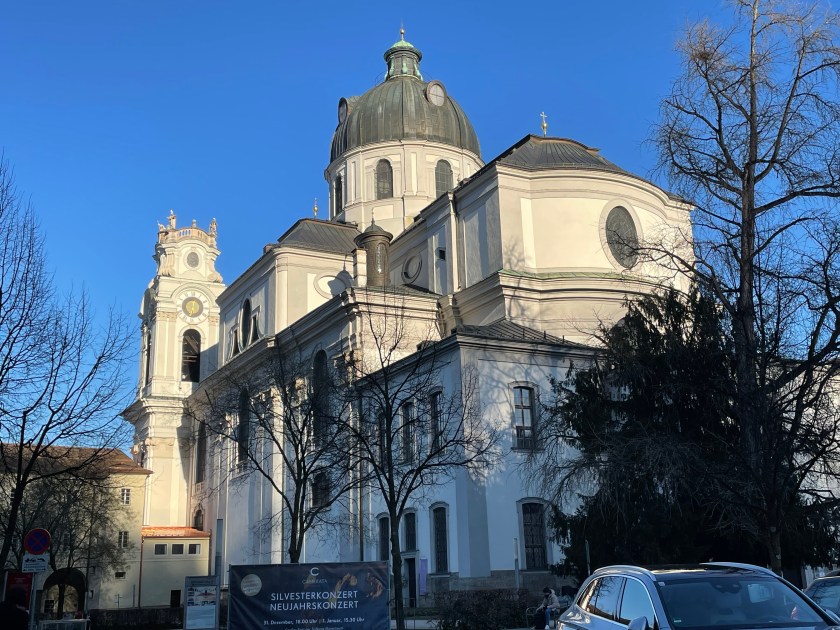
Collegiate Church
The exceptionally steep dimensions of the church interior are very impressive. By foregoing painting and very sparing use of stucco and sculptures, the space achieves its own distinctive effect. This simplicity is an ideal backdrop for art exhibitions and concerts. And if you look closely, you might well discover a scorch mark on the marble flooring. This comes from the time when Salzburg was occupied by Napoleonic troops and the church was used as a warehouse for hay.


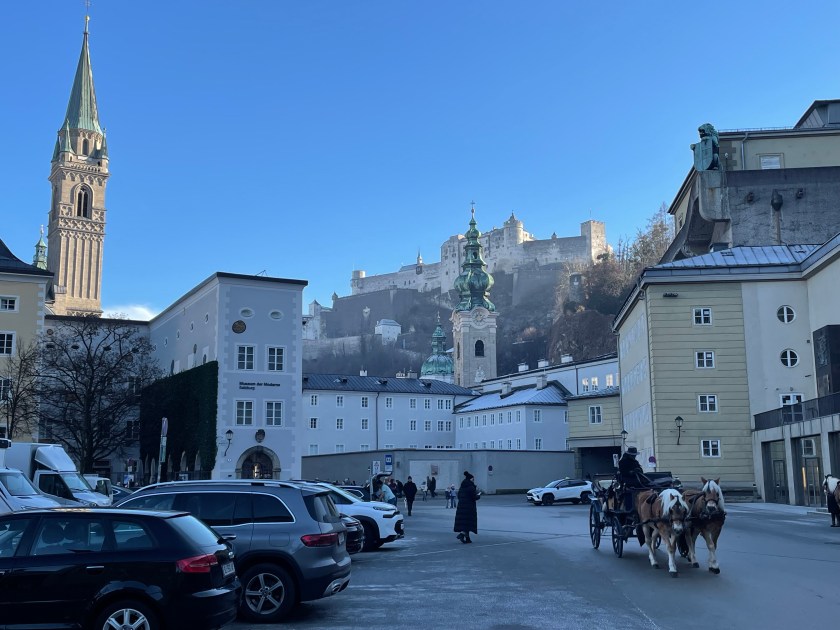
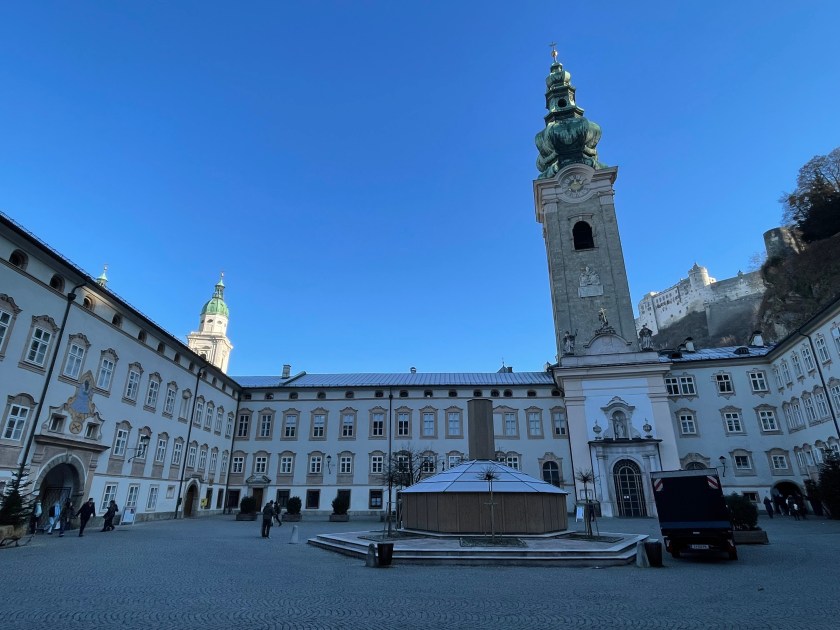
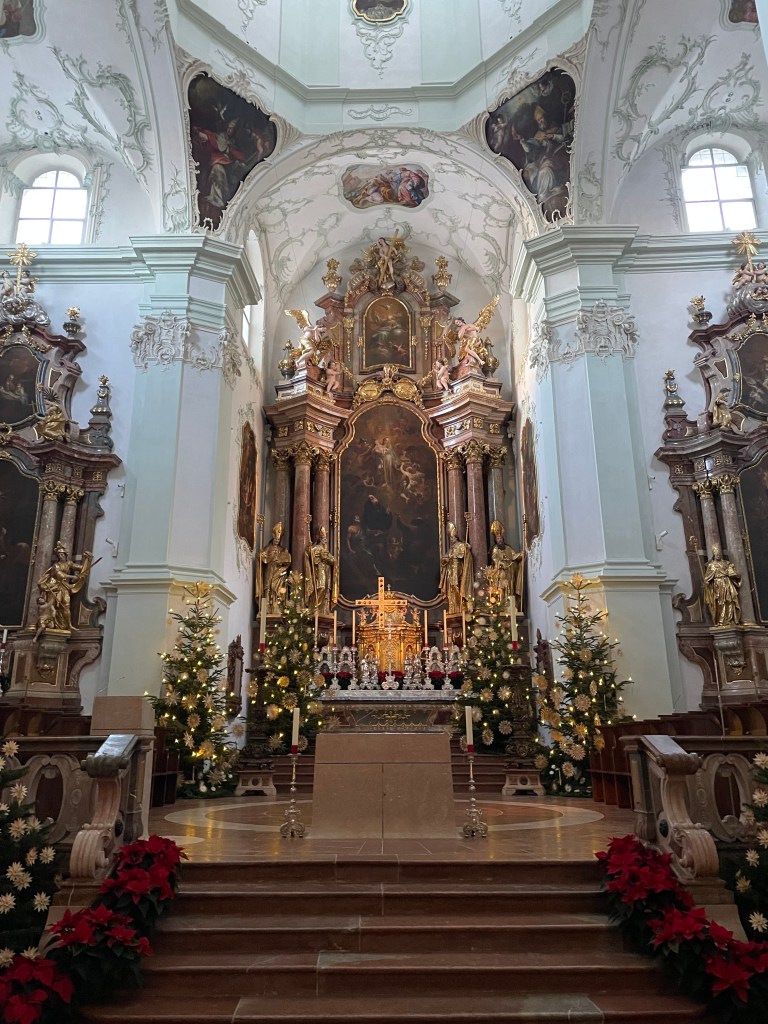
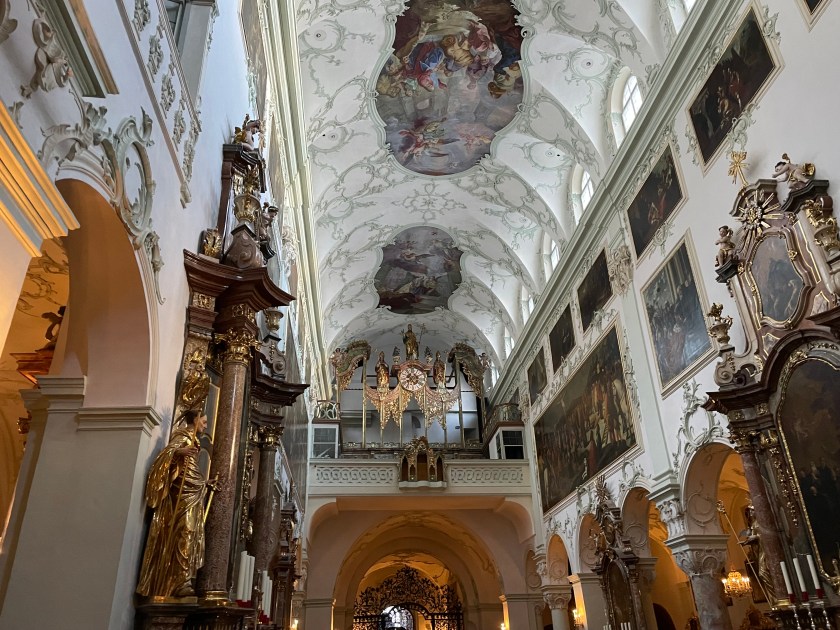
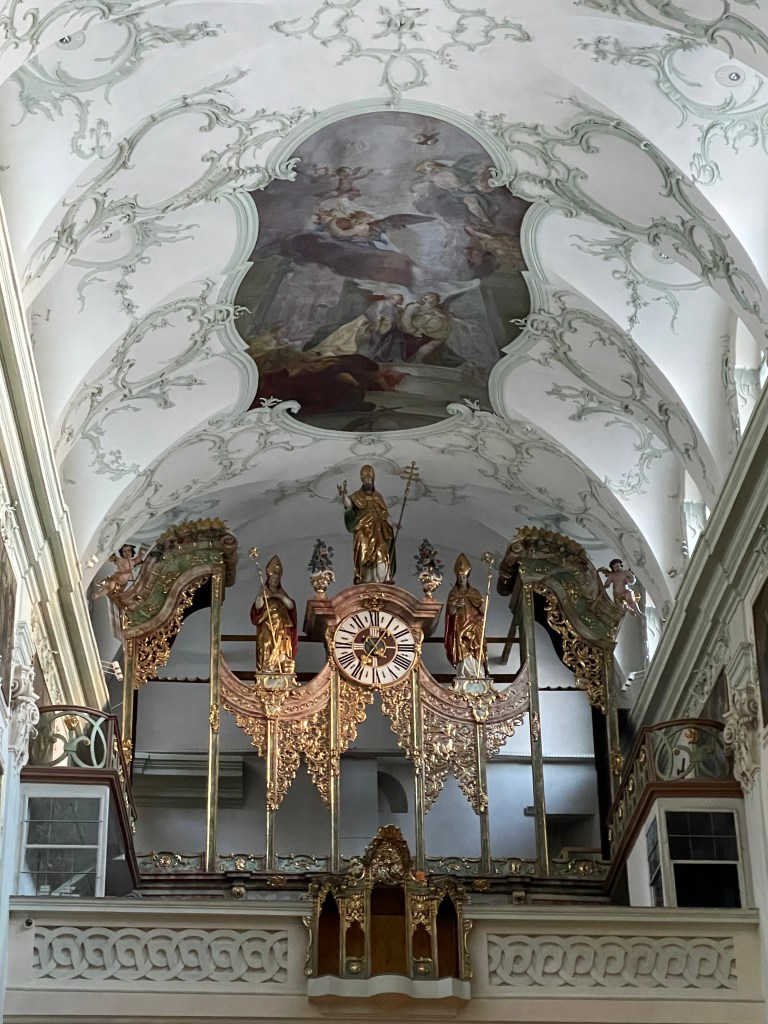
St Peter’s Church (old Abbey) 712 A.D.
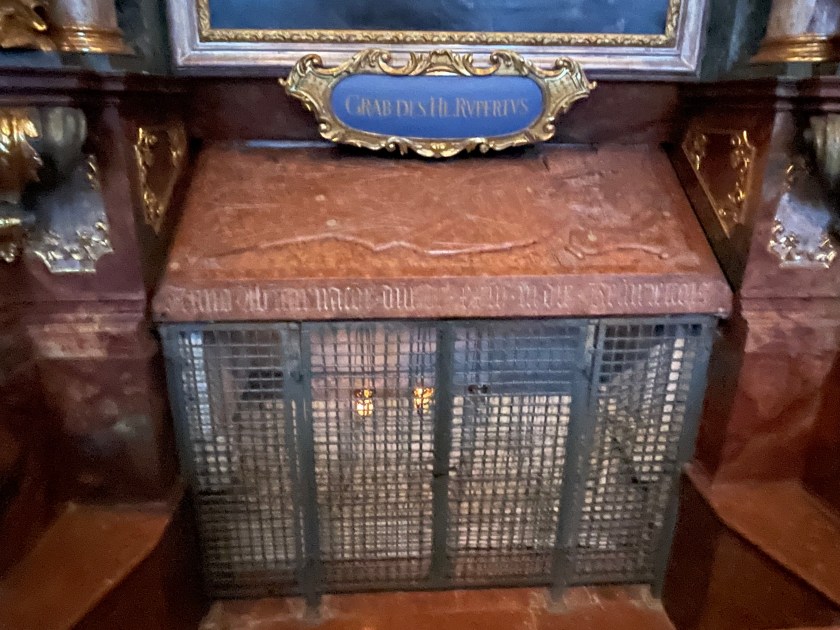
The foundation of St. Peter’s Abbey by St. Rupert in 696 is, in a sense, the beginning of Salzburg’s mediaeval history. The grounds of St. Peter include the abbey bakery, library, concert halls, abbey restaurant, church catacombs and the cemetery with the graves of Anna Maria “Nannerl” Mozart and Michael Haydn.

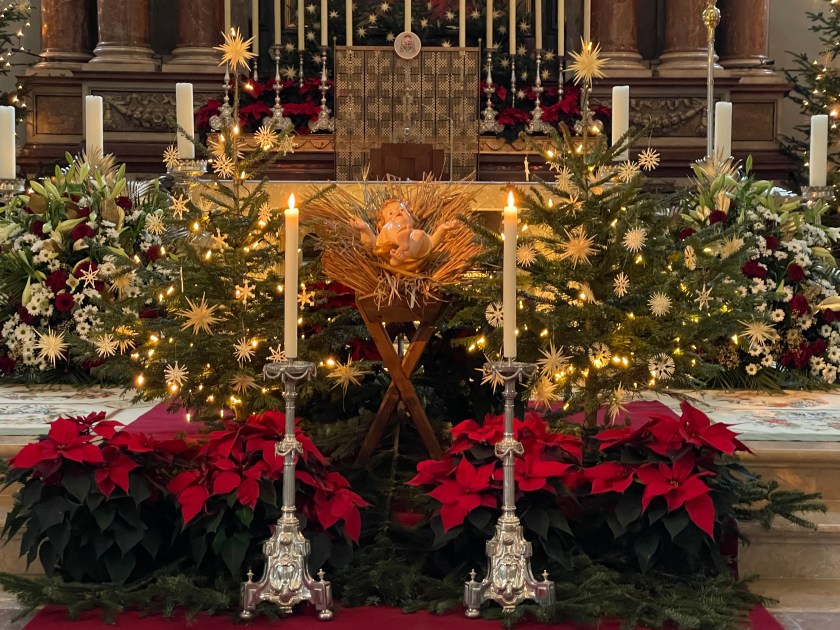
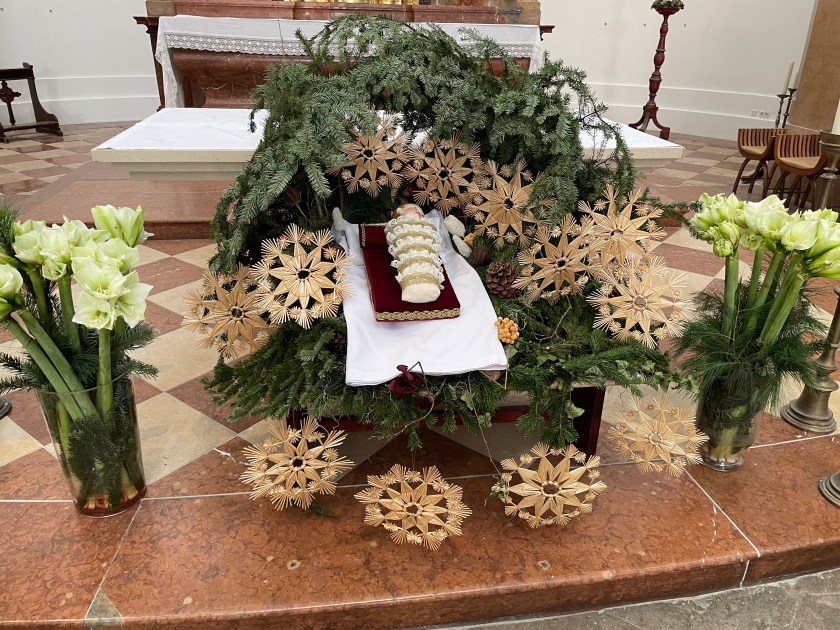
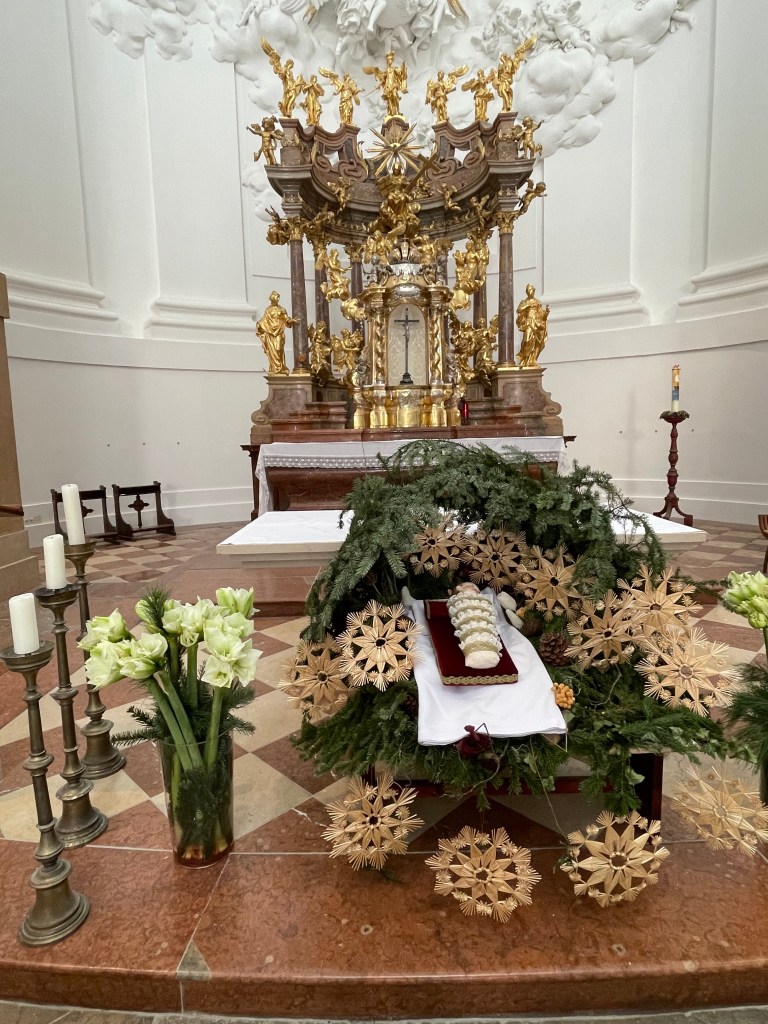
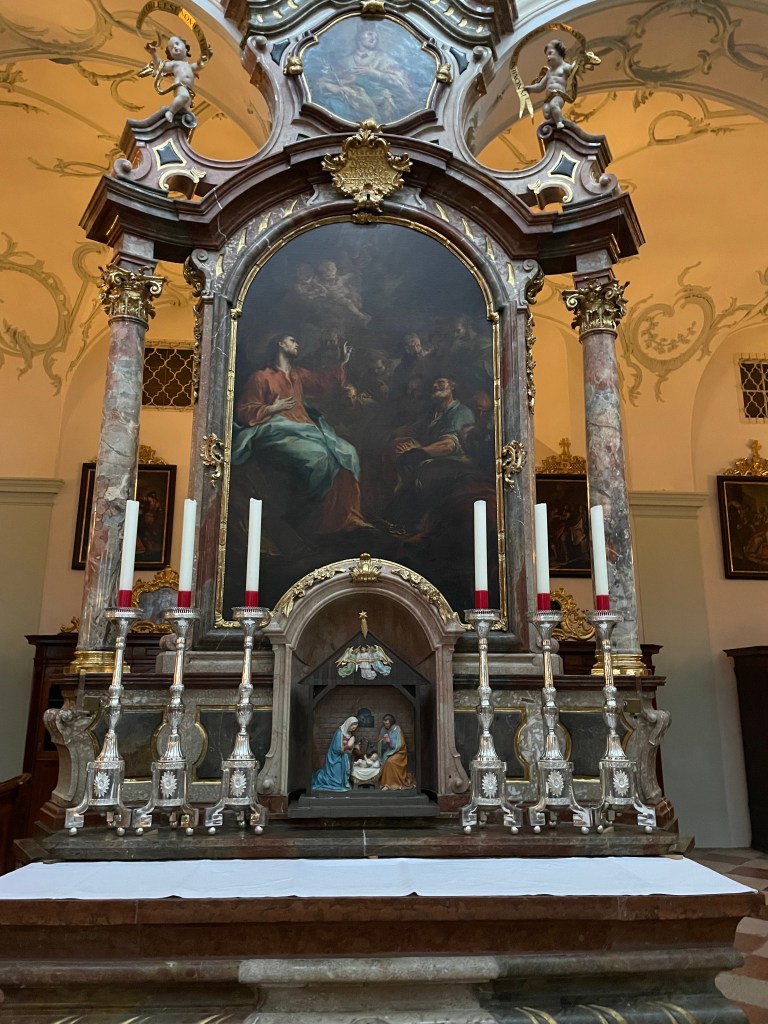
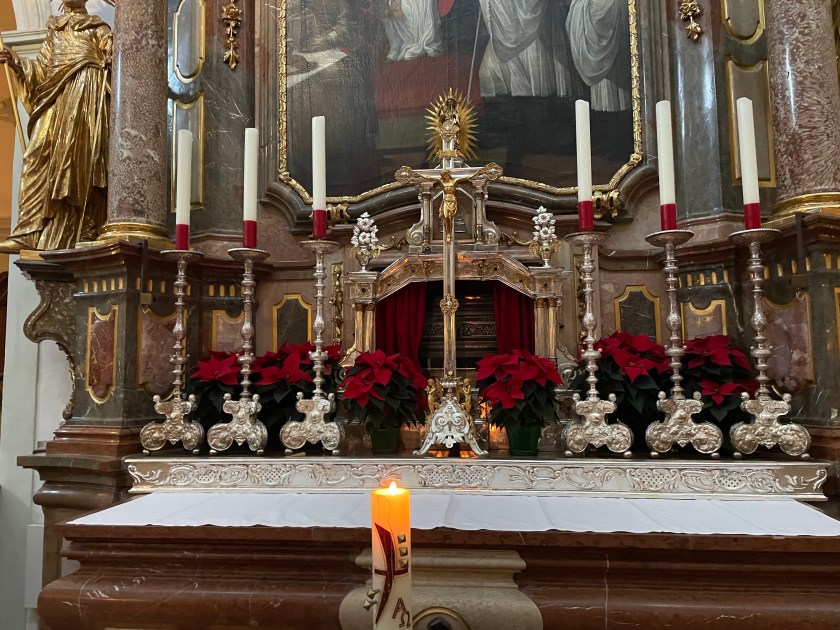
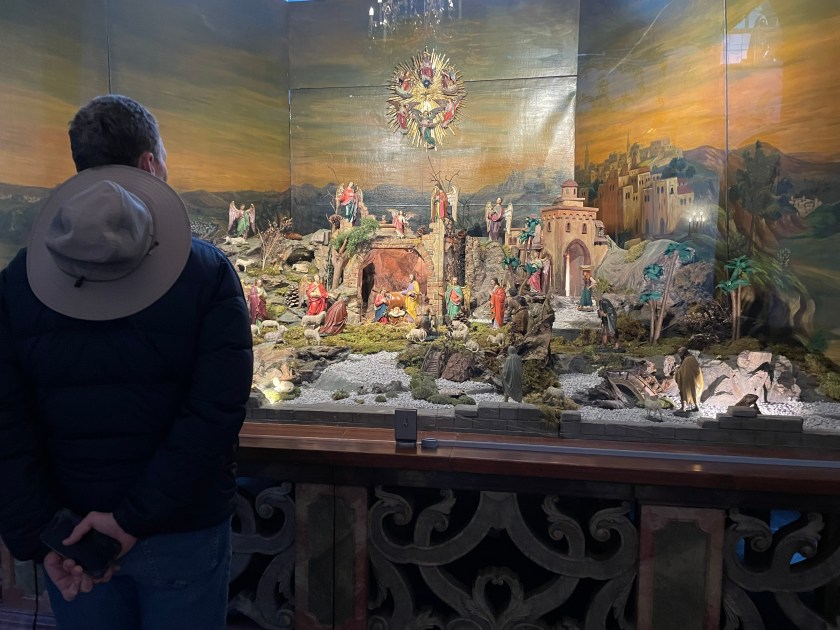
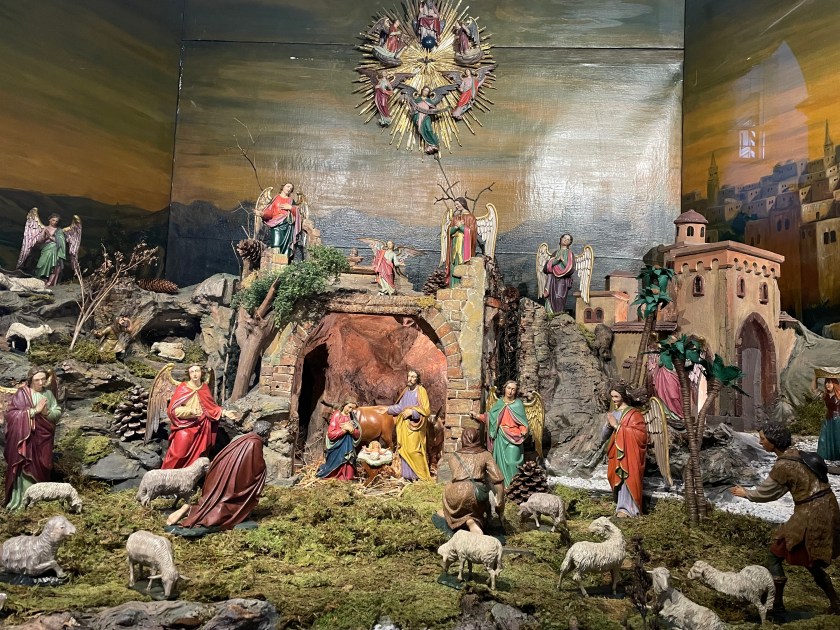
I’m so glad to be here at Christmas time!  It’s absolutely beautiful with the pine trees, candles, Nativities and candles.

This was the first half of our day.  And it just kept getting better!

Berghof, Hitler’s Summer Home and the Documentation Center

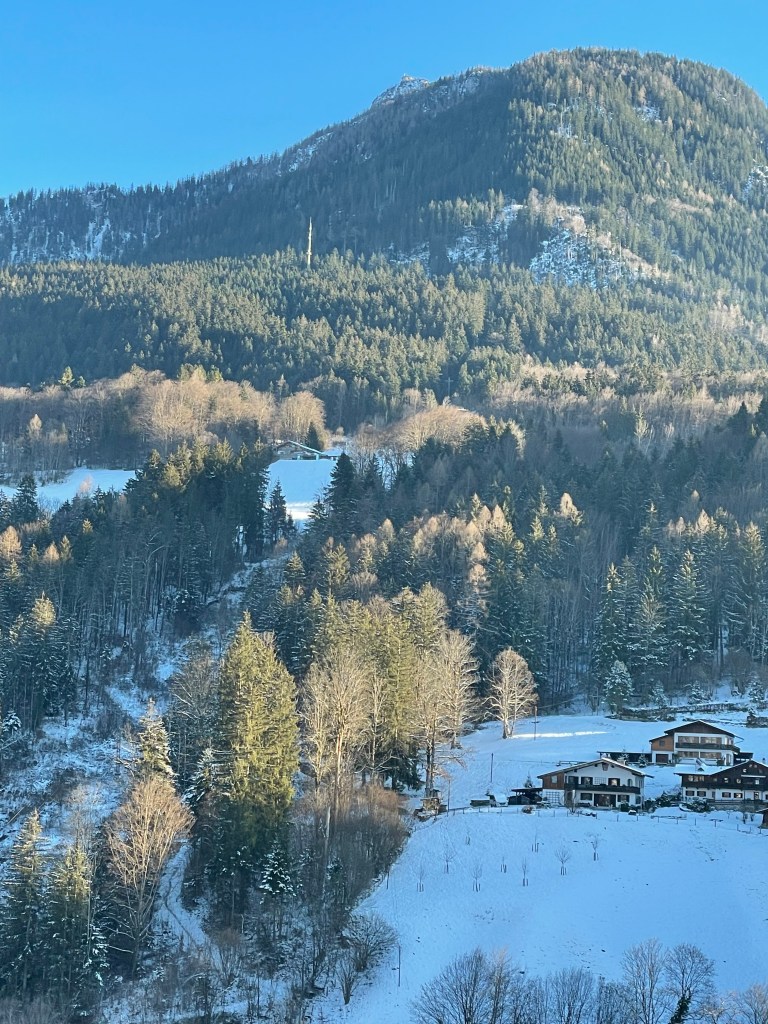
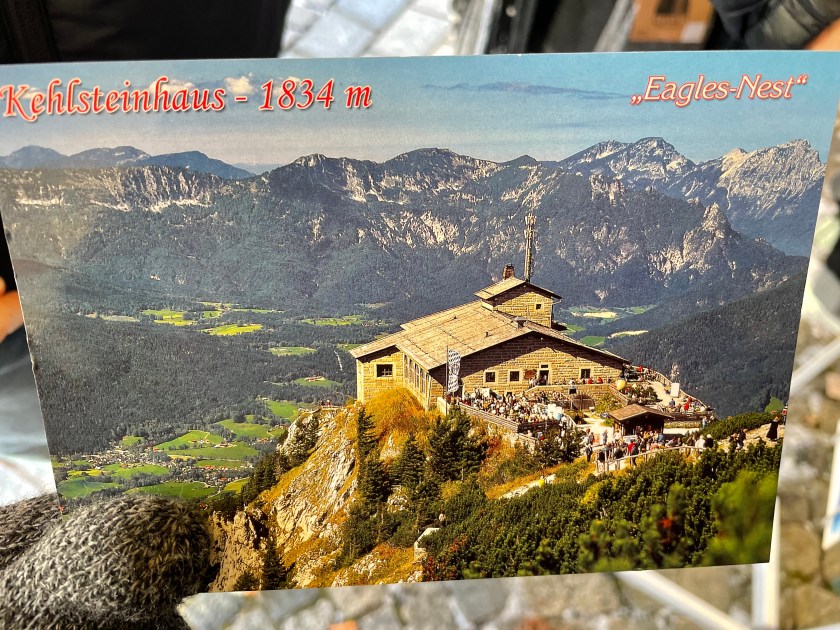
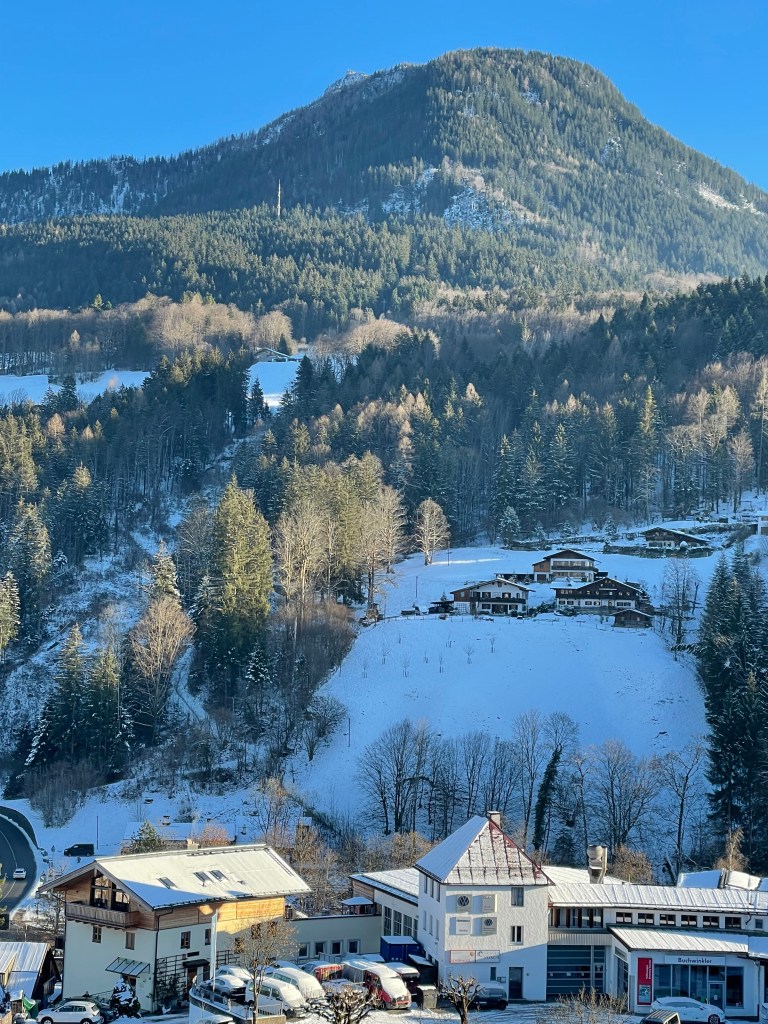
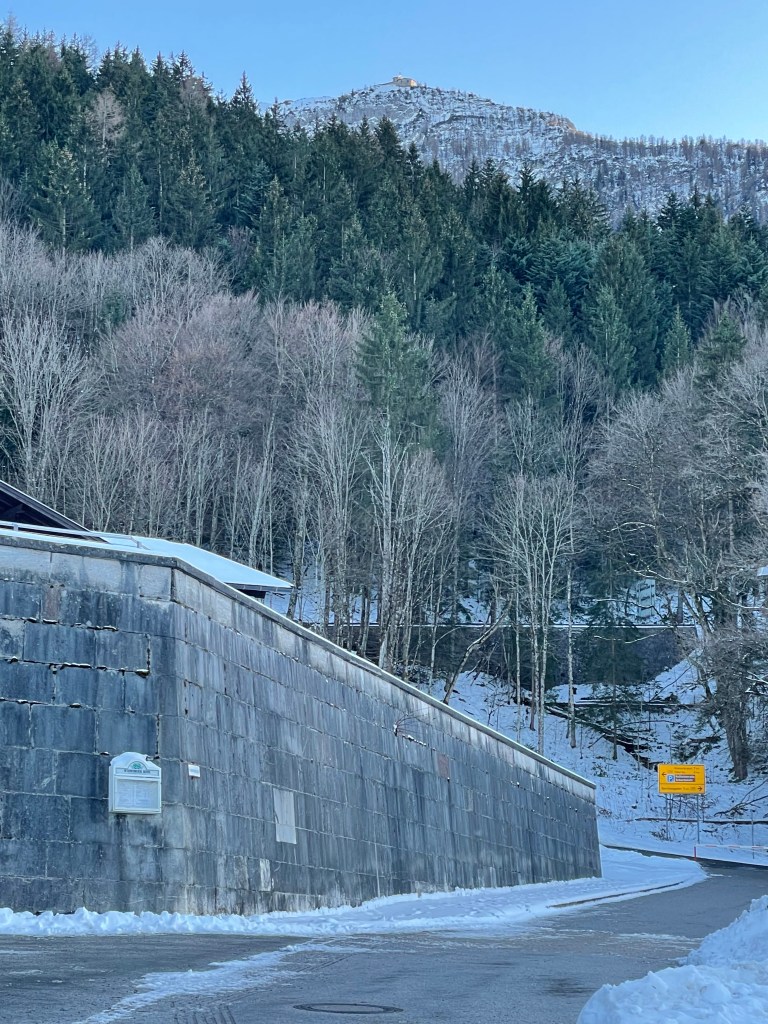
After seeing Berchtesgaden, we found a place from which we could look up the mountain to see the Eagle’s Next perched high on top.  There is no way to get to it in the winter.  In the photos below, it’s the little bump in the top center of the skyline.

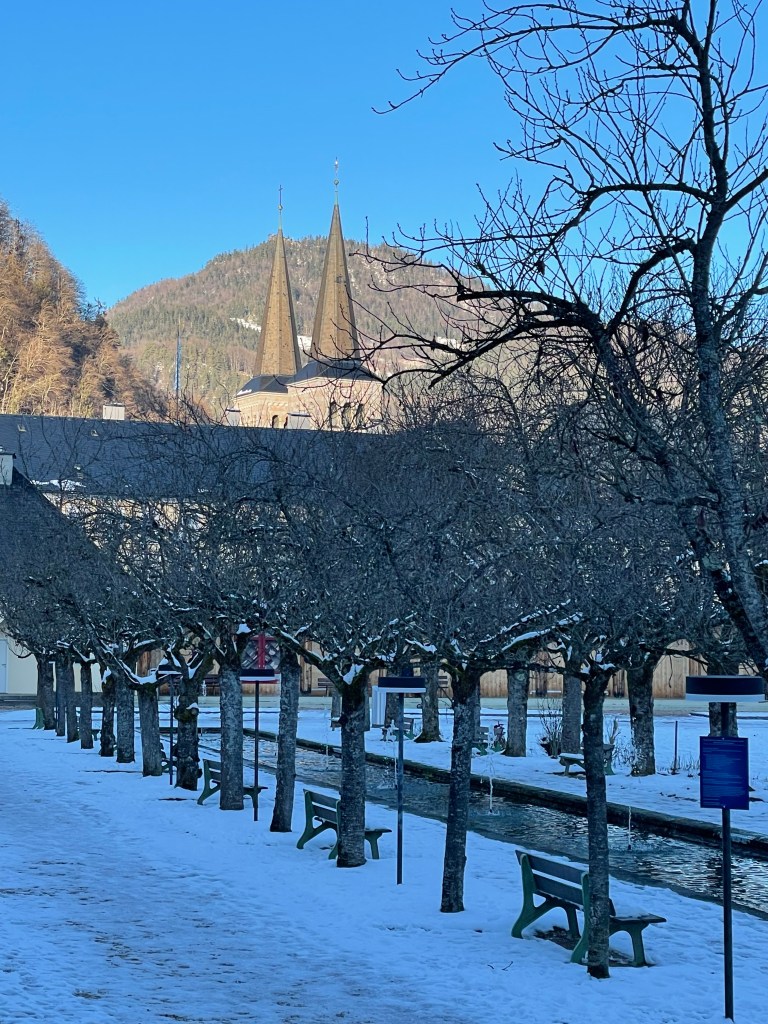
The park by the Visitor’s Center:

We walked through this cemetery on our way to find the bus station to catch a bus to take us to the Documentation Center by where Hitler’s summer home (Berghof) once stood.

We took the 3:00ish bus to go up toe the Berghof area and the Documentation Center there. Hitler’s home was destroyed by the Allies at the end of the war, then the SS burned it to destroy evidence. All that remains now is the back wall of the house. That was on the mountain side down below the Documentation Center, where we spent the next 1.5 hours, until it closed.

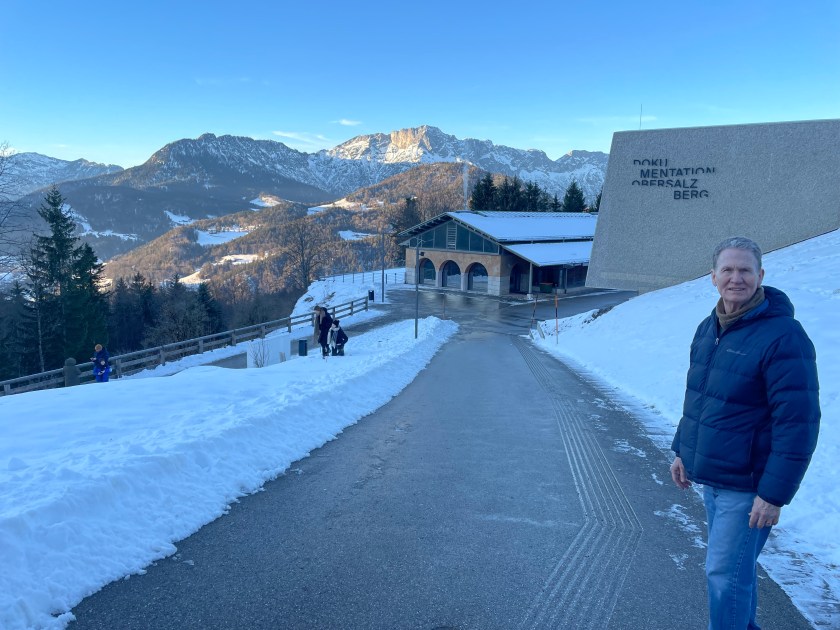
The Documentation Center.

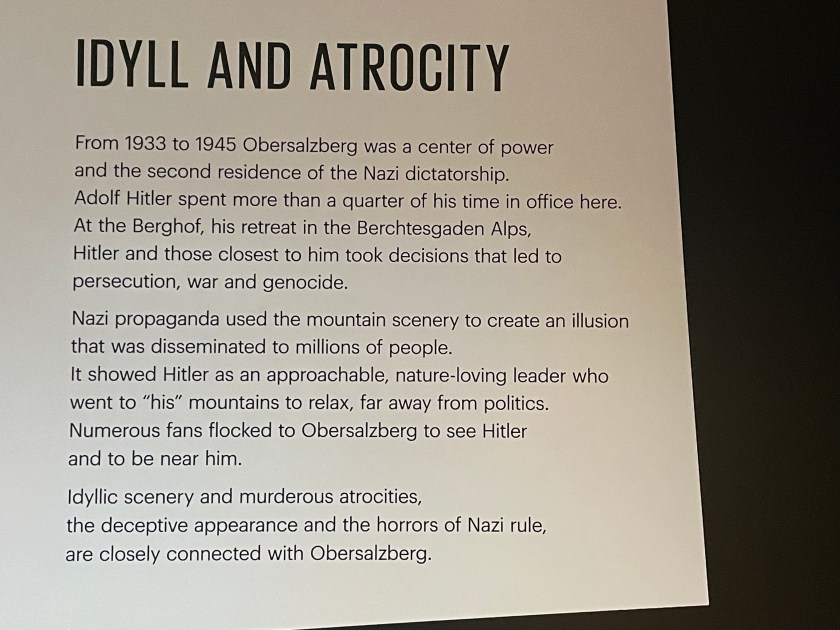
They’ve re-done the Documentation Center (that opened in 1999). The new Center opened in 2023, completely re-done in a new way–showing the contrast between Hitler’s peaceful mountain get-away, and the horror (this is where Hitler wrote most of Mein Kampf and where he planned the genocide and extermination camps. They call it “Idyll and Atrocity.”

One example of the juxtaposition was showing Hitler celebrating his birthday at Berghof (there are lots of propaganda photos of him there) and then 2 weeks later his troops invaded Poland, killing and destroying so many.

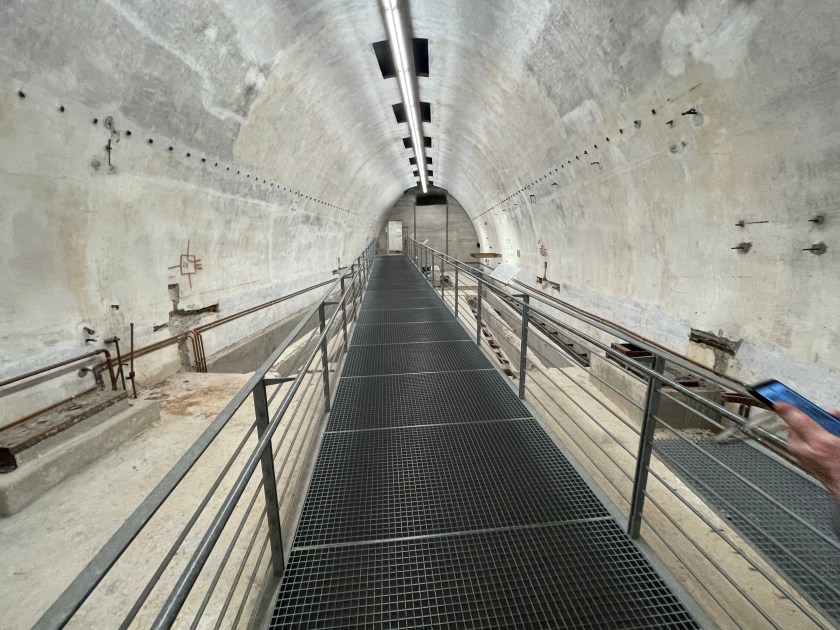
The Center had an audio tour on phones with headsets that lasted 80 minutes. It ended in part of the bunker that Hitler built there towards the end of the war when they started worrying about getting bombed. It was fascinating to go through all the displays and then into that bunker. Wow.

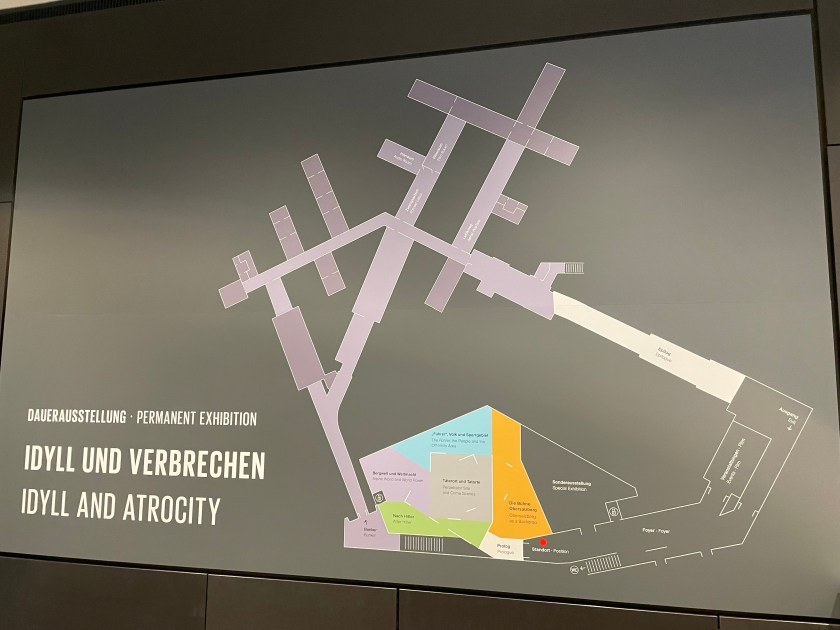
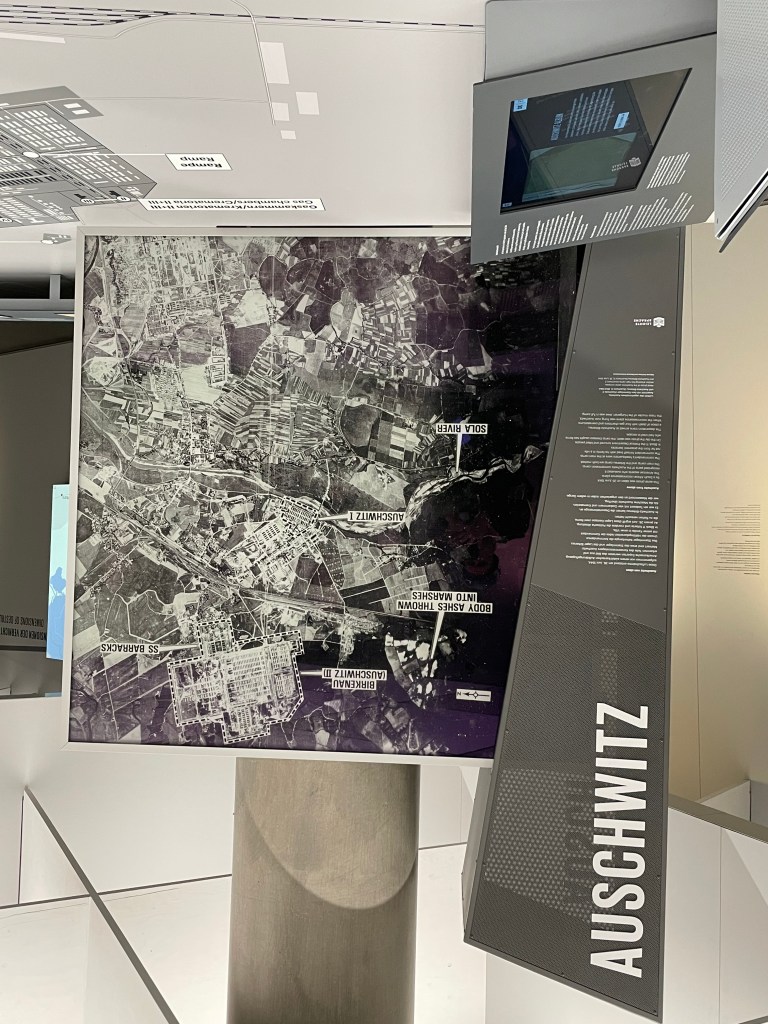
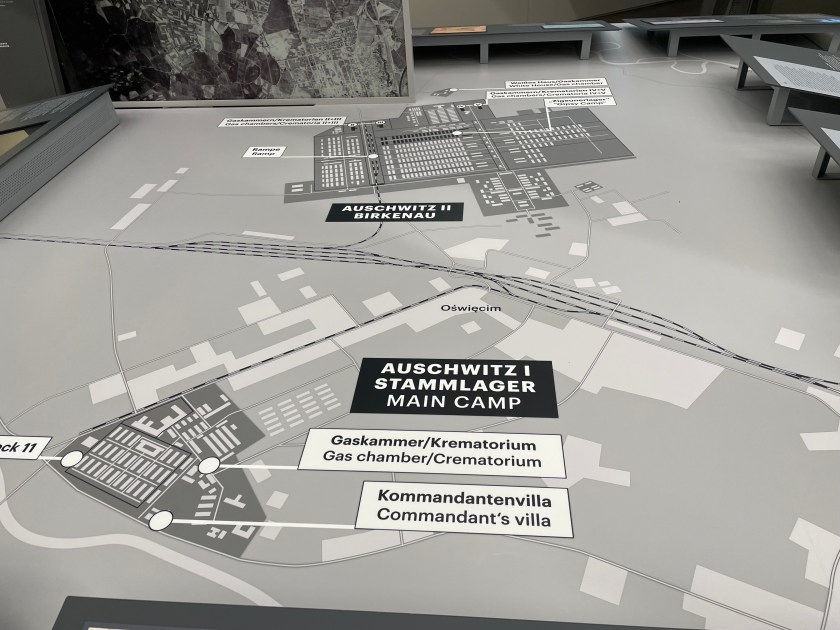
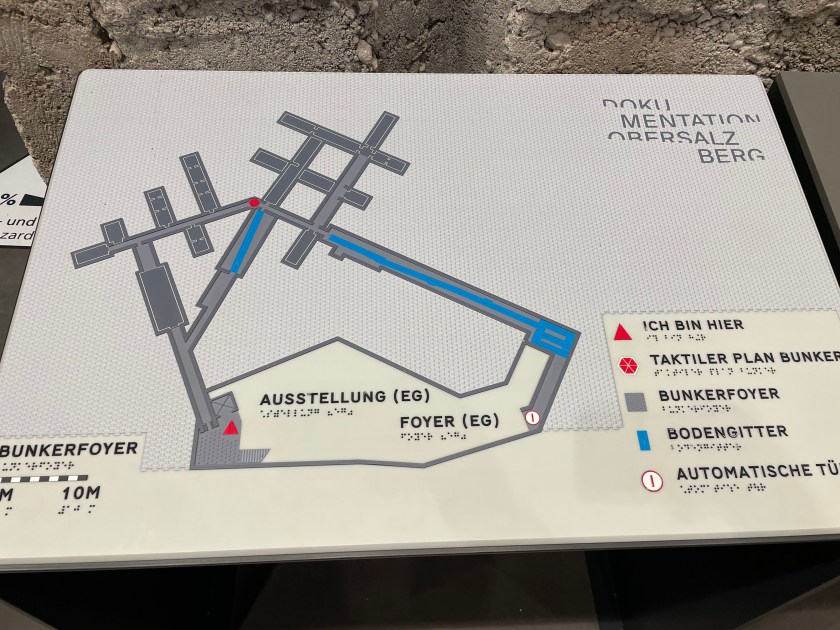
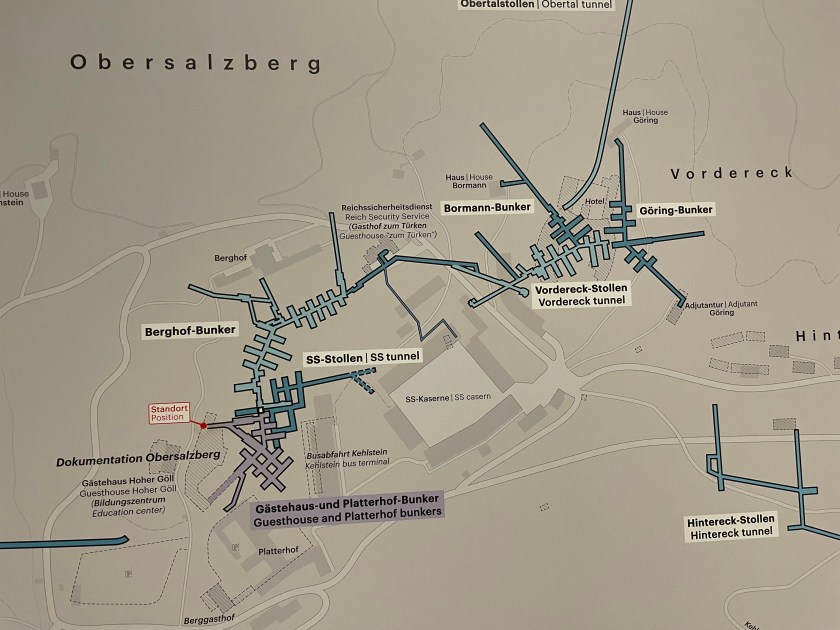
In the map below, the Documentation Center is at the bottom and the tunnels at the top are the underground bunkers created to keep Hitler and his cronies safe should this area be attacked or bombed.

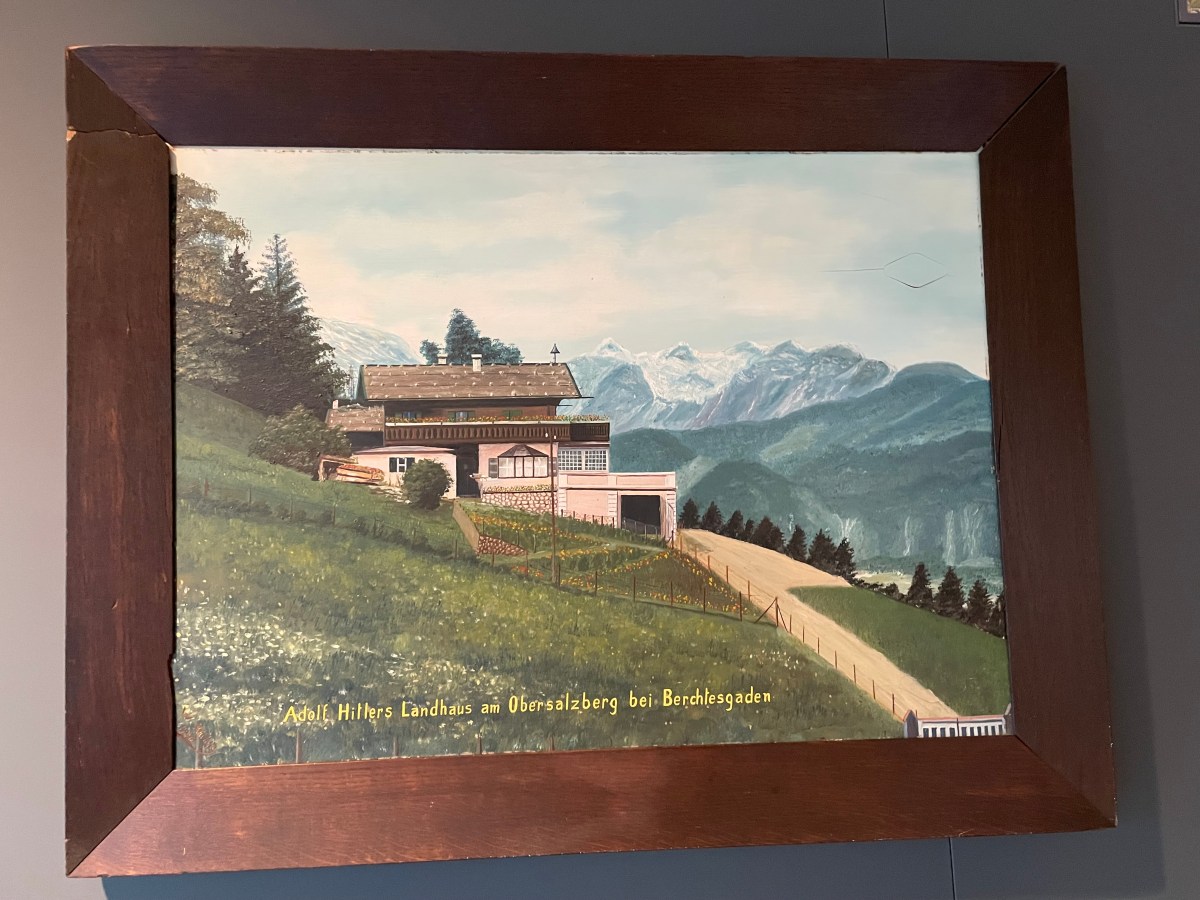
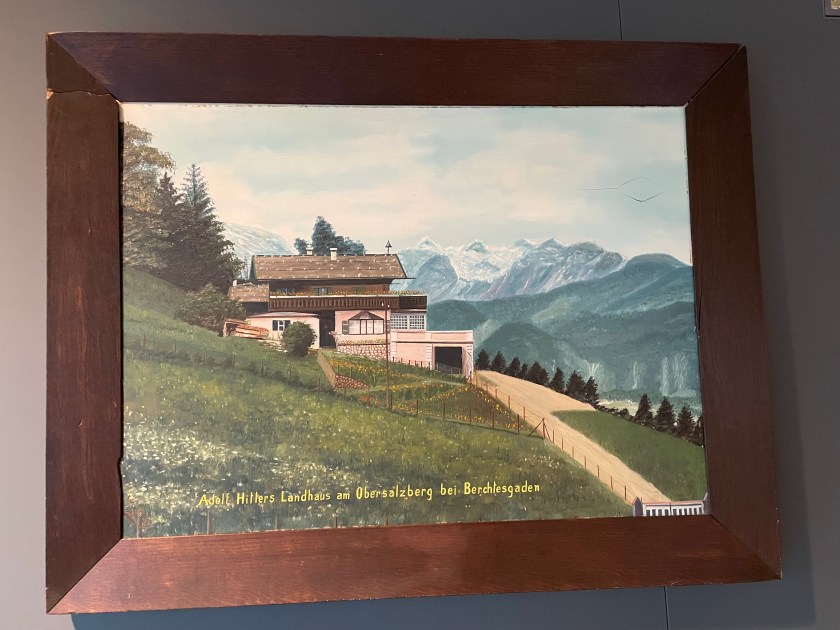
This is what this summer mountain home looked like:

Hitler slowly took control of most of the properties on the mountainside, forcing the inhabitants to leave to make room for his men to live there.

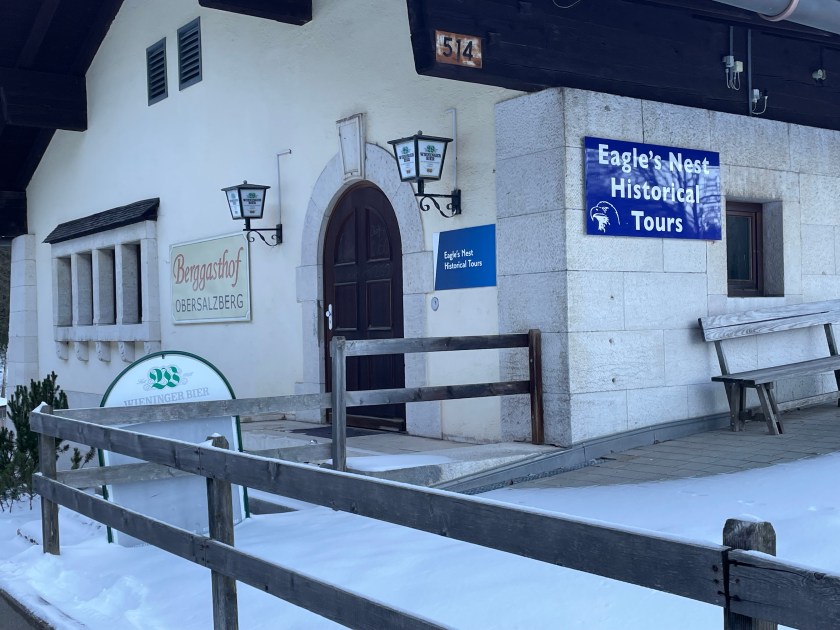
We were a little confused about the difference between The Eagle’s Nest and Berghof.  Berghof on the Obersalzberg mountain,was Hitler’s summer home and eventual HQ of the NAZI movement (or one of them), NOT the Eagle’s Nest (Kehlsteinhaus) at the top of the Obersalzberg mountain. The Berghof was lower on the mountain (actually just below the Documentation Center) and originally part of a little town that the NAZI party took over and everyone else deserted.

Hitler enlarged and updated the Berghof home in order to accommodate the many NAZI leadership and strategy meetings held there, as well as other party events. It’s said that he spent 25% of his time there. It makes perfect sense that the Berghof was the gathering place and that some of Hitler’s key leaders also had homes nearby. It was much more accessible and conducive to their work (and play). The guide told us that Hitler himself only went up to the Eagle’s Nest a few times. It is very small and inaccessible.

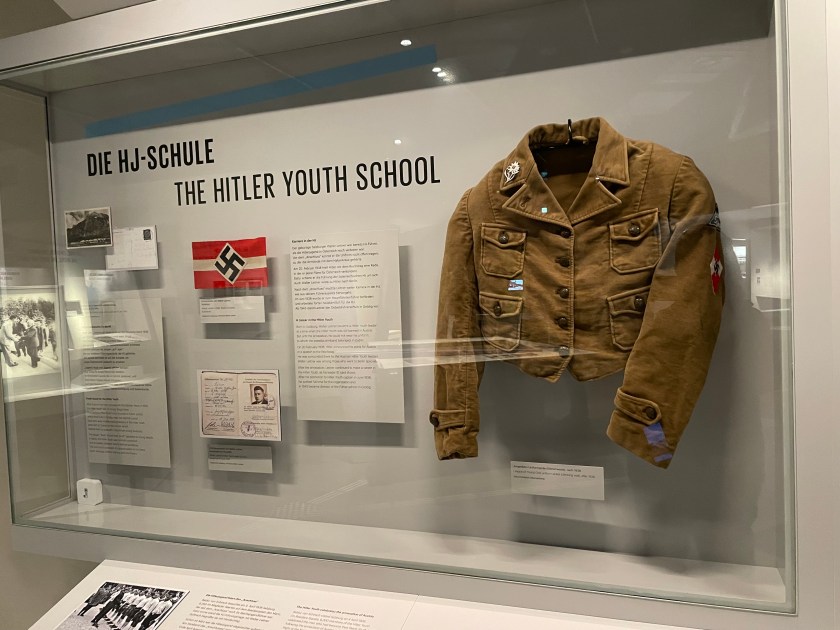
The Center told the story of the rise of the NAZI party.  Many of the plans and policies were made here on this mountatinside.

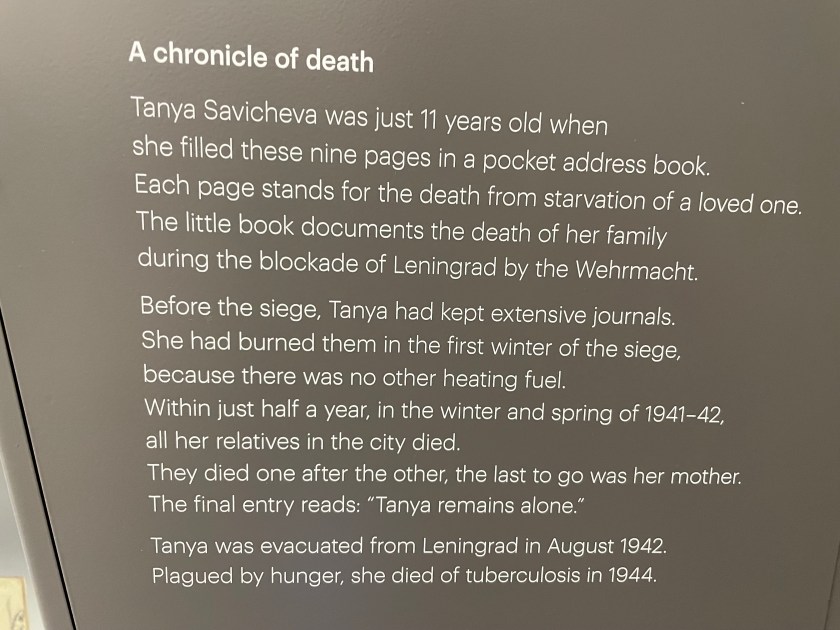
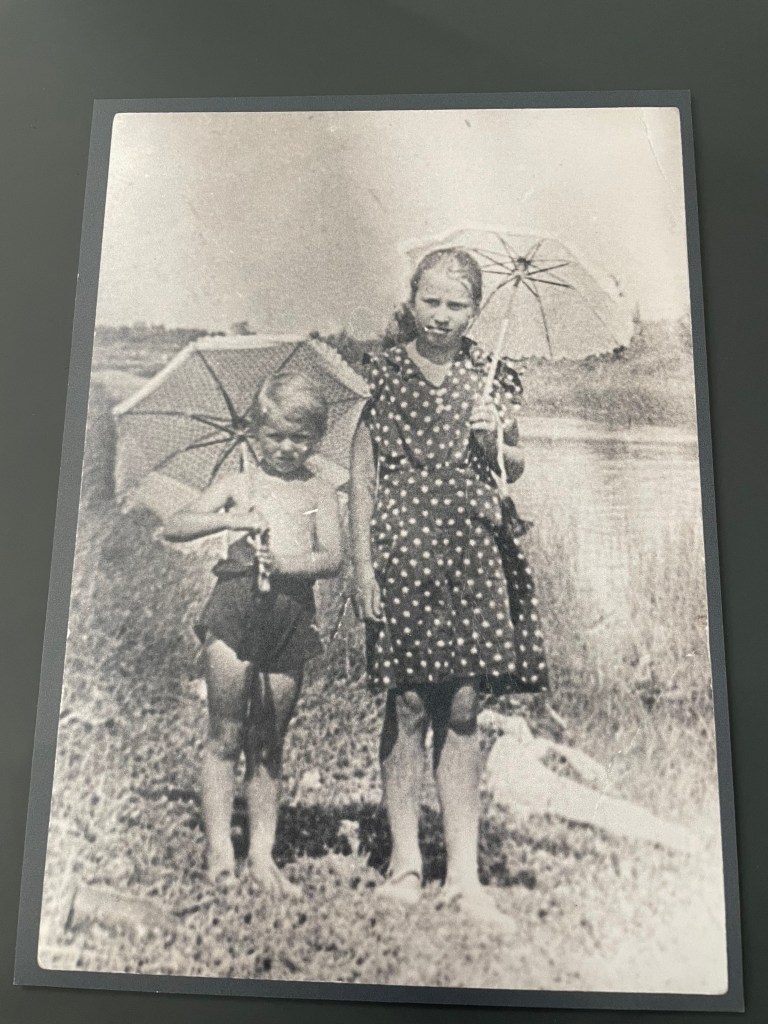
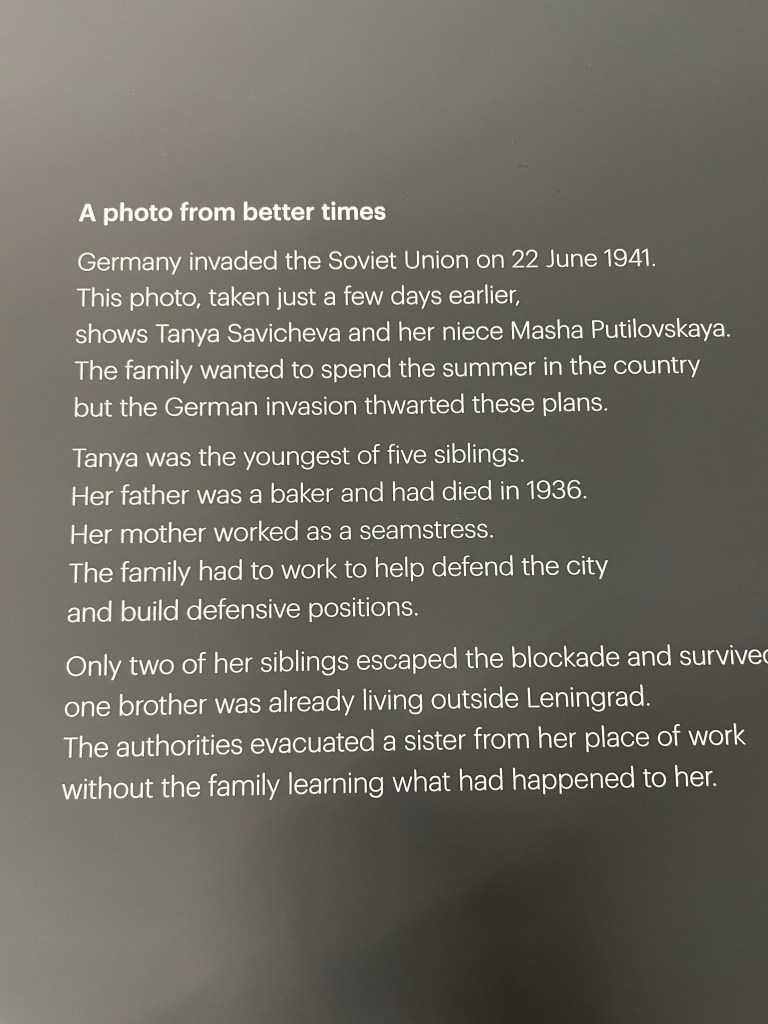
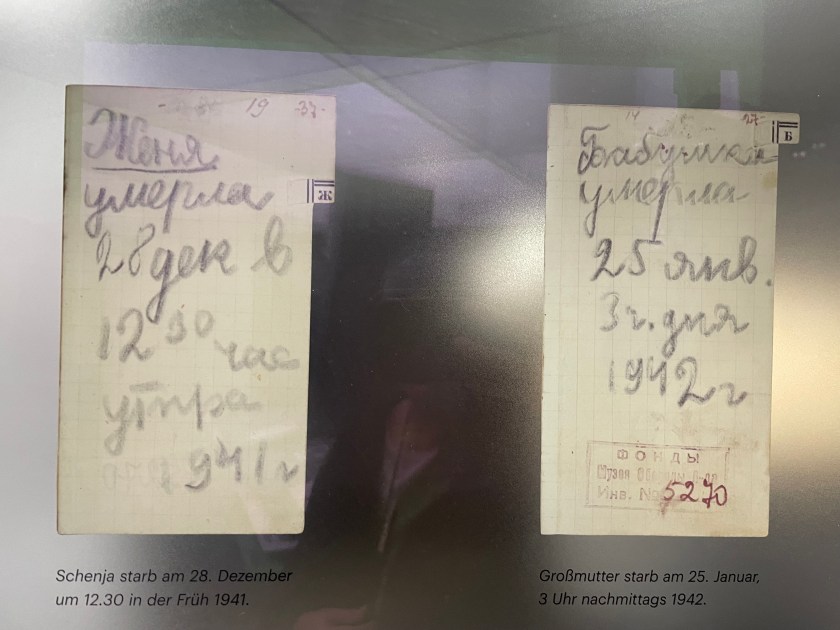
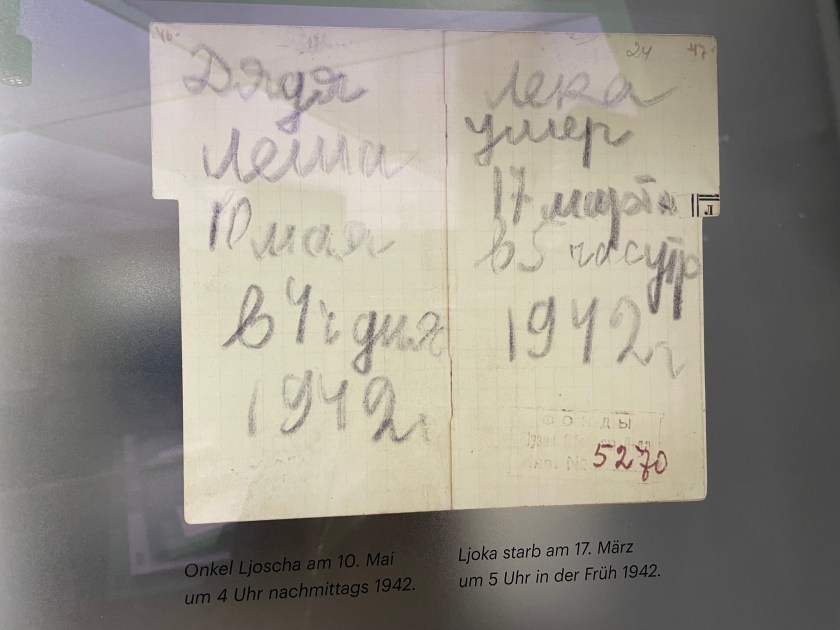
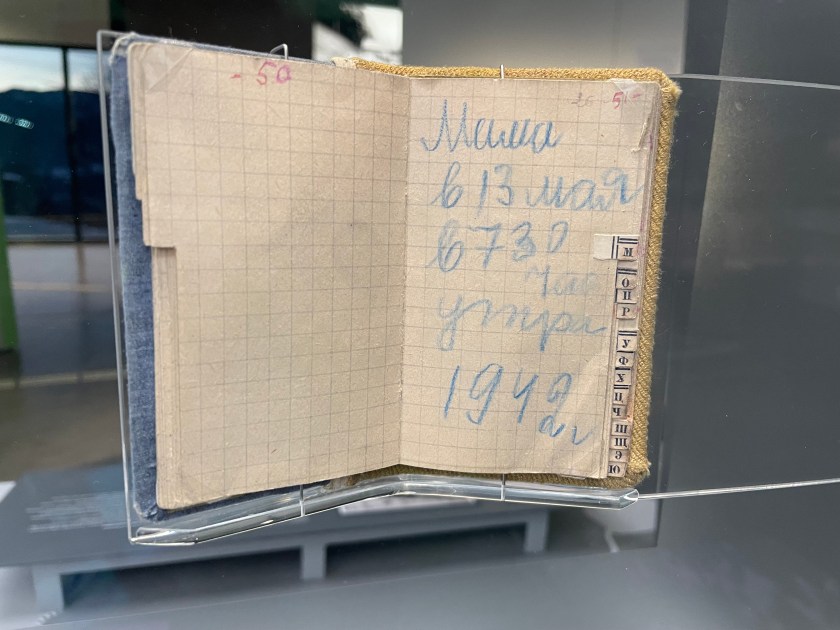
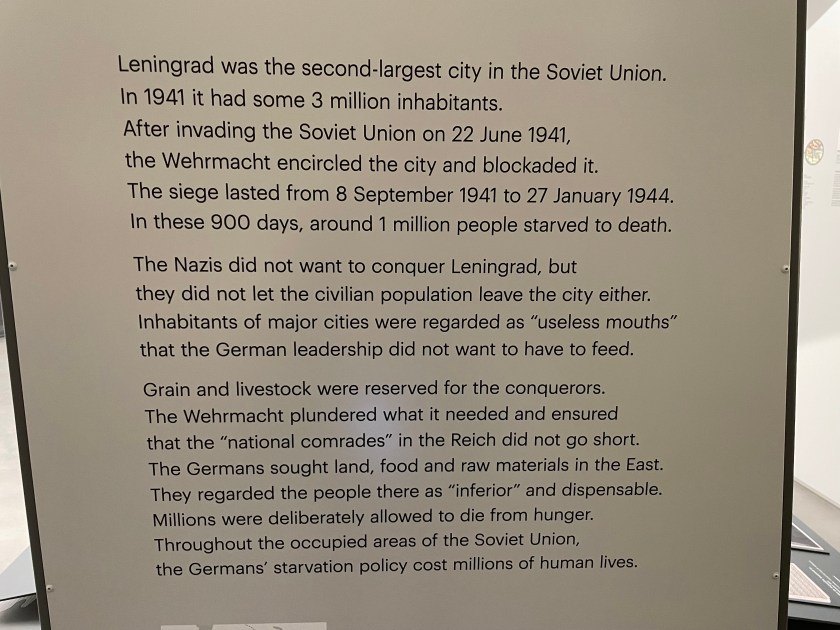
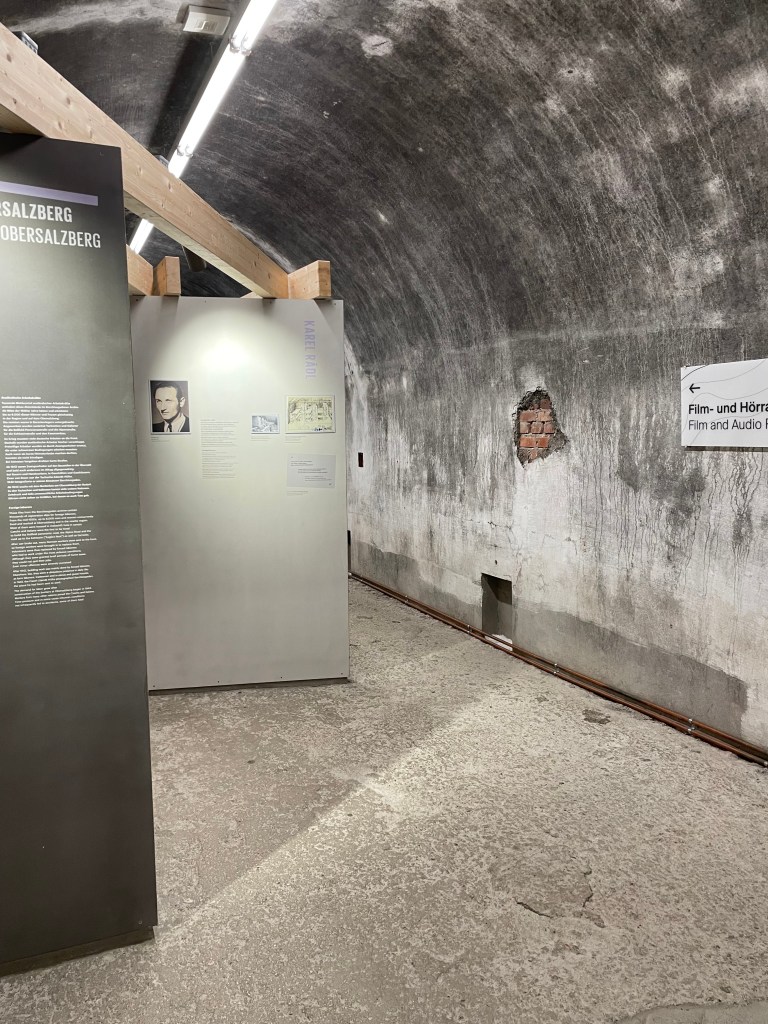
This story was heartbreaking.  Meet Tanya Savicheva, age 11.  Read the English descriptions in the displays below.
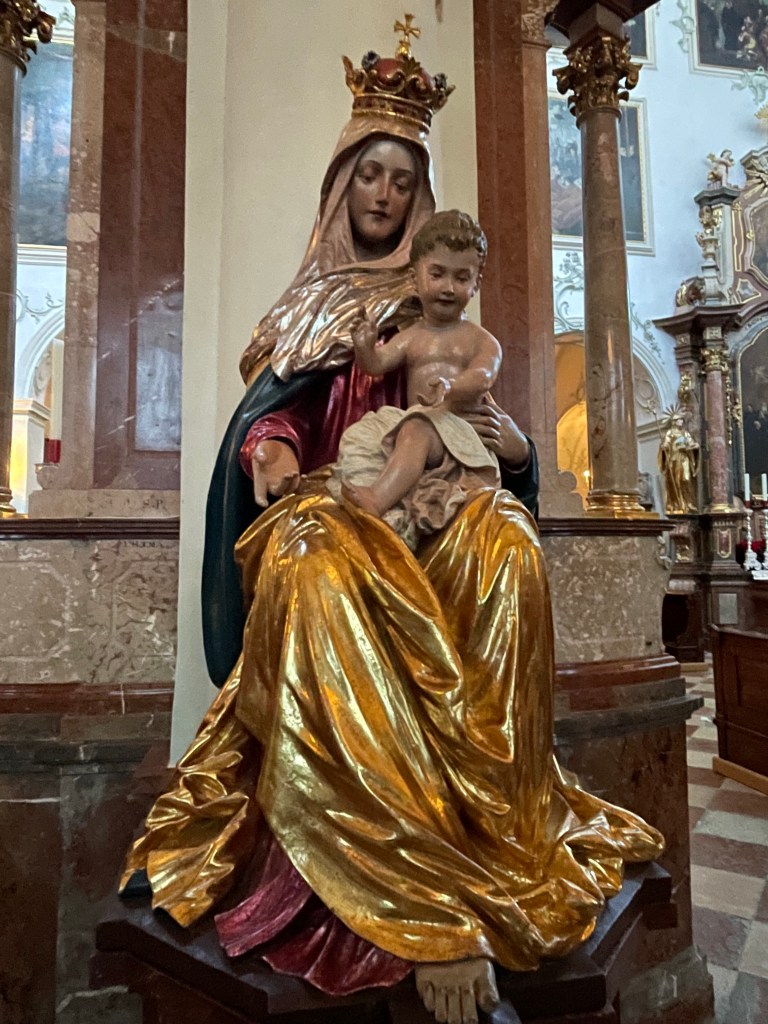
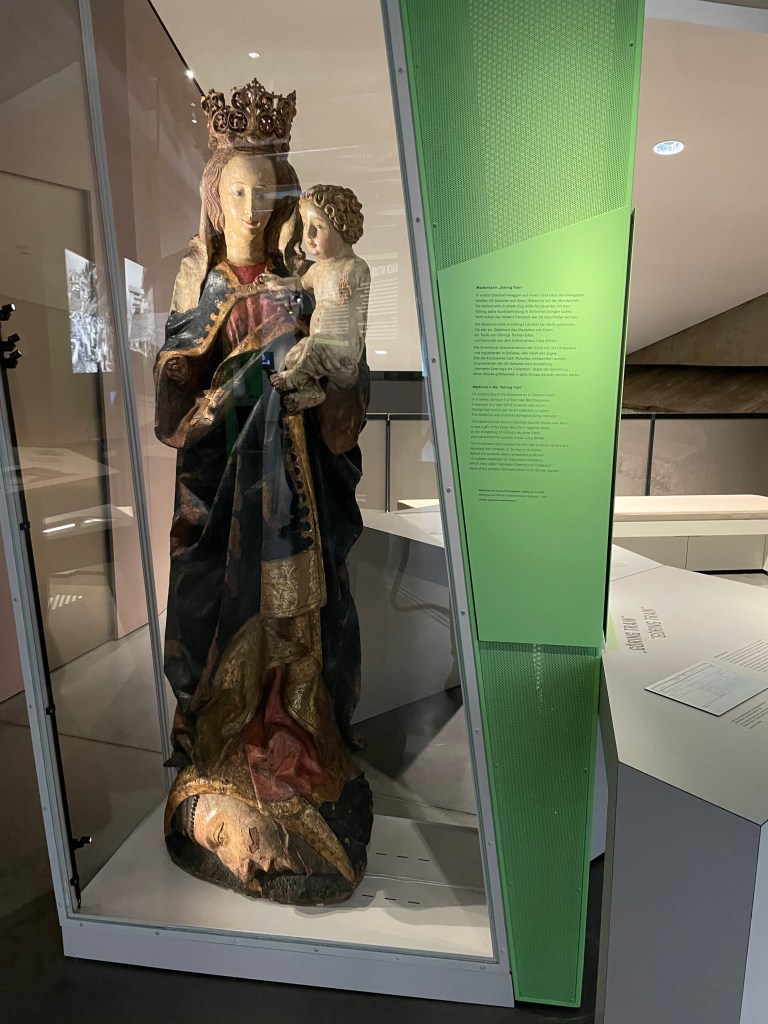
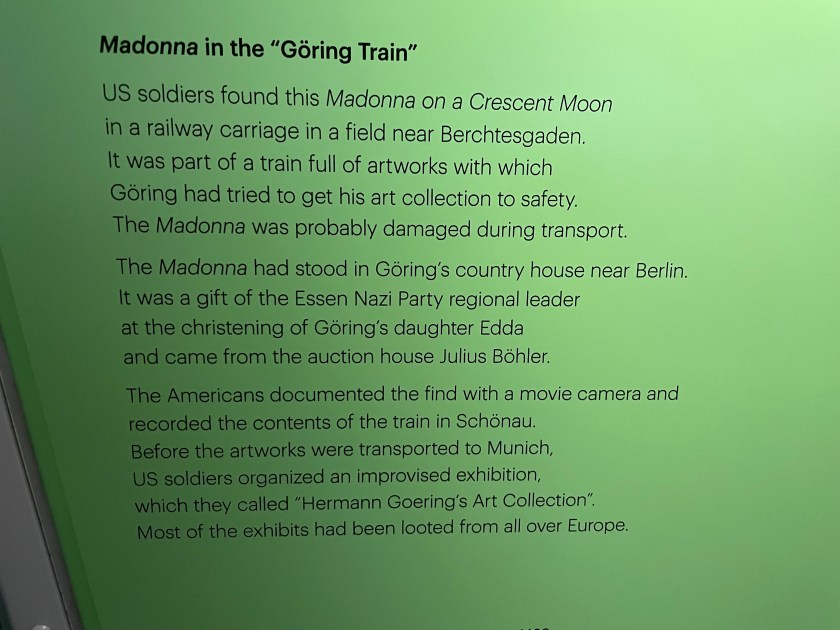
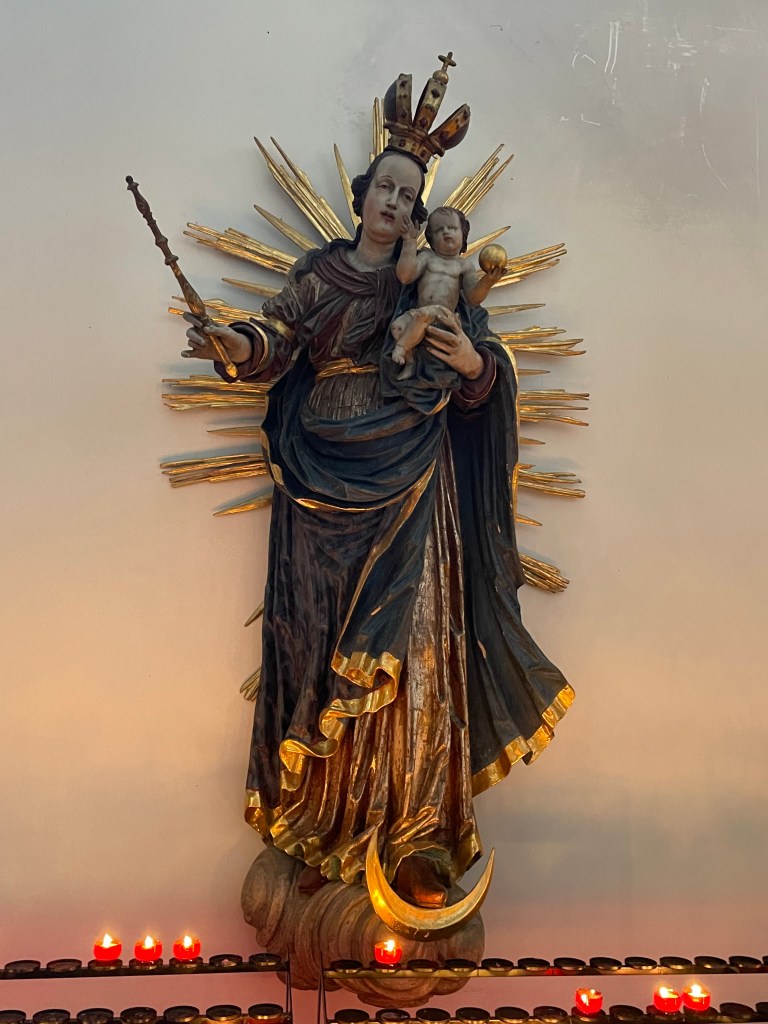
This Madonna also got to me.  It was owned by Hermann Göring, one of the most powerful Nazi leaders.  What duo lives these men lived.
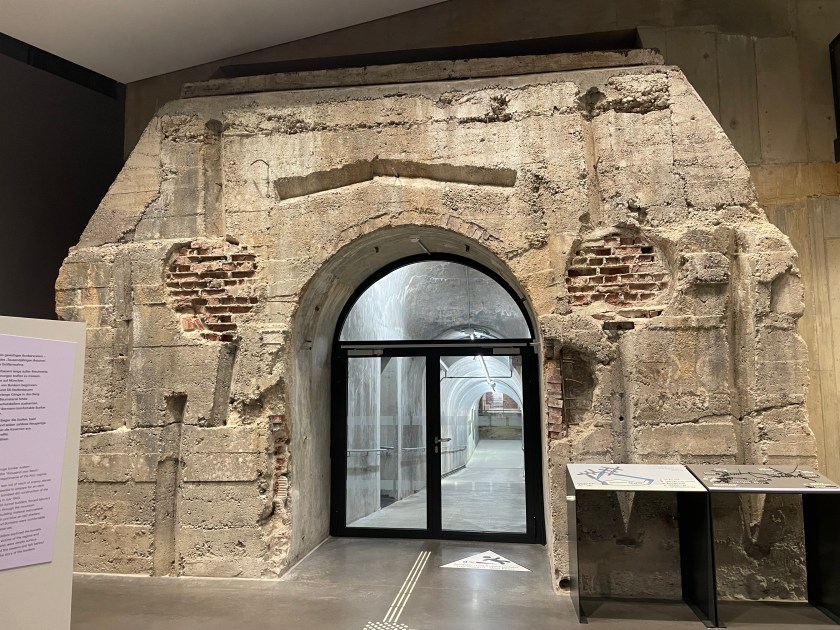
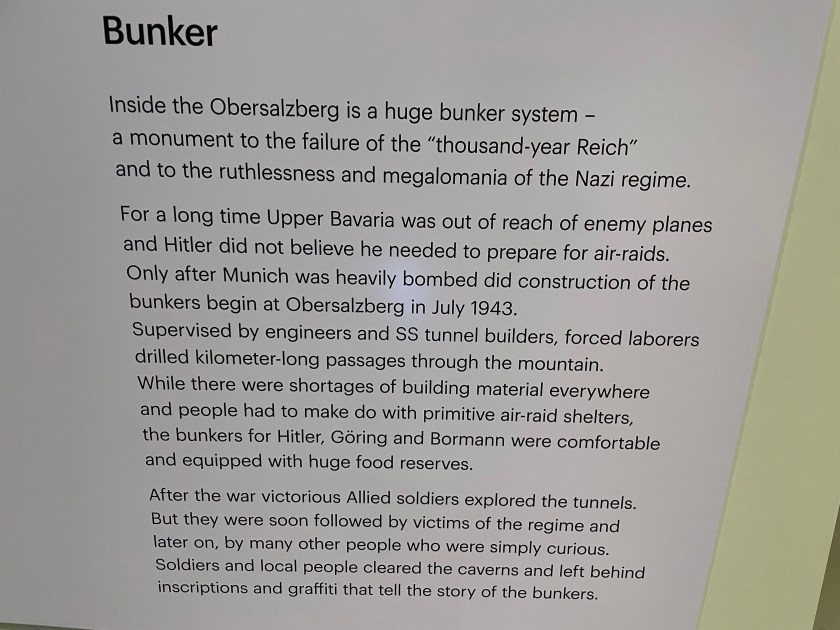
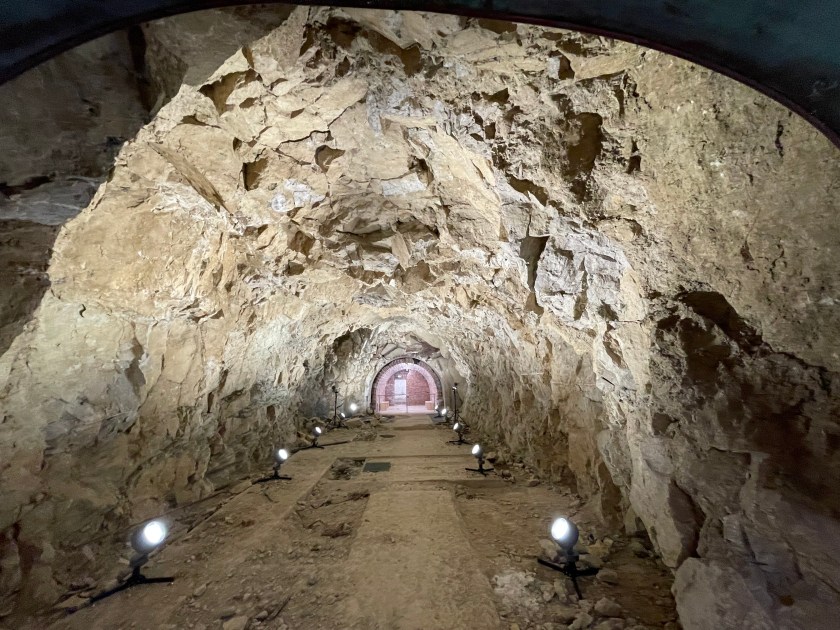
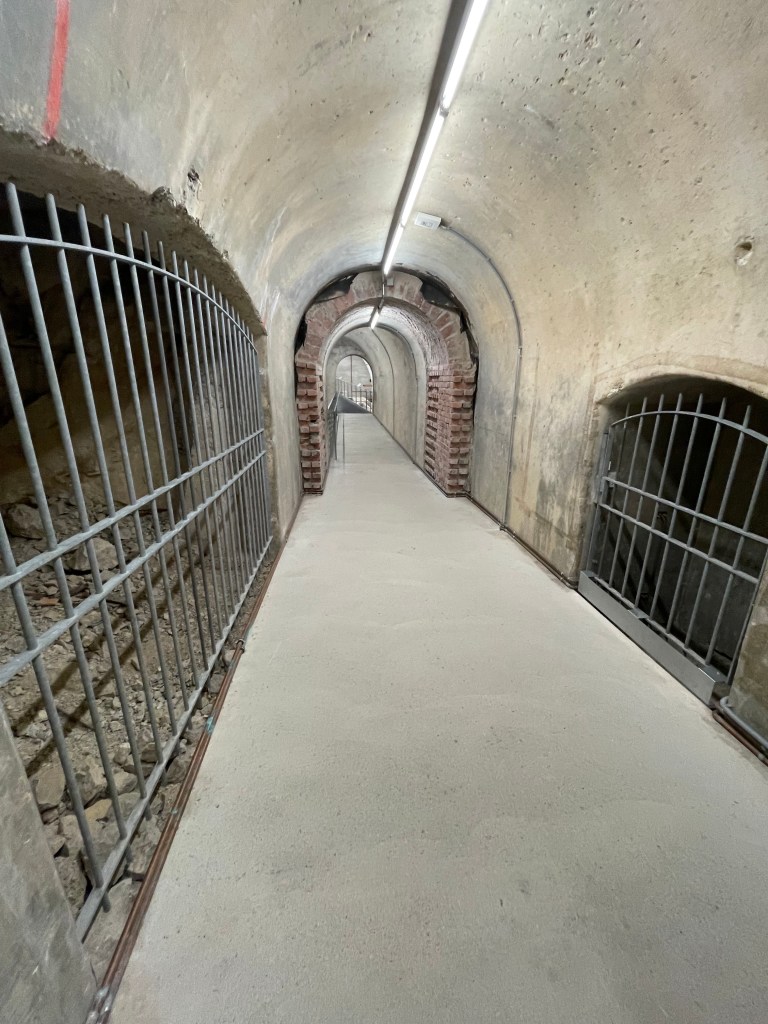
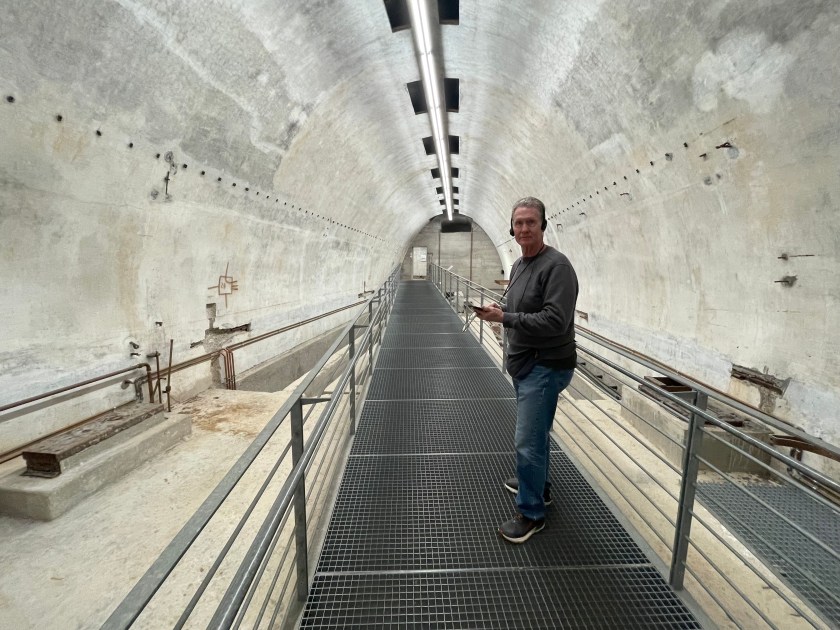
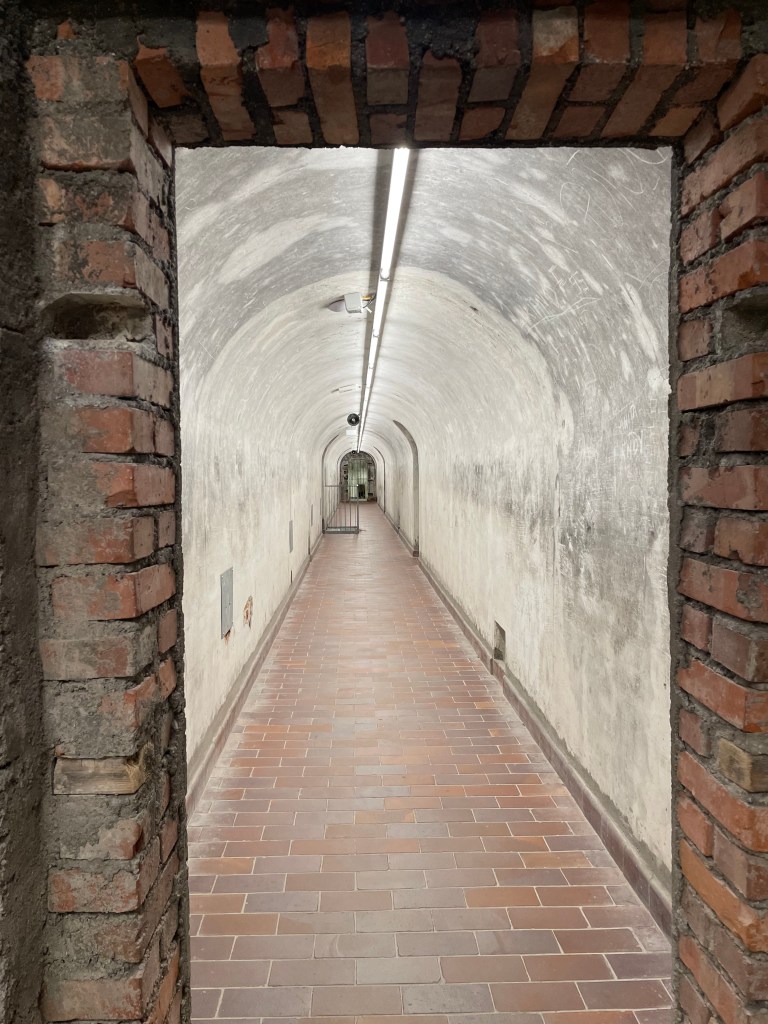
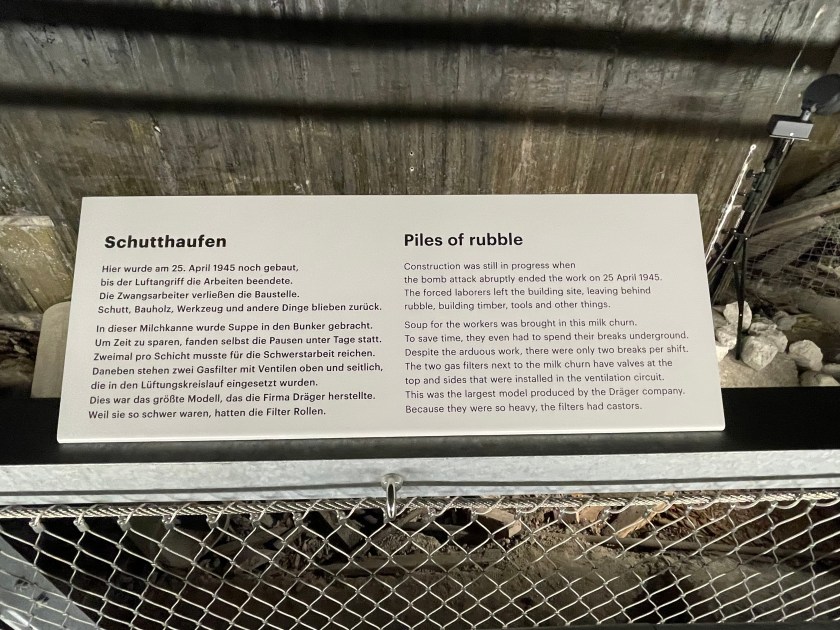
The last part of the tour was to go into the section of underground bunkers that were preserved as part of the exhibit. When things were looking grim with the war for the Germans, a complex network of bunkers was built and furnished comfortably so the war could still be conducted from there. During the last section of the bunker, we heard the voices of Jewish victims of the NAZI genocide. Chilling.
You can see how these bunkers connected the homes of the Nazi officials with Berghof (top left).

Prisoners and forced laborers were forced to dig these tunnels.

We stayed until the Center closed, then waited in the dark for quite some time before a bus came to take us back down the mountain to Berchtesgaden, where we caught another bus to take us back to Salzburg.

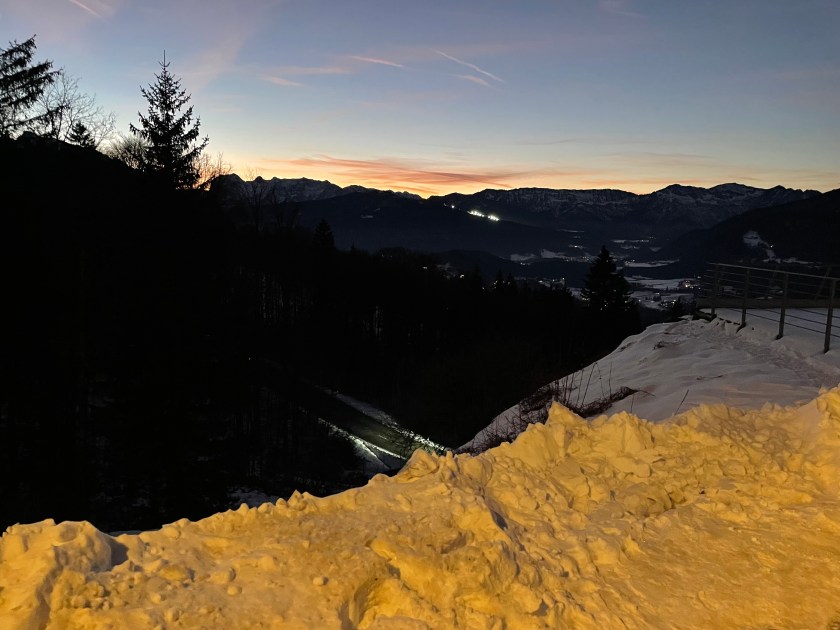
Here’s the view of the valley at night from the mountainside.

Berchtesgaden Christmas Market –Day 8

This morning bought tickets to take us to Berchtesgaden, about 45 min away, actually back in Germany. It’s an interesting old town at the base of the mountain where Hitler had his summer home and the Eagle’s Nest on the mountain’s top.

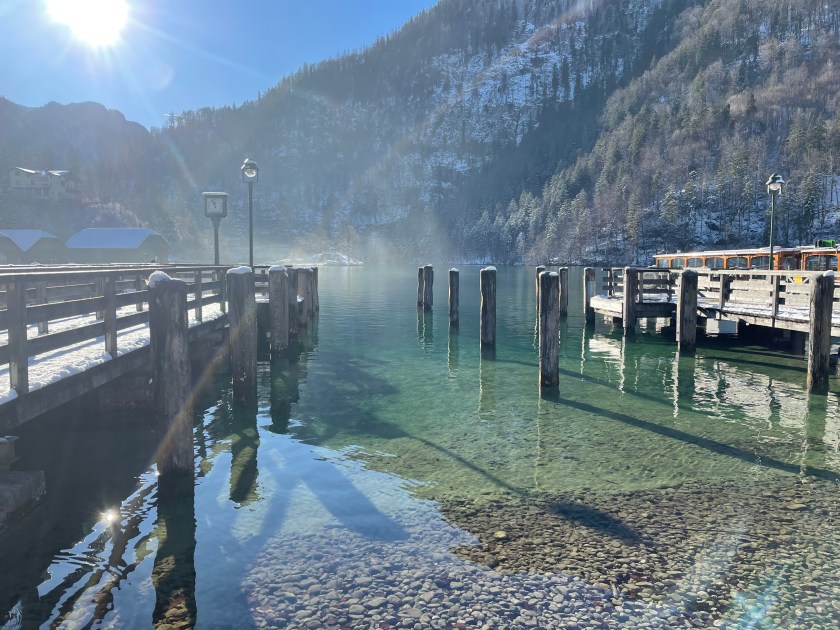
We actually took the bus to the end of the route in Königsee, the 3rd deepest lake in Germany.  There were boat trips you could take for 1.5 hours on the water. It was Cold.  We thought from there we could take a tram up the mountain to see the Hitler fortress up on top, but no, that was mis-information. Instead, we found a few families taking their kids to the tram with toboggans they’d rented there–for a day of sledding.

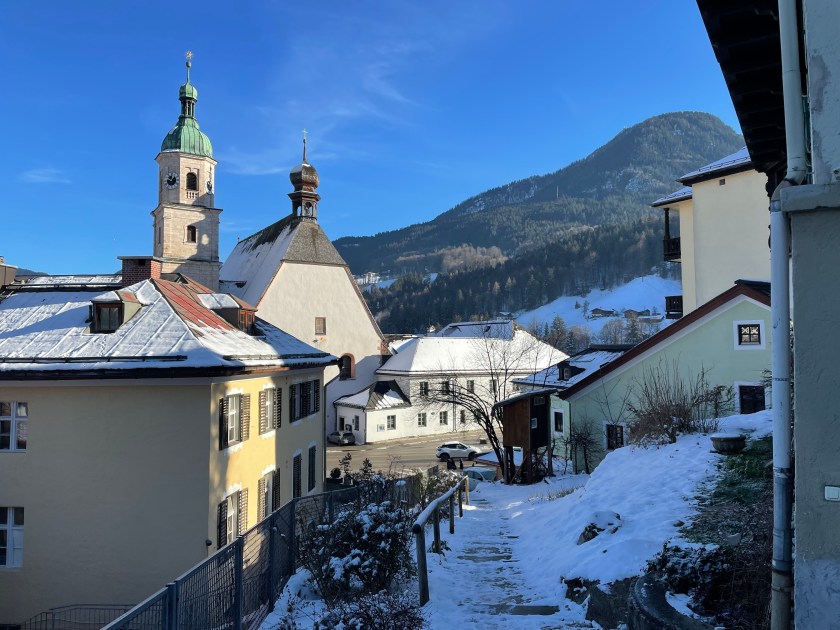
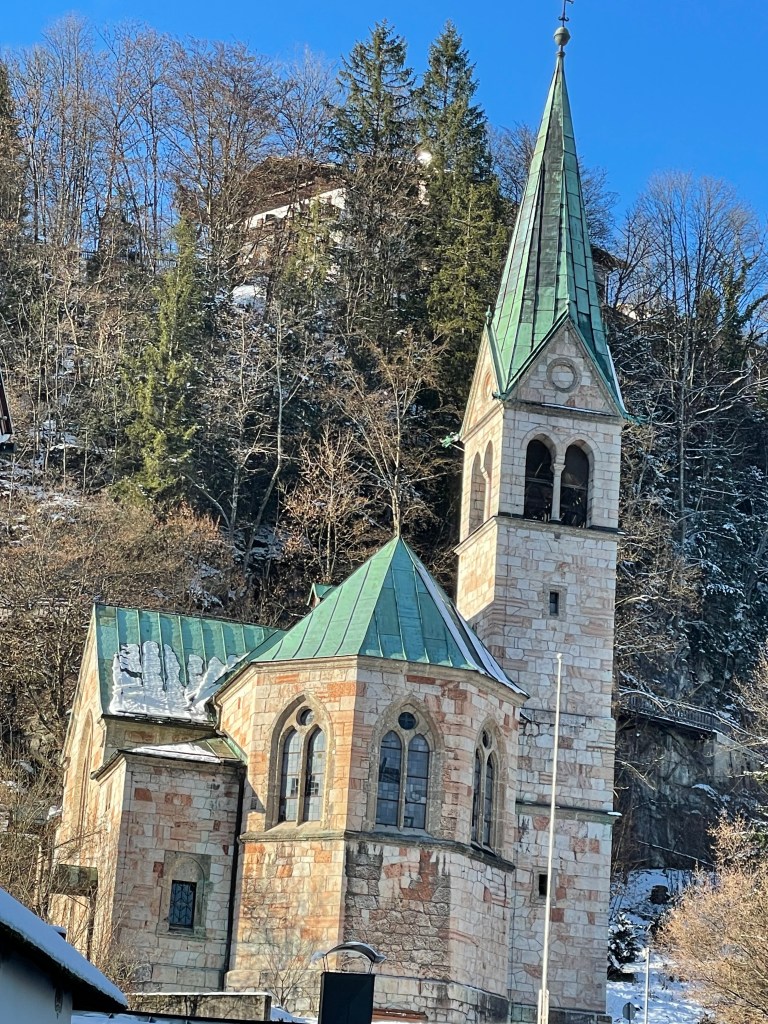
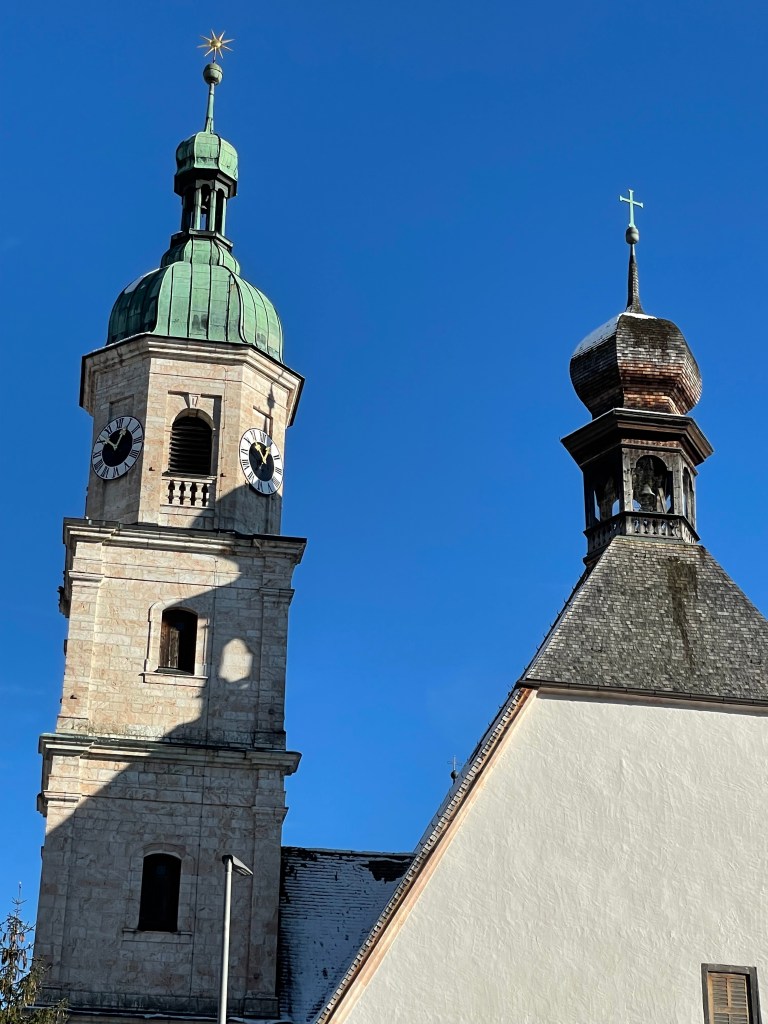
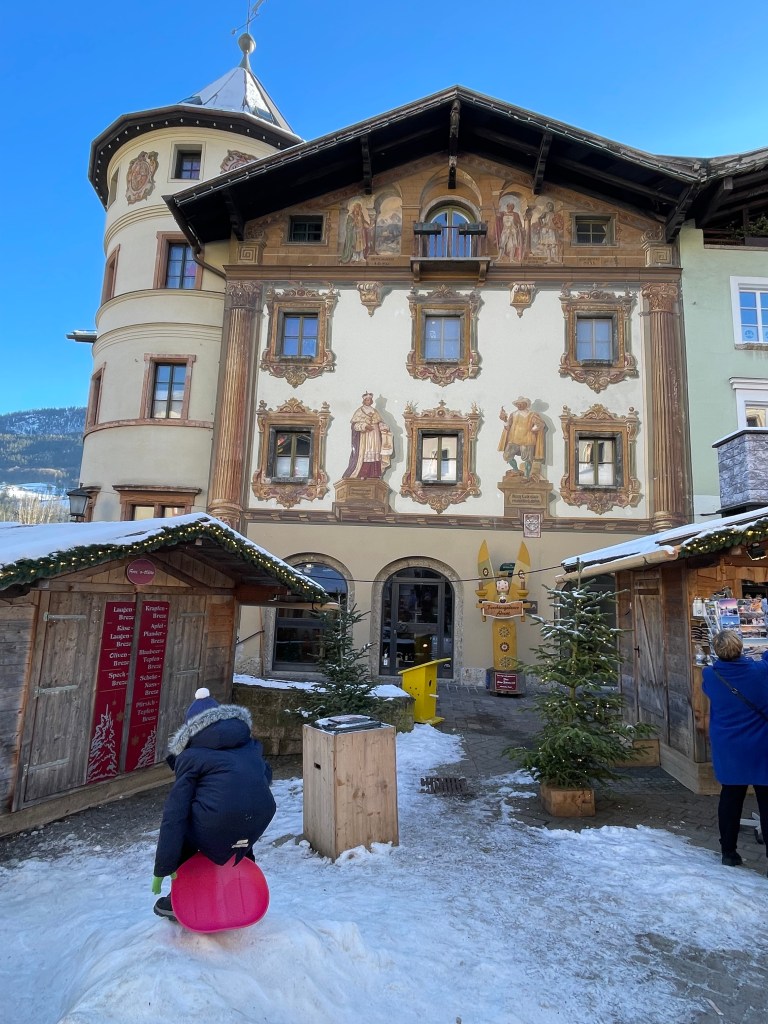
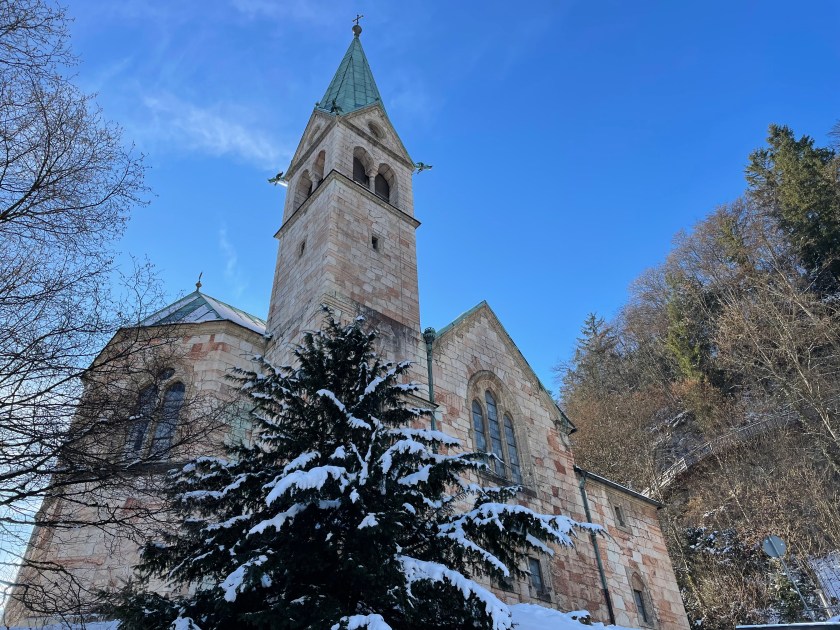
We took the bus back to Berchtesgaden and went into the town. We visited two old churches. Then walked through the historical parts of town (we got a map with a walking tour).

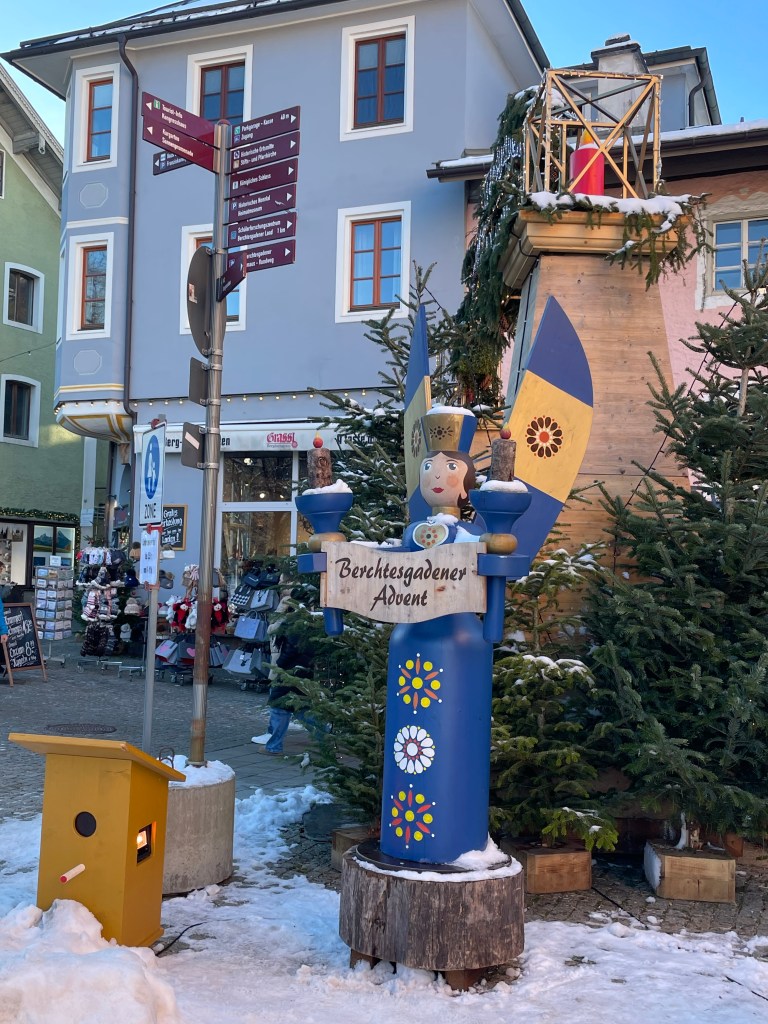
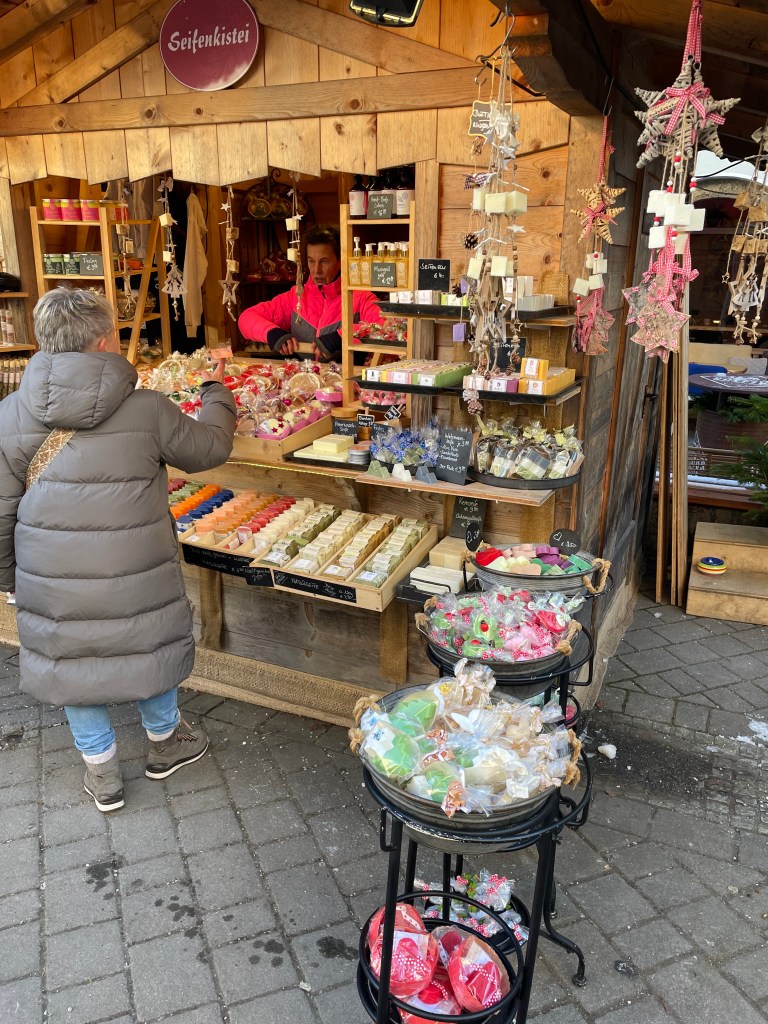
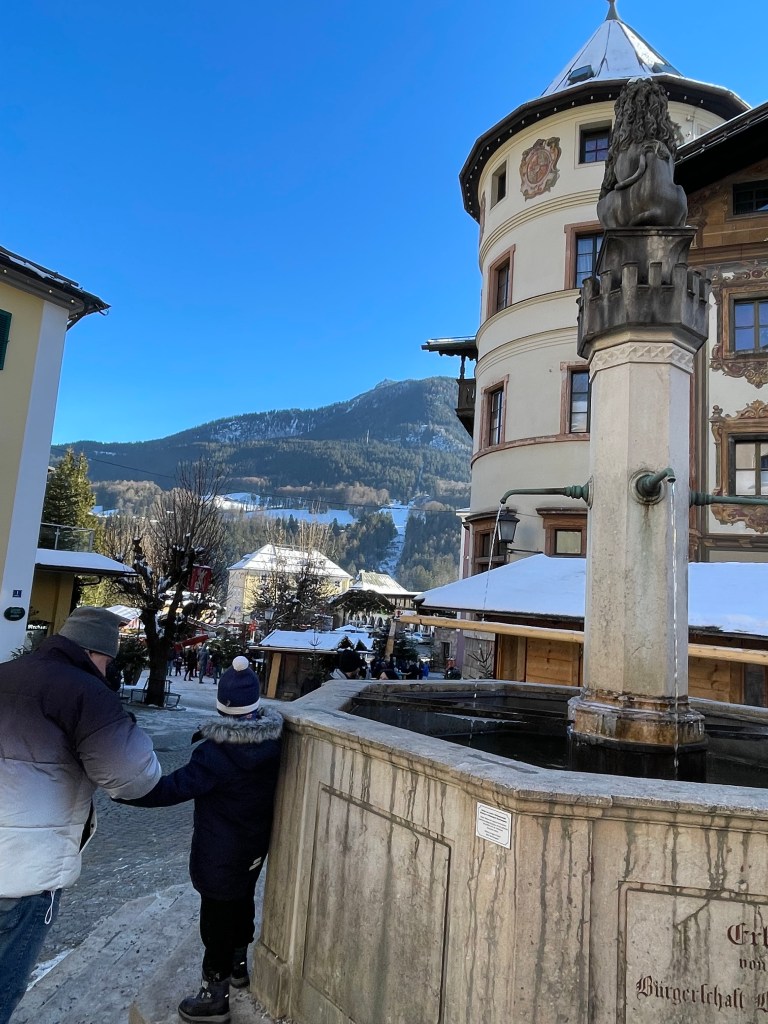
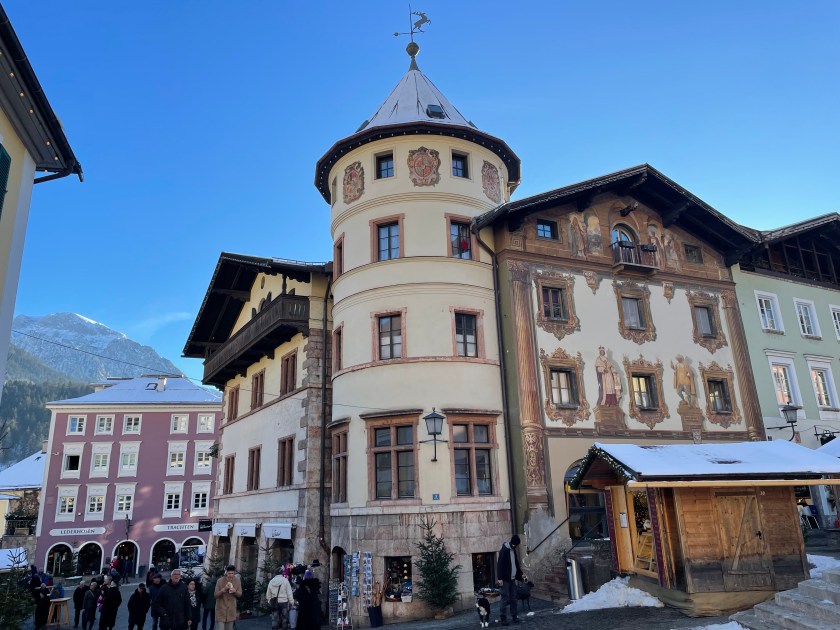
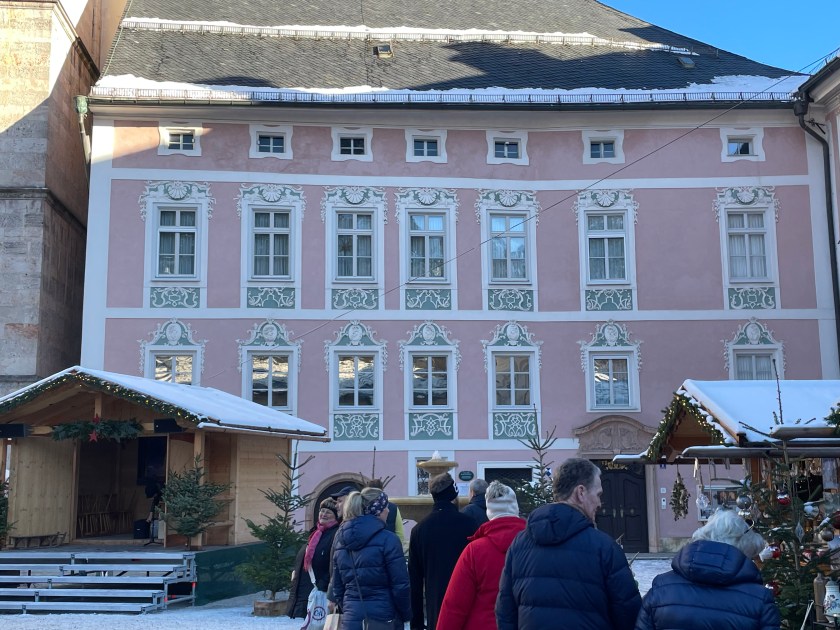
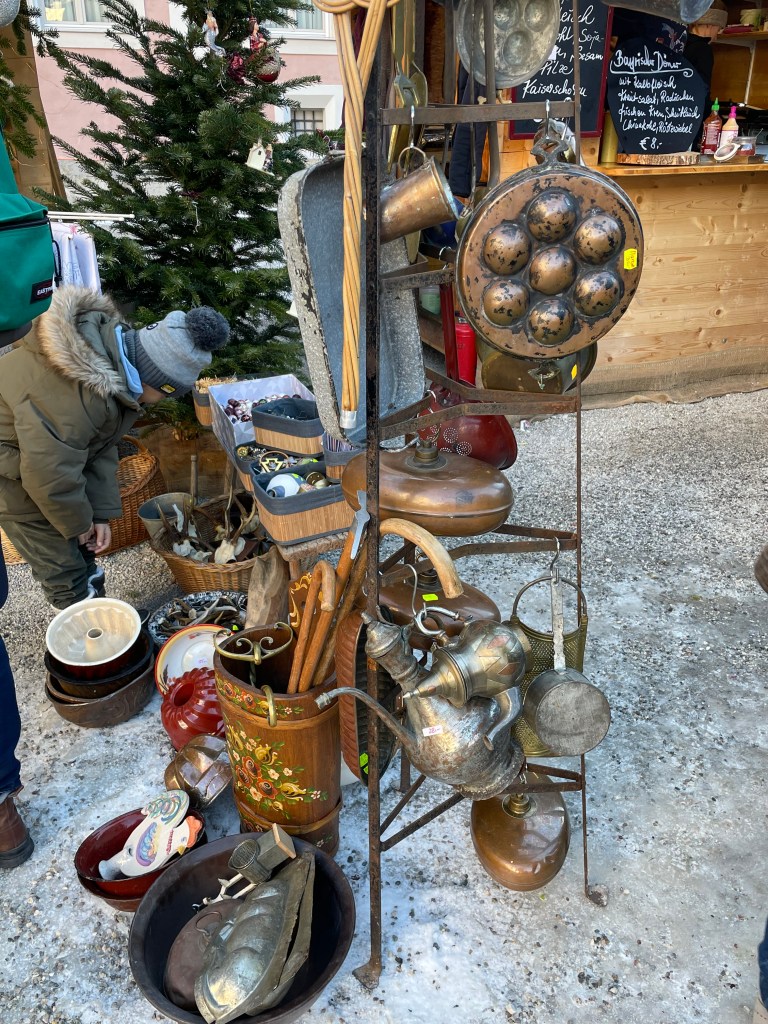
The CMS Market was set up along that walking tour and it was pretty fun. Nice stall/huts that looked like cabins. It wound through the little old town to the palace and the big church that adjoined the palace.

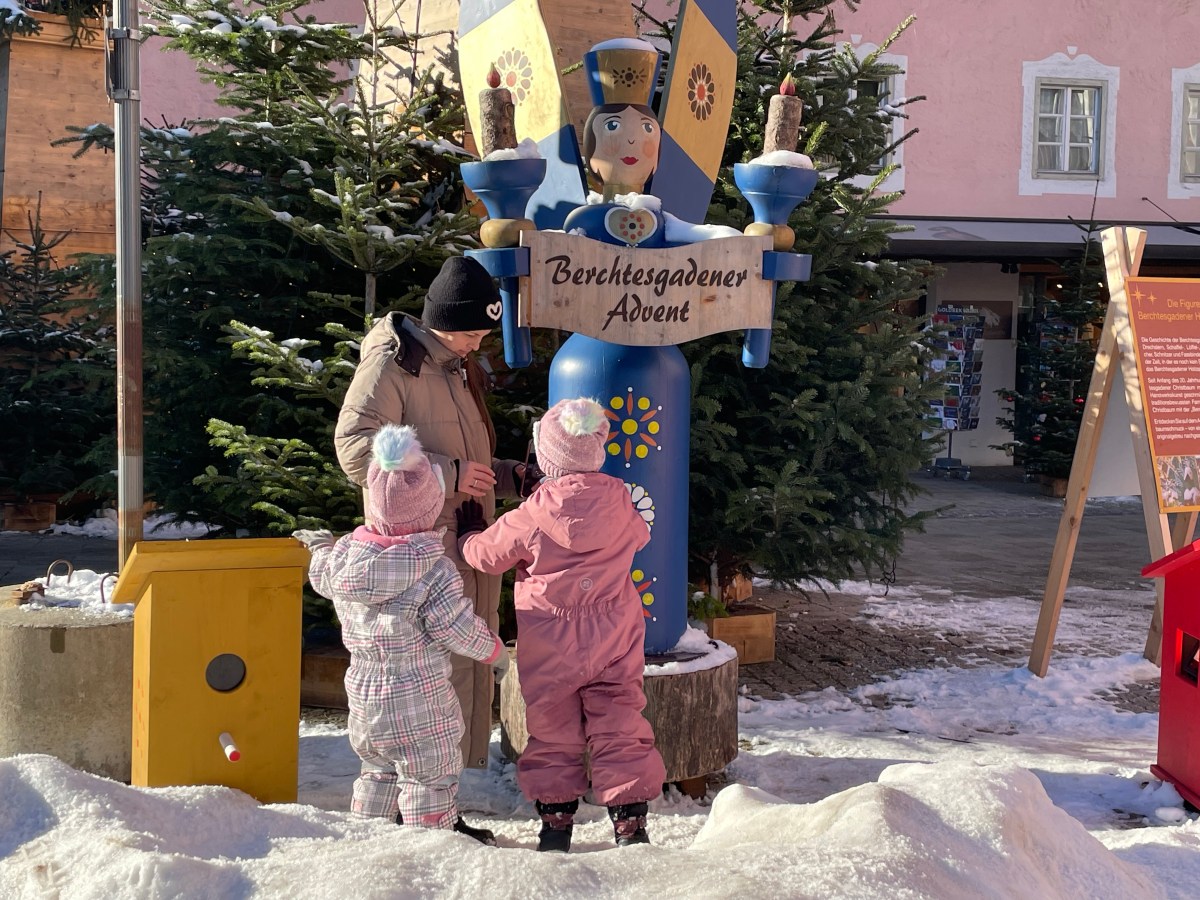
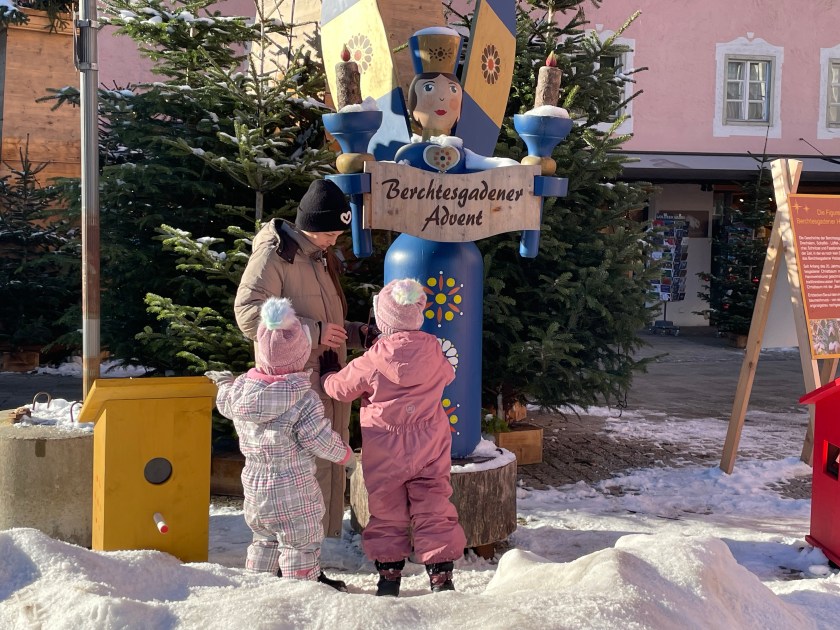
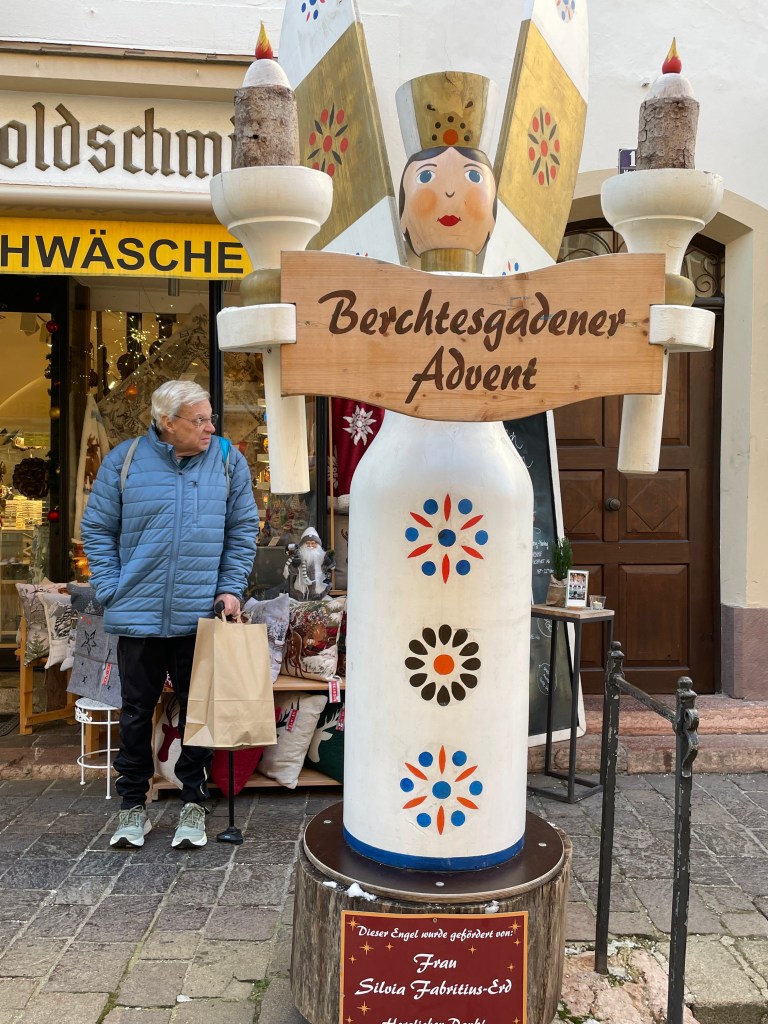
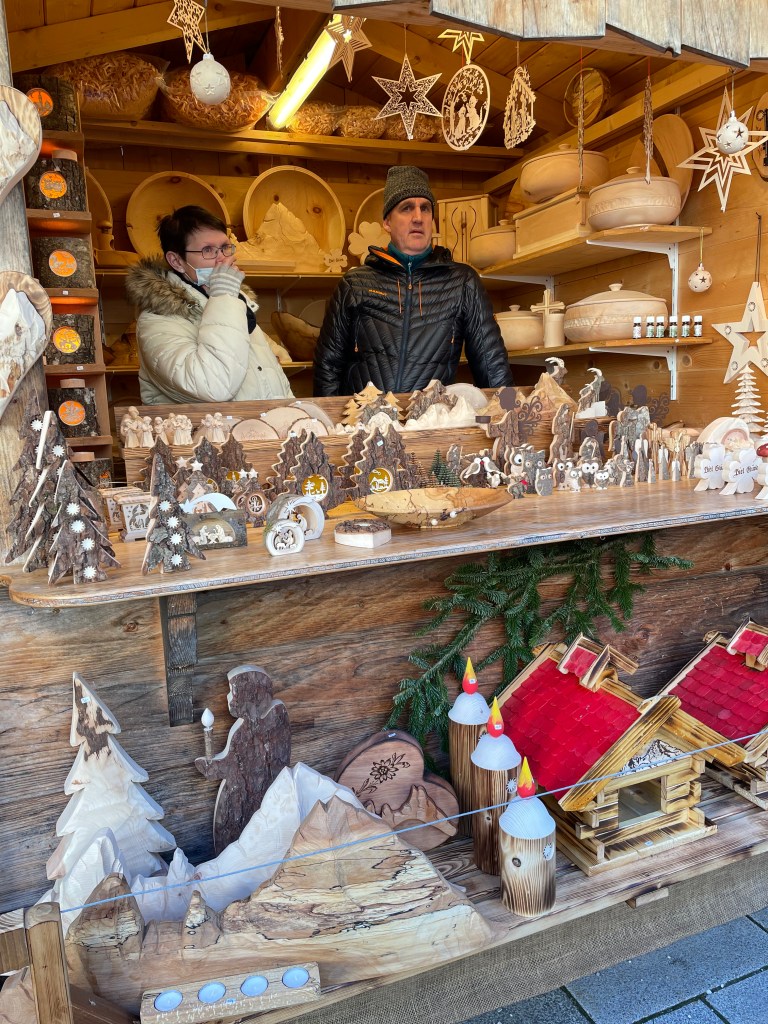
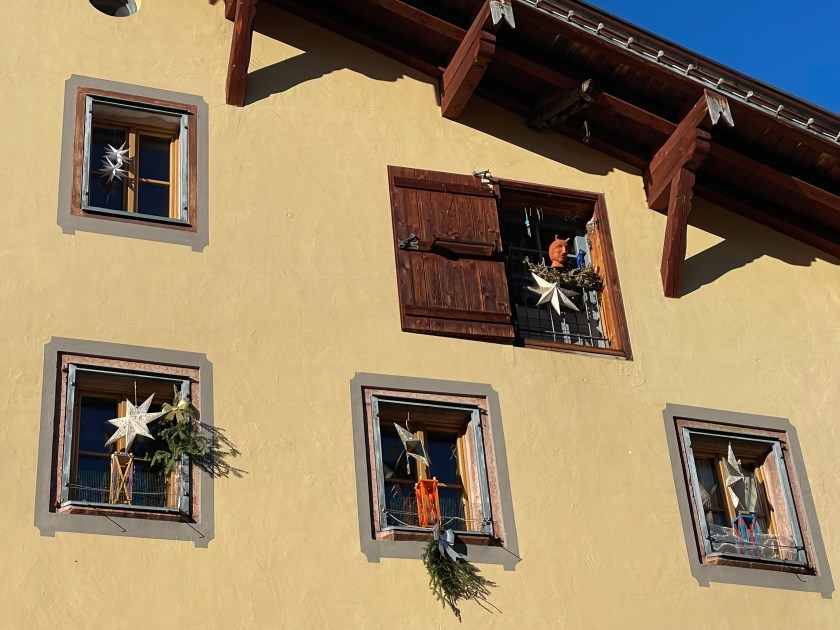
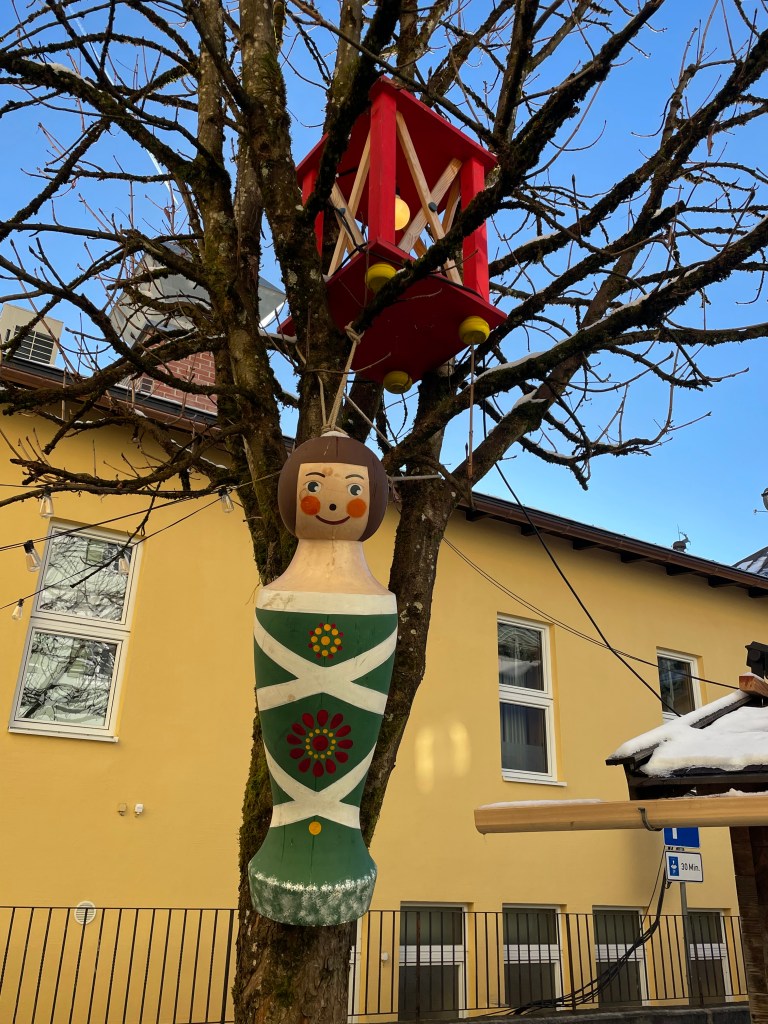
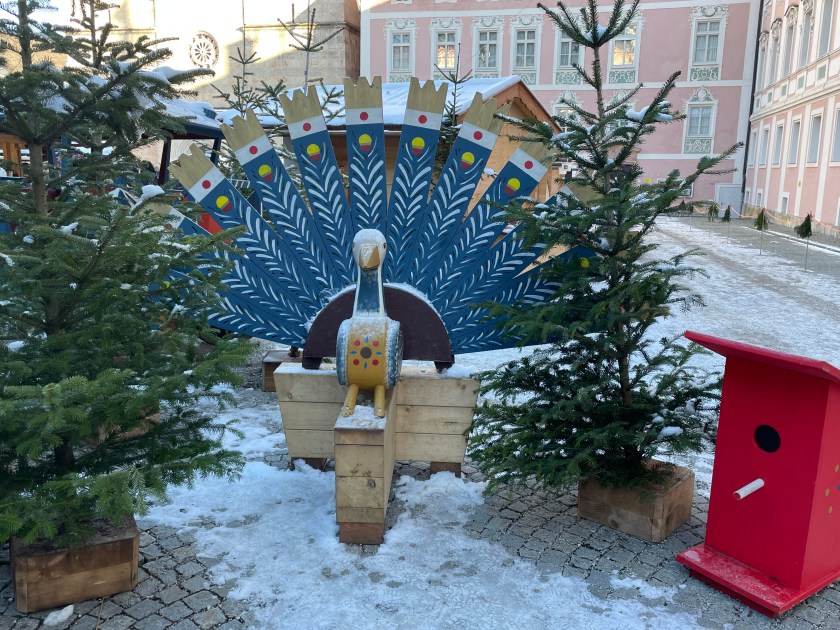
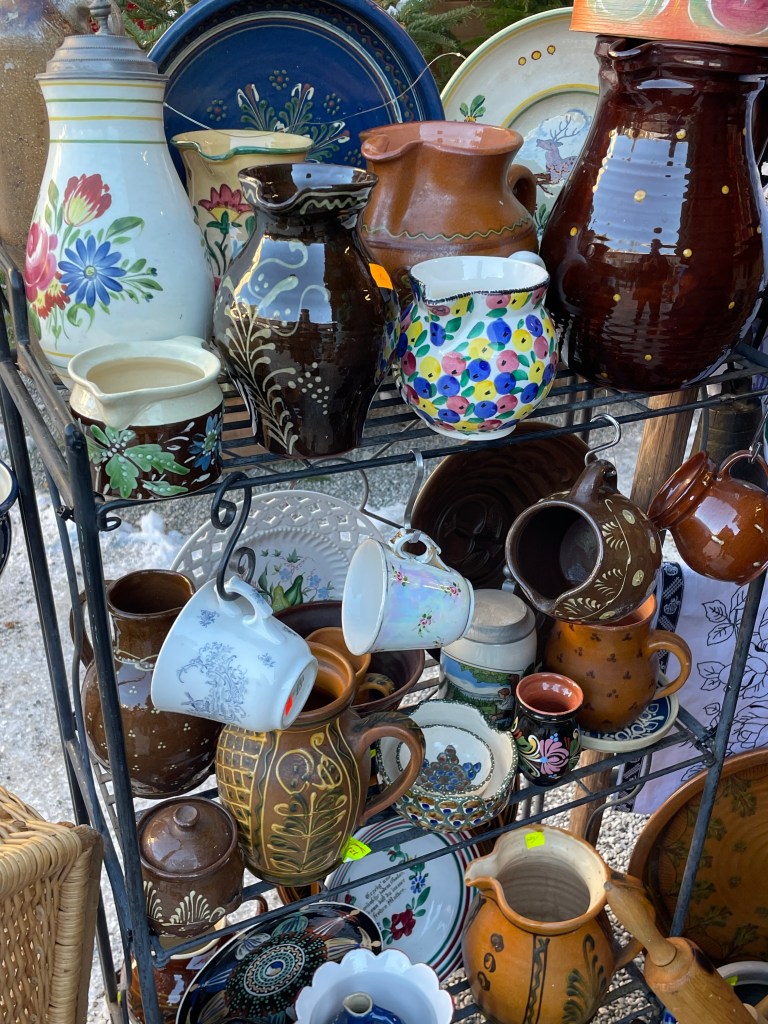
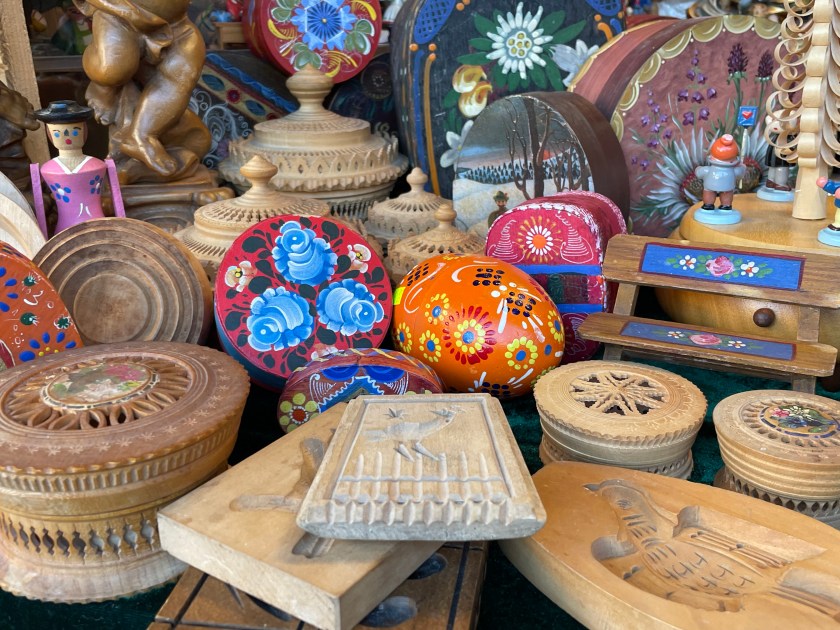
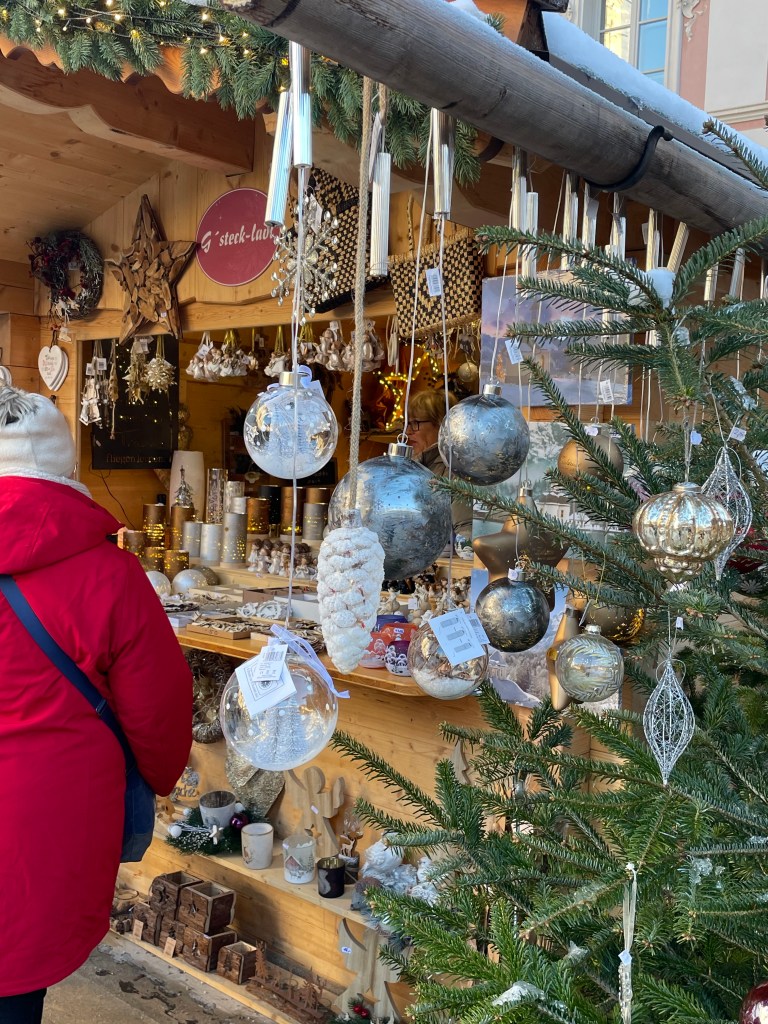
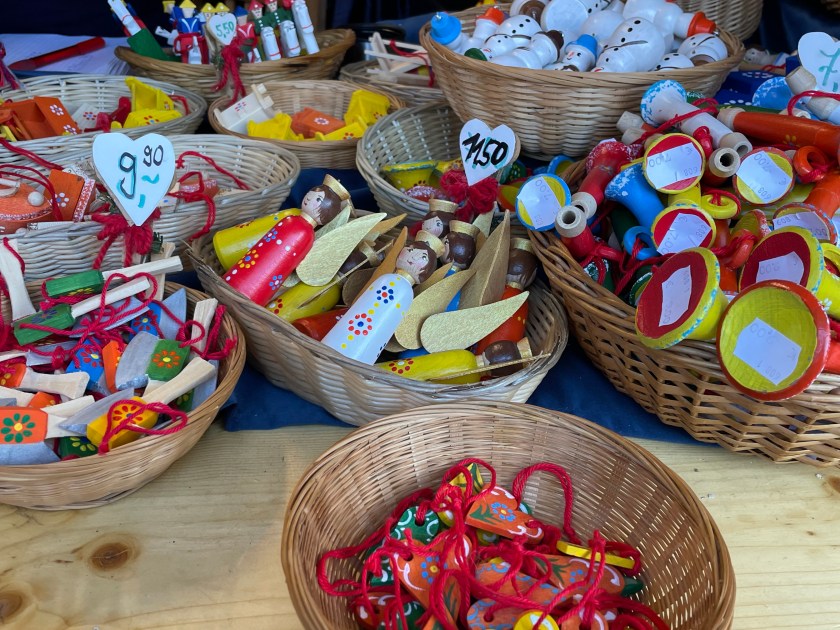
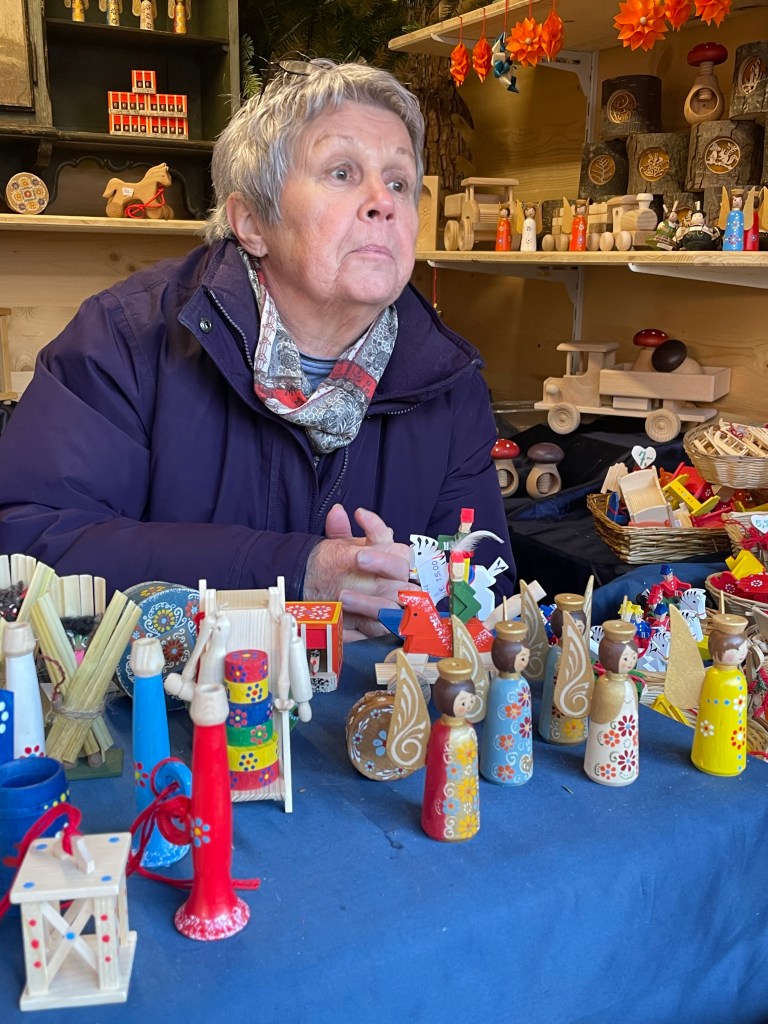
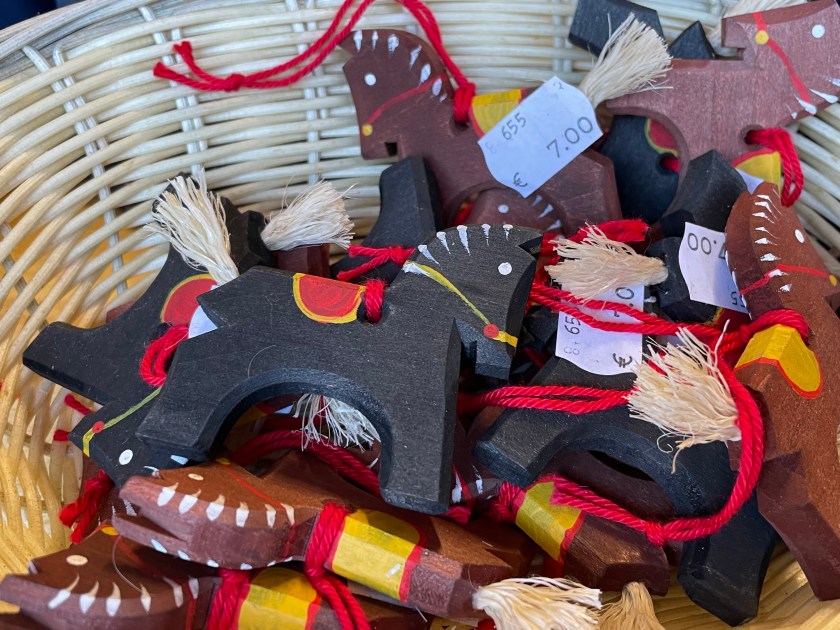
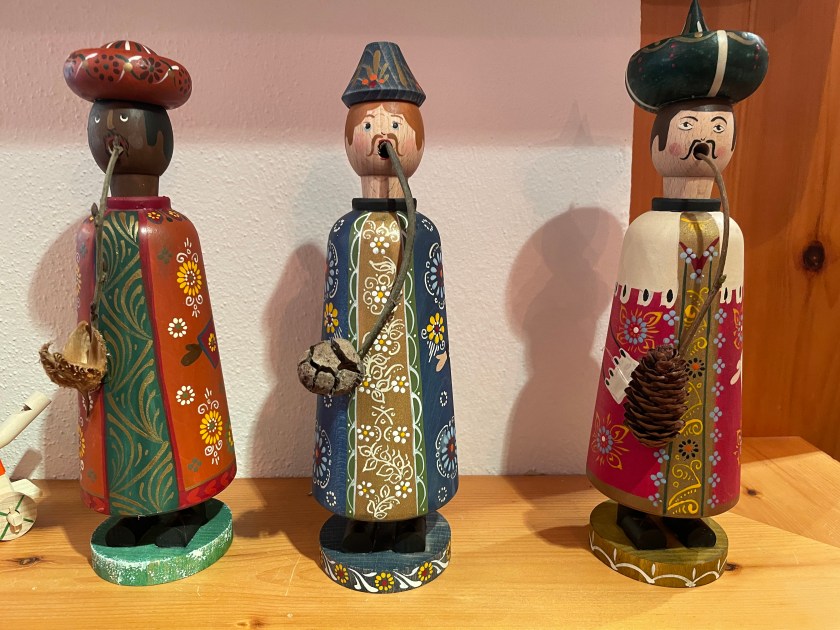
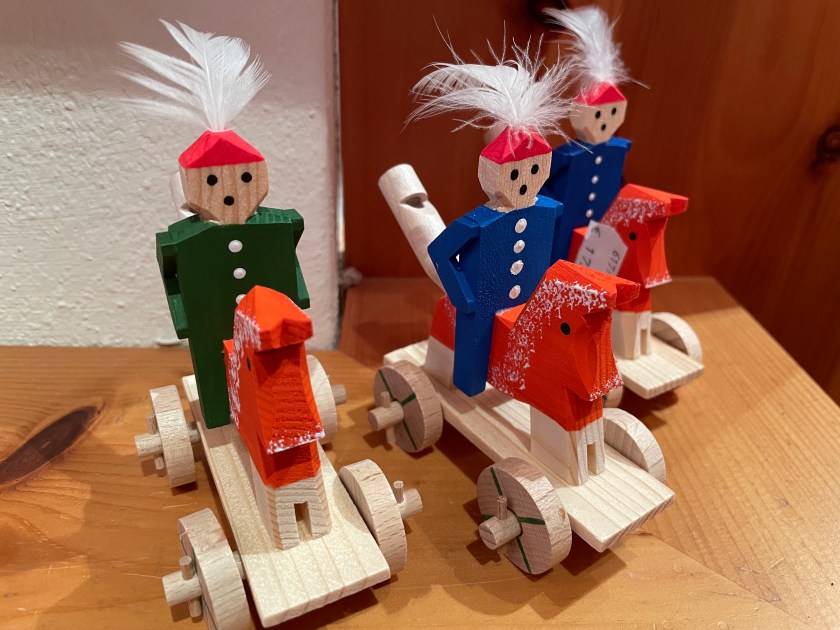
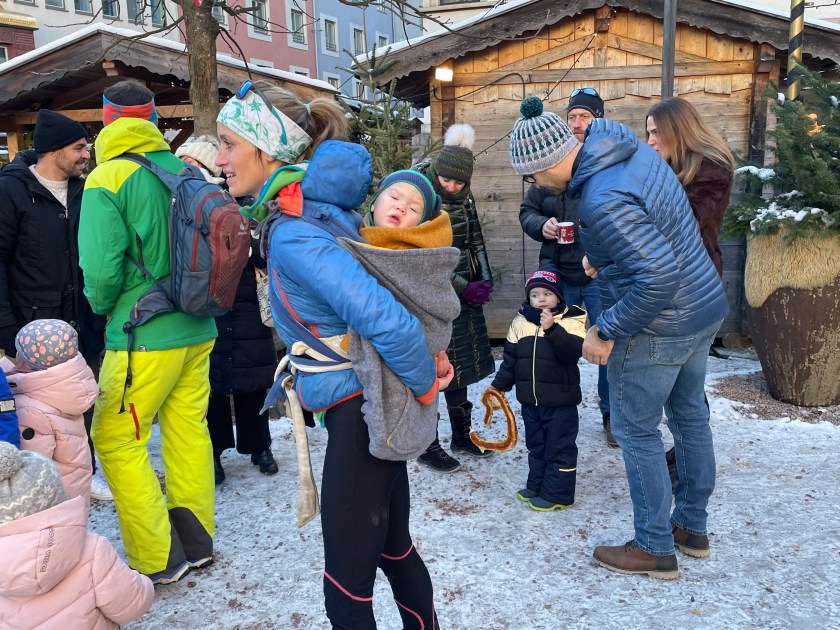
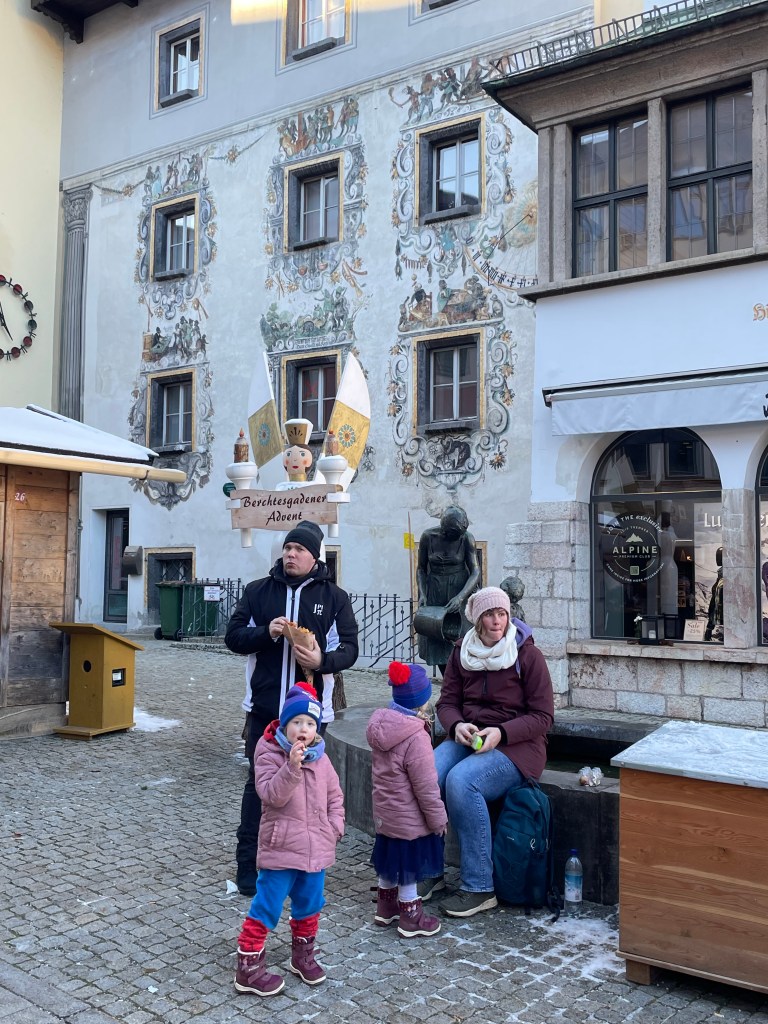
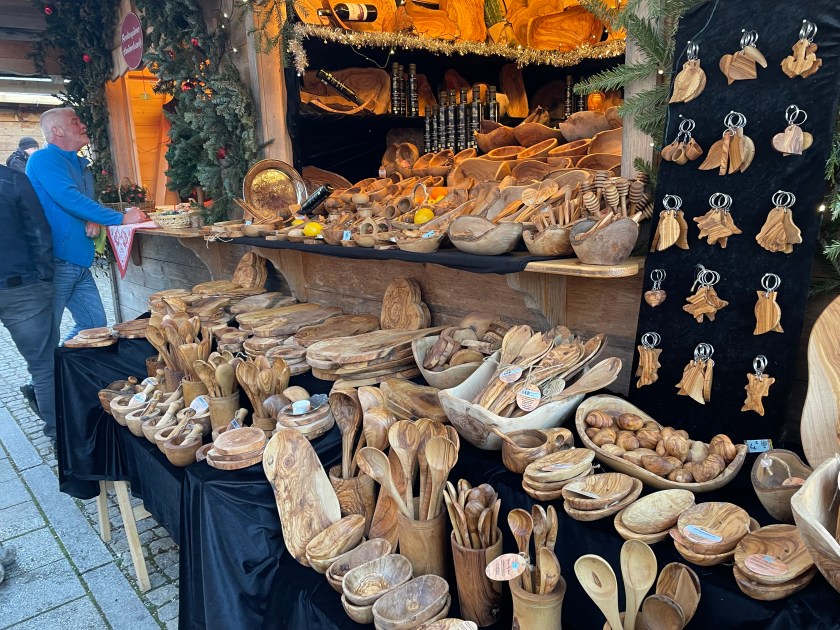
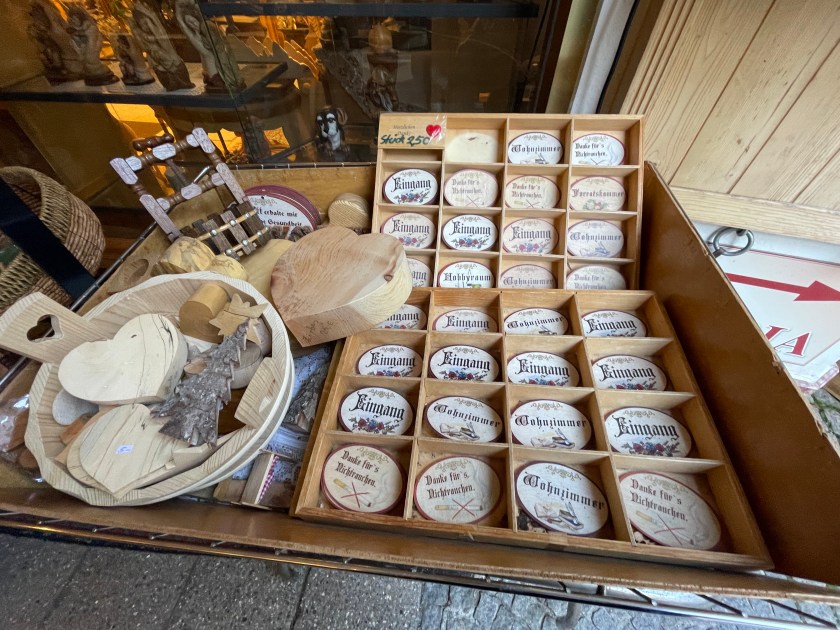
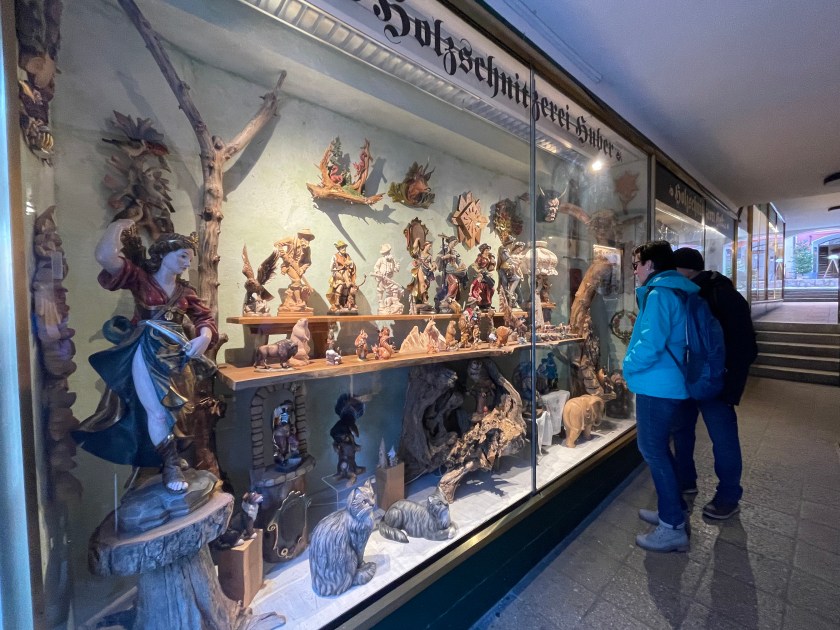
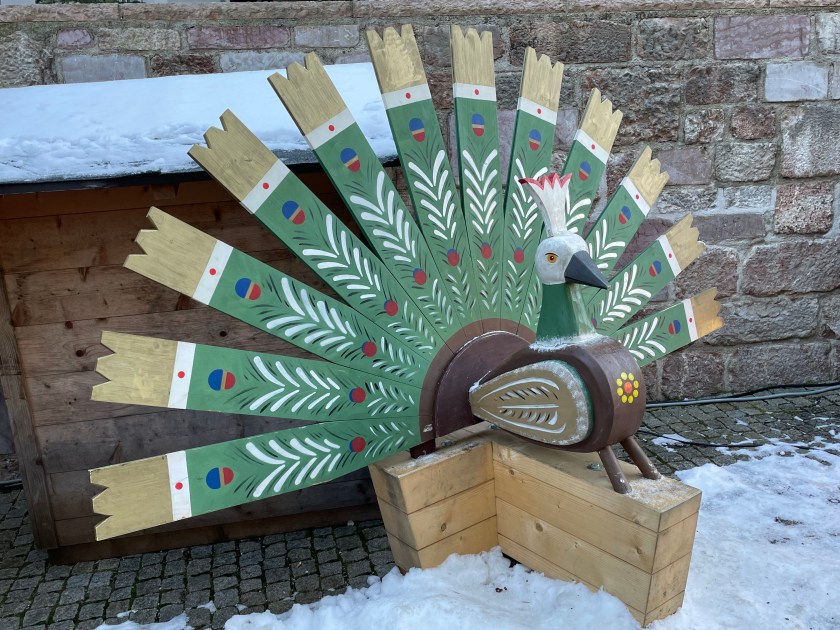
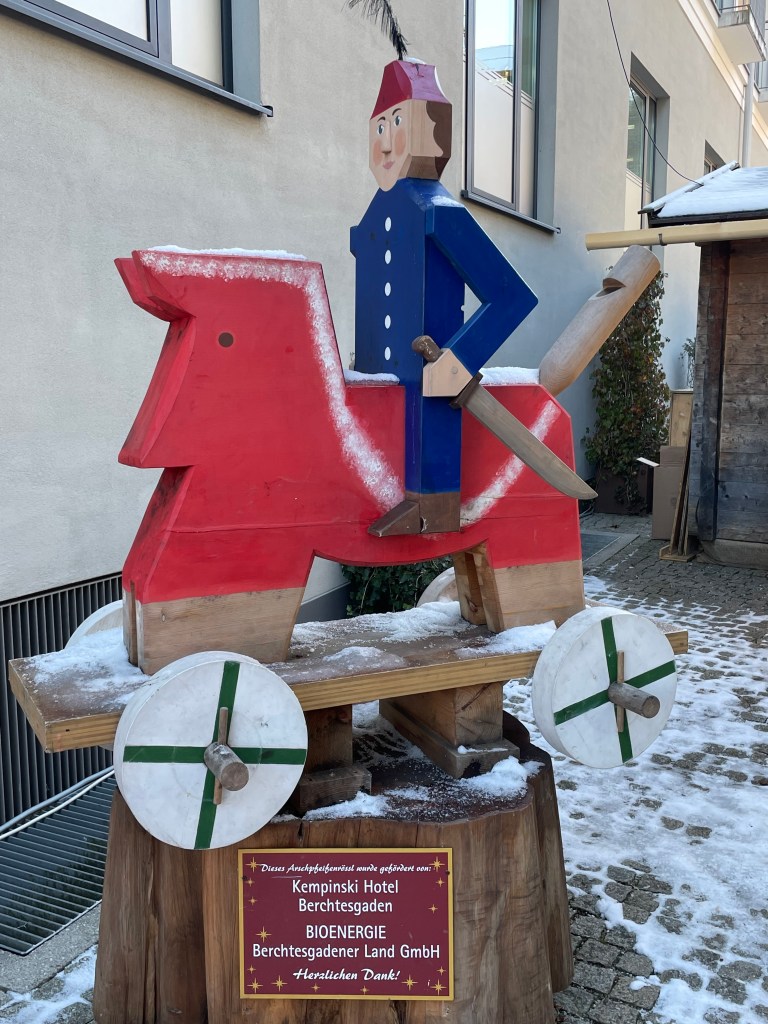
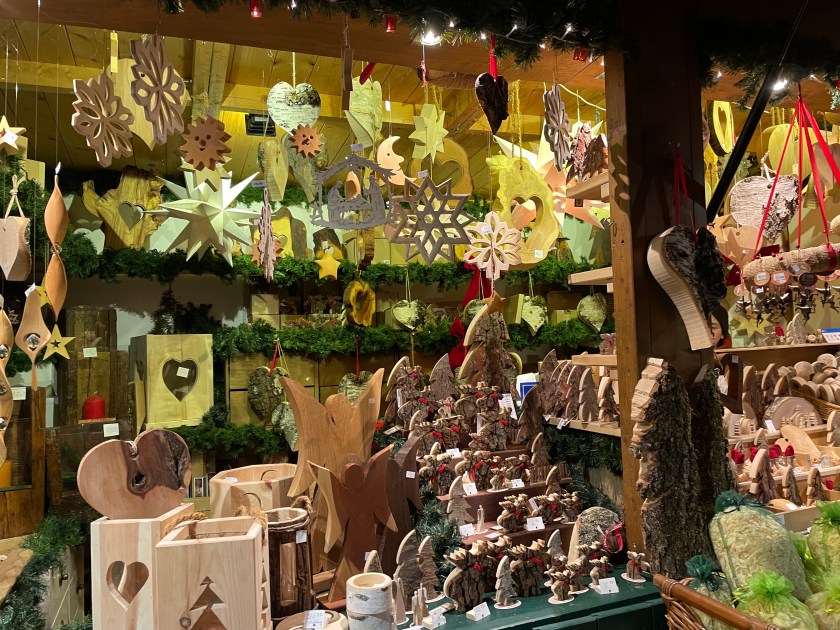
Back to the Christmas Market!  This town is known for its hand painted wooden ornaments and crafts.  It was a lot of fun to see how the market was decorated with these large painted ornaments.


The market extended into the palace courtyard and the palace church.

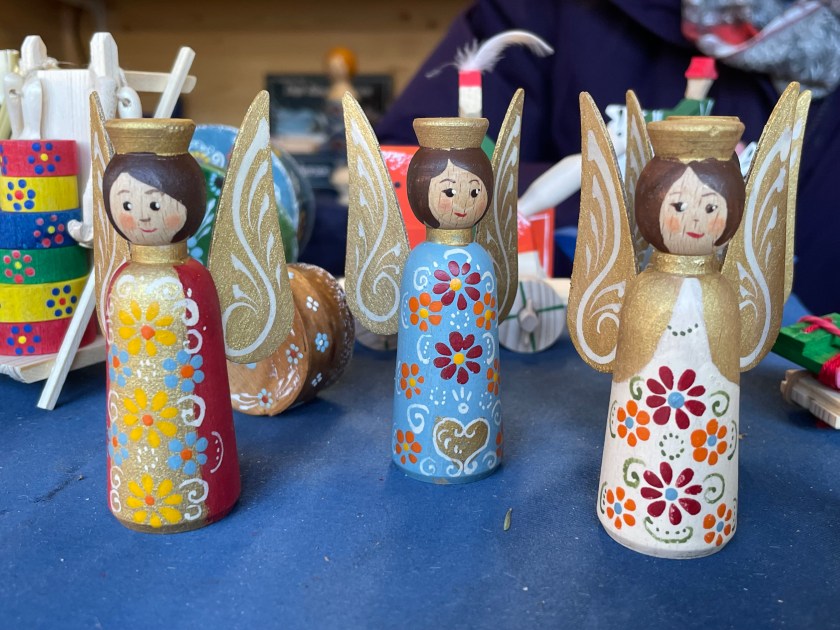
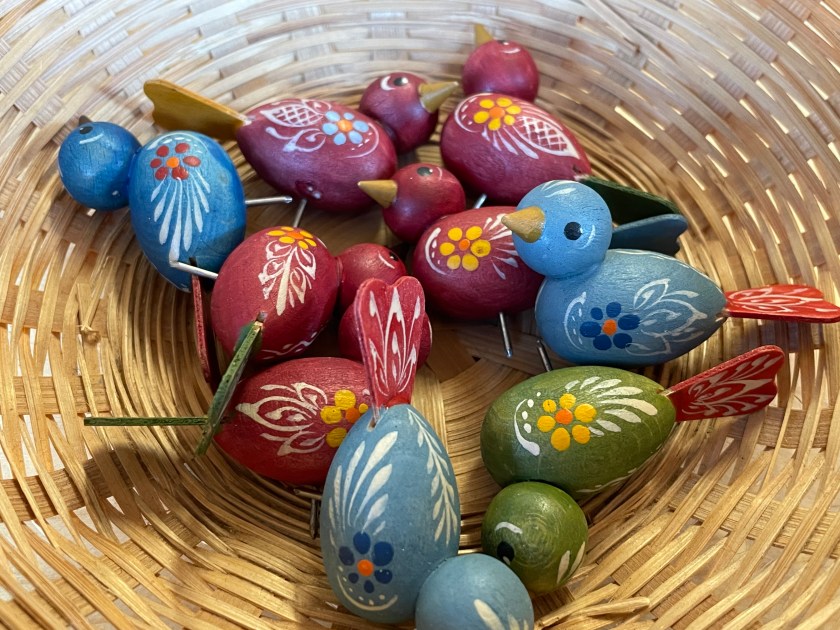
We bought 3 hand-painted angels from the lady who painted them, and 2 little bird ornaments.

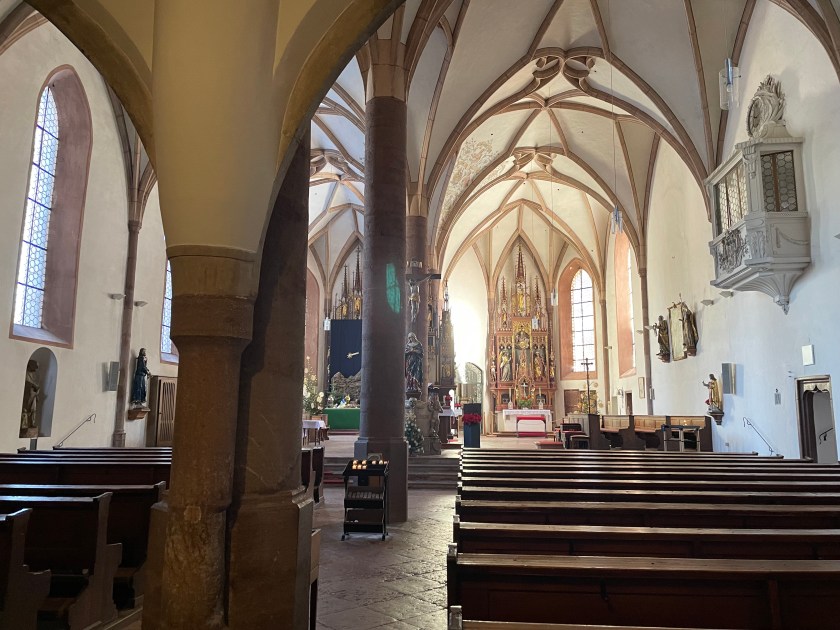
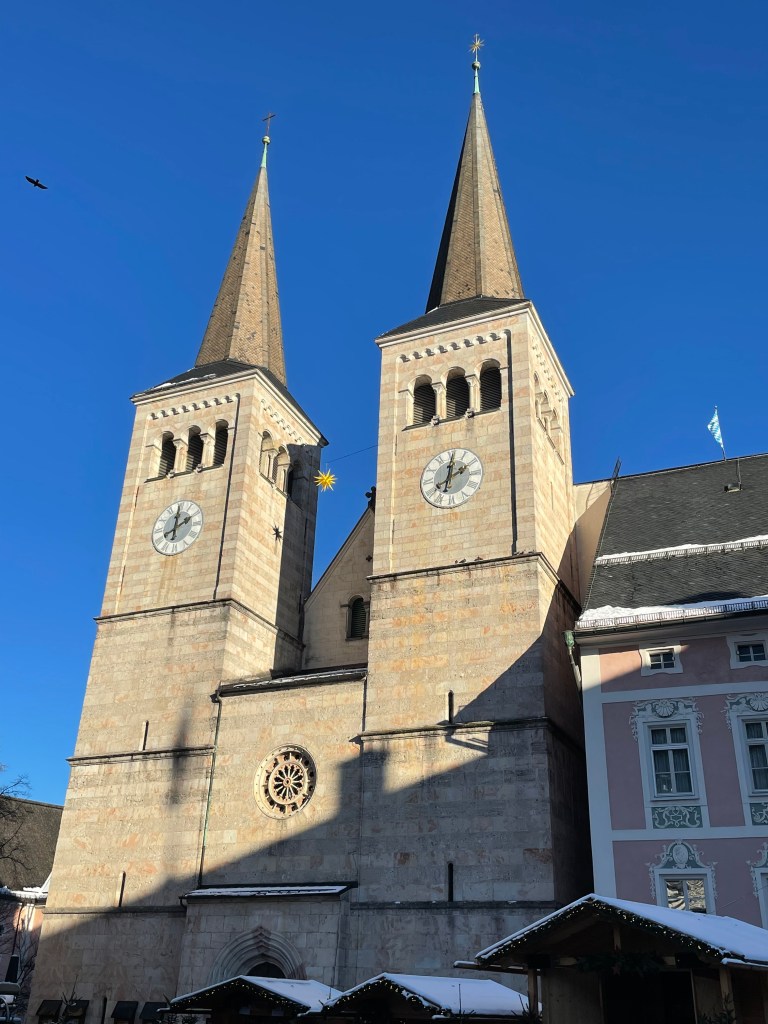
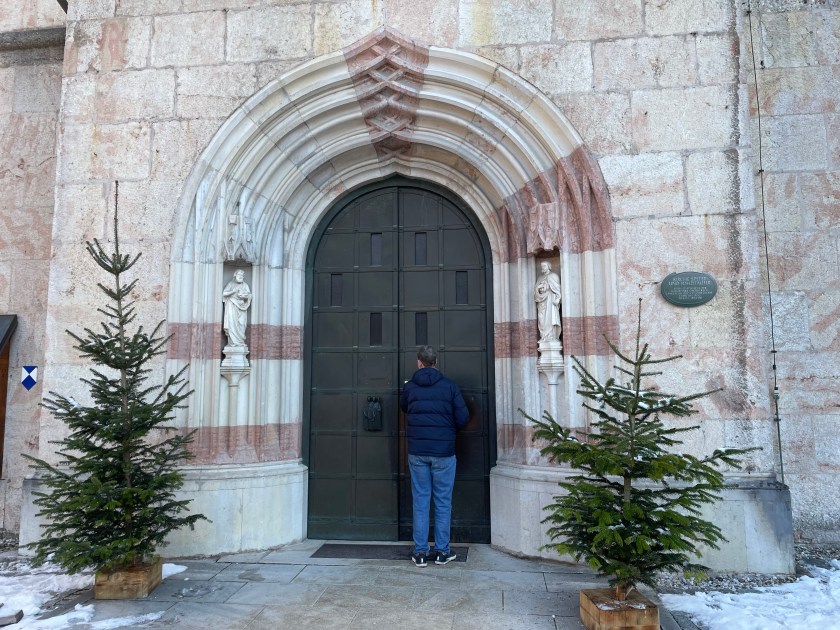
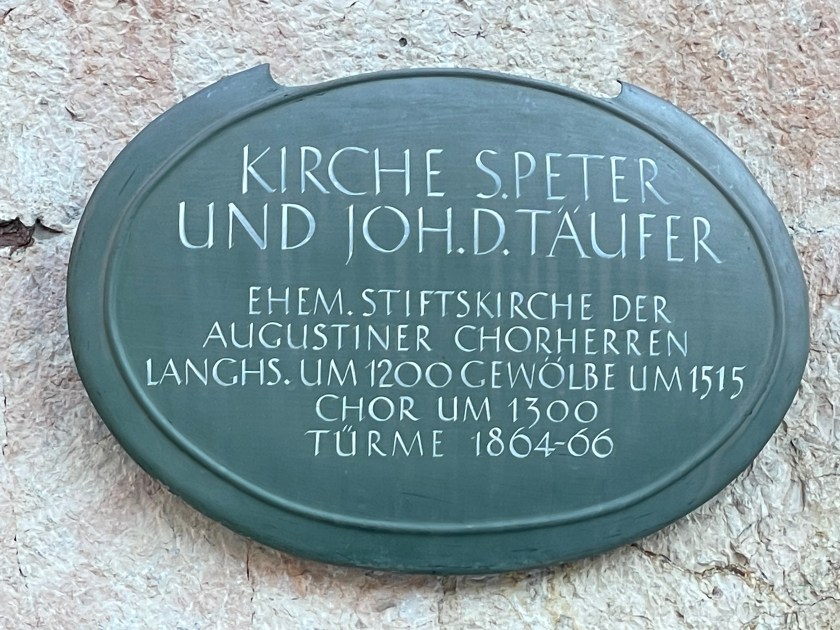
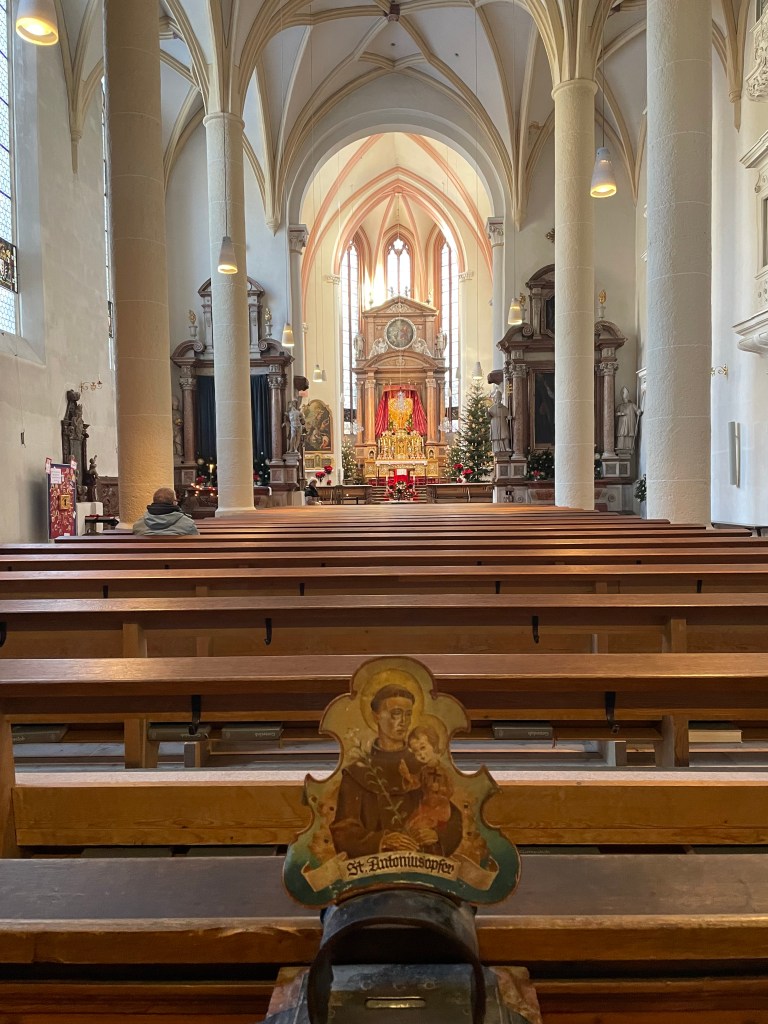
The Church of John the Baptist (1200s).

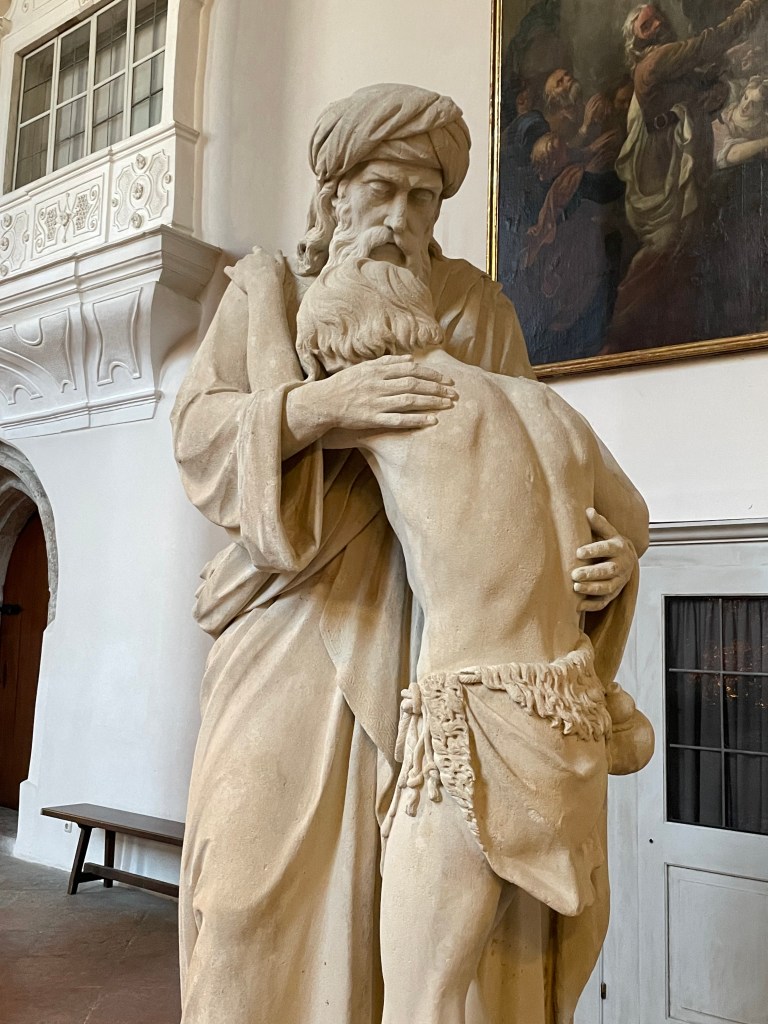
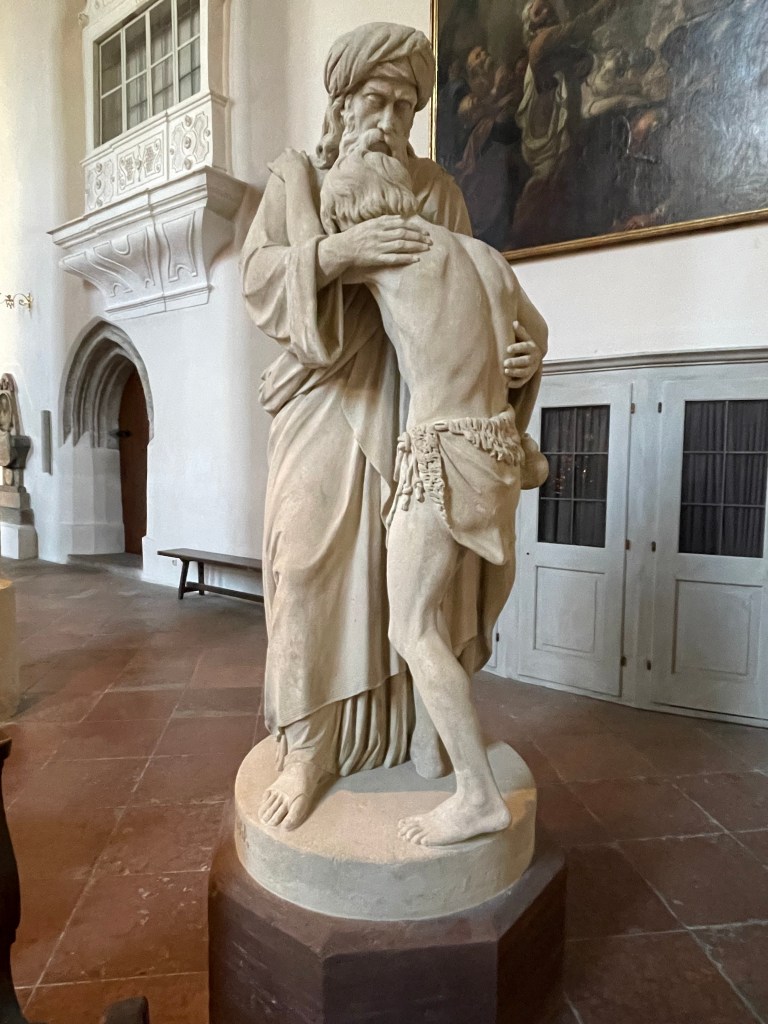
The Prodigal Son:

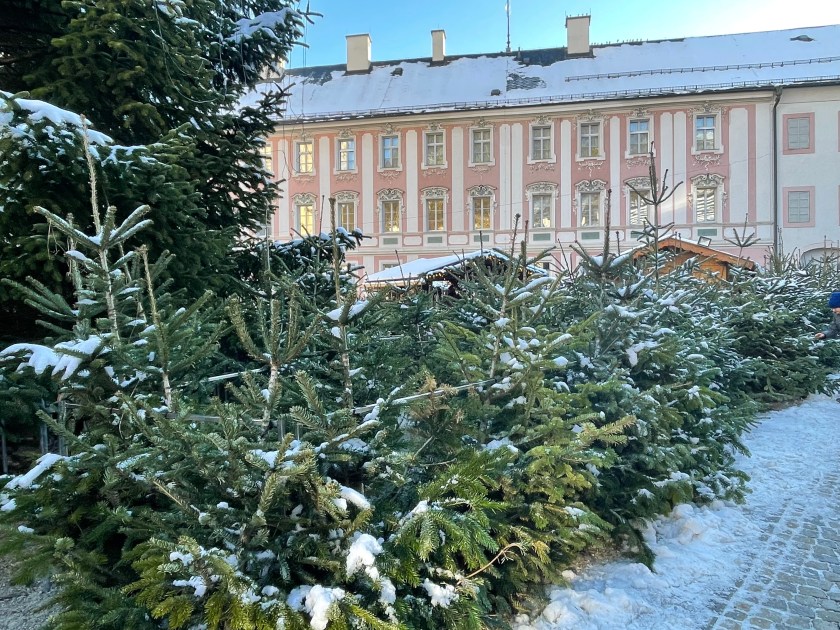
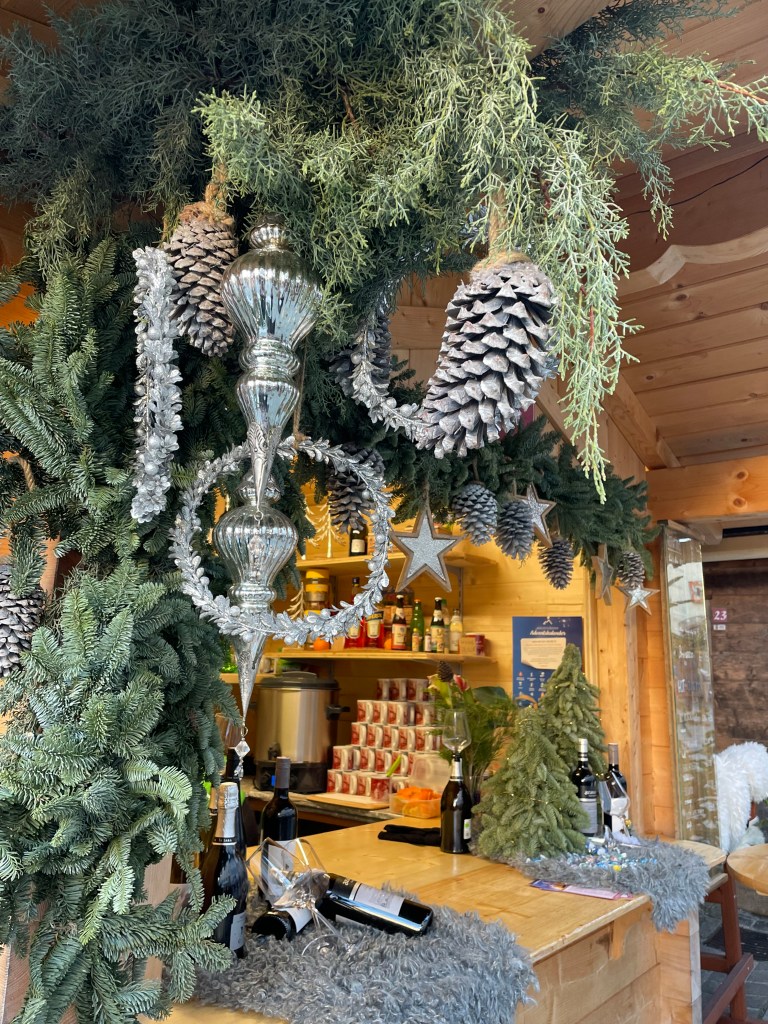
German Christmas Markets are filled with fresh pine trees.

I loved how this Christmas Market felt like it was there for the locals, not tourists.  There were so many families here and beautiful local crafts.

We spent the rest of our day exploring Hitler’s stomping grounds up on the mountain.

On to Salzburg! –and more Christmas Markets! –Day 7

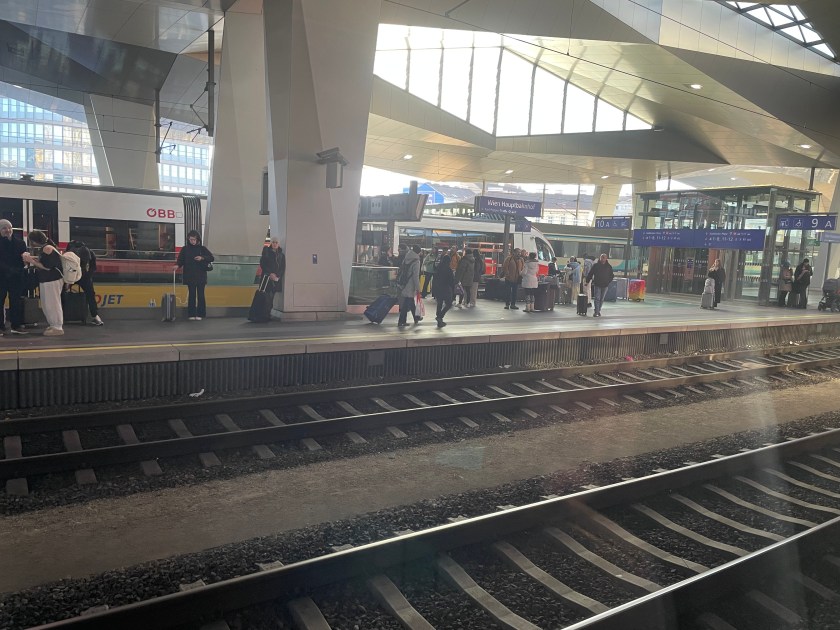
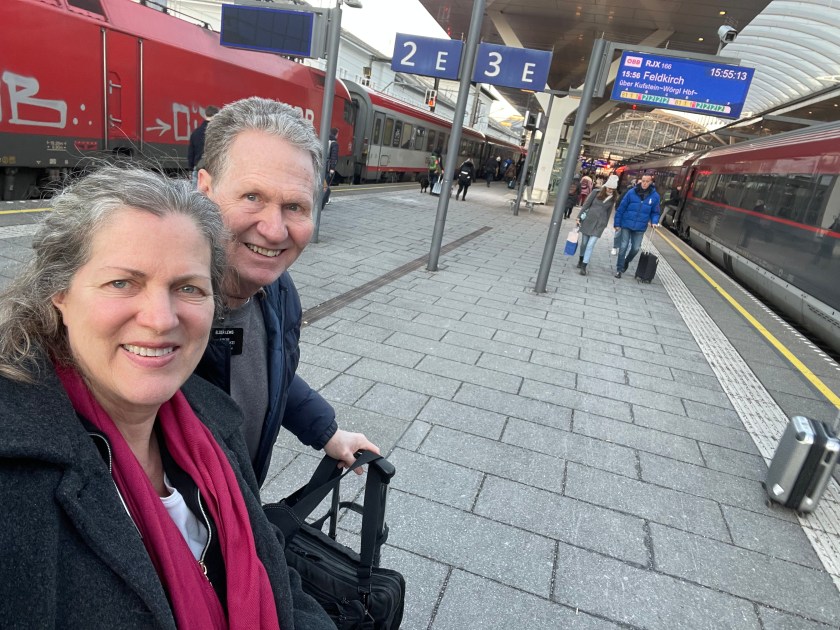
Today was a traveling day.  We took the train from Vienna to Salzburg, leaving at about 1:30 and arriving at about 4:00.  Public transport in Europe is such a nice option.

As we got closer to Salzburg, it got foggy out, then the fog turned to frost on the ground and it was a white magical wonderland out the window. We left sun in Vienna.

We walked from the Bahnhof to our hotel, and got excited for this new adventure.  Salzburg is a smaller city than Vienna.  It feels a little cozier to me.  I am loving it already.

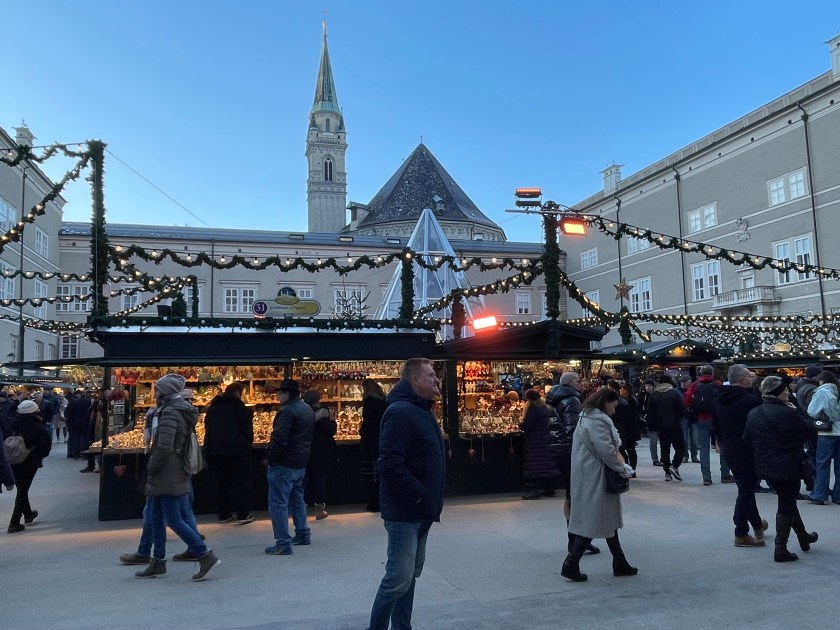
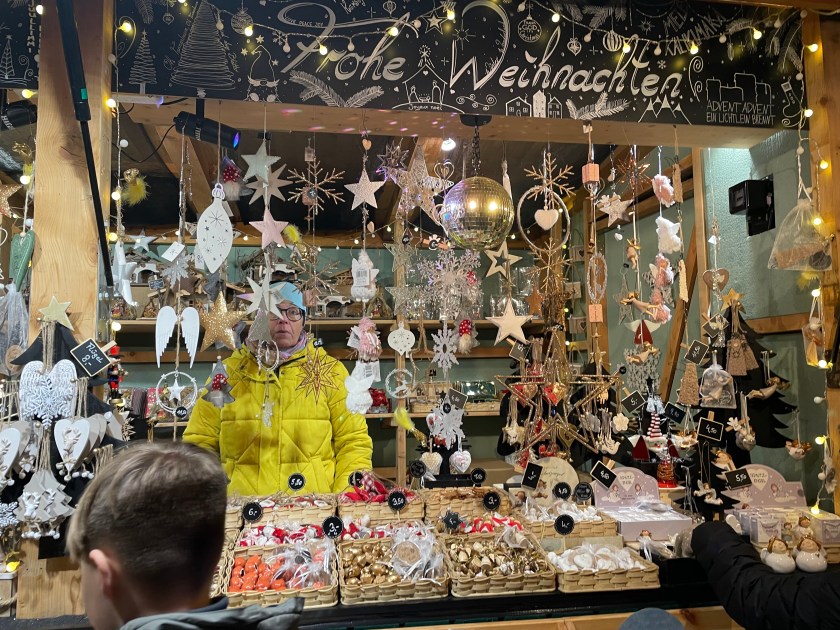
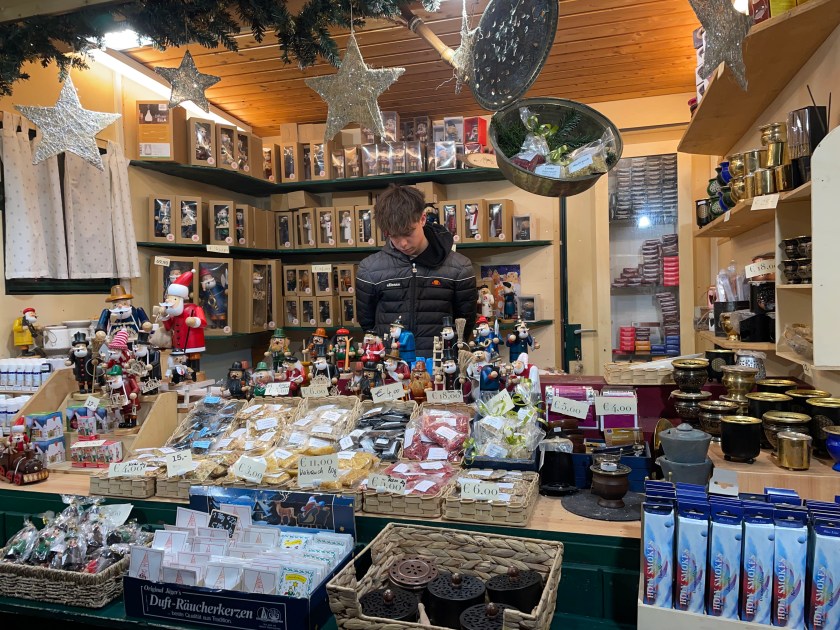
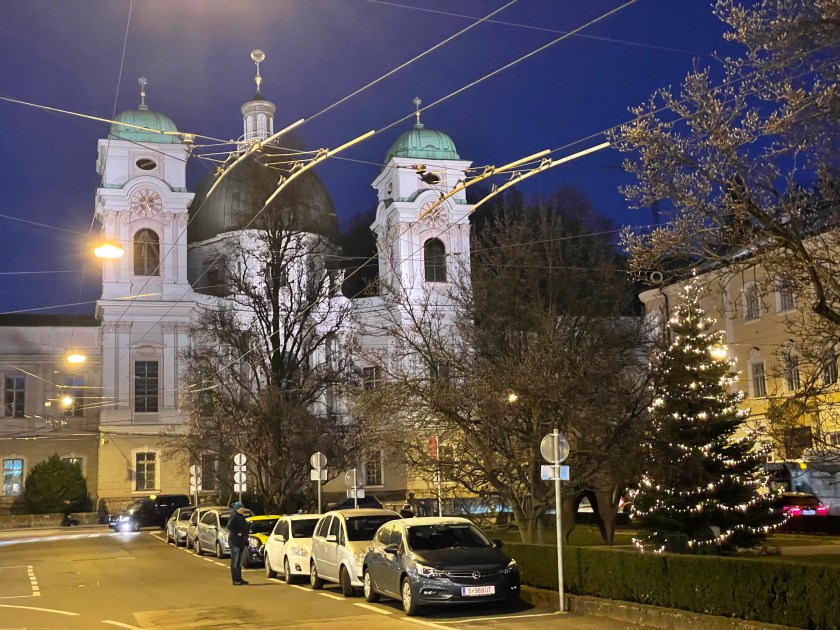
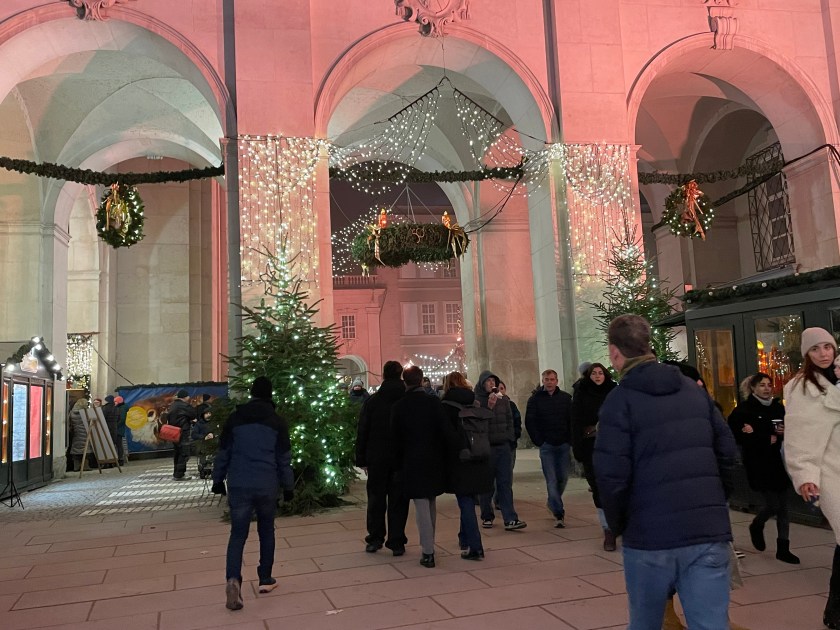
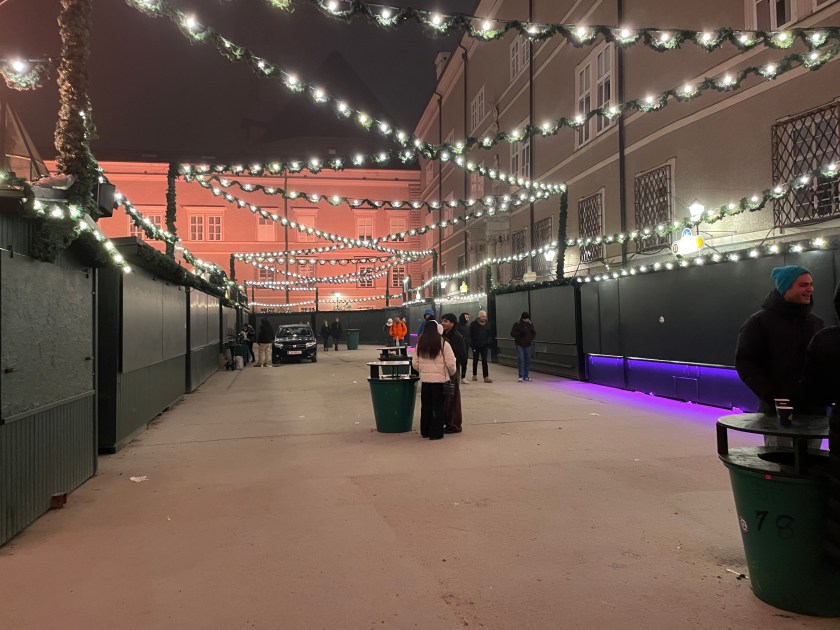
After checking in to the Grand Sheraton, we set out to see the city by night.  What do you know–there are MORE CHRISTMAS MARKETS HERE.  They are around every corner!  We walked through this small one on our way into the heart of town.  I haven’t gotten tired of the markets.

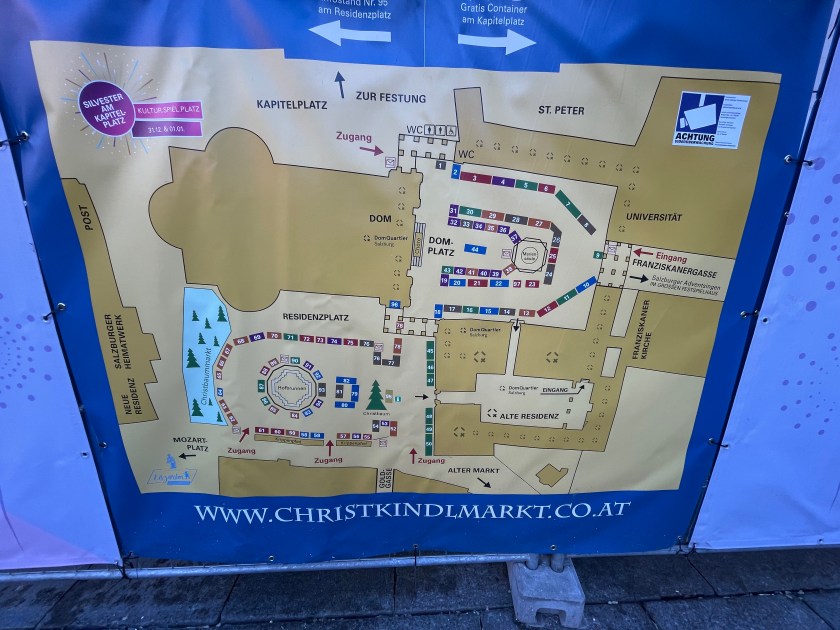
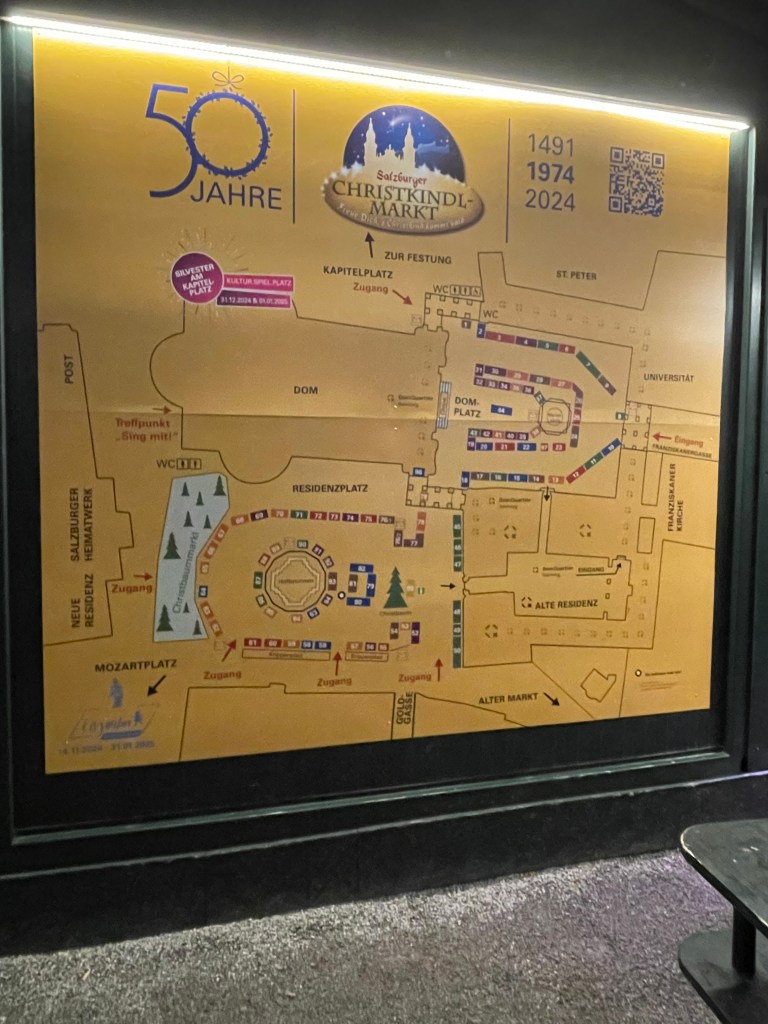
This map lists most of the Christmas Markets here.  We came to see the city–these markets are a bonus!  It’s such a fun and festive time to be here!

May be an image of map and text

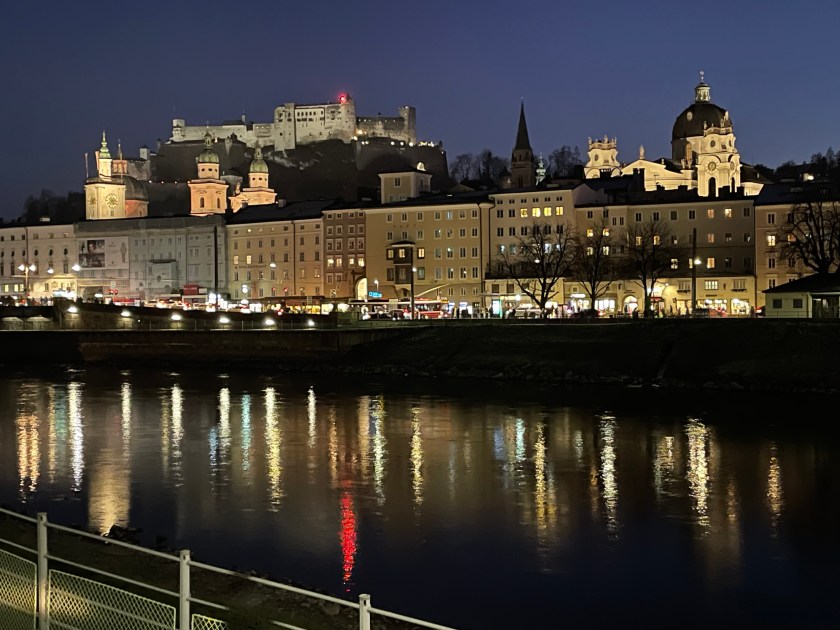
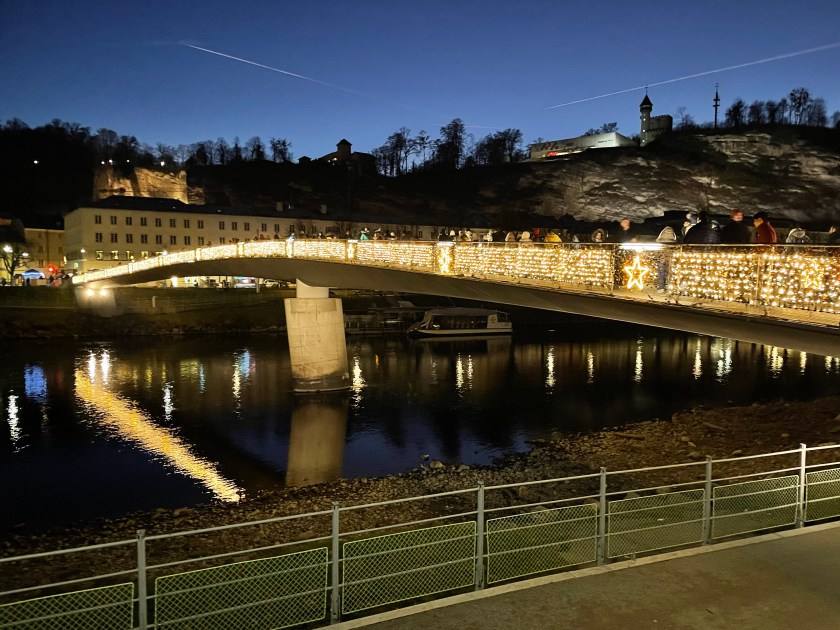
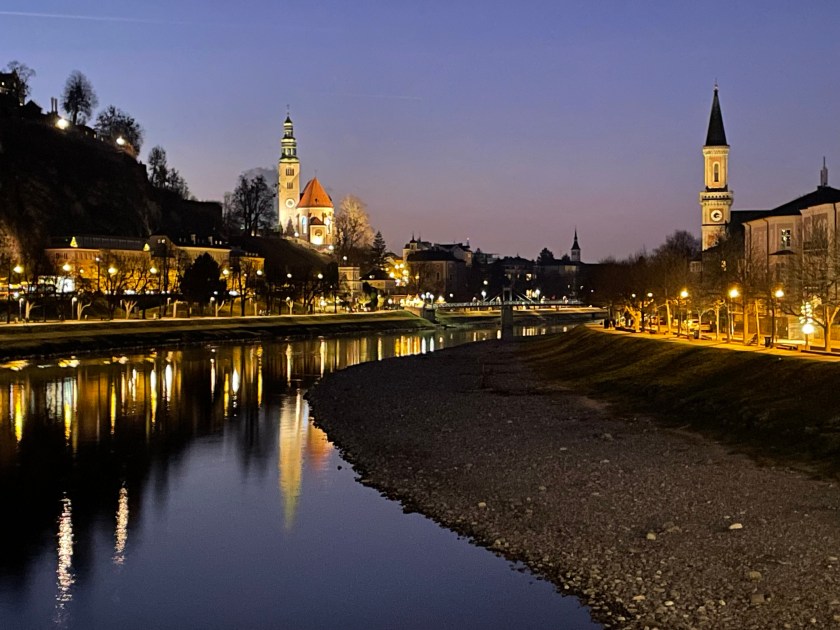
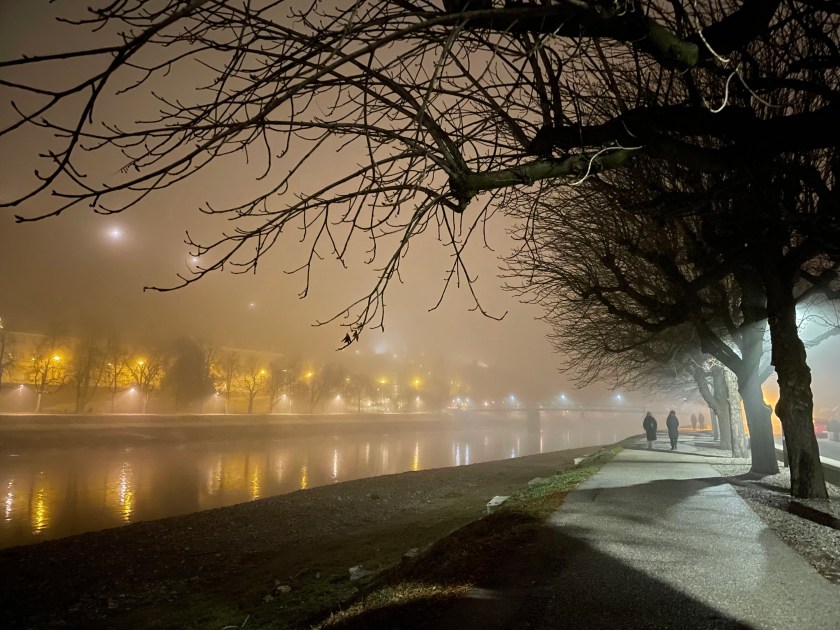
The reflections in the river at night are magical.

On the other side of the bridge (south on the map) are beautifully decorated  pedestrian shopping areas.

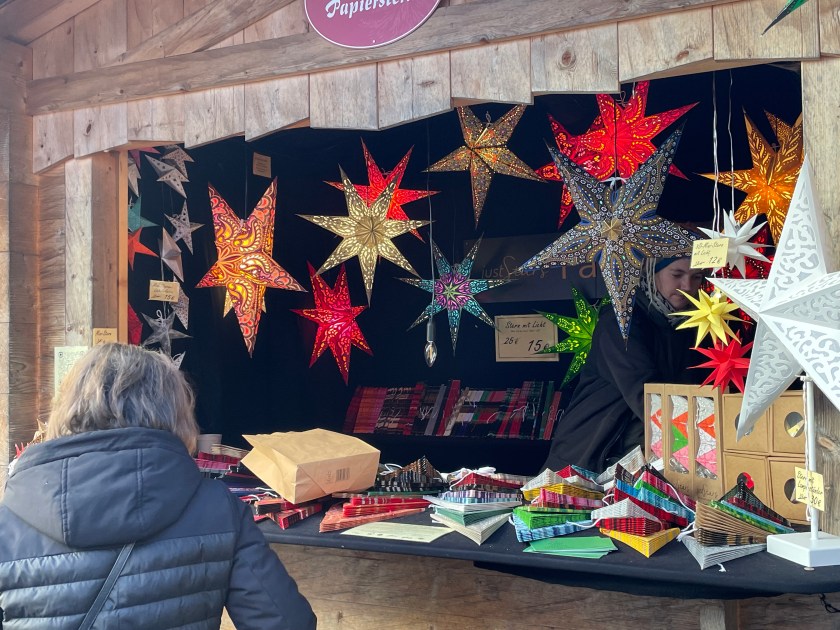
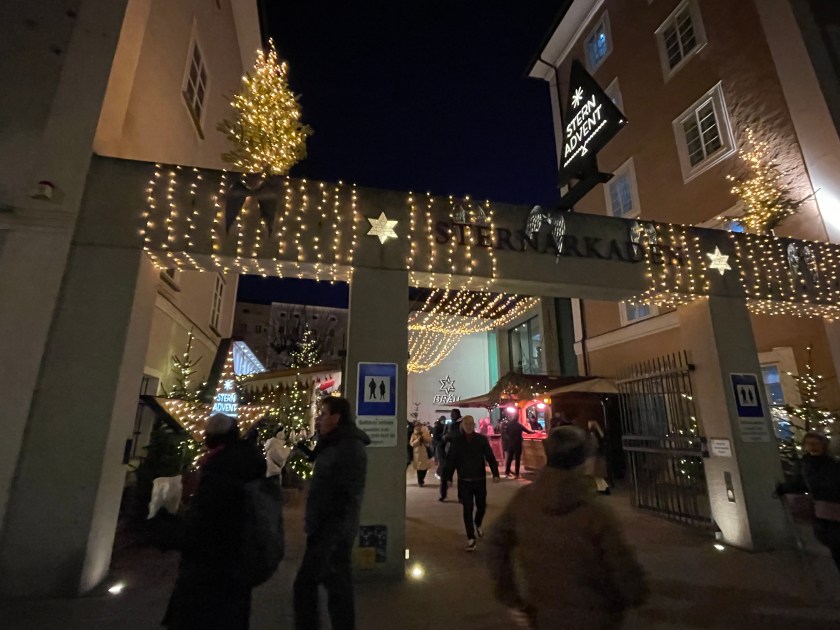
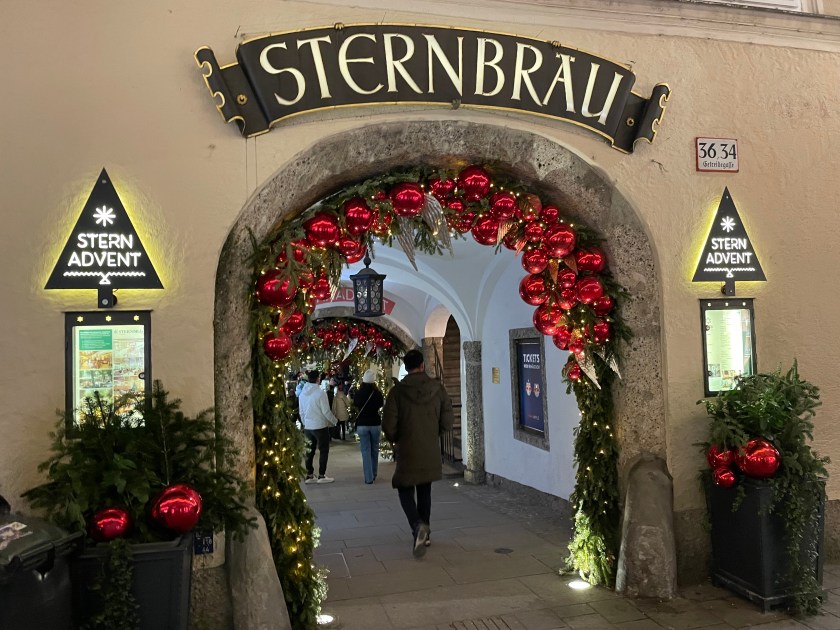
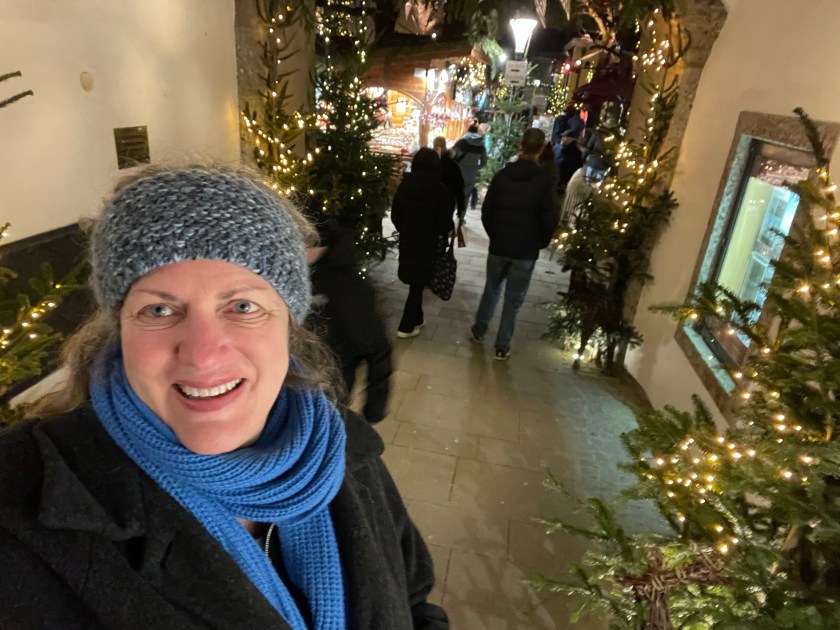
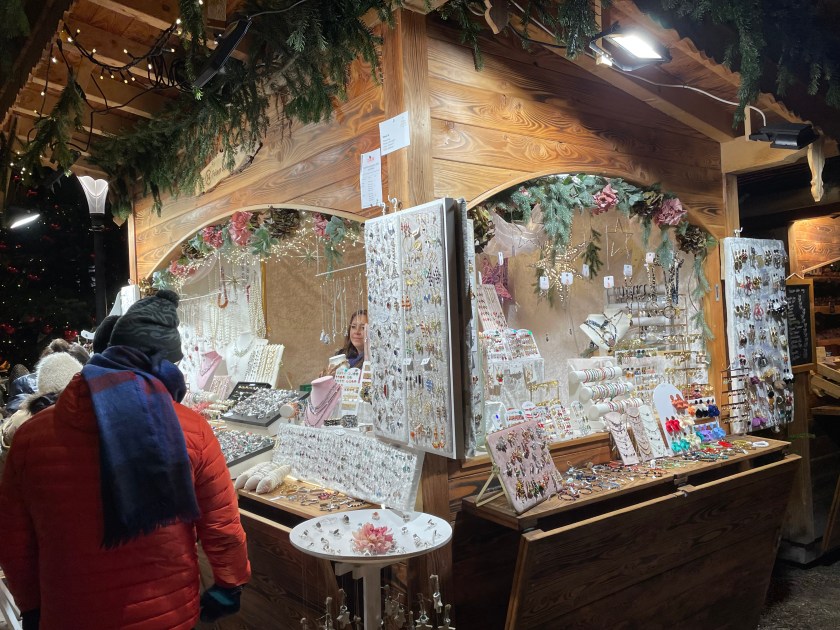
The Star Christmas Market:

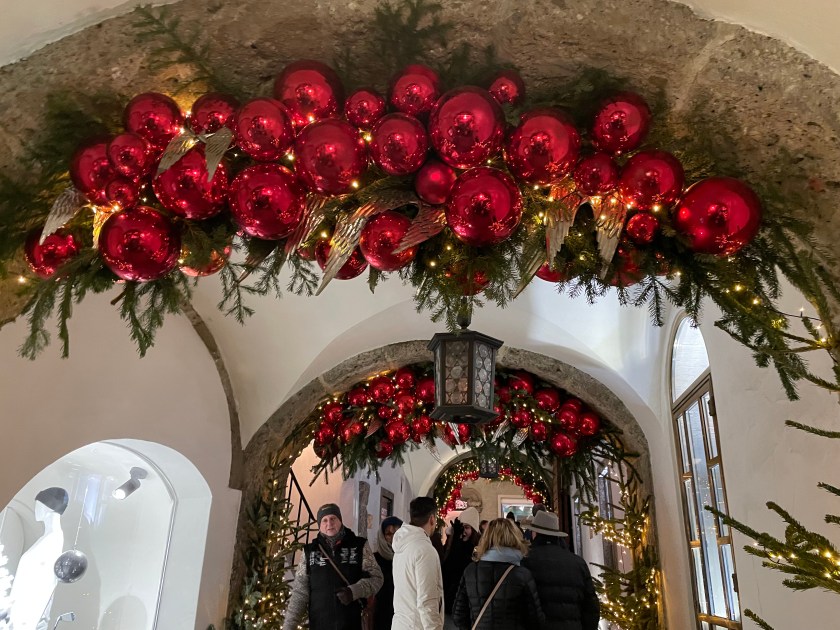
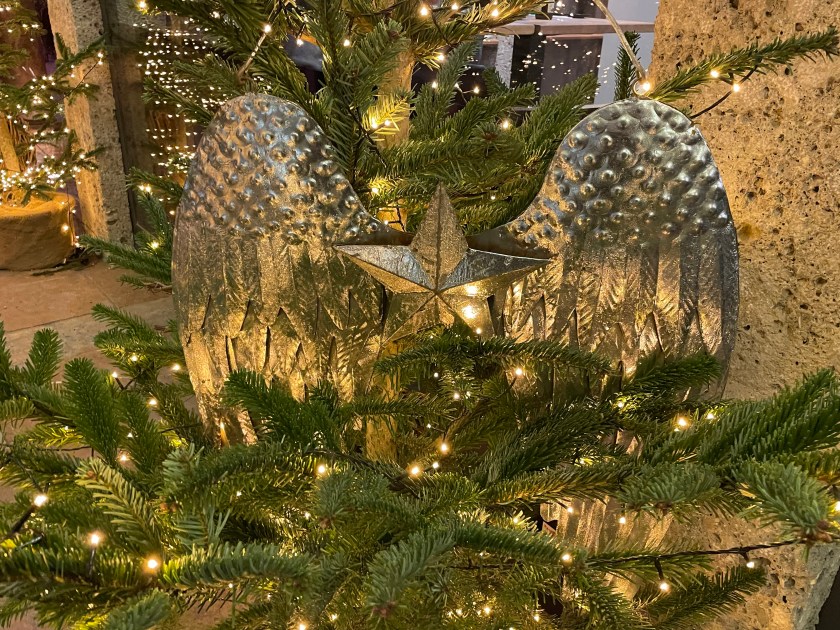
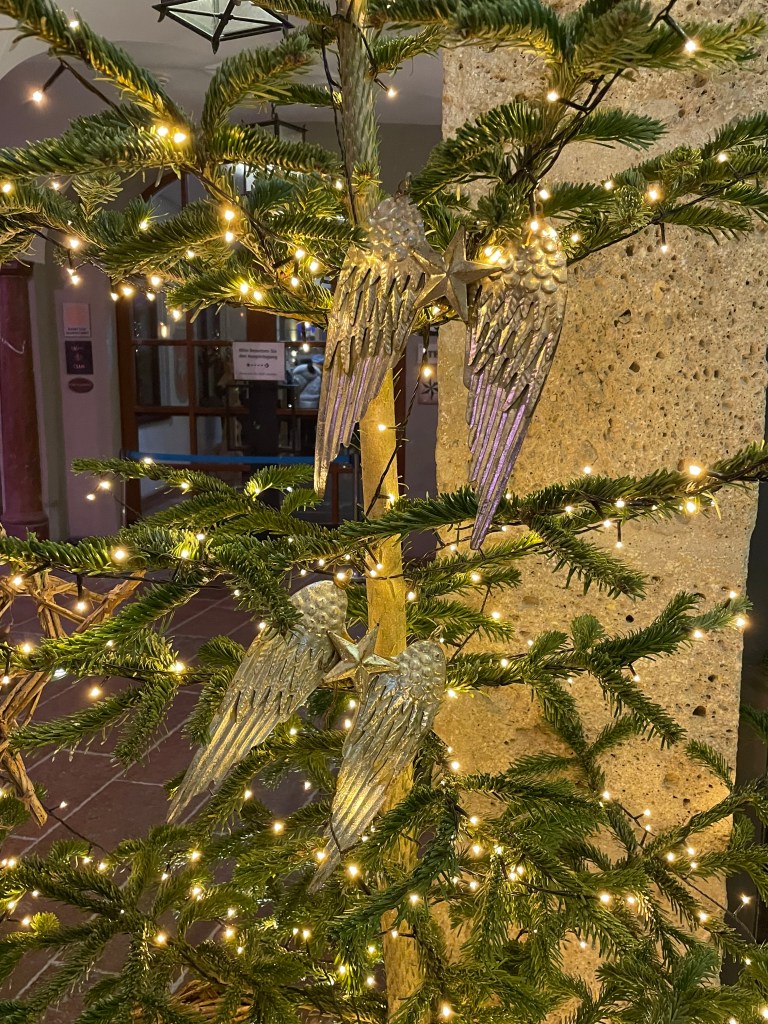
This market was decorated with stars and silver angel wings.

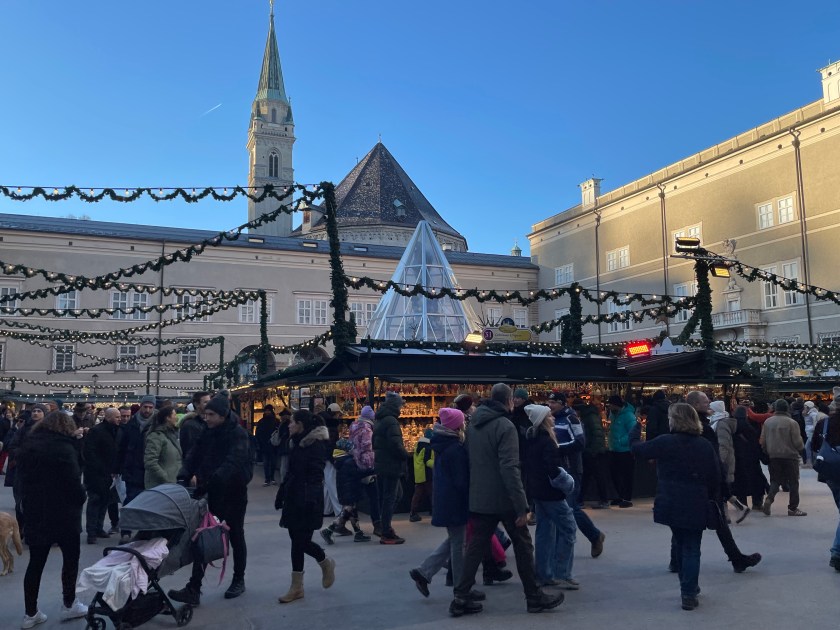
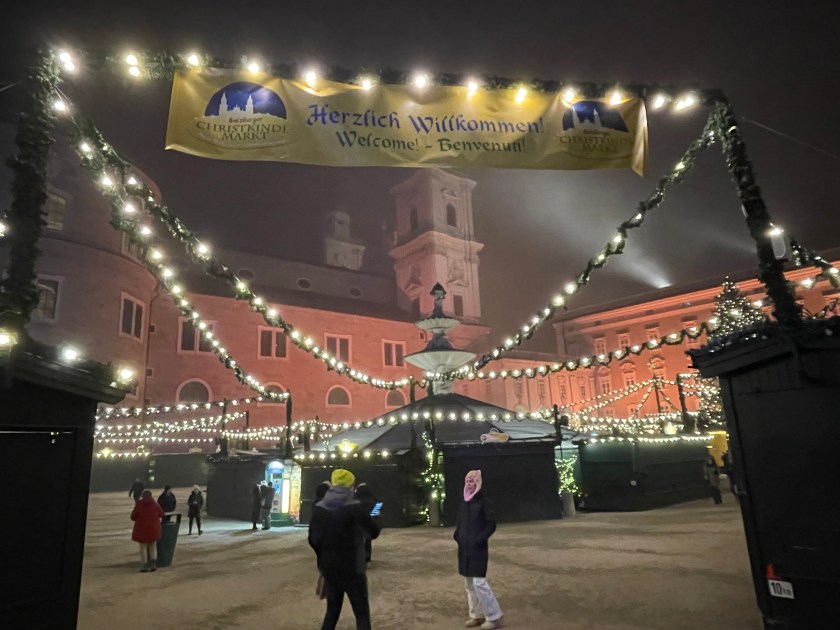
Here is the Salzburg Christkind Market:

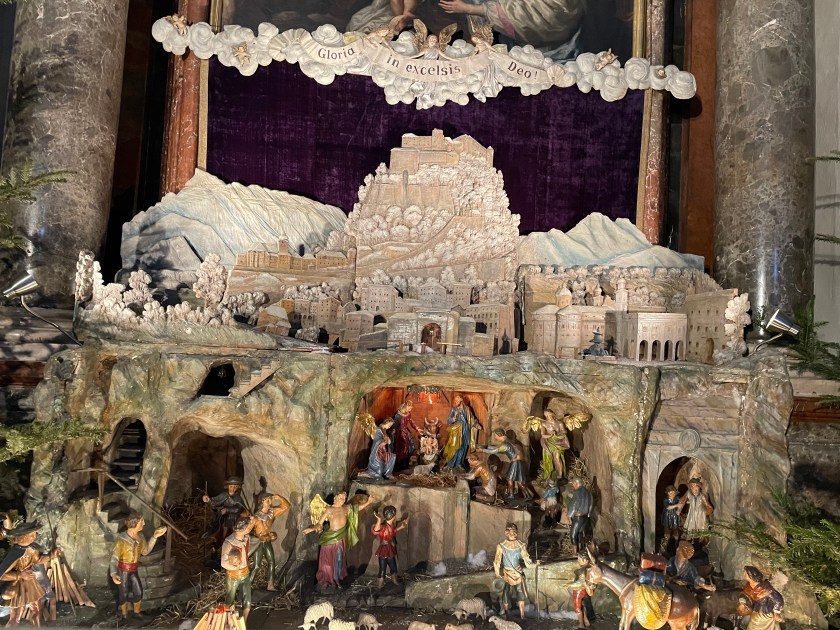
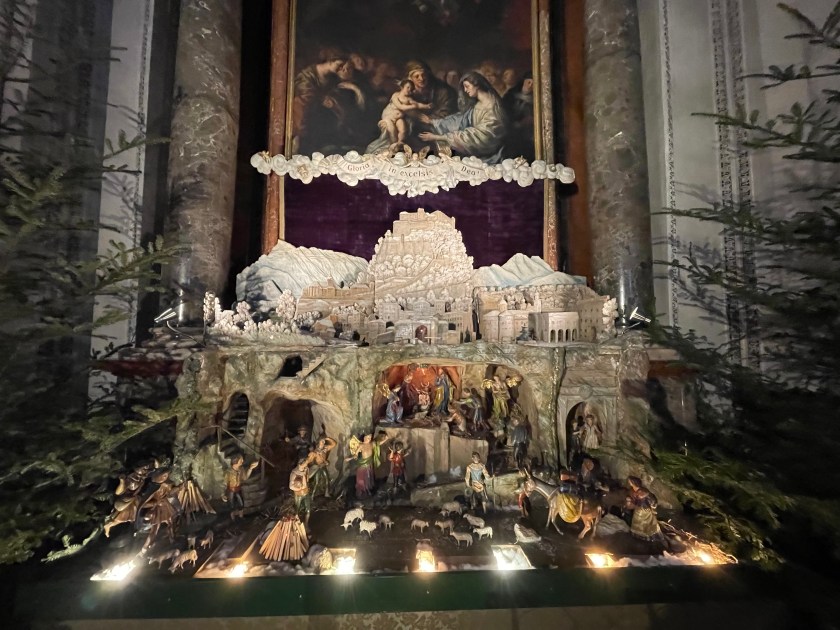
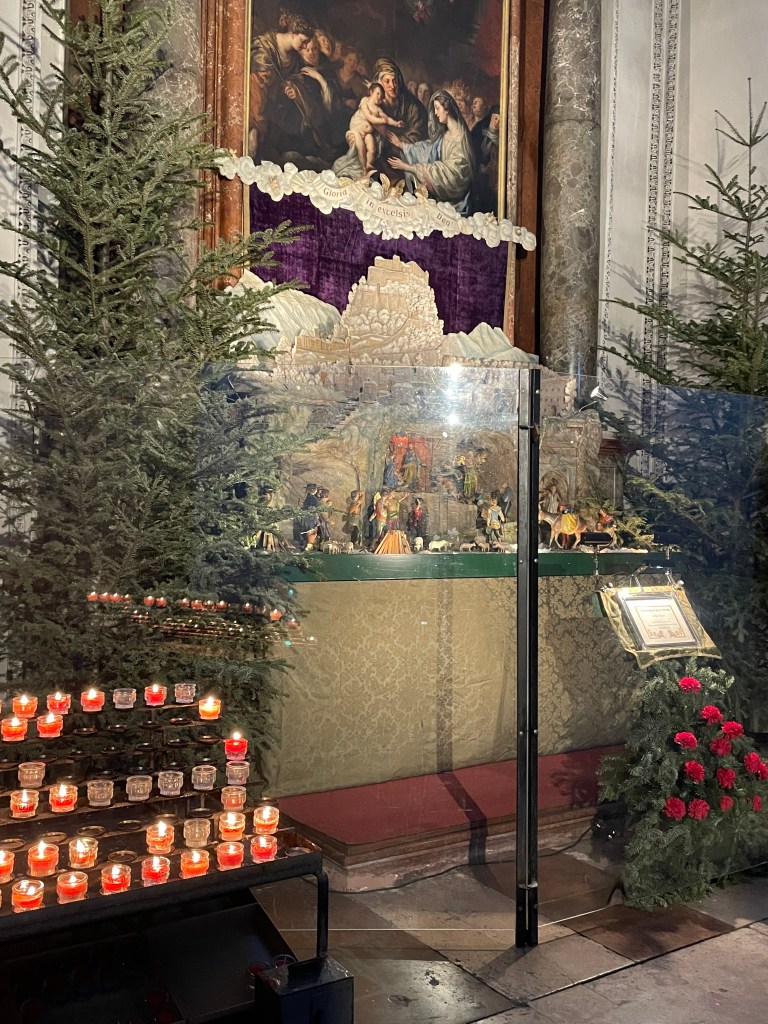
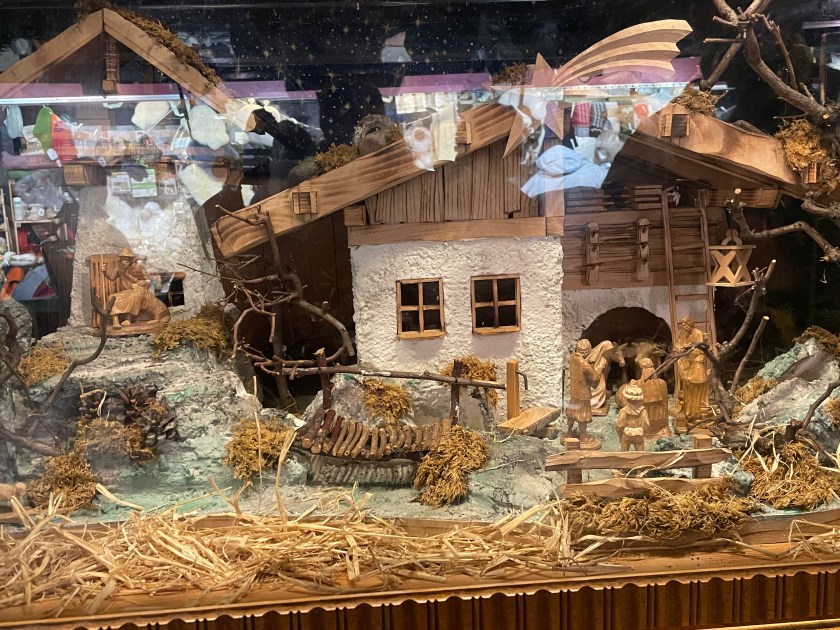
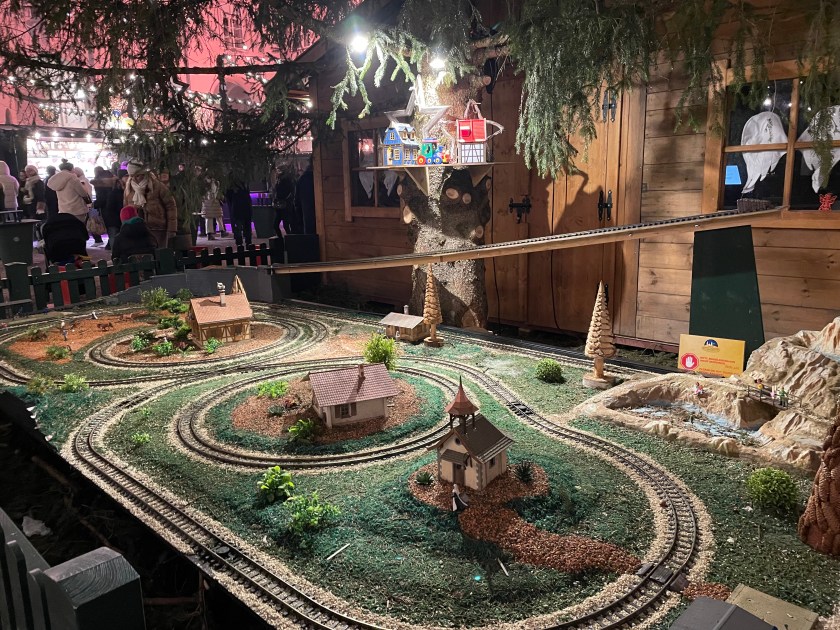
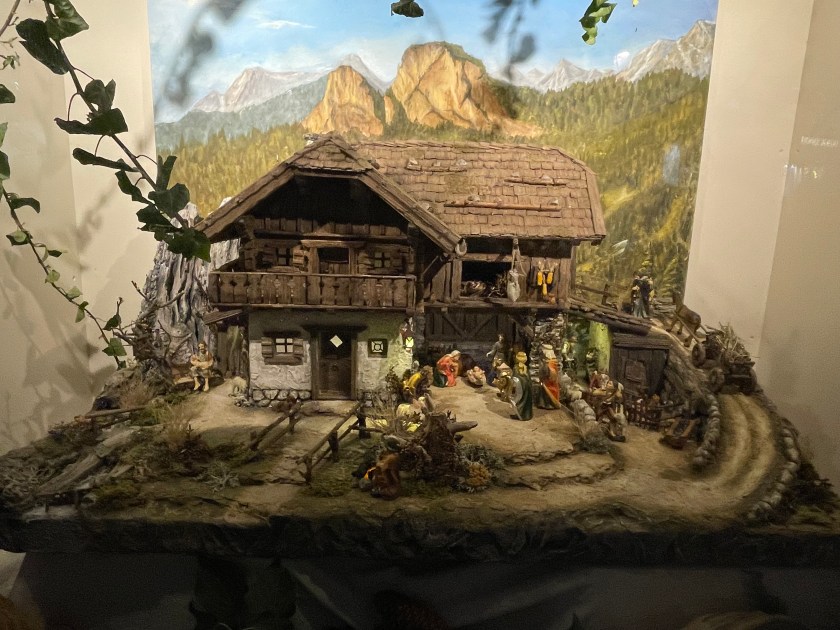
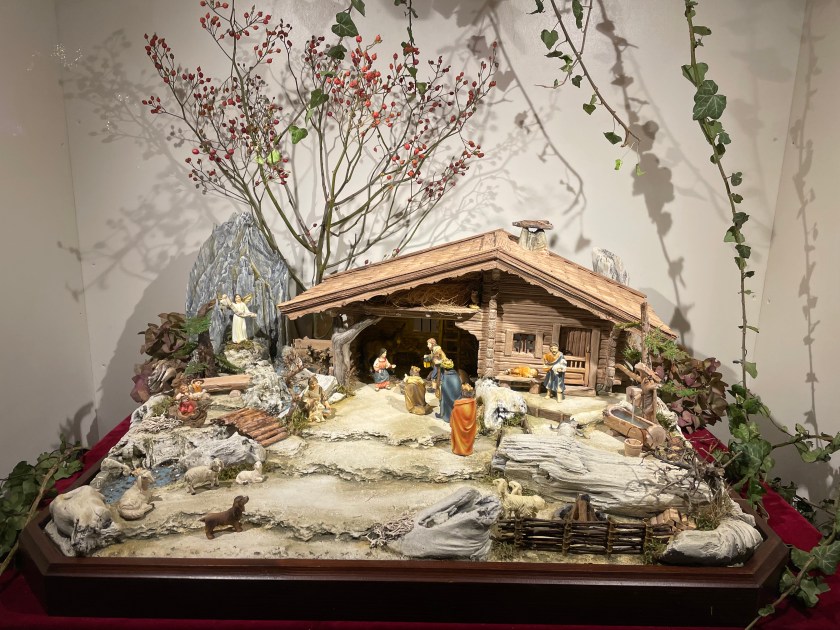
There was an area with Austrian Nativities on display.  Here are a few:

We enjoyed the Christmas music at the ice skating rink and watching the children skate.

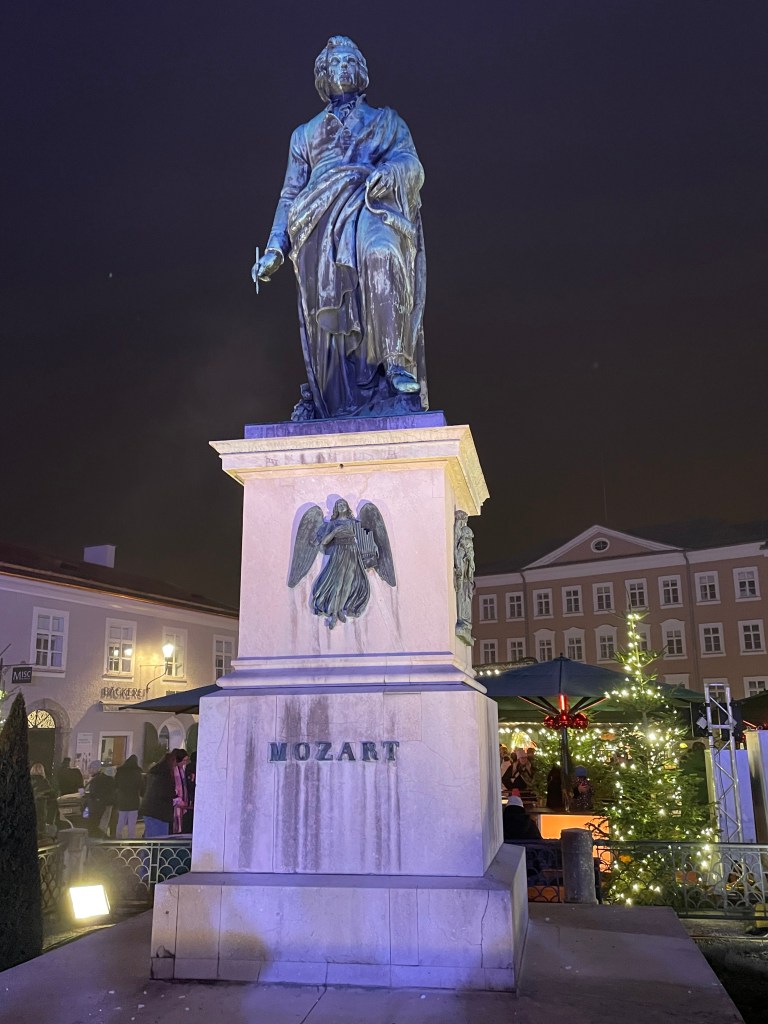
The story of the Mozart statue

In the centre of the Mozartplatz is the Mozart statue by Ludwig Schwanthaler. The statue was to be erected in 1841 on the 50th anniversary of W. A. Mozart’s death. However, the unveiling of the monument was delayed by a year because a Roman mosaic had been found in the ground, which took time to recover. On 4 September 1842, the statue was ceremoniously unveiled in the presence of Mozart’s sons. The Bavarian King Ludwig I was an important sponsor of the Mozart statue and donated the marble pedestal. A copy of the Roman mosaic can still be found at the foot of the statue.

We’ll spend 5 nights here in Salzburg.  I am already in love with this place.

Sparkling Vienna –Swarovski Crystals

When we first arrived in Vienna and checked into our hotel, the lady next to me at the front desk was not happy.  She was an American who had come to Vienna to SHOP.  We were checking in on a Friday evening and shops were closed for the day.  Not only that, but shops close early on Saturdays and are closed on Sundays.  She was not at all happy about that.  I got the feeling she would not be here very long.  She was not here for the Christmas Markets, she was here to buy jewels–Swarovski crystals.

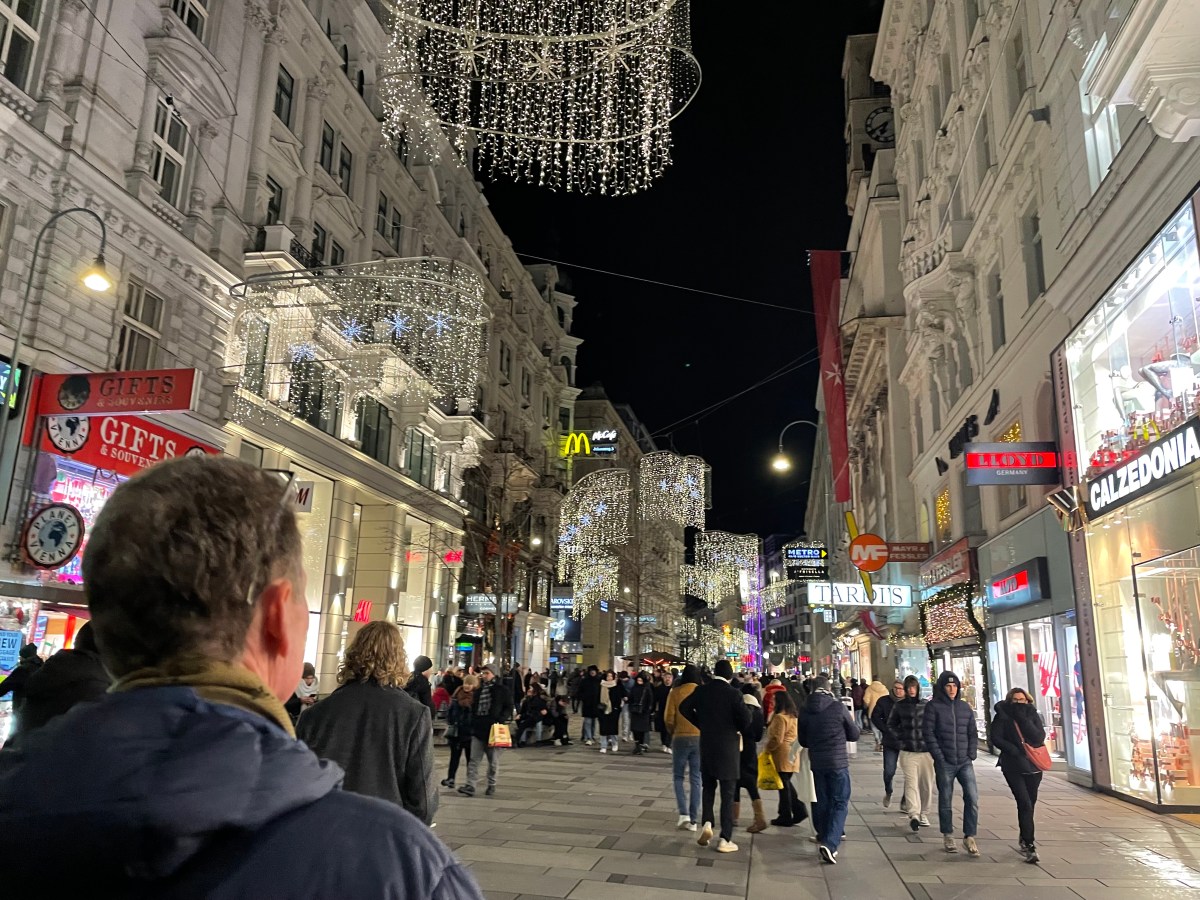
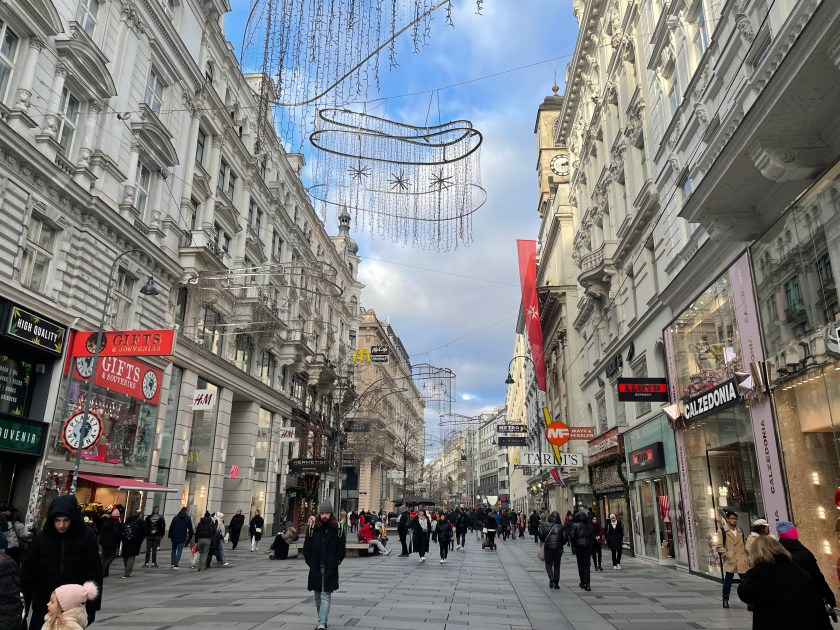
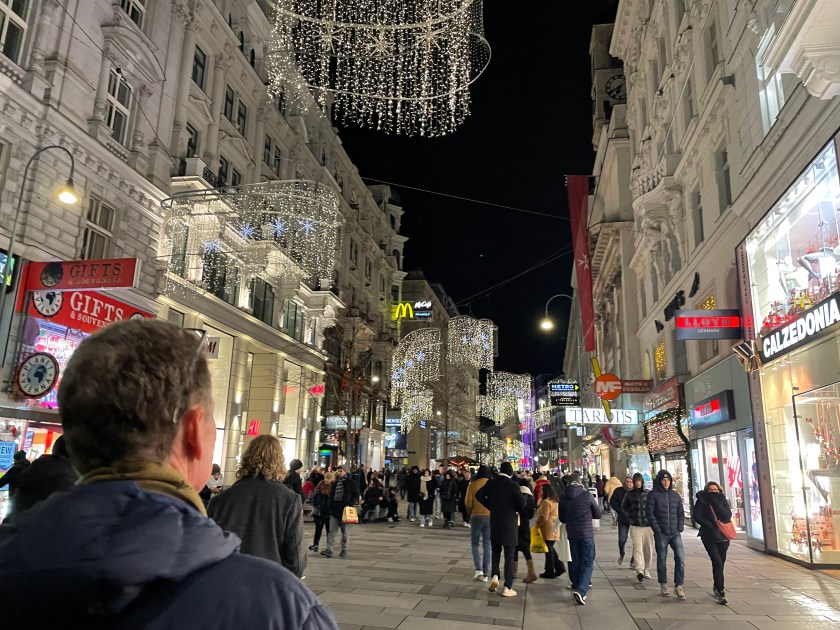
When we went out walking that evening, we saw the Swarovski store (actually several of them) along the  Kärntner Straße, a main shopping boulevard.  And overhead, in the glittering Christmas decorations, we saw sparkling crystals!  It was magical.

The next morning, the same decorations were glittering in the sunlight.  We’re told that around 550,000 LEDs and 48 kg of crystals create the hanging chains of light that stay up from mid-November to mid-January.

It really is magical!