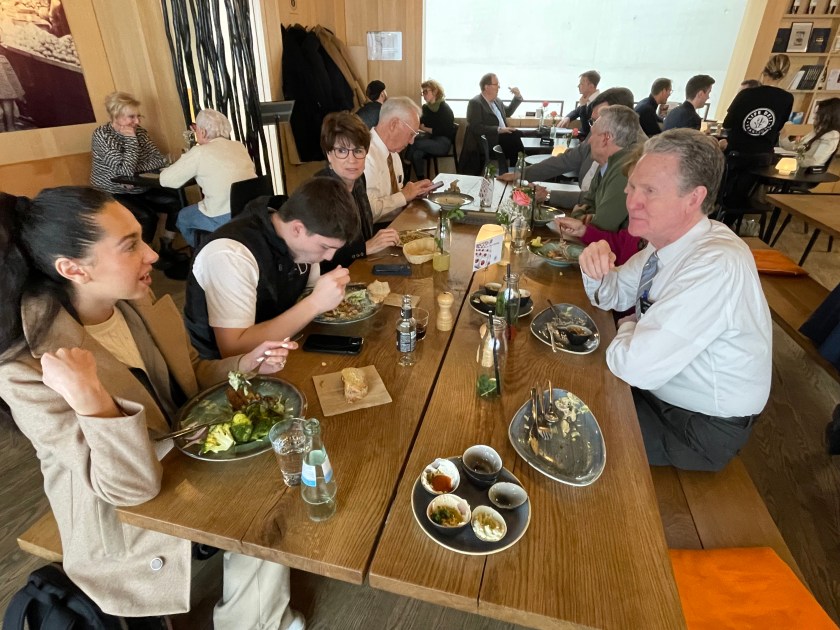
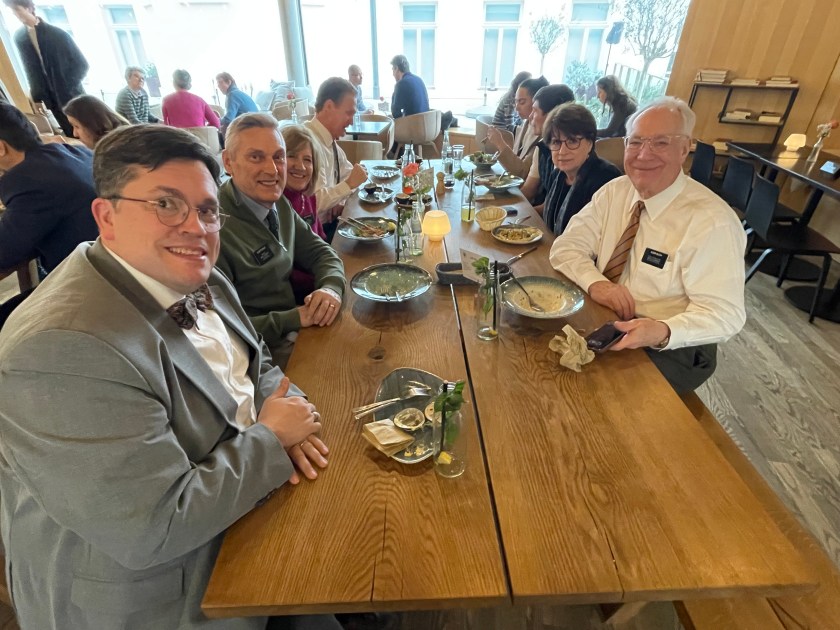
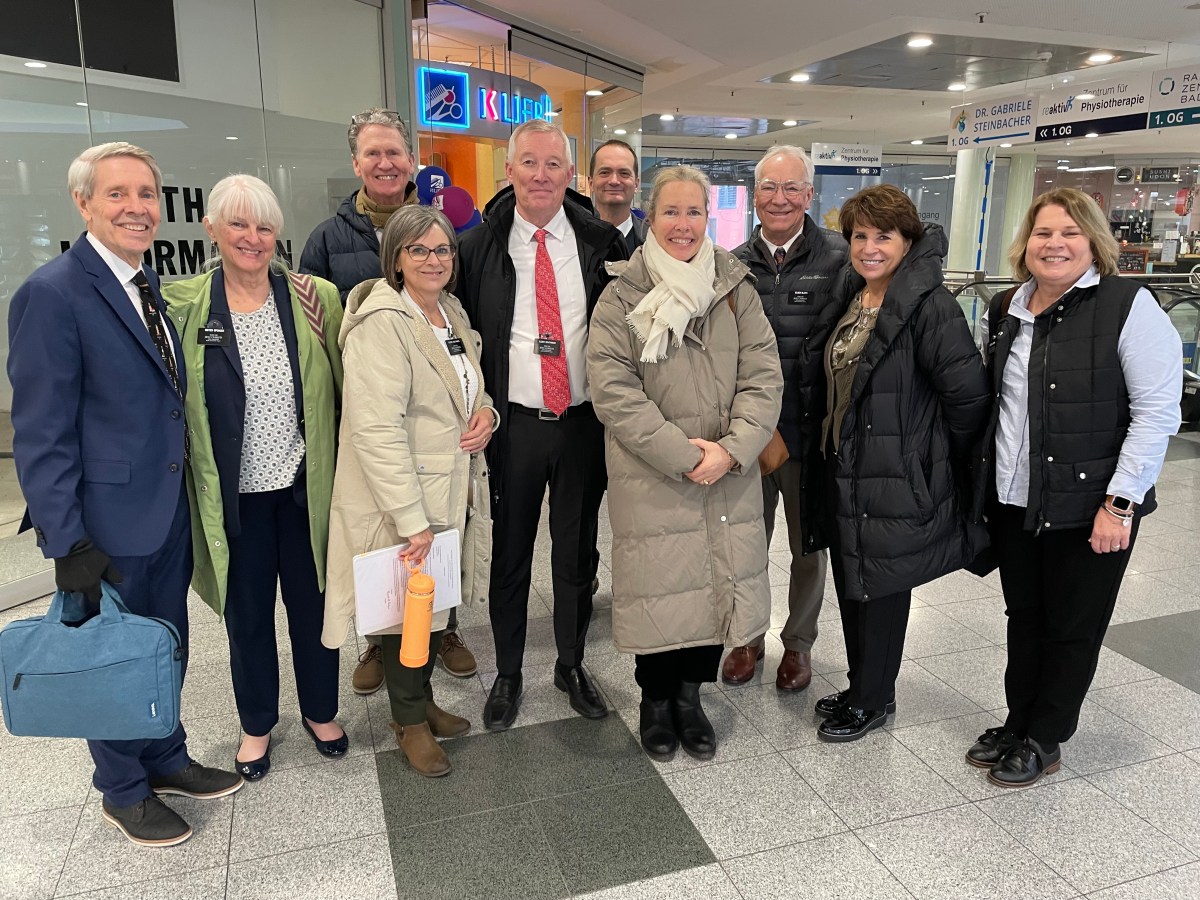
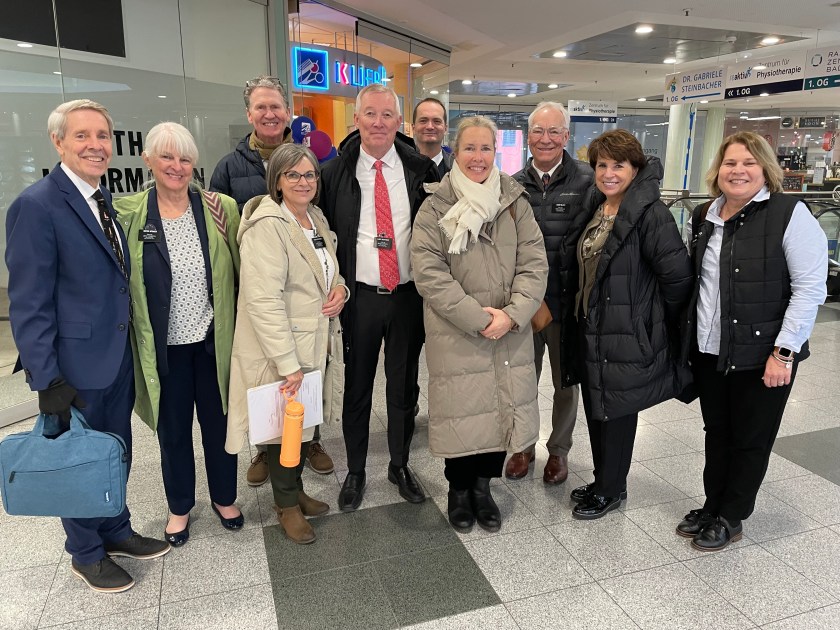
Today we went on a Communication Department fieldtrip. Each semester our new BYU intern is taken here, and this time we missionaries went along. We took the train to downtown Frankfurt and had a nice lunch together at the Jewish Museum café.
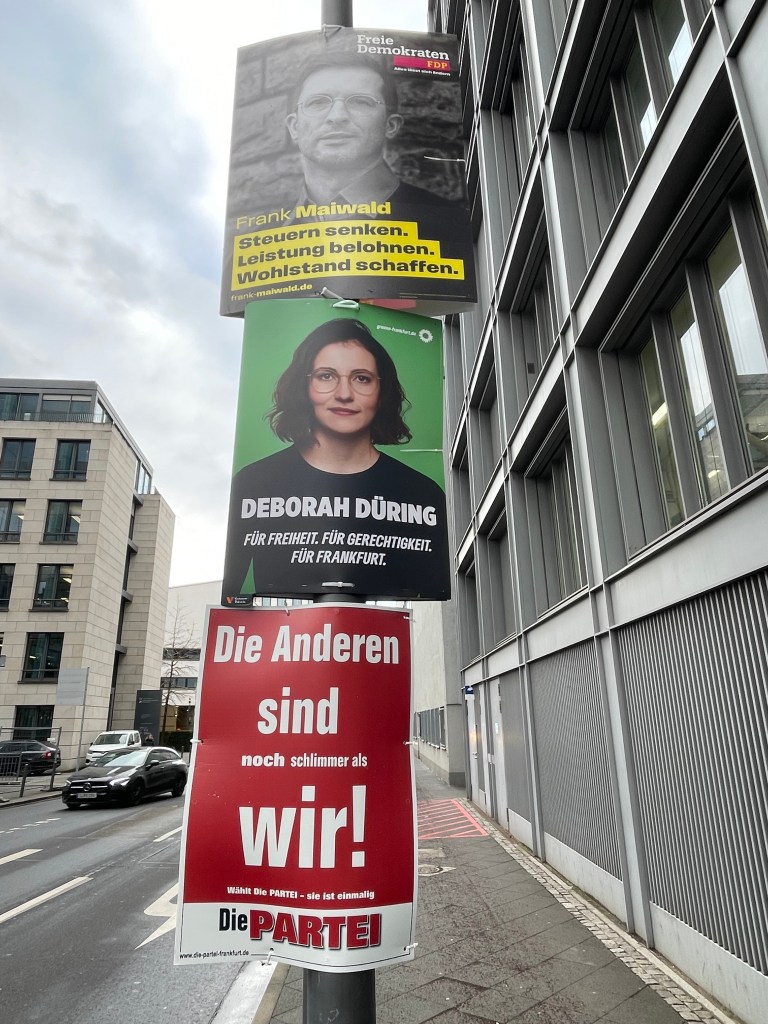
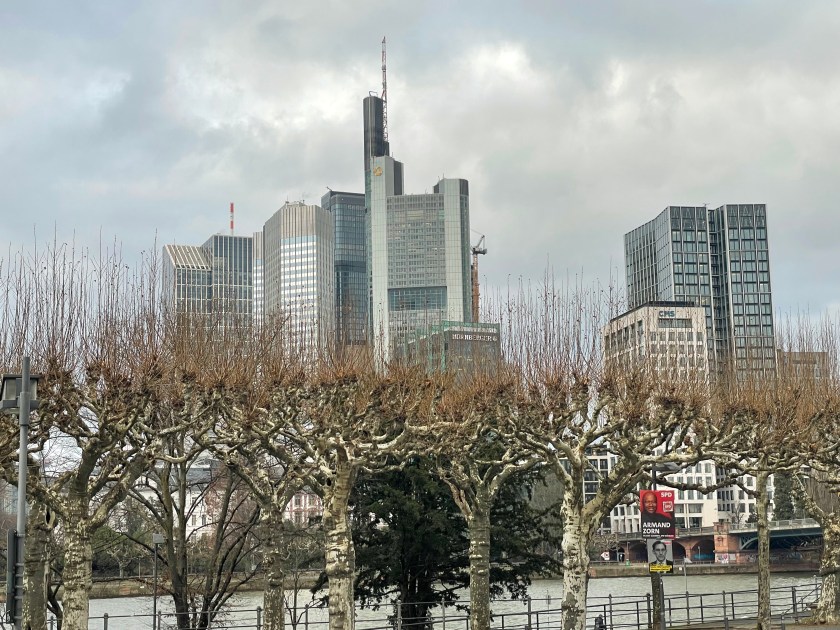
These political signs along the way made me smile:
The others are even worse than us! and No world war without Germany!
This is the artwork outside the Jewish Museum. To me it represents the upending of roots and branches, lives changed for ever, ended.
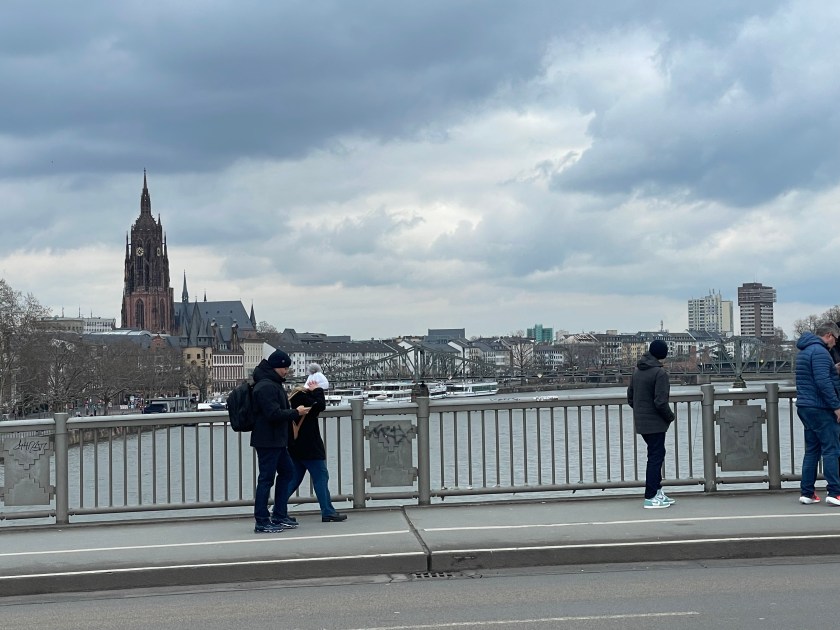
Then we crossed the bridge to the “museum row” on the other side where so many of Frankfurt’s museums are located.
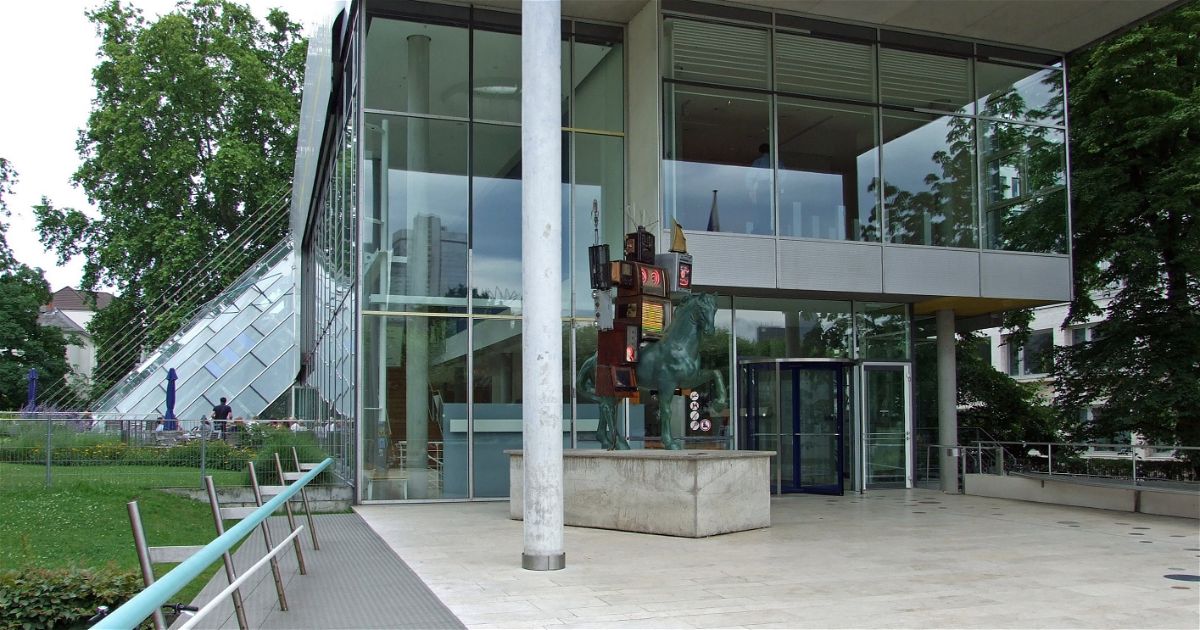
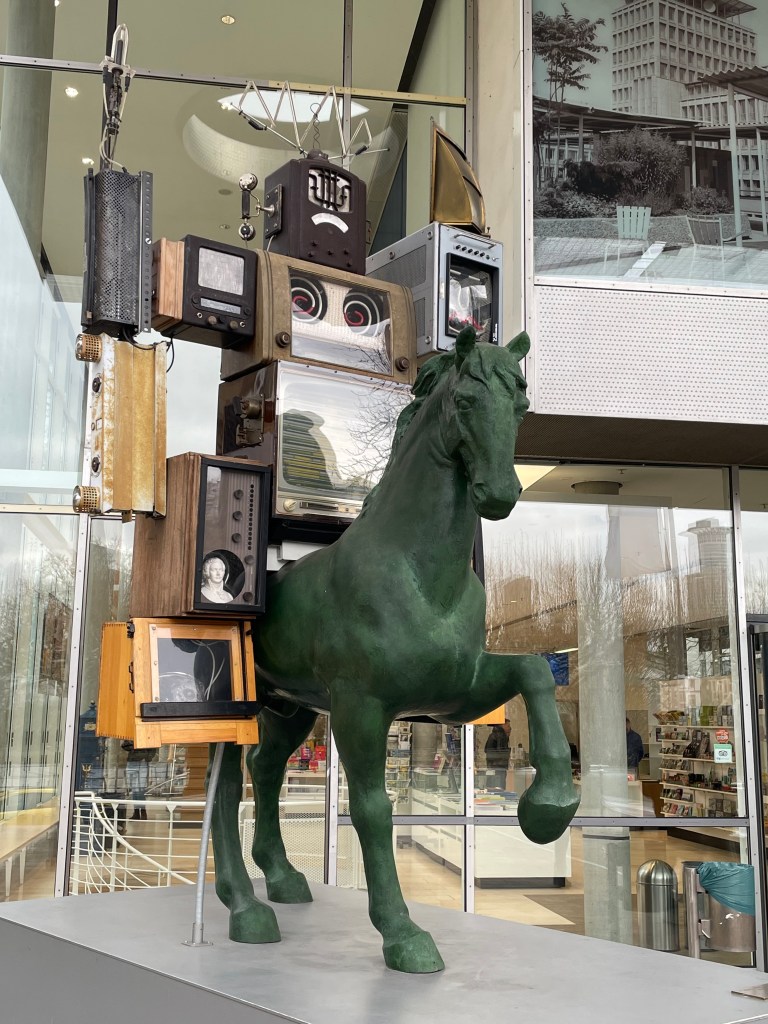
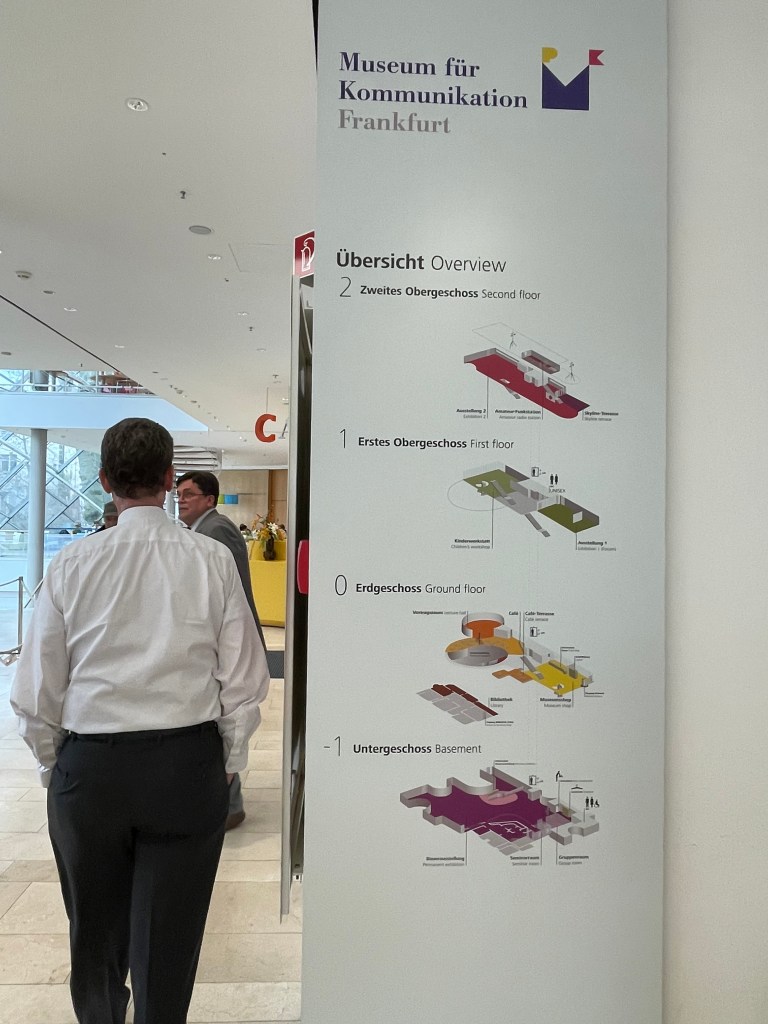
Museum for Communication Frankfurt
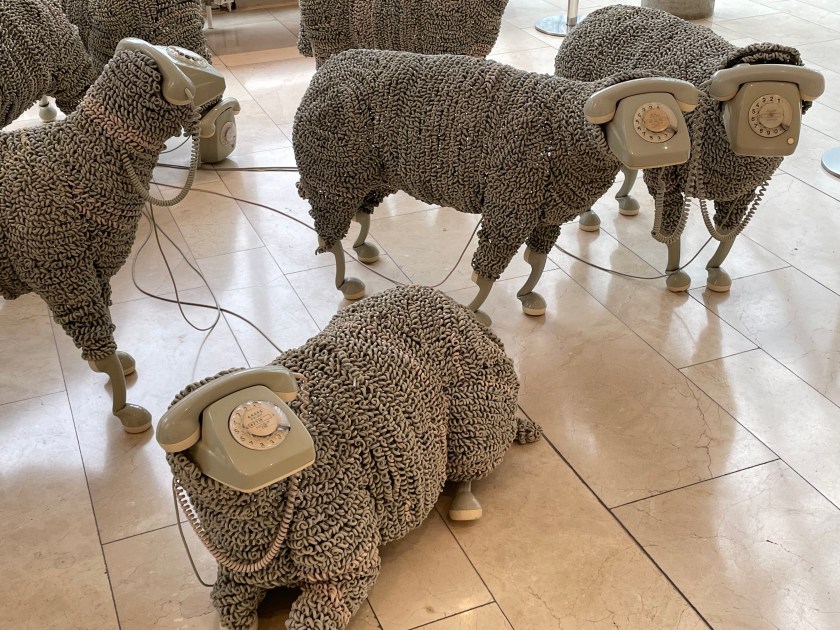
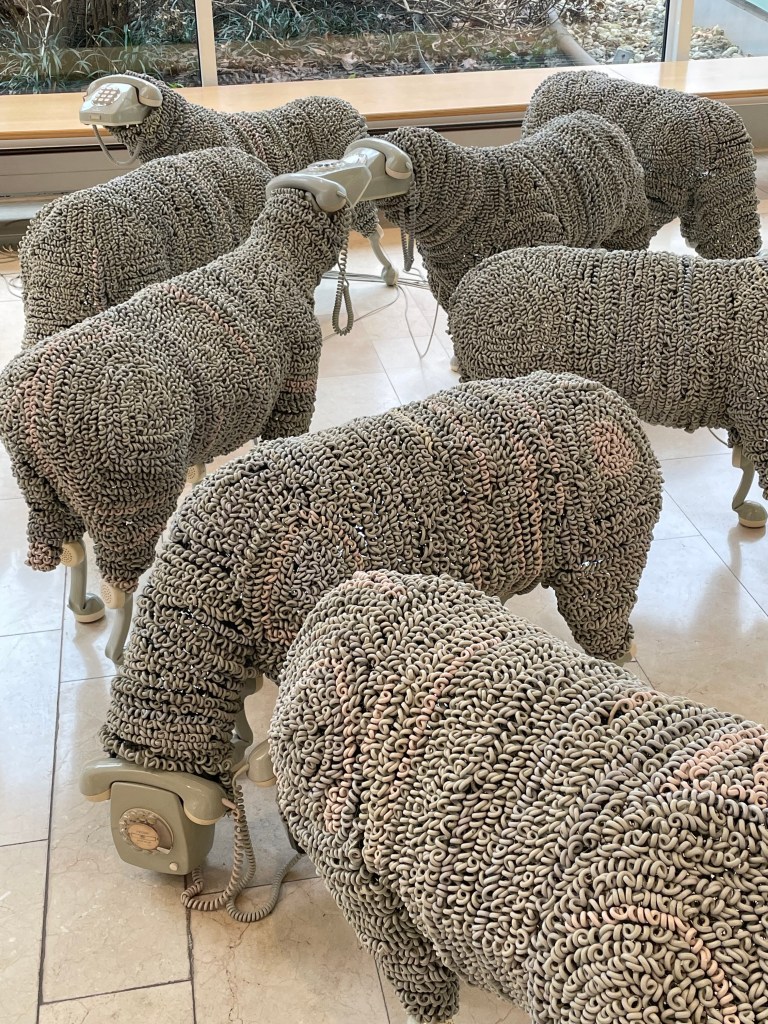
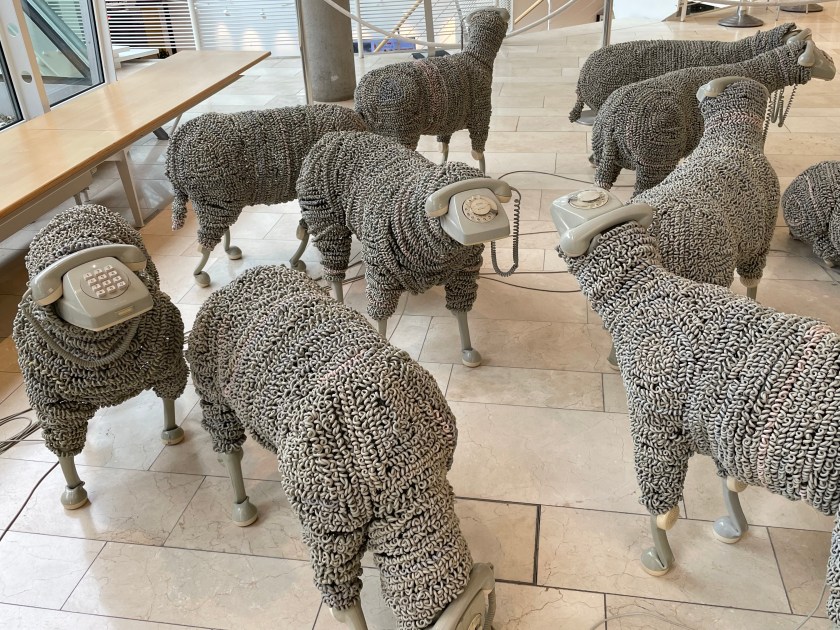
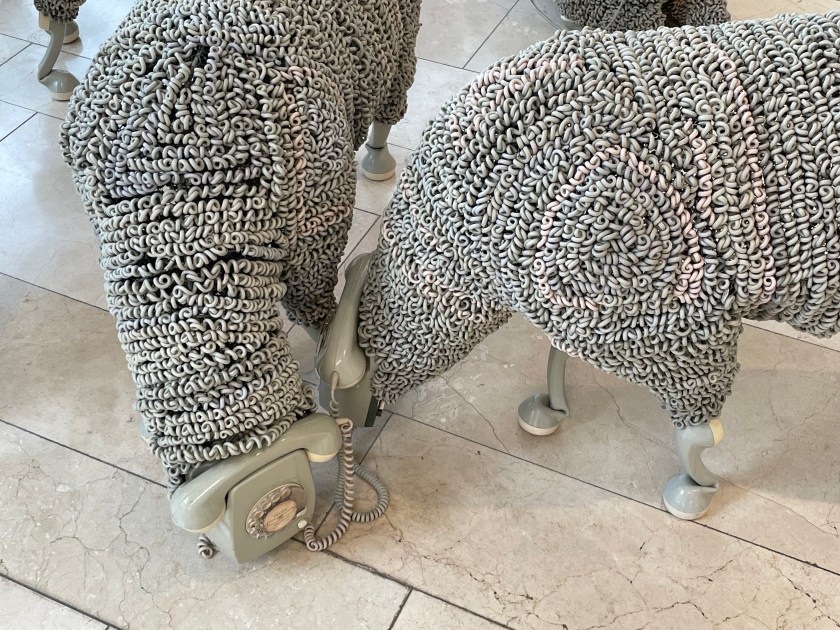
OK, these telephone cord sheep were cracking me up!
The Museum für Kommunikation is a museum of the history of communication in Frankfurt, Germany. It opened on 31 January 1958 under the name Bundespostmuseum and is on Frankfurt’s Museumsufer. The museum was owned by Deutsche Bundespost until 1994. Wikipedia
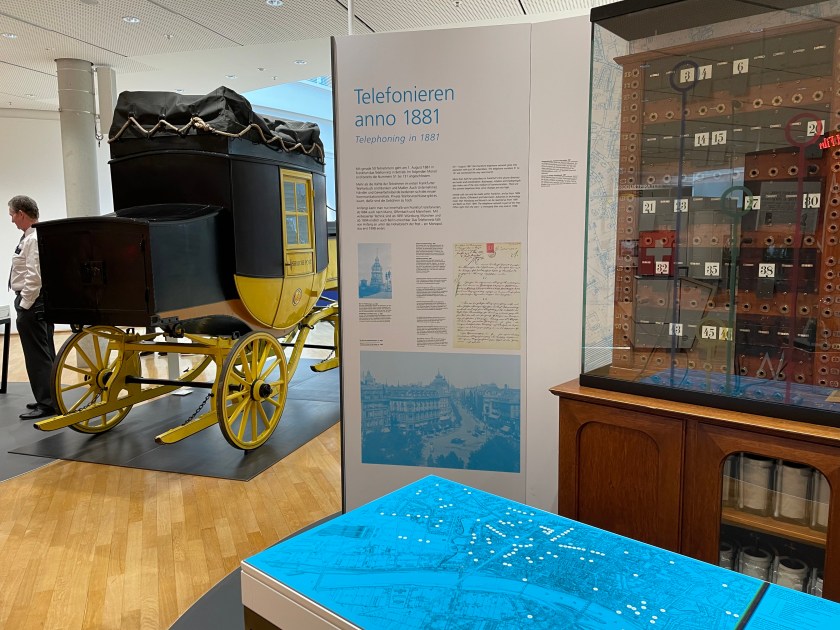
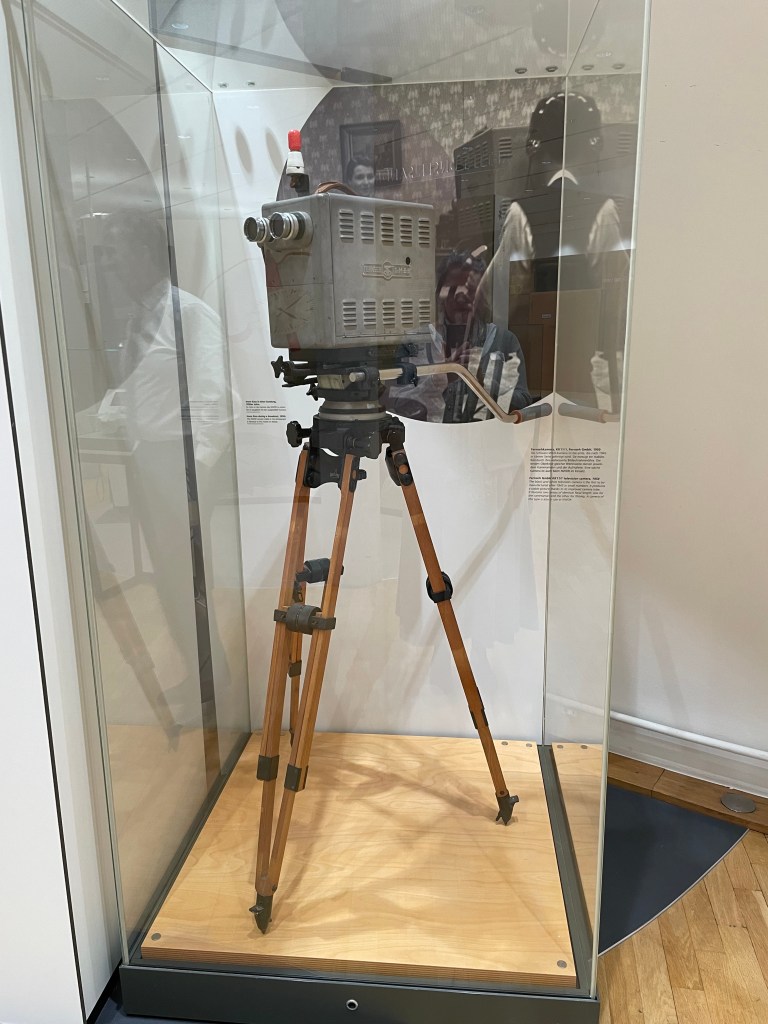
The museum showcases the evolution of human ways of communicating, tracing its development from cuneiform tablets to data glasses by way of groundbreaking inventions, curious occurrences and unusual fortunes.
It was fun to wander through the displays, seeing many modes of communication from my own lifetime.
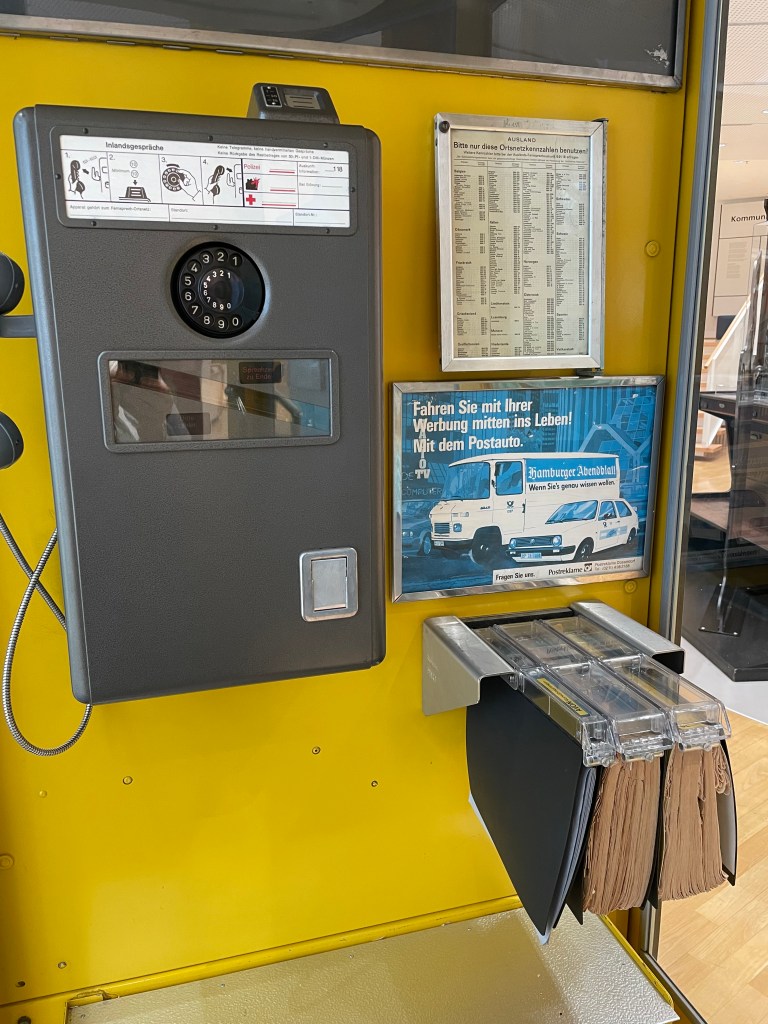
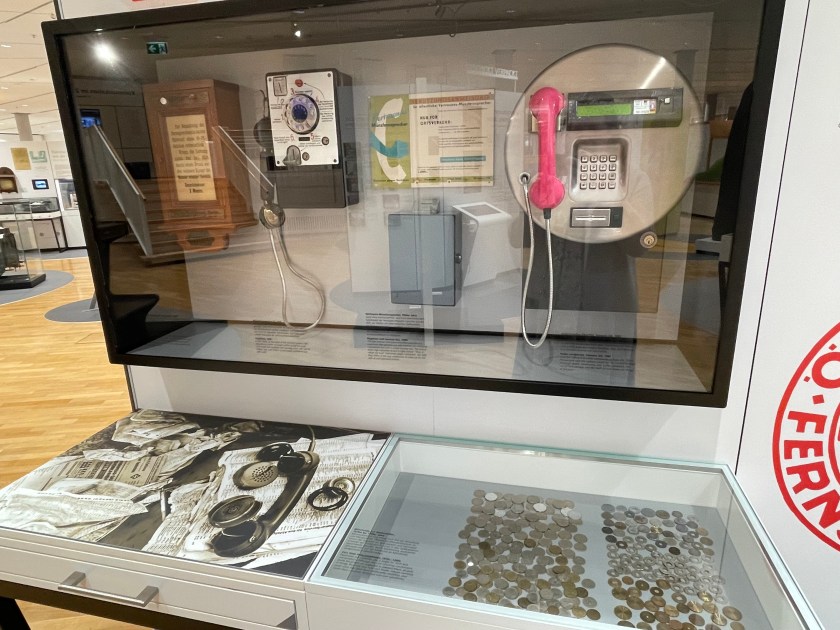
Remember when we used to pull into a gas station with a phone booth and hanging phone book so we could look up an address in the yellow pages, then find the maps to figure out where to go??
This display showed all the different kinds of (coins) used to get away with making calls without spending real money.
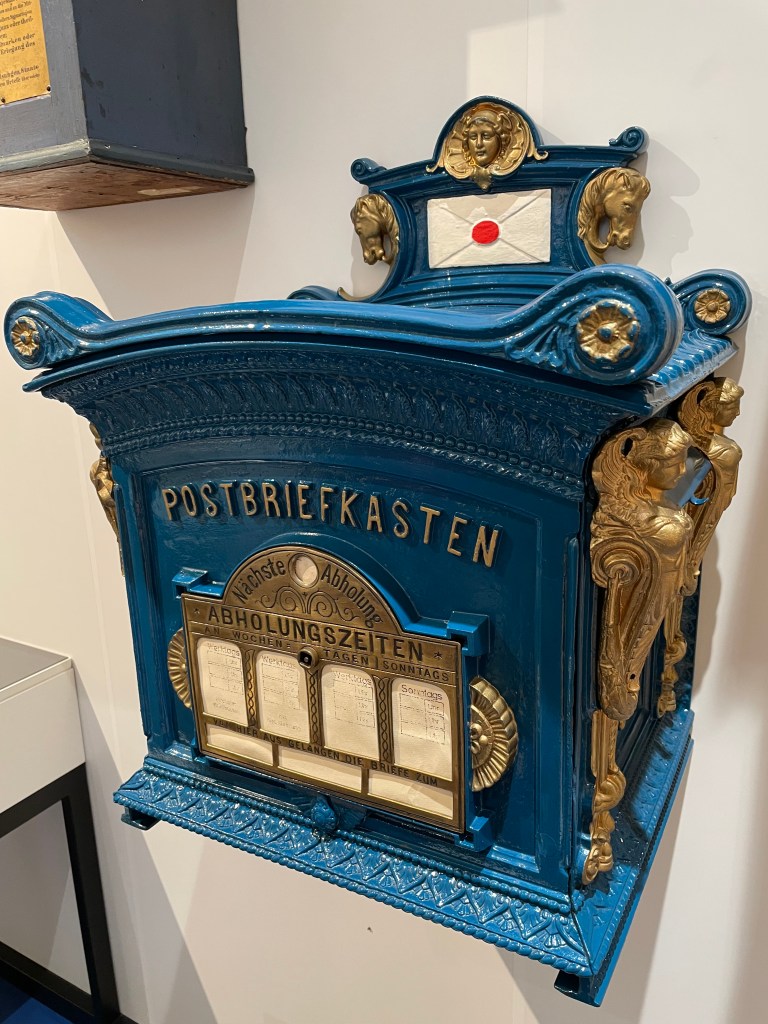
Old post boxes:
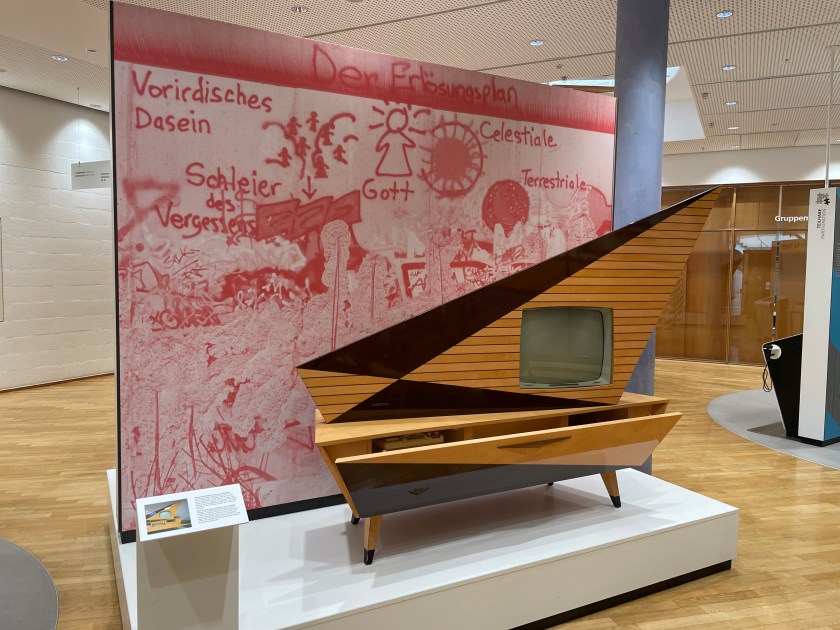
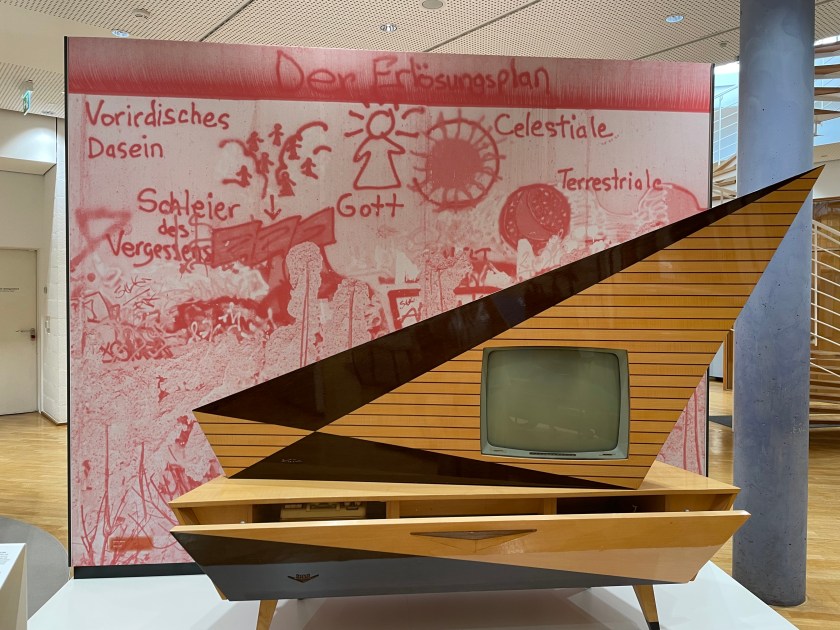
This TV display was our favorite! The museum folks picked a random section of the Berlin Wall to replicate here to give context to the period of this 1959/1960 TV. Do you see what I see?
It’s the Plan of Salvation, probably painted by missionaries serving in Berlin at the time.
The back side of the display:
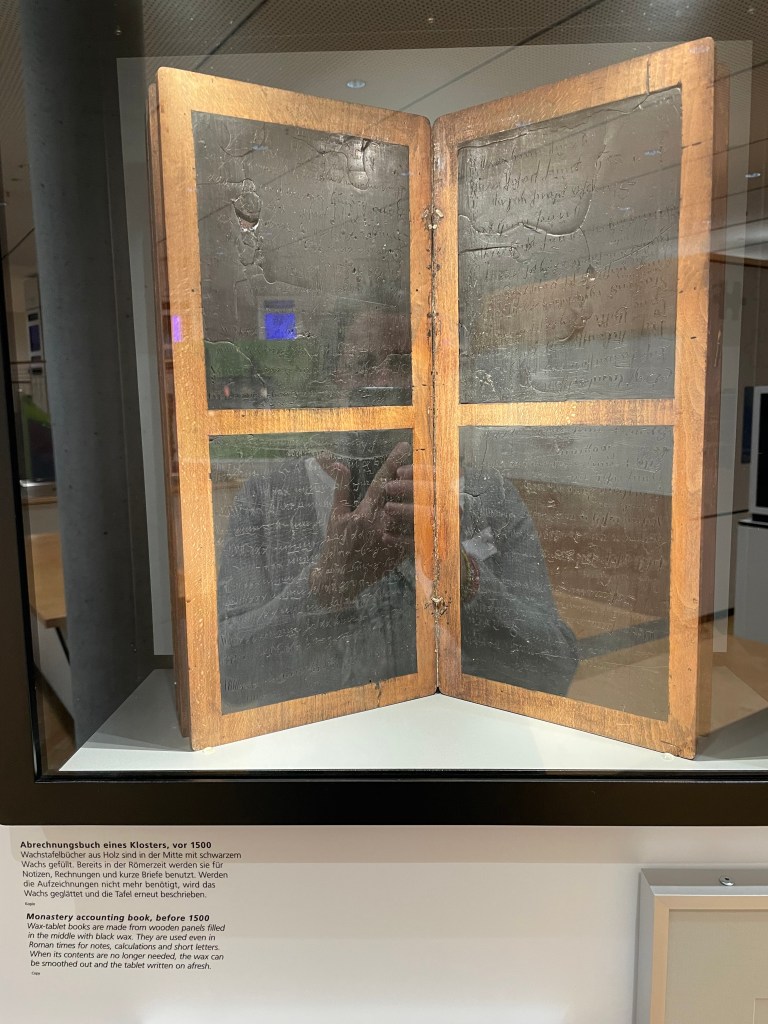
Communicating in the 1500s:
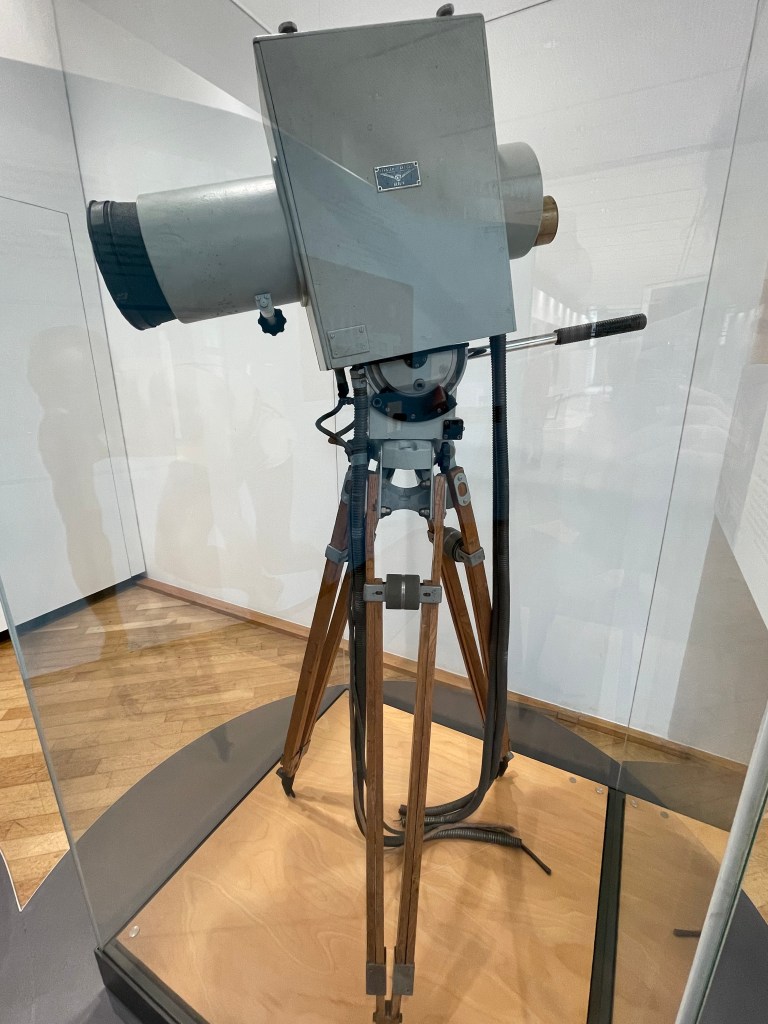
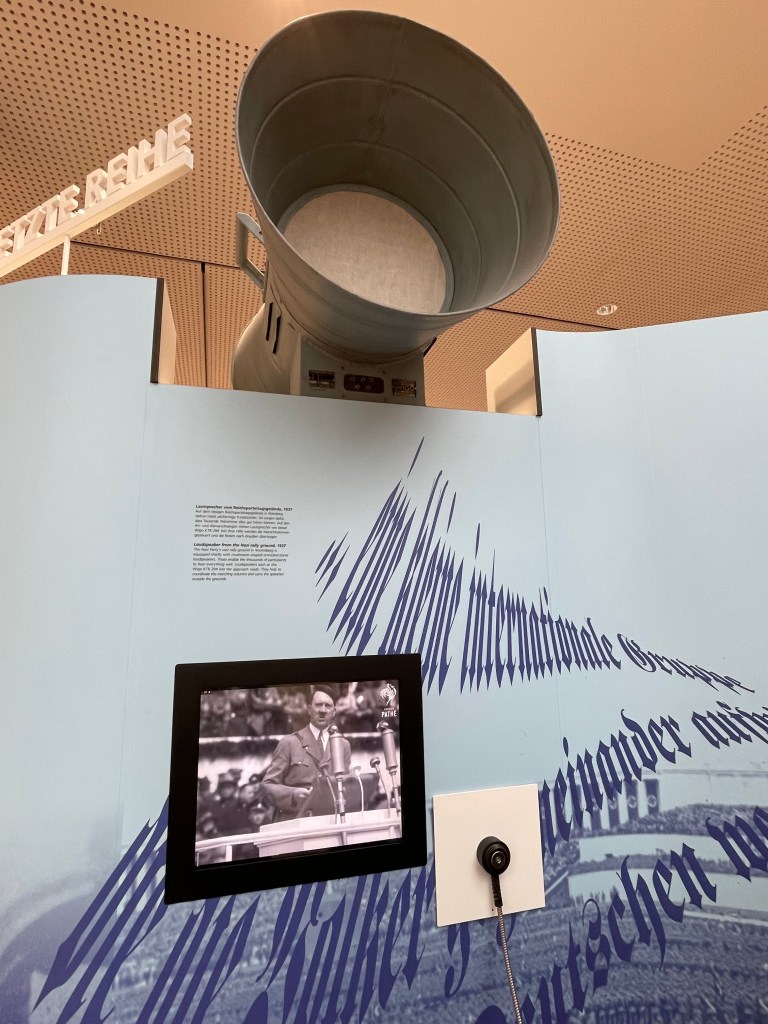
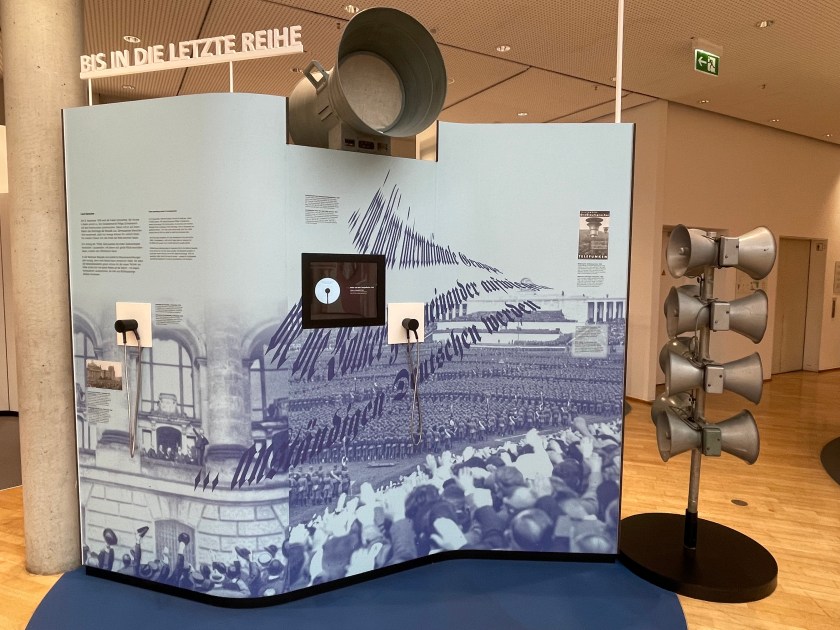
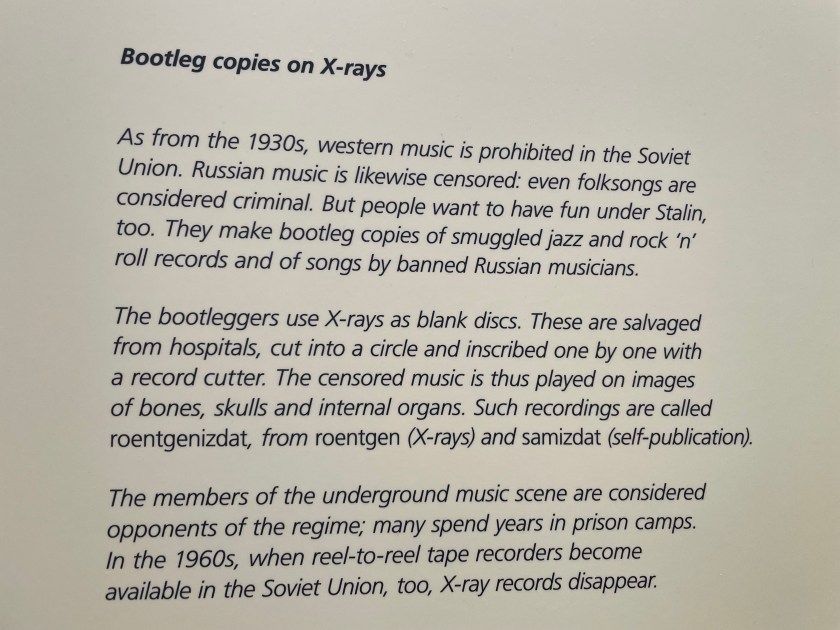
These pieces of WWII history were also interesting.
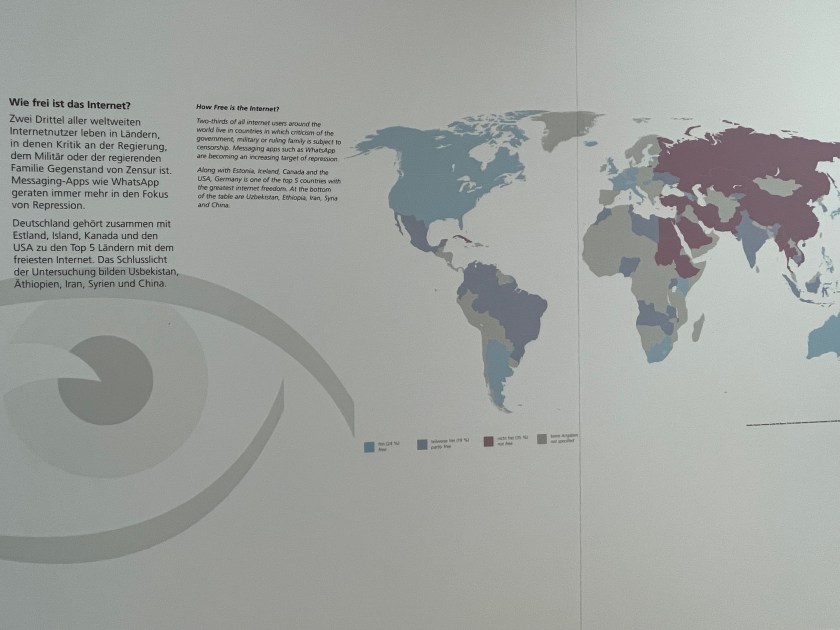
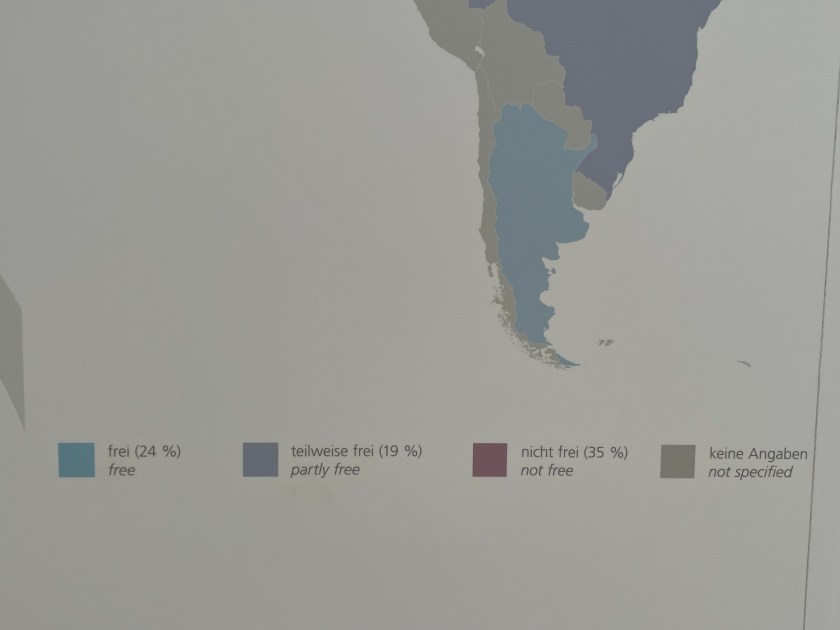
Now we live in the days of free online information, but how free is it really?
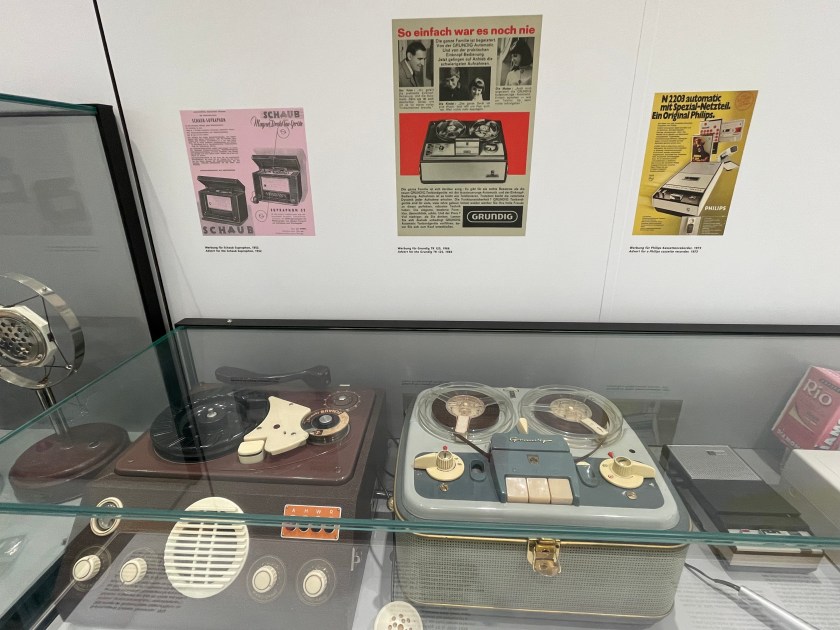
Remember reel-to-reel tape recorders? We had one when I was young.
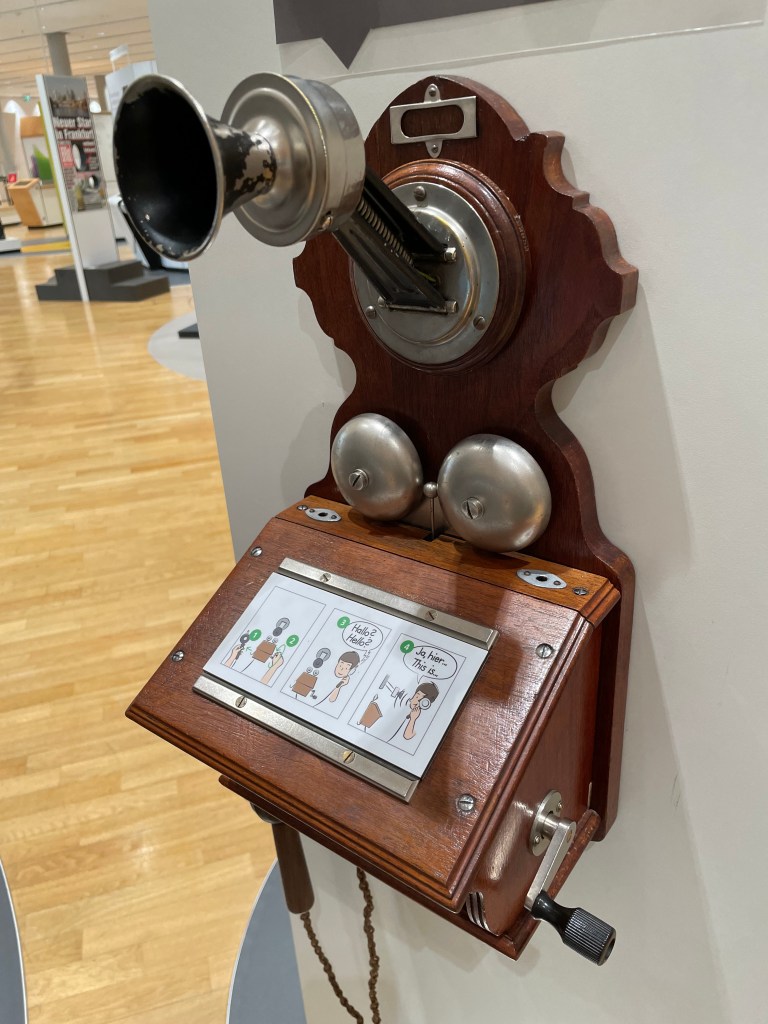
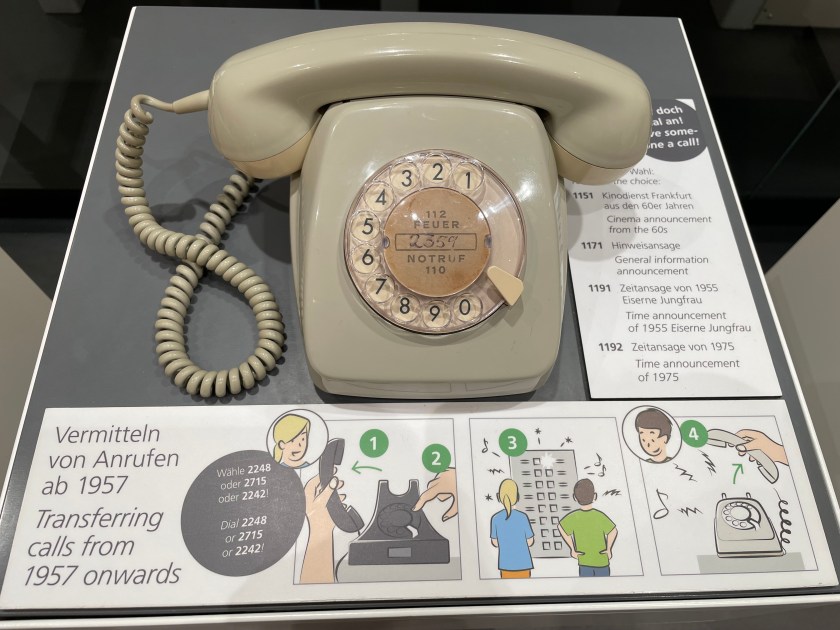
Oh my, my fingers LOVED using this old phone, the kind we had when I was in high school. Our phone number then: 638-1154. Dialing our number took me right back. The feel, the sound–ahh, the memories.
Our intern’s husband had no idea how to use a phone like this. It made no sense to him. We had to show him how it was done.
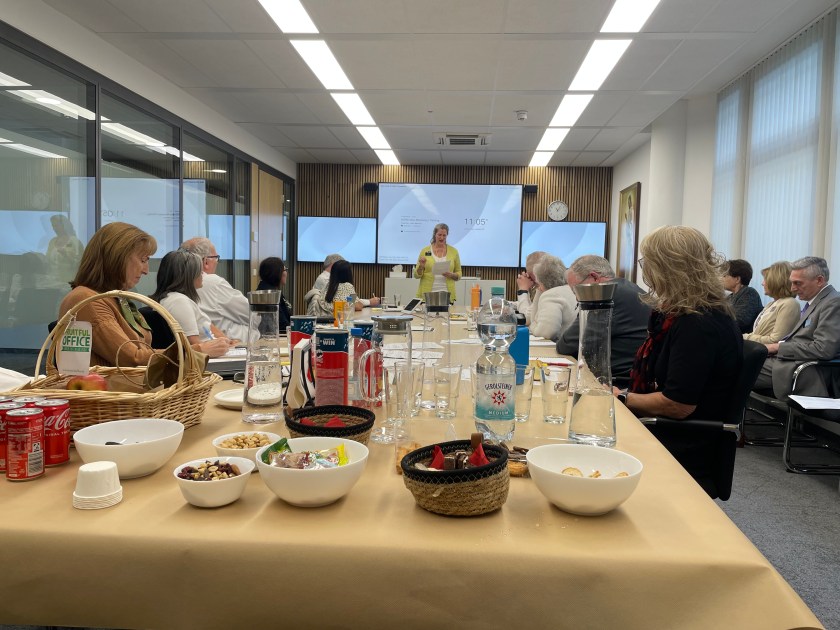
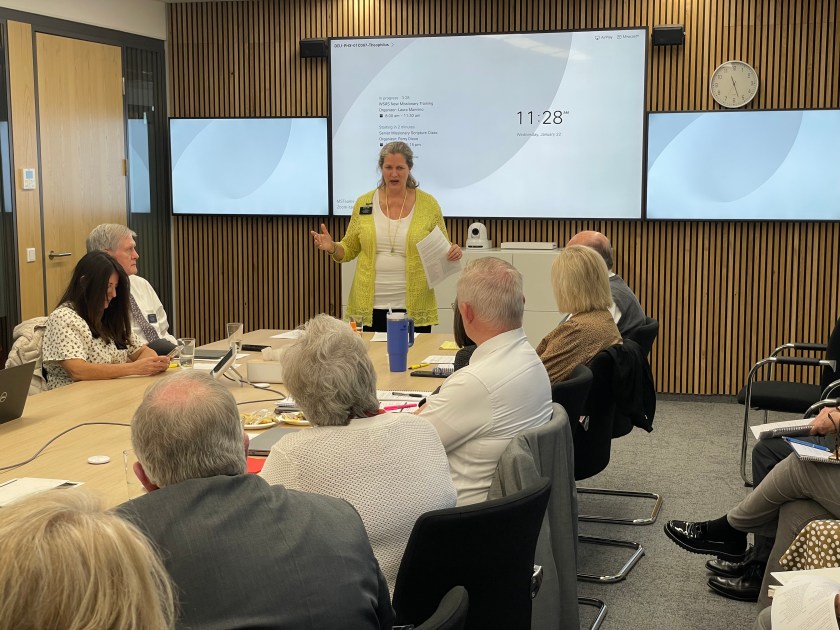
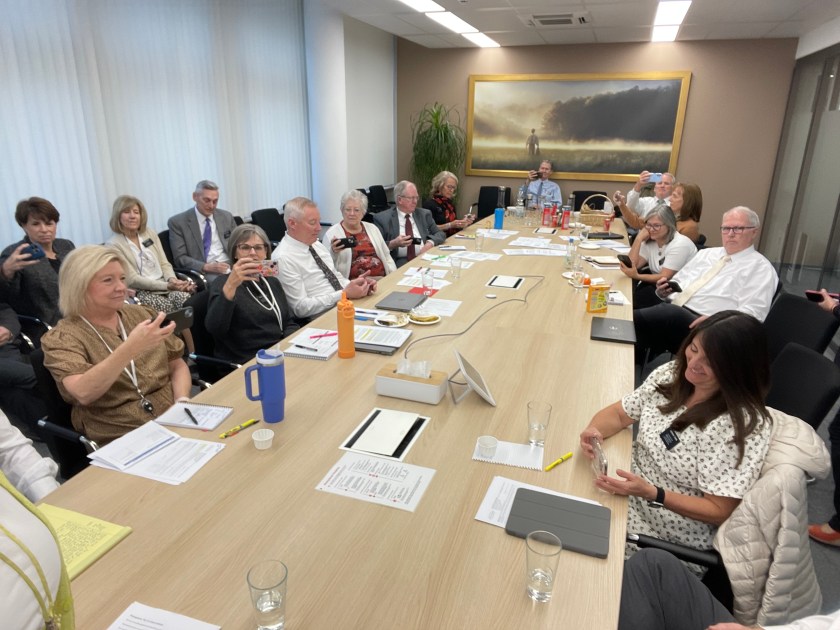
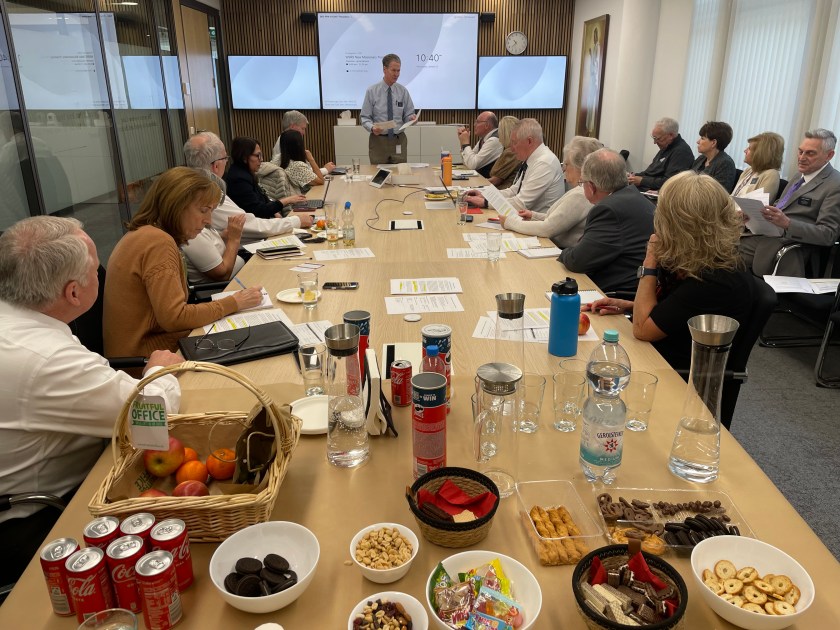
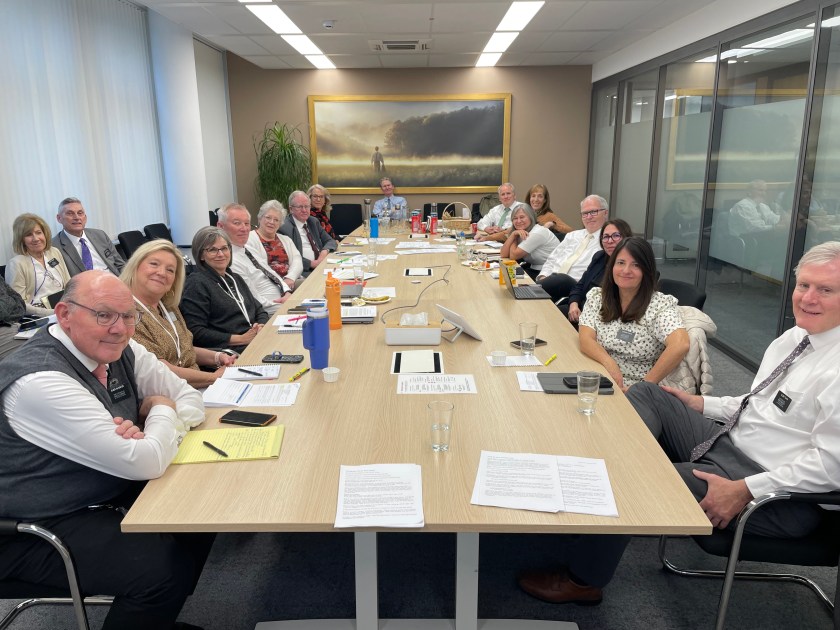
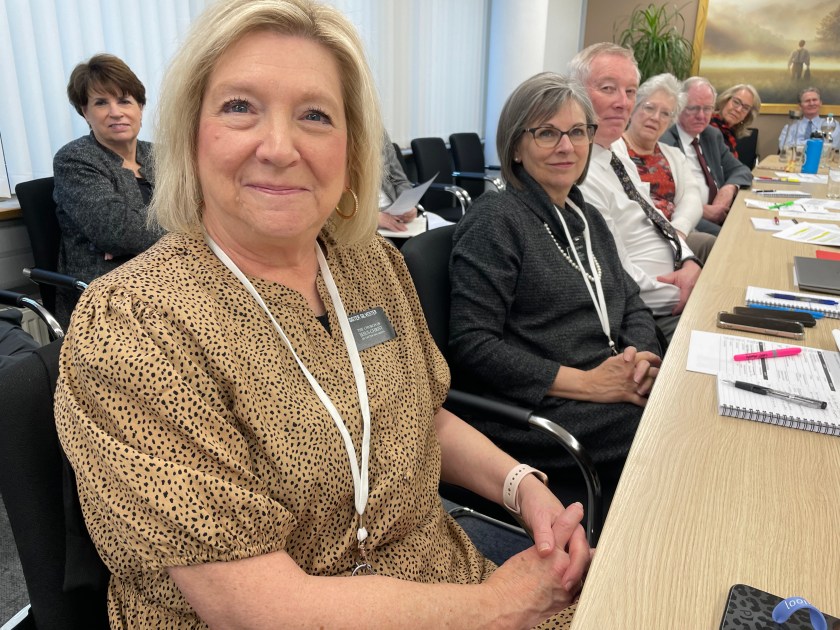
One of our favorite jobs has been working with the new couples who come to Frankfurt to receive training in the Welfare and Self Reliance department (WSR). We’re given the job to help them learn about news writing, which includes photography and RUIs (release to use image permissions).
These missionaries serve in all parts of the Europe Central Area, some from Frankfurt, some out in other countries. They are participating in and observing the work of helping those in need. They have stories to share. We help equip them to do that.
I’ll include here the training notes/handouts I share with these missionaries.
Sister Ann Lewis Missionary Training 12/23
Here is my best writing advice:
In the Church Communication Department, we have 3 responsibilities:
Increase positive awareness of the Church
Build bridges of friendship and understanding
Extend our reach
D&C 84: 60-62
60. Verily, verily, I say unto you who now hear my words, which are my voice, blessed are ye inasmuch as you receive these things;
61. For I will forgive you of your sins with this commandment—that you remain steadfast in your minds in solemnity and the spirit of prayer, in bearing testimony to all the world of those things which are communicated unto you.
62. Therefore, go ye into all the world; and unto whatsoever place ye cannot go ye shall send, that the testimony may go from you into all the world unto every creature.
So what is it we are to send? Our Stories, our Words!
Words are Powerful. We can use our words to fulfill our 3 responsibilities.
Think about things that are interesting to you. They will be interesting to others too.
Think about how you might tell about something in a simple article.
First you want to get their interest with an interesting photo or a title that makes them want to know more. Be creative. You can ask a question or you can use interesting words to get their attention.
After the title, you want to do your very best on the first part of the article, putting all the most important information first. The first paragraph, called “introduction” or “lead,” tells the main point of the story. It is critical and usually will determine whether a story is read. Keep it 30 words or less. You want them to want to know more.
As you write, remember to answer the questions: Who? What? Where? When? Why? Answer those questions as early in the article as you can.
Use friendly sentences, not technical or complicated ones. Make it feel conversational.
Don’t use “church” words they won’t understand. (Example: use congregation instead of ward or meeting place instead of stake center).
Avoid stating an opinion. Just stay objective and open and welcoming.
An article should have one main point, or be about one event.
Be brief. Nobody wants to read a long story. Use photos or a short video clip to tell more of the story if you can. You can put information into the captions. We tend to write too much. Write a draft then shorten it!
Always remember who you are writing for—who is your audience? What would they want to know?
Keep paragraphs short—one or two sentences if you can.
Use the proper name of the Church the first time you use it.
It’s good to use direct quotes rather than what you think someone said.
In the end, you want someone to feel, “I’m glad I read that! I learned something new!”
Try to convey the feeling that “here is a gift for you to read,” given freely. I hope you like it.
A word on writing Drafts–
Always assume your first draft of an article will not be your last. Don’t be discouraged if you don’t like it. Your first draft is almost like a brainstorming session with your words. Just get them out, as best you can– in bullet points, in ideas, or sometimes in complete sentences, After you’ve put thoughts on paper, go back and start organizing them into the structure of an article. Do you have a lead idea? Do you have the Who, What When, Where, and Why, and points? Do you have any quotes from participants? Organize your ideas. Read them out loud to see how the words flow. Let someone else read them. Do they have questions that need to be clarified?
Remember that the more you write, the easier it gets. Practice writing about things in your journal. When I write a blog post, I usually write the story in my journal first, then turn a thought or experience into a blog post that’s written more like an essay, an article, a gift to the reader. That really helps me practice and improve my writing.
You can also practice by posting things on Facebook or social media. Post an interesting picture or photo from an activity and just say a few words about it. Notice who likes or comments on the things you post. See if anyone asks more questions. Pay attention to what’s interesting to others.
Others are interested in stories that are interesting, cultural or out of the ordinary. People like to see good things happening in the world (probably more than they think they want to see something religious). Show the world that we are normal people doing good things. Use your words and photos to show and celebrate the good you see in the world.
——————-
Using the Active or Passive Voice
Active voice is a sentence in which the subject of a sentence is active.
Passive voice is a sentence in which the object of a sentence is active.
Take a sentence like “I want ice cream now.” It’s clear and straightforward—you know immediately that the subject, I, wants an object, ice cream. Now, change this sentence, flipping it so that the object is in the position of the subject: “Ice cream is wanted by me now.” It isn’t just longer, but it’s also more detached, roundabout, and a little awkward, too. Those two sentences are examples of the active voice and the passive voice.
What is active voice, what is passive voice, and what are their different functions?
In the active voice, the subject is performing an action:
The dog chases the ball.
Notice how the subject, dog, is performing the action, chase, on the target of the action, ball. This is a simple, direct example of the active voice.
In the passive voice, the action’s target, ball, is positioned first as the focus of the sentence. The sentence gets flipped, and the subject is now being acted upon by the verb. In other words, the subject is passive:
The ball is being chased by the dog.
The active voice has a direct, clear tone. Use it when you want the reader to focus on the subject of your sentence and the action it is doing rather than on the action’s target.
In the passive voice, the action’s target is the focus, and the verb acts upon the subject. Or, to put it in the passive voice, the subject is acted upon by the verb. Every sentence in the passive voice contains two verbs:
A conjugated form of “to be”
The main verb’s past participle
Notice how the targets of the action—also the direct objects of the sentences—are now the focus. The sentences now contain a conjugated form of “to be” (is) and the main verb’s past participle (liked and loved). Often, sentences in the passive voice are longer than sentences in the active voice simply because they have to include additional words like prepositions.
How to change passive voice to active voice
After you finish your first draft, read it. You might even want to read it aloud and listen to how it sounds. By reading and listening to your own work, you can catch awkward sentences and unclear phrasing and mark them as points to revise in your next draft. You’ll also hear where you used the active and passive voices and how they shift your work’s tone as a whole.
Let’s say you’ve detected a few instances of the passive voice in your article. Sentence-by-sentence, identify who or what is performing the action, and make that the subject when you rewrite it.
If you aren’t sure whether a sentence is active or passive based on how it sounds, identify the two voices in your work. The biggest clue you have a passive voice sentence on your hands will be a form of “to be” followed by a past participle (e.g., was requested or will be missed). Not every passive voice sentence says who is performing the action, but if it does, you’ll see a preposition next to it (e.g., by my brother).
Active and passive voice examples:
Active Passive
We had a good time. A good time was had (by all).
We held an opening ceremony. An opening ceremony was held.
They called off the meeting. The meeting was called off.
His grandmother looked after him. He was looked after by his grandmother.
They will send him away to school. He will be sent away to school.
Joe was playing soccer. Soccer was being played by Joe.
He was writing a letter. A letter was being written by him.
He gives me a car. A car is given to me by him.
She gives me a bar of chocolate. A bar of chocolate is given to me by her.
Julie is eating food. Food is being eaten by Julie.
Respect your old ones. Old ones should be respected.
She sings lovely songs. Lovely songs are sung by her.
She was eating the bread. The bread was being eaten by her.
Will Clark deliver the message? Will the message be delivered by Clark?
Jerry is building a house. A house is being built by Jerry.
He writes an essay. An essay is written by him.
Sheena does the housework. The housework is done by Sheena.
She cares for the rabbit. The rabbit is being cared for by her.
Jacob always plays the guitar. The guitar is always played by Jacob.
The missionaries ate breakfast. Breakfast was eaten by the missionaries.
The guests enjoyed the event. The event was enjoyed by (all) or (the guests).
Teaching the missionaries to take photos using only one hand.
Photography Tips for News Articles
We can use photographs to help tell our stories.
Horizontal photos are usually preferred (go wide, not tall).
Try hard to get photos of people interacting with other people.
Look around at what’s happening and find the interesting interaction points.
Let the background of the photo help tell the story.
(Shoot into the story, not away from it.)
We generally don’t want posed photos, or people lined up in front of a project.
We want to see the project in action whenever possible, rather than missionaries proudly standing in front of a project. It’s not about YOU, it’s about THEM.
Always take SEVERAL photos. ONE PHOTO IS ALWAYS BETTER THAN ANOTHER.
You might have a perfectly framed photo and think you only need to take one shot, then you later discover someone’s eyes were closed, or someone (maybe you) moved. Always take at least 2 photos in every situation, more if you are able. You can always eliminate the poor ones.
MOVE IN CLOSER!!
When you think you’re in the right place to take a photo, take 2 steps closer!
If you can’t move closer, use your zoom features.
You do not need to have lots of sky or space above the people in your photo. You do not need to include their whole bodies, head to toe. Move in closer and focus on their faces, not their entire bodies. Try to avoid posed pictures. Catch them at something they’re doing. Don’t take too long to take the photo–they’ll feel uneasy. Snap the photo quickly and take multiples. Learn to take photos with one hand.
Fill your frame with what is going on in the photo. It’s OK if things go off the edge. Our minds can imagine the rest of the photo.
A few general photos that give an overview of a project or event can help add context.
Practice, practice, practice. Evaluate your photos. Practice cropping photos you’ve already taken to see how you might make the photo better. With some practice, you will learn to crop the photos you take as you are taking them.
In today’s world, photos are FREE. Take them generously! Good luck capturing the perfect interactions and moments!
Photography Tips from Professionals
1. Simplify the scene
De-clutter the background to draw attention to your subject.
2. Rule of thirds
Instead of placing your subject center-frame, split the frame into thirds. Imagine a tic tac toe board of two horizontal lines and two vertical lines. Position your subject on these lines, or where they intersect.
3. Fill the frame
Too much ‘negative’ or unused space might not work for your photo. You could get closer to your subject on these lines, or zoom in to fill the frame.
4. Diagonal lines
Diagonal lines bring dynamism and energy to your composition, providing a sense of depth when they converge, or crossover other lines.
5. High or low
Experiment with a bird’s eye view (getting above the subject) or a worm’s eye view (getting below) to create a compelling perspective.
6. Reflect
Improve your composition by revisiting your work and studying the work of other photographers. Look at photos you like, and note why different elements work well visually.
—————————-
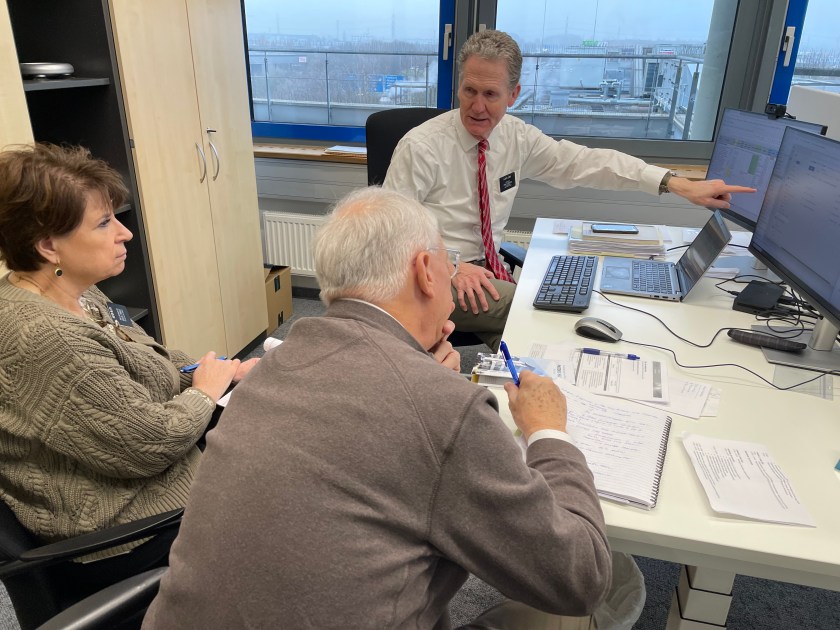
John teaches the part about RUIs and getting permissions.
This is one of the many things I’ll miss about our work here. Sigh.
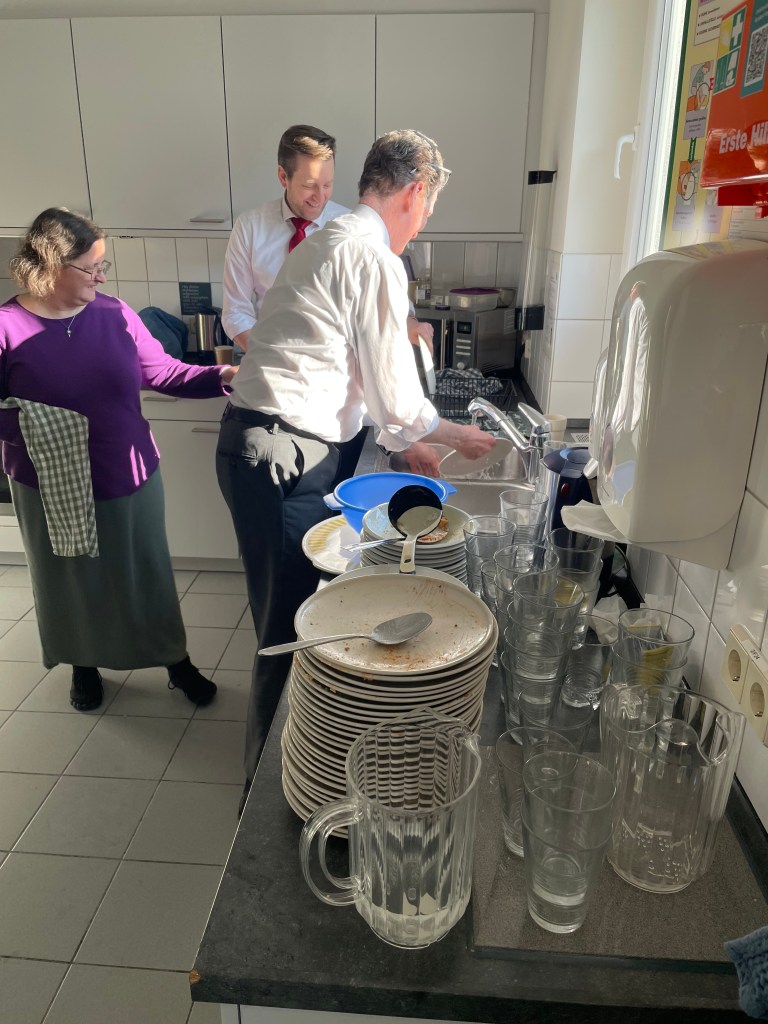
Here are a few pics of our busy week, beginning with some dish washing after our monthly Sunday potluck meal in our Offenbach Branch. We are doing many things for the last time, as the hand off to our replacements, the Bluths and to our new Zone Leaders, the Dixons begins.
Training the Bluths:
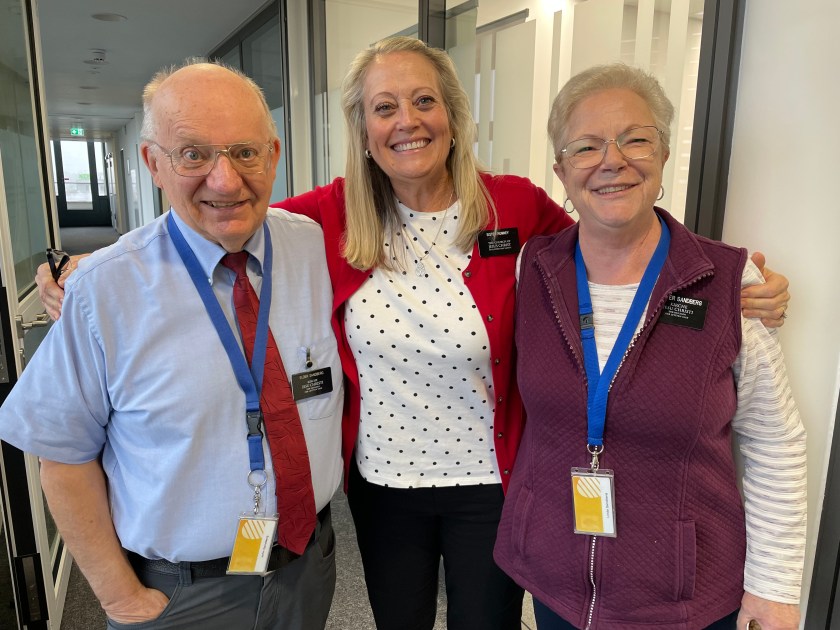
Visiting with missionaries who drop by: The Sandbergs and Ella Romney:
Taking new missionaries to their first immigration appointments:
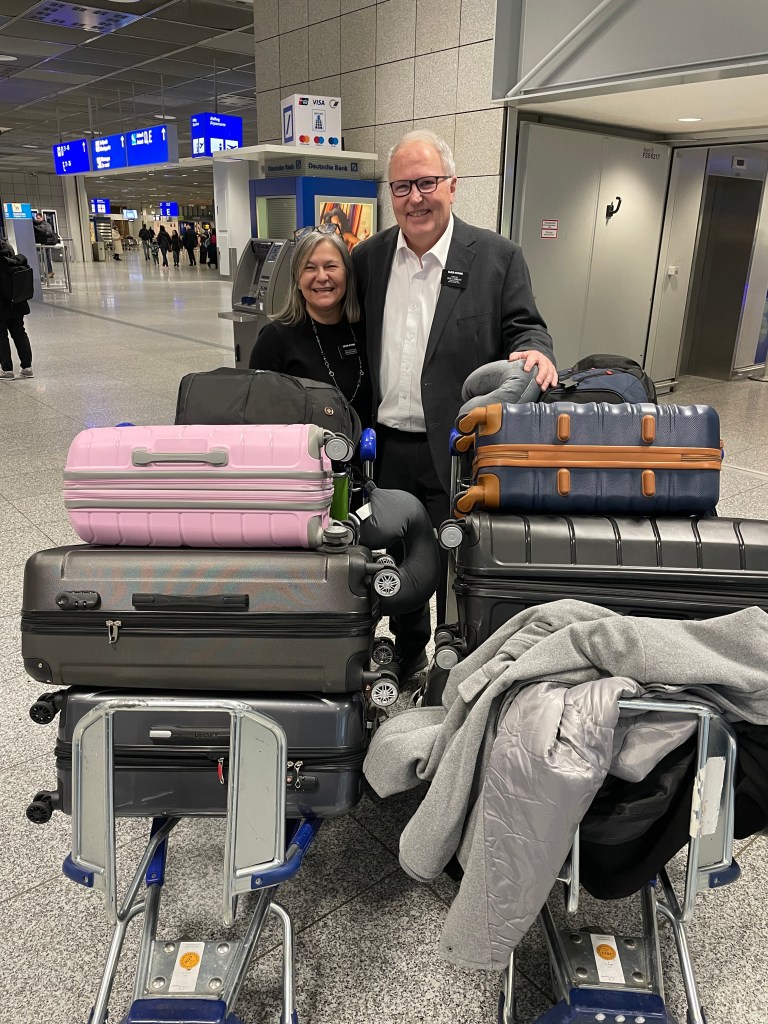
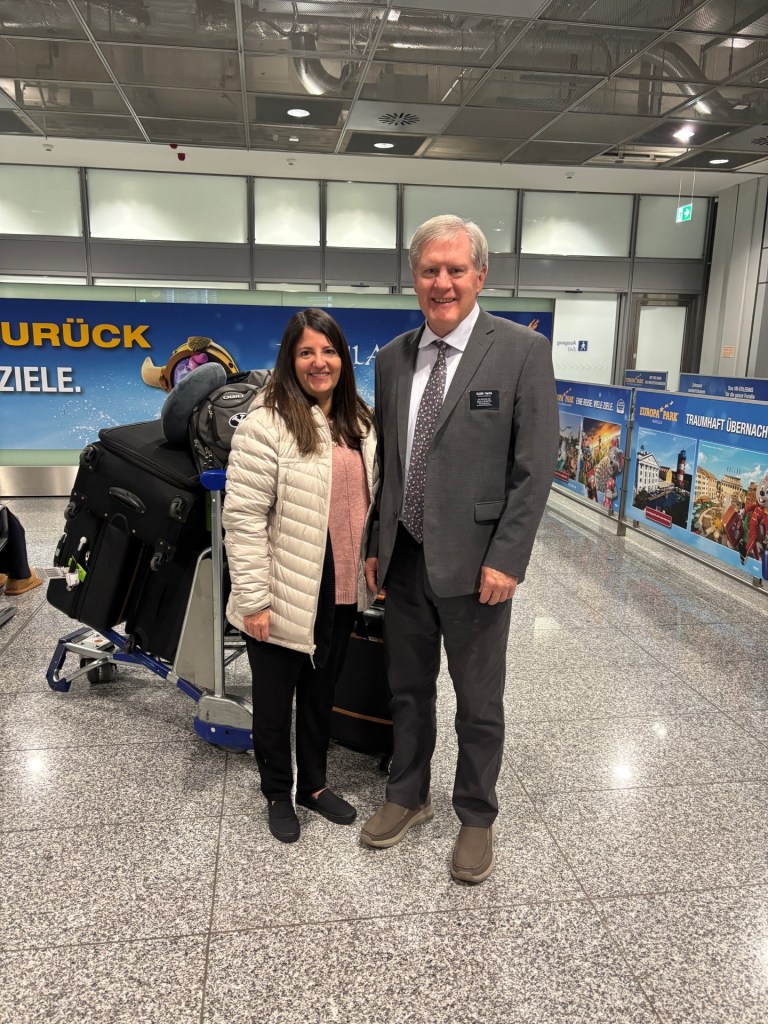
Picking up the Hitchins who will be serving in Turkiye:
Picking up the Thayns, who will also be serving in Turkiye:
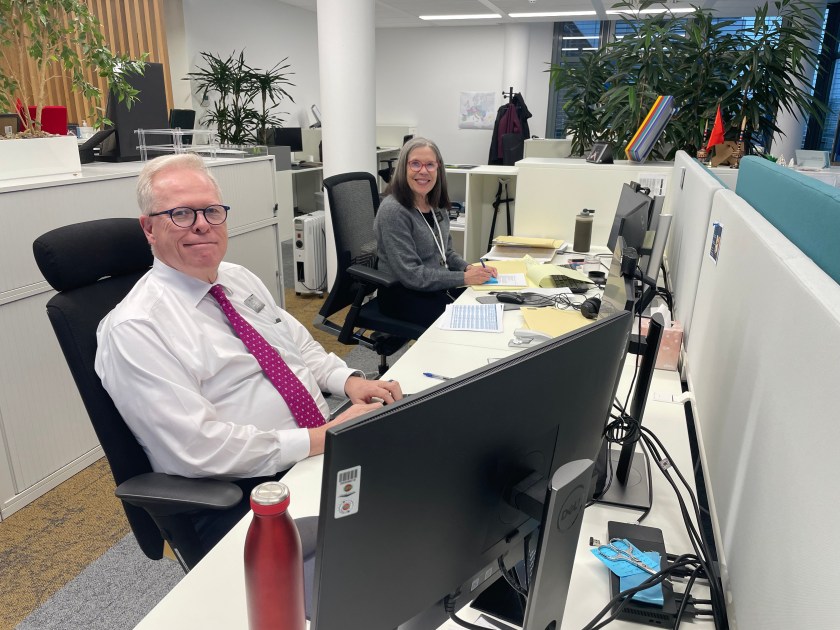
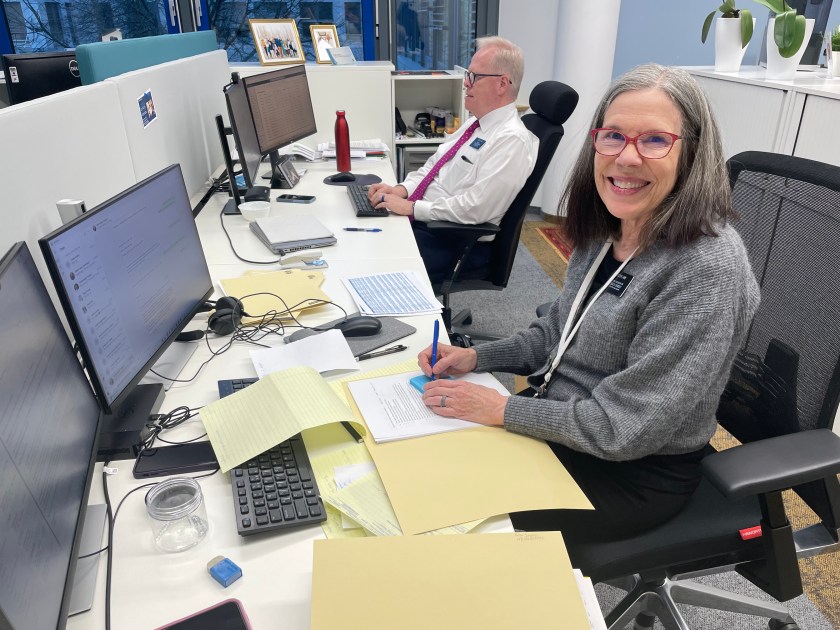
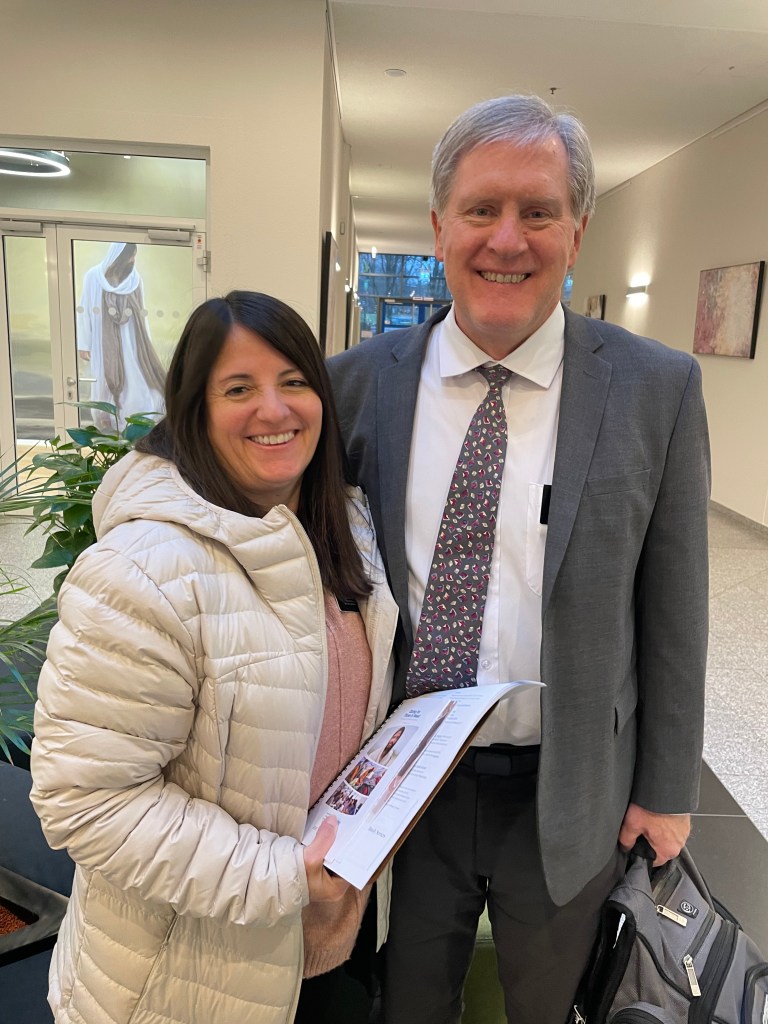
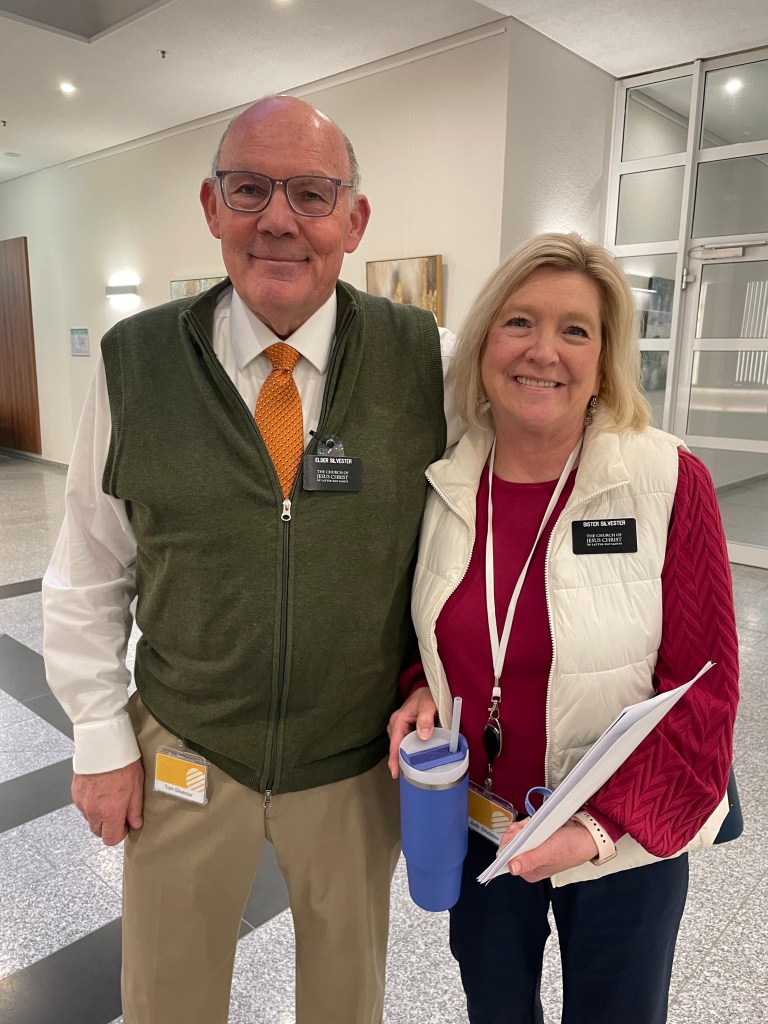
Taking more photos of our friends at work:
Dianne and Phil Stoker
Ed and Debra Lamb
Eva and Corey ThaynTom and Judy Silvester
Now that our new Zone Leaders, the Dixons, have been called, we are starting to turn some of these jobs over to them. They will be fantastic. Serving as Zone Leaders has been an exhausting blessing. Every minute of our lives has been filled with purpose and goodness. We love these missionaries. It’s hard to think about going home (until we see the faces of our kids and grandkids).
Here are a few more pics from 24 Jan:
Ruth JohnsonThe Hitchins leave for TurkiyeTraining the BluthsThe Thayns leave for Turkiye
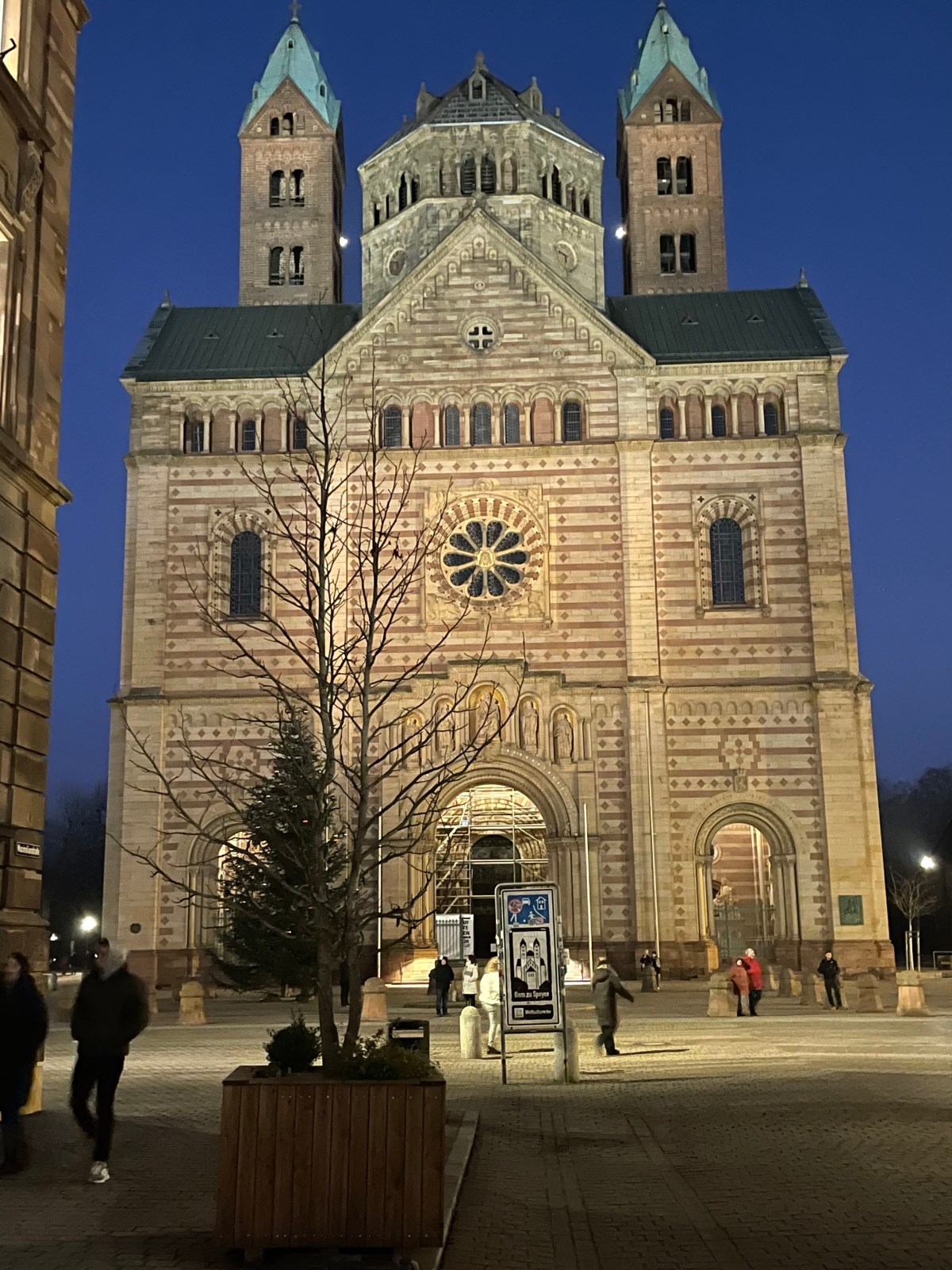
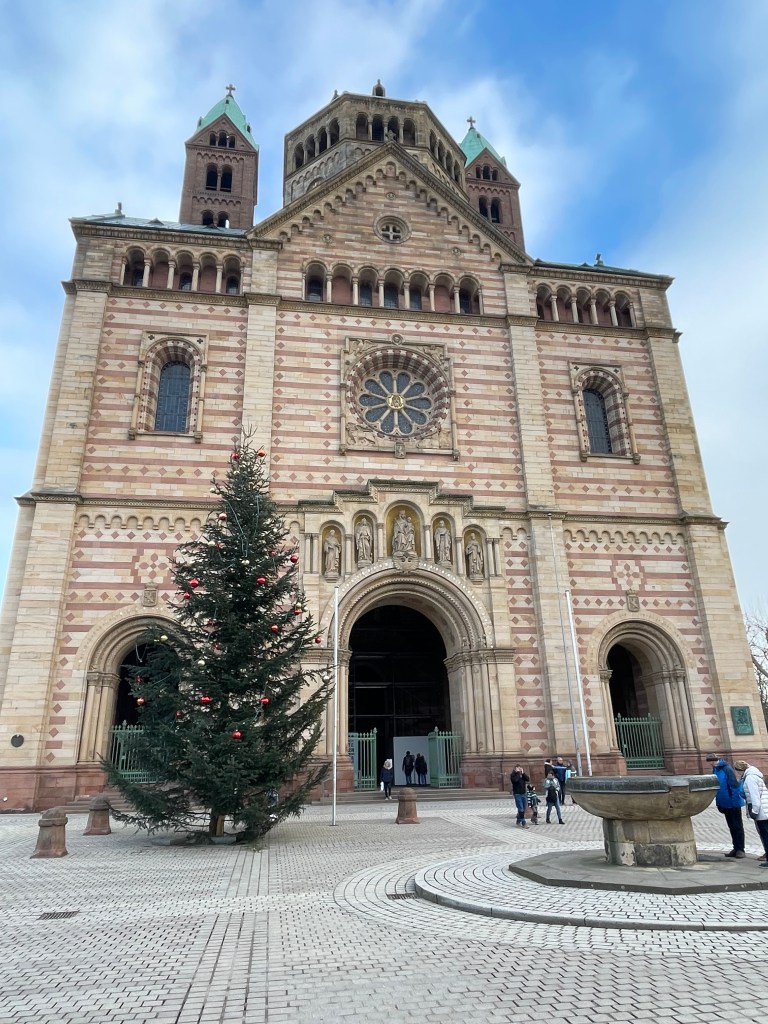
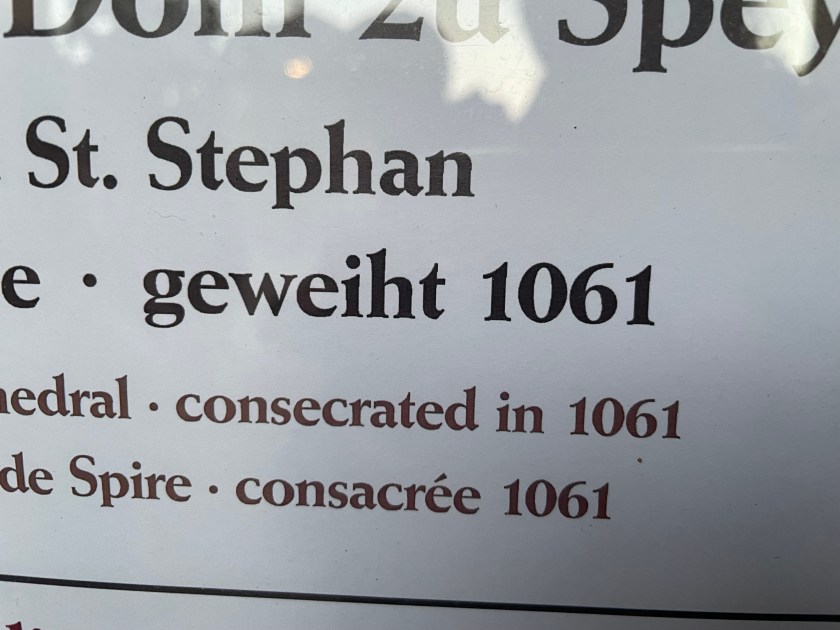
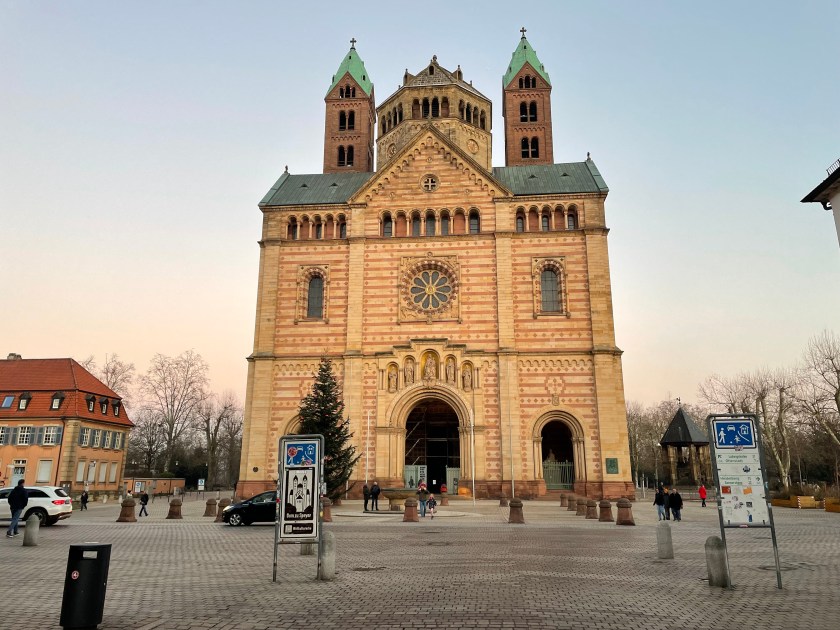
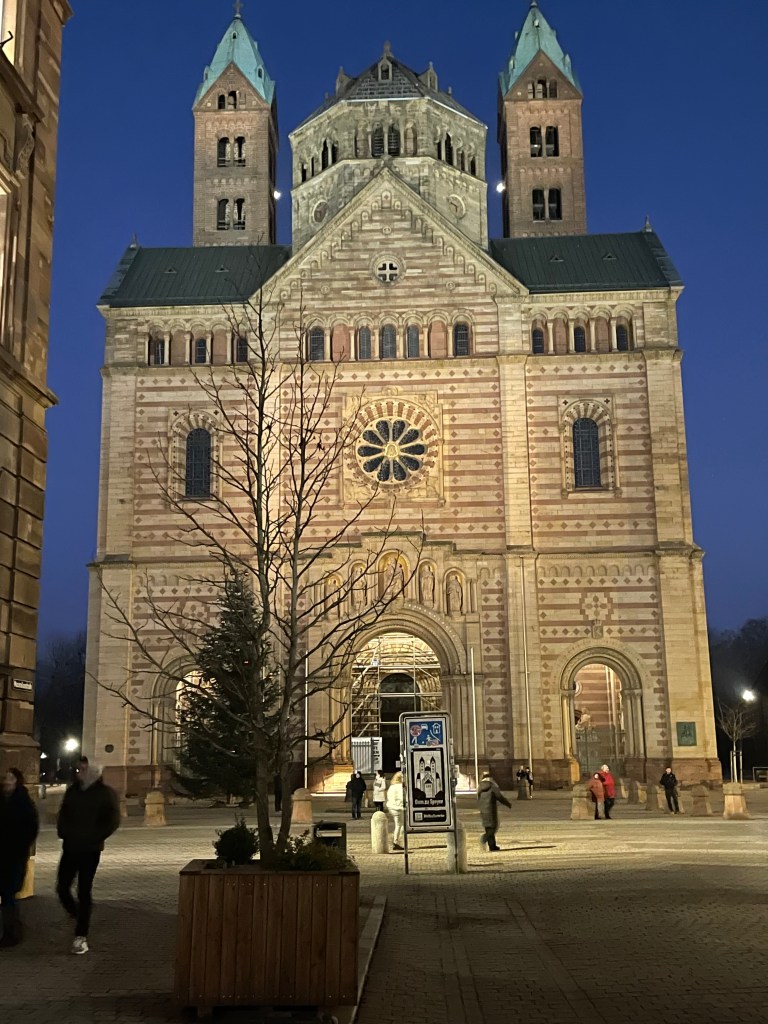
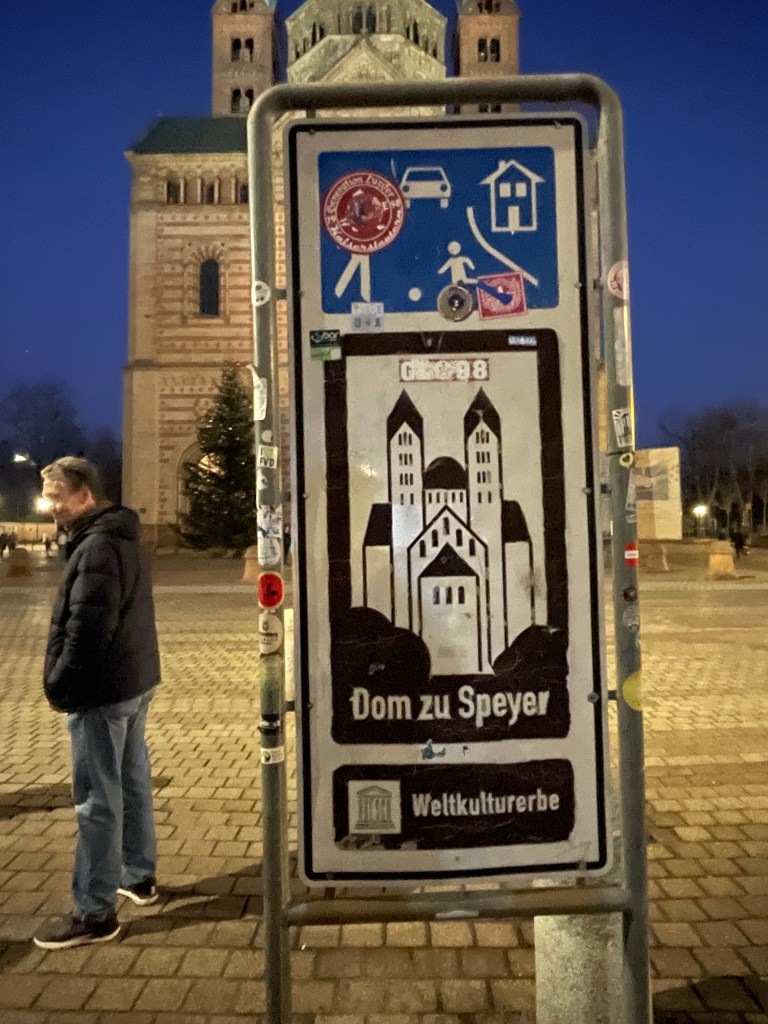
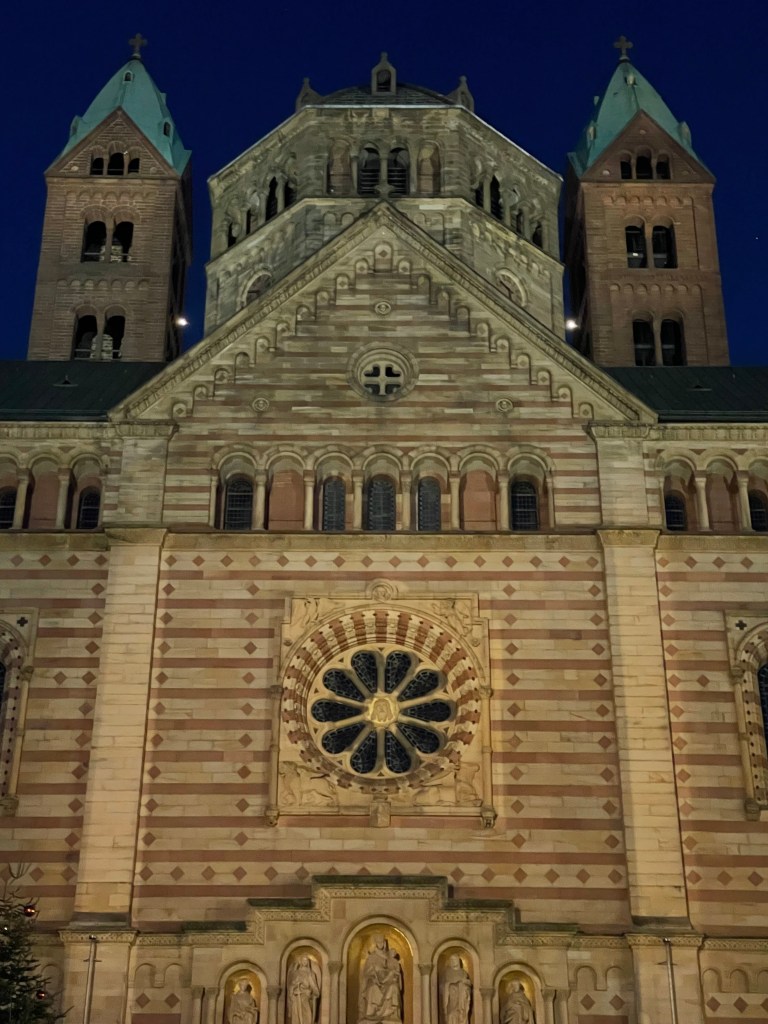
After visiting Bruchsal, we drove about 30 minutes to Speyer to visit the Speyer Cathedral, which, according to the Cathedral pamphlet, is considered the world’s largest and most significant Romanesque church (constructed between 1030 and 1124). “It’s design embodies the idea of medieval imperial rule. From its very beginnings up until today, it has served as Speyer’s Episcopal church and a pilgrimage destination.”
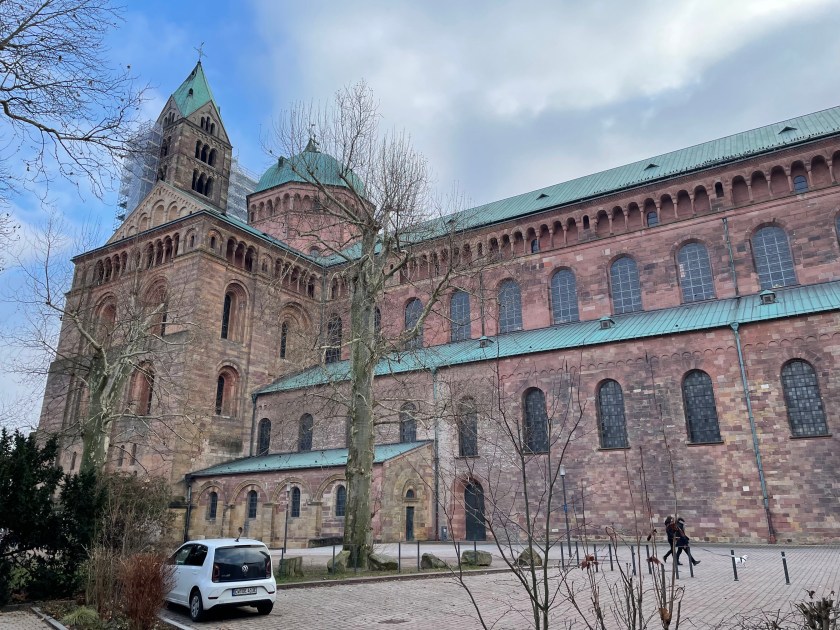
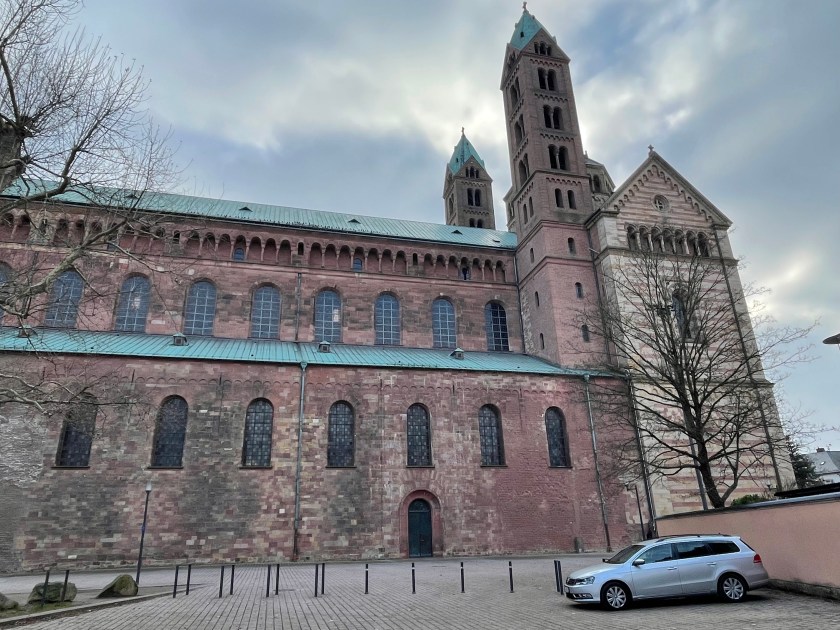
The building was too big to fit into one photo!
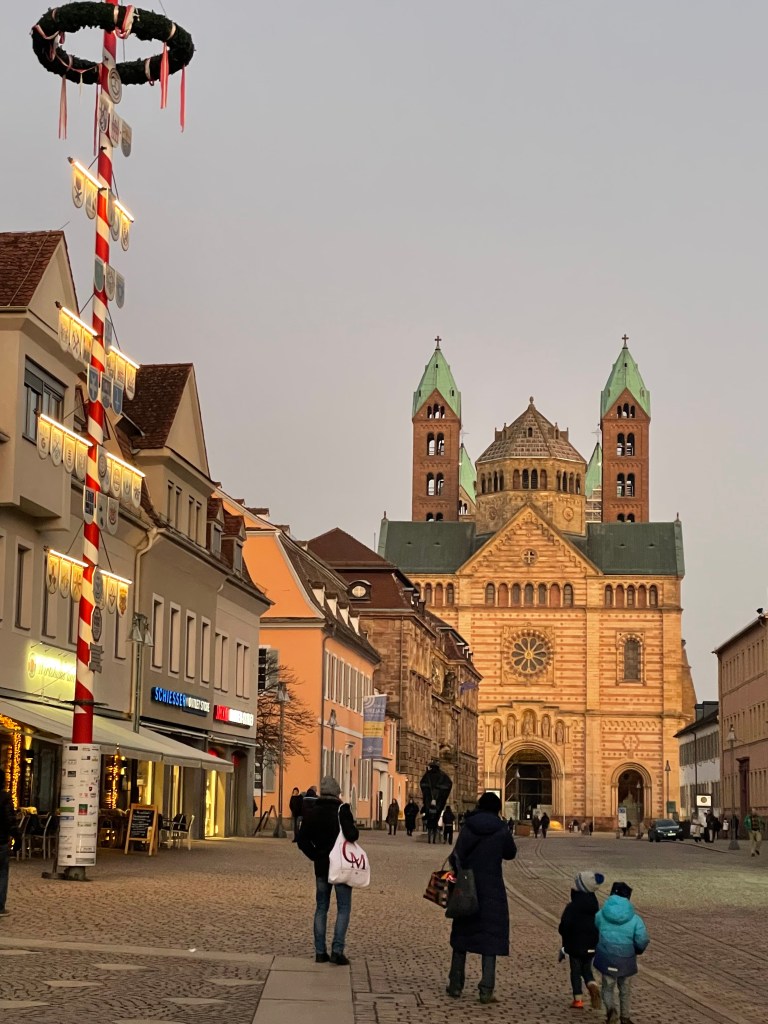
We parked by the Cathedral, then walked to the front. It’s massive–a long building with towers on both ends. A town plaza spread out in the front, all cobblestone and the large Christmas tree from the Christmas market was still standing there, lonely, with a few large balls still attached to the upper branches. We checked the hours on the cathedral door, then went to get some food before returning. We were all hungry.
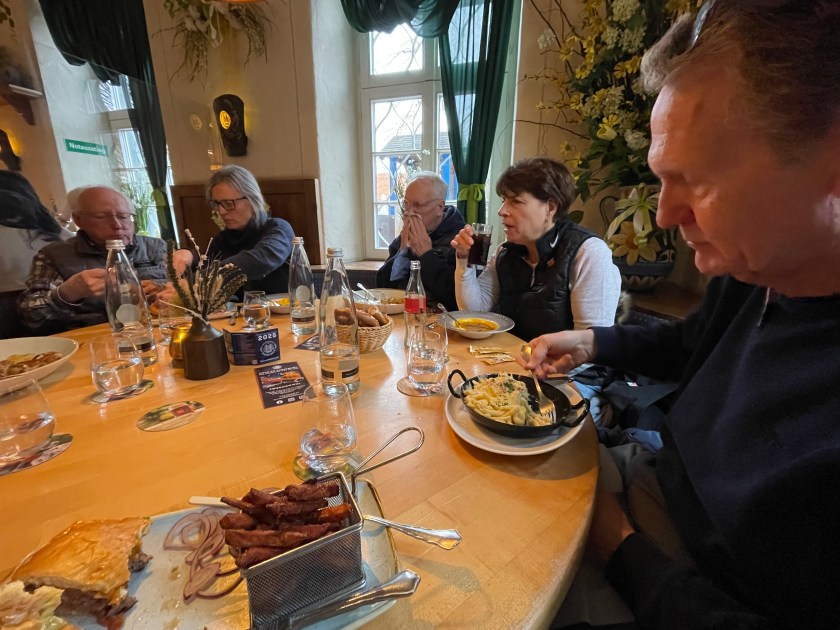
We had a really great German meal at a restaurant nearby.
After a good meal, we went back to the Cathedral.
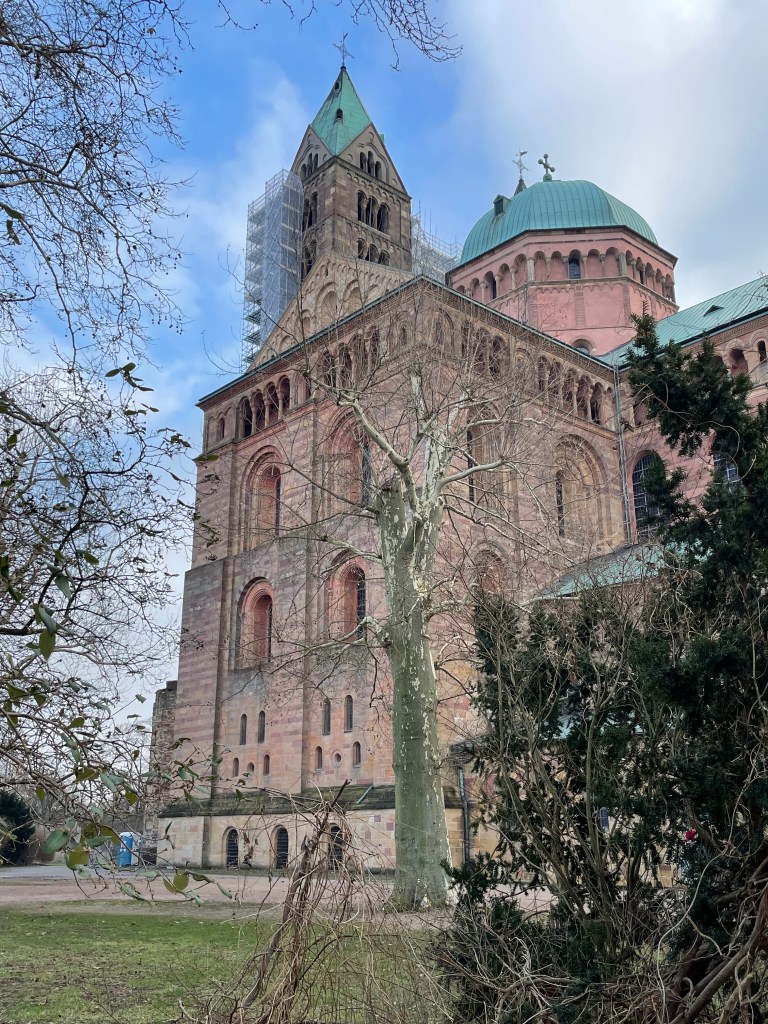
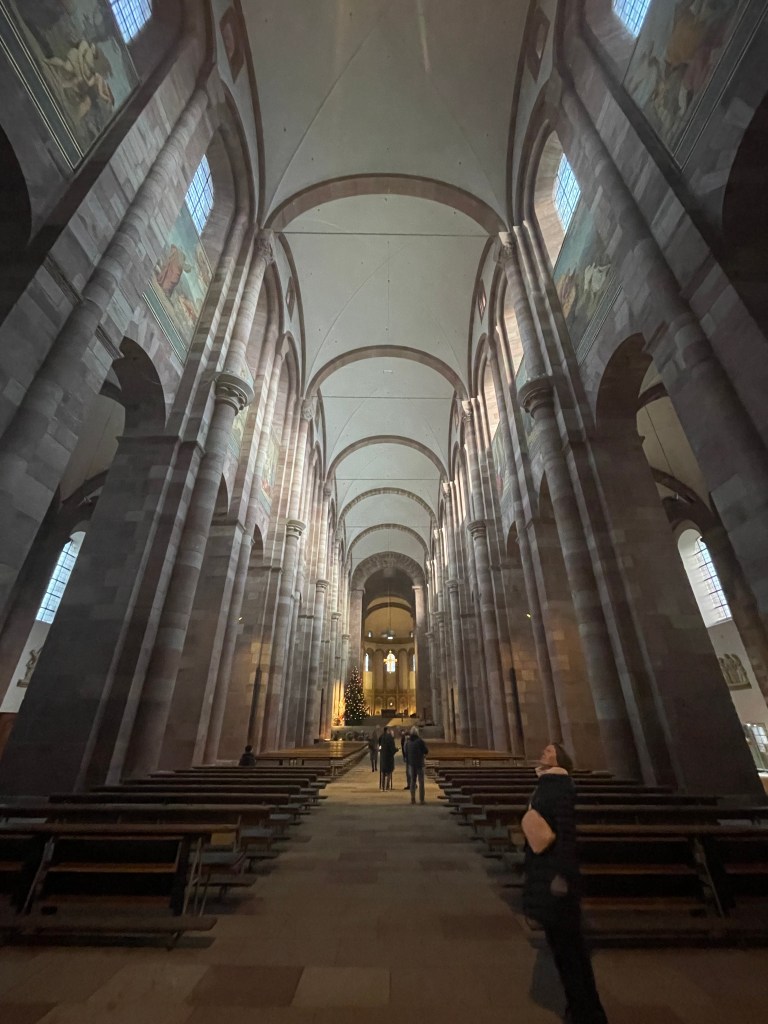
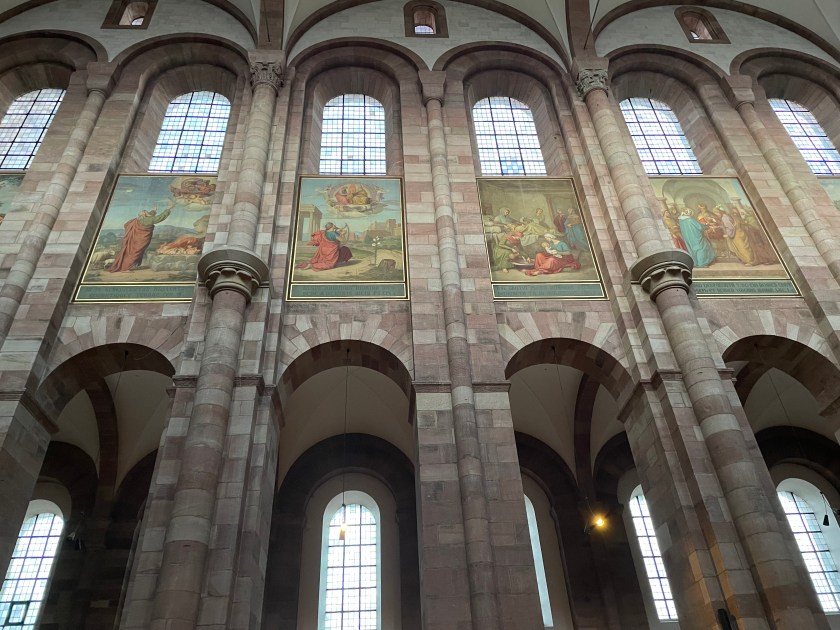
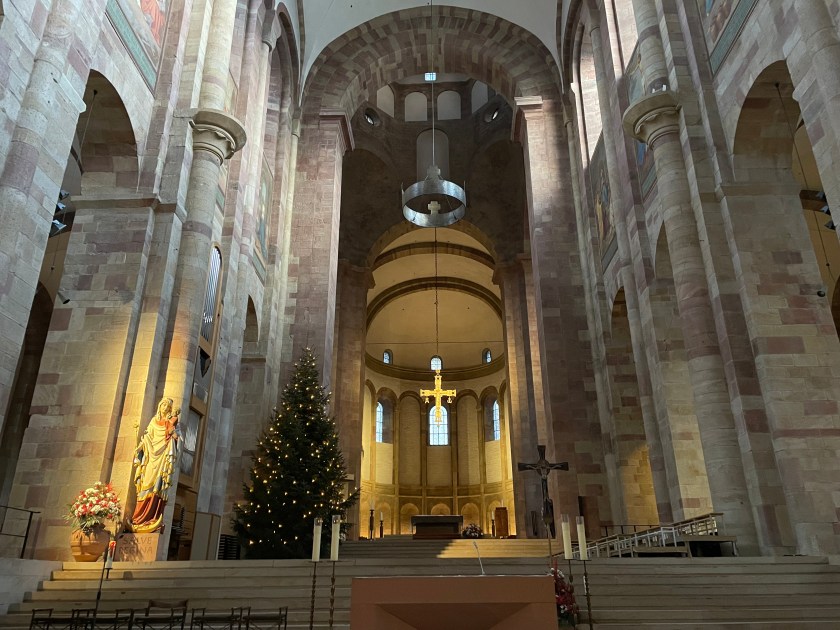
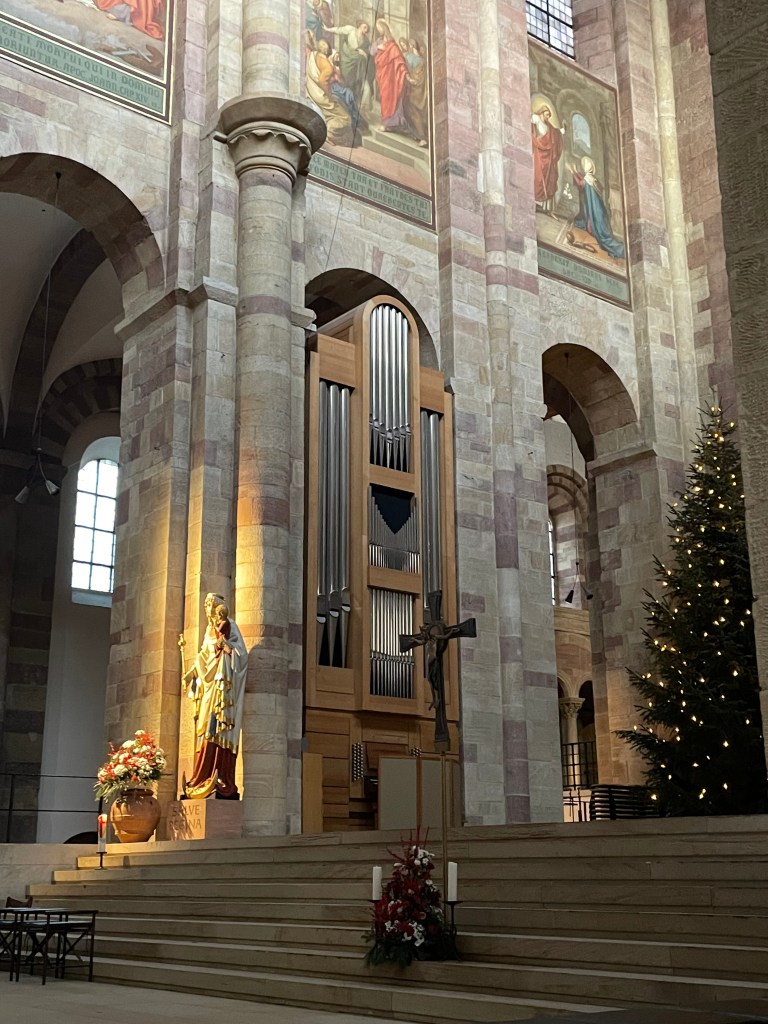
Speyer Cathedral, a basilica with four towers and two domes, was founded by Conrad II in 1030 and remodeled at the end of the 11th century. It is one of the most important Romanesque monuments from the time of the Holy Roman Empire. The cathedral was the burial place of the German emperors for almost 300 years.
Apart from the seven western bays of the nave and the westwork, the medieval structure is original. After a serious fire in 1689 the seven western bays of the nave had to be newly erected (1772-1778) and are an exact copy of the original structure.
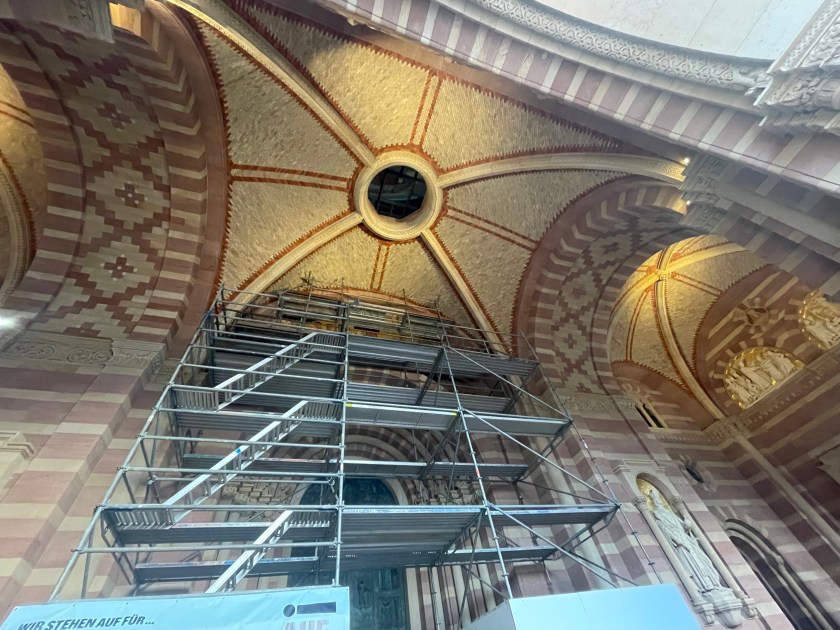
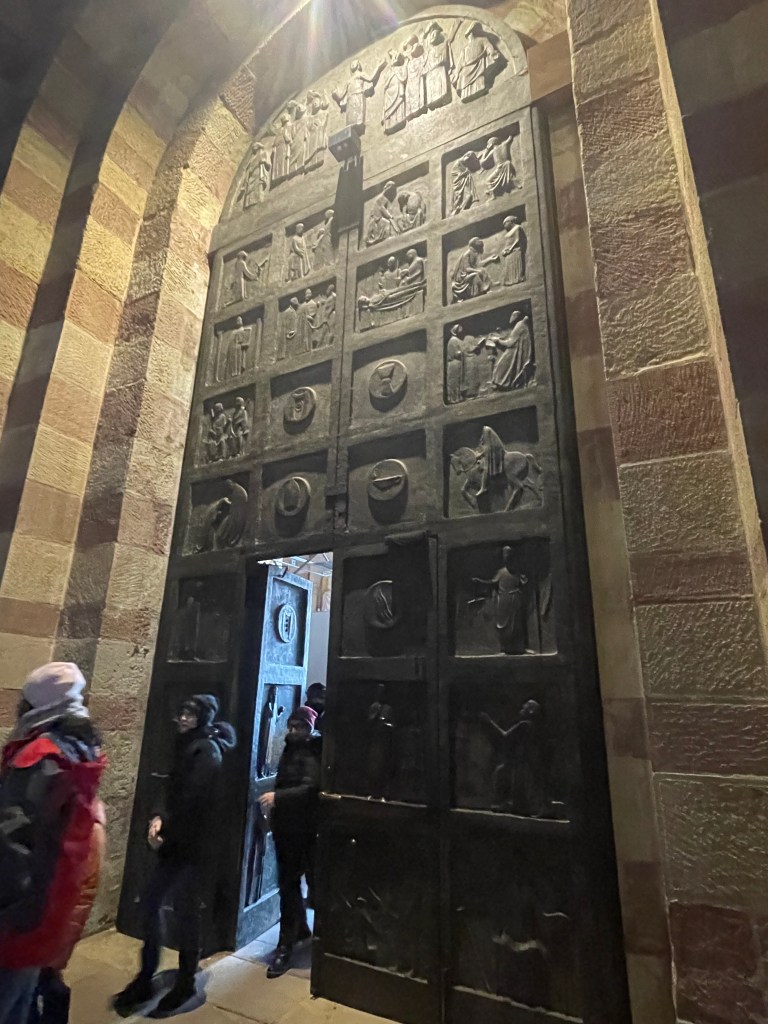
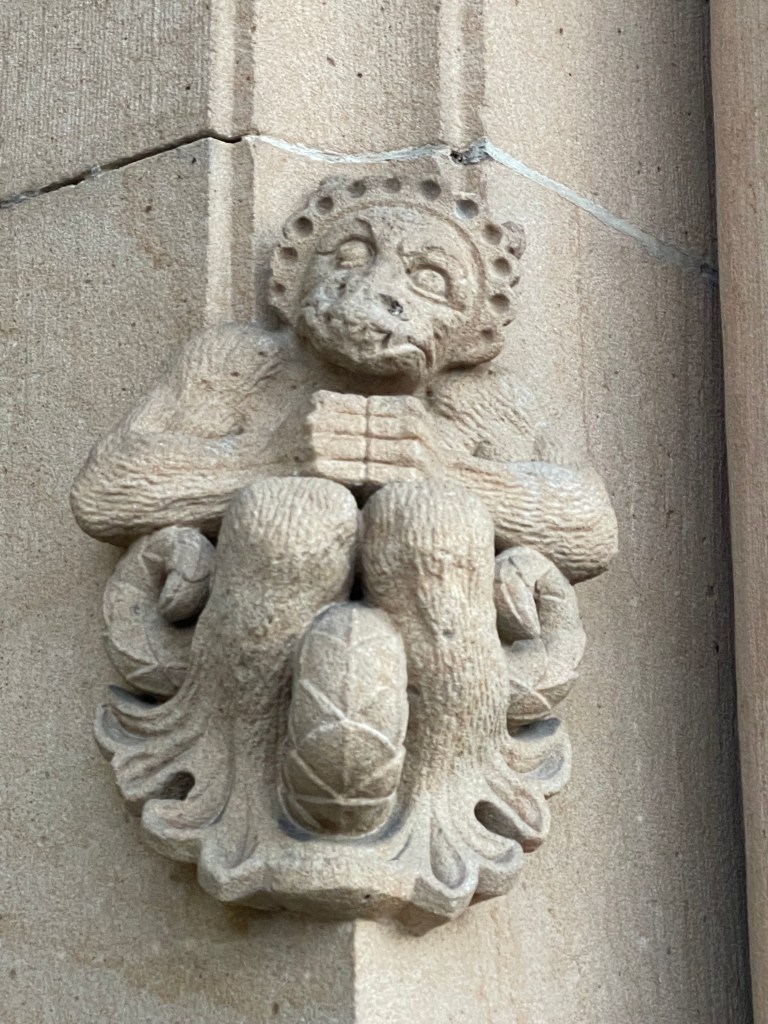
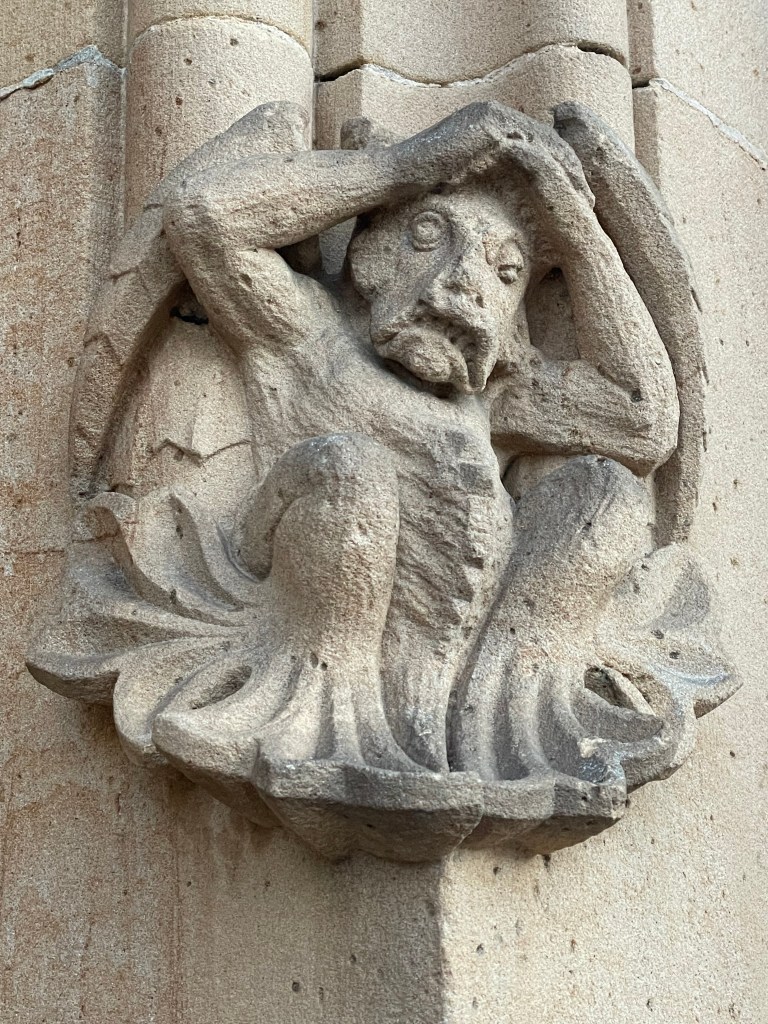
The Dom was cavernous and cold. Simple with some modern embellishments trying to look artsy and old. The amazing thing is how old the cathedral is, not how beautiful it is. It was massive, tall and solid. Not much about it was inviting. Even the pews were more like school desk benches.
We walked the length of the cathedral. There was a crypt underneath with the tombs of 300 years of church/state leaders. There was a choir area up behind the pulpit area with a room off on the right side with relics and memorials. Famous saints and martyrs’ bones were decorated and on display in ornate boxes. Also pieces of fabric and a representation of St Stephen’s head that looked like an Egyptian mask.
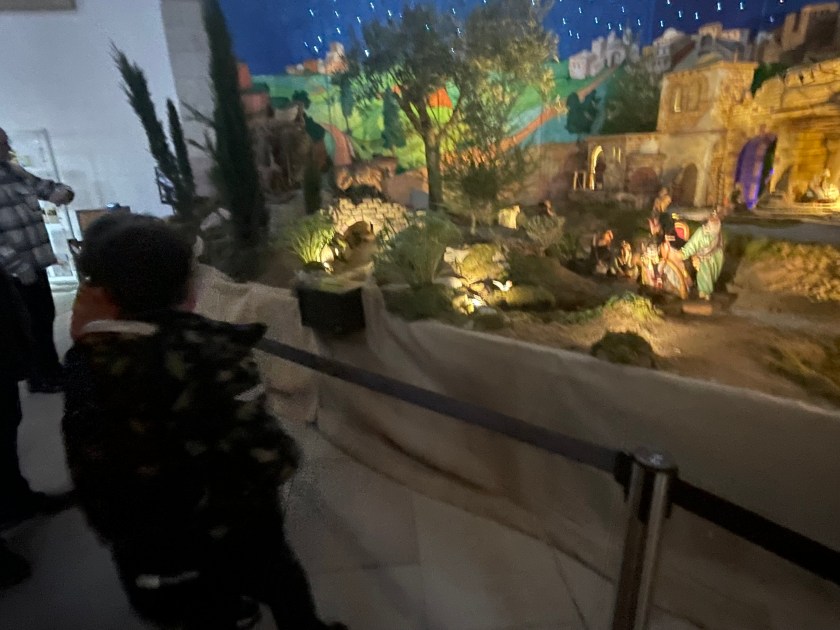
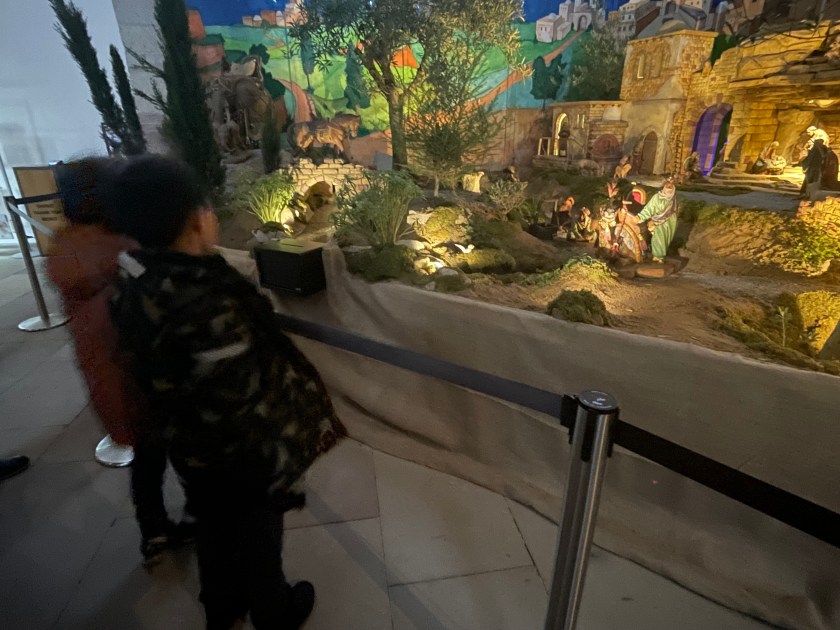
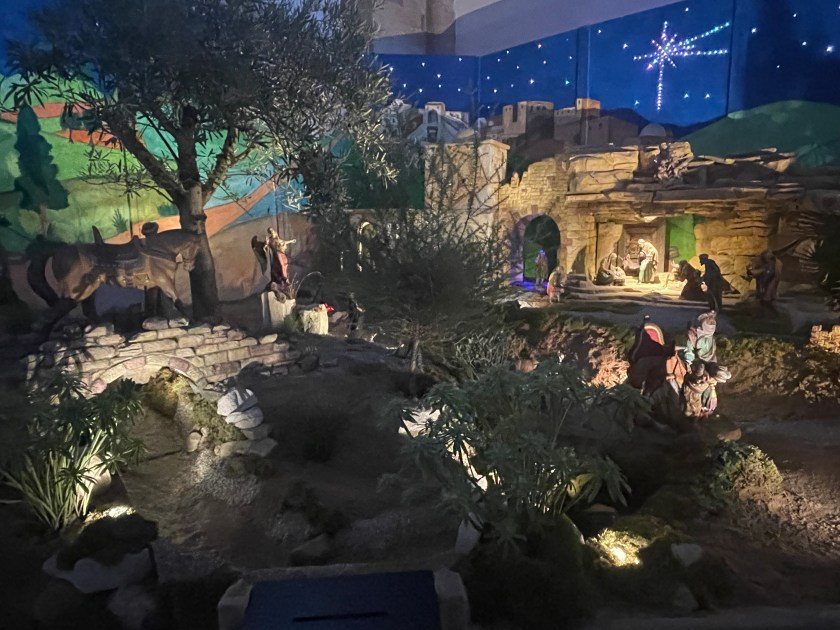
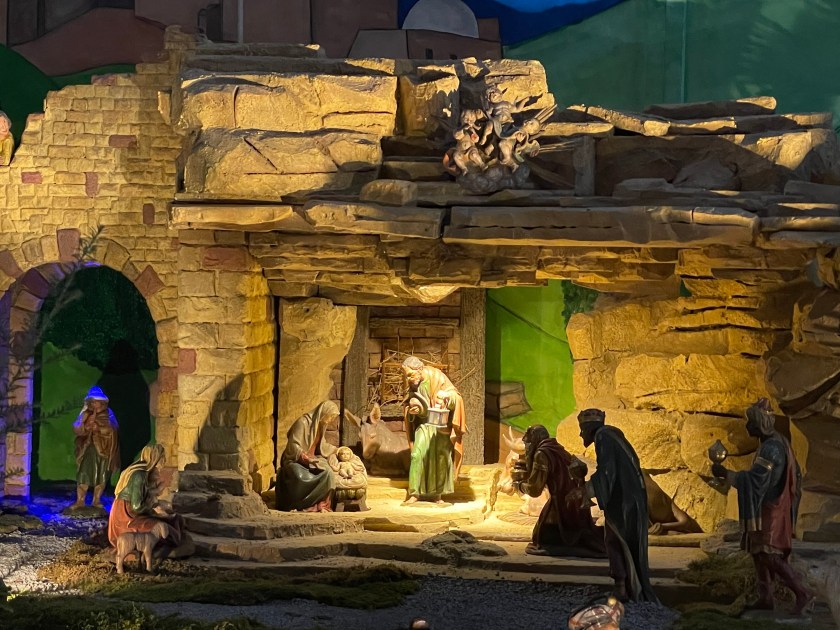
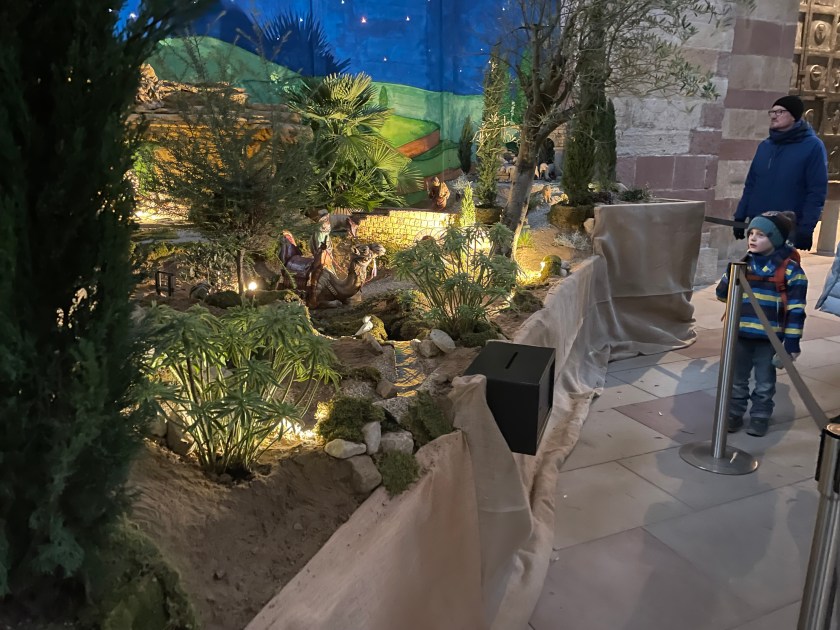
There was a Nativity set up inside the entrance of the cathedral and there were some parents showing it to their children. We spent about 30 min in the building, wandering.
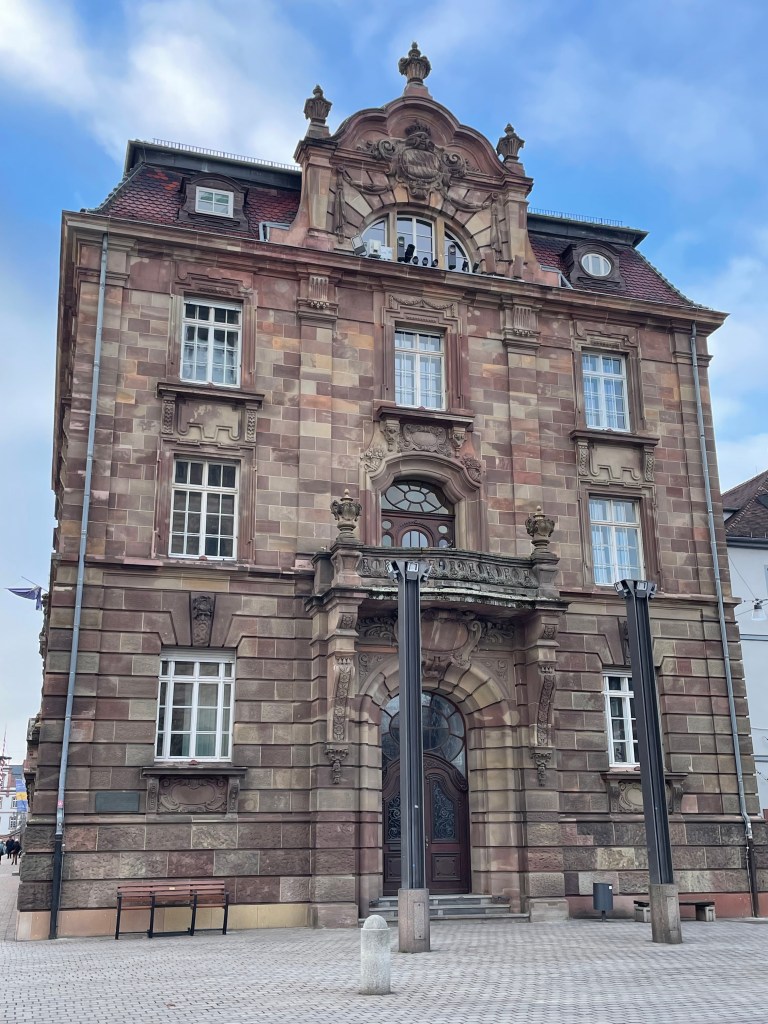
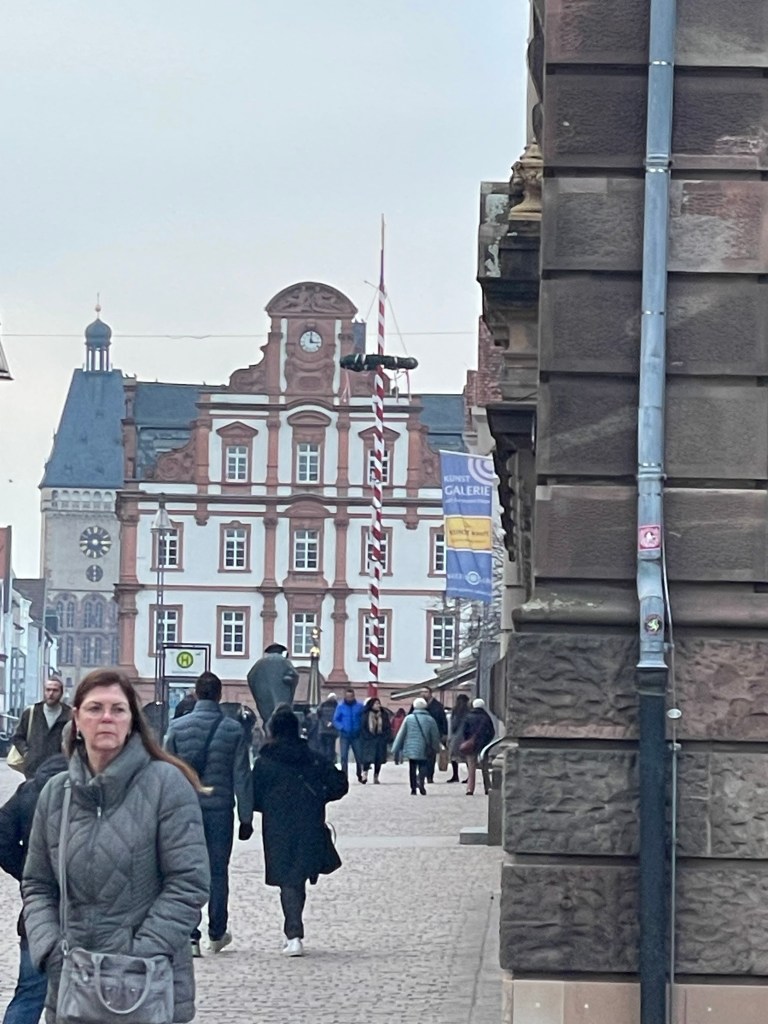
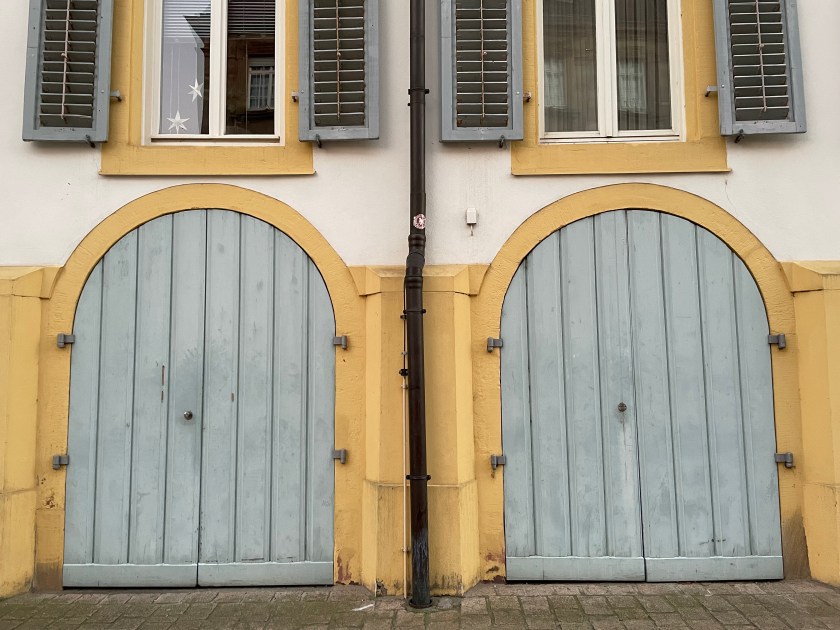
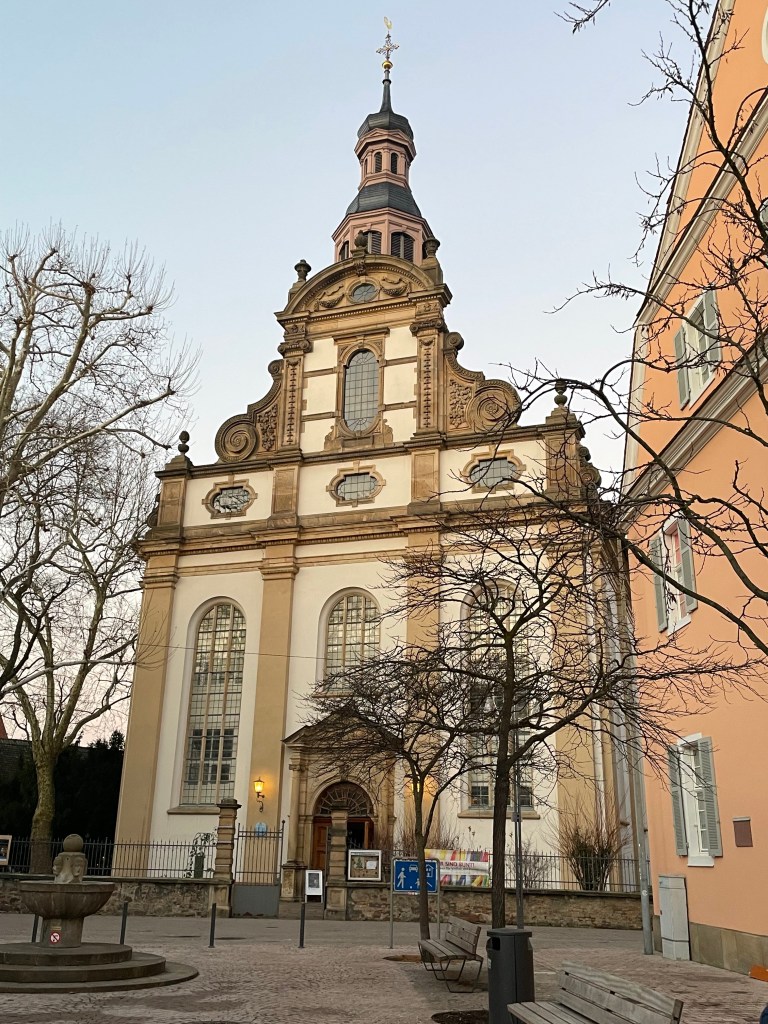
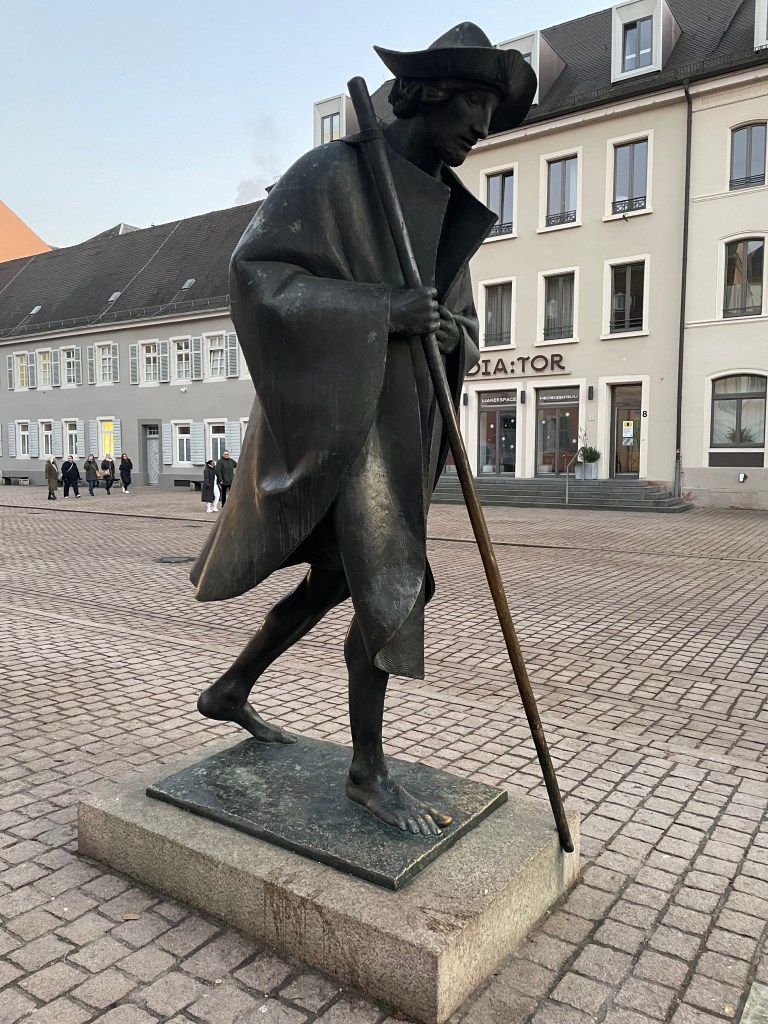
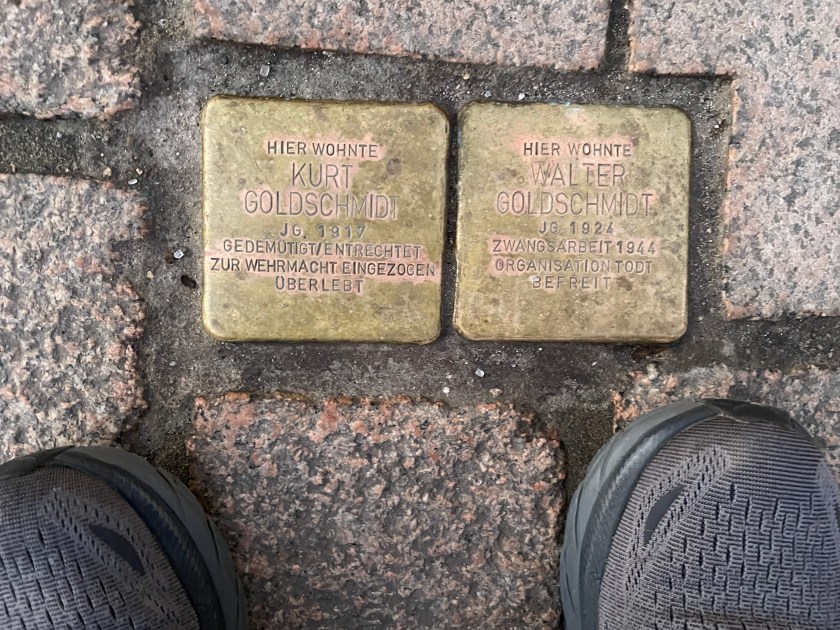
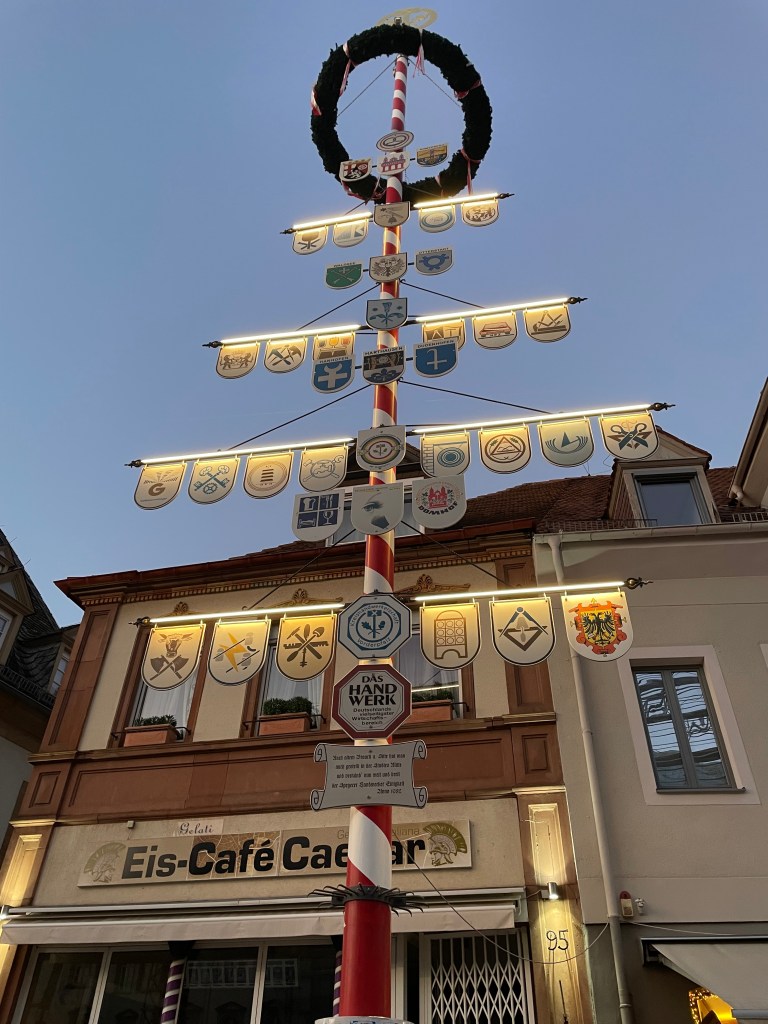
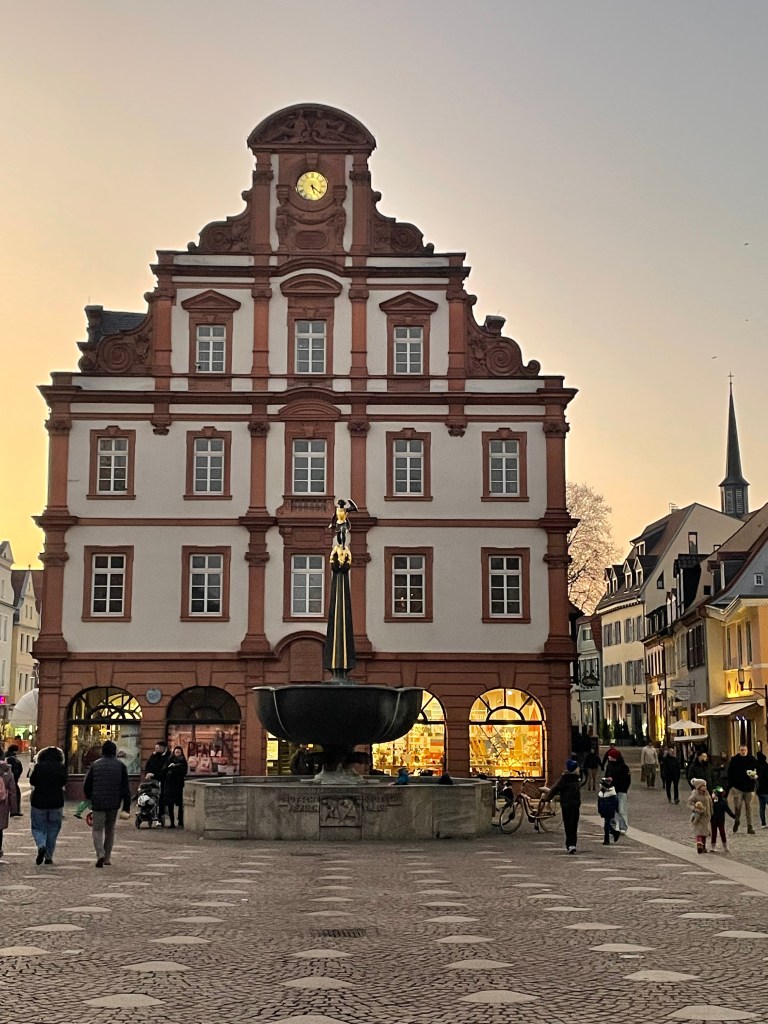
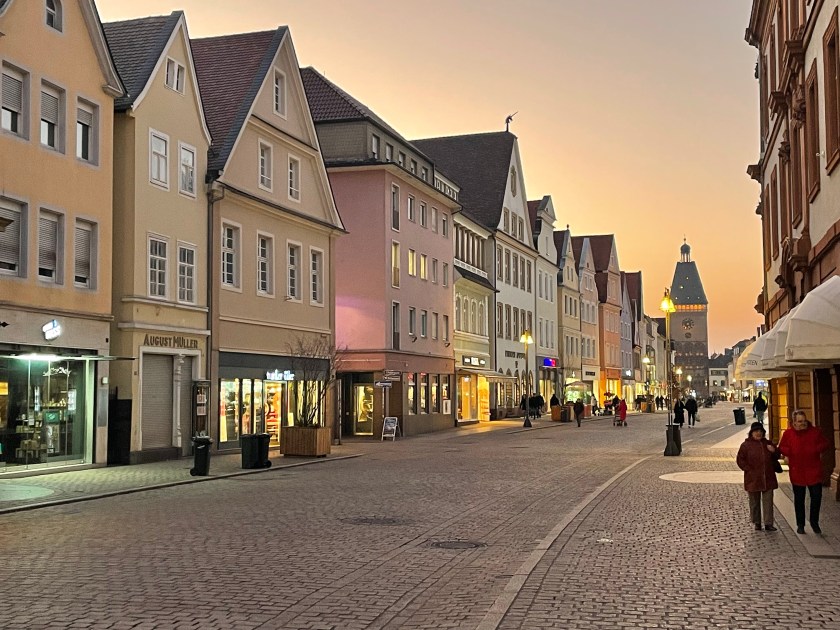
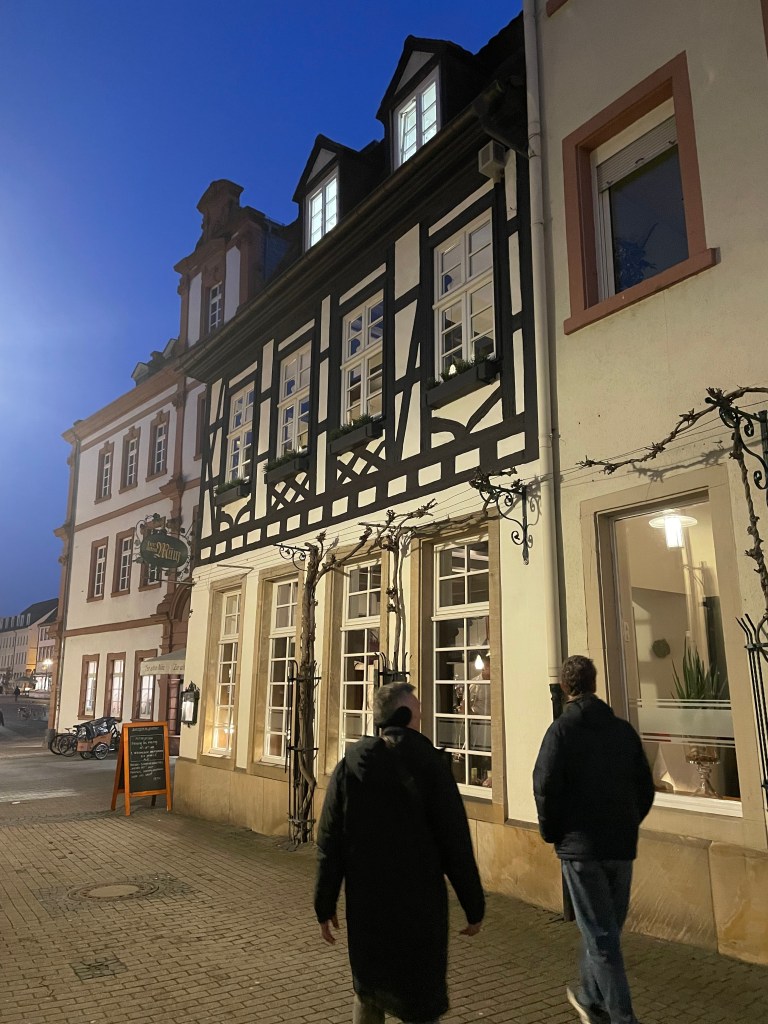
After visiting the Dom we went walking from the plaza west along the main shopping street. Saw a few Stolpersteine, looked in shop windows. Looked at old buildings on both sides of the promenade, with shops below and apartments above. It was a beautiful place to walk as the sun set. Enjoyed the pastel-colored big tall buildings and church spires in the distance.
It was another fantastic day of seeing and learning.
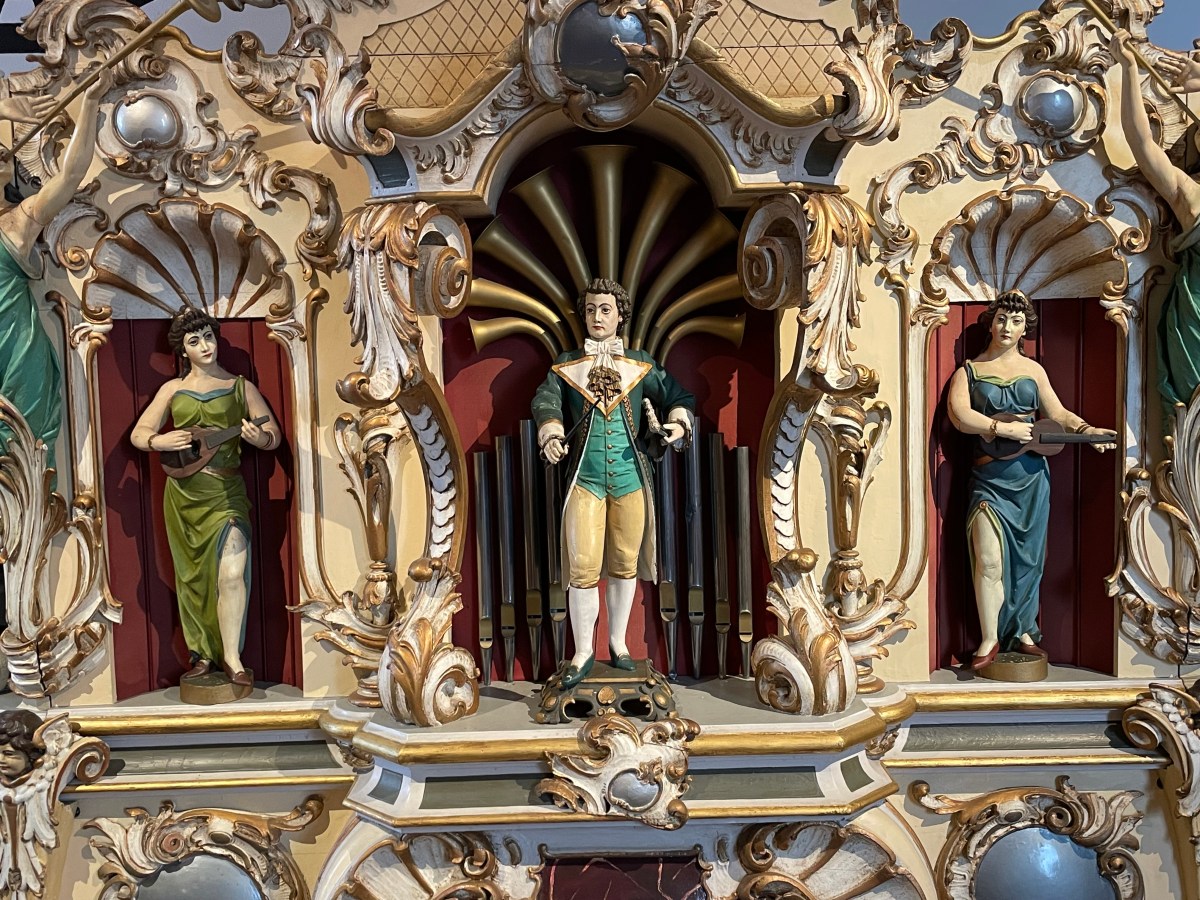
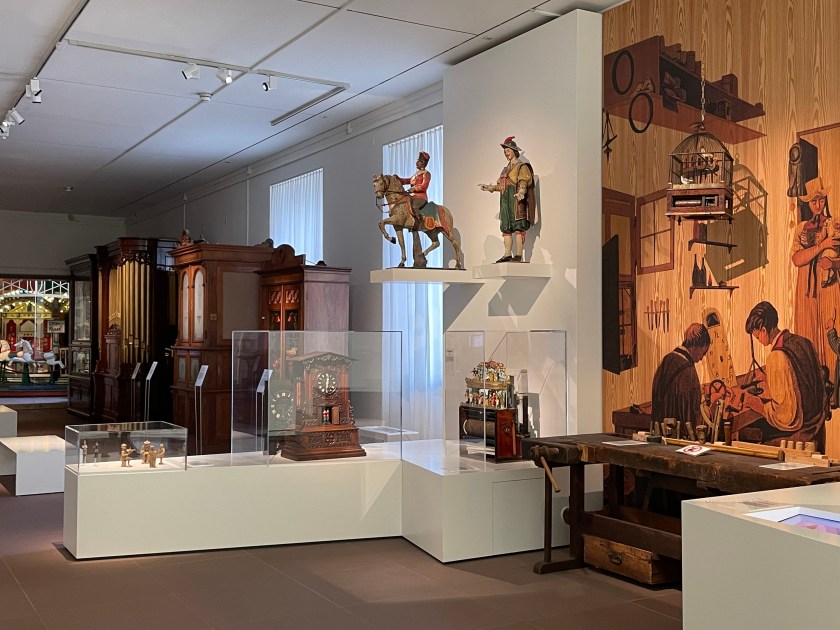
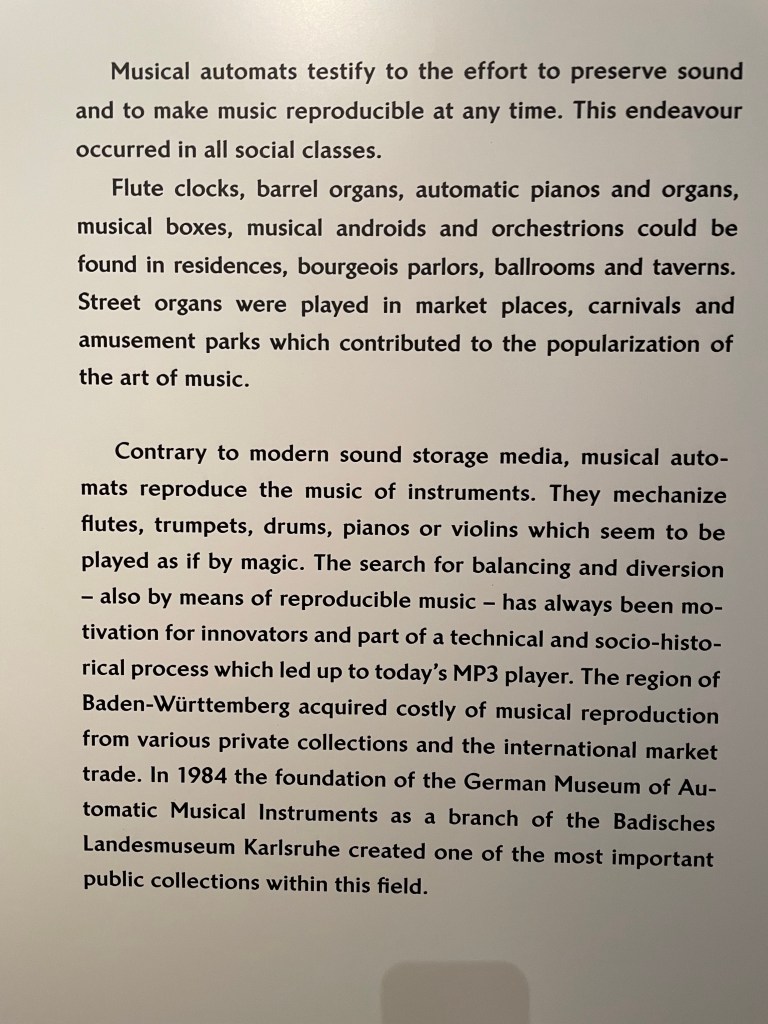
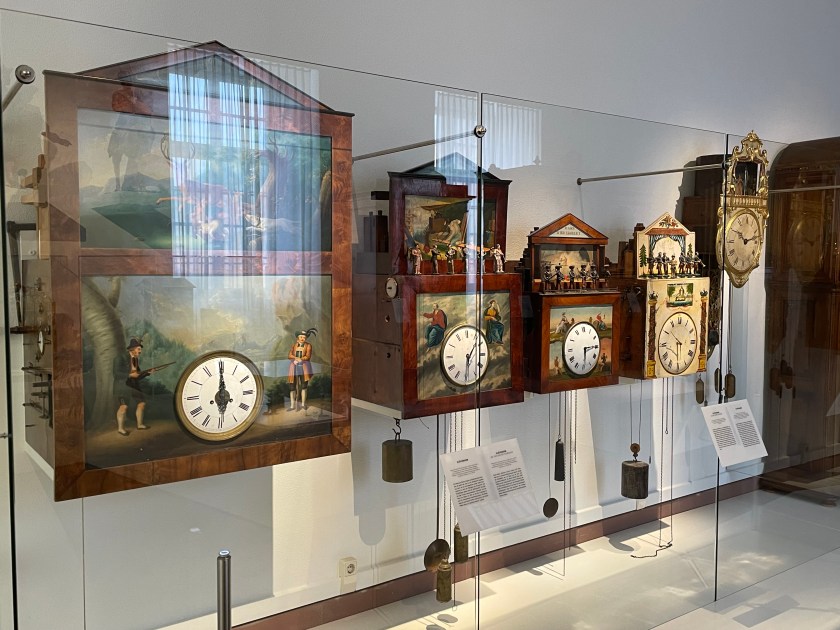
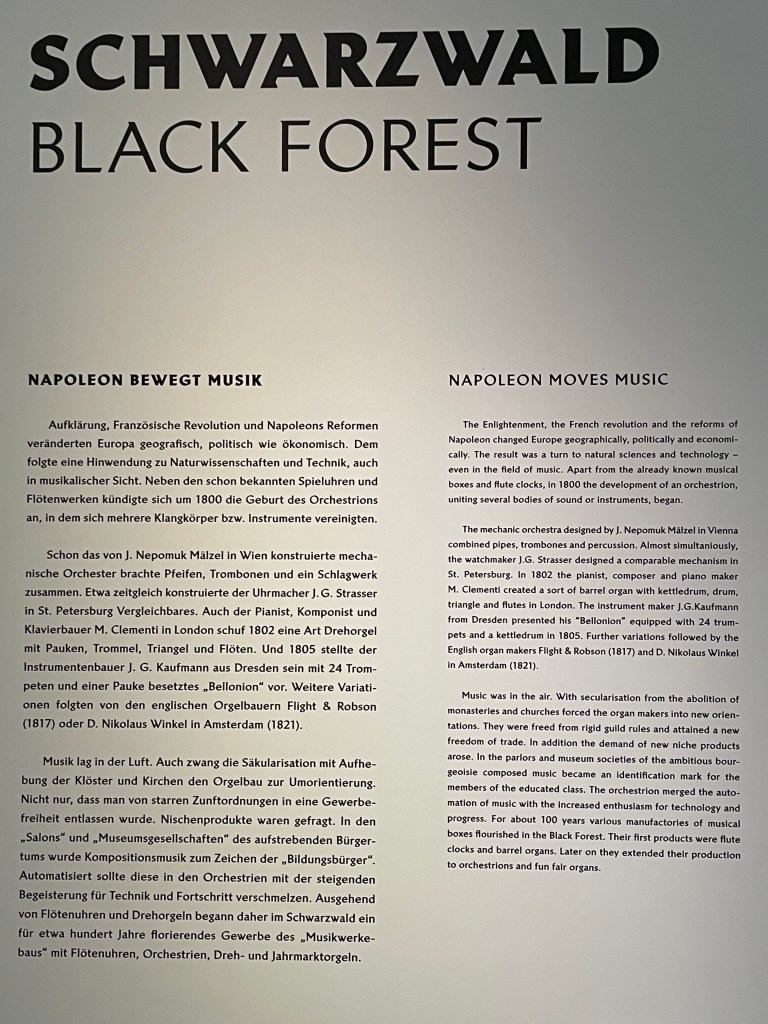
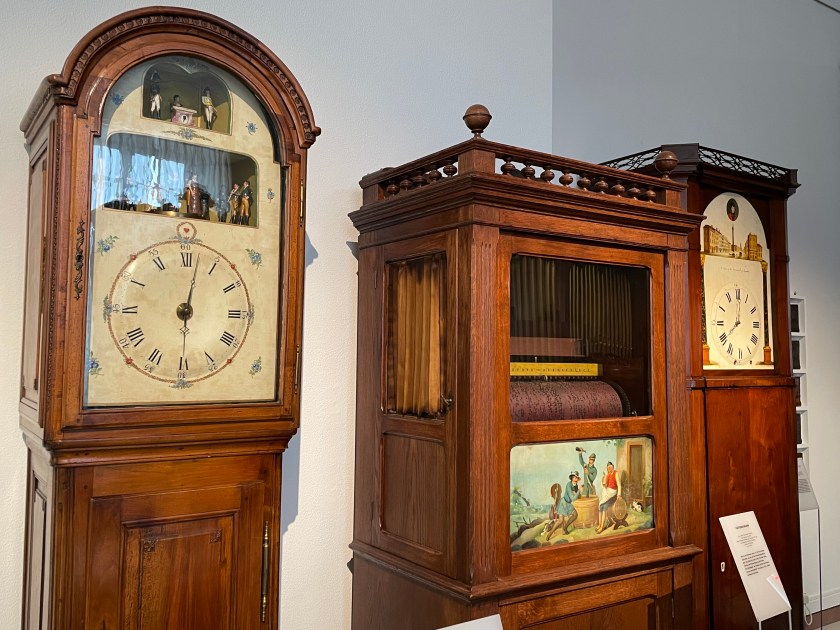
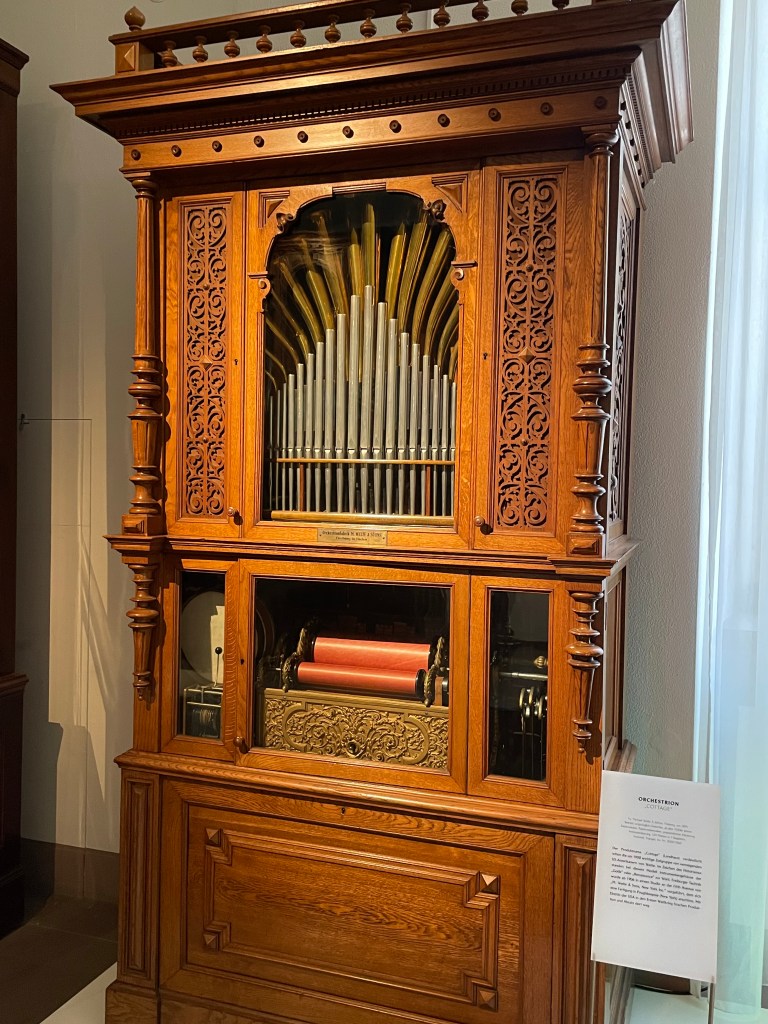
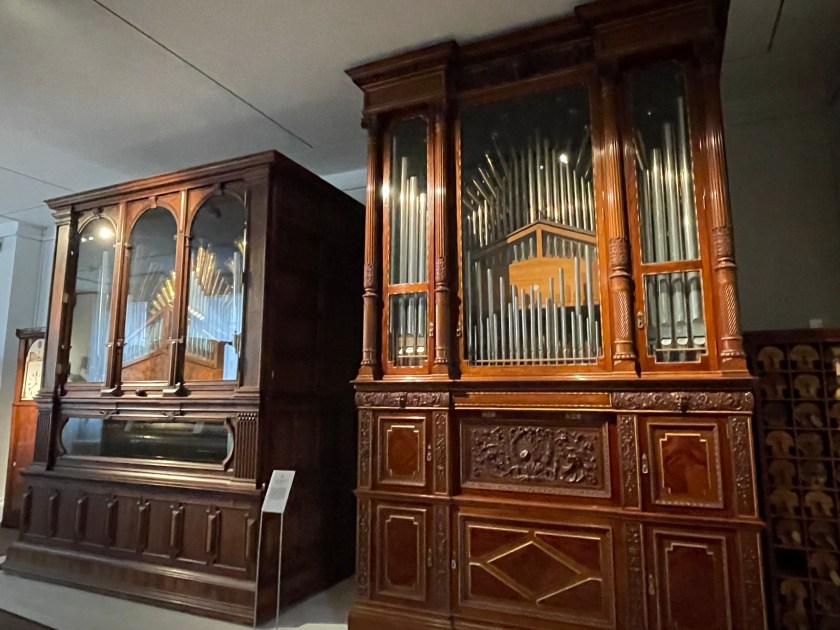
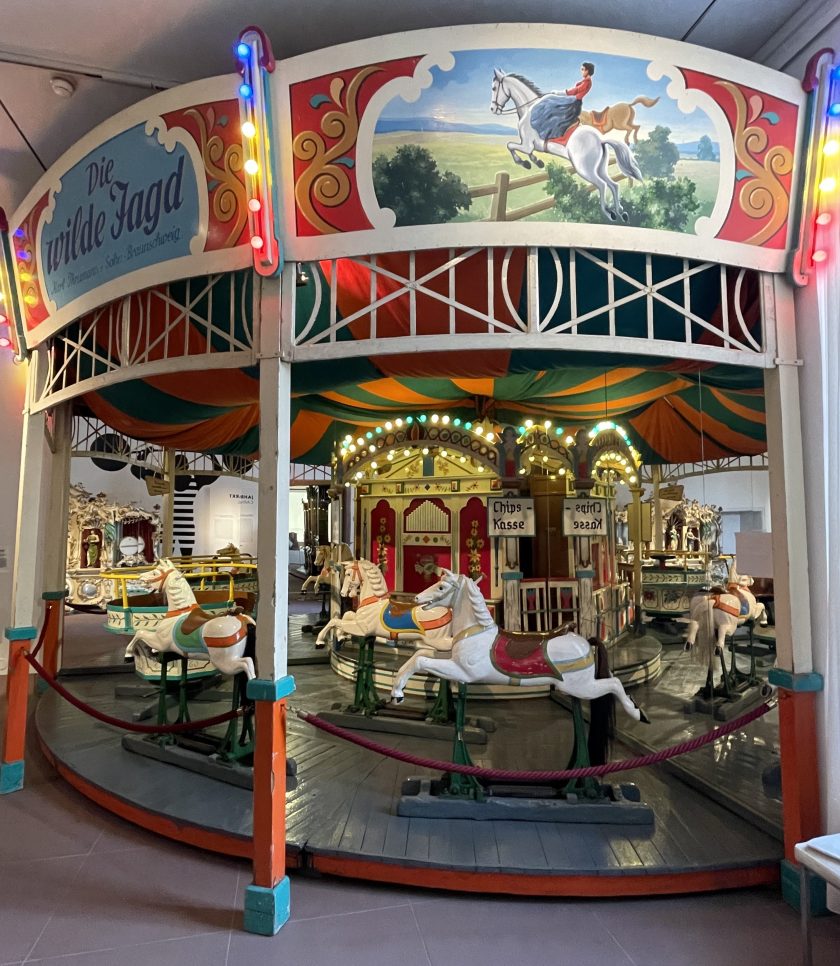
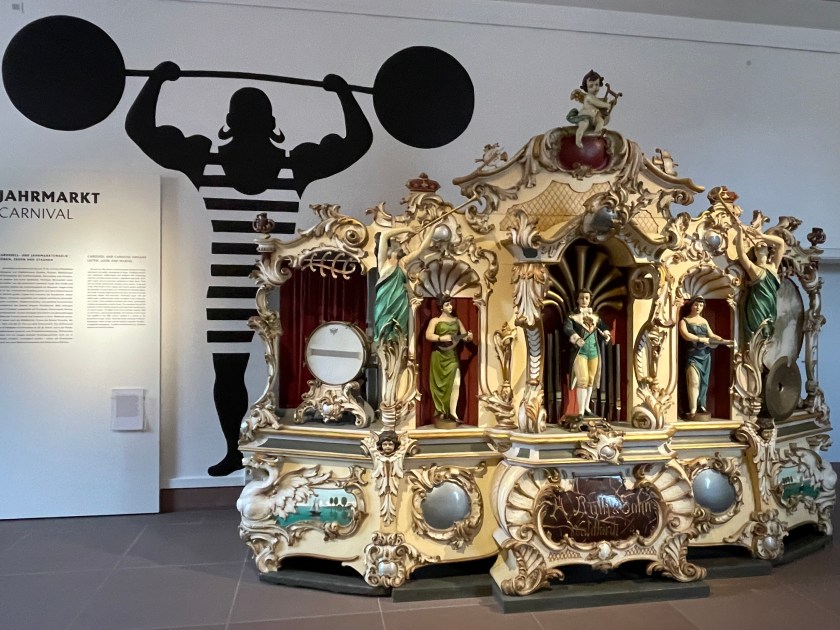
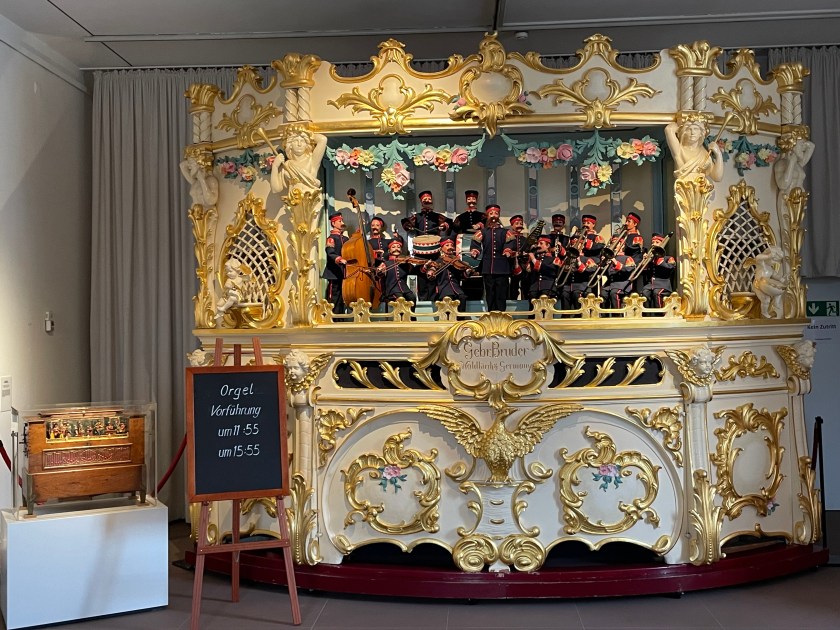
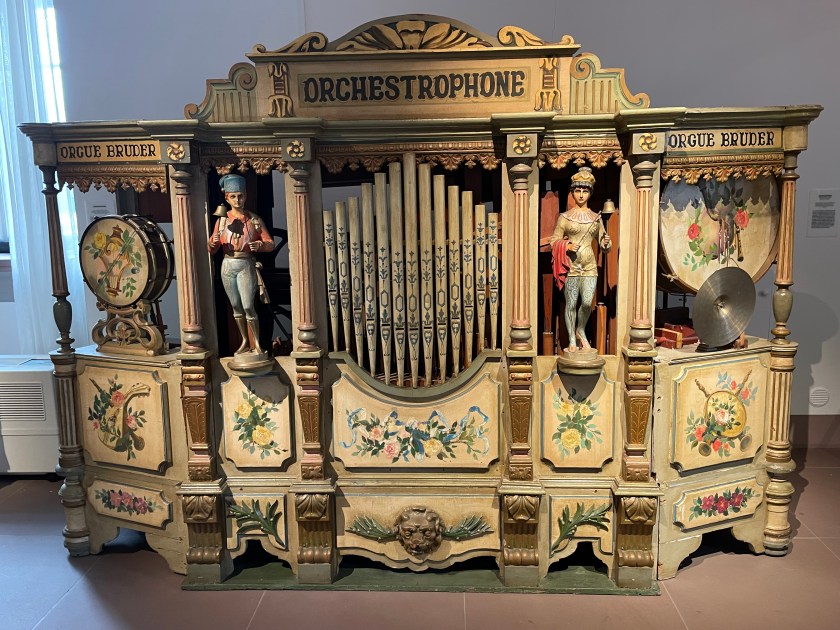
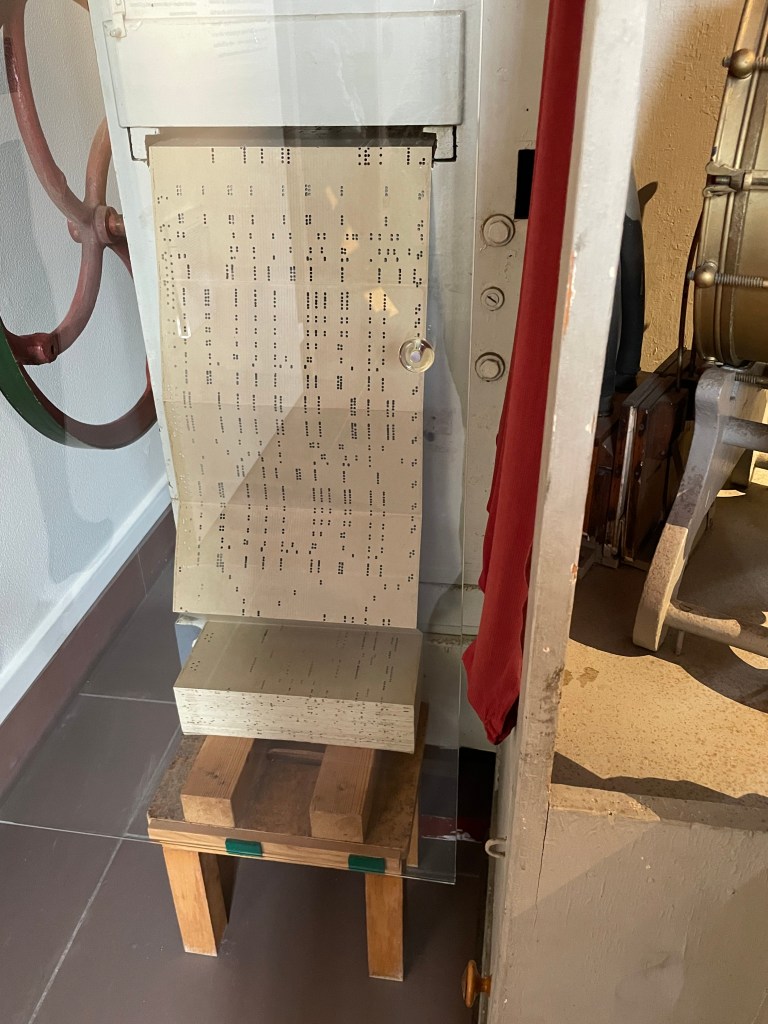
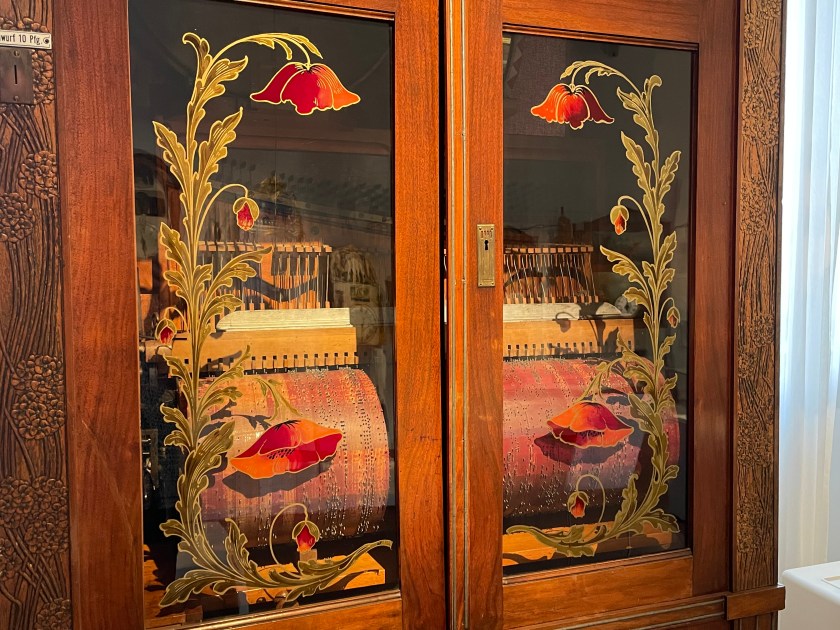
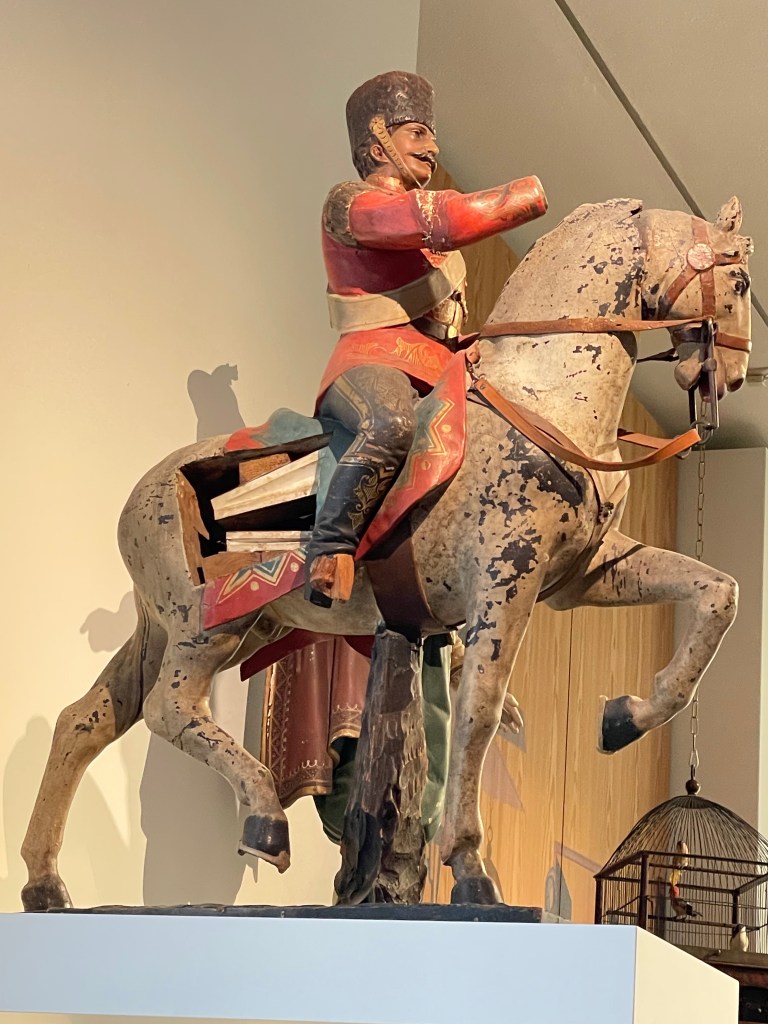
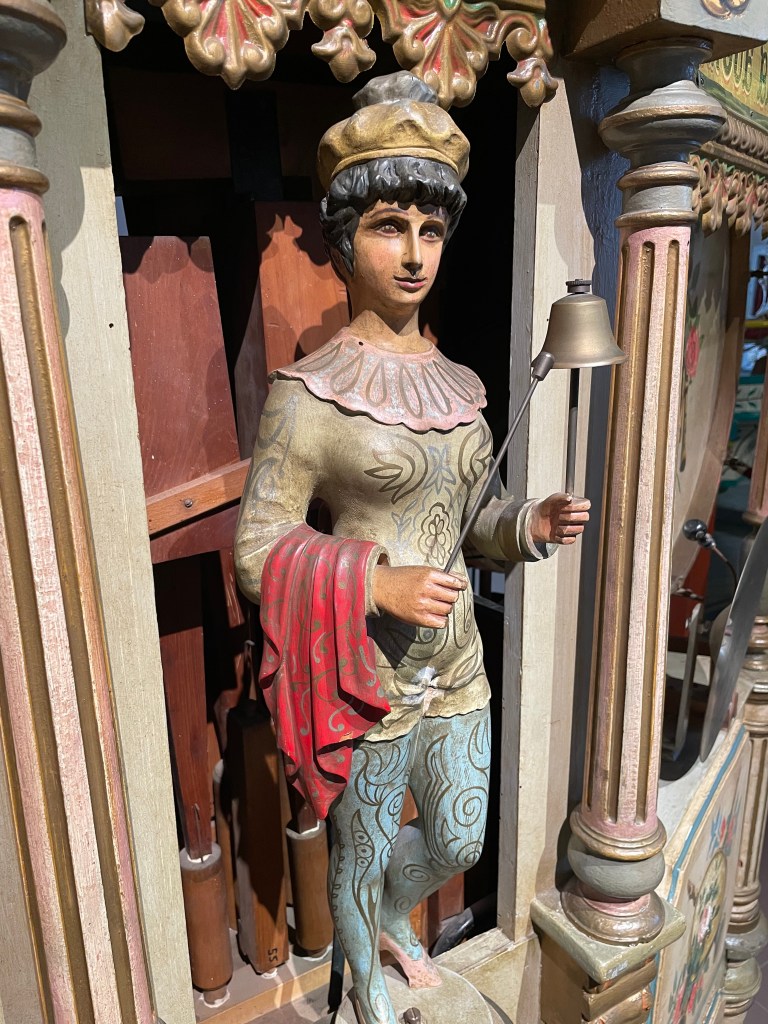
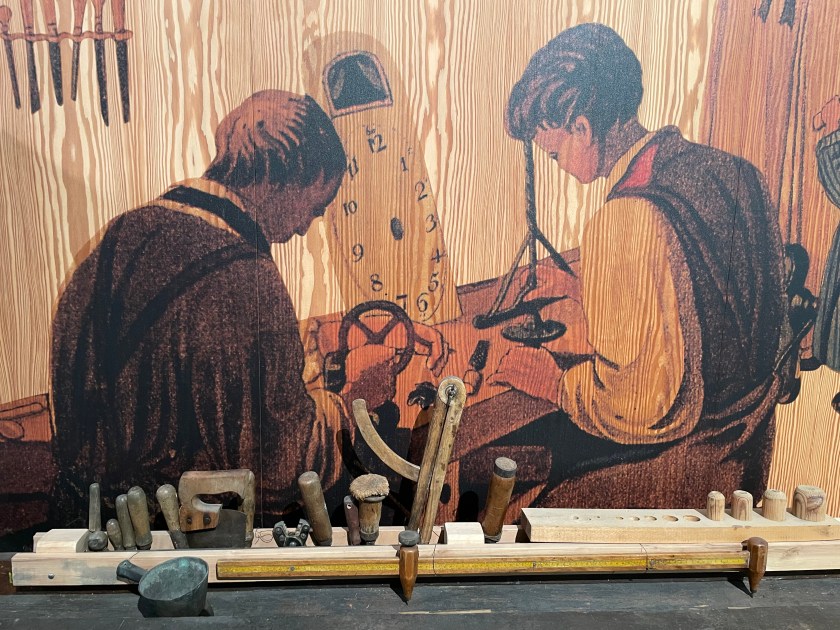
After touring Bruchsal Castle, we went to another small museum by the giftshop which was included in our tour–there were 2 rooms called the German Museum of Mechanical Musical Instruments. We walked through then in 15 minutes or so. It was really interesting. Before we left, a docent played one of the big organ music boxes for us. Incredible. It worked like a music box with a scroll of the music turning slowly as each note was played.
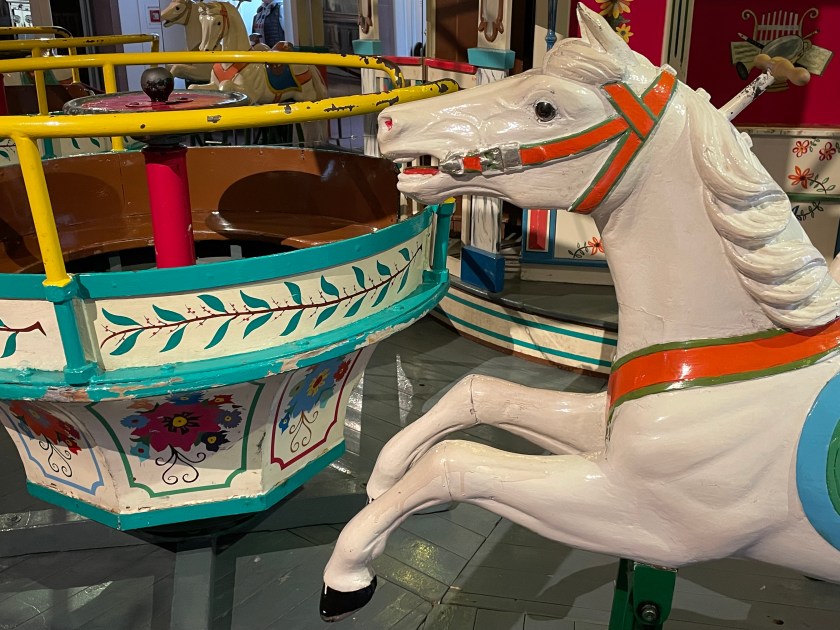
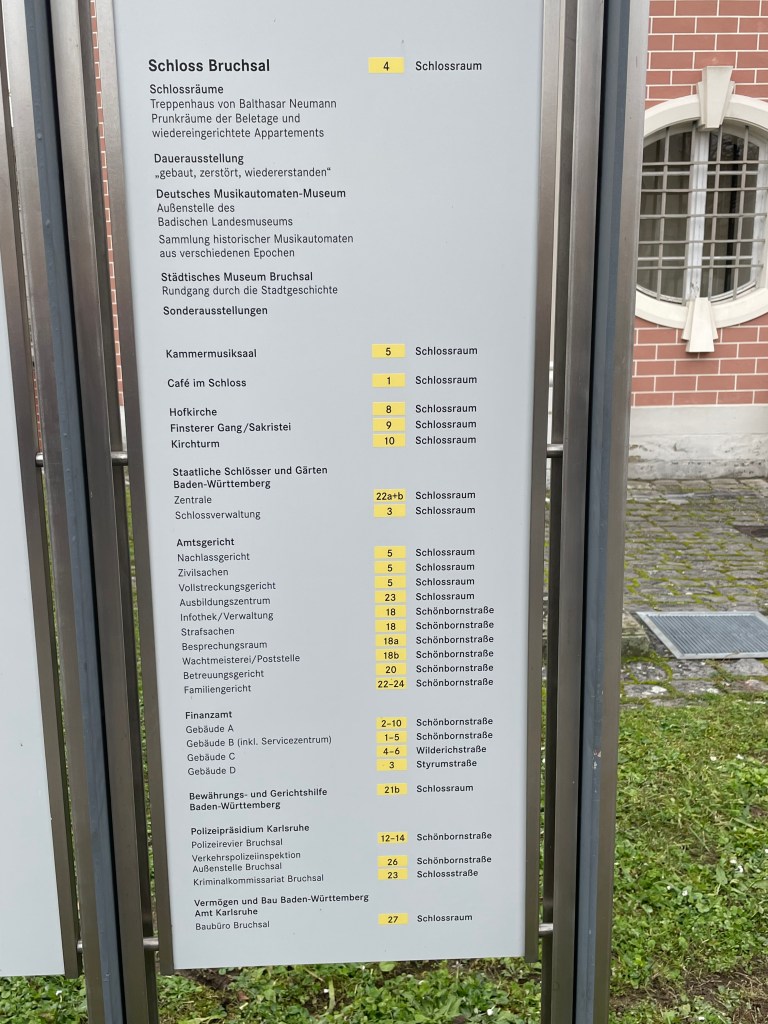
The Deutsches Musikautomaten-Museum, founded in 1984, exhibits some 500 examples of German-made “automatic musical machines,” such as a self-playing replica of the RMS Titanic’s organ, from the 17th to the 21st centuries on three floors of the palace. They are all displayed in a setting contemporary to their production, highlighting their place in society. Audio recordings of the collection’s various pieces is available on the Baden State Museum’s website.
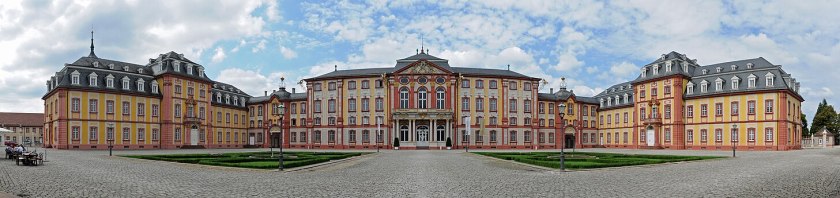
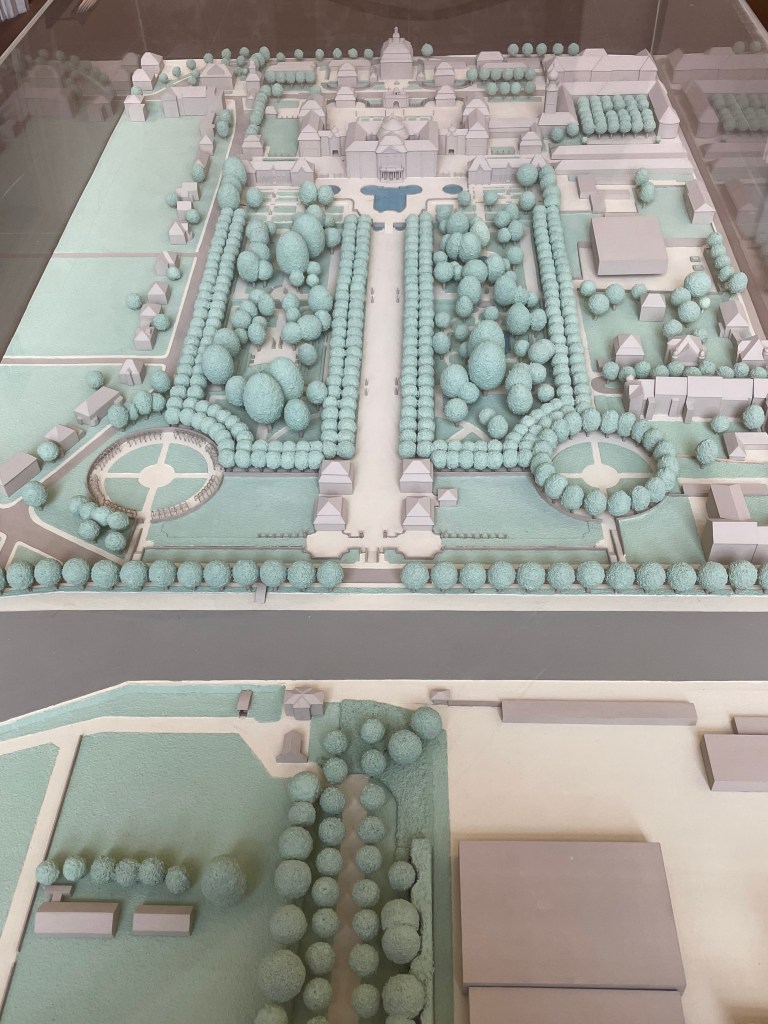
Photo from WikipediaAerial image of the Bruchsal Palace and gardens (view from the west)
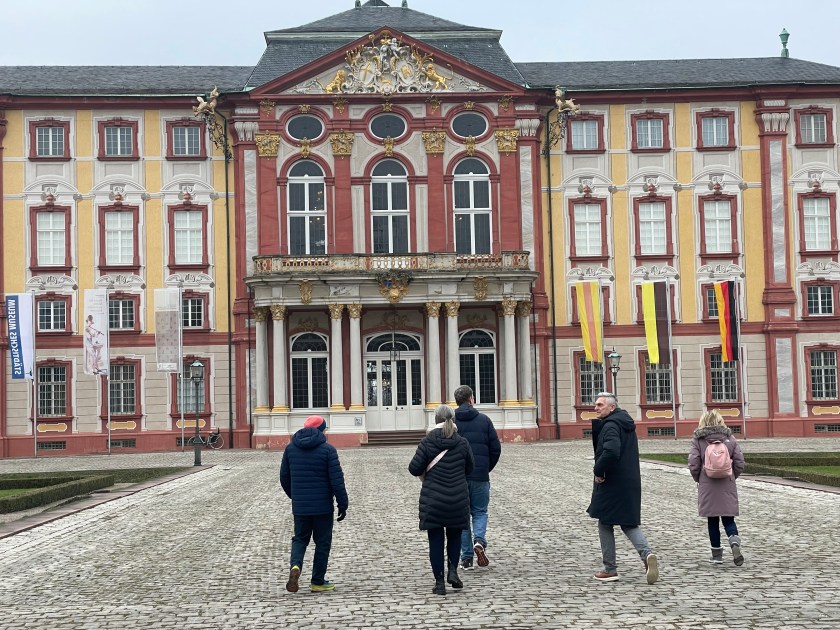
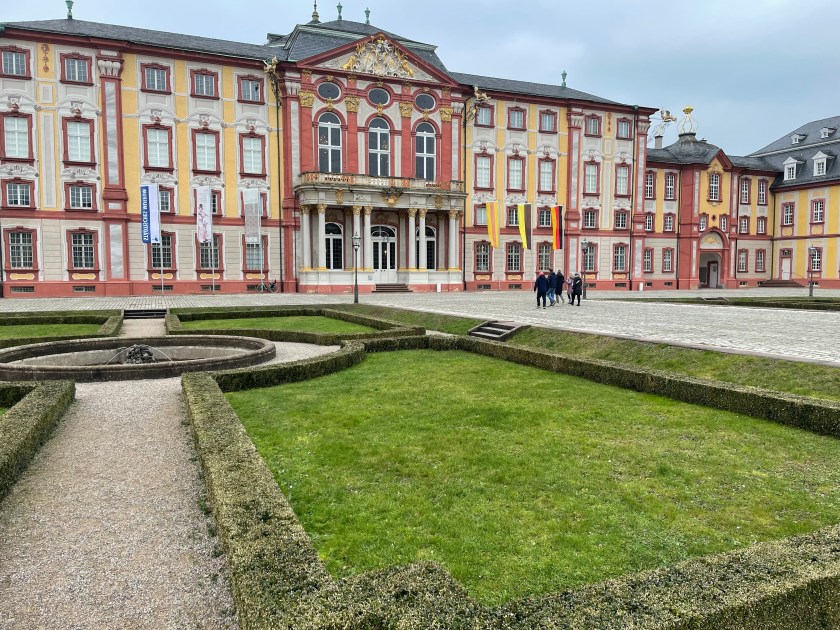
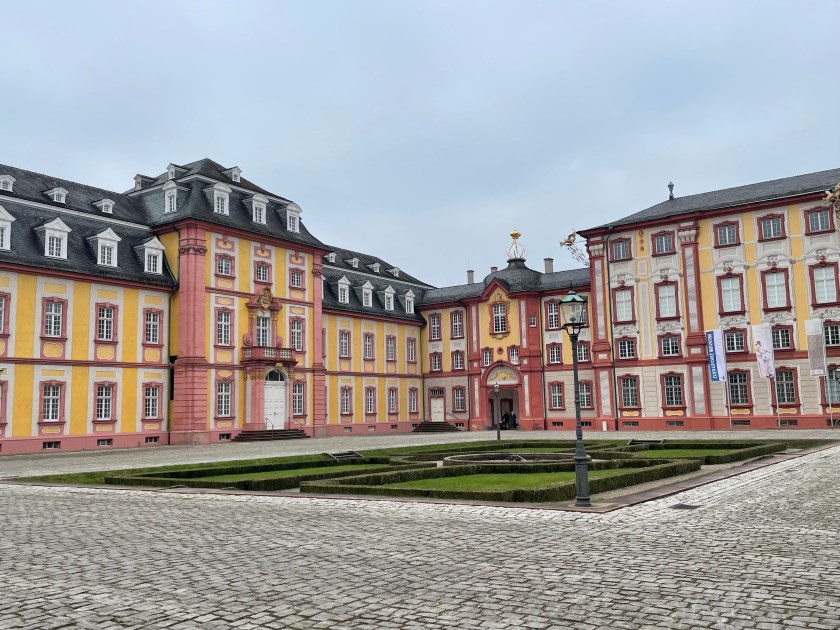
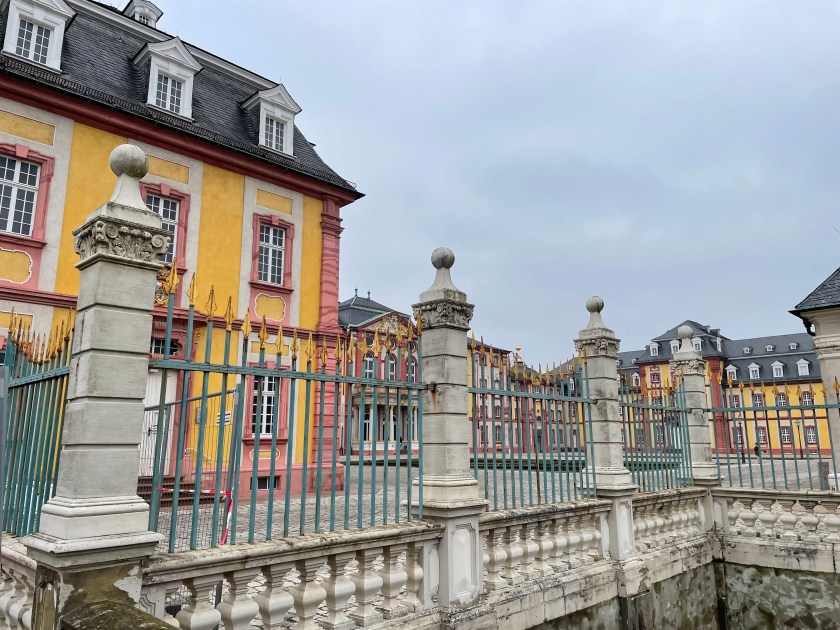
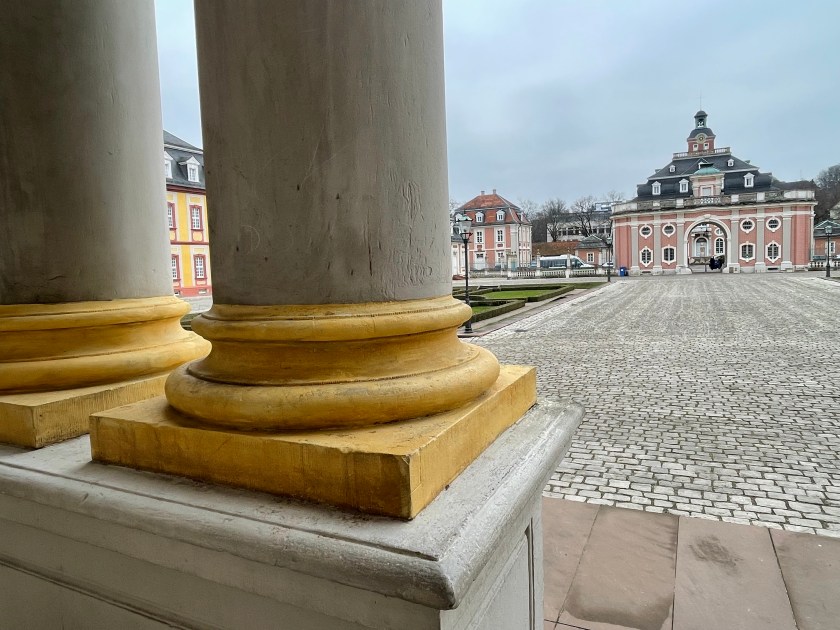
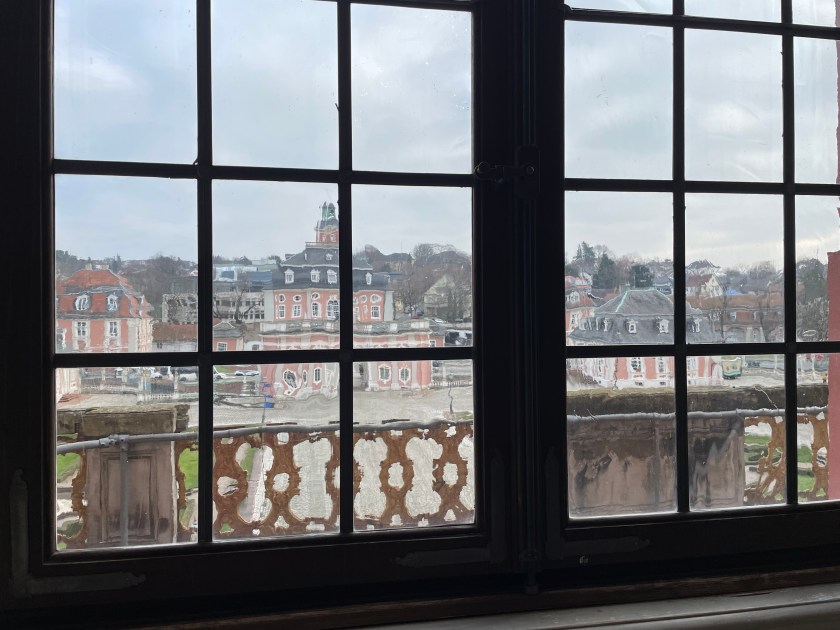
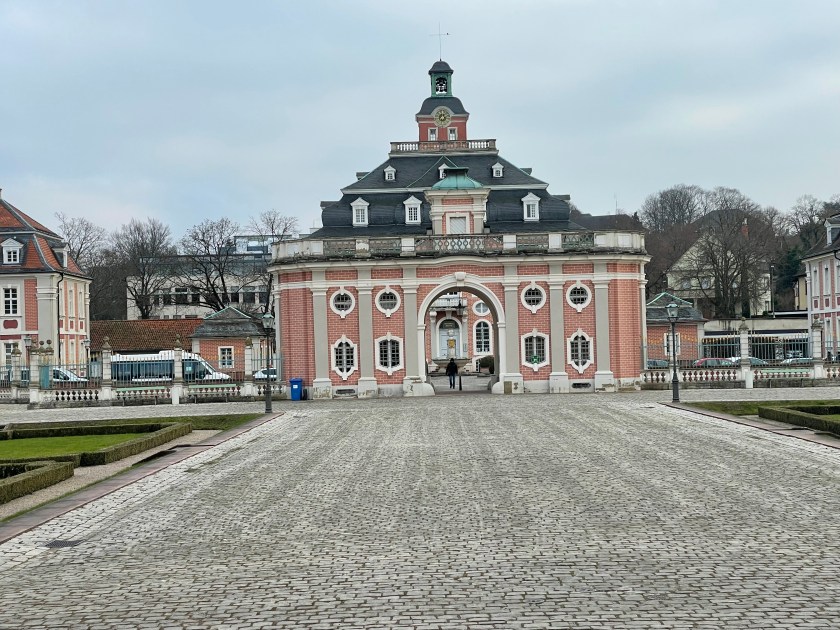
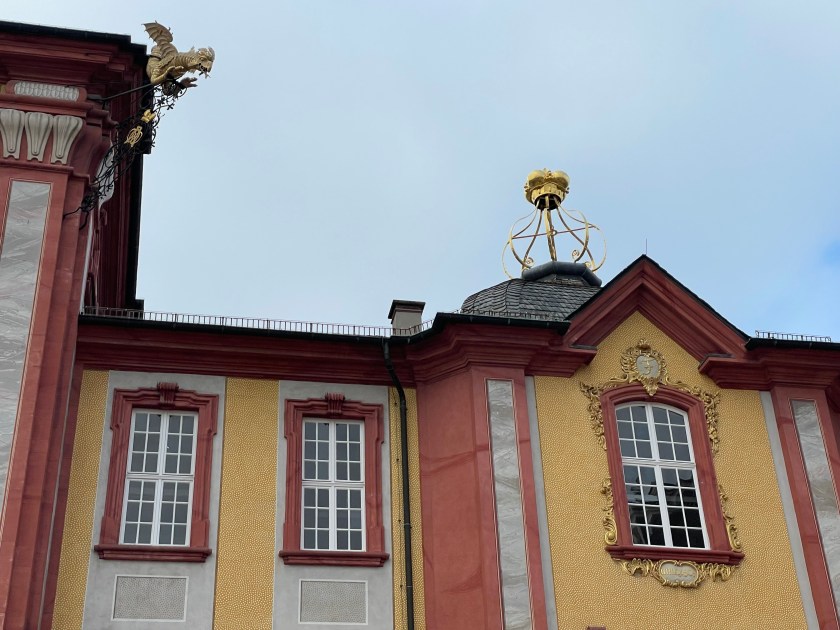
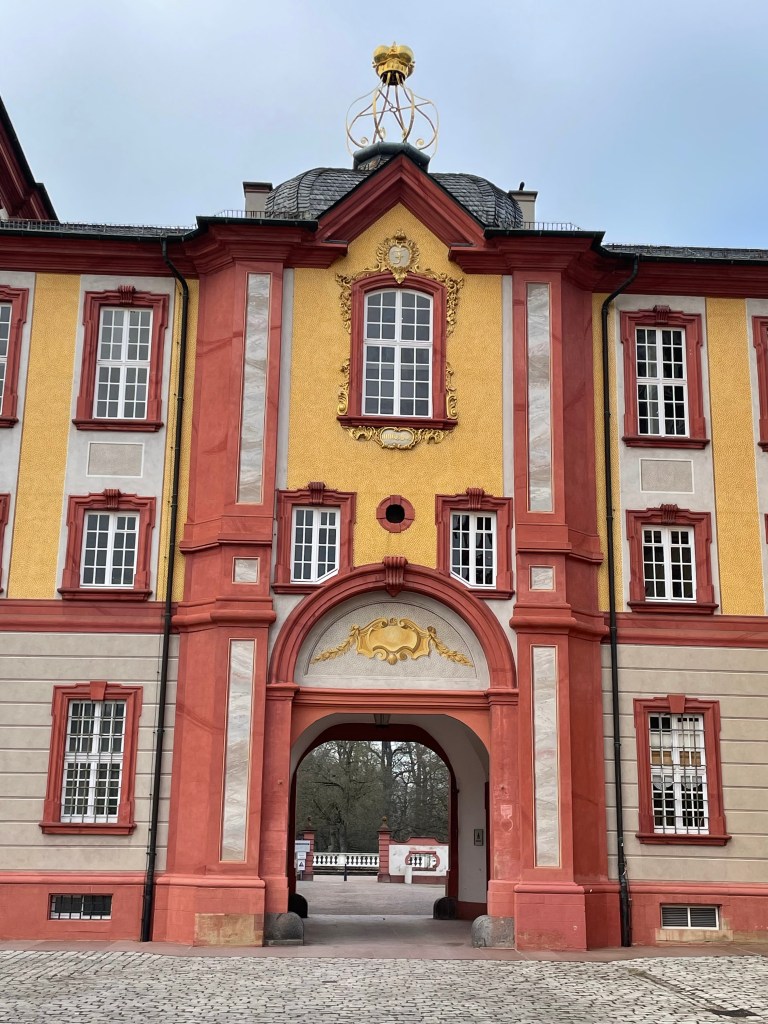
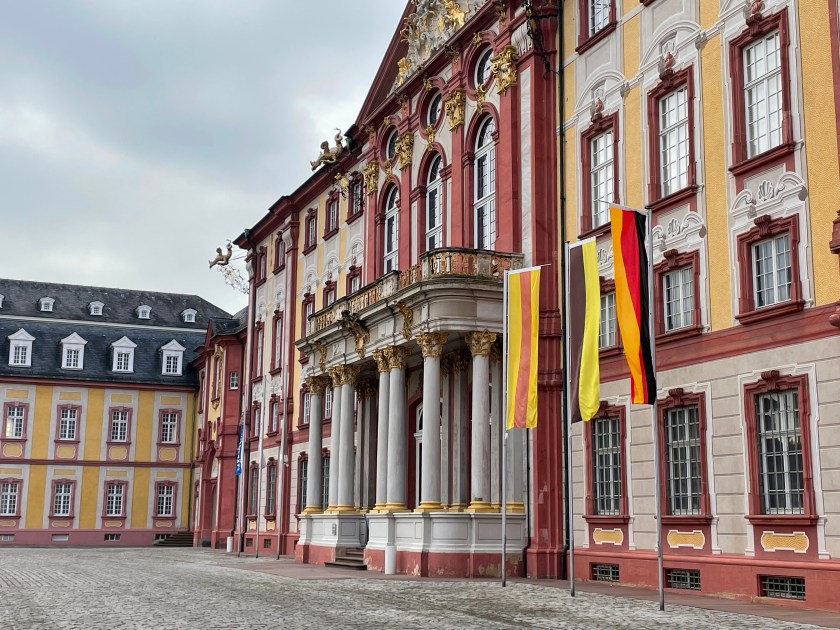
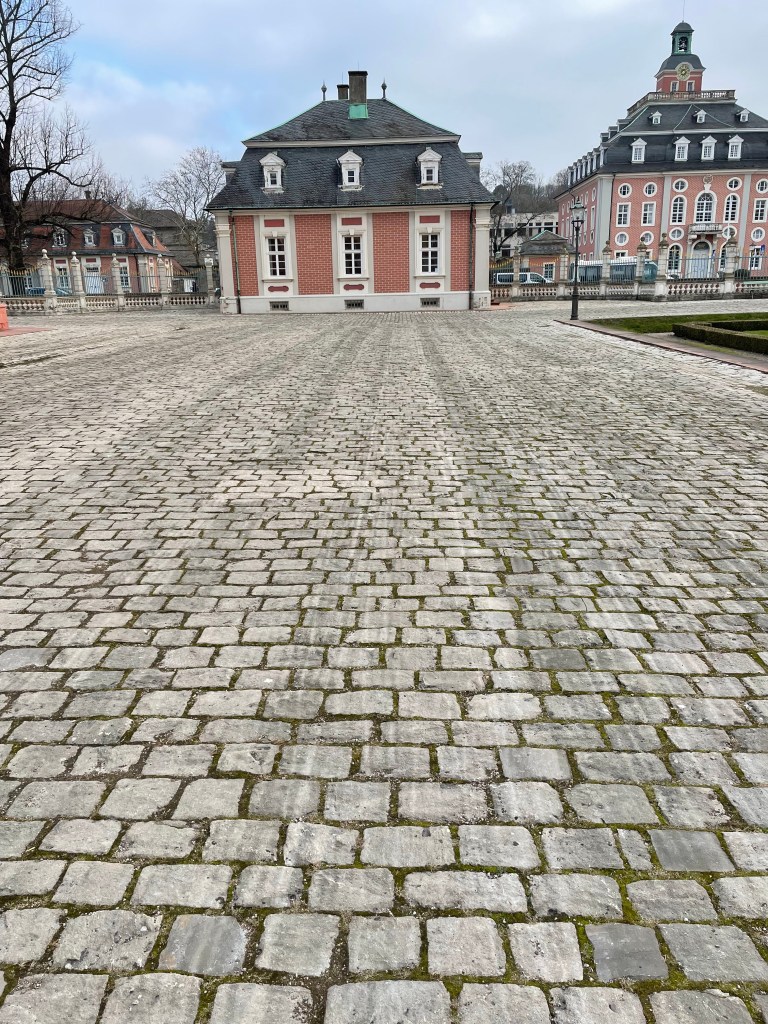
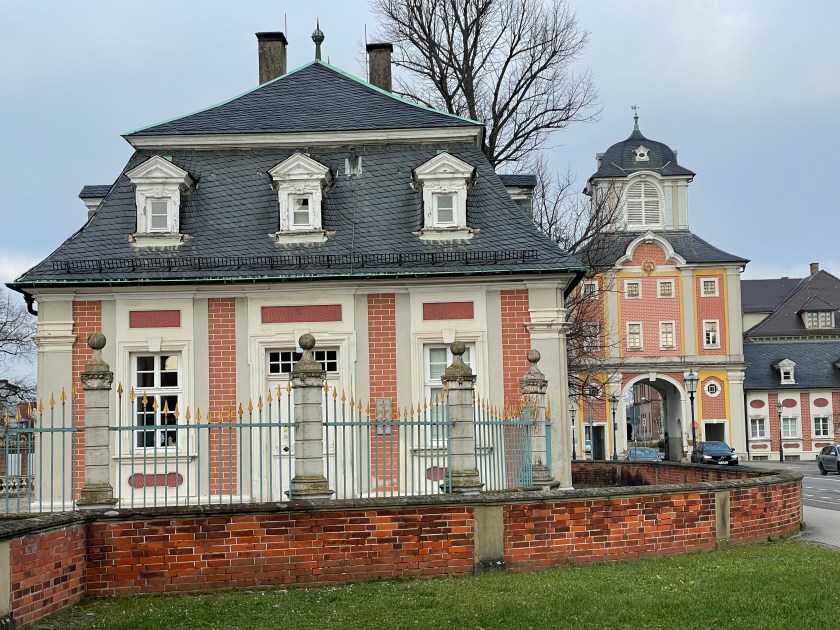
Bruchsal Schloss was our first destination today, about 1.4 hours south of Frankfurt. This is a large castle/palace complex filled with colorful pink and yellow 1700s buildings. Symmetrical, orderly, stately.
Here’s a description from Wikipedia:
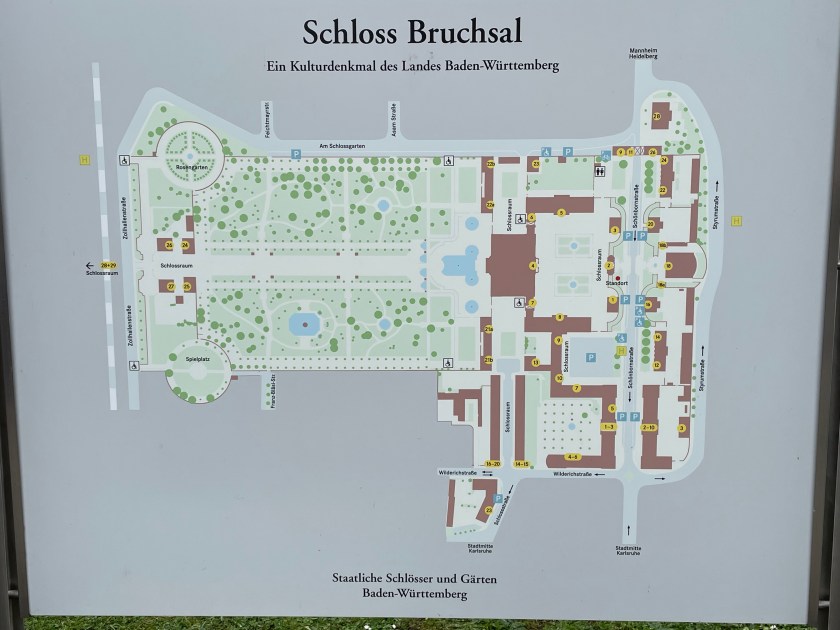
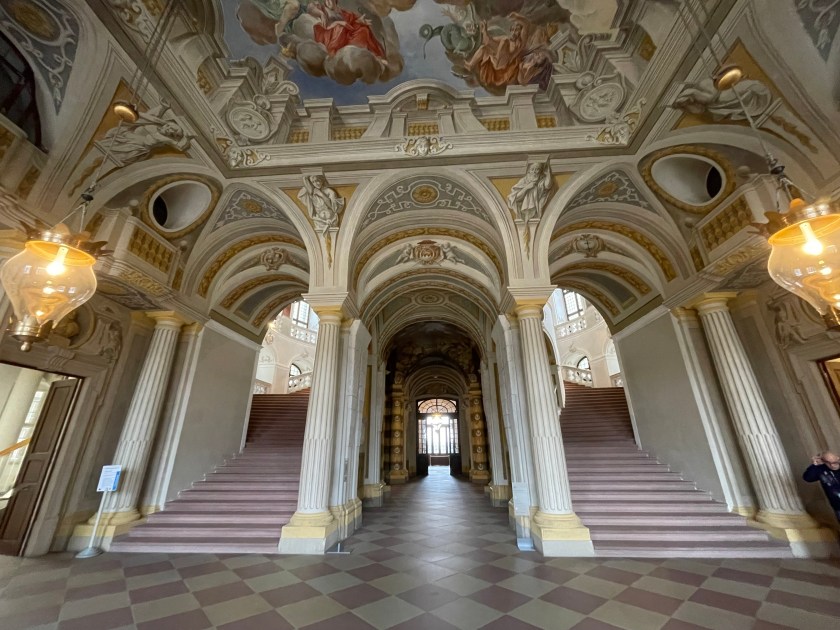
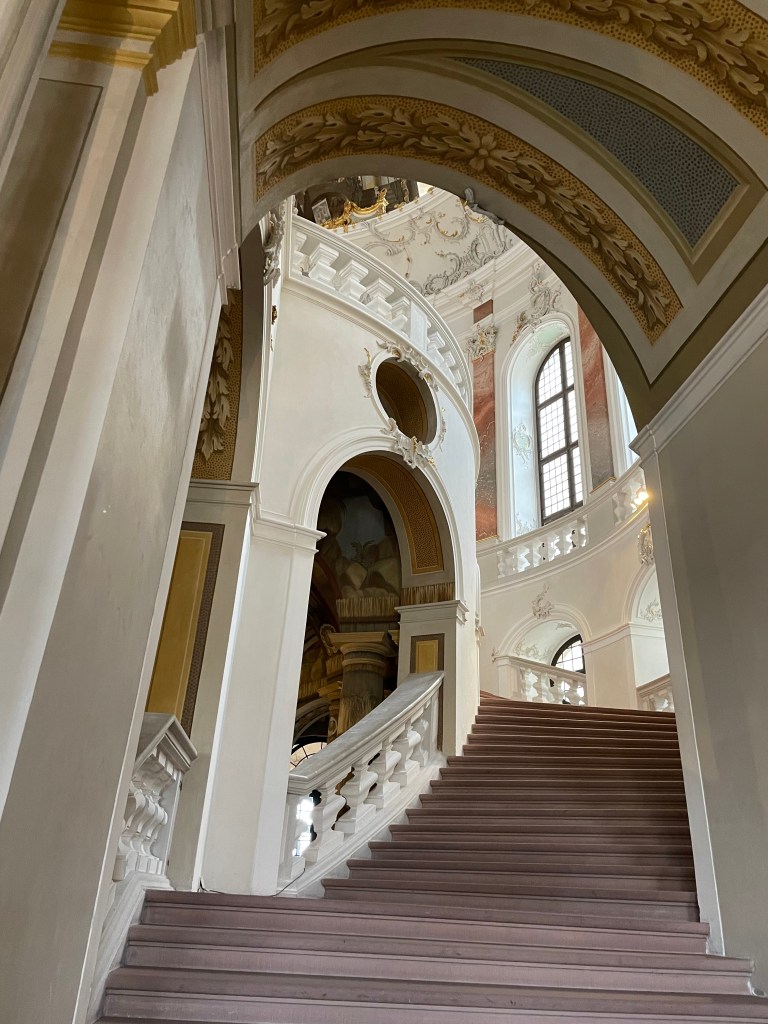
Bruchsal Palace (Schloss Bruchsal), also called the Damiansburg, is a Baroque palace complex located in Bruchsal, Germany. The complex is made up of over 50 buildings. These include a three-winged residential building with an attached chapel, four pavilions separated by a road, some smaller utility buildings, and a garden. It is noted for its fine Rococo decoration and in particular its entrance staircase, which is regarded as one of the finest examples of its kind in any Baroque palace.
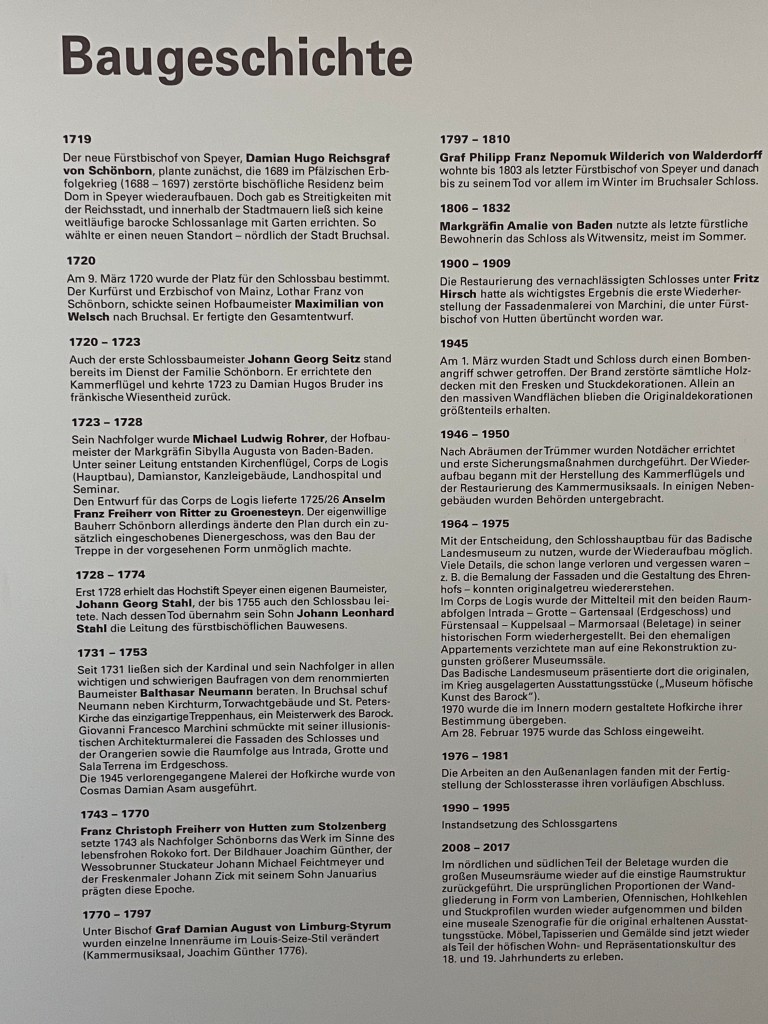
The palace was built in the first half of the 18th century by Damian Hugo Philipp von Schönborn, Prince-Bishop of Speyer. Schönborn drew on family connections to recruit building staff and experts in the Baroque style, most notably Balthasar Neumann. Although intended to be the permanent residence of the Prince-Bishops, they occupied it for less than a century.
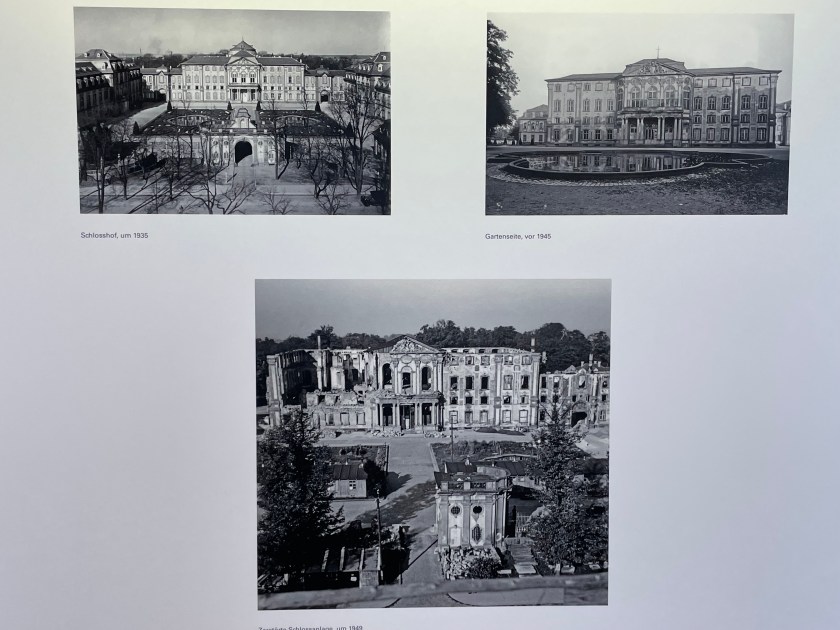
On 1 March 1945, only two months before the end of the Second World War, much of the palace was destroyed in an American air raid directed against nearby railway installations. It has since been completely rebuilt in a restoration project that lasted until 1996. The interiors have been partly restored and the palace now houses two museums.
Destruction and restoration
In the closing days of the Second World War, the American Army Air Force bombed Bruchsal to disable its railway facilities. In one raid on 1 March 1945, the 379th Expeditionary Operations Group attacked and destroyed the city’s marshaling yard.[36] 80% of the city was destroyed, as was Bruchsal Palace, incinerated to just the staircase and some of the facade. Reconstruction, aided by the pictures taken in the late 19th century, began the next year with some of the minor buildings put back together to provide administrative offices and temporary housing.
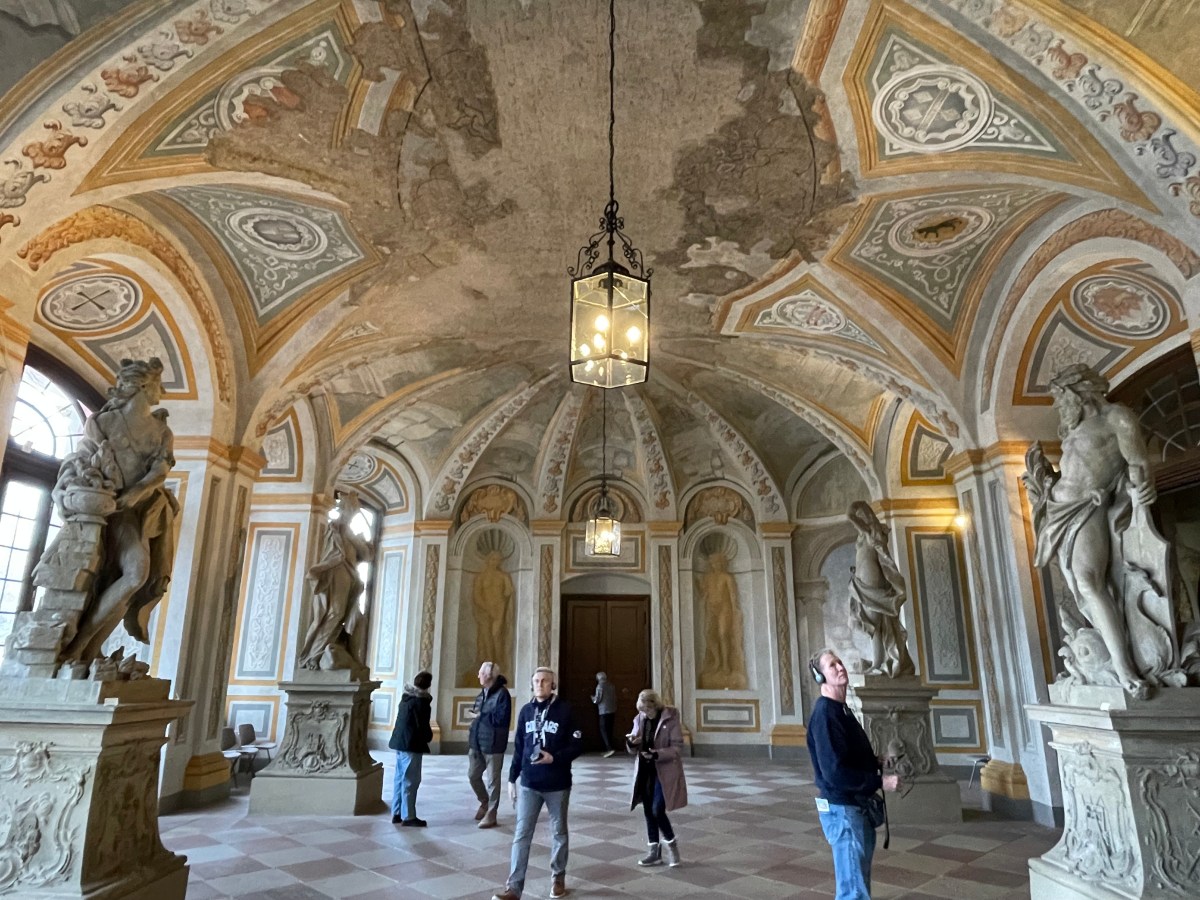
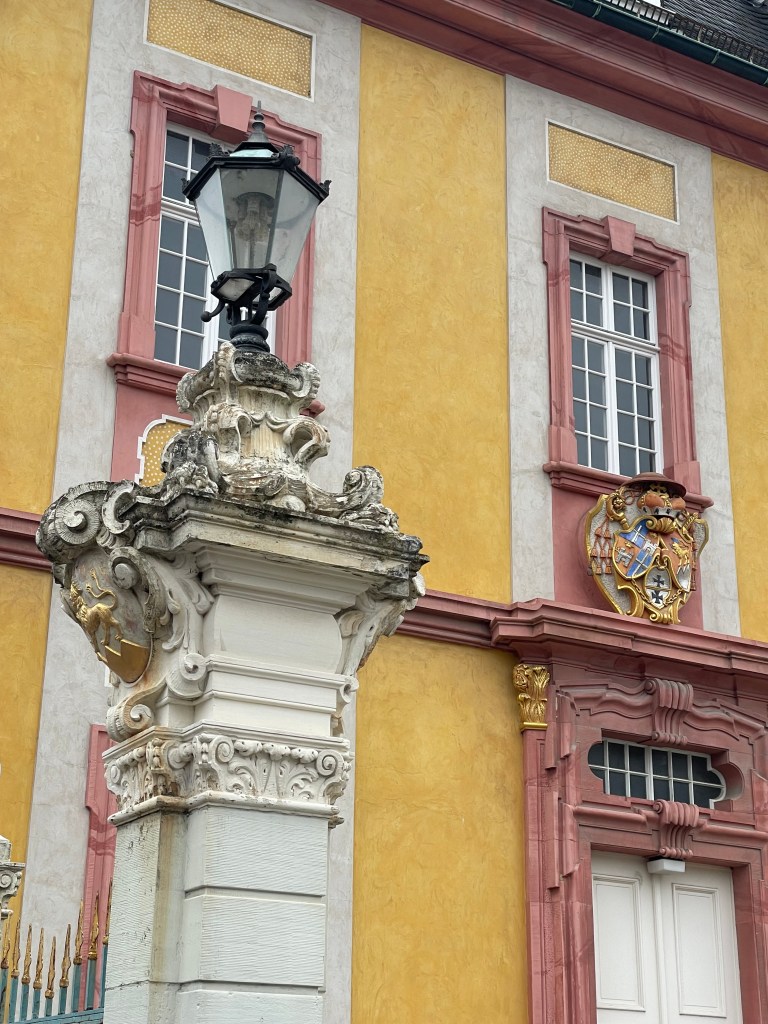
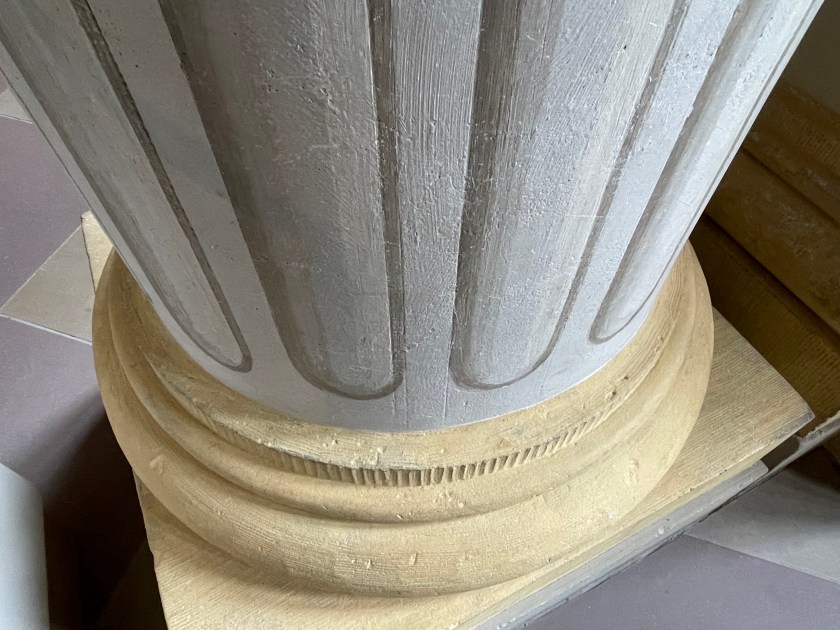
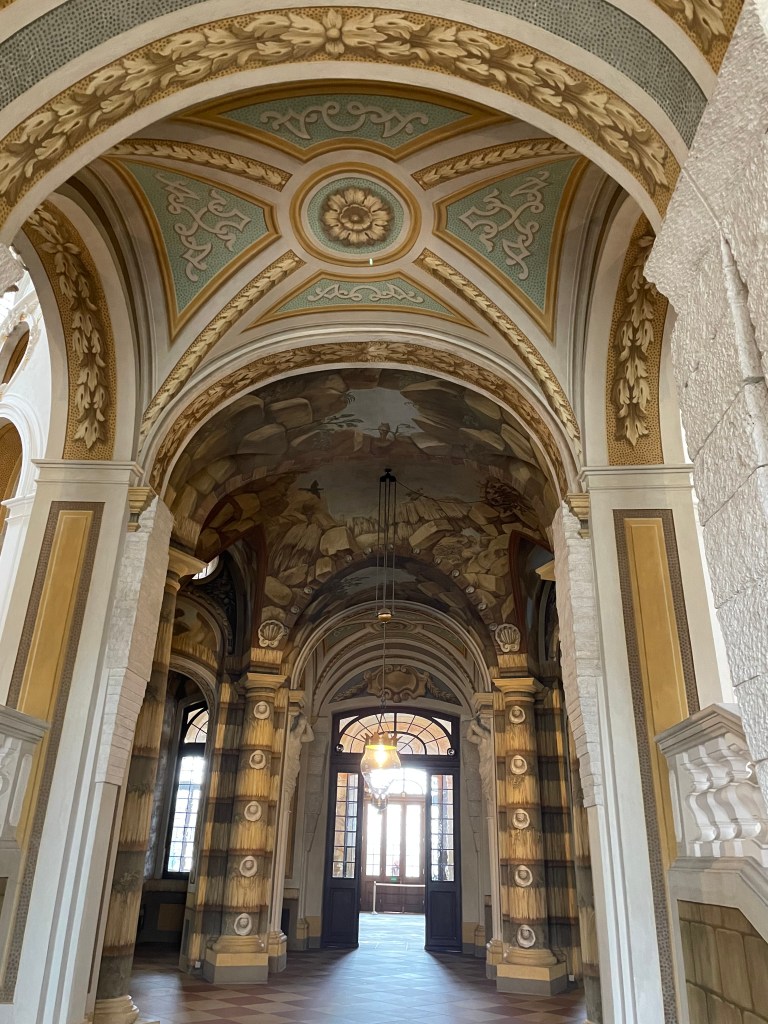
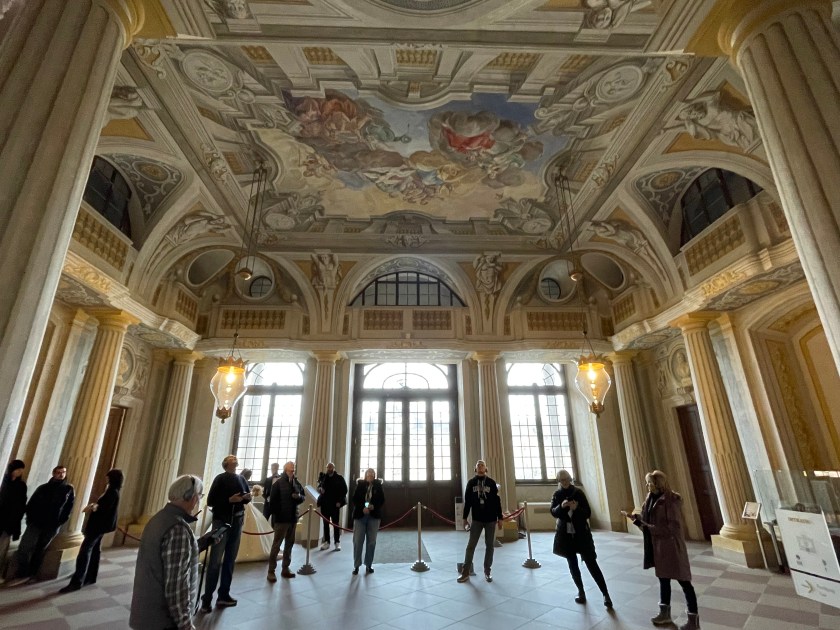
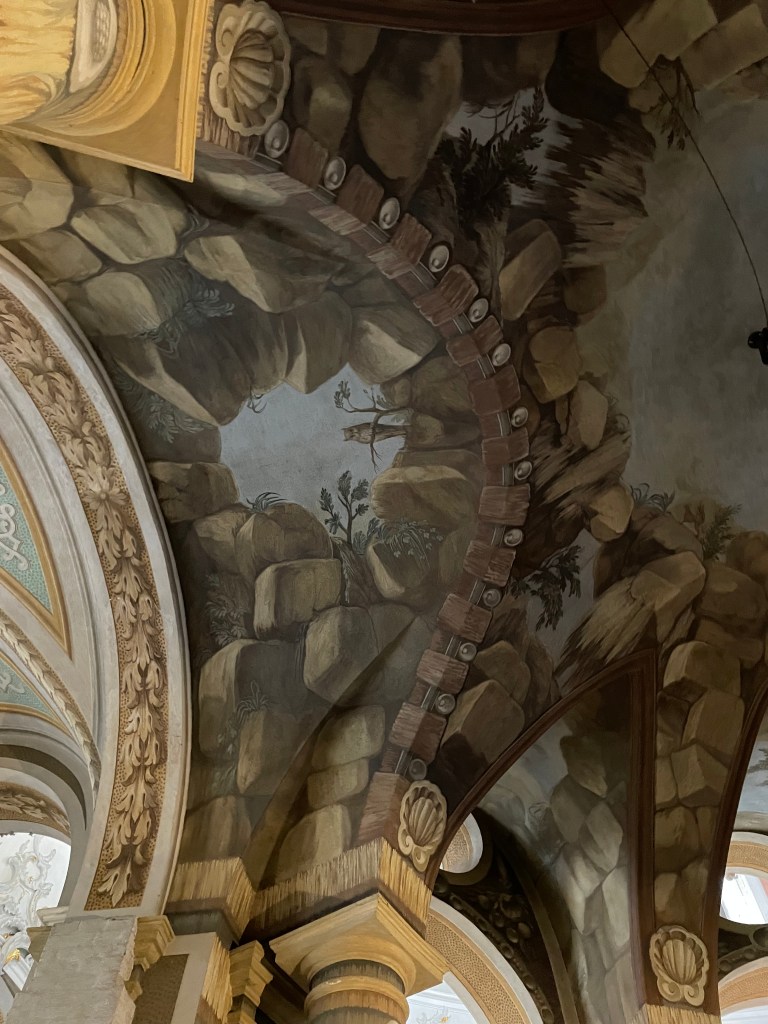
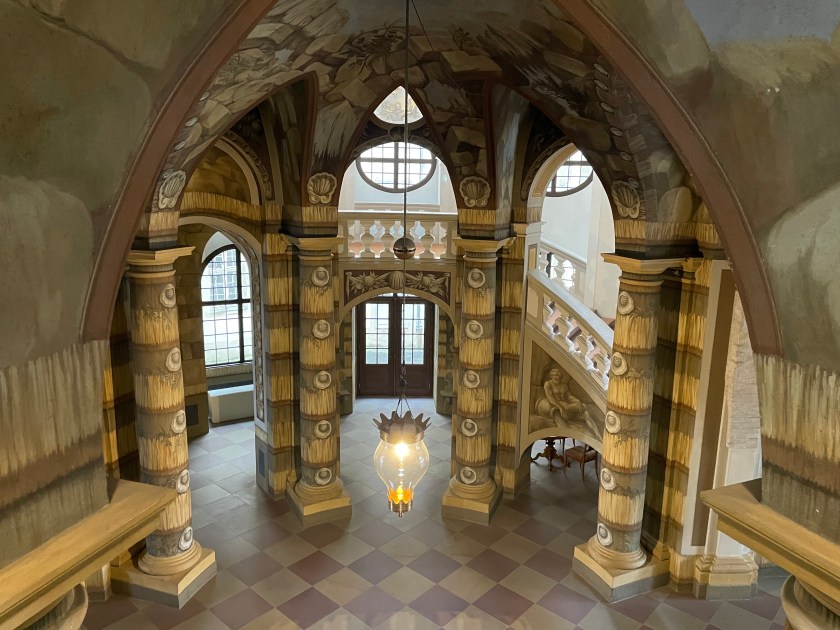
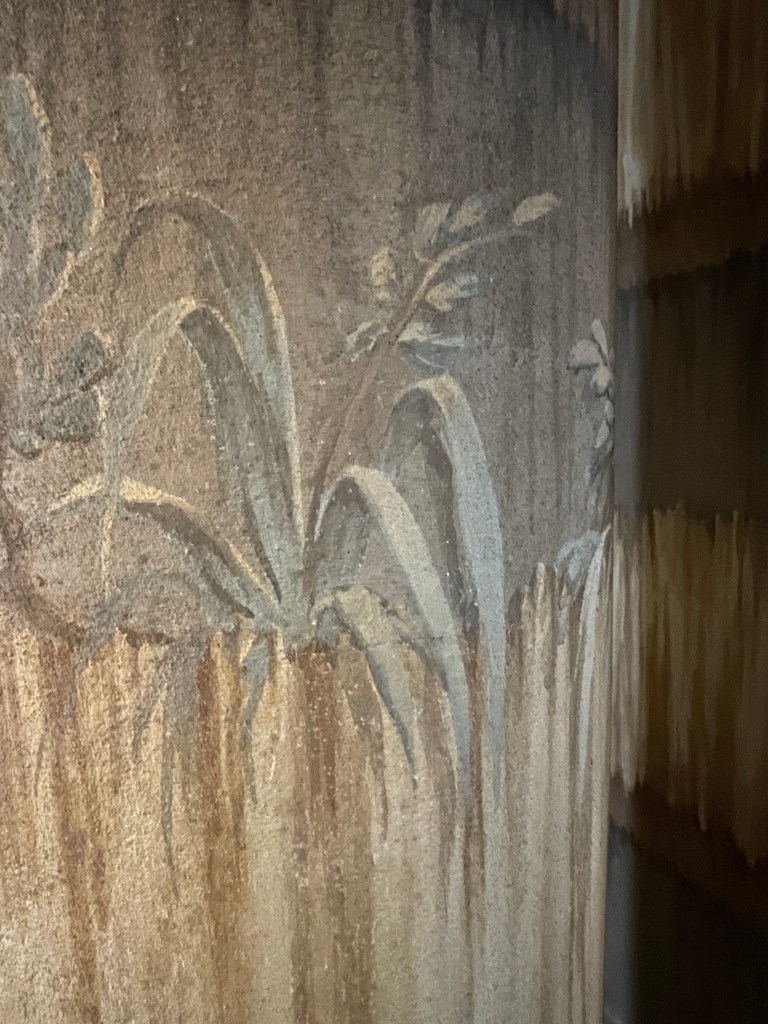
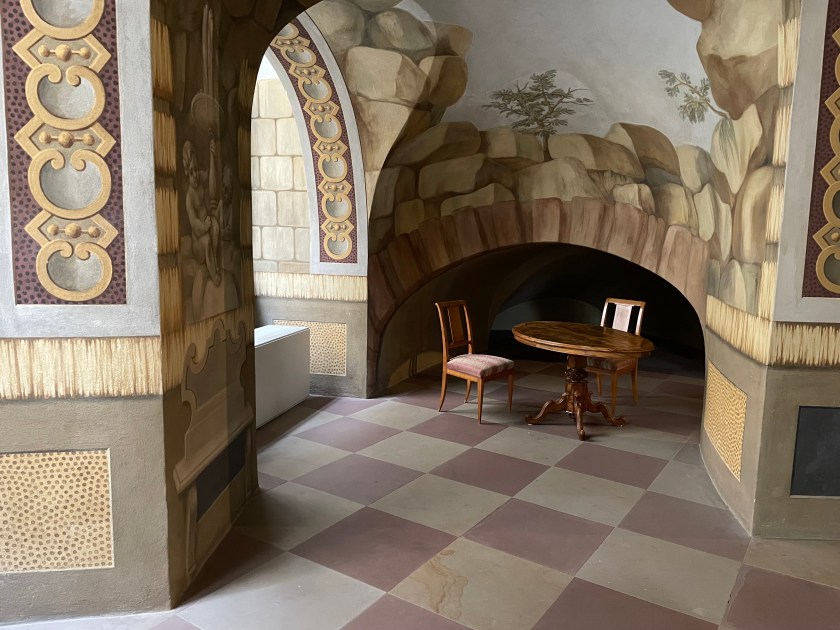
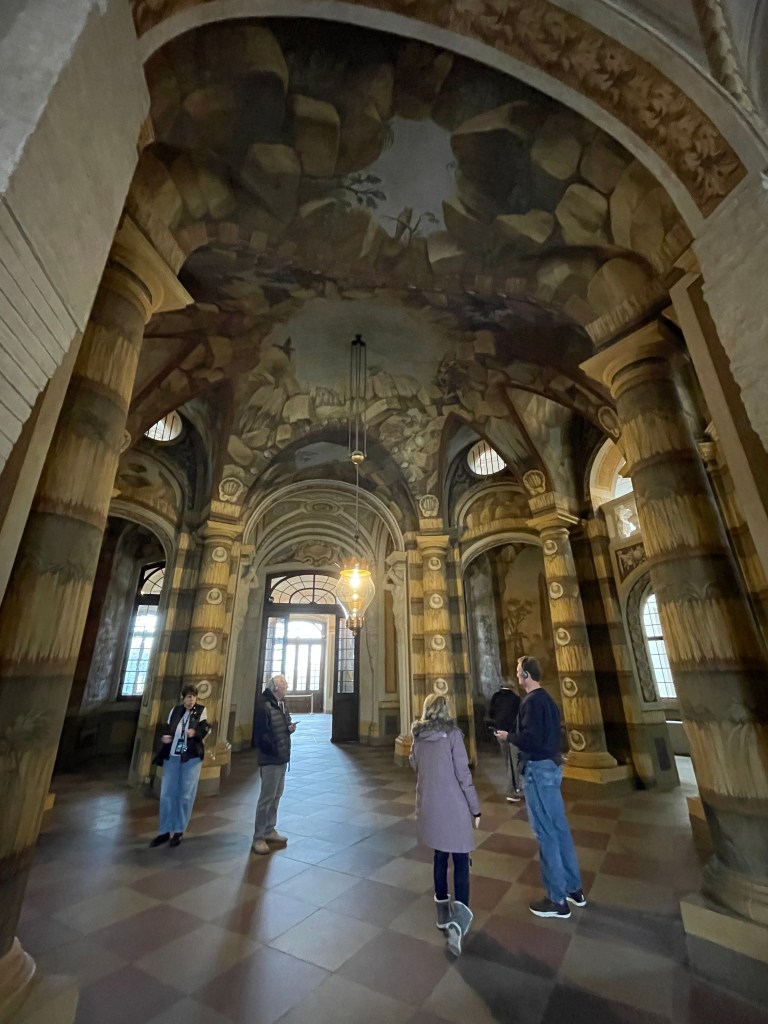
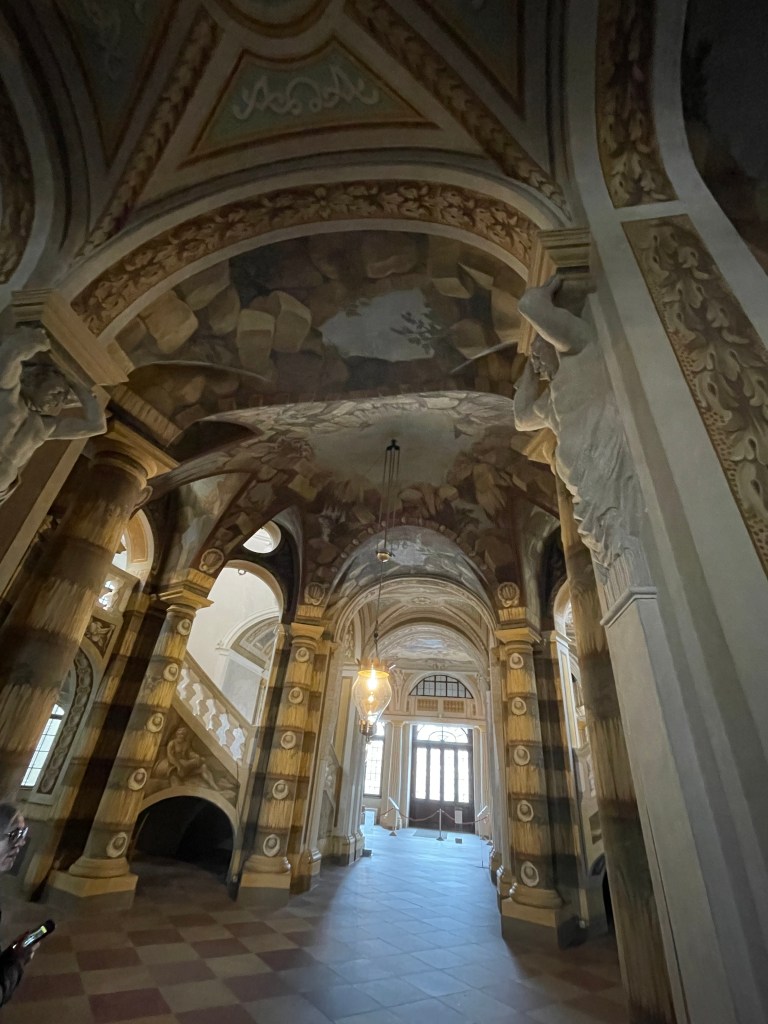
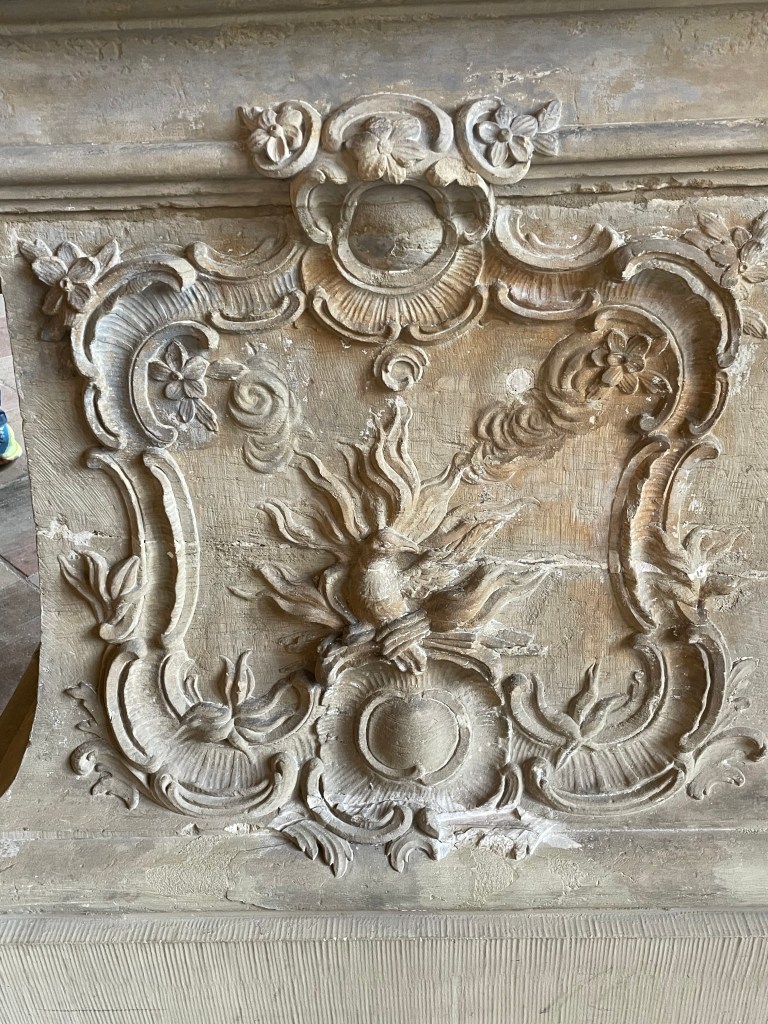
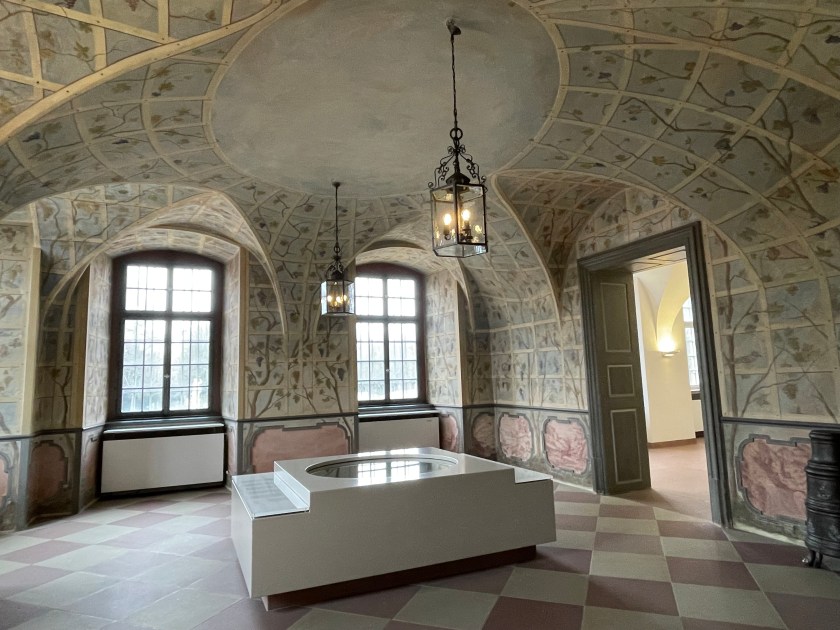
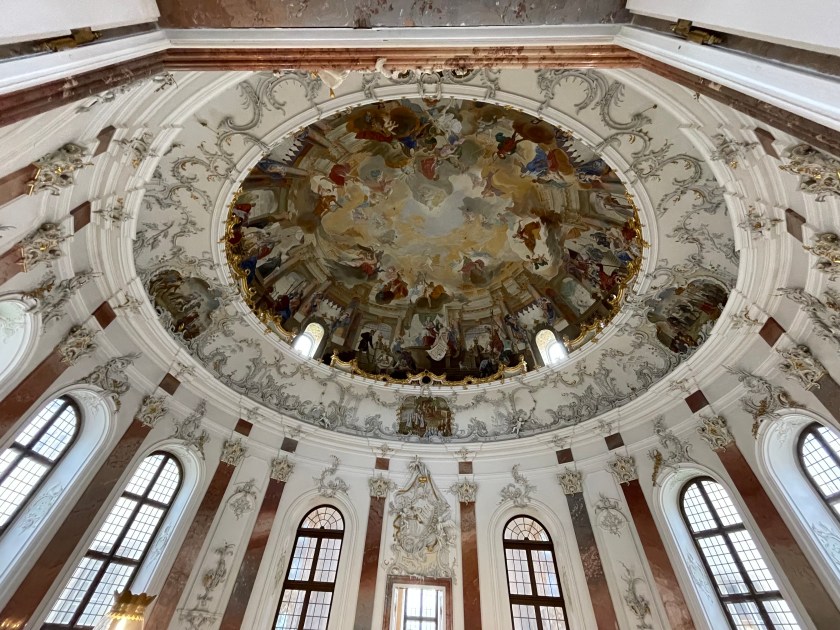
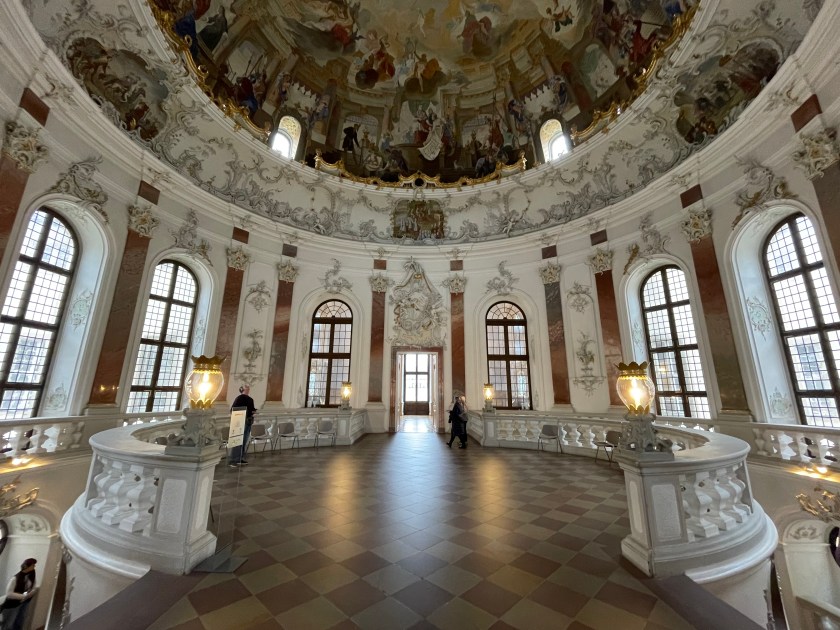
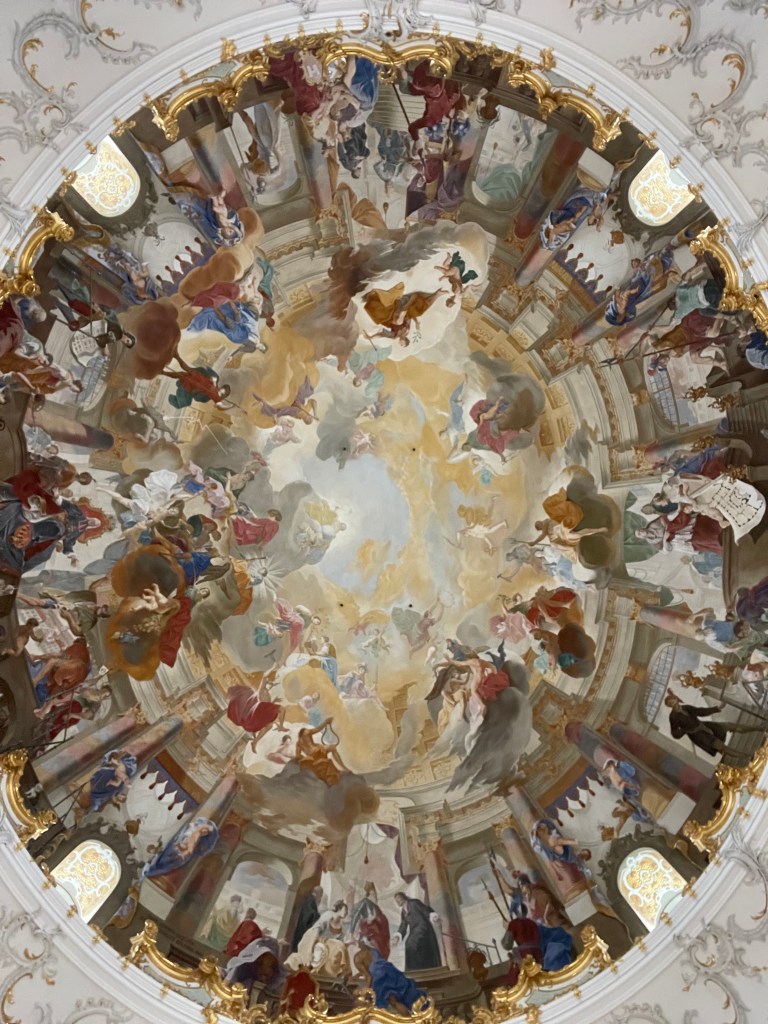
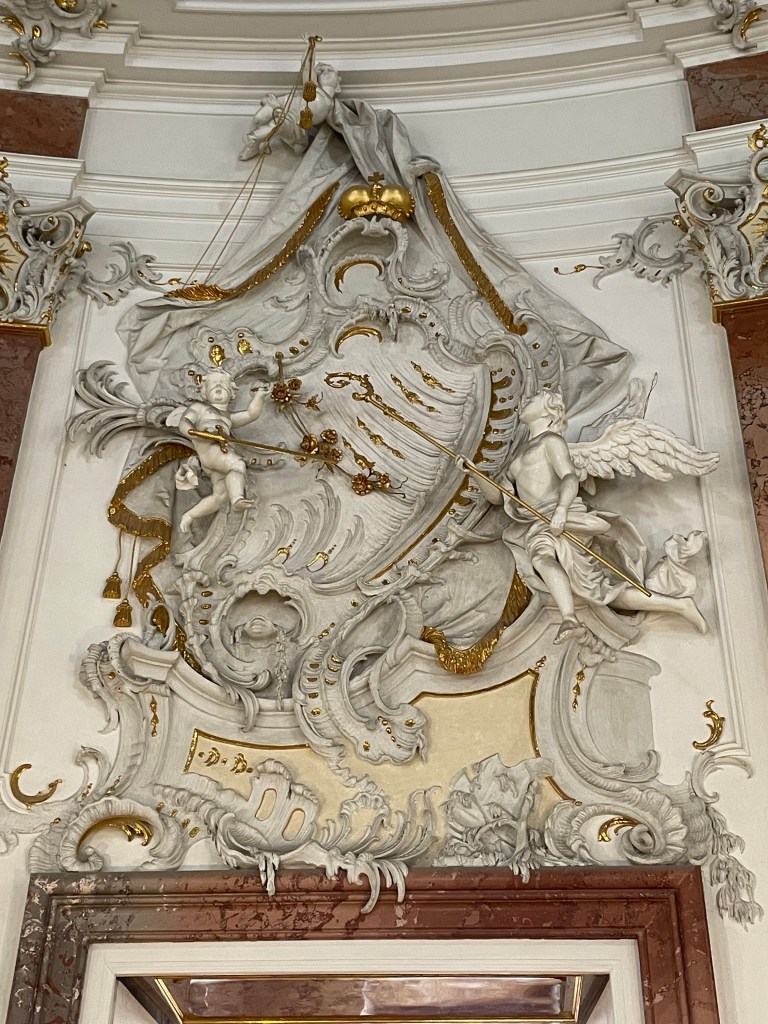
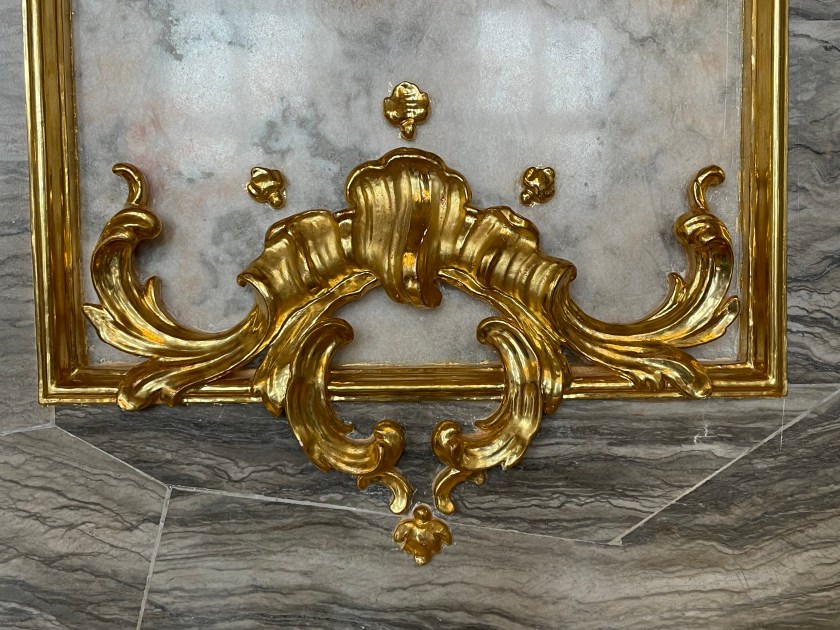
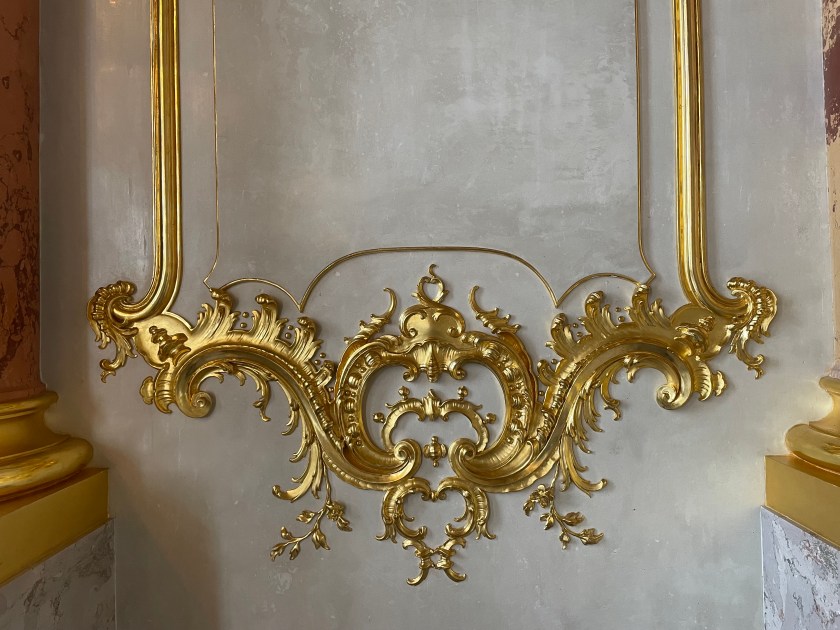
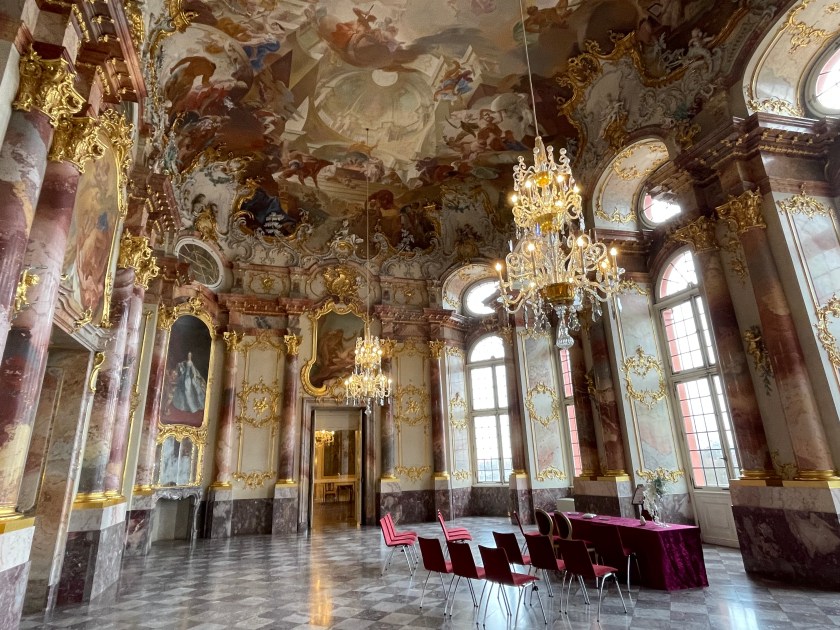
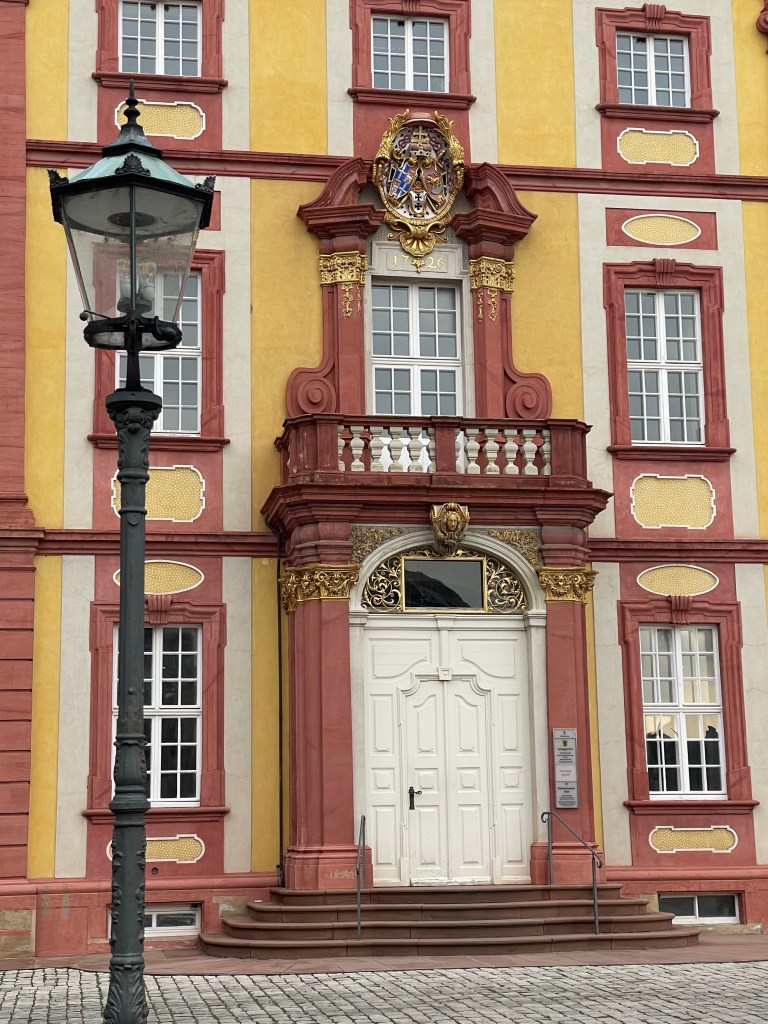
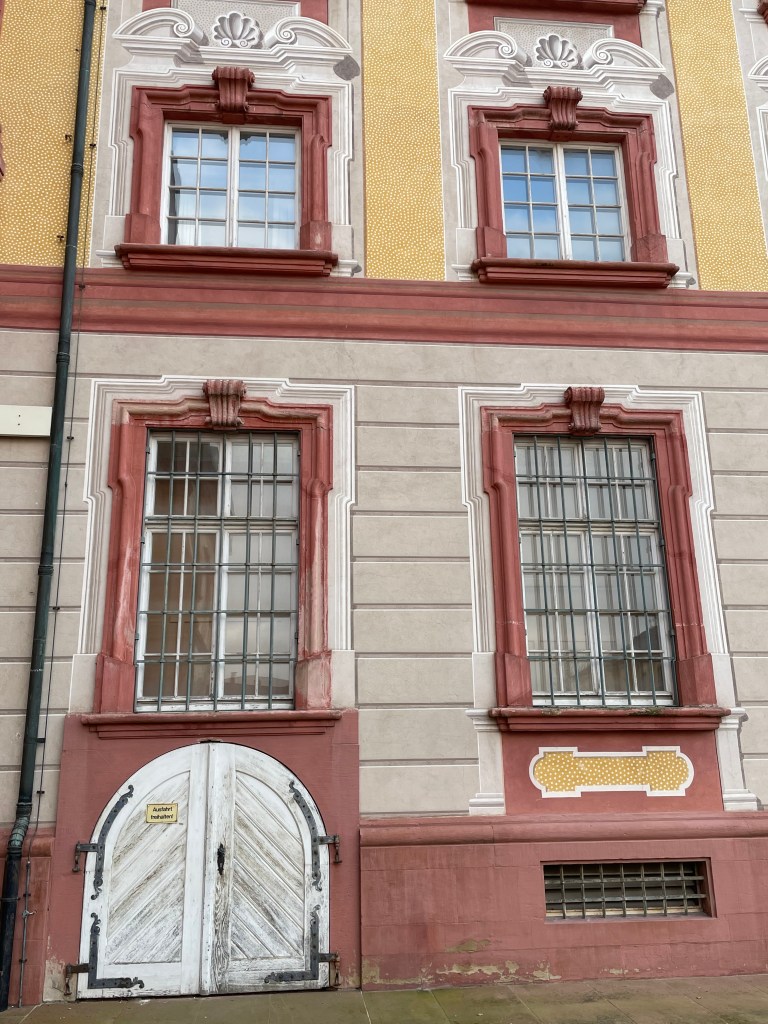
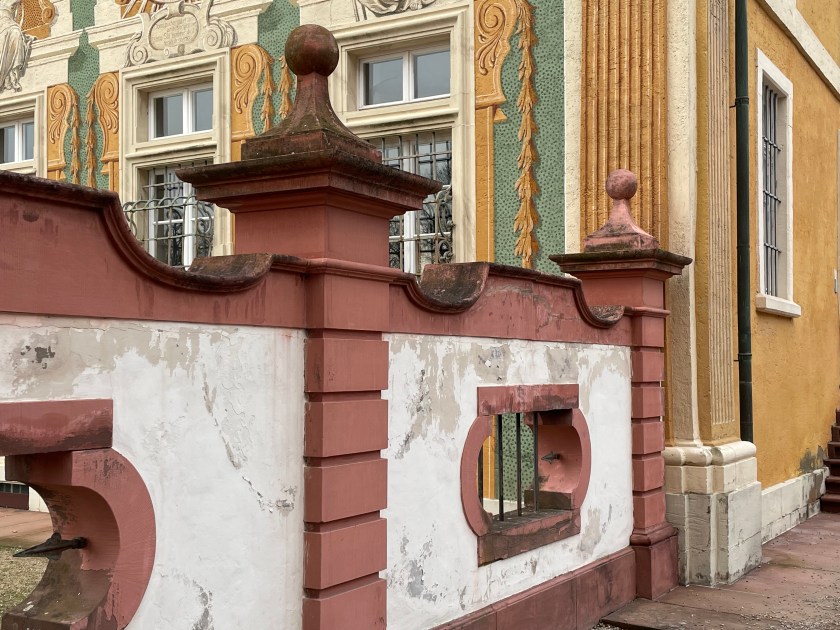
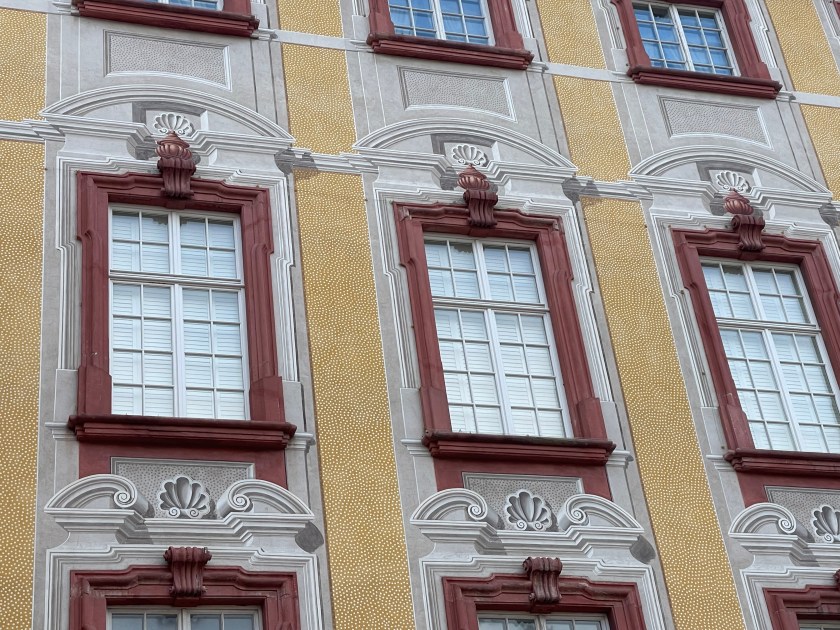
One of the most fascinating things to me was how walls, columns and exteriors were painted to look dimensional. Everything is flat, but doesn’t look like it. It’s really quite amazing.
Bridal photos happing here today:
The castle/palace had 3 wings and a world-famous huge central staircase much like the one in Würzburg.
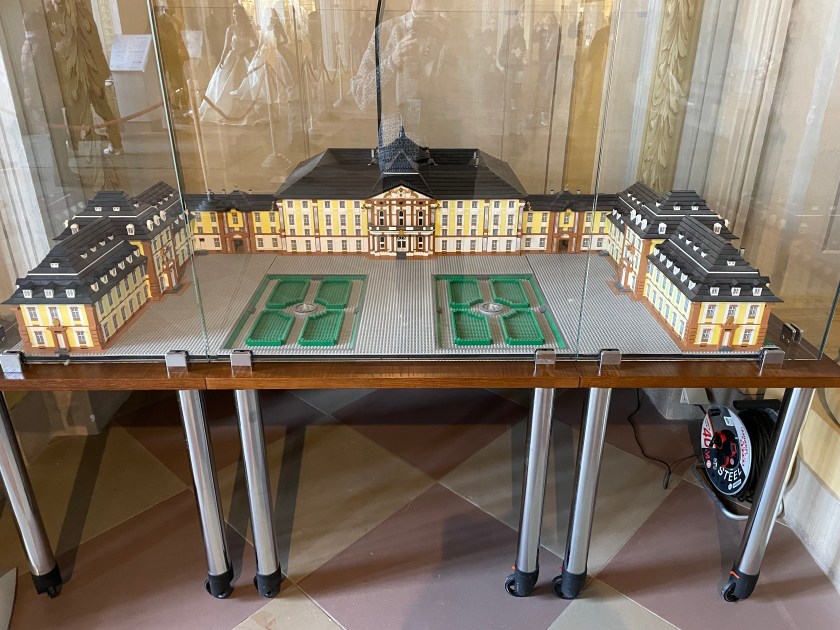
A Lego model:
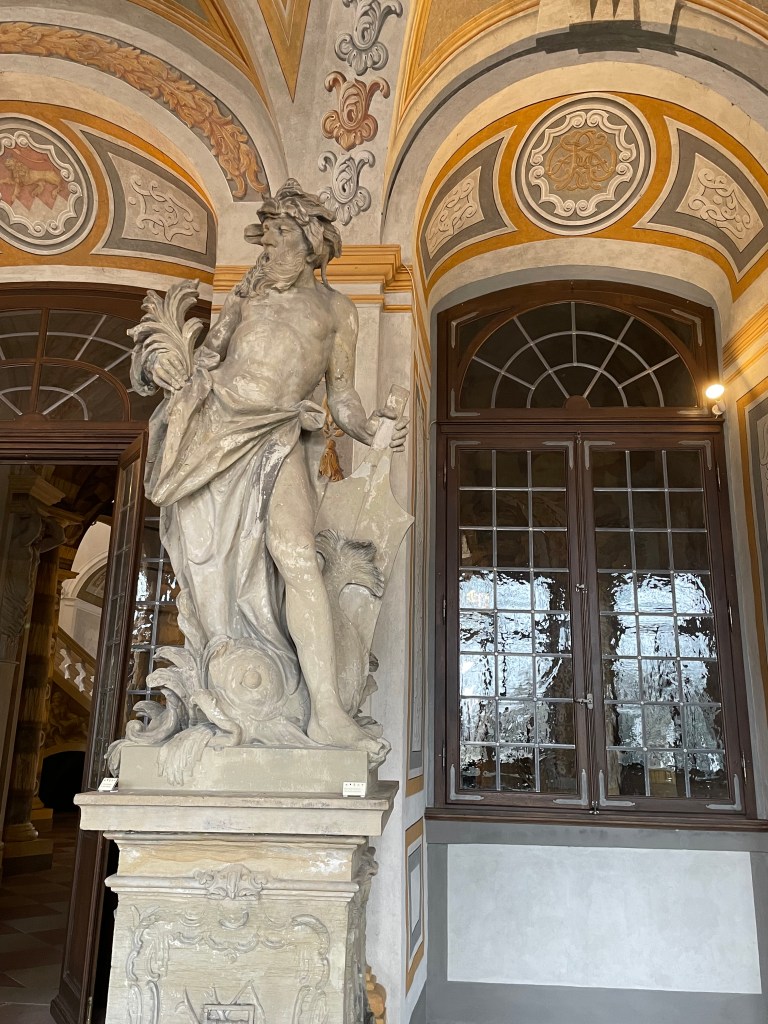
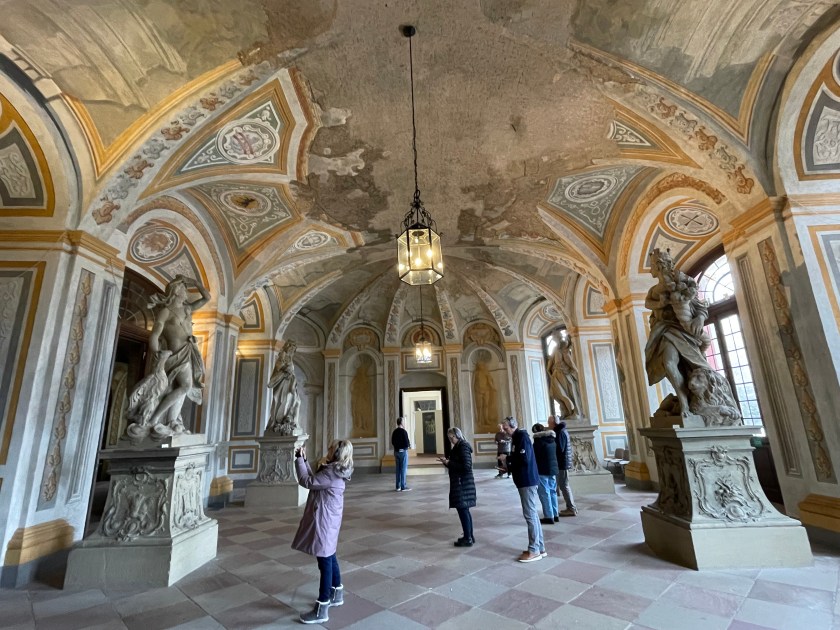
Under the double staircase, winding up to the upper floor is a grotto area representing the netherworld.
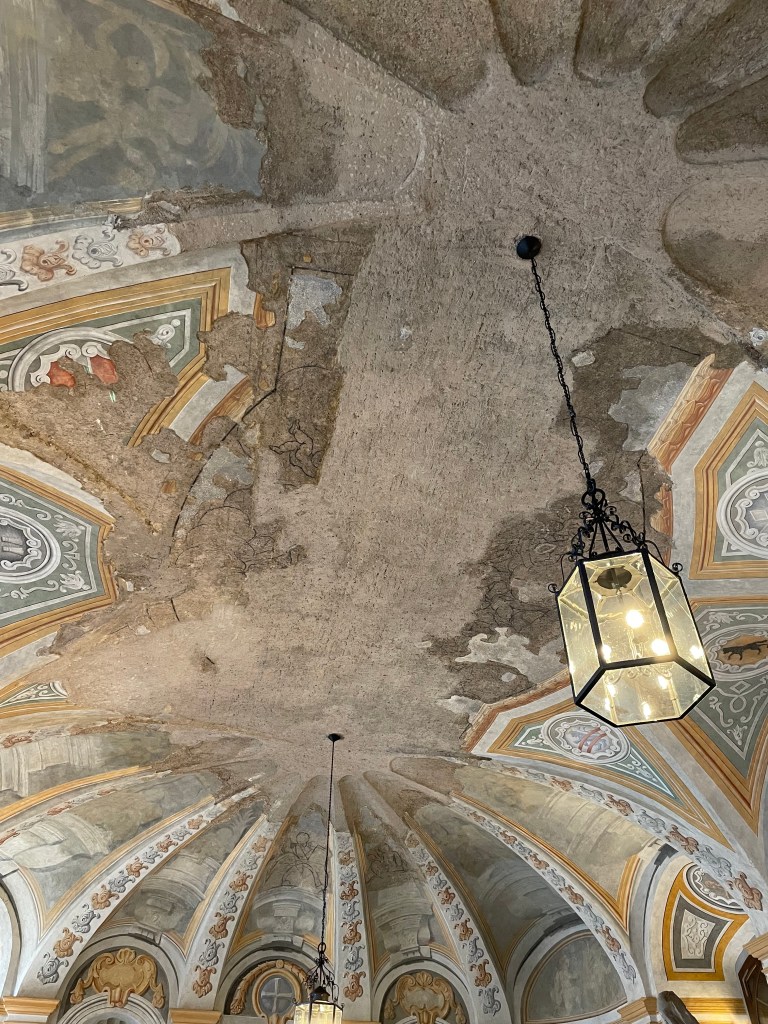
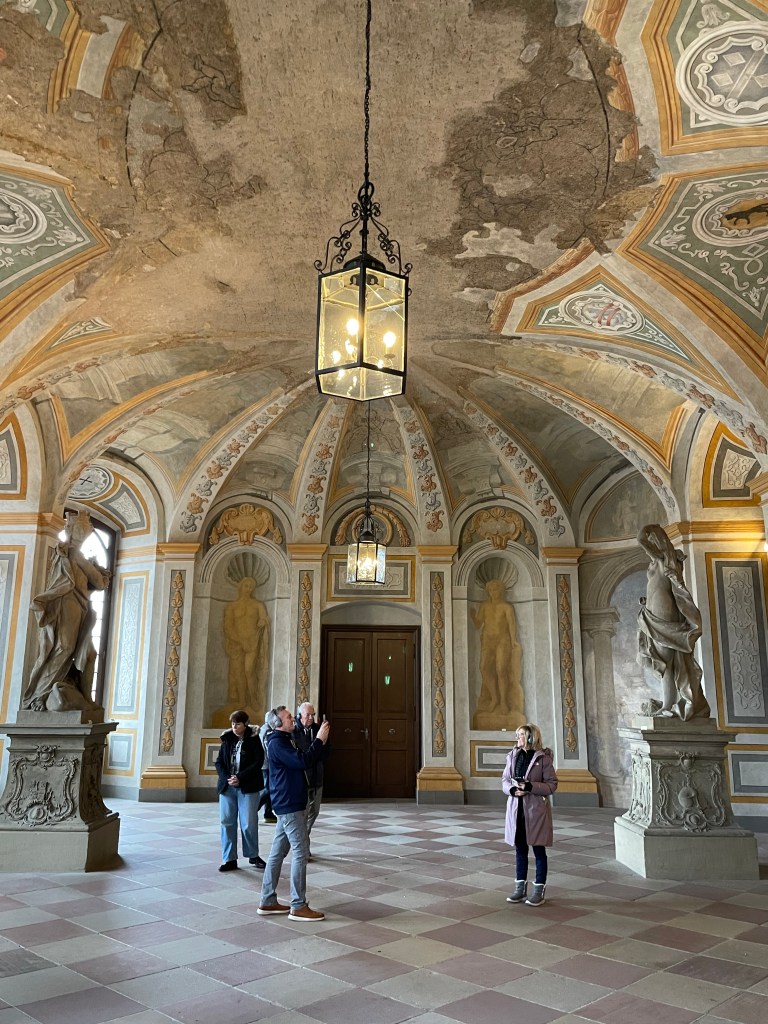
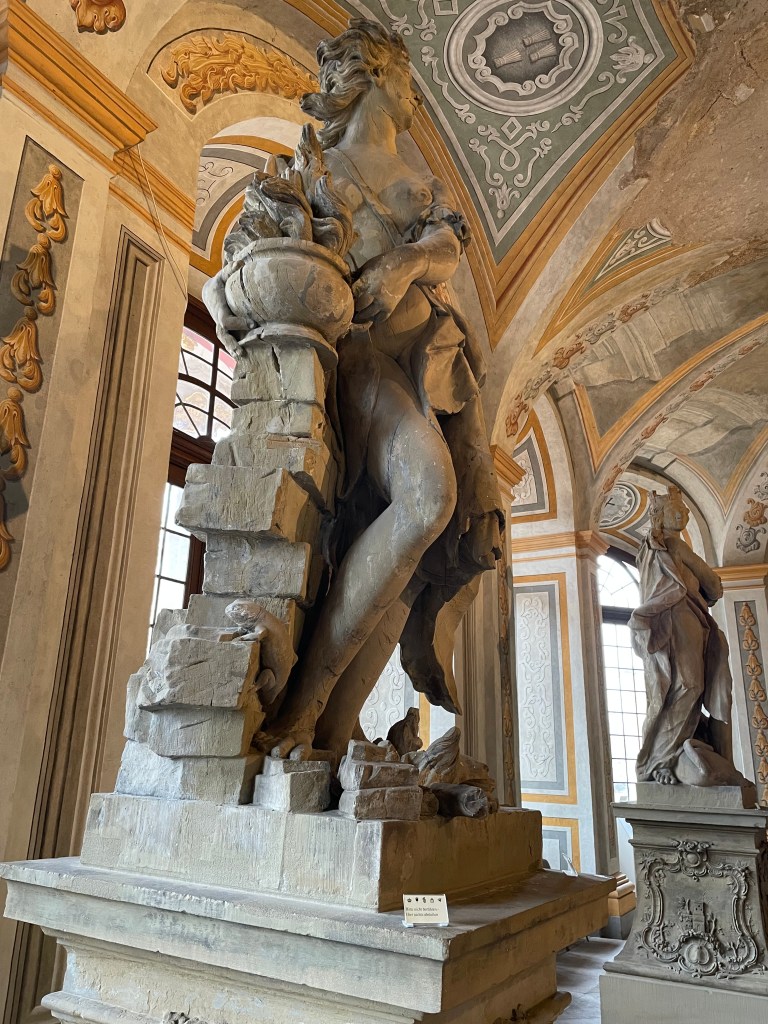
This grotto is dimly lit in imitation of a cave and decorated with murals of plant life, shells, and river deities beneath a ceiling fresco of a bird-filled sky. The Grotto, damaged by fire, was restored after World War II, but not in the neighboring Garden Hall, which survived the war but suffered water and frost damage. The ceiling fresco remains unrestored in a permanent exhibition of the palace’s destruction in 1945.
This is the history of this Palace:
The ceiling:
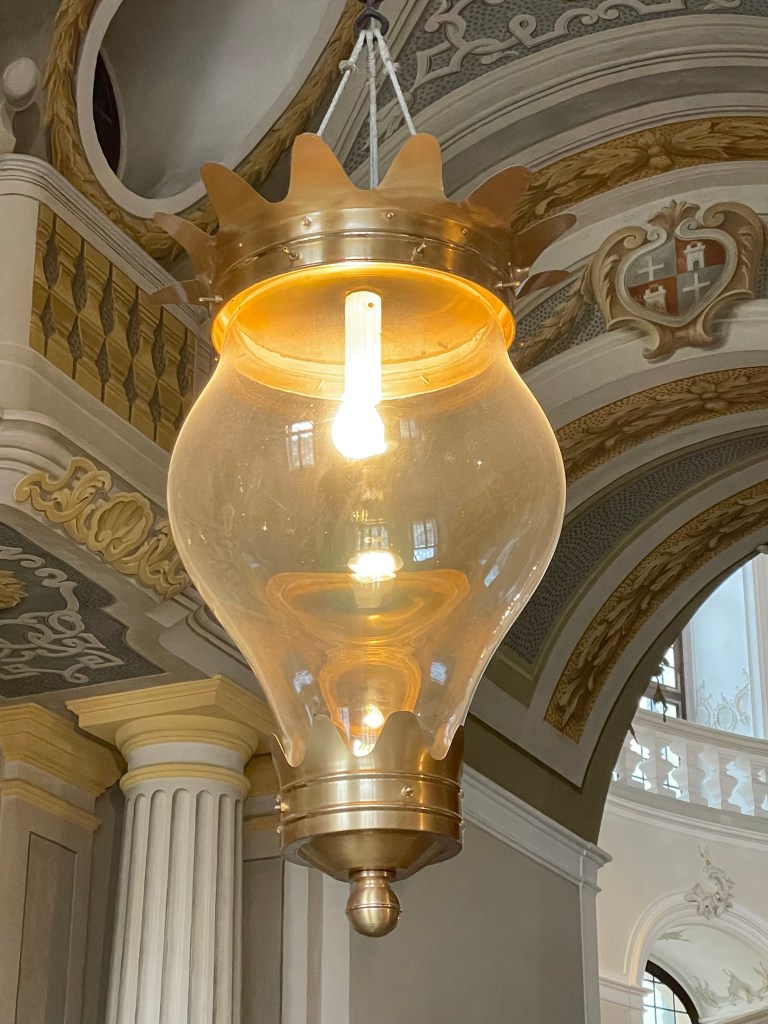
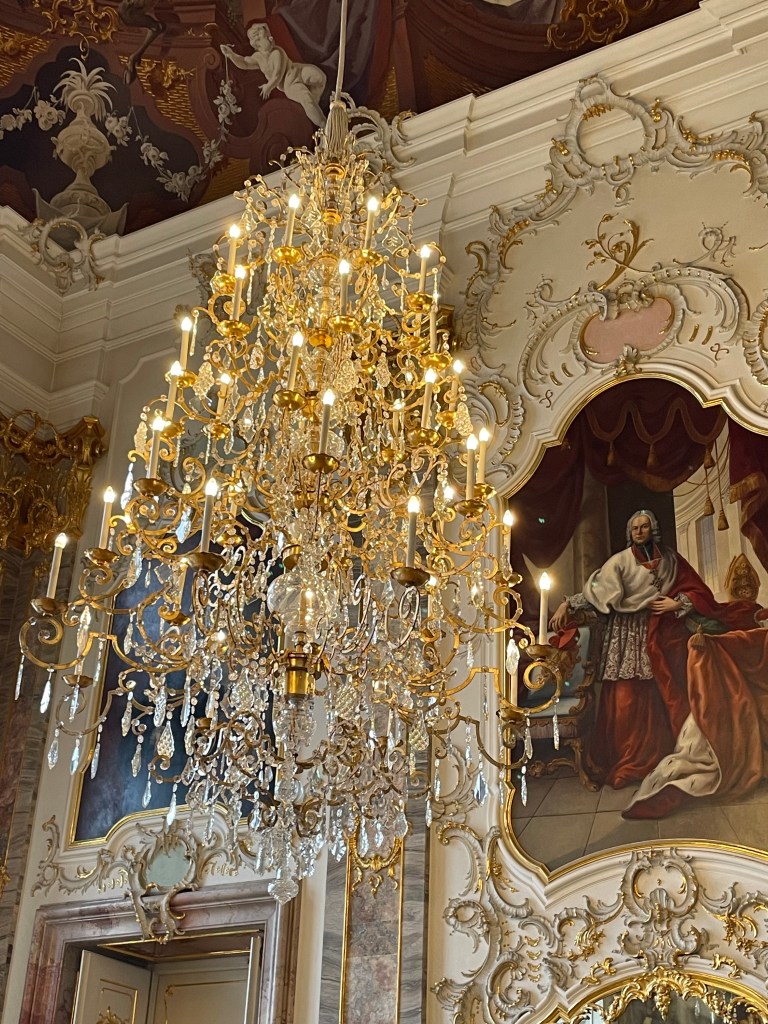
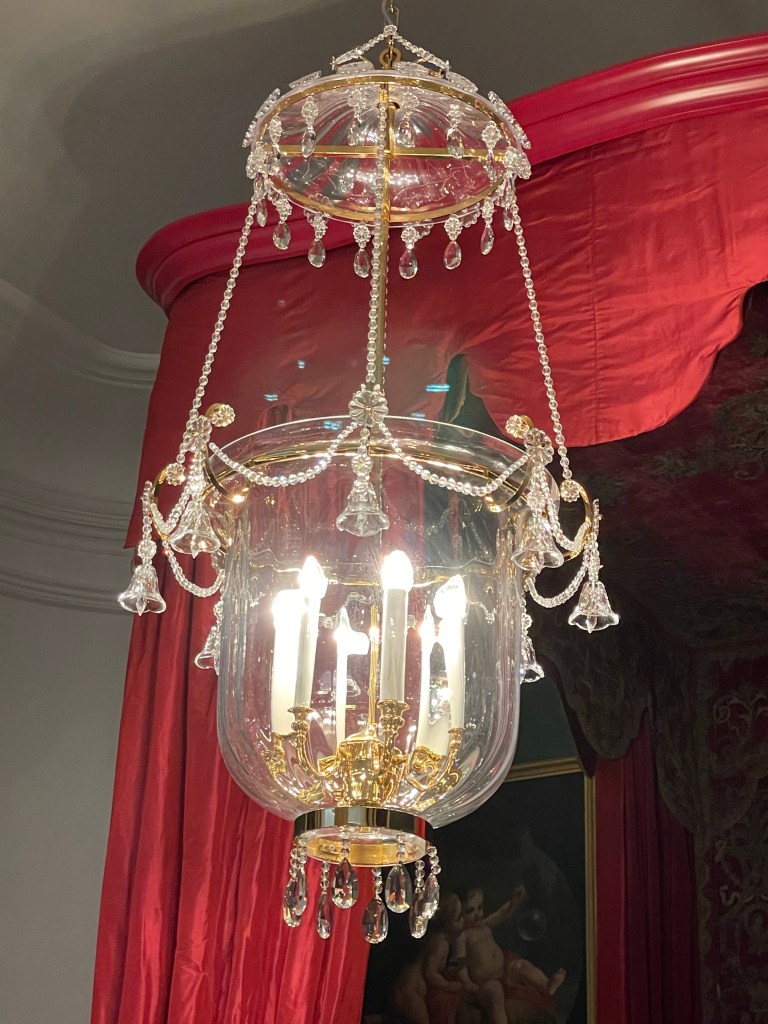
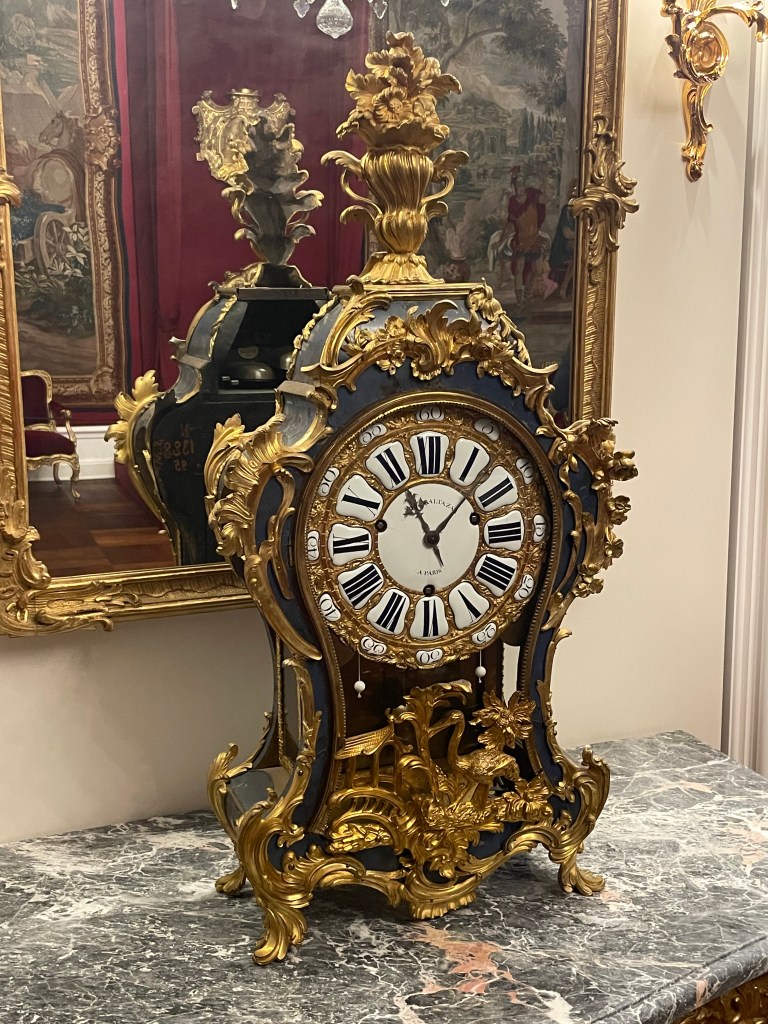
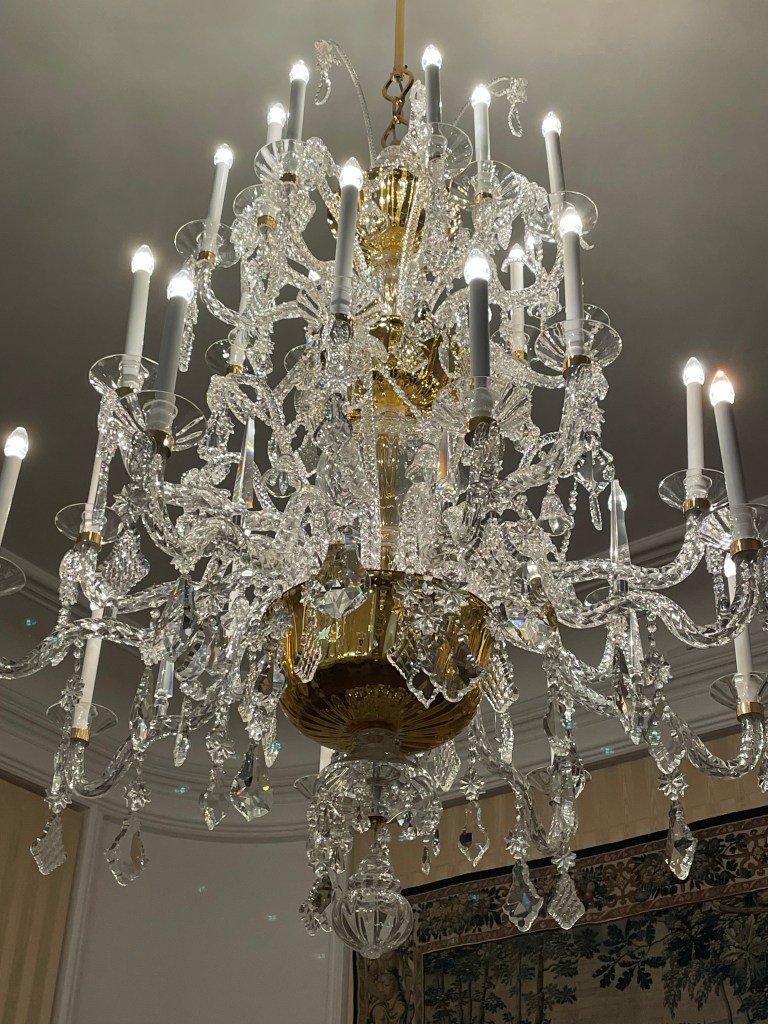
The chandeliers throughout were spectacular!
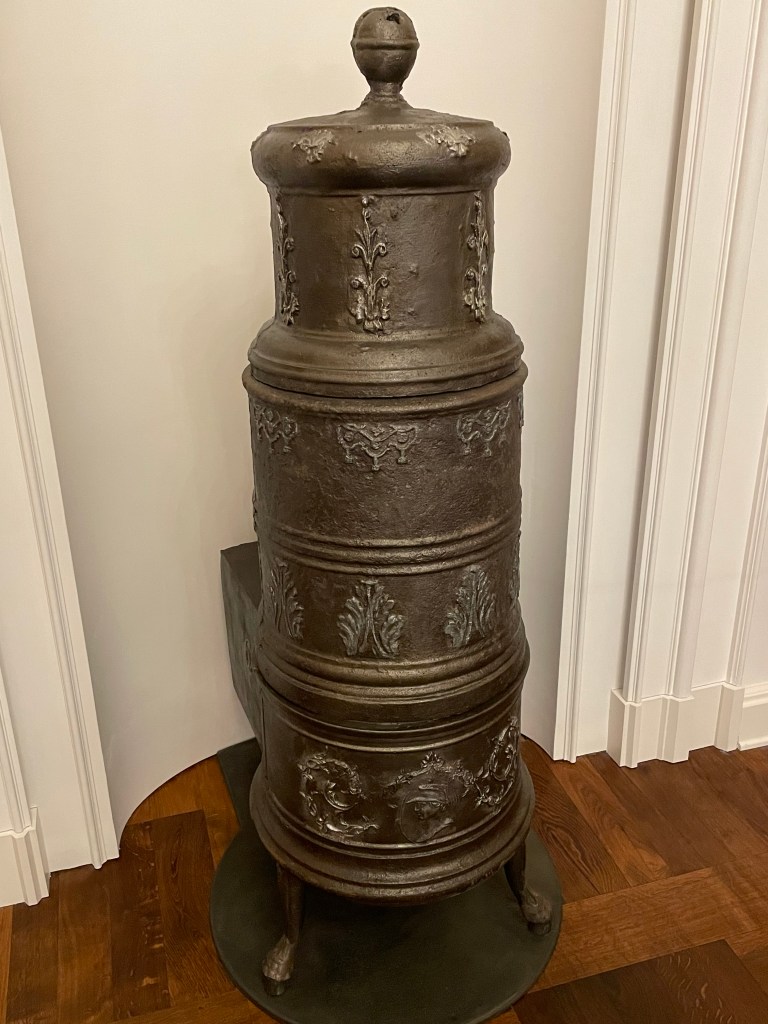
These stoves, for heat, were loaded from passages for the servants behind the walls. The saying, “Her ears were burning,” comes from the idea of trying to listen to gossip through these walls while heating the rooms.
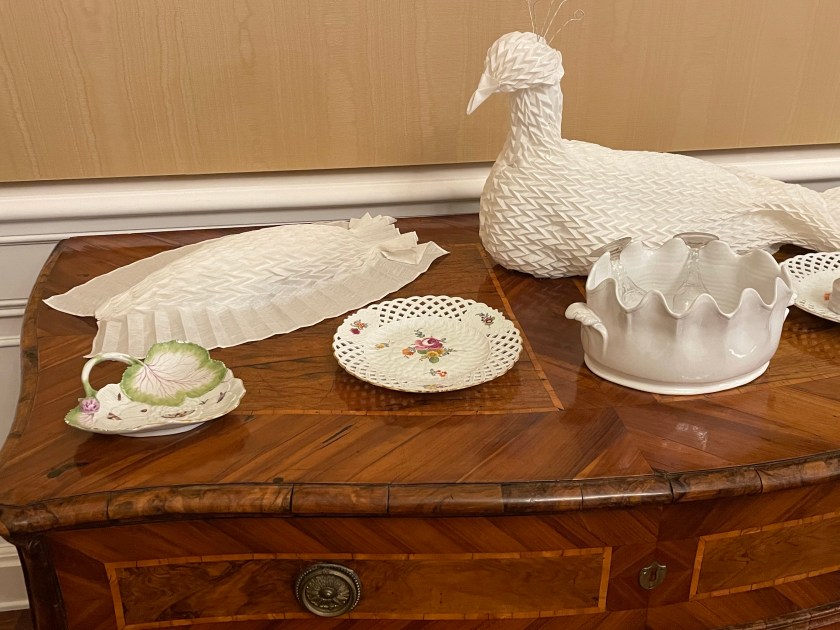
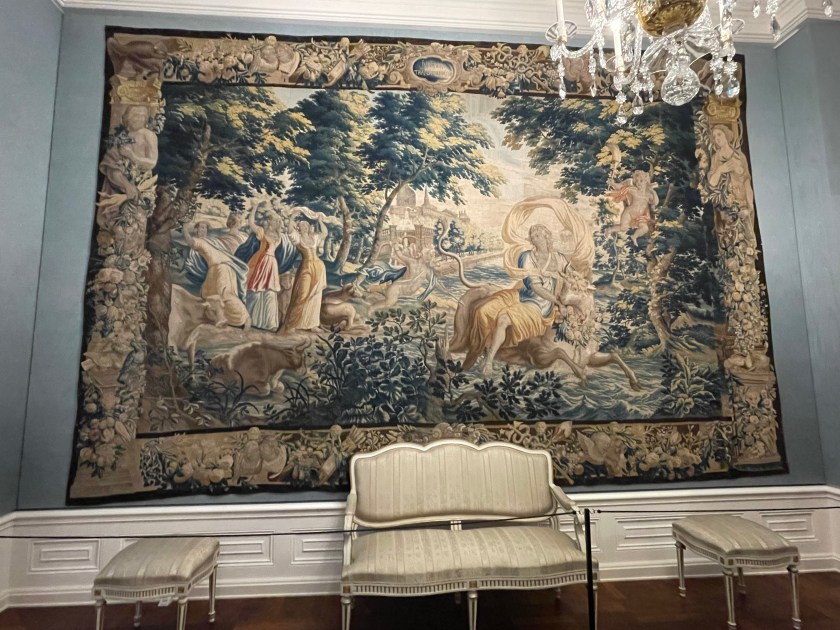
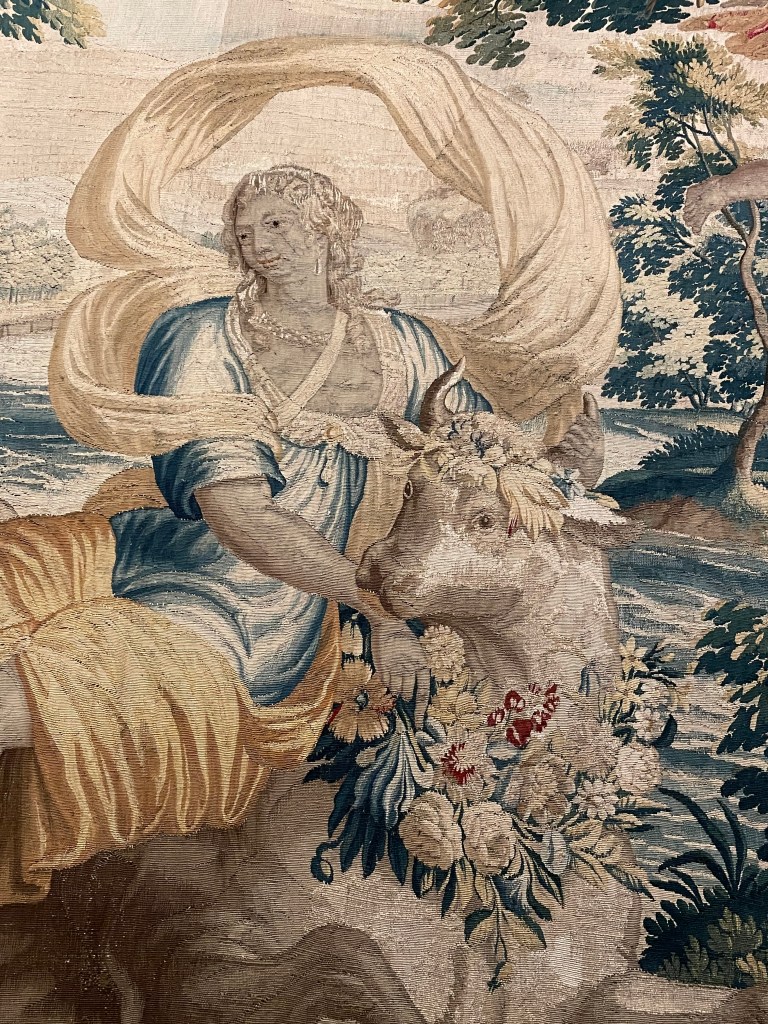
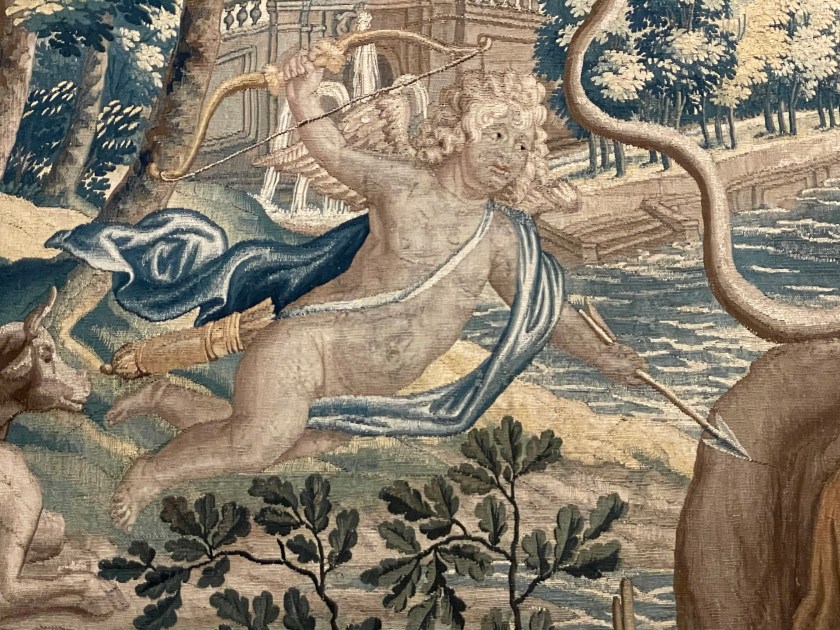
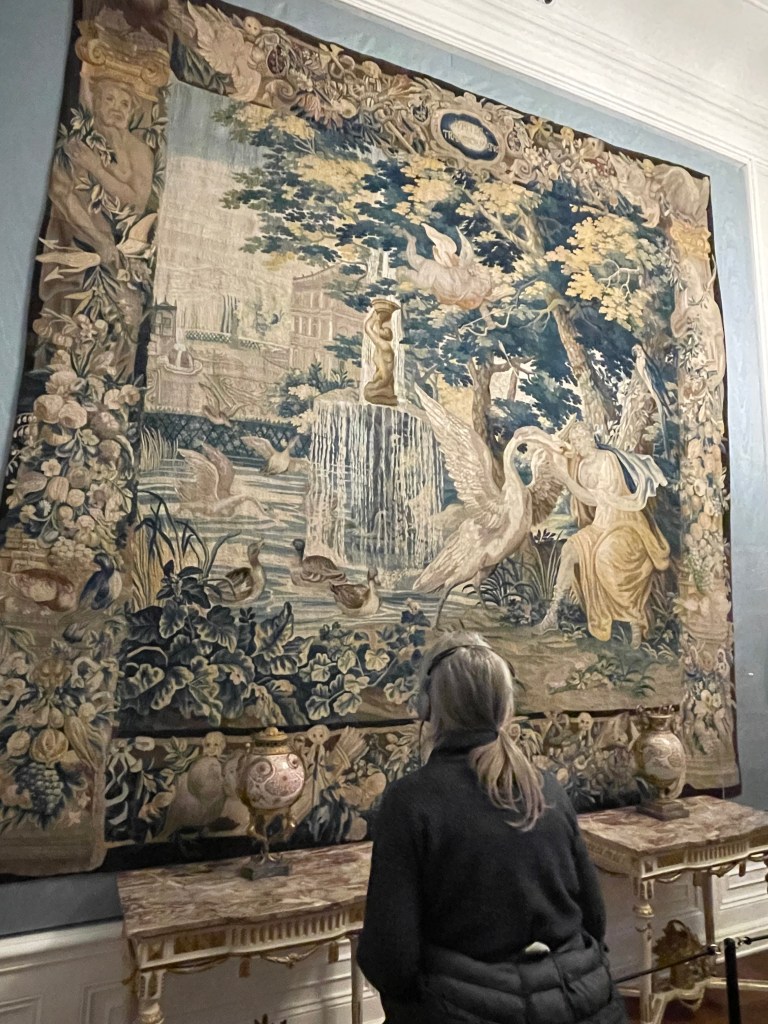
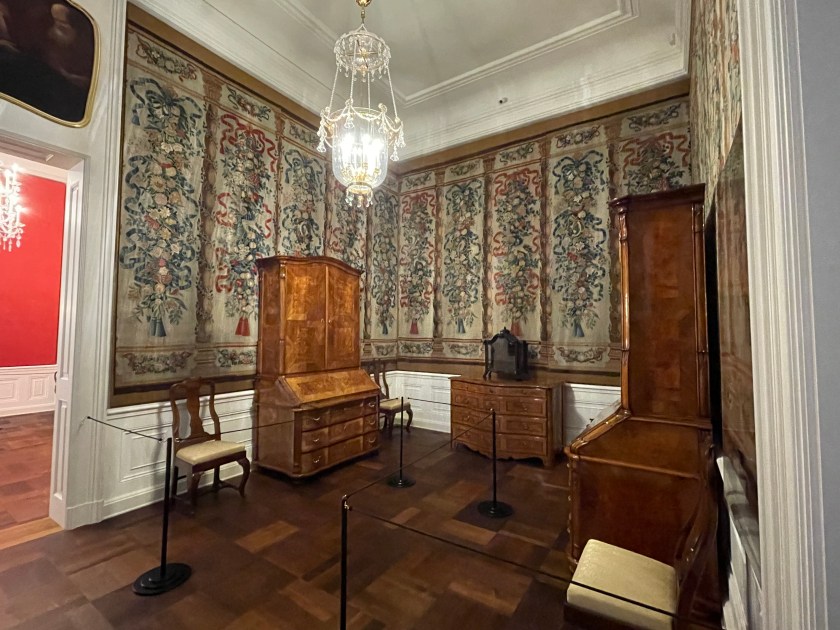
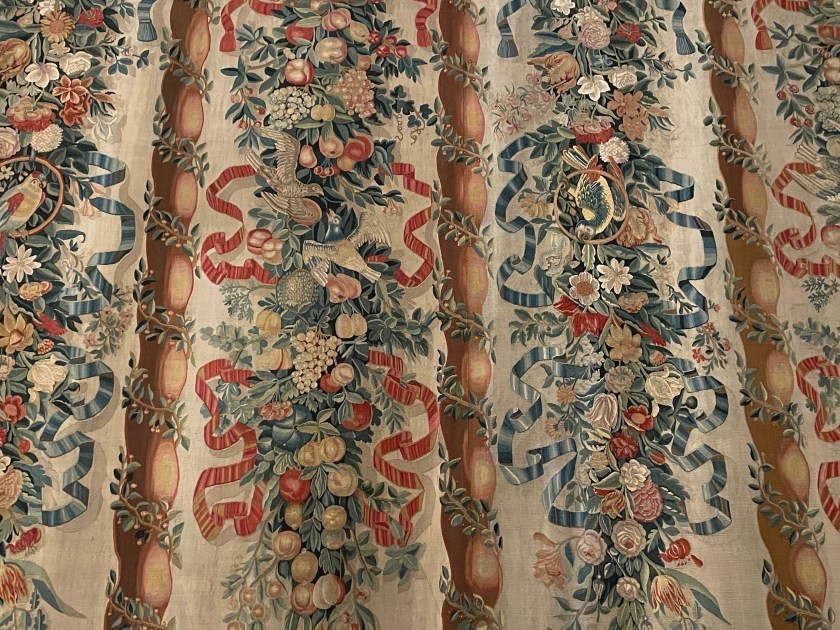
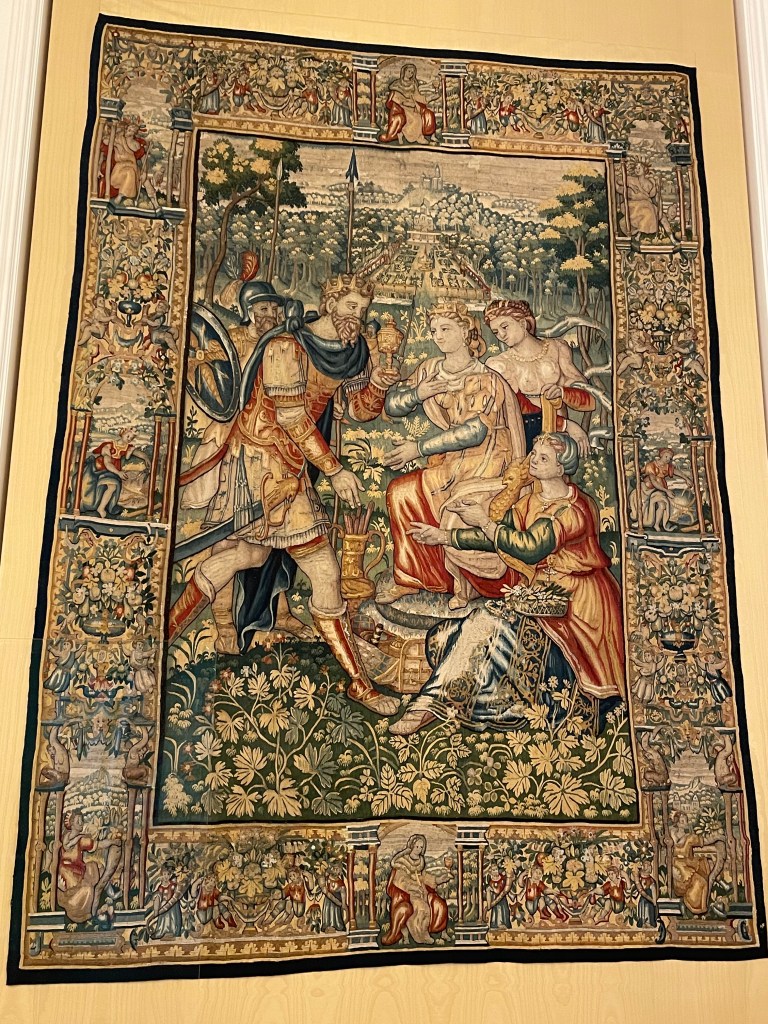
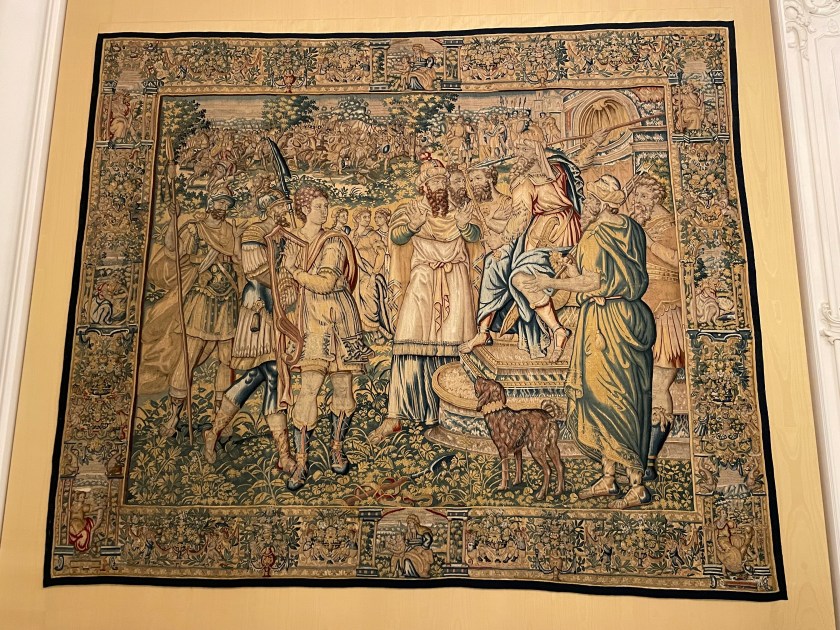
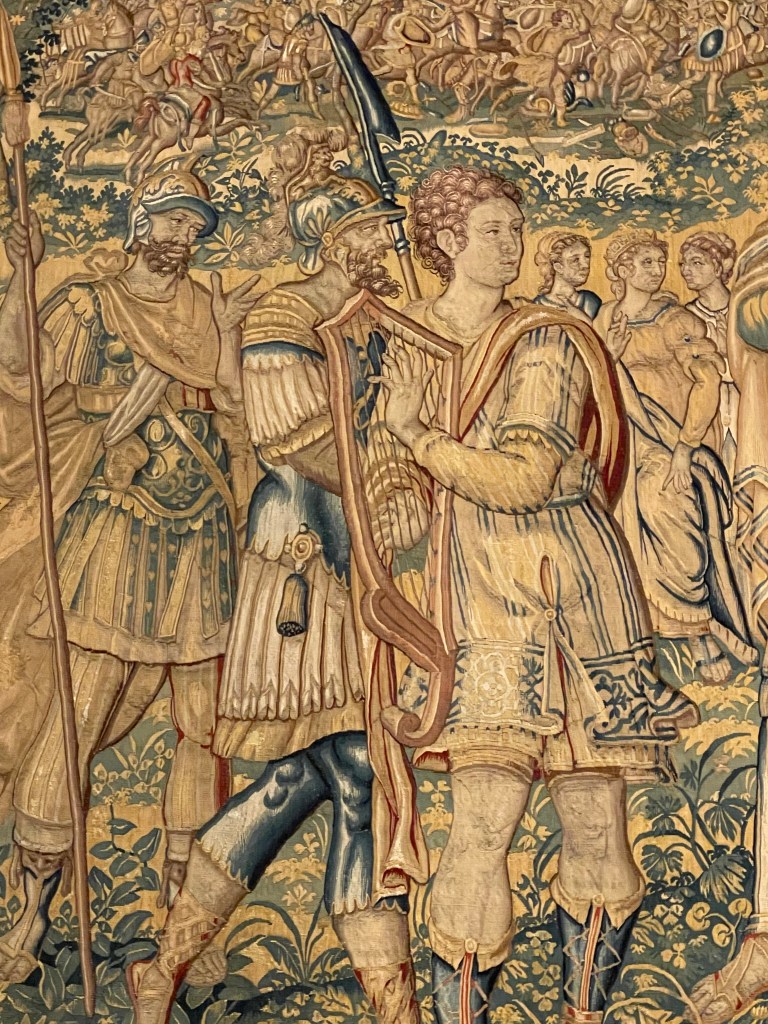
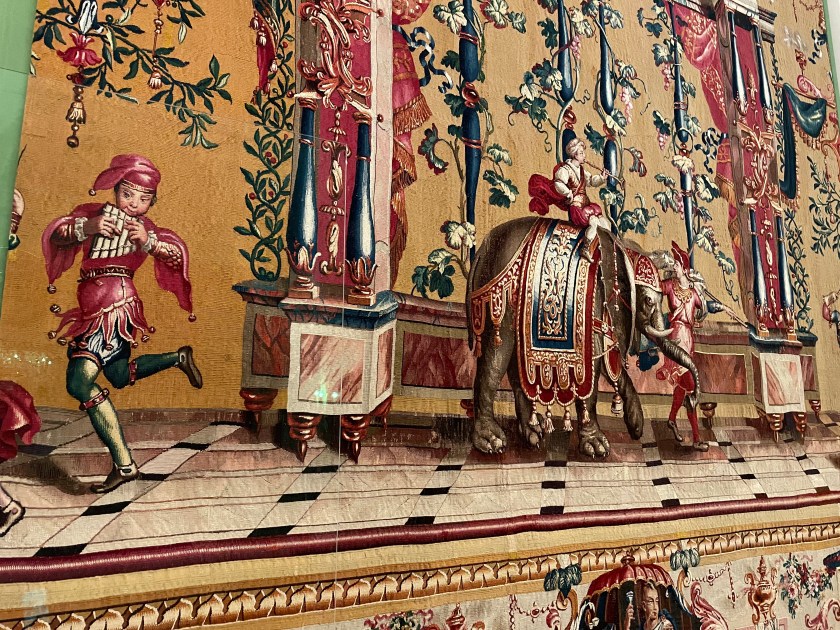
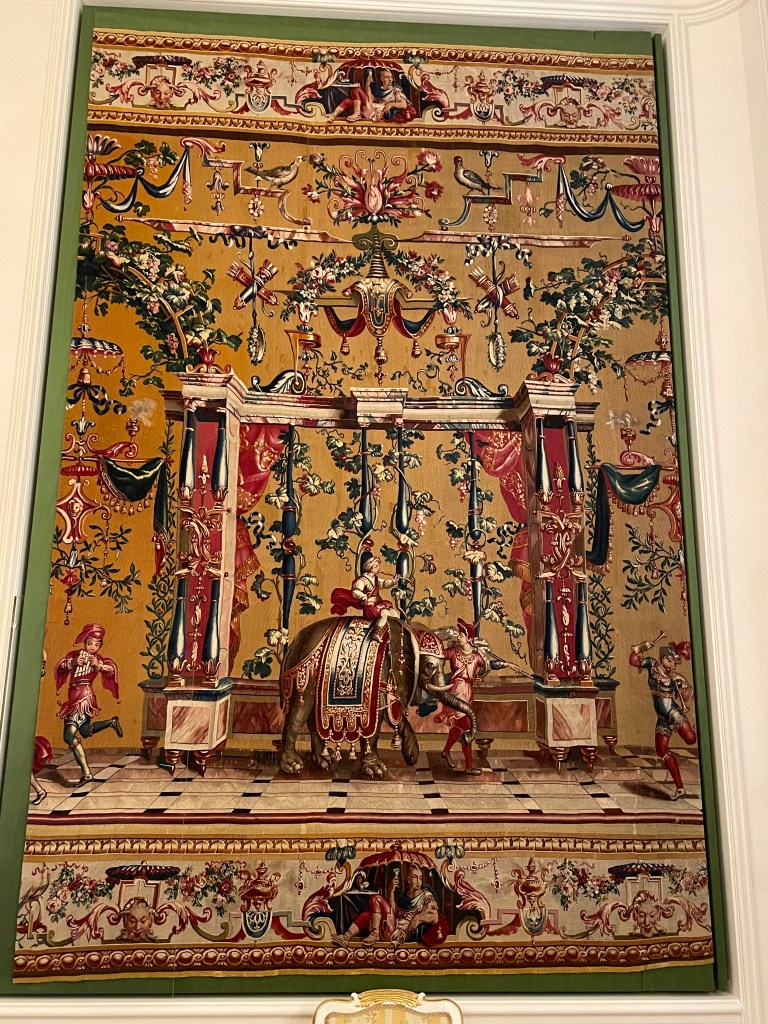
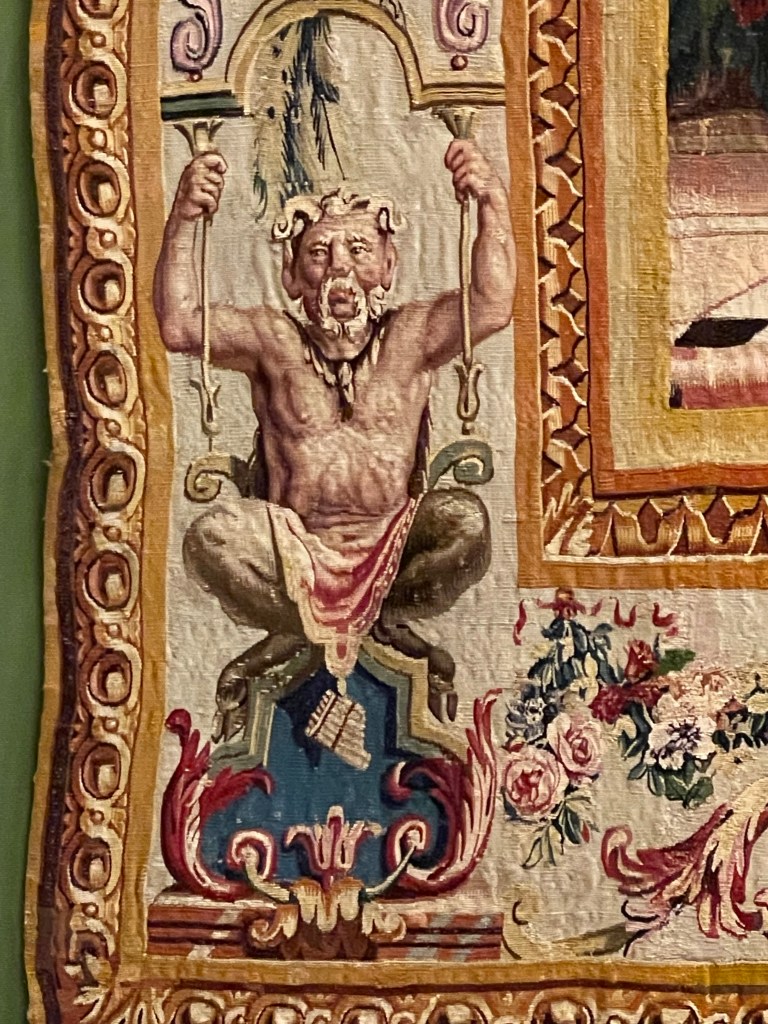
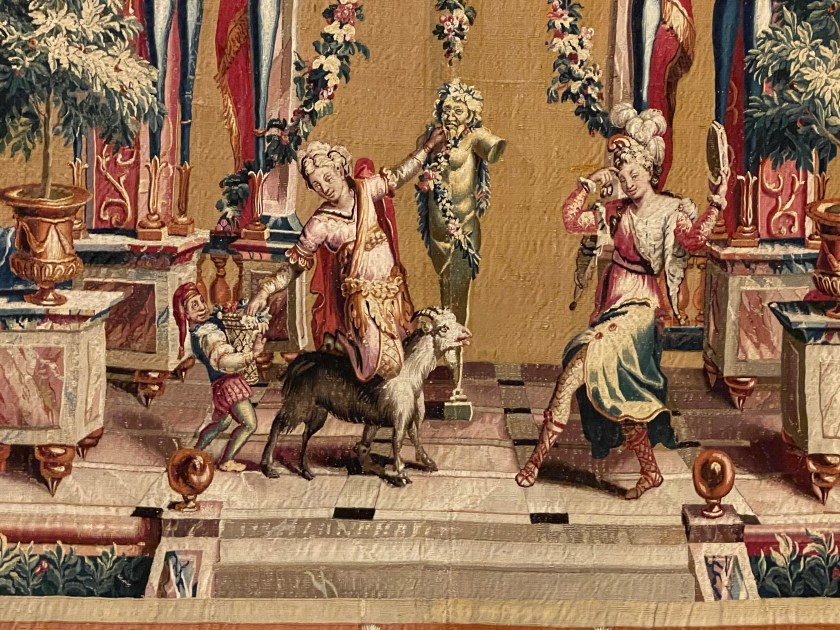
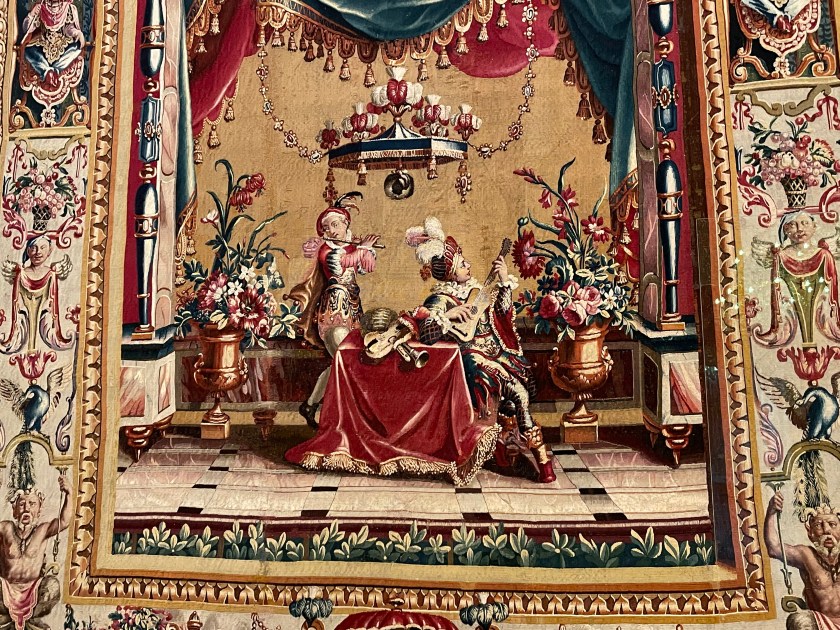
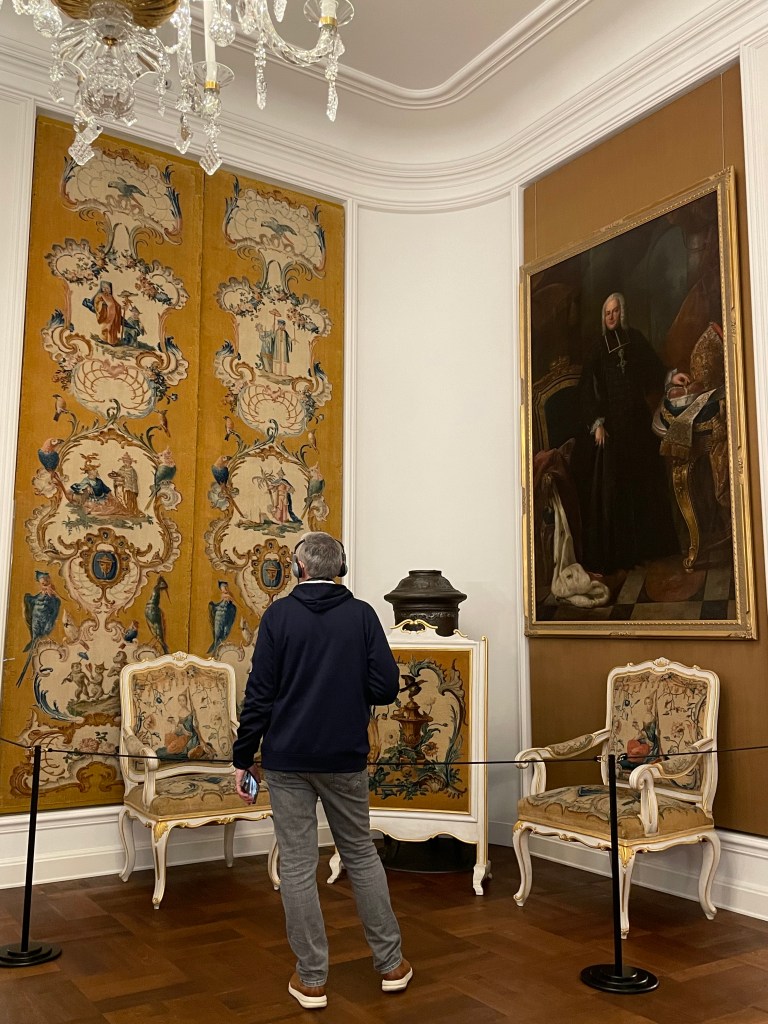
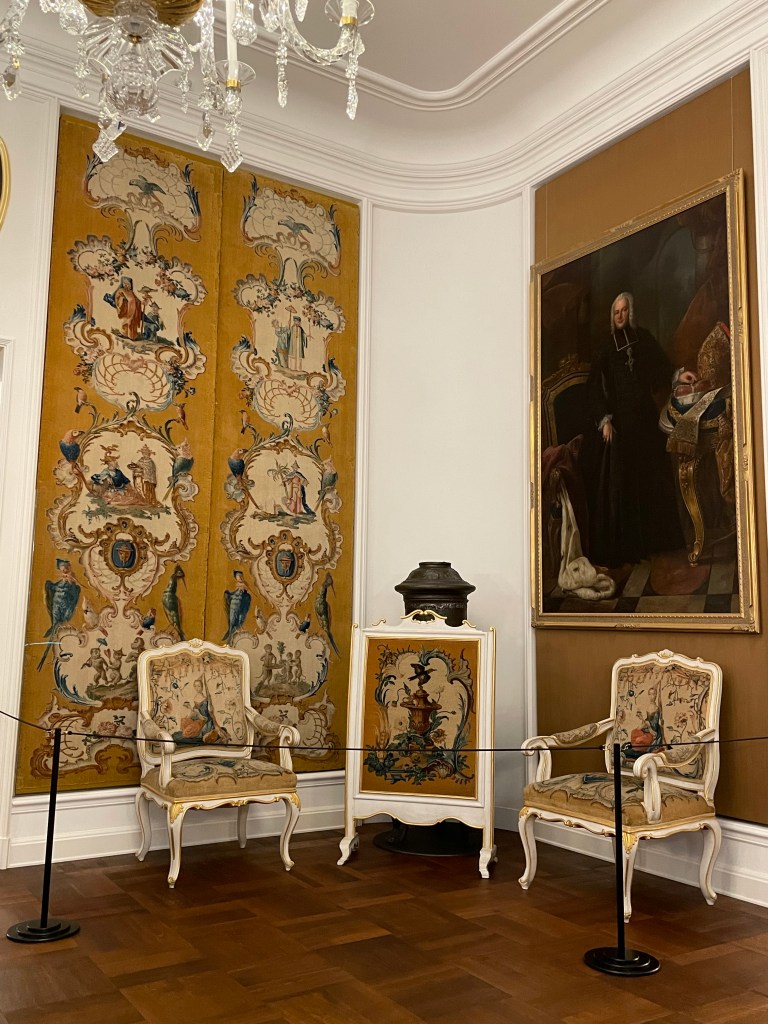
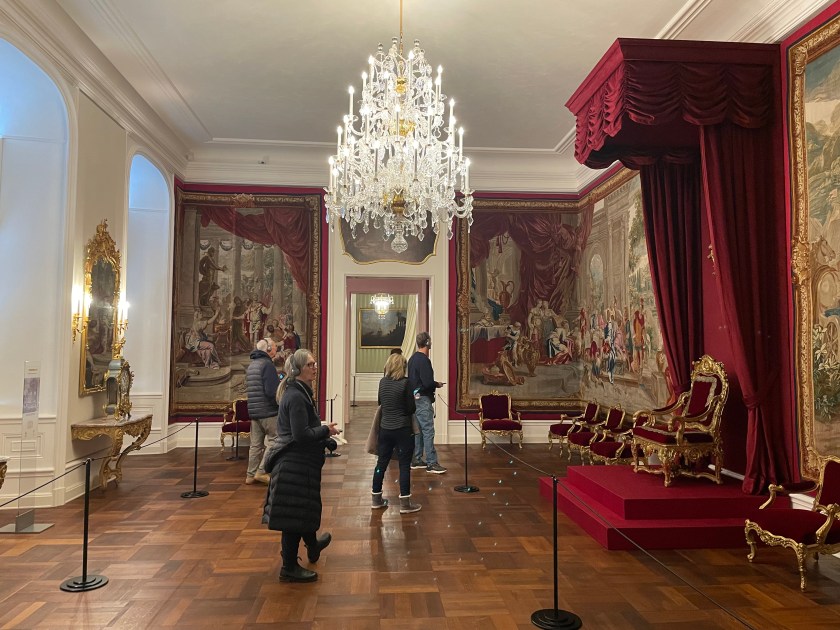
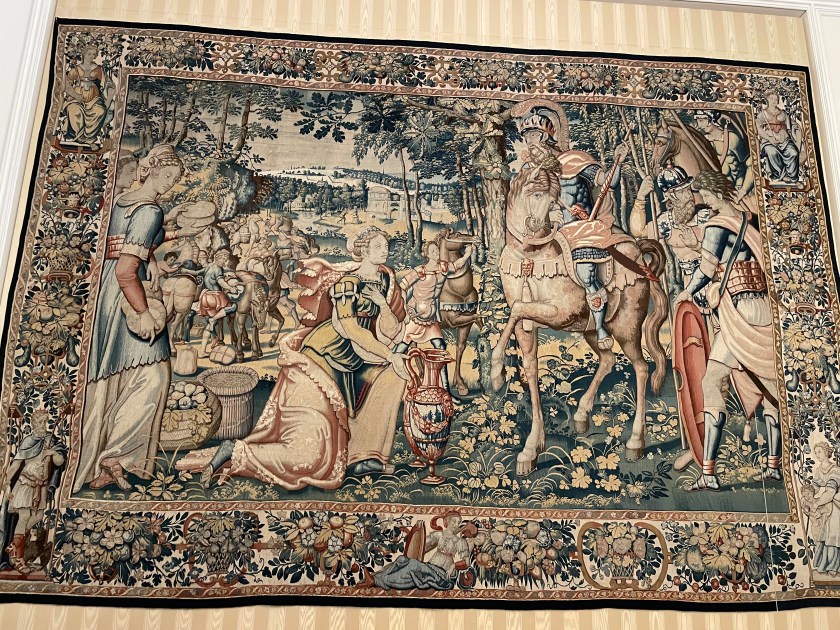
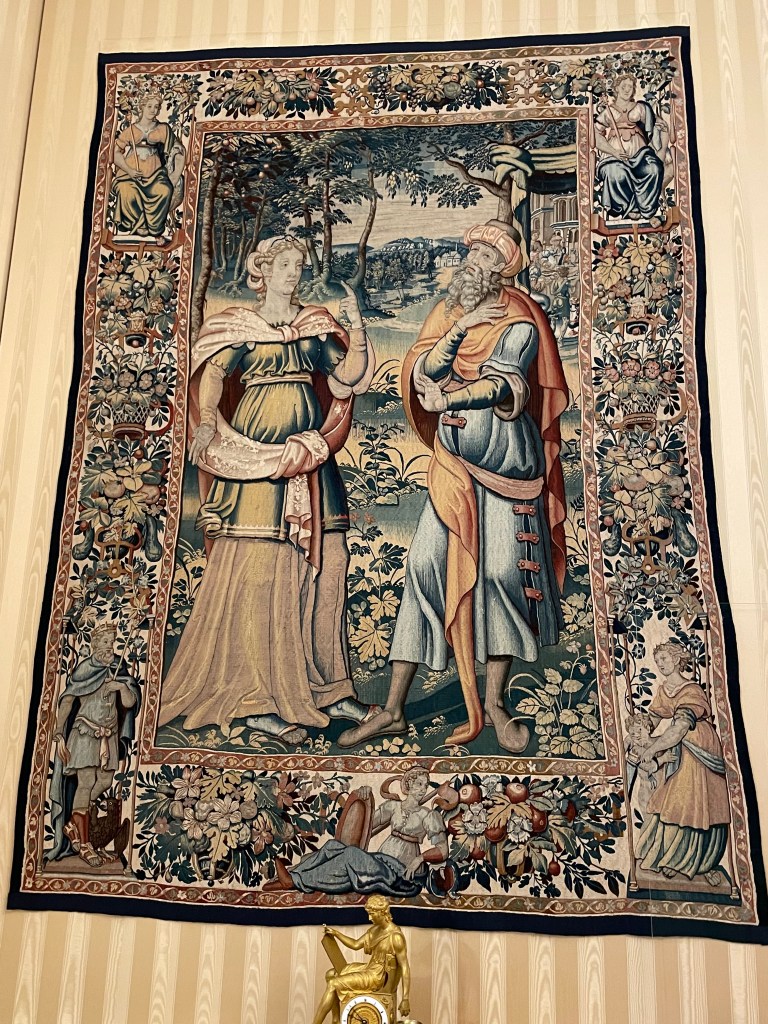
The palace has a famous tapestry collection (collected by the people who once lived here). The tapestries/carpets were large and so beautiful, most made in Flanders, Belgium in the 1600s.
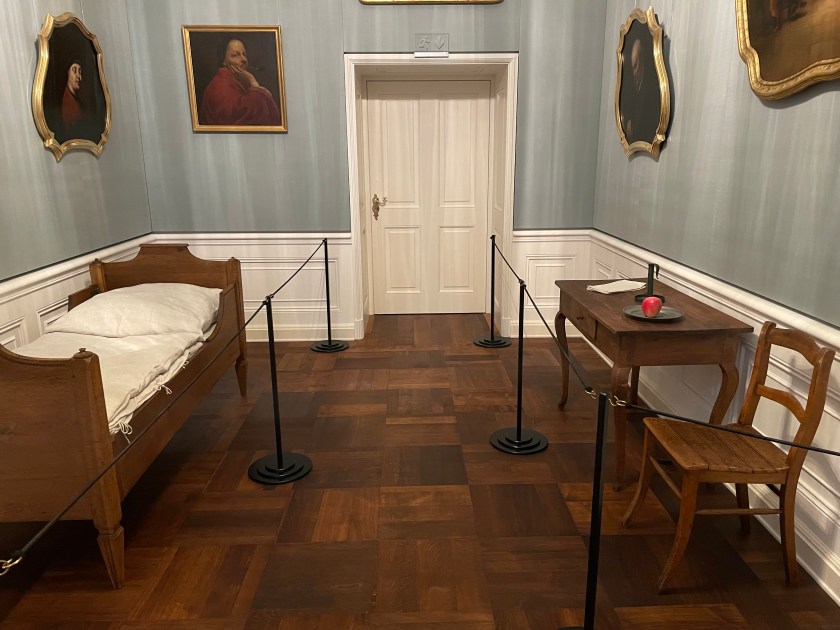
A servant’s room:
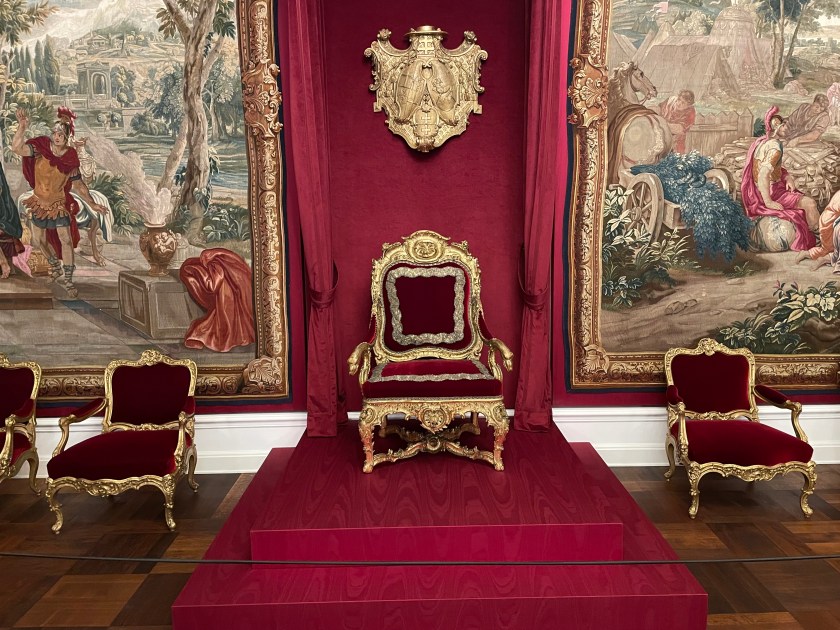
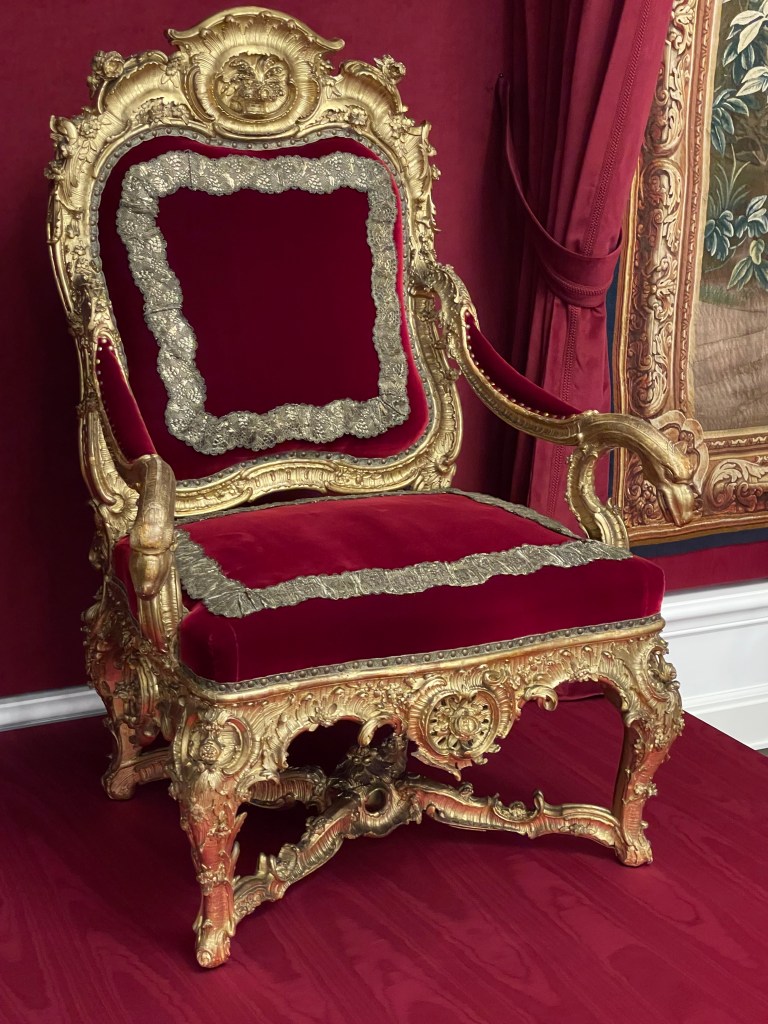
The throne chair:
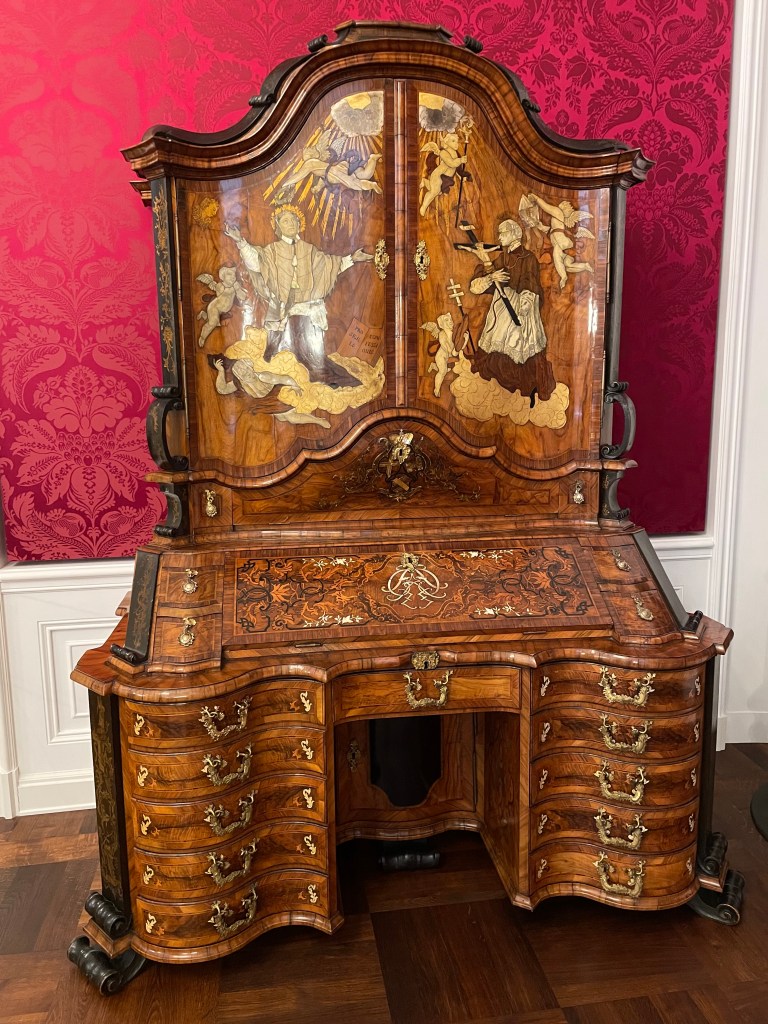
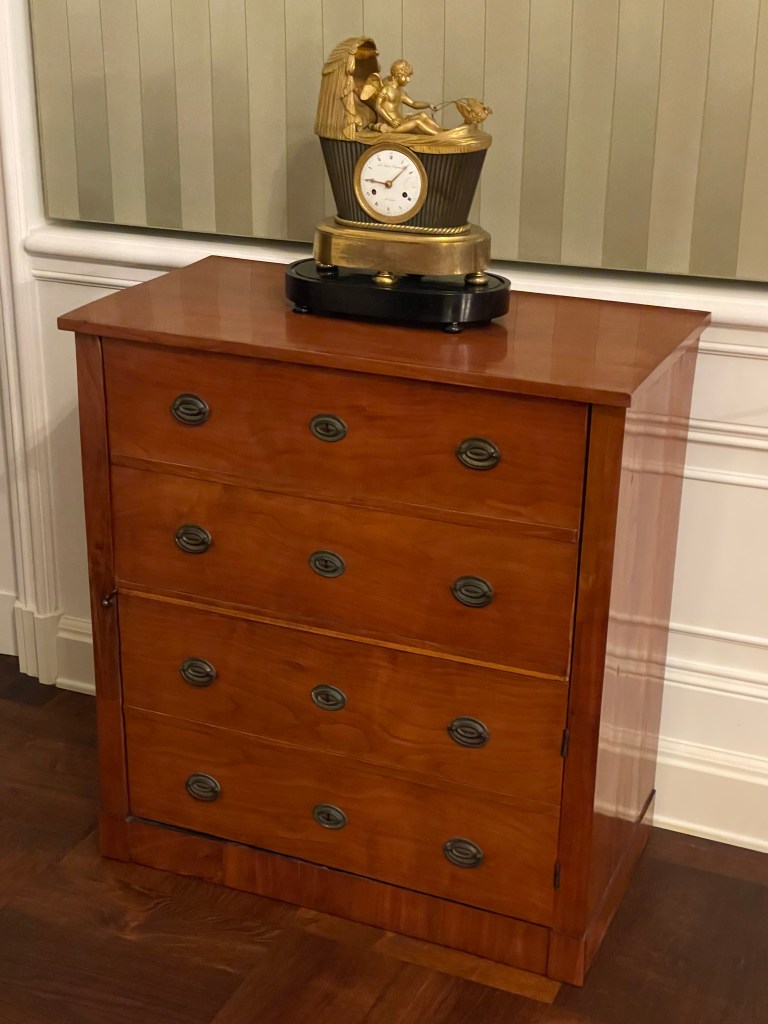
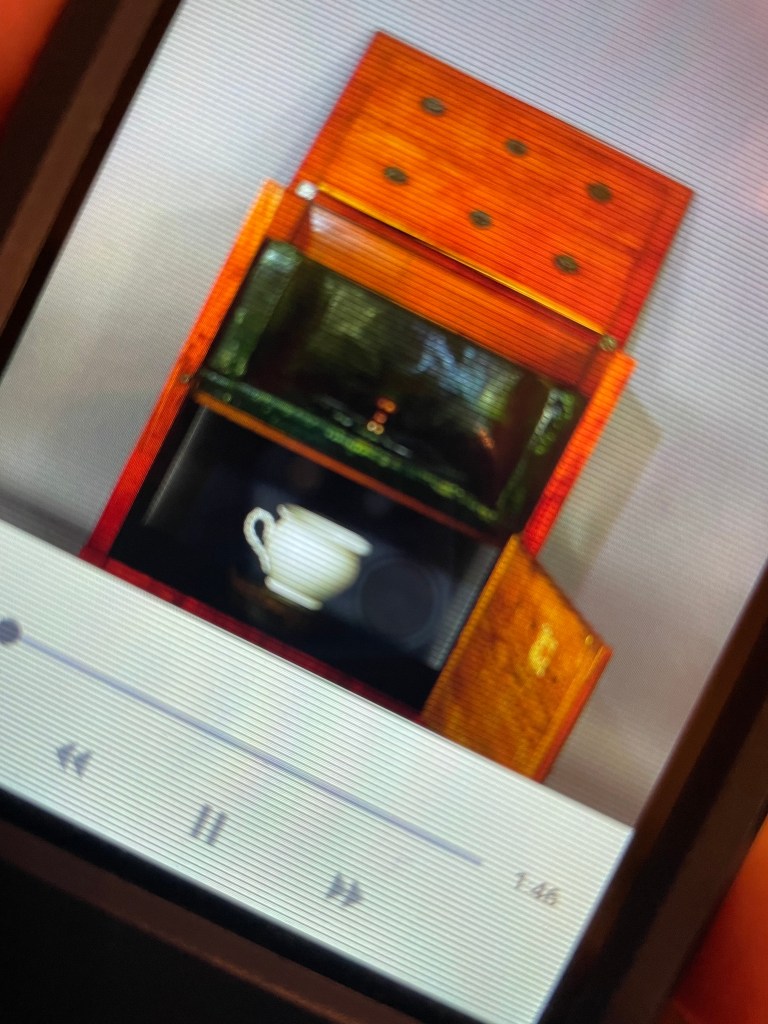
This dresser is really a hiding place for the commode or chamber pot.
A poor screenshot of from the tour on my phone of what’s inside the dresser:
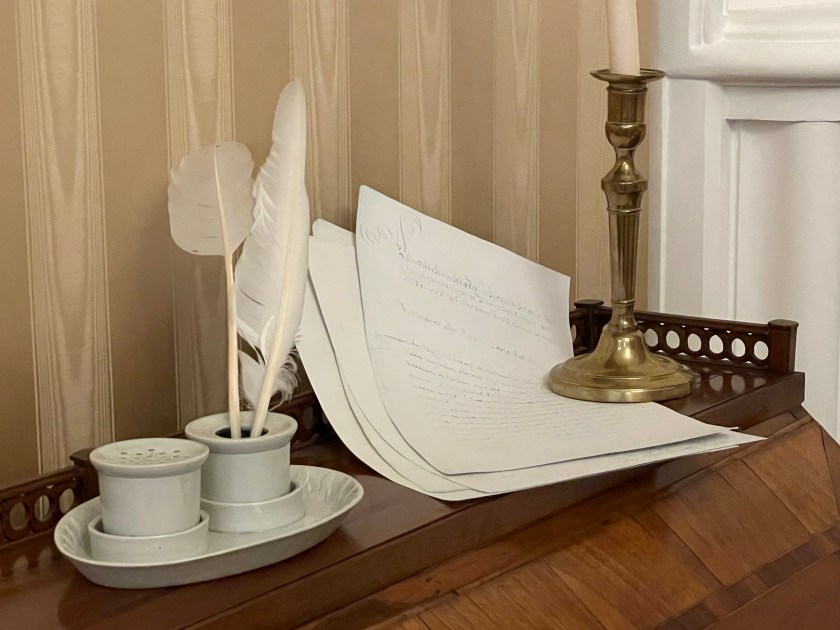
Simple beauty:
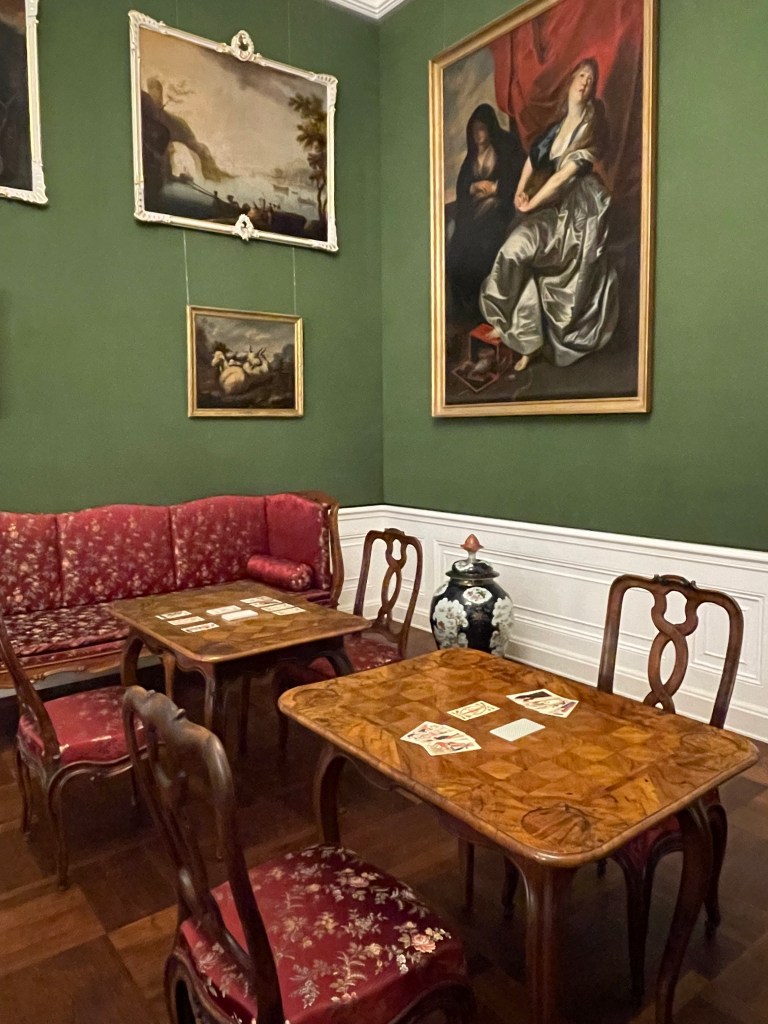
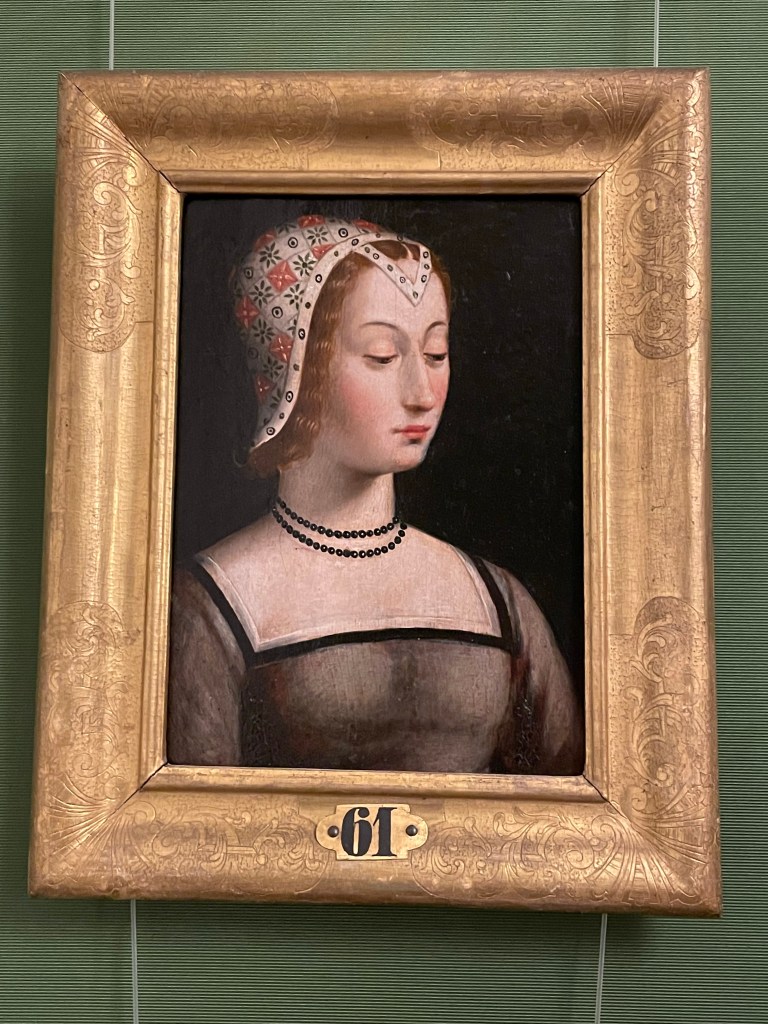
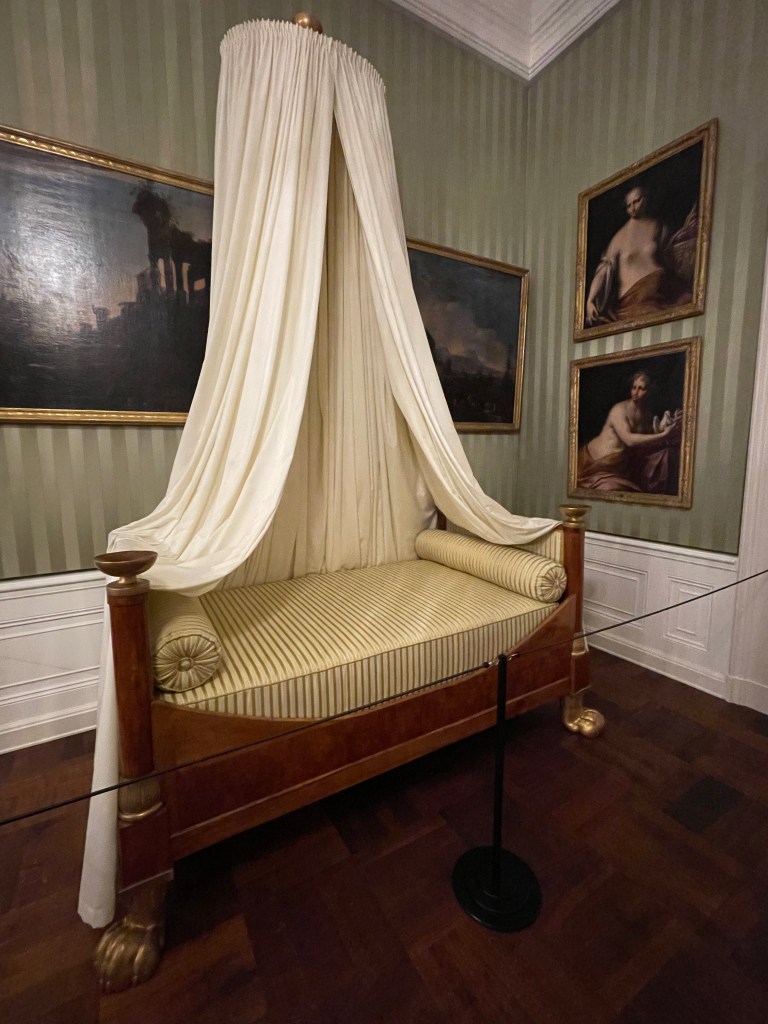
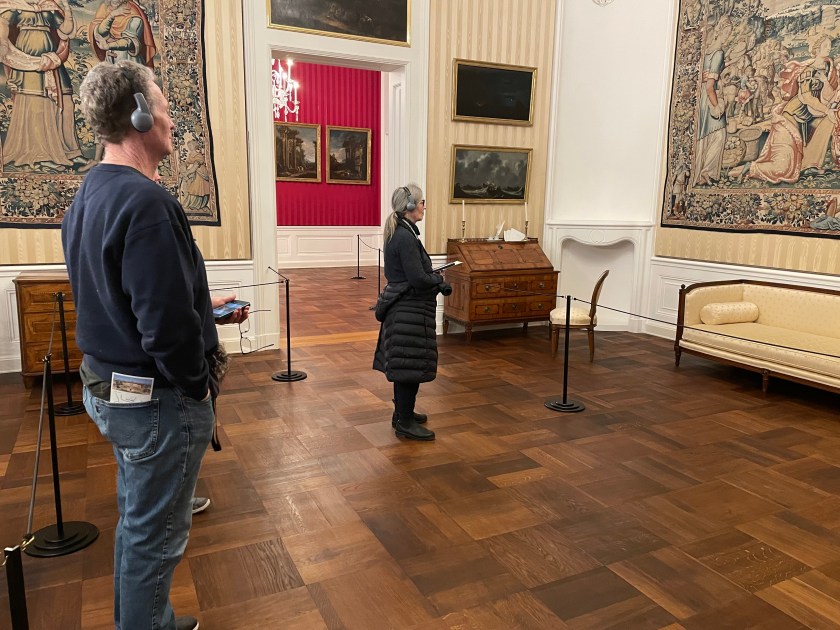
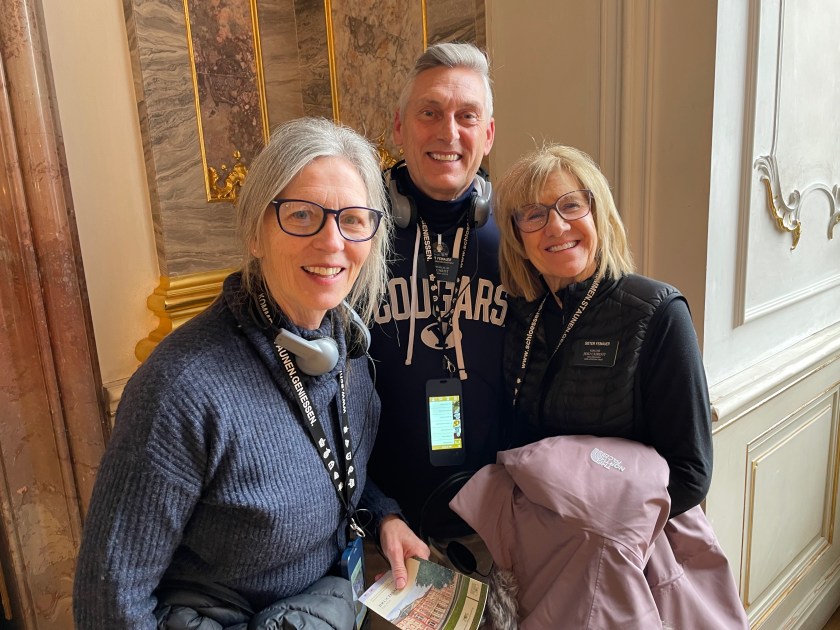
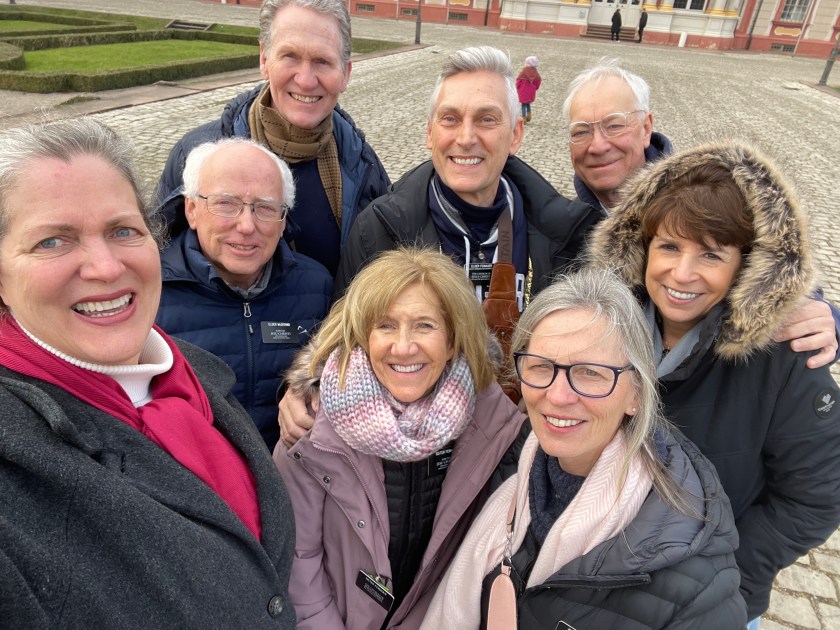
It was nice to be in a group of friends as we moved through the place with our headphones on. The tour included 2 floors of ball rooms, living spaces, receiving rooms, bedrooms, dressing rooms, servants’ rooms, and a music room where Mozart played as a young boy. We never saw a kitchen, but we saw doors they said were back passages for the servants to come and go, stoking the fires in the wood stoves in each room. There was nice artwork and lots of portraits of the people, but mostly the tapestries. Many of the rooms had fabric on the walls.
There was a photographer who documented the palace before the war, so after it was largely destroyed, they were able to reconstruct and recreate the rooms. In many cases, castles and palaces were emptied of their treasures before bombing, just to keep everything safe, so we saw a lot of original furniture and art, and the tapestries. The tour included explanations of how those things were saved and then reconstructed.
When we finished up, there was a nice gift shop. The ladies enjoyed shopping a bit.
Again, remember that these surfaces are FLAT. Everything that looks dimensional is only painted to look that way.














































































 Our Frankfurt Germany Mission