Hessenpark Open-Air Museum in Neu-Anspach, Hesse, Part 5

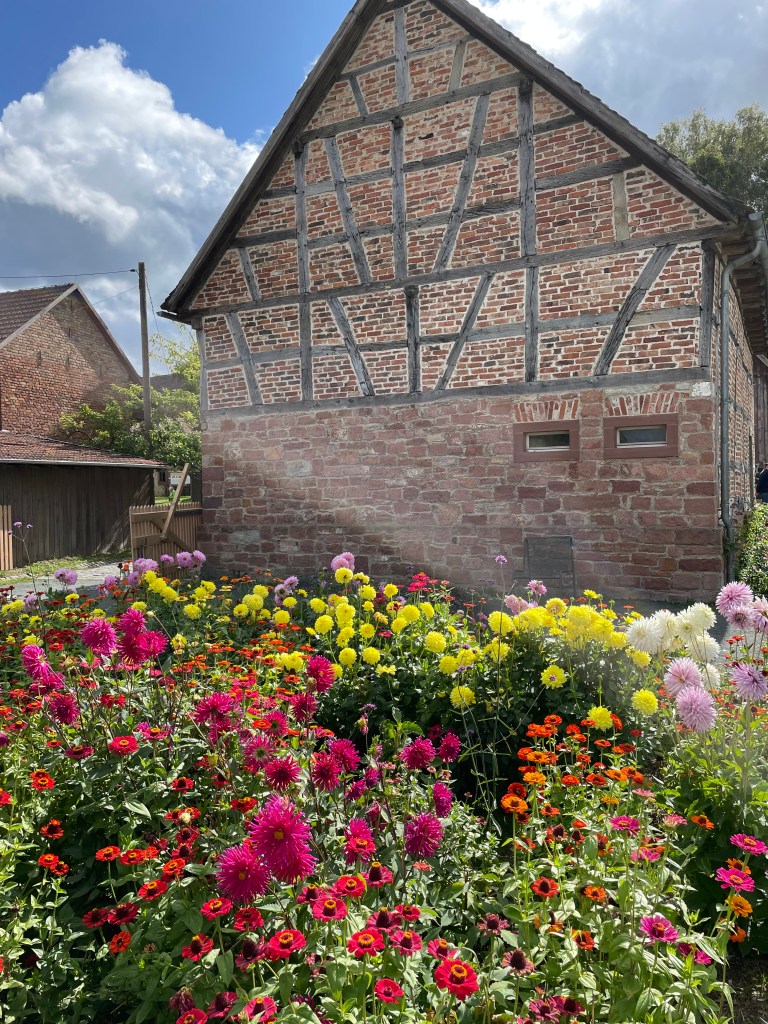
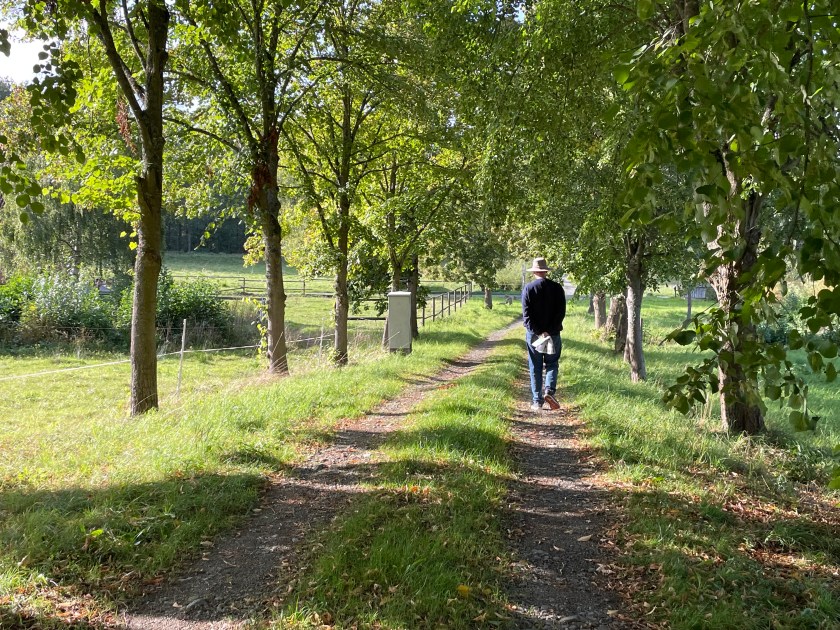
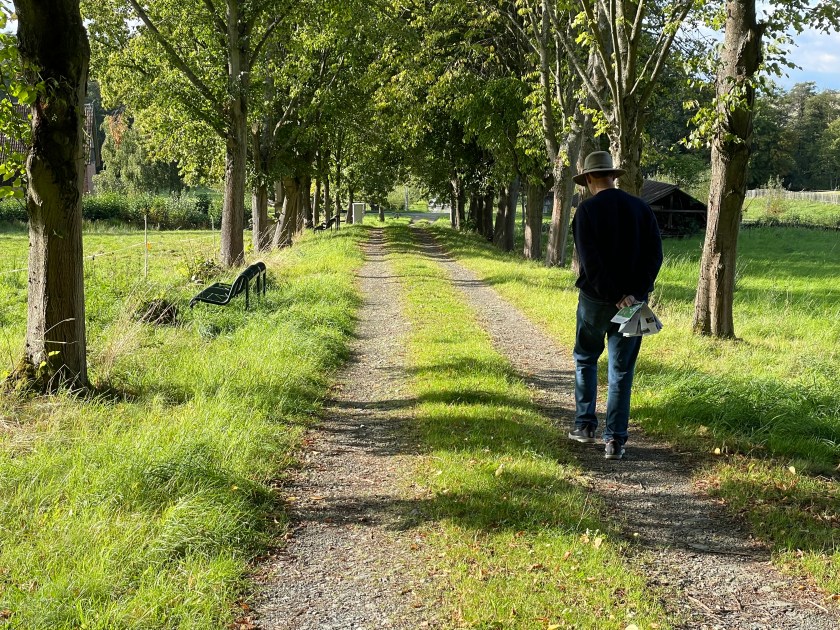
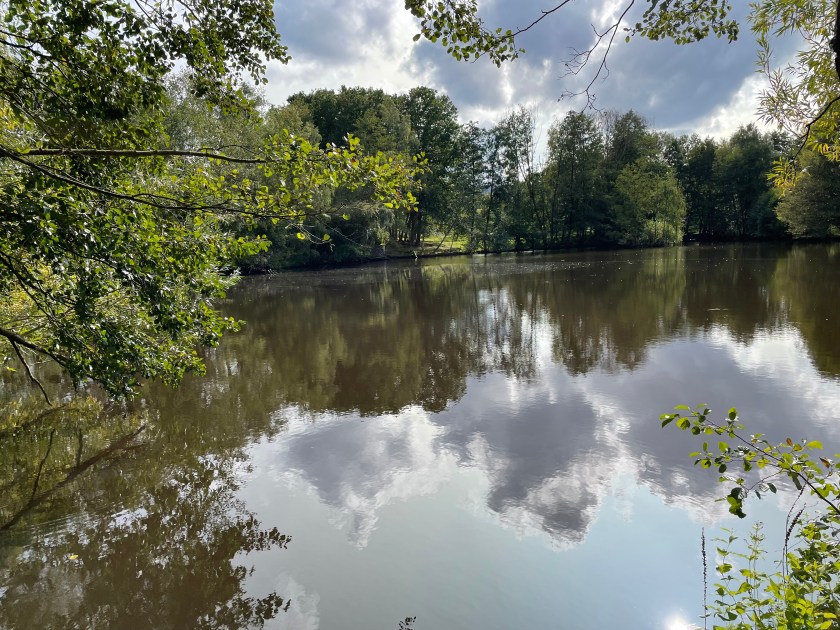
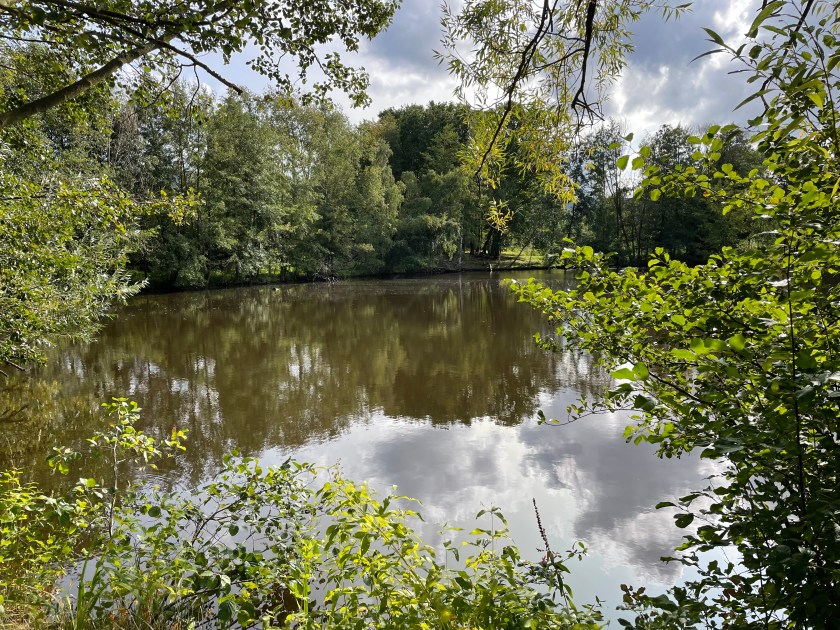
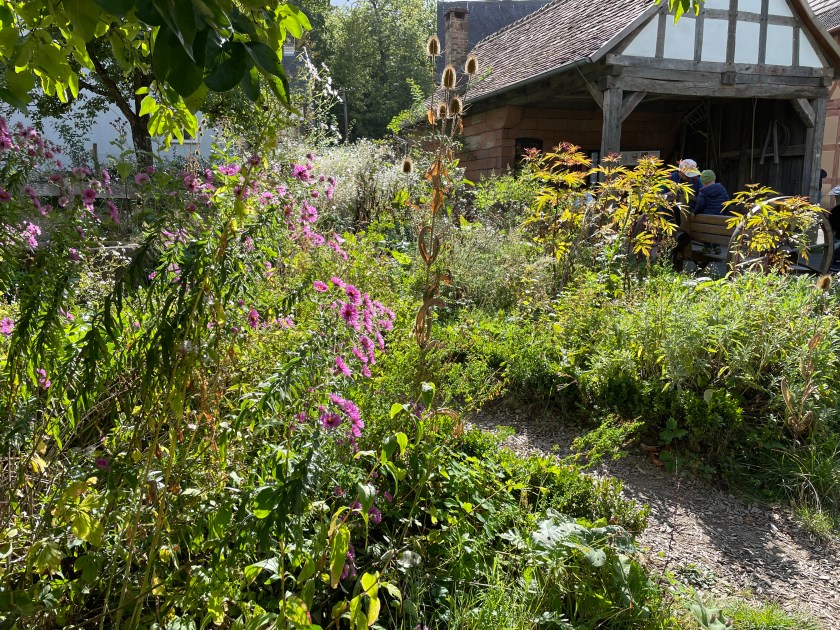
Our Hessenpark tour continues here.  It was such a beautiful fall day, perfect in every way.

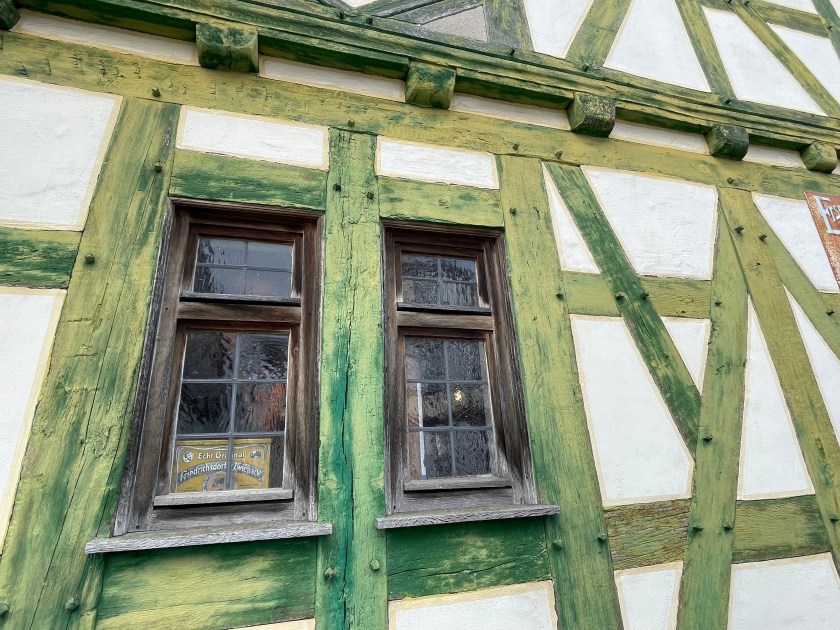
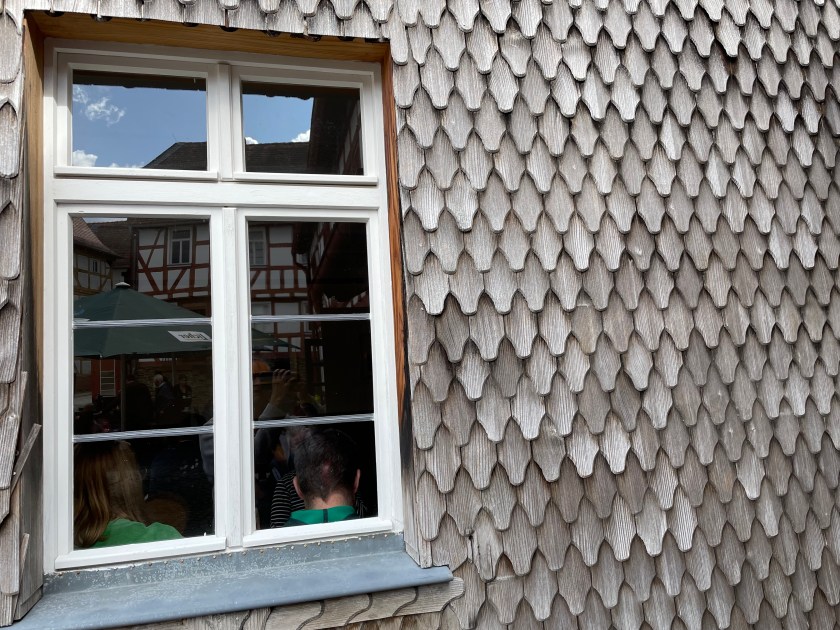
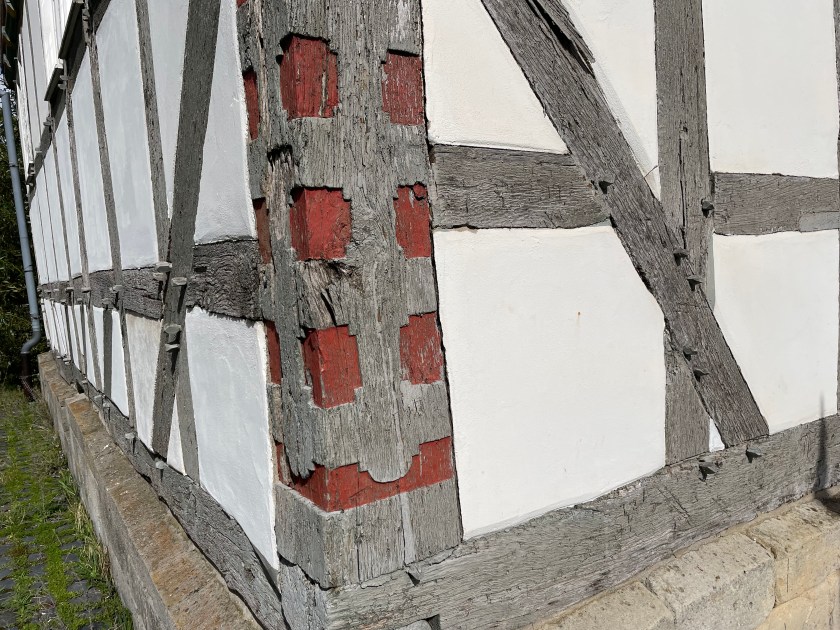
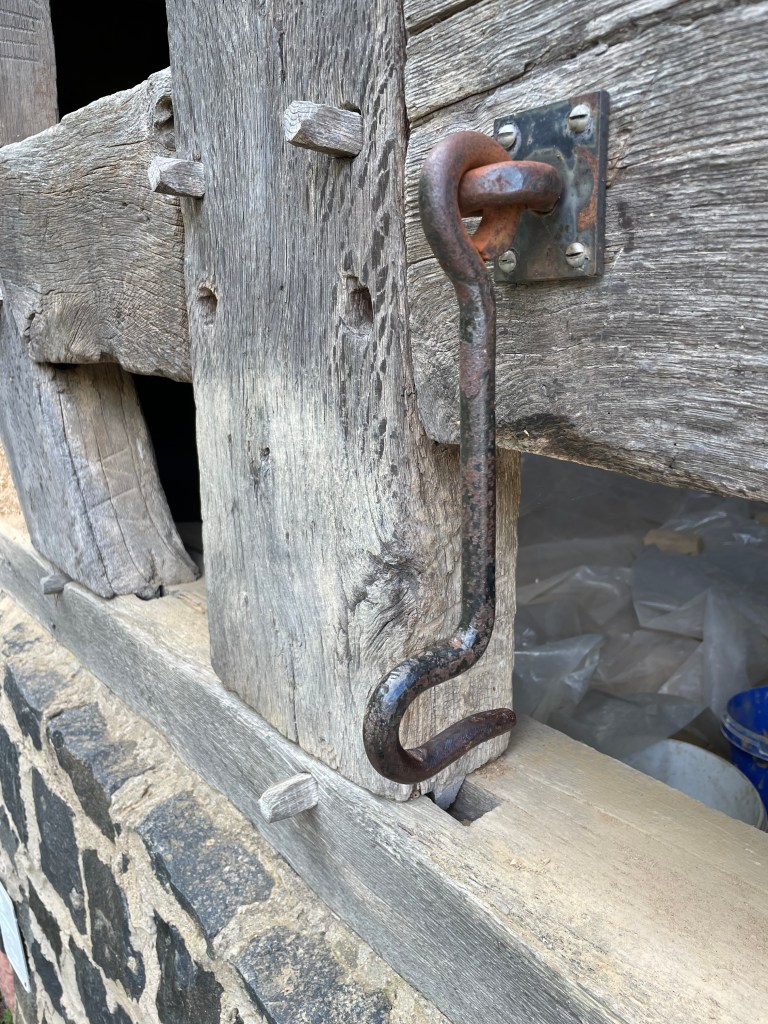
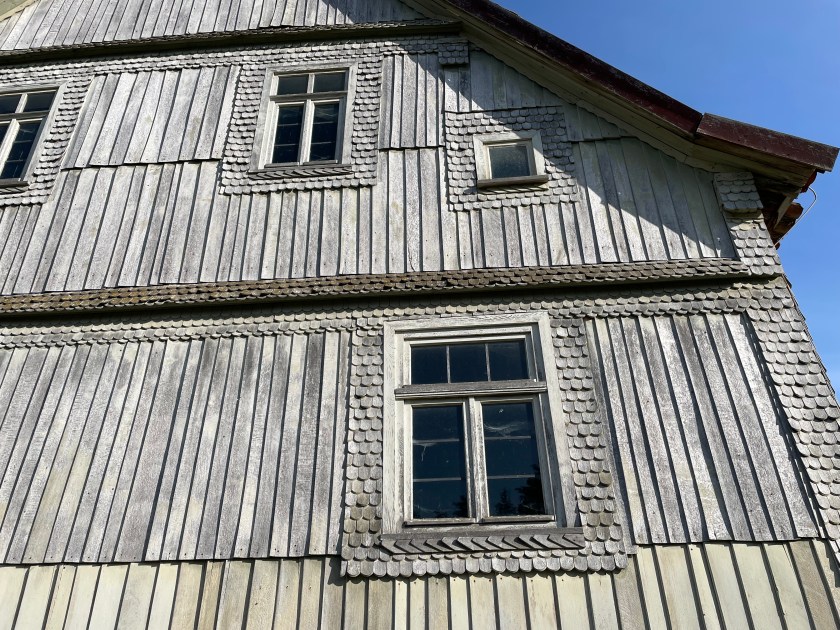
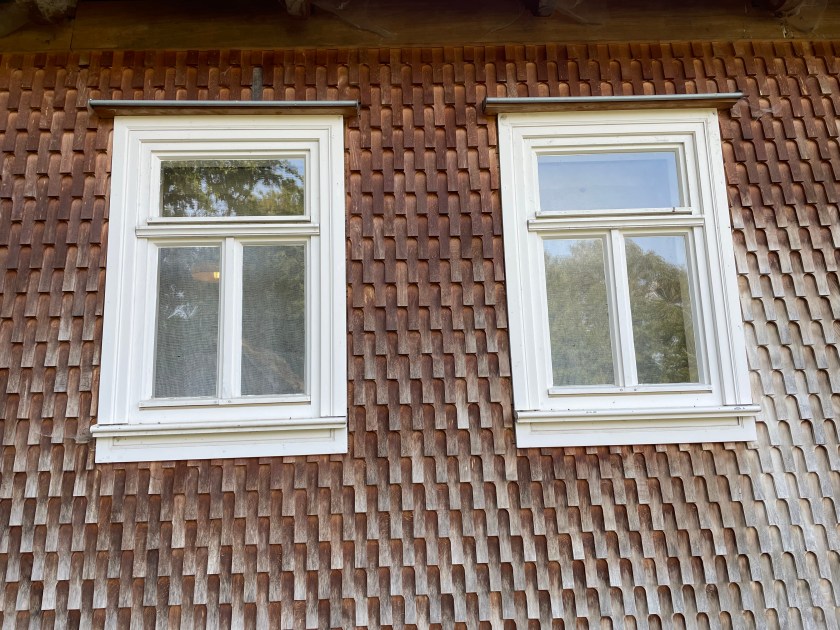
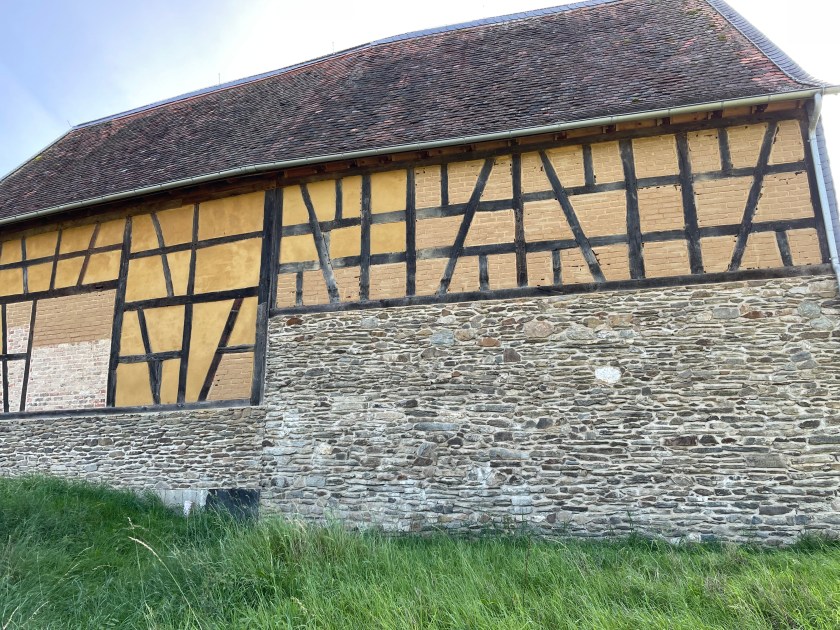
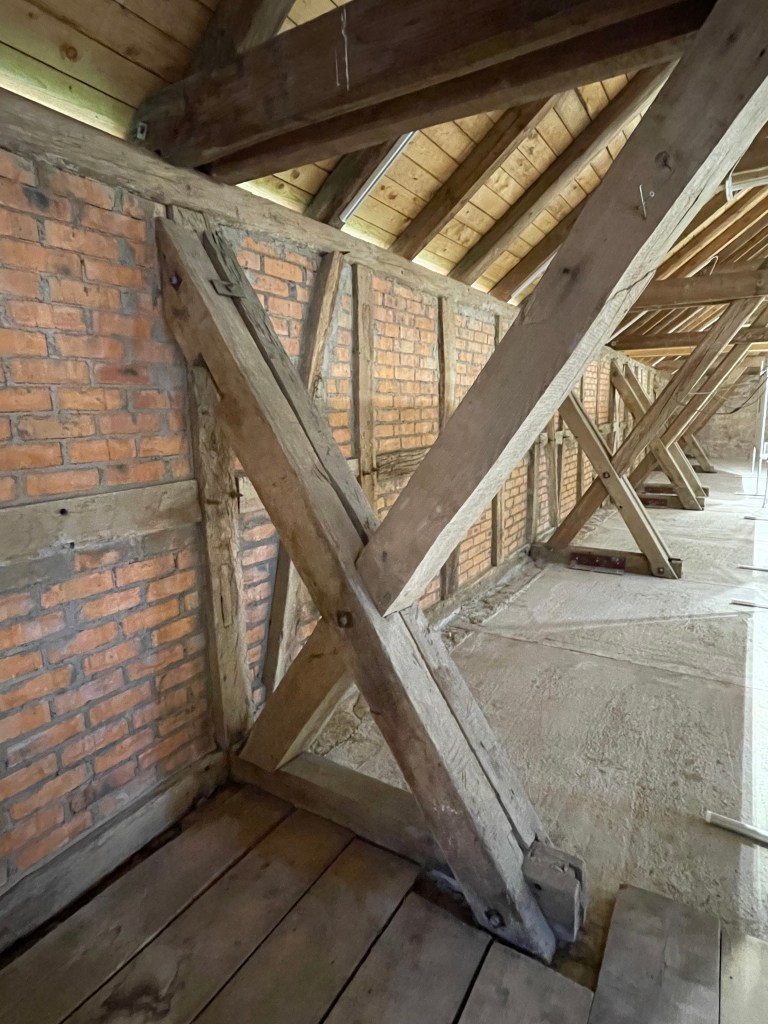
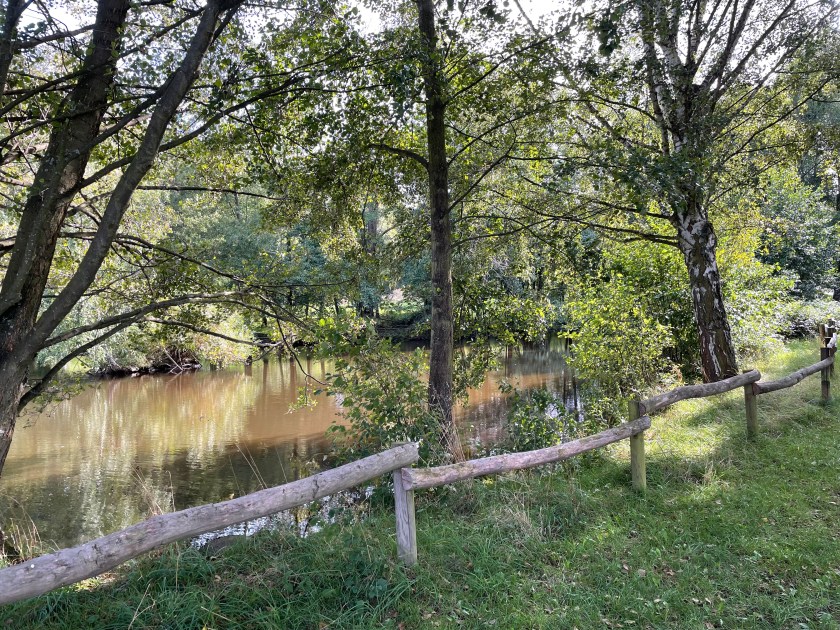
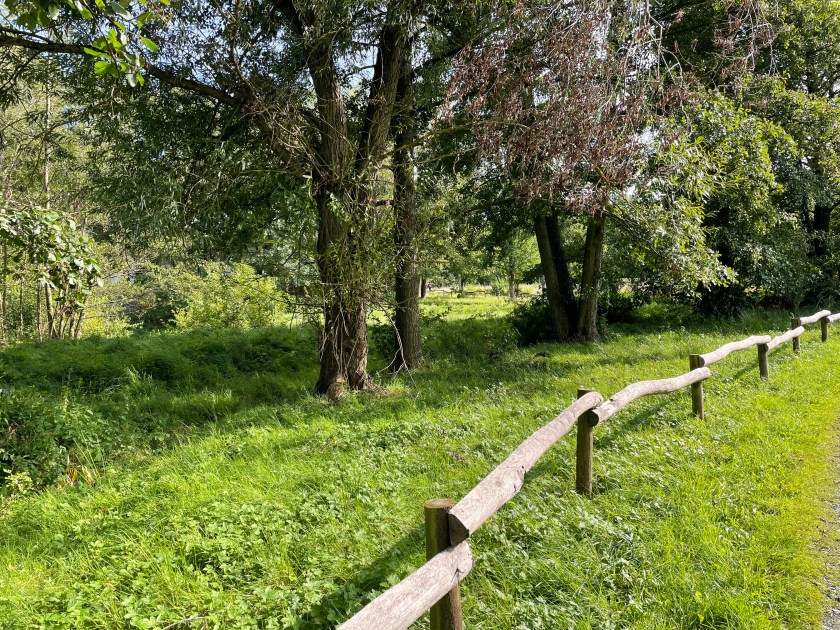
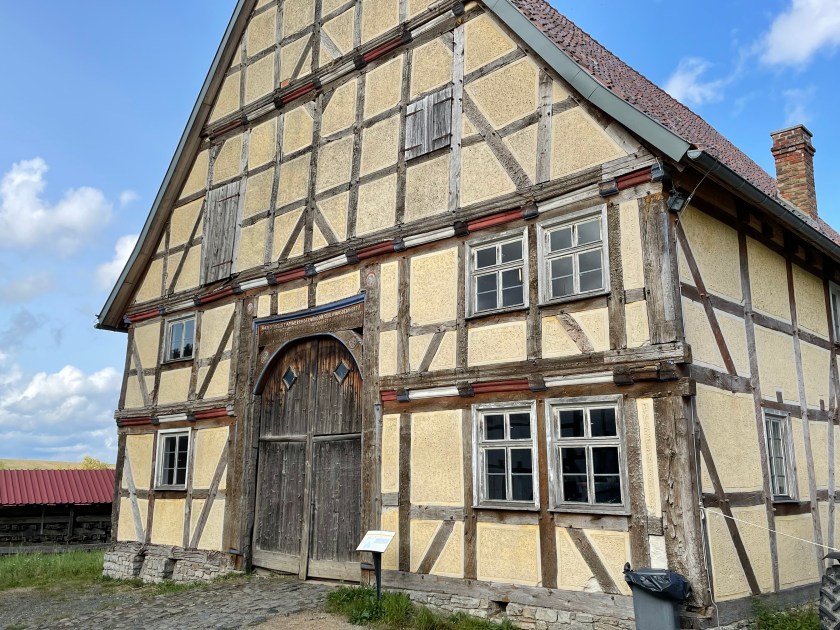
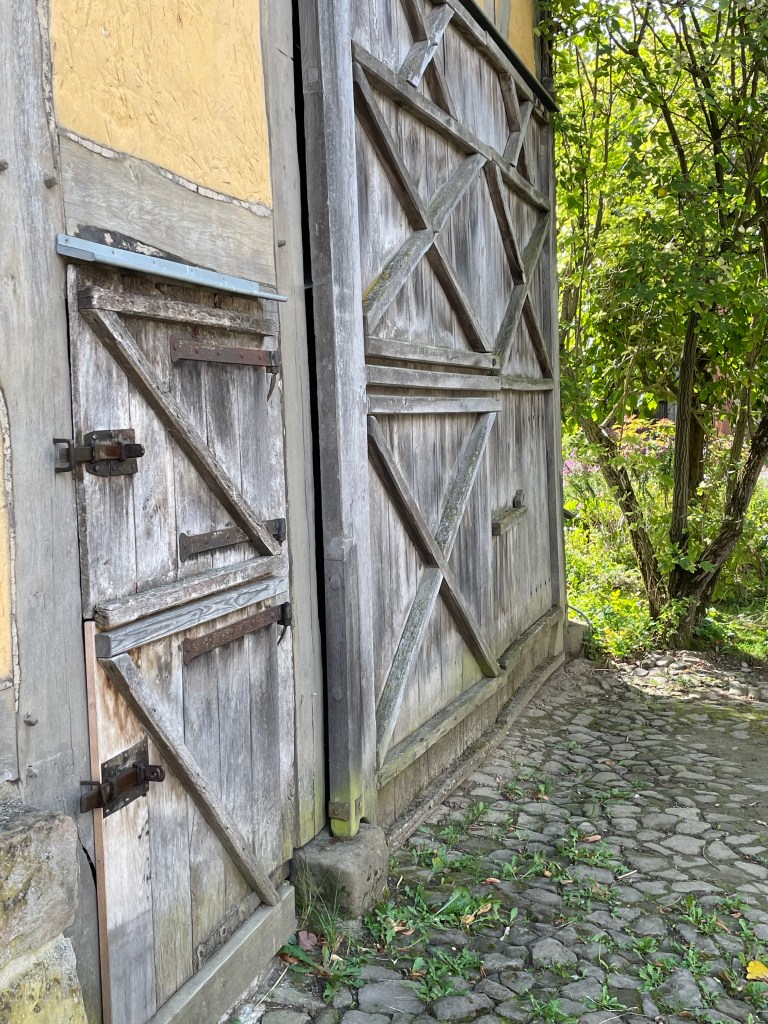
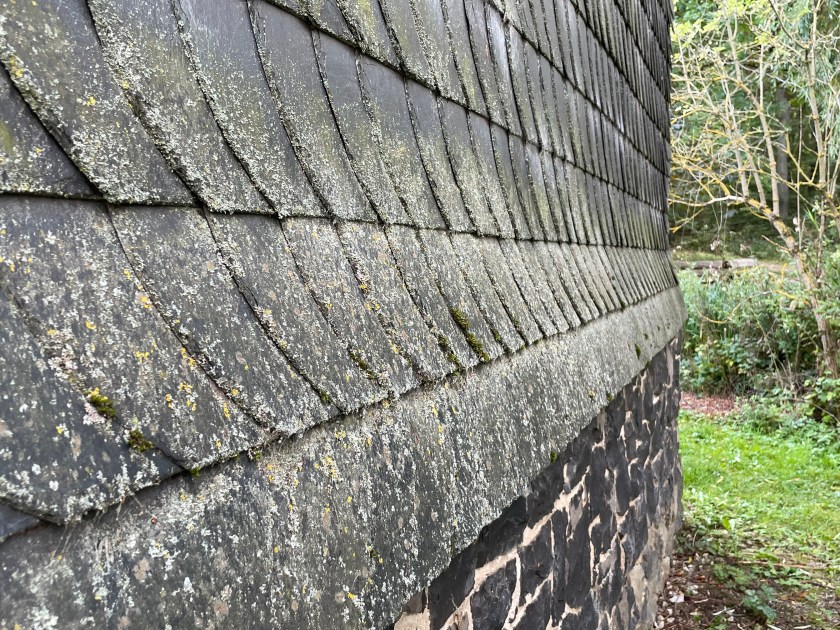
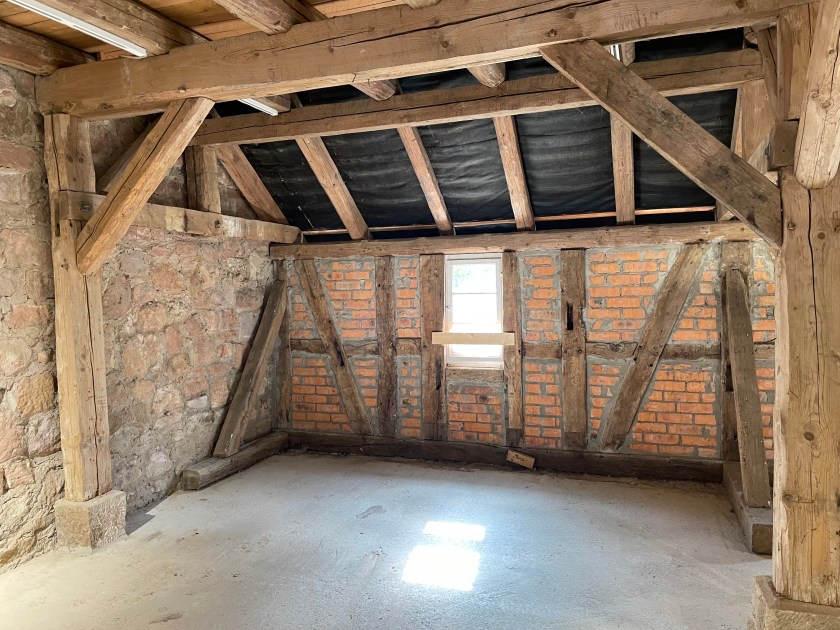
It’s amazing to me that the wood here somehow survives for Centuries!!

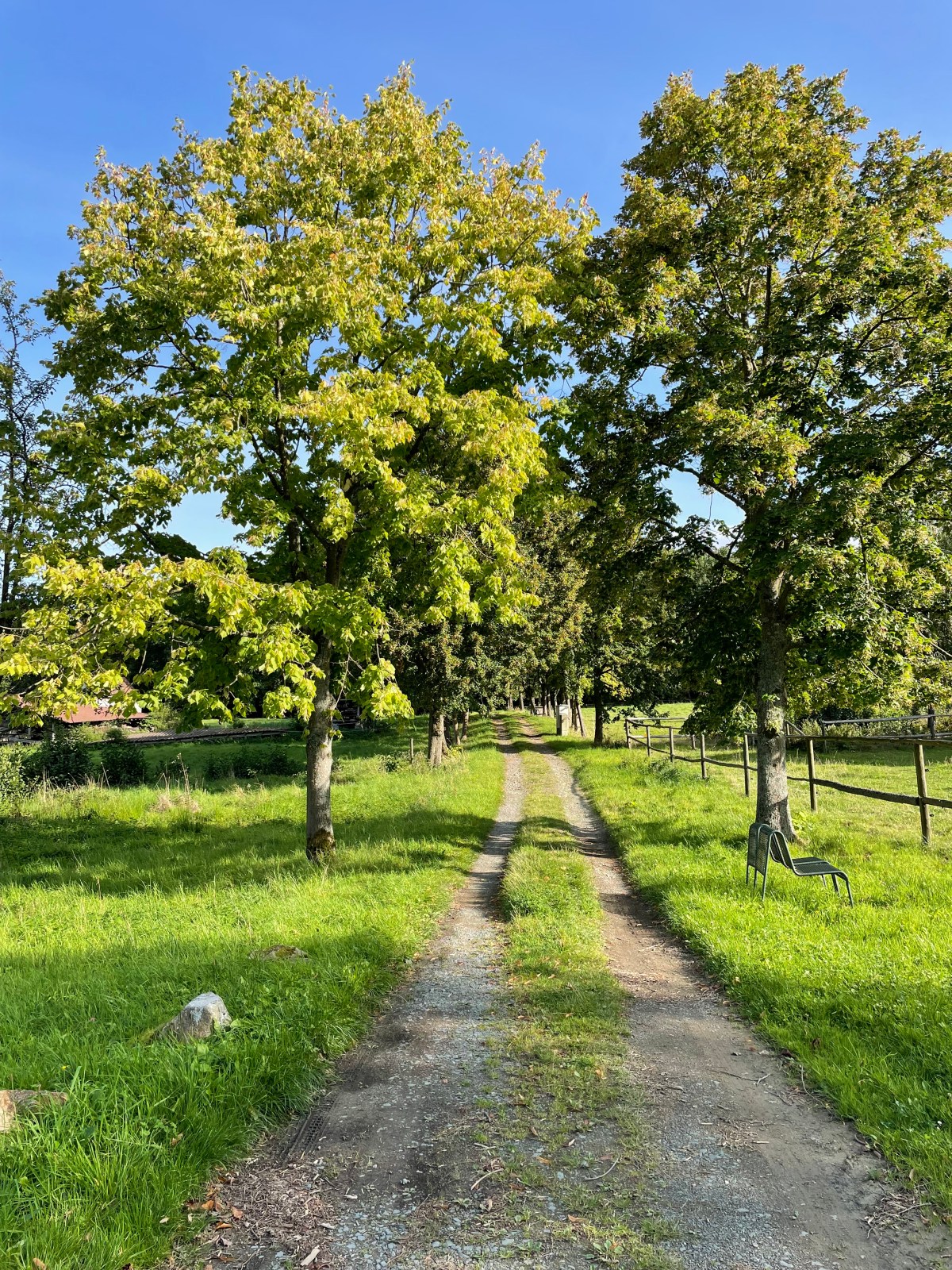
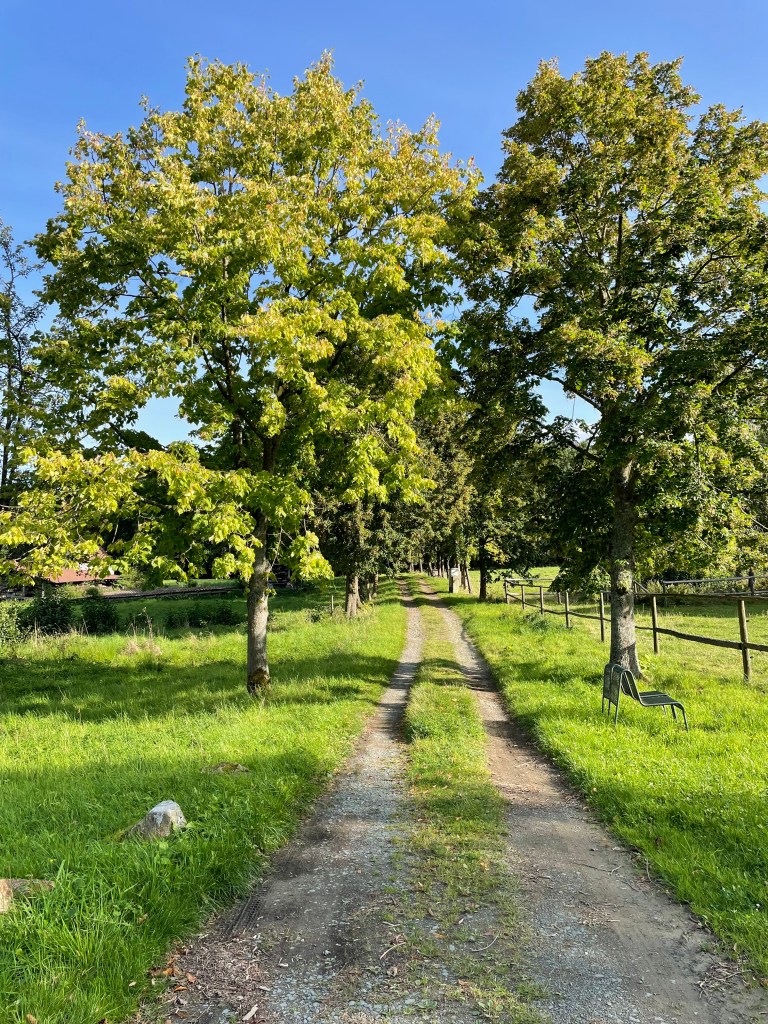
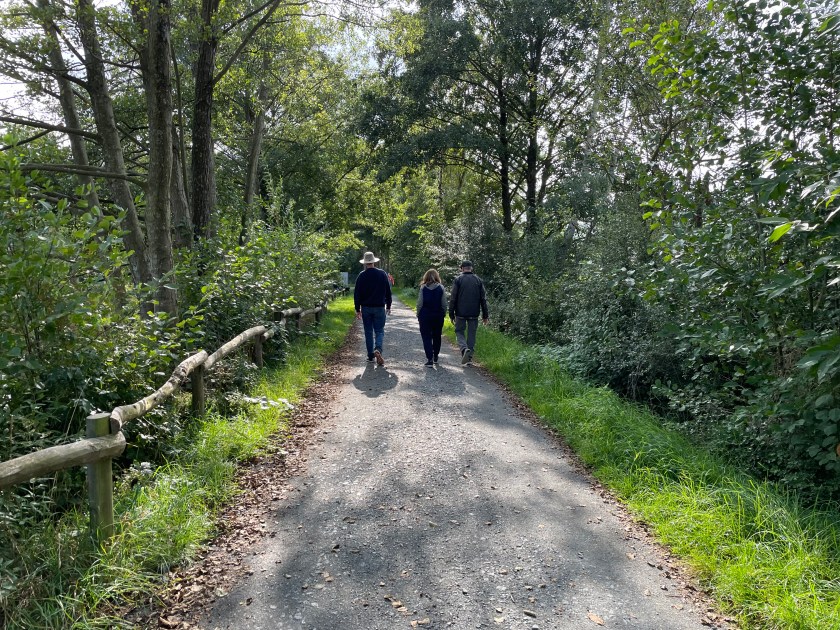
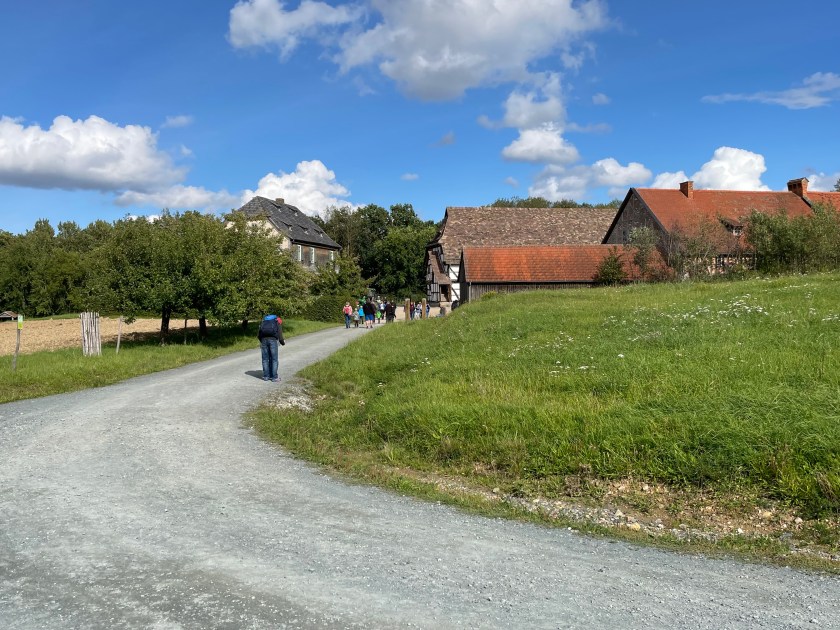
This path is a place I’ll return to in my favorite dreams, my happy place.

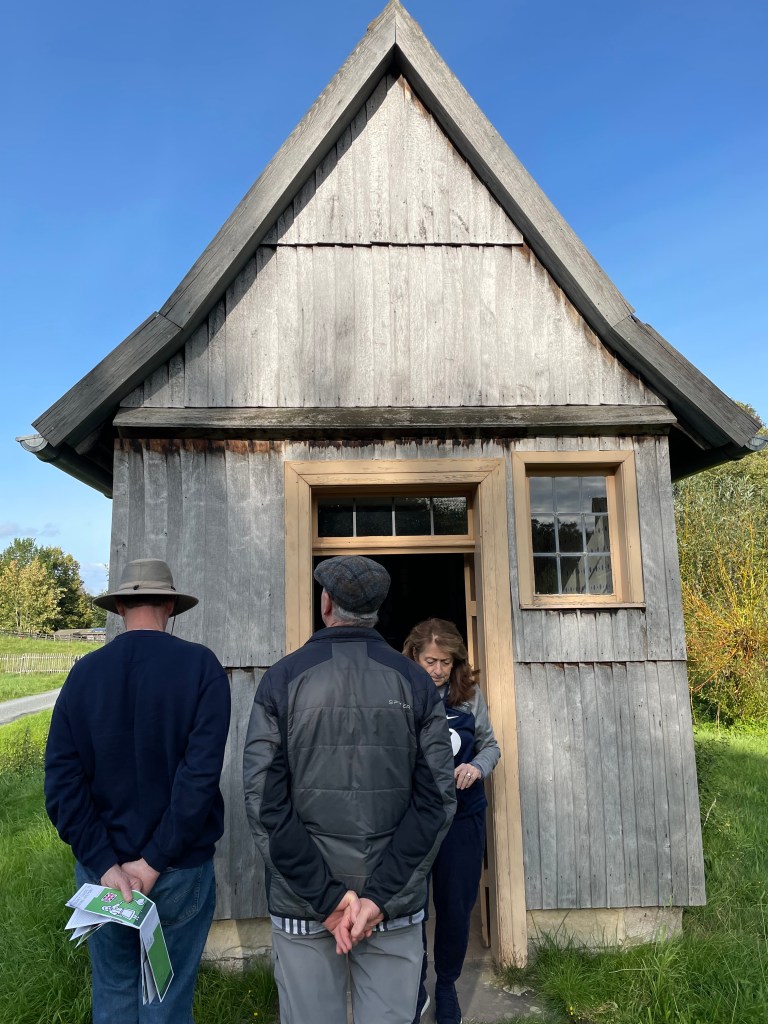
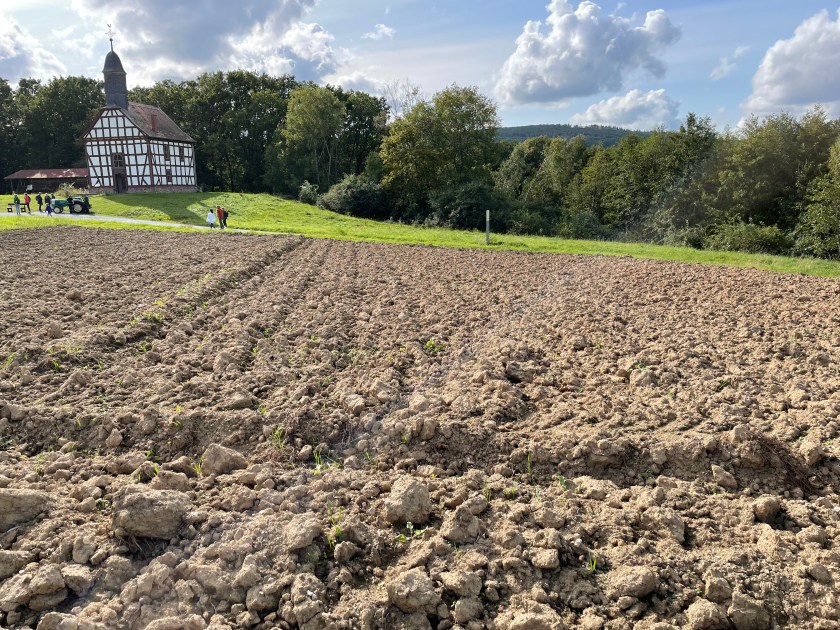
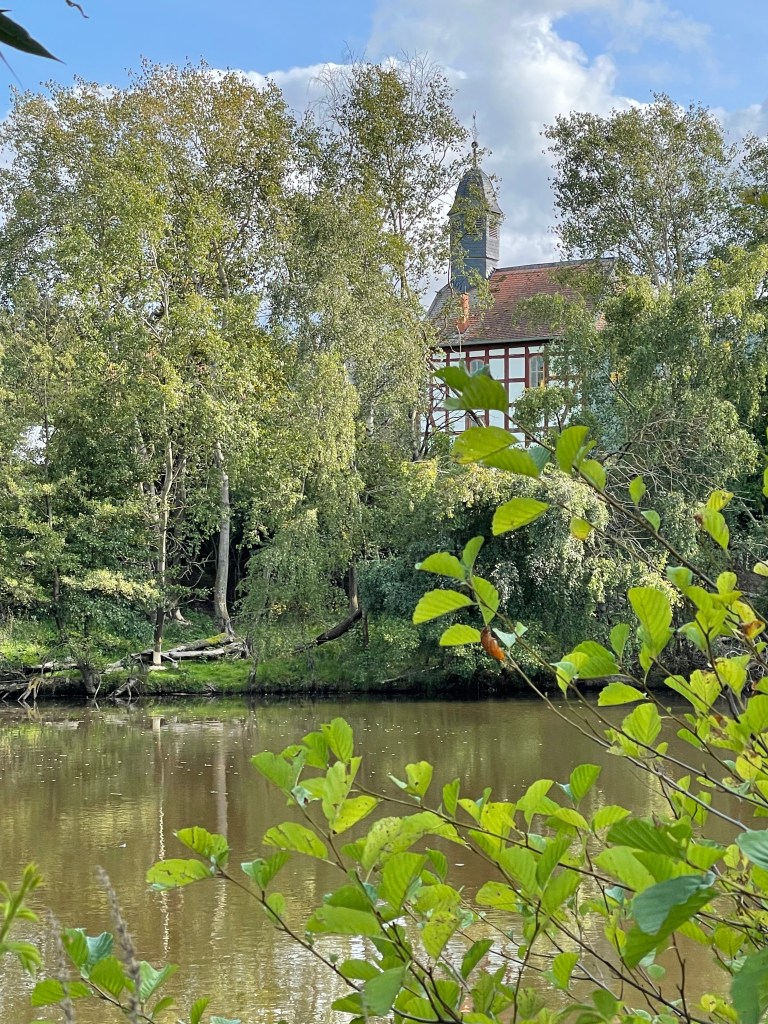
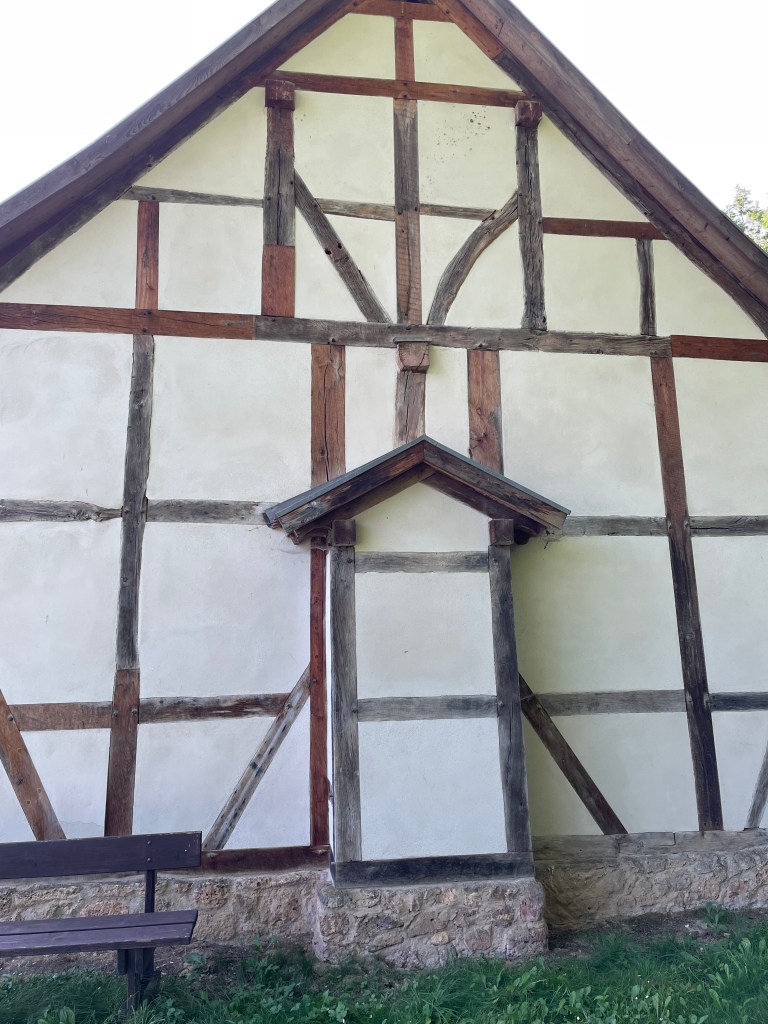
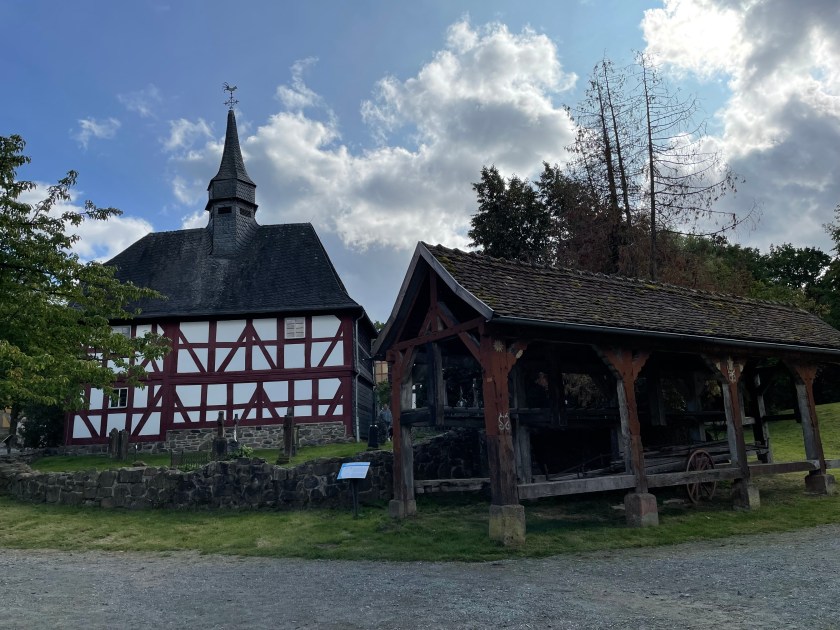
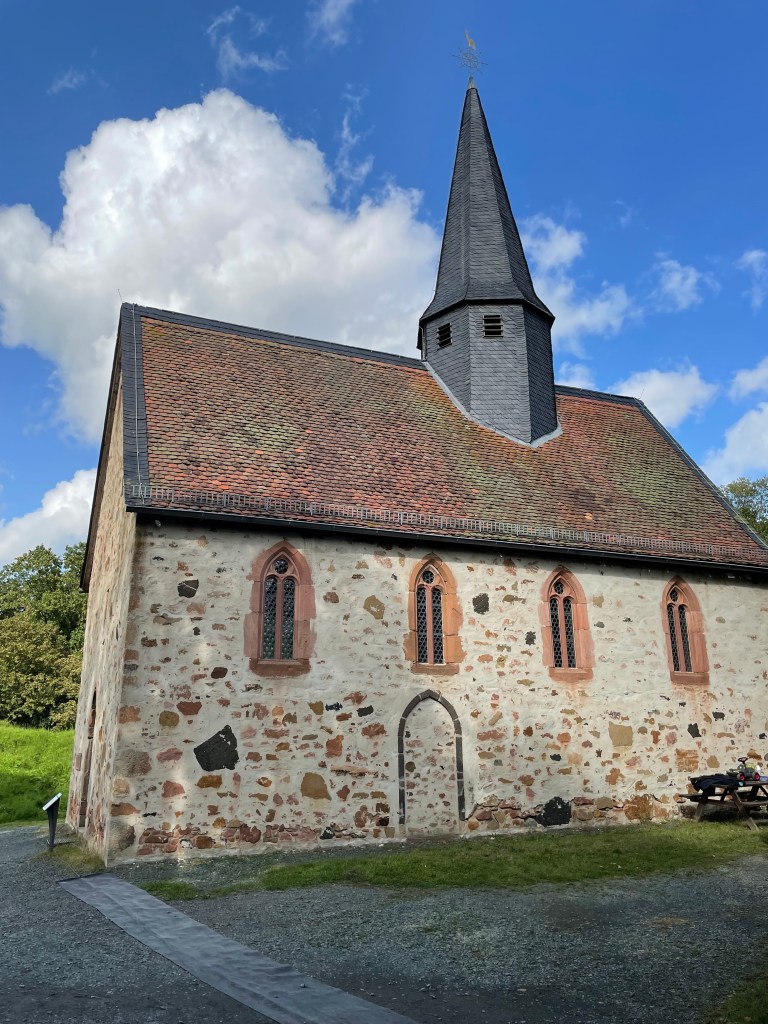
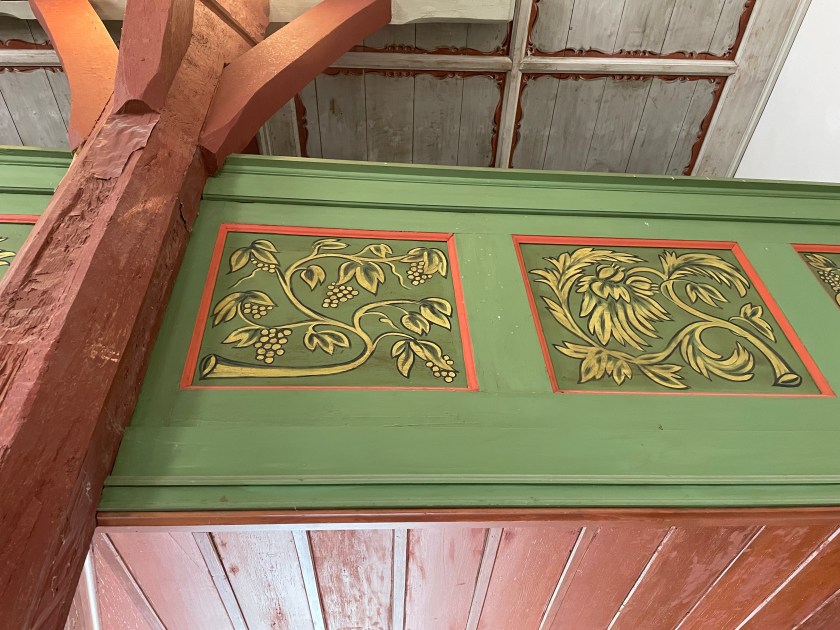
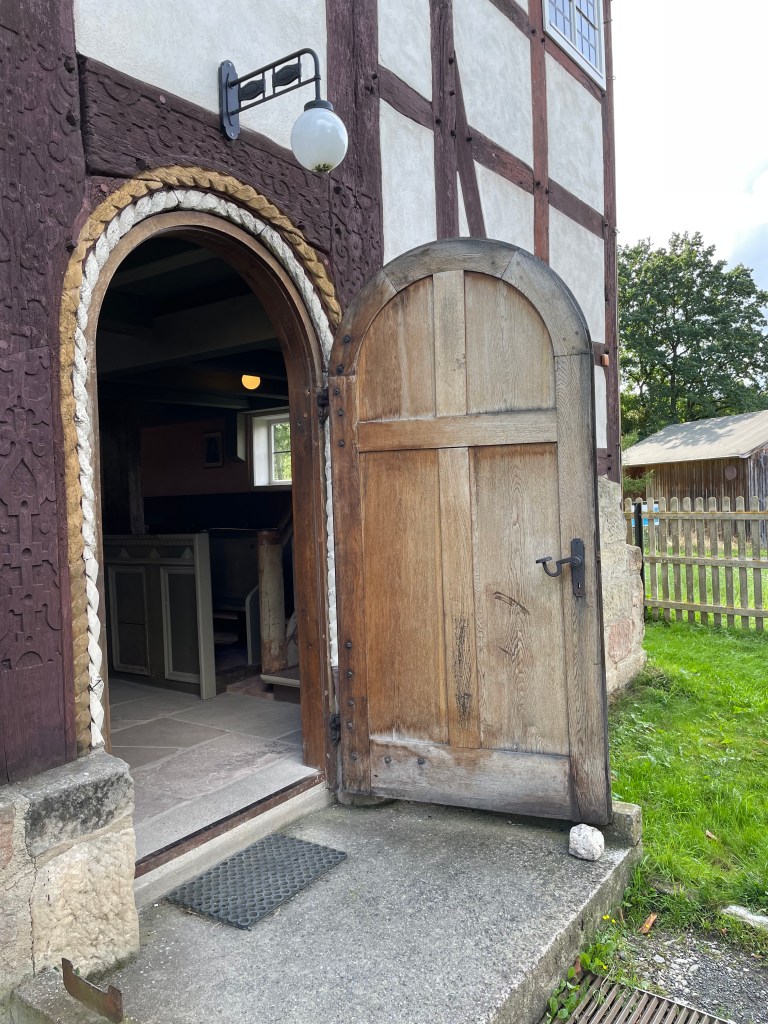
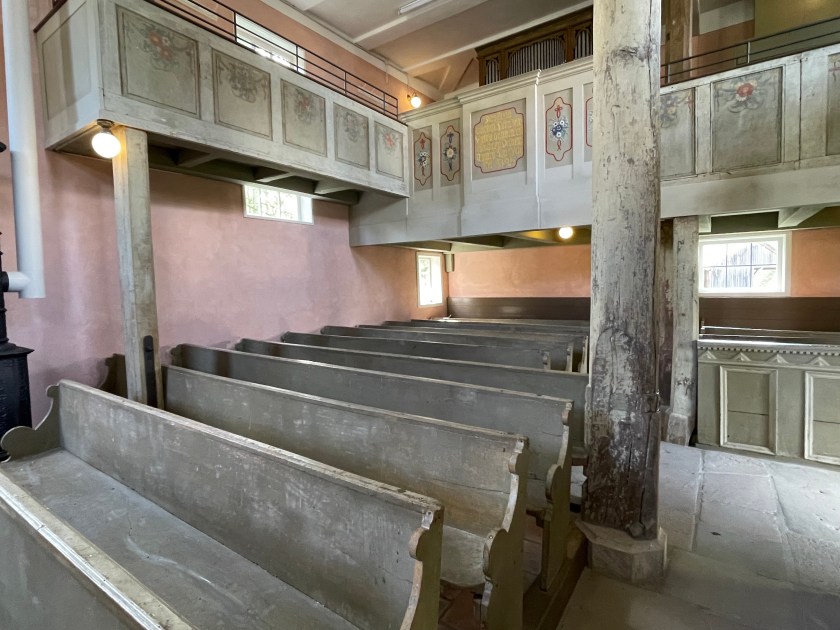
This little Wegkapelle from Weyhers was built in 1643.  Weg means “way” or a place to worship as you go on your way.  What a wonderful idea.

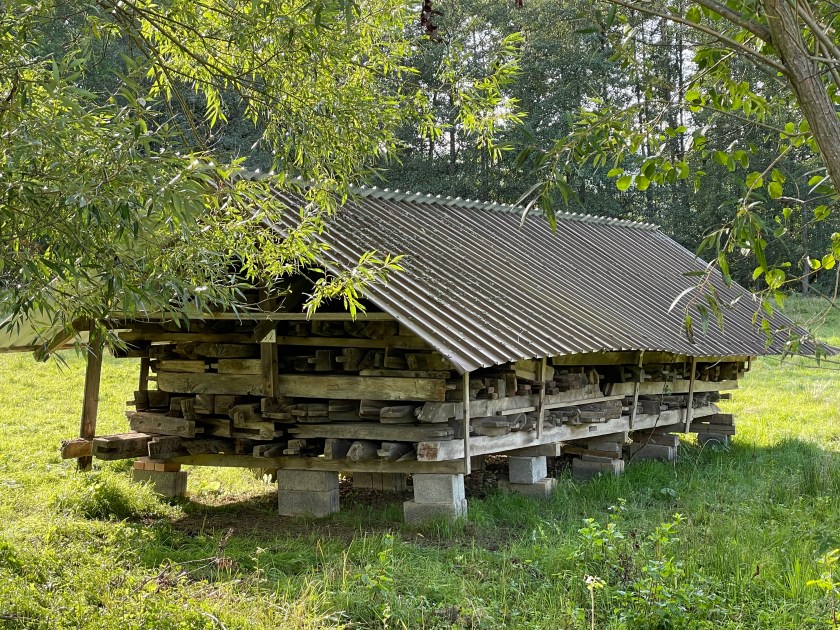
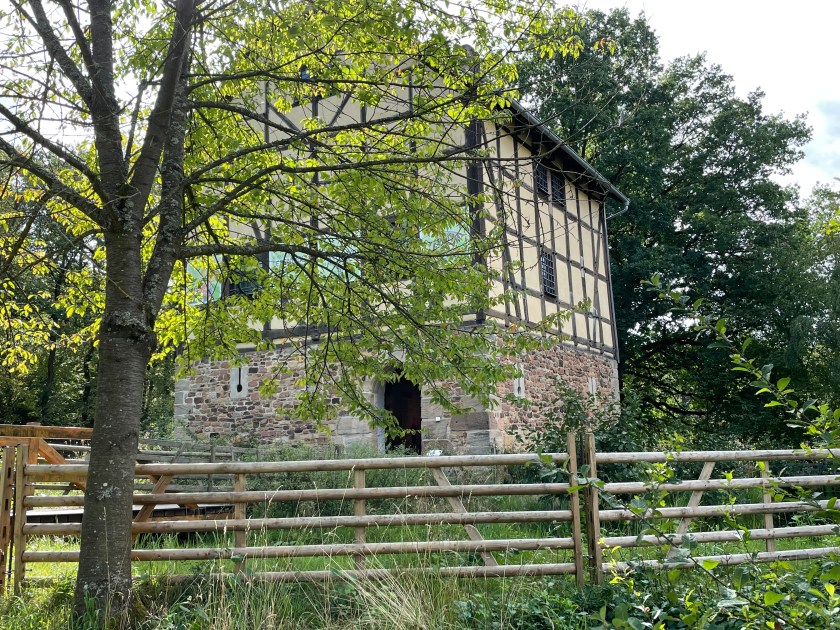
Here’s another of the dozens of buildings waiting to be reconstructed:

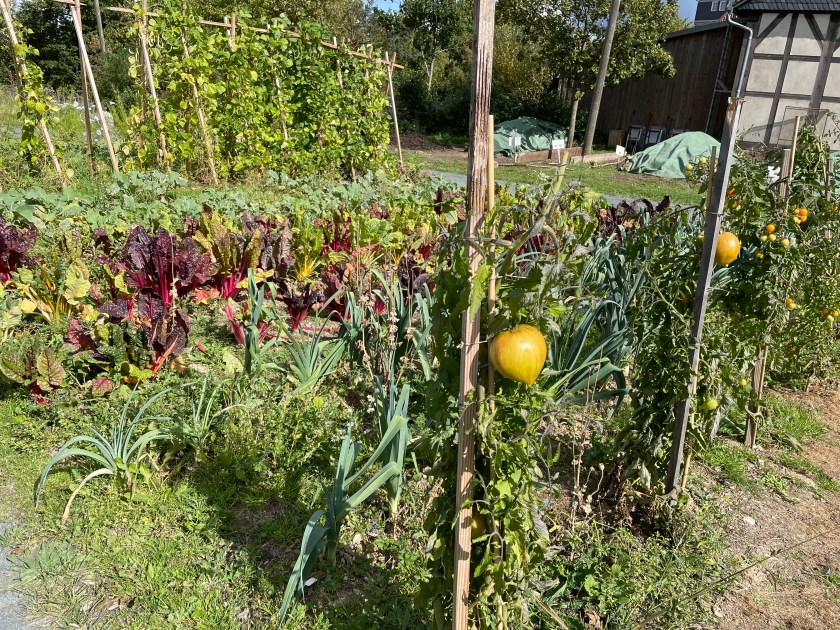
A mushroom garden:

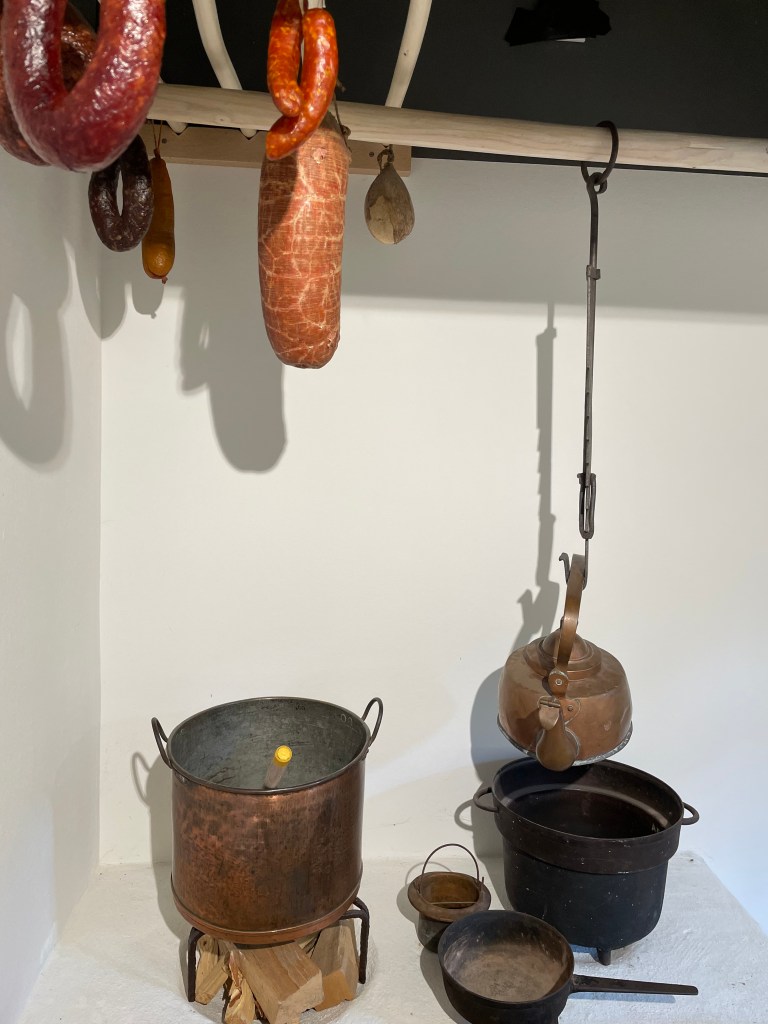
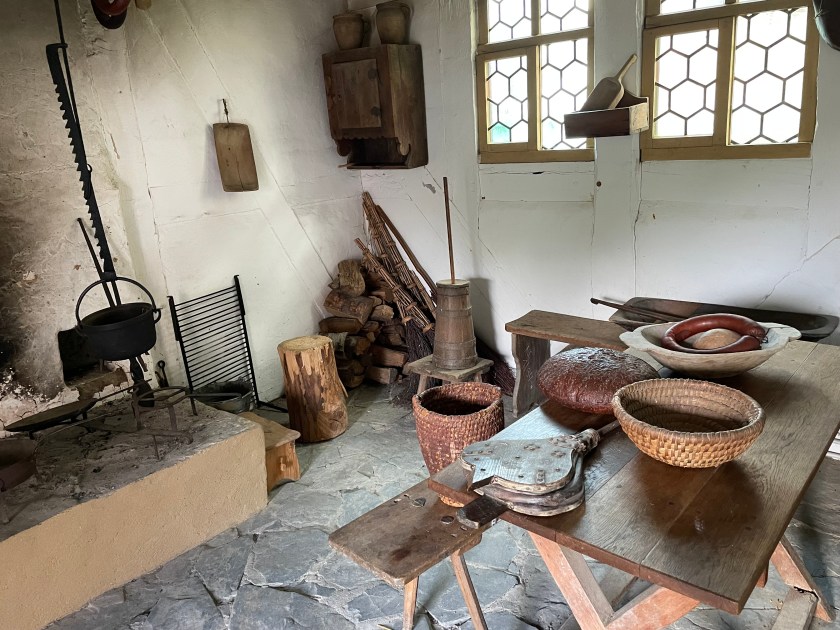
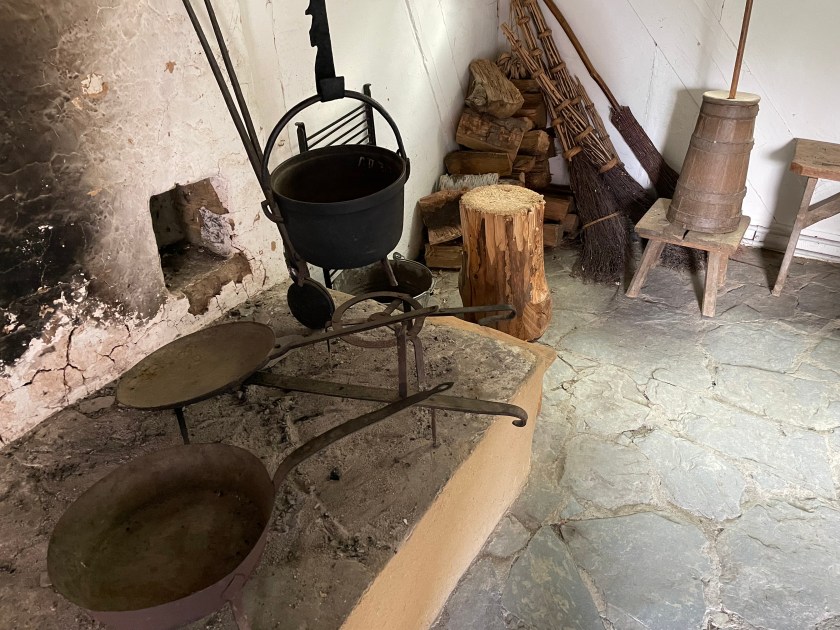
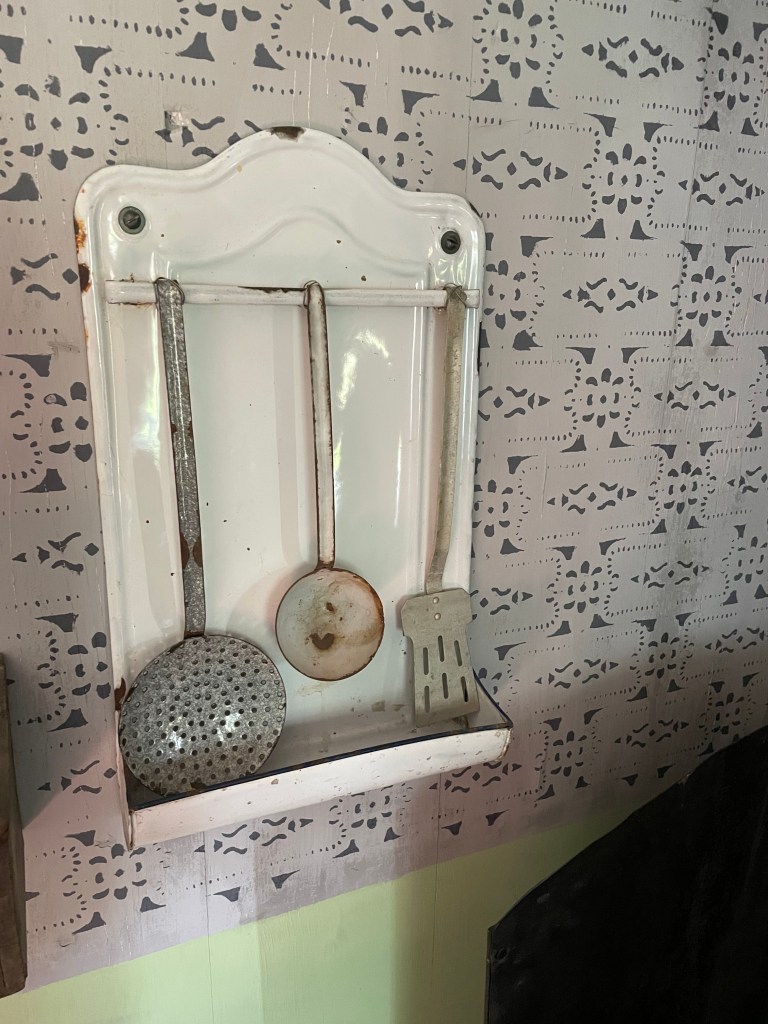
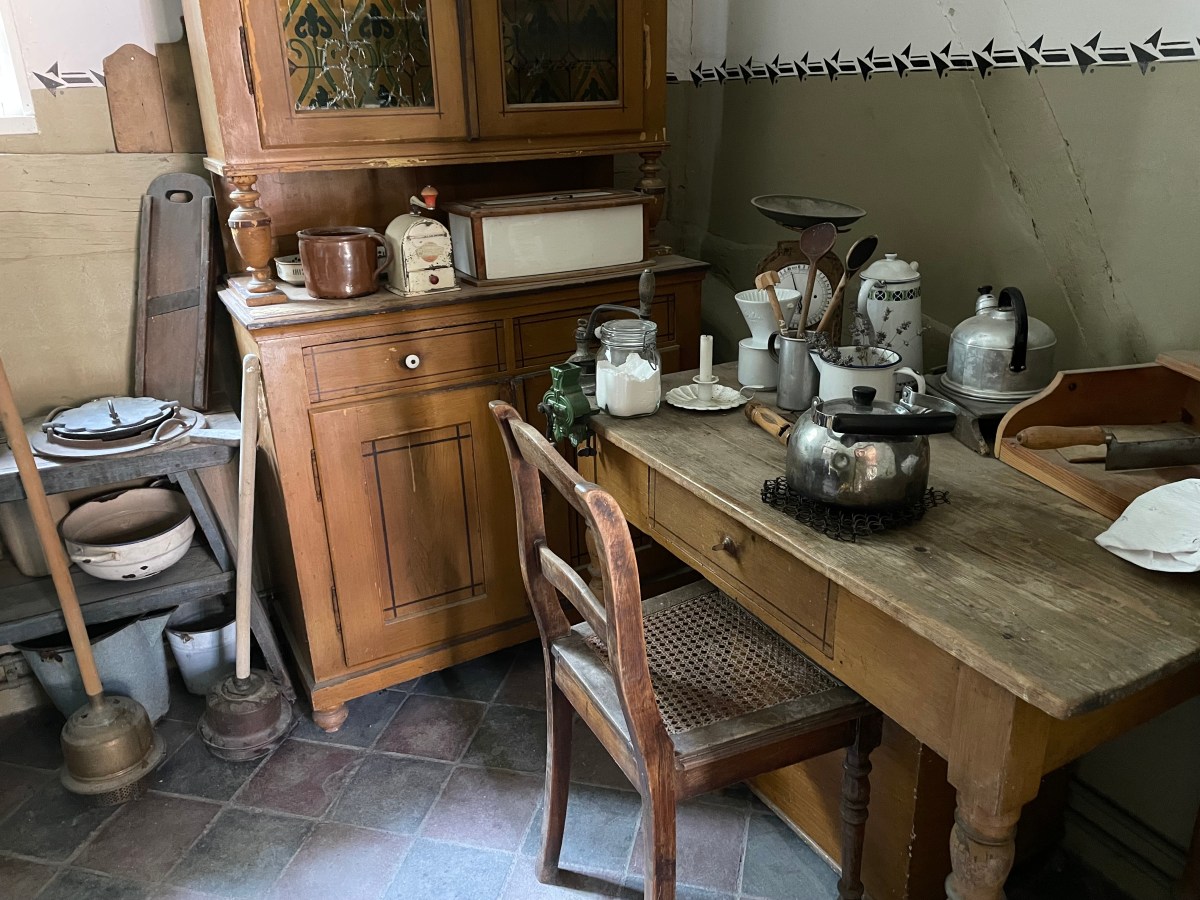
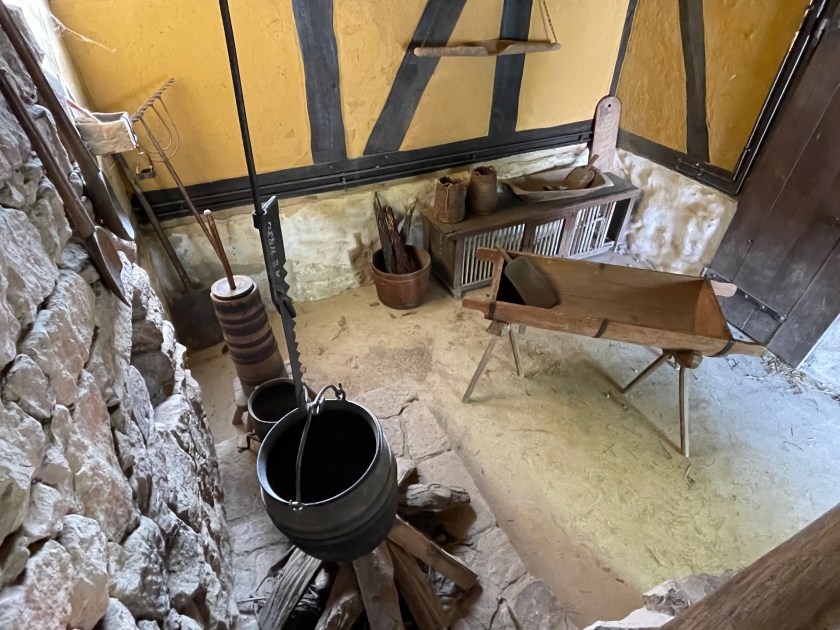
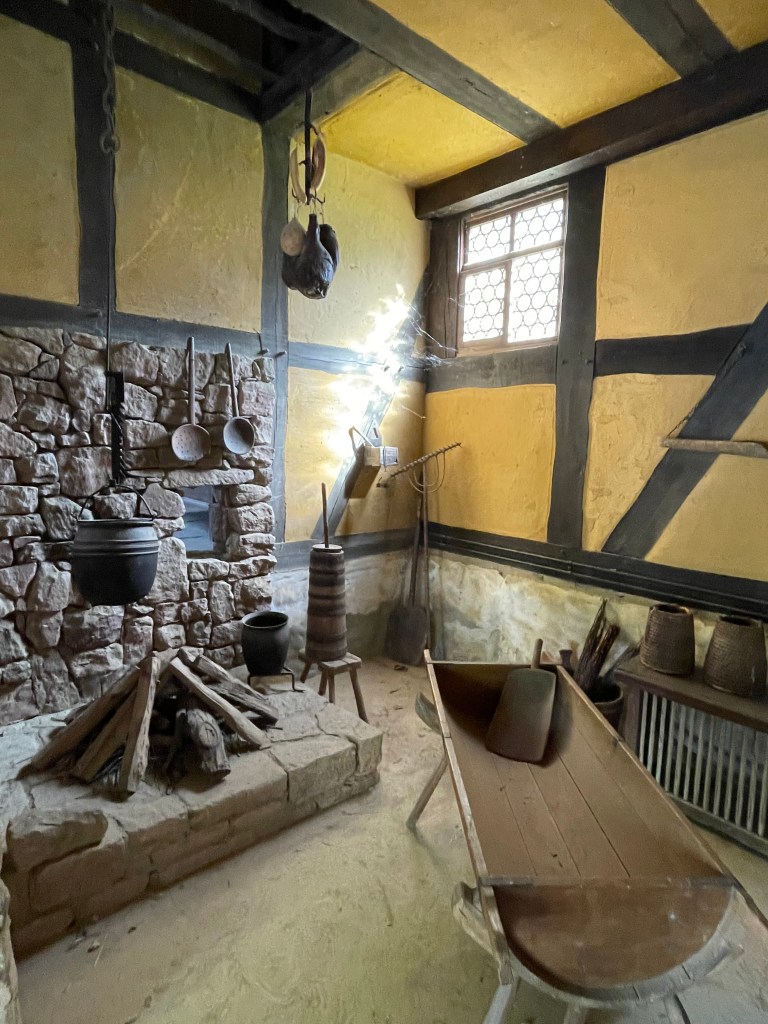
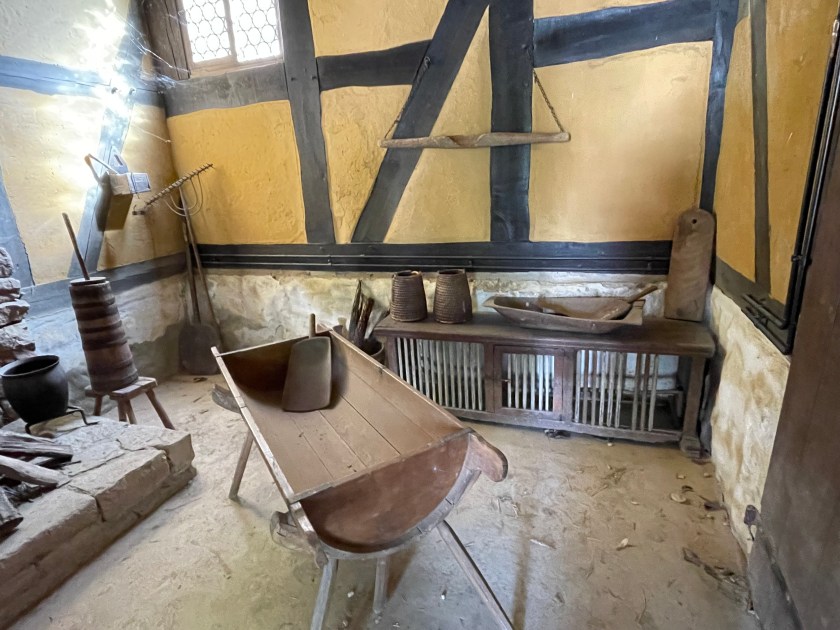
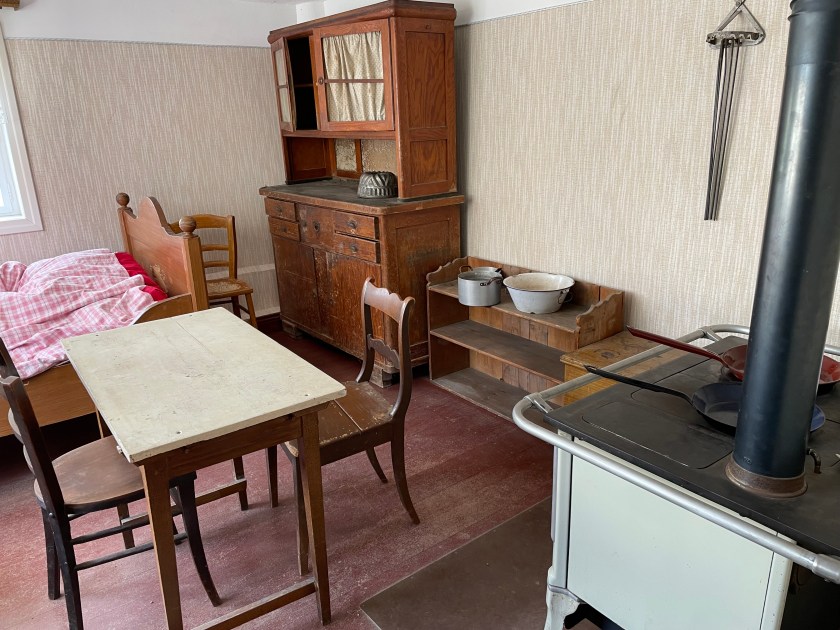
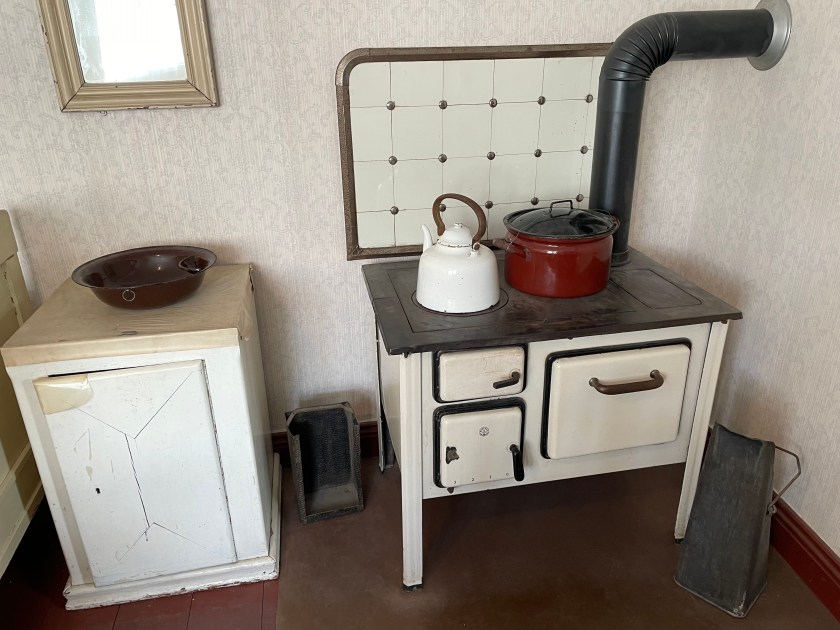
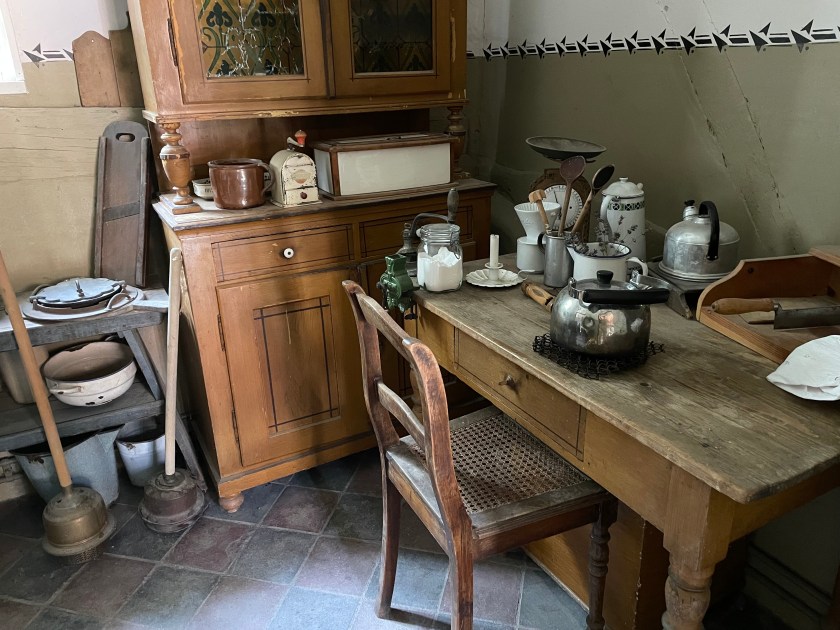
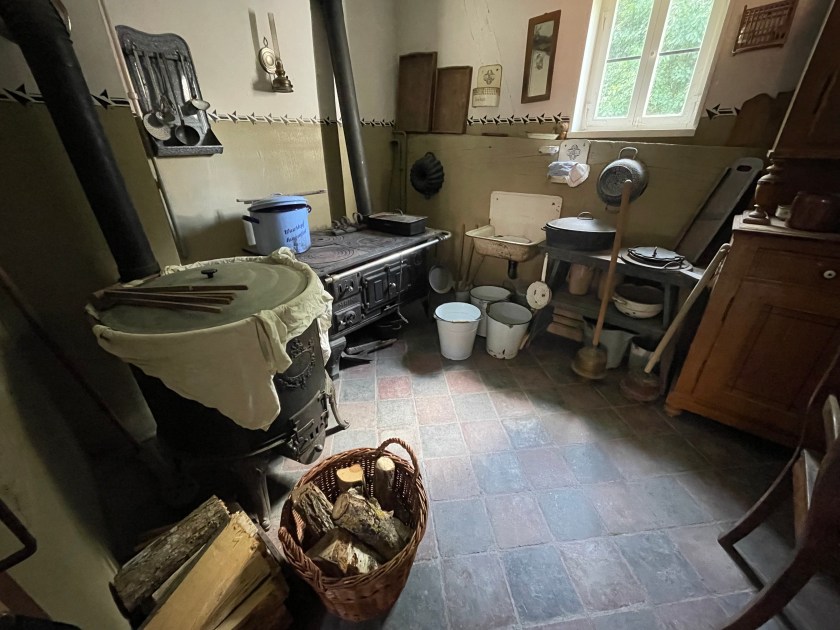
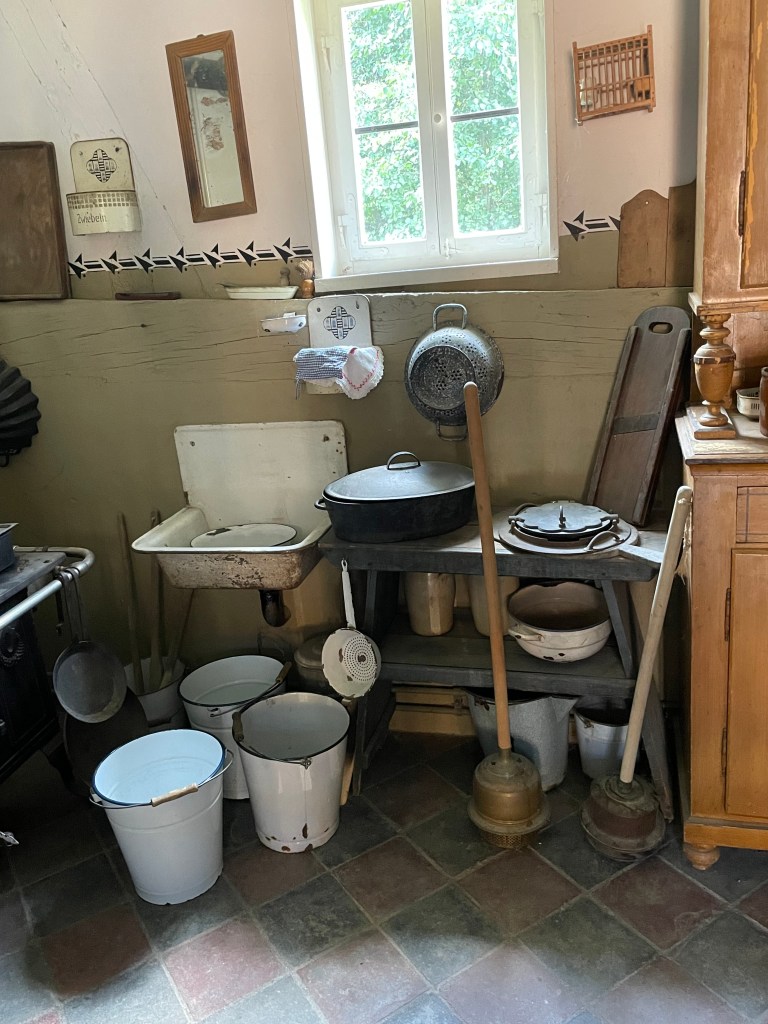
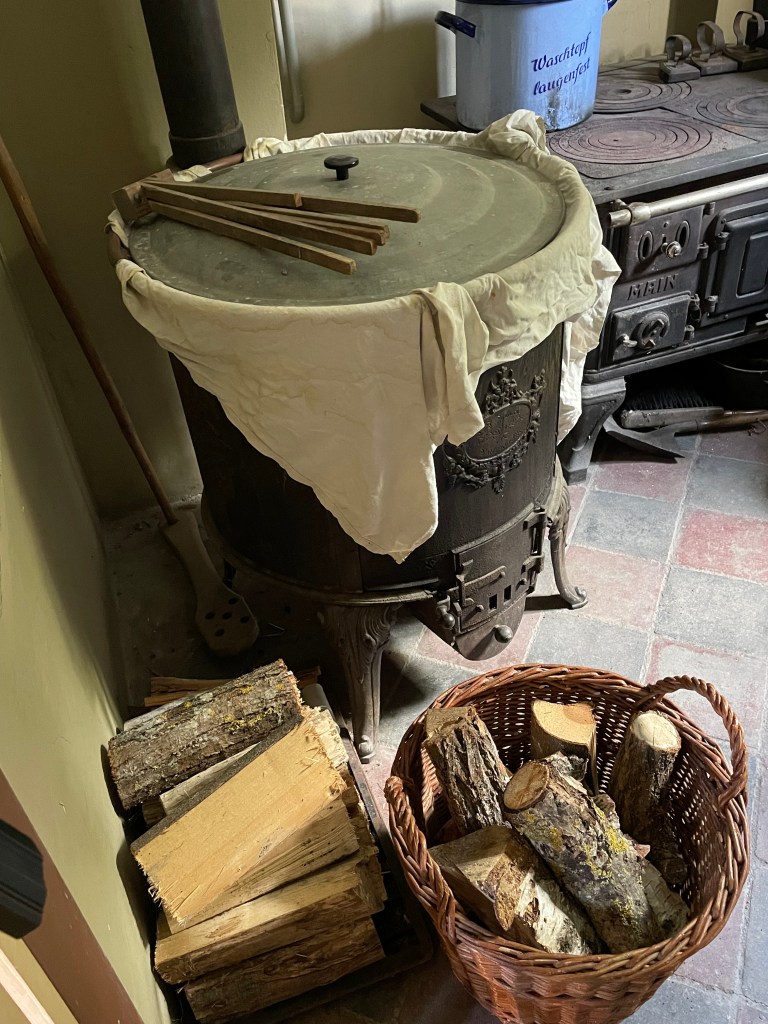
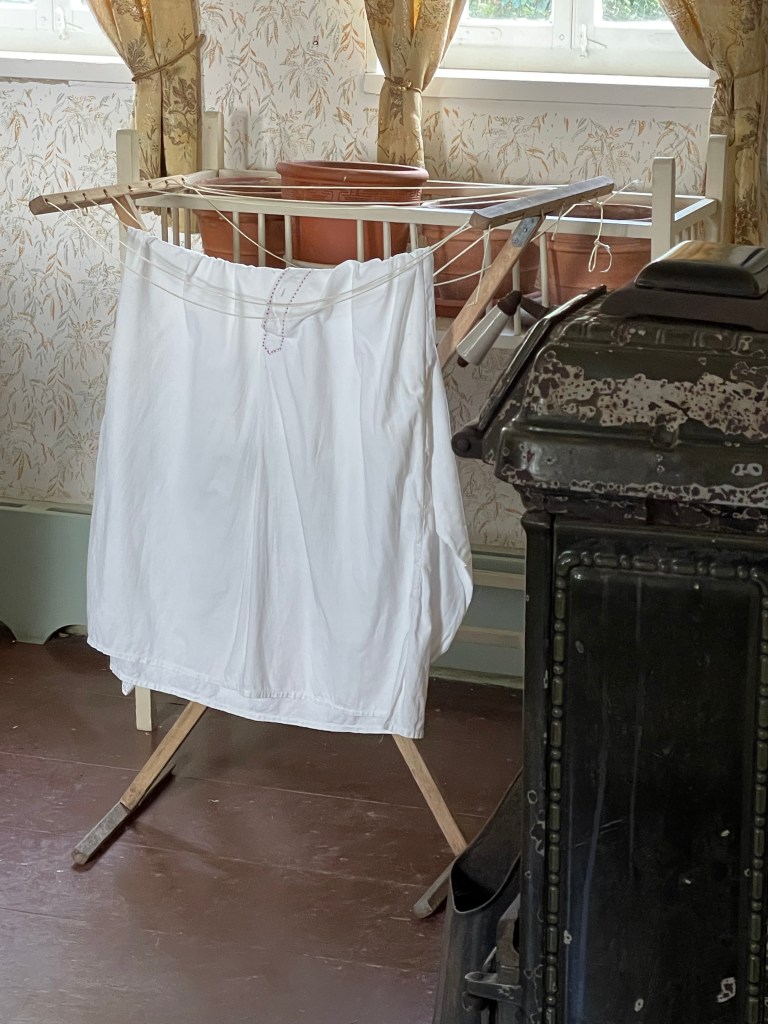
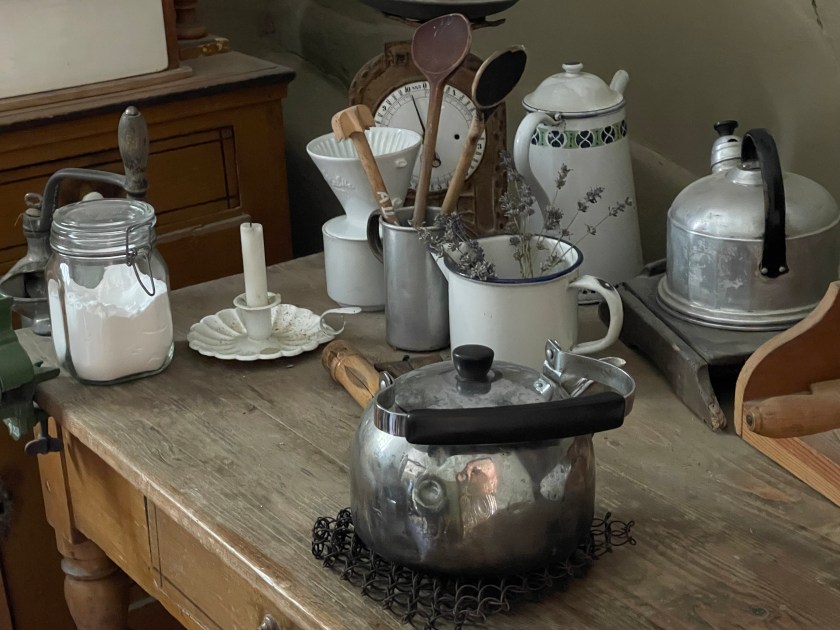
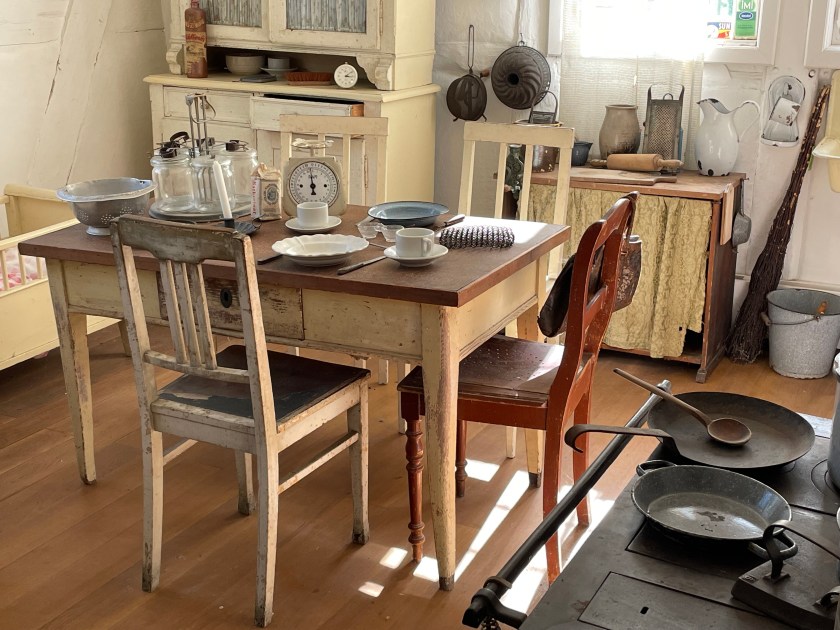
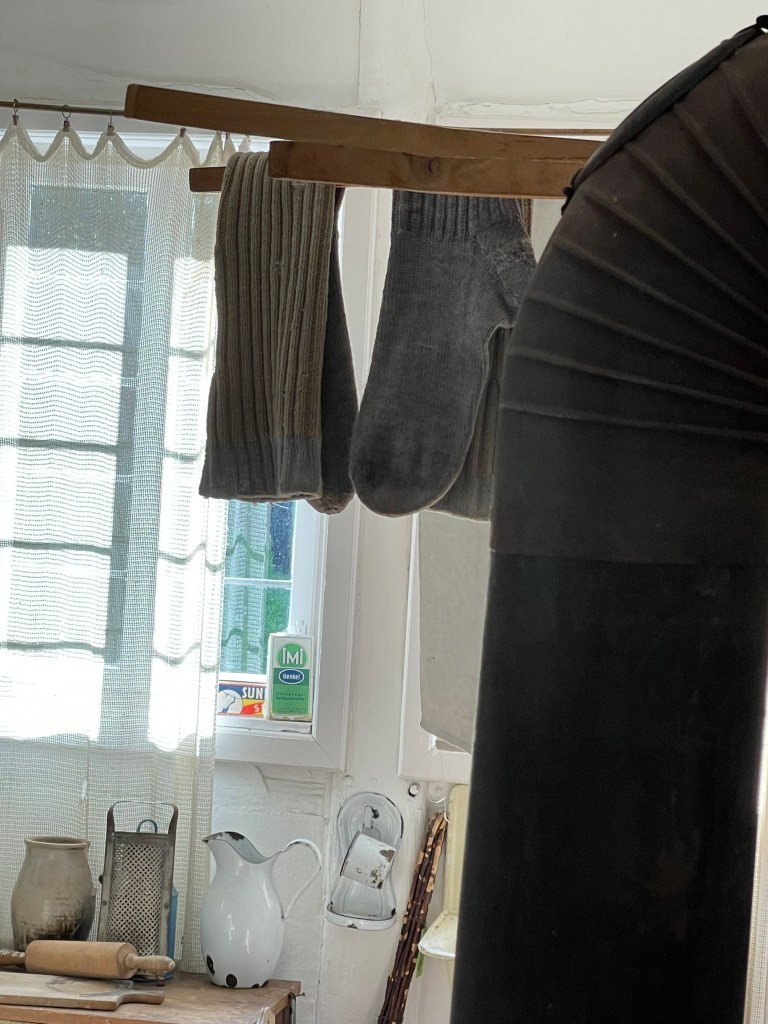
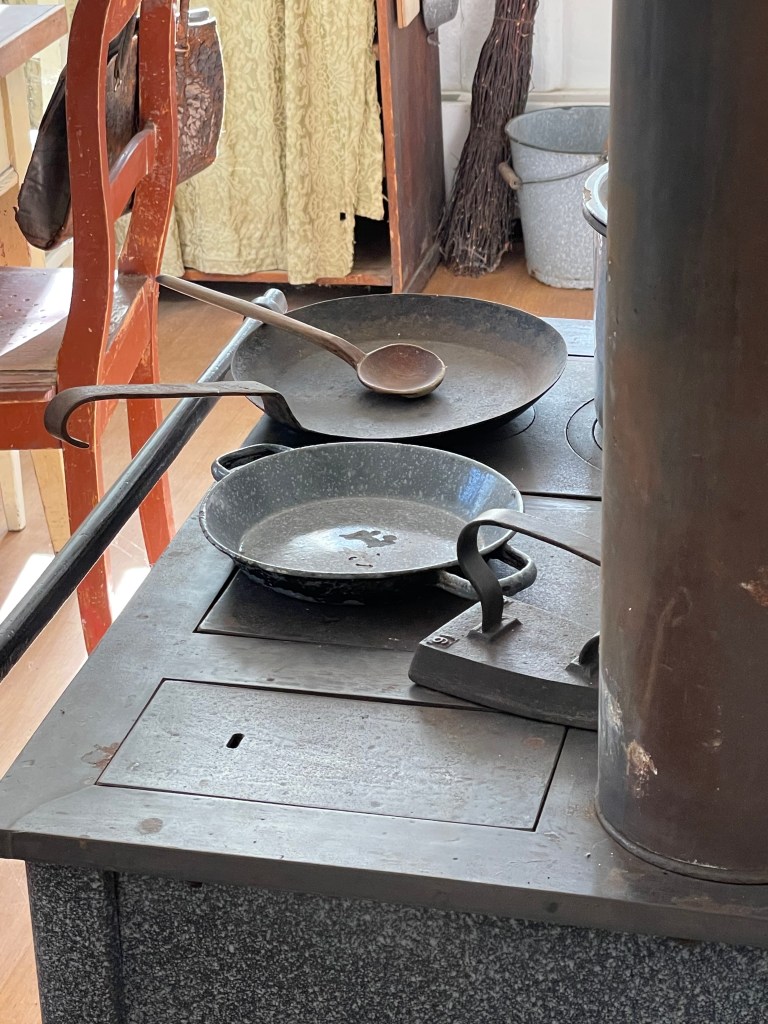
This stove is very much like the one my Grandma Elsa had in her kitchen.  She burned wood from pruning the grape vines here, and kept her pot for tea warm throughout the day.  Most of her daily cooking was done on her wood stove.

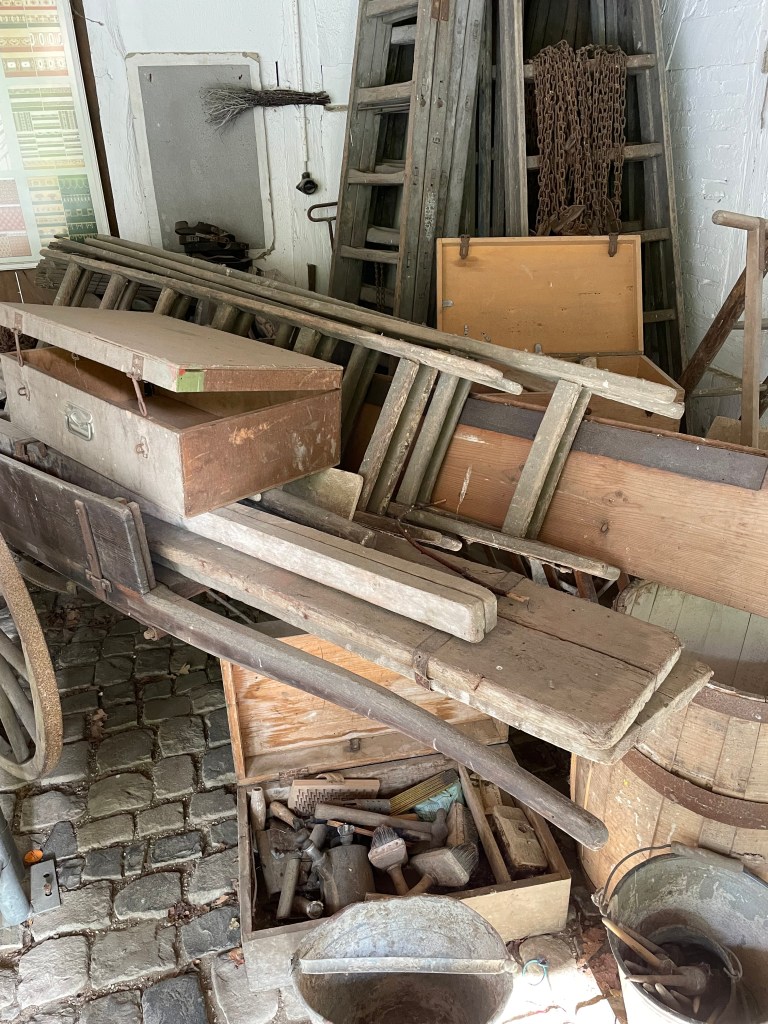
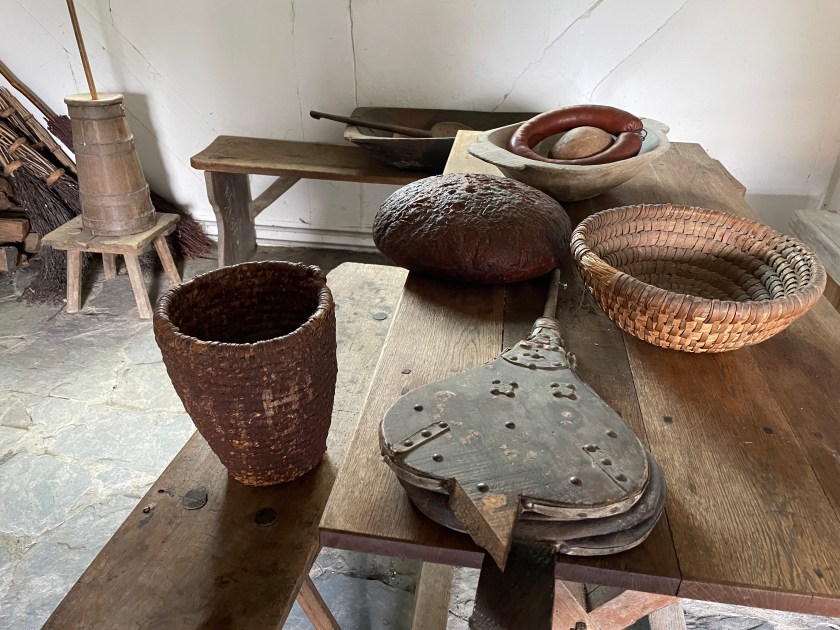
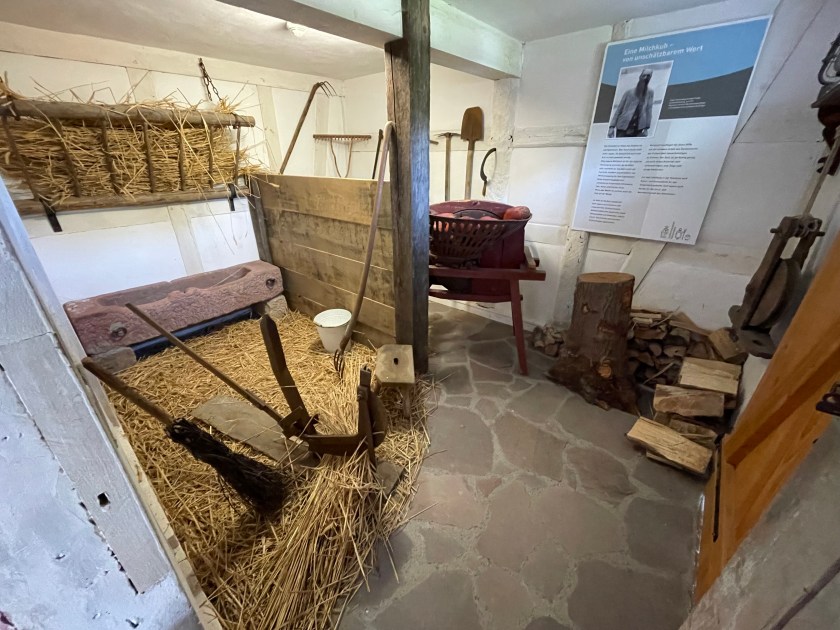
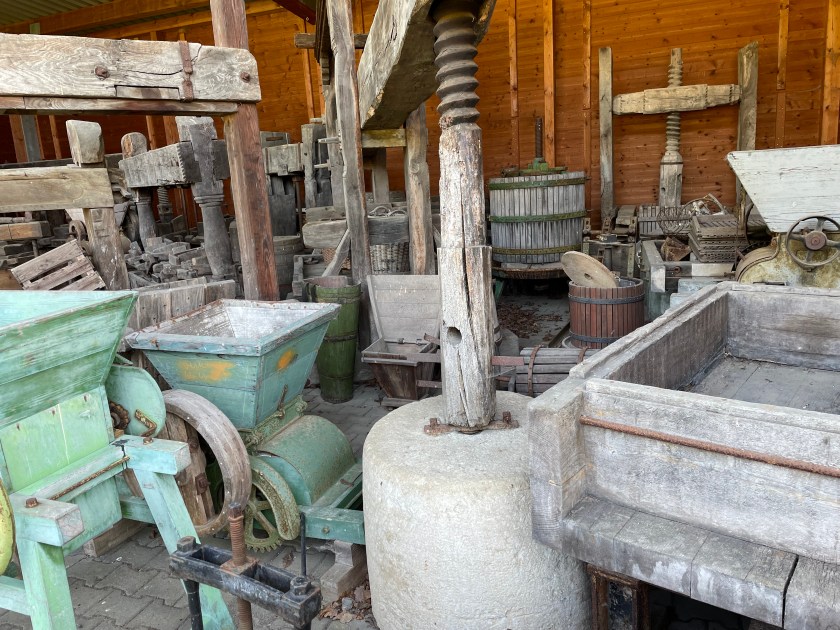
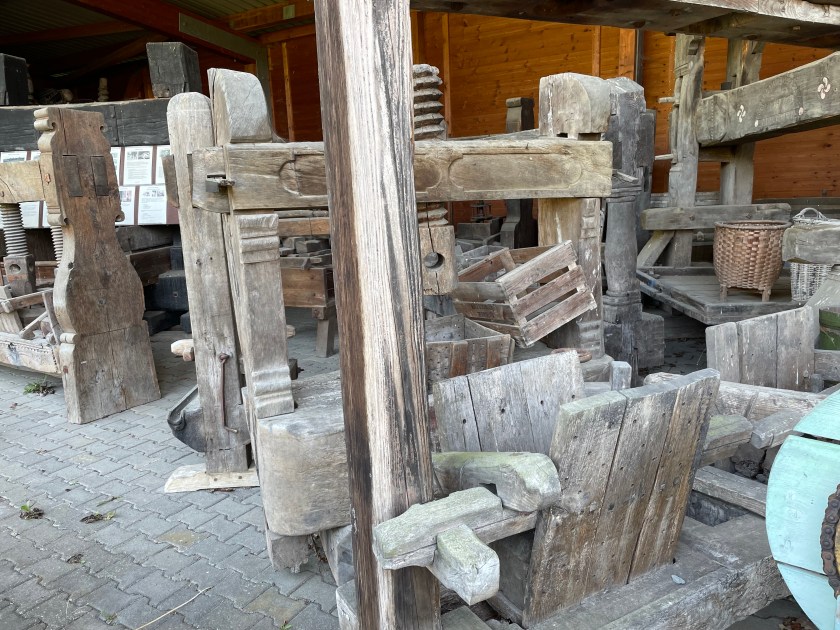
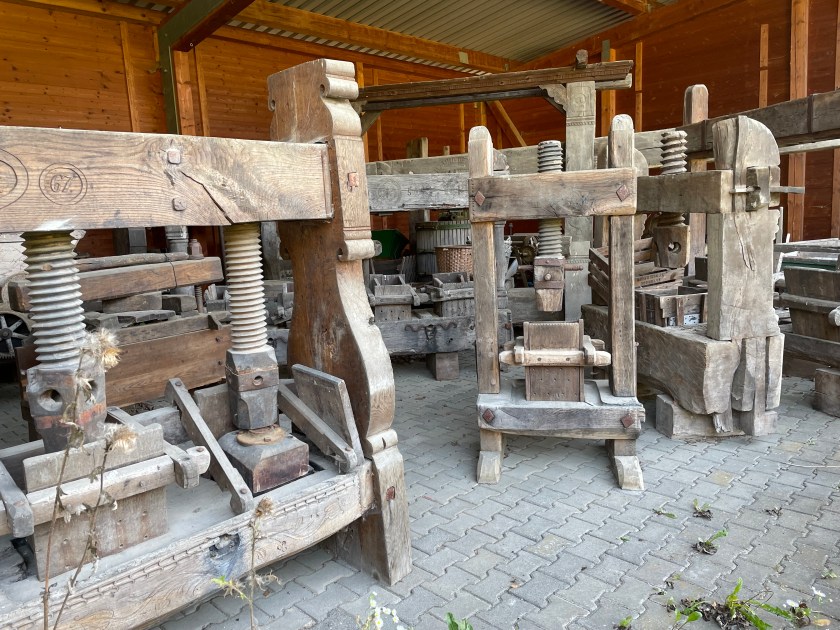
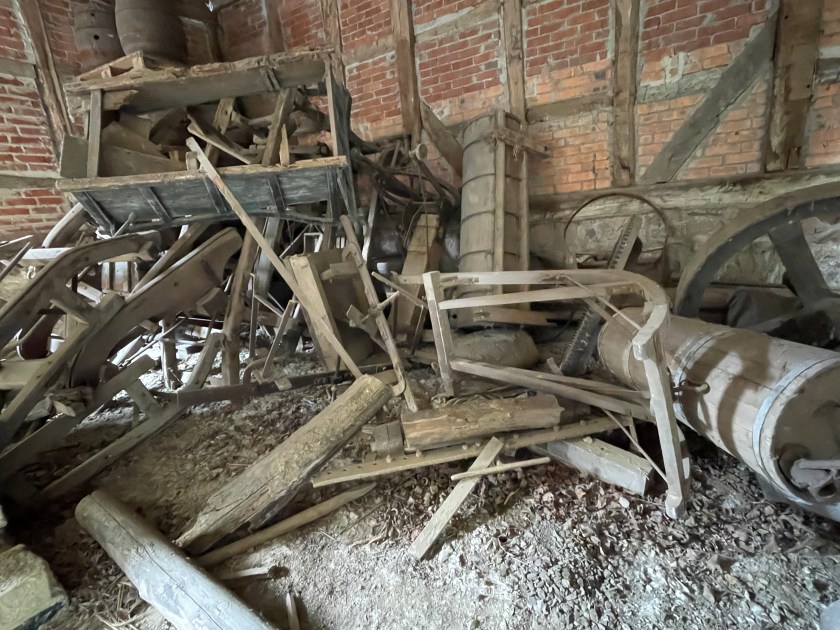
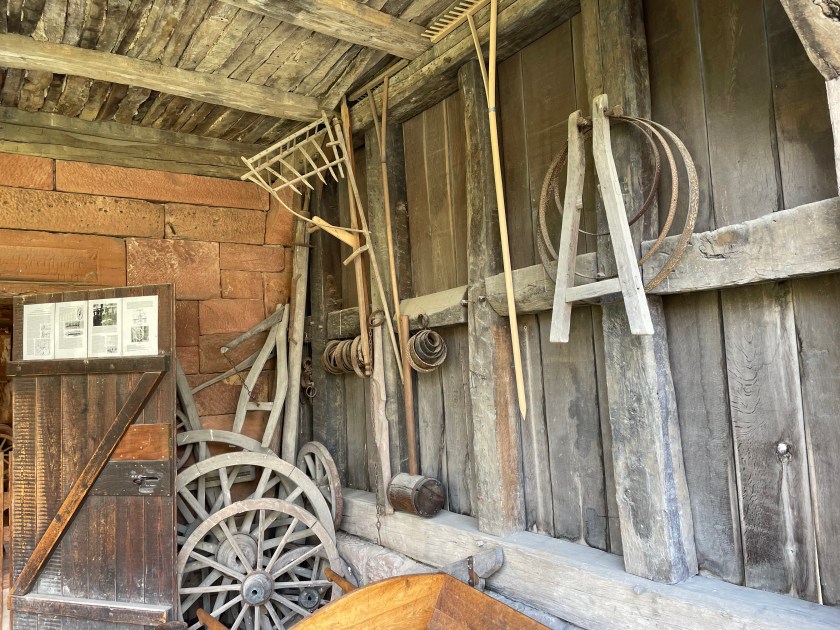
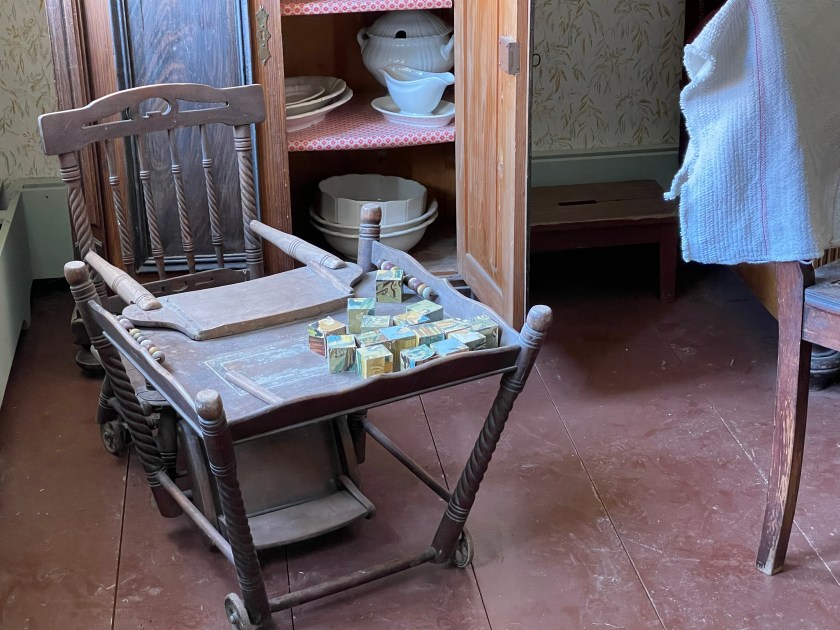
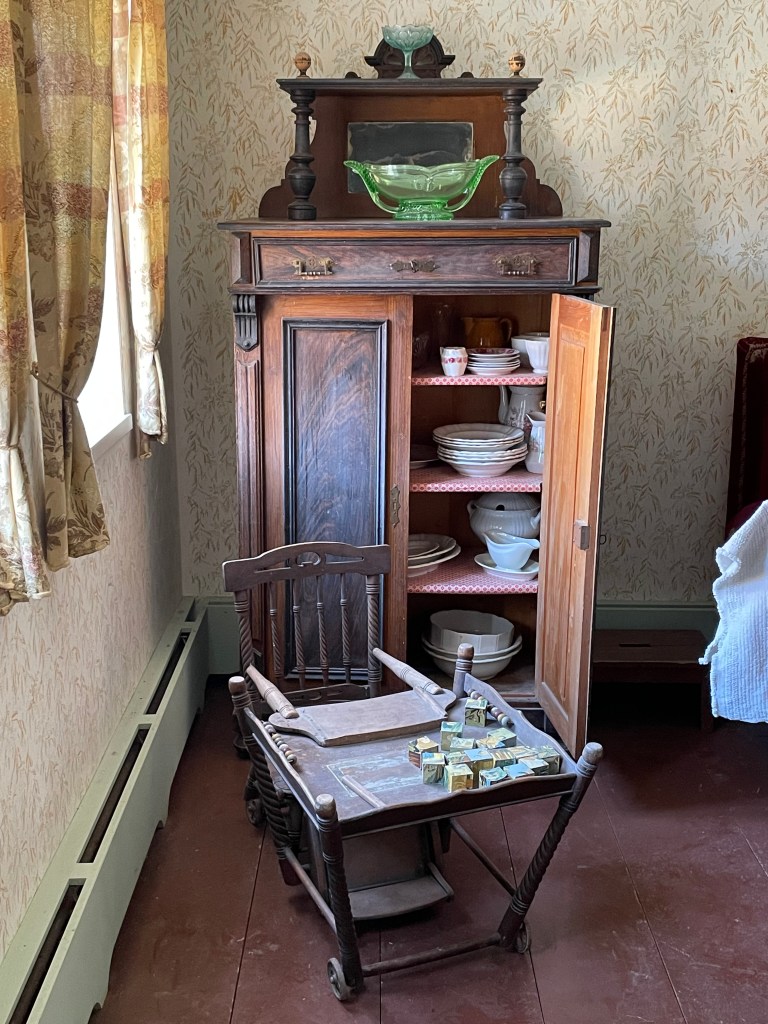
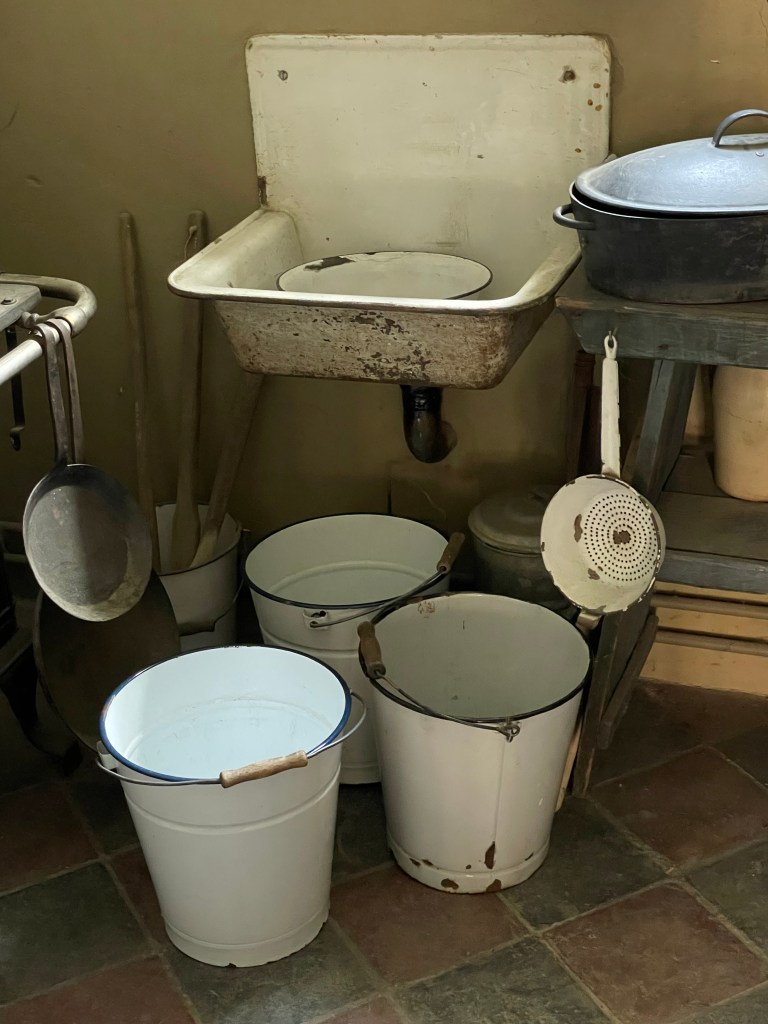
This was an area with lots of old stuff, sort of a holding area.

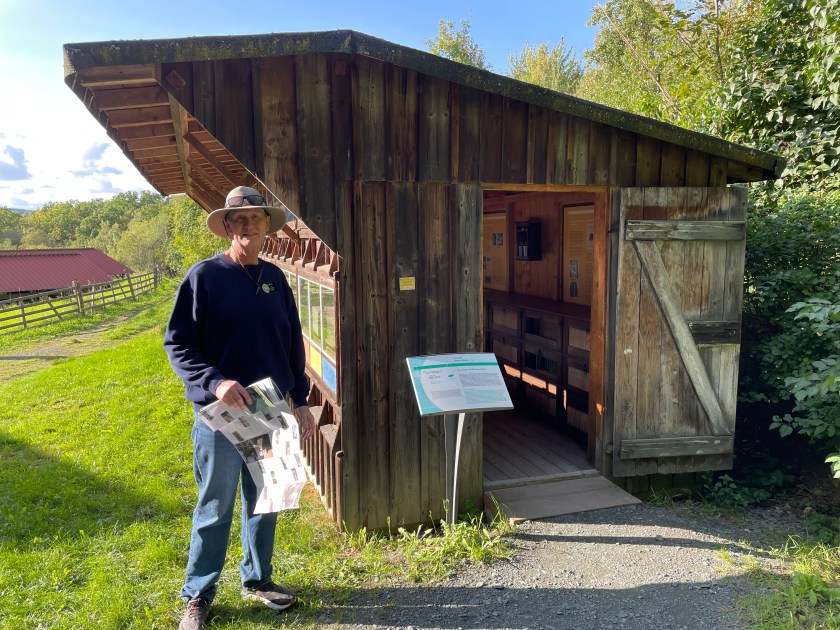
This was a beekeepers house where we learned about bees and honey.

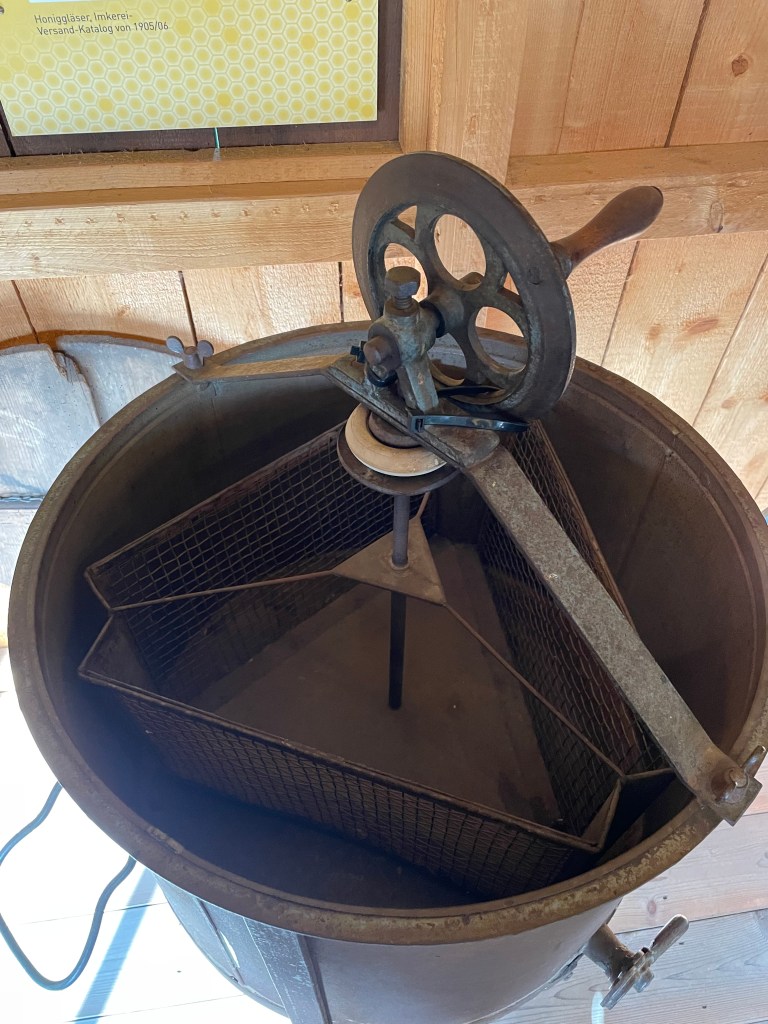
These spinning contraptions are for extracting honey from the honeycombs.


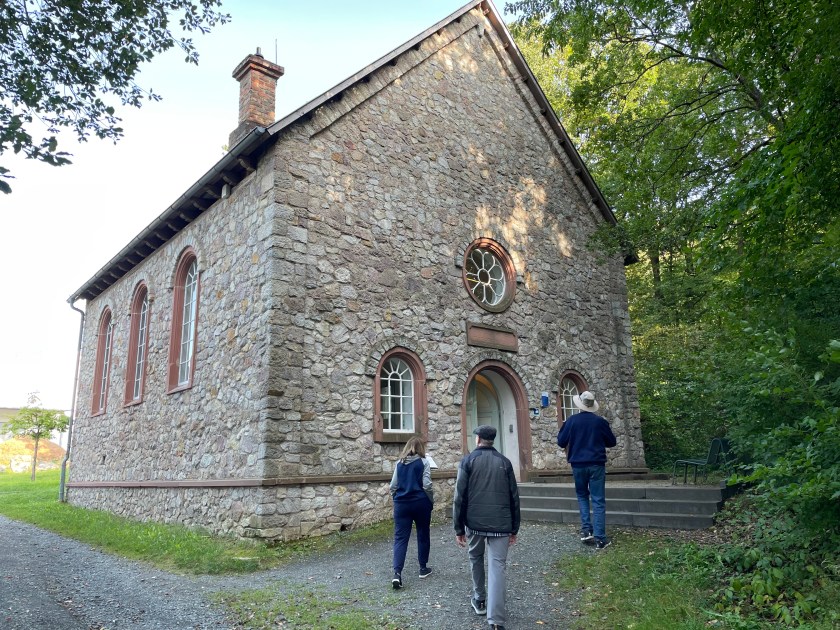
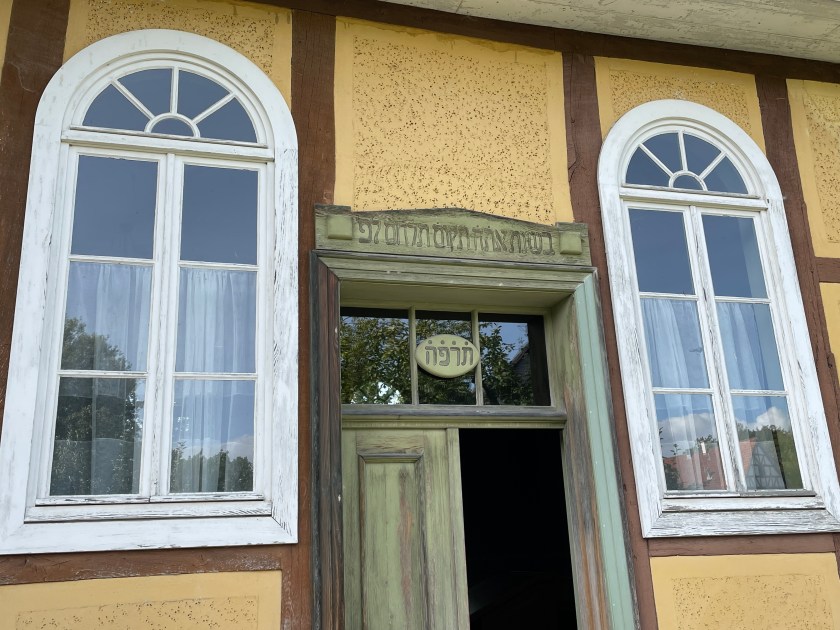
This Jewish synagogue was had a memorial upstairs honoring Jews who were killed in the Holocaust.

Tour continued in the next post!

Hessenpark Open-Air Museum in Neu-Anspach, Hesse, Part 4

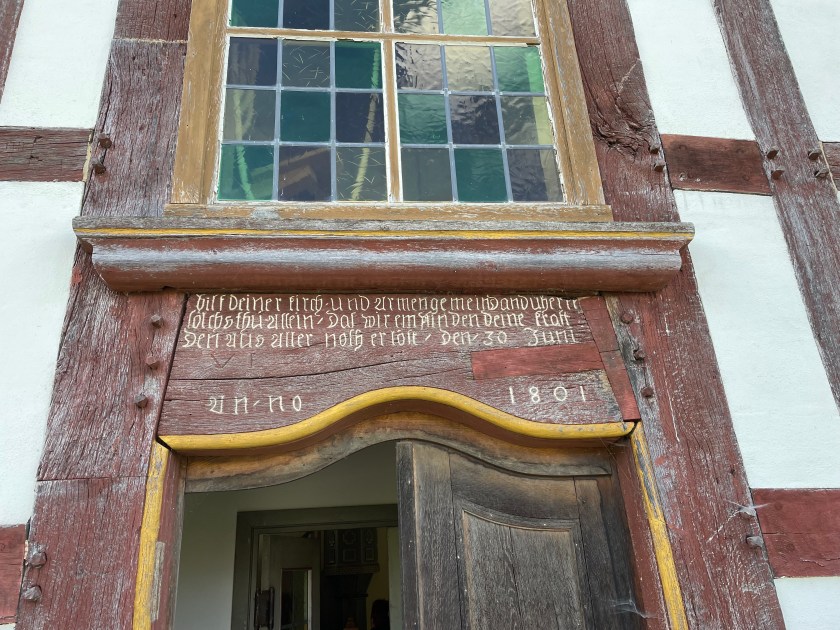
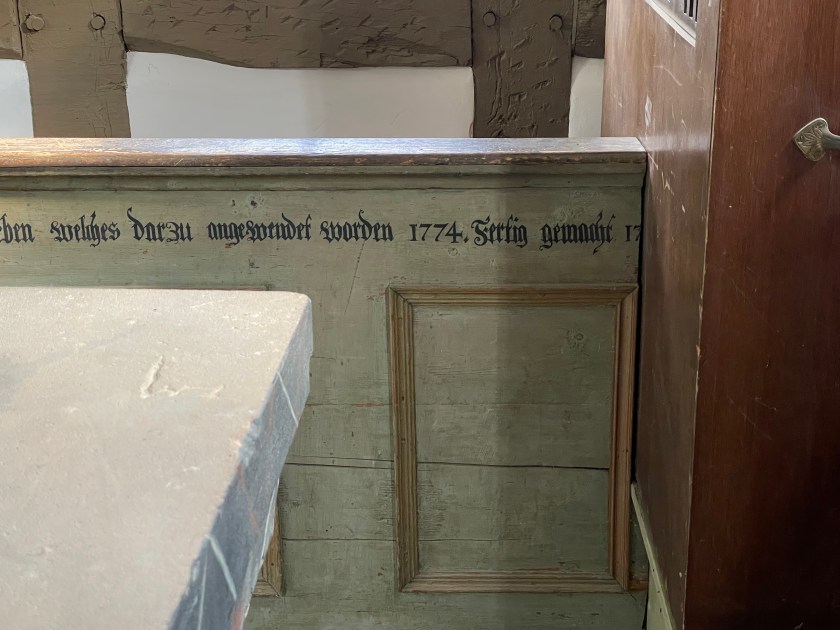
I love it when buildings have original documentation on them!

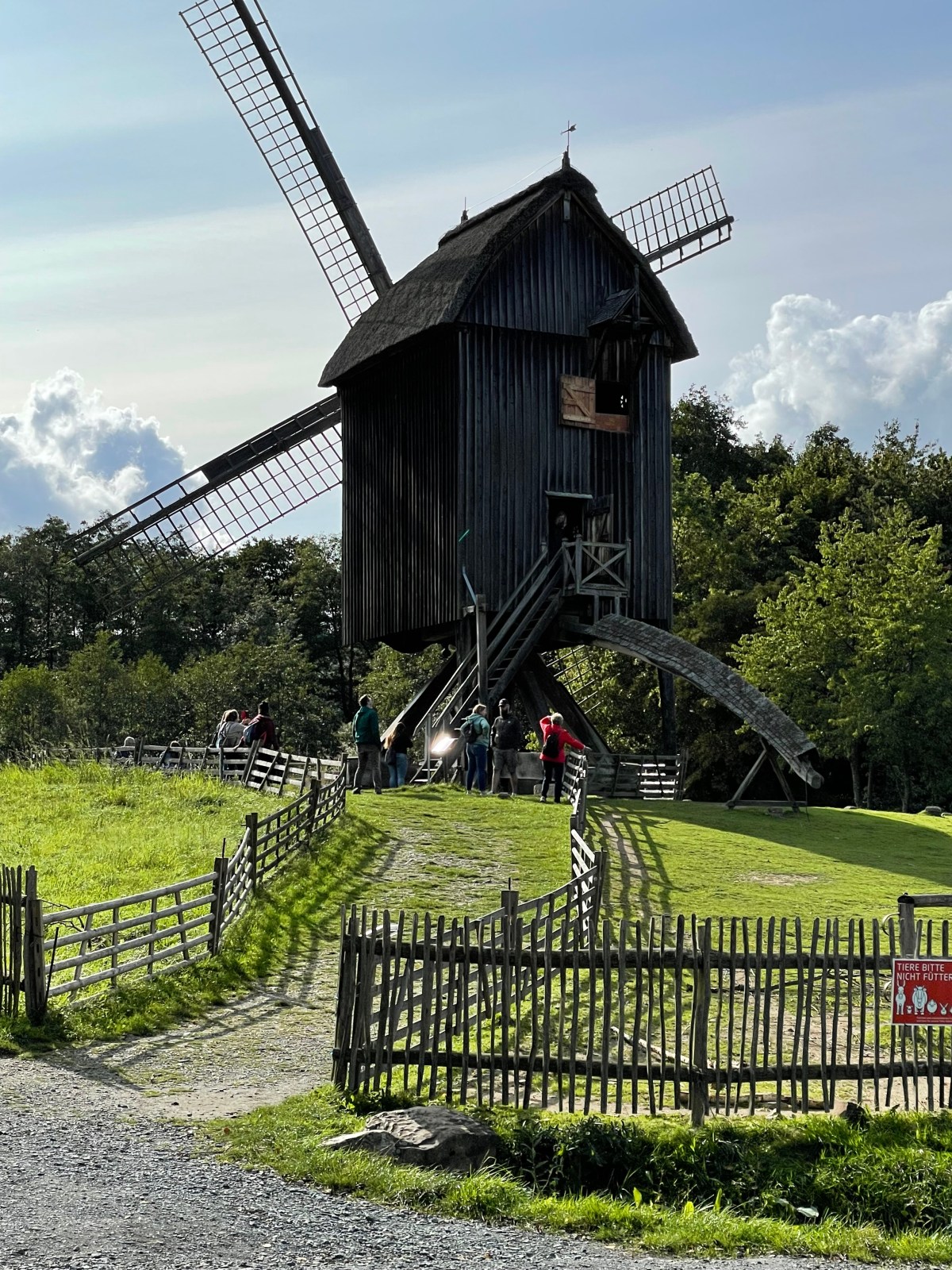
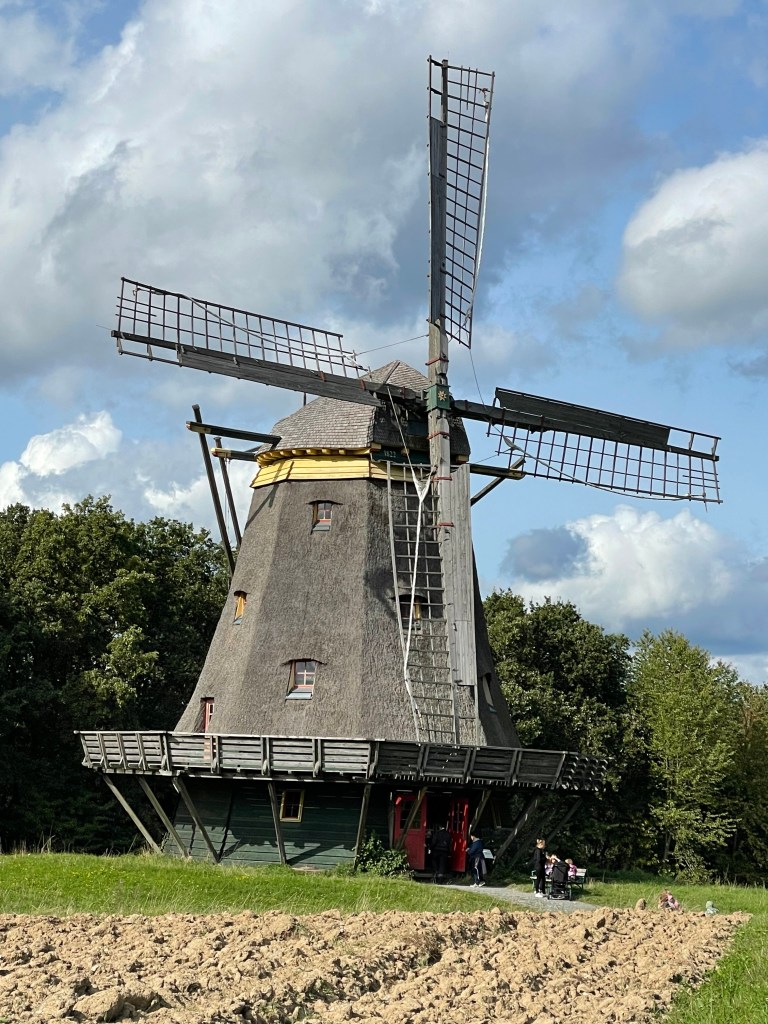
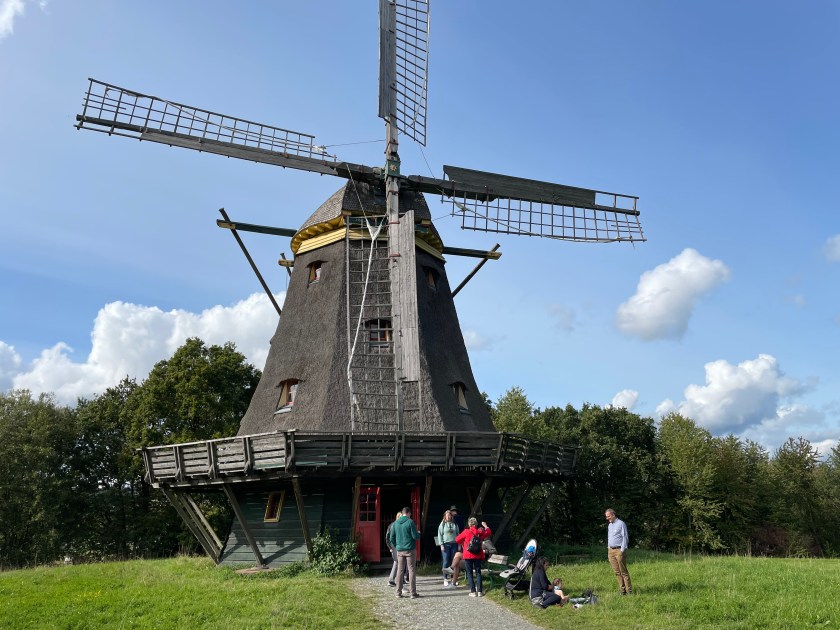
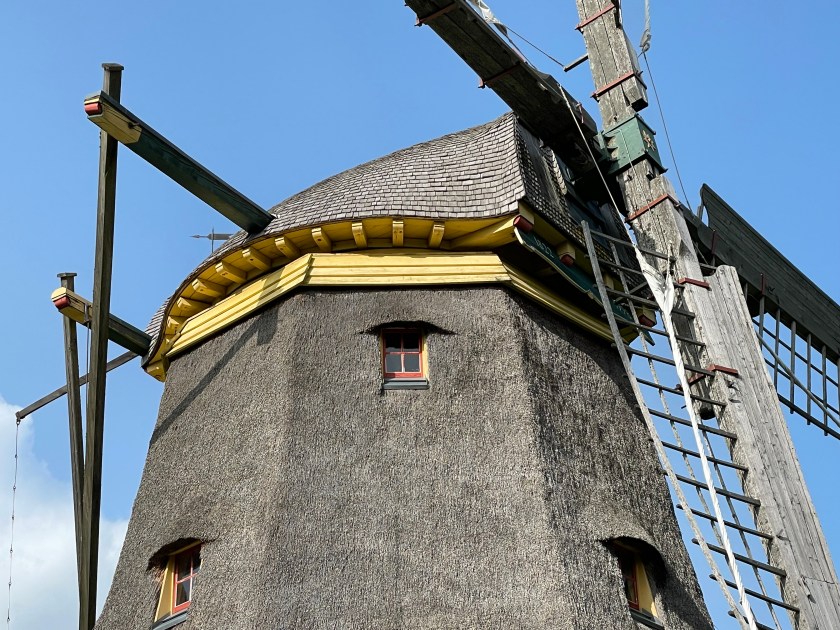
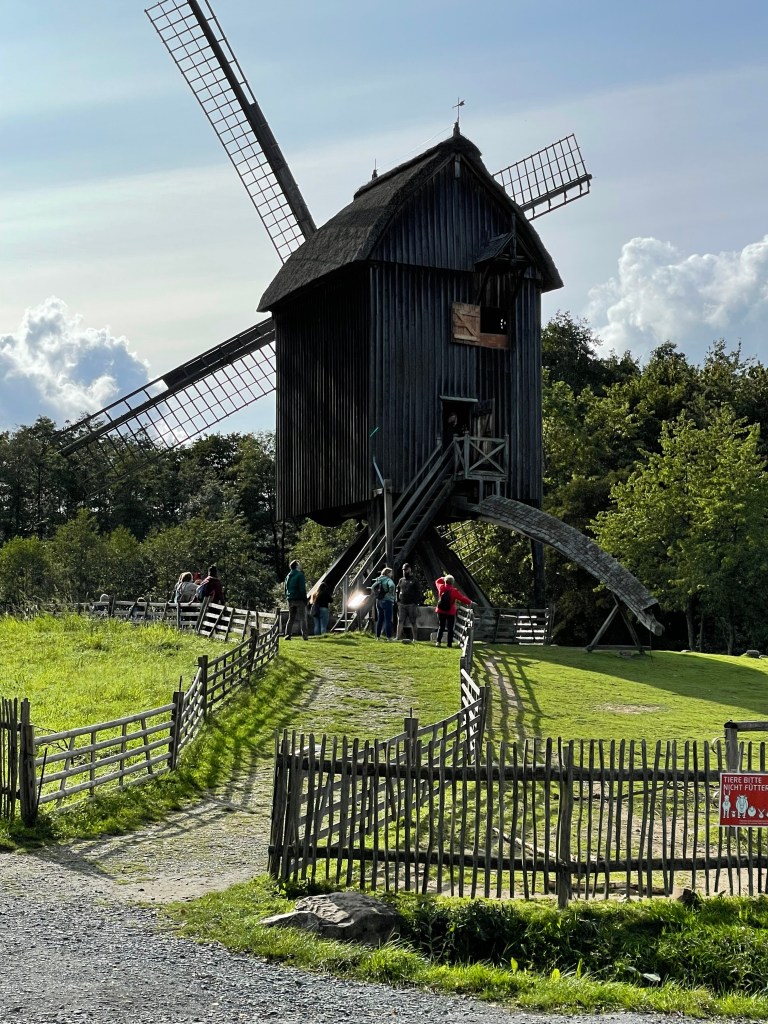
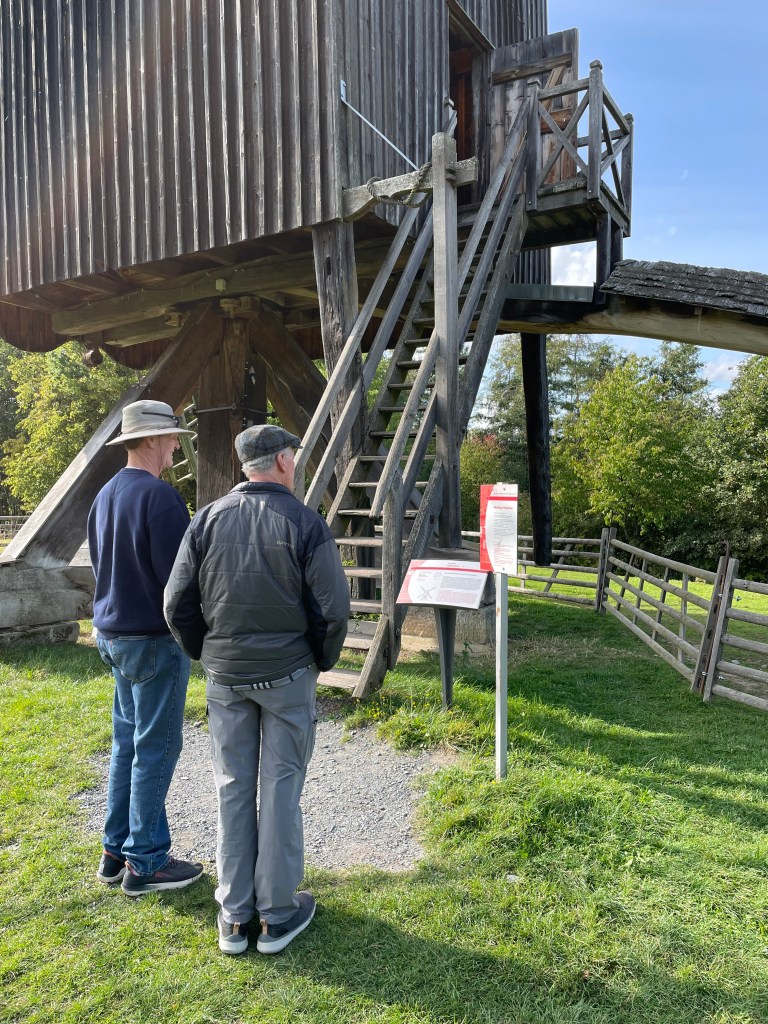
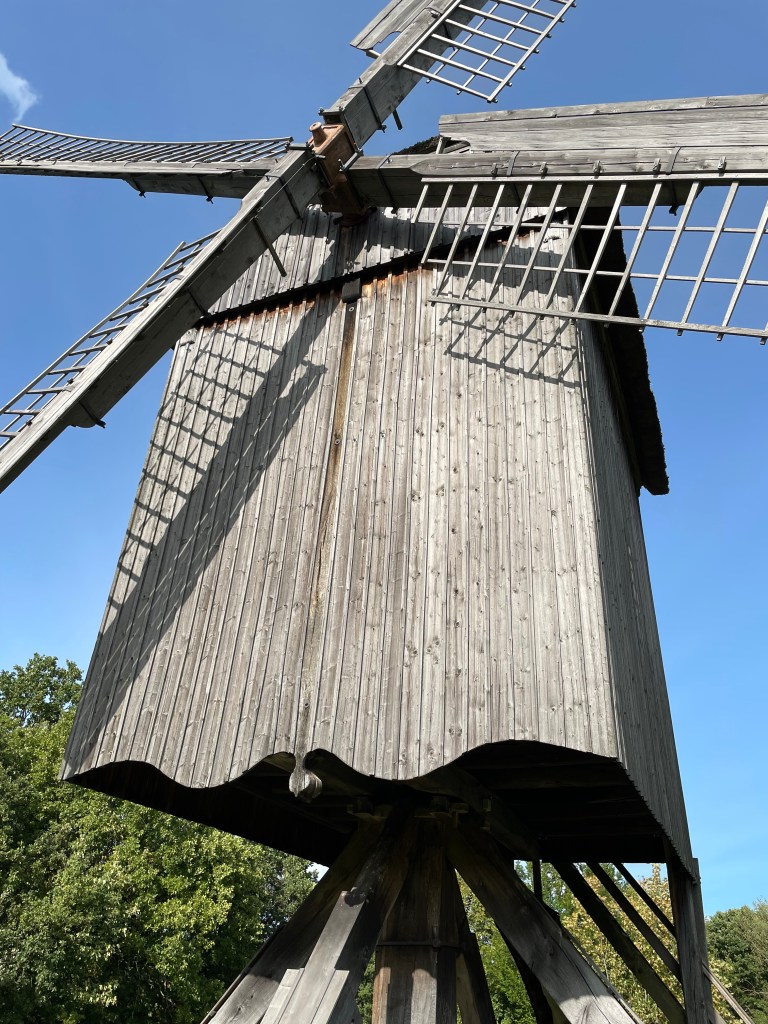
Windmills were used to grind grain.

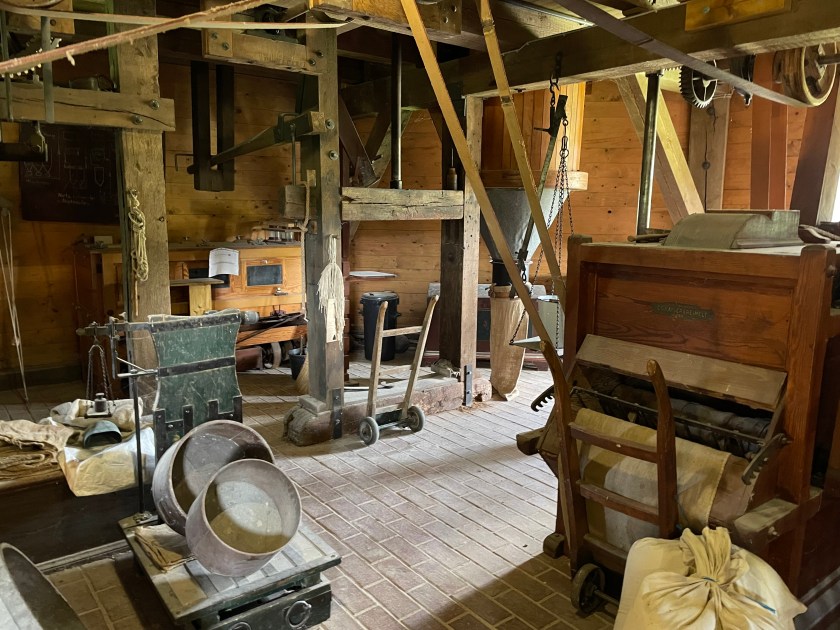
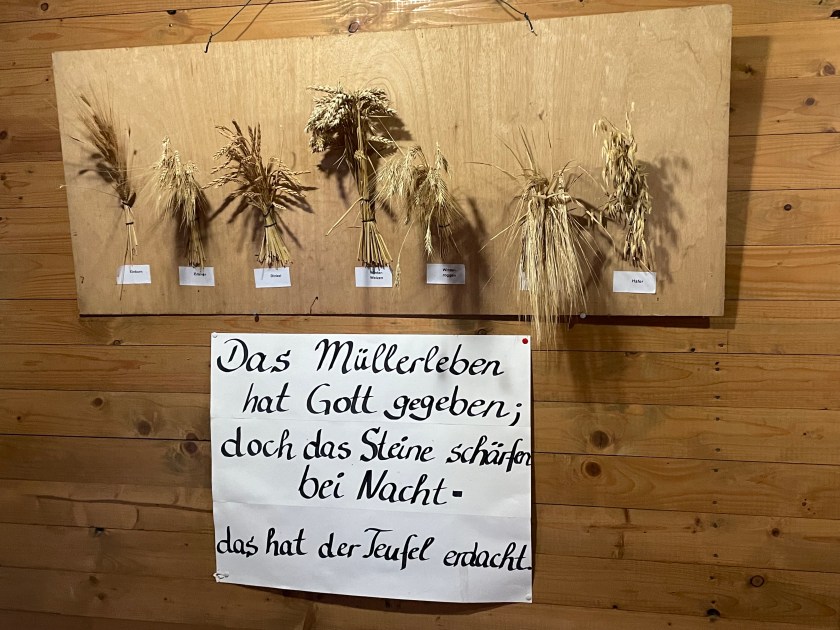
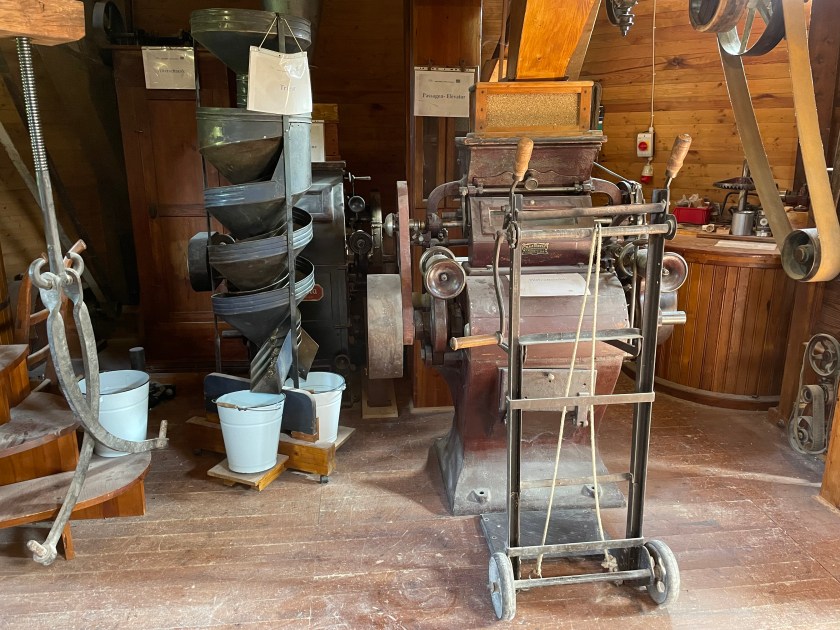
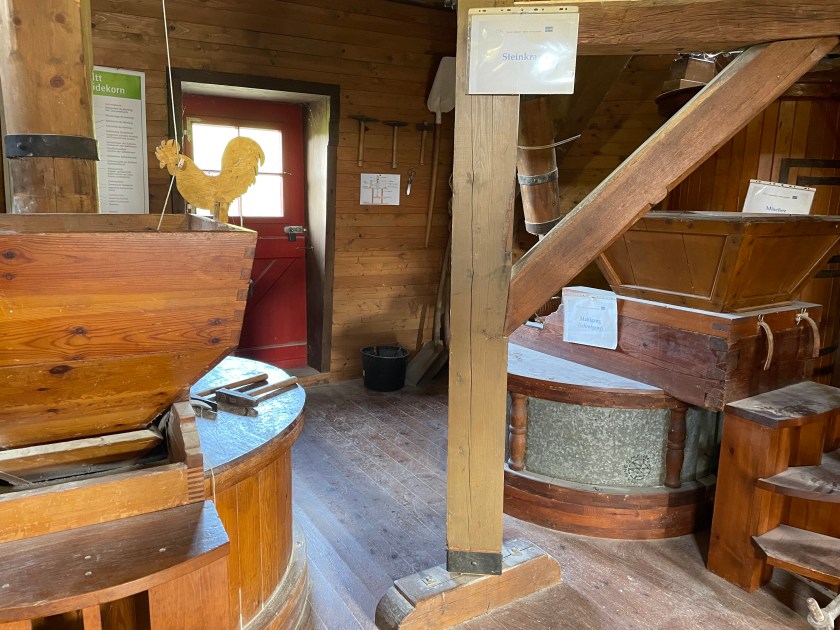
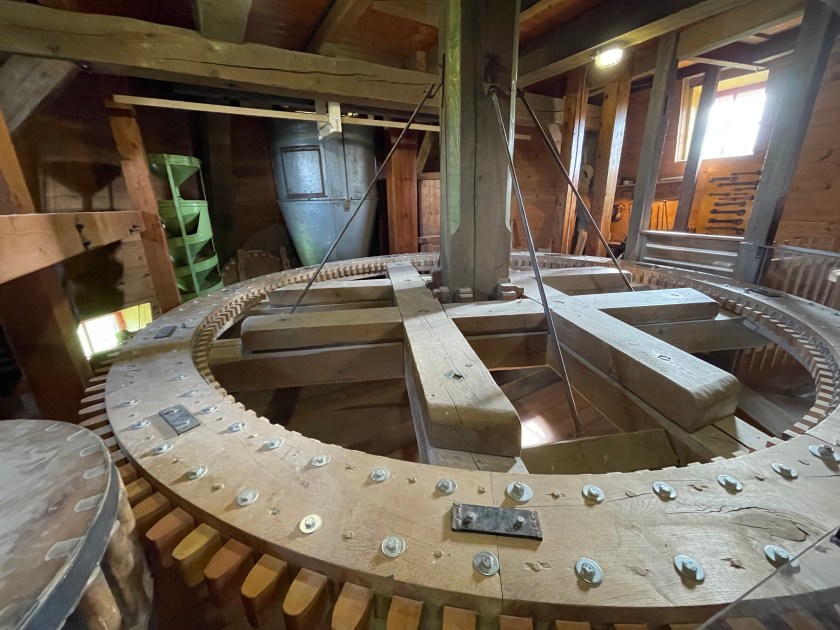
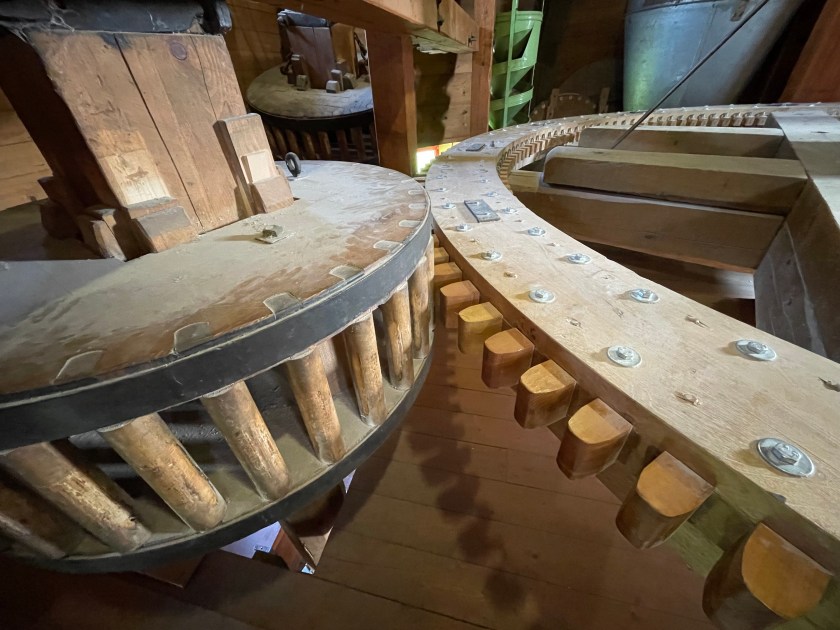
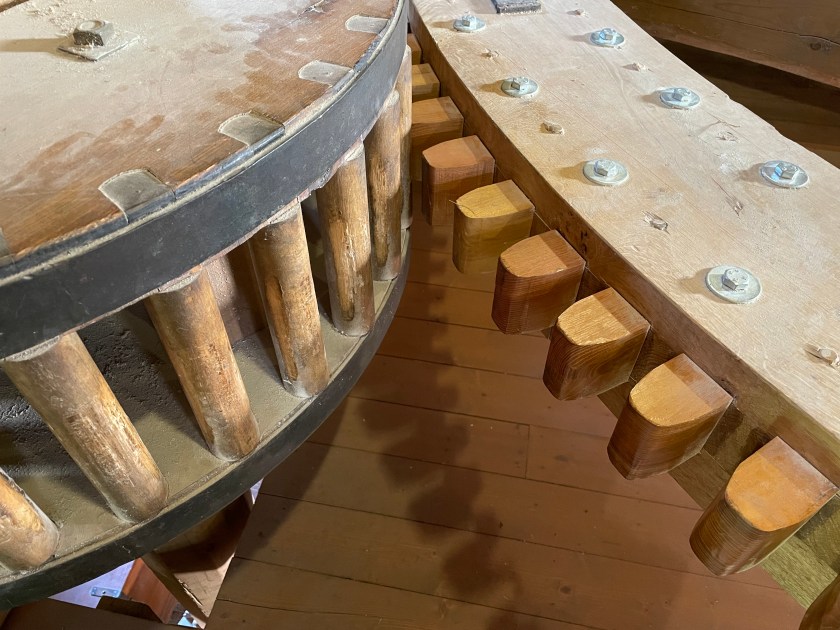
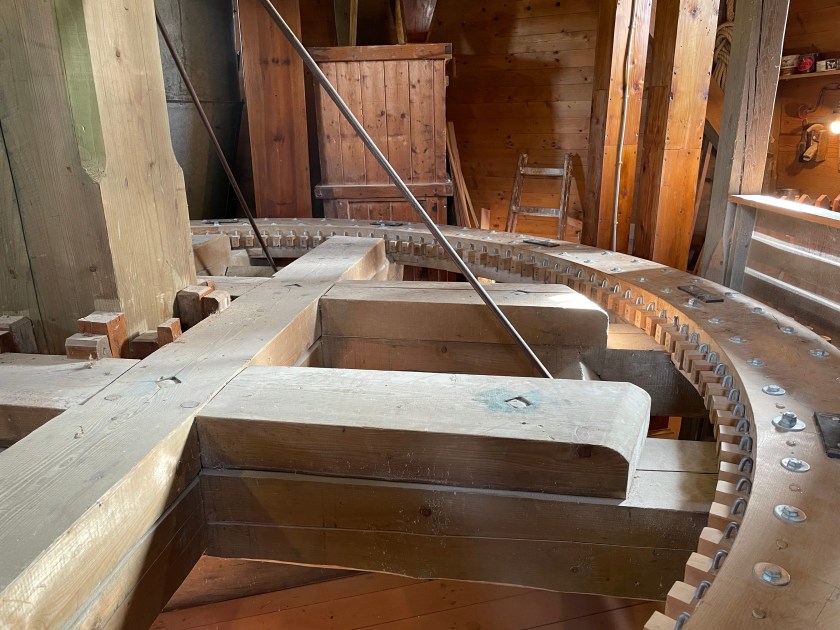
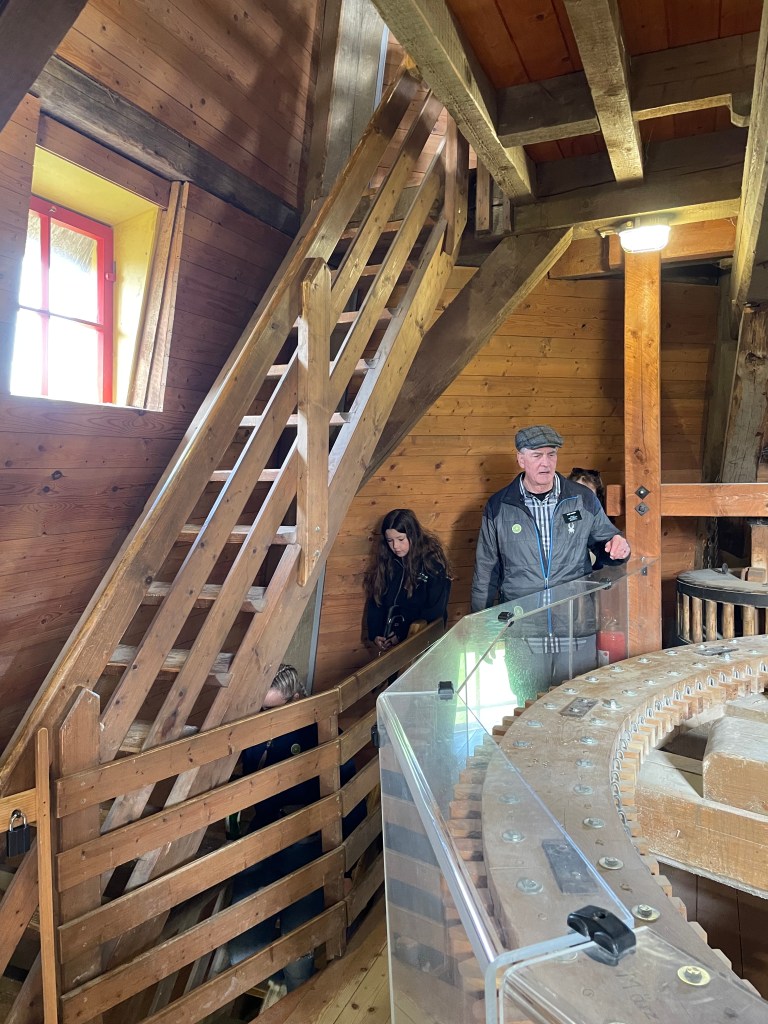
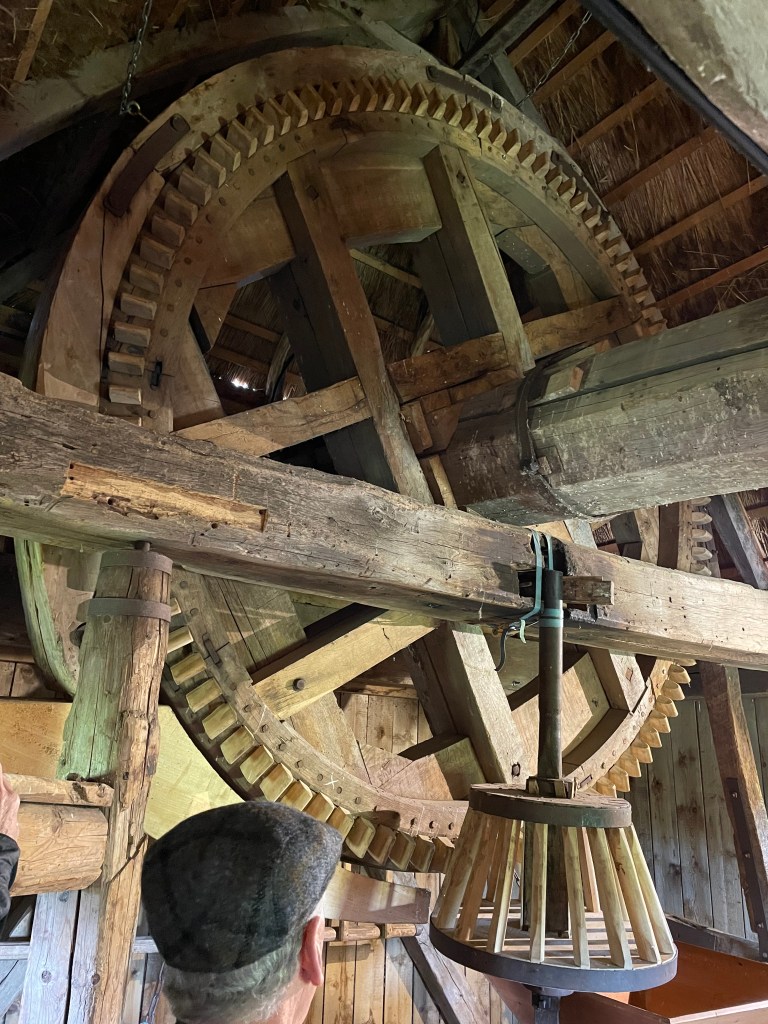
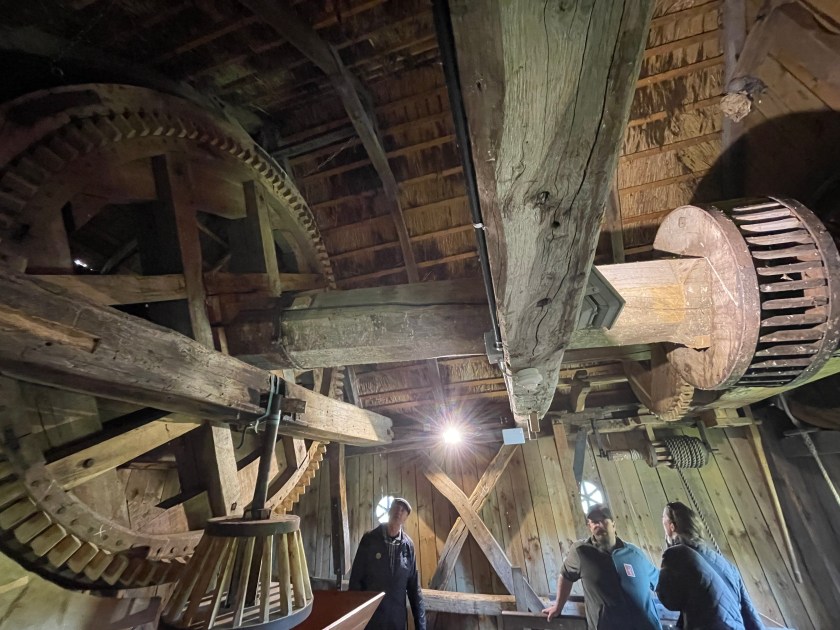
The workings of the mill:

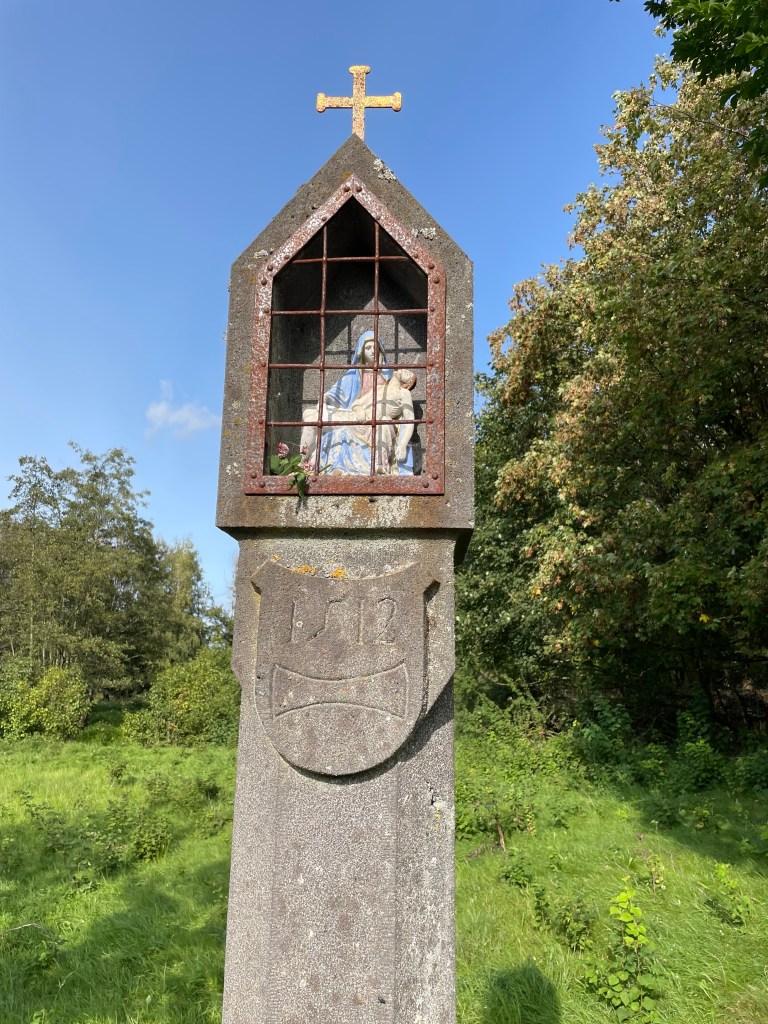
This roadside memorial is dated 1512!

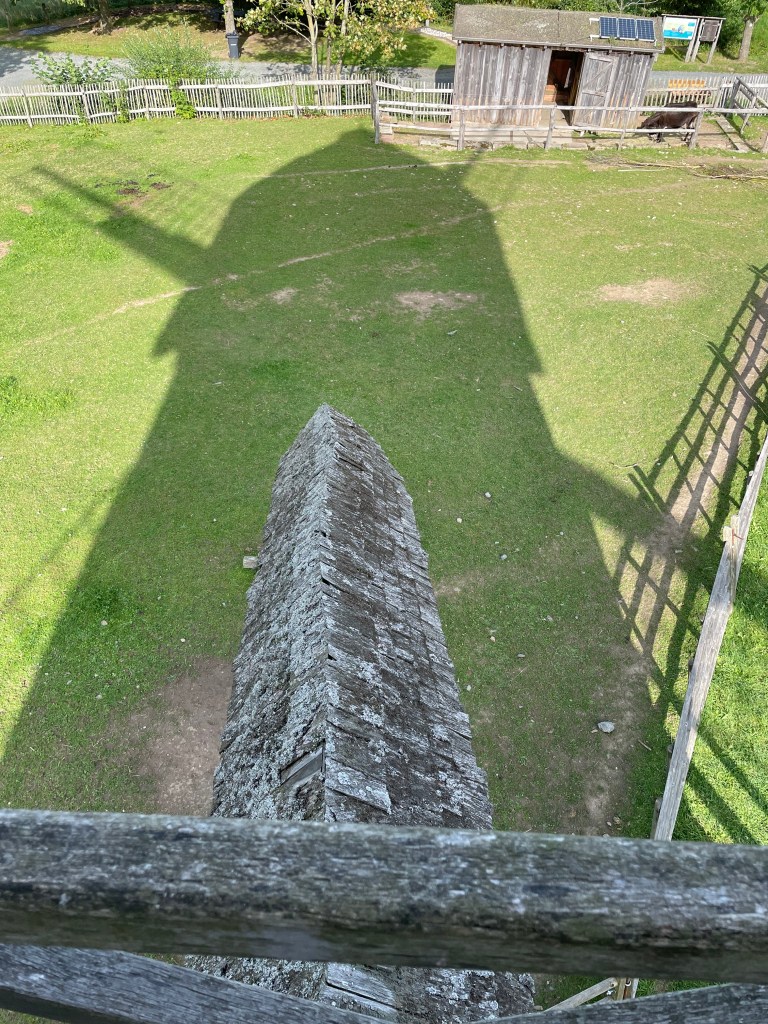
This interesting mill rotated with the wind.

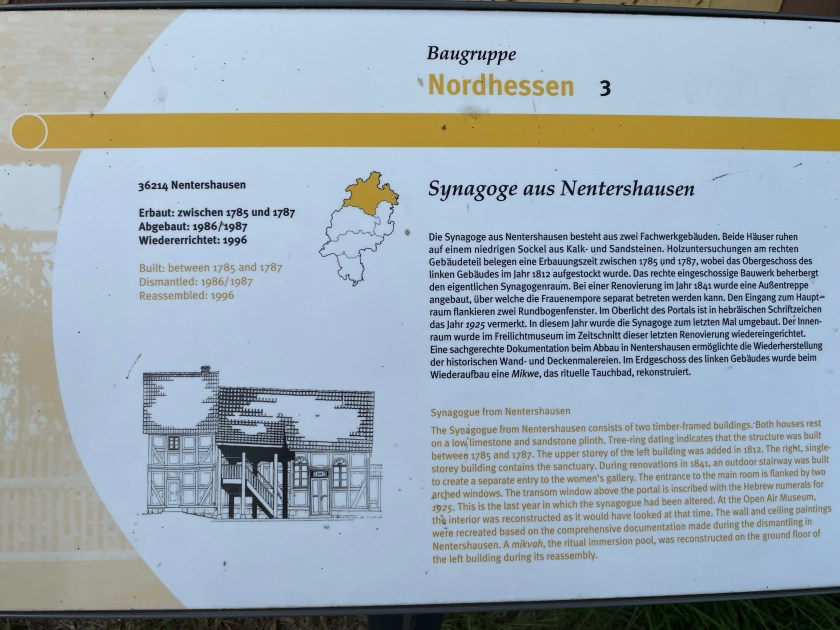
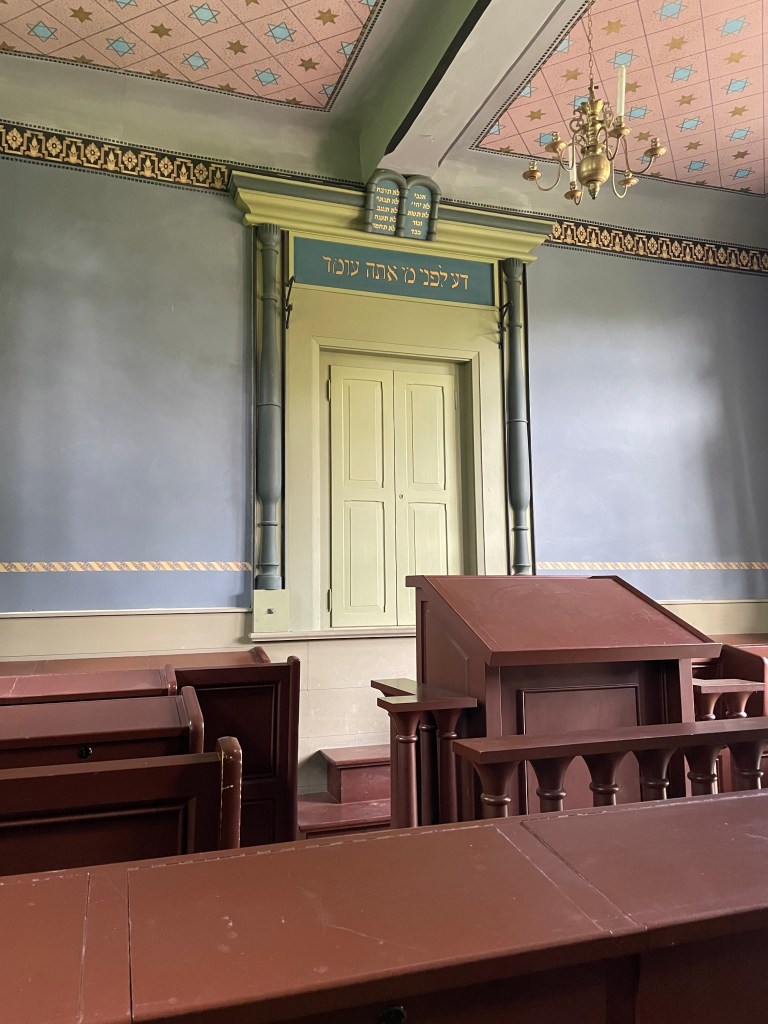
This synagogue was built between 1785 -87 and relocated here in 1996.

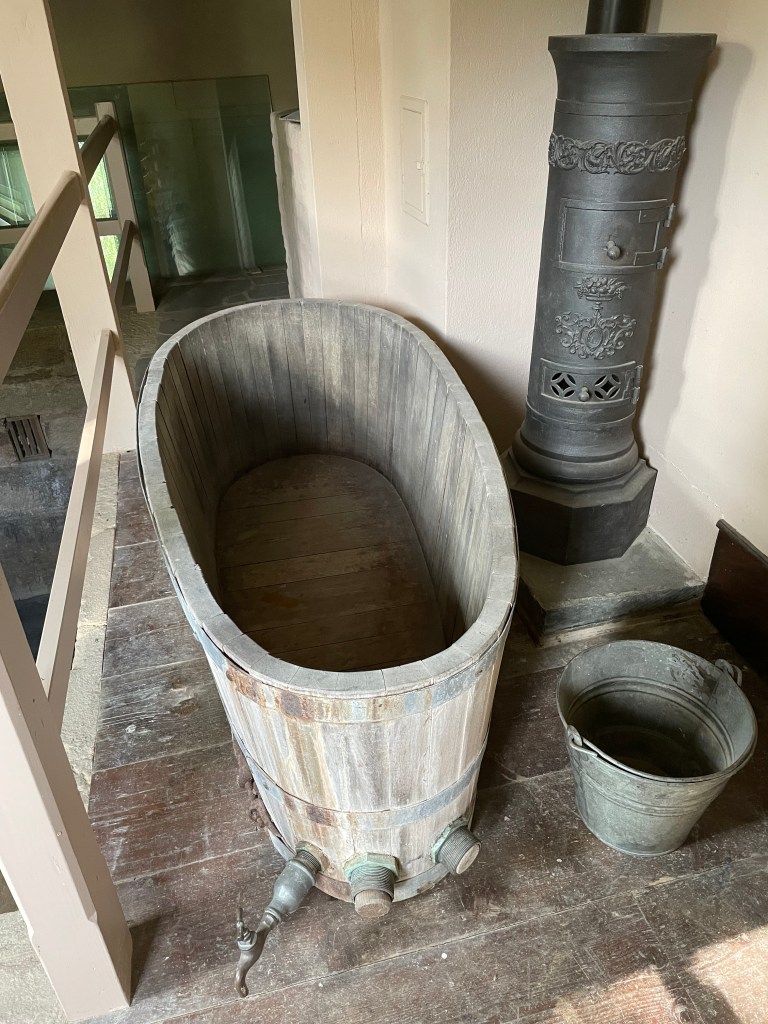
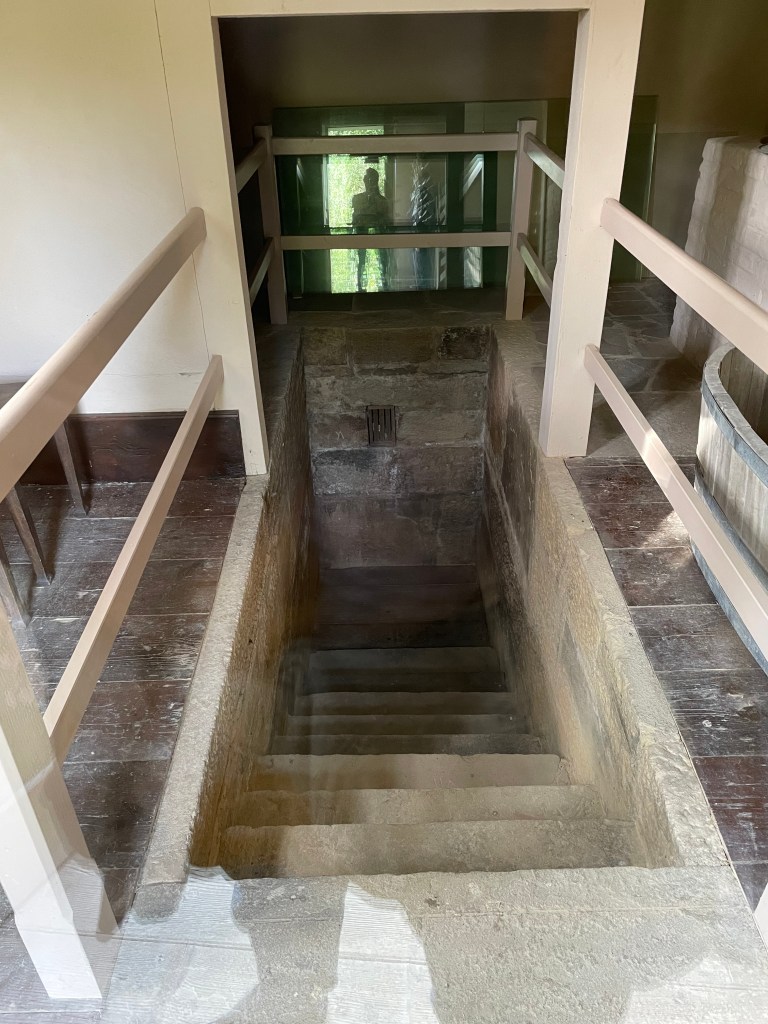
Here is a mikvah for ritual washing.

Hessenpark Open-Air Museum in Neu-Anspach, Hesse, Part 3

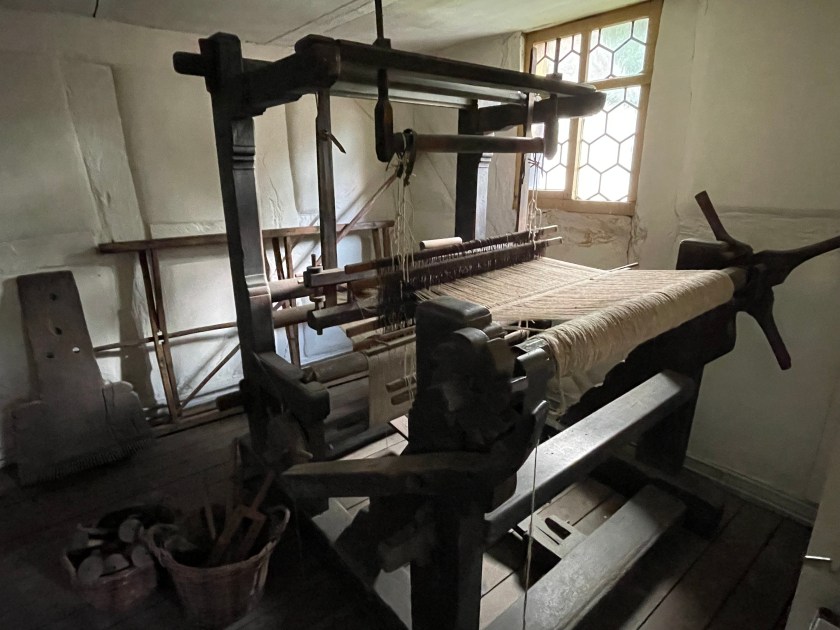
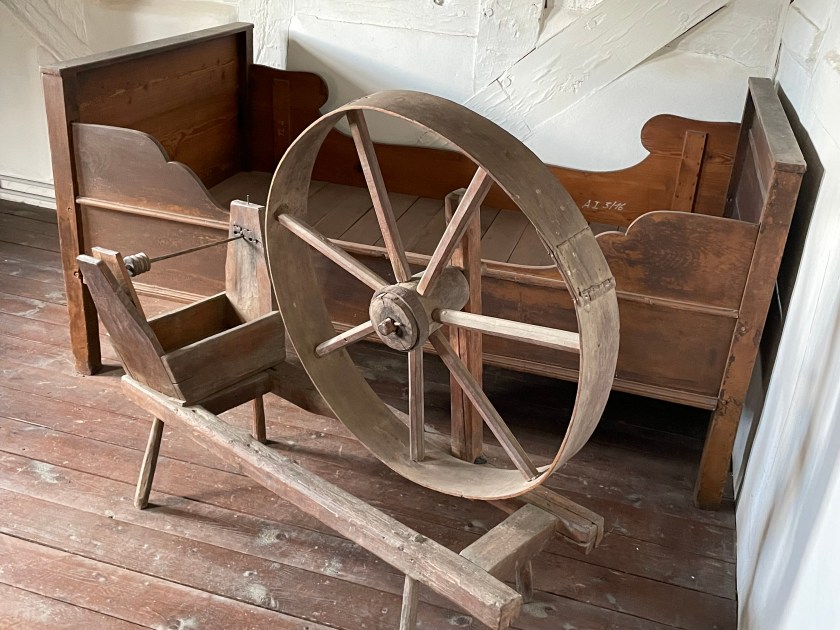
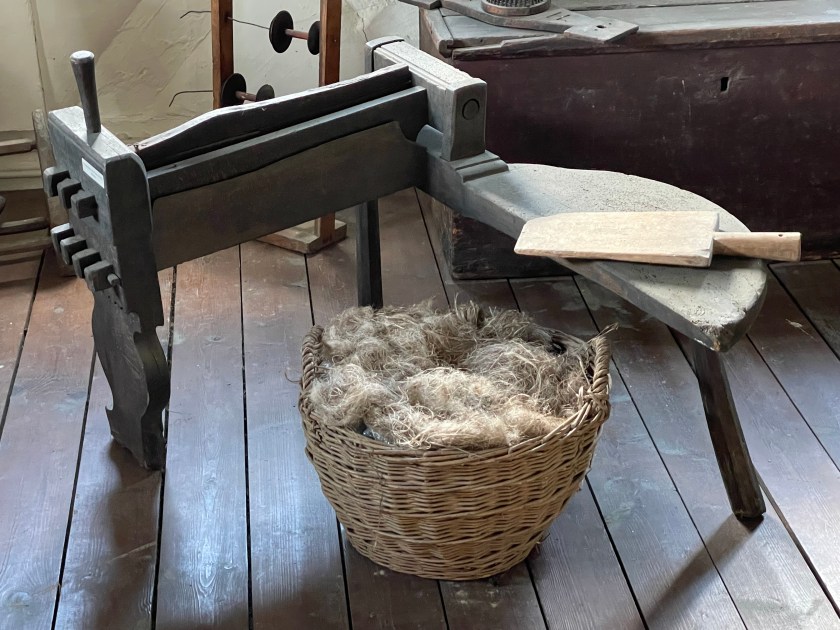
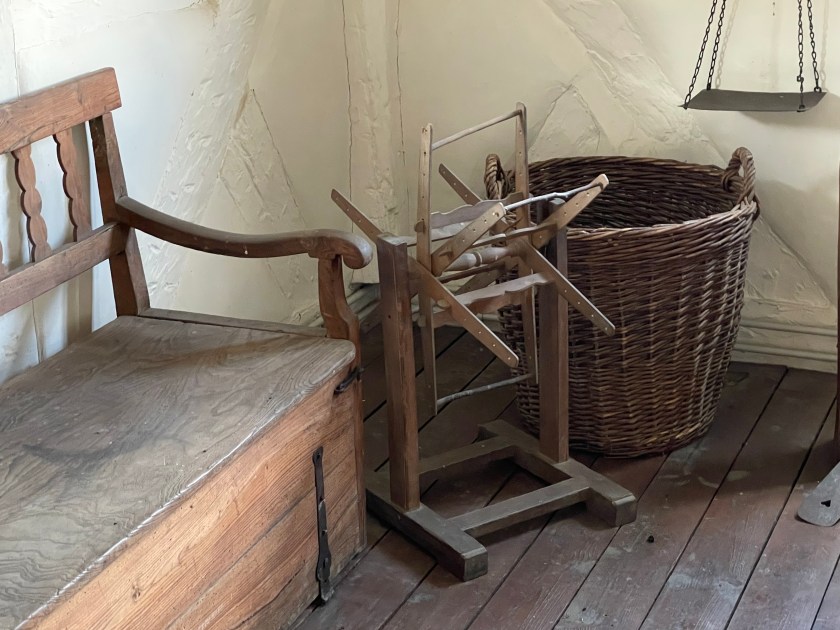
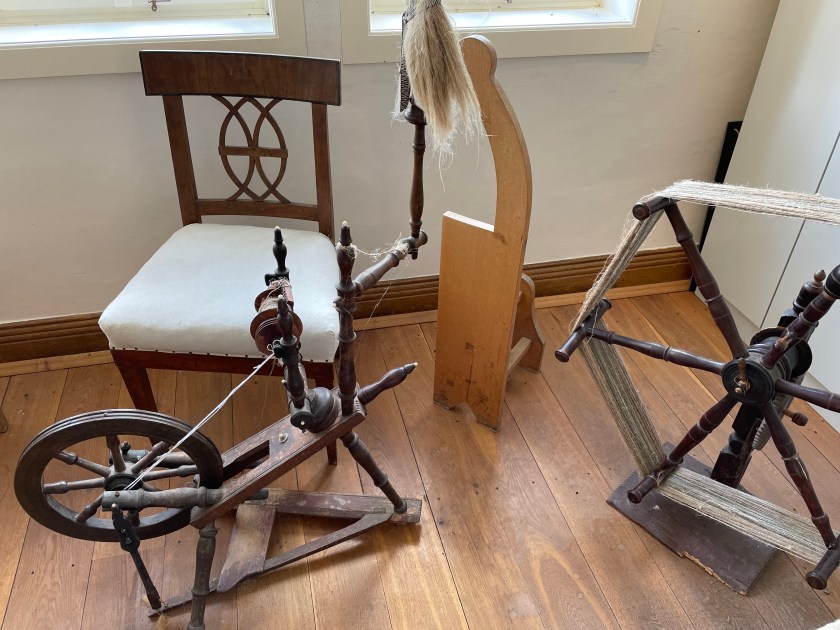
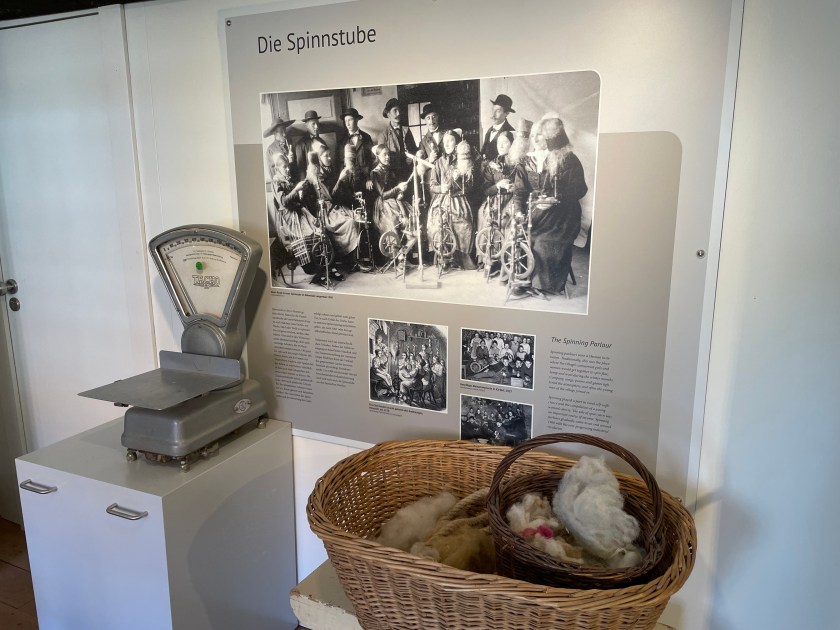
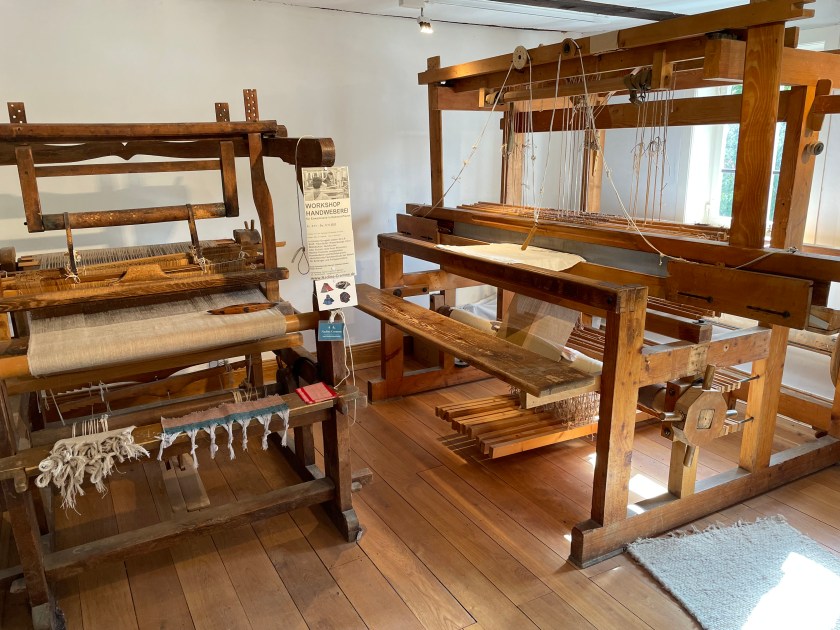
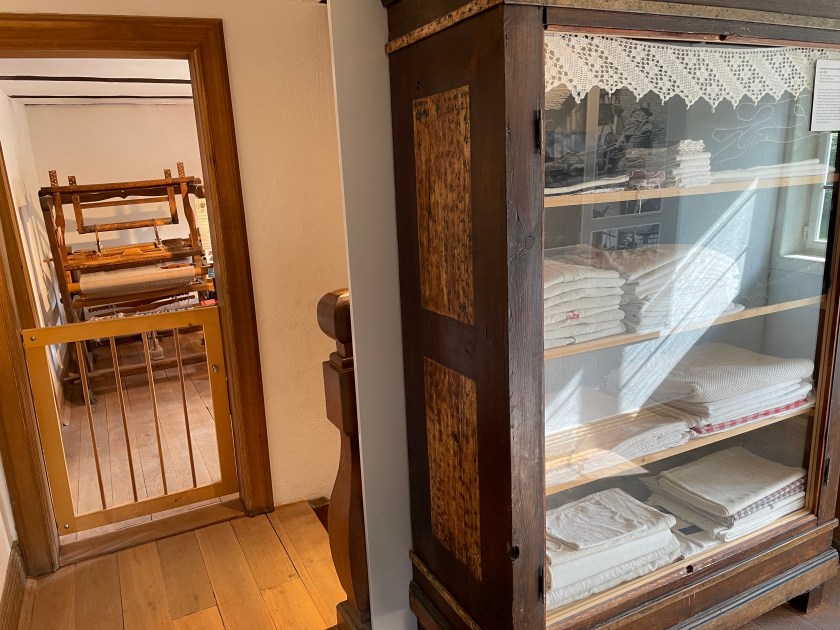
This tour of Hessenpark continues here with a house for weavers and information about the various kinds of woven cloth made here.

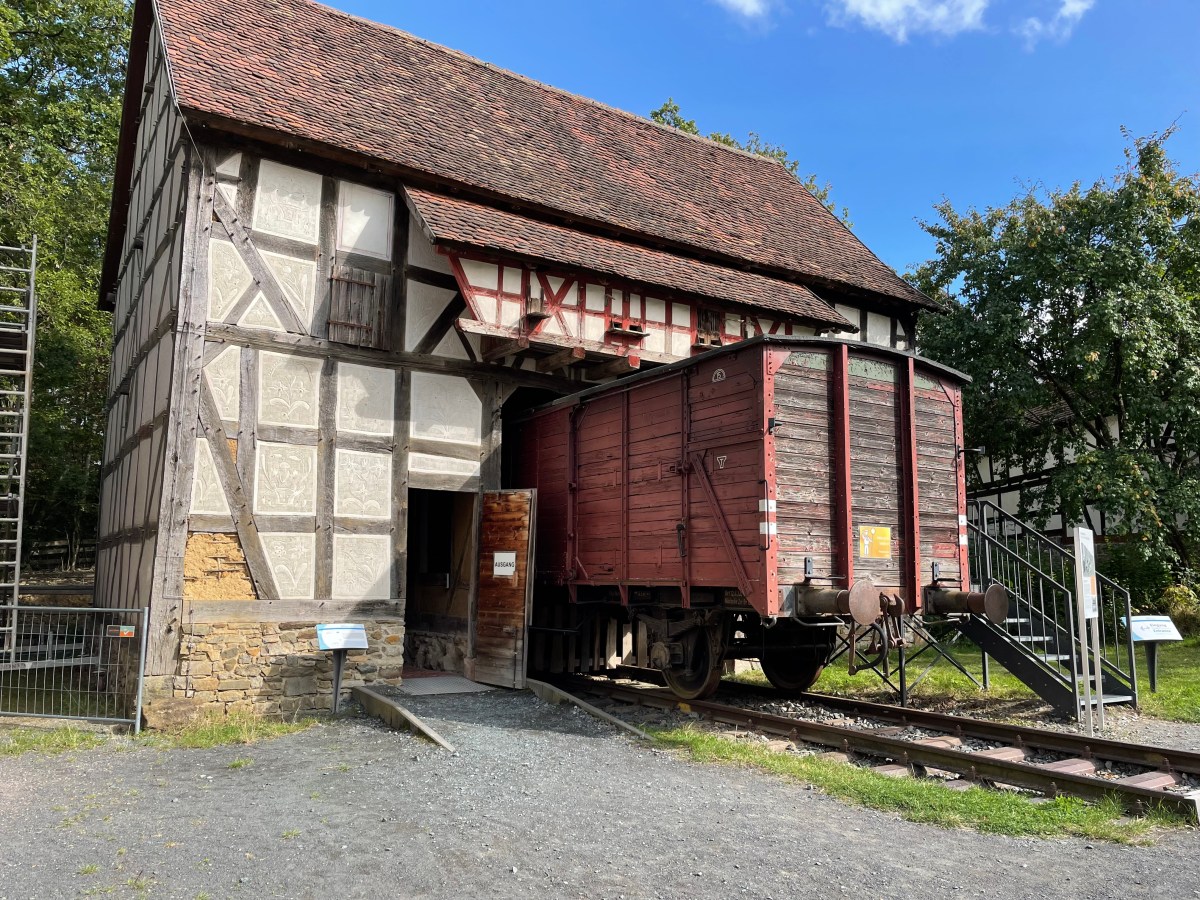
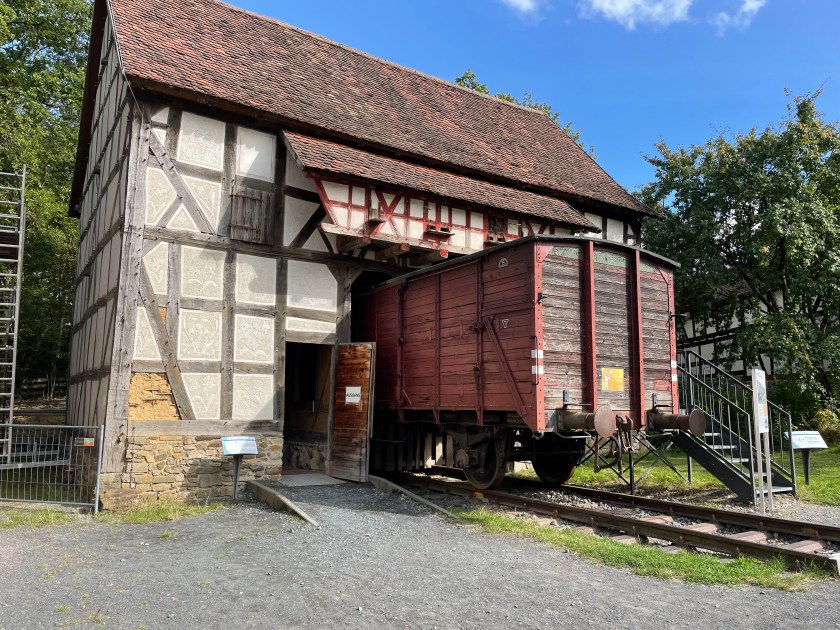
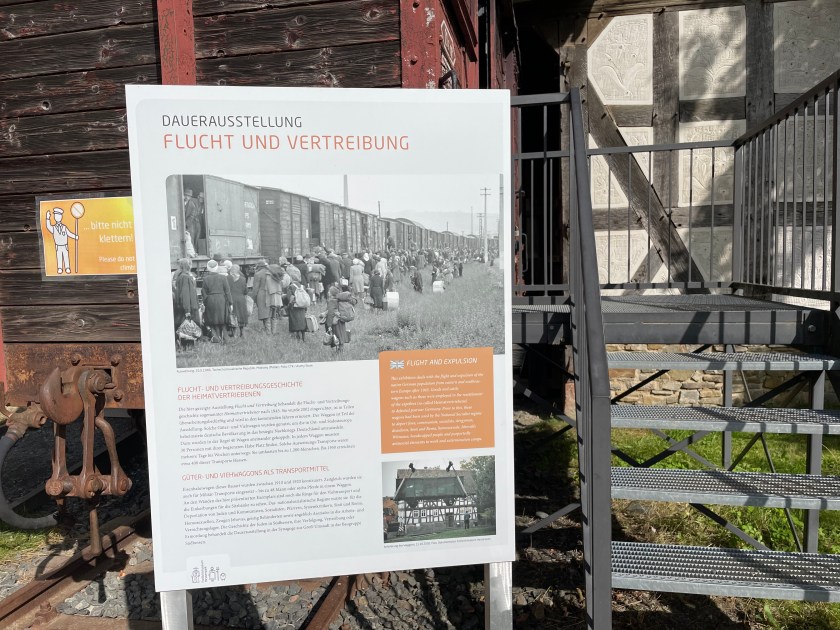
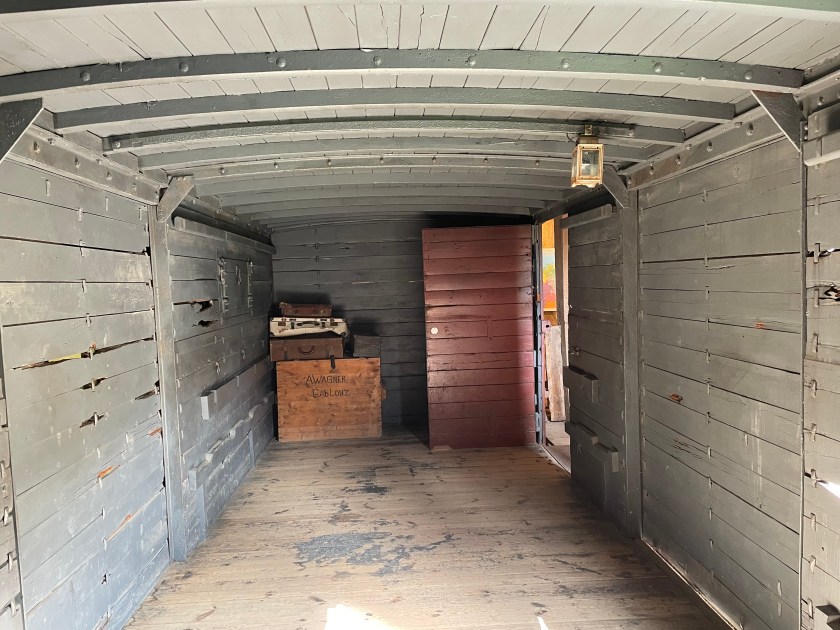
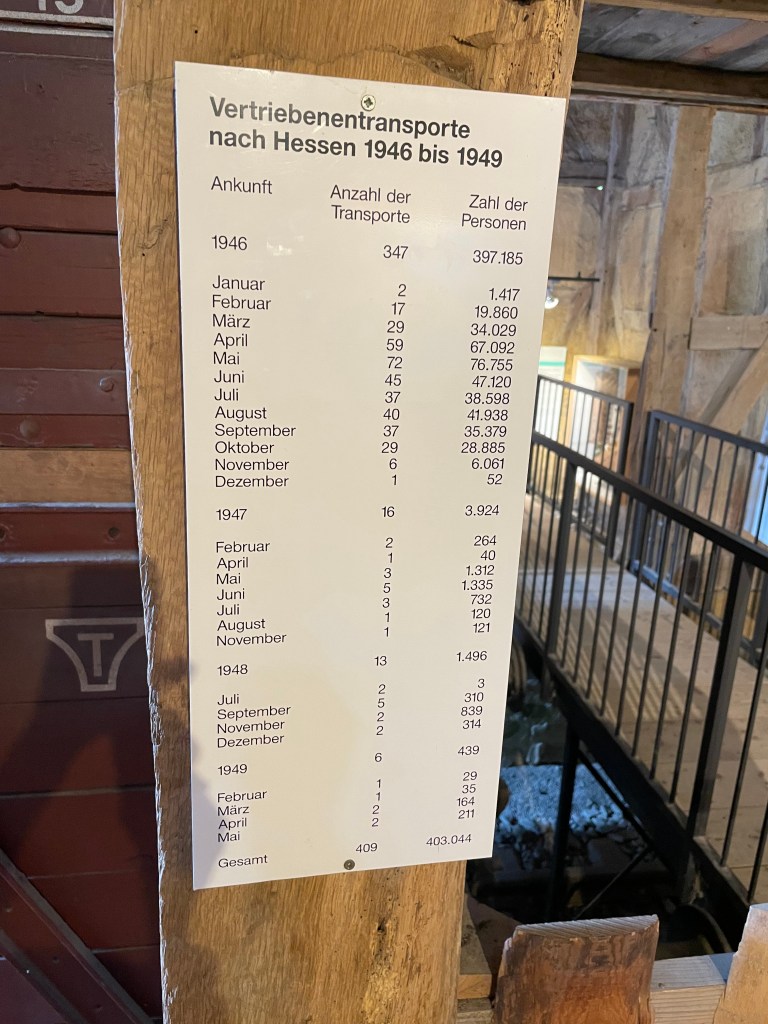
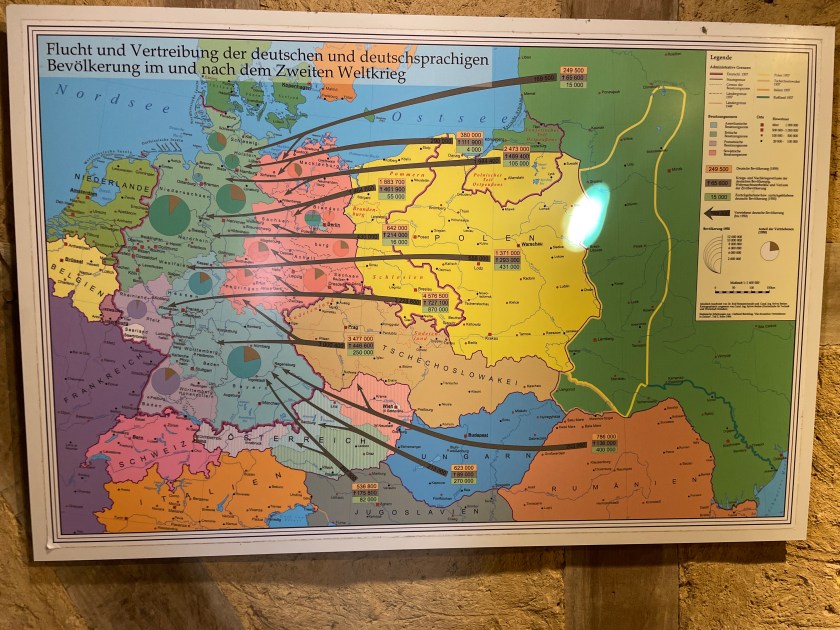
This was one of the most sober buildings in the park–a train station with an actual train car used to deport people during WWII.

We’ve all read accounts of the transports and the broken hearts carried in these boxcars.  It was chilling to step into one of them.

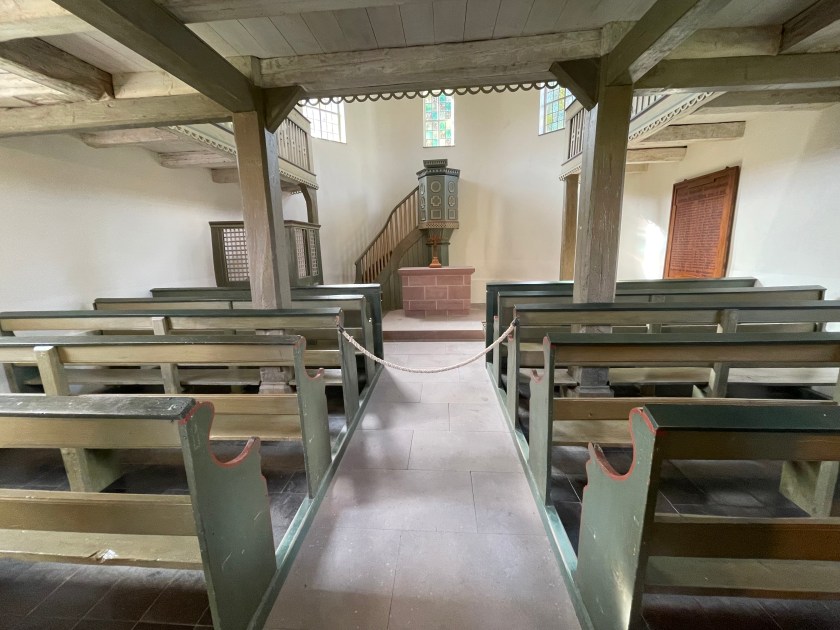
Here is another church, built in 1480!

And another church:

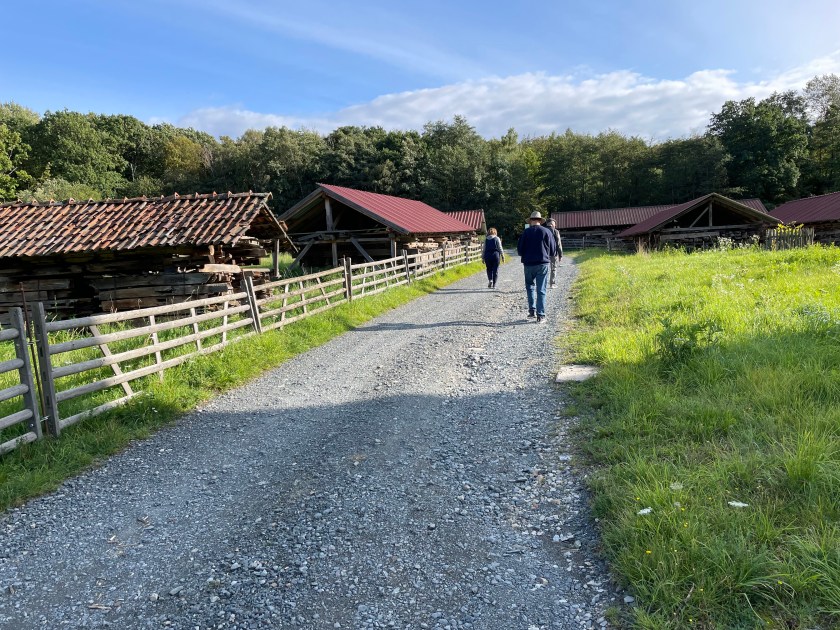
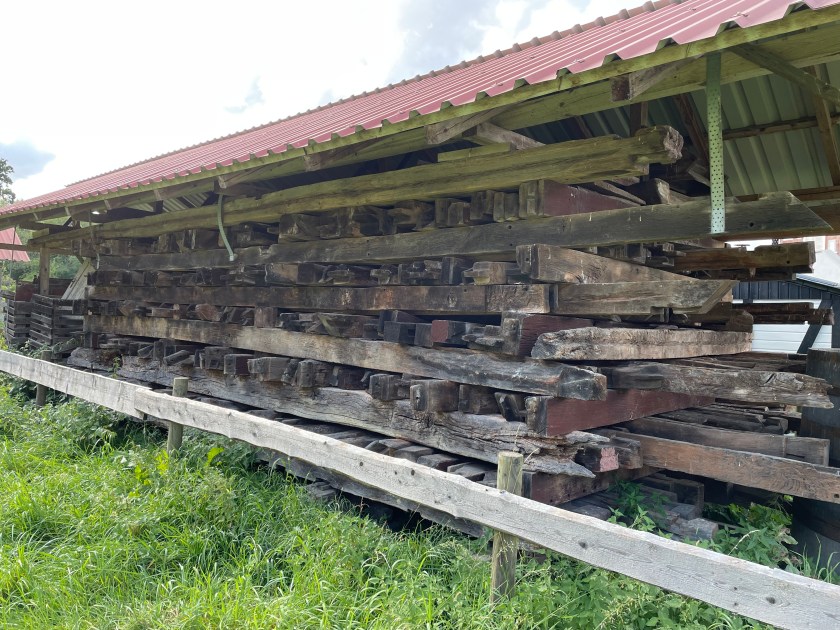
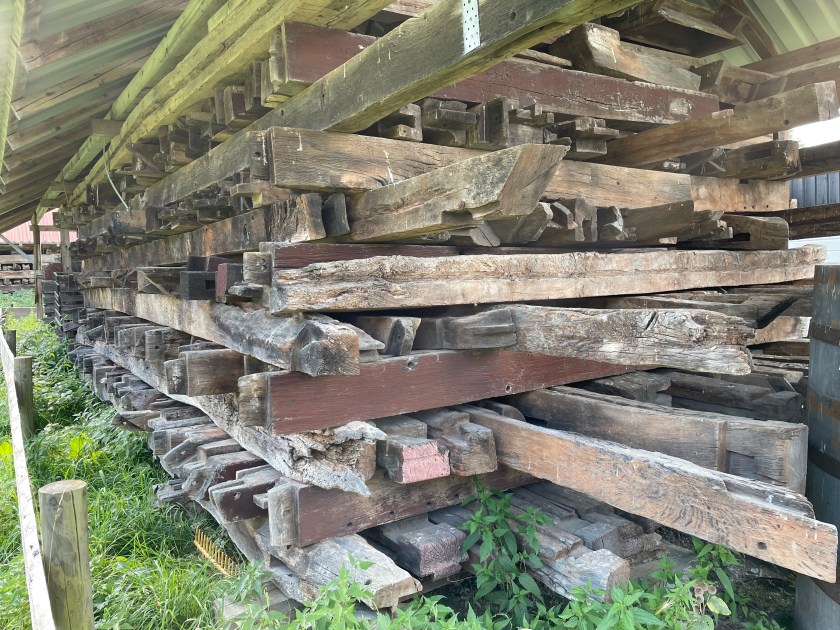
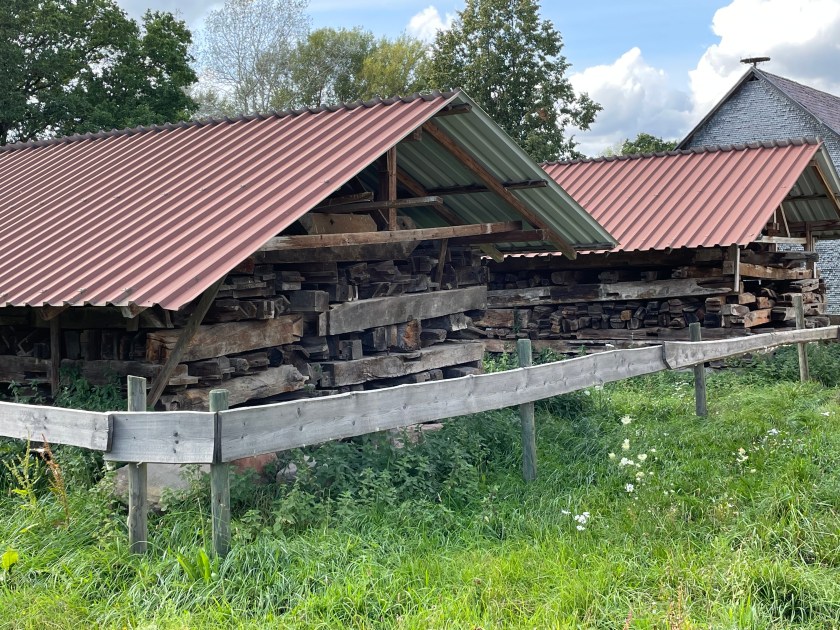
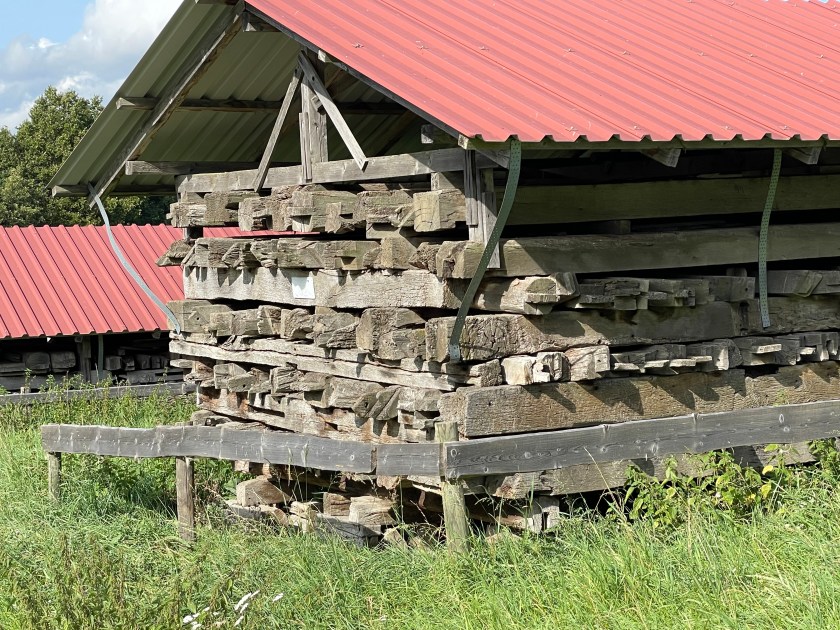
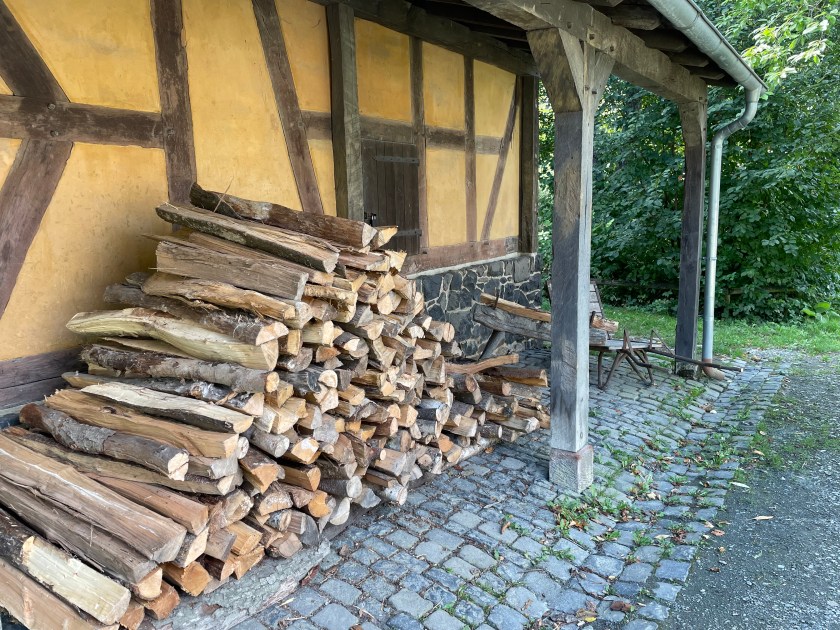
These are some of the dozens of sheds covering parts and pieces of documented homes waiting to be reconstructed here.  At first I thought they were just wood sheds and I thought Dad came by his “Junk Shed” naturally–it looked very much like these, with parts and pieces of anything that might one day be useful.

Our traveling companions, the Garbers, enjoying this perfect day with us.  The tour continues in the next blog post.

Hessenpark Open-Air Museum in Neu-Anspach, Hesse, Part 2

Our tour of Hessenpark continues–

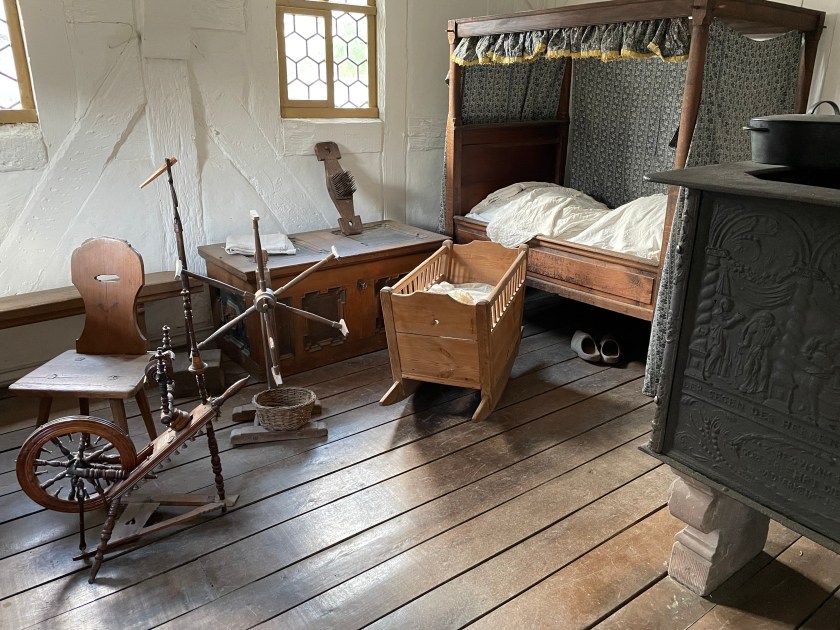
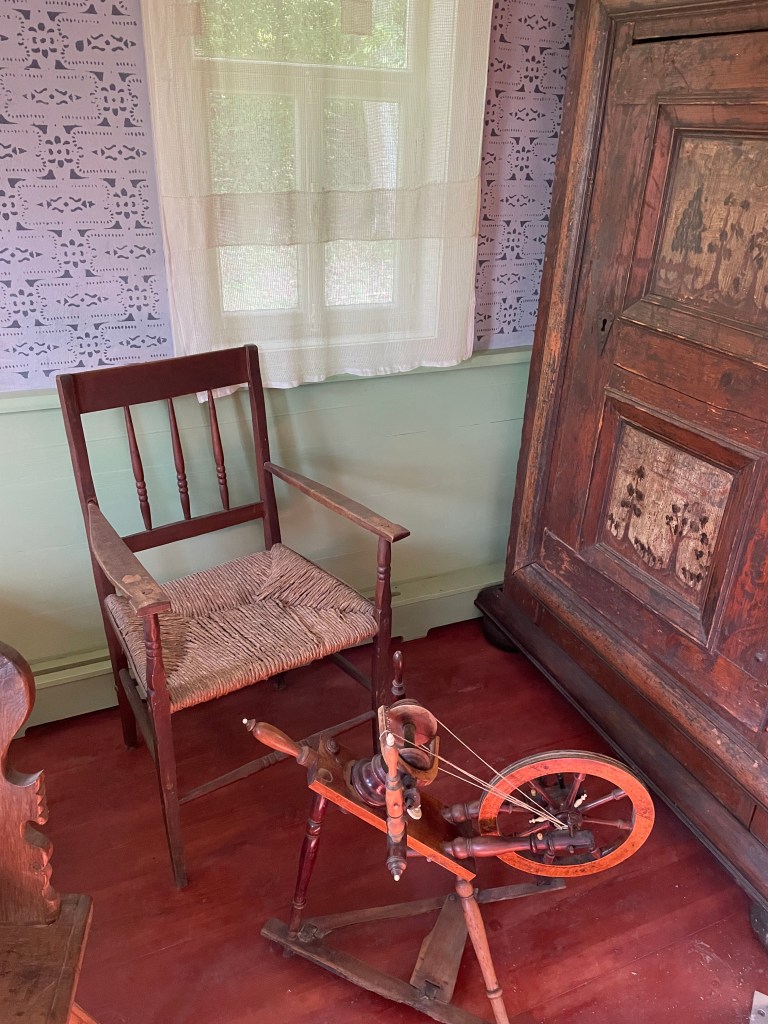
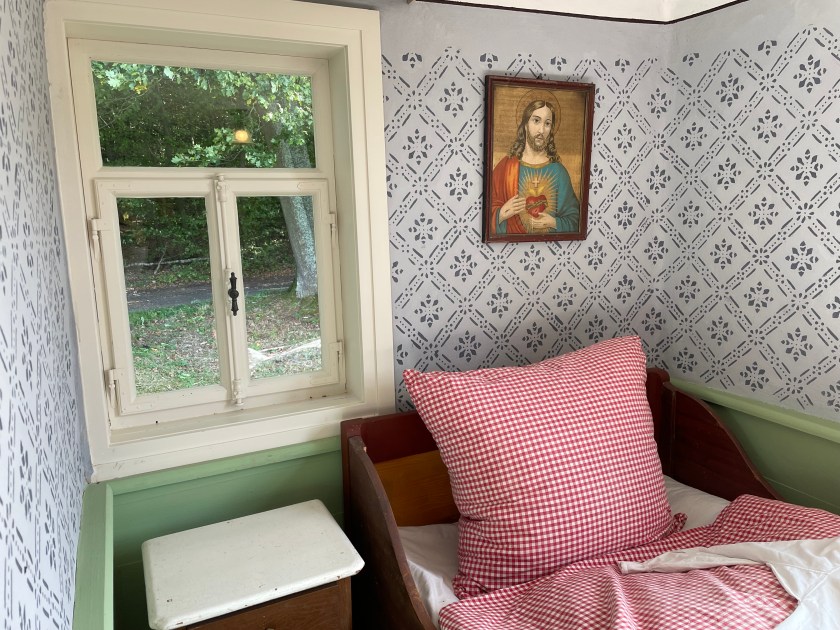
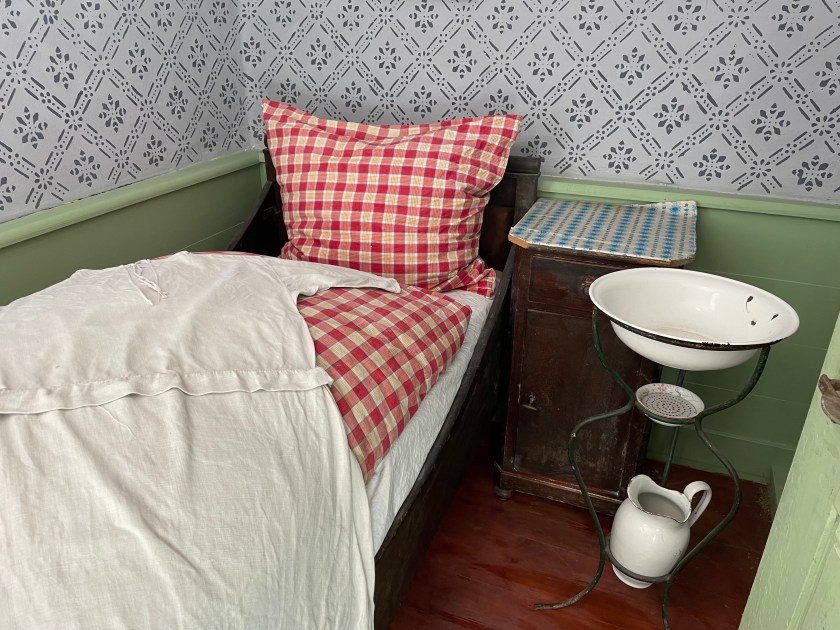
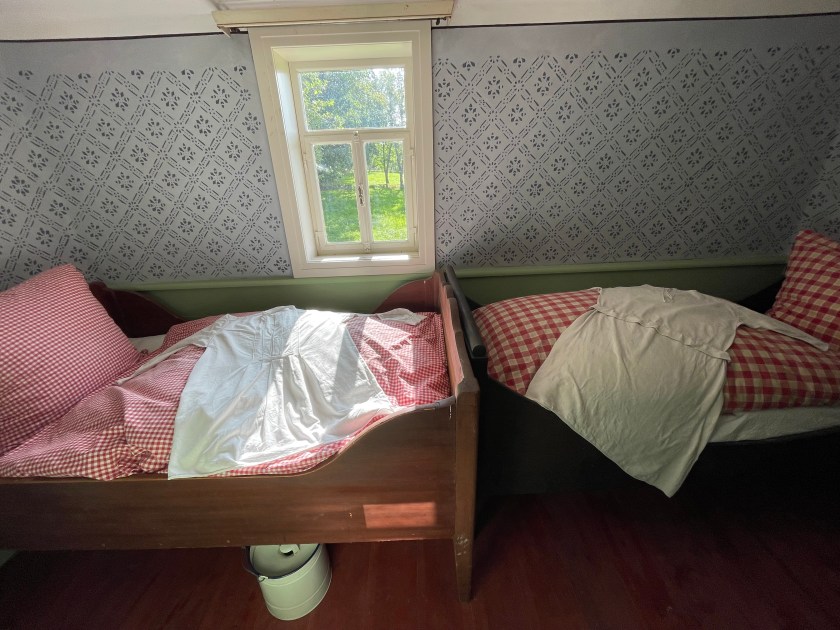
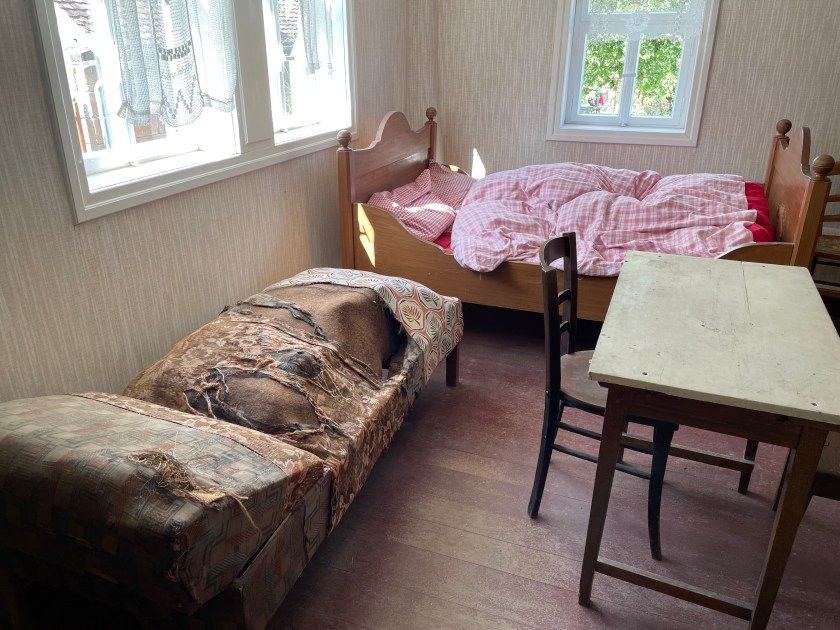
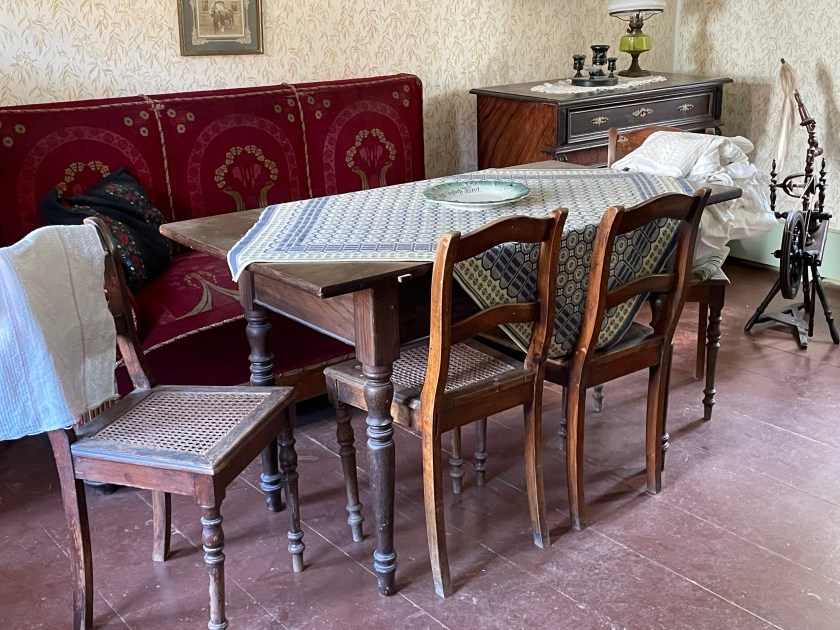
I try to imagine the people who lived in these places.  The mothers and fathers, the children, the grandmas.  You can almost feel their spirits here, watching over and remembering their time on earth.

I wonder if they felt comfortable and happy here.  I like to believe they did.

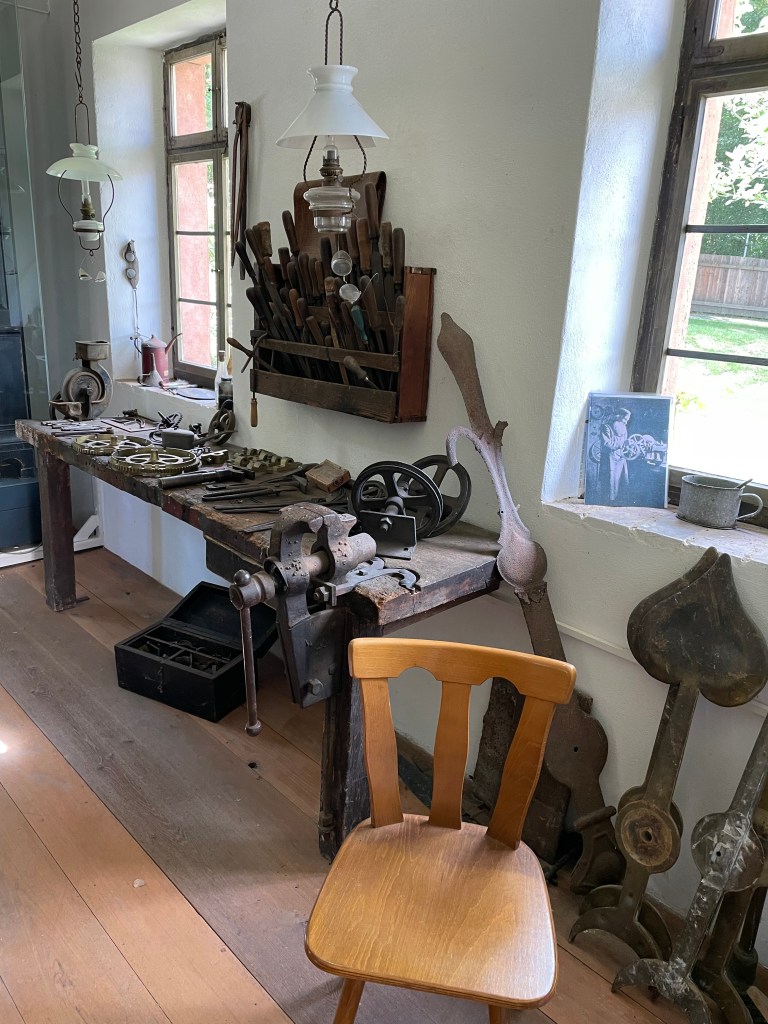
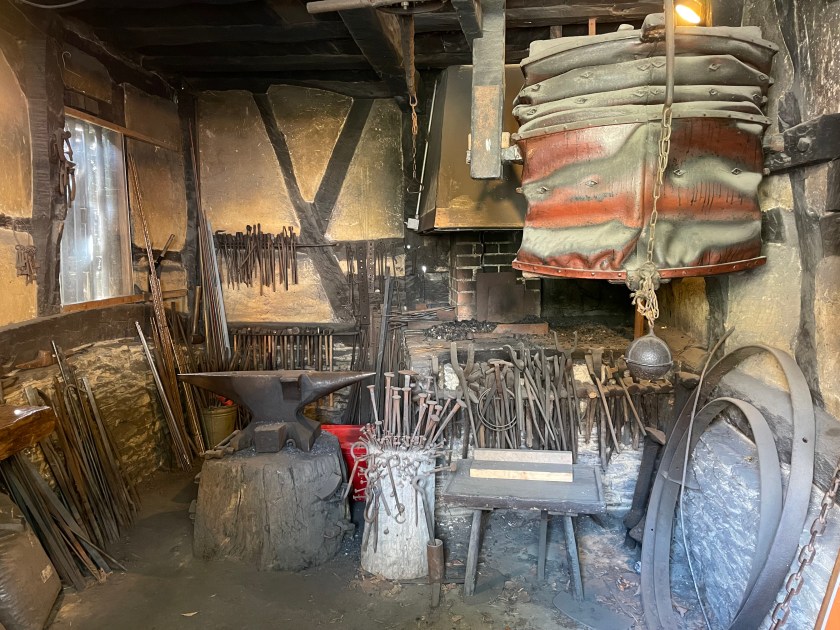
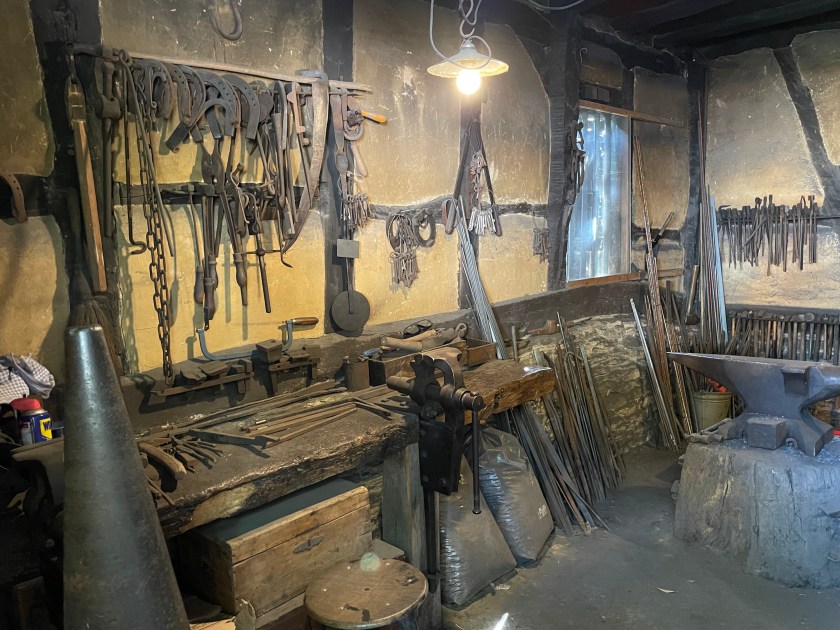
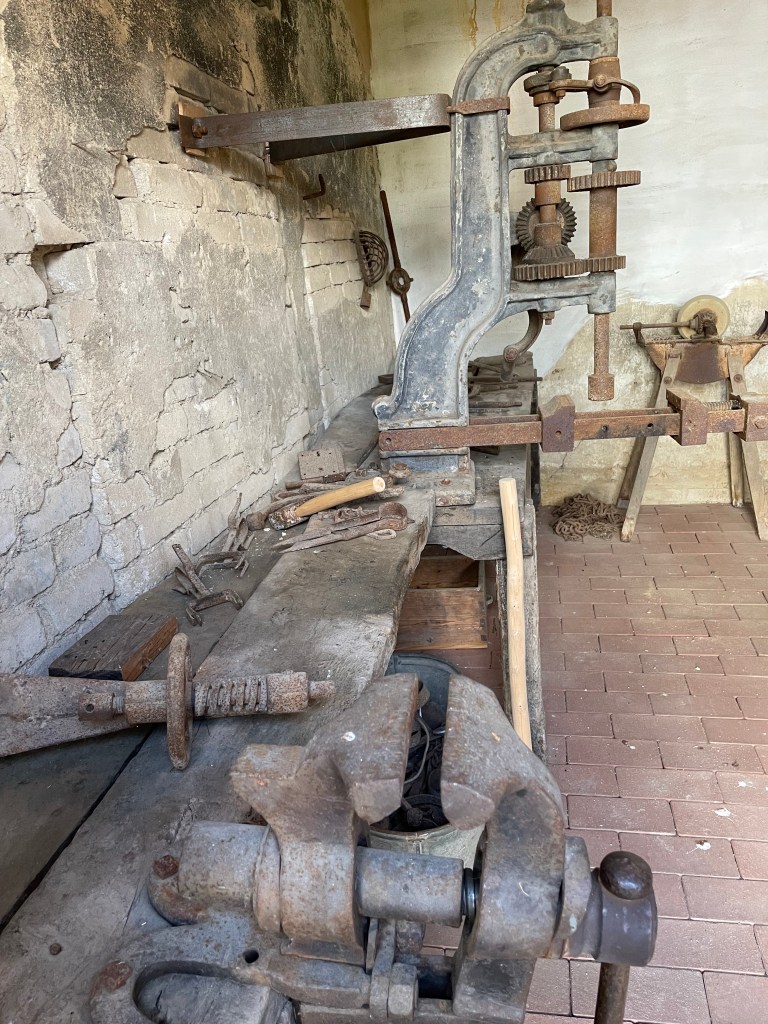
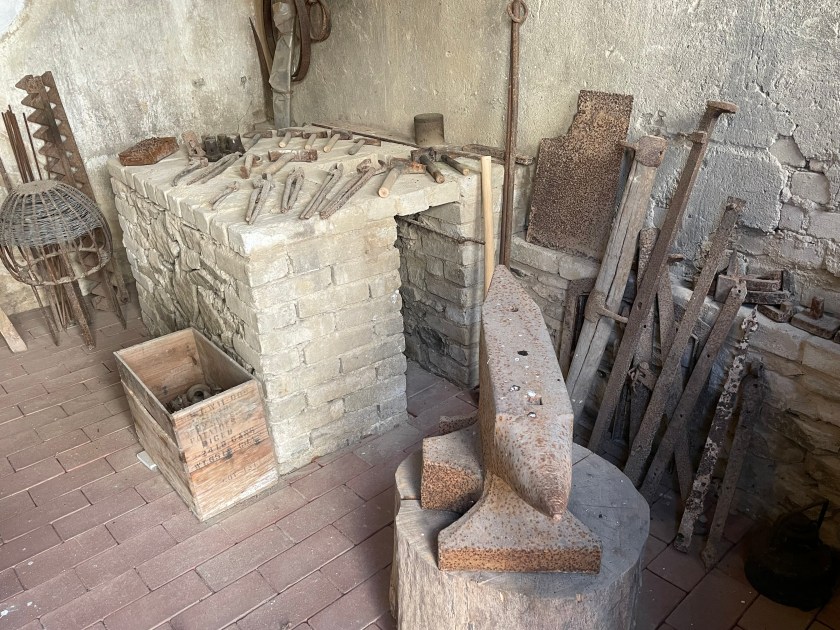
Here is a blacksmith’s shop:

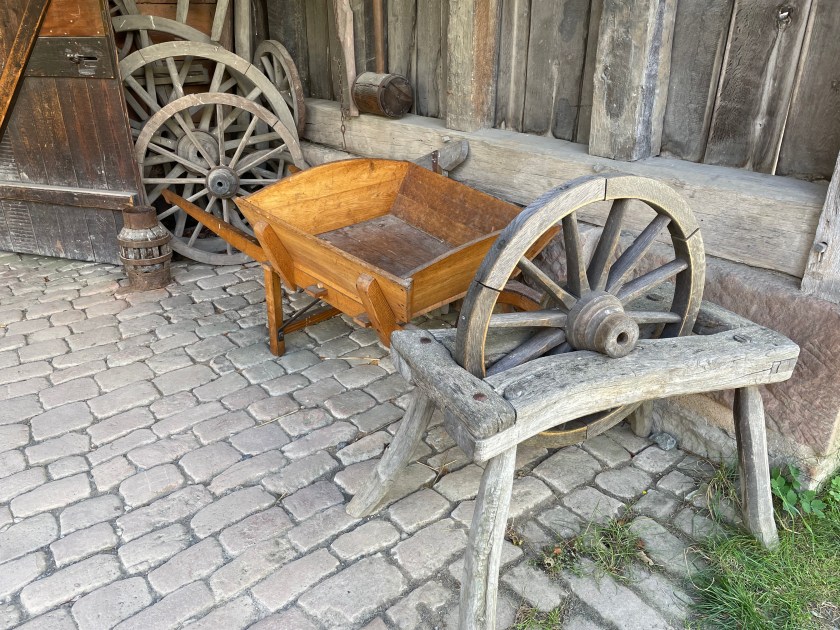
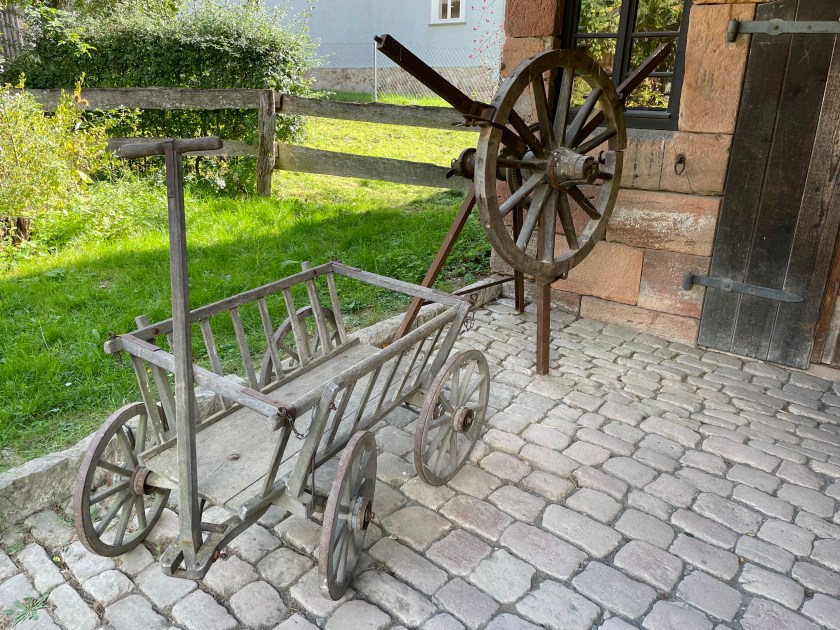
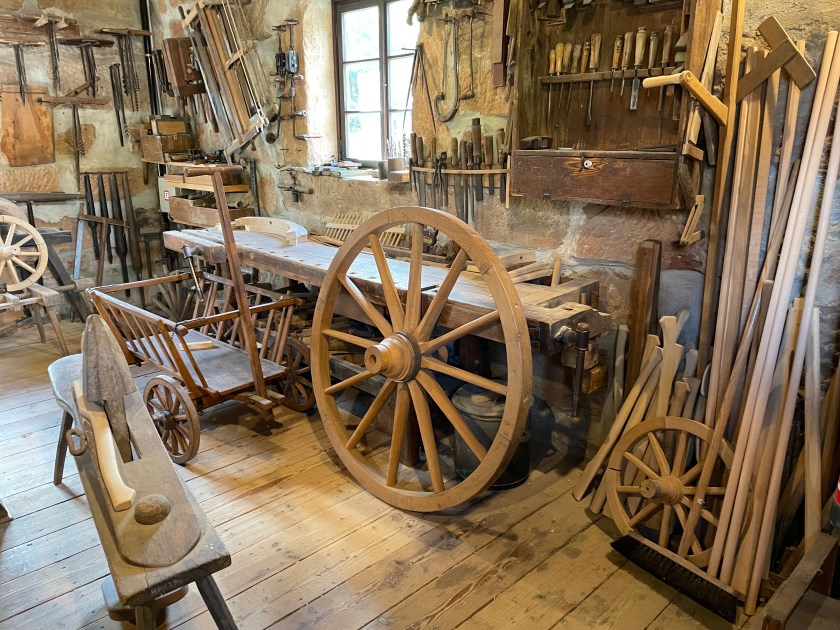
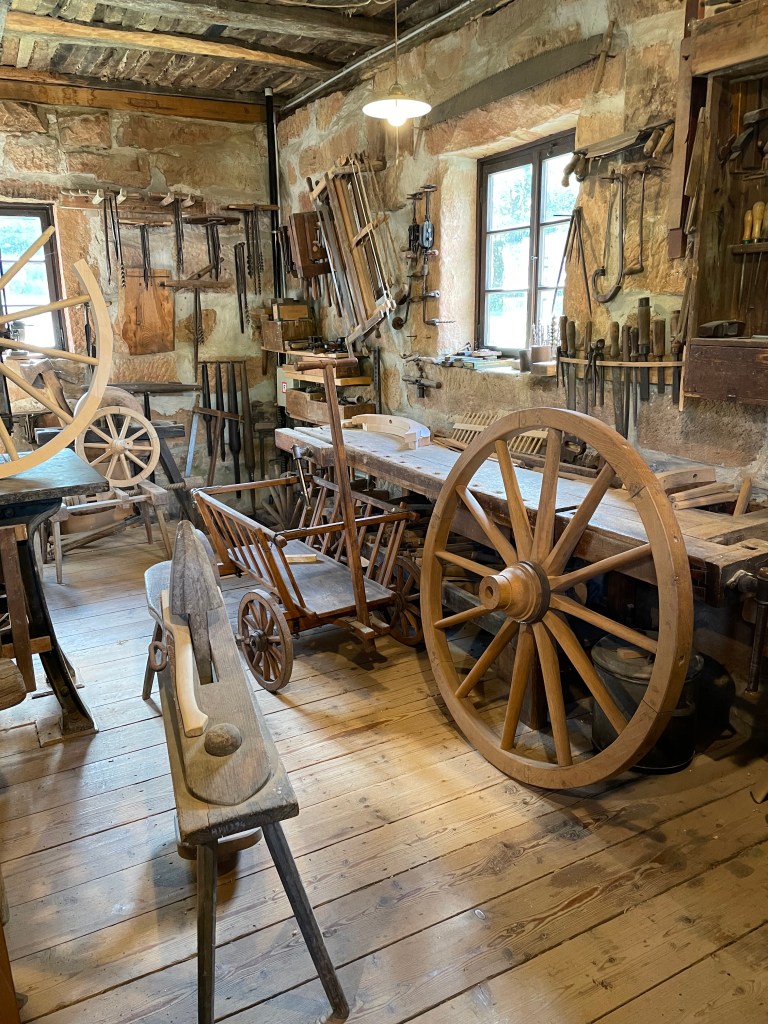
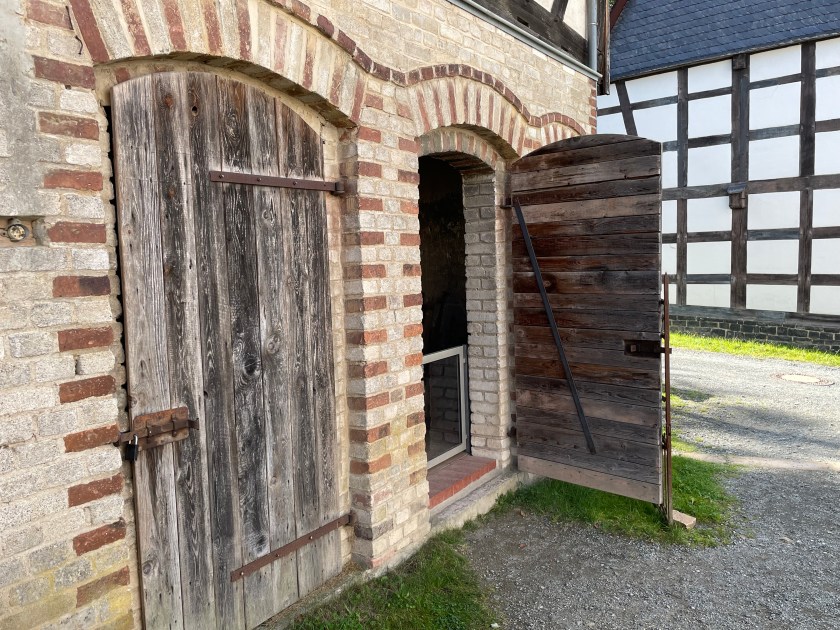
This is a wheel-maker and carpenter’s shop:

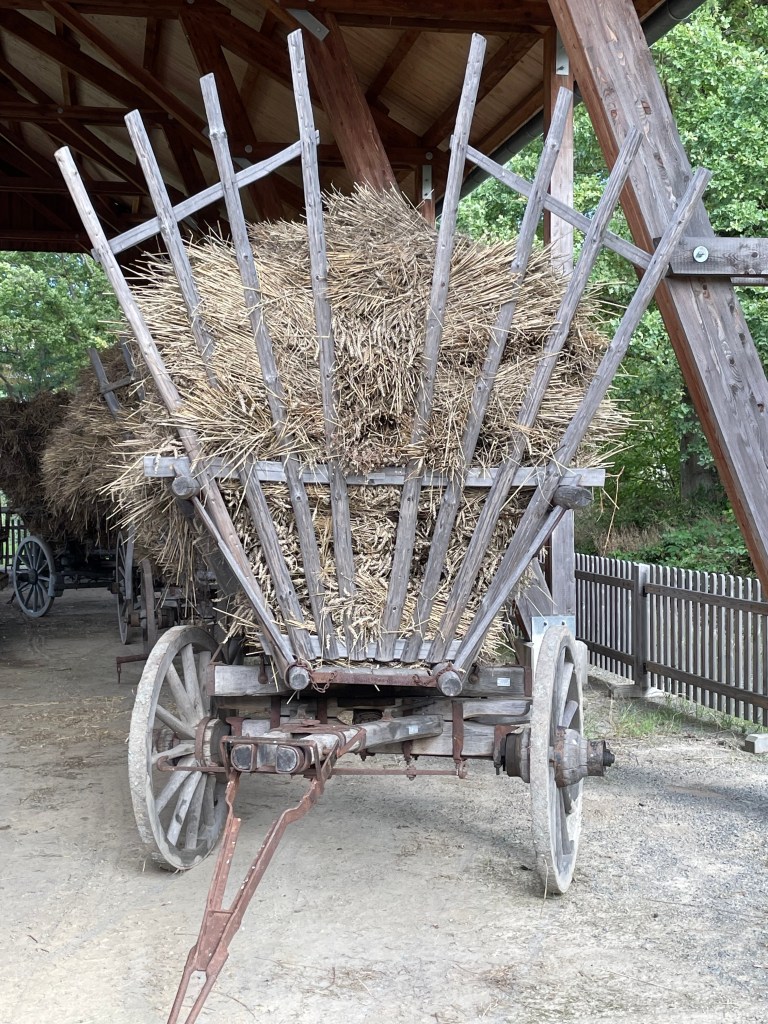
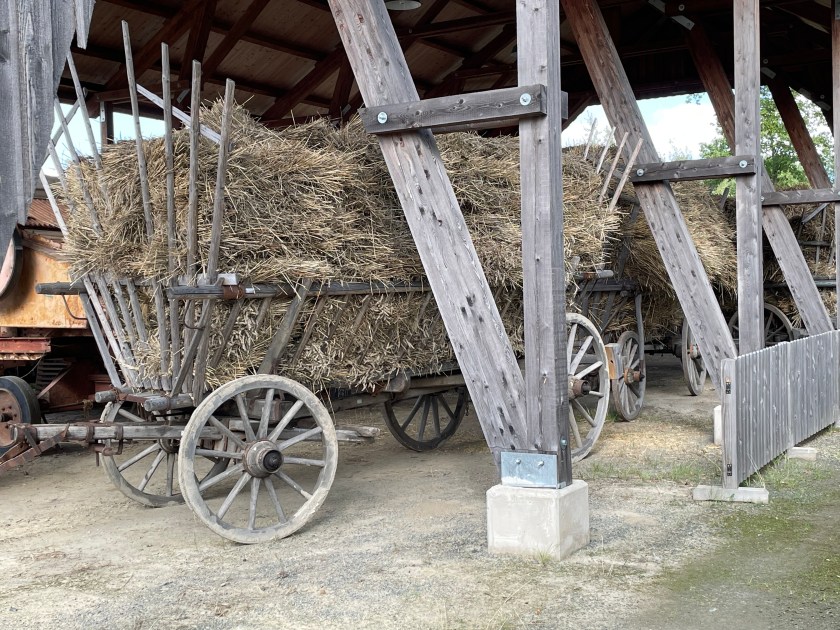
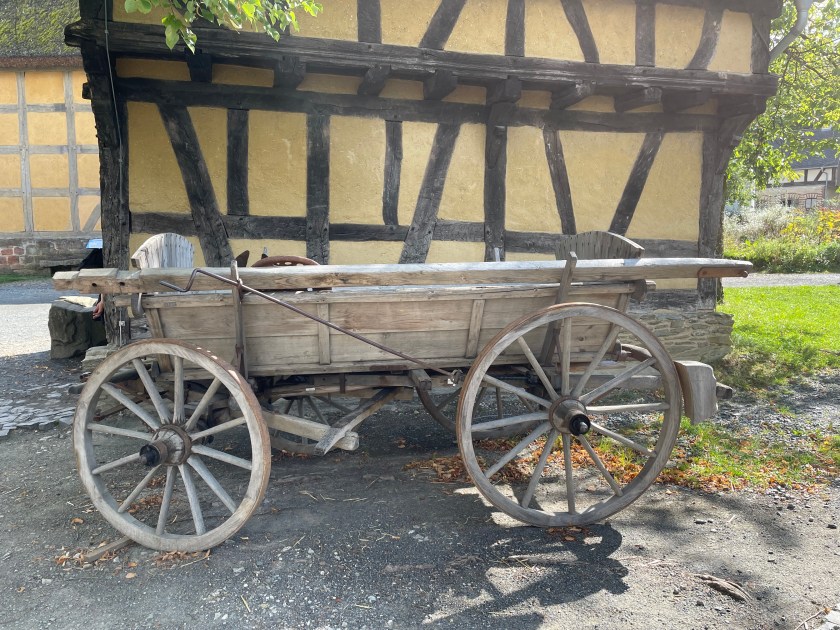
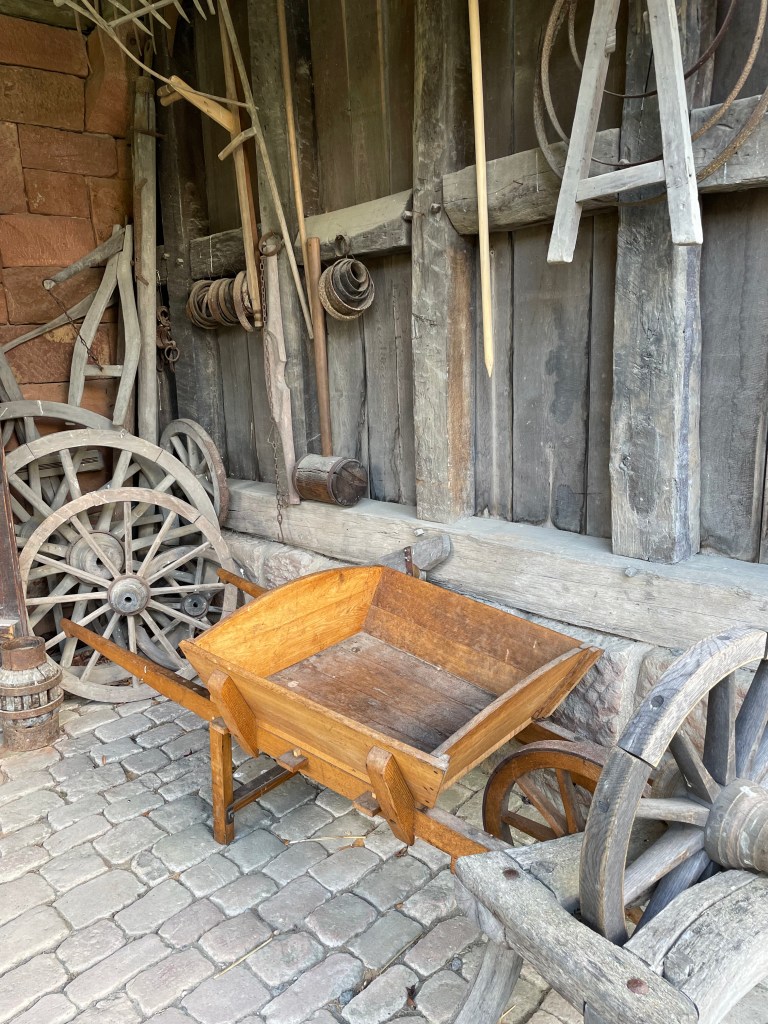
When I last visited my Grandpa Rudolf’s home Bauernhof, there were small farm wagon like this up in the hayloft.  I brought one of the extra wheels found there home with me.

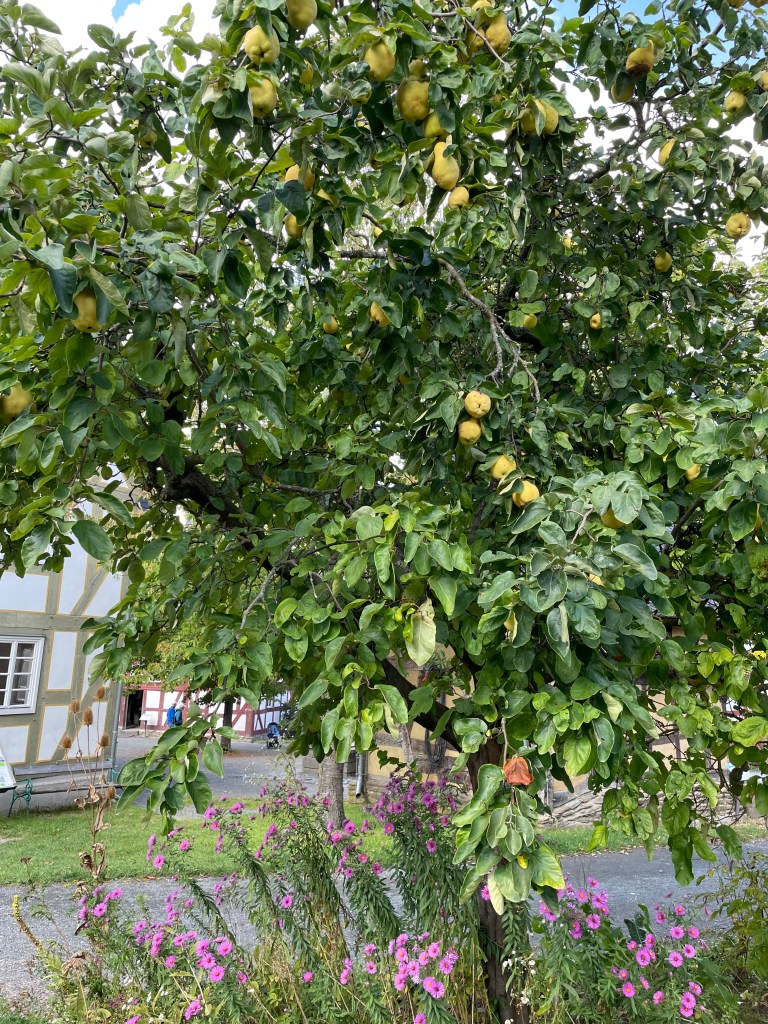
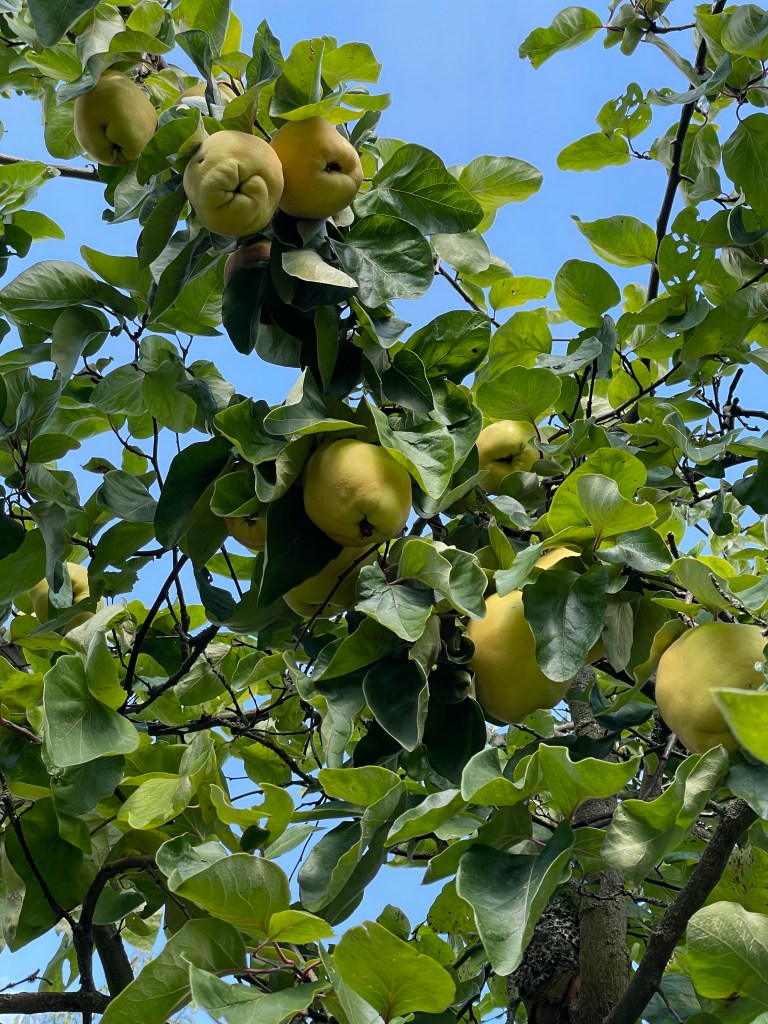
This is a quince tree, full of fruit.  Grandma Elsa had a quince tree north of the farm house.  In the fall, she’d pick the bumpy golden fruit, peel and cut it, and cook it on the woodstove in her kitchen.  She added cinnamon and sugar and made quince sauce and jam.   Cooked quince is delicious, delicate, fragrant and sweet.  You can’t eat quince raw.  It’s pithy and tart and the skin is tough, but cooked and sweetened it, it’s wonderful.

Here is another family home:

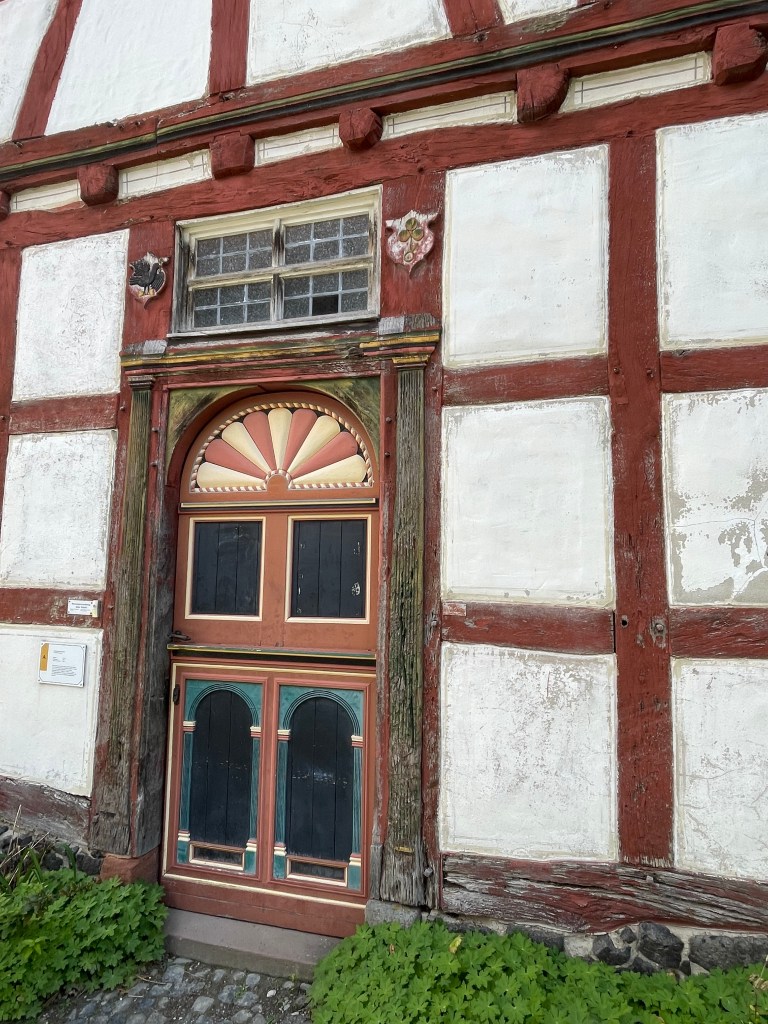
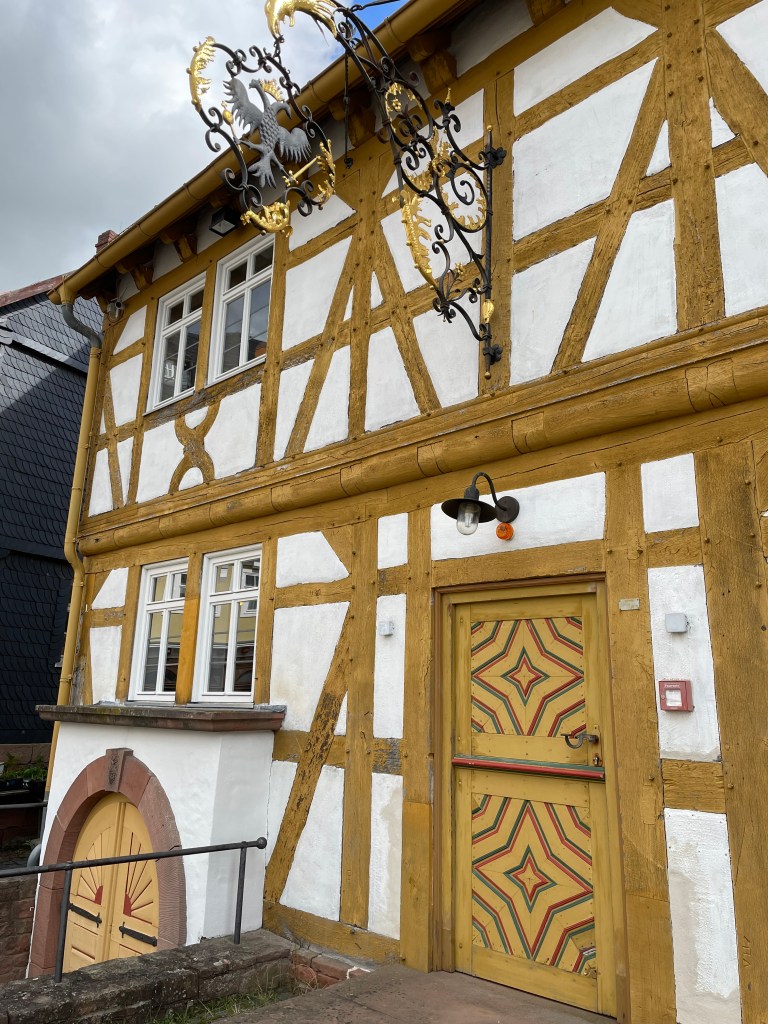
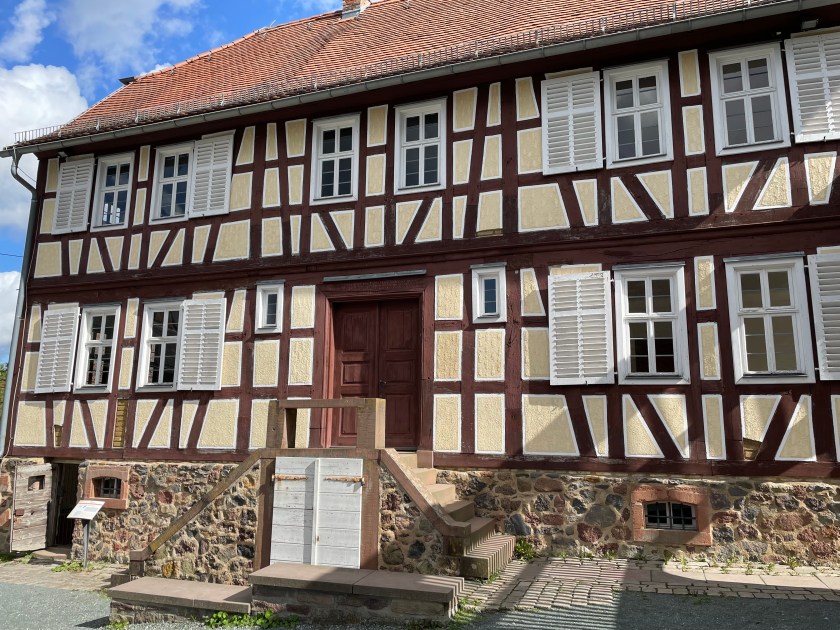
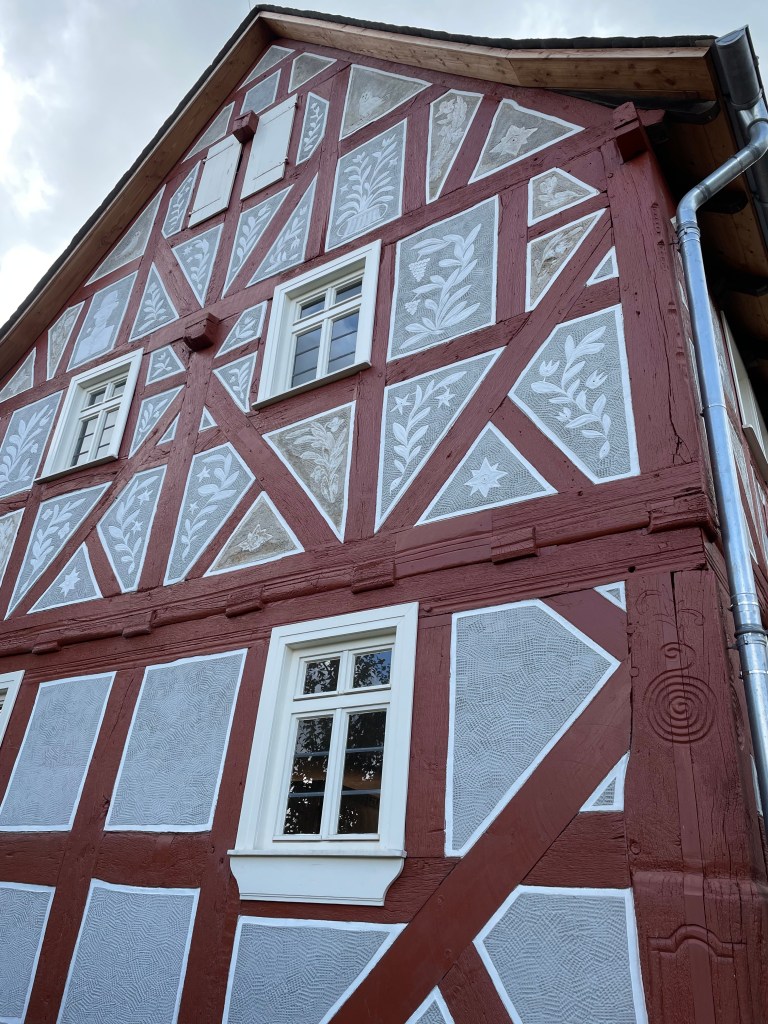
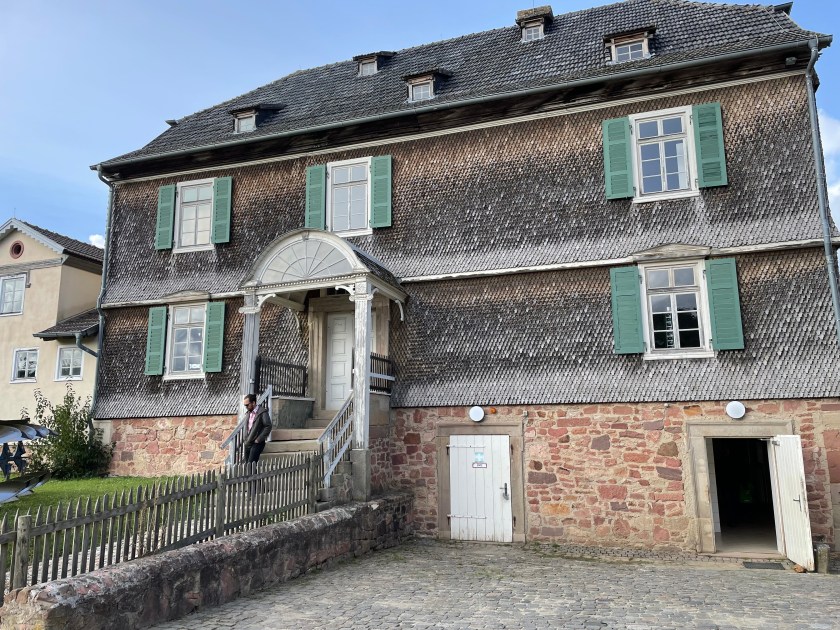
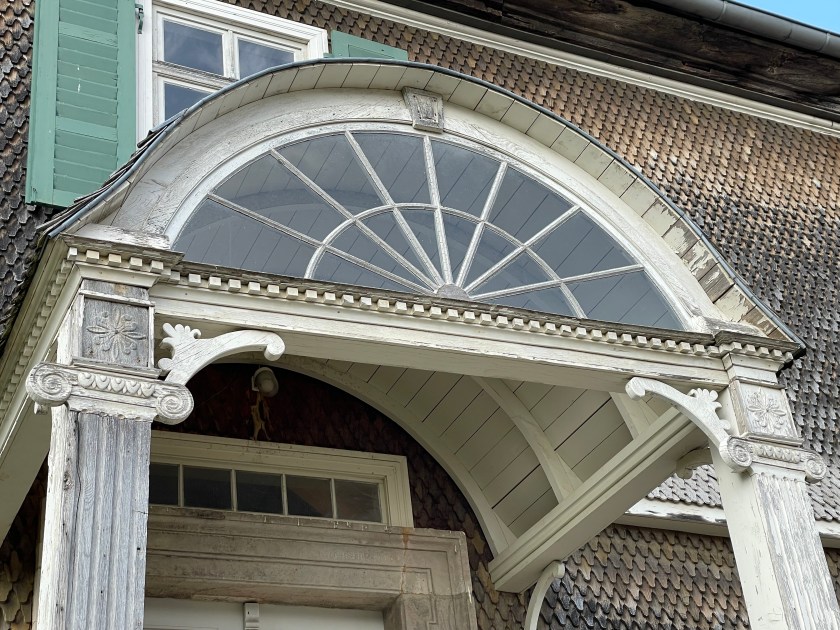
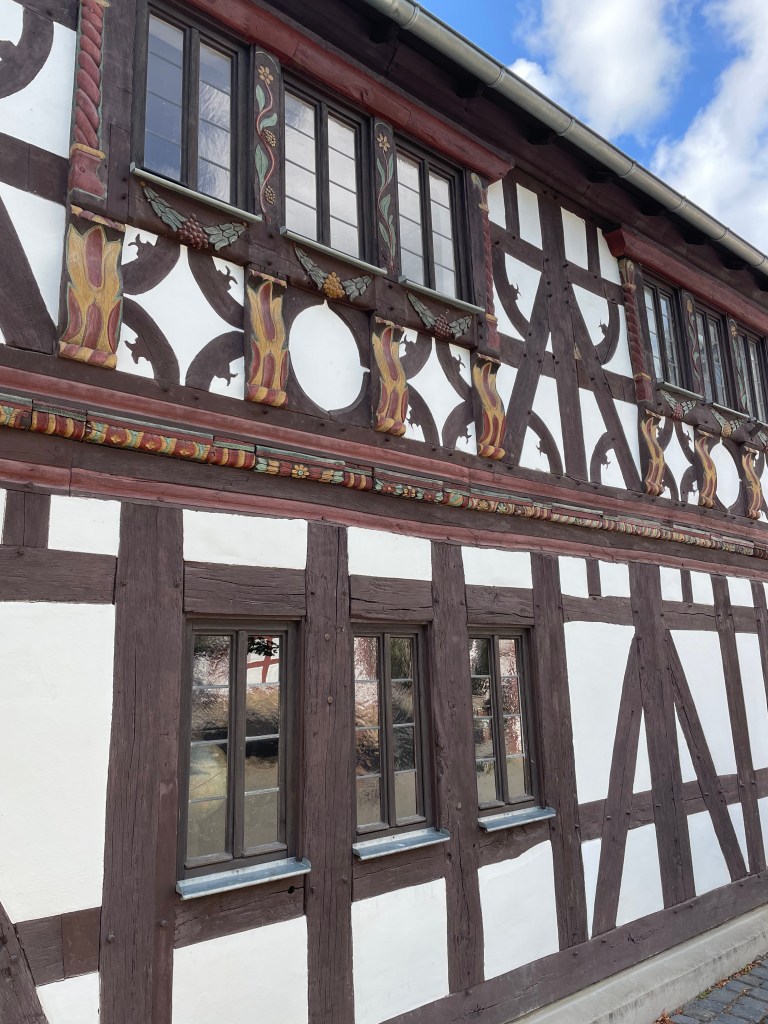
I love the care they took to beautifully detail their homes.

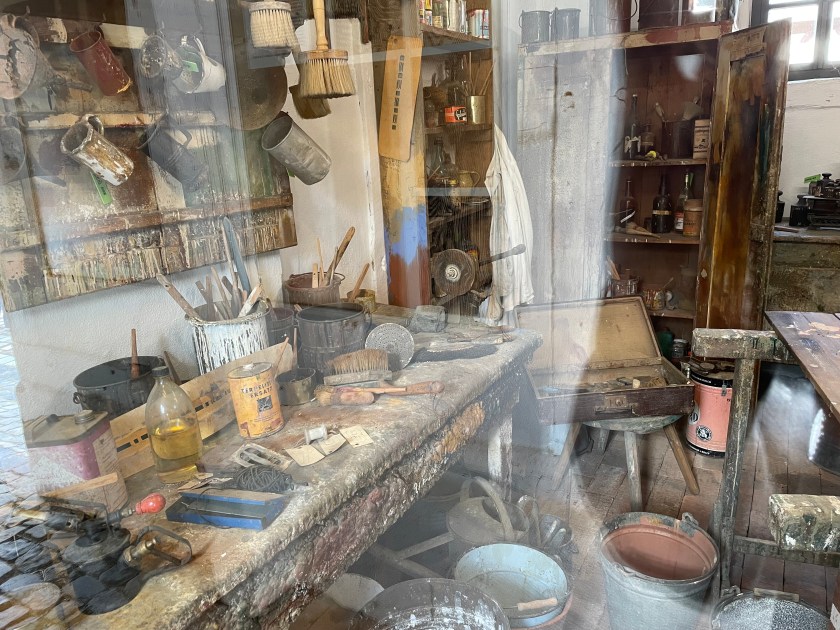
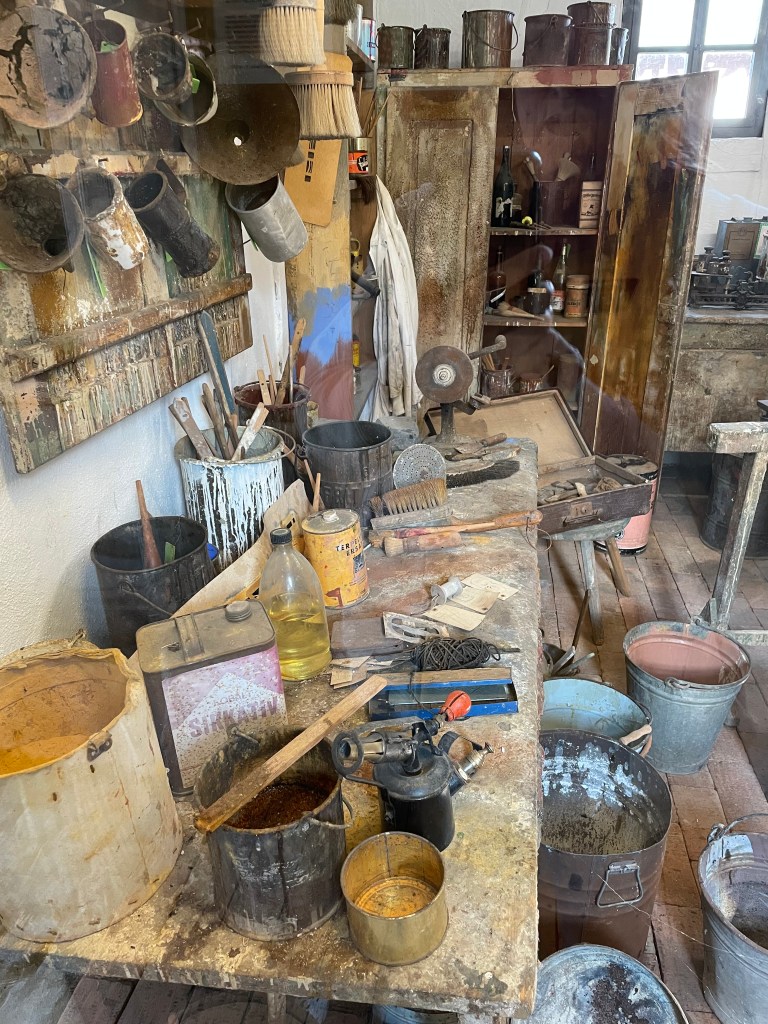
Here’s another workshop:

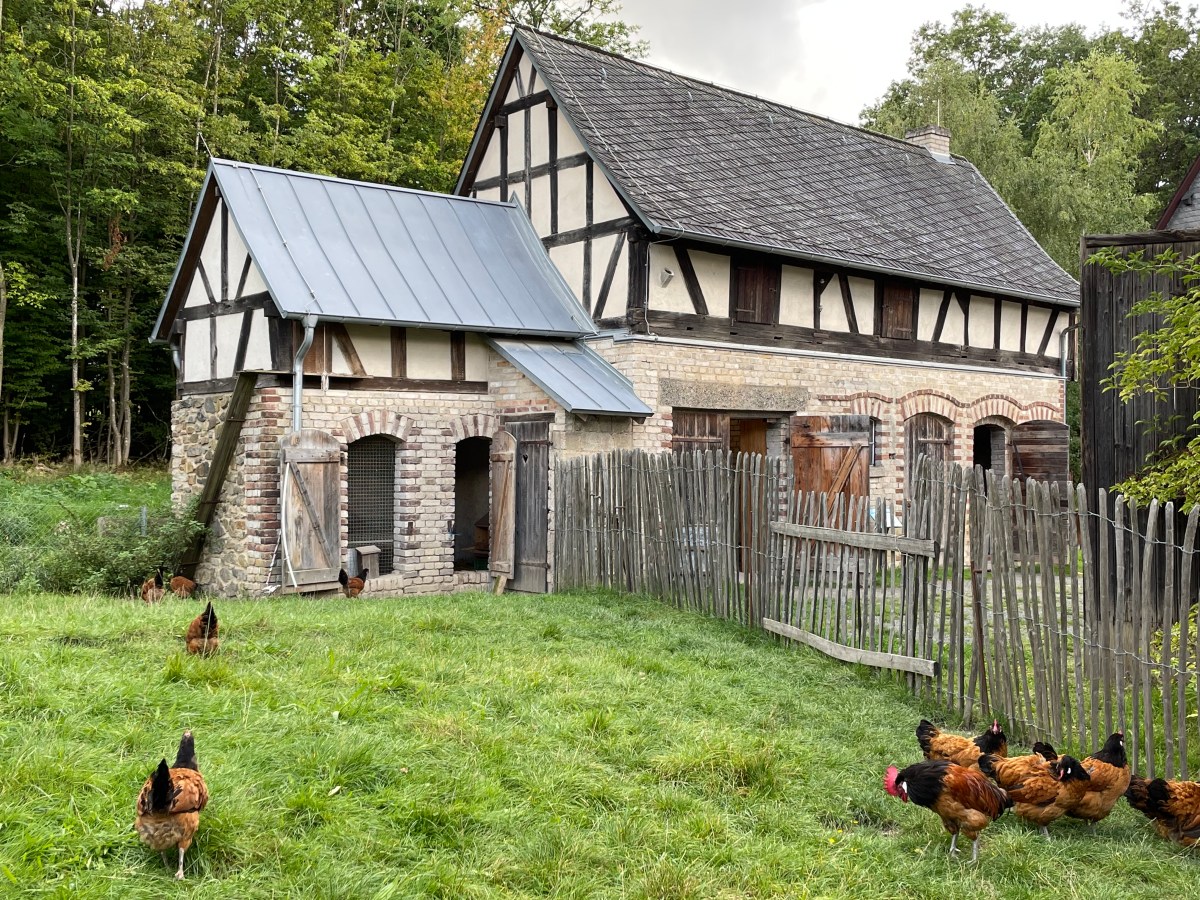
Here are a couple more family homes, my favorite places to see:

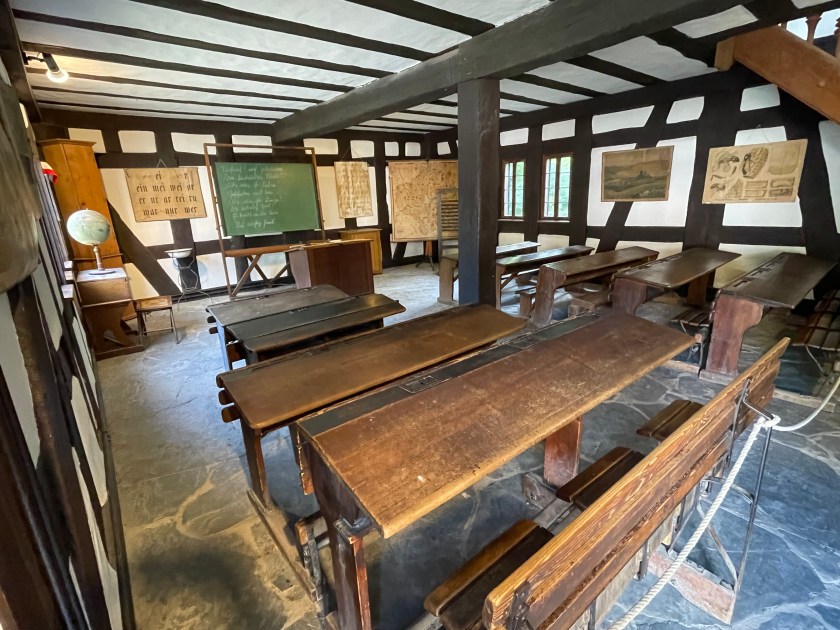
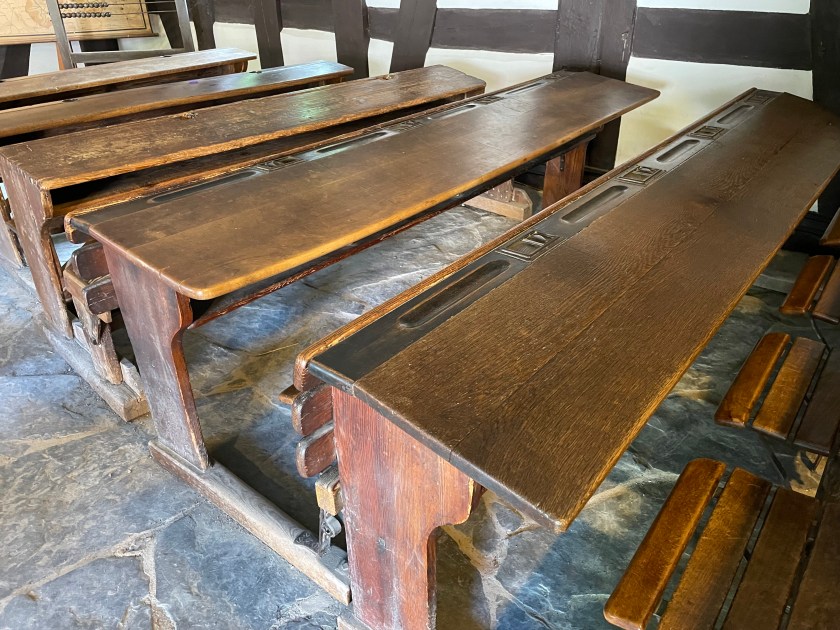
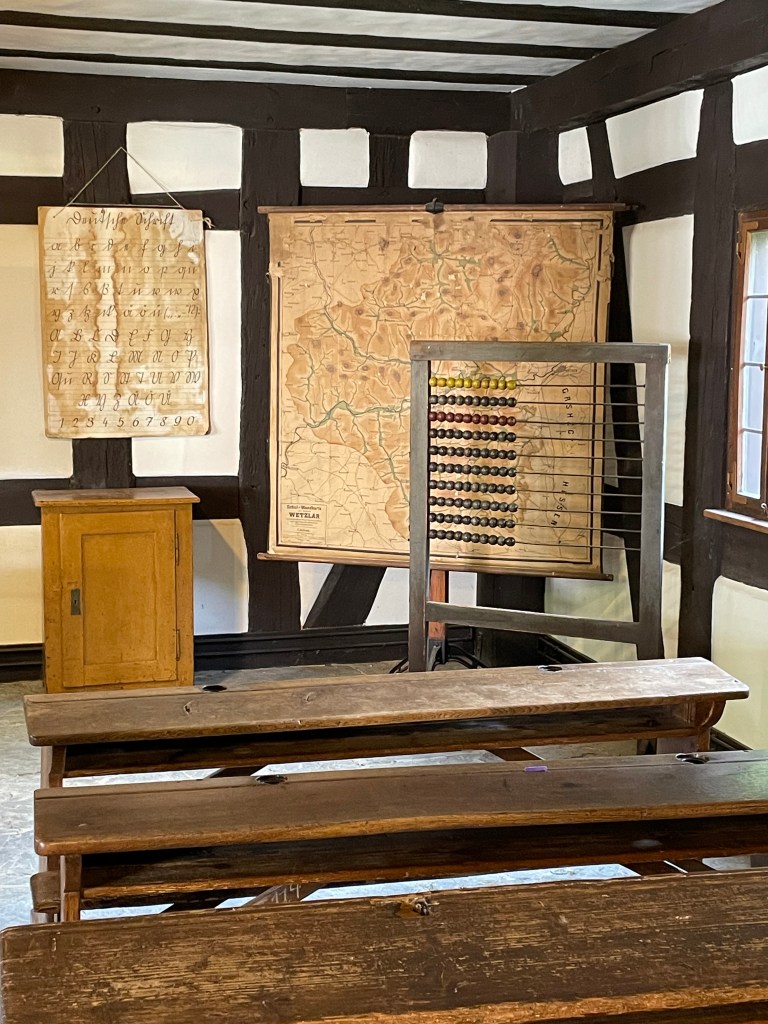
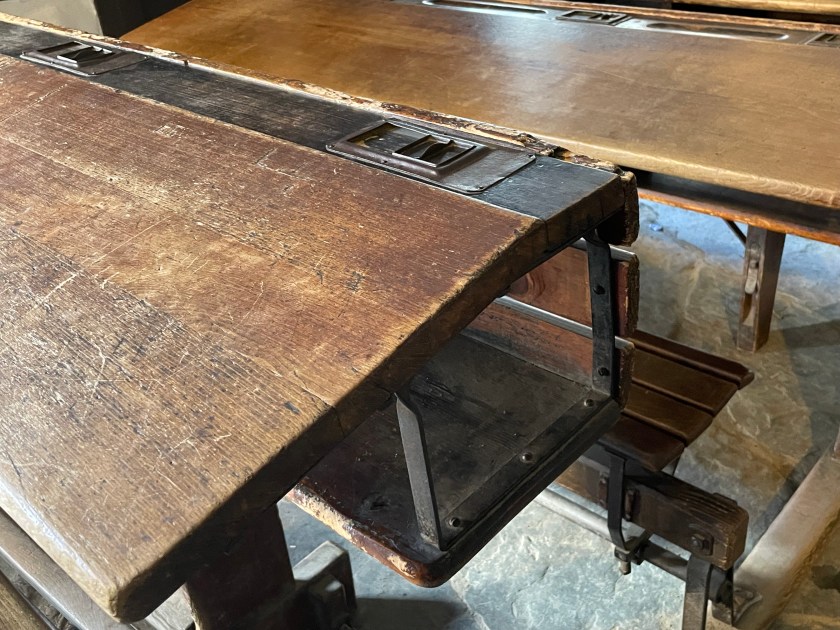
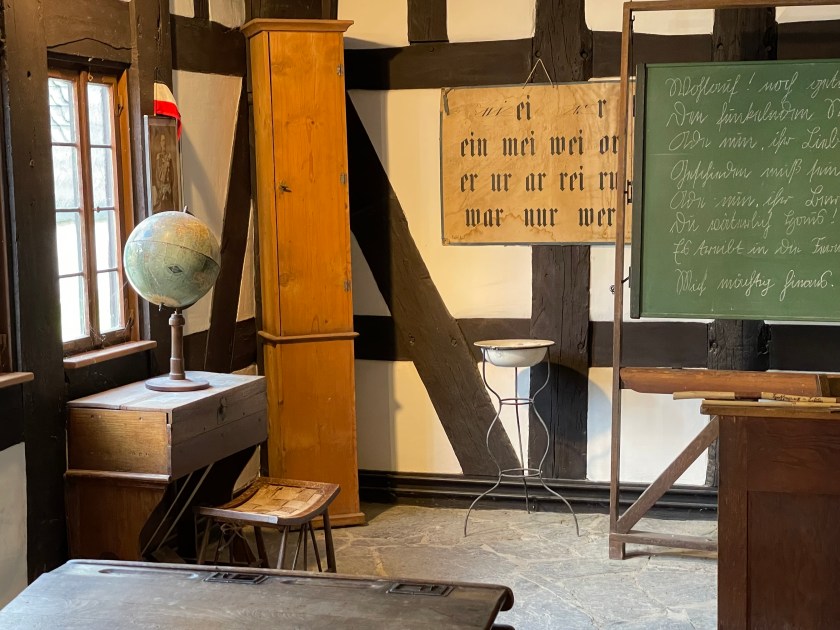
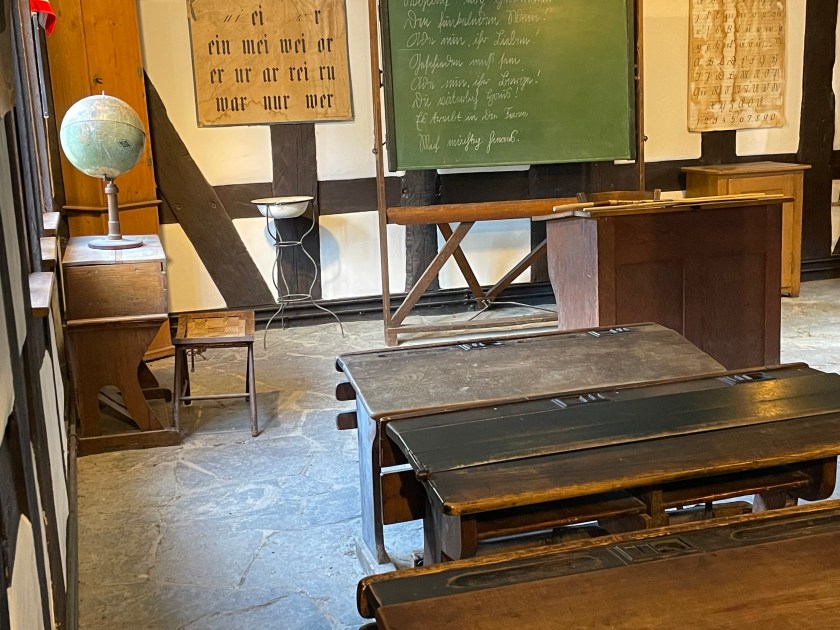
Here is a school house:

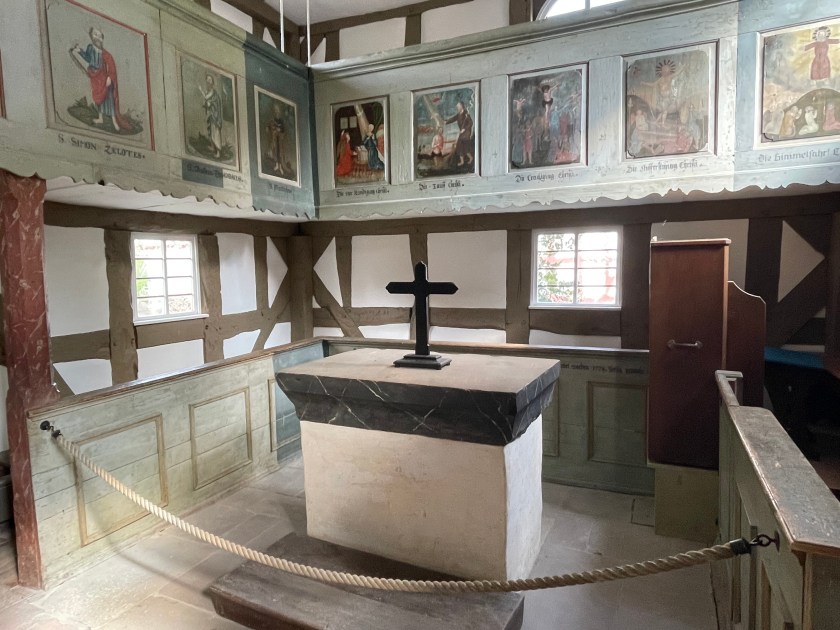
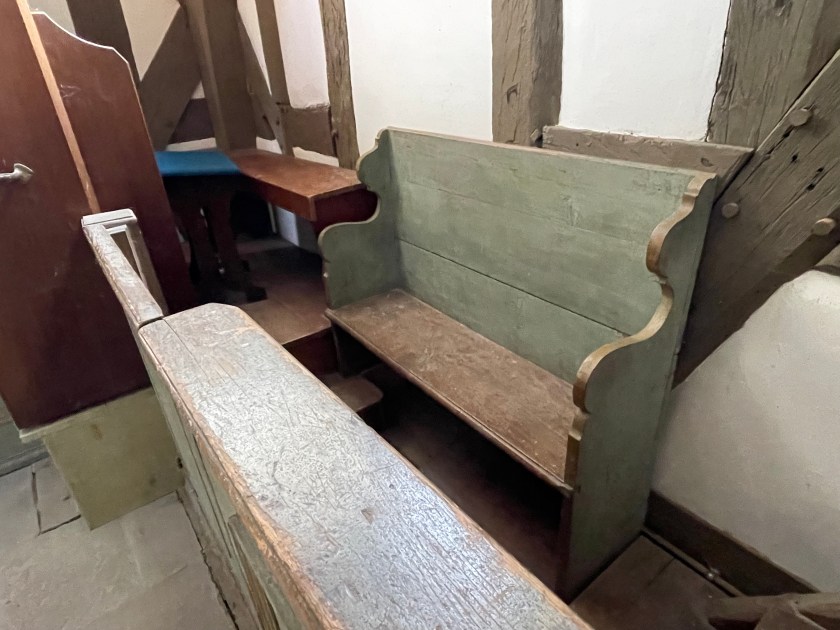
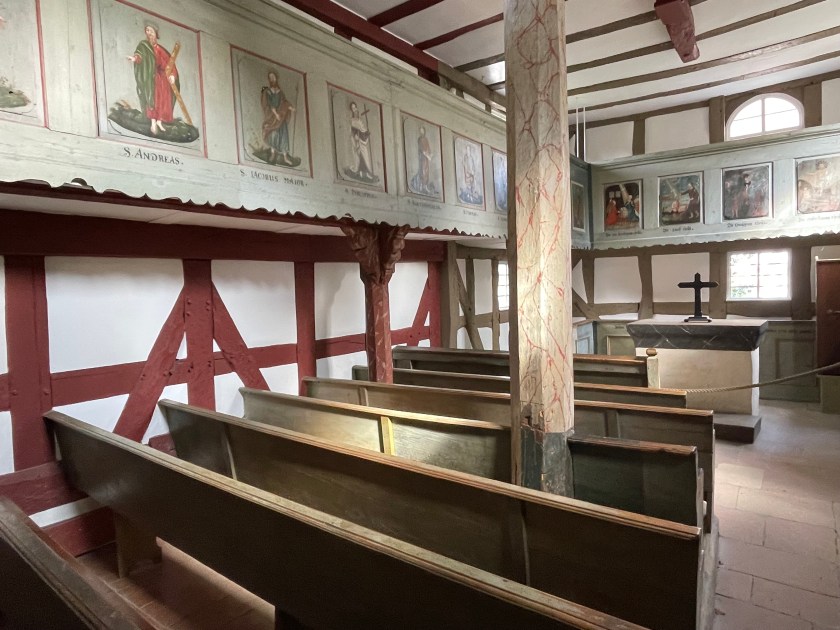
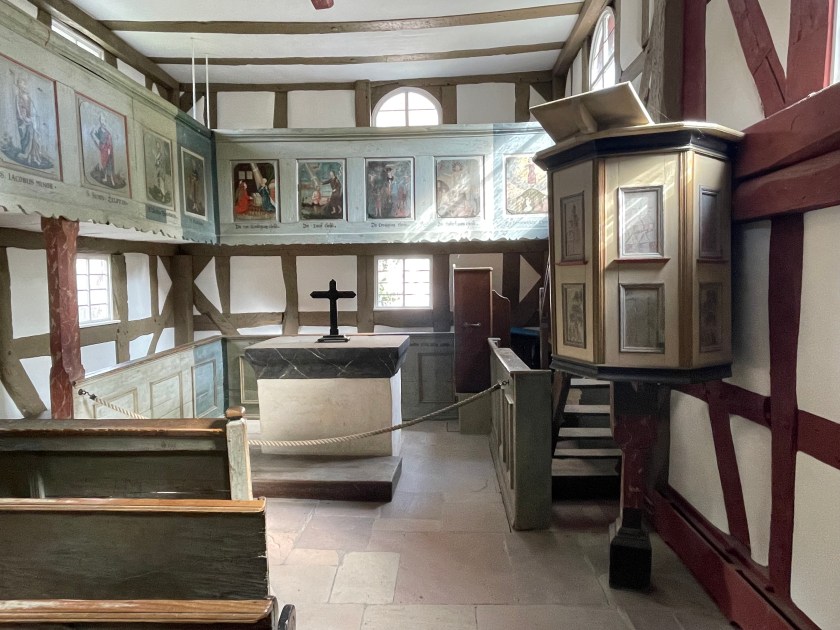
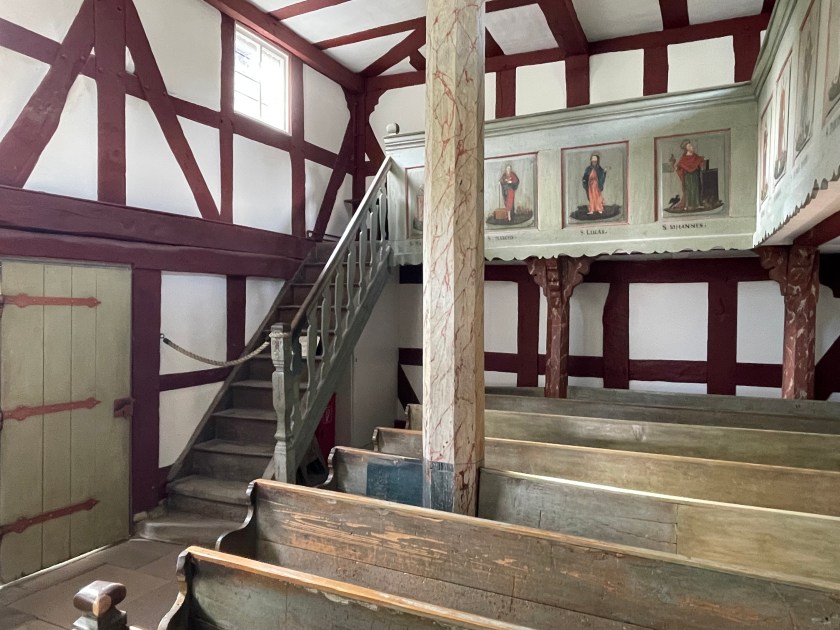
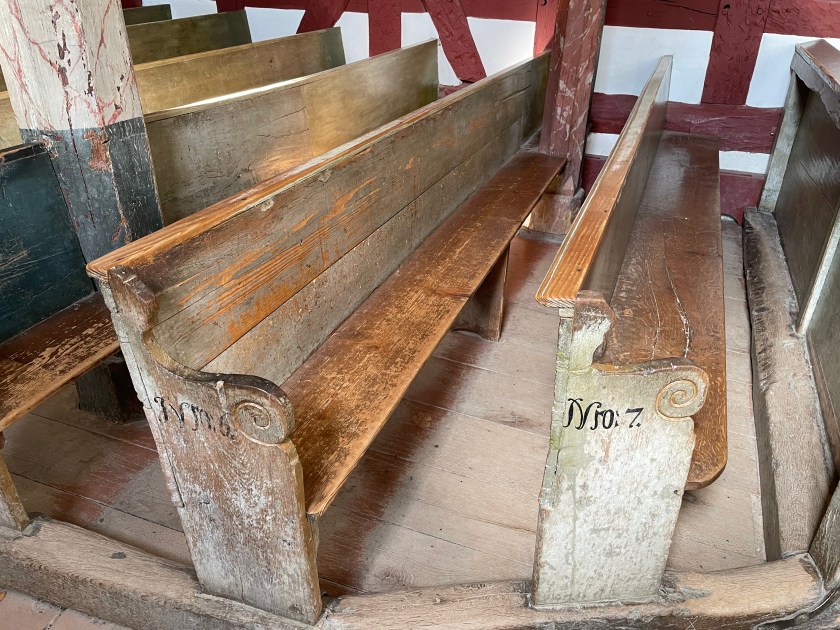
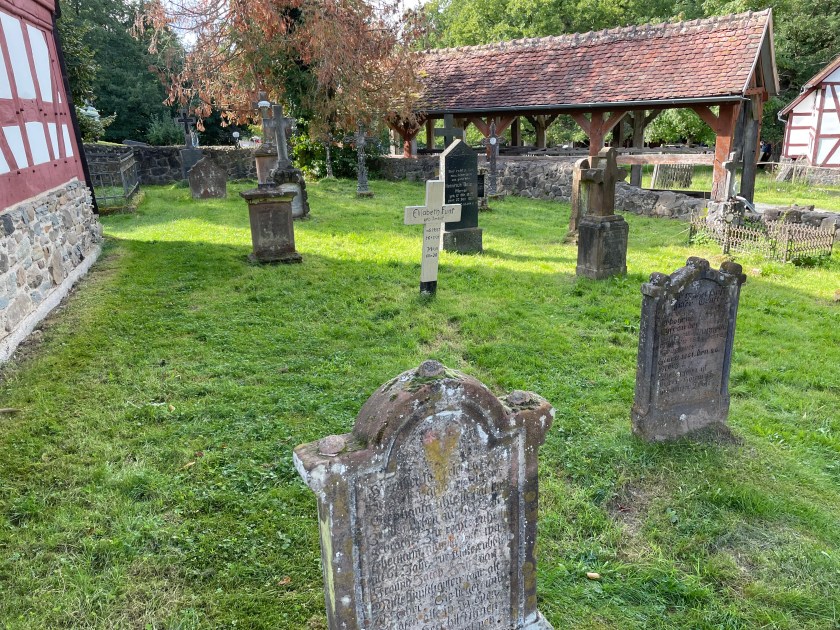
And here is a church:

Tour continued in the next blog post.

Hessenpark Open-Air Museum in Neu-Anspach, Hesse, Part 1

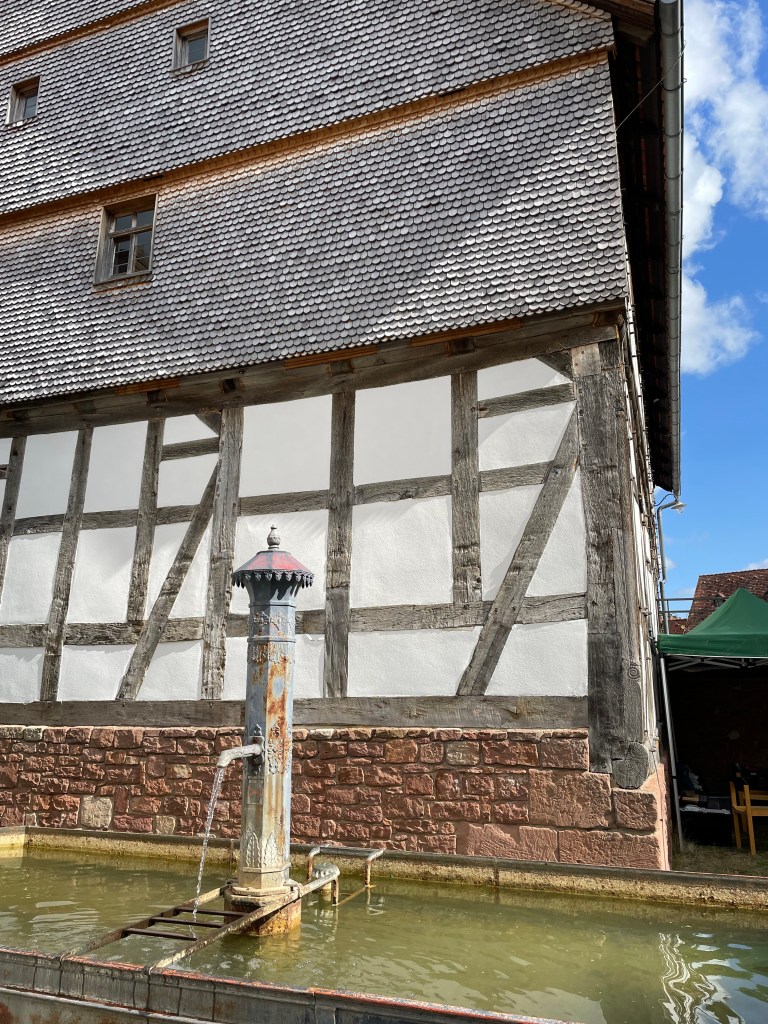
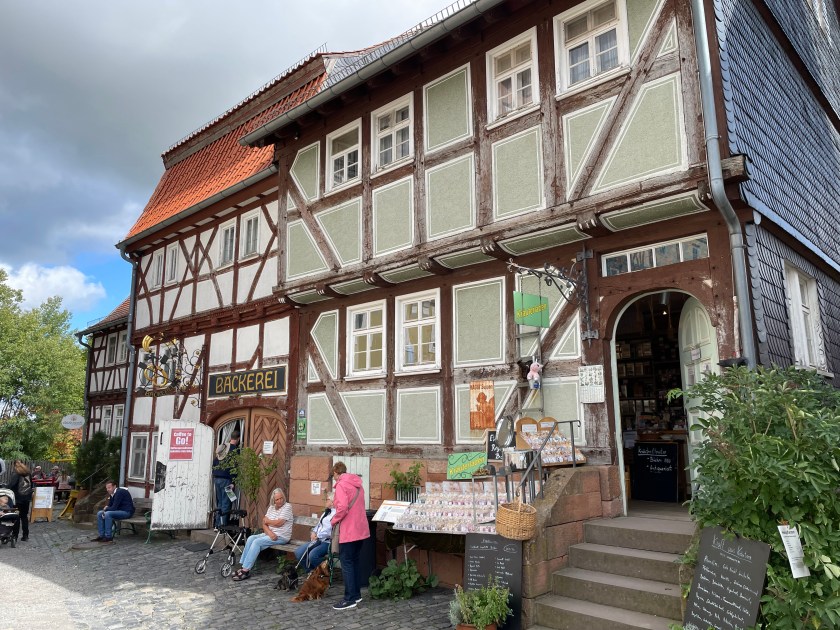
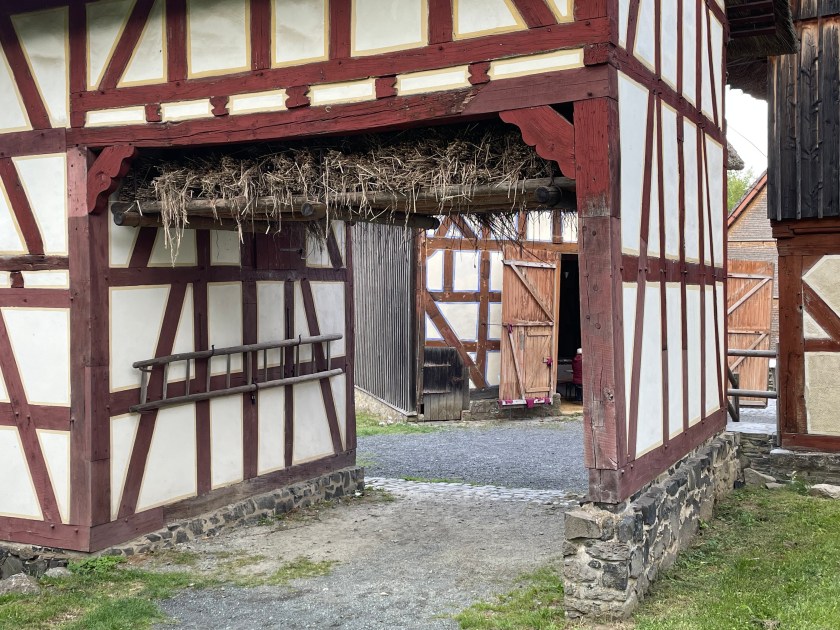
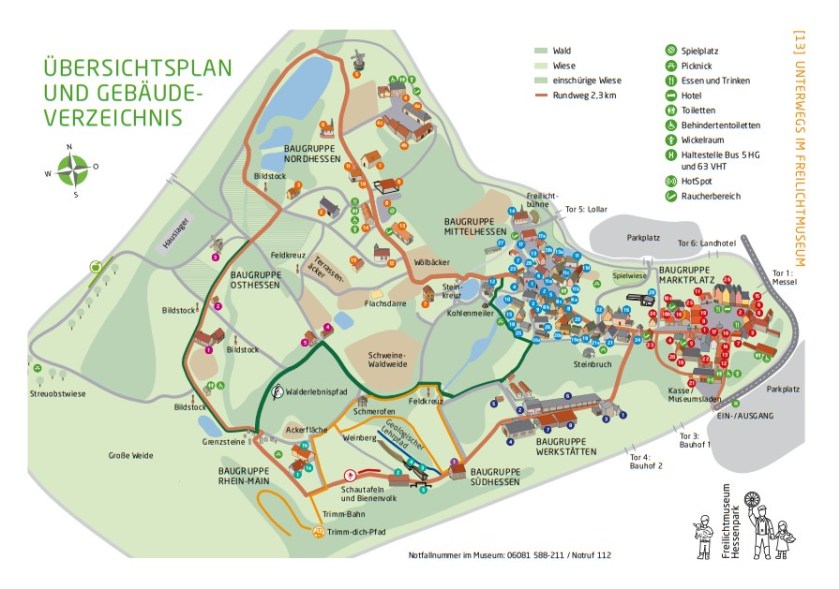
Hessenpark  will probably be one of my very most favorite places to visit while we’re in Germany.  I took photos of everything I wanted to remember and look at again because it’s in places like this that I get a real feel for the daily life of my ancestors, who I love.  I’ve studied their lives from church books listing births, marriages, and deaths, and I know who they are, but places like this SHOW me HOW they lived.  The 100+ buildings in this living museum are from this area, carefully documented, deconstructed, brought here, and reconstructed.  They are put together here as if they were a village from long ago.  Everything is authentic, but not in its place of origin.  Visiting here gives us a good feel for the past and how people lived.  Please pay attention to every detail, and you will feel as if you’ve stepped back in time.
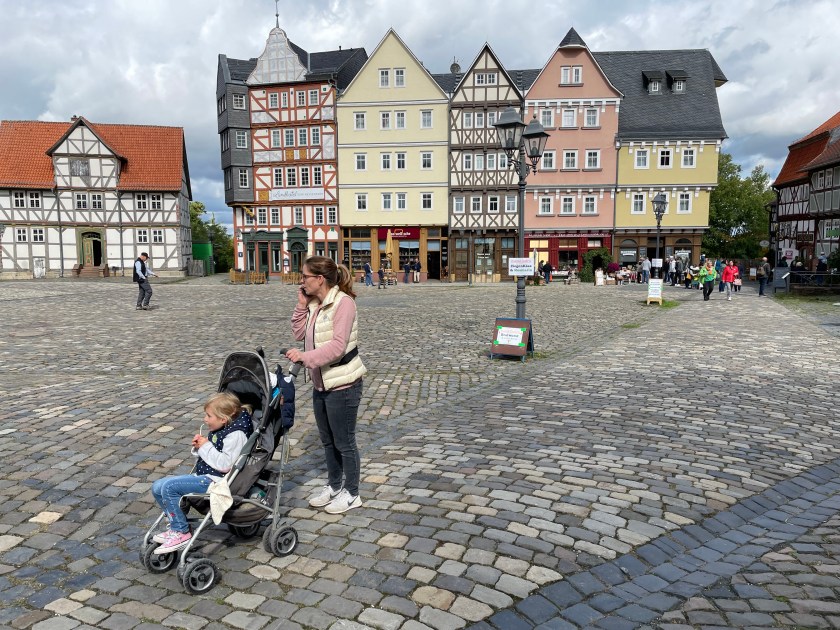
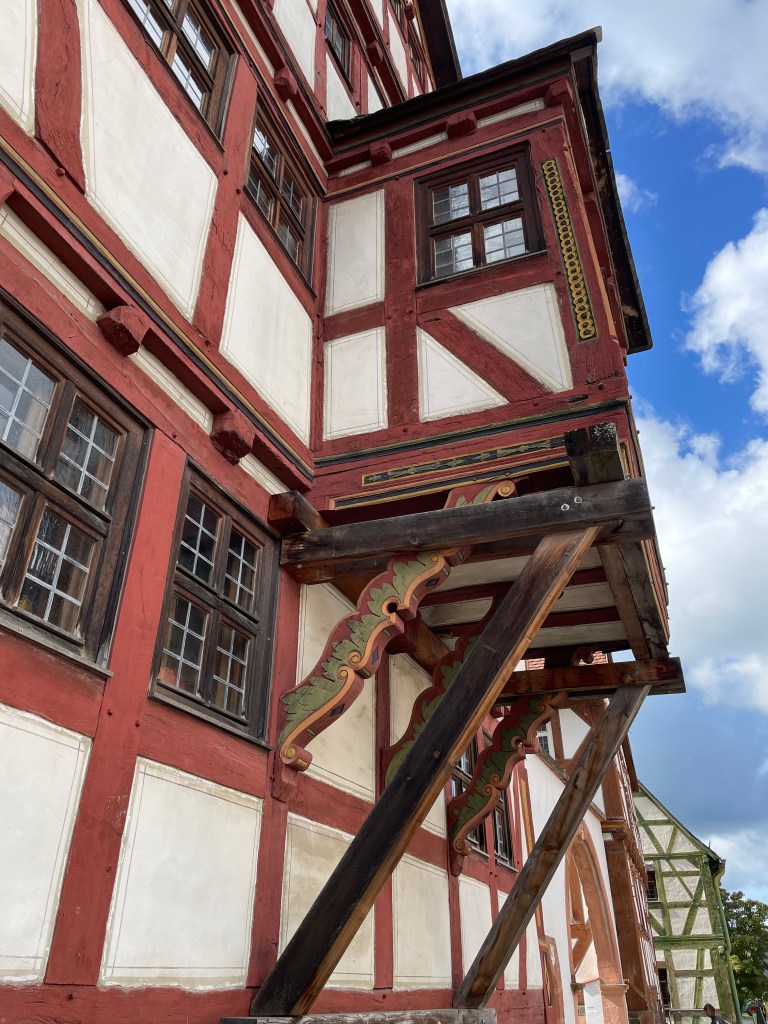
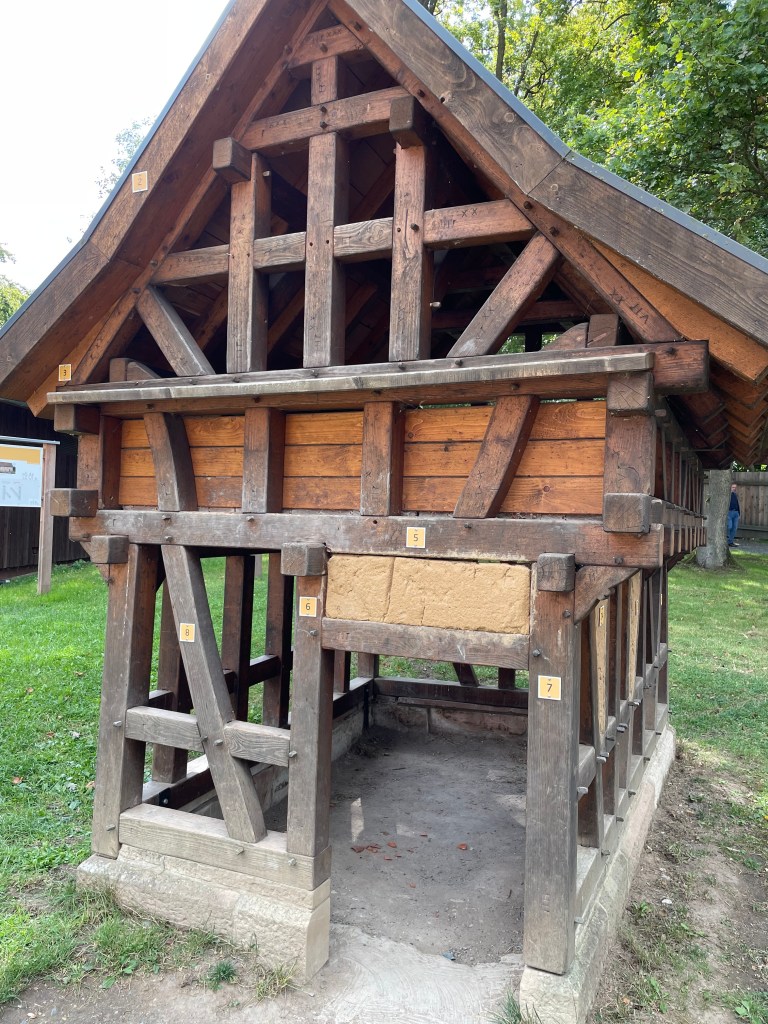
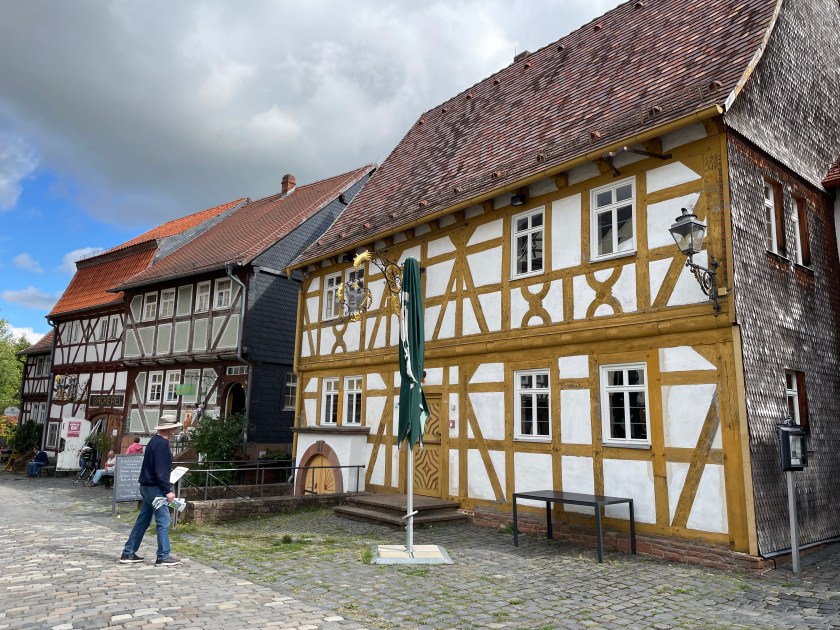
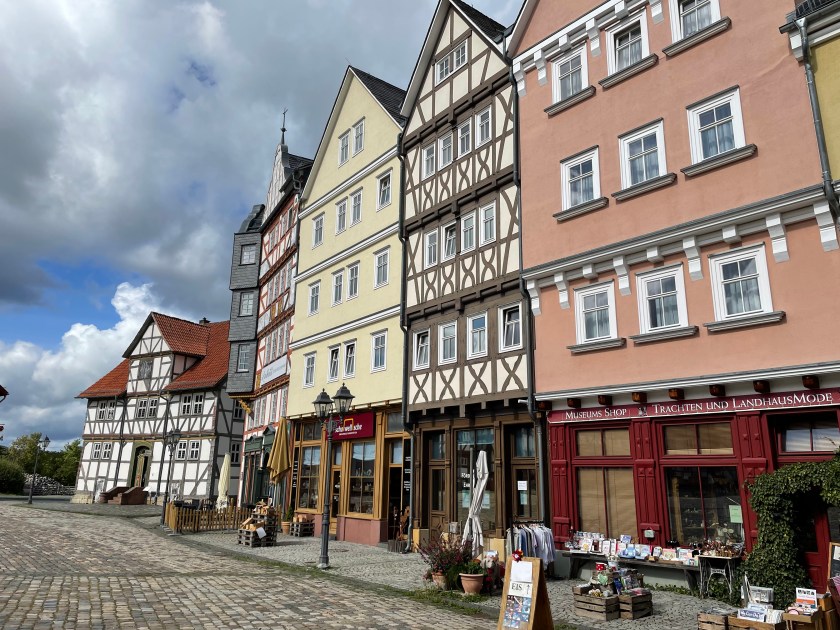
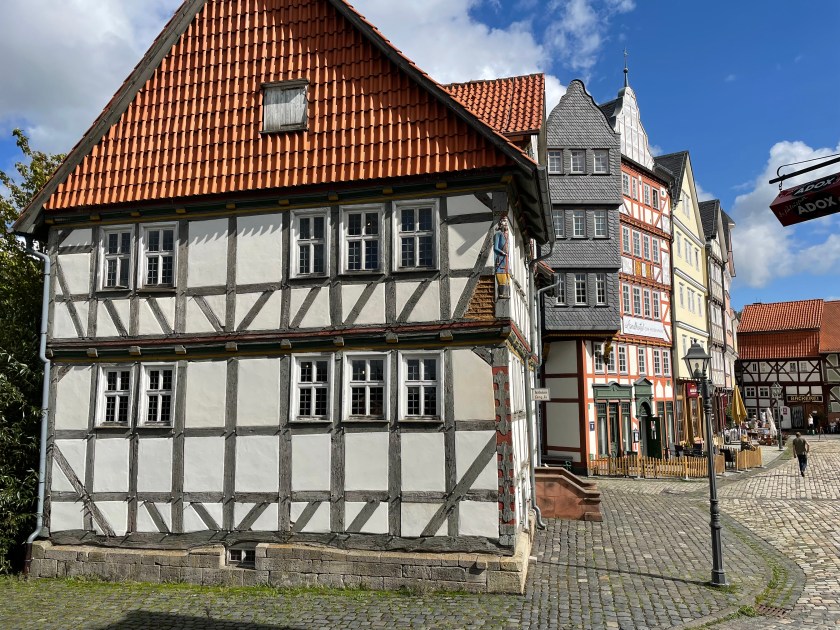
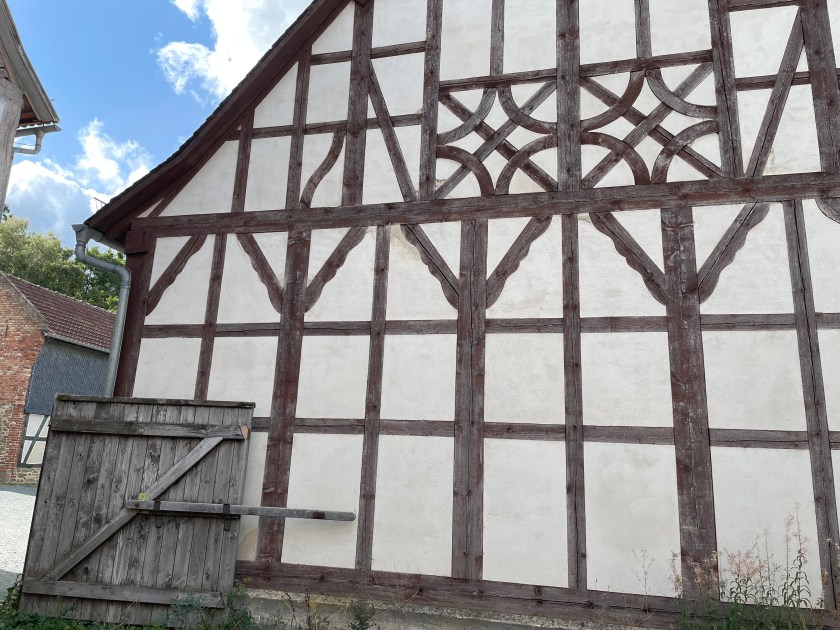
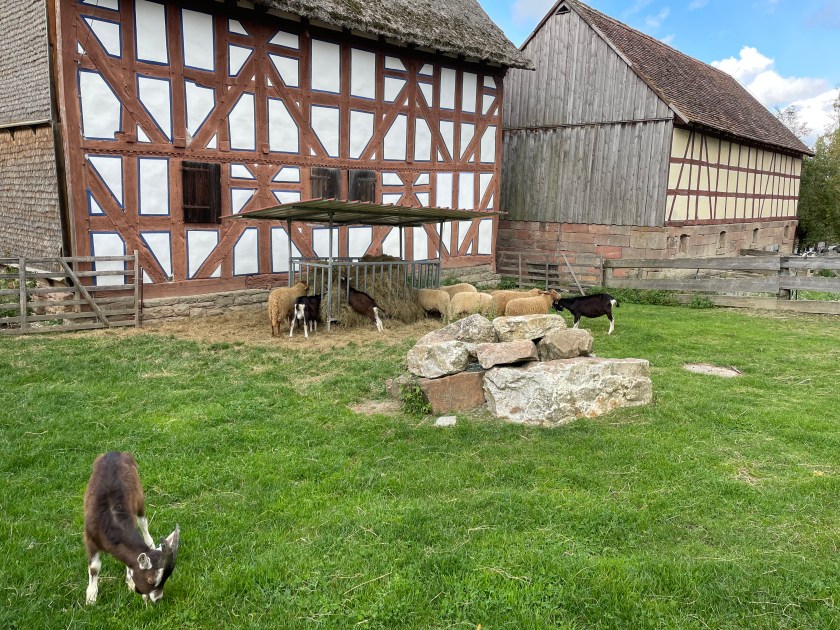
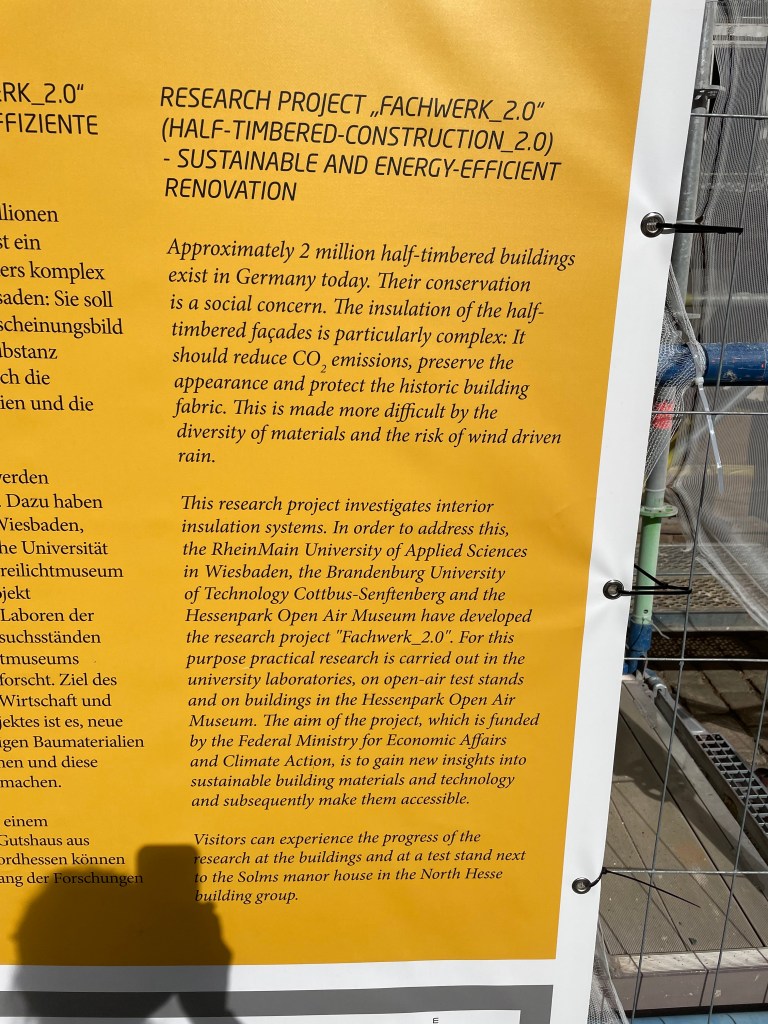
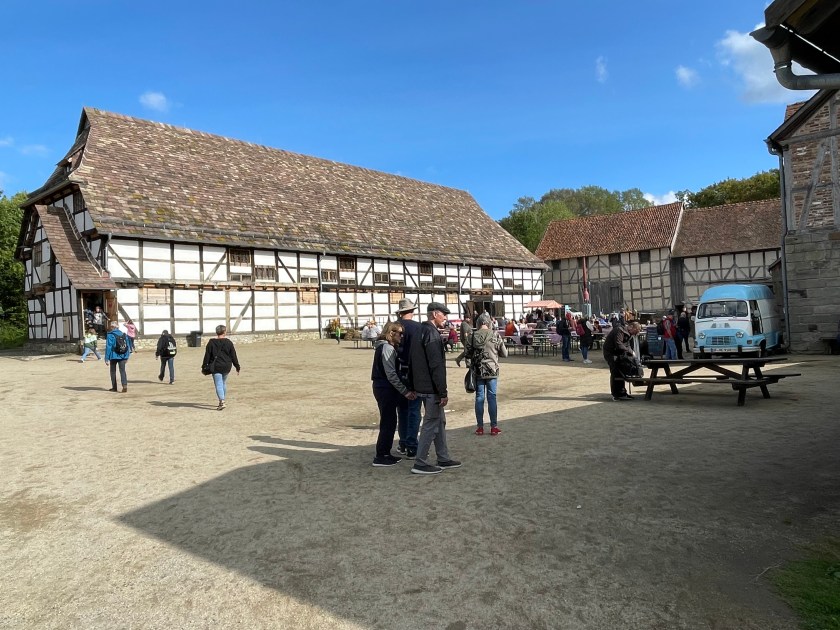
This is the plaza, or village square with some shops and restaurants for the many visitors.  Below is some interesting information about the half-timber homes and buildings found throughout Germany, and reconstructed here.  In the outer parts of this park were dozens of covered piles of half-timber longs, numbered and catalogued for future reconstruction.
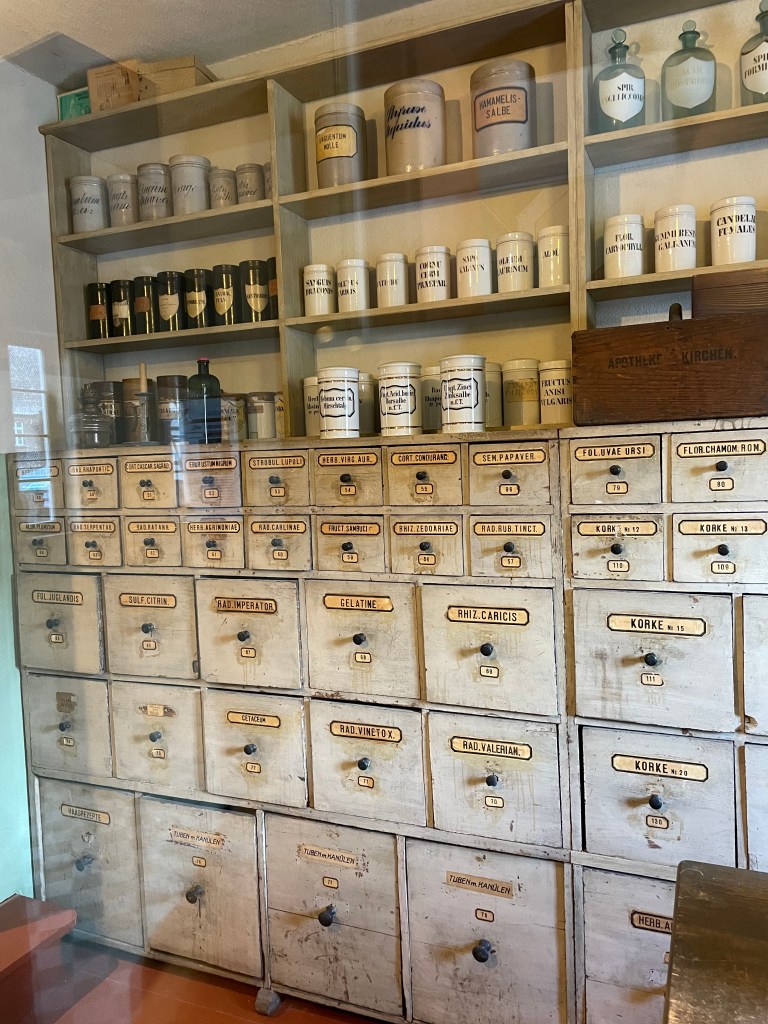
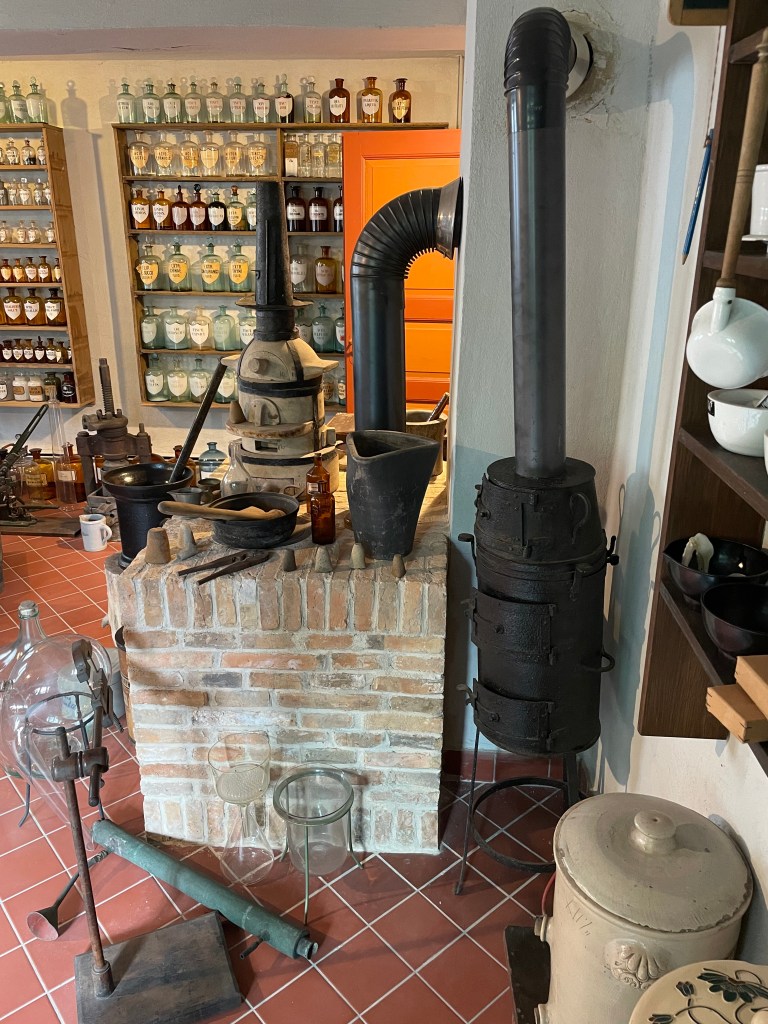
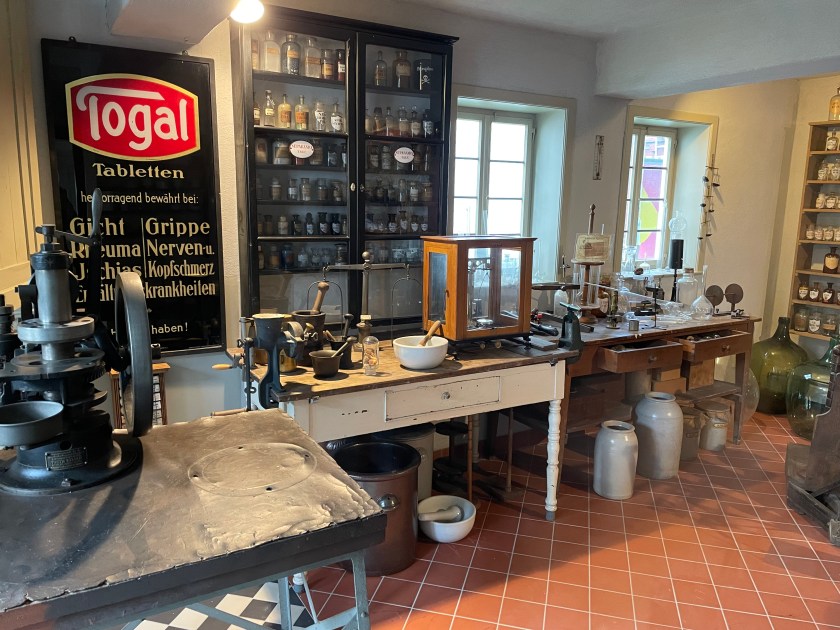
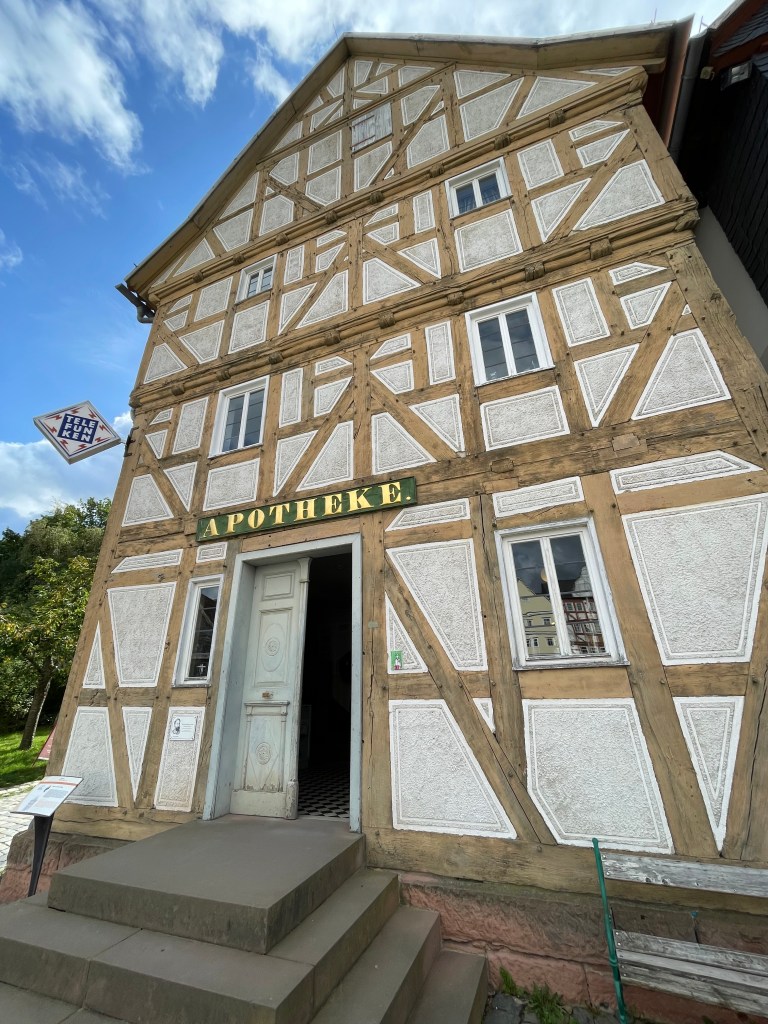
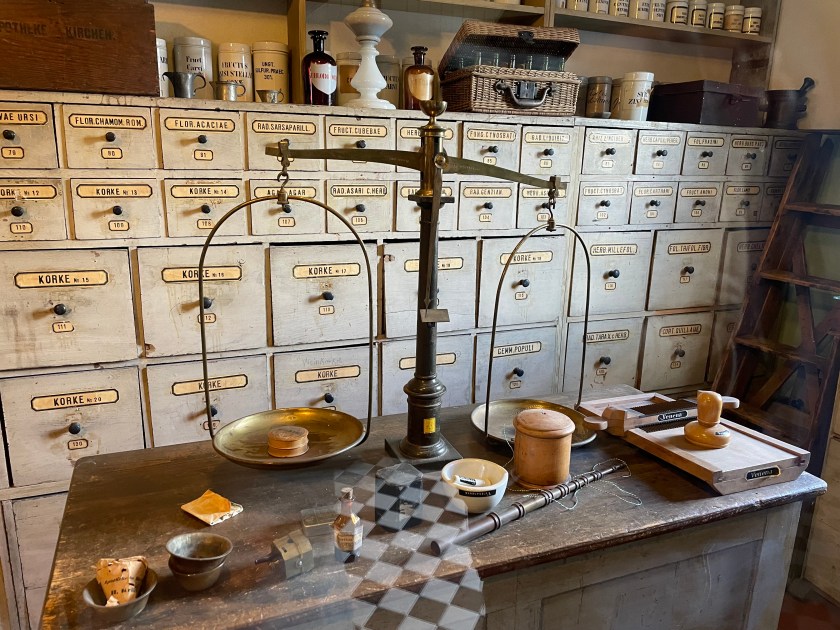
I won’t comment on every photo, building or home, hoping you can make sense of what you’re seeing, like the pharmacy below:
\ \\ \\

\ \\ \ \

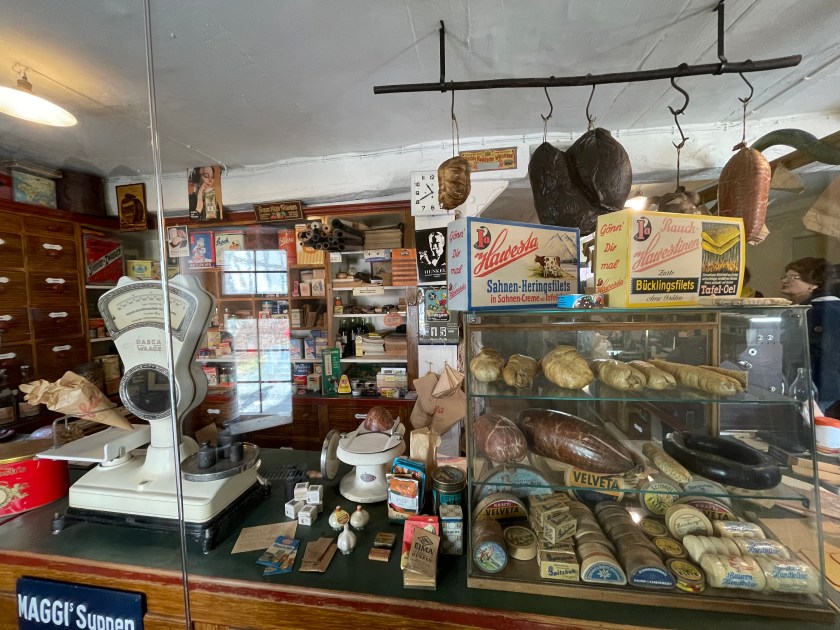
Here’s a little corner grocery:

\  \ \\ \ \ \ \   \ \ \\ \ \ \ \ \ \ \ \ \ \ \ \ \ \ \\
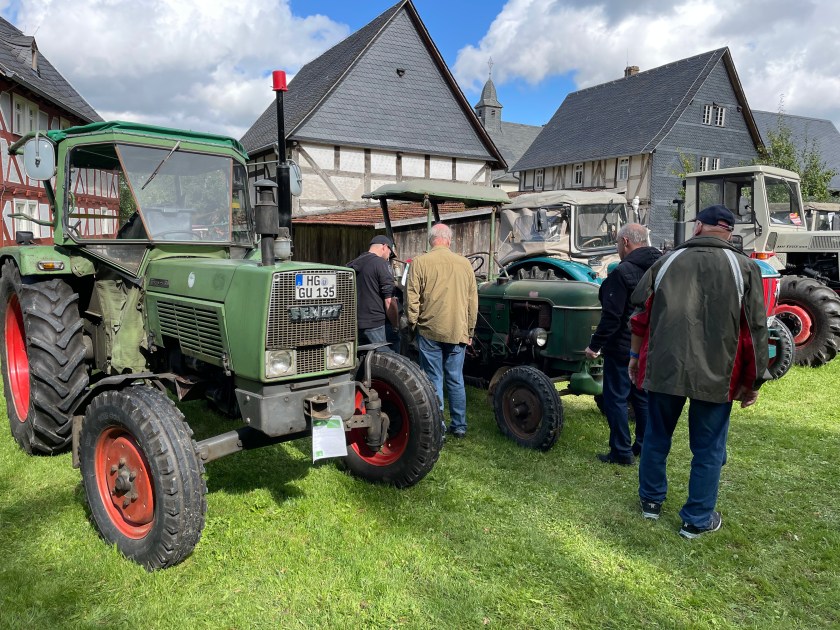
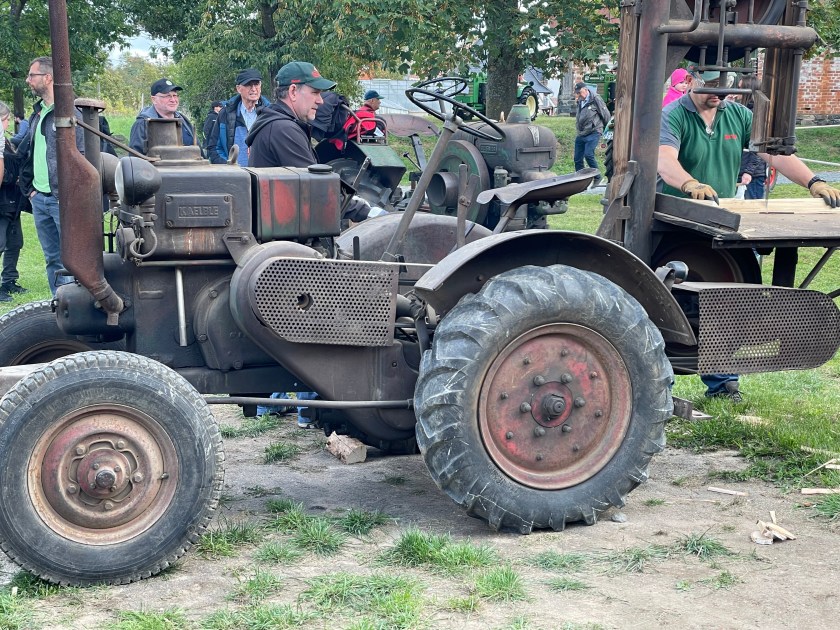
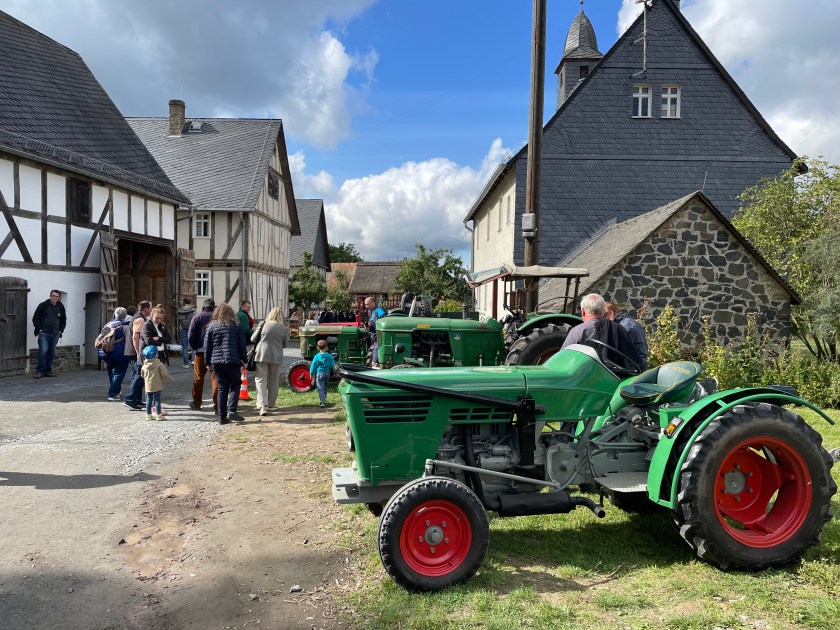
This weekend a special tractor show was going on, so there were 100s of old tractors of every make and model on display throughout the park.  My Grandpa Rudolf (b. 1899) was sent to a tractor school in Berlin when he was a student.  Tractors were new then, and he wanted to learn how to use and repair them.
\ \ \ \ \ \ \ \ \ \ \ \ \
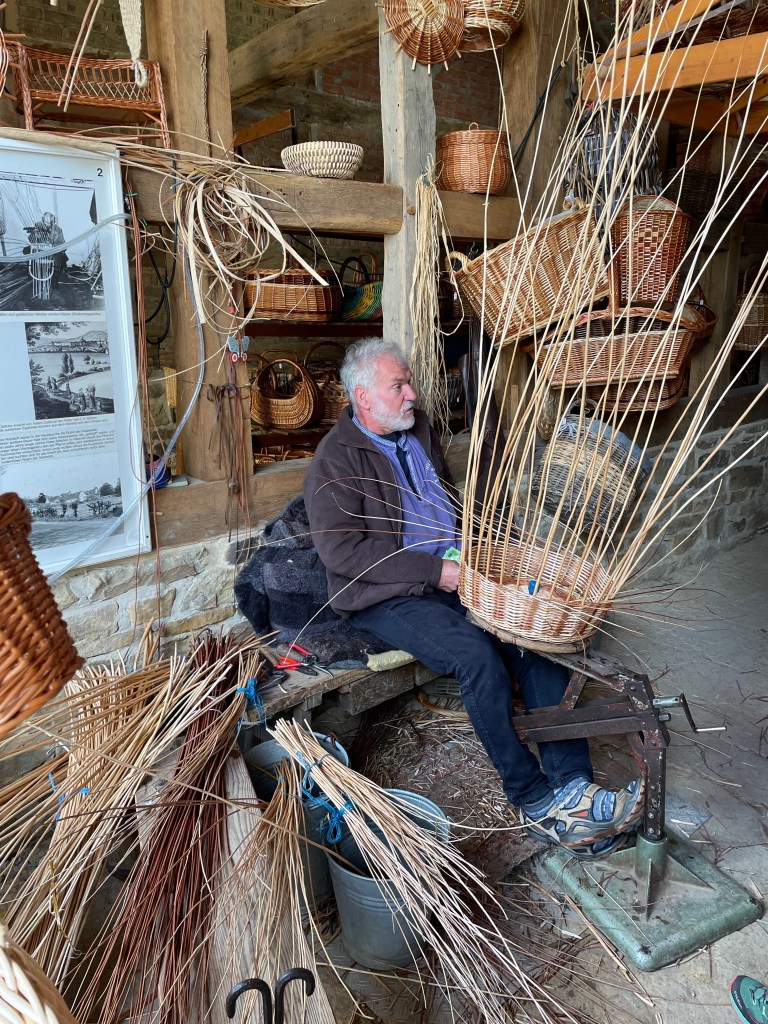
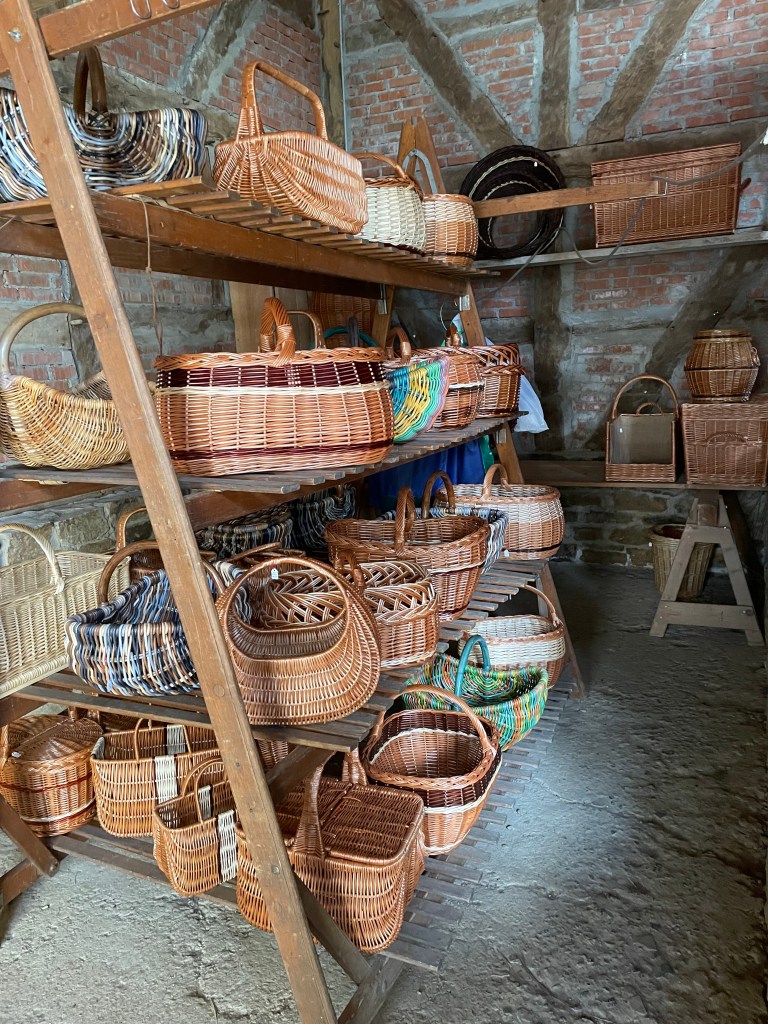
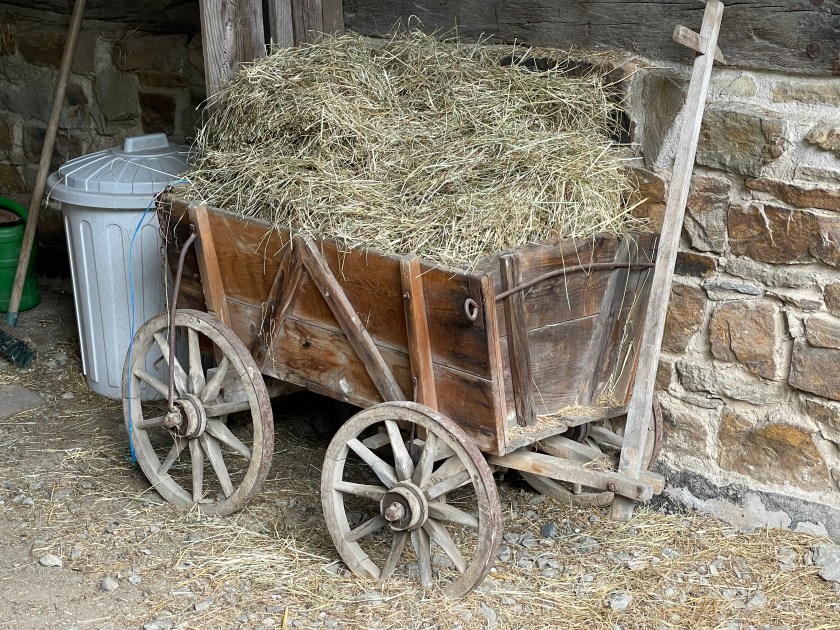
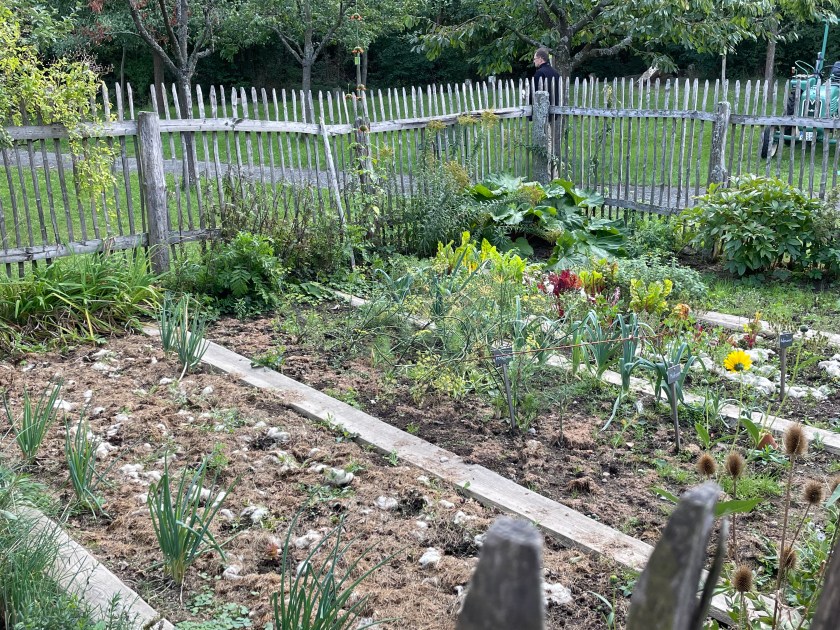
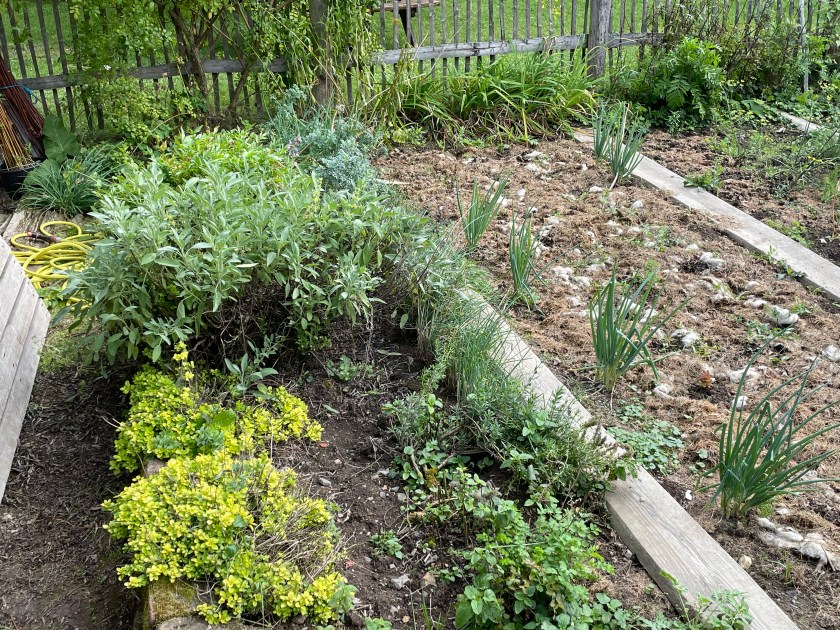
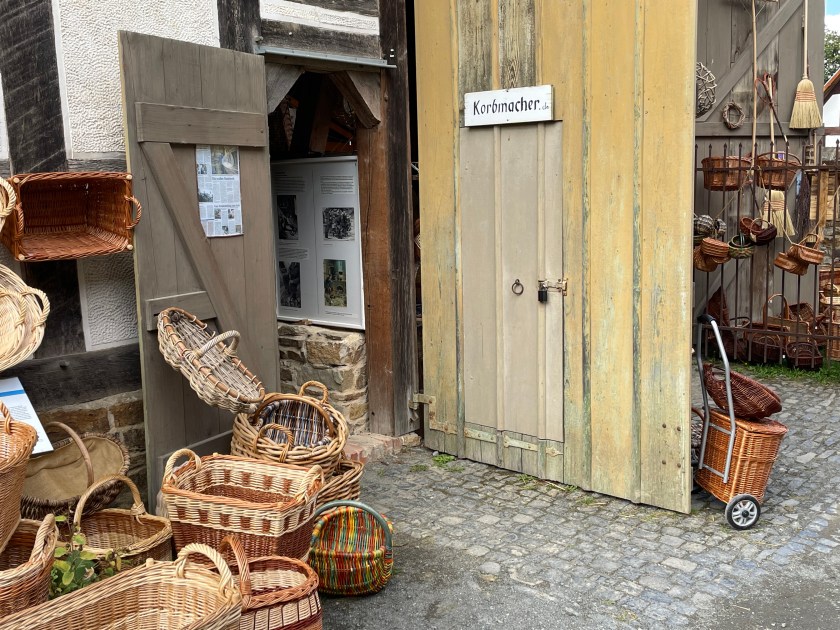
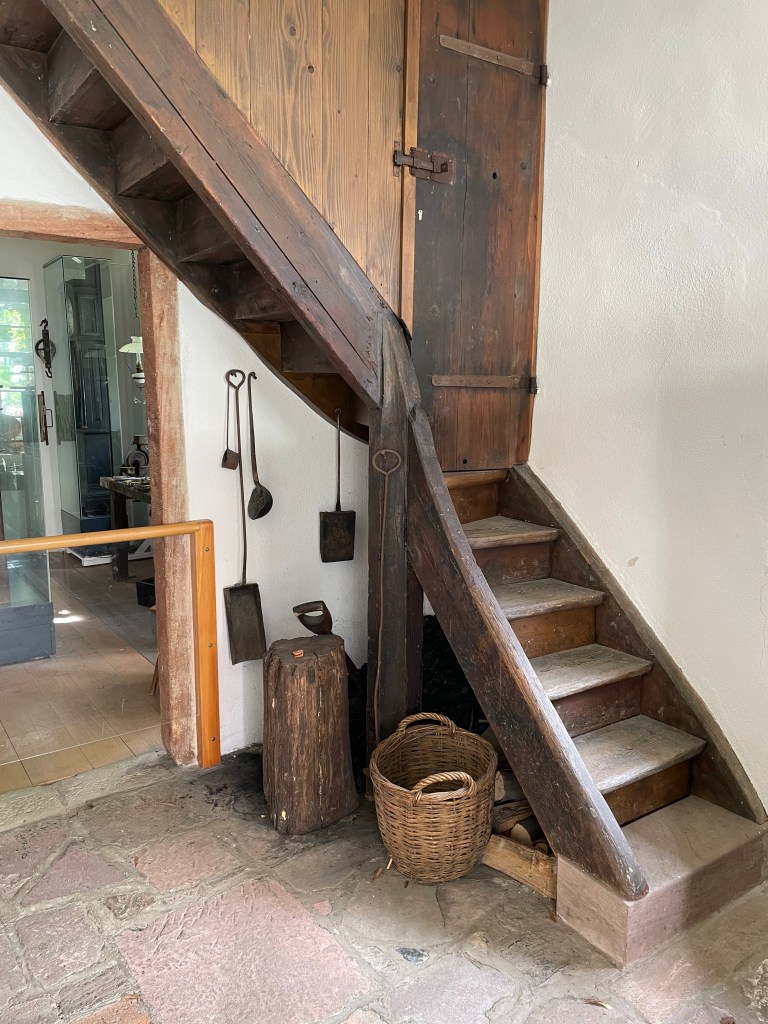
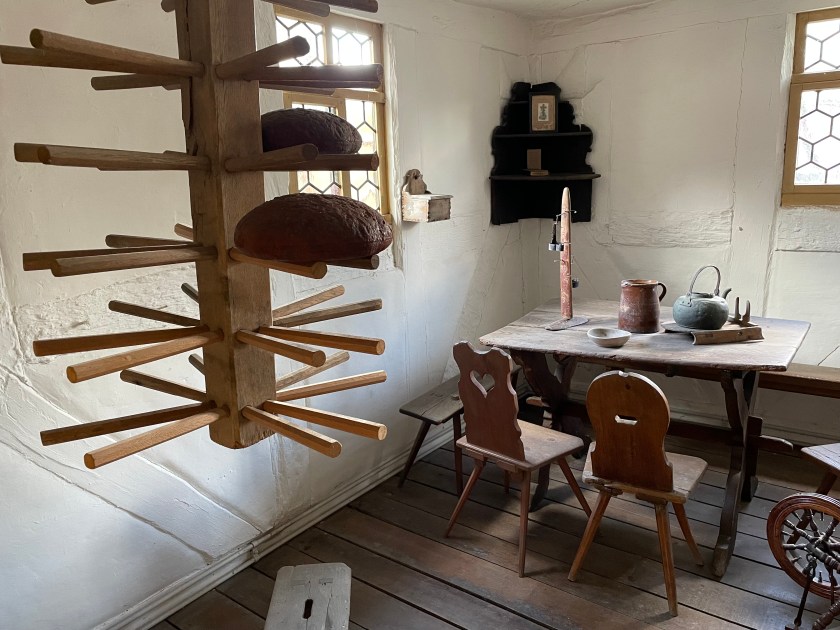
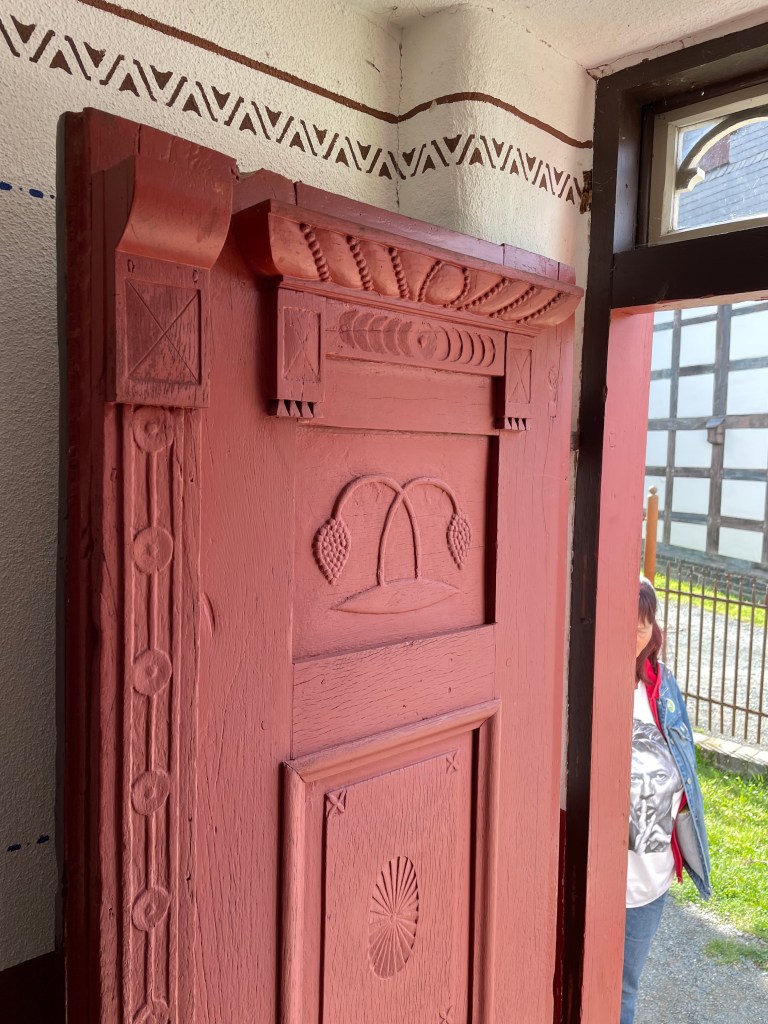
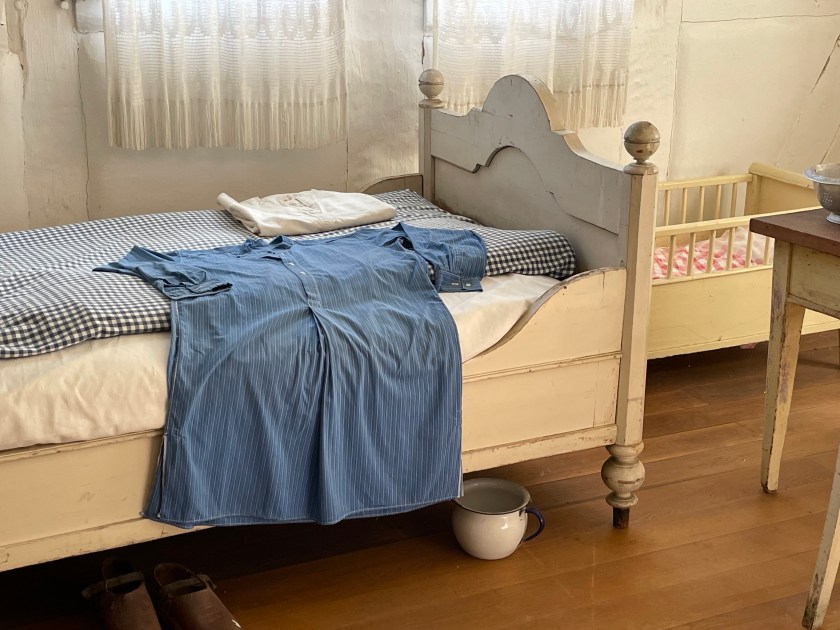
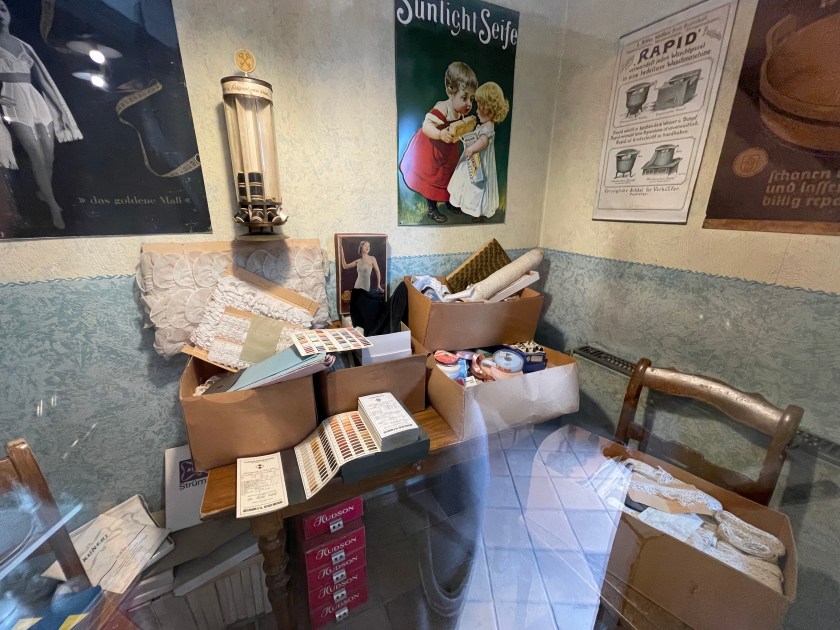
Some of my favorite doors to step through took me into everyday homes that showed what everyday life was like for my grandmother ancestors.
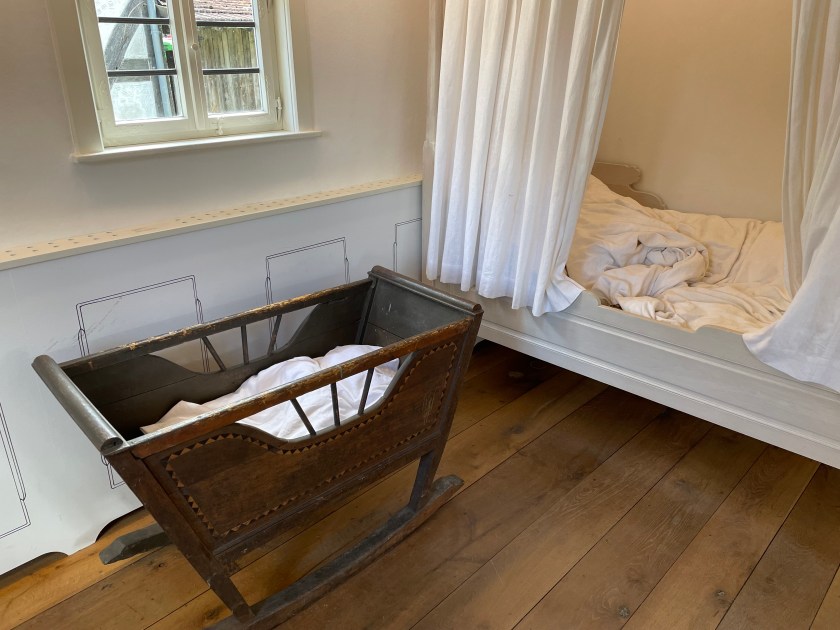
\ \ \
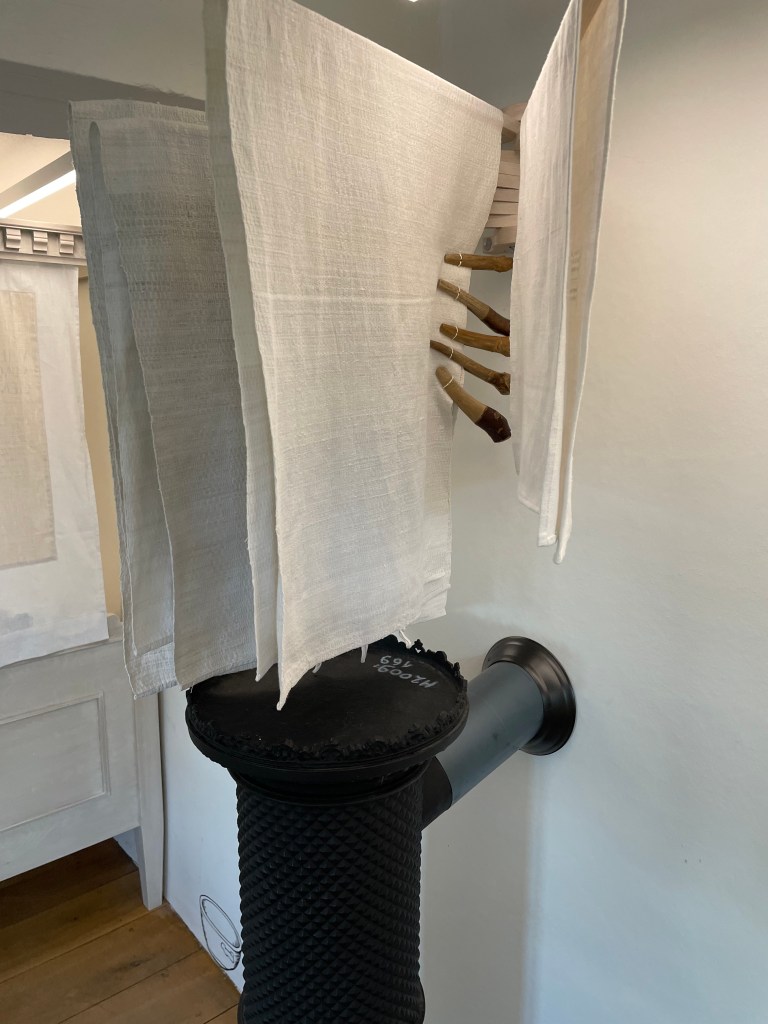
Visitors stopping for a bite of food:
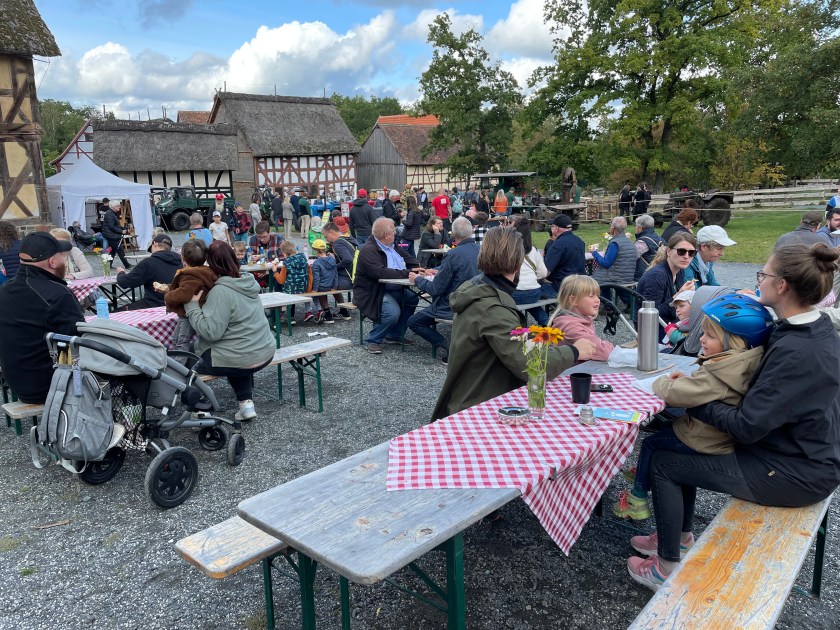
\ \ \
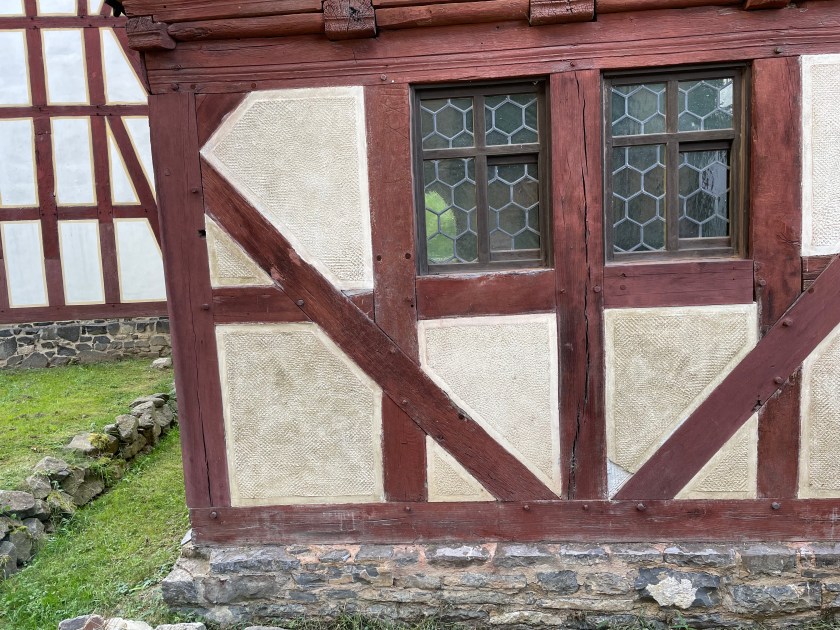
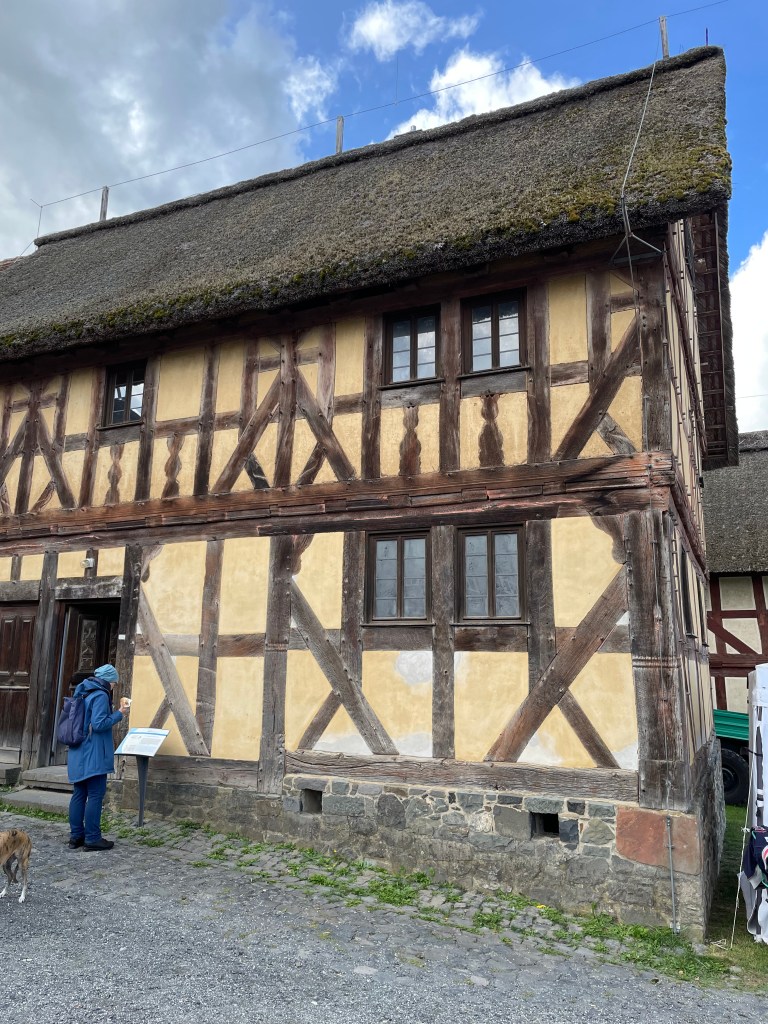
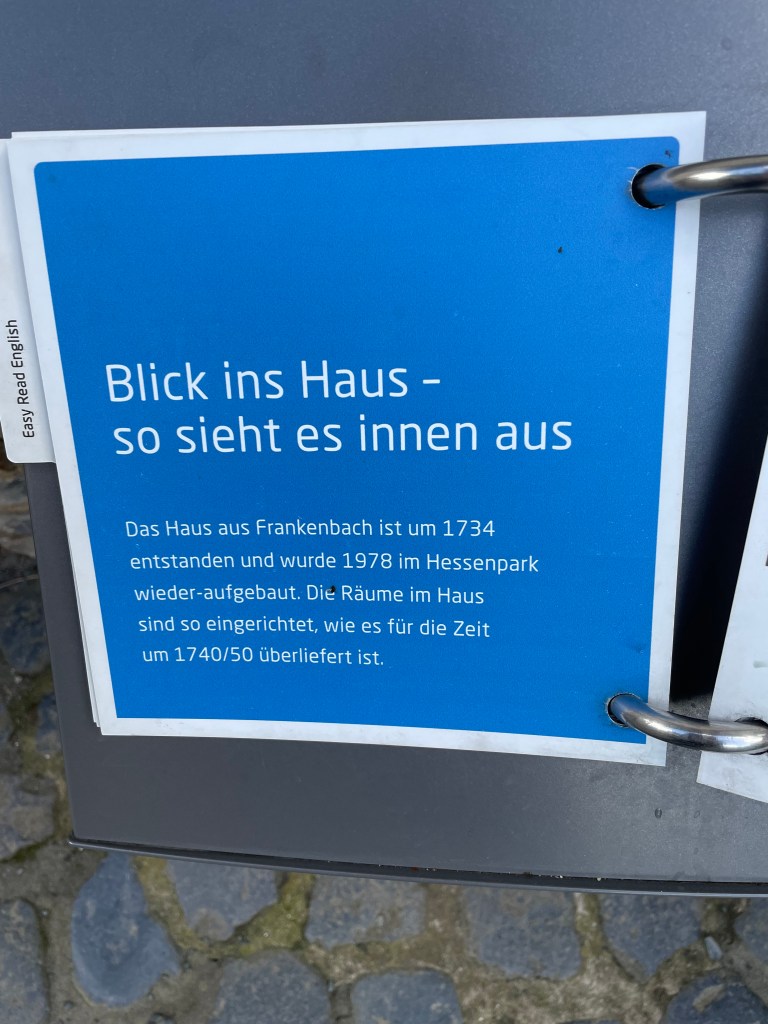
Every building had a sign like this outside, telling where the building came from and what year it was originally built.  This one was built in 1734, brought here in 1978, and it represents the 1740/50 time period.
b\ \ \ \ \ \   

\

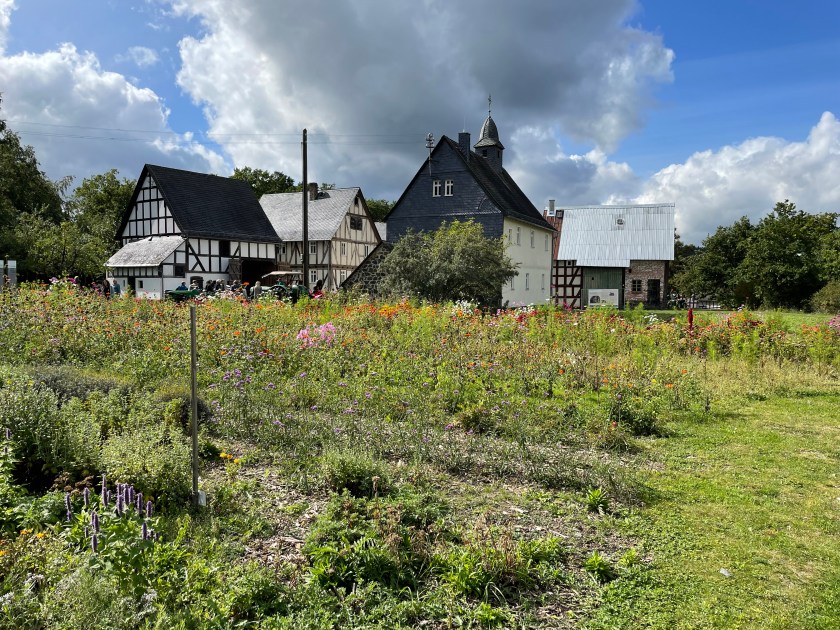
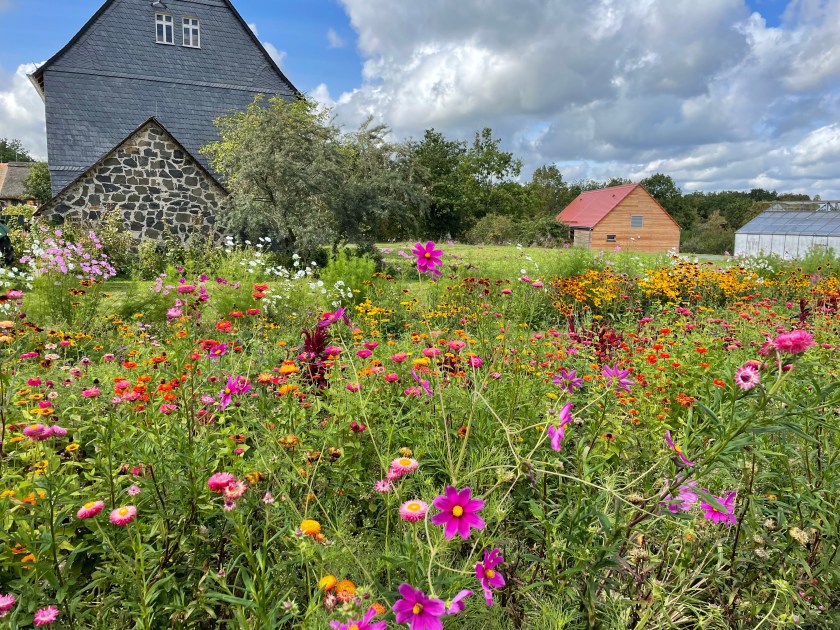
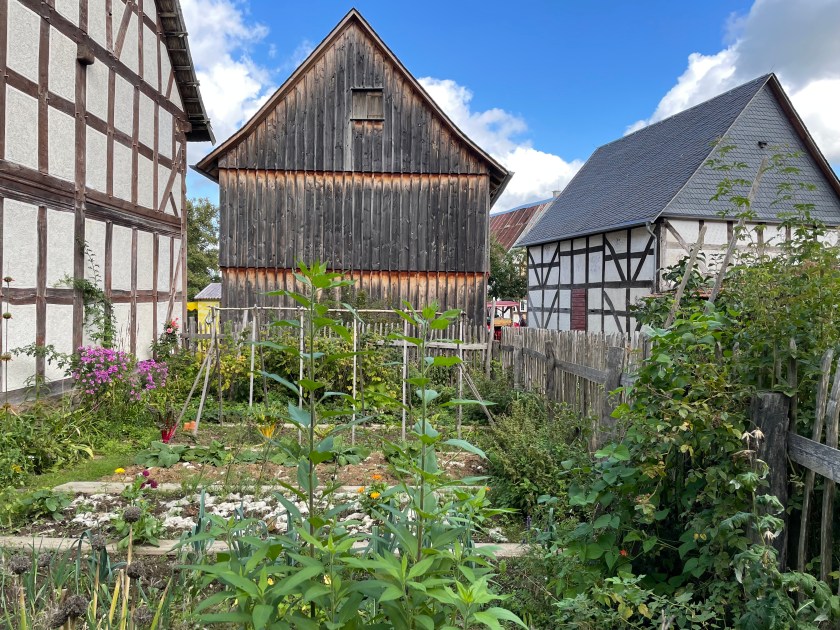
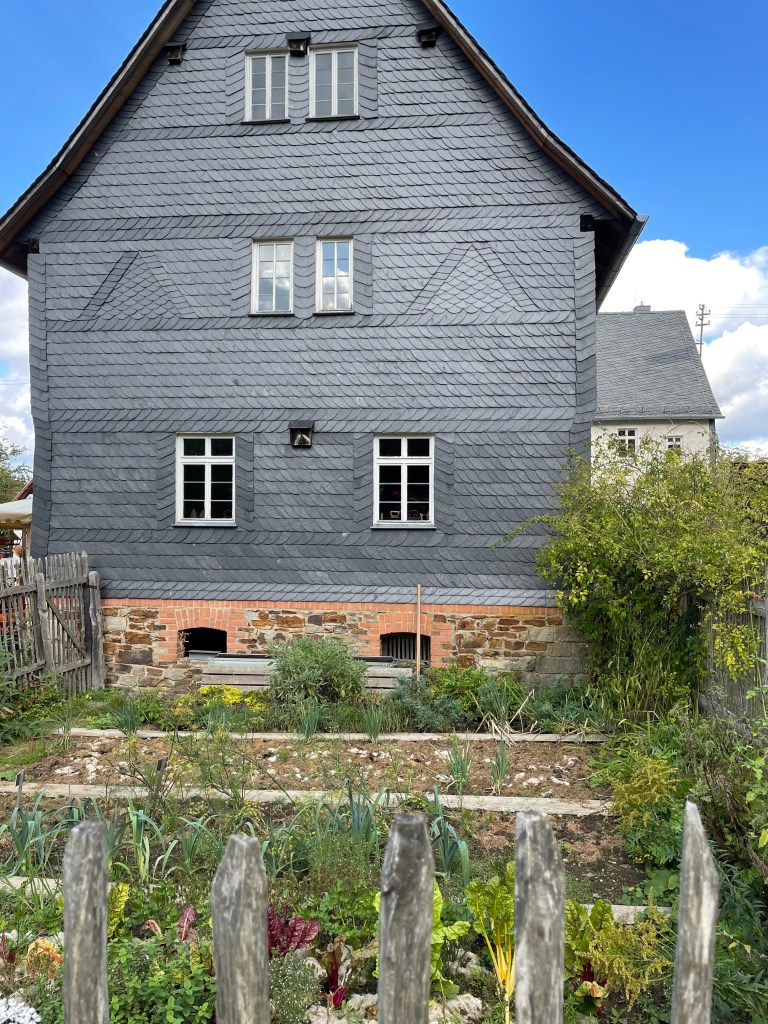
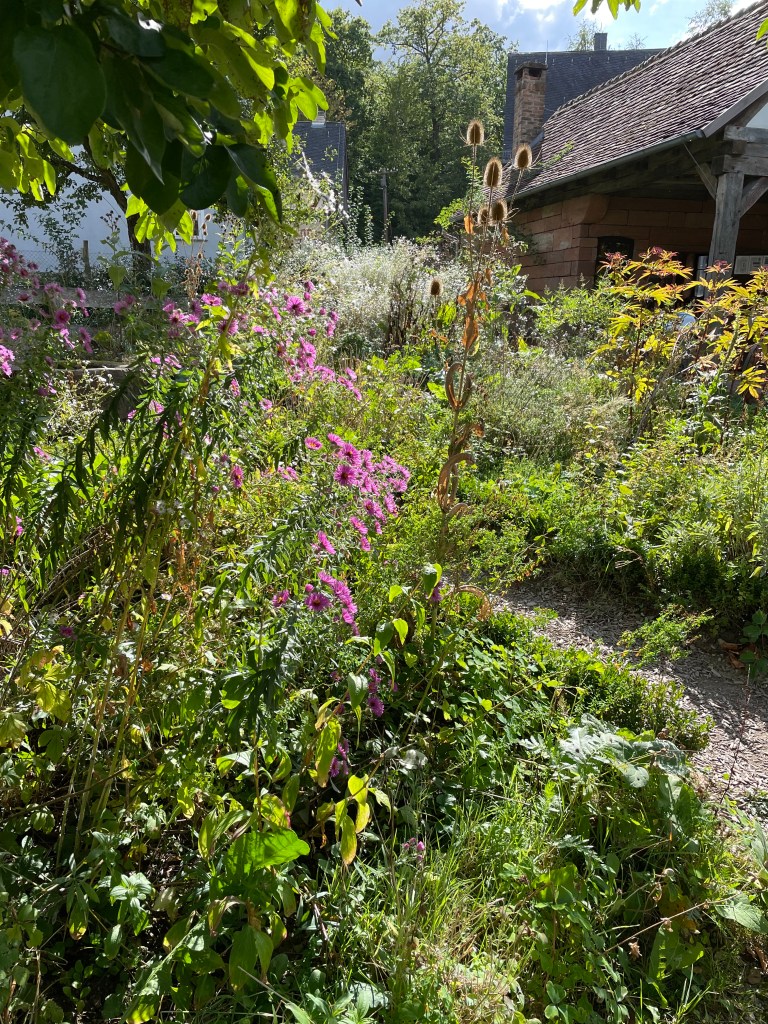
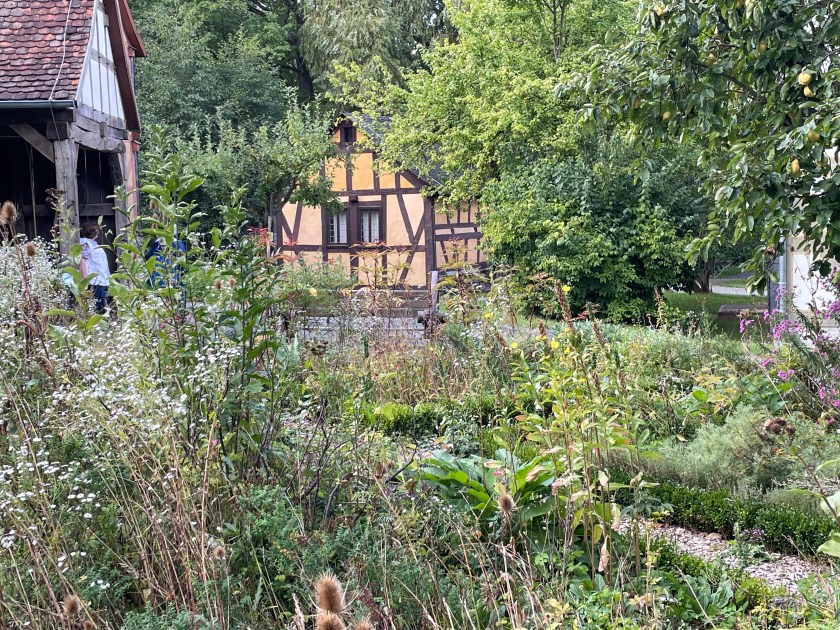
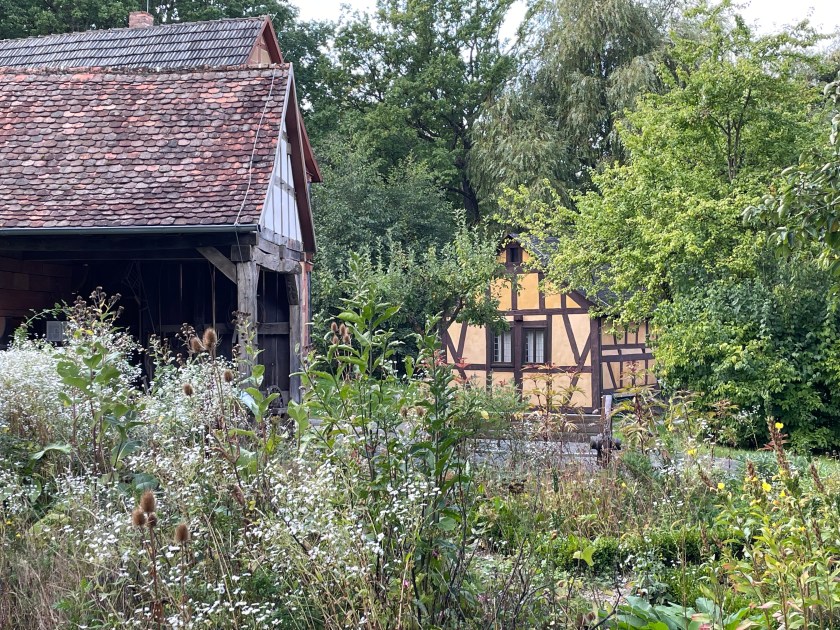
Even the gardens around the homes were historically correct, with plants, flowers and vegetables grown in that time period.
This tour will continue in the next blog posts.
Showing Friends Frankfurt

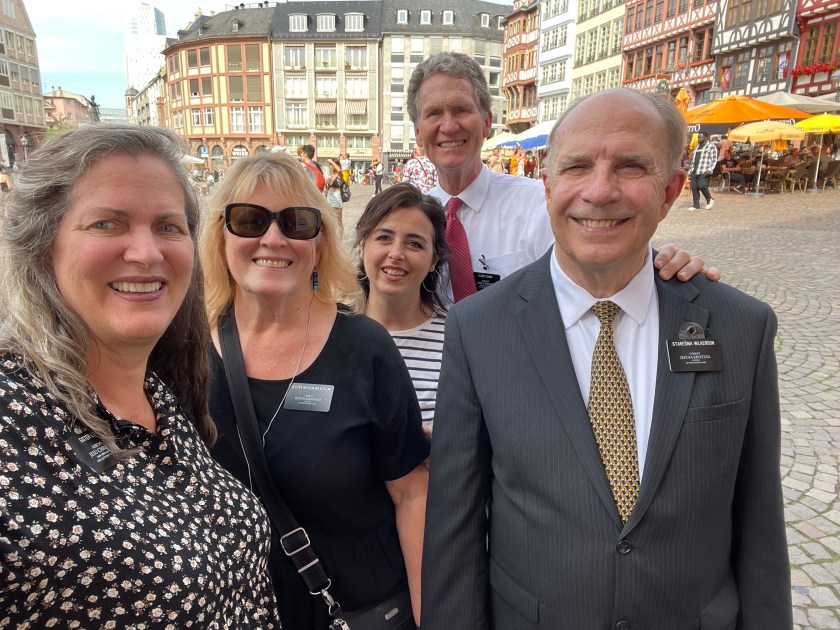
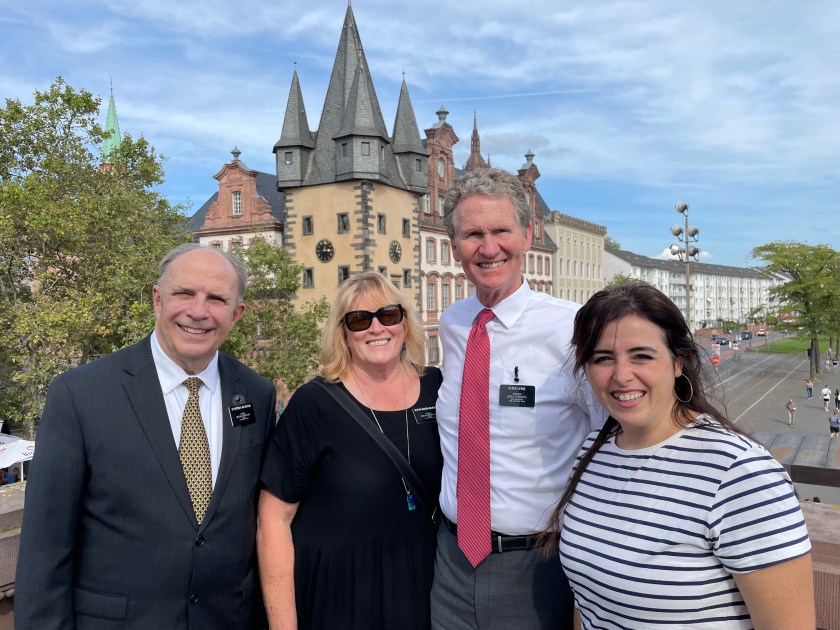
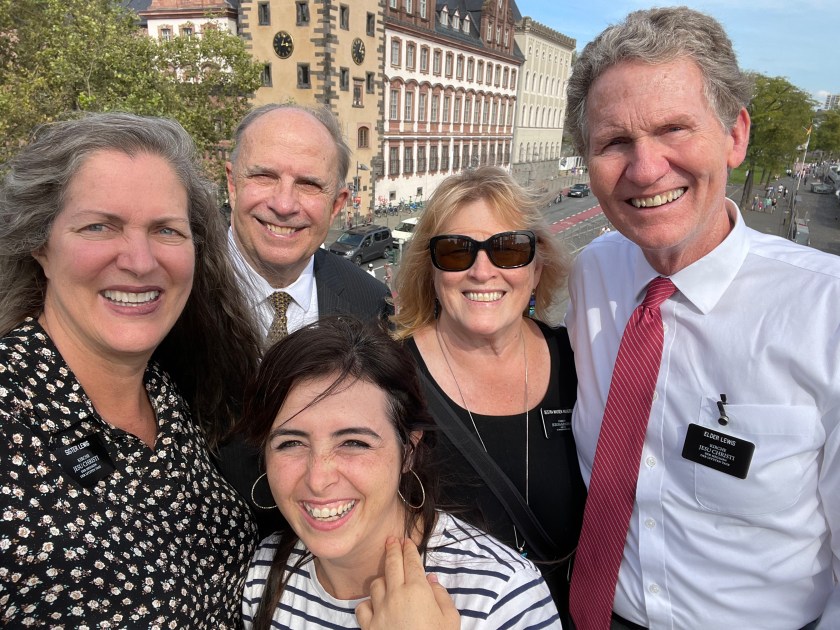
After our NCD Seminar ended, the shuttles to the airport and train station began.  We were on duty for a late delivery with Juliana from Albania and the Wilkersons who are serving in the Adriatic North Mission.  They live in Slovania and are representing 5 countries.

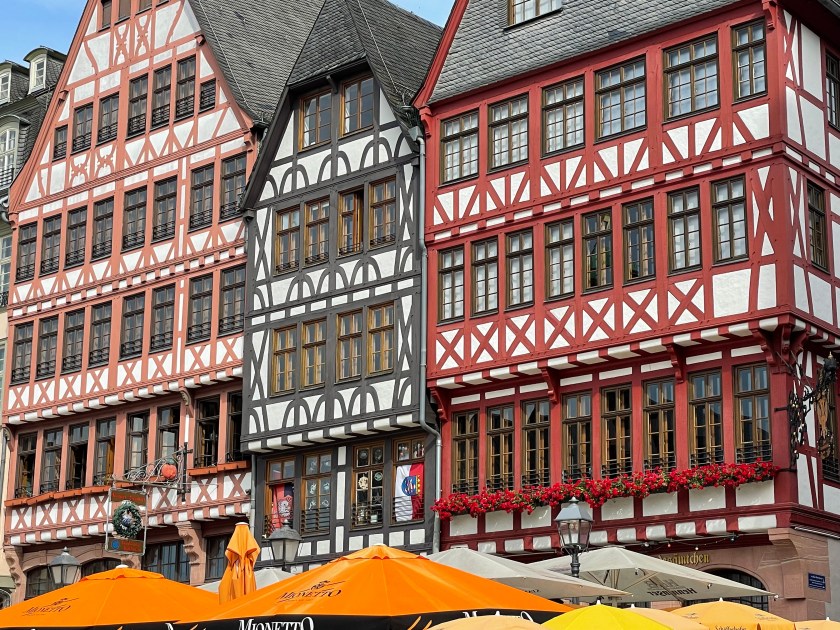
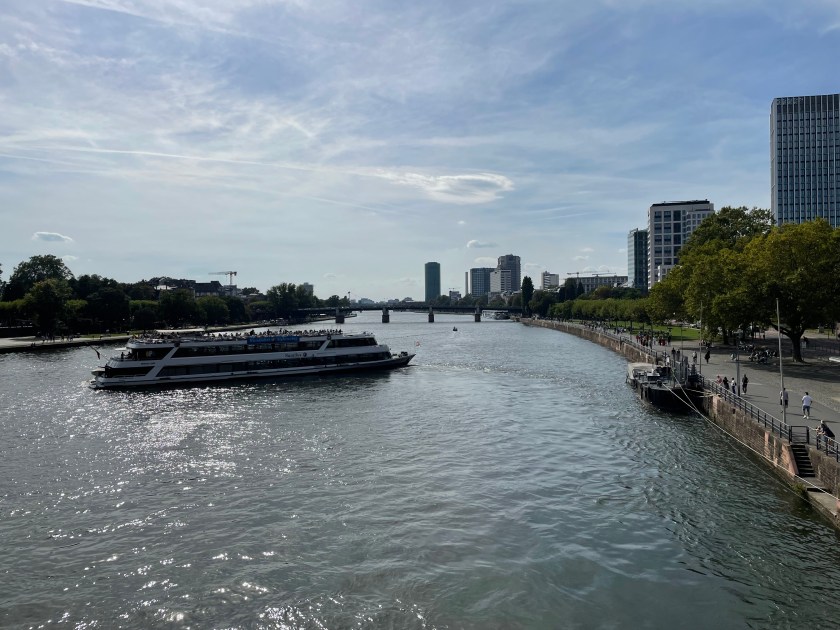
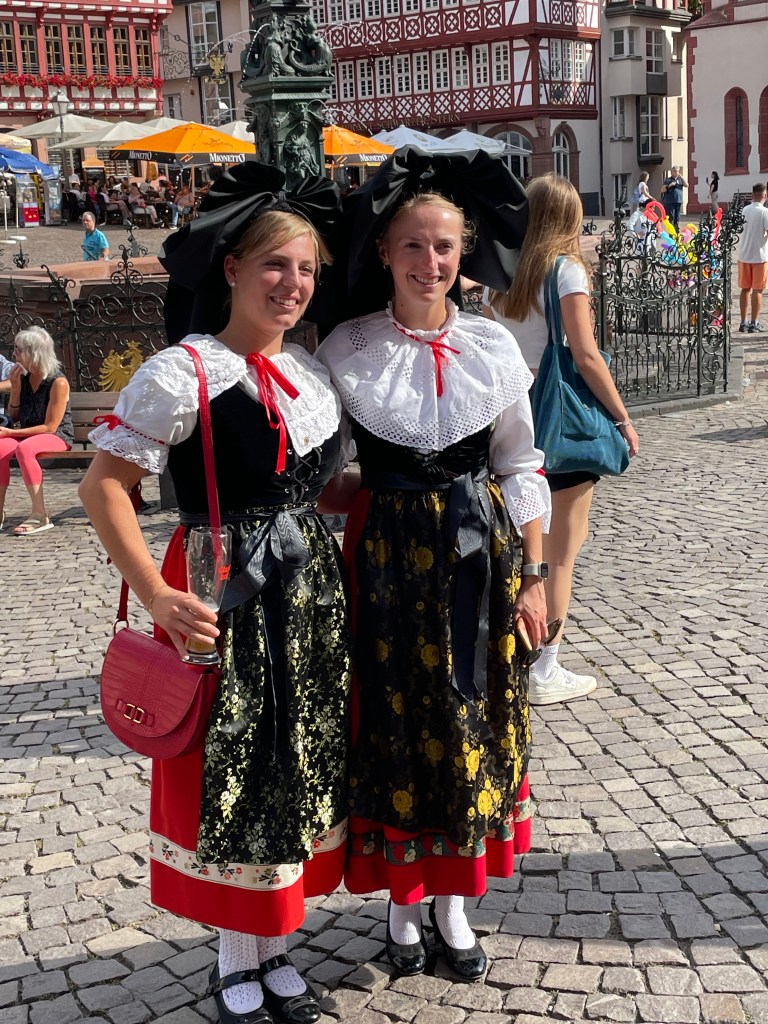
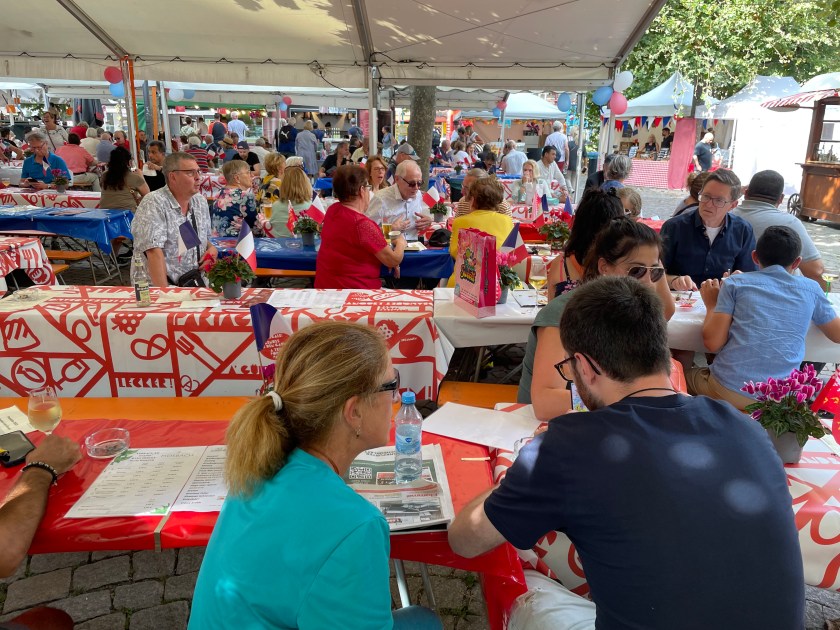
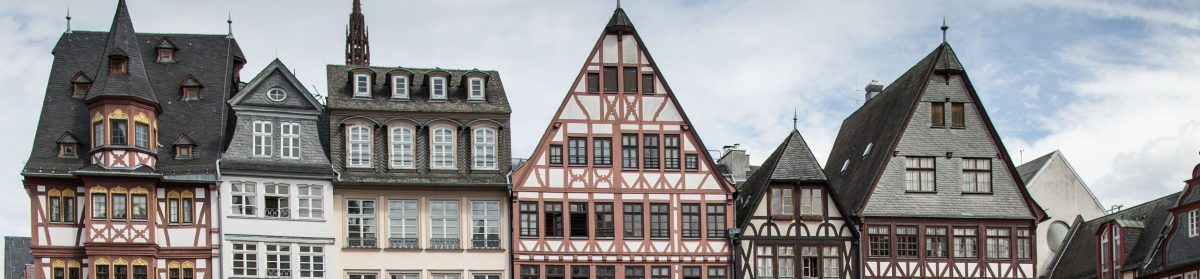
We had some time to show them a bit of downtown Frankfurt (it was only our 2nd time there!).  We had a really fun time.  There was a festival going on near the plaza.  People were out and about.  The sights are lovely here.

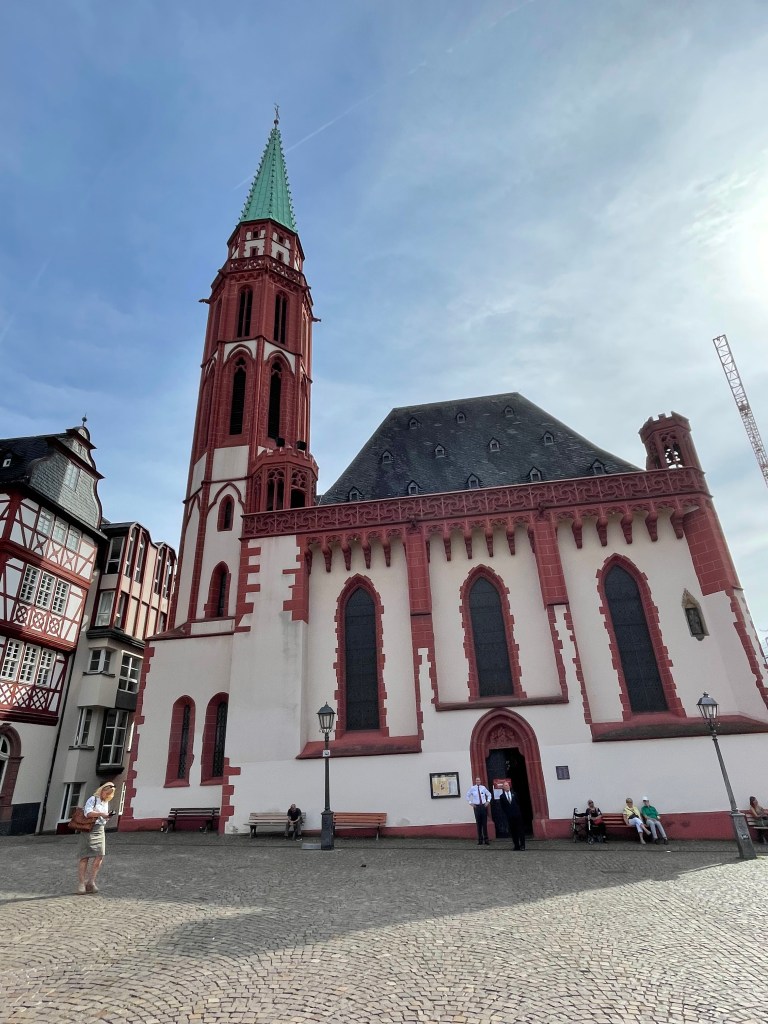
The Lutheran church on the Platz:

Here’s an interesting display showing the path Luther took during his lifetime.  In 1521 he was in Frankfurt.

The main Dom Kirche:

The Fest that’s been going on .  They call it Elsässer Woche:

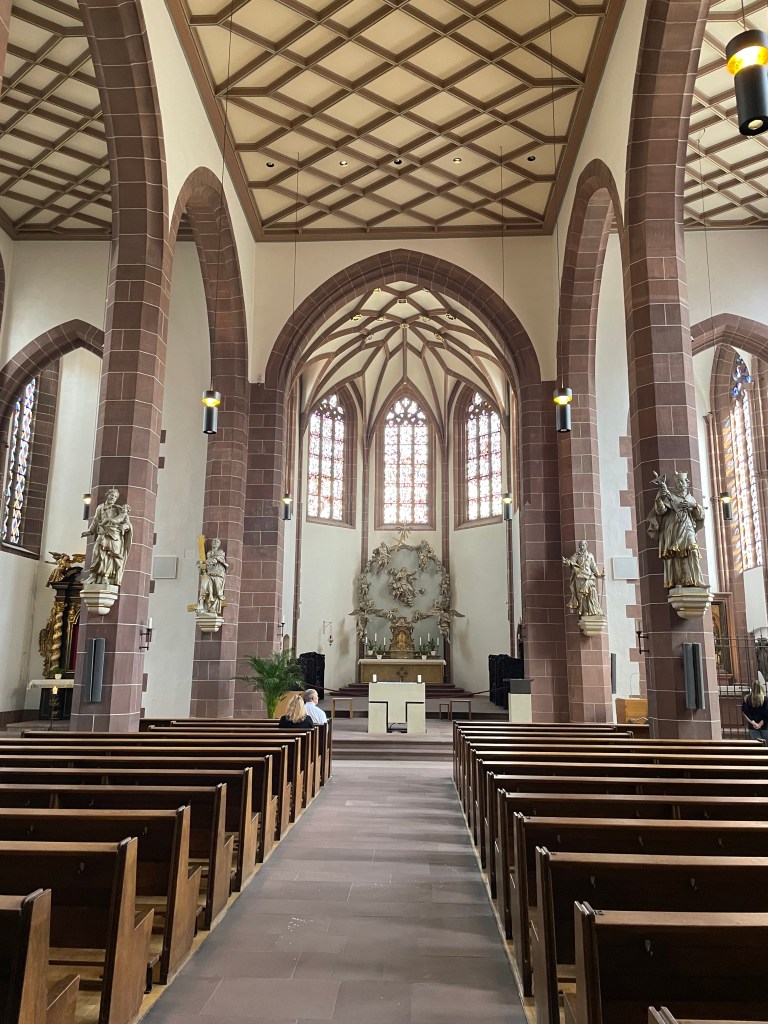
There are several churches surround the main square or Platz.  The Liebfrauen (dear woman) is another.

It was peaceful and serene inside.

Look at these lines and patterns!

These are the exquisite choir seats.
As we left the Platz, we passed this shop with a memorial out front to Ukranians who have lost their lives in the war.
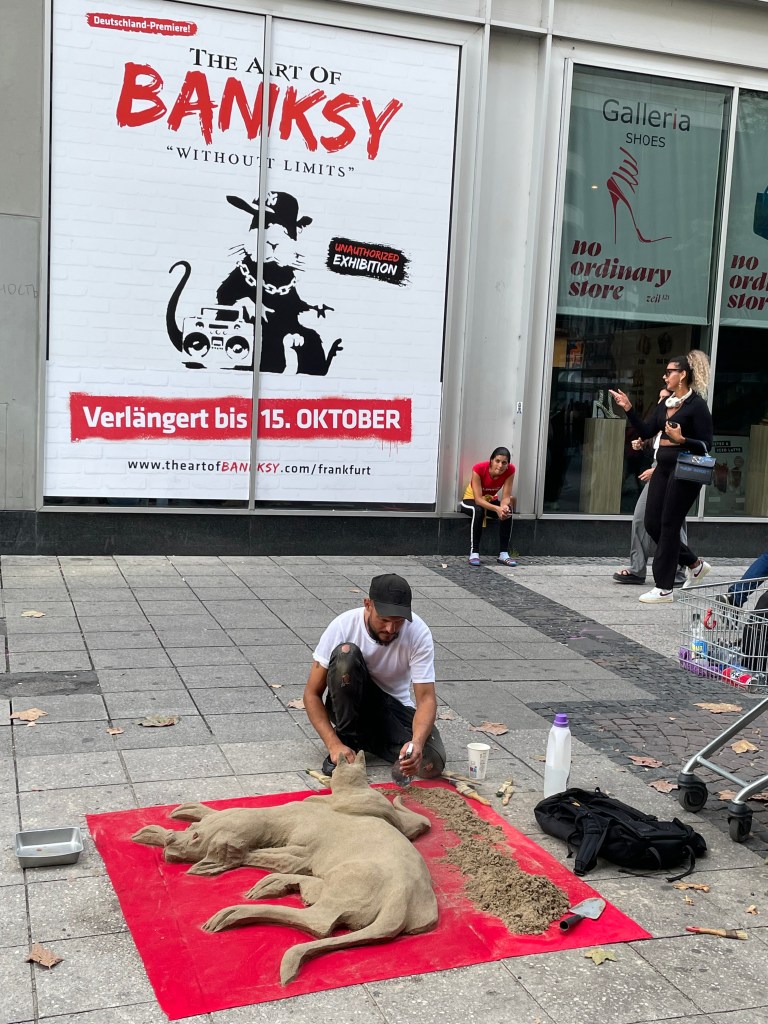
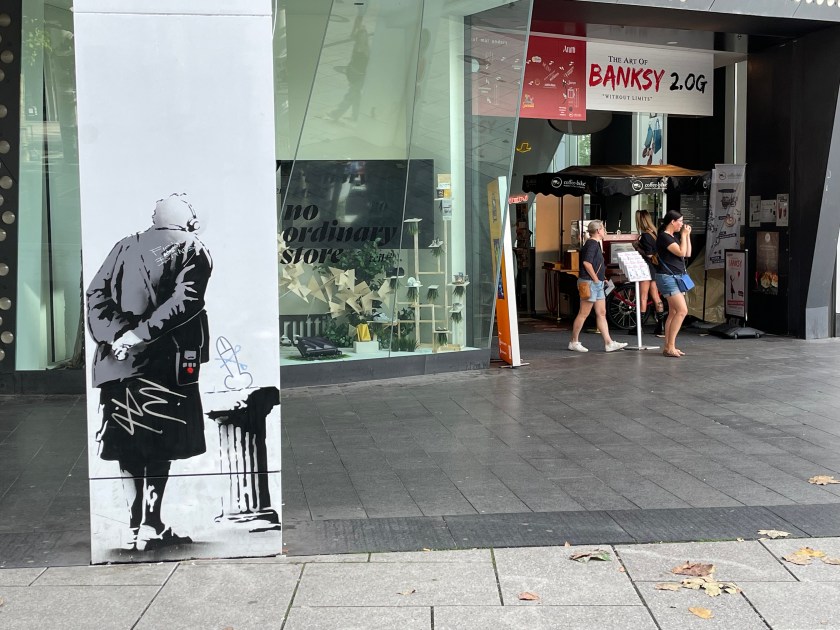
Another shop was advertising a display of Bansky art.  He’s the famous one who’s art we found on the wall in Bethlehem.

There are so many interesting things to look at here.  I keep pinching myself when I think “I AM IN GERMANY.”  We love being here.