

“My Lord Will Have Need of Me” –Meeting Elder and Sister Huber


On Tuesday, 3 October 2023, in Istanbul, Elder Peter and Sister Carla Huber were honoured on behalf of The Church of Jesus Christ of Latter-day Saints for their contributions to the relief efforts in Türkiye.  Recognised in an award ceremony by the organisation “Health Volunteers” in Türkiye, they were presented an award for their “Extraordinary Efforts to Heal the Wounds of the Earthquake” in Southeastern Türkiye.

In the early morning of 6 February 2023, a massive earthquake struck Türkiye and Syria.  In just 80 seconds, widespread damage covered an area the size of Germany. Fourteen million people were affected, many left homeless, without food, shelter, or medical care.

At the time, Elder and Sister Huber were serving as full-time missionaries for The Church of Jesus Christ of Latter-day Saints in Frankfurt, assigned to train and help people to be prepared for emergencies of any kind. Elder Huber had been involved in emergency response work for many years in his native Switzerland. He was prepared to immediately step into the crisis in Türkiye and know how to help.

Working in collaboration with the Republic of Türkiye Ministry of Health and the Disaster and Emergency Management Authority (AFAD), Elder Huber was moved when he learned that a company named Turmaks manufactured and had donated two field hospitals and he reached out to the company.  Area Seventy, Paul Picard, who attended the ceremony, said, “this is the start of a wonderful cooperation with dedicated and kind professionals sincerely engaged to help their fellow citizens.”

The Church of Jesus Christ of Latter-day Saints and Turmaks worked together to build and install five mobile field hospitals and 50 housing containers for 100 physicians and nurses who had nowhere to live. Funding for these mobile units was made possible by the kind and generous donations of members of The LDS Church in Türkiye and throughout the world. Also donated were more than 500,000 food and hygiene boxes and five million bottles of water.

In one city that once had a population of 60,000, the hospital was completely damaged, but some homes remained. Today, 250,000 people have moved into this city, but there was no place to receive needed medical care. The container and tent hospital now receives 1,500 people daily.

Elder and Sister Huber expressed gratitude for all the partners who collaborated to make this aid possible. “We were very happy to be here and to help a little bit.” Now they are looking to the future to find ways to help rebuild important infrastructures. “Looking at the whole thing, makes you feel paralysed,” said Elder Huber. “But I have learned that if we each day do our best, we can leave to the Lord to do the rest.”
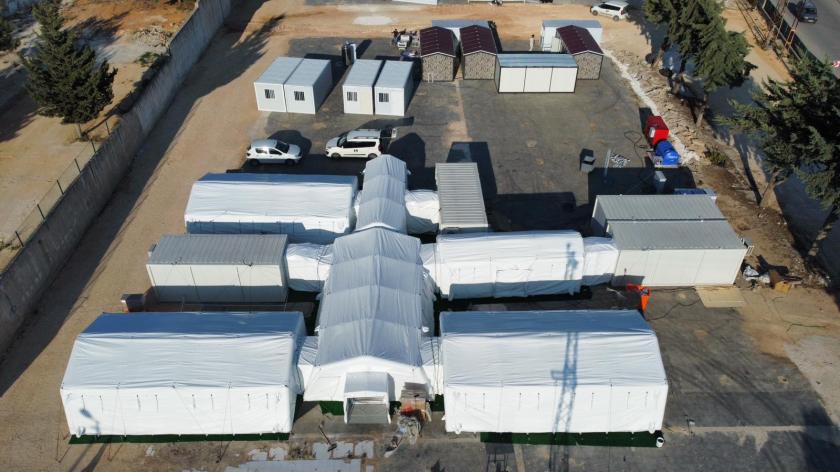
One of five mobile hospitals donated by The Church of Jesus Christ of Latter-day Saints in Turkiye.
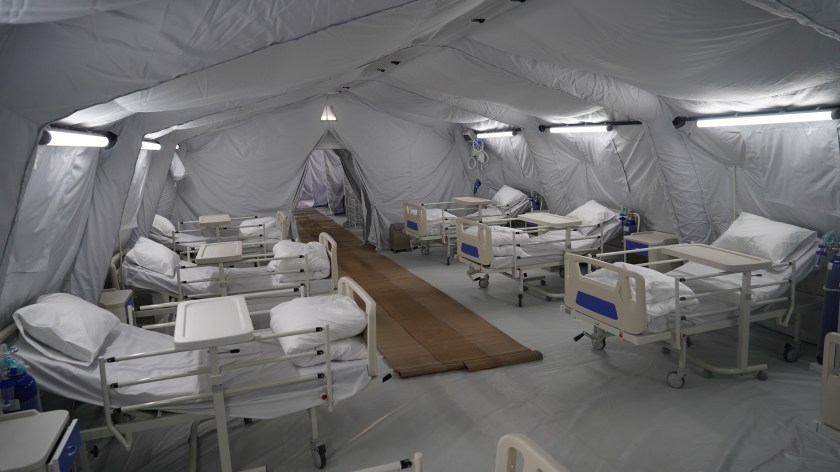
Inside a patient ward in the mobile hospital.
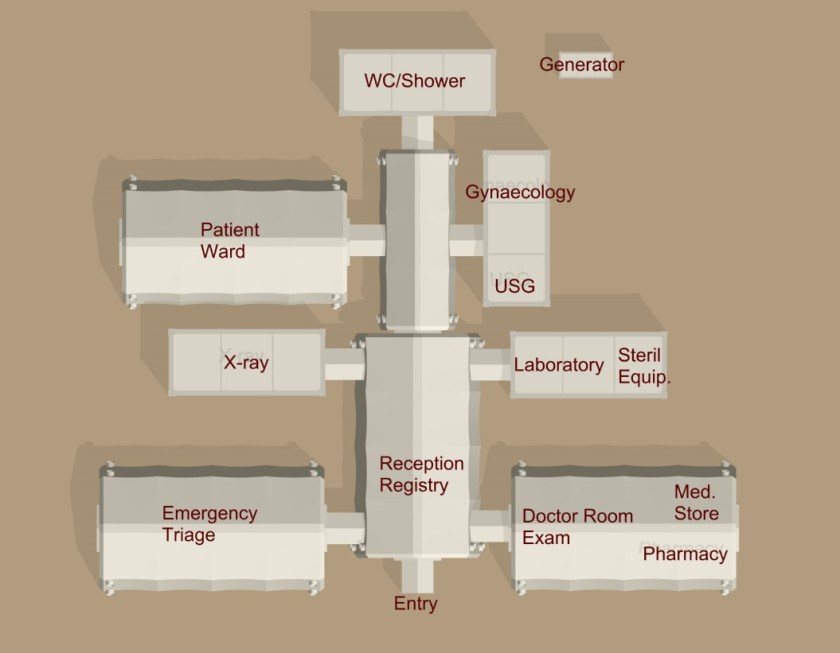
This is one way the mobile hospitals are configurated.
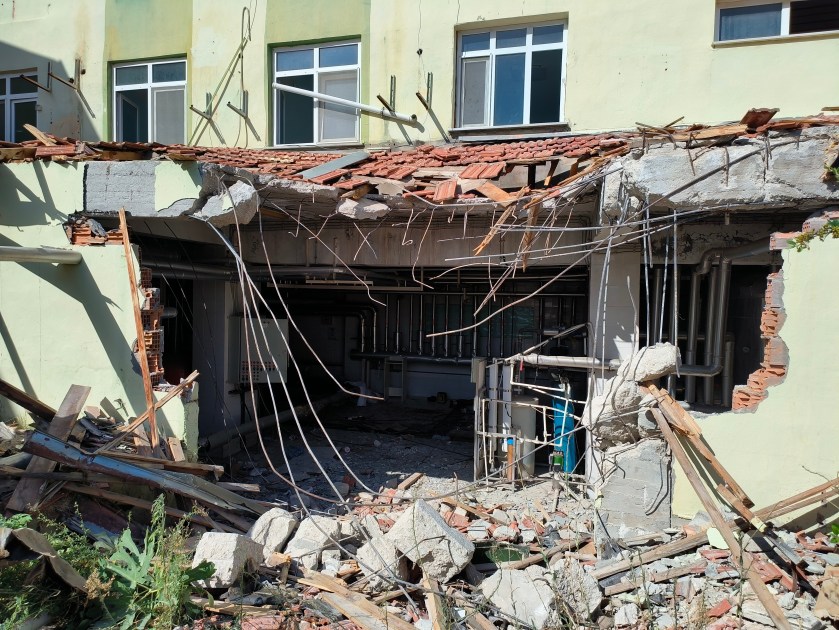
This is one of many local hospitals damaged in the 6 February earthquake.

Here is the LDS NEWSROOM article I wrote about the Huber’s award.

—————–

I asked Elder Huber to explain to me what in his life led him to be in that place at that time.  His story fascinated me.  Elder and Sister Huber are from Basel, Switzerland.  In Switzerland, at age 20, every young man is required to train for military service, returning yearly for continued training until the age of 32.  Elder Huber decided to be a military officer, eventually commanding 2,500 people, so his yearly 4-week training sessions continued until he was 52 years old.  His work in the military centered on logistics and emergency preparedness.  Because of that experience, his local government leaders selected him to be responsible for the safety of the people in his district.  He was in charge of developing new concepts, training people, finding materials and teaching people how to react in emergency situations.  Because of the expertise he gained, he was asked to help in many projects all over Switzerland.

Every 500 years or so, a big earthquake is due to hit Basel.  The last one was 700 years ago.  Earthquake response was one of the areas he focused on, training 100,000 people how to help rescue people in the event of an earthquake.  He also trained people and prepared for extreme heat or cold, flooding or dams breaking, the influxes of Syrian refugees, and nuclear power plant accidents.

In 2014, in a new government risk report, Elder Huber received instructions to prepare people for energy shortages, electricity shortages and pandemics.  As he considered the possibility of a pandemic, he anticipated challenges with overworked employees, over-crowded hospitals and waiting for vaccinations to be developed.  In 2016 he prepared a training program for pandemics.  His colleagues laughed at him, but when the Corona Pandemic hit in 2020, he was prepared and other districts copied his programs.  He said, “I was always praying to know what to do in my work and many times I received inspiration from the Lord about what needed to be done.”

After retiring, Elder and Sister Huber wanted to serve a mission.  They looked on the LDS Missionary Portal to see what types of service opportunities were available.  They decided they wanted to let the Lord choose where they served, rather than picking an assignment.  At the time, Elder Huber was working in the temple with a local Area Seventy.  They often talked about missionary service.  This friend asked Elder Huber for a copy of his CV, which he then shared with the Area President in Frankfurt.

In January 2022, the Hubers received a call to serve in Frankfurt as Welfare Service Missionaries, Specializing in Emergency Response for the Central Europe Area.  Their mission would begin in October 2022.  In February, the war in Ukraine started.  One week later, Frankfurt called.  “Can you come earlier, we need you now!”  Elder Huber had retired, but his wife was still working.  From March to May, he traveled to Frankfurt weekly to start helping, while his wife was still working in Switzerland.

In October the Area President called to ask him to help with the Ukraine crisis.  Elder Huber started to develop tools for the Area to be prepared for disaster situations.  He worked with the Self Reliance manager.

On 6 February 2023, the earthquake struck Türkiye, causing widespread damage and affecting 14 million people, leaving many homeless, without food, shelter, or medical care.  “We were asked to go to Türkiye to help,” said Elder Huber.  “And so we went.”

Church leaders in Salt Lake were thrilled to have Elder Huber here, on the ground, prepared and ready to go serve and help in Türkiye.  It was no coincidence.  Once there, they worked around the clock, pausing only to go to church on Sundays.

“We did not plan to do this,” said Elder Huber. “We realized that the Lord really prepares people over the years and decades.  Every couple has a big life experience they can use.  I never expected to be able to help in an earthquake zone on my mission.”

“If you go there and come back, you are not the same person anymore,” said Elder Huber.  “Actually going there is not at all like just looking at pictures.  Homes have broken down; people are searching for family members.  Even months later, people didn’t want to leave their homes, hoping to find their lost loved ones.”

Elder Huber said, “people came for the aid, and then hugged us, they didn’t want to let go.  Most were Muslim. They looked at us and said thanks, not to Allah, but to our God for sending us to them.”  He quietly and tearfully continued, “It’s wonderful.  I cannot imagine doing better work.  It’s been an absolute great opportunity to serve here, helping people in need.  I have seen the words in Matthew 25:334-45 fulfilled, every single point.  Today I have another feeling about this scripture.  I always felt bad for not helping more.  We always contributed some to humanitarian funds.  But I’m glad that today I can say yes there was a period in our lives where we did exactly what the Savoir taught in Matthew.”

I told Elder Huber I hope his mission never ends!  He said, “If you are dedicated to the work of the Lord, you are never released.”  He continued, “It’s important that we are ready for these last days.  It’s a very important time.  Looking at the whole thing, makes you feel paralyzed.  My motto is: ‘Do each day your best, leave to the Lord to do the rest’ (David O. McKay).”

I left this interview moved to tears, overwhelmed as I thought about the years of preparation that brought the Hubers here now.  I will admit that it was no small part of me that wished I could trade places with them and do what they are doing.  But sadly, I know that I am not prepared to do that job.

Then the thought occurred to me that I may not know how to build mobile hospitals and aid earthquake victims like the Hubers, but I can WRITE and RECORD what I learned from them.  That is something I have prepared for many years to do now.  And so, here is their story.  And I want to share it with you.

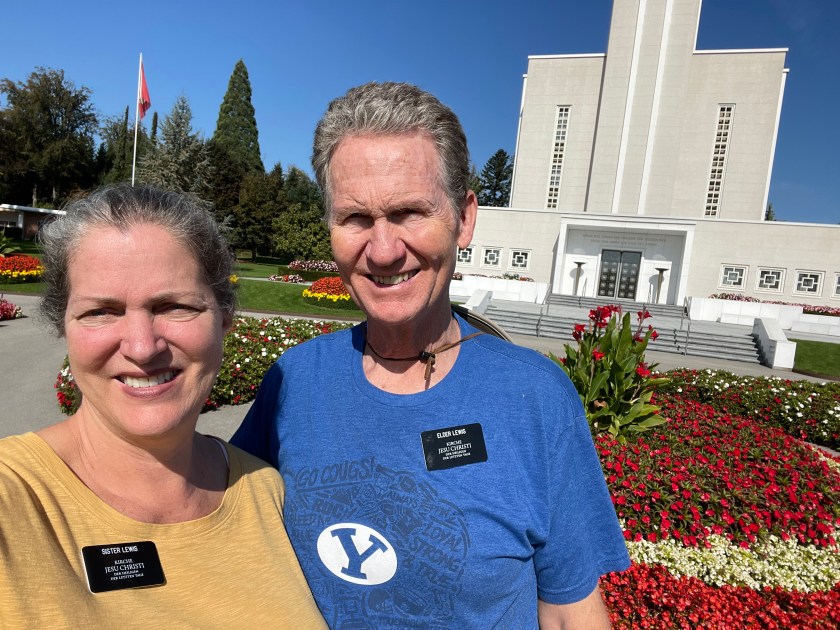
Sis Ann Lewis, 6 October 2023, Frankfurt

Höllstein, Home of the Degen Family

I have always wondered how the Swiss countryside looked where Elizabeth Degen’s family once lived.  What did she leave behind as a 14-year-old girl, setting off on a Grand Adventure to America?

In 1920, her son, Martin Benjamin Bushman wrote this tribute about his mother, Elizabeth Degen Bushman:

Elizabeth Degen Bushman
Written January 10, 1920, by her son,
Martin as a token of respect for his parents.

Elizabeth Degen was born September 12, 1802 in Holstein and Tacknais, (Baselland) Bazeland, Switzerland. She is the son of John Casper and Maria Graff Degen. She had been only four years old when her mother died at the birth of a sister born October 26 and was buried October 29, 1806. Therefore, she never had a mothers care, and love to guide her in her youth. One year later her father married Ann Maria Shaublin (Schaubline). Six children were born to this union, two died in Switzerland as infants.

She had a good education in her childhood, then she had to work for her own living.

In the fall of 1816, John Casper Degen took his family: Elizabeth, her step-mother, and her half brother, Frederick, and half sister, Anna Maria to America. They sailed from Ansterdam, Holland, in an old sailing vessel that was seventeen weeks crossing. They suffered much for food and water. The voyage was rough and they lost two of her sisters on board the ship and were buried at sea.

After arriving America, the trip being longer than they were thought, put them in dept to the caption. Elizabeth, then fourteen, was bound out for two years to pay the debt as a domestic servant, after which she continued to work to help provide for the family. She was a child of good character and strong will power and was able to work her way along in the community in which she lived. The experiences she got between the ages of 15 and 25 seemed to prepare her for her future life. At 25 she could read and write and speak the English language as well as her native language. She learned to cook and do all kinds of household work. She was also very handy with the needle. She was an expert with the spinning wheel and could spin the wool into yarn and the flax into thread ready for the loom. She could go into the field and bind up and stock the grain, at that age she was strong and healthy. She could milk the cows and make butter and cheese. They settled in Lancaster Co. Penn.
Here are Elizabeth and her siblings:
Elizabeth Degen (1802-1878) died in Lehi, Utah
Anna Maria Degen (1806-1806) she and her mother died after her birth in  Holstein
Anna Maria Degen (1808-1808) died in Holstein
Anna Degen (1809-1816) died at sea
Anna Maria (1810-1910) died in New Paris, Ohio
Friedrich Degen (1812-1891) died in Lancaster, Pennsylvania
Hans Jacob (1814-1814) died in Holstein
Salome (1816-1816) died at sea
* * * *

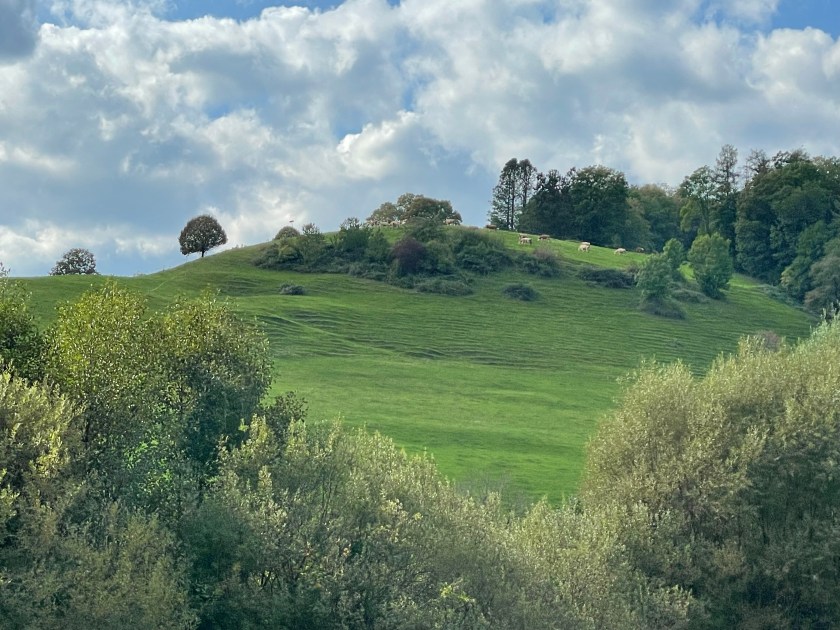
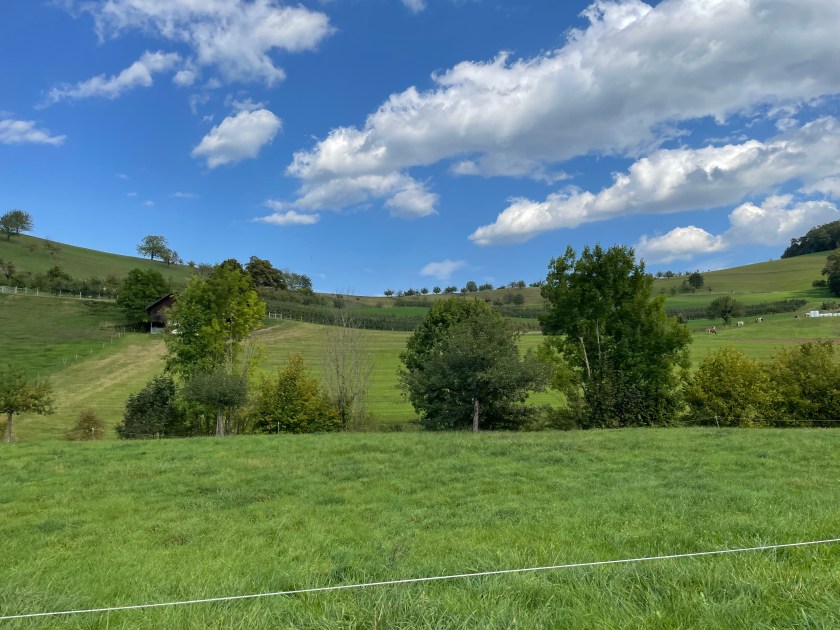
Today as we drove into her home village, my eyes drank in the rolling hills and forests and wooded areas.  They are probably much like they were 200 years ago.  I wanted to see what Elizabeth saw and what she left behind.

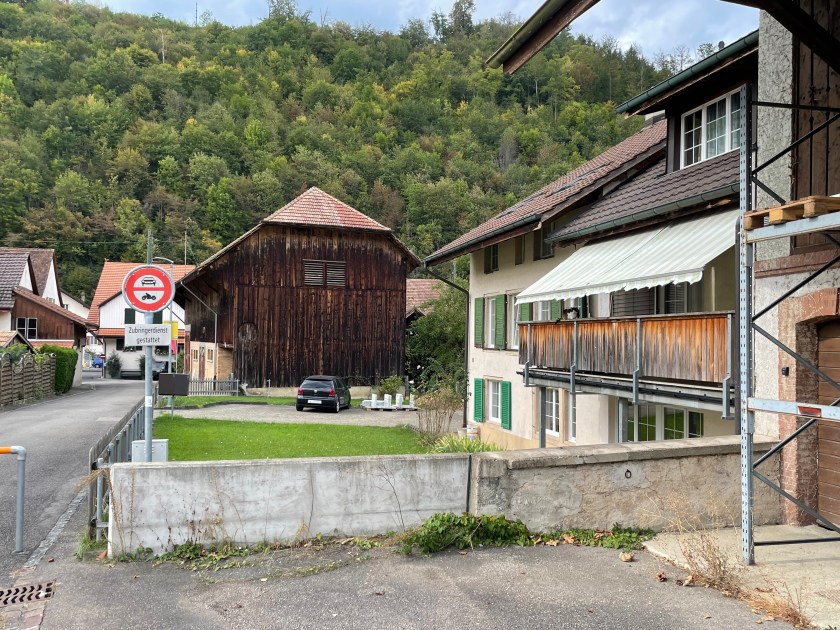
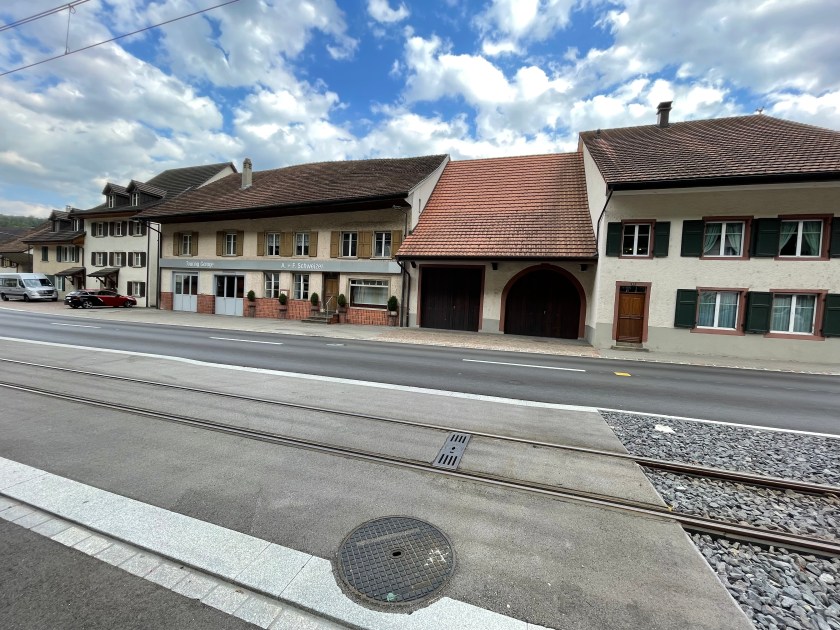
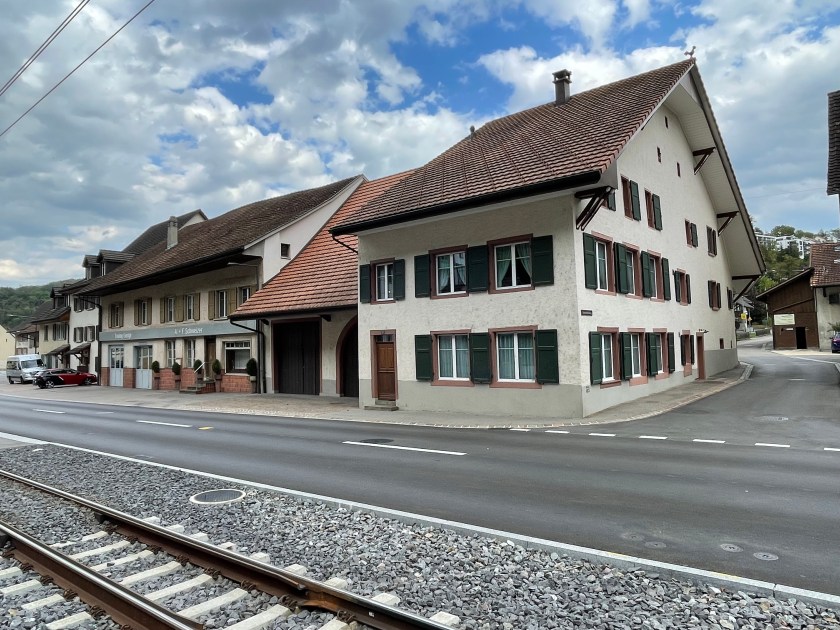
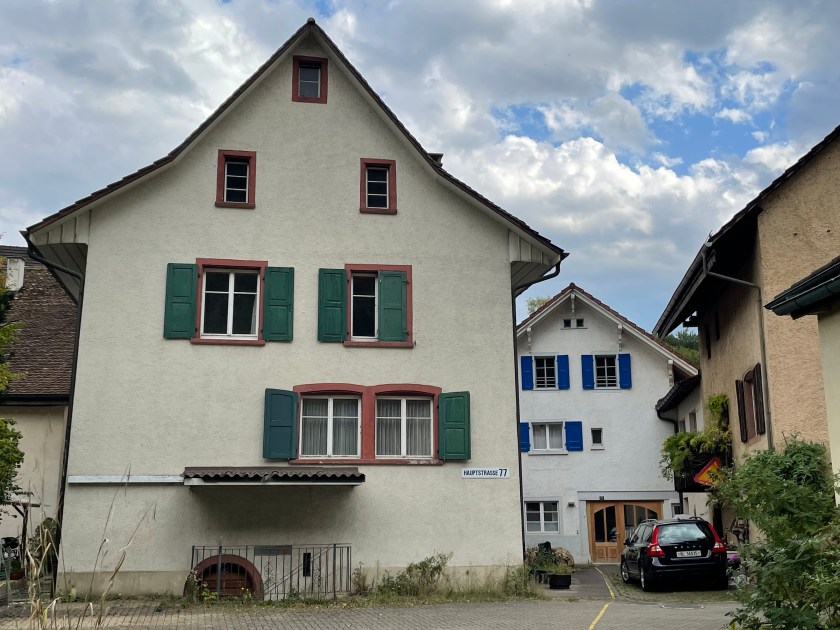
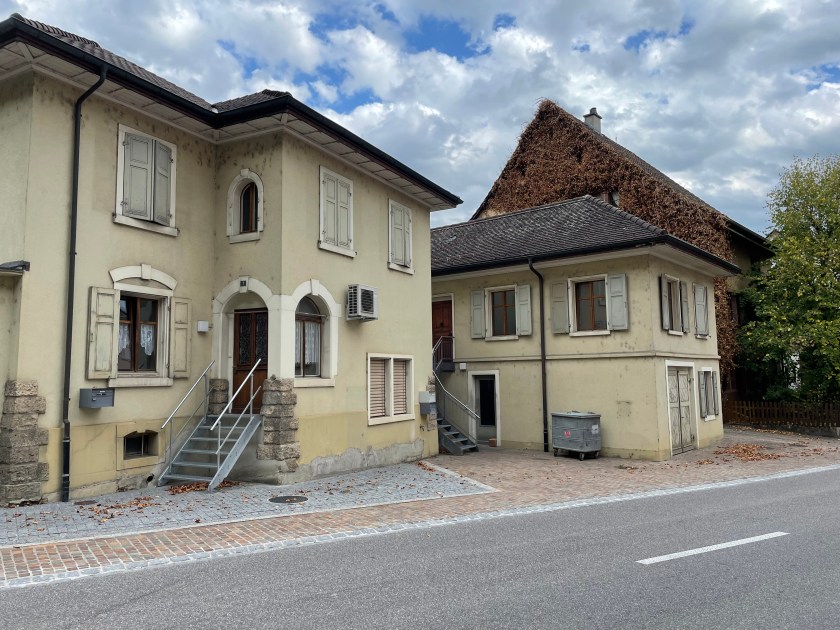
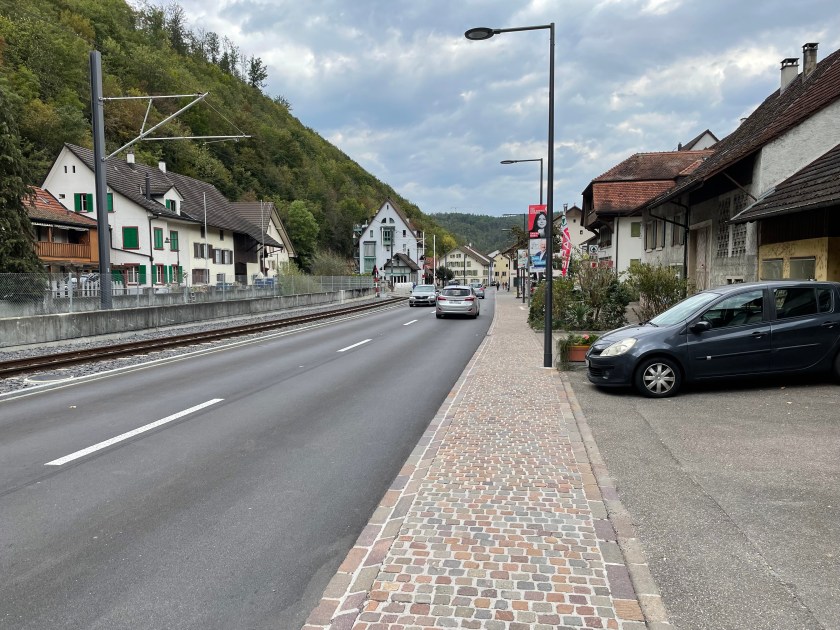
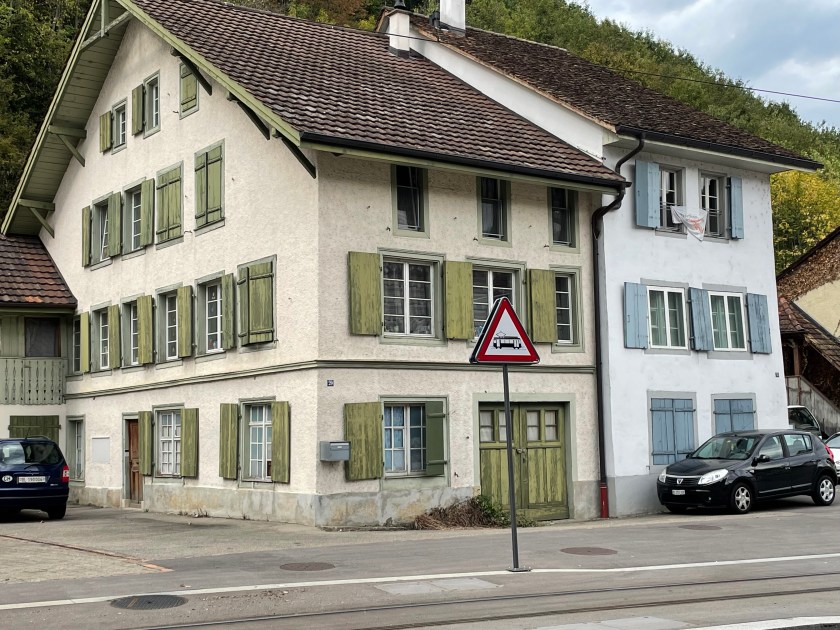
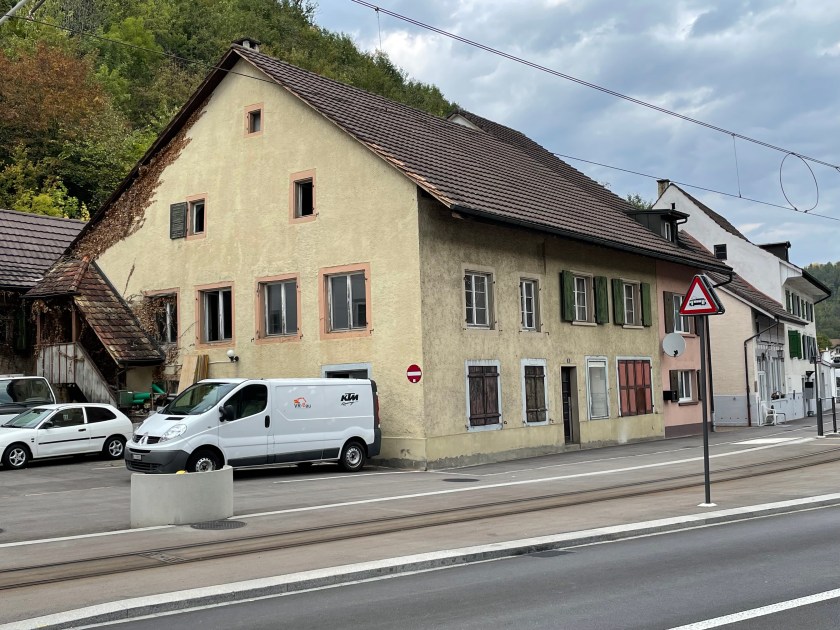
After visiting the church (see the previous post), we drove to the main street of town.  The street lies next to the train tracks.  The homes were old.  I wondered if these homes were there in the early 1800s.  After parking the car, we got out to walk along this street to feel this place.

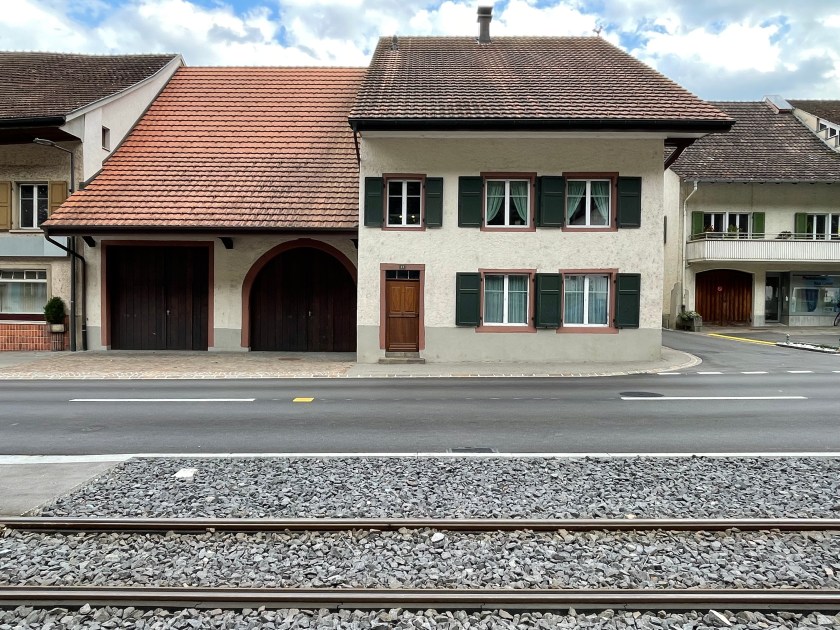
This is the street we walked down after parking.

Here is what happened next, as recorded in my journal:

After thoroughly searching through the cemetery, we drove around a bit.  There was a main street, or Hauptstrasse with a Bahnhof and very old buildings. The town grew from there, going up the hillside.  We found a place to park so we could get out and walk along the main street.  We were about a block away.  As we approached it, a little old wrinkled lady walking with a cane came towards us.  There were no others in sight.  We approached her and John explained that we were visiting Holstein because my 3rd Great Grandmother was born here and we came to see her birth place.  The little lady had tan wrinkly skin and wore a sleeveless sun dress.  Her hair was white and whispy, with a touch of coloring in the ends, of a reddish-pink color.  She was quick to smile and engage with us.  I would guess she was near 80 years old.  
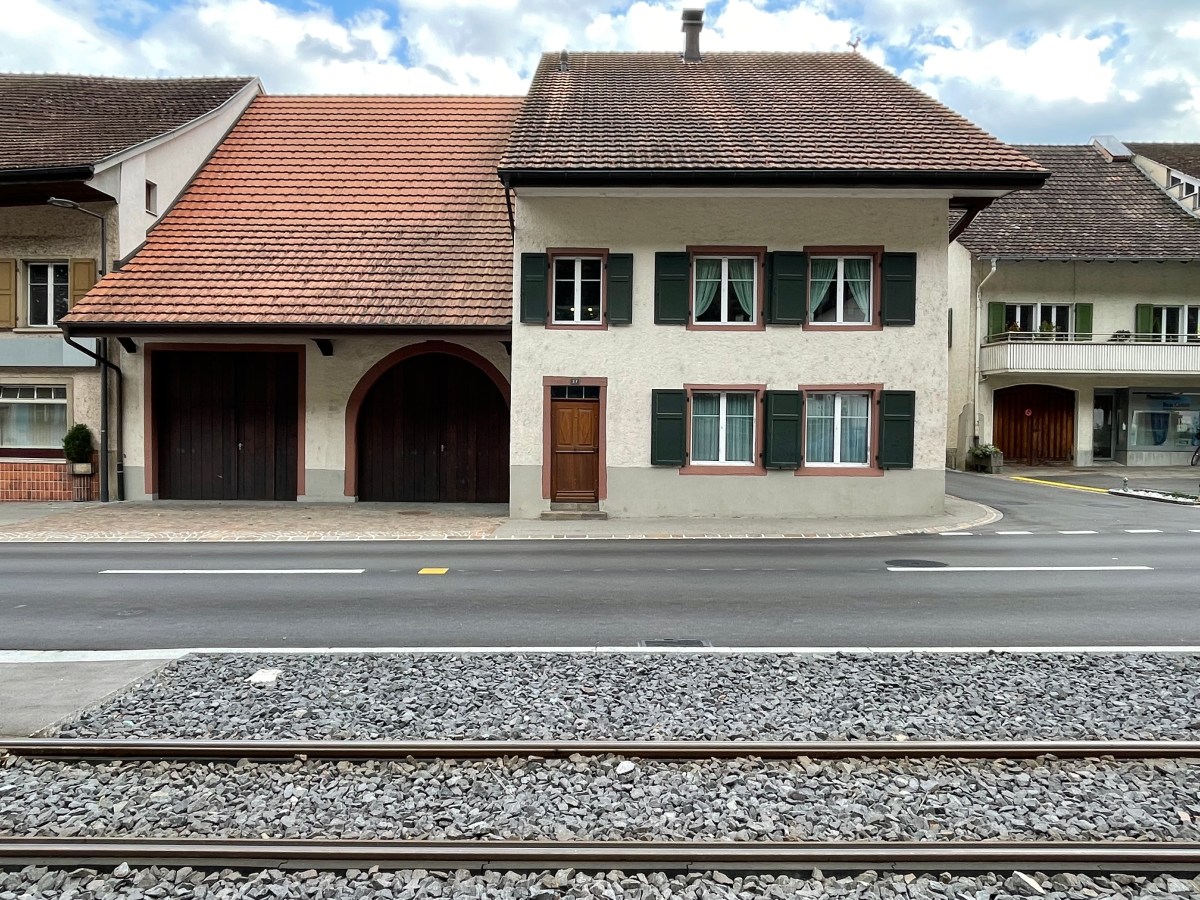
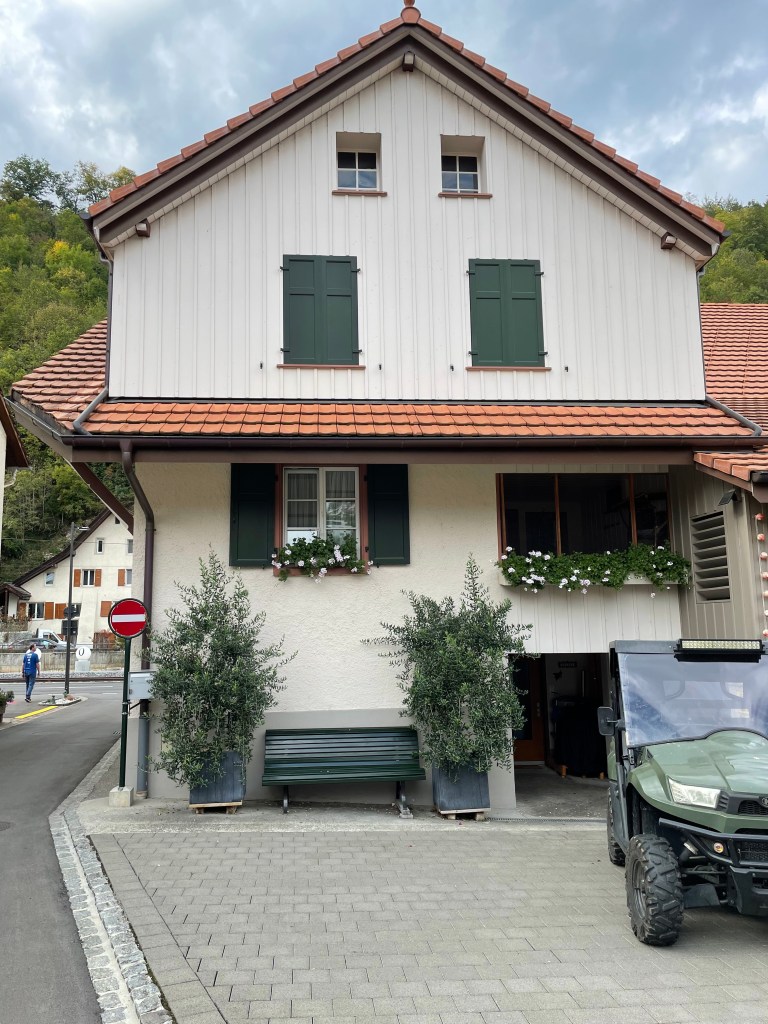
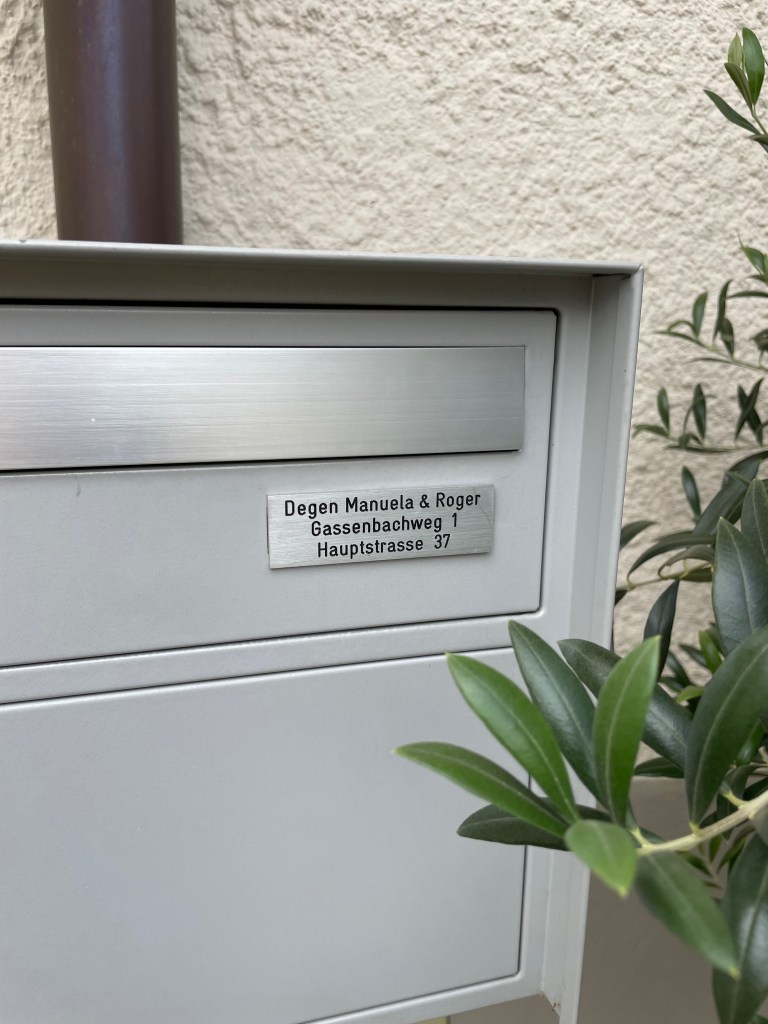
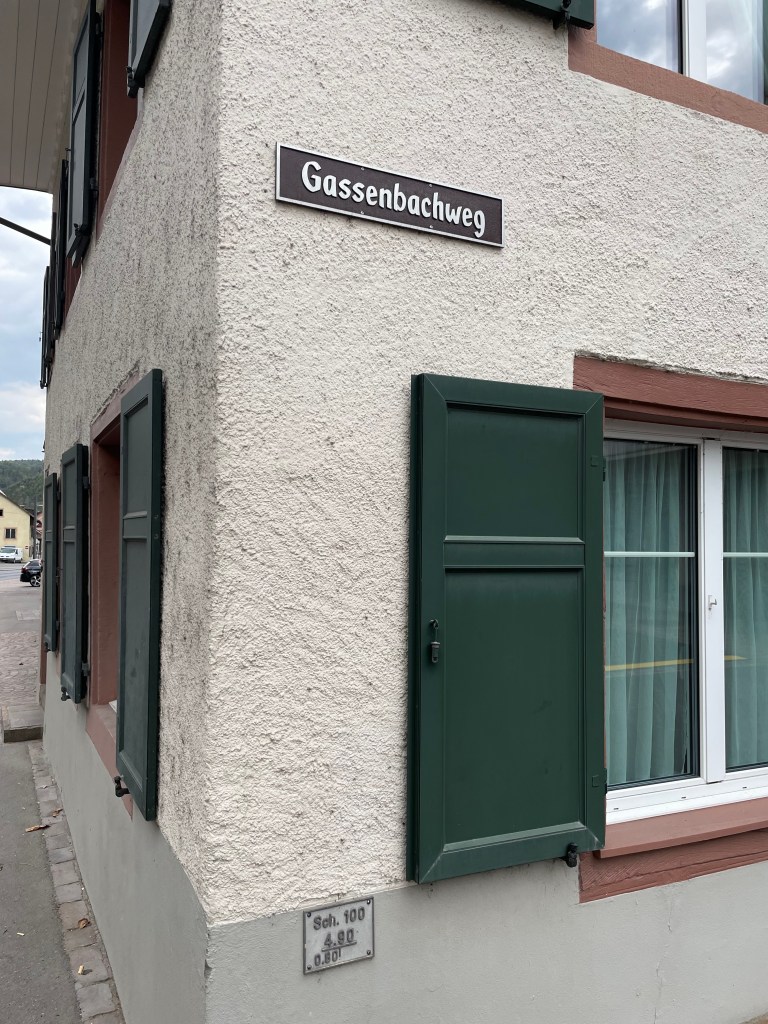
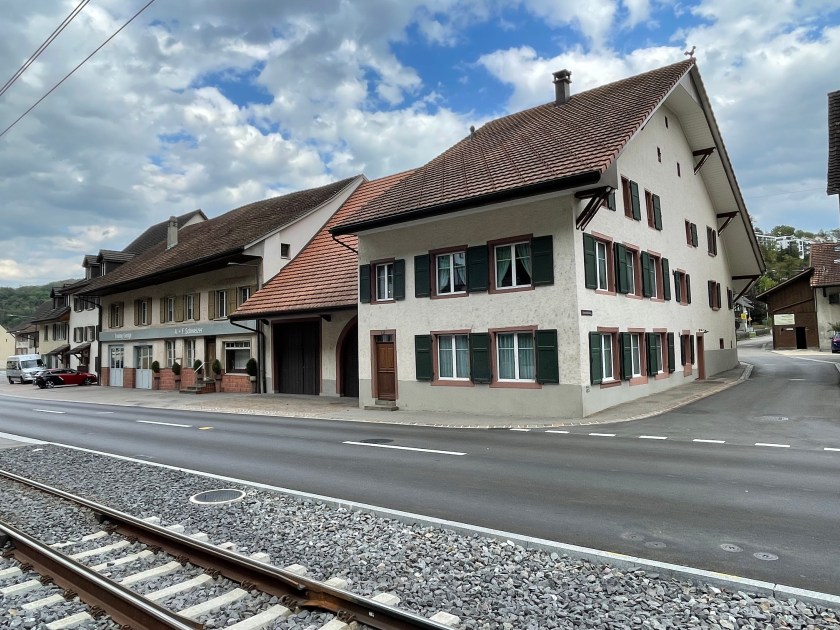
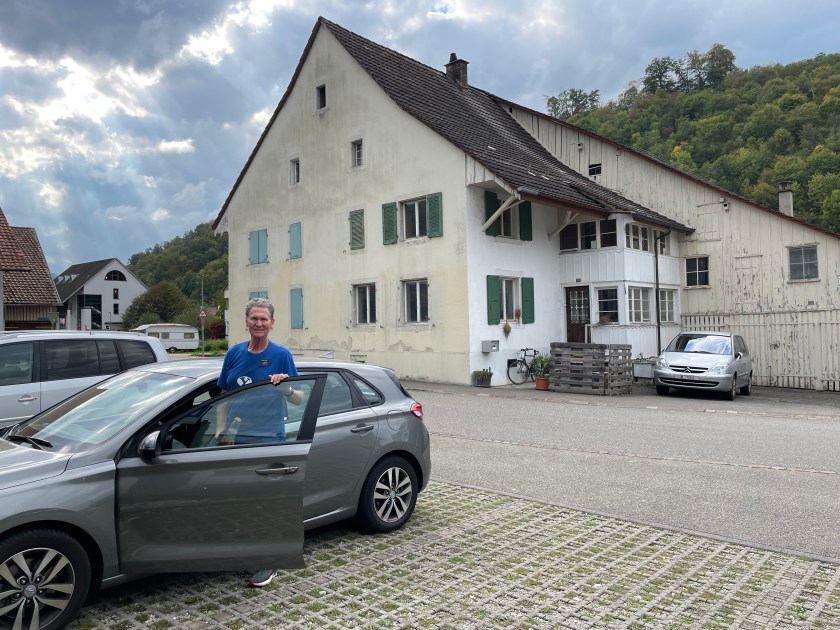
After we explained ourselves, she asked, “what was the name of your family?”  In Germany we told her “Degen.”  Her face lit up and she pointed to the old farm house we were standing NEXT TO.  She said, “This is the Degen Bauernhof.”  She told us Roger and Manuela Degen (Gassenbachweg 1, Hauptstrasse 37) still live there, but they were out of town right now.  
As she spoke to us, I wondered if she was an Angel sent to us from Elizabeth, to help us find her home.  It’s very possible that this home has been in the family all these years.  We will have to return to find out.
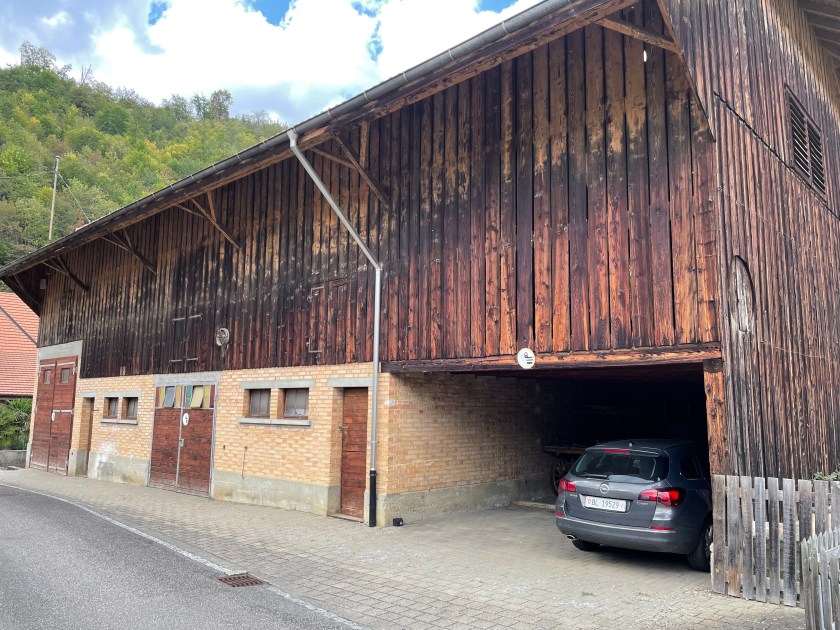
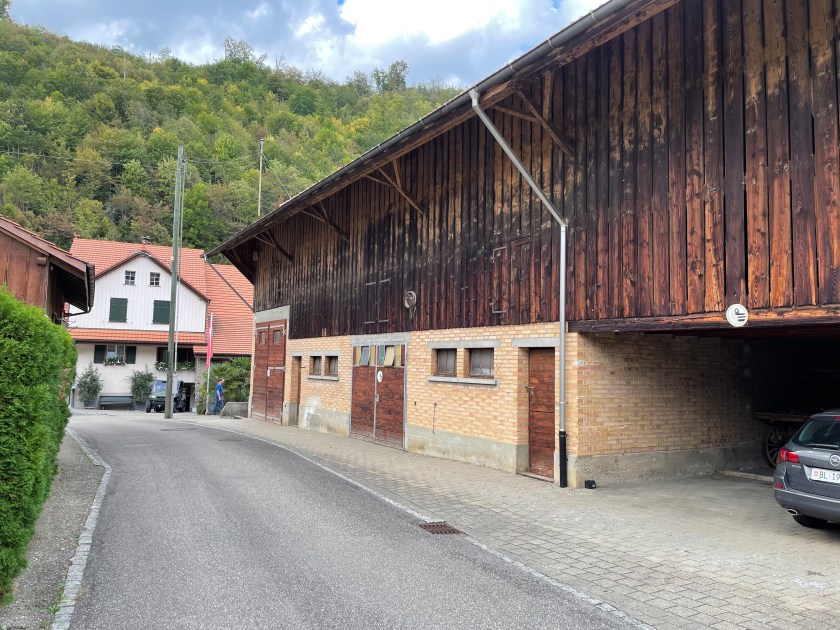
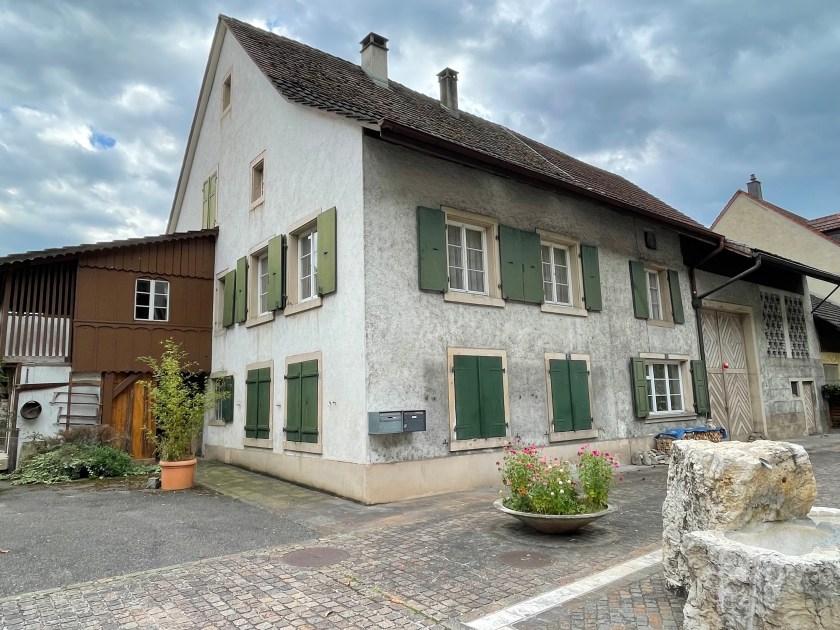
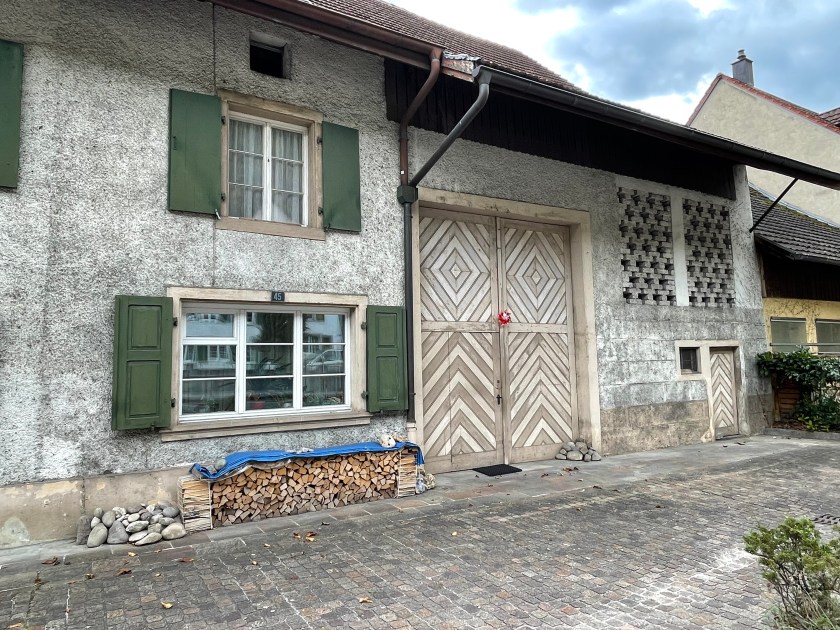
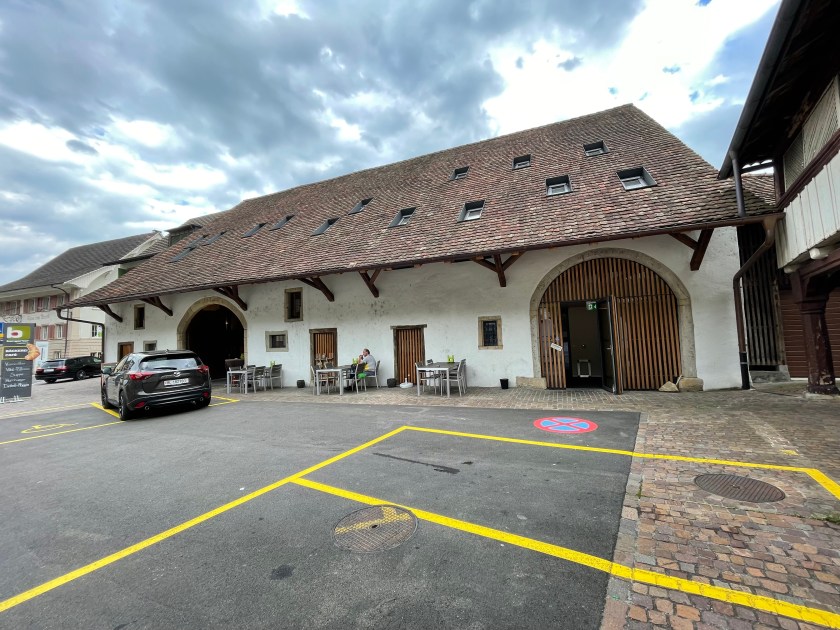
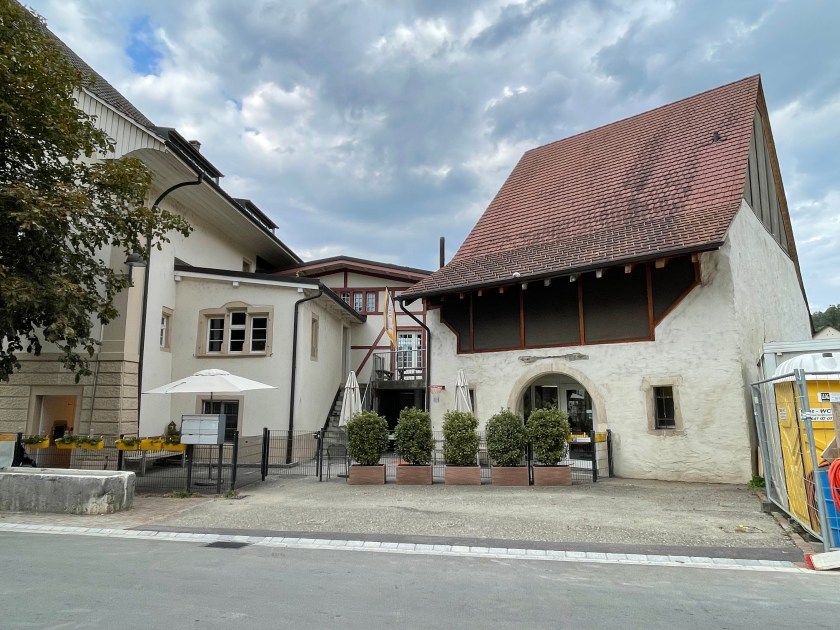
This is the Bauernhof (farmhouse that housed a family, farm equipment and animals).
Elizabeth Degen was born September 12, 1802, here in Holstein. Her father was John Casper Degen. Her mother died in childbirth when Elizabeth was four years old and a year later her father married again. Six children were born of this union. In the fall of 1816 John Casper Degen brought his family to America.  The family joined the church in Pennsylvania in 1840, after being taught by traveling missionaries.
This dear lady told us that the family lived here in this farmhouse (the barn was attached to the home) for many years, but as the village grew up the Degen brother of the 61 yr-old Roger thought it was getting “zu eng” (too narrow or tight/ crowded) so he moved his family up onto the hillside above the town where there was more room to farm and have animals.  They called the farm there Degen Eiche (that means oak).  She said if we asked directions from anyone up there, they would be able to point us to that farm.  We will have to return to do that, after I’ve done some more research on the family in Holstein.  I wonder if there are church records microfilmed. 
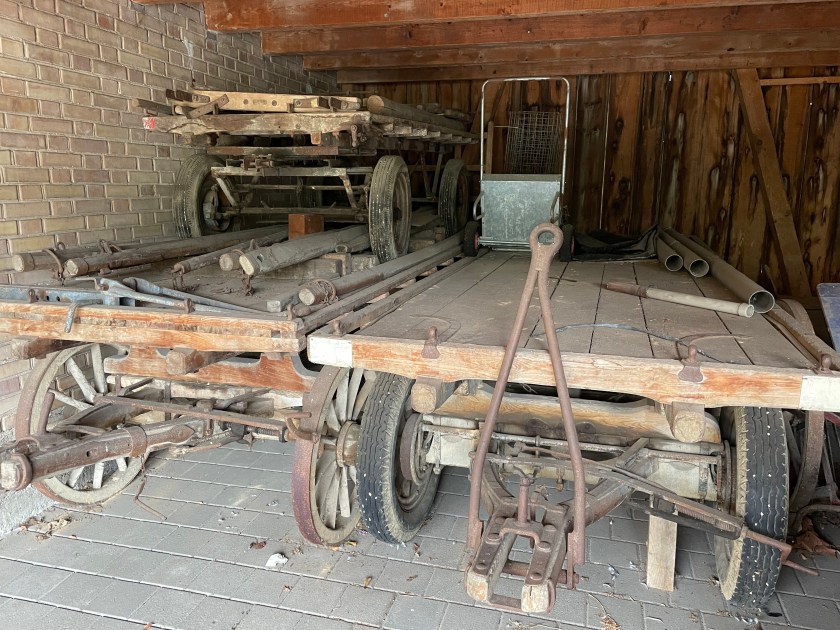
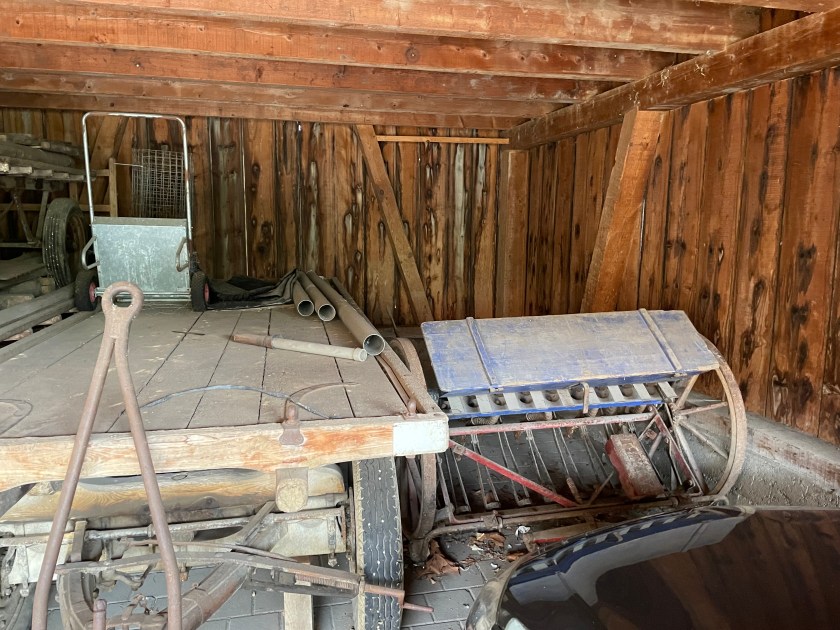
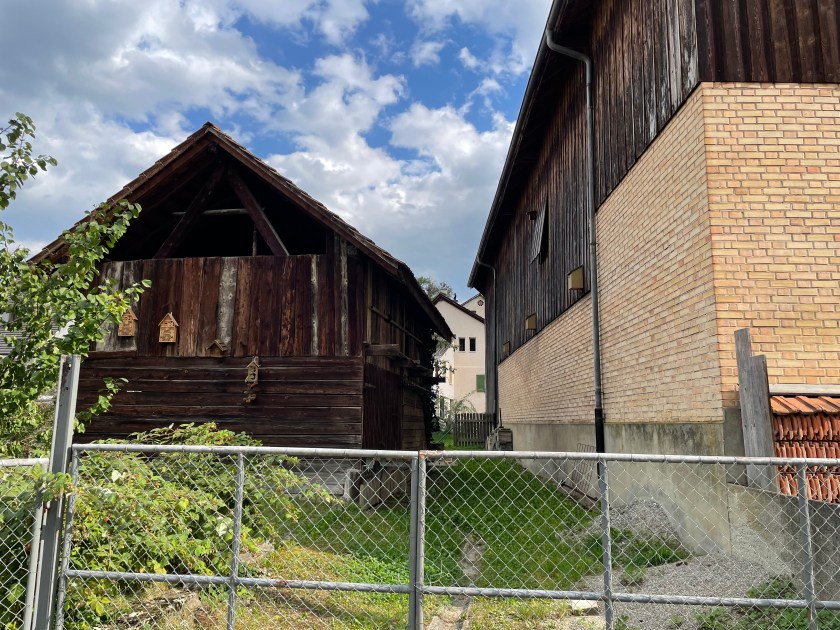
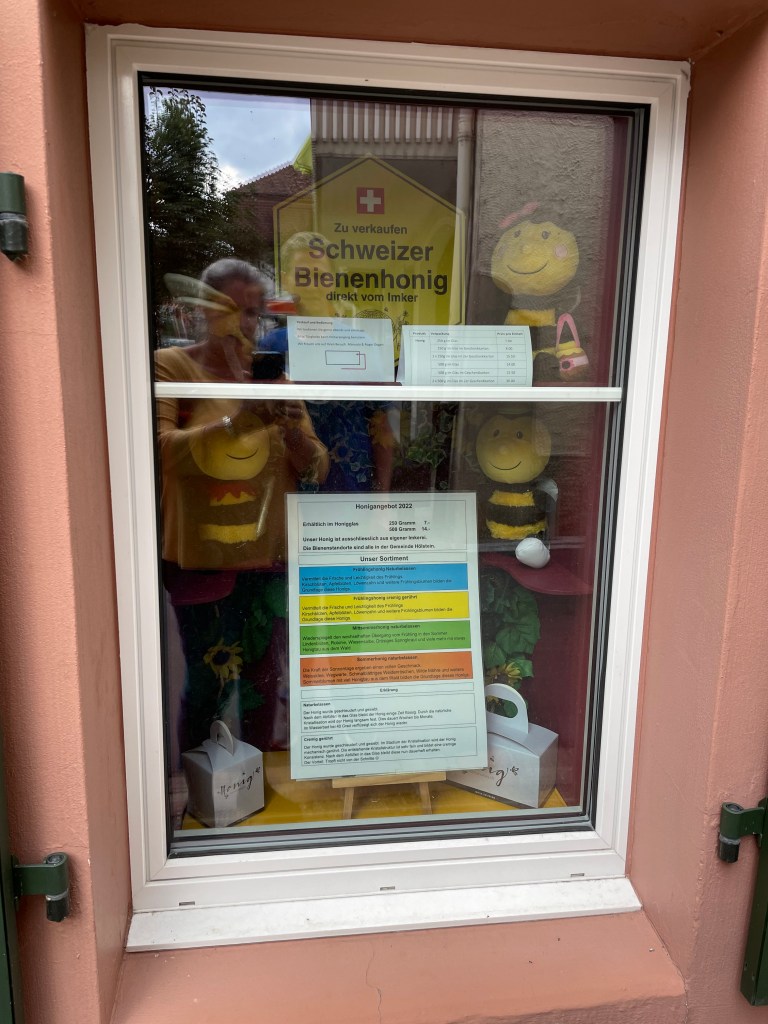
The home faced the main street, on a corner, with the barn behind it.  The doors of the barn were open and there were old things there–2 old wagons, one with wooden wagon wheels rimmed with iron, another wooden wagon with newer tires, but both old. In one of the windows on the barn side was a display of local honey for sale there. 
The whole time I was thinking, Elizabeth saw what I am seeing today.  That got to me.  There is something very connecting that happens in my heart when I see or touch something my ancestors saw or touched.  I wonder if there’s a way to find out if that was the home Elizabeth once lived in.  It’s likely.  These homes are old.  
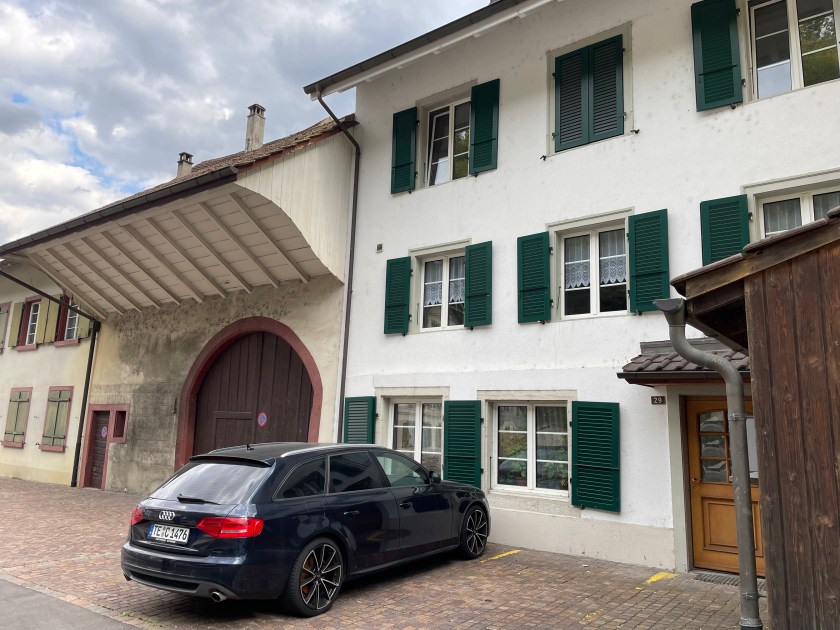
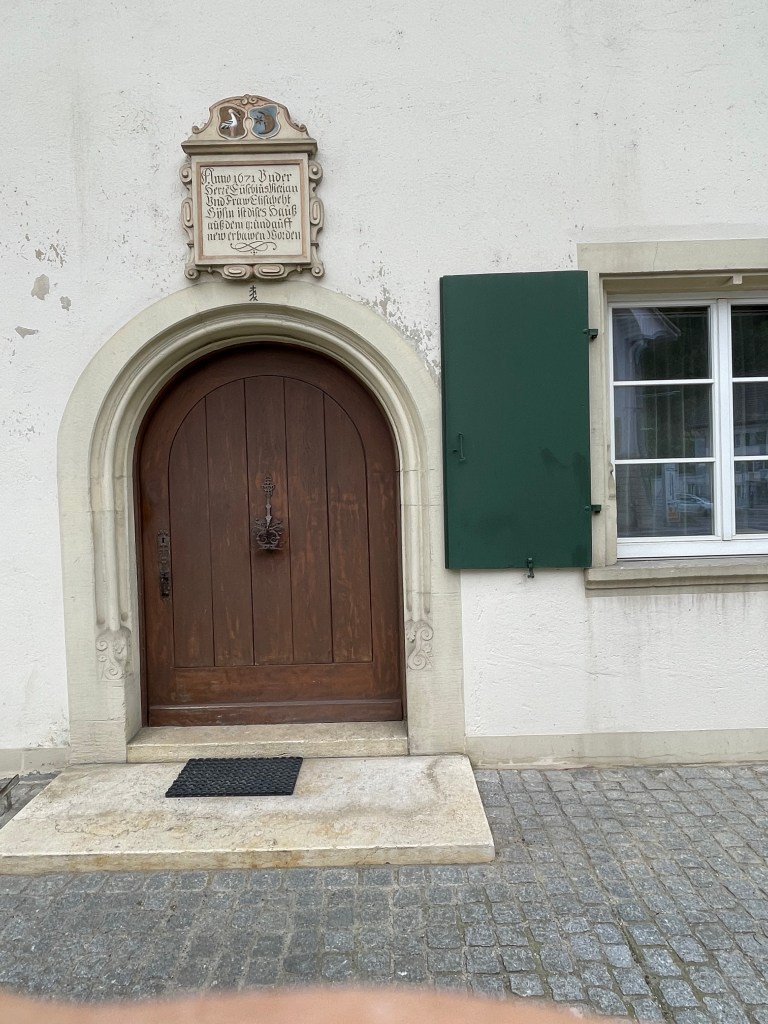
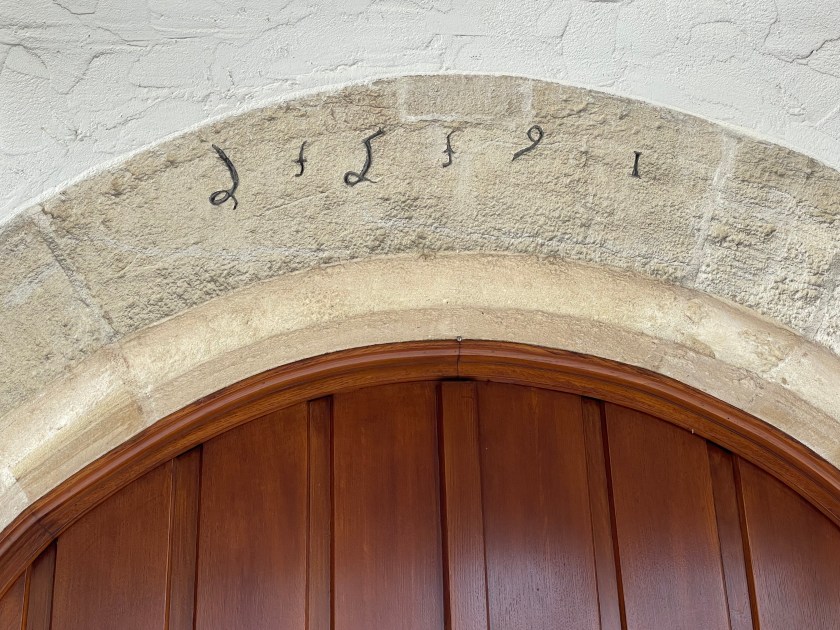
The building now housing a bakery a block or two away had 1566 engraved into the door arch.  Another home said 1671 above the door.  I asked the old lady if all of these homes were here in the early 1800s.  She said, “of course!”   
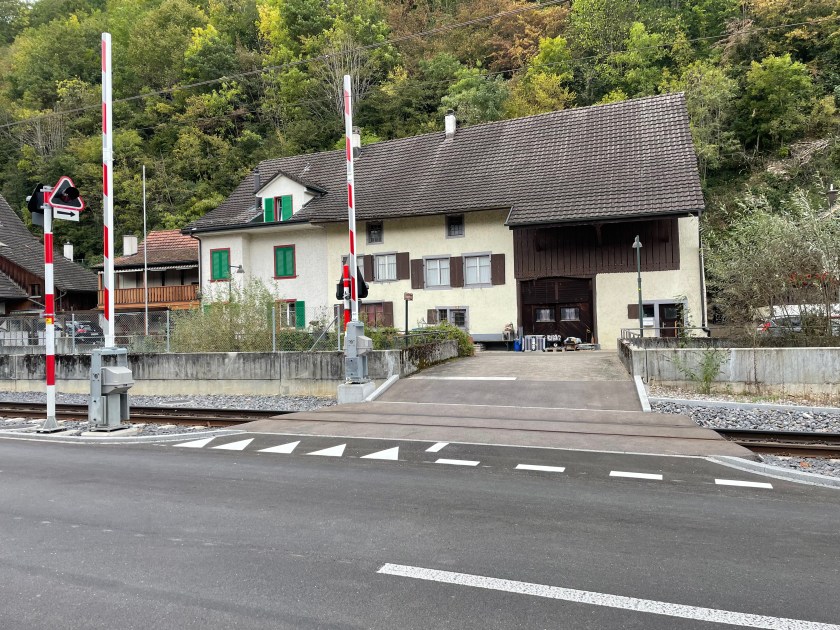
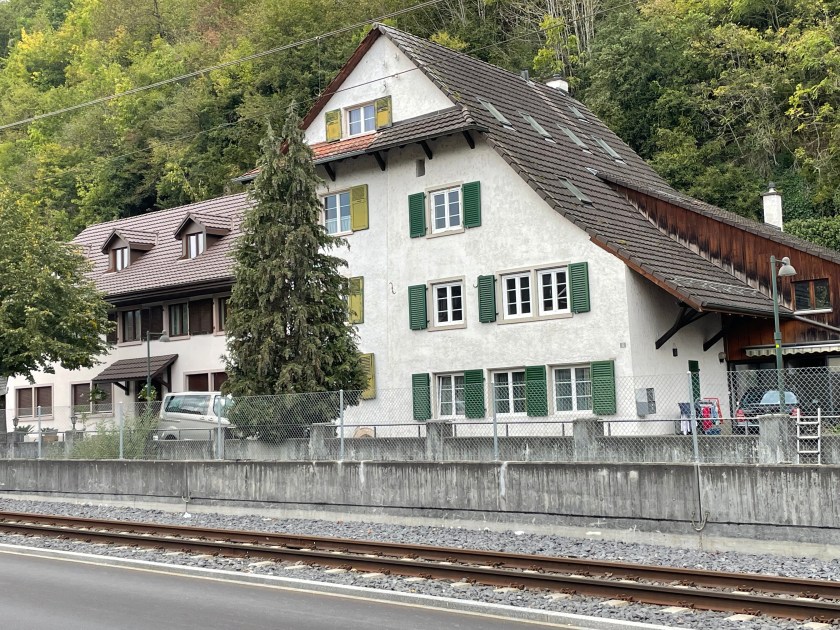
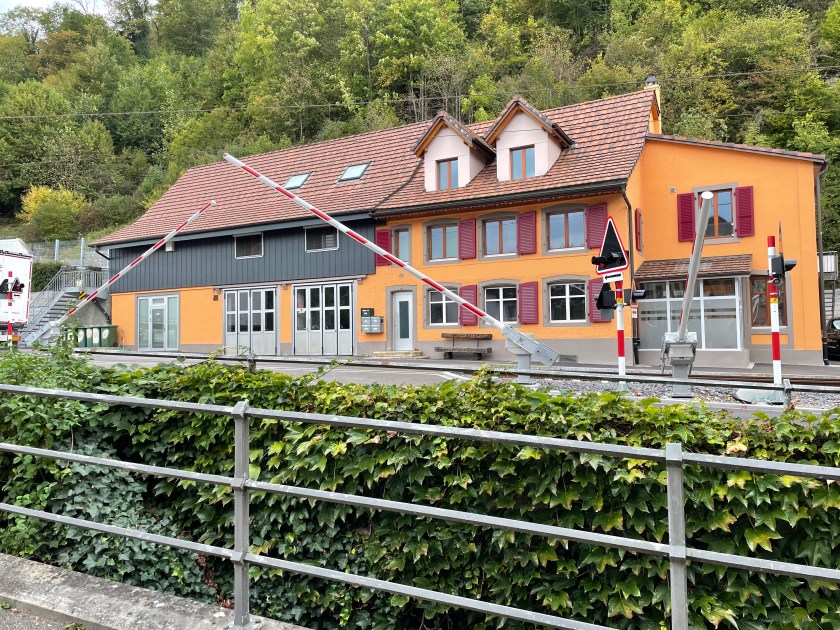
We walked up and down that main street after thanking our dear little stooped friend.  She was delightful.  On the other side of the main street was the rail line and small train station (still used) and a creek running along the tracks.  There were homes behind the tracks and creek.  I took photos of most of the old homes along that street near the Degen home.  I kept thinking, “Elizabeth surely played here, and saw what I am seeing now!”  She was 14 when she left Holstein.  She would have remembered.  
I also thought about how difficult the journey to America would have been.  That was in the days of horses and wagons for transport and they were far from the sea.  I wonder how they traveled and how long it took them to get to a port.  I wonder what that trip was like.  We know that John Degen had to indenture Elizabeth to help pay for the journey.  That must have been so hard.
I loved being there.  I LOVED being there.  I loved it so much.  We need to return after I learn more about the descendants who stayed in Holstein.
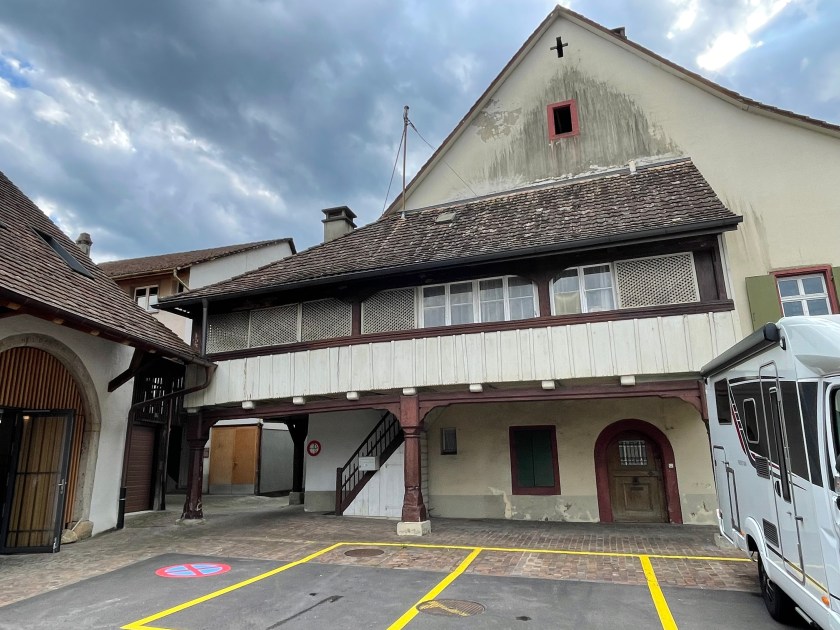
Here are more photos of this Degen home and barn:

The barn door was not closed.  I looked inside and saw this old farm equipment next to the car parked there.

This is the south side of the Baurenhof:

This was on the east side of the barn:

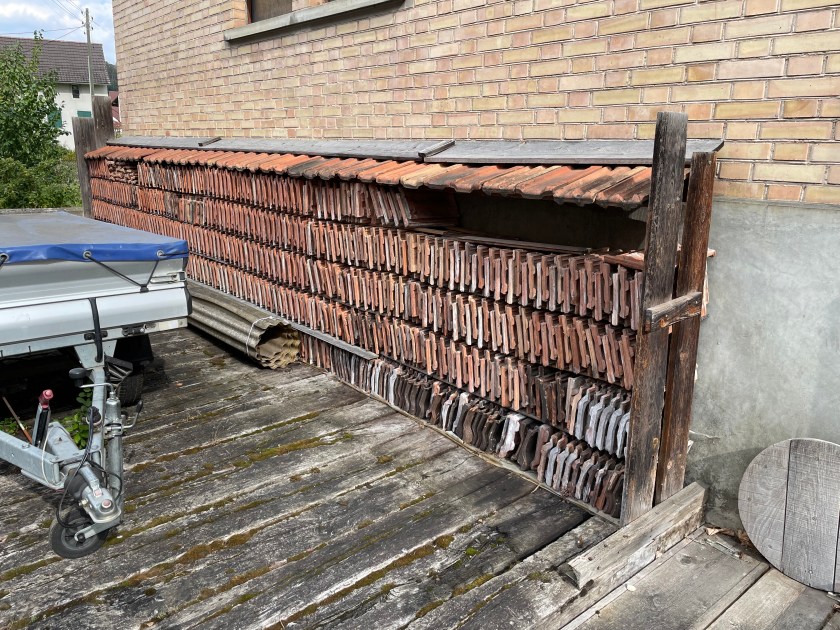
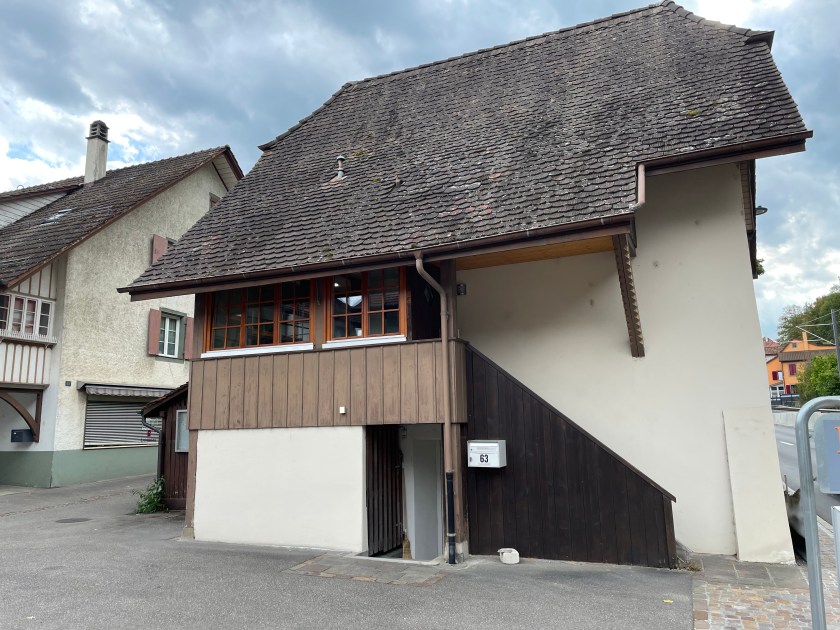
This is the back side of the barn:

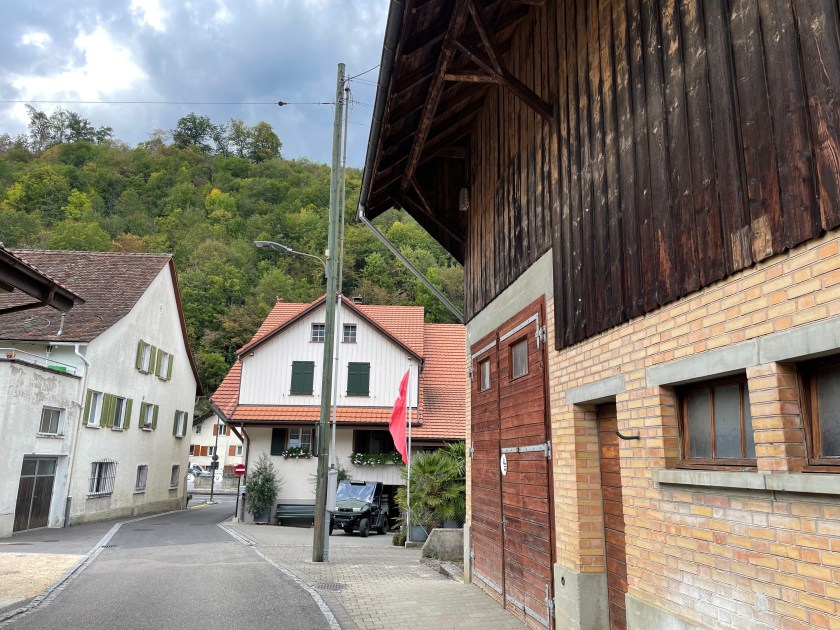
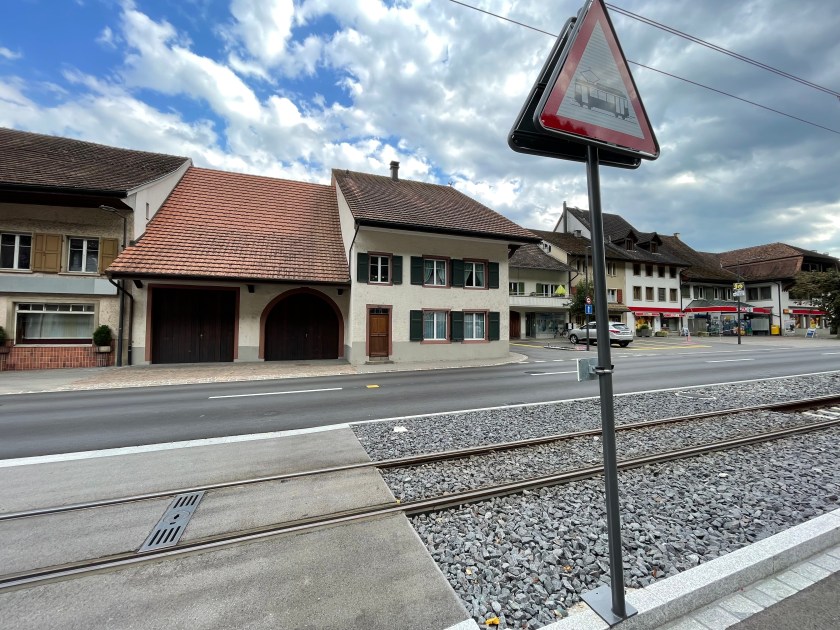
These photos are taken from the main street looking at the front of the house.

This is the back door to the home where the name was posted:

The dear little lady told us the the Degens living here now sell honey.  This little display was in their window:

After visiting with our little angel lady, we wandered up and down that main street and I took photos of the homes.  These homes were probably all there 200 years ago.  We found dates on the homes back to the 1500s.

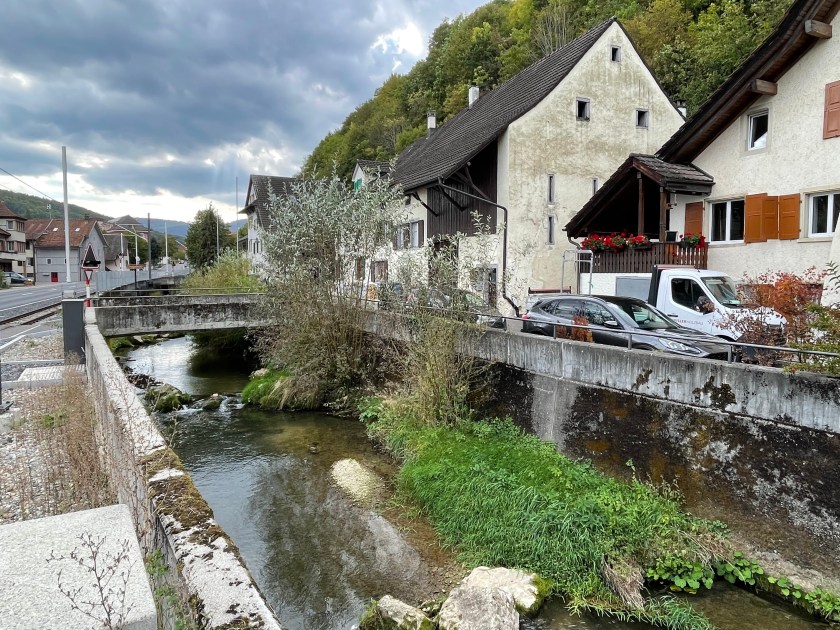
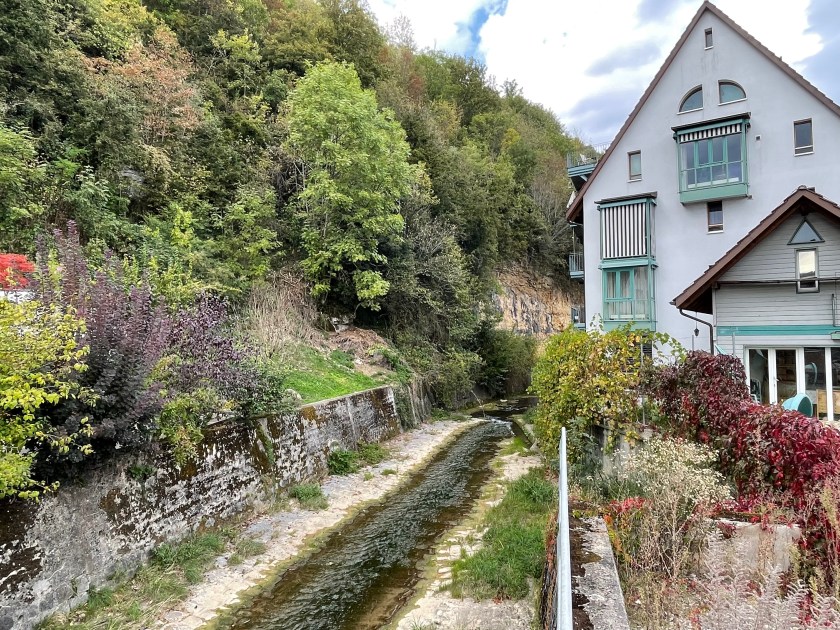
This little stream runs across the street next to the train tracks.  The mountain side goes up behind the row of houses on this side of the street.

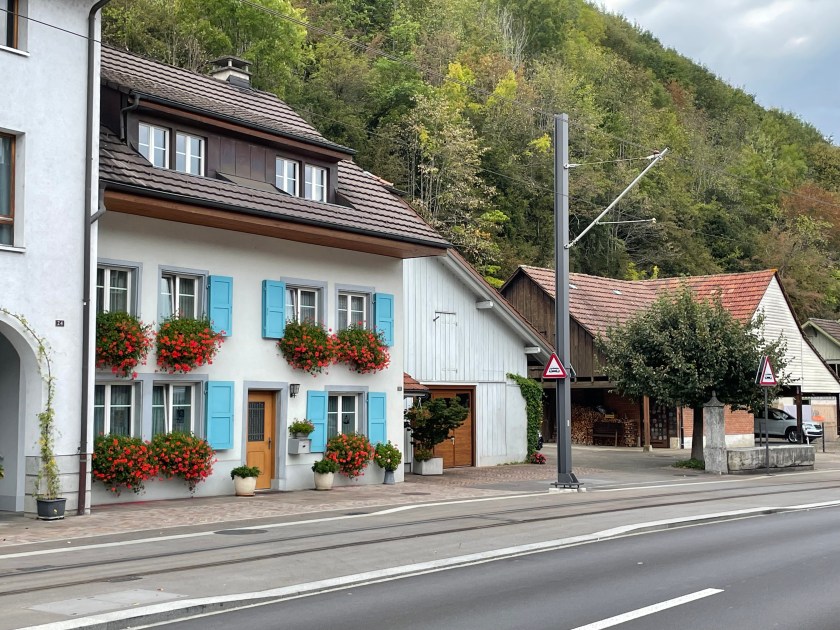
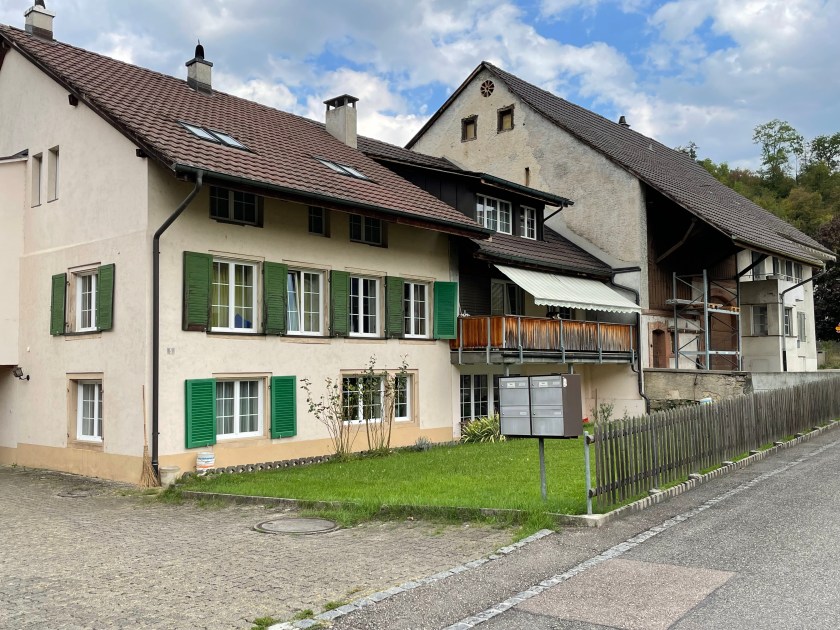
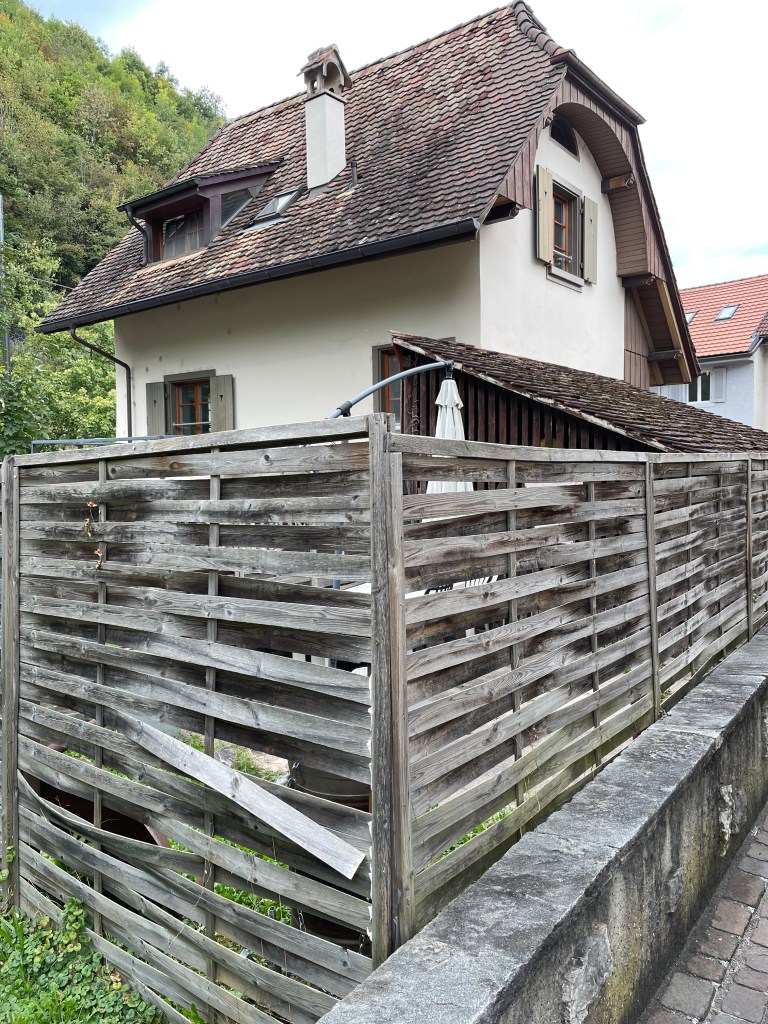
This is the neighbor’s home, next to the Degen home:

Looking north on the main street:

This home is dated 1671!

This home/now shop is dated 1566!

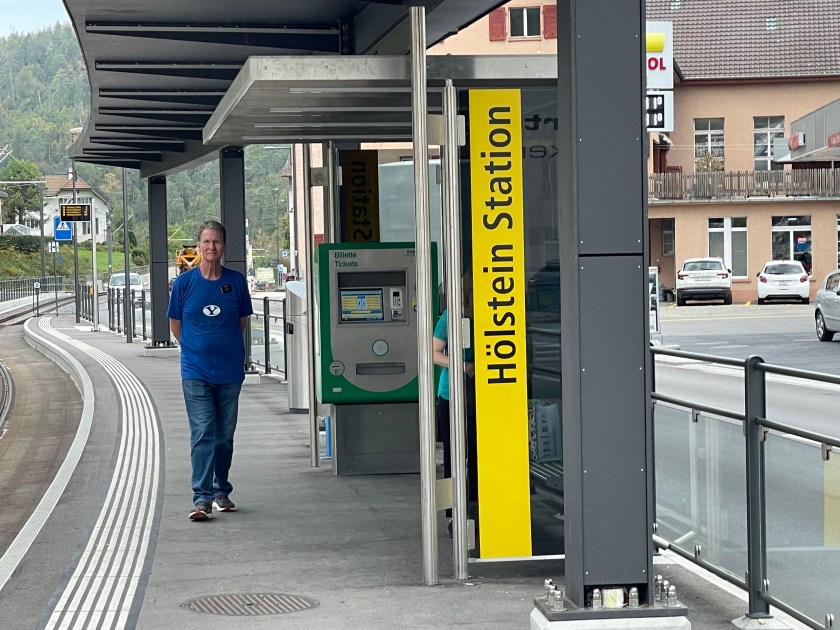
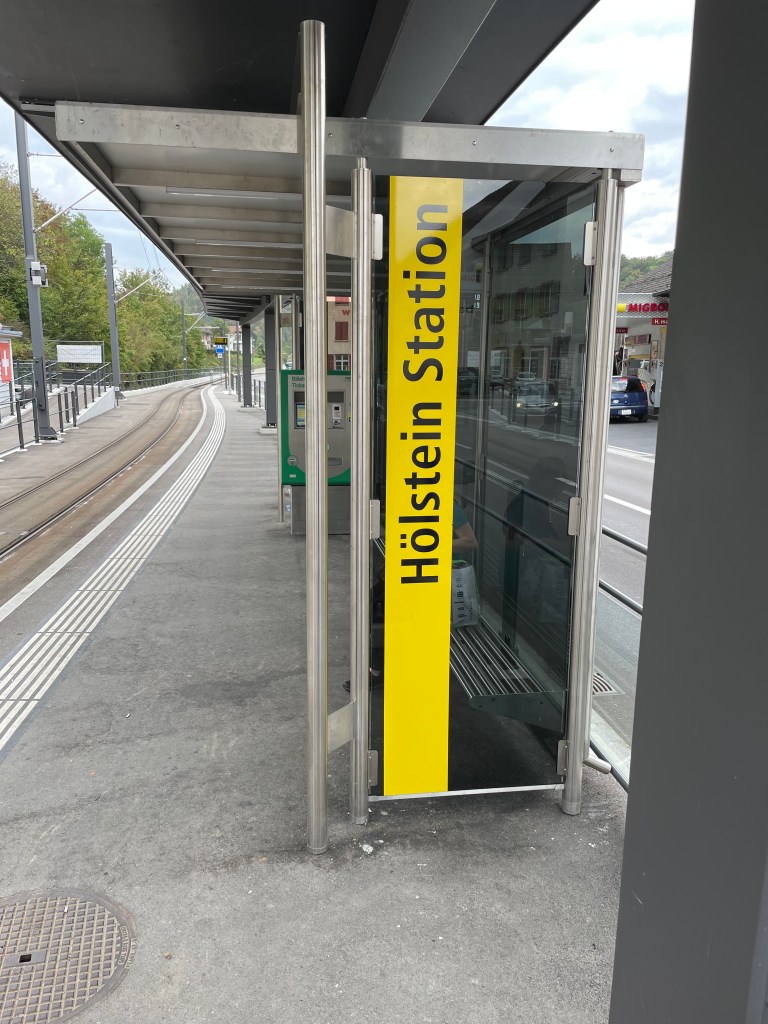
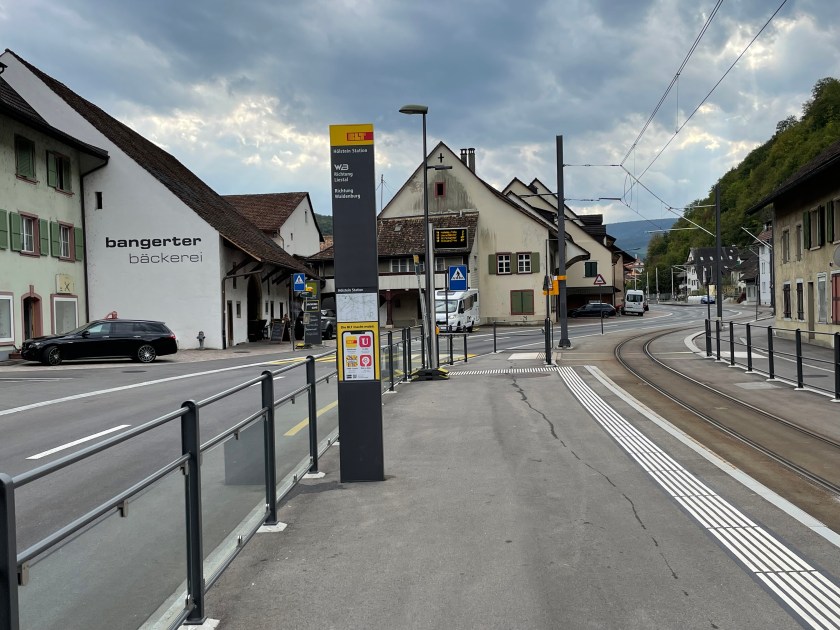
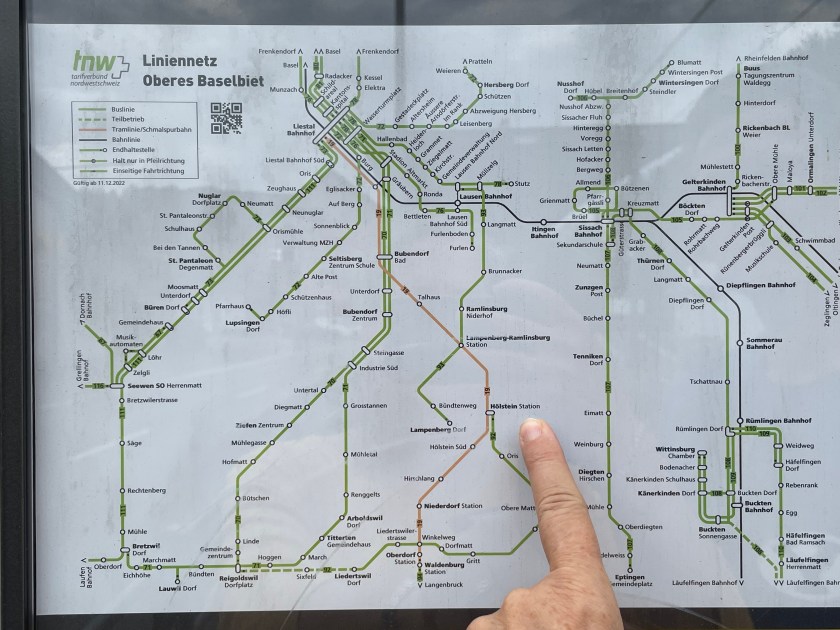
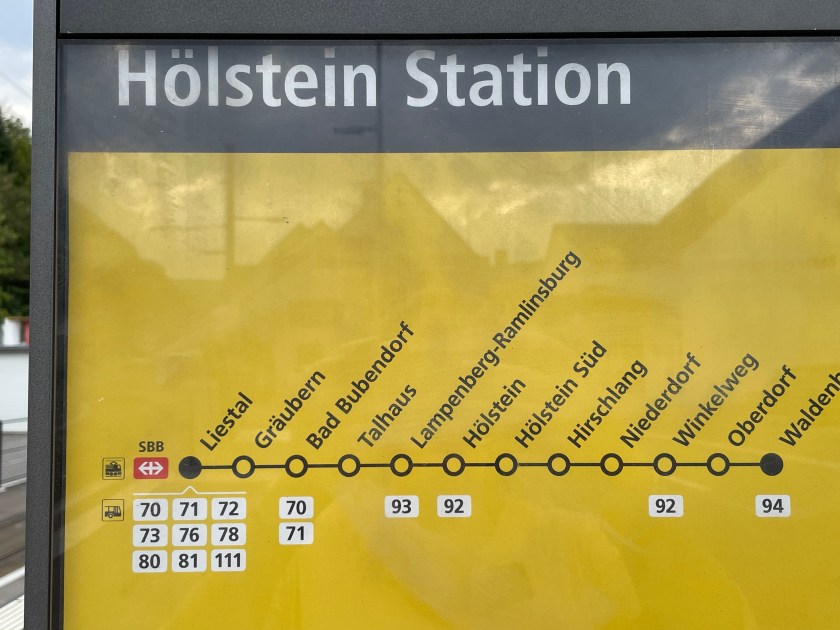
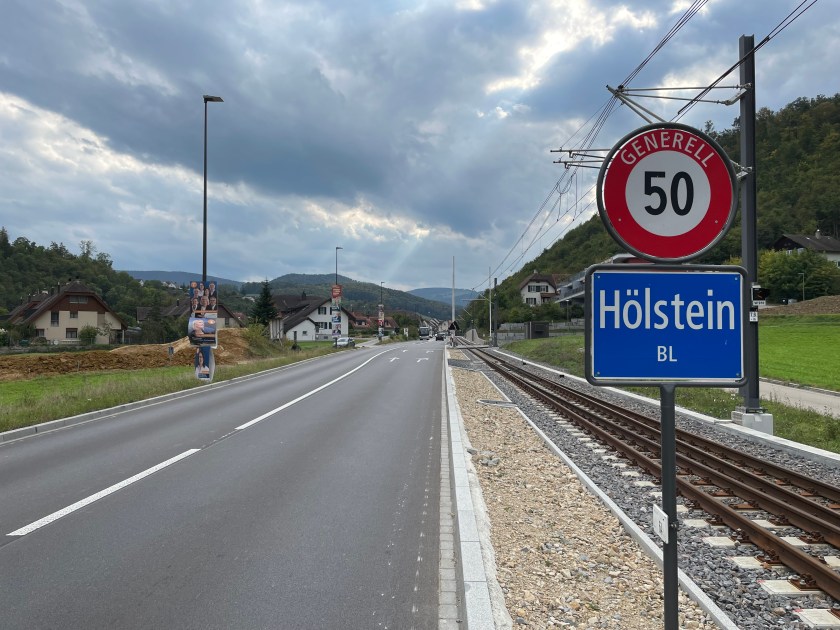
Here is the train stop for Holstein.

Walking back to our car:

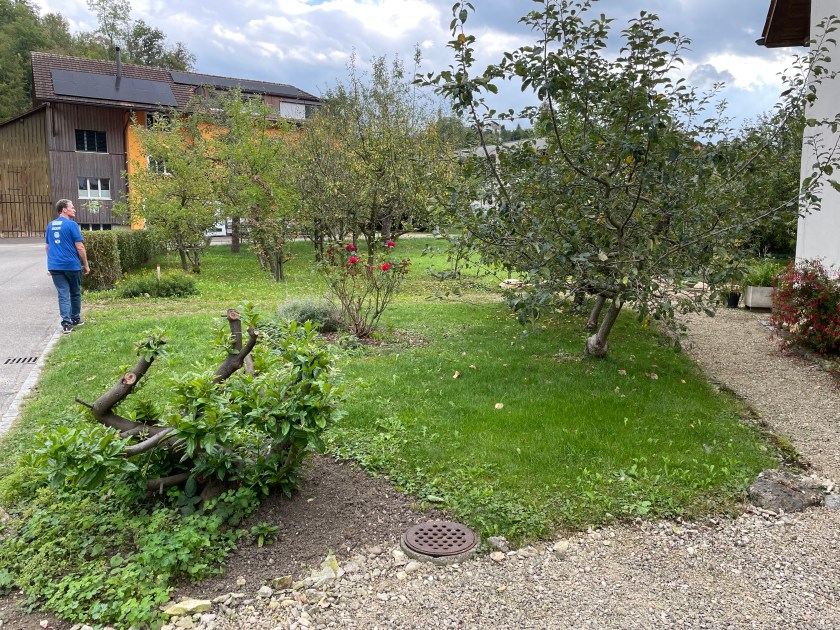
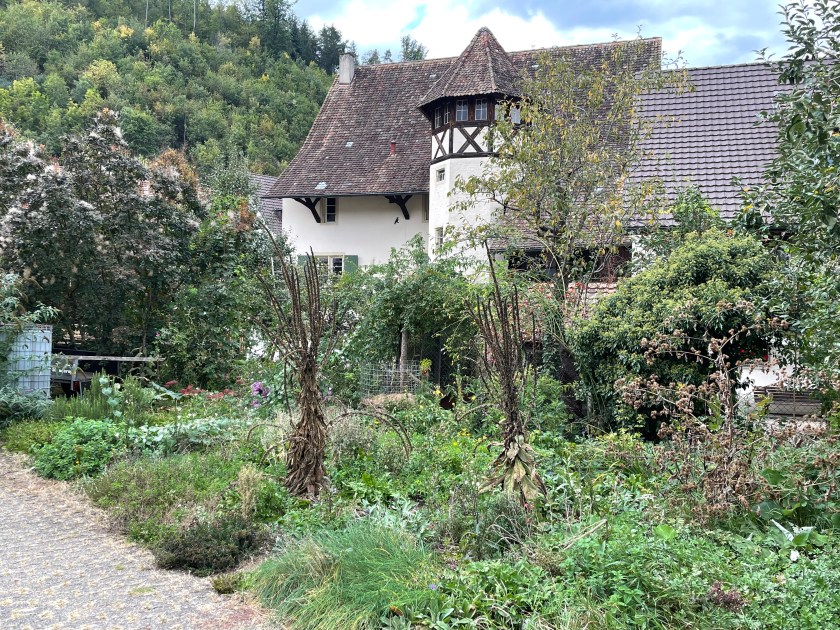
The homes and gardens here are lovely.  I felt such peace here (and excitement at the same time).  I had the feeling of being in the right place, the exact right place.  I know it’s possible that the home we saw might not be exactly the home Elizabeth grew up in, but perhaps it is.  I will do what I can to find out.  Our angel lady seemed to believe that the home has belonged to the Degen family for as long as she’s known it.

At least today I know I saw and touched things Elizabeth saw and touched and that means the world to me.

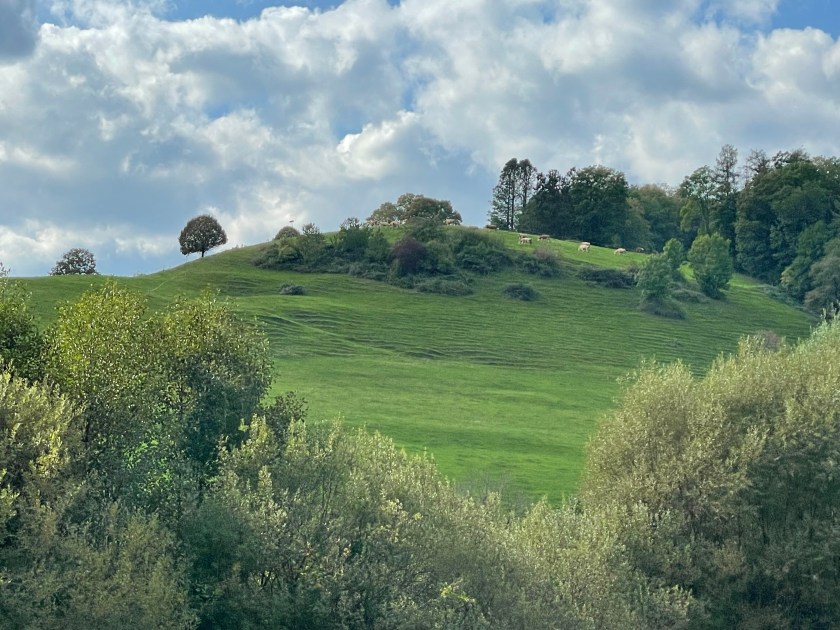
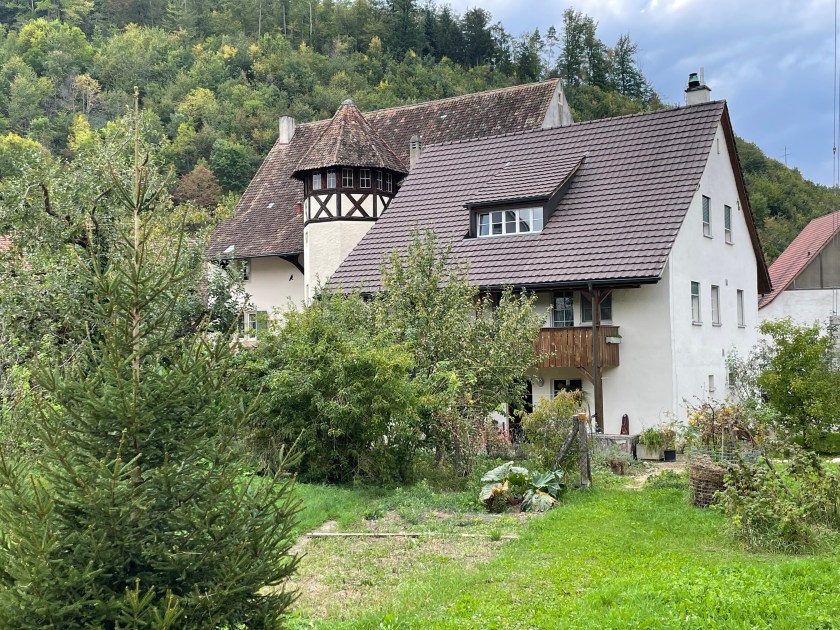
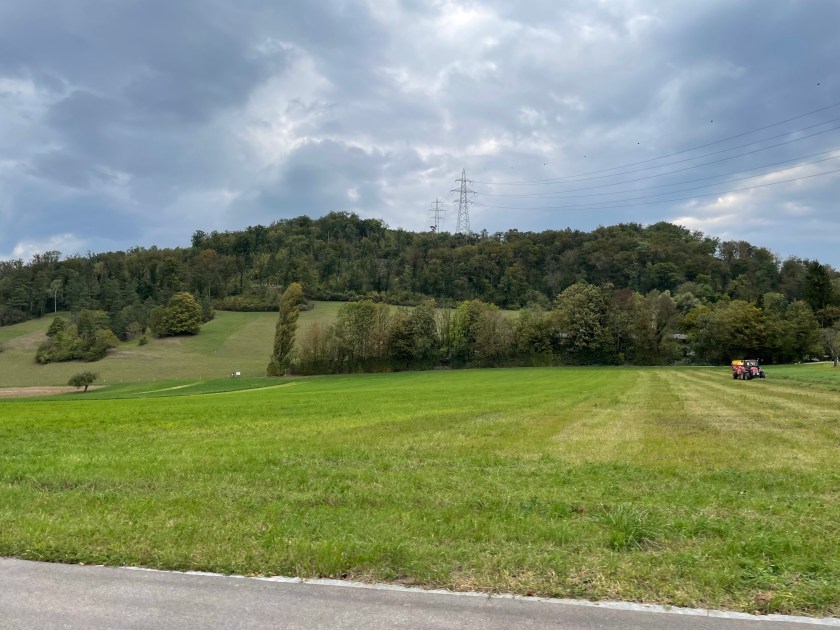
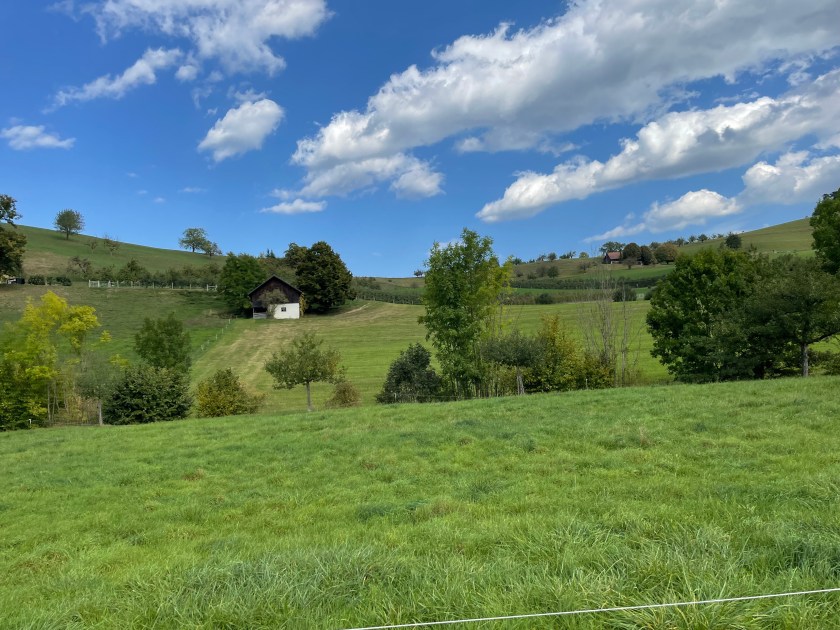
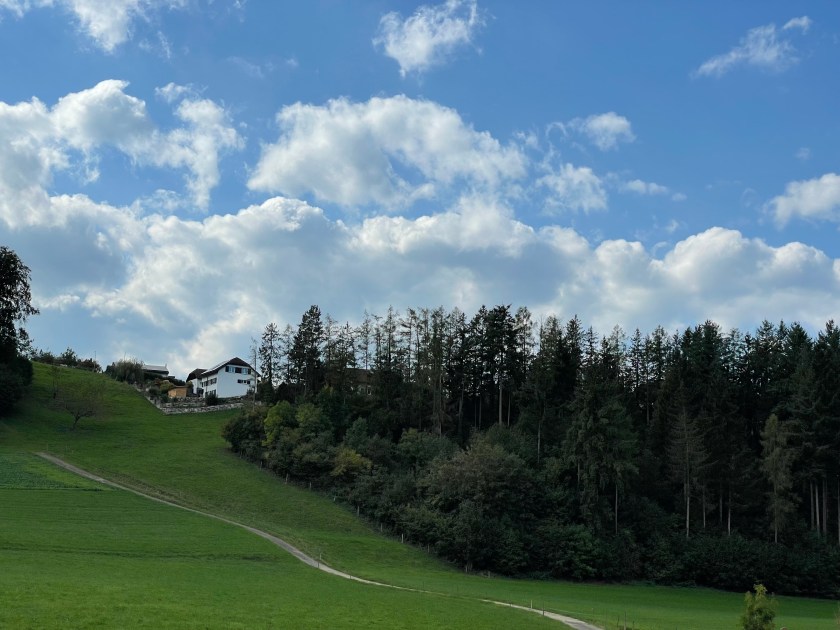
The countryside as we drove out of town.  We’ll be back.

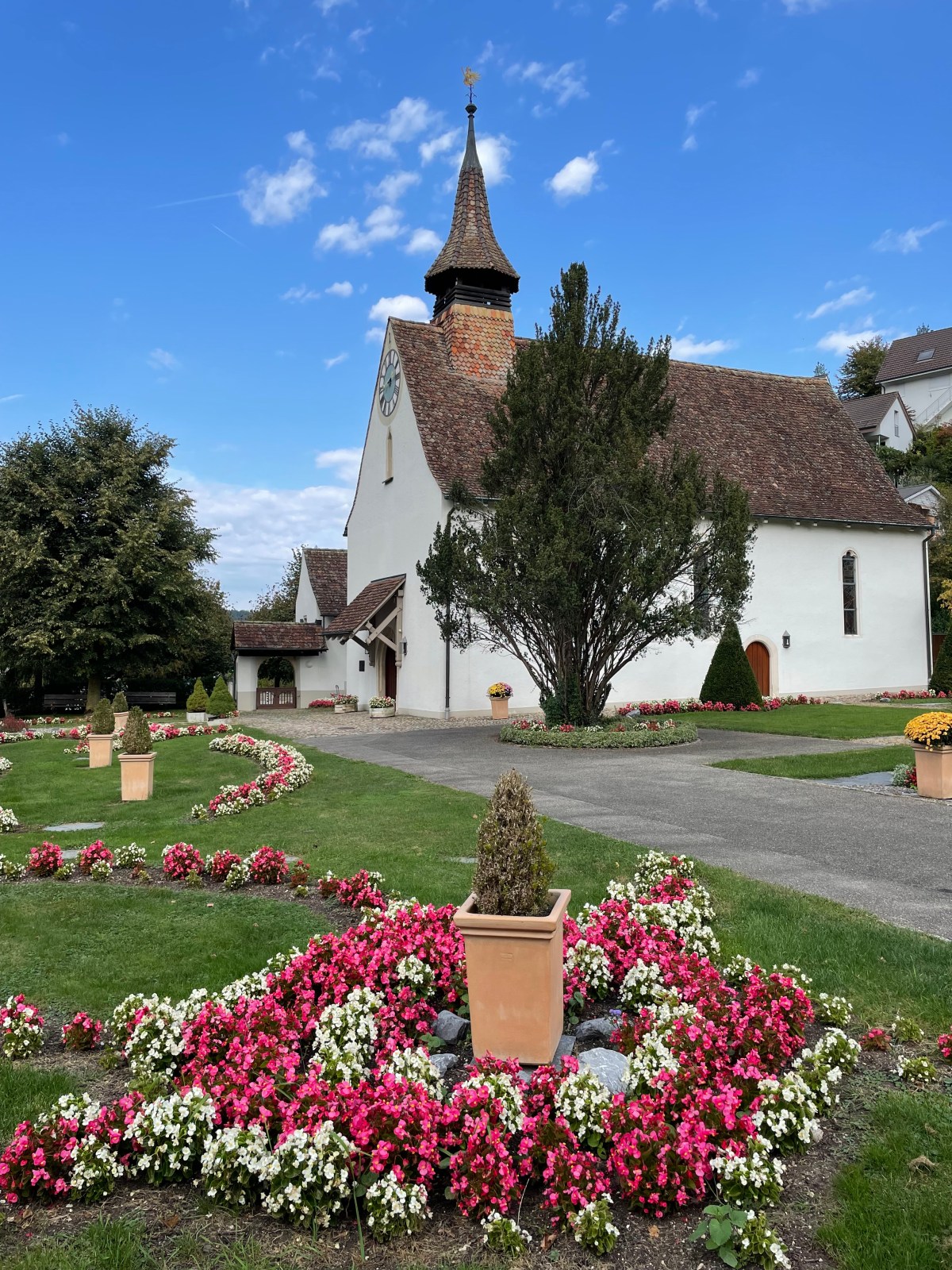
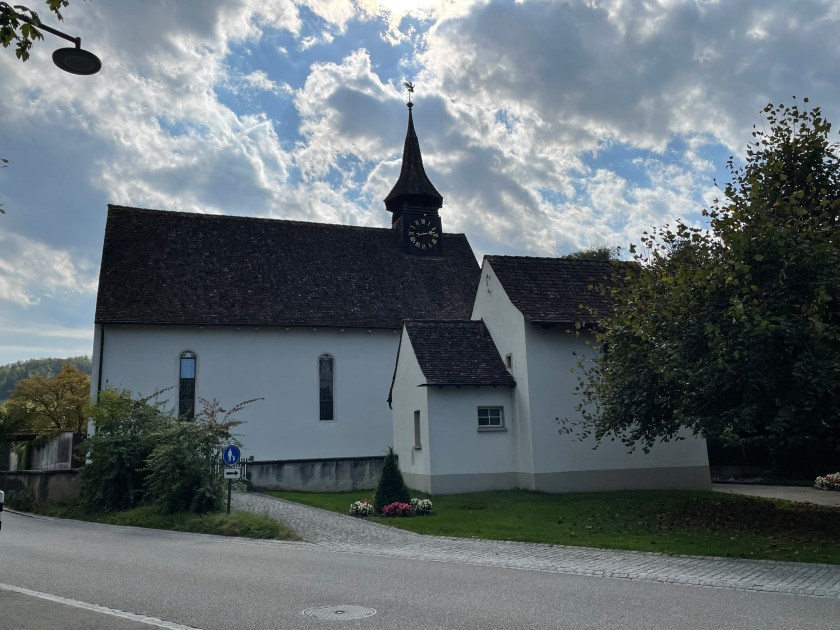
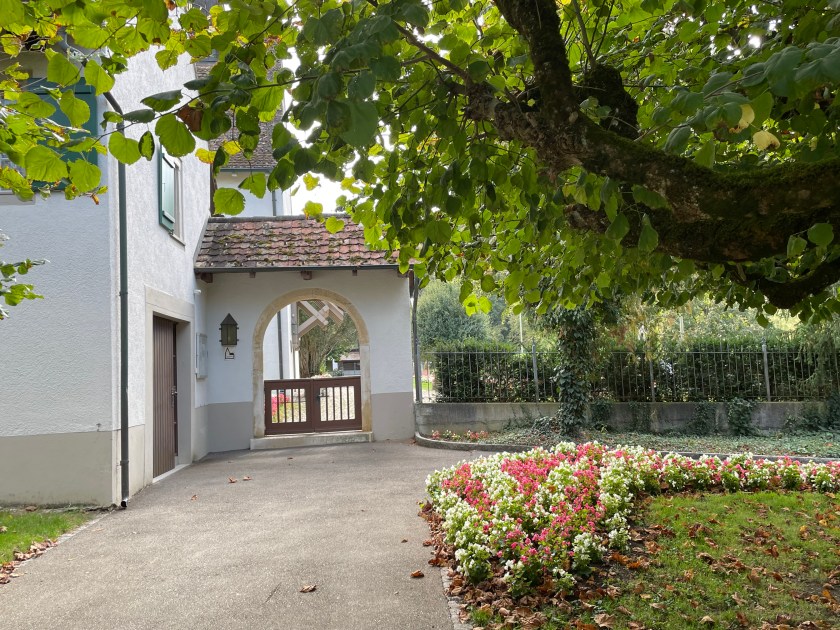
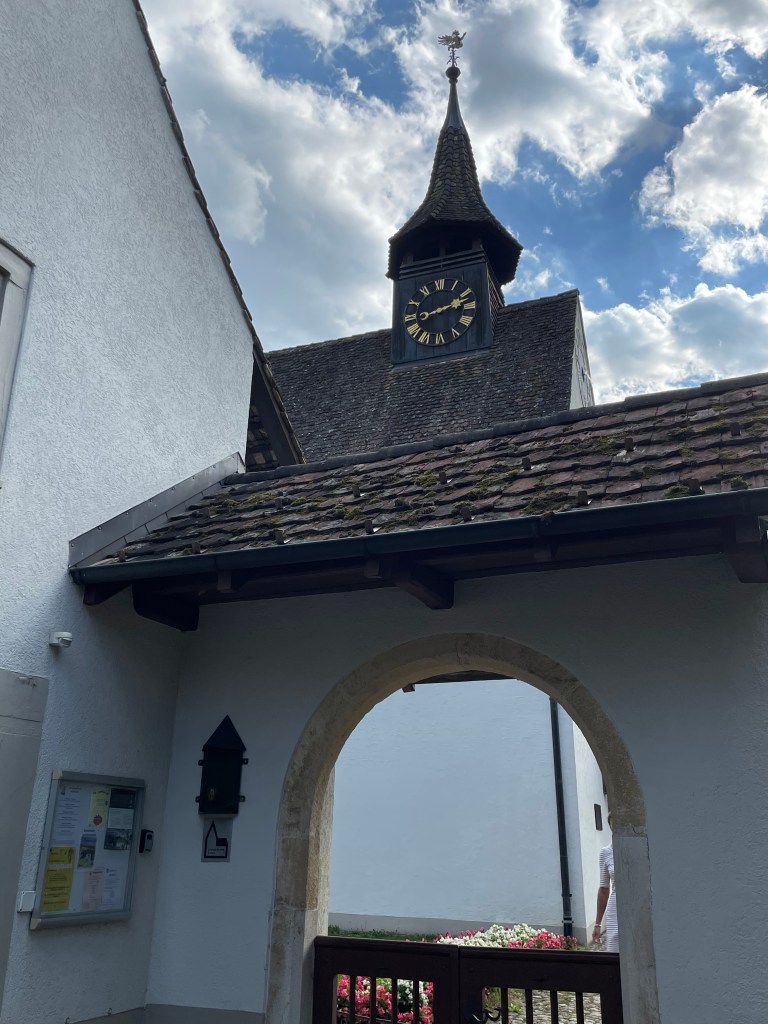
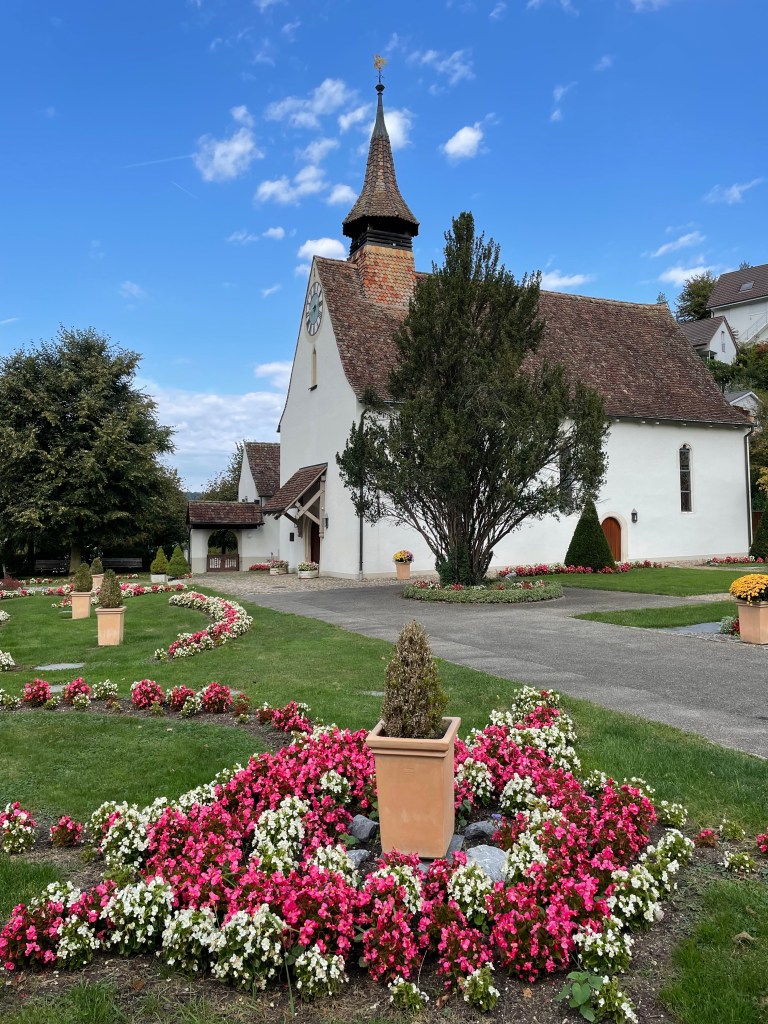
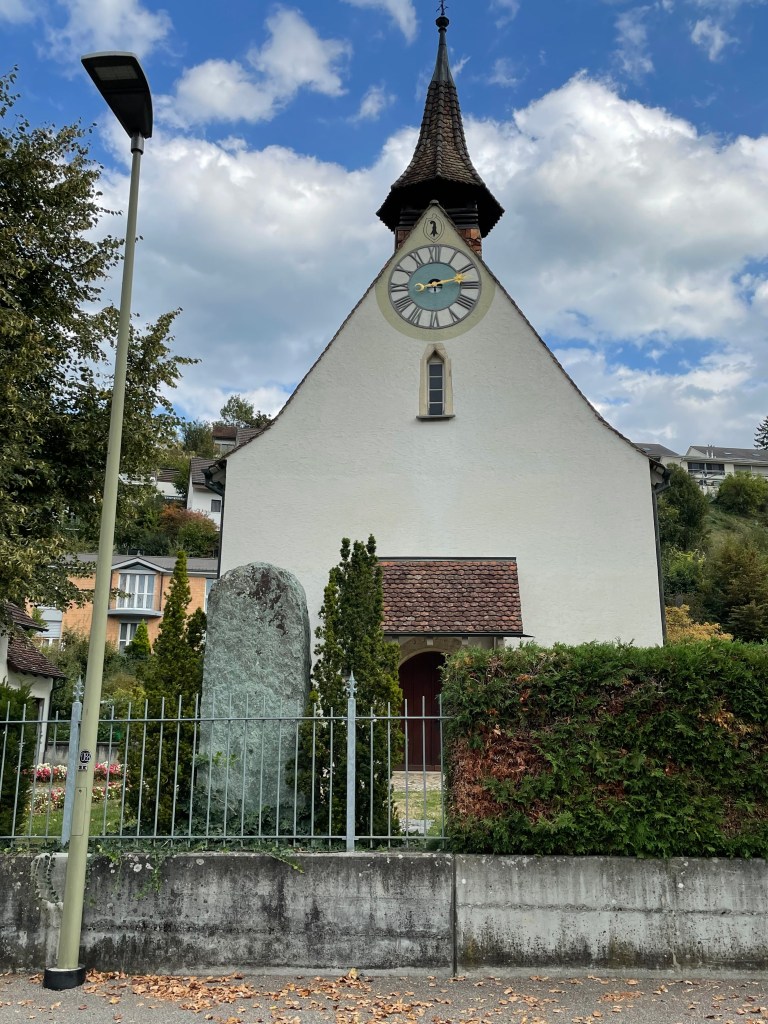
The Church at Höllstein, Birthplace of Elizabeth Degen Bushman, my 3rd Great-Grandmother

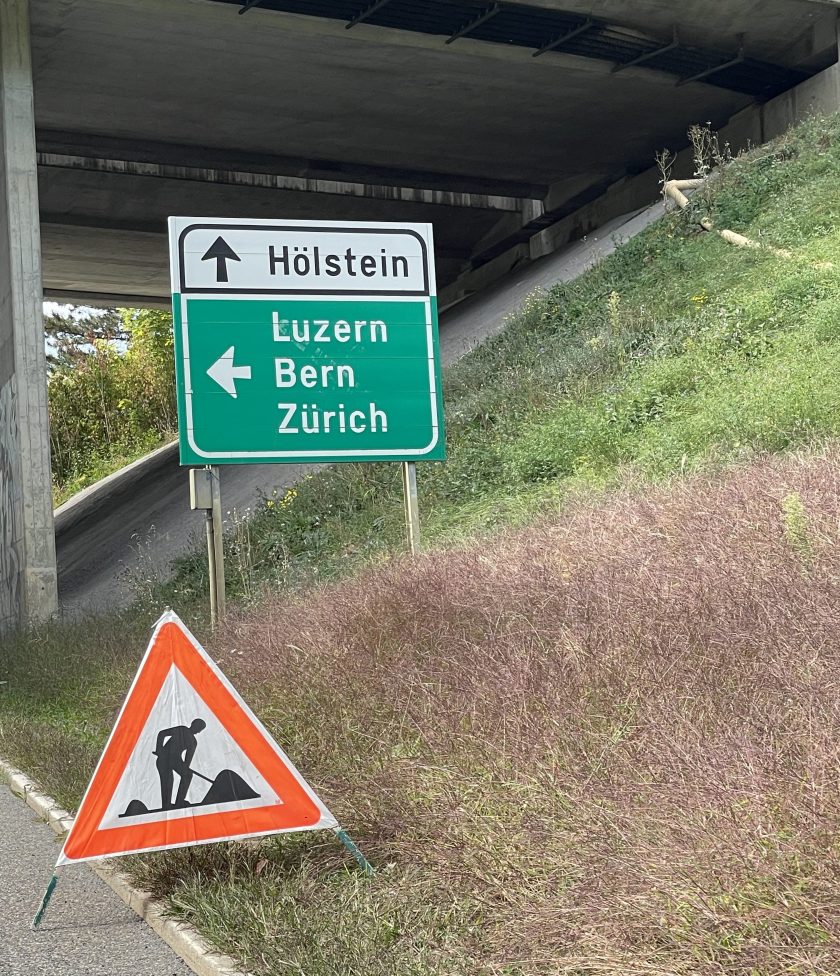
From my journal:  From Zollikofen we drove about an hour through farmlands and towns, winding up into some mountains with towns on hillsides and in valleys. We were on our way to find Hölstein, the birthplace of my 3rd Great-grandmother, Elizabeth Degen. I was feeling excited all the way, more and more so as we got closer and closer. Holstein is in Basel land, up high in the mountains. All was green and fertile.

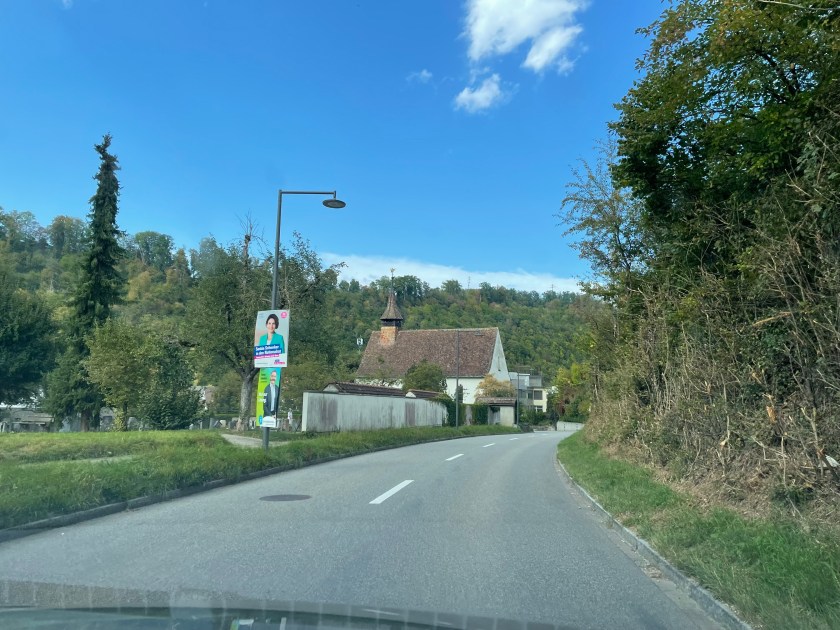
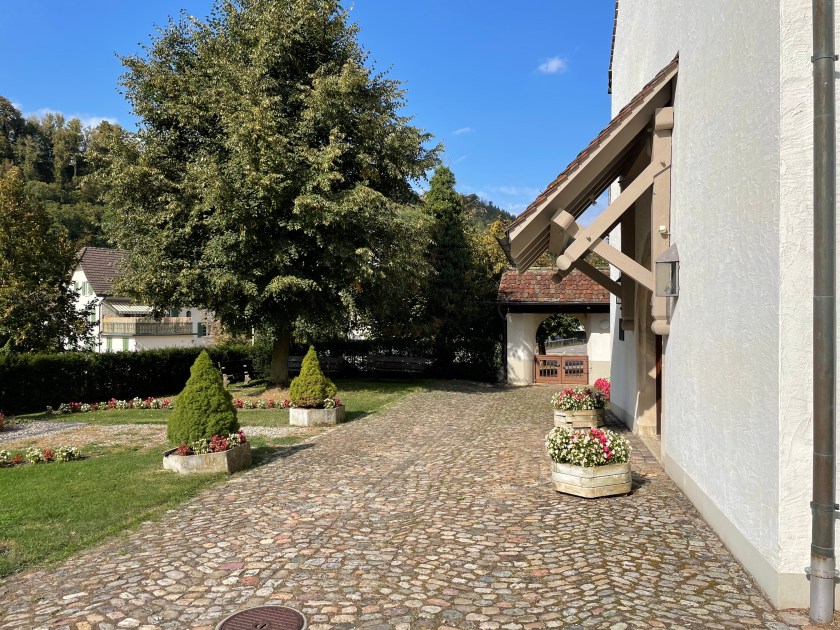
We followed the signs and our GPS to the little town, stopping first at a small old church we found there. We had no idea how large of a town we’d find, not sure what to expect. I hopped out of the car to go to the church while John looked for a parking place.

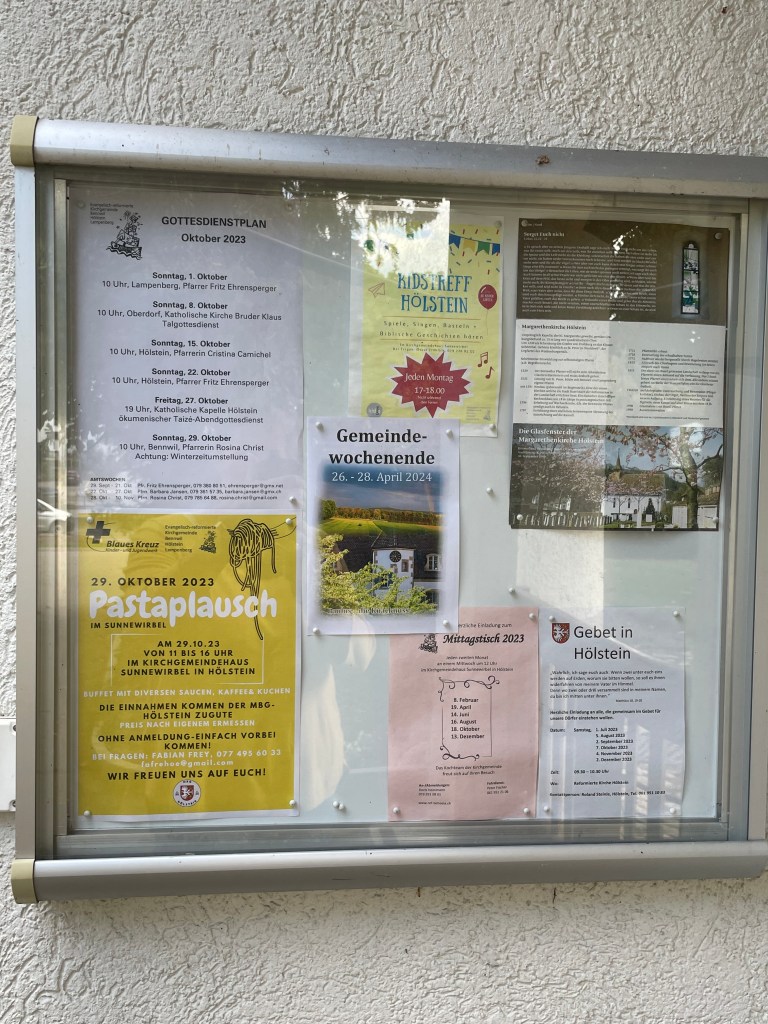
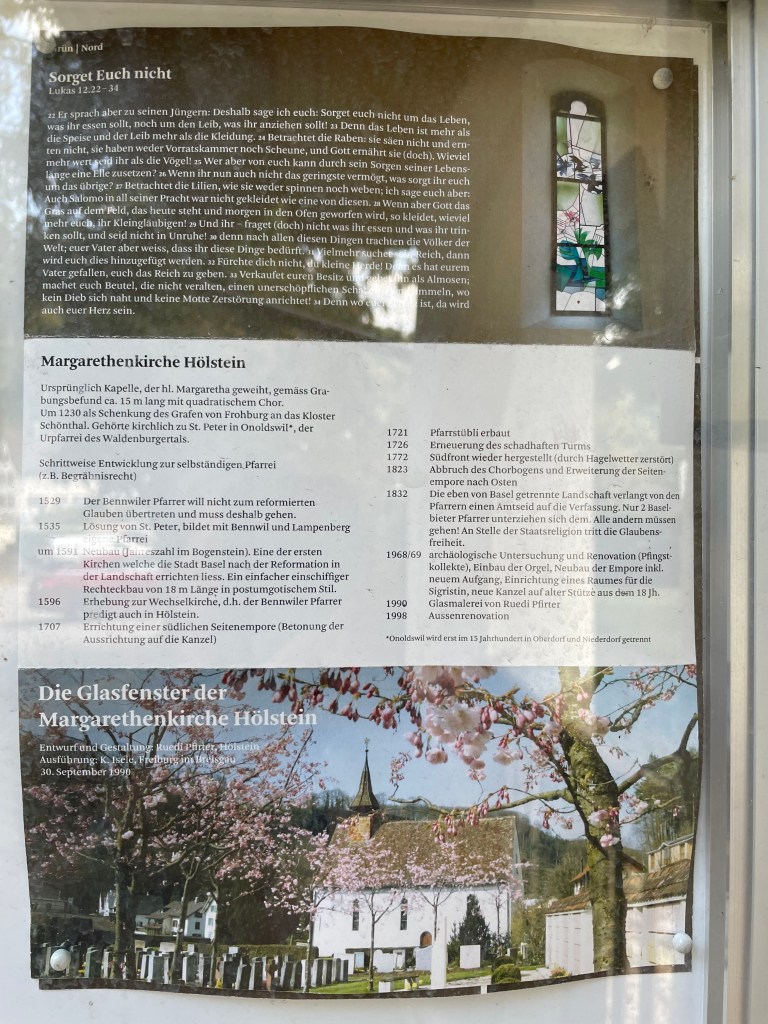
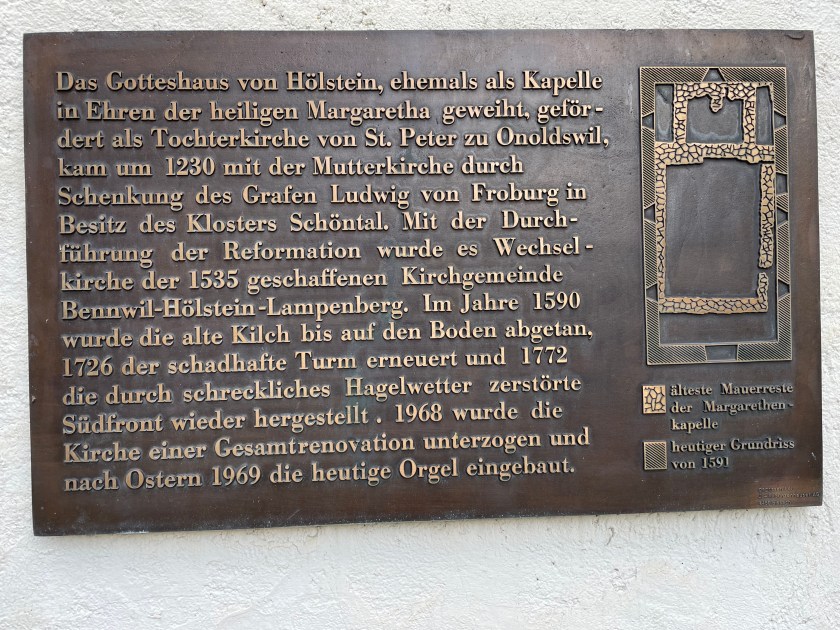
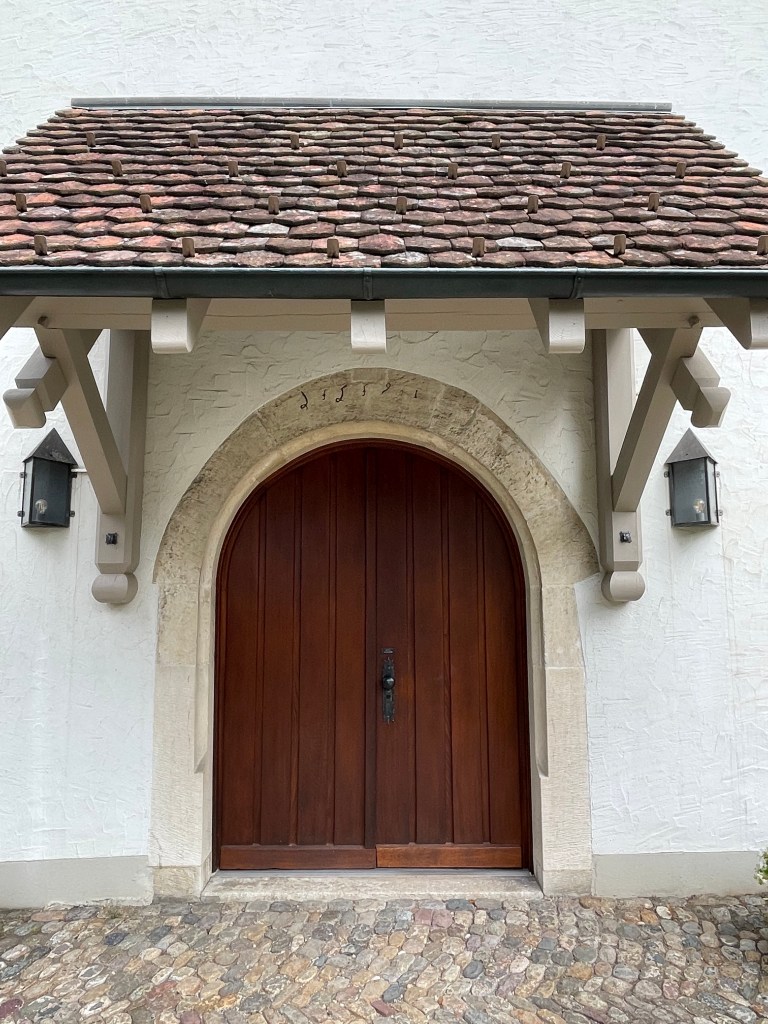
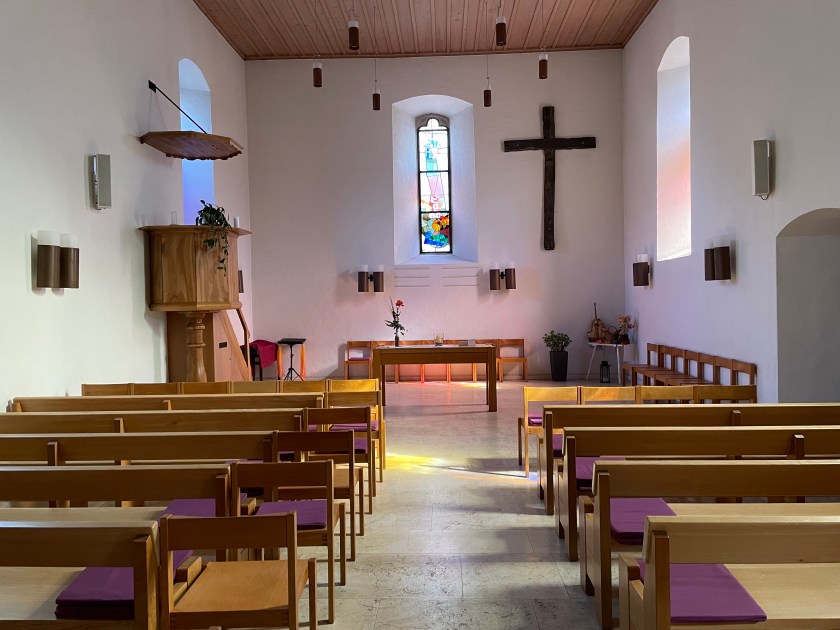
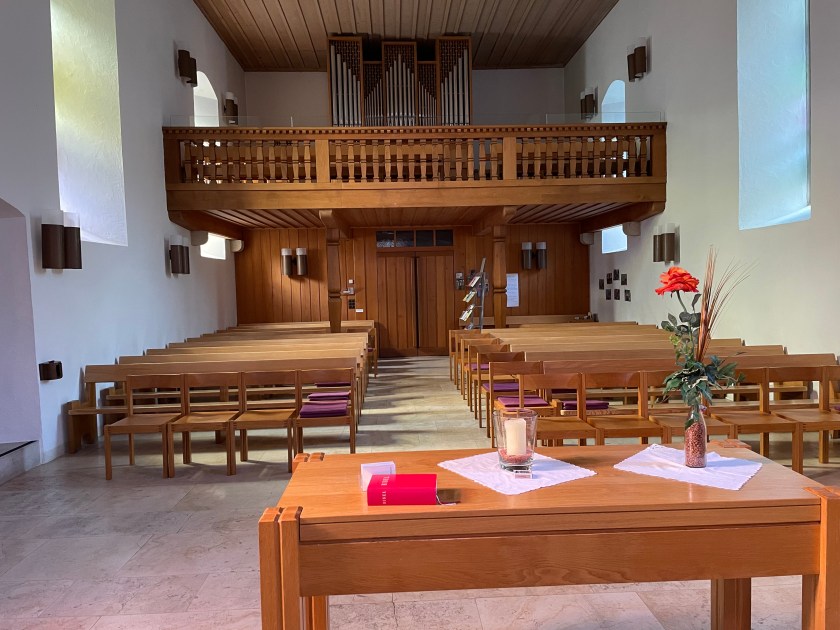
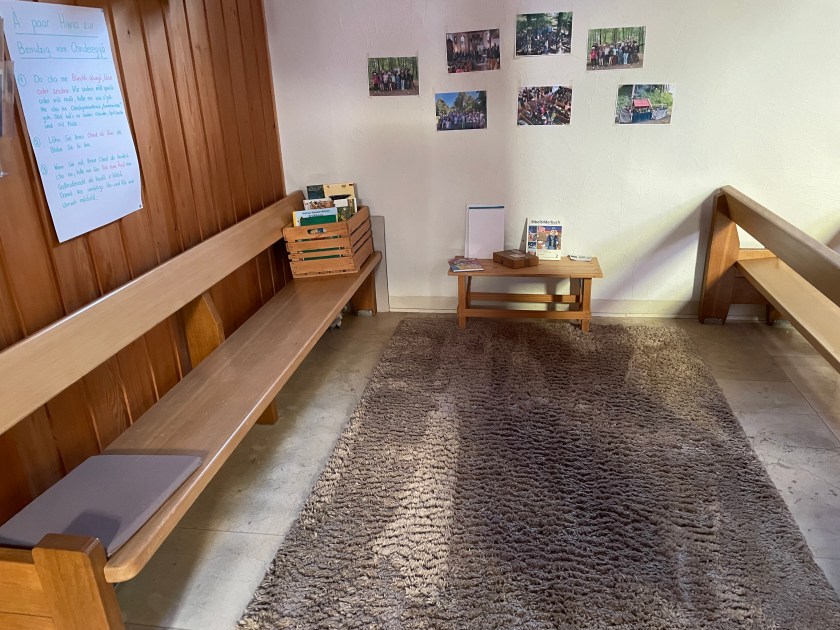
This Margarethenkirche dates back to the 1230. It has been remodeled in more recent years (1968) and is still used weekly, so the inside looked more modern and functional. It was small. 5-6 rows of benches with an aisle down the middle. Simple decor. A cross hanging on the white wall, simple stained glass windows. A table up front with a simple flower in a vase and a candle (I lit it). There was a organ loft in the back with a small pipe organ and a small rug and table at the back of the chapel for children with a few pictures on the wall.


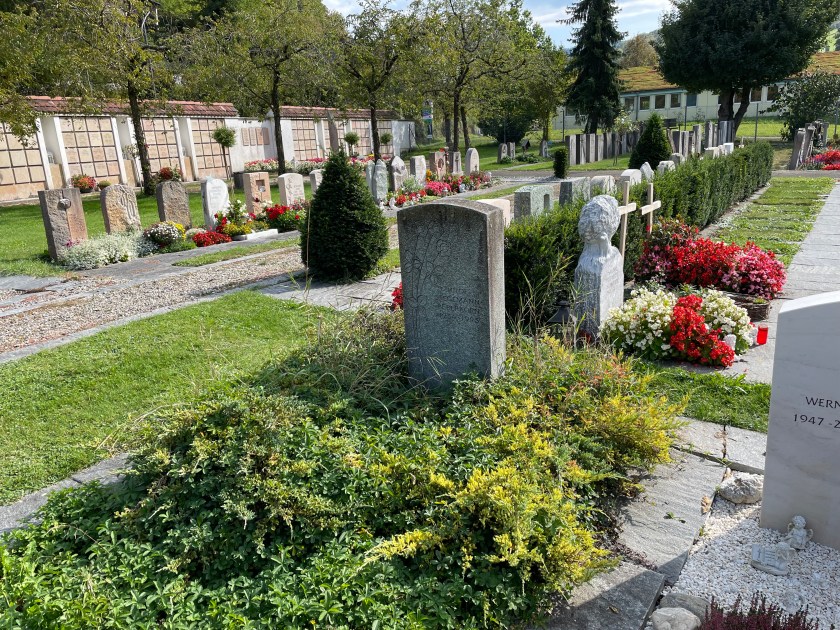
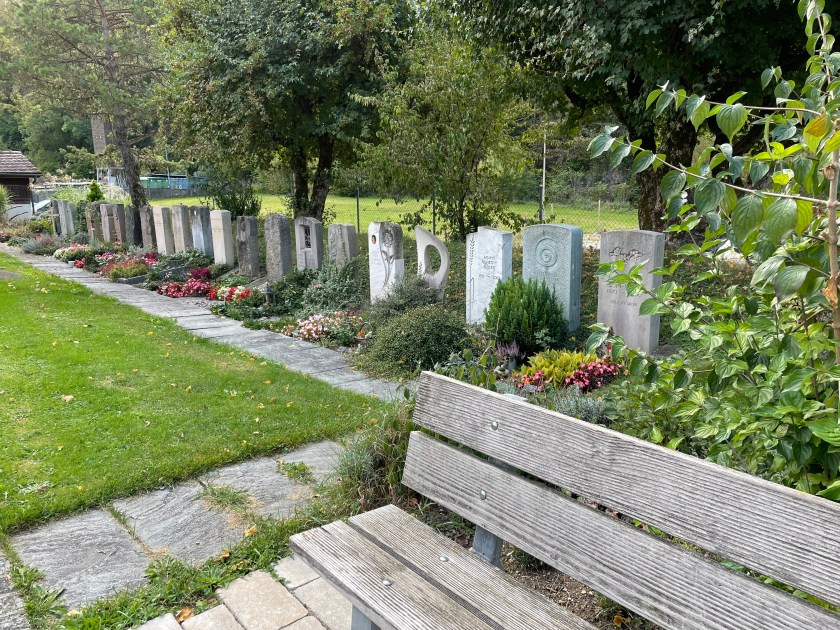
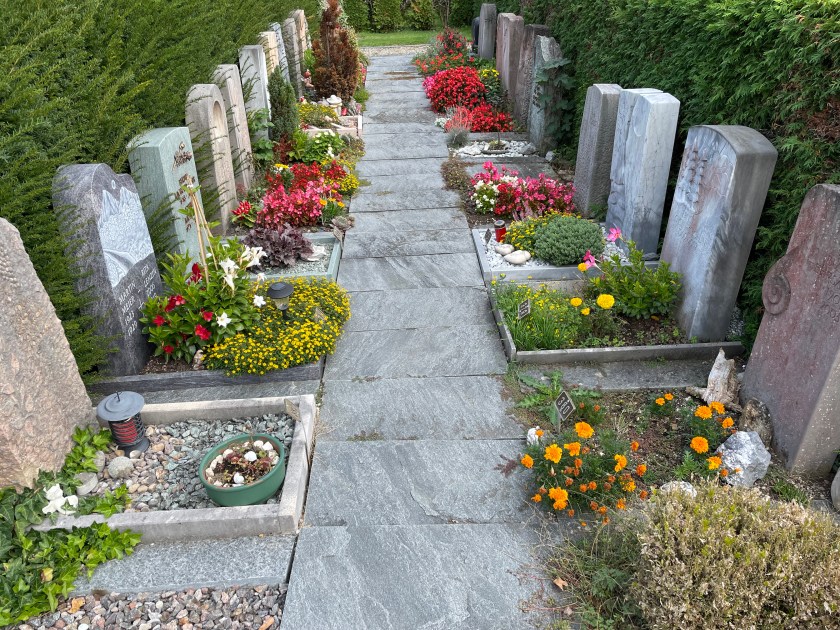
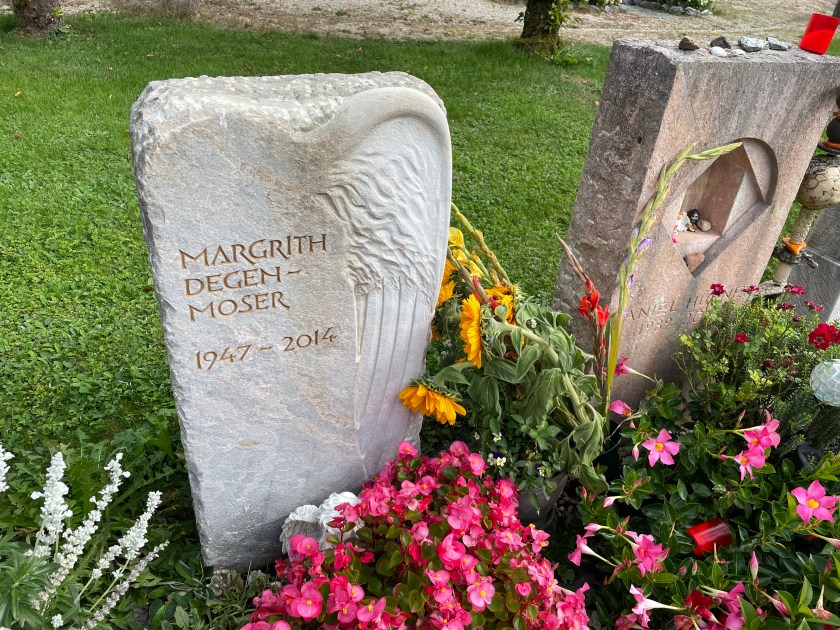
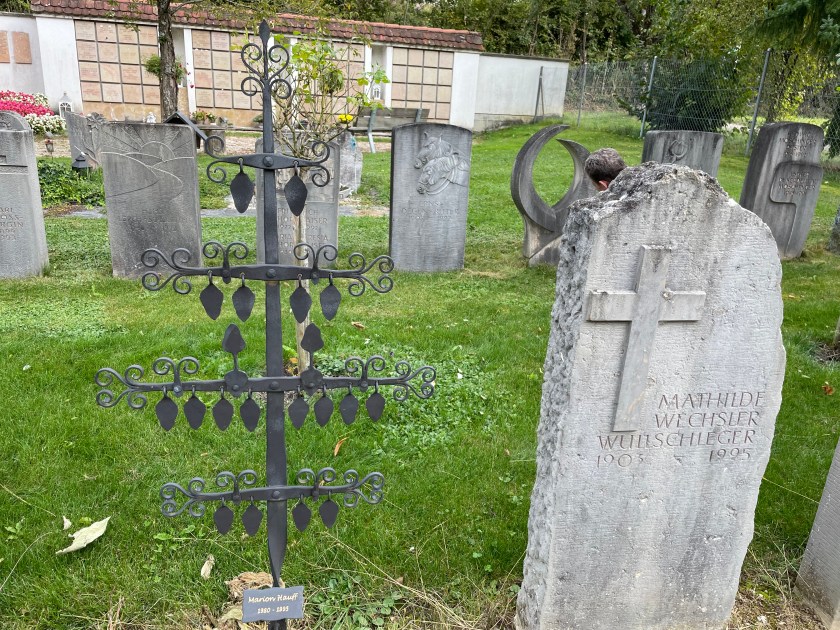
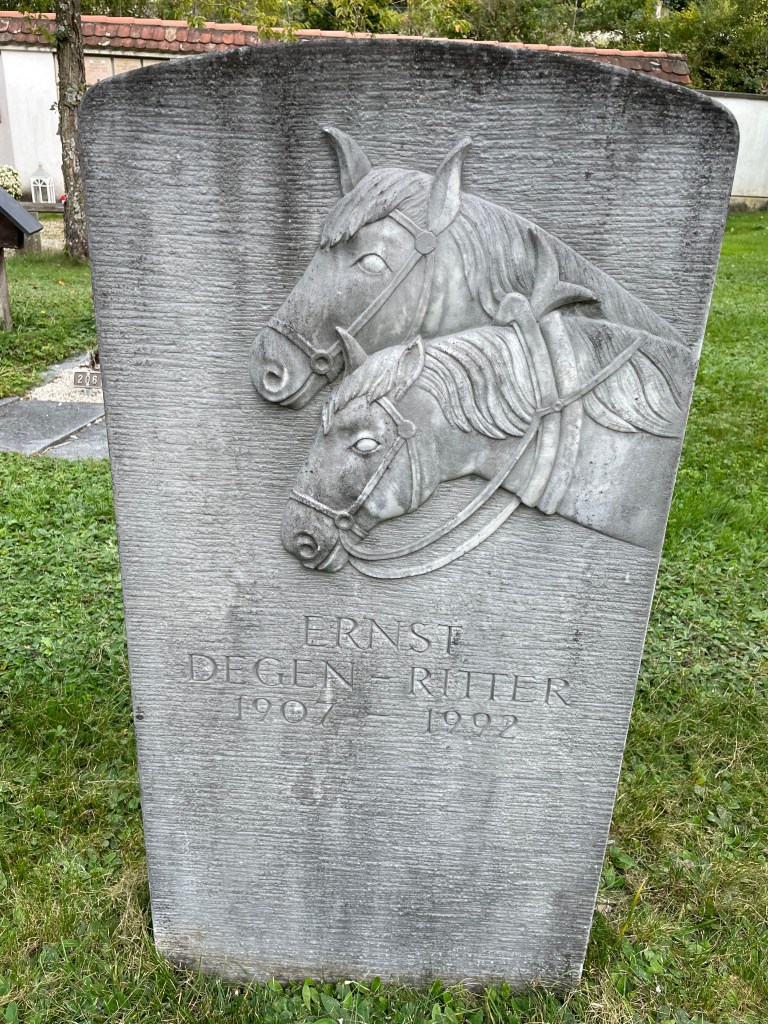
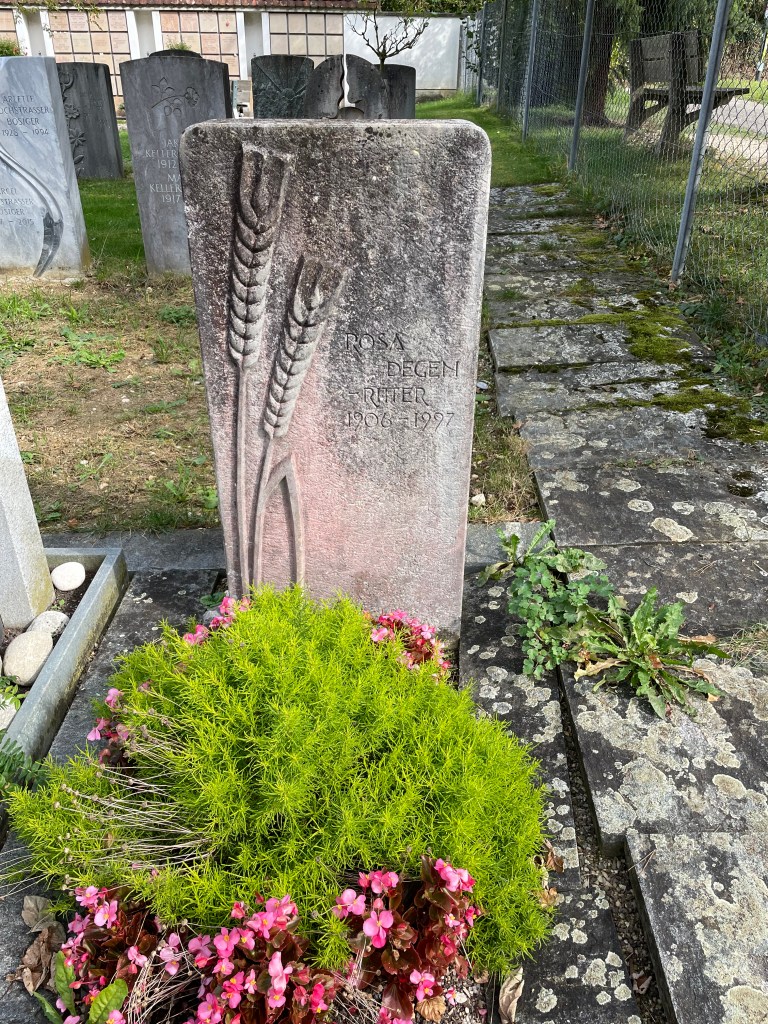
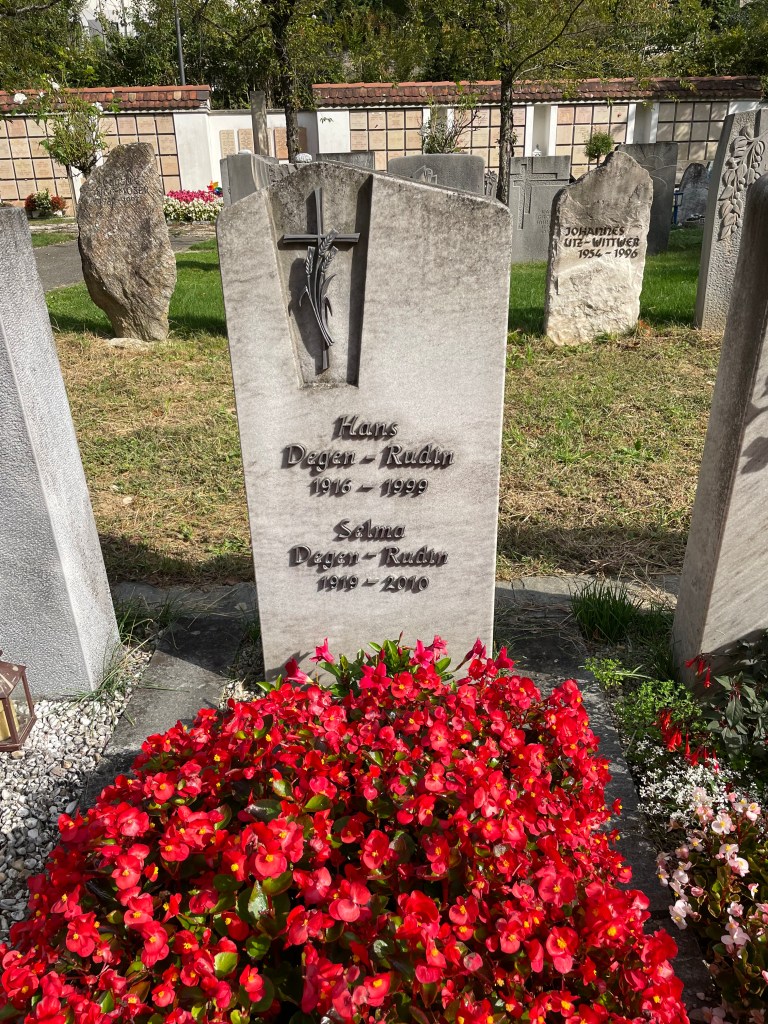
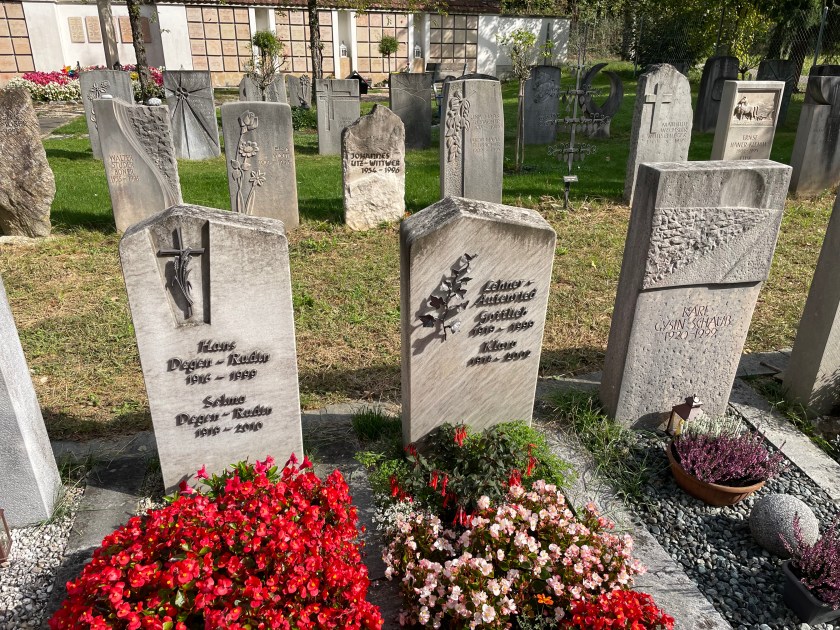
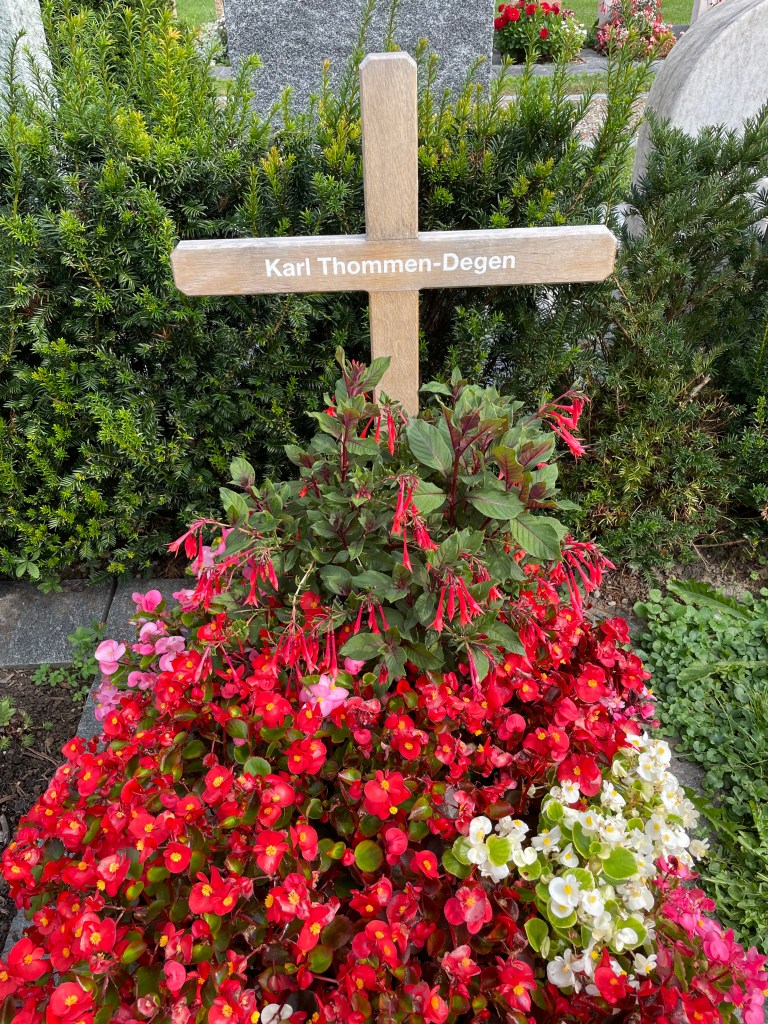
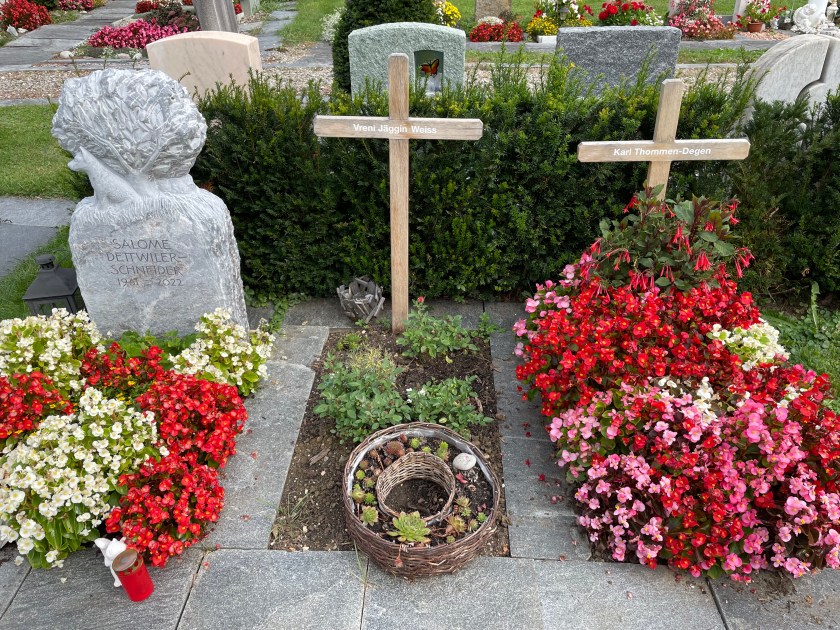
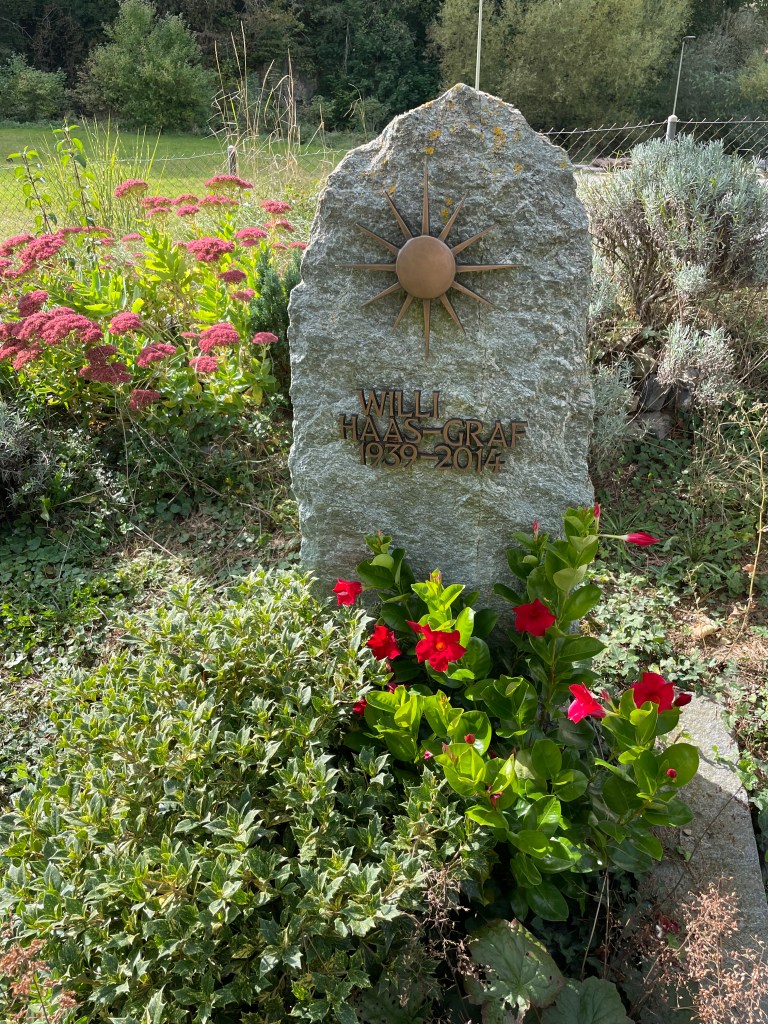
I picked up a couple of pamphlets about the history of the church. Then John joined me and we walked through the small cemetery behind the church. I didn’t expect to find any DEGENs there, but we Did! There were several. We went up and down every row, reading each headstone, photographing any with the Degen name. It was exciting to see that family members still live here. I am excited to look at what descendants might be in FamilySearch. This might be a fun project!


How tied I already feel to this place, where blood of my blood is found.  We will need to return after I do some research to find who is still living here.  My heart is excited.  I am seeing things Elizabeth saw.

Zollikofen and the Temple

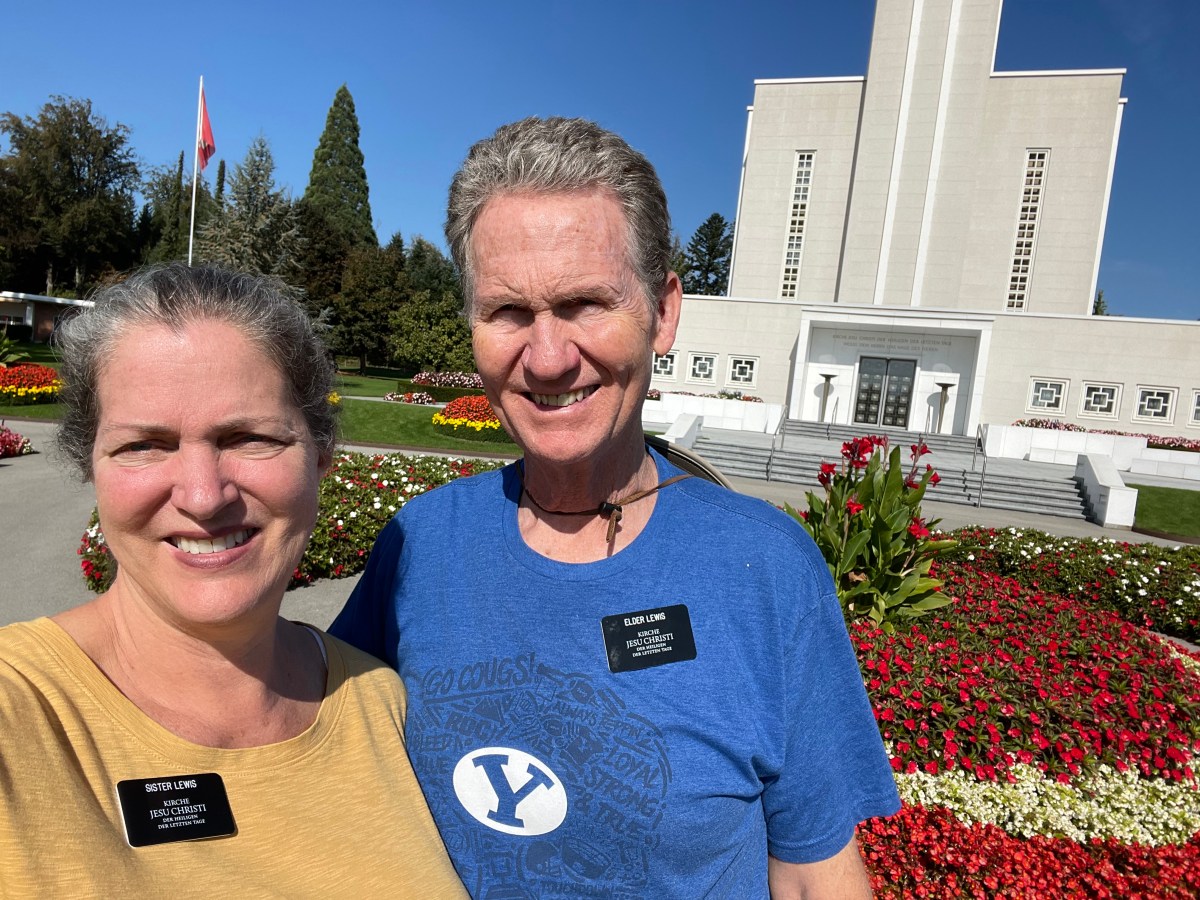
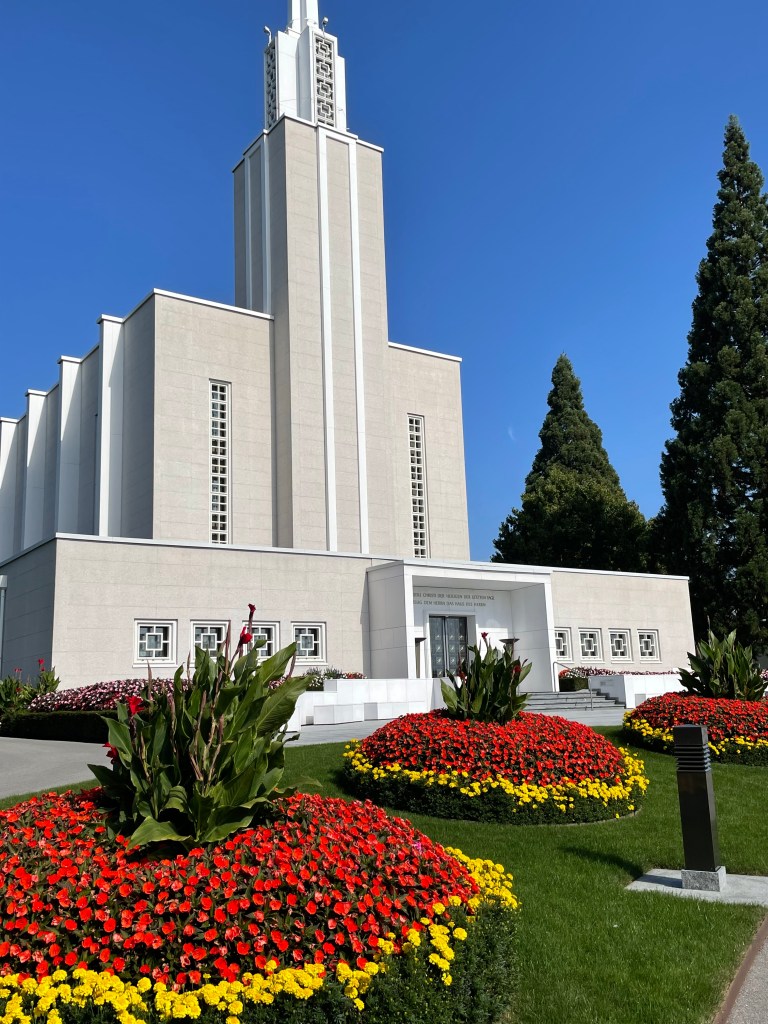
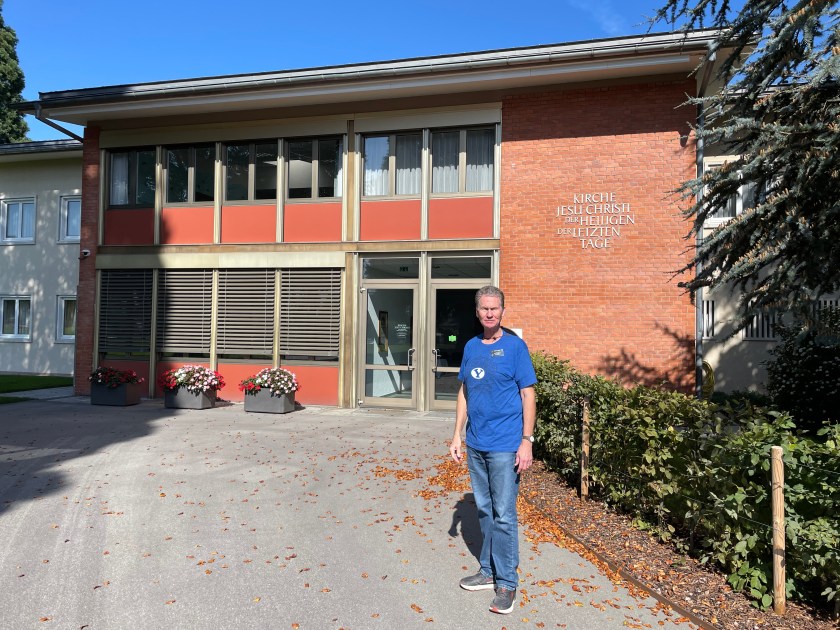
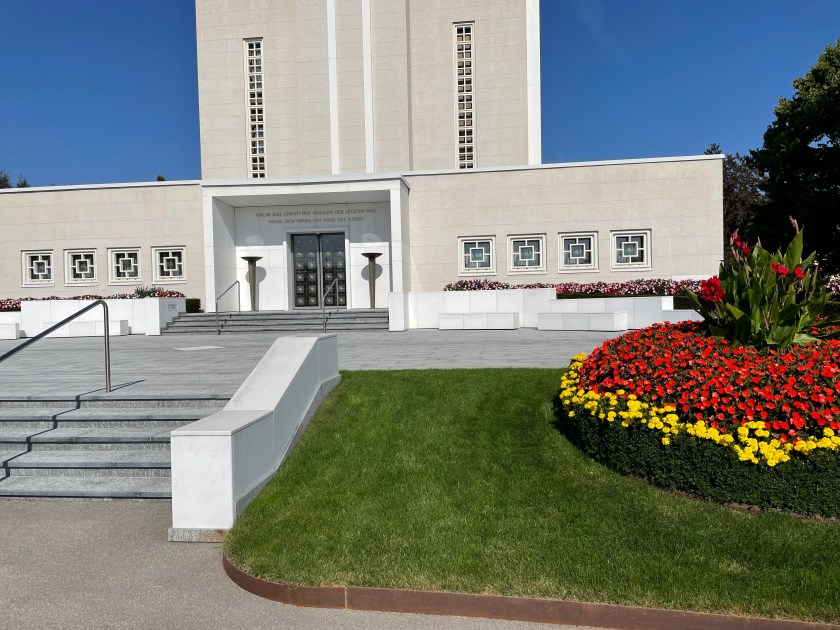
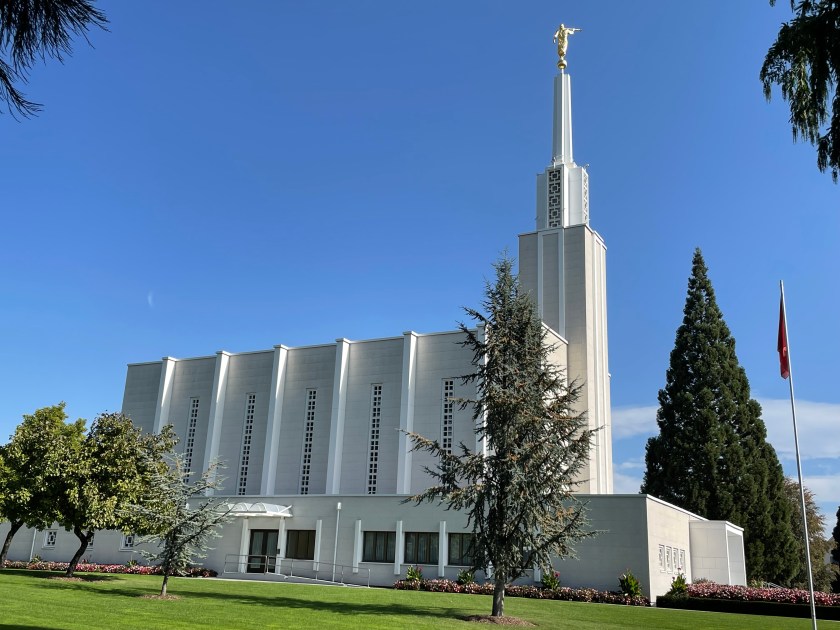
Zollikofen was John’s last mission area in 1975.  We spent about an hour here on the temple grounds as more memories flooded back for him.  He spent a week here living in the patron housing at the end of his mission, attending the temple daily.

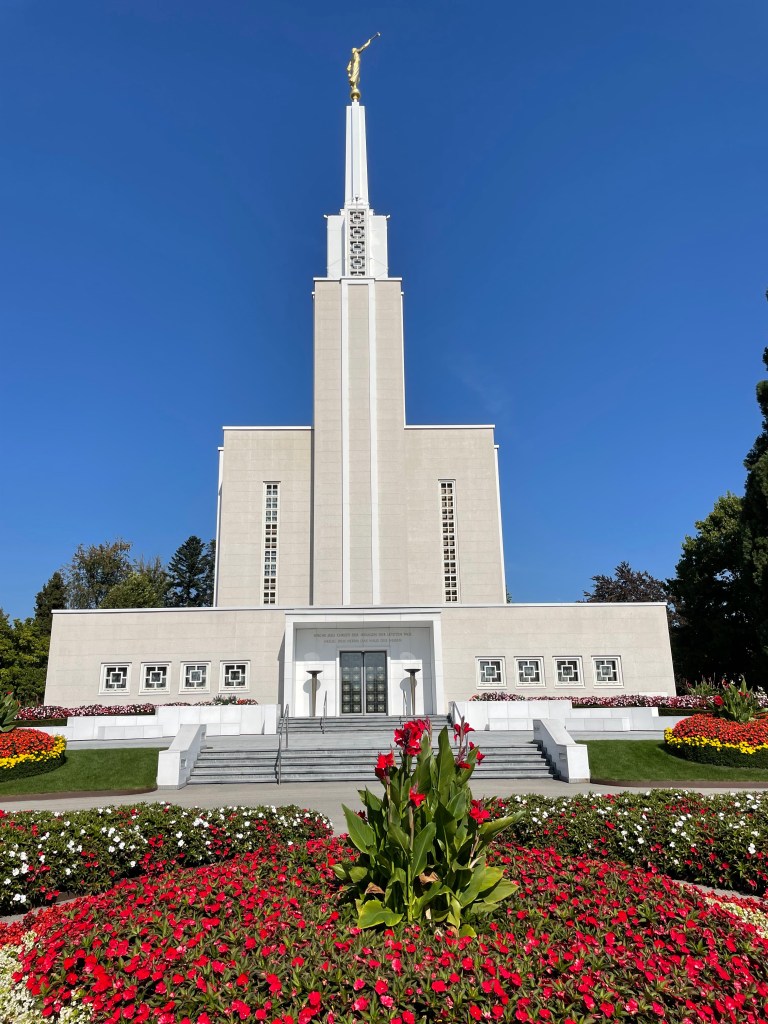
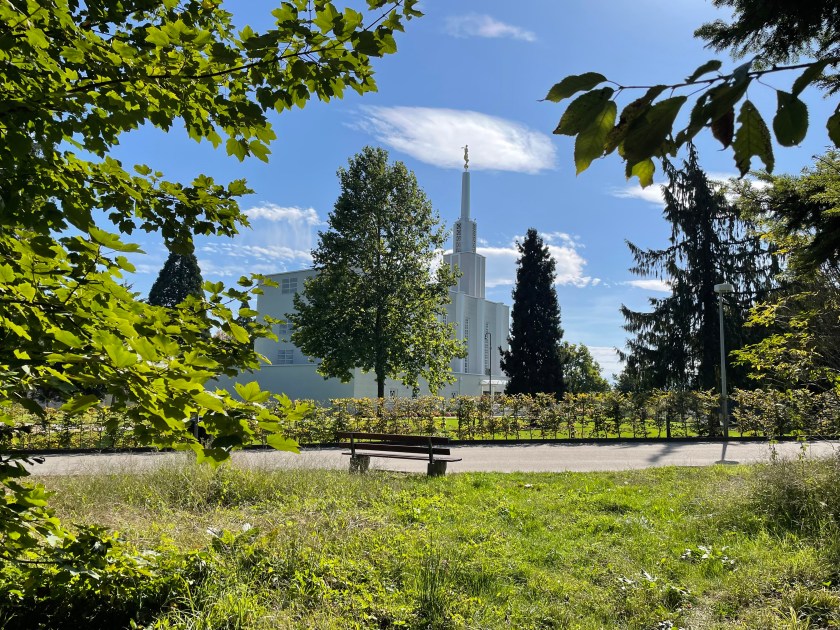
The Bern Switzerland Temple (formerly the Swiss Temple)  was the church’s first temple built in Europe, and the first built outside of North America.  It was dedicated in 1955.

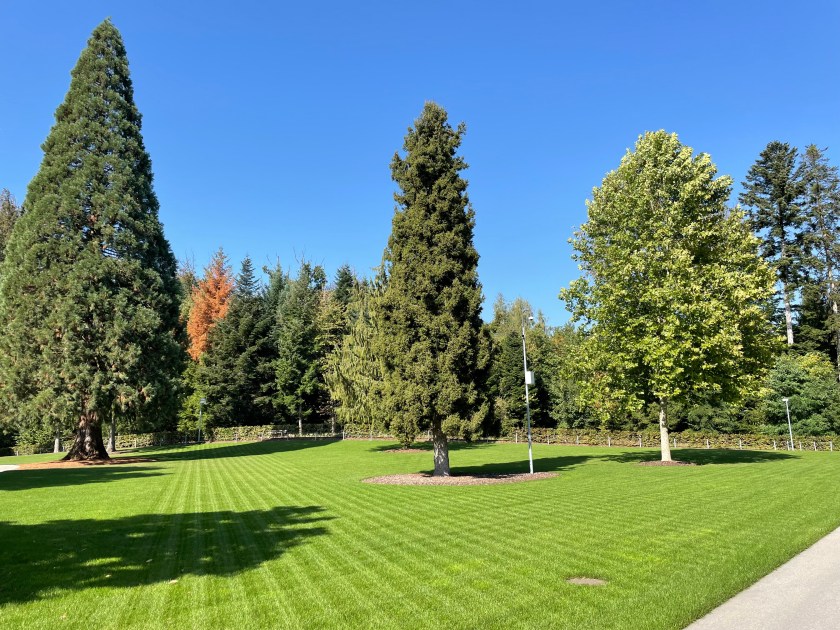
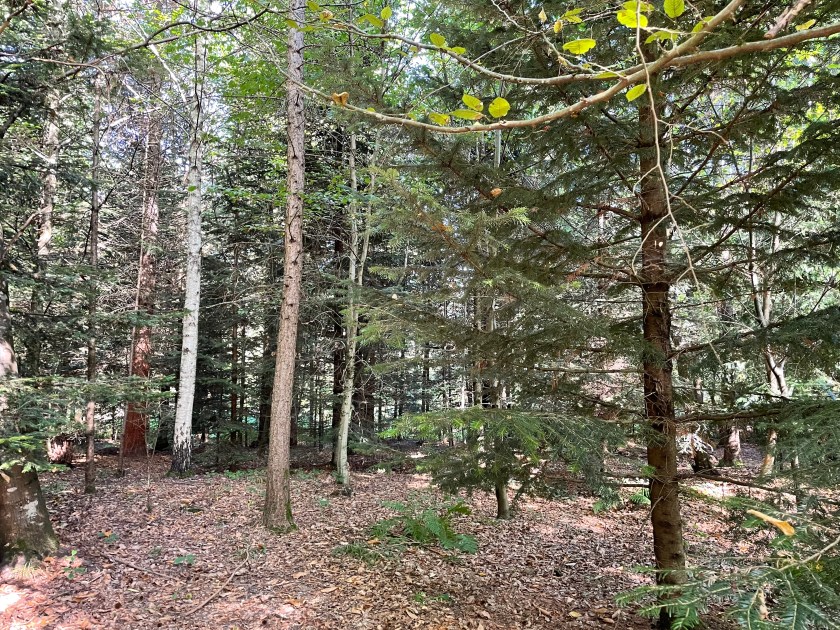
There’s a beautiful forest behind the temple.  The land there was donated by the grandfather of our good friend, Mark Angelos.  The grounds and the surroundings are peaceful and beautiful.

Because of this temple, great blessings have flowed out on this land and the people here.  What an incredible blessing!

Picture Perfect Thun

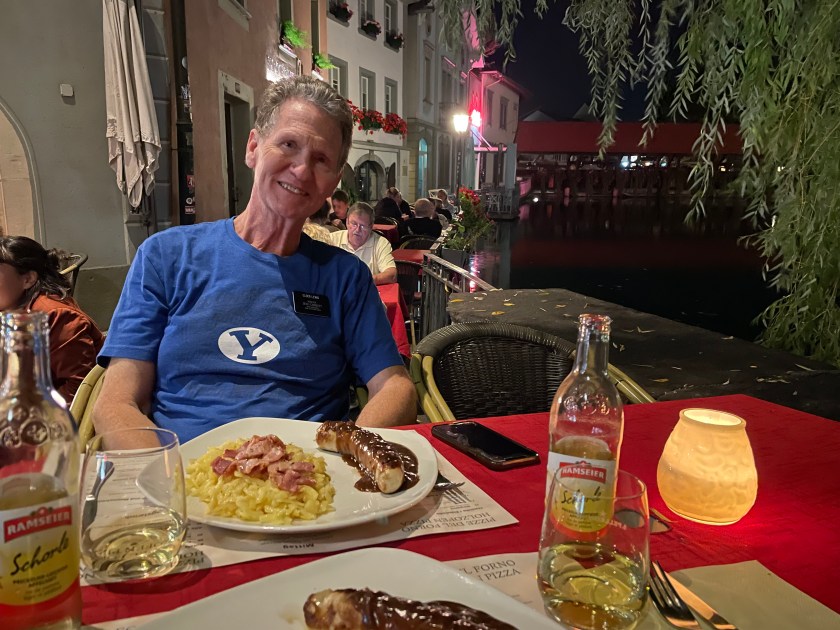
We came into Thun last night and found a place to stay and a good meal of Brats and Rossti (Swiss potatoes).

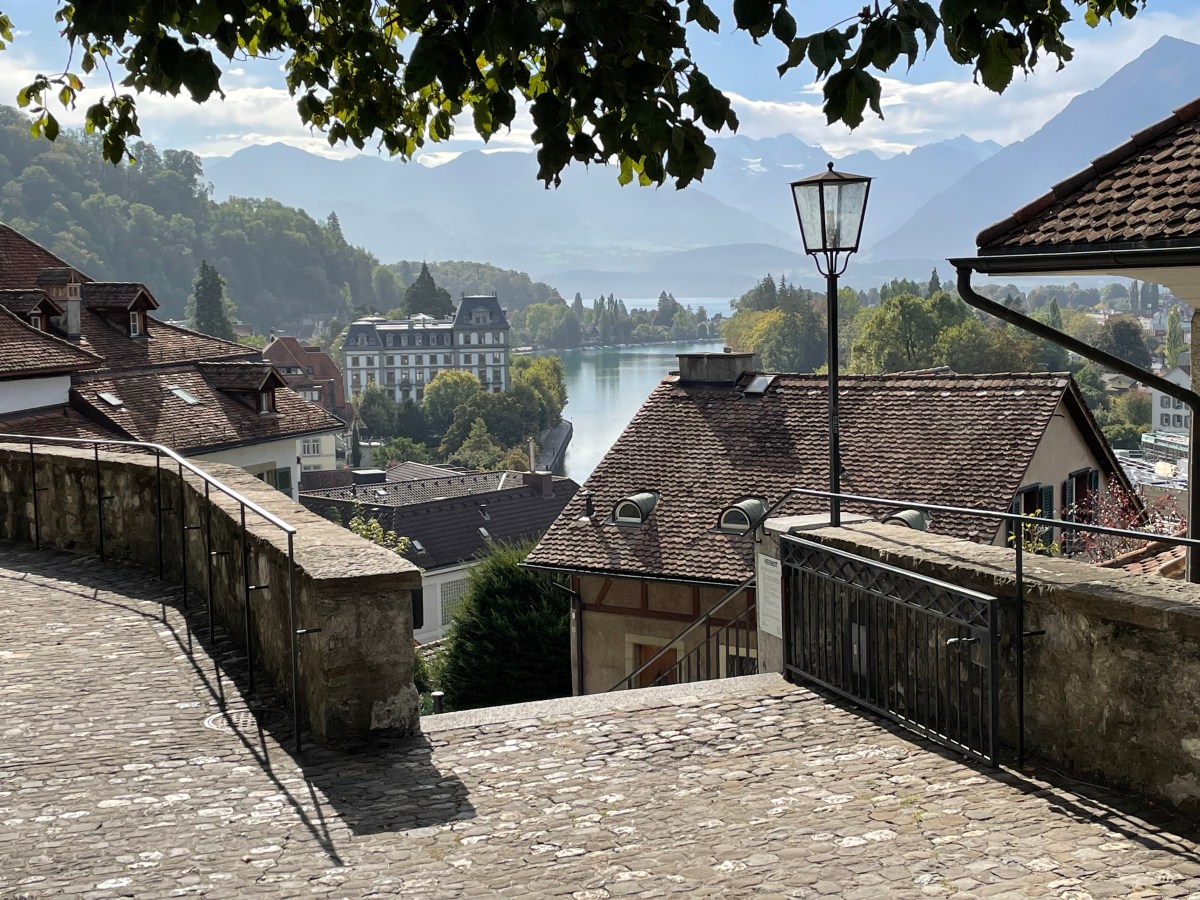
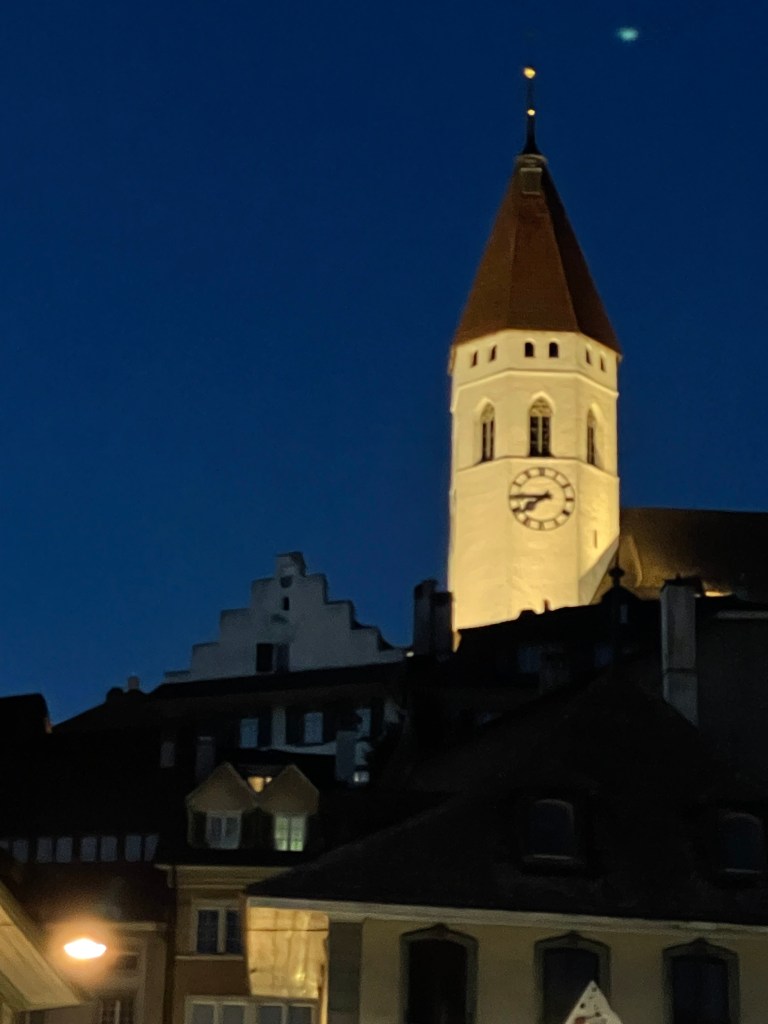
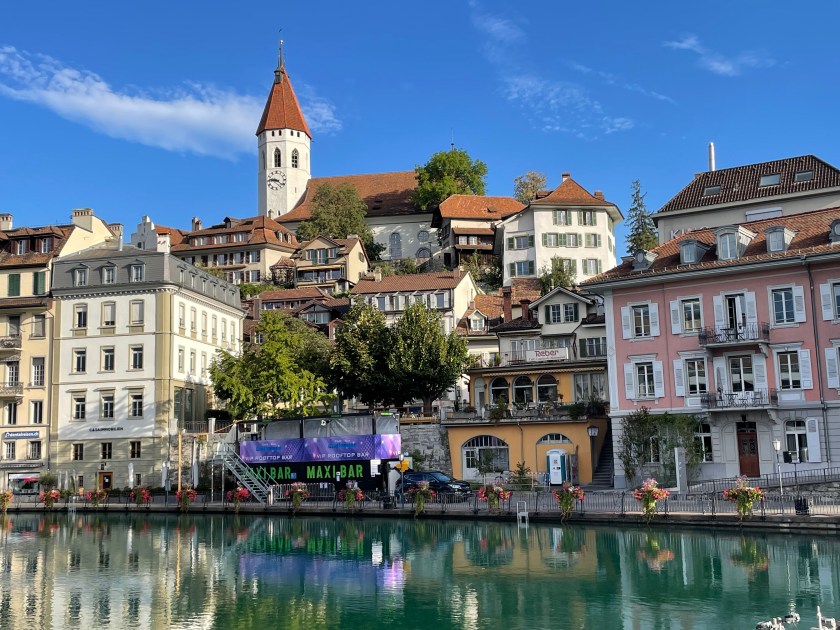
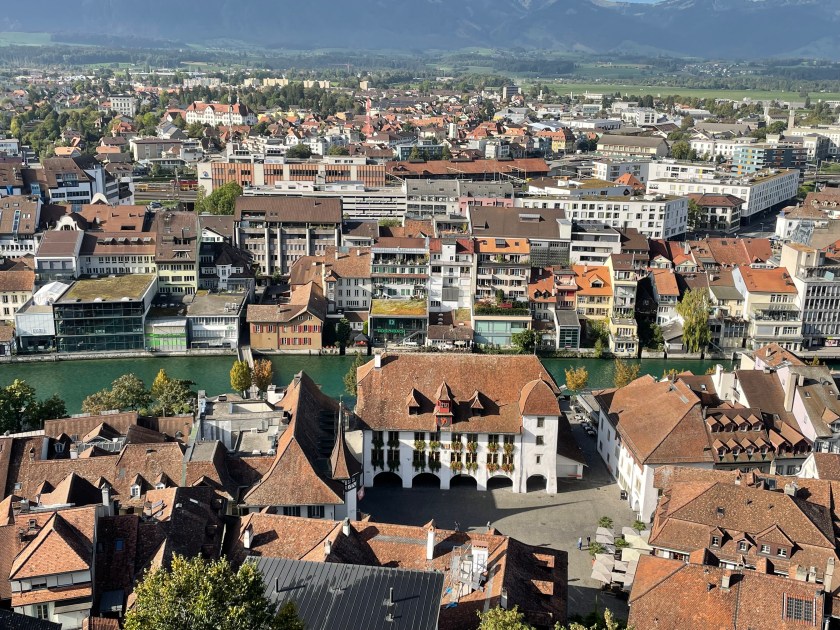
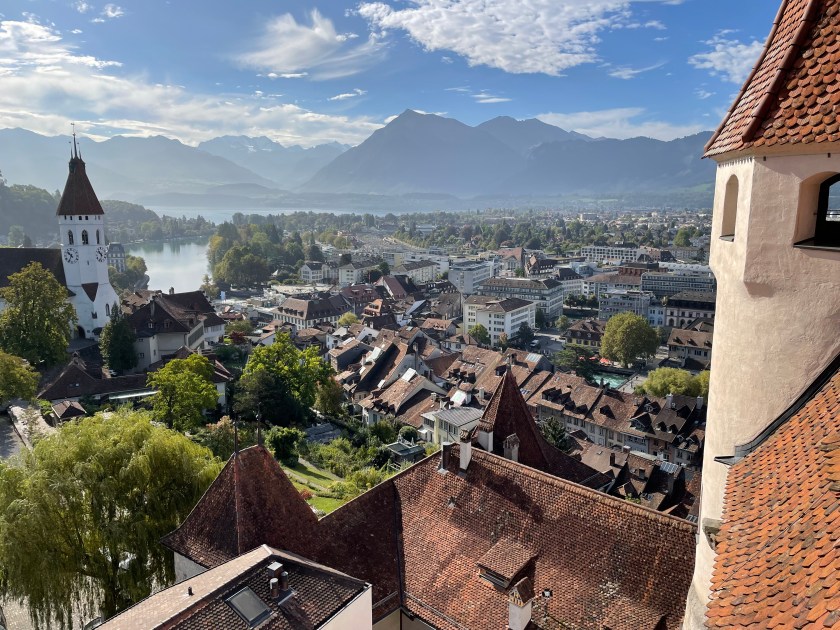
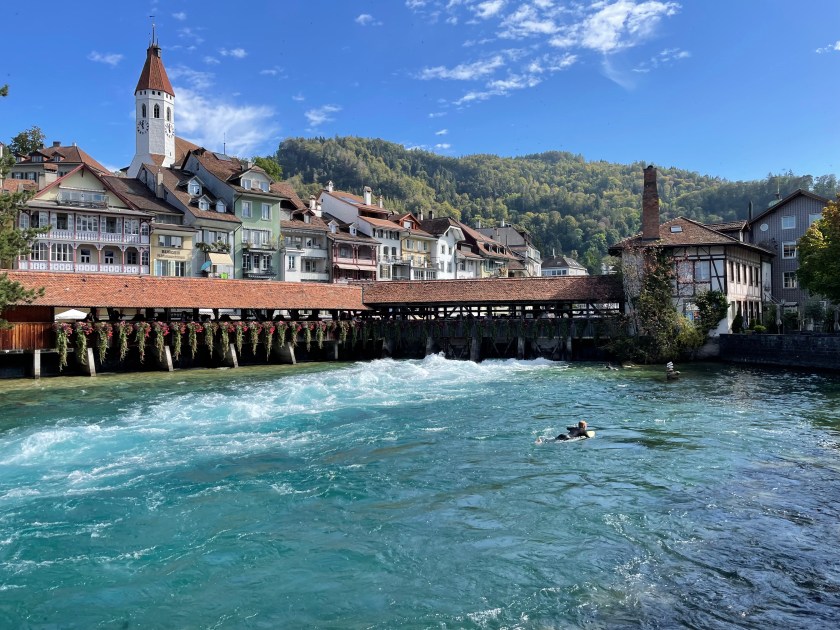
This is the view we woke to this morning from our hotel room!  Spectacular.

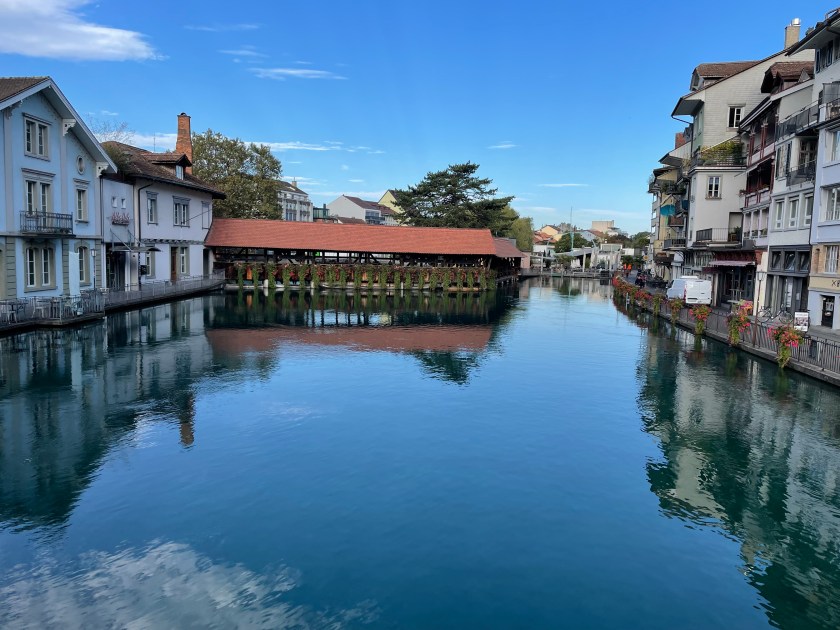
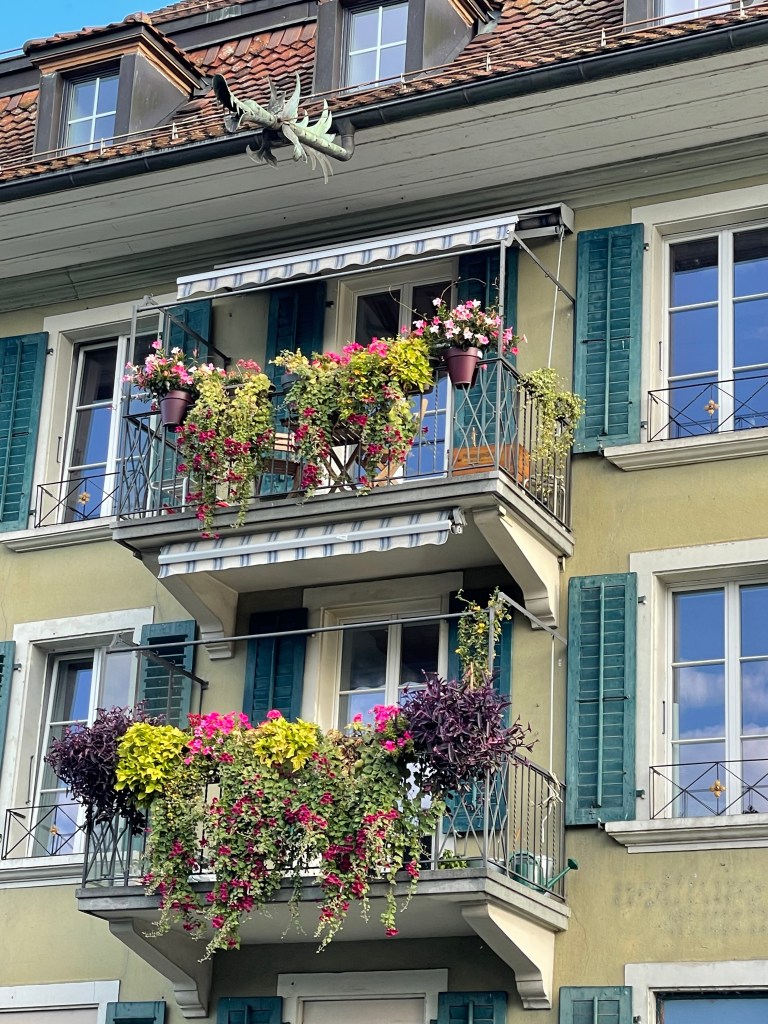
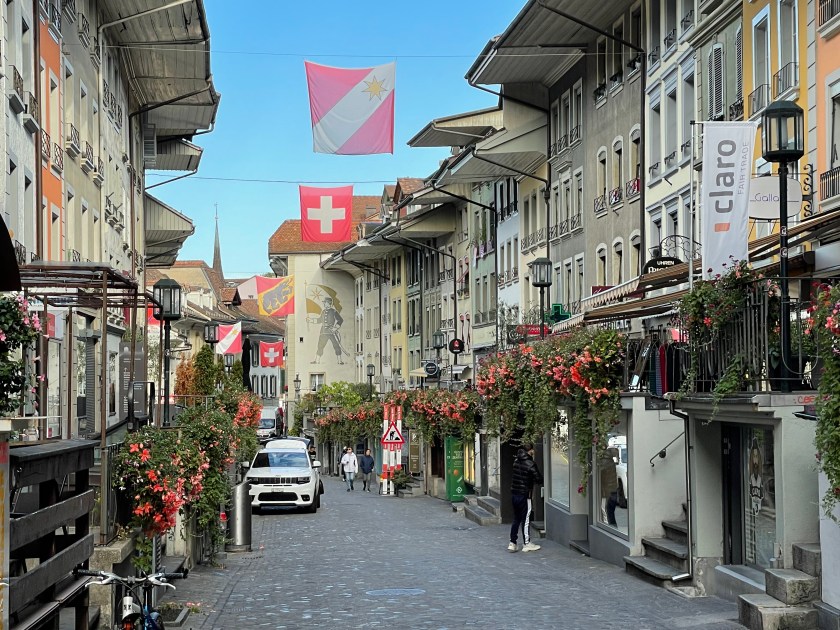
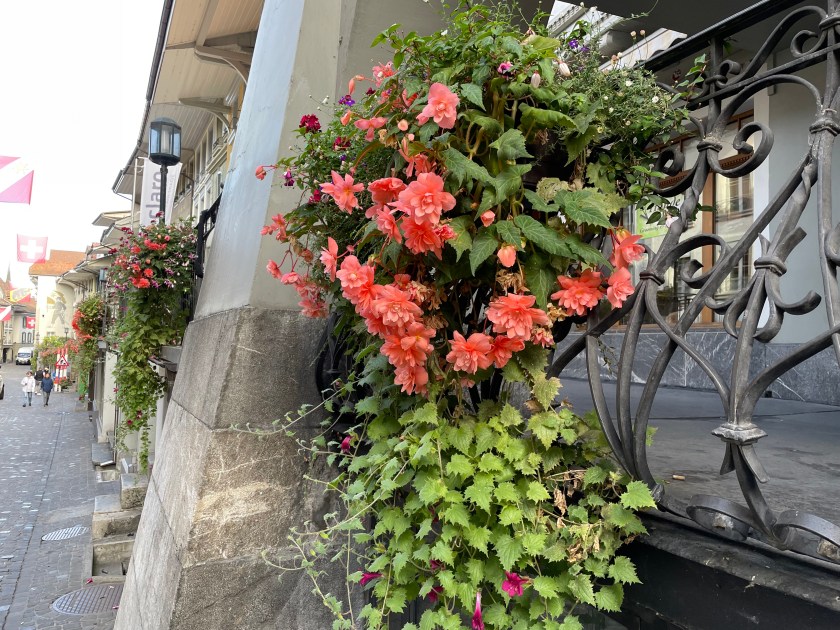
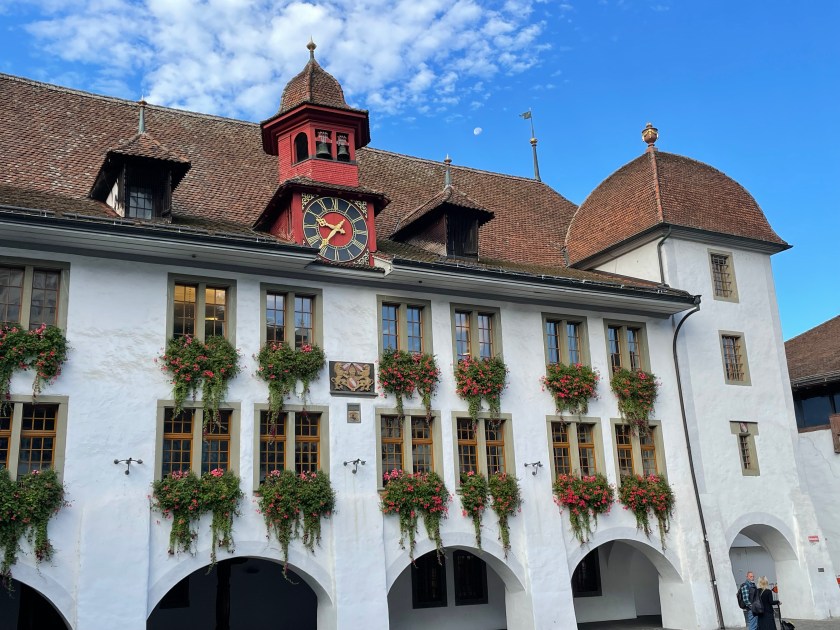
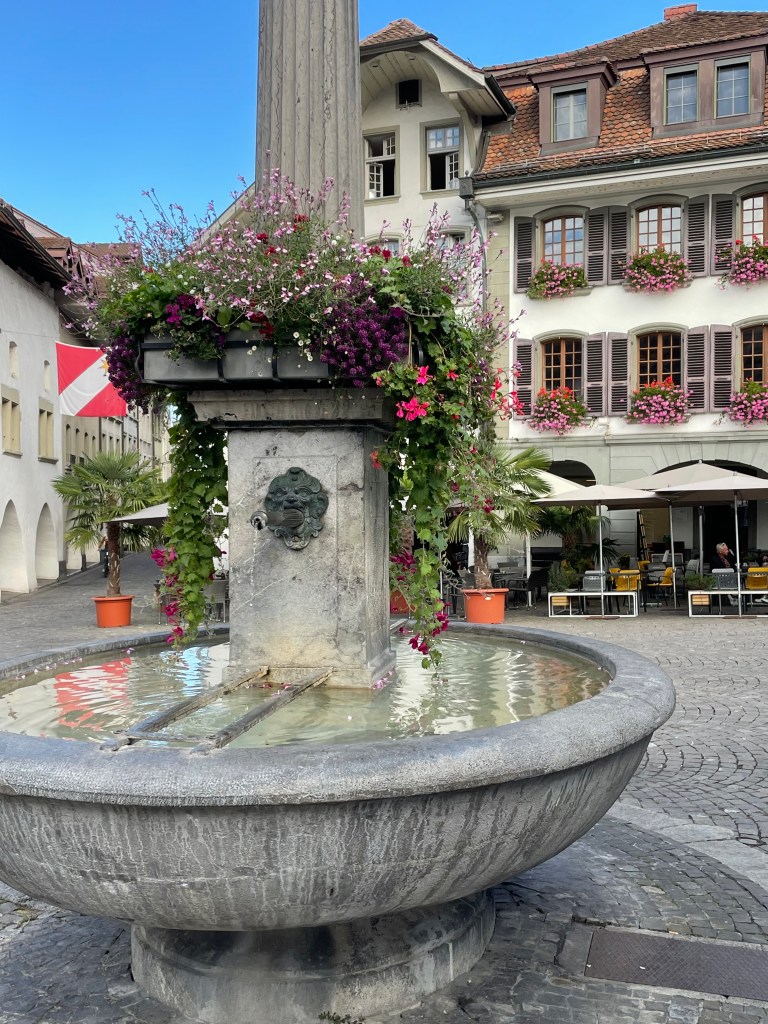
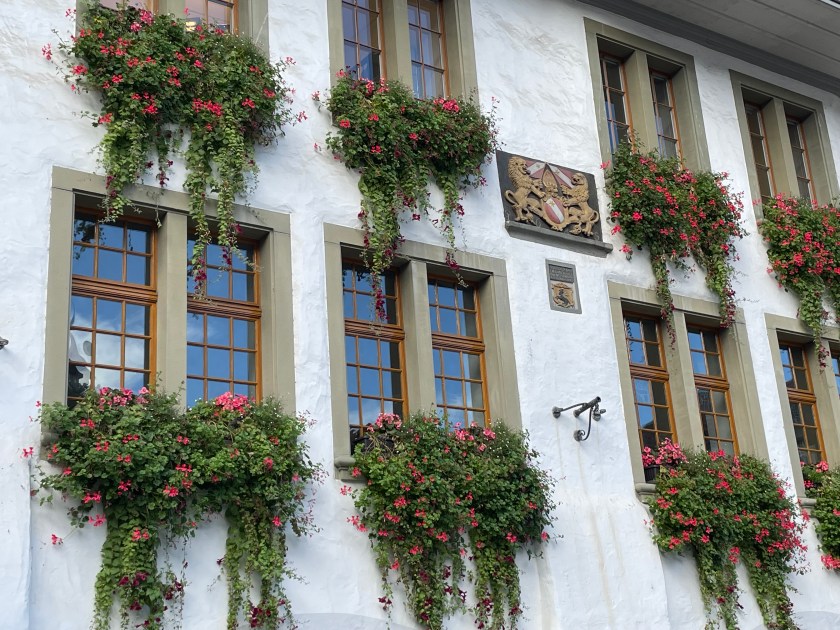
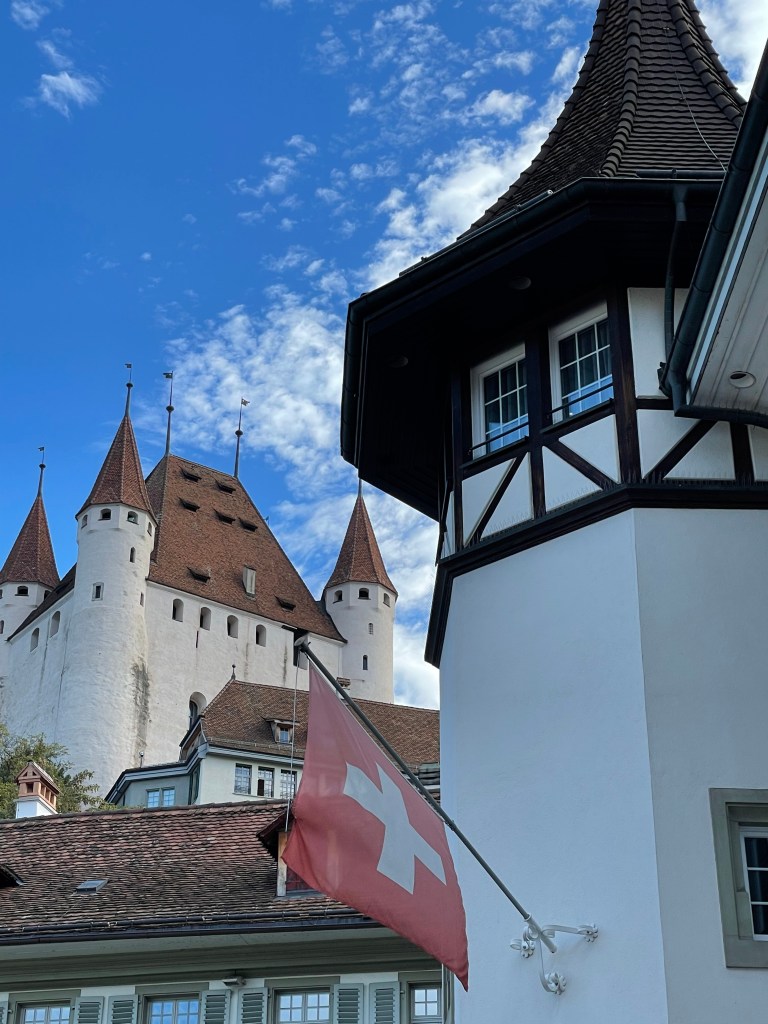
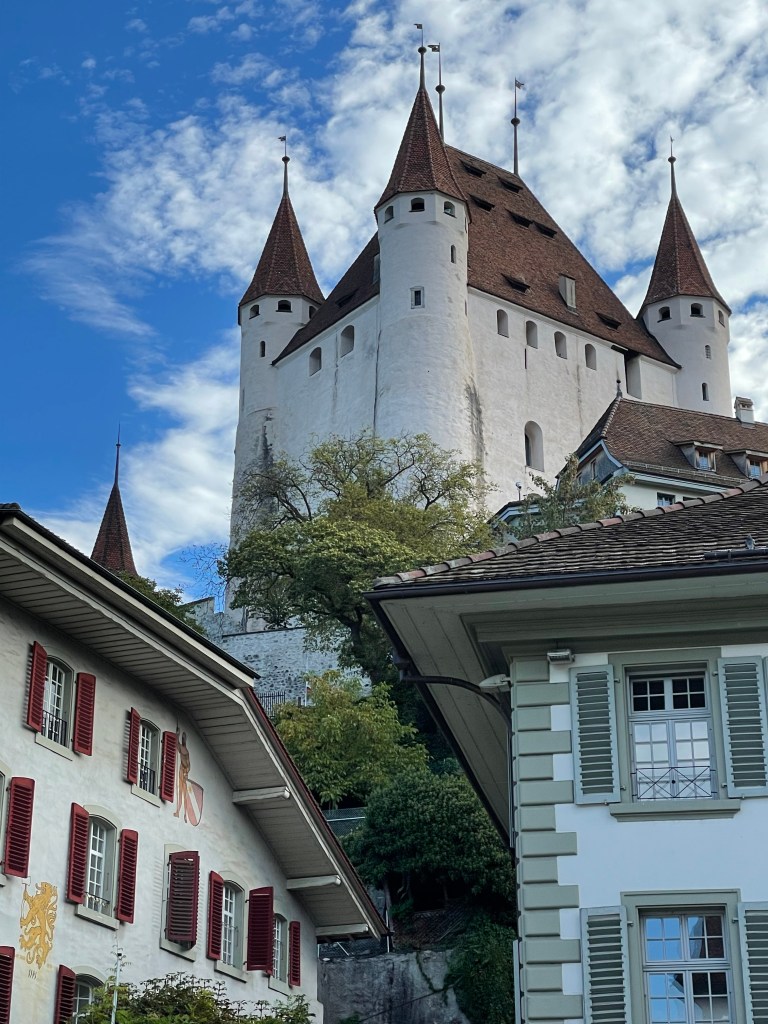
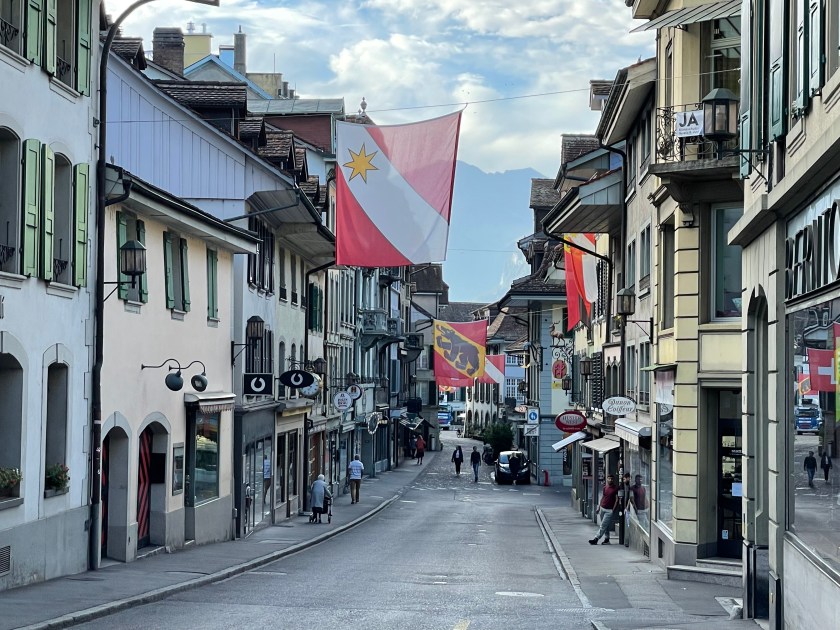
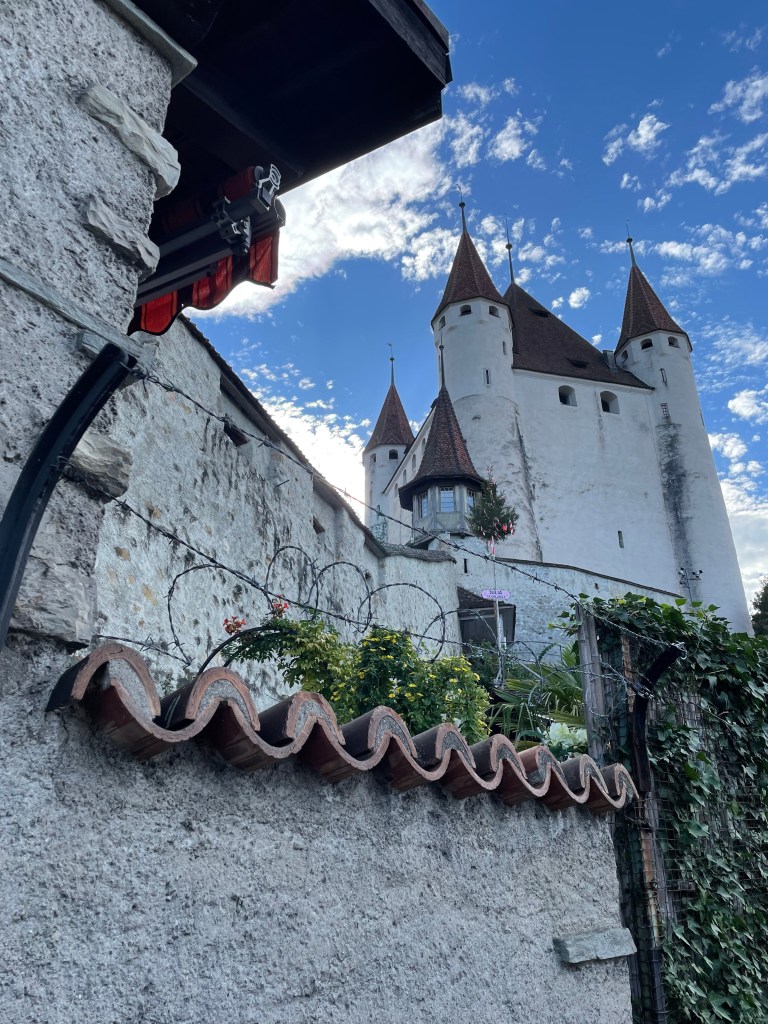
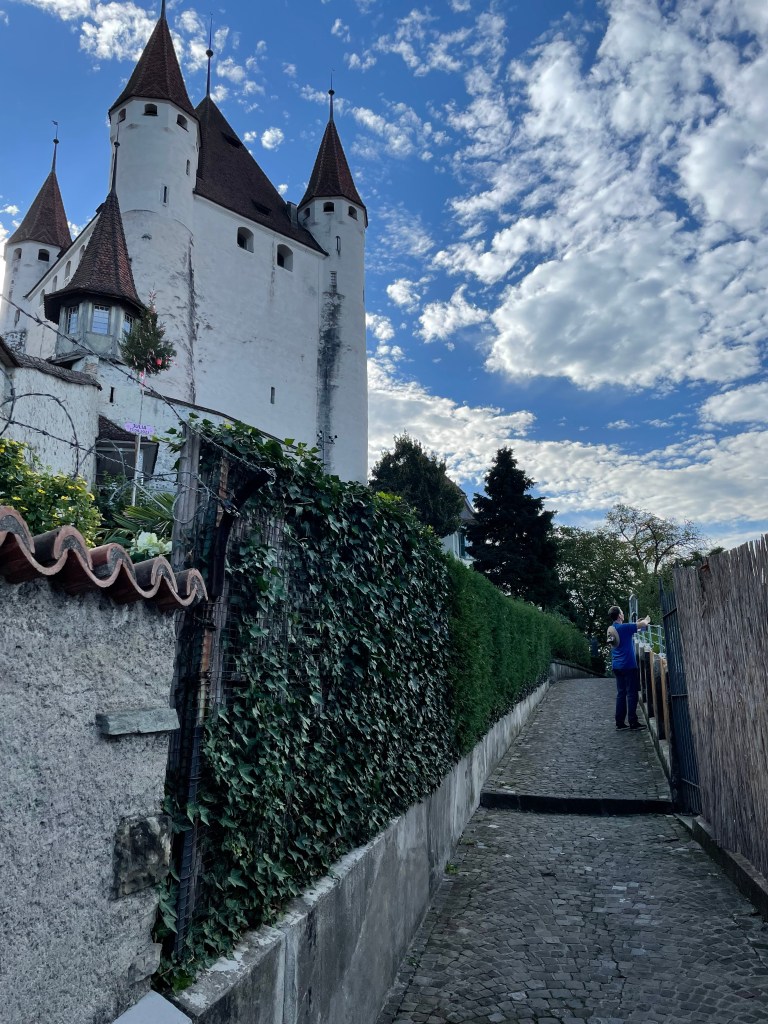
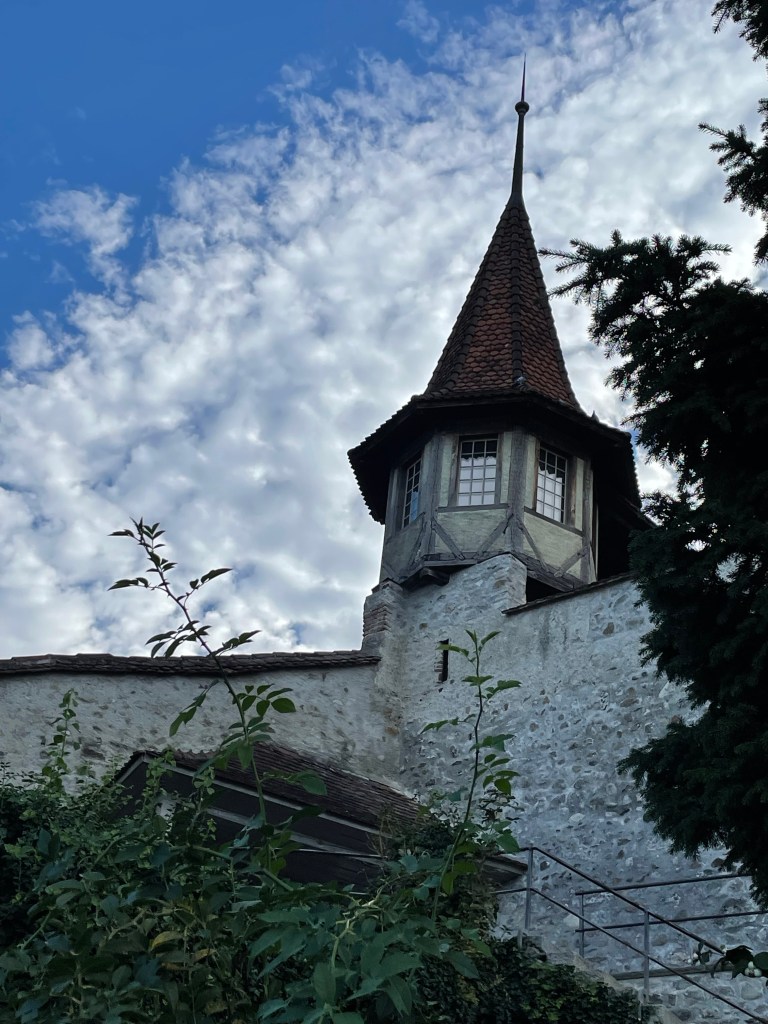
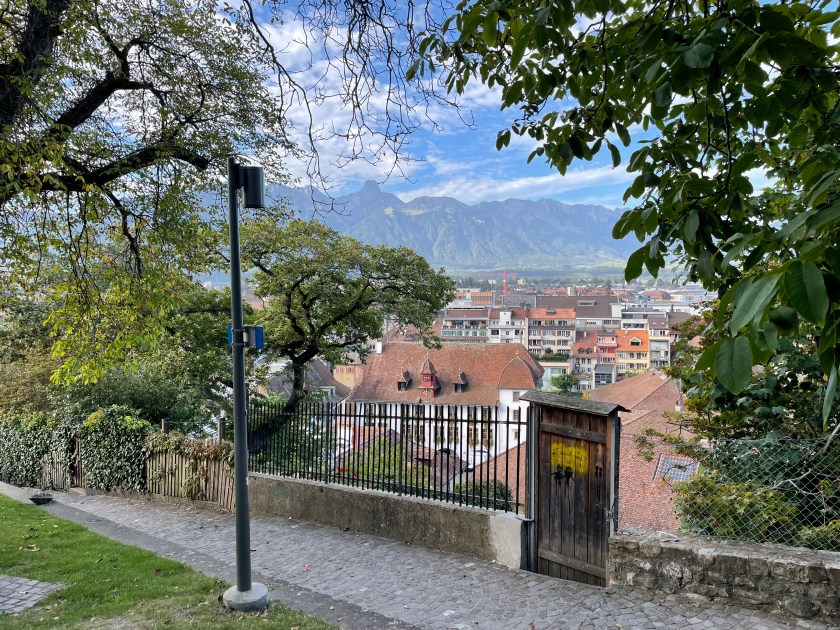
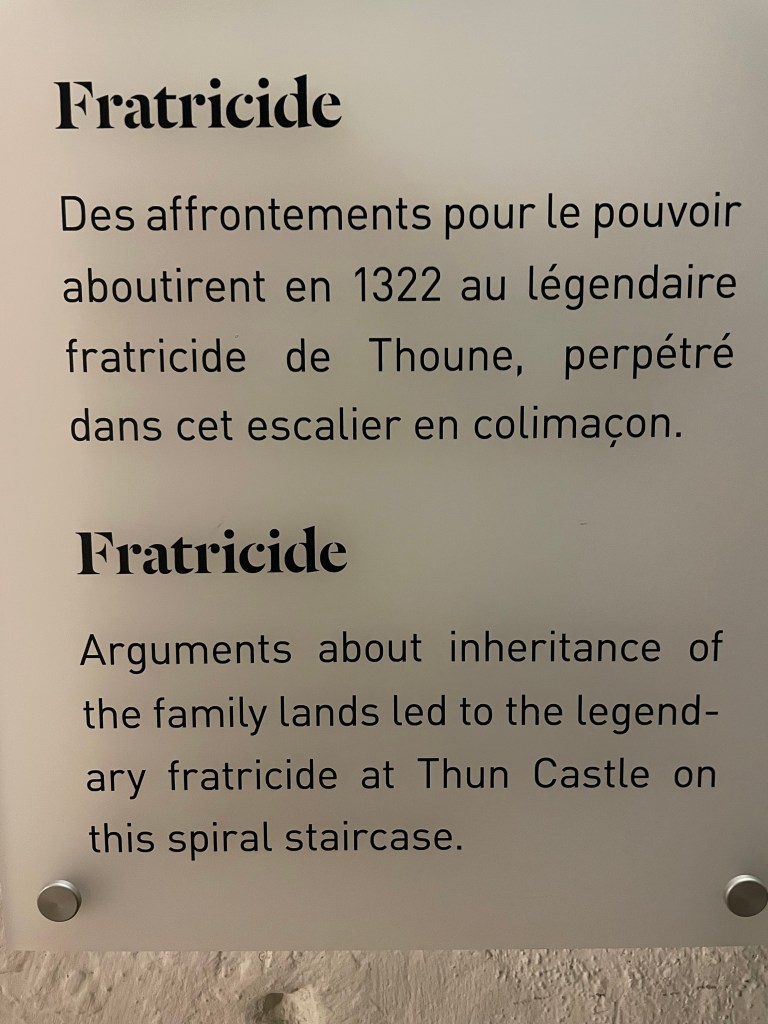
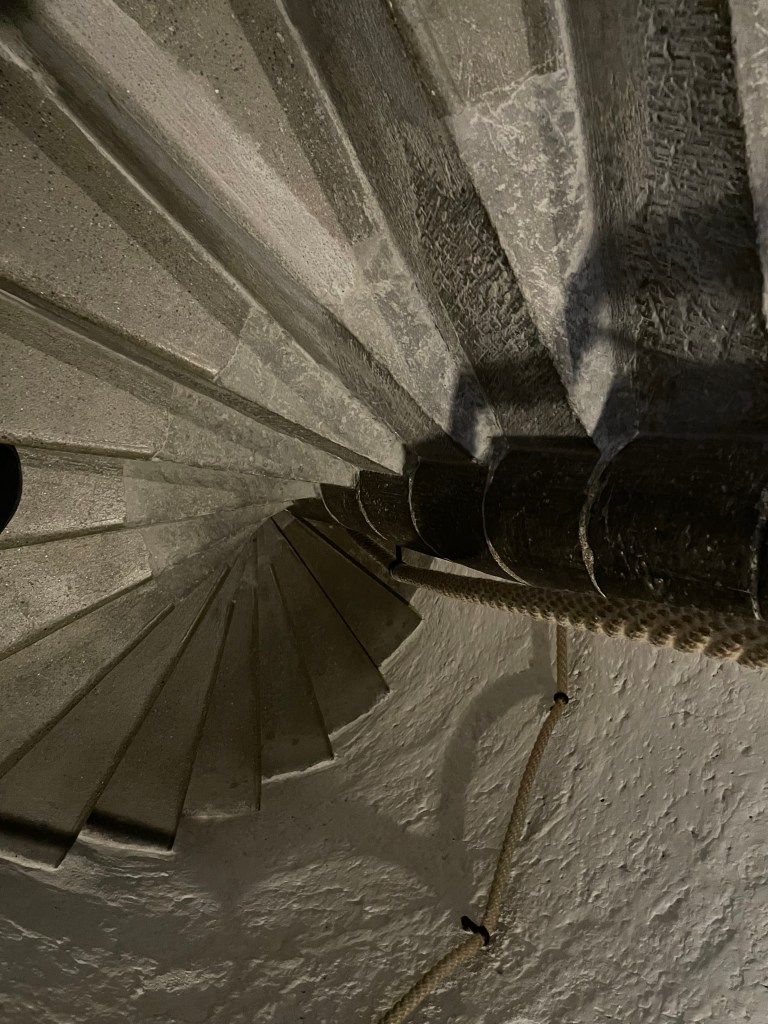
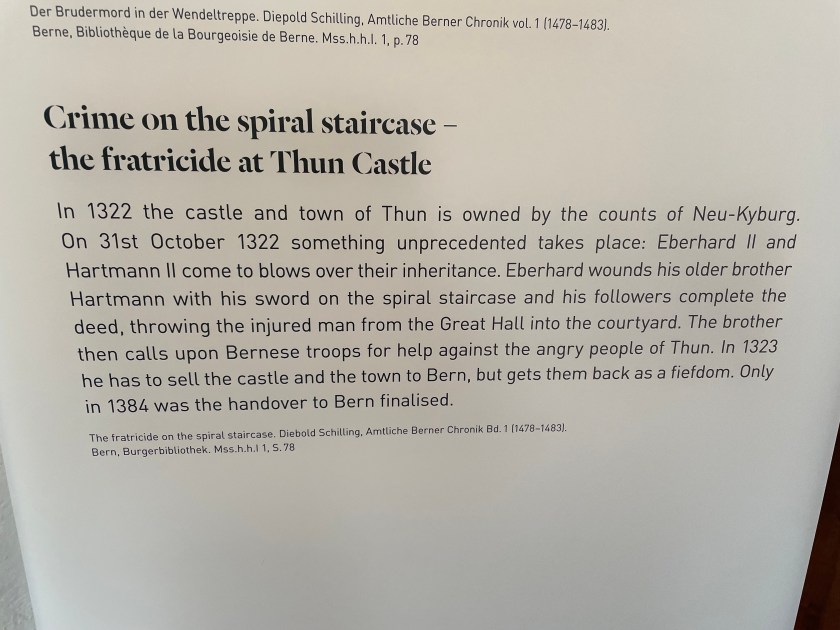
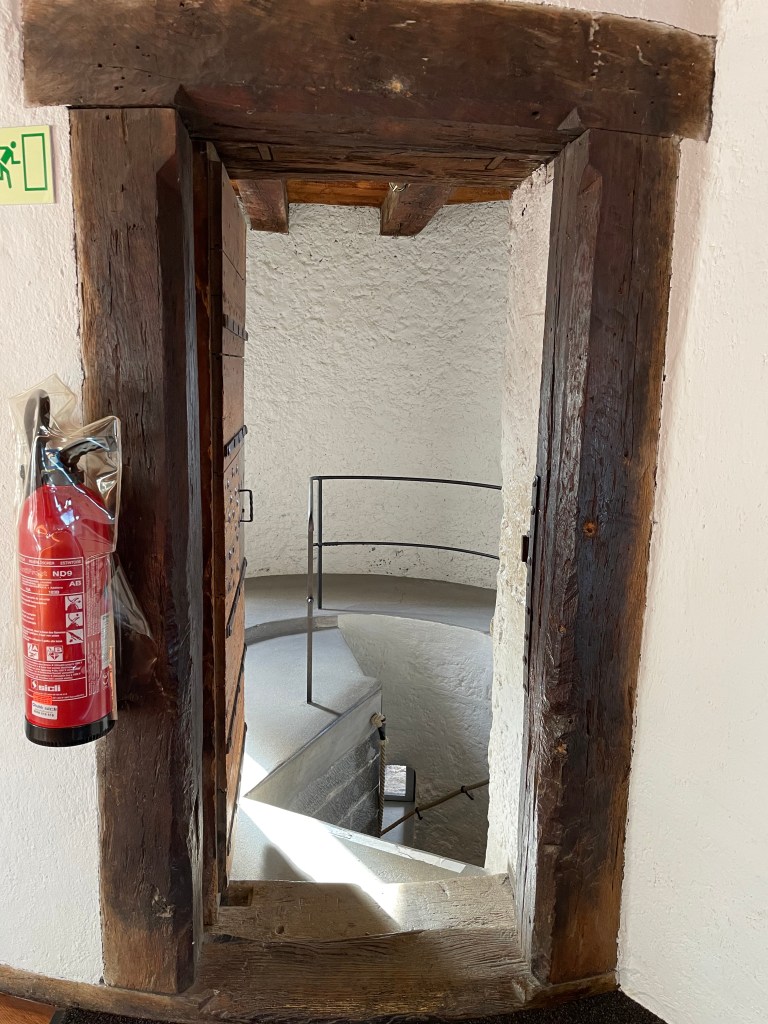
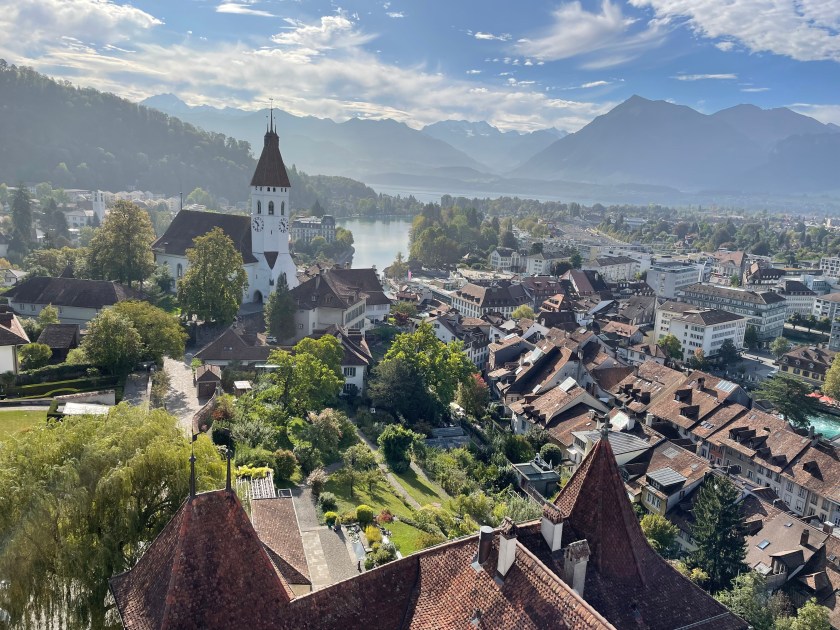
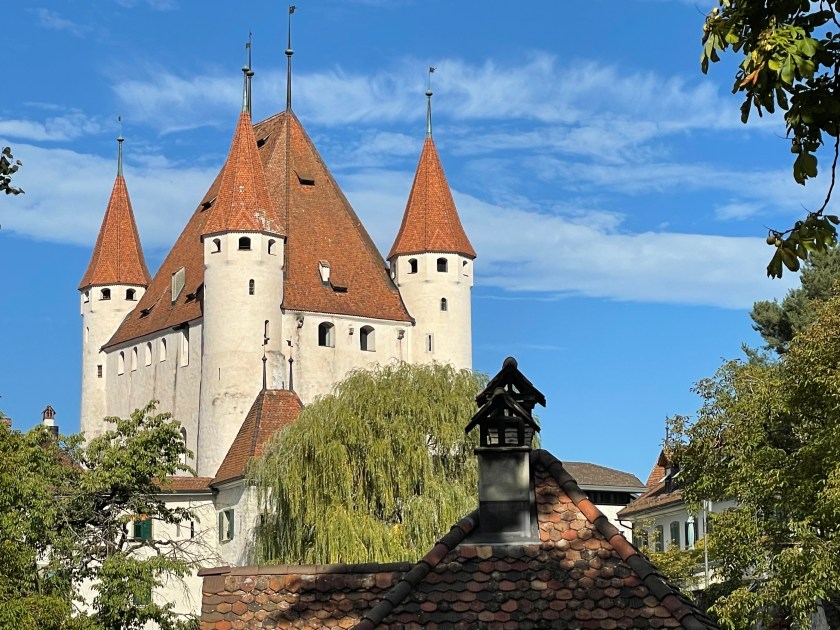
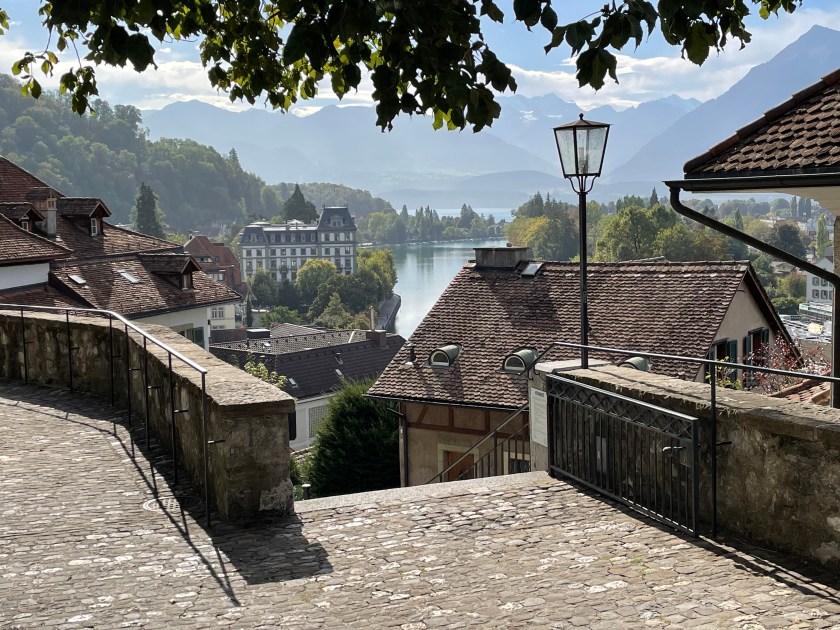
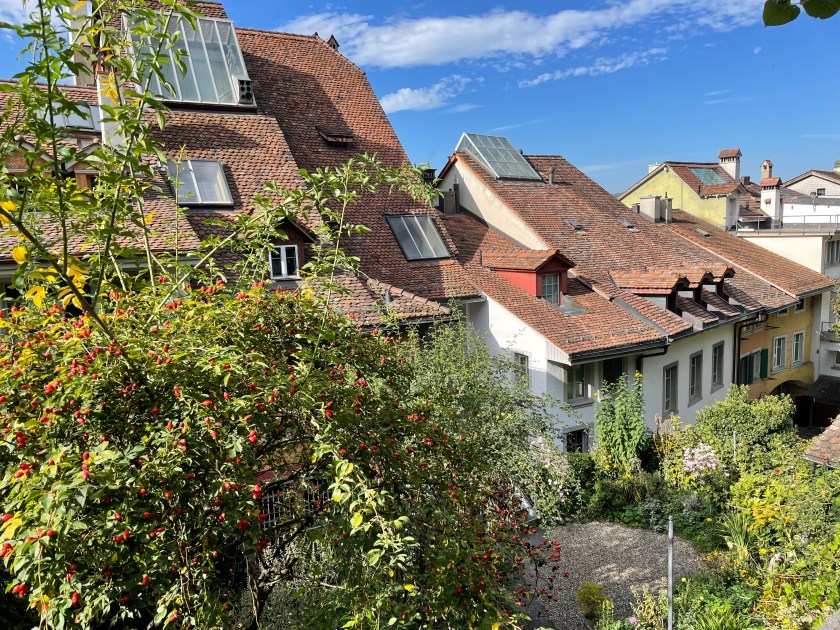
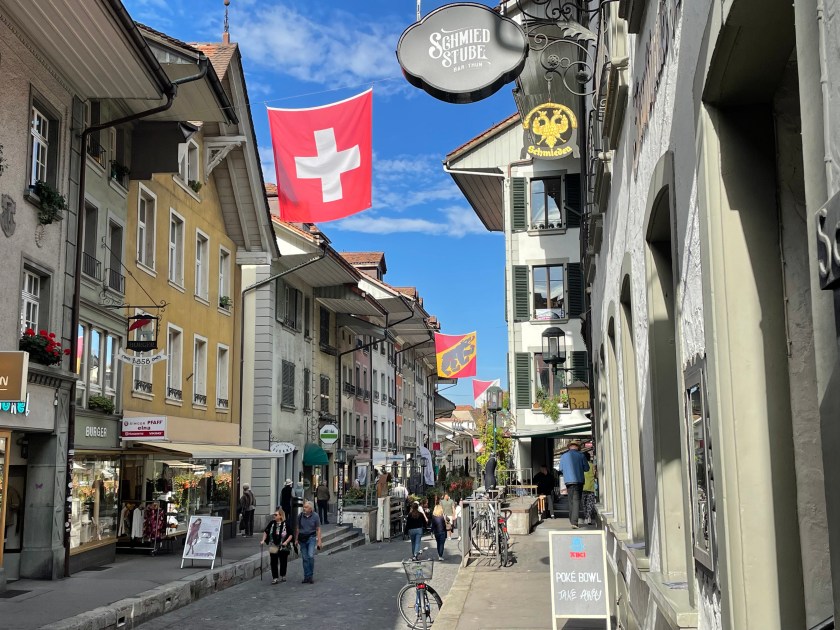
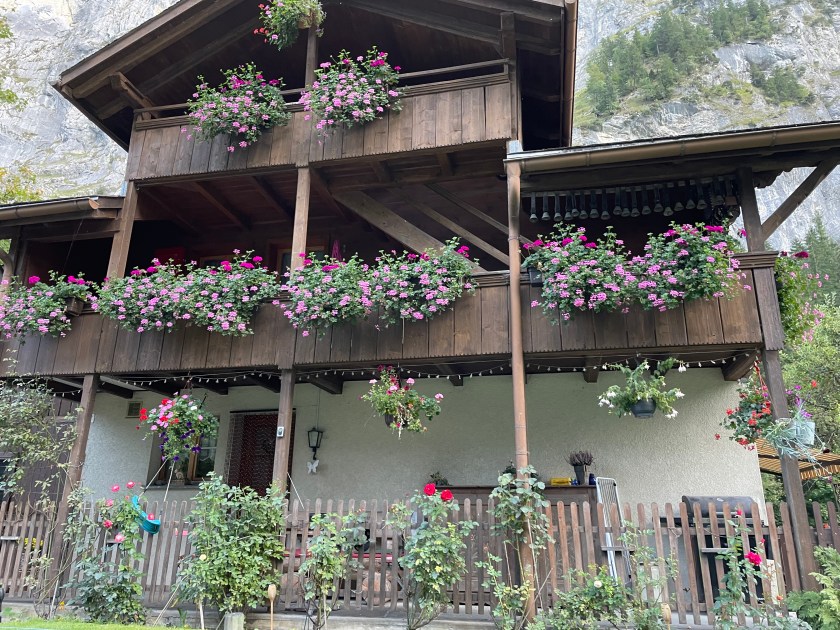
We had a walking map of the sights here and spent the morning walking and enjoying them–along the water, the covered wooden walking bridges, the old beautiful buildings. These towns were never destroyed like most of Germany. The window boxes with hanging geraniums are spectacular in pinks and reds. We worked our way up the hill to the Thun castle up on a hill overlooking the city. It was spectacular. Most are. I know I say that a lot. It’s just such a wonder to us to see so many old and beautiful things around us.

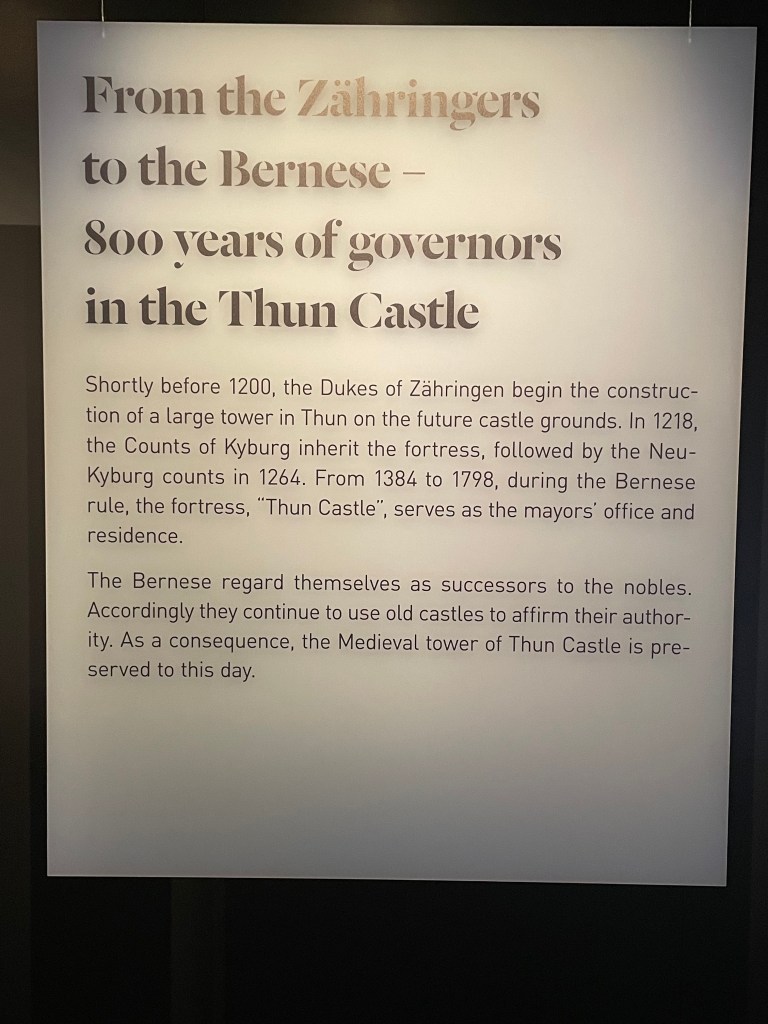
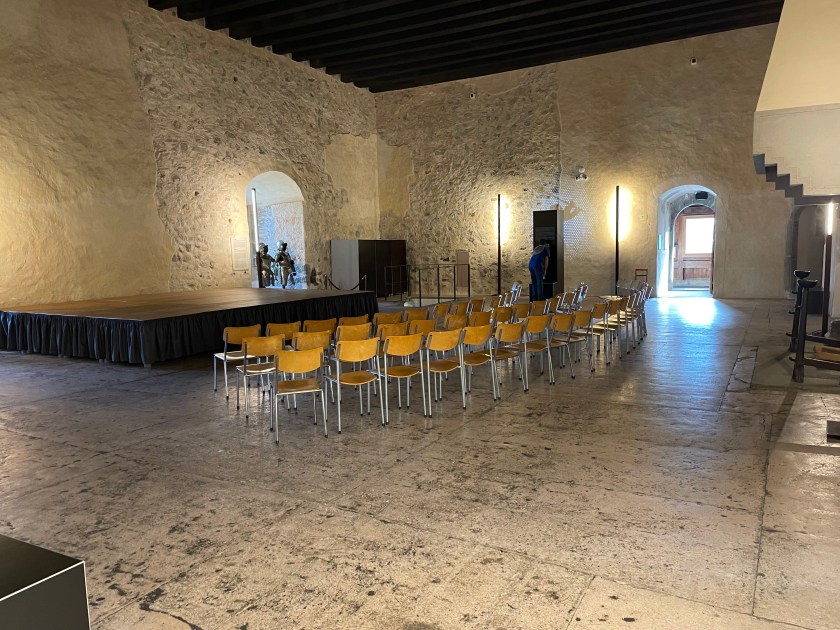
The castle was built between 1180 and 1190. We walked through each level. Events are held there now, but there were historic displays in many of the rooms. The castle had a tower in each corner that we climbed from the upper floor (many floors–it’s a tall castle).

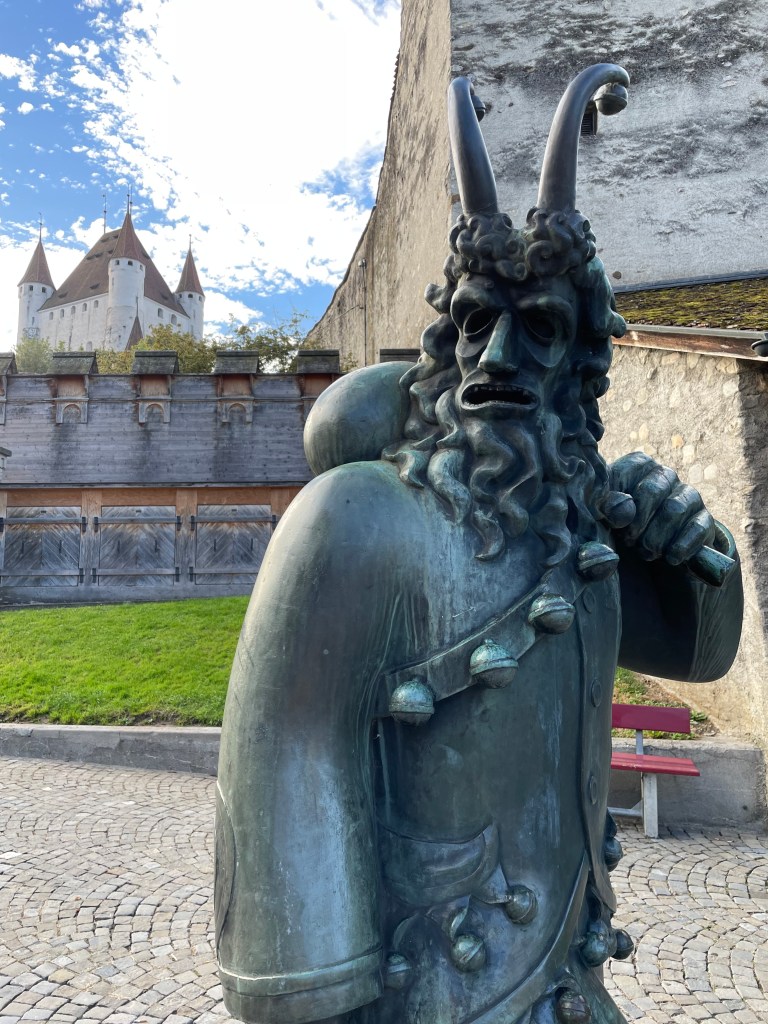
Here’s what we saw on our hike up the hill to the castle:

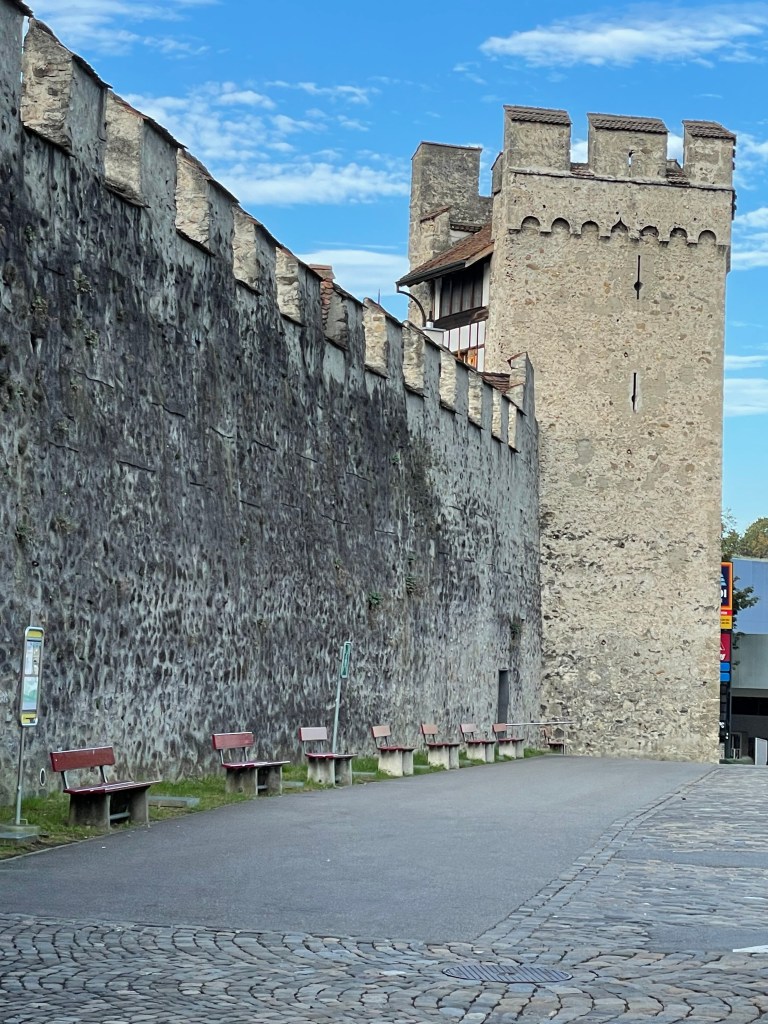
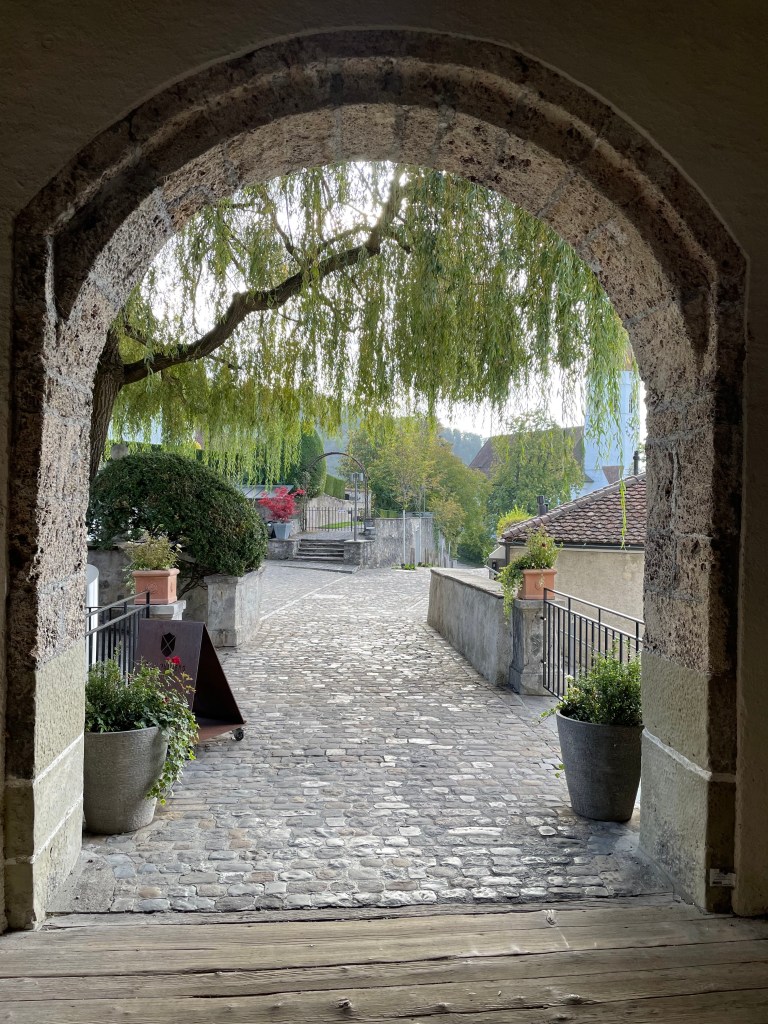
Old city walls:

The castle entrance:

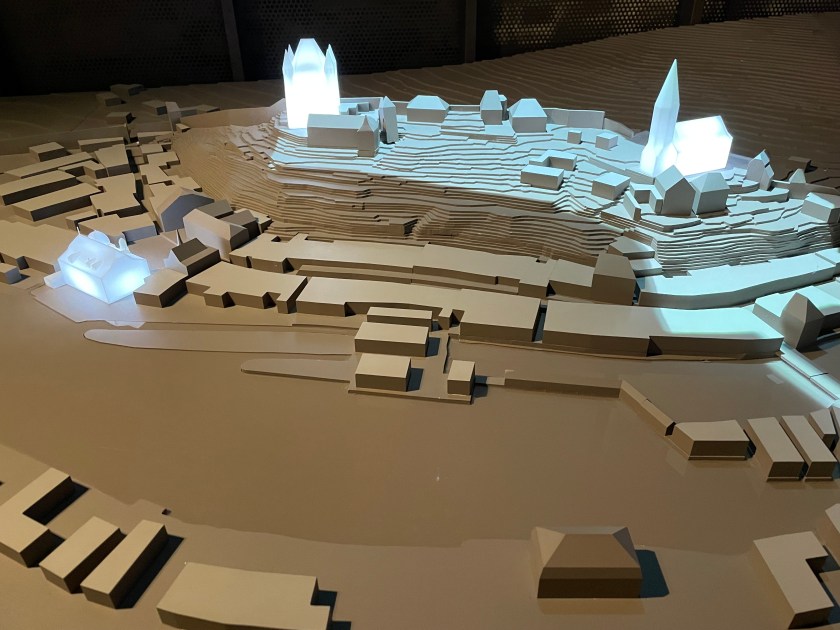
The castle museum is housed in the five floors of the tower, and includes cultural and historic displays showing the development of the region over some 4,000 years.

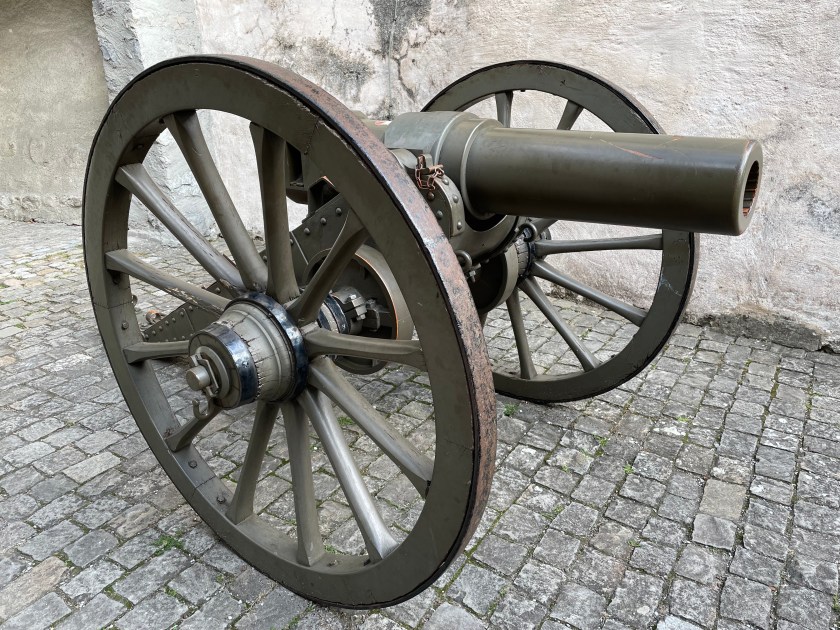
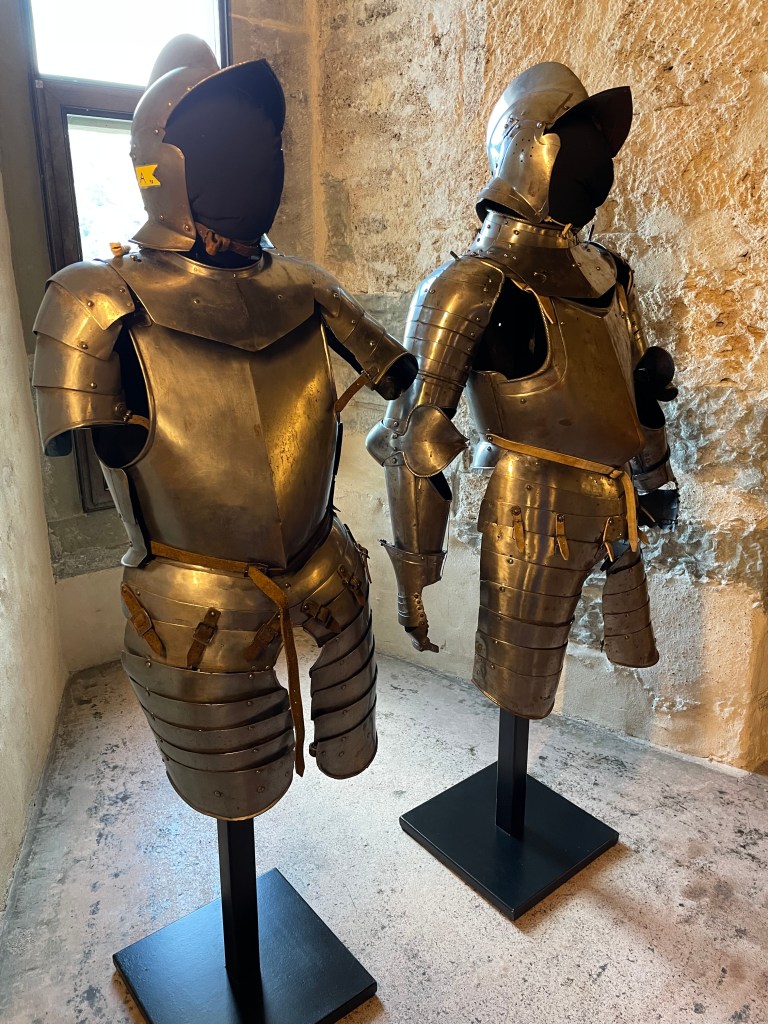
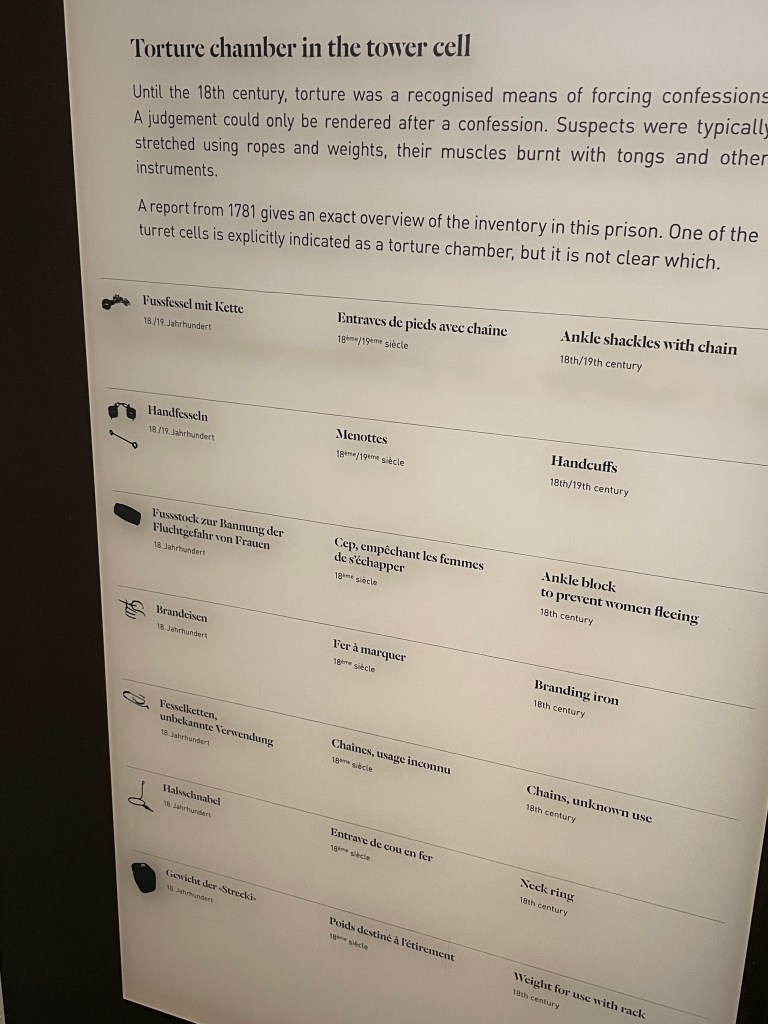
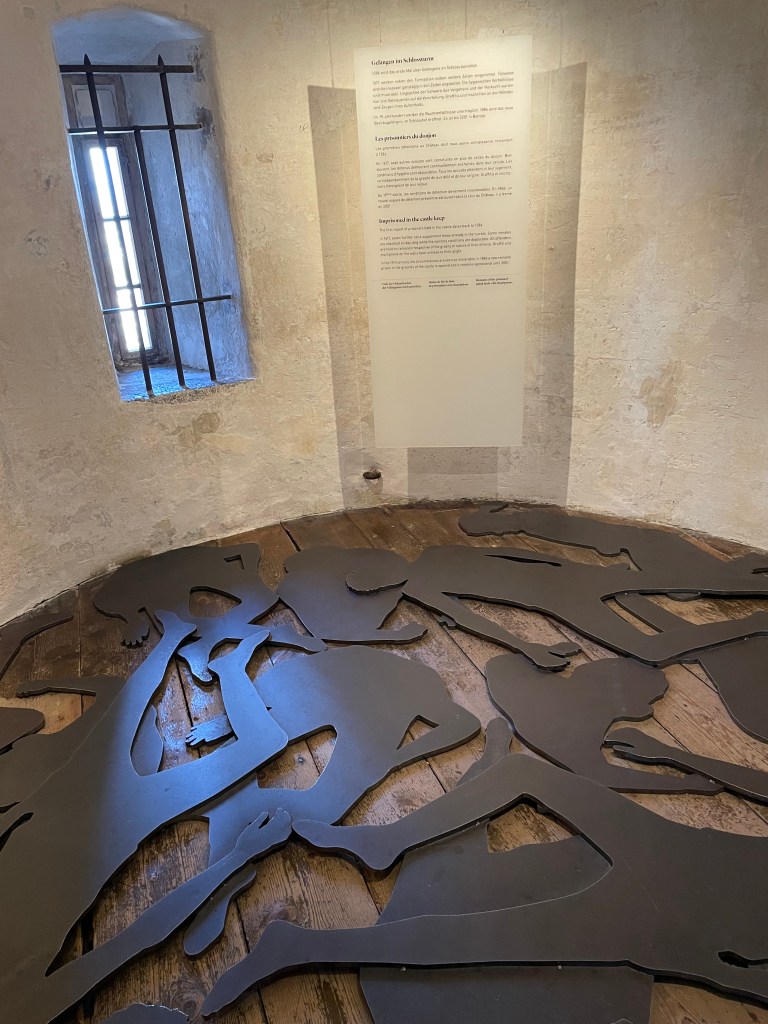
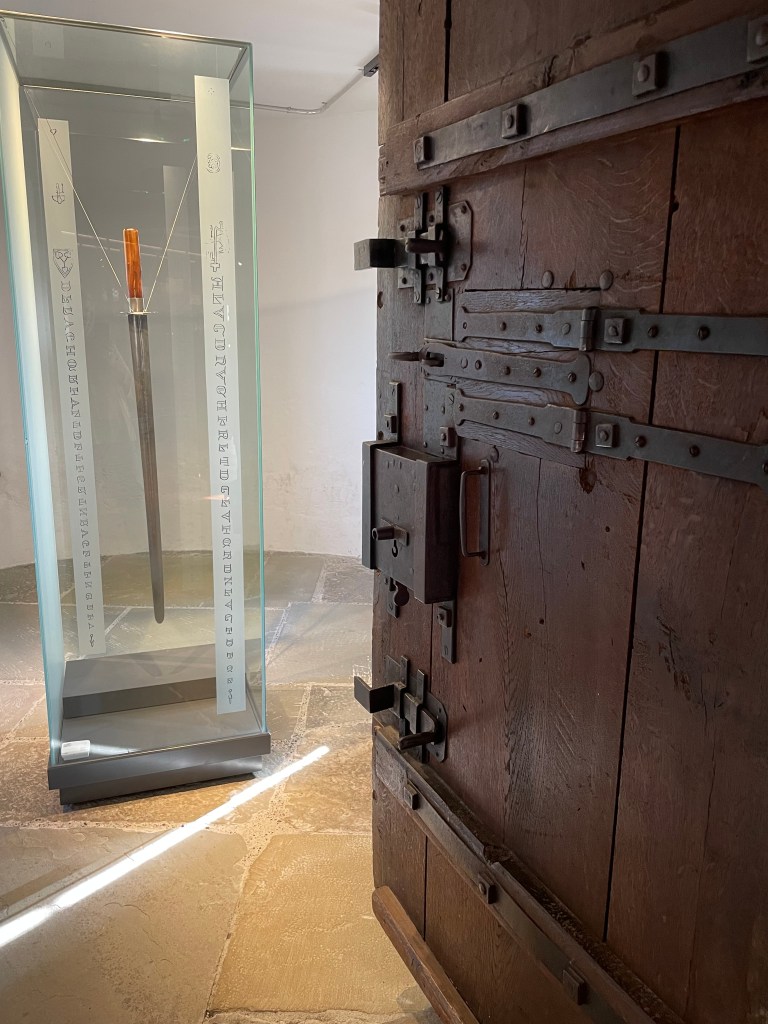
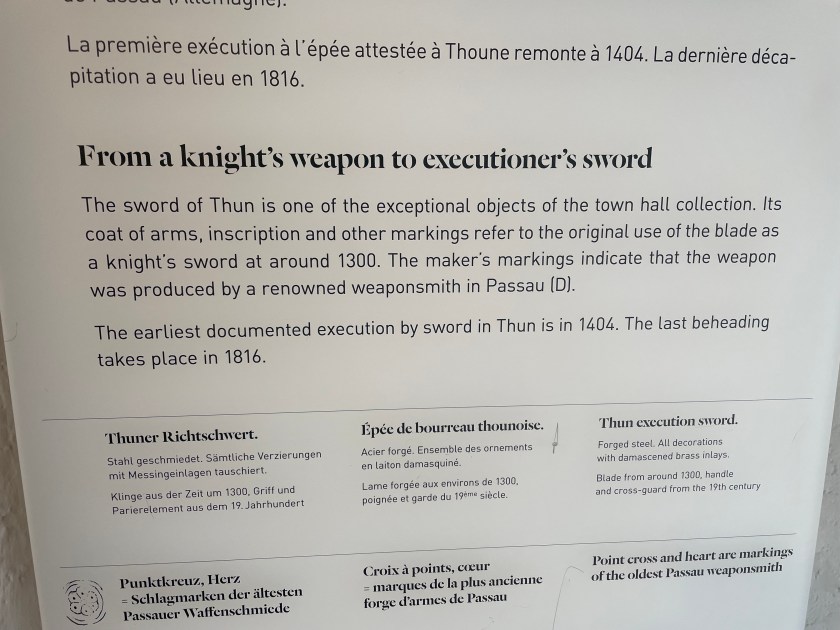
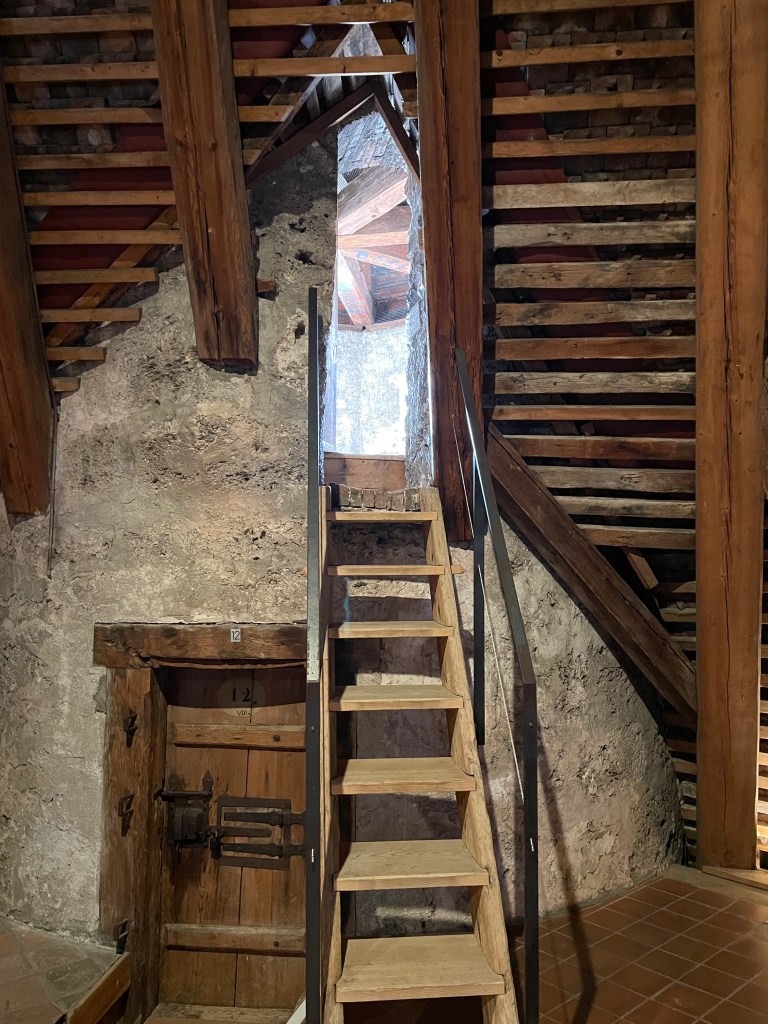
The tower rooms were once used as prison cells and torture rooms. One display showed the torture tools once used here, but you could only look at them through a board with 1″ holes in it, to discourage people from taking photos of the implements. Interesting. There were displays of swords and executioner’s weapons.

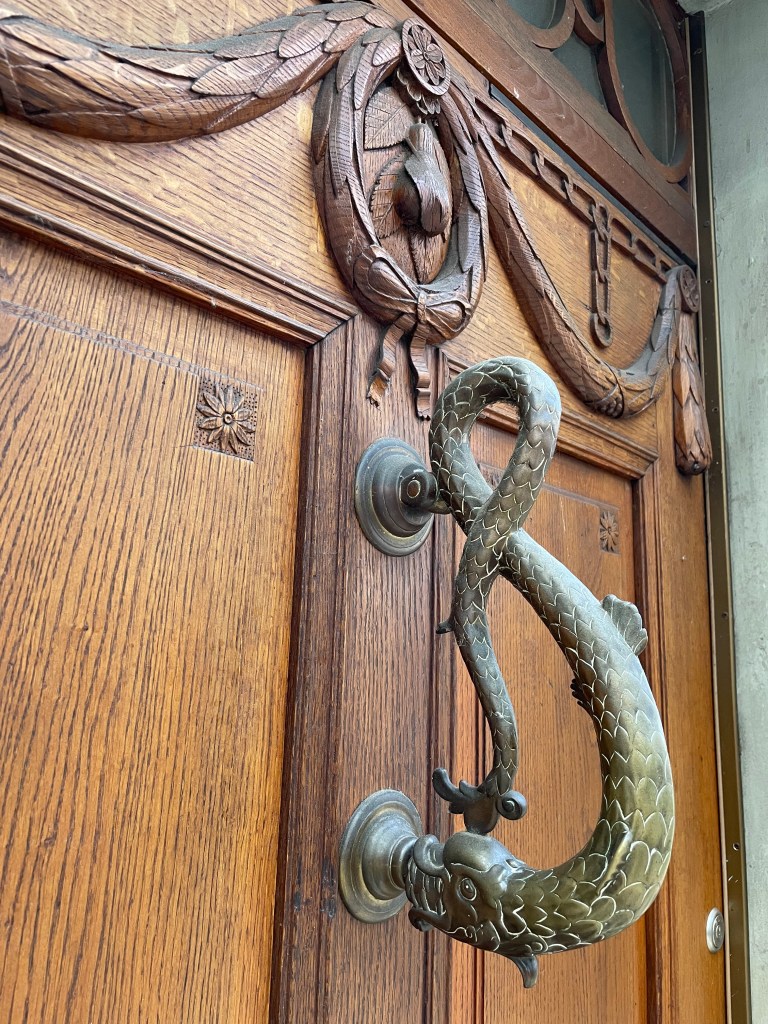
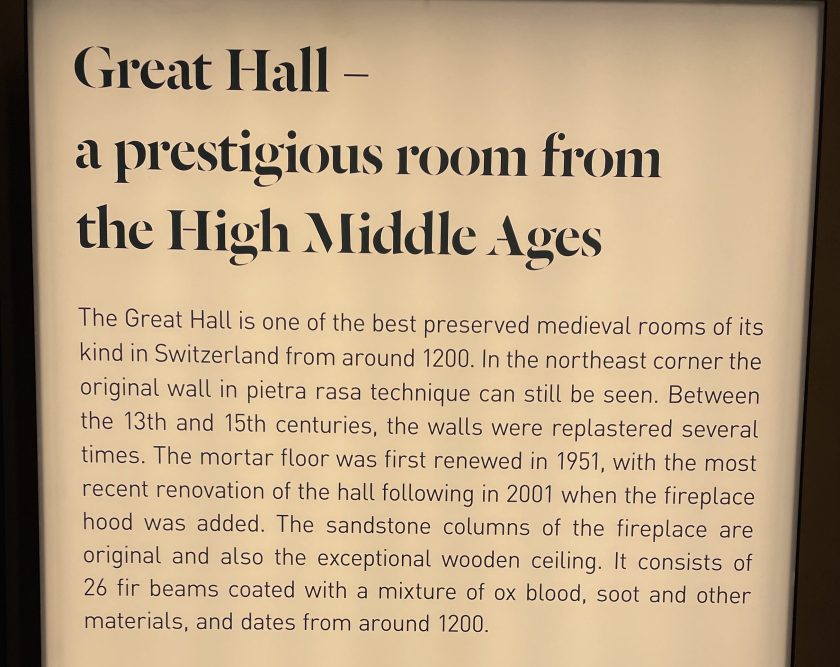
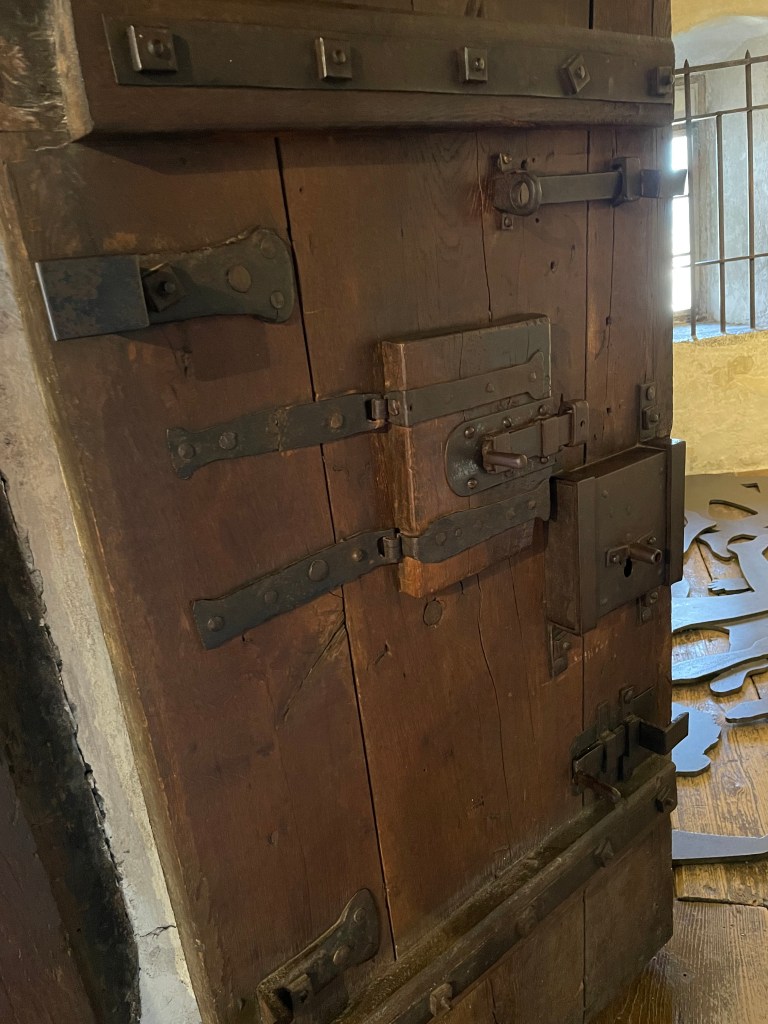
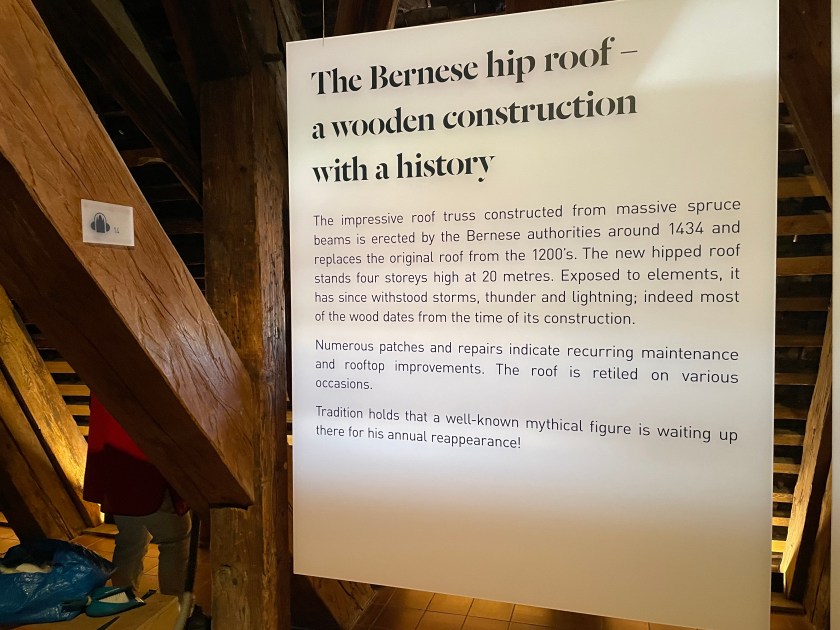
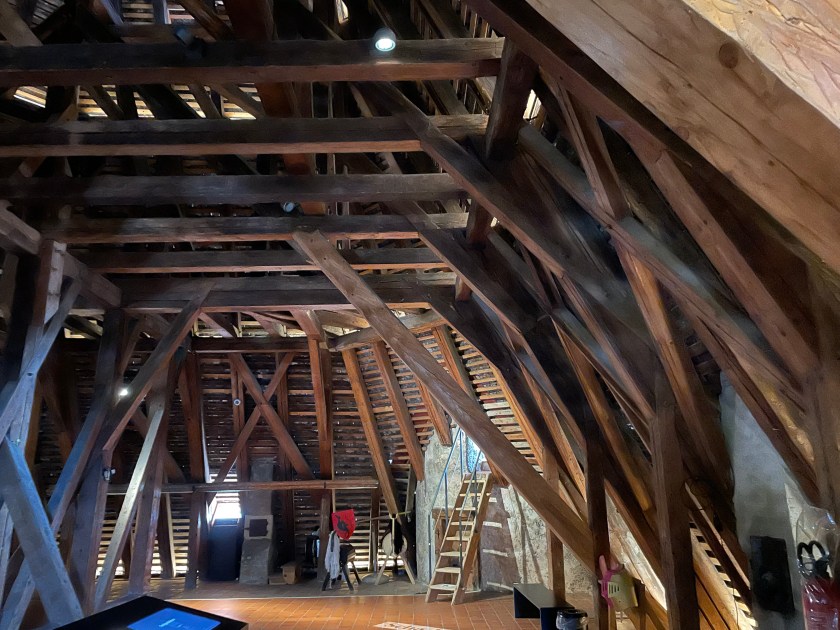
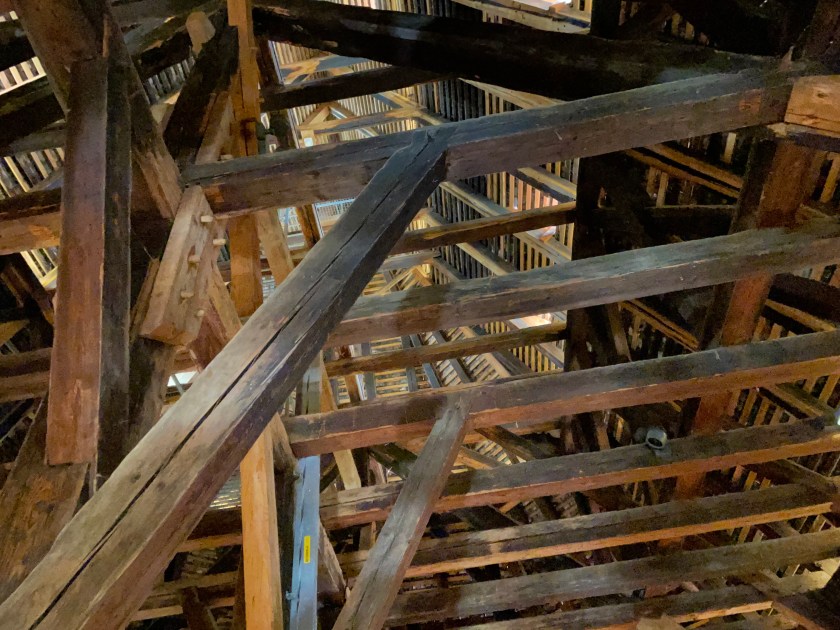
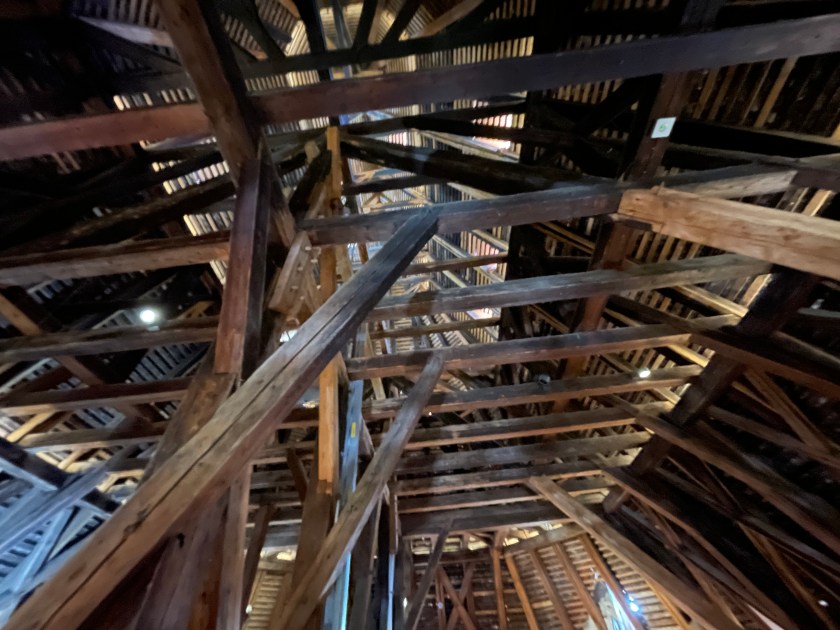
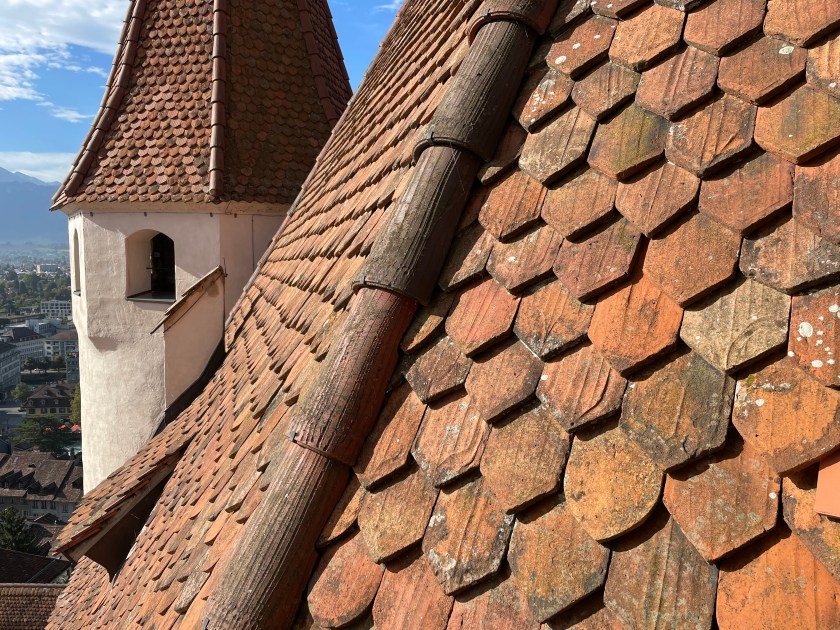
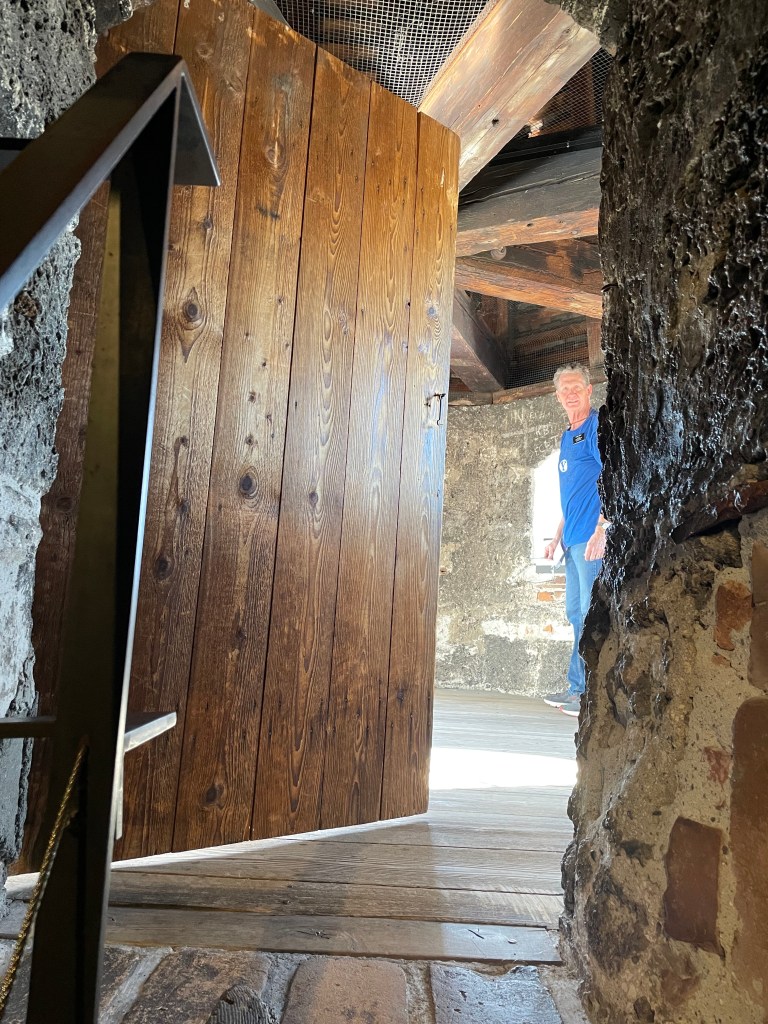
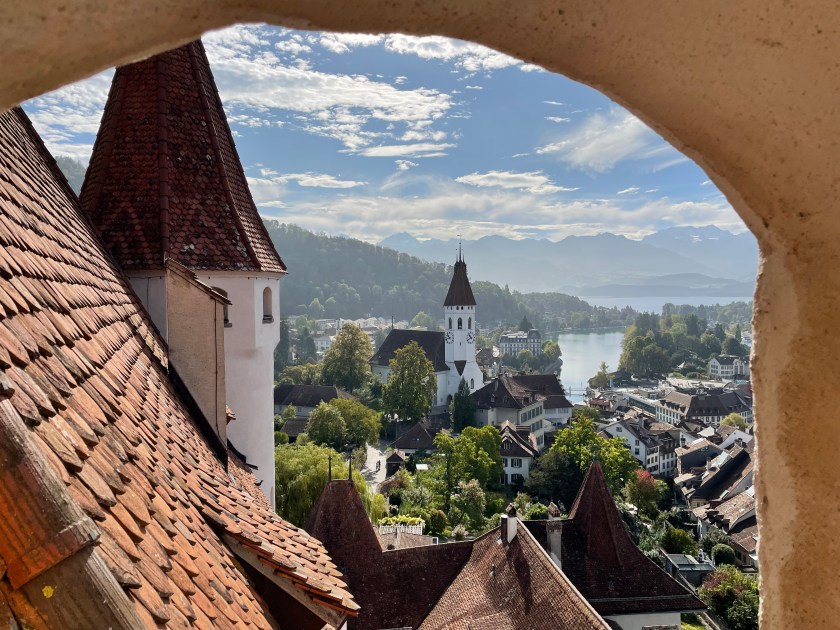
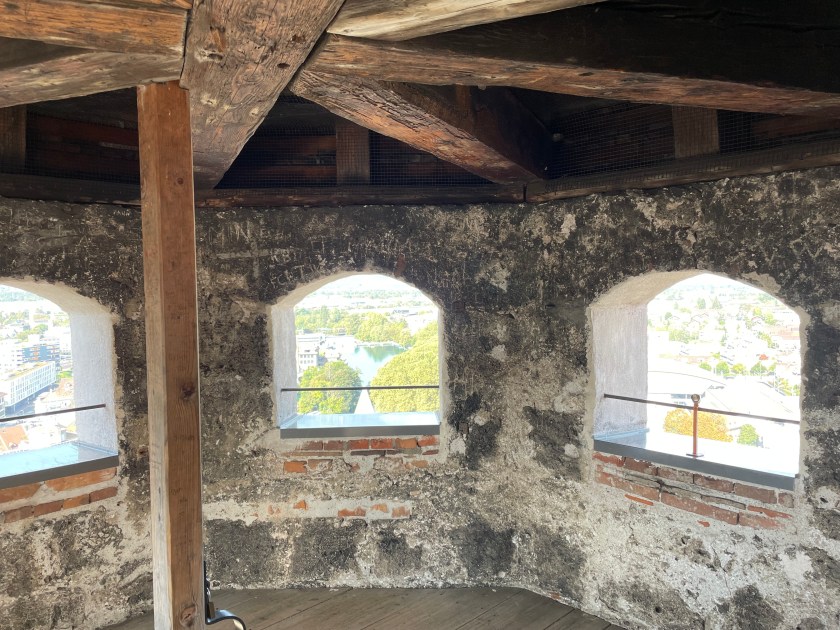
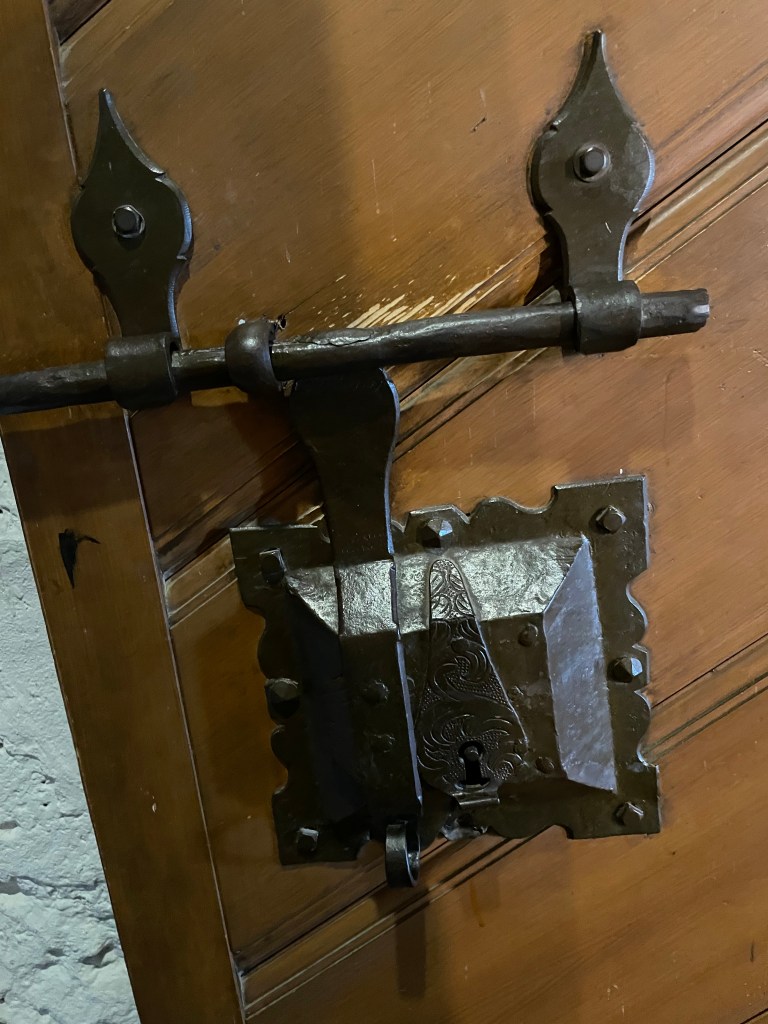
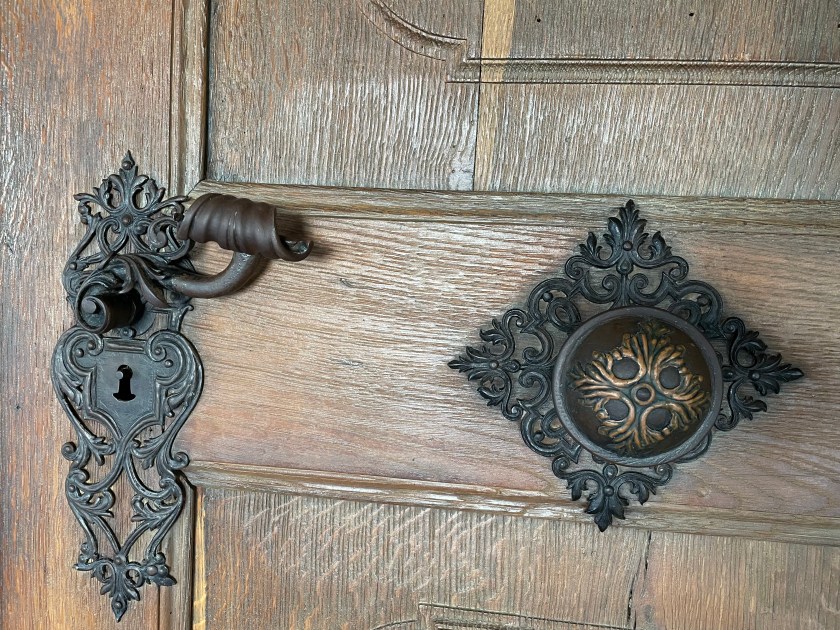
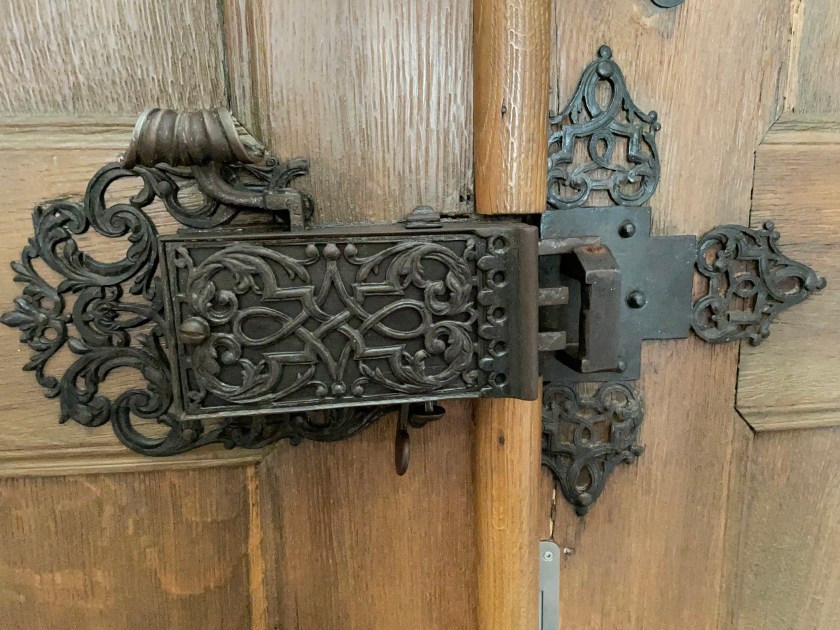
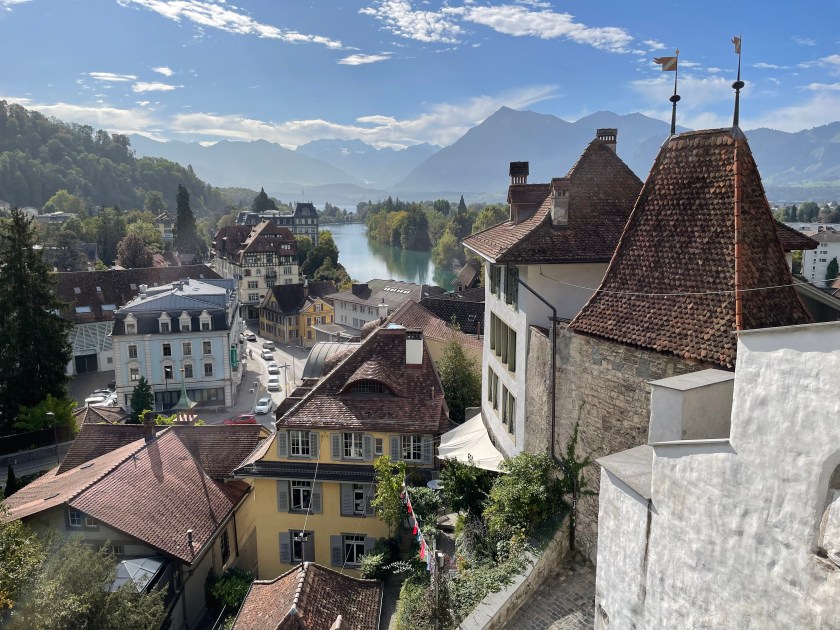
We climbed to the top where we could see the “hip roof” all constructed from wood before nails were used, built in 1434. The original 1200s roof had been replaced. The wood beams were all original to 1434. The views from the 4 towers were spectacular! The roof is made out of clay tiles. I love looking at the details like the door knobs and locks. So intricate and interesting.

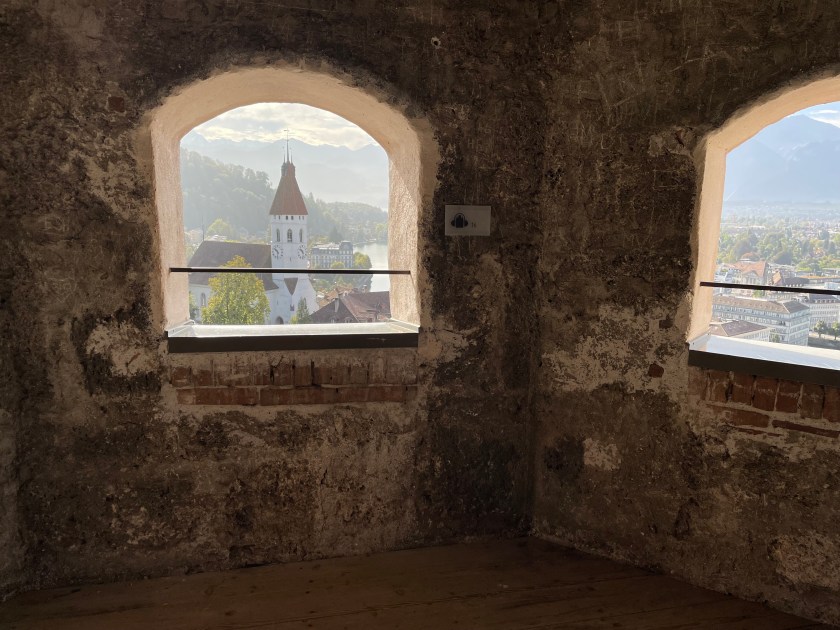
We climbed into each of the corner towers.  Wow, the views!!

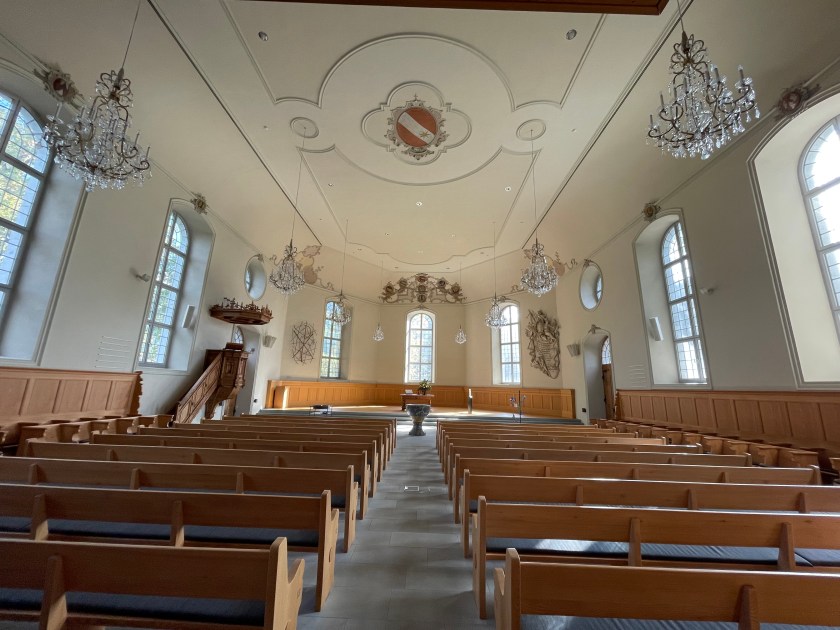
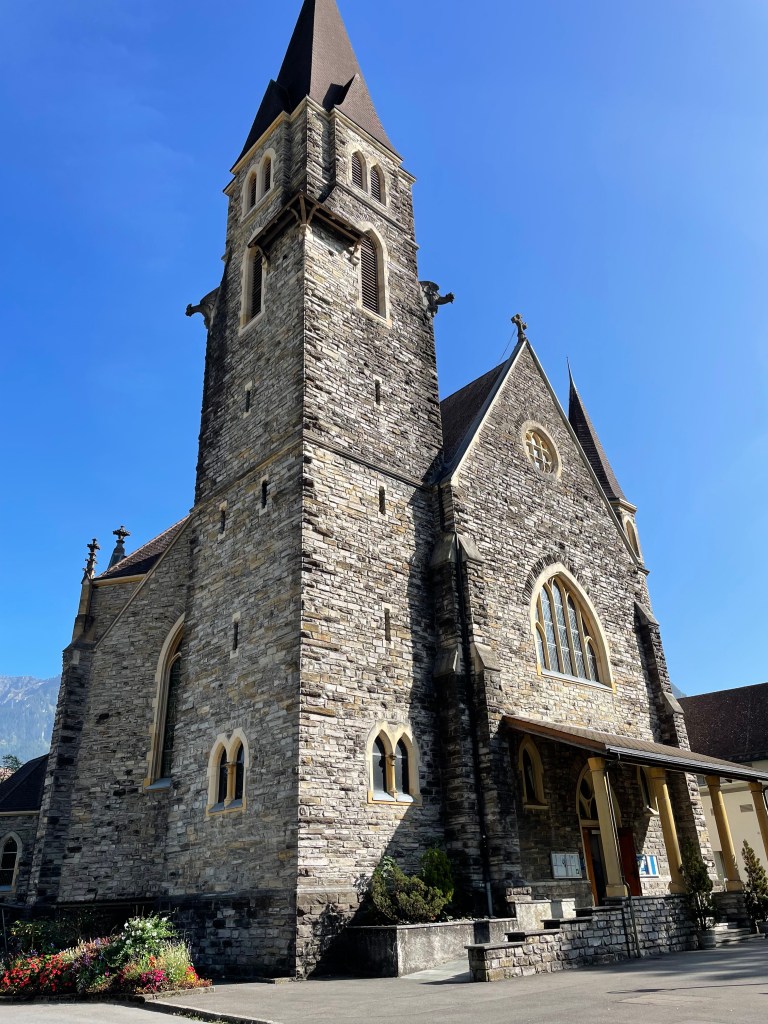
There is a beautiful old church behind the castle.  That was our next stop.

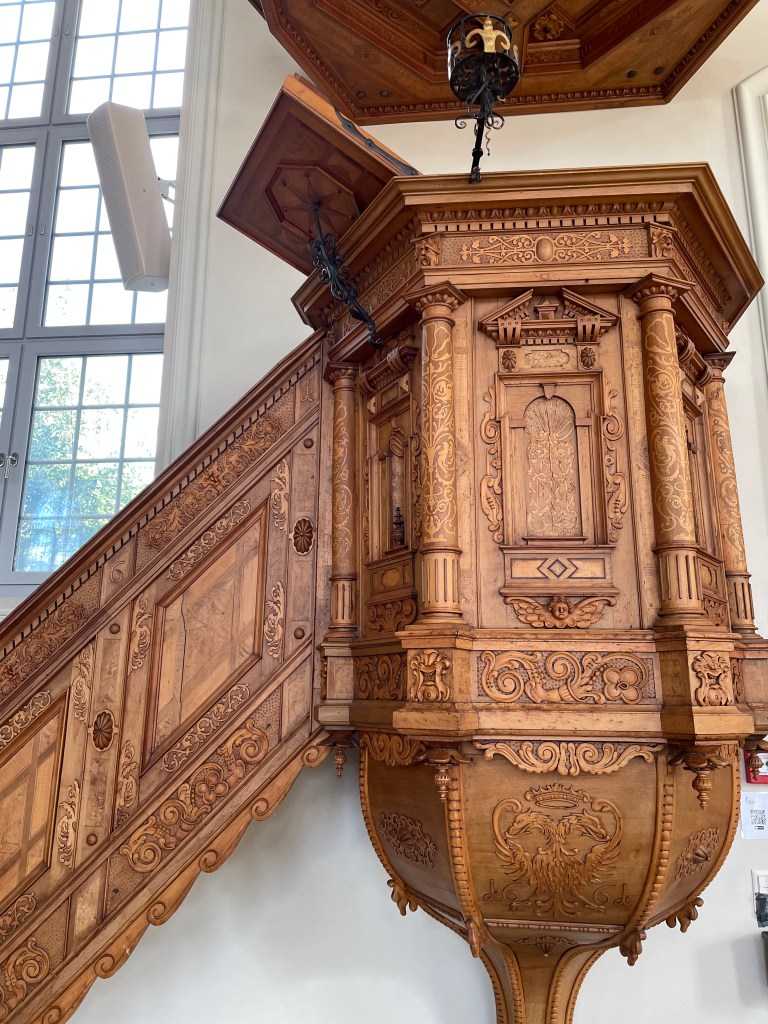
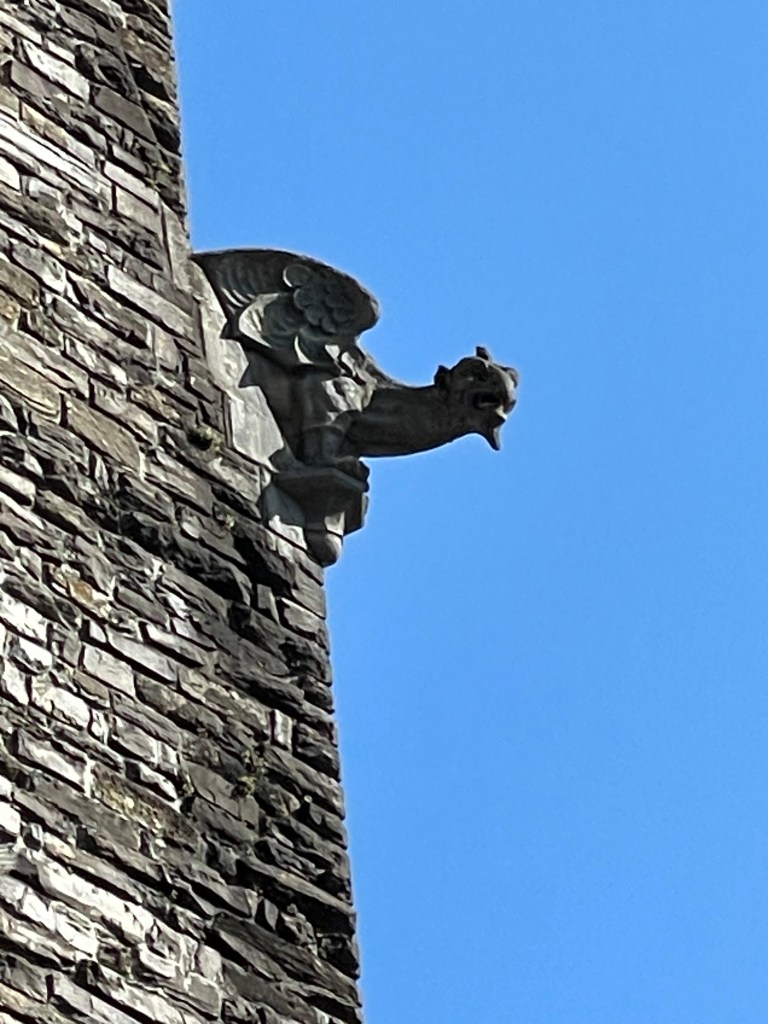
Such care, such beautiful detail!

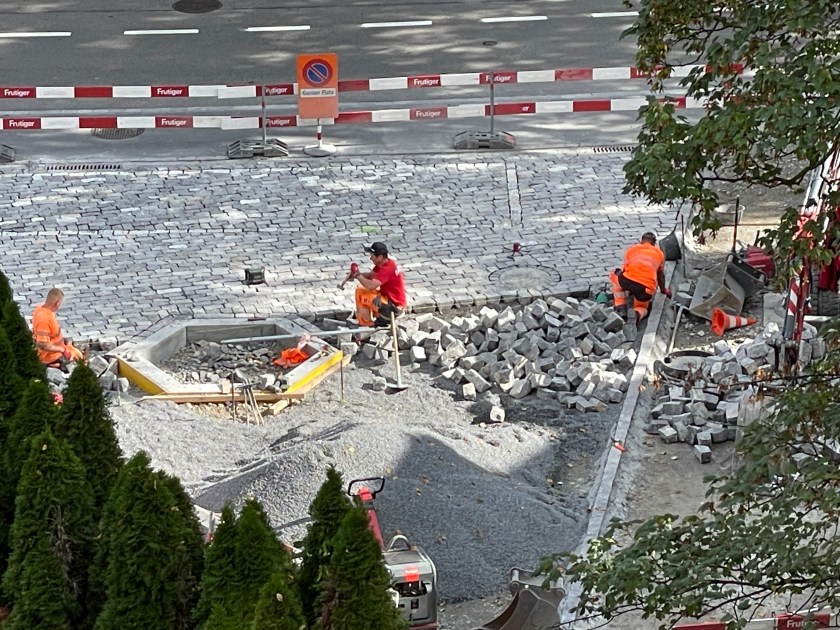
New pavers being installed.

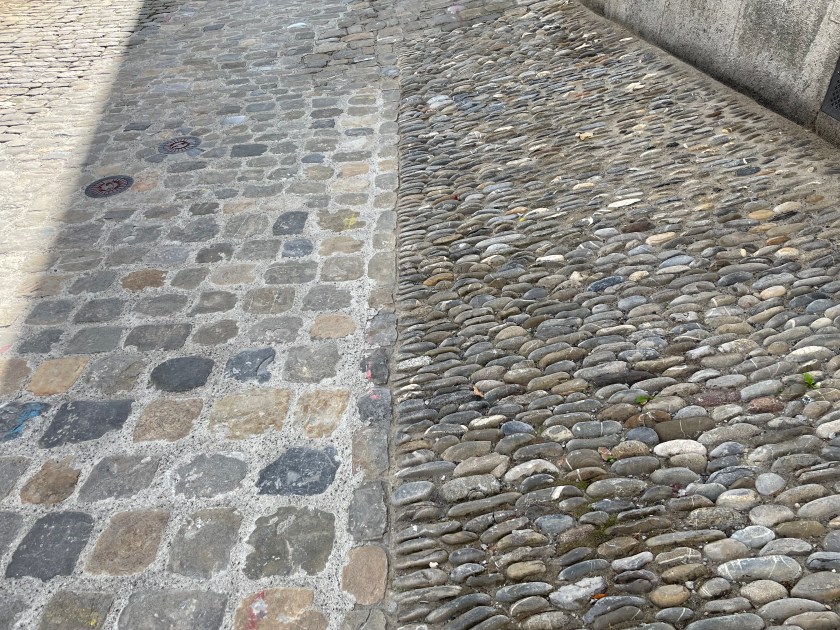
Old pavers:

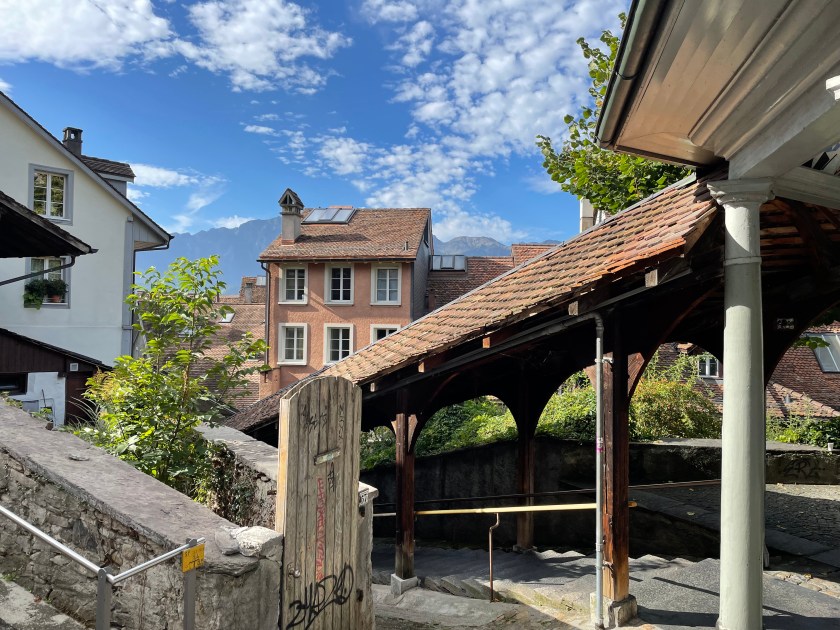
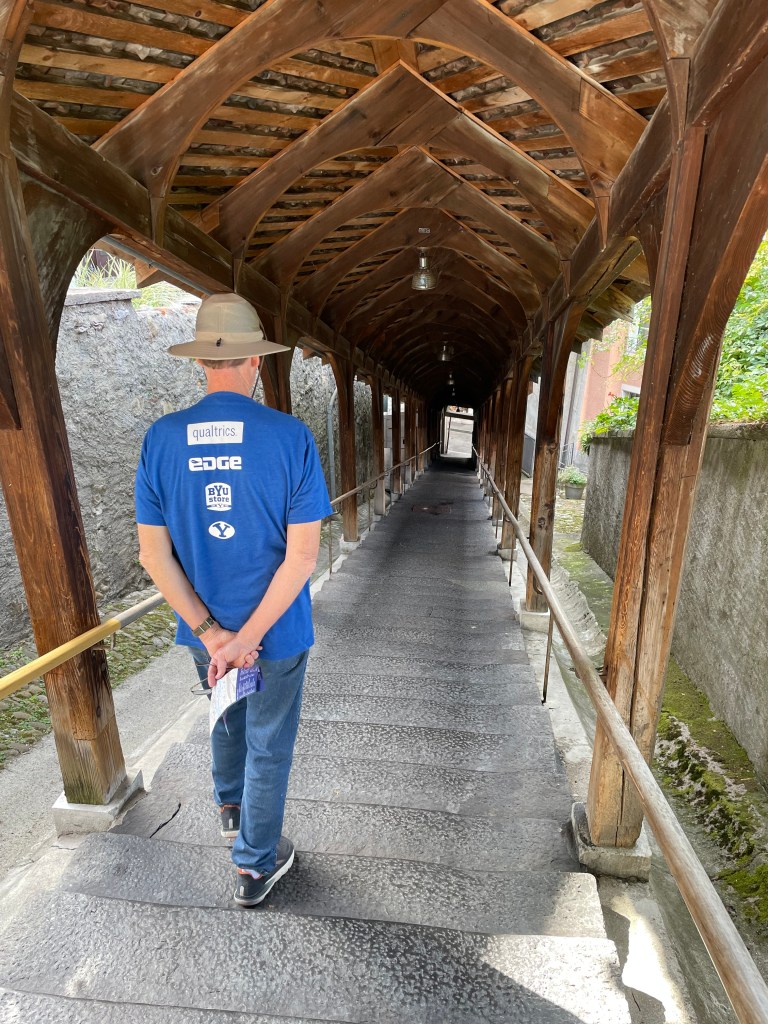
We found a covered path back down to town from the castle.

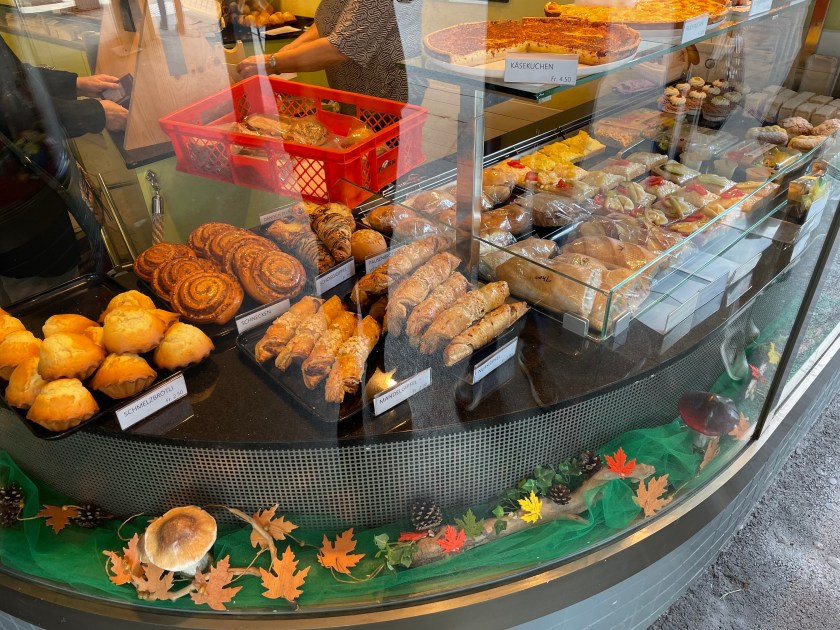
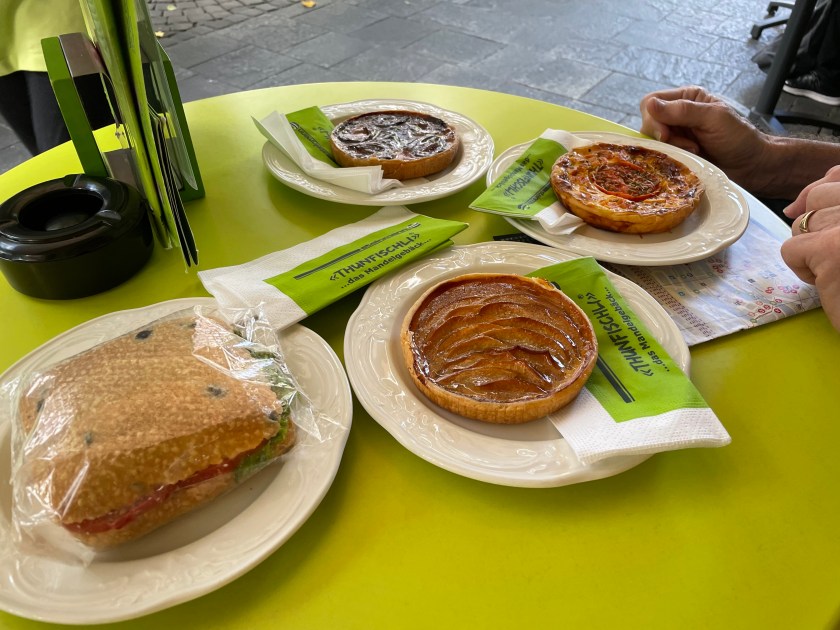
Lunch time at a wonderful Bakerei.

On our way back to the hotel, we watched young men surfing where the water was let out.  So fun!

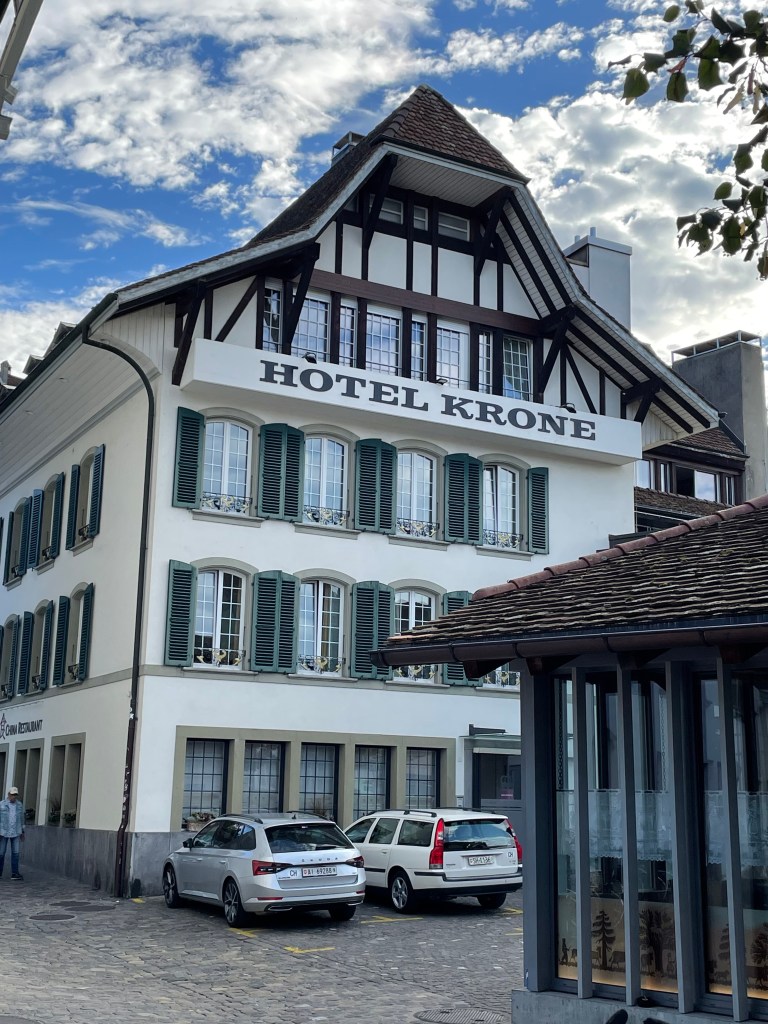
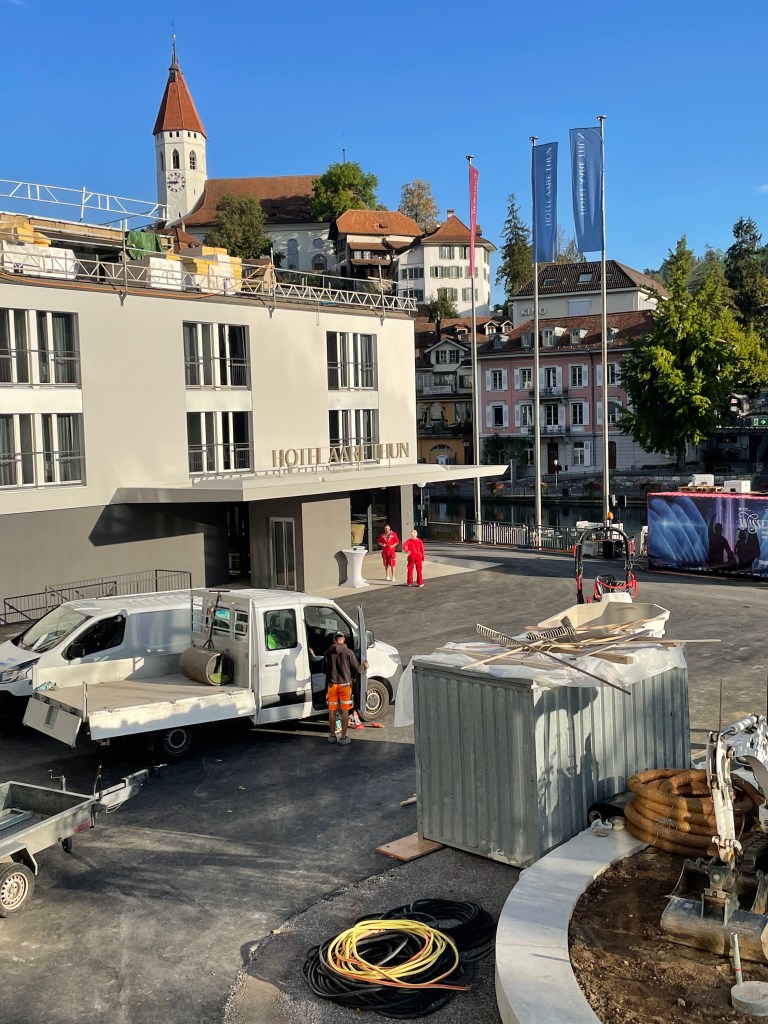
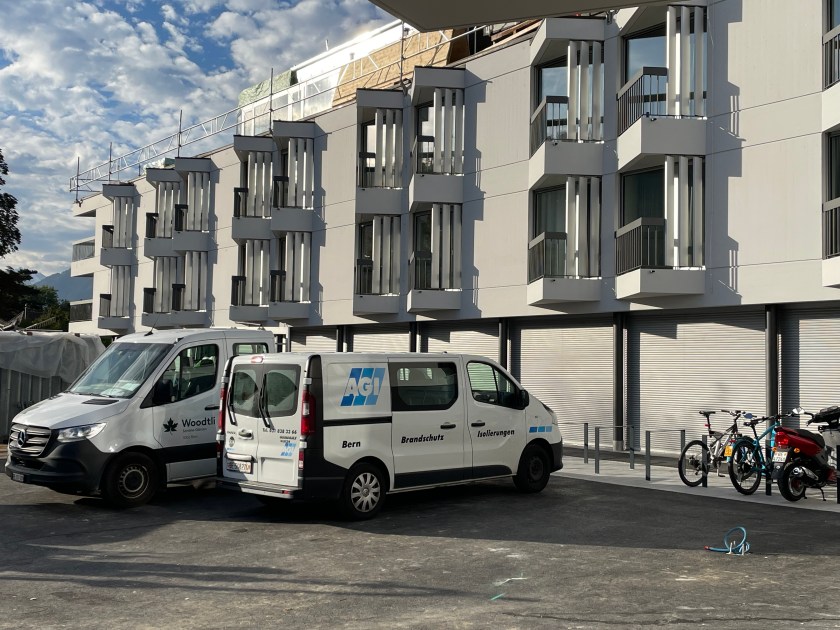
This was our hotel.  It opened last week, and because it wasn’t quite finished yet, we got a great deal and free parking.  Our room was on the top, far left, looking out over the water.

Last night we watched this sound and light show just outside the hotel.

OK, this is one of the most beautiful towns I’ve ever visited.

Finding Friends and Memories in Interlaken, Lauterbrunnen

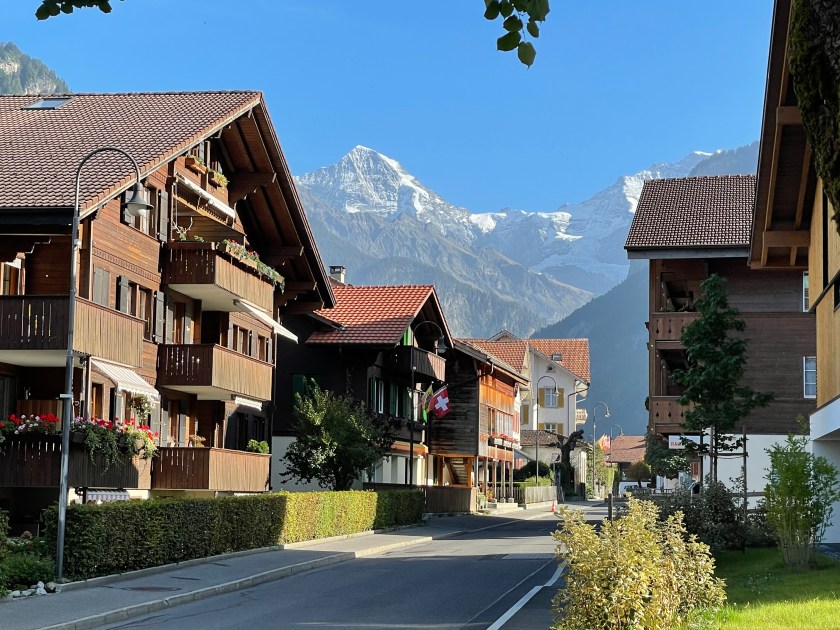
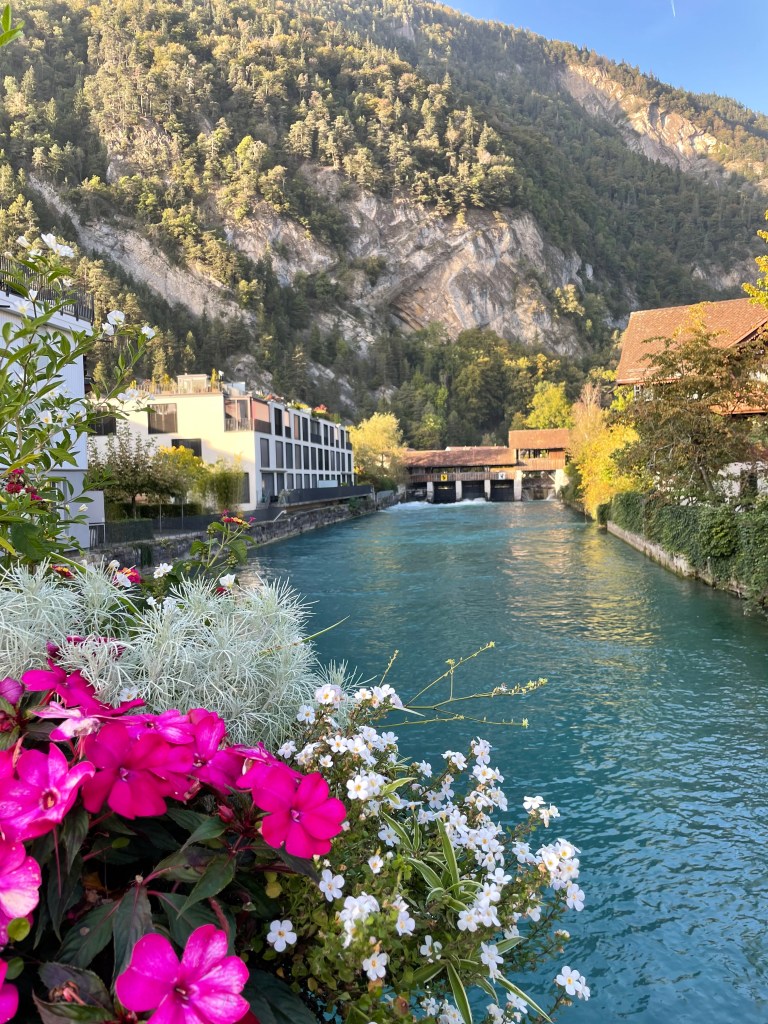
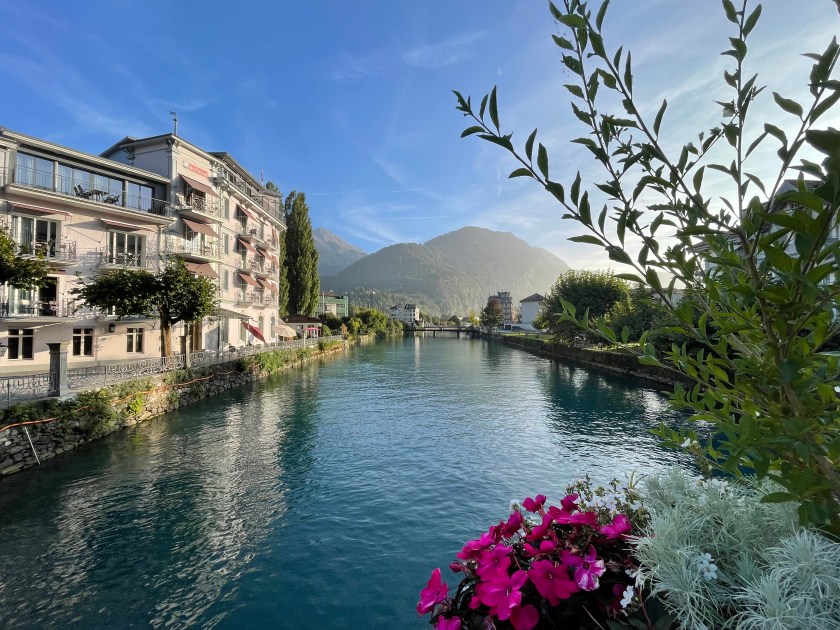
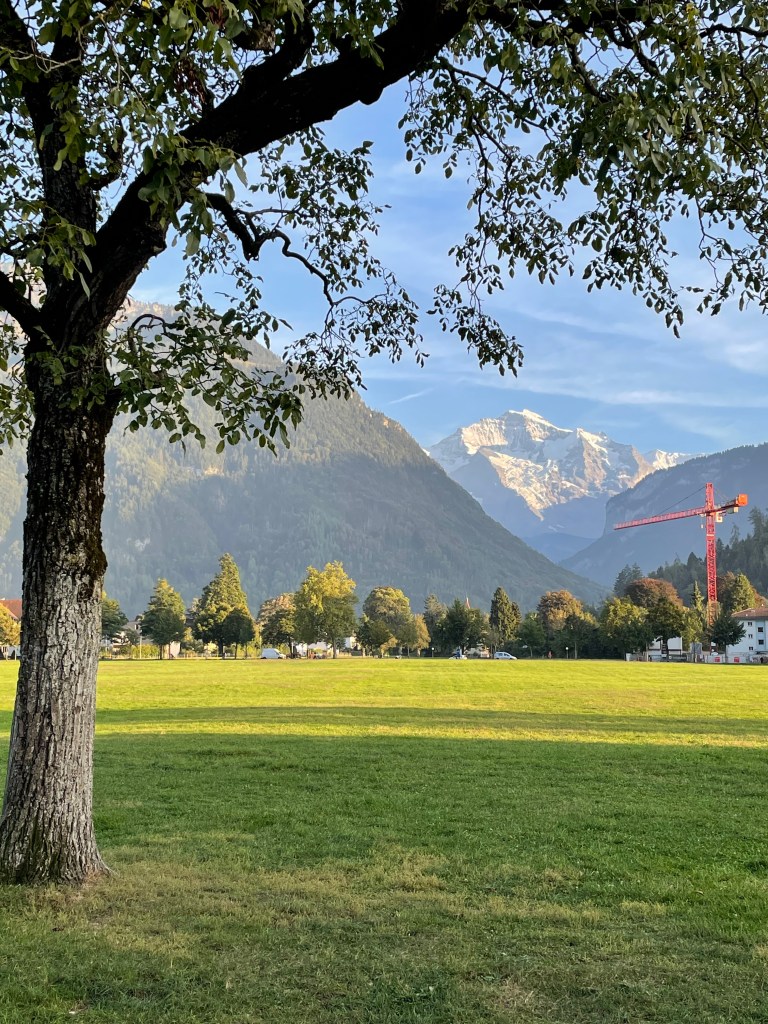
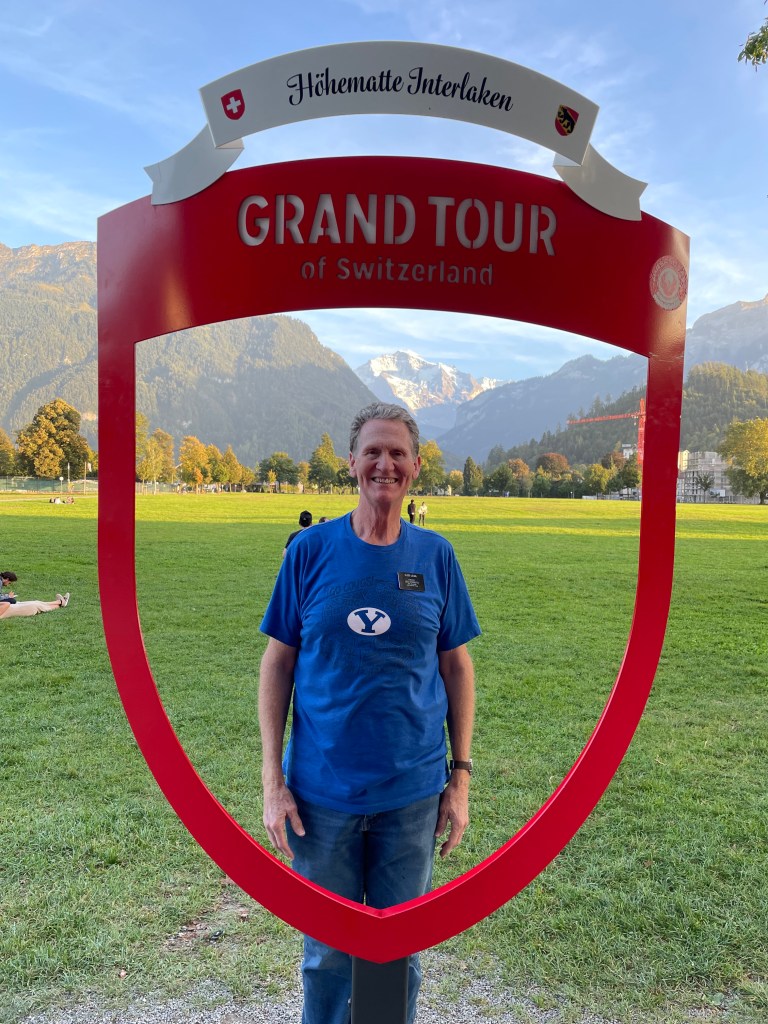
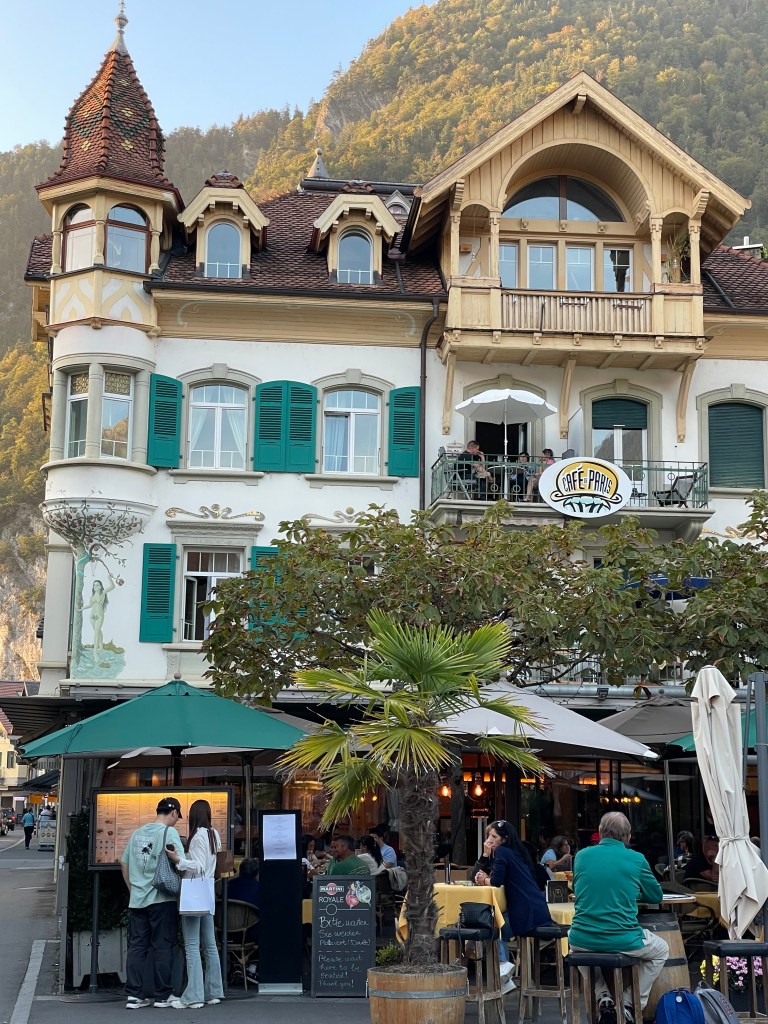
From Lucerne we drove to God’s country.  Interlaken was the first place John lived when he was a missionary here 50 years ago.  Imagine living here!  The scenery as we drove was spectacular.

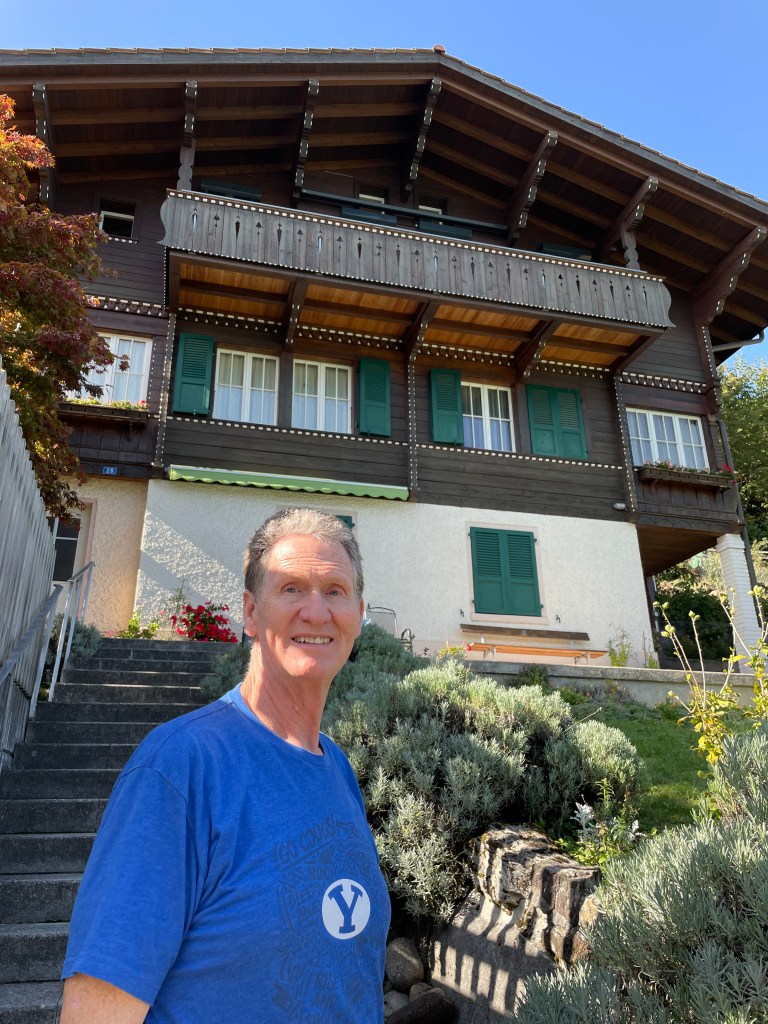
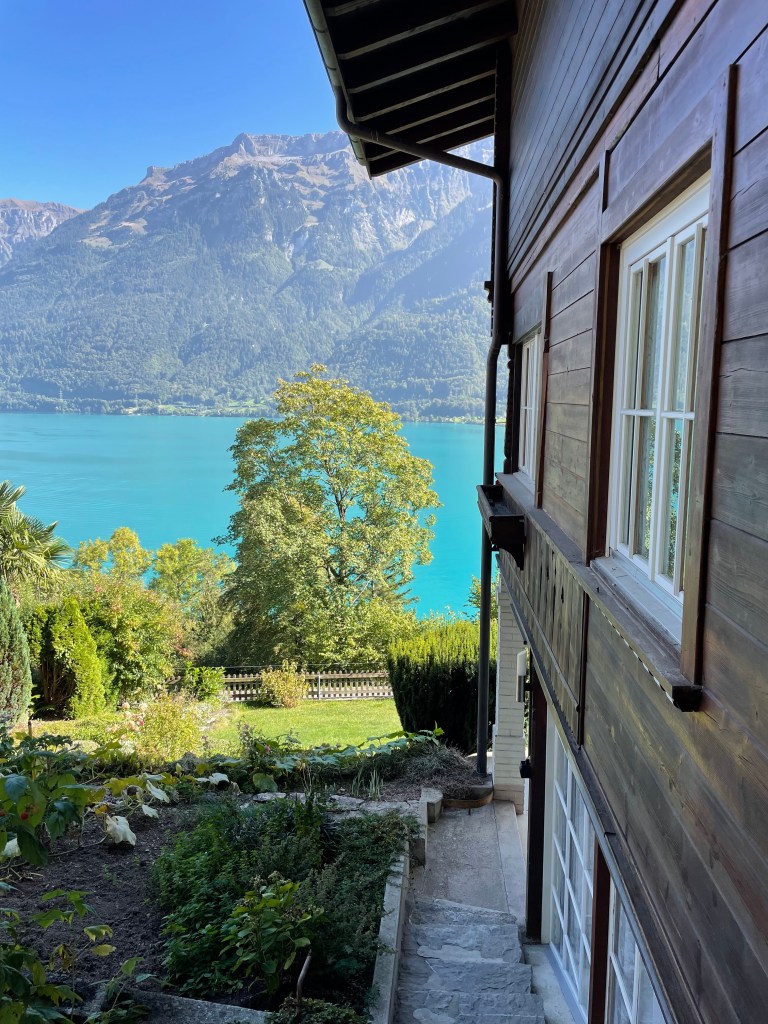
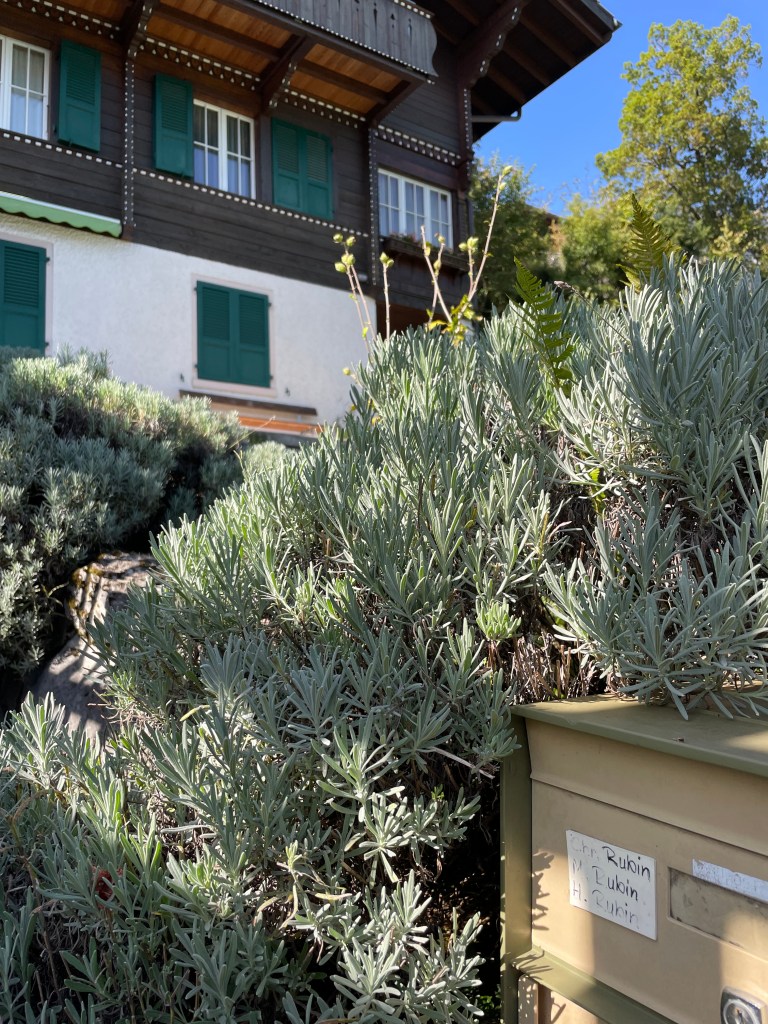
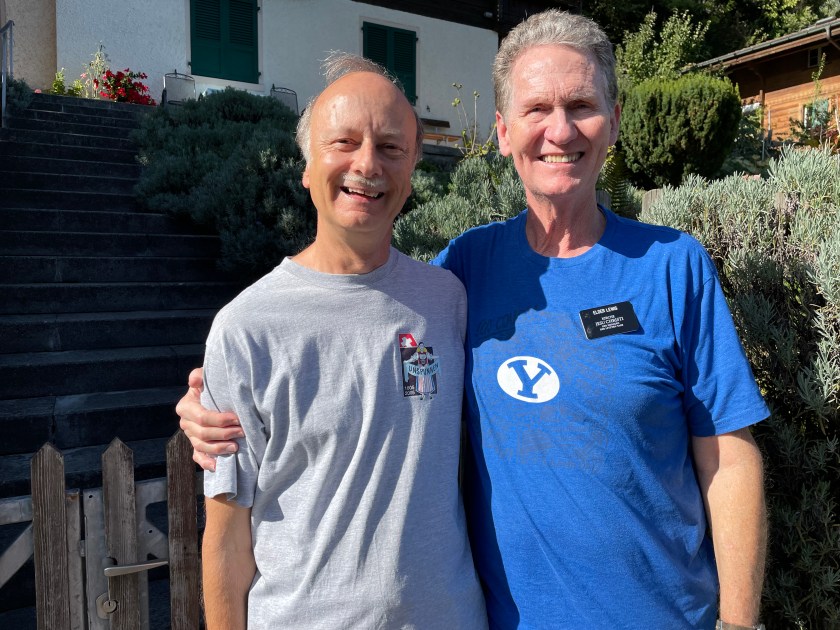
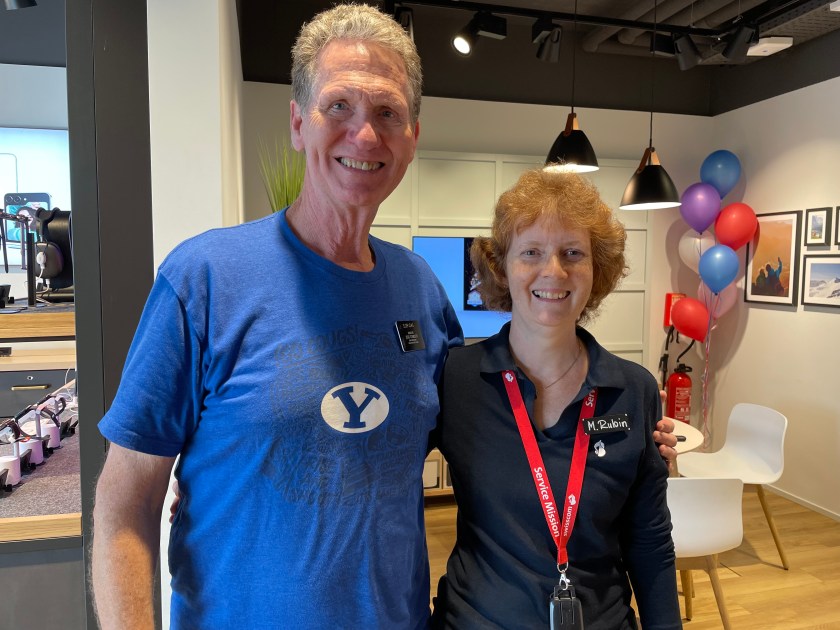
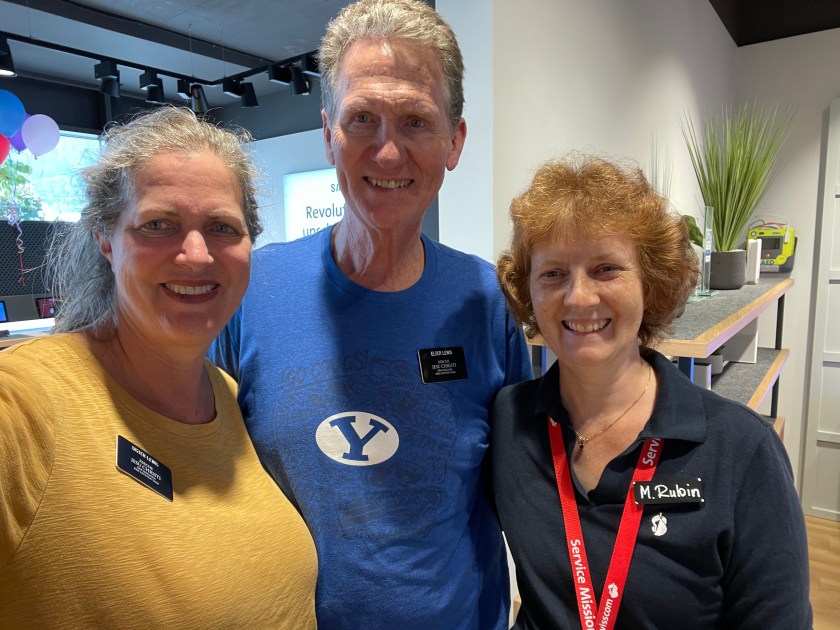
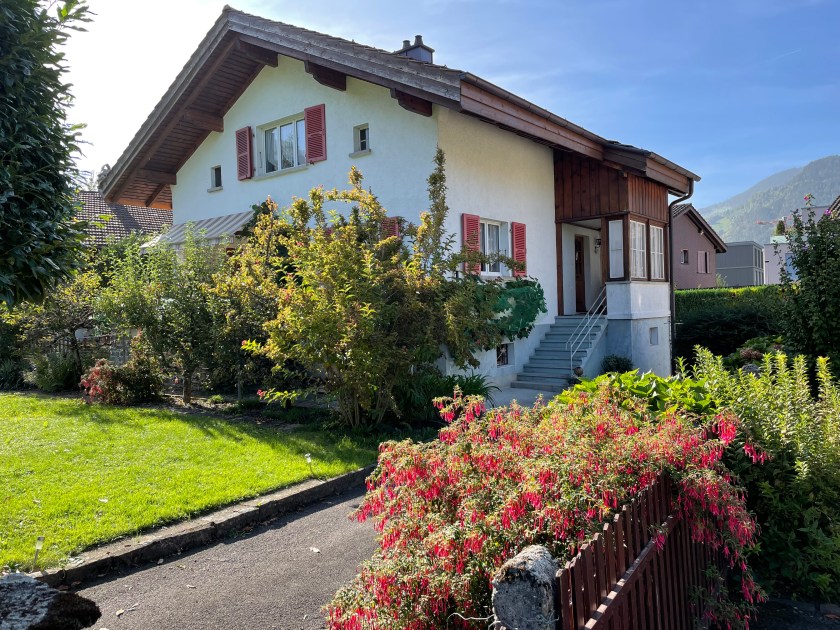
After passing Brienz on the end of the Brienzersee, we found the little town called Ringgenberg where a lady John knew  50 years ago lived.  Her name was Frau Hedwig Rubin.  She boarded missionaries here.  John kept in touch with her for many years, before losing contact.  We looked all over for her lake-side chalet and finally found it with the help of neighbors who told us that Frau Rubin died about 5 years ago.  But her 2 children (who were teenagers when John knew them) were still here.

It was a sweet reunion after 50 years to still be remembered by Christof.  His sister, Maria, worked in town and we went to find her too.

There needs to be a special word for relationships formed during missionary service.  It’s different than other relationships.  There is something deeper and more enduring about it, even after 50 years.  It was sweet to see.

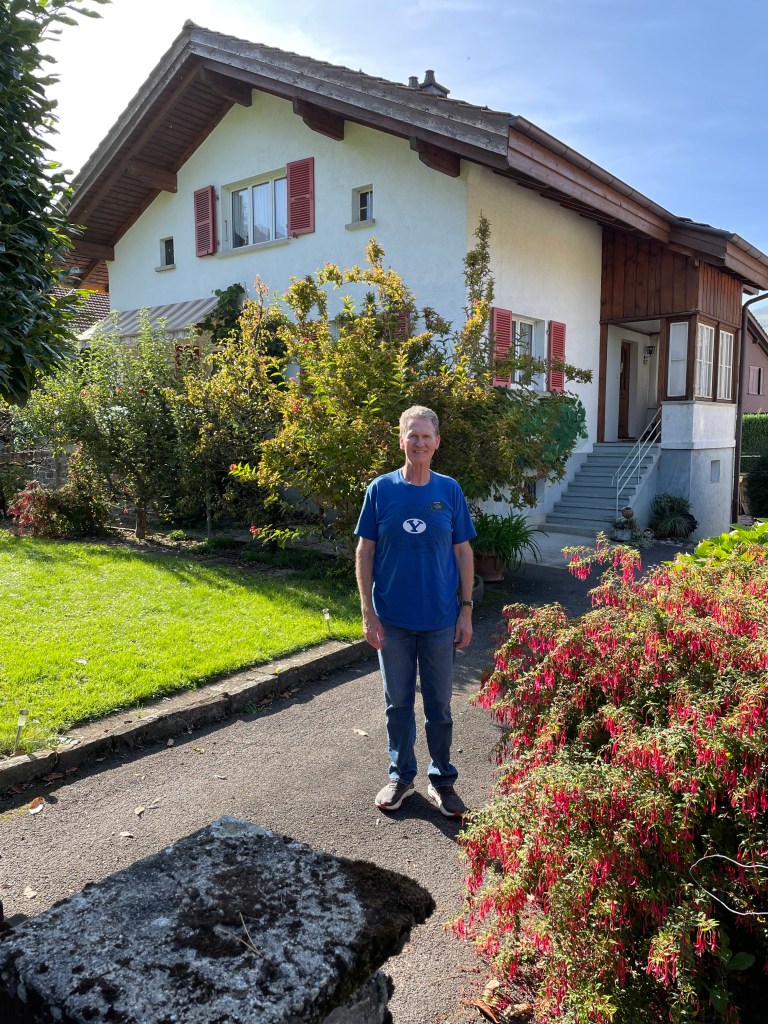
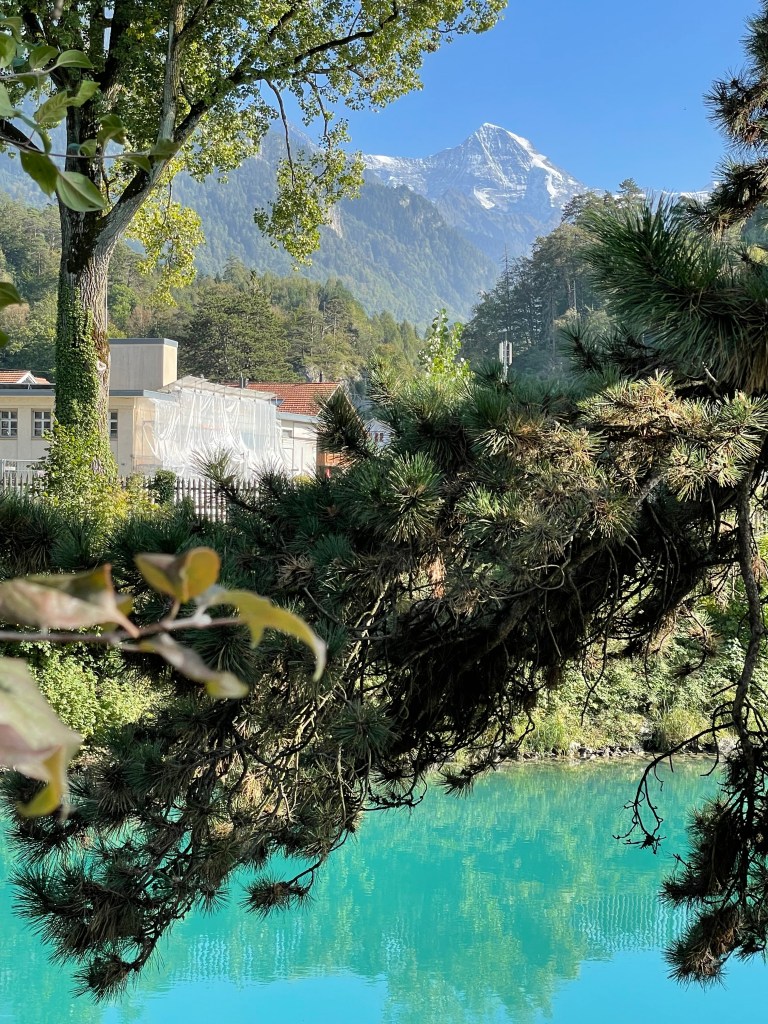
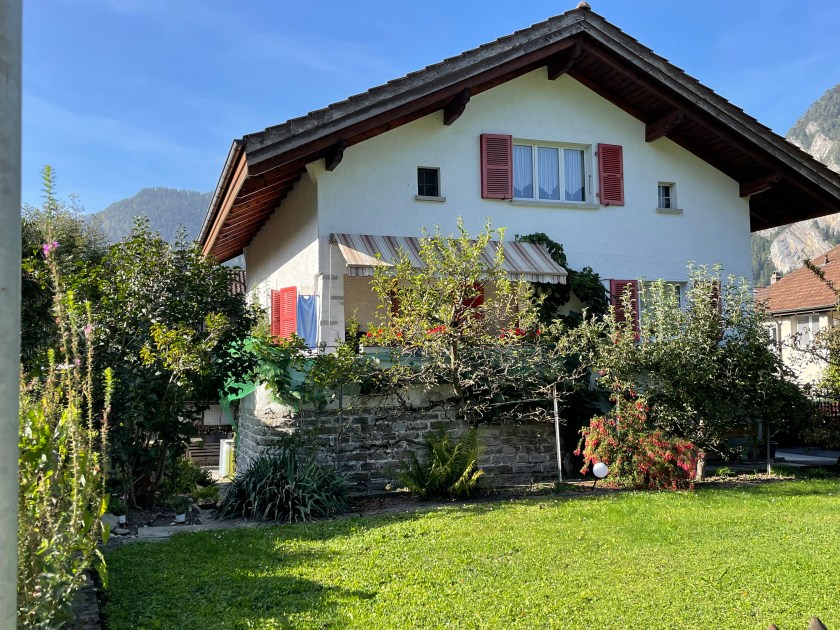
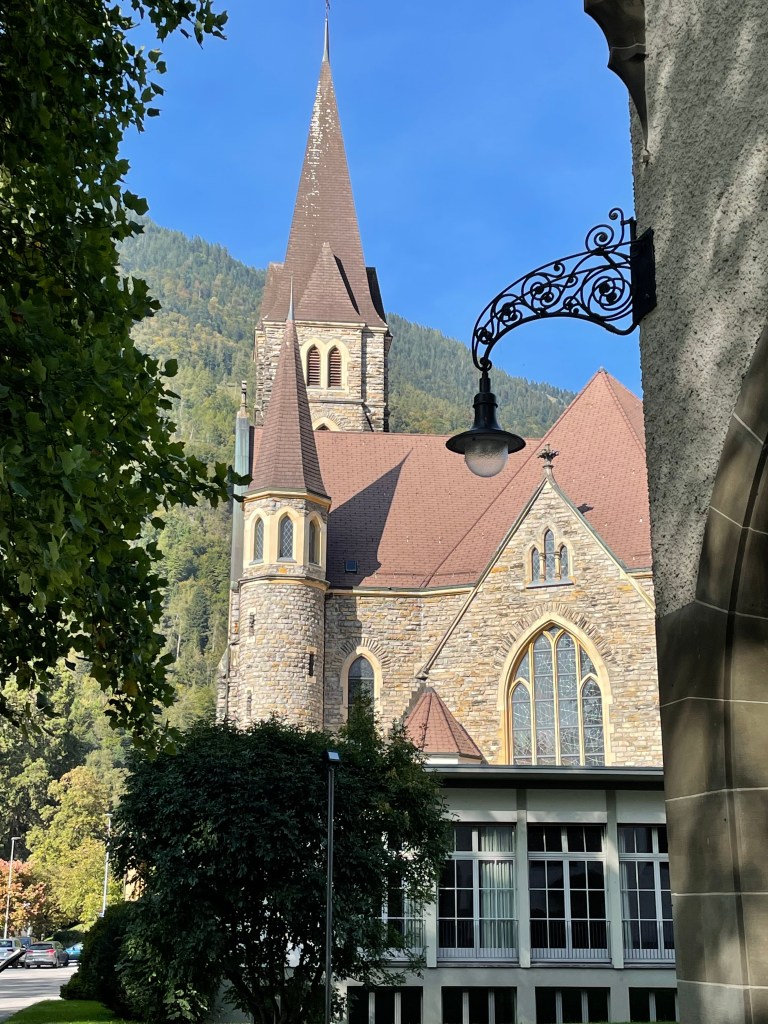
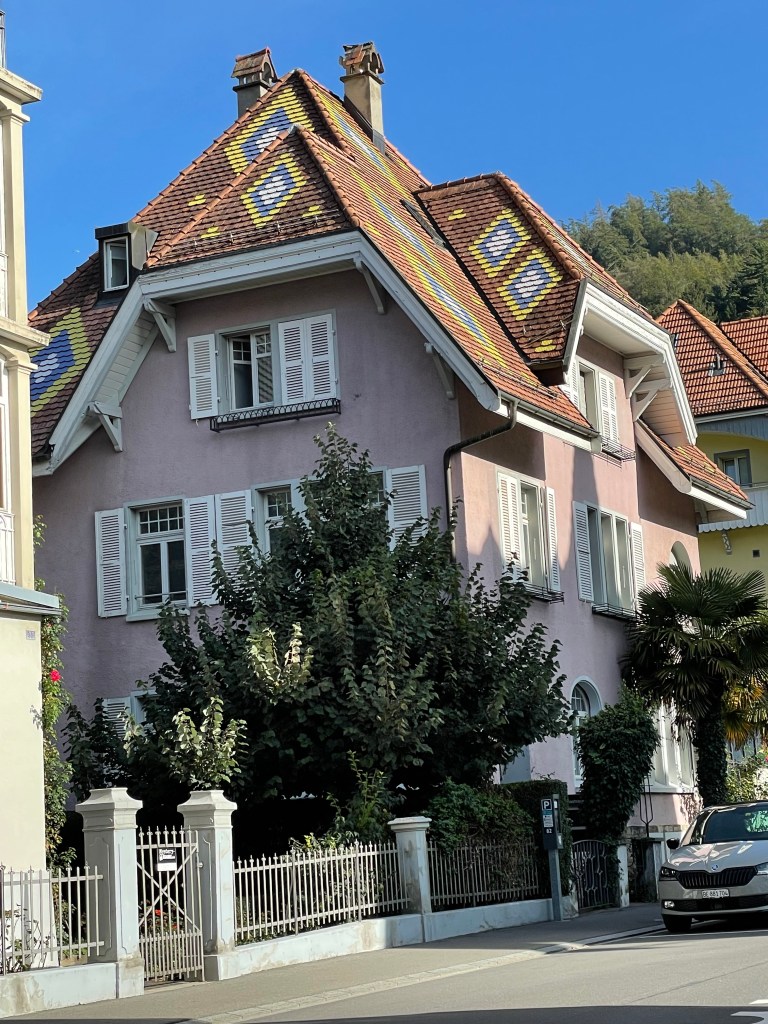
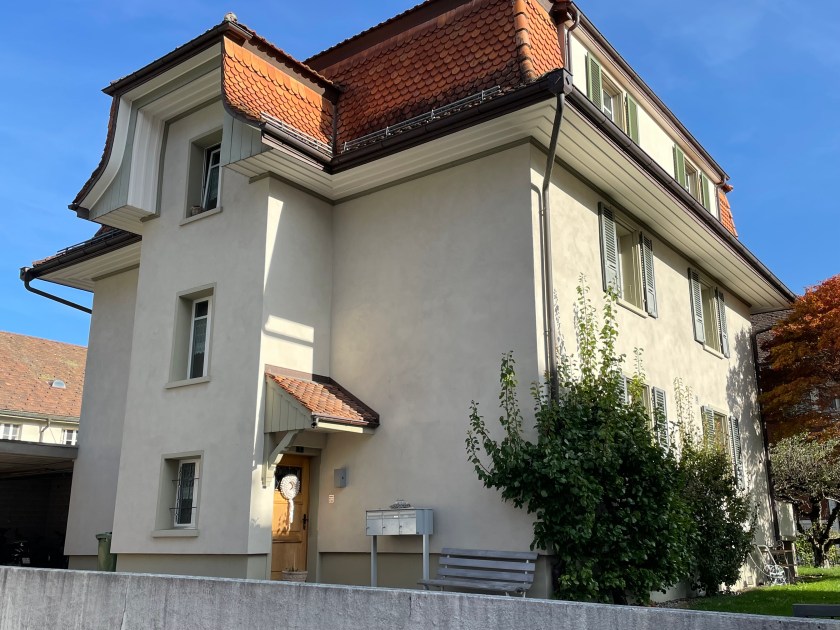
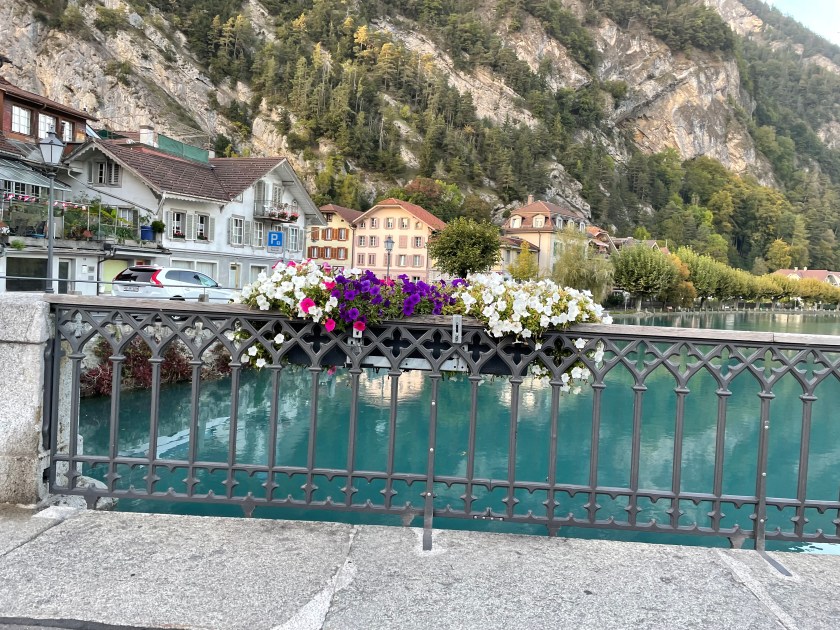
Next we found the home where John and his companion, Elder Scott Calder lived.  They stayed in the upper floor here and out of their window, they overlooked the canal that runs between the 2 large lakes.  In the distance they saw Jungfrau, the famous mountain peak.

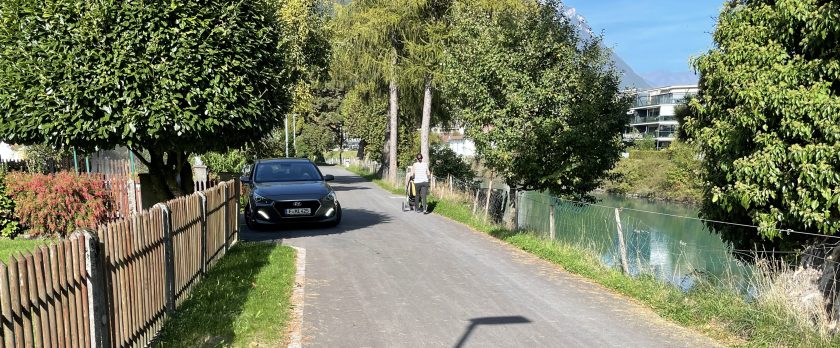
Here is the path John walked every day from their missionary home.

We spent a couple of hours driving around town as John remembered his time here.  It was fun to see through the eyes of his memories.

We looked for the building where they used to meet for church, not sure any more which it was.

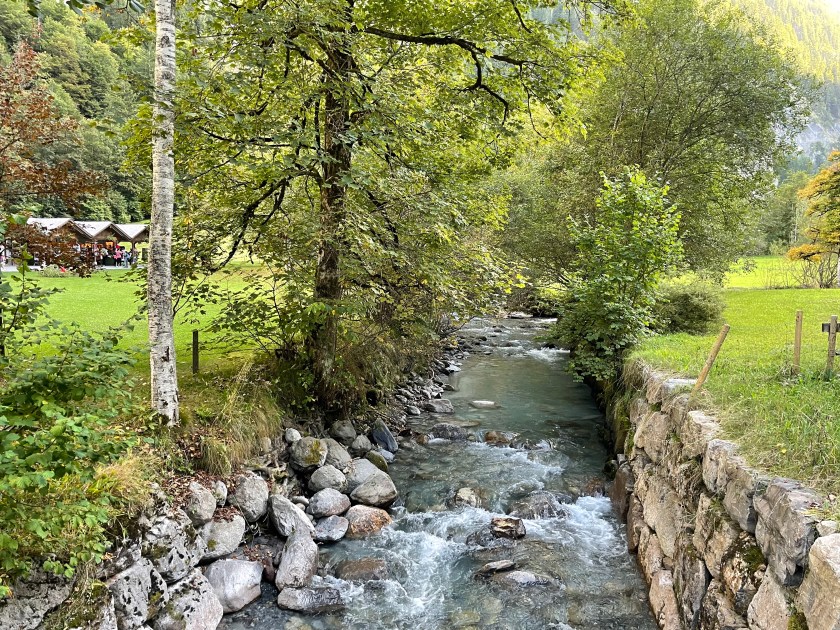
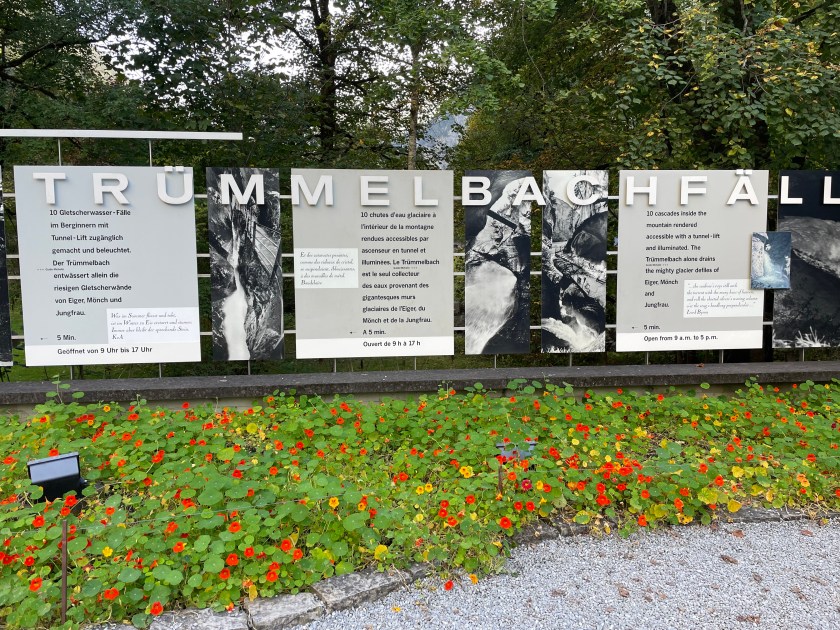
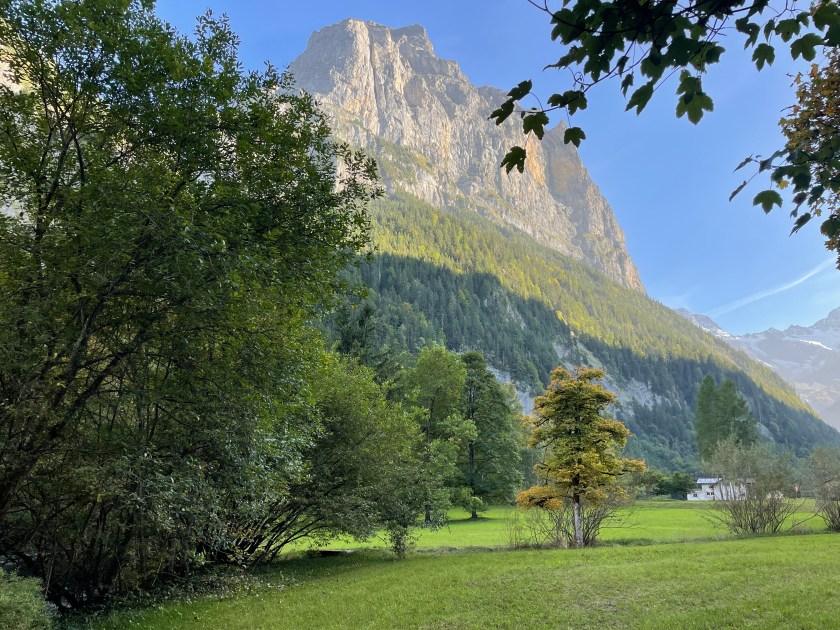
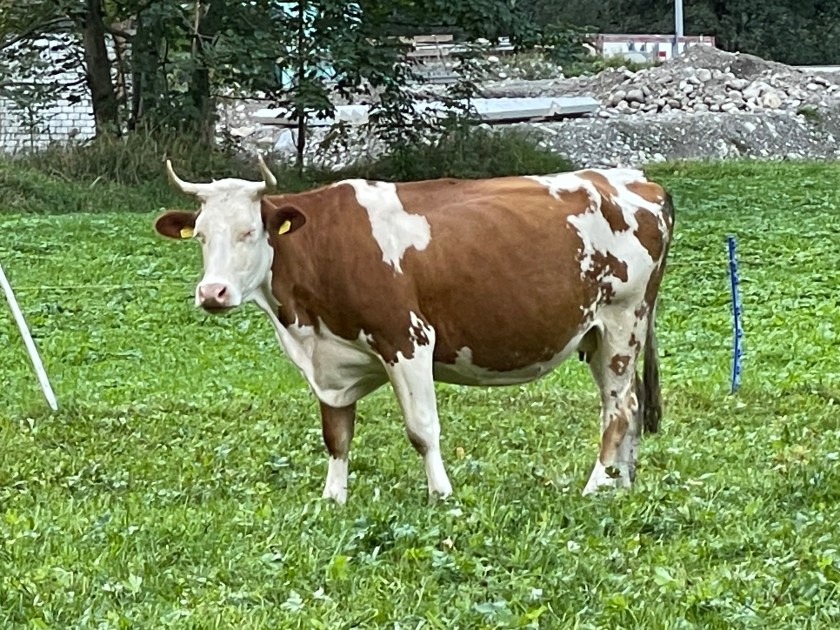
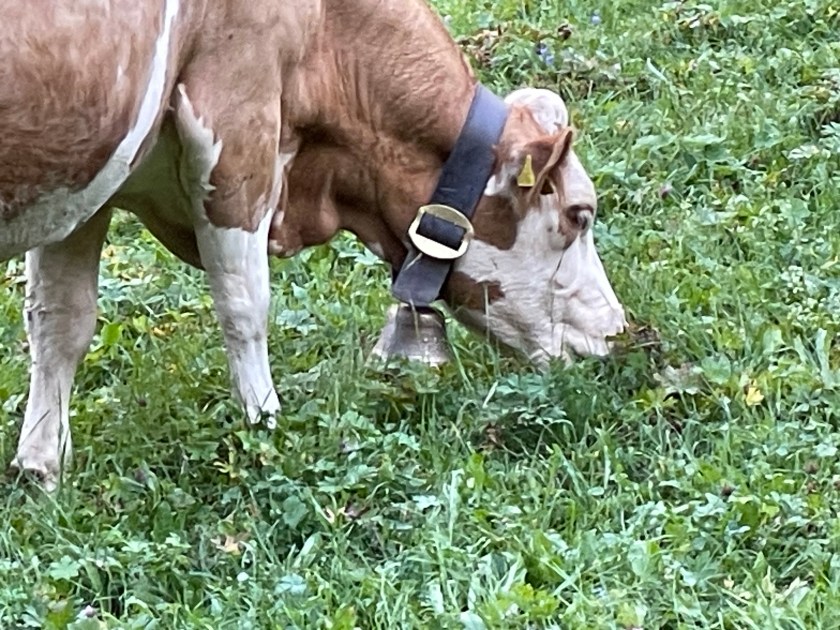
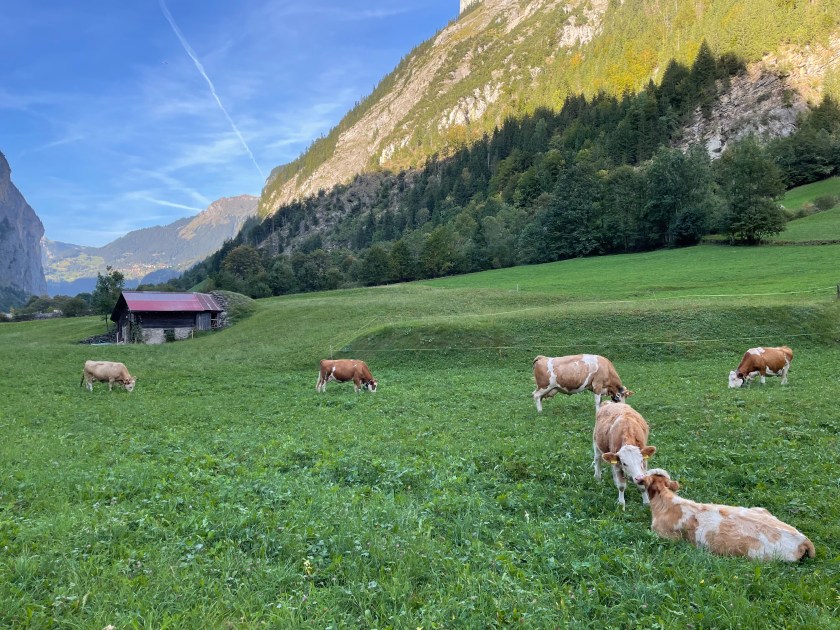
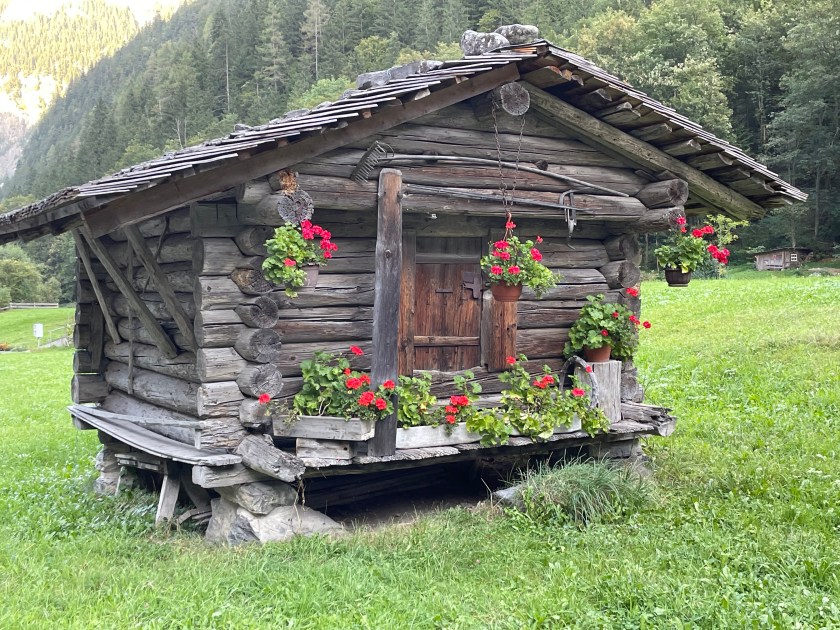
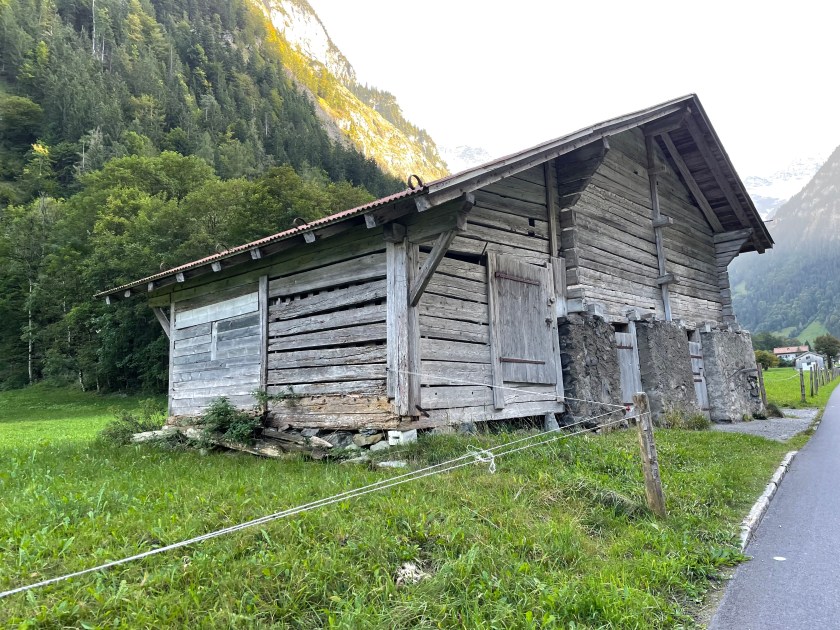
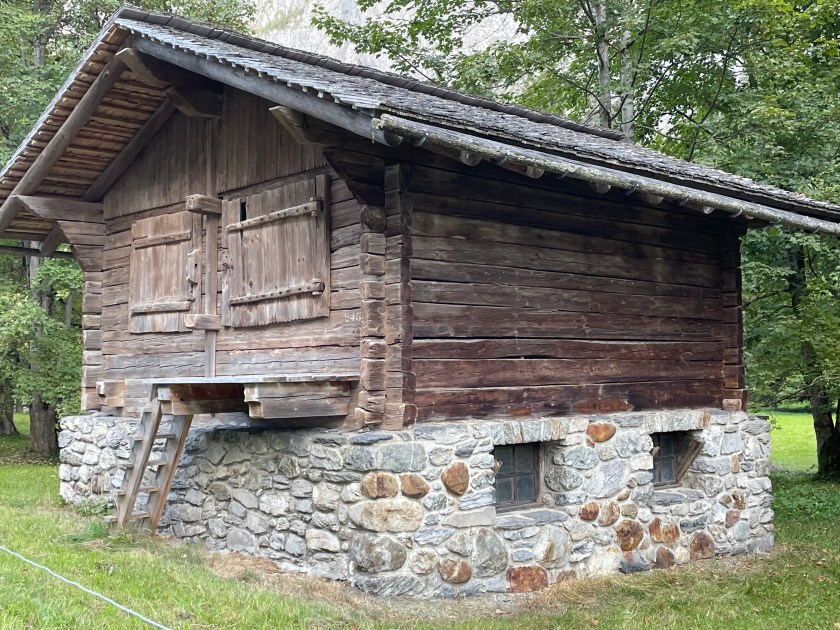
Then we drove on down the valley to Lauterbrunnen, driving as far as the road took us until we had to turn back. We were surrounded by earthy farms and the smell of clean manure and cows. Cowbells rang everywhere we went. It was magical. It was heavenly, just heavenly.

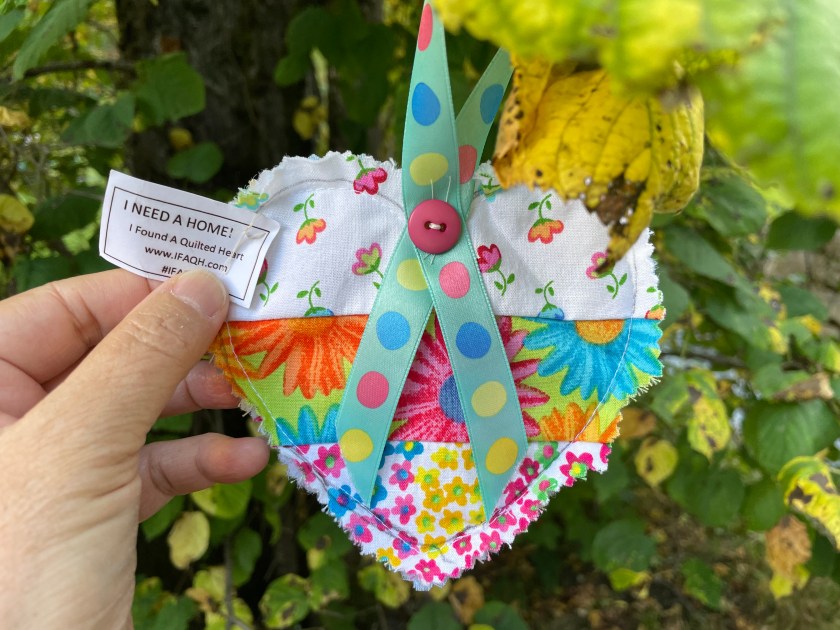
Interestingly, I saw this heart hanging from a tree along the way.  I love knowing a quilter had been here!

Then we came back into Interlaken on our way back.  We stayed a bit longer, not wanting to leave, but we had miles to go, still, before we slept.

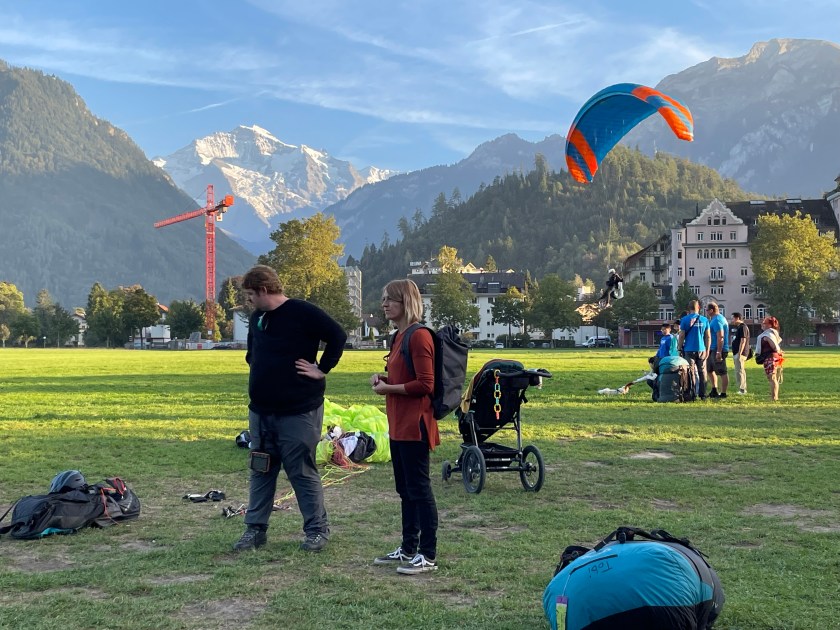
The valley was full of hang gliders and we enjoyed watching them land here in Interlaken’s field.