The Pompeiiaun at Aschaffenburg

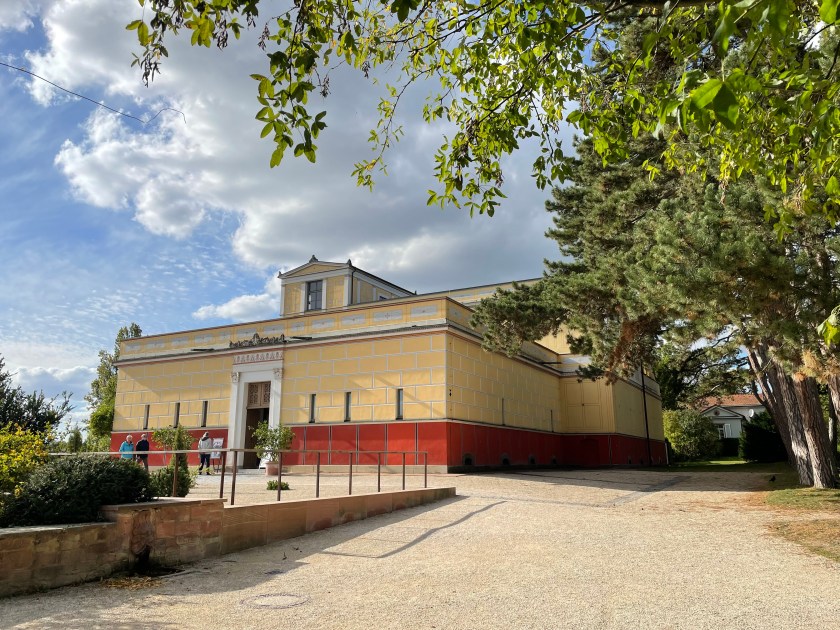
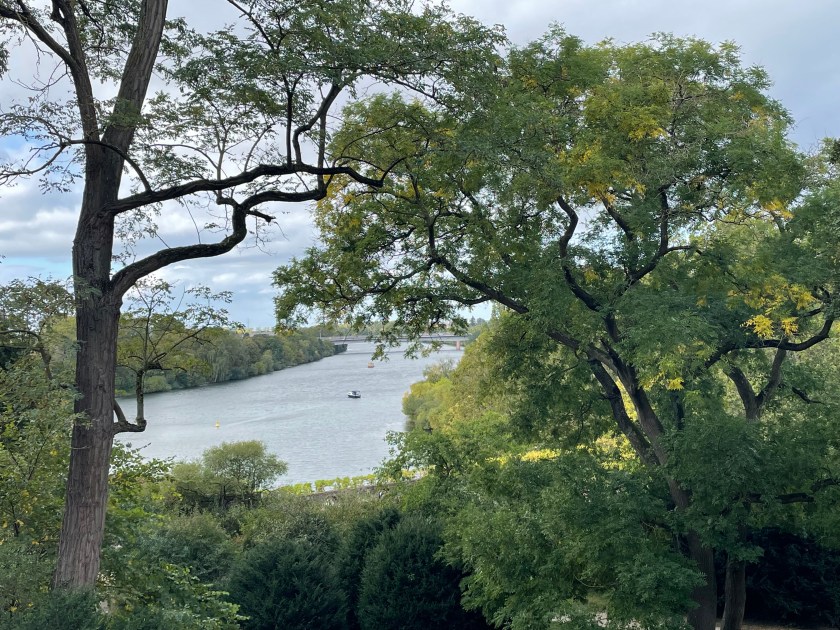
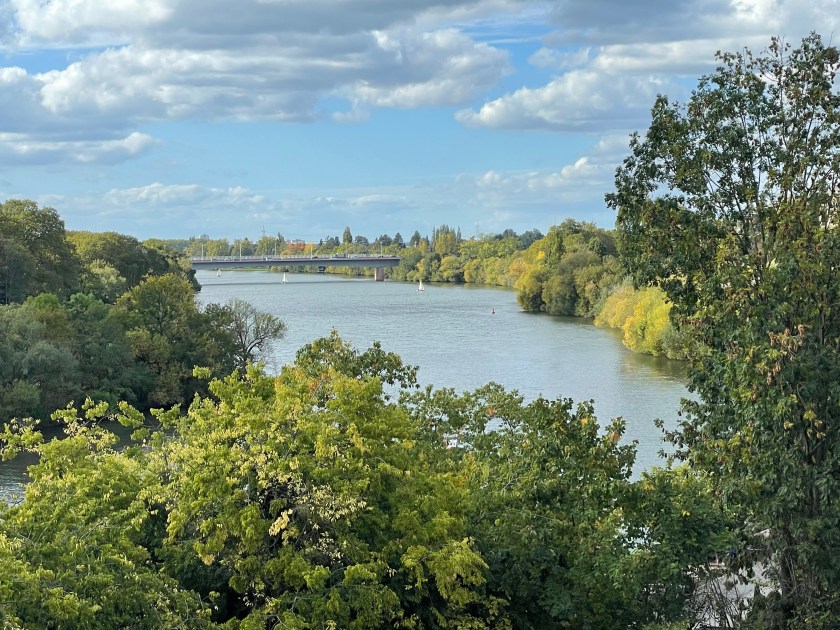
Next we went to see the Pompeiian.  It was walking distance along the river, also built up on the hill overlooking the water.  This villa was built by King Ludwig I of Bavaria because he loved the Roman villas in Pompeii.  He wanted one built to copy one there.  He never really lived in it.  It was like a big play house for him because he fancied it.
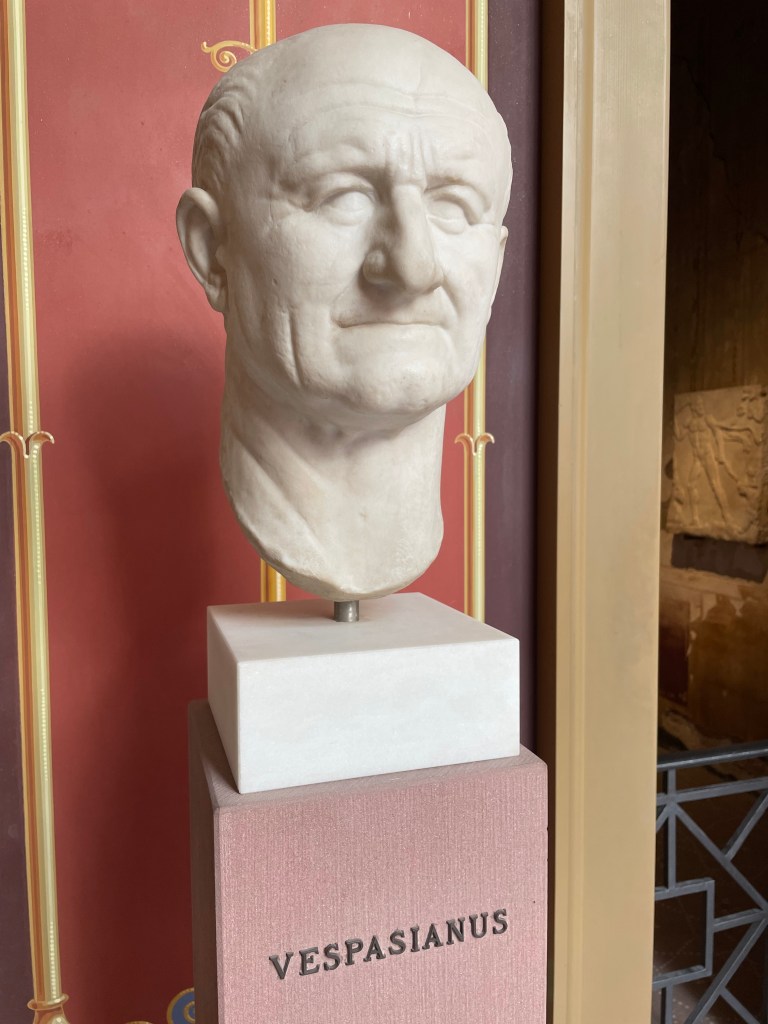
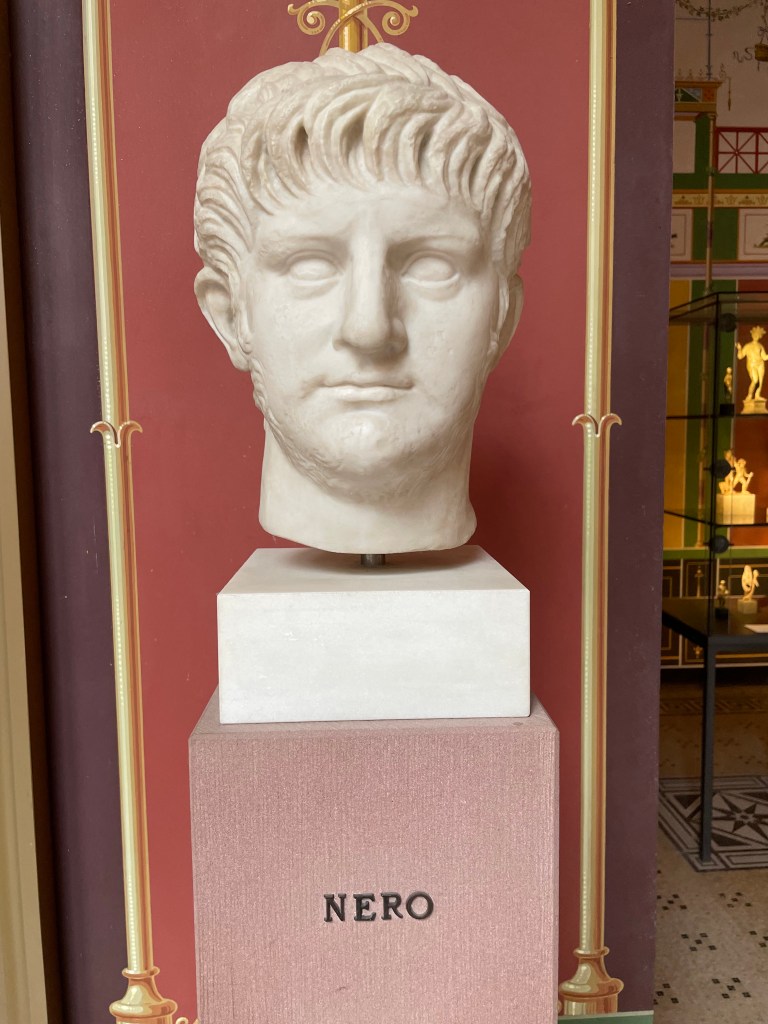
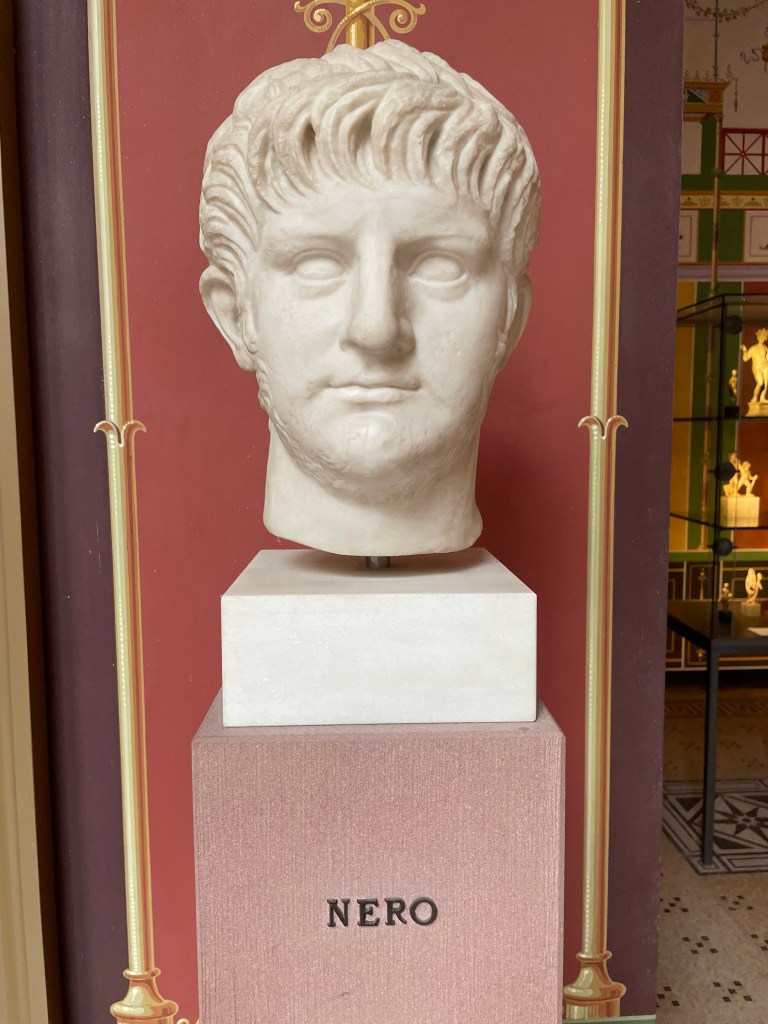
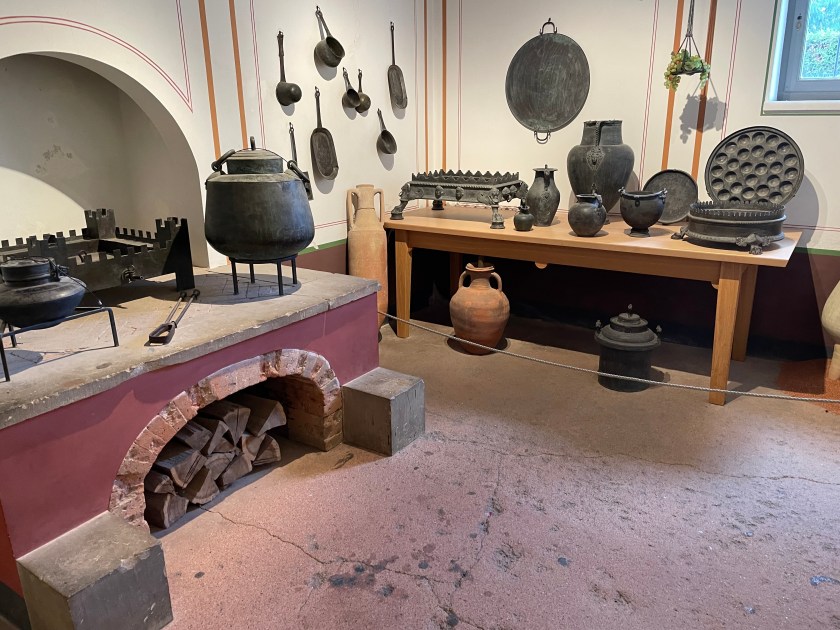
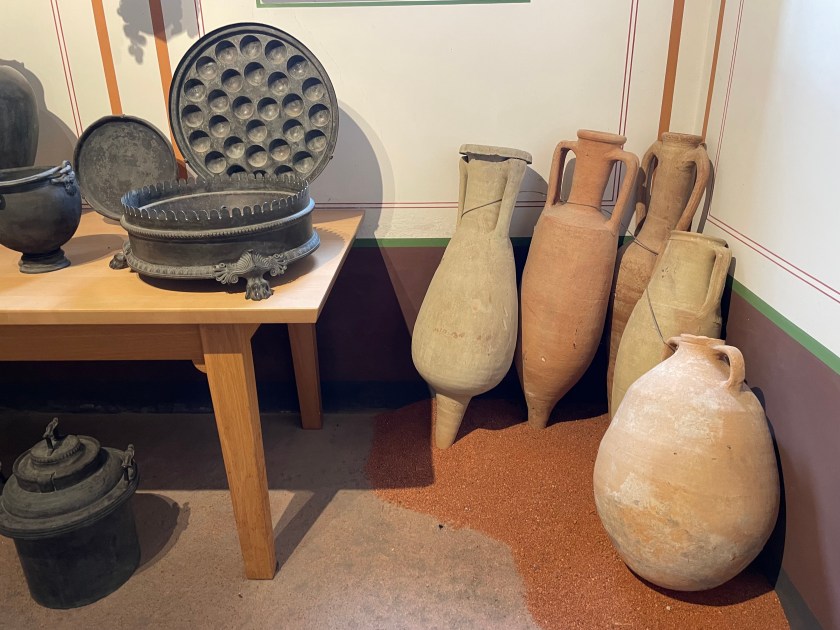
There were some very old Roman things displayed–pottery, sculpture, murals, mosaic tile floors, etc.  It had a courtyard and plants like you’d find in Italy.  It was interesting to wander through.

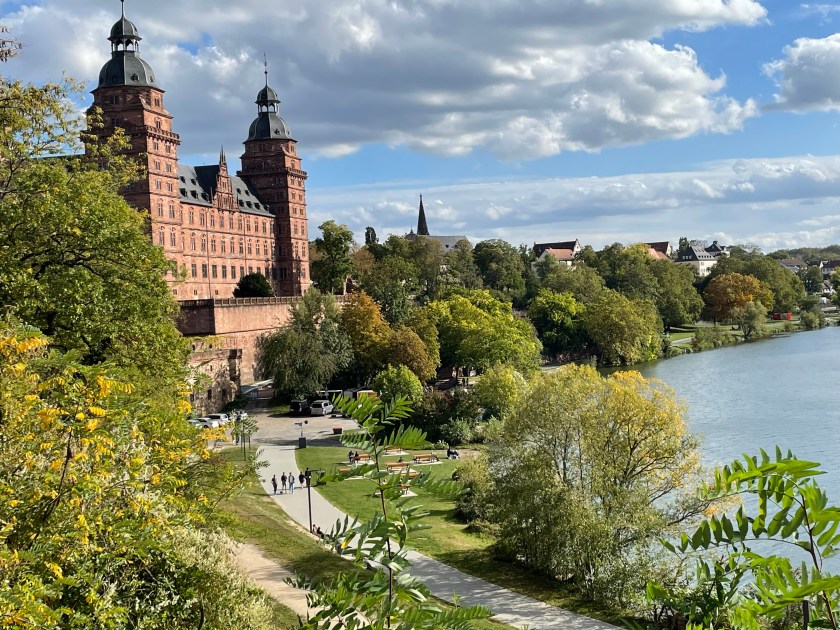
The view back to the Palace:
Pompeiianum – Aschaffenburg
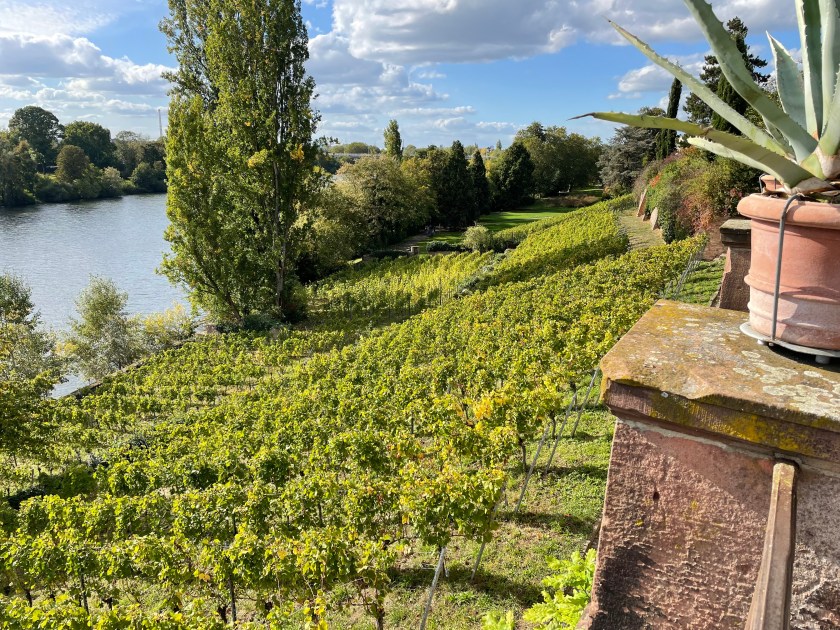
In the palace garden on the high bank of the River Main is the Pompeiianum. Inspired by the excavations in Pompeii, King Ludwig I of Bavaria commissioned the architect Friedrich von Gärtner to build an idealized Roman villa, which was completed from 1840 to 1848 – not for himself but as a place where art lovers could make a study of ancient culture in their own country.
On the ground floor are the reception and guest rooms, the kitchen and the dining room, grouped around two inner courtyards, the Atrium with its water basin and the Viridarium with its garden in the rear section of the house. The splendid decoration of the interior and the mosaic floors were copied or adapted from ancient models.
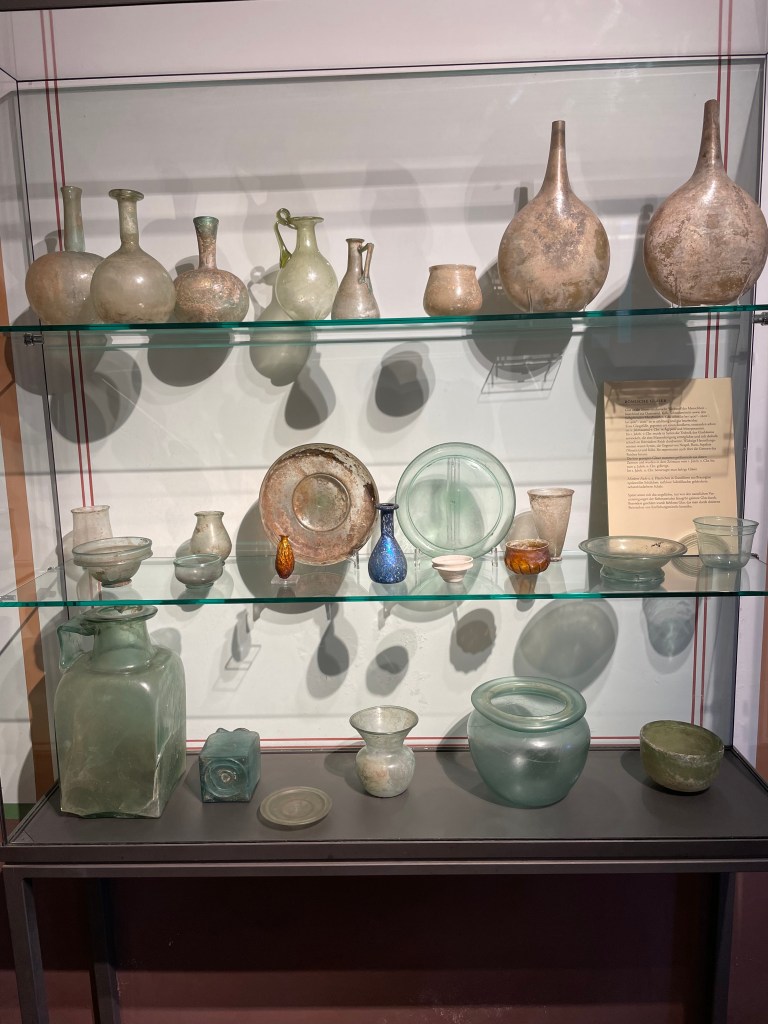
After severe damage in the Second World War, the Pompeiianum was restored in several stages, beginning in 1960. Since 1994, original Roman works of art from the State Antiquities Collections and the Glyptothek in Munich are now also on display here. Among the most valuable exhibits in addition to the Roman marble sculptures, small bronzes and glasses, are two marble thrones of gods. In addition, there is a different special exhibtion every year on an archaeological topic. The Pompeiianum is surrounded by a small garden which was also only laid out in the mid-19th century. It was to be an ‘ideal Mediterranean landscape’, and still has a flavour of the warmer climes of southern Europe with its fig, araucaria and almond trees, as well as vines, Lombardy poplars and pines.

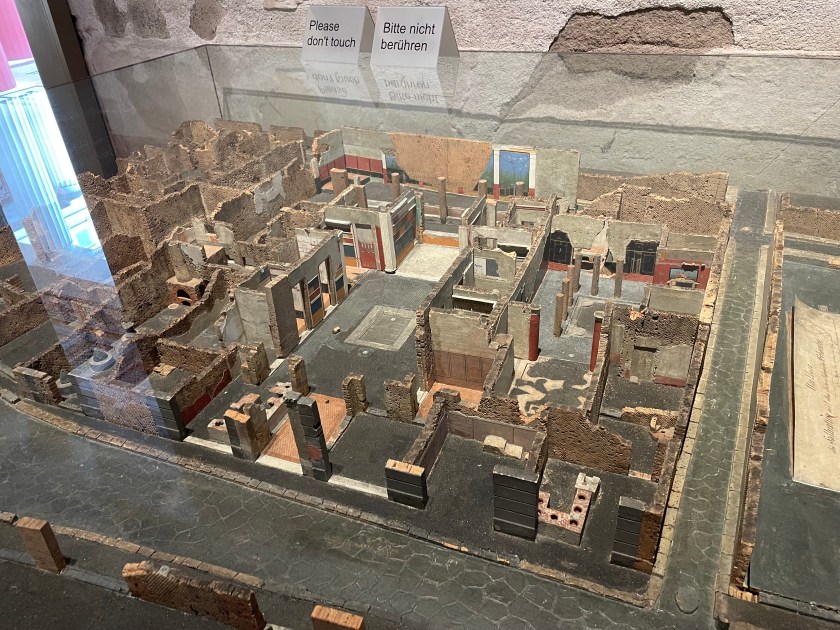
This is the excavated villa King Ludwig I fancied in Pompeii:
Teeny tiny mosaics in the floor patterns:
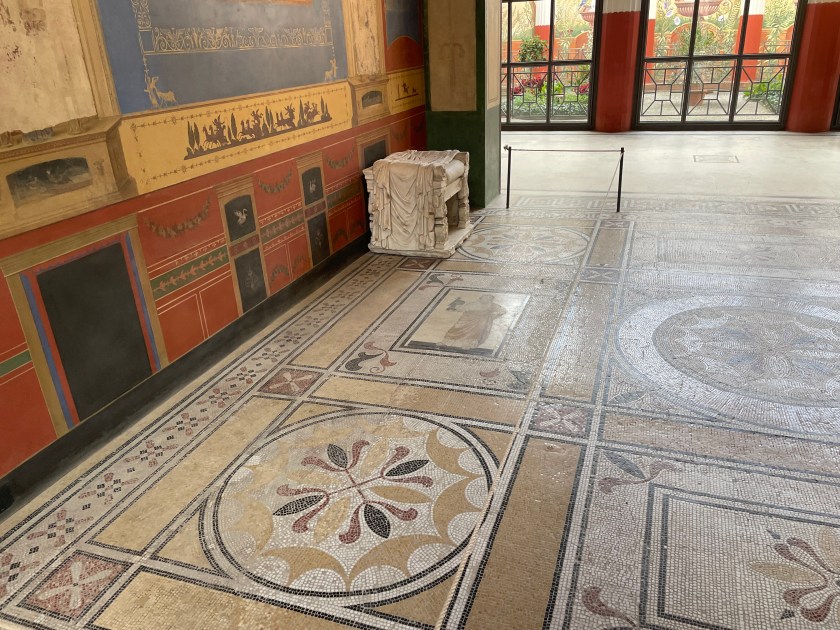
A Roman toilet:

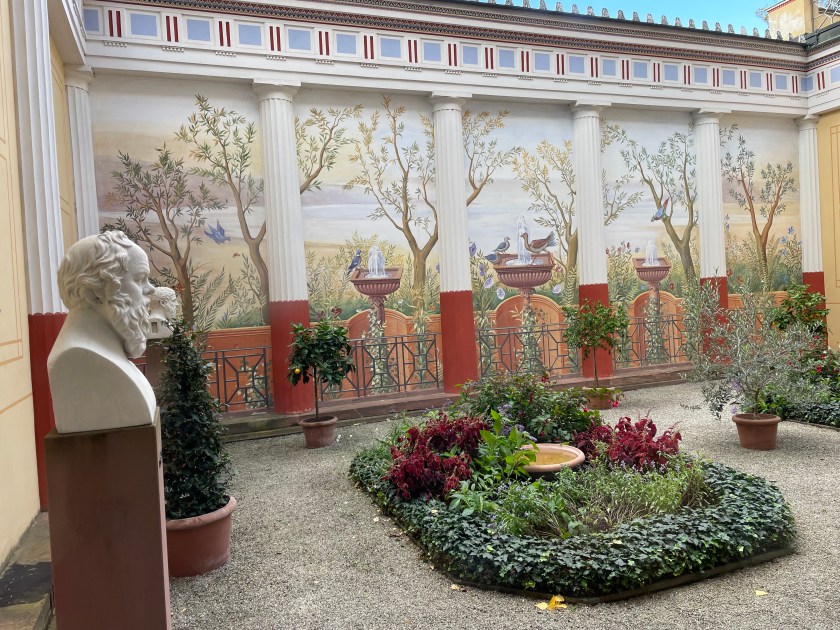
Open courtyard in the center of the villa:
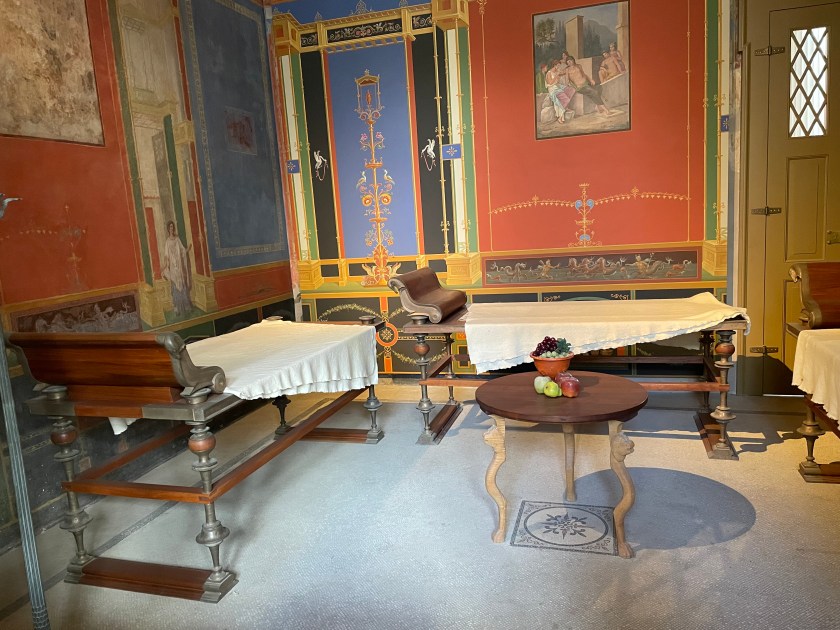
A dining room where they’d eat lying down:
A bedroom:

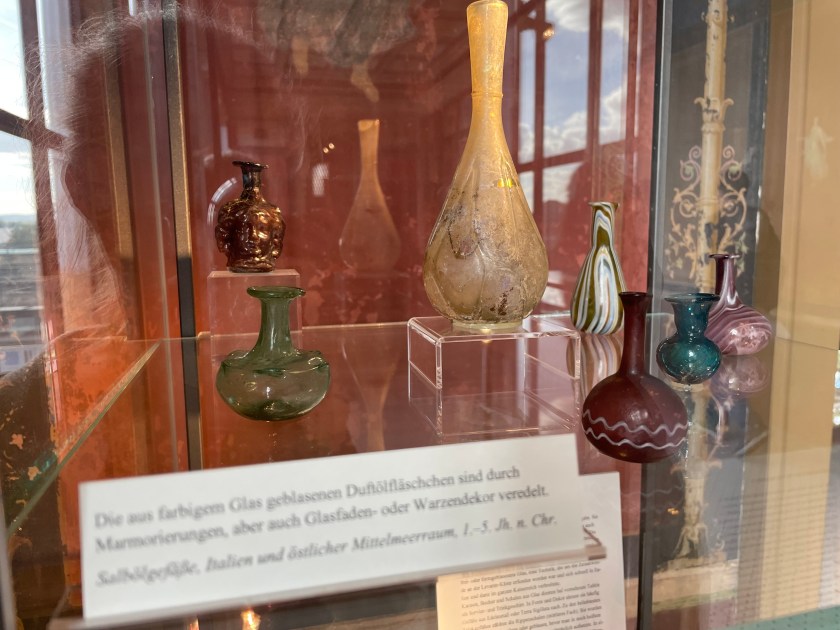
These glass bottles reminded me of the tear catchers we saw in Israel last year.
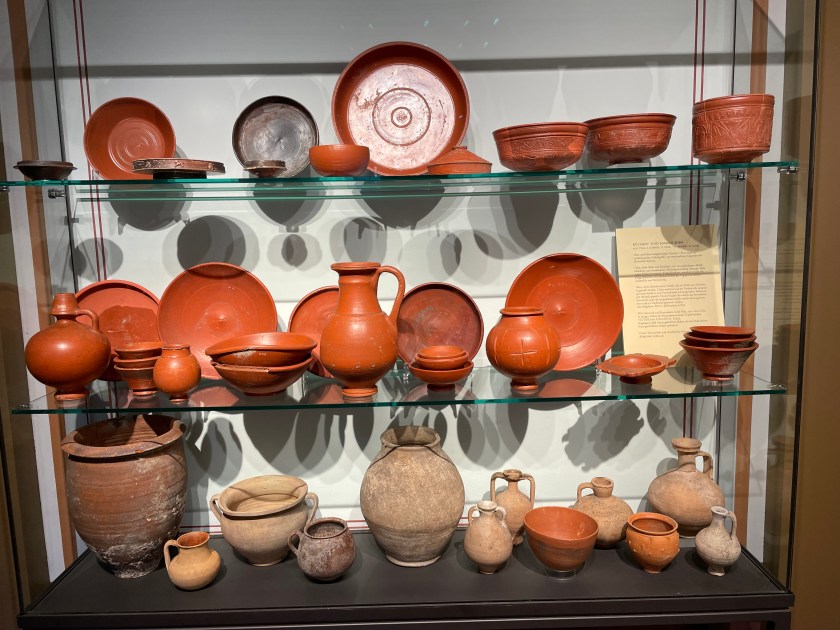
This collection of pottery dates from ca. 565 to 470 B.C.E.
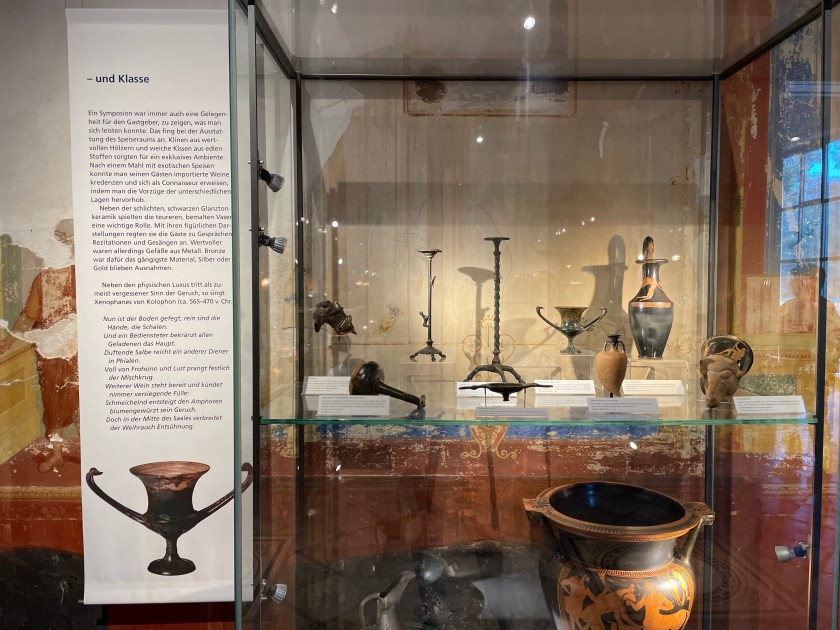
I didn’t expect to see Ancient Rome today, but I’m glad I did.
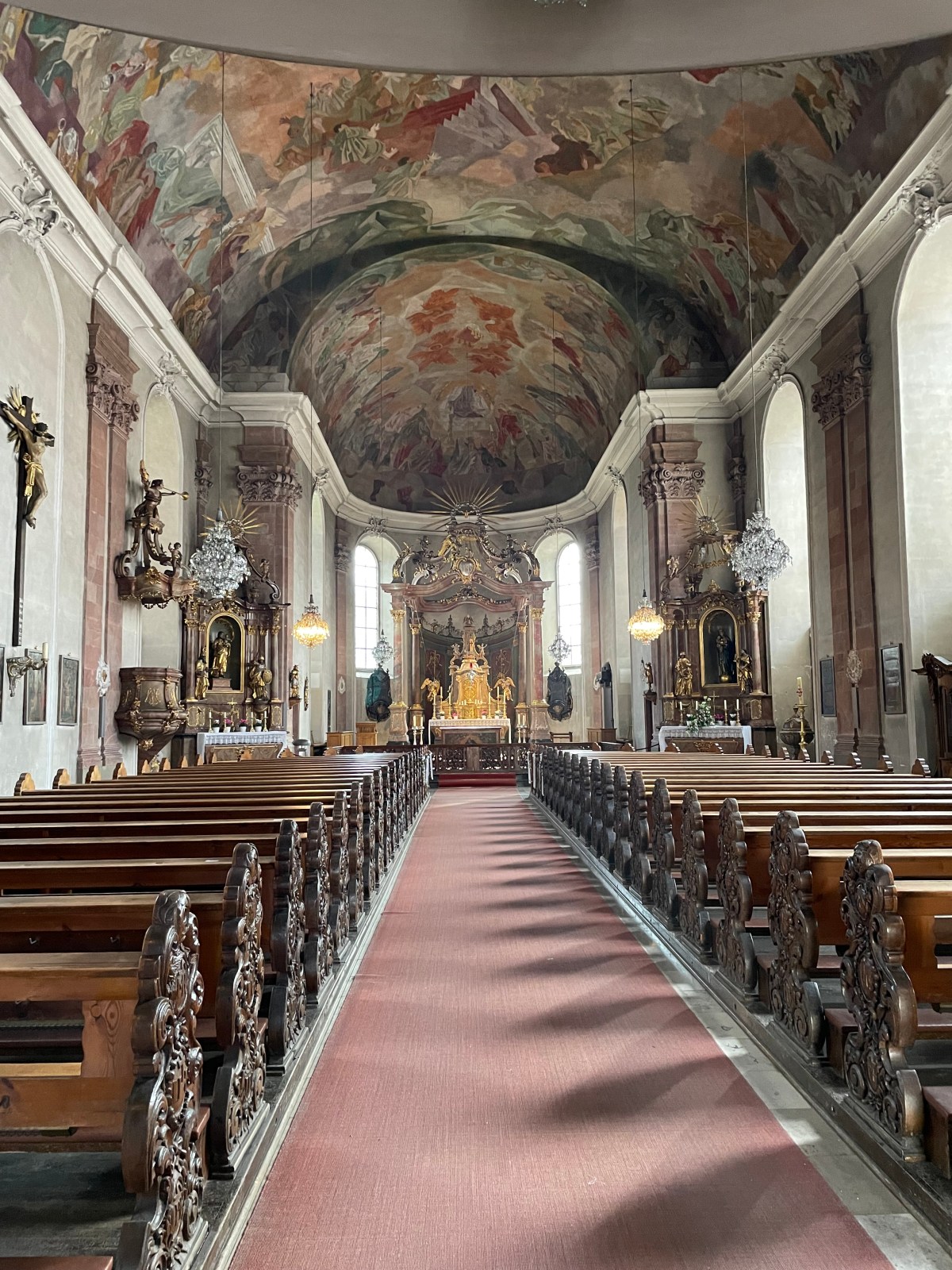
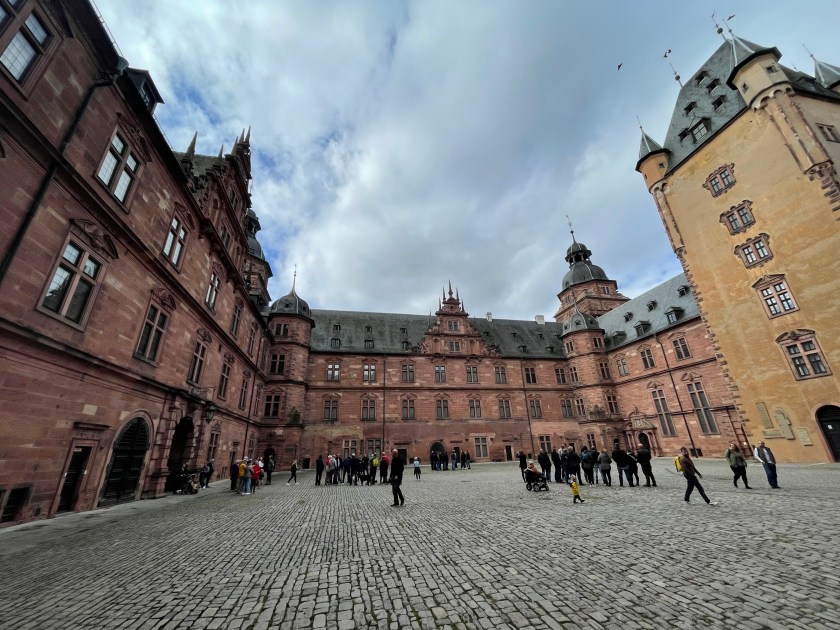
Johannisburg Palace in Aschaffenburg

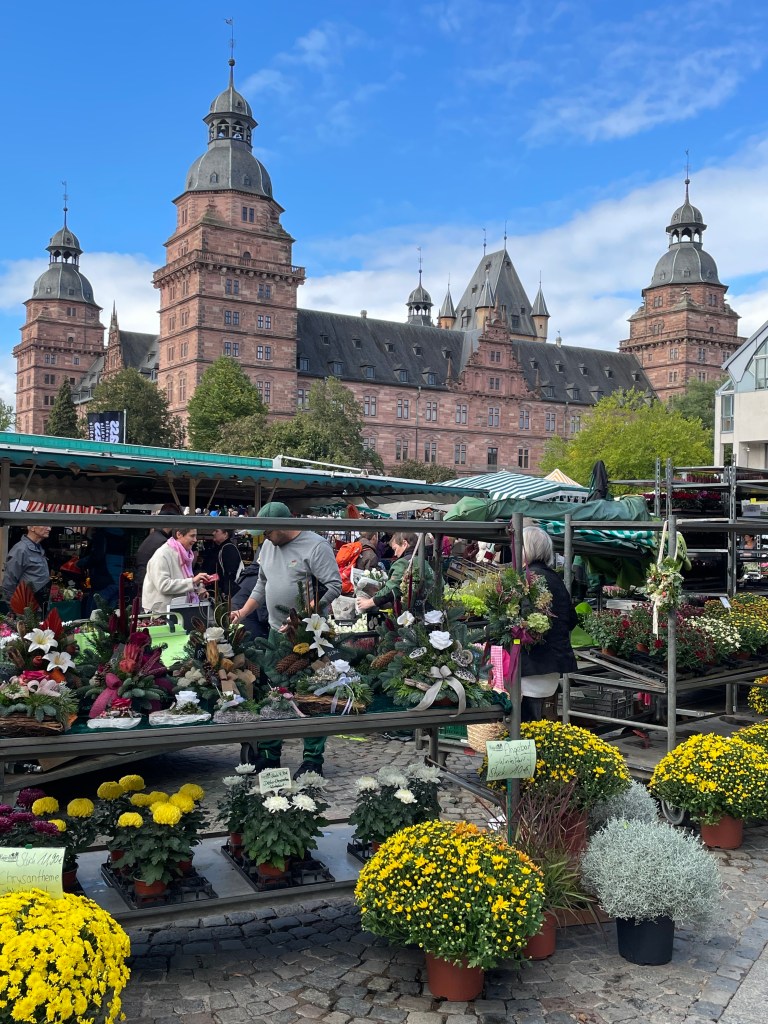
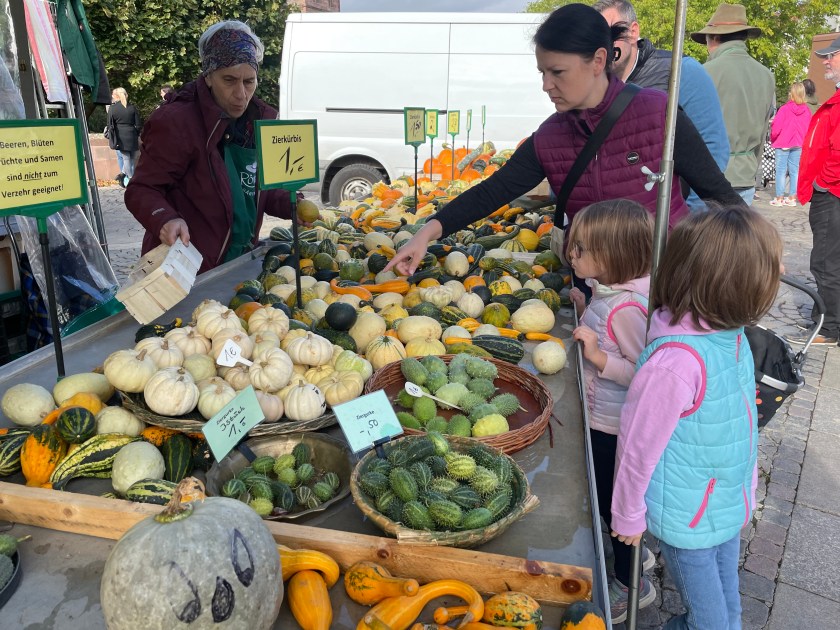
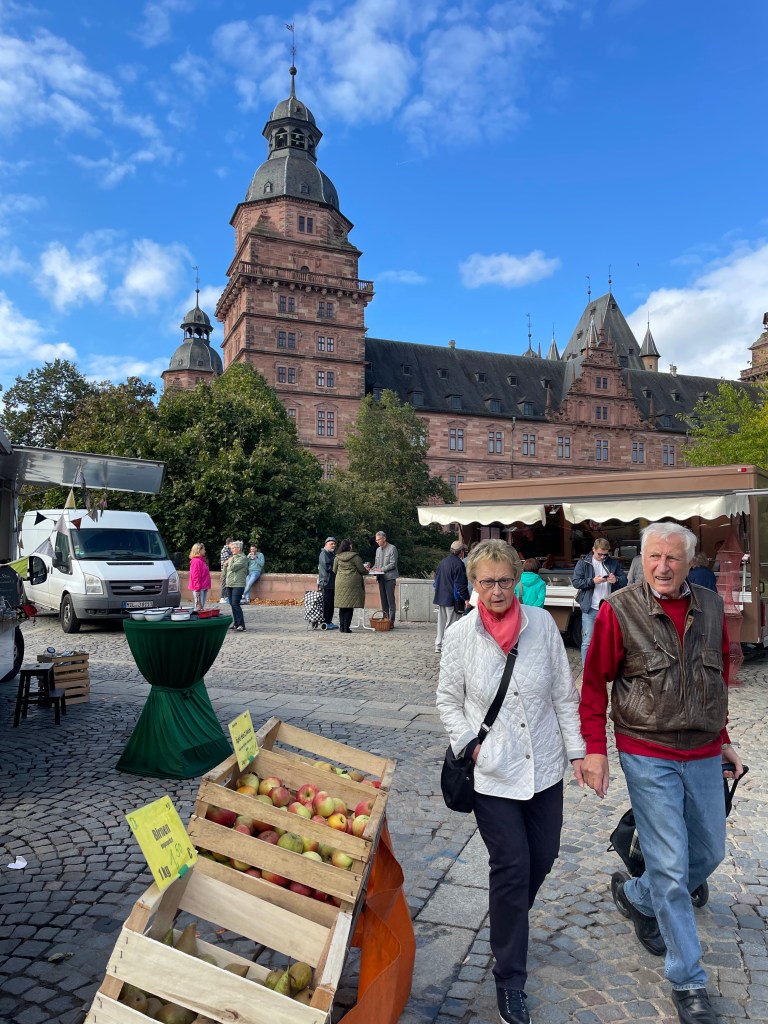
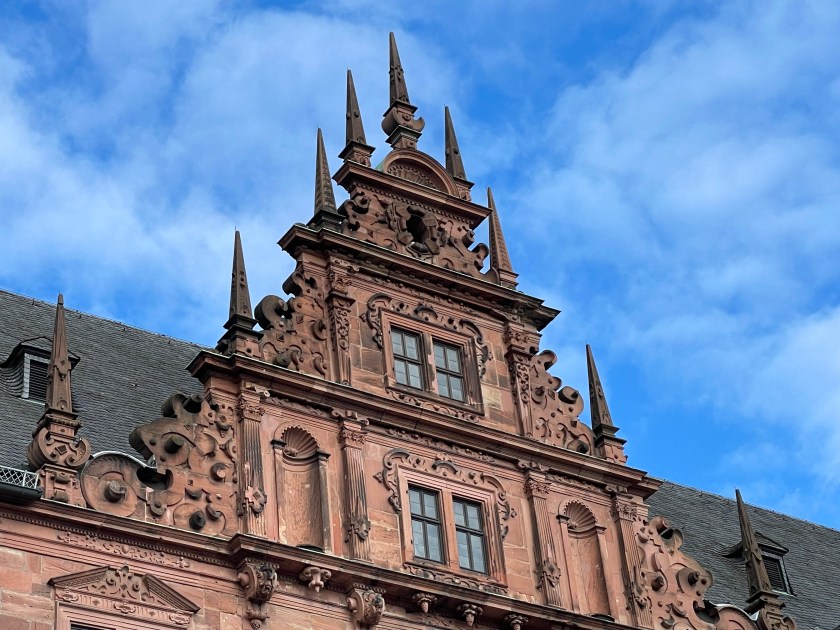
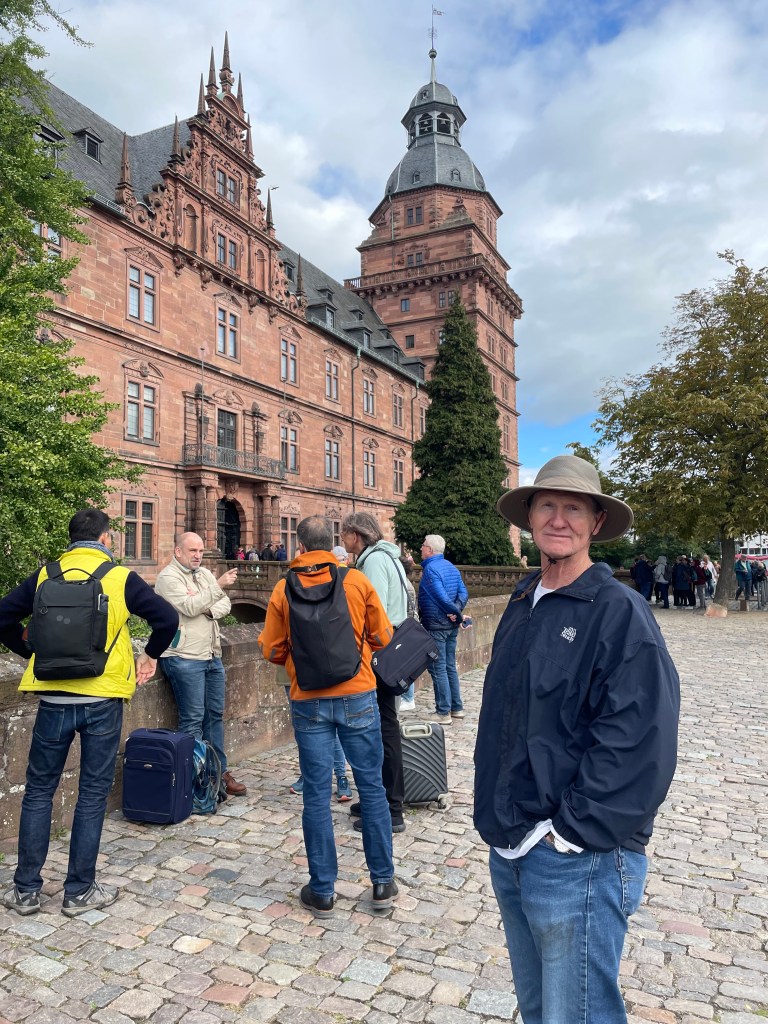
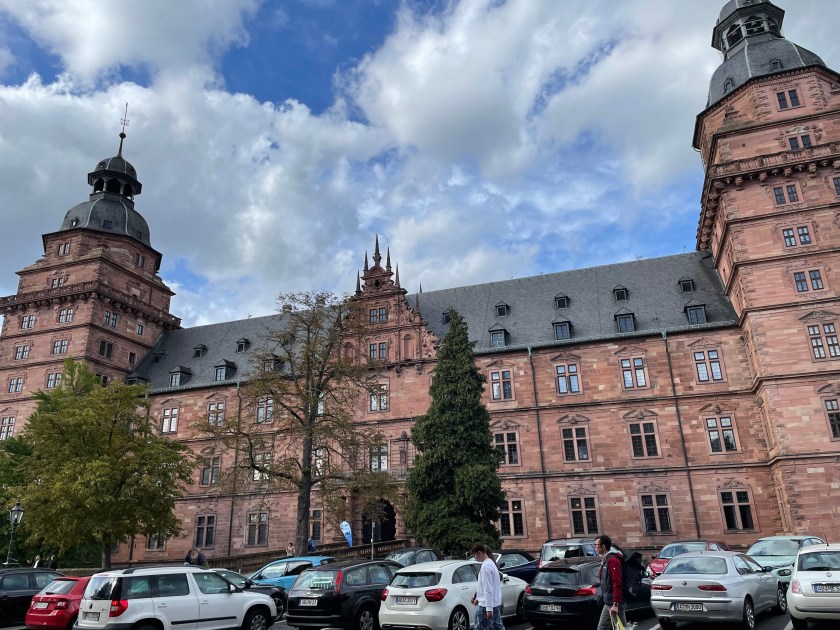
We drove today to Aschaffenburg to visit the Johannisburg Palace there.  It was fun to walk through this farmer’s market surrounded by food and ale trucks as we approached the Palace.

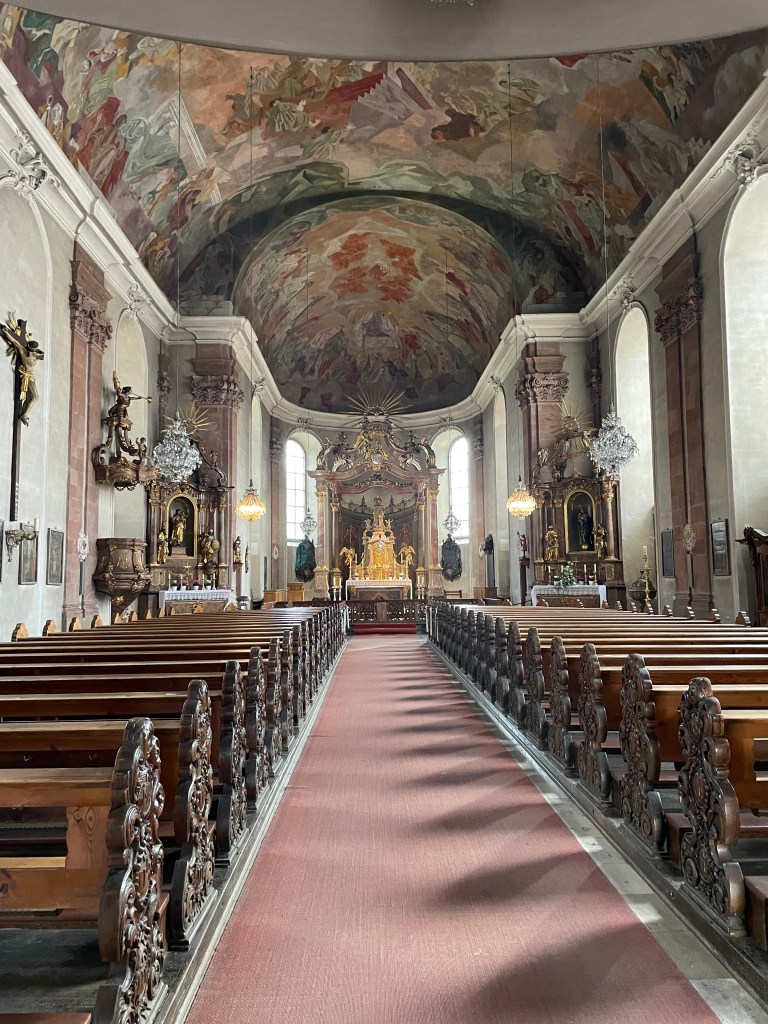
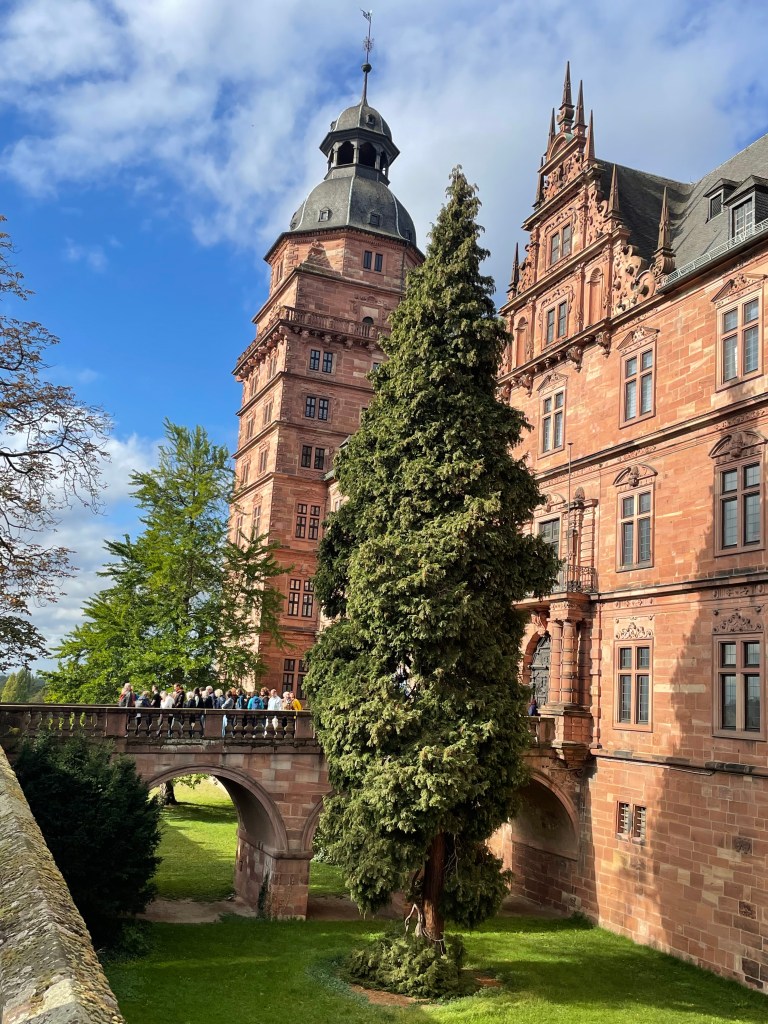
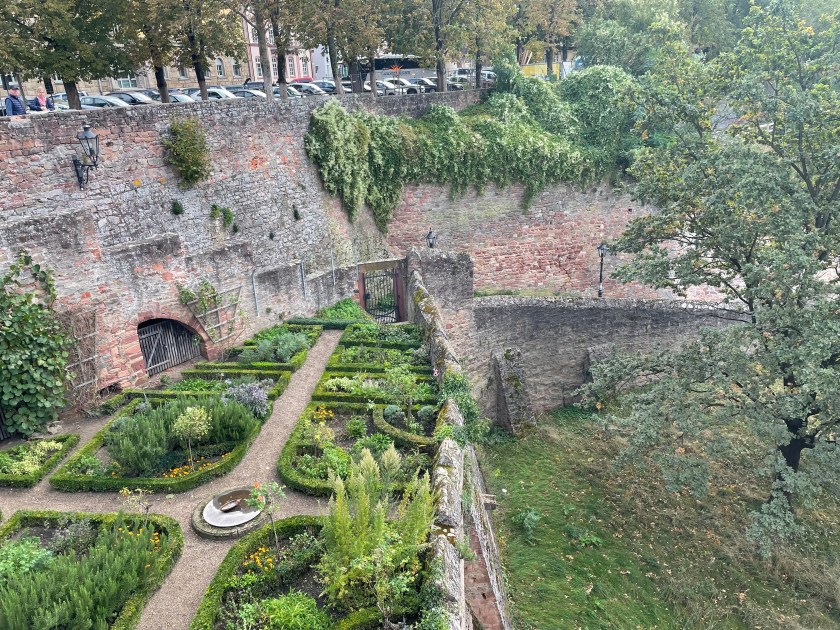
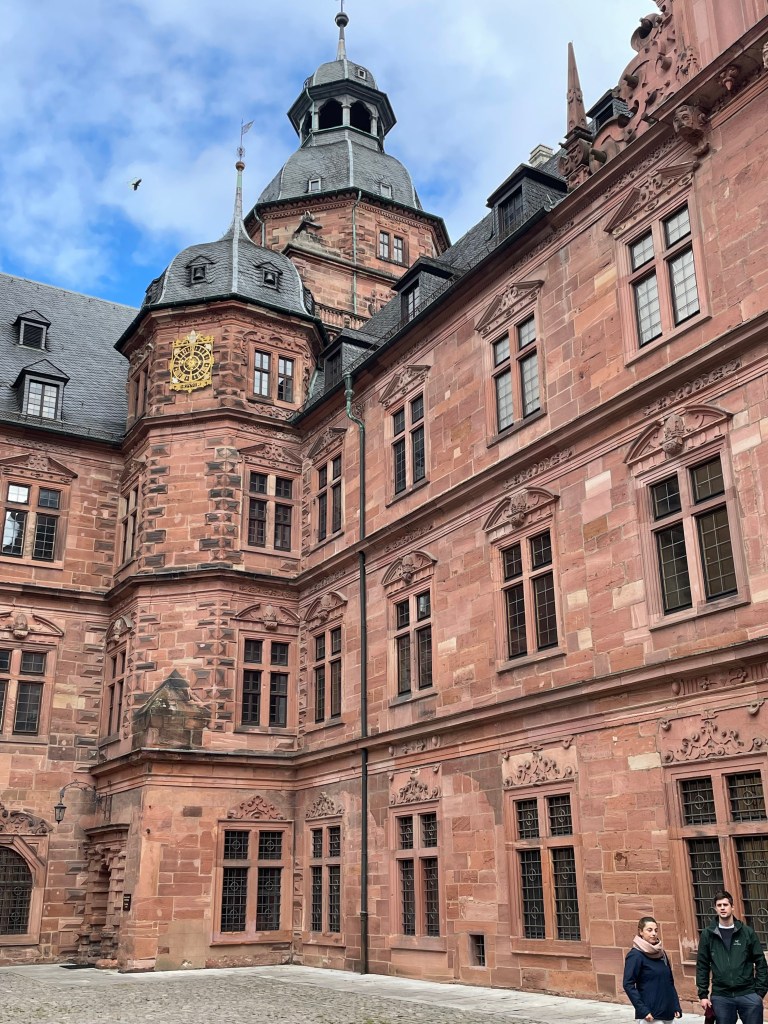
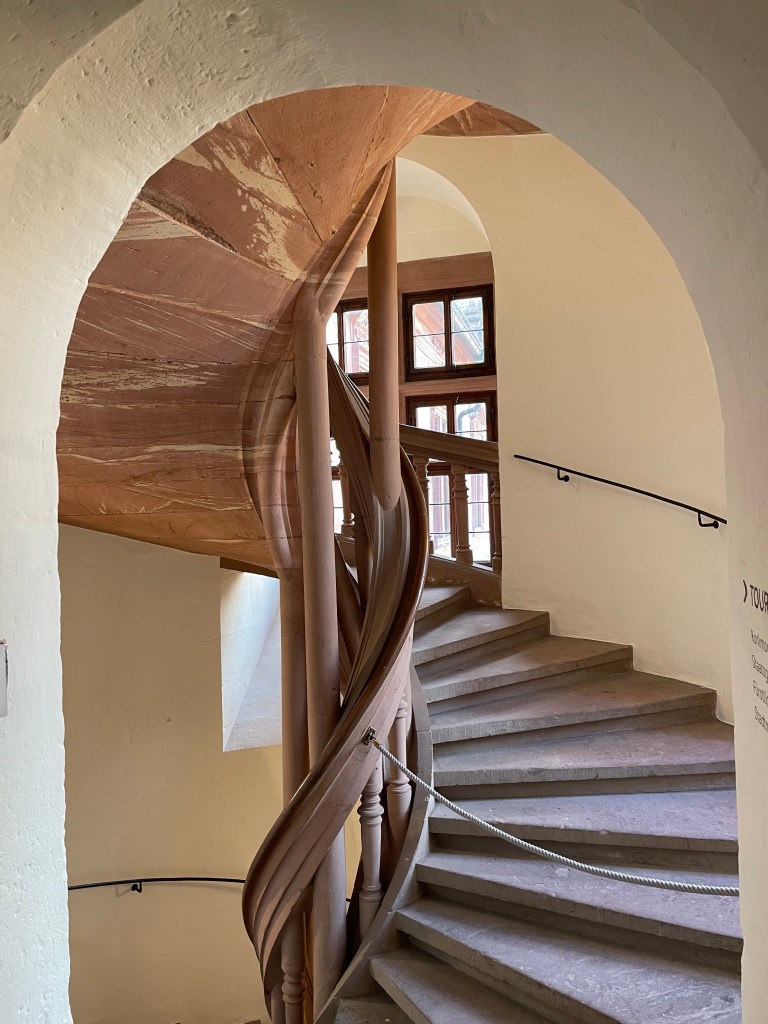
Johannisburg Palace, until 1803 the second residence of the archbishop-electors of Mainz, is located in the centre of Aschaffenburg by the River Main. The massive four-winged complex, built from 1605 to 1614 under Archbishop-Elector Johann Schweikard von Kronberg, is one of the most important examples of palace architecture from the German Late Renaissance era. For this new building, the Strassburg architect Georg Ridinger retained only the keep of the original medieval castle, which became the fifth tower. At the end of the 18th century, the interior of the palace was redesigned in the Neoclassical style from plans by the architect Emanuel Joseph von Herigoyen. After serious damage during the Second World War, the exterior of the palace was restored, beginning with the exterior, and in 1964 the first period rooms and collections with the rescued furnishings were reopened.
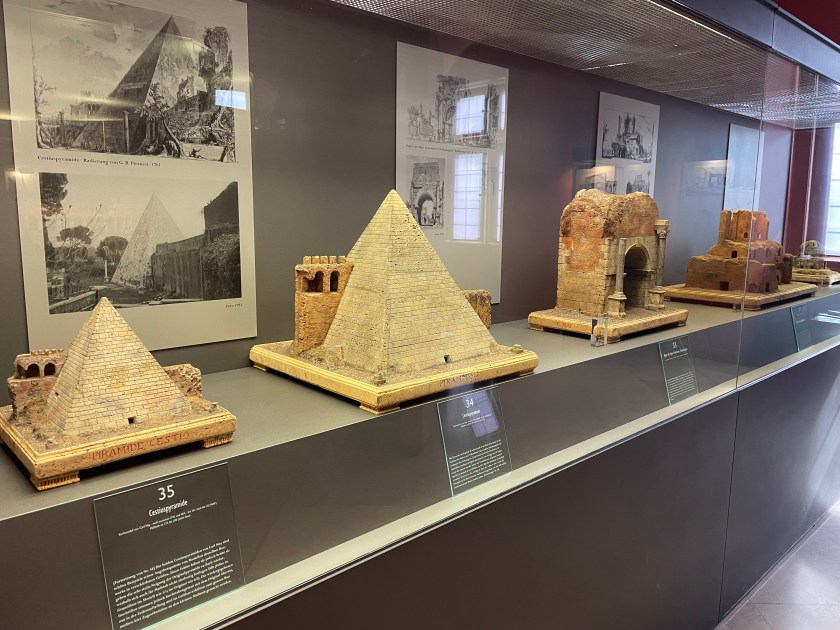
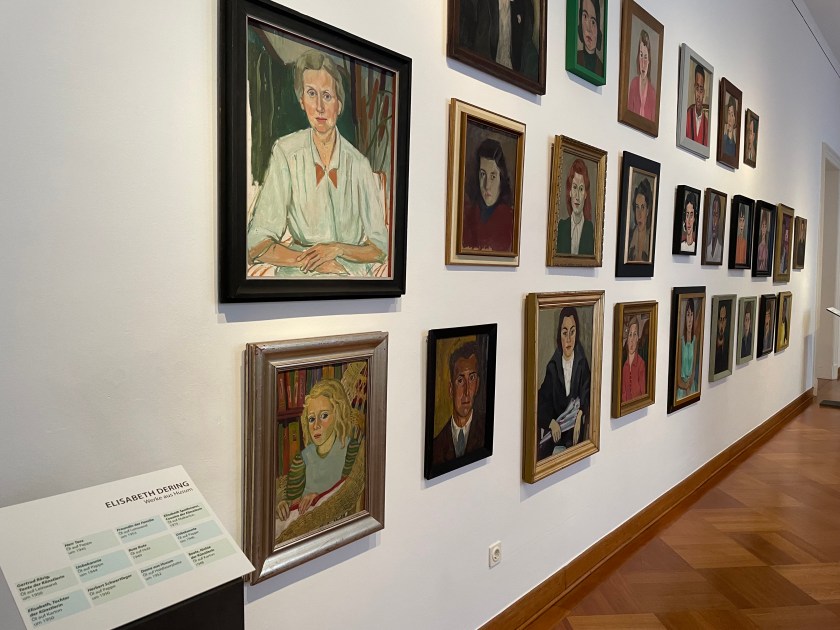
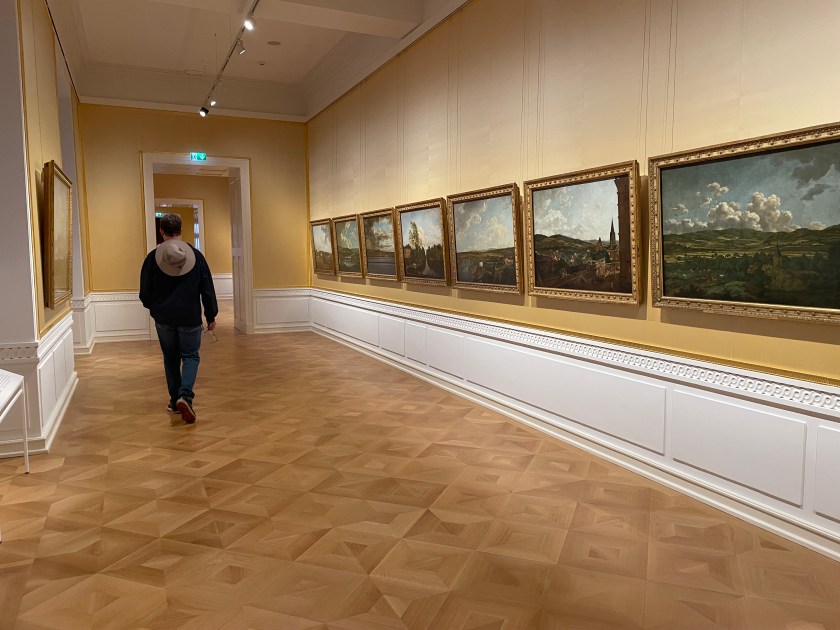
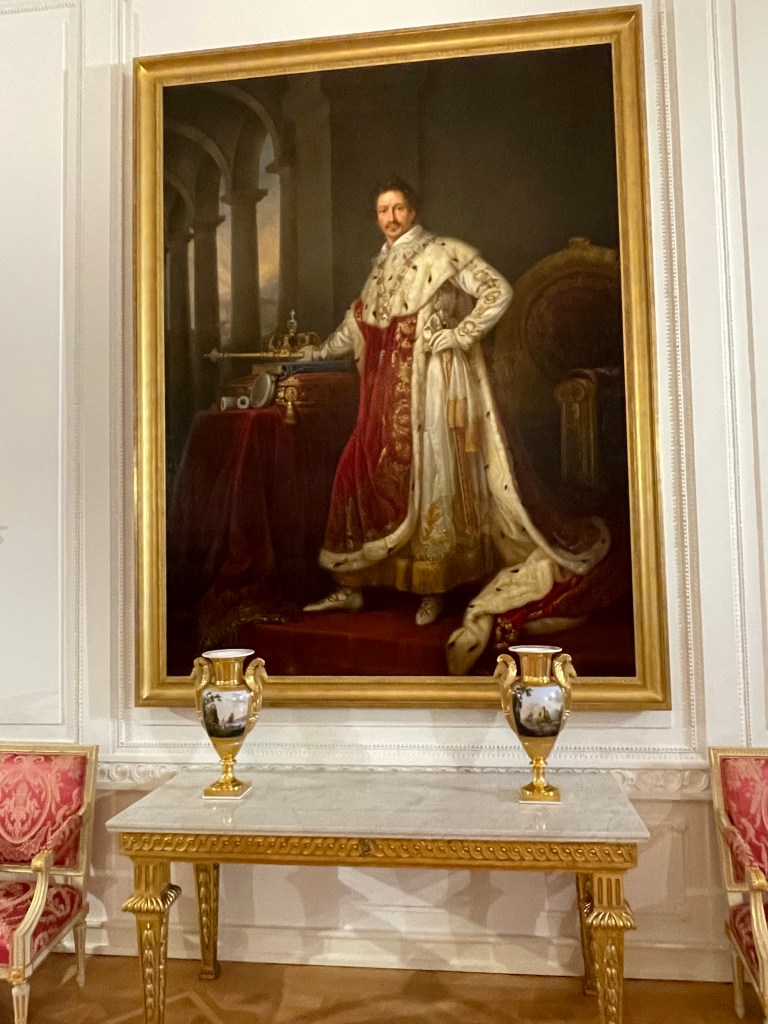
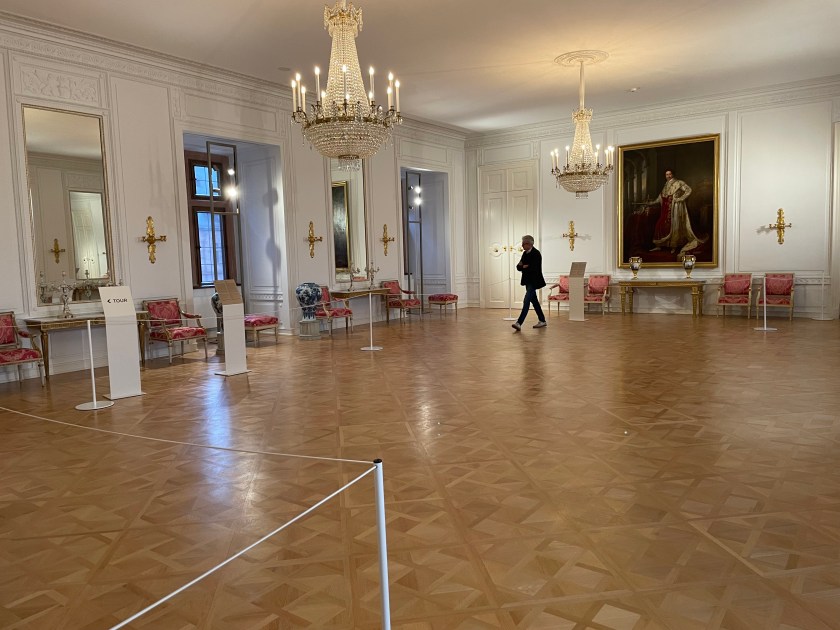
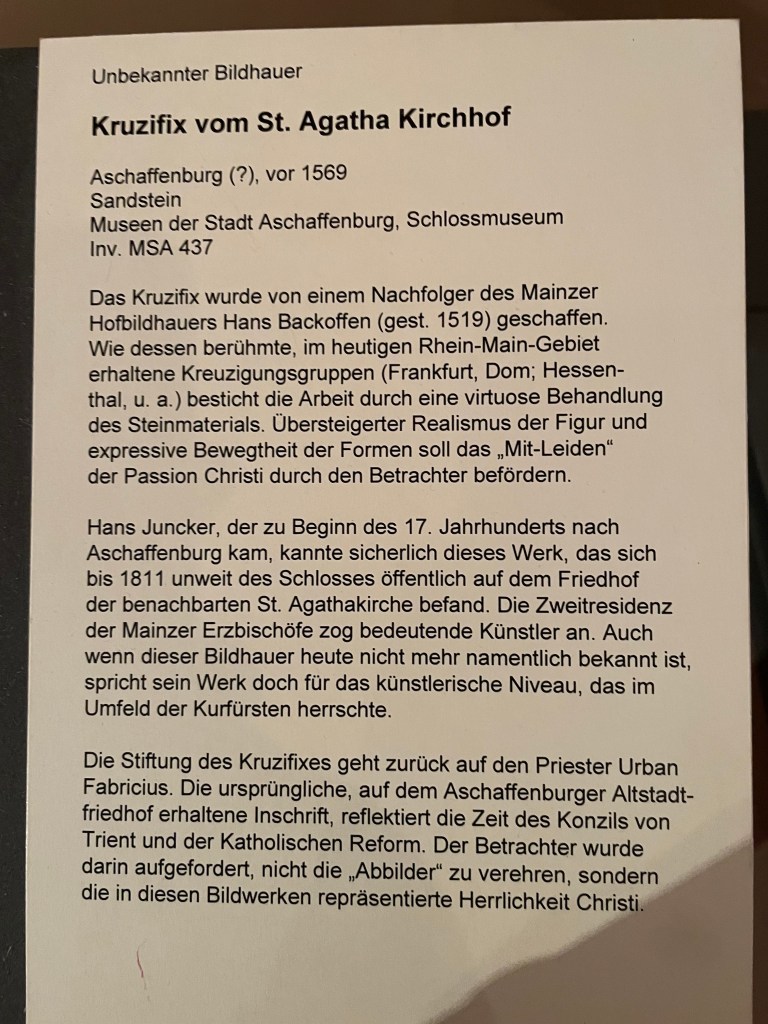
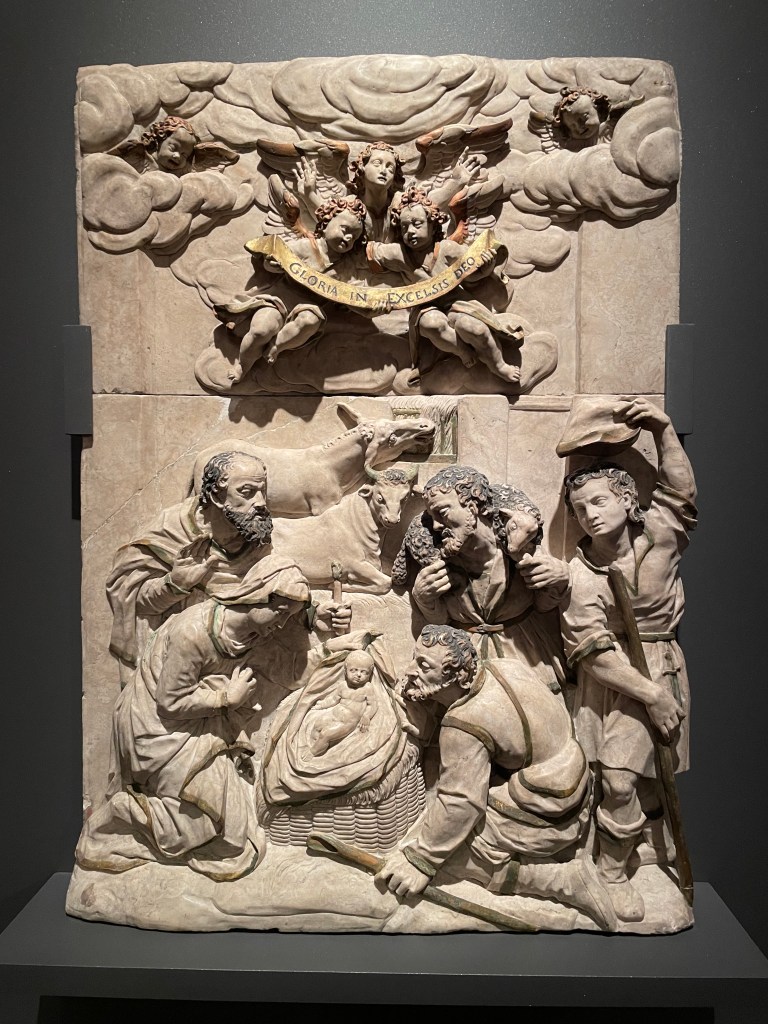
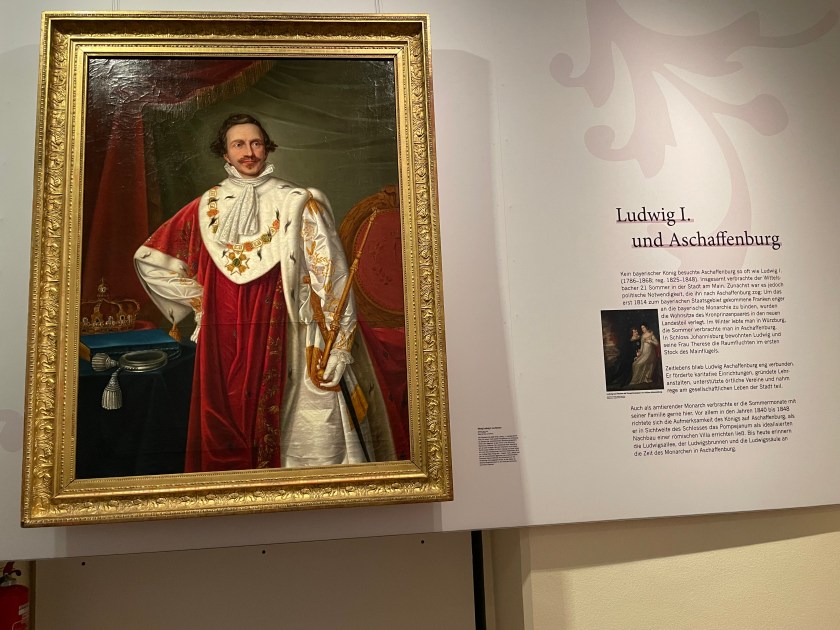
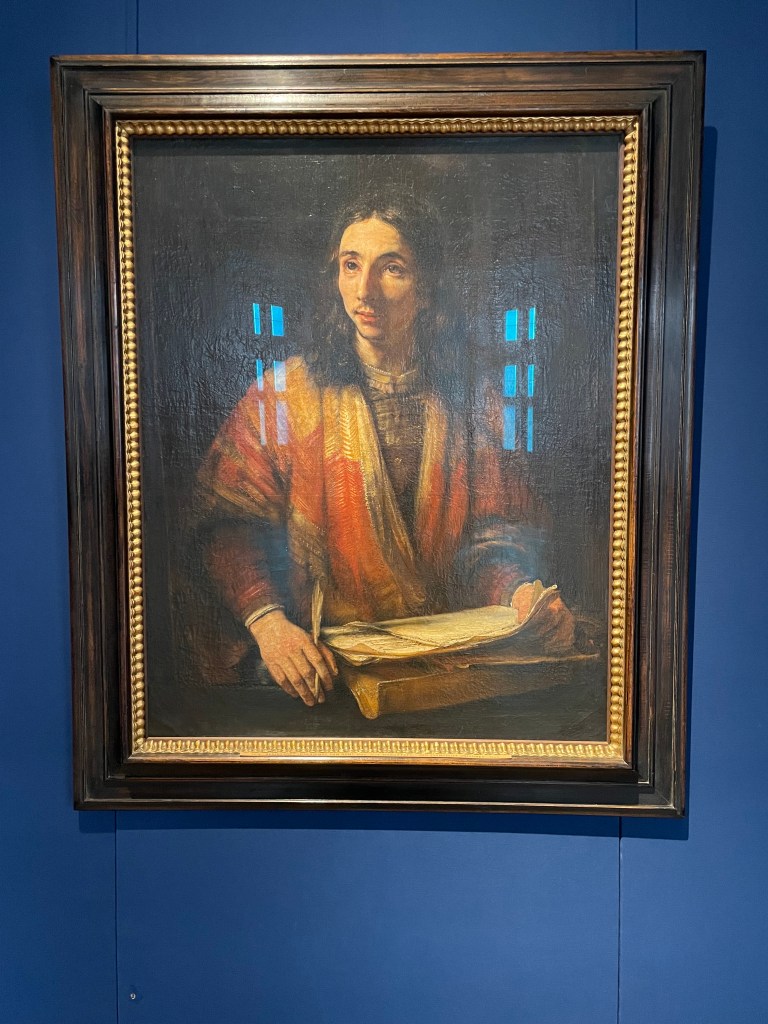
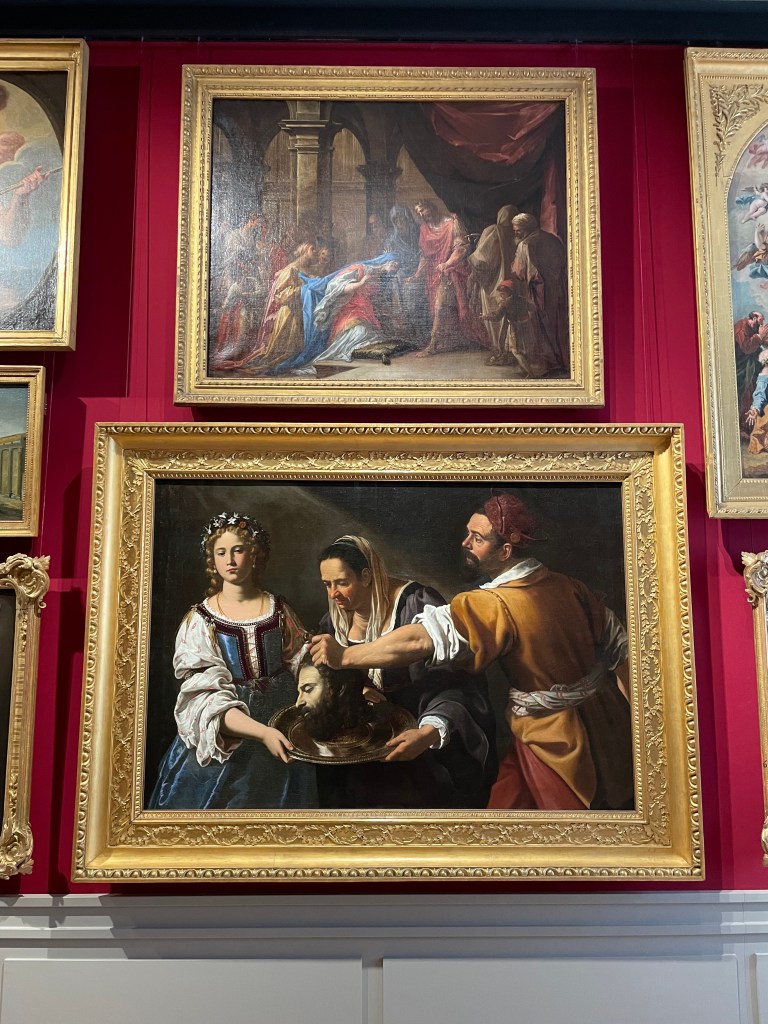
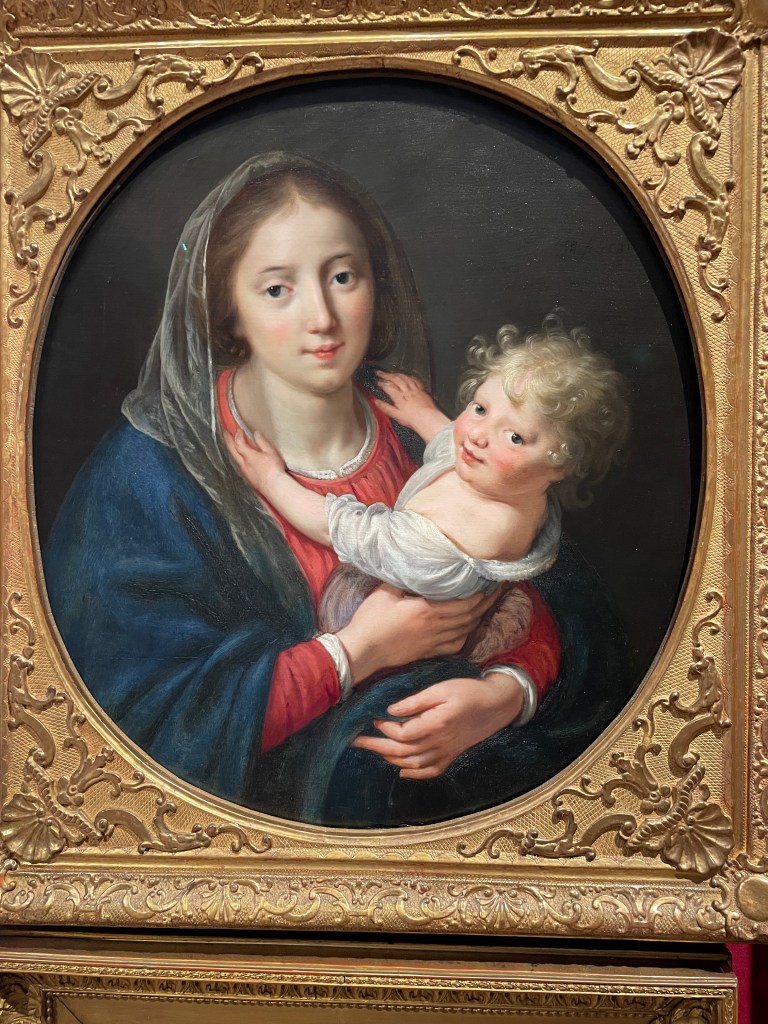
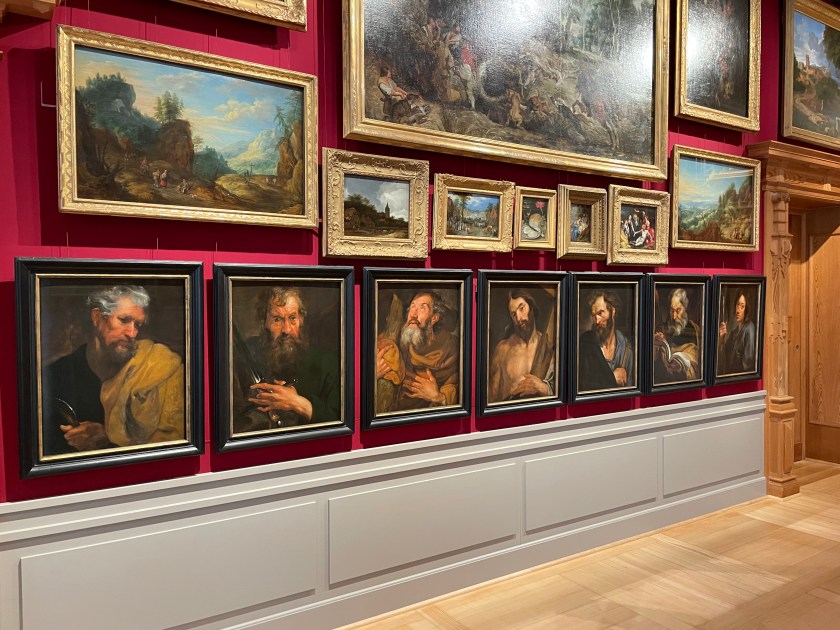
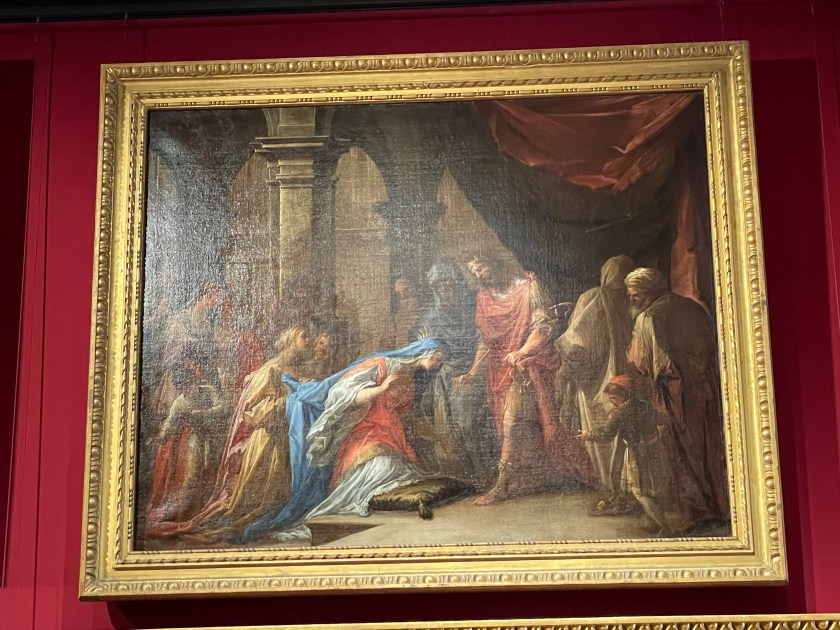
Here are some of the things we saw inside.  The art collection was impressive with many works from the masters.
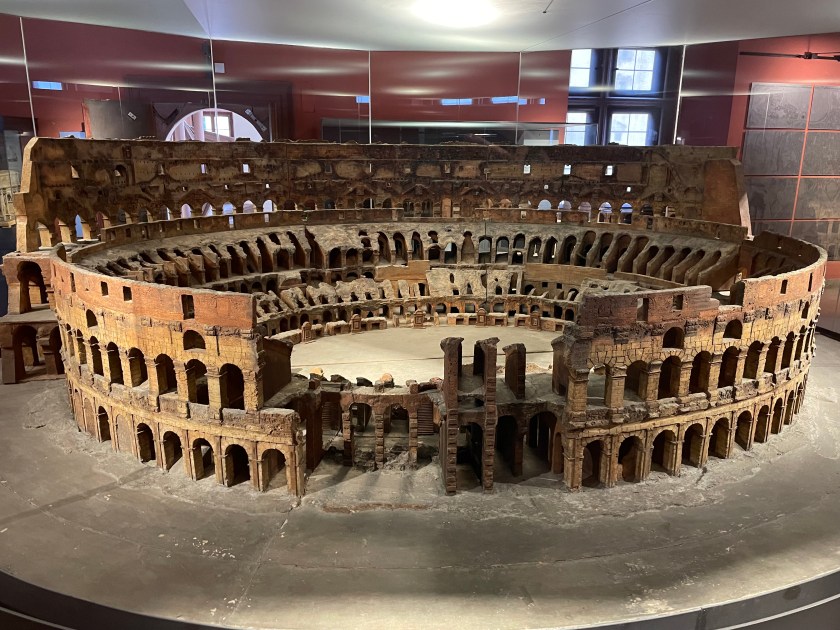
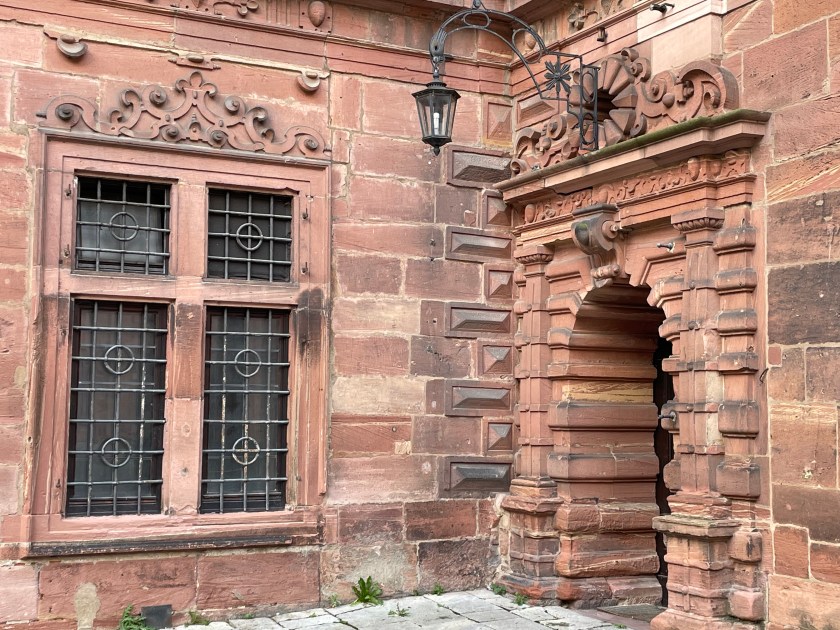
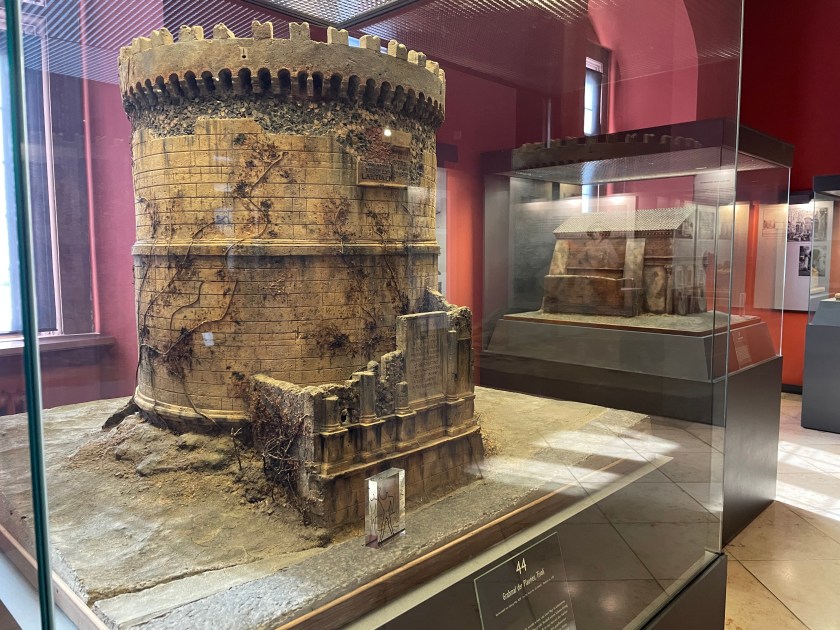
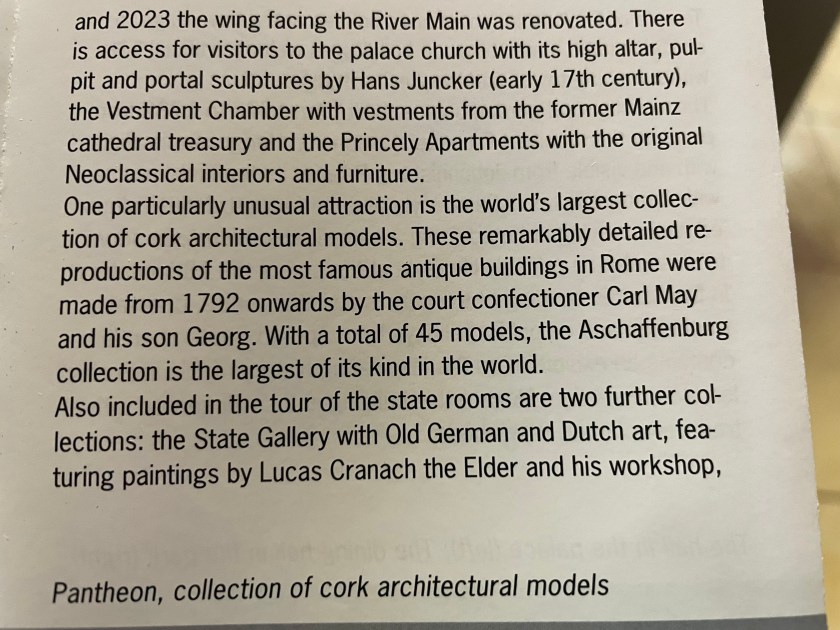
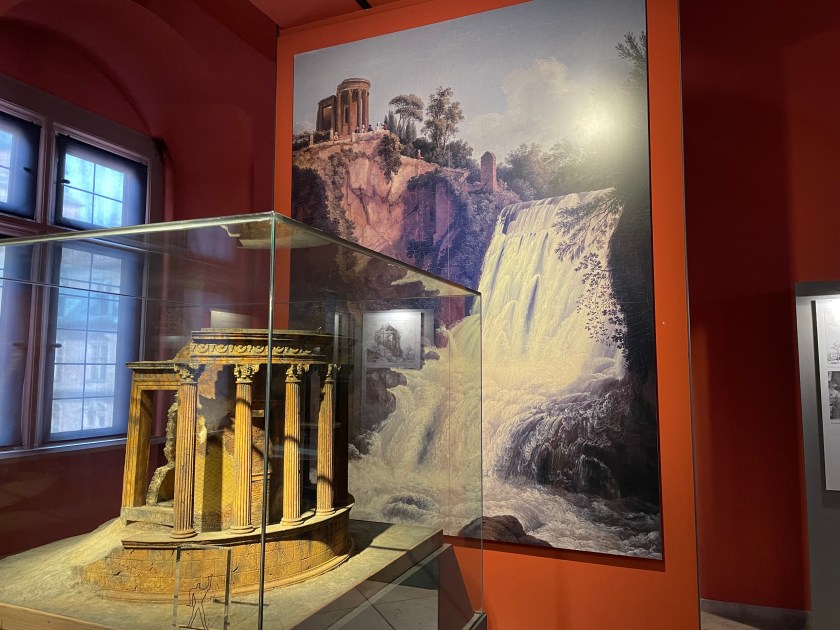
One particularly unusual attraction is the world’s largest collection of cork architectural models. Entitled Bringing Rome across the Alps, it consists of 45 models that provide an entertaining tour of ancient Rome. These remarkably detailed reproductions of the most ancient buildings in the Eternal City were made between 1792 and 1854. They include the Colosseum, the Pantheon, the triumphal arches of the emperors Titus, Septimius Severus und Constantine, the Porta Maggiore and the Pyramid of Cestius. The architectural models were made by the court confectioner Carl May (1747-1822) and his son Georg May (1790-1853). The cork material was ideal for imitating the weathered stone surfaces of the centuries-old buildings.

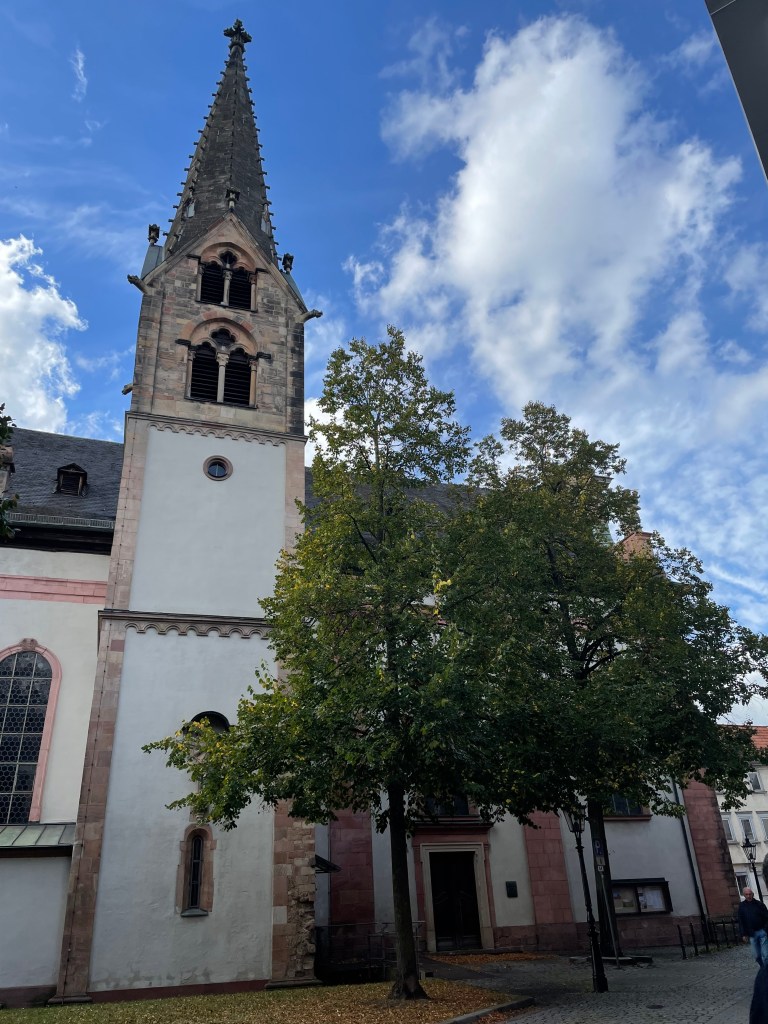
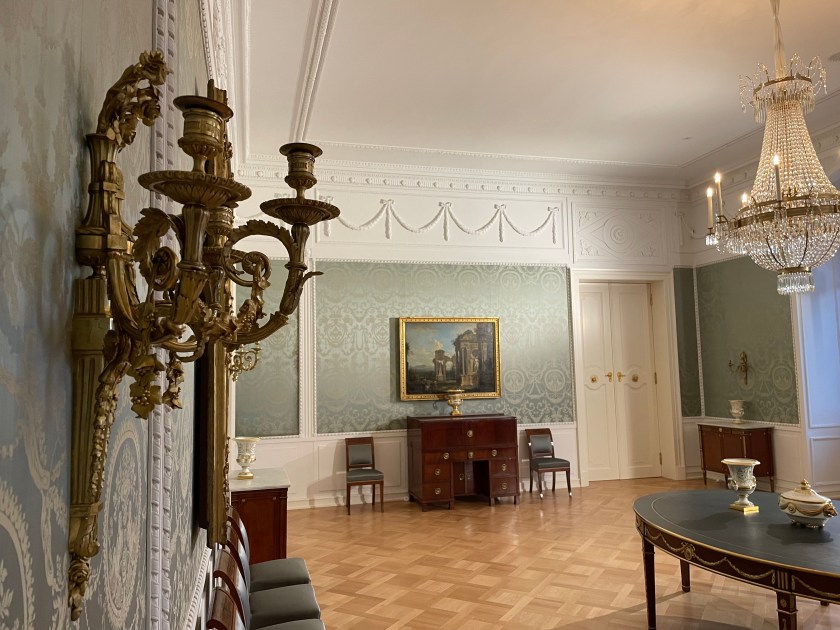
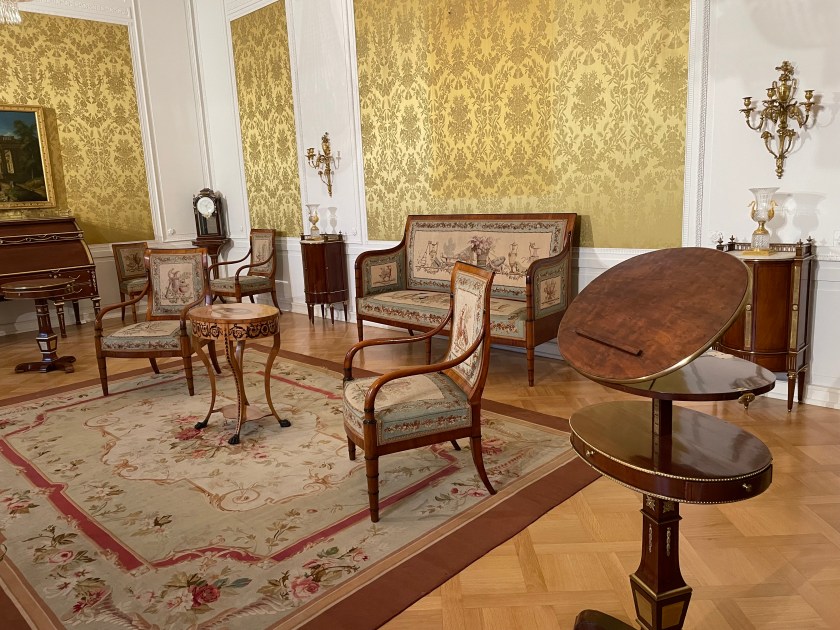
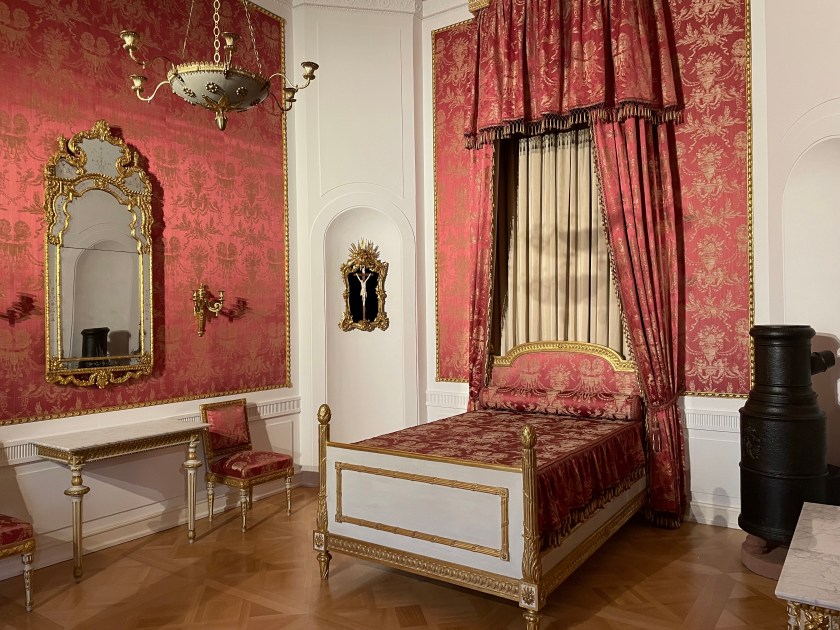
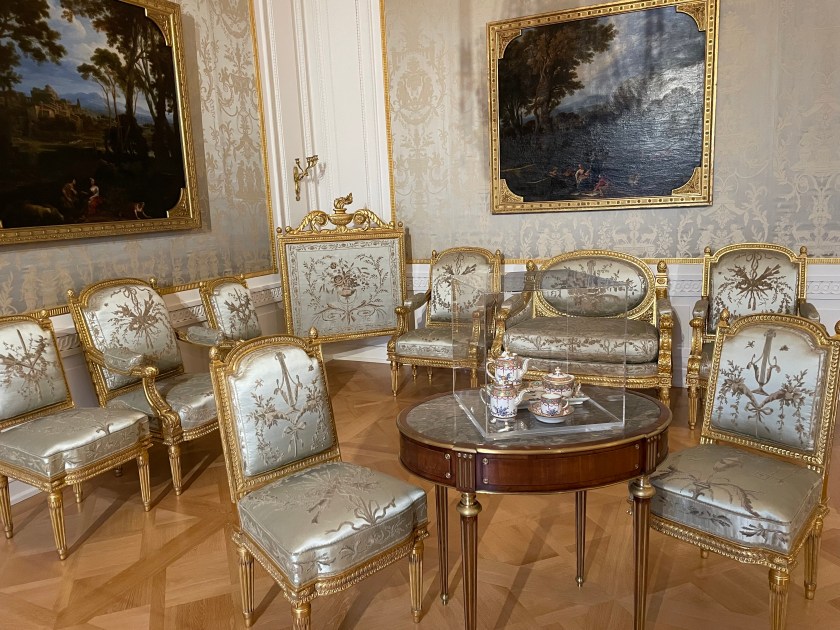
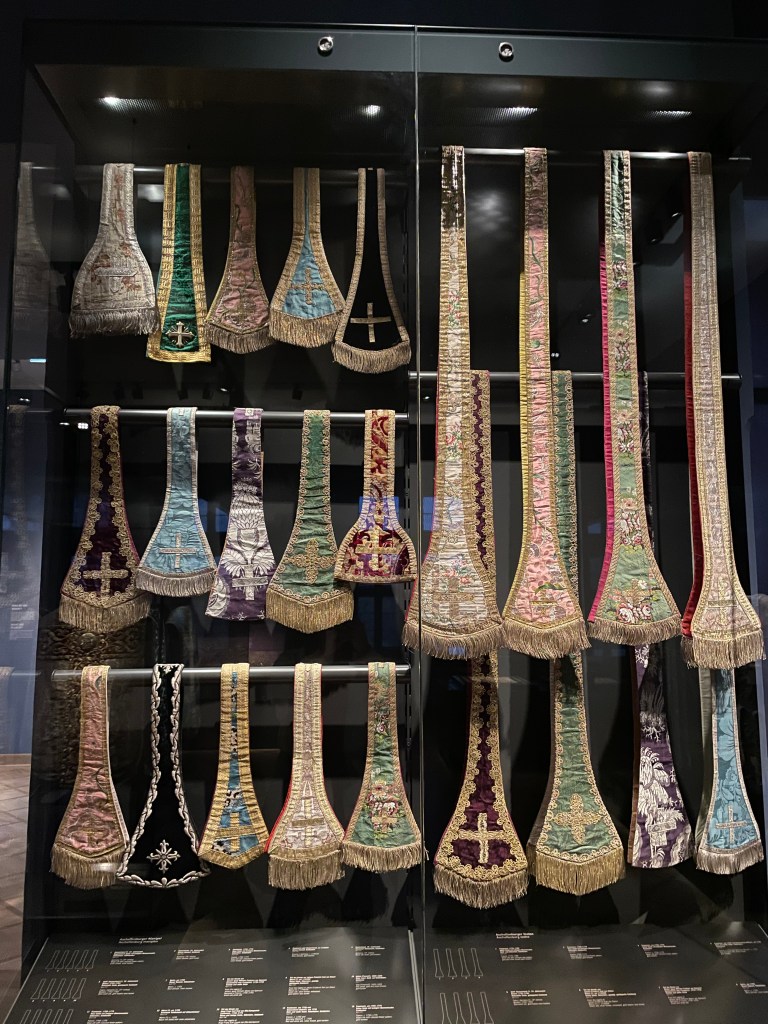
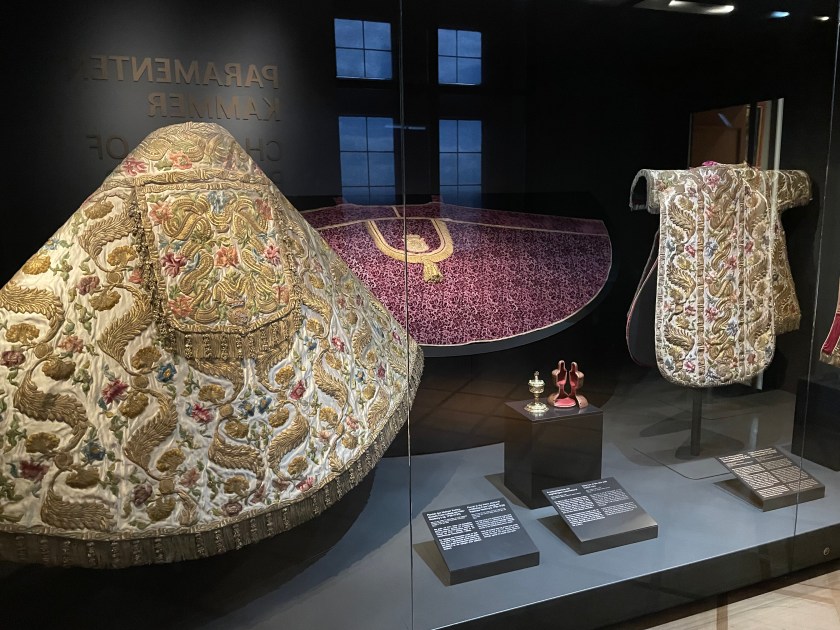
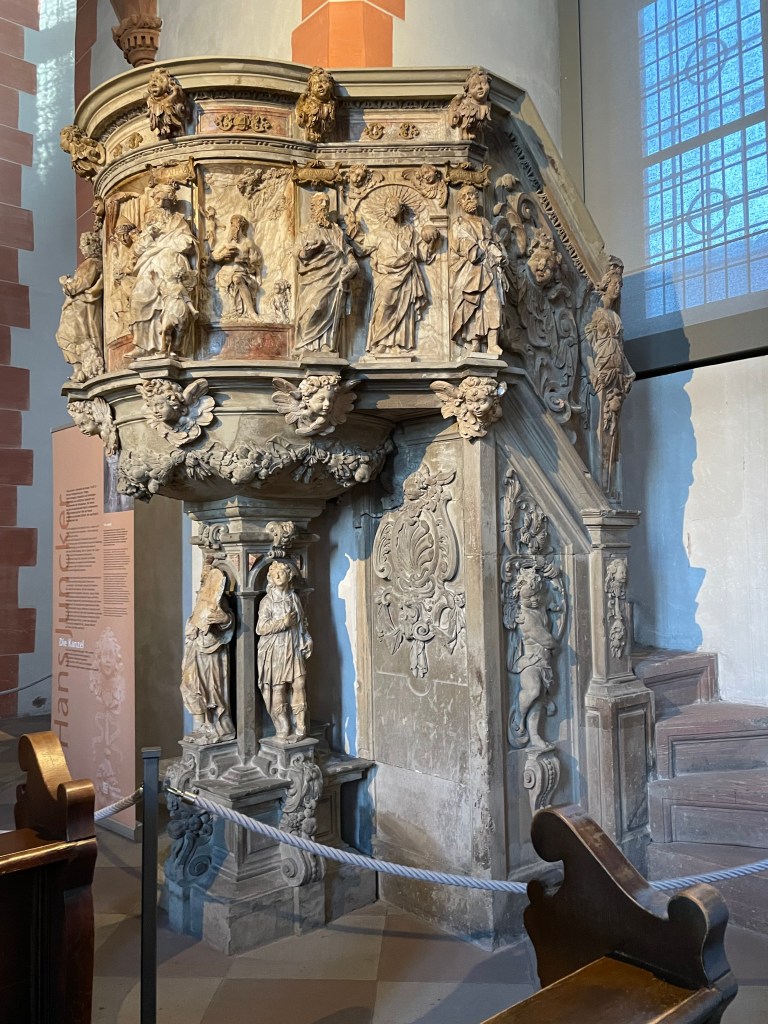
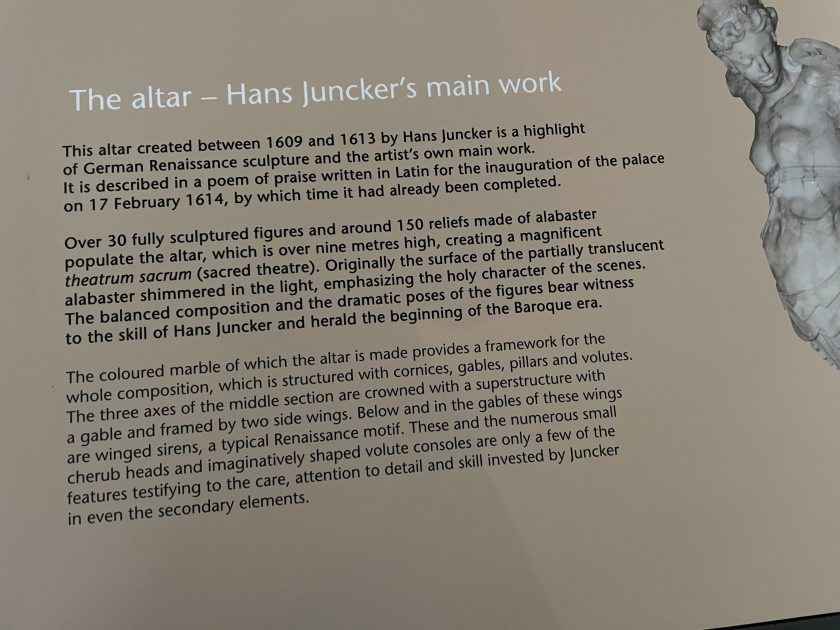
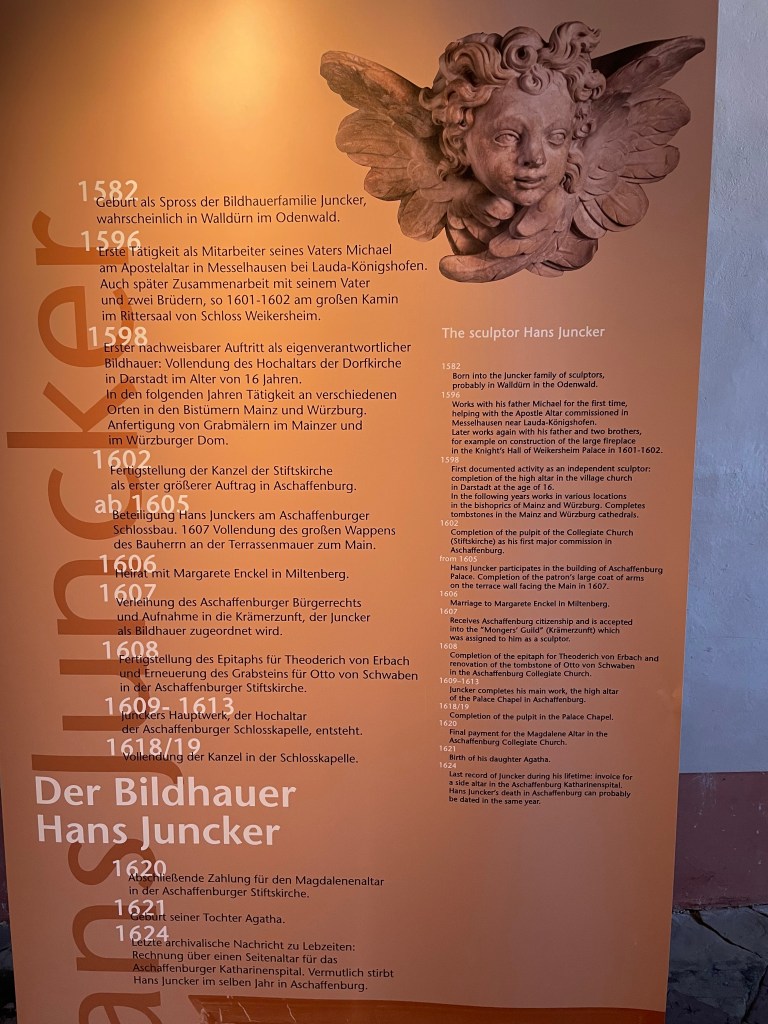
The following sections of the palace are open to visitors: an art gallery with works by Lucas Cranach the Elder (a branch of the Bavarian State Painting Collections), the Palace Church with the Renaissance altar, pulpit and portal sculptures by Hans Juncker, the Vestment Chamber with vestments from the former Main Cathedral treasury, the Princely Apartments with Neoclassical furnishings and the Municipal Palace Museum.

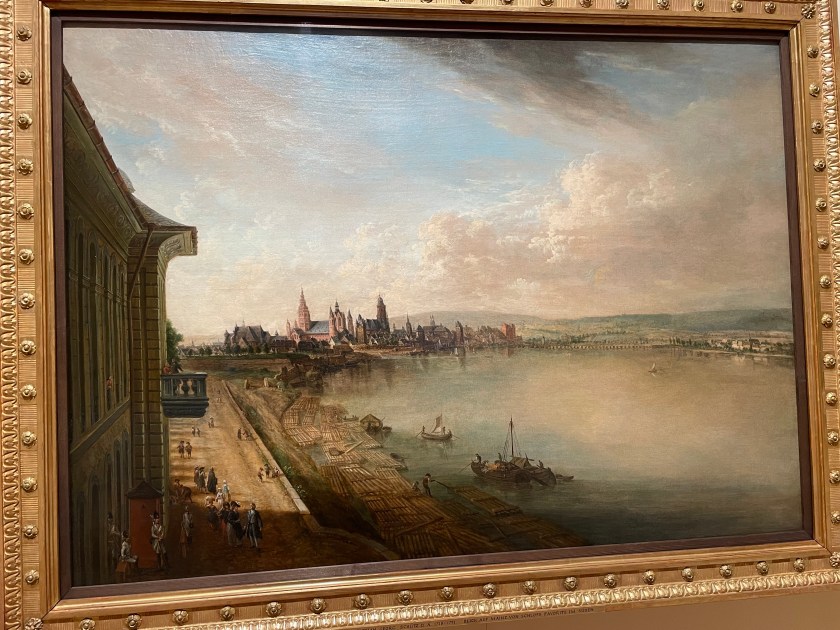
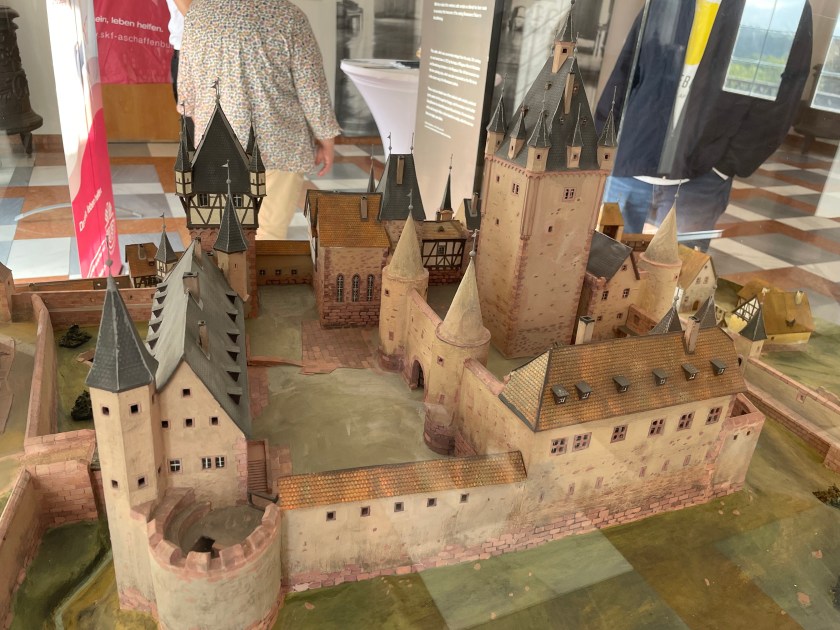
Here’s how the Palace looked a long time ago:

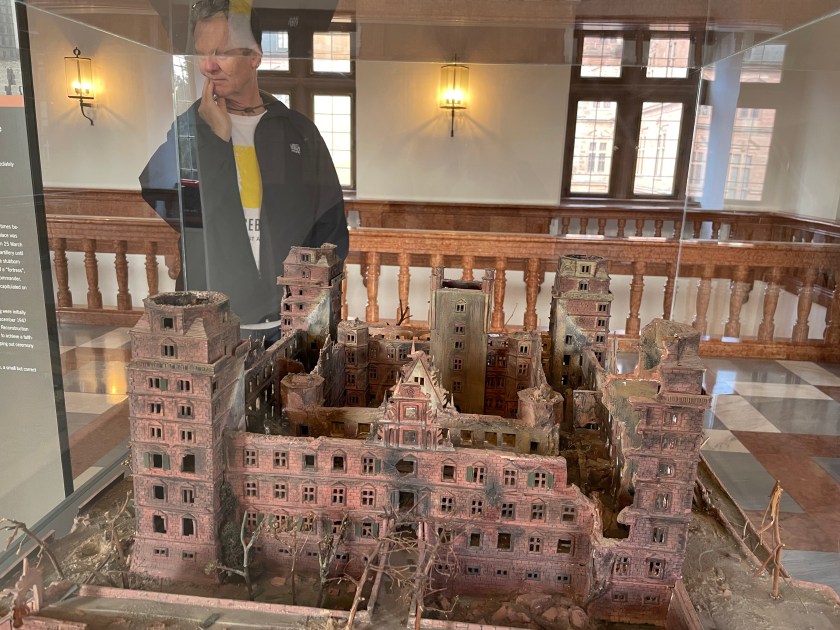
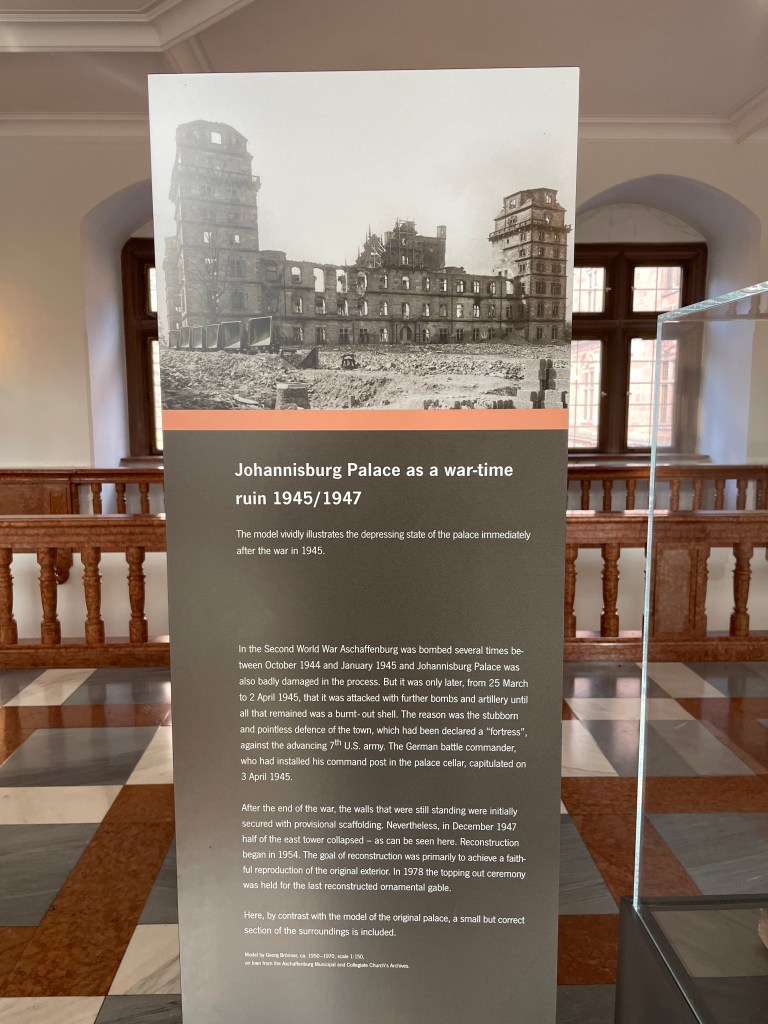
What the Palace looked like after the bombings during WWII:

Before the destruction:


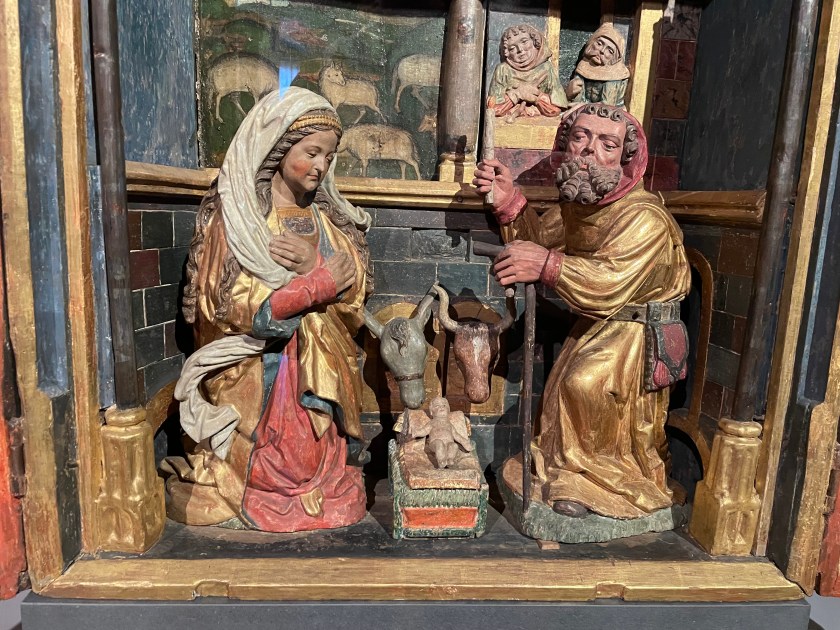
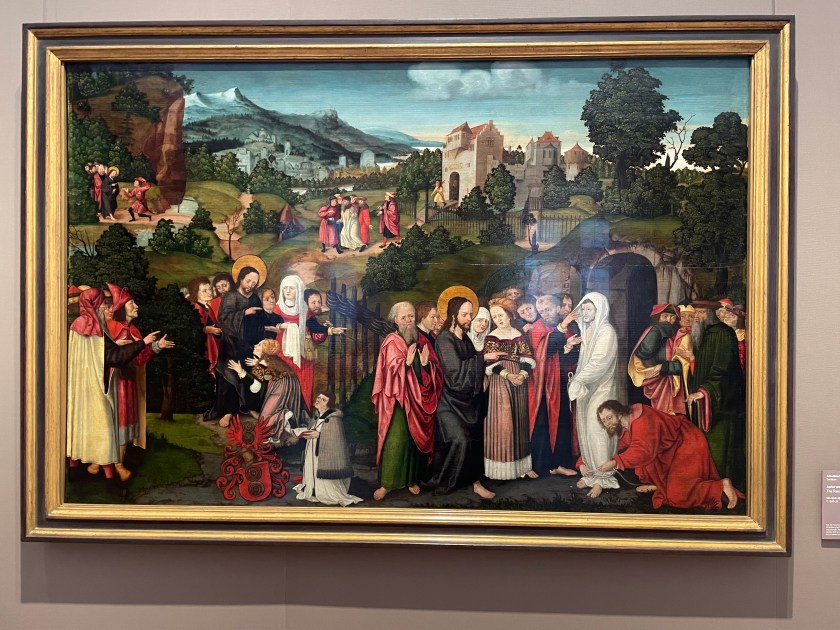
I find the religious art especially interesting.  For example, below is a depiction of the Raising of Lazarus set in Europe, with the Alps in the background and people in European 1500s dress.

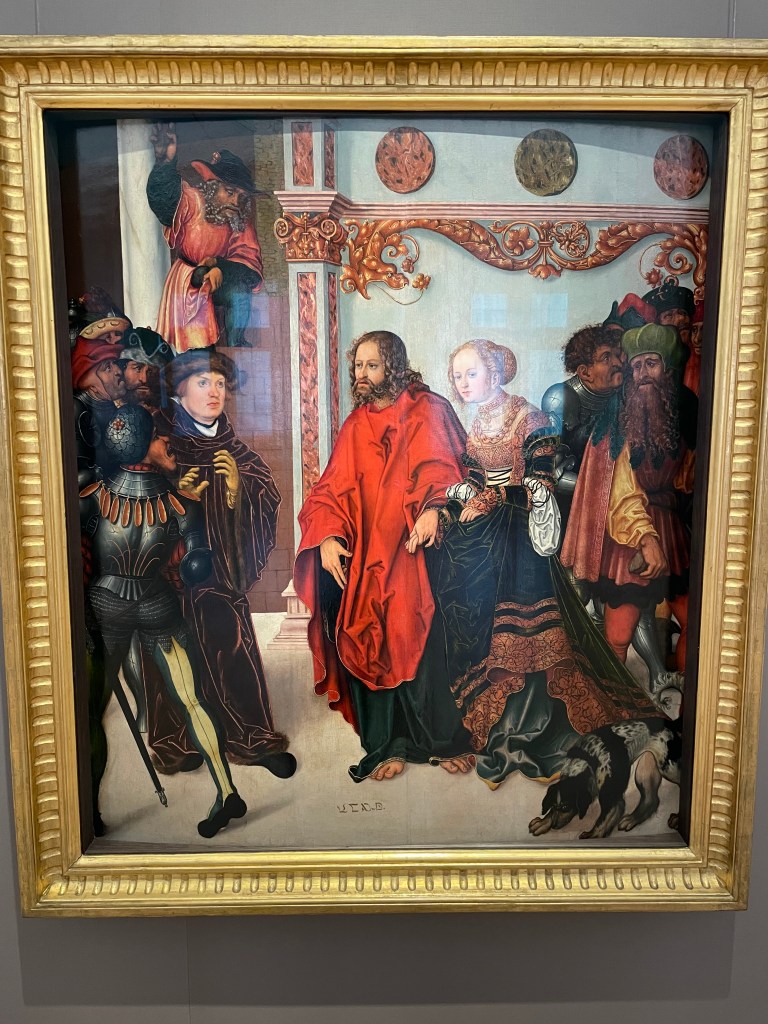
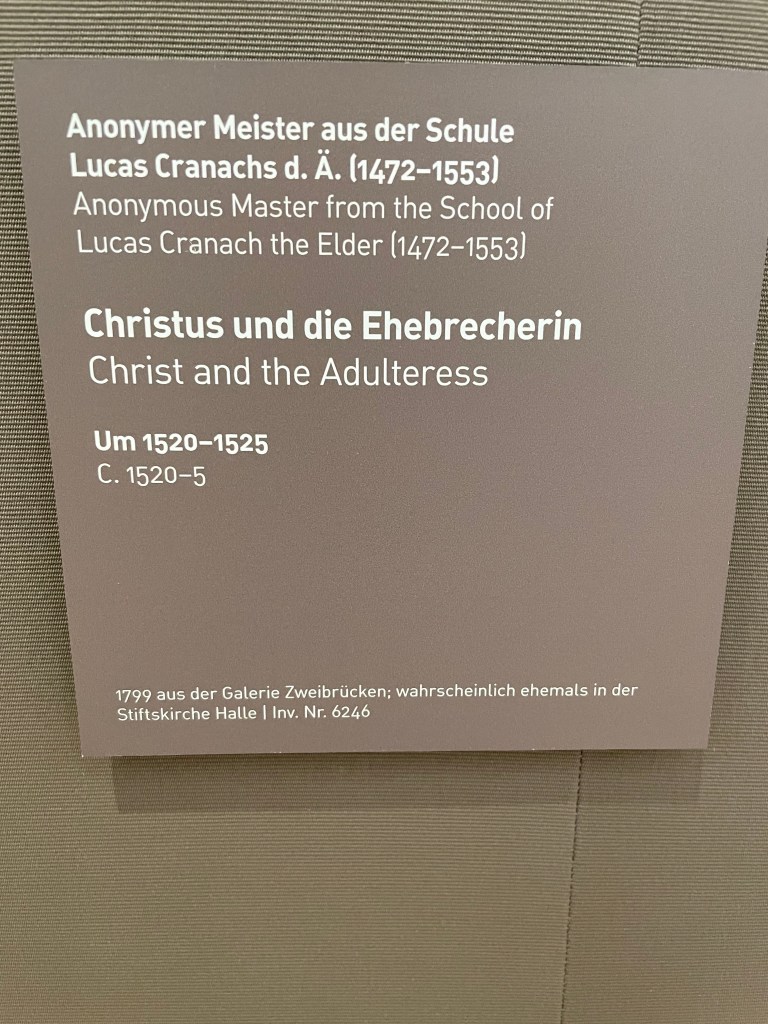
Here’s another European styled painting of Christ with the woman caught in adultery from the 1500s.

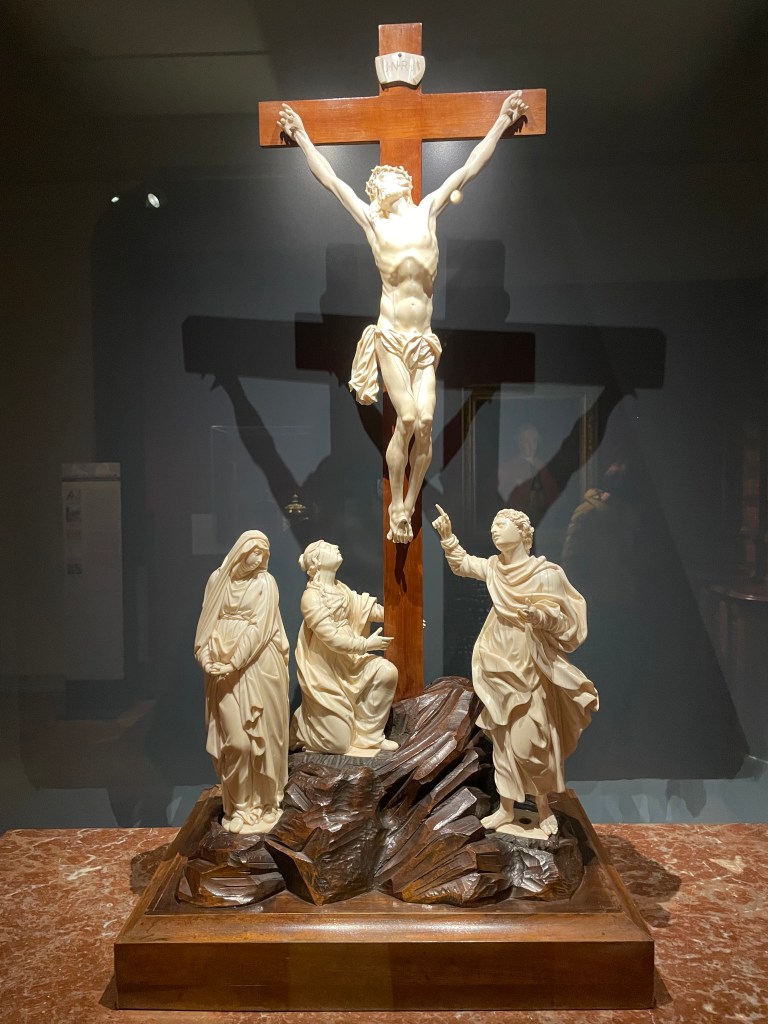
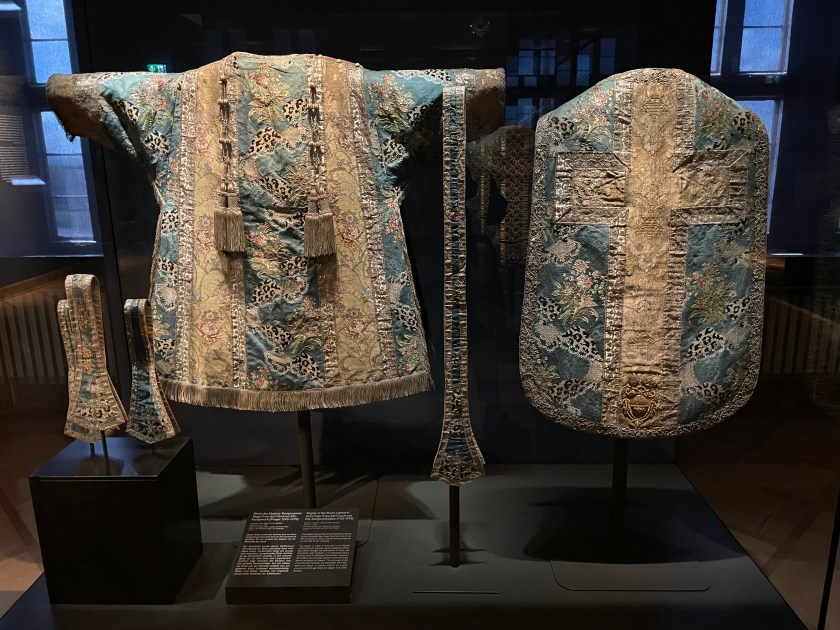
There was a beautiful chapel in the Palace.  Here are some of the vestments once used there.

Looking down into the chapel from above:

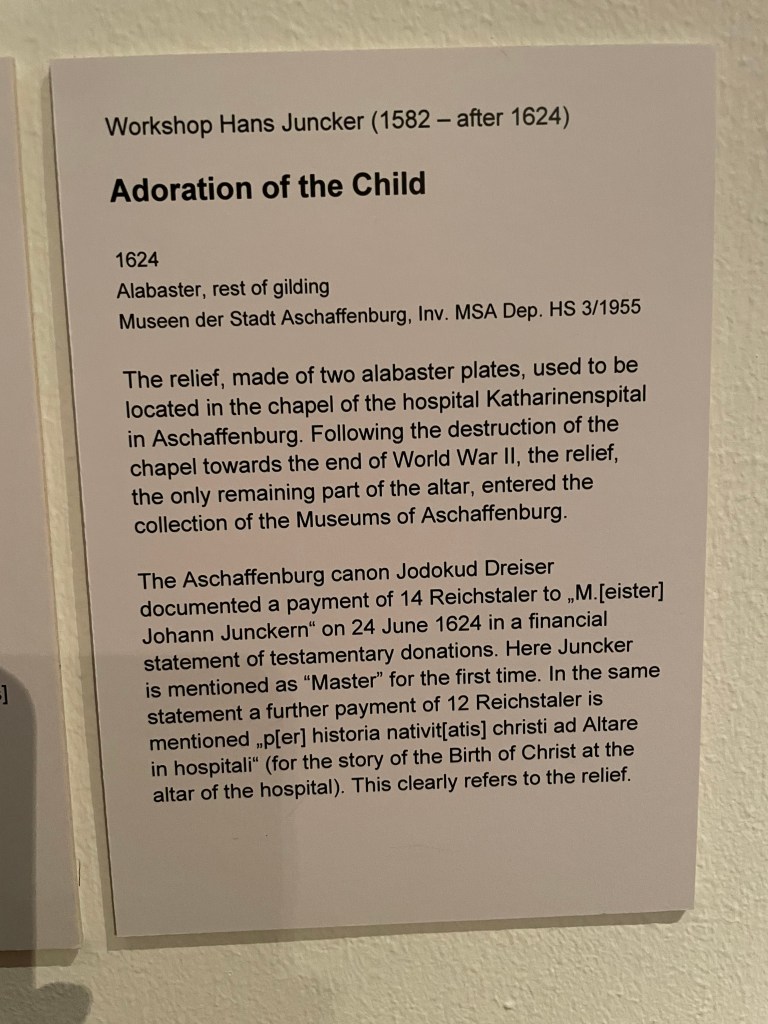
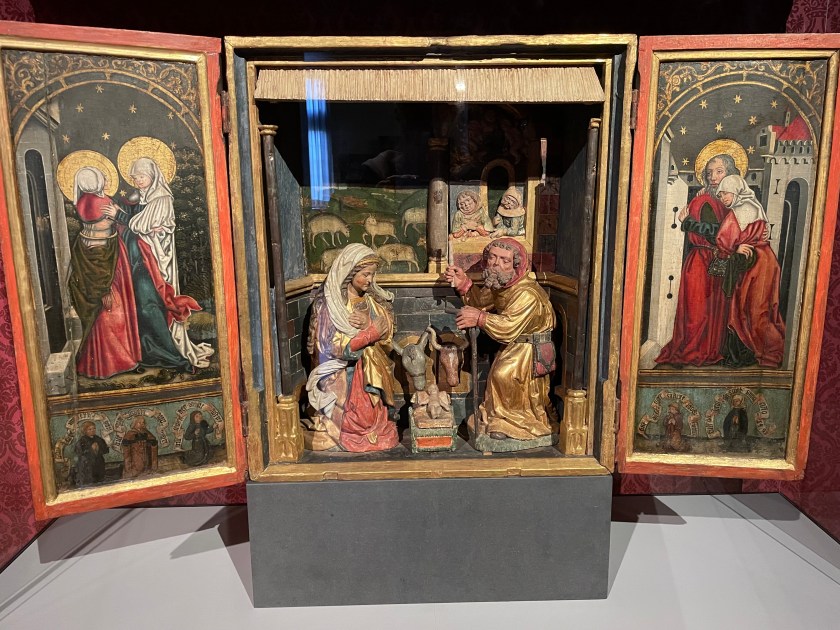
This famous alter piece was put back together after WWII bombings.

The beautiful pulpit:

It’s all so very interesting and impressive.

Helping Frau Enger Winterize her Garden

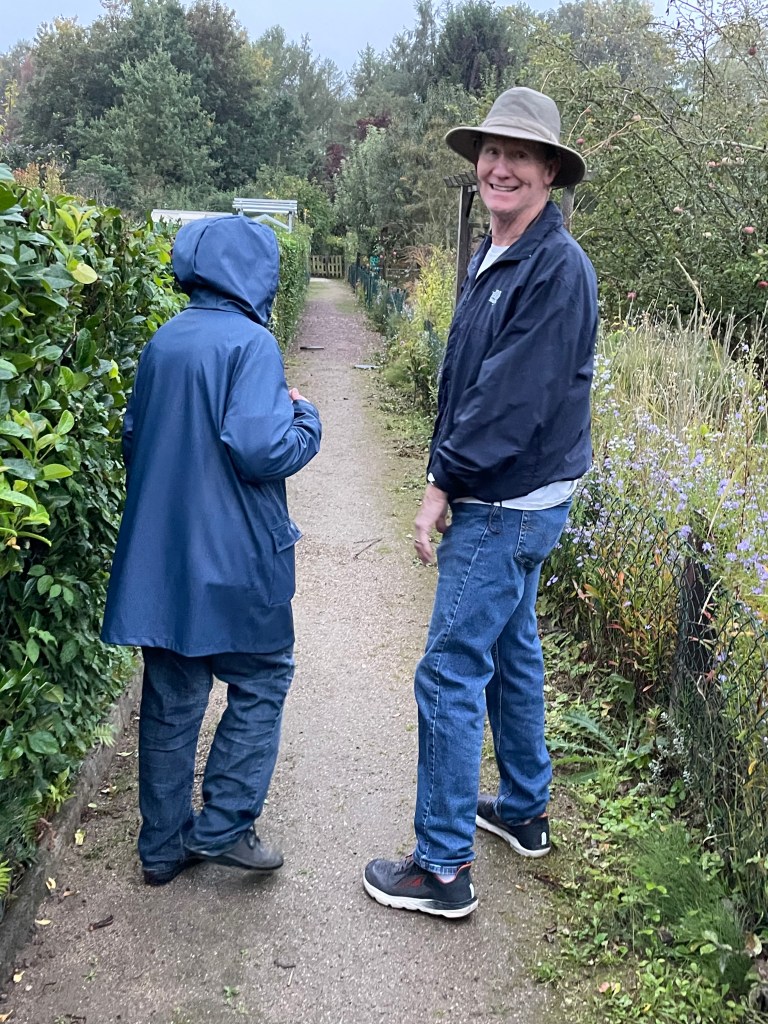
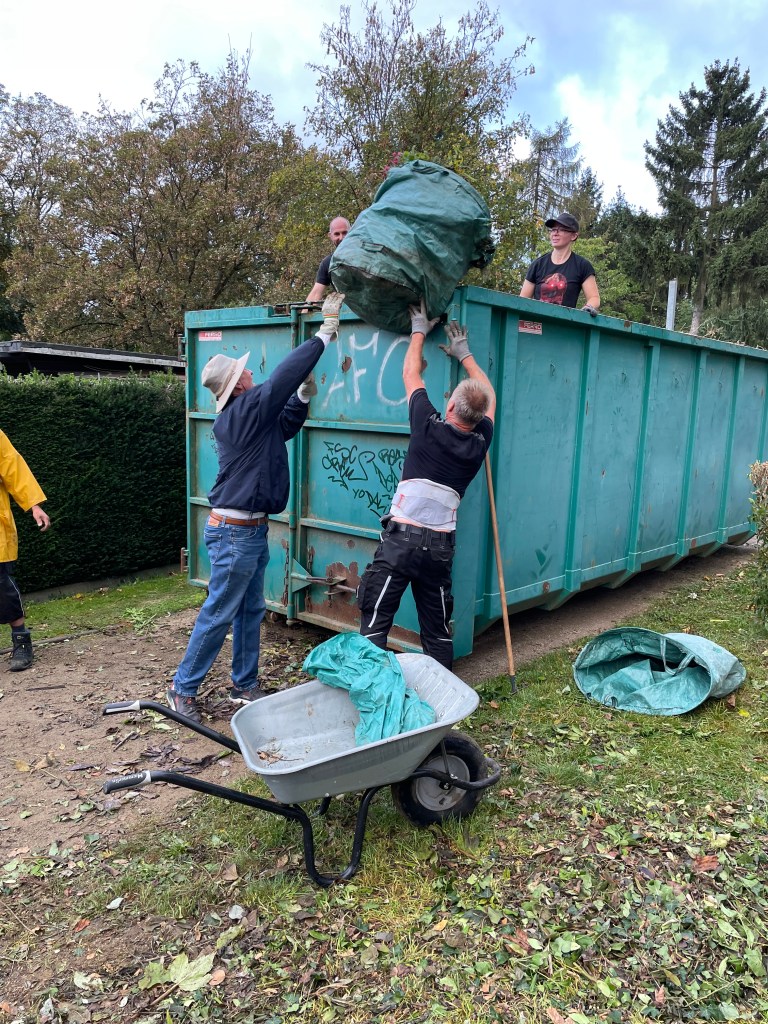
We got up early to meet Fr. Enger by her garden at 8:00. Today was the day the big truck came to take away everyone’s garden clippings and refuse.

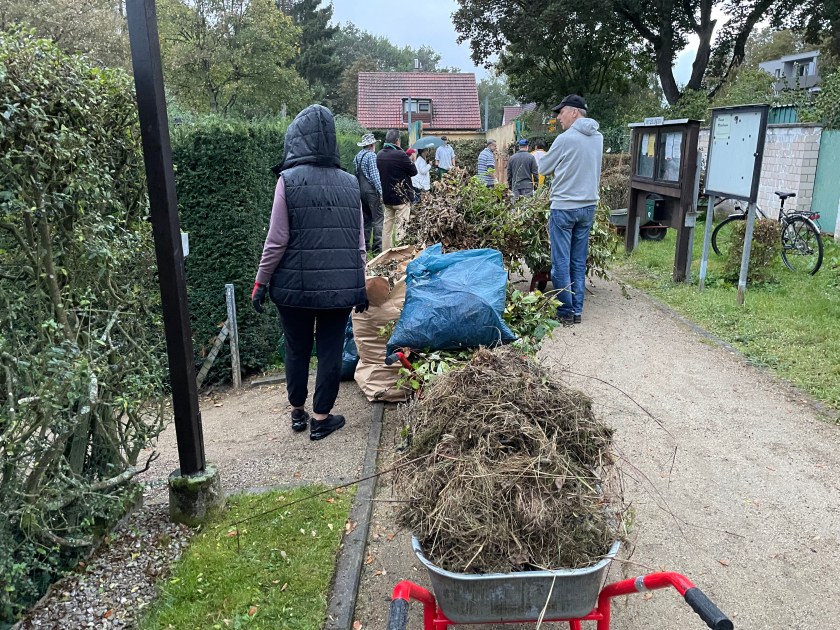
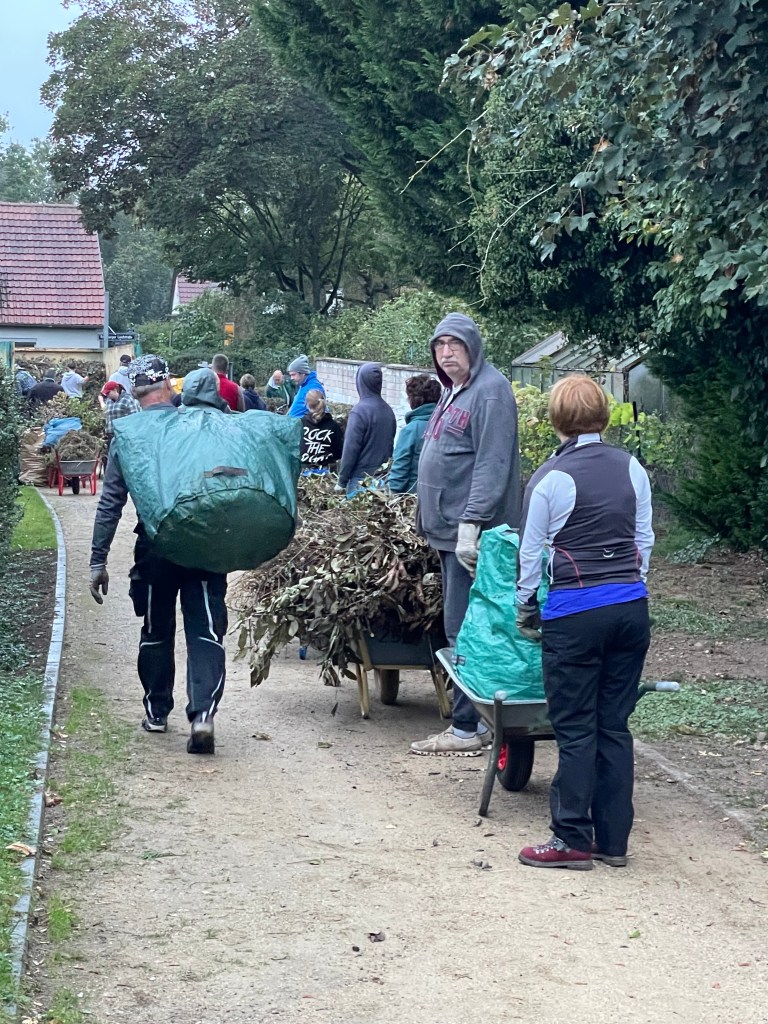
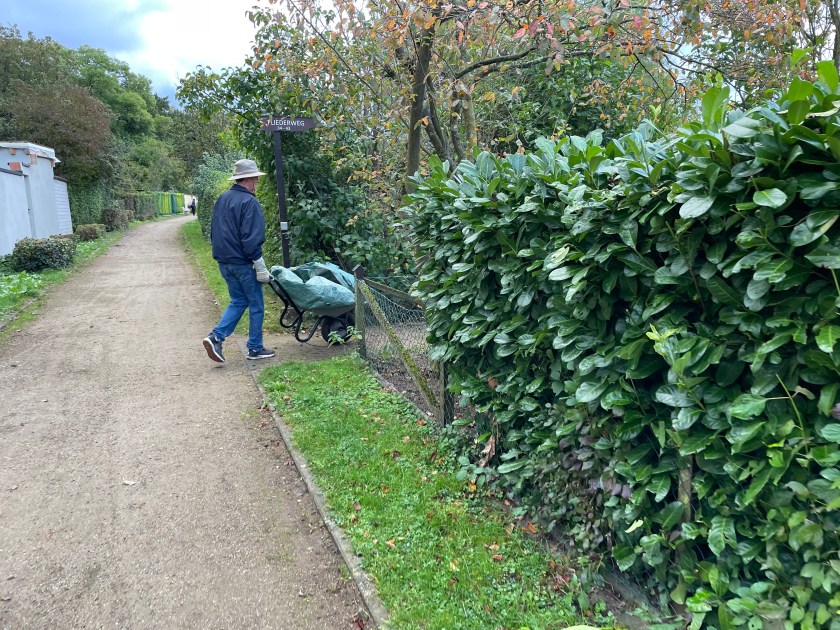
There was a line of people with full wheelbarrows behind the truck when we arrived. Everyone turned out to clean their gardens and bring their bags and barrows of stuff to the truck.
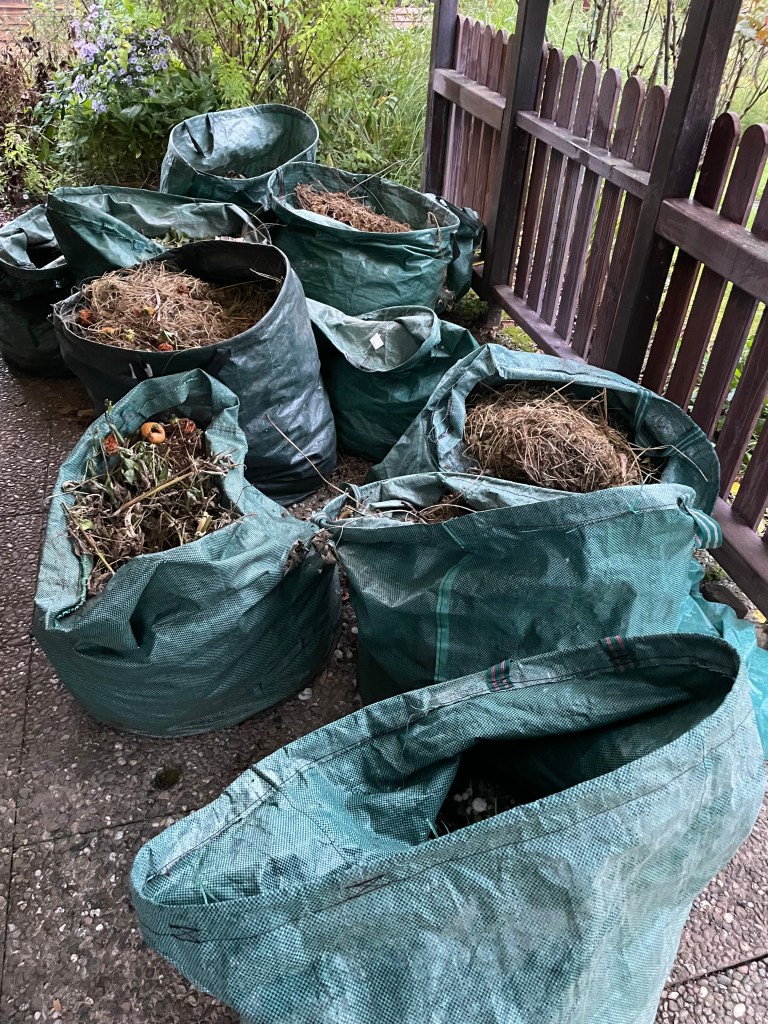
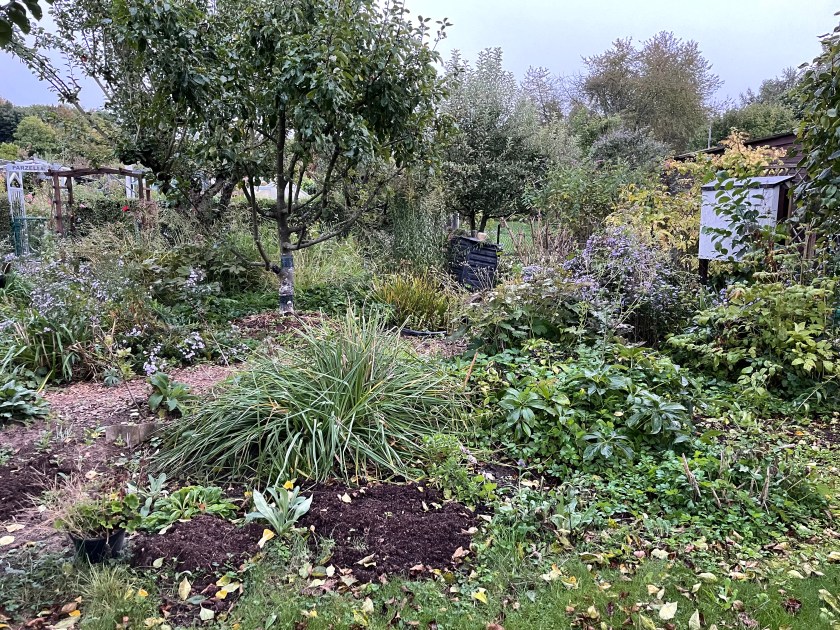
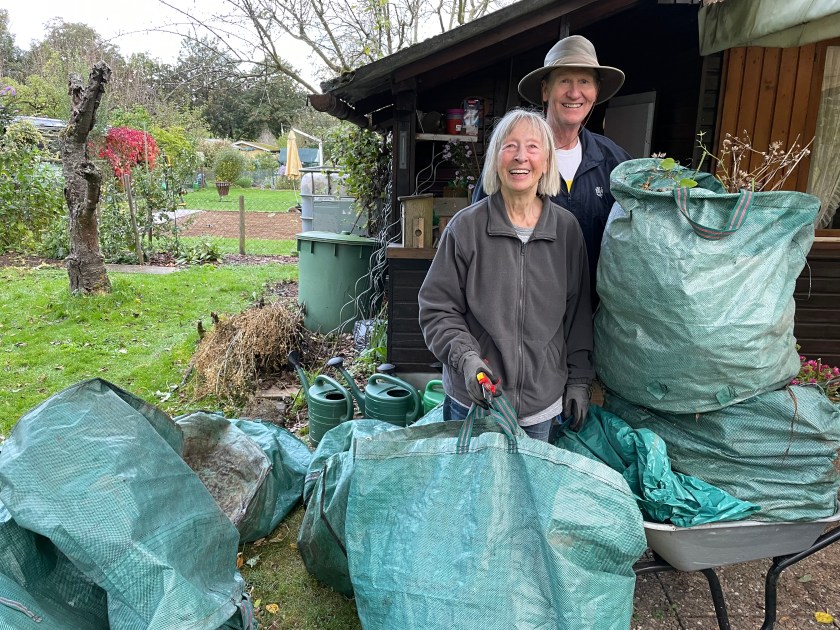
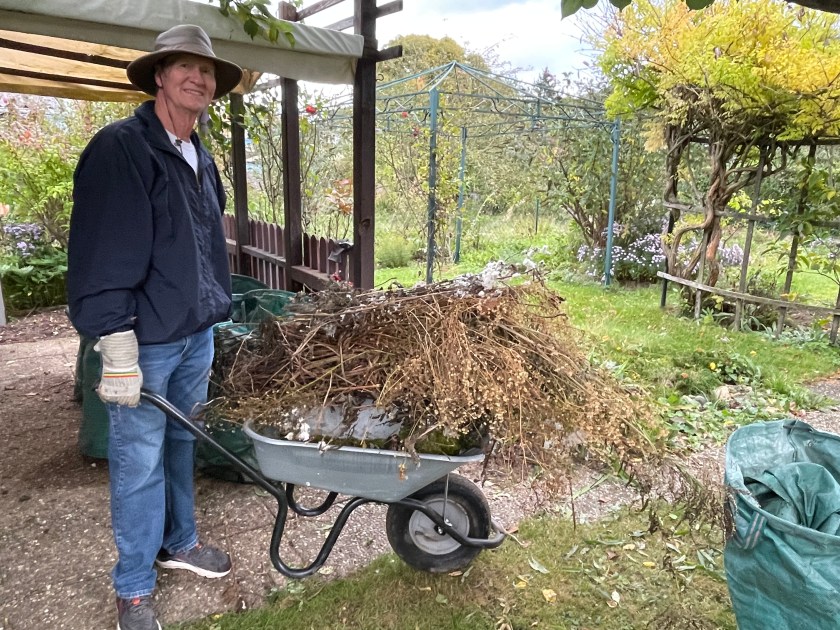
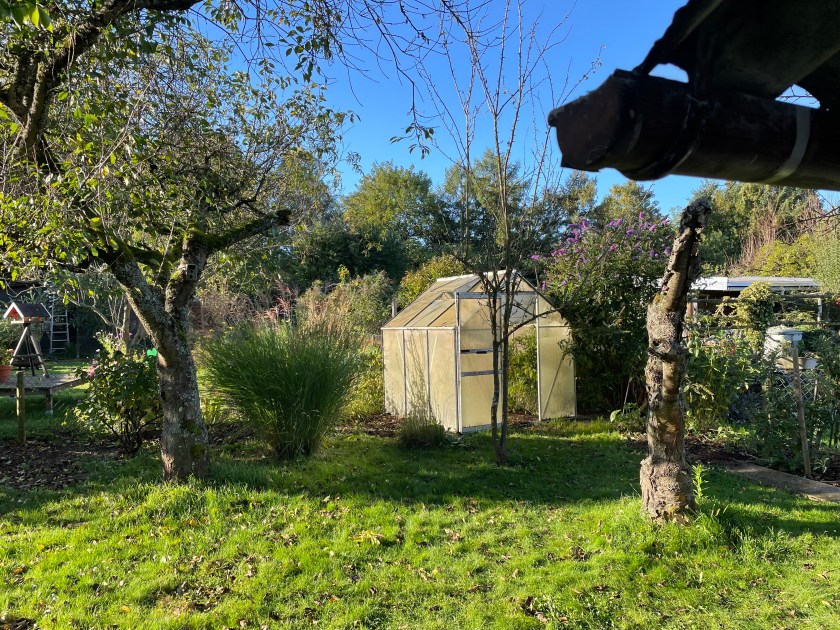
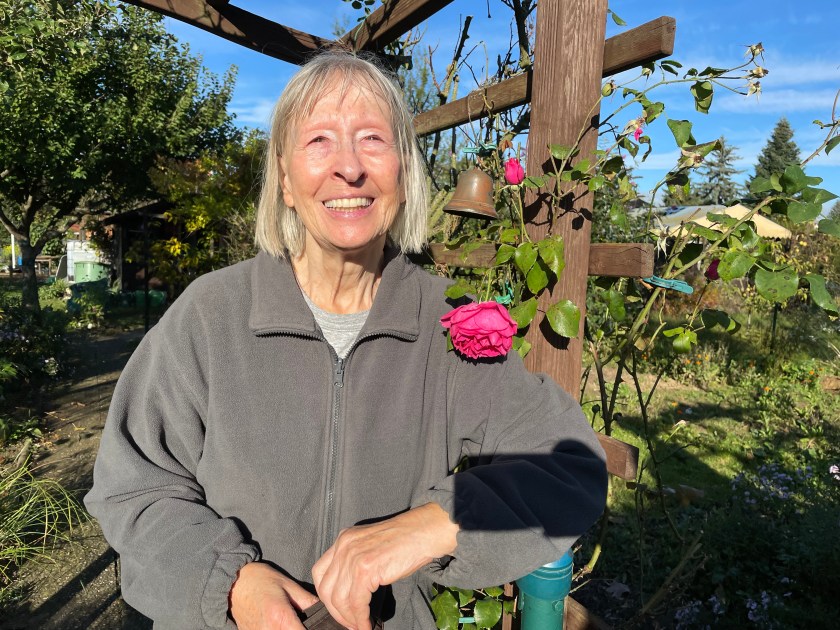
When we walked into the heart of the garden plots to Erika’s #41, she had about a dozen large refuse bags filled and ready to go. John started taking them to the truck while Erika and I kept pruning, deadheading, and cleaning out more beds. We filled more bags as John emptied them. It was supposed to rain, but there was only a light sprinkle, then it cleared and the sun came out and made everything beautiful.

We worked for 2.5 hours.  We picked tomatoes and pulled out the plants. I trimmed Iris and daylilies. This is the last season Erika will have this garden. She is giving up her rent on it after many years, and will join her son’s garden a few plots over.

John dug up an large old beloved rhubarb plant with a small shovel.

The end of the harvest:

This has been a place of peace and refuge.  I’m not sure how Erika will walk away from it.

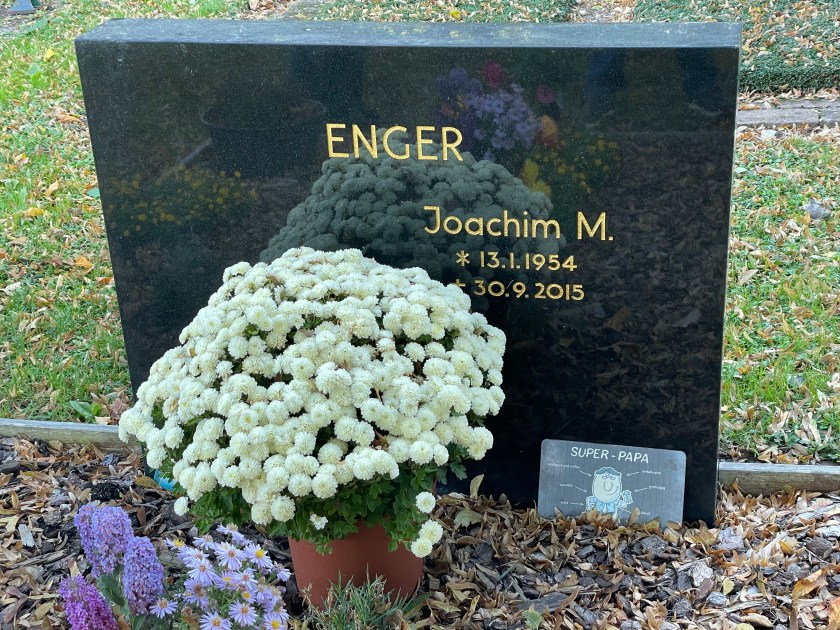
After we got done what needed to be done for now, we  walked over to the cemetery across the way and went to visit her husband, Joachin’s grave. It was a beautiful fall day in the cemetery with leaves fluttering down. It was nice to spend some time with Erika.

Remember John and Joachim were mission companions many years ago.

The Phoenix Haus Assembly Room

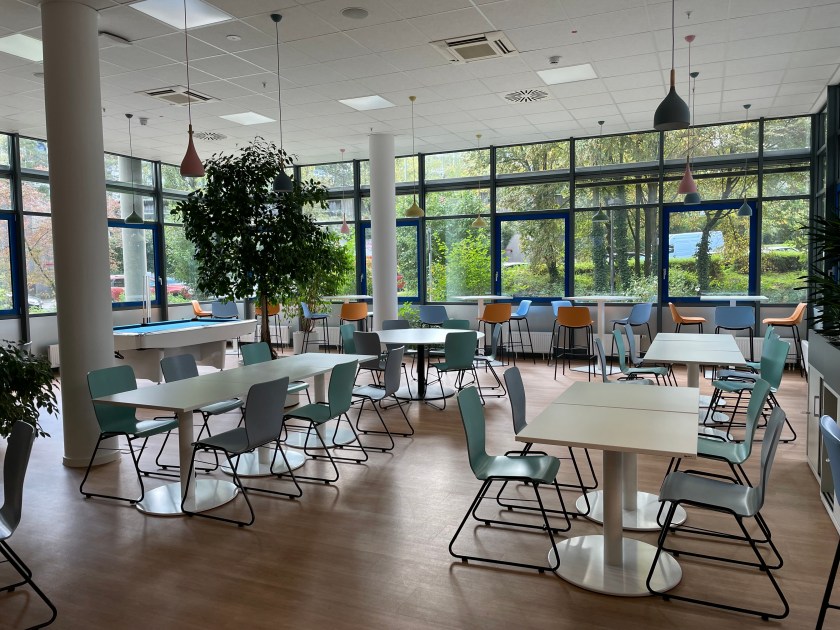
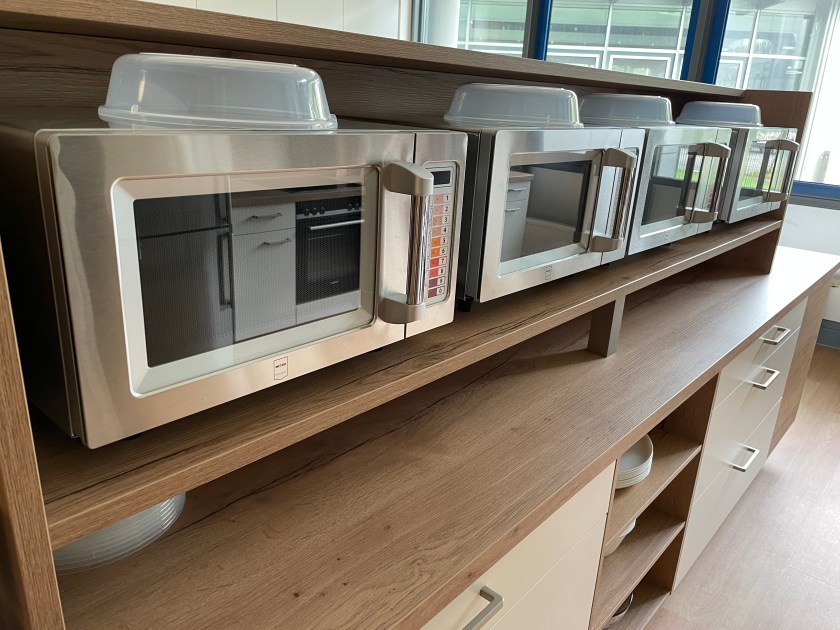
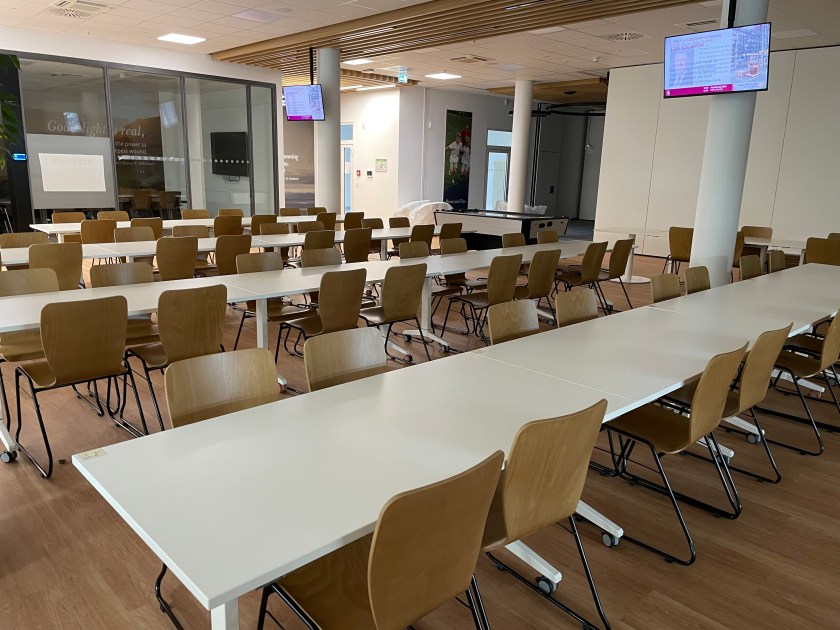
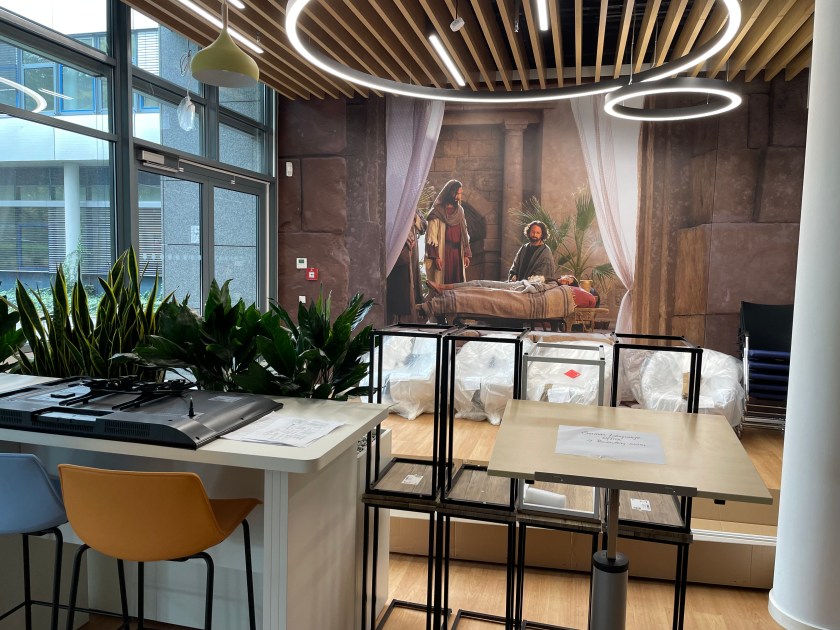
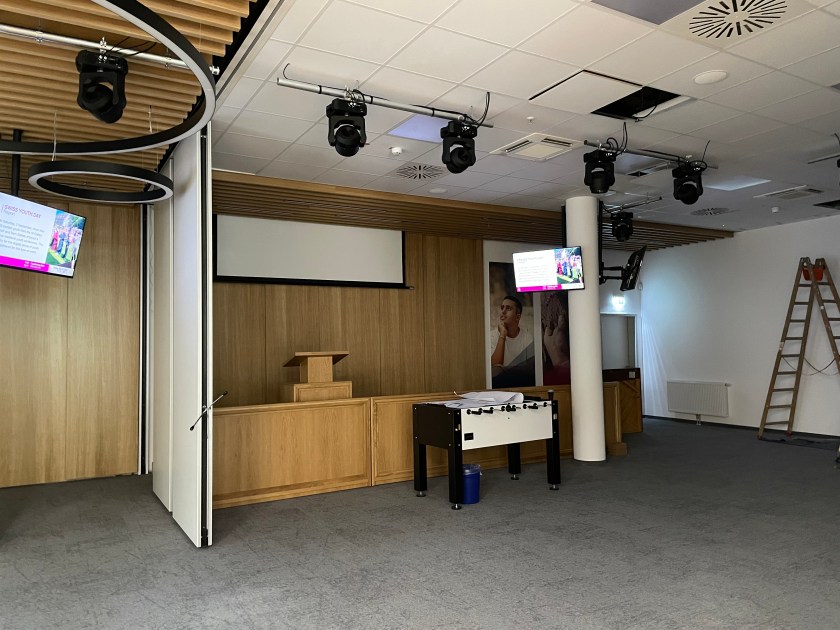
The lunch room/ assembly room / meeting room in the Phoenix is coming together bit by bit.  Soon we’ll be able to move into it.

This is the beautiful artwork that will greet us at the entry:


Standing ready!

The room can be turned into a meeting place for devotionals or large gatherings.

It’s going to be grand.

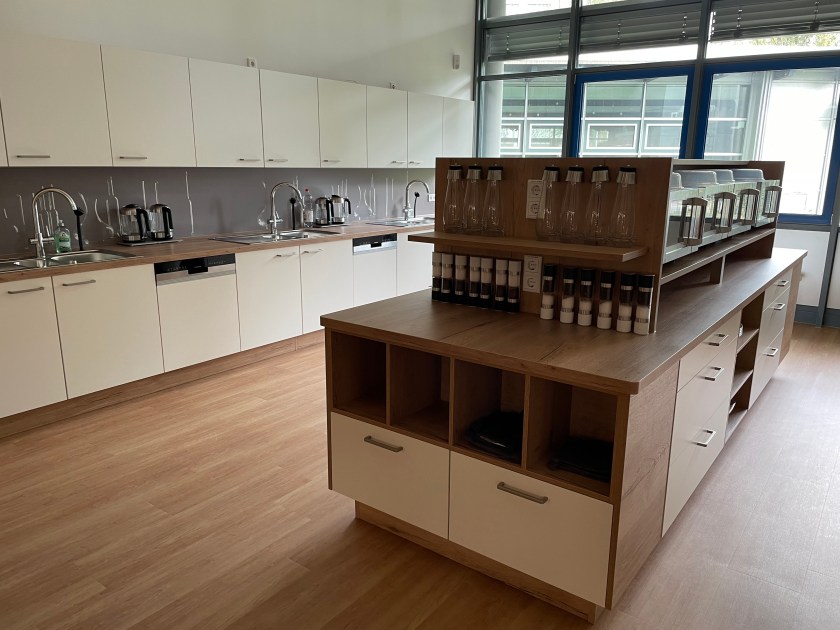
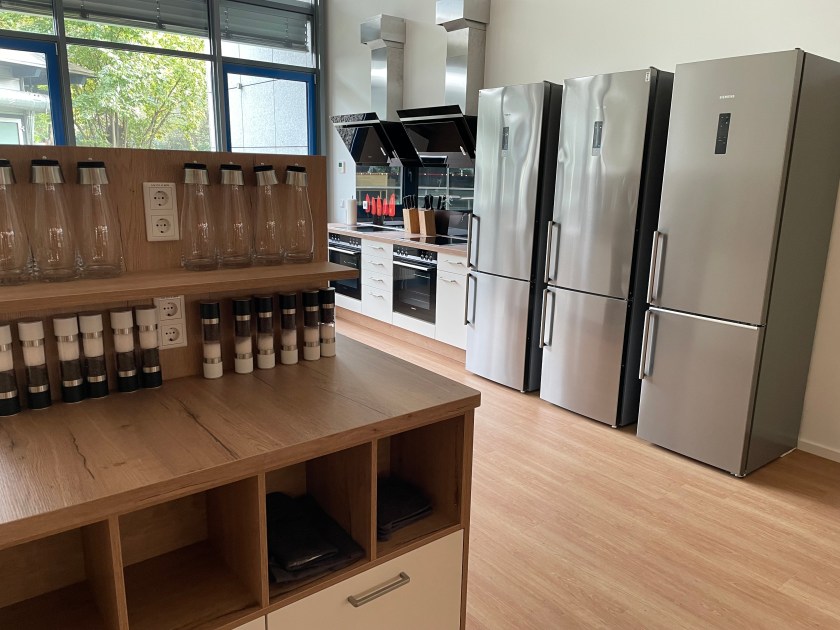
Another addition to our small department kitchens–a drawer of herbal teas and hot chocolate.  Most of these tea packets are to be used with cold water in our water bottles (a gift to every new employee or missionary).  I’ve been trying some of these and they are delicious.

We are busy now preparing and planning for the Phoenix Haus Open House next month.  We’re working on the invitations and messaging.  We’re excited to invite our friends, neighbors and civic leaders to our new office building.

A Visit from Sis Atkinson

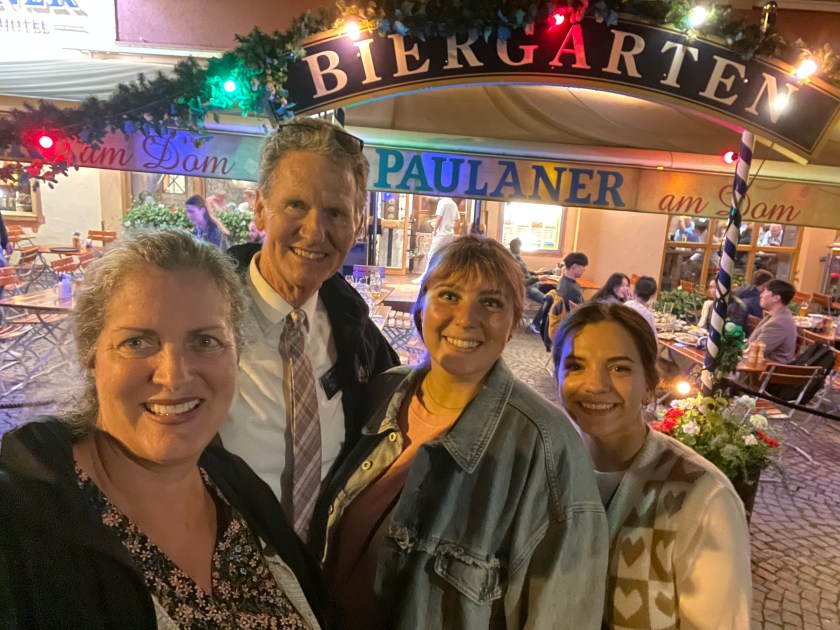
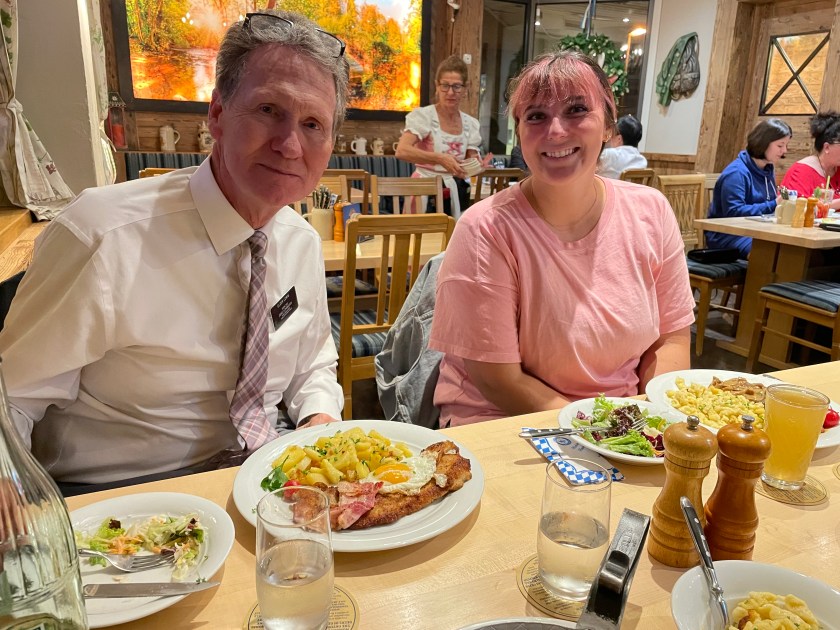
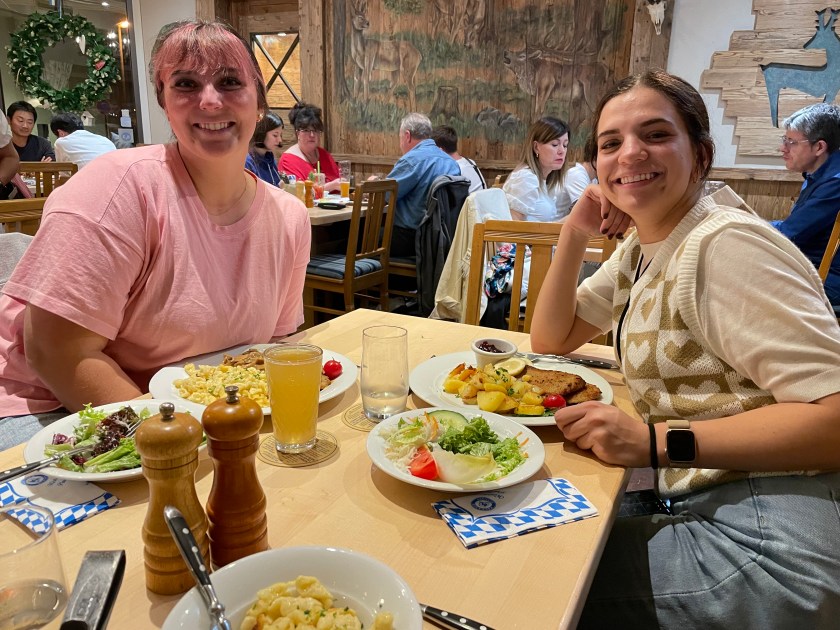
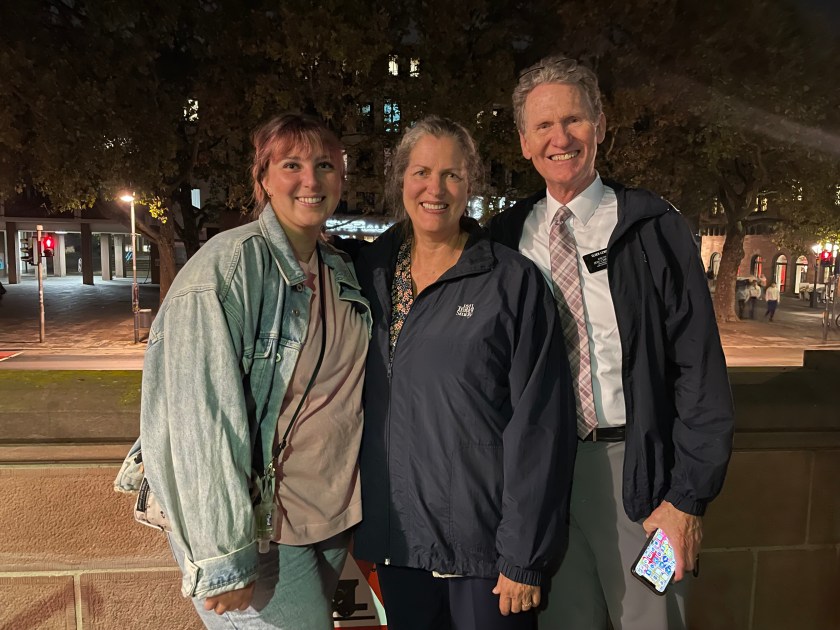
Tonight we had a real treat.  Sis Sandra Atkinson, one of our Yakima missionaries was passing through Frankfurt with a friend and we met up for dinner downtown.  We loved the visit and catching up on the things she’s doing.  We love seeing our missionaries, especially in unexpected places!

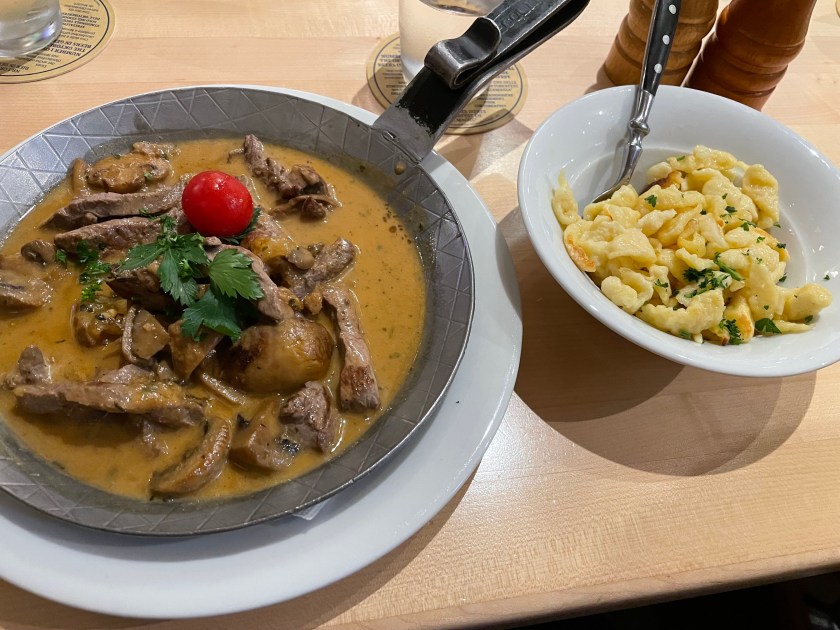
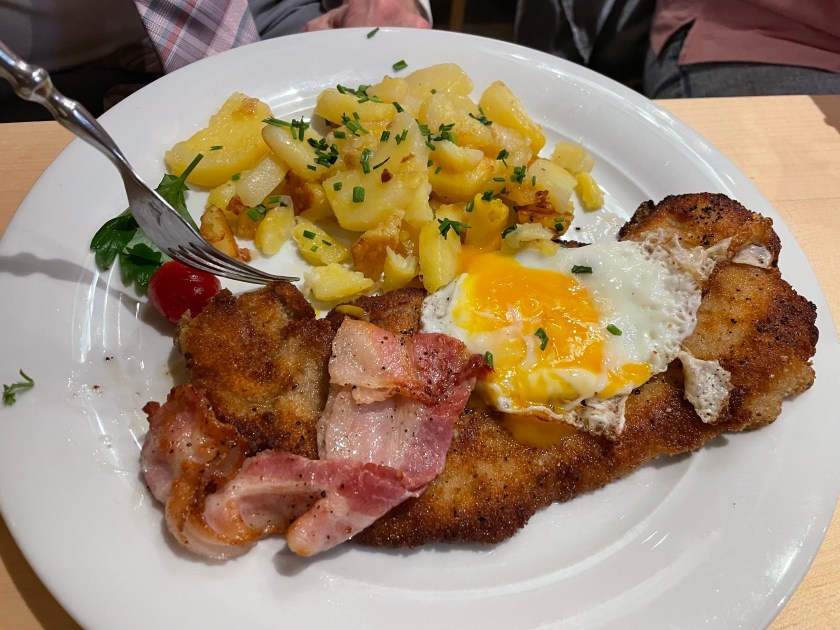
Oh my, this food was so good!!  Schnitzel, Spaetzle and creme sauce.  YUM.

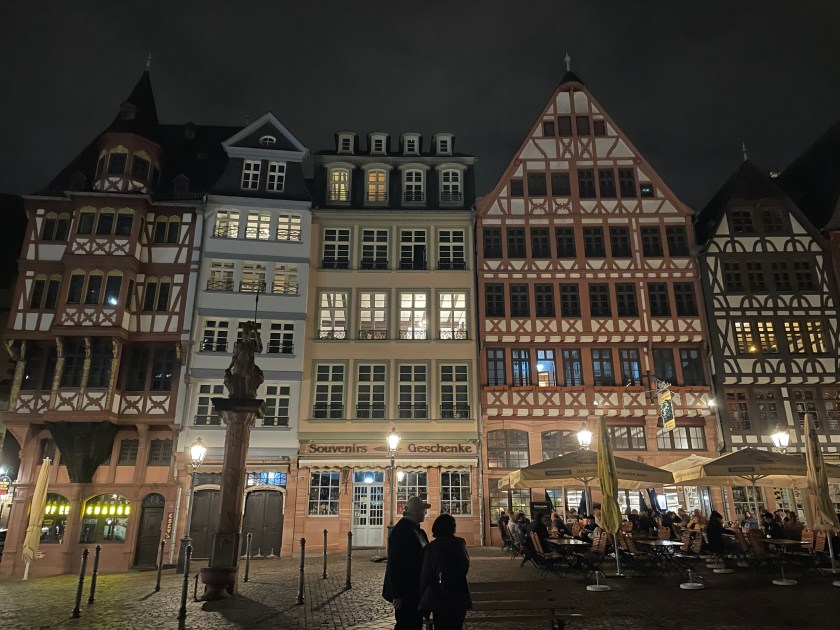
We showed them around a bit after dinner.  It’s still beautiful in the dark.