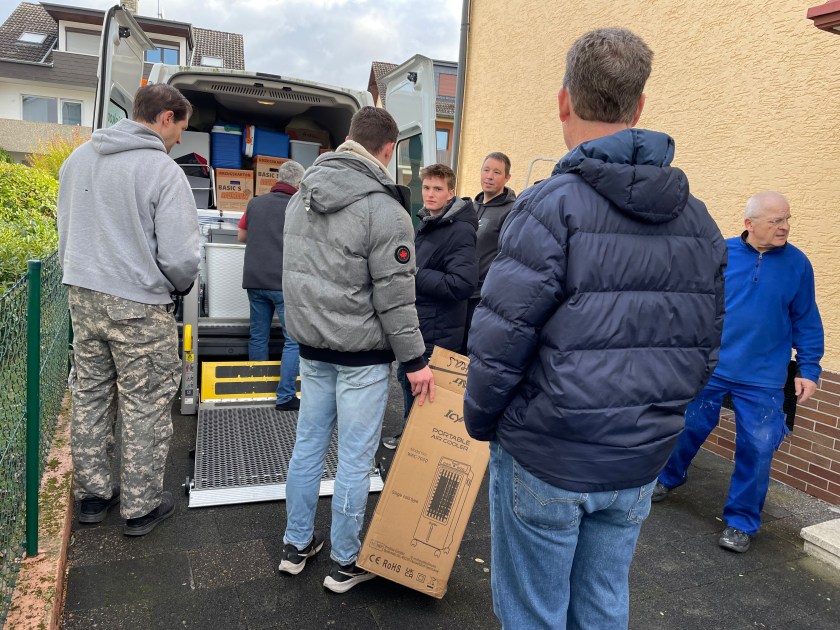
Our Saturday was a little more local than usual. This morning we helped one of our Offenbach members move to a different apartment.
In Germany, when a family moves out of a house, they take everything, including the kitchen–with all of the cabinets, counters and appliances. In the bedrooms, all closets and built-in pieces come out. The place is left an empty shell. If you don’t take it all with you, you put it out on the street and others take it until the trash men haul it away.
After the move was complete, we asked a local friend if there was any place in the area we should visit. We had 2 hours to spend before going to a missionary choir practice. We were in Heusenstamm and told there was a castle there that was nice to visit, with “a lovely walk around the grounds.”
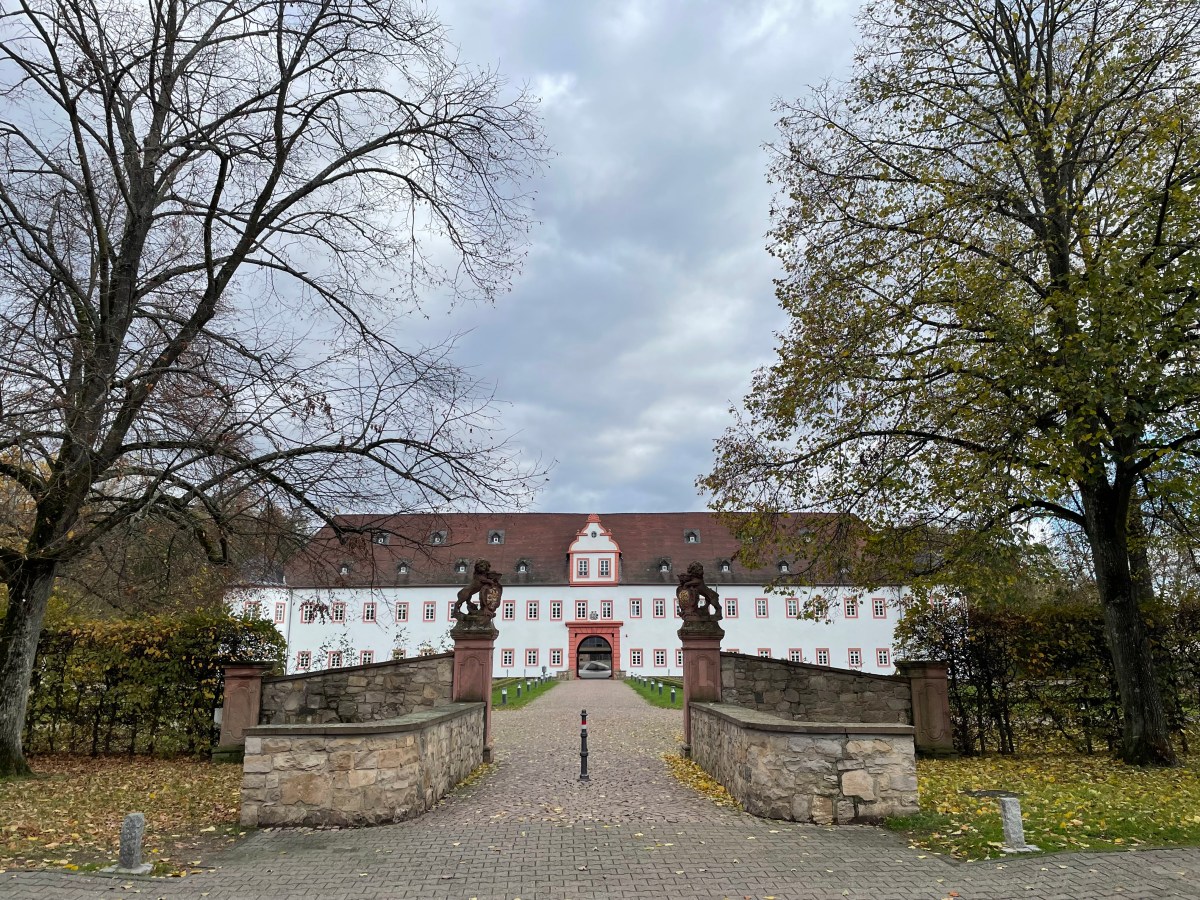
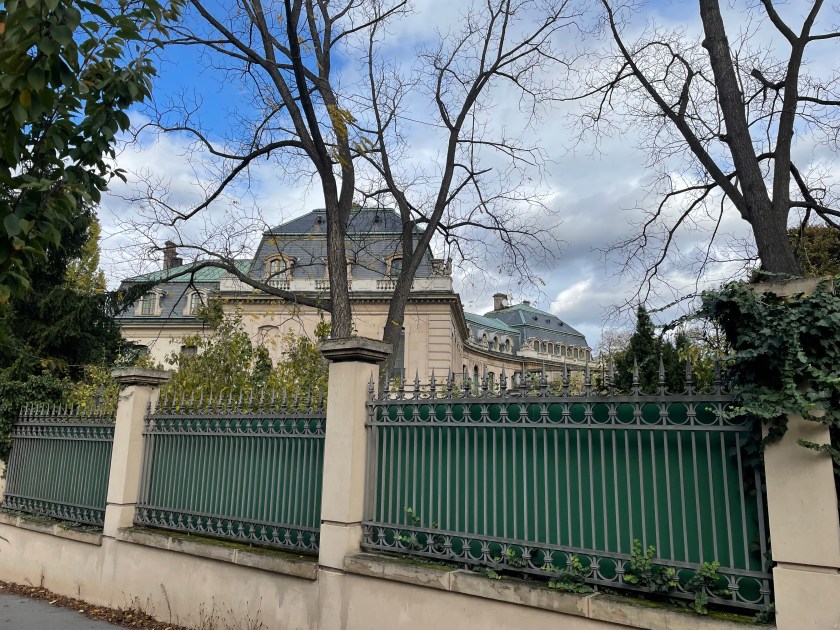
So off we went, to find the castle. It was in a local neighborhood near the old Hauptbahnhof. This lovely lane of Lindon trees welcomed us. We were the only ones in sight. It was peaceful and beautiful walking around the grounds. Today the city hall meets here.
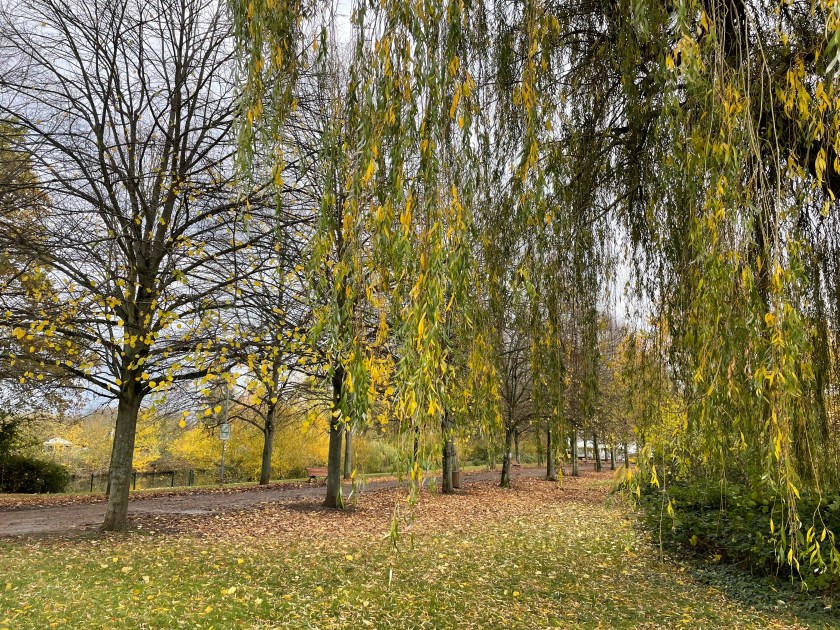
Old ponds on the property once fed into a moat around the castle.
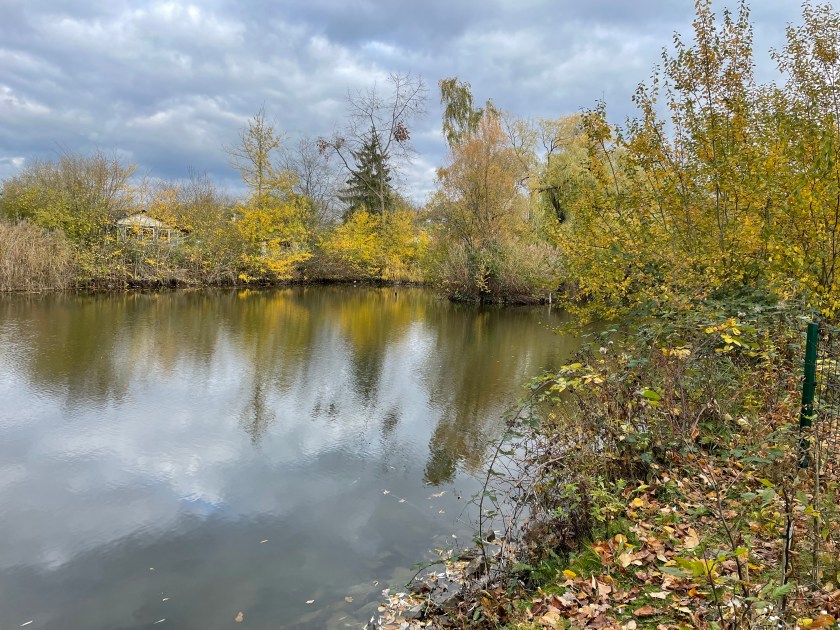
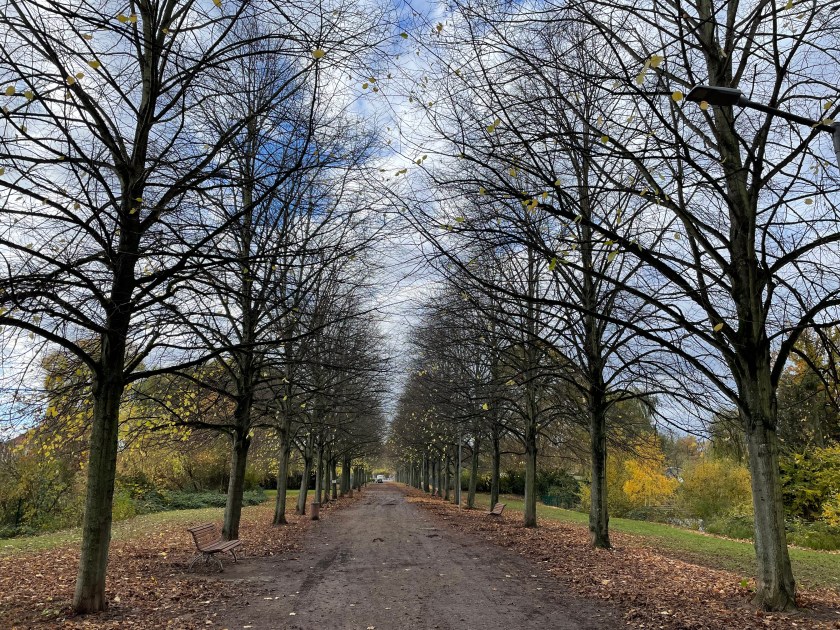
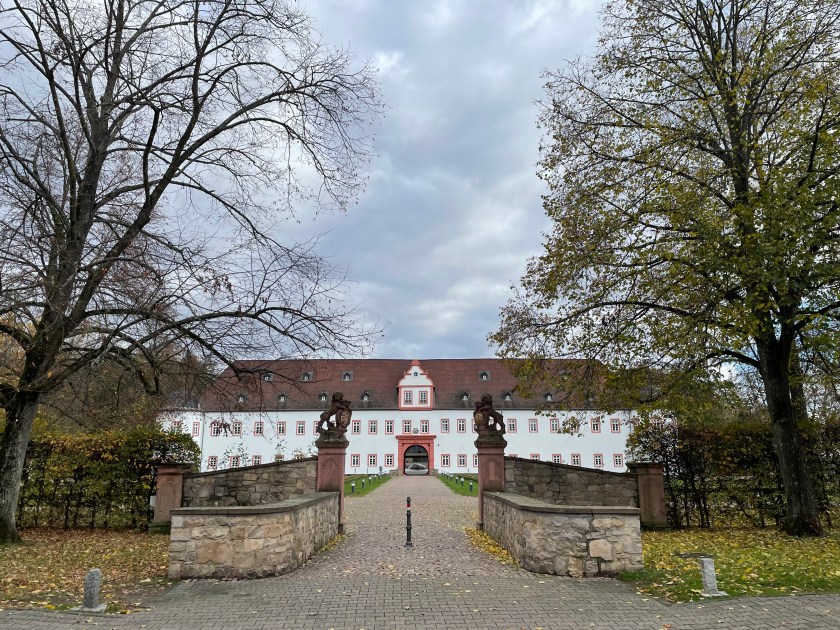
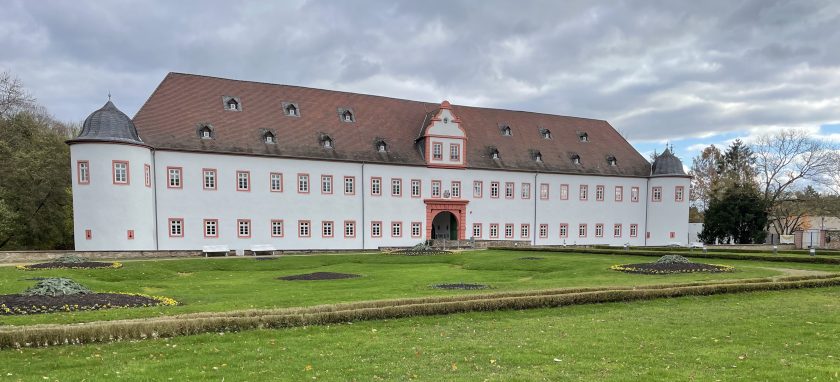
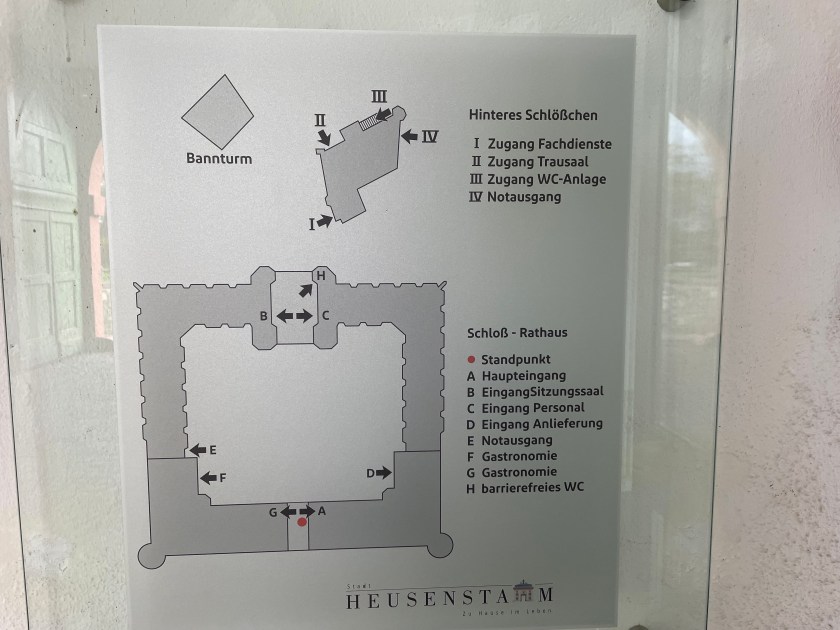
There are 2 different castles on this property. In front of the castle there is a small park, a remnant of a formerly extensive orangery , which can still be clearly recognized by the castle ponds and the castle avenue in front of it. The castle is surrounded by a now drained moat that was once fed with water from the Bieber. There are still remnants of the former manor garden: these include the Kaiser linden avenue, which was newly planted in 1995, in the entrance axis and two ponds on both sides outside the palace area. Today’s baroque garden was recreated in more modern times.
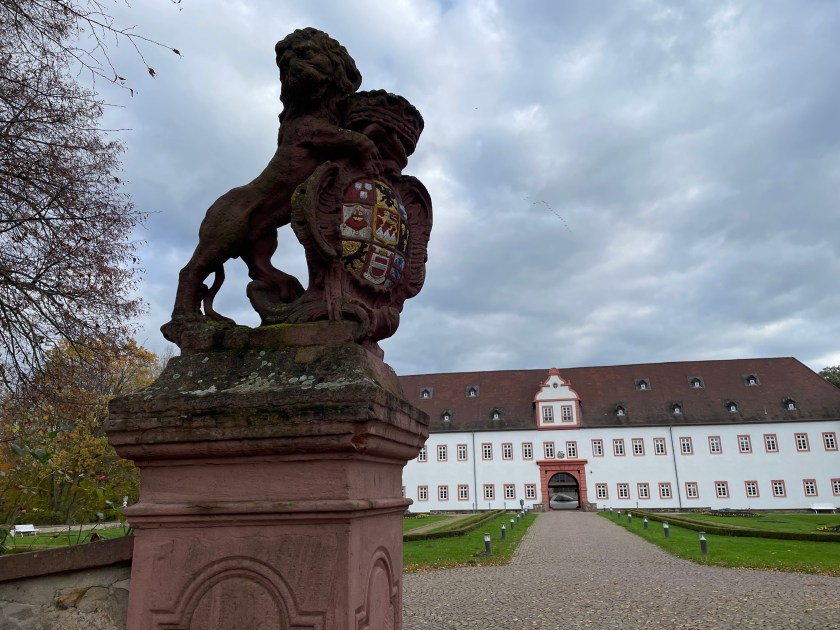
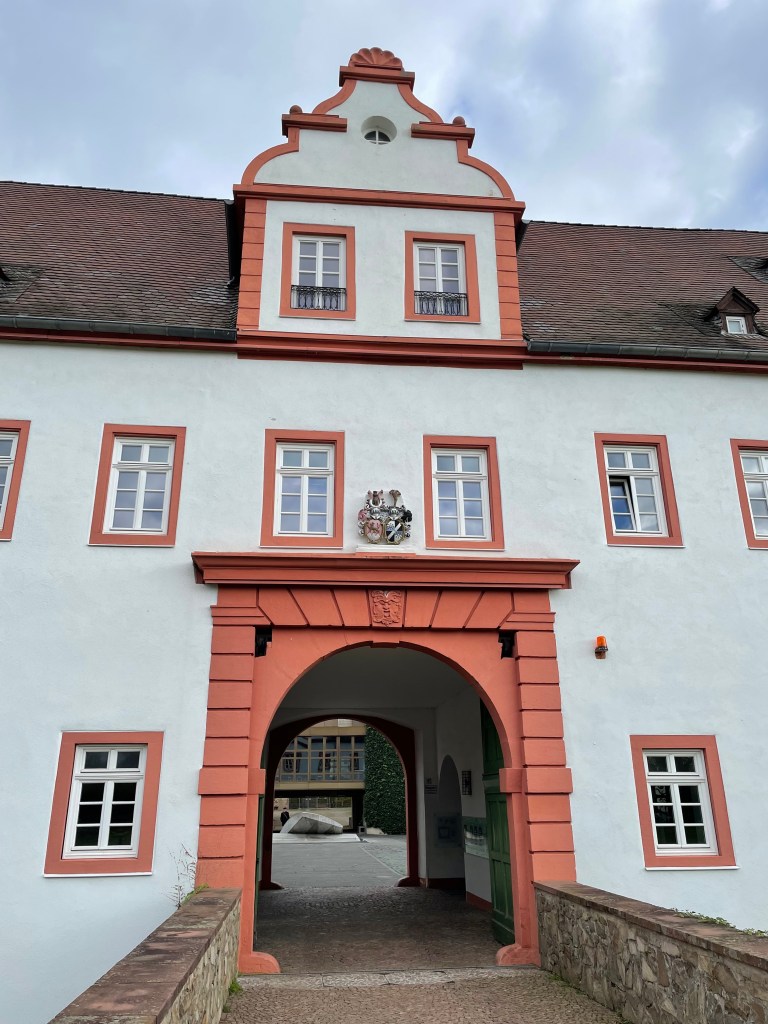
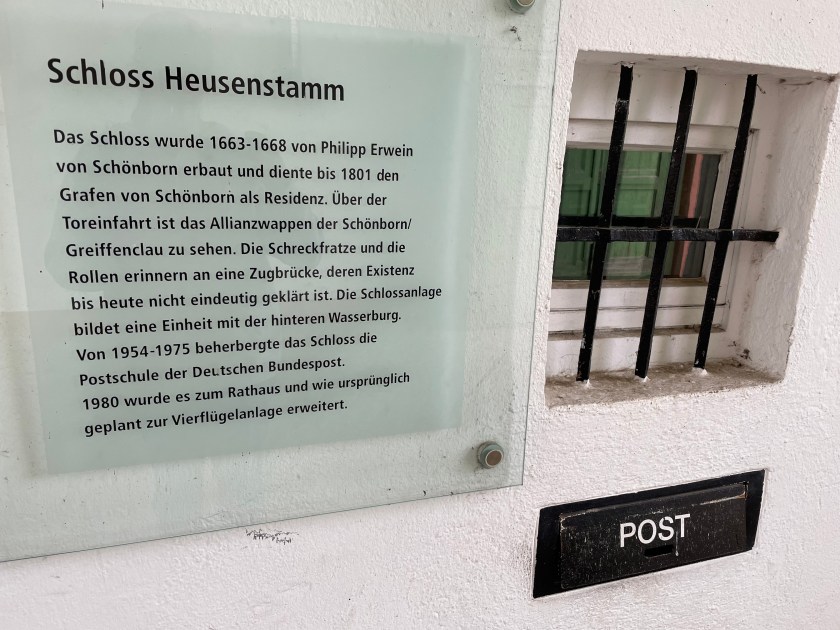
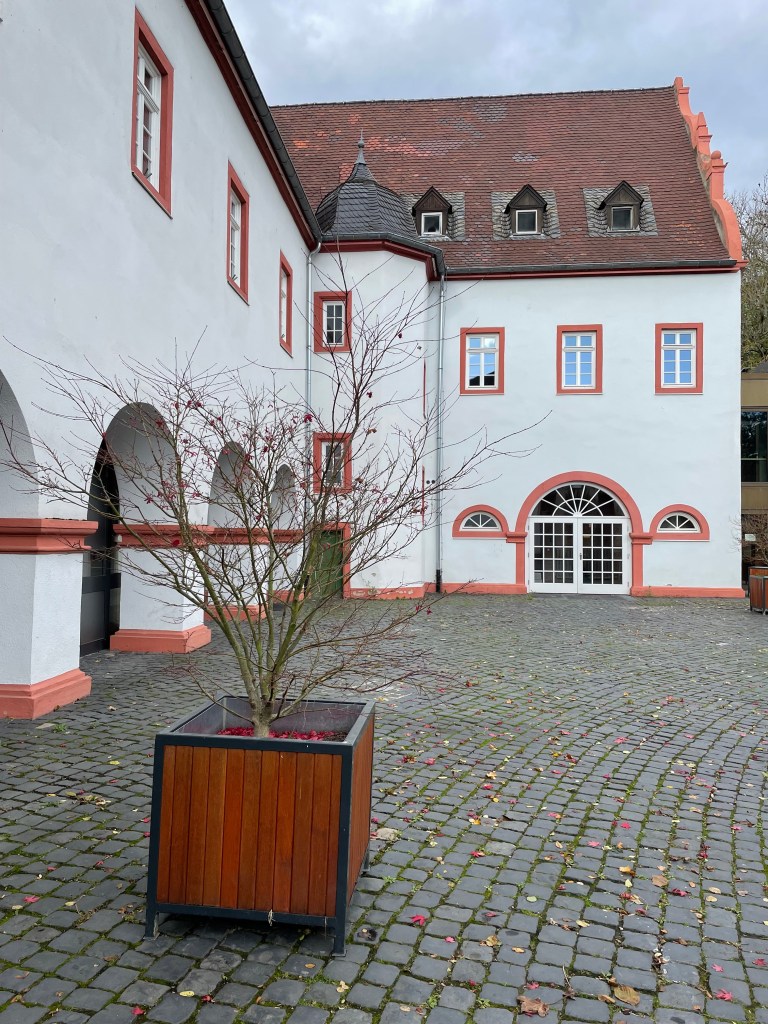
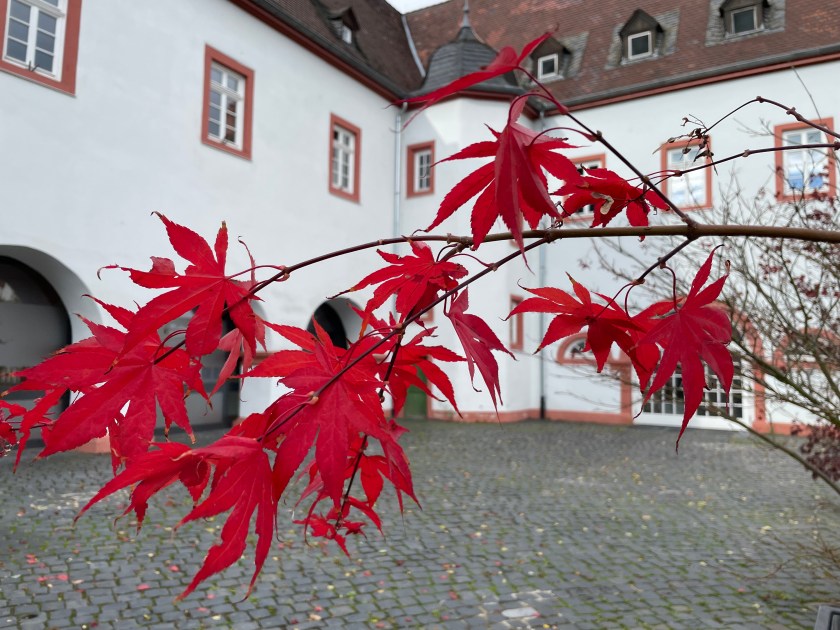
Behind the front castle is this second castle:
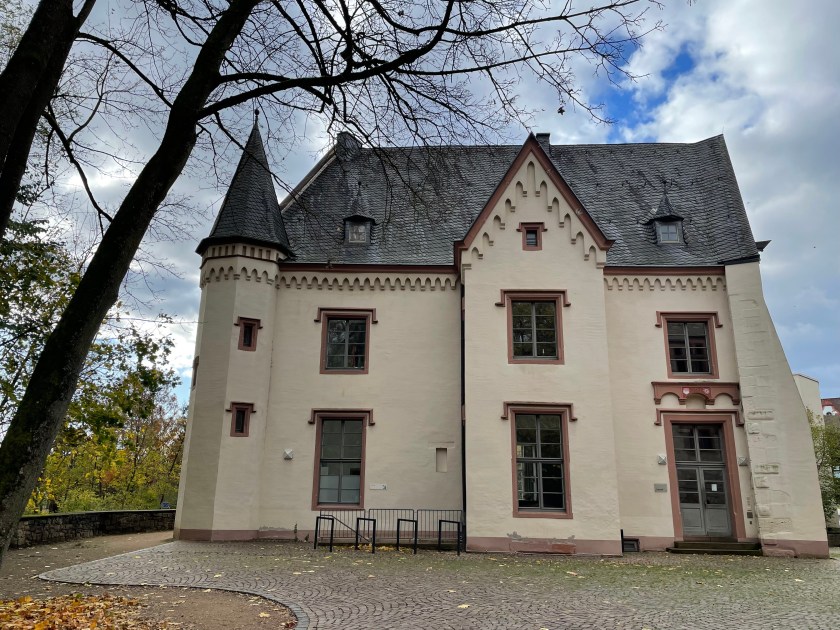
The rear castle today consists of a residential building and a separate tower, the so-called Bannturm. It stands on the site of the old castle of the Lords of Heusenstamm. The old castle was destroyed, rebuilt and rebuilt several times. Especially at the beginning of the 15th century and in the middle of the 16th century (secured in 1561). The Thirty Years’ War in particular caused great destruction.
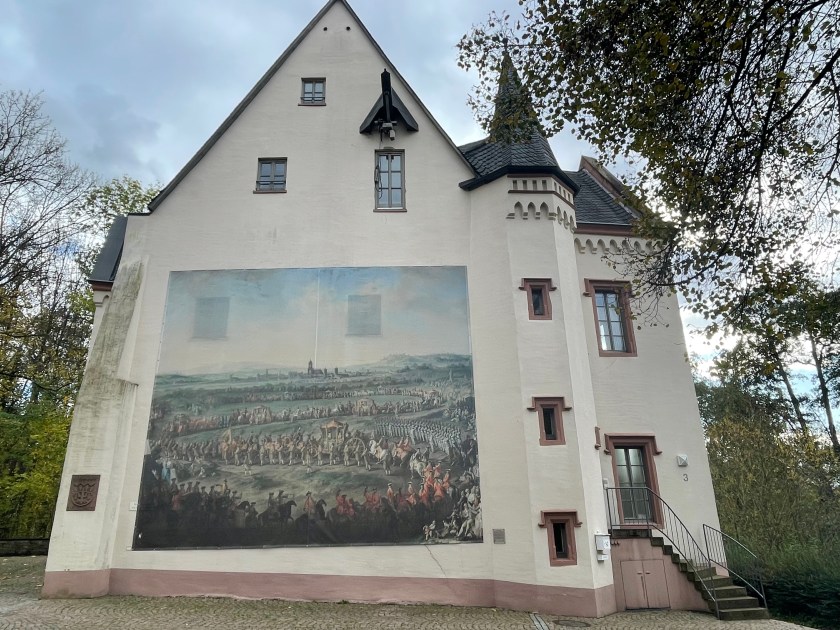
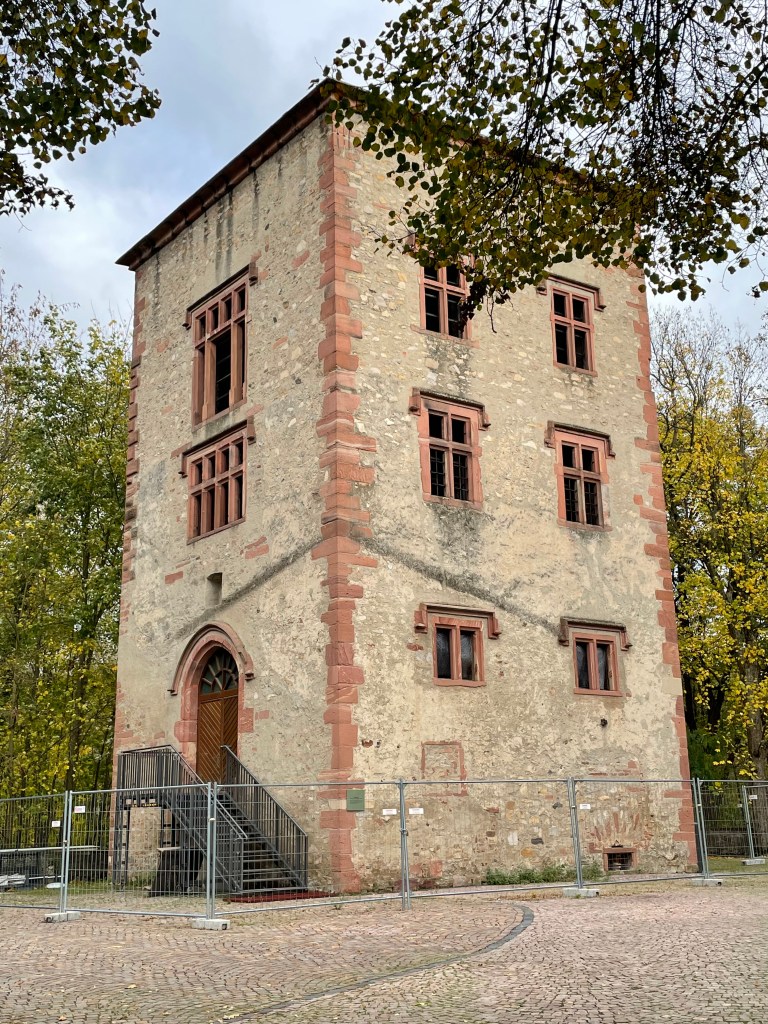
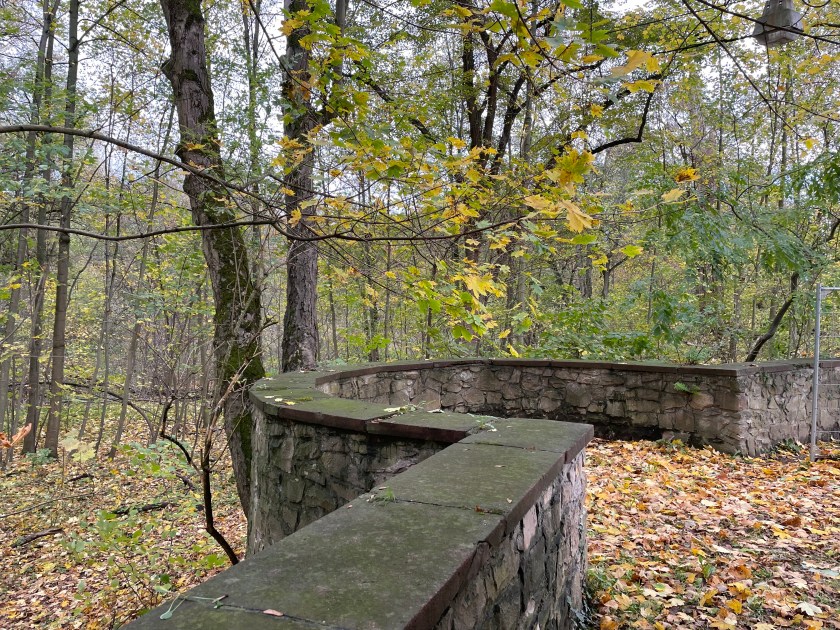
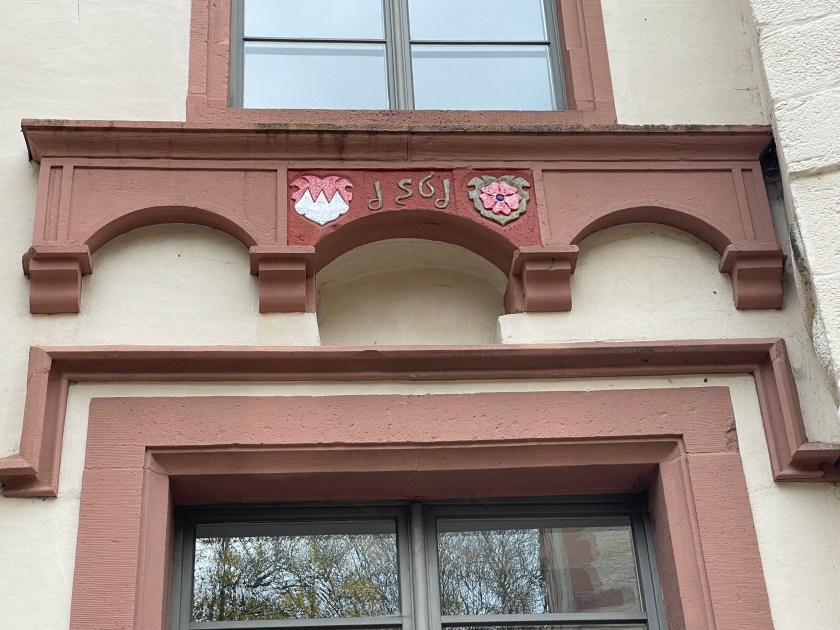
The date on this castle in the back is 1561.
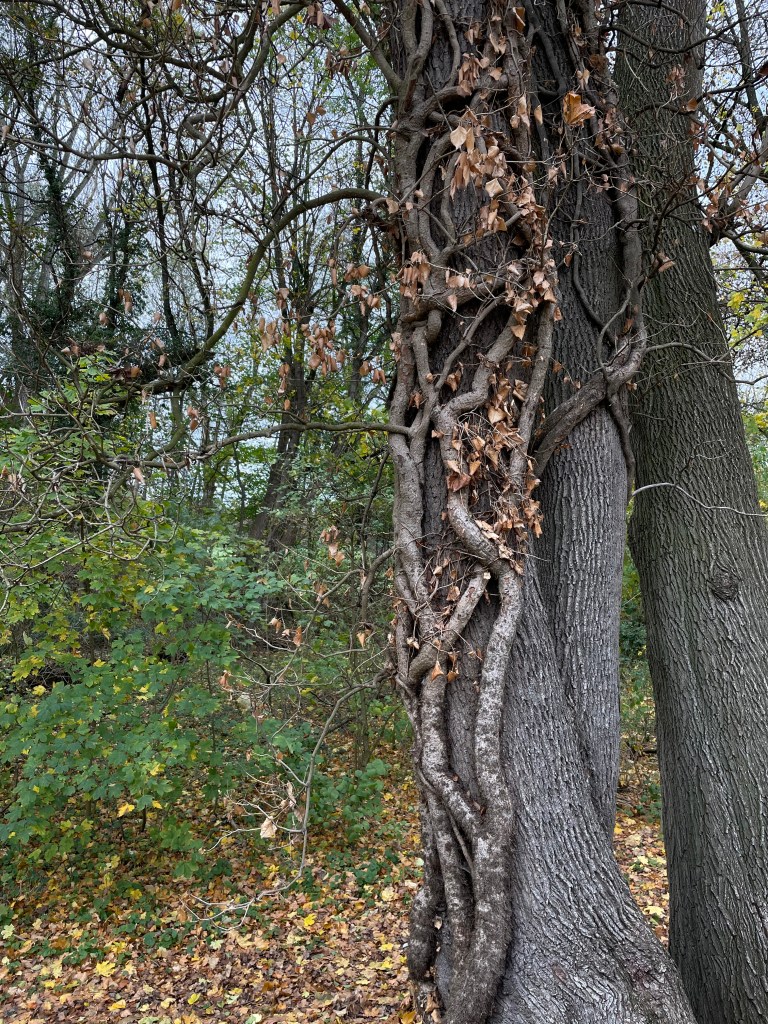
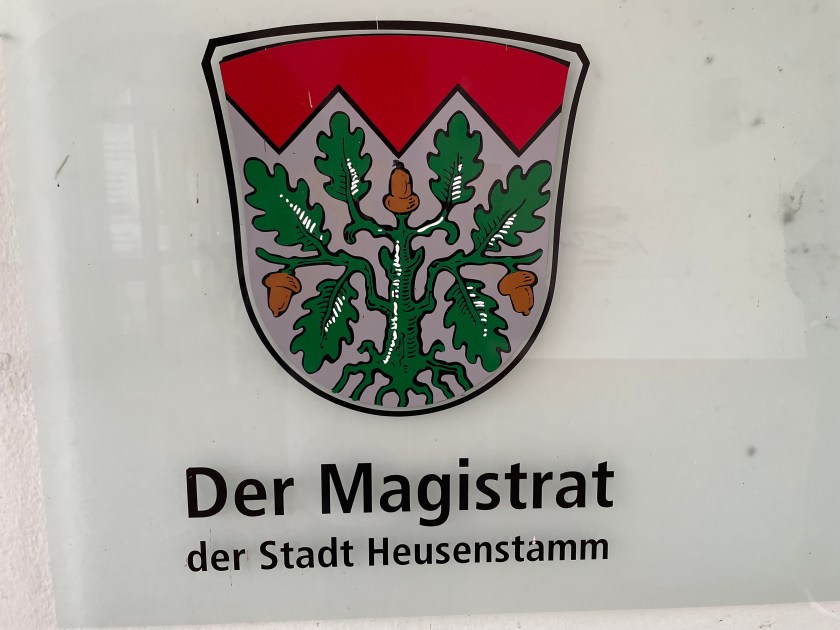
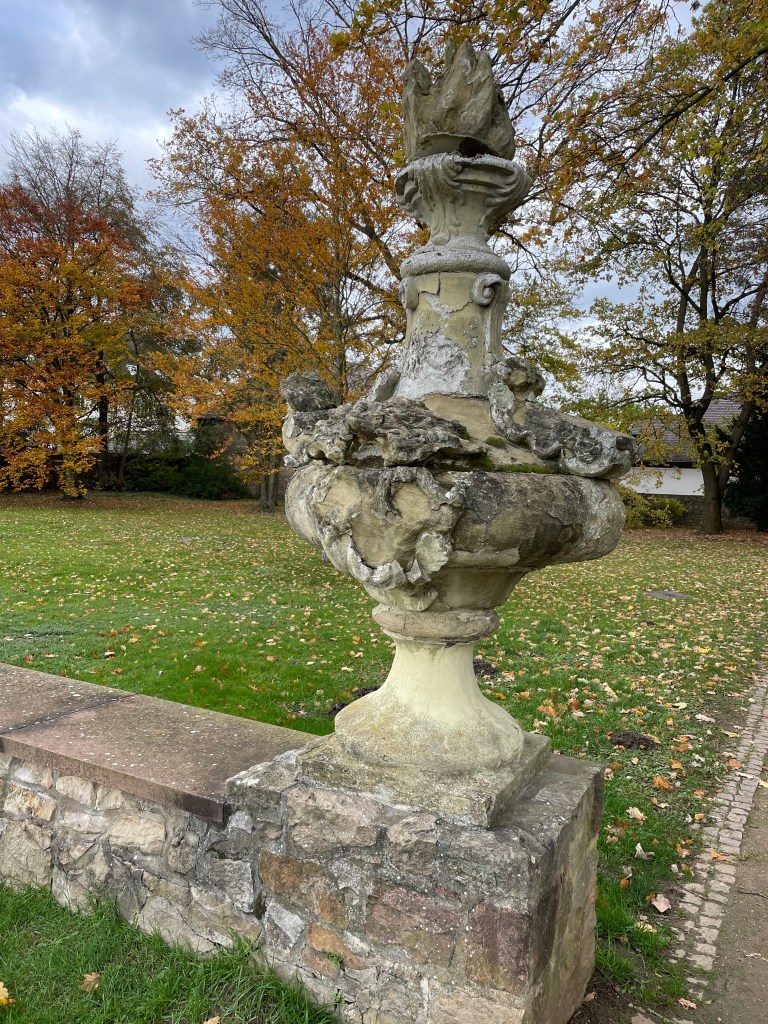
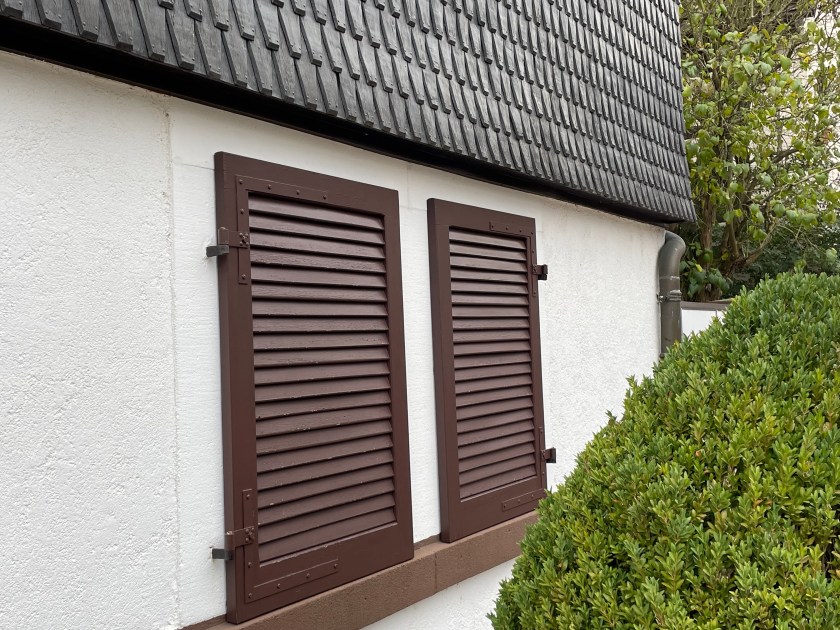
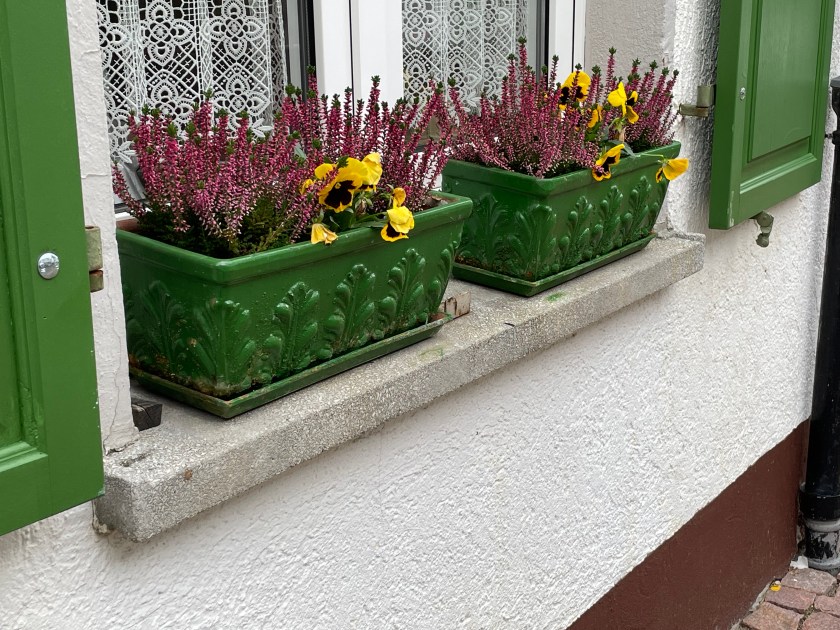
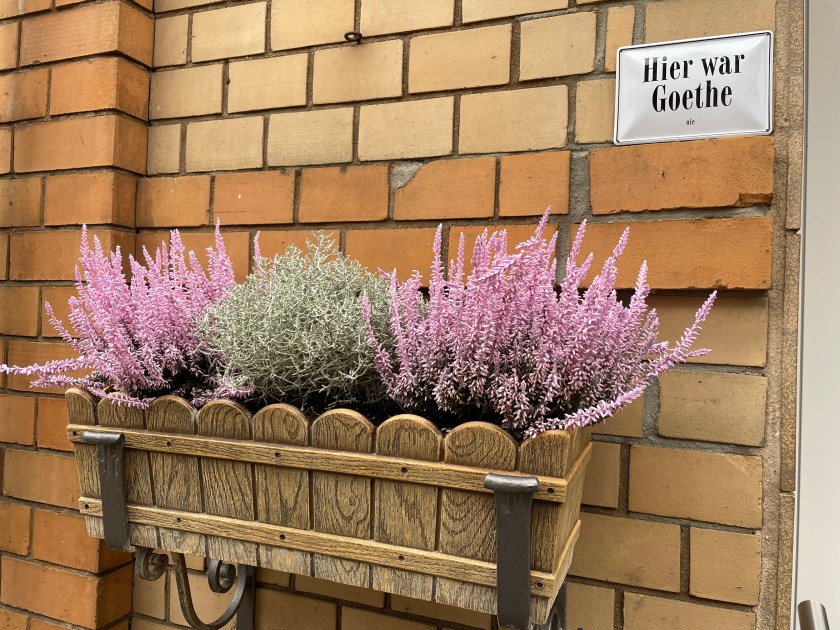
After wandering around the 2 old castles, we walked into the old part of town, enjoying the feel of it.
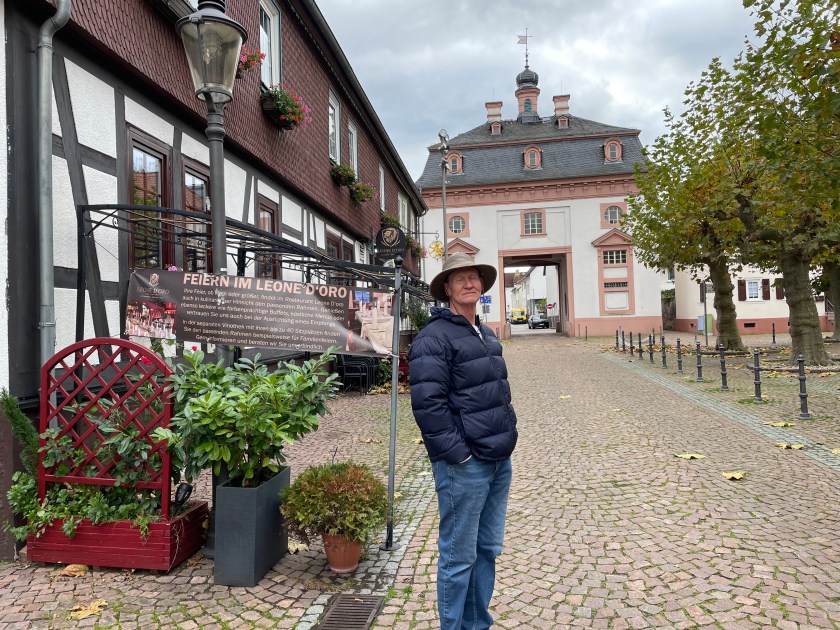
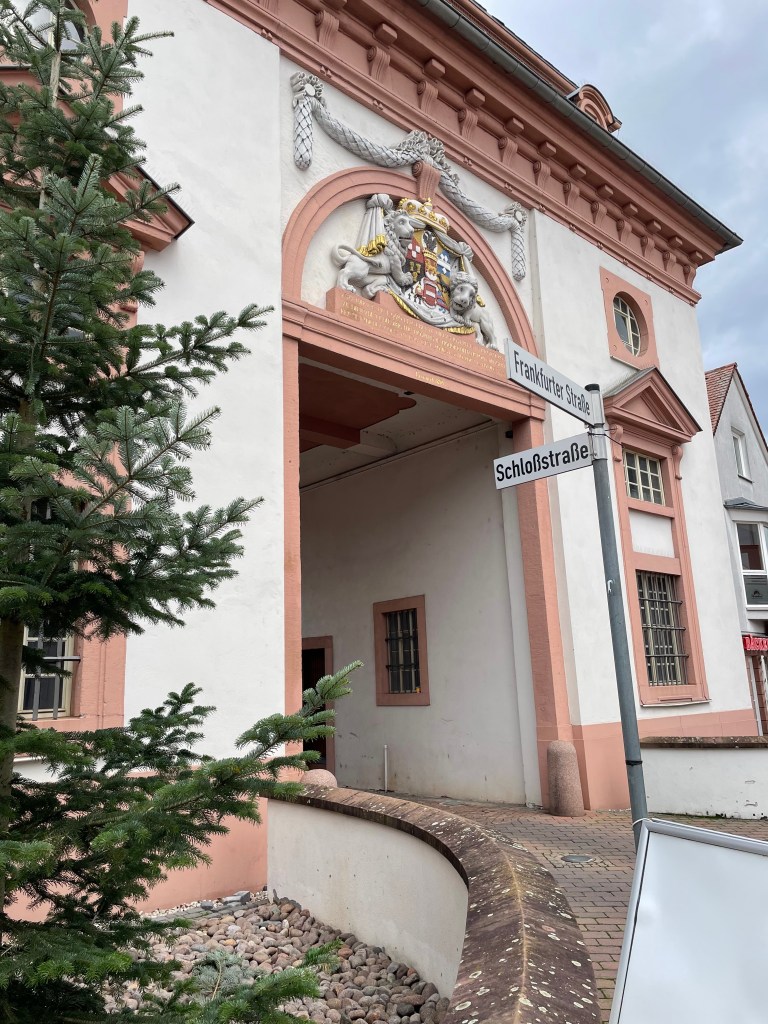
This gate is the entrance to the old part of town:
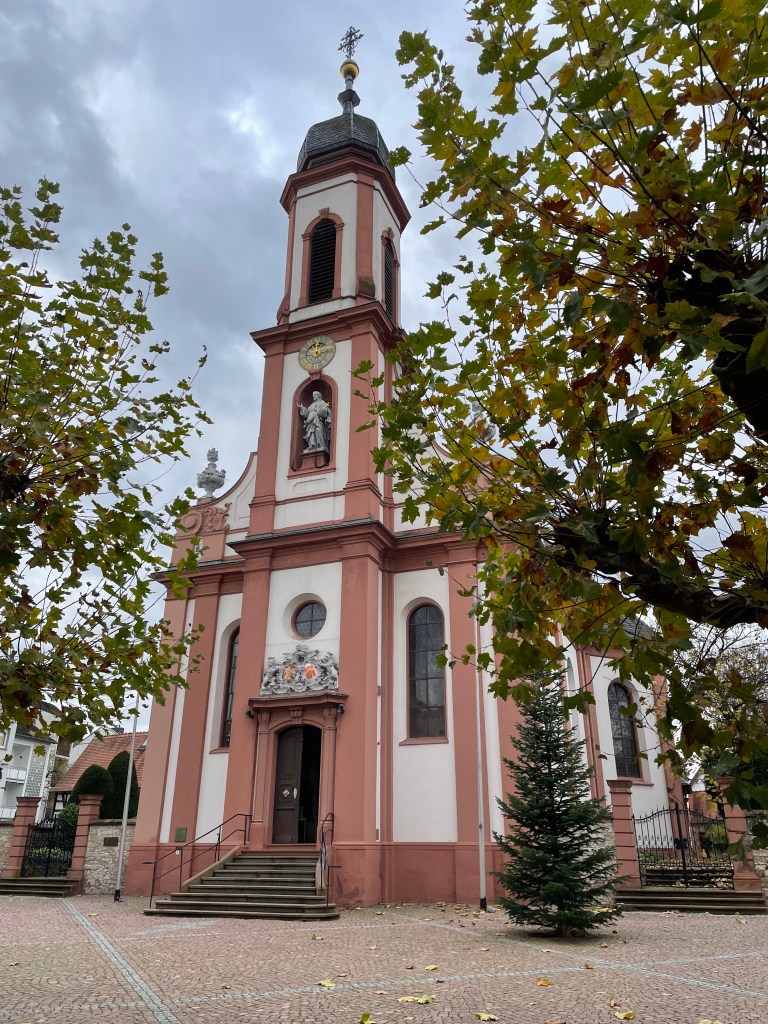
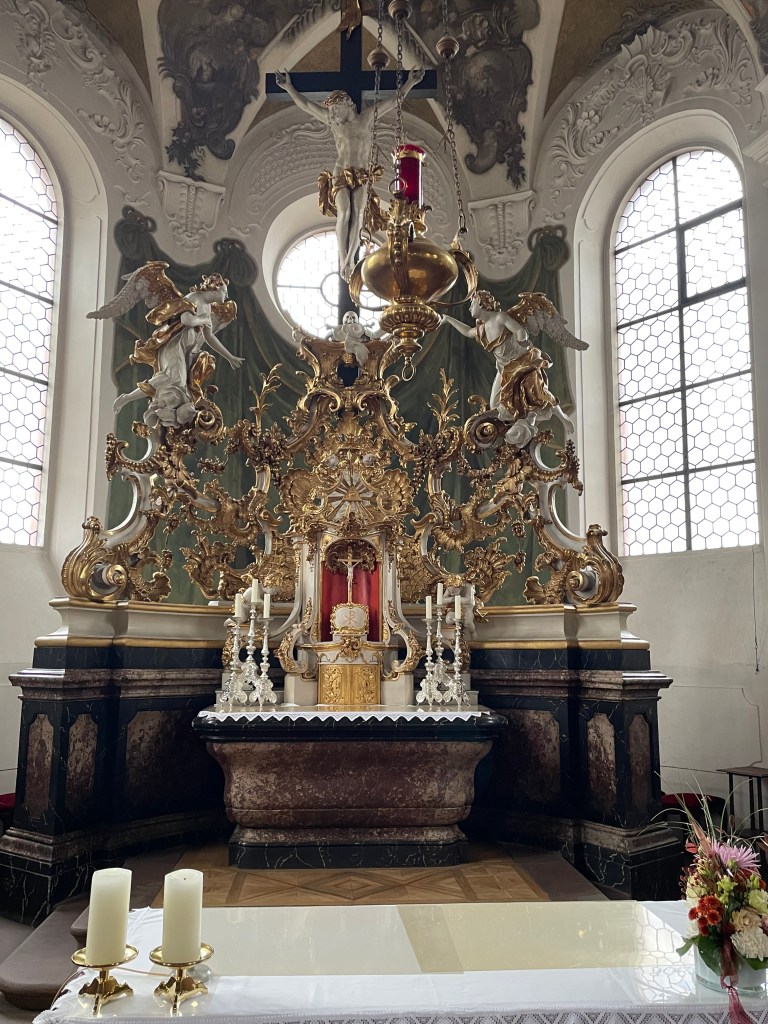
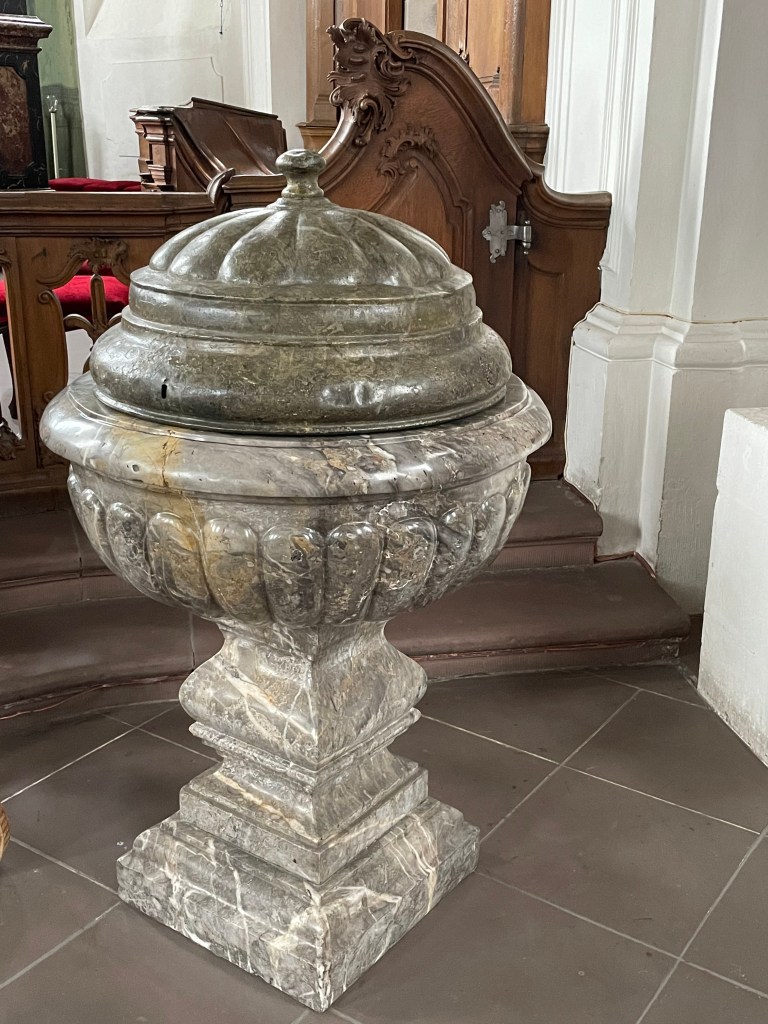
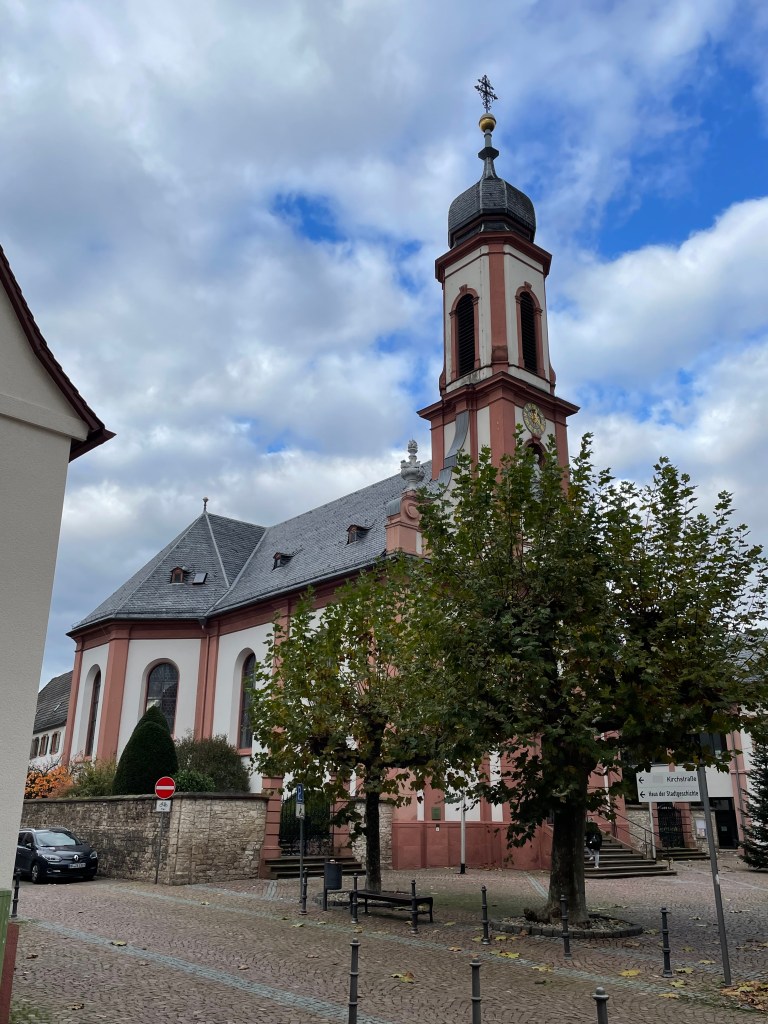
This old Catholic parish church, called “St. Cäcilia” was built in 1739 by Johann Balthasar Neumann. It has a famous frescoed ceiling by Christoph Thomas Scheffler (1741).
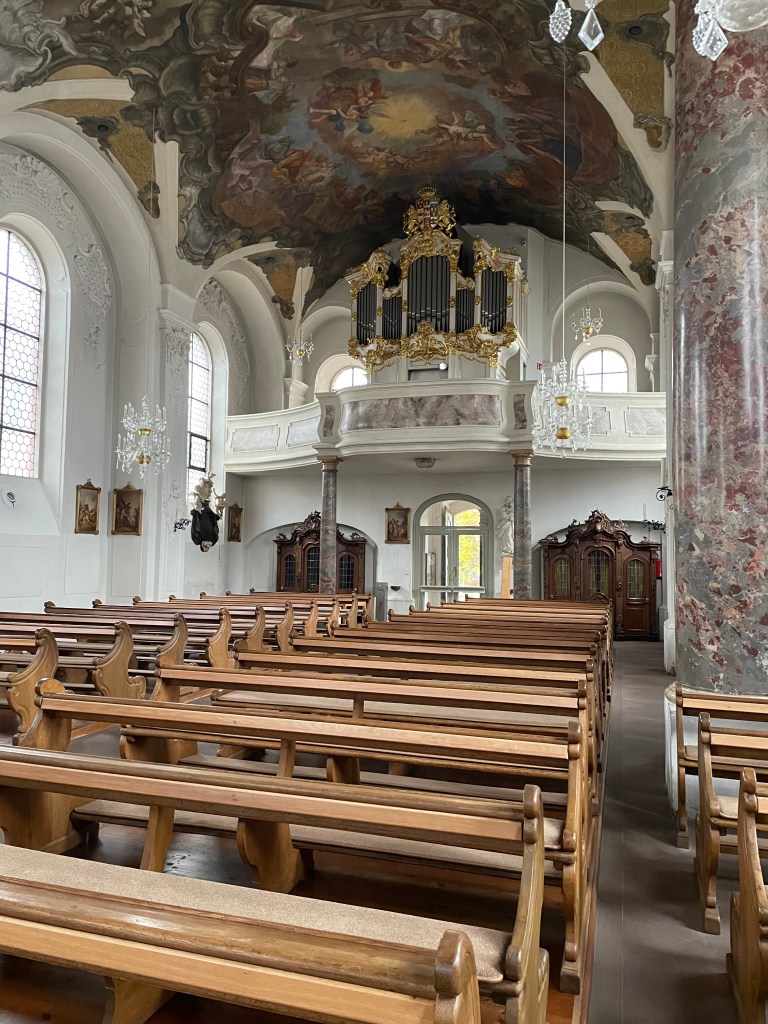
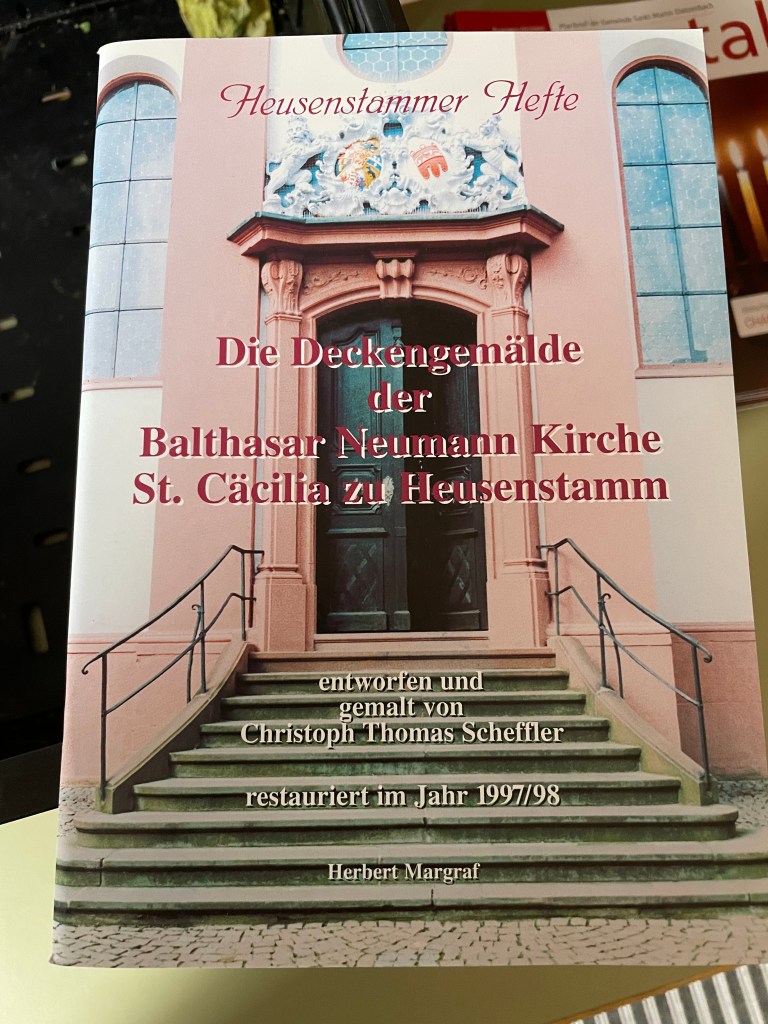
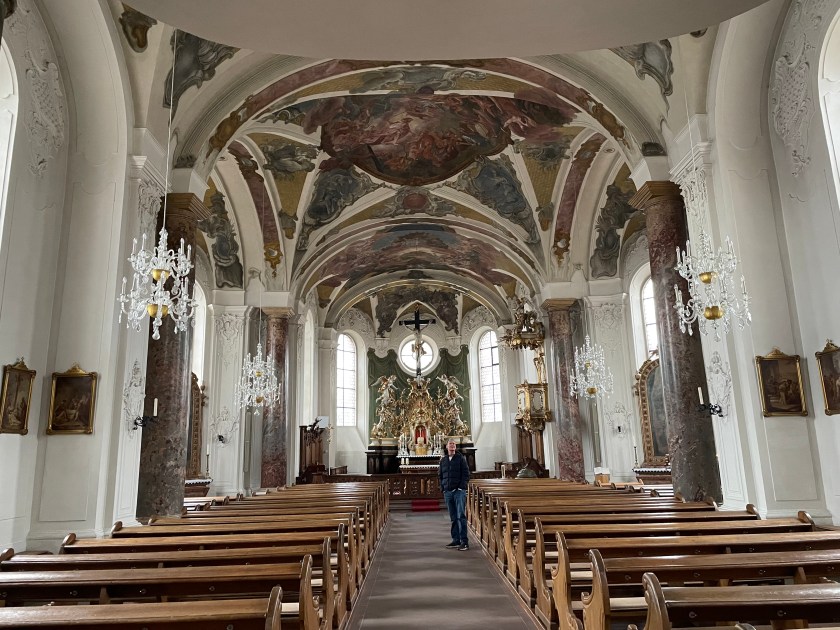
I love the care taken in theses churches to make things beautiful.
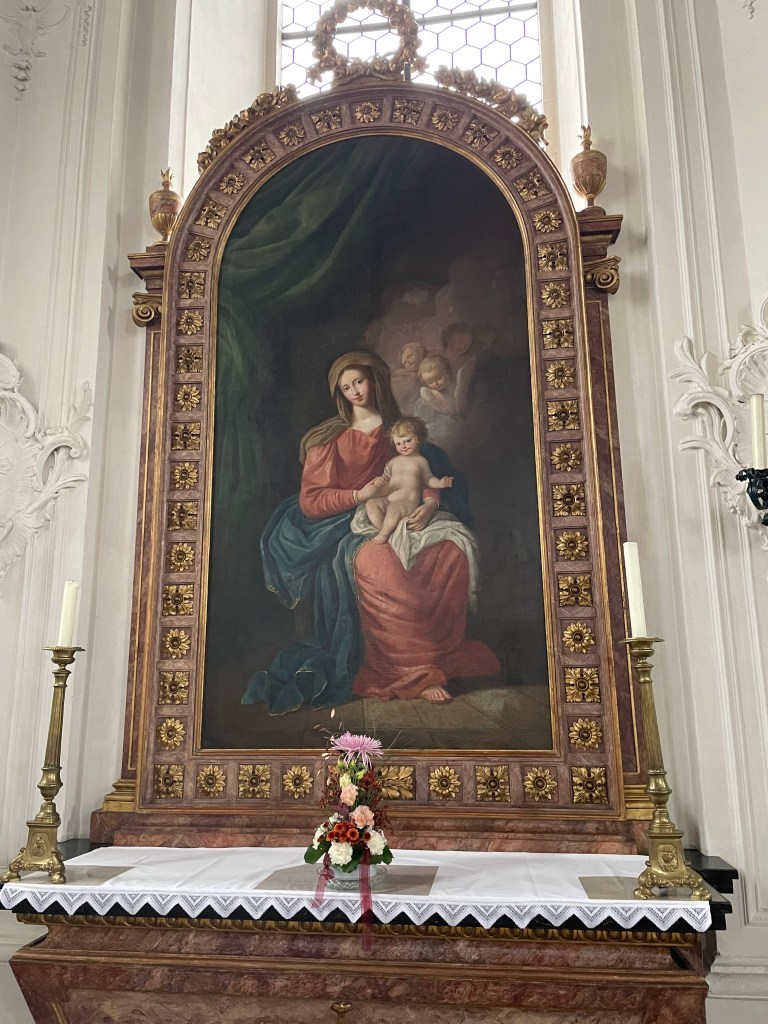
The choir seats:
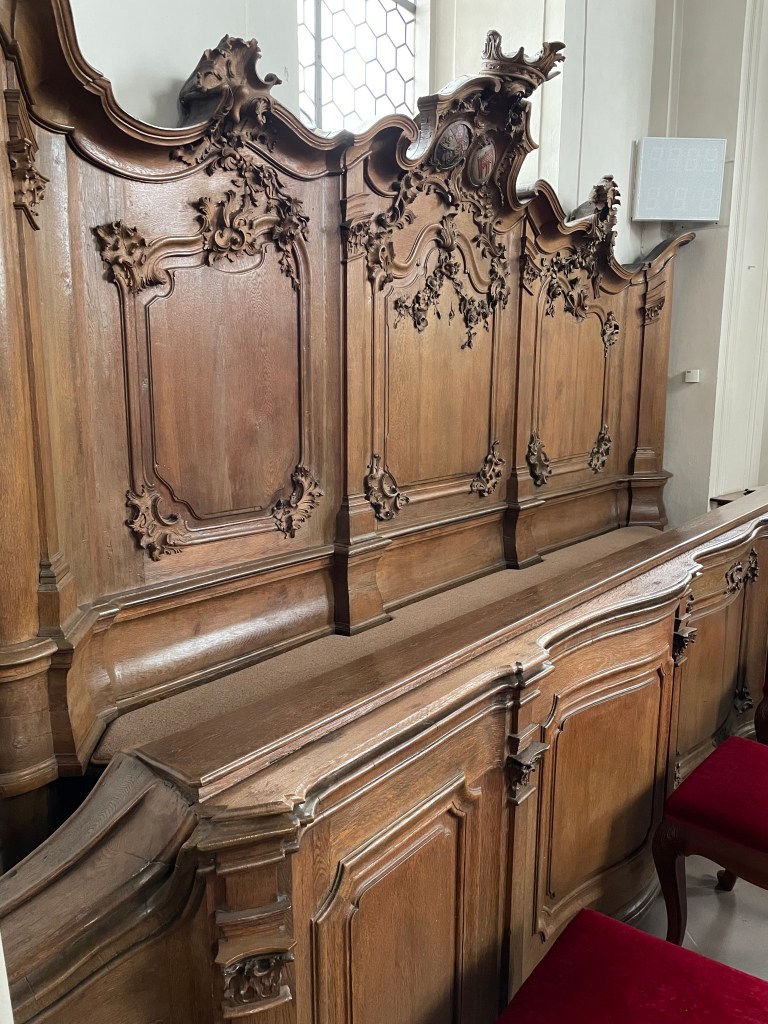
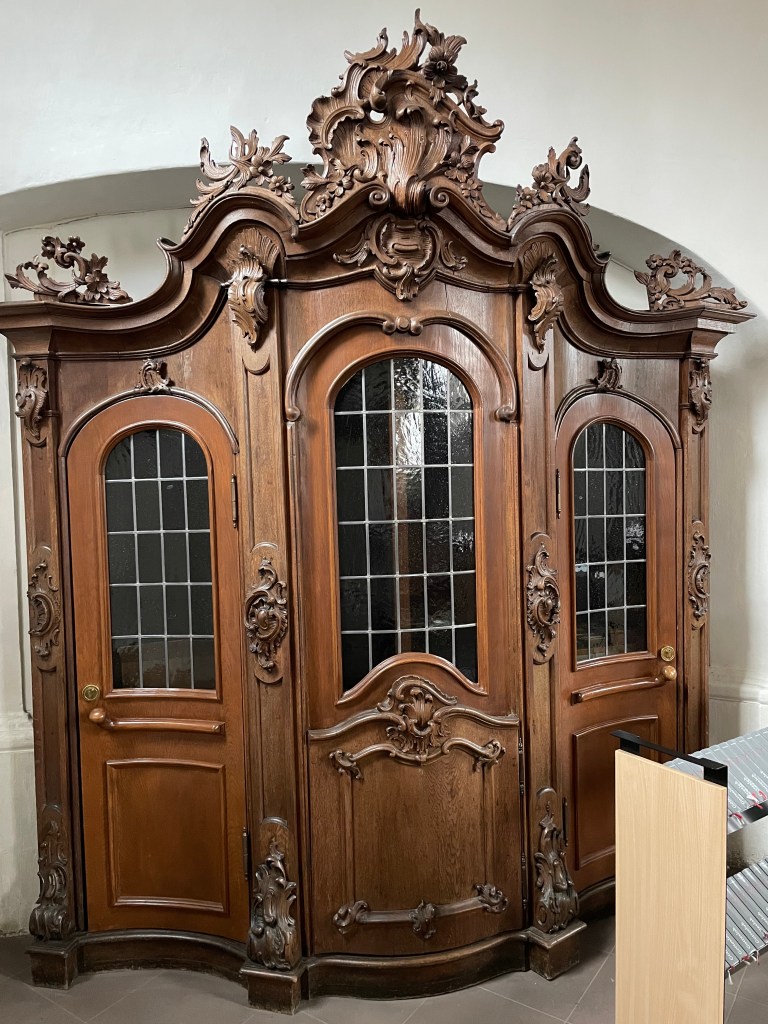
A confessional:
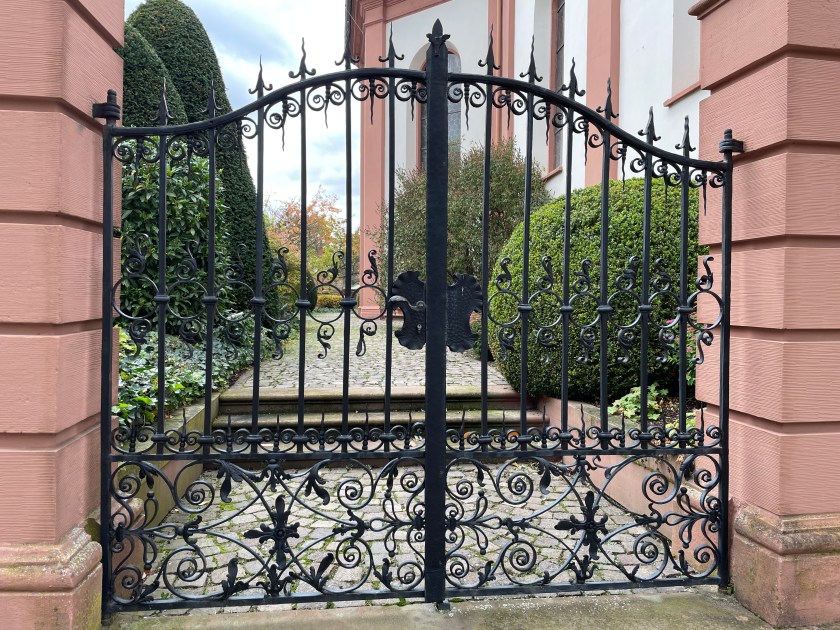
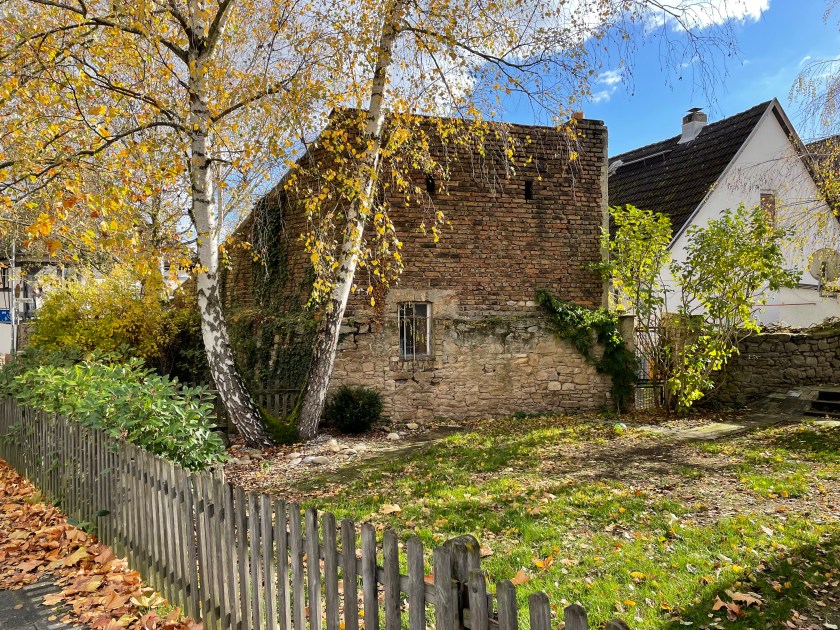
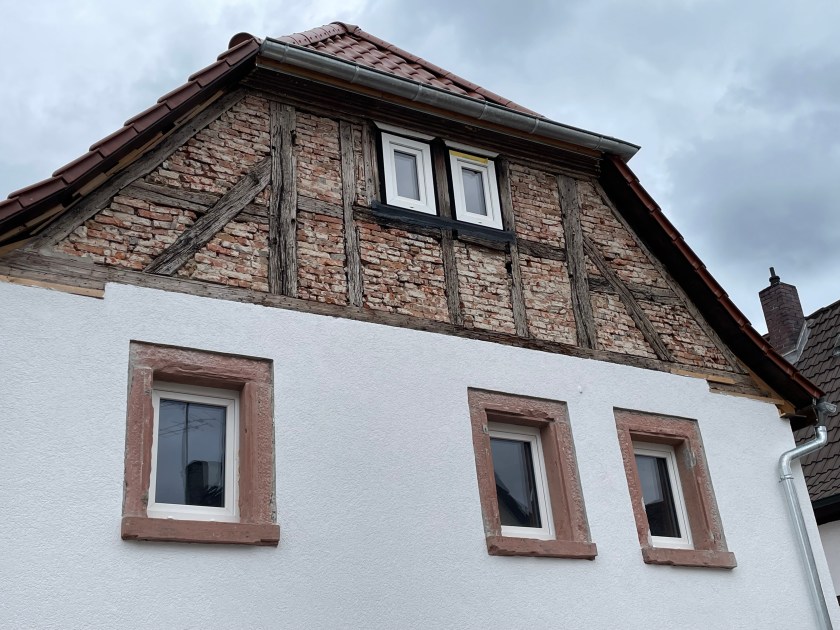
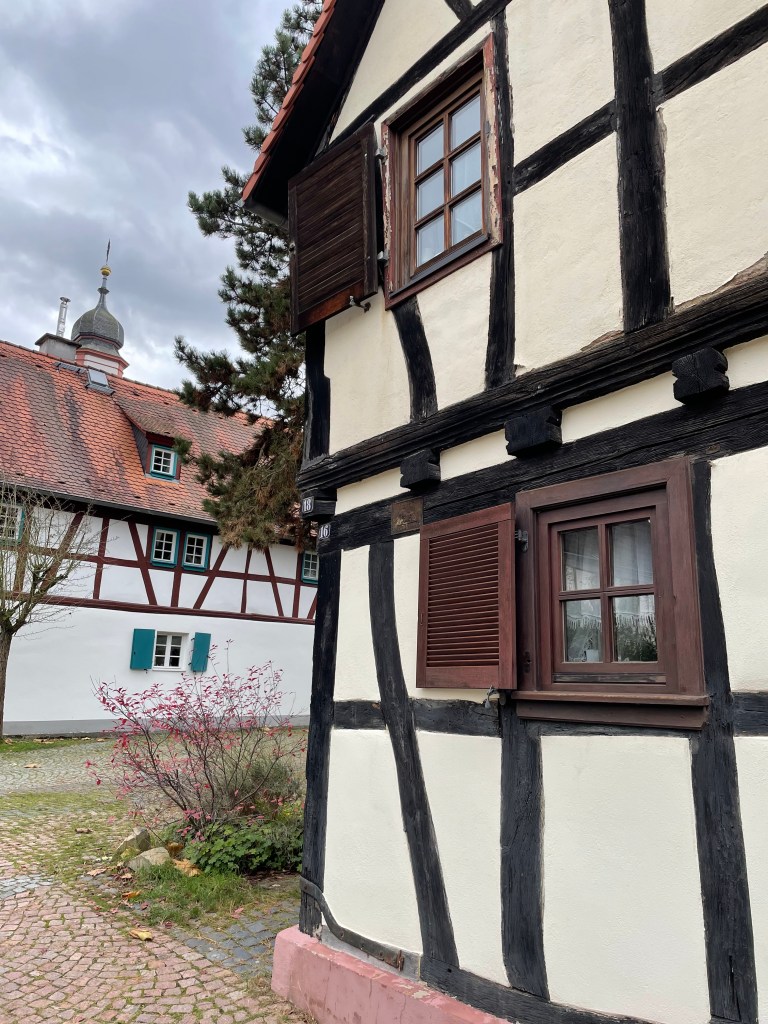
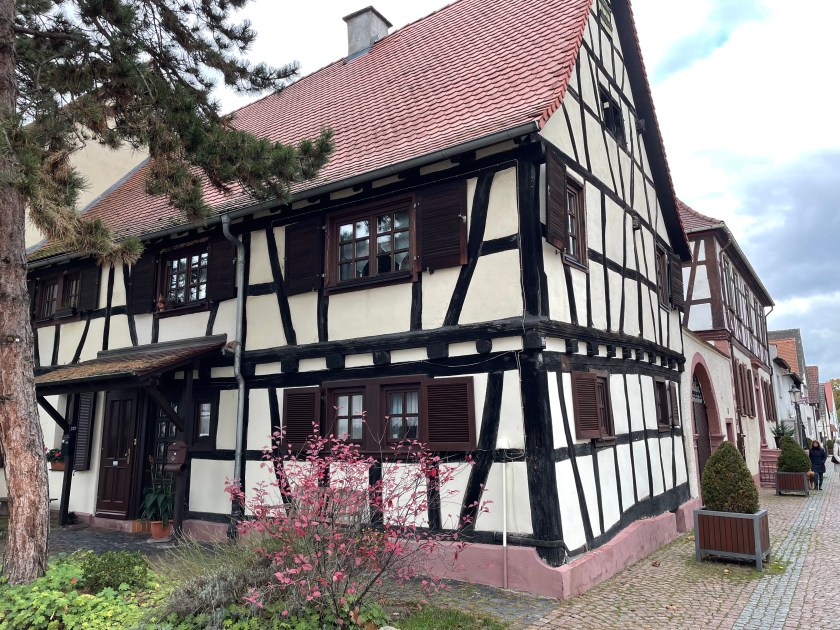
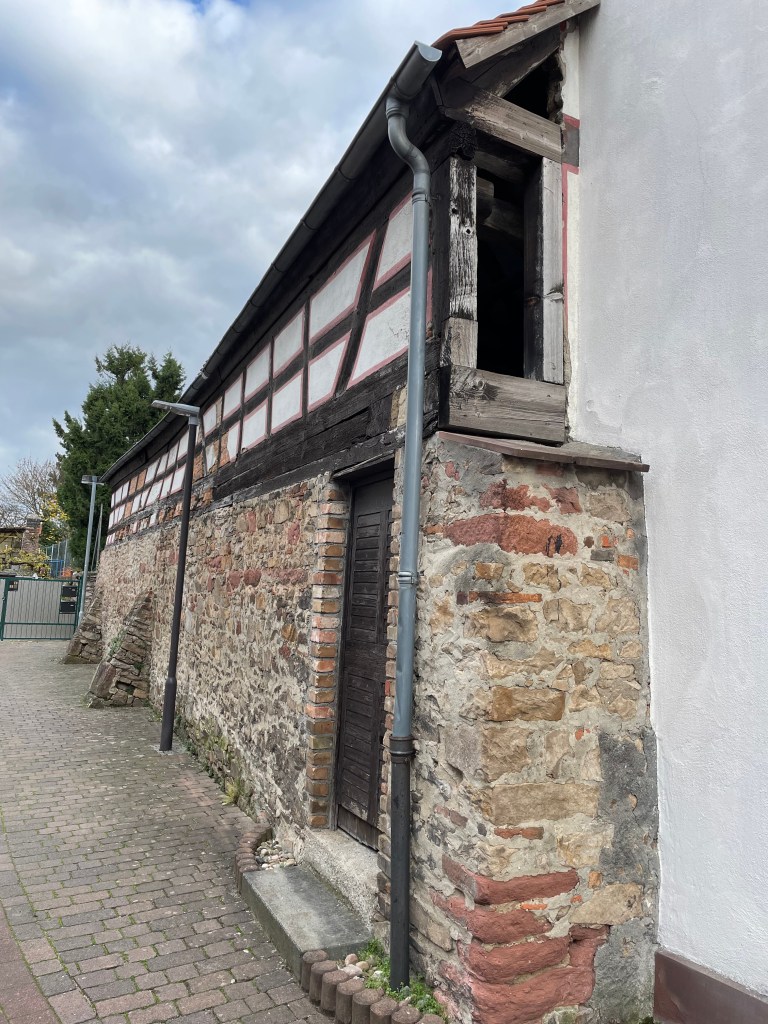
Sometimes you can see the old under the new or restored, like in this house:
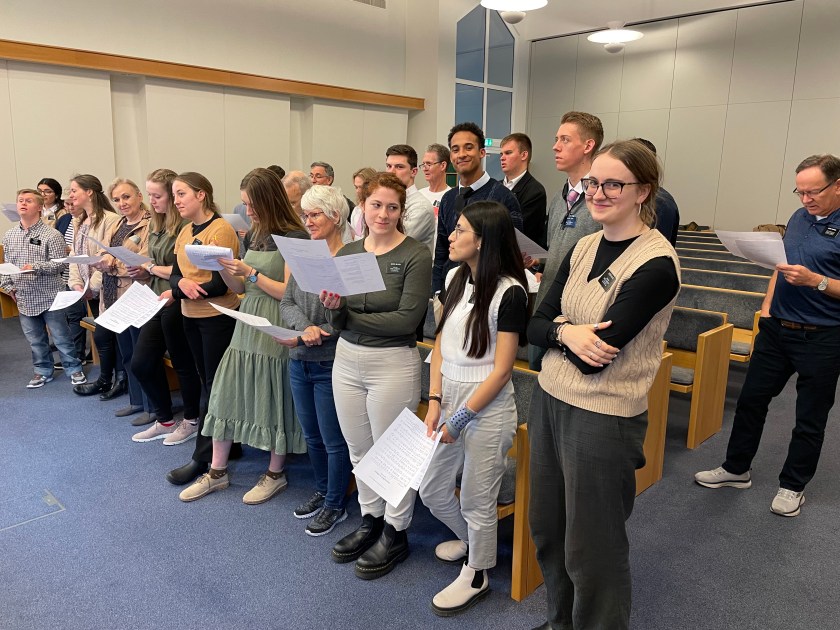
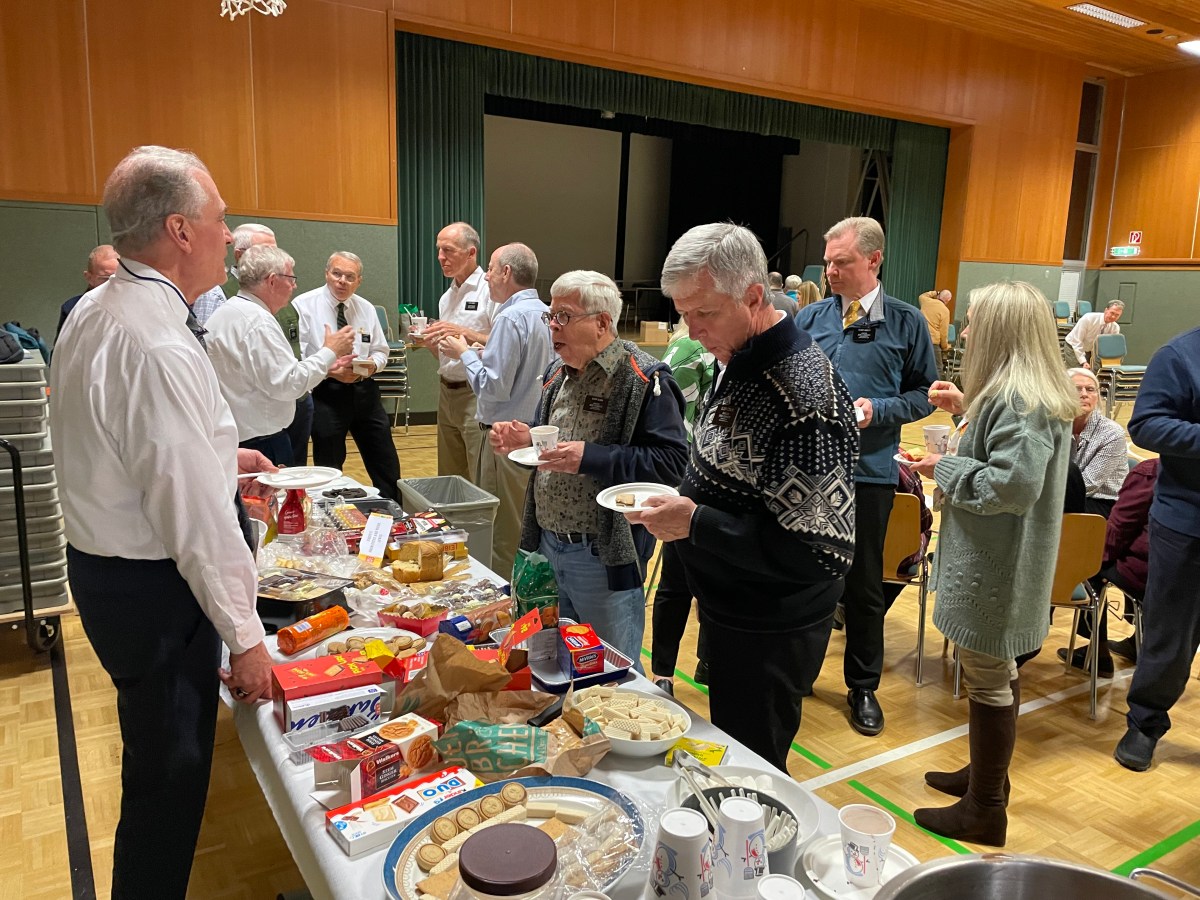
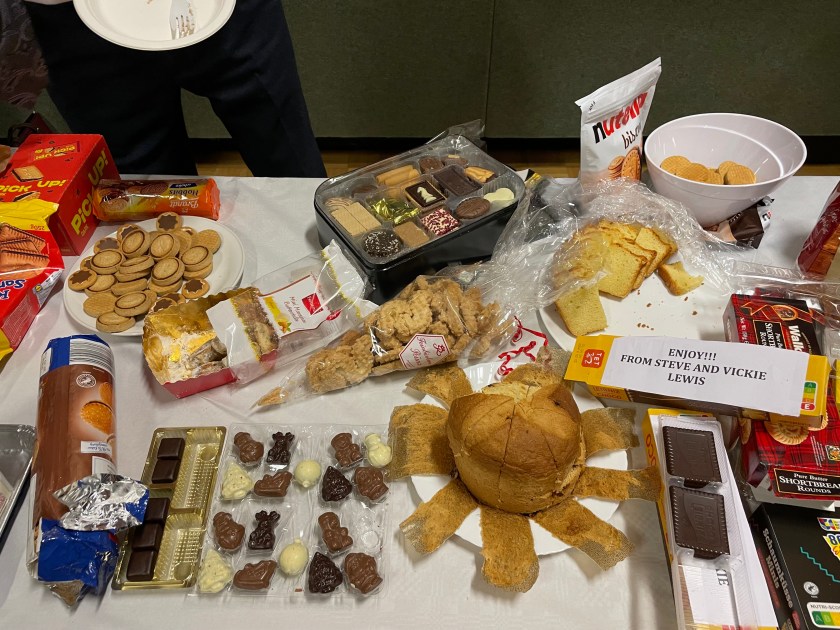
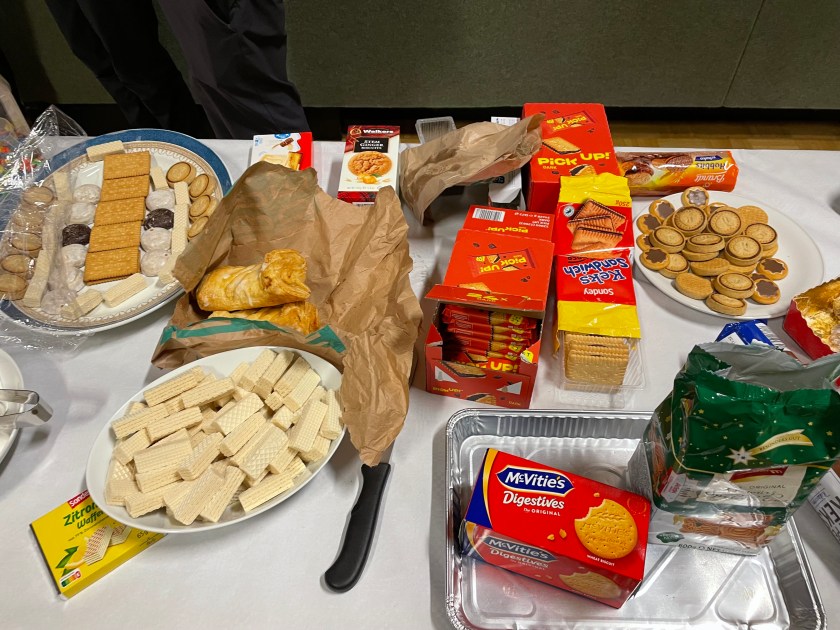
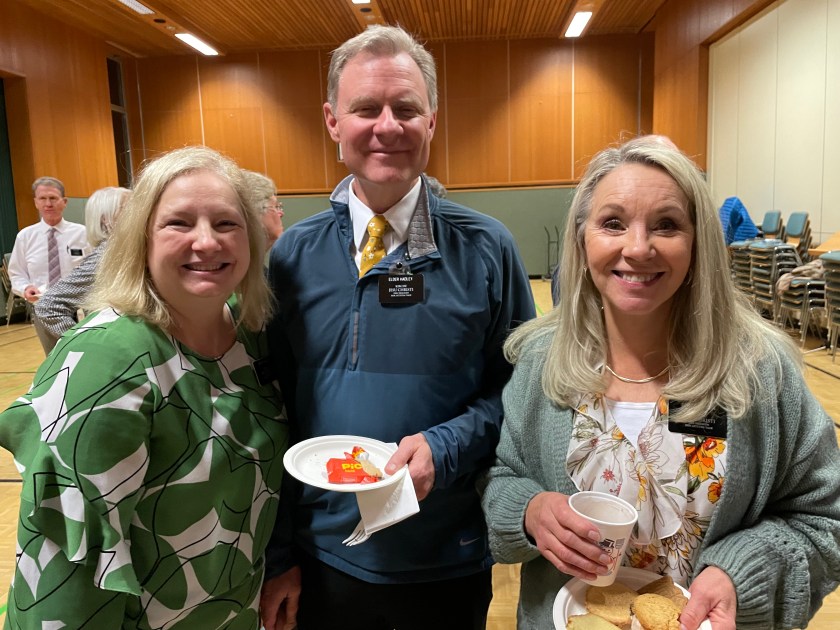
After a stop at a wonderful Backerei and some good pastries, we went to Offenbach to practice with a missionary choir. We’ll be singing at Stake Conference next week.
Then we went home to do laundry and prepare food for the coming week. It was nice to hunker down for the rest of the day.



















 Our Frankfurt Germany Mission