
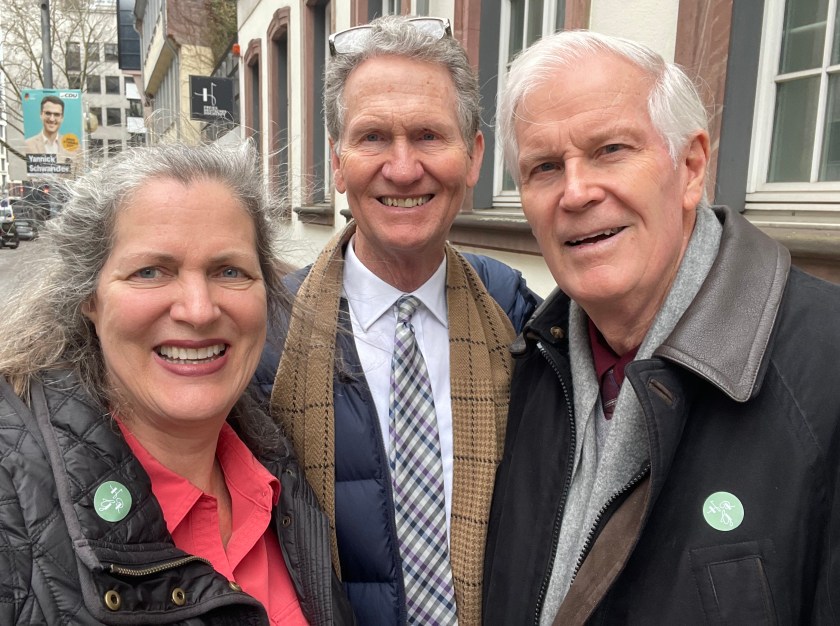
Alan Keele (our old back fence neighbor from our first Orem neighborhood and my BYU German professor 1977 and 2009ish) is in town and we got to “take care” of him today. He’s on a 5 week speaking trip, visiting Stakes and venues in Germany to speak about Helmuth Huebener, who’s 100th birthday was Jan 8. e Alan spoke at the Friedrichsdorf Stake Sunday evening and will speak here in the Phoenix Haus tomorrow at noon.
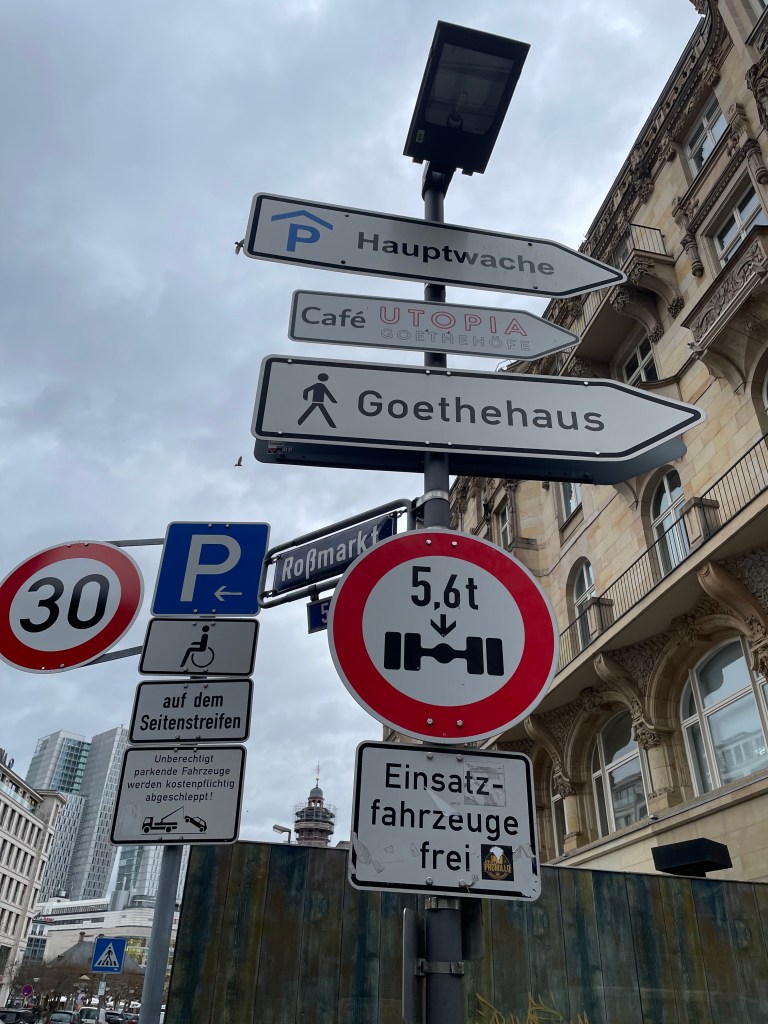
We decided to take Alan to the Goethe Haus in downtown Frankfurt and that turned out to be the best thing ever for him–he got his PhD in German Literature and having him with us was like having our own personal Goethe scholar along as we walked through the 4 stories of the house where Goethe was born and grew up. Alan was thrilled to be there and really enjoyed it. We spent 2-3 hours there, inspecting everything, room by room as Alan quoted Goethe to us in both English and German.

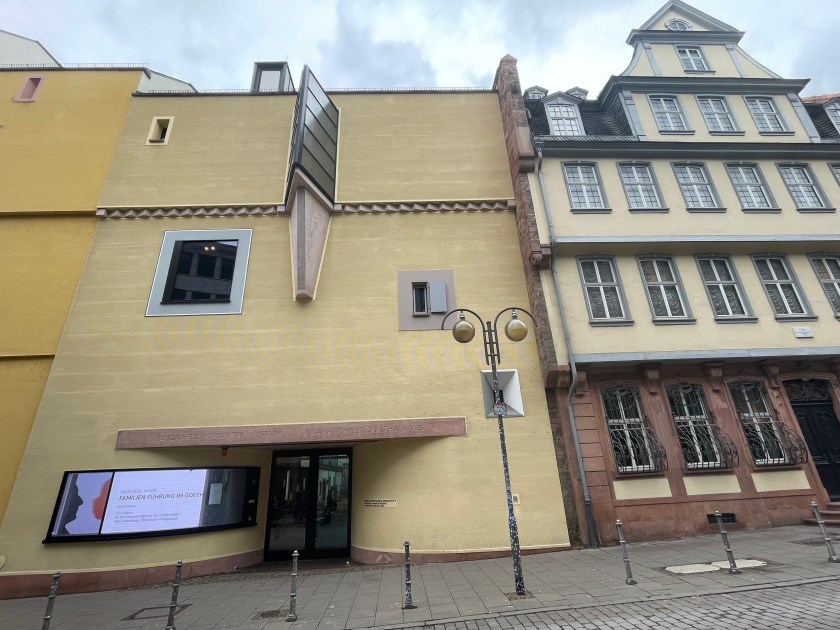
The Goethe home is the on the right (below). Next to it is the entrance to the home/museum and The German Romanticism Museum (on the left).
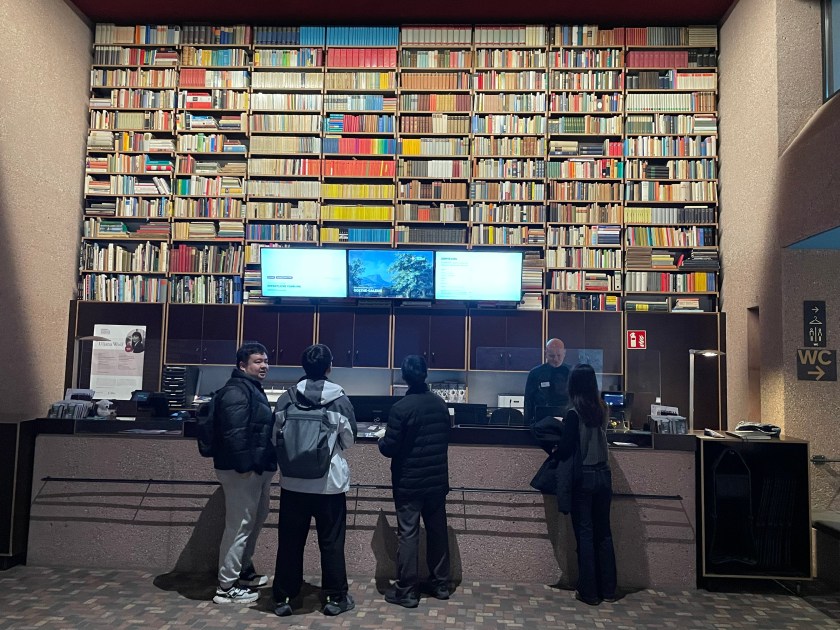
The museum desk was in front of these bookshelves filled with copies of Goethe’s words.
The family initials on the front door:

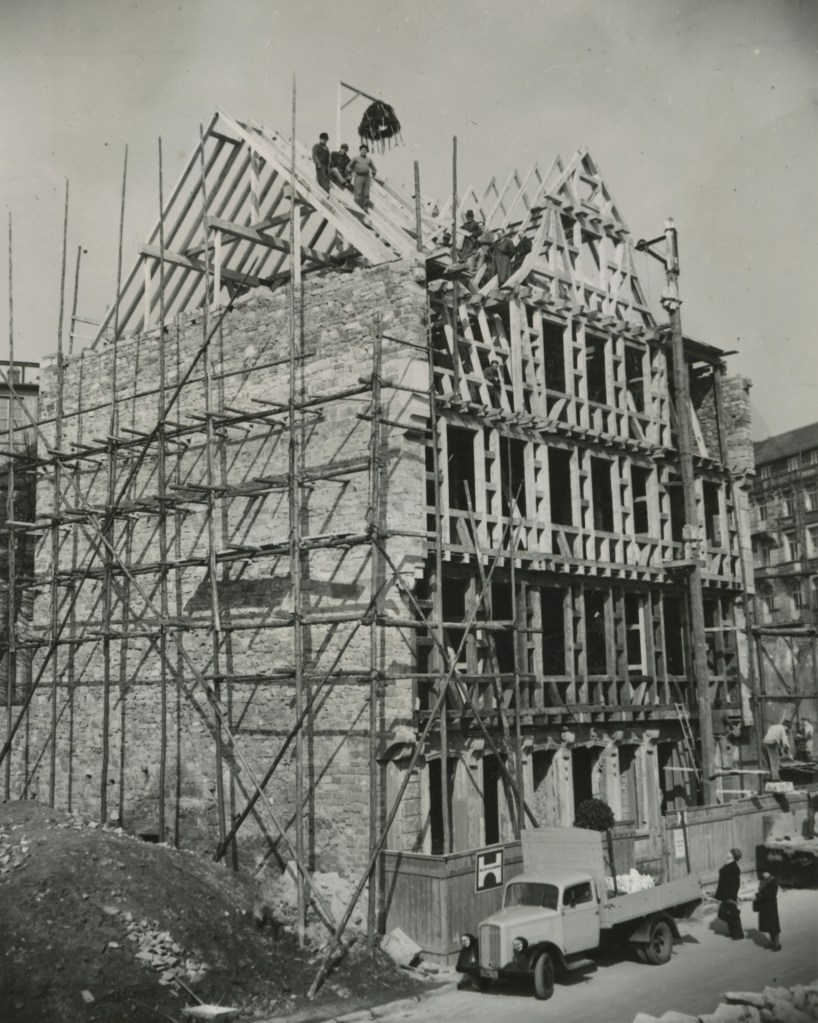
I found this information from Wikipedia interesting about the reconstruction of this home after it was bombed in the war:






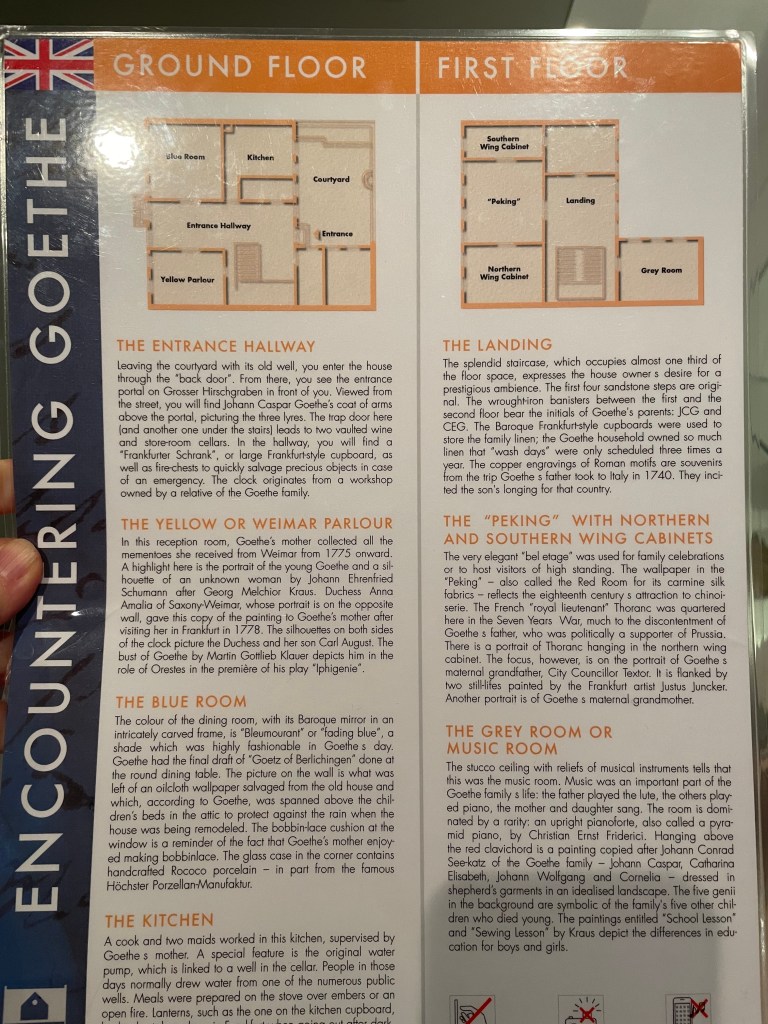
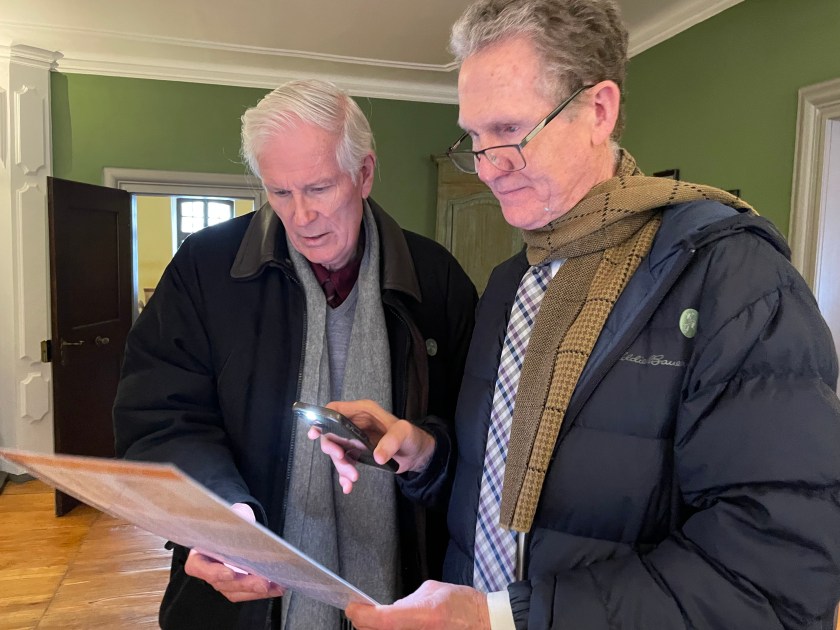
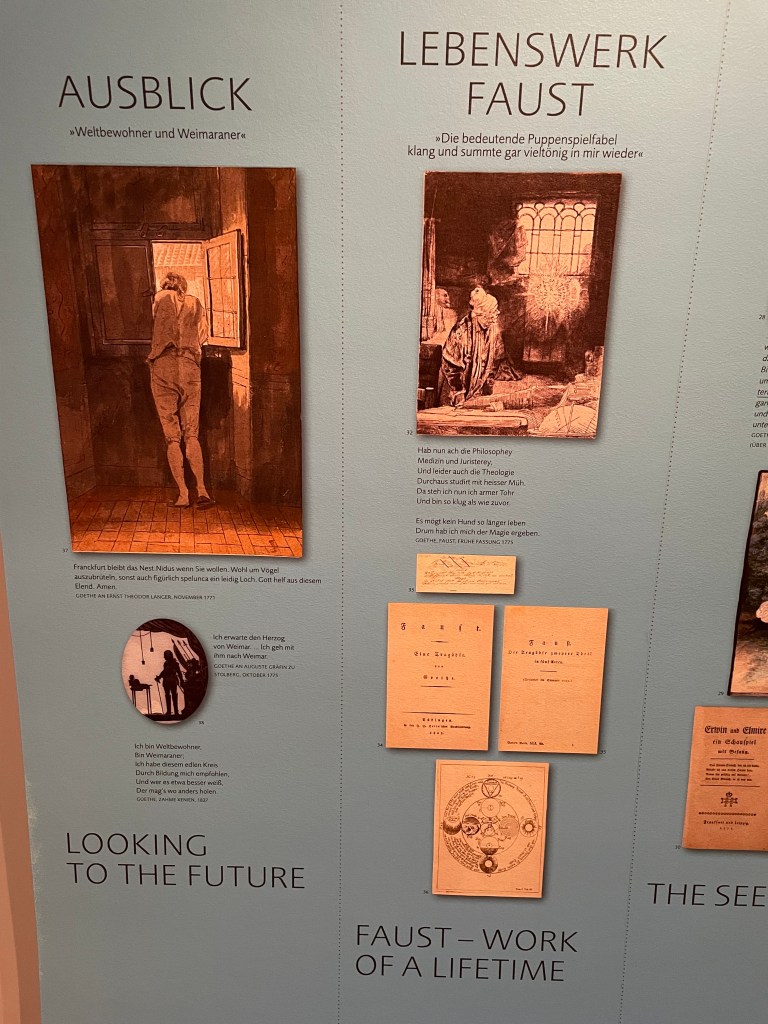
Here is the English guide we followed as we went through the home:

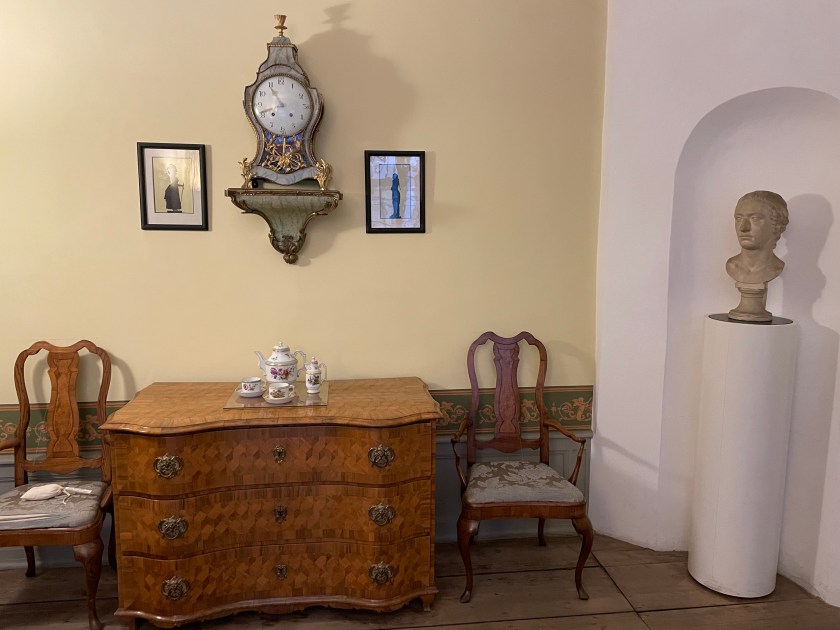


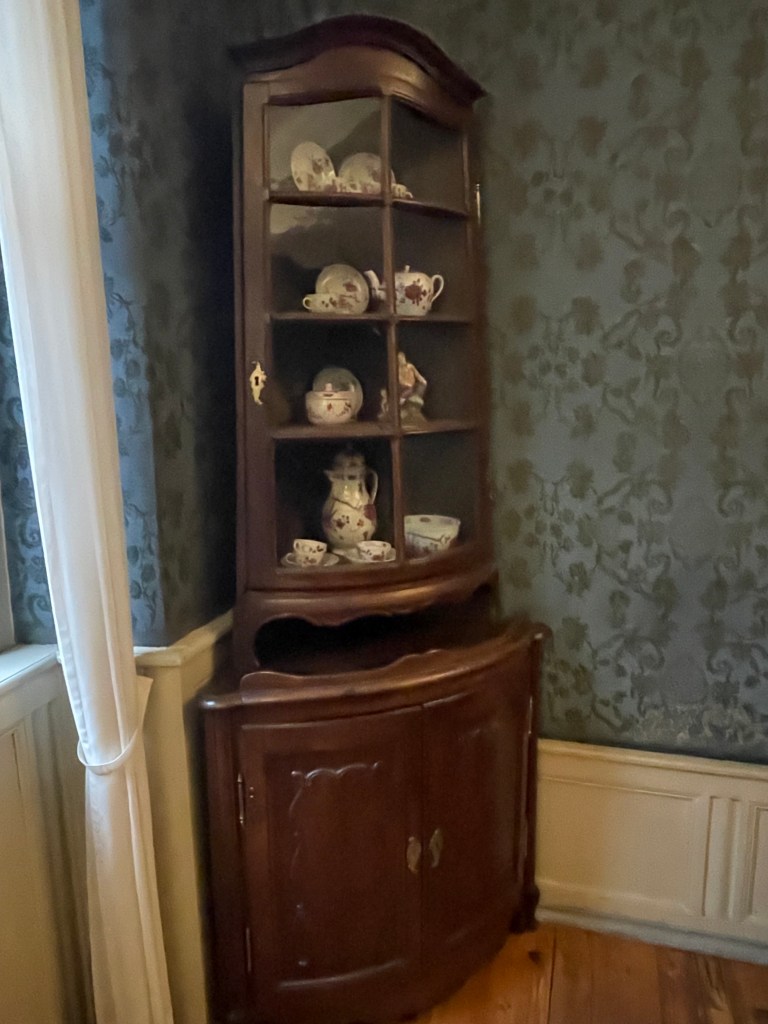
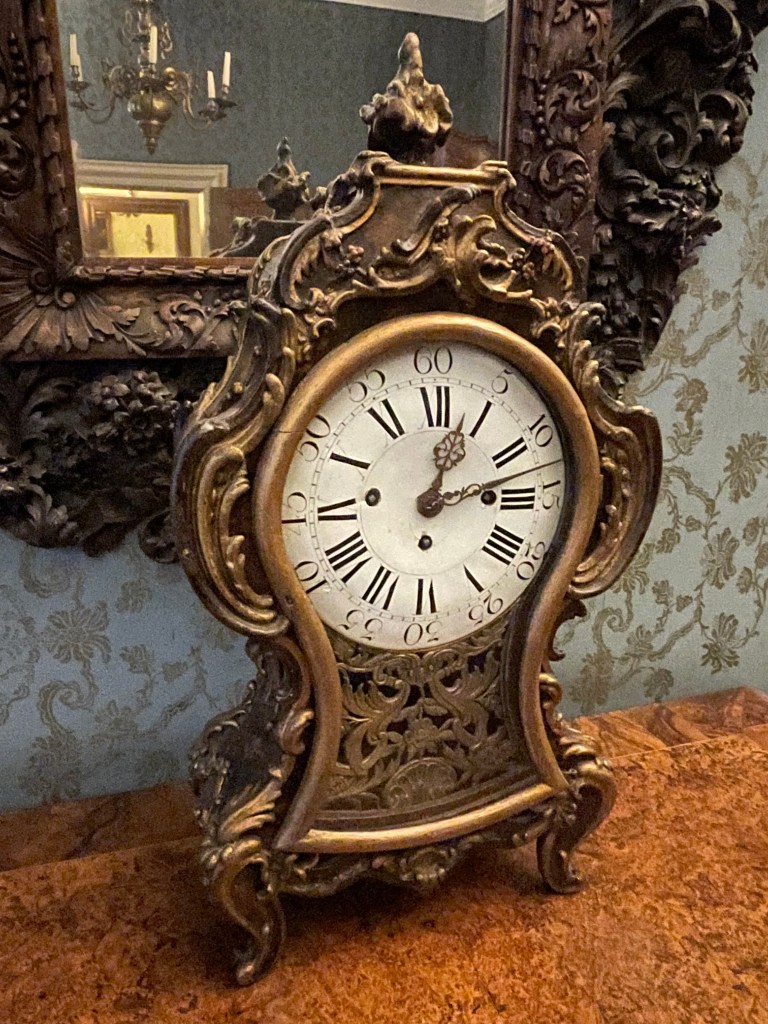

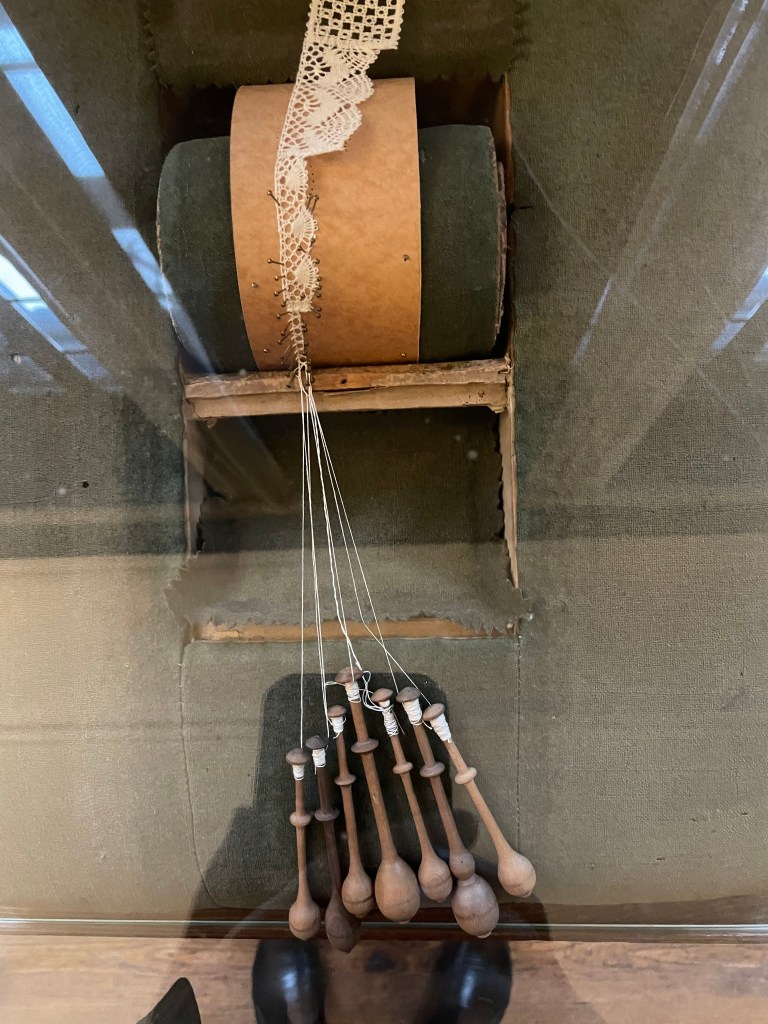
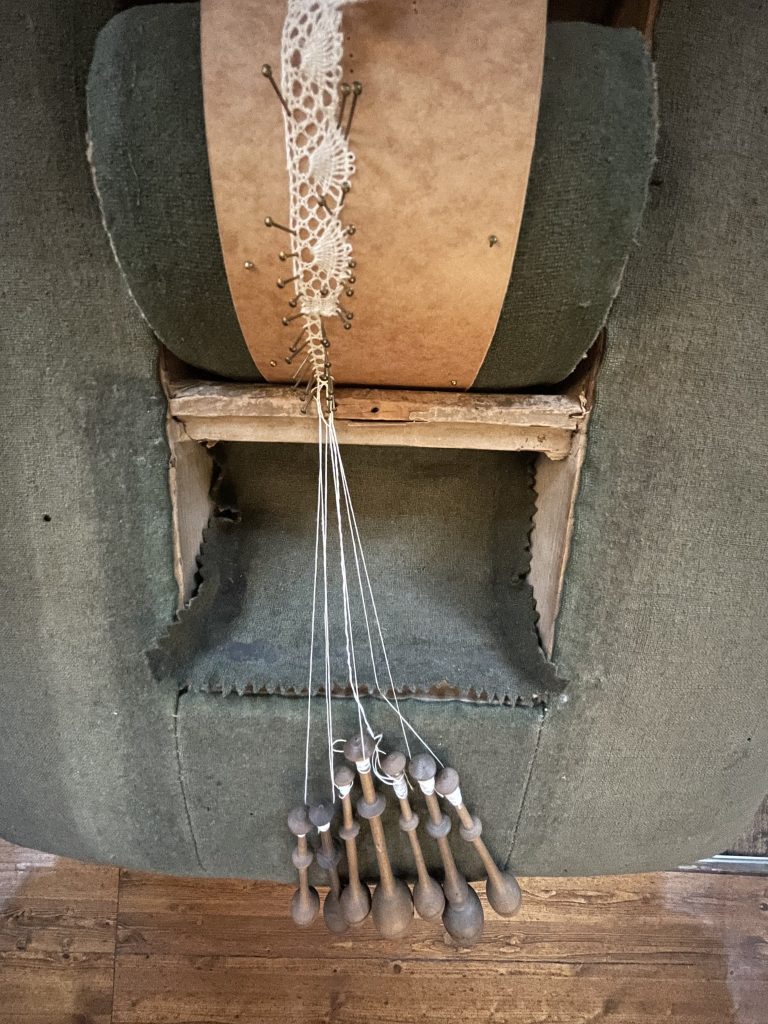
Goethe’s mother made lace like this:


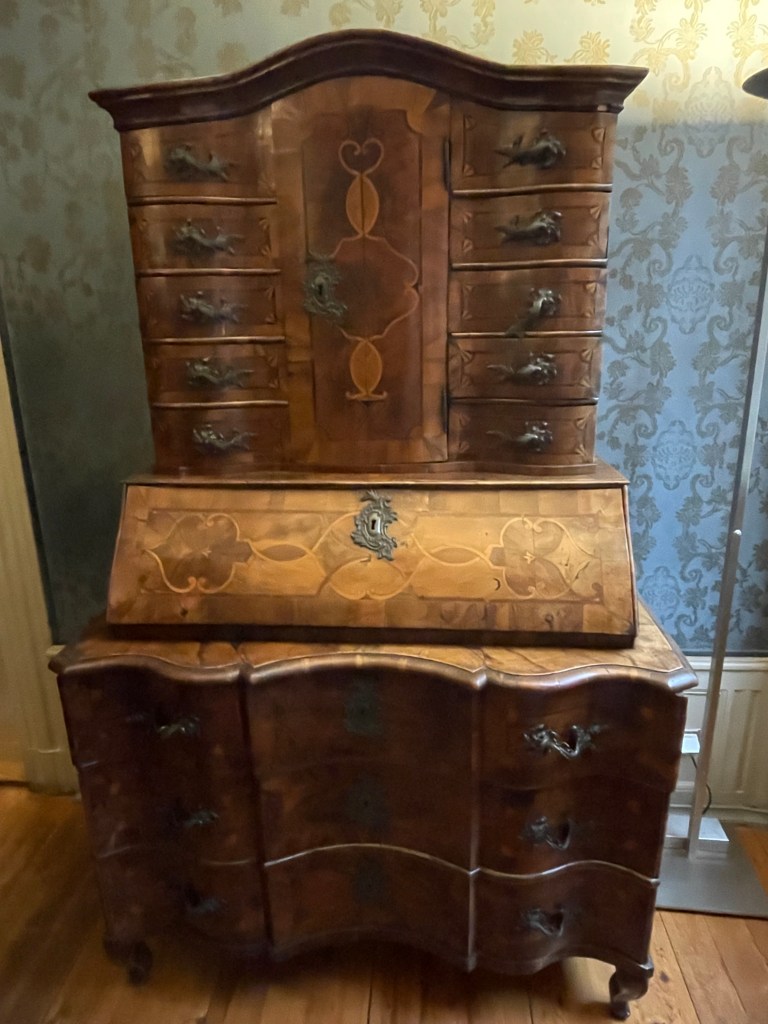
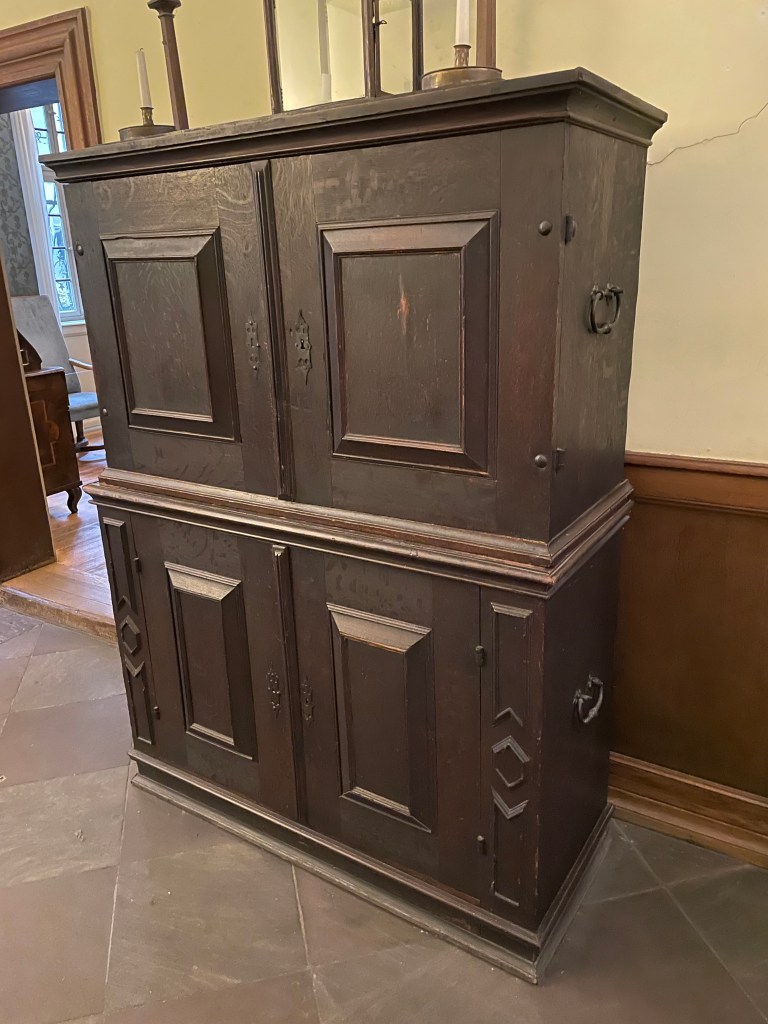
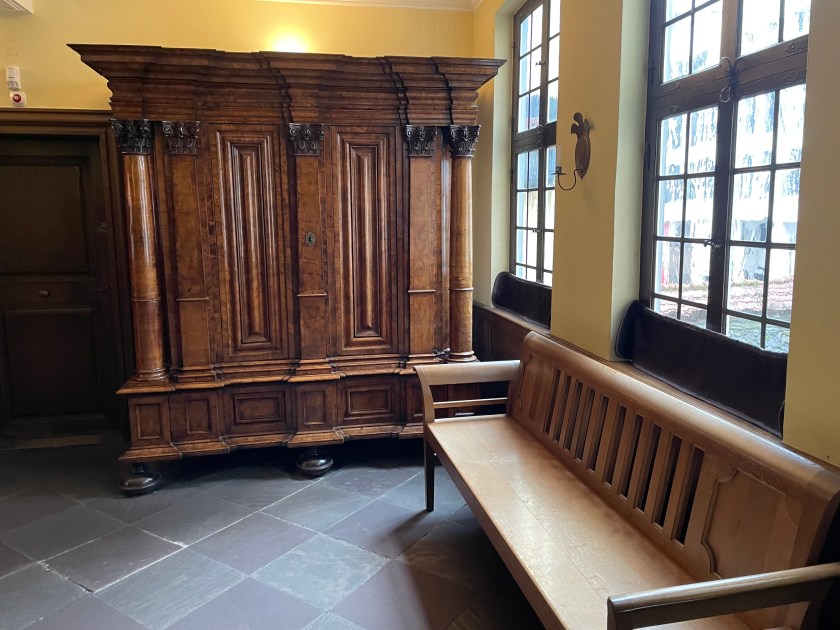
This was interesting. These are “fire chests” kept in the entry of a home to store important objects or documents in case of an emergency. If a fire broke out, they were near the front door and equipped with handles for strong men to carry them out of danger’s way. Not exactly “grab and go,” but the same idea!


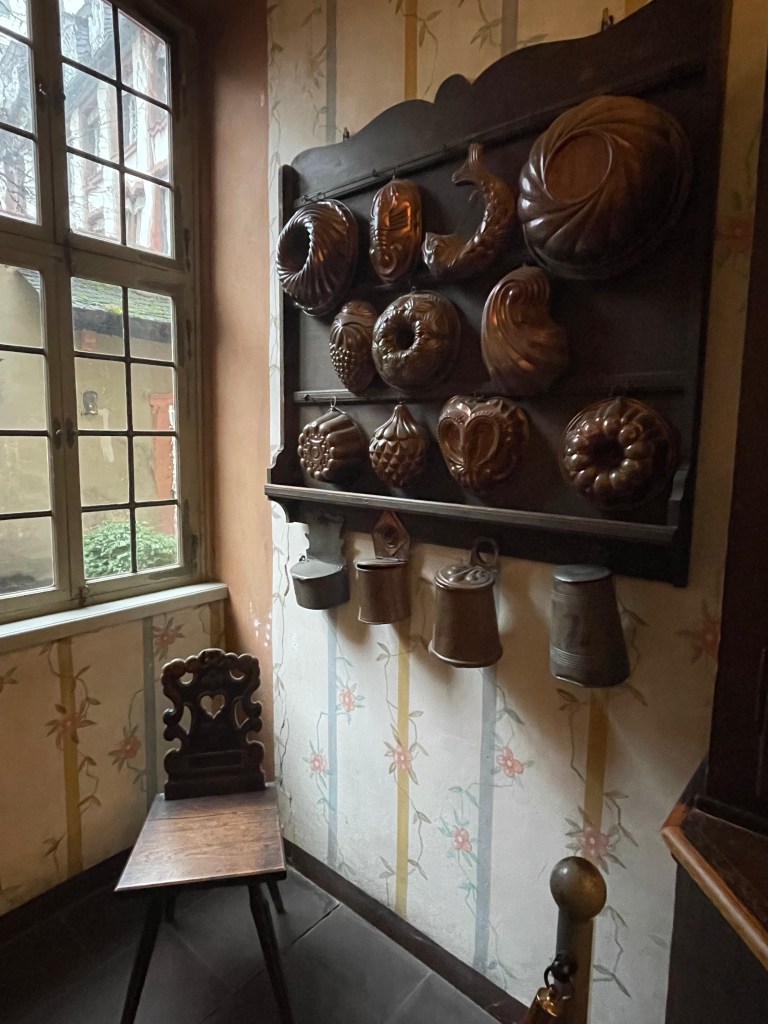
The kitchen on the main floor:

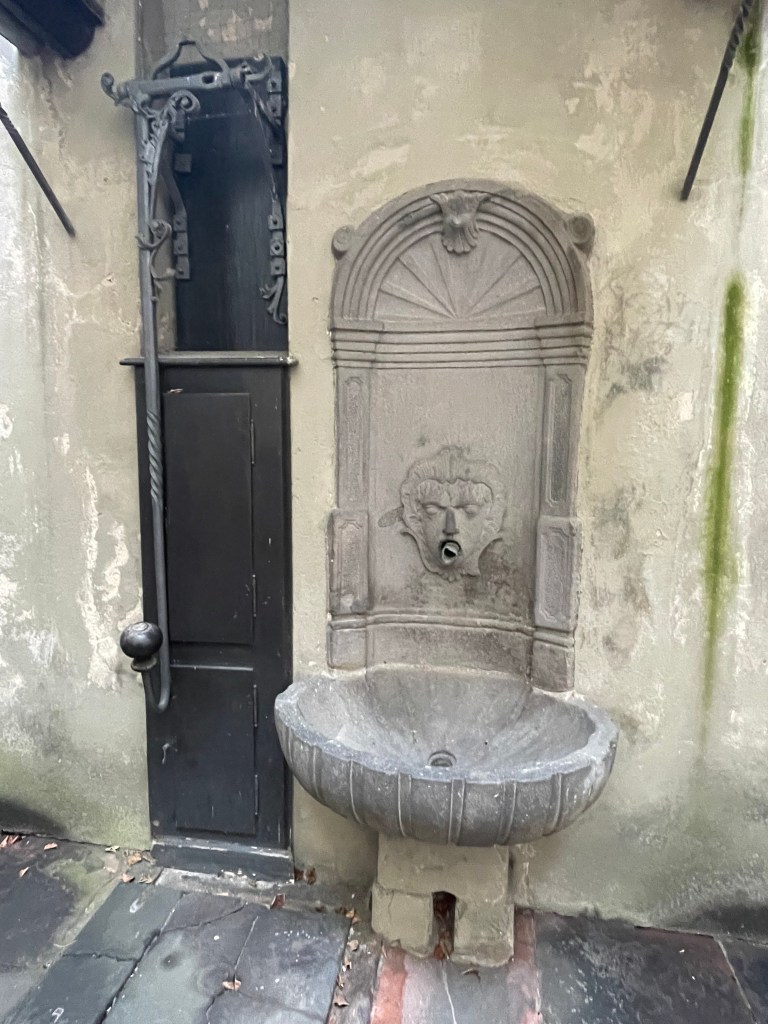
Through the window you can see the family well/water source.


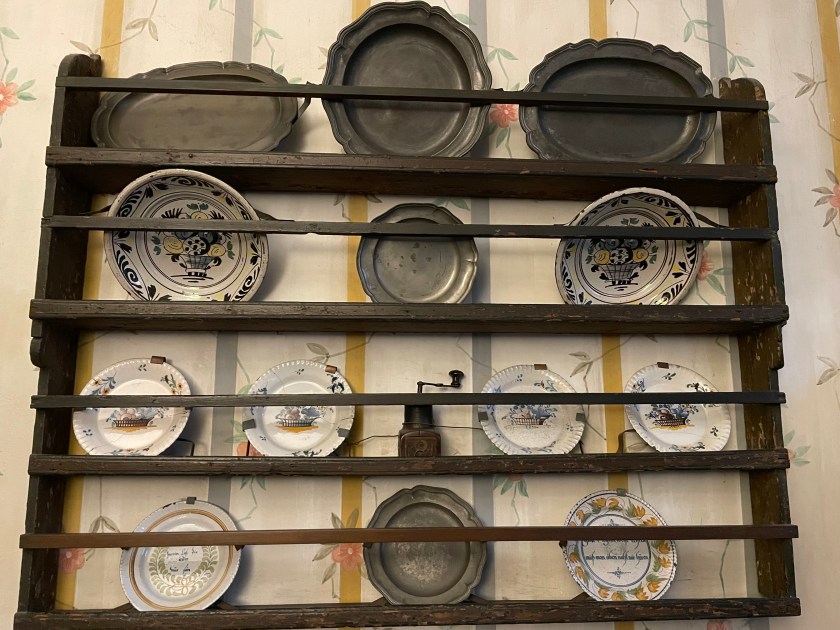
A long handle on the water pump:
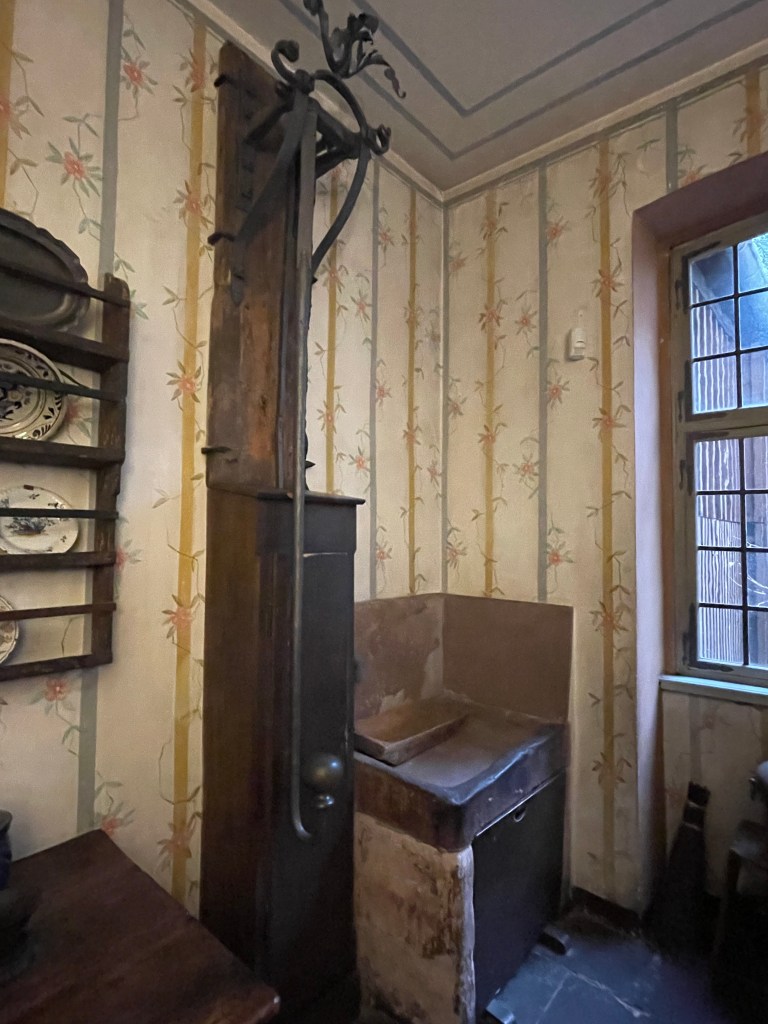
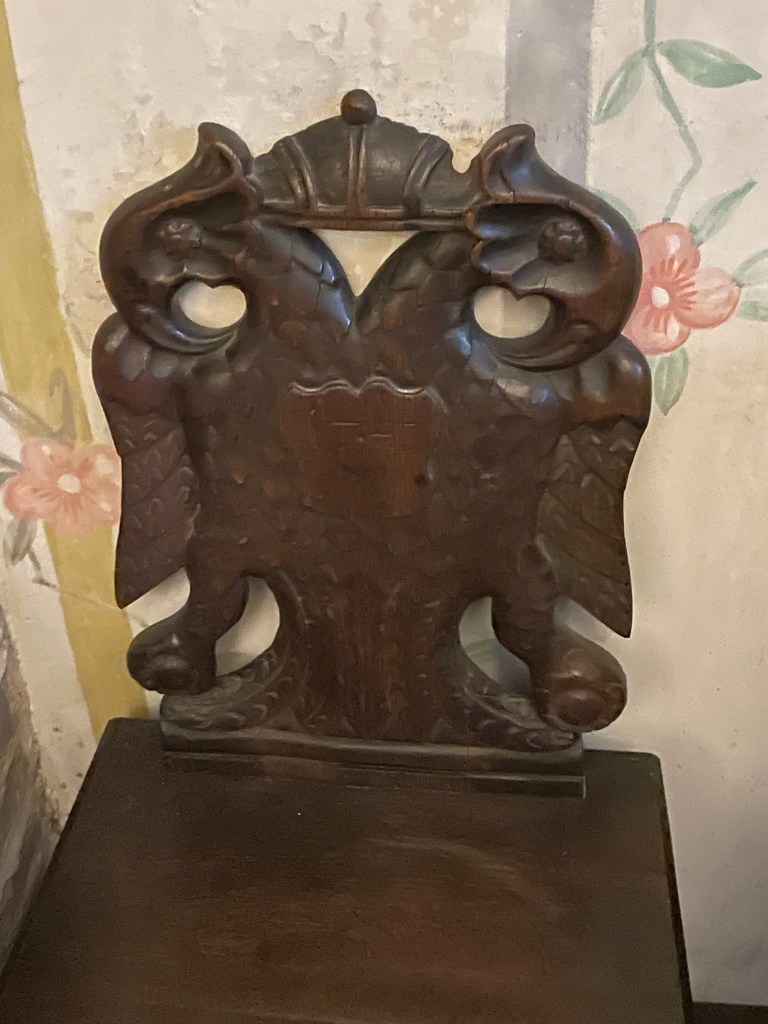
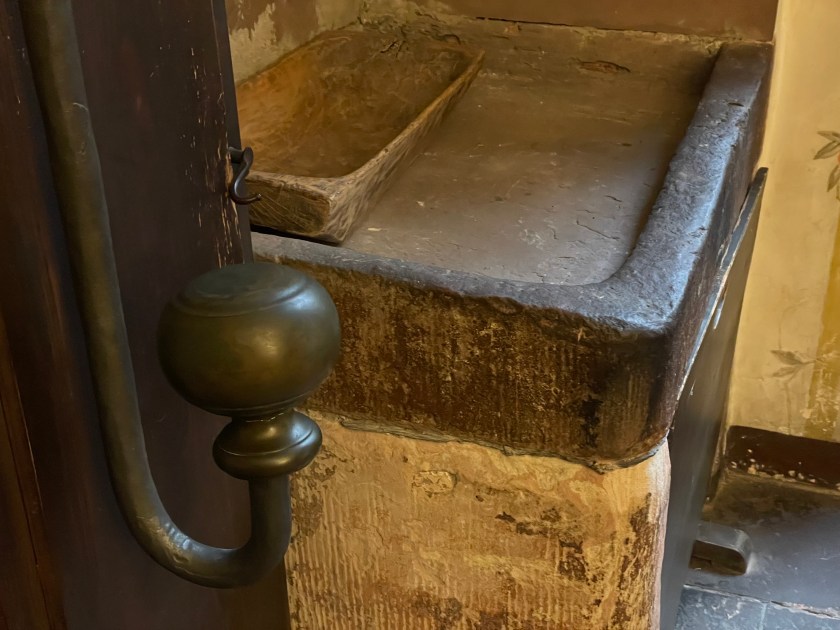

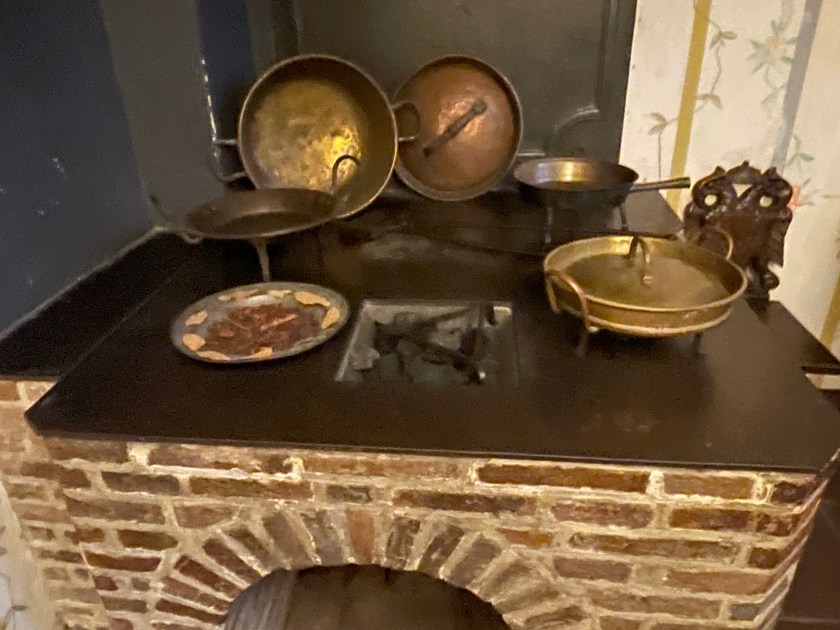
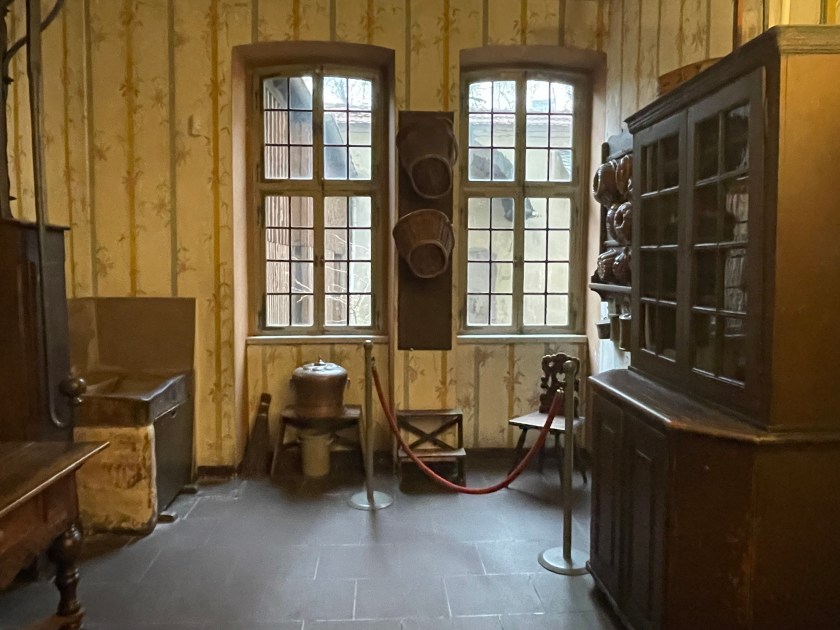




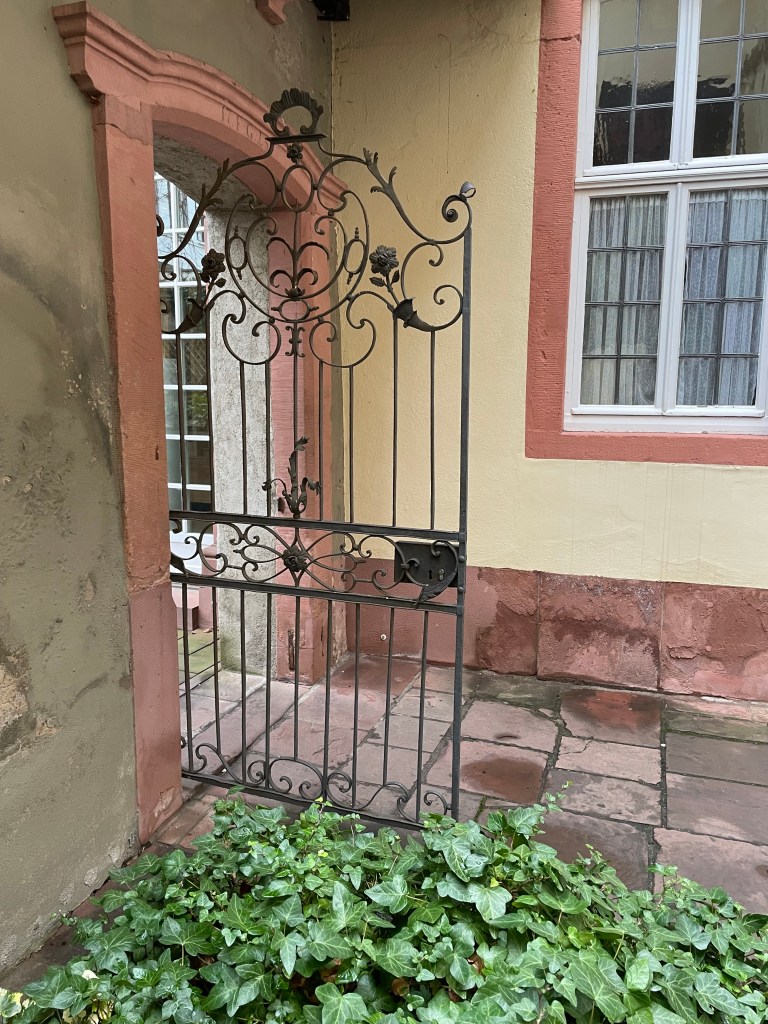
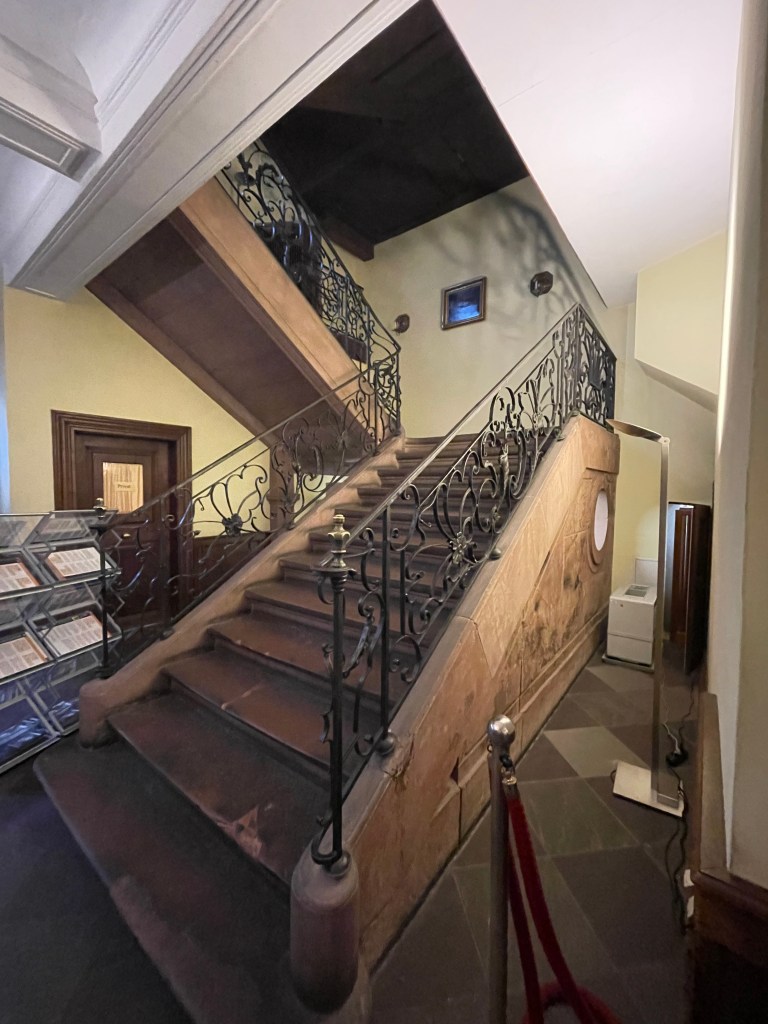
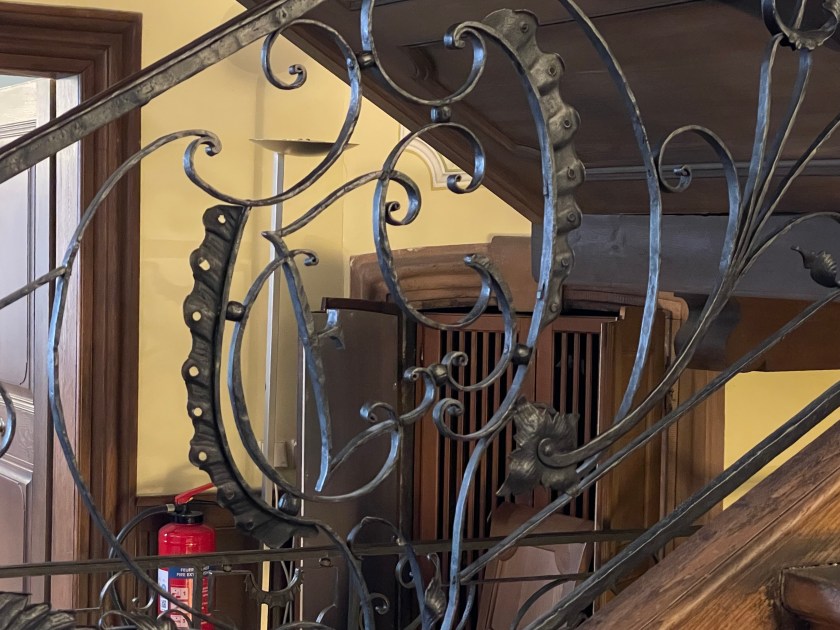
The family initials are in the ironwork.
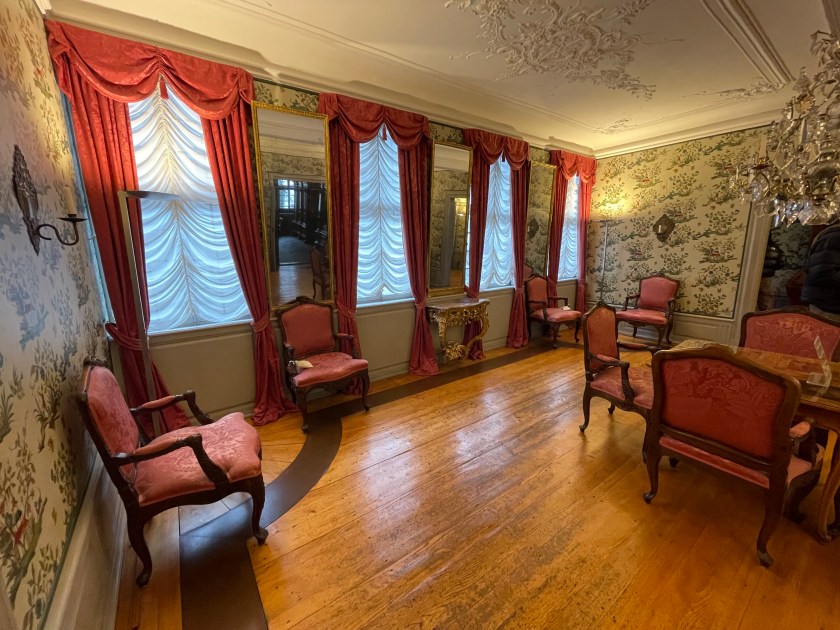

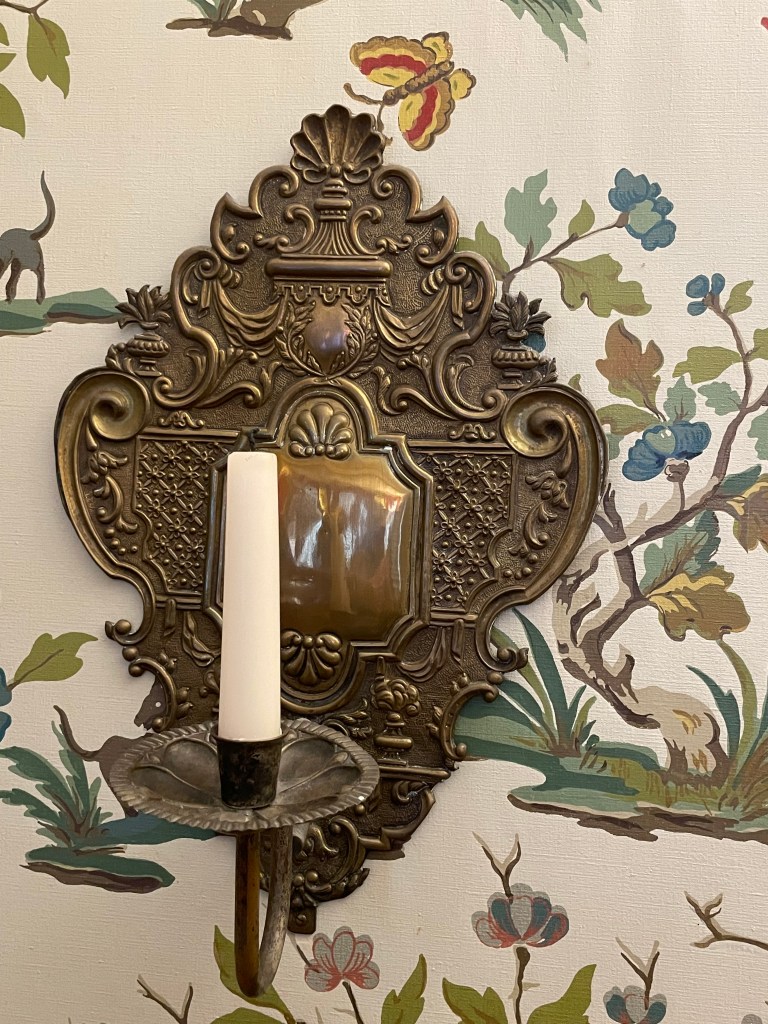
I’m loving the wallpaper throughout the home.




This is an upright piano in the music room:
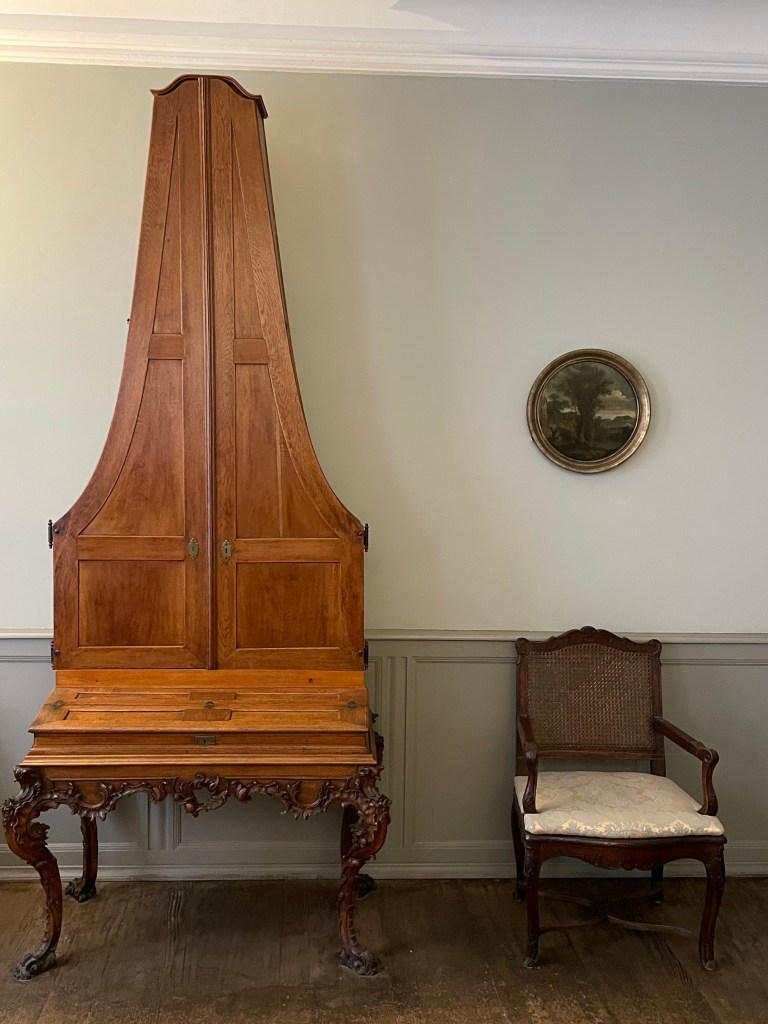
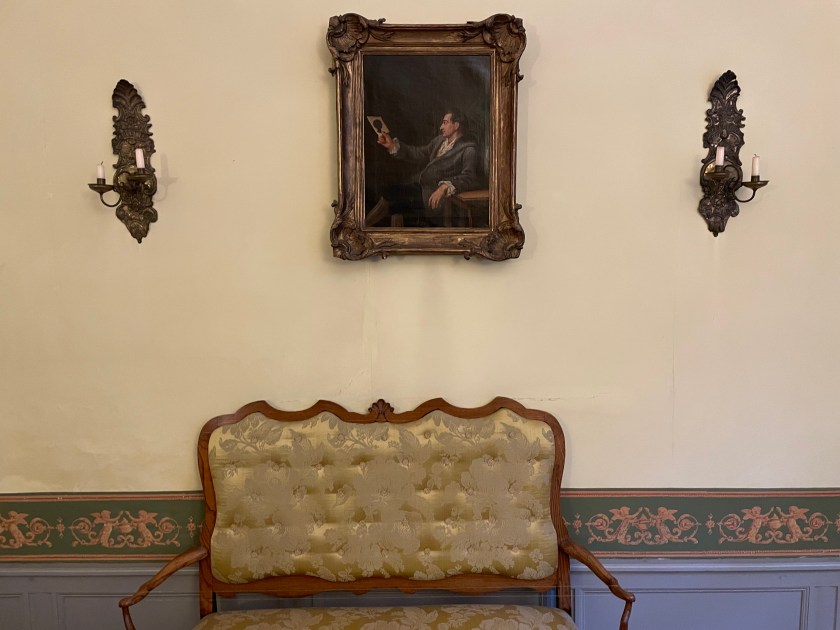
Paintings of the Goethe family:


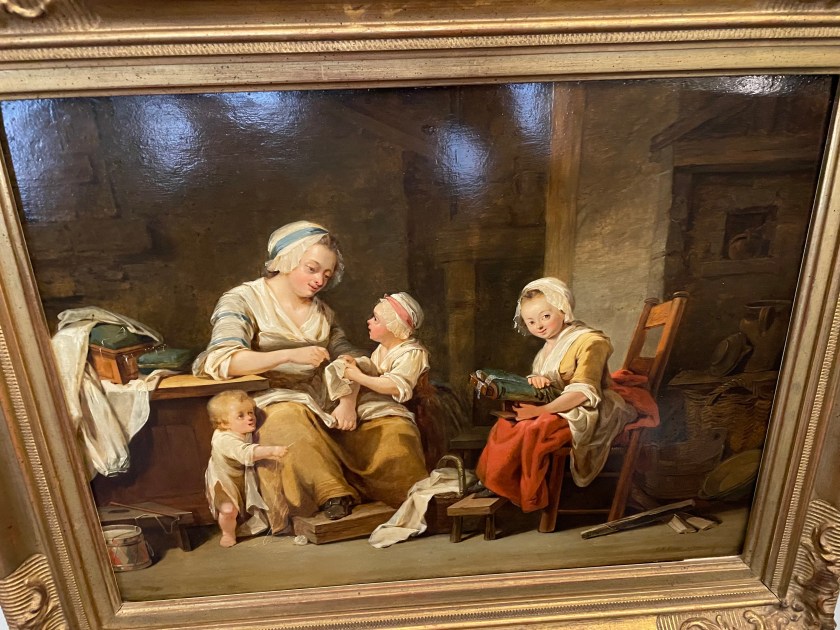

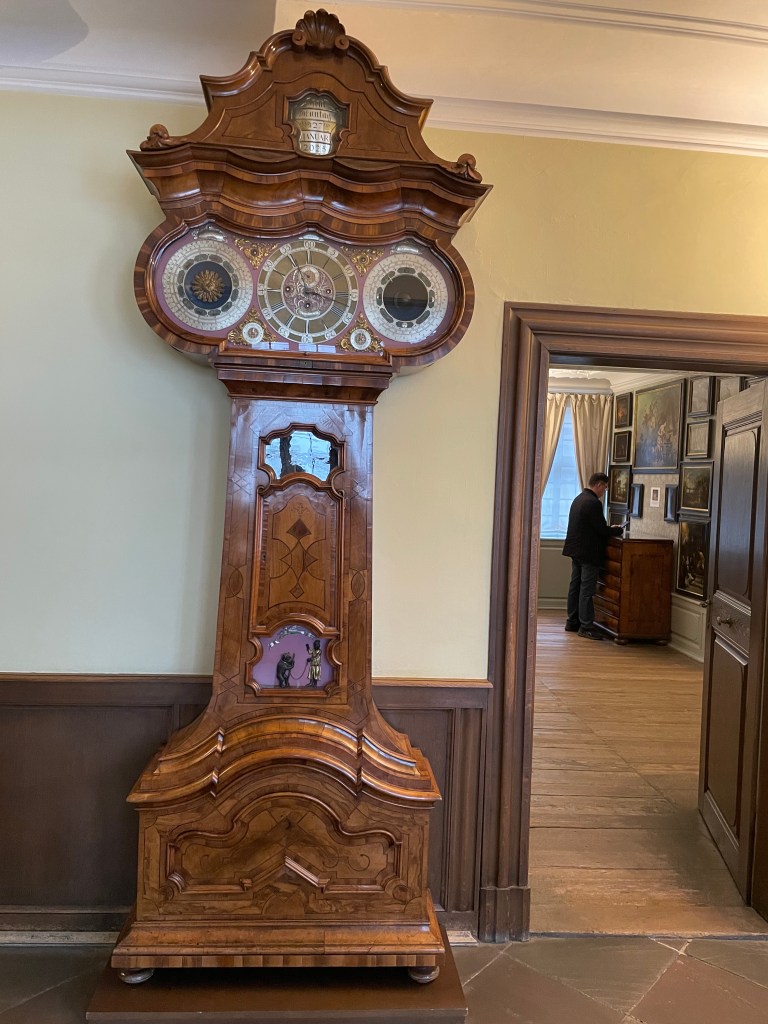
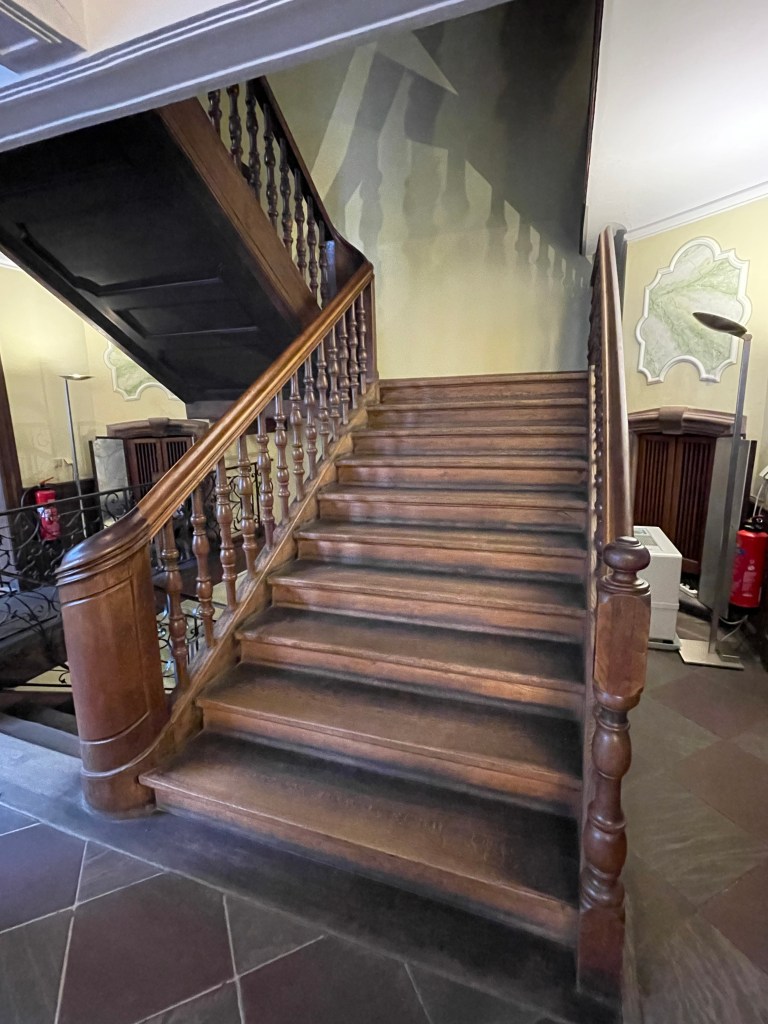
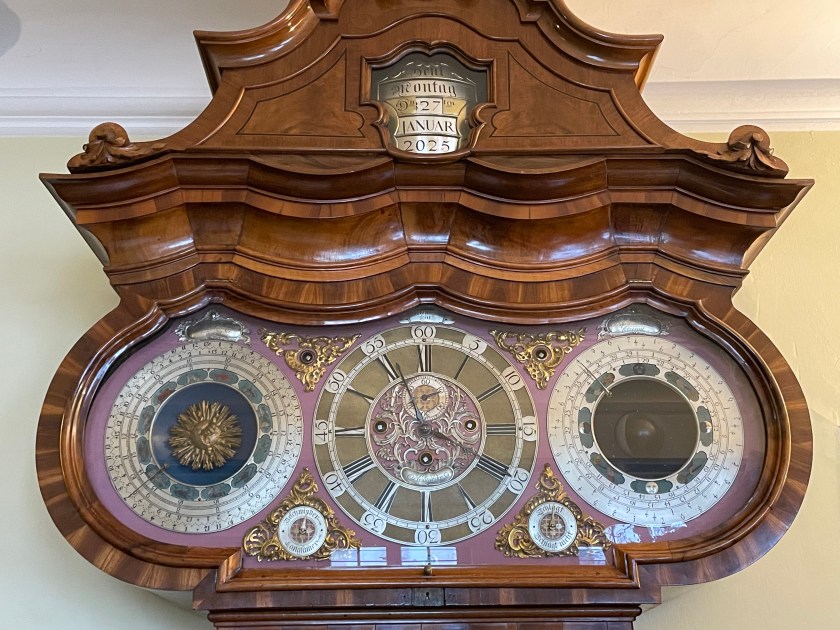


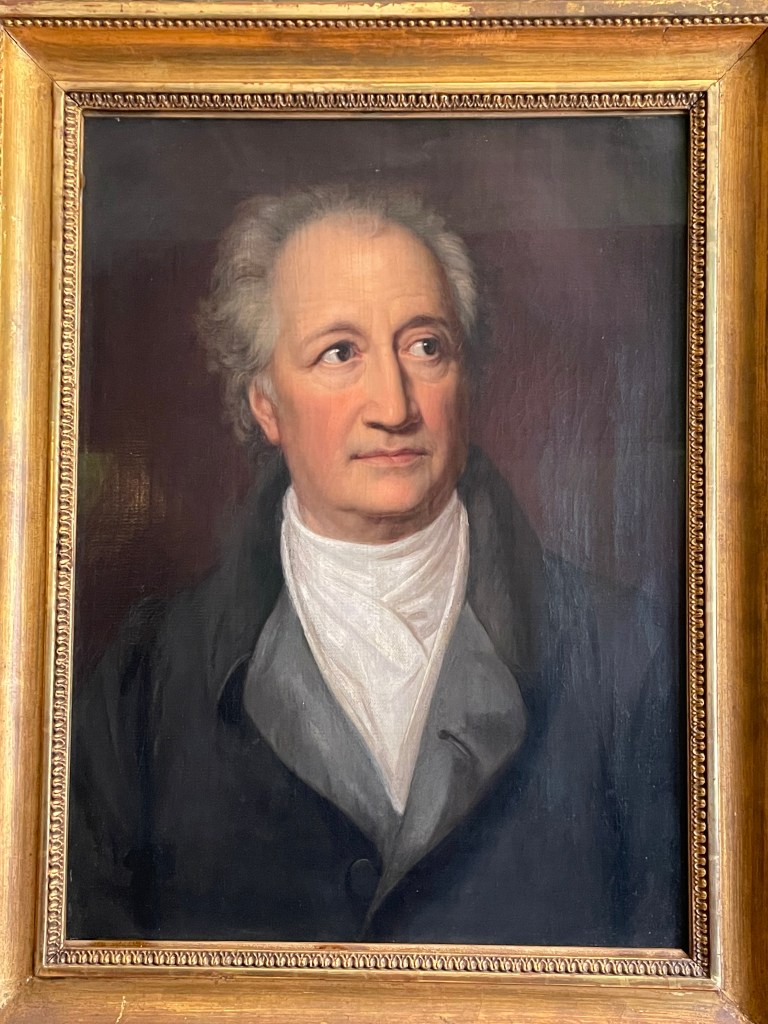
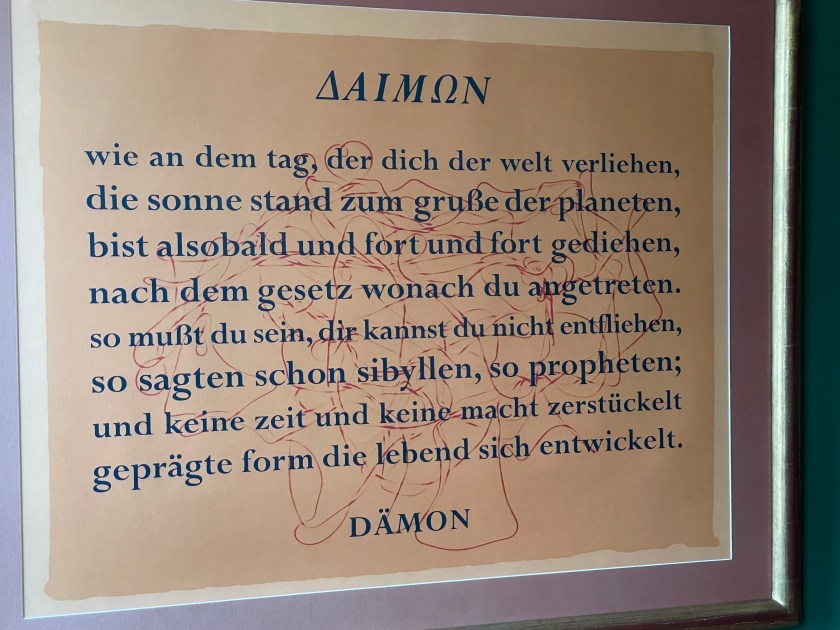
I think this was the birthing room:
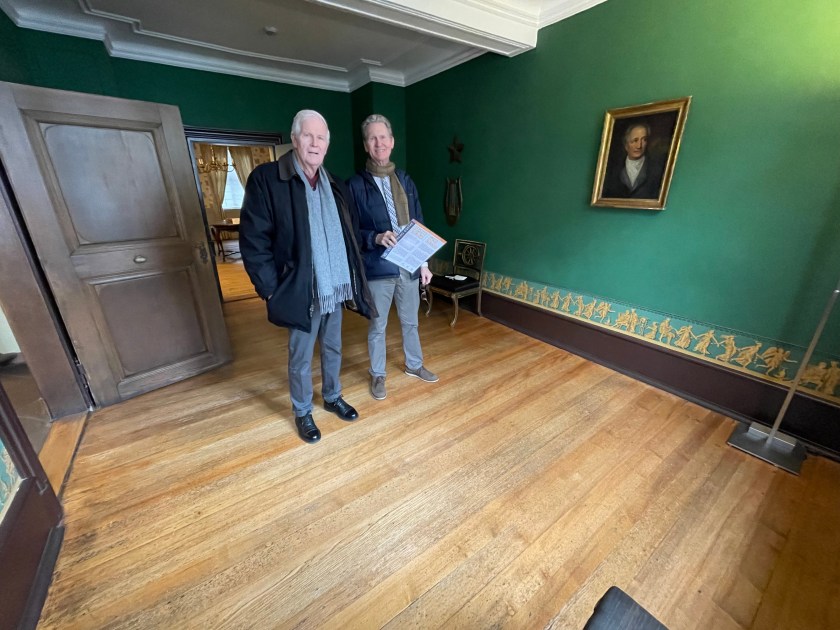


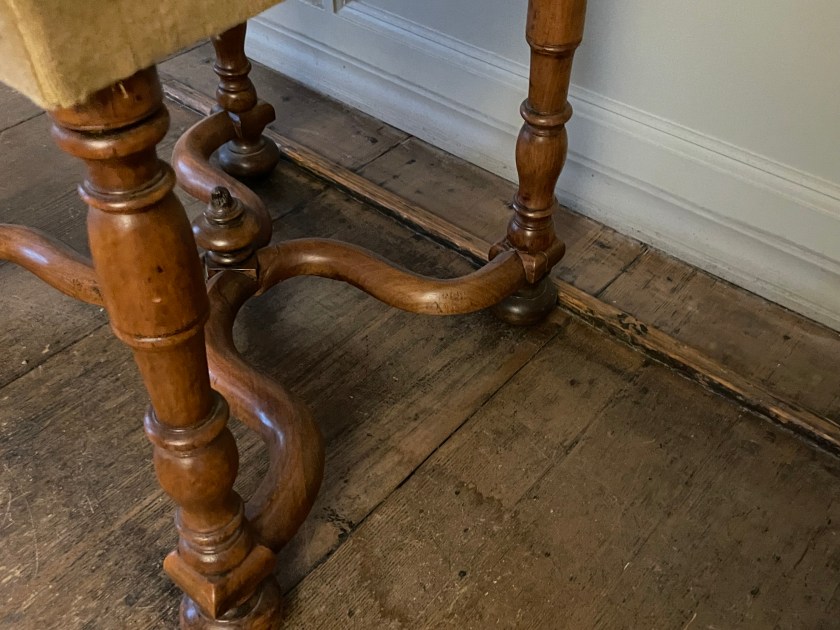
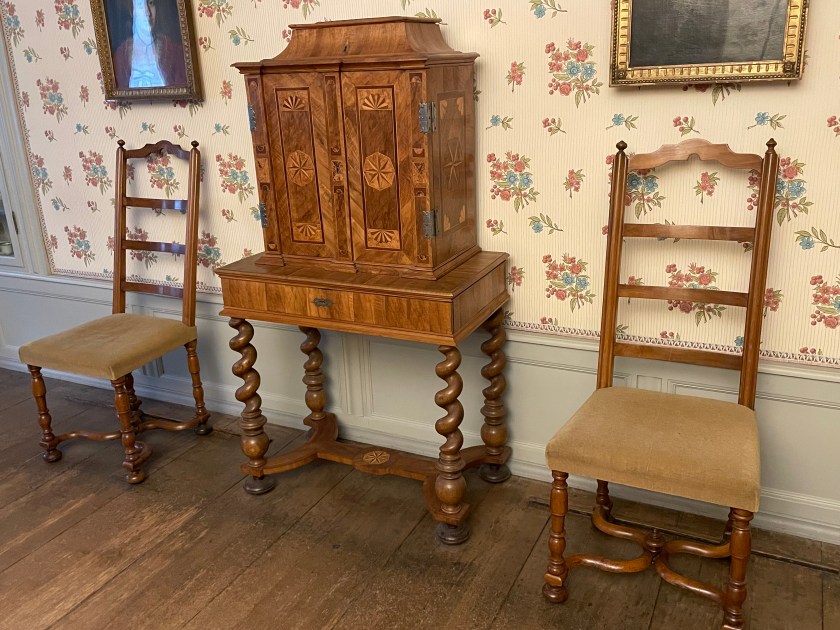
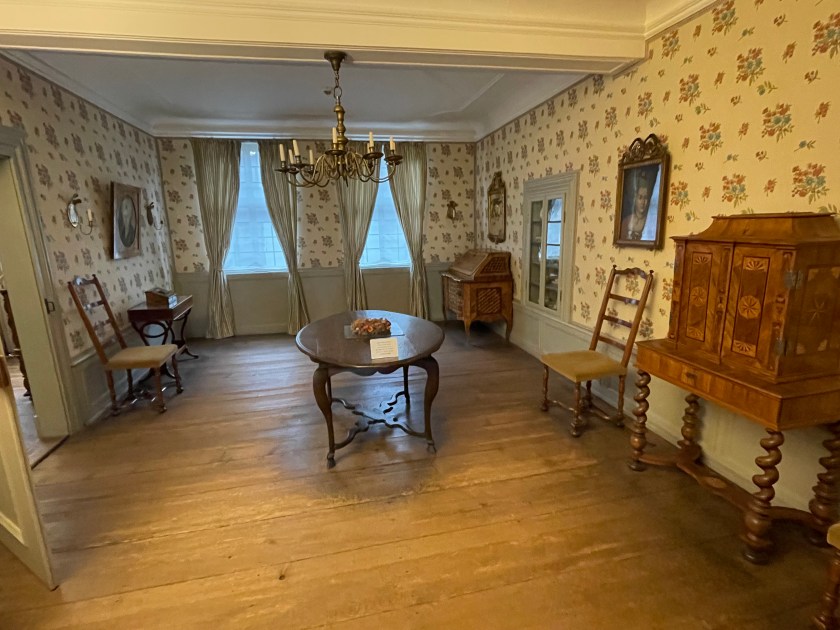
Here’s another interesting feature. Look at the strip of wood nailed to the floor around the edges of the room. Instead of a wainscot to keep chairs from damaging the wallpaper, these strips stopped the chairs from being pushed too close to the walls.

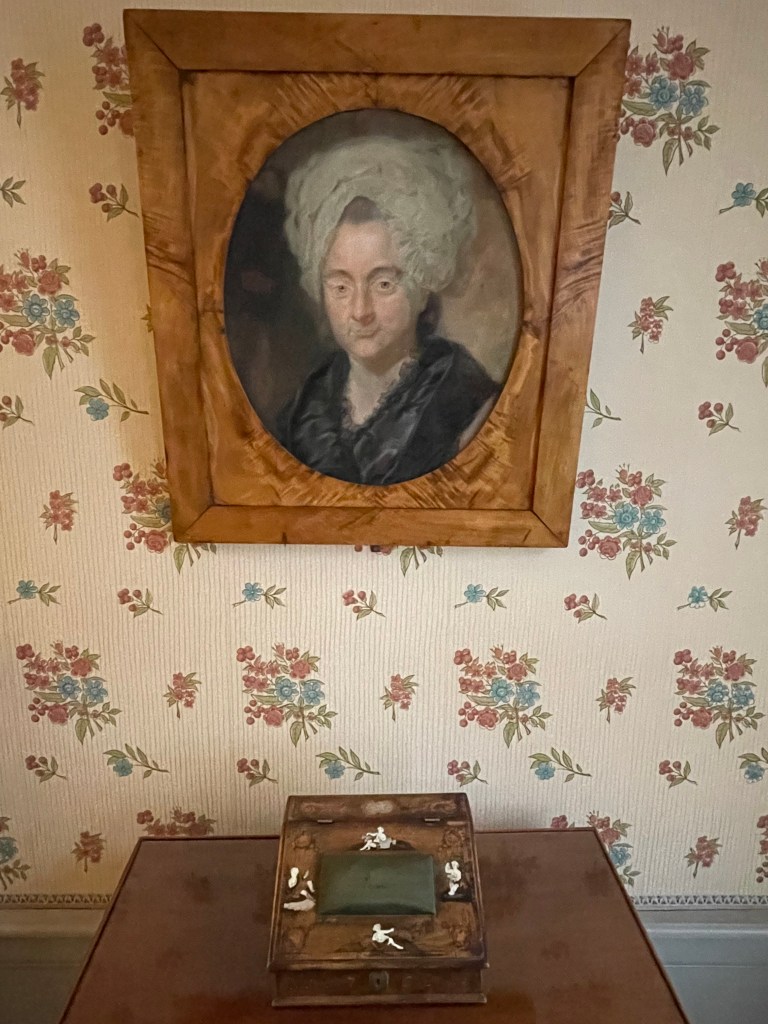

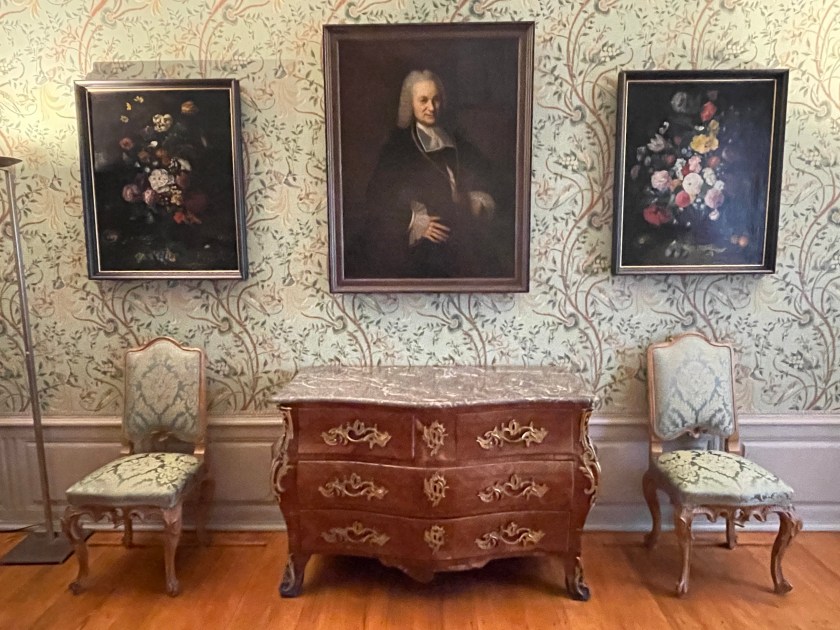
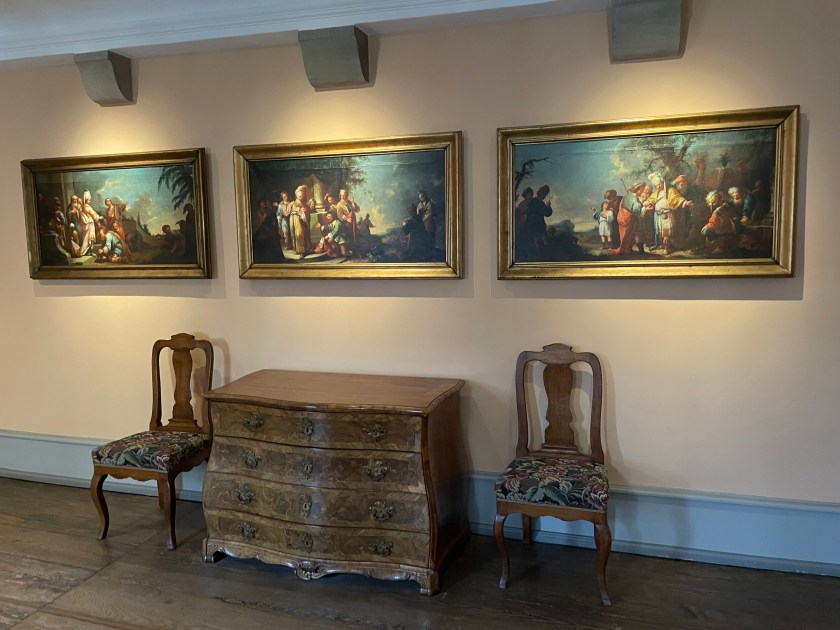
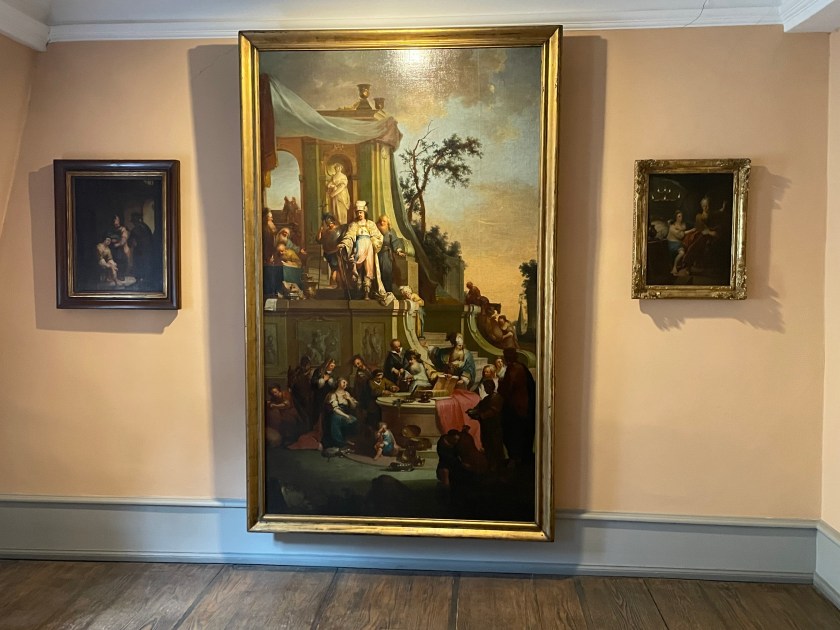
Goethe’s father had quite a collection of nice art.
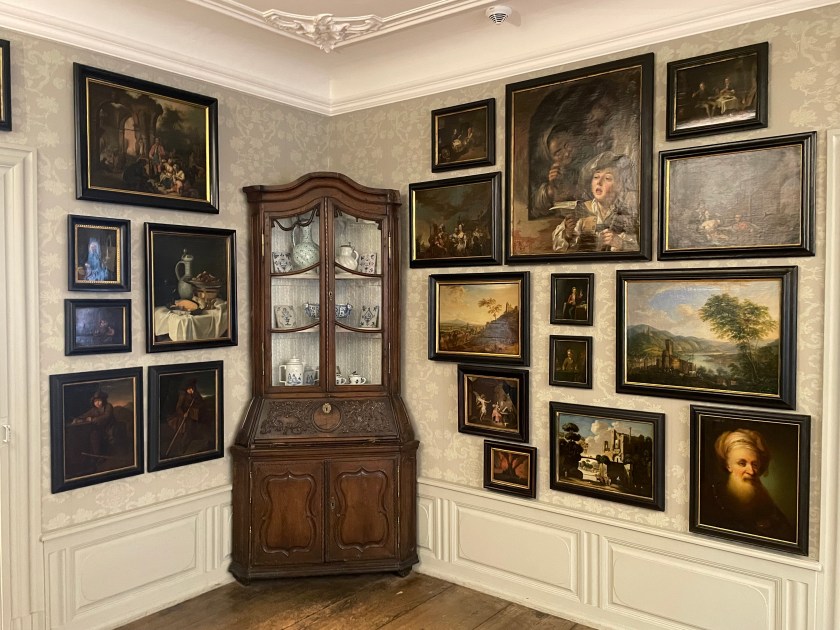
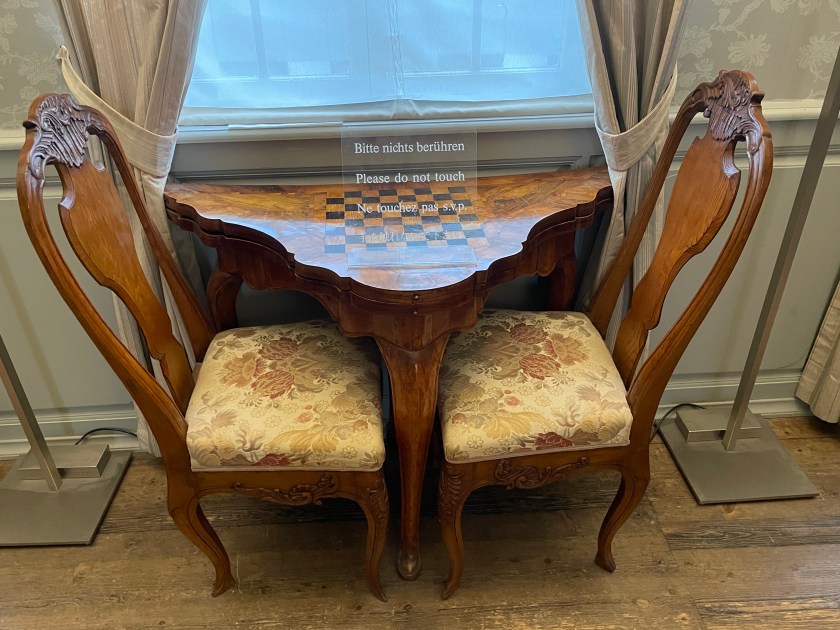

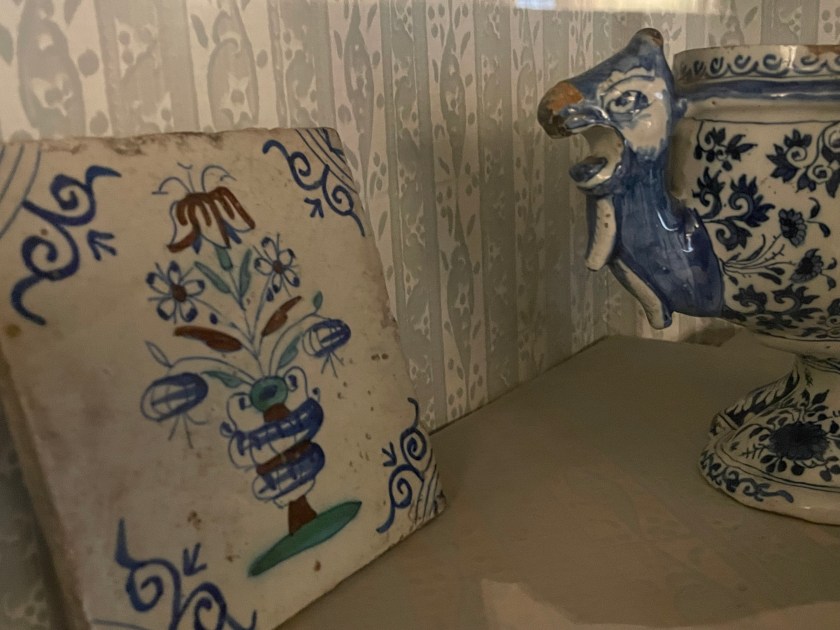
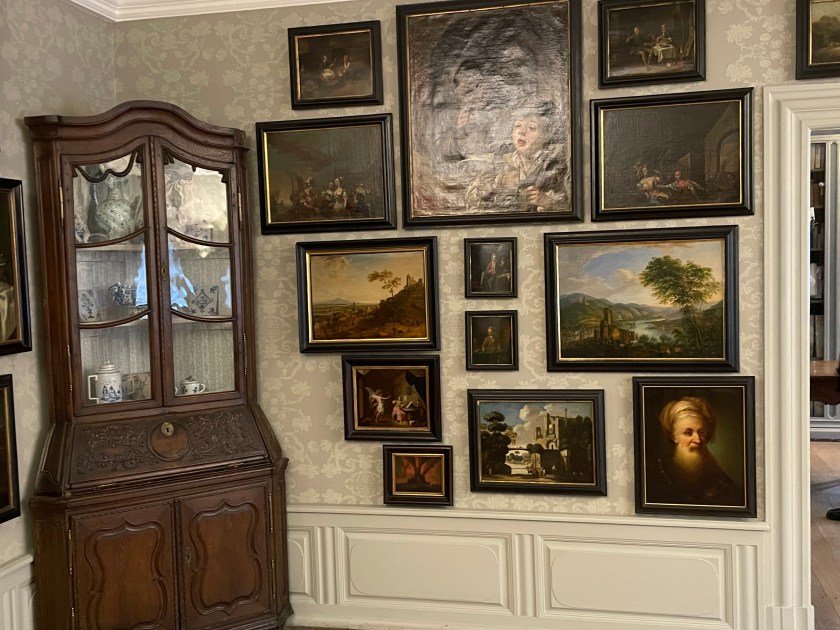
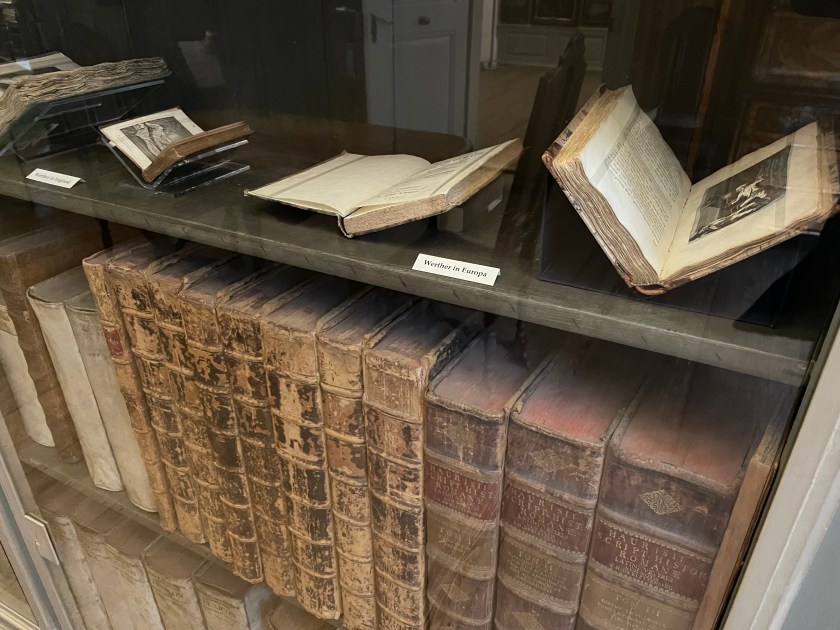
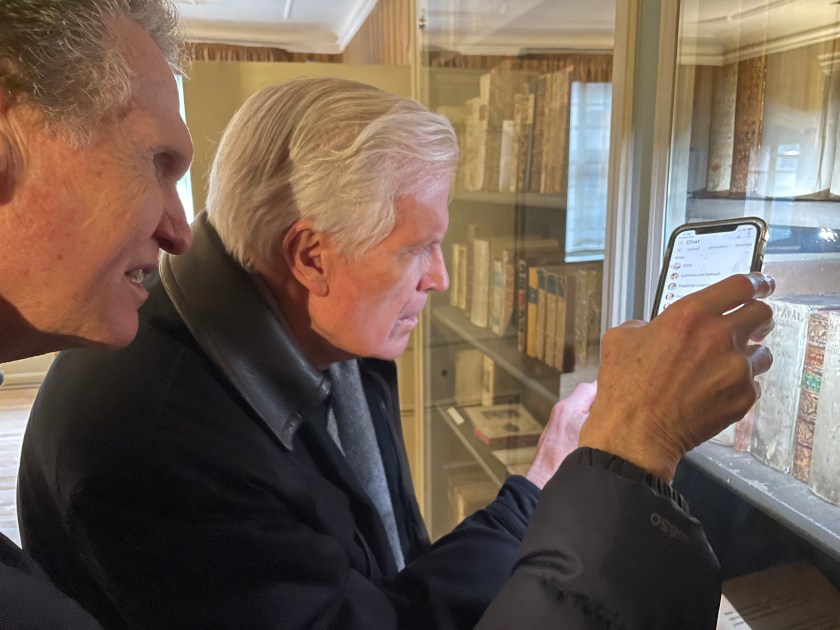
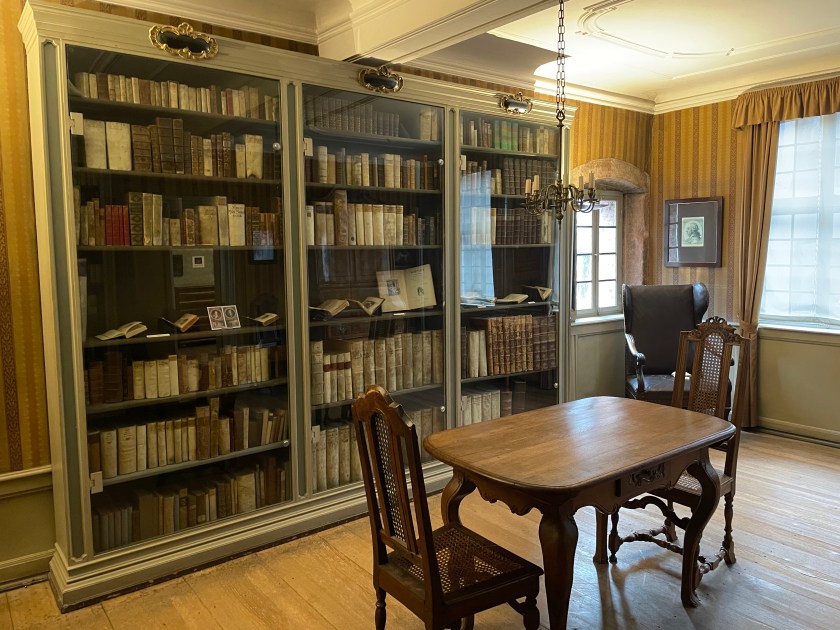
Wow, the library!
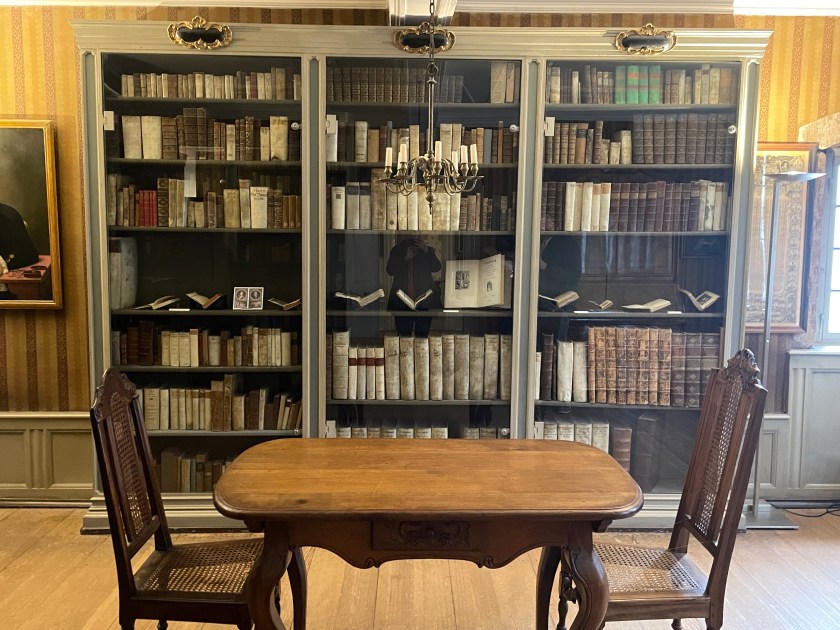
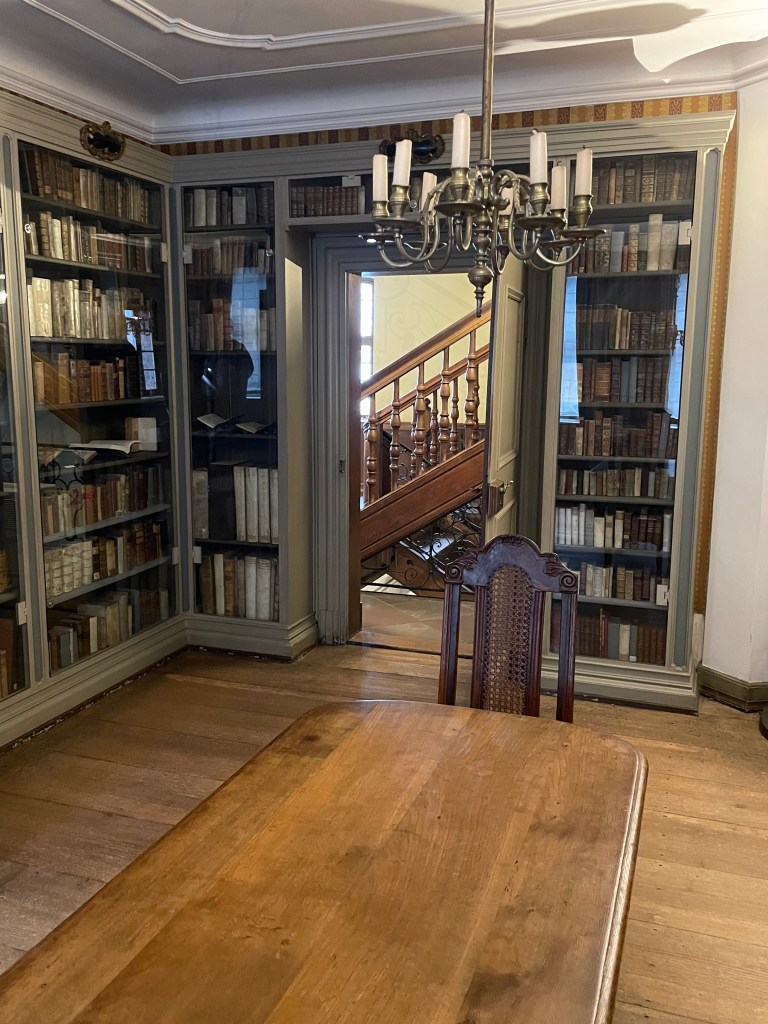


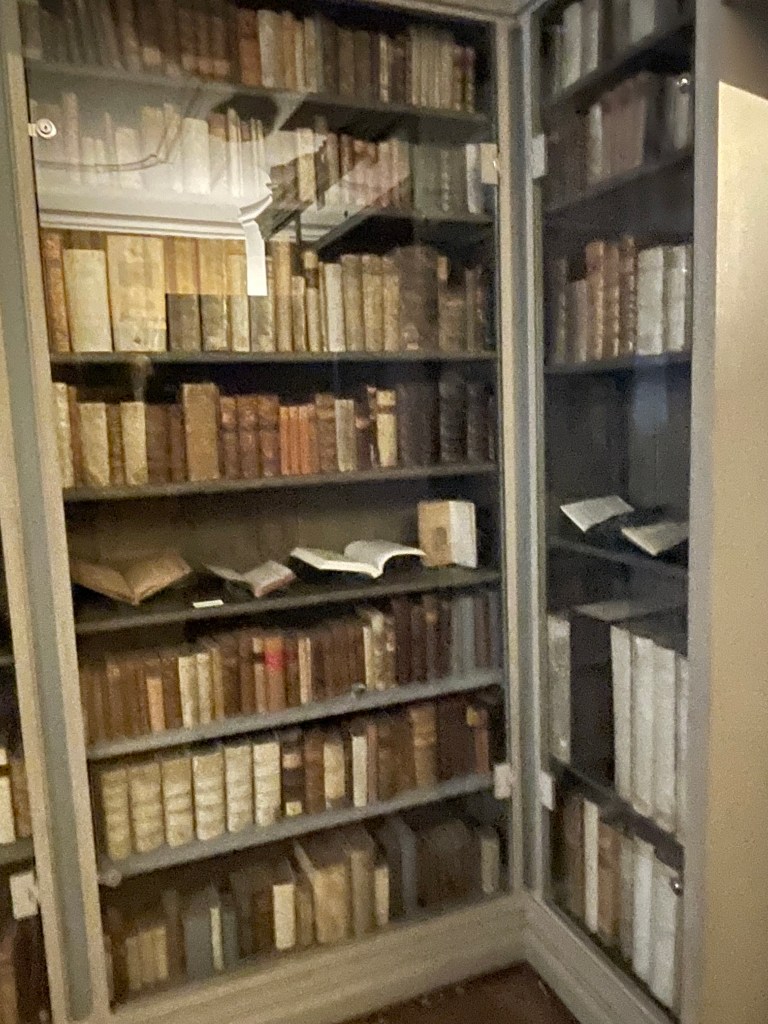
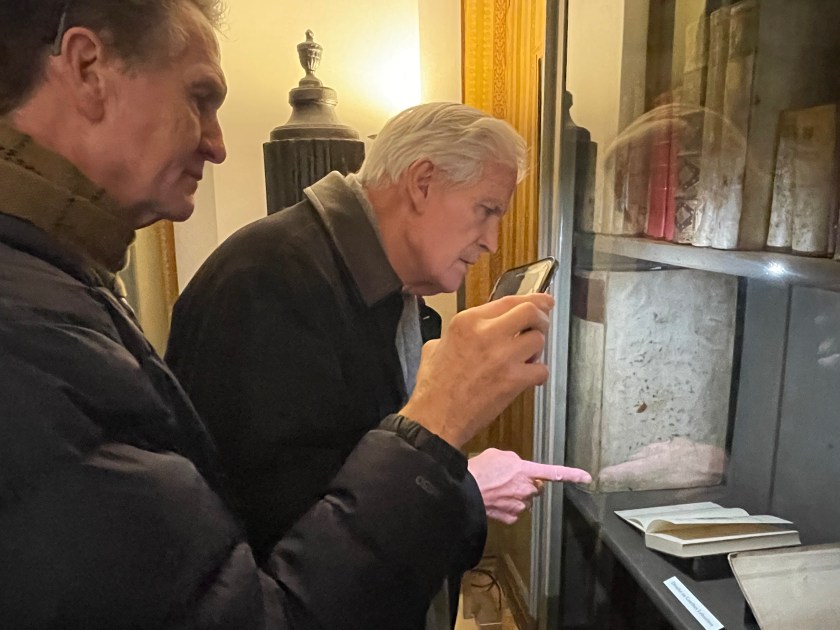
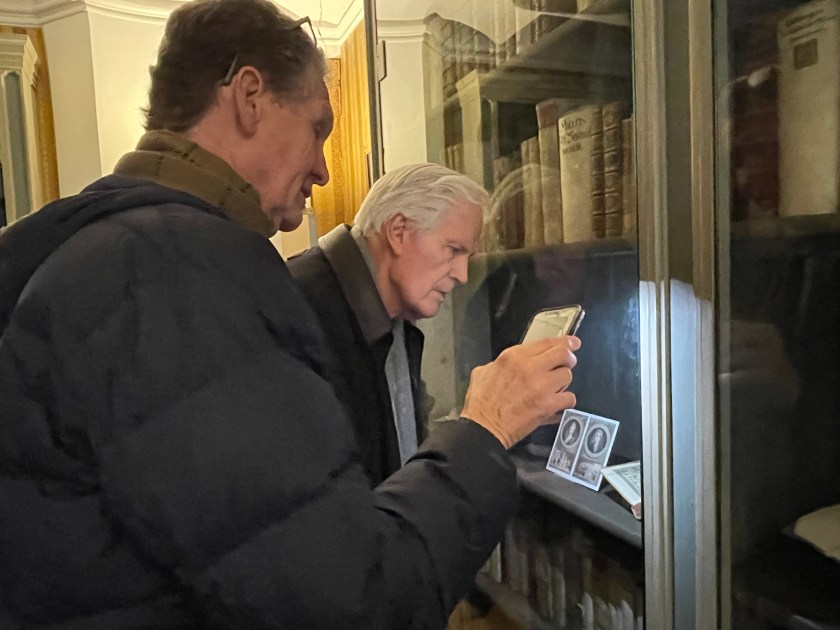


First editions:


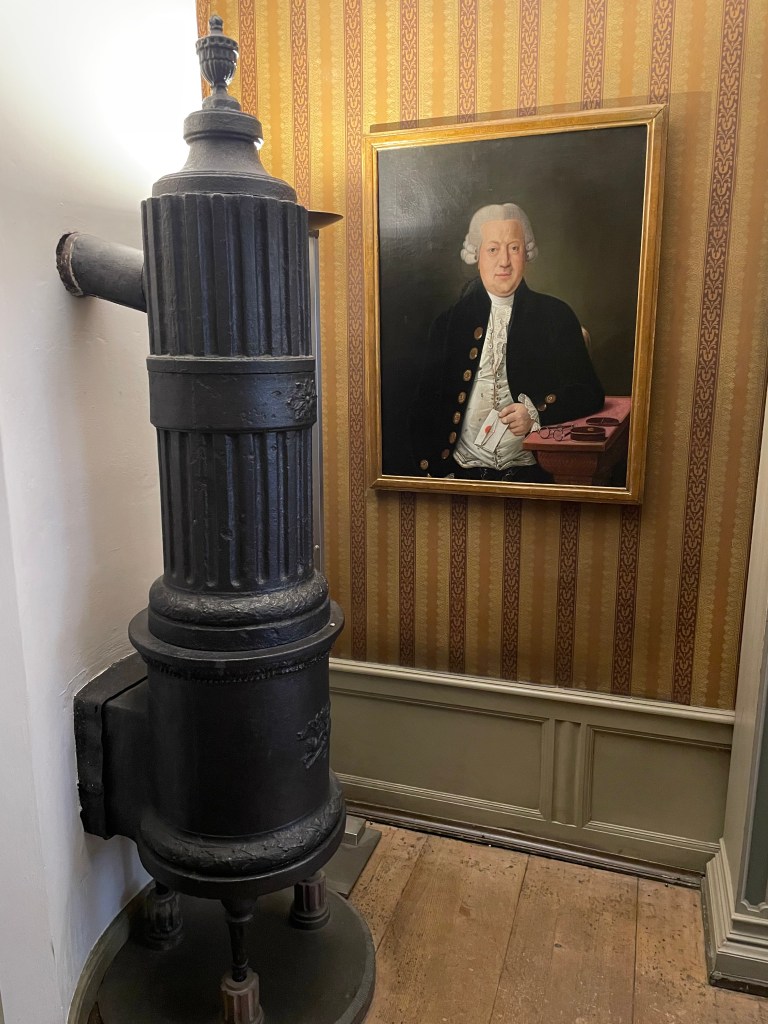
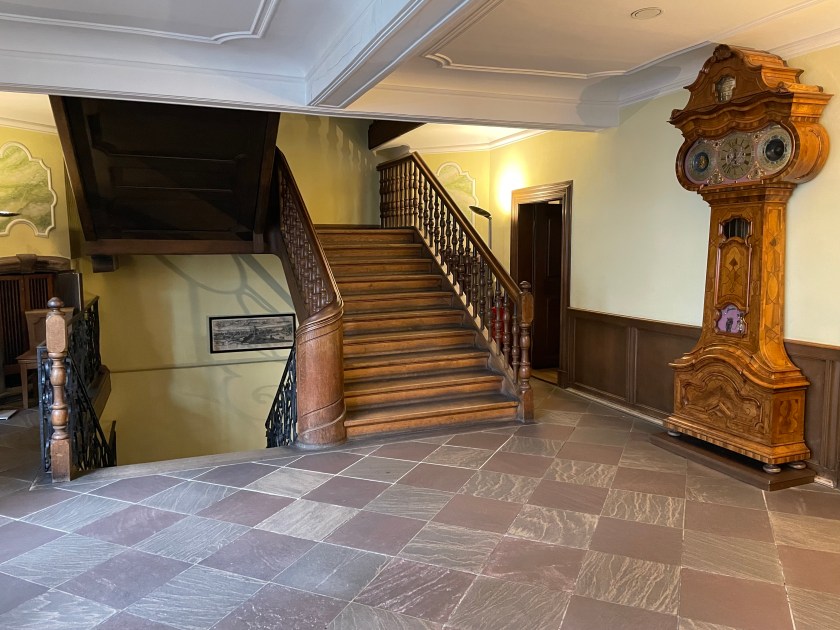


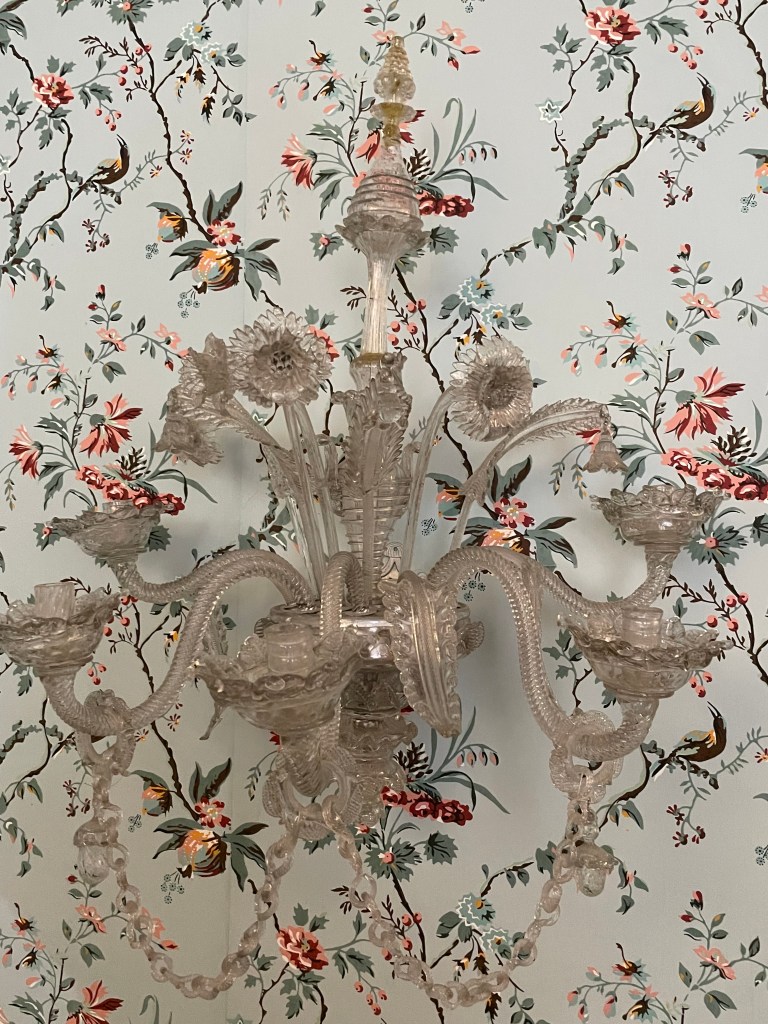

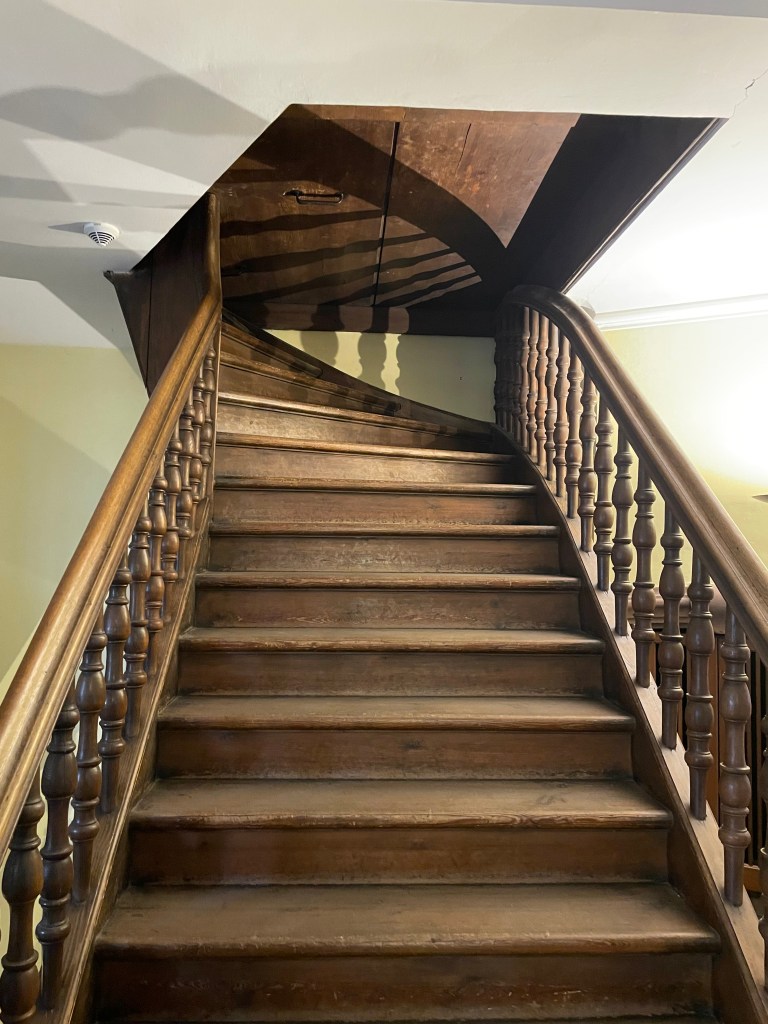
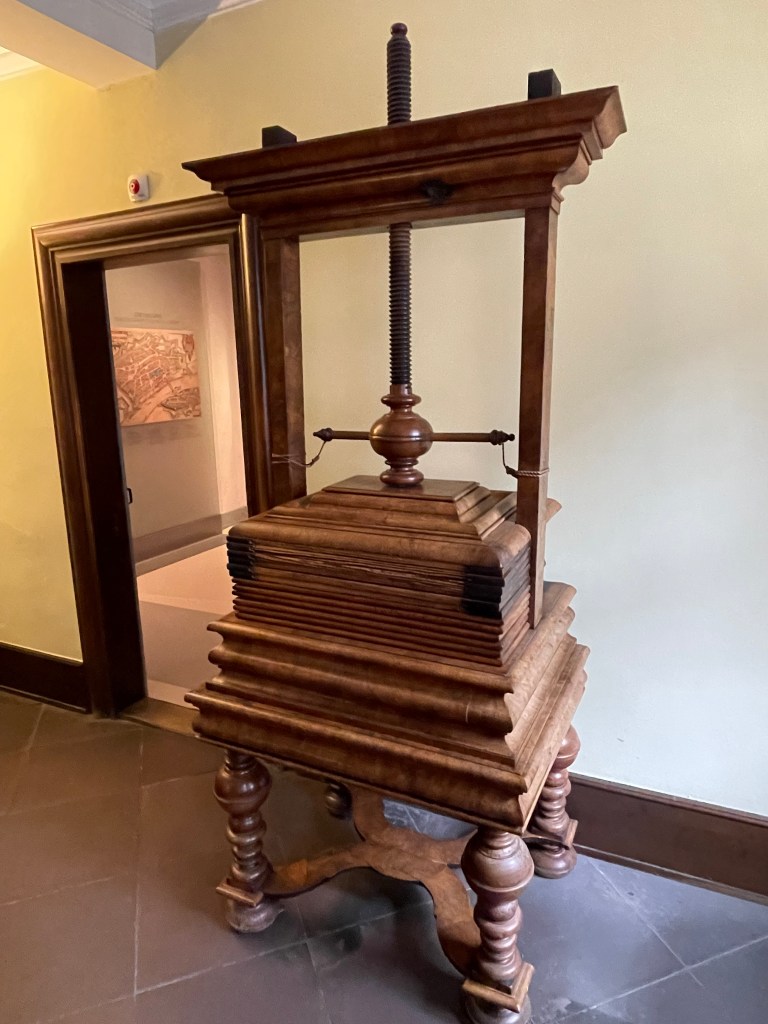
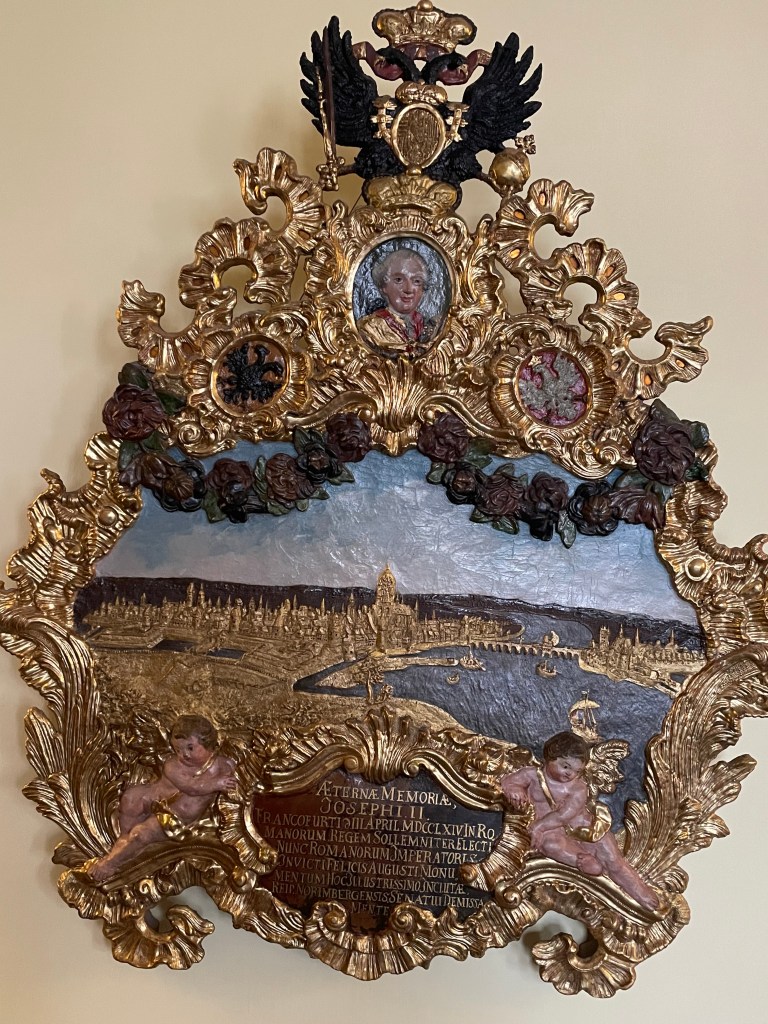
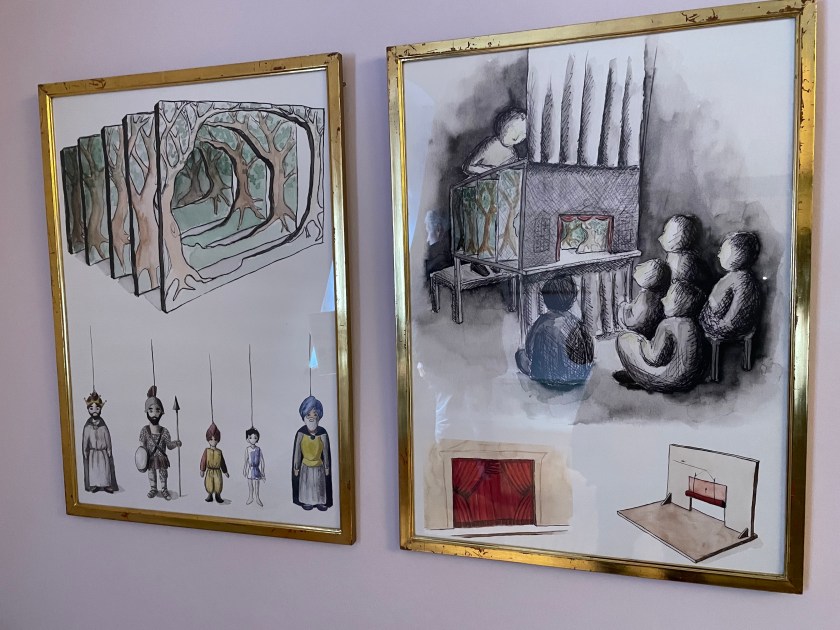
A puppet theater for the children:



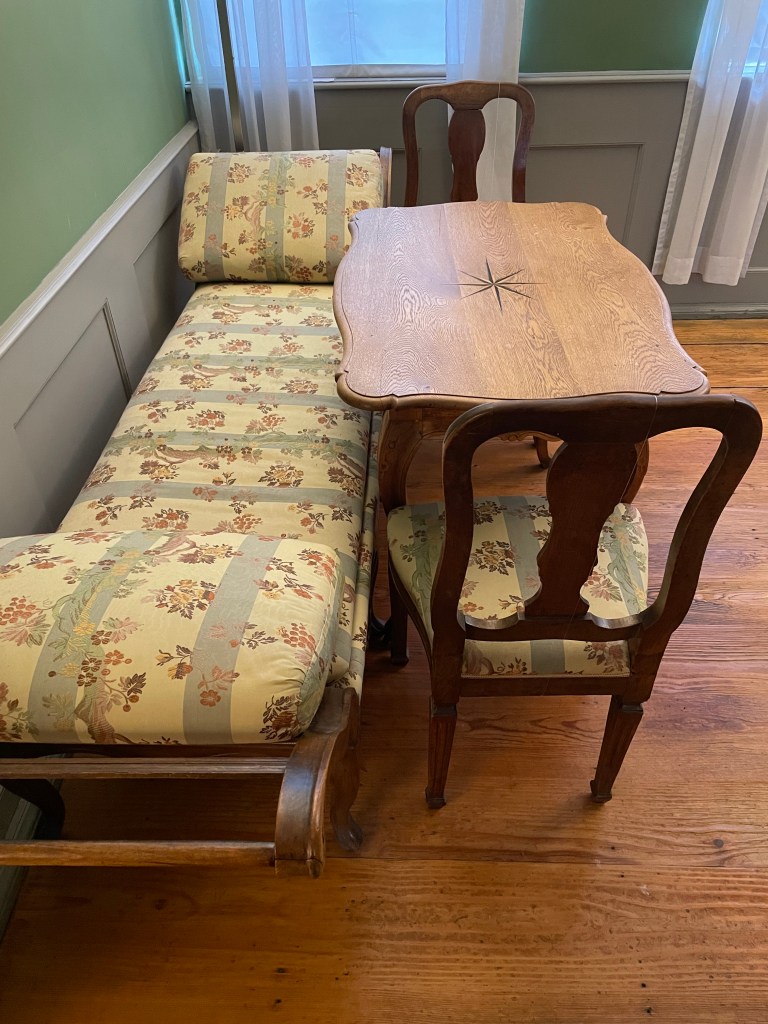
Goethe’s writing desk:

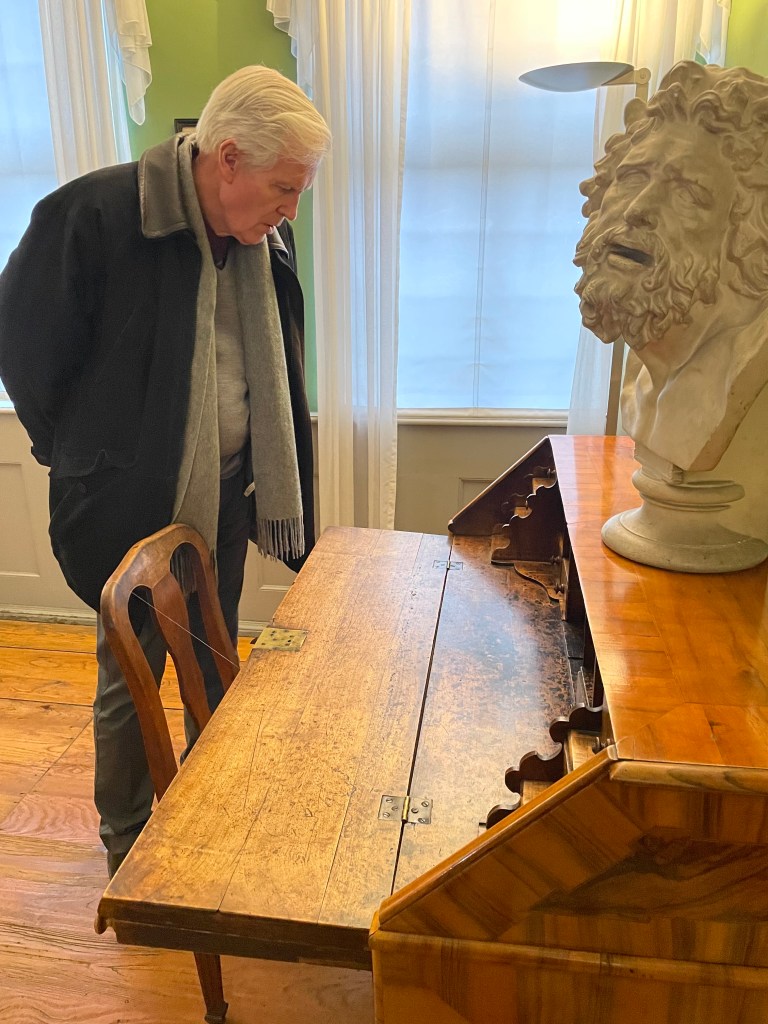
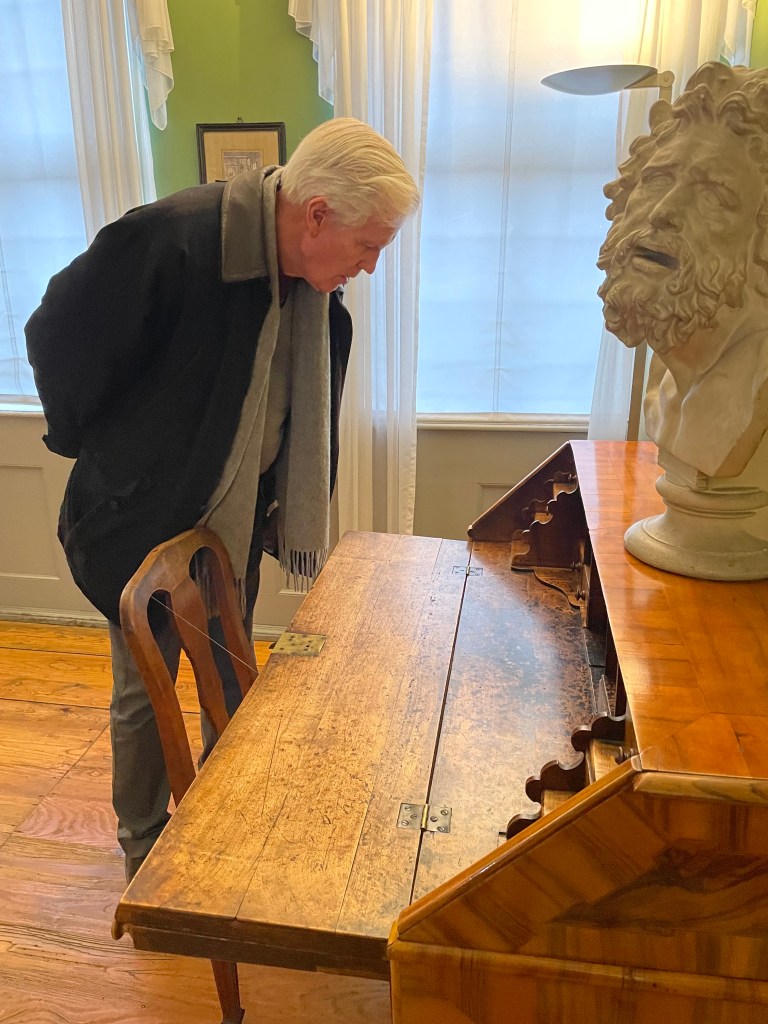
The ink:




What a treat to be in this place with our dear friend, Alan Keele. Wow, it was wonderful!


 Our Frankfurt Germany Mission