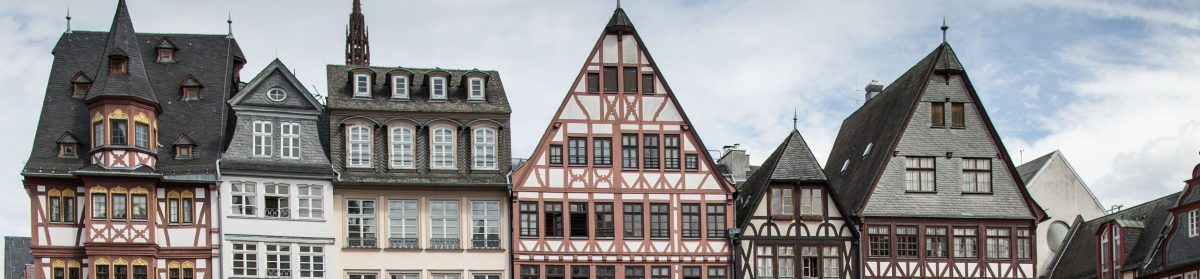


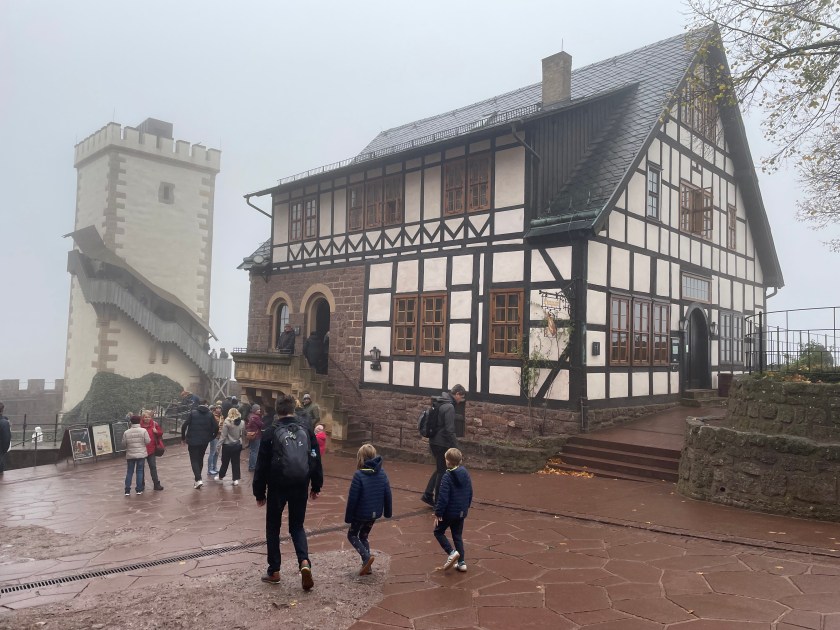
After visiting Eisenach, we went up the hill to the castle at Wartburg. This was one of the first places we visited when we arrived in Germany. More about it here.
We went back to our favorite Brat food truck on the way to the castle and had delicious Thuringer Brats. Oh, so good.


We drove up through mystical woods, into the misty forest. It’s really hard to capture the colors and the feeling of the woods in a photo. Or the sound of rain on the fallen leaves that cover the ground. The stone walls lining the paths and road were covered in bright green moss and ferns. There were mushrooms on fallen trees. It smelled woodsy and it was lovely to be there.


You can catch a small bus ride up to the top of the mountain.


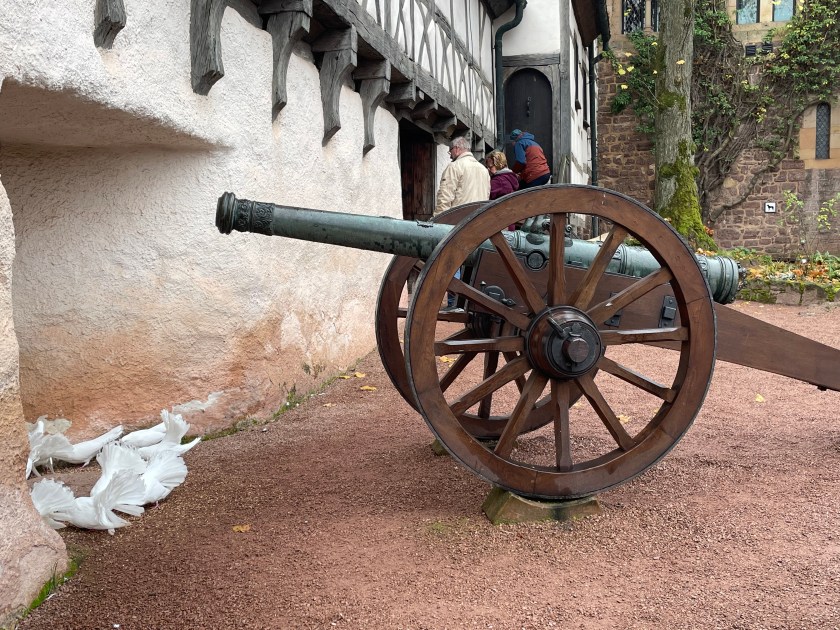
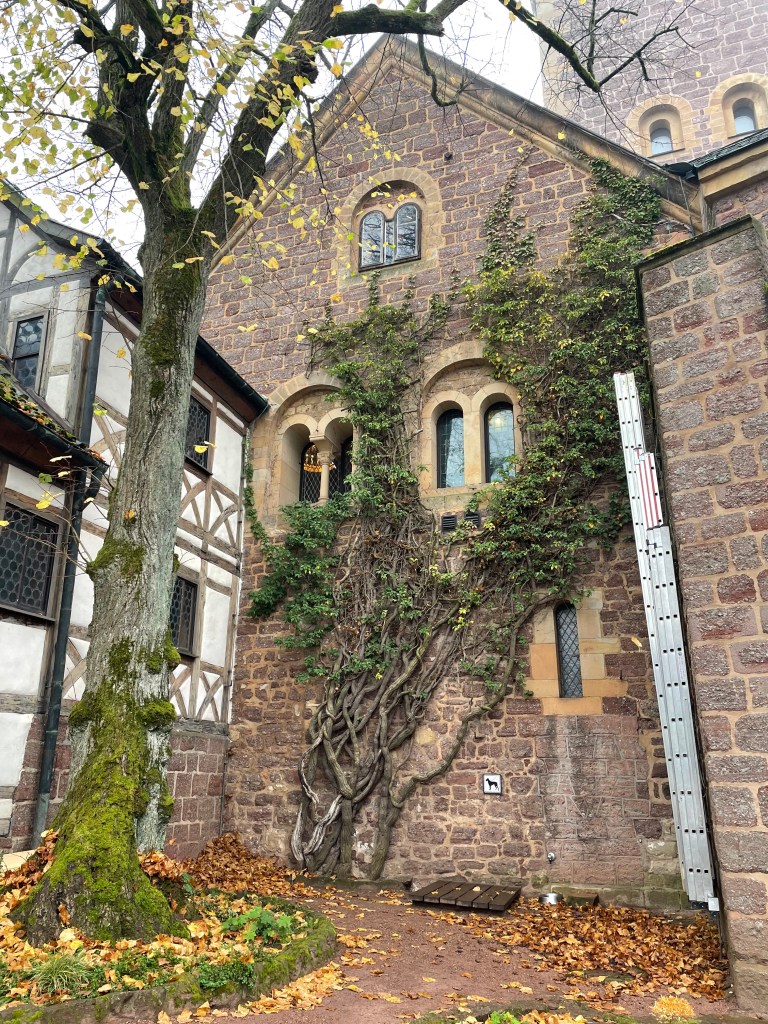
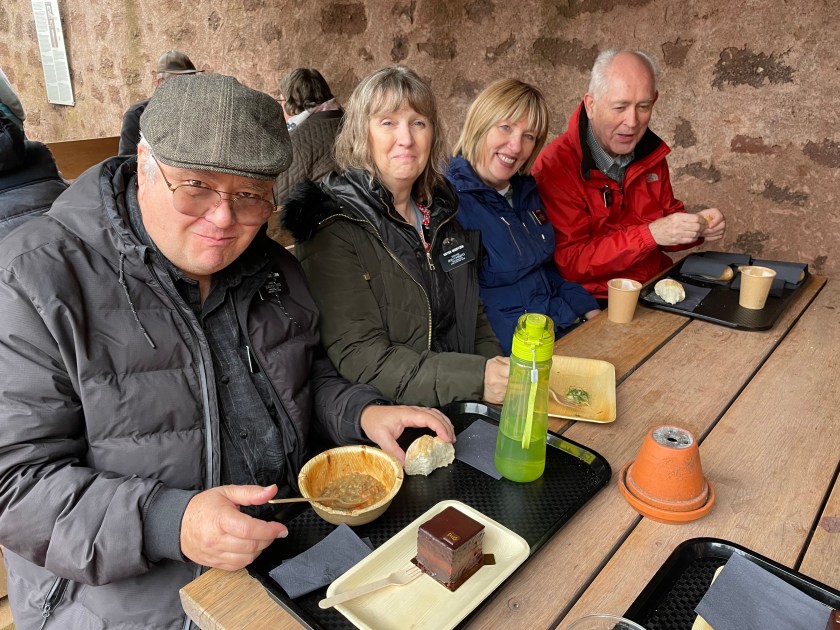
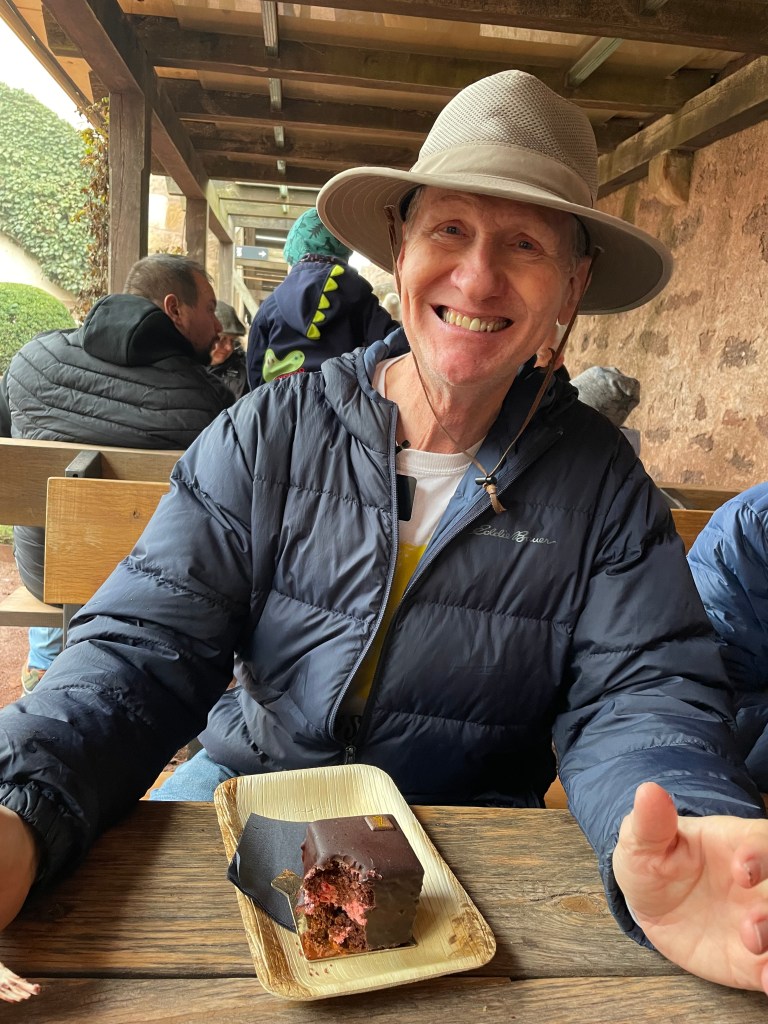
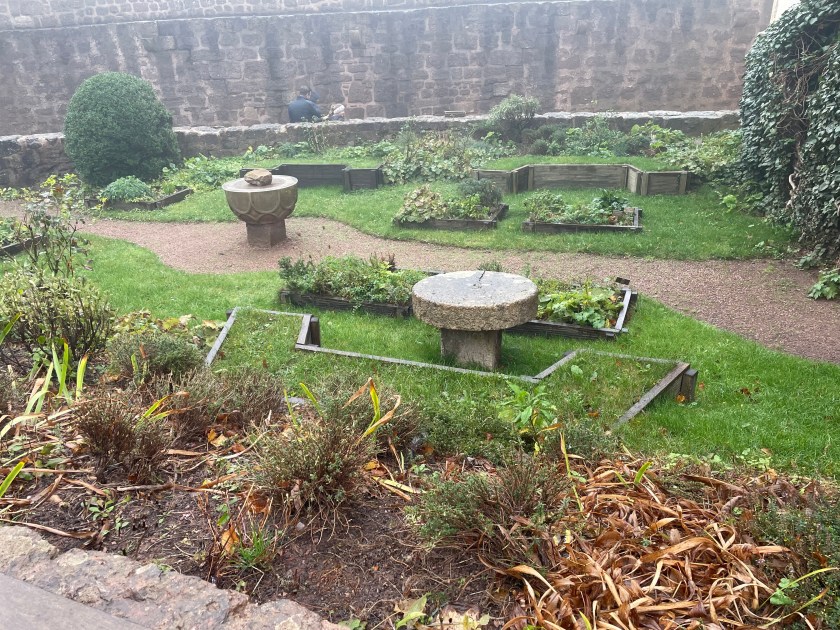
We’d signed up for an English tour at 1:30 and had to be ready by 1:00, so we wandered around the castle top and buildings until then. Some got food at a a snack bar with soup and cakes while we waited for the tour.
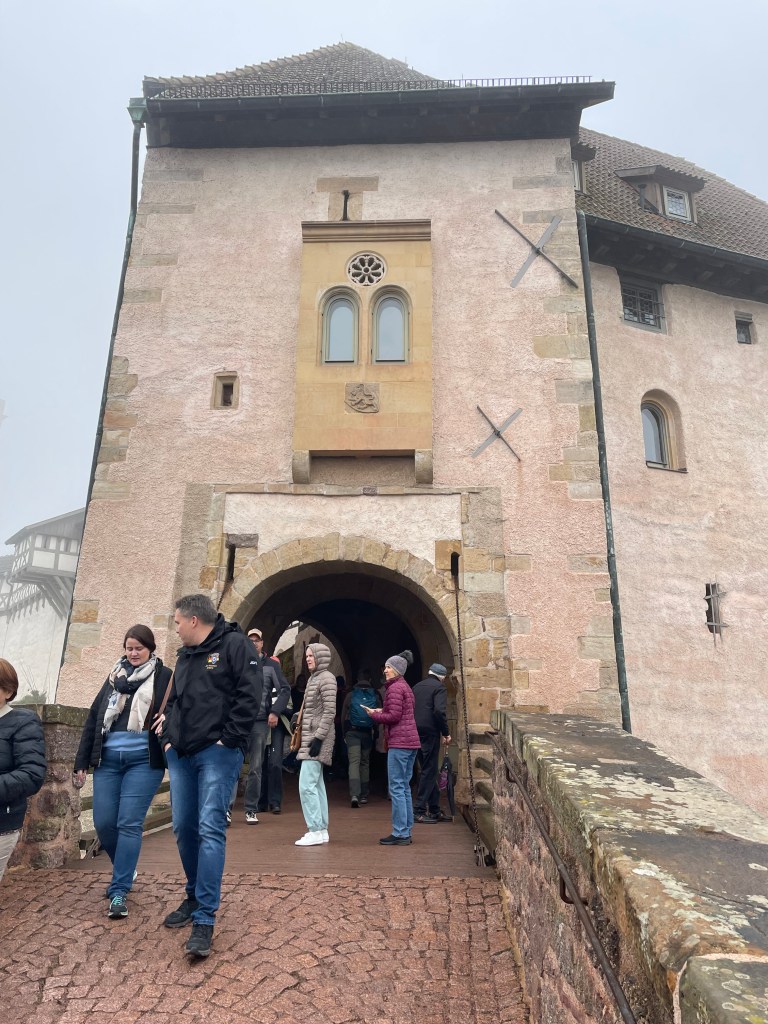
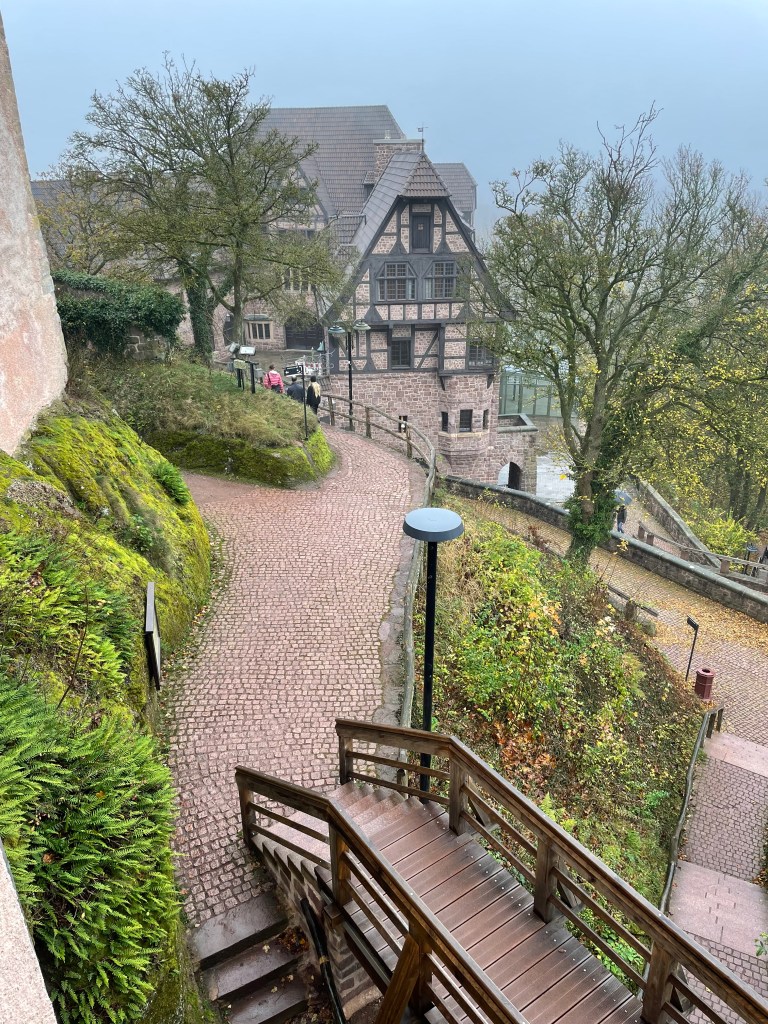
Wikipedia:
The Wartburg is a castle originally built in the Middle Ages. It is situated on a precipice of 410 metres (1,350 ft) to the southwest of and overlooking the town of Eisenach, in the state of Thuringia, Germany. It was the home of St. Elisabeth of Hungary, the place where Martin Luther translated the New Testament of the Bible into German, the site of the Wartburg festival of 1817 and the supposed setting for the possibly legendary Sängerkrieg. It was an important inspiration for Ludwig II when he decided to build Neuschwanstein Castle.
Wartburg is the most visited tourist attraction in Thuringia after Weimar. Although the castle today still contains substantial original structures from the 12th through 15th centuries, much of the interior dates back only to the 19th century. In 1999, Wartburg Castle was inscribed on the UNESCO World Heritage List because of its quintessential medieval architecture and its historical and religious significance
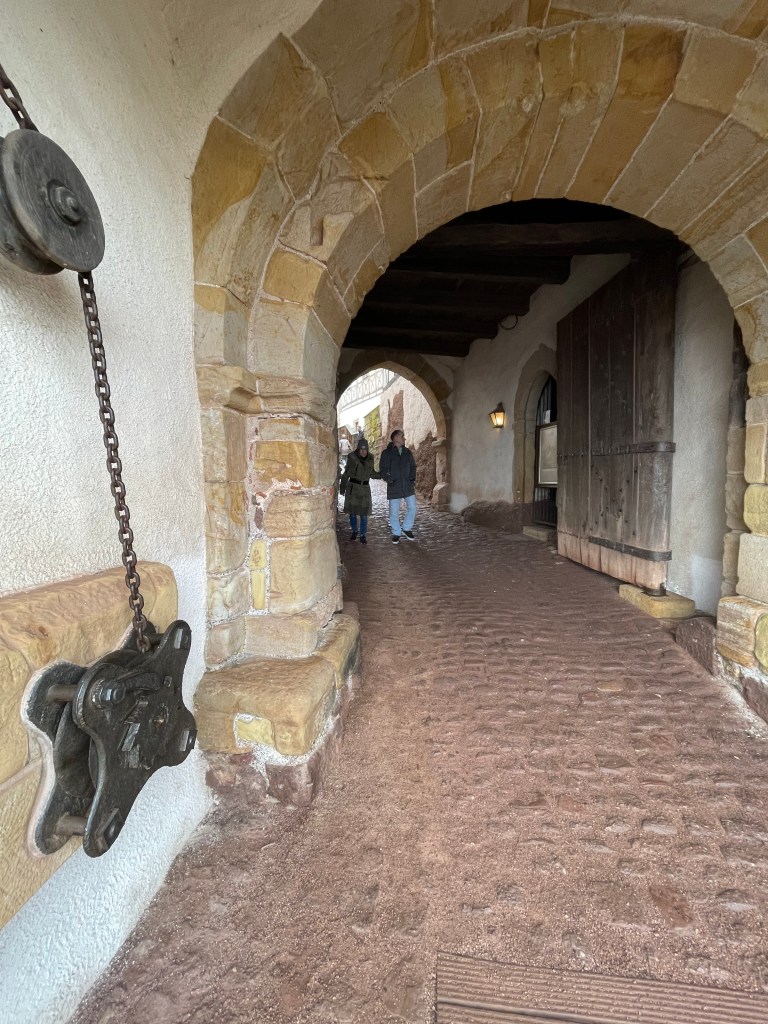
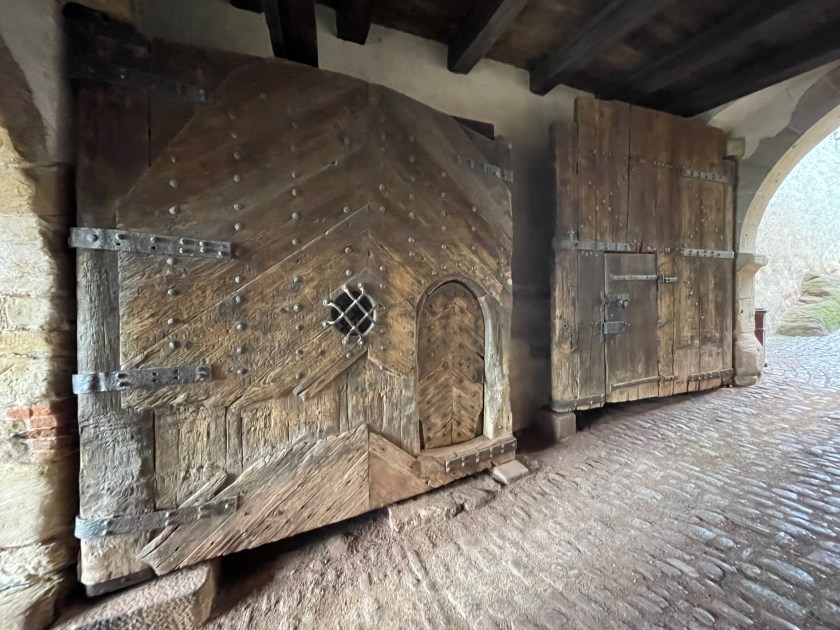
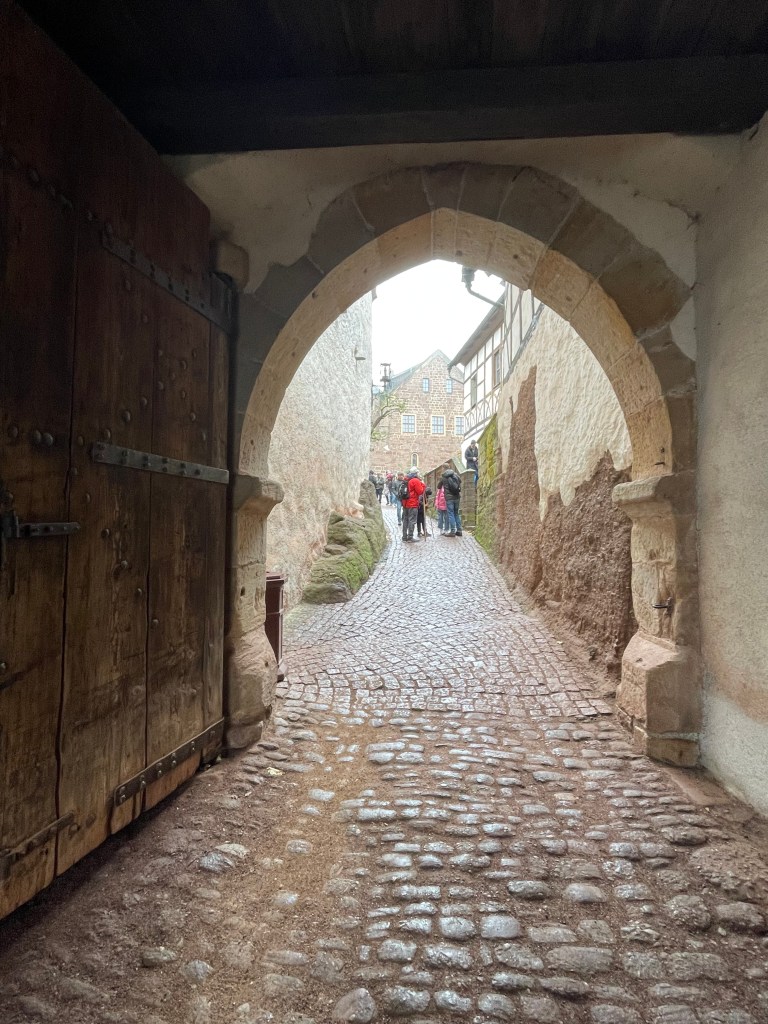

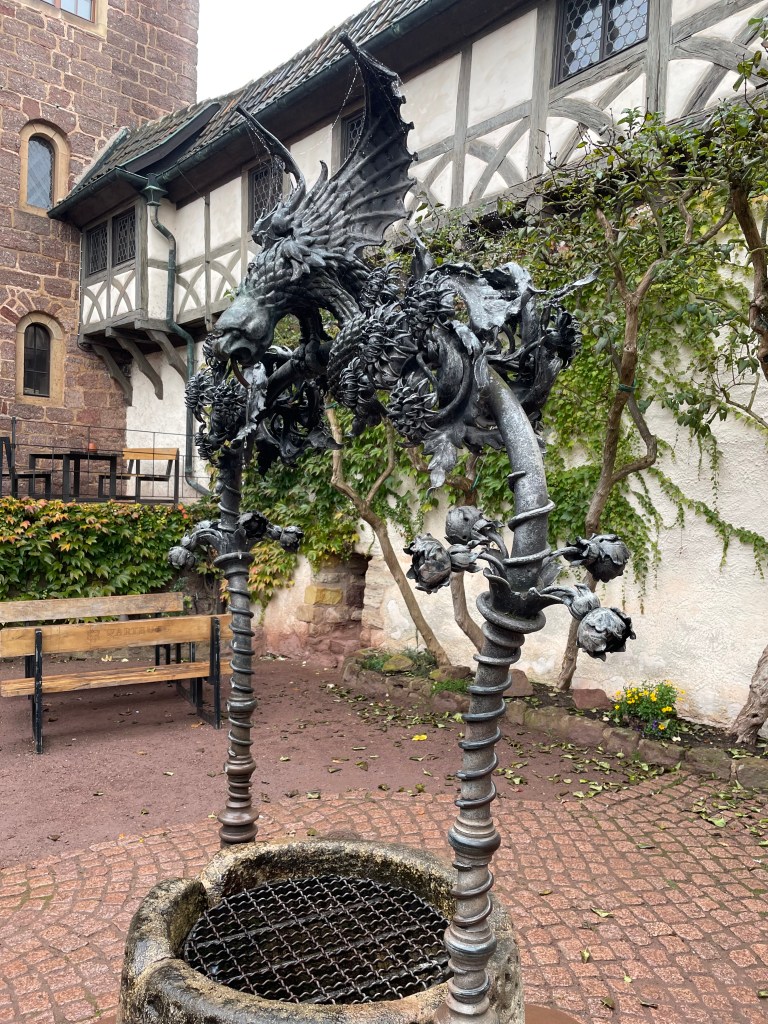
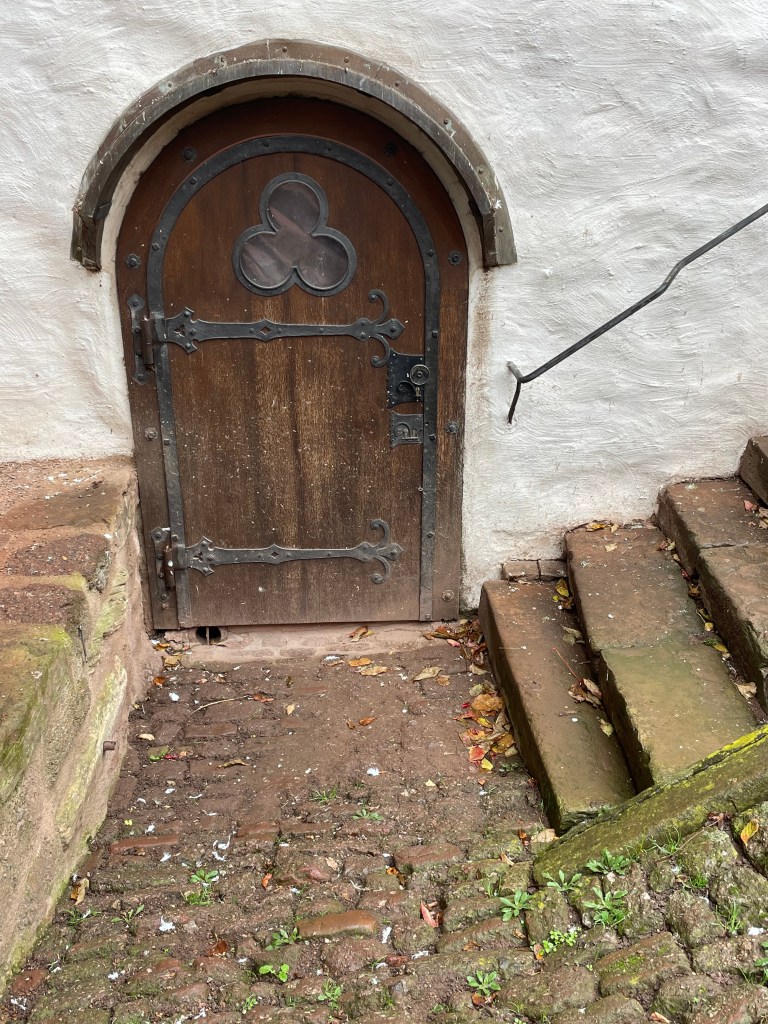
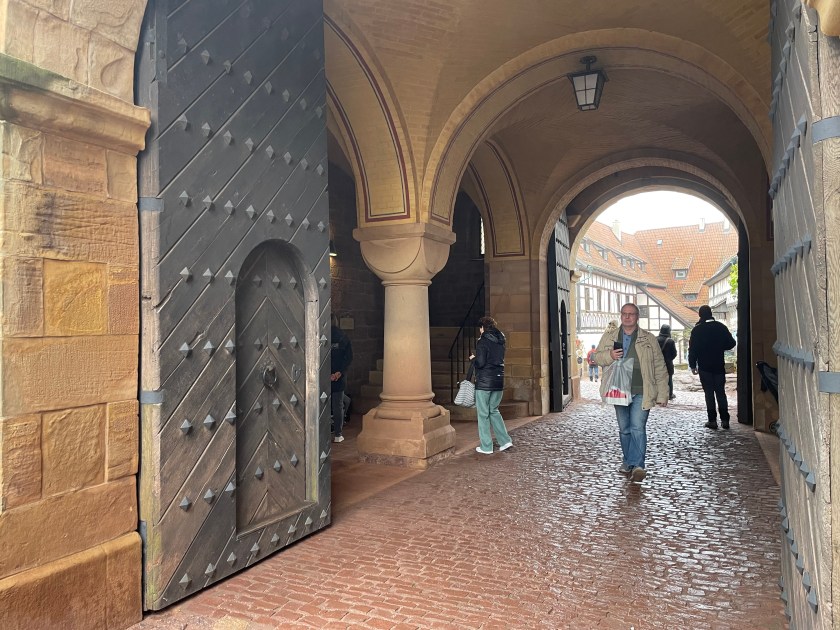







At 1:30 the tour began and we got to go inside.
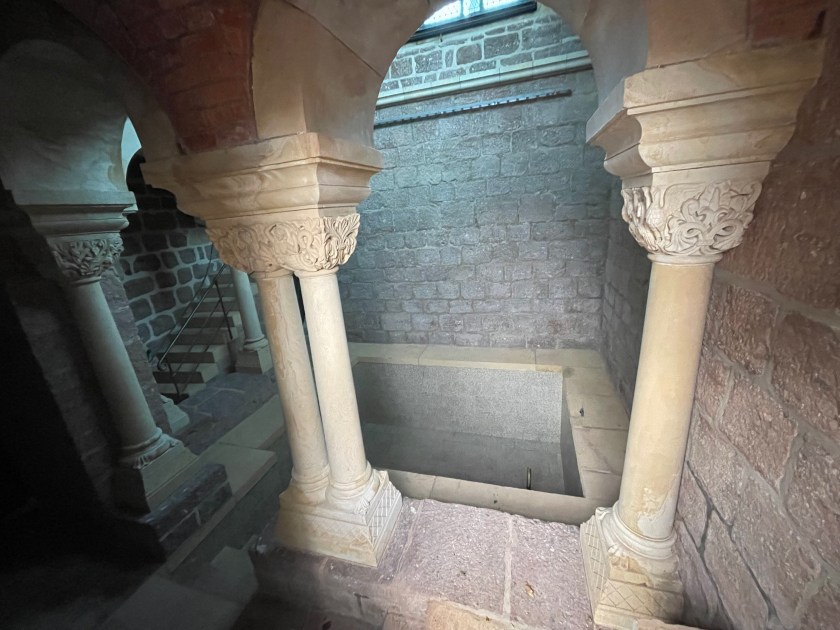
These are baths for the knights.
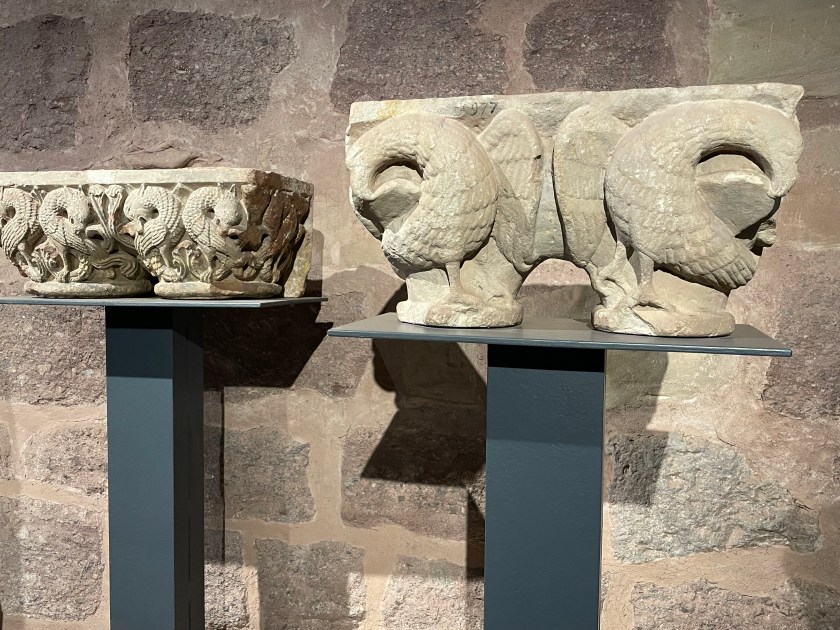

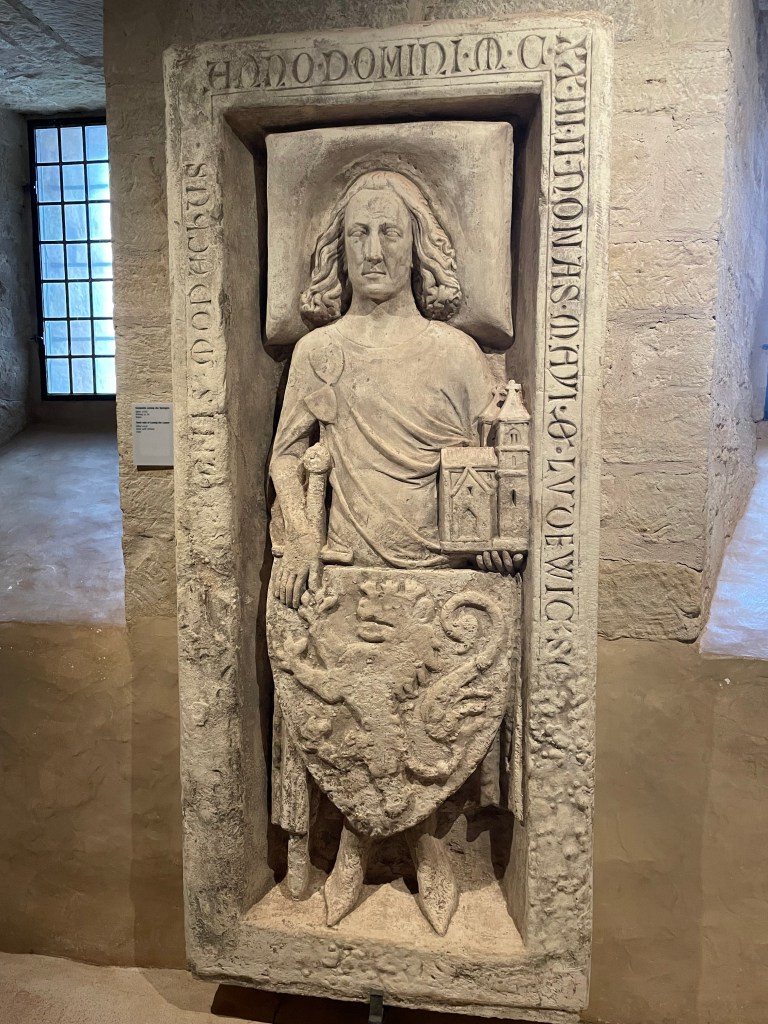
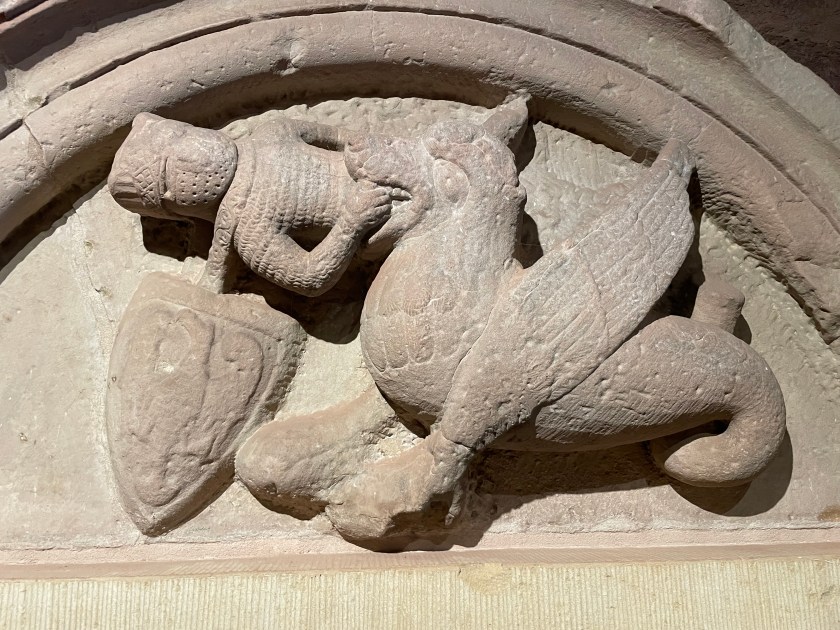
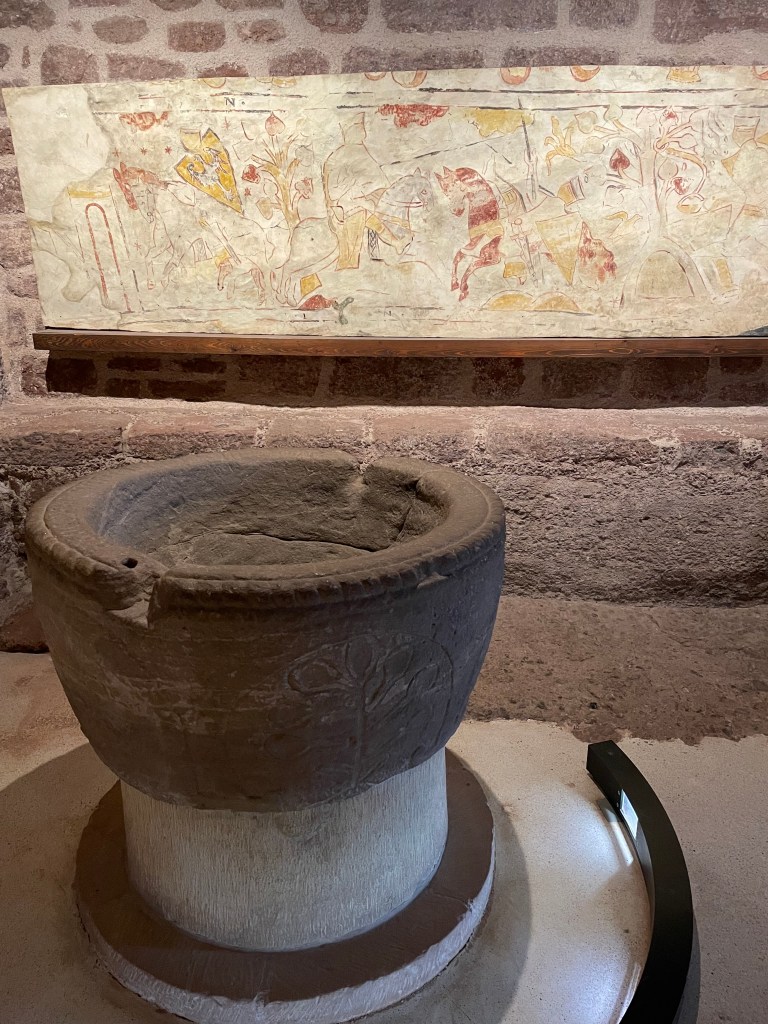


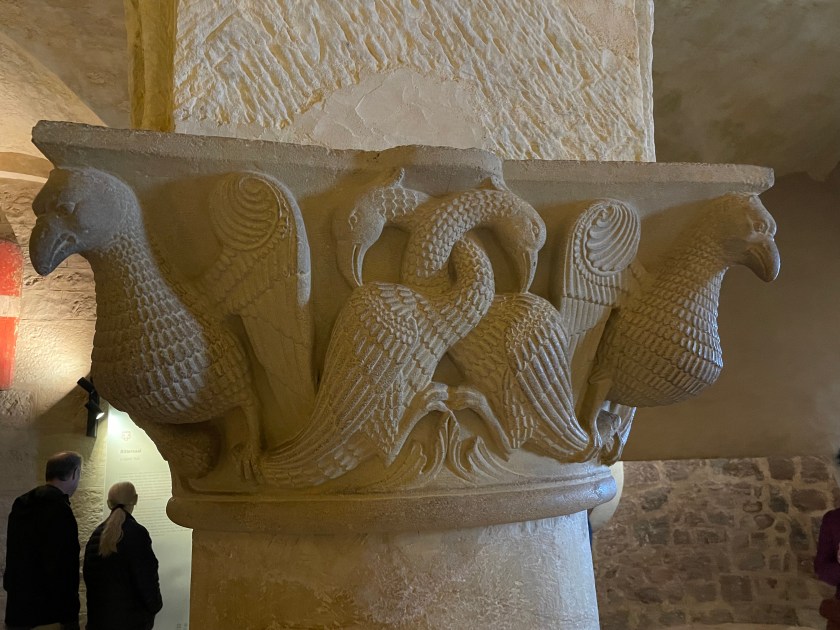
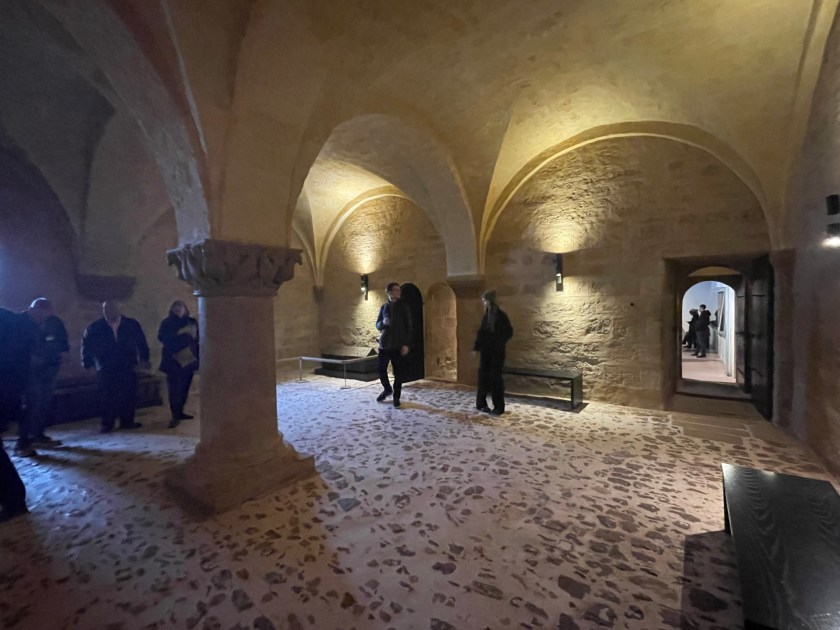
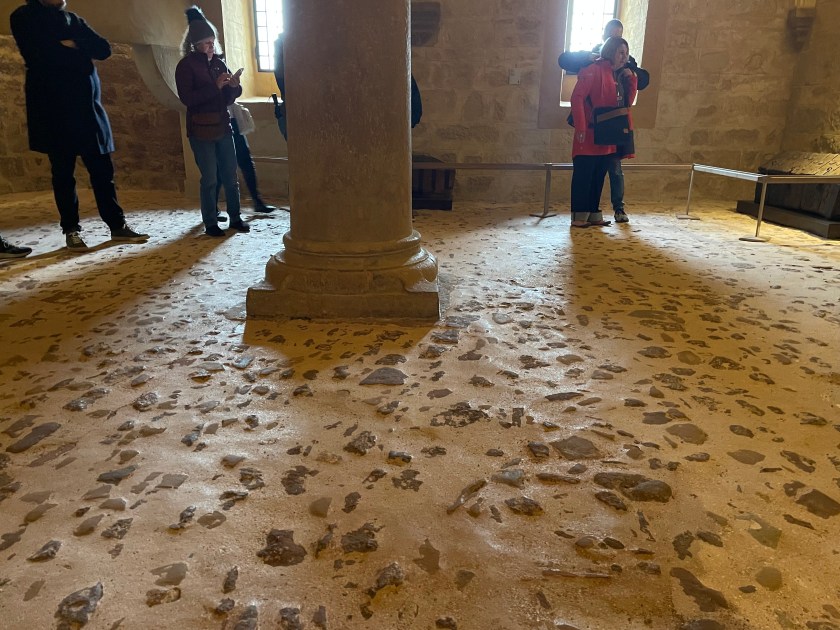

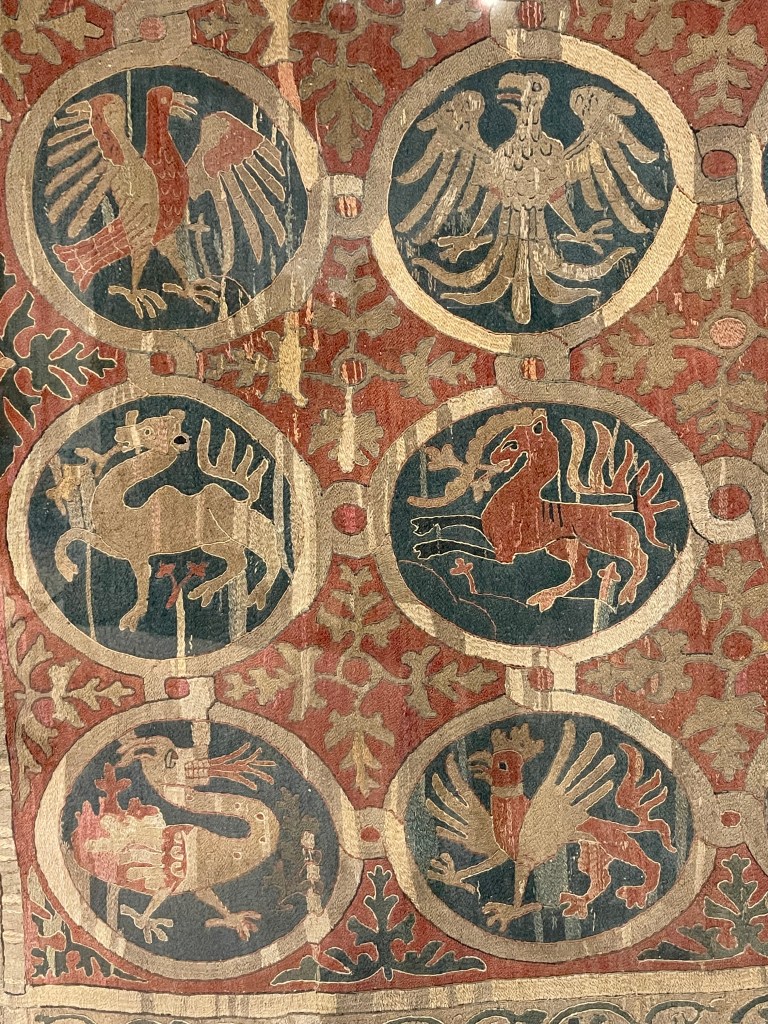
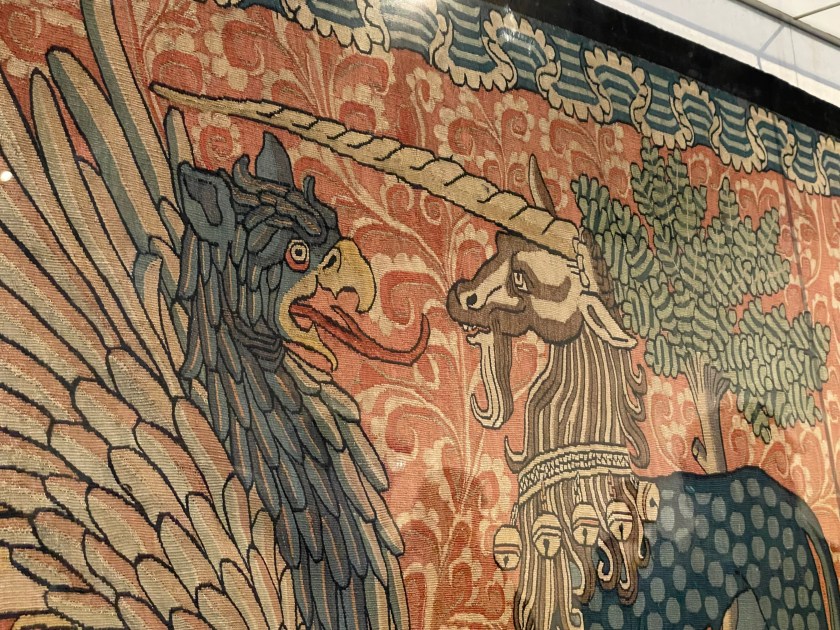
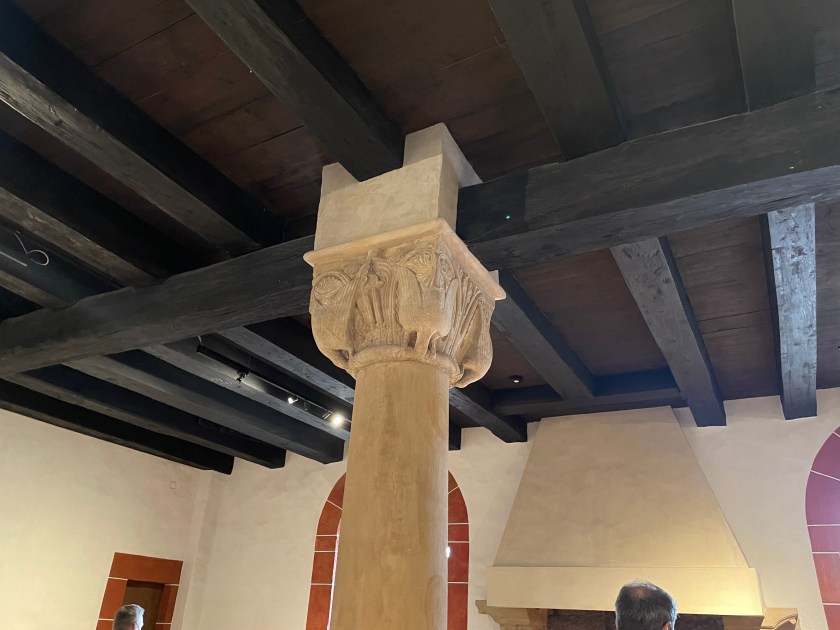
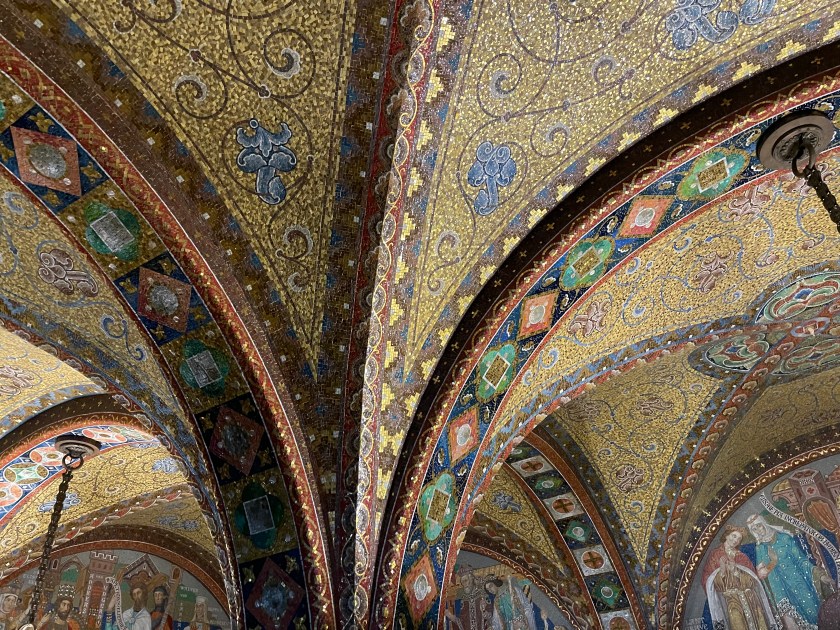
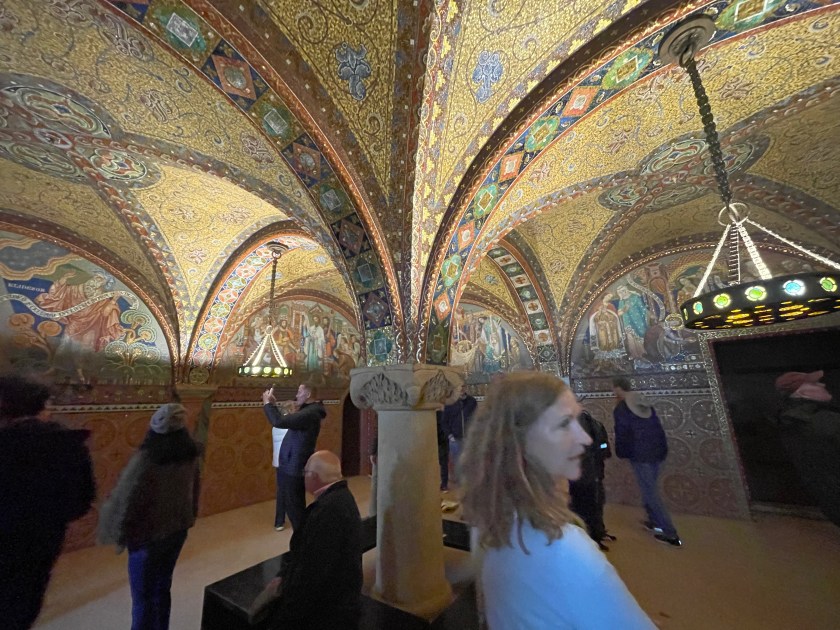


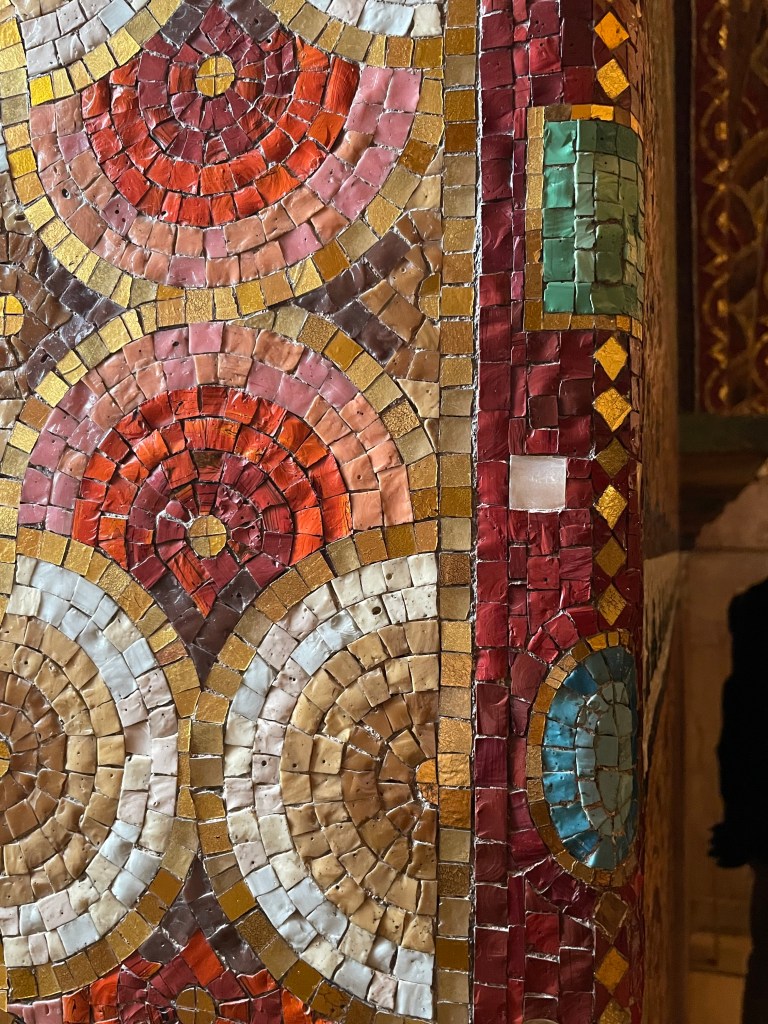


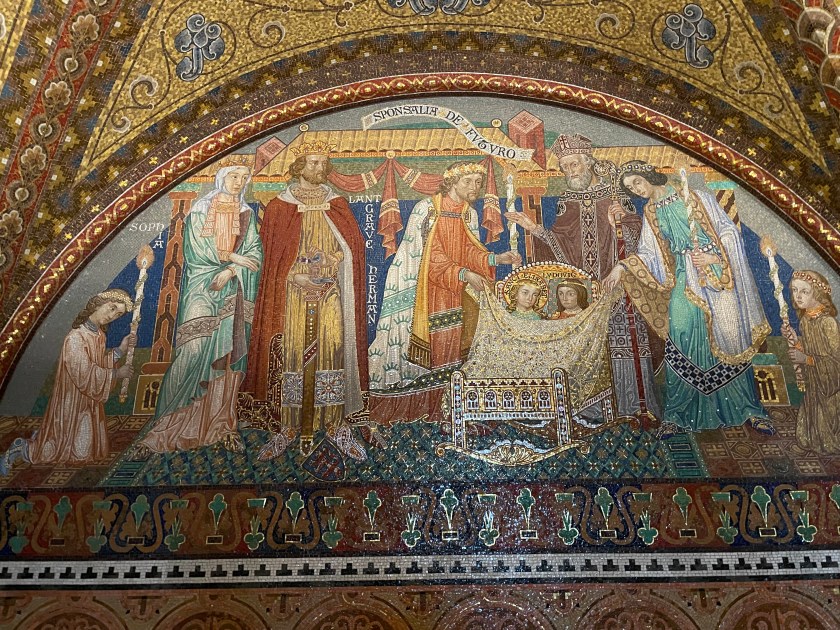
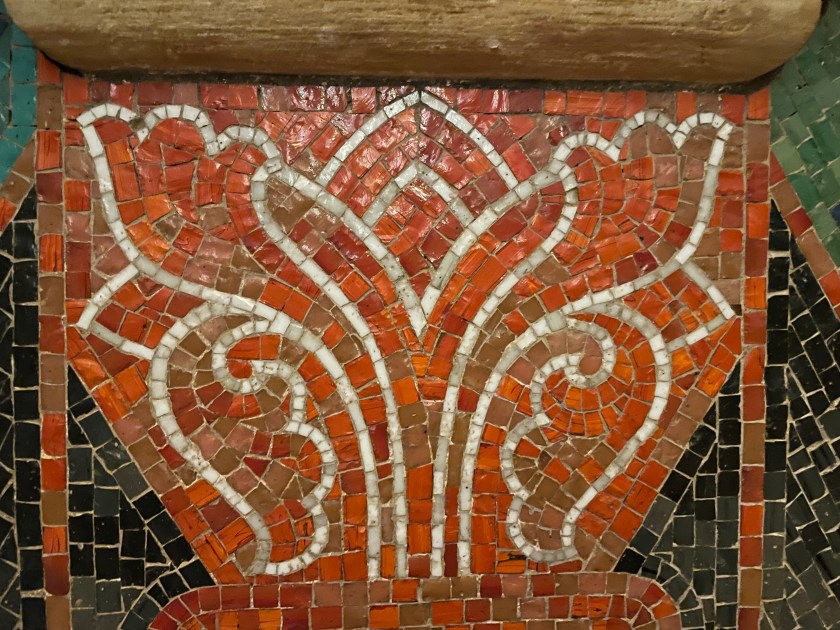
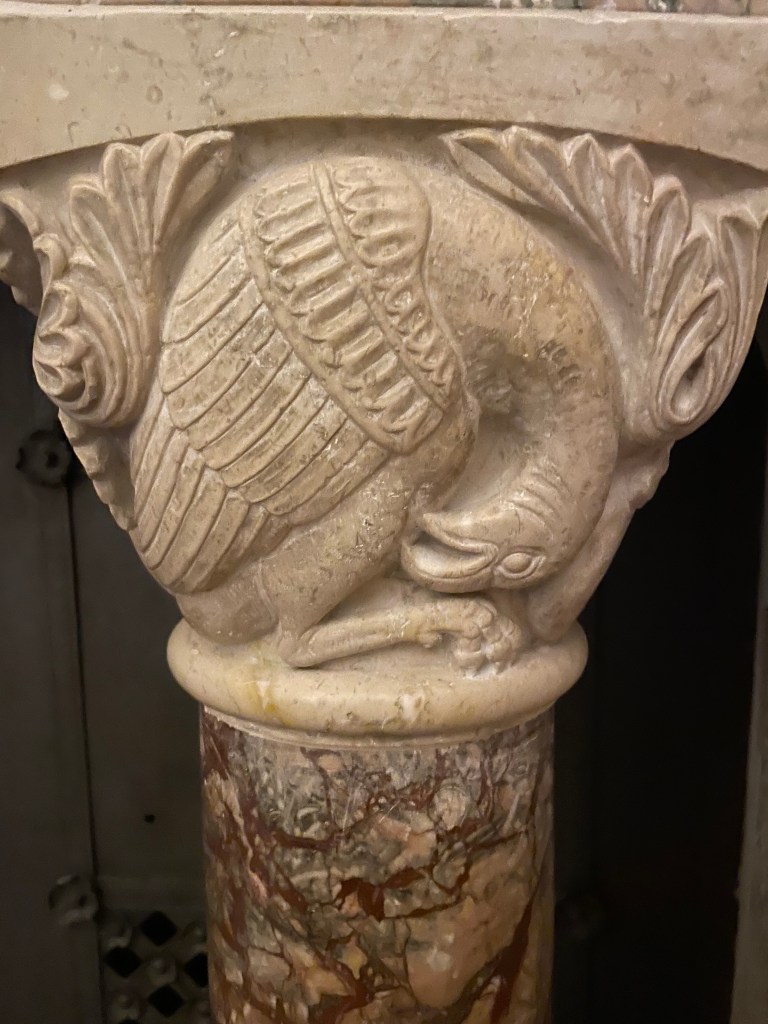

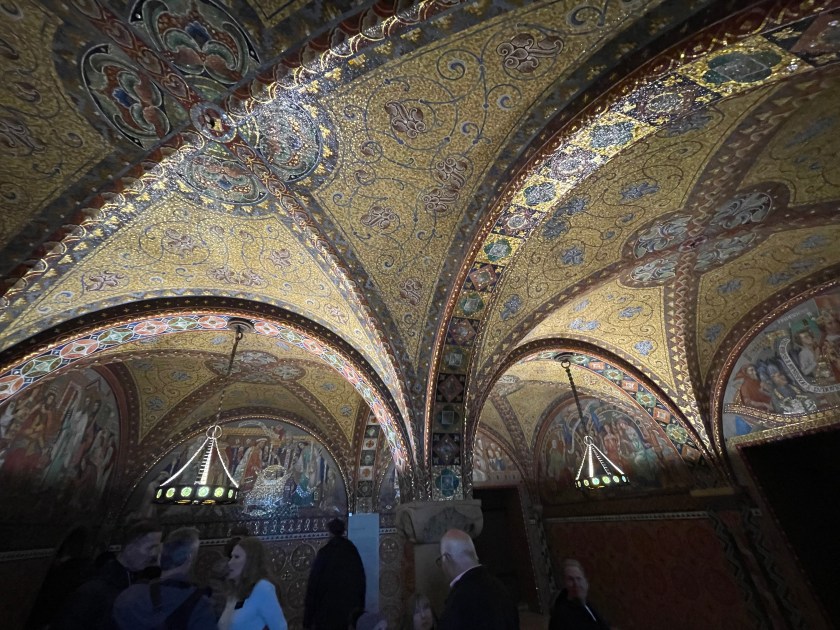
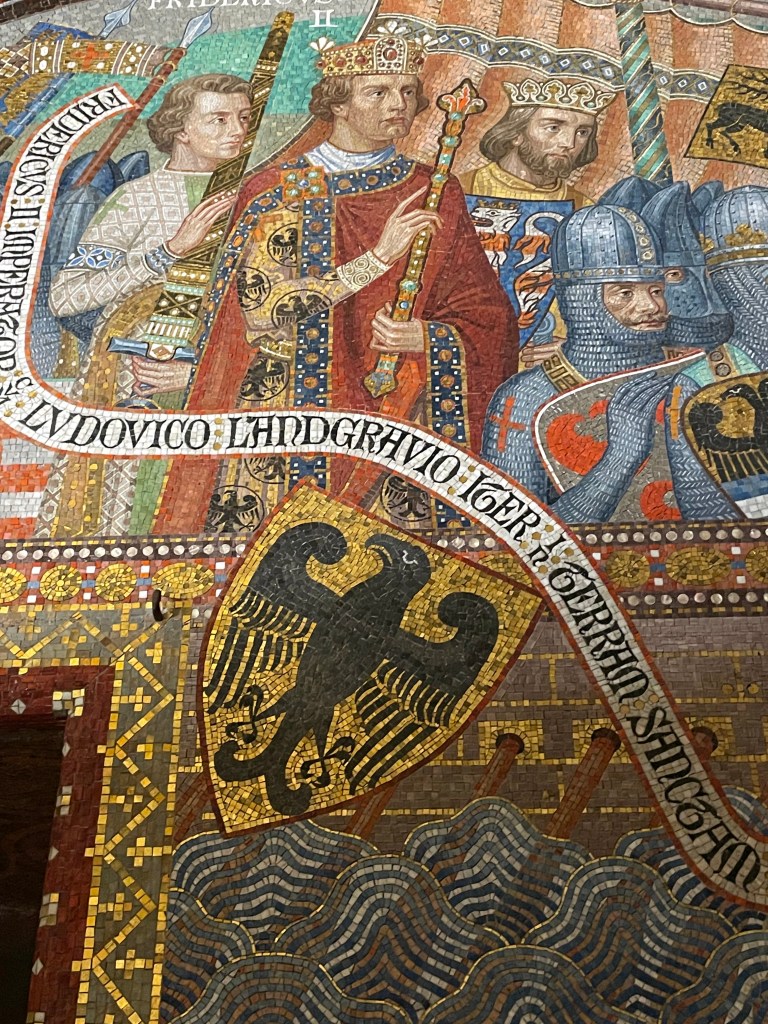
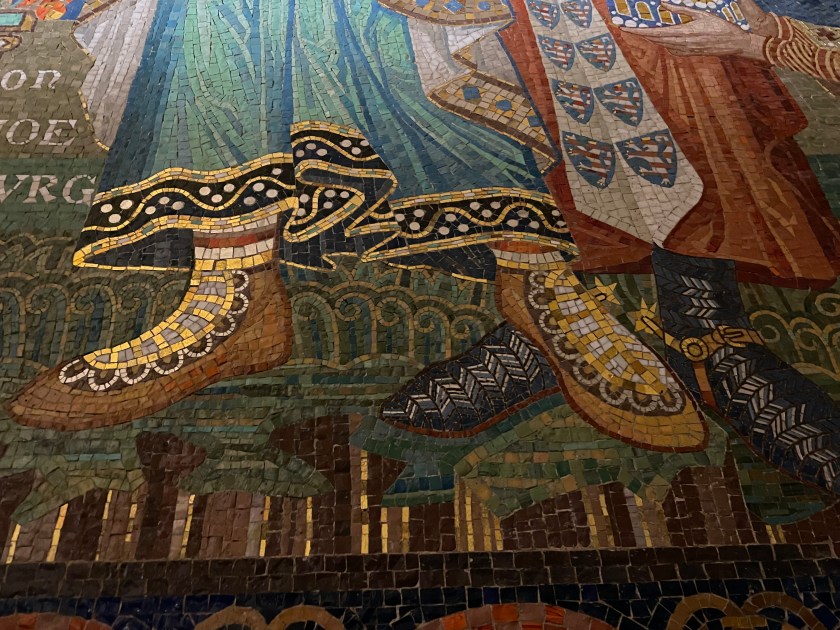
This is the castle chapel.
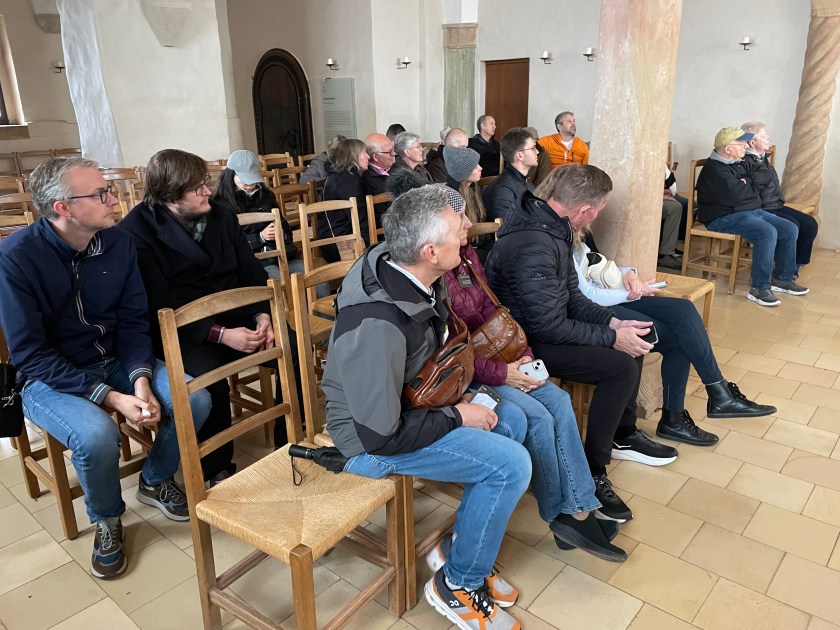


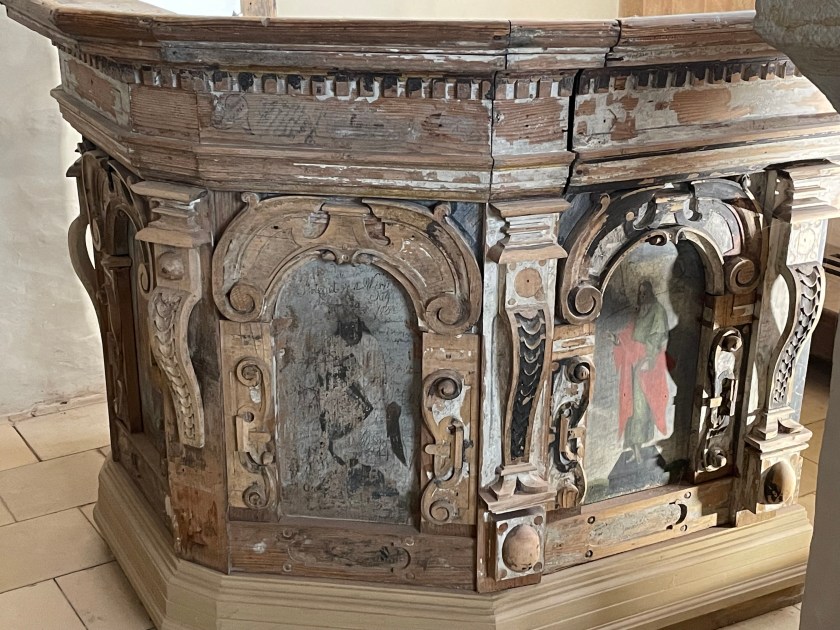


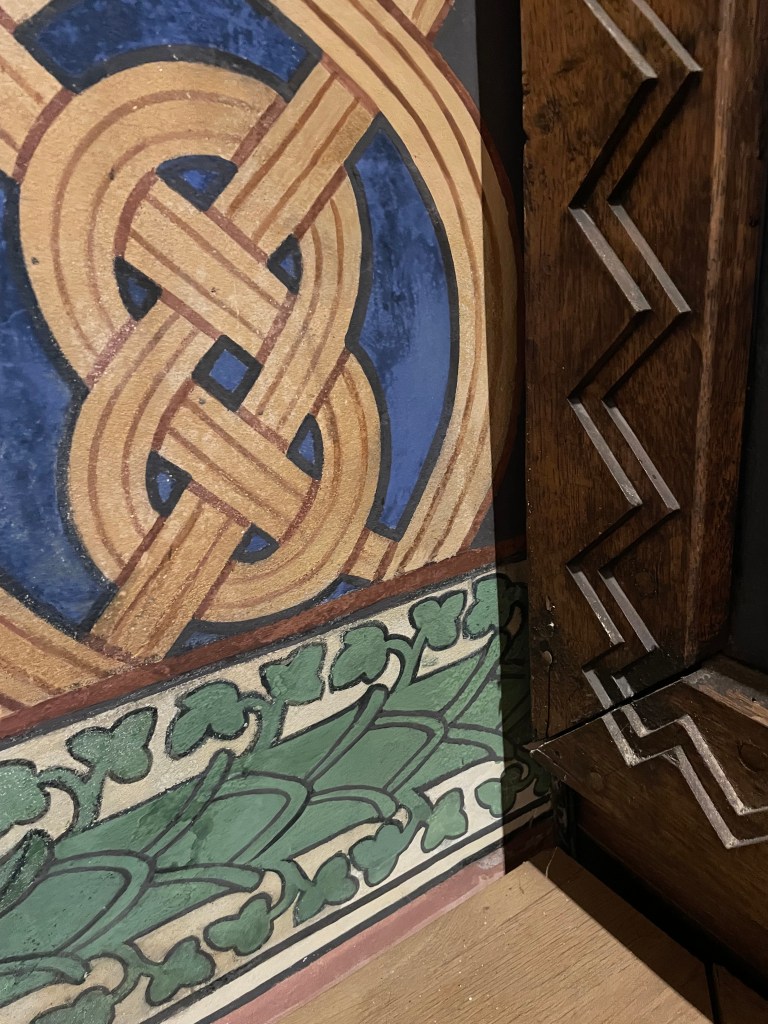


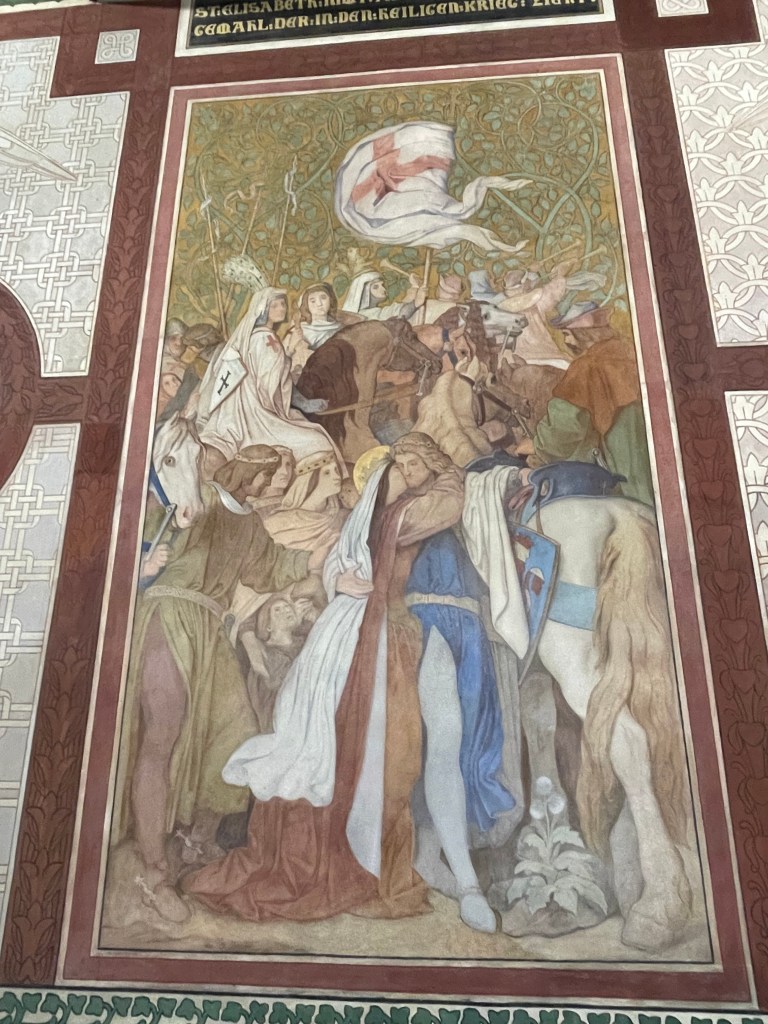
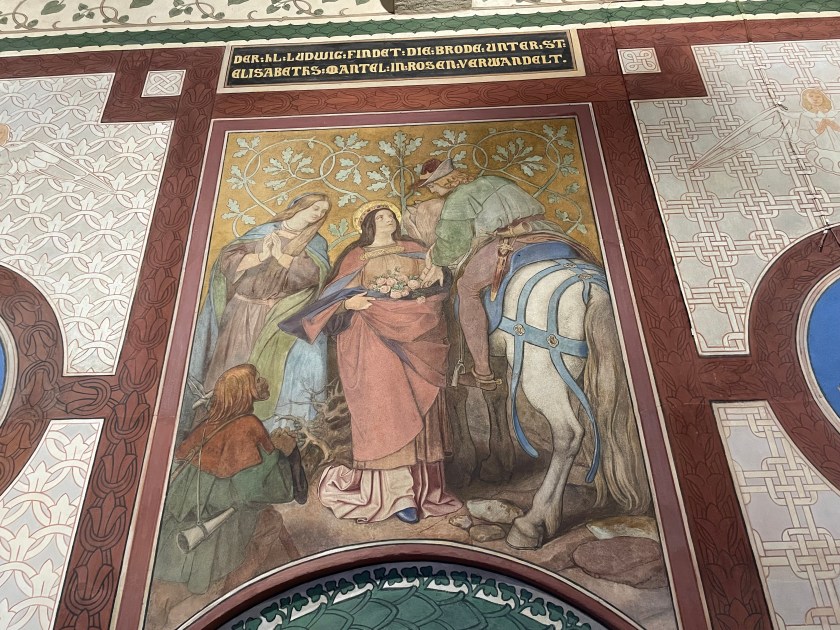
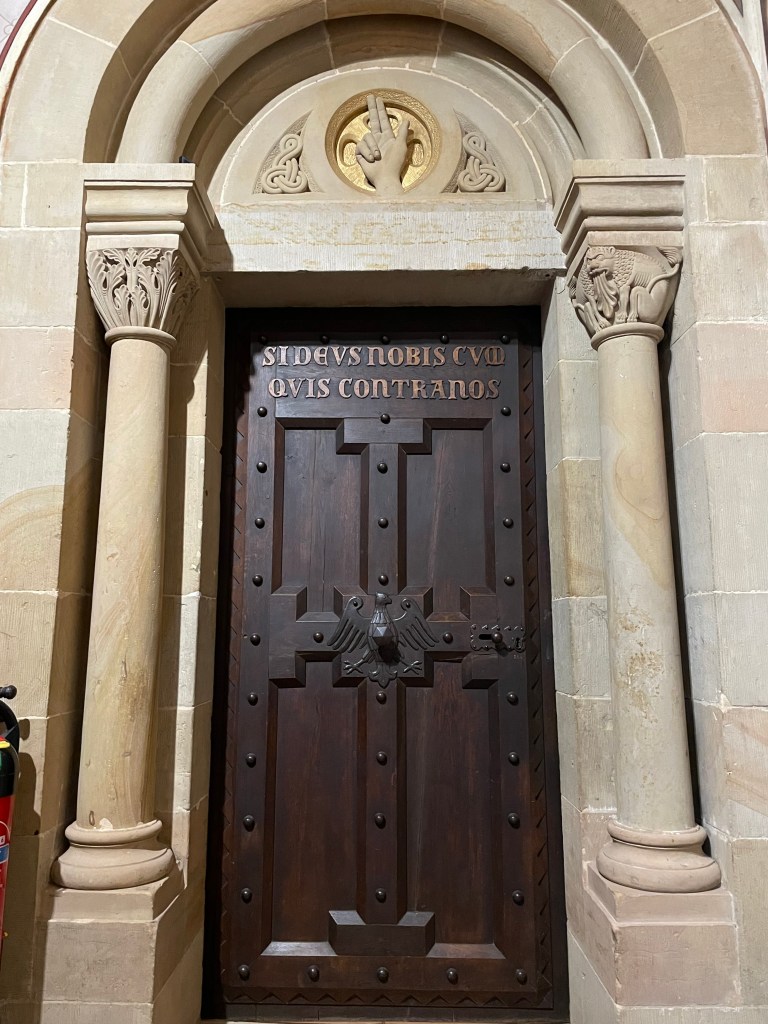


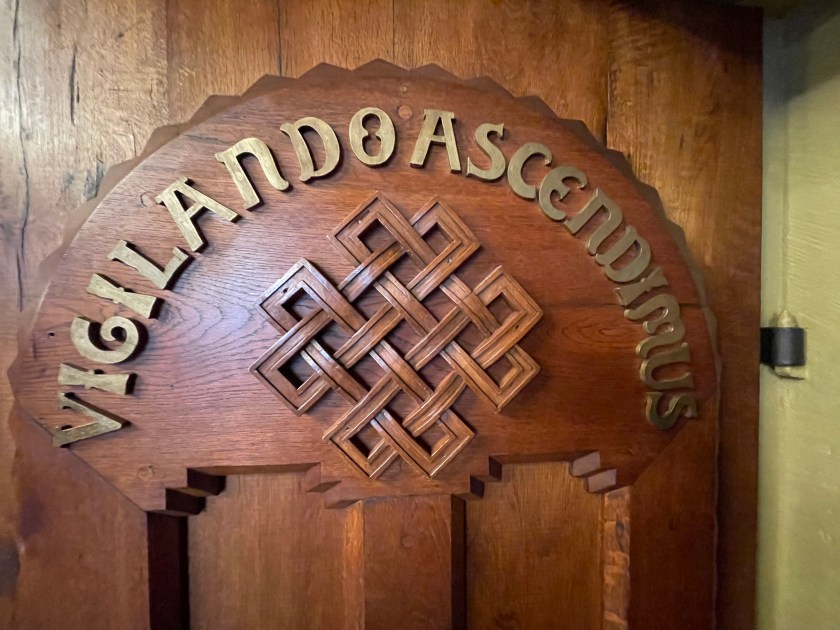
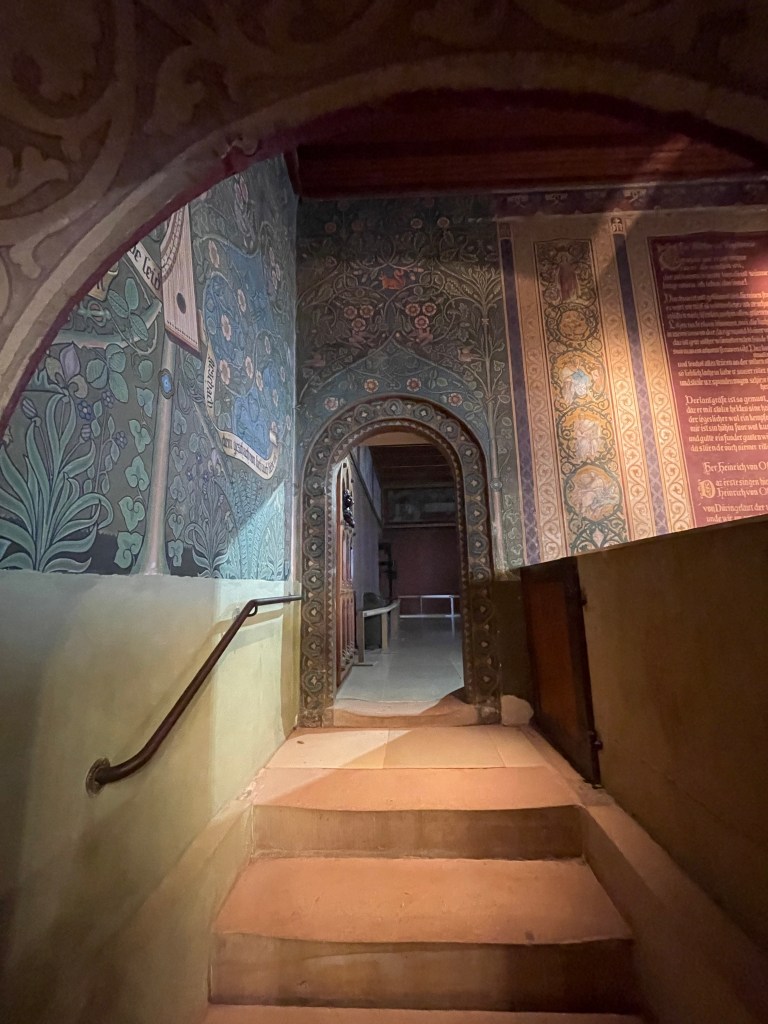


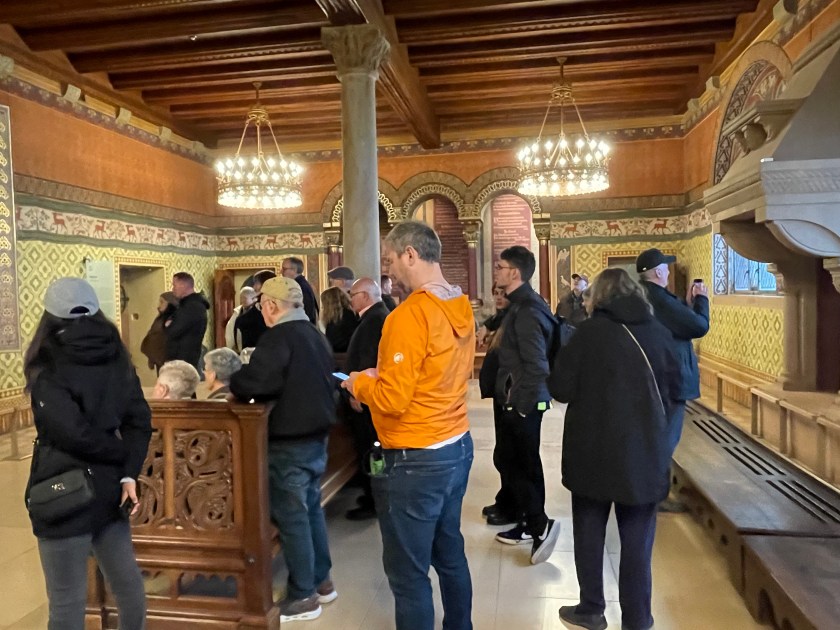
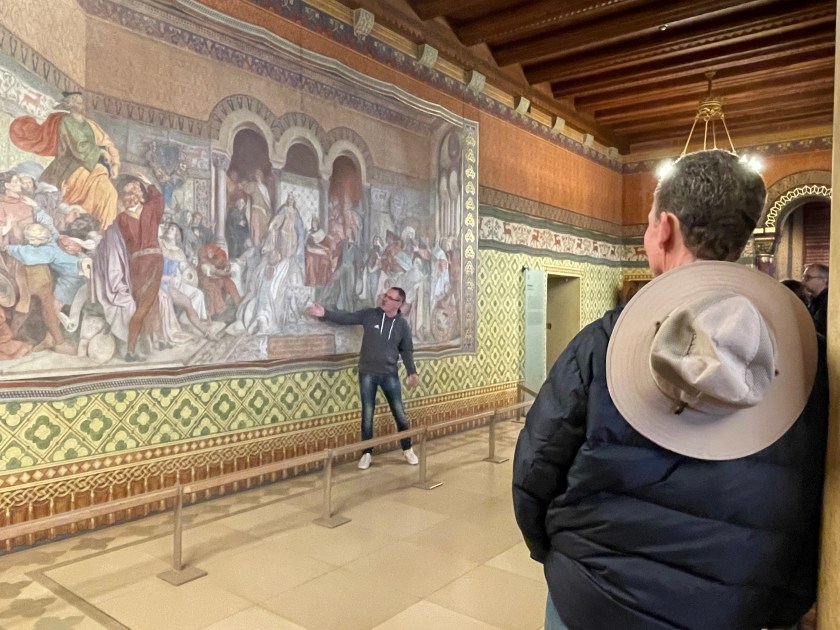


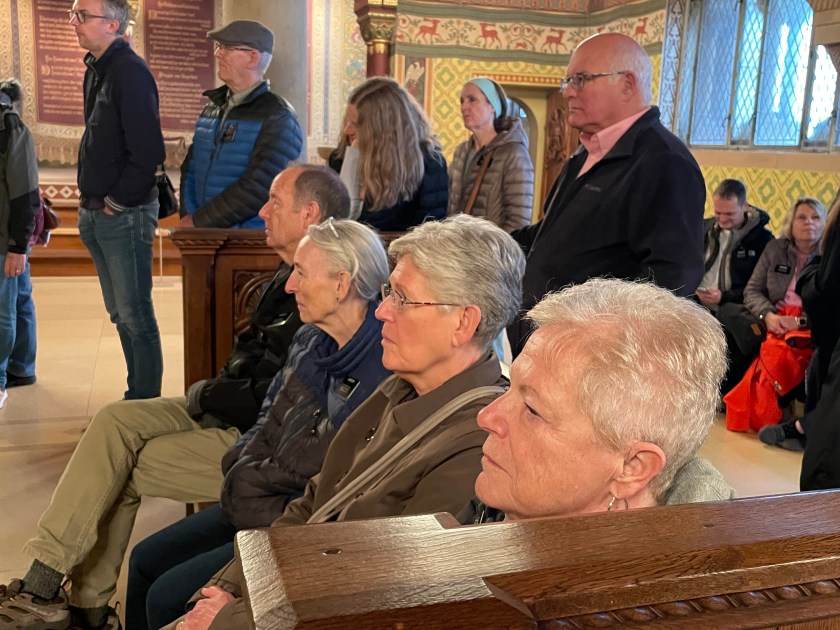


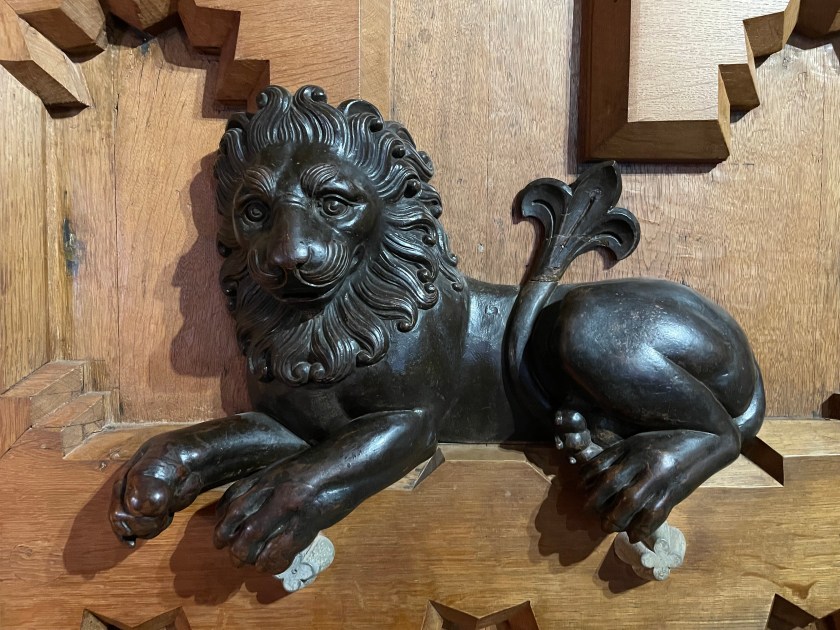
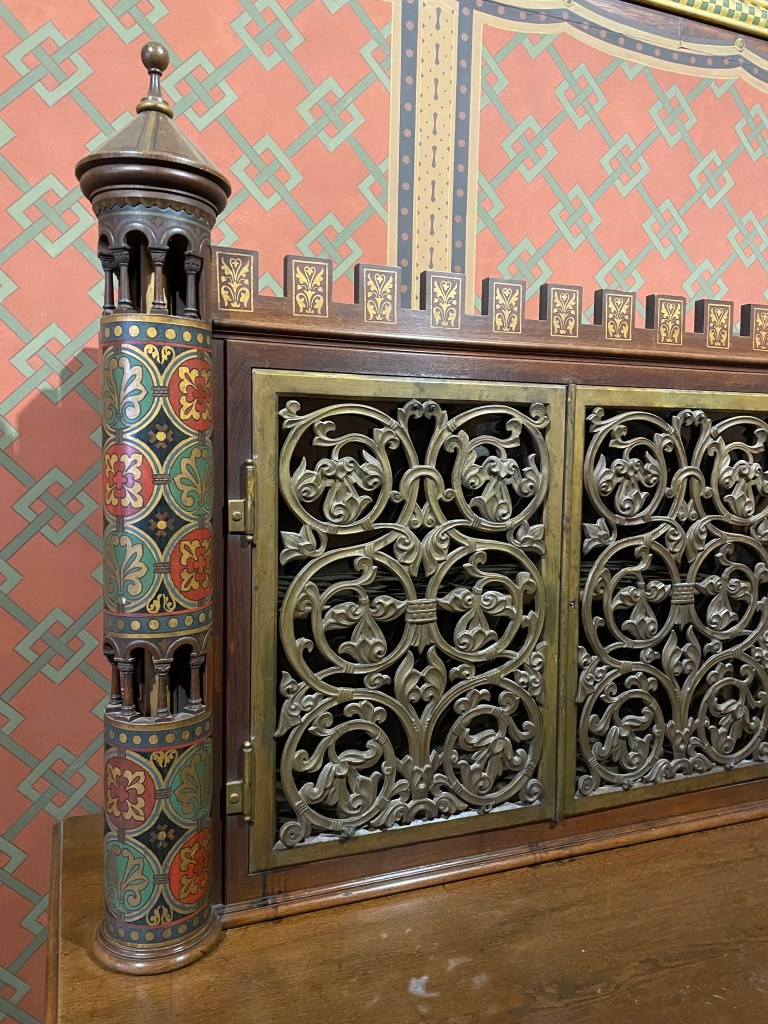
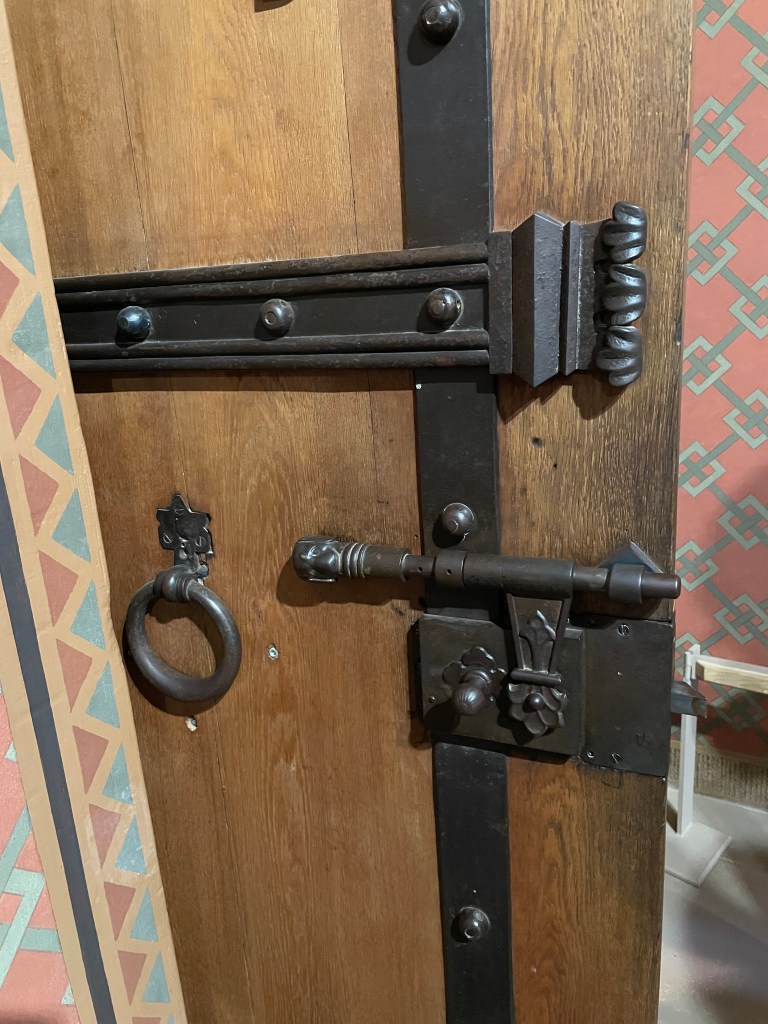
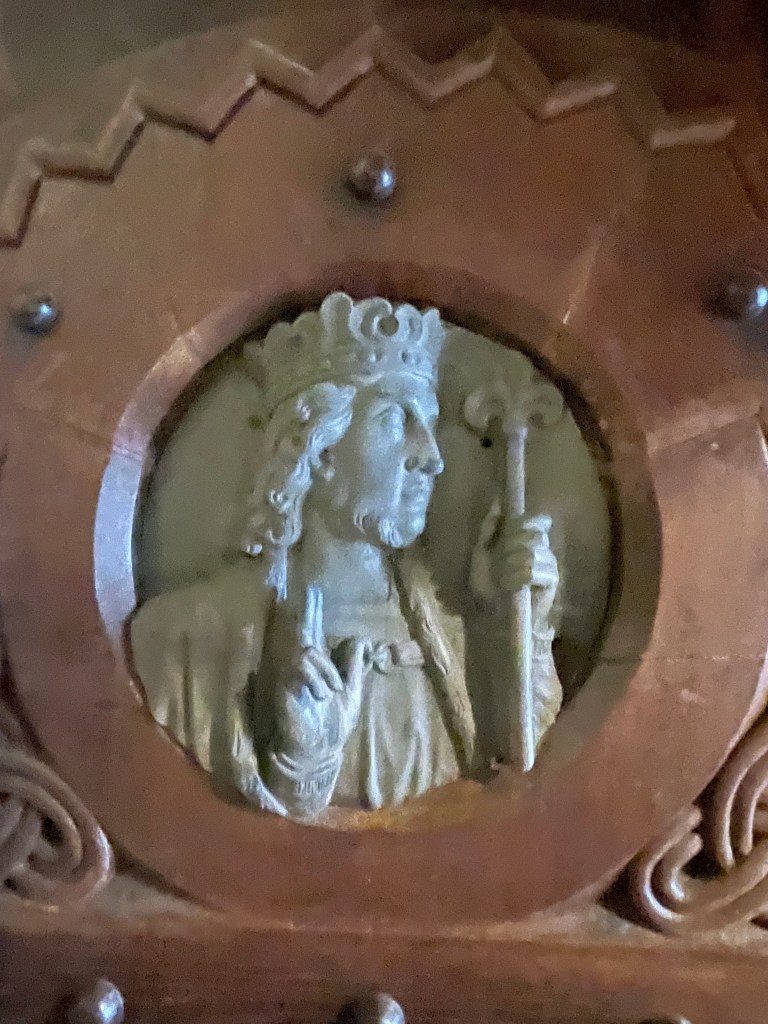
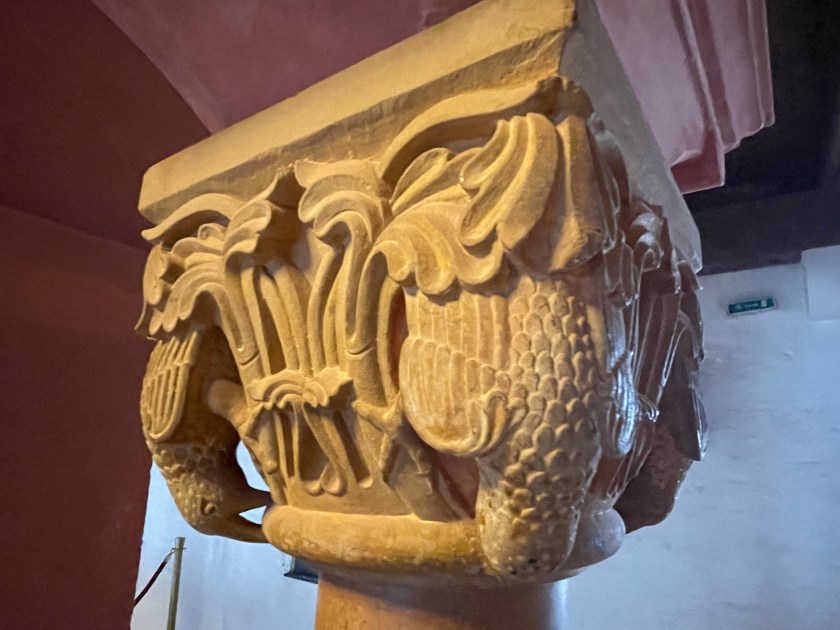
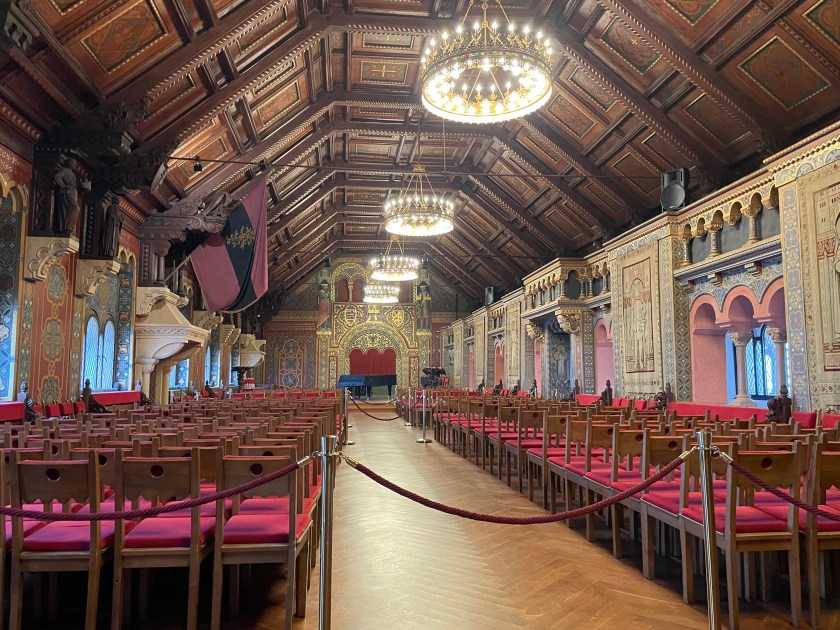
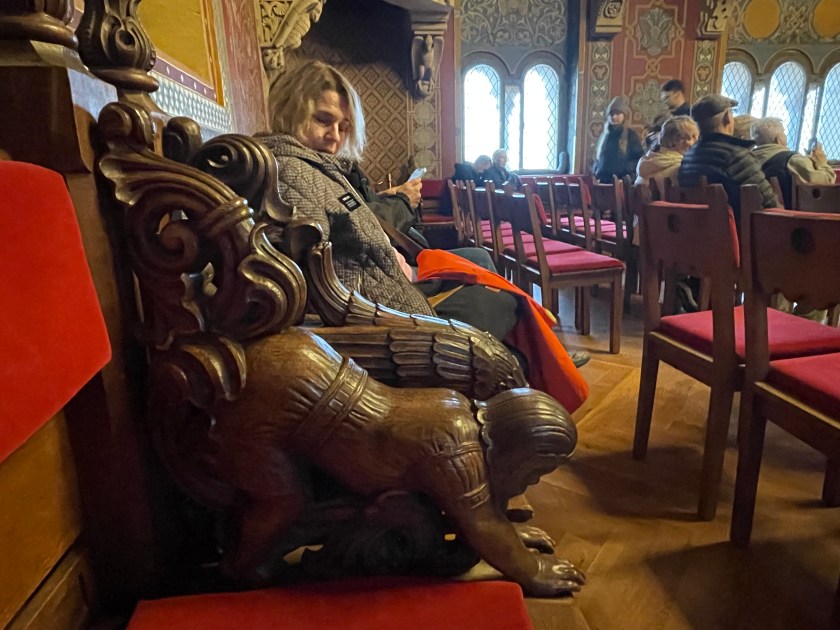
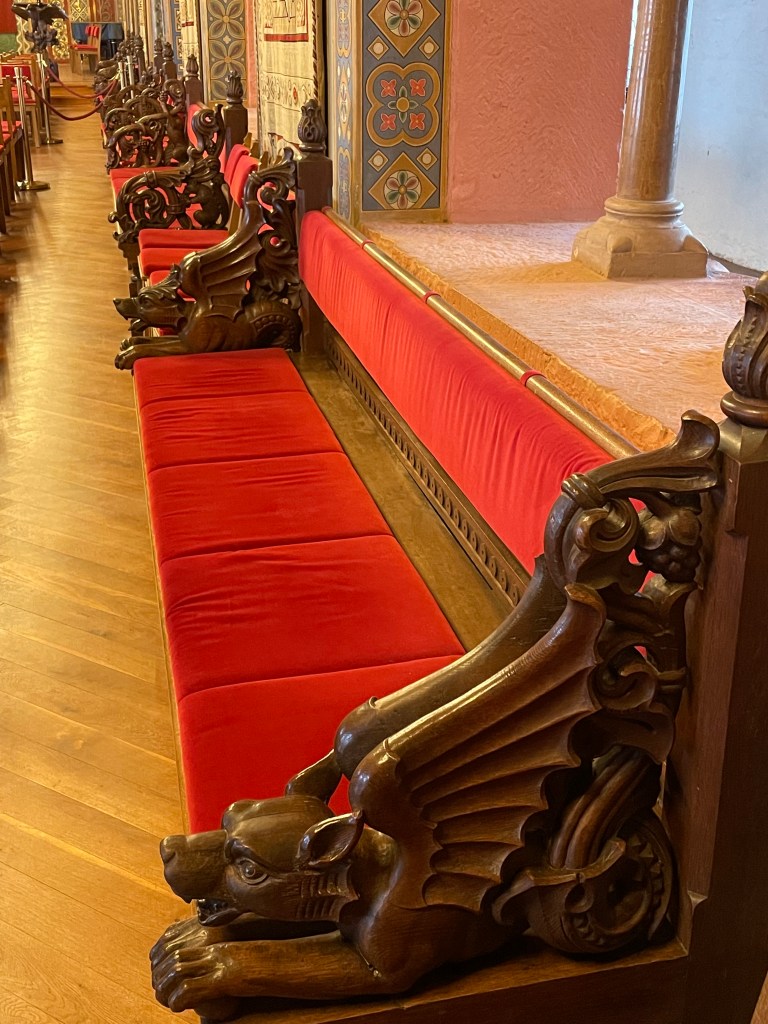
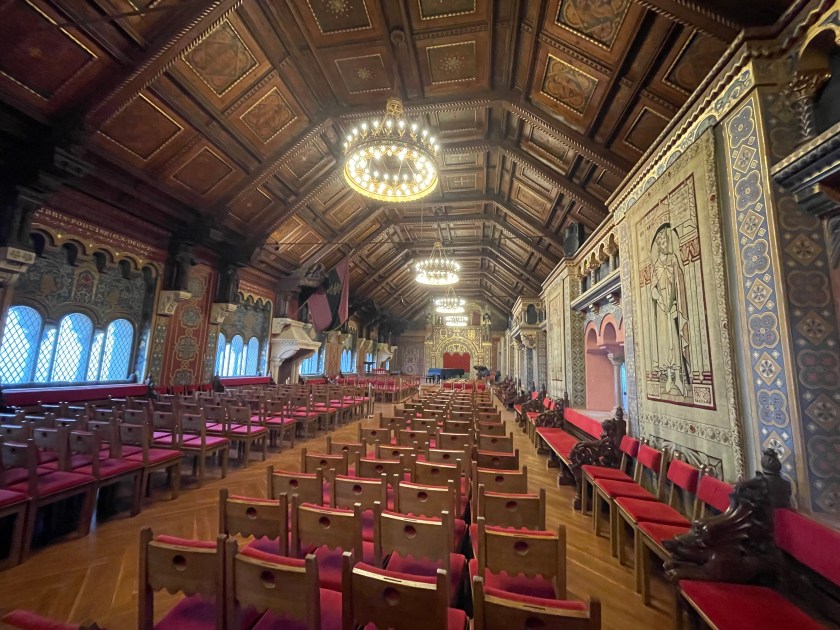
The tour ended here in this great hall upstairs. Concerts, graduations and special events are held here now. The details and woodwork was incredible.






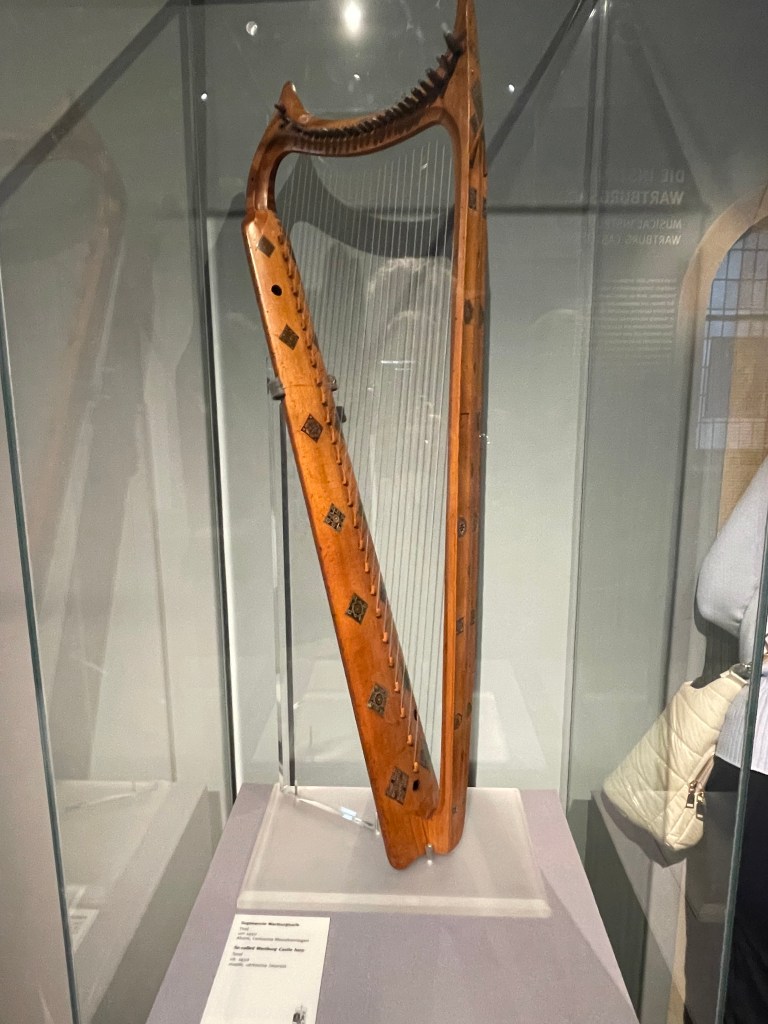

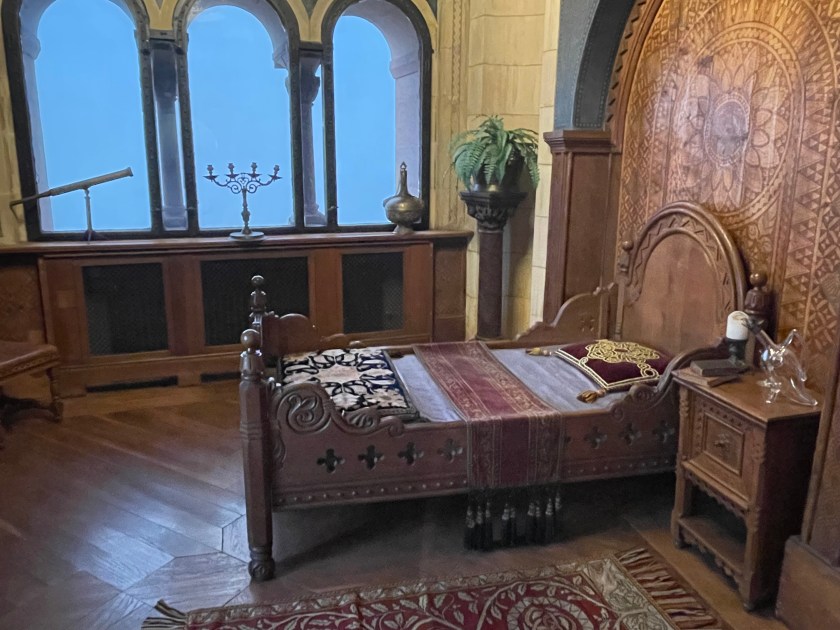


From here we were allowed, with our ticket, to go through the castle museum and then down a long hall to see the room where Martin Luther translated the New Testament from Greek into German, making it available for the first time to the people here.

 Our Frankfurt Germany Mission