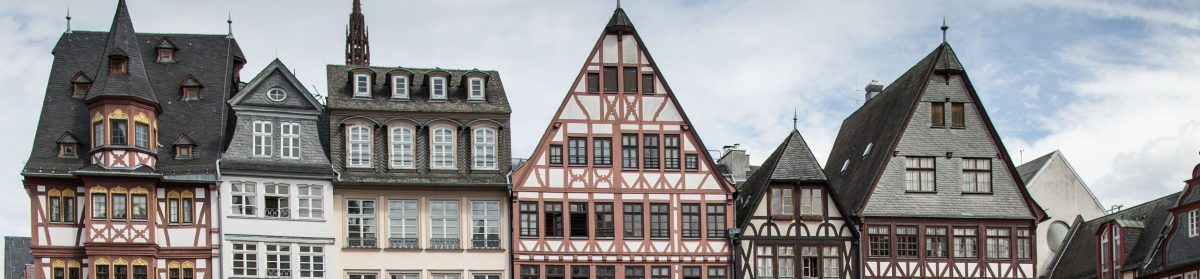
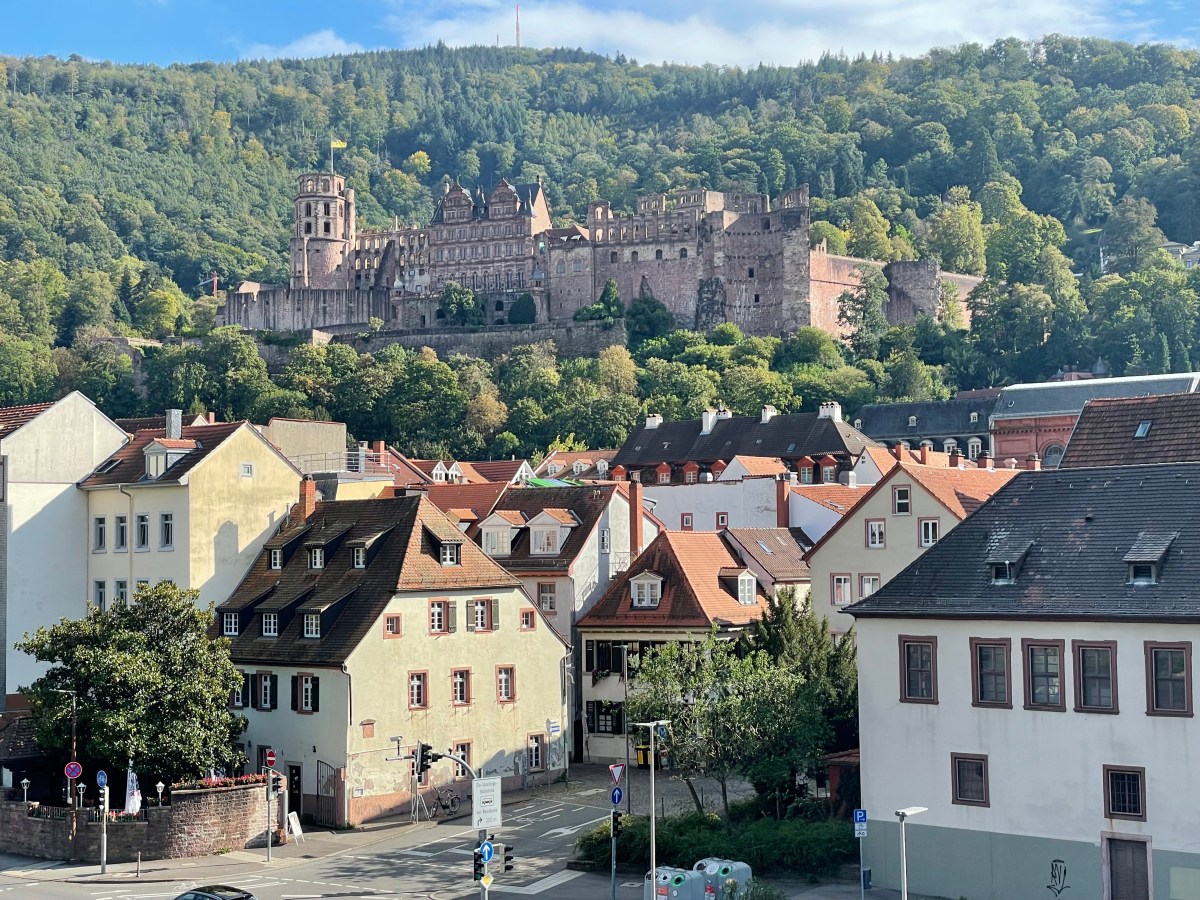
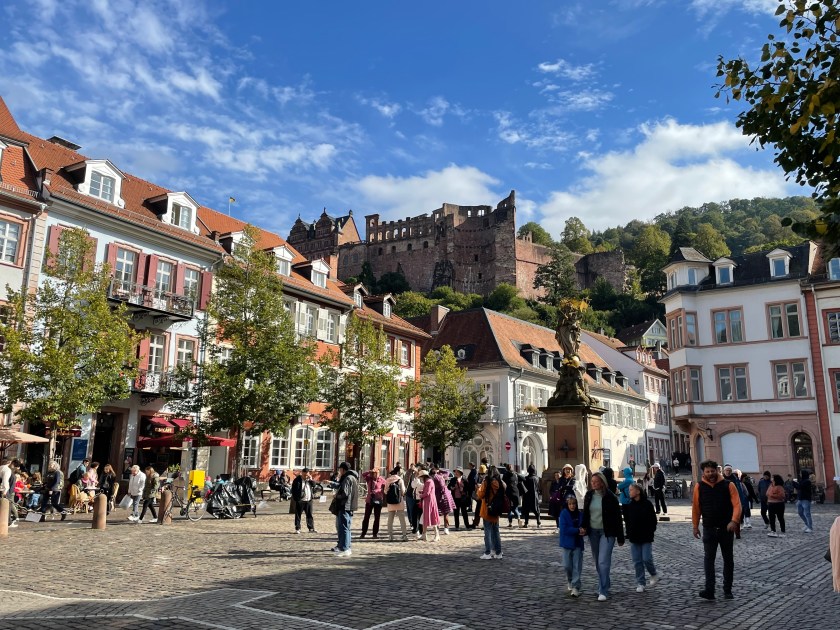
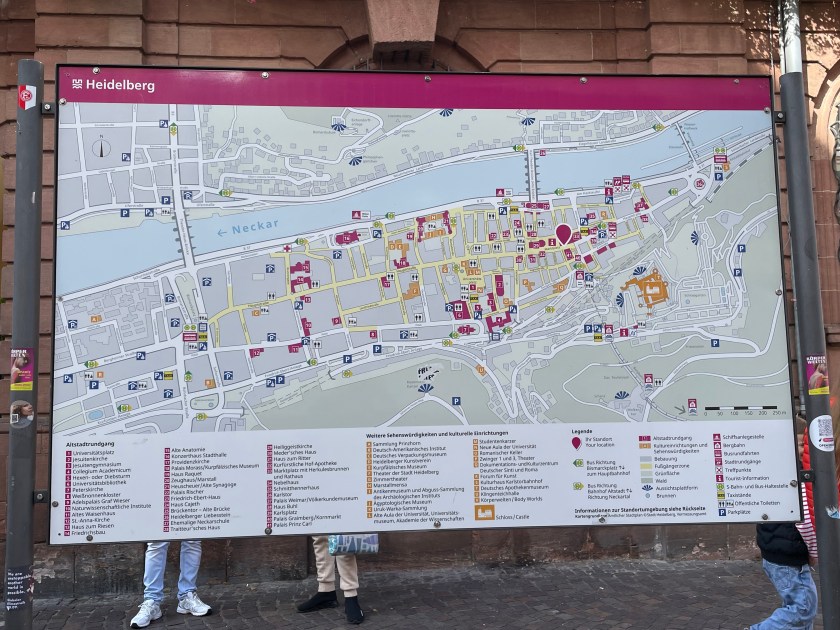
Our last stop on this whirlwind 10-day trip with the kids was in Heidelberg. I’ve written about Heidelberg before here, so you can check there for more details.
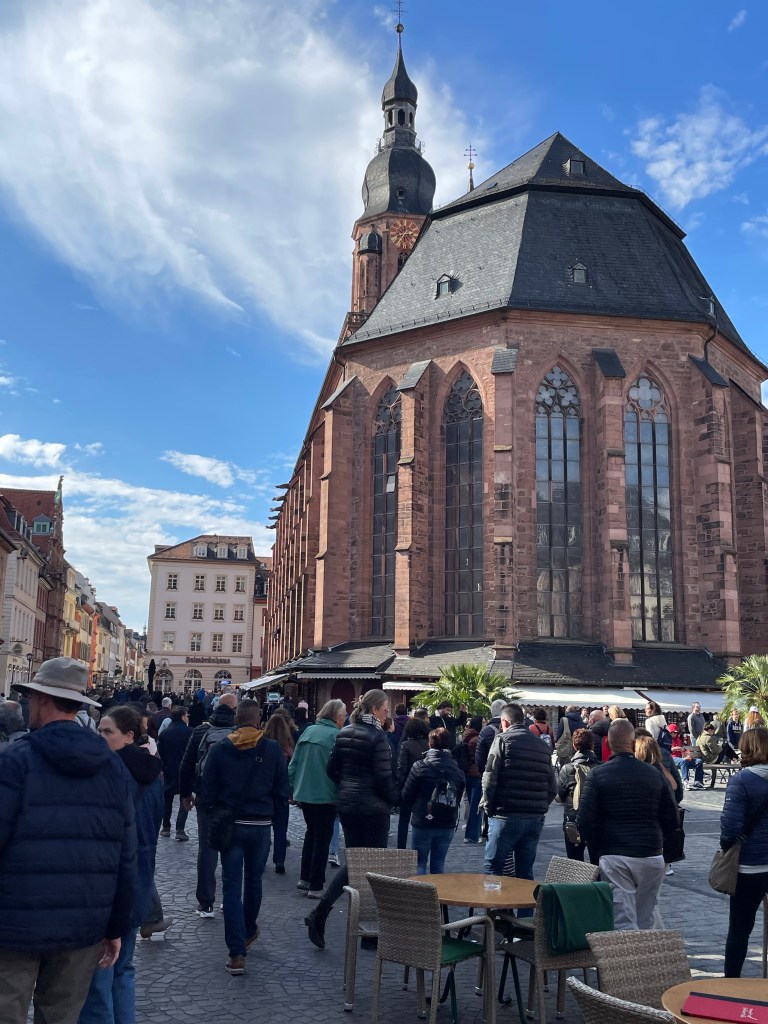
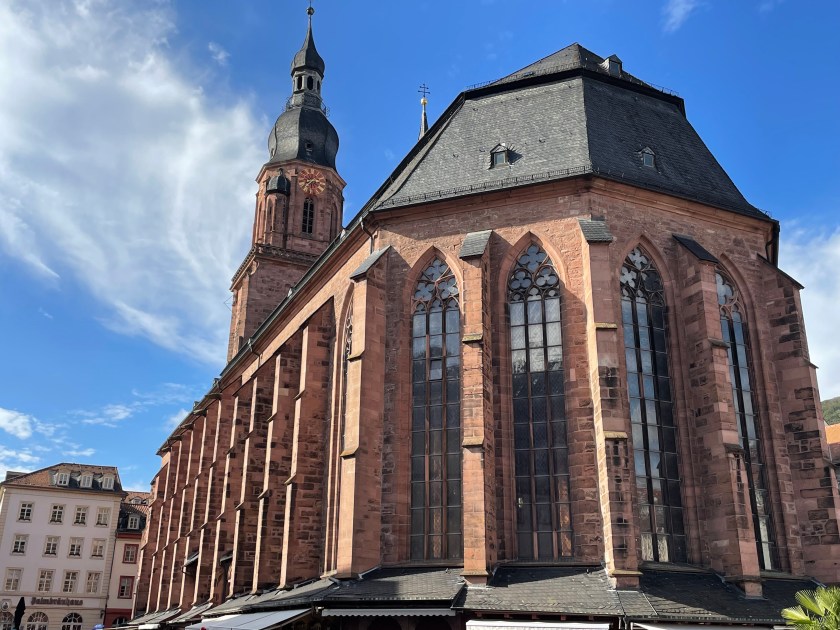
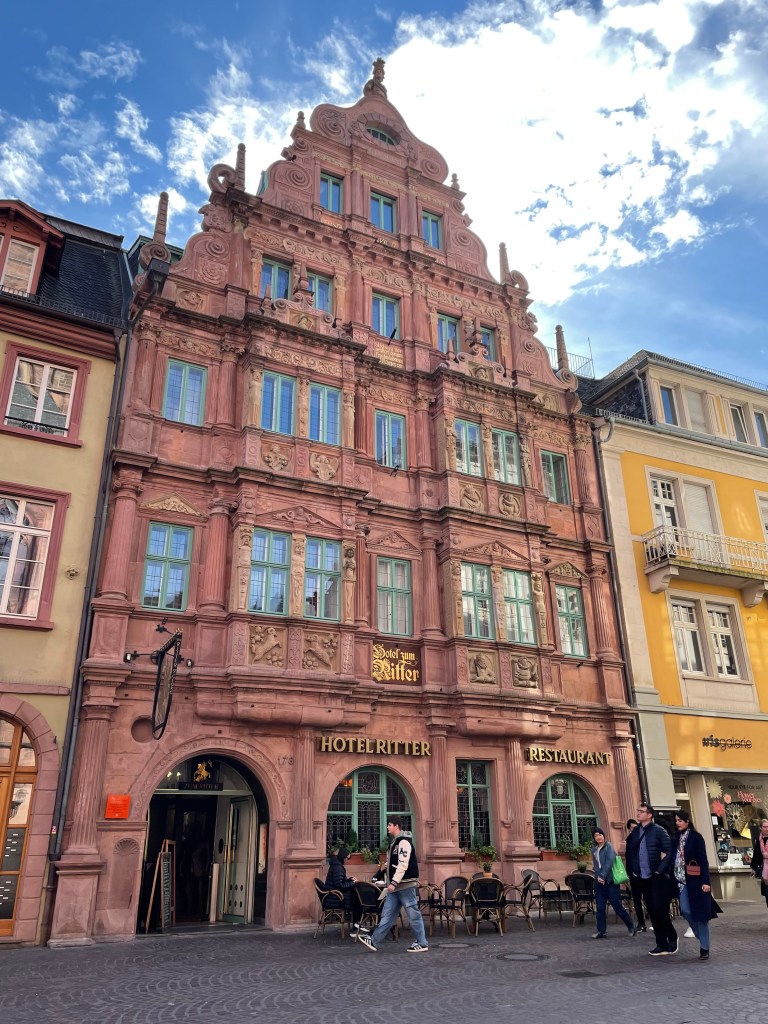
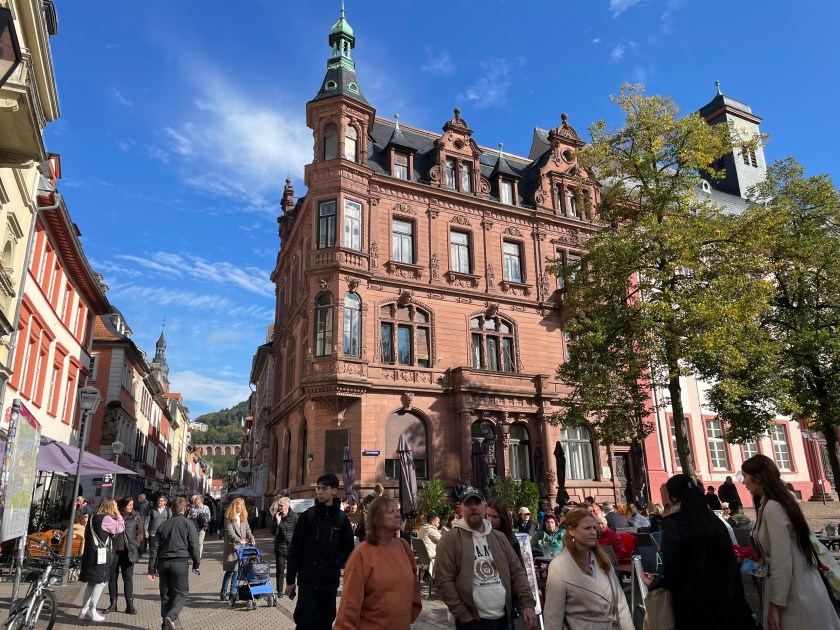
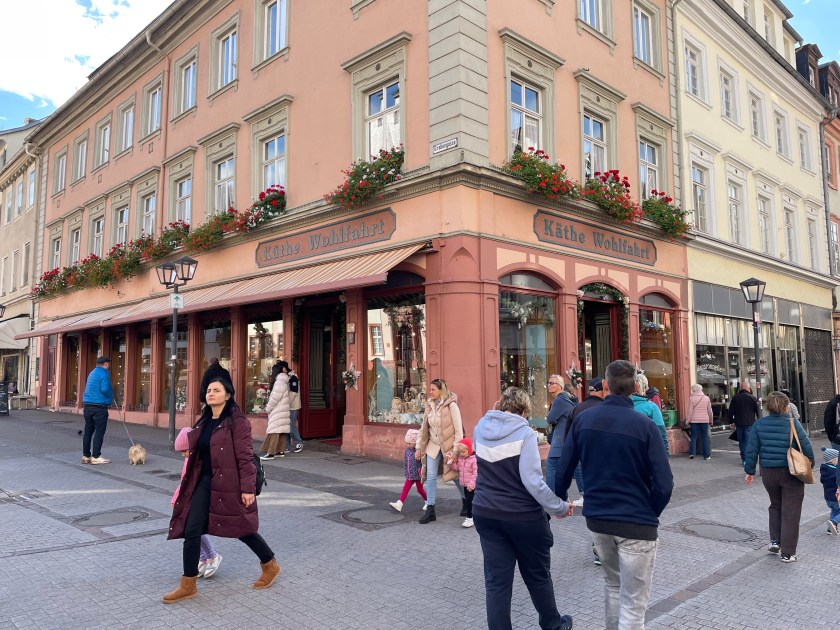
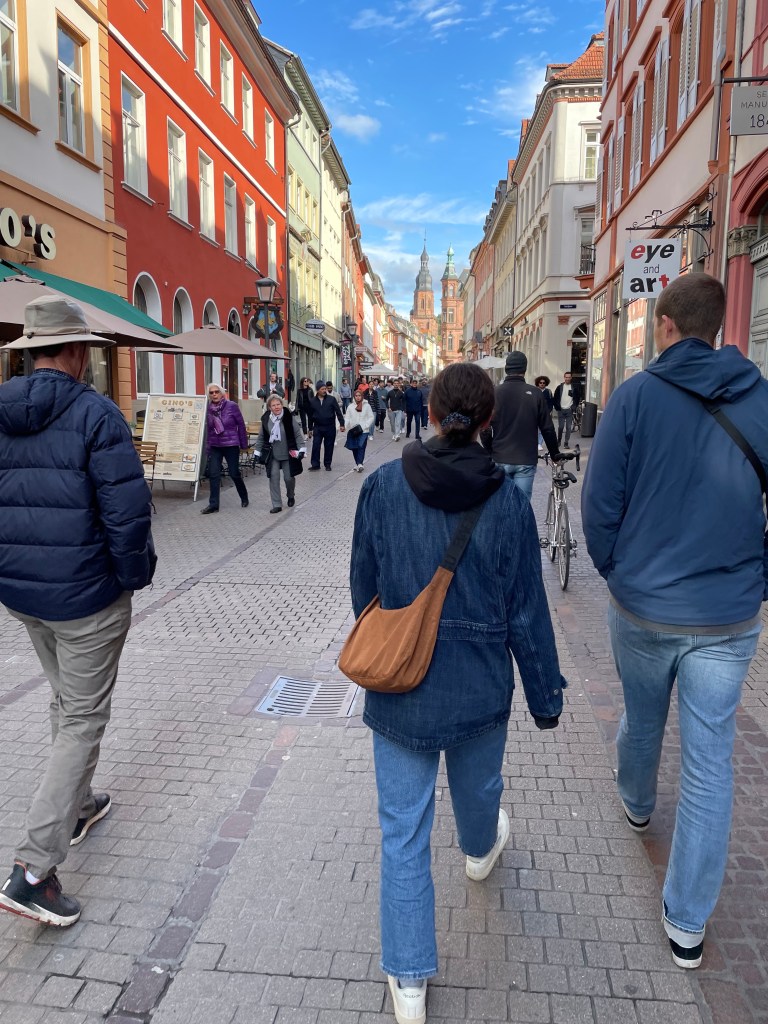
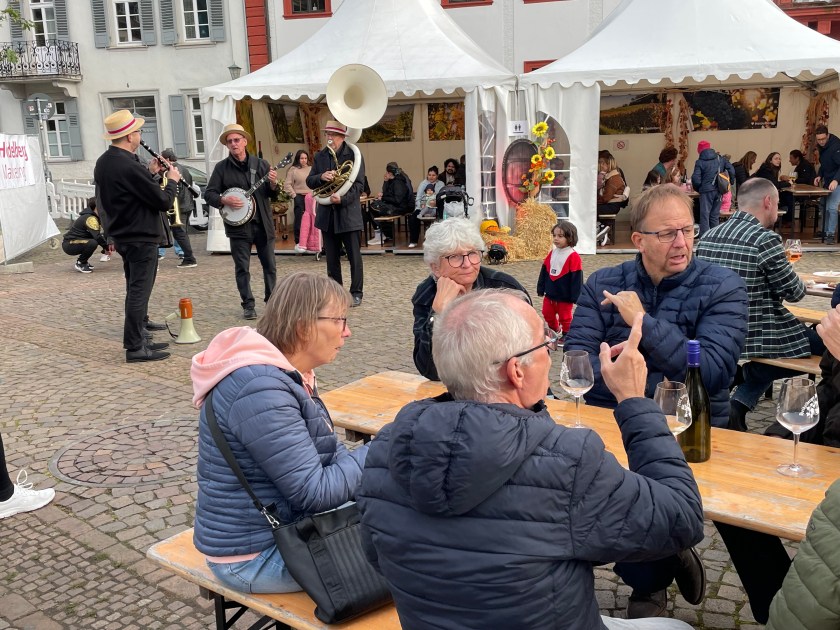
We walked through town on the main street with all the shops and went into more churches. We enjoyed some outdoor music and a wine festival going on, then paid the 9 Euro each for a round trip tram ride up to the castle.


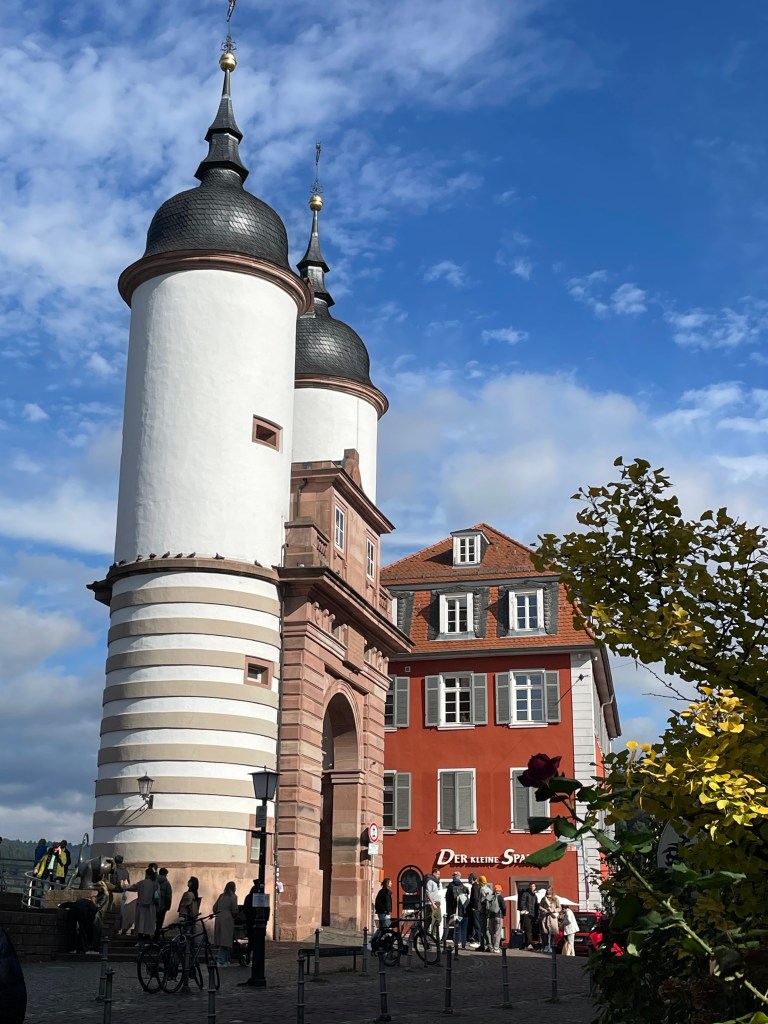
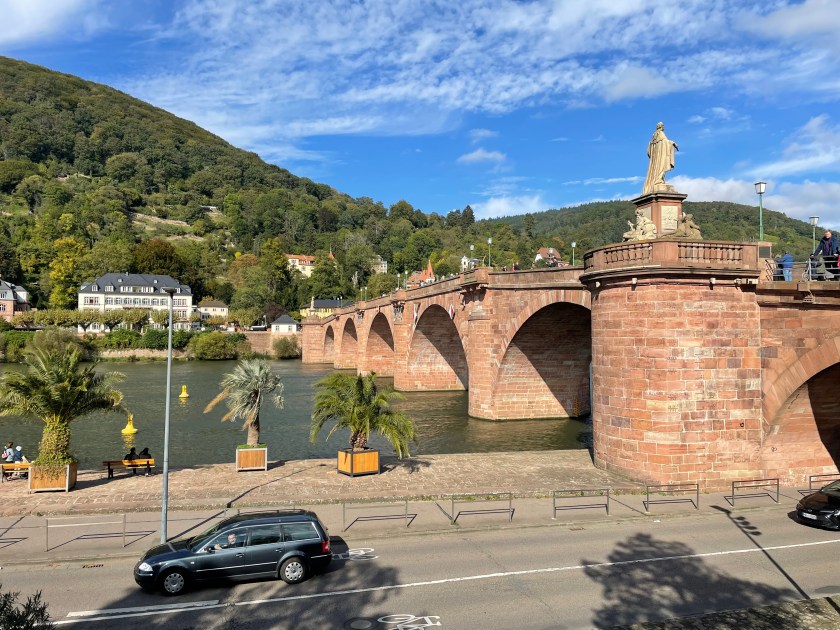
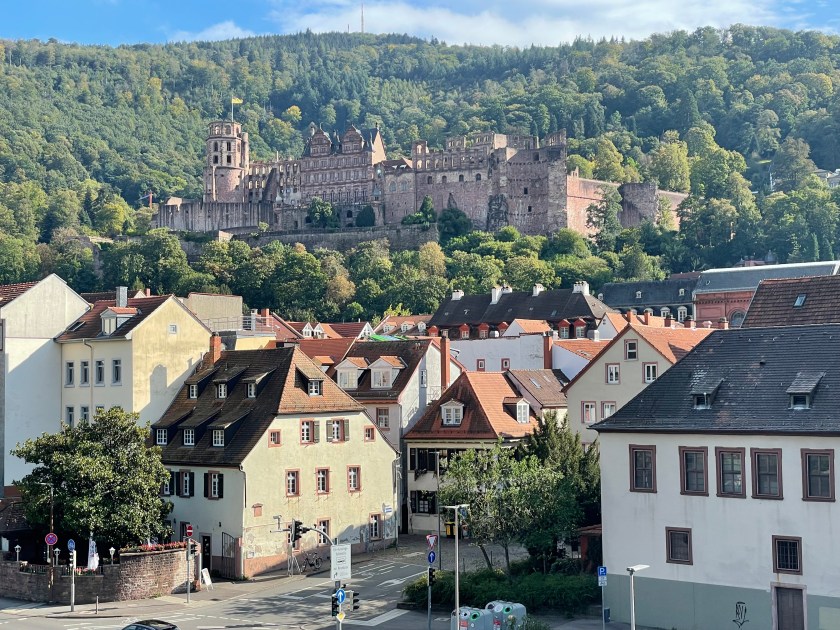
Below is the “Old Bridge.” The current bridge, made of Neckar sandstone and the ninth built in this place, was built in 1788, with a nice view of Heidelberg and the castle.
The first bridge built here was made of wood and built in the 1st century. It was rebuilt in stone in 200 AD. When that one collapsed, there is no mention of a bridge again until 1284. There were lots of different bridges built here after that. Some were destroyed by ice floes and some by fires.
On March 29, 1945, German troops blew up three of the bridge’s arches and two of its pillars, features that were restored after the end of World War II.
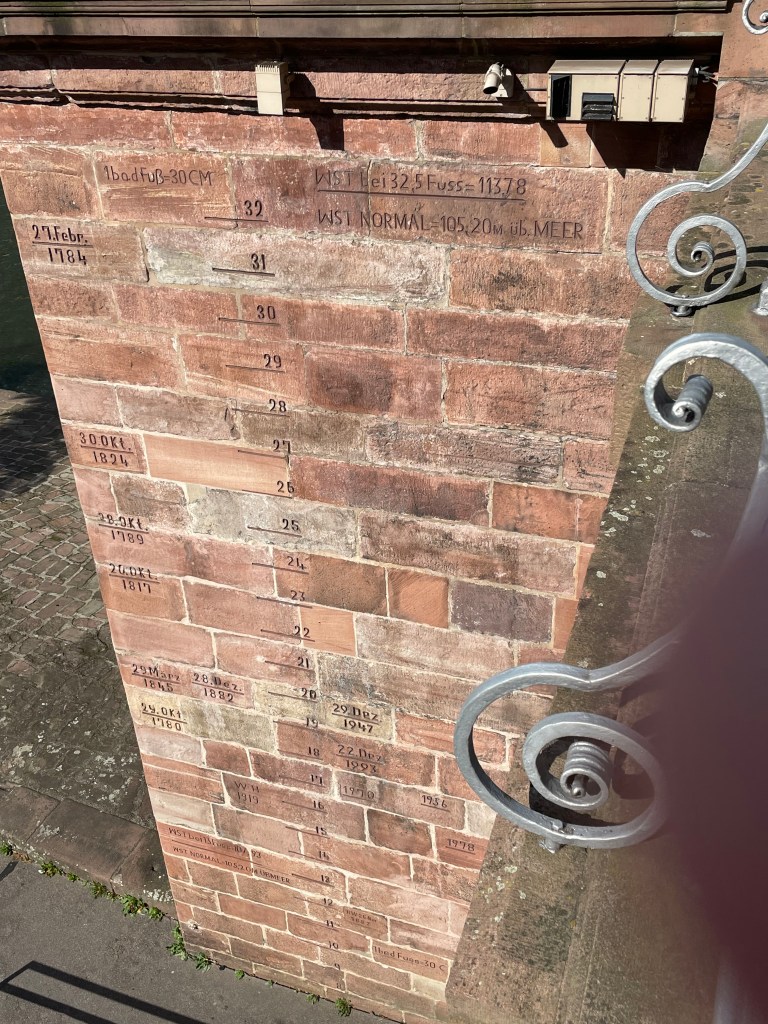
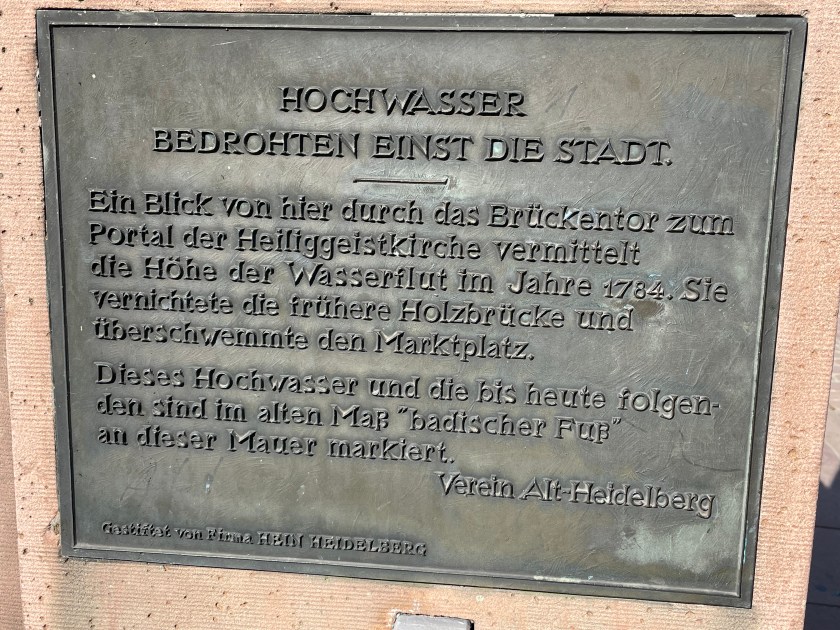
These are the high water marks during flooding in years past.
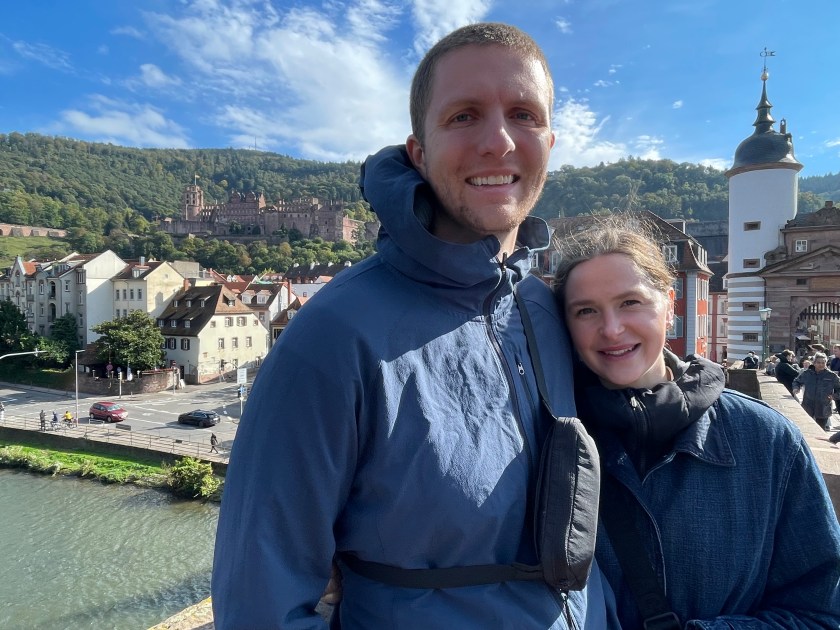
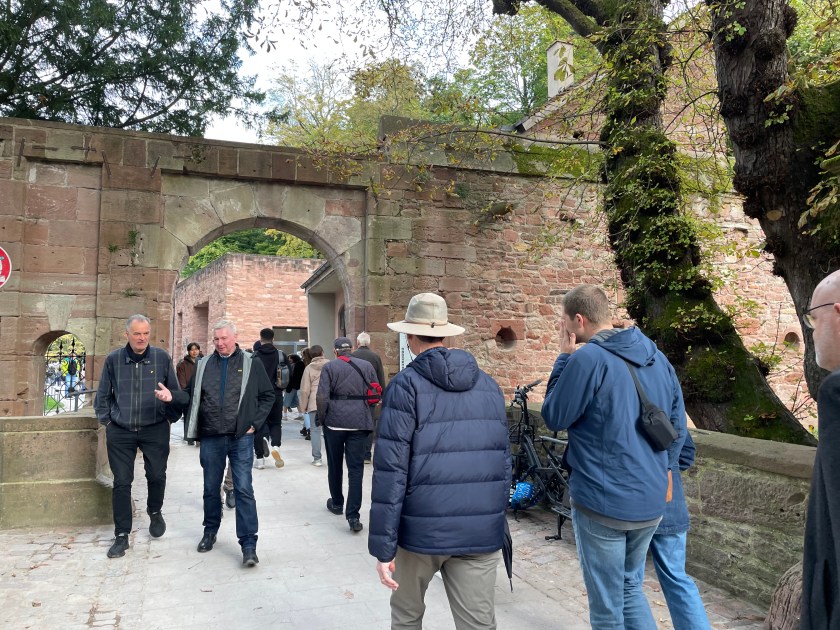
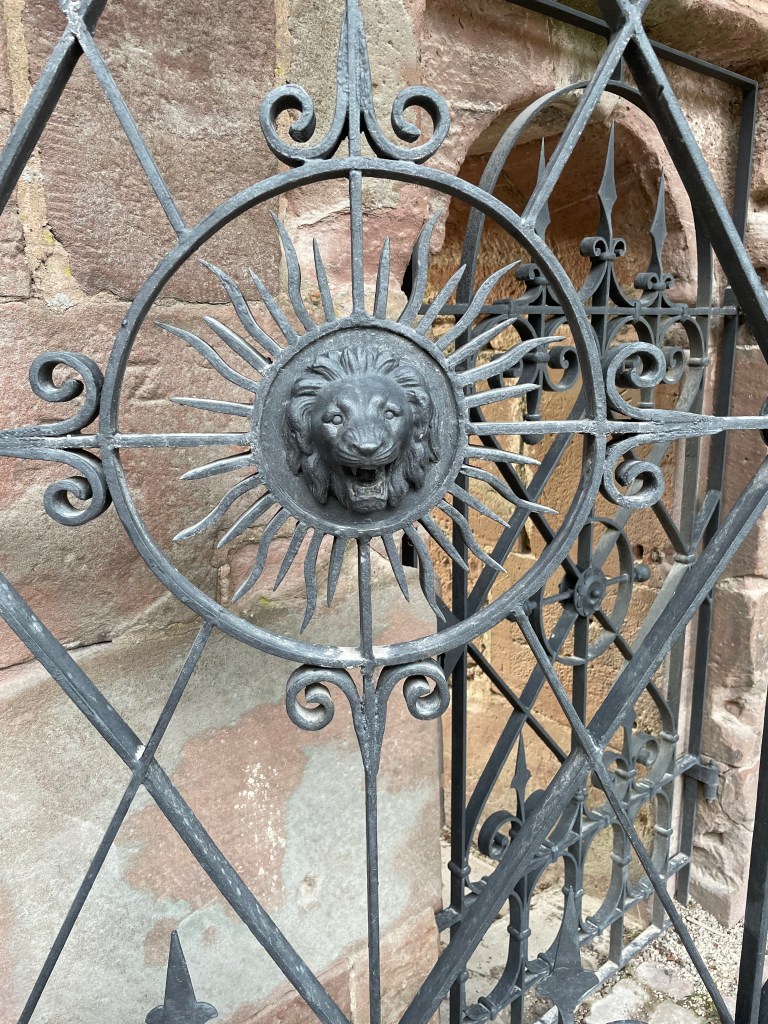
Here is the gate to the bridge:

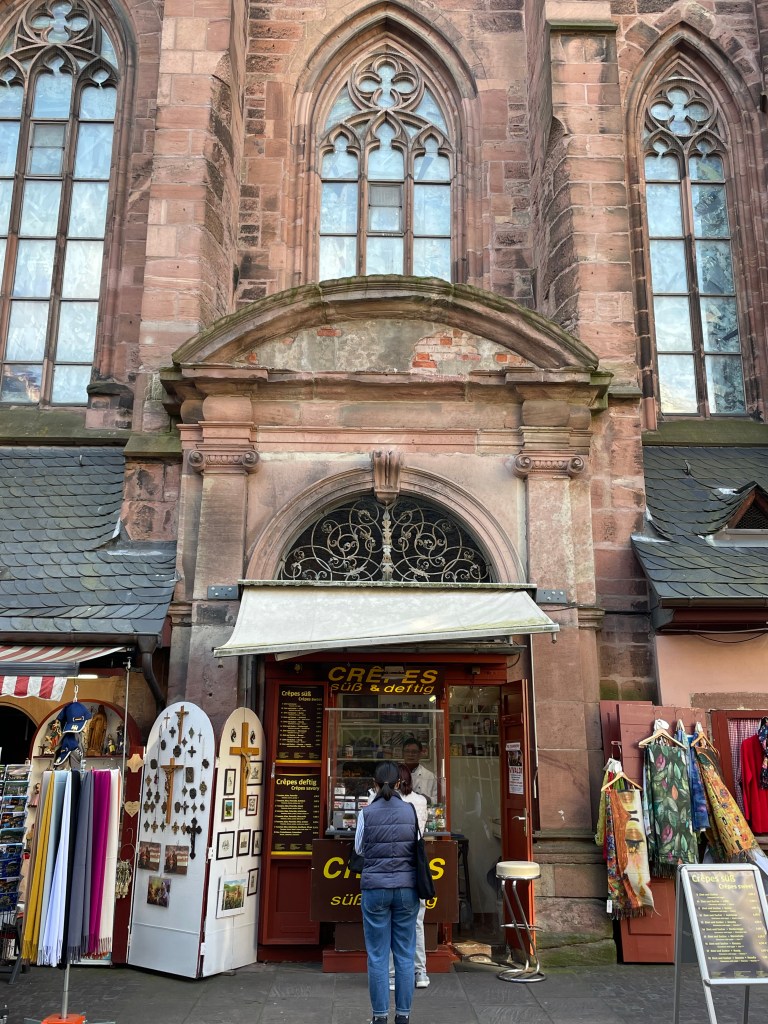
I’m fascinated by how the old and the new mix in these old historic places.

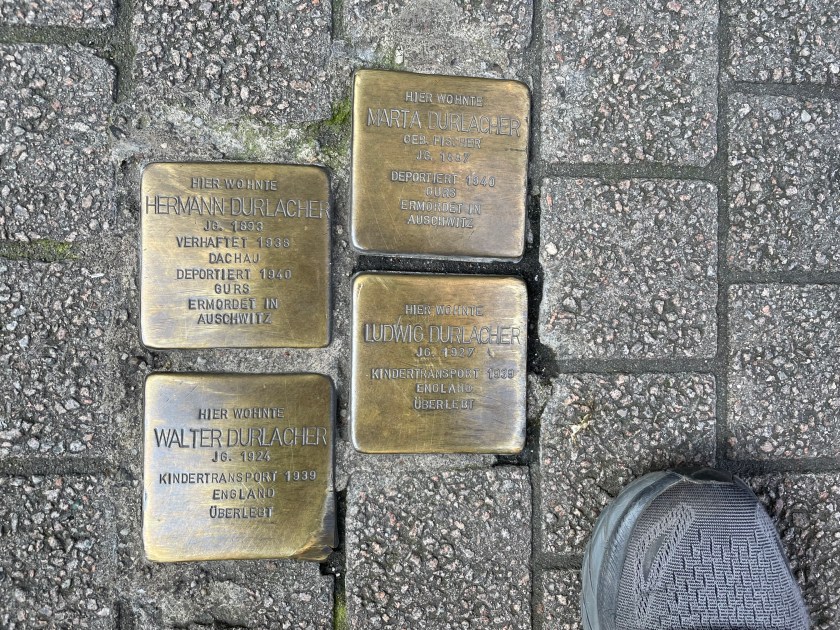
Remembering Hermann and Marta Durlacher who sent 2 children to England on the Kindertransport ships. Herman and Marta were murdered a year later in Auschwitz. I wonder where their children are today.
These Stolpersteine are in front of the home where they last lived together.
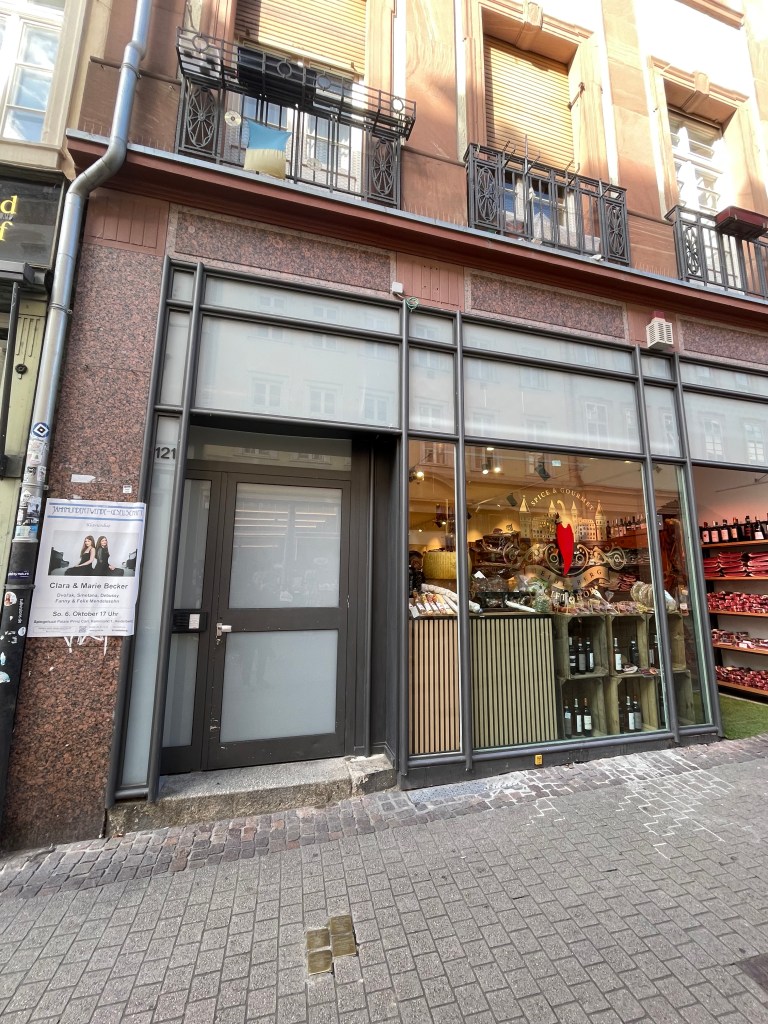
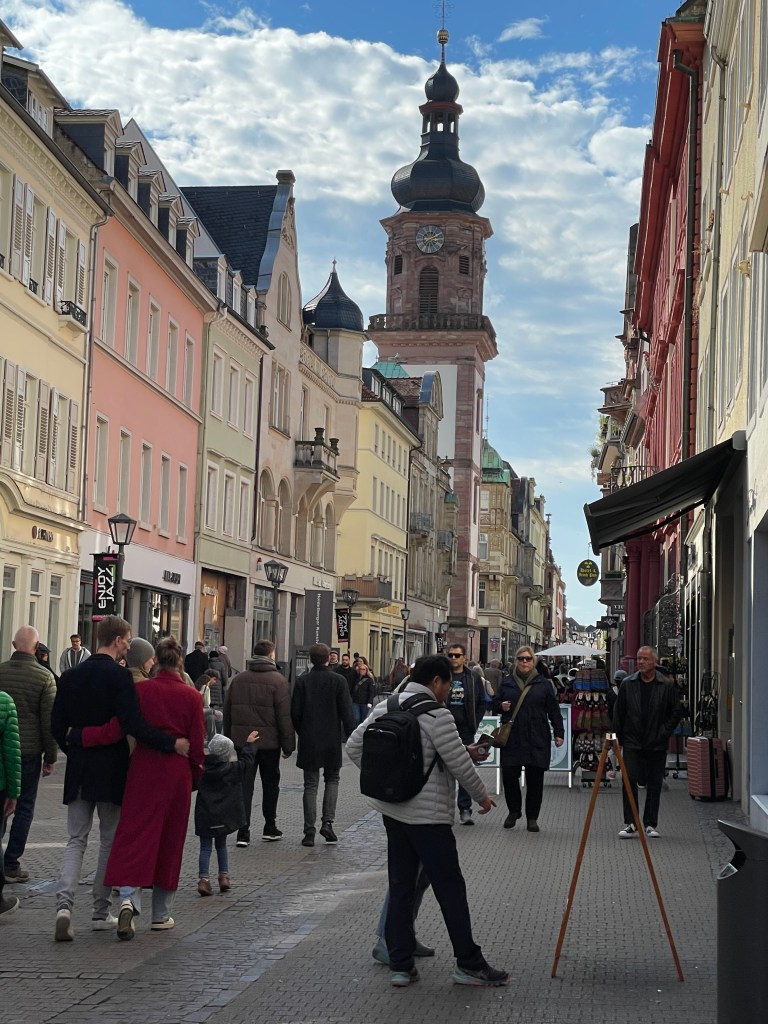
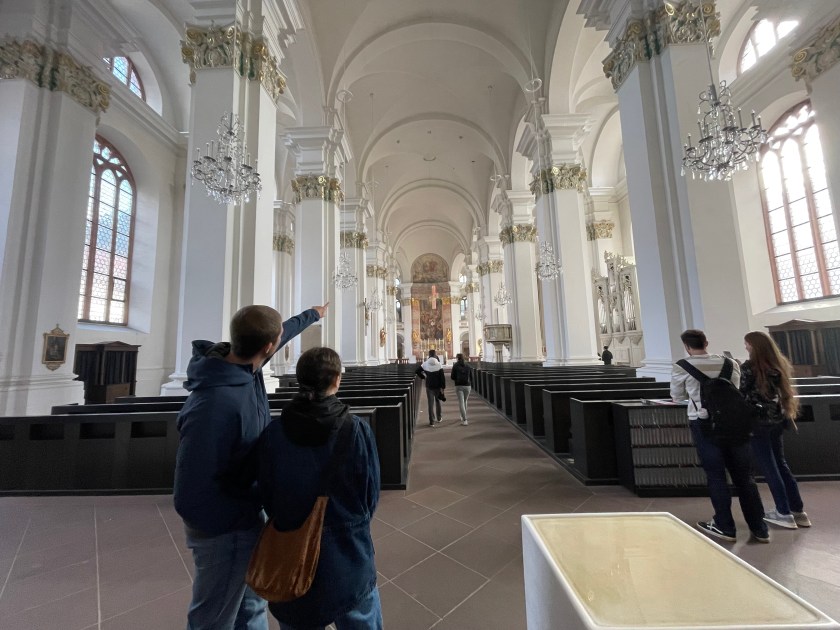
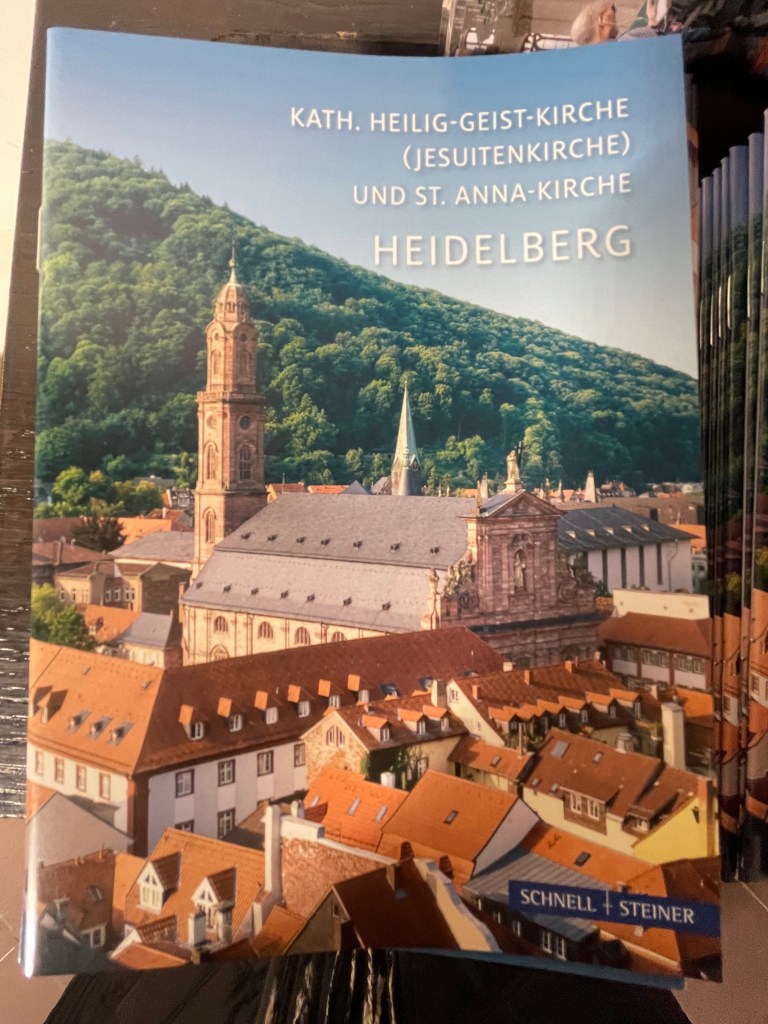
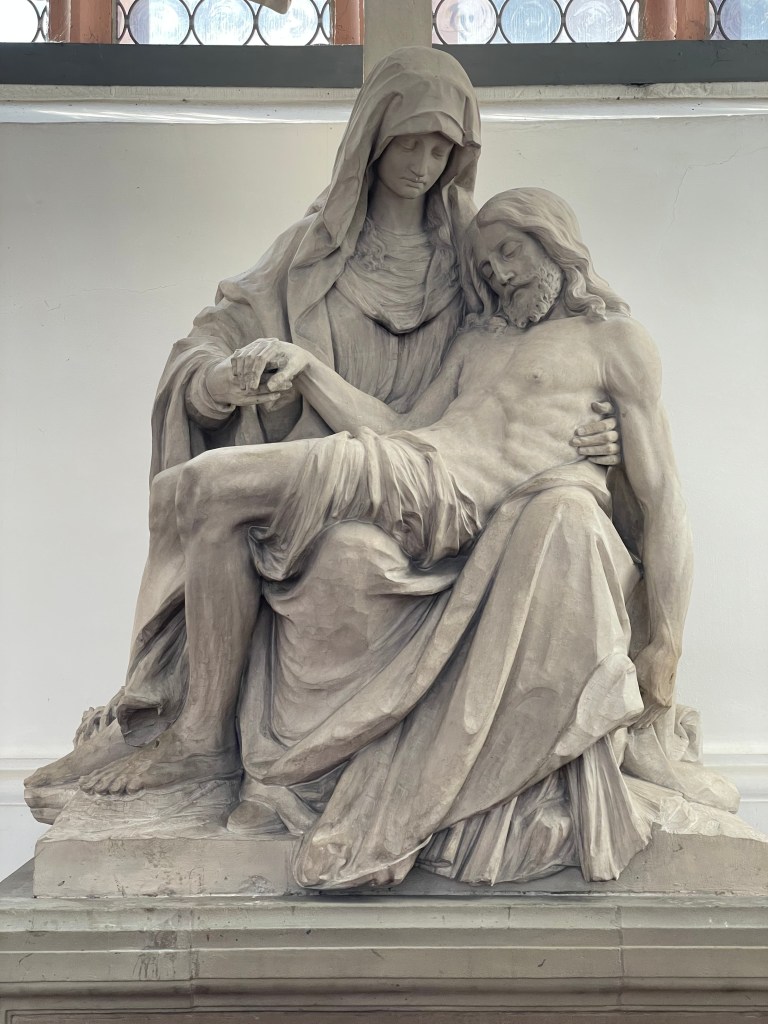
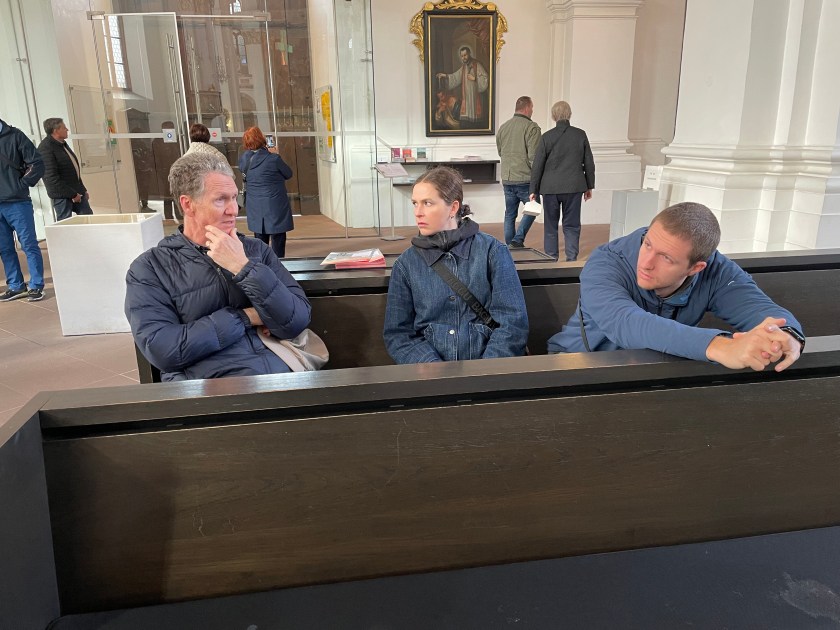
The Jesuit Church in Heidelberg is beautifully white inside. There is a feeling of peace here, just like the feeling the Holy Ghost brings to us when we’re troubled or afraid. I am grateful for this perfect gift.

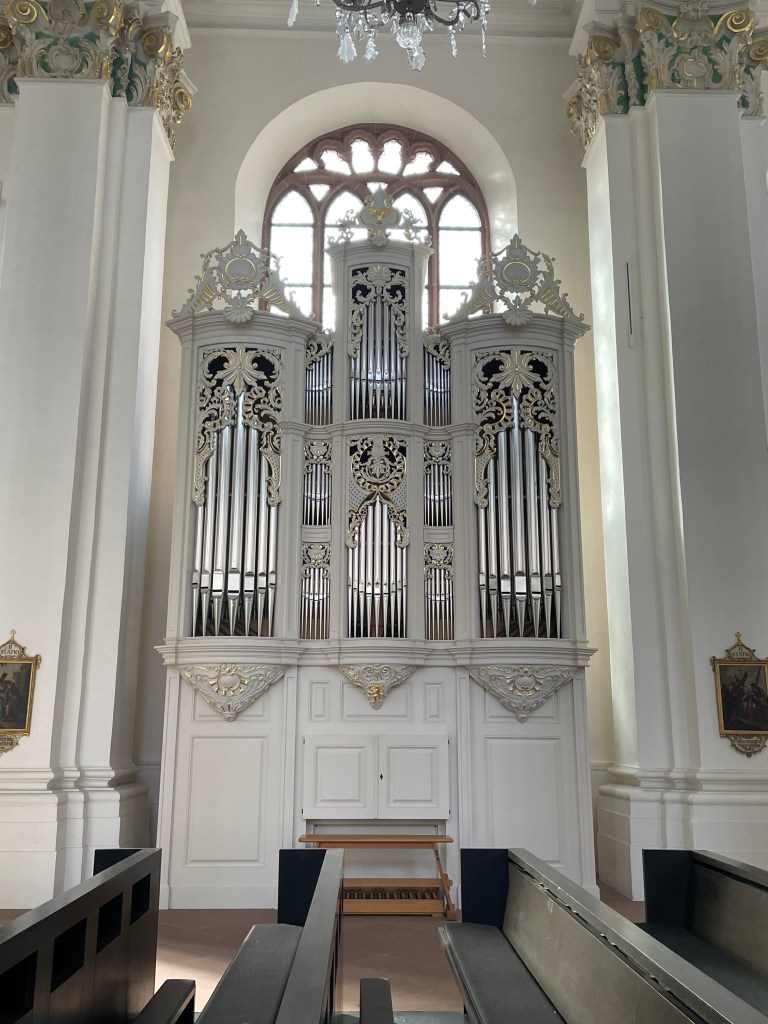
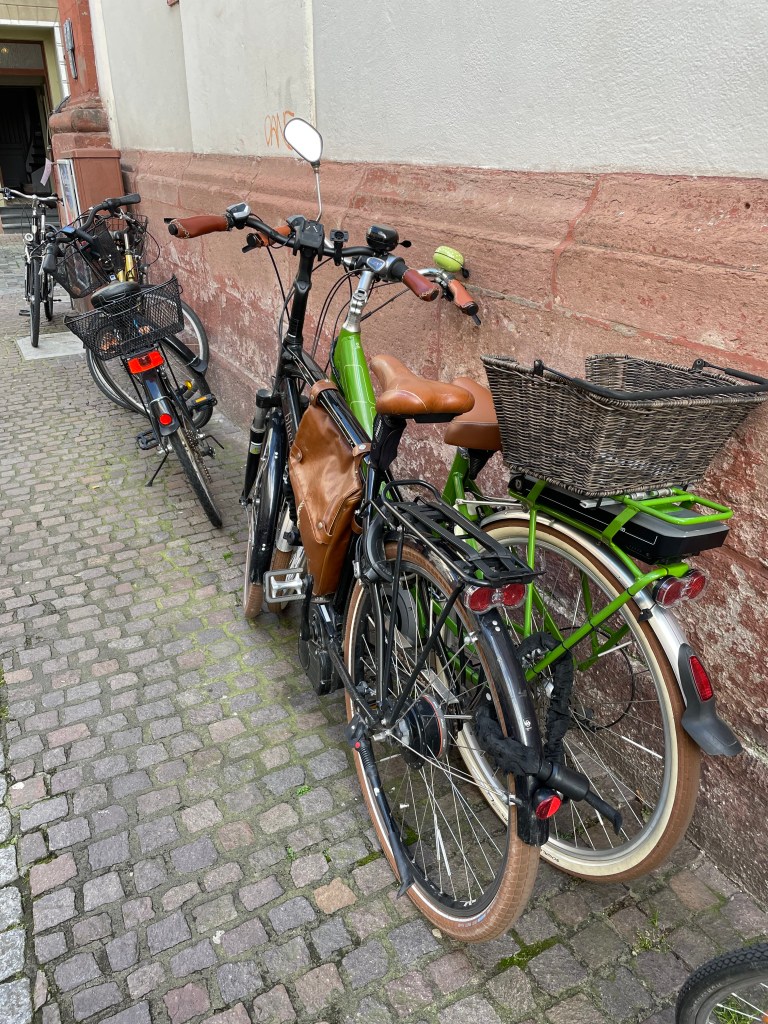
Heidelberg is a university town, so there are LOTS of bicycles and students.

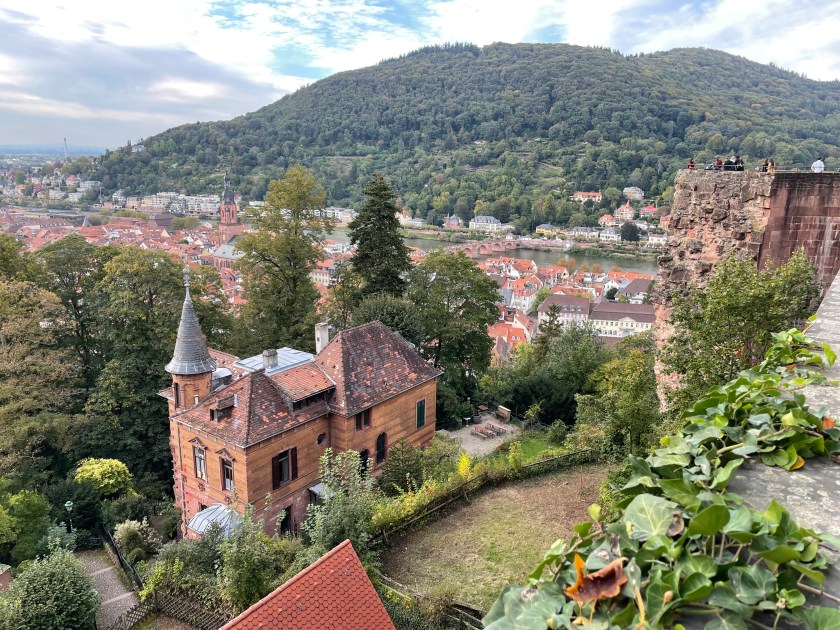
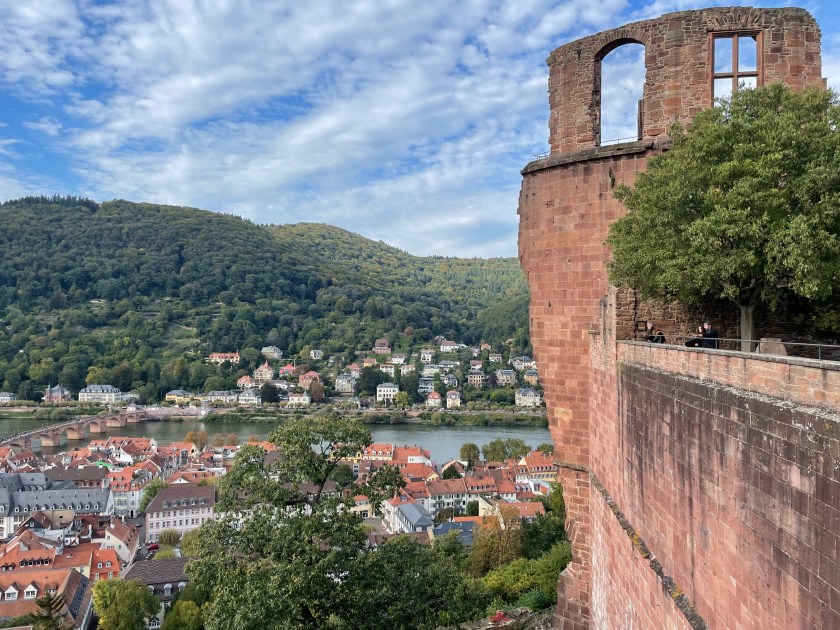
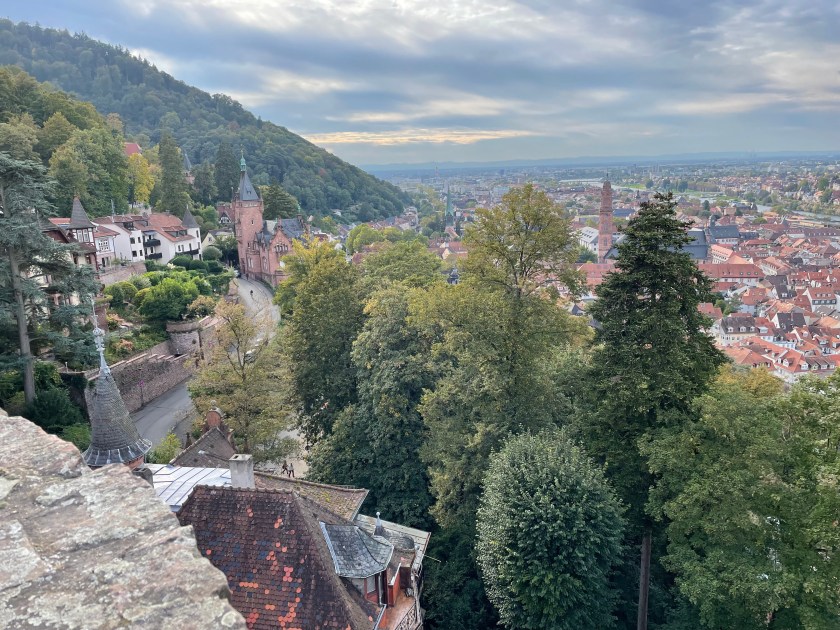
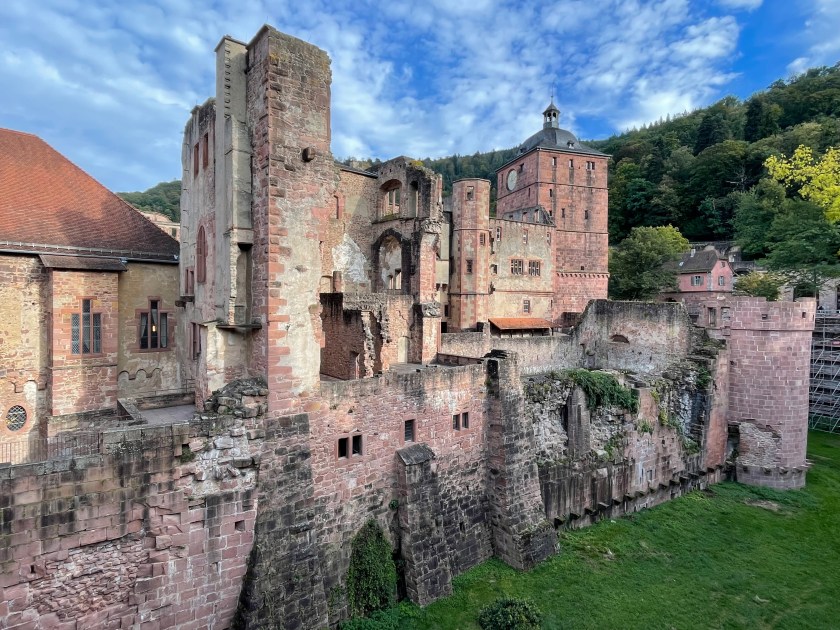
The Castle Ruins
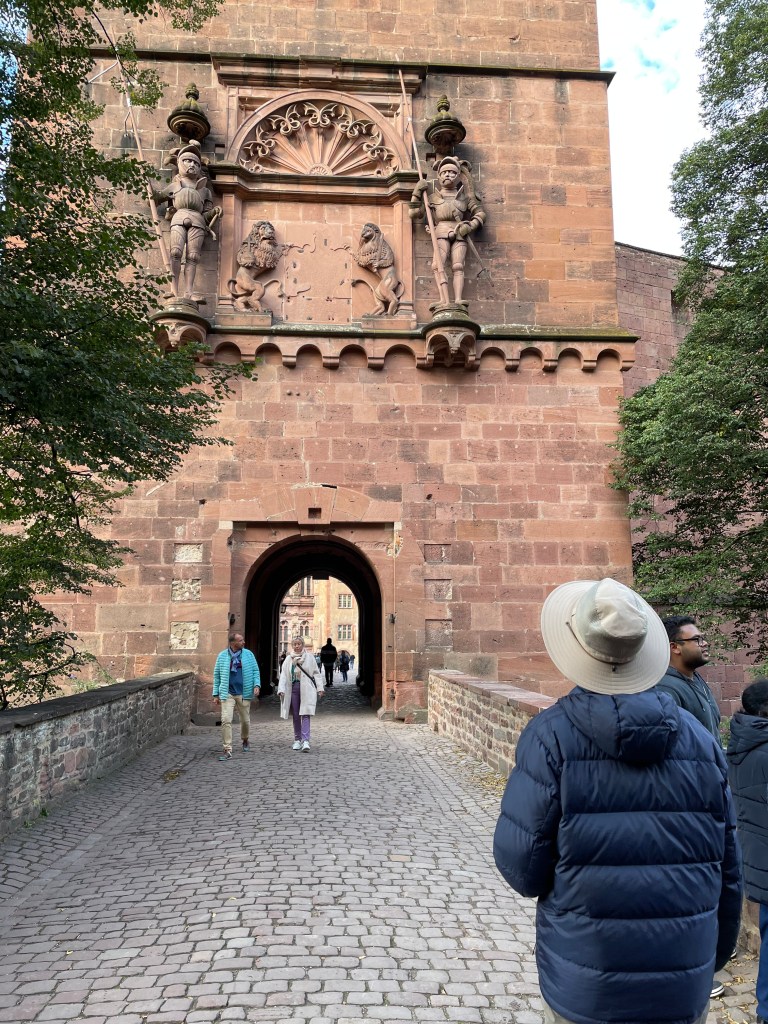
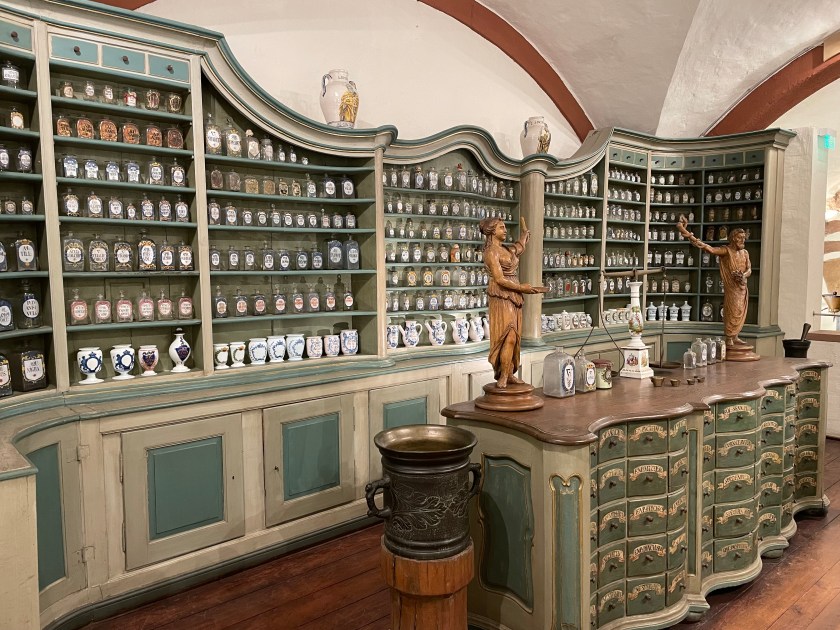
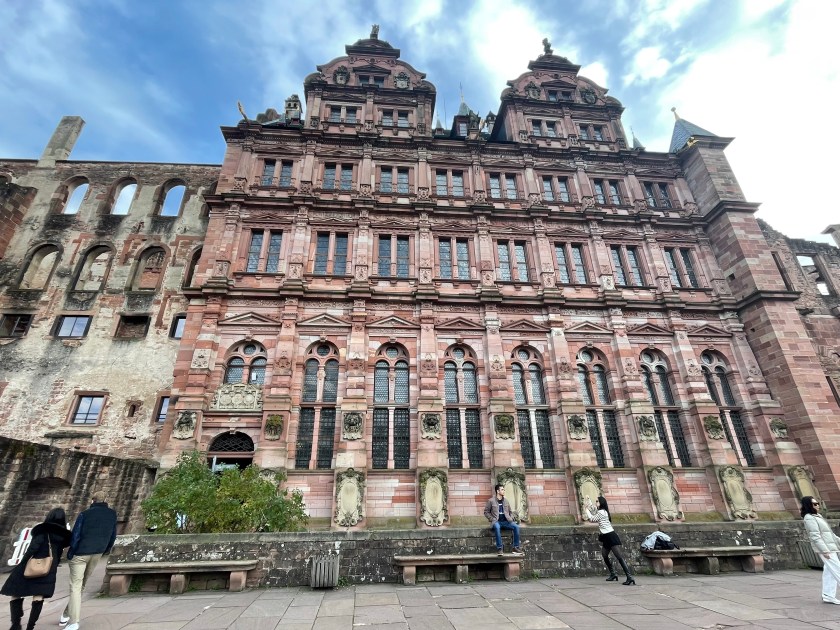
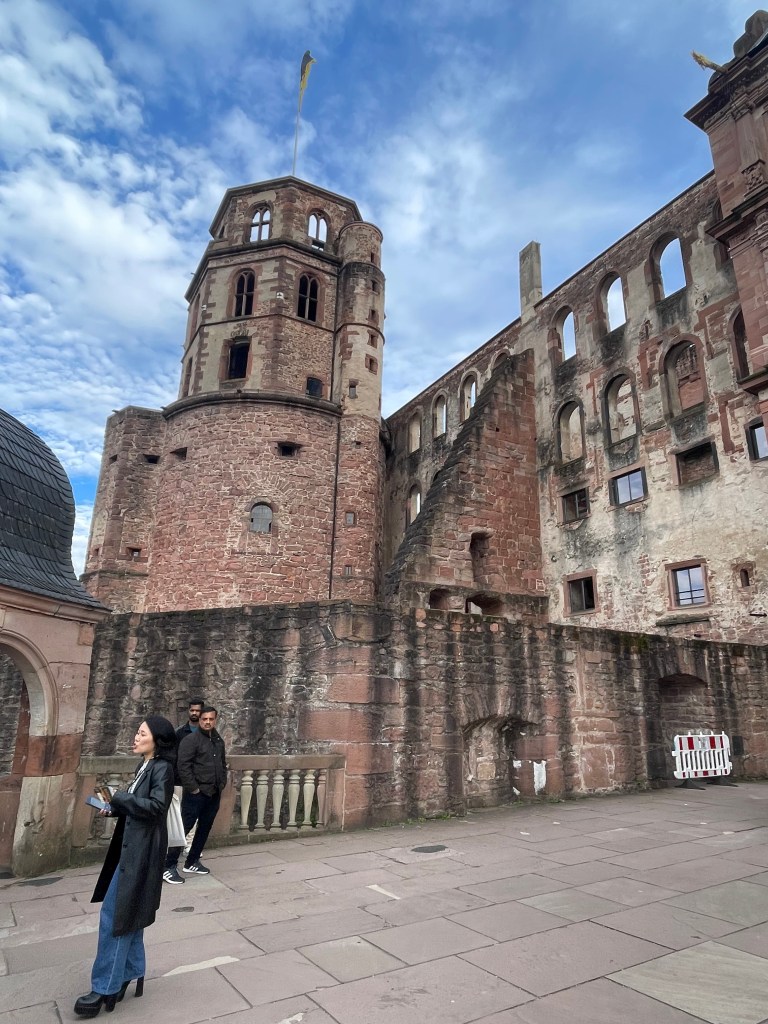
We spent about 1.5 hours up on top exploring. The ruins are pretty impressive and there are a few places you can go into–the wine cellars, the apothecary museum, a gift shop.
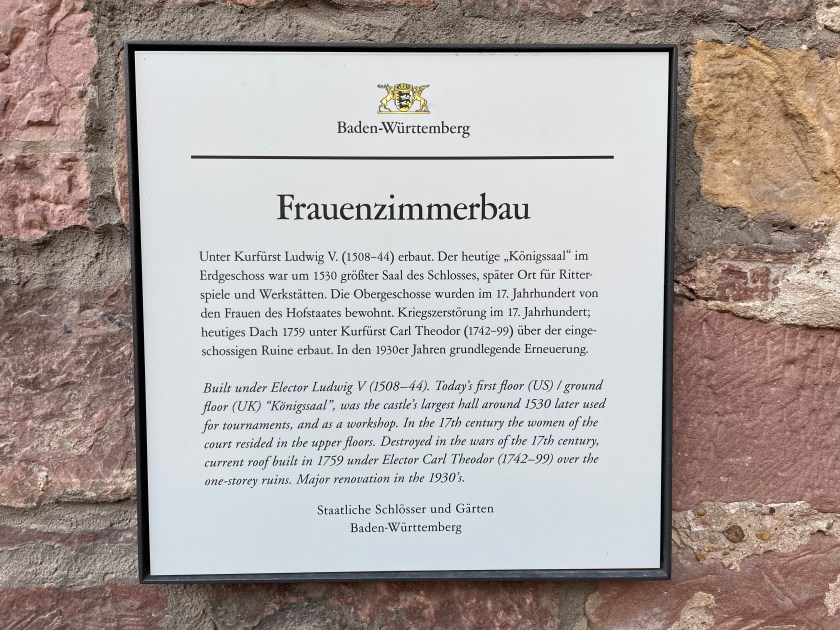
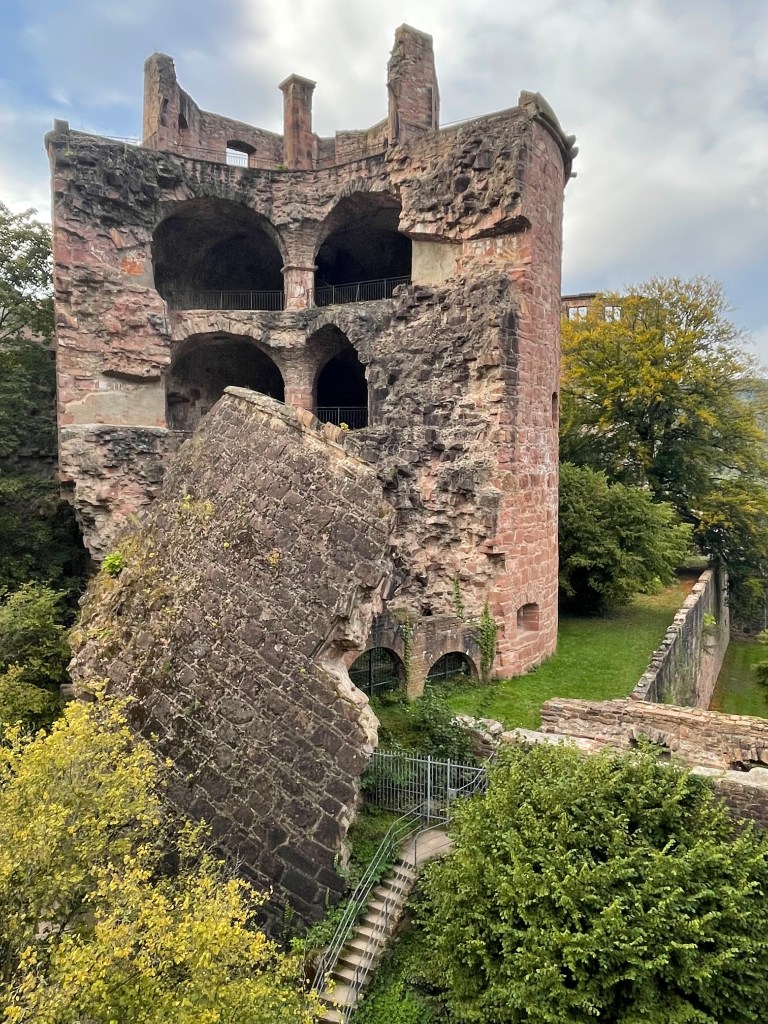
The castle was built in 1508-1544. In the 1600s the women of the court lived in the upper level rooms. It was destroyed during the wars of the 1600s, then re-roofed in 1759. Major renovations were made in the 1930s.



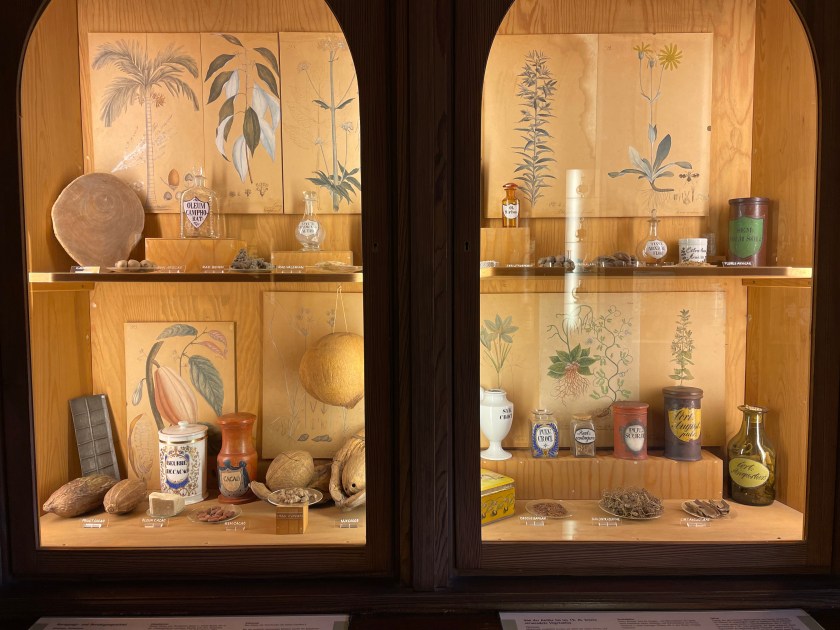
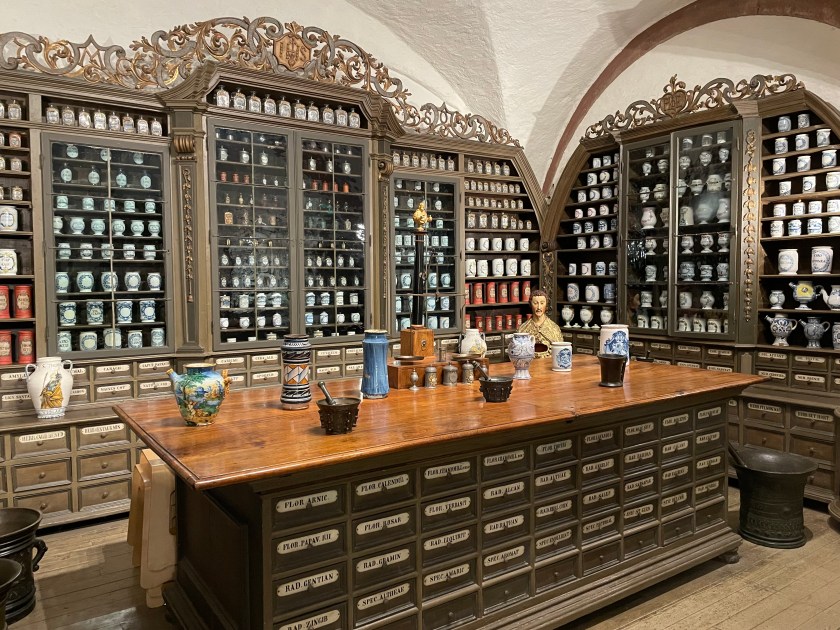
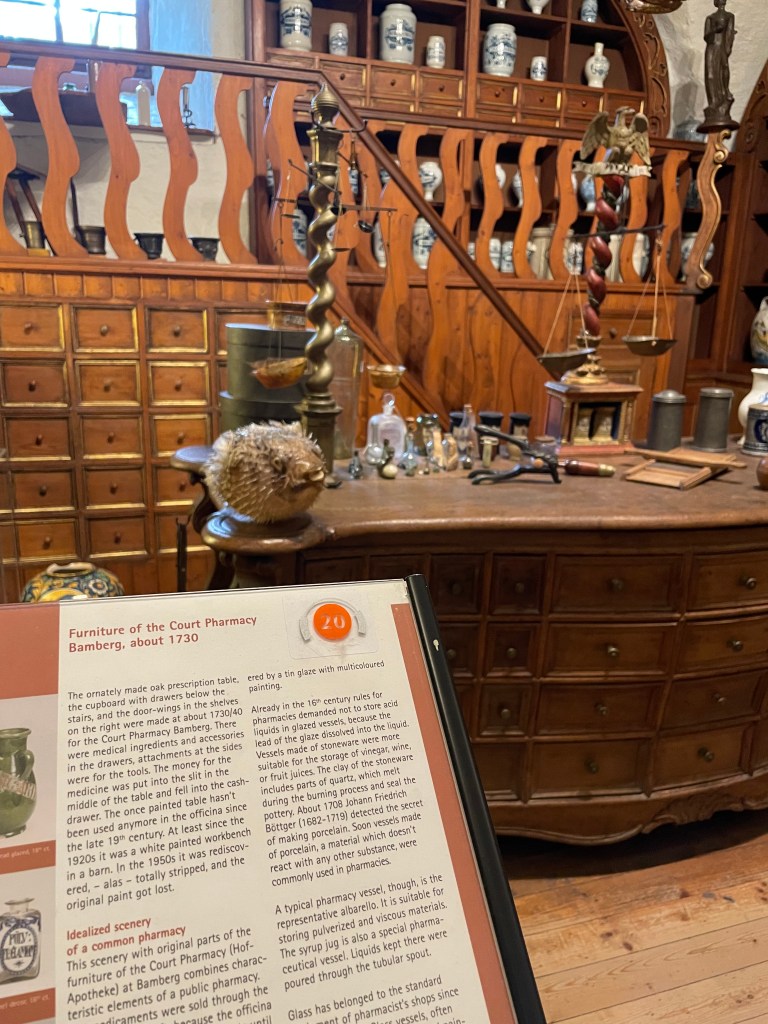
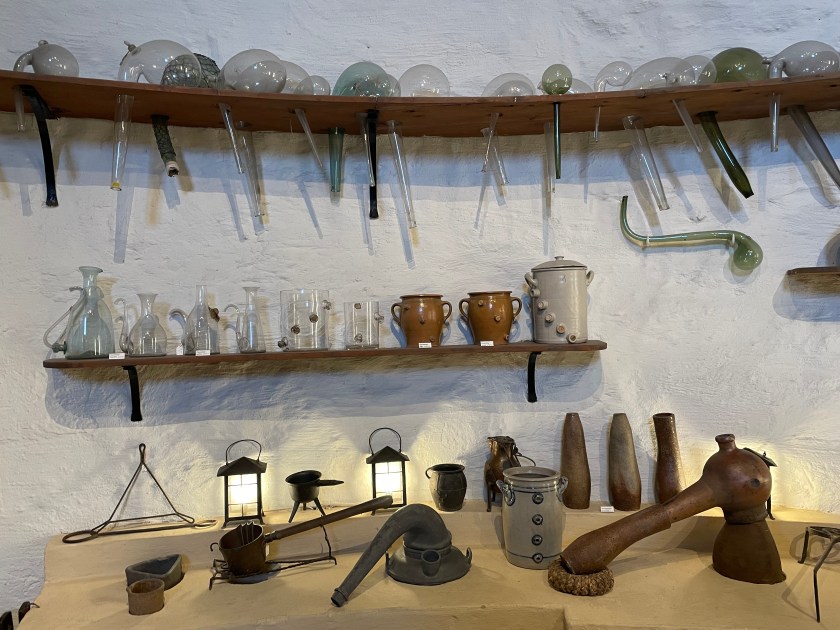
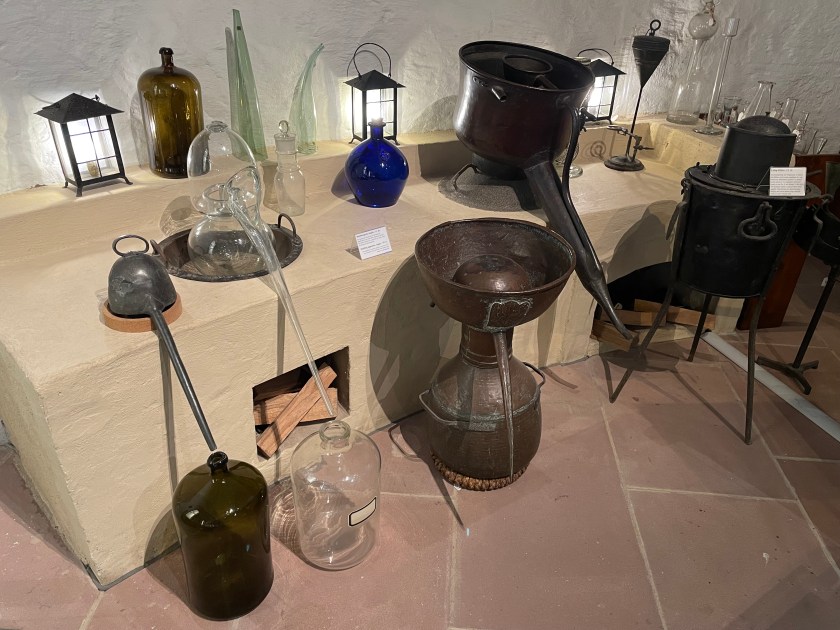
A fascinating apothecary museum in the castle.



This wall reminds me of the story of filling a jar first with big stones, then smaller, then the sand, in order to fit it all in, an allegory of how to use our time well.


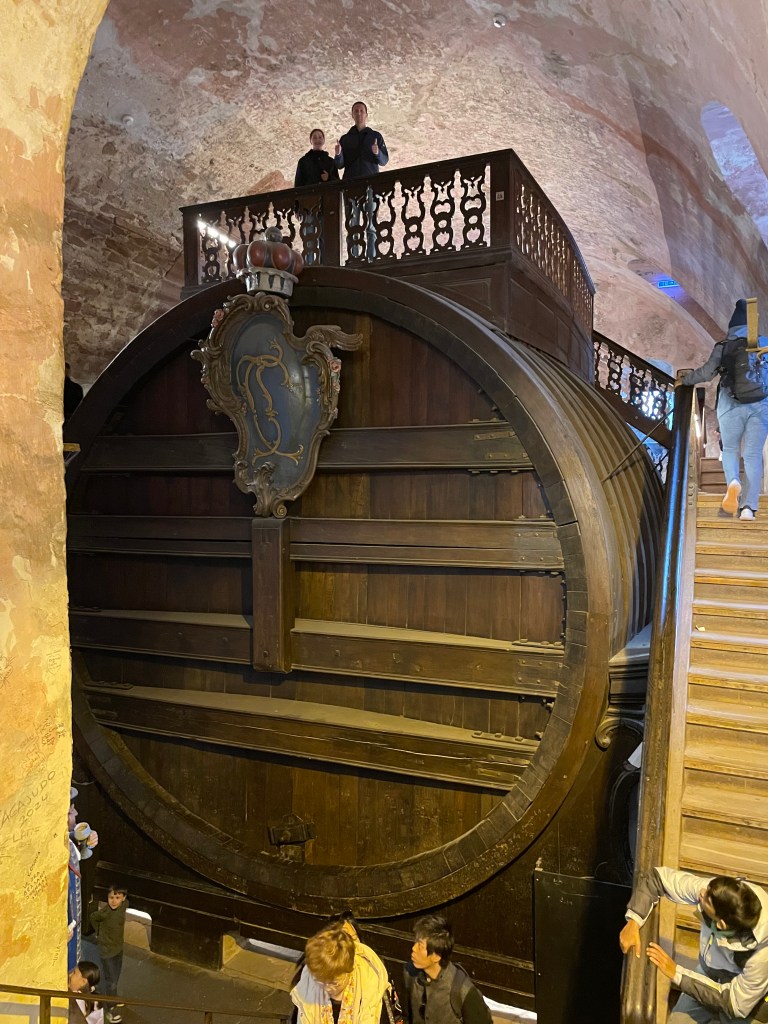
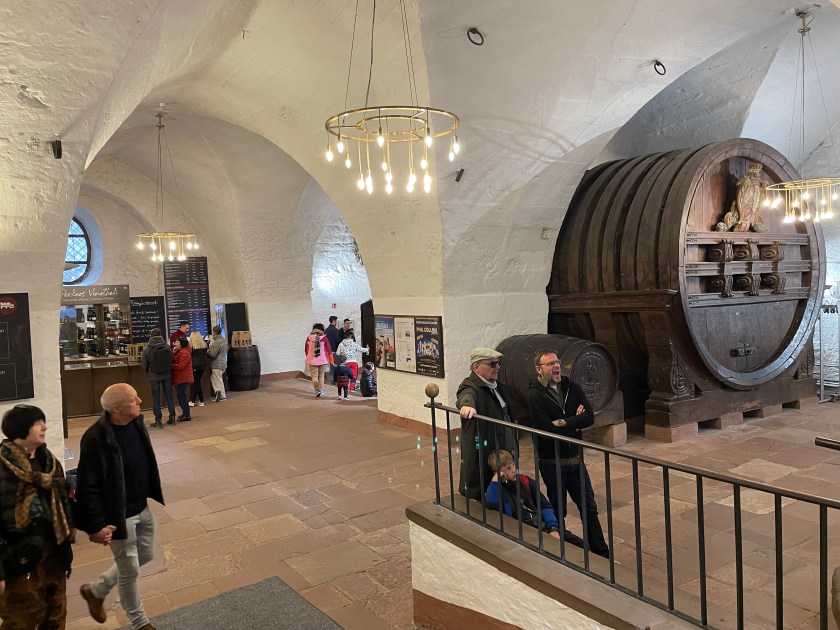
The wine cellar with HUGE wine barrels.



The glue wasn’t strong enough.
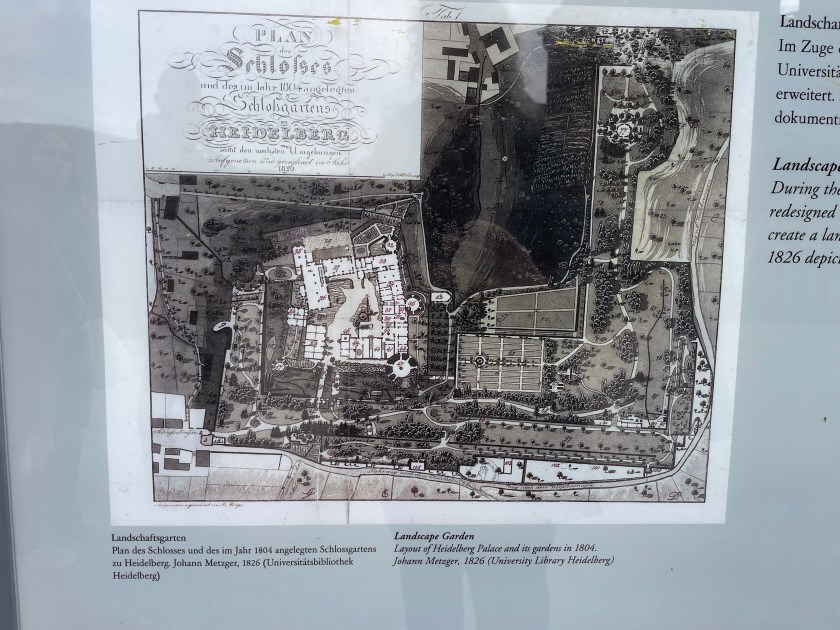
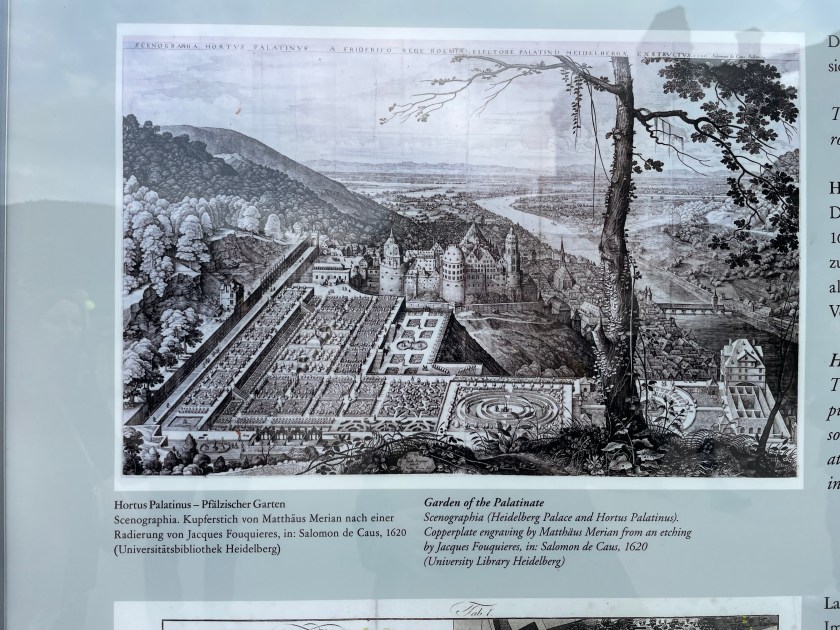
What the castle complex once looked like:
Then we returned back down into the town to enjoy the festival and some Brats, our last meal of this wonderful trip!


 Our Frankfurt Germany Mission