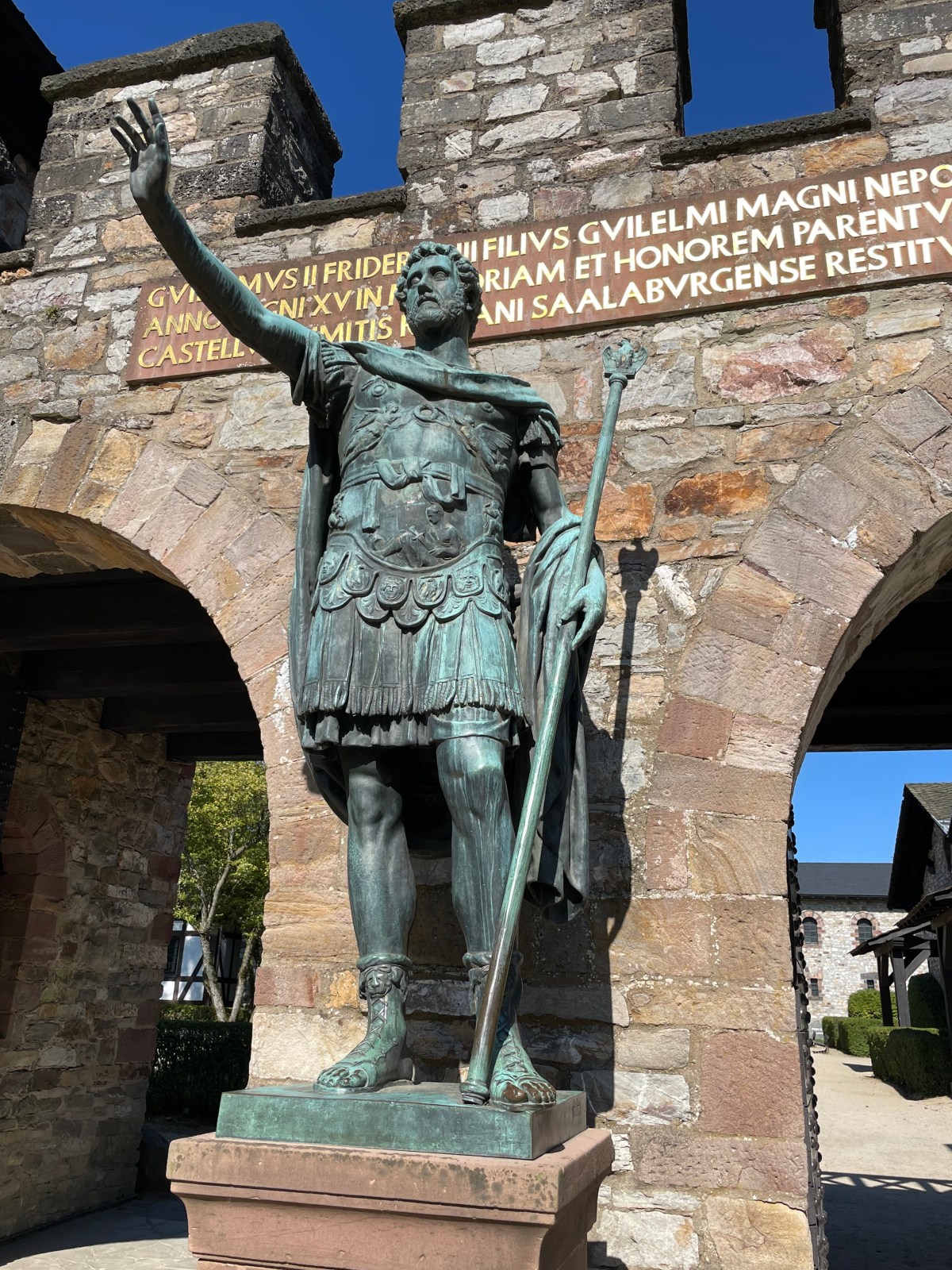
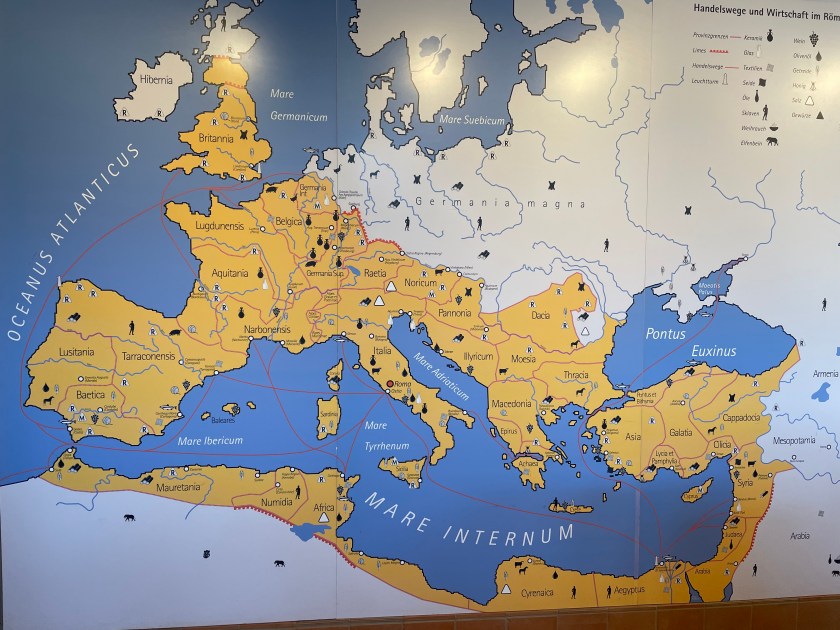
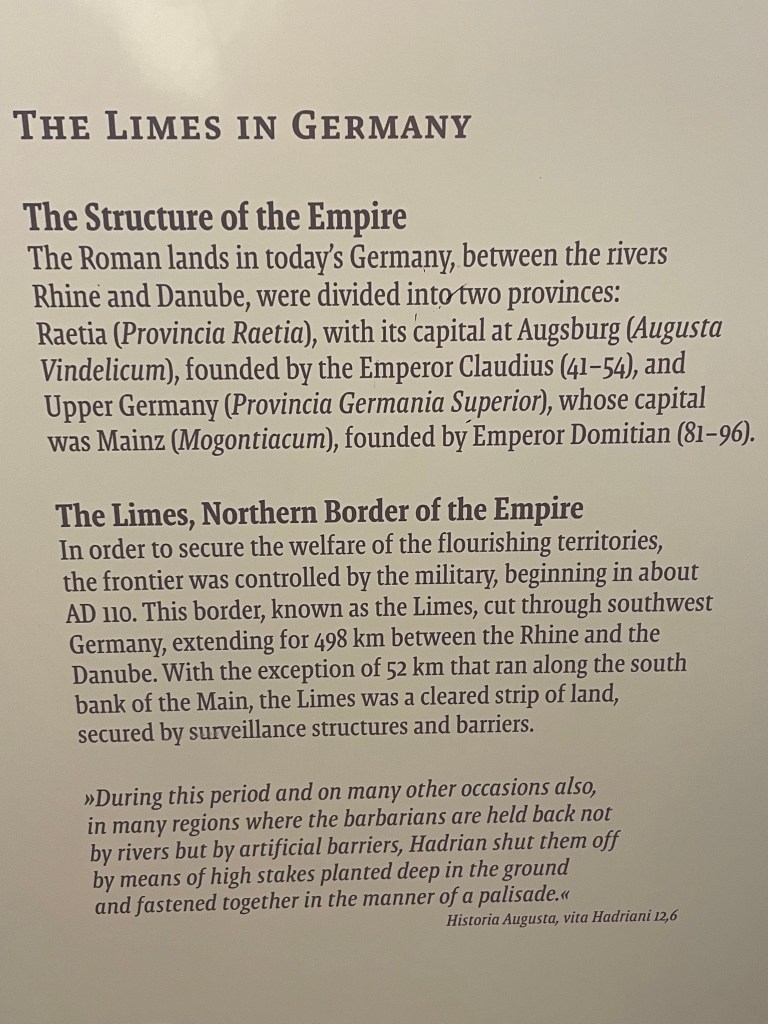
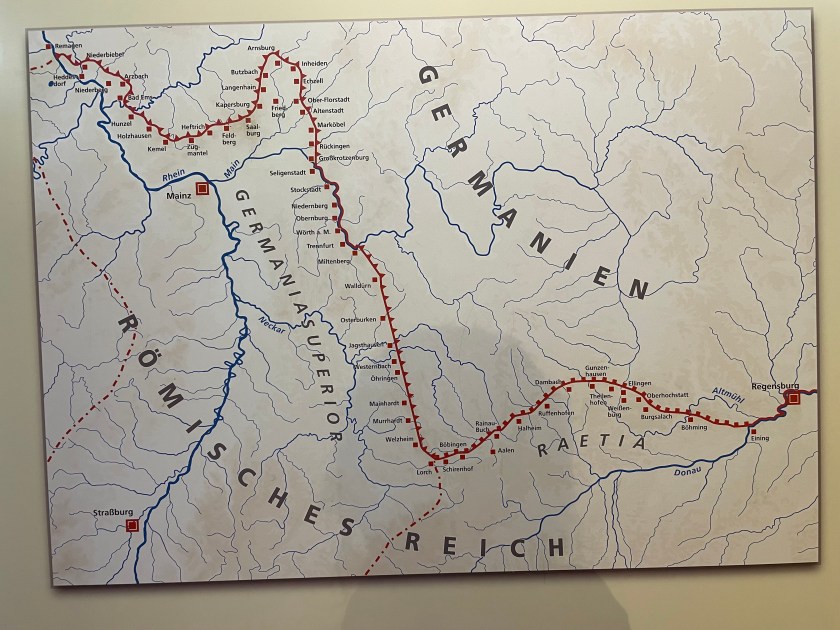
Here is a map of the Roman Empire. The border ran through Germany, about 20 minutes from Frankfurt. Today we went to visit a reconstructed frontier fort garrisoned by soldiers who controlled the borderline from about AD 100 to 275. The former frontier of the Roman Empire, the limes, lies only a few hundred meters from the fort.
Today we learned all about this fascinating history.
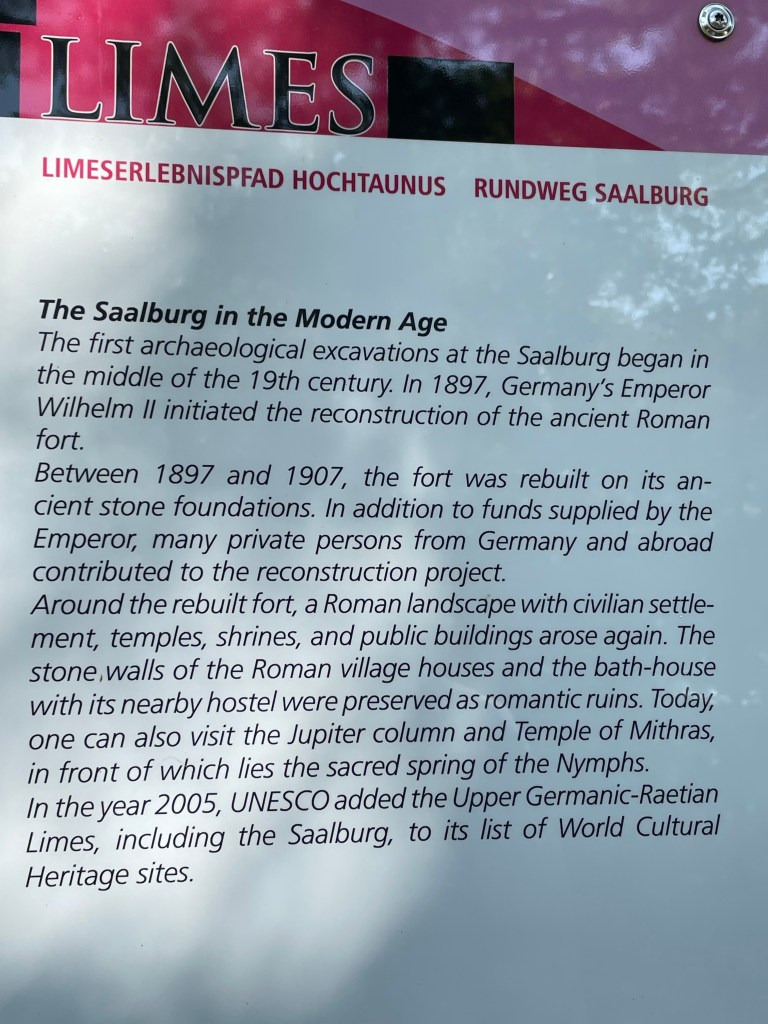
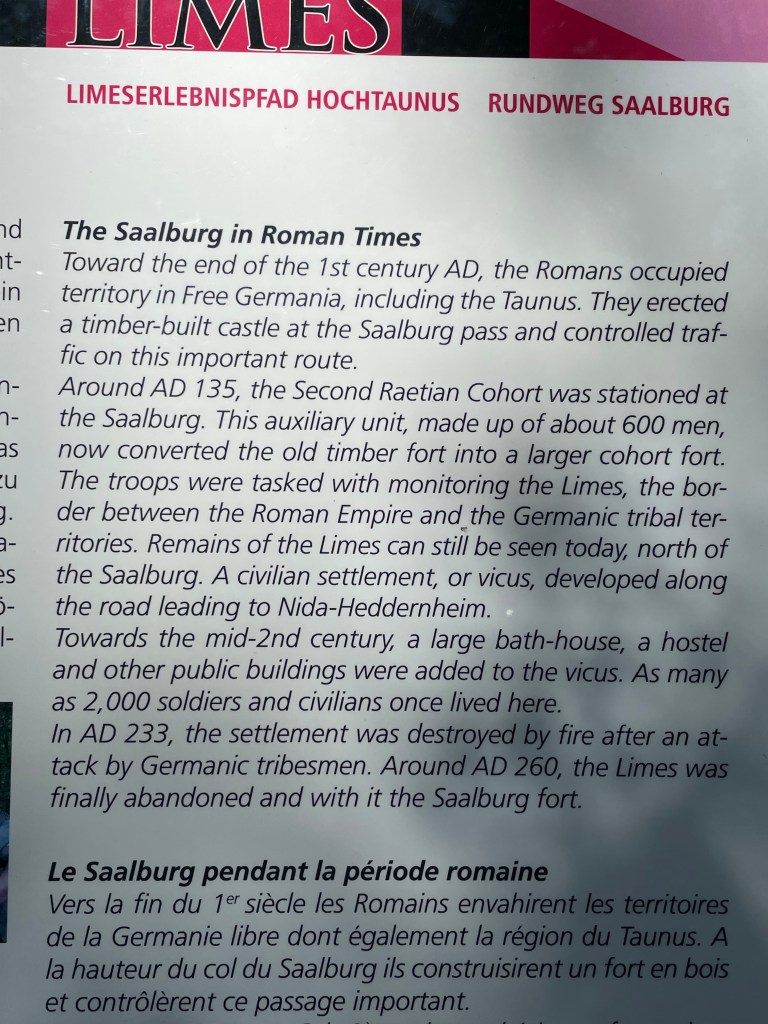
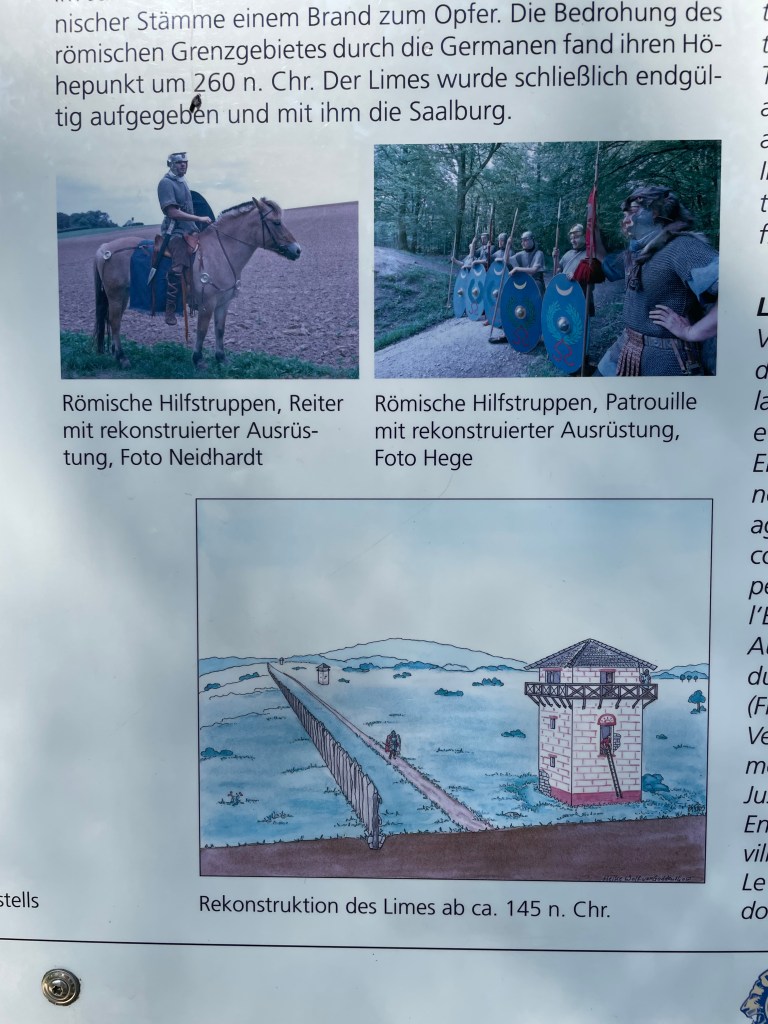
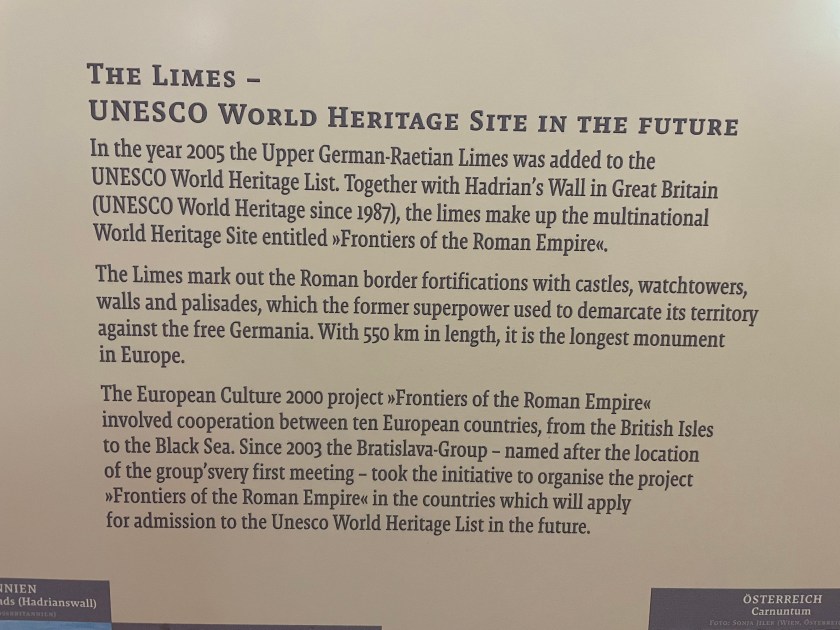
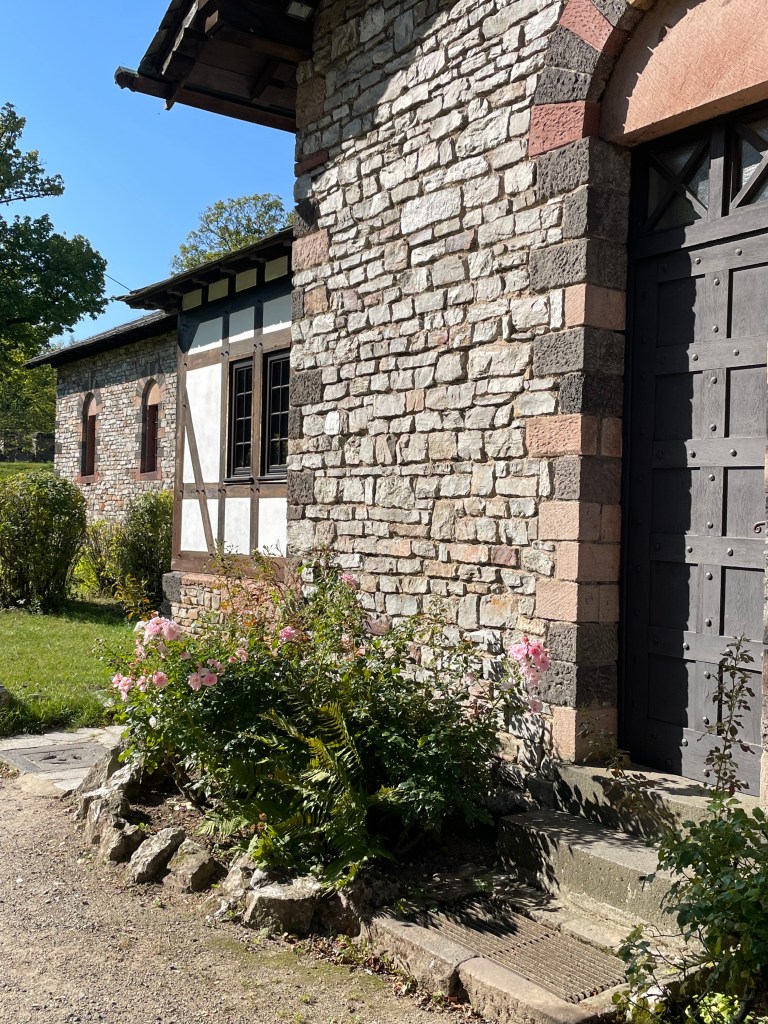
The fort’s buildings were reconstructed on the original foundation walls at the turn of the 20th century. Since then, the Saalburg has been an archaeological museum and research center for the Roman limes. In 2005 it became a UNESCO World Heritage site, the “Upper Germanic-Rhaetian Limes.”
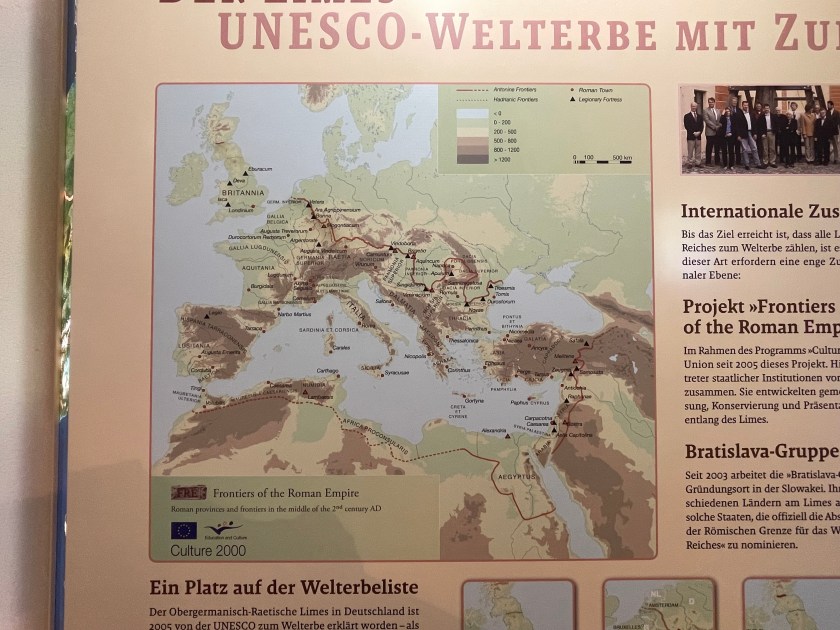
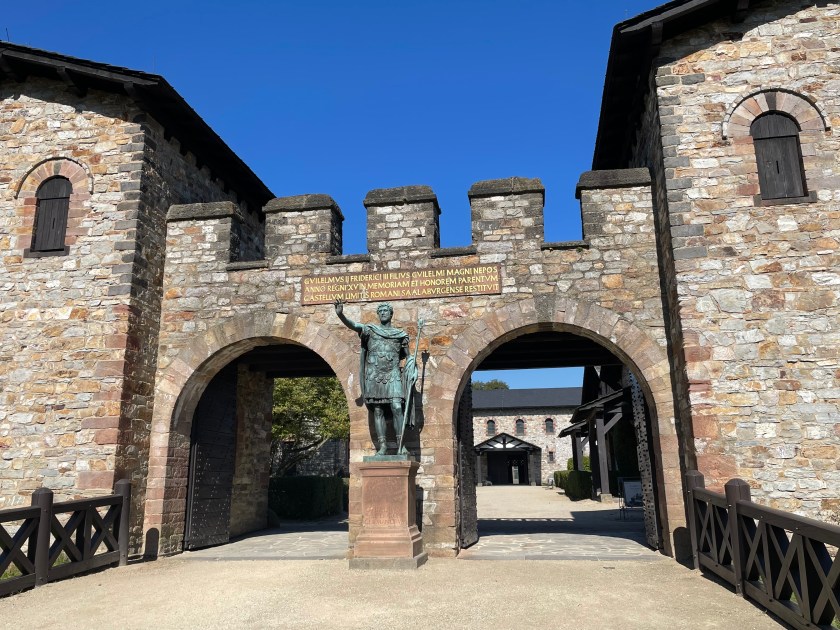
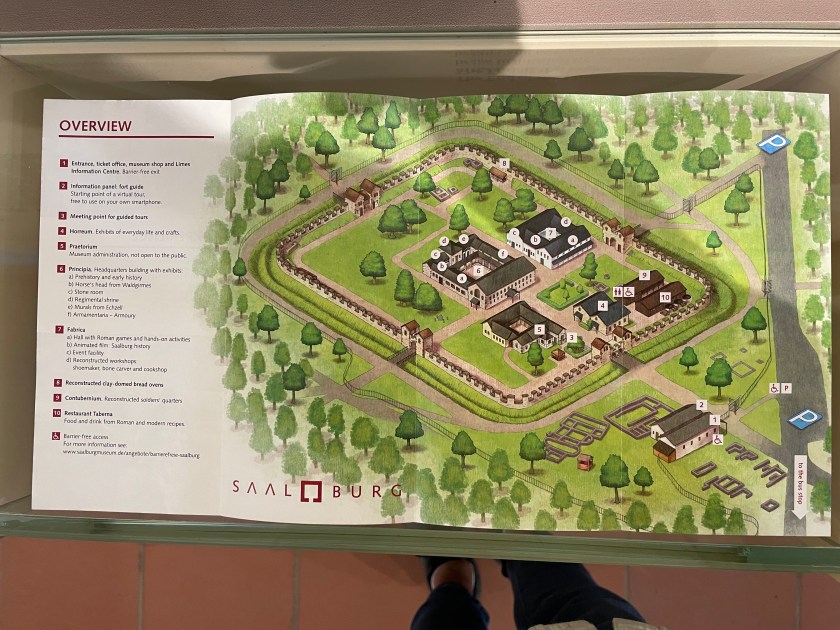
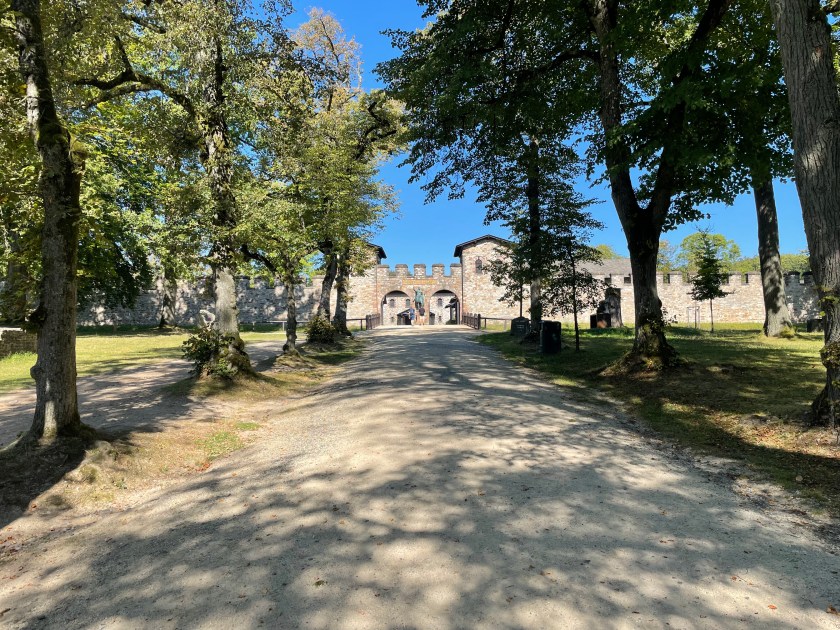
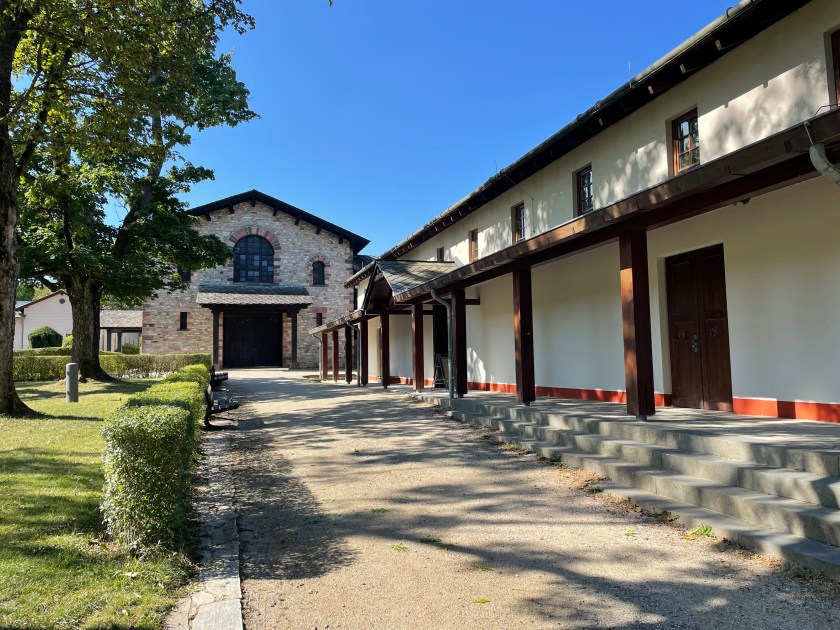
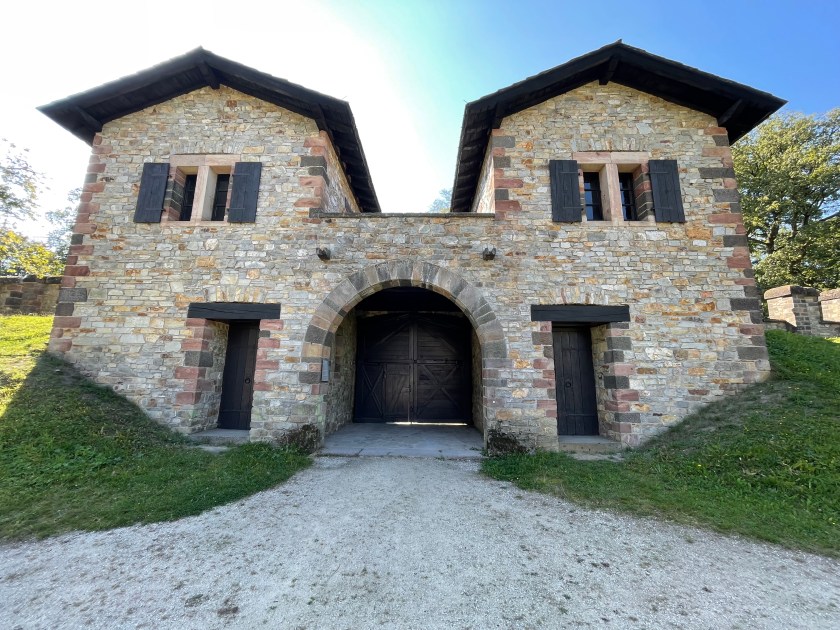
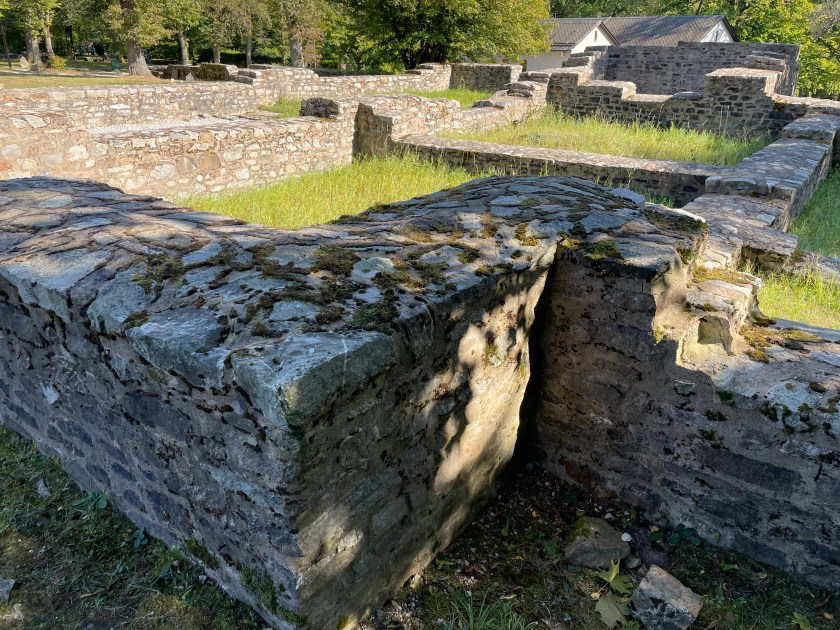
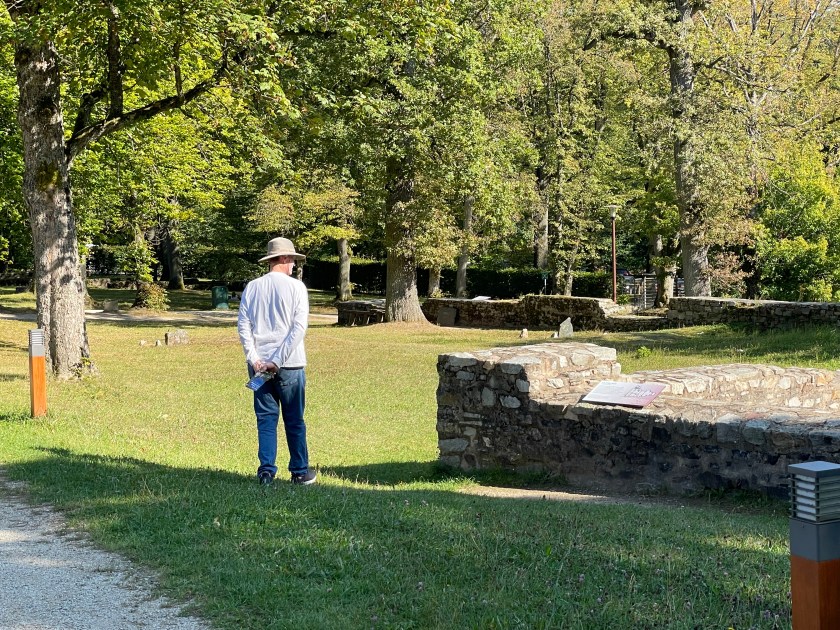
This is the complex of reconstructed ruins that we visited today:

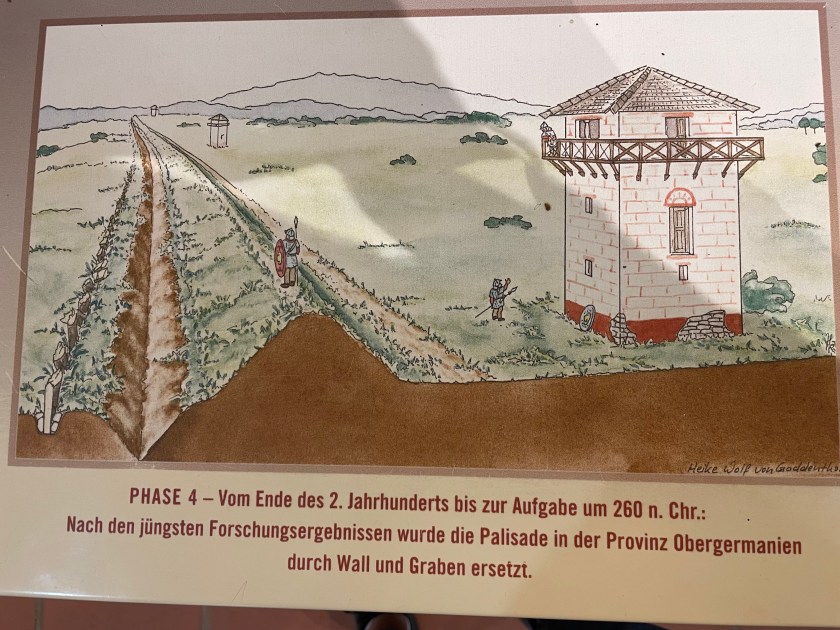
Here’s where the Limes border was situated:


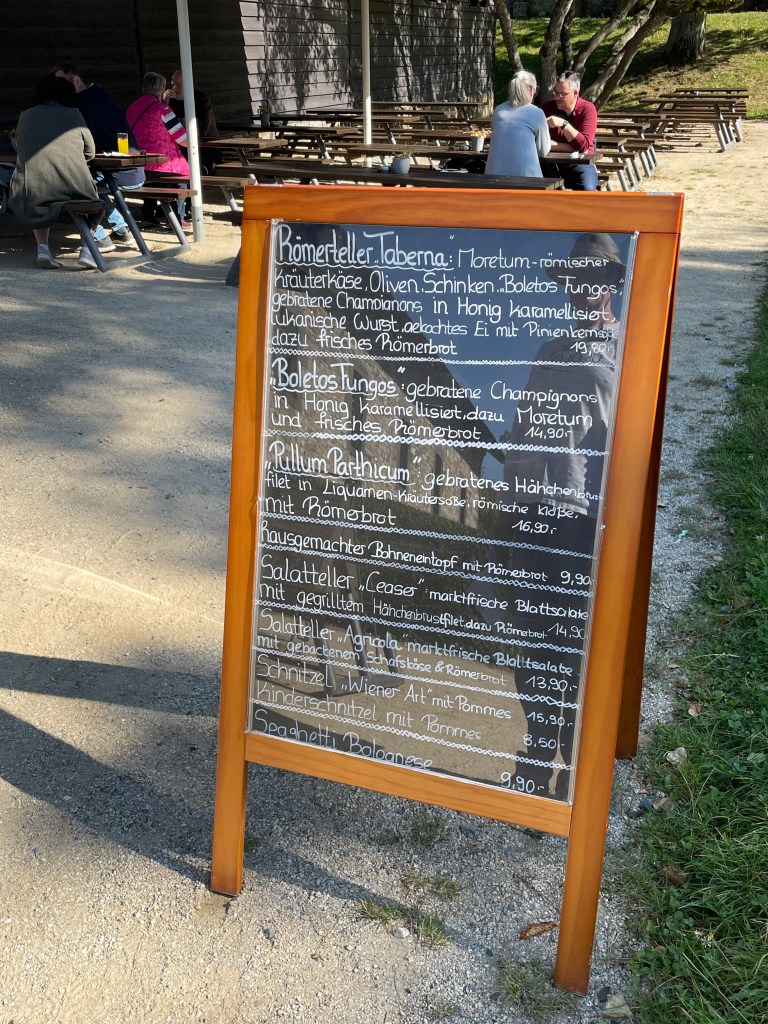
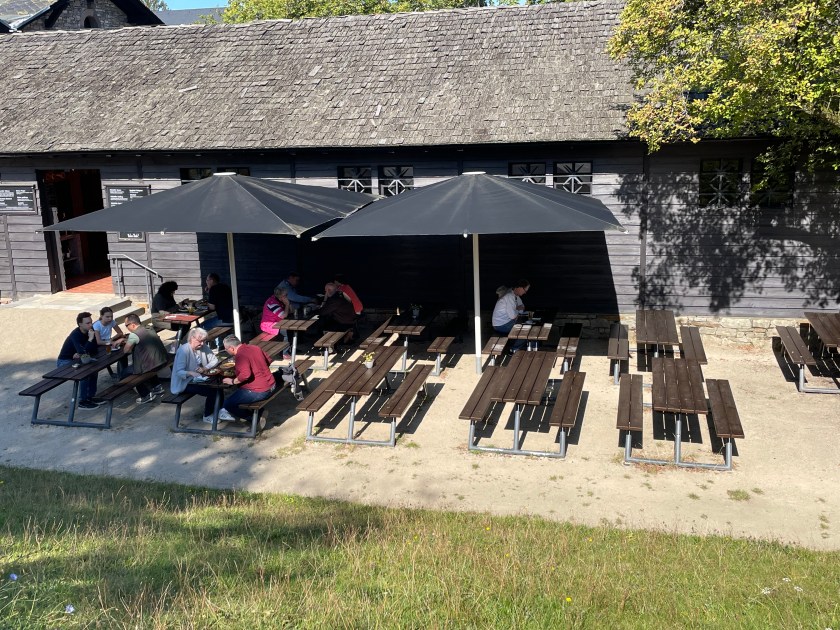
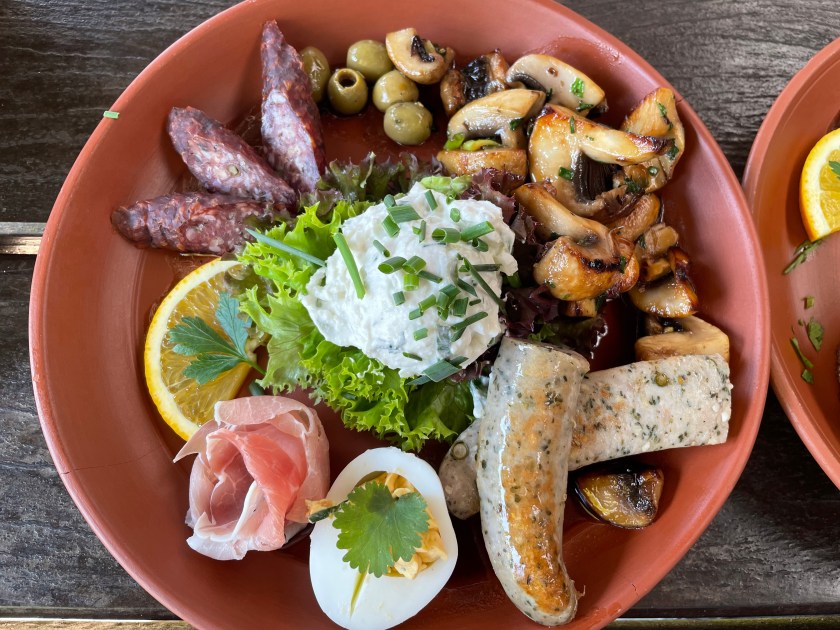
Our first stop was at the restaurant that served Roman foods. We really enjoyed the offerings.

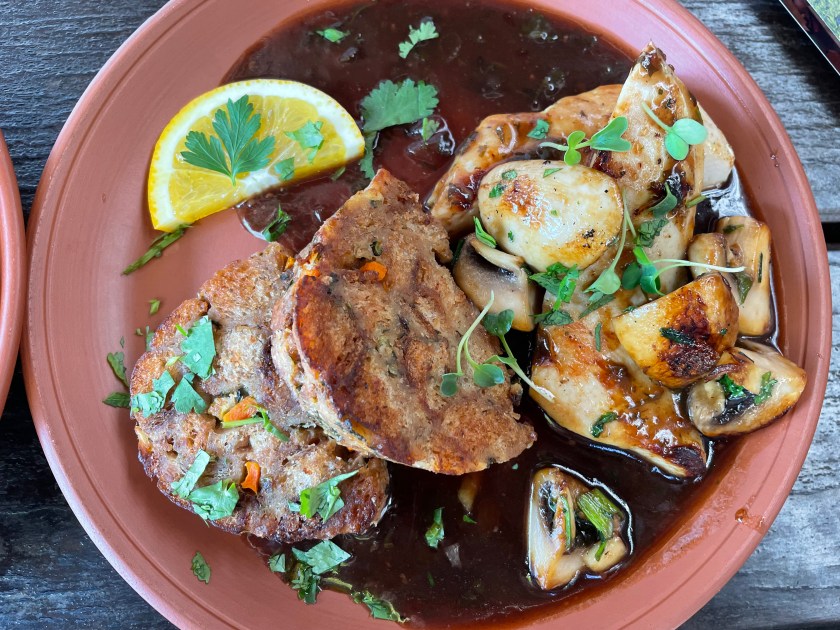
Above: chicken breast with mushrooms, steamed bread and sauce. Below: Wursts, mushrooms, egg and Parma ham.
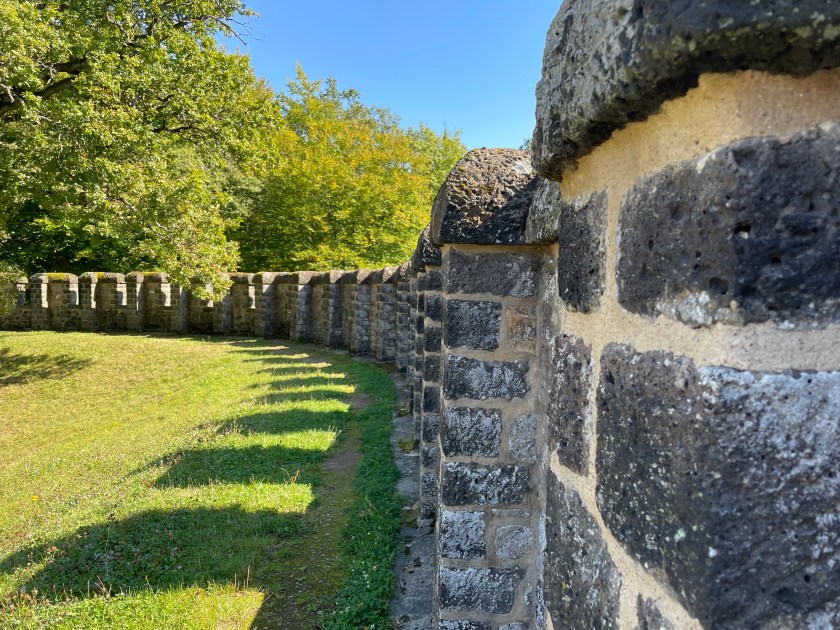
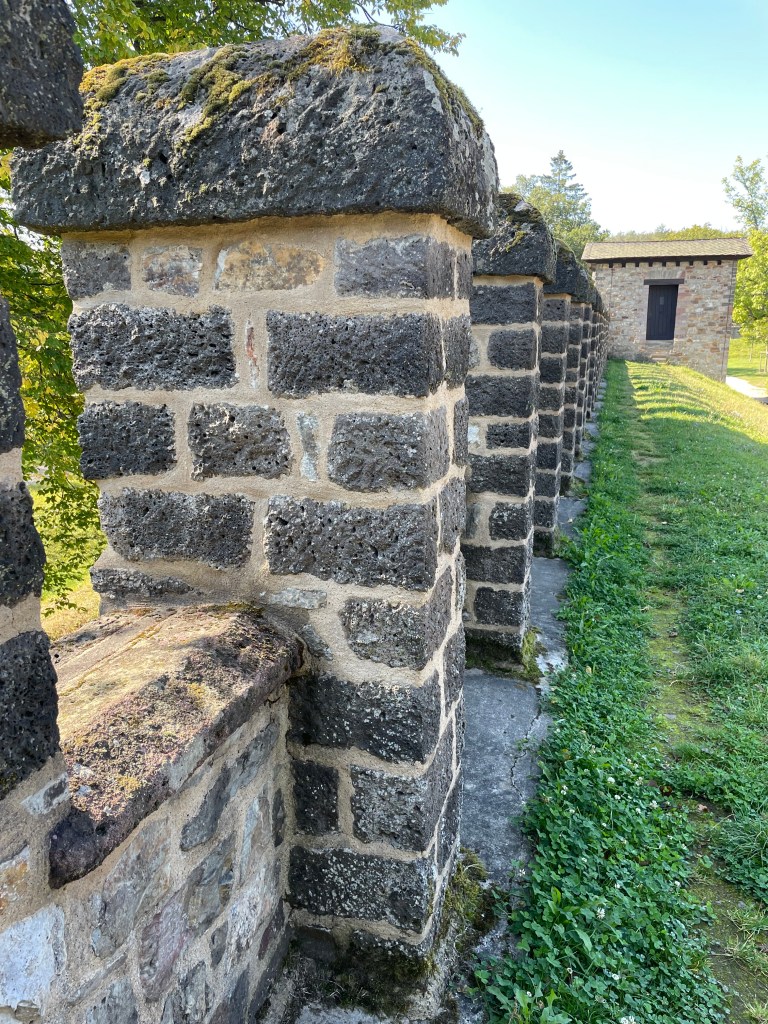
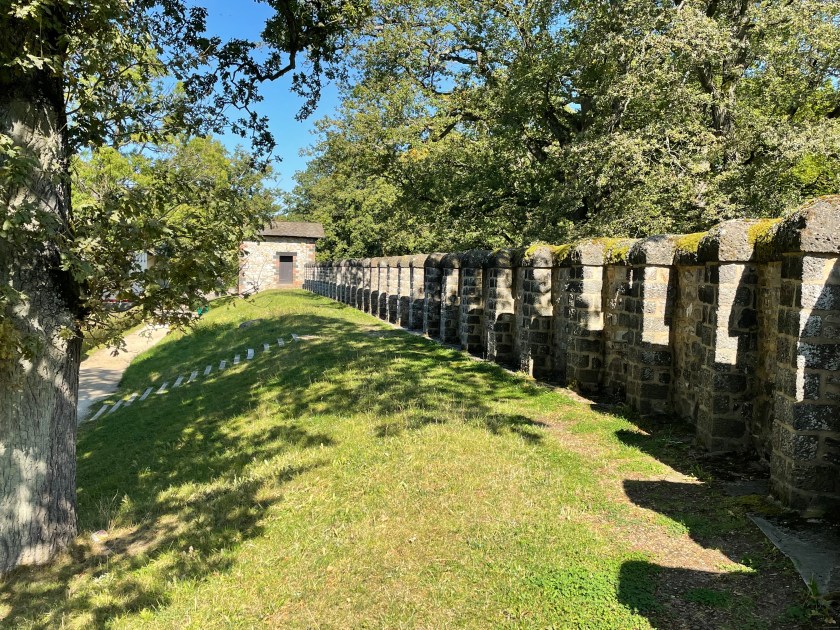
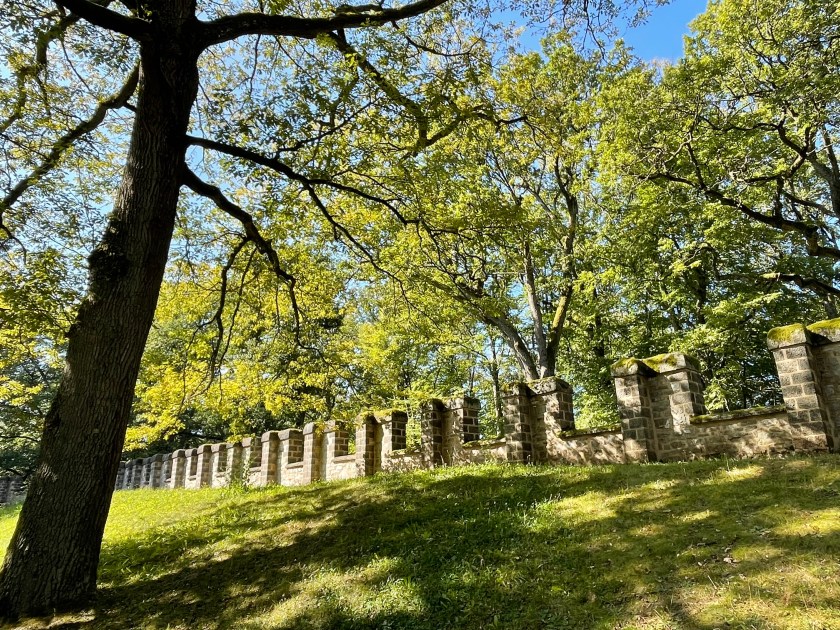
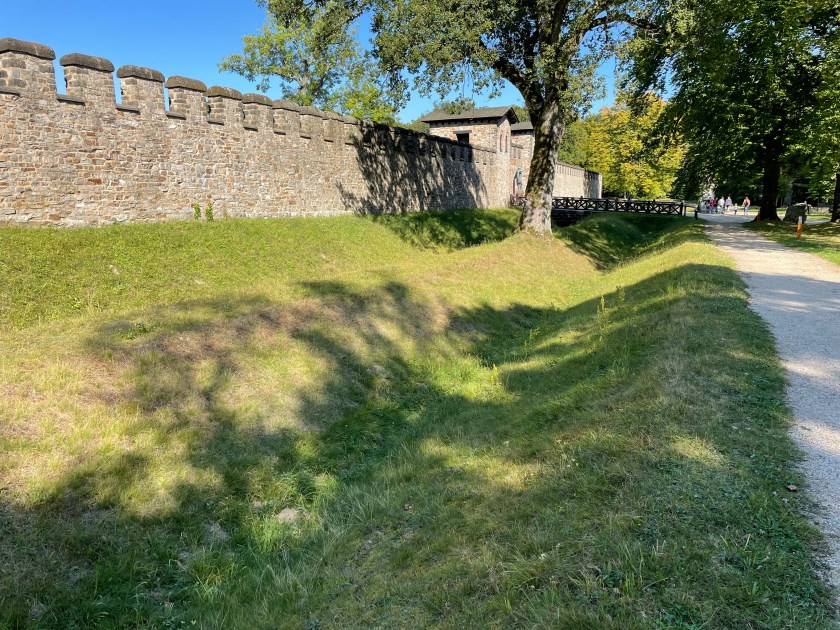
This is the wall that enclosed the camp.
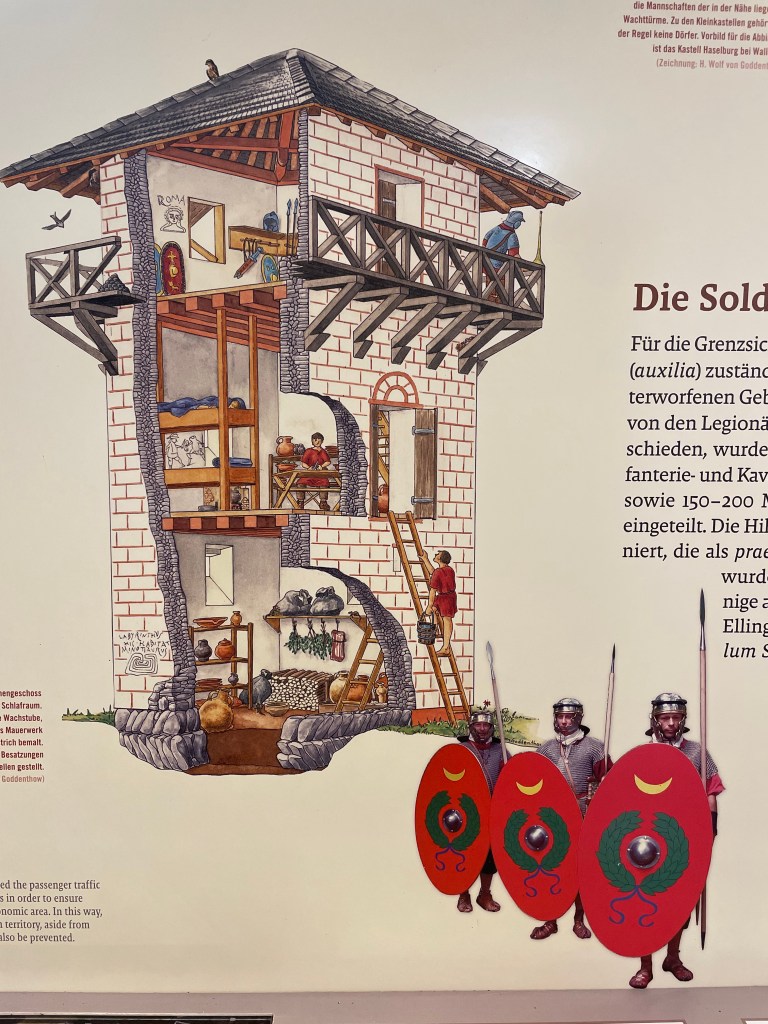
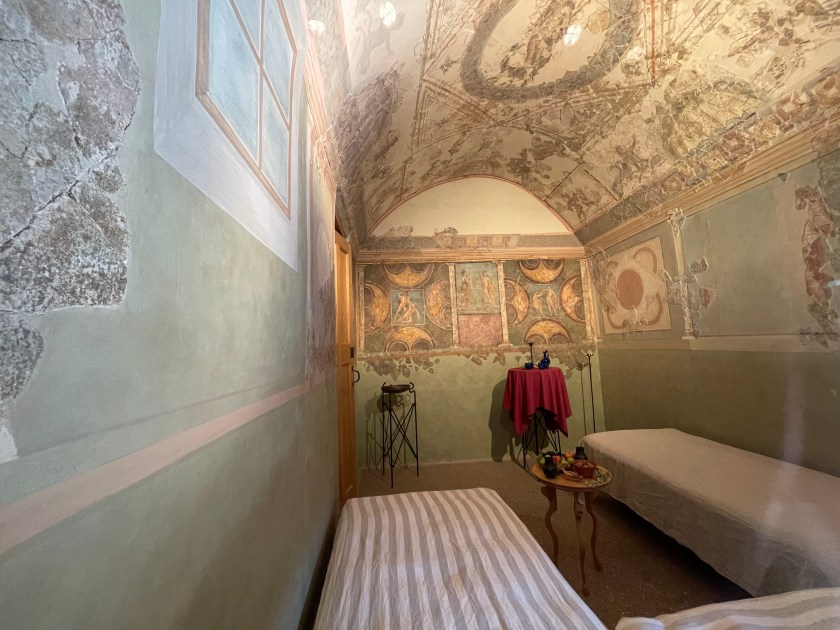
There were so many interesting things to see here. One building focused on everyday life for those living in the camp. Here is a typical soldier’s bunk room.
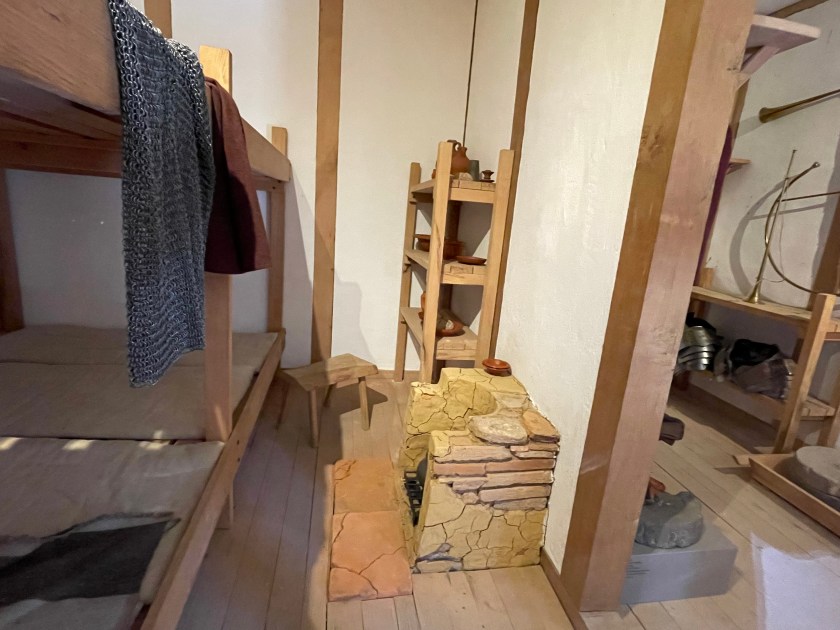
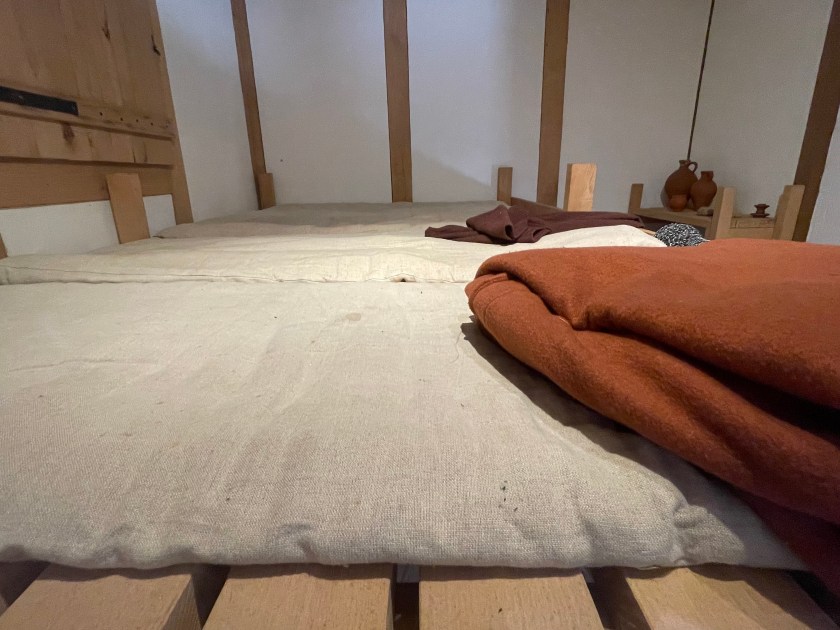
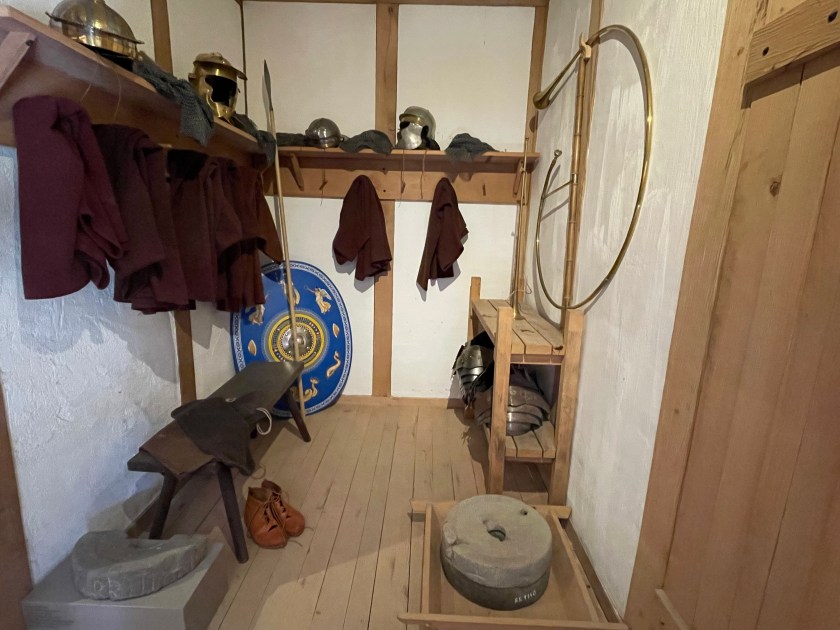
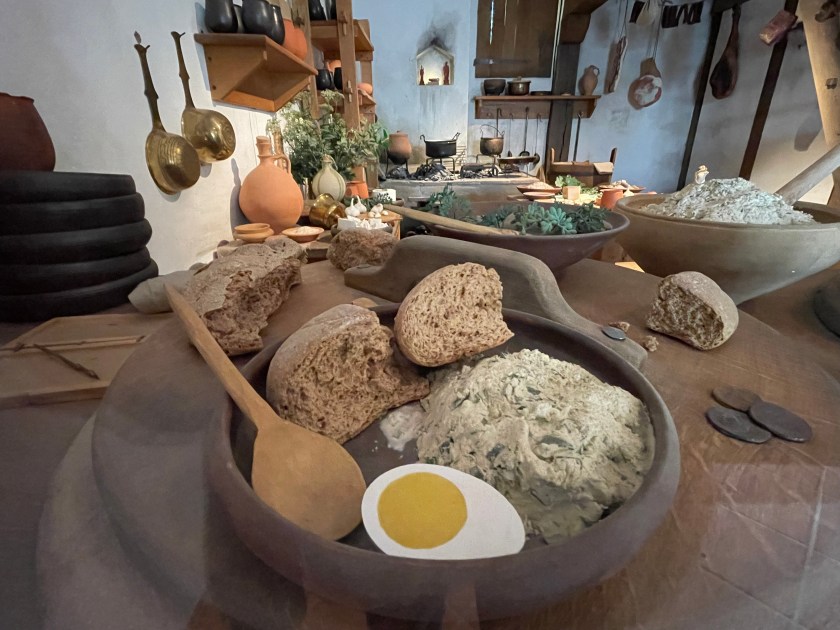
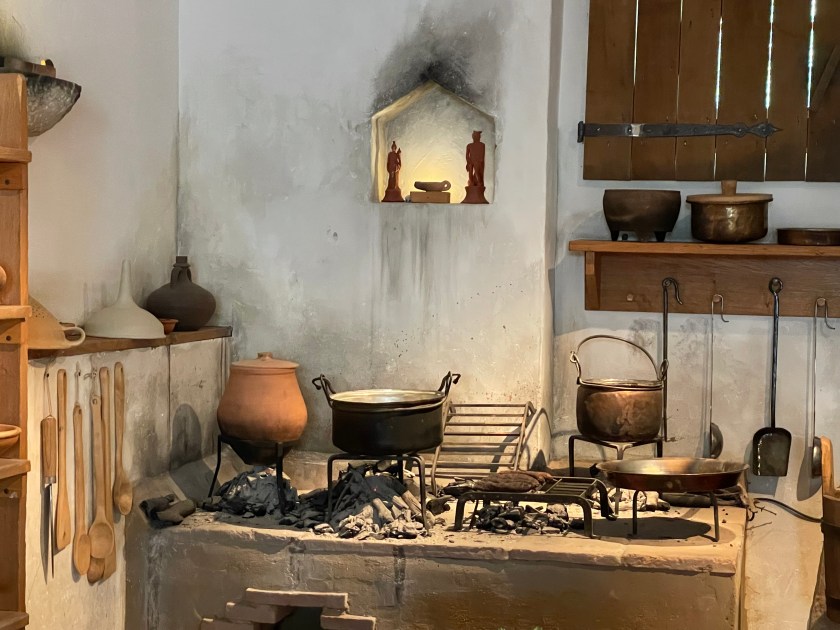
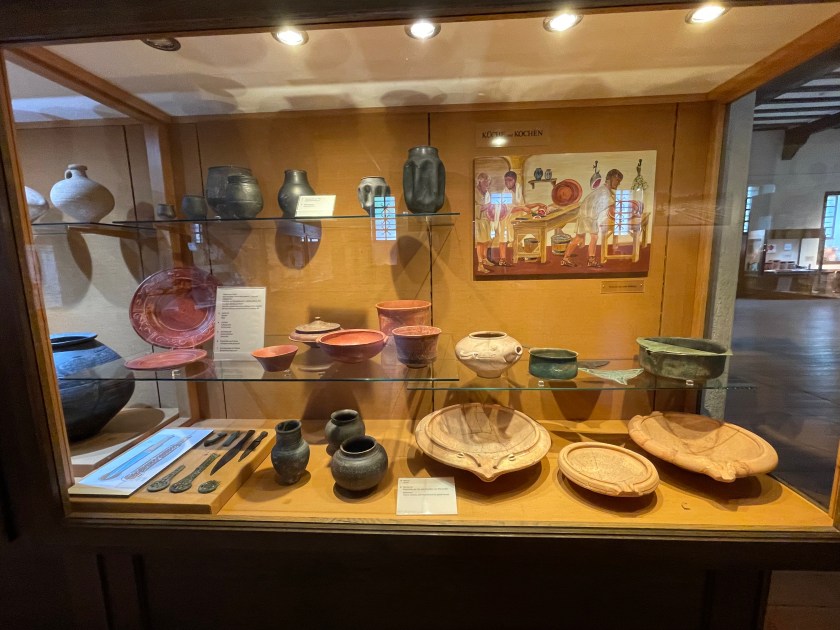
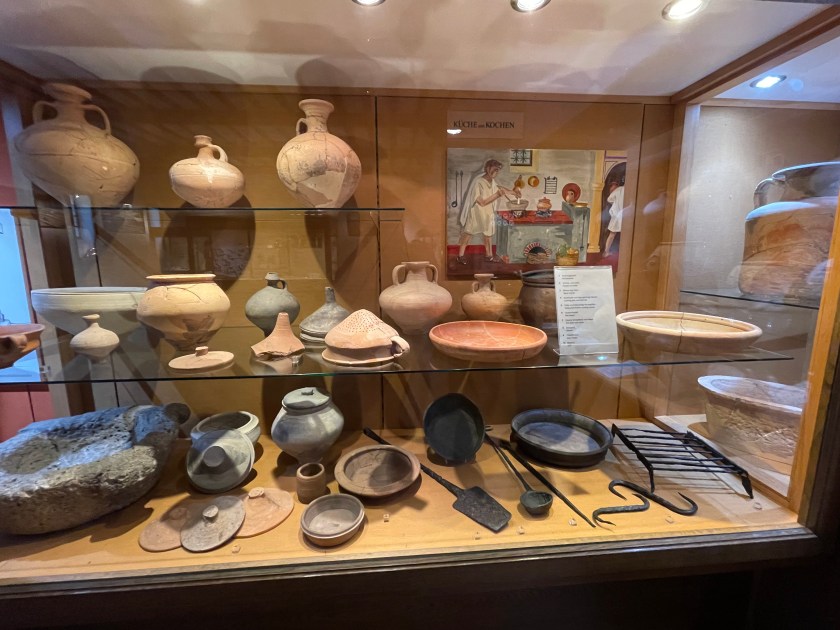
Here is a Roman kitchen:

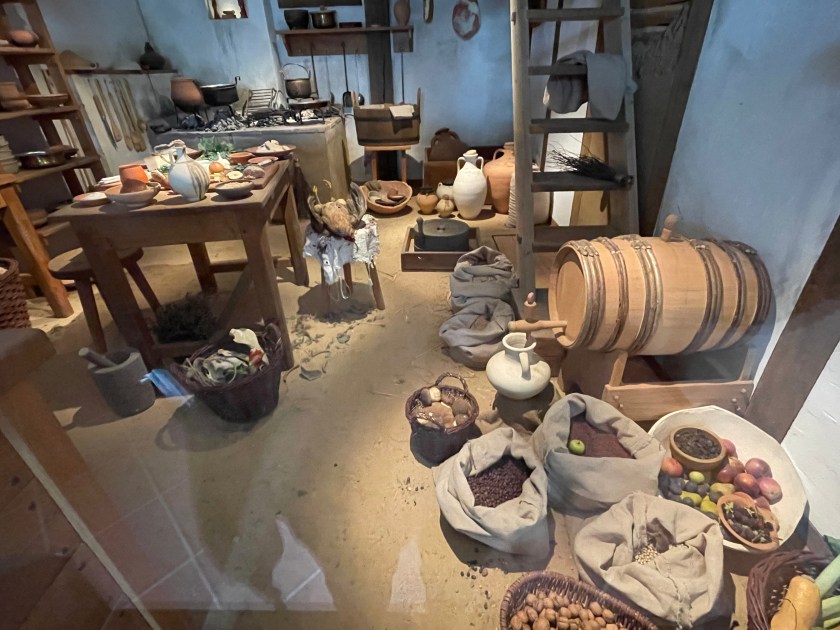
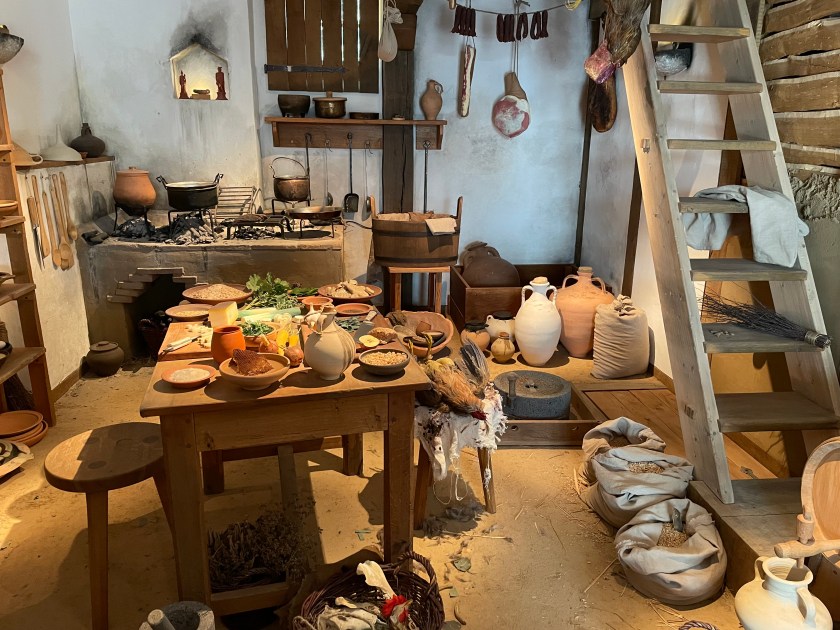
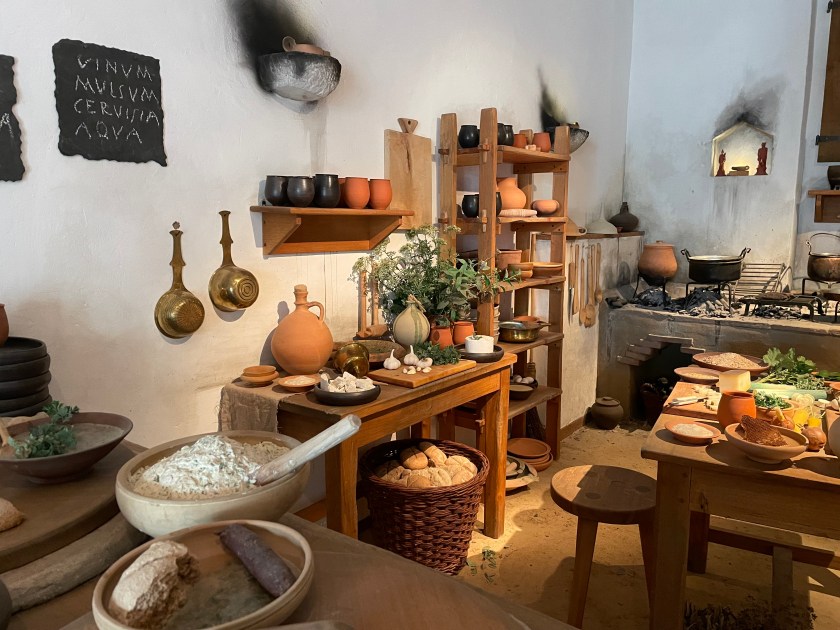

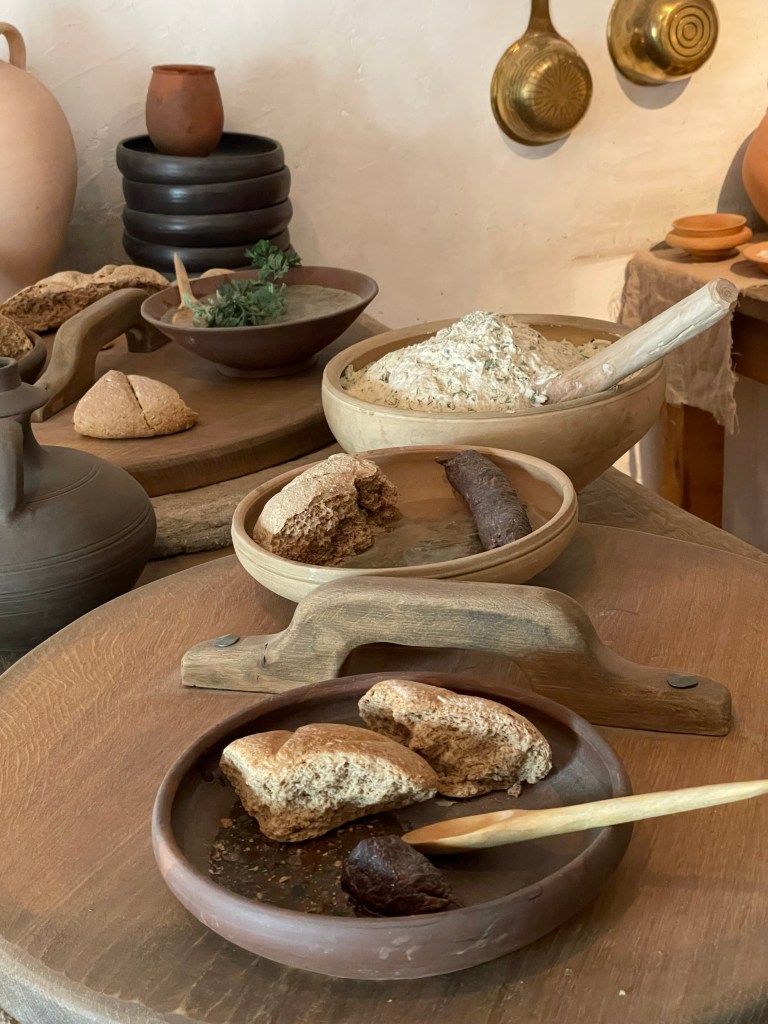
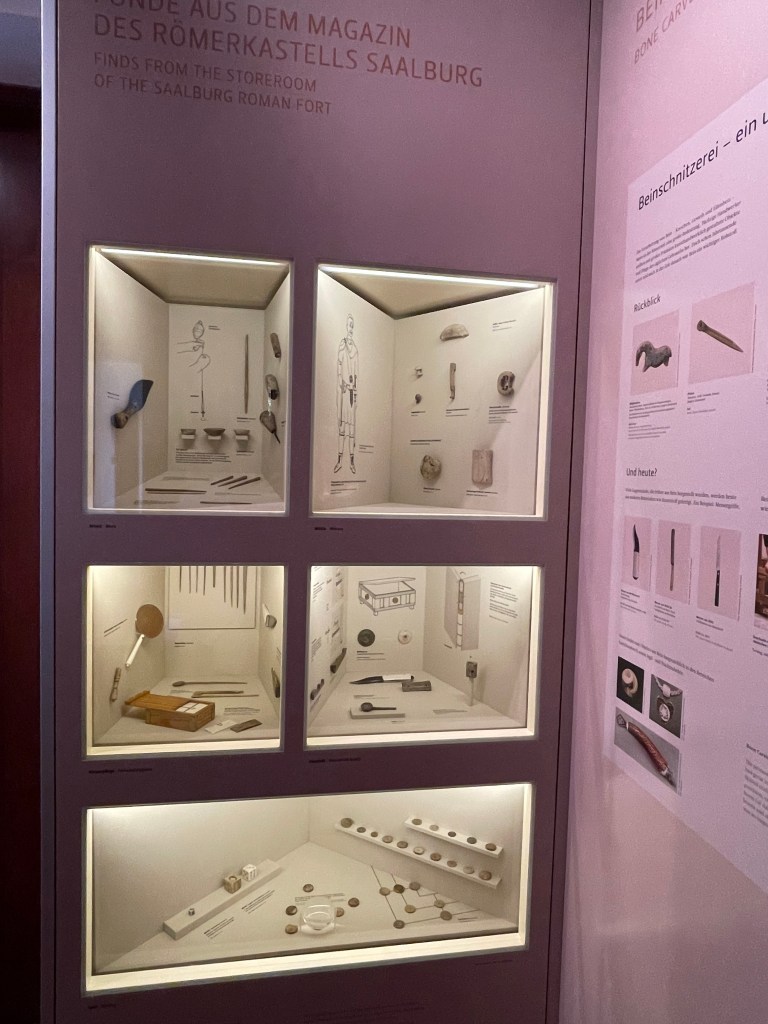
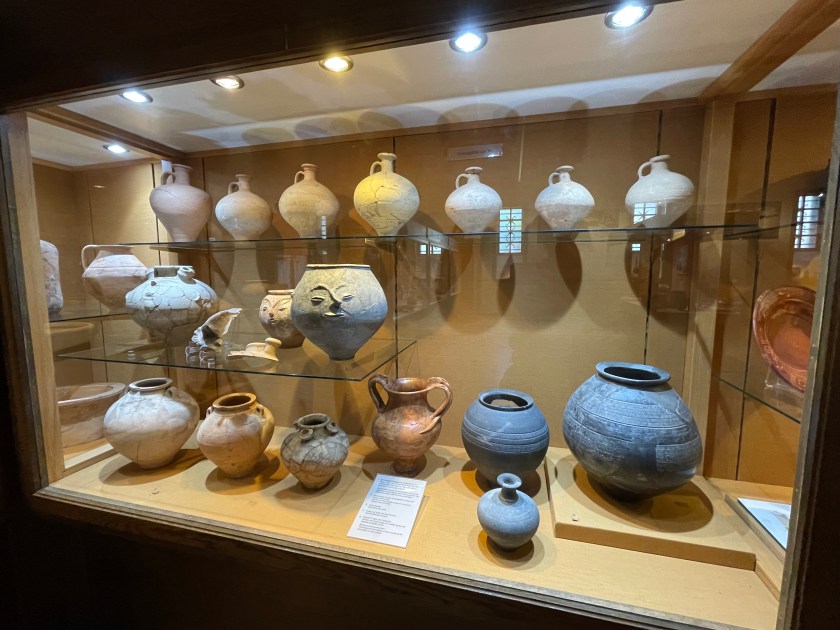
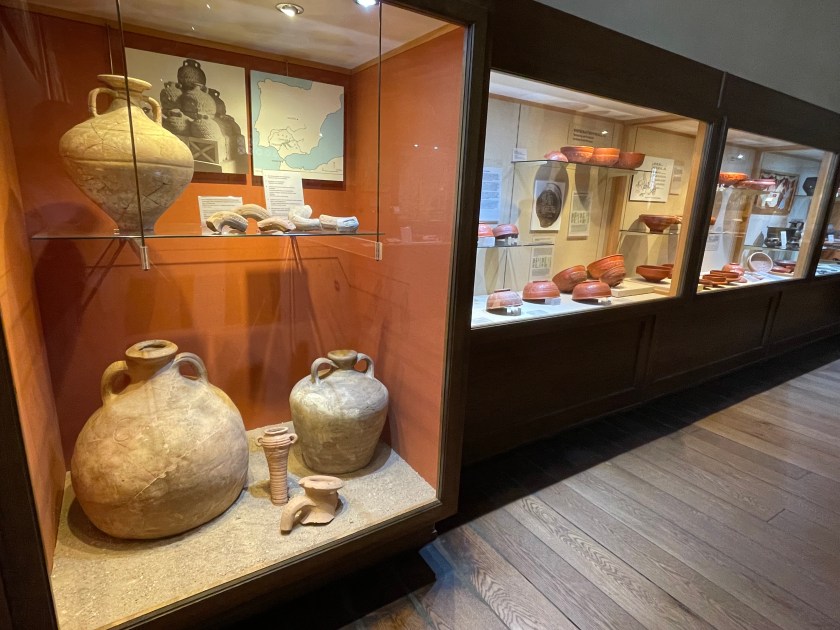
Things found in the storage room excavations:
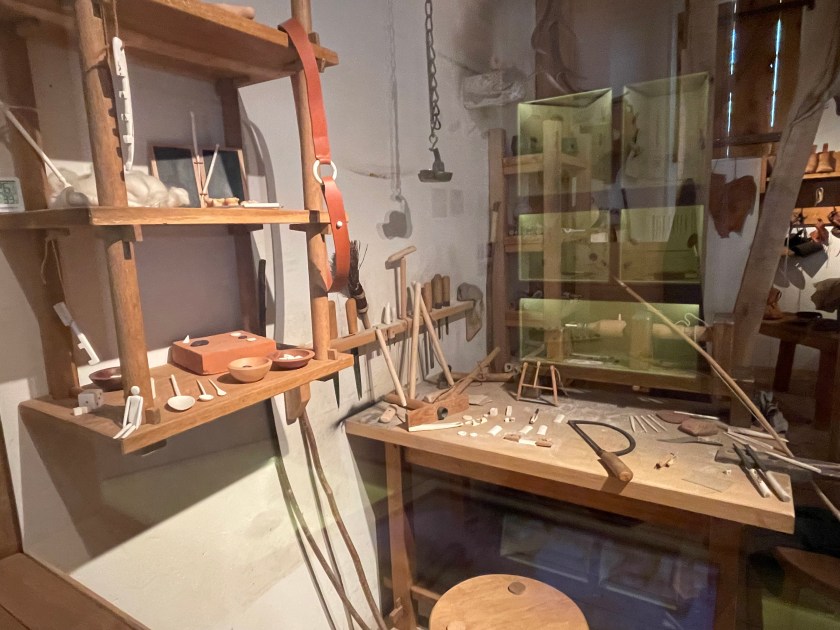
Here’s where a worker made tools and things from bone:
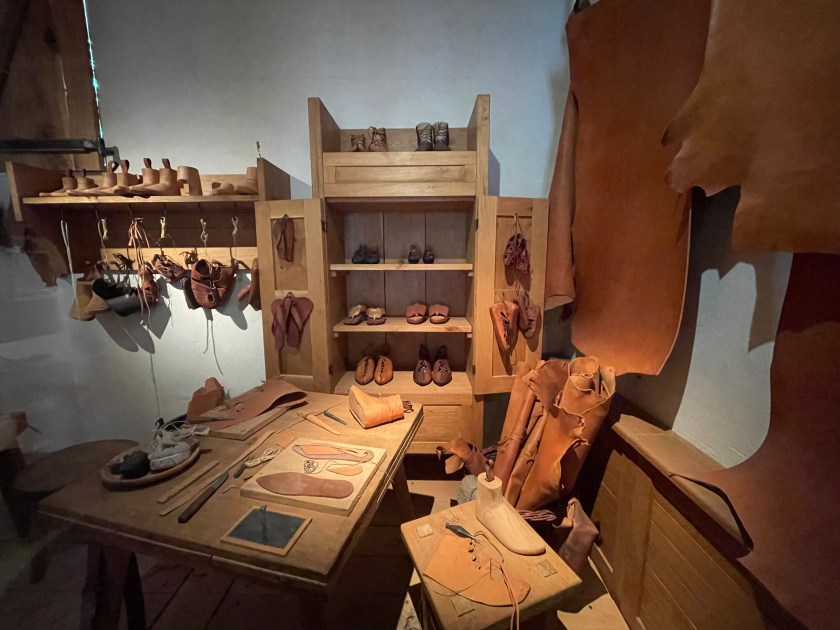
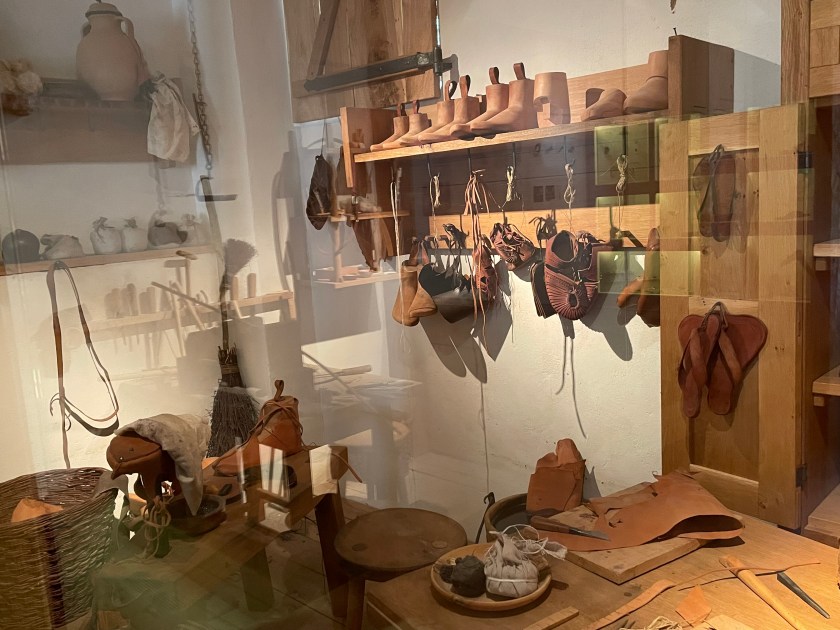
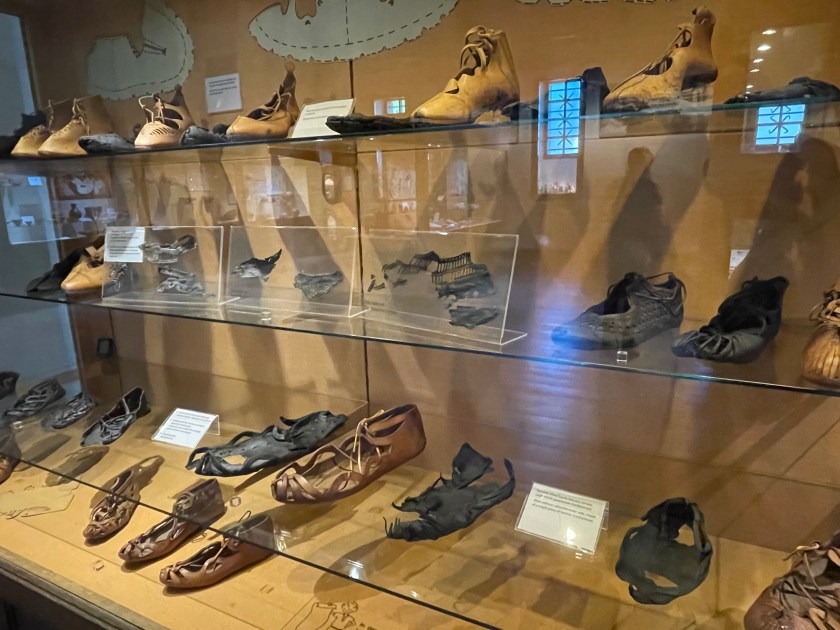
This is a shoemaker’s shop:


There is a central room for groups and school kids to listen and learn, with hands on activities.

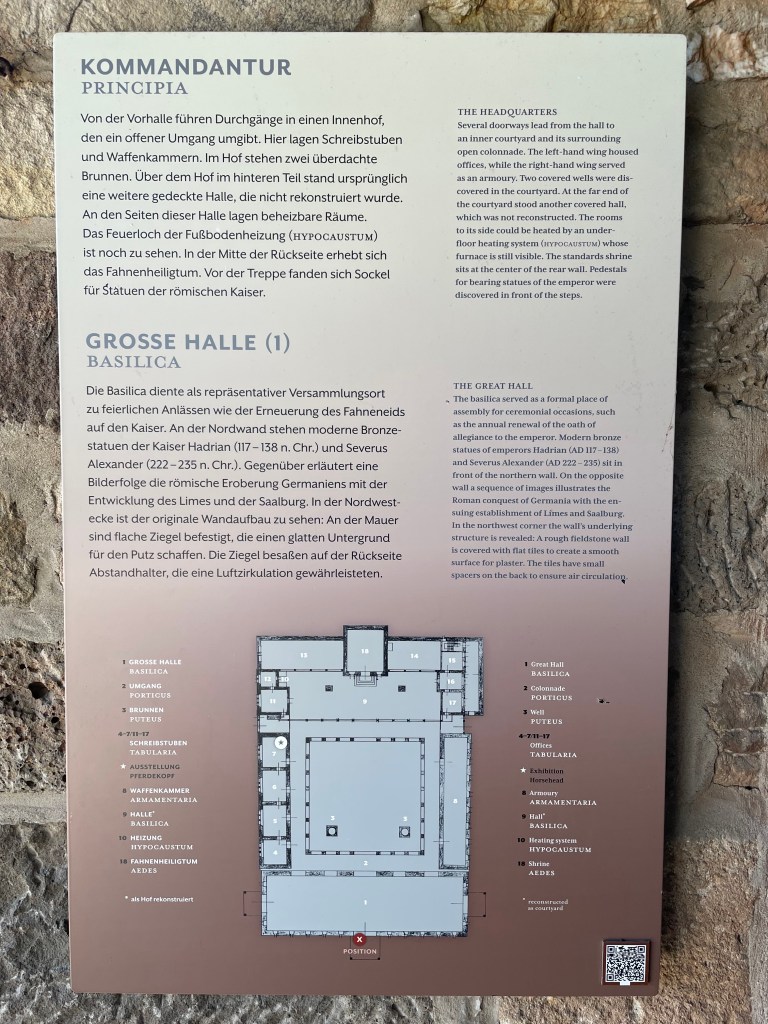
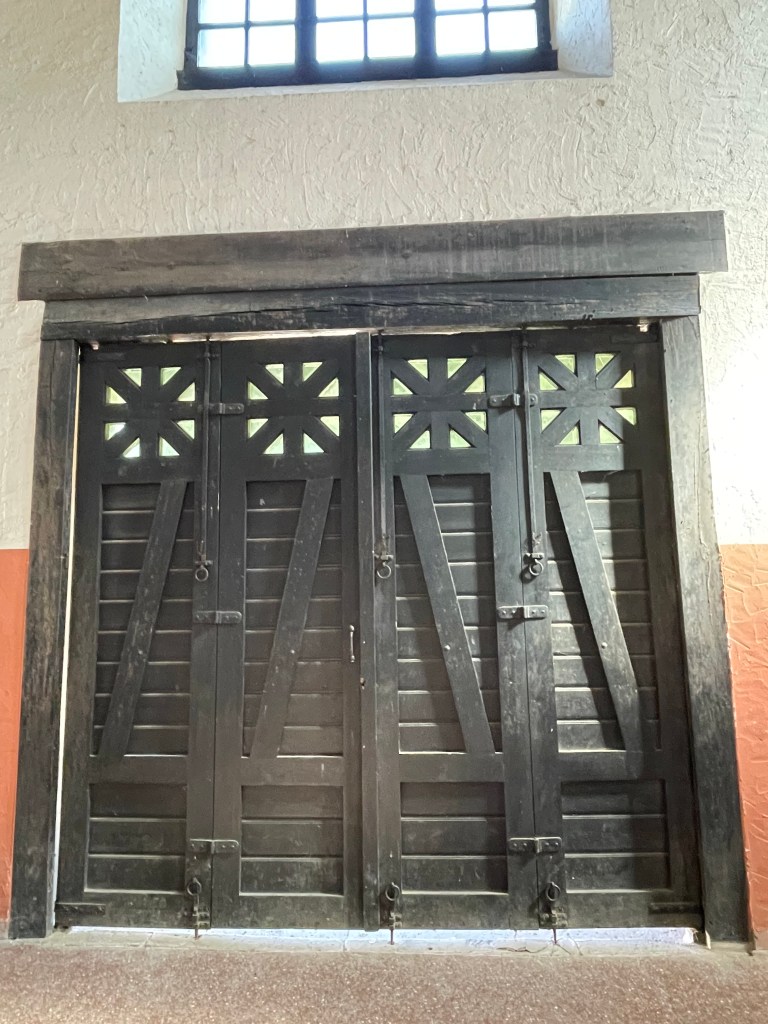
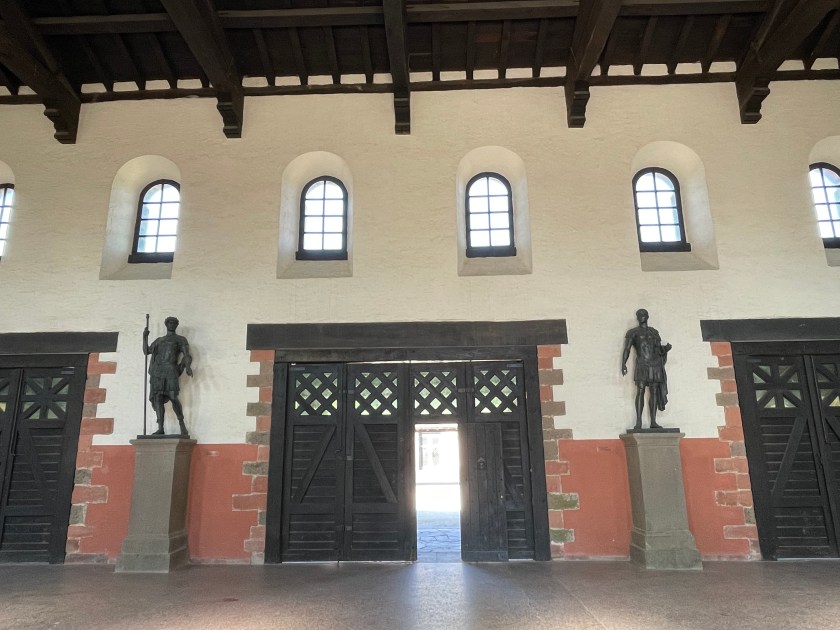
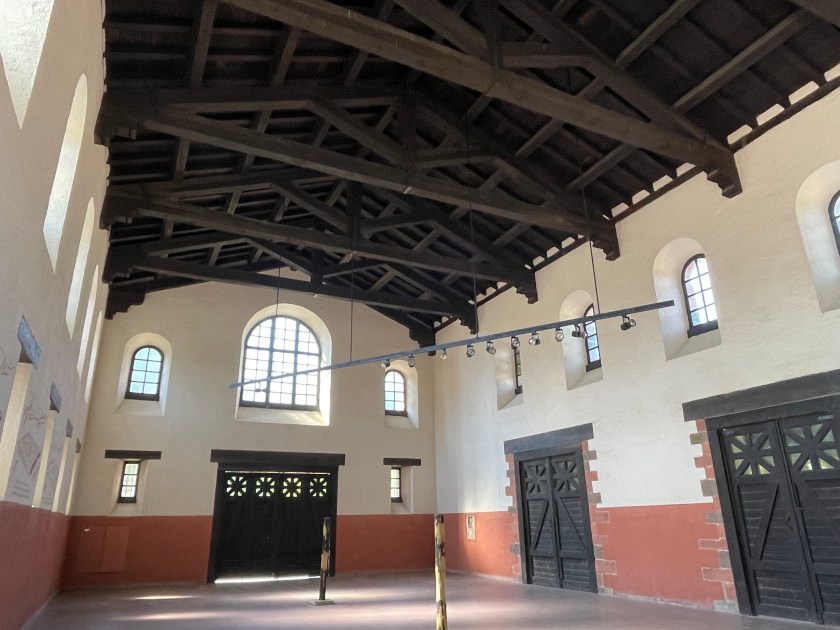
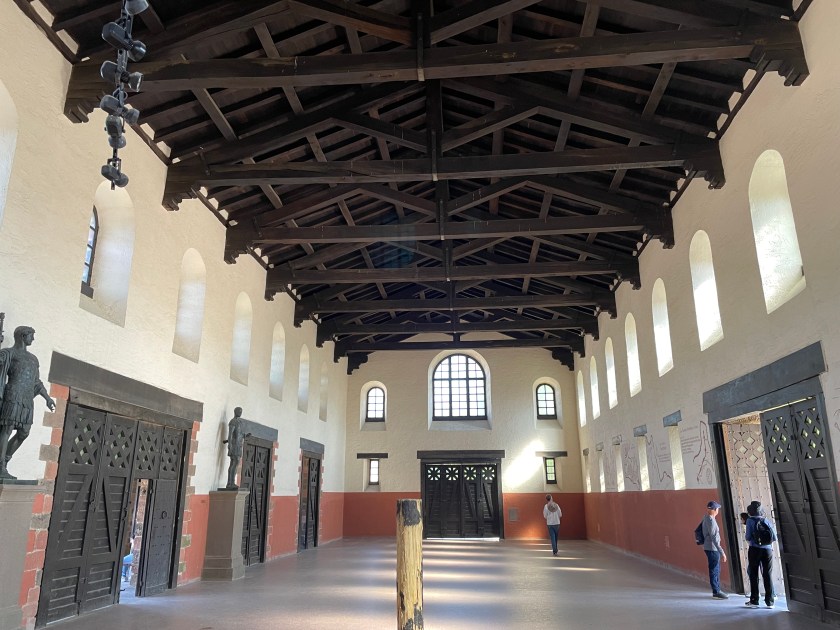
Here’s the great hall where soldiers assembled.

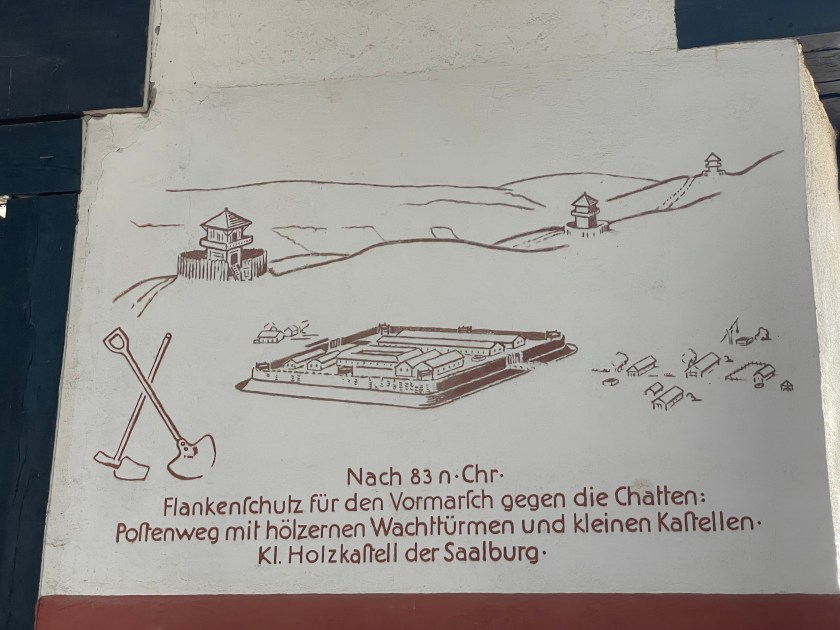
Here’s a simple history of this fort garrison, starting in AD 83:
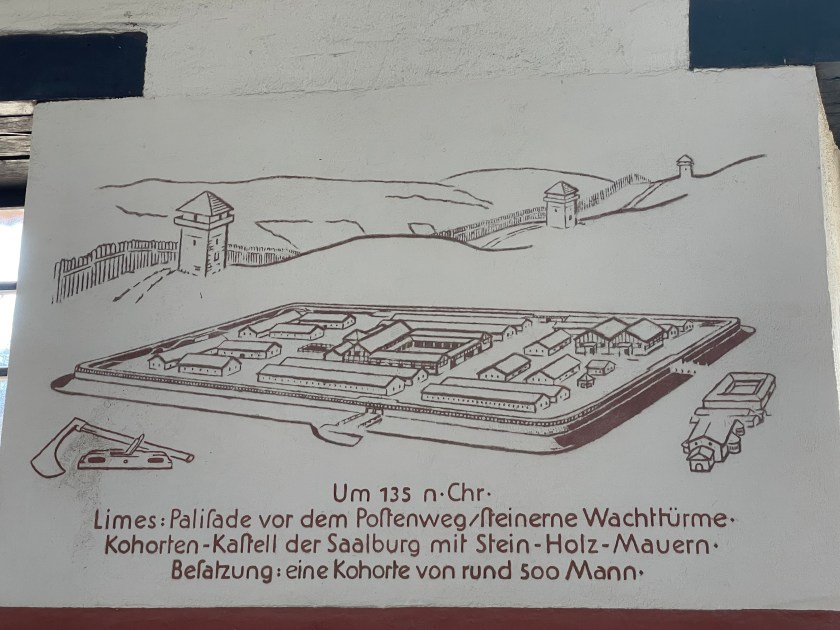
Now AD 135:
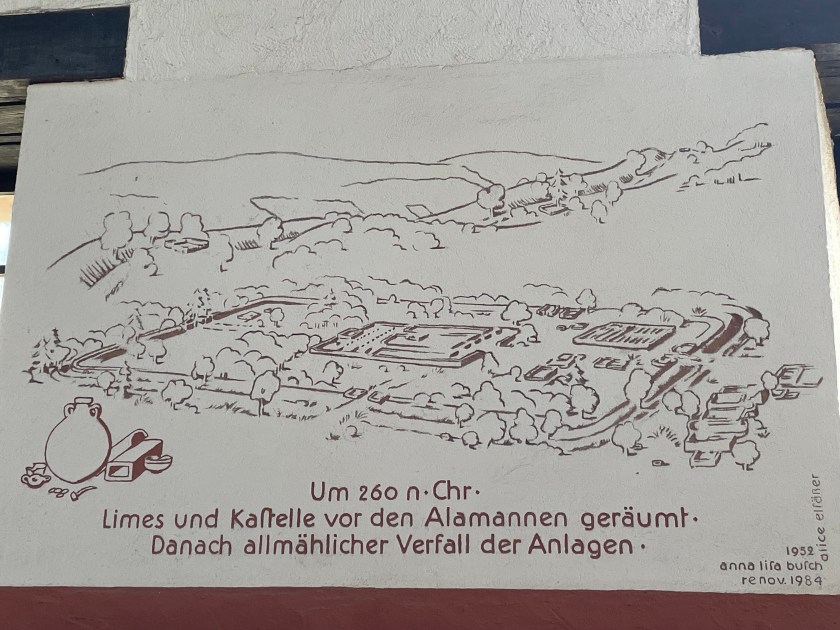
AD 260:
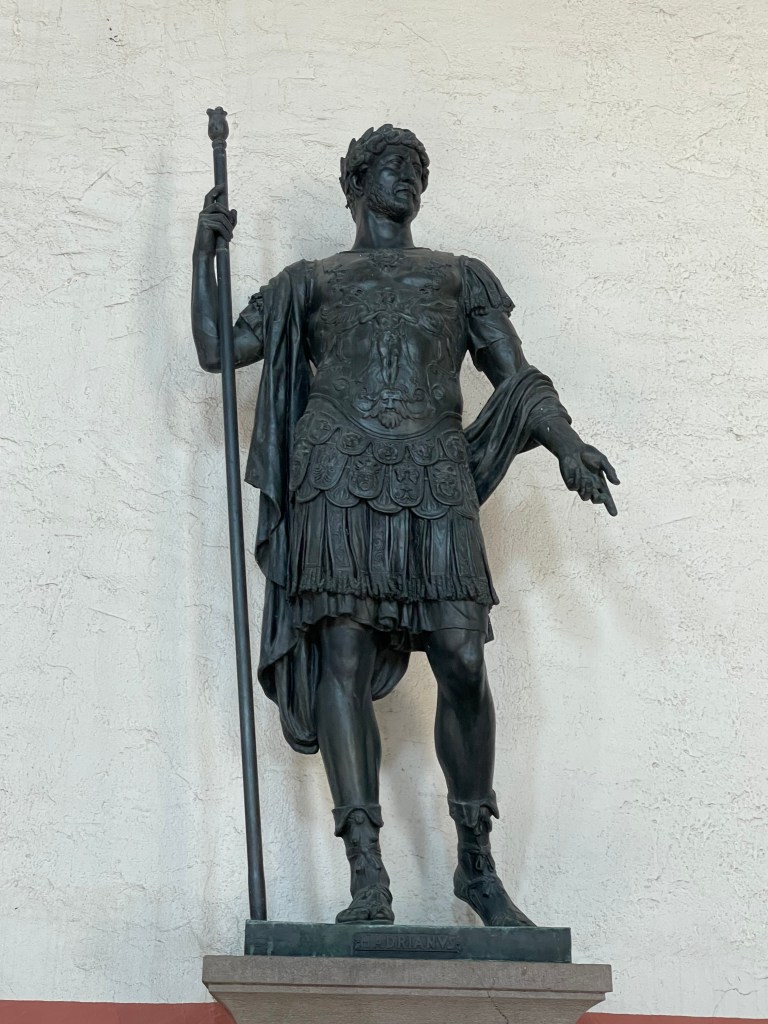
AD 300:

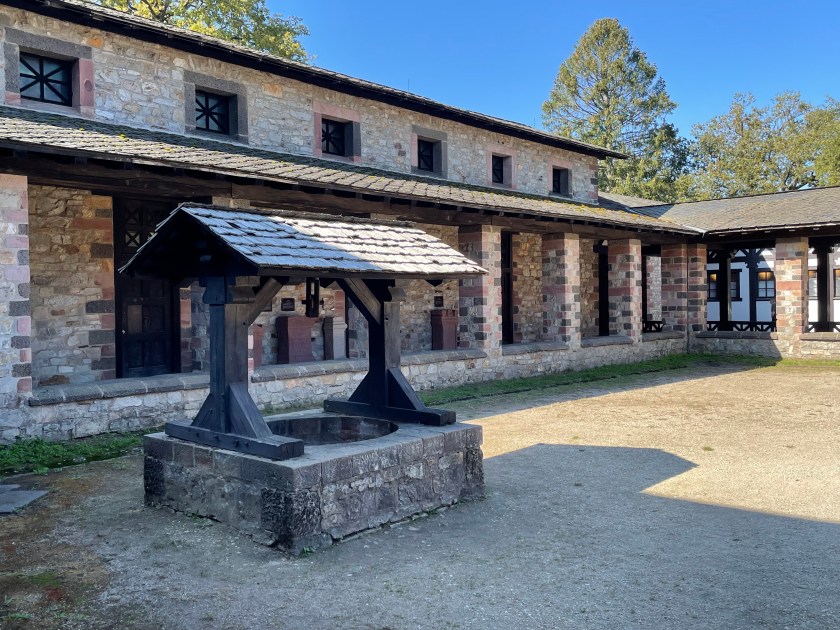
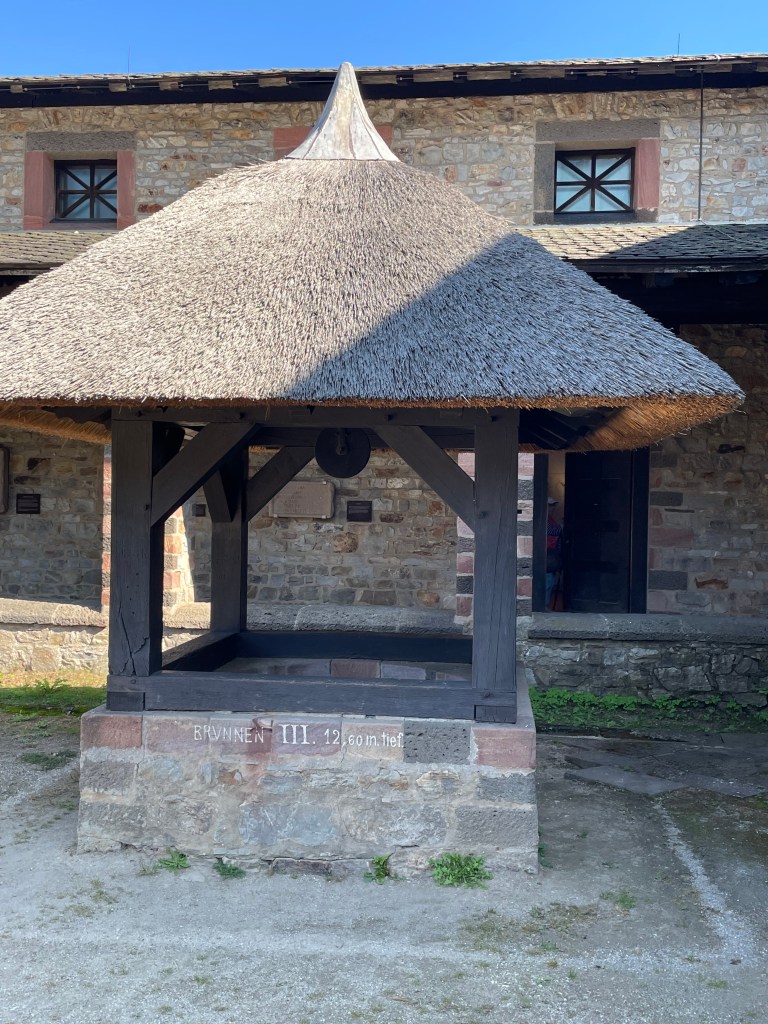
There were 2 covered wells in the courtyard.
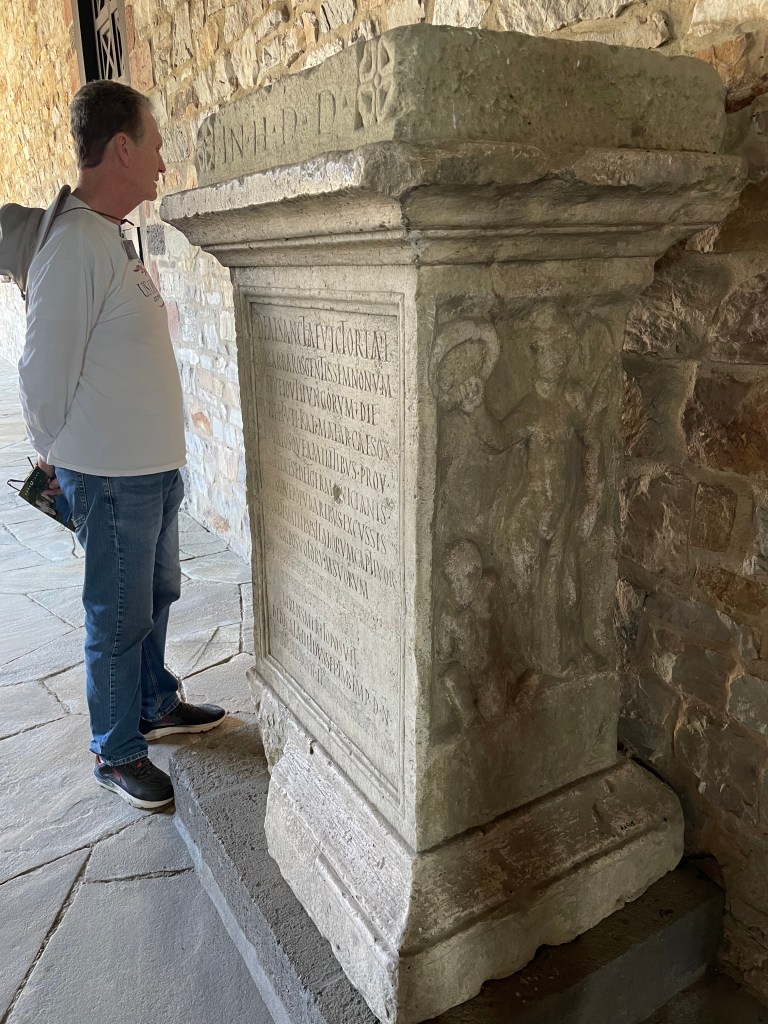
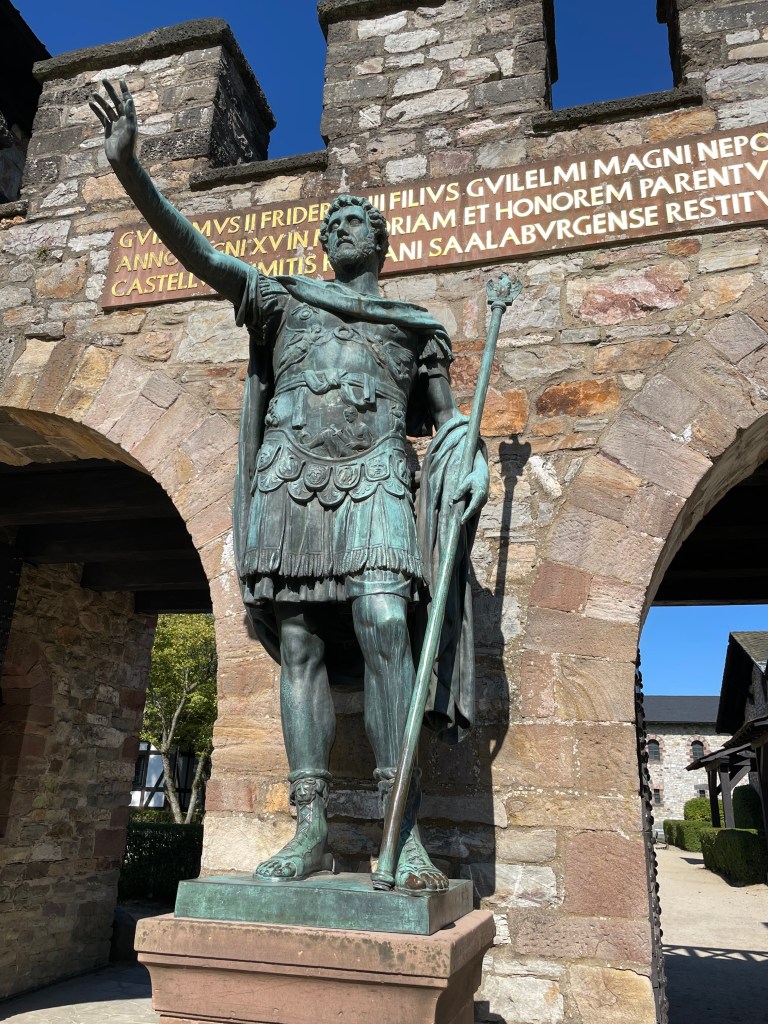
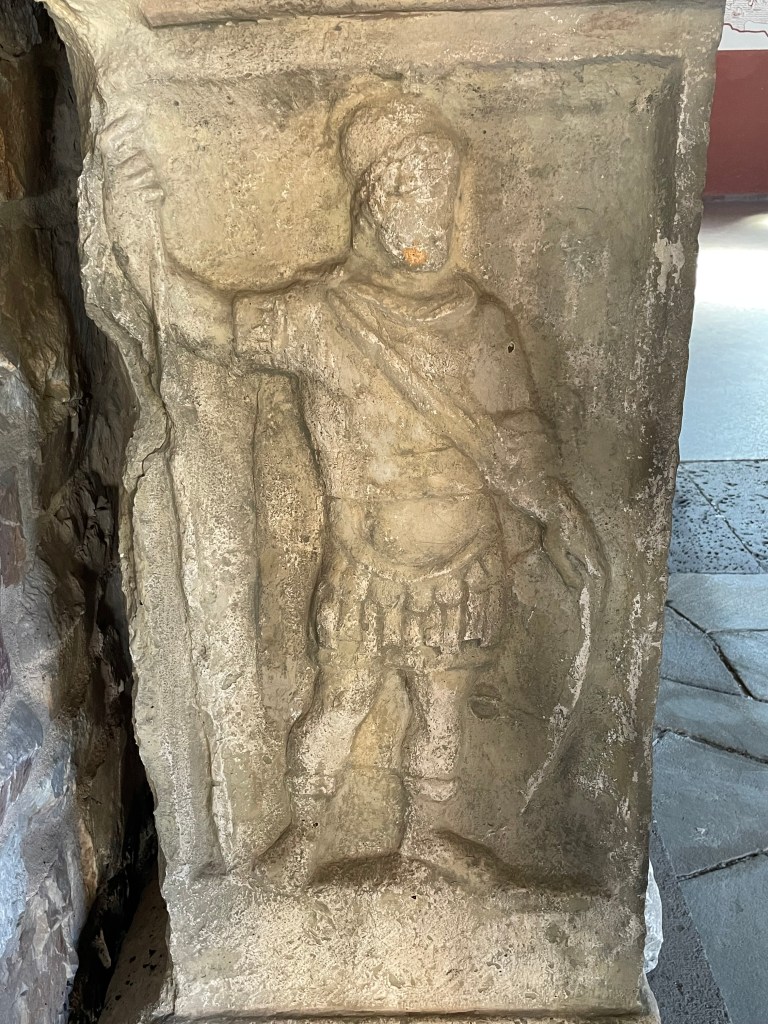
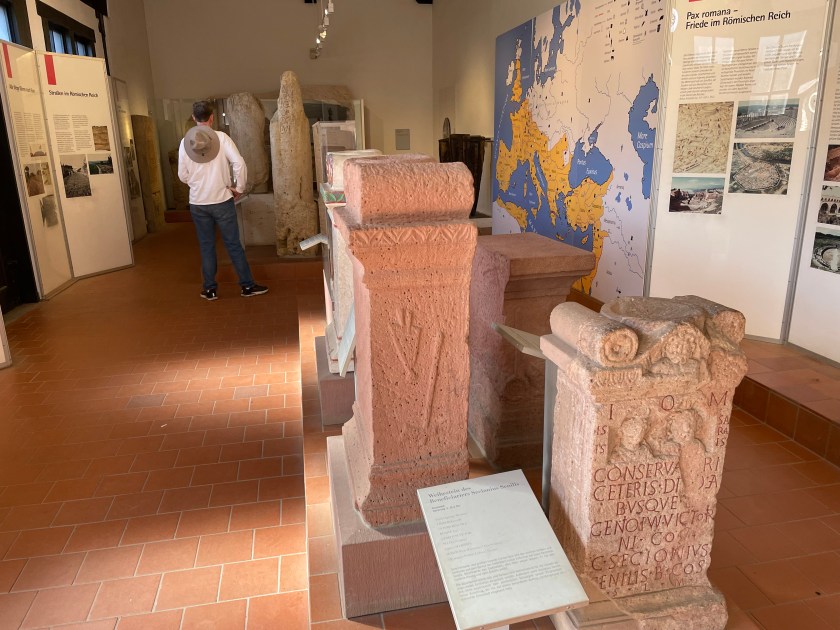
These monument markers and engraved stones preserved a detailed history.
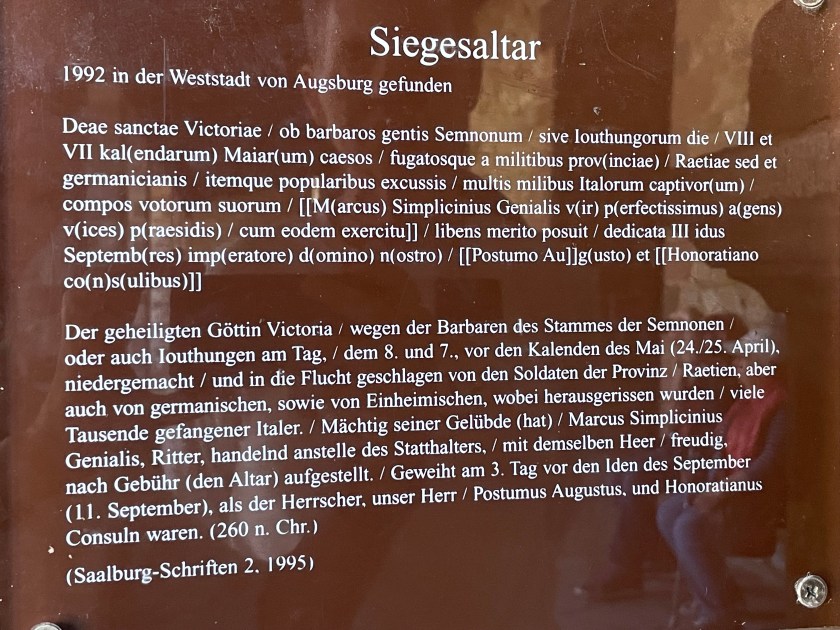


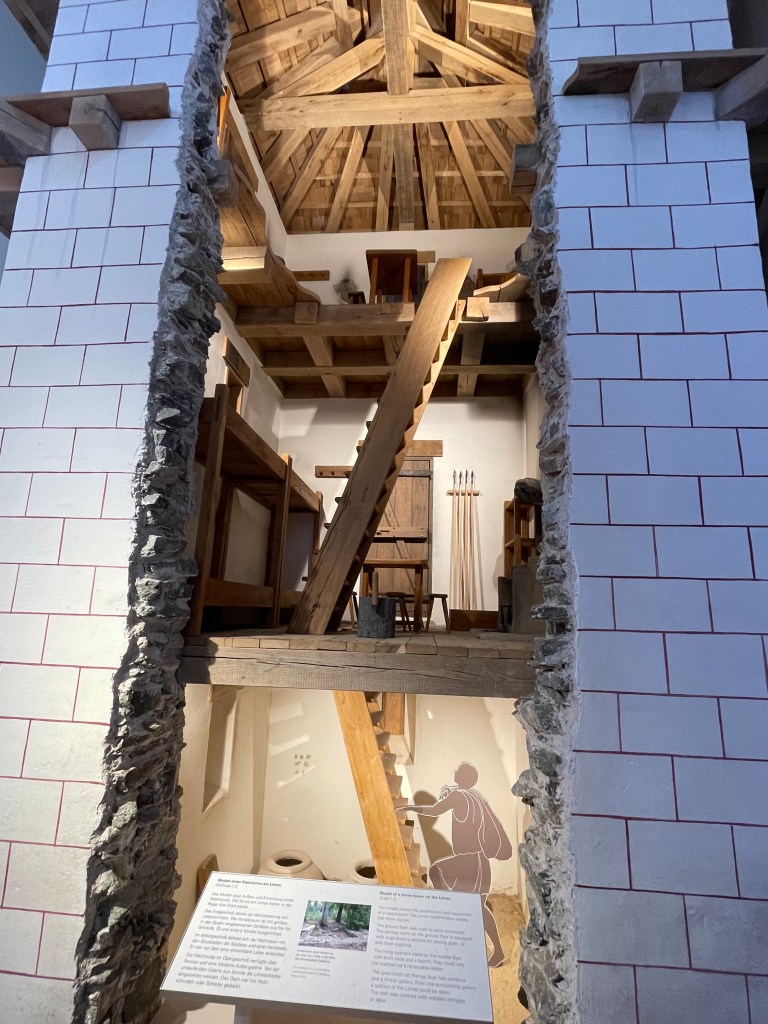
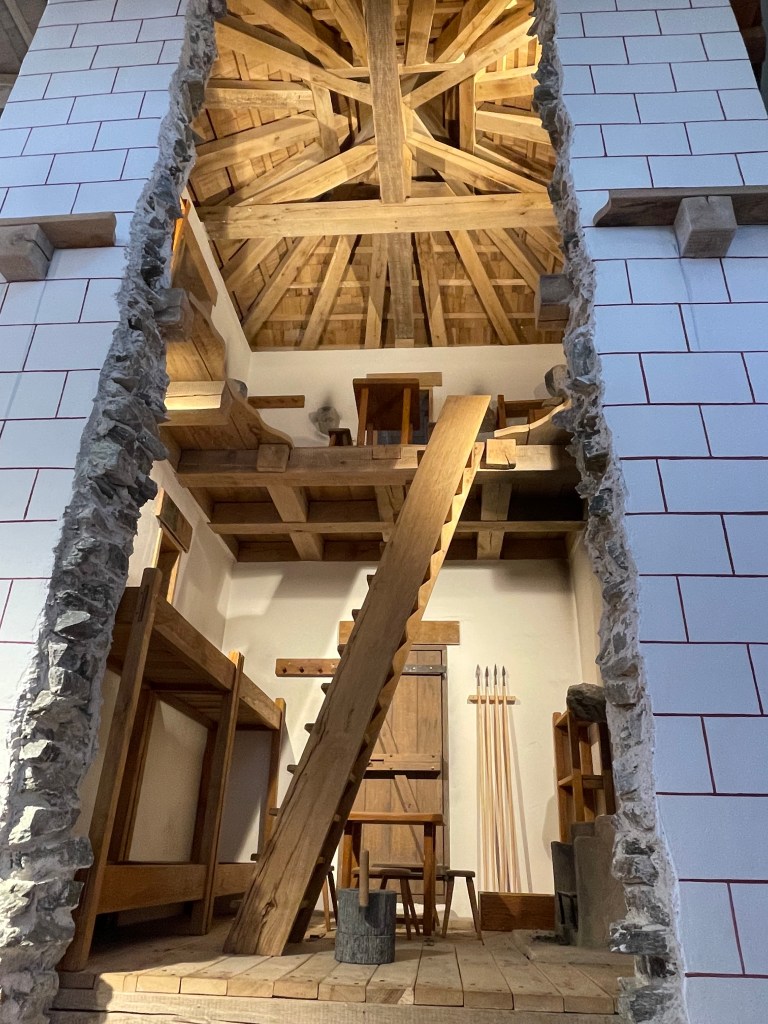
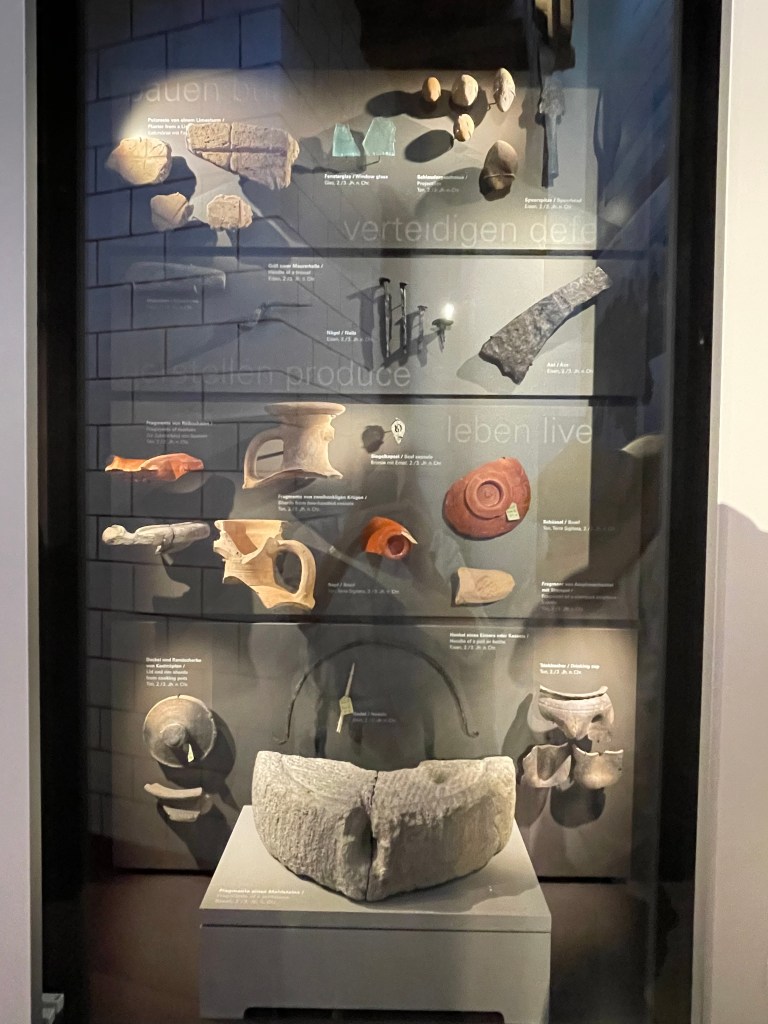
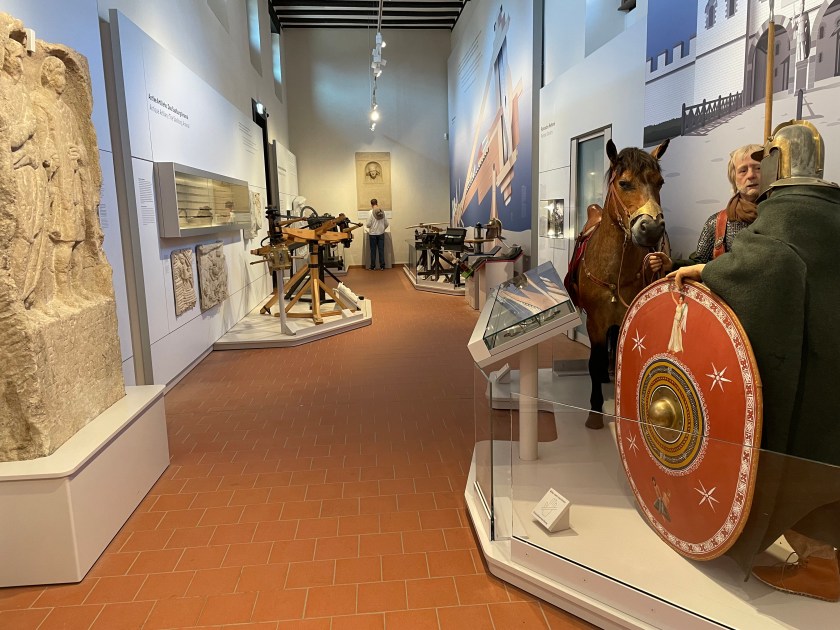
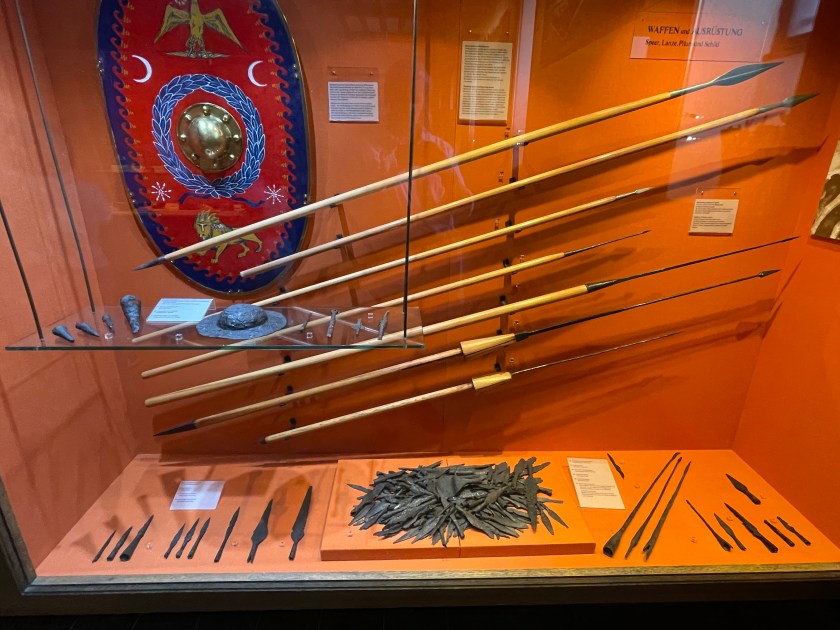
This room was the weaponry, with lots of samples of Roman weapons through the centuries.

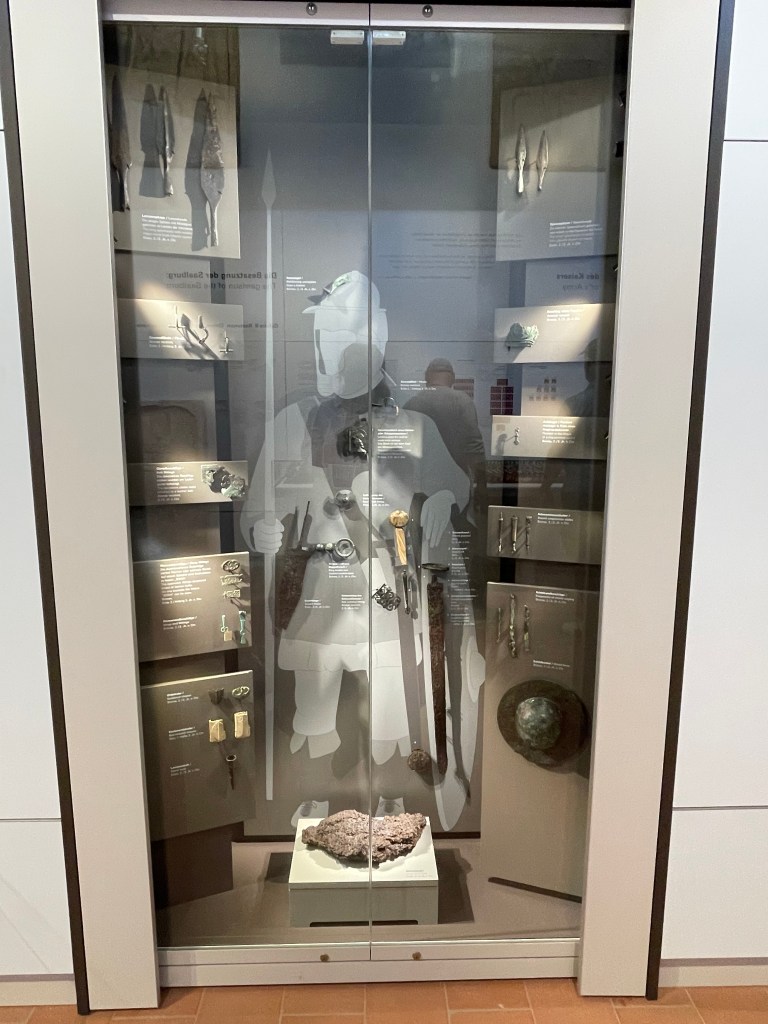
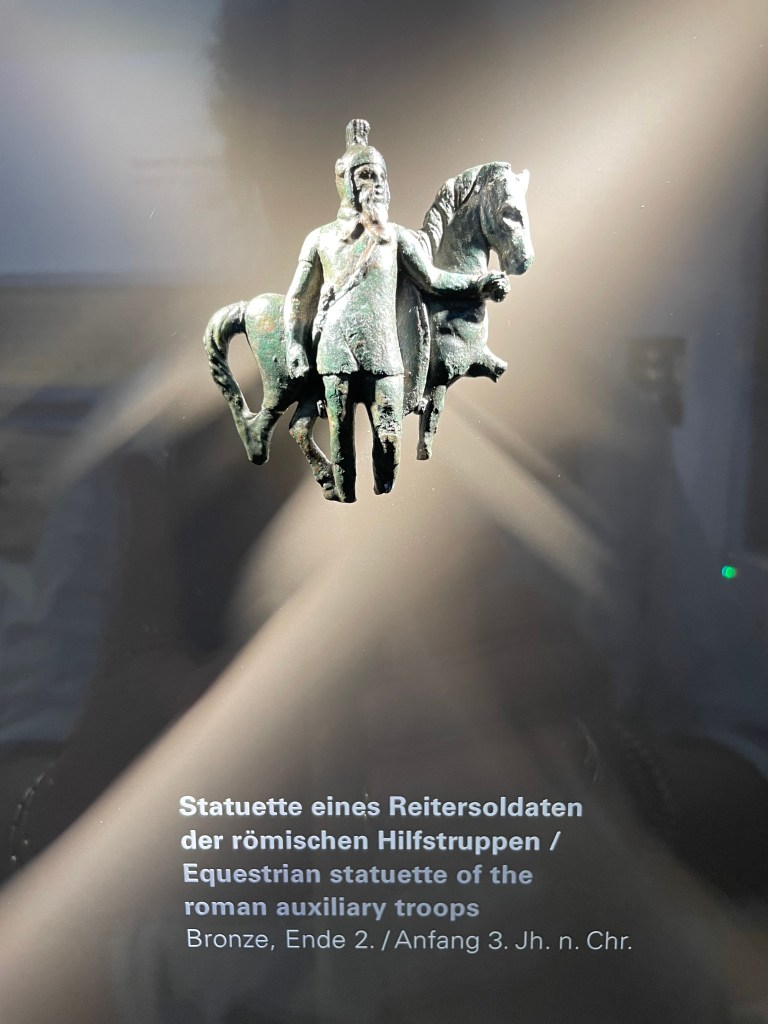


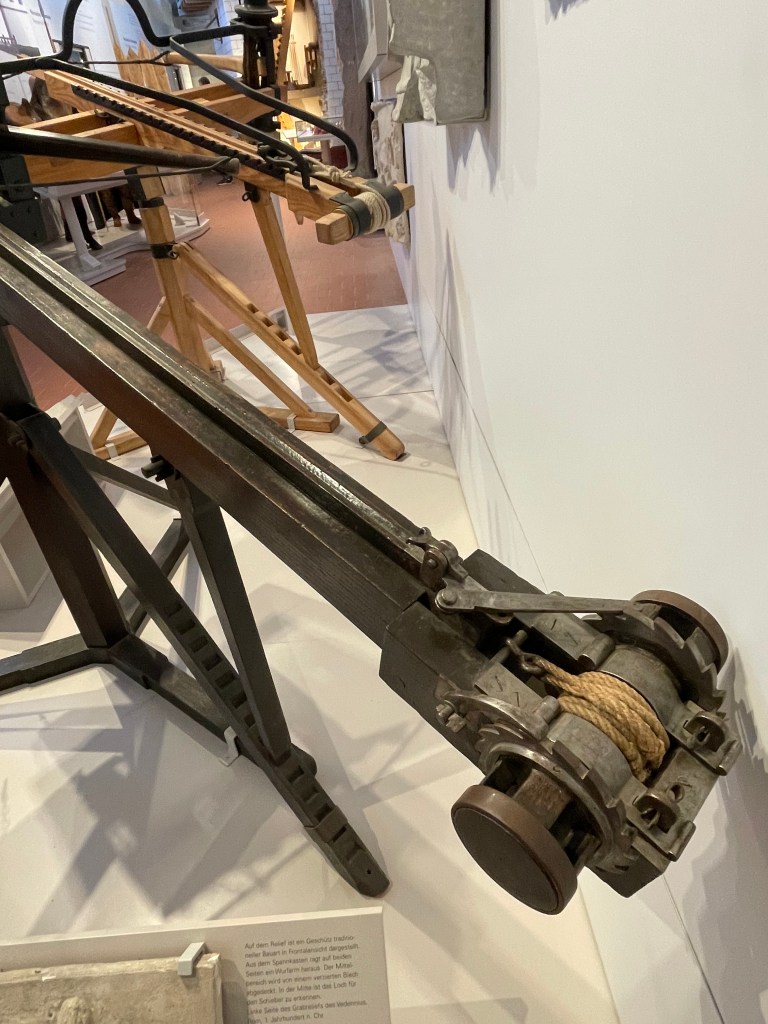
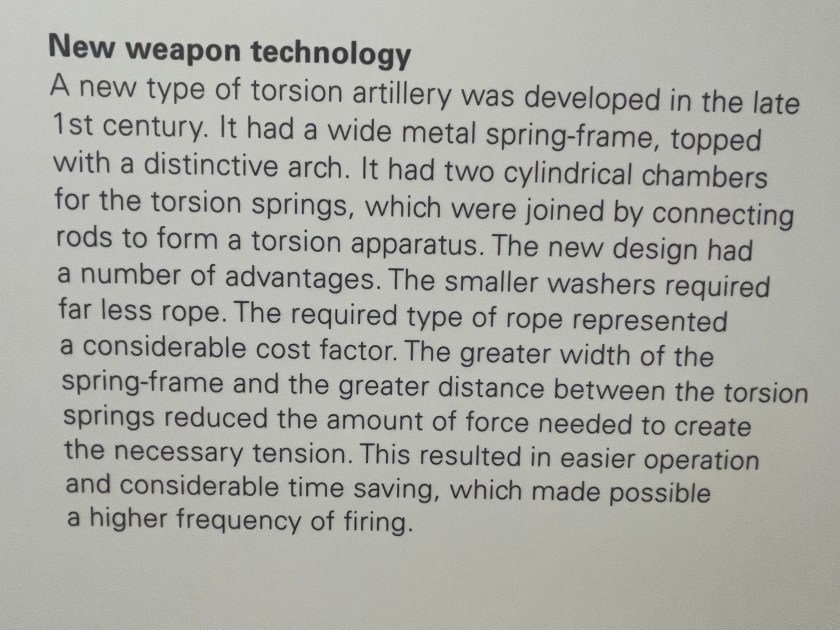


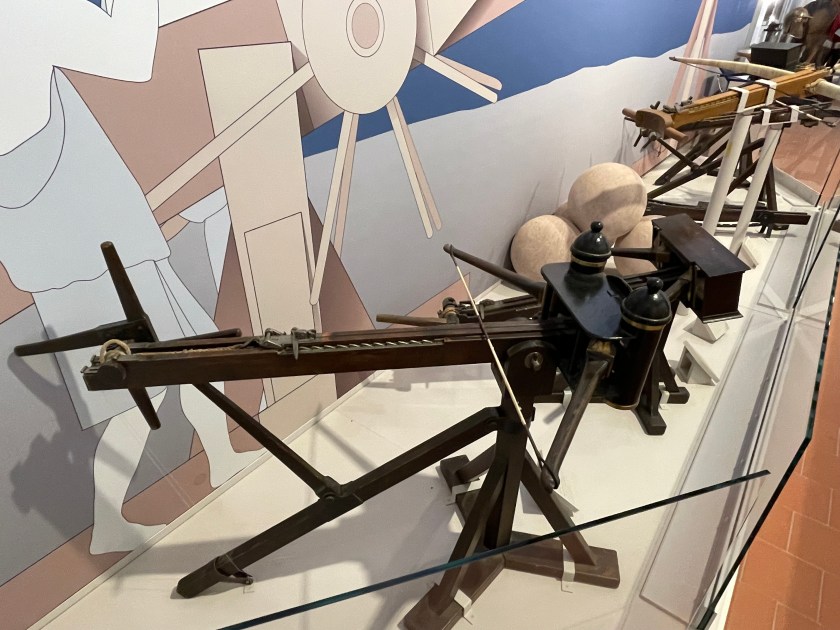
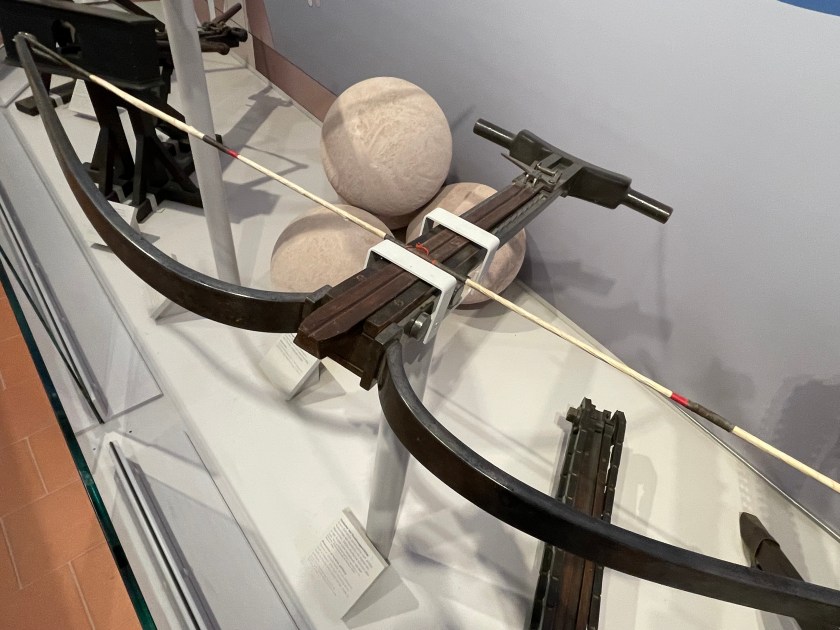
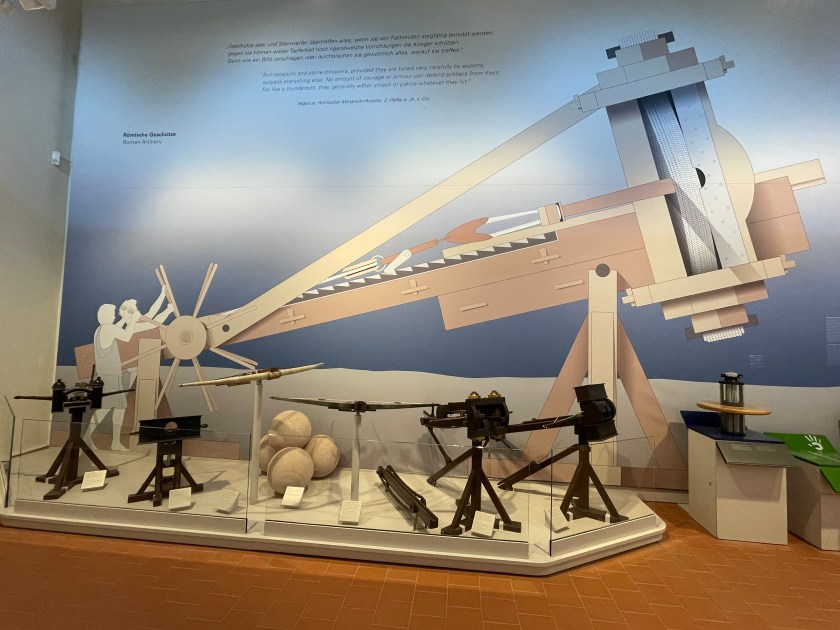
Arrow and spear tips:
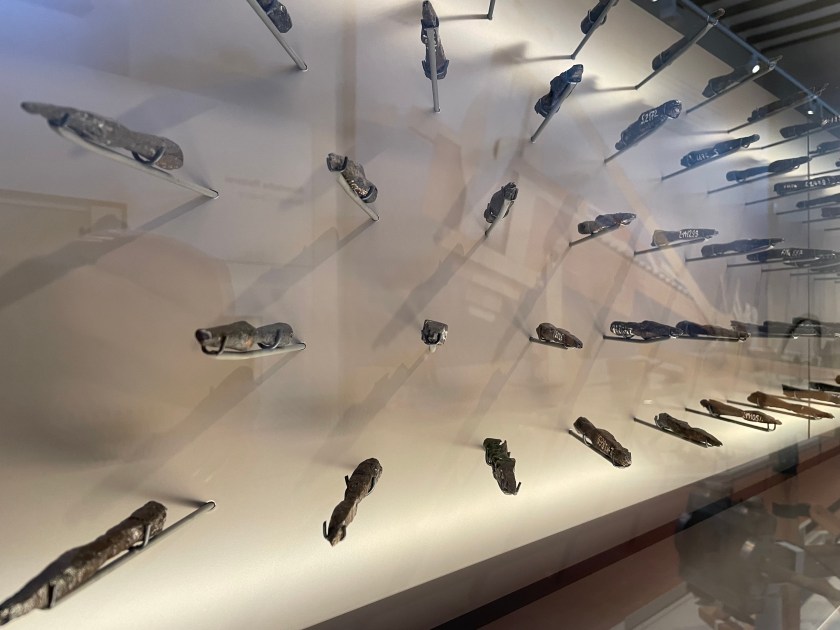

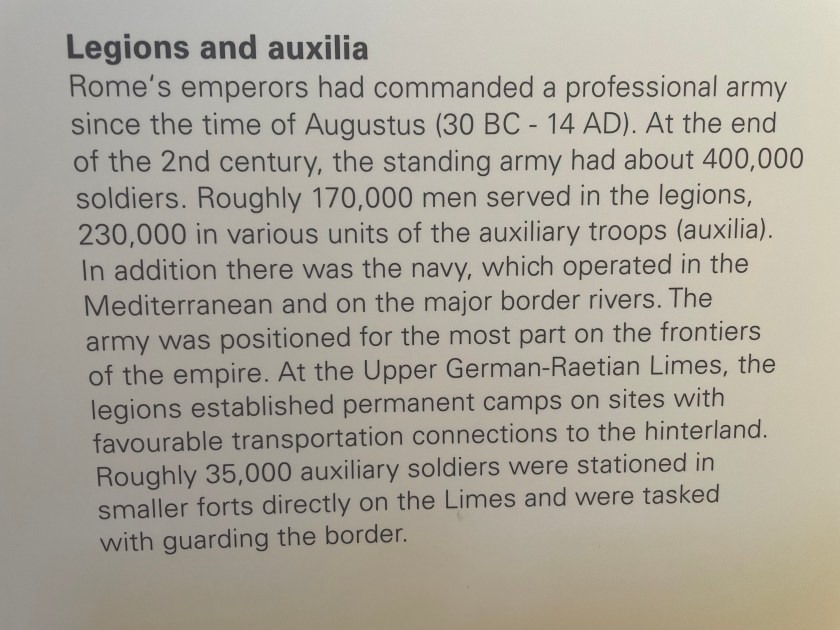
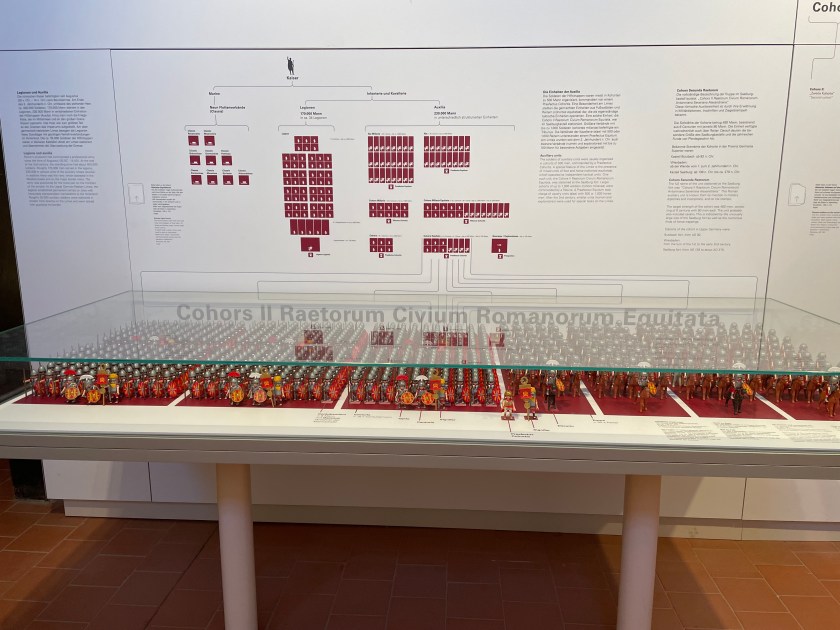
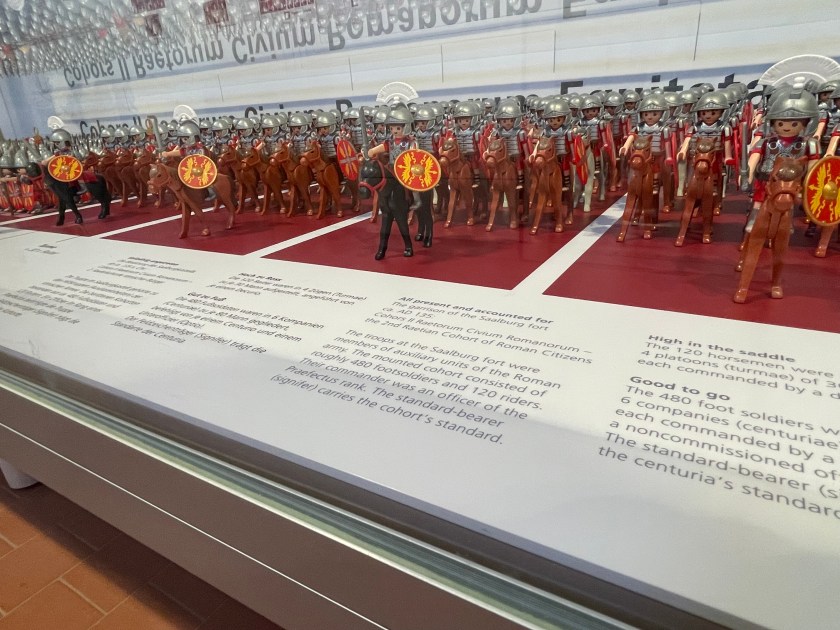
How the armies were organized:


An officer’s quarters:
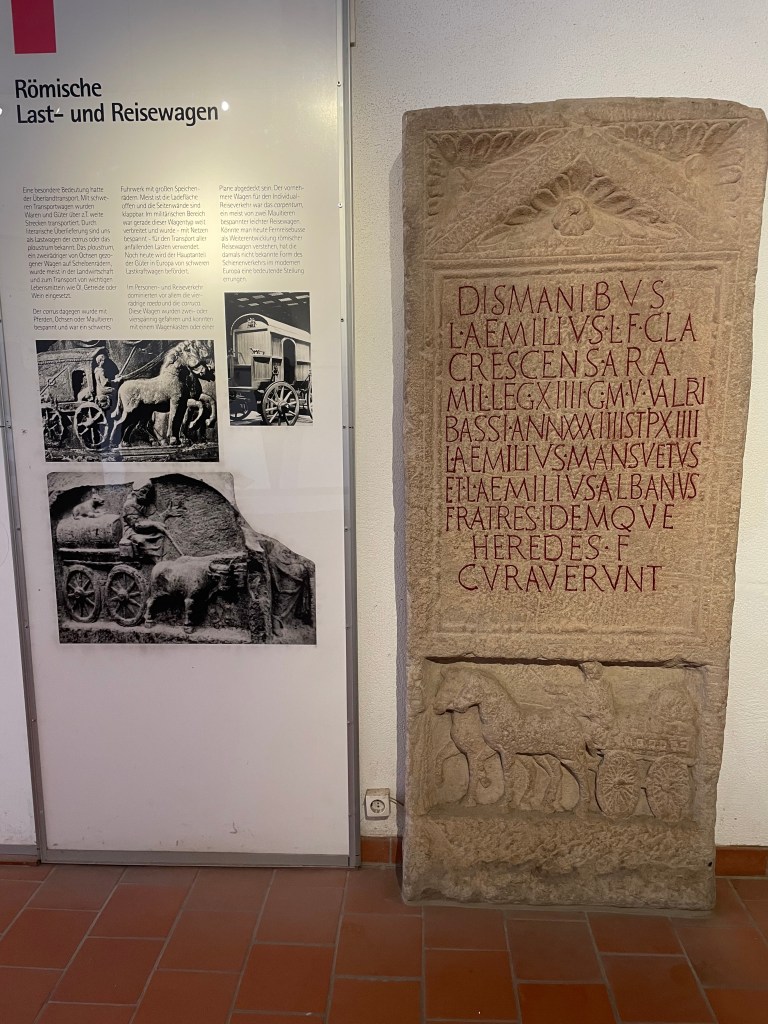
Roman wagons:
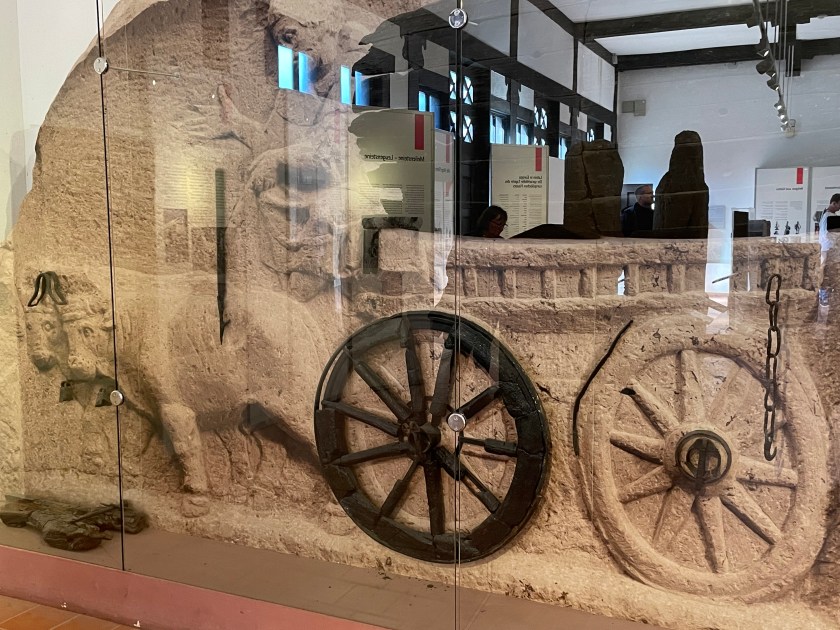
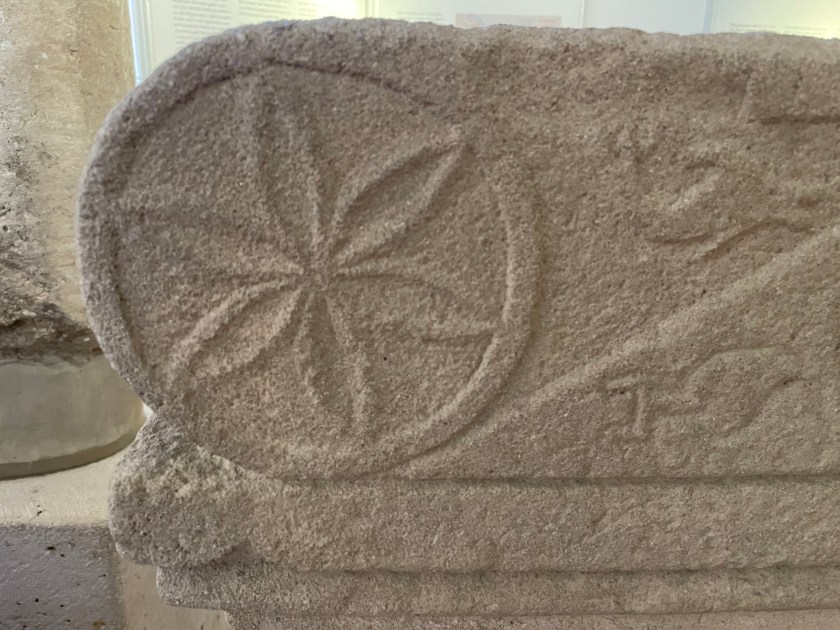
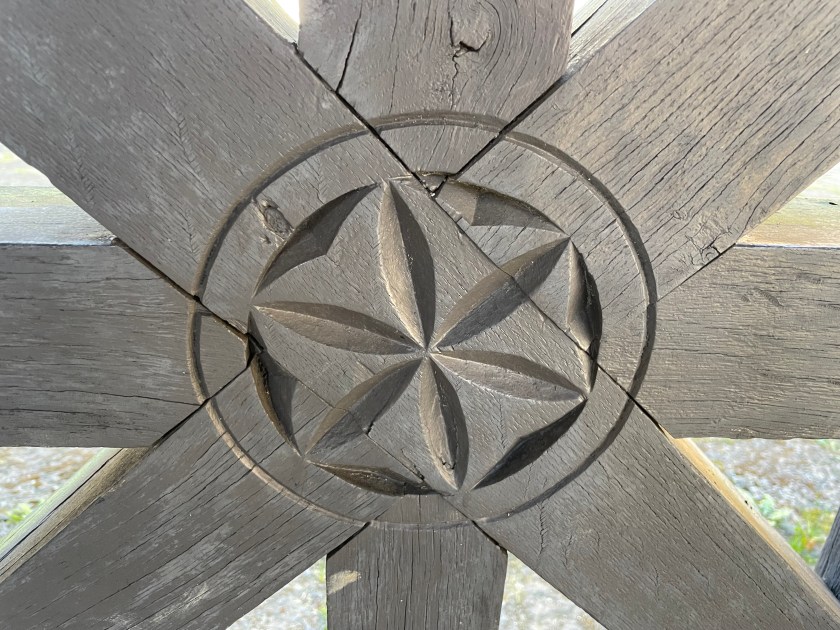
I was interested to see this wheel pattern. We saw it in Israel in the synagogues from this same time period.
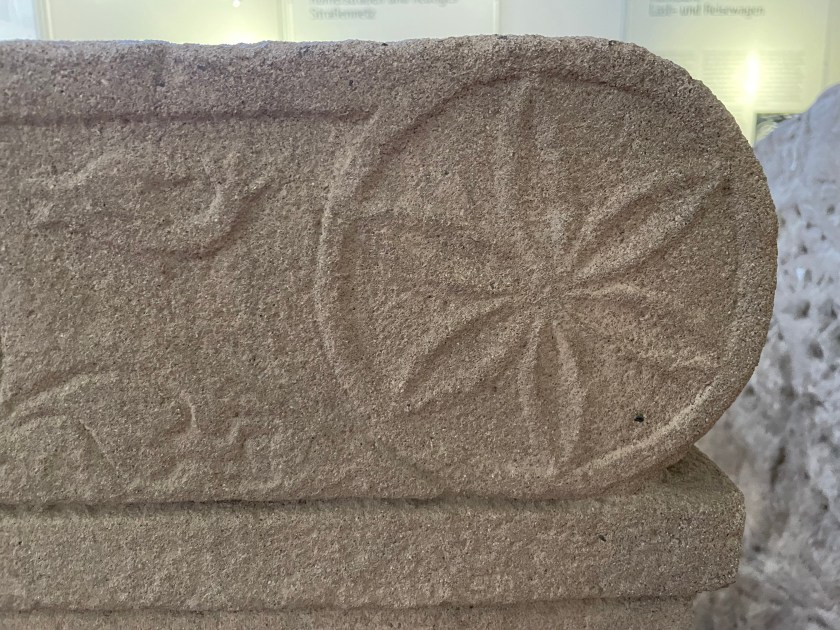
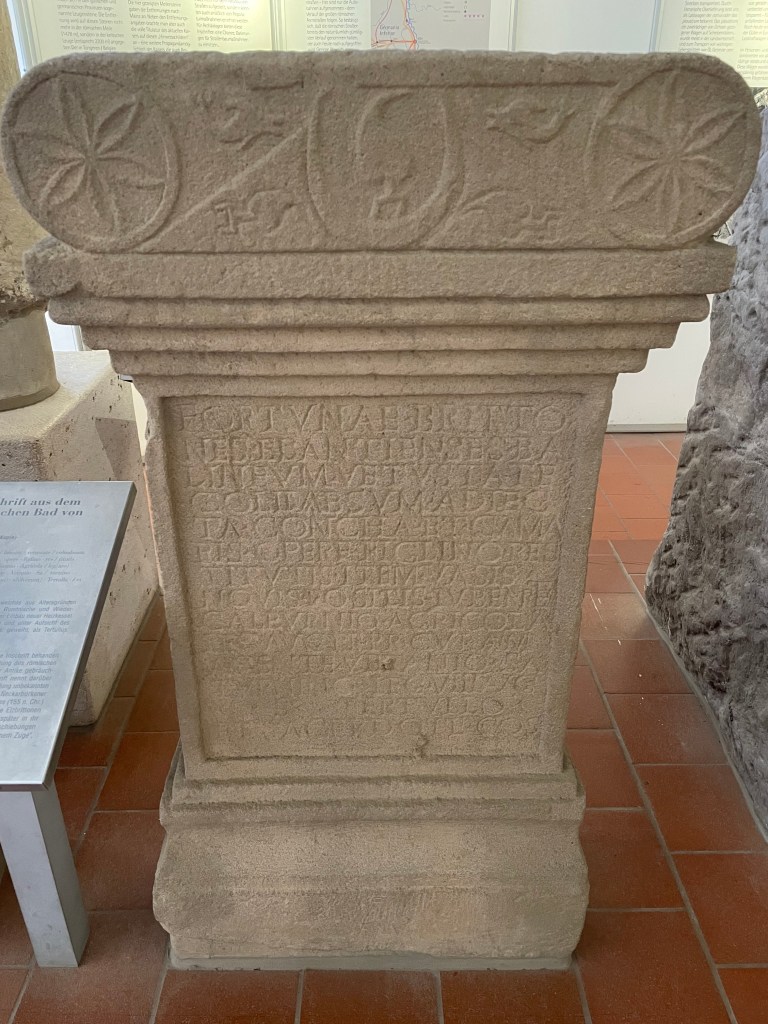
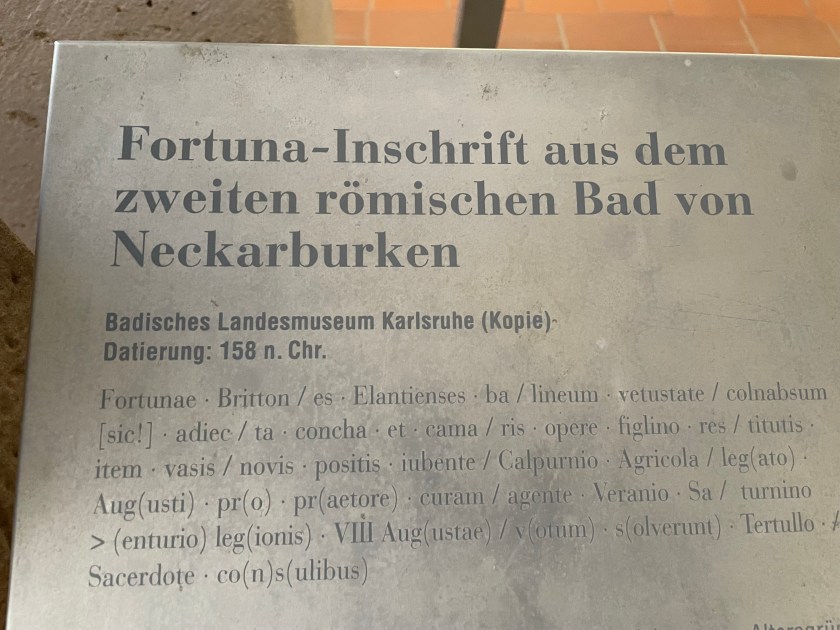
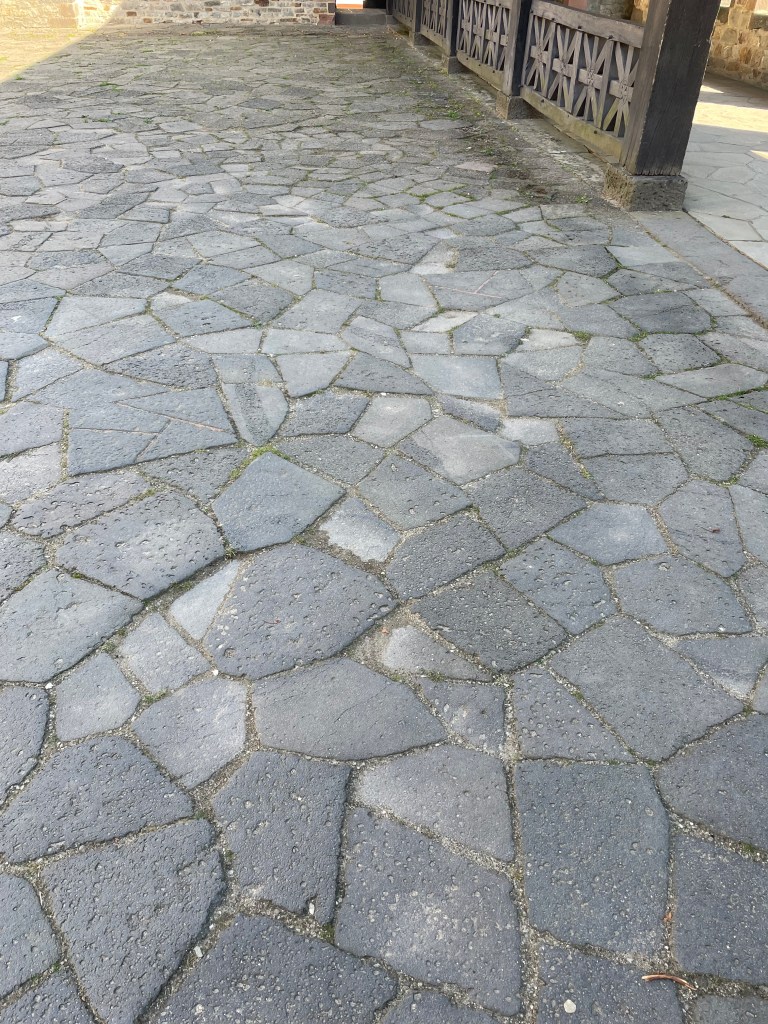
Patchwork stones:
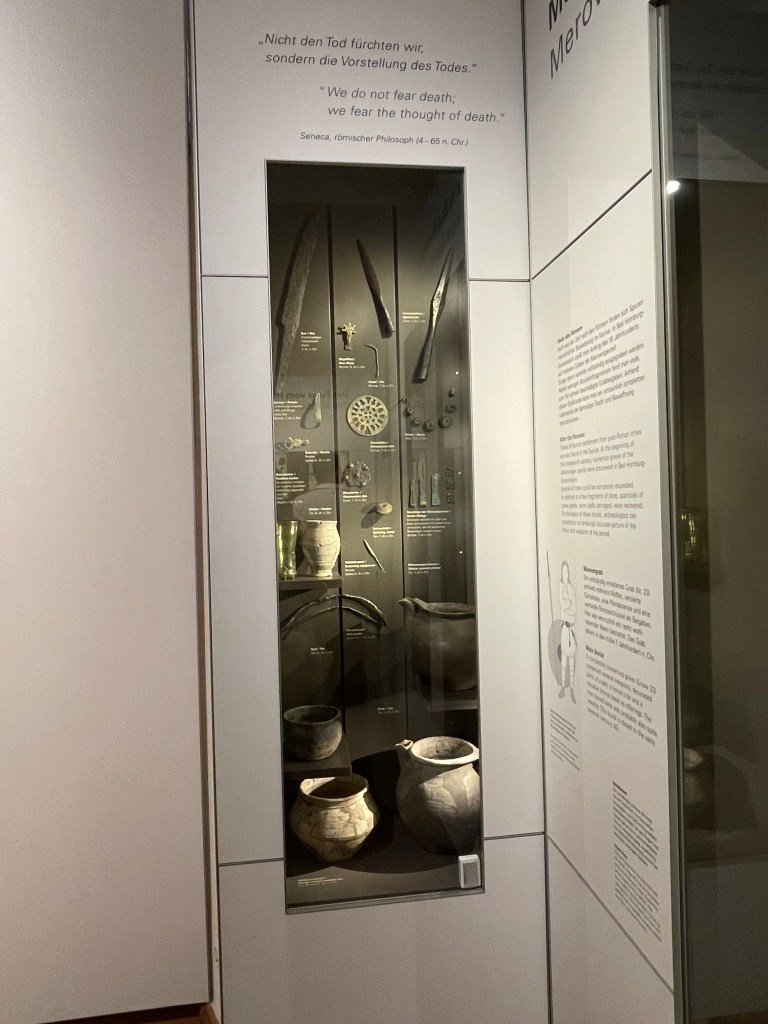
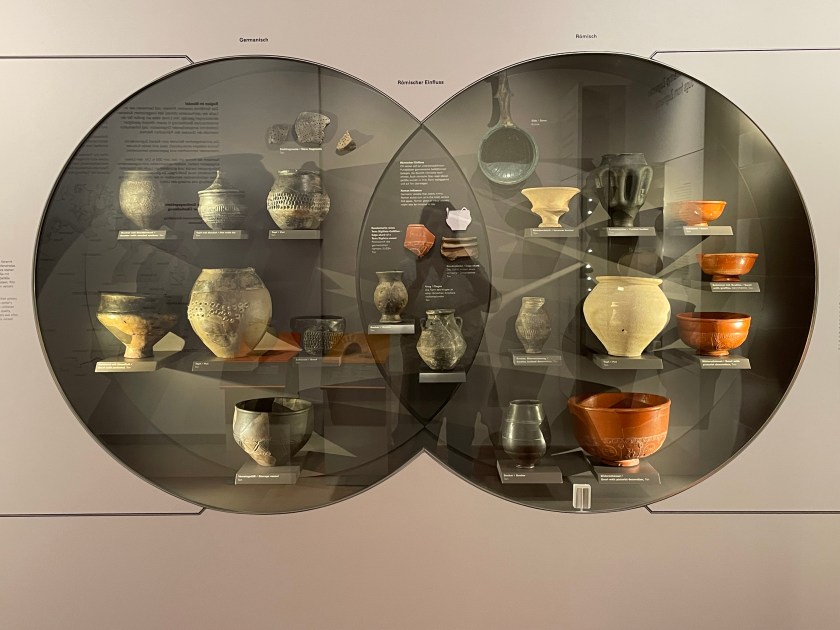
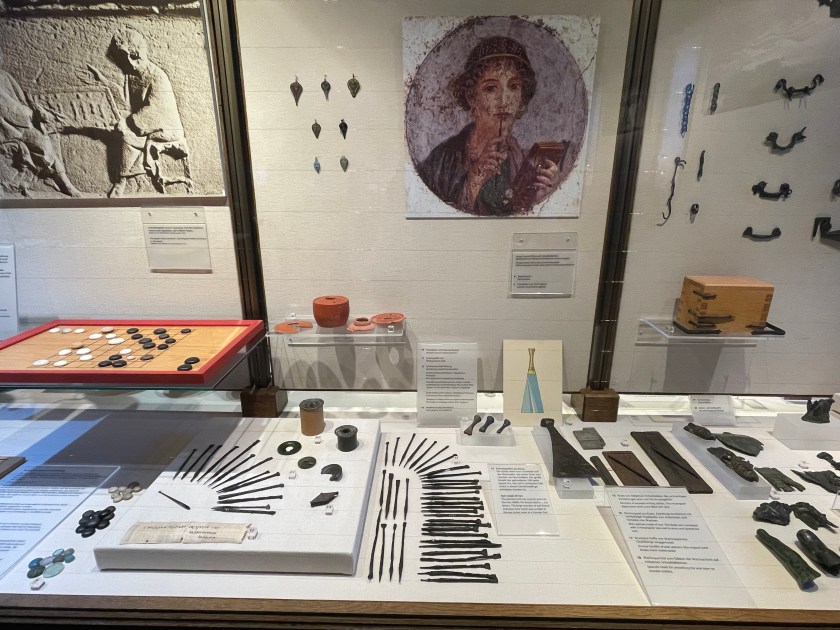
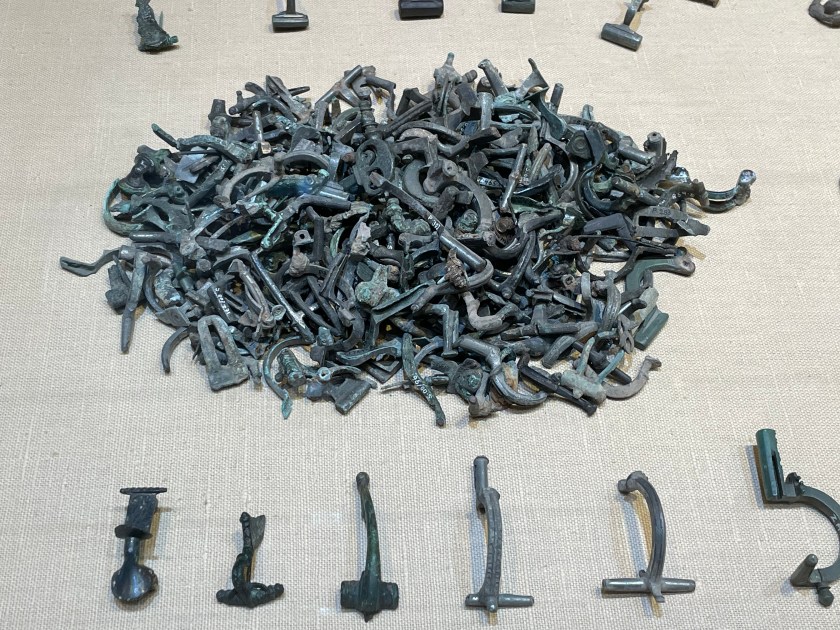
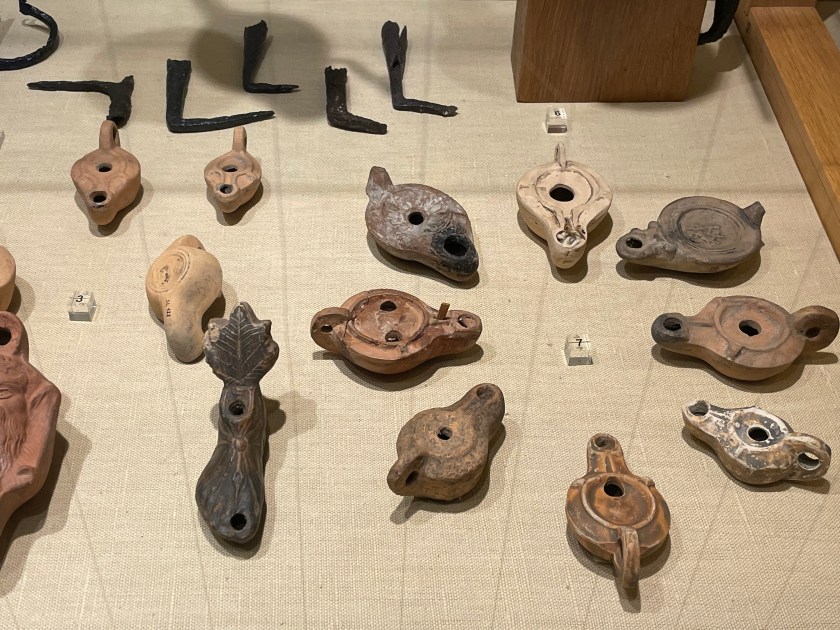
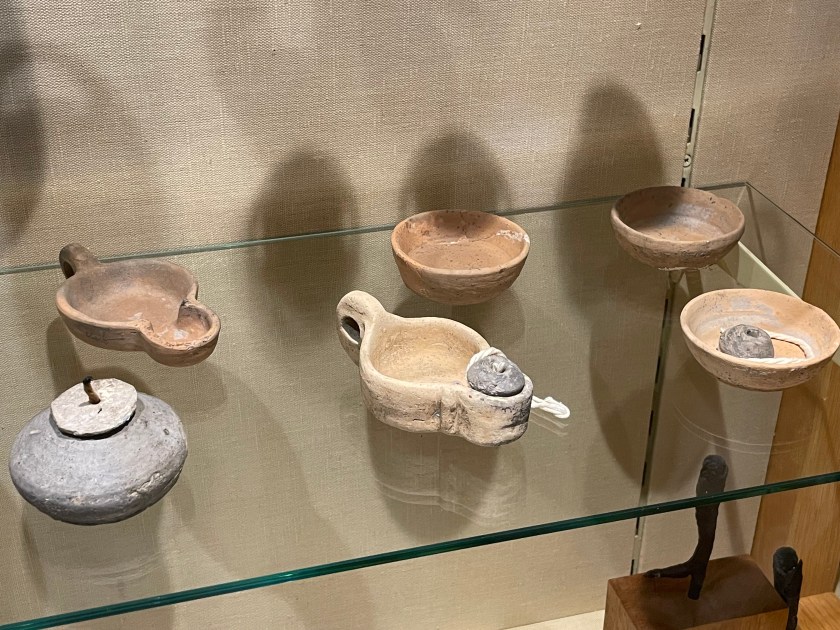
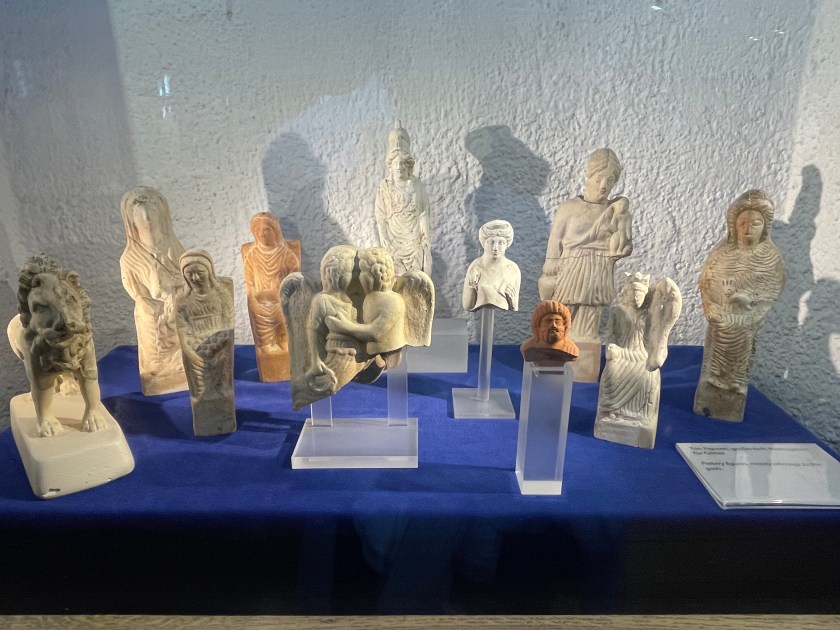
These next photos are of Roman items found in the excavations.

The famous horse’s head:
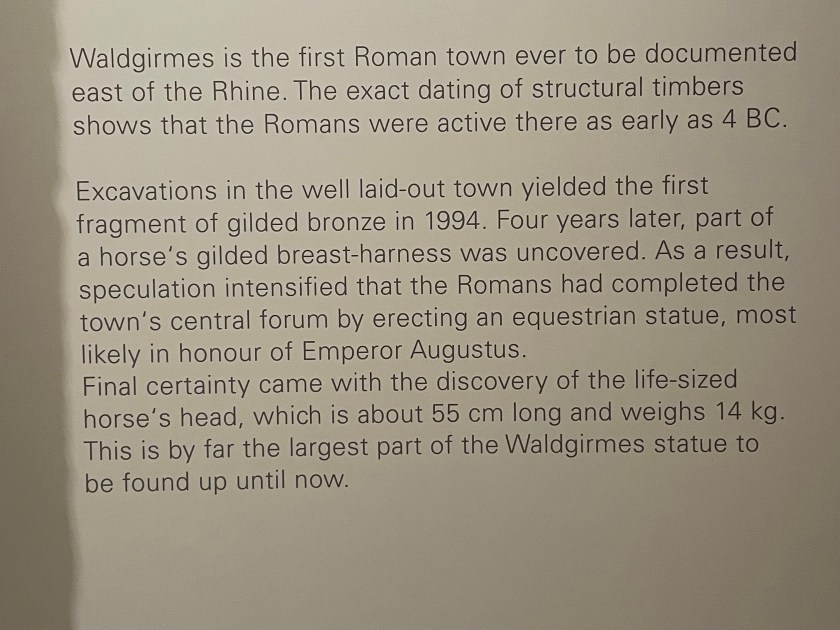
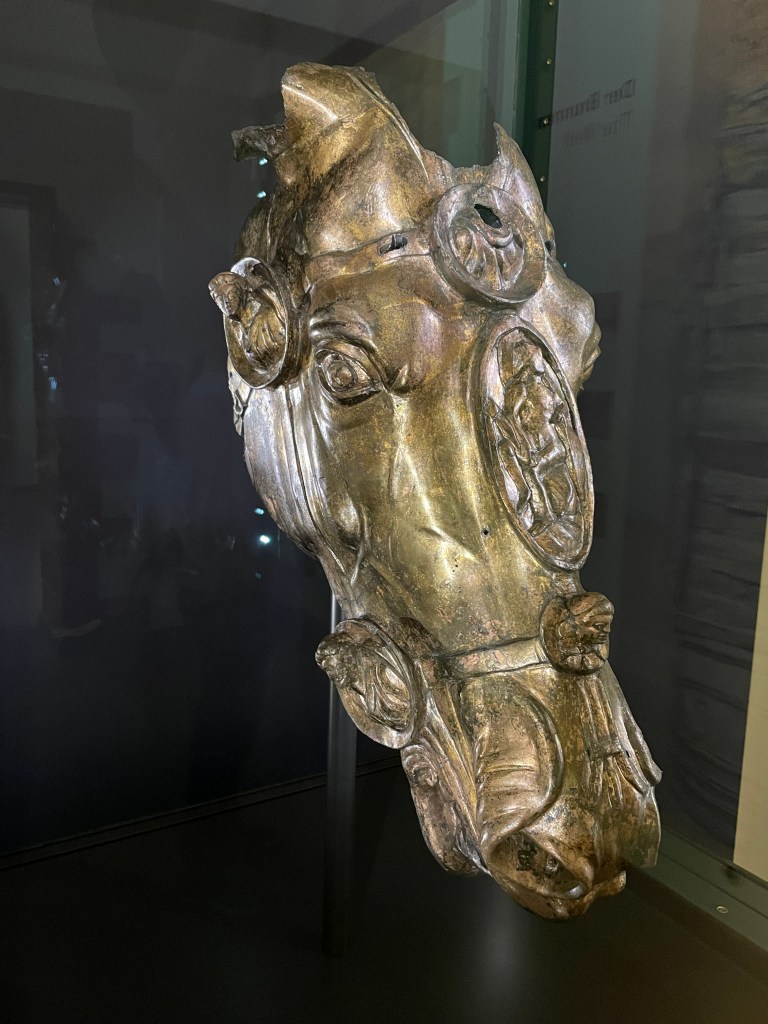
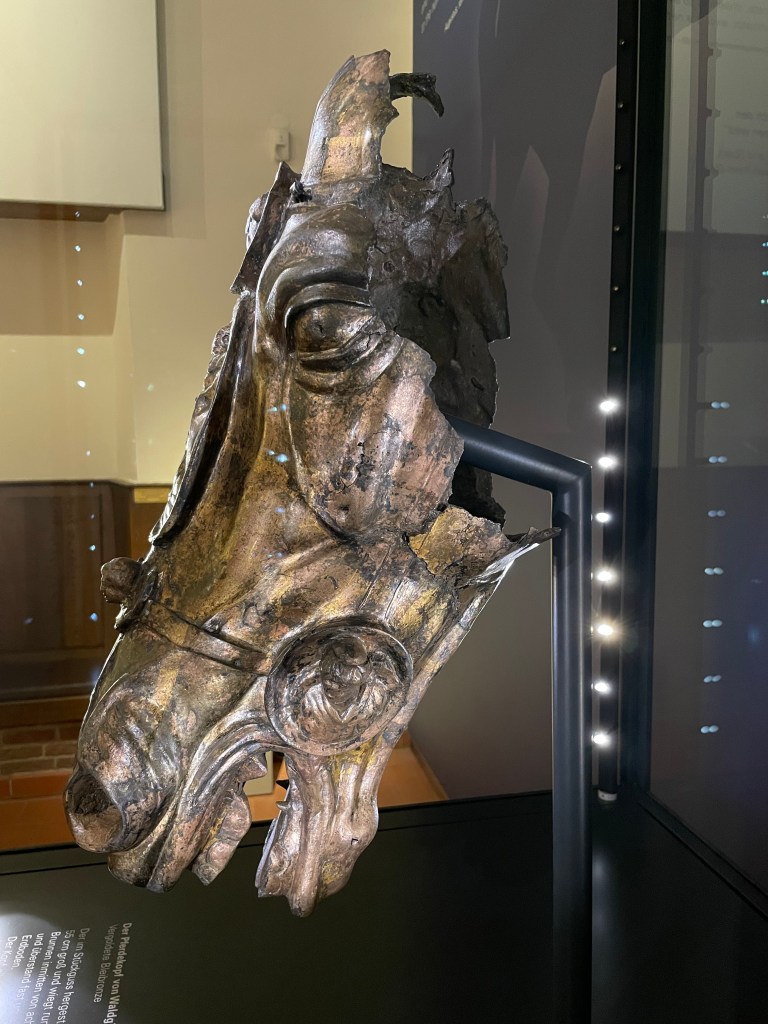
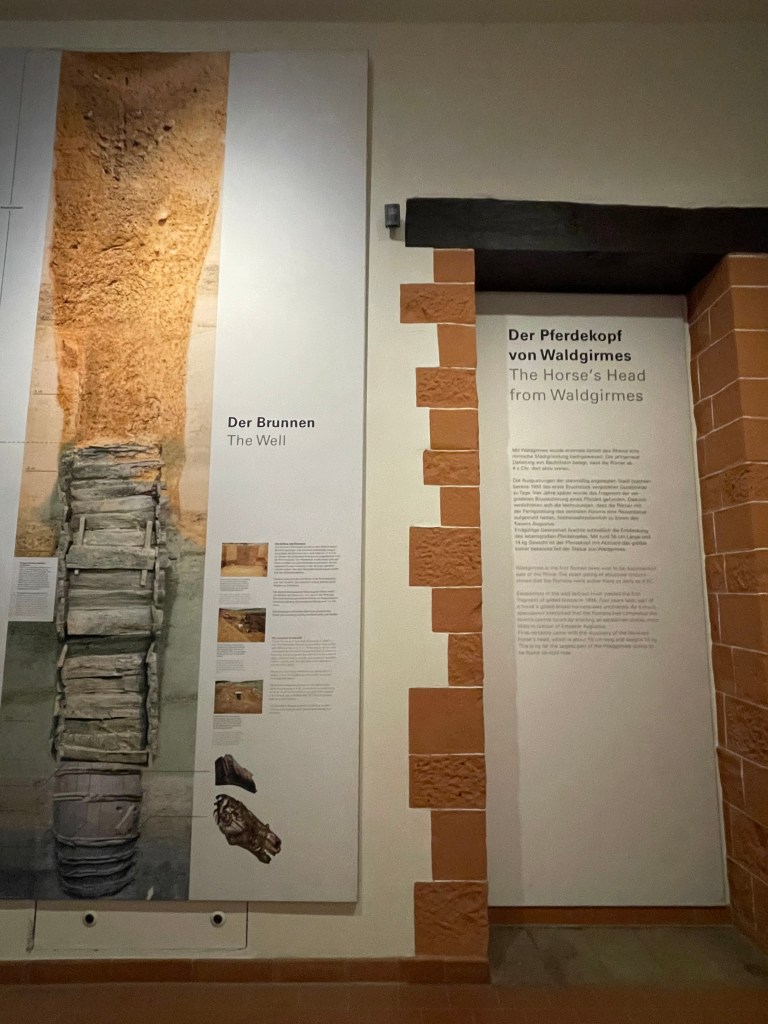
The horse’s head was found deep in a well.
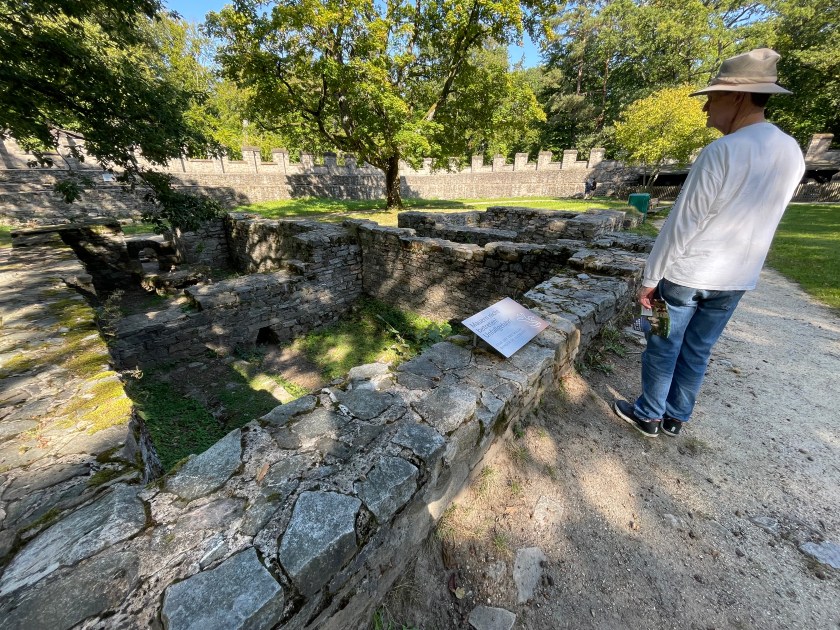
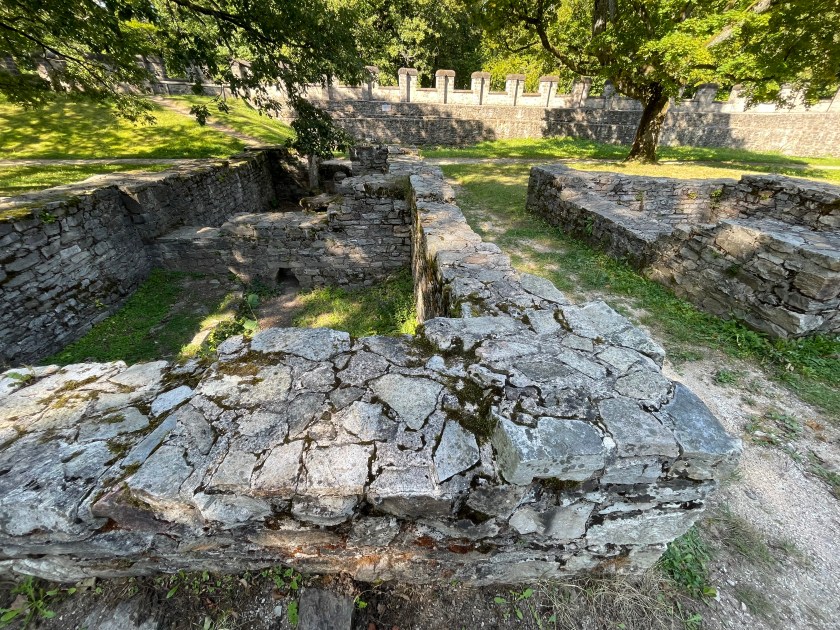
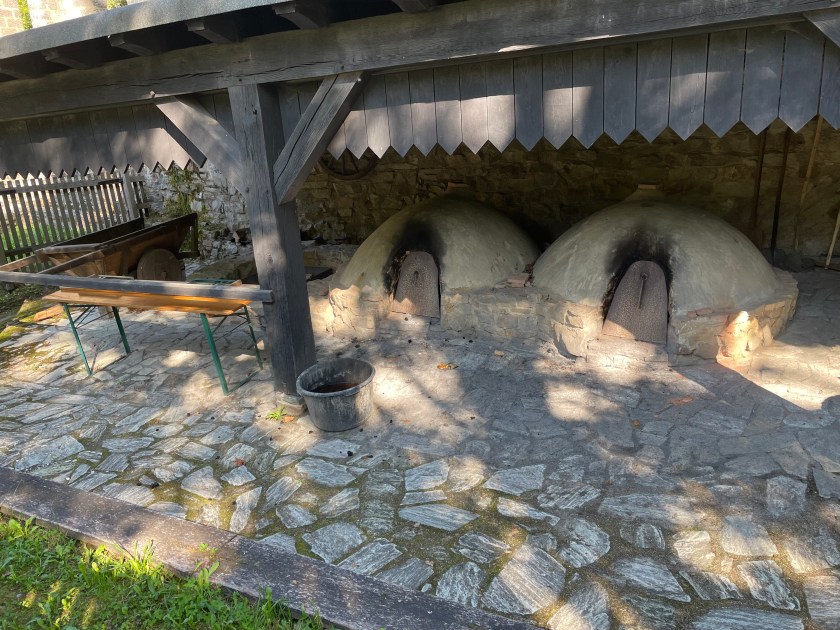
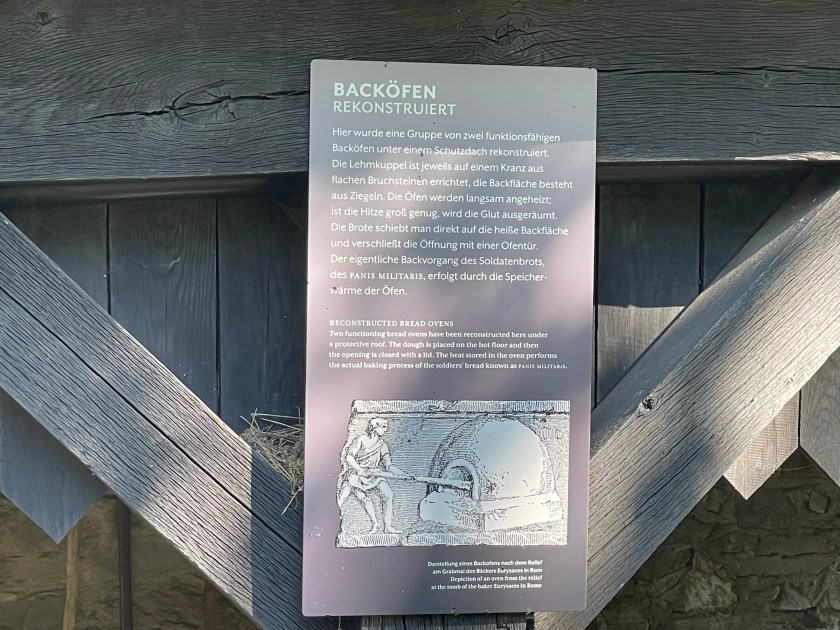
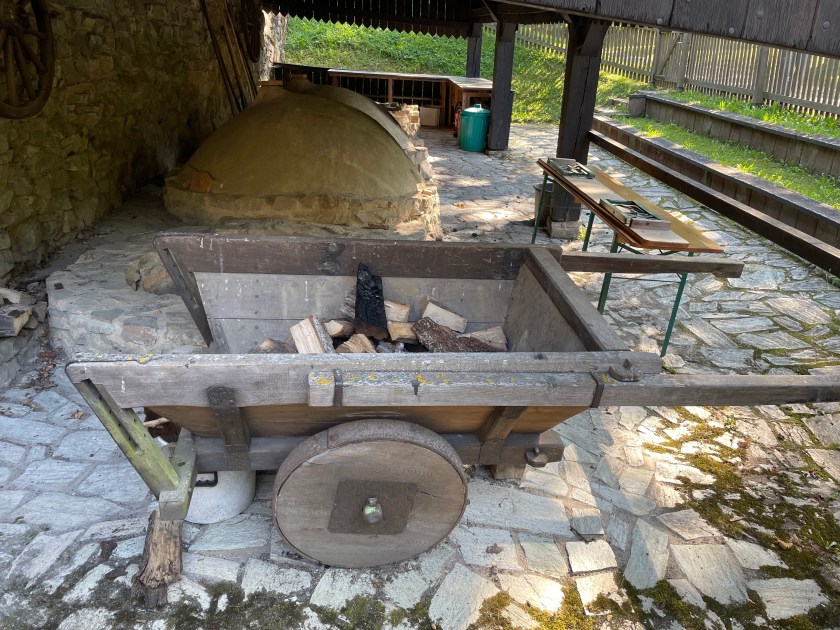
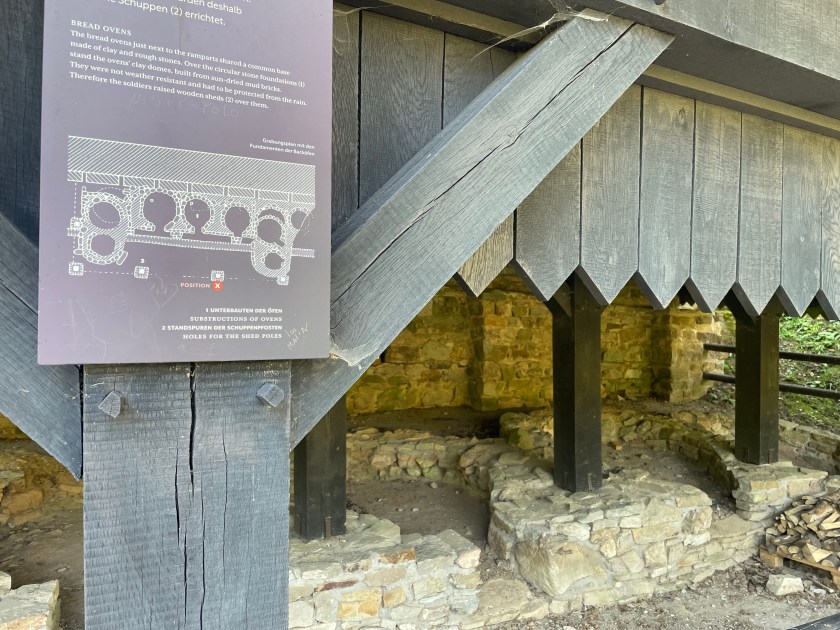
Baking ovens were outside:
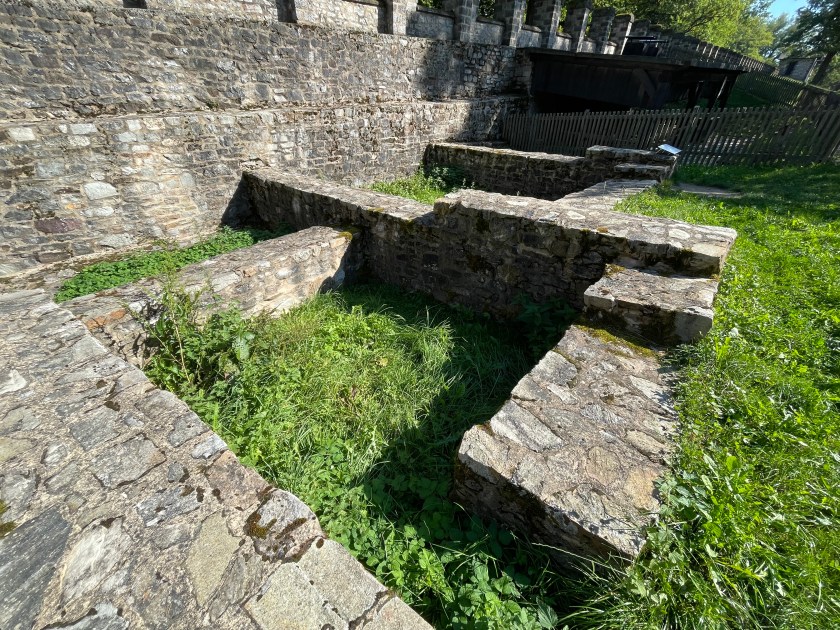
Latrines by the camp wall:
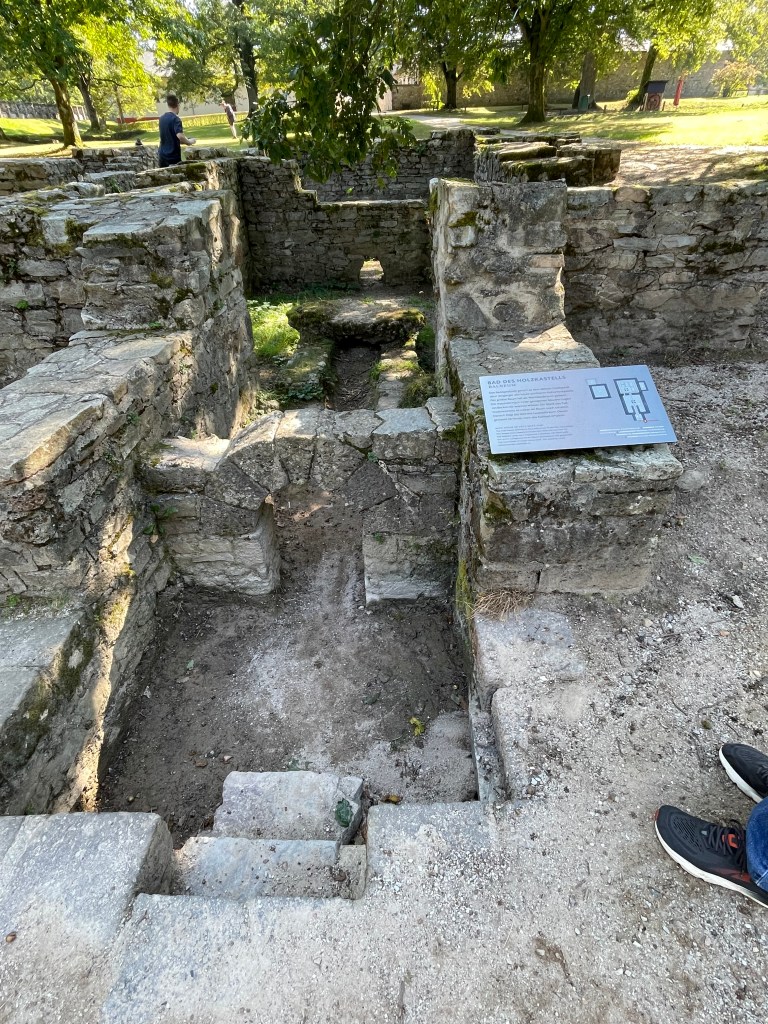
A bath house:

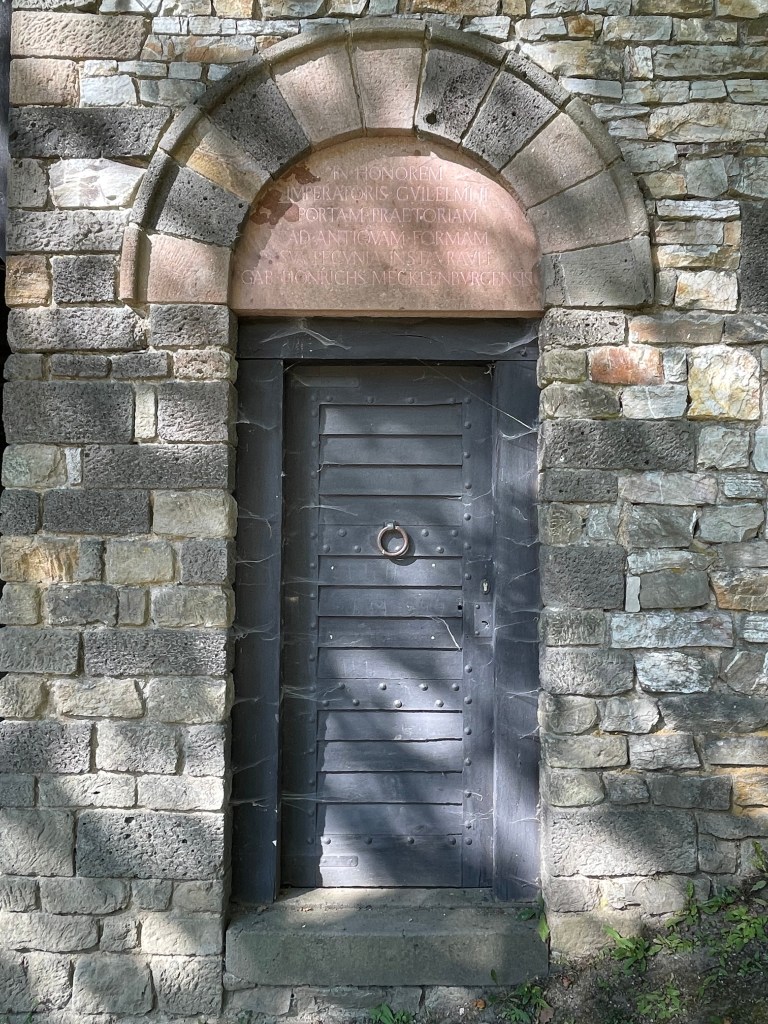
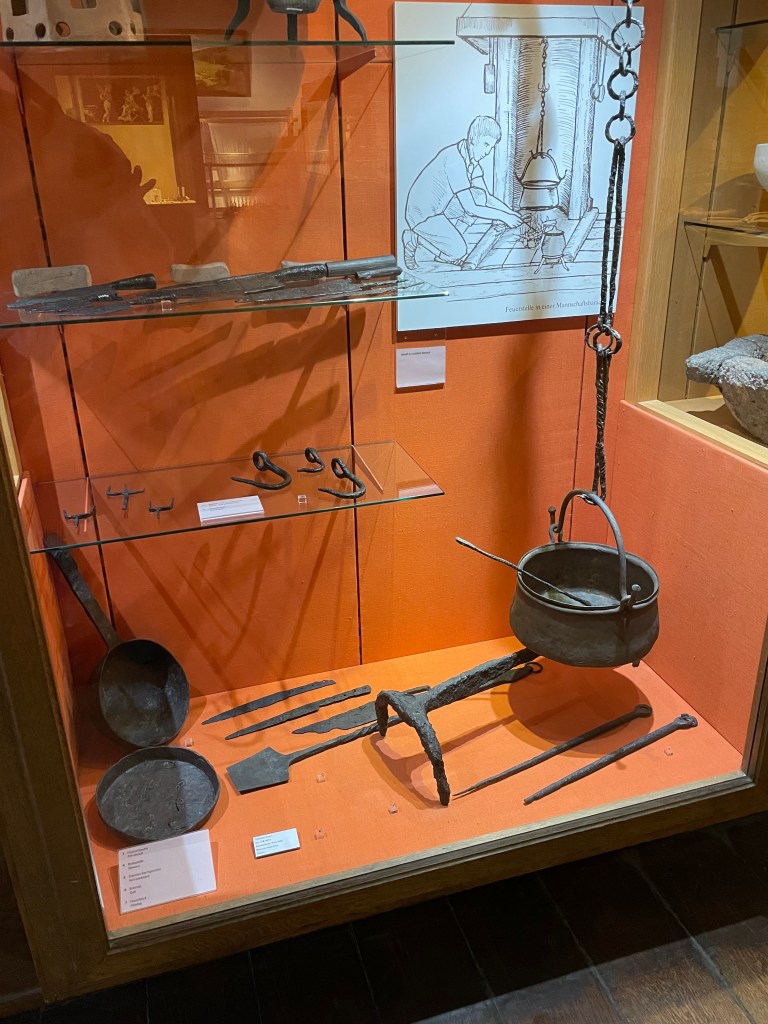
Another cooking area:
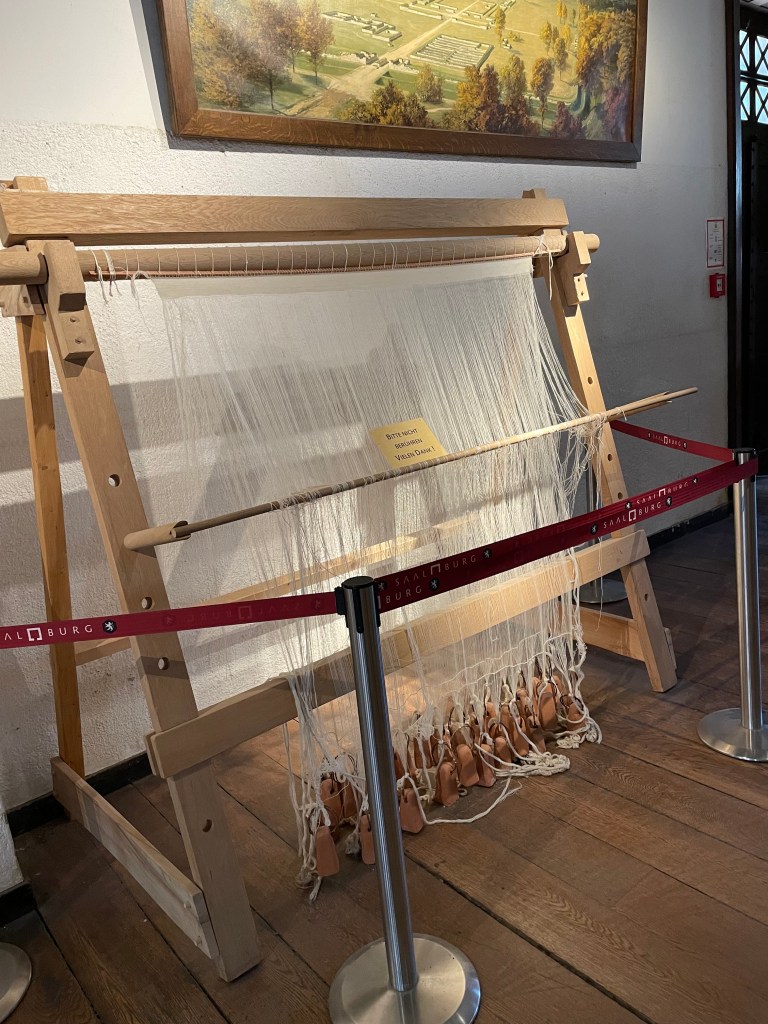
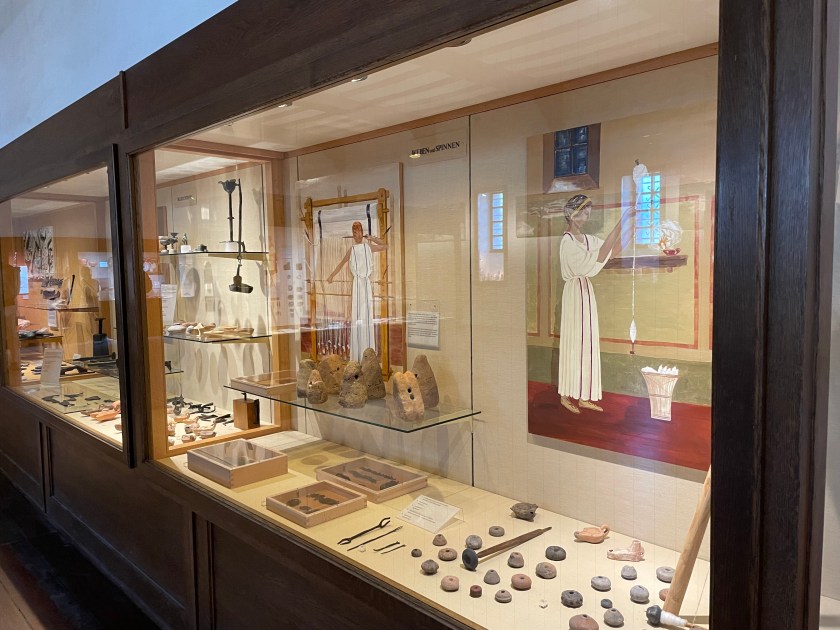
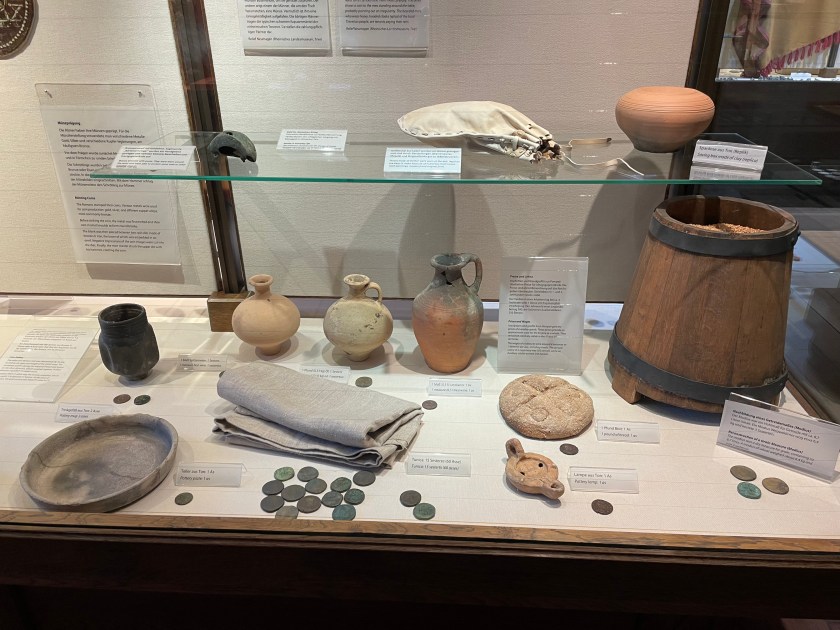
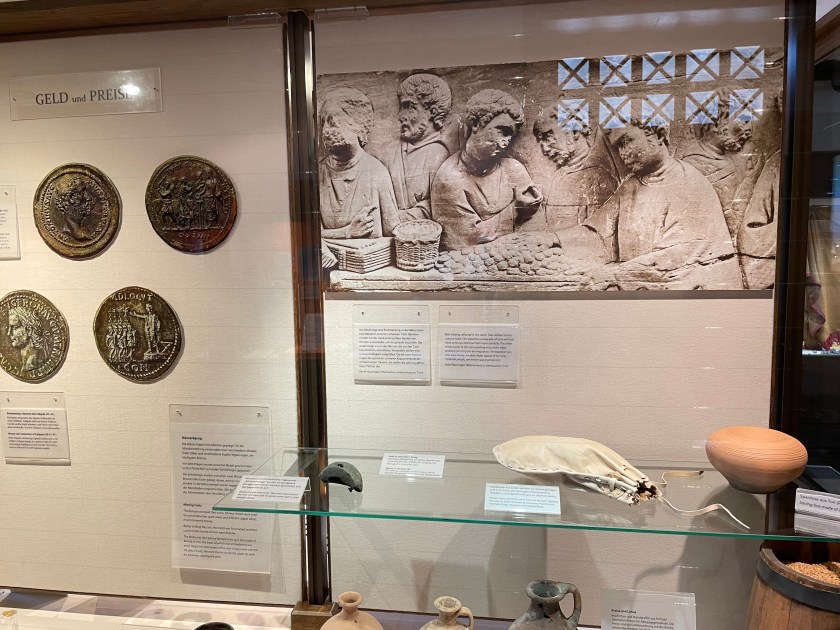
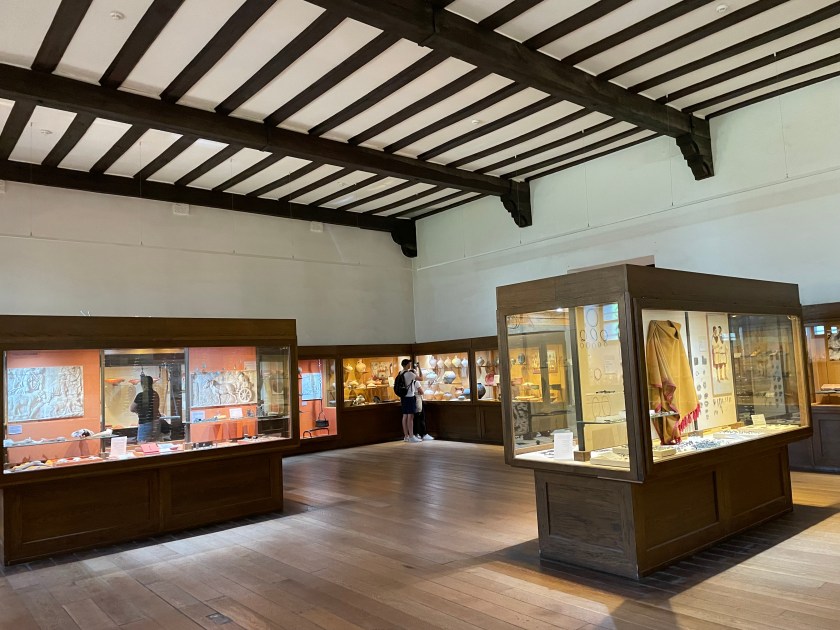
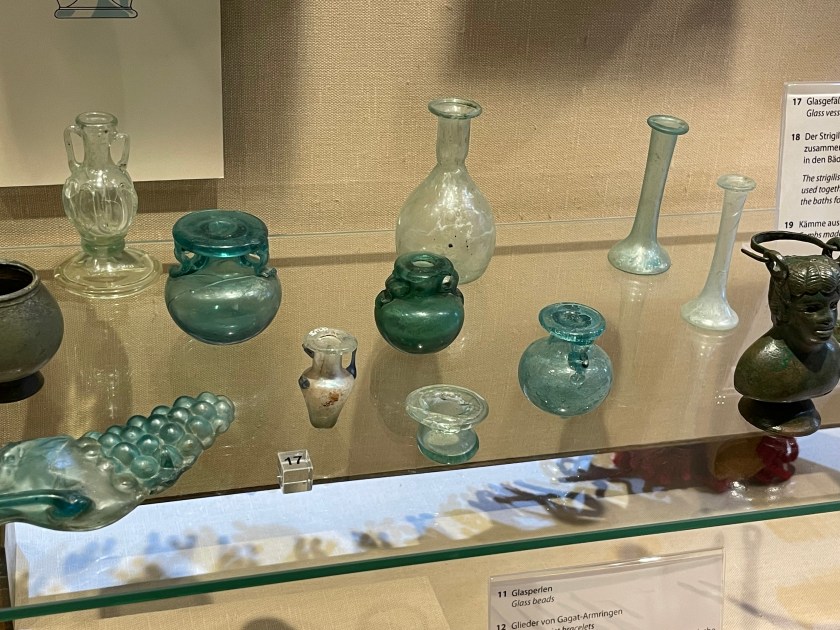
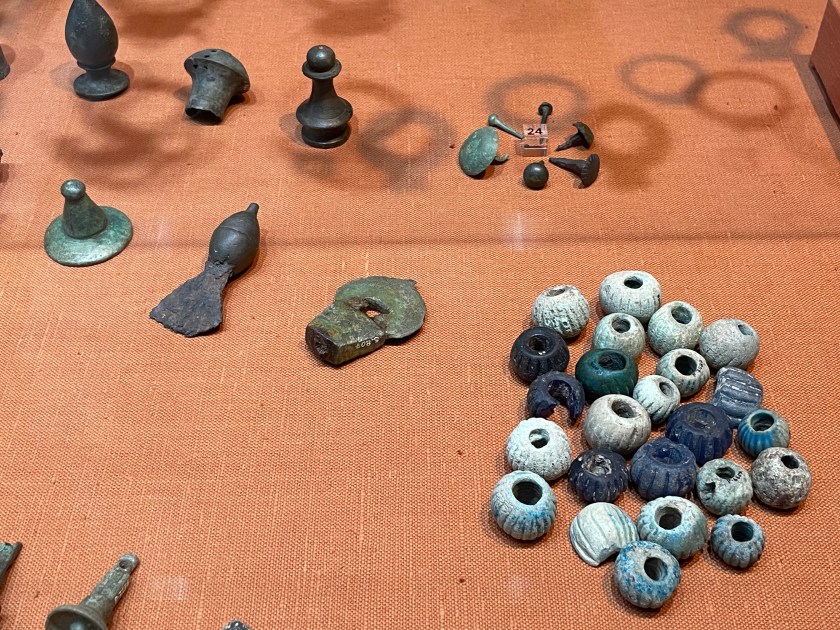
Another room filled with Roman findings:





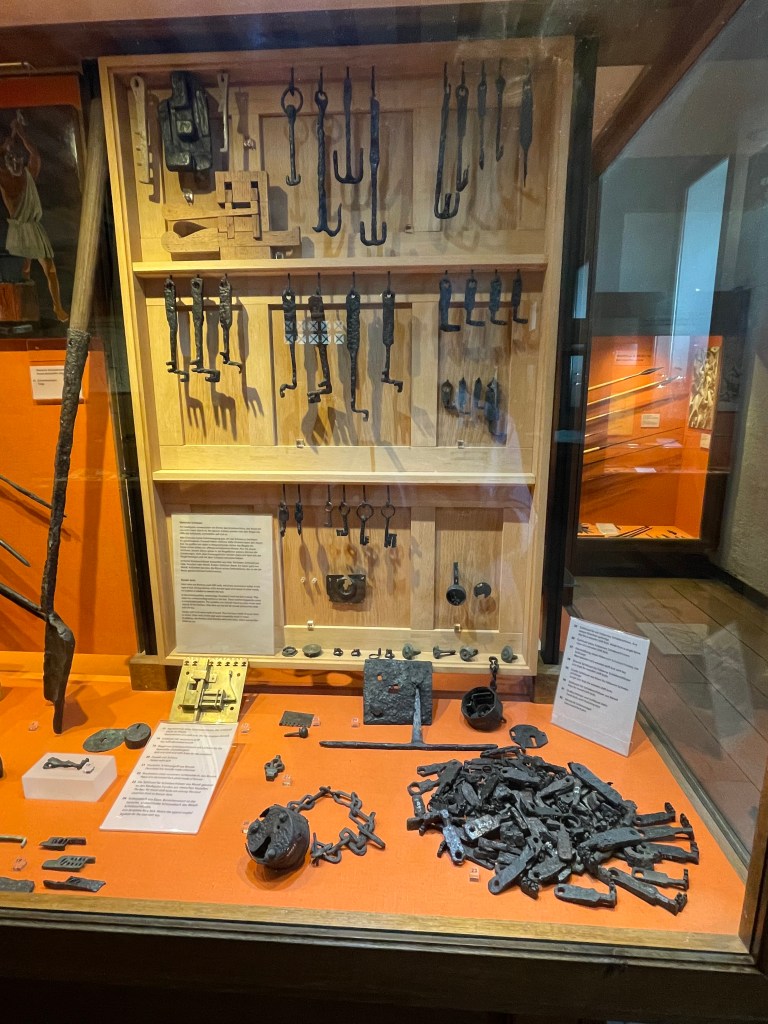
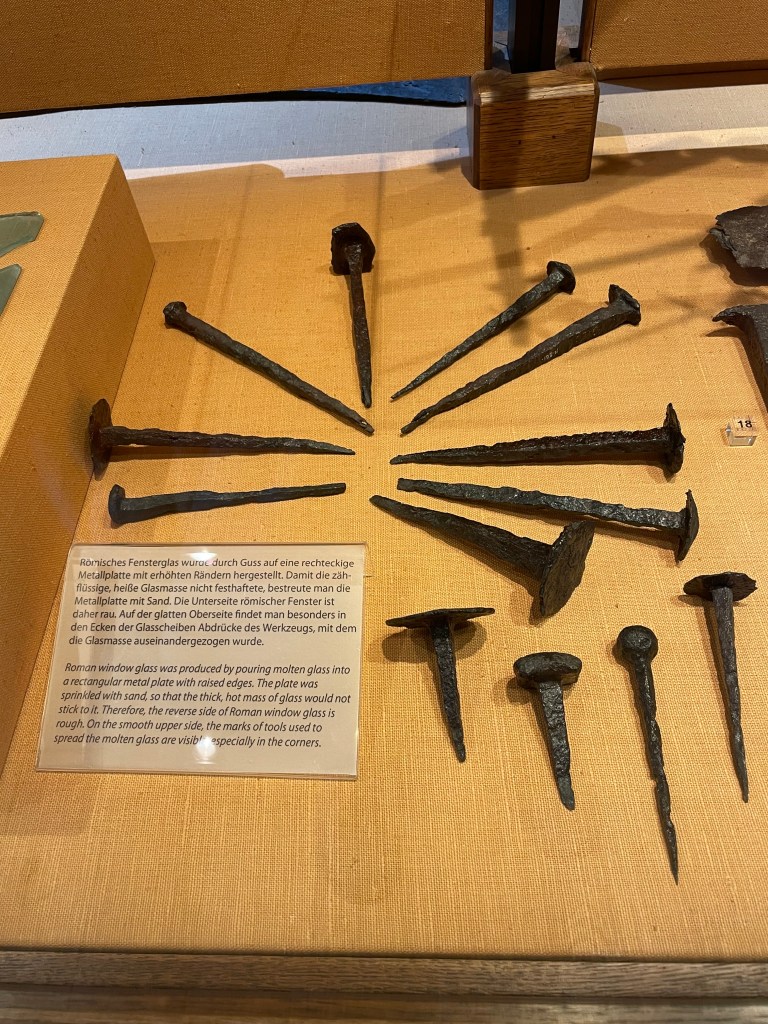
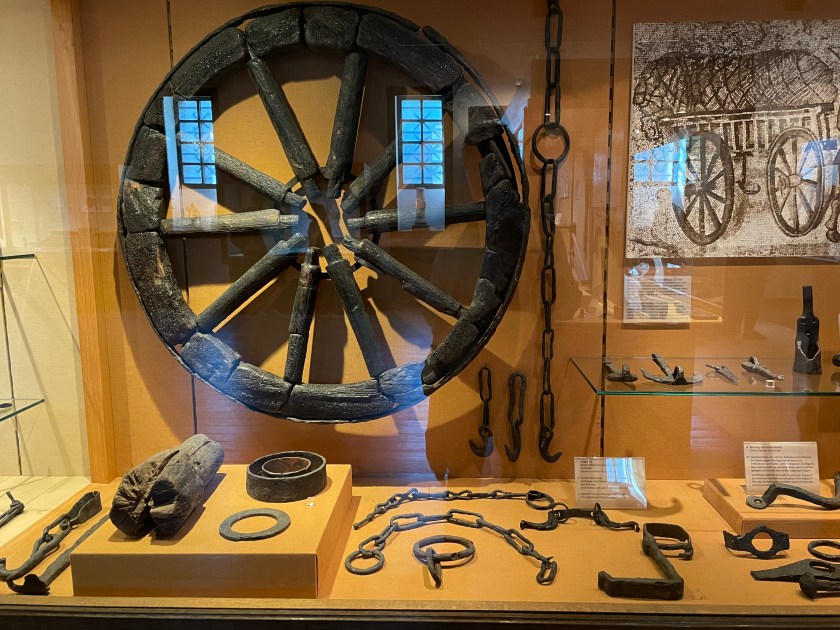

Hot baths.
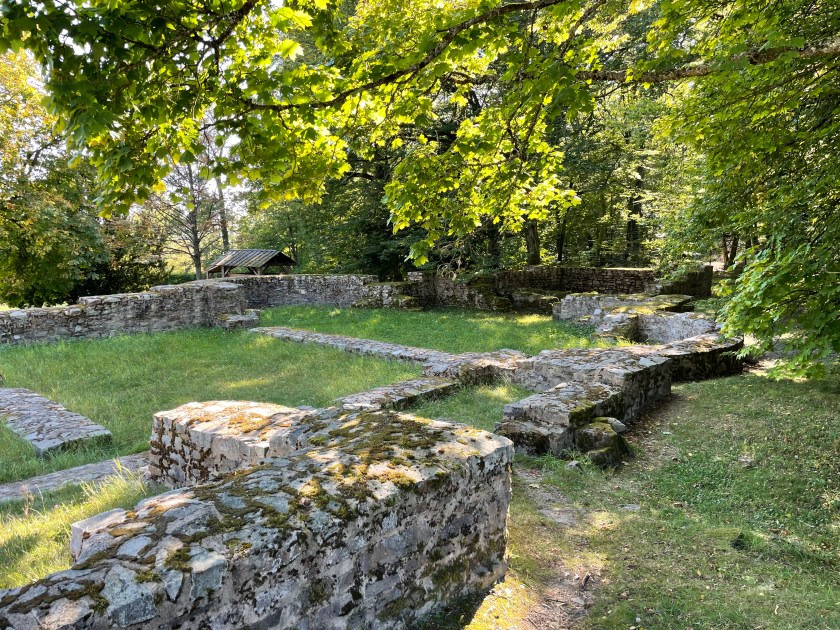
What a fascinating day. I had no idea we lived so close to these Roman ruins. Wow. Today we took a huge step back in time!

 Our Frankfurt Germany Mission