There is something important and special to me, and that’s being “in the place where it happened.” Walking where they walked, imagining being there with those who suffered. Being able to say to them one day, I visited your place. I felt your sadness there.
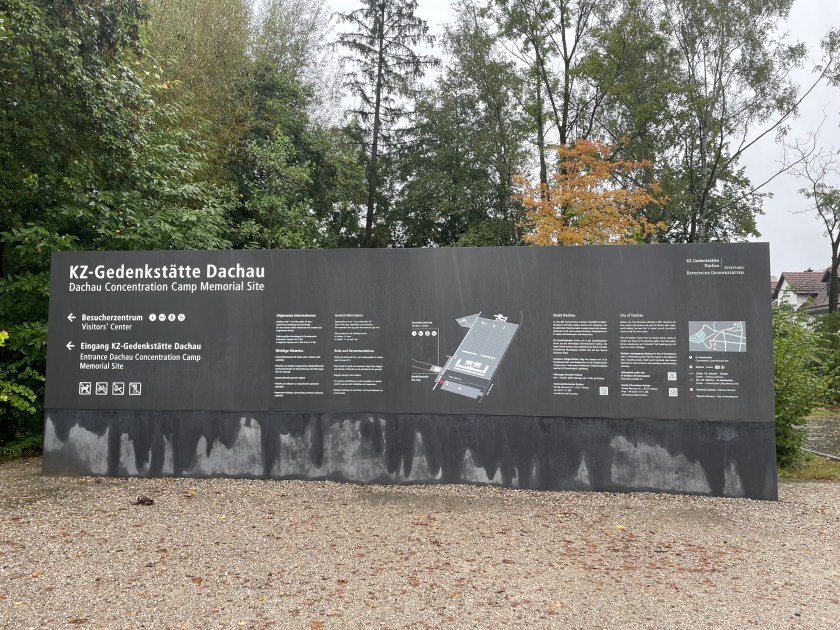
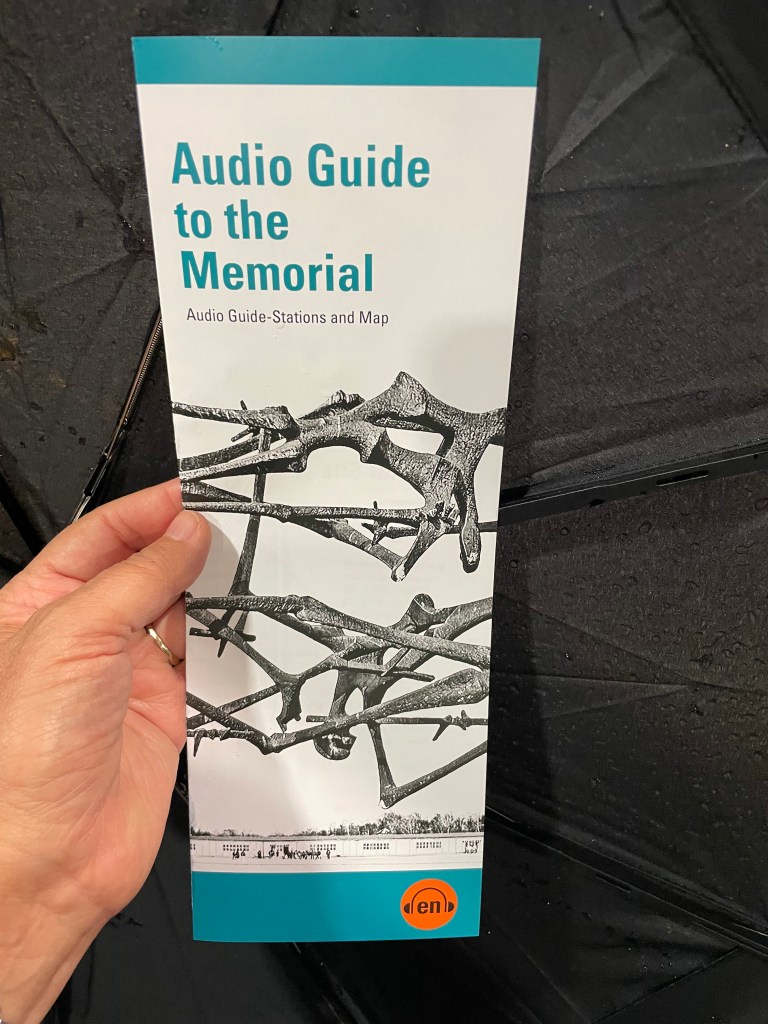
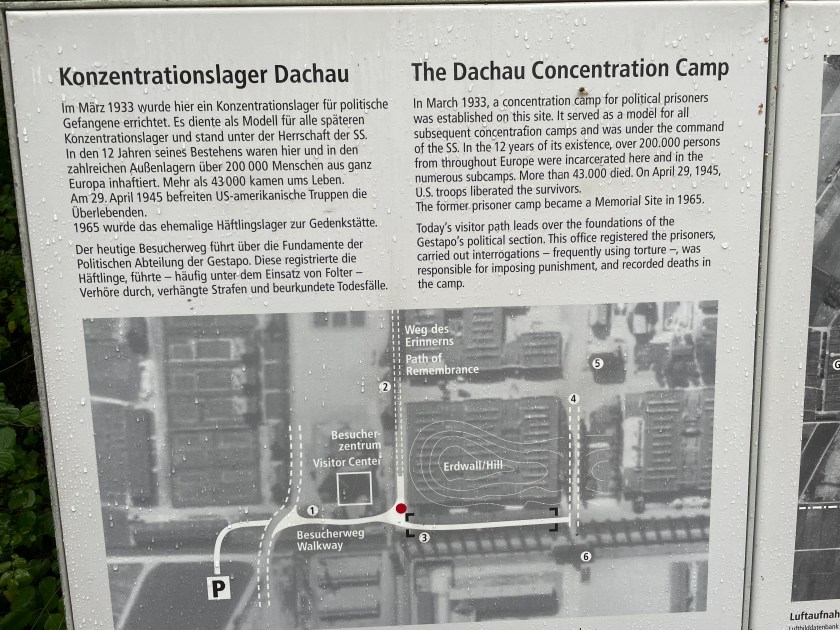
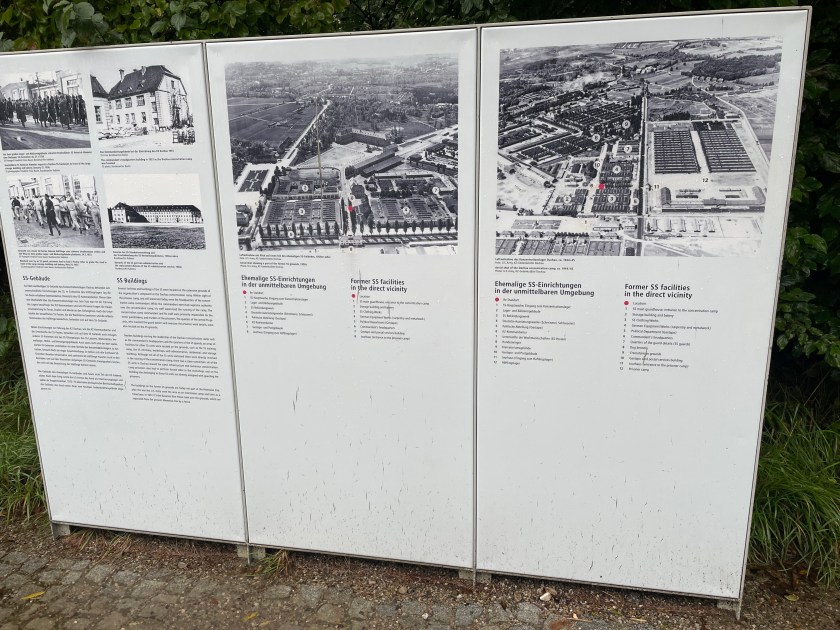
Here at Dachau, we followed what is called “The Path of Remembrance,” or the path the prisoners took as they arrived, lived and died here. We paid for audio devices that had numbers and messages to listen to at each place, in addition to all of the signs and printed information with photos telling the story here.
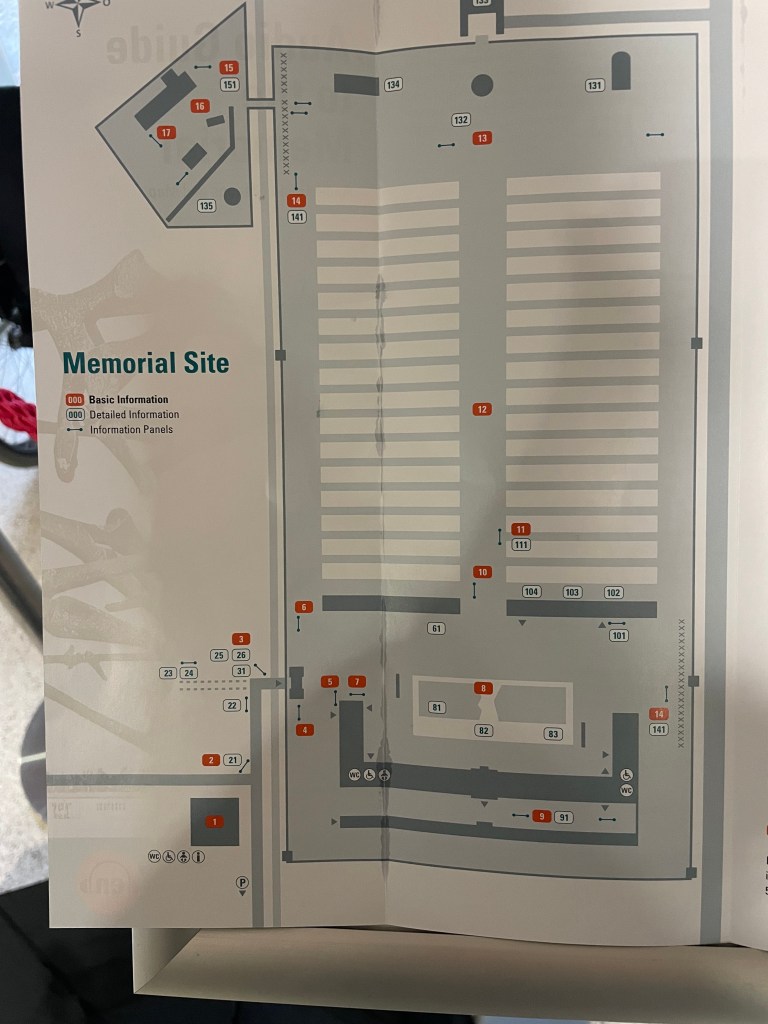

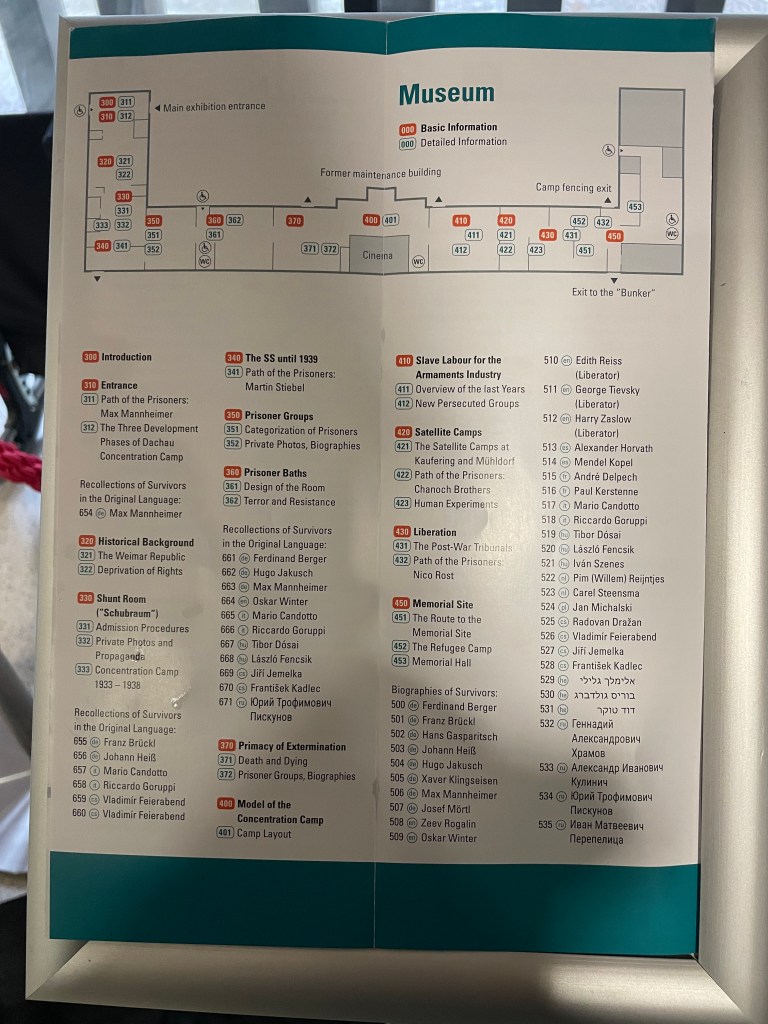
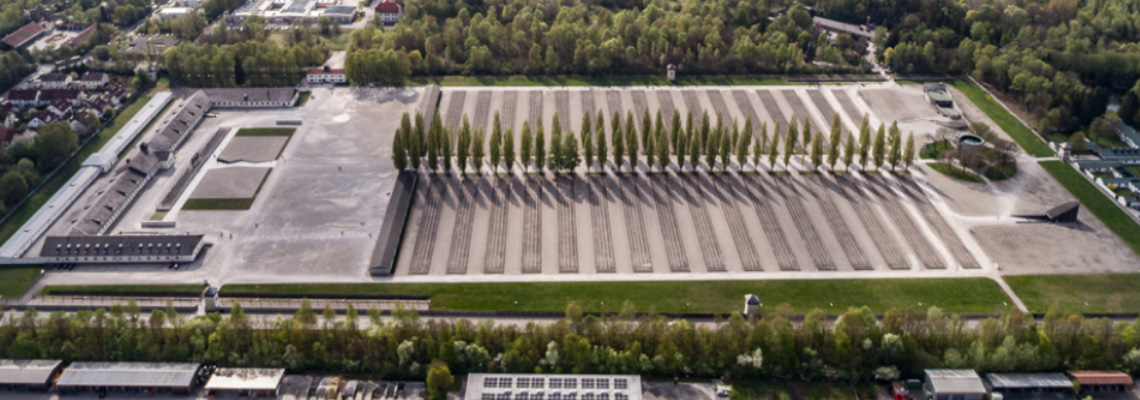
This camp is a large area, a part of it was used to house the prisoners. Other parts were for housing the officials, offices, a brothel for the SS men (with women brought in from other camps like Ravensburg), a place to raise rabbits, a garden area, and just outside the camp is the crematorium.
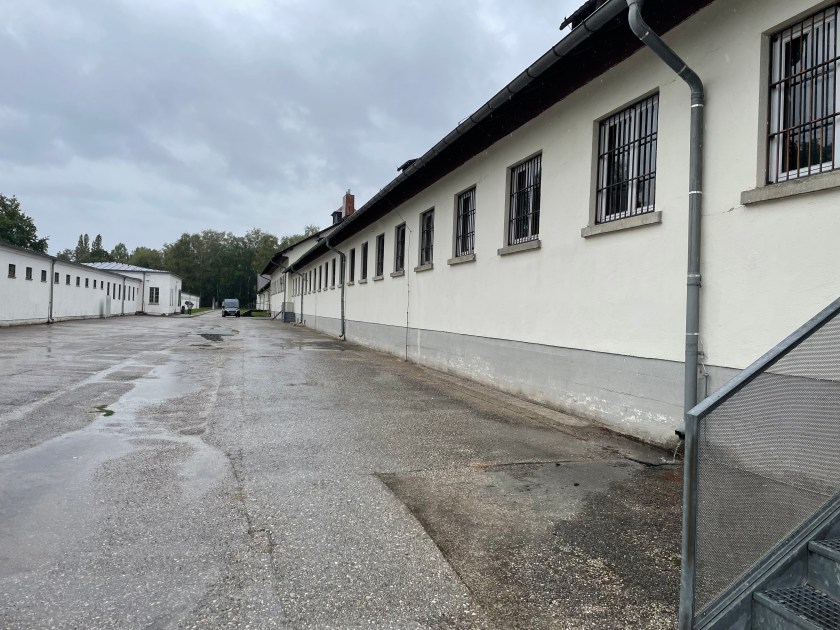
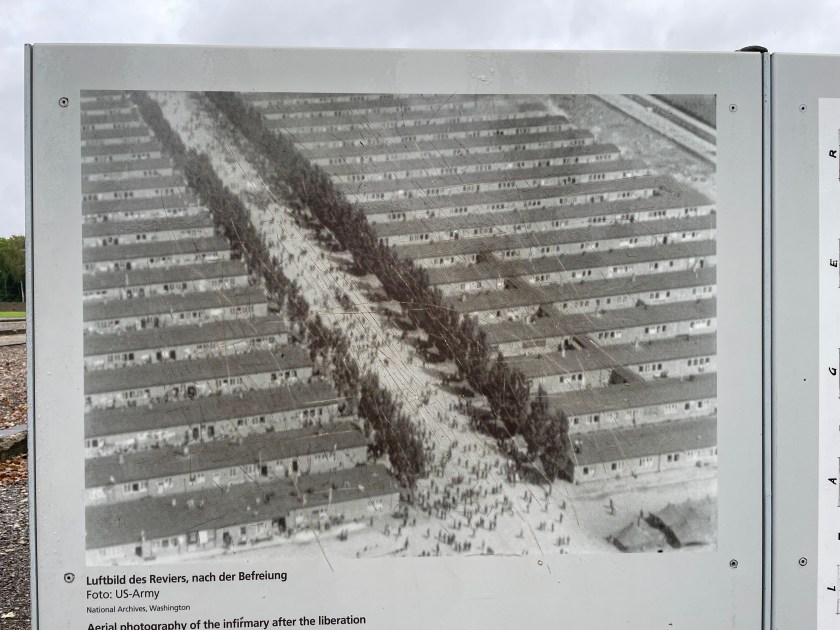
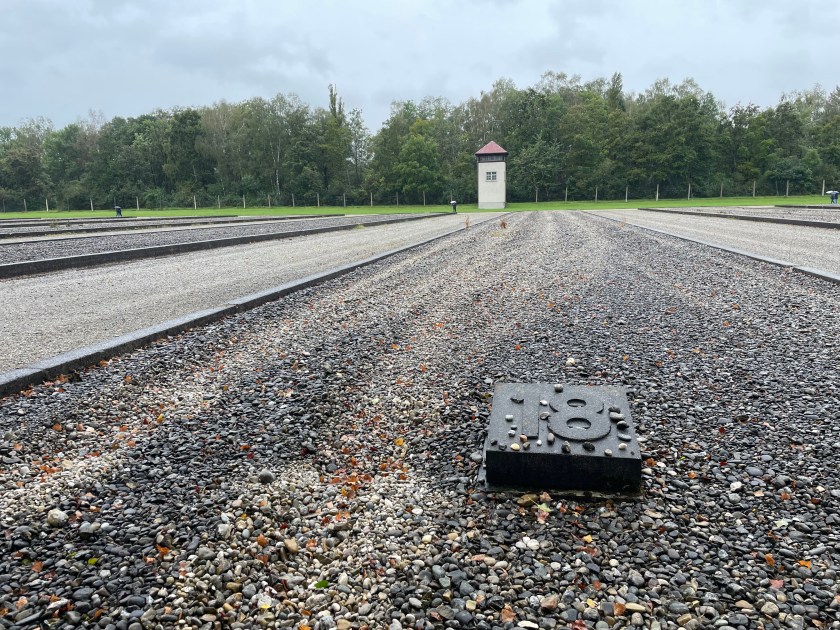
There were 32 barracks, including one for clergy imprisoned for opposing the Nazi regime and one reserved for medical experimentation. They were laid out with precision, in a grid, one next to the other on both sides of a tree-lined path or road through the middle of the camp. Each bunker or barrack was 10 meters wide by 100 meters long. They were filled with bunk beds, stacked 3 high and a common toilet room and wash room in the middle for all to use. They said the camp was built for 6,000 people, but the numbers grew to 30,000, and it was dramatically overcrowded. The catastrophic living conditions lead to the outbreak of a typhus epidemic that killed thousands.
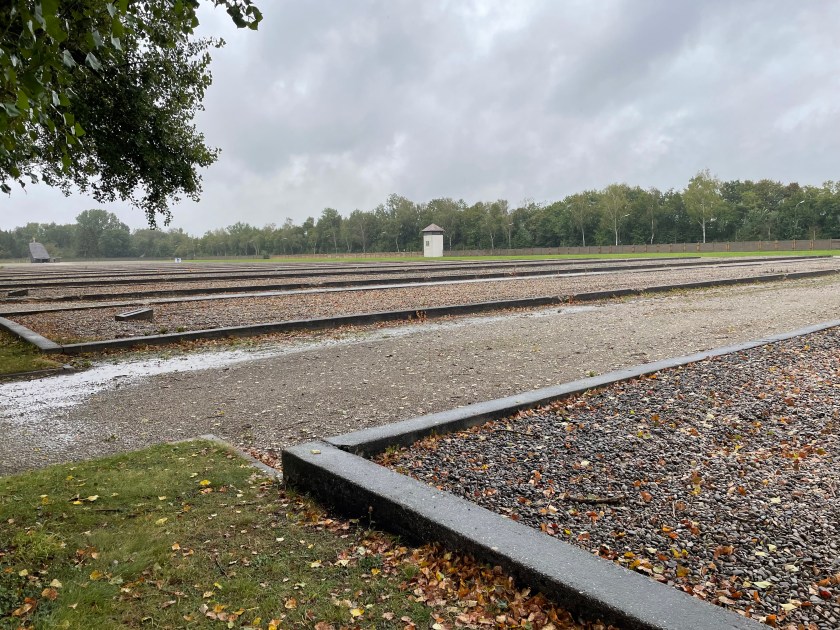
All of the bunkers were destroyed, except for their cement foundations. Two were rebuilt for visitors to see what they were like, filled with the bunks and with the toilet room and wash room. But the beds were clean and new, not as they were, infested, filled with straw-filled pads that absorbed human waste. The survivors described the smells and the problems with hygiene. The officials were brutal and so unkind, forcing them to scrub and clean every inch of the floors. Beds had to be made perfectly, or the guards went ballistic.
From what I read (the first part of the tour was like a museum in the main part of the camp where the prisoners were checked in, stripped of clothing and belongings, showered, hair shaved, then assigned to their places), this was a brutally mean place, heavy on punishment, torture, brutality and exercising unrighteous dominion. It was horrible. People were beaten and abused in every way. Such inhumanity.
I felt SAD here. But there is a peaceful feeling in the camp now. It’s OVER. The terror of Hitler’s regime is gone. There is just quiet and peace and remembering.
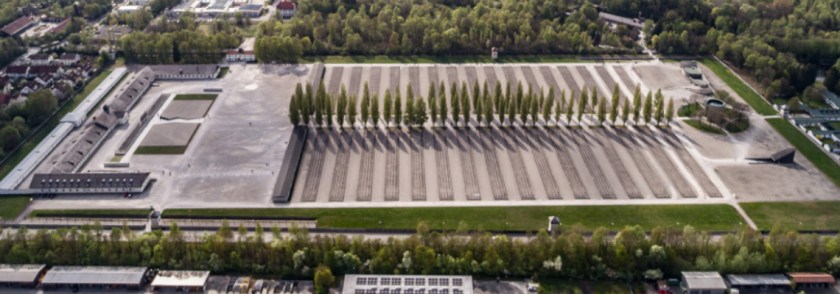
Here’s an aerial view of the concentration camp. In the top right is the path that leads to the crematoriums.
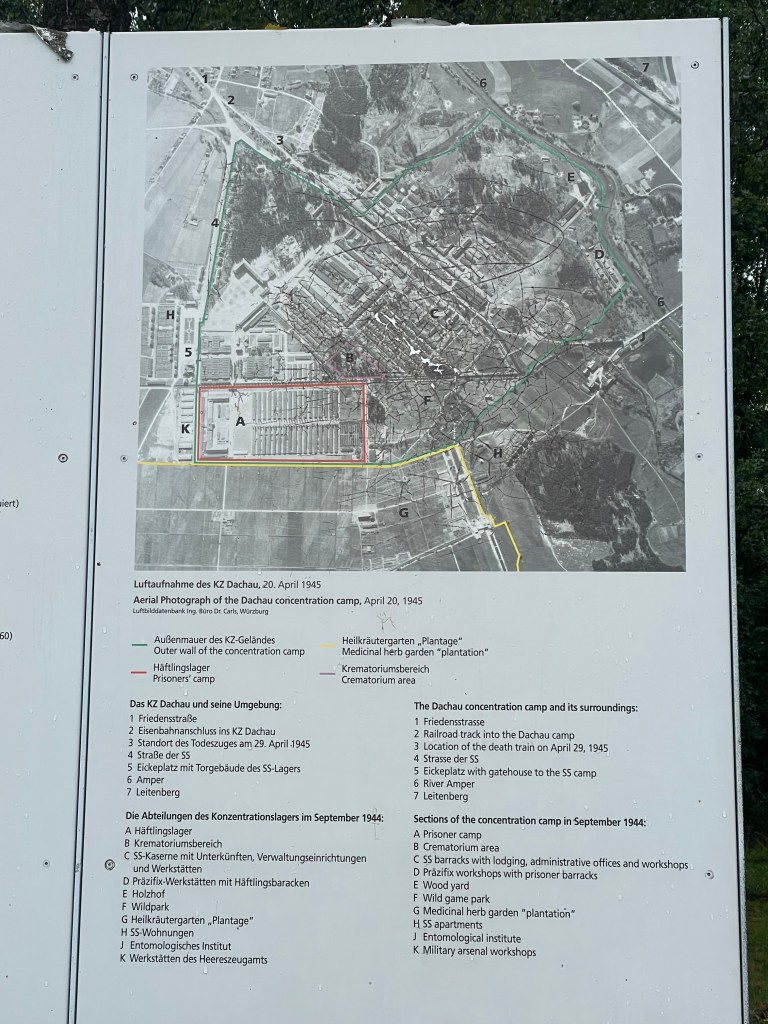
The green outline below is all of Dachau as it was. The red outline is the camp we visited where the prisoners were kept. The crematoriums were outside of this red area.

Old photographs of what it looked like:
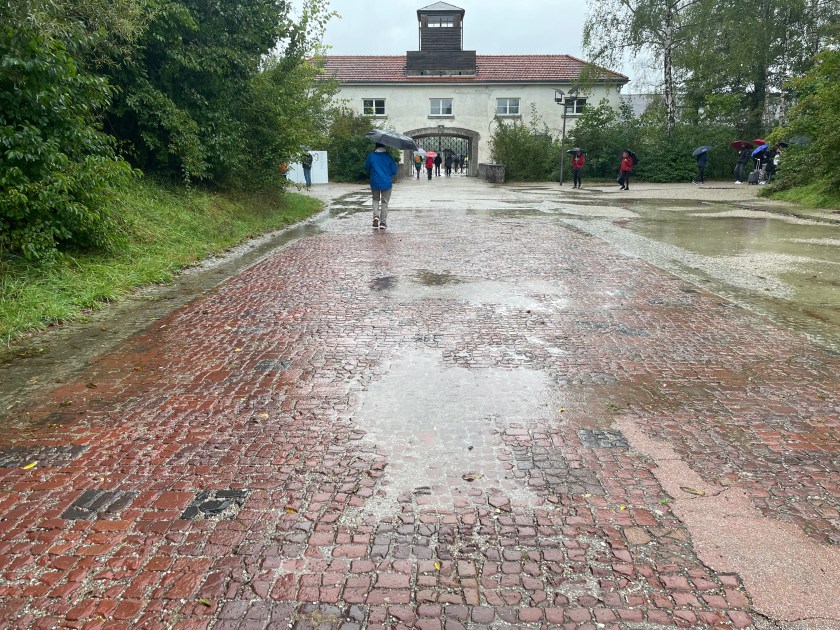
This is the area where the trains were unloaded before people entered the camp through the gates, taking their last steps in a free world. It seemed right that we were here on a cold, dreary, wet day.
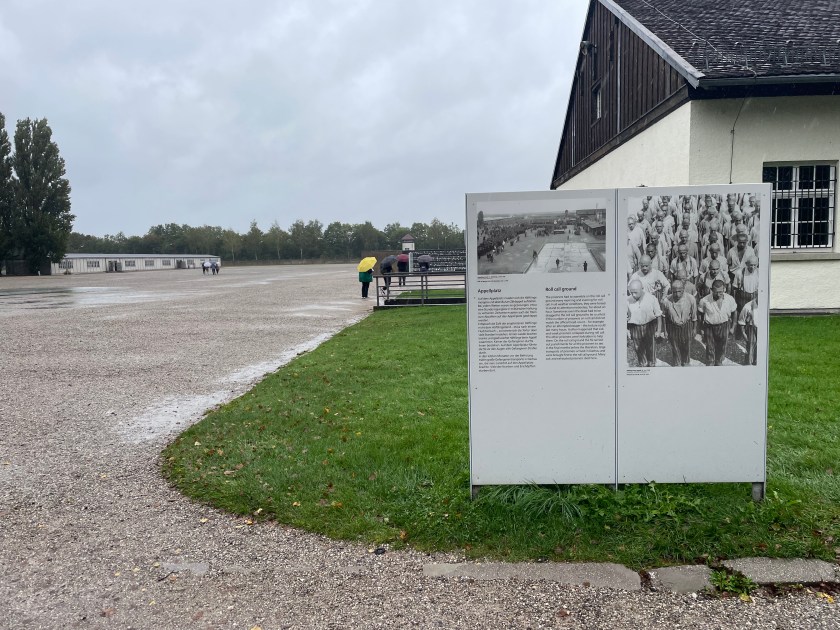
Coming through the gates, the large field in front of us was were roll call was taken. Prisoners had to stand in lines for hours here. the building to the right is where they were checked in when they arrived. Now it’s a museum explaining life at Dachau and what was happening in the world at that time.
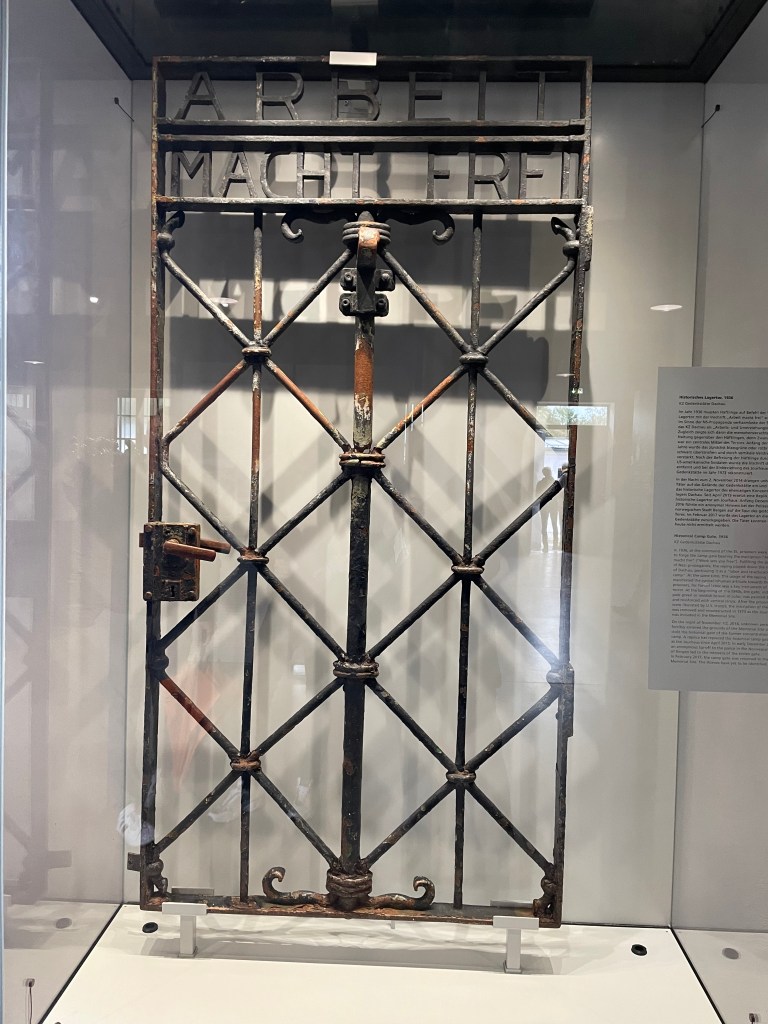
Looking back at the entrance gate:

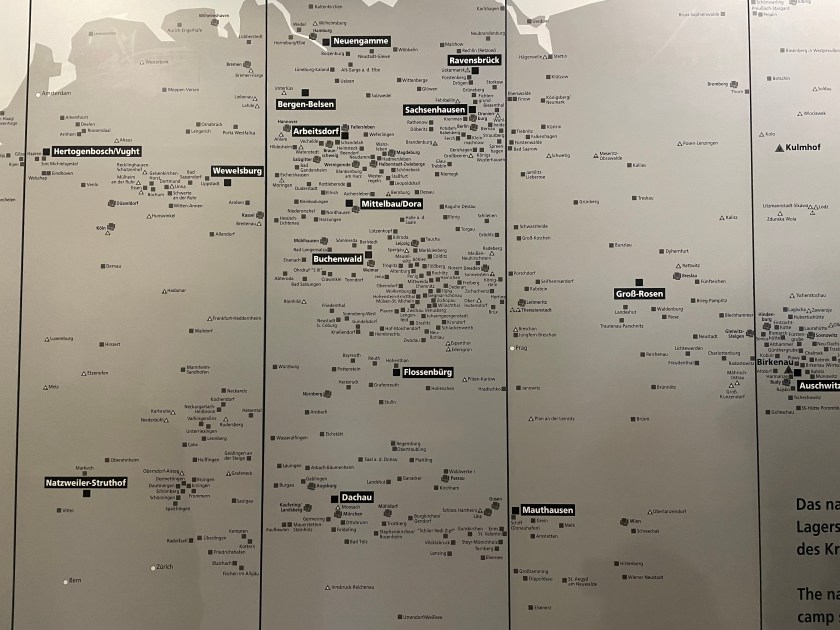
Concentration camps in Europe:
The desk where they were checked in:


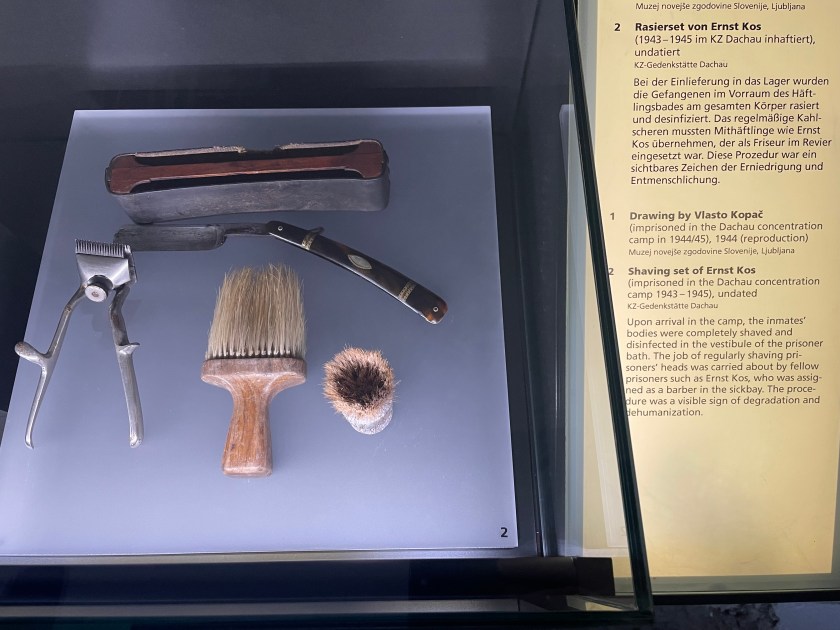
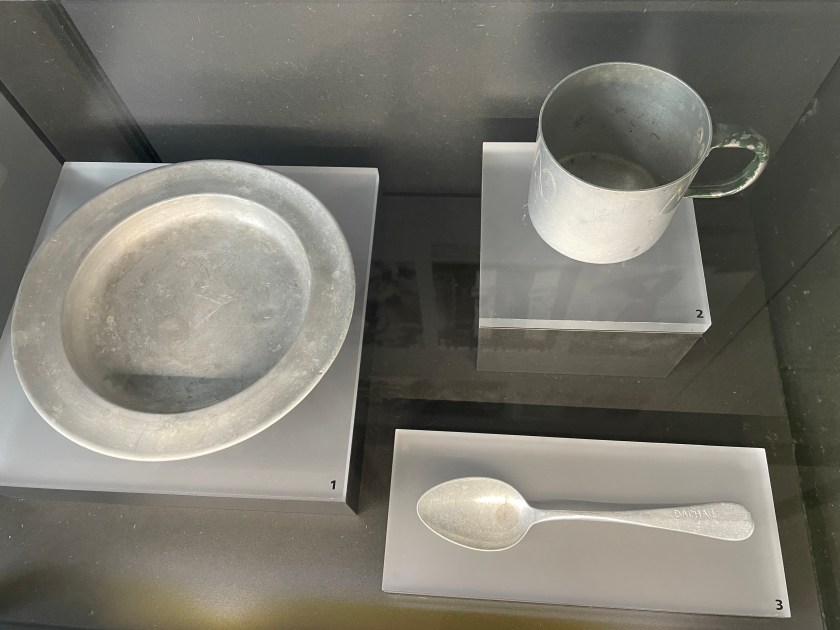
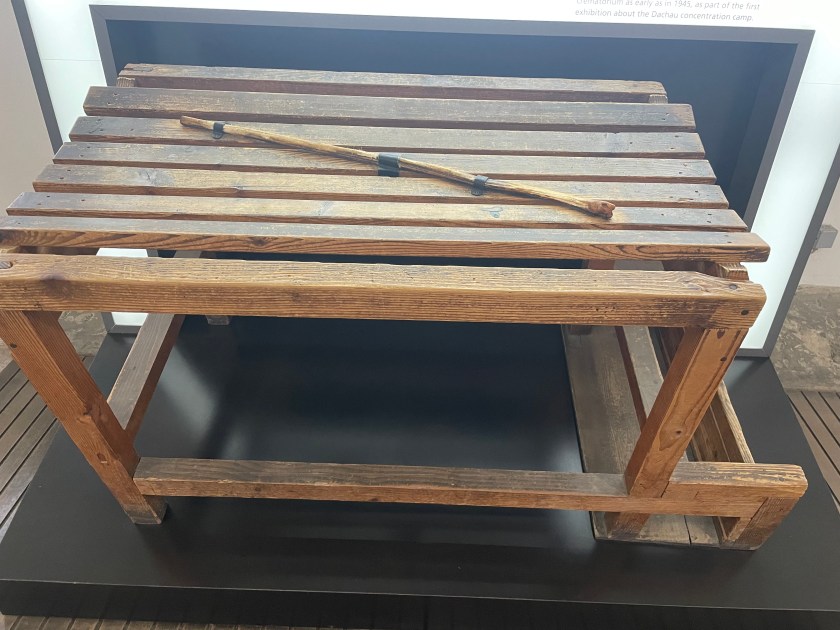
Used for punishment:
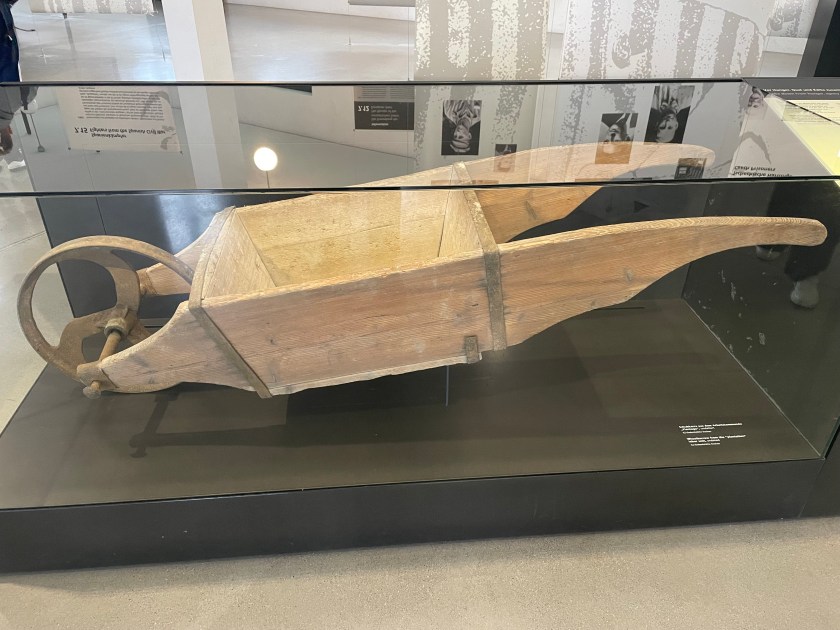

The shower room.
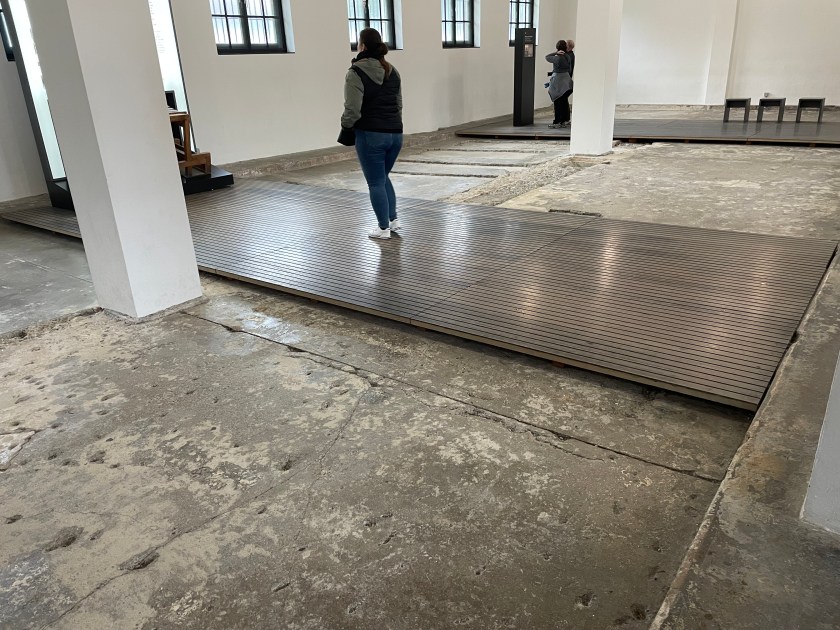

Outer courtyard and execution area behind the main building:
The execution wall and place for hangings.

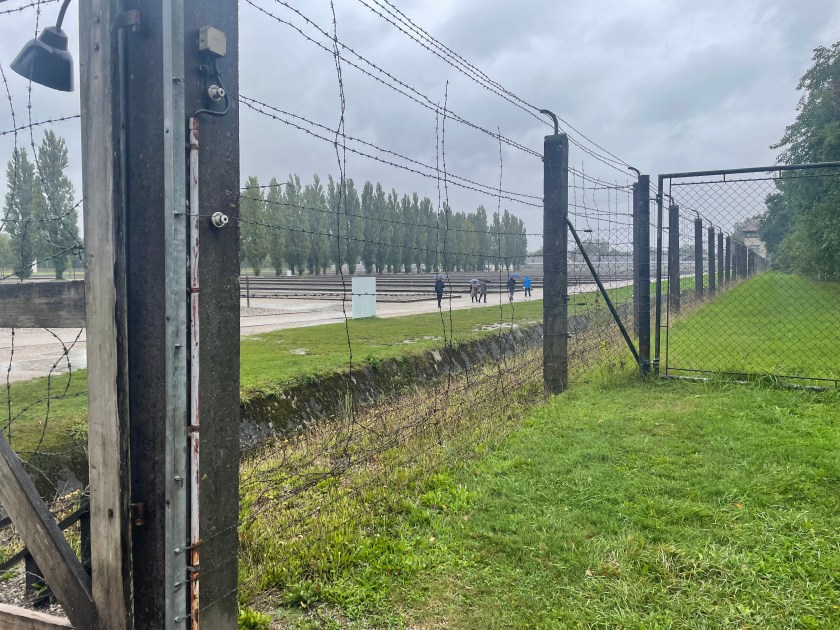
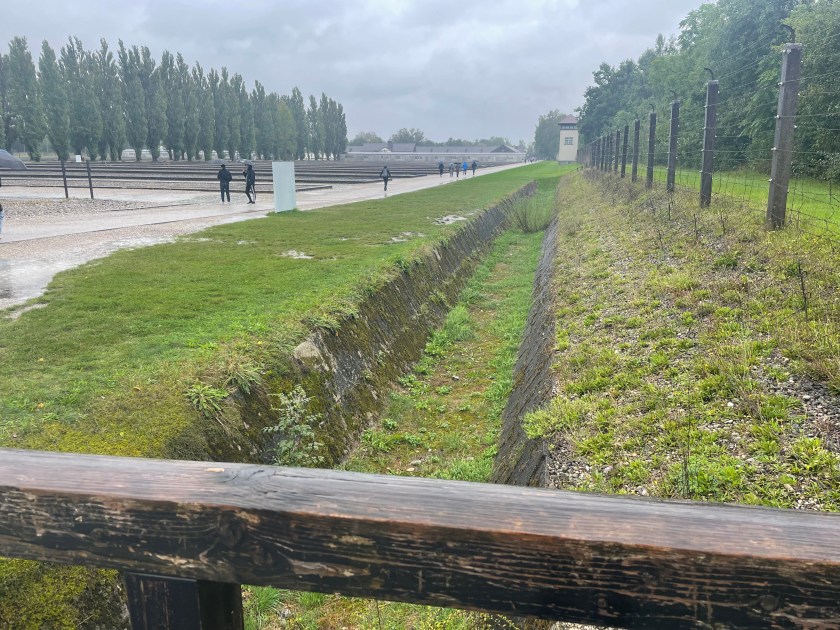
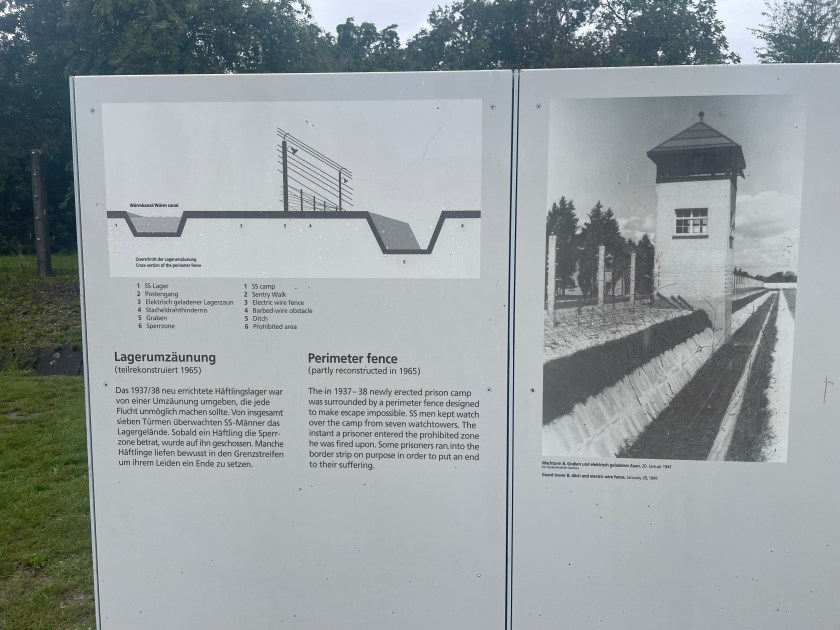
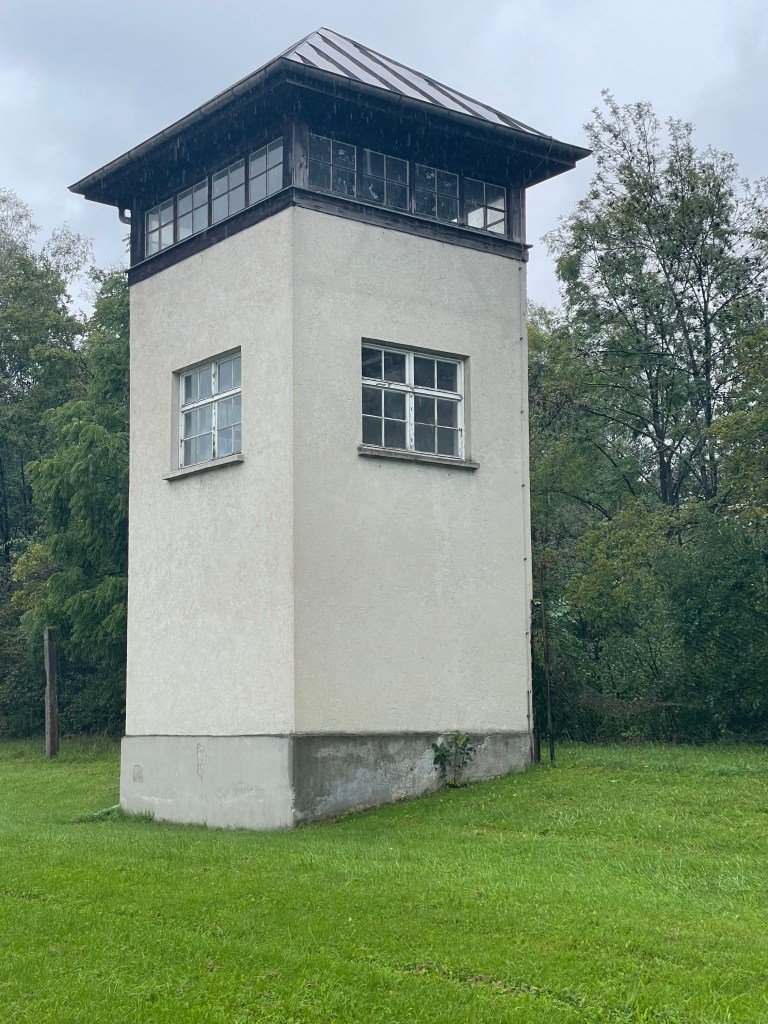
The camp is surrounded by walls, barbed wire and watch towers.

The two reconstructed bunkers made to give visitors an idea of what living conditions were like:
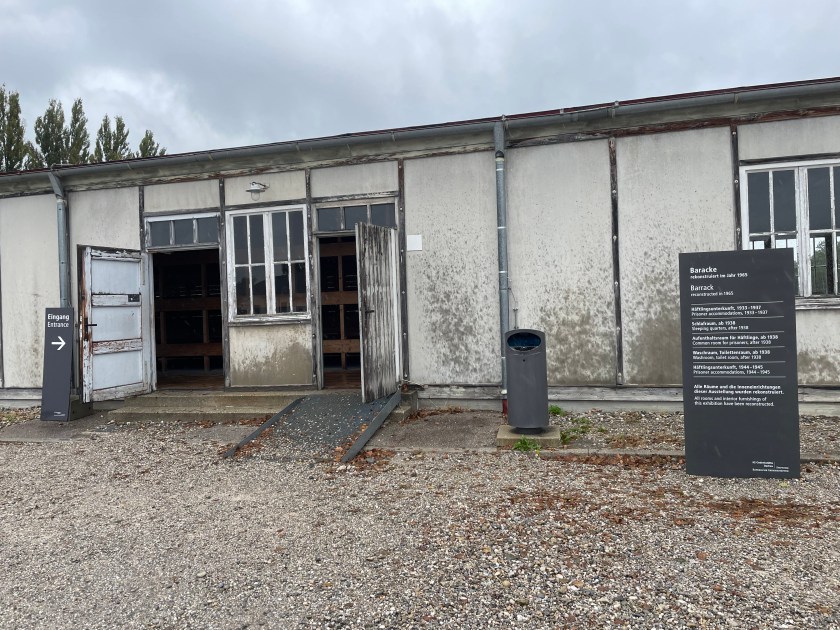


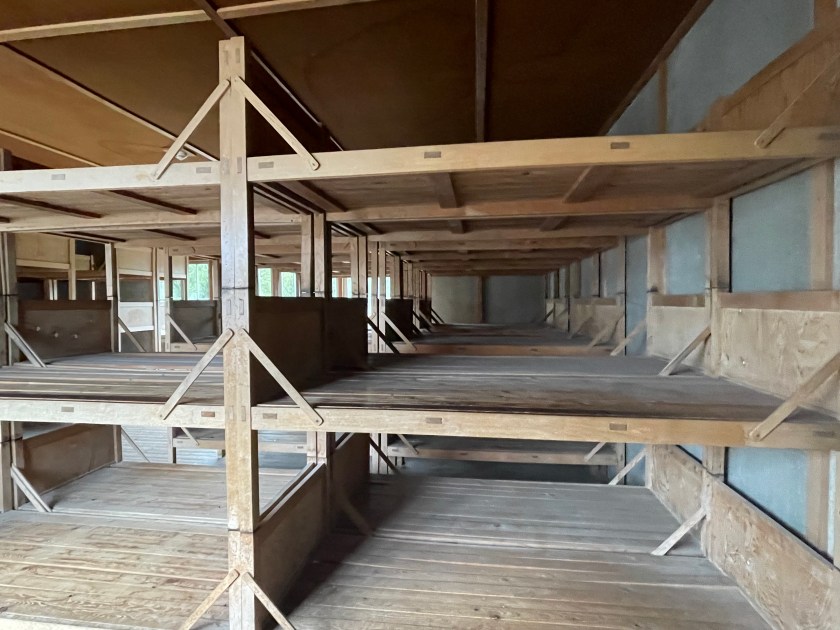
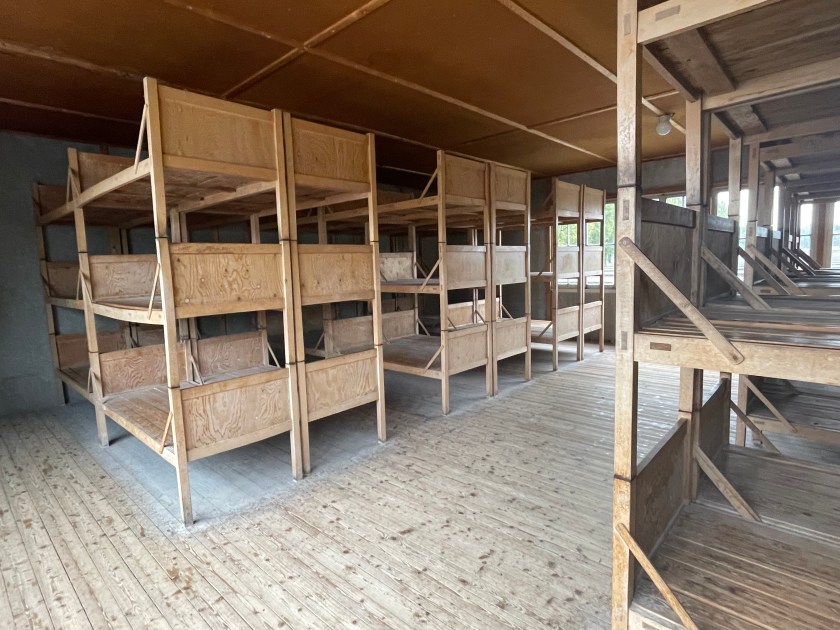
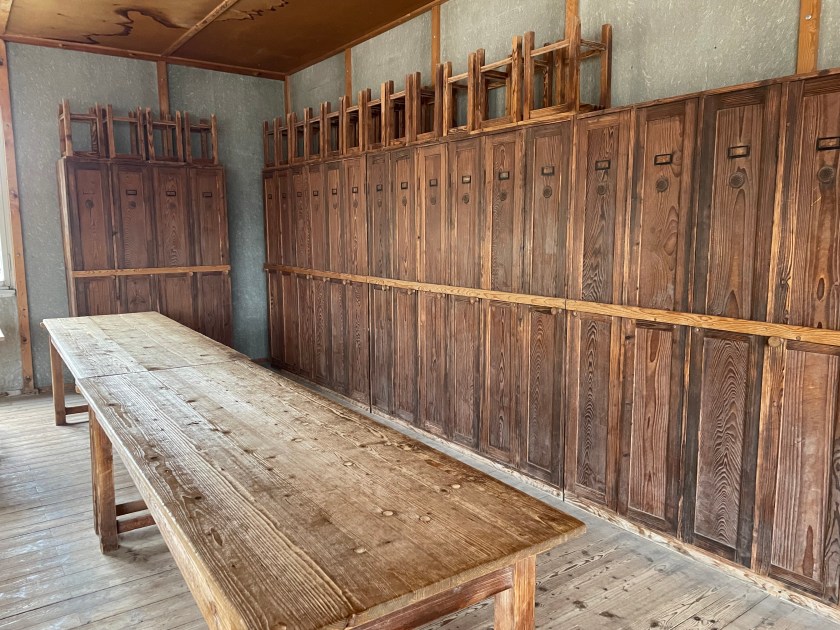


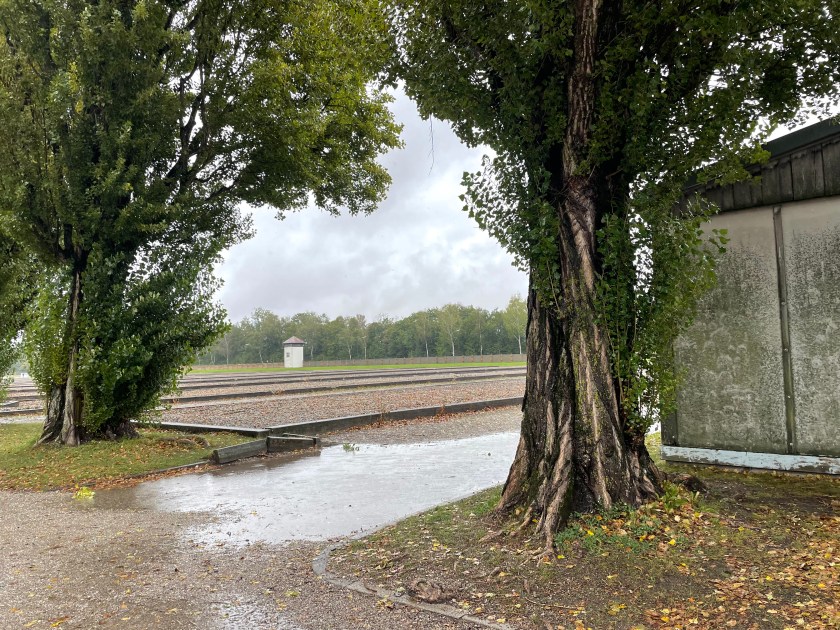
The tree lined street between the bunkers. I think men were on one side and women on the other.

These are the original cement foundations of the bunkers.

Here’s a photo taken after the liberation.
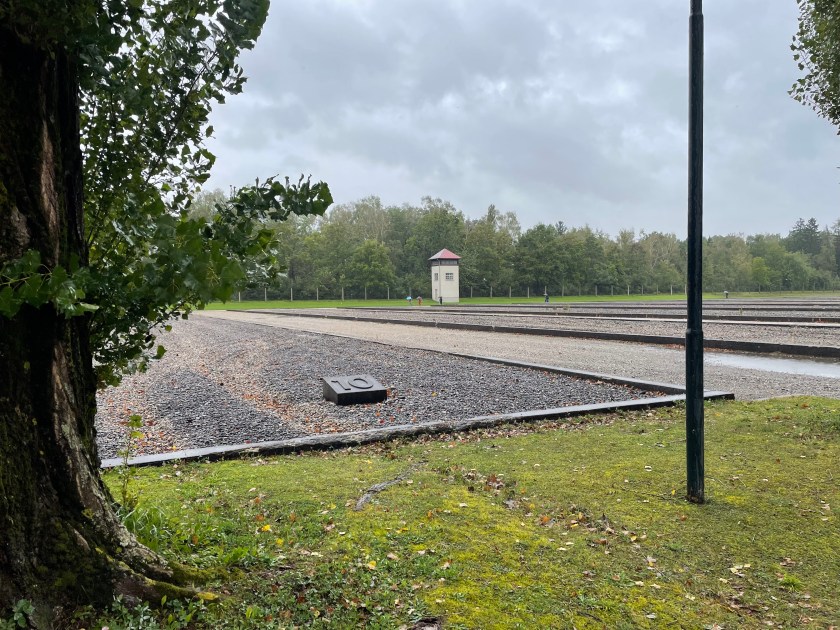
Each “block” or bunker had a number–evens on one side, odds on the other.
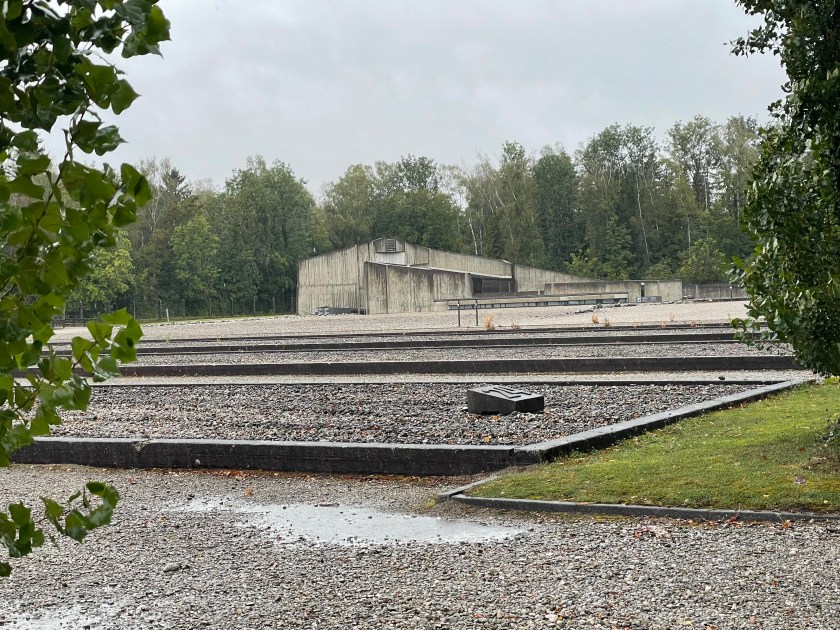
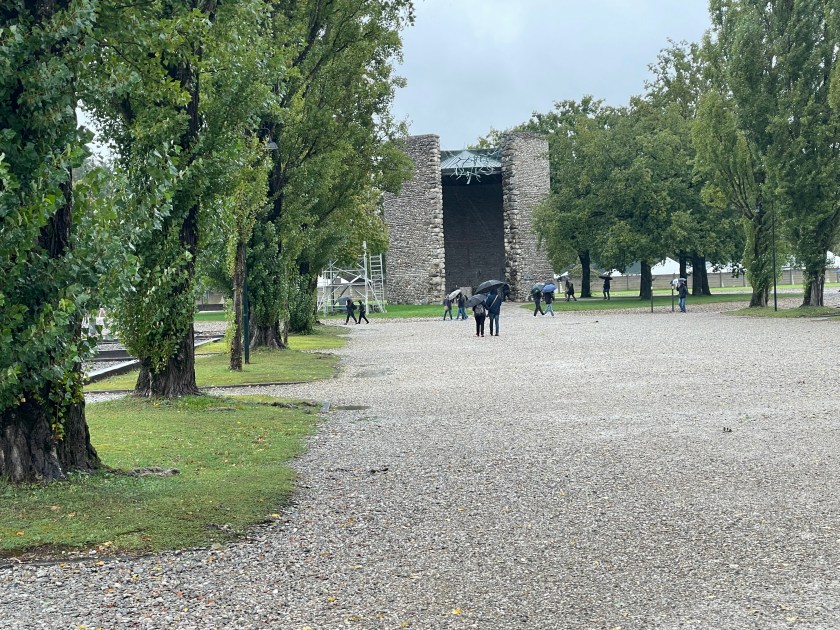
At the far end of the bunkers there are 4 memorials–a Protestant church, a Jewish, memorial, a Christian memorial and a Russian Orthodox chapel.

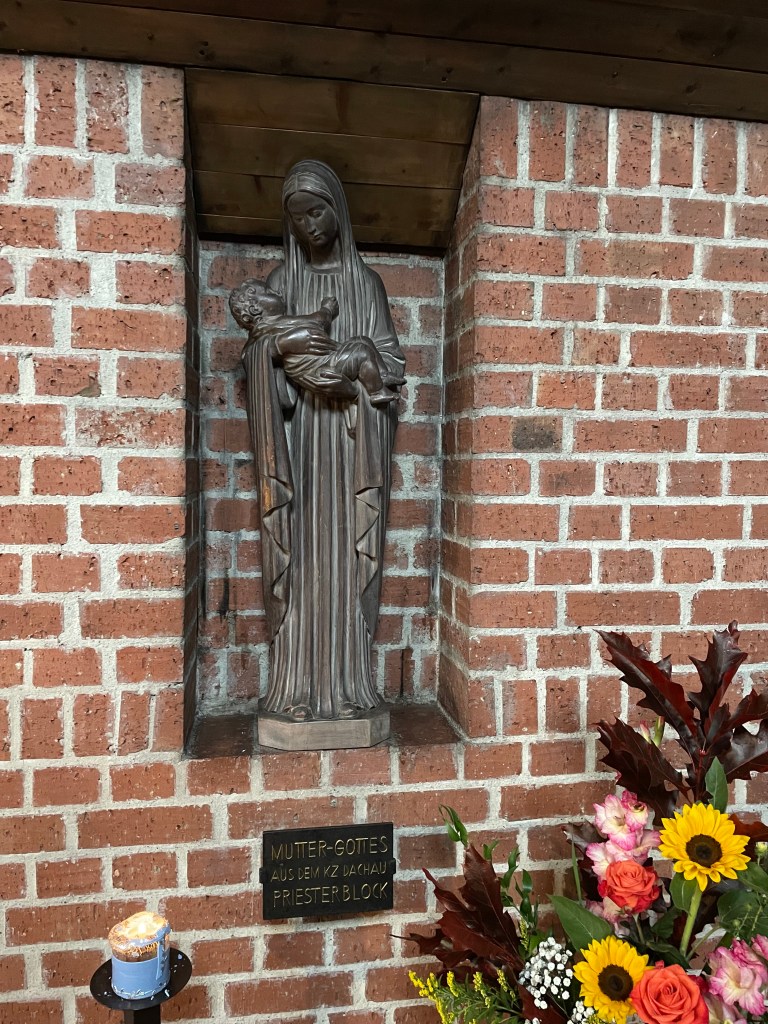
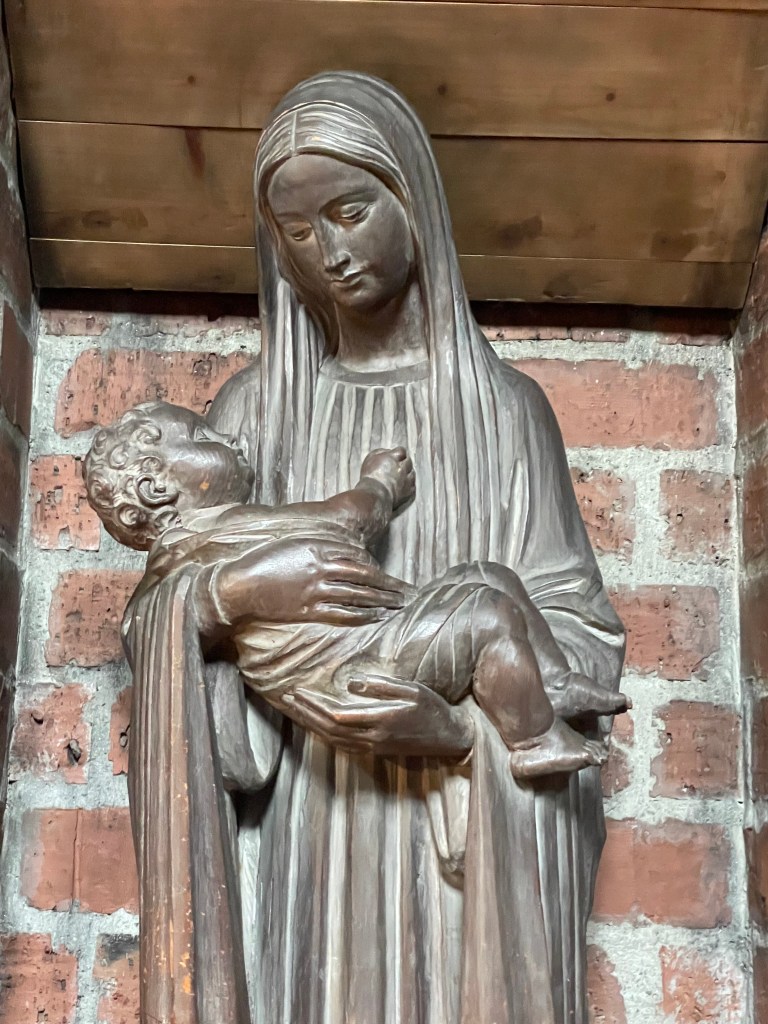

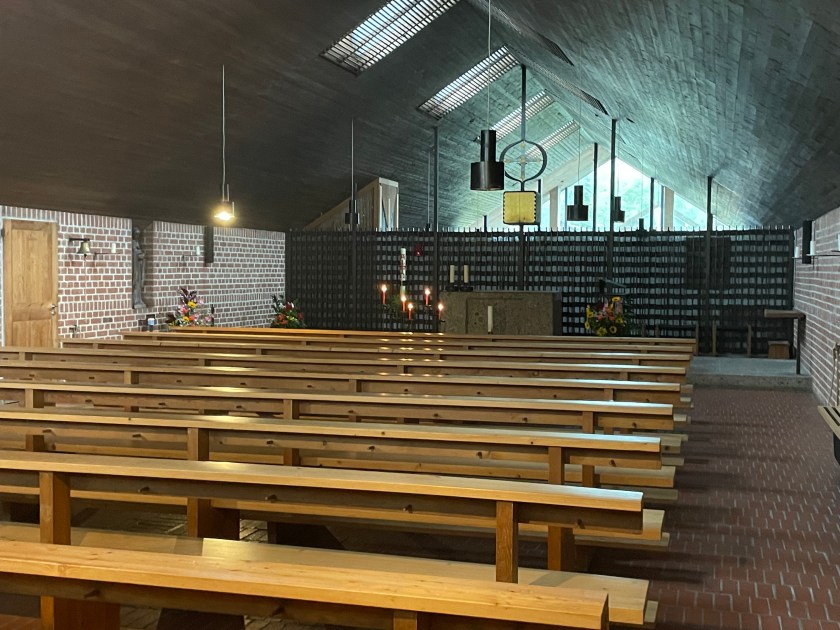
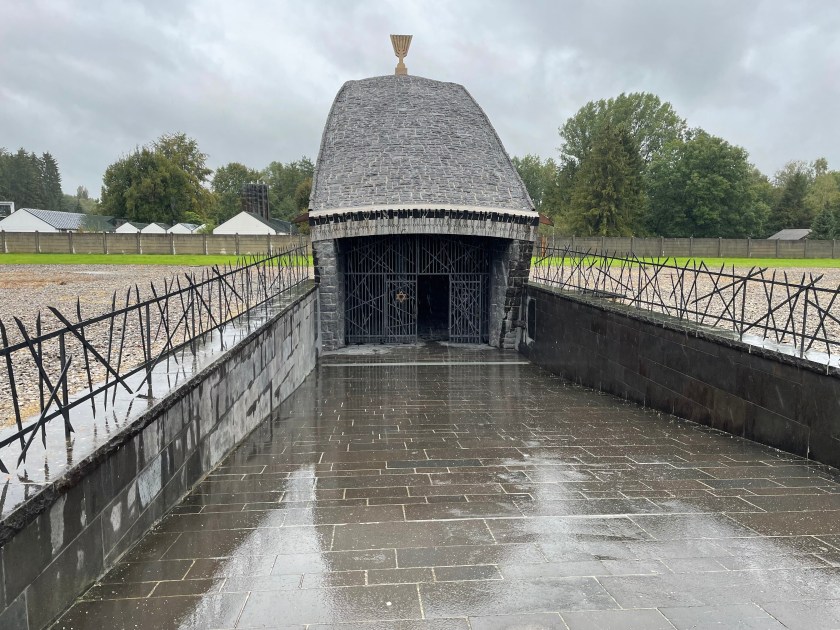
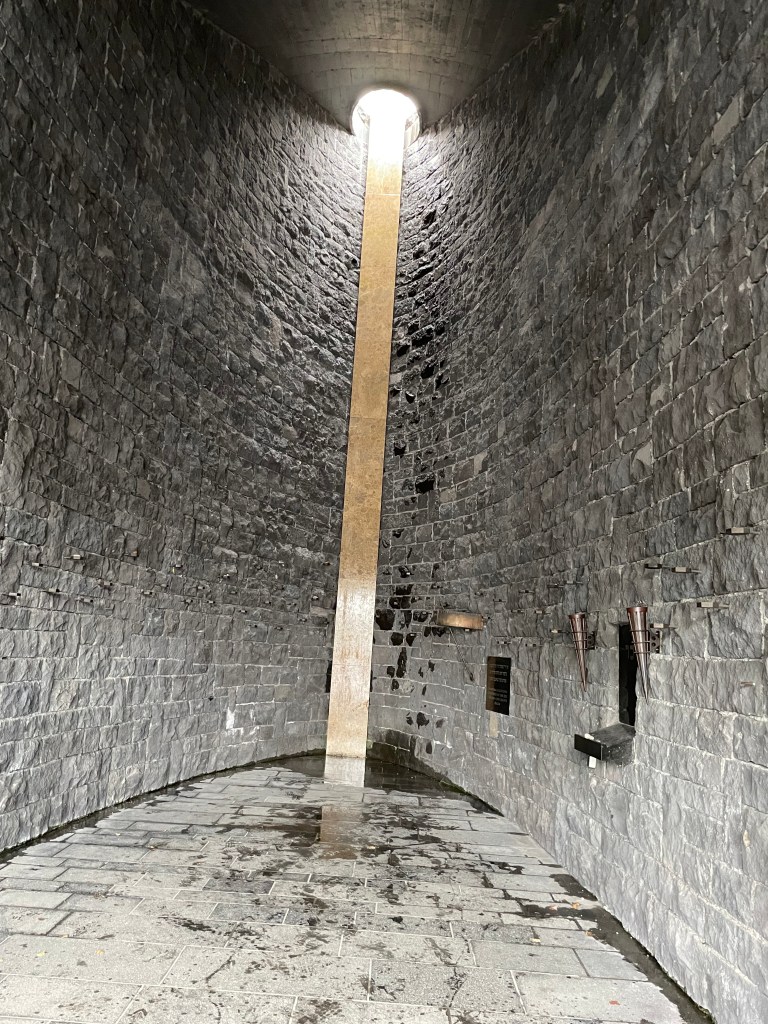
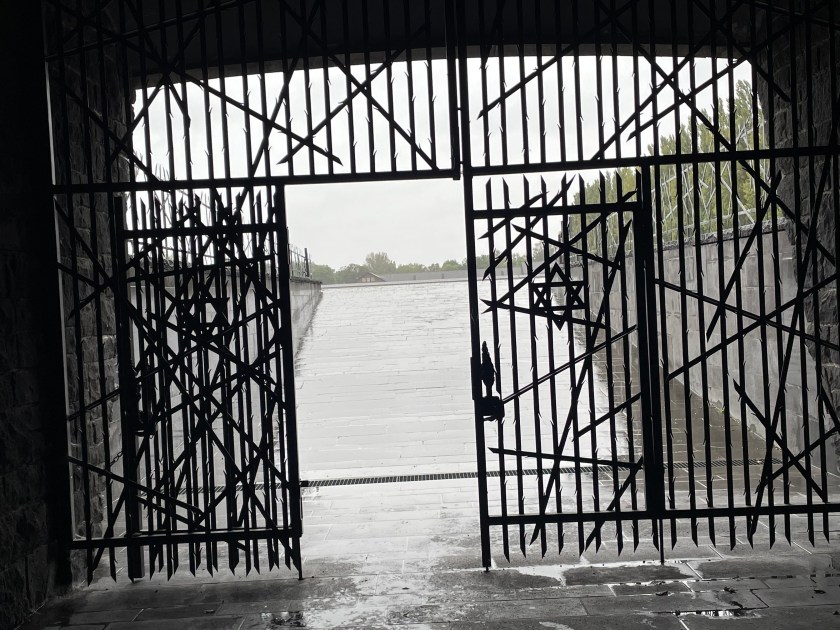
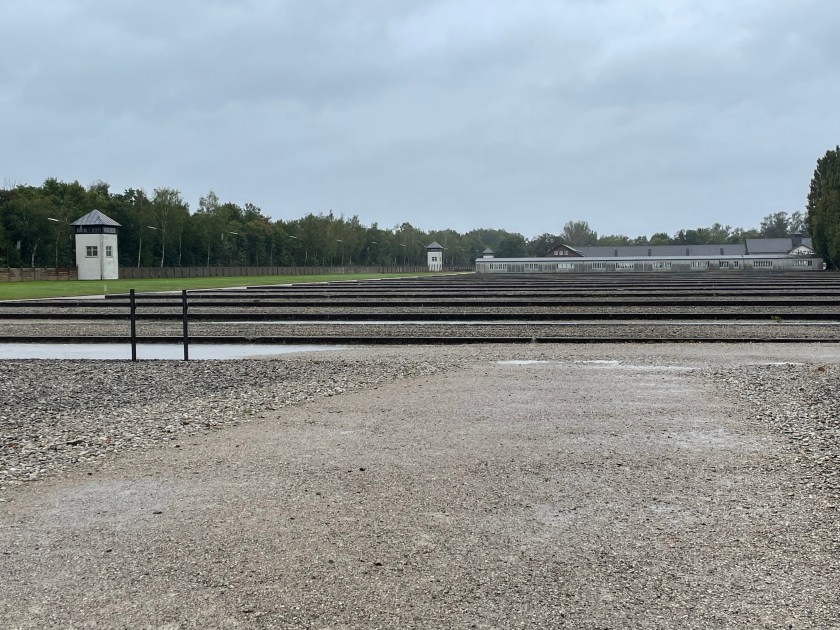
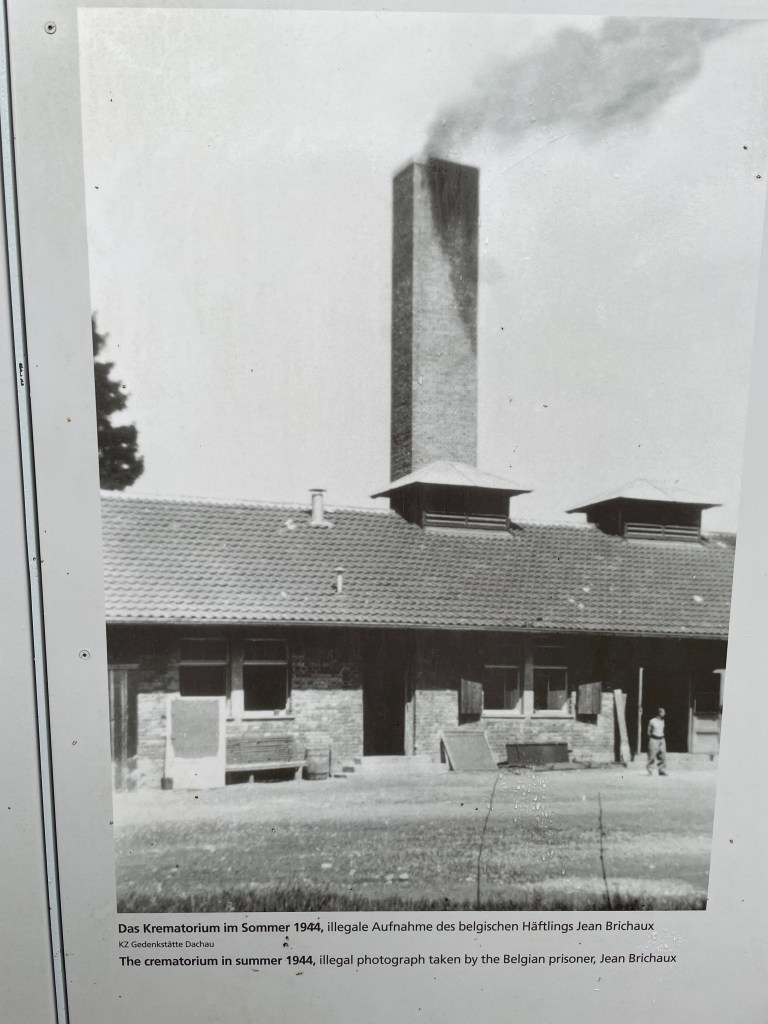
After visiting the memorials, we walked out of the gates, across a bridge and into a wooded area where the crematoriums were.
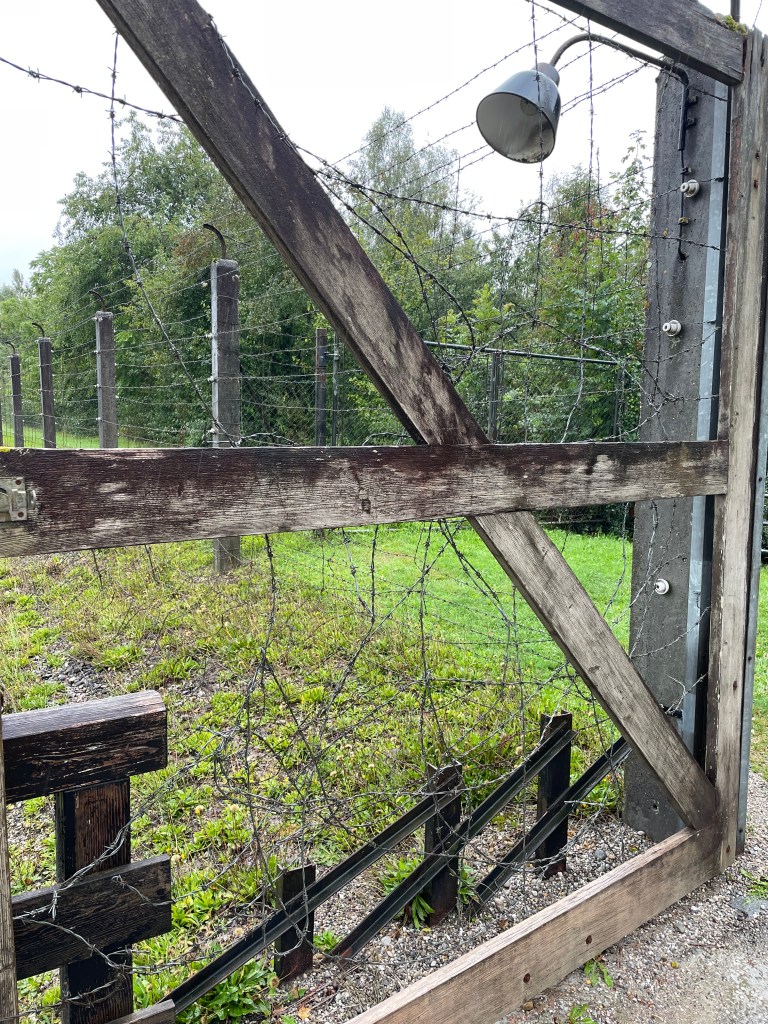


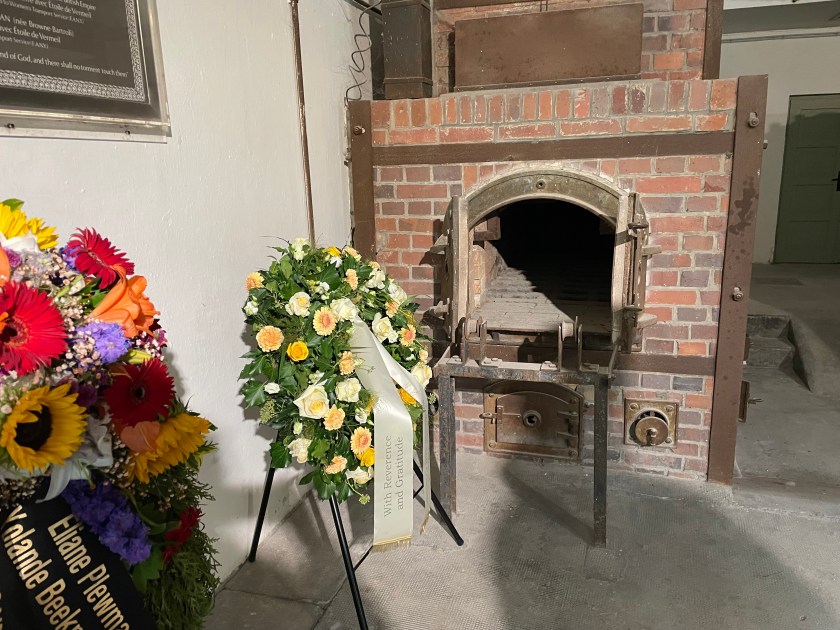
The first one built was small and not able to handle the workload. A second larger building with more ovens was added. Dachau wasn’t built for mass genocide like Auschwitz and Birkenau and other extermination camps. The ovens were used to dispose of all those who died or were killed. They didn’t fill rooms with people and gas them here. Maybe some of that happened, they’re not sure. Mostly the ovens were used to get rid of the bodies because it was easier than burying them.
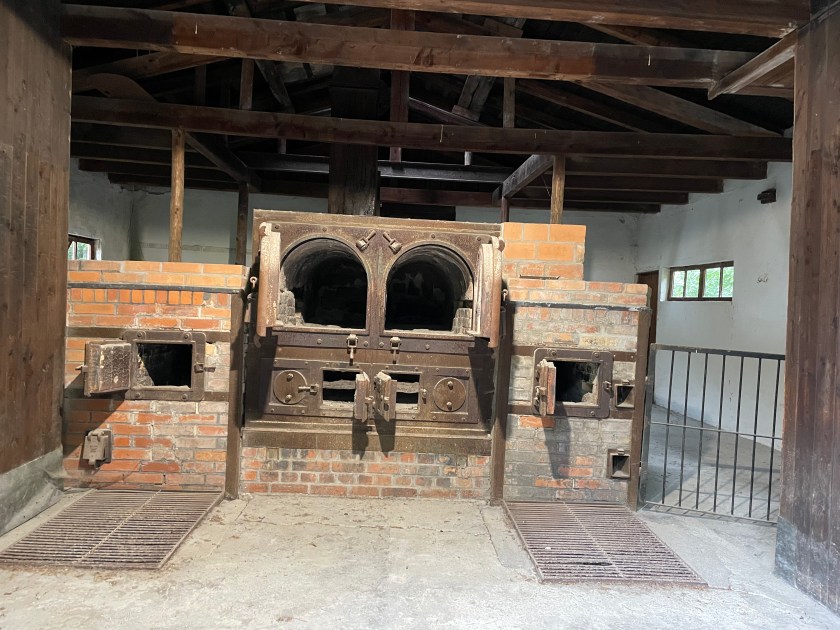
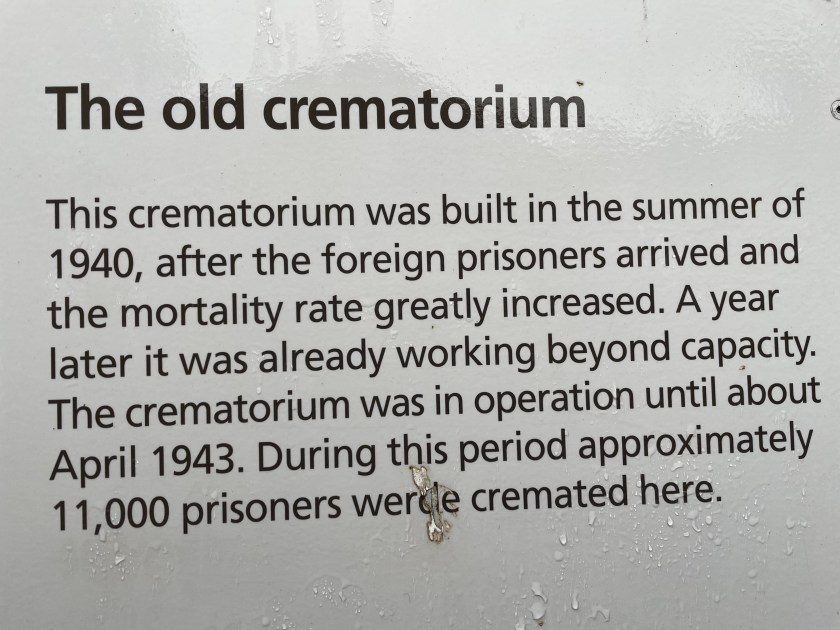
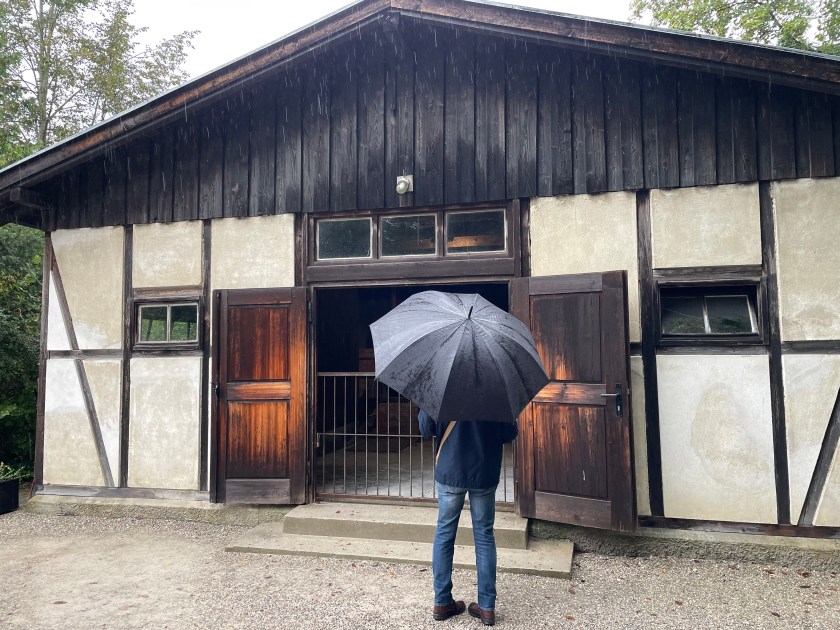
The large crematorium is nearby, built to handle more bodies.

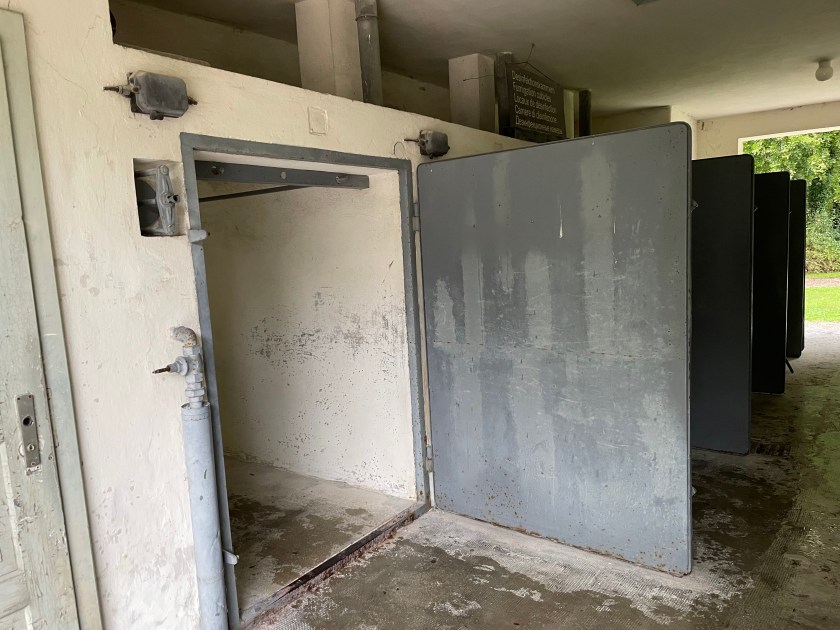
First people were brought to these disinfection rooms.
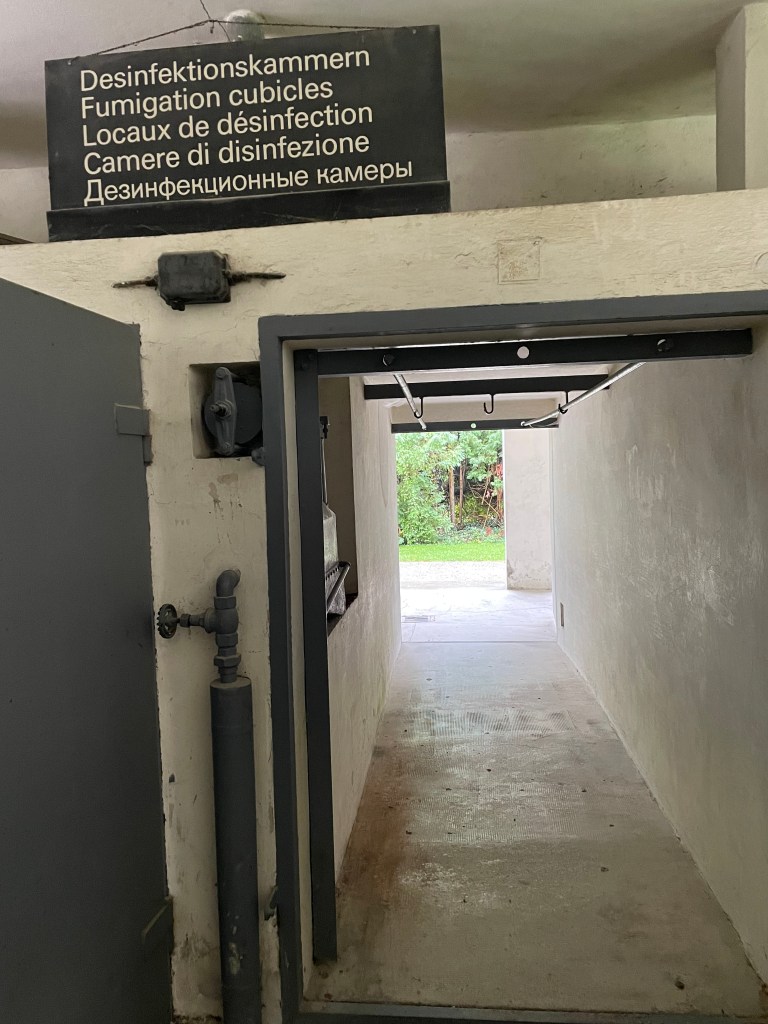
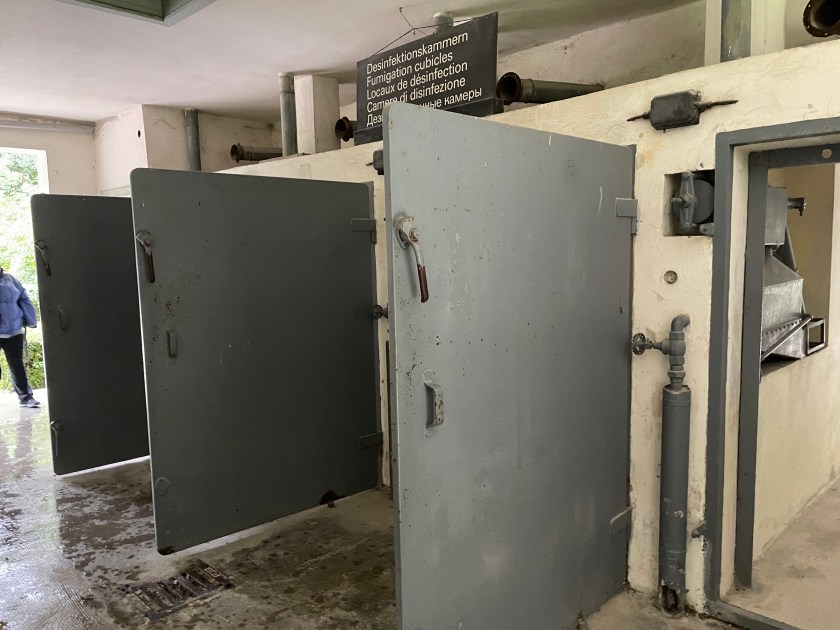
Chemicals were released here.

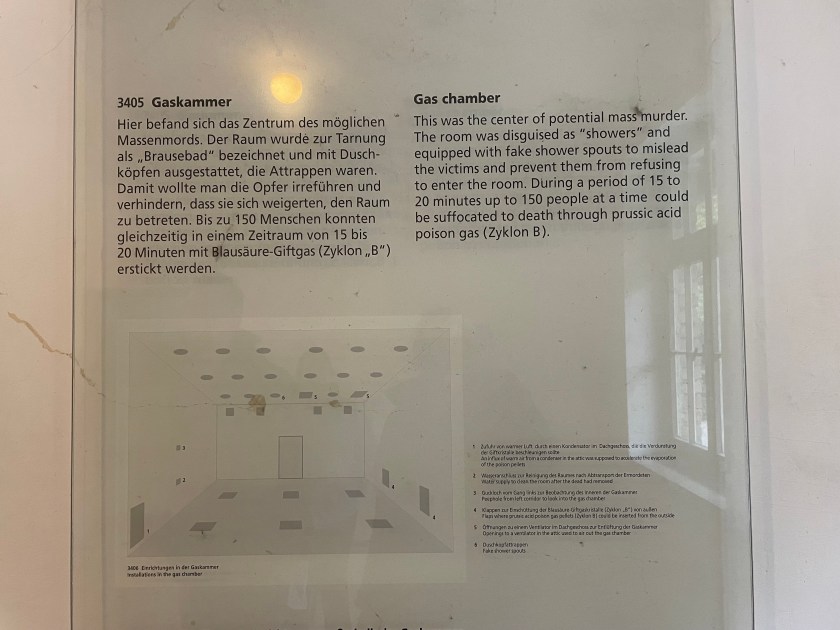

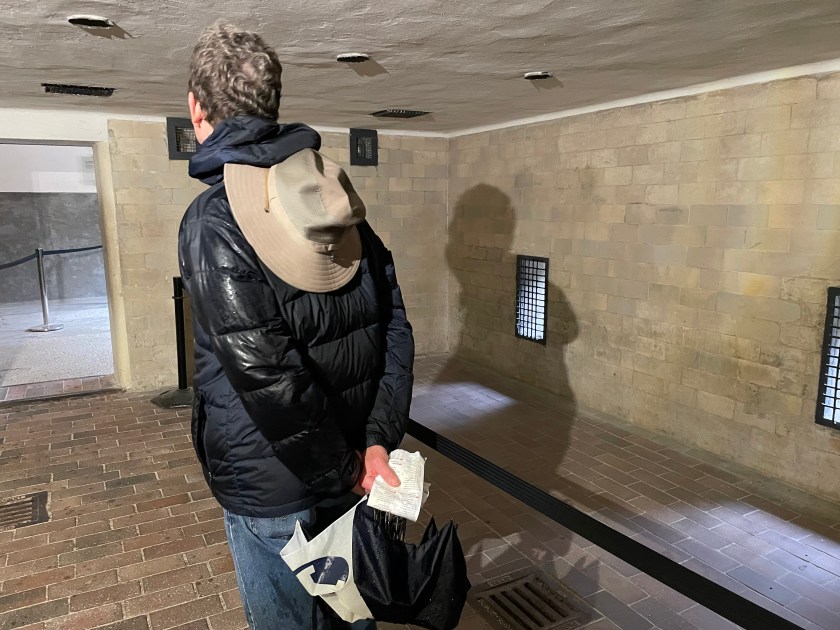
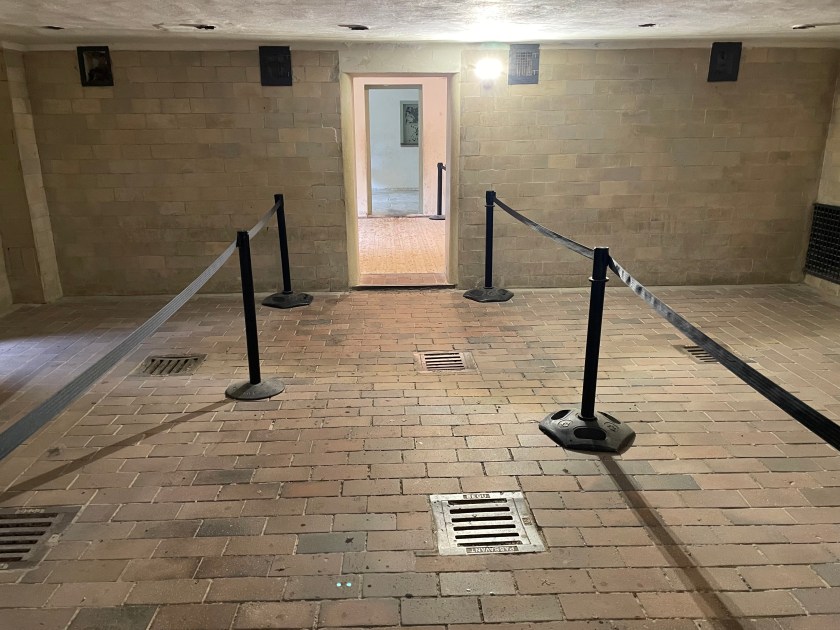

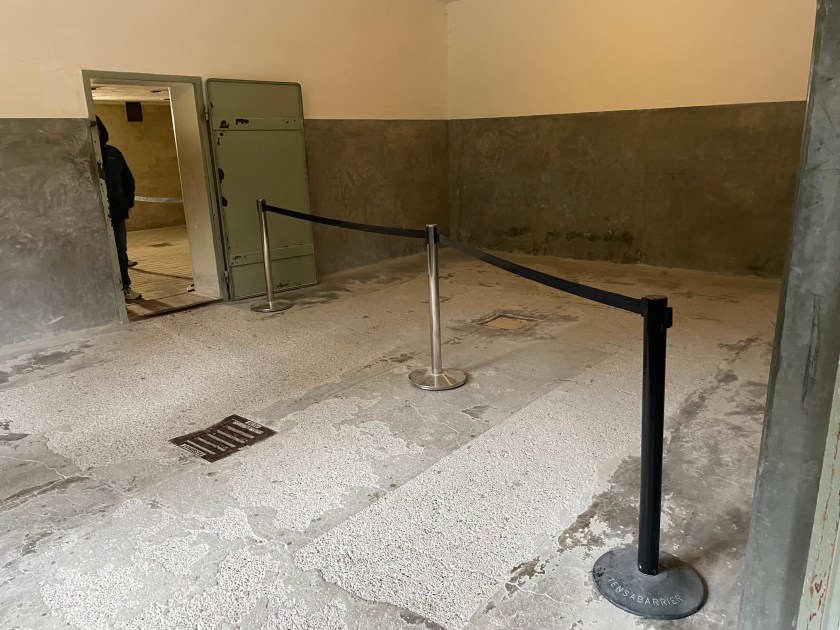
Then the bodies were cremated in these ovens.
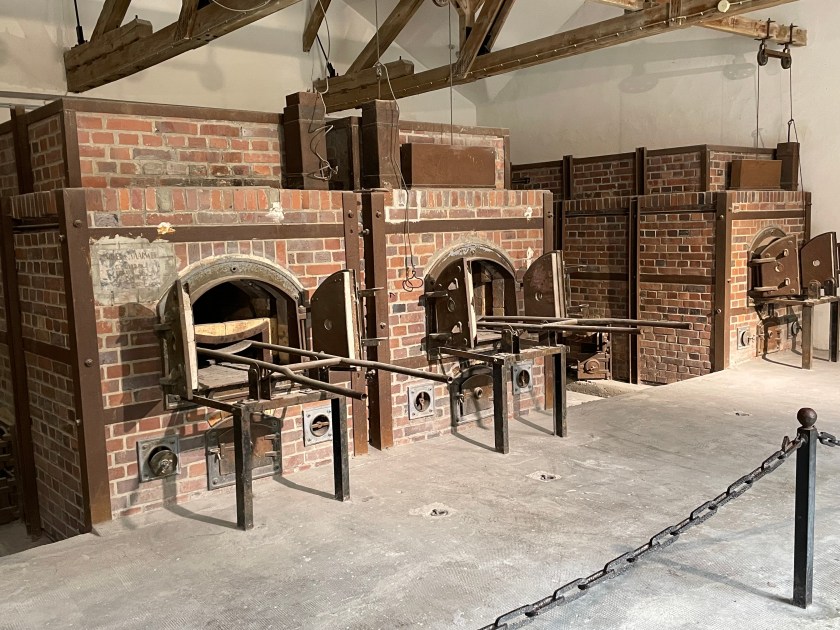
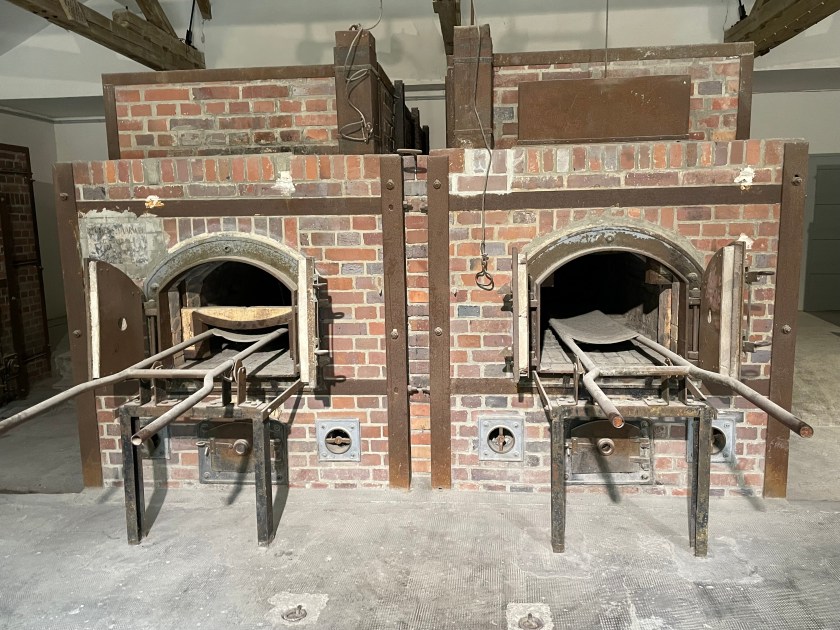
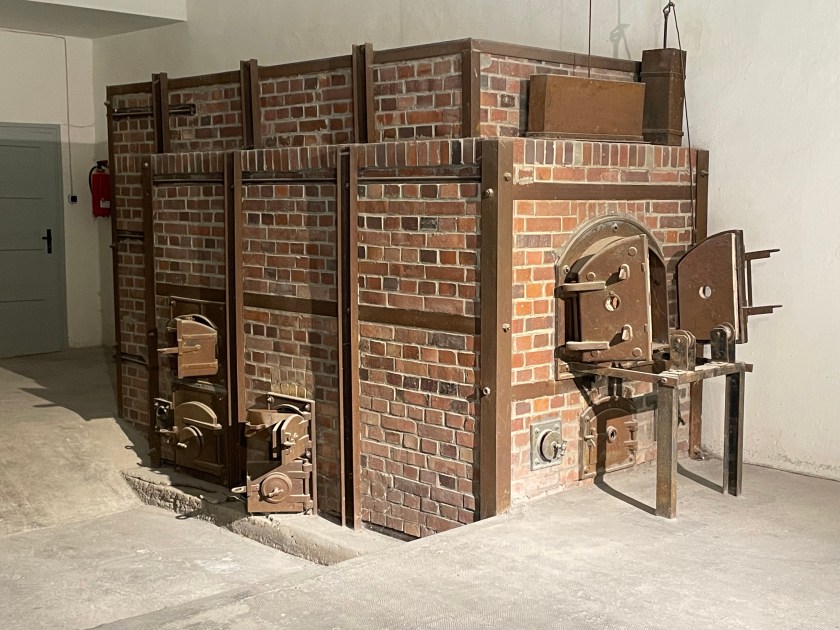


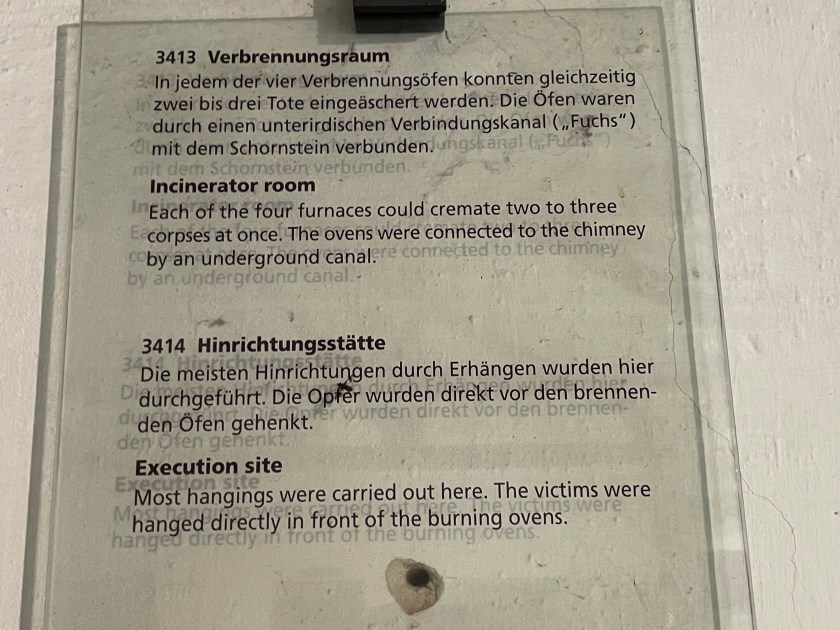

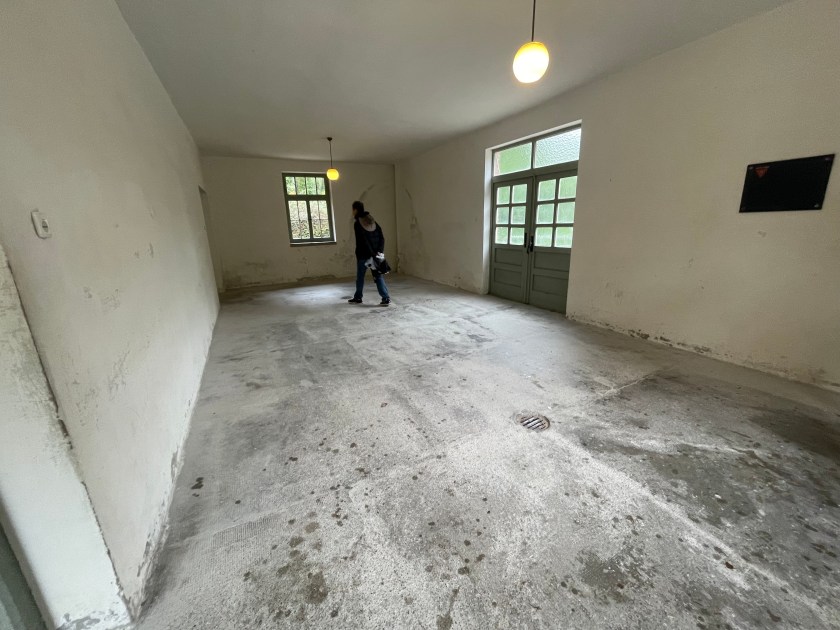

Outside the building is a park area for remembering and honoring those who died. Here is a gravestone to the thousands of unknown people who died here.

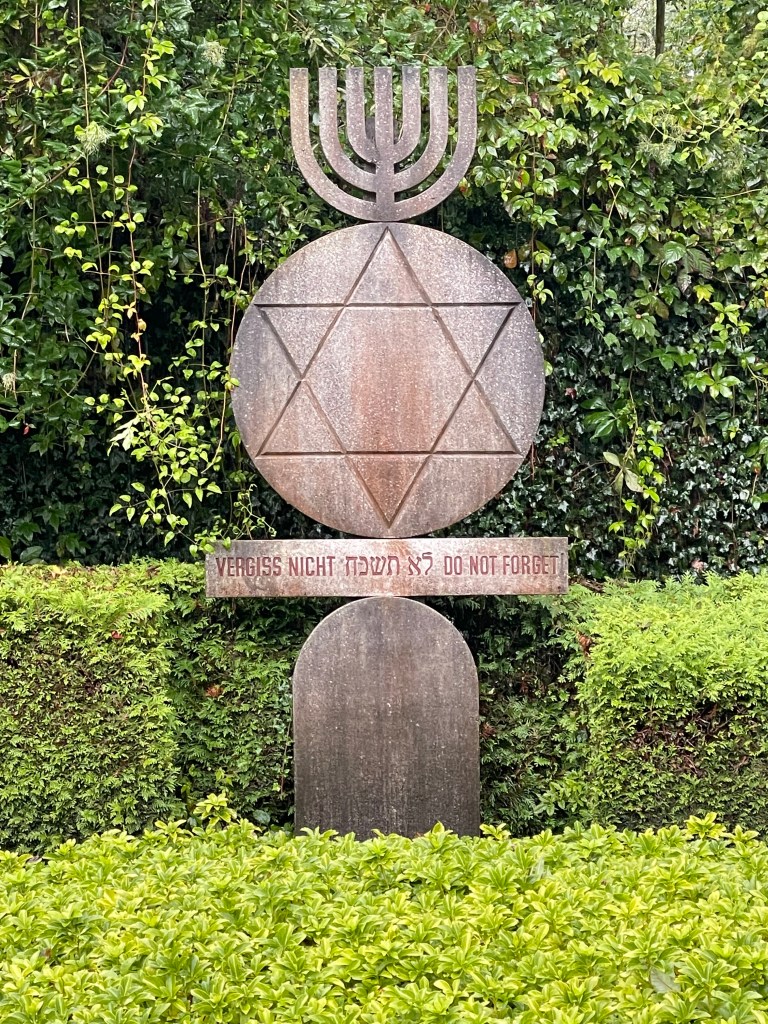
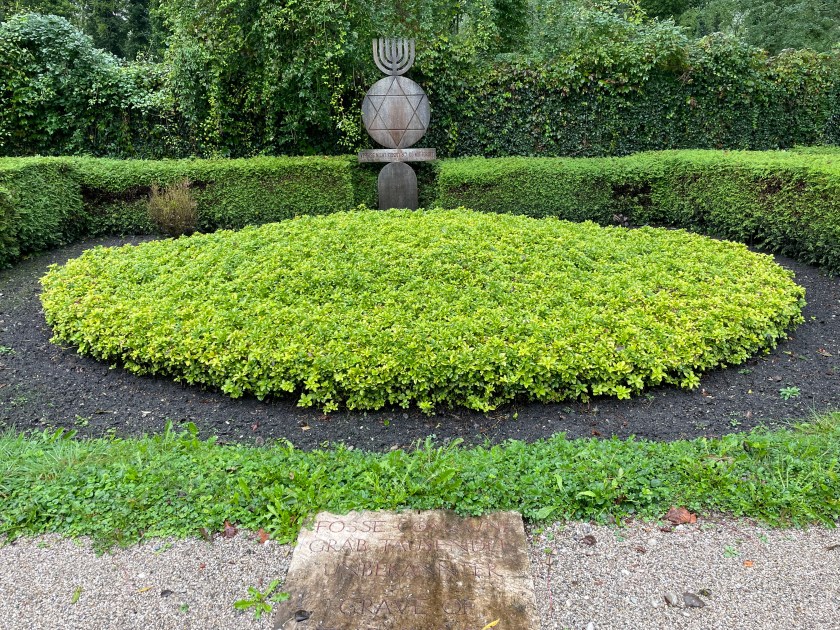
The ashes were put into pits.
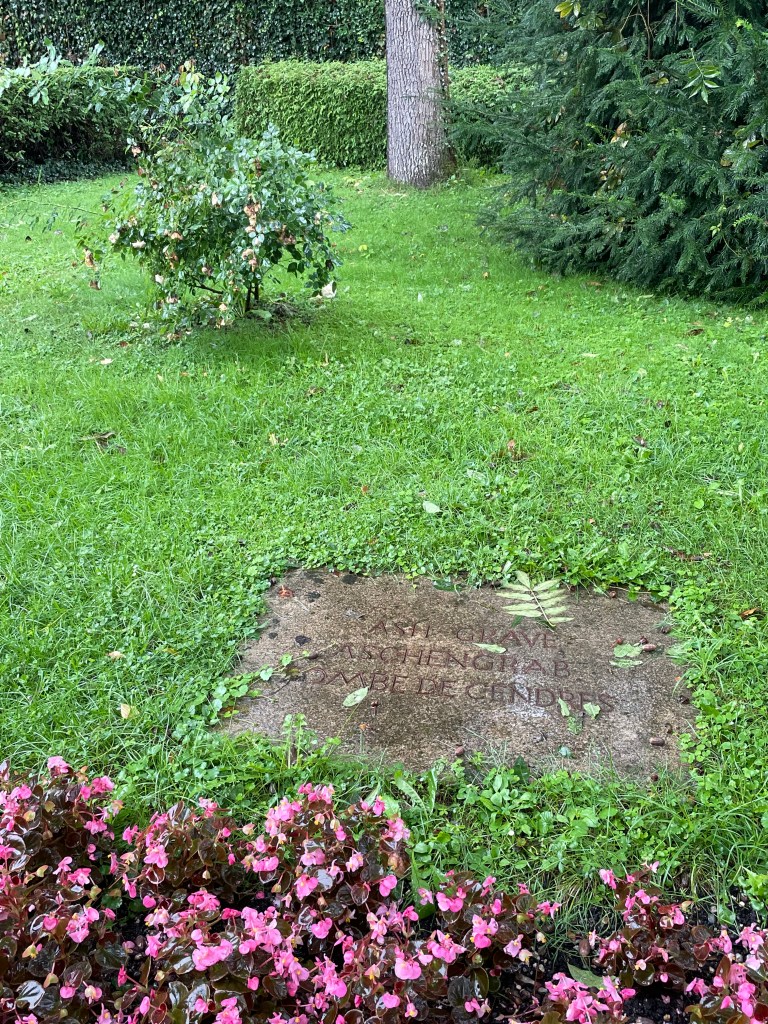
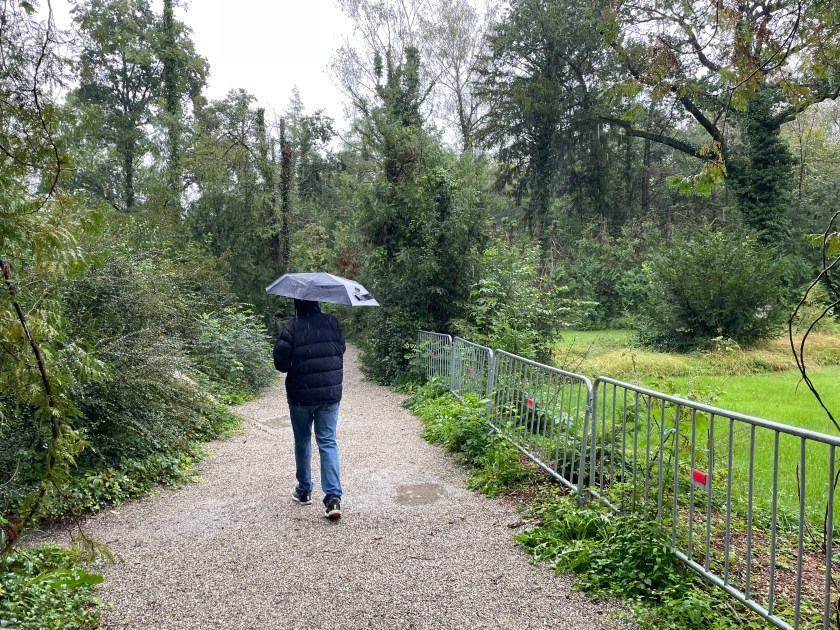
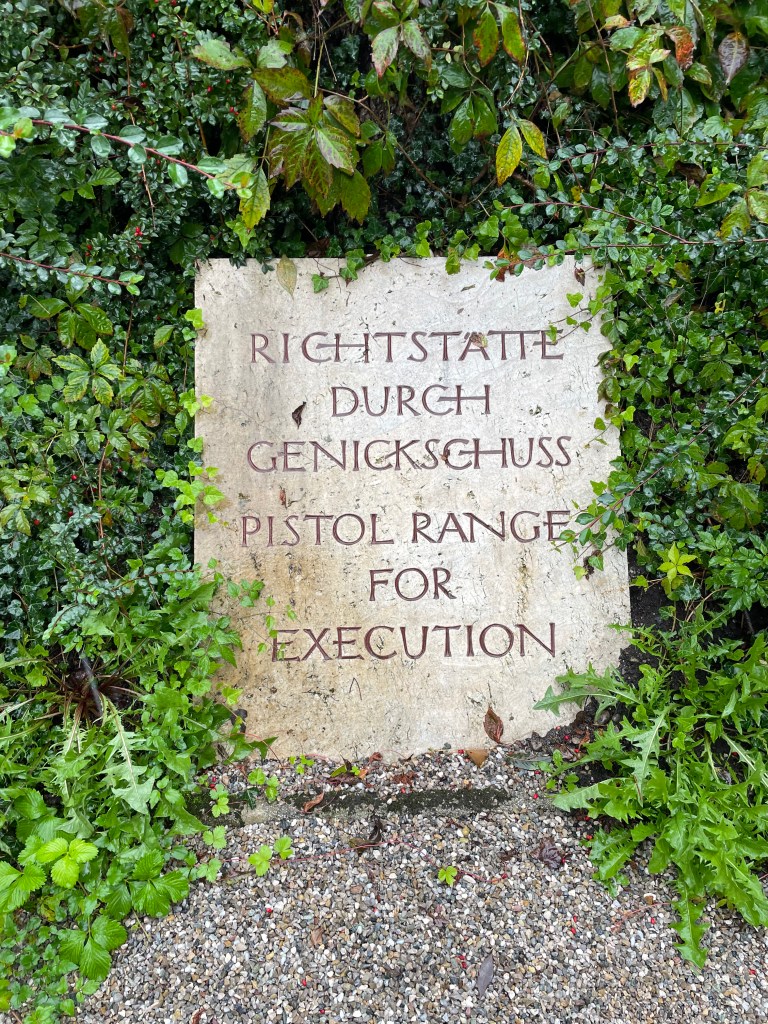
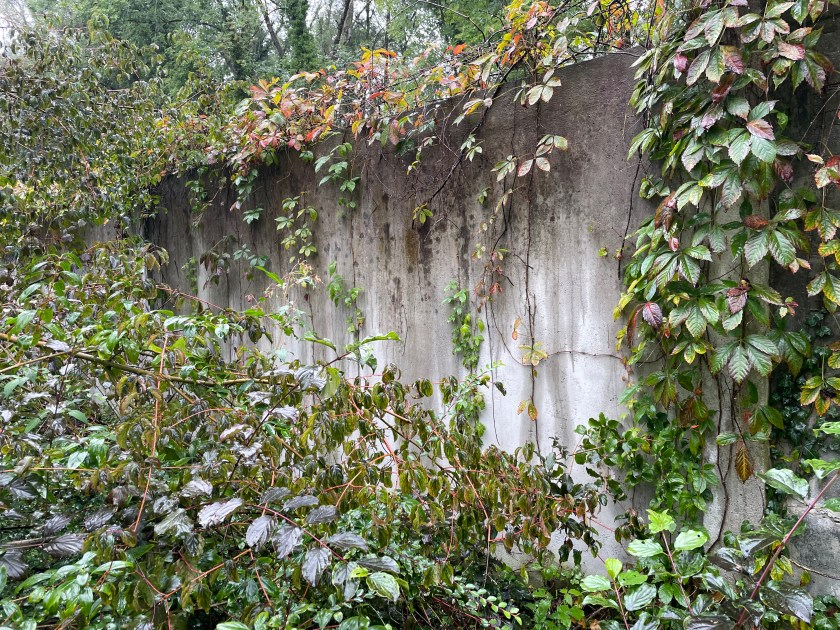
There is also an execution area behind the crematorium, up against a wall.


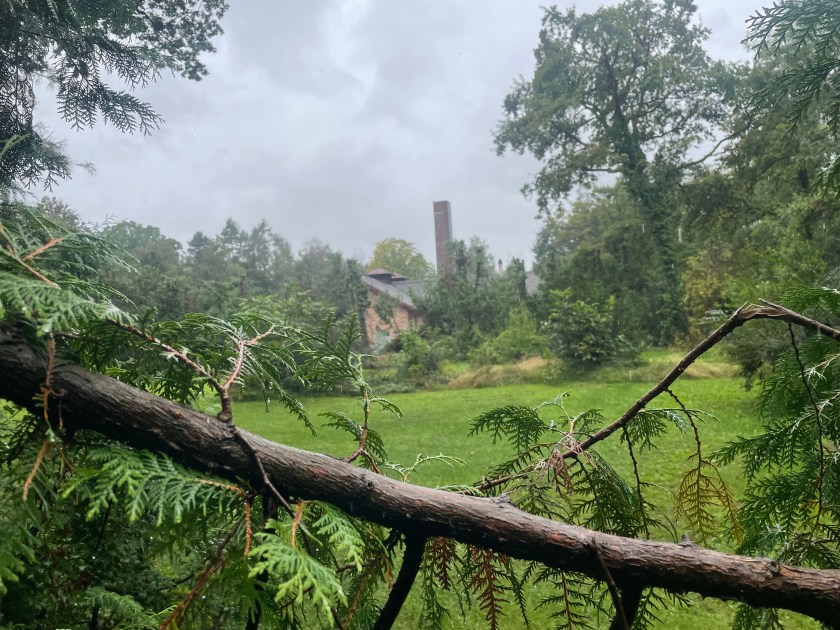

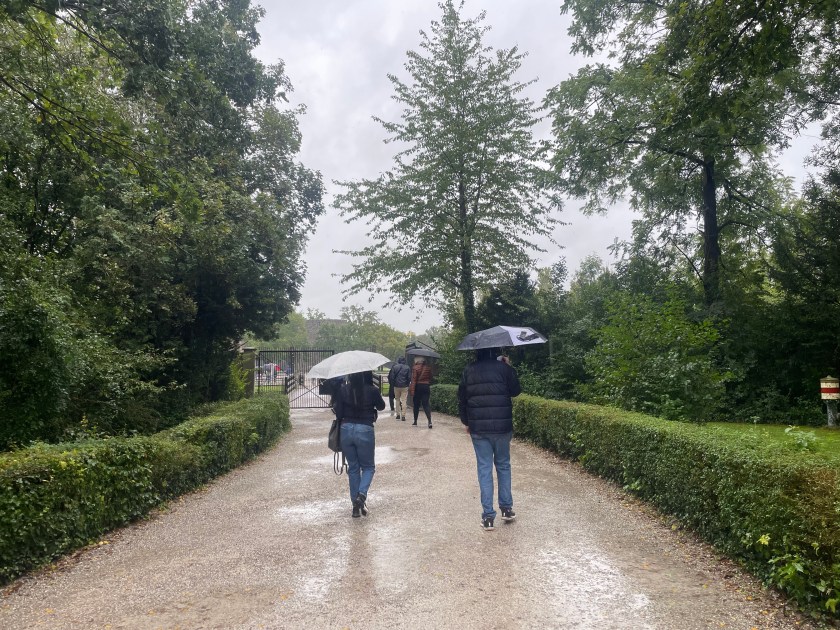
Going back into the camp.
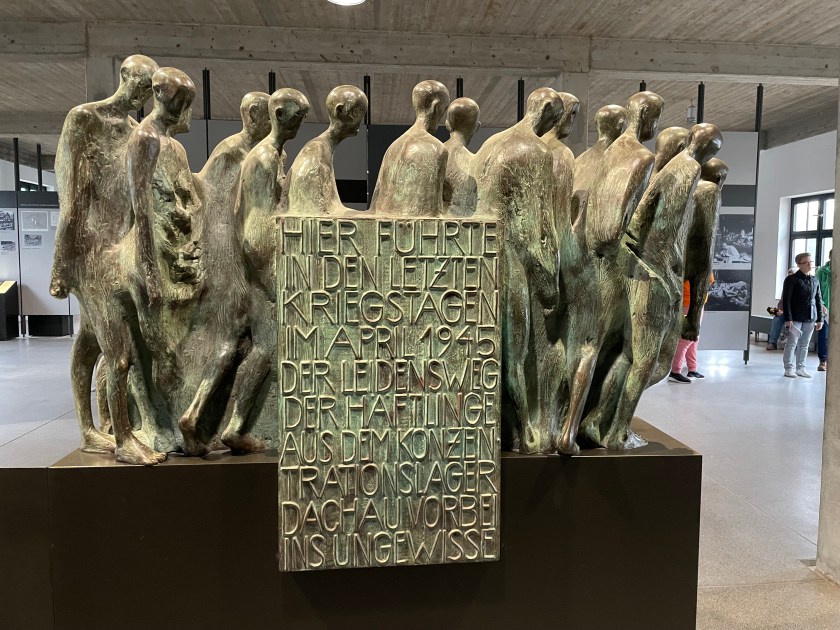
Memorial


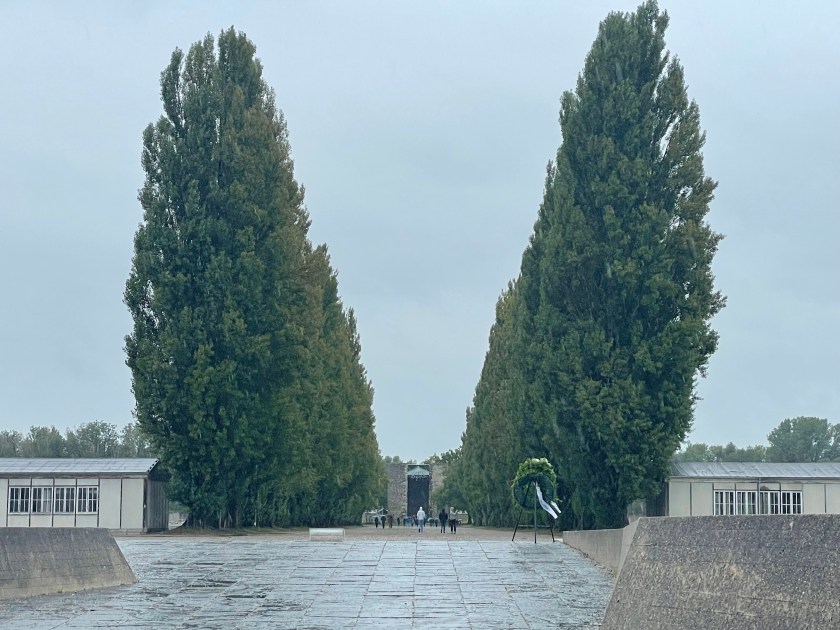

It was a quiet and somber day. A lot goes through your mind in a place like this. You wonder what you would have done in these circumstances. You wonder how long hope would last. You wonder all of the “what ifs” there are to wonder.

 Our Frankfurt Germany Mission