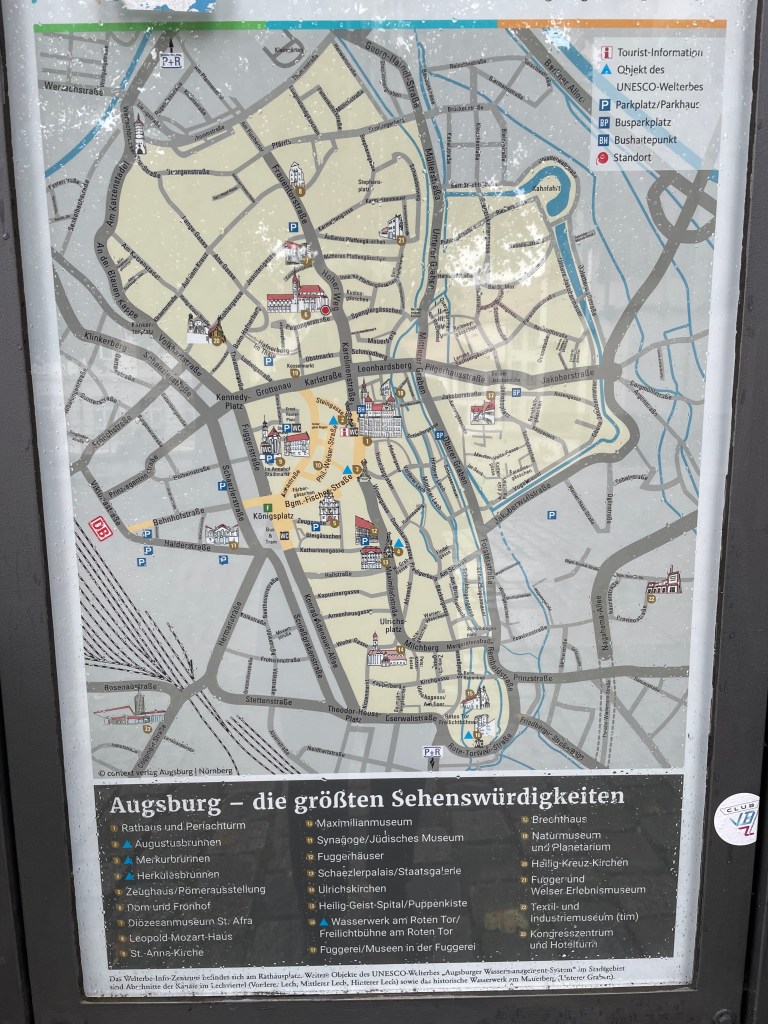
Augsburg was really a fantastic stop. Unexpected. About all we knew was that it was an old Medieval town with a big cathedral.
Here are a few interesting bits and pieces I read about this place:
After Neuss, Trier, Worms, Cologne and Xanten, Augsburg is one of Germany’s oldest cities, founded in 15 BC by the Romans as Augusta Vindelicorum and named after the Roman emperor Augustus. It was a Free Imperial City from 1276 to 1803 and the home of the patrician Fugger and Welser families that dominated European banking in the 16th century. According to Behringer, in the sixteenth century it became “the dominant centre of early capitalism.”
Augsburg produced large quantities of woven goods, cloth and textiles. The Fugger family donated the Fuggerei part of the city devoted to housing for needy citizens in 1516, which remains in use today.
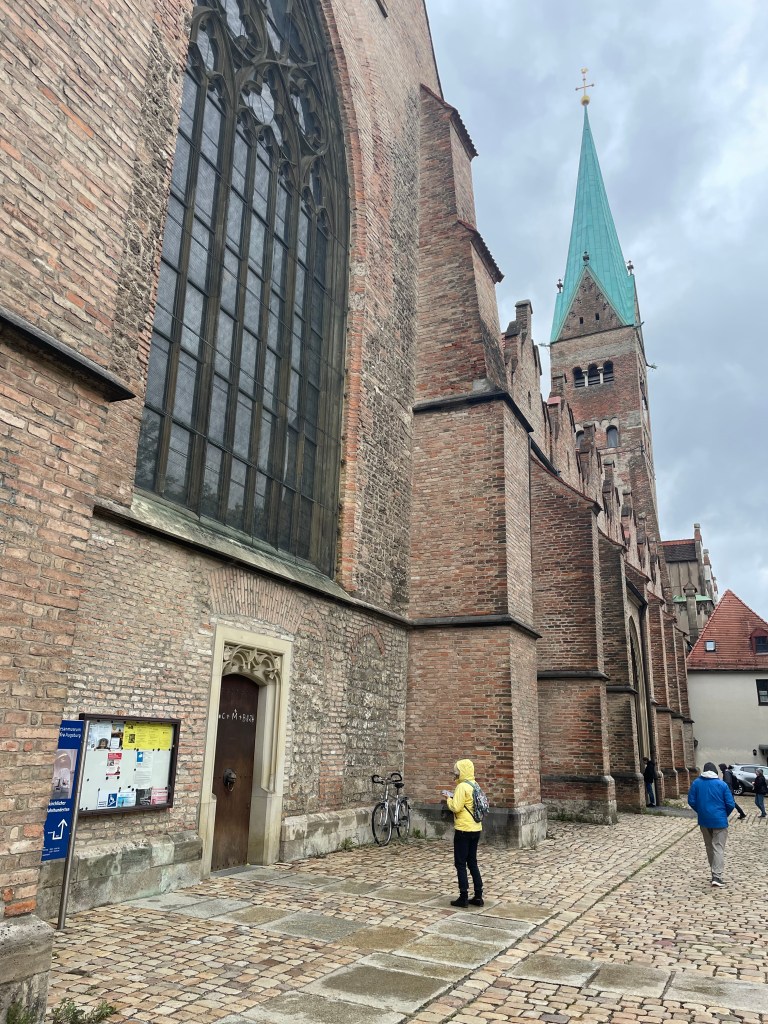
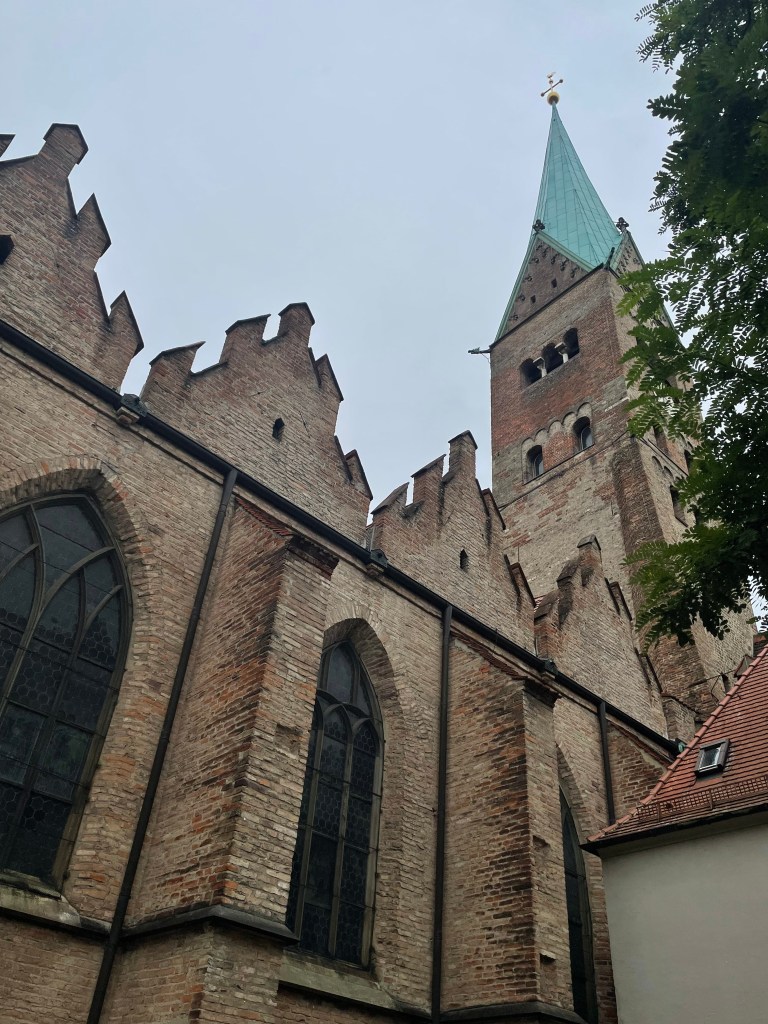
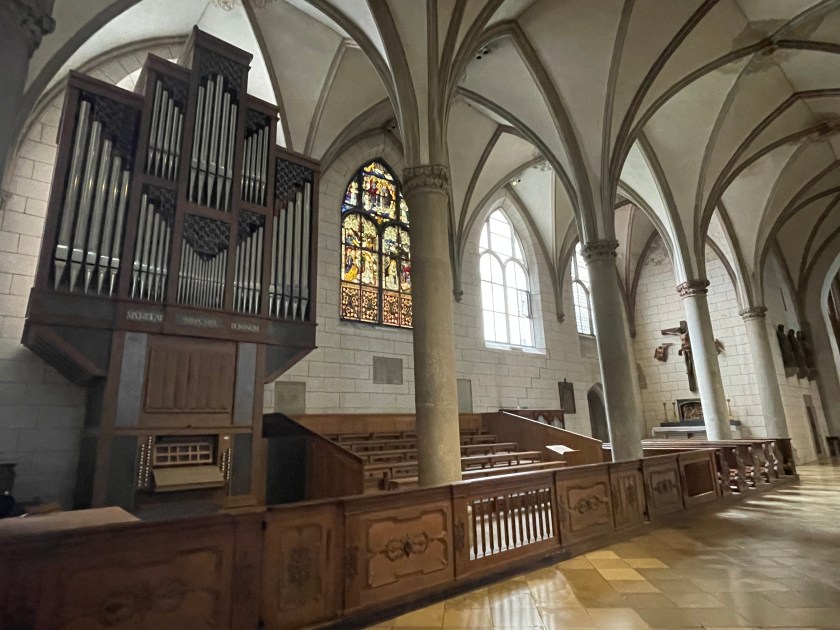
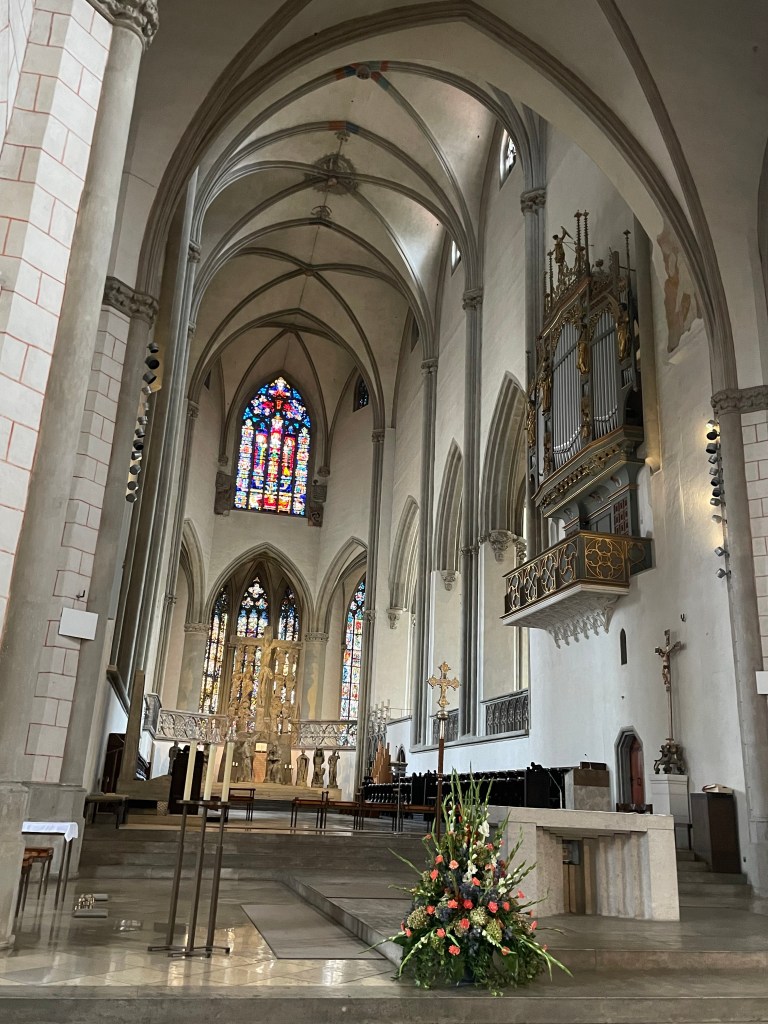
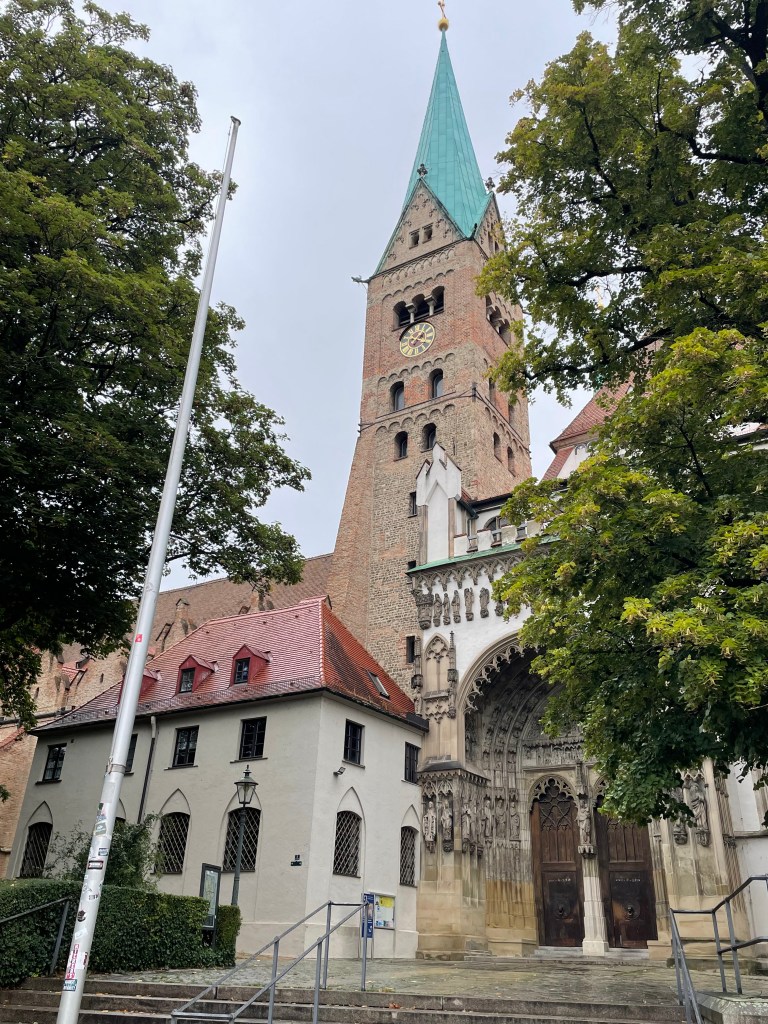
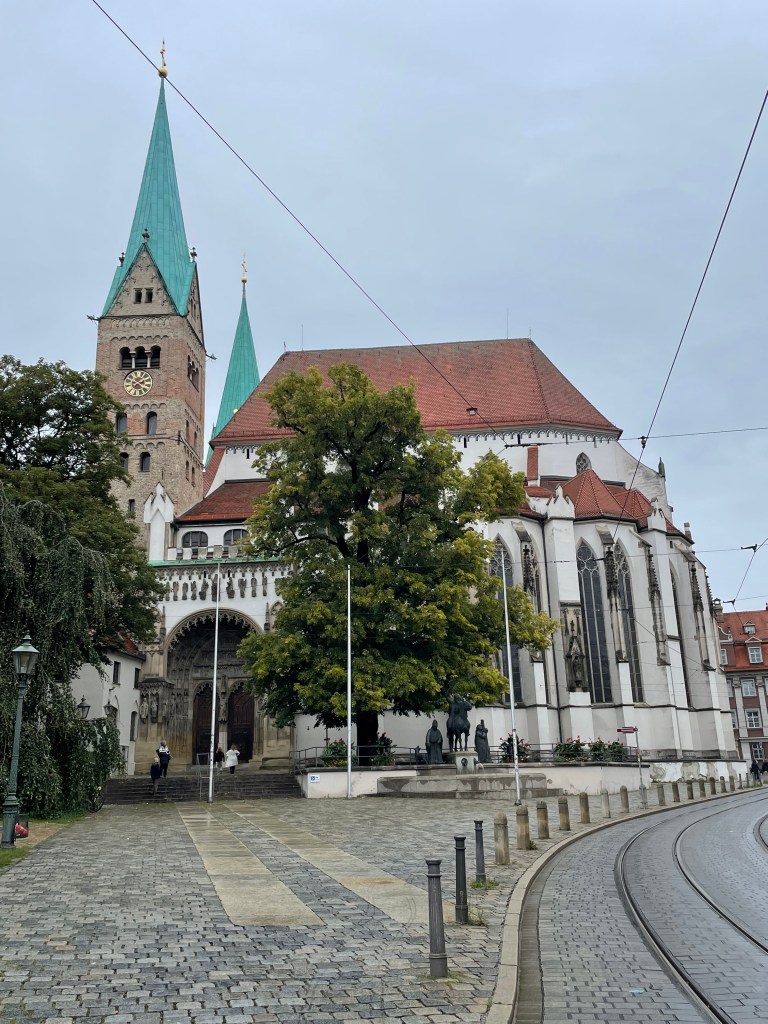
Augsburg Cathedral was built in the 11th century in Romanesque style, with Gothic additions in the 14th century. Romanesque construction began in 1043 and was completed in 1065. The two towers, visible from all over the city, were completed in 1075.
The southern clerestory has five stained glass windows dated to the late 11th-early 12th centuries, the oldest in Germany.
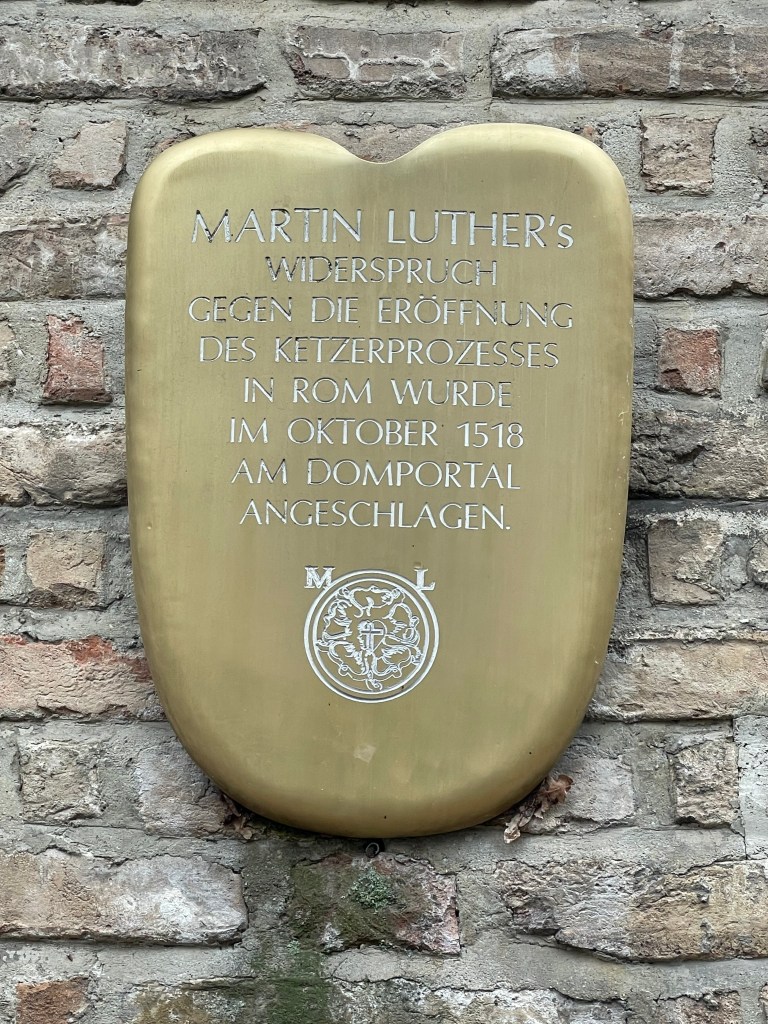
At the meeting of the Diet of Augsburg in 1518, Martin Luther presented his criticisms of the Catholic Church and the pope. He was called to testify to defend and explain the ideas of his 95 Theses published the year before. In the trial, he refused to recant and was effectively declared an enemy of the church.
The Peace of Augsburg in 1555 AD, was the agreement that the German princes shall have the right to choose between Roman Catholisim or Lutherism. The Peace of Augsburg was valid in the Holy Roman Empire, not in Europe as a whole. It was an agreement between Holy Roman Emperor Charles the V.
What are some interesting facts about Augsburg?
Augsburg is over 2,000 years old.
More than 305,981 people live in the city of Augsburg (as of December 2023).
The city area is 146.9 square kilometres in size.
Rivers, streams and canals in Augsburg are 200 kilometres long in total.
Augsburg has more bridges than Venice. [did not see any of them]
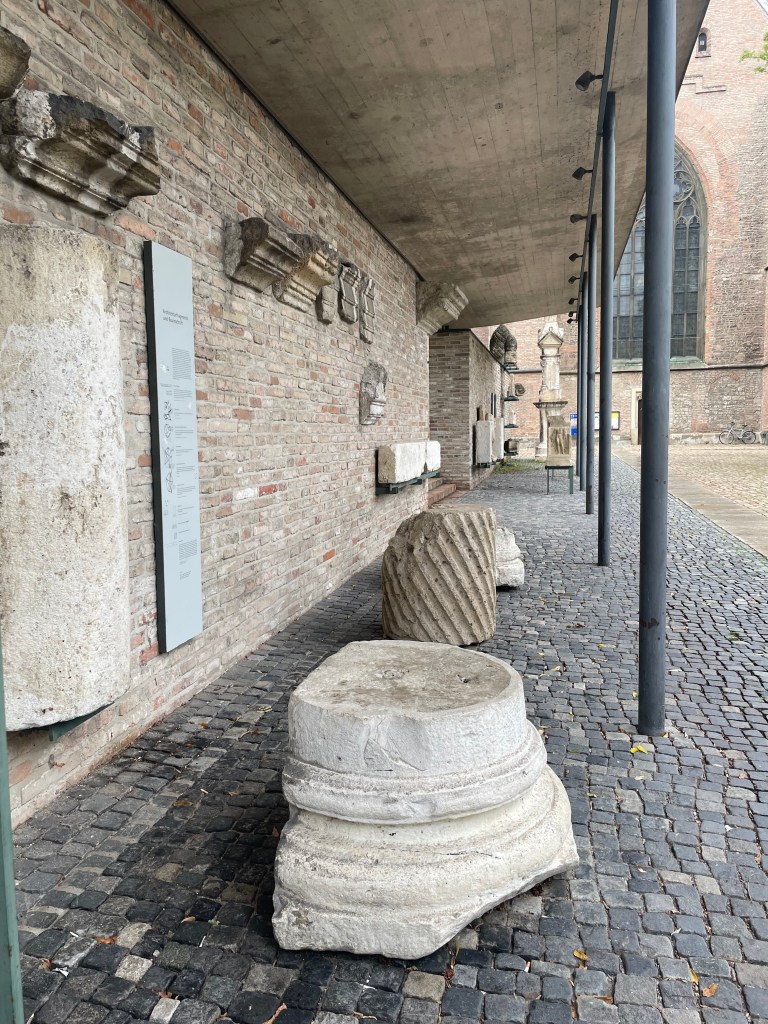
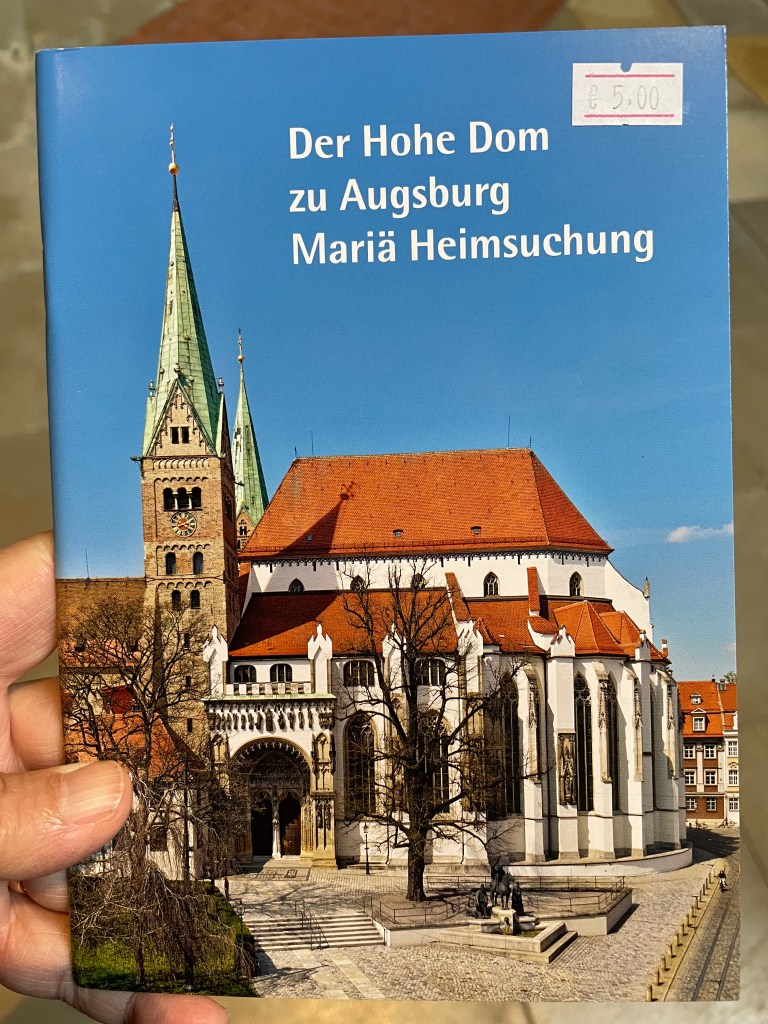
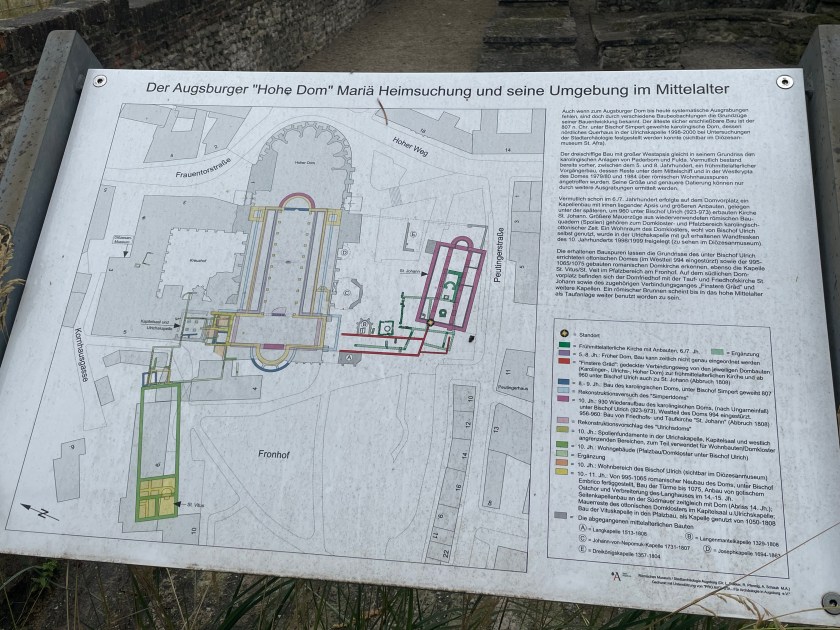
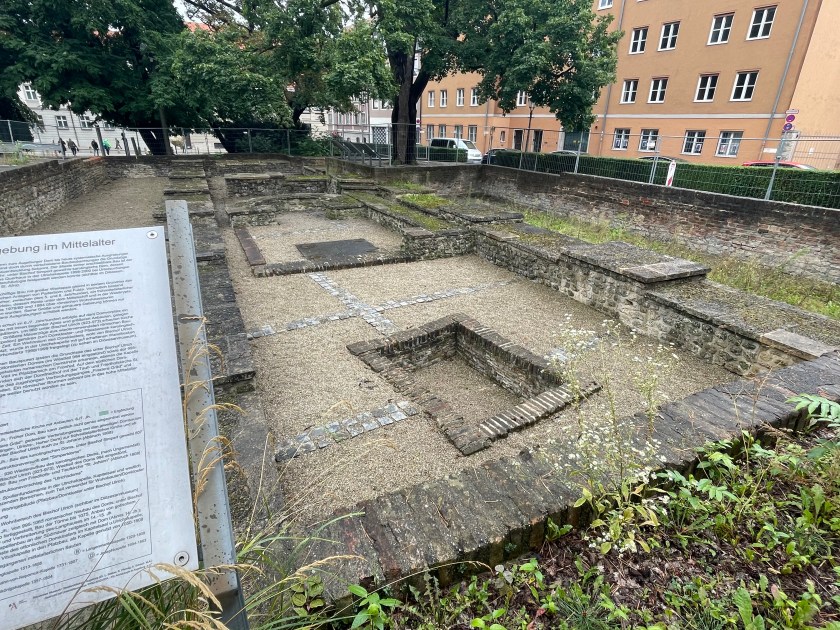
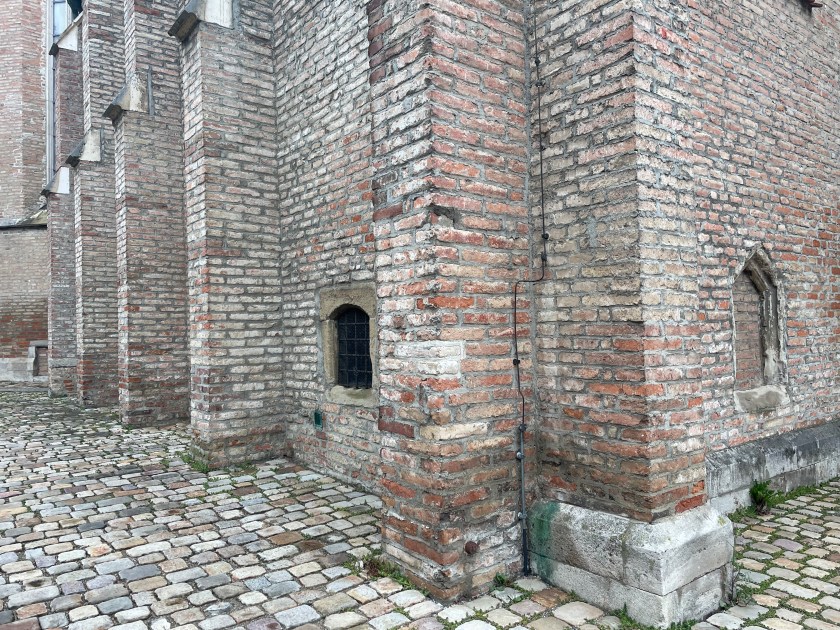
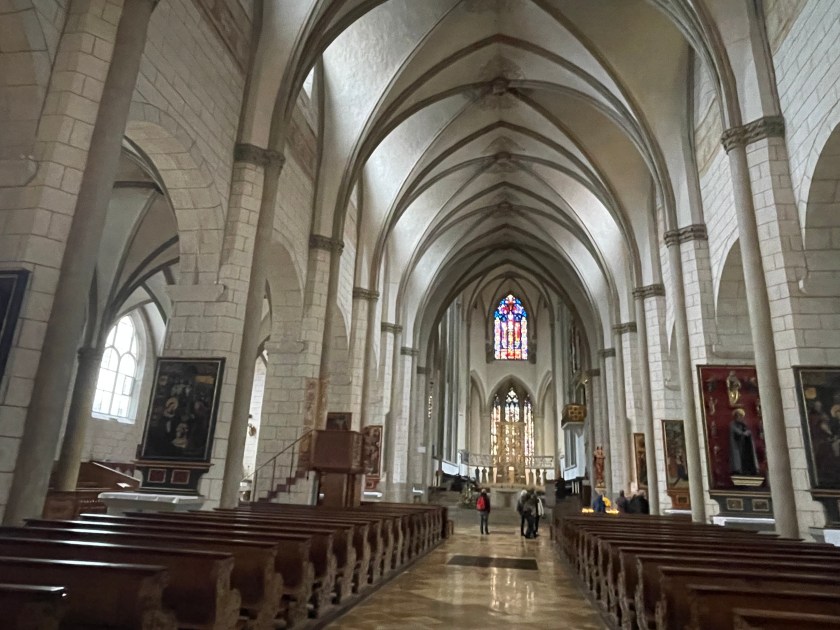
This huge cathedral was built in the 11th century out of brick. That’s a lot of brick. The cathedral complex filled a whole city block.
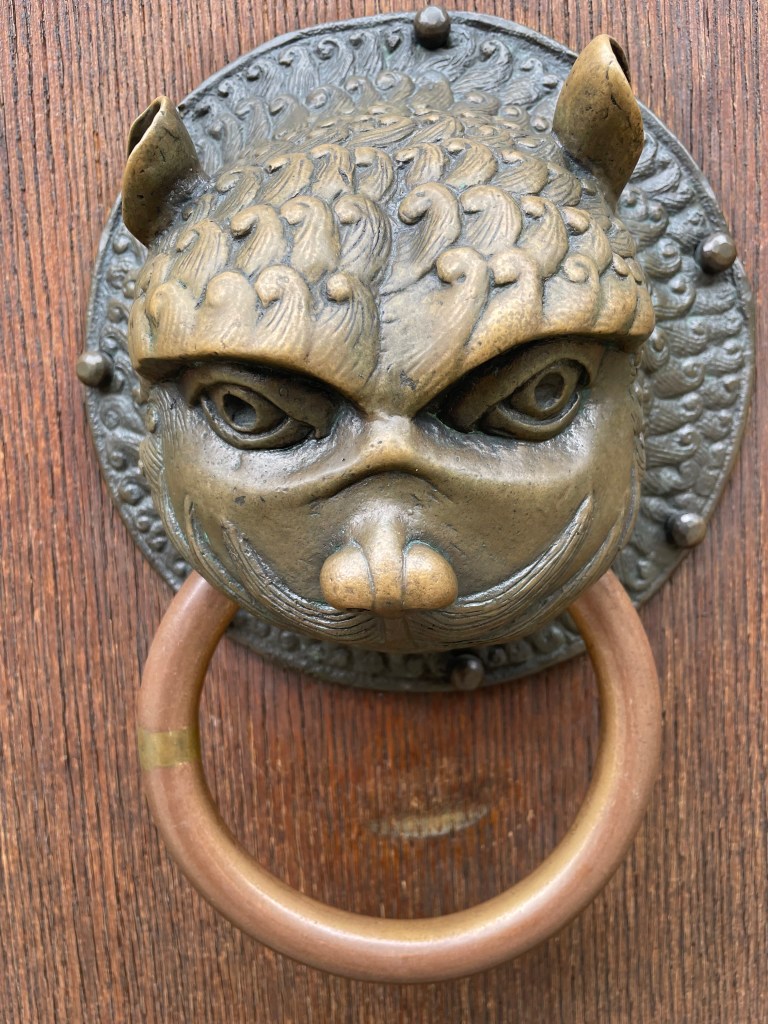
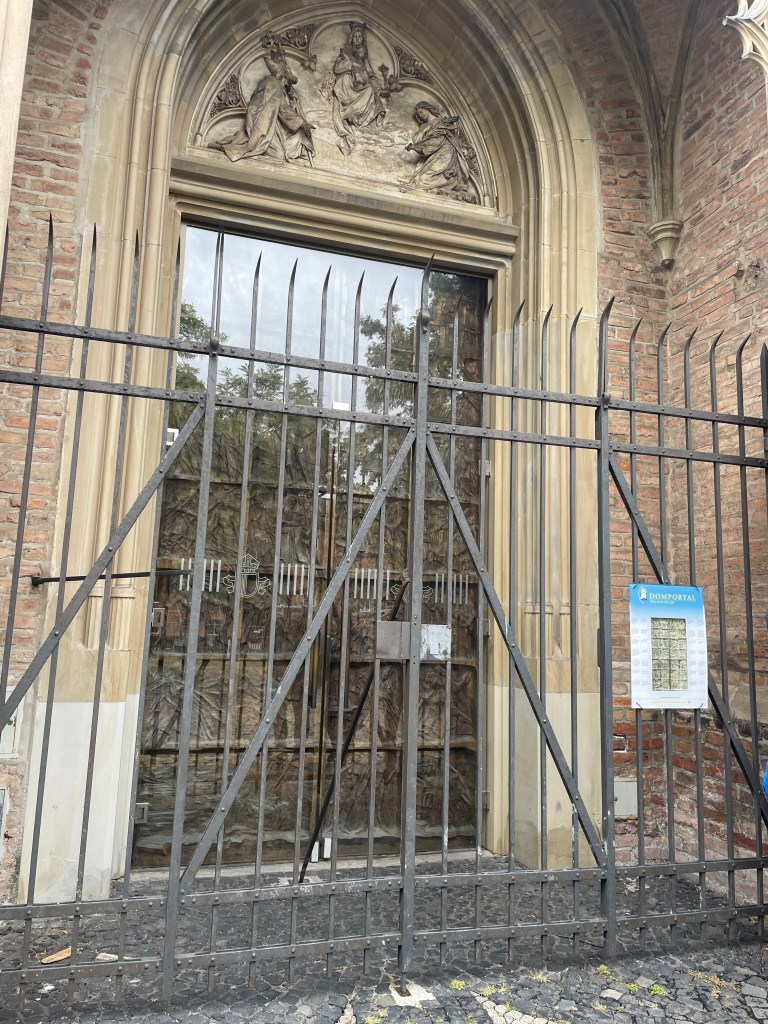
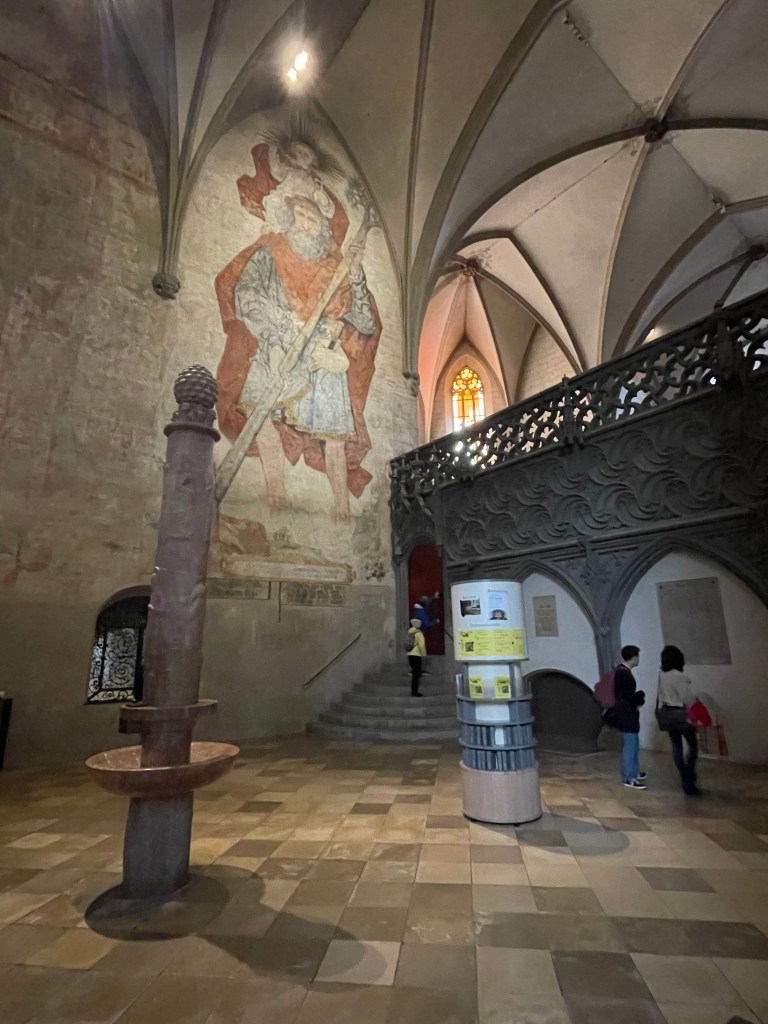
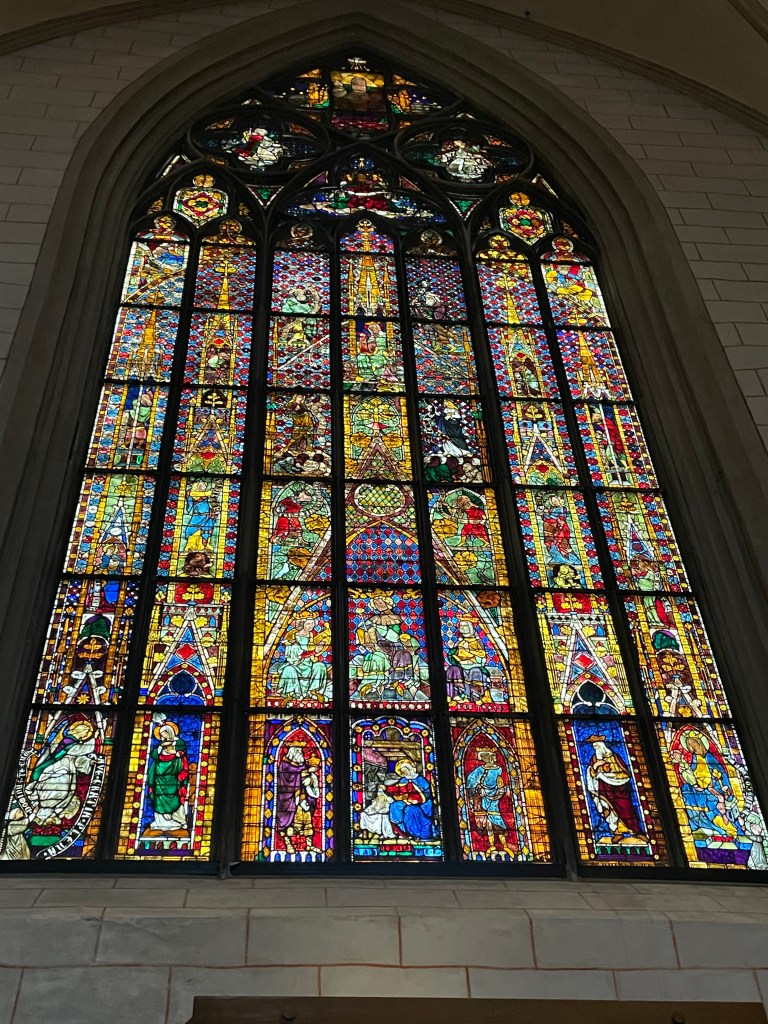
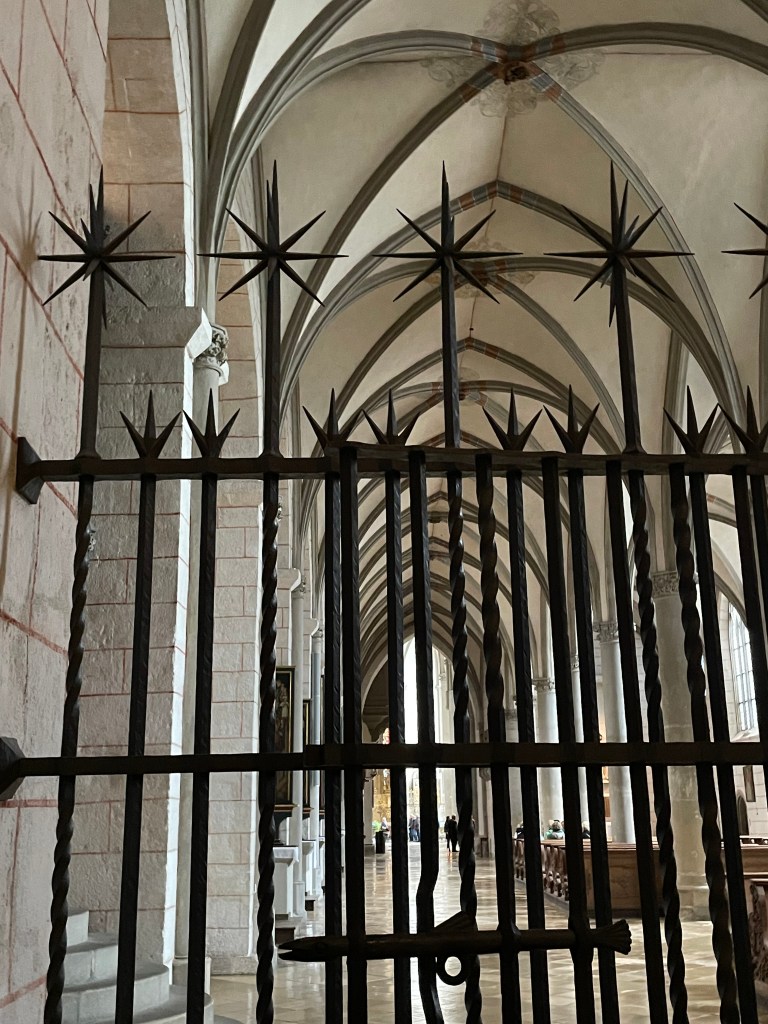
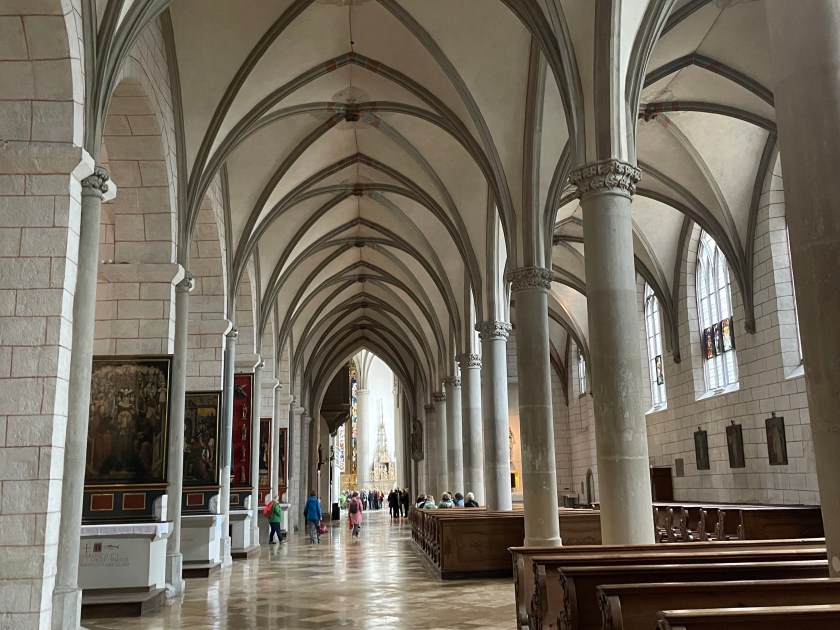
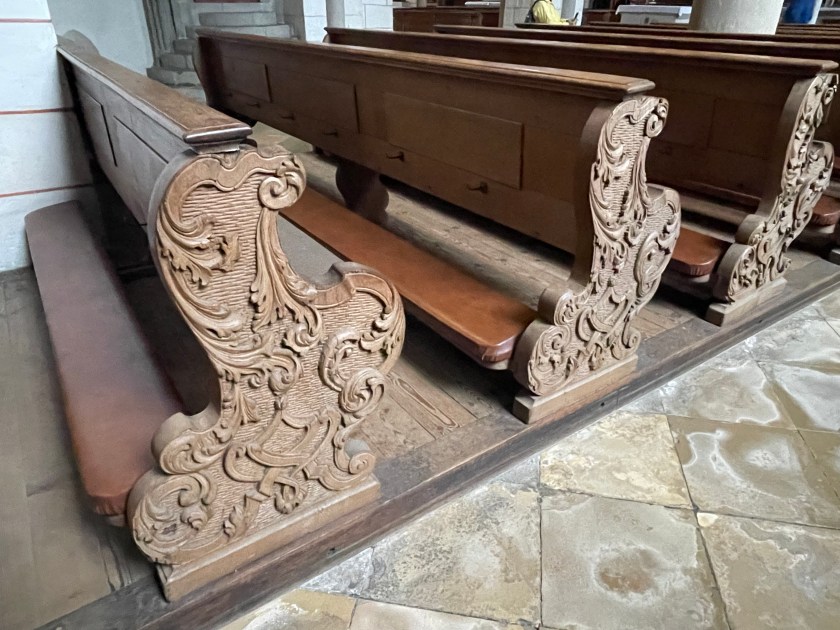
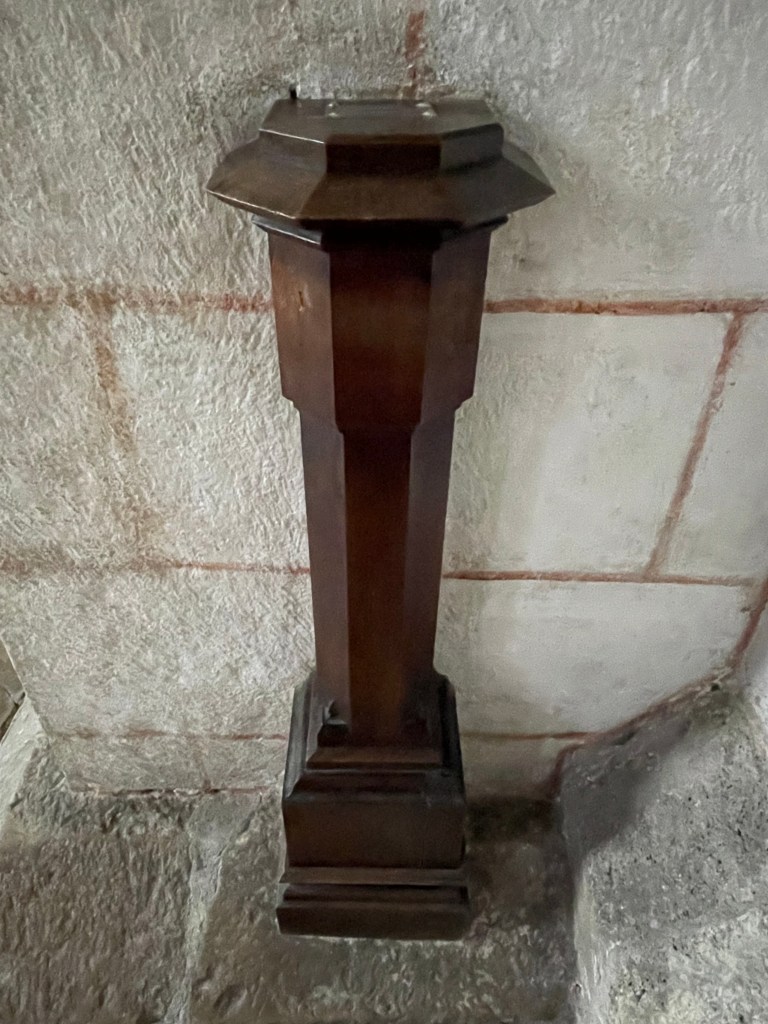
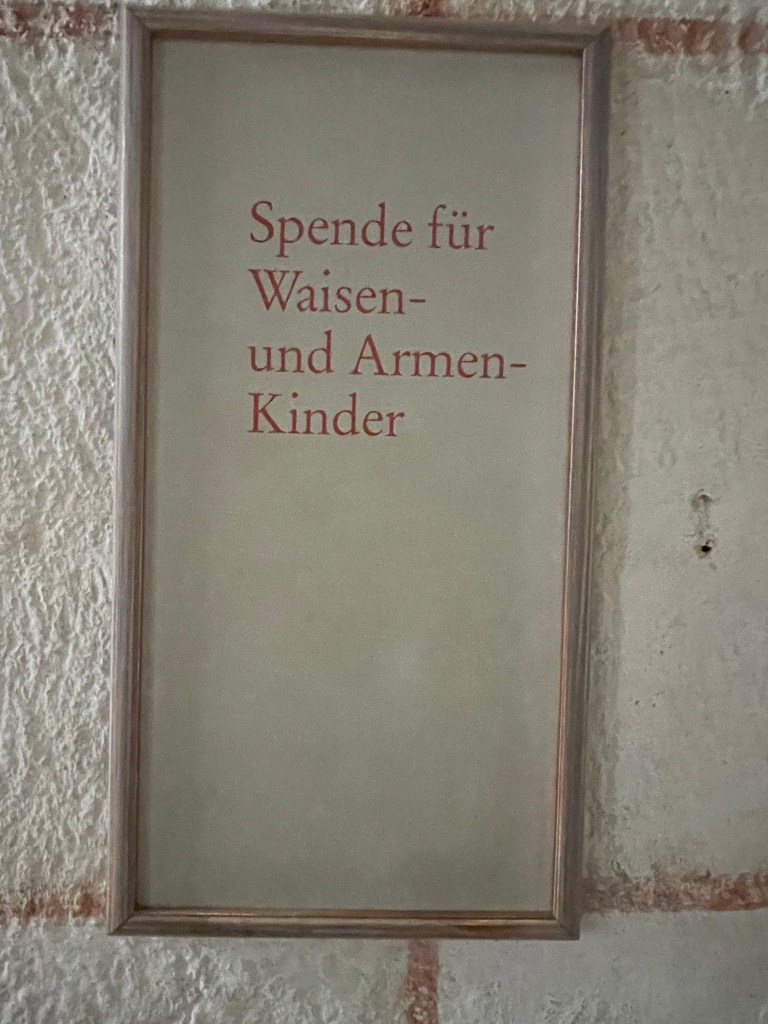
Donations for orphans and poor children.
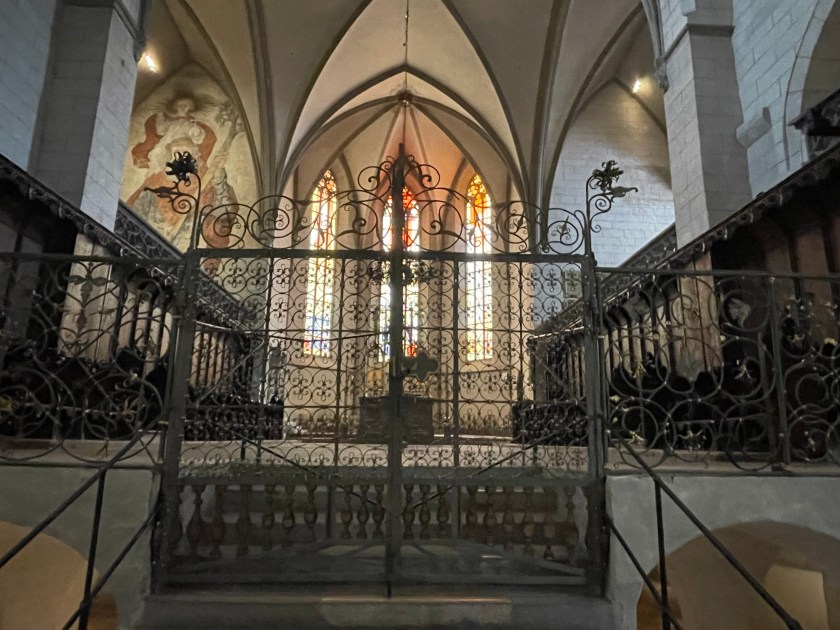
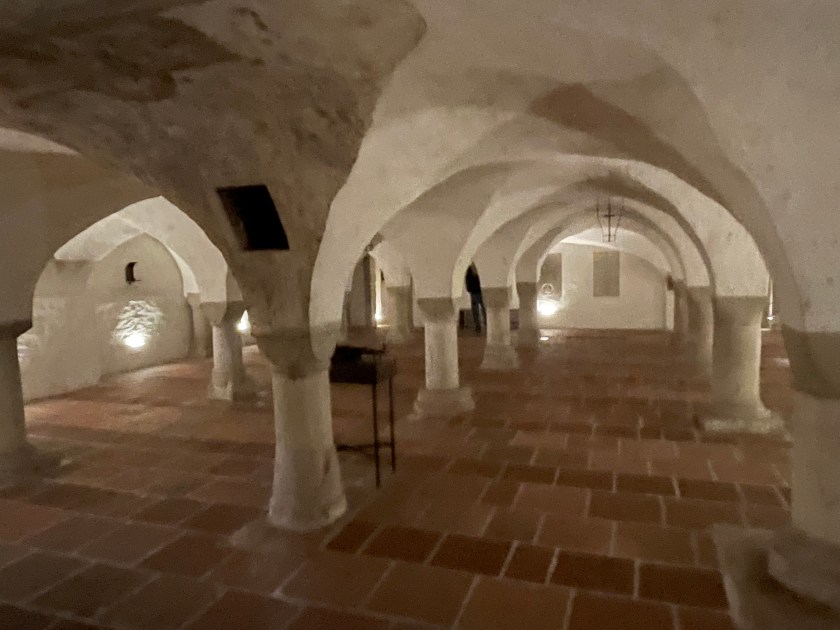
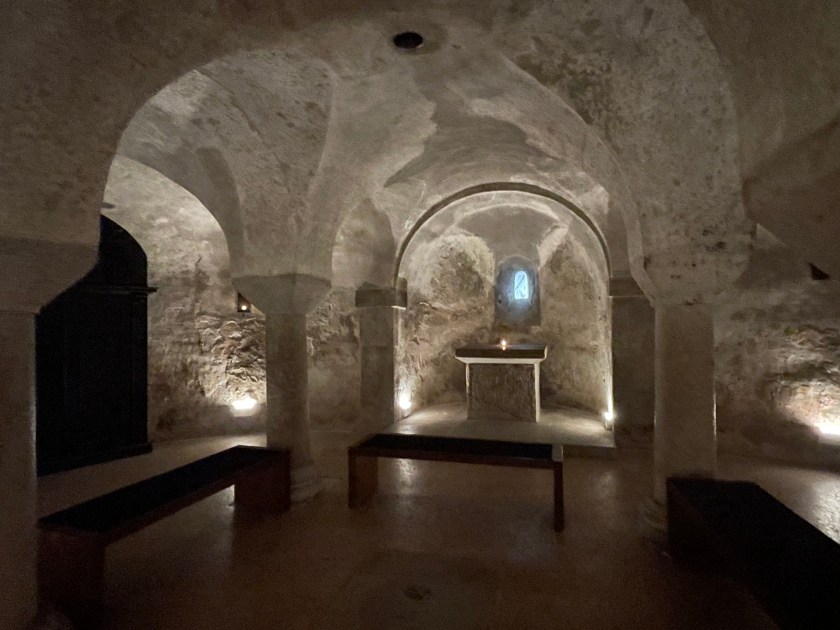
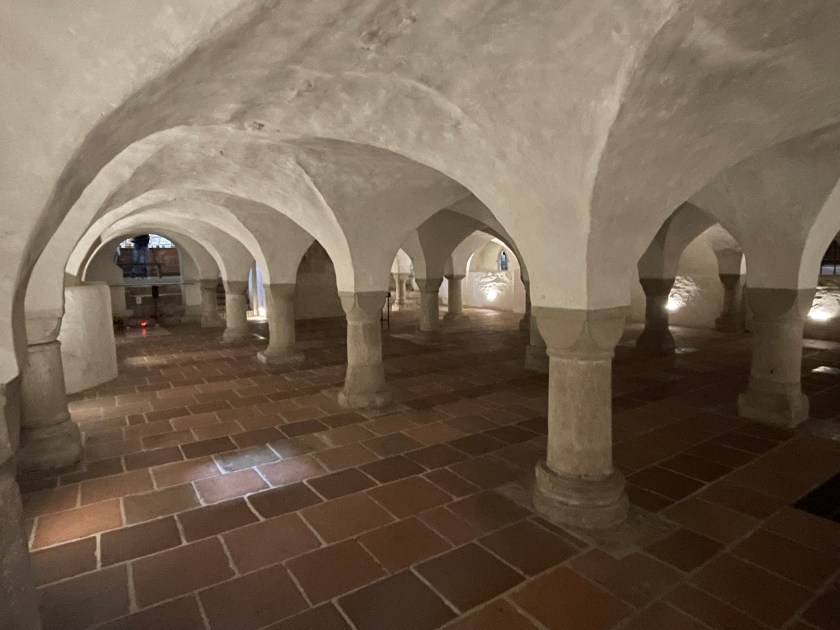
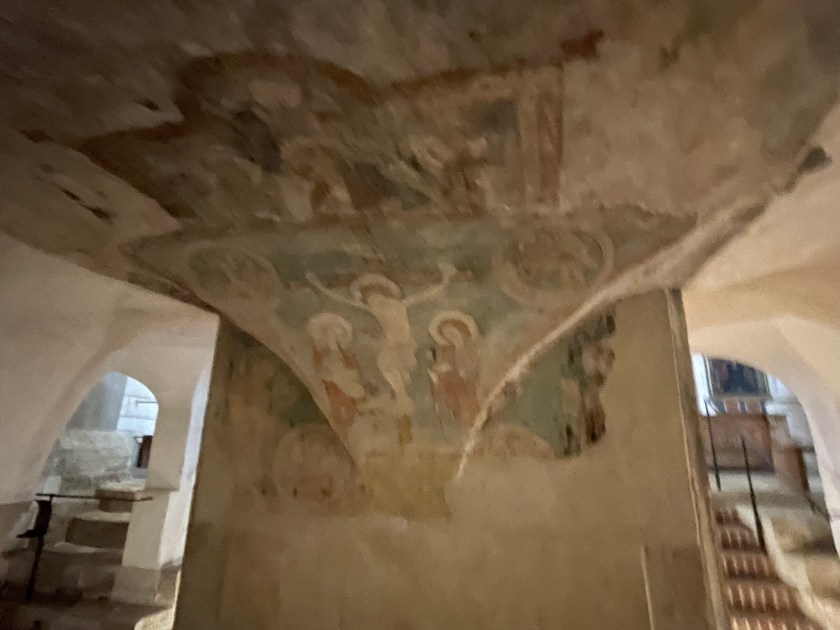
Underground was a crypt from long long ago.
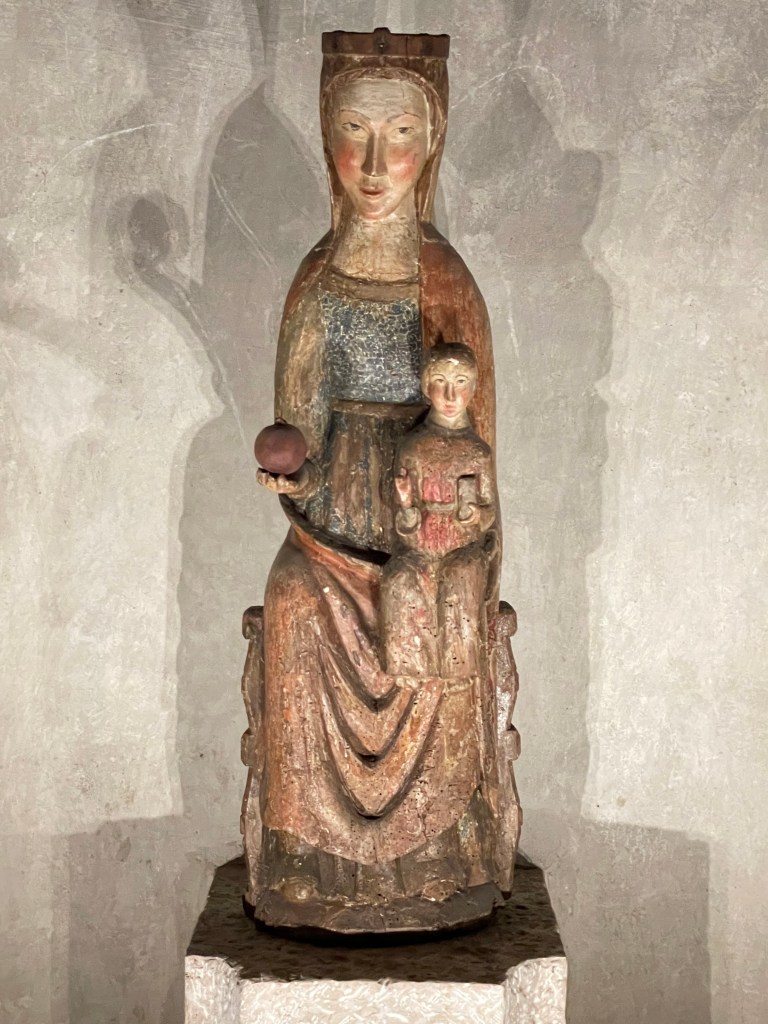
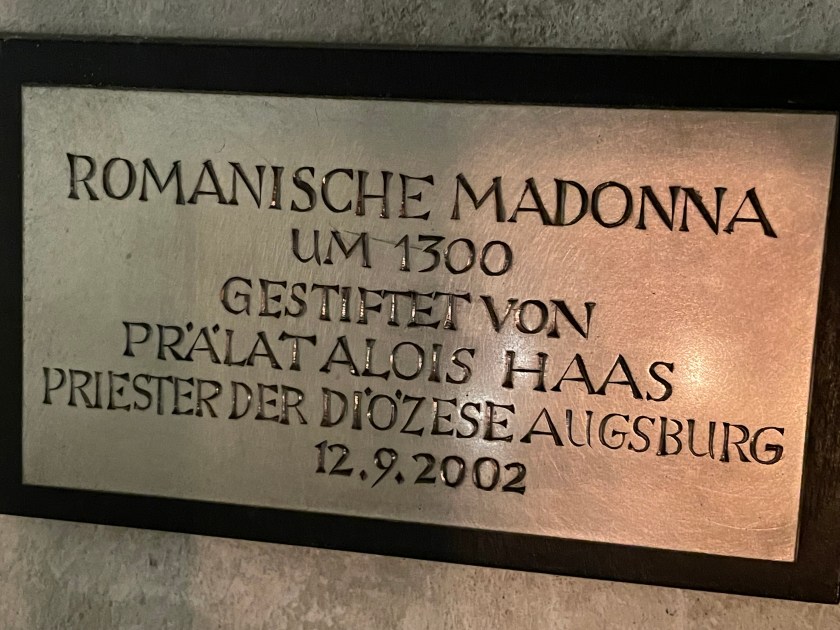
This Madonna dates back to about 1300.
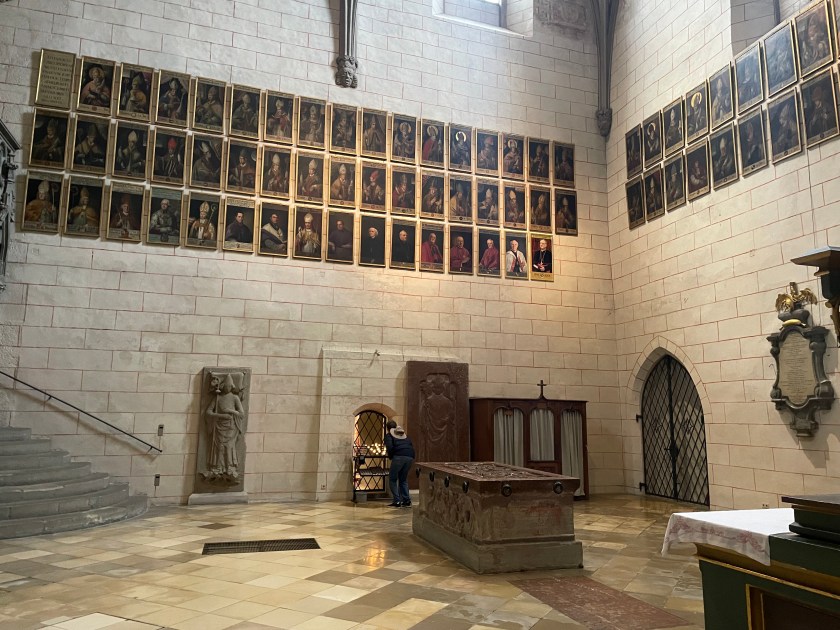
All the church leaders through the centuries:
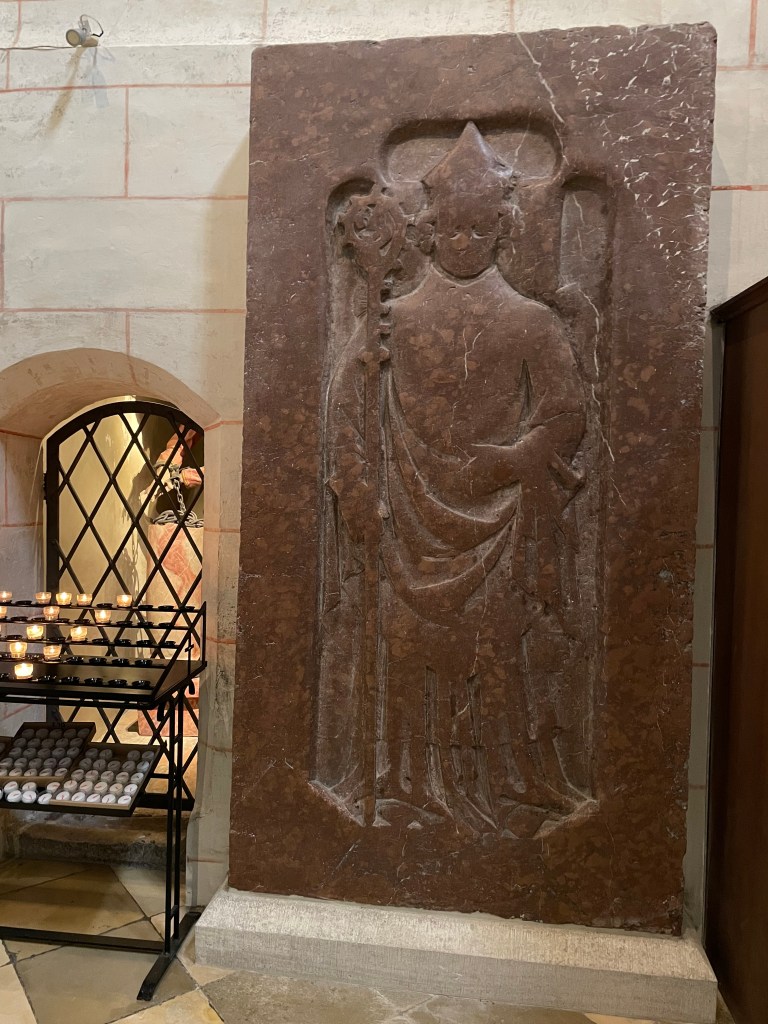
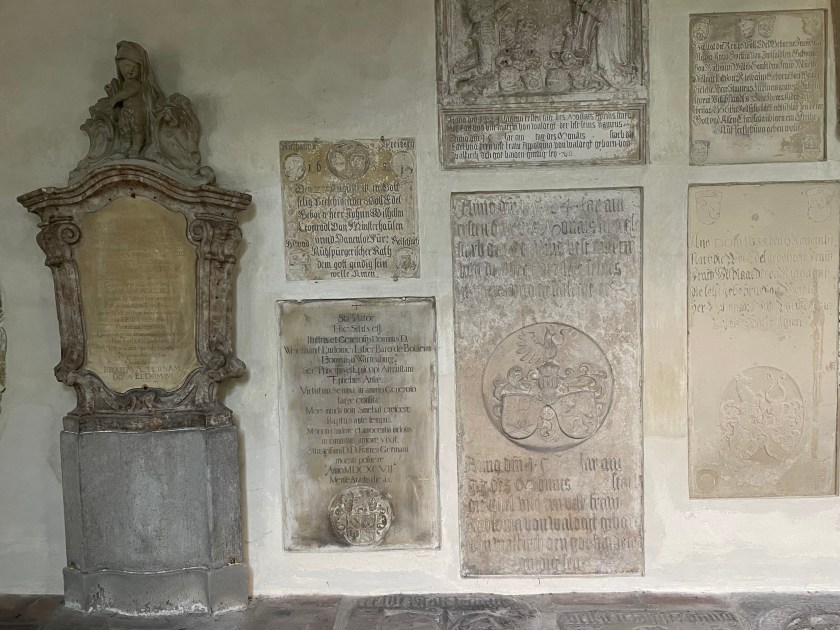
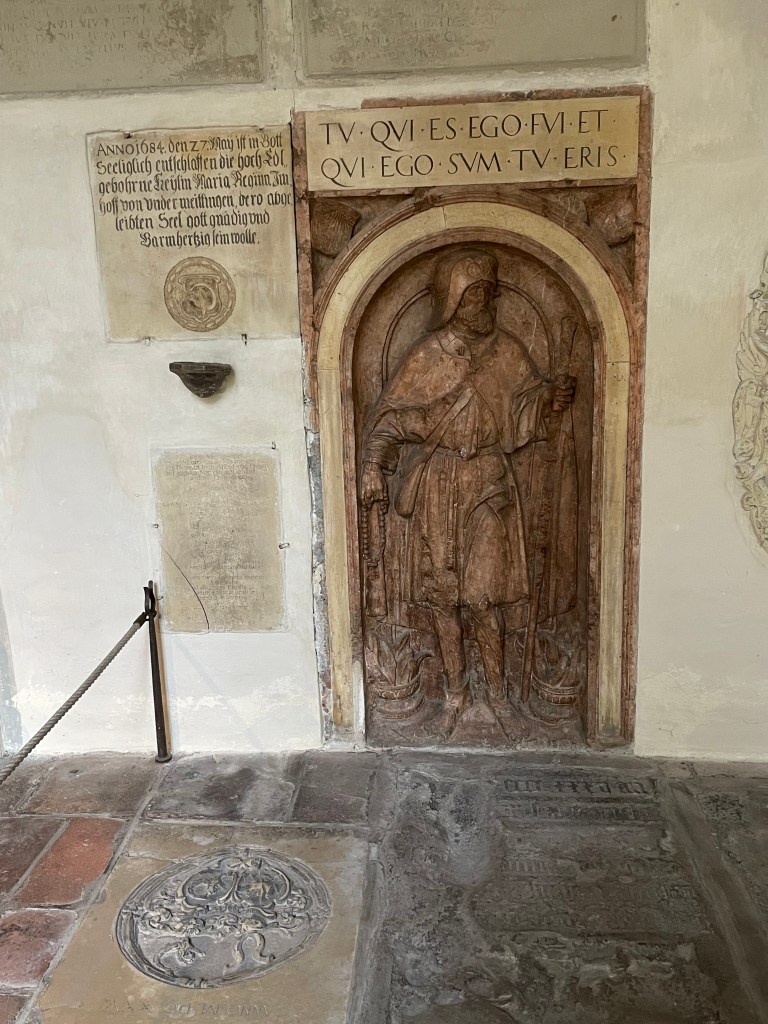
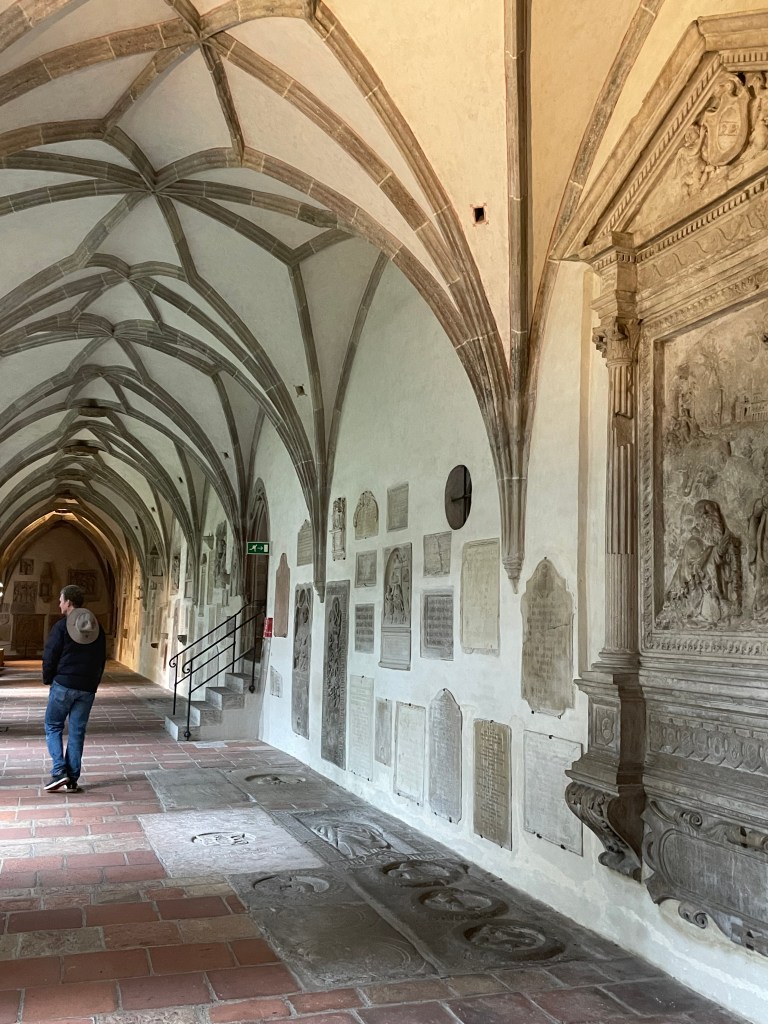
The courtyard around the chapel part of the cathedral was filled with 100s of the very old headstone/memorial slabs from so long ago. Before records were kept, the important people had their stories told on their burial slabs. Some just have a likeness of the person, some tell all of his accomplishments. It’s like a personal history. I am always wondering if these inscribed stones are chronicled and documented and translated and put into FamilySearch or other databases. That would be a fun job for someone with the skills to read and interpret them. They are written in Latin. I took quite a few pics of the interesting ones.
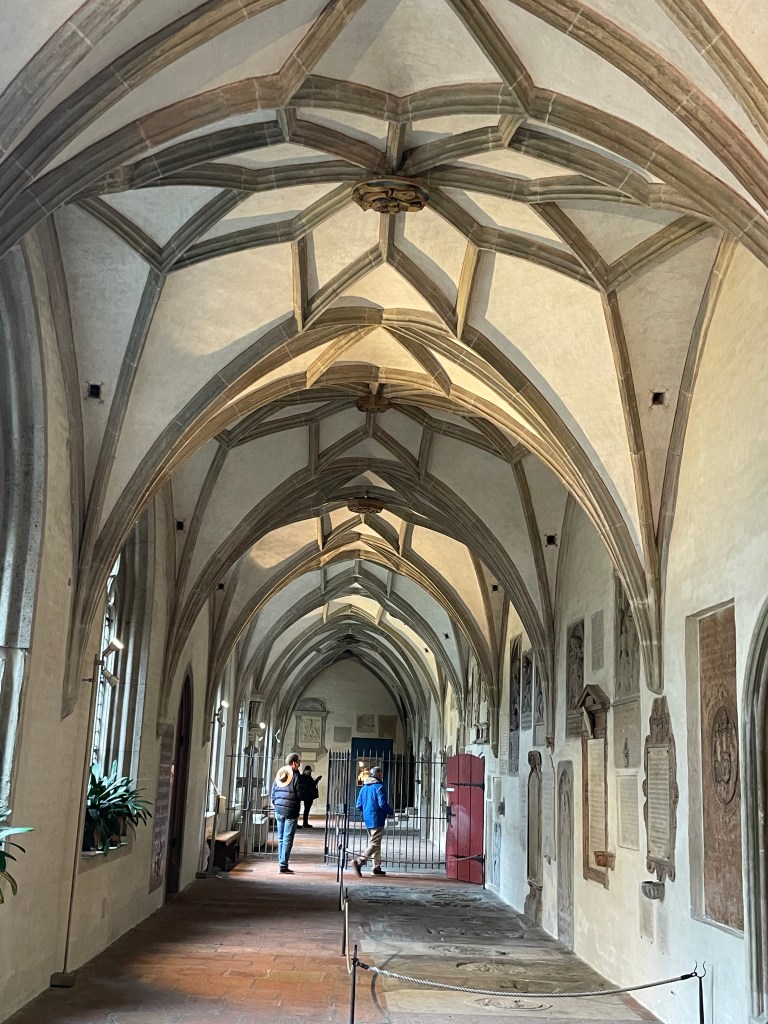
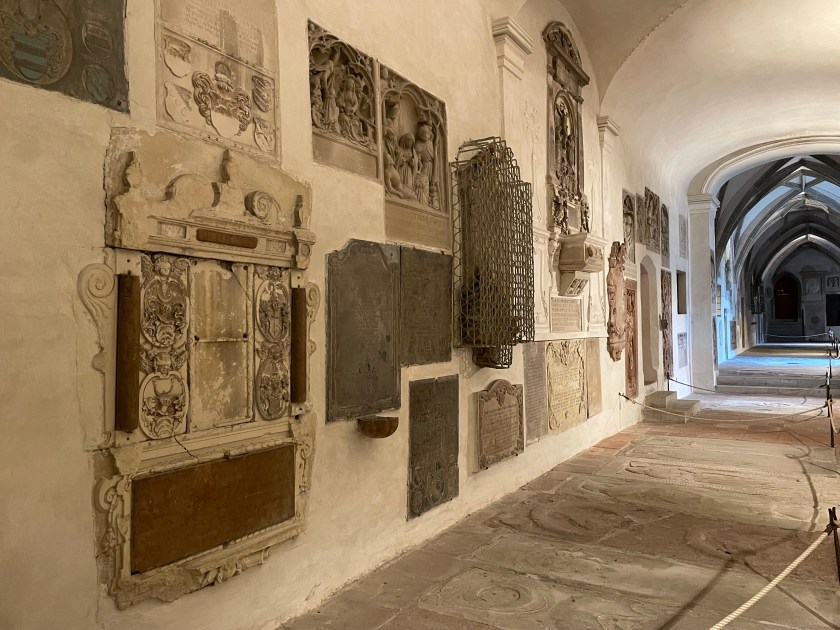
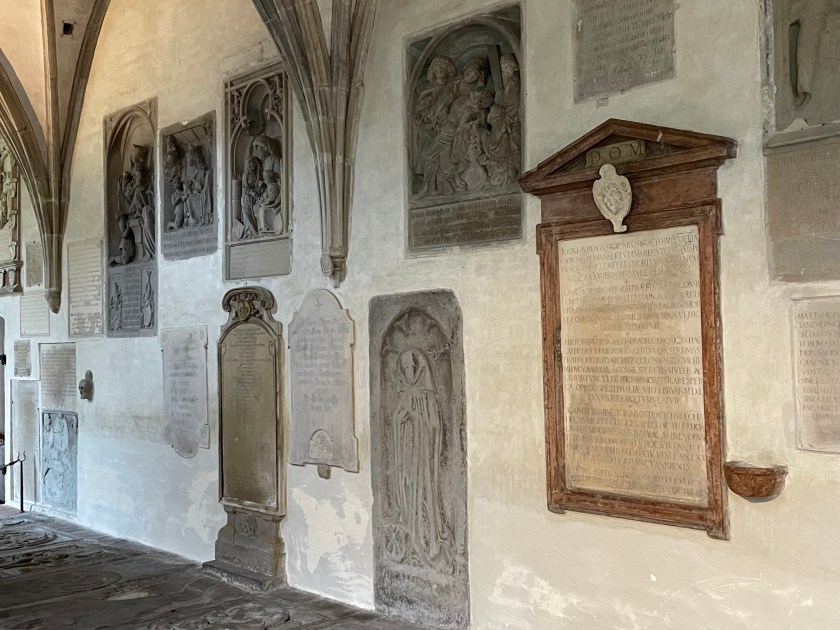
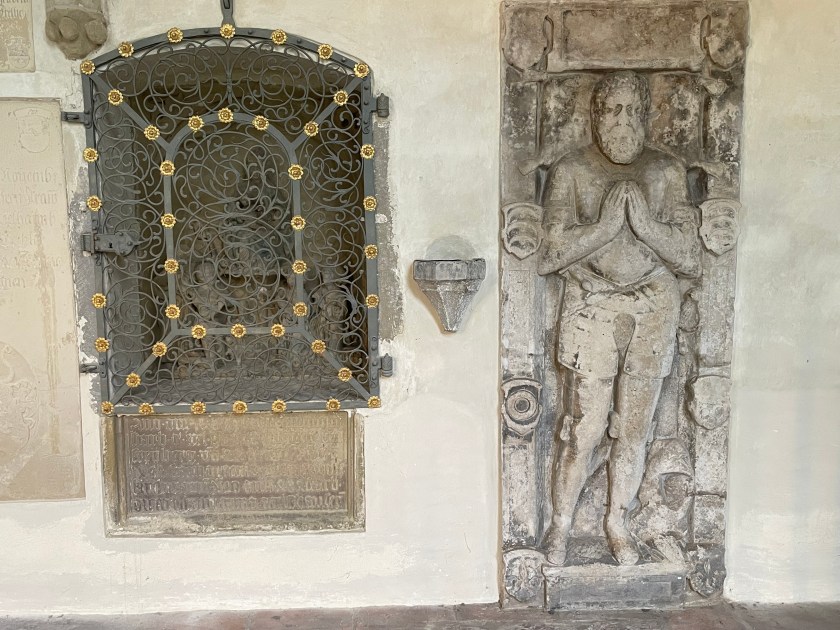
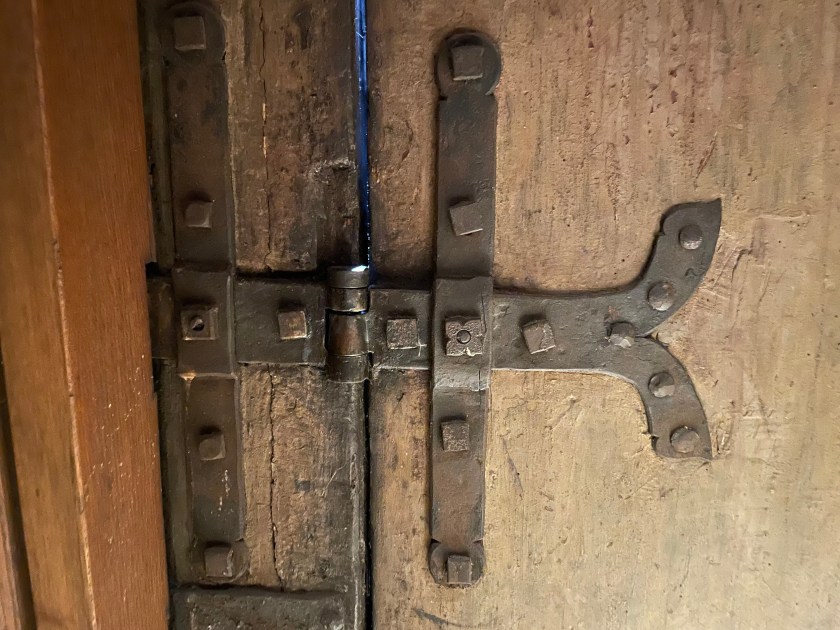
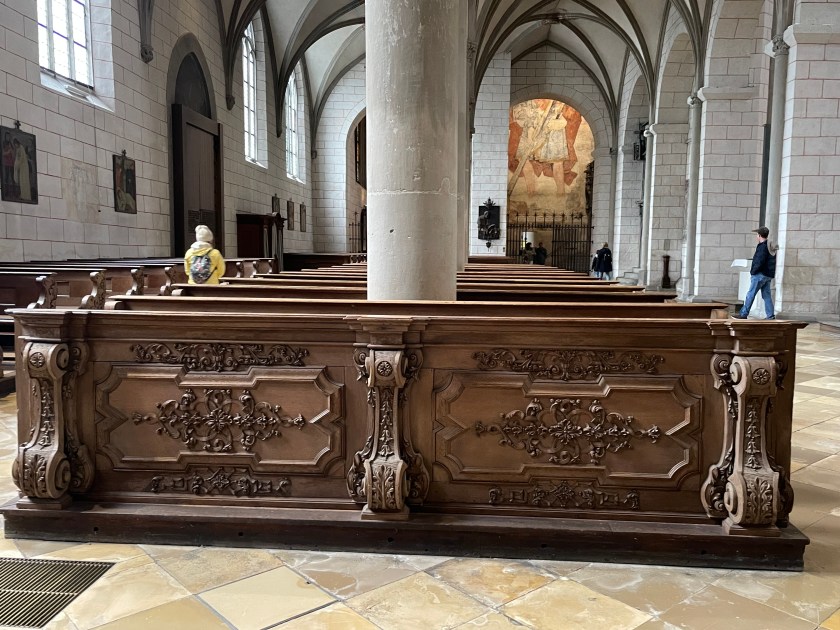
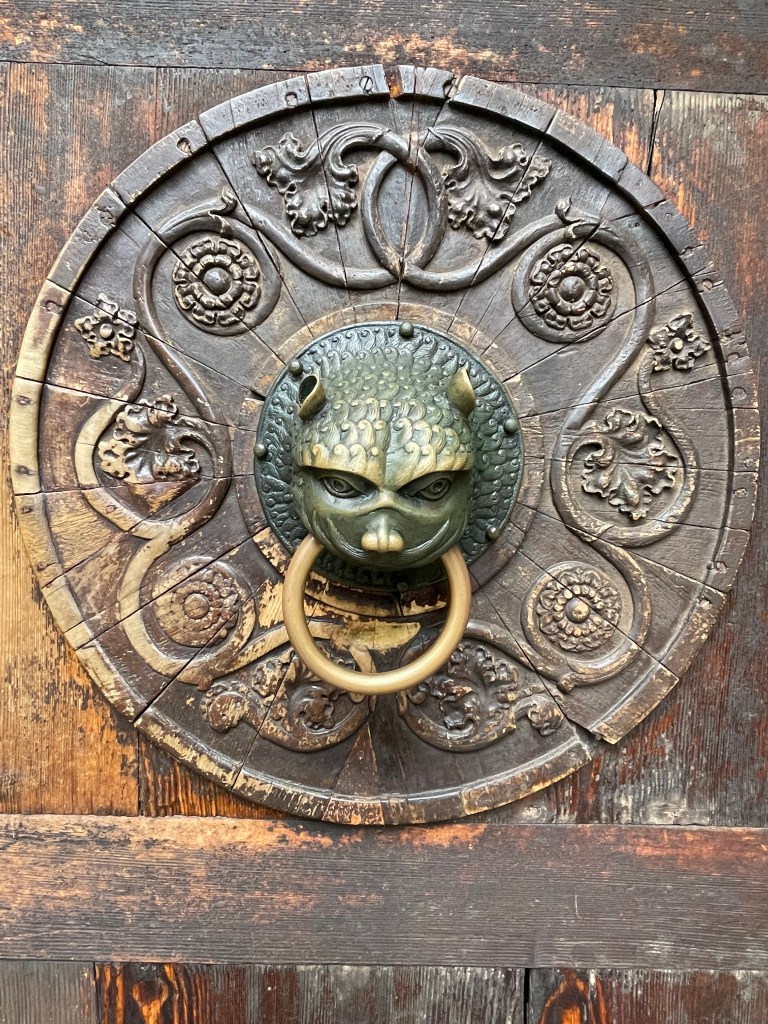
As we walked out of the Cathedral, we supposed that such a structure in what was probably a fairly small town back then was probably to those people like our building a temple is in our day–a marvelous work and a wonder.
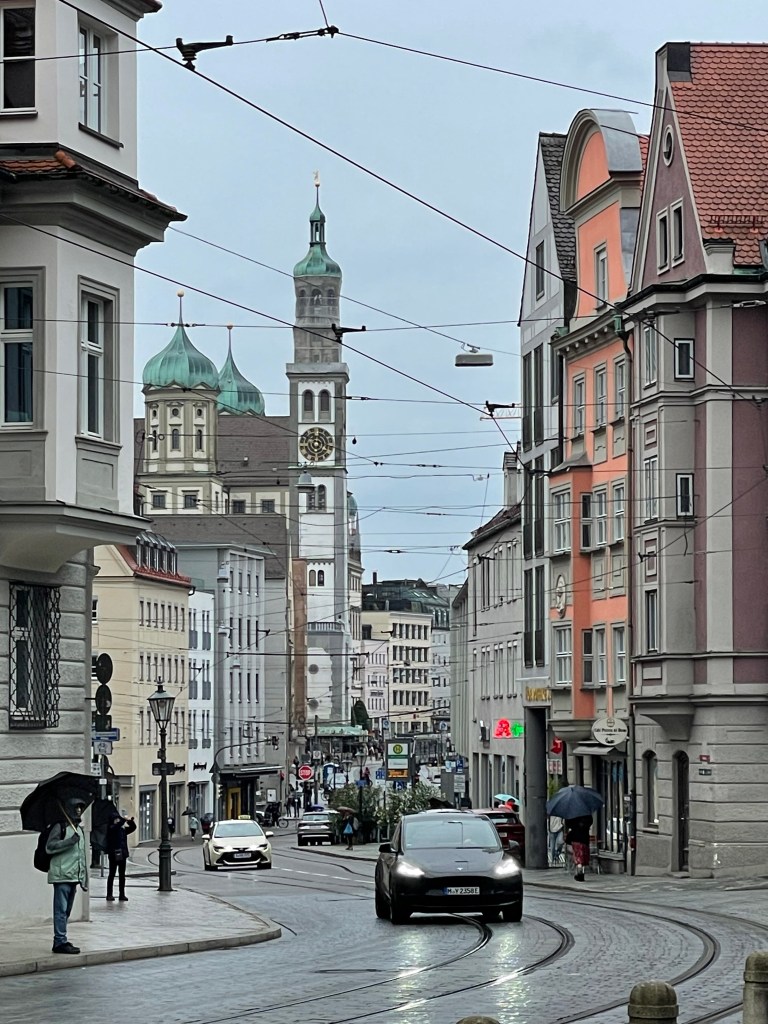
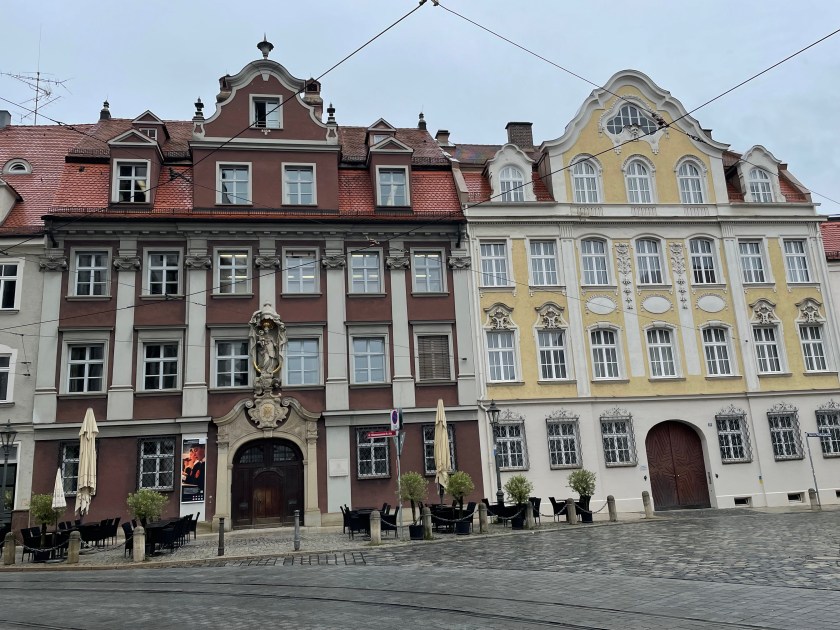
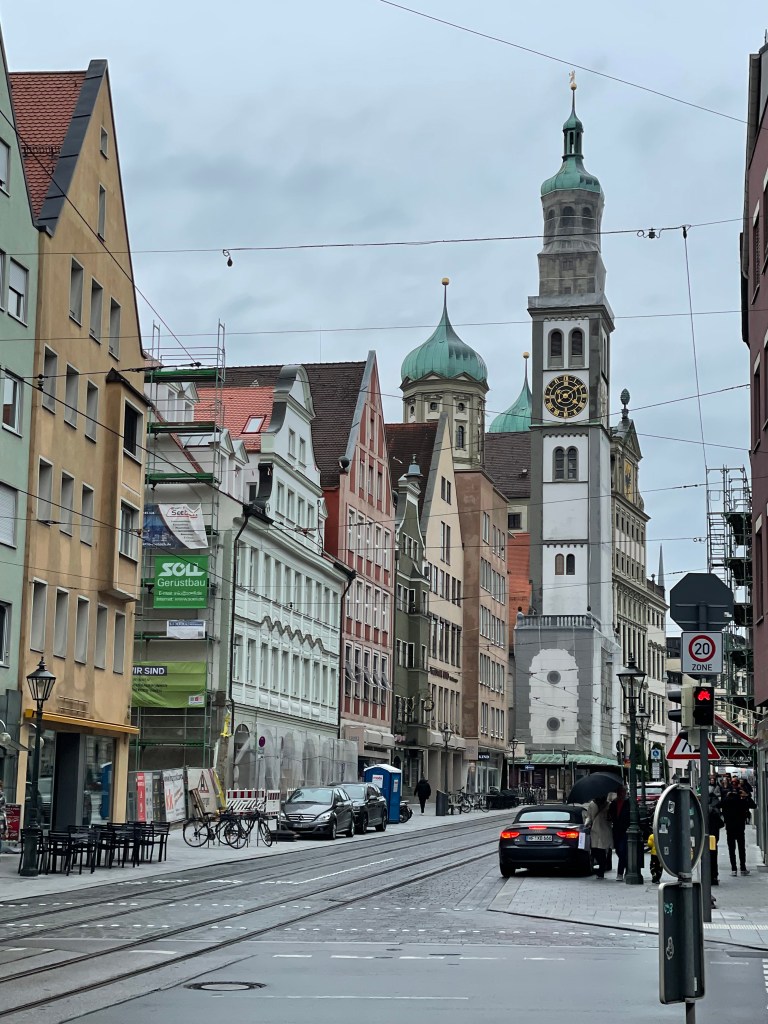
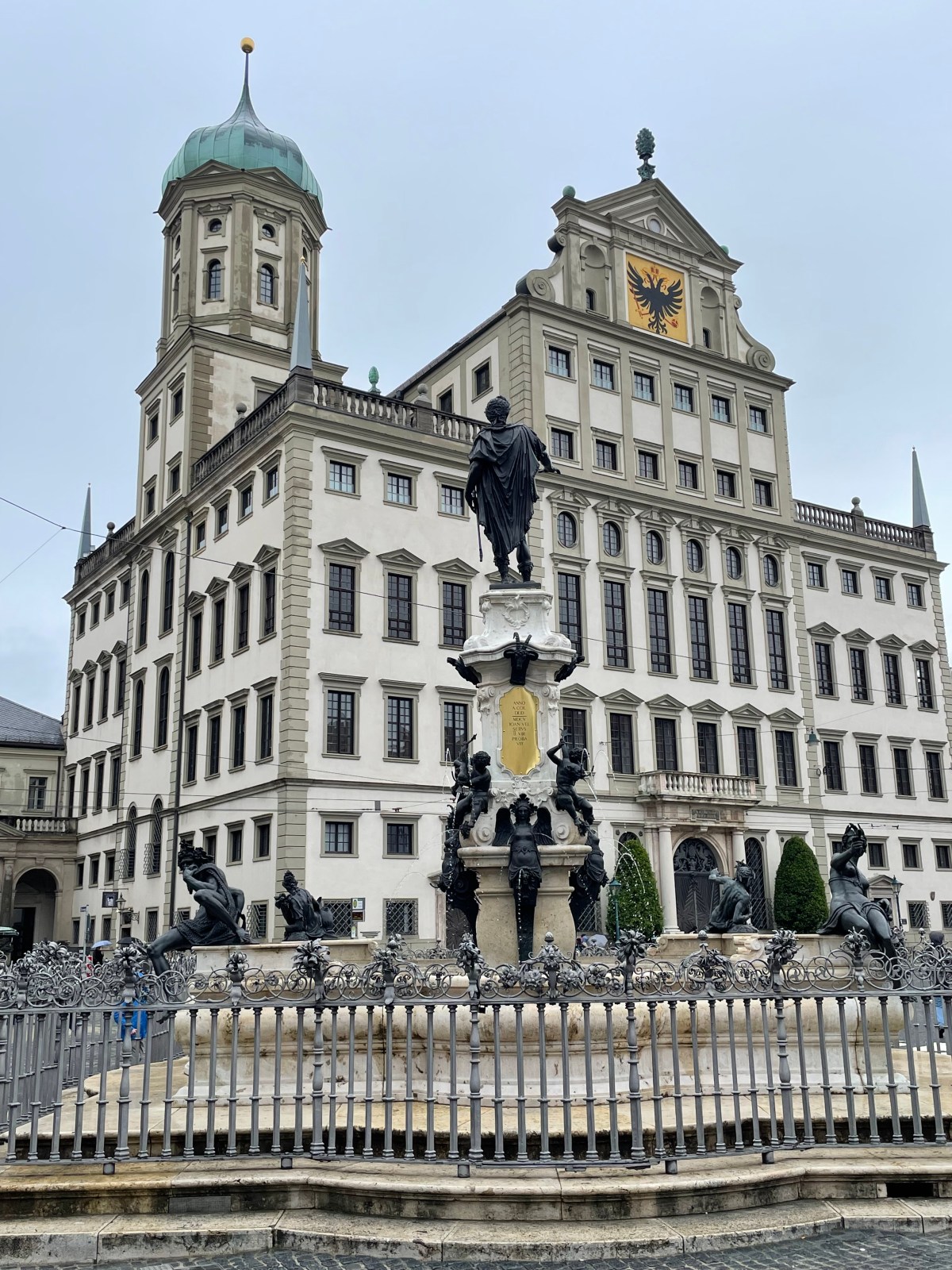
Then we walked a few more blocks back the other way into the old town. Today this is a modern beautiful city, but the town square/plaza areas were beautiful and large, surrounded by historic buildings and the old town hall. The buildings are old, the shops on the ground levels are new and modern.
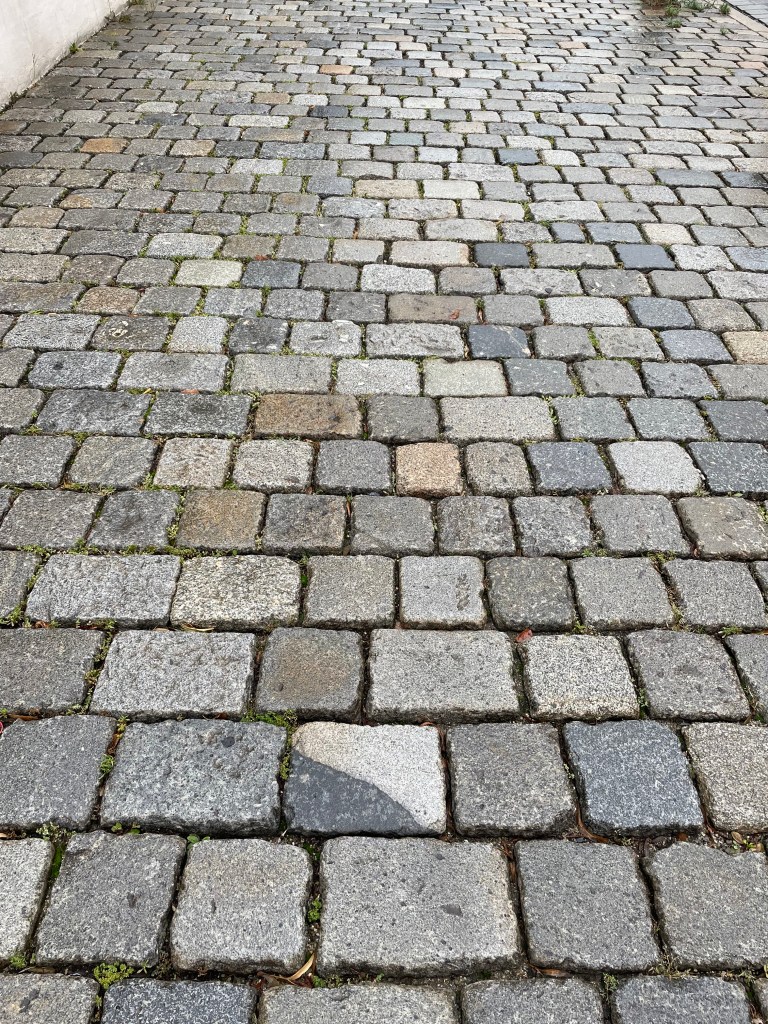
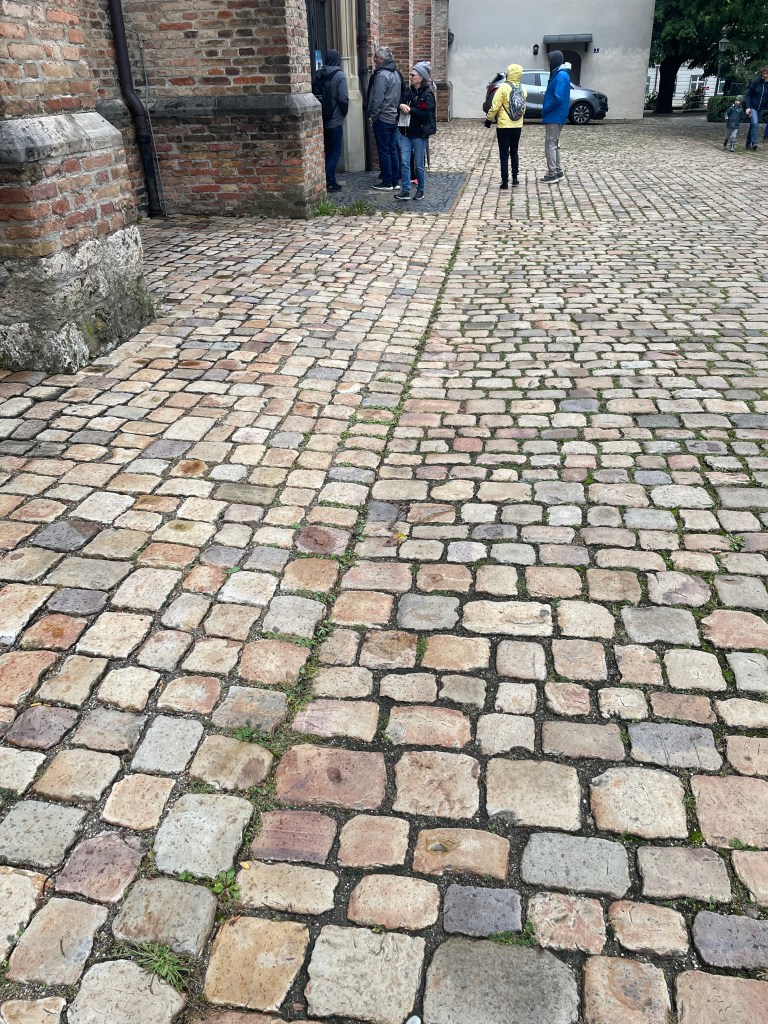
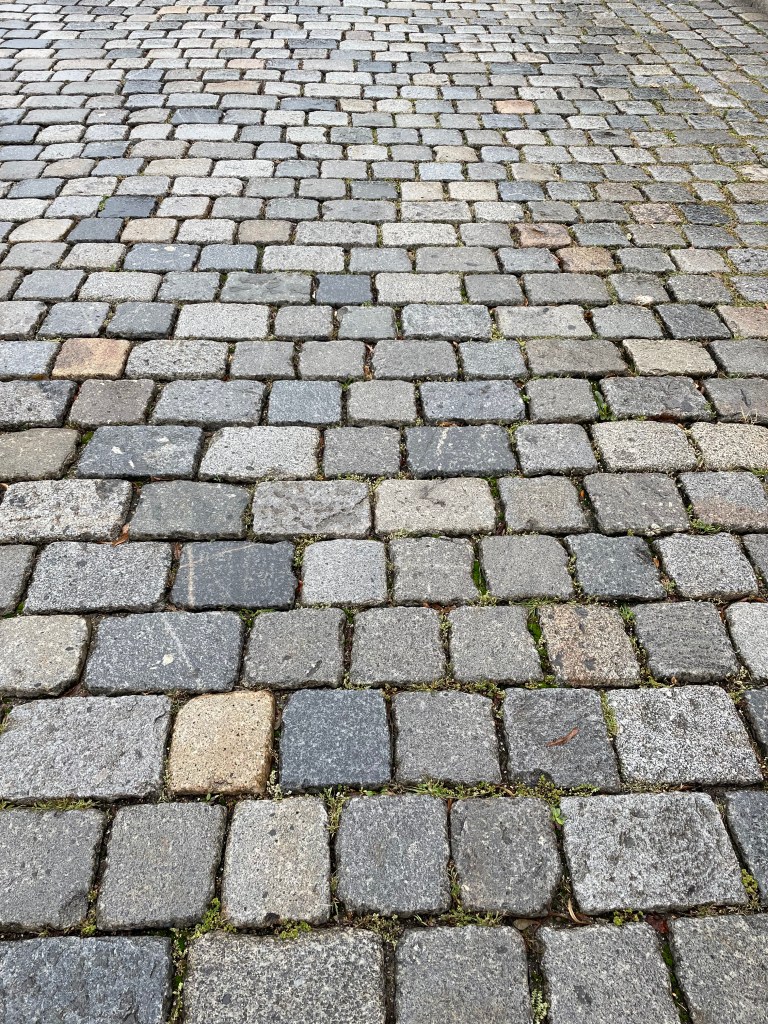
True cobblestones are unique and individual, pieced together like a quilt.
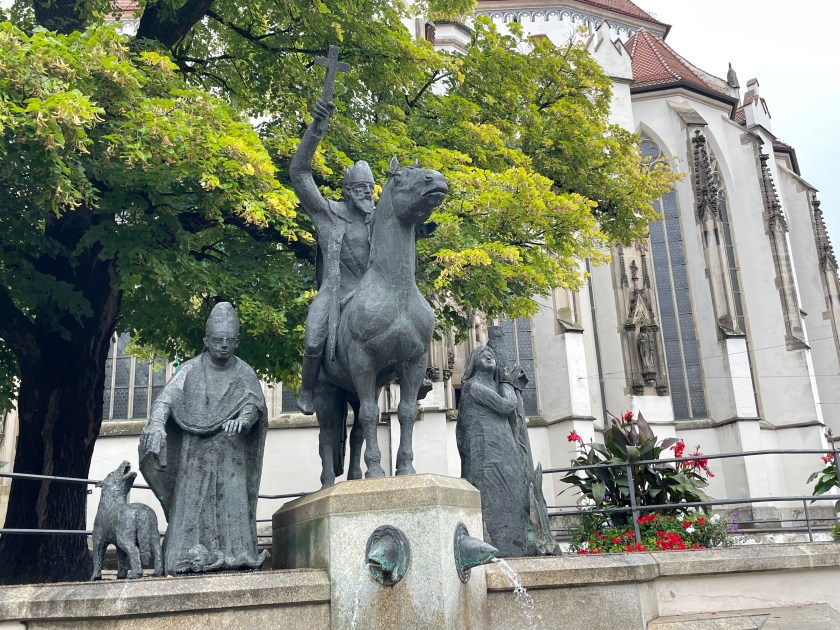
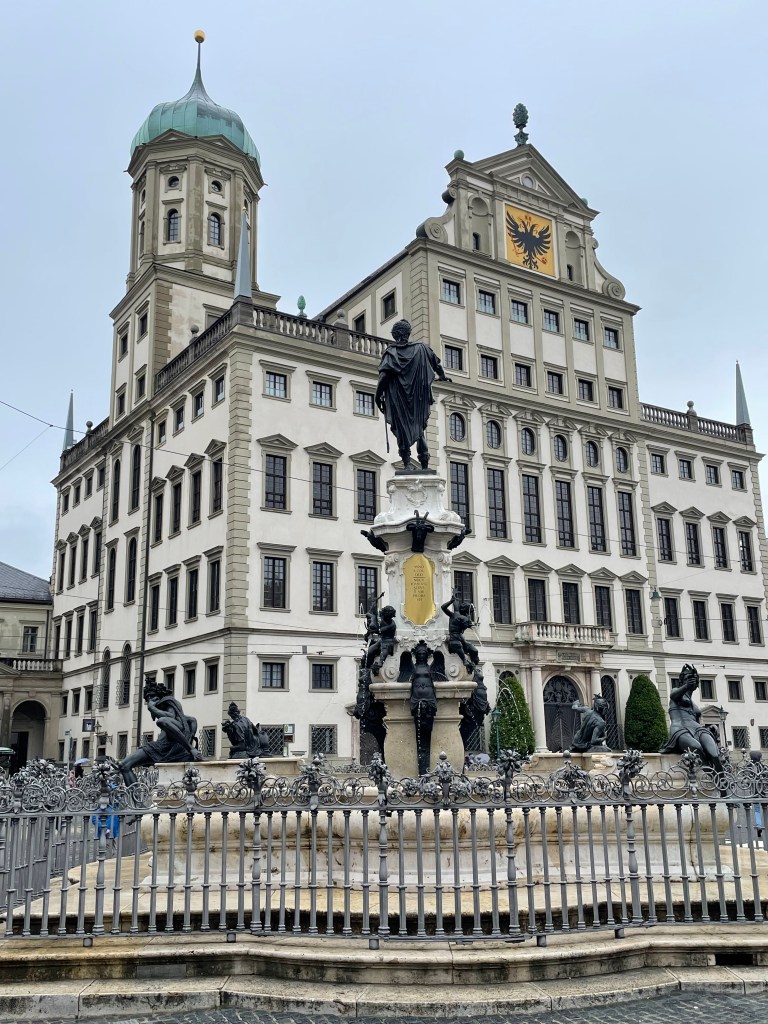
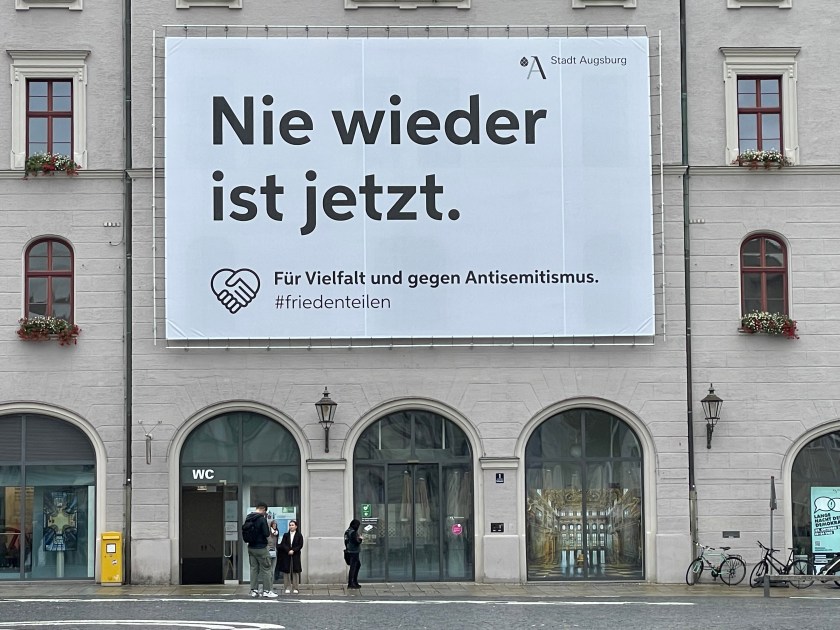
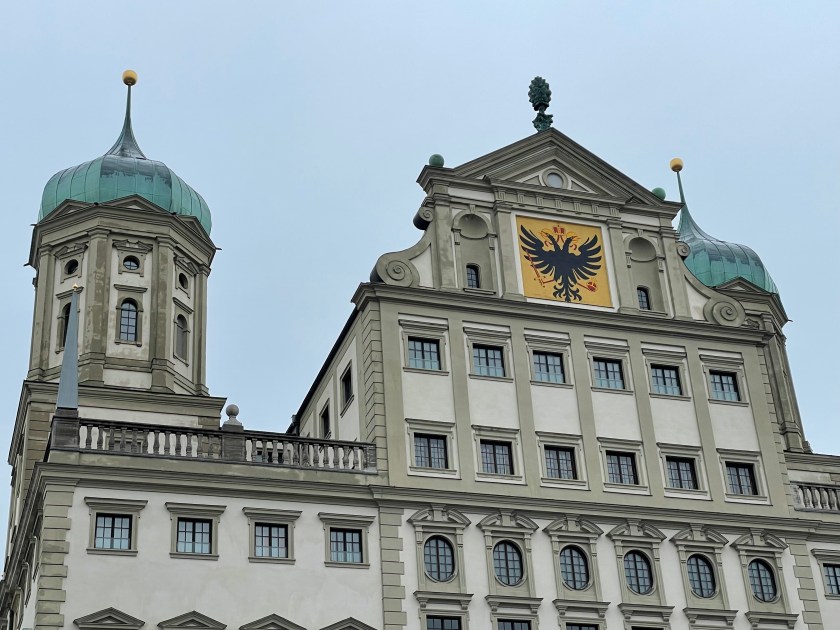
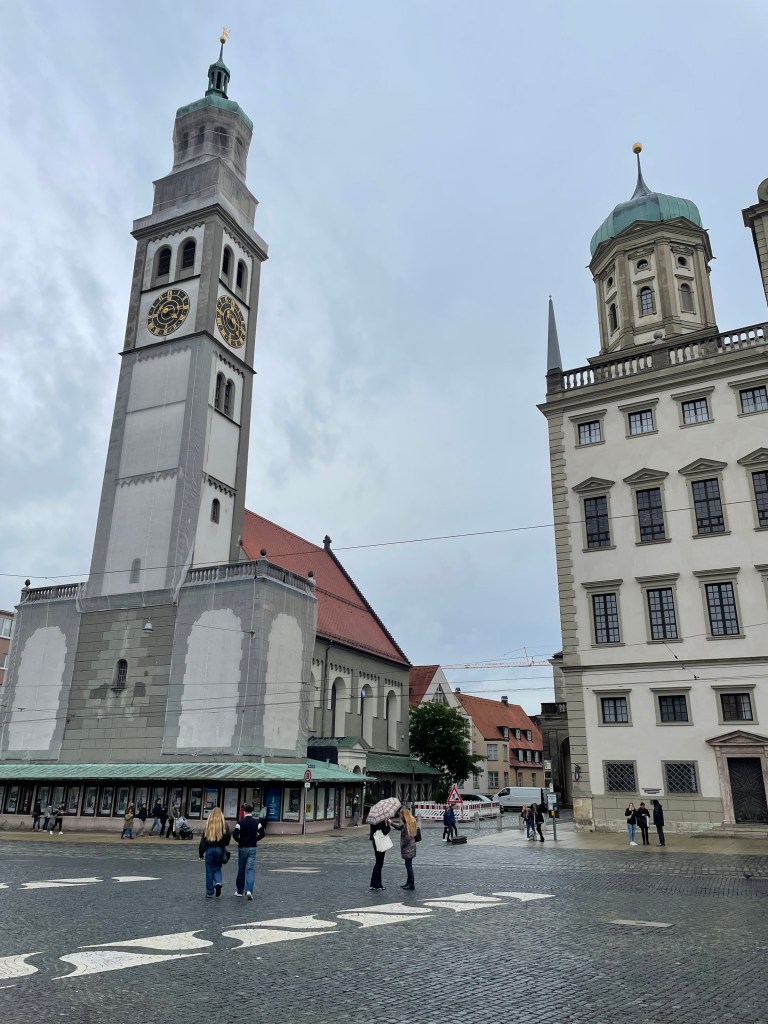
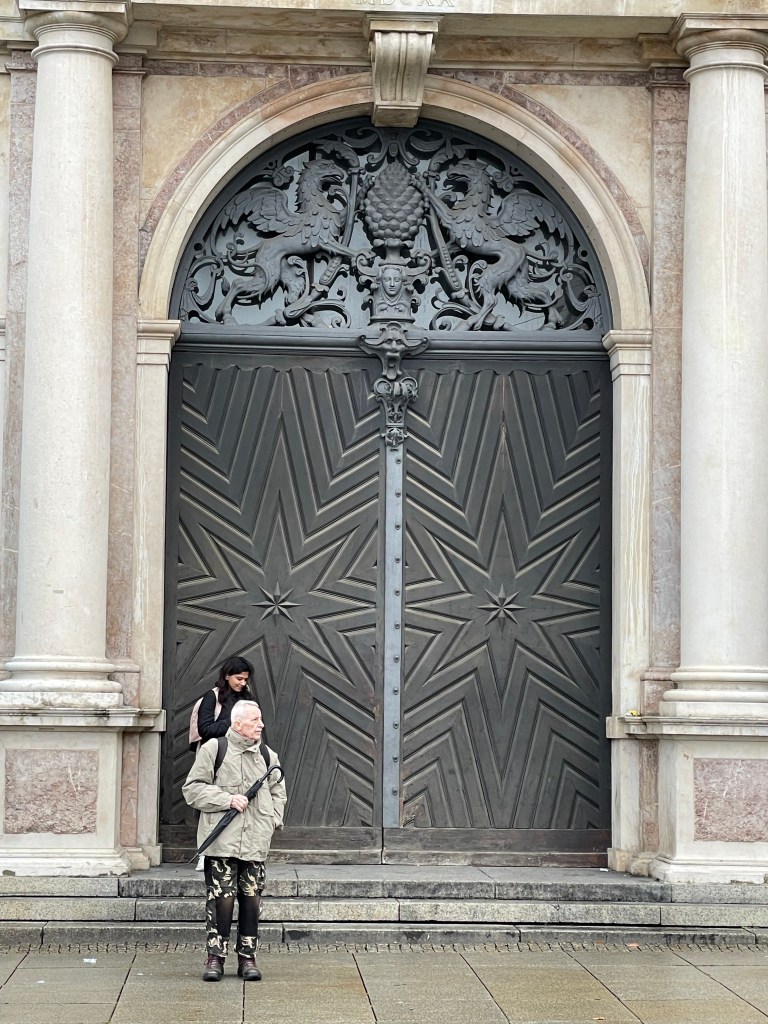
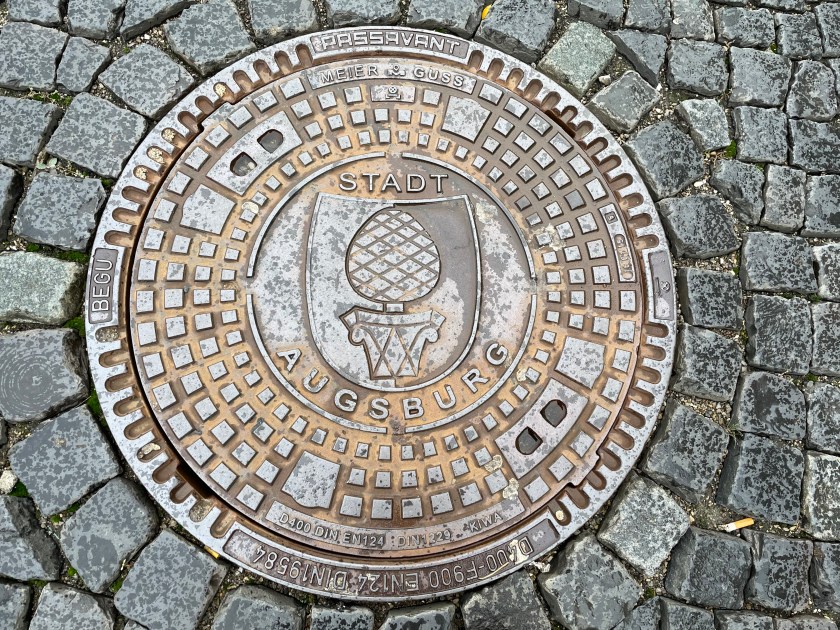
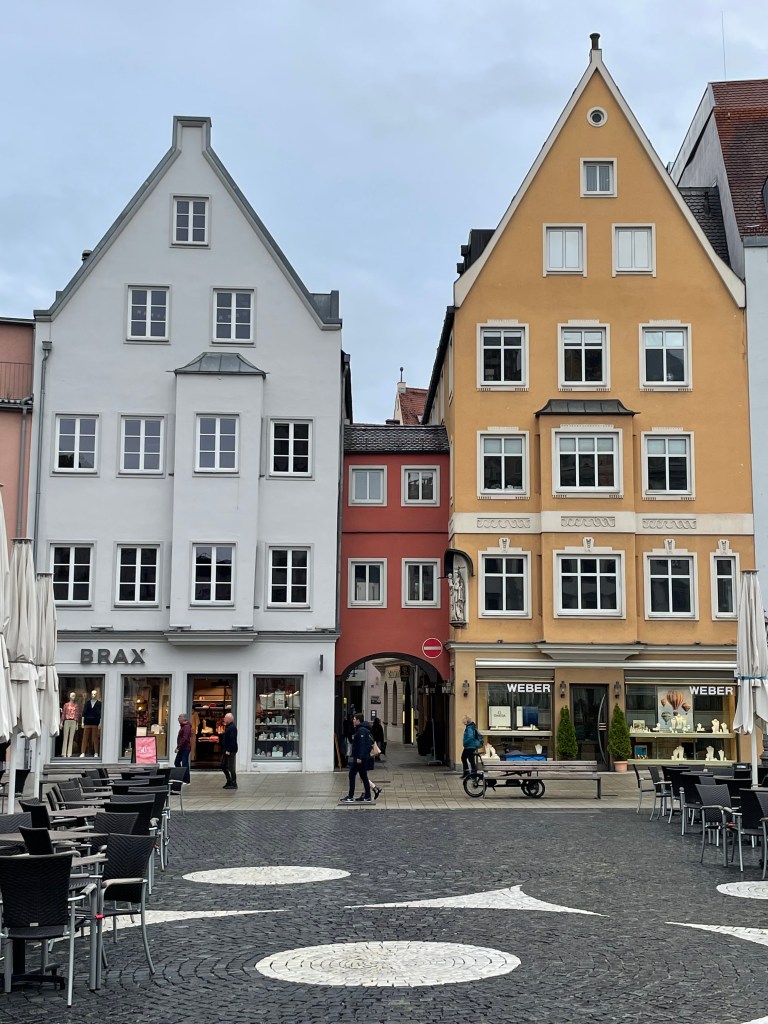
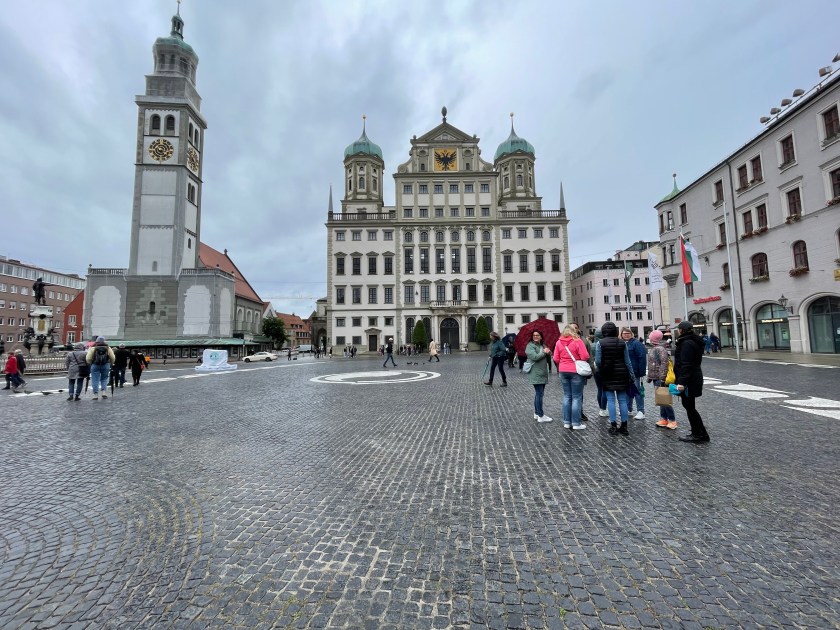
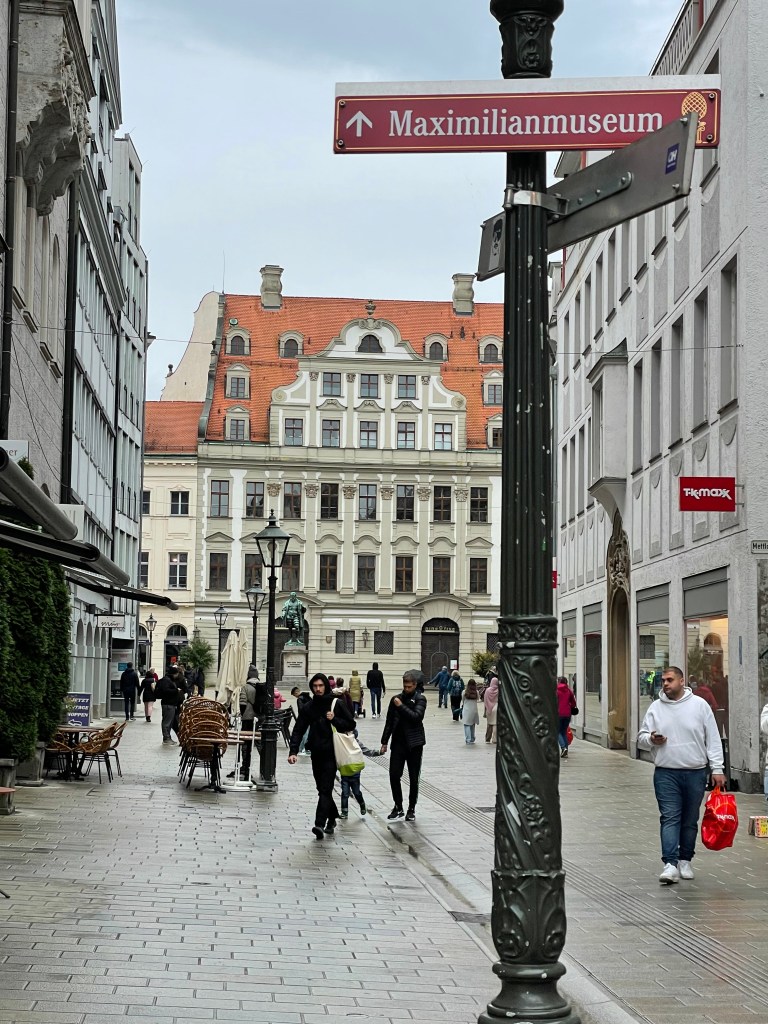
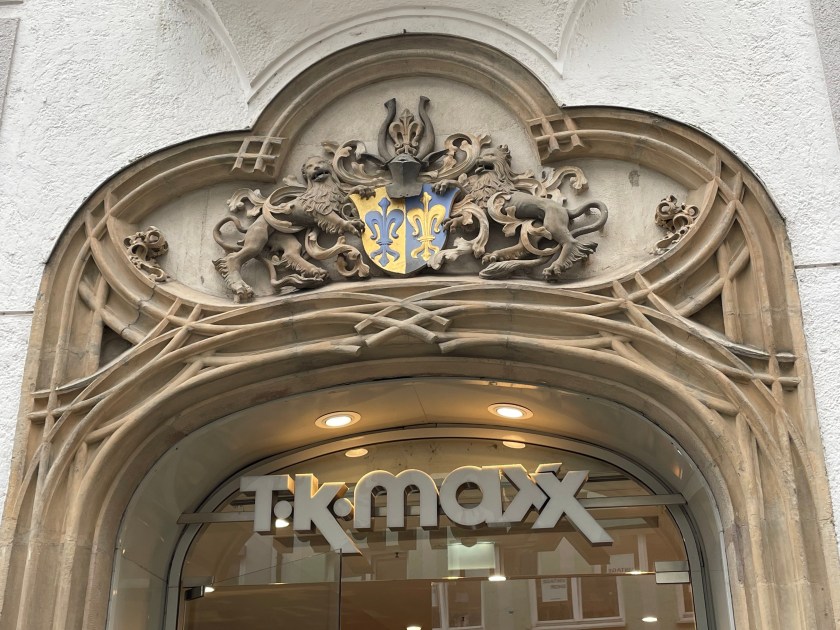
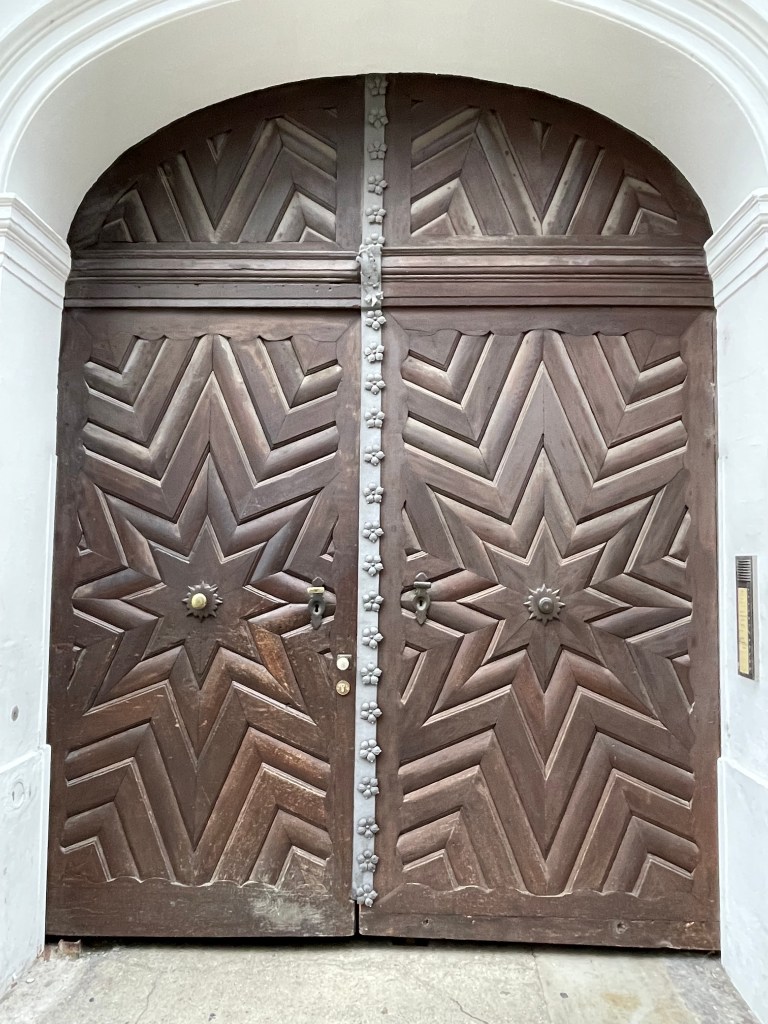
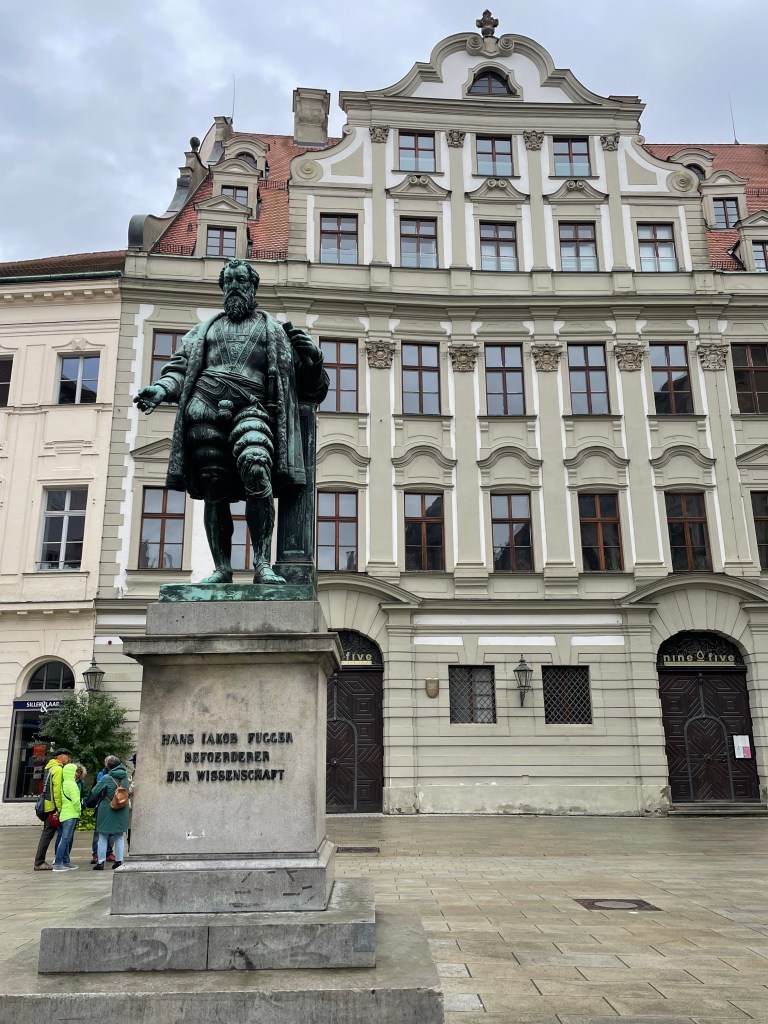
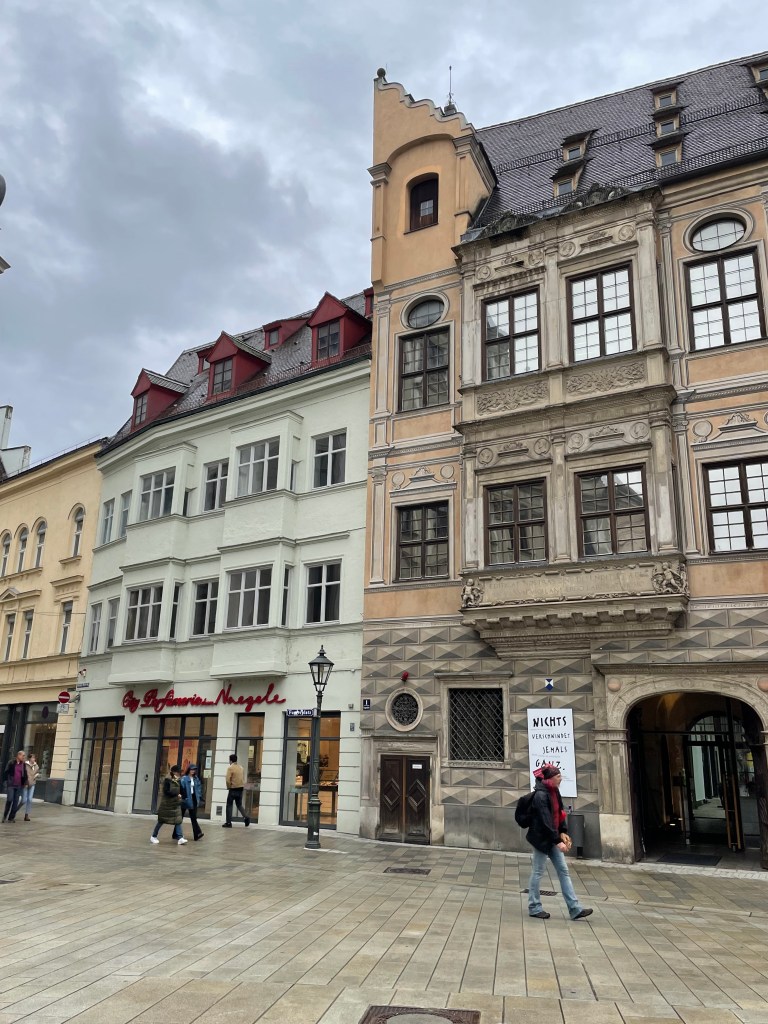
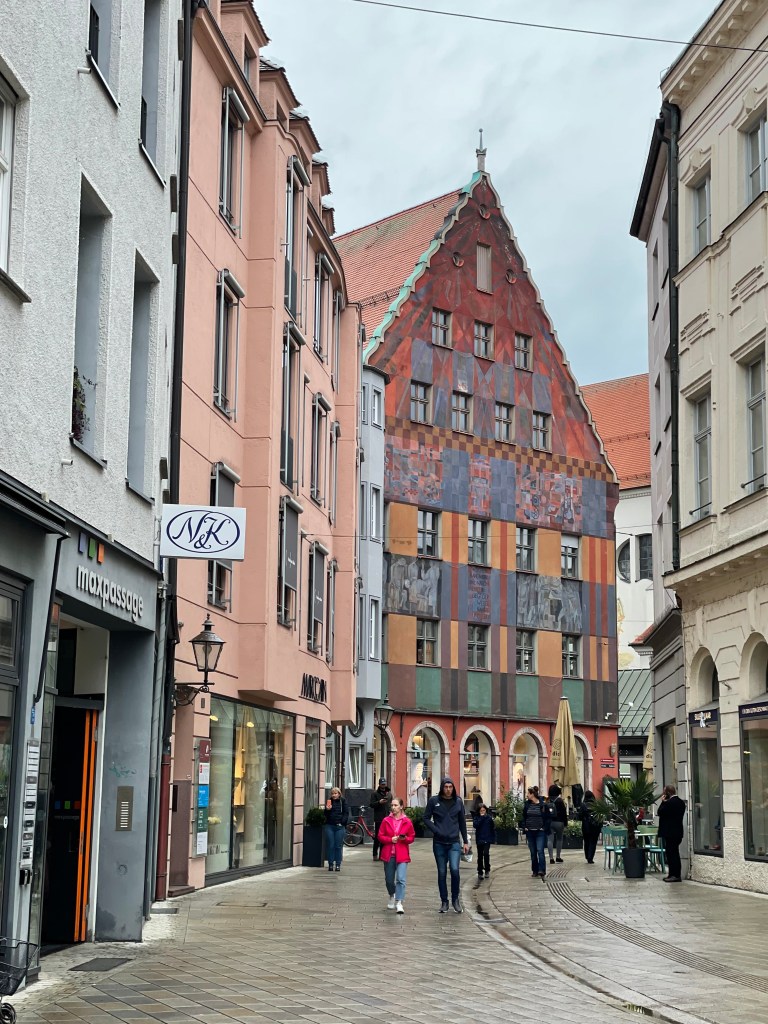
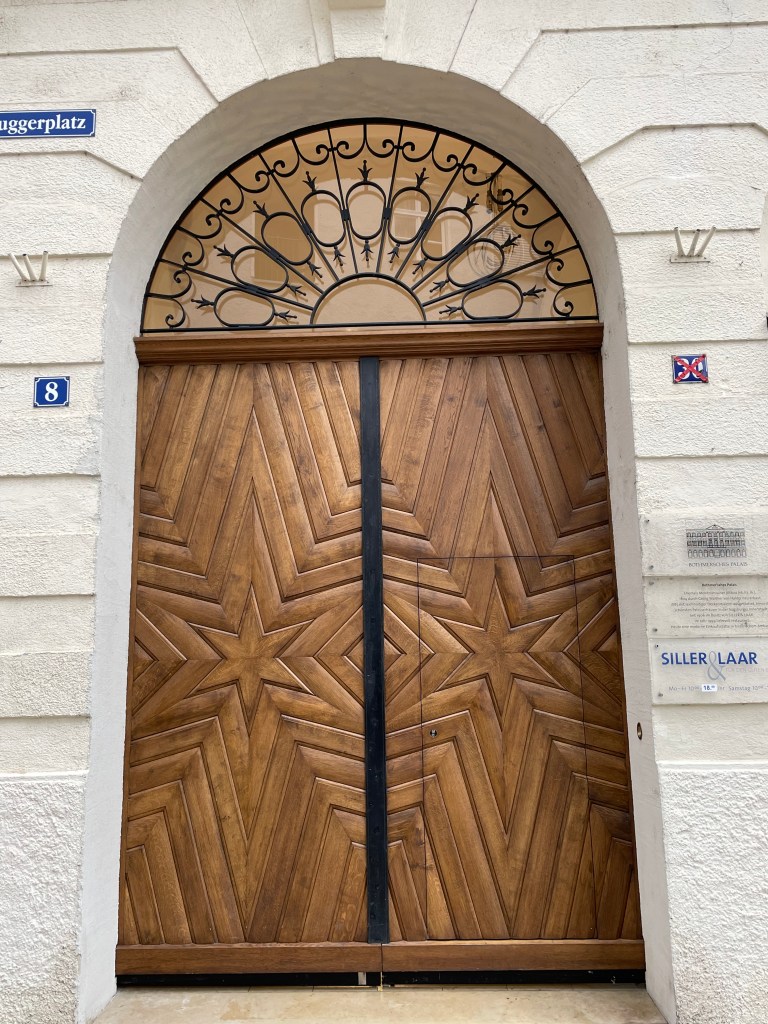
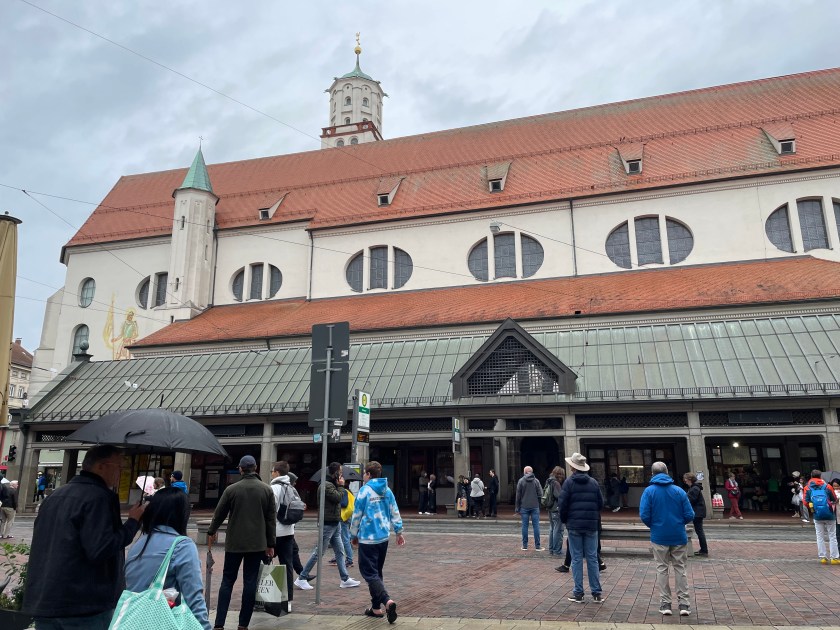
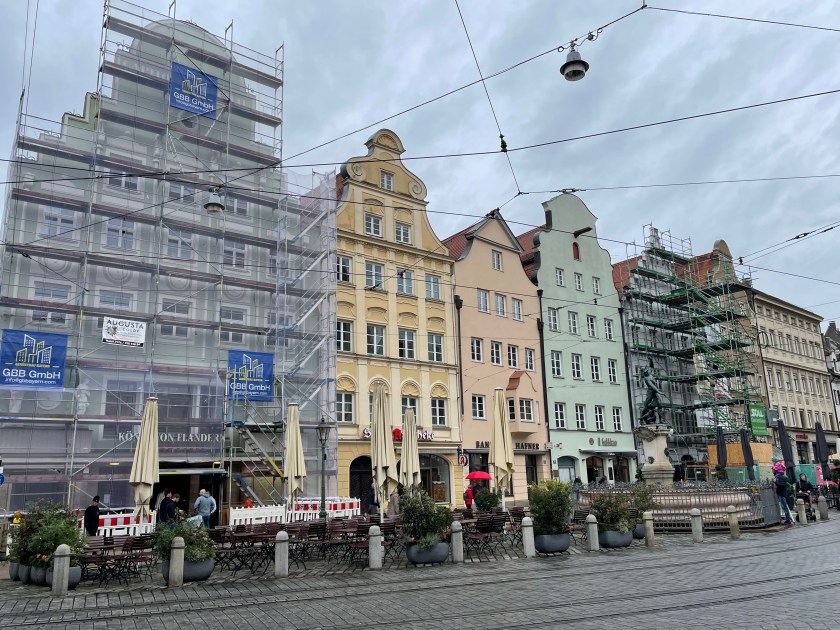
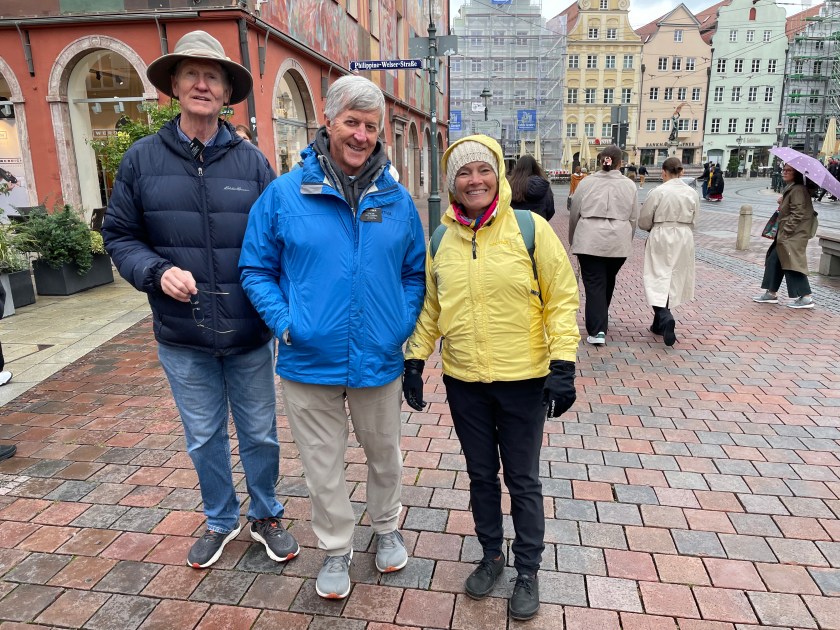
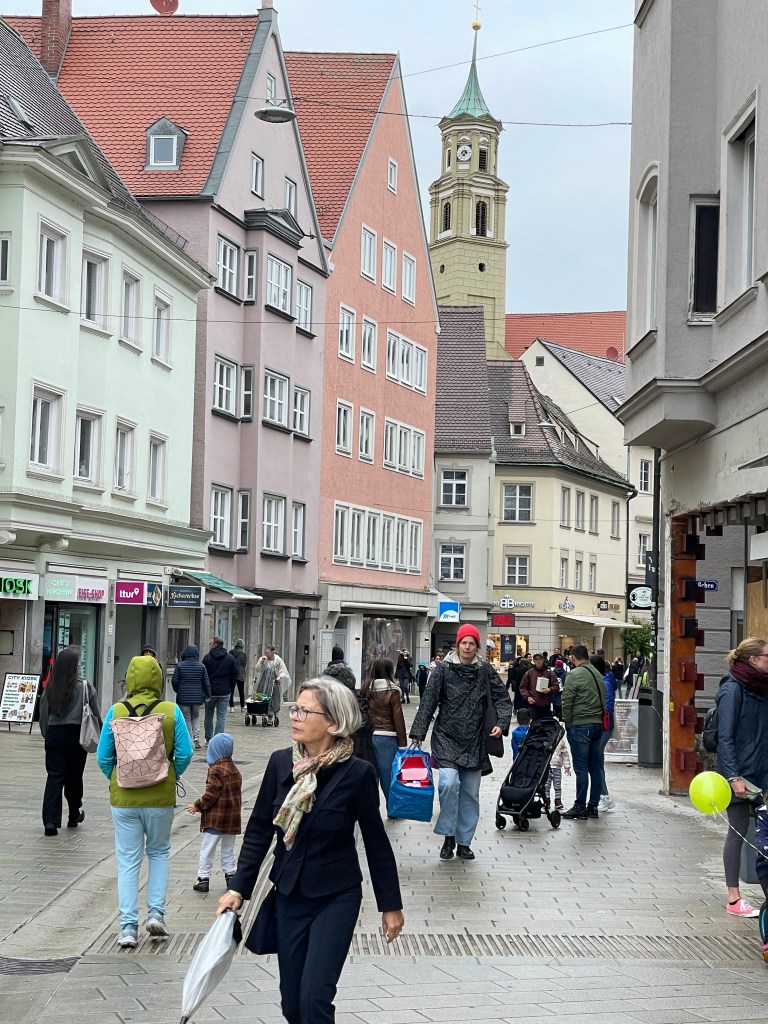
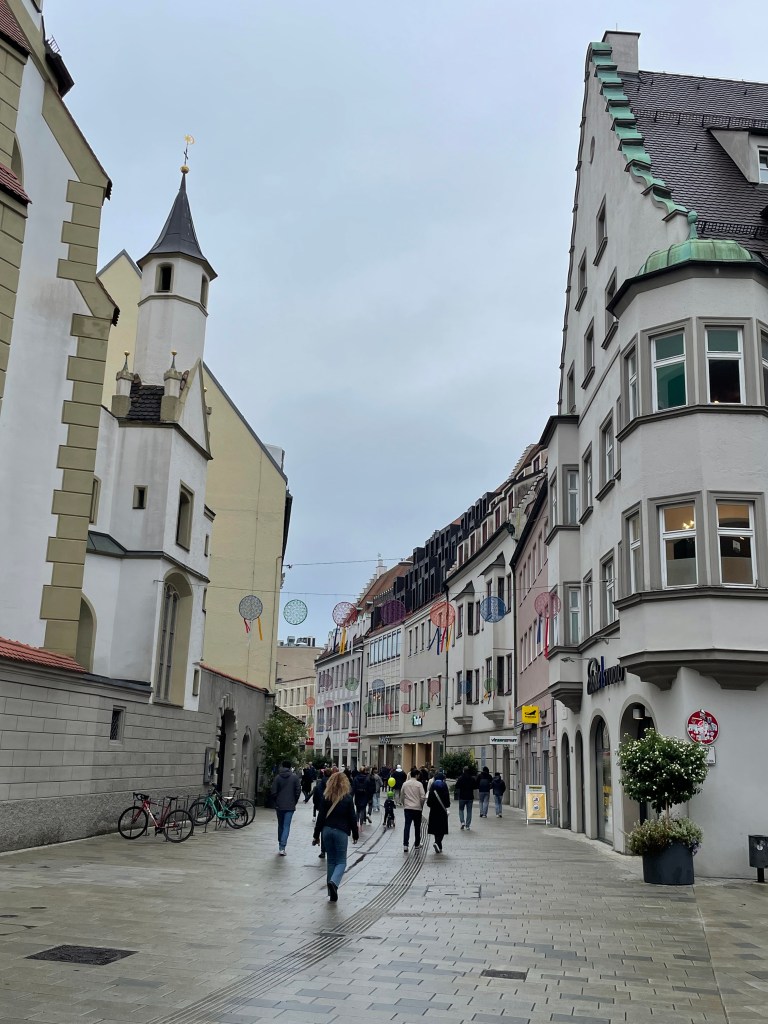
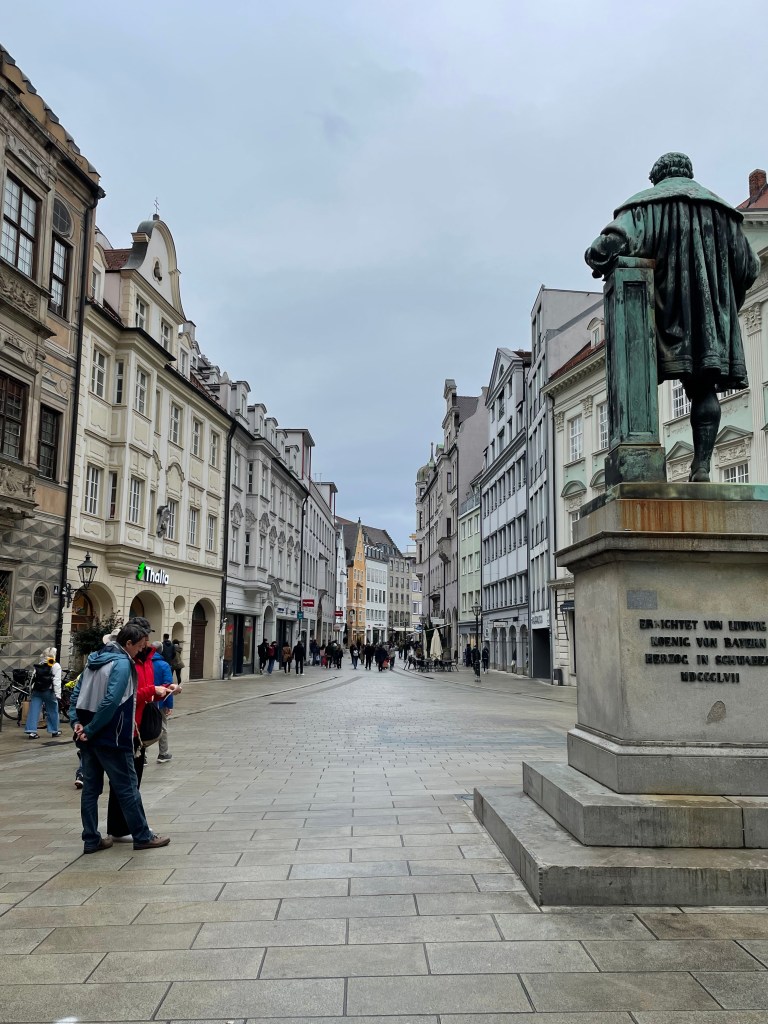
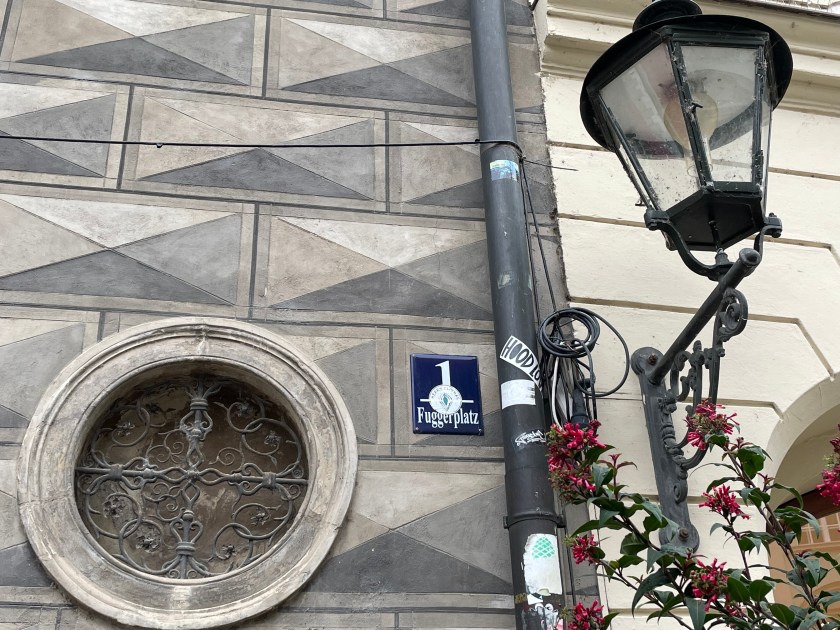
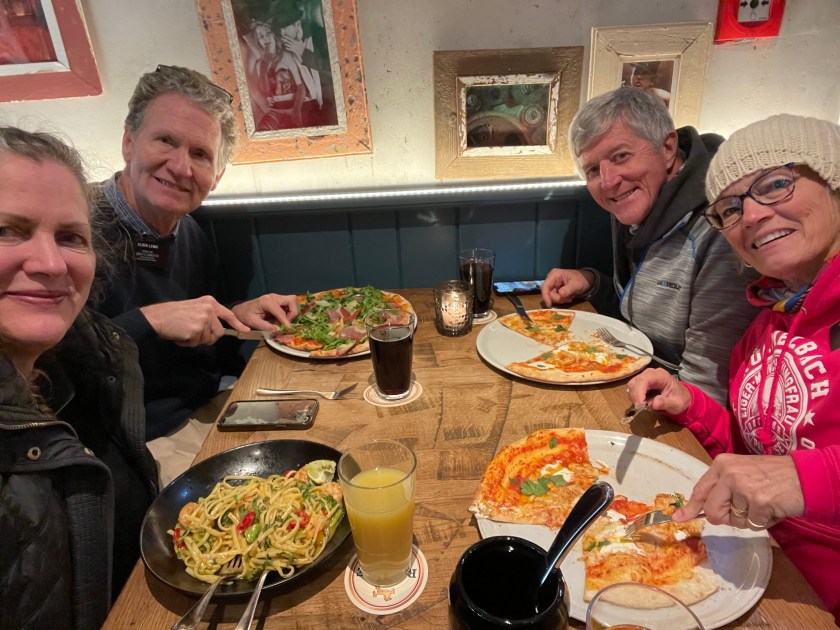
We wandered around the town a bit, enjoying being there. We had driven out of the rain, and it was dry here. We found a really good Italian place and went in for pizza and pasta. It was great. Enjoyed our food.
Then we headed back to the car and headed home. 3.5 hours to go. Beautiful pink to red sunset. Beautiful moon rising. Beautiful German countryside.

 Our Frankfurt Germany Mission