
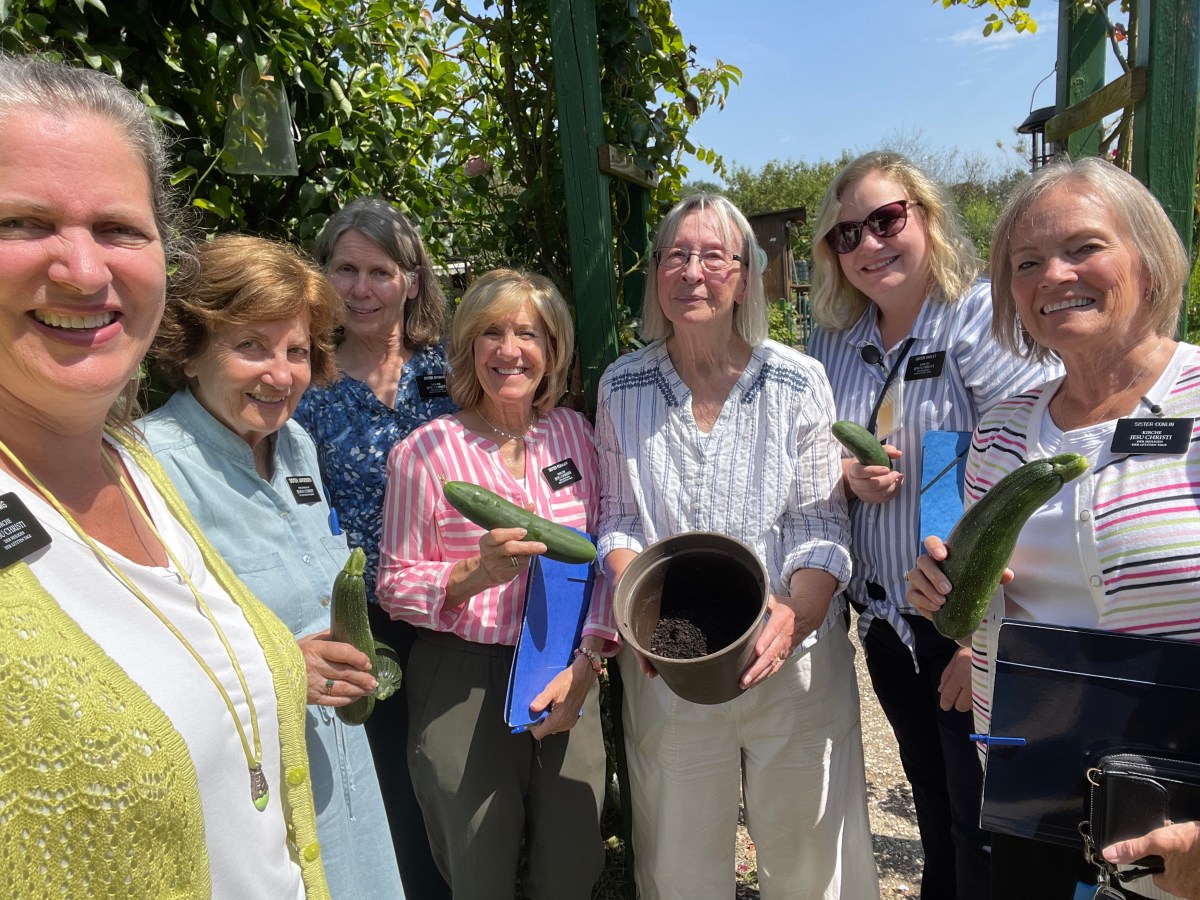
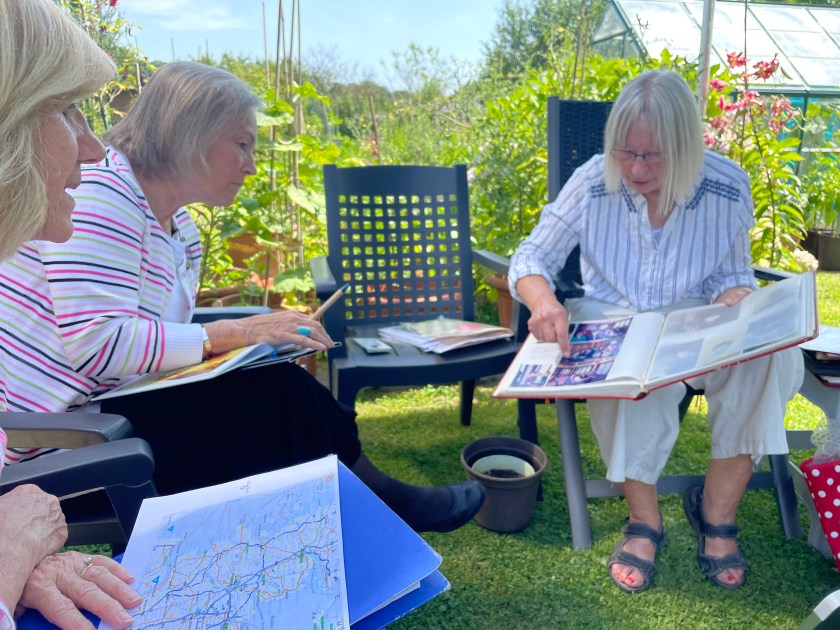
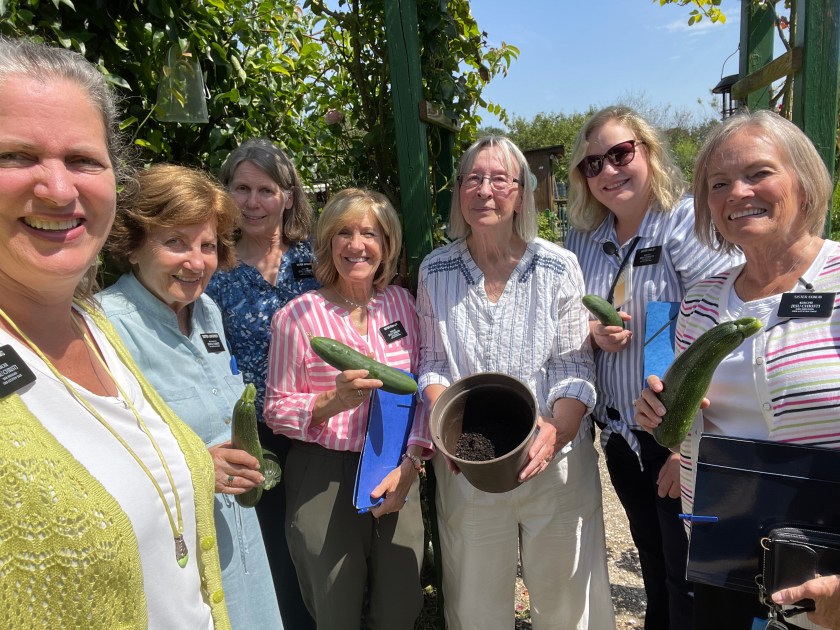
Today we escaped again to the garden to enjoy a bit of time in nature with our dear Sis Enger.
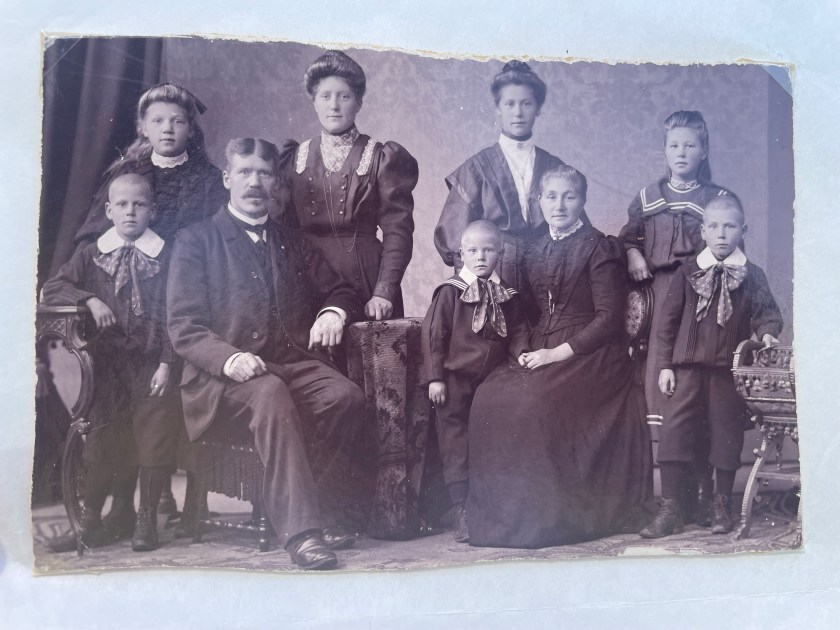
Today Erika brought some old historical books from her childhood Ward up in northern Germany. She told us the very interesting story of her Great-grandmother, Charlotte Amalie Lange, (b. 8 May 1863) who joined the church in 1928. Charlotte’s daughter (Erika’s grandma) had an illegitimate daughter who became Erika’s mom. The grandmother gave her child to her mother (Erika’s Great-grandma) to raise. Both Charlotte (the Great-grandma) and Erika’s mother learned of the gospel and were baptized in the river on the same day in 1928.
So Erika was taught the gospel because her mother was raised by her faith-filled Great-grandmother. Her grandmother’s generation did not receive the gospel, but Erika did. (This Great-grandma is the one who knitted the booties that Erika now makes.)


This is a photo of the Great-grandmother’s family:

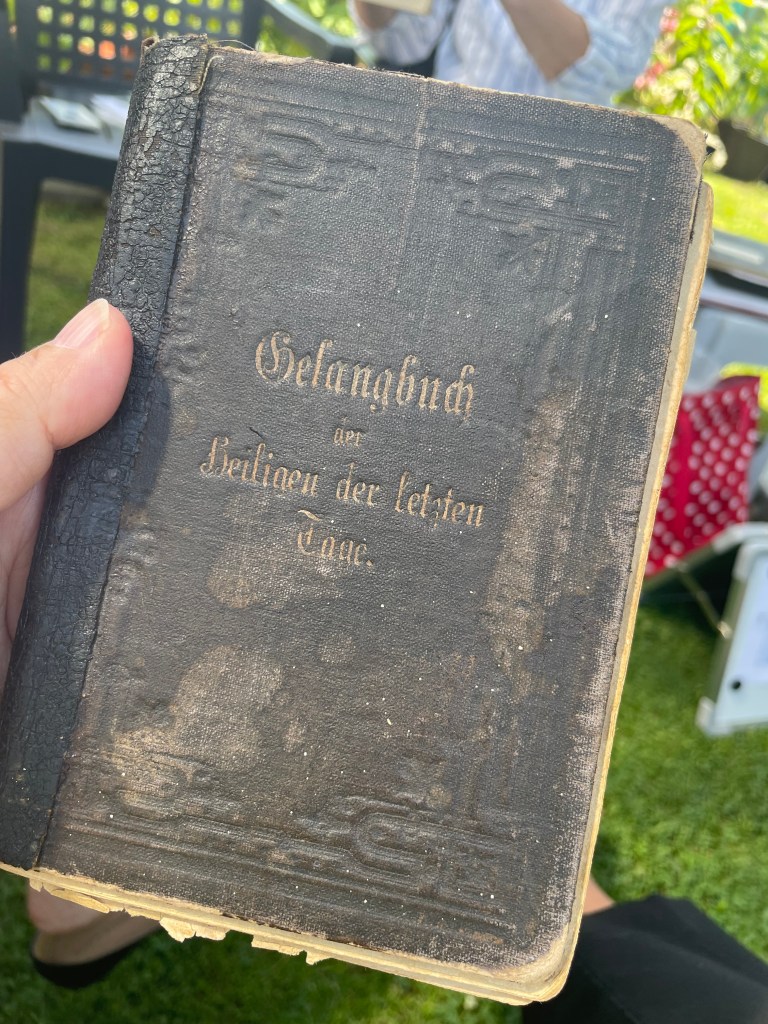
And here are some very old books from Erika’s childhood:
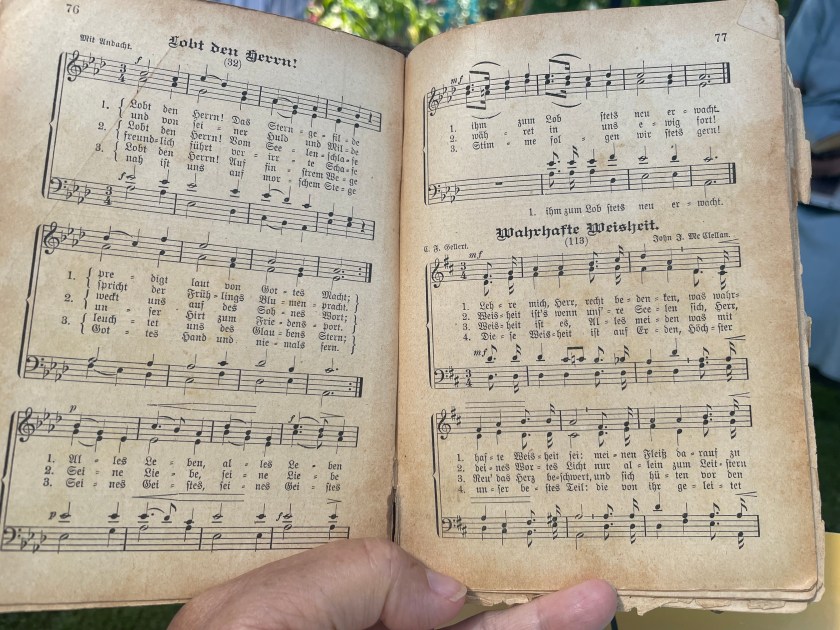
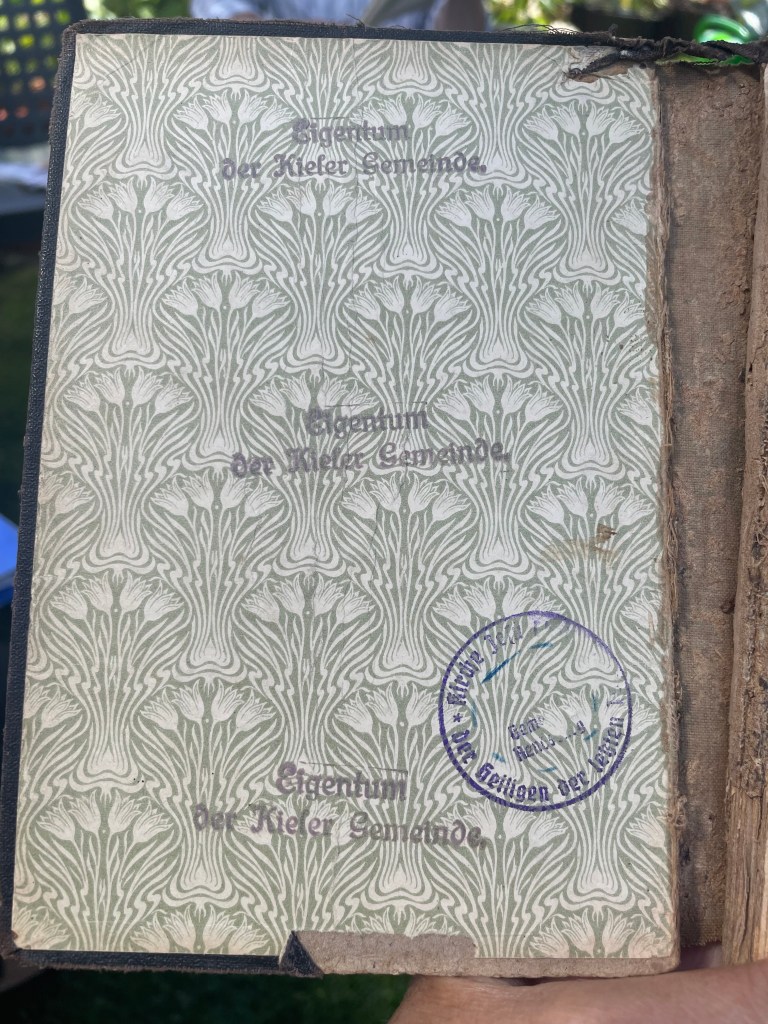

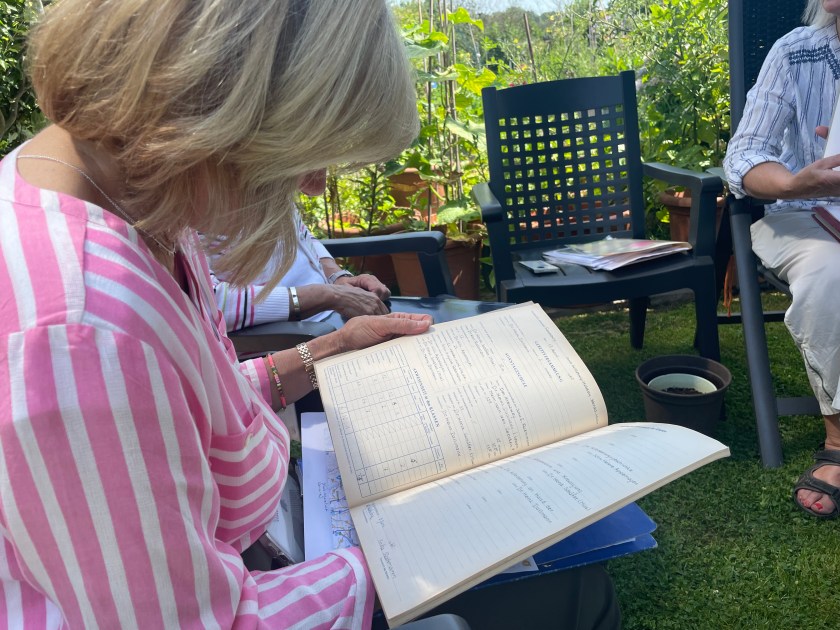
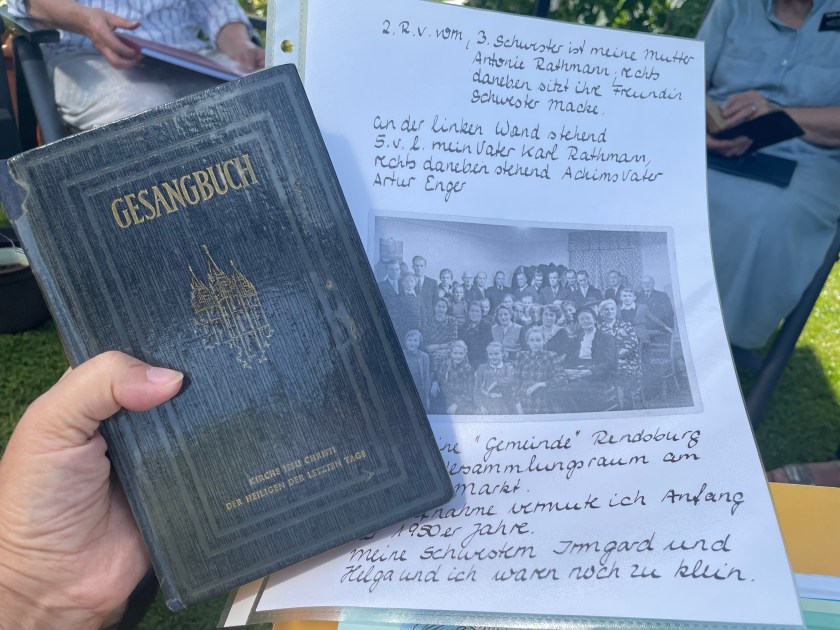
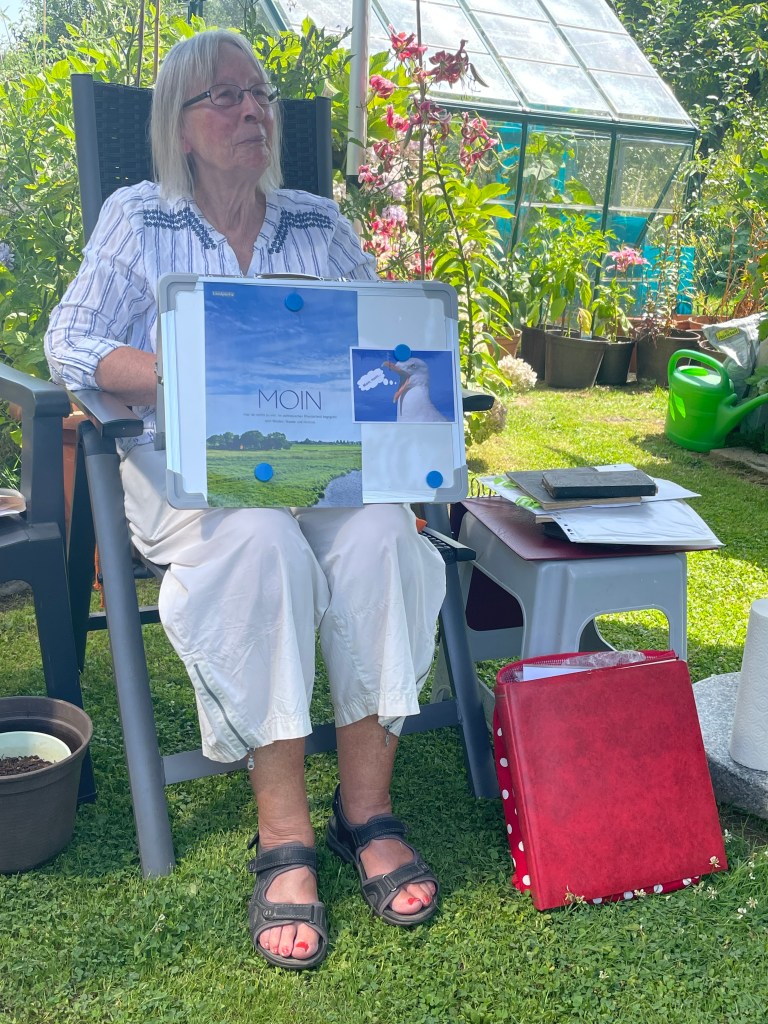
We learned that the common greeting from northern Germany is “Moin.”

After the wonderful history lessons, the excitement began! Erika pulled out this bucket of May Beetle larvae! These were all found in one garden box!

This small bucket probably had 100 larvae in it. They are as big as the end of your thumb (3 cm long). They are white with a golden brown head and rather creepy– translucent things that can move, burrow and squirm. They stay in the ground for 3-5 years before emerging as a May Beetle (like a large June Bug).
Interesting facts: one lady May Beetle can lay up to 30 eggs about 15 cm deep in the ground. The larvae eat roots and become pupae after 3-5 years in the ground, then emerge as Beetles in May. They eat the leaves of Beech and Oak trees and fruit trees. They are heavy little bugs, so they have to fill their lungs with air before they take off to fly. Females live about 7 weeks. Males die first. They have a brown shell and wings and big feelers.
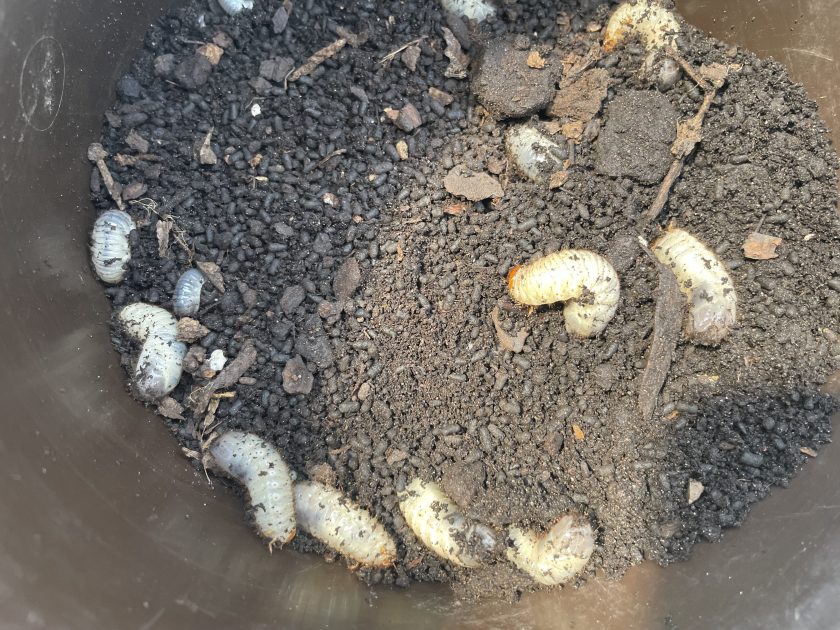
These larvae will be fed to the birds this evening!
The next interesting story we learned was about a man named Till Eulenspiegel (that means Owl Mirror).
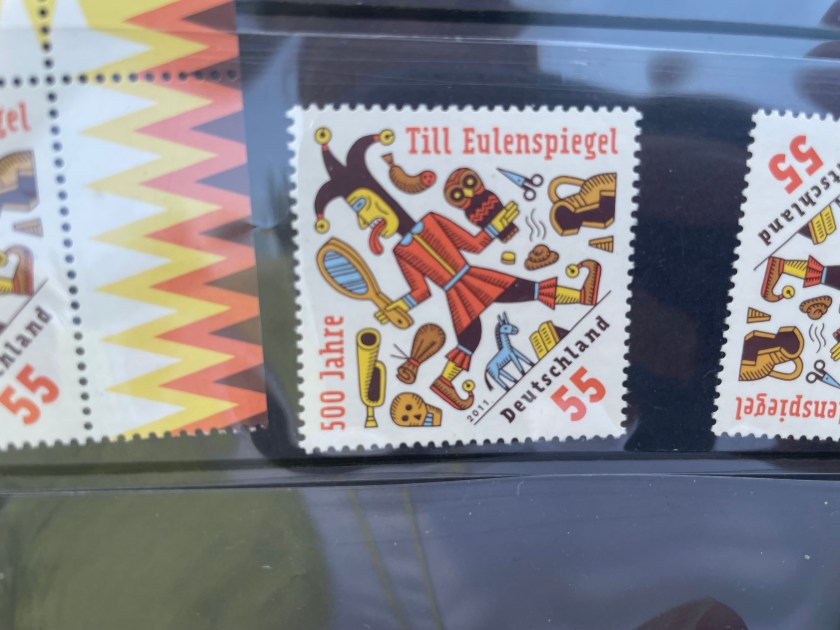
From Wikipedia:
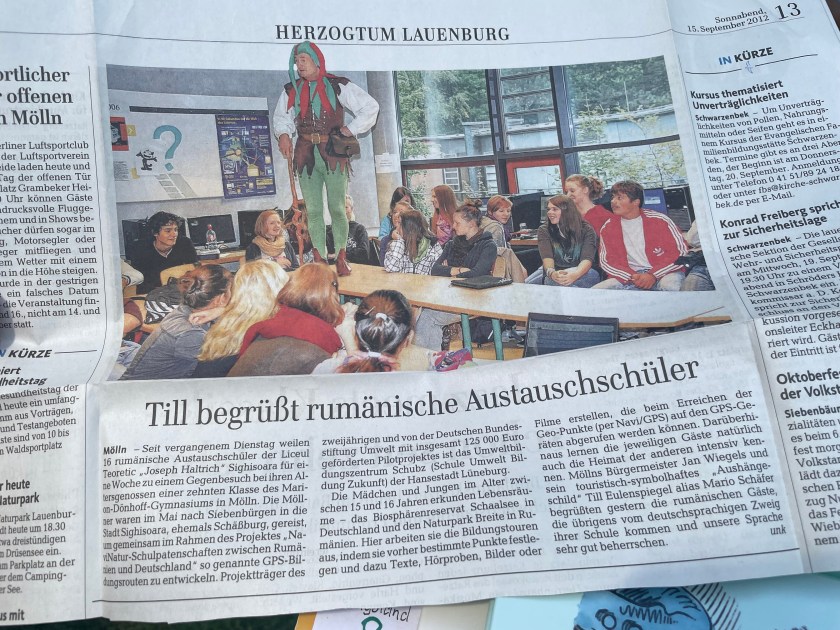

They say Eulenspiegel was buried in a hollowed out log, but when it was being lowered into the grave, the ropes broke and he landed upside down, and they left him that was as a last joke to the jokester.
There are statues and figures in towns all over Germany of Till Eulenspiegel. Usually brass, and usually there is a toe or finger sticking out that you can rub for good luck. It was fun to learn about this little piece of culture.




 Our Frankfurt Germany Mission