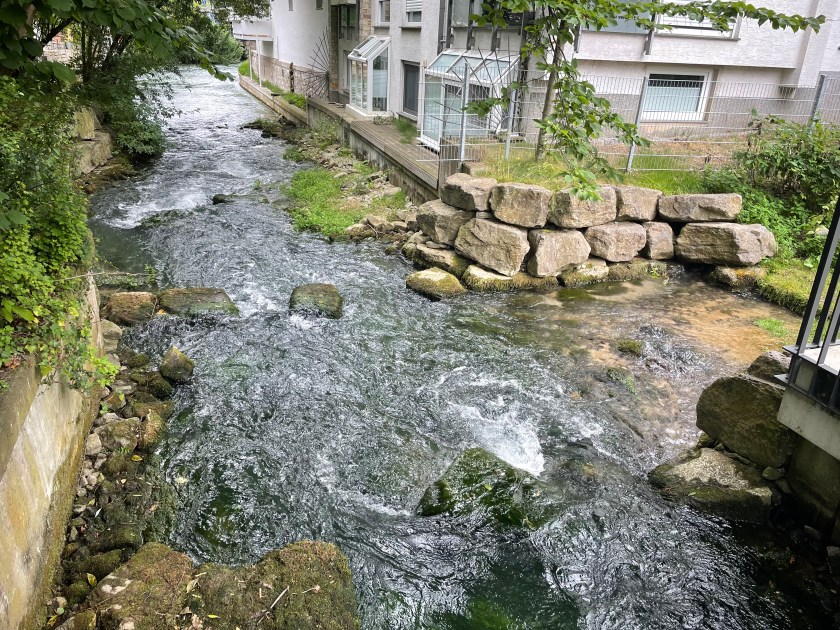
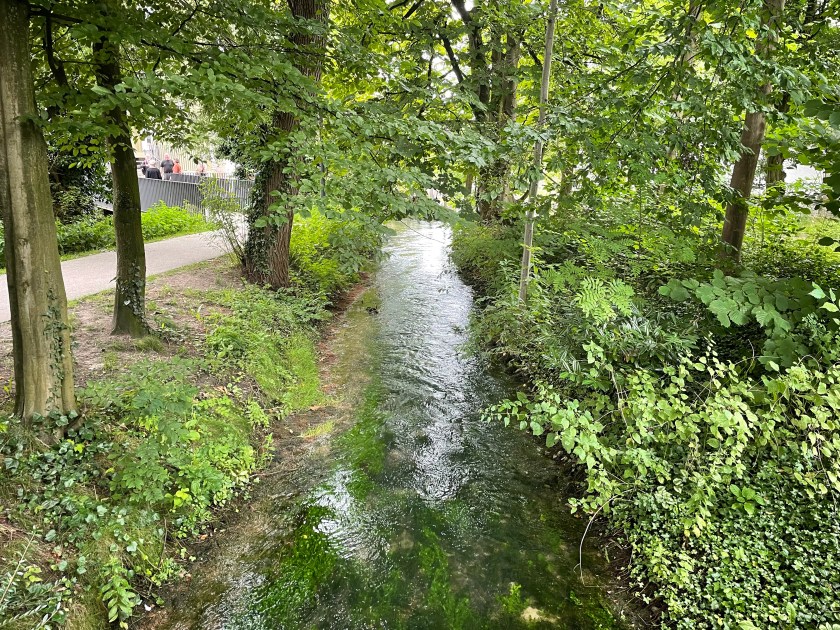
After visiting the castle, we drove to the city center and spent the rest of the day in this town of Paderborn, named after the Pader River/springs that originate here. These are Germany’s highest-yielding springs that bubble up out of the ground, creating a river that flows into the Lippe. There are more than 200 springs that release 9000 liters of water/second, or enough every second to fill 40 bathtubs!
The water comes from mountains in the area, traveling underground for 4 days, before coming up in Paderborn. The water is clear and beautiful, but it has some chemicals in it that make it not safe for drinking. There are 6 different main streams that flow through the town from the springs to the river, which only runs a short distance before flowing (I think about 5 km) before flowing into the Lippe, which later flows into the Rhine.
The city of Paderborn was founded in the 1200s, over the springs. Through the centuries, there have been lots of mills here and also breweries. At first they didn’t settle in the marshy wet areas, but it’s filled in and now there are beautiful walkways and nicely landscaped areas where the water and ponds are with lots of wildflowers and ducks.
Paderborn was almost completely destroyed in the spring of 1945 by bombing raids. It was after that during the reconstruction that the beautiful recreational areas were created. It’s now listed as a garden monument.

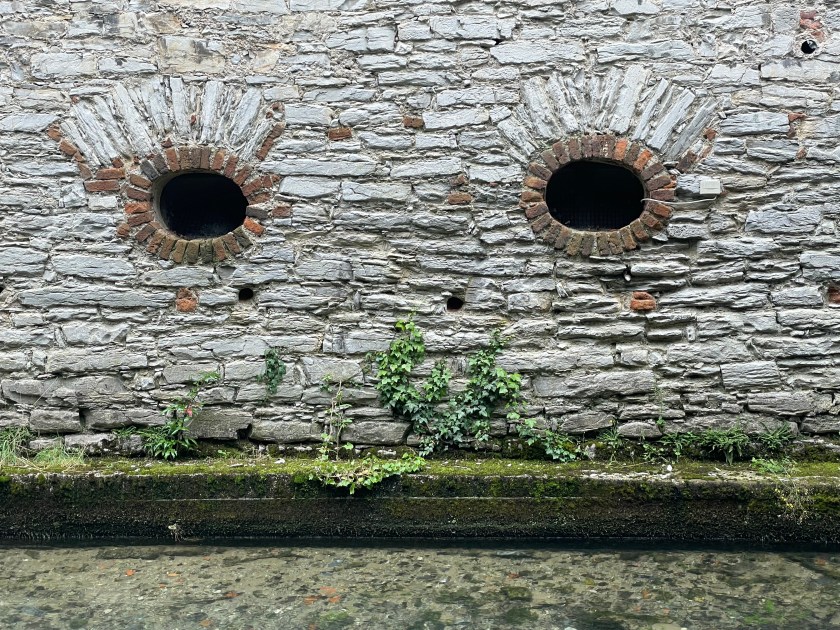
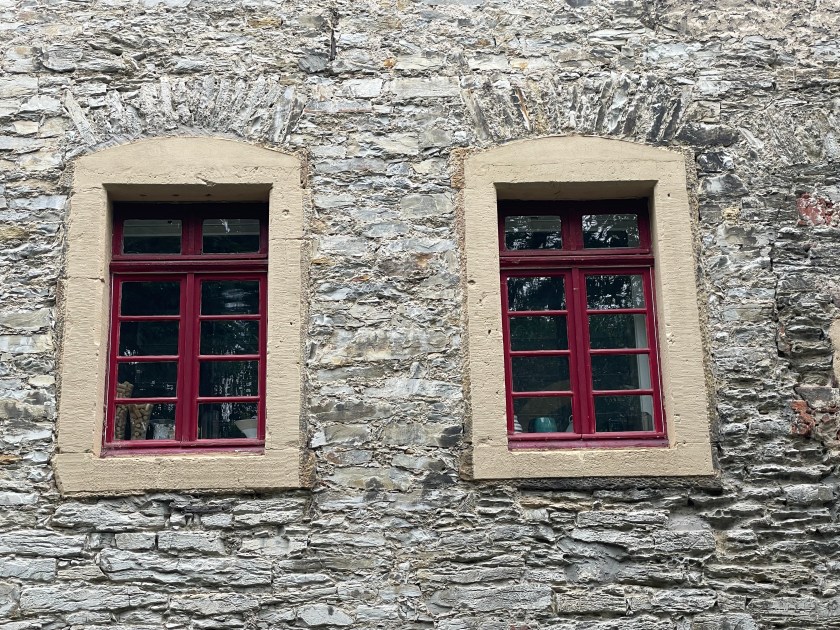
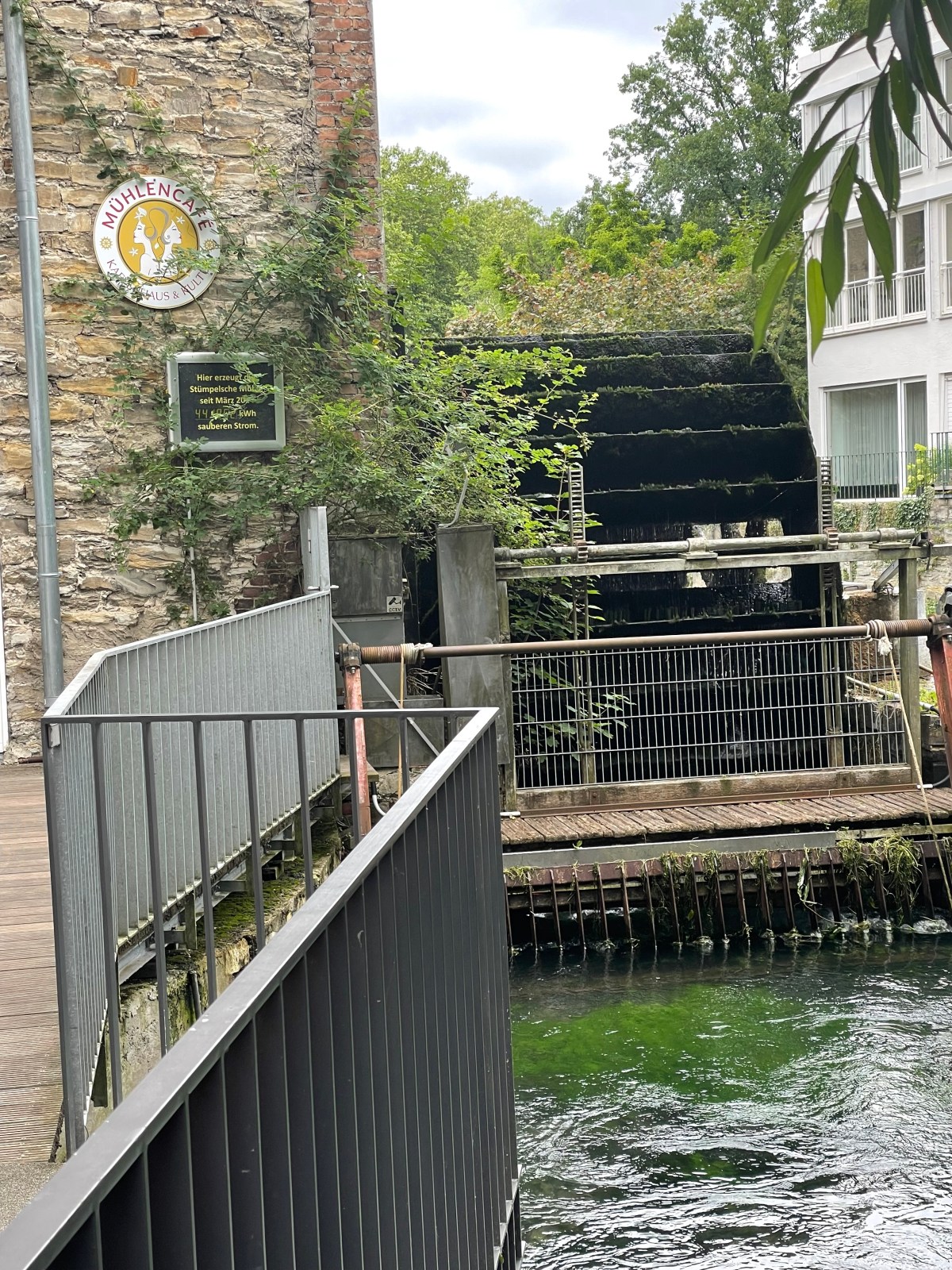
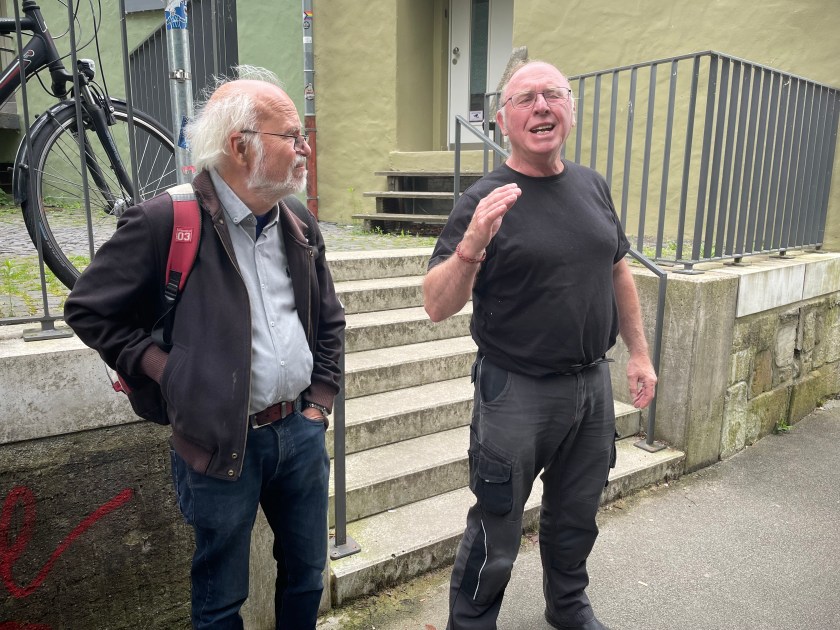
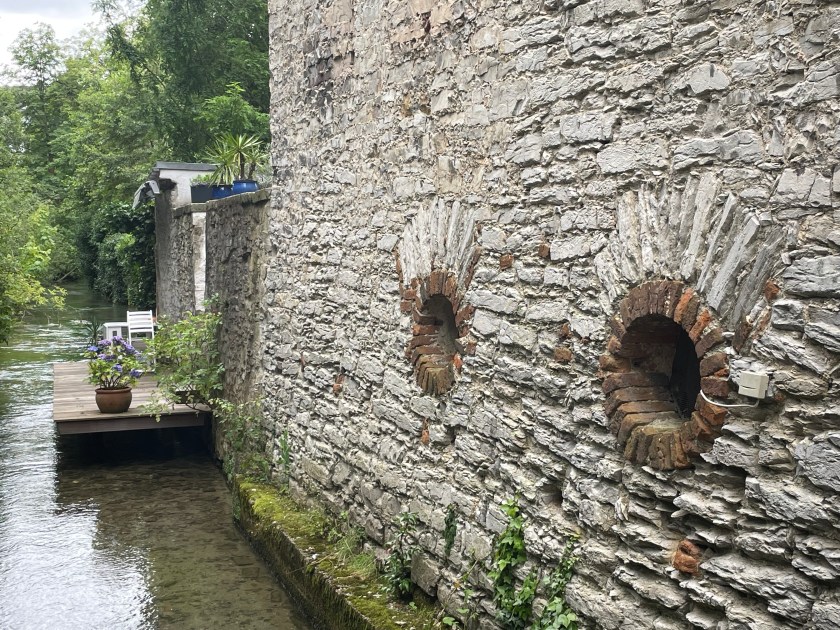
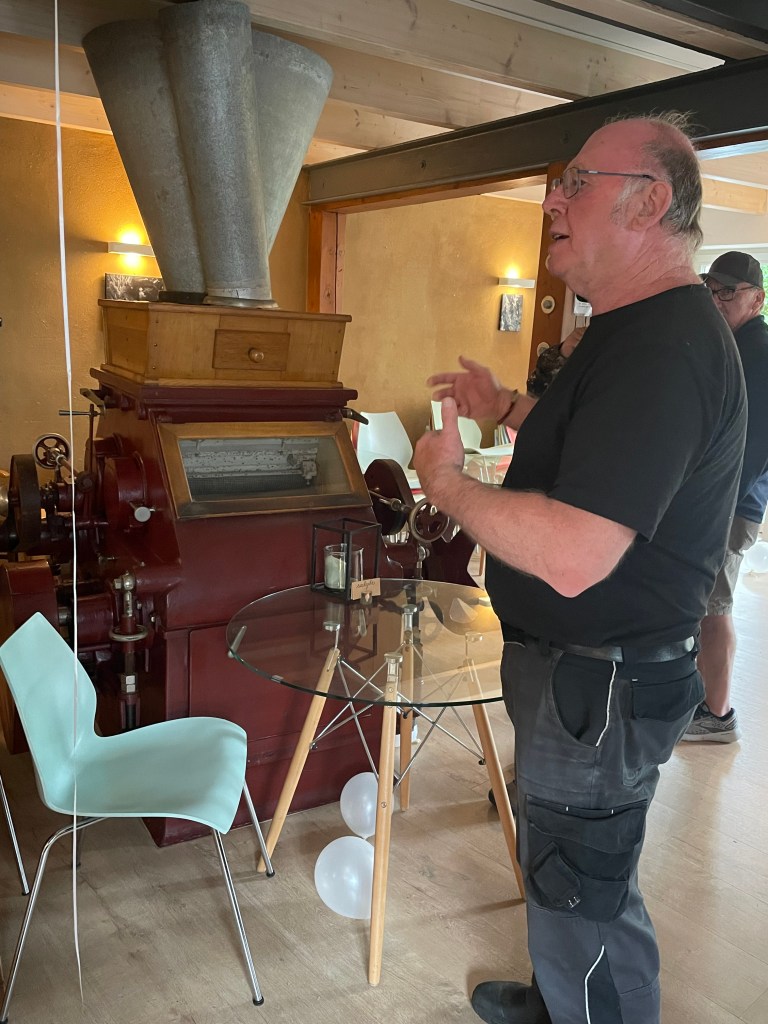
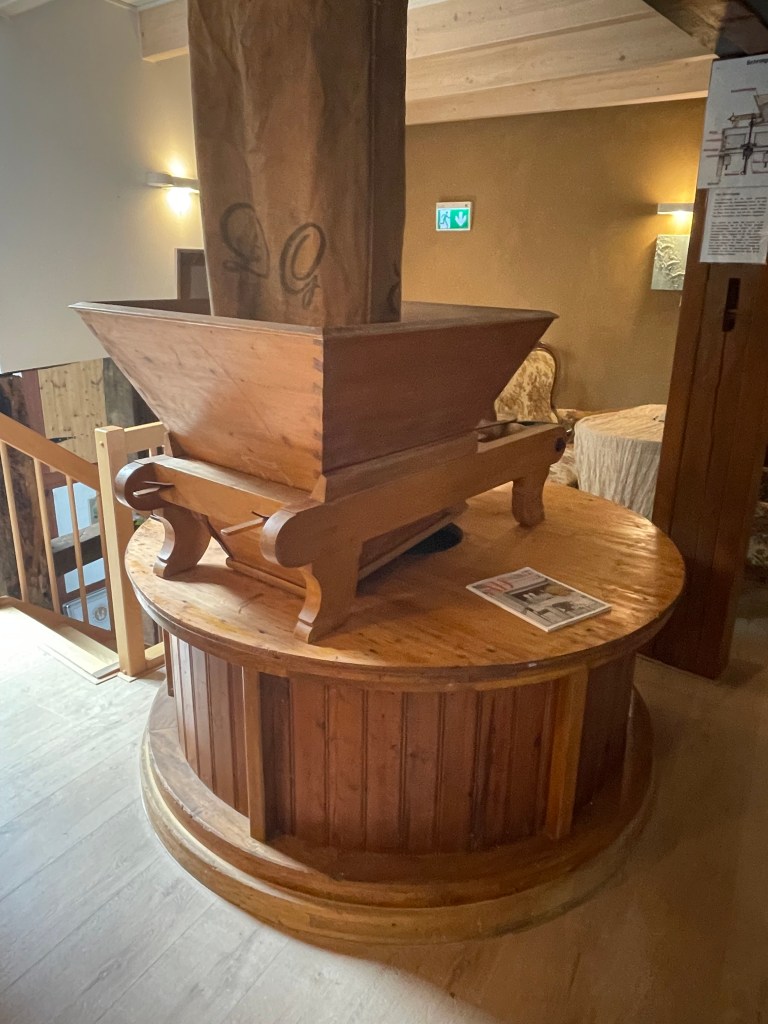
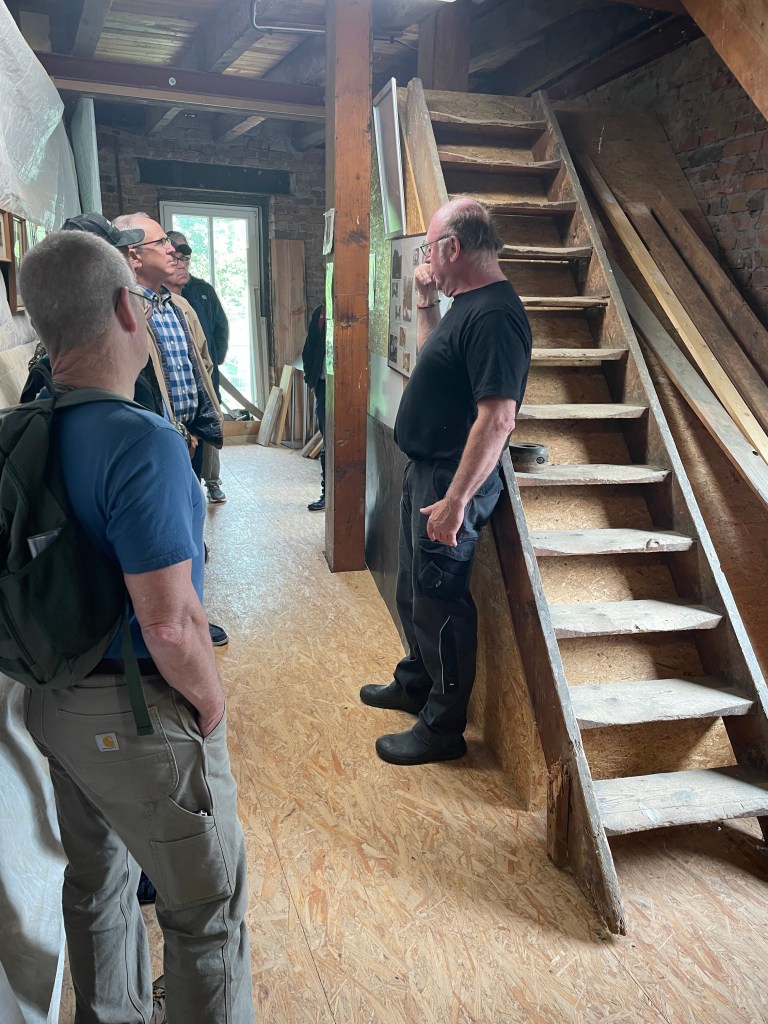
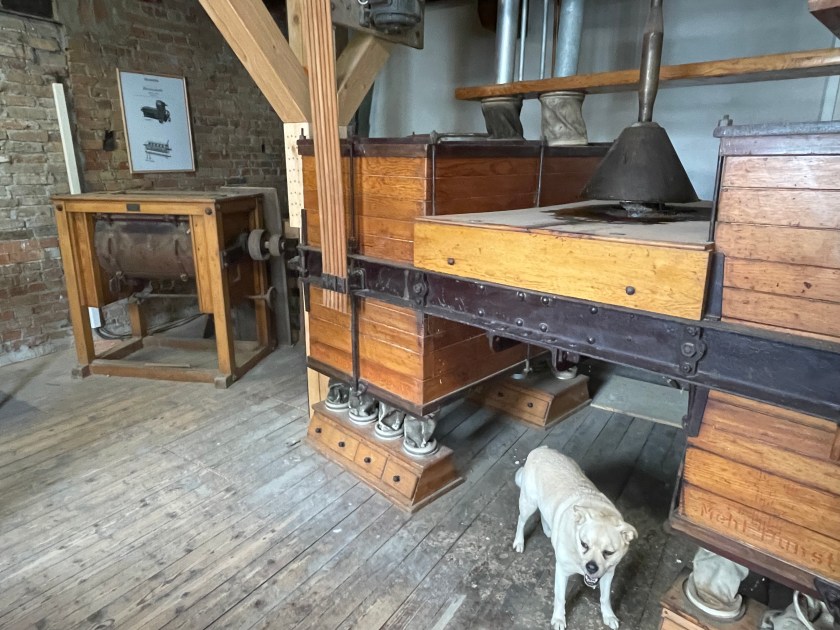
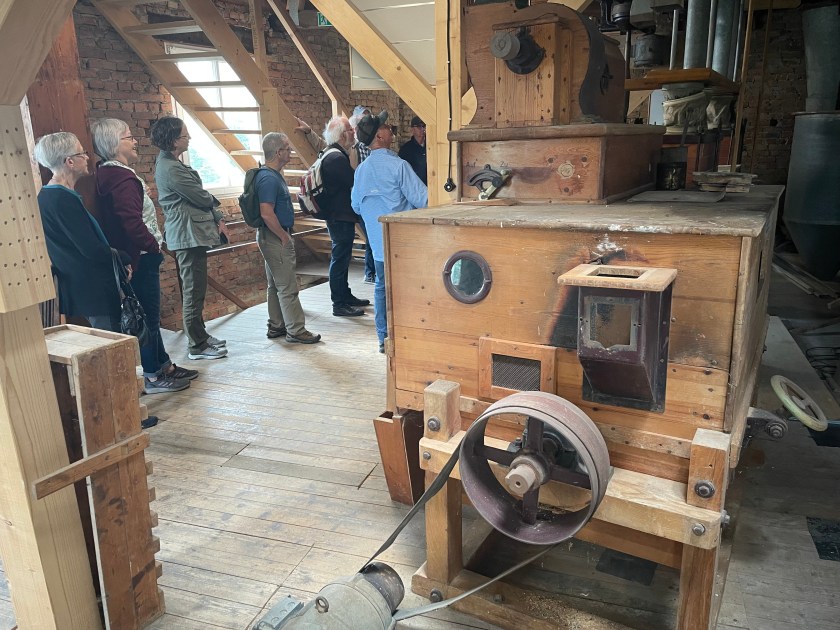
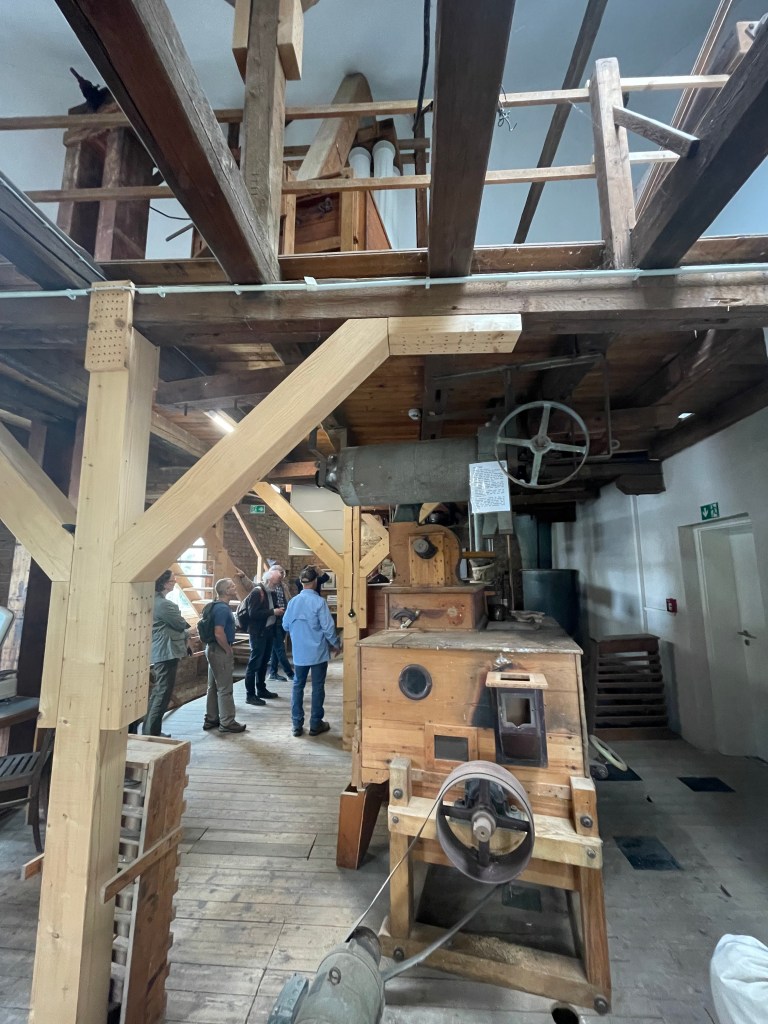
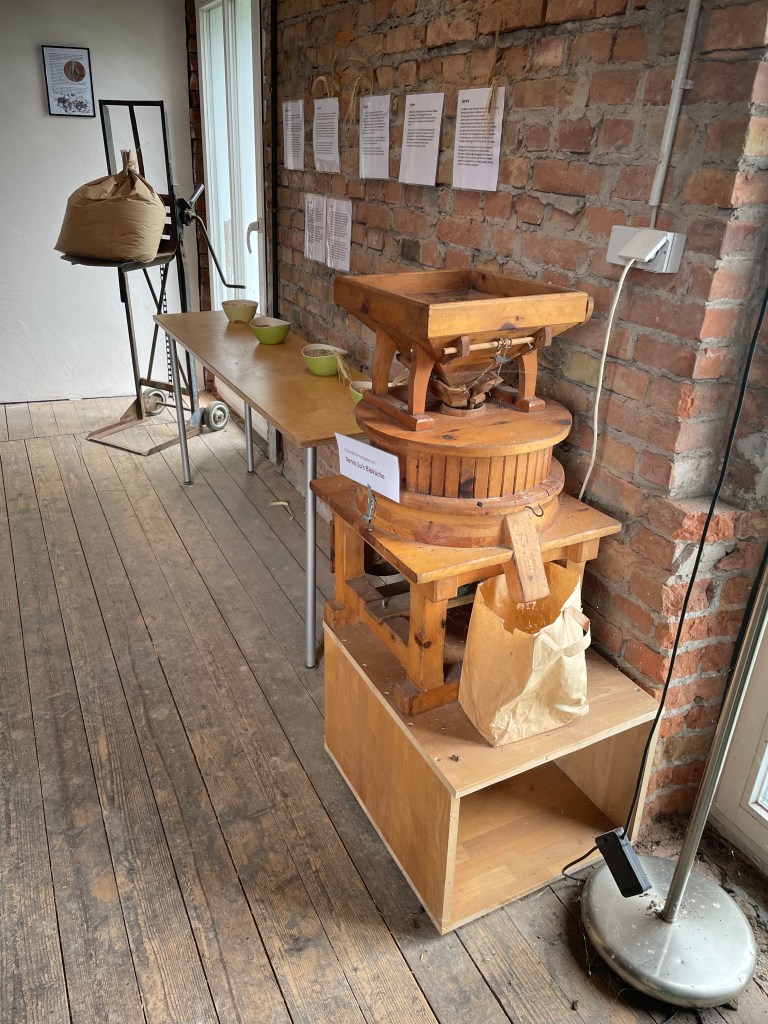
Our first place to visit in Paderborn was the Stümpelsche Mühle (mill). The man who did all the work to restore the mill is a friend of Volker’s, so he gave us a very detailed tour of the mill house (all 4 stories). We were there 1+ hours and saw every detail of every generation of the old mill and its processes. This man was a great guy, interested in harnessing the energy, which now runs the mill house, which he has turned into an apartment building for refugees. It’s heated and cooled by the water and electricity from the mill has serviced the entire neighborhood since 2015.

This city model shows where the streams flow in Paderborn.

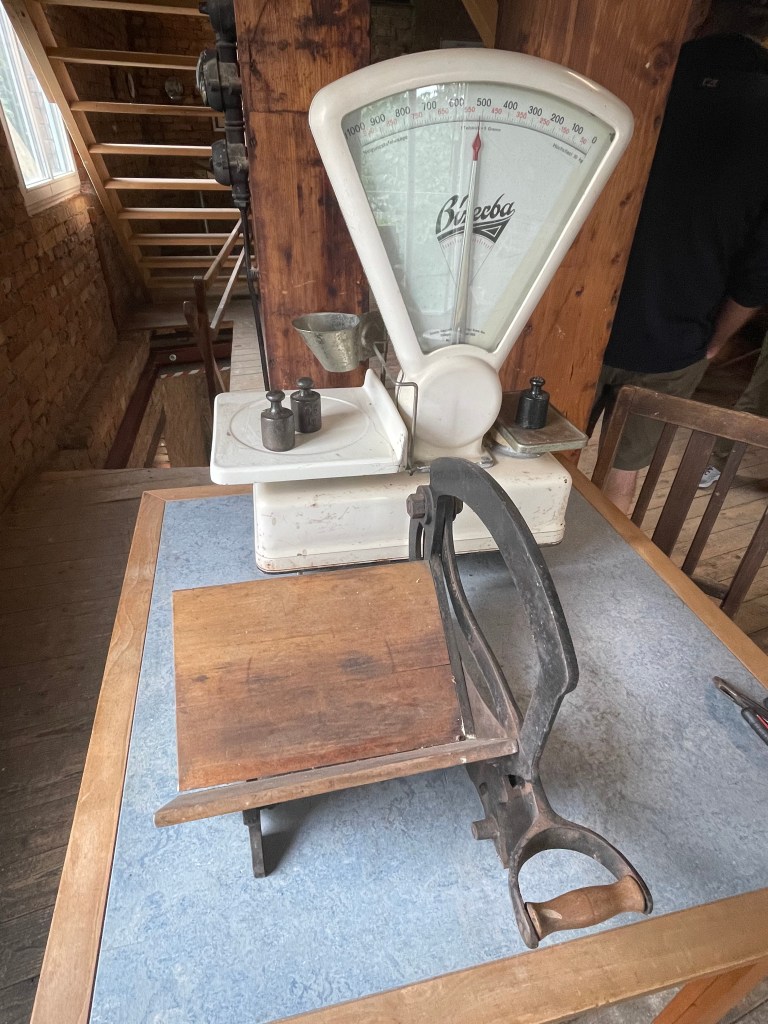
A scale for weighing bread and a slicer:

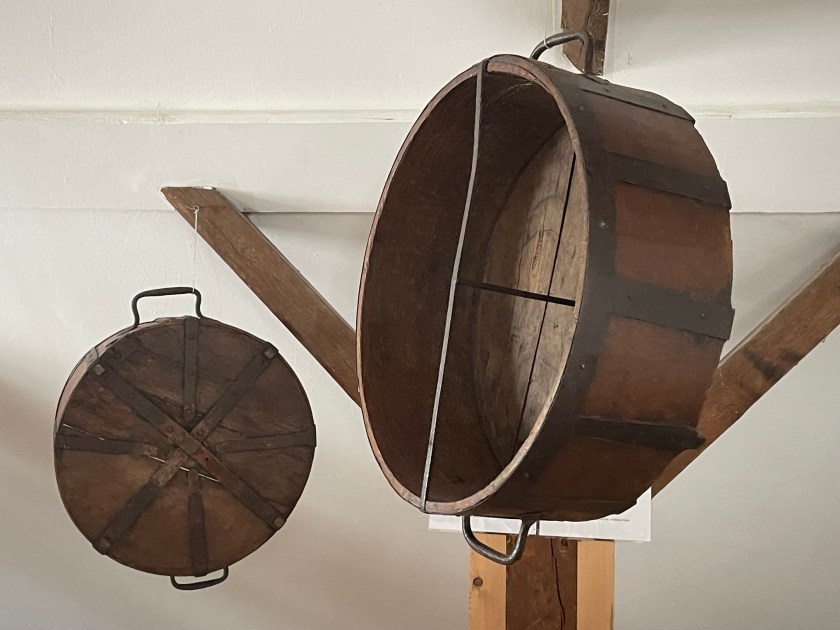
A bushel measurement:


 Our Frankfurt Germany Mission