We had another very fun Saturday outing. This time we went to Felsenmeer, which means “sea of stones.”
The website describes this geological wonder in this way:
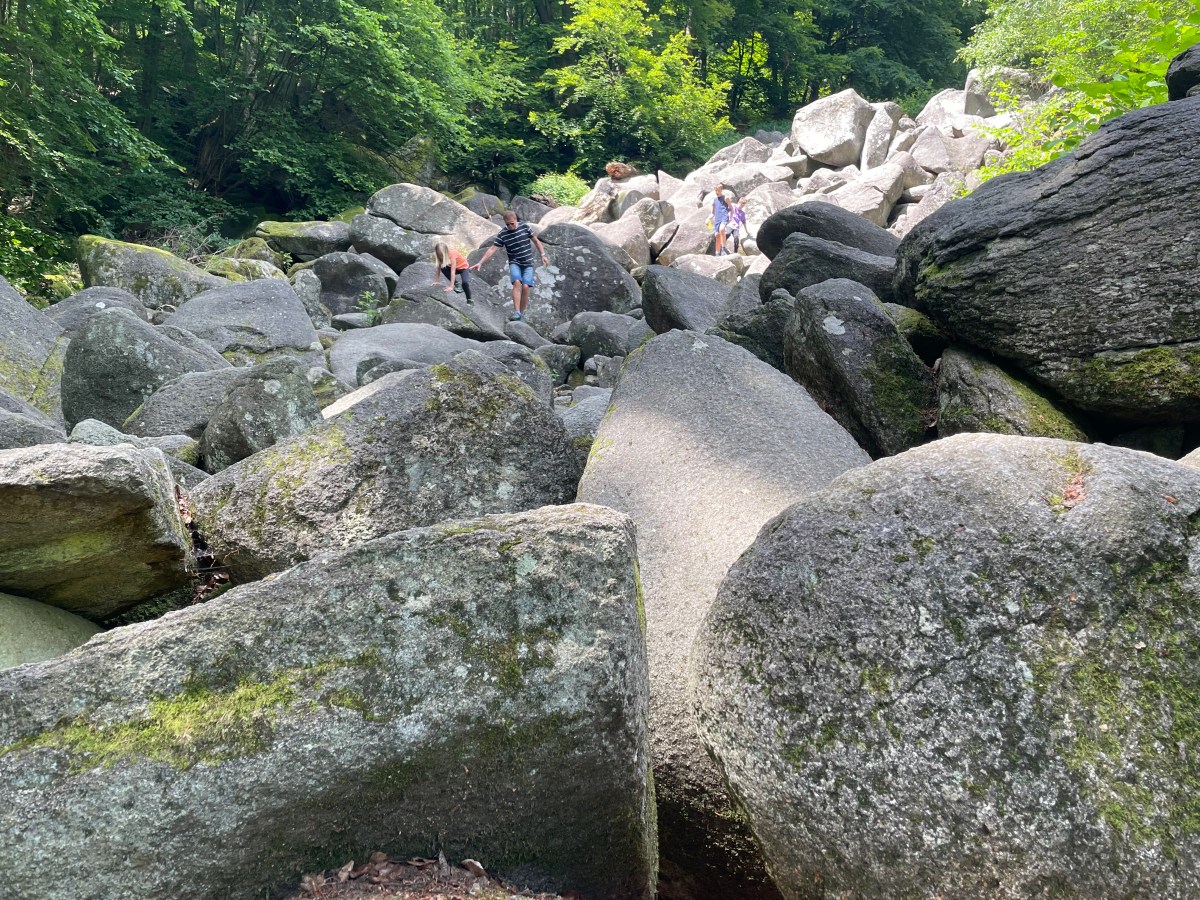
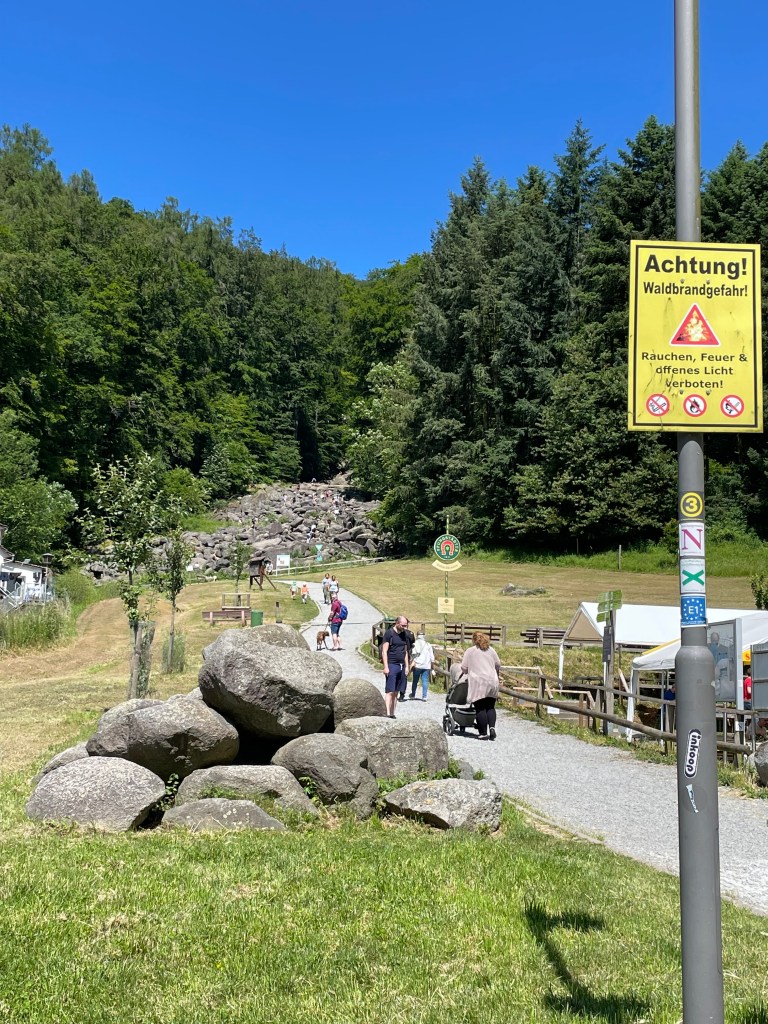
Felsenmeer is the one of Geo-Nature parks in Germany with a bed of rocks and boulders on the slope of the Felsberg hill surrounded by forest. It is located in Lautertal (Odenwald) in Hessen which is about 50 kilometers south of Frankfurt am Main and 33 kilometers north of Heidelberg.
You can easily submerge yourself in a million year old geological formation for a rock climbing natural workout and enjoy the beautiful landscape of the Odenwald. It is a popular destination for families with children. You will certainly have fun climbing the boulders.

First we visited the small visitor’s center to learn a bit more about what caused this interesting formation millions of years ago. Here’s more from the website:
Formation of rocks in Felsenmeer
An old story from the legend of Felsenmeer says that there were two giants, one lived in the Felsberg and other lived in the Höhenstein. One day, those two giants had a fight and started throwing huge stones and boulders at each other. The giant of Höhenstein had more boulders and won the fight. The poor defeated Felsenberg giant was buried underneath all the boulders thrown by the Höhenstein one. That’s how the ‘Sea of rocks’ tumbled down the Felsberg and became Felsenmeer as we see today. It is said that if you step hard on the bottom of the Felsberg, you can hear the groaning of the giant lying underneath.
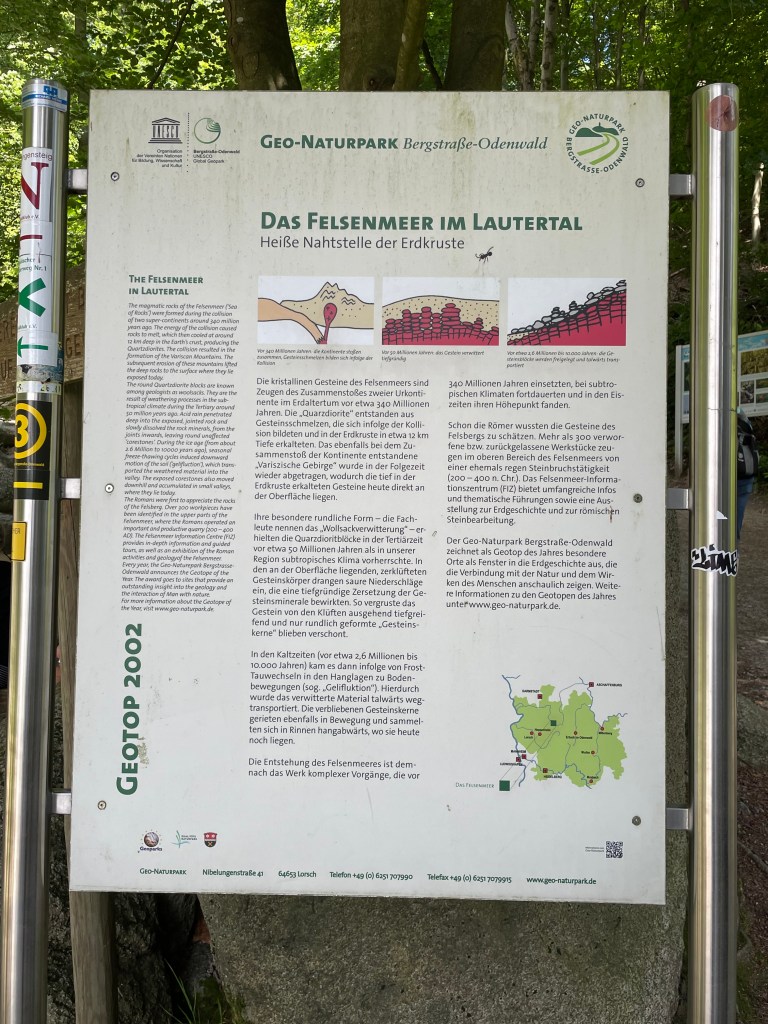
Of course, there is a rational, scientific reason behind the formation of the Sea of rocks.
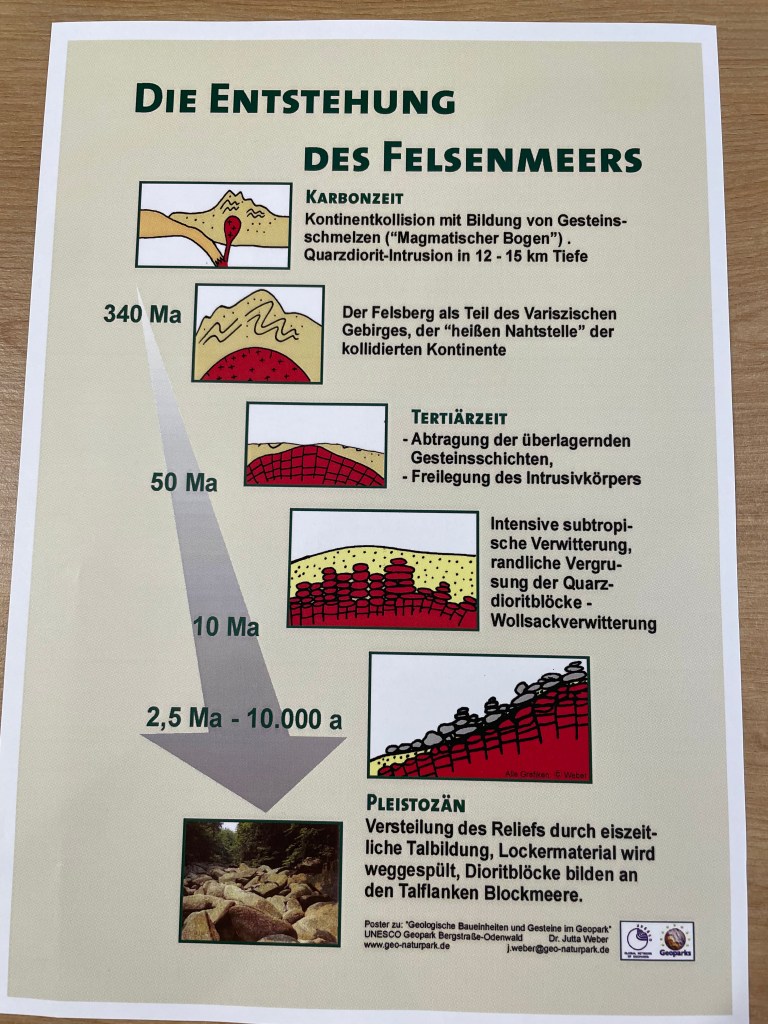
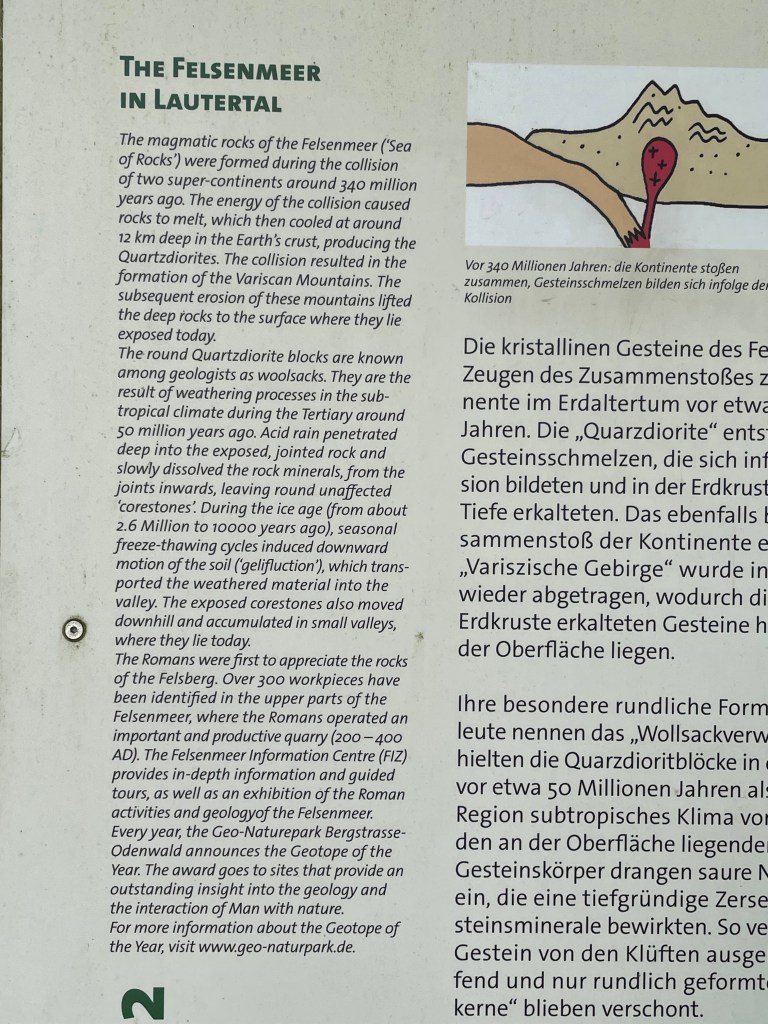
Felsenmeer is the result of the geological processes that began 340 million years ago. Today’s Odenwald lies where the continental plates collided to form the supercontinent of Pangea. Because of the resulting humongous pressure, the rocks melted and rose to the surface as magma. On the mountains, the magma congealed into a granite-like igneous rocks called quartz diorite. In the upcoming million years, weathering of the crystalline basement rock exposed these large boulders. Over the time, the mountain broke down and further exposed the rocks to the water, ice and soil leaving them in the positions as we see today.
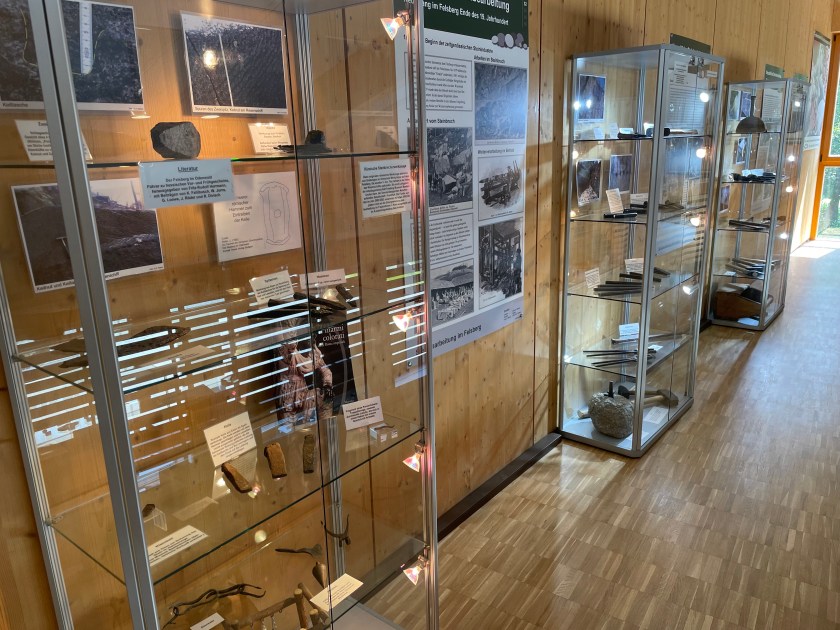
Here are a few of the interesting things we saw in the visitor’s center.


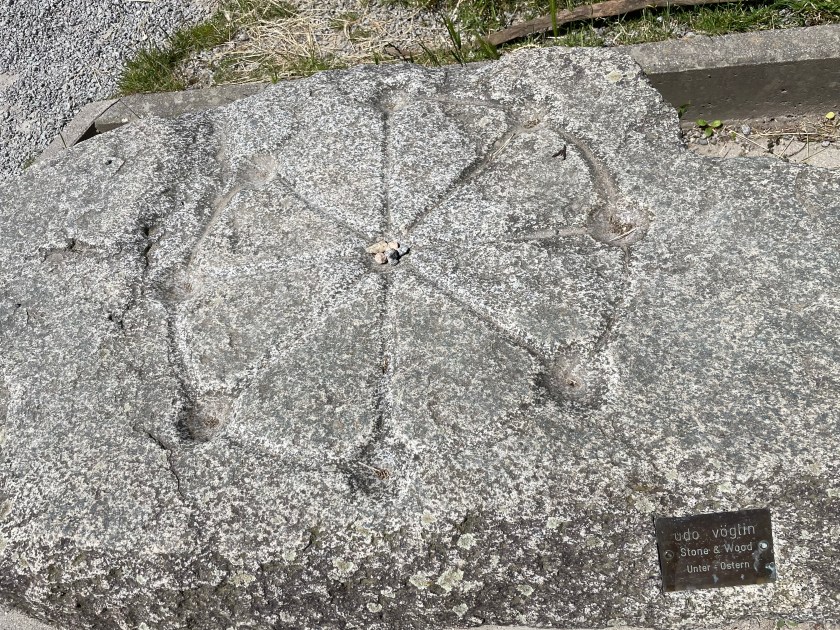

This is a game that was carved into stones and played by Roman soldiers. There is something similar in the pavement stones of the Antonia Fortress in Jerusalem where Jesus was held and tried.
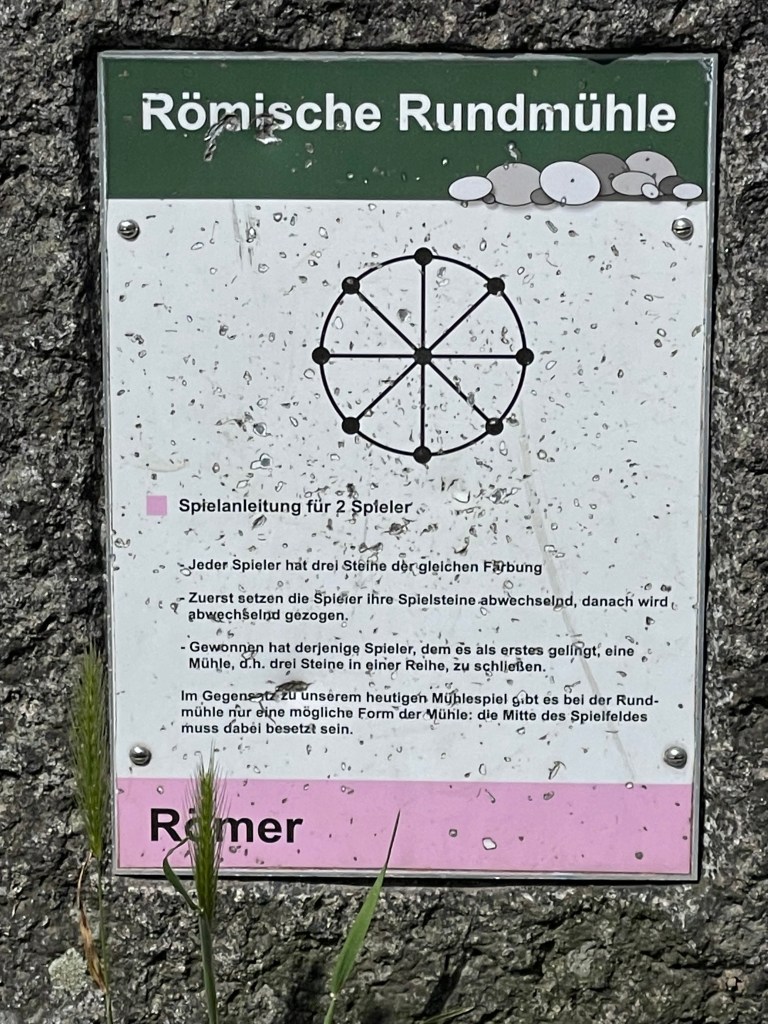
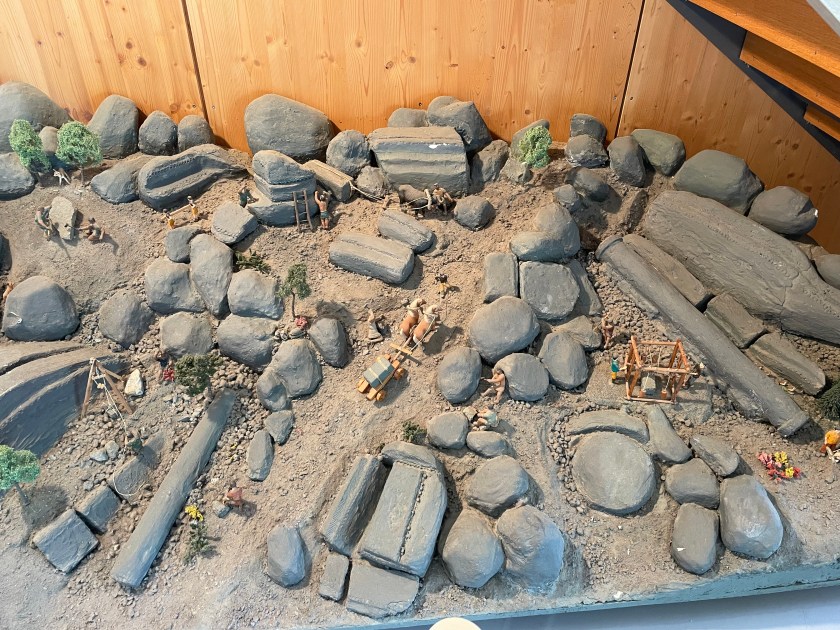
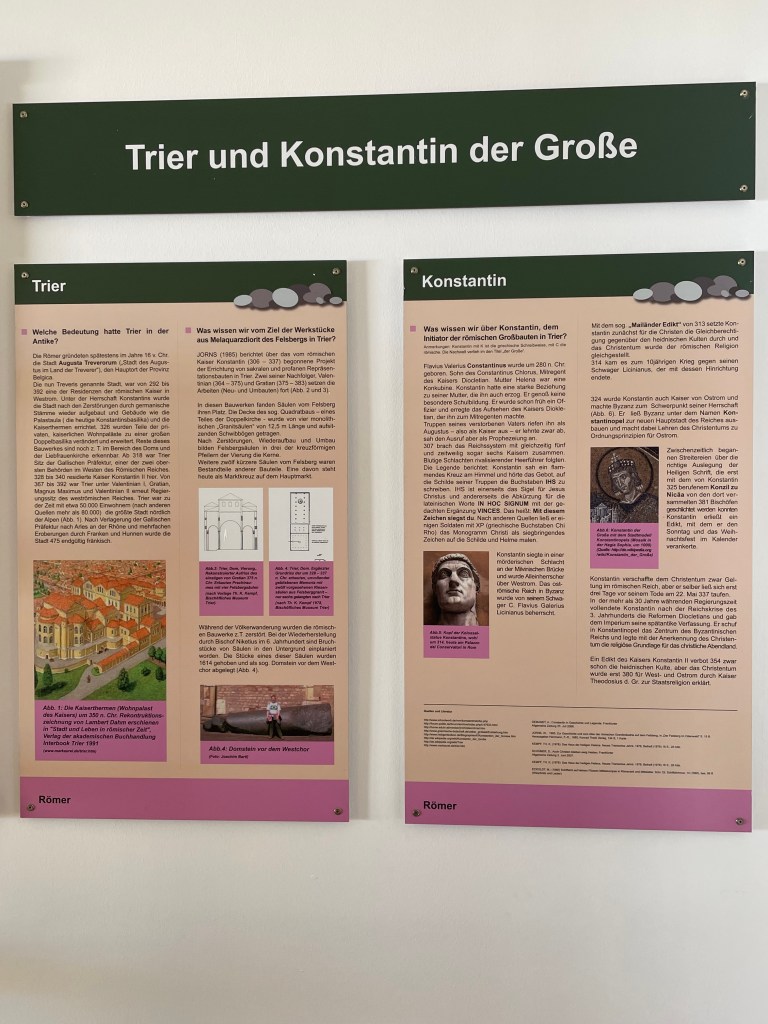
It was really interesting to learn that stone cut here was transported to buildings constructed in Trier. The Romans used this as an important rock quarry for many of their building projects. The town at the base of this mountain has been known for stone work for 100s of years.
How they cut columns:
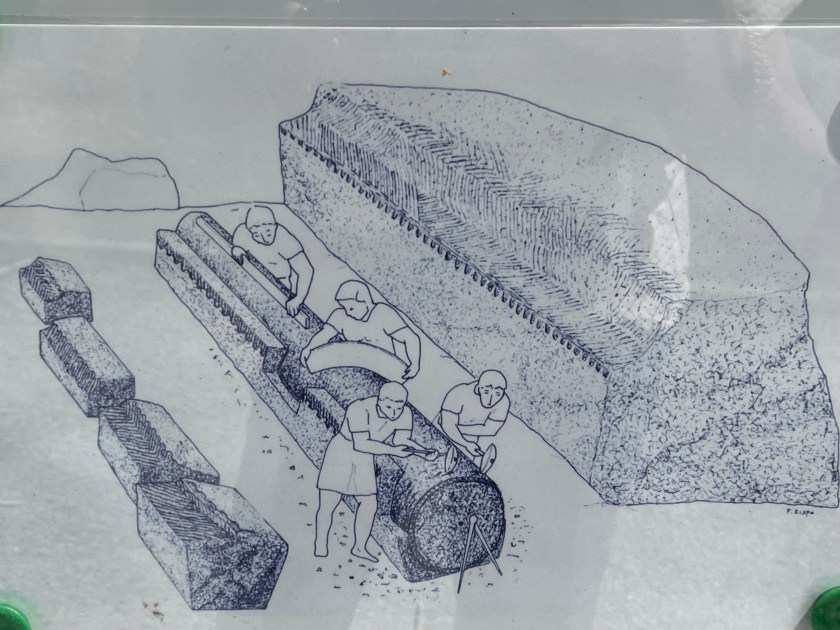
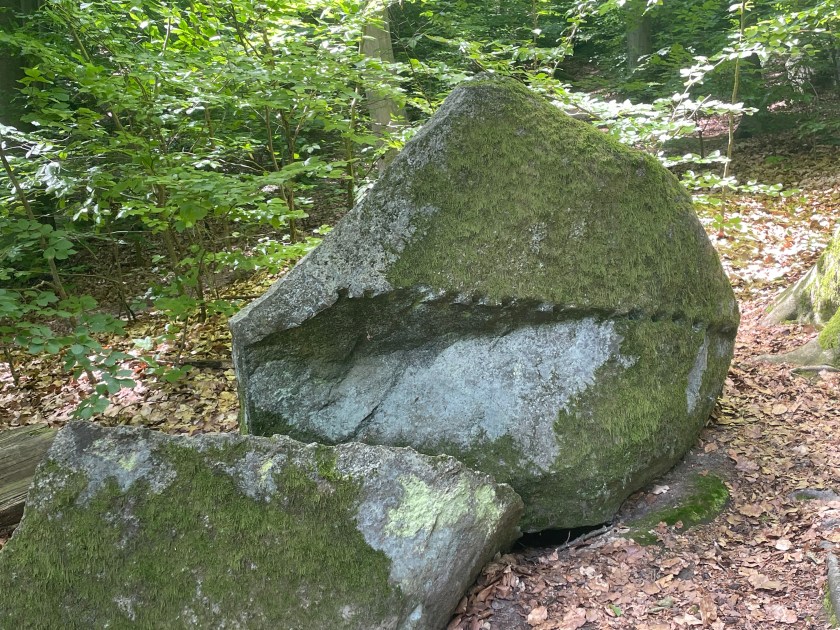

The site is free to visit, also the Visitor’s Center. It’s a great place to bring kids who love to climb!
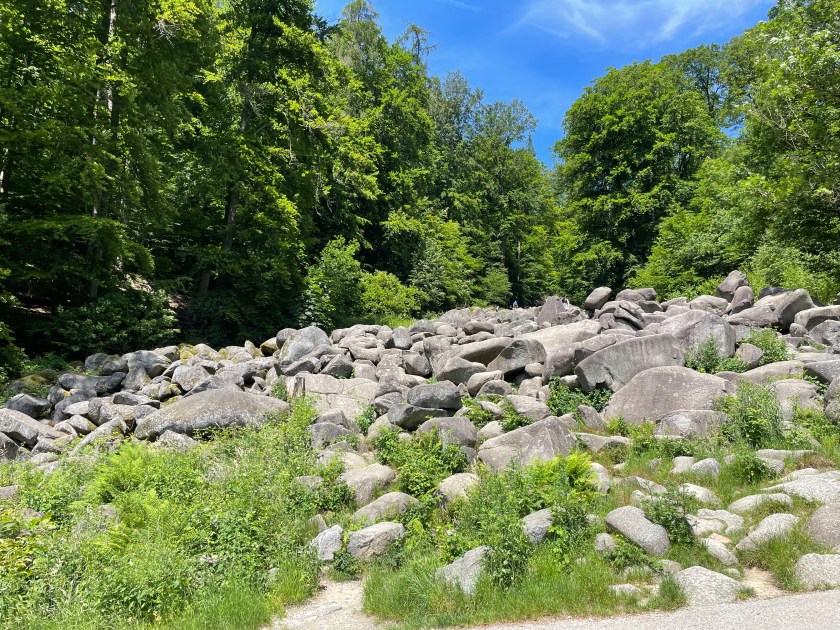
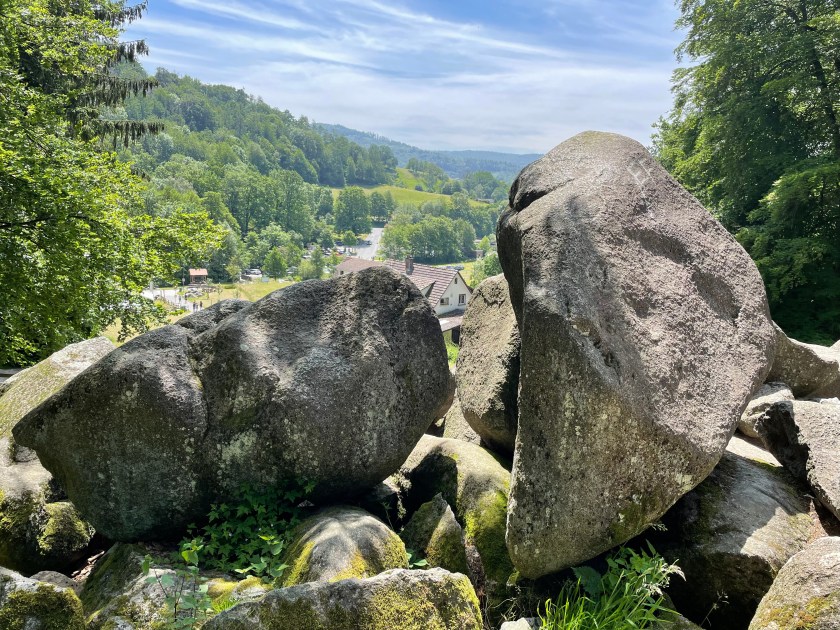
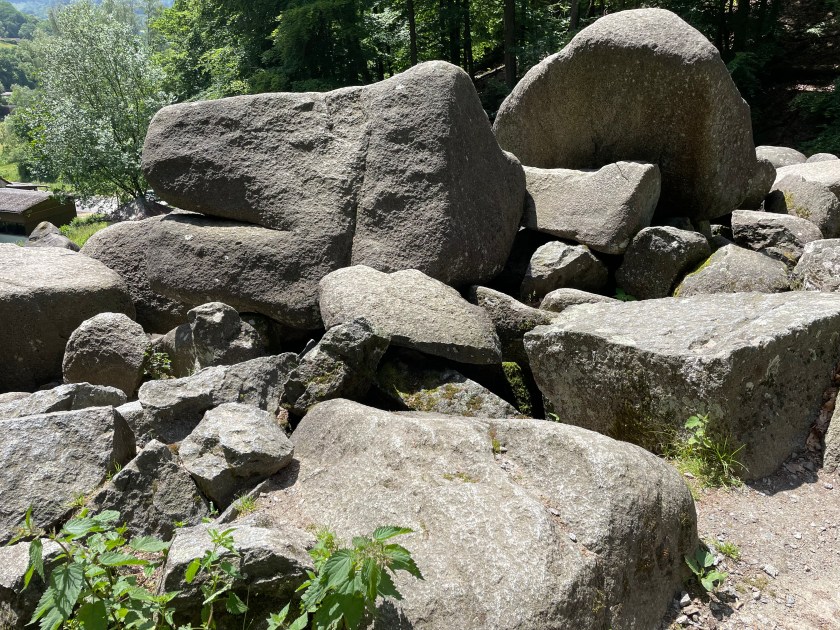
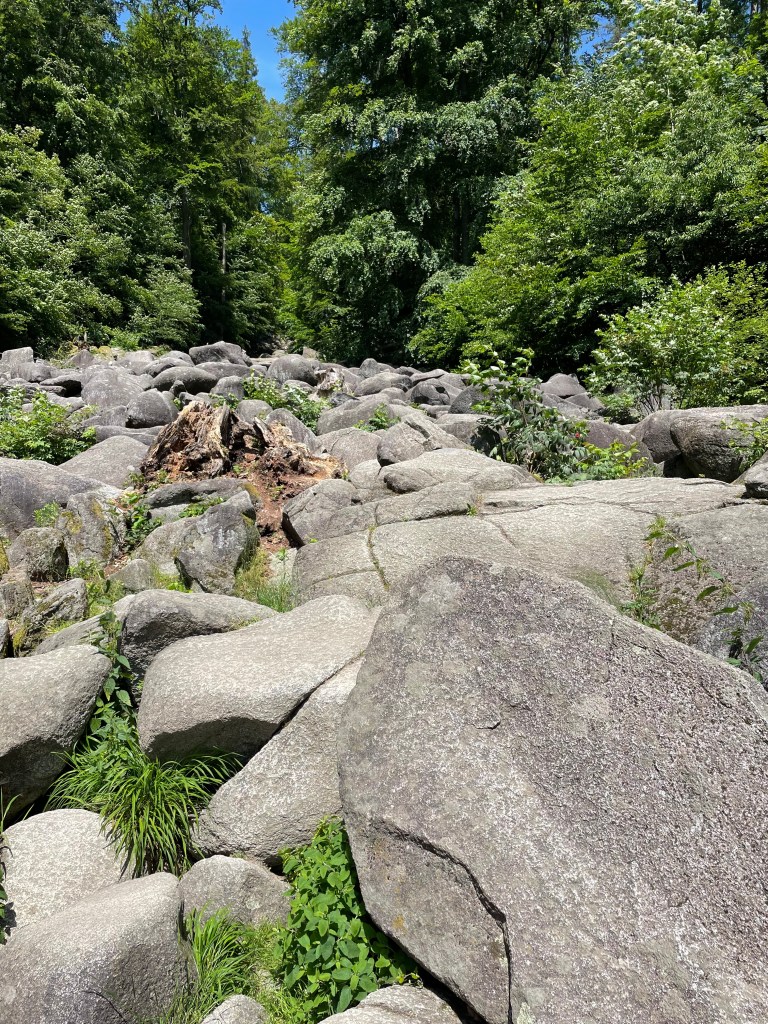
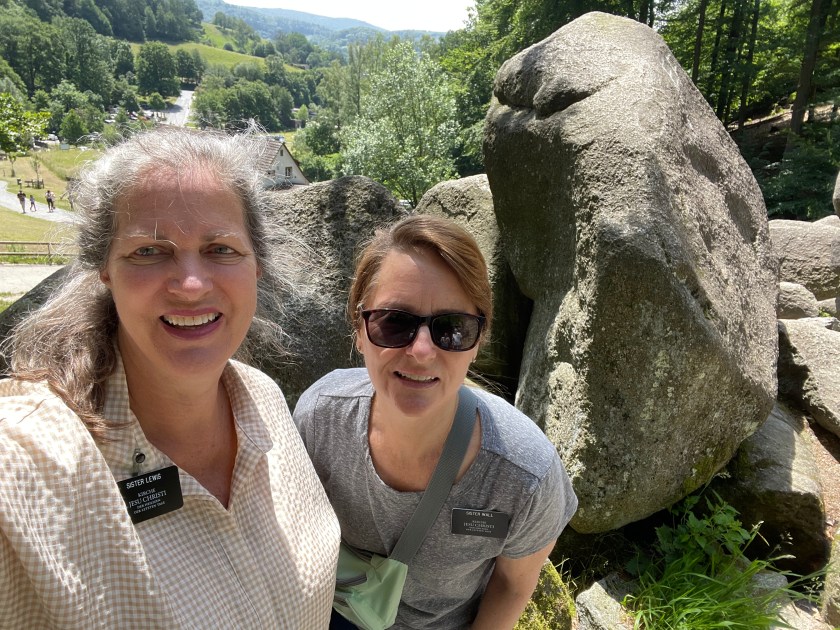
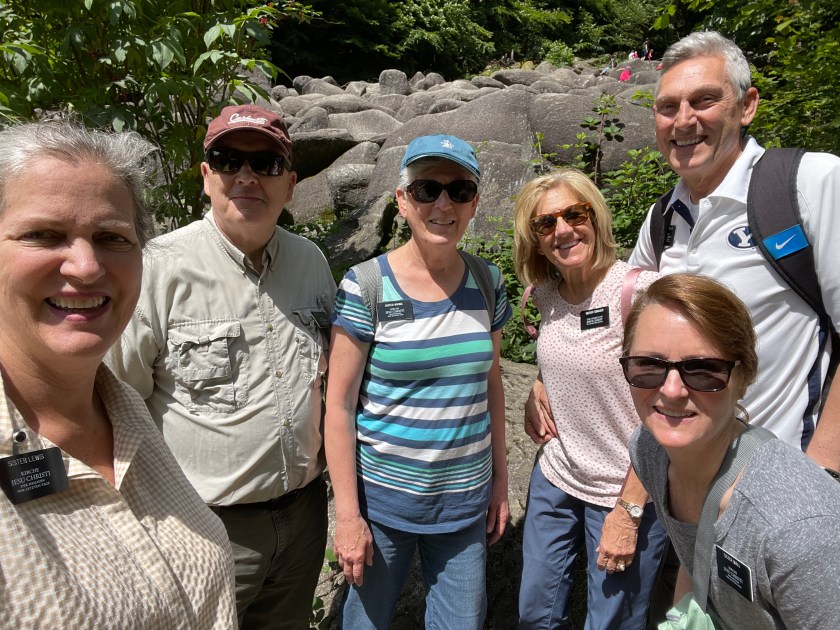

You can climb on the rocks, or hike up the trails on either side. All the way you will hear water flowing under the stones.
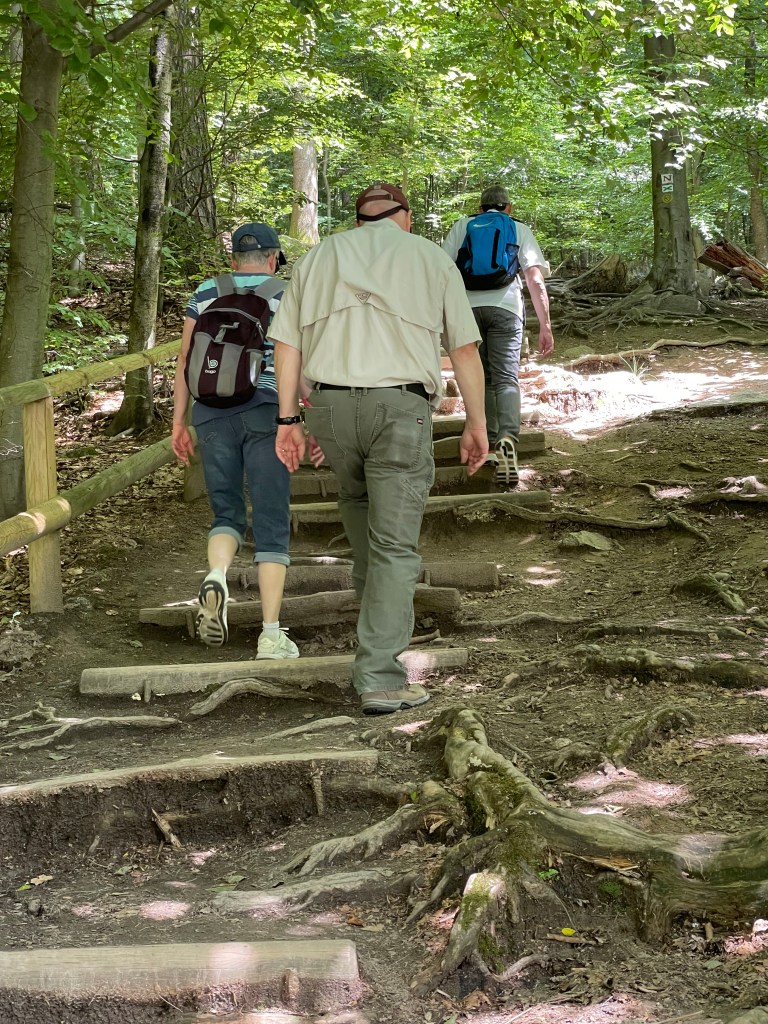
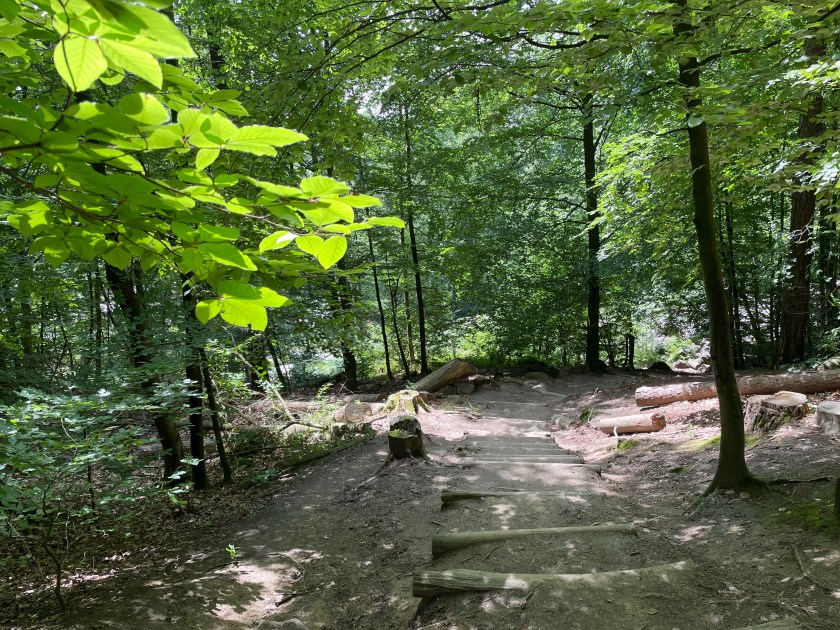
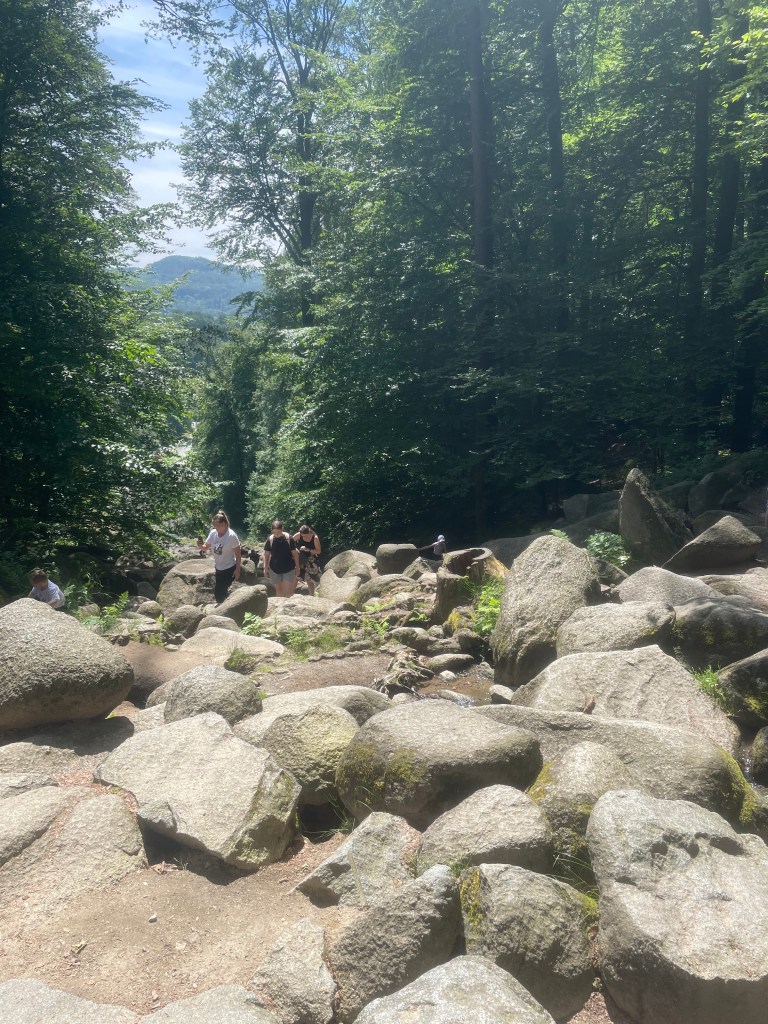
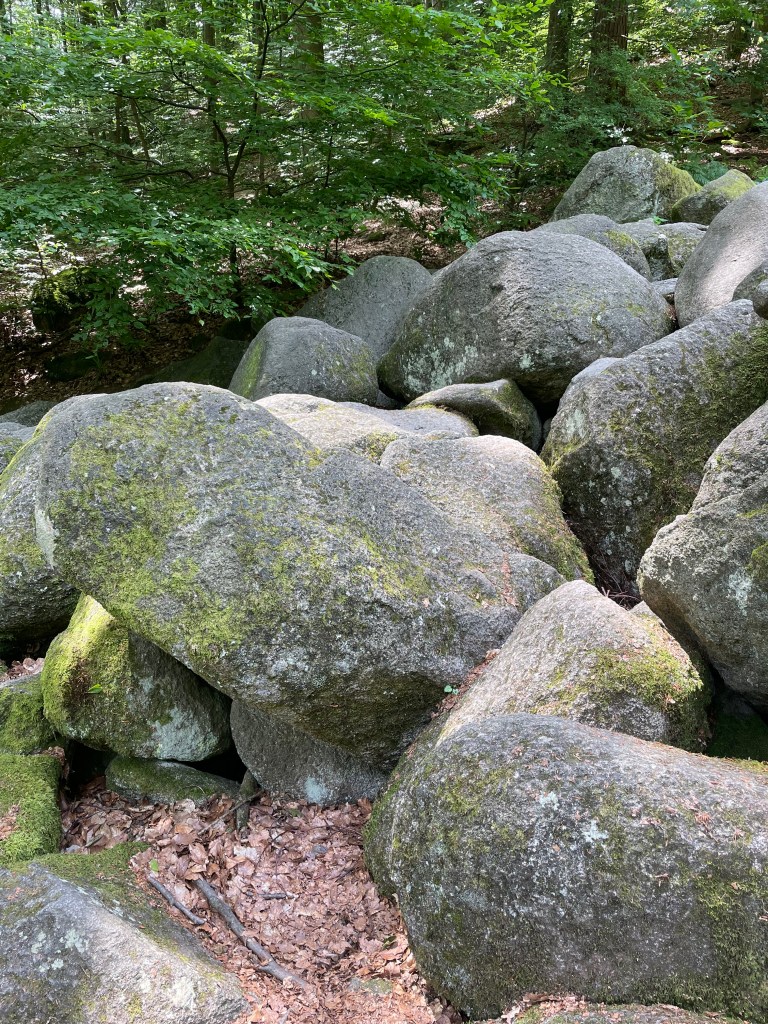
It was pretty impressive. Interestingly, there is nothing like it anywhere else in the region.
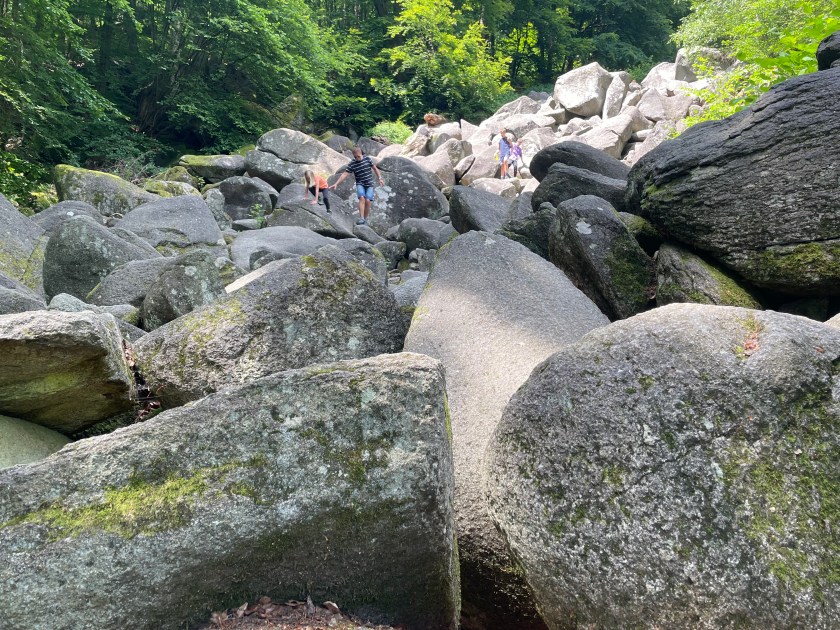
Afterwards we walked into town to find a fun place to eat.
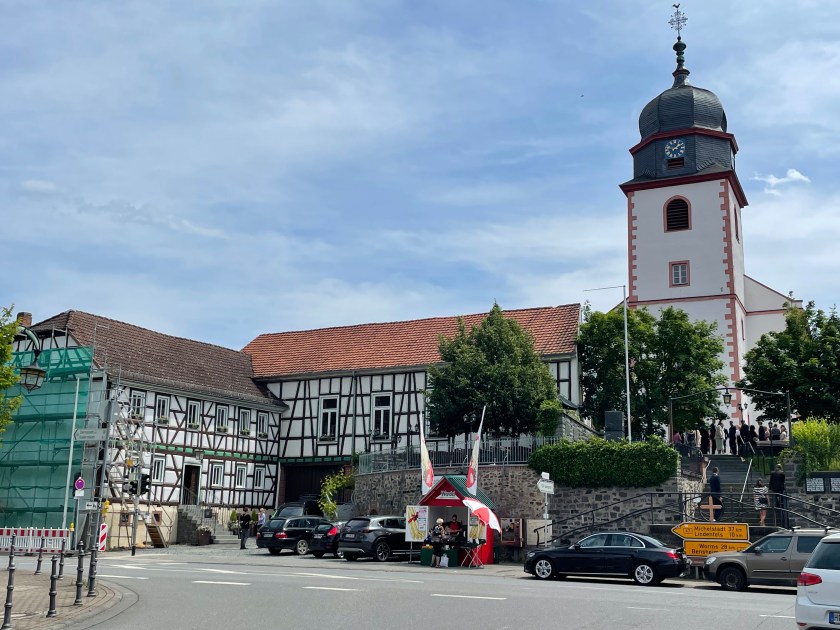
The place we found was near the church, where a wedding was being held. We all ordered Pirrogen, a sort of ravioli filled with meat or spinach and quark. It was really tasty.


 Our Frankfurt Germany Mission