
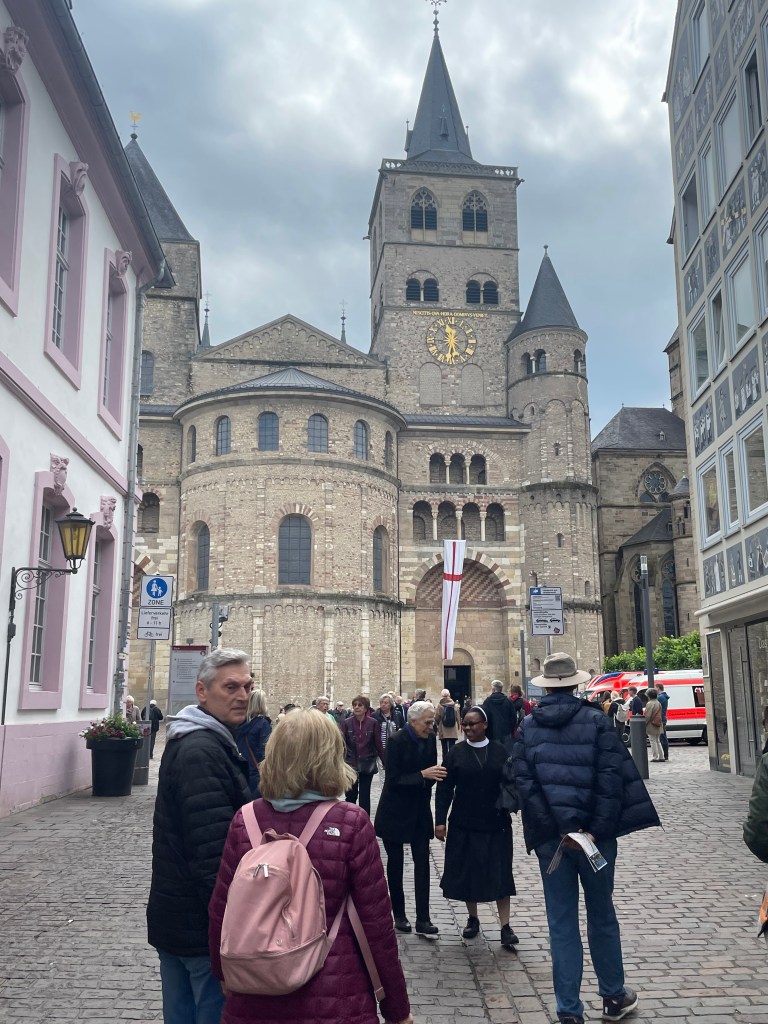
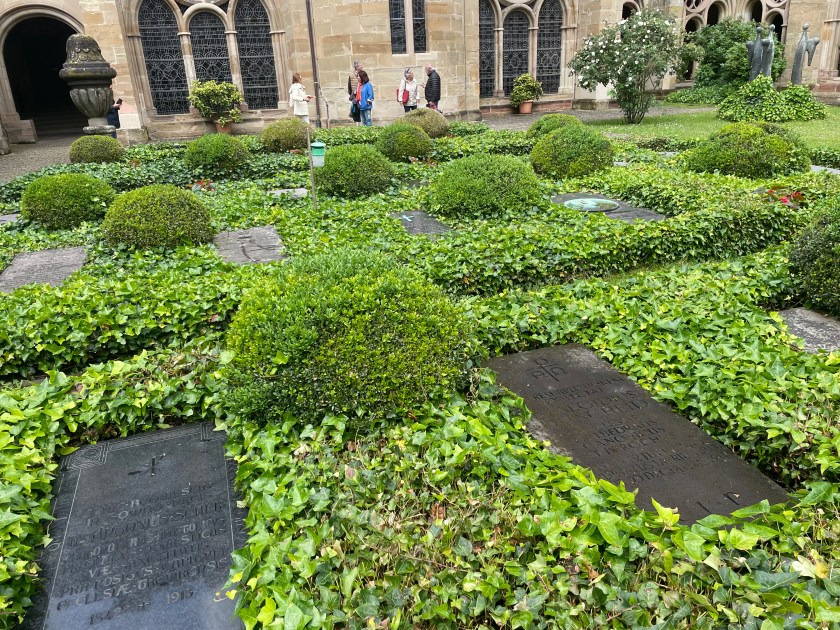
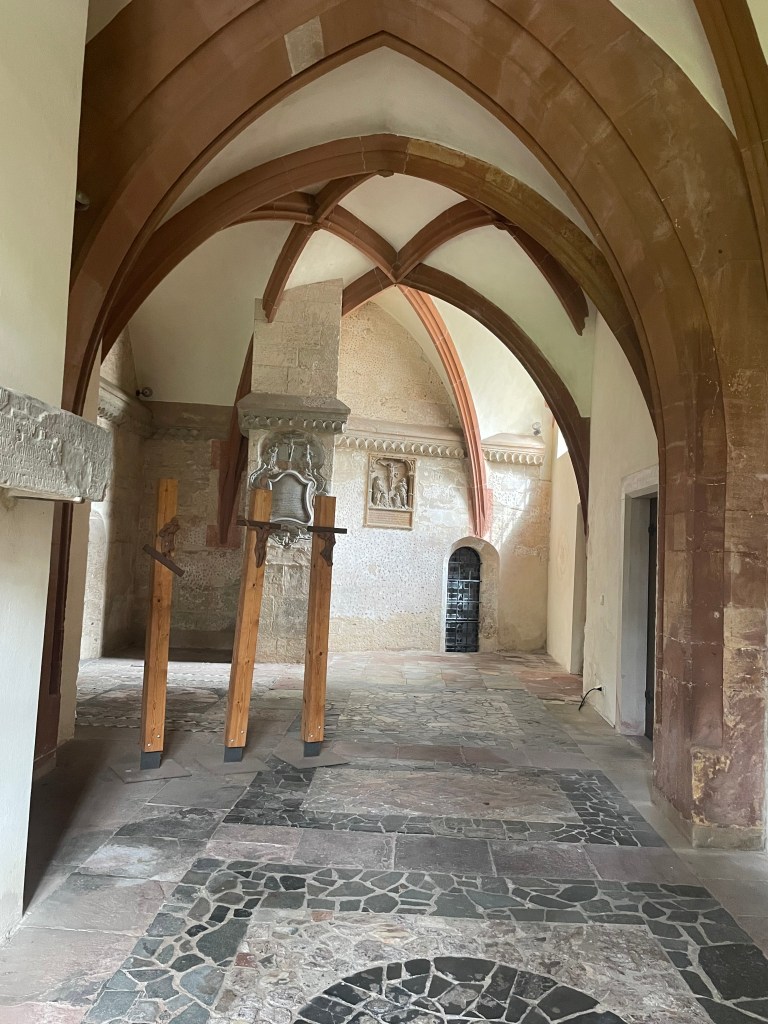
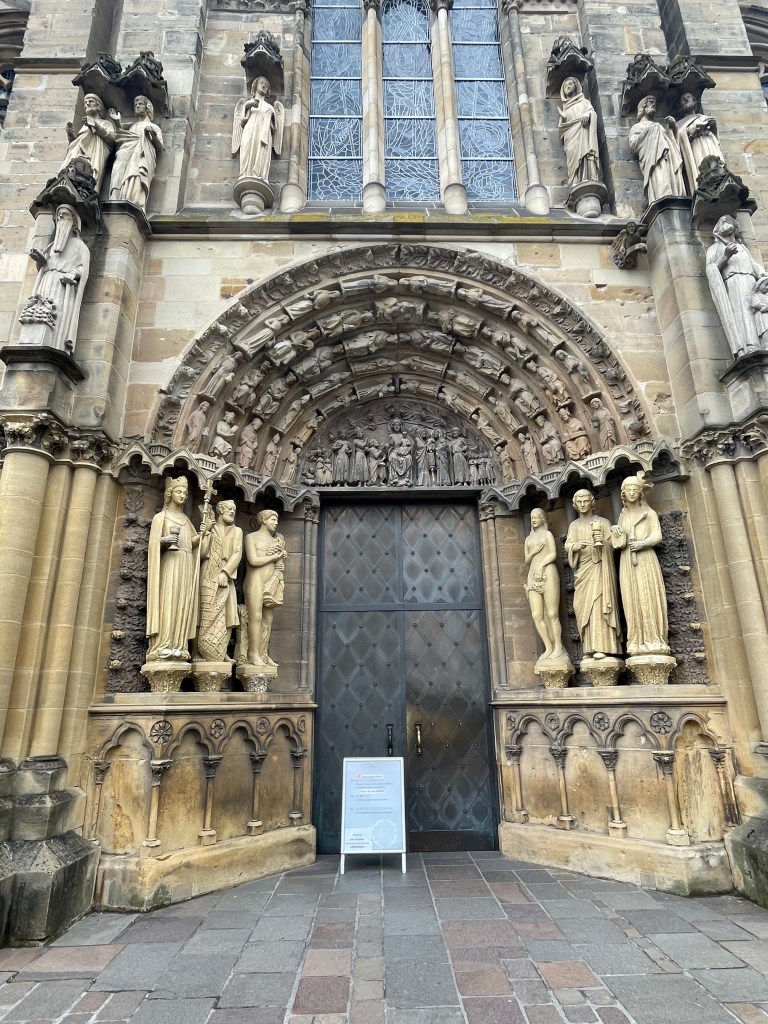
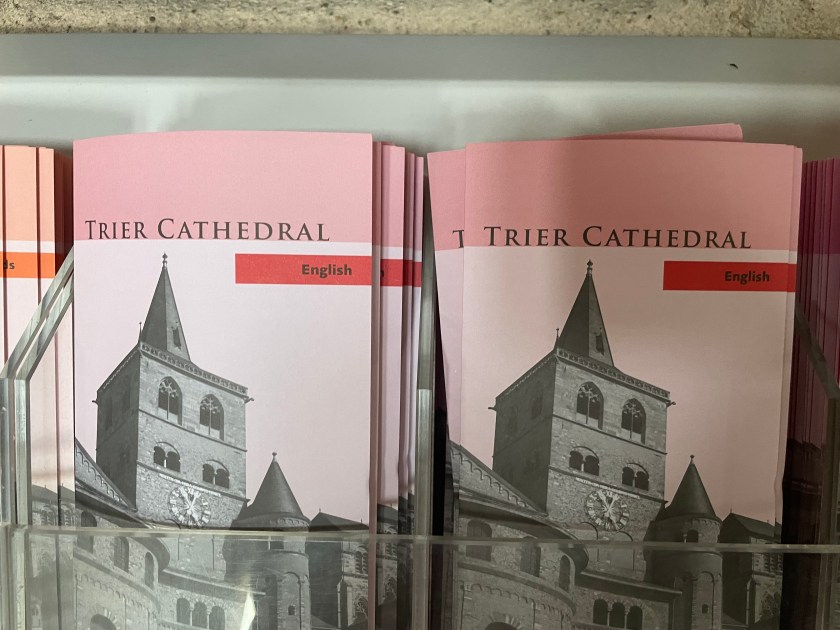
The High Cathedral of St. Peter in Trier is the oldest church in Germany.
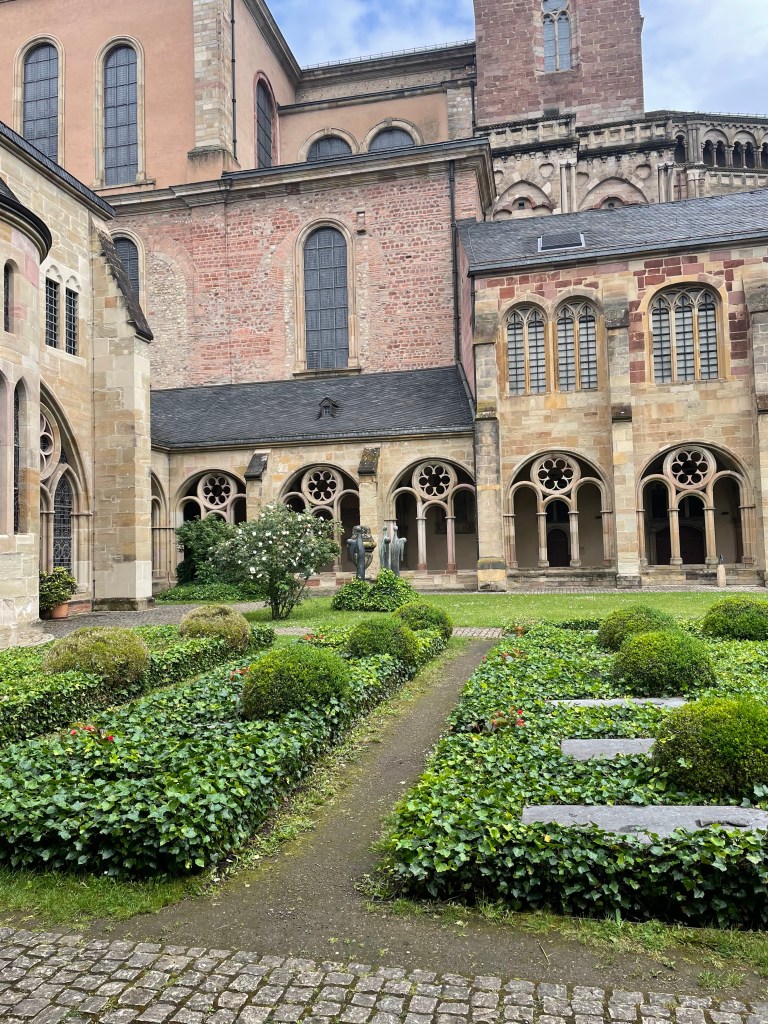
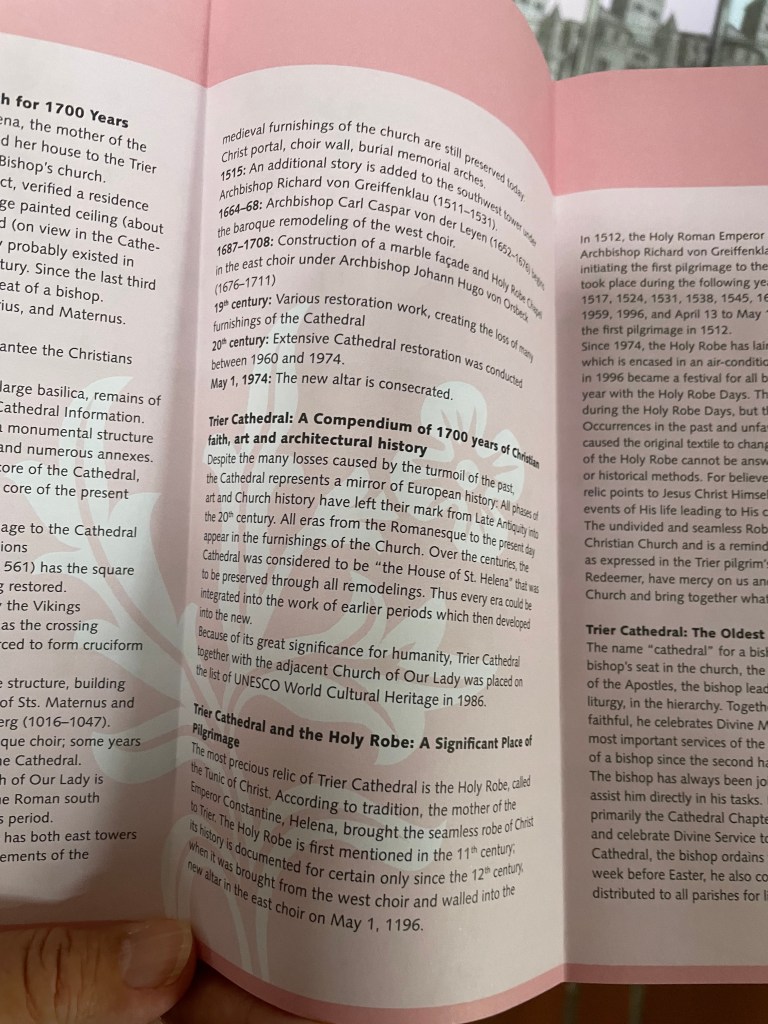
From Wikipedia: According to certain sources, the cathedral was commissioned by Emperor Constantine the Great and built on top of a palace of Saint Helen, his mother. Following the conversion of Constantine to Christianity, bishop Maximin (329–346) is said to have coordinated the construction of a cathedral, which at the time was the grandest ensemble of ecclesiastical structures in the West outside Rome. On a ground plan four times the size of the present cathedral no less than four basilicas, a baptistry and outbuildings were constructed. Archaeological research confirms that the current cathedral, as well as the adjacent cloisters and Church of Our Lady, is raised upon the foundations of ancient Roman buildings of Augusta Treverorum. The four piers of the crossing of the present church, as well as parts of the brick outer walls are remnants from this period.
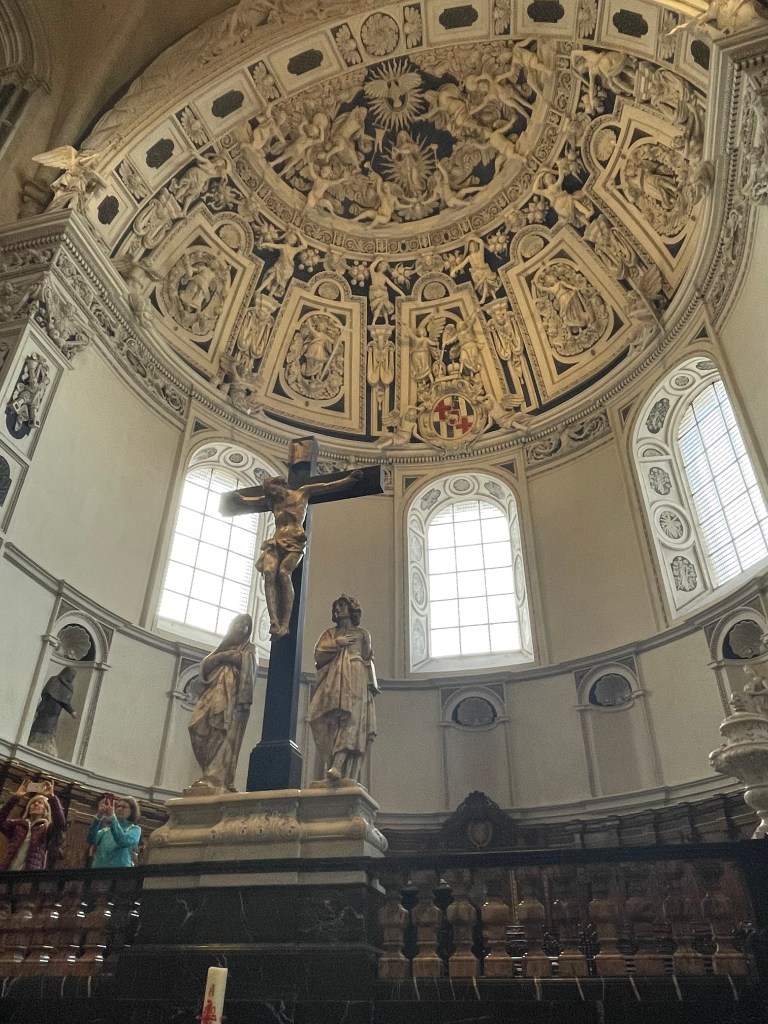
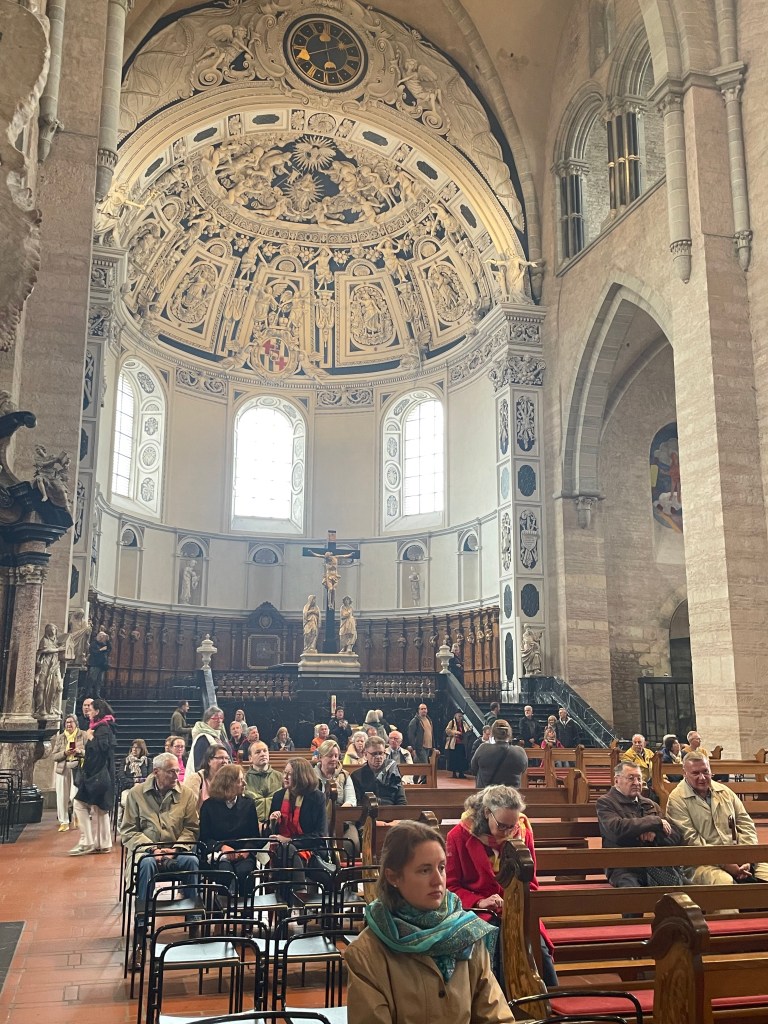
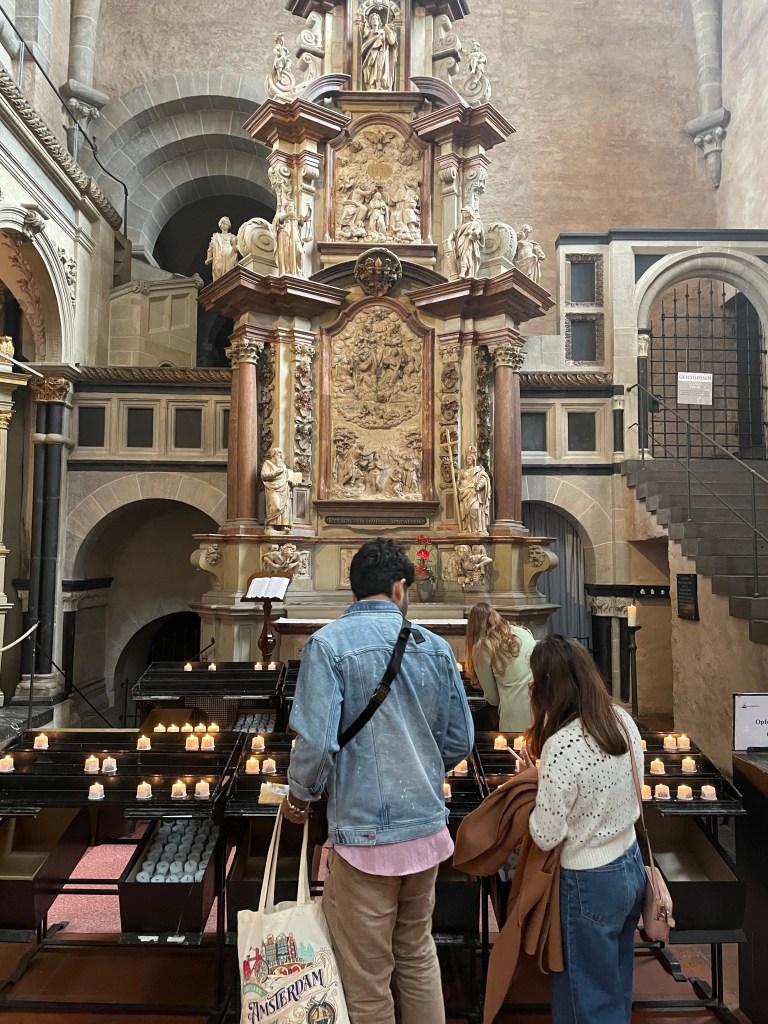
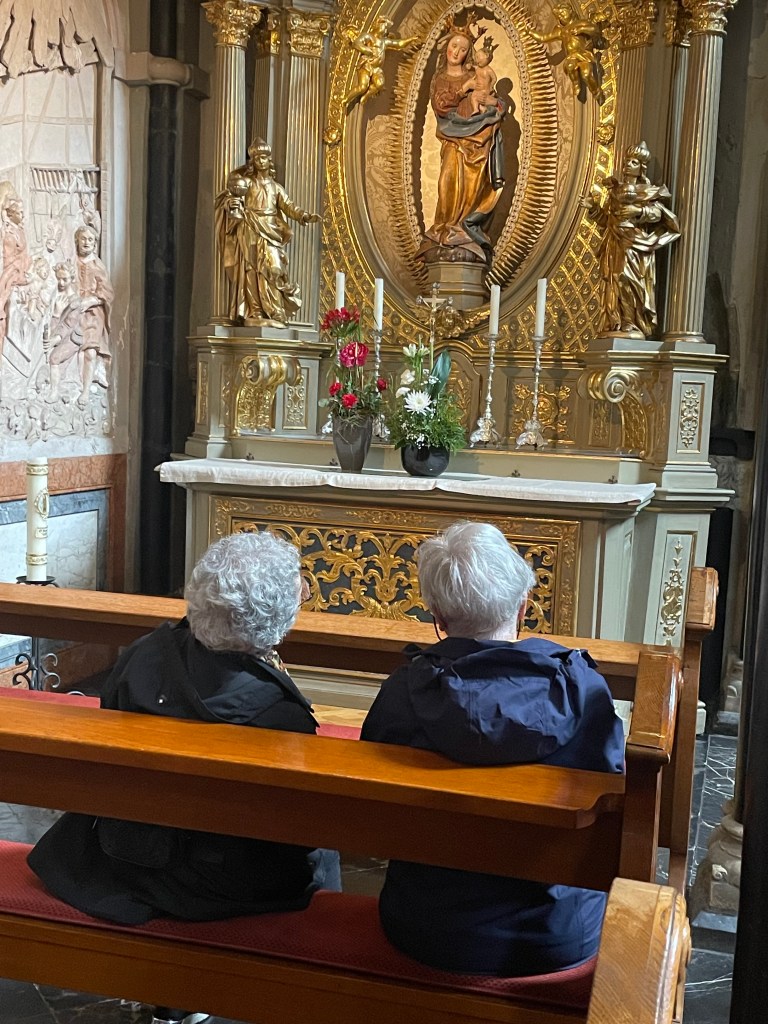
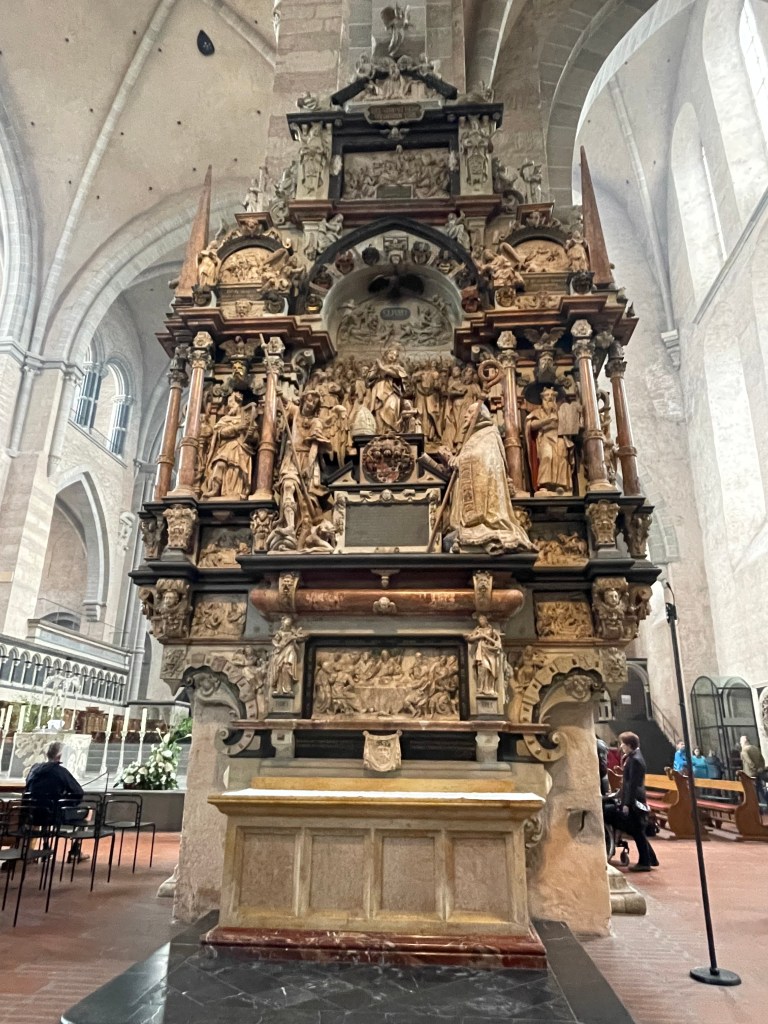
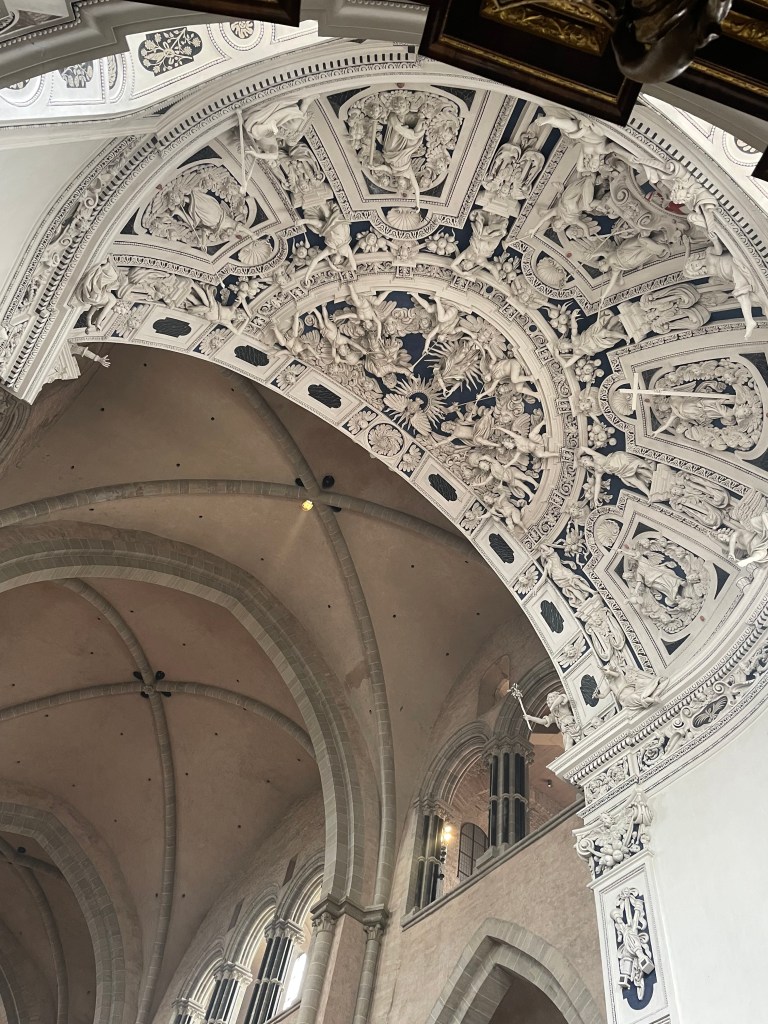
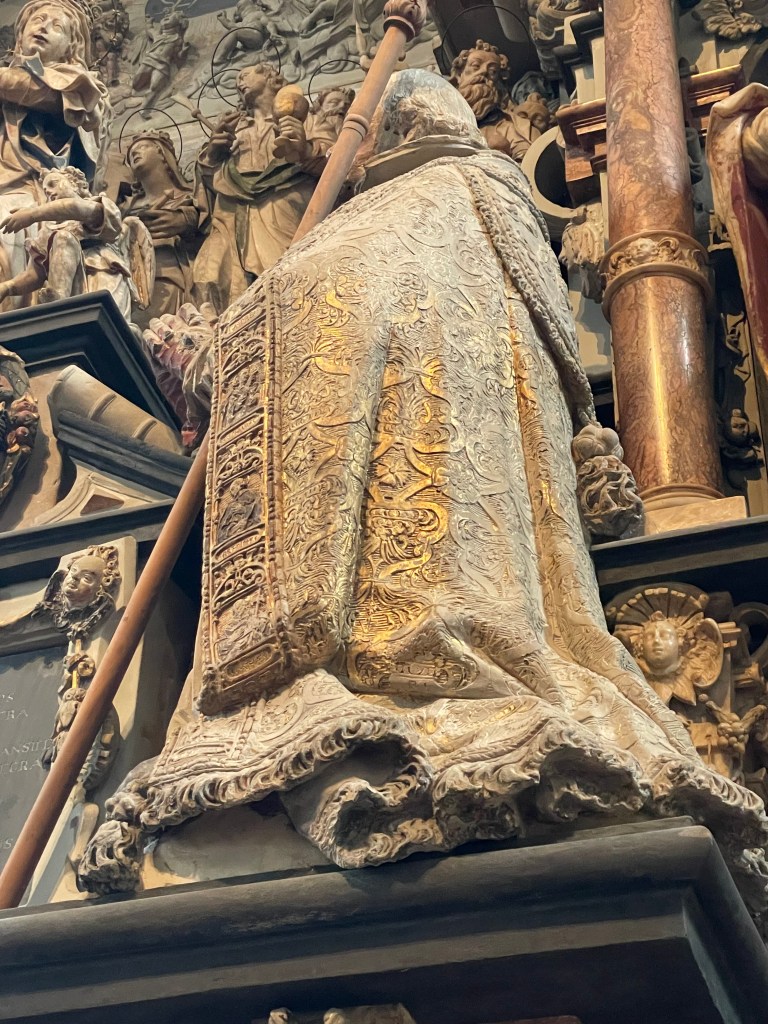
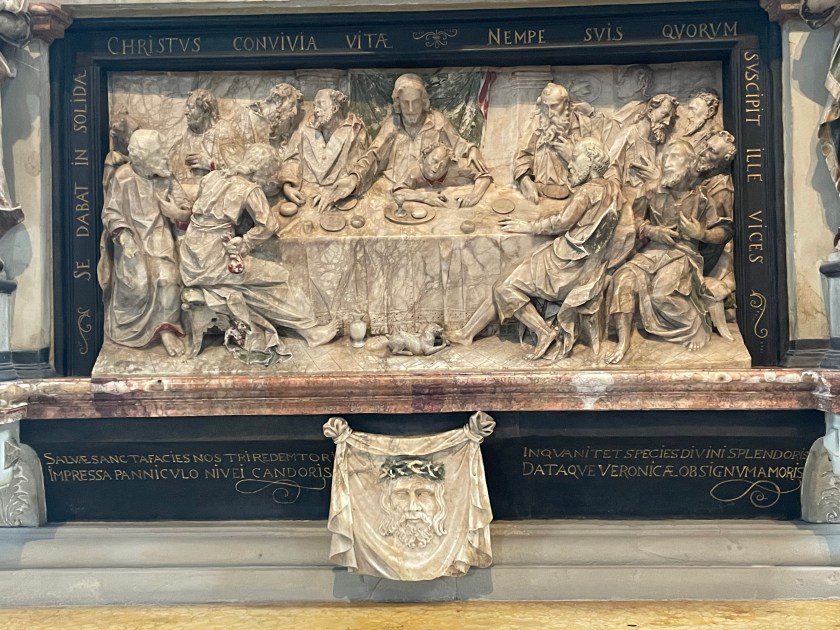
The fourth-century church was left in ruins by the Franks but rebuilt. It was destroyed again by the Vikings in 882. Under Archbishop Egbert (d. 993) rebuilding started, completed by Poppo of Babenberg (1016–1041). The famous west façade dates from this period, although the apse was not finished until 1196. Throughout the centuries the church continued to be rebuilt and embellished, according to the fashion of the period with Gothic vaults, Renaissance sculptures and Baroque chapels, but the overall style of the building remains Romanesque with a Roman core.
Interesting to know (but we didn’t get to see these things here):
Treasury and relics
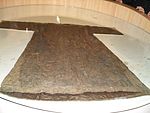
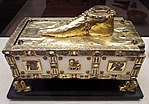
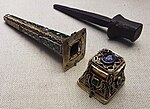
The Seamless Robe of Jesus, the robe said to have been worn by Jesus shortly before his crucifixion, is the best-known relic of the cathedral. It is kept in an annex chapel and shown to the public infrequently, most recently in 2012. The skull of St. Helena, the mother of Emperor Constantine, is displayed in the east crypt of the cathedral. Her drinking cup is kept in the cathedral’s treasury as well as the so-called Egbert Shrine. This is a decorated portable altar that contained the sole of a sandal of St. Andrew and other relics. Another reliquary from the same period contains a Holy Nail from the Cross of Jesus. Both objects are considered highlights of Ottonion goldsmithery.

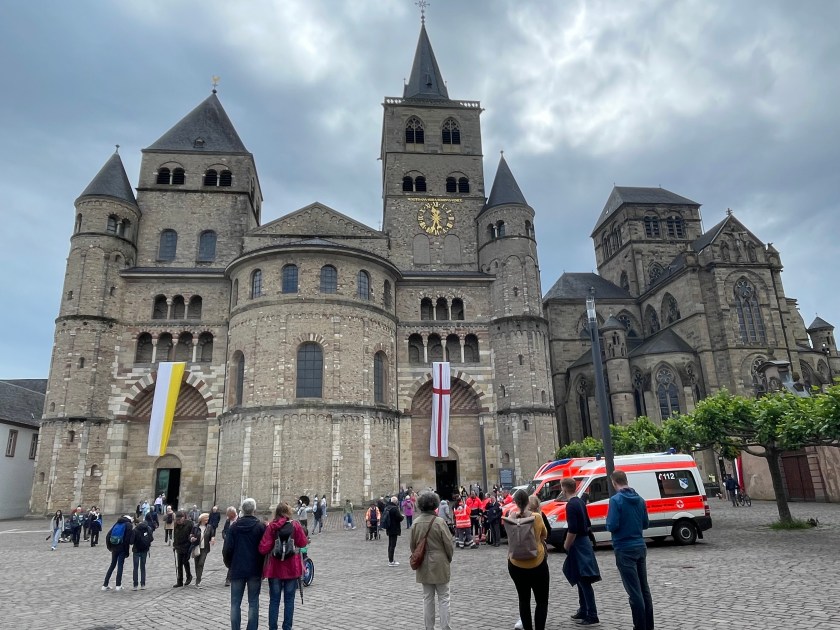
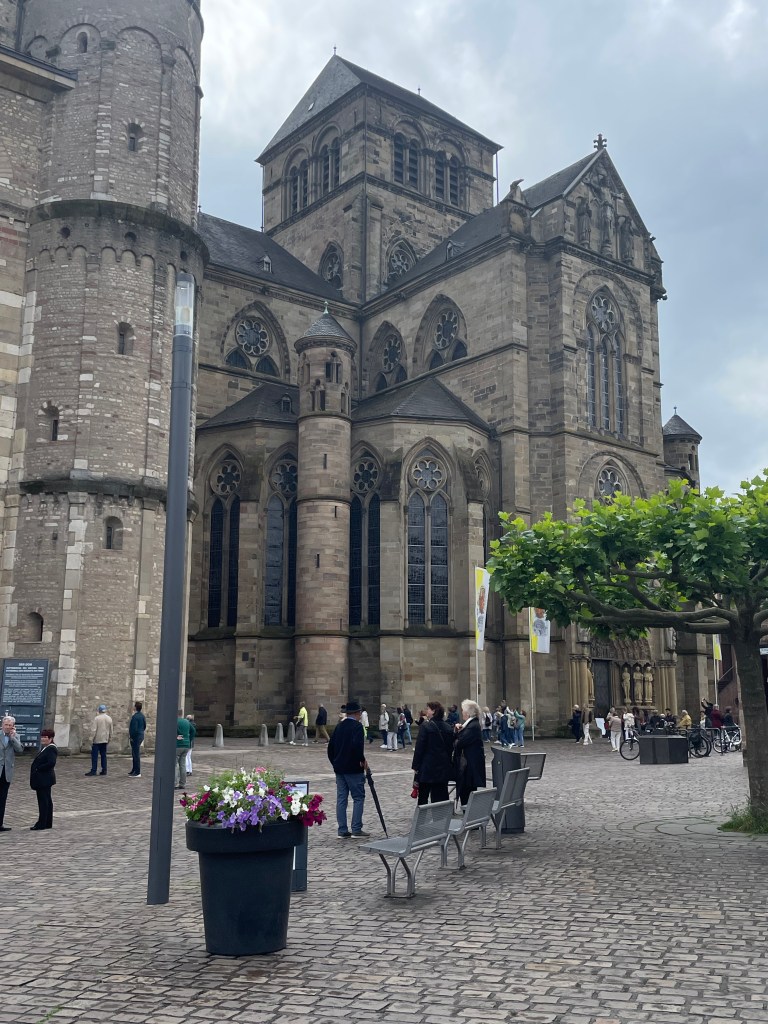

This complex of church buildings was large, grand and historical.

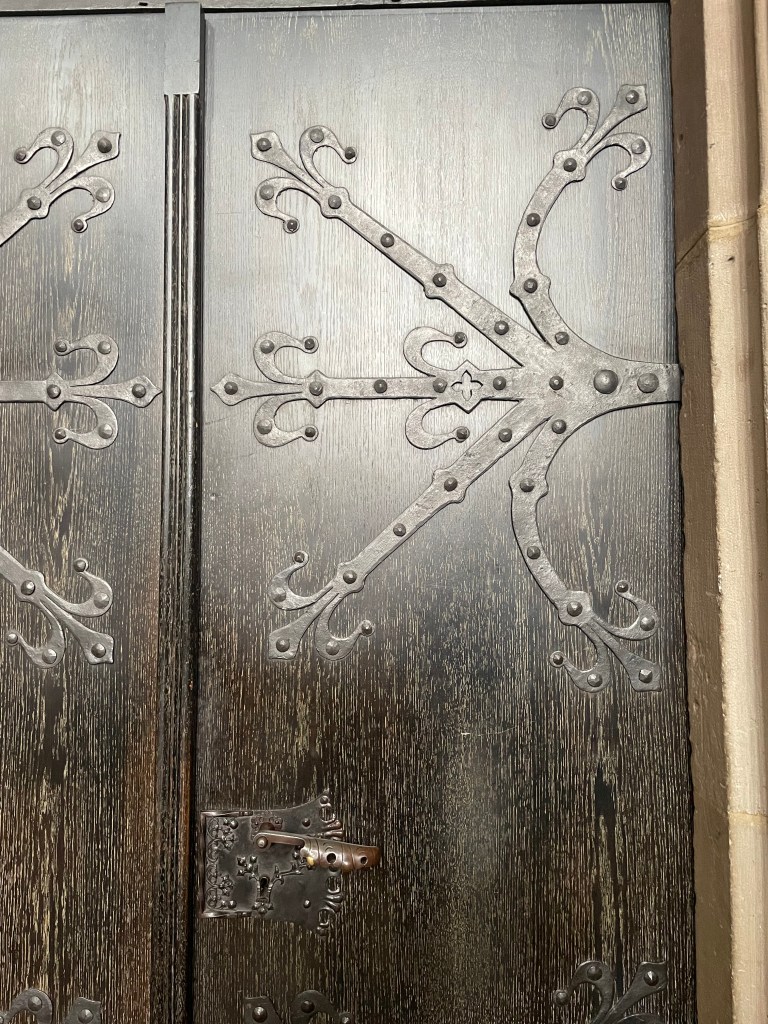
Let’s go inside!
















 Our Frankfurt Germany Mission