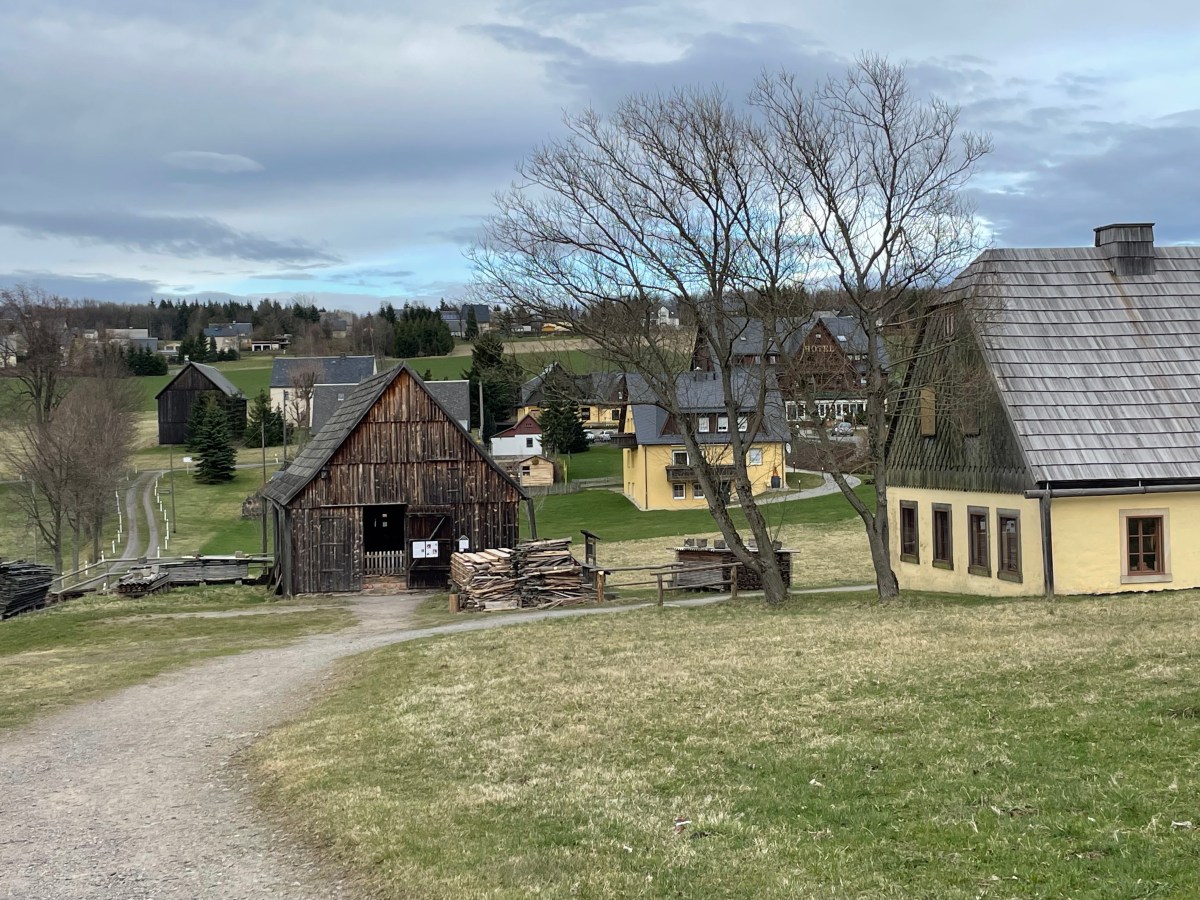
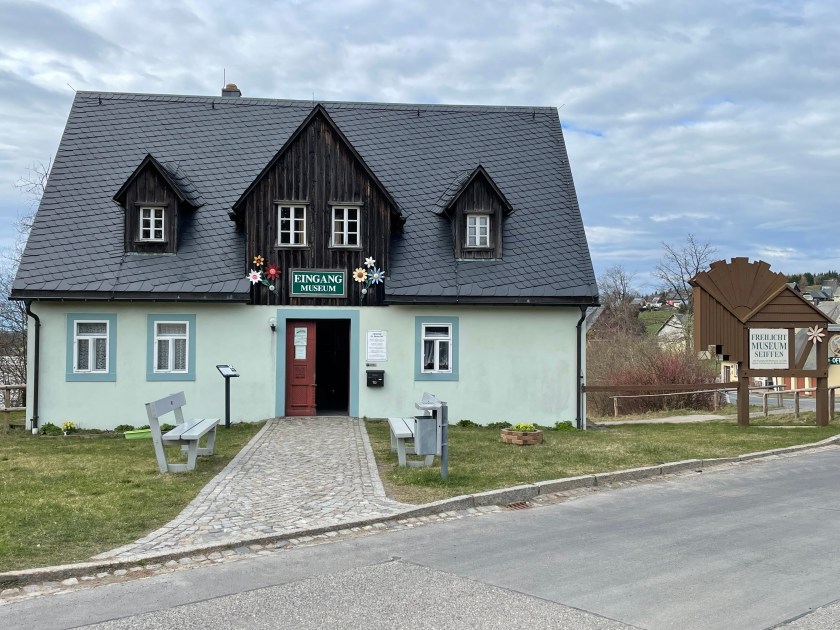
Do you have ancestors from Germany like I do? This is my favorite way to learn about Family History–visiting a Living Museum. These homes and buildings were all brought to one place on the outskirts of Seiffen to show us what life was like in years’ past. I love Everything about this place!
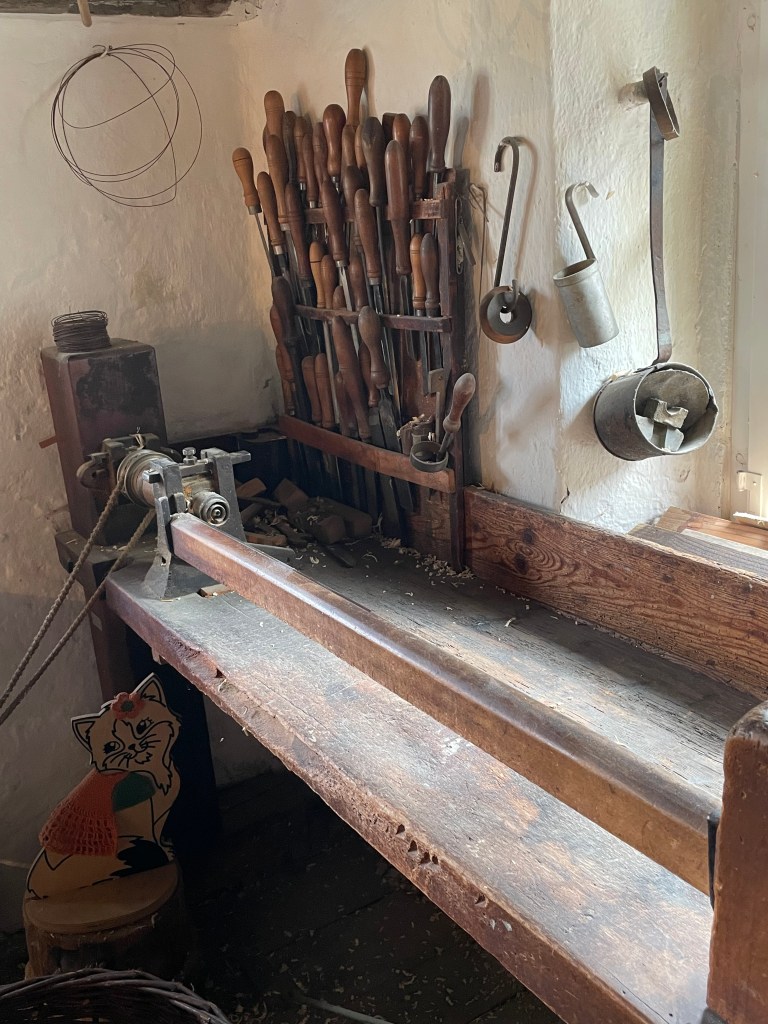
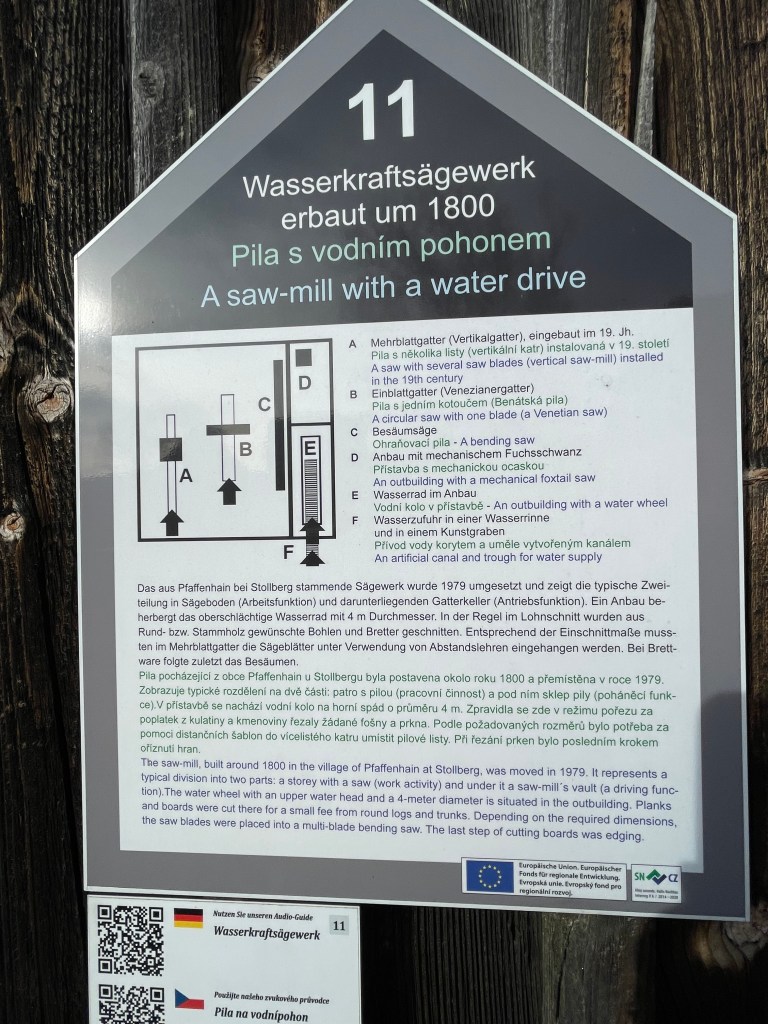
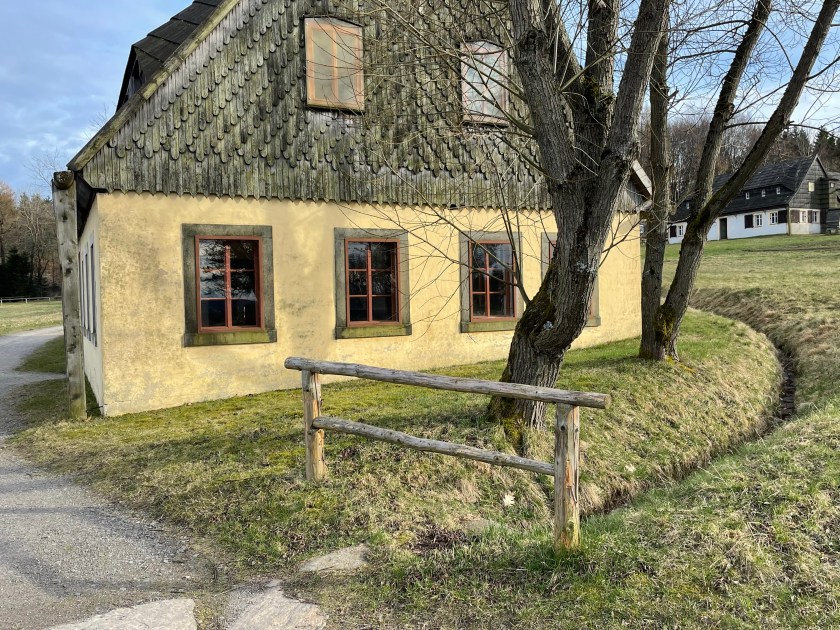
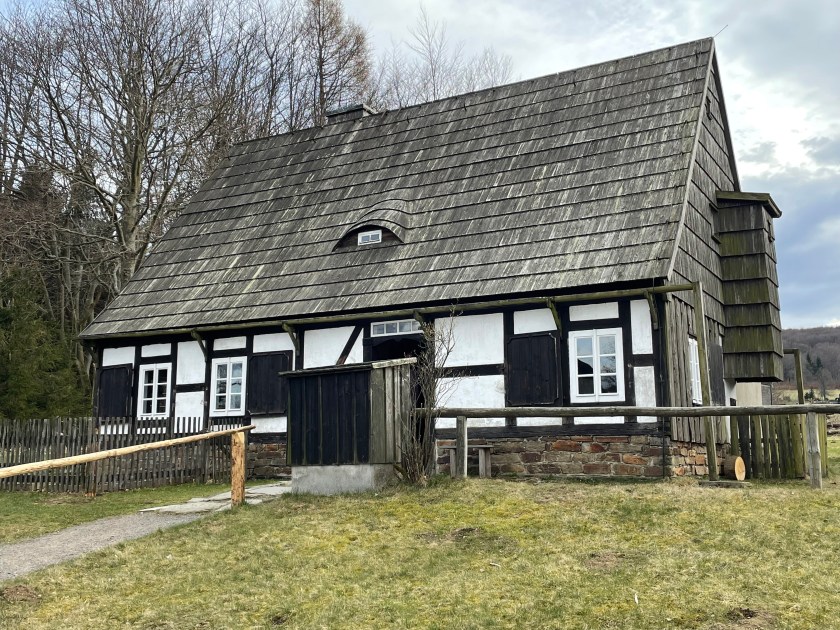
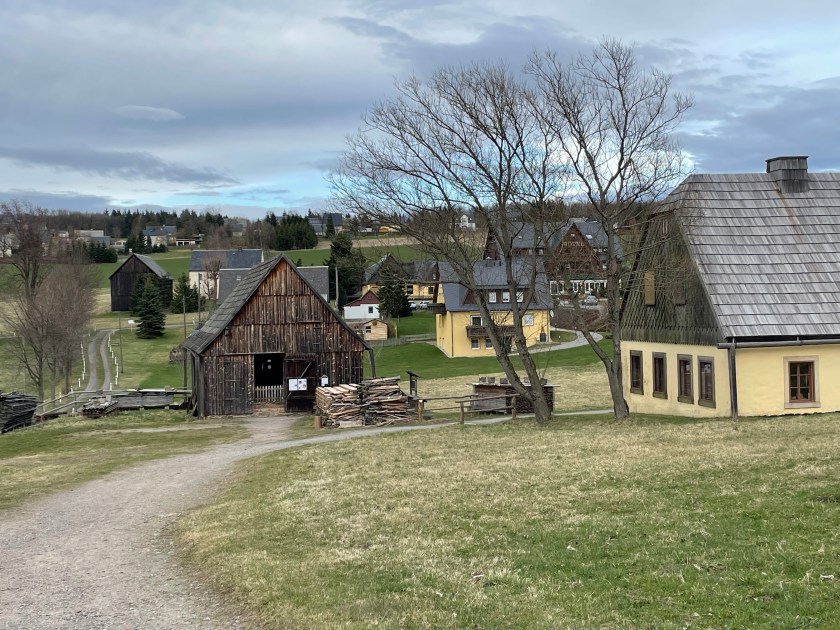
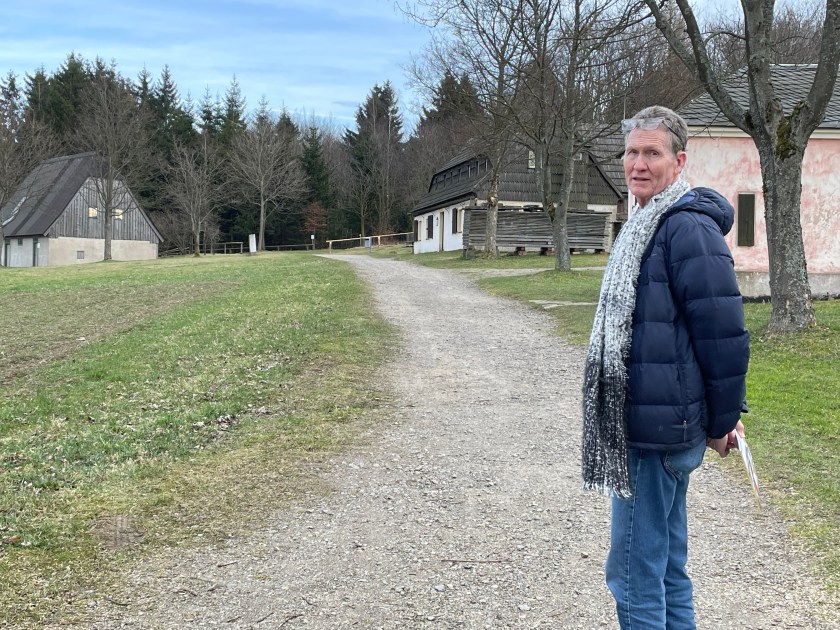
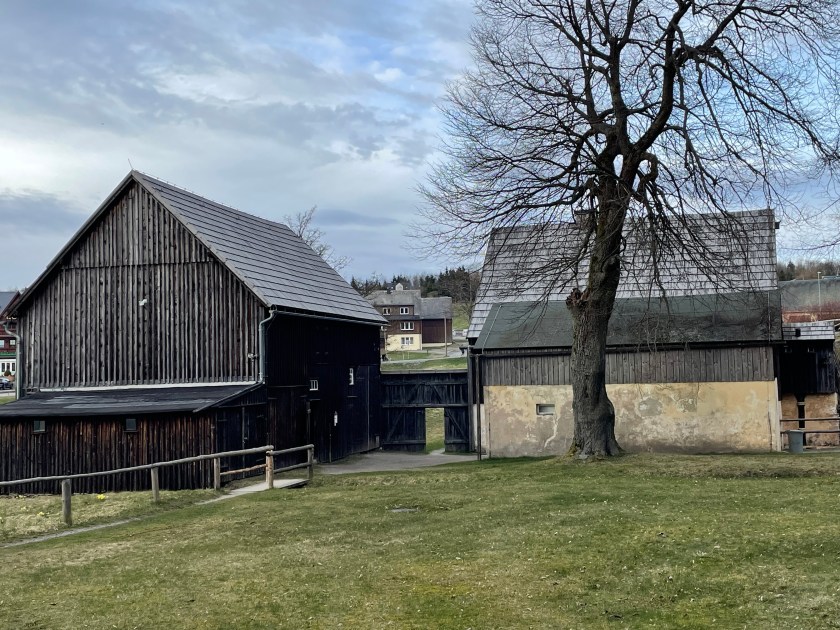
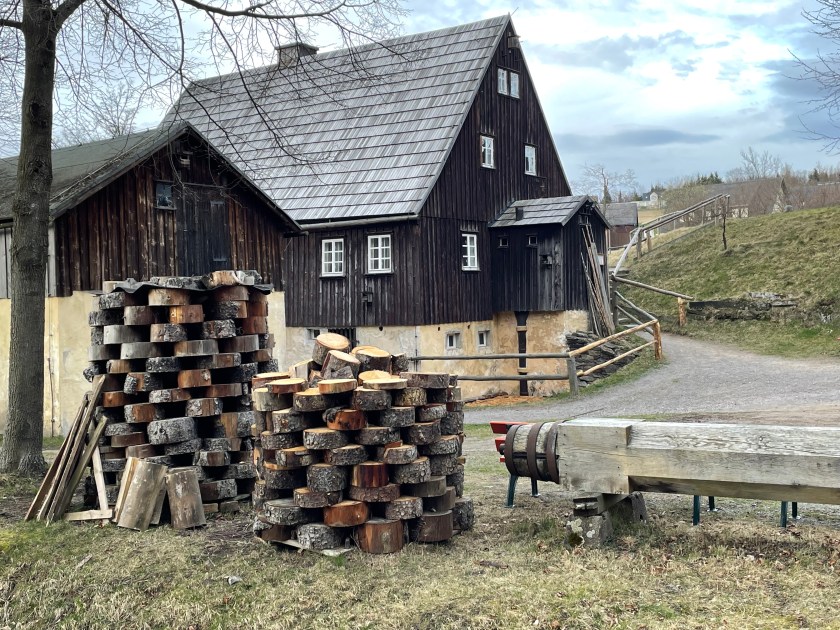
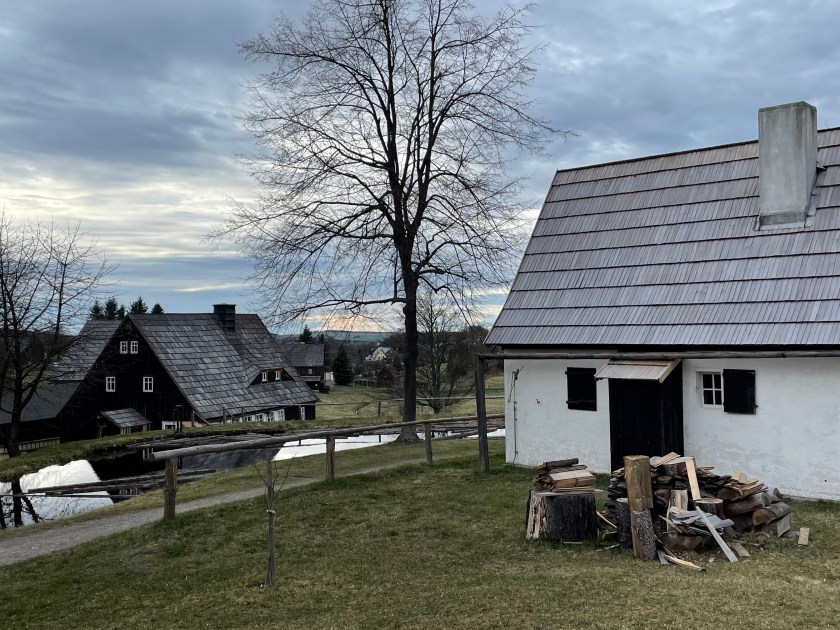
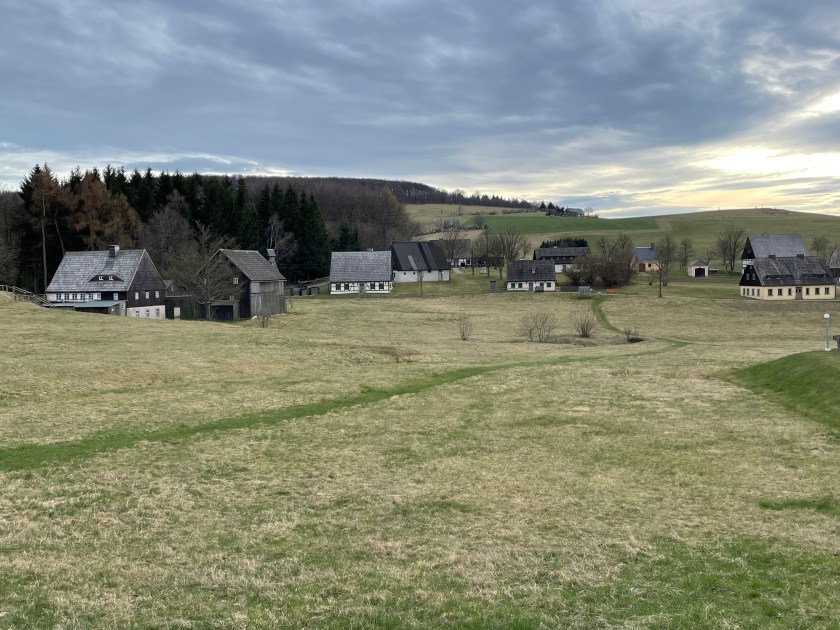
This living museum was established in the 1970s. The homes and buildings here are from the 1700s and 1800s. They show us what life was like for miners who later became woodworkers when the mines closed. This living museum is laid out like a small village or neighborhood. The woodworking shop was originally located right here, where it stands, with the water mill that powered the lathe. You’ll see that as we take a walk through this village.
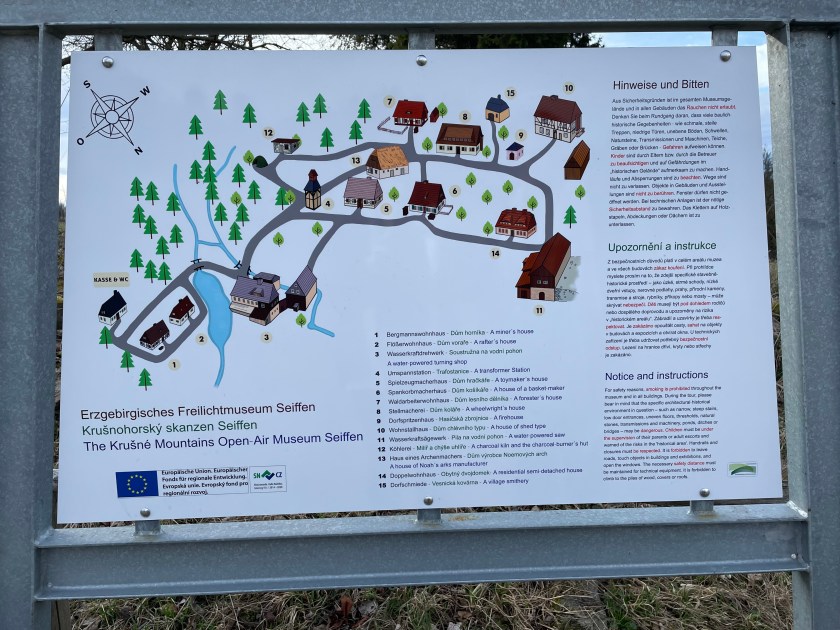
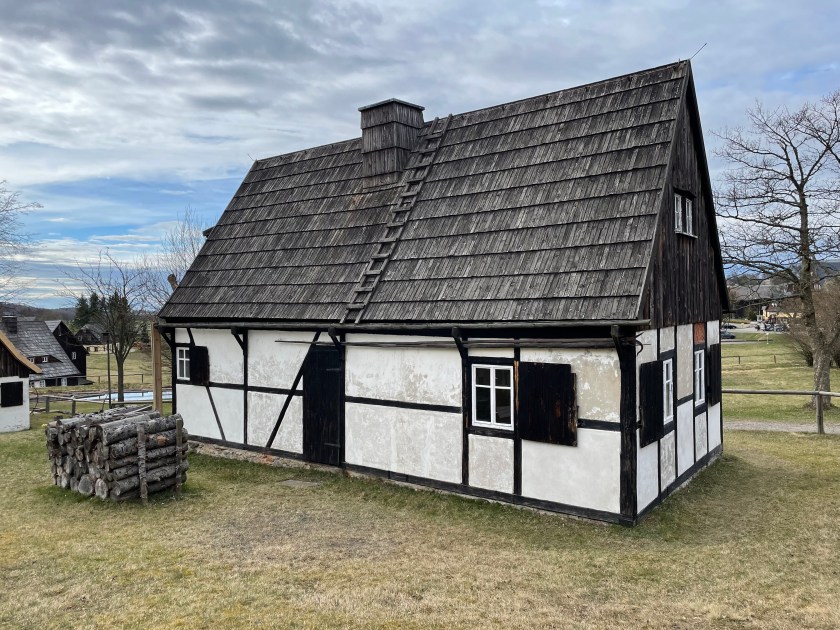
Each home tells a story of a family who once lived there. Some of the home descriptions included photos of those families. It was all fascinating to me.
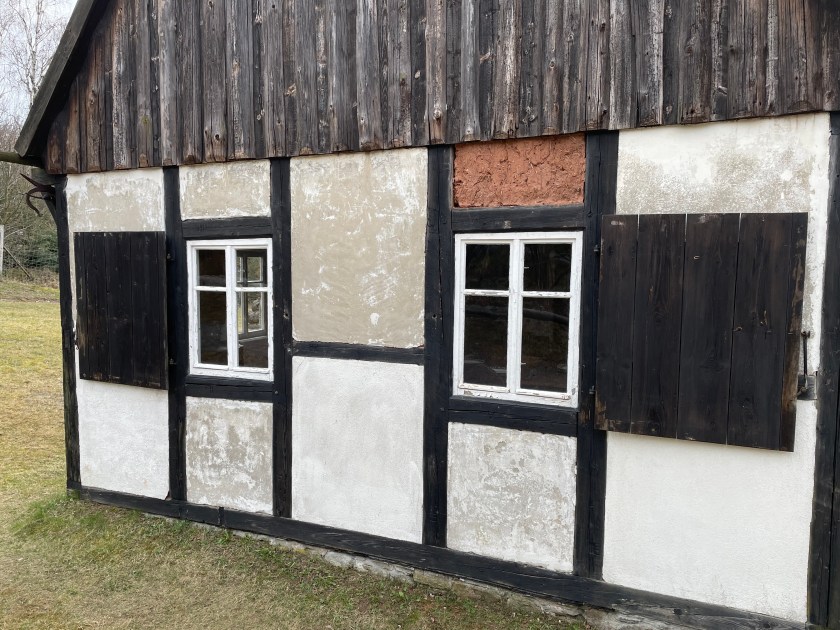
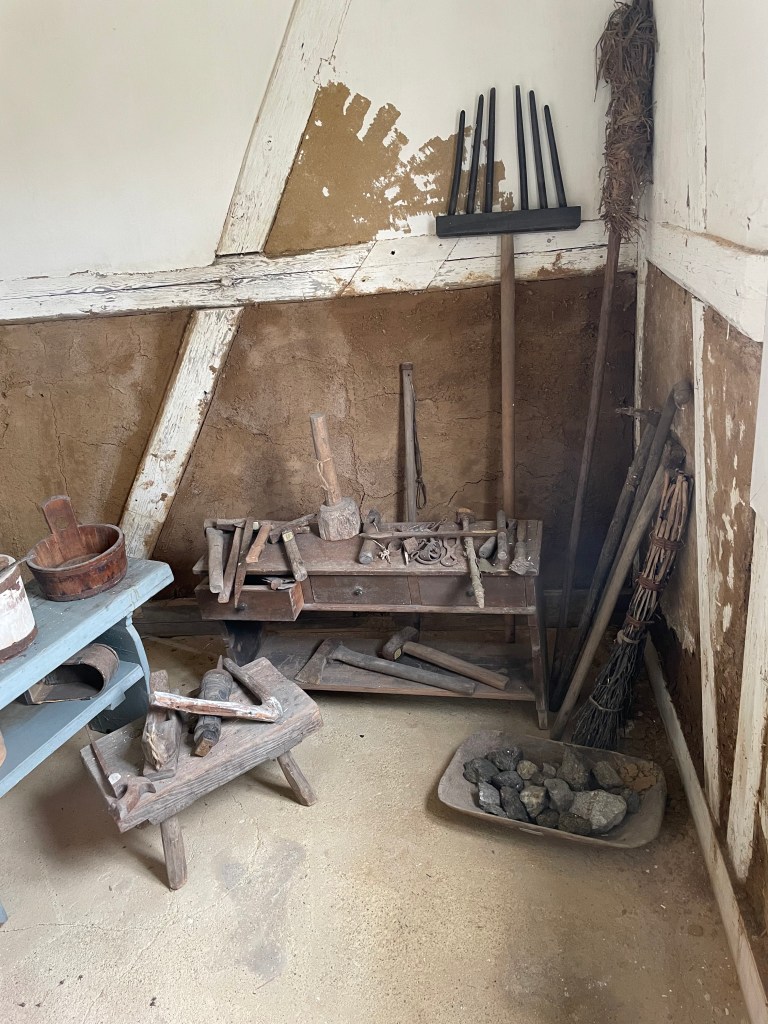
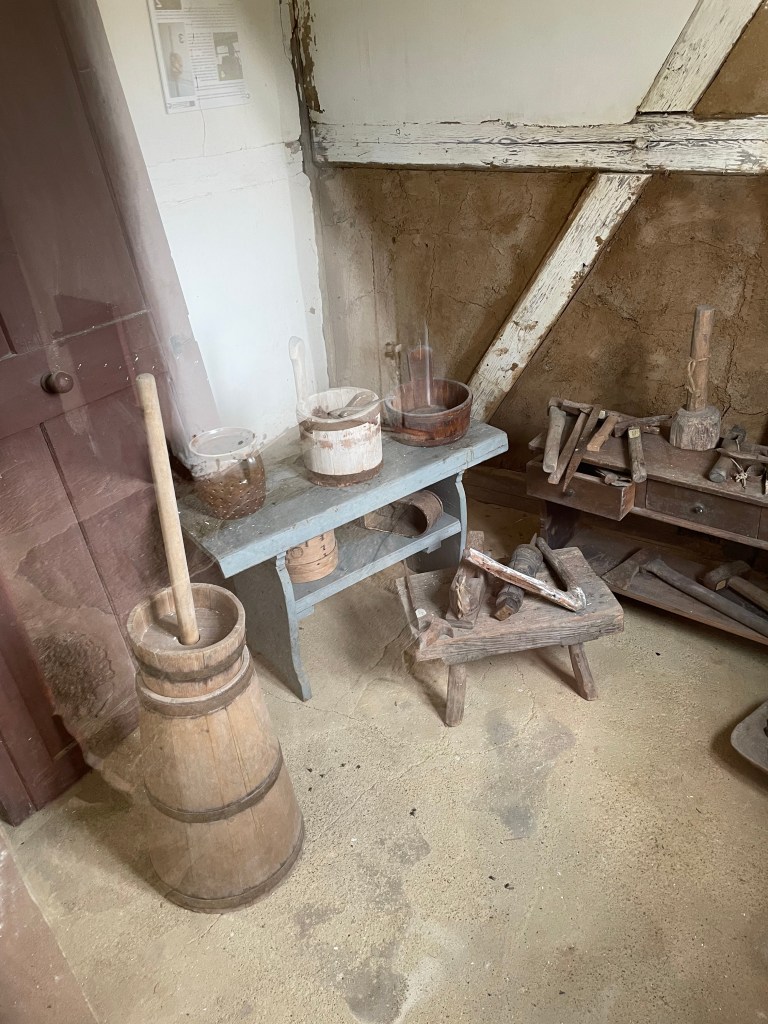
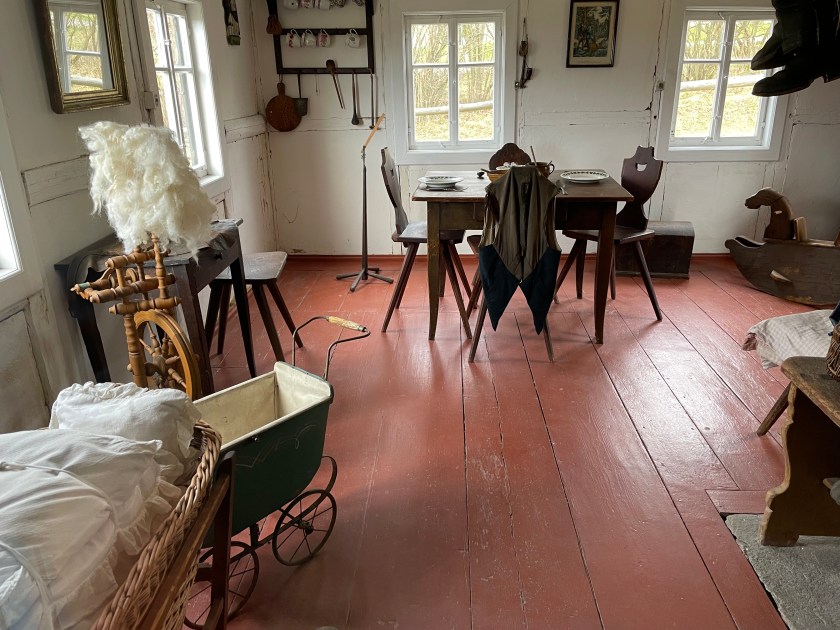
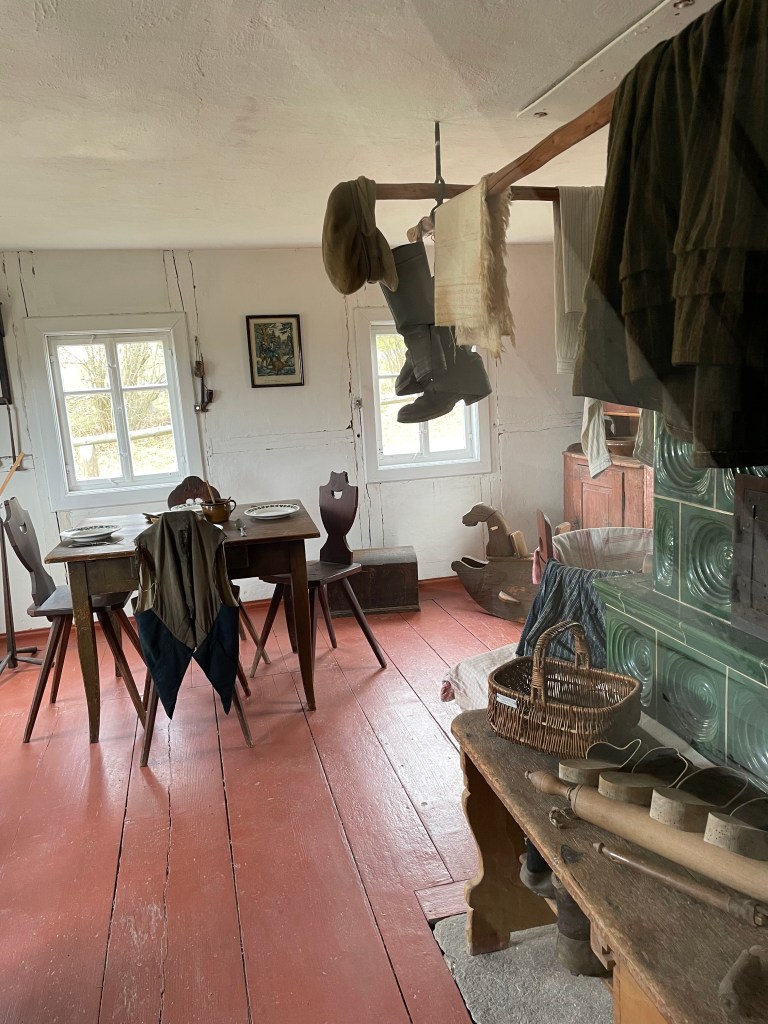
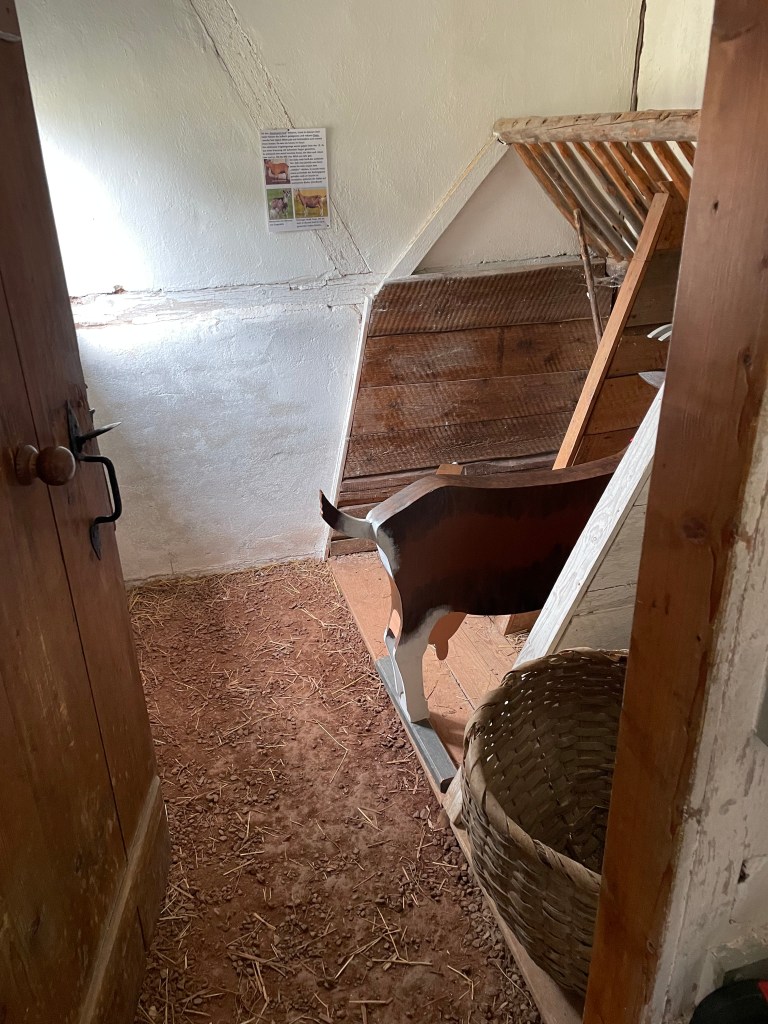
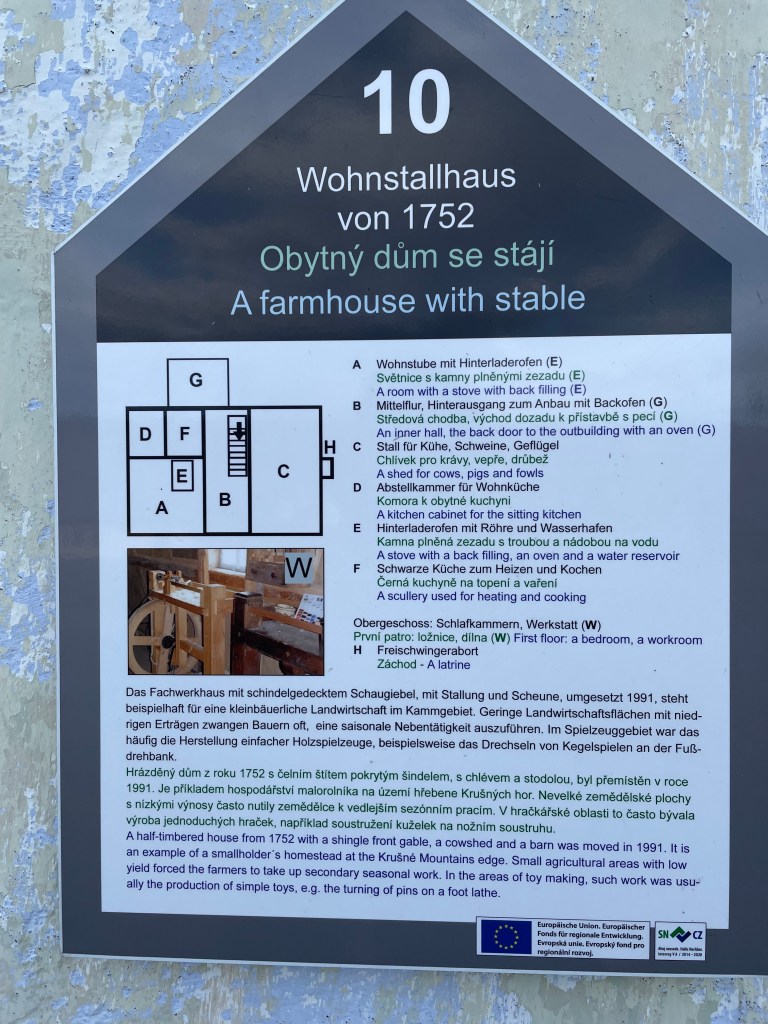
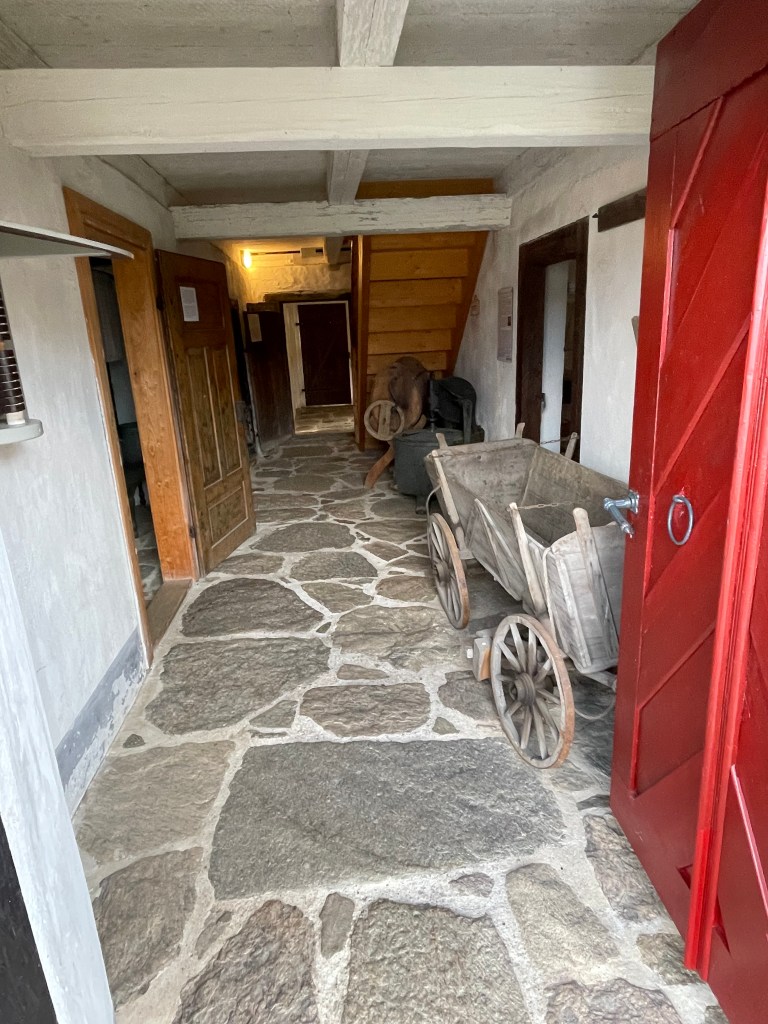
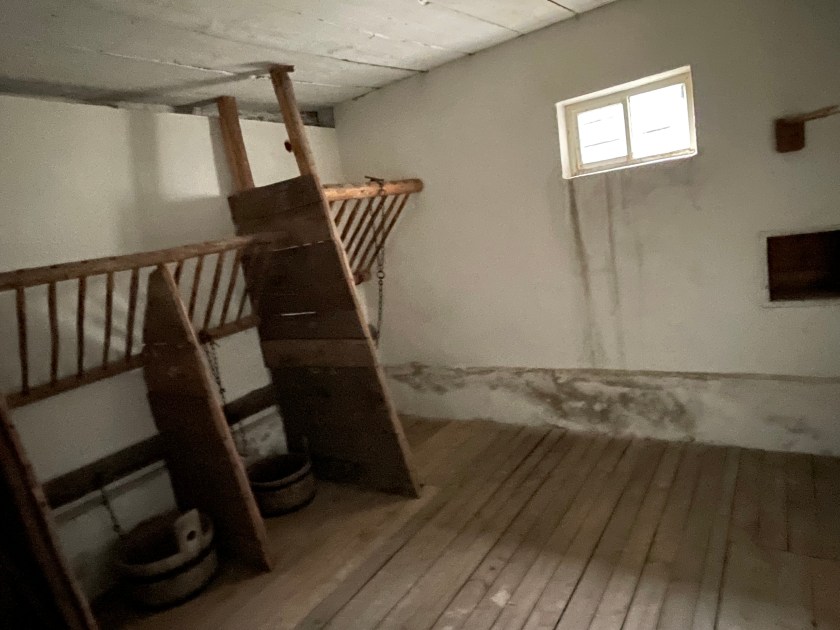
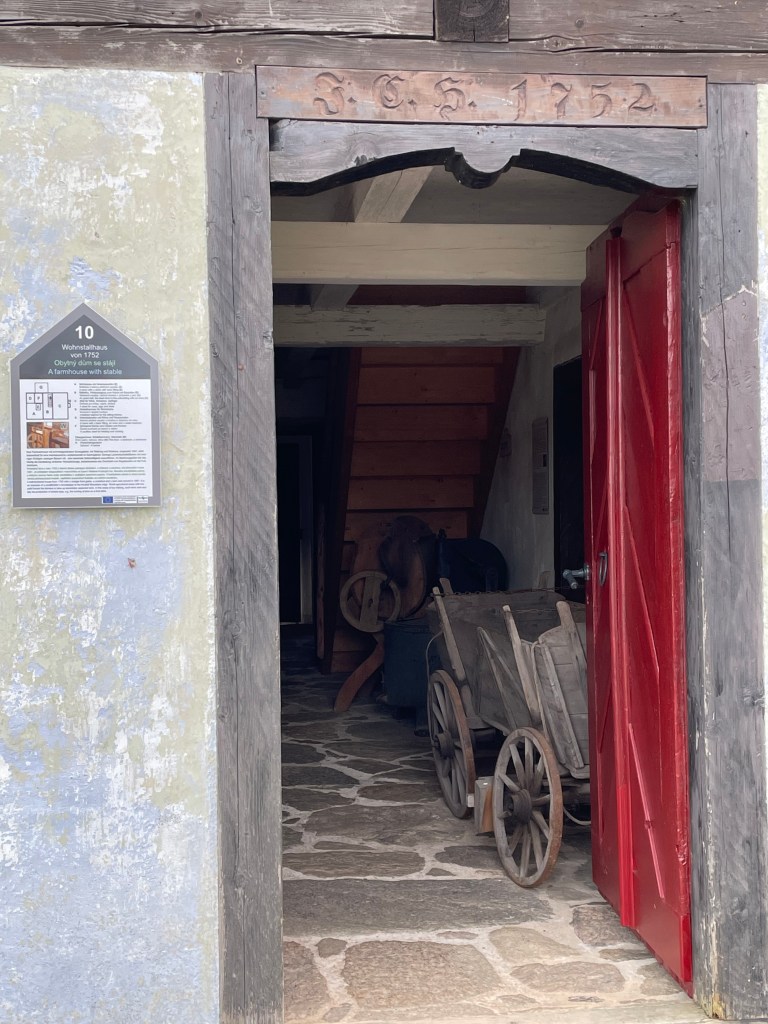
Often animals were kept inside the home, in their own place.
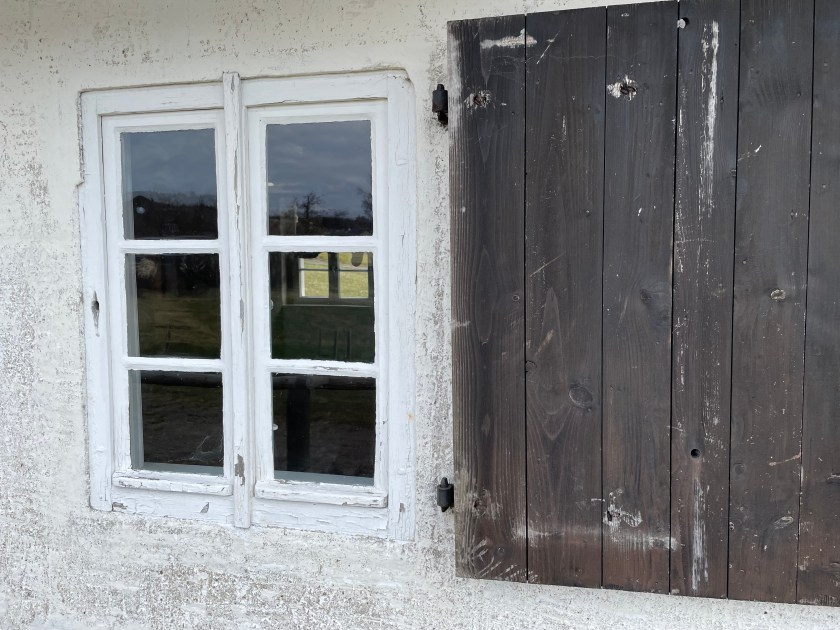
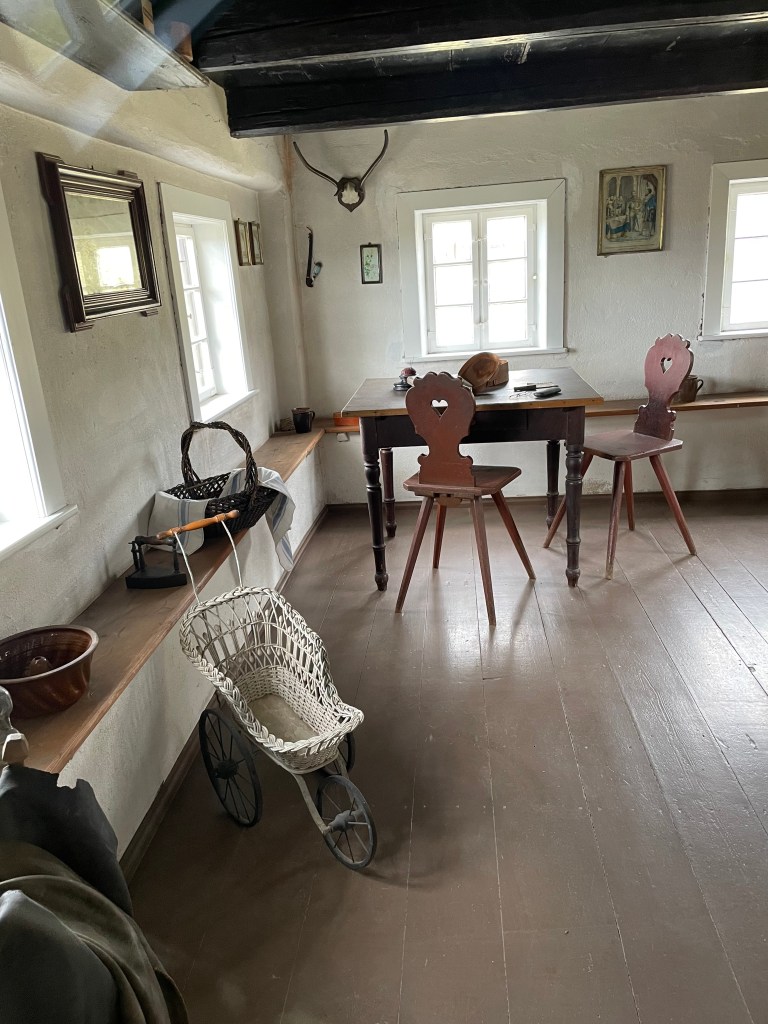
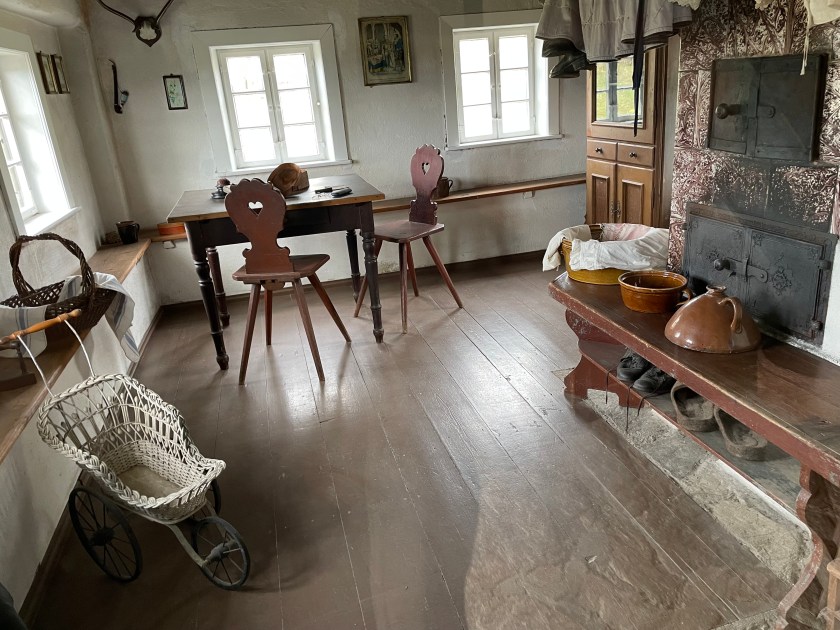
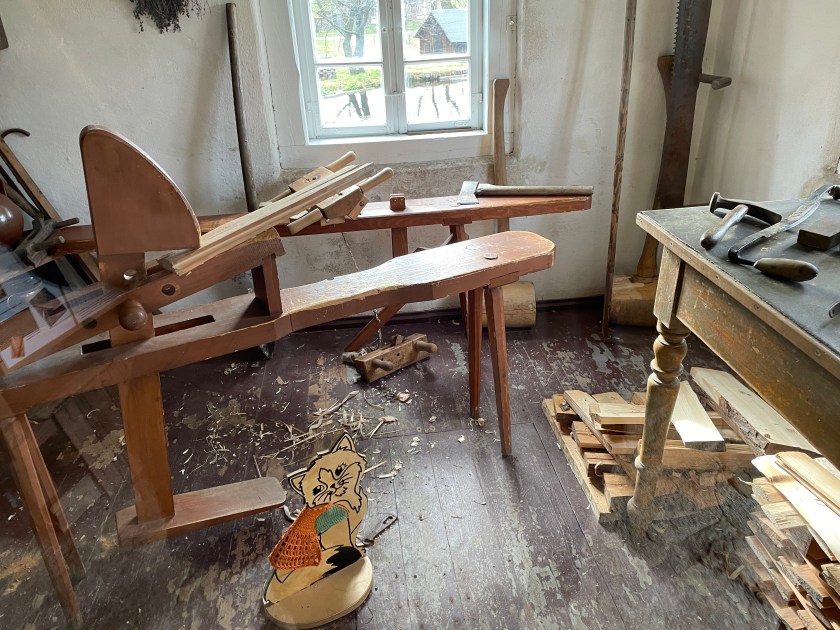
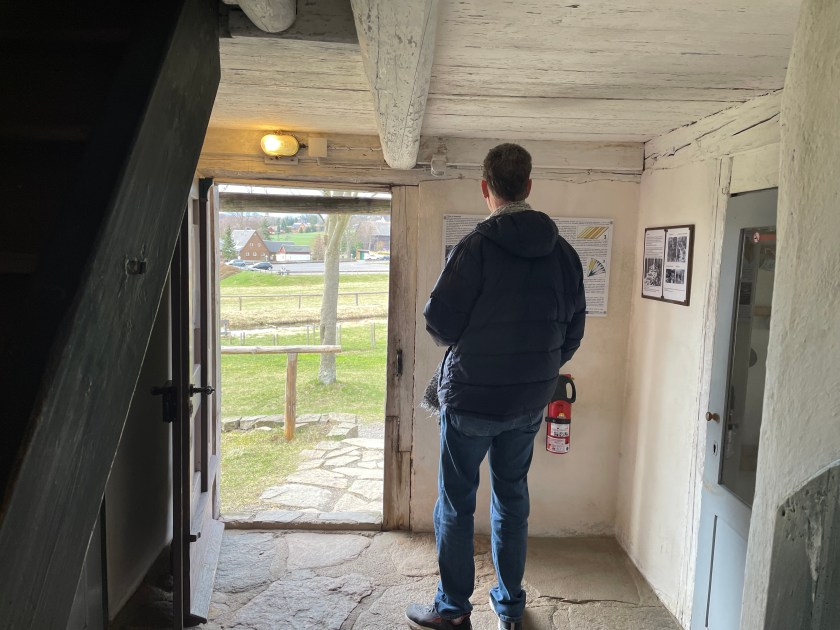
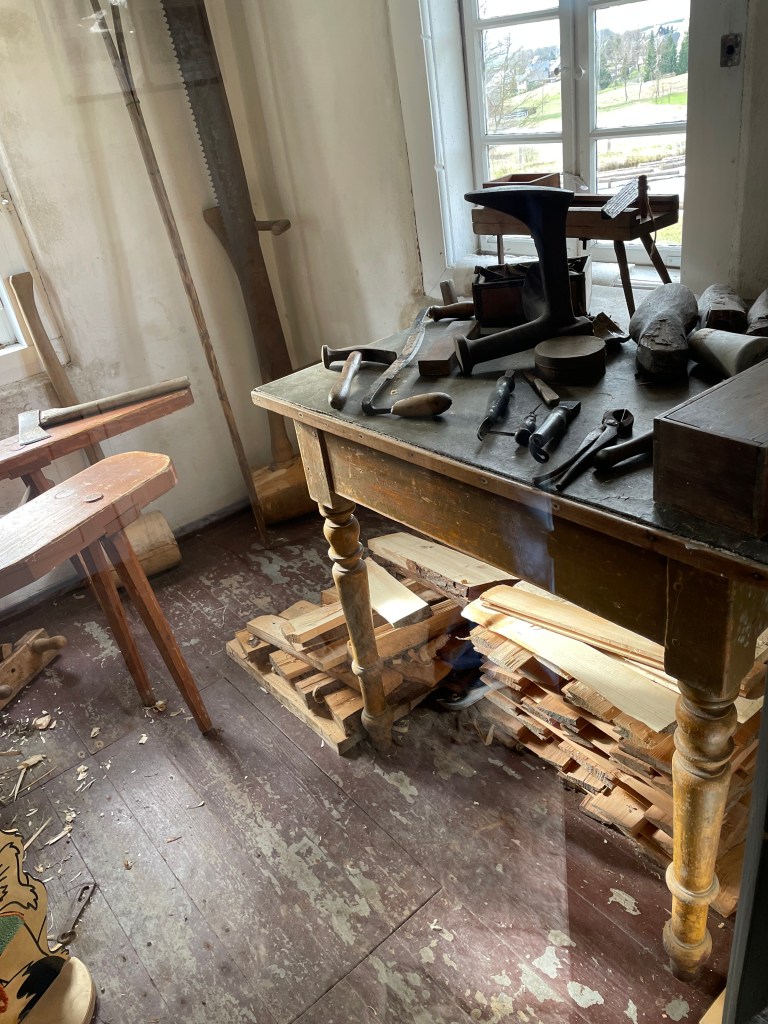
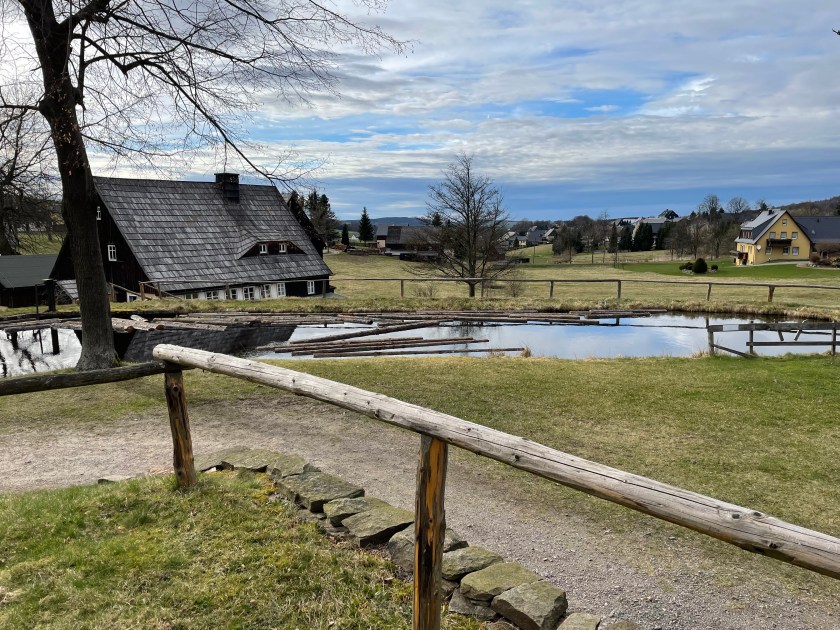
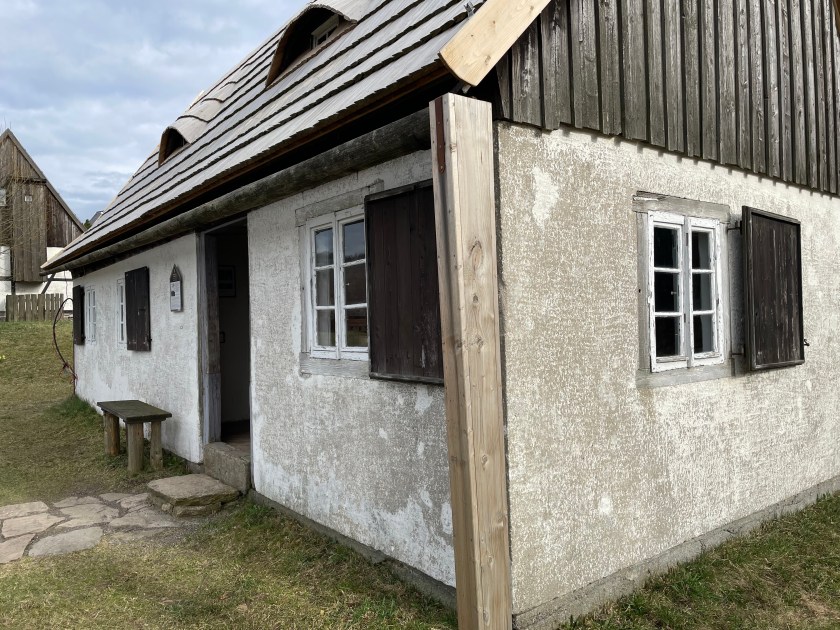
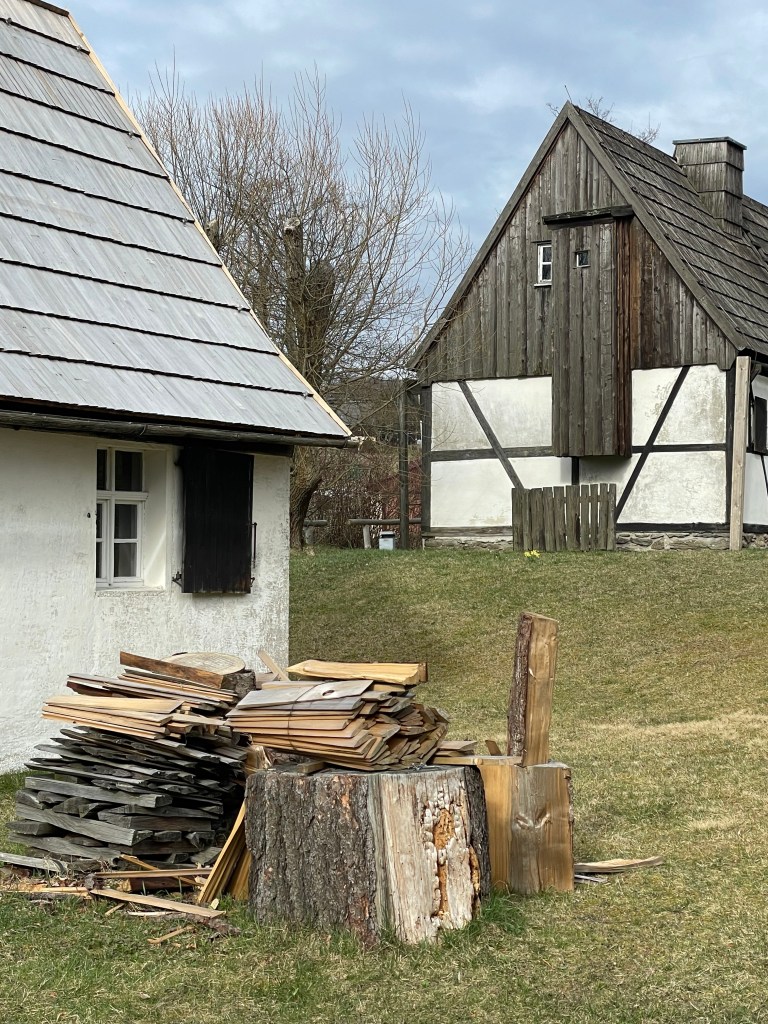
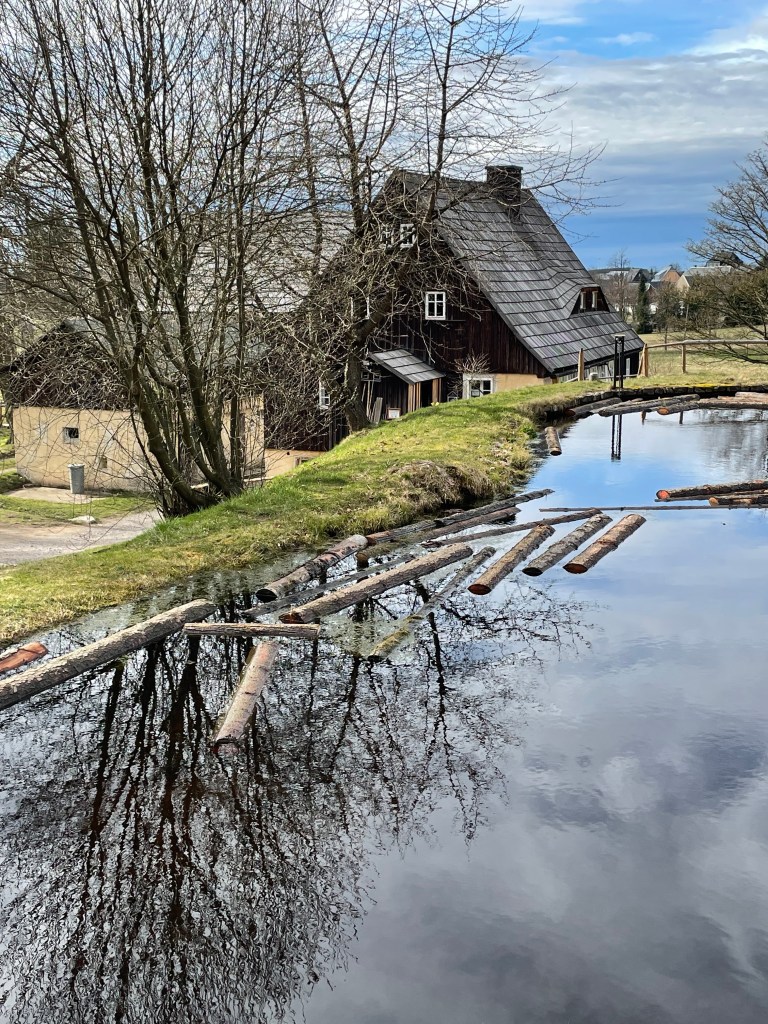
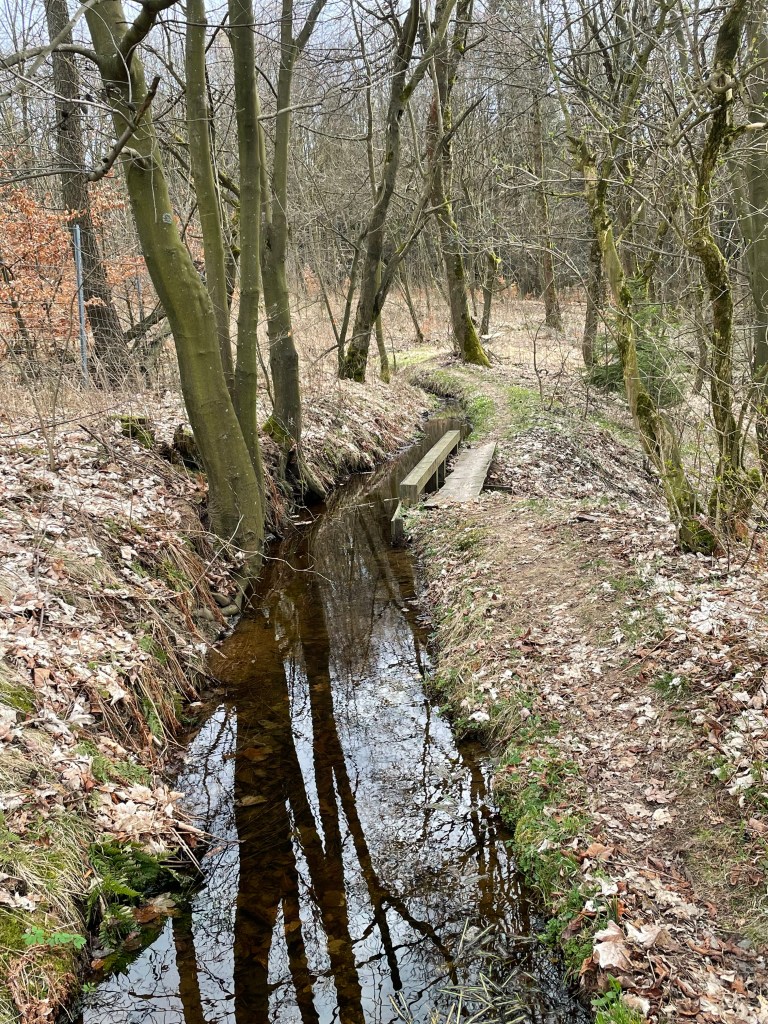
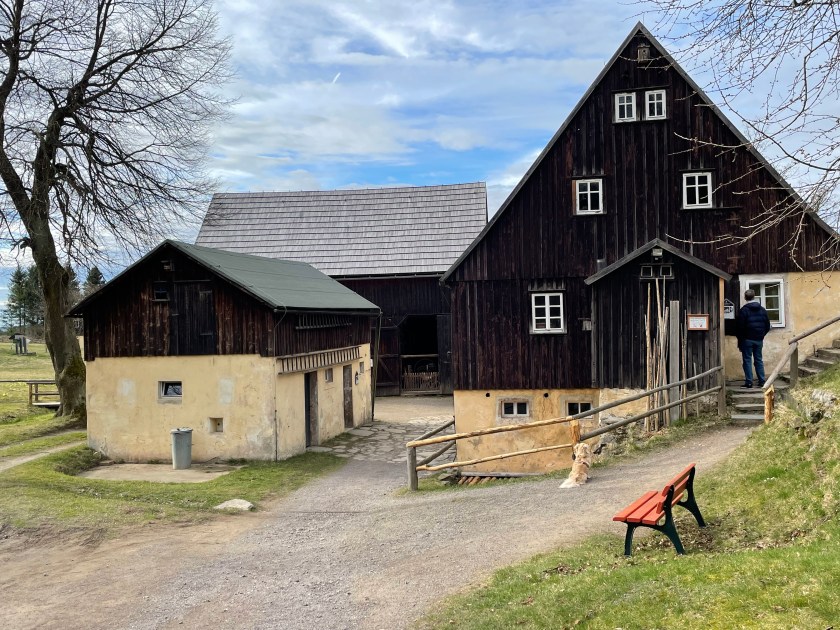
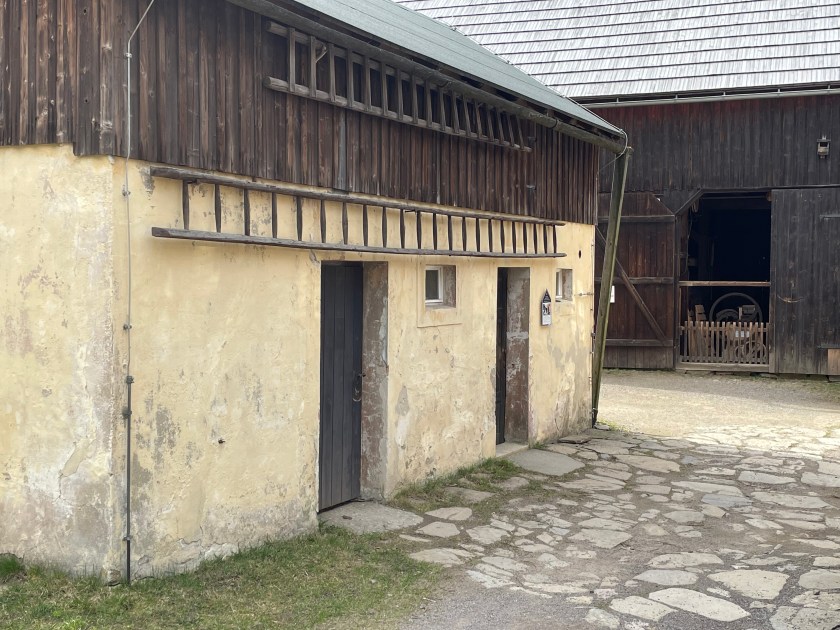
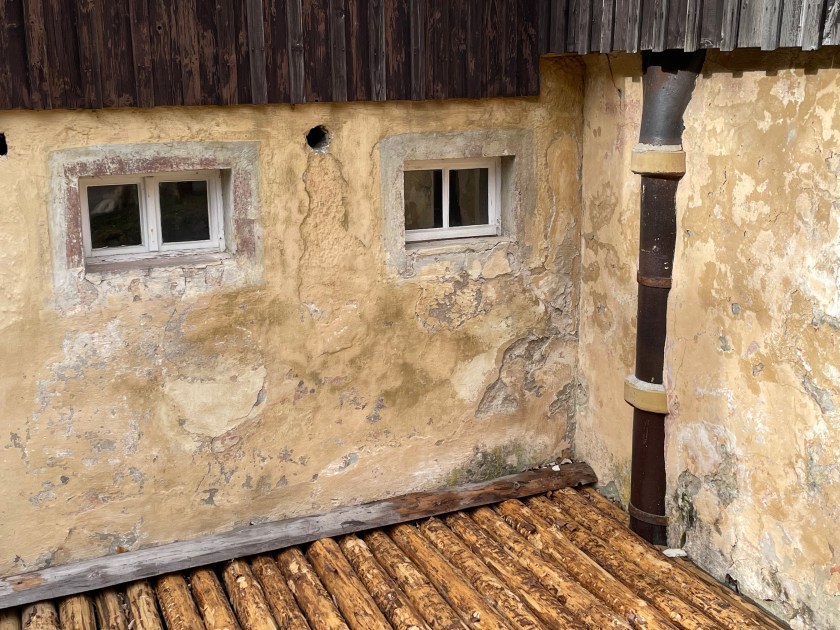
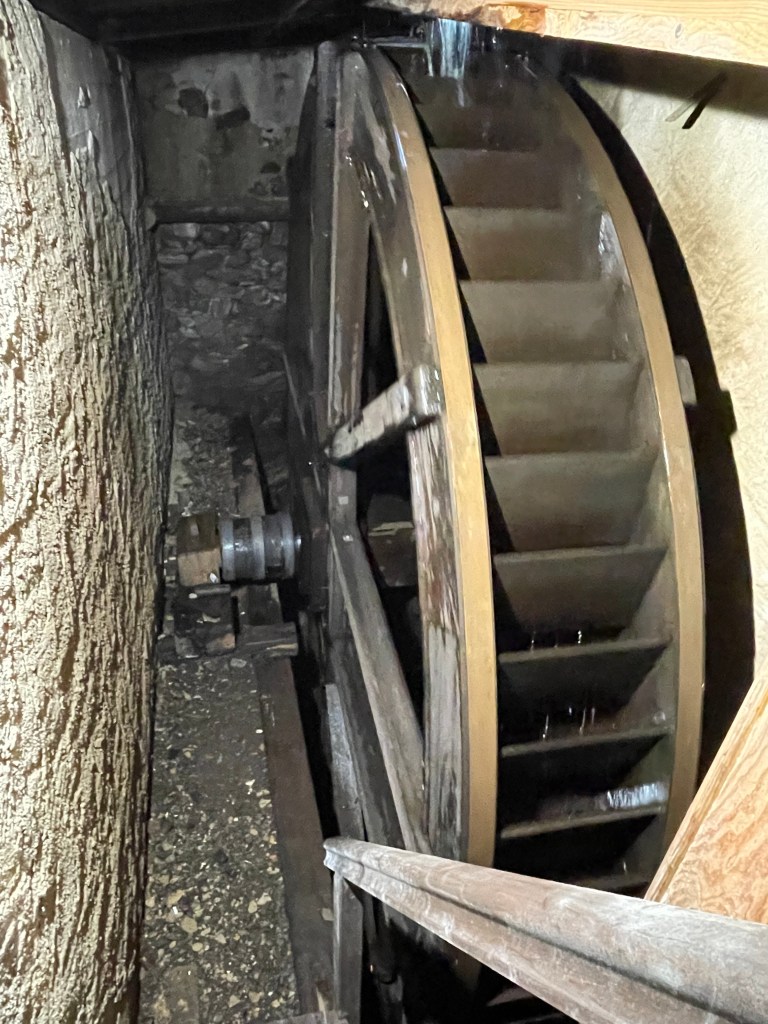
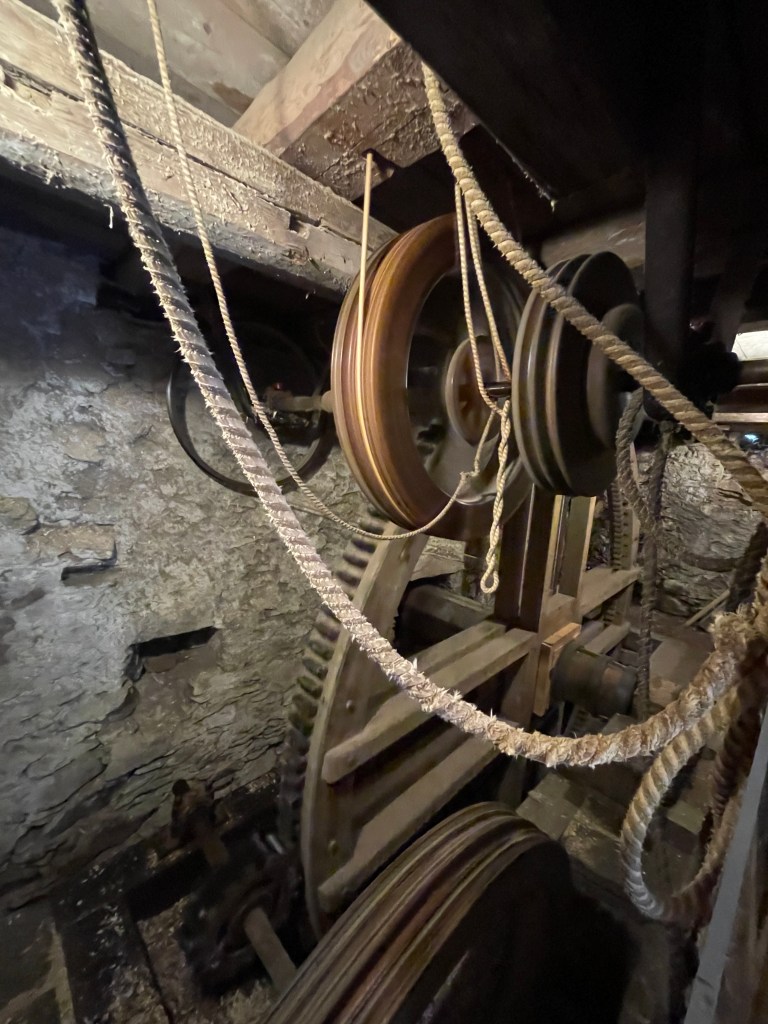
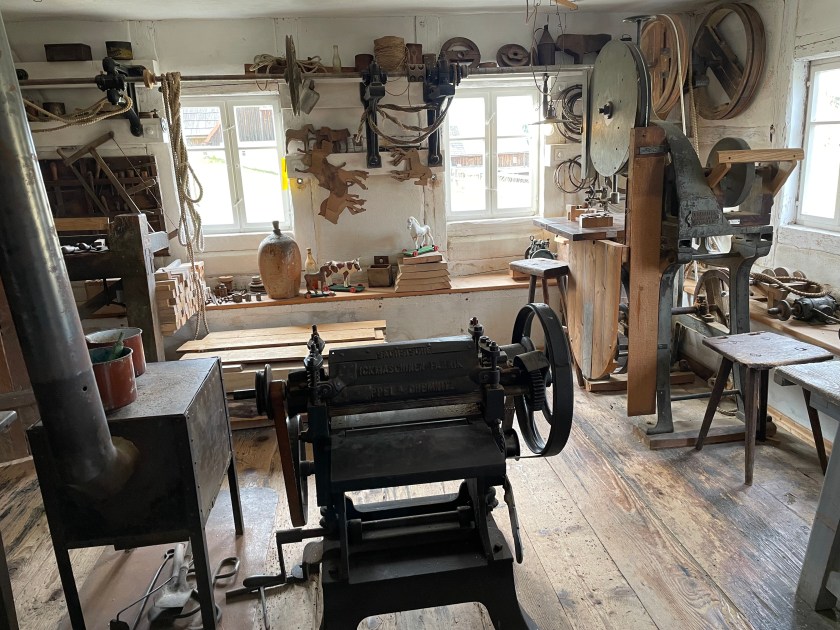
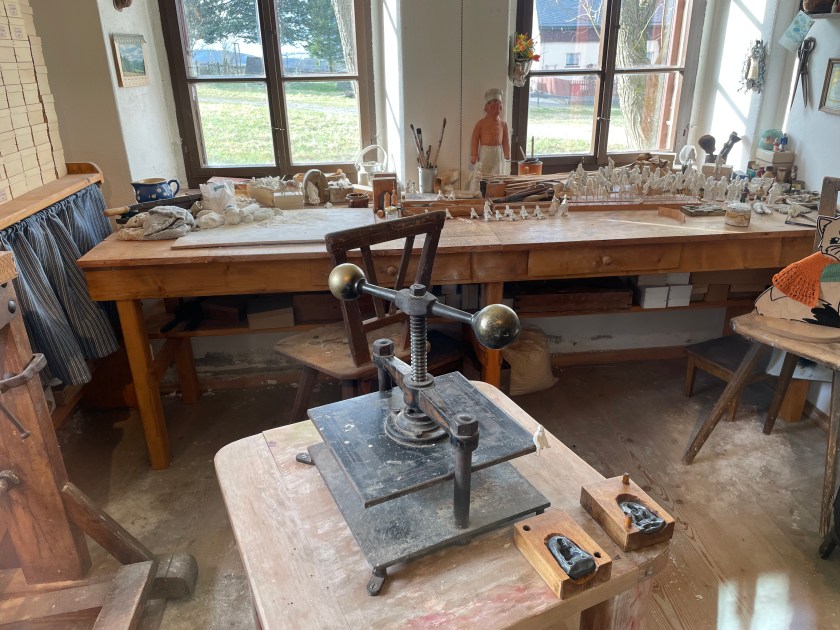
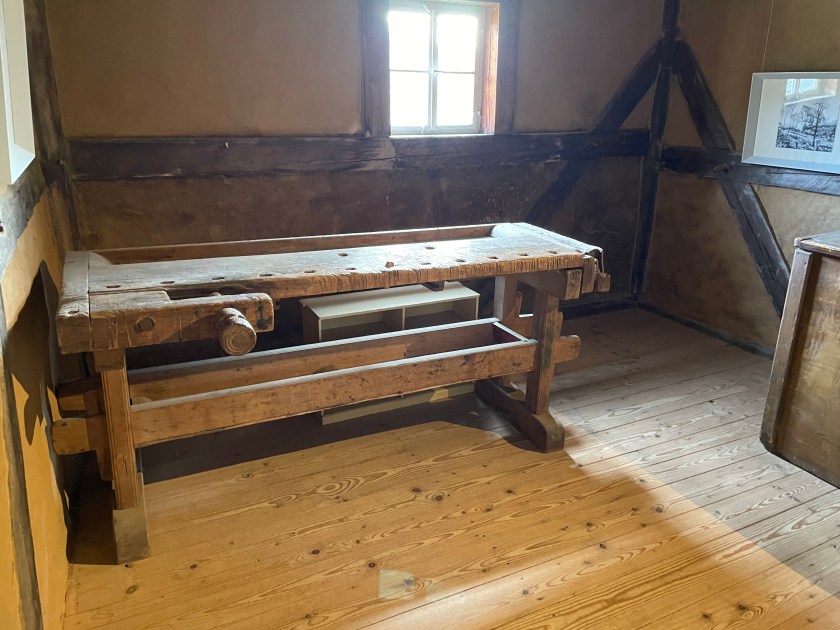
This is the woodworker’s shop that was here originally, and was not moved here from another nearby place. A toy maker works here, still. The tools are powered by a watermill (no electricity is used).
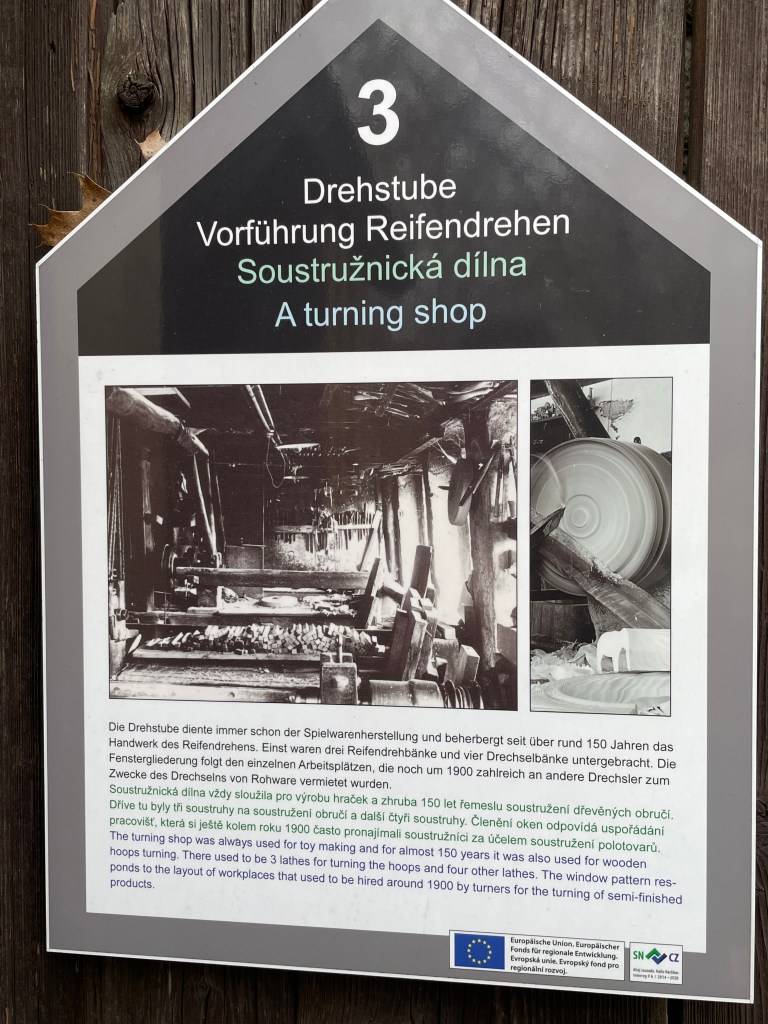
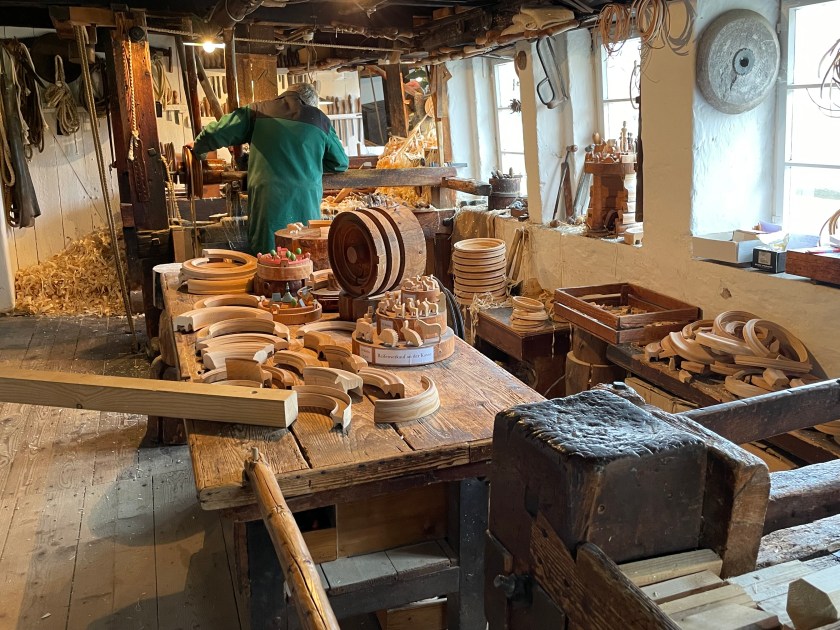
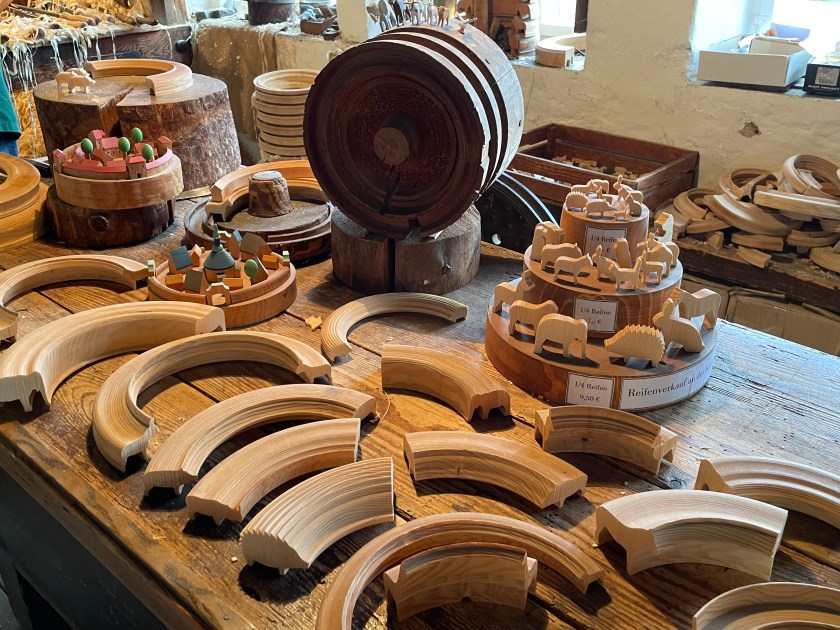
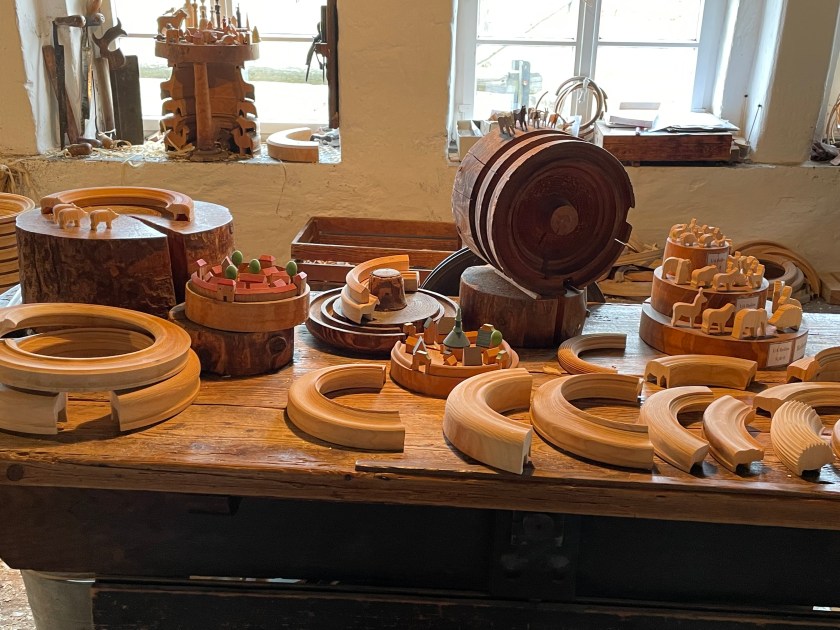
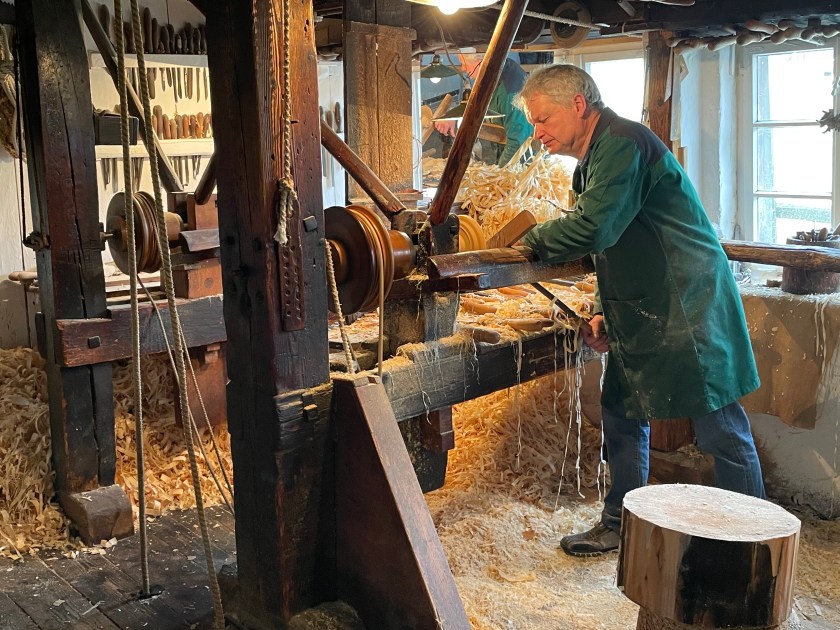
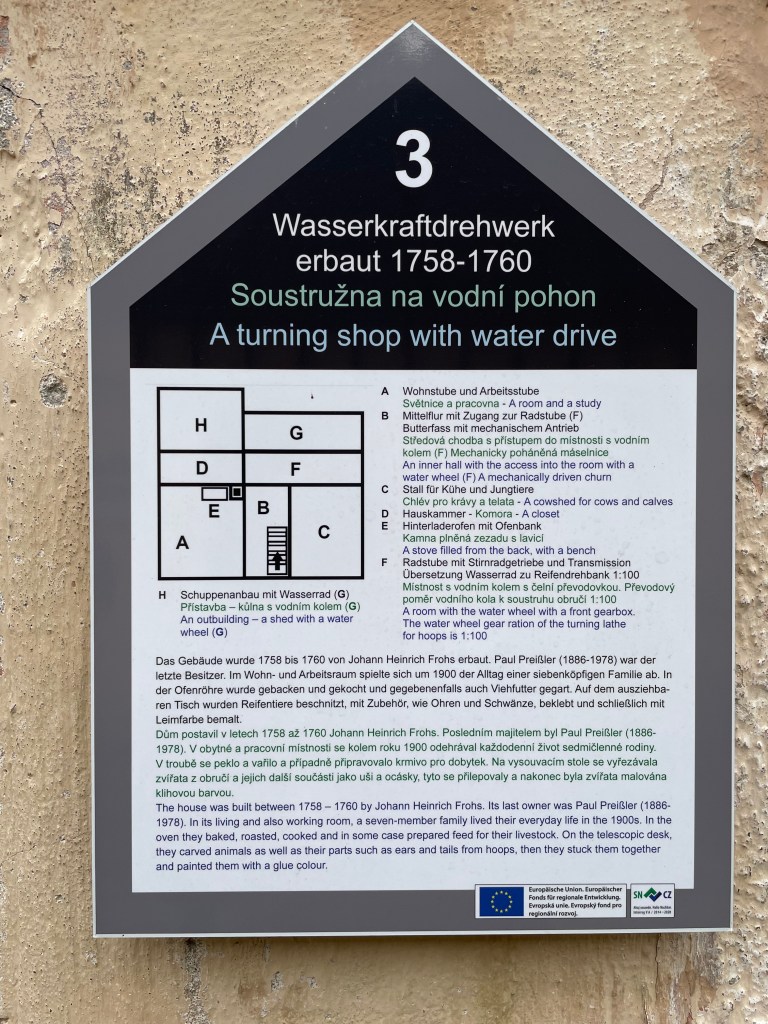
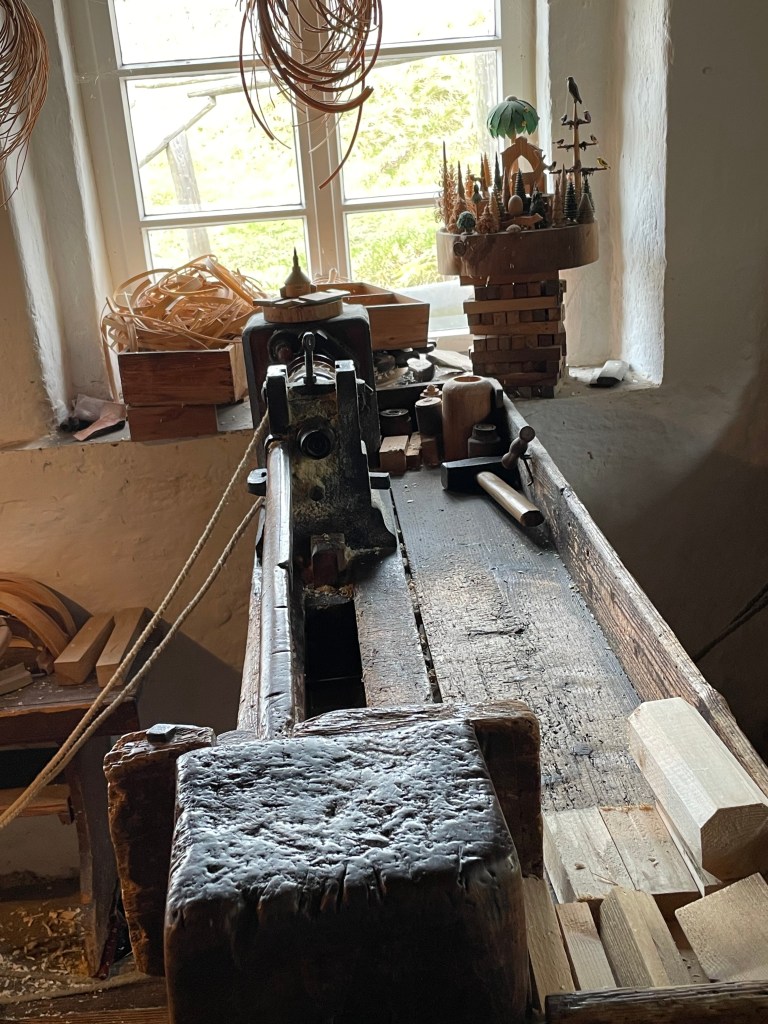
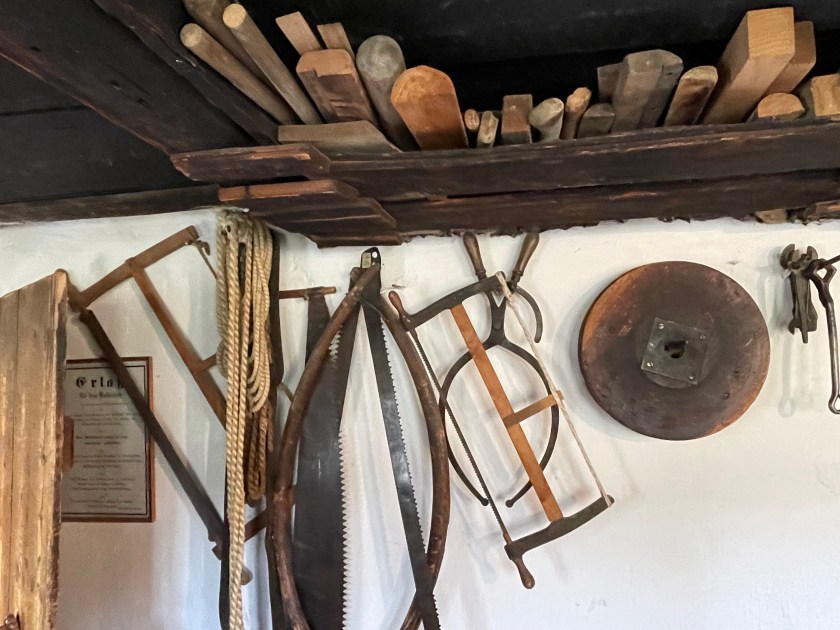
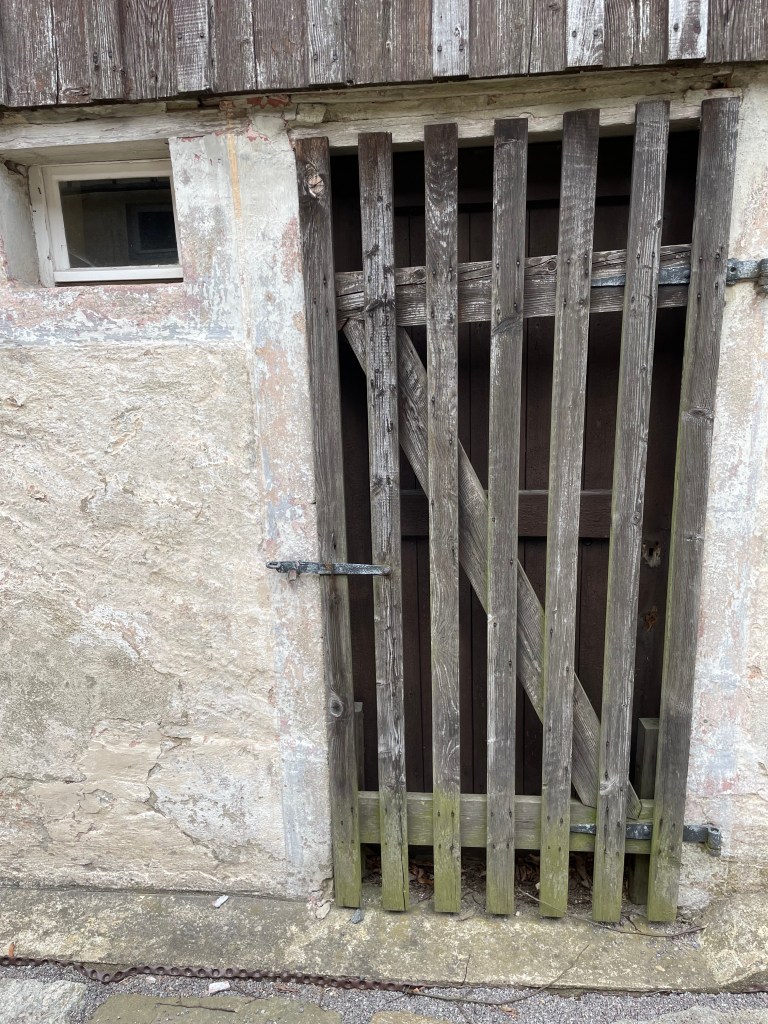
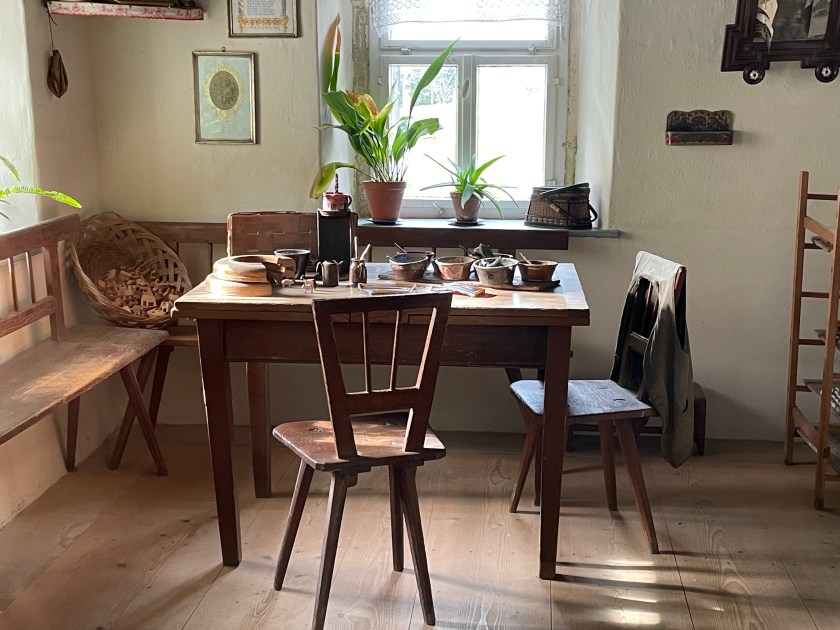
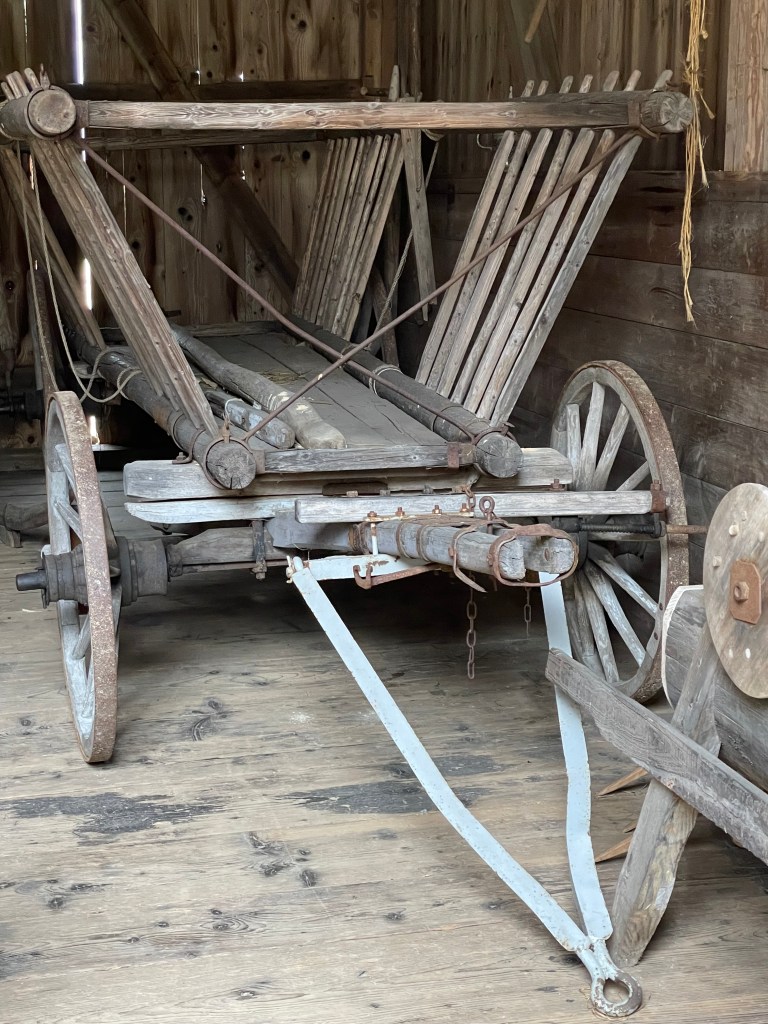
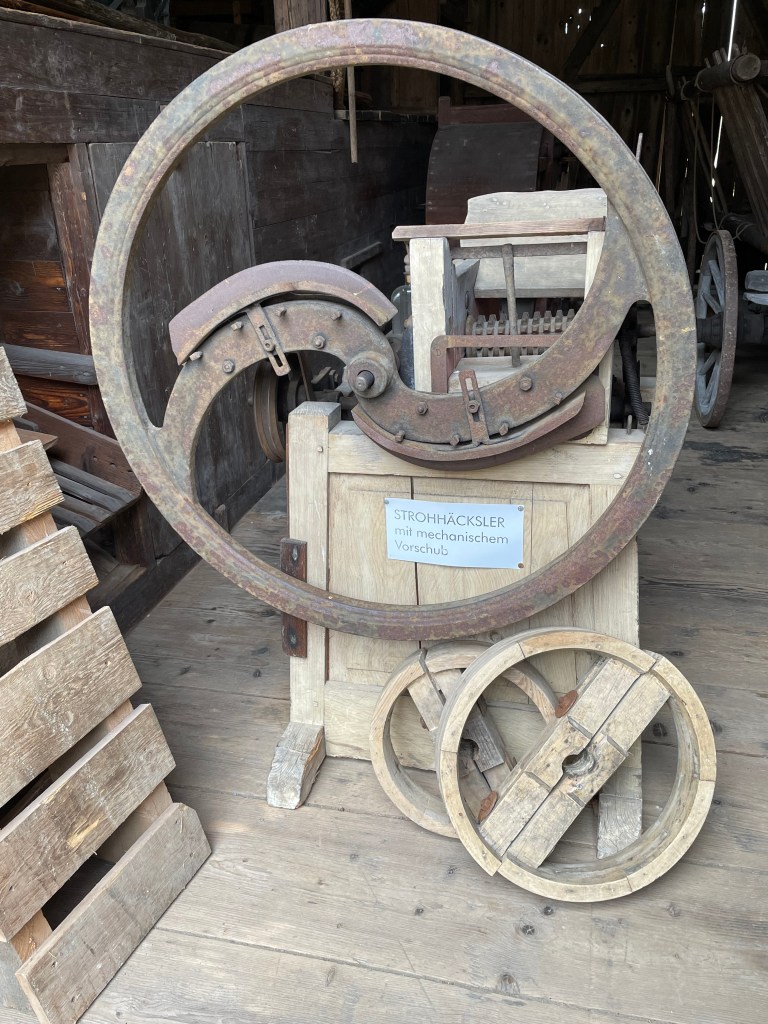
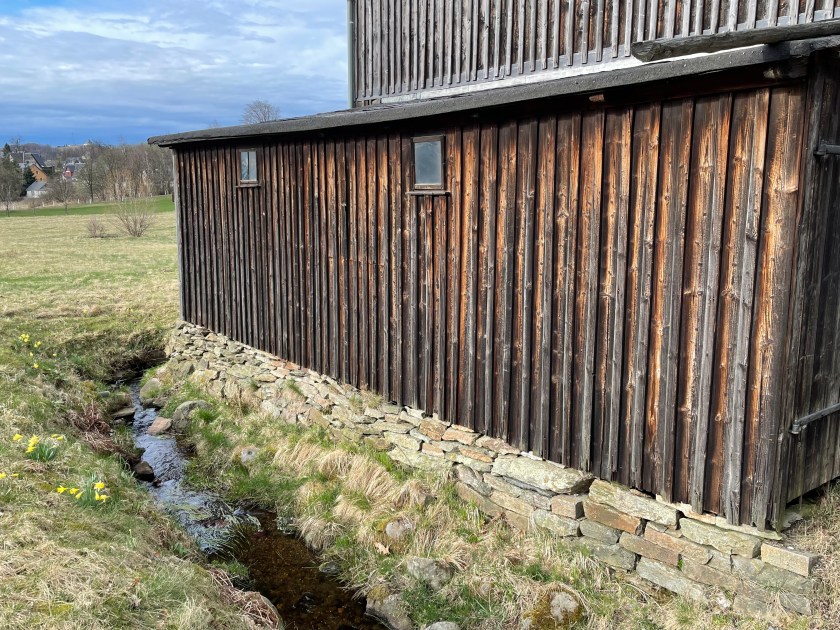
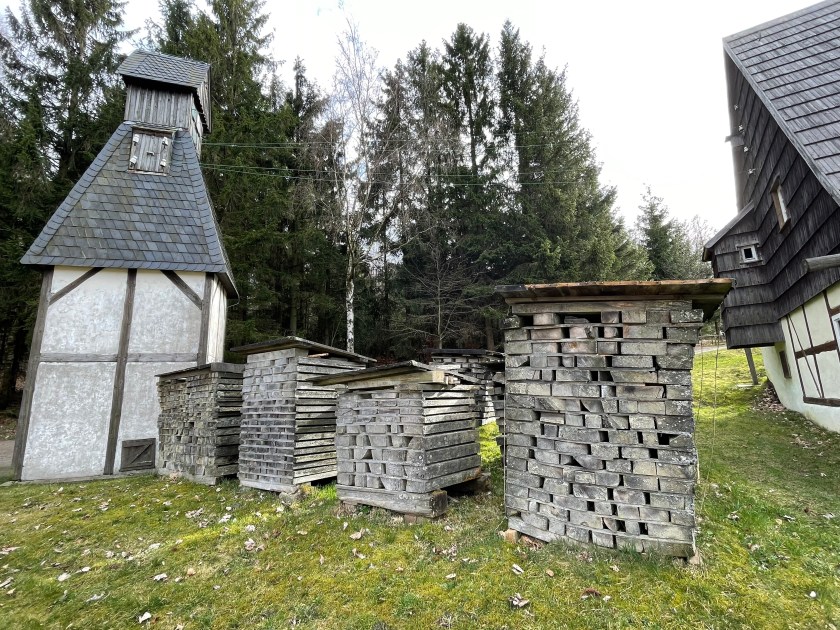
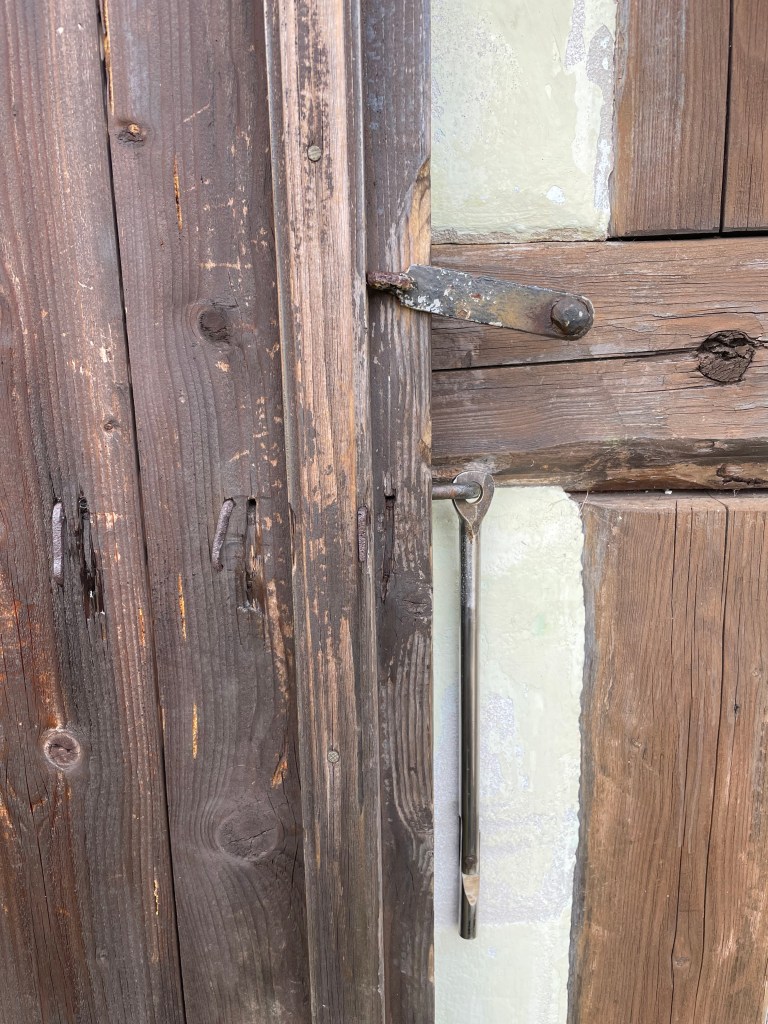
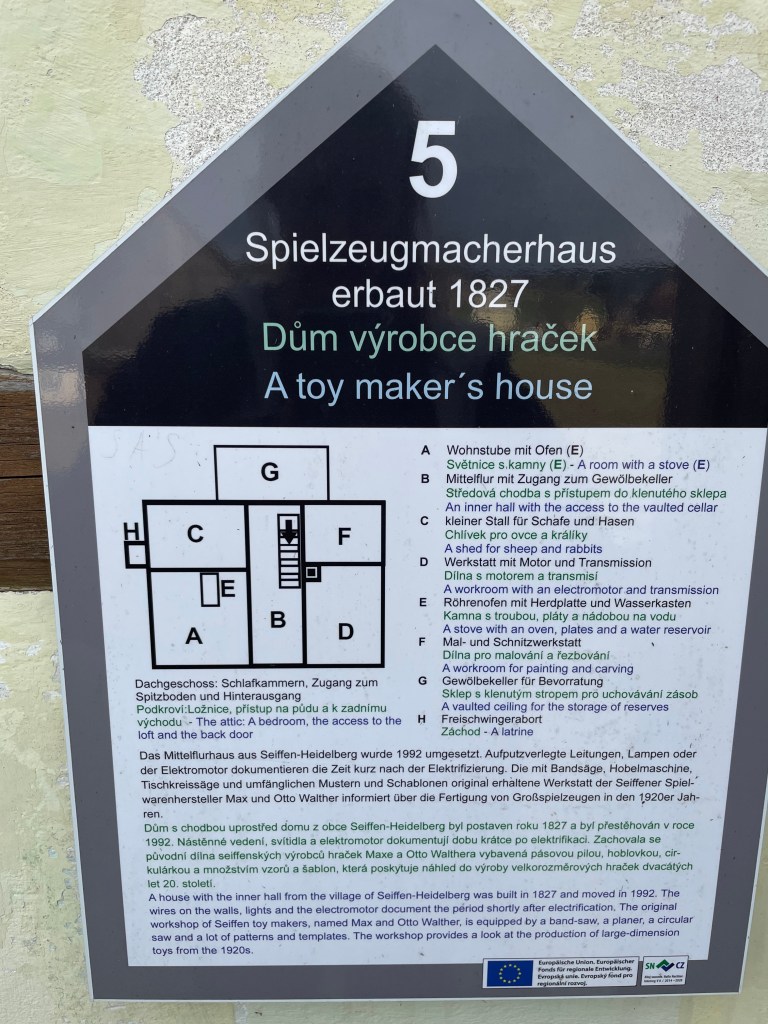
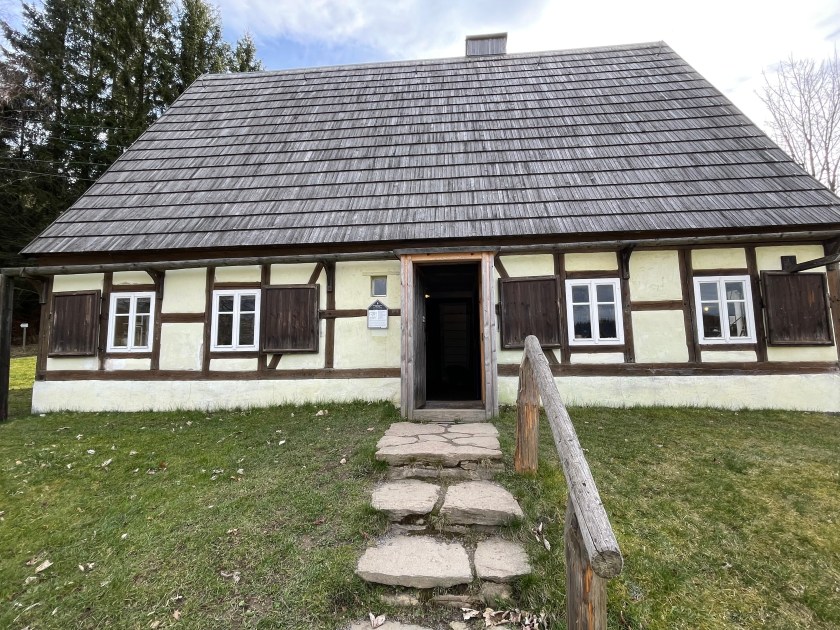
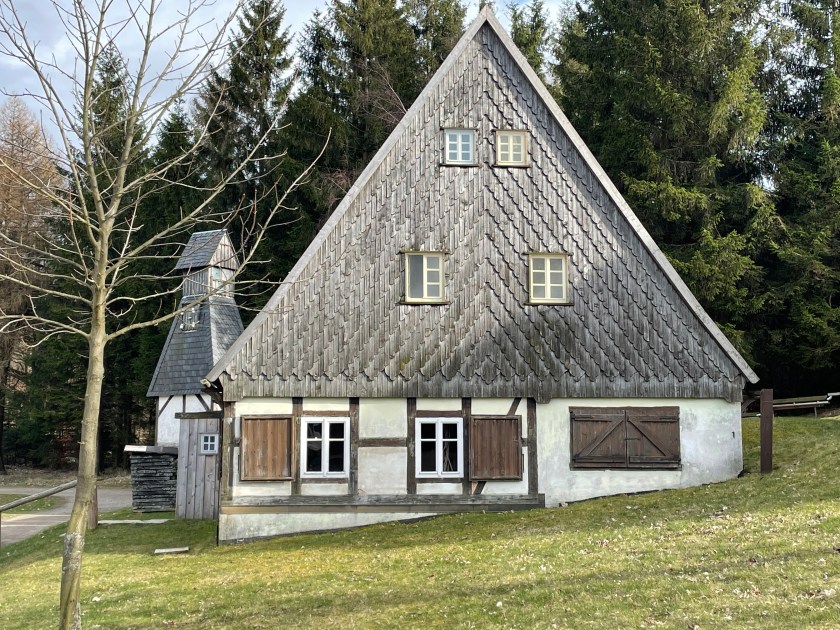
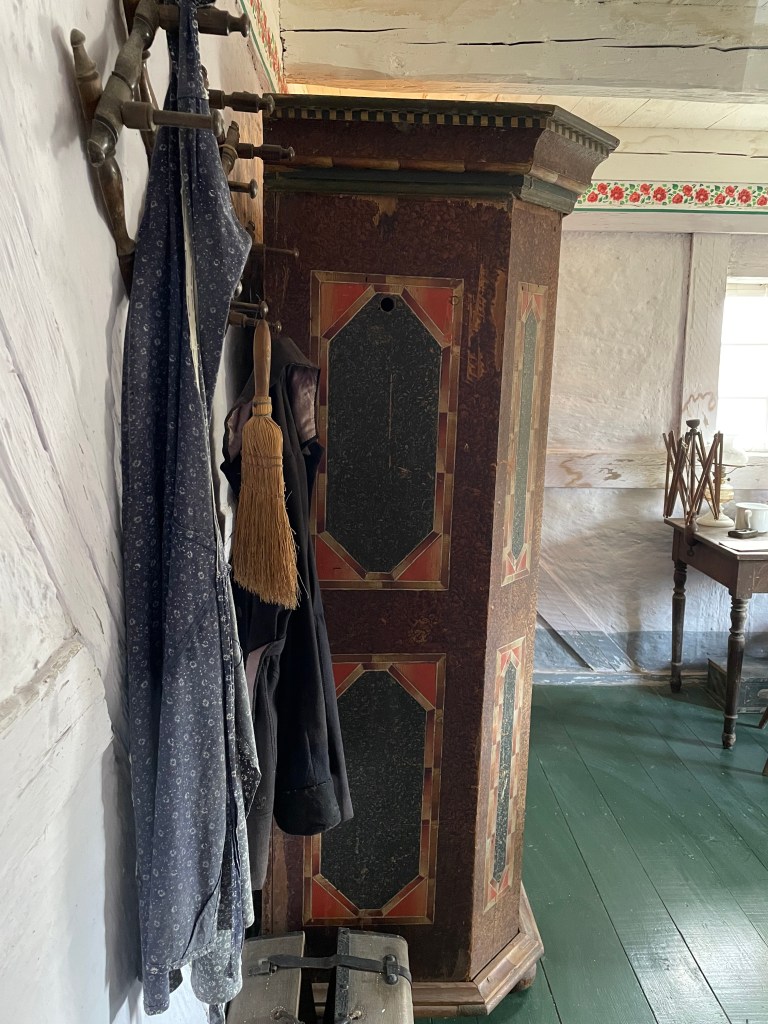
Here are more of the interesting homes, filled with tools, clothing, household items and memories:
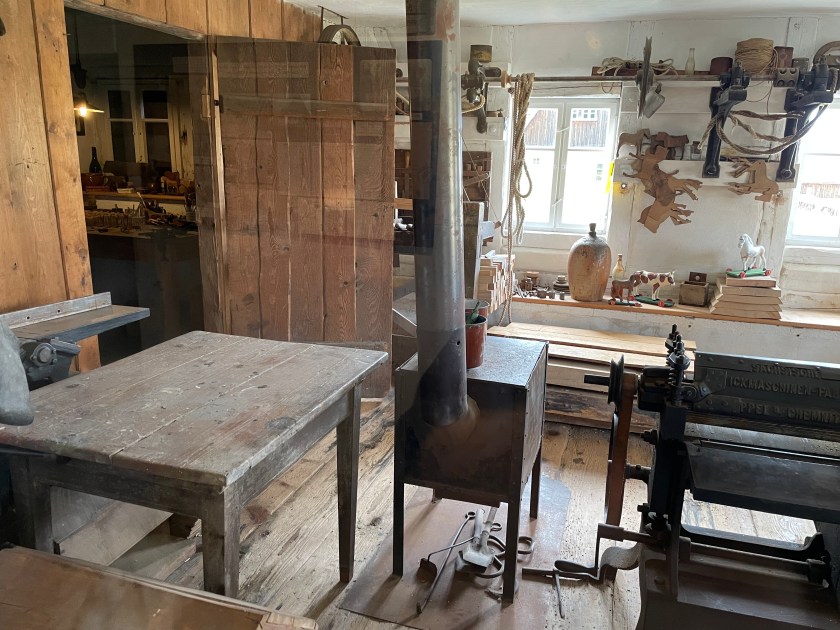
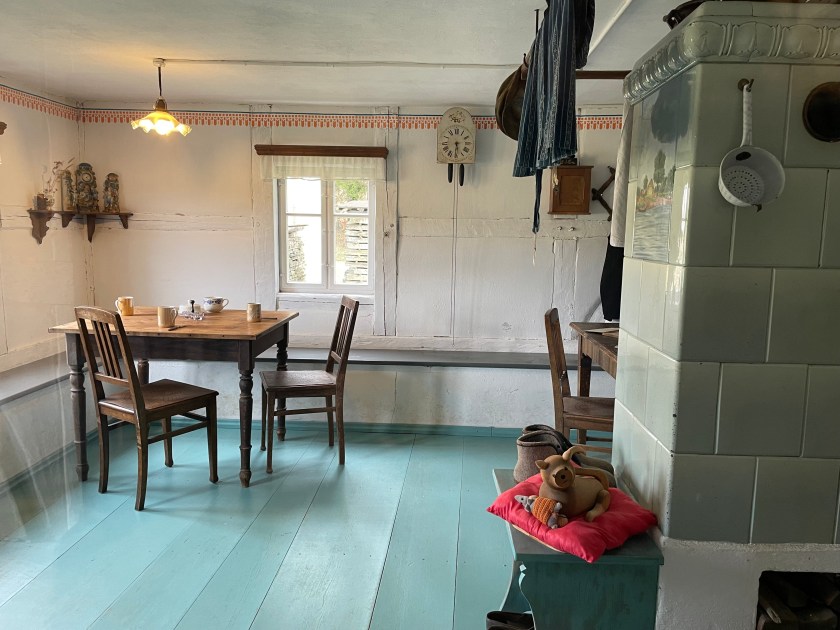
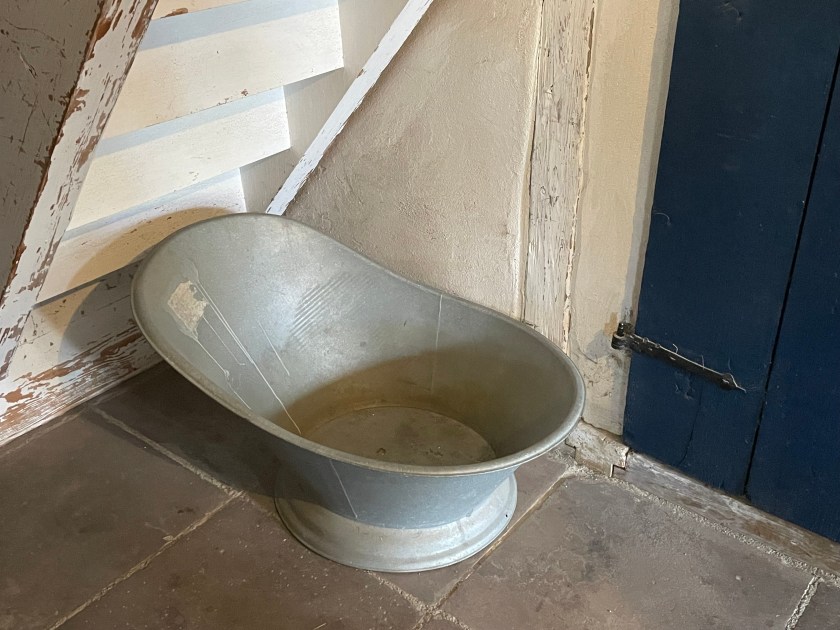
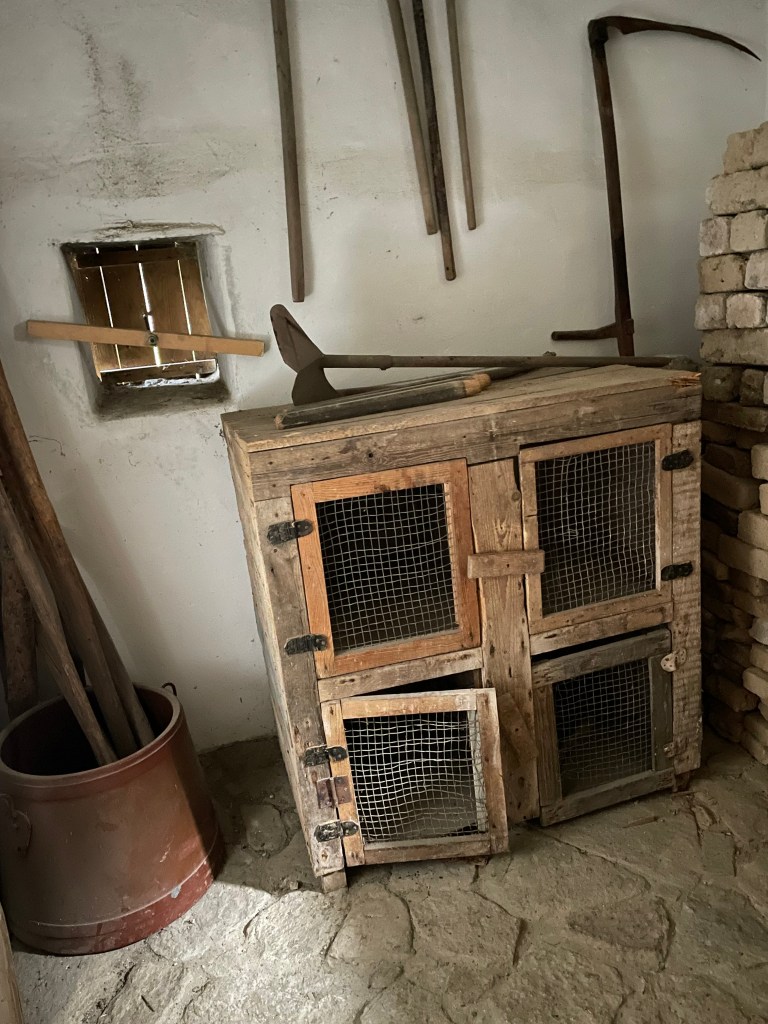
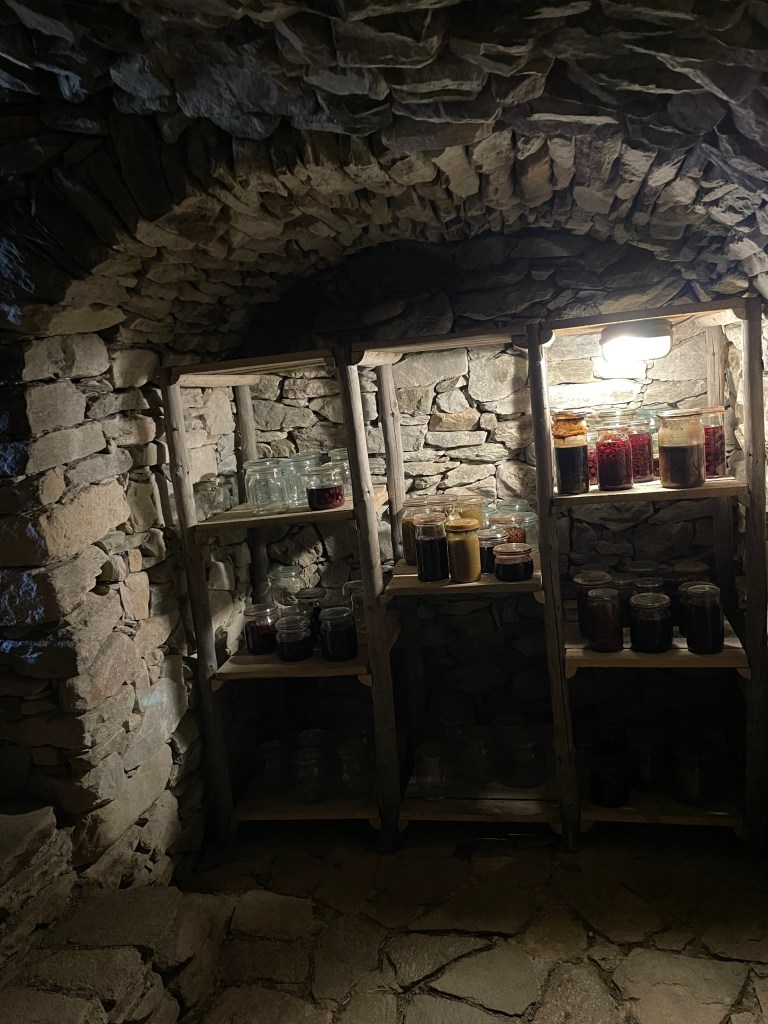
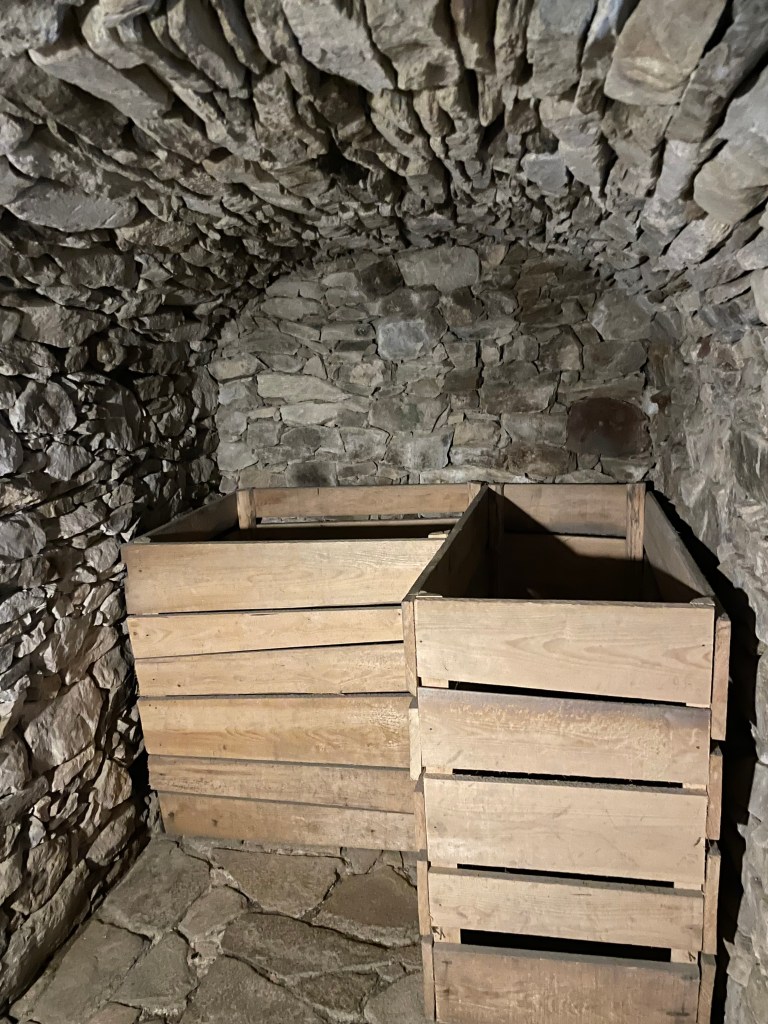
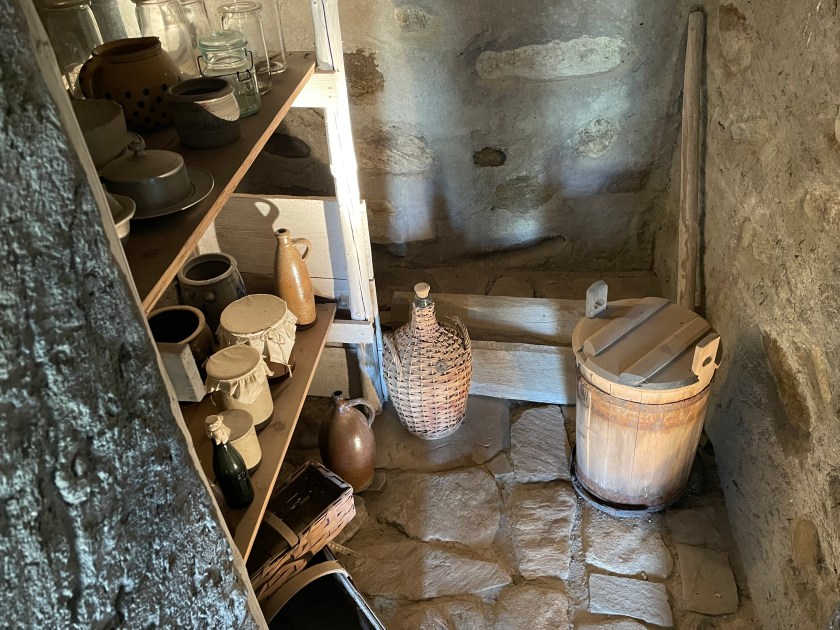
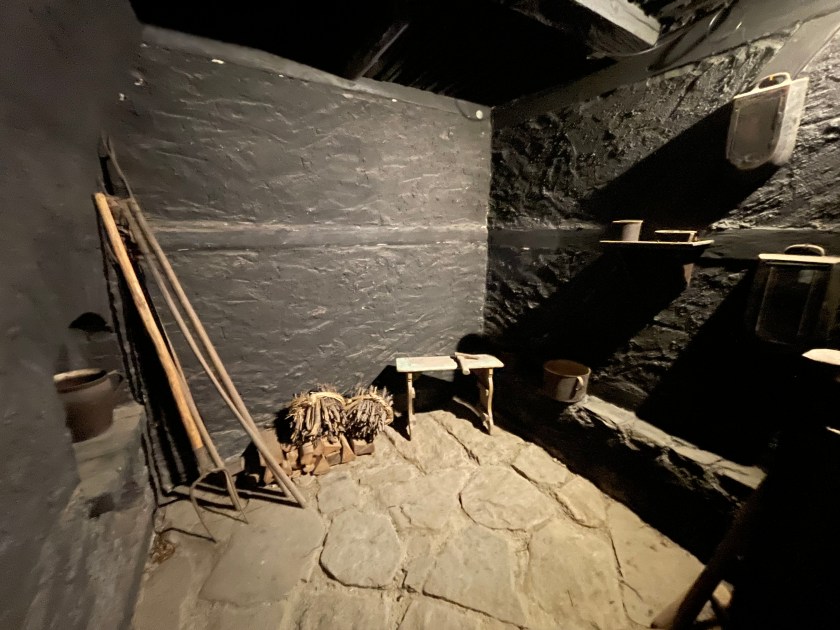
This stone room was like a cold storage inside the home.
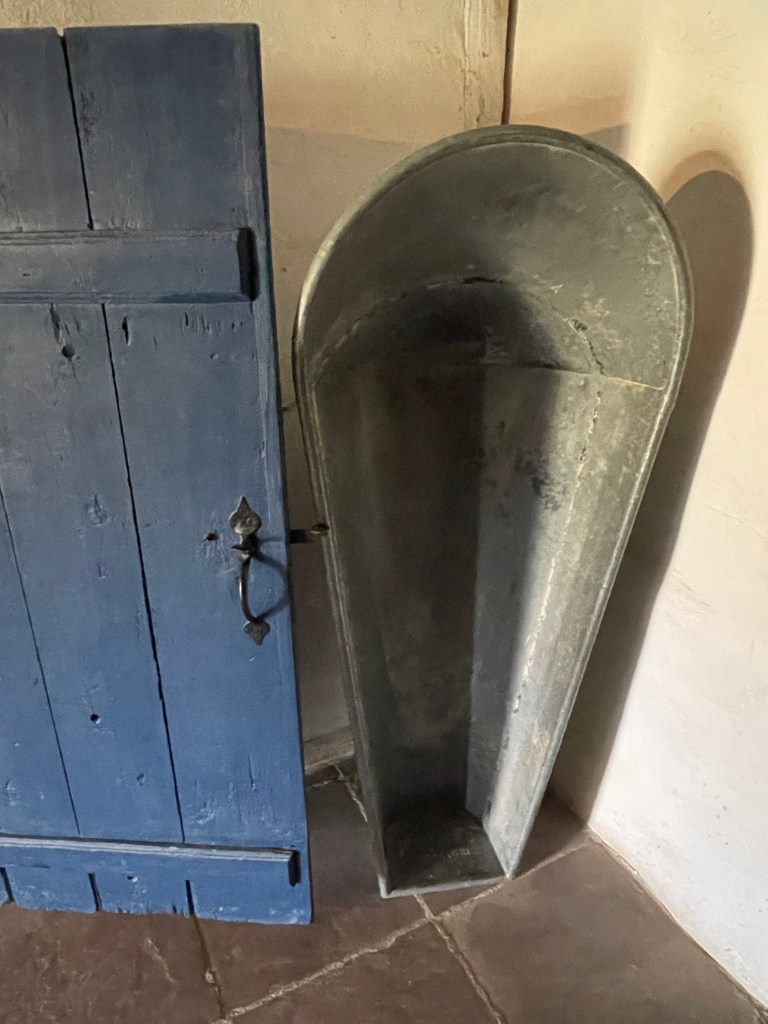
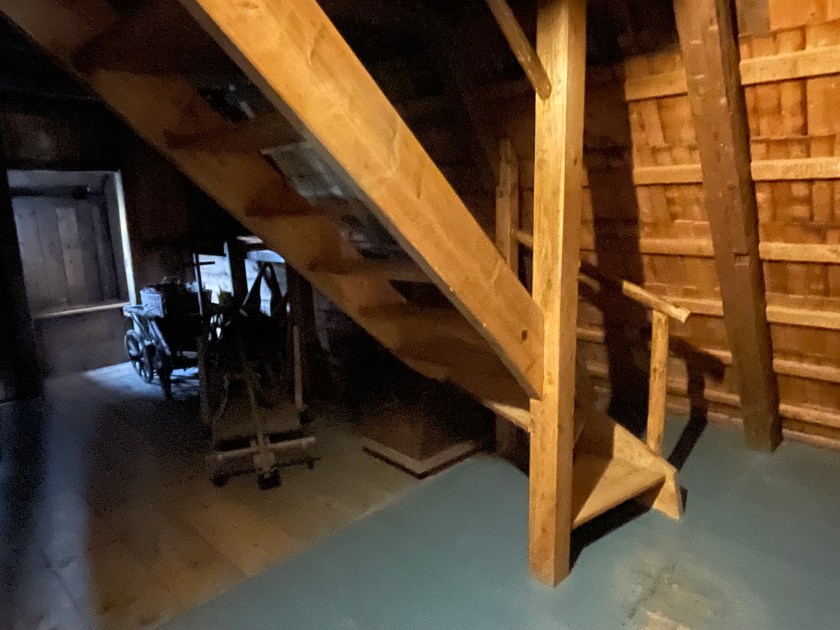
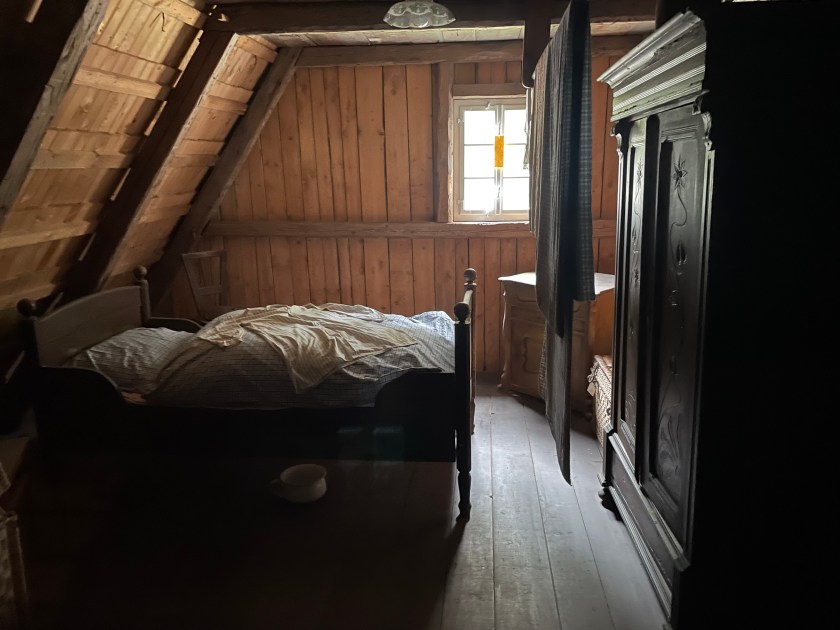
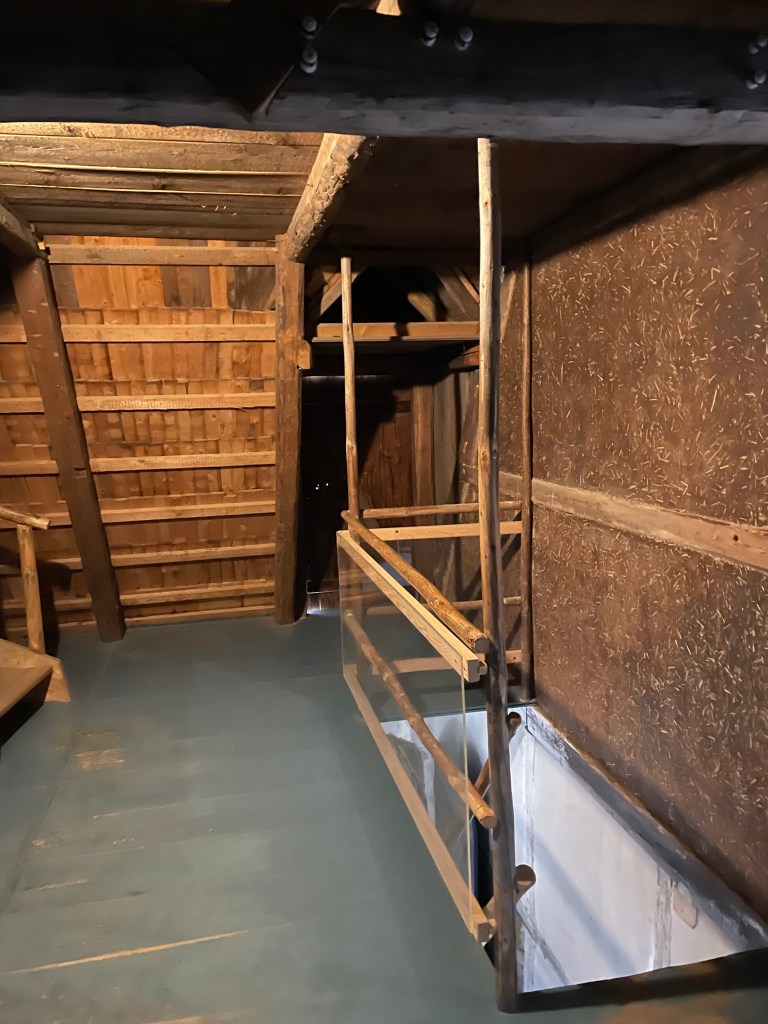
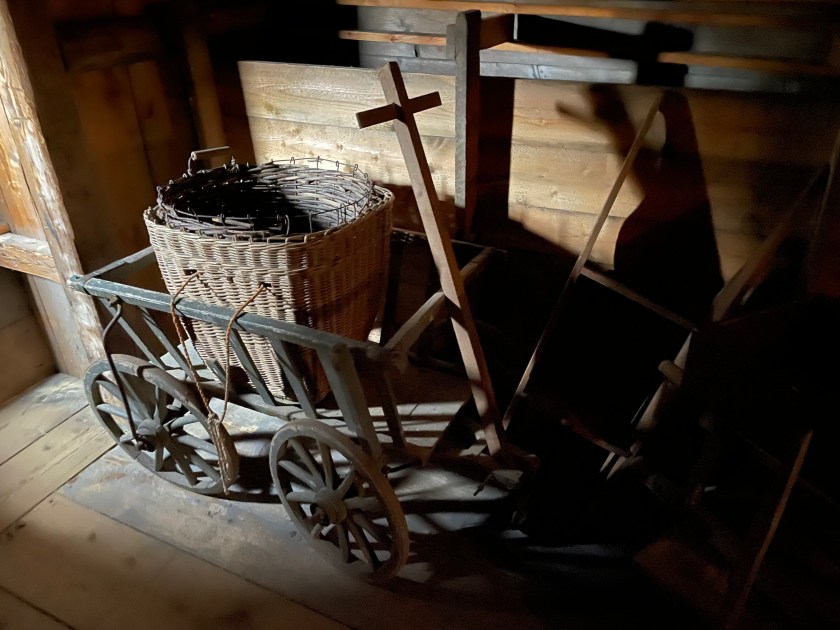
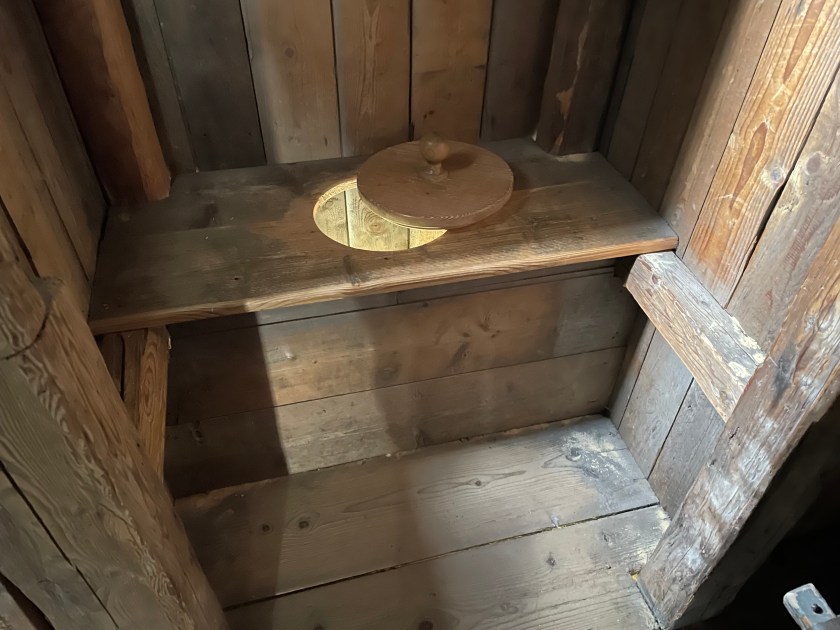
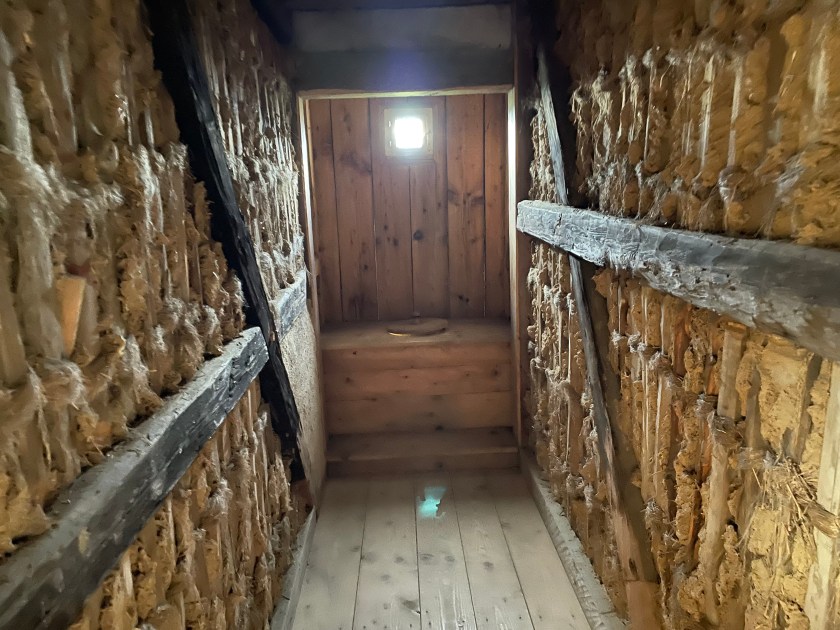
Indoor toilet:
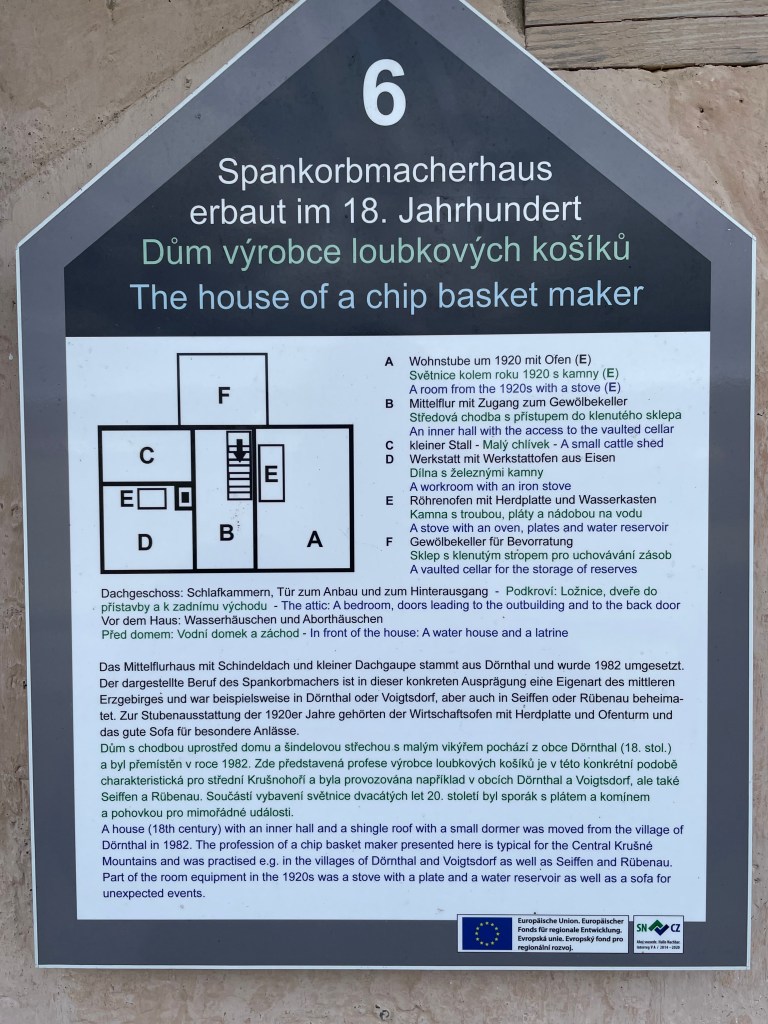
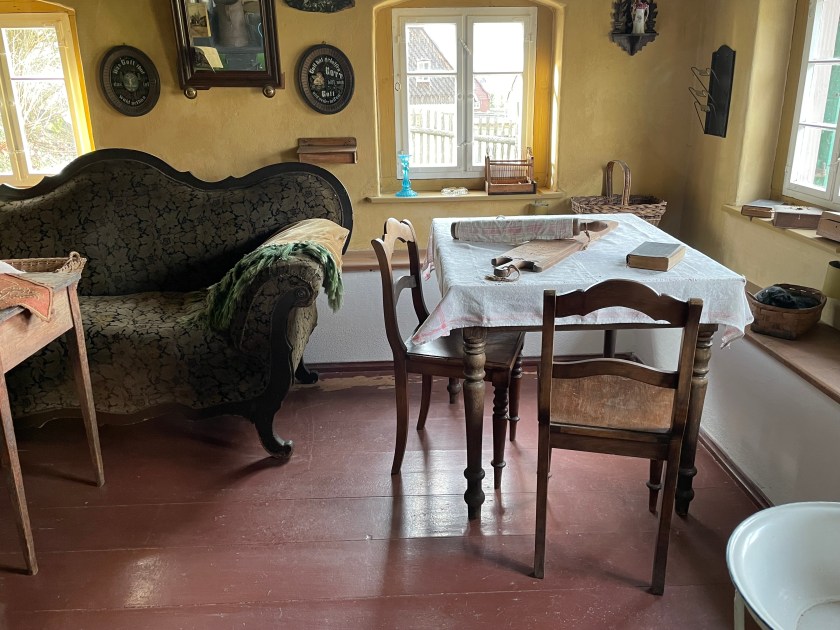
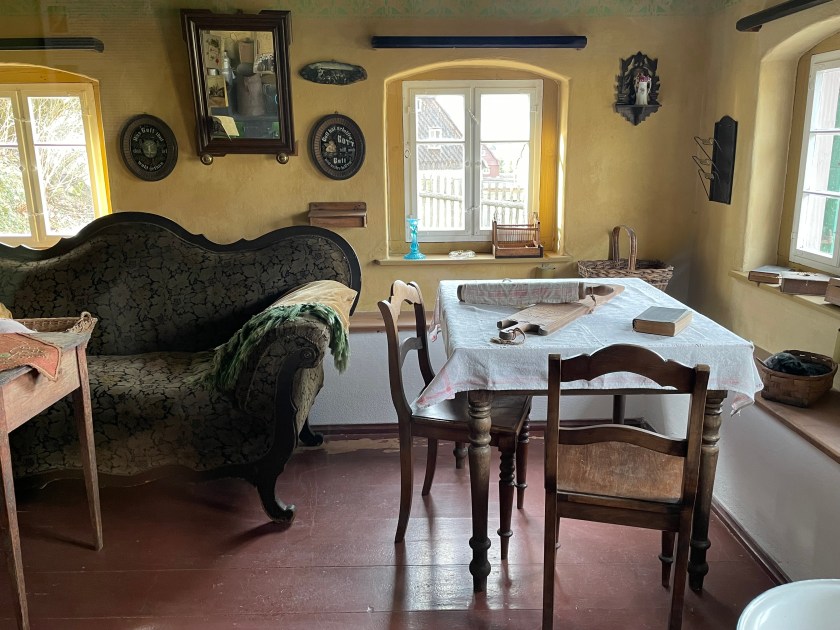
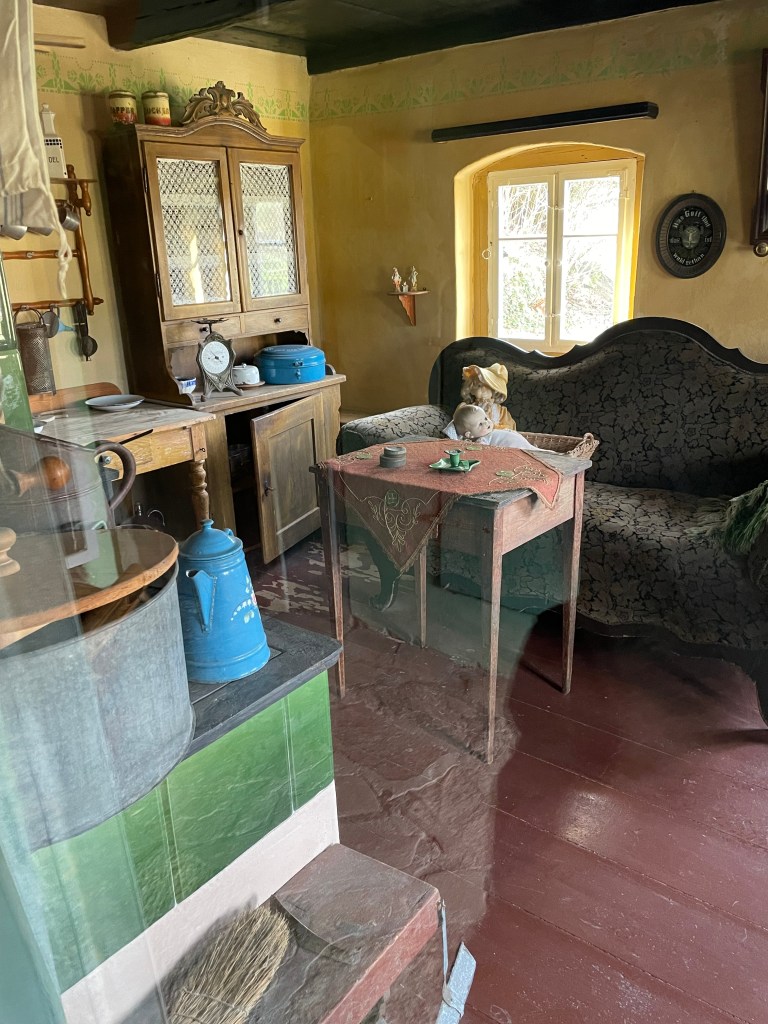
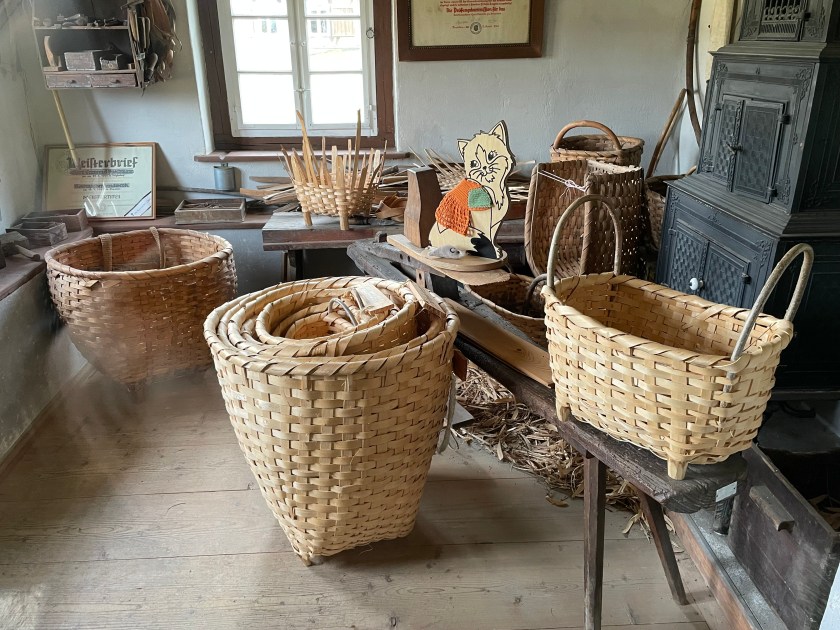
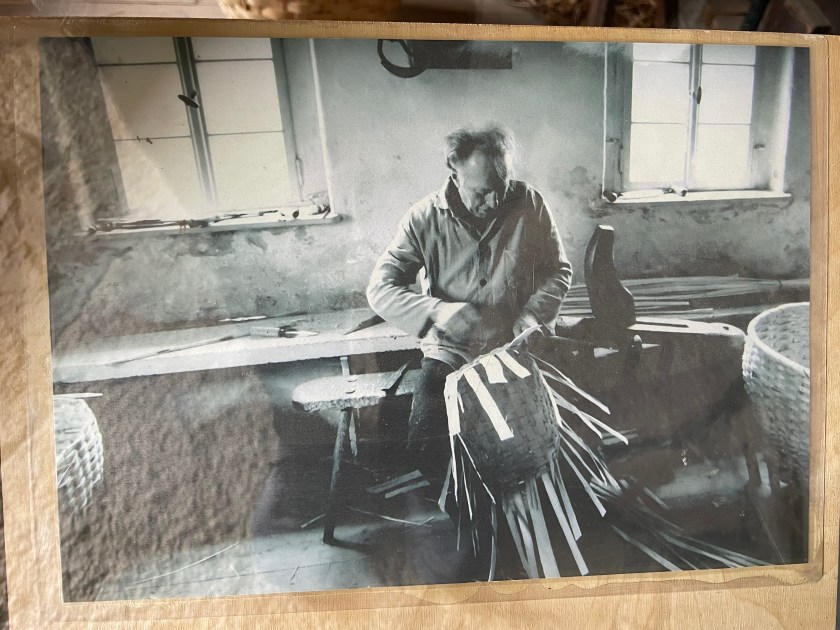
Here’s a basketmaker’s room:
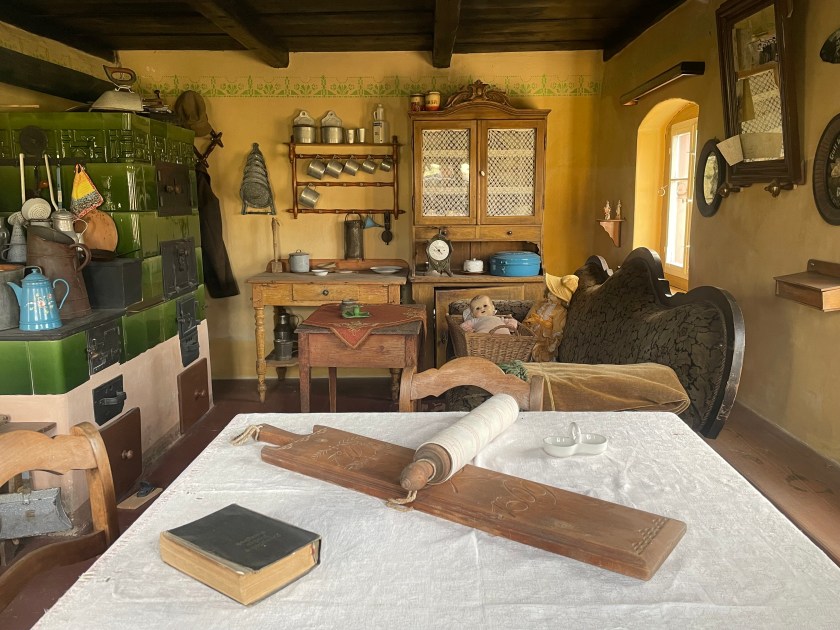
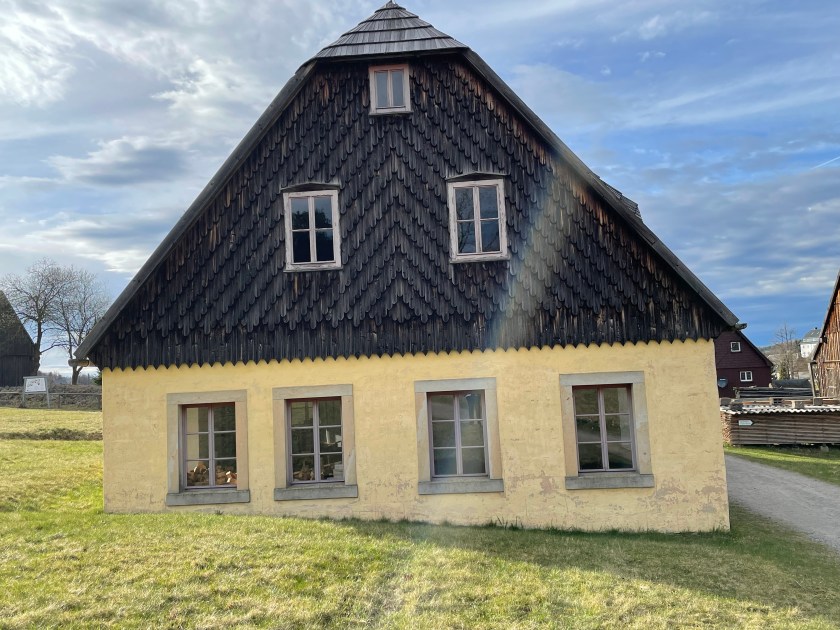
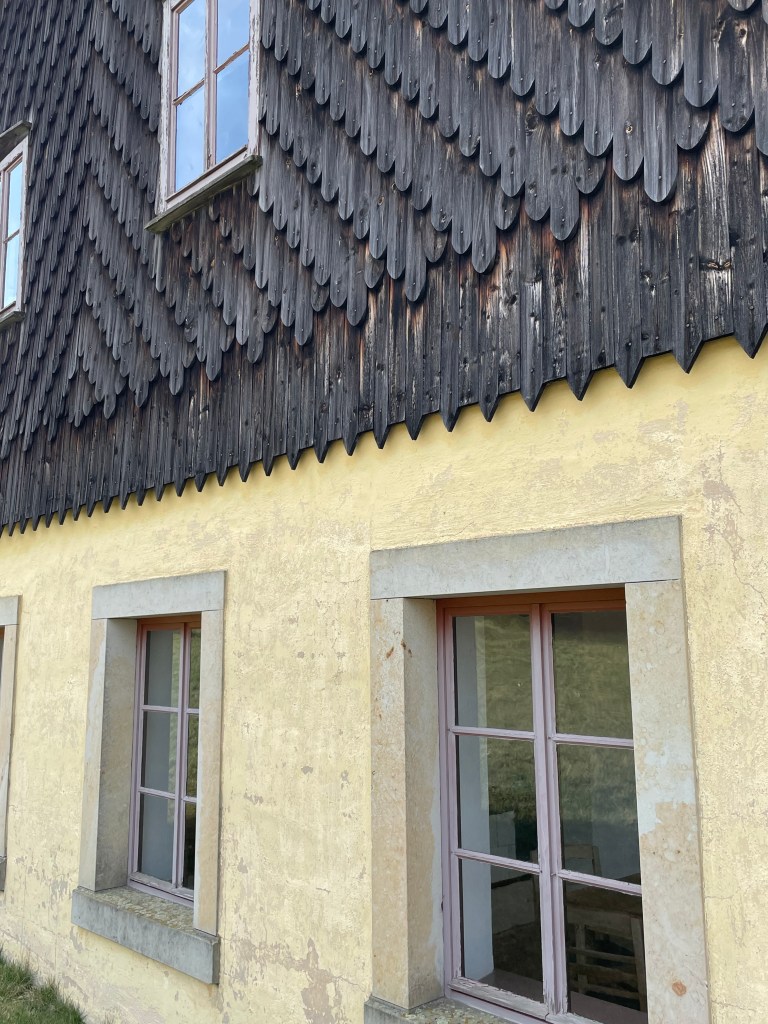
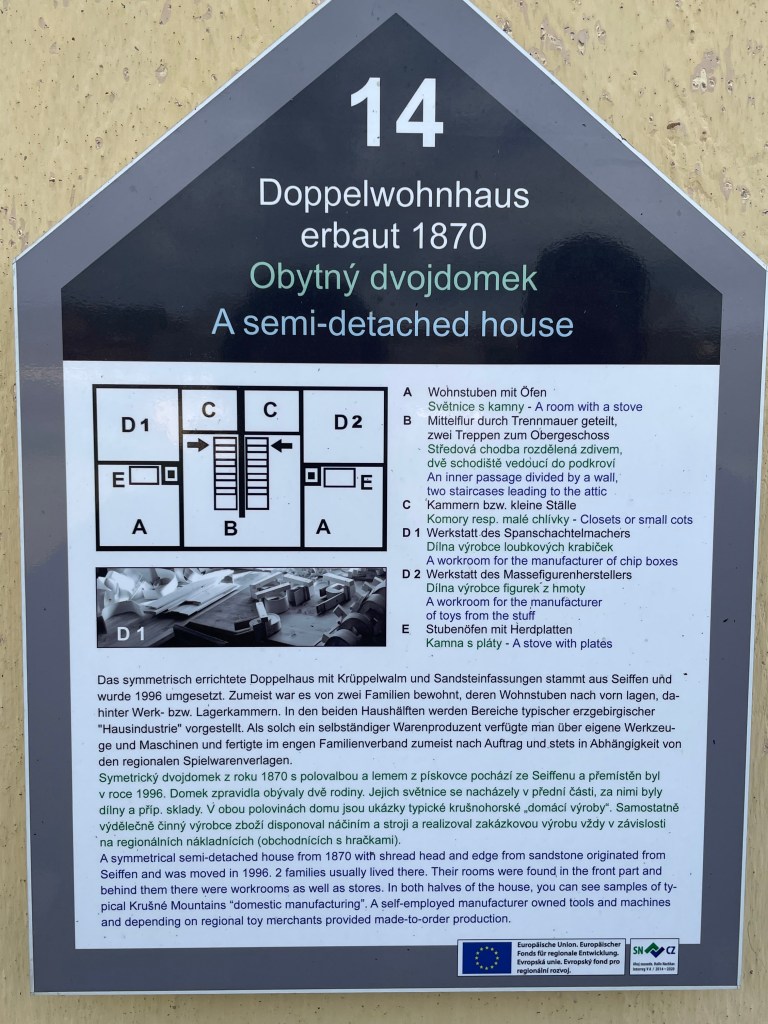
This home was built for 2 families, symmetrically balanced.
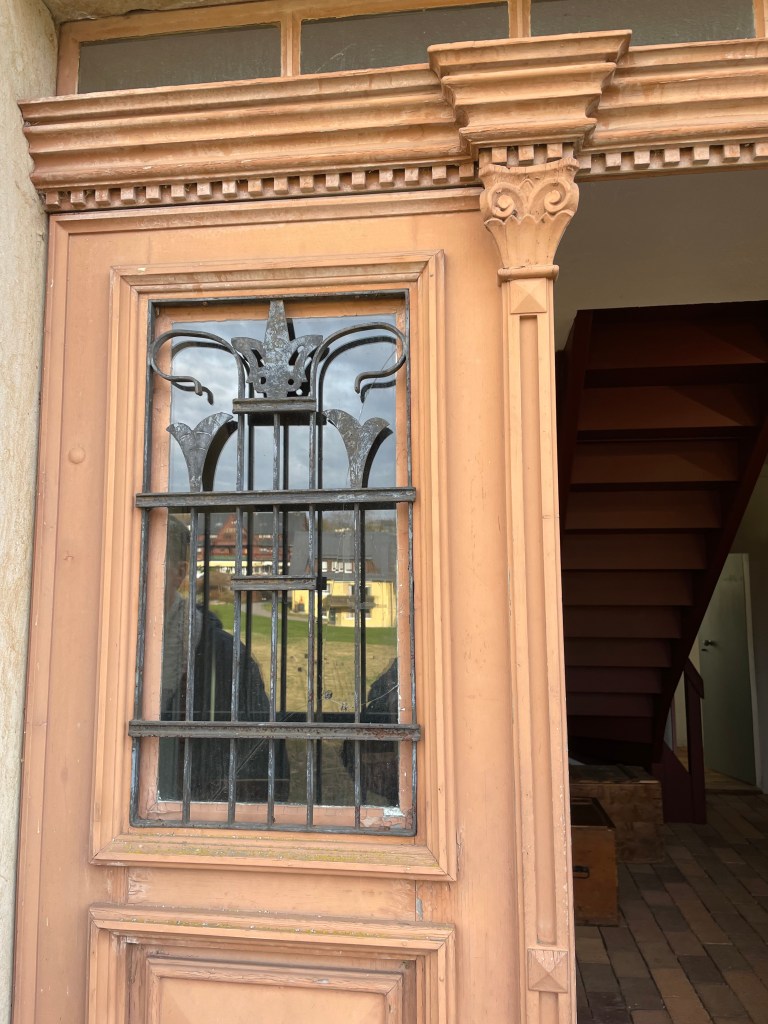
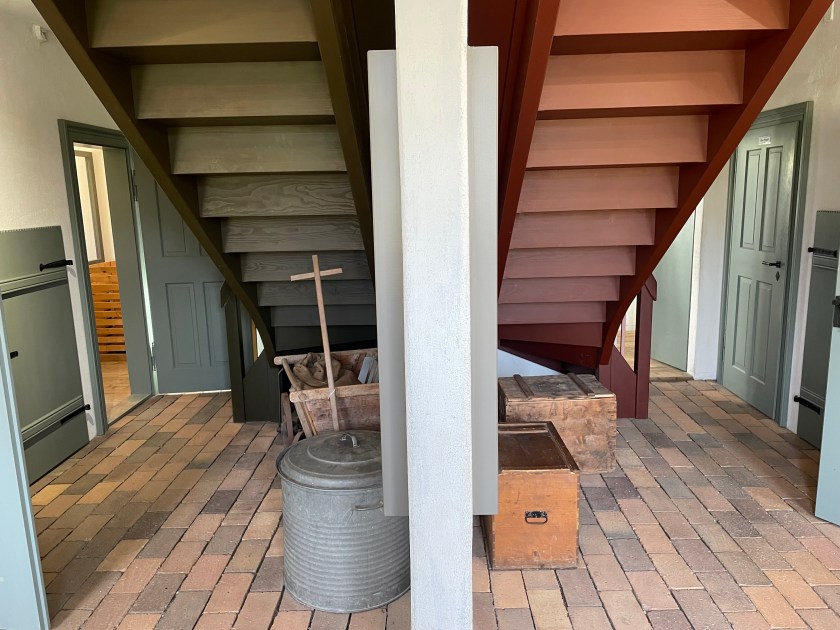
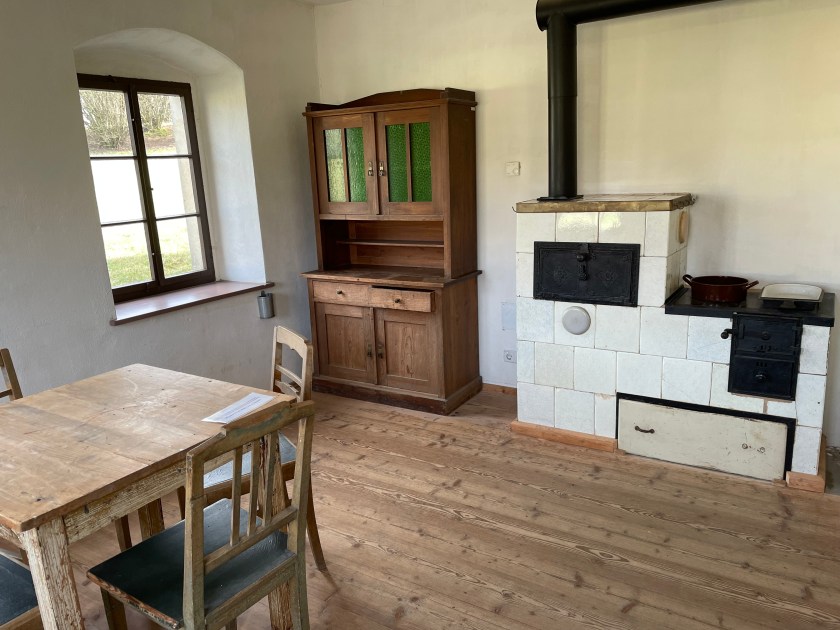
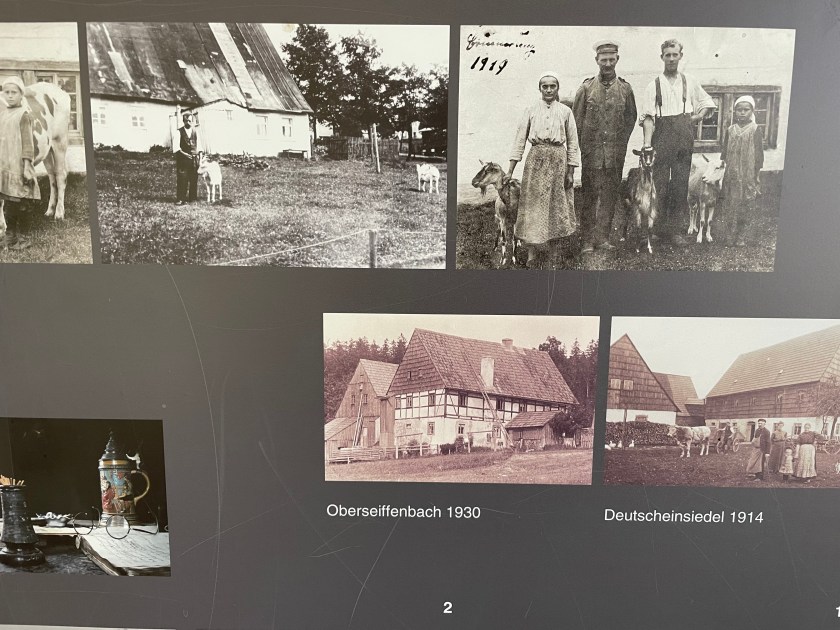
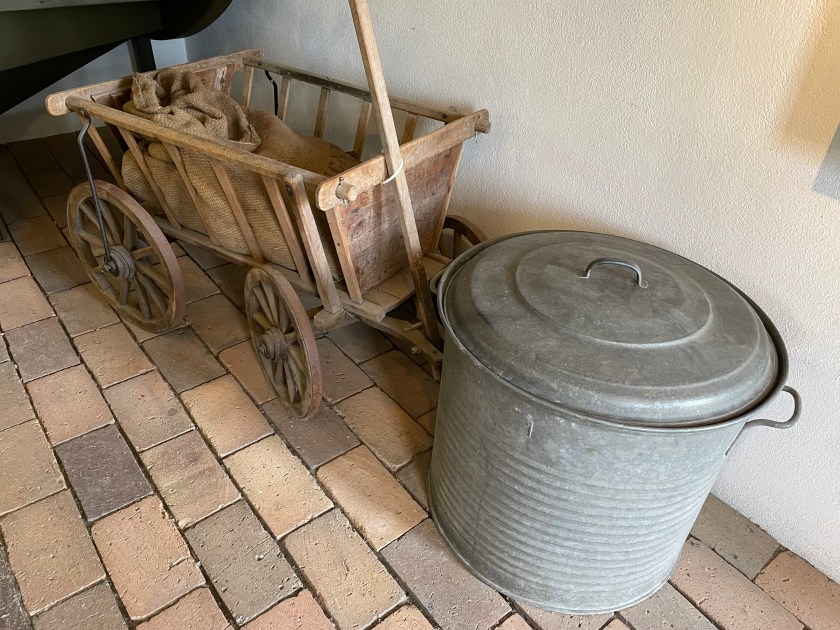
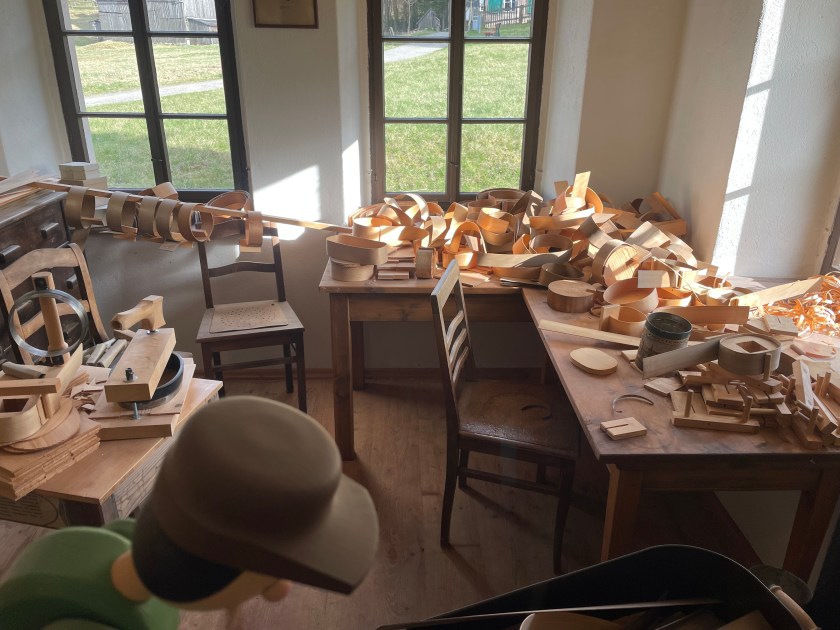
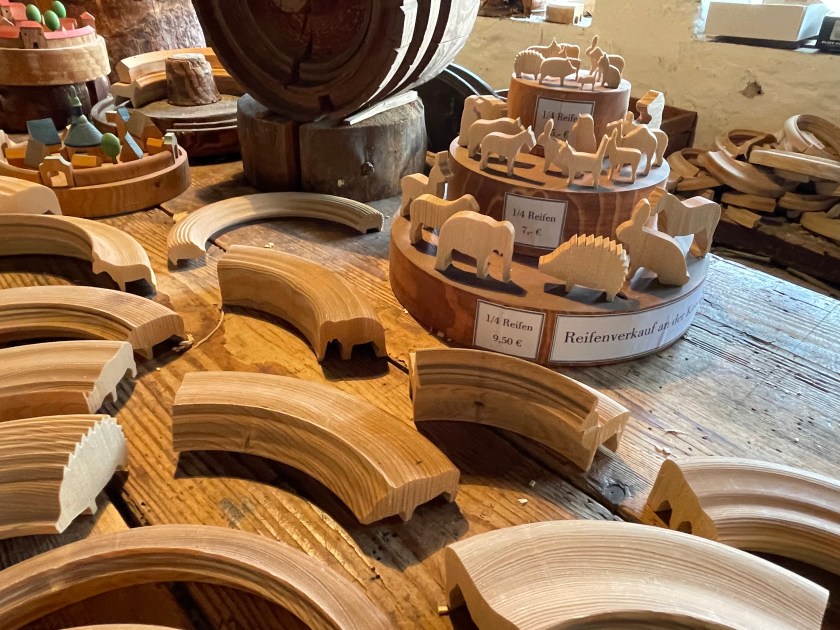
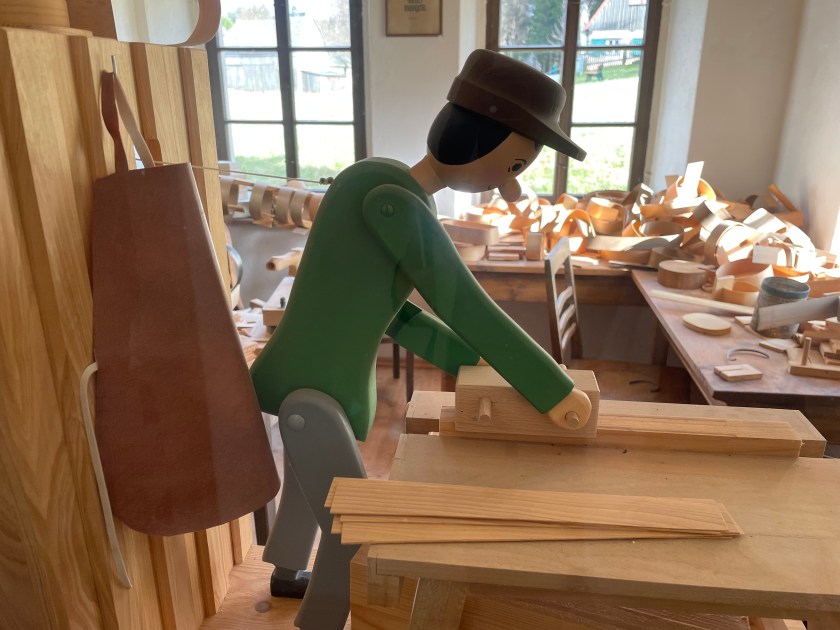
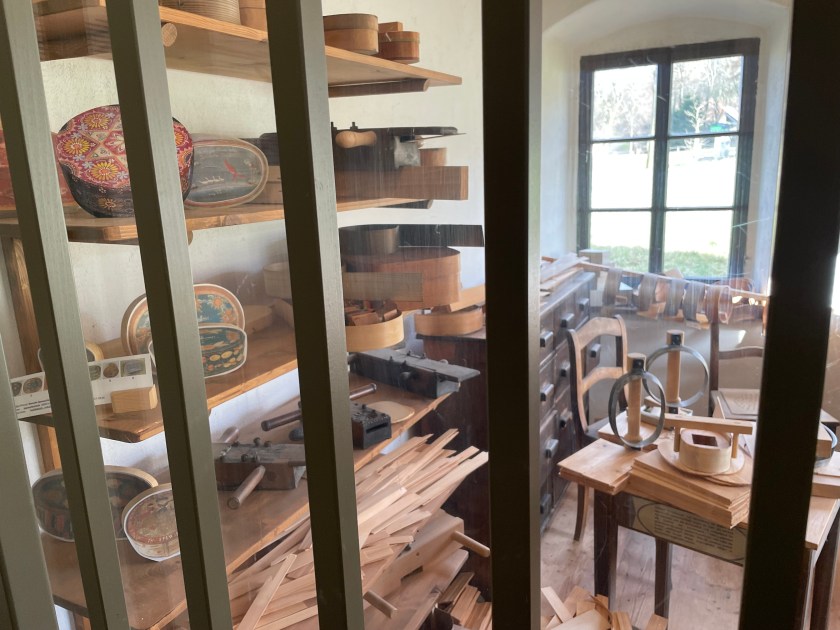
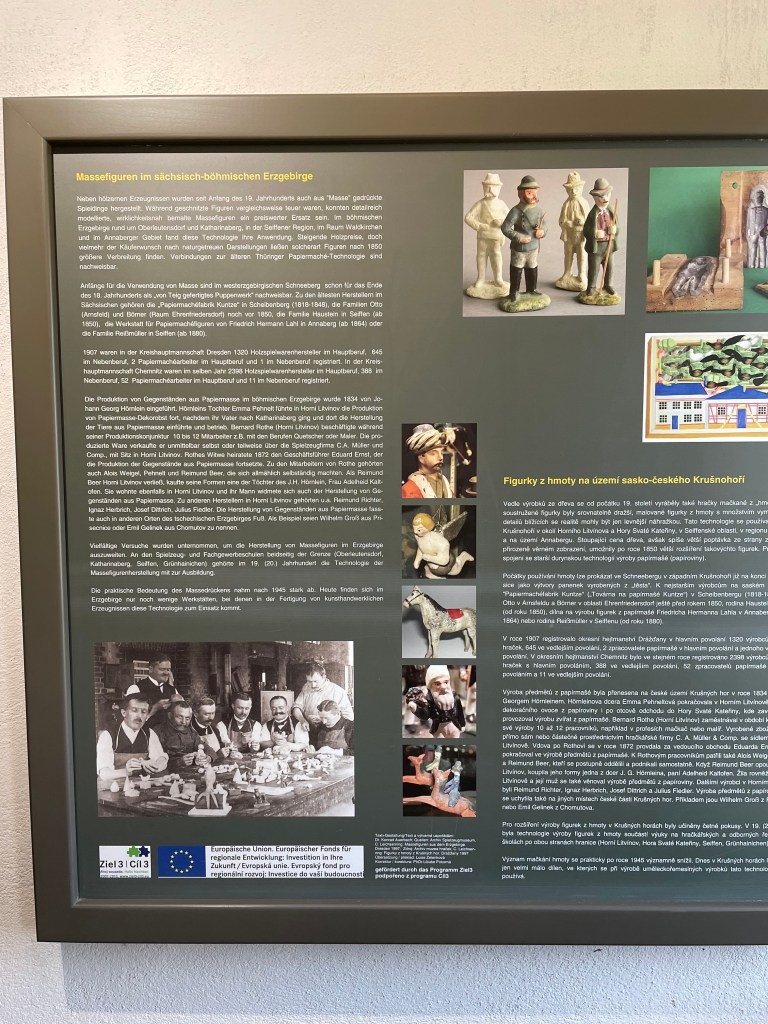
More woodworking and toy-making rooms.
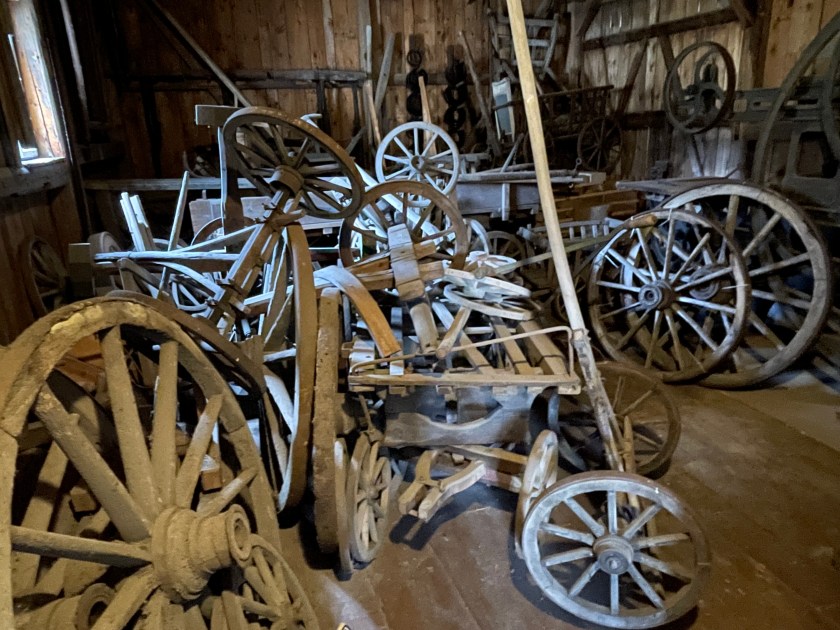
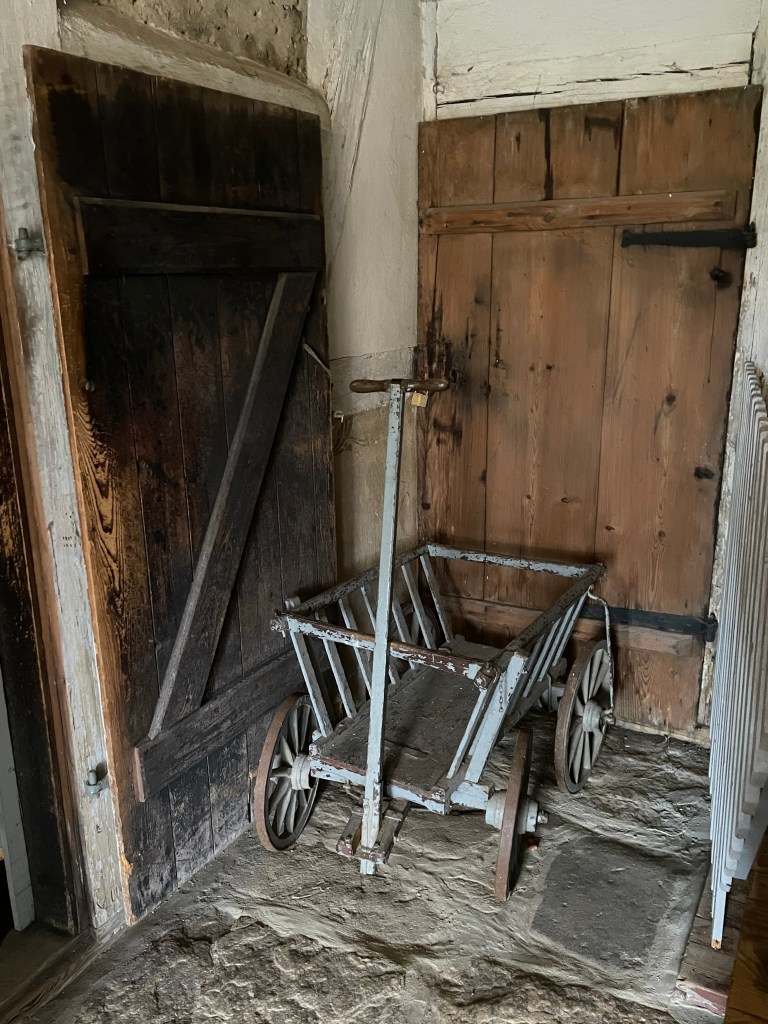
The toymakers sent their toys by the wagonload to the toy markets in Nuremberg.
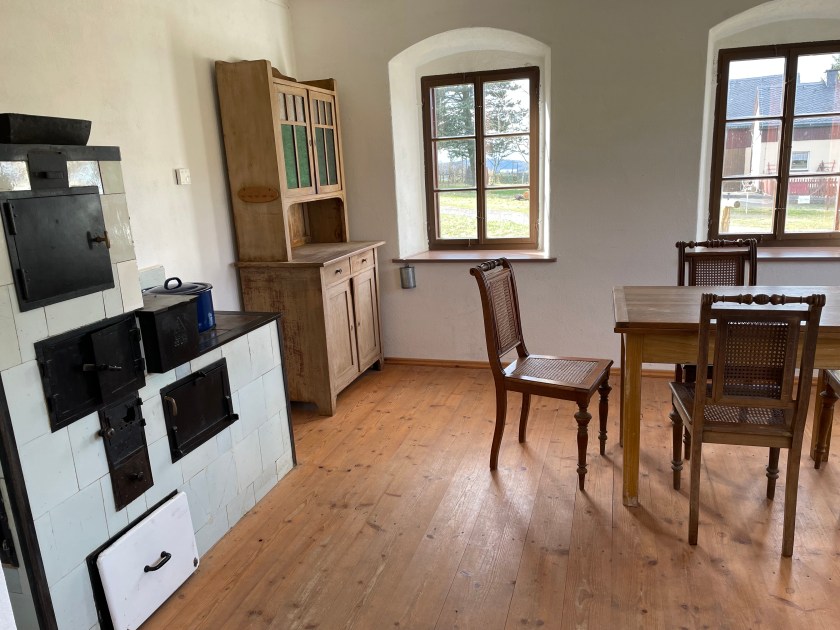
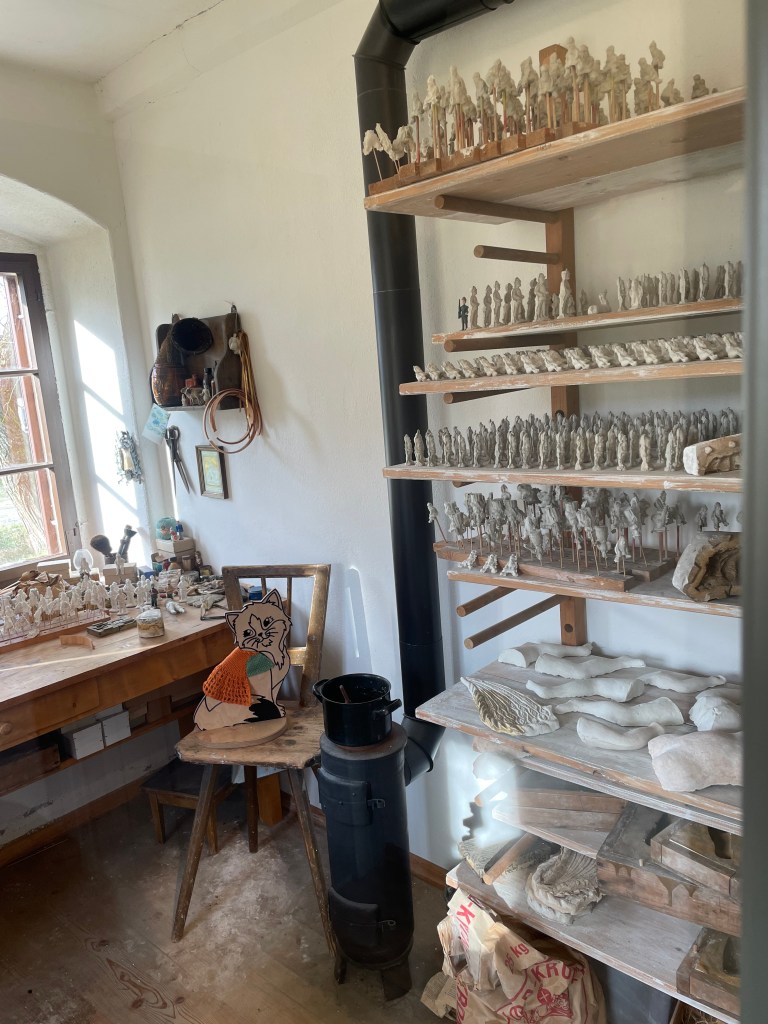
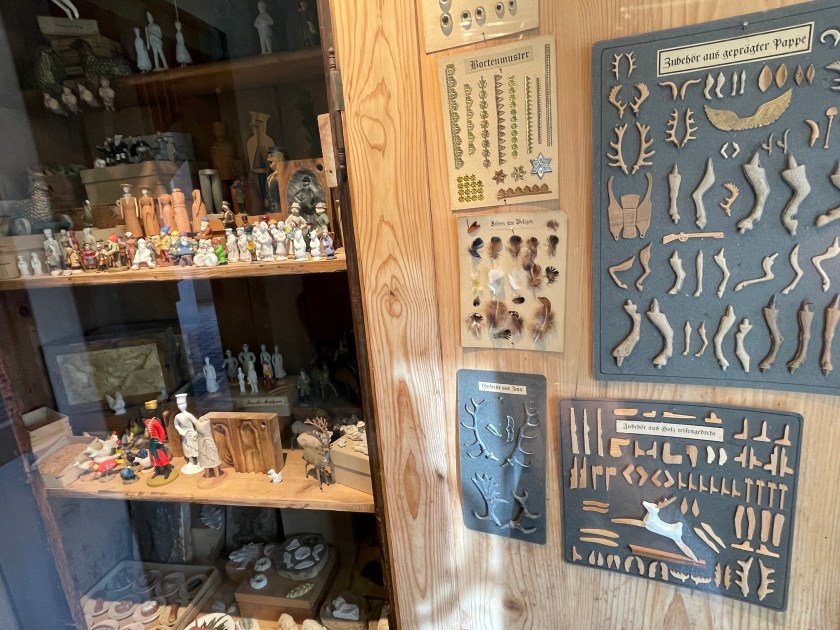
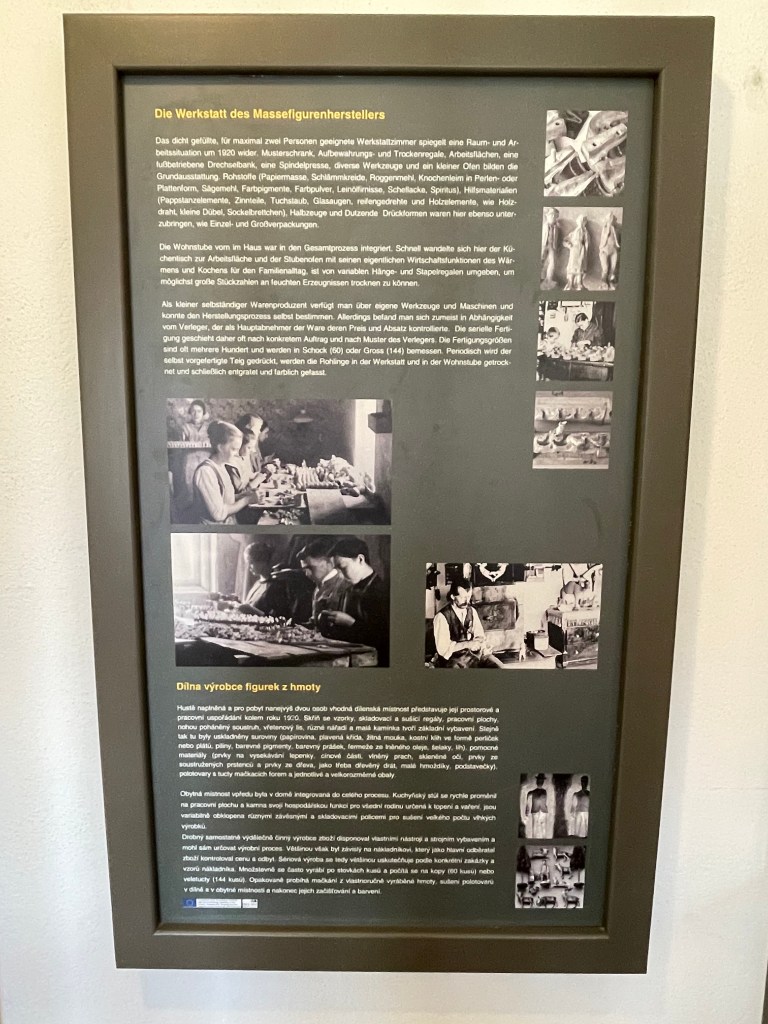
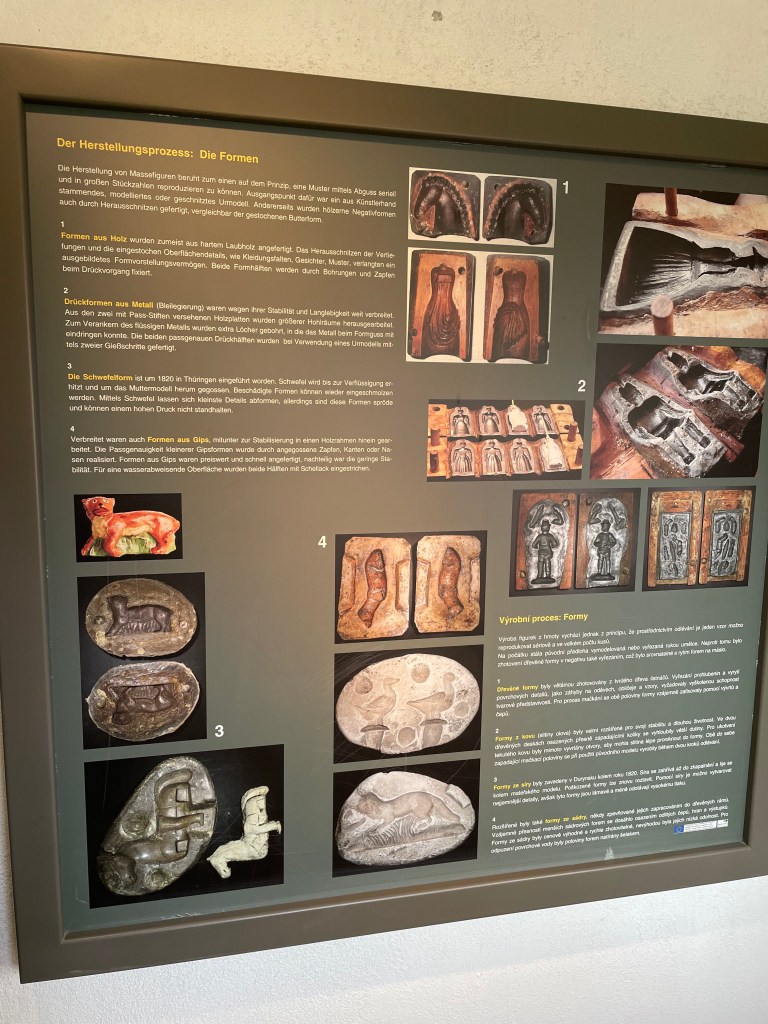
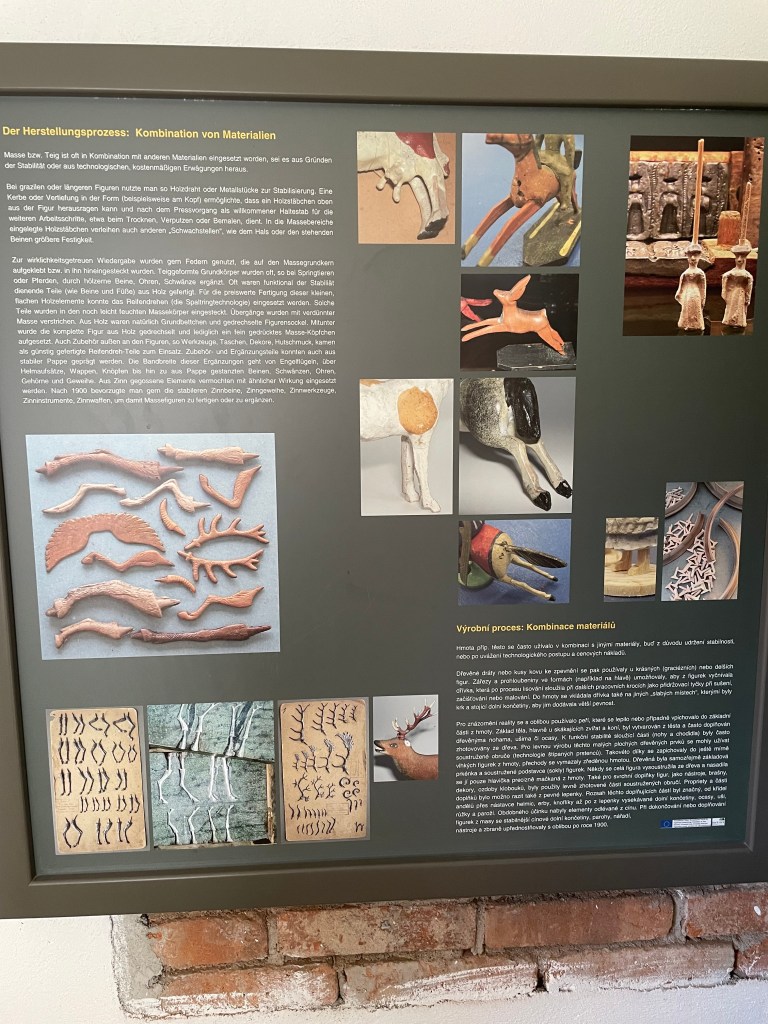
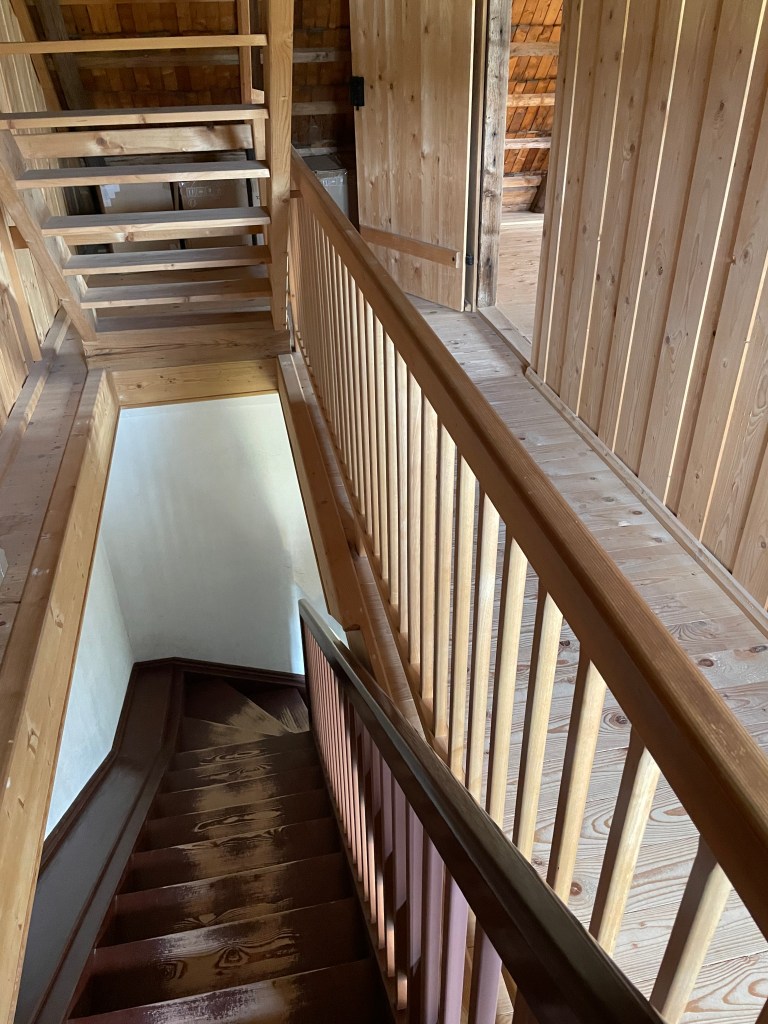
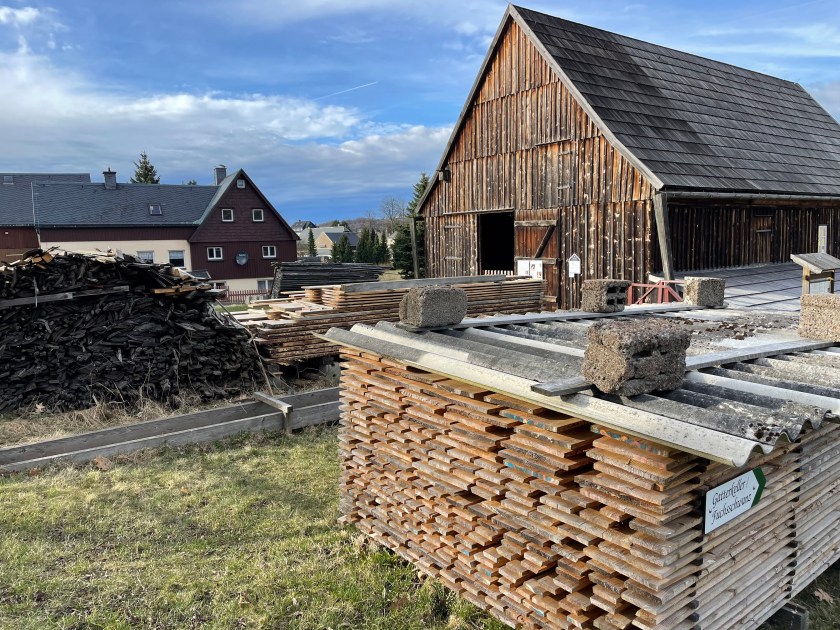
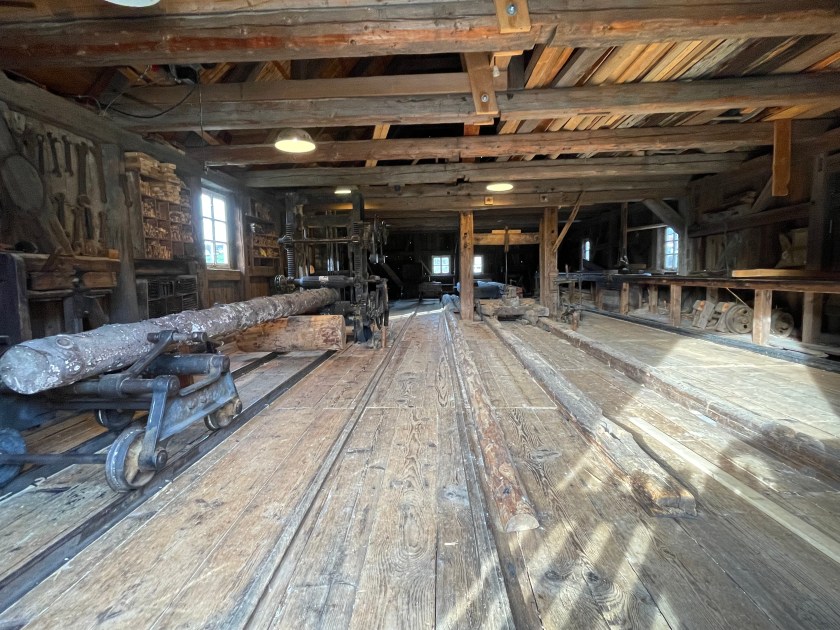
Here is a lumber shop and home:
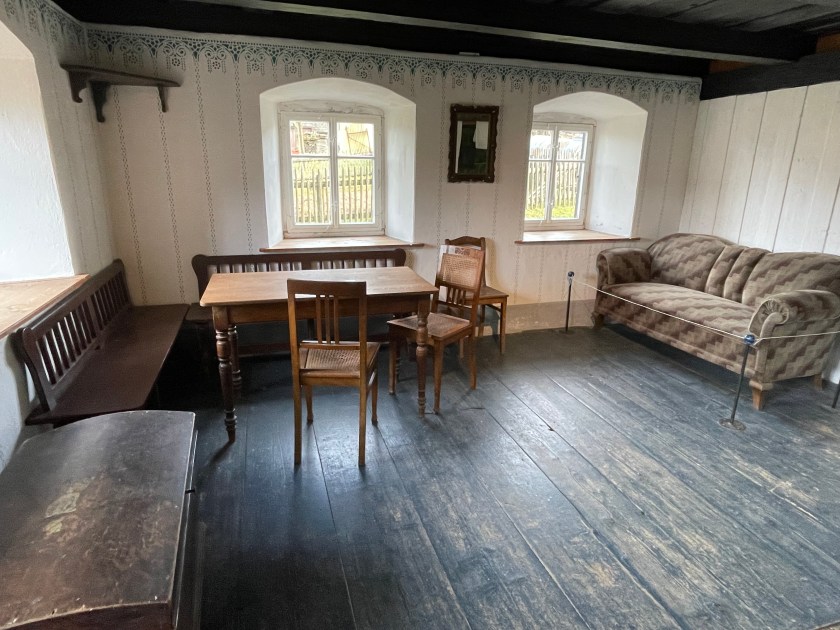
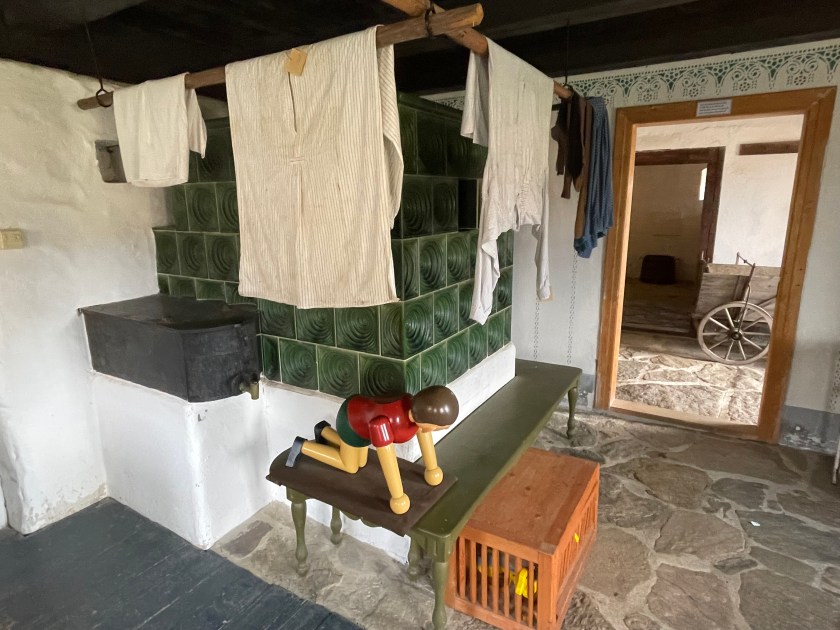
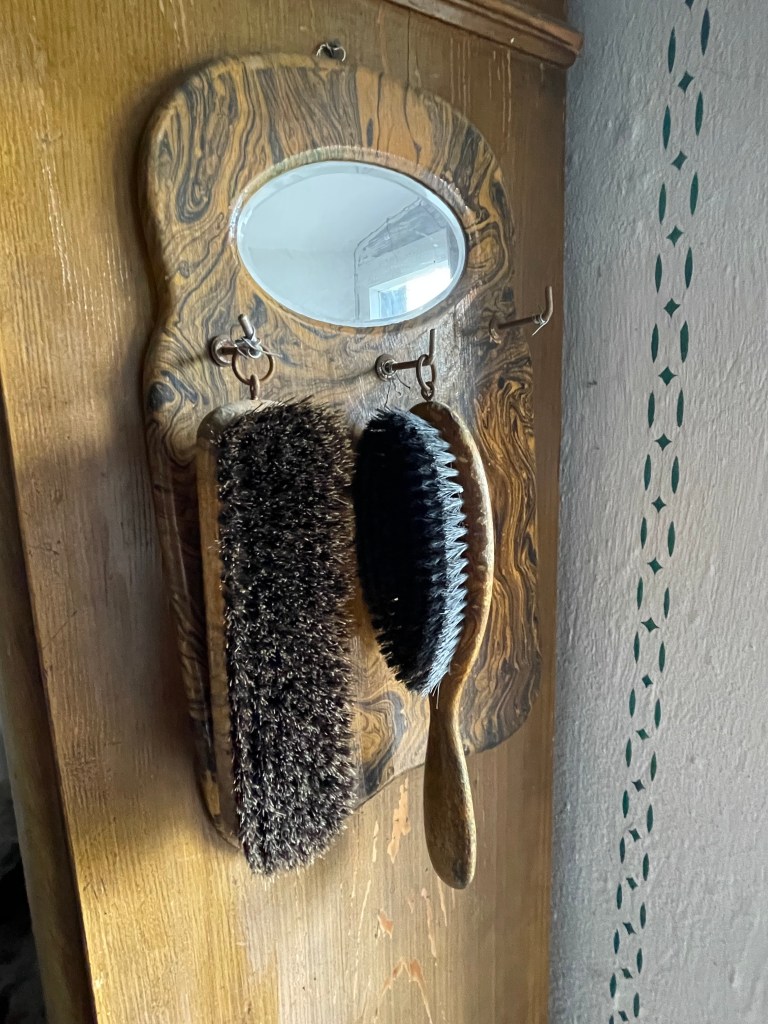
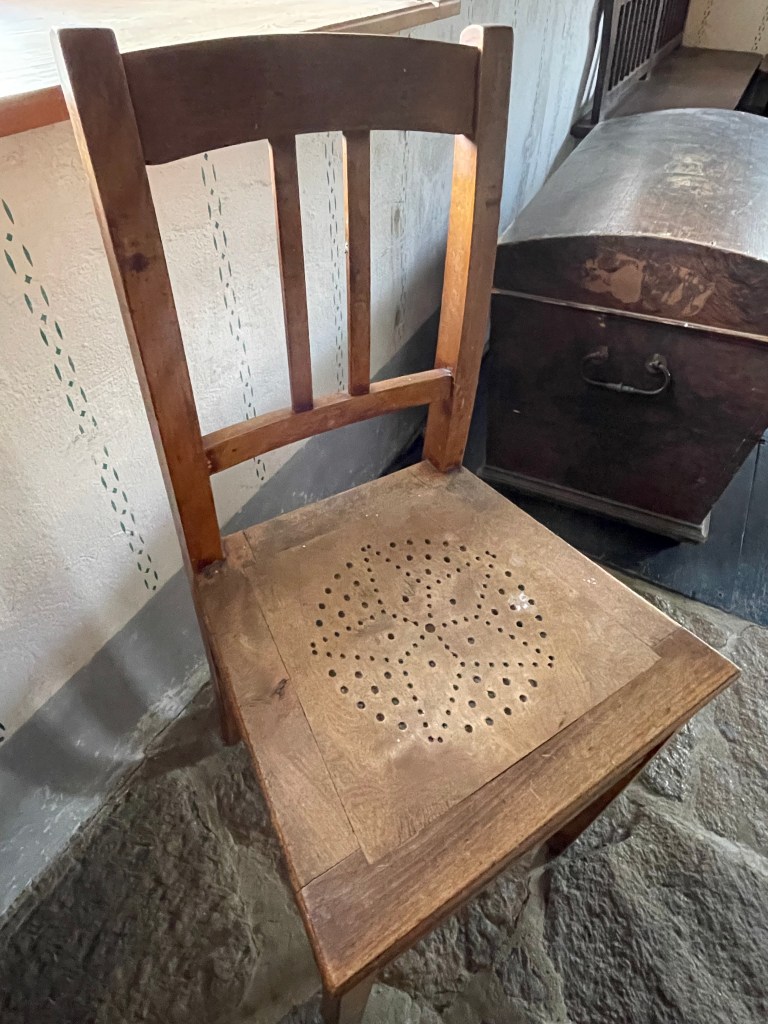
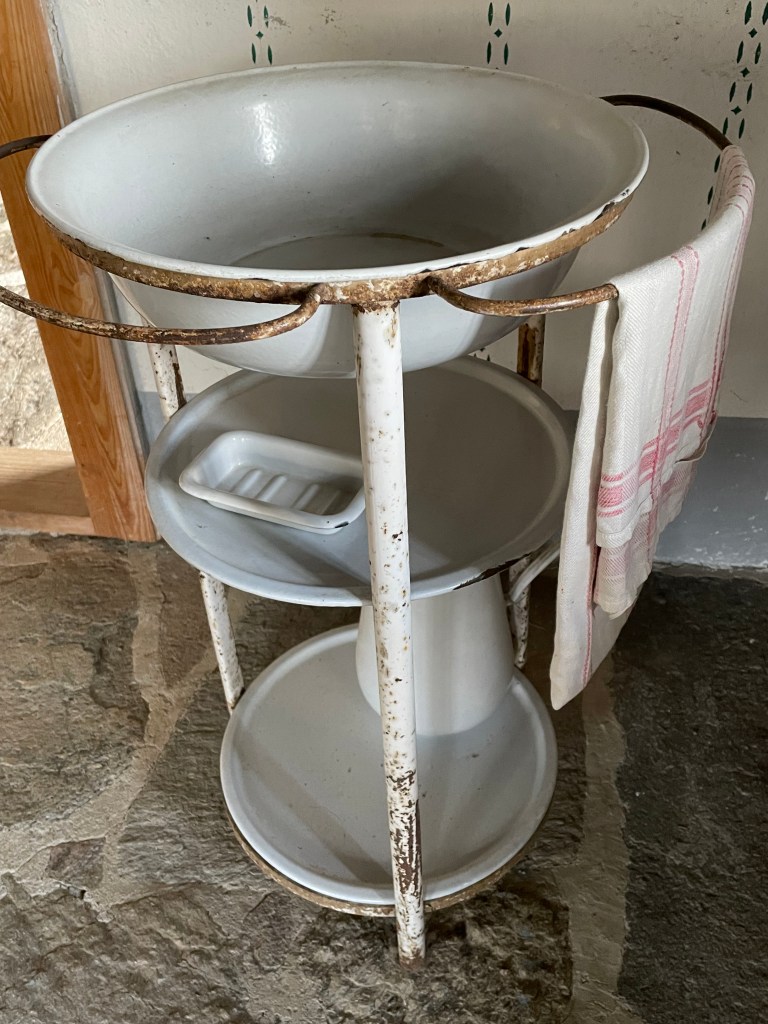
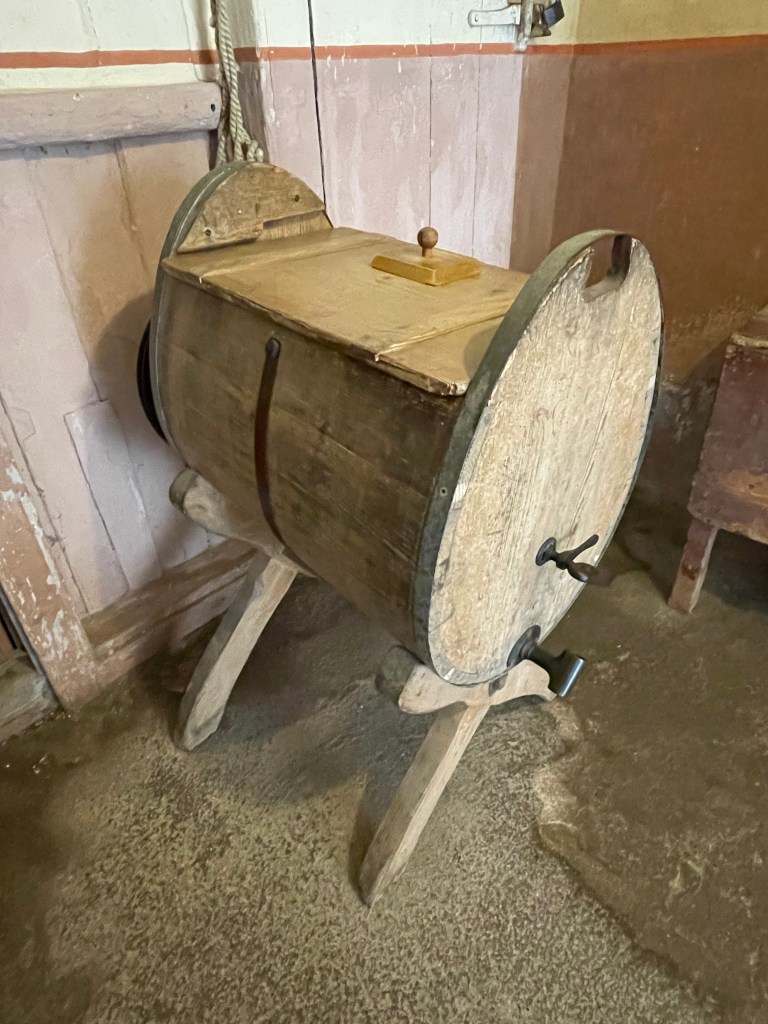
Also shown were the tools and pans needed for milking and butter making.
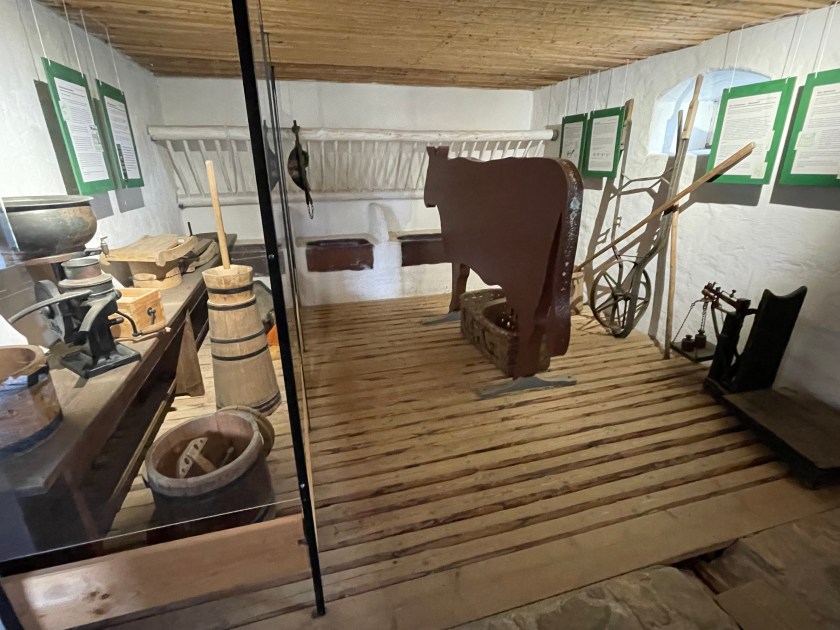
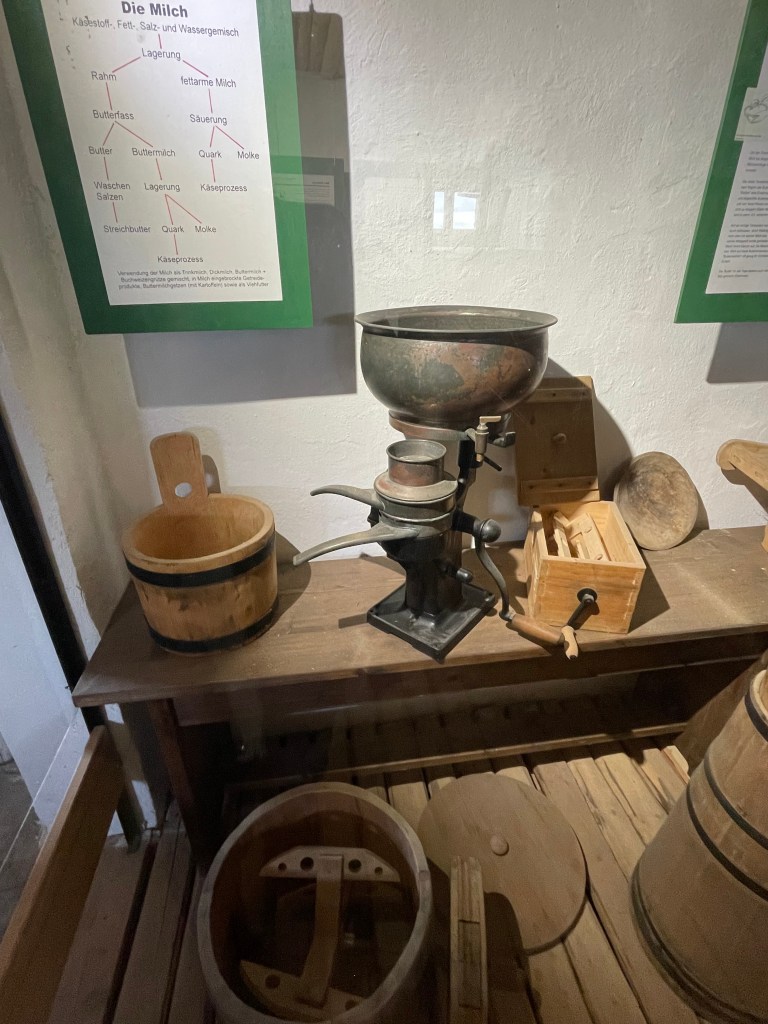
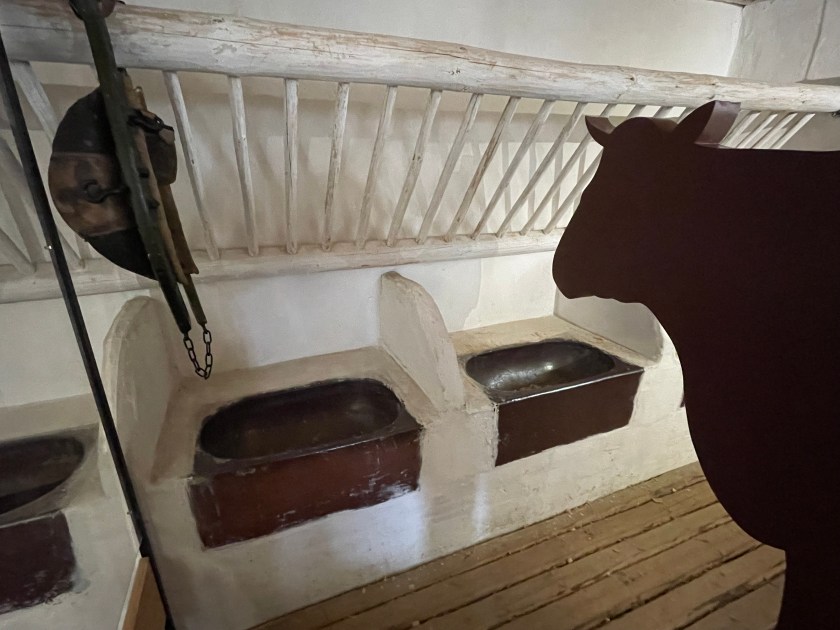
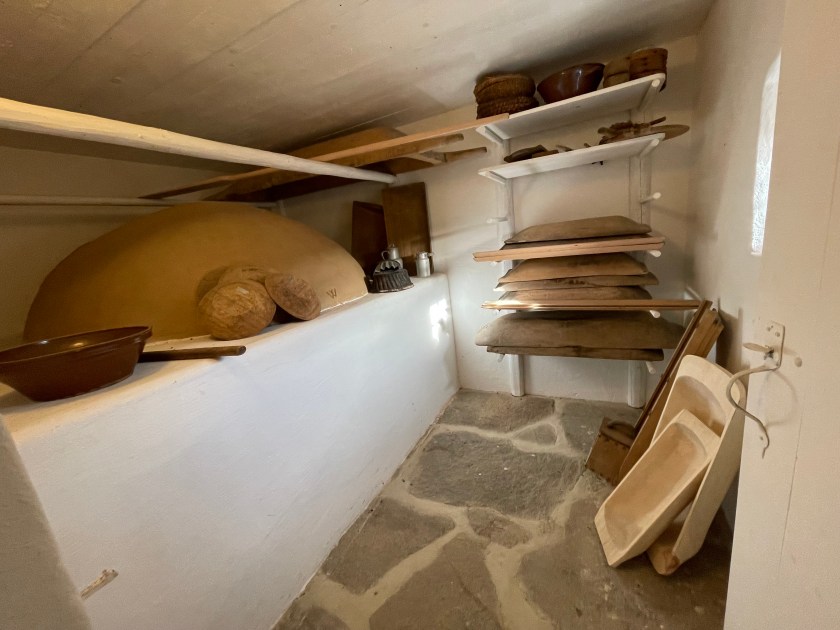
This was a baking room with a fire oven.
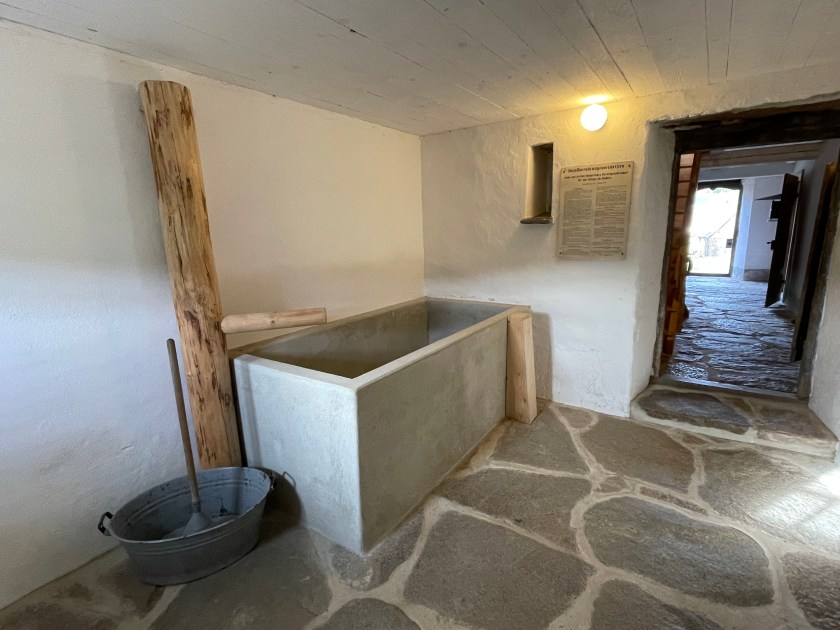
The box in the corner was for indoor water storage.
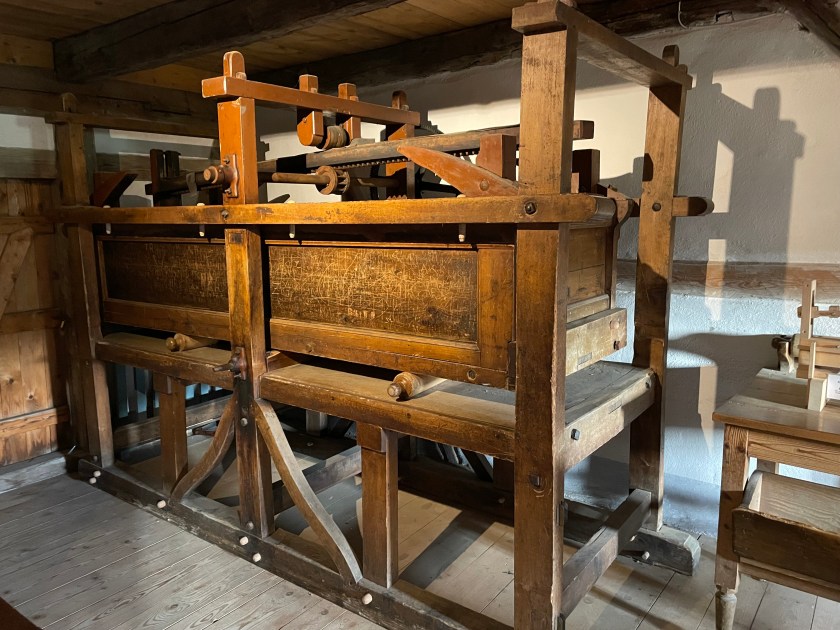
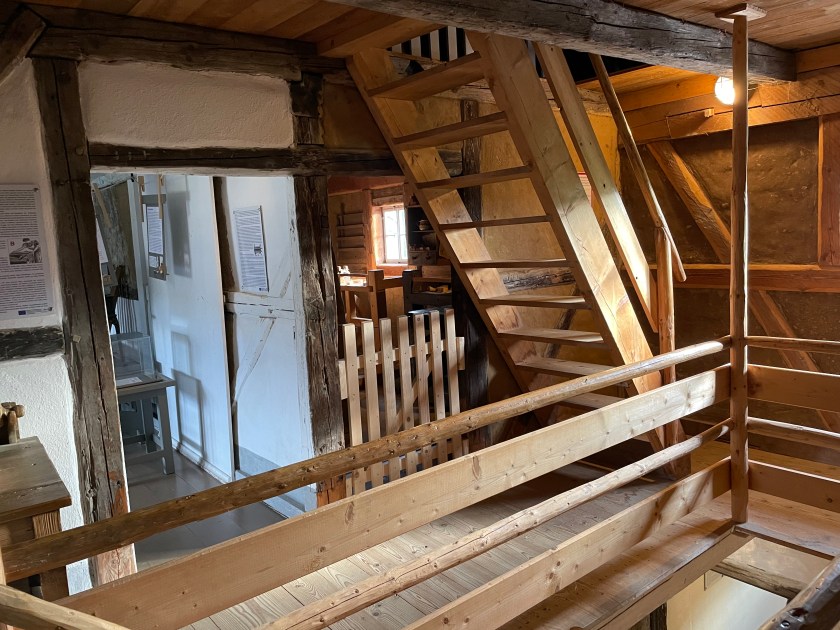
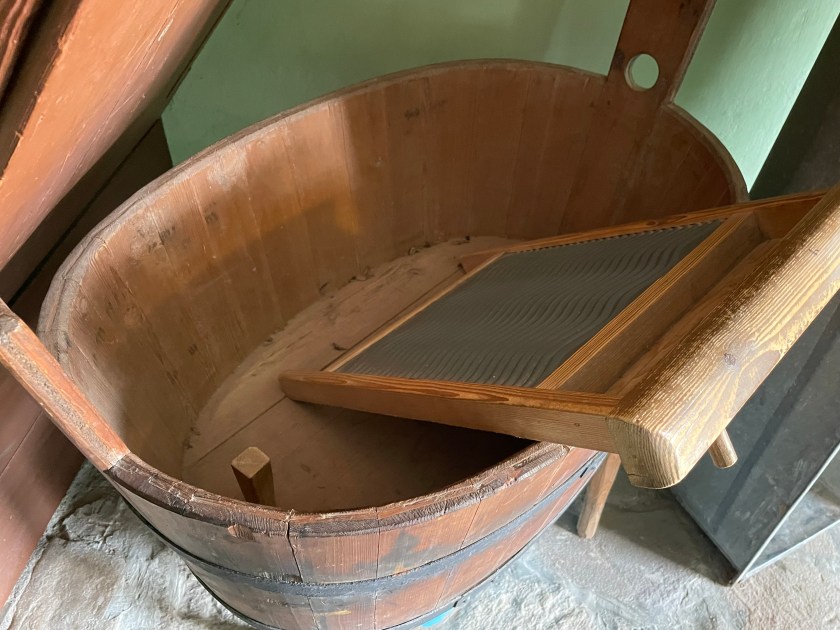
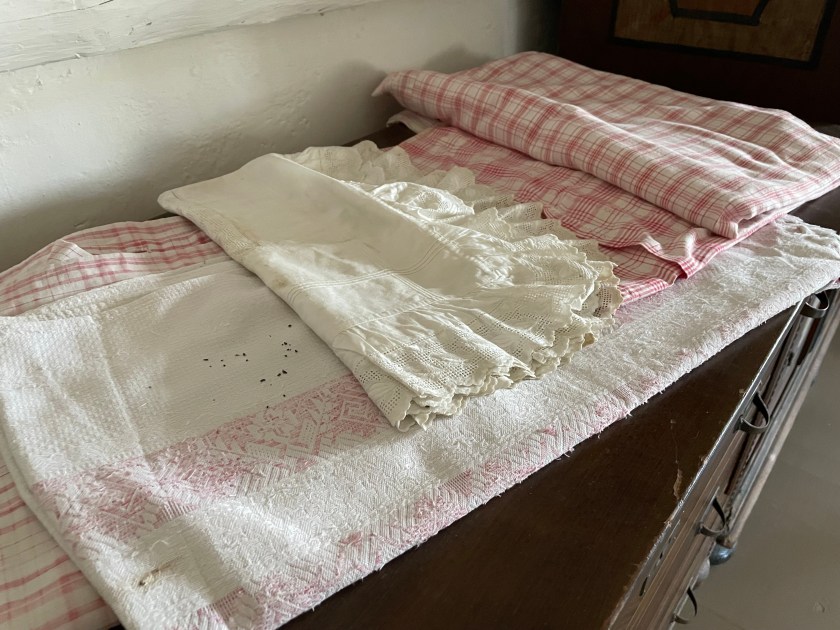
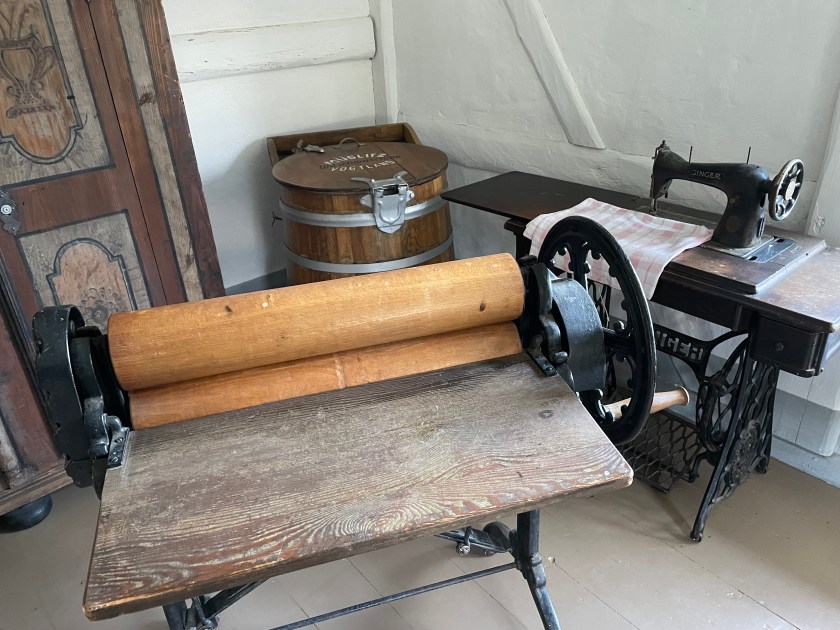
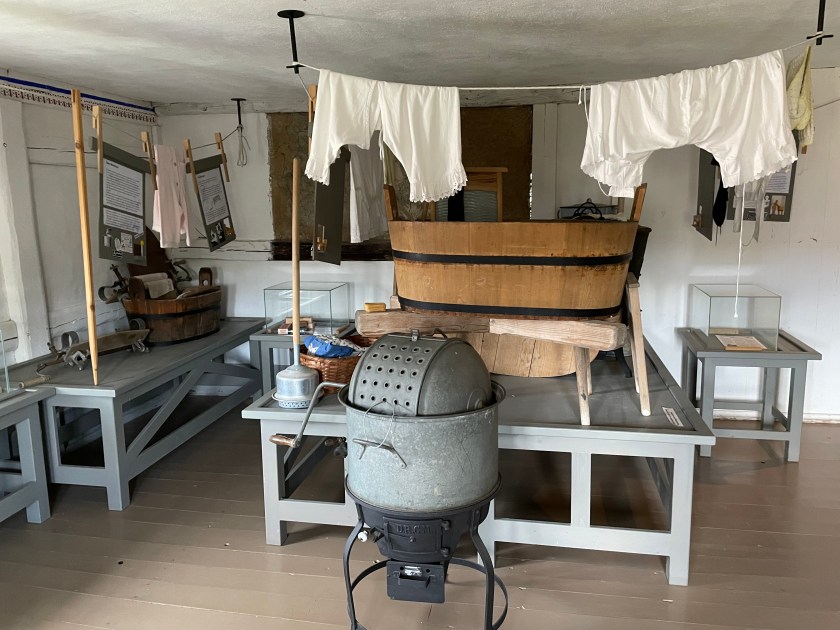
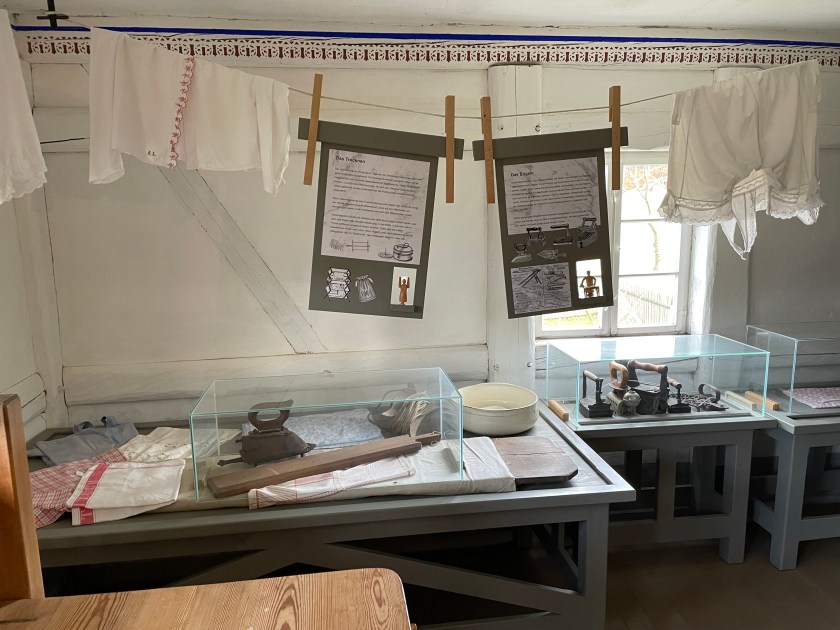
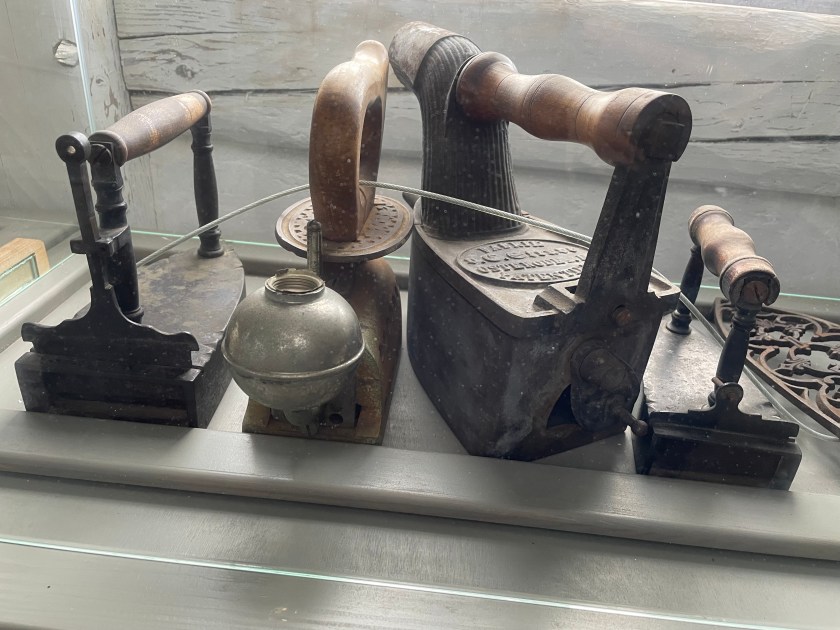
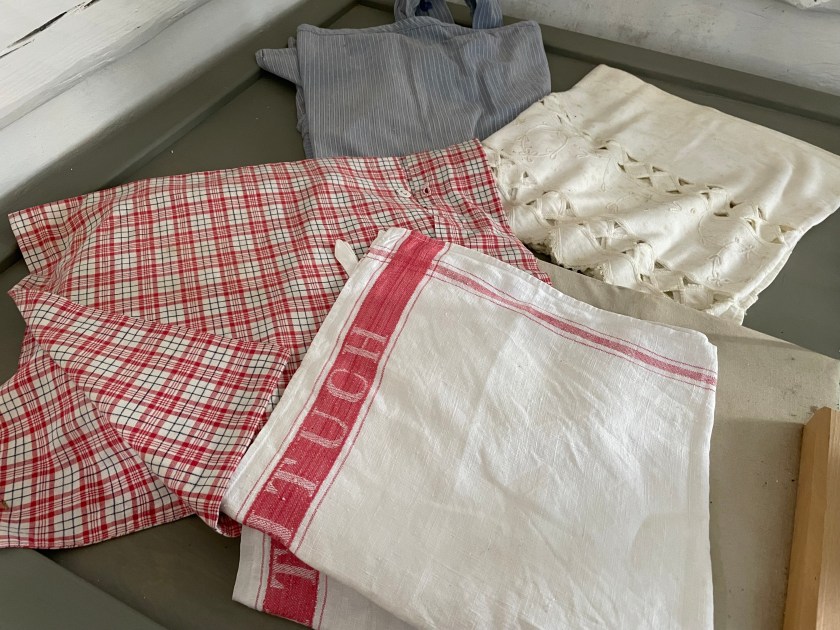
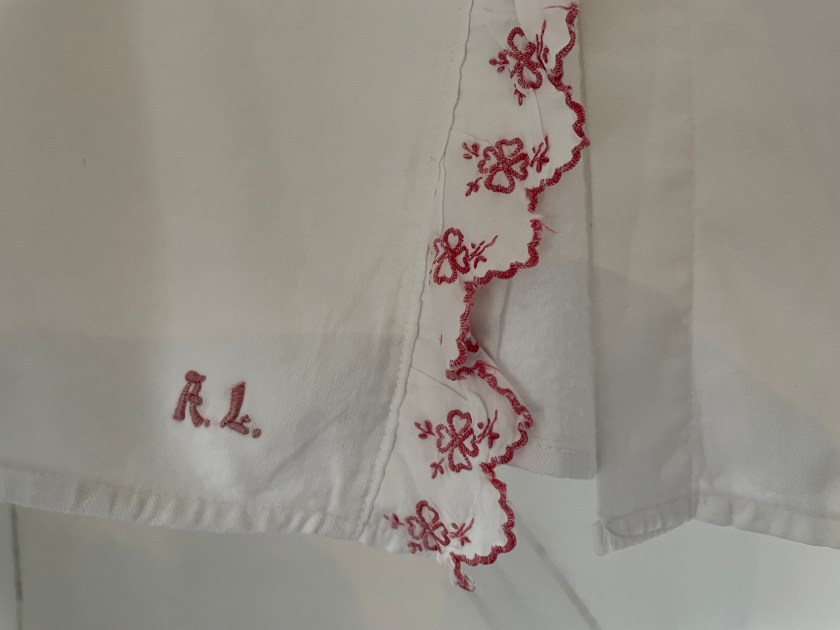
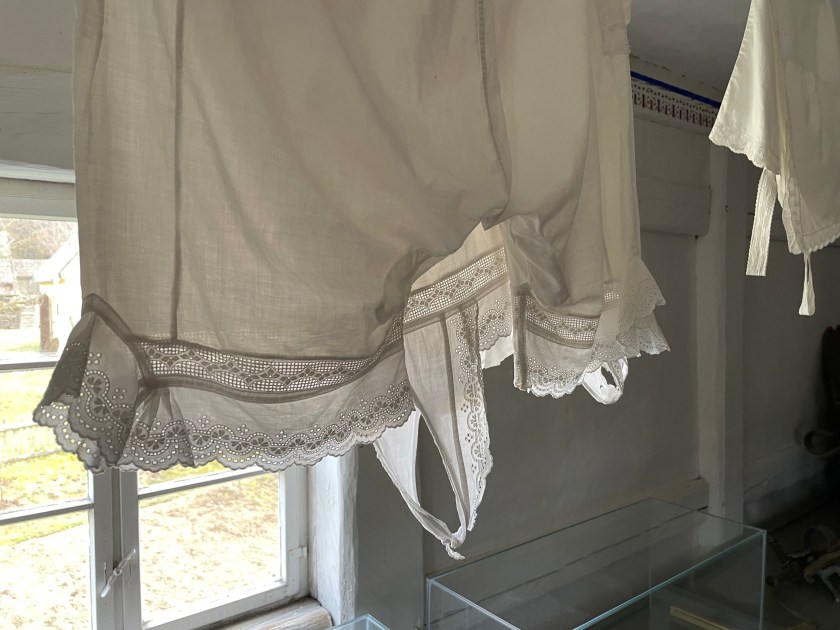
I loved this next room, filled with women’s work.
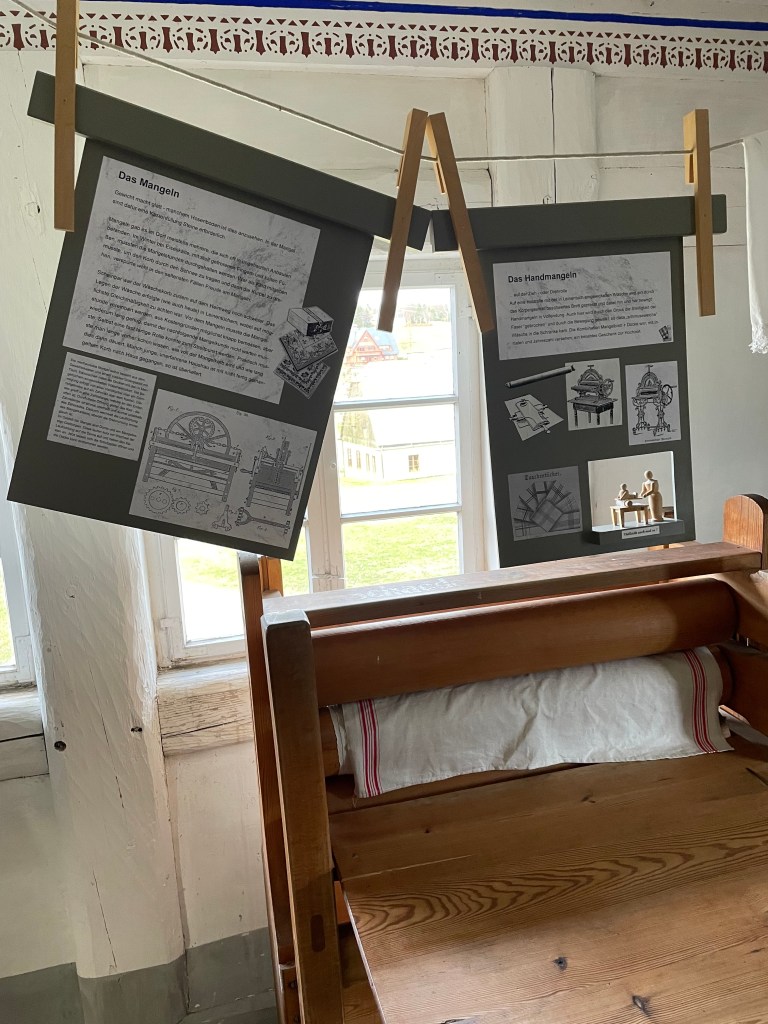
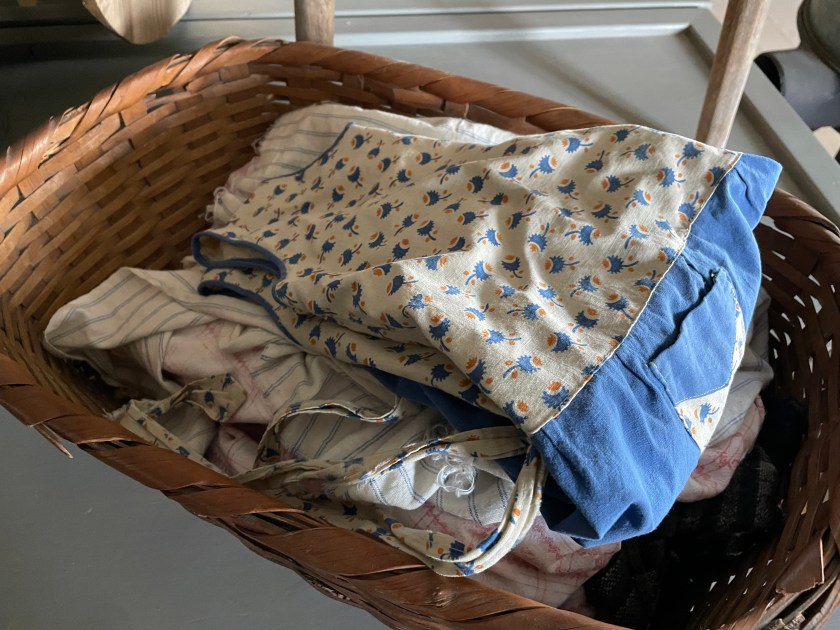
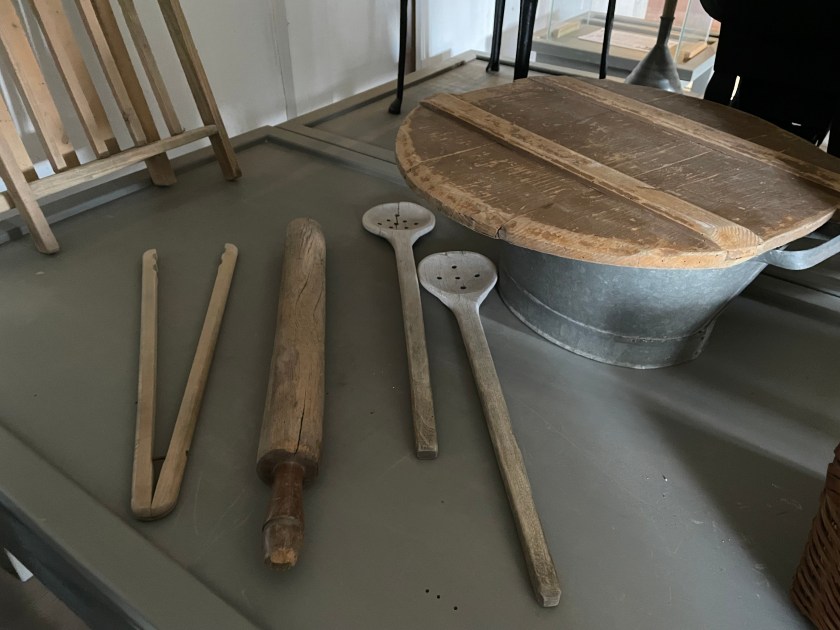
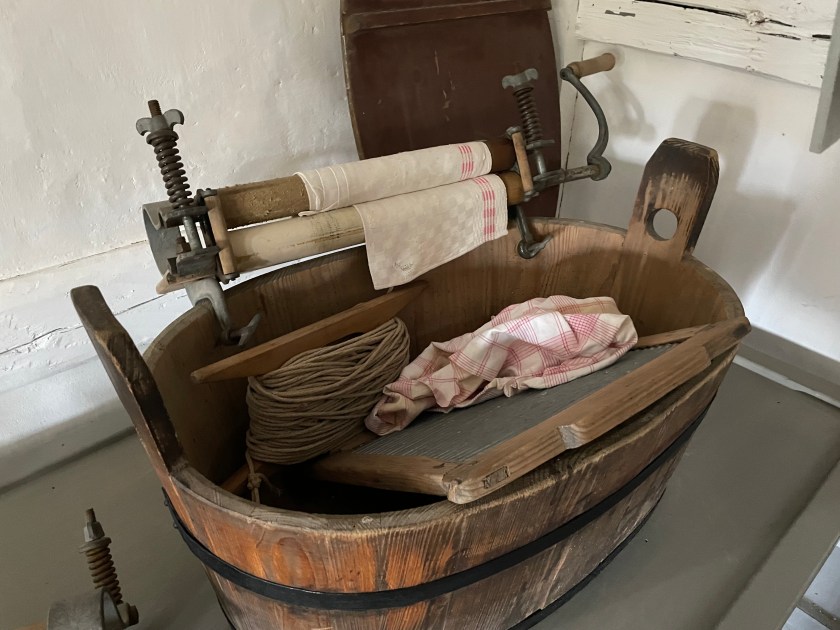
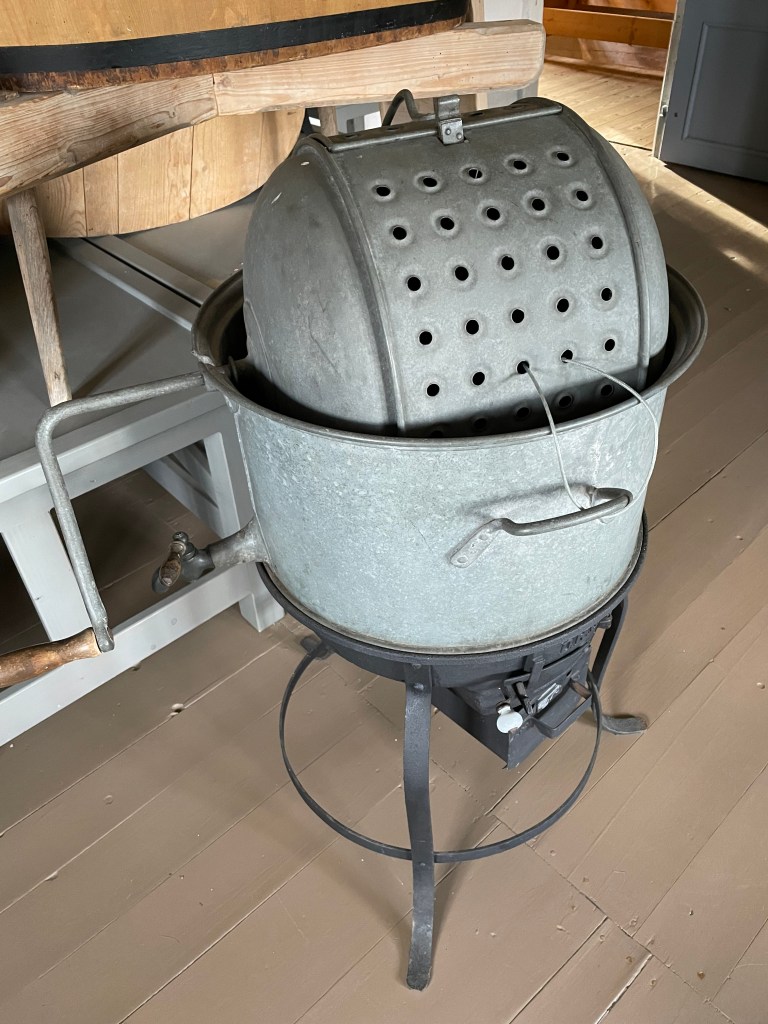
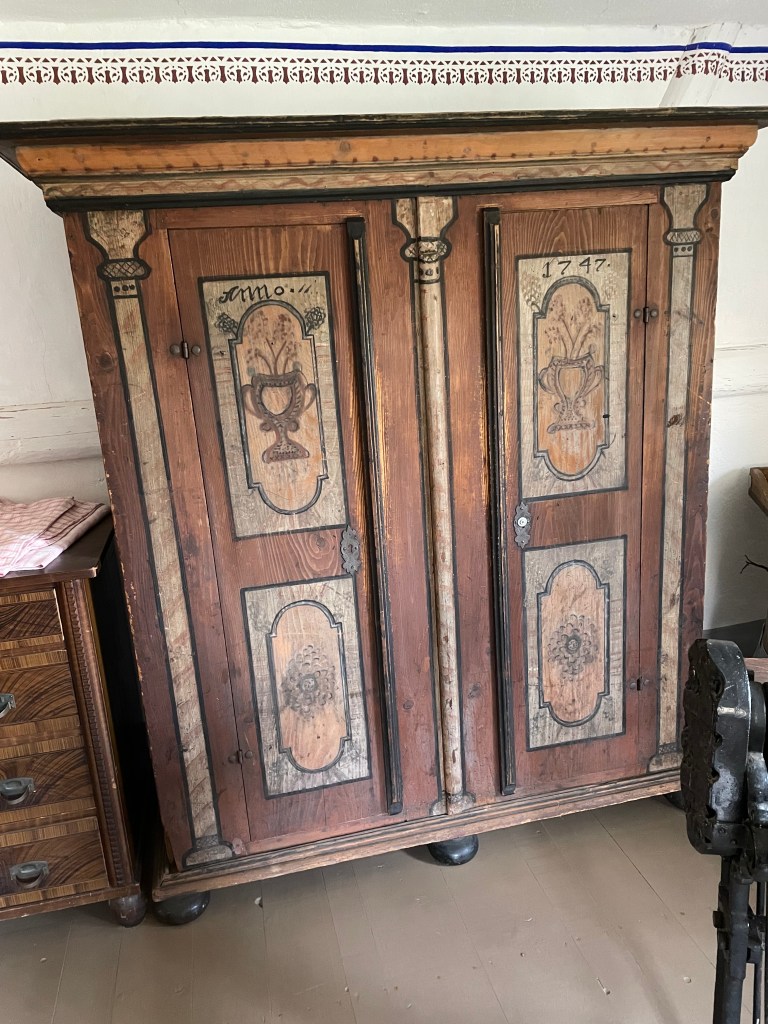
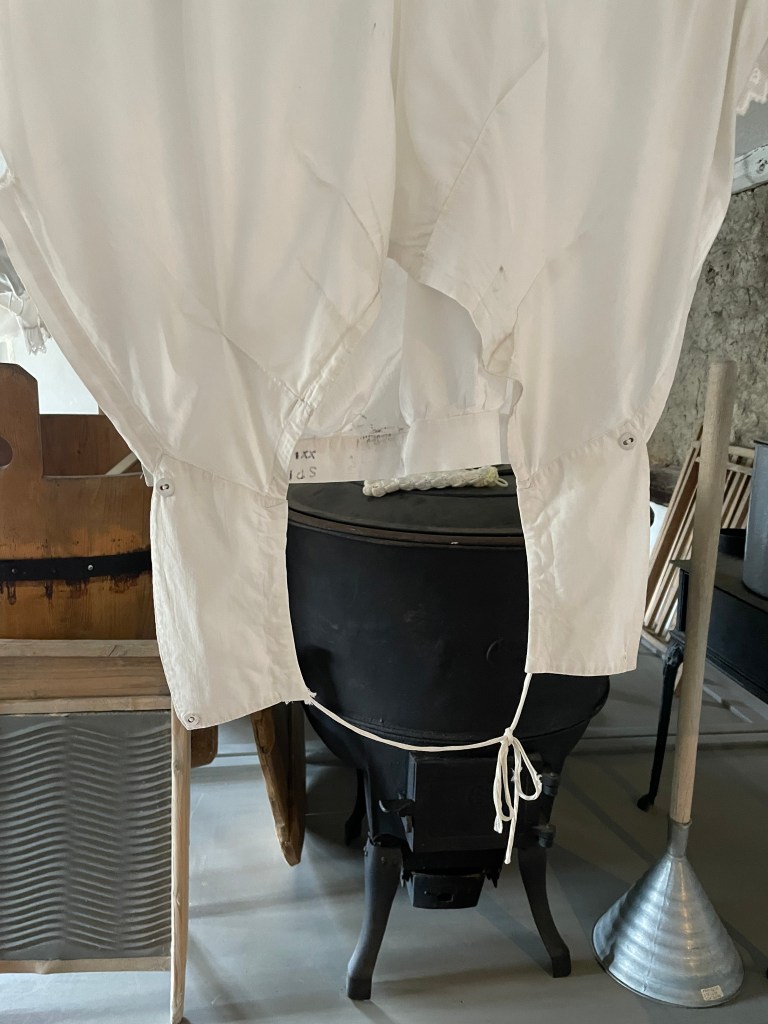
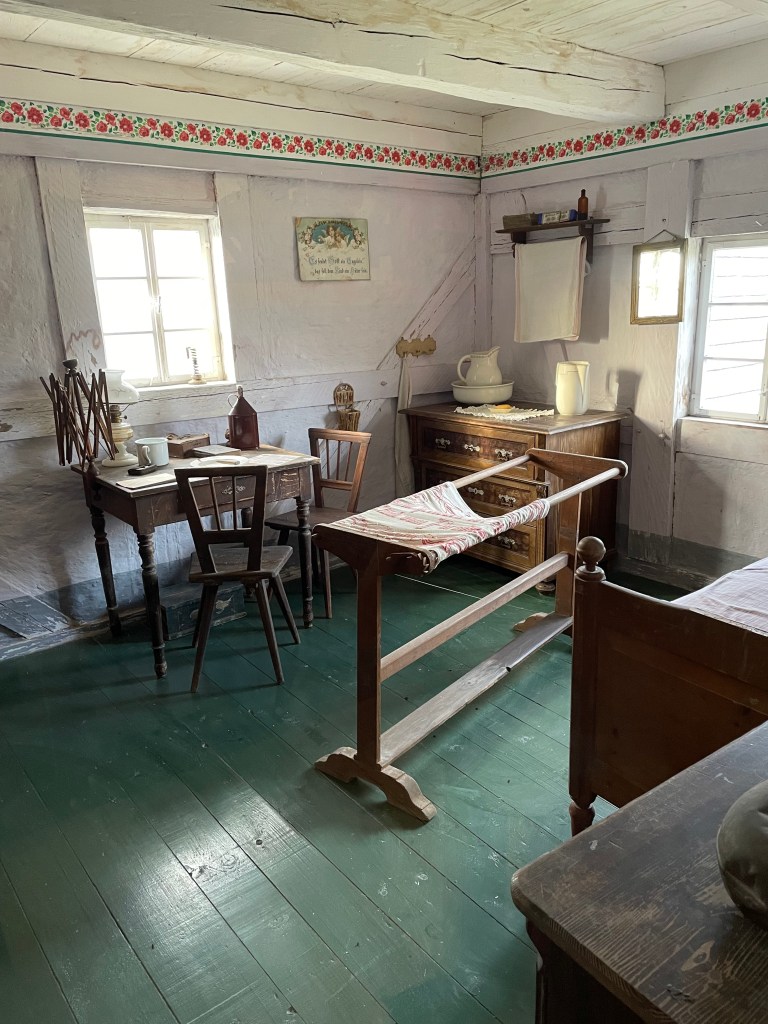
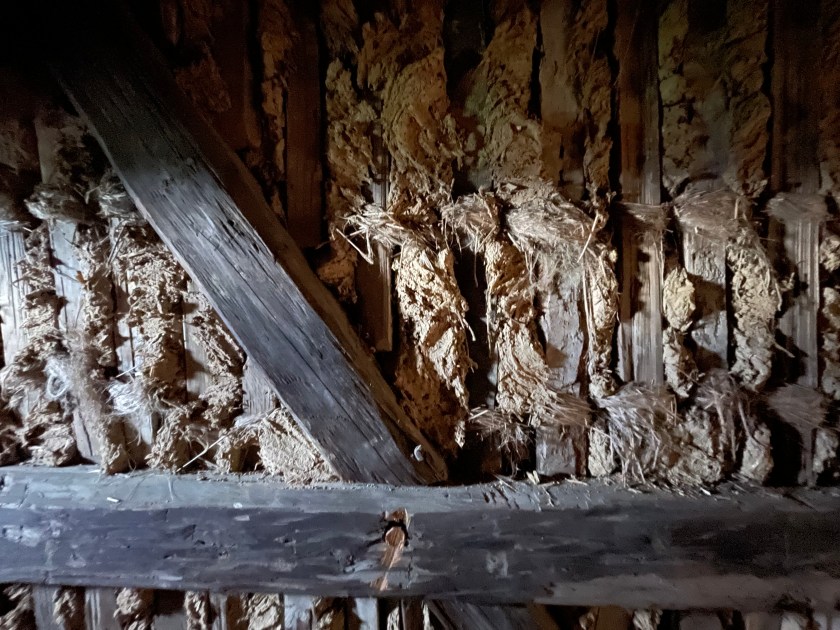
This is the hallway leading to the toilet. You can see the mud and straw mix that is now hard as stone.
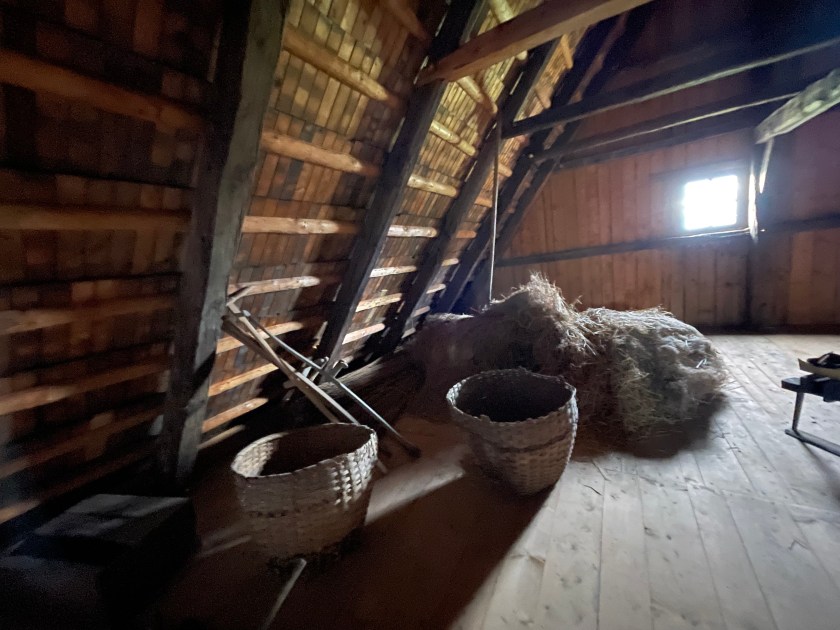
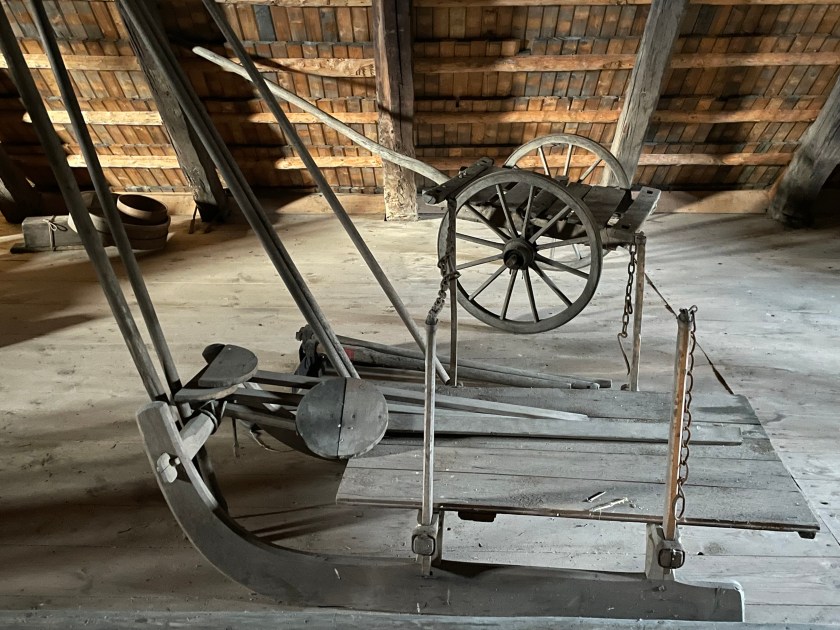
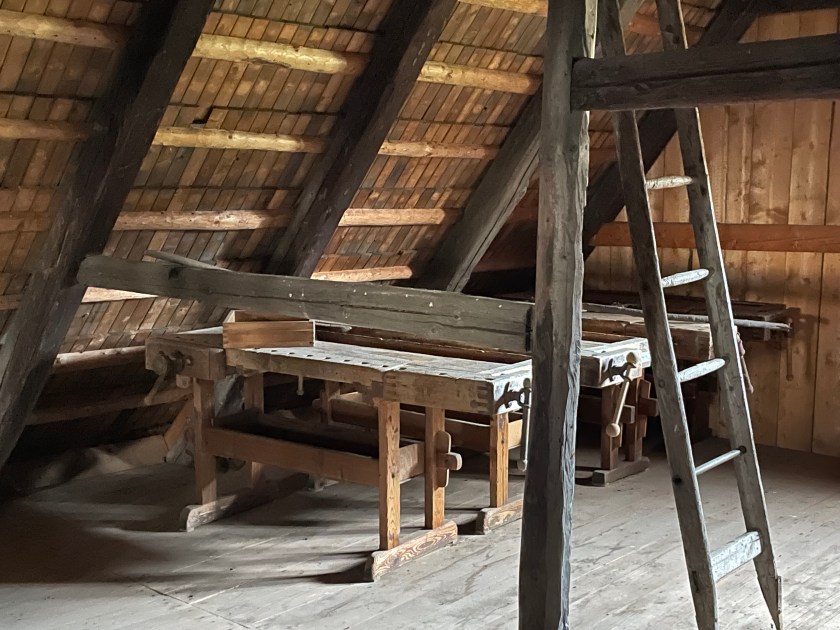
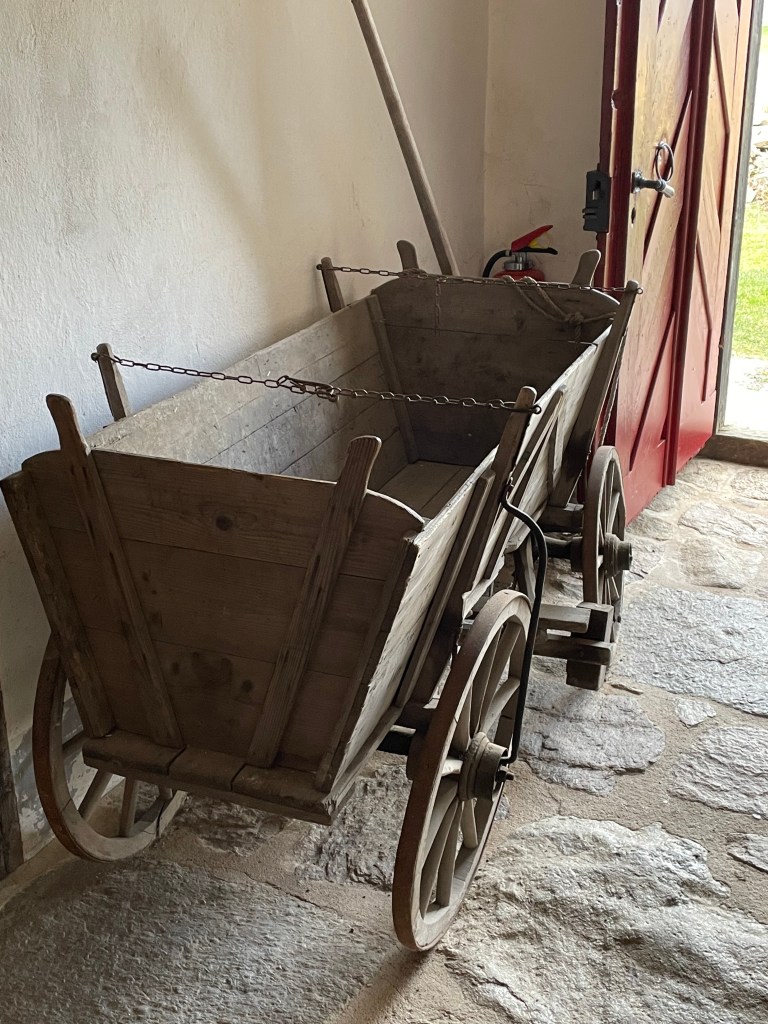
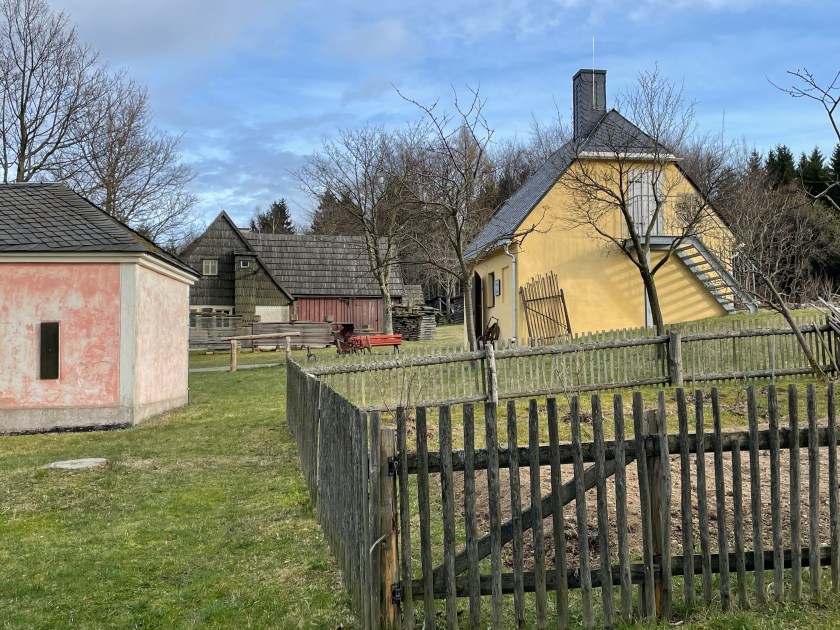
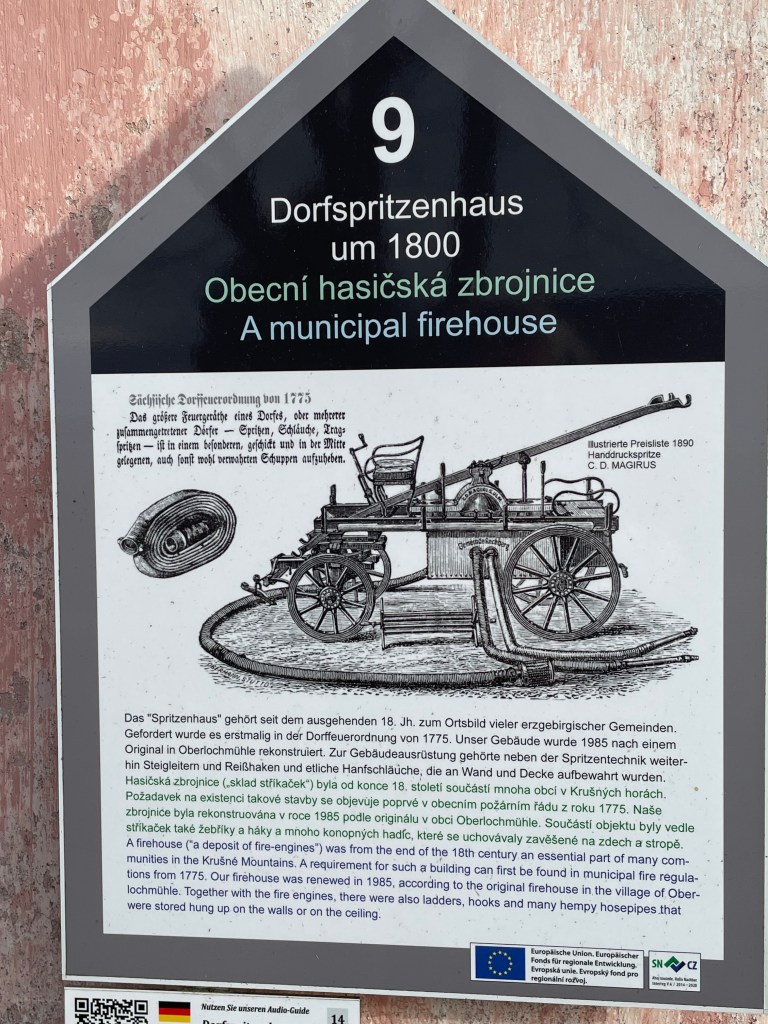
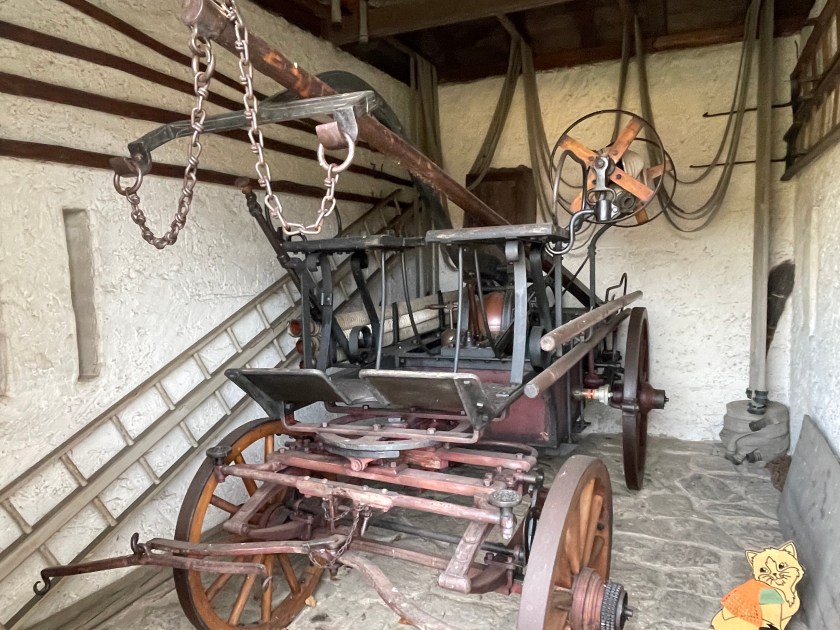
A fire truck:
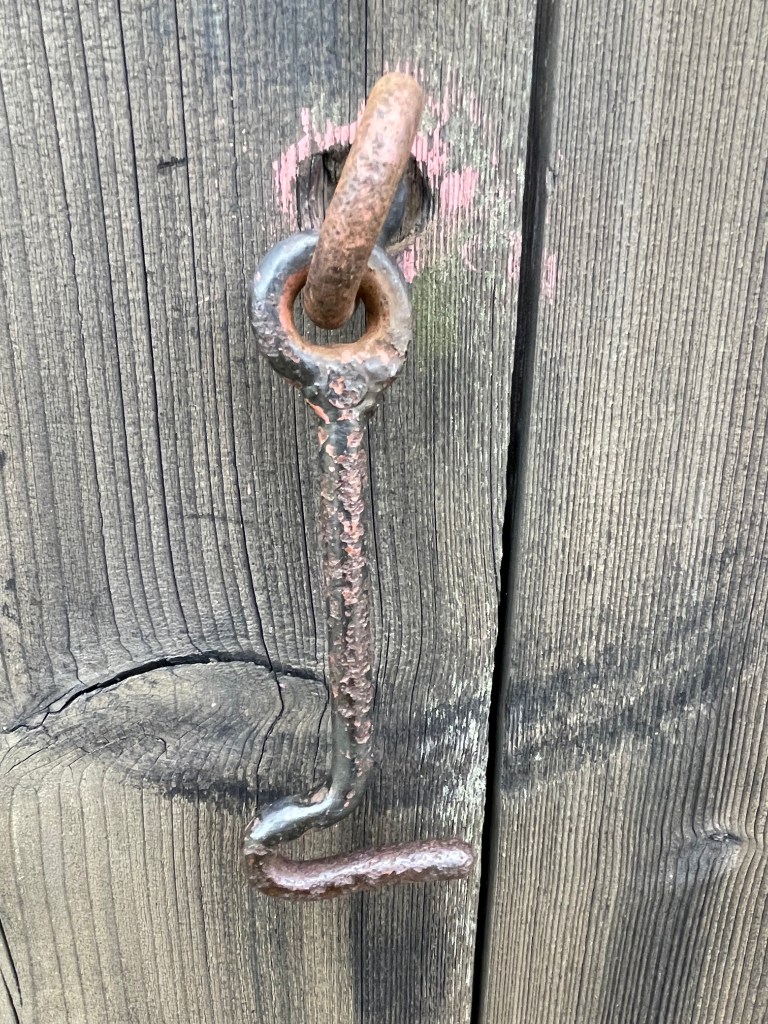
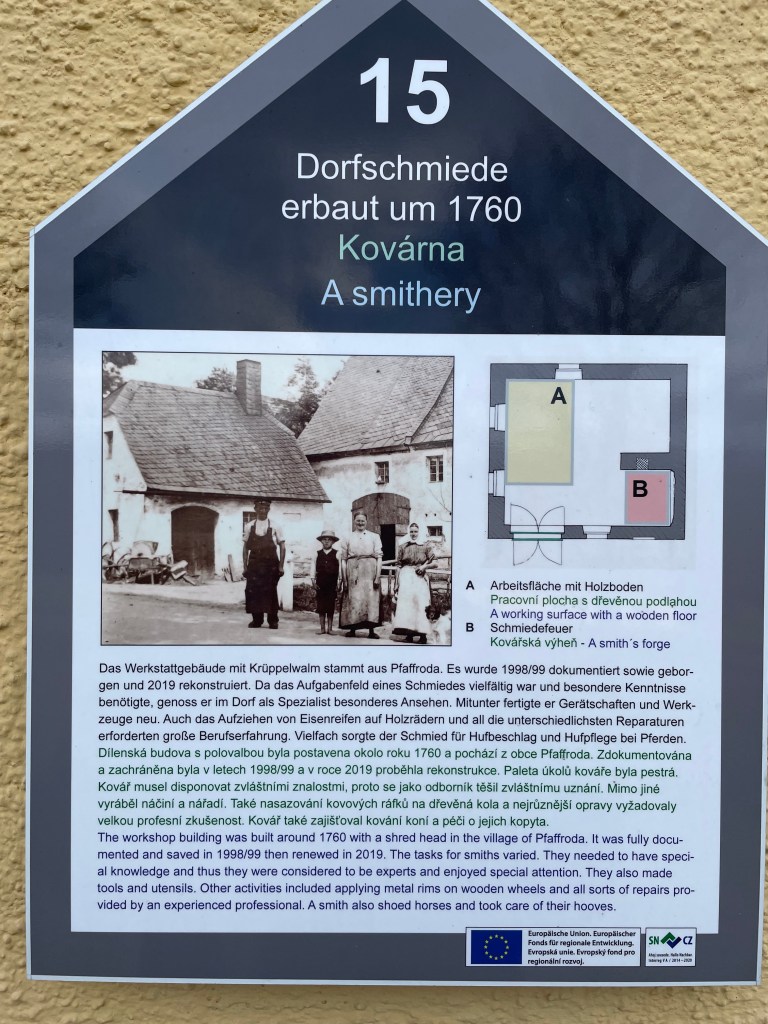
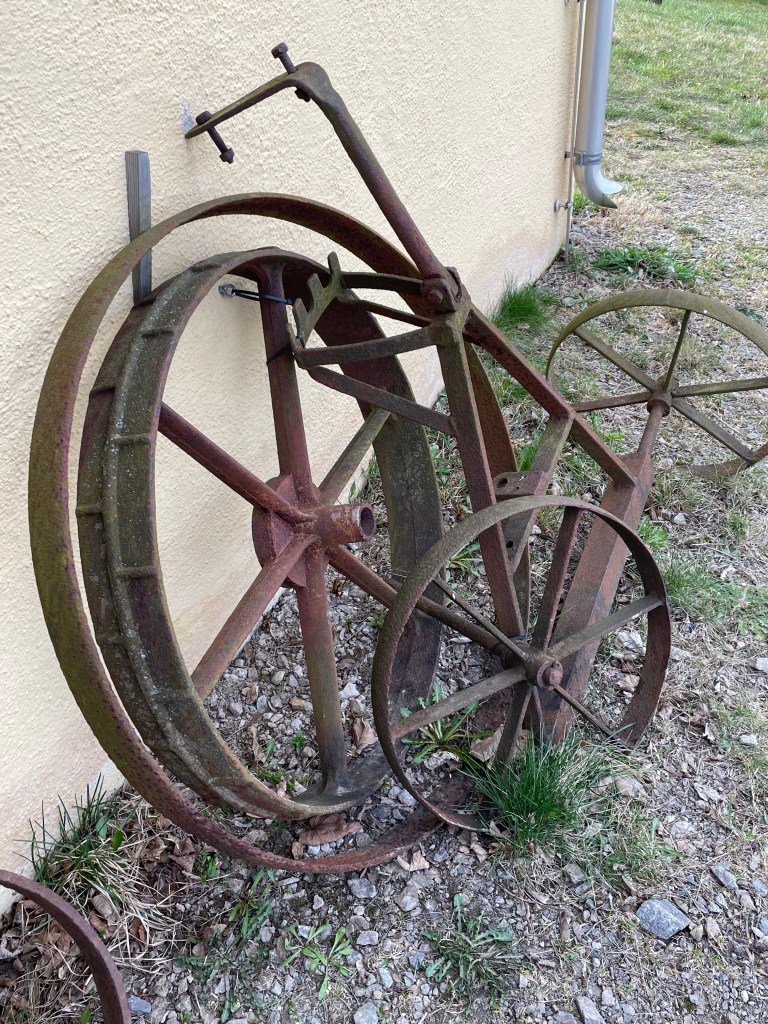
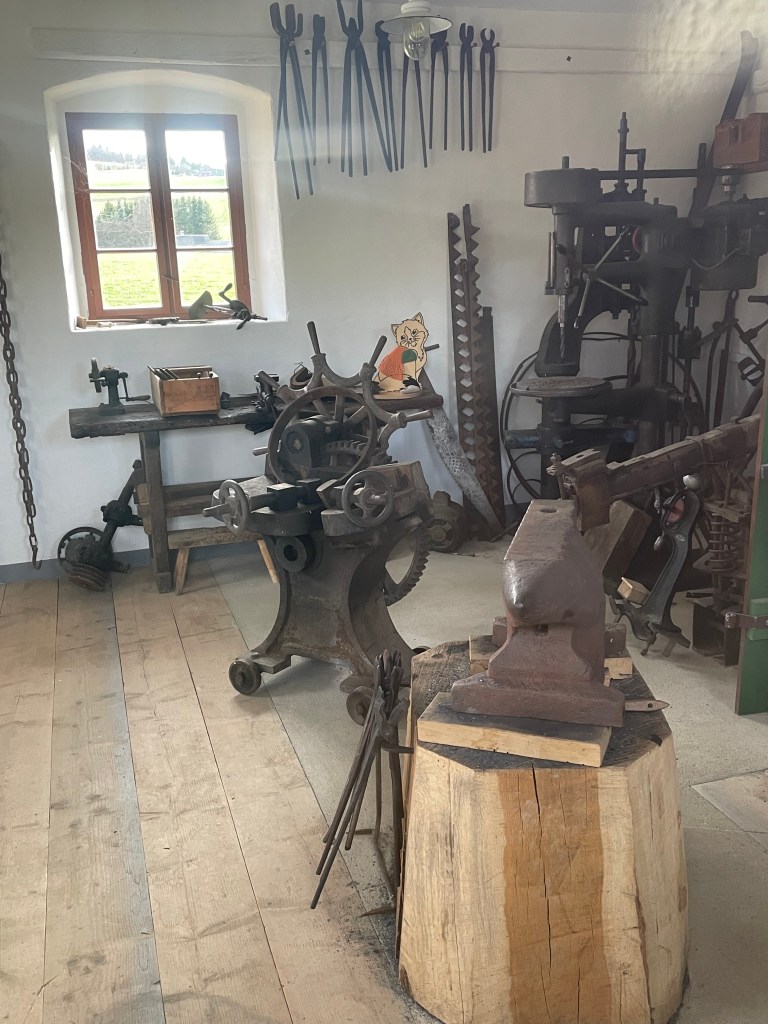
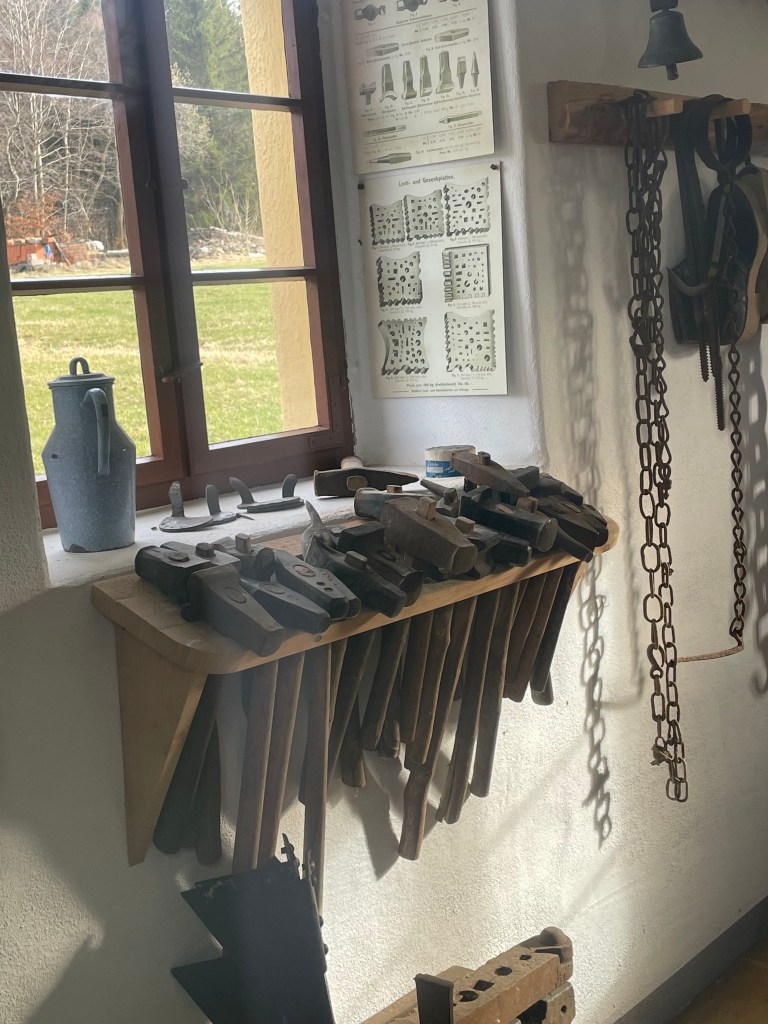
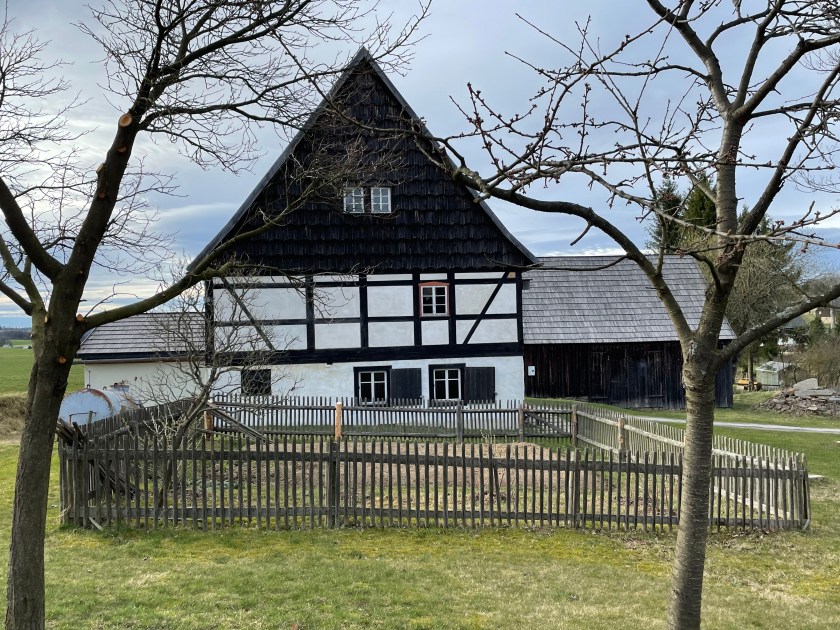
A blacksmith’s home:
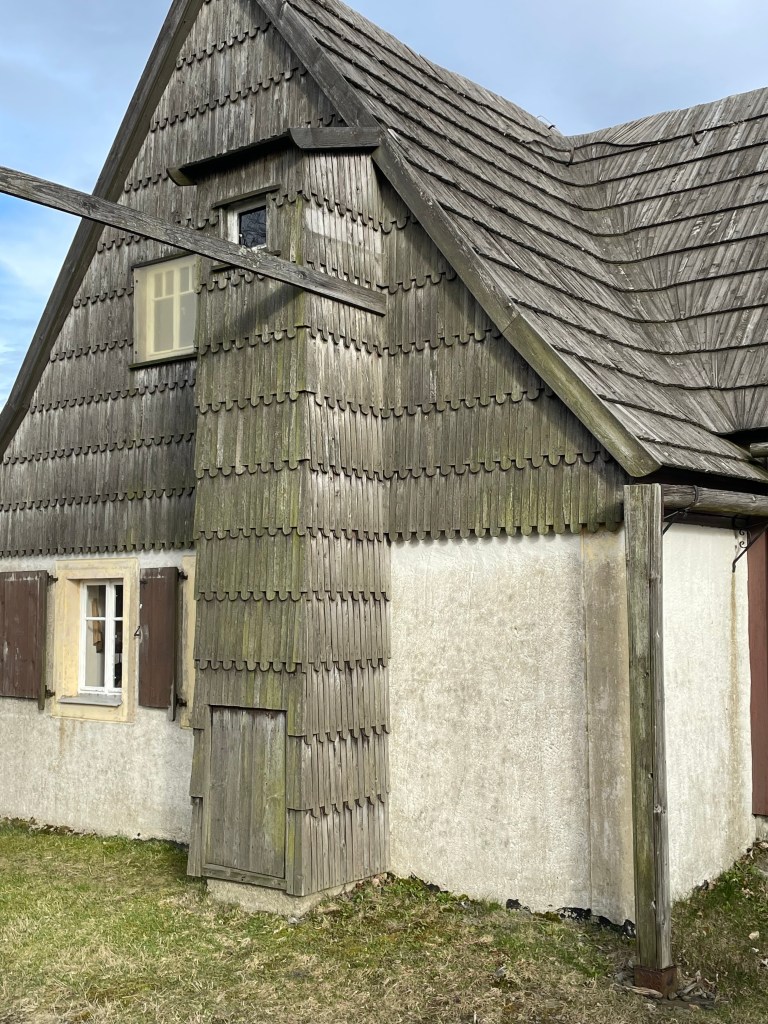
Here is how indoor plumbing was added on to the homes. The toilet waste fell into a bucket down below.
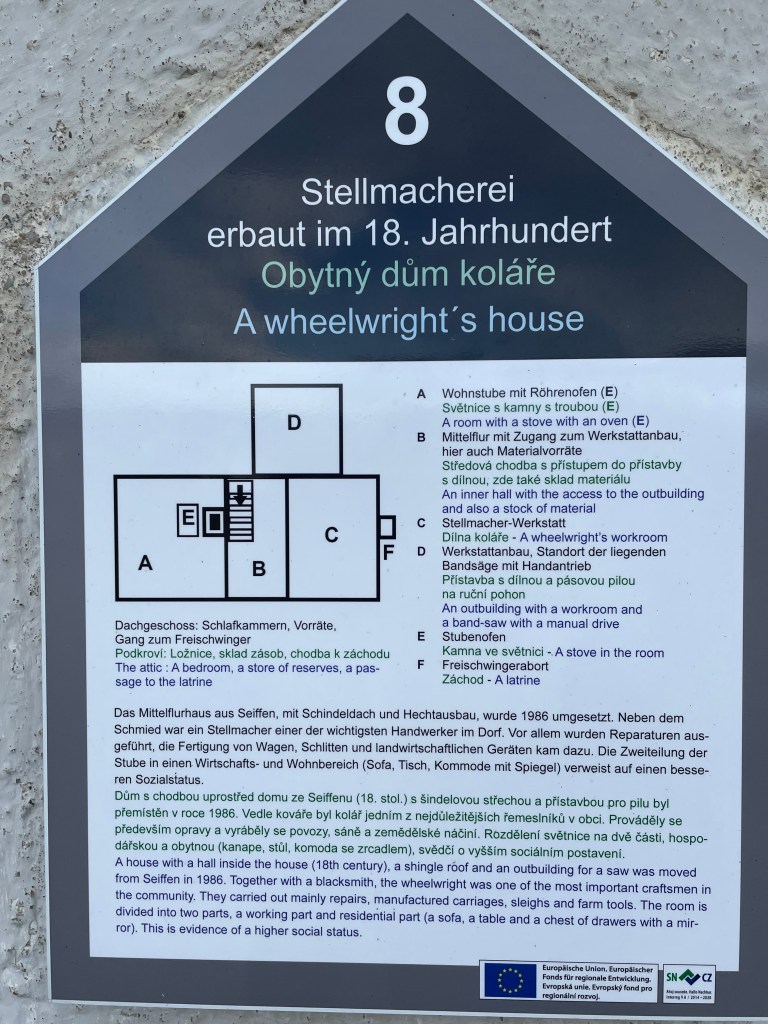
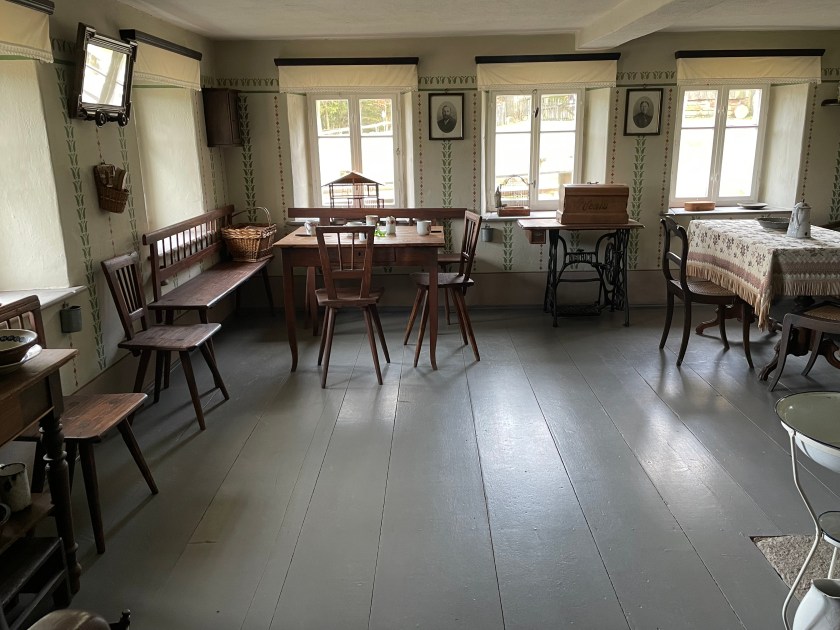
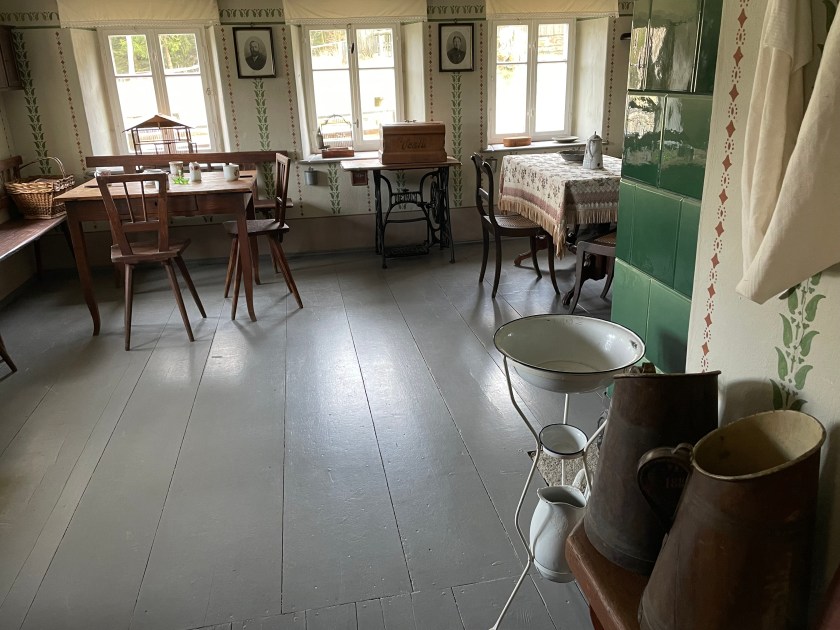
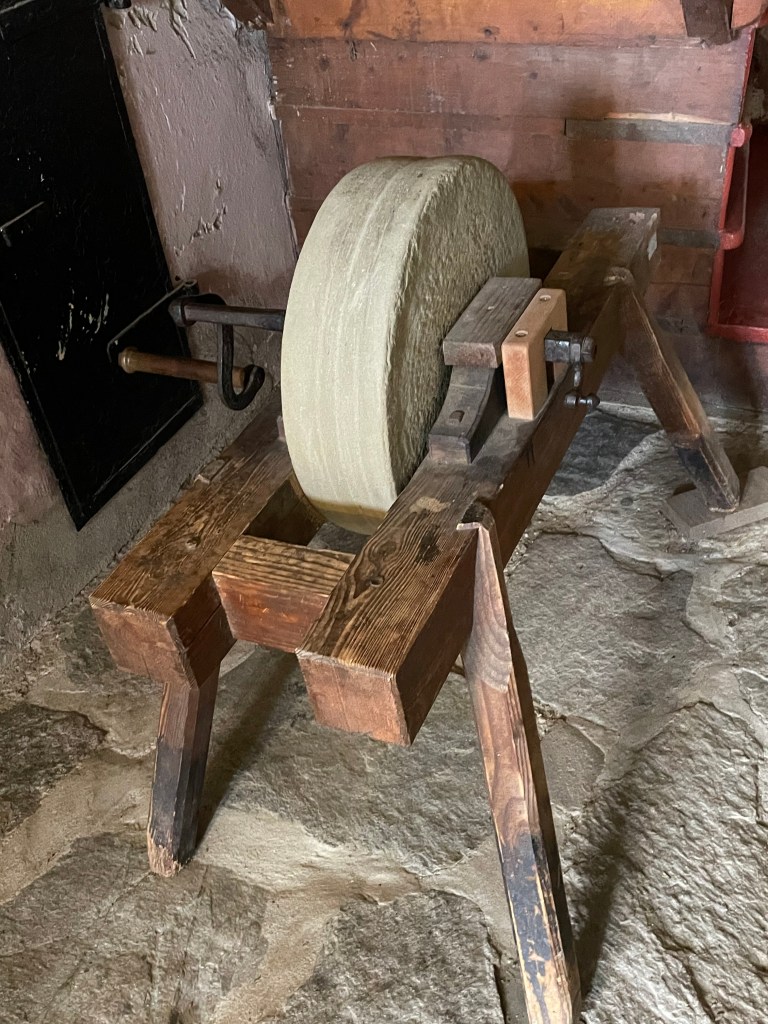
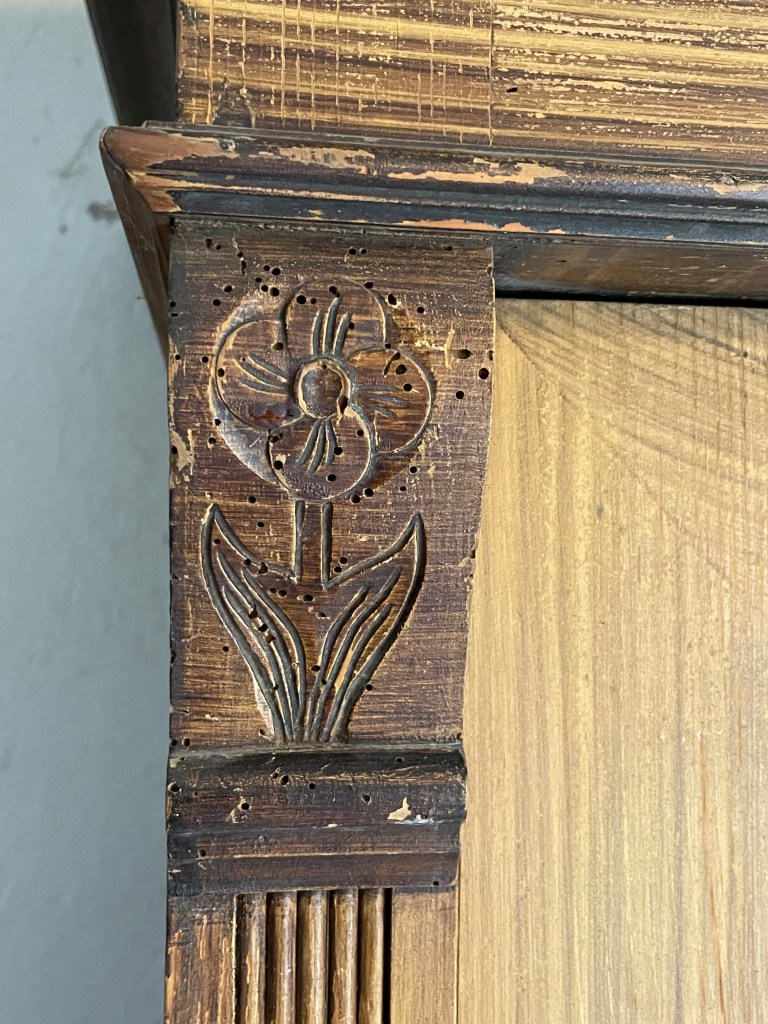
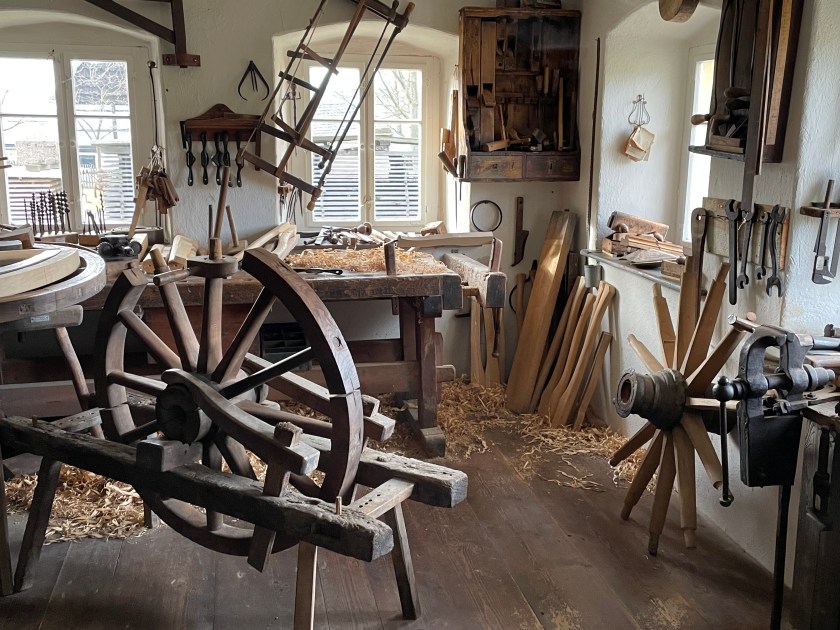
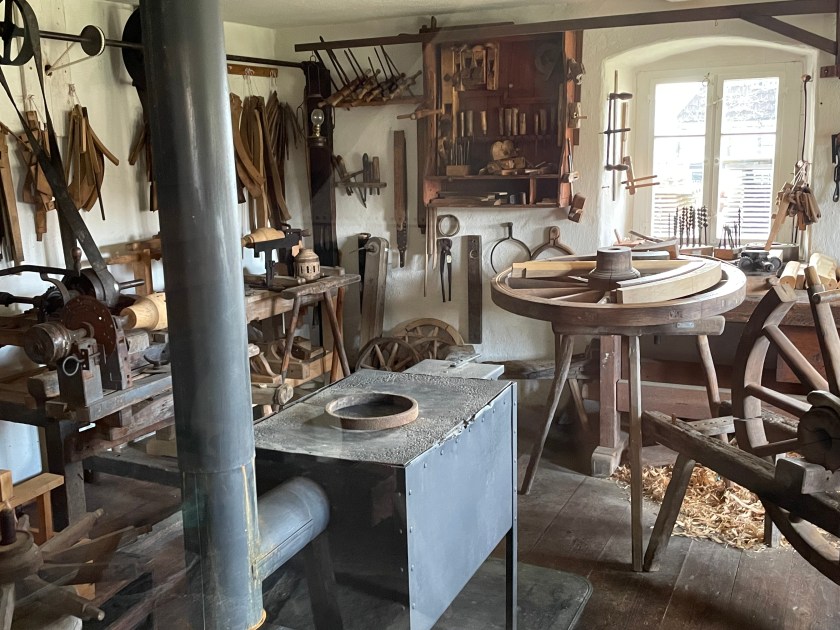
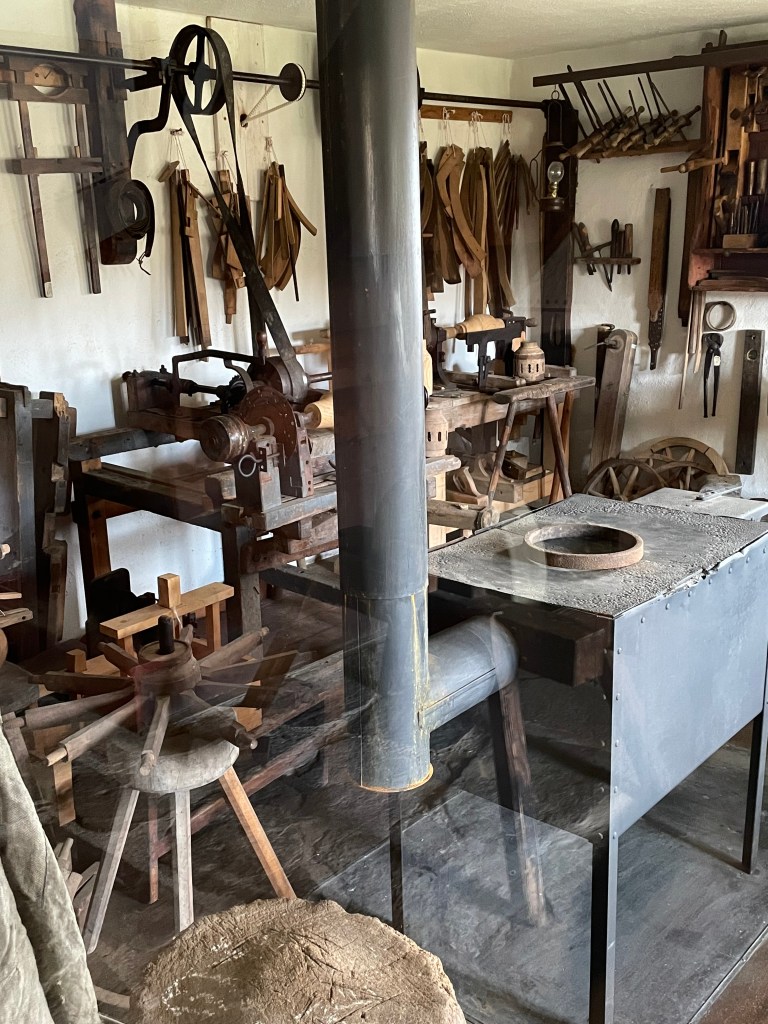
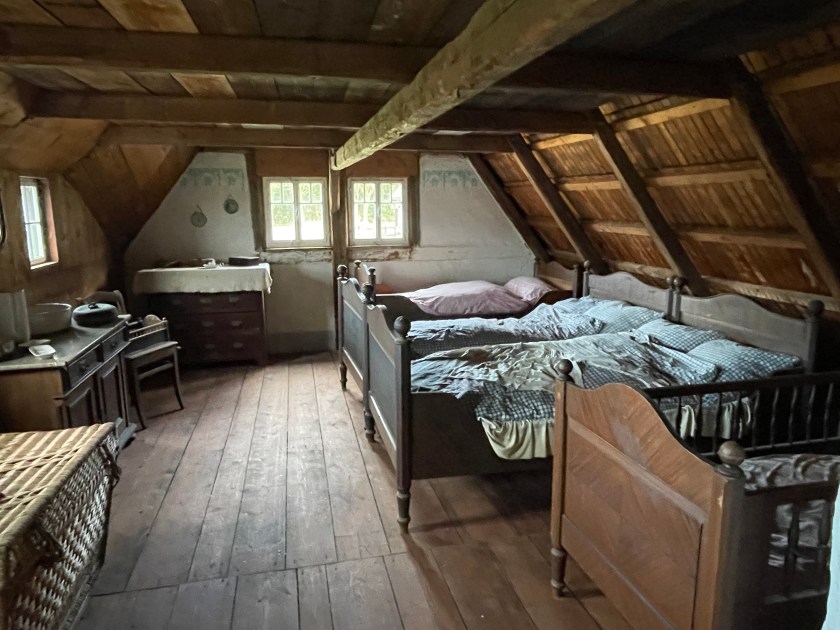
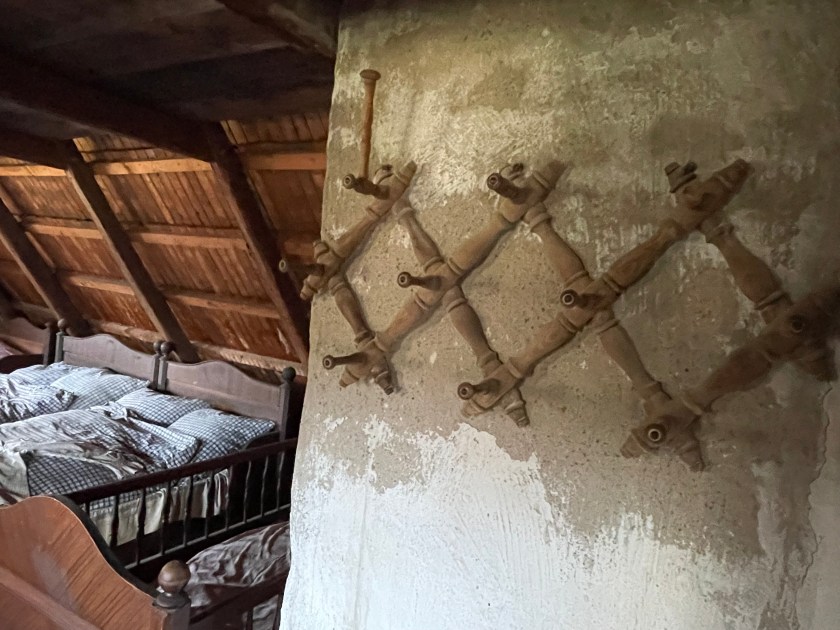
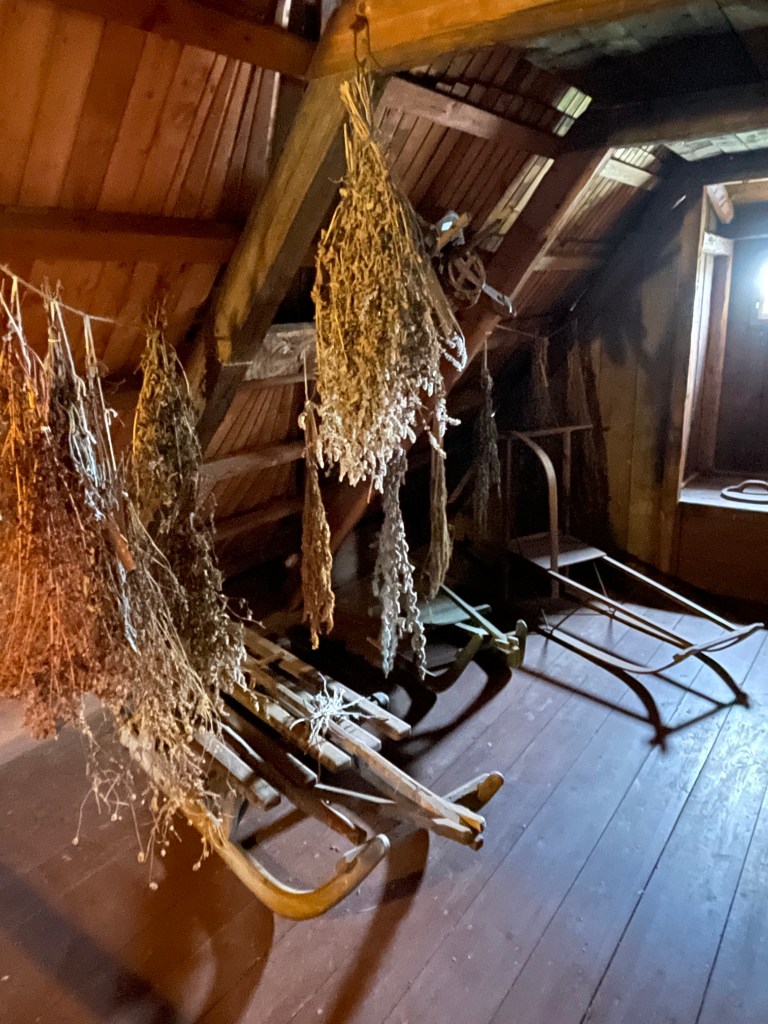
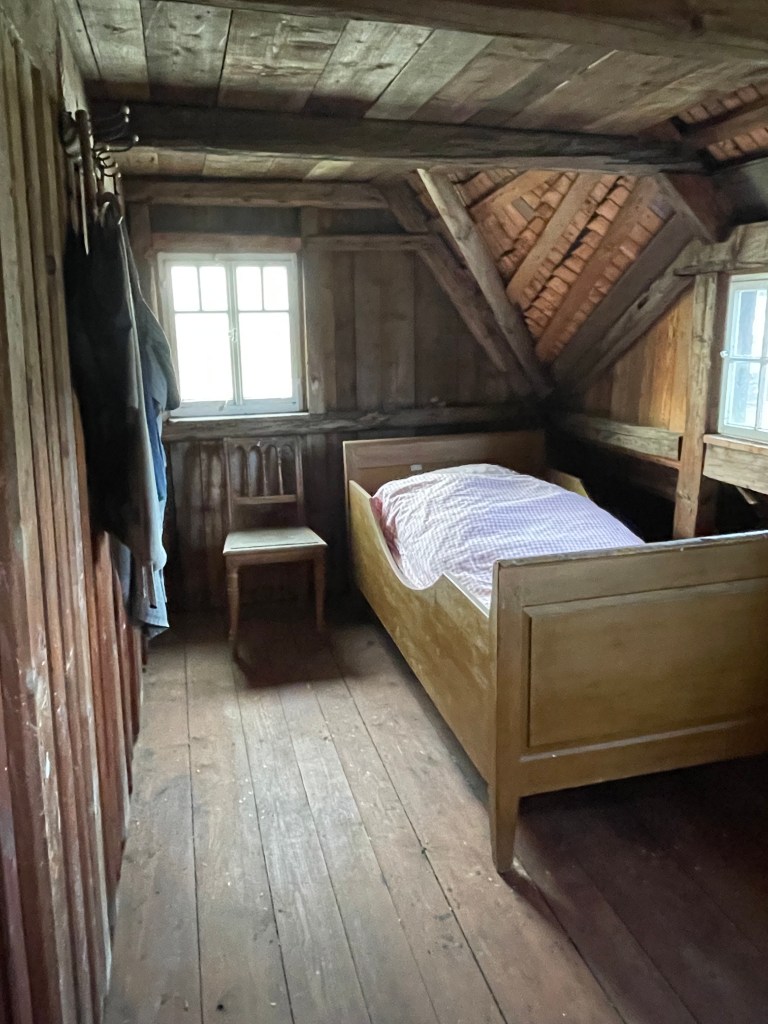
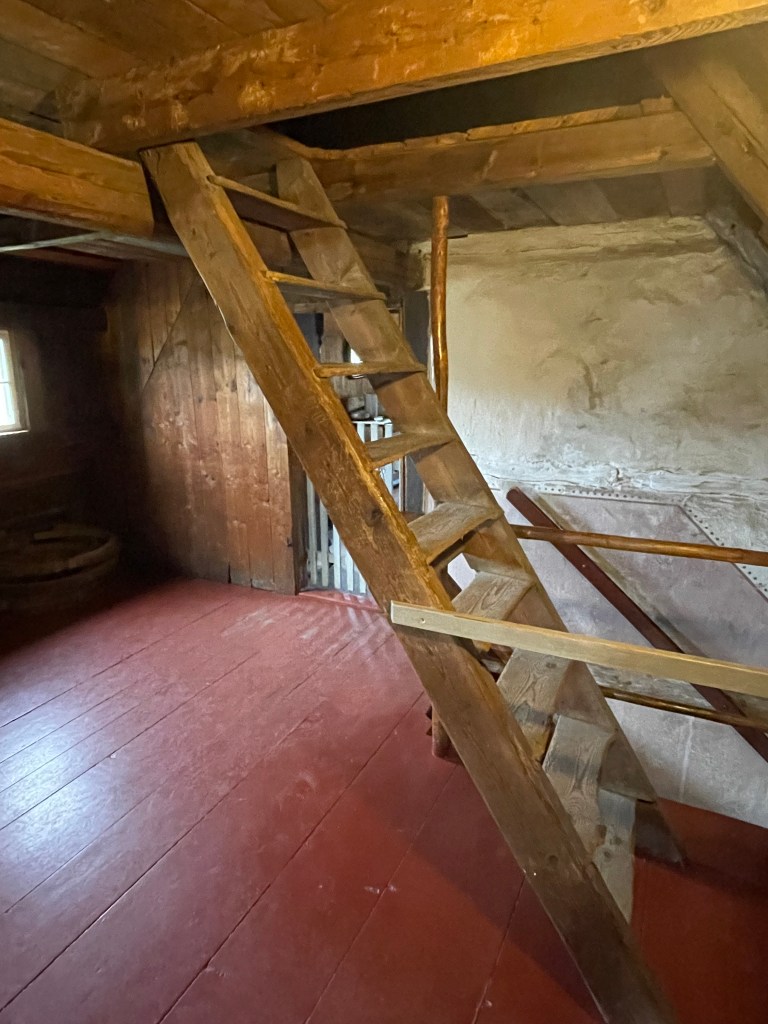
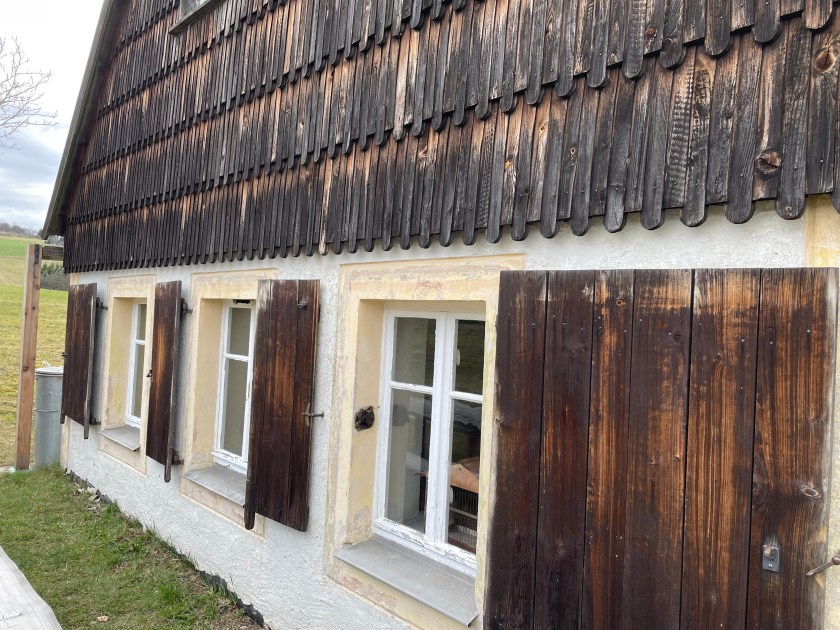
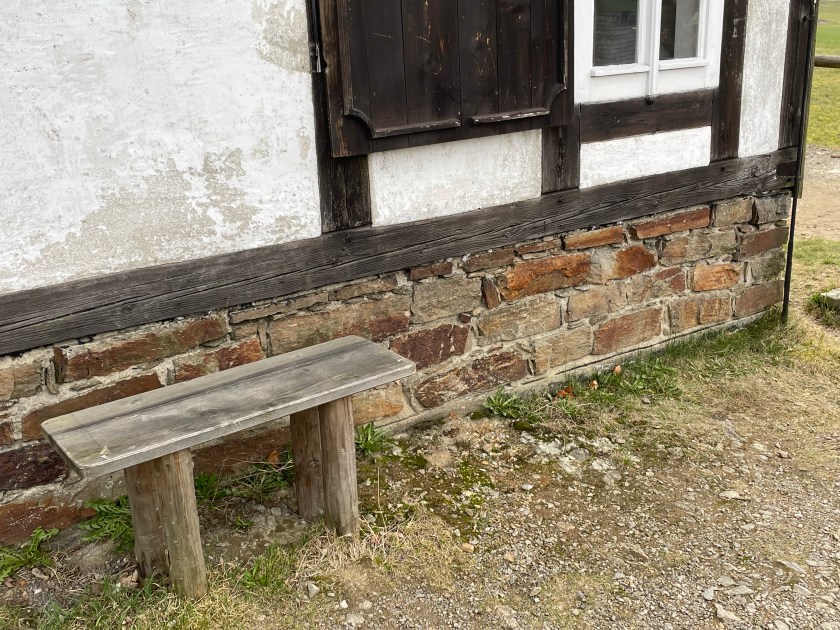

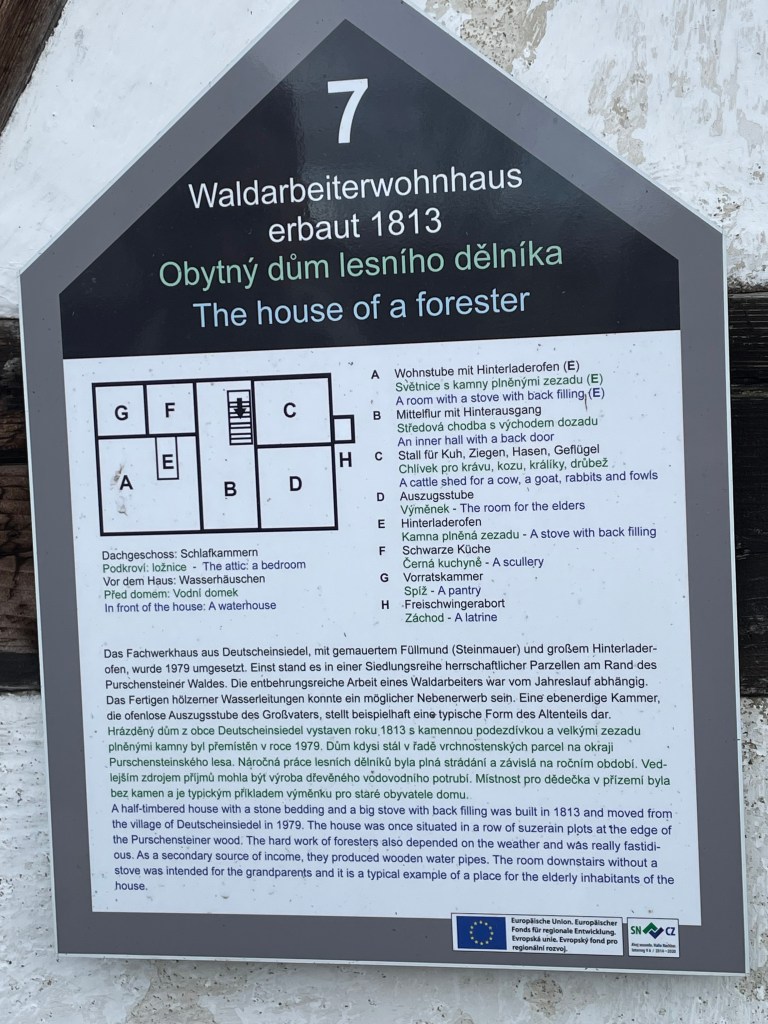
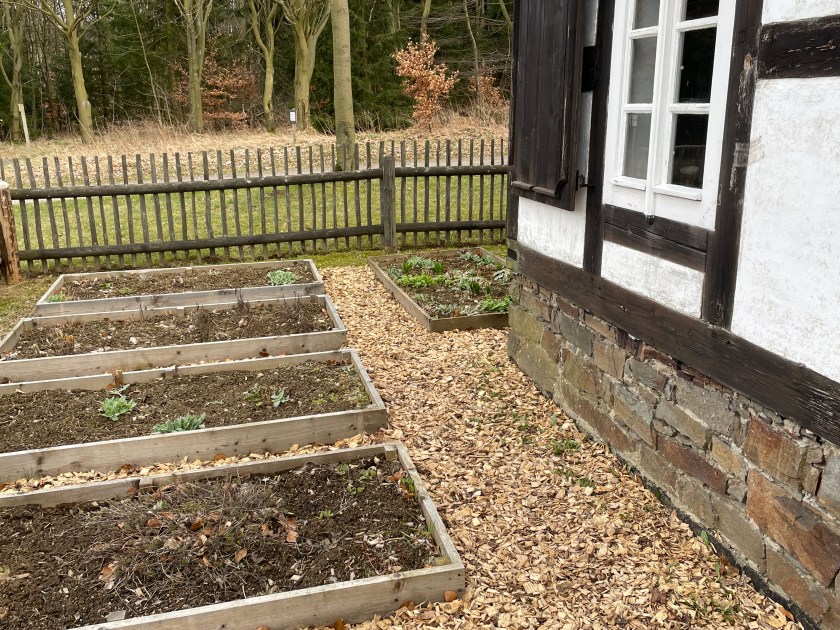
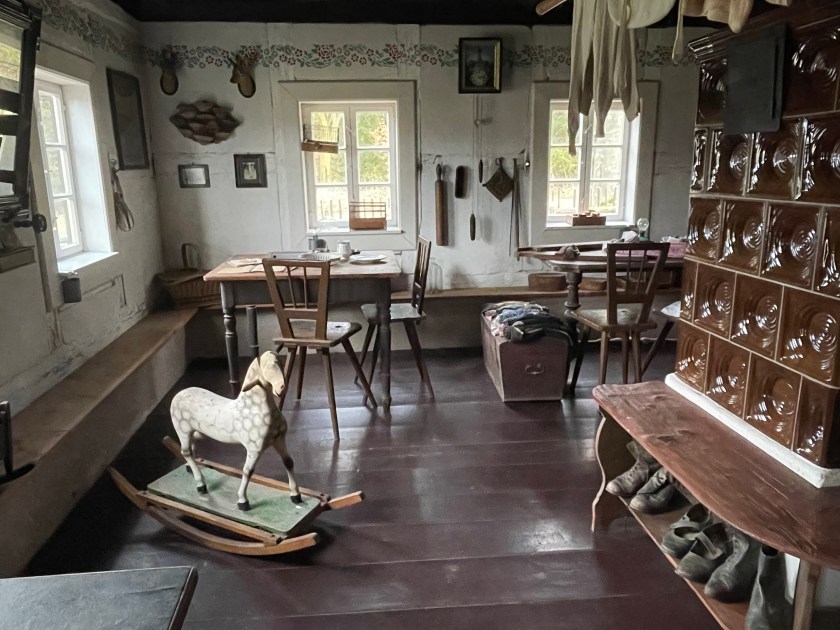
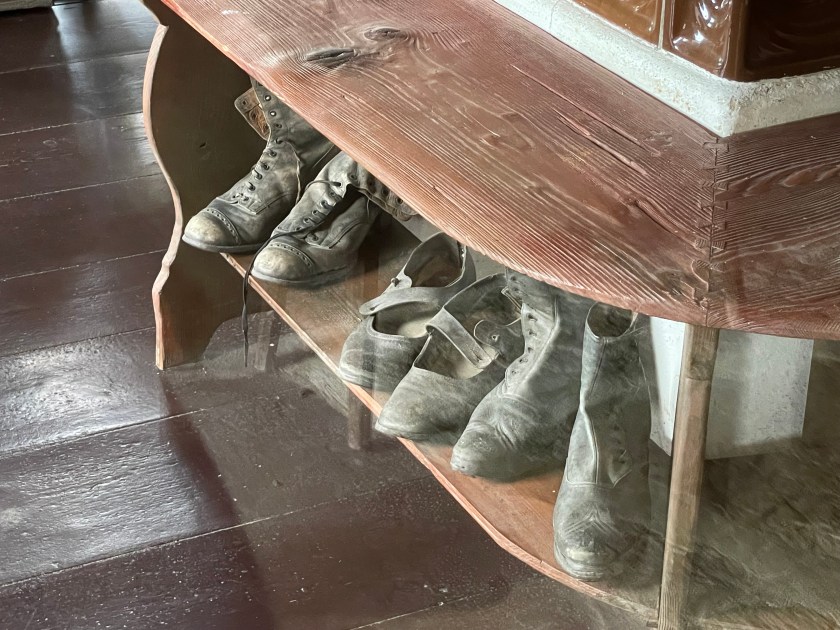
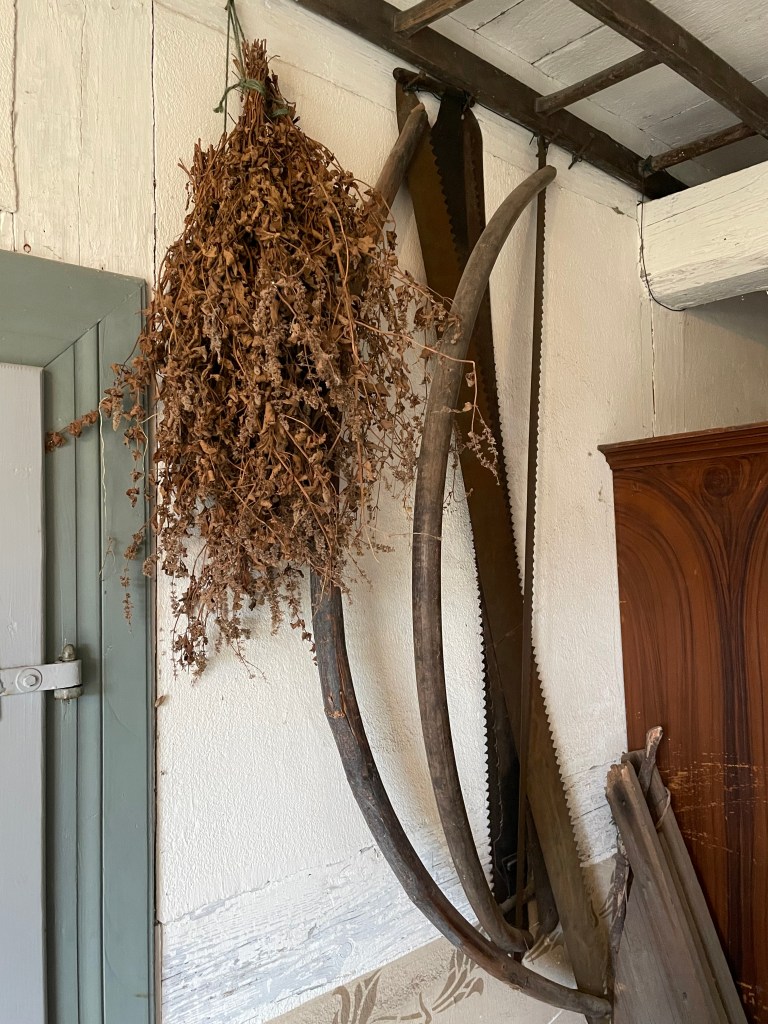
This was the room of an old widower:
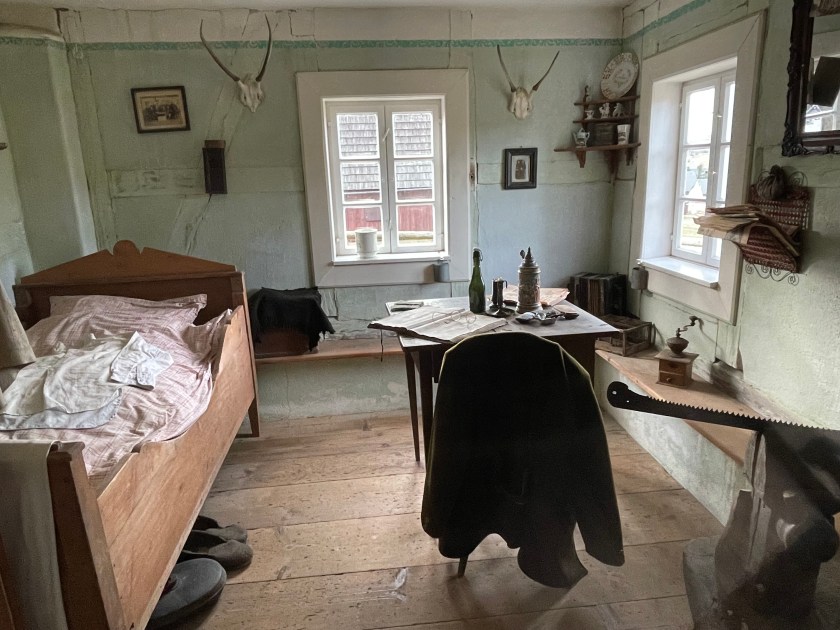
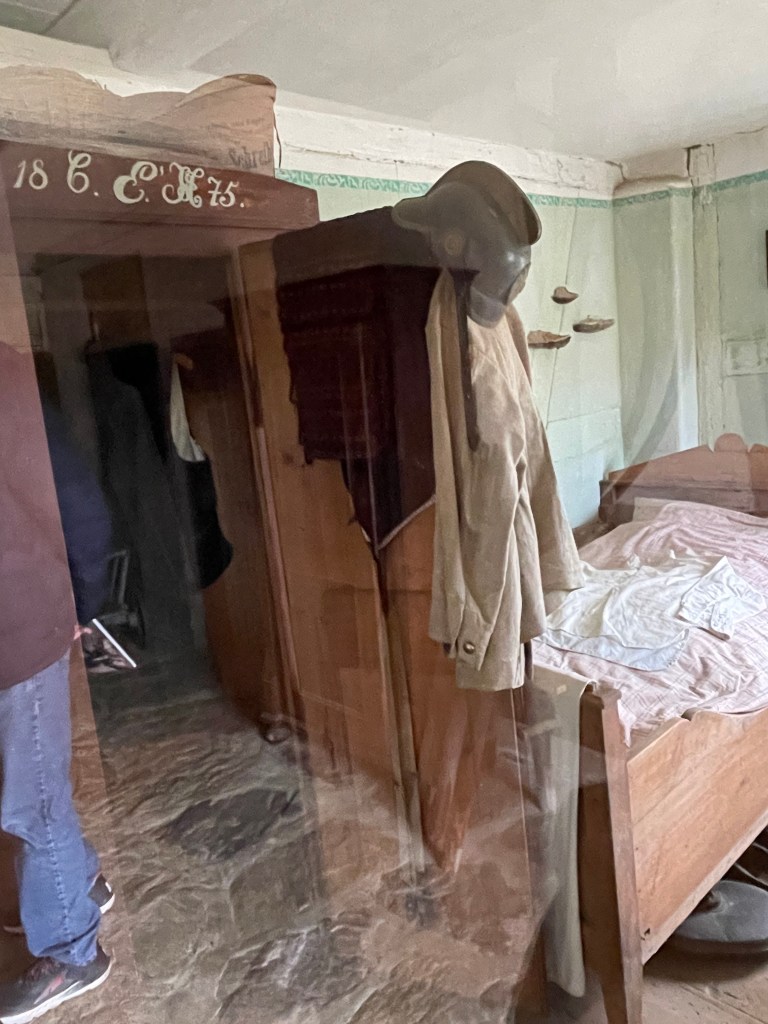
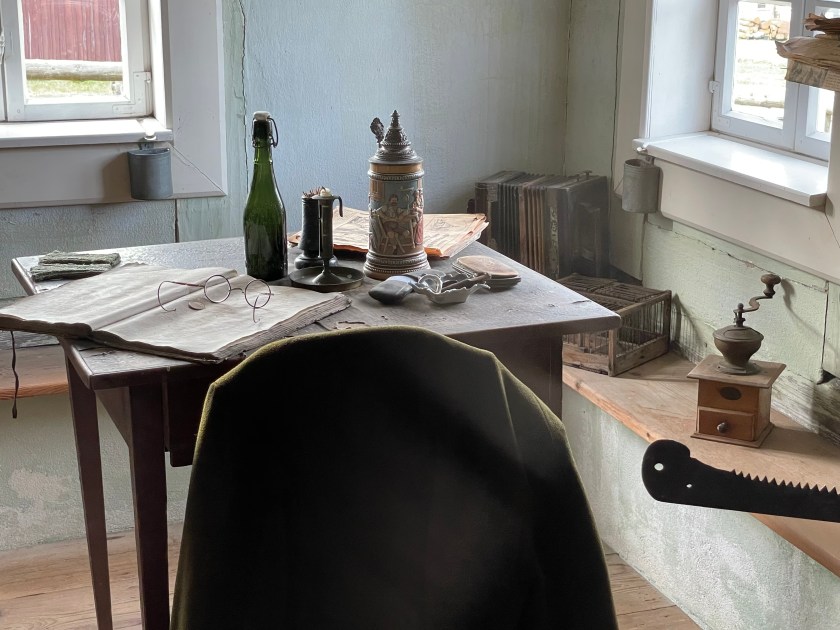
It was next to the room for the animals.
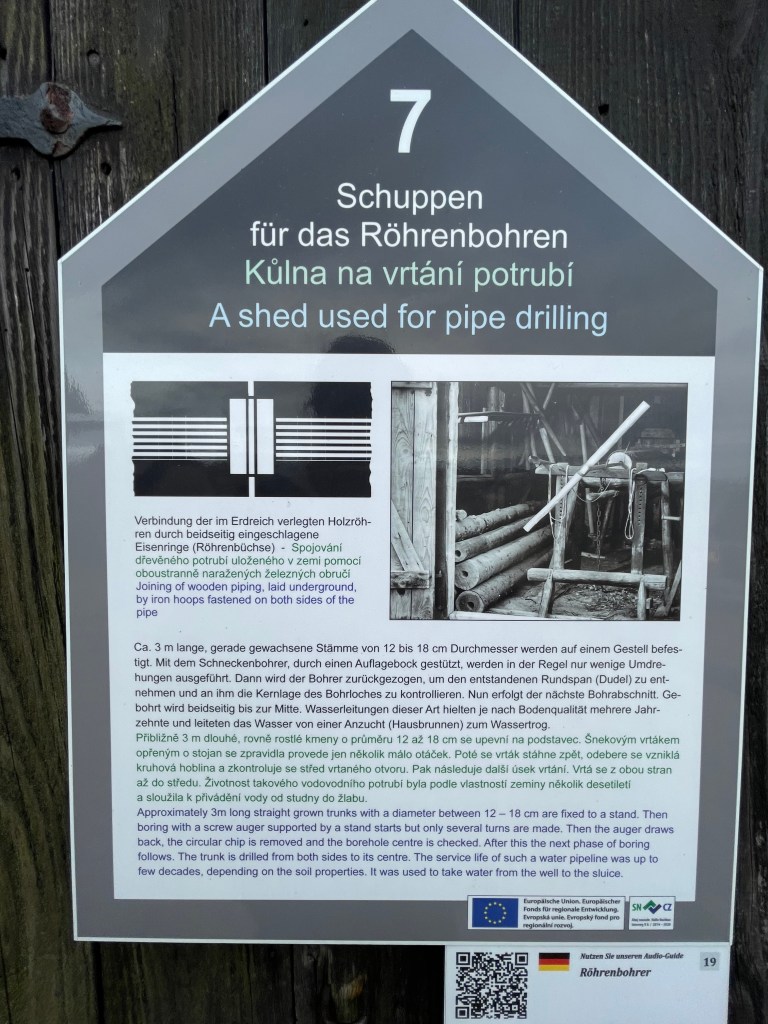
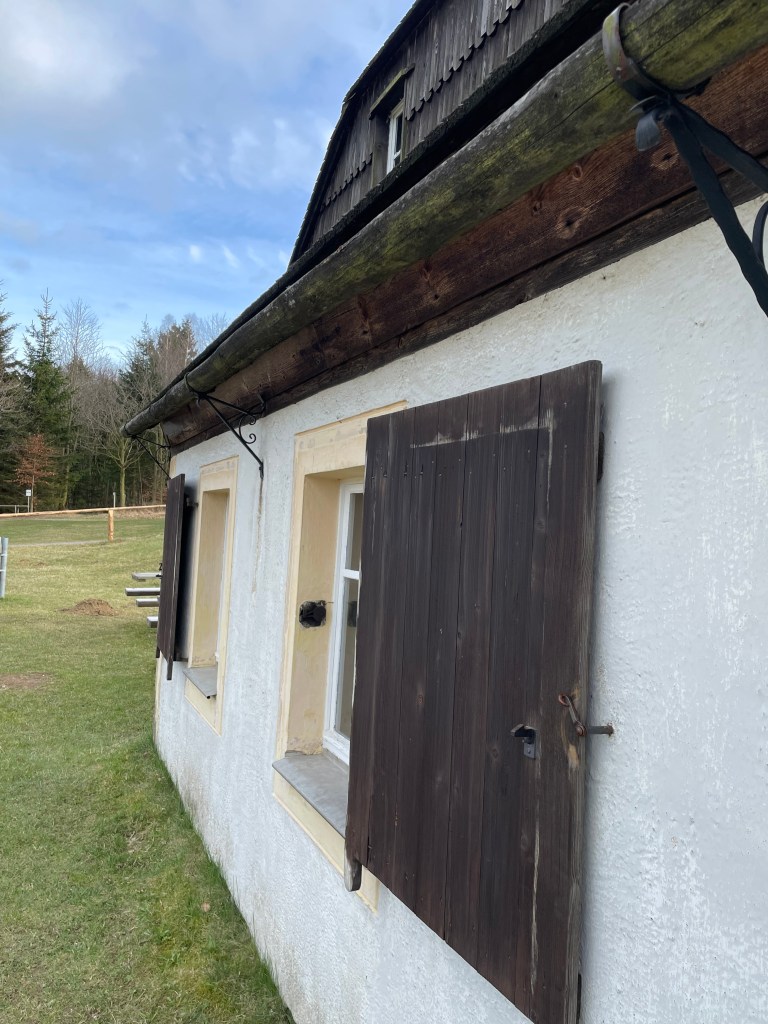
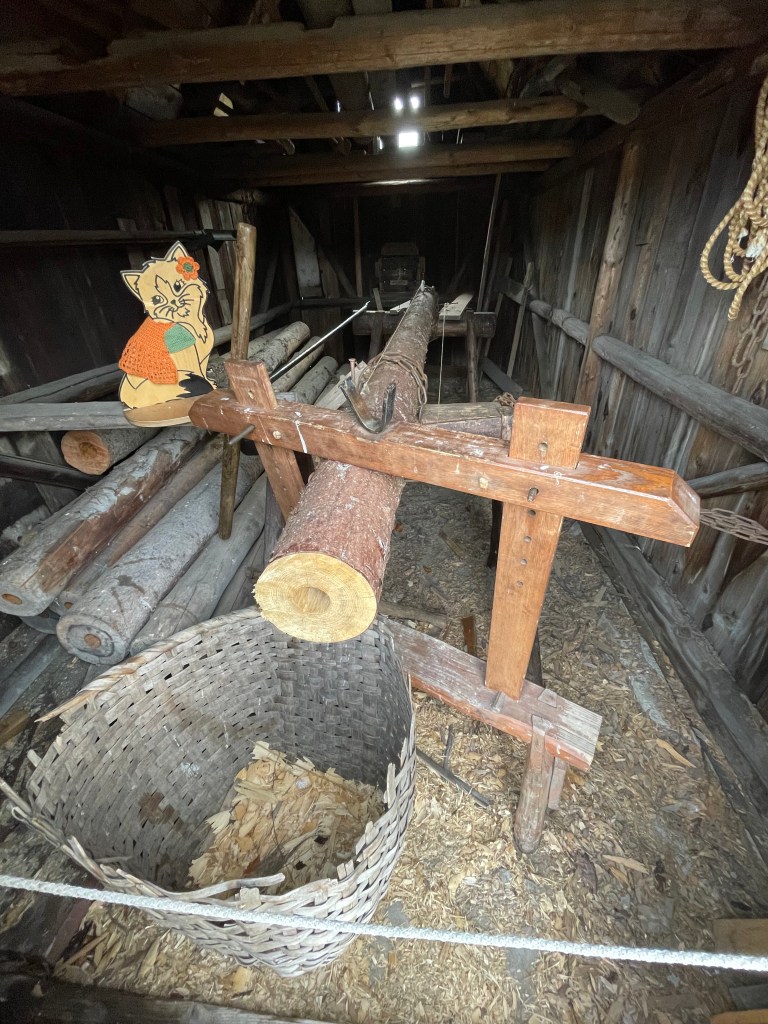
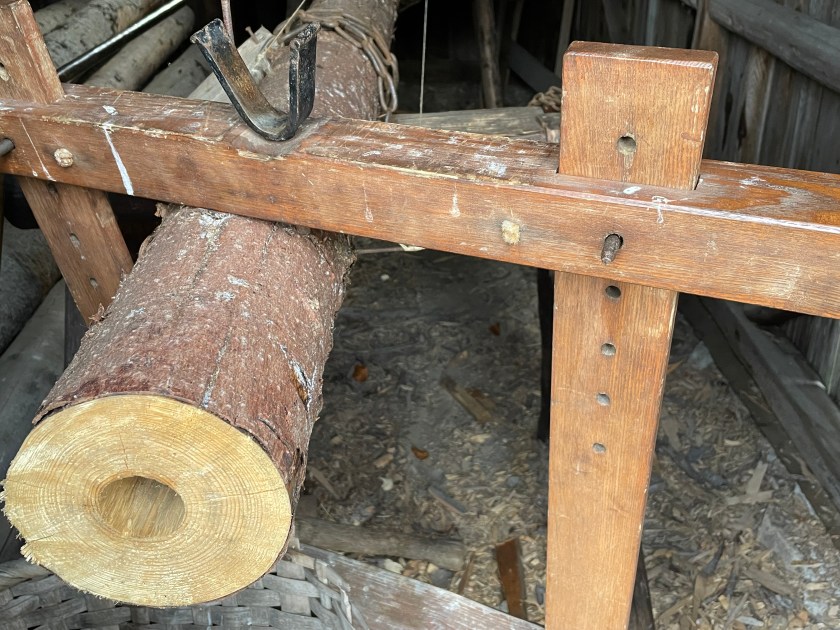
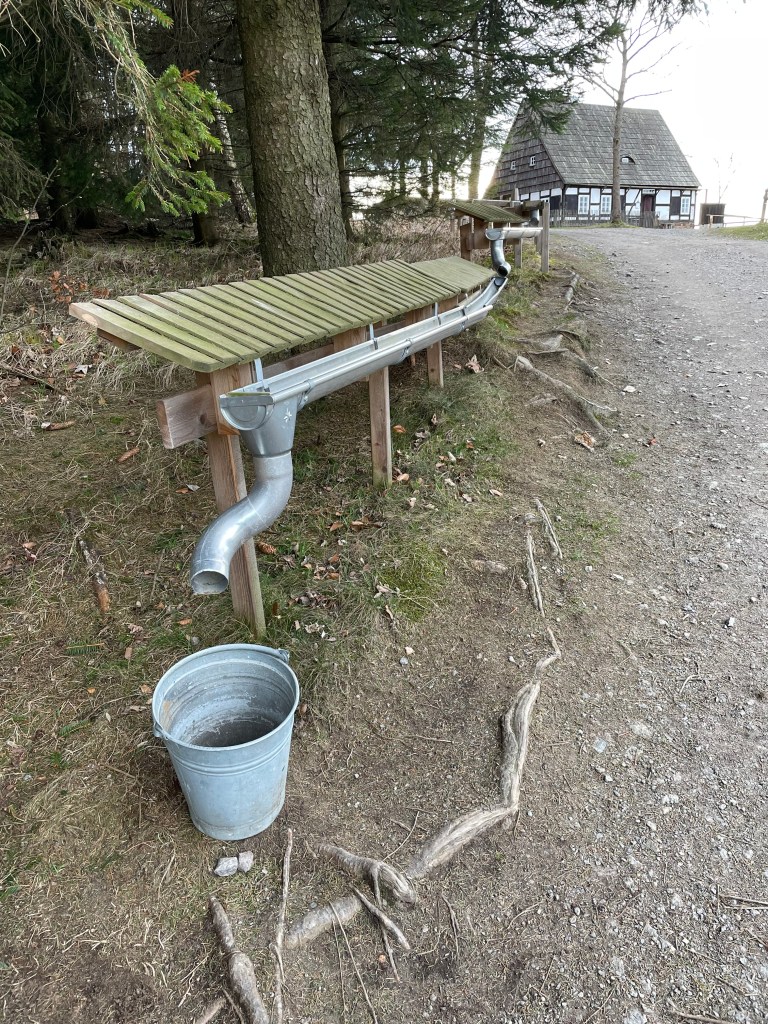
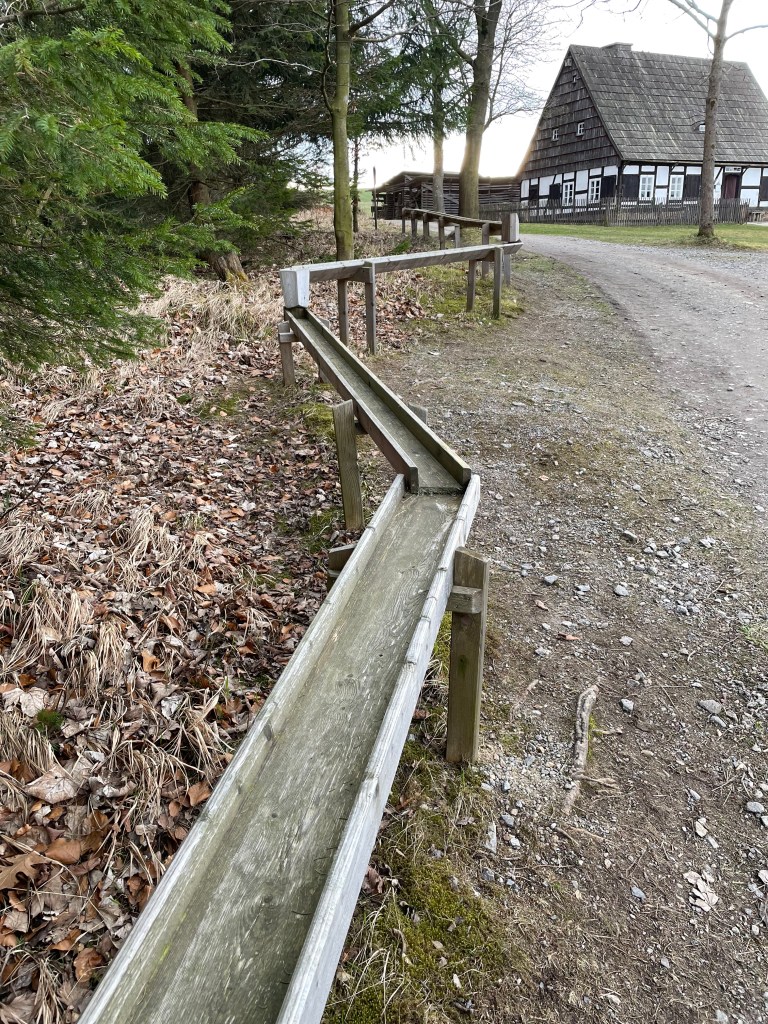
Water pipes and rain gutters were made from long straight logs. The pipes were hollowed out.

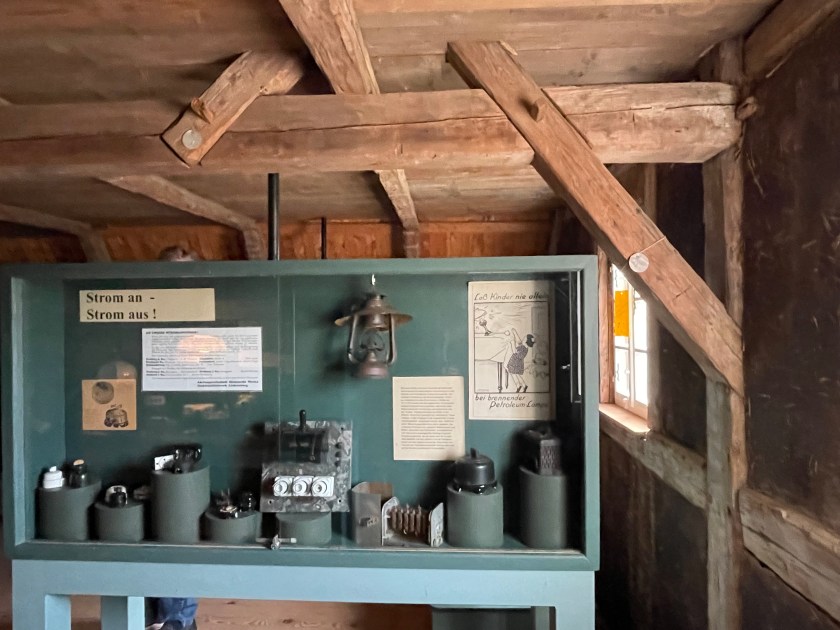
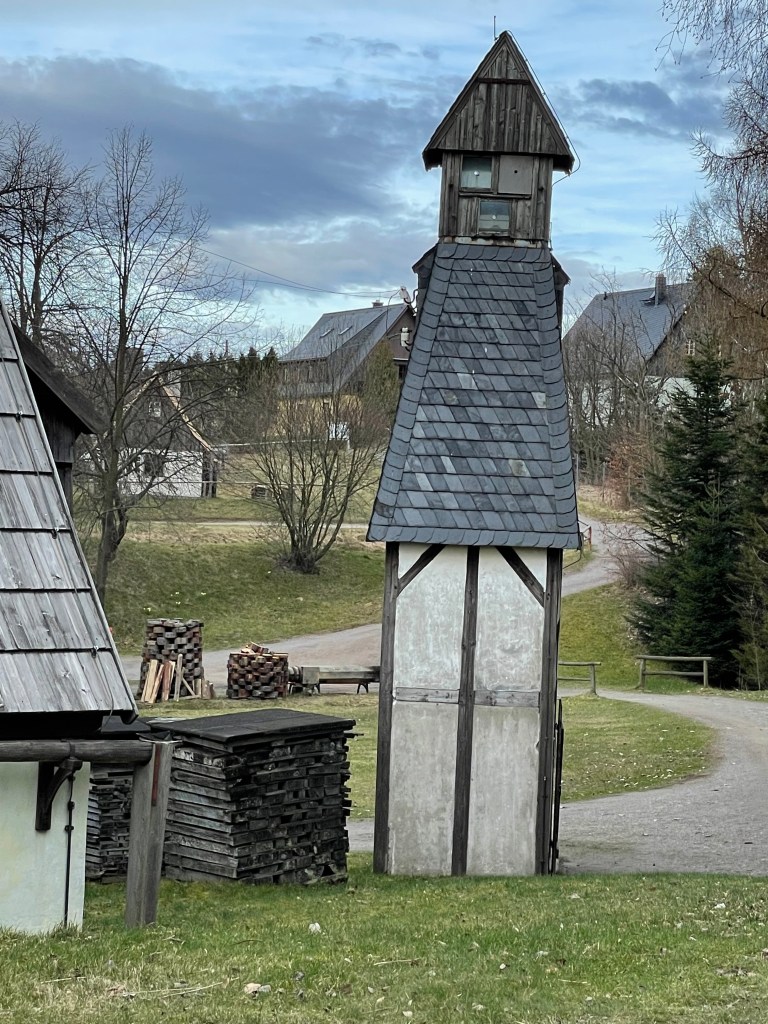
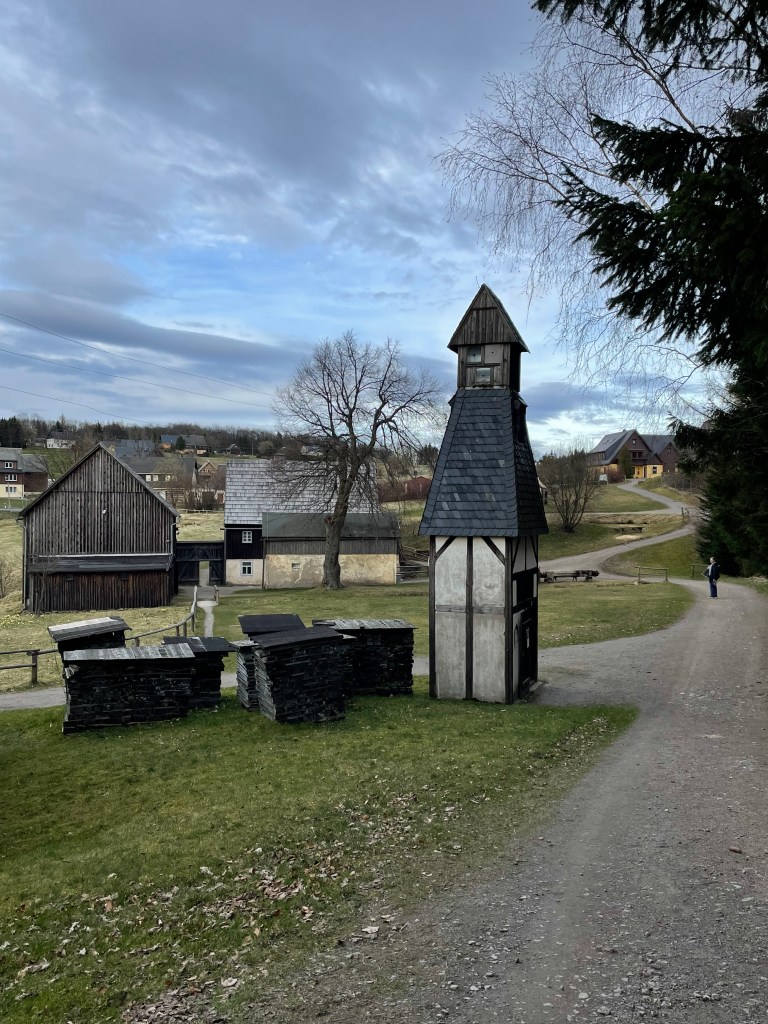
This tower was for radio transformers, sending and receiving signals.
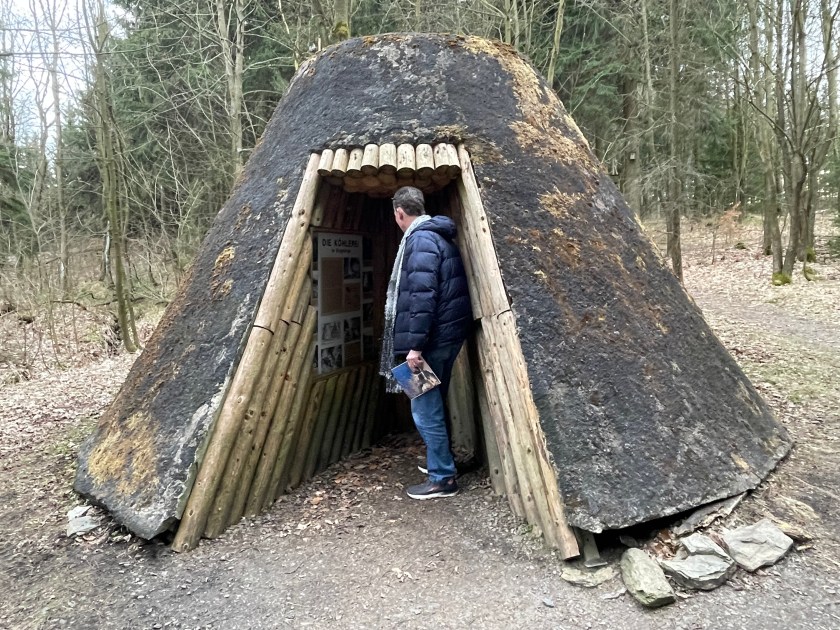
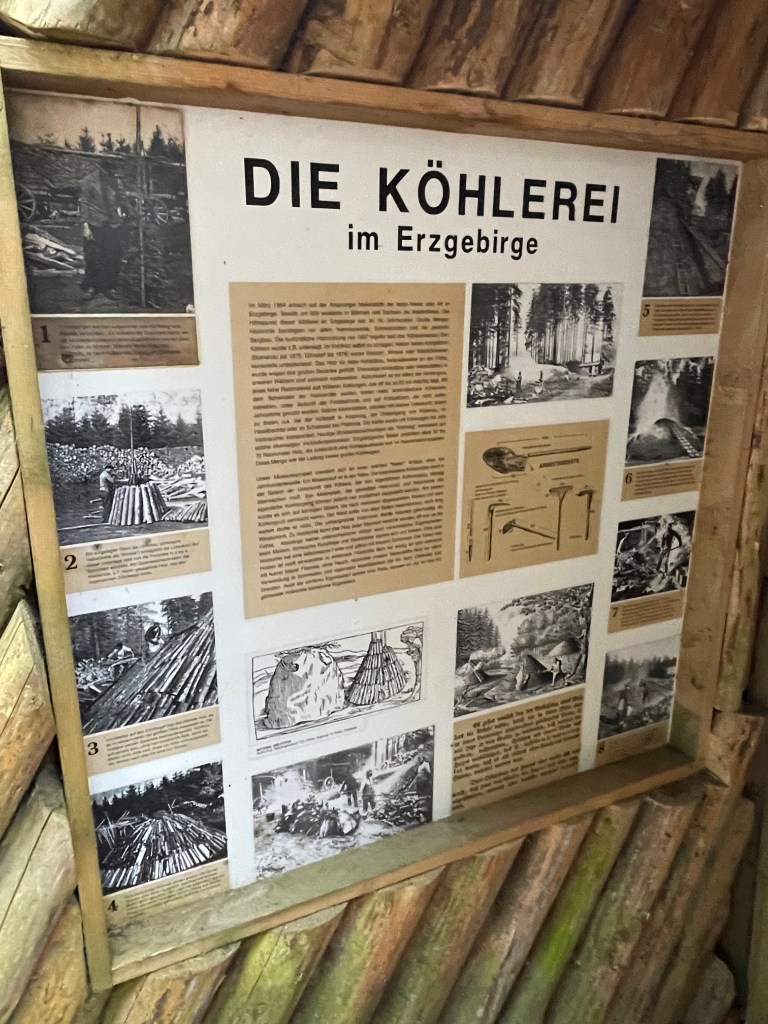
We walked into the woods to see where they made coal.
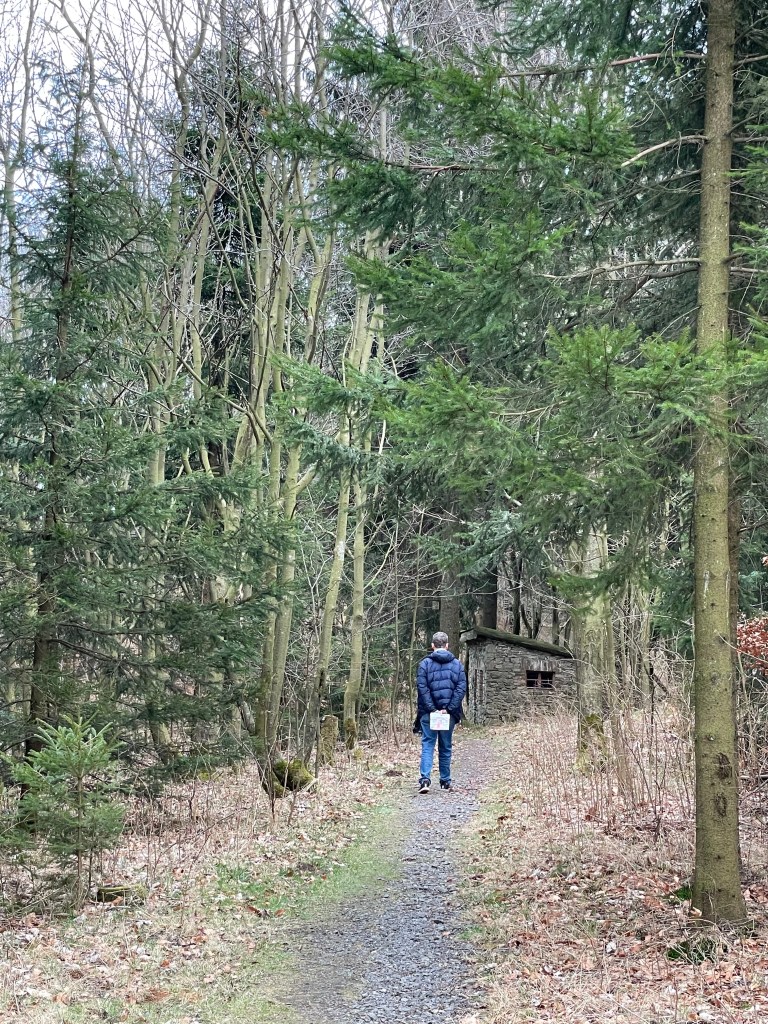
The stone house was for the man tending the coal.
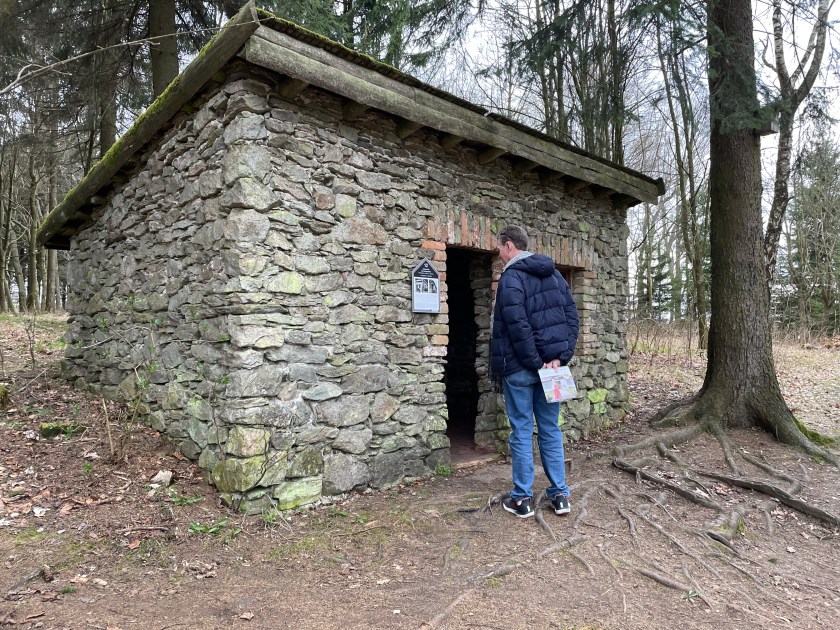
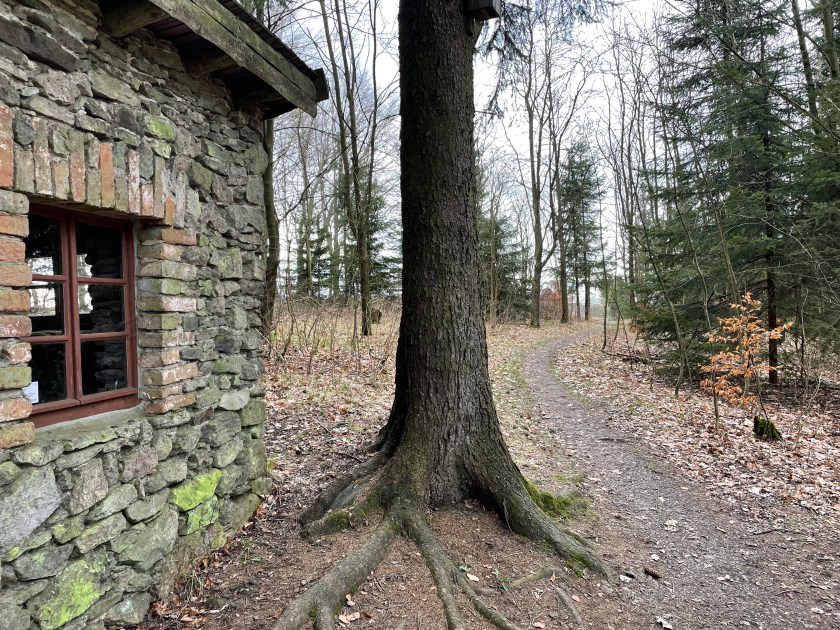
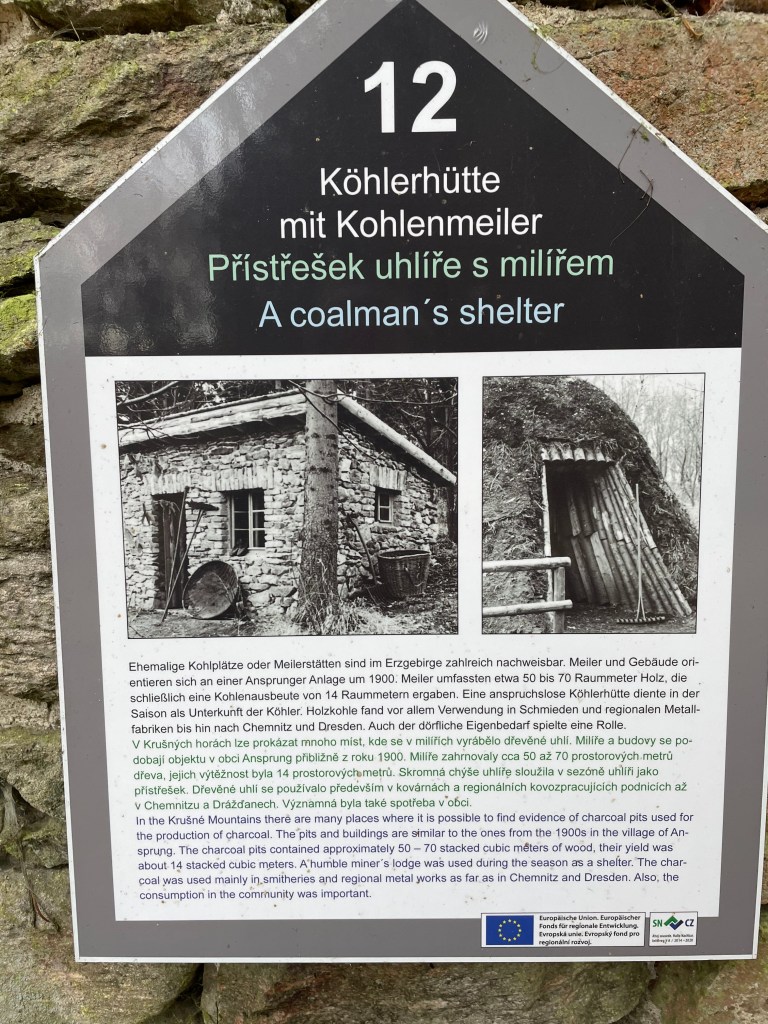
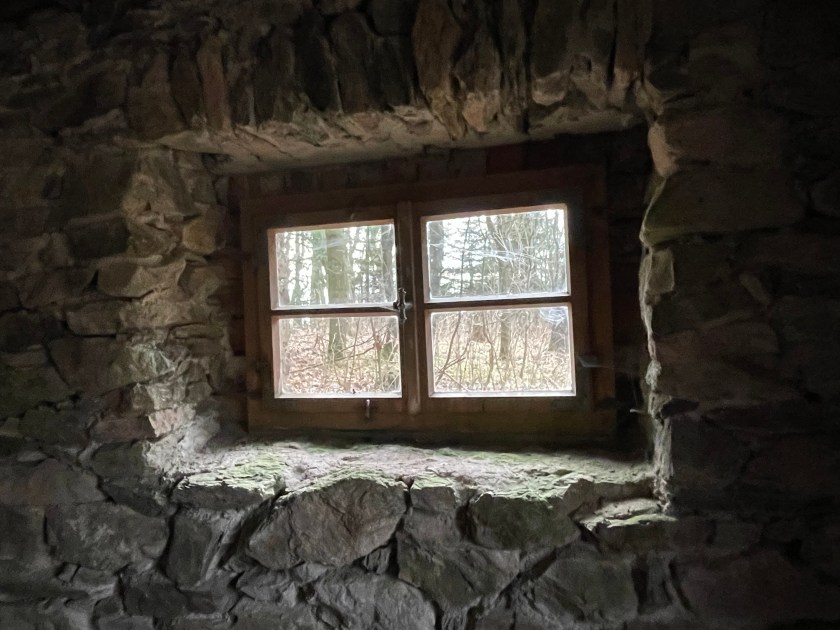
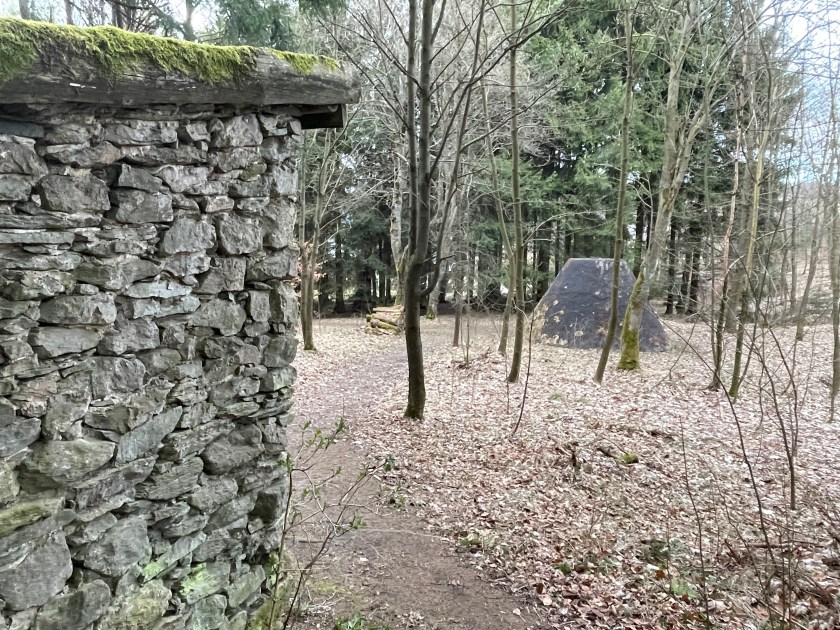
This is where the coal was made:
Wood gutters were eventually made of metal or tin.

 Our Frankfurt Germany Mission