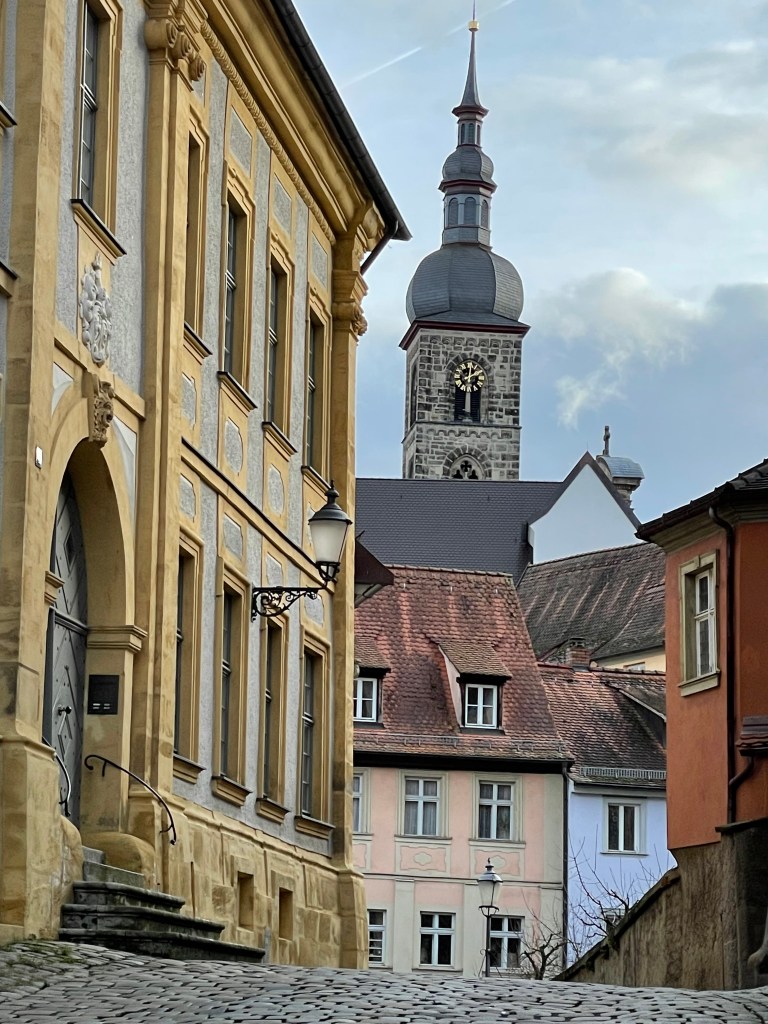
After leaving Nuremberg, we drove about an hour to Bamberg, a town with rave reviews and old history, our favorite.
Here are a few bits and pieces copied from travel sites about Bamberg:
Bamberg: Fascination of a World Heritage Site
As visitors wander through the UNESCO World Heritage Site of Bamberg, they are particularly enchanted by the city’s many different facets. In the hill city Bamberg portrays itself as the Franconian Rome, the island city with Little Venice and the shopping district is its lively heart, the market gardeners’ district a part of town steeped in tradition. Bamberg, this means beer culture as a traditional craft, supped in traditional brewery pubs [there are 9 breweries here], this means shopping in modern shops and a historical atmosphere. And in the Old Town everything is very close together: Explore the imperial cathedral just a few minutes from your hotel or holiday apartment!
Bamberg is a town in northern Bavaria, Germany, laid out over 7 hills where the Regnitz and Main rivers meet. Its old town preserves structures from the 11th to 19th centuries including the muraled Altes Rathaus (town hall), which occupies an island in the Regnitz reached by arched bridges. The Romanesque Bamberg Cathedral, begun in the 11th century, features 4 towers and numerous stone carvings.
Since Bamberg was largely spared from bombing during the Second World War, the old town still offers the almost unchanged image of the original three-fold division into a spiritual mountain town (in the vicinity of the imperial cathedral ), a civil island town (between the two branches of the Regnitz river ) and the gardener’s town. Overlooked by the cathedral, the city represents a listed ensemble of medieval and baroque architecture.
From the 10th century onwards, Bamberg became an important link with the Slav peoples, especially those of Poland and Pomerania. During its period of greatest prosperity, from the 12th century onwards, the architecture of this town strongly influenced northern Germany and Hungary. In the late 18th century Bamberg was the centre of the Enlightenment in southern Germany, with eminent philosophers and writers such as Georg Wilhelm Friedrich Hegel and E.T.A. Hoffmann living there.
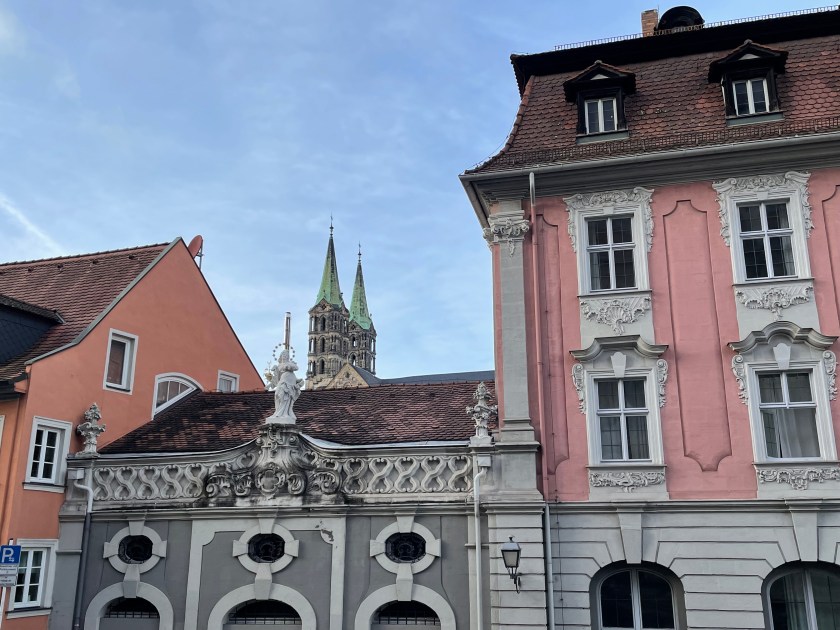
We found parking and then were drawn to the church towers and spires in town. There are 4 huge churches/cathedrals in this town, laid out in the shape of a cross. They are HUGE and OLD and IMPRESSIVE. We visited 3 of them (the 4th was doing renovations). It’s always nice to start a walking tour with the church, usually in the center of the old town.
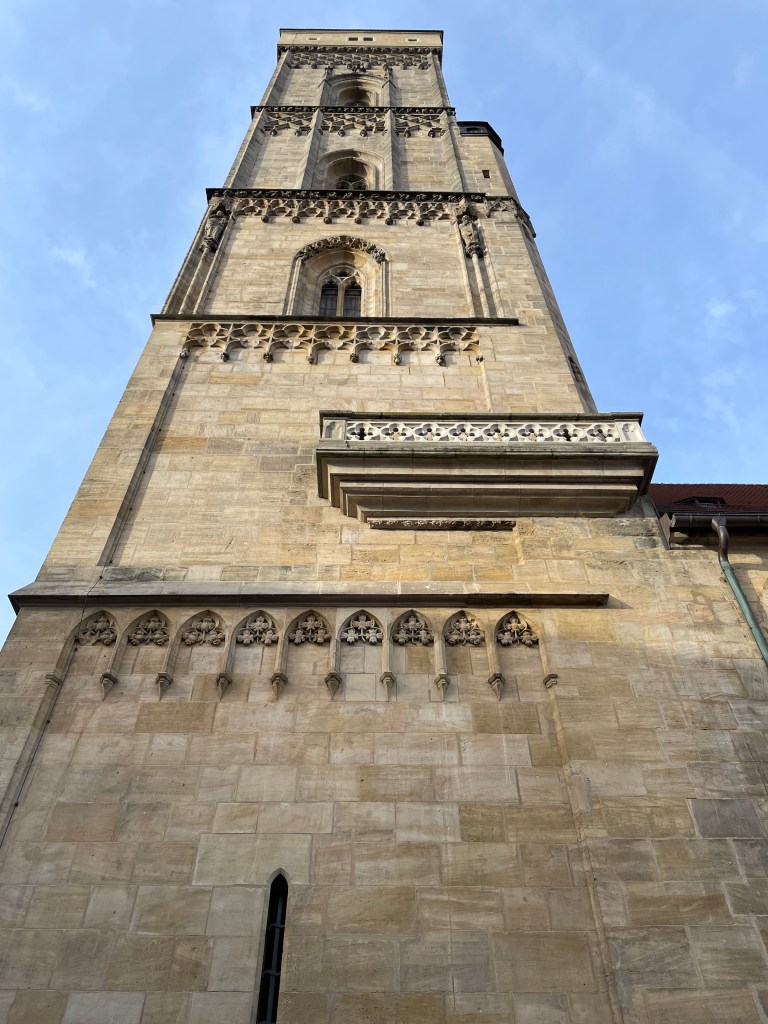
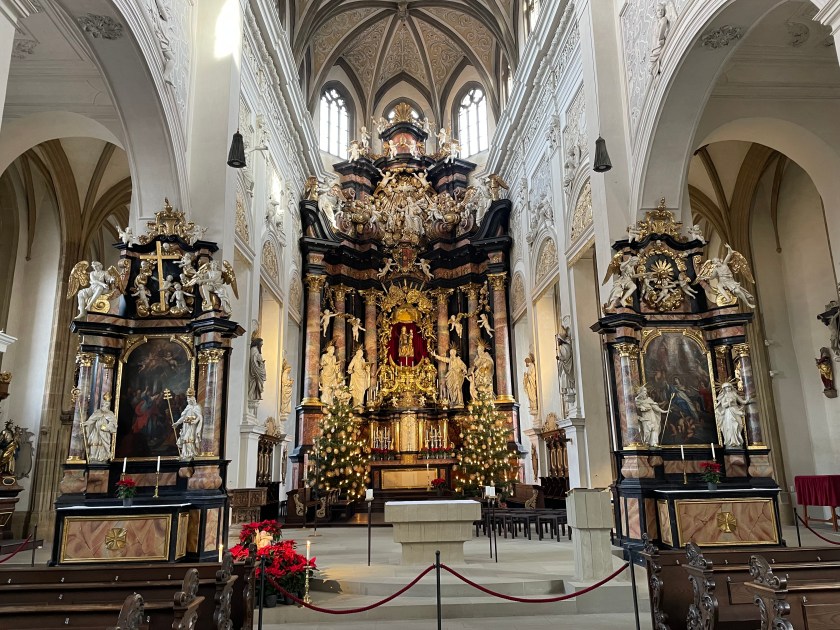
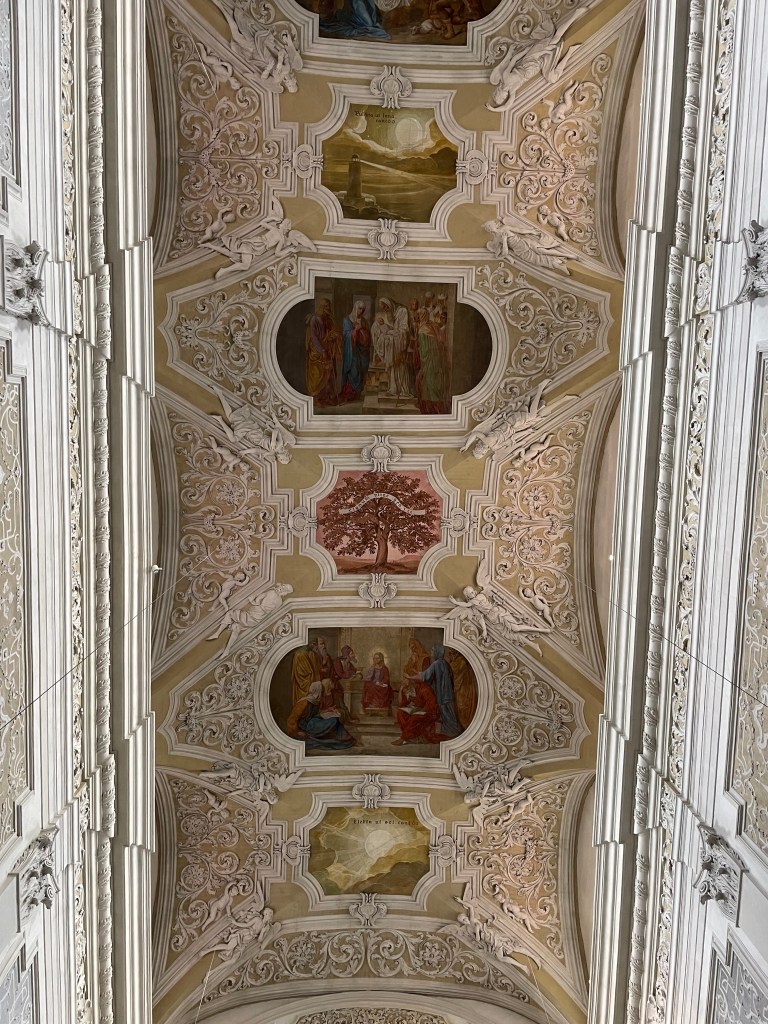


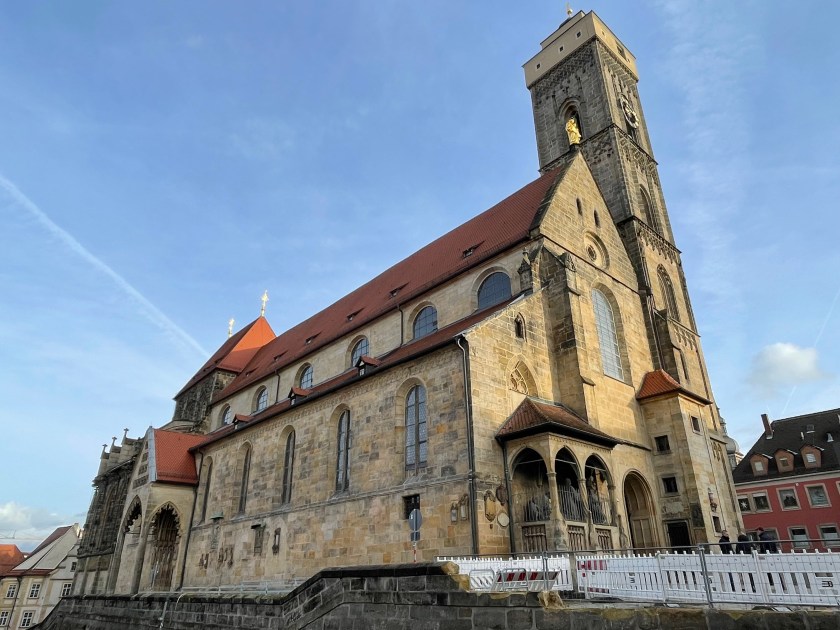
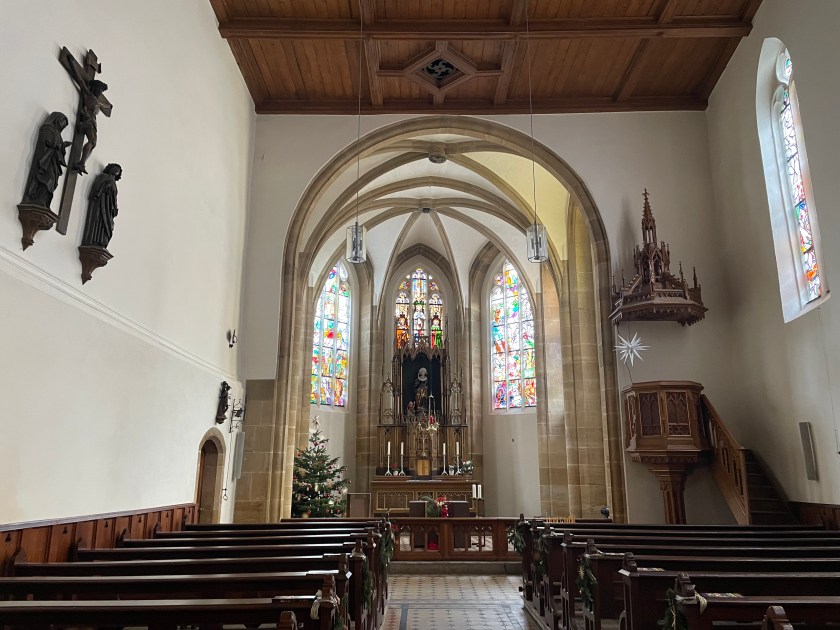
This first church, The Church of Our Lady (1375) is Gothic and Very Ornate.
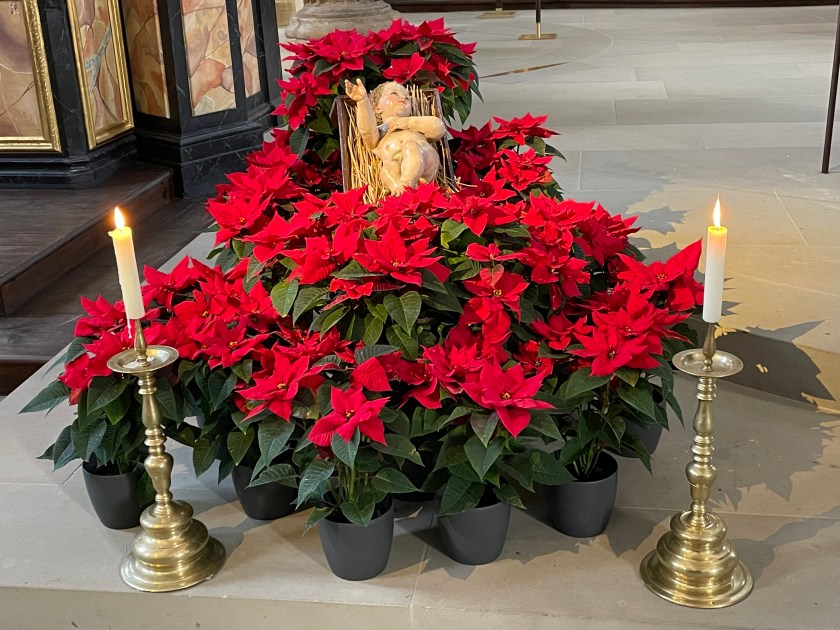


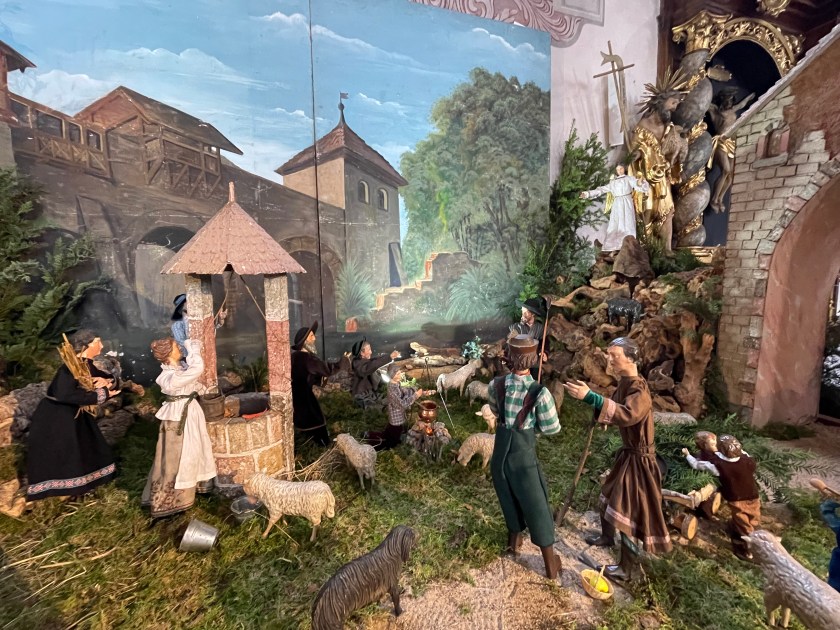
The European-style Nativities are always interesting with European settings.


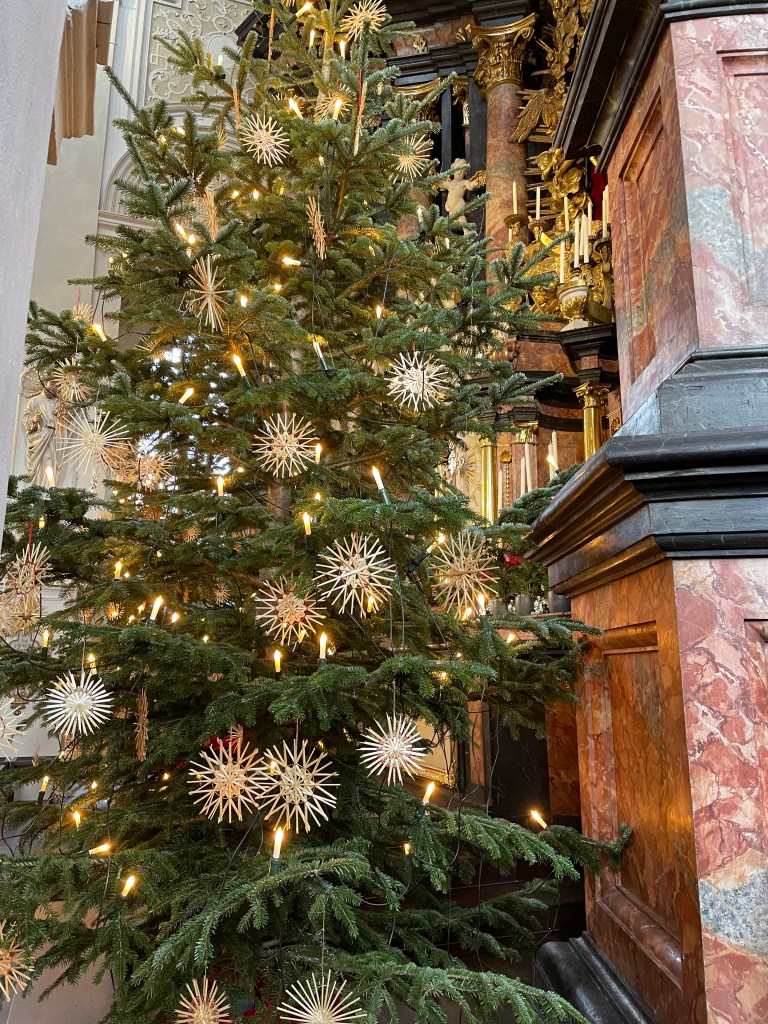
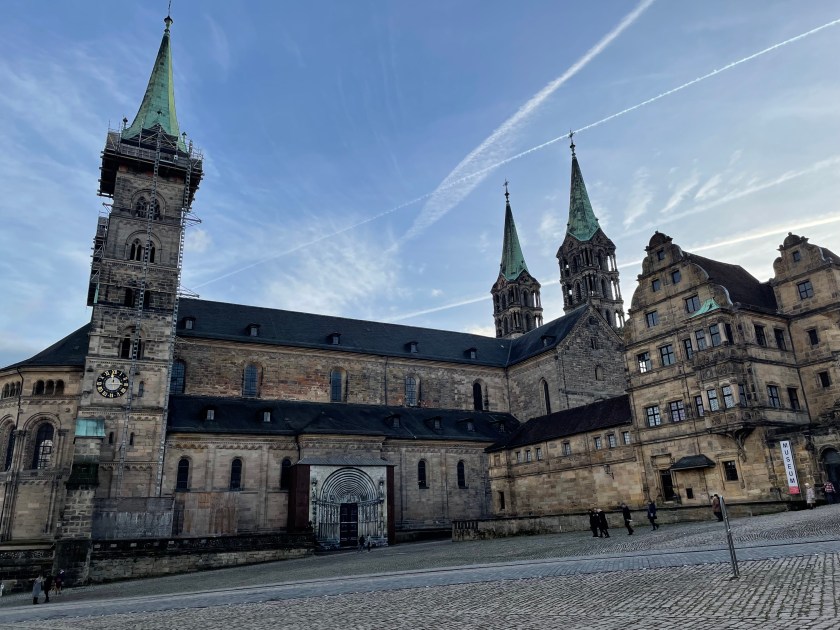
Then we went to the Bamberg Cathedral.
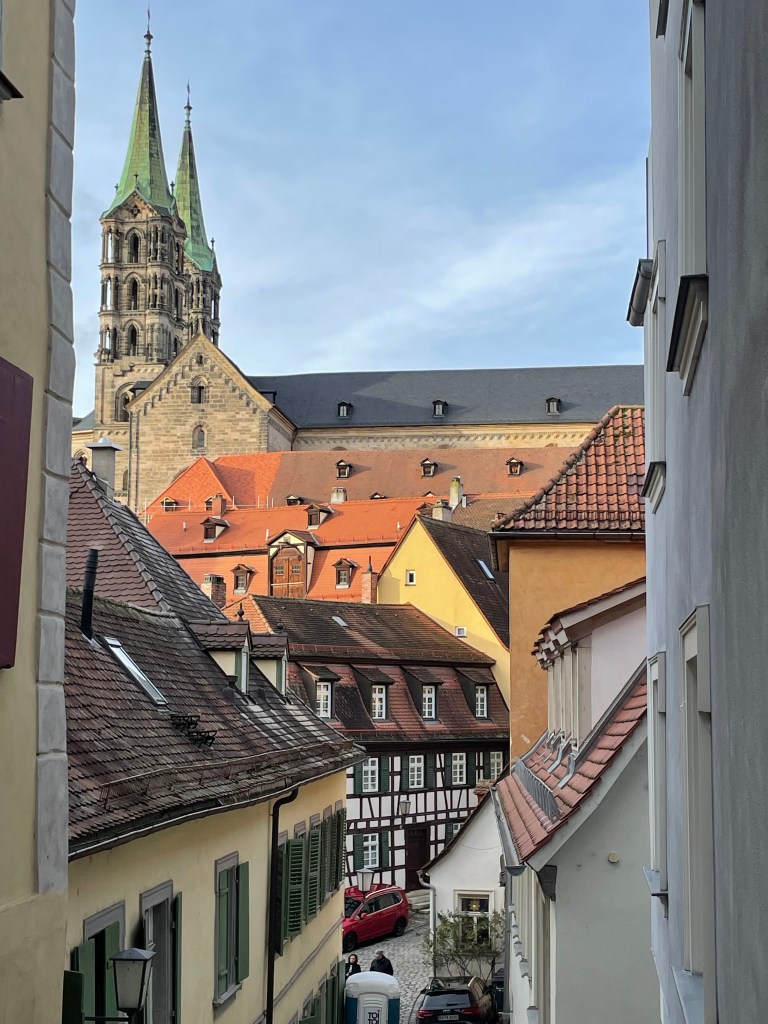

This cathedral is so huge. It’s hard to imagine a small Medieval town surrounding it. Bamberg Cathedral is the only place in Germany where a pope is buried. He was Pope Clement II. He was the local bishop before he became Pope, but he died in 1047 after having been pope for only twelve months. That makes this a cathedral people make pilgrimages to. The church was full of visitors and tour groups.
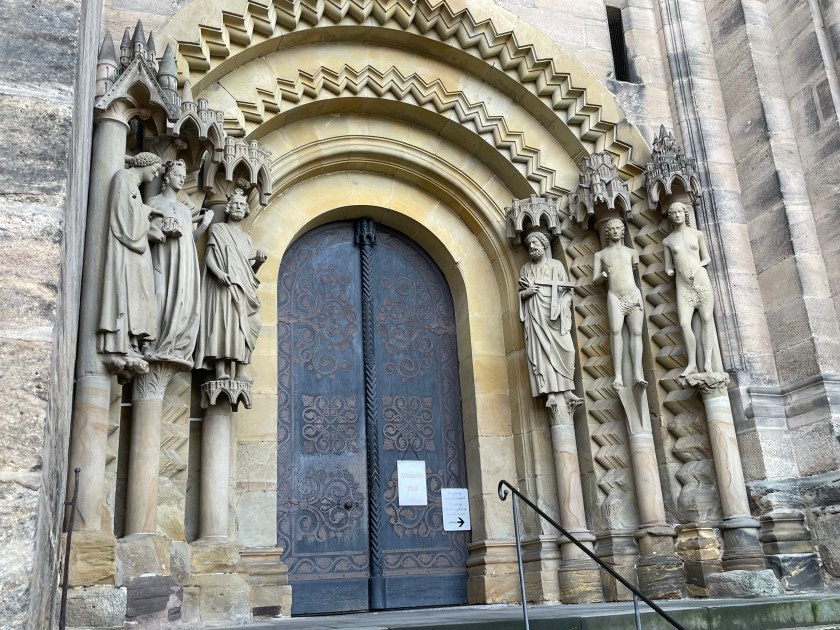
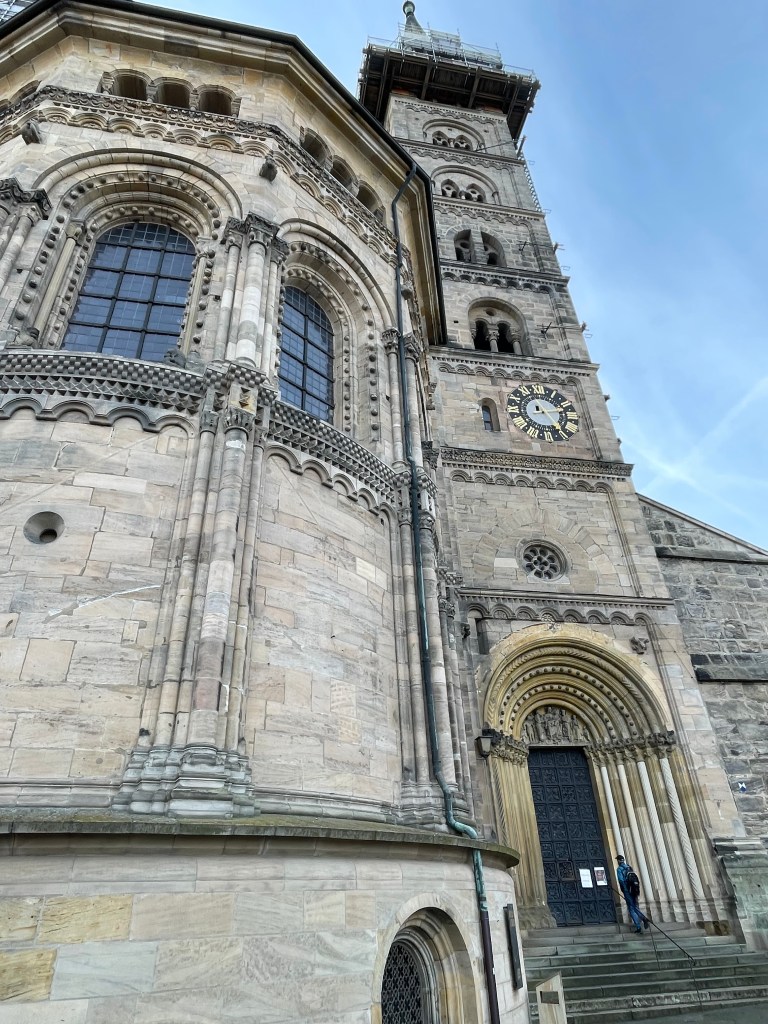
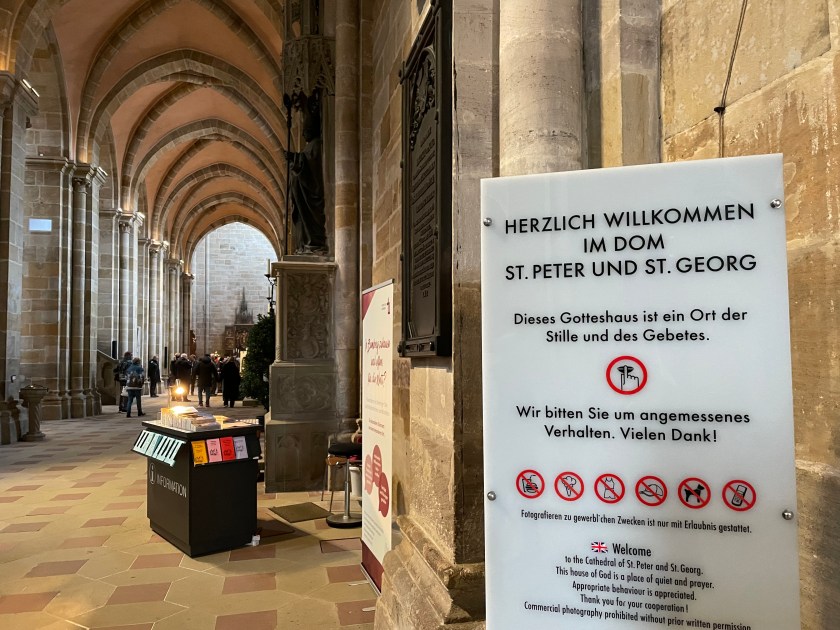
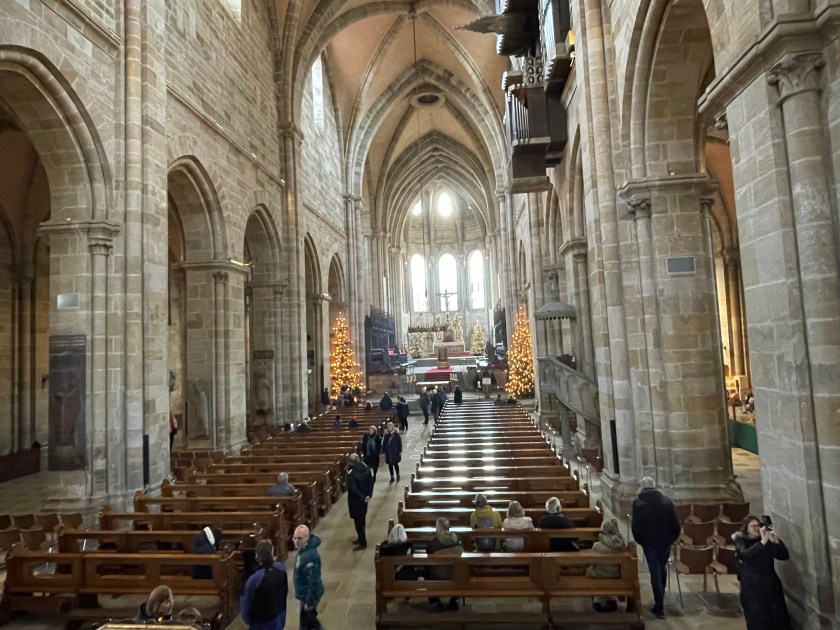


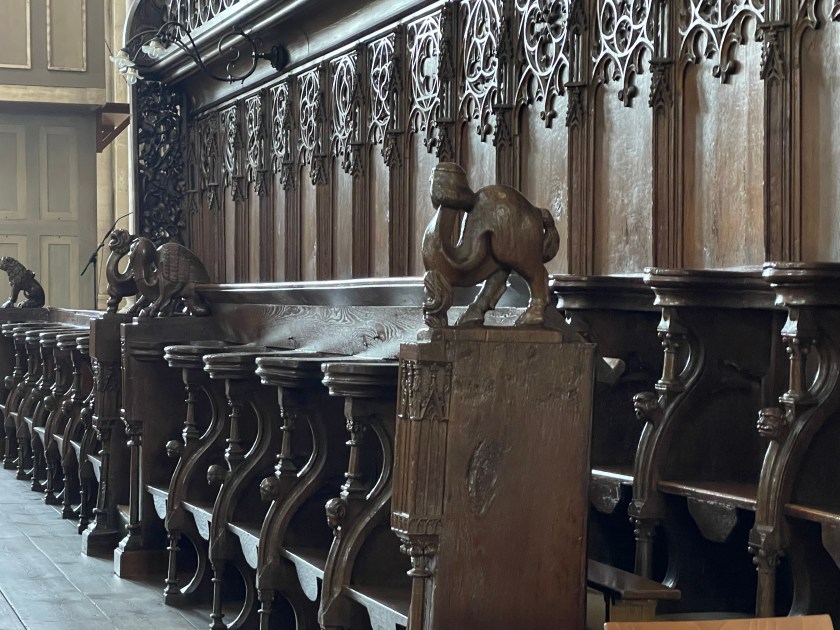


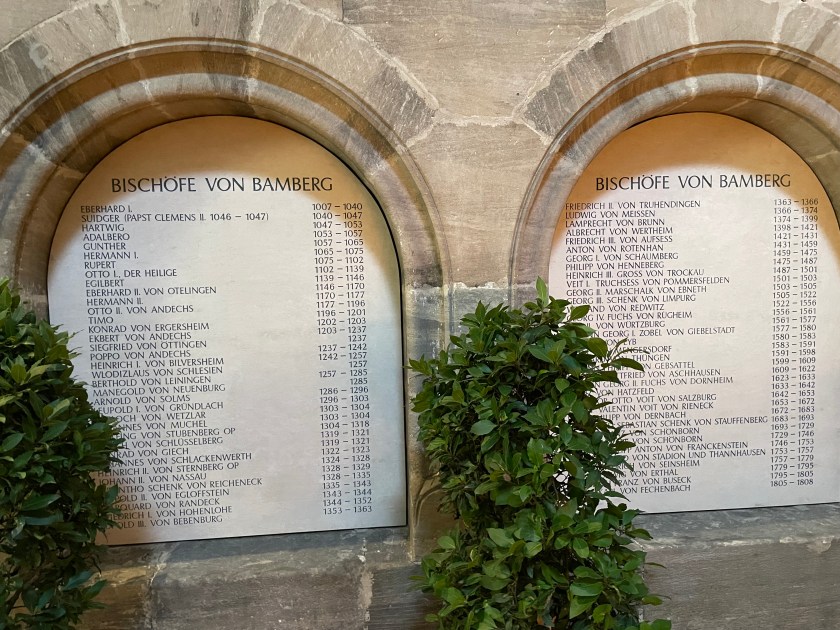

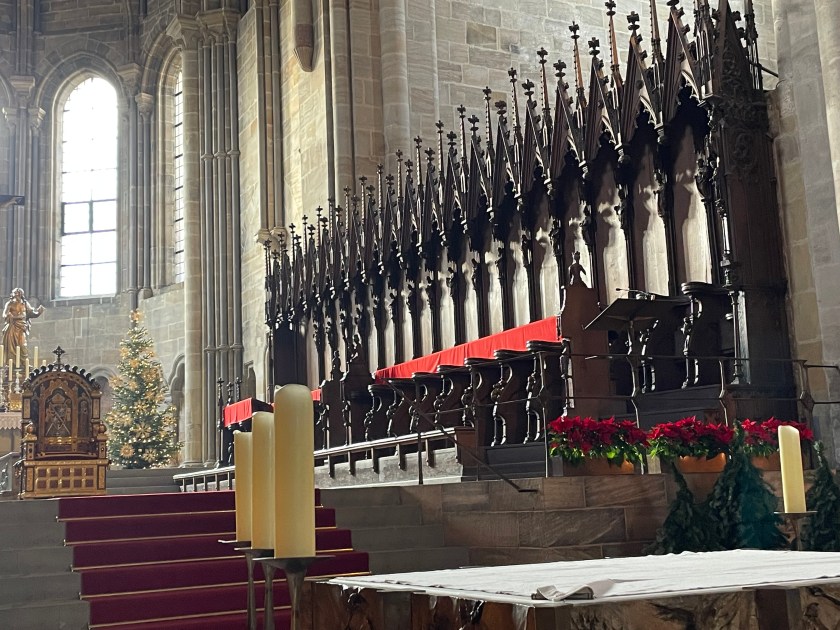
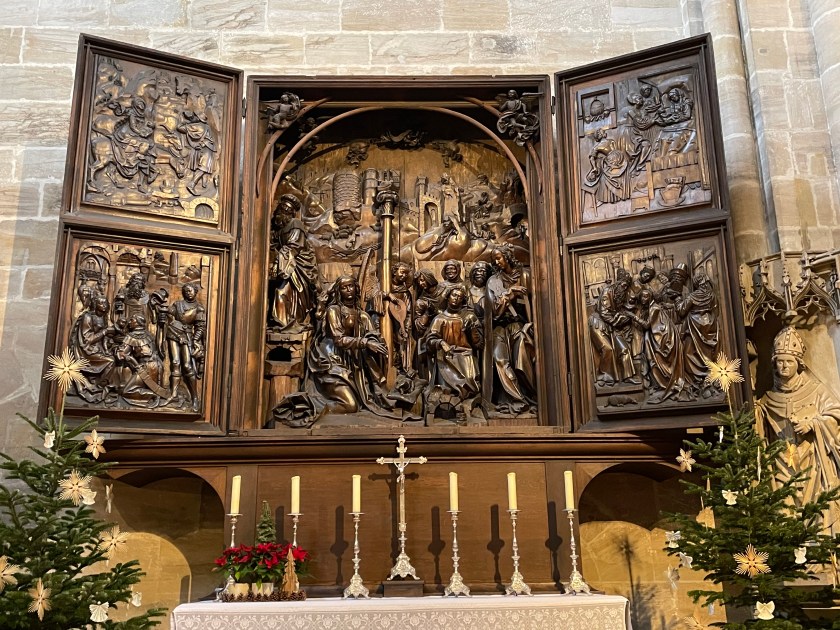
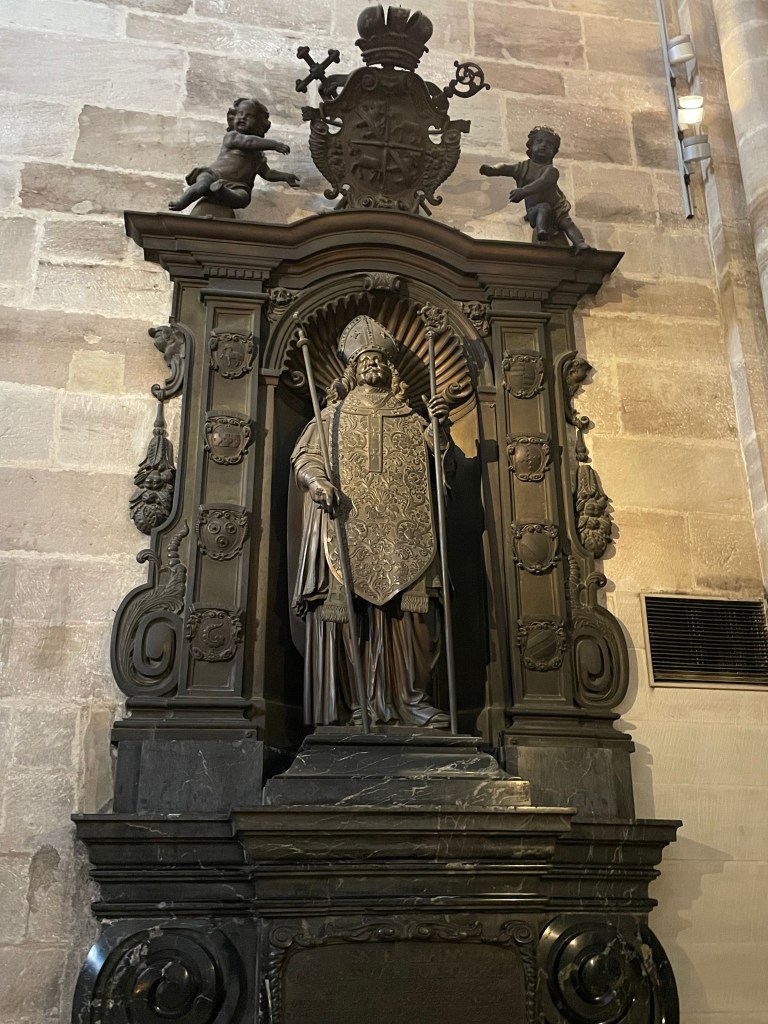
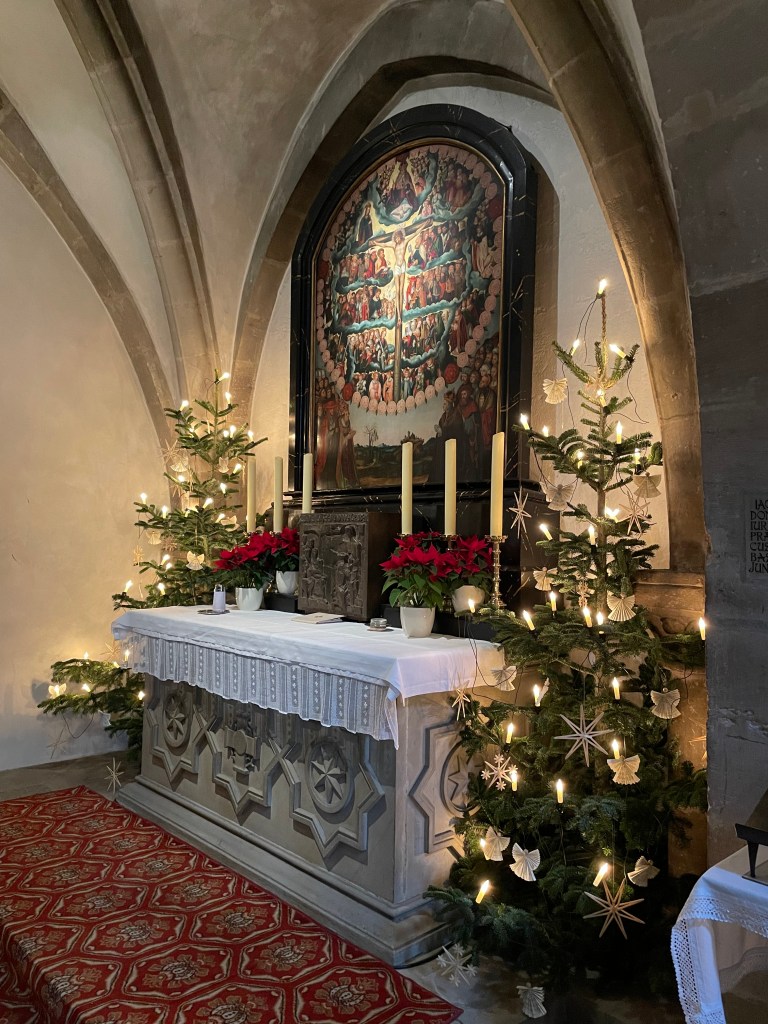
Even though we don’t worship in the same ways, I appreciate the beauty here and the craftsmen who created this beauty.
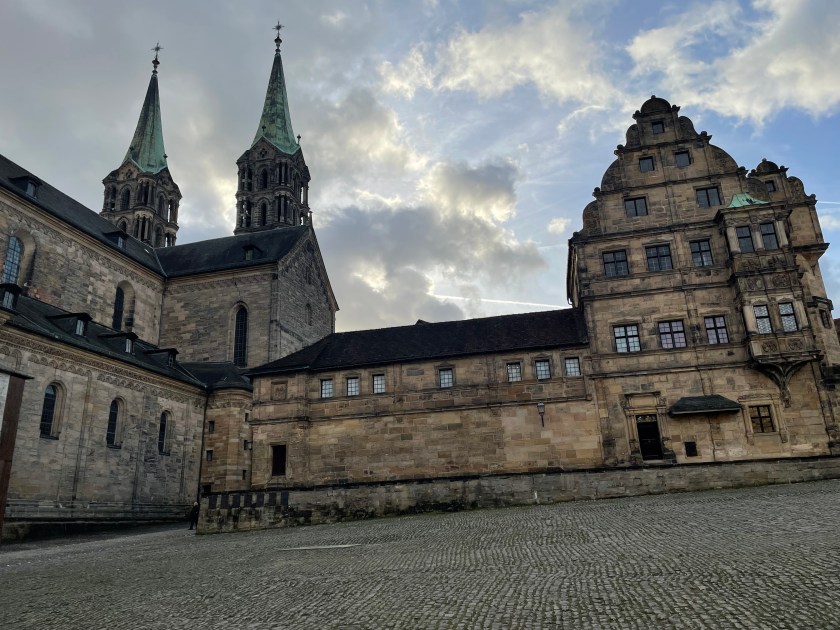
The areas around the cathedral:
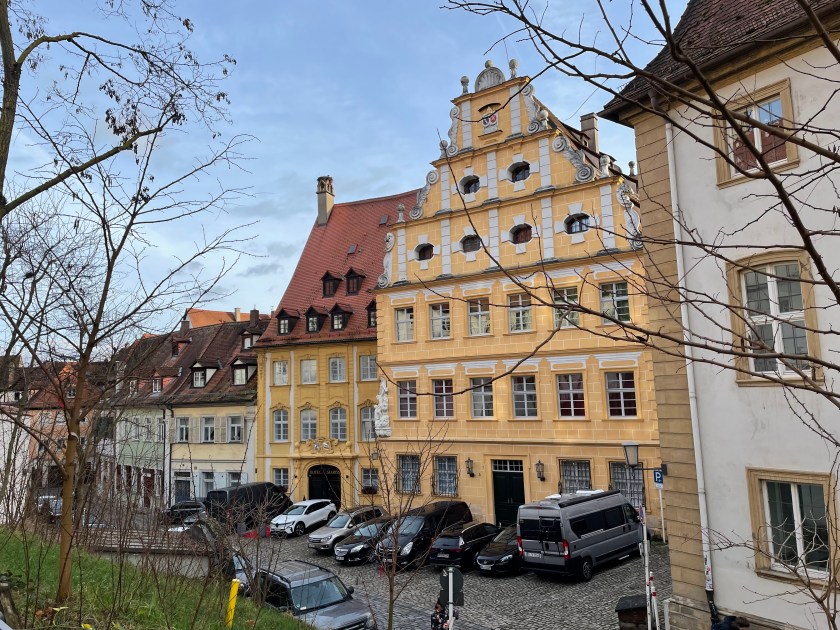
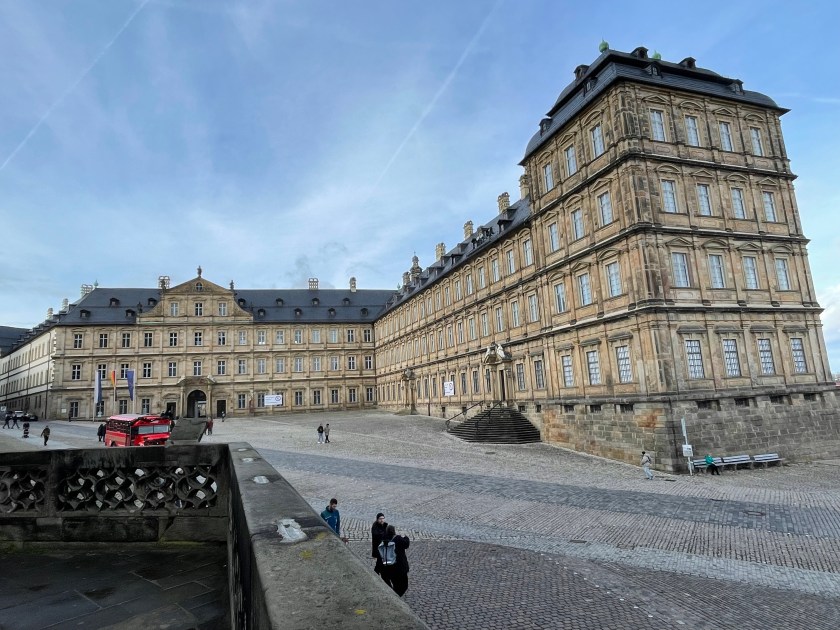
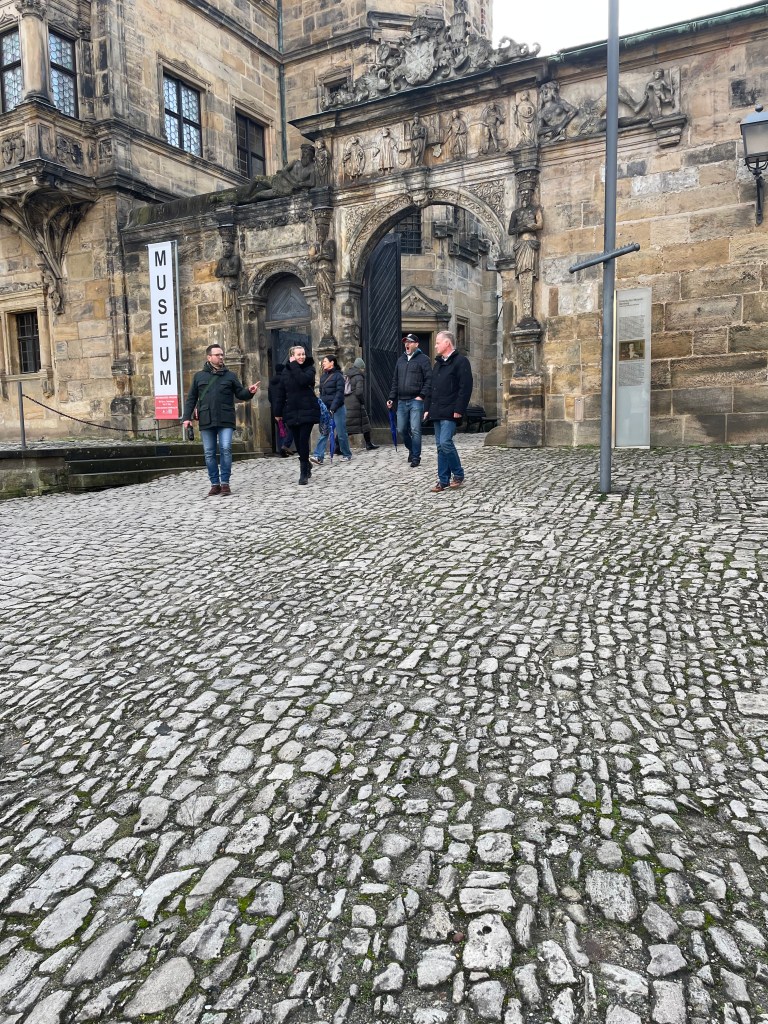
This was a palace by the cathedral overlooking the river:

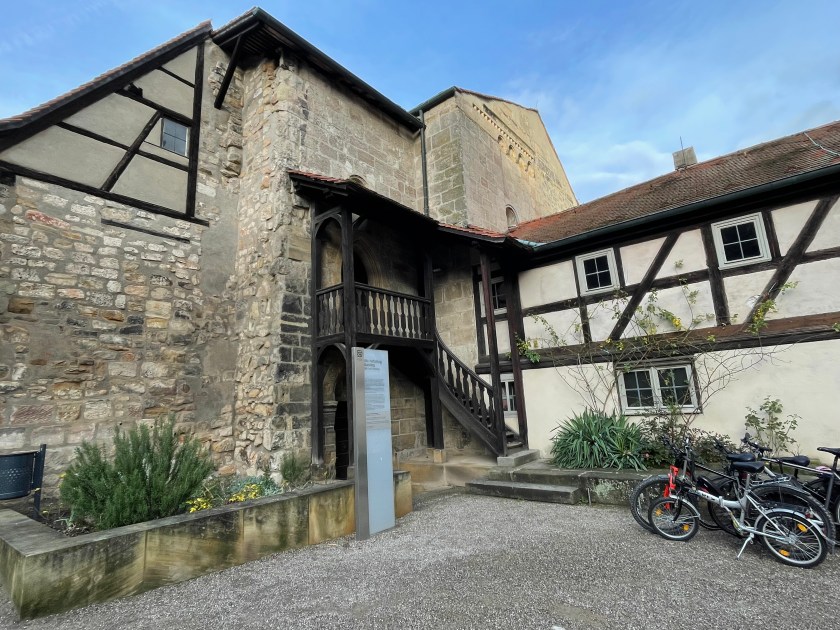
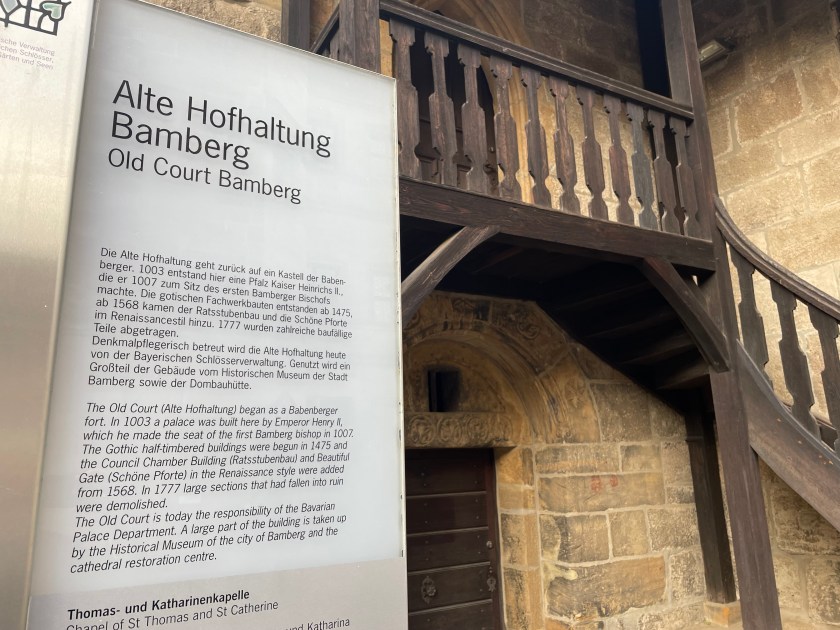

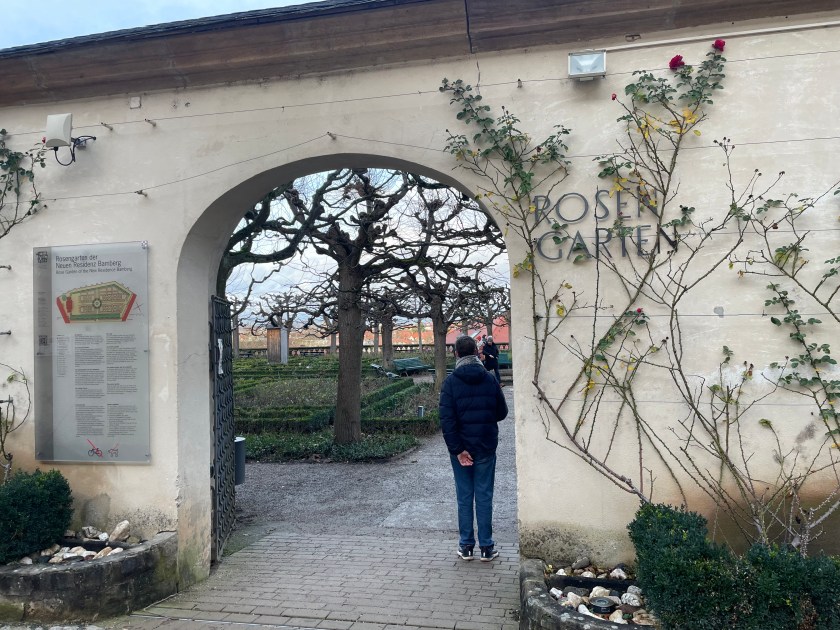
The palace rose garden and views down over the town and river:

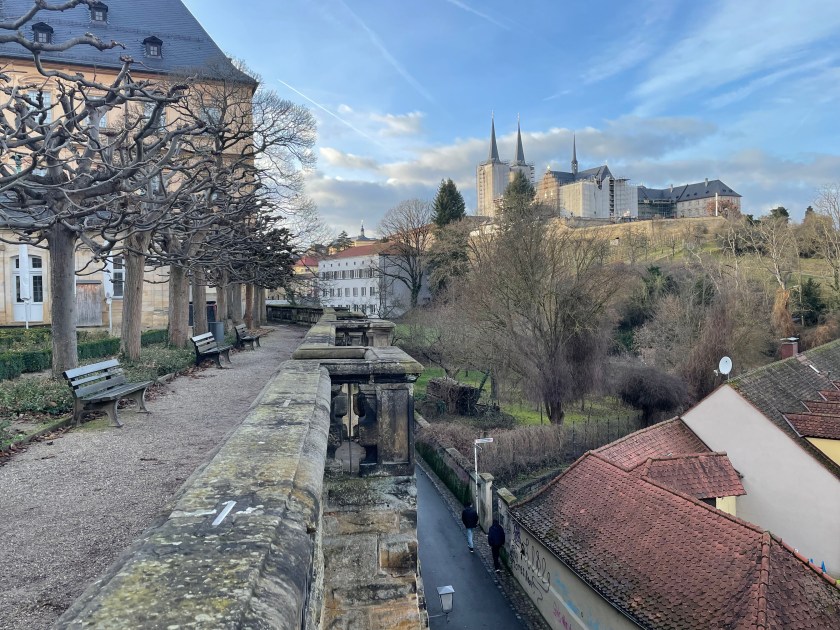

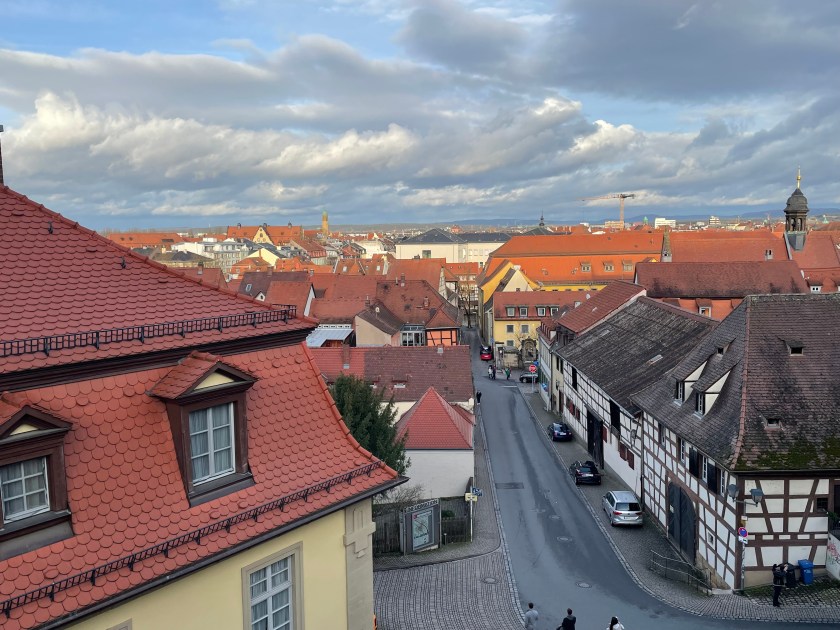

Back by the palace and the cathedral:

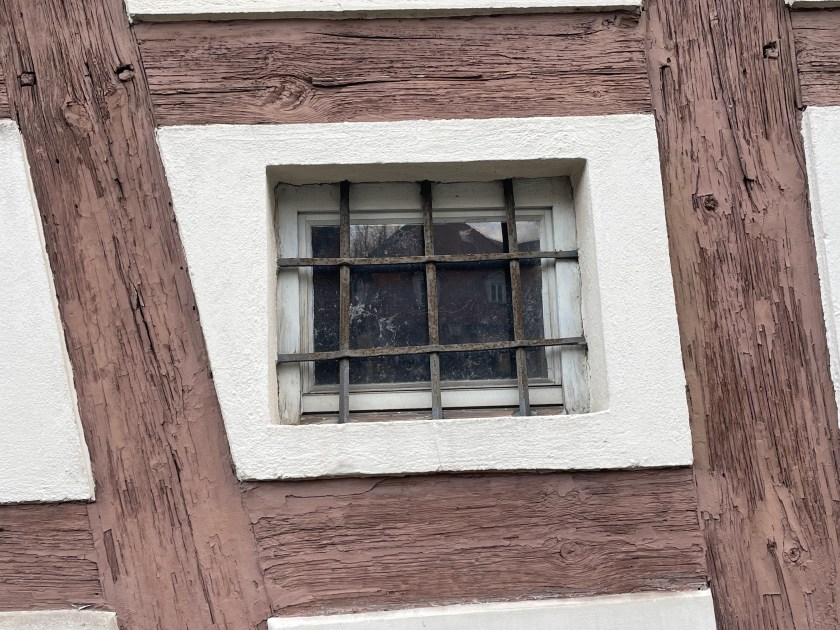
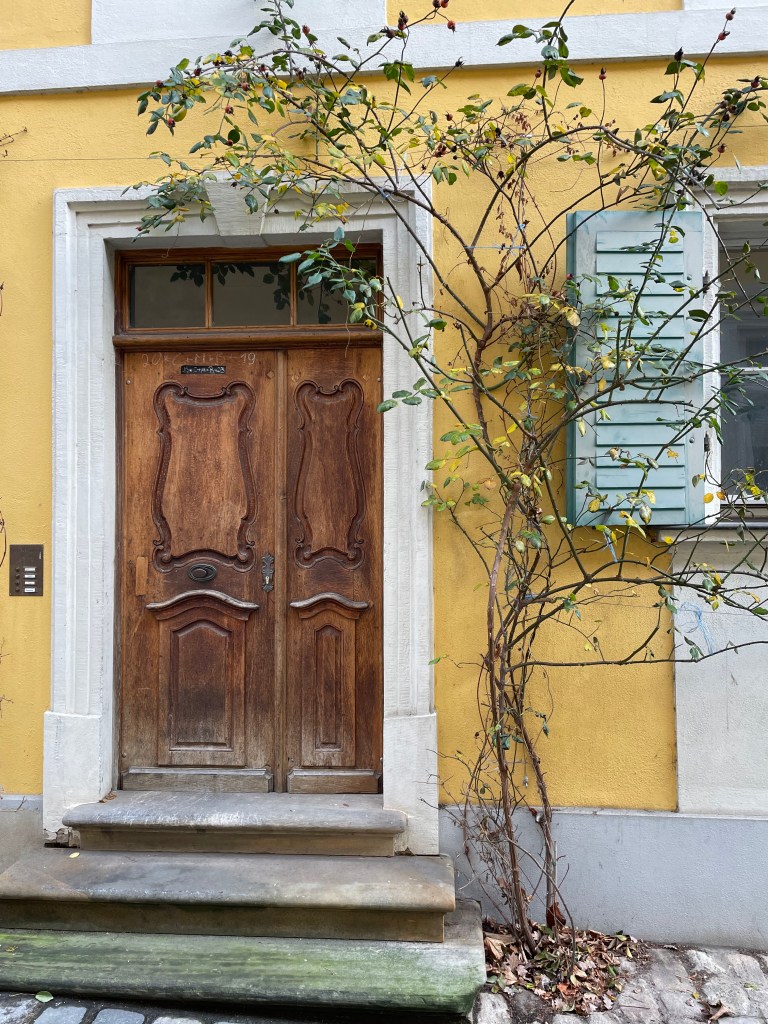
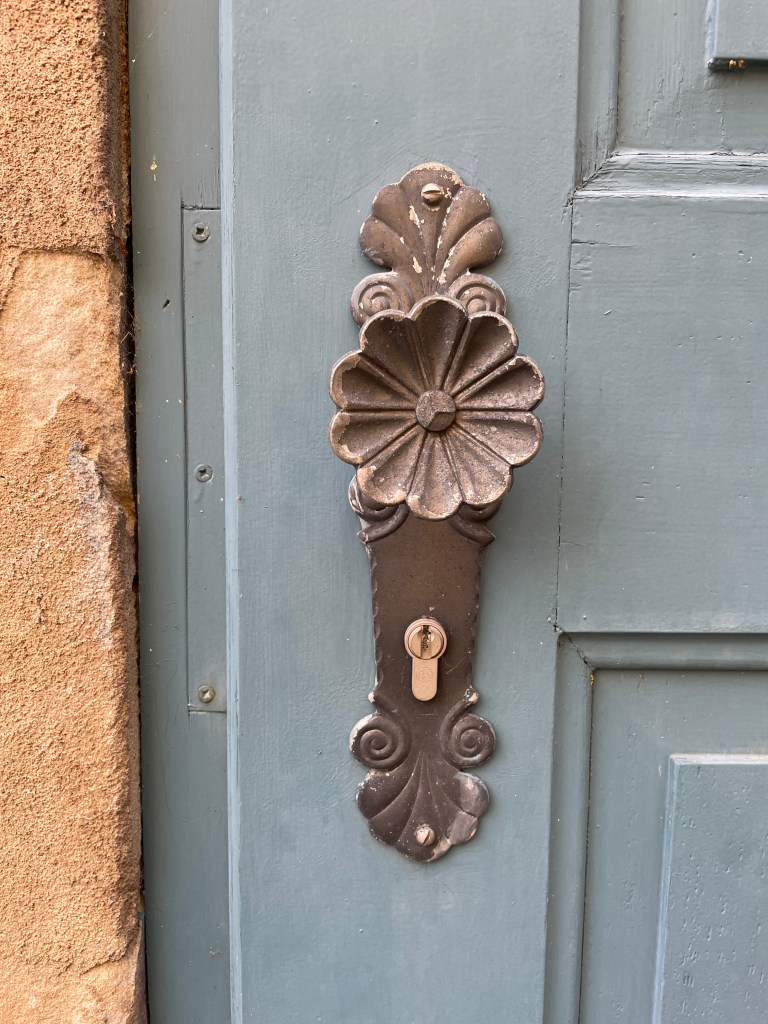
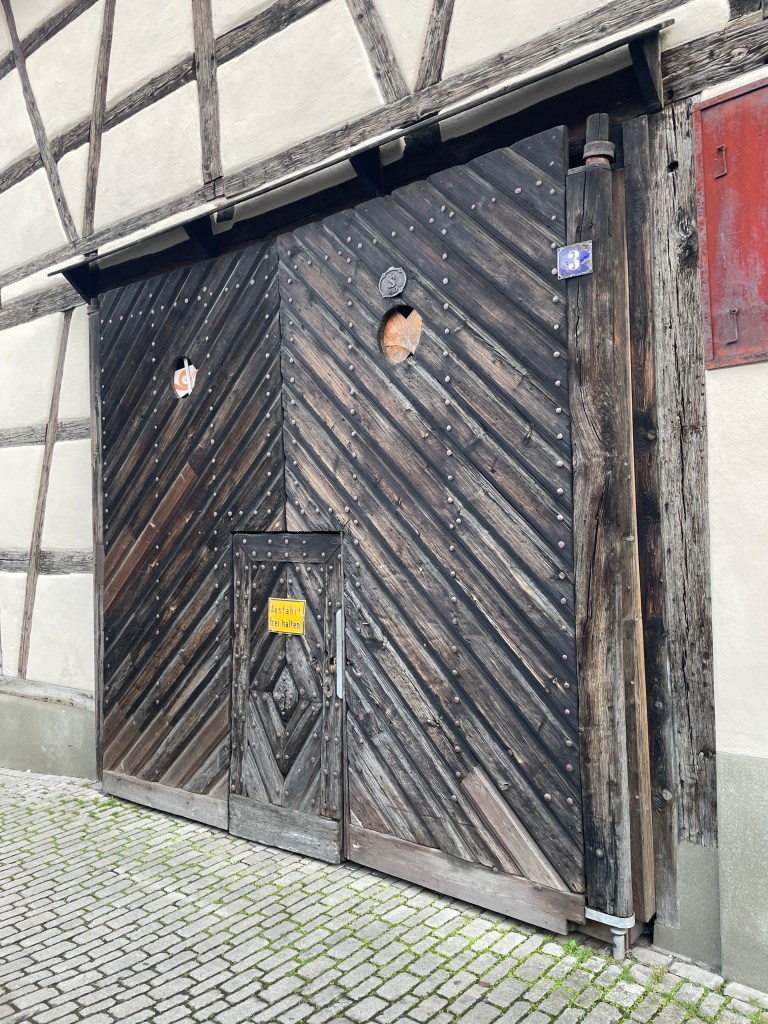
Here’s an interesting door to an old Bauernhof (farm house) right in the old town. Once animals and farm equipment were housed here.
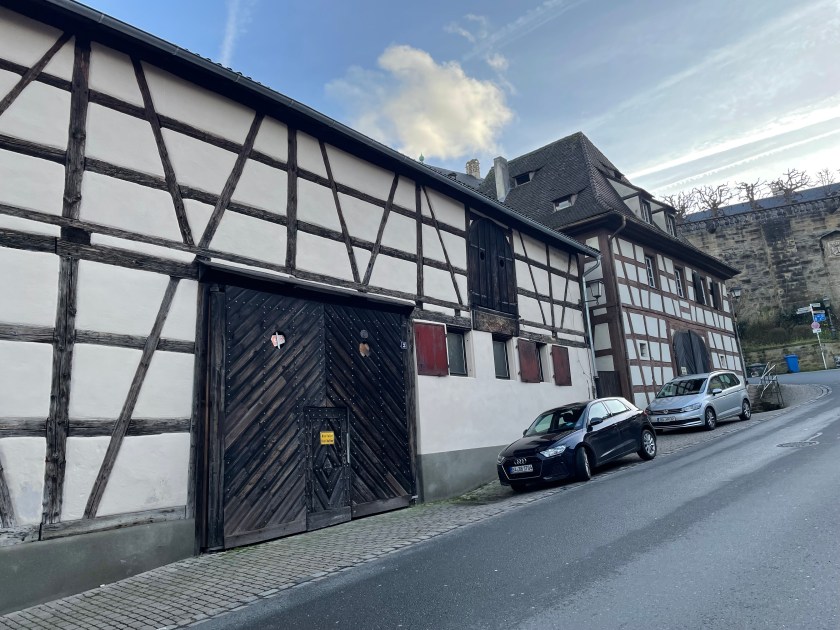

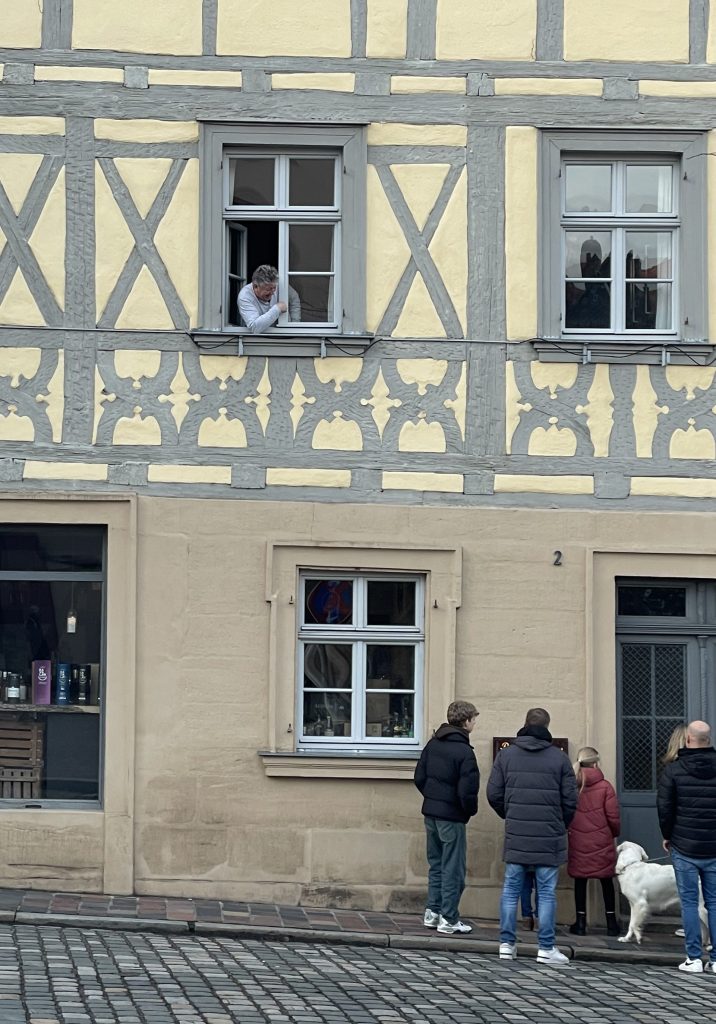
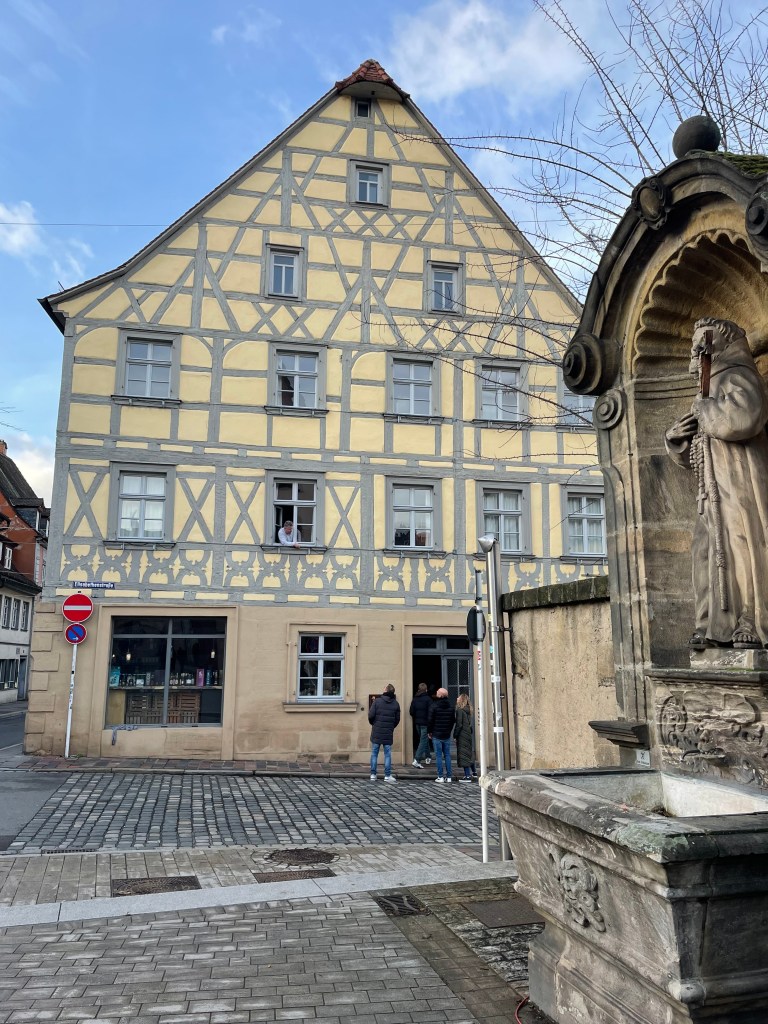
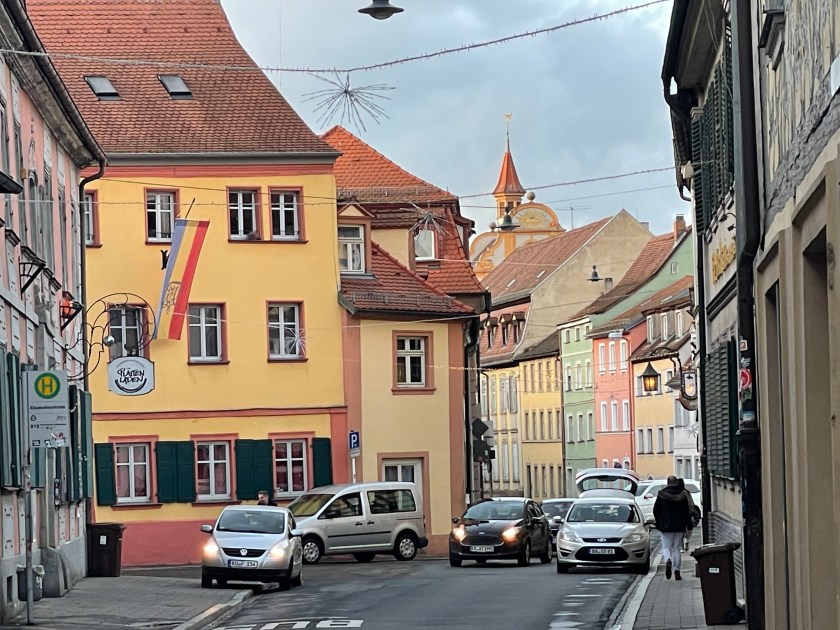
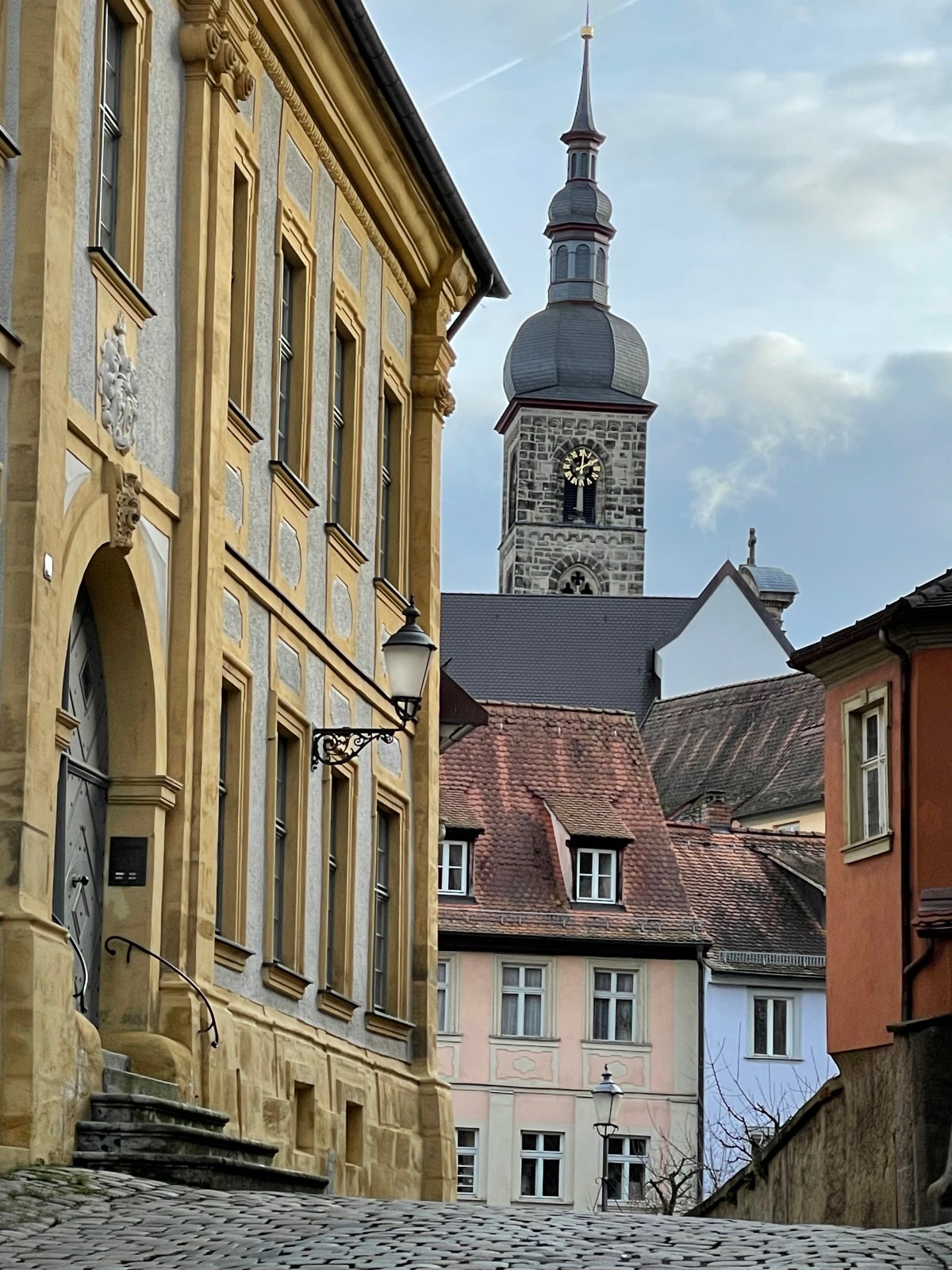
The colors of the buildings and homes here are soft and beautiful.

 Our Frankfurt Germany Mission