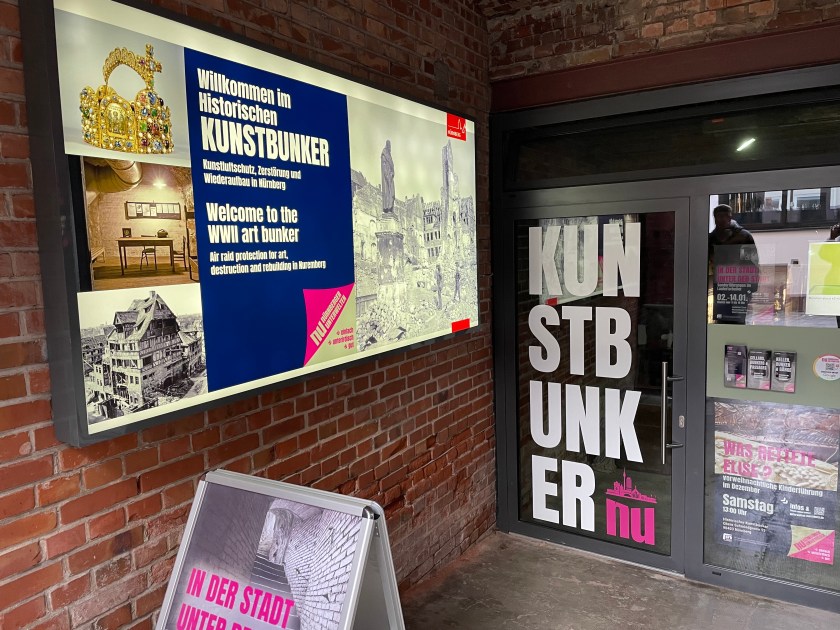
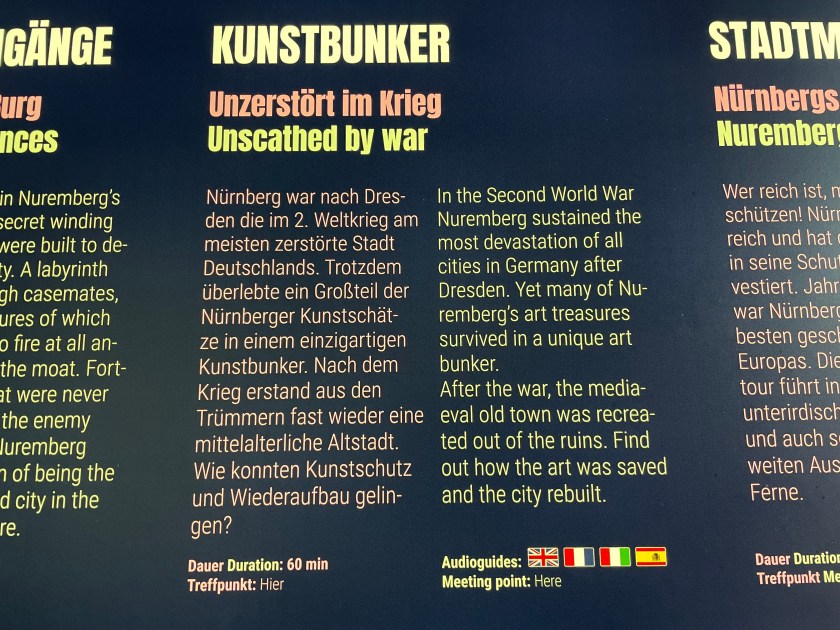
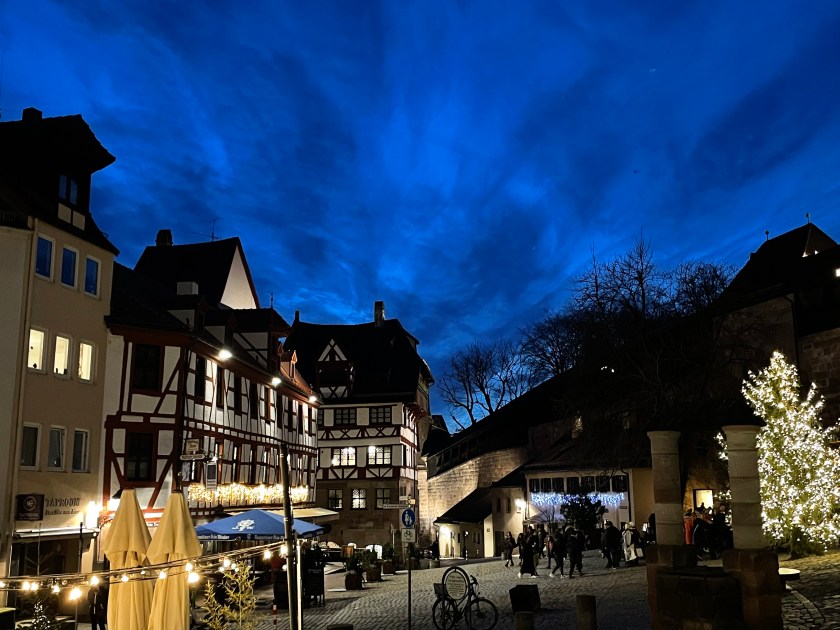
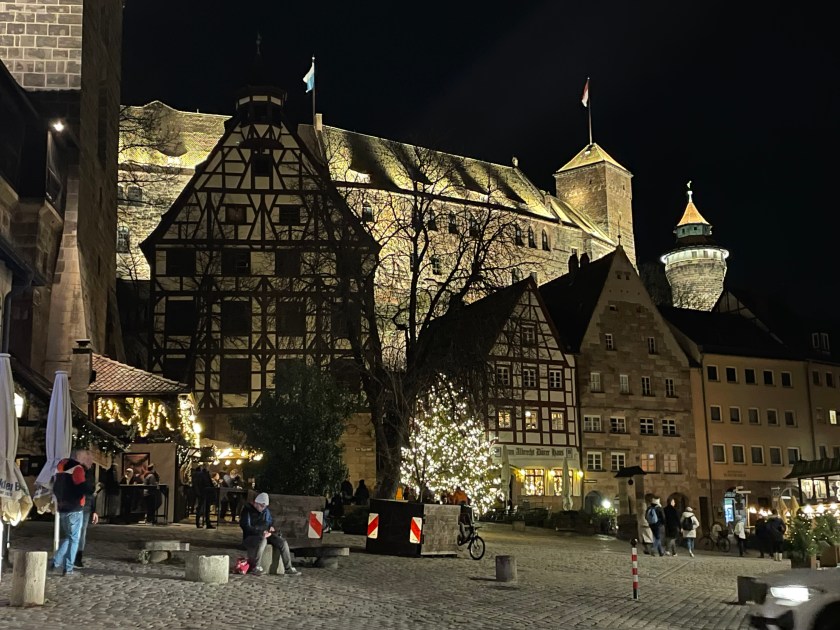
This morning we went to book tickets for a tour of the WWII Art Bunkers near Albrecht Duerer Square near our hotel. There are several different kinds of underground cellar or bunker tours offered. We were interested in the one about where the art was kept safe.
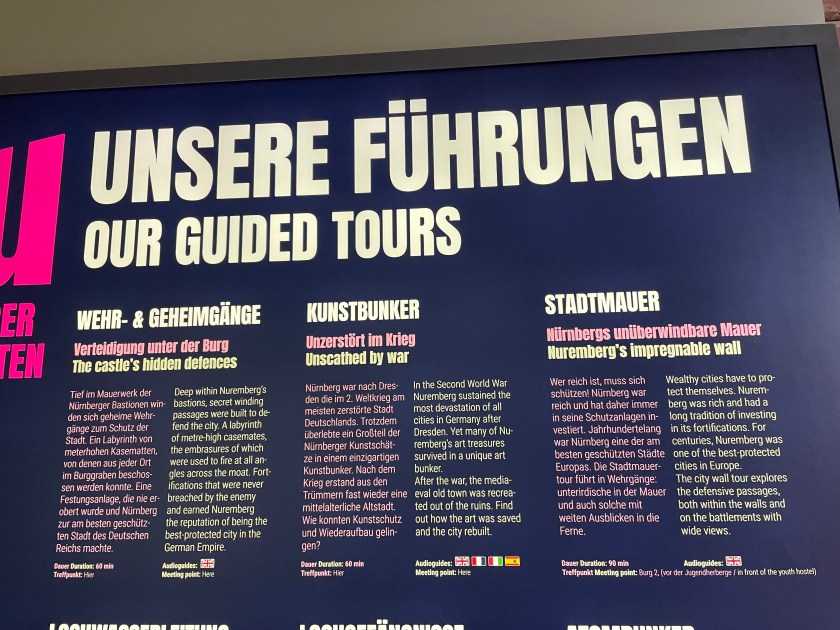
Some of the tours show the beer cellars, some show the weaponry and torture chambers and some show the passageways in the city walls. These underground cellars and bunkers date back hundreds of years ago, some to the Roman era.


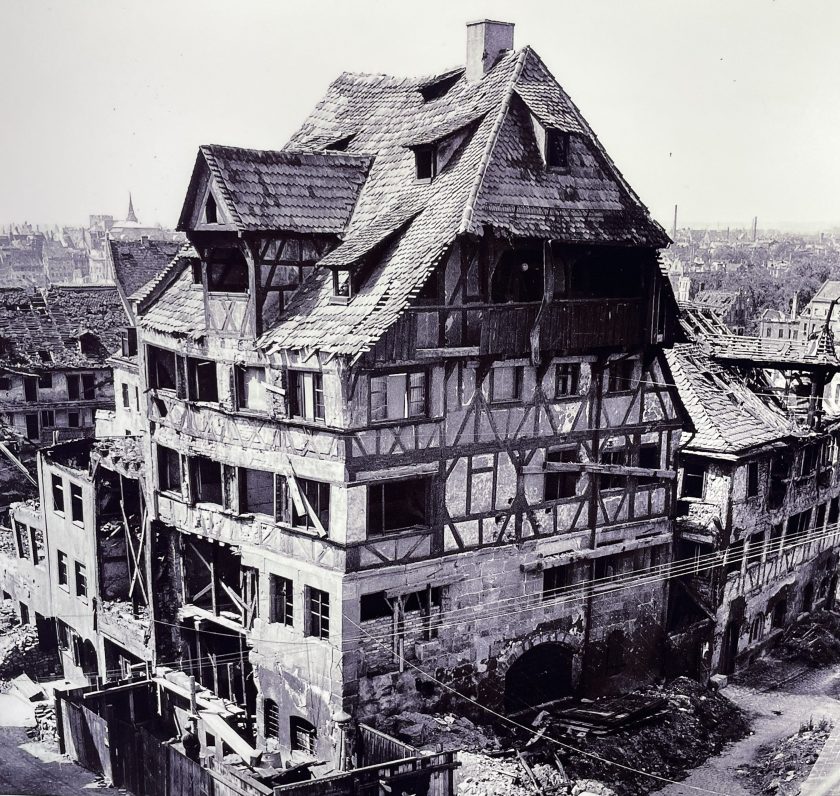
This bunker housed all of Albrecht Duerer’s famous work during the war. In this photo you can see the damage to his home.

Our tour began at 5:30 this evening.
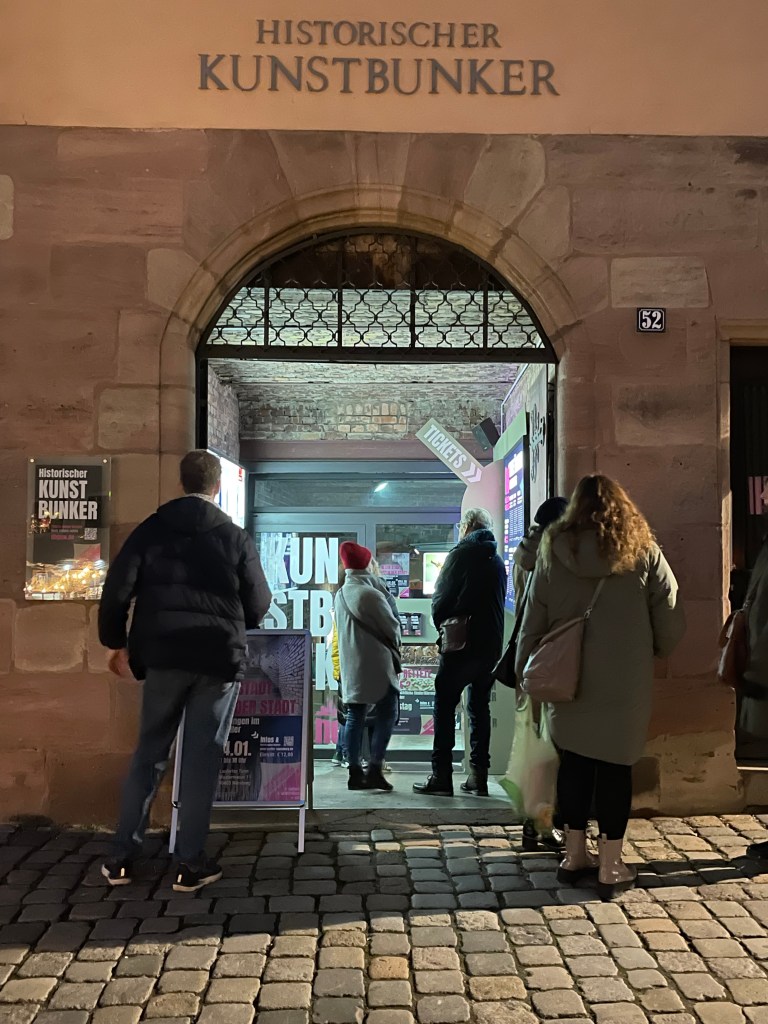
This tour lasts about an hour. It’s given in German, but you can ask for a device to listen to the different points of interest in English, which I did and was glad for it.
The entrance to this particular bunker was in an antique shop, so people coming and going with crates and art was not uncommon.
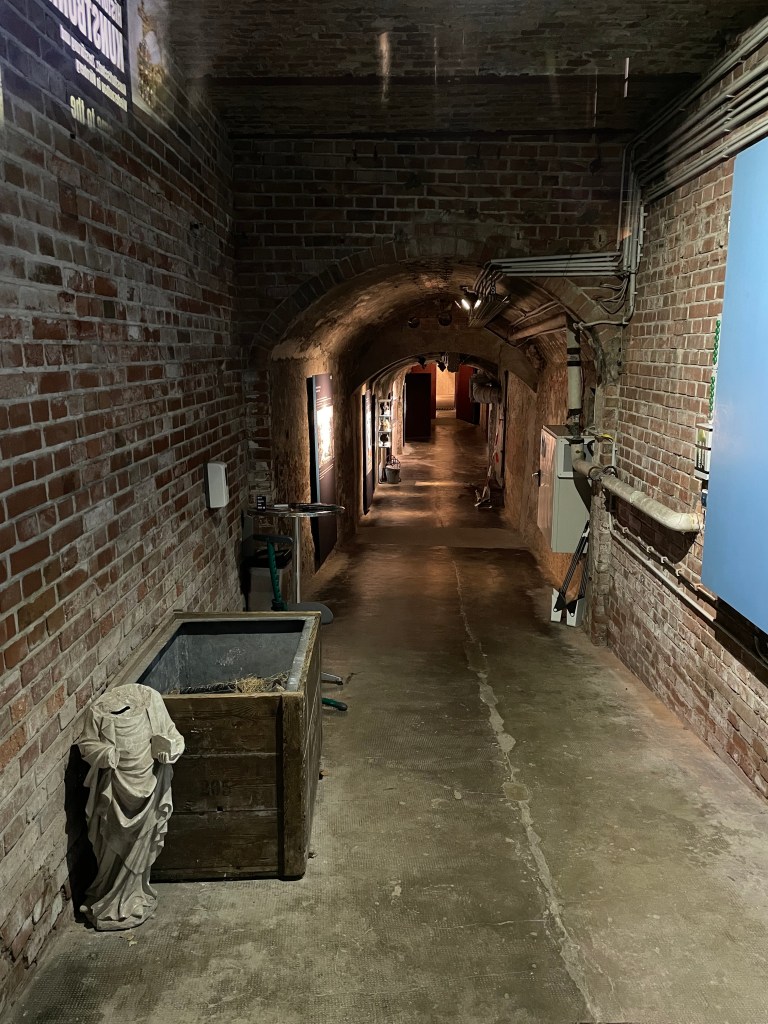
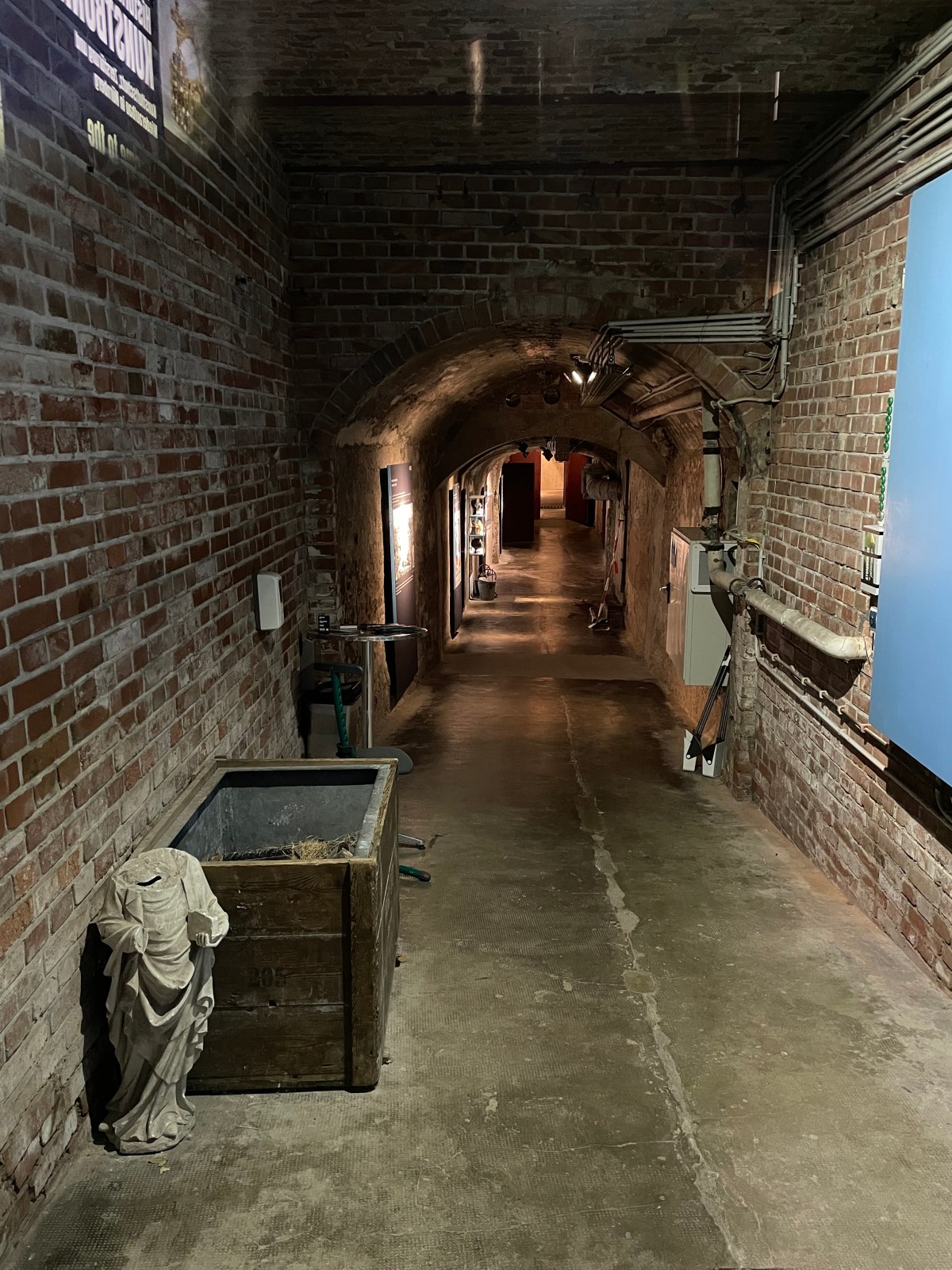
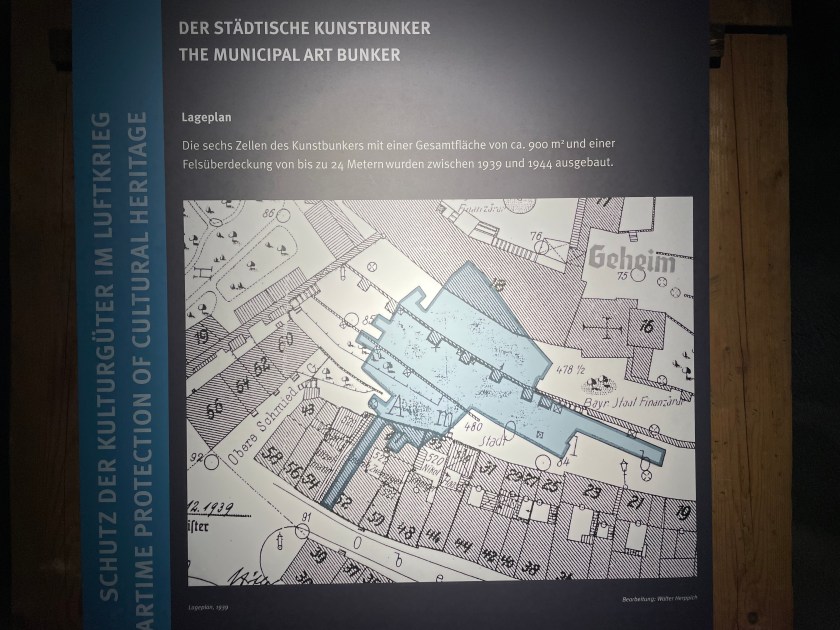
Here is where this art bunker is located underground:
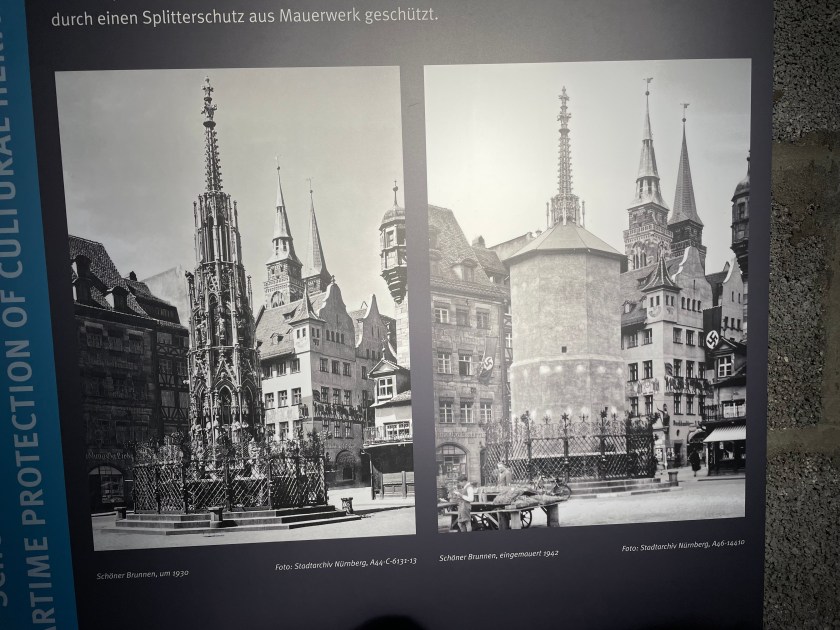
Some pieces of art, like this famous Schöner Brunnen (beautiful fountain), a 14th-century fountain located on Nuremberg’s main market next to the town hall and is considered one of the main attractions of the city’s Historical Mile. The fountain is approximately 19 meters high and has the shape of a Gothic spire. They couldn’t move it, so they built a bomb proof structure around it. See photos below:
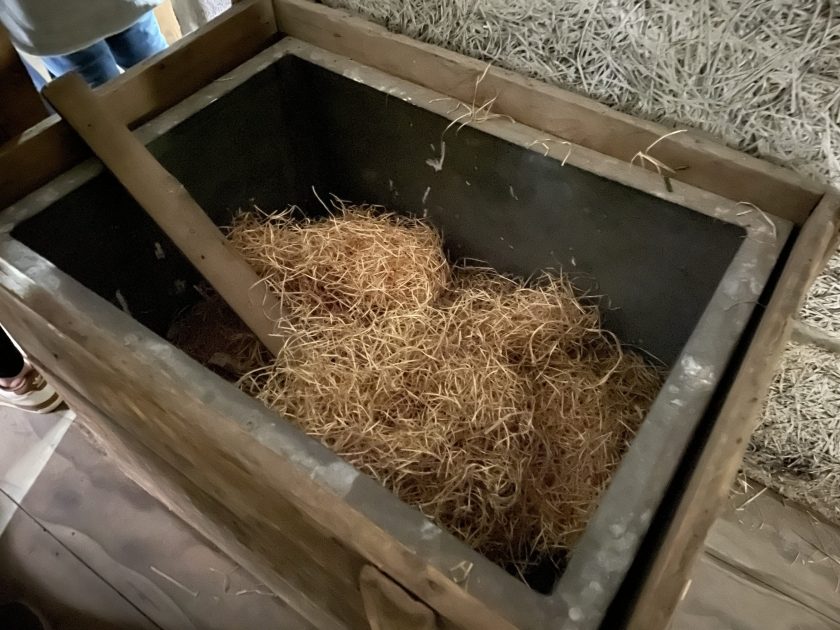
Most artwork was packed in wooden crates like this–
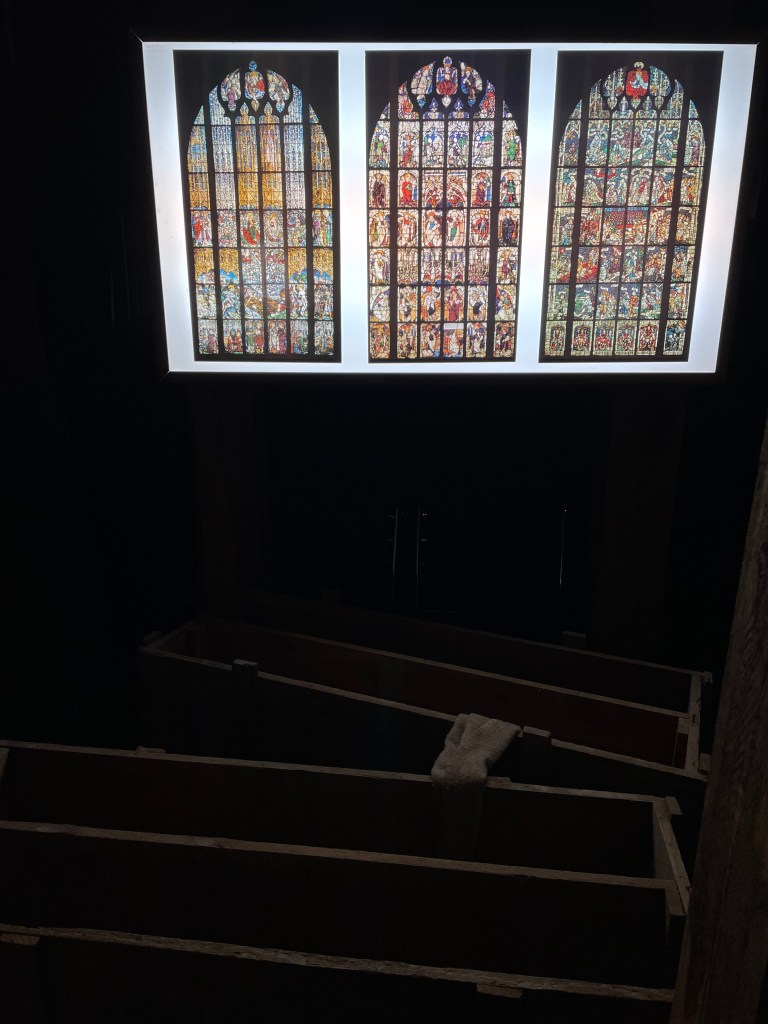
including the stained glass windows from Nuremberg’s churches.

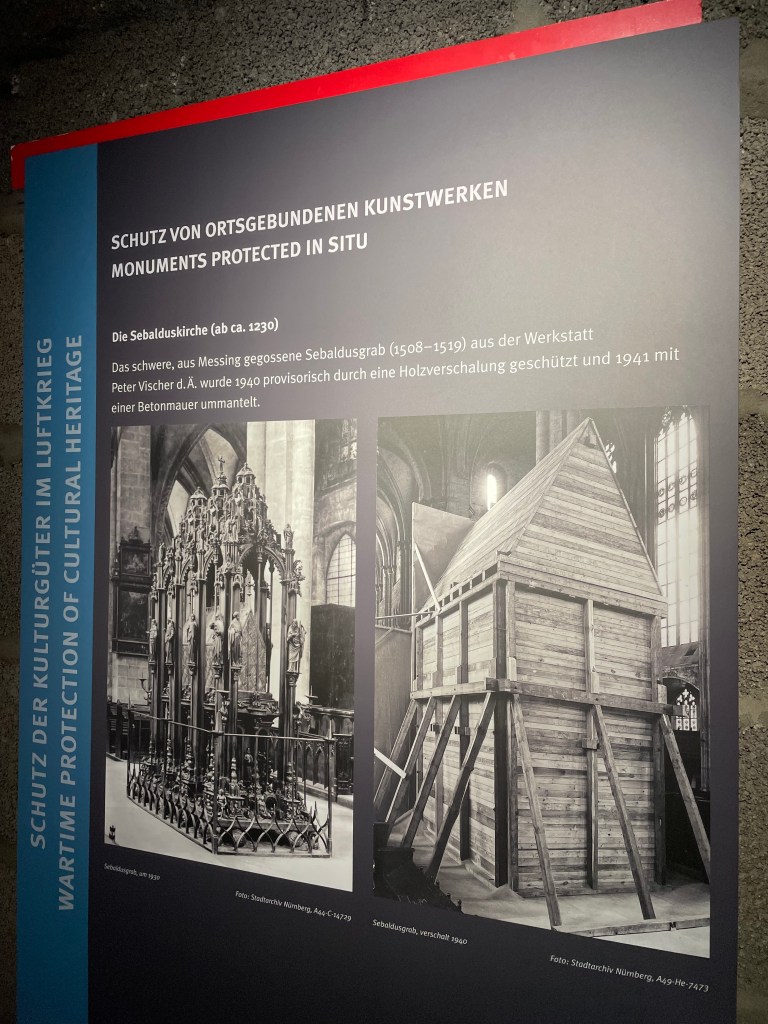
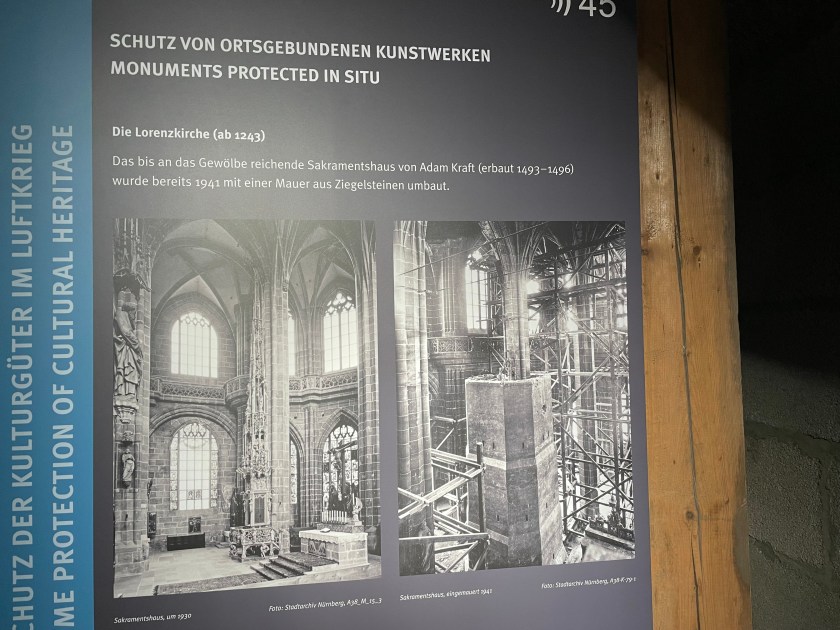
Some of the art in the churches was also too big to move, so it was also encased in a protective structure.
During the war, people had to run to the bunkers when the air raid sirens went off. You had 5-10 minutes to get there, to be safe. In the bunkers, one square meter was given to every 4 people. There was enough air, water and light for 14 days. with places to lie for 8 hours or sit for 16 hours.
This particular bunker was mainly for art pieces, but you can get the idea. Dresden was the most destroyed city in Germany (91% destroyed). Nuremberg was 90% destroyed.
After the war, the Medieval Old Town was rebuilt and restored thanks to the treasures stored here. (Watch the excellent movie, “The Monuments Men” to learn more about the hidden art treasures of Europe).
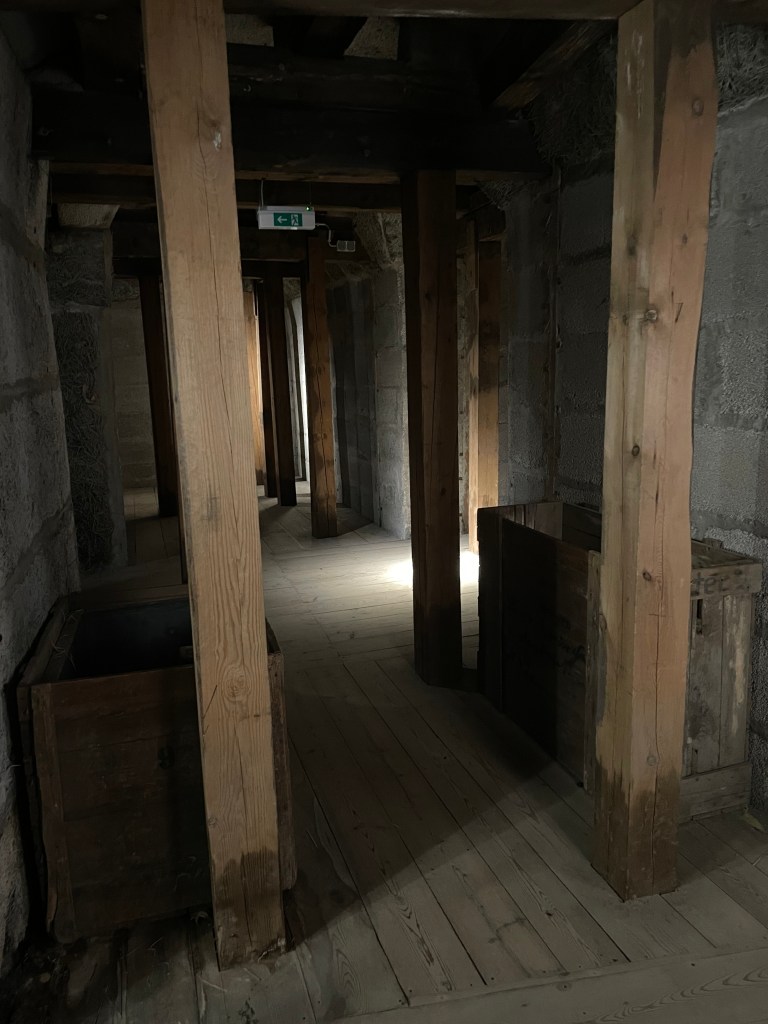
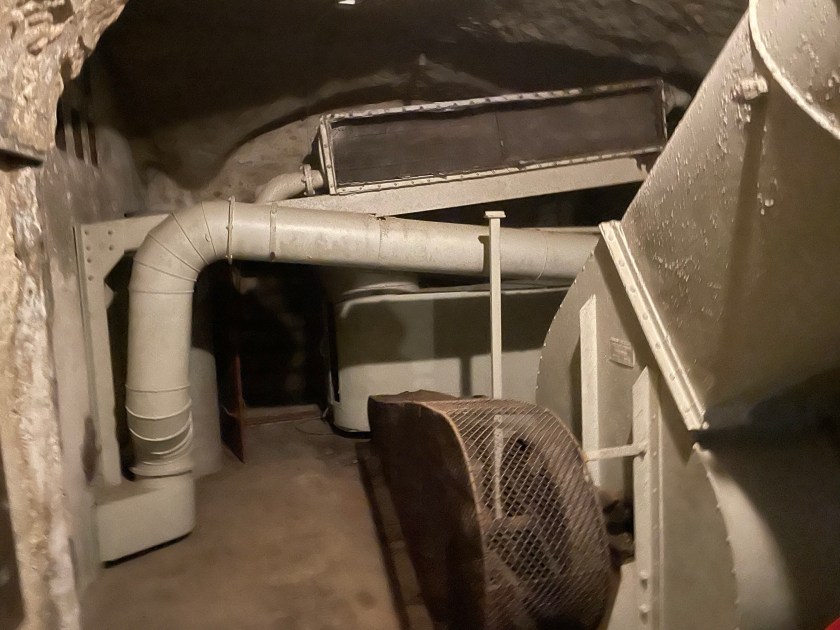
Ventilation and de-humidifiers to keep the art safe:
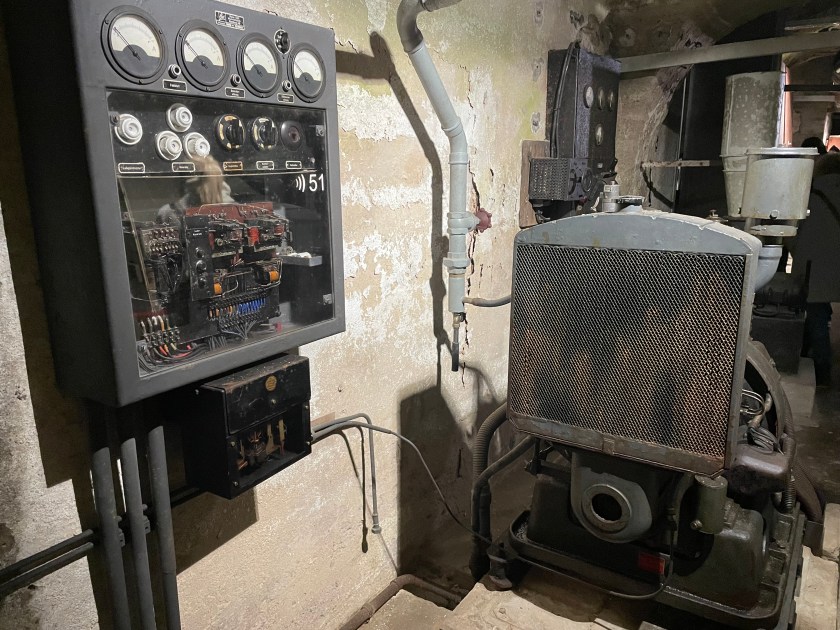
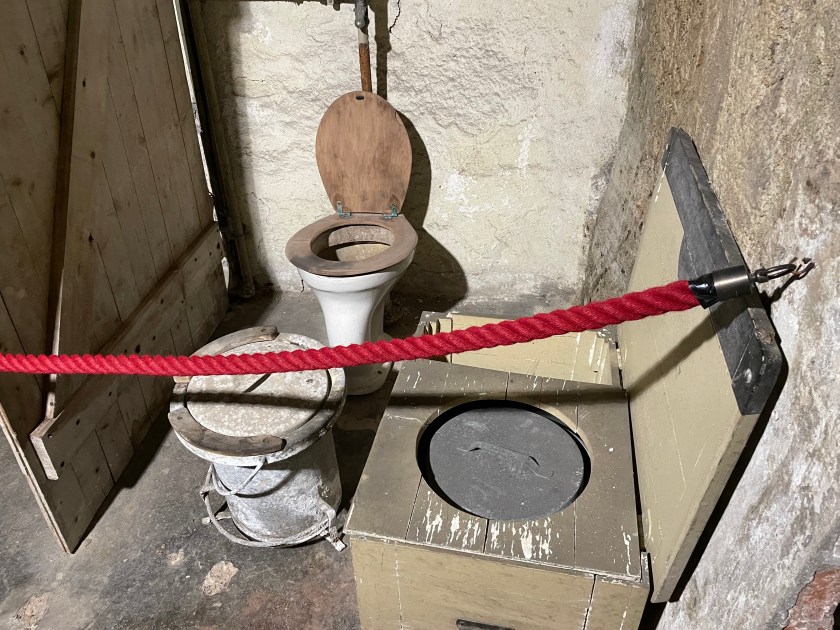
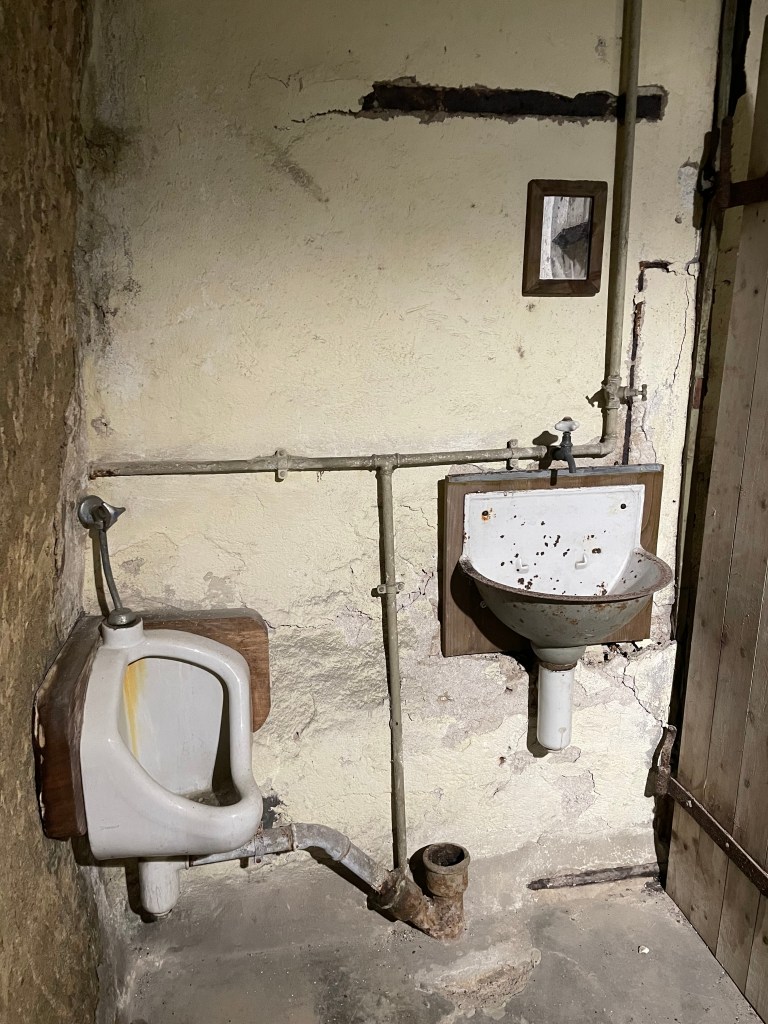

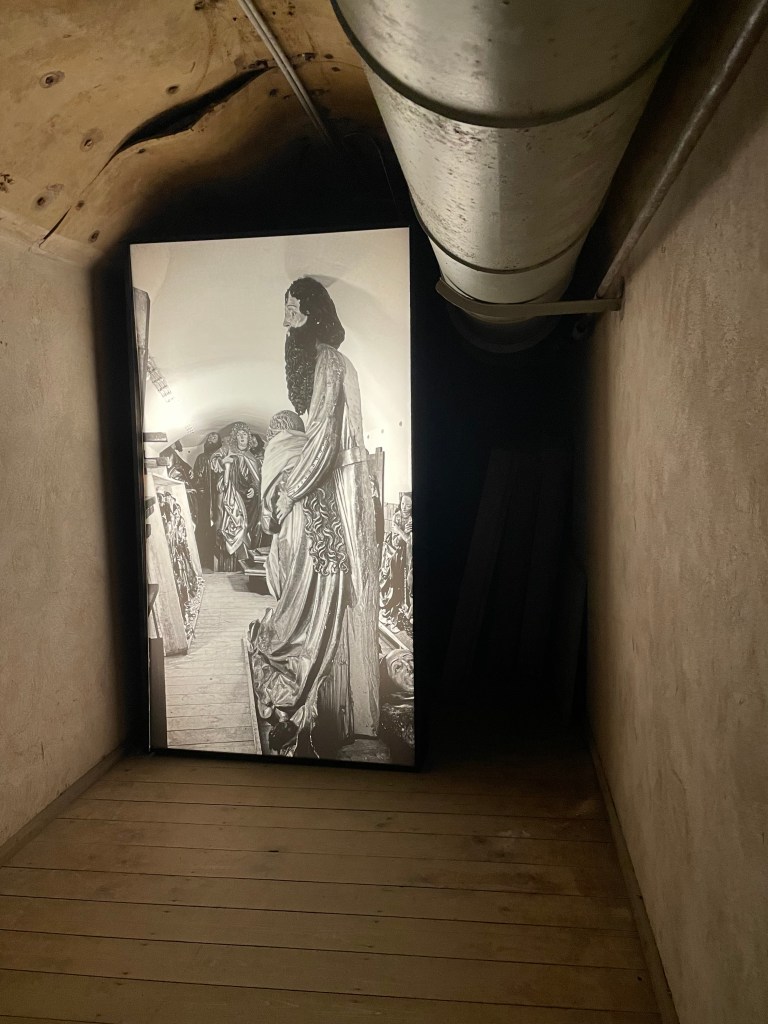
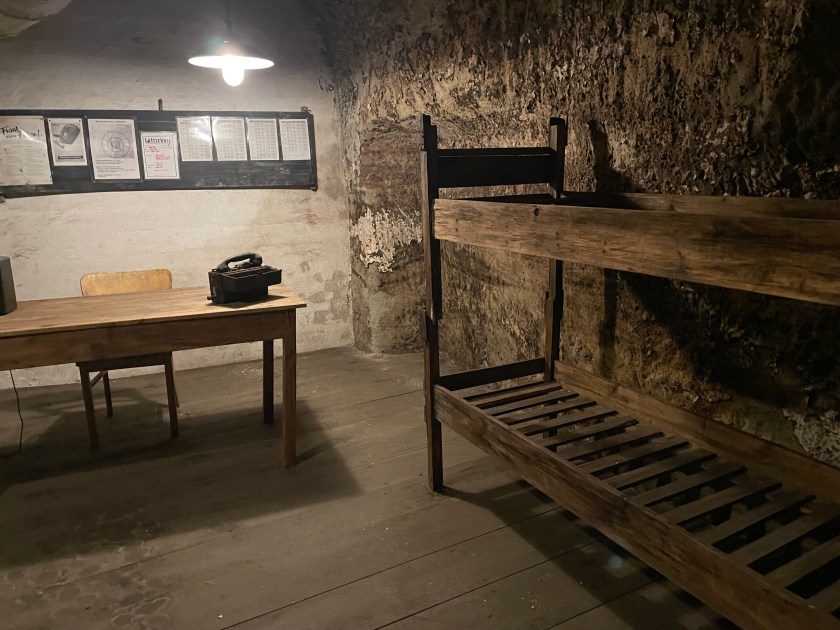
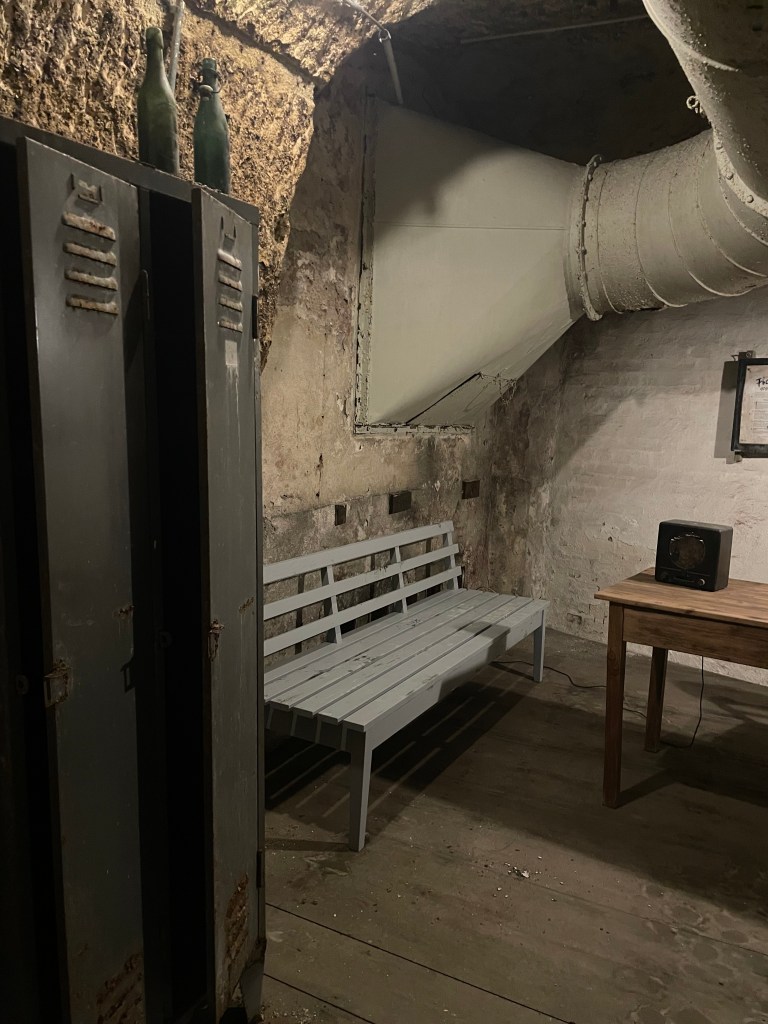
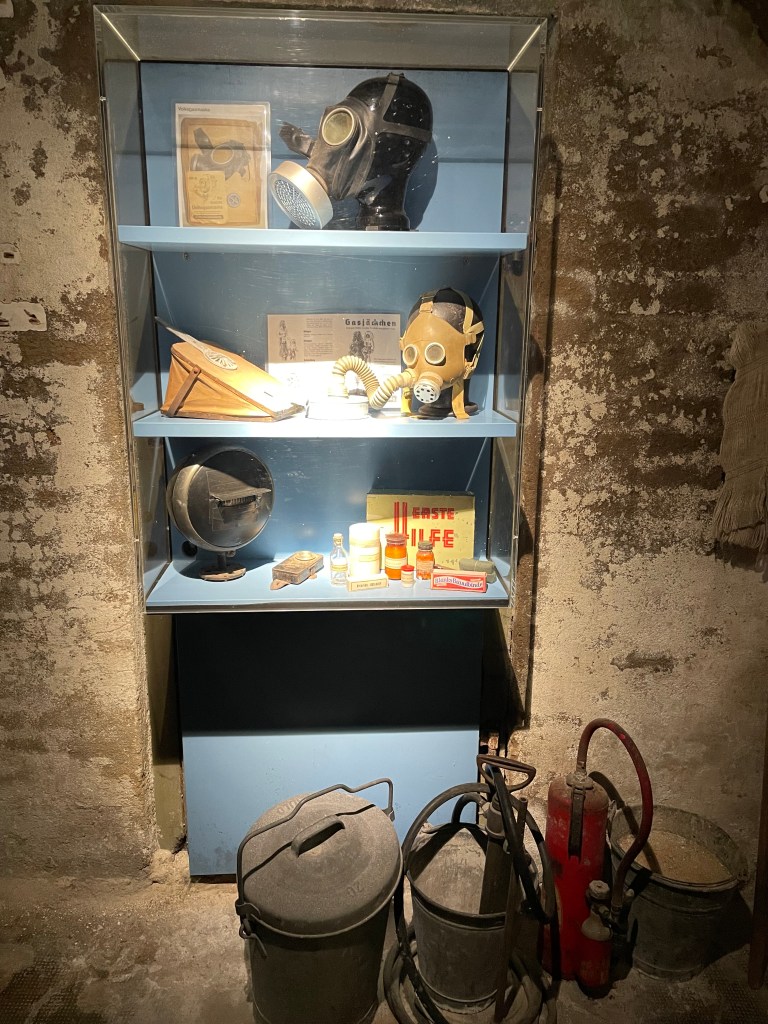
Some of the things that were hidden and kept safe here:
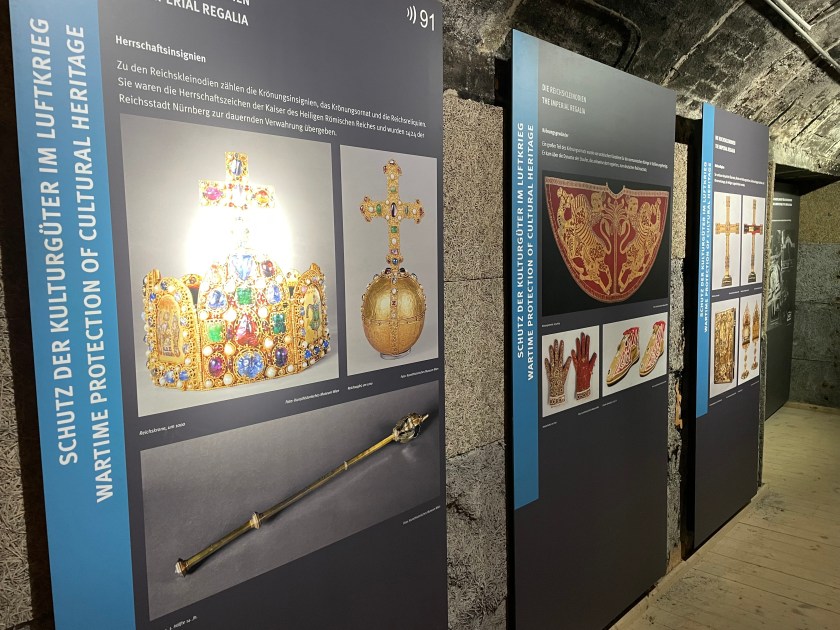
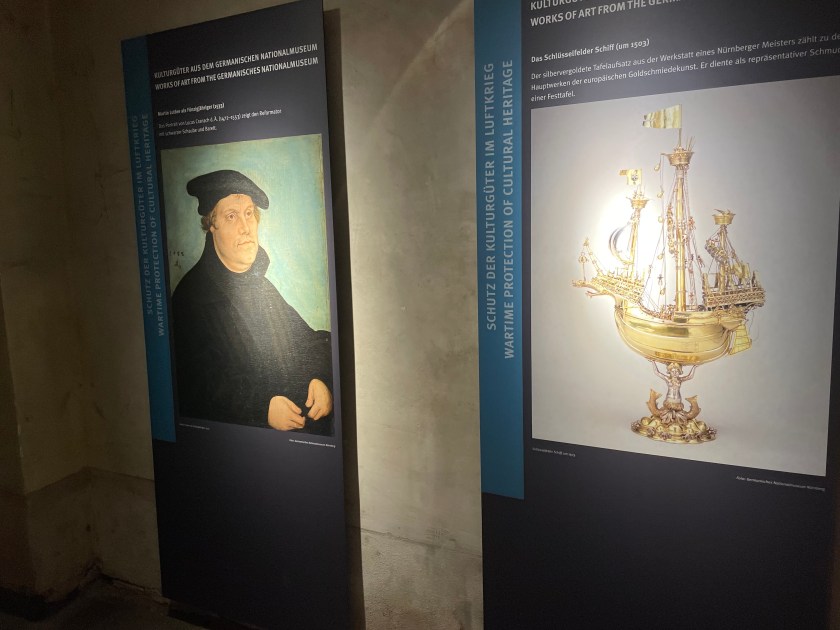
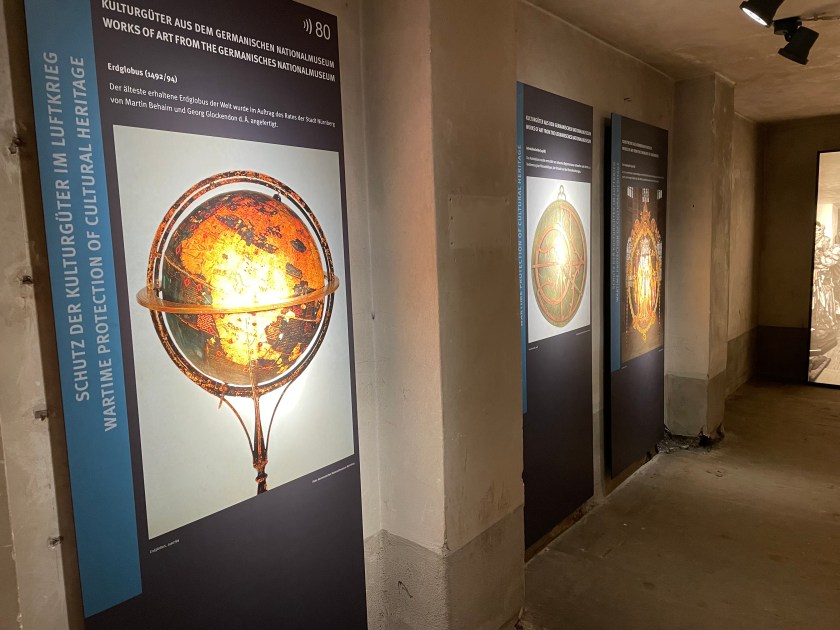
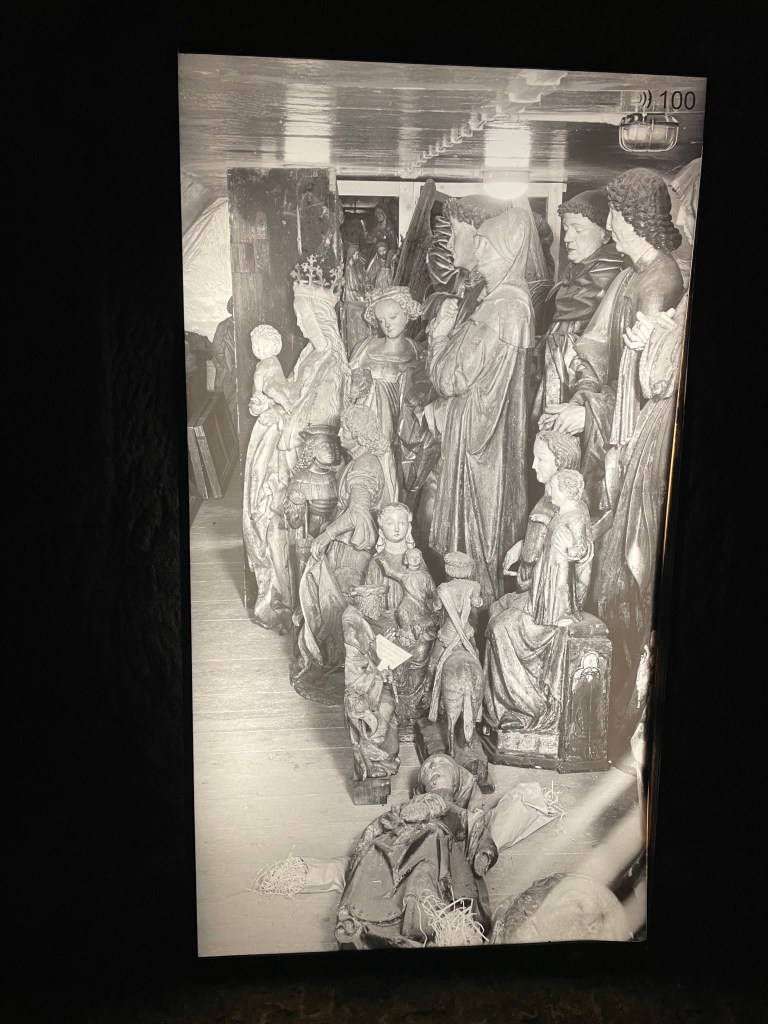
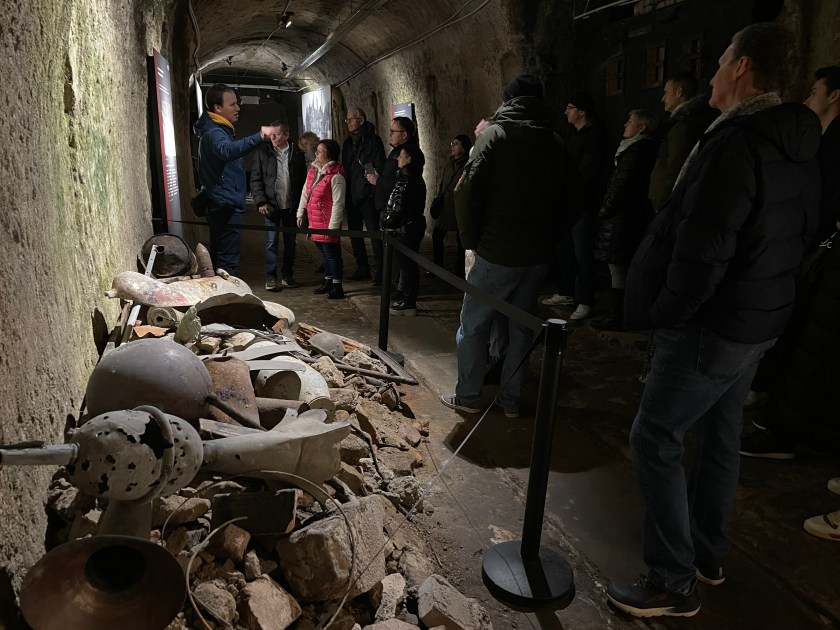
This pile of rubble is a collection of detonated bombs that were left in the streets after the bombing.


We watched a short film describing the destruction of the city.
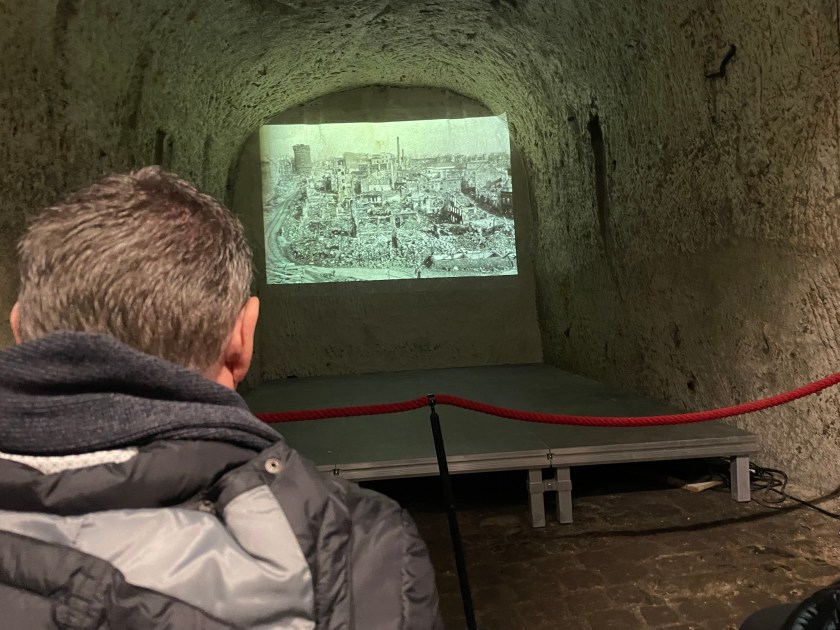

After the war, everyone ages 16 to 60 had to put in 50 hours of work removing rubble. Then within a few years, they rebuilt the city. There were contests for architect plans of how to do it. Hundreds were submitted. There were very few buildings still standing, and they rebuilt what they could and the new buildings had to match in size, color, construction and skyline. Over time, they brought out the treasures and put them back in their places. They did a good job restoring the city after such destruction.

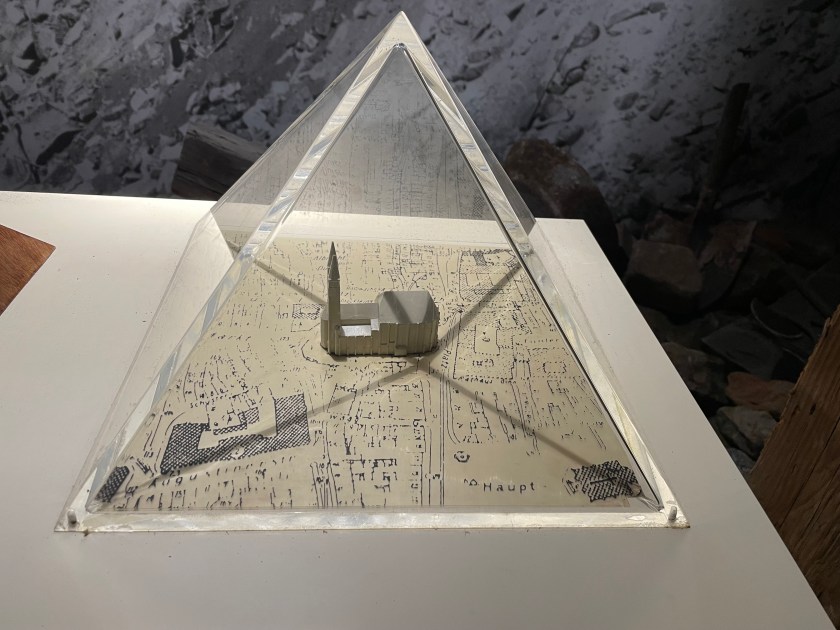
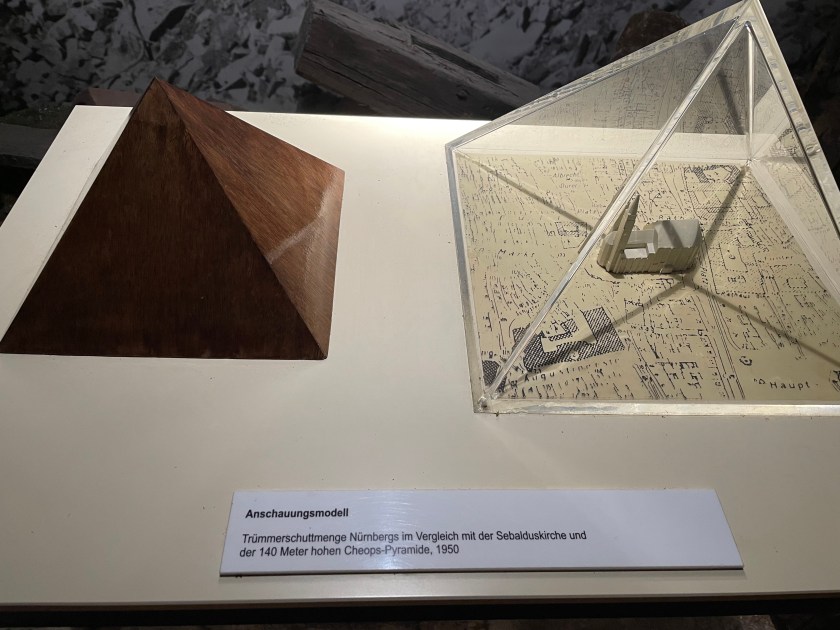
This display was fascinating. The plexiglas pyramid over the St Lorenz Kirche shows the amount of rubble that had to be removed from Nuremberg. The size is compared to the pyramid in Egypt.
Seeing the Old Town and city today, it’s hard to imagine the destruction not that many years ago. It’s really incredible to consider the work that has gone into restoration here. Beauty from ashes.

 Our Frankfurt Germany Mission