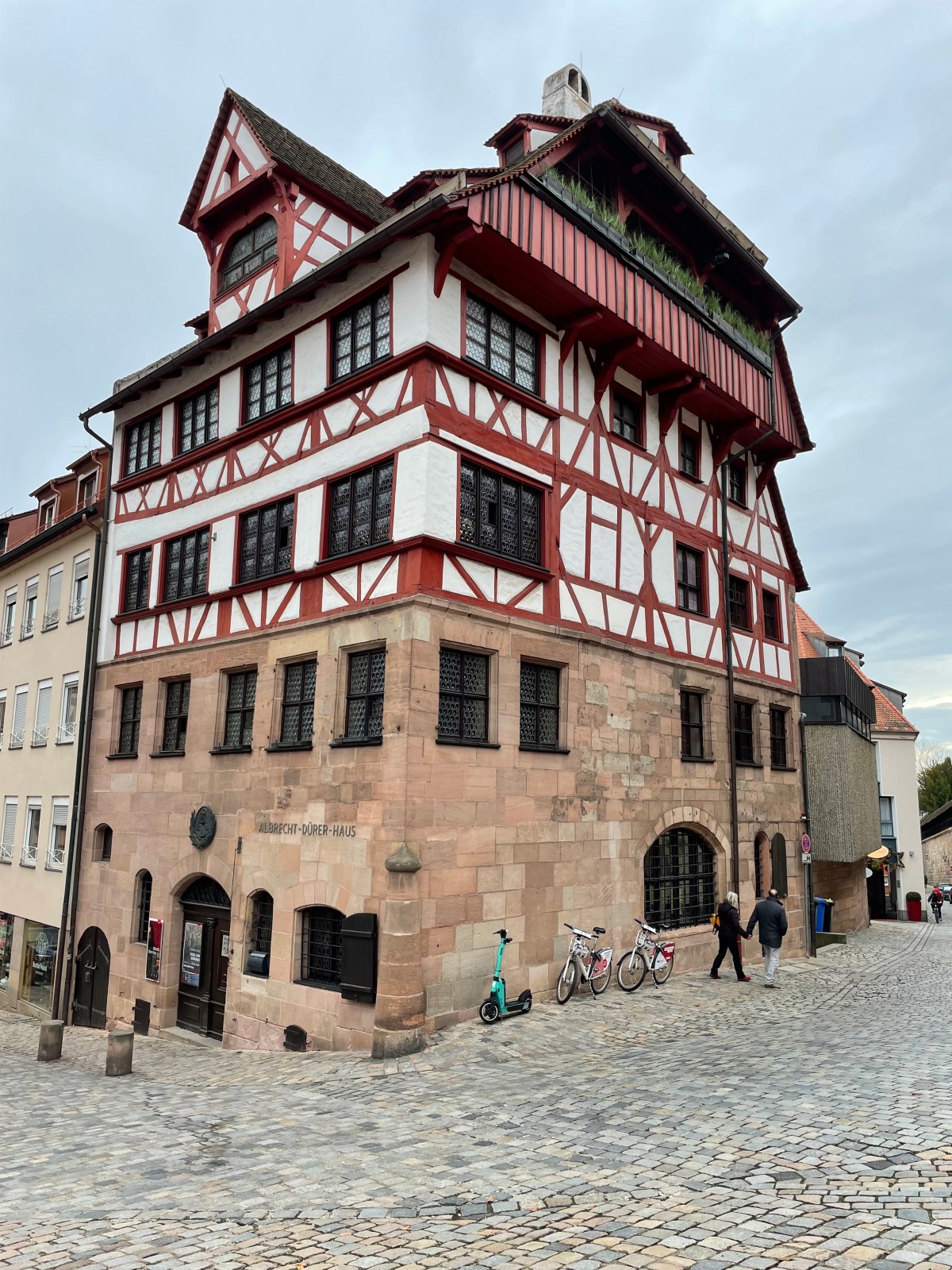
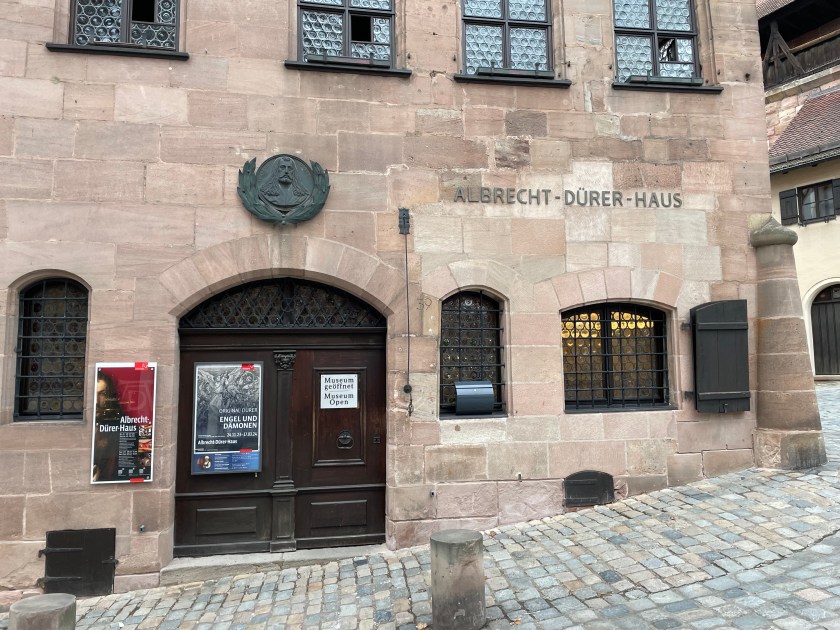
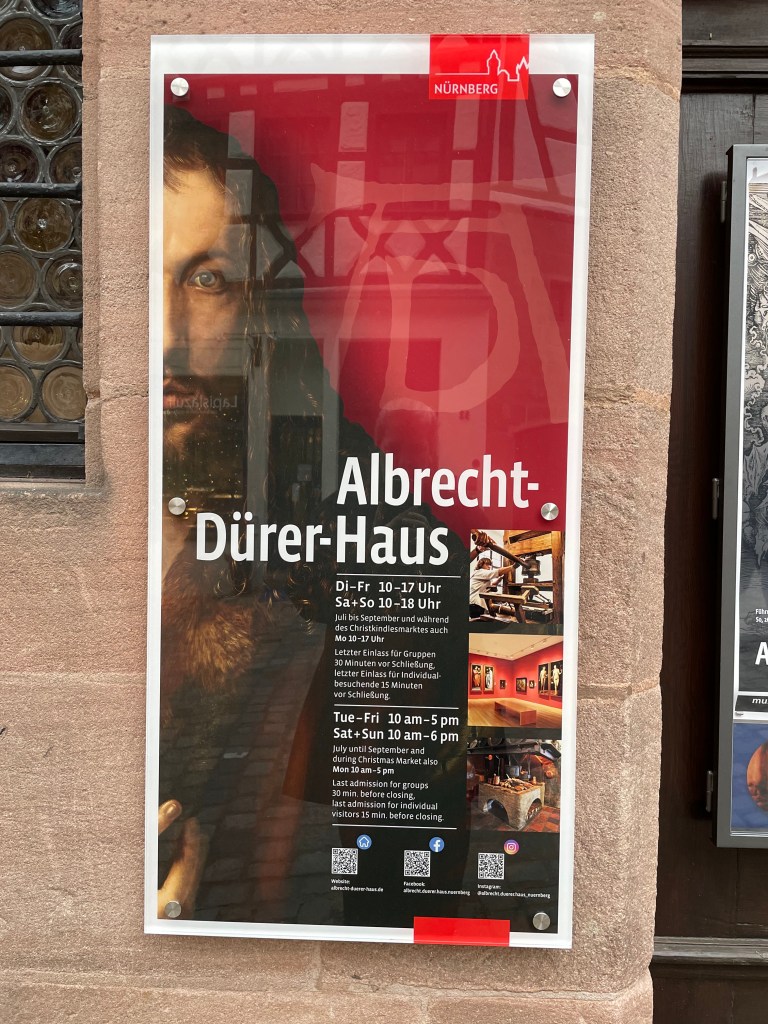
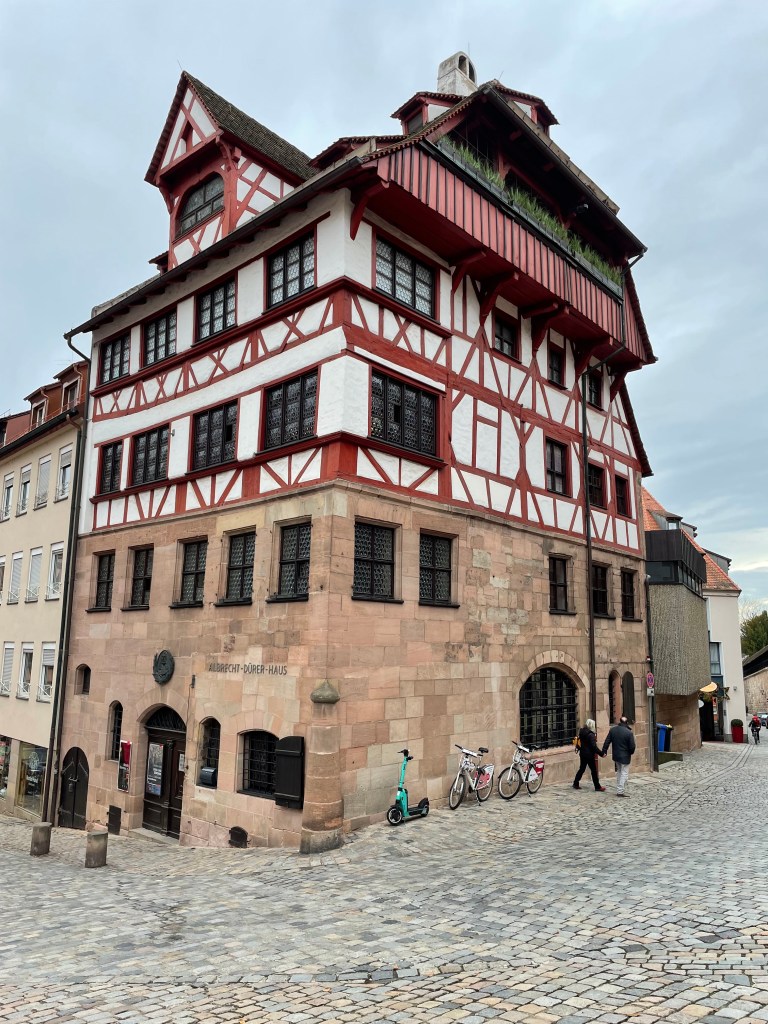
There are many things I don’t remember, but the Albrecht Dürer Haus is not one of them. I visited this place in 2009 and my memories of it were still quite vivid. (I had very little recollection of the other places I visited in Nuremberg).
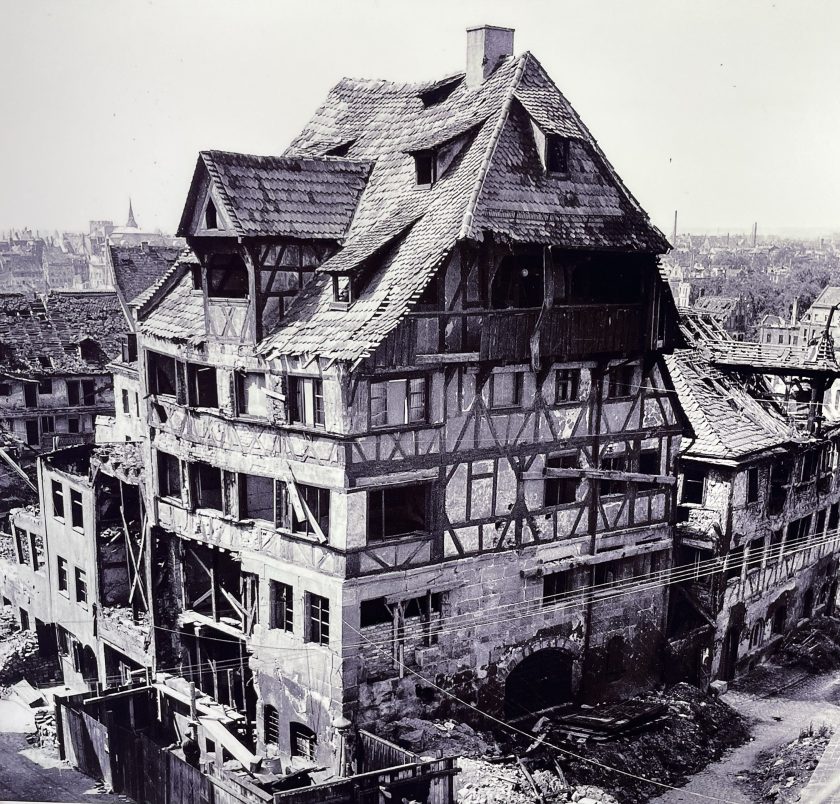
This home is one of very few left standing after WWII. 91% of Nuremberg was destroyed by the bombing here. We learned that during the war his artwork and treasures inside were saved in the underground bunkers, thank goodness. Here’s a photo of what remained of this home after the war.
From Wikipedia:
Albrecht Dürer’s House
Albrecht Dürer’s House (German: Albrecht-Dürer-Haus) is a Nuremberg Fachwerkhaus that was the home of German Renaissance artist Albrecht Dürer from 1509 to his death in 1528. The House lies in the extreme north-west of Nuremberg’s Altstadt, near the Kaiserburg section of the Nuremberg Castle and the Tiergärtnertor of Nuremberg’s city walls.
The house was built around the year 1420. It has five stories; the bottom two have sandstone walls, while the upper stories are timber framed; the entire structure is topped by a half-hip roof. In 1501, it was purchased by Bernhard Walther, a merchant and prominent astronomer. Walther remodeled the house, adding small windows to the roof so that it could function as an observatory. Walther died in 1504, and Dürer purchased the house in 1509.
Since 1871 the Albrecht-Dürer-Haus has been a museum dedicated to Dürer’s life and work. In a restoration of 1909, the large dormer on the east-facing roof was replaced. In October 1944, it took significant damage from Allied bombing. It was rebuilt by 1949, but did not reopen as a museum until 1971, Dürer’s 500th birthday.
The museum features installations of period furnishings, a re-creation of Dürer’s workshop in which visitors can view demonstrations of printmaking techniques, and rotating exhibitions of drawings and prints by Dürer from the City of Nuremberg’s Graphic Collection. Visitors can also receive a guided tour of the house from an actress playing Agnes Dürer, the wife of the artist.
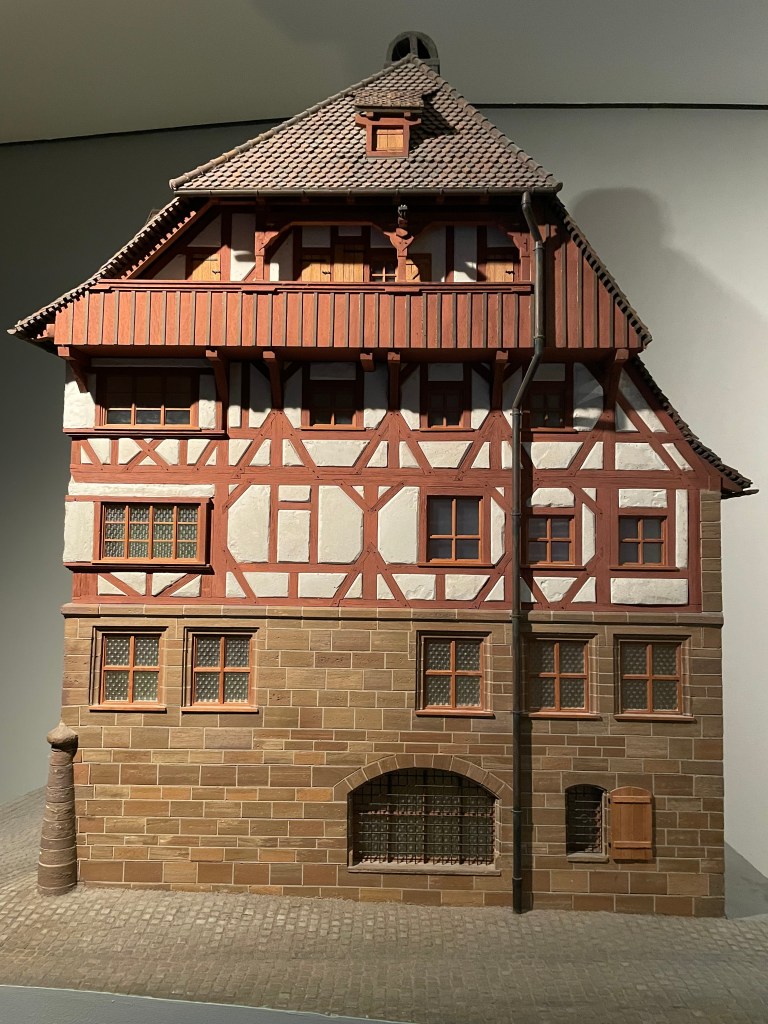
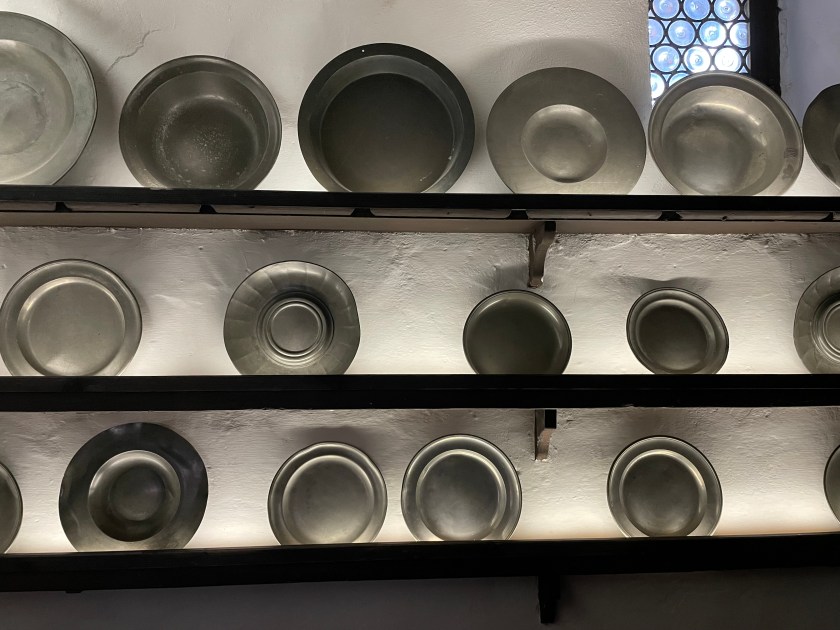
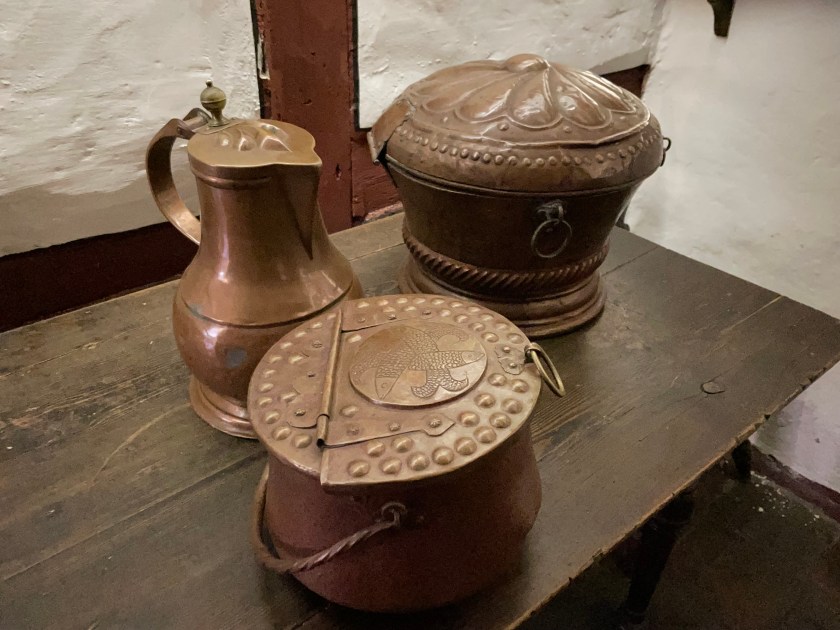
Above is a model of the house. Below is what we saw inside.
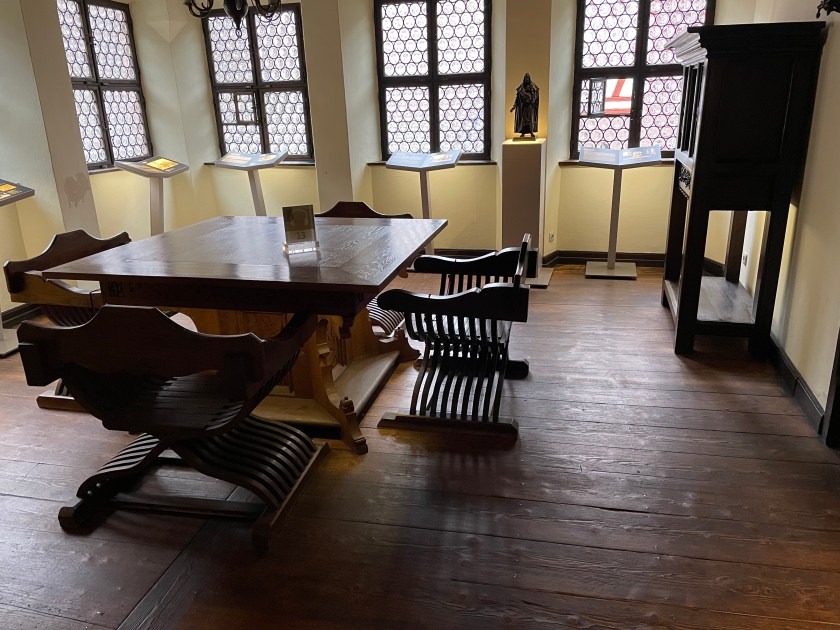
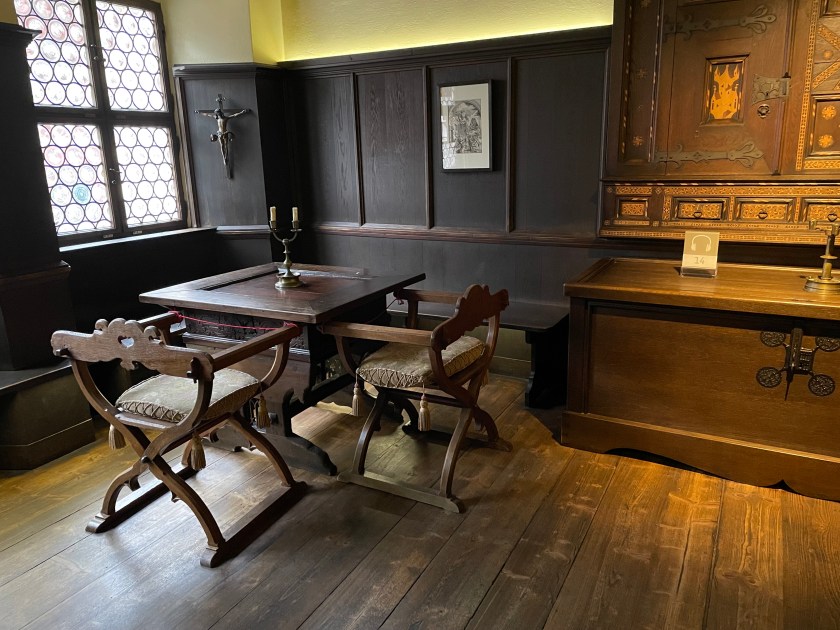
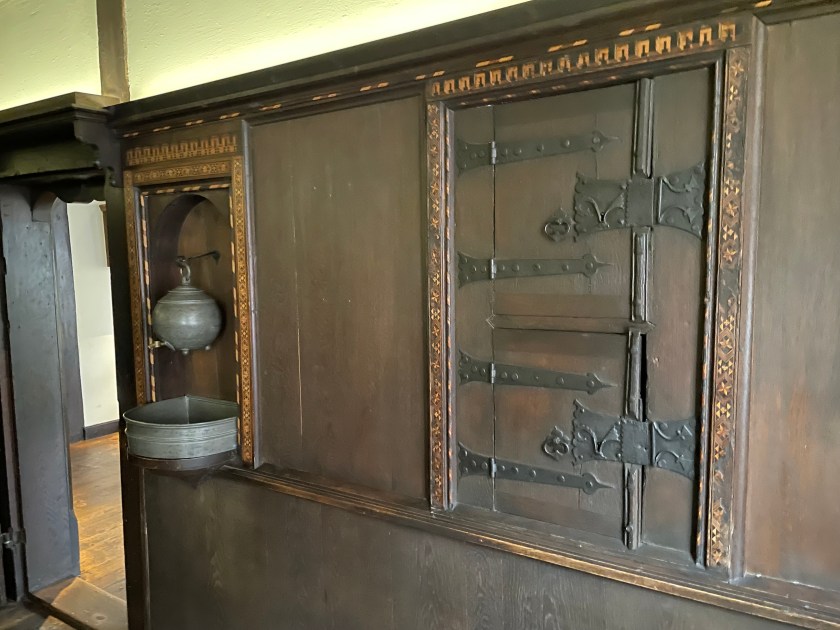
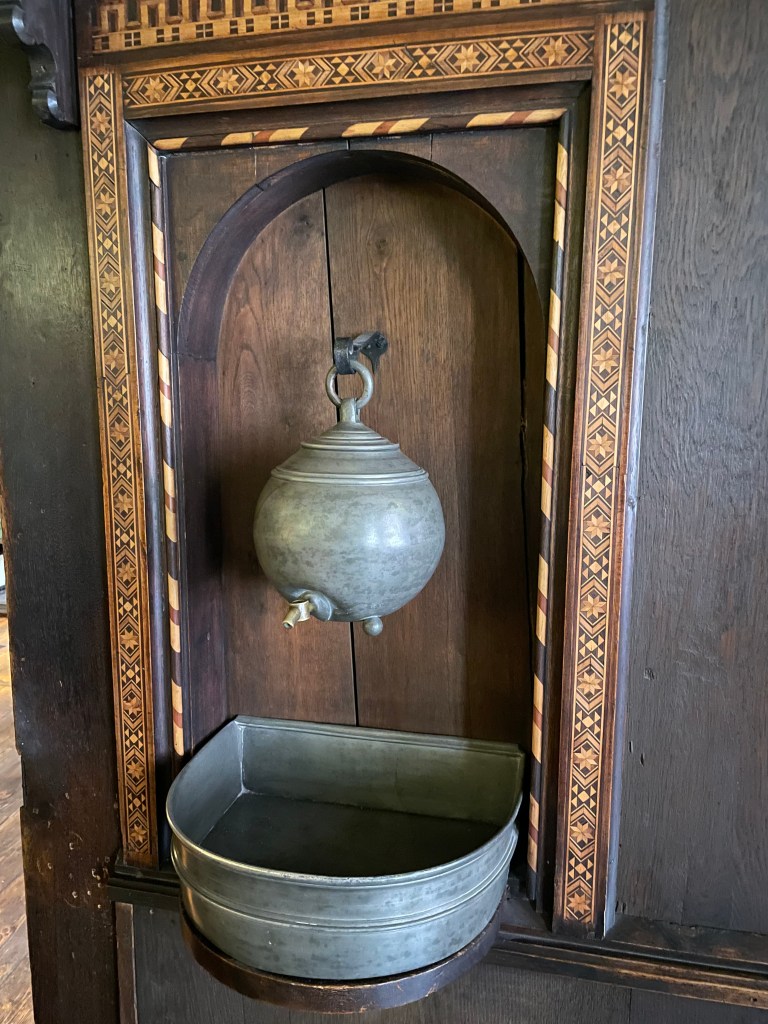
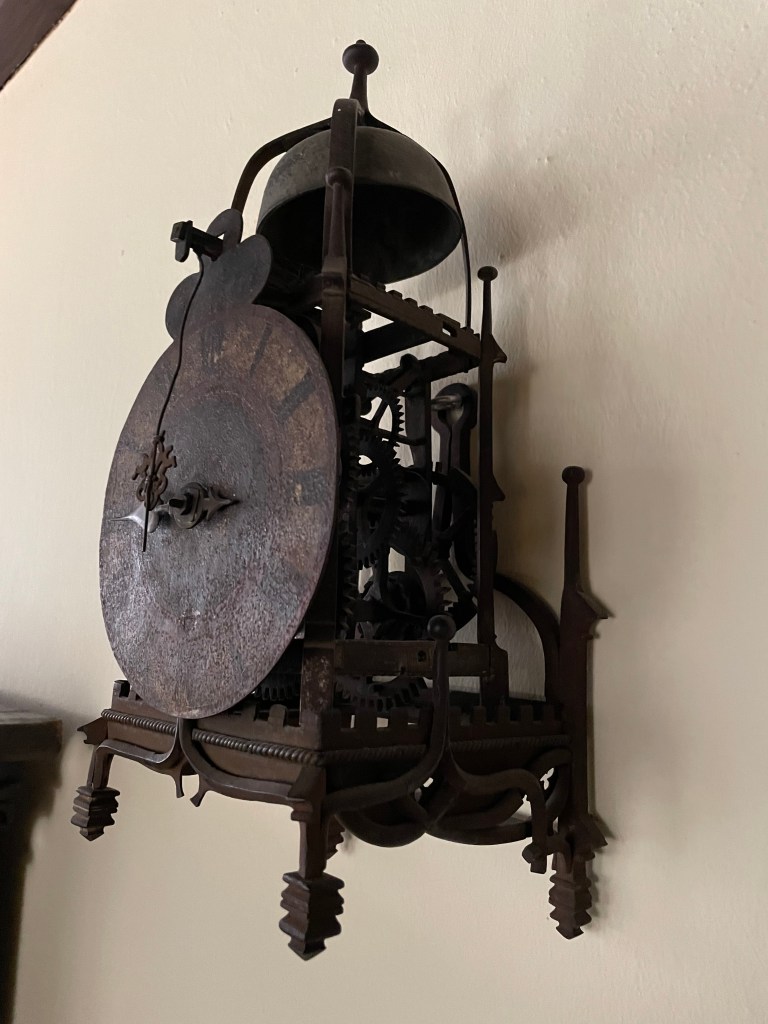
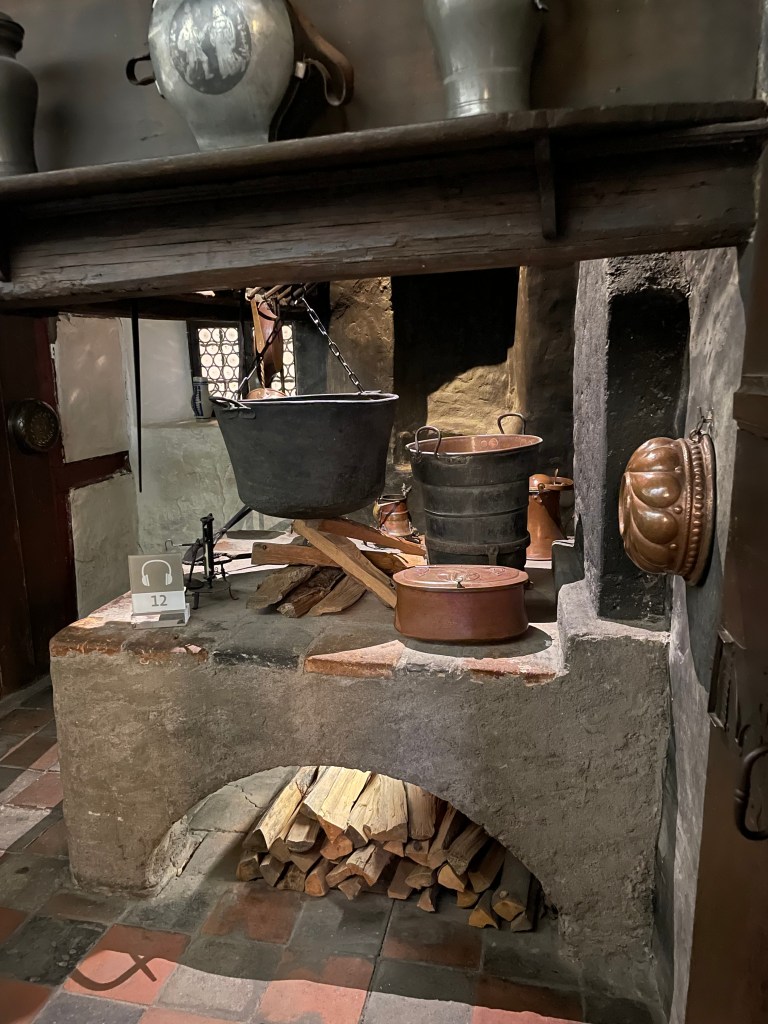
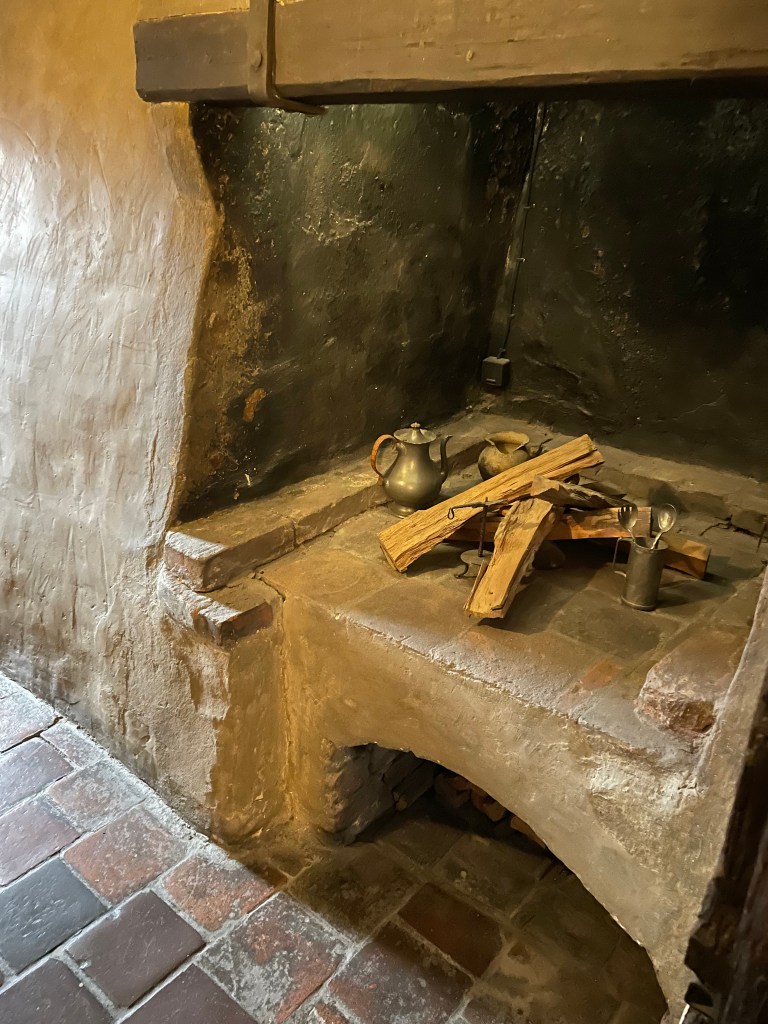
The kitchen is the only room who’s purpose was sure.
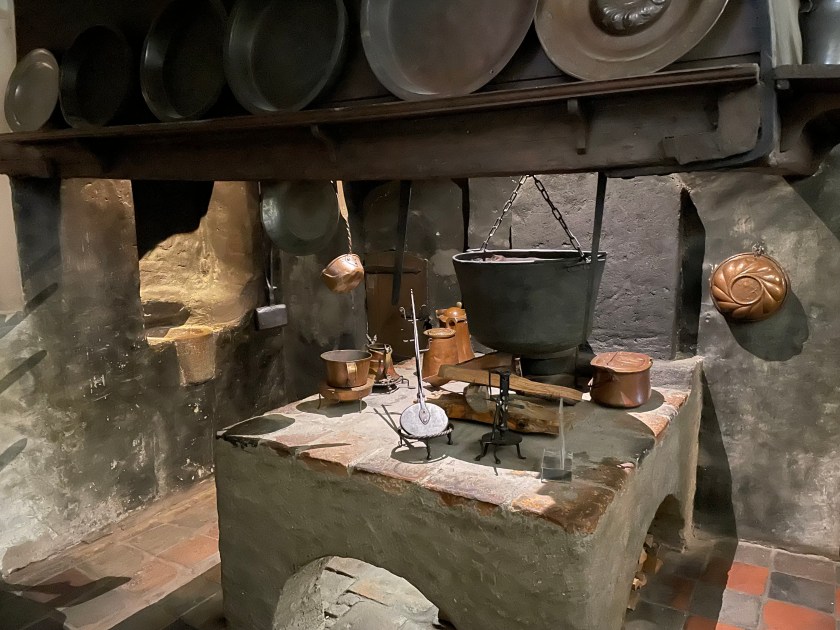
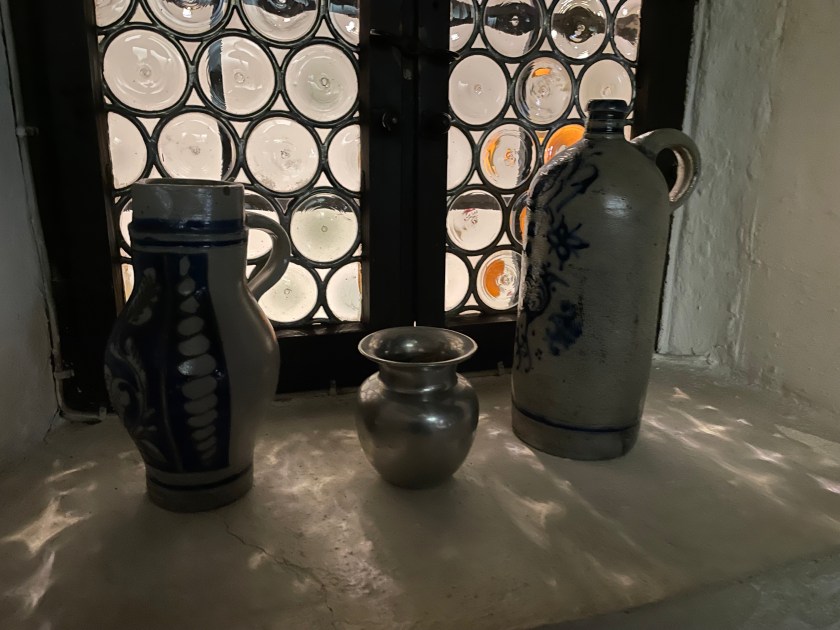
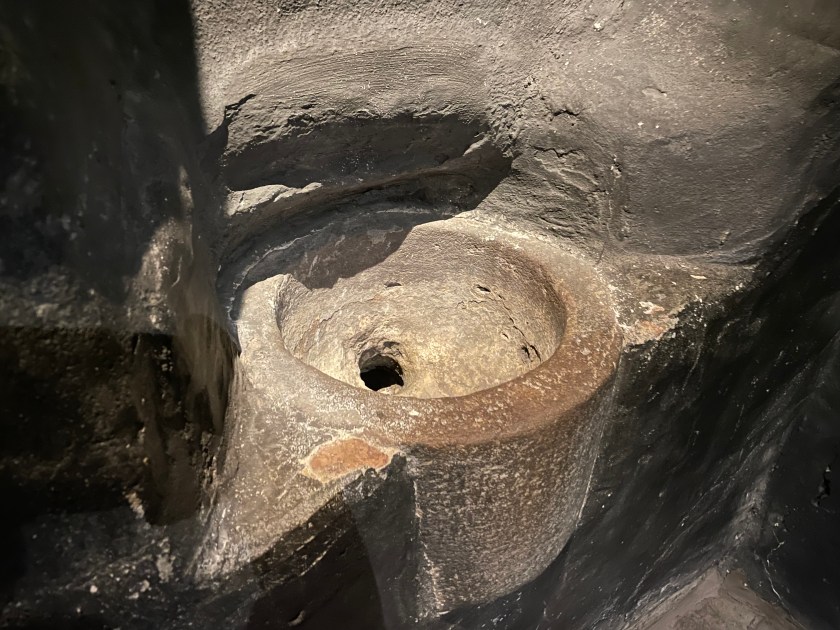
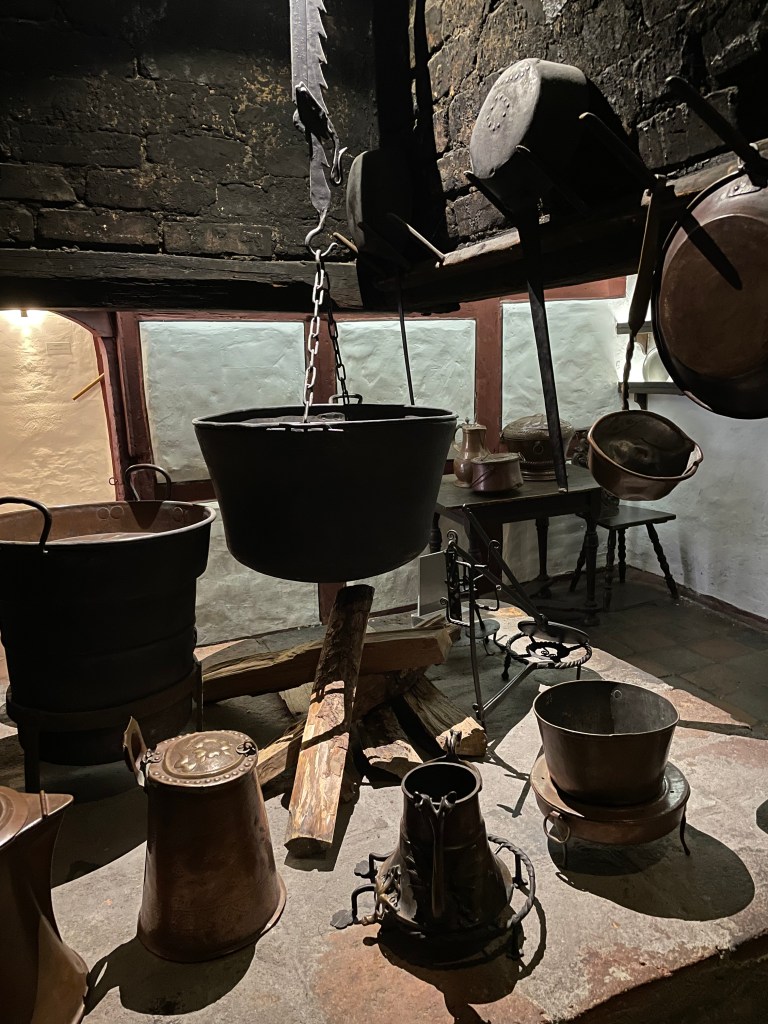
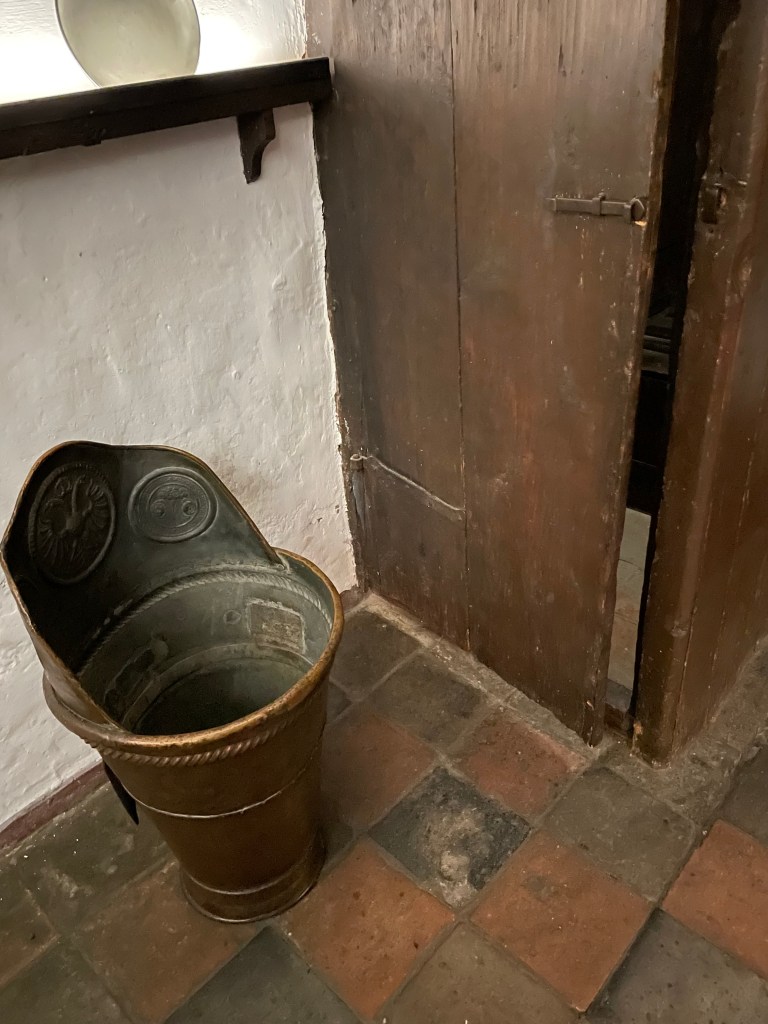
This small privy was in the kitchen, with a porta-potty sitting outside. They think Duerer used this towards the end of his life when he wasn’t well.
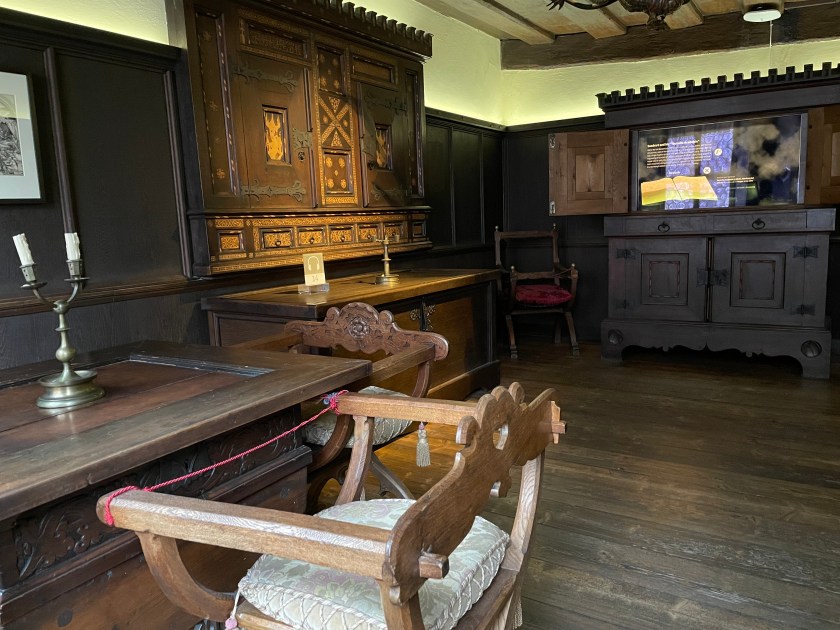
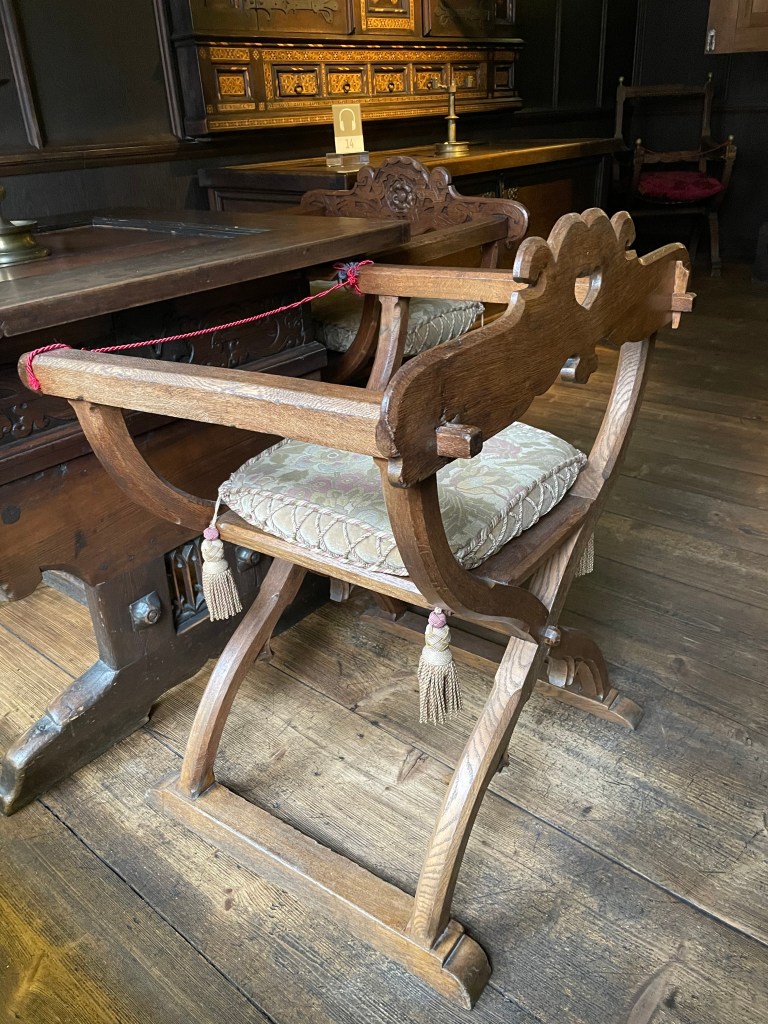
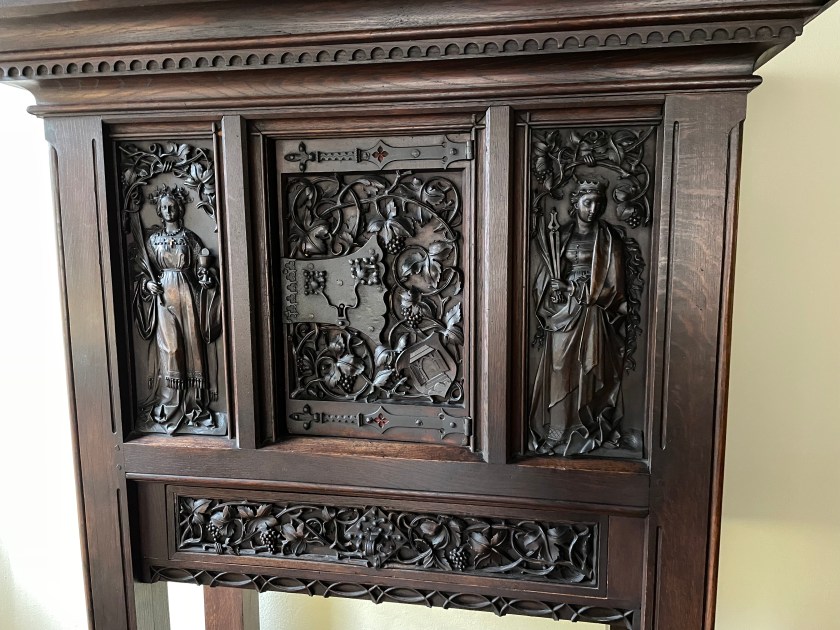
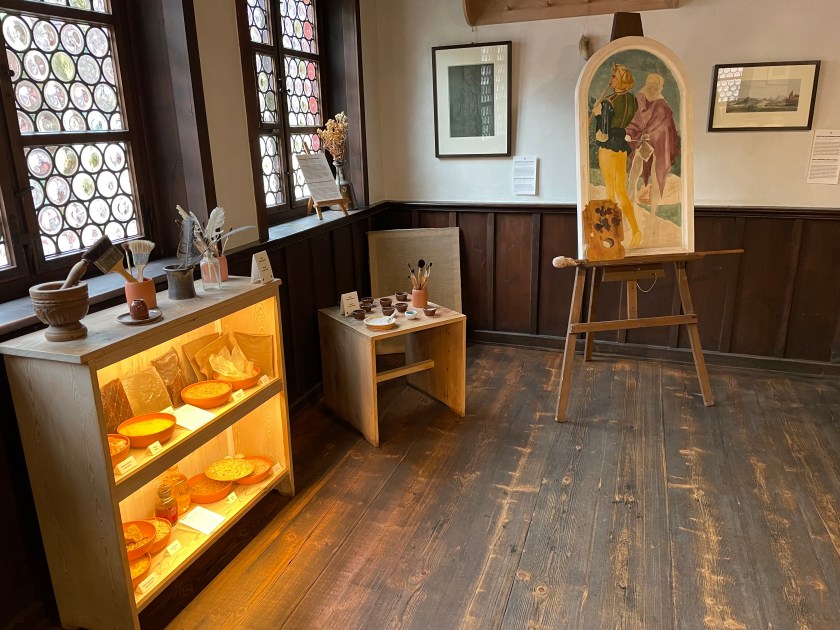
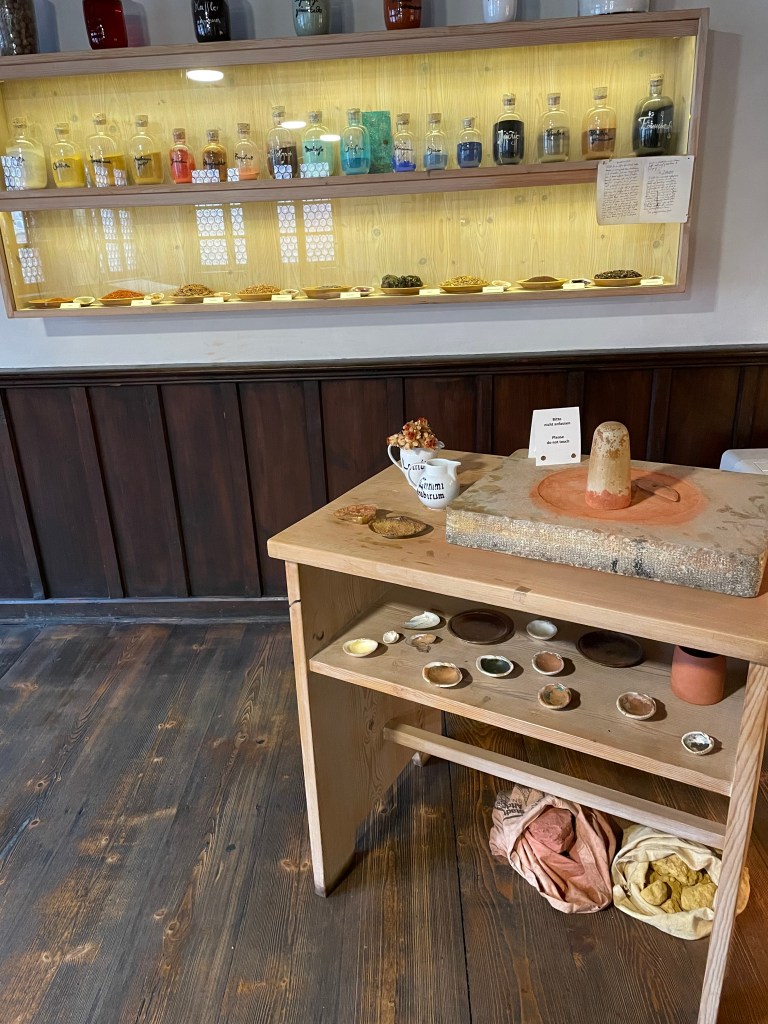
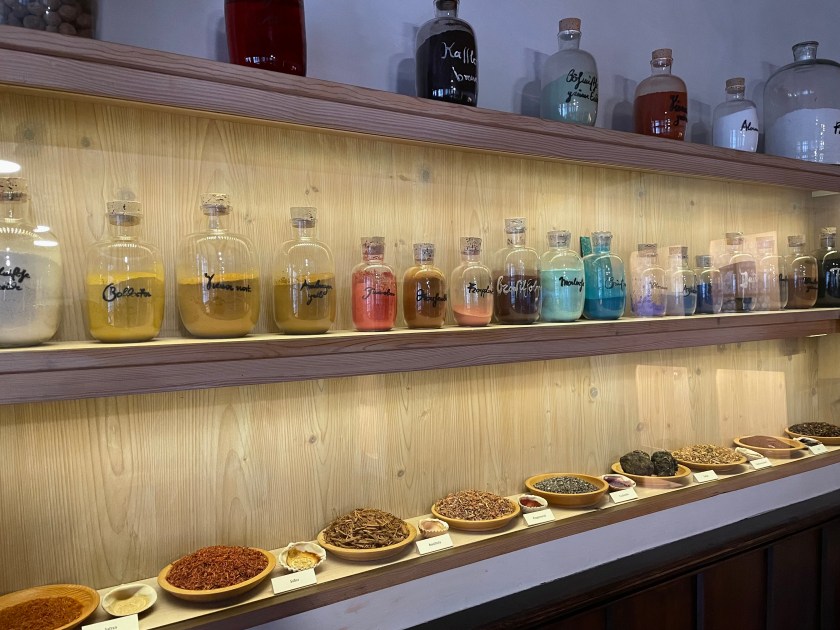
Art students come here to learn about all of the different plant materials Duerer used to create pigments for his painting.
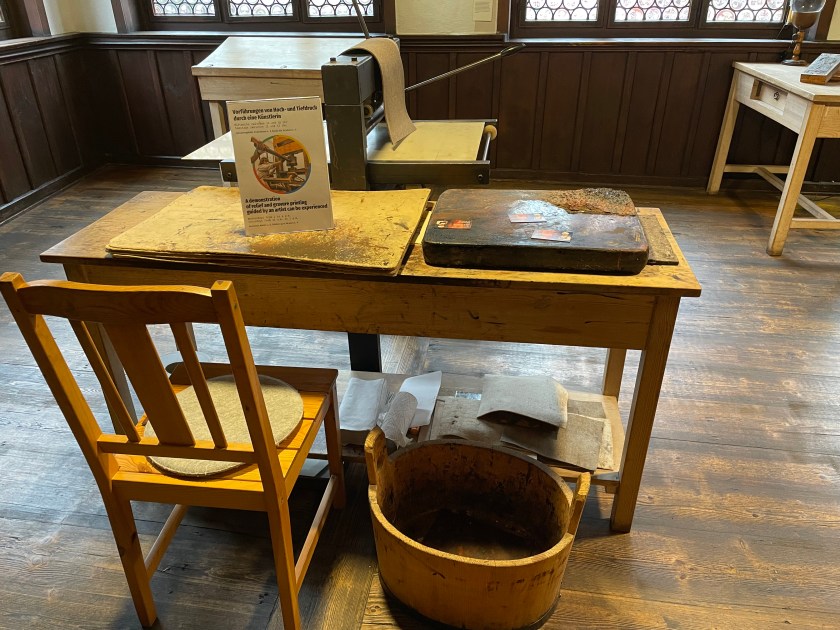
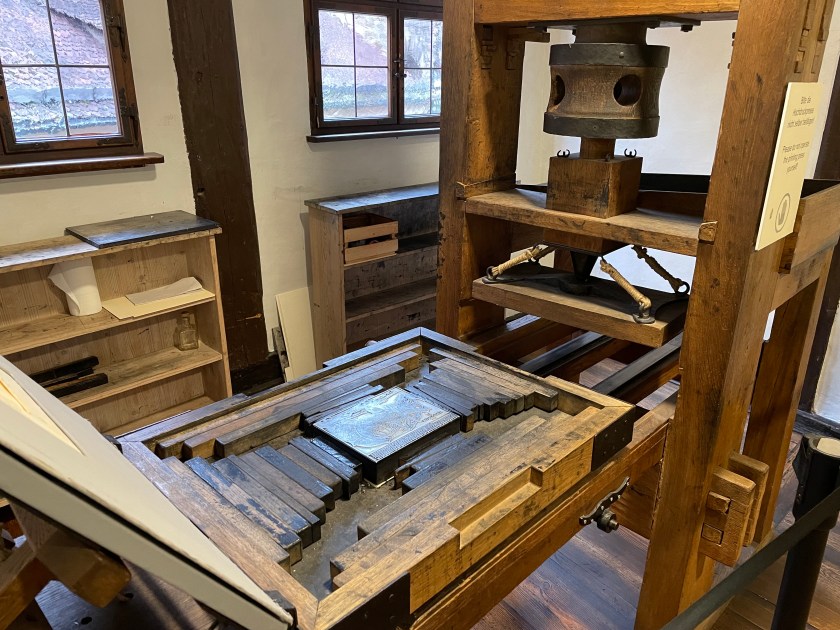
This printing press was re-created from detailed drawings he made of it.
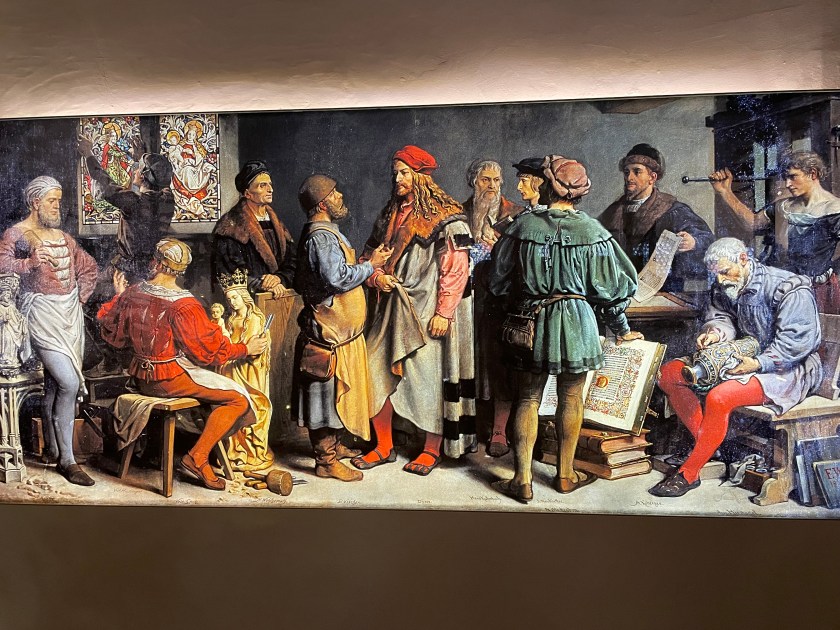
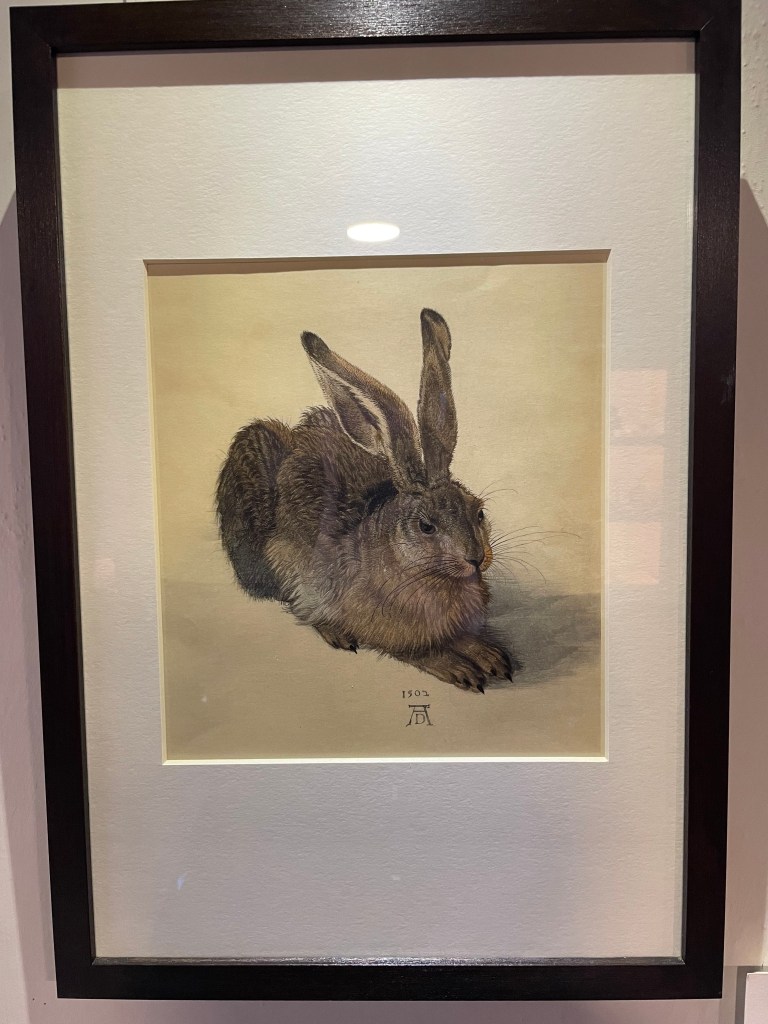
You can view 844 pieces of Duerer’s art here. He was famous in his day and is still considered Germany’s most famous Renaissance artist. One of the reasons he was so well-known in his day was because of the printing press. He made lots of engravings and wood cuts and was able to reproduce them fairly inexpensively, so his art was circulated. A typical print cost about the same as a pair of shoes.
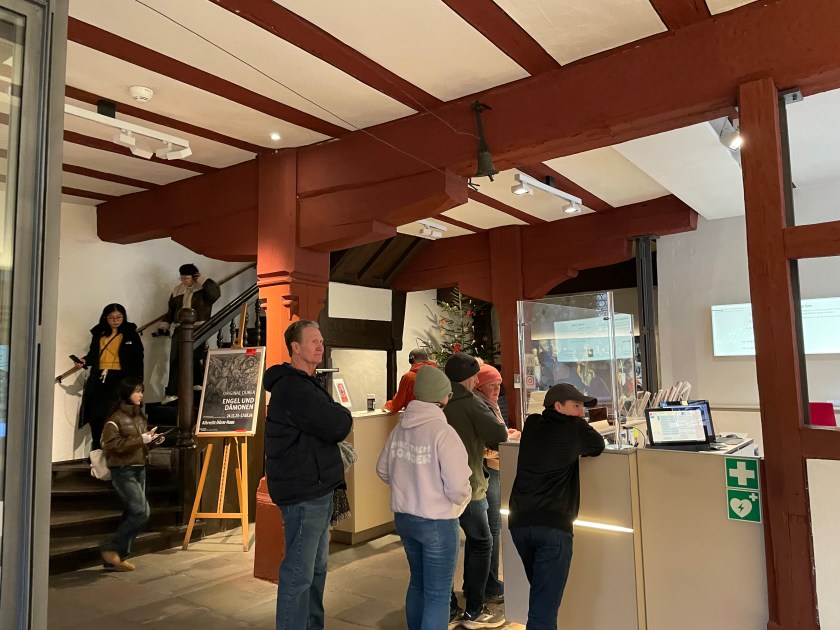
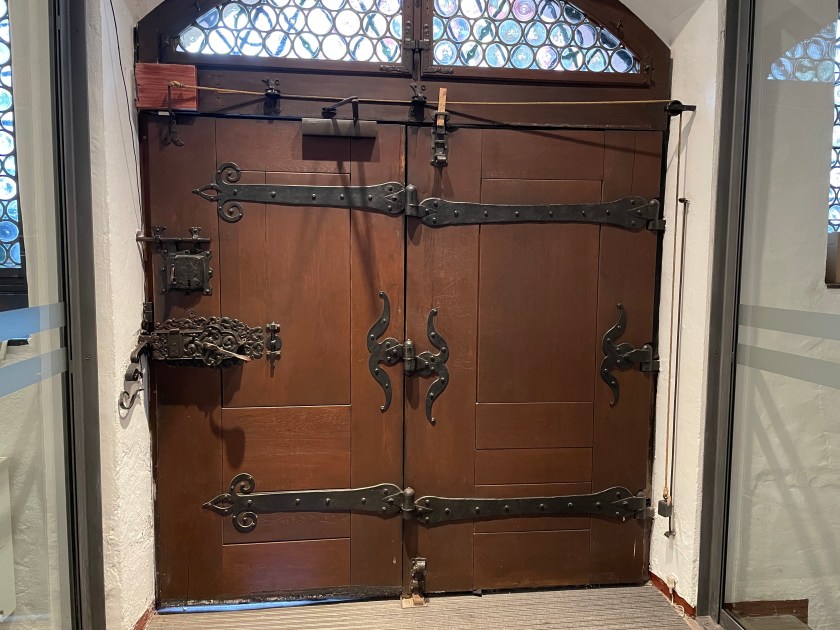
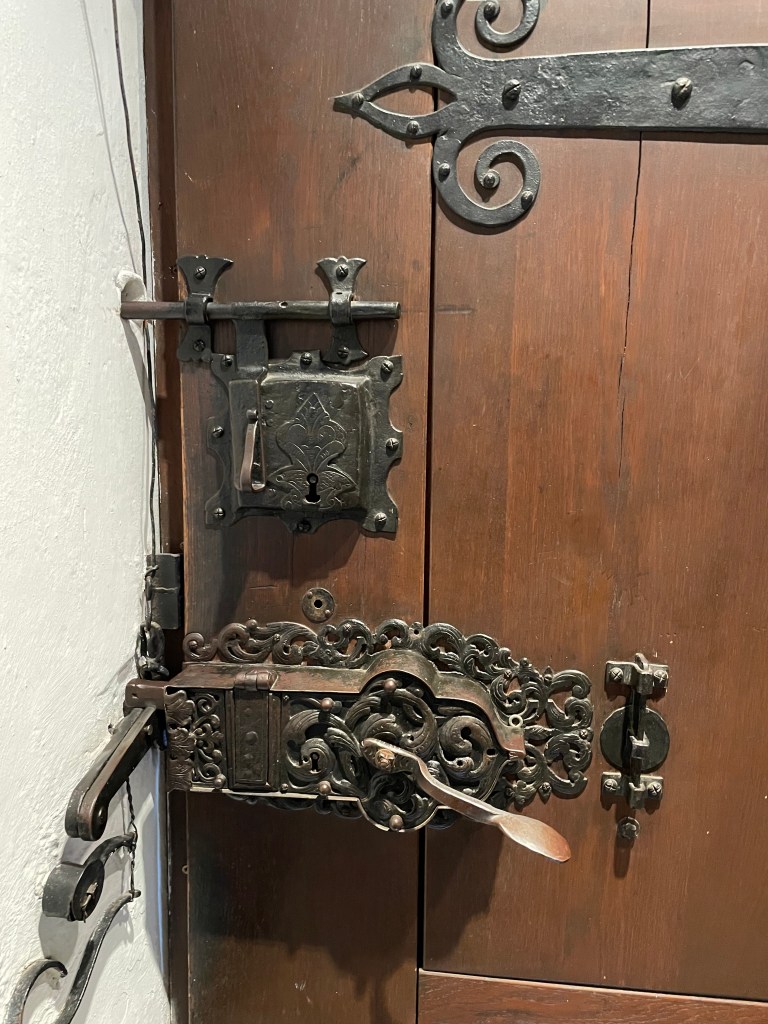
This home is well worth the visit!

 Our Frankfurt Germany Mission