
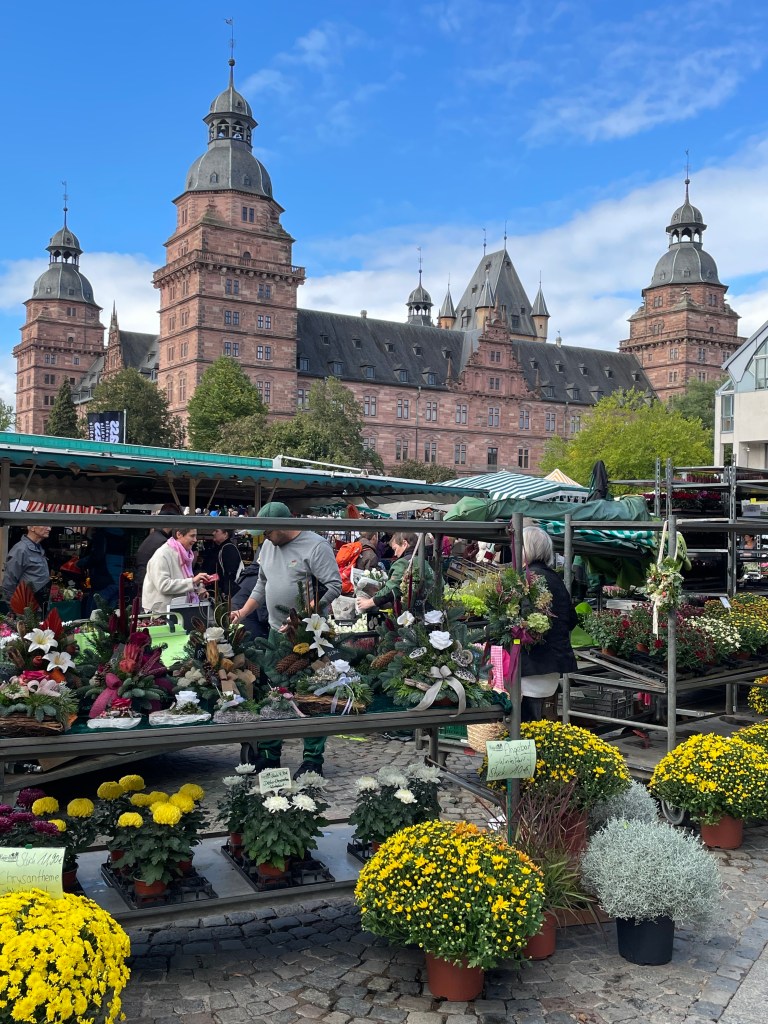
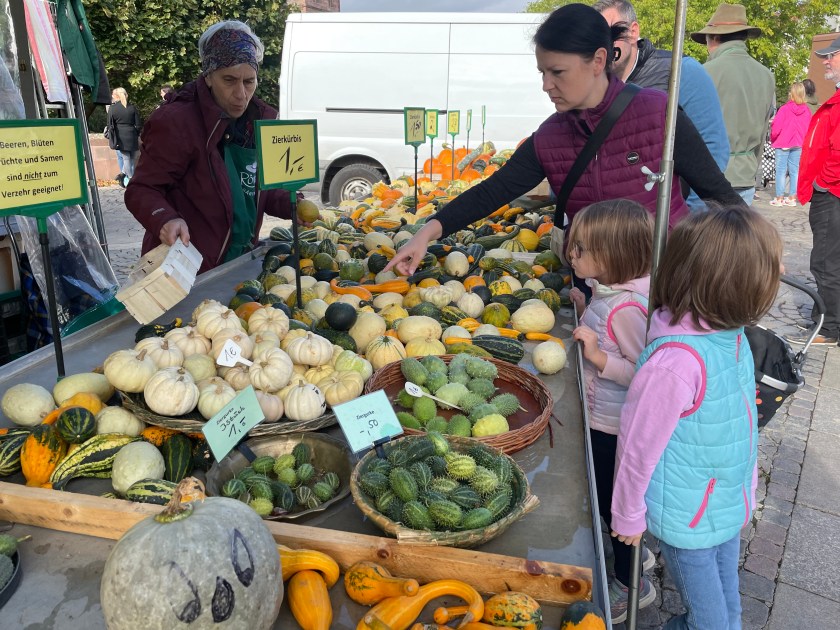
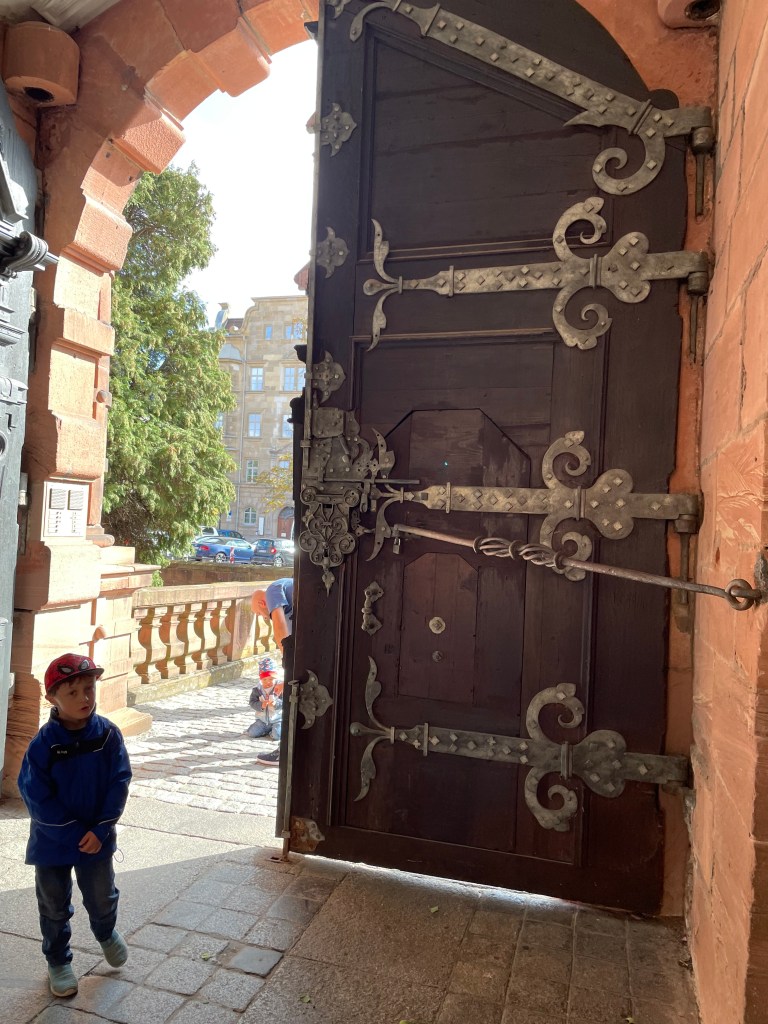
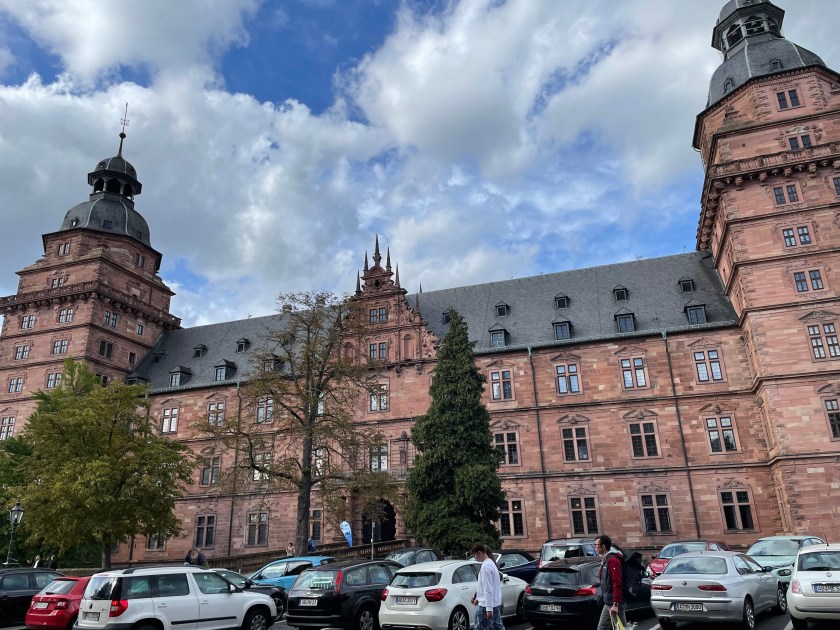
We drove today to Aschaffenburg to visit the Johannisburg Palace there. It was fun to walk through this farmer’s market surrounded by food and ale trucks as we approached the Palace.



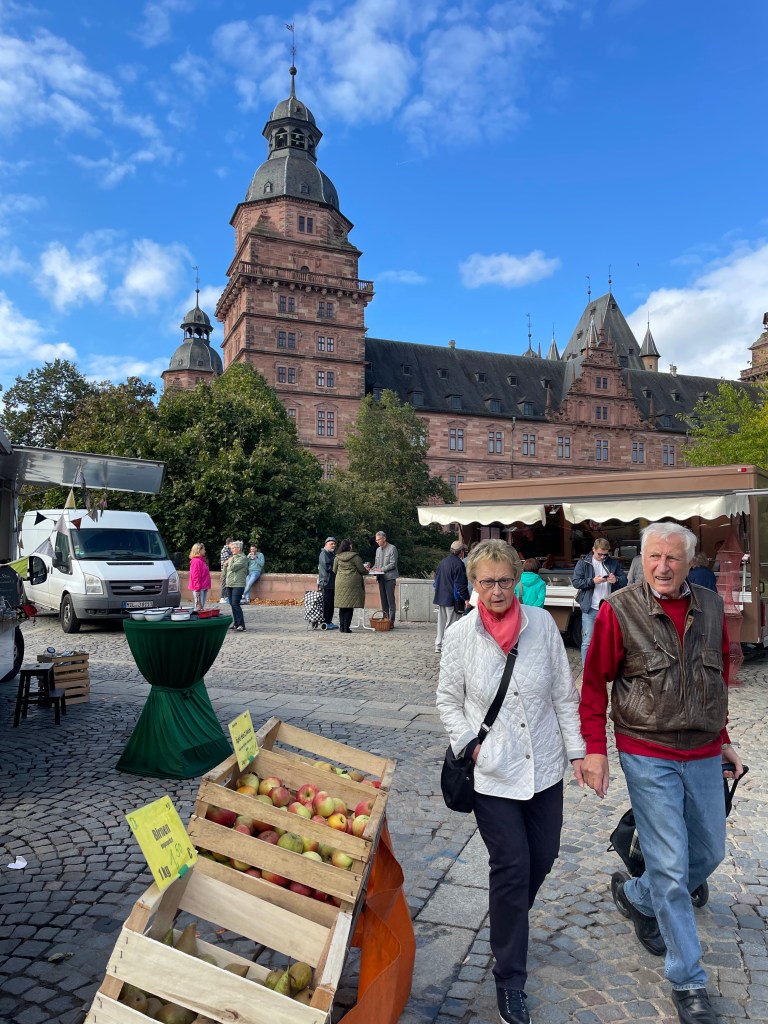
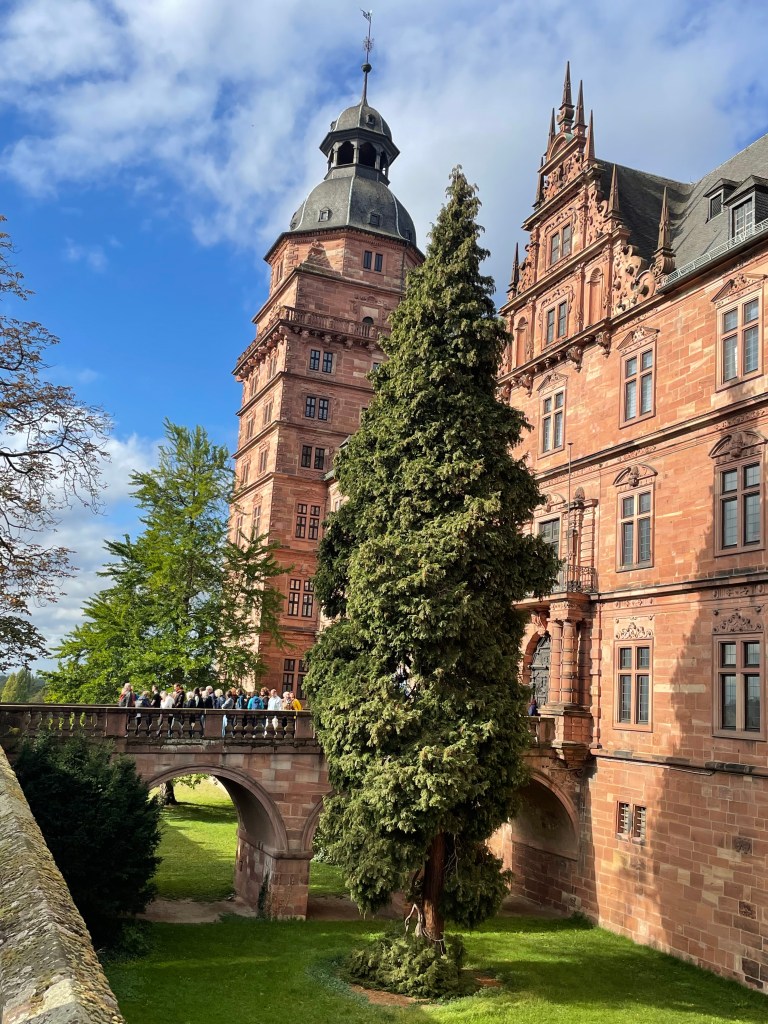
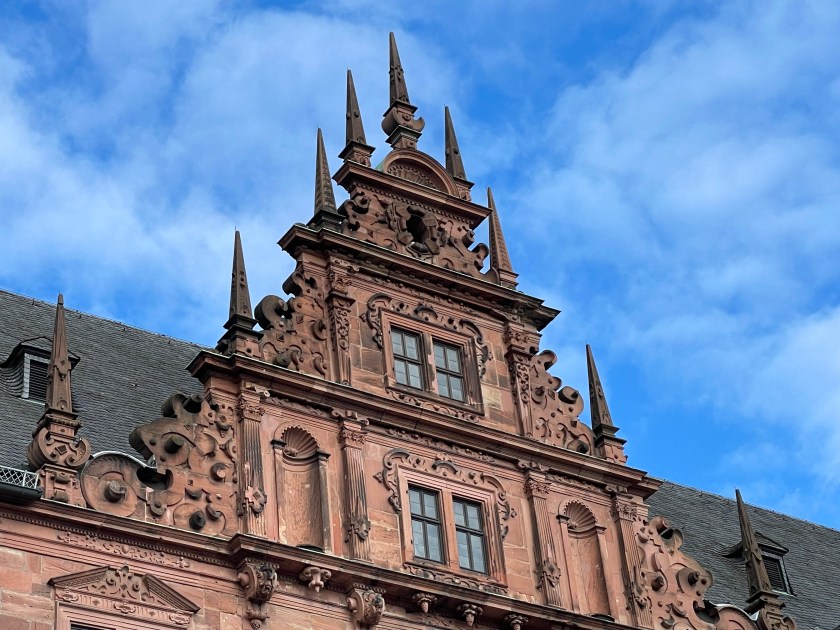
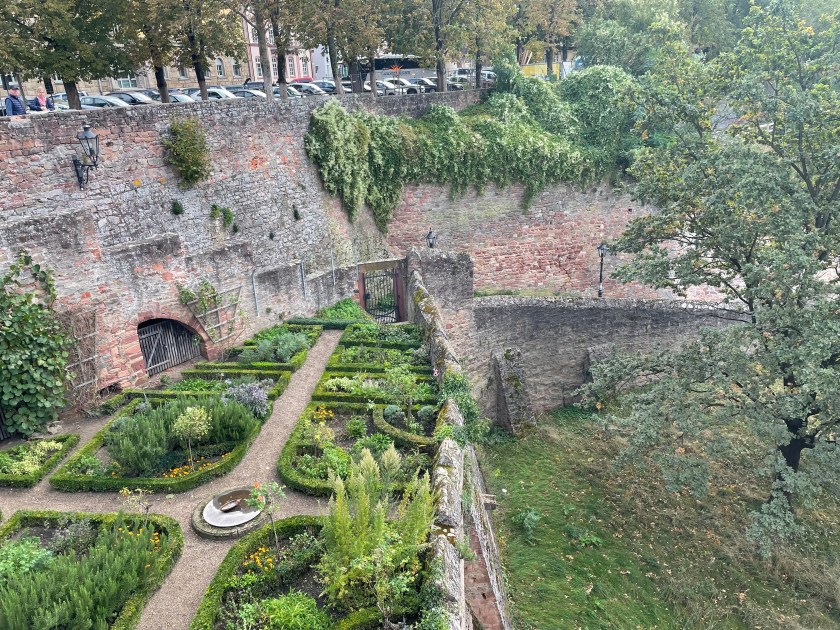
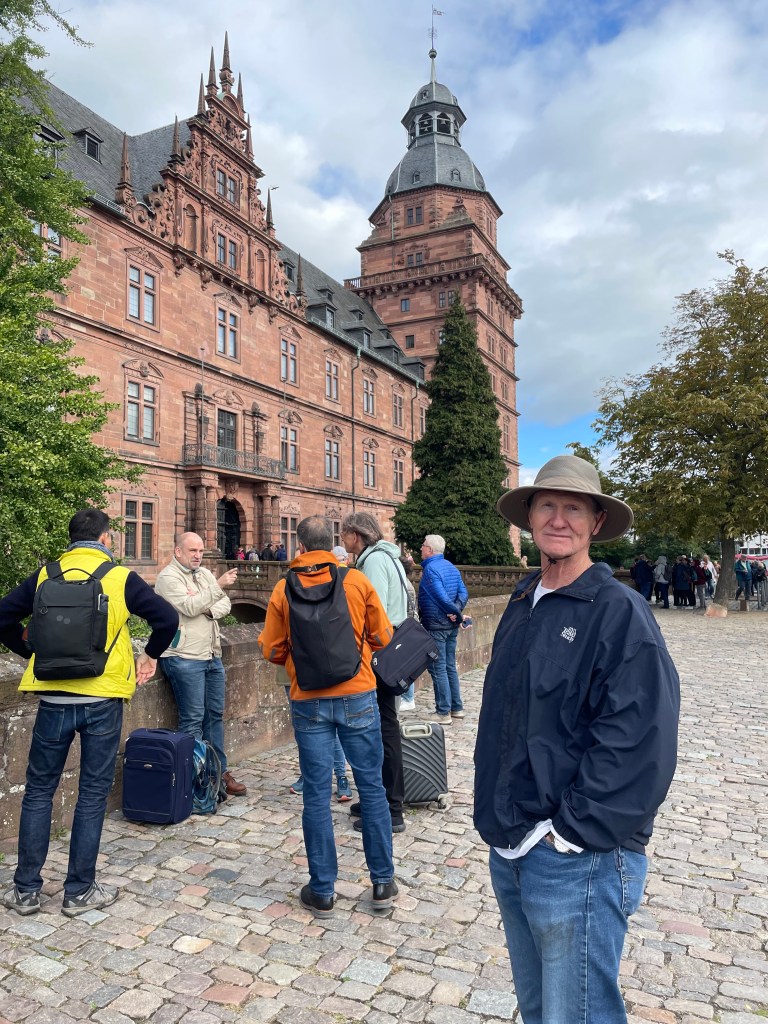
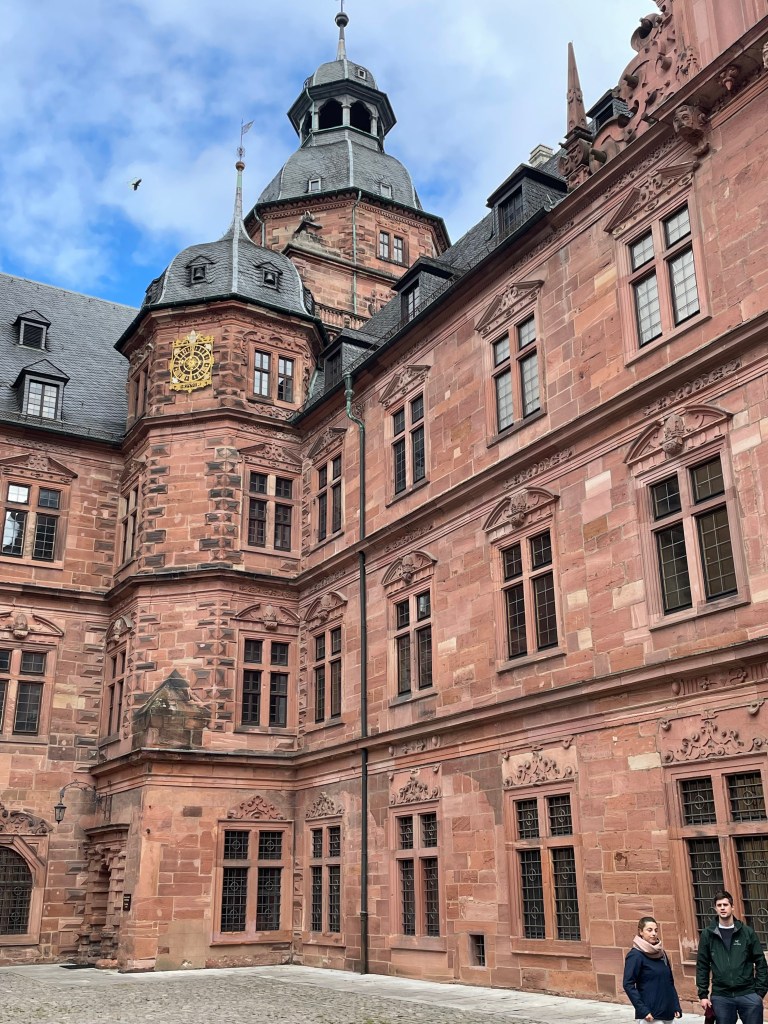
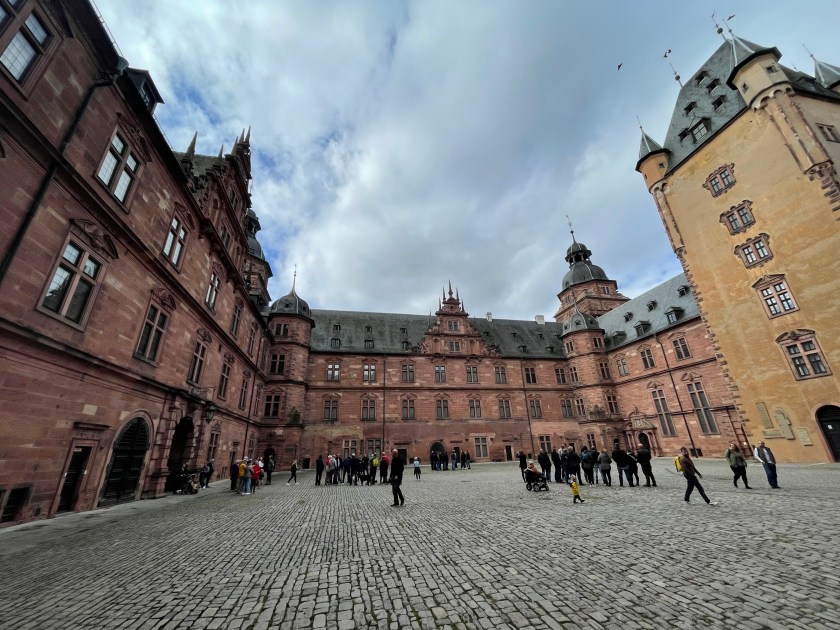
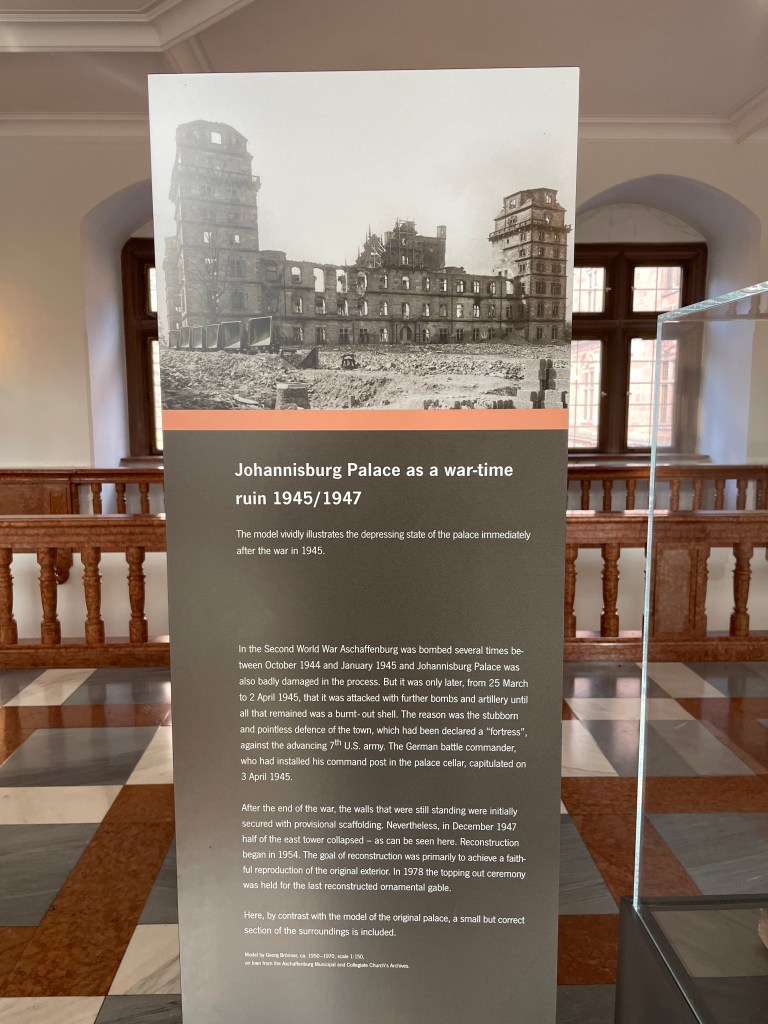
Johannisburg Palace, until 1803 the second residence of the archbishop-electors of Mainz, is located in the centre of Aschaffenburg by the River Main. The massive four-winged complex, built from 1605 to 1614 under Archbishop-Elector Johann Schweikard von Kronberg, is one of the most important examples of palace architecture from the German Late Renaissance era. For this new building, the Strassburg architect Georg Ridinger retained only the keep of the original medieval castle, which became the fifth tower. At the end of the 18th century, the interior of the palace was redesigned in the Neoclassical style from plans by the architect Emanuel Joseph von Herigoyen. After serious damage during the Second World War, the exterior of the palace was restored, beginning with the exterior, and in 1964 the first period rooms and collections with the rescued furnishings were reopened.

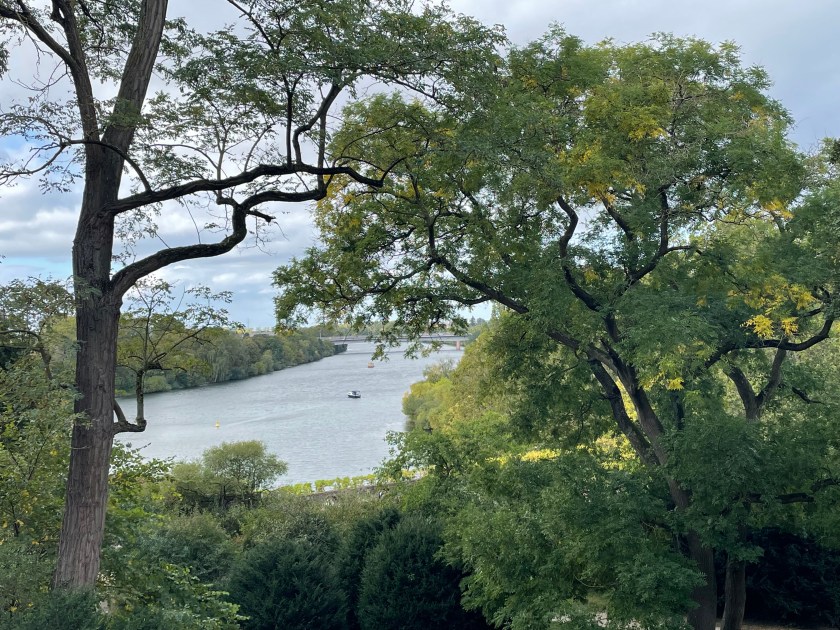
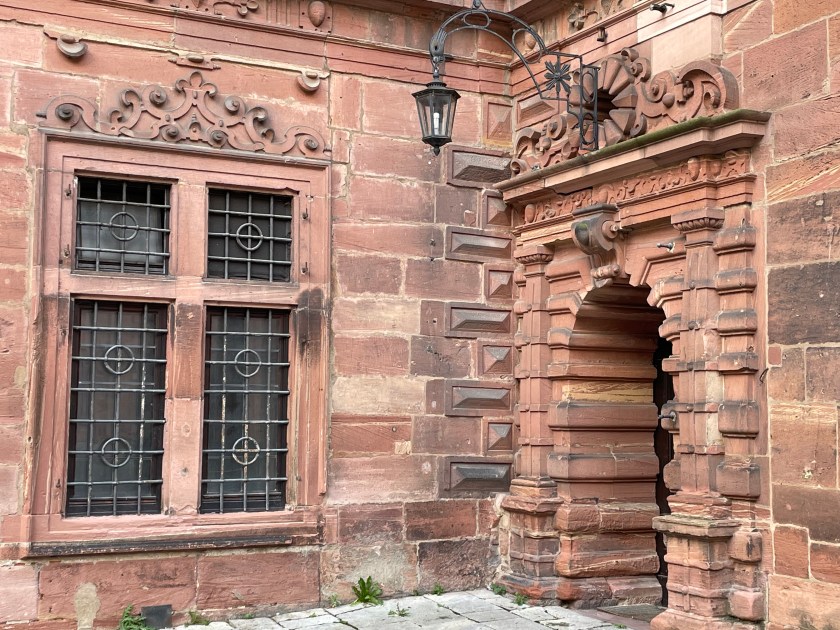
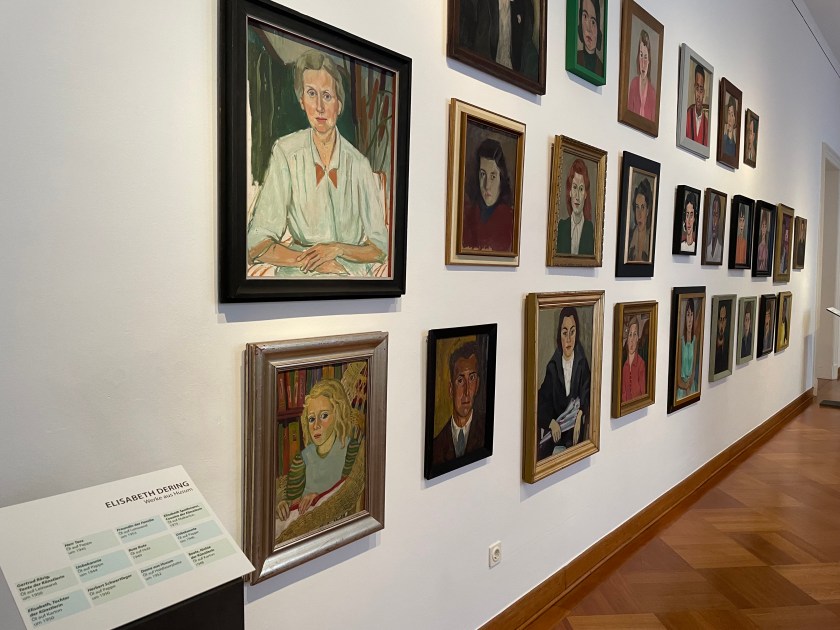
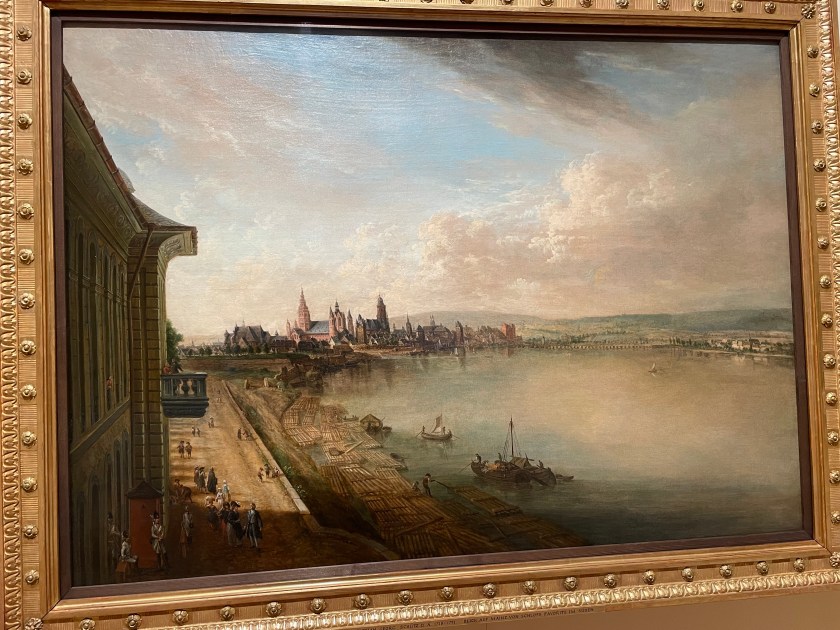
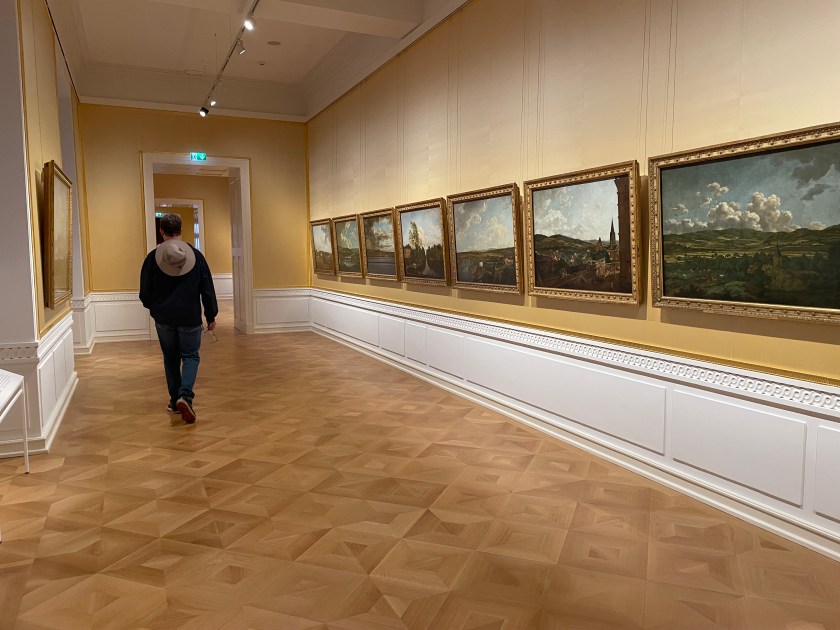
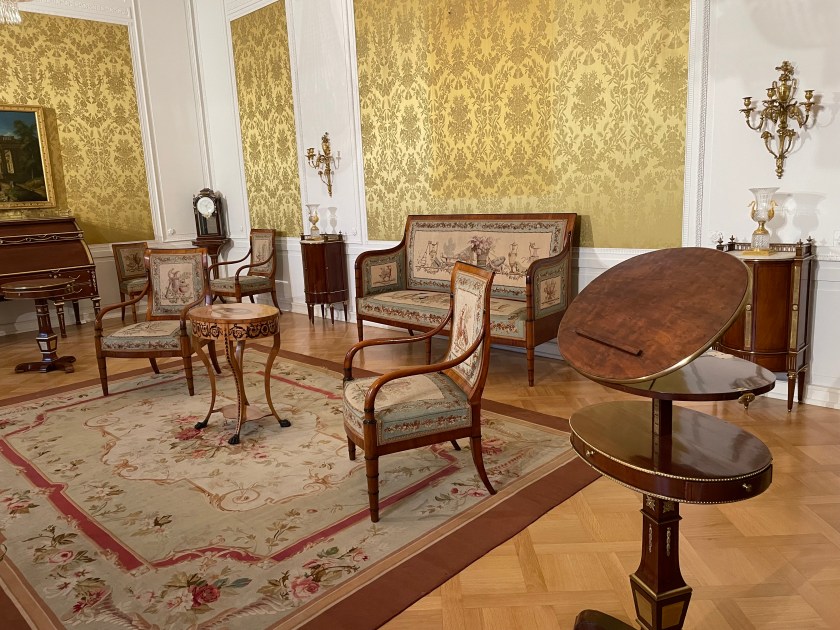
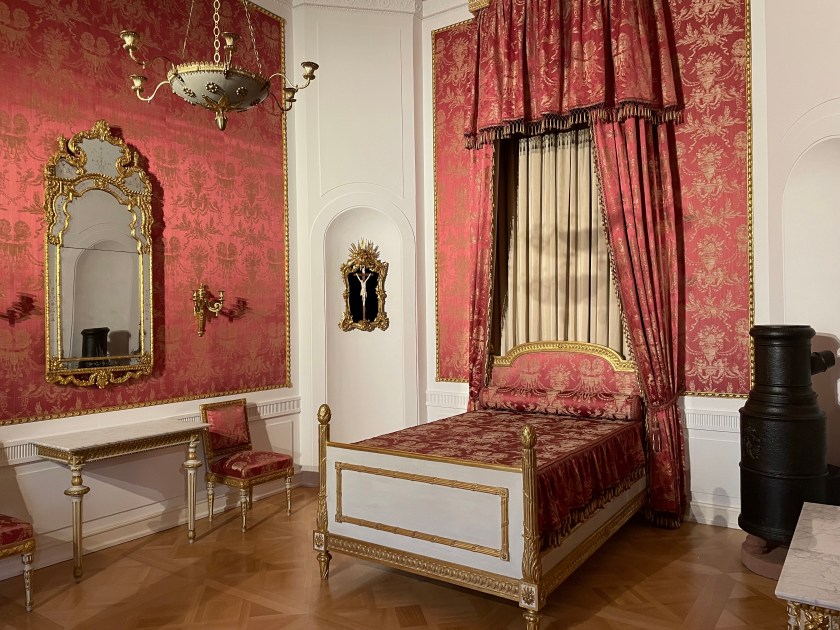
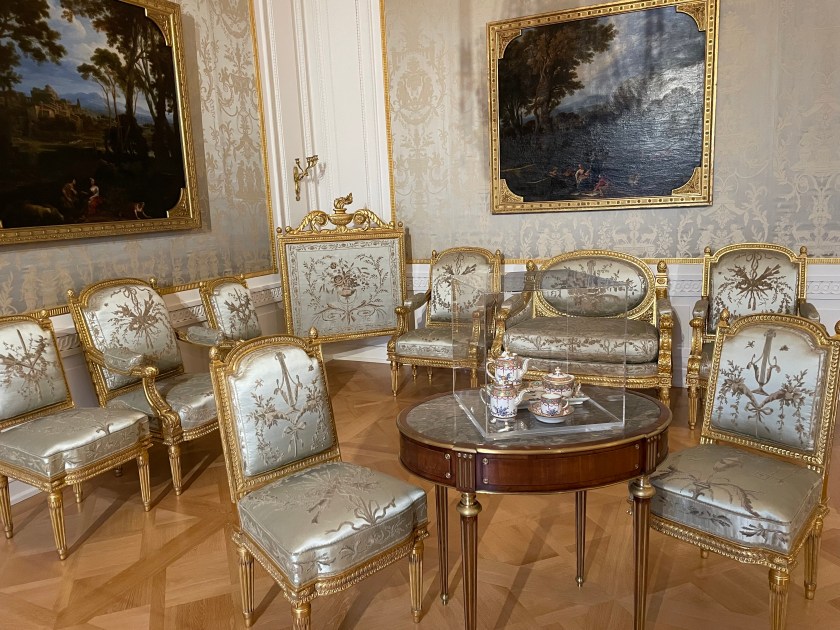
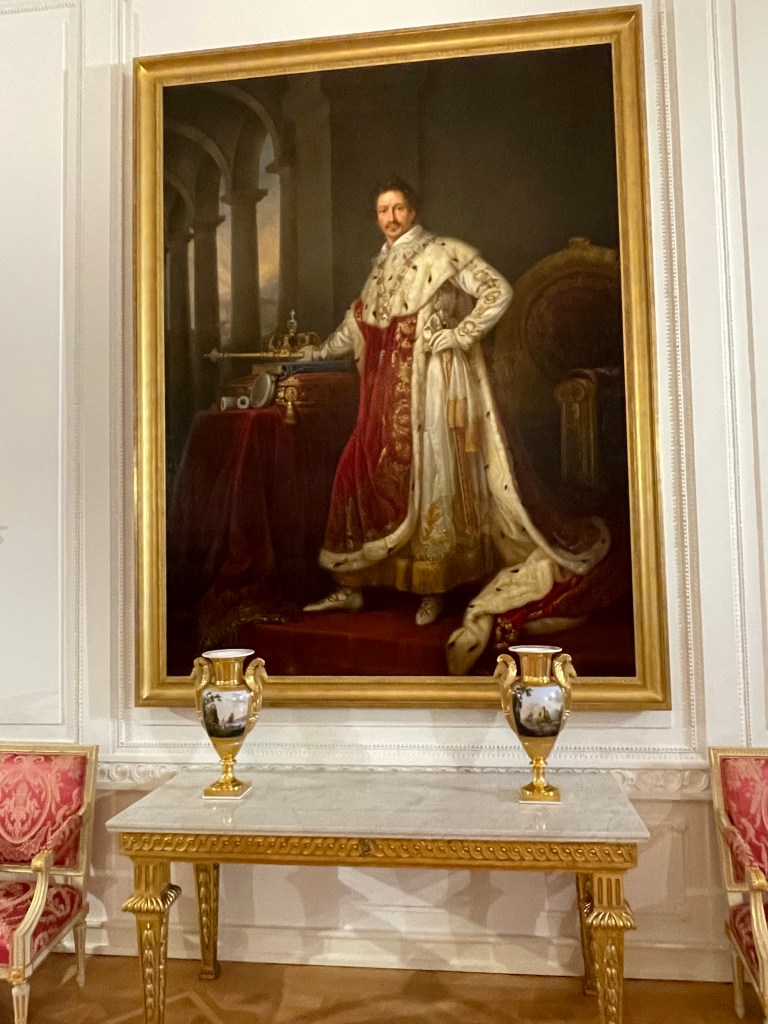
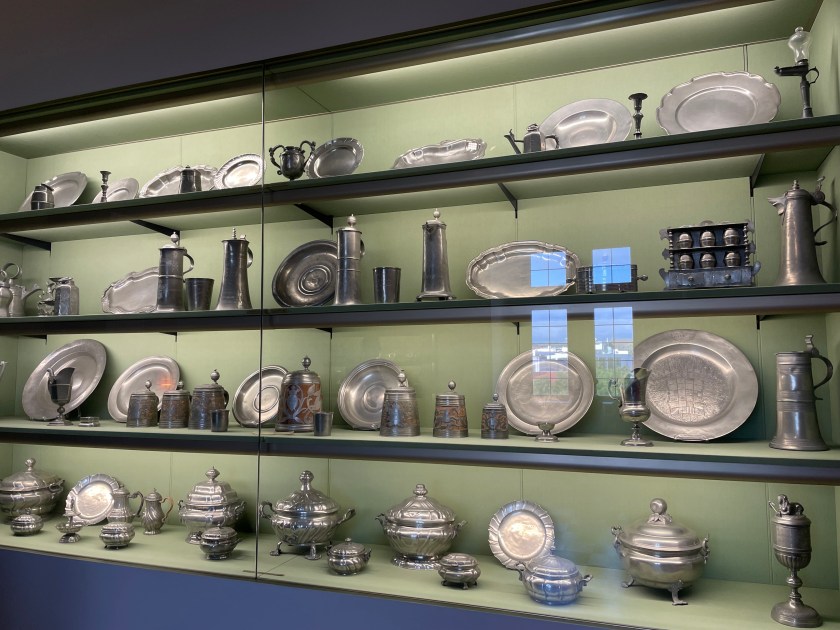
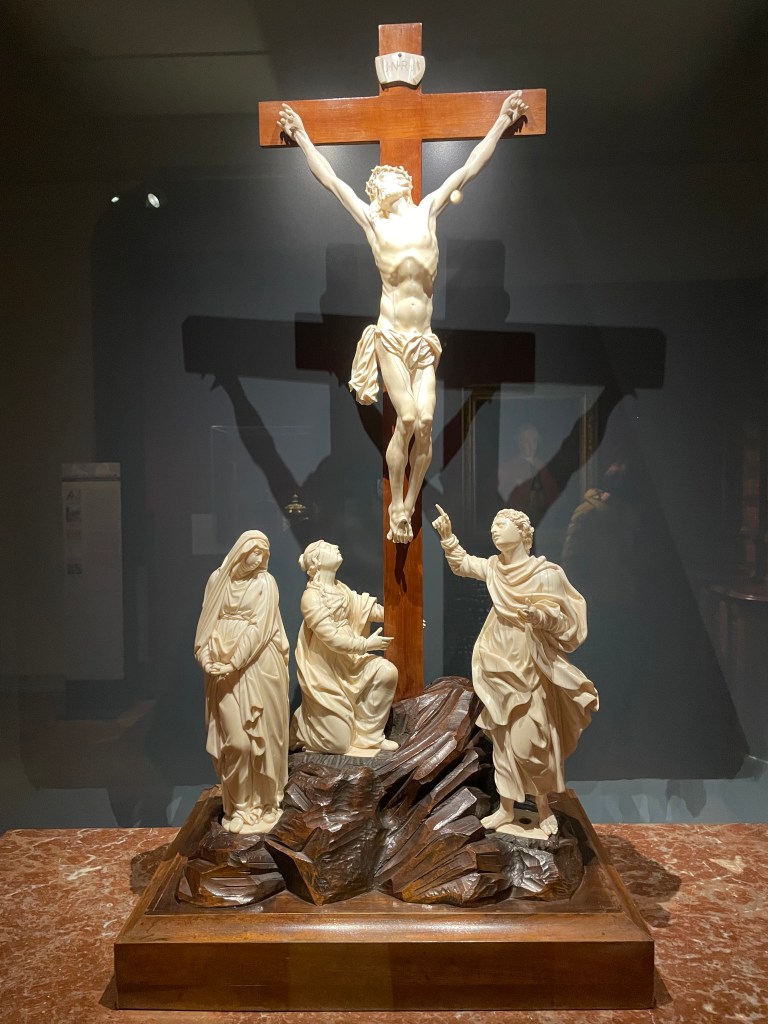
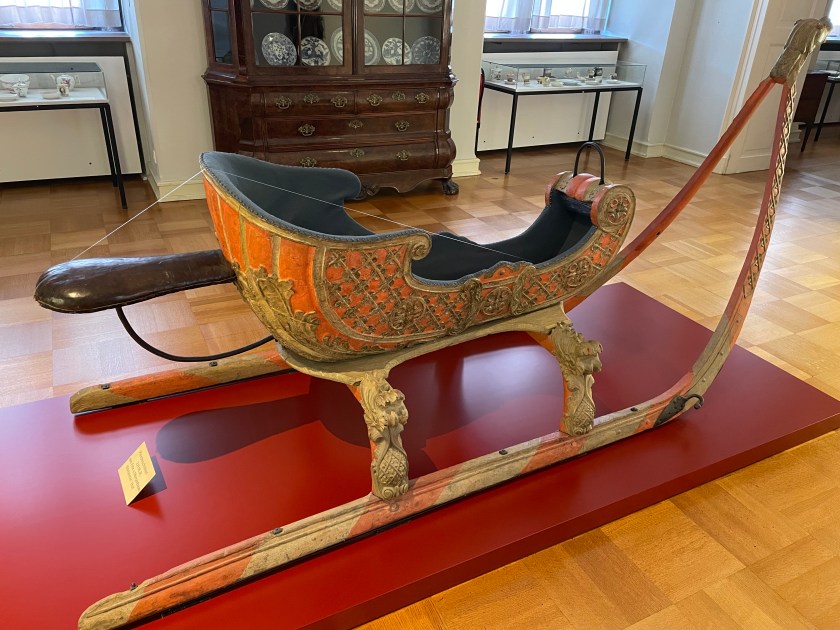
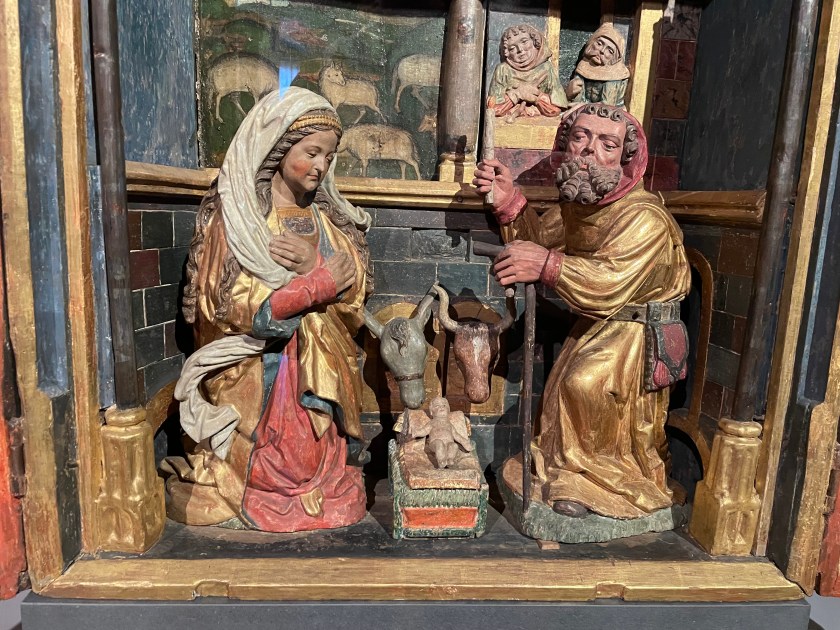
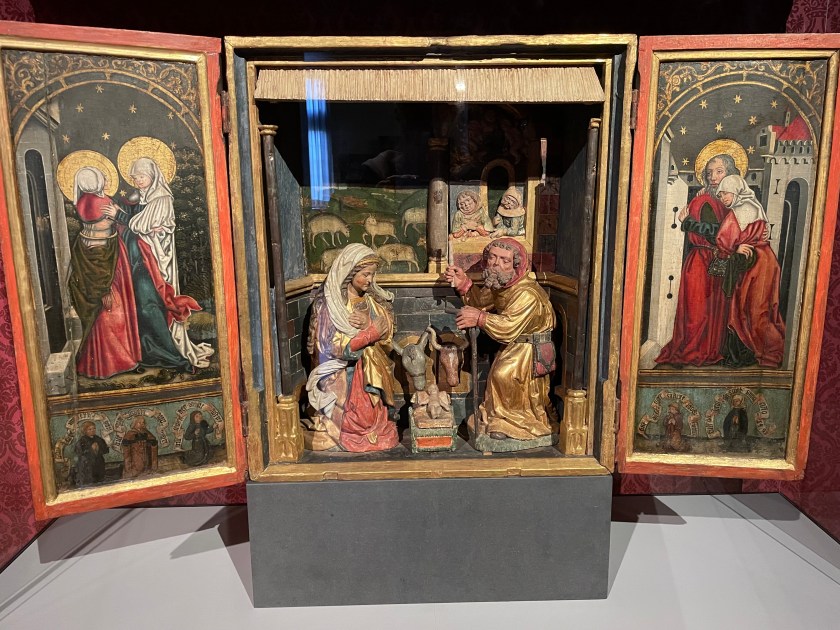
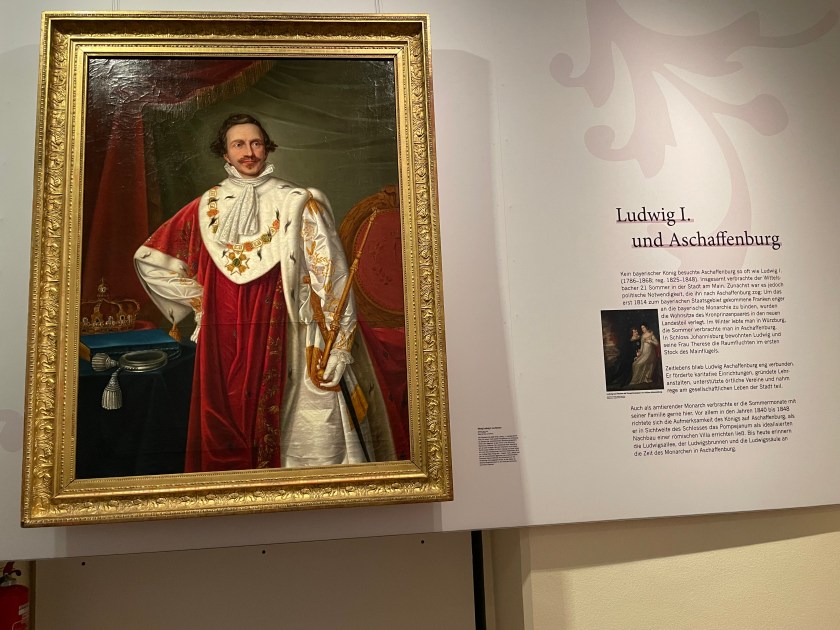
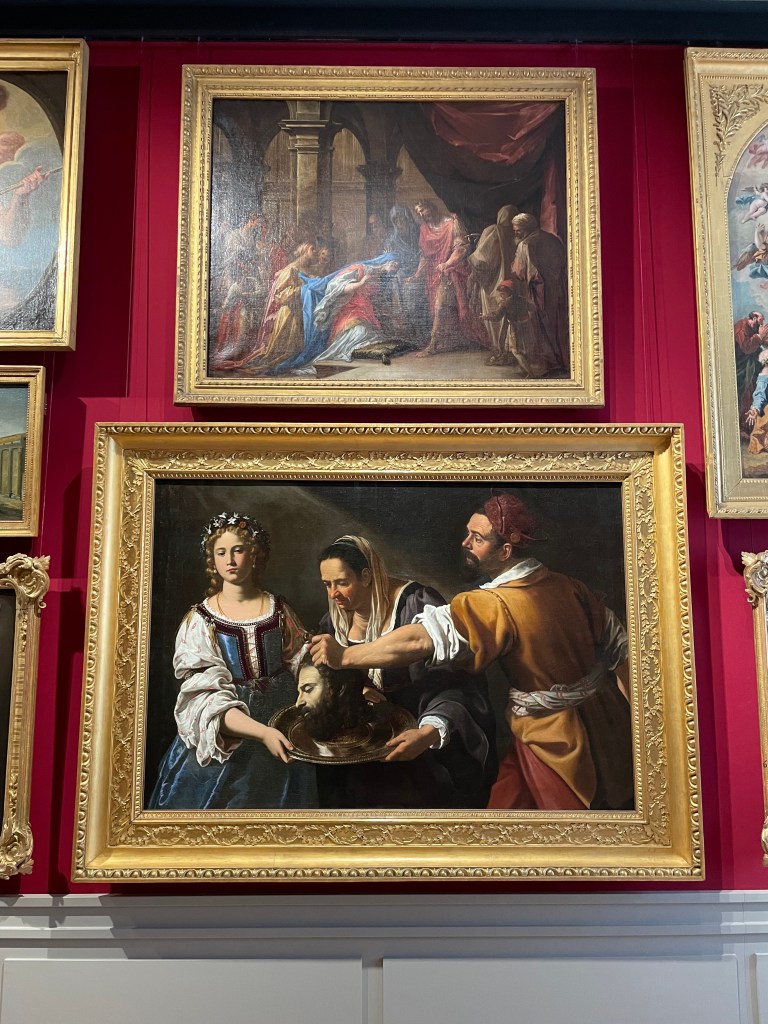
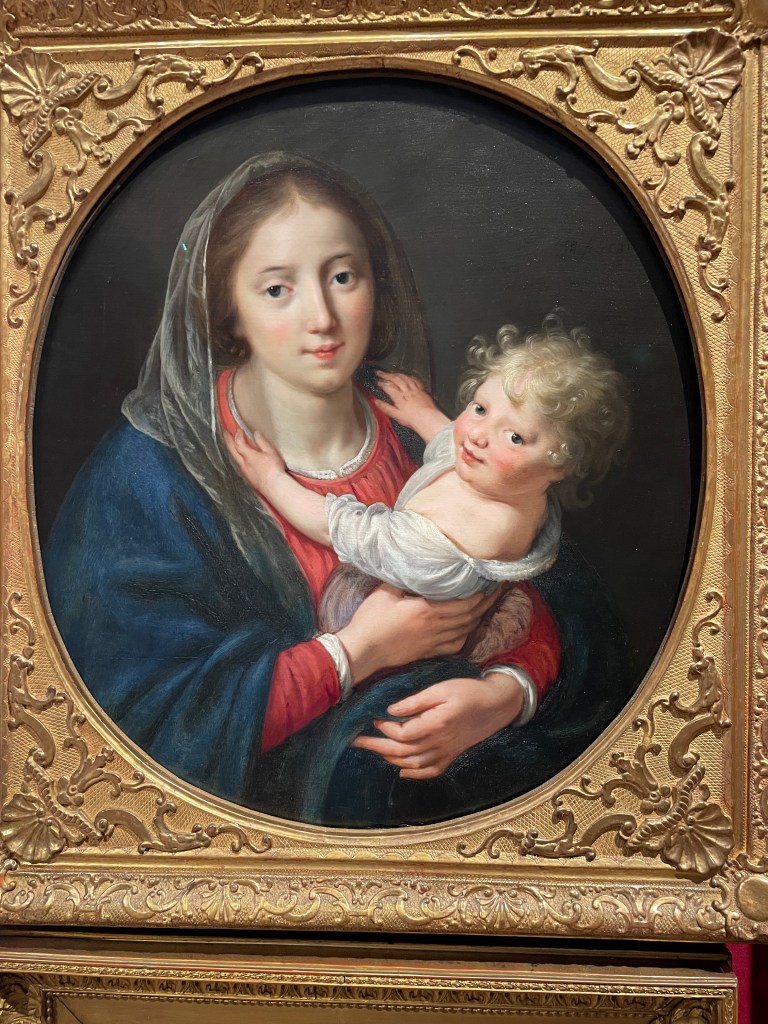
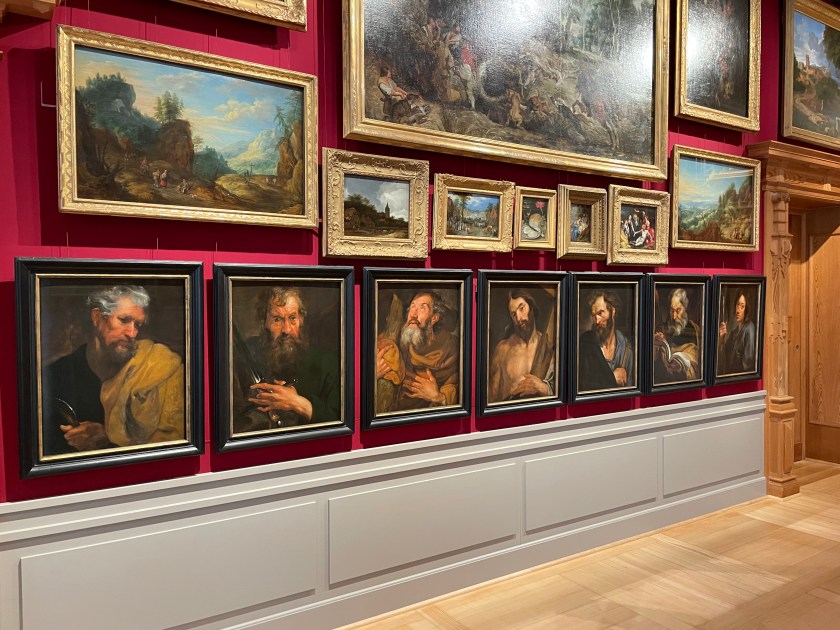
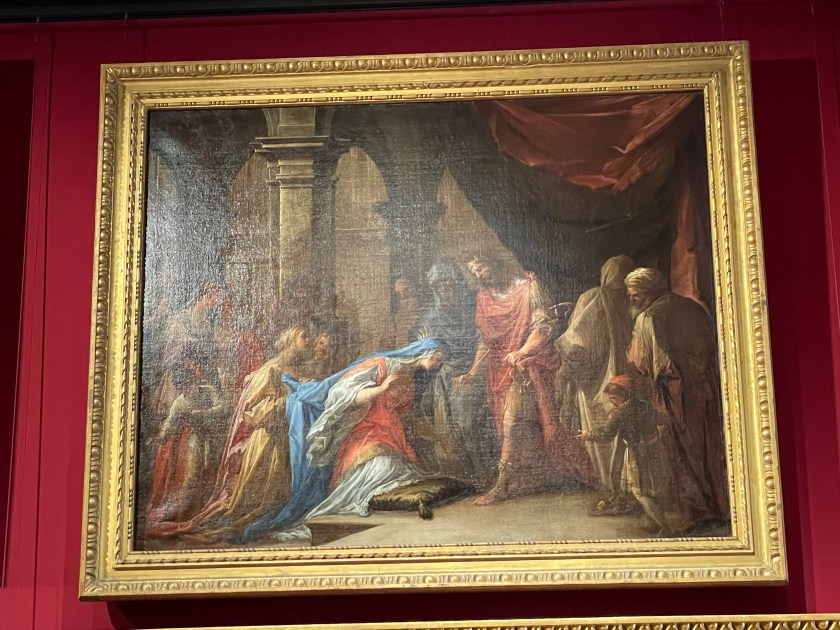
Here are some of the things we saw inside. The art collection was impressive with many works from the masters.
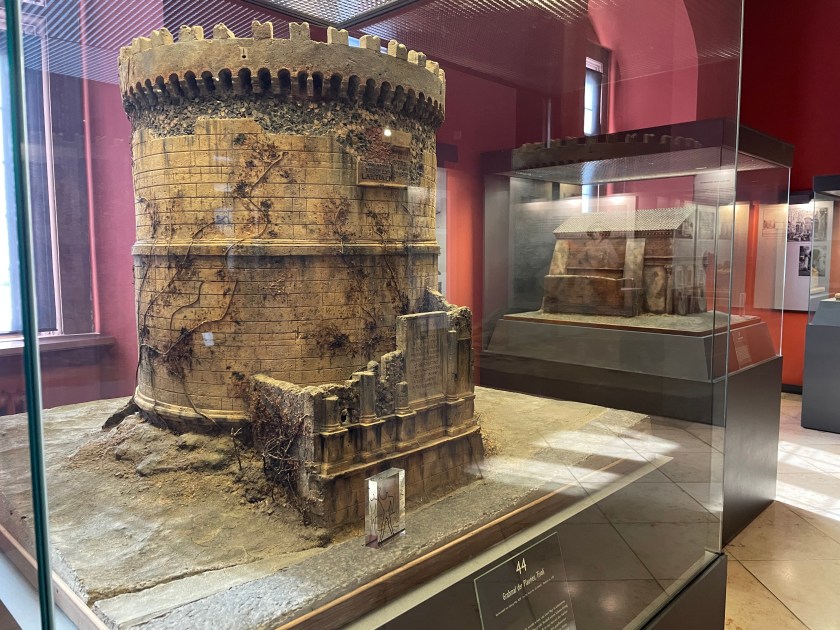
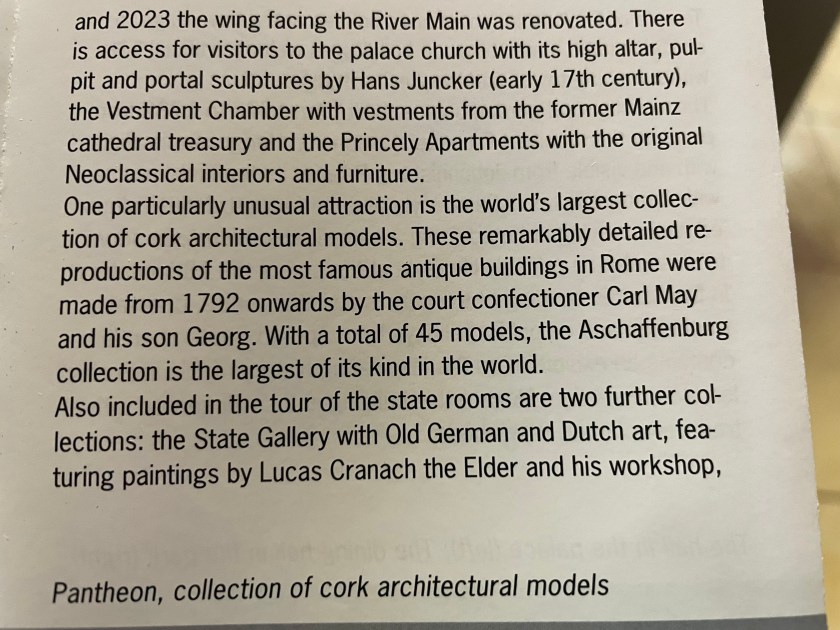
One particularly unusual attraction is the world’s largest collection of cork architectural models. Entitled Bringing Rome across the Alps, it consists of 45 models that provide an entertaining tour of ancient Rome. These remarkably detailed reproductions of the most ancient buildings in the Eternal City were made between 1792 and 1854. They include the Colosseum, the Pantheon, the triumphal arches of the emperors Titus, Septimius Severus und Constantine, the Porta Maggiore and the Pyramid of Cestius. The architectural models were made by the court confectioner Carl May (1747-1822) and his son Georg May (1790-1853). The cork material was ideal for imitating the weathered stone surfaces of the centuries-old buildings.
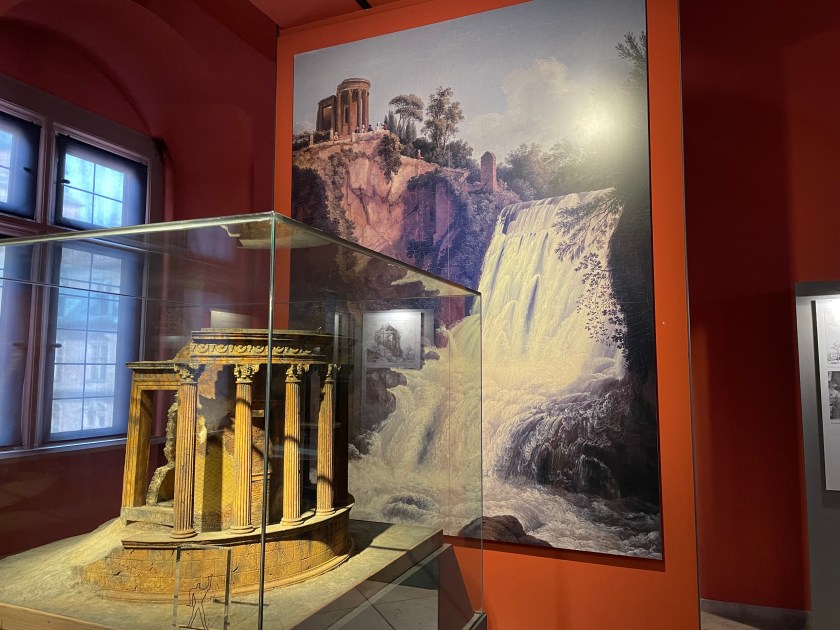
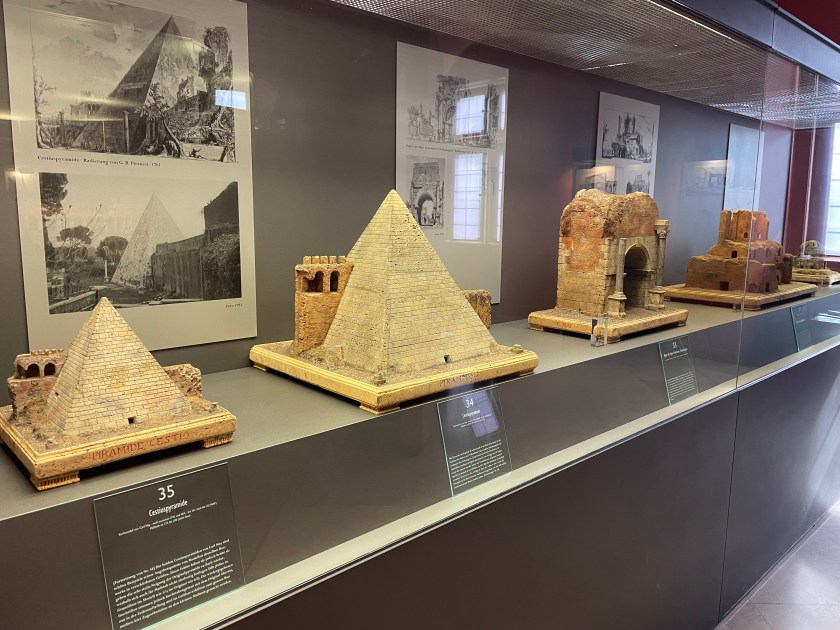
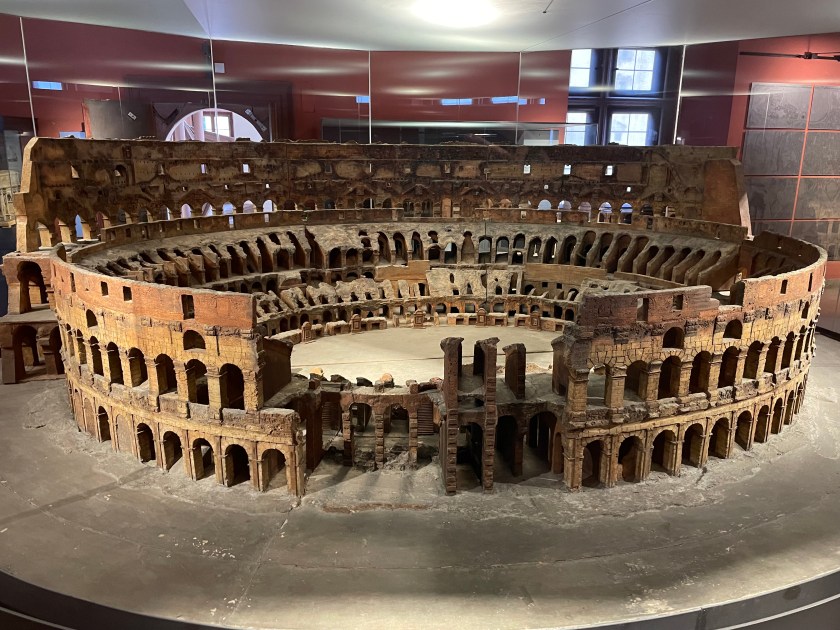
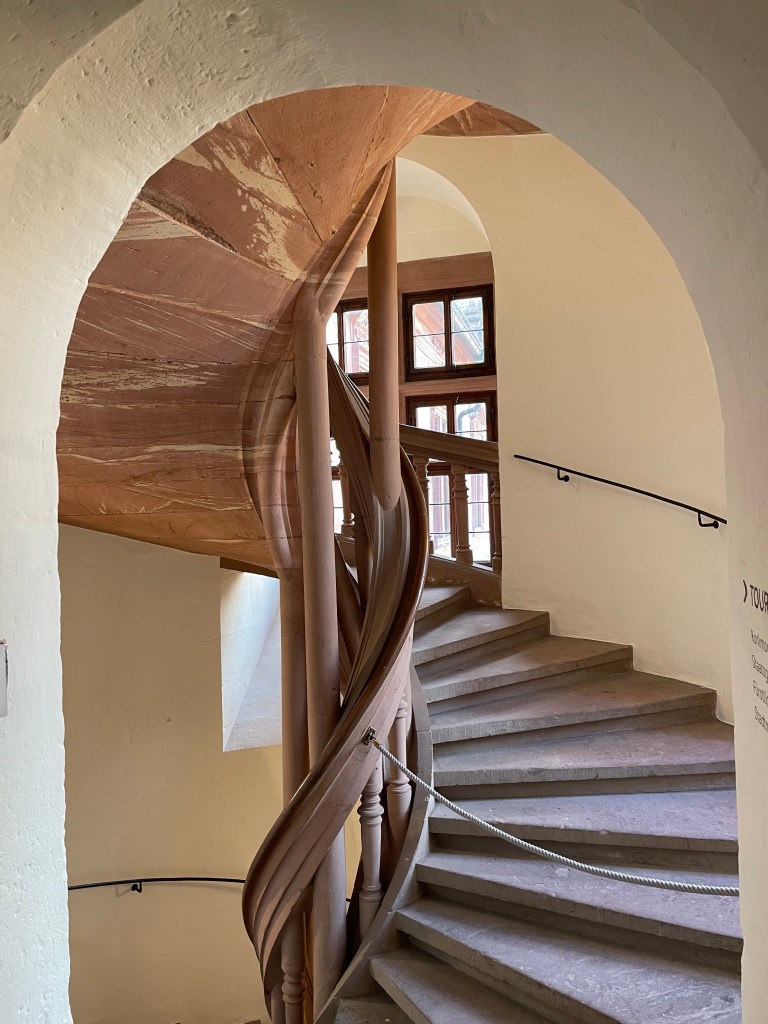
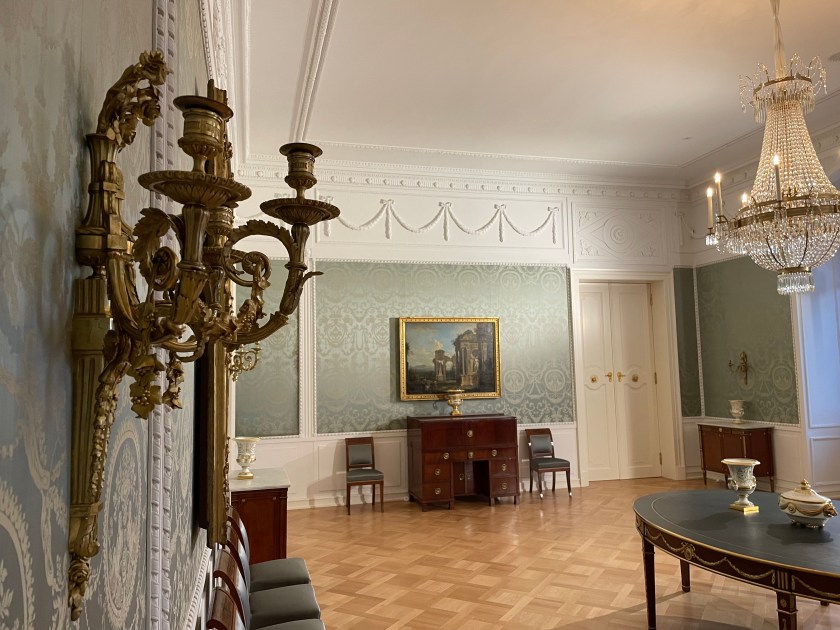
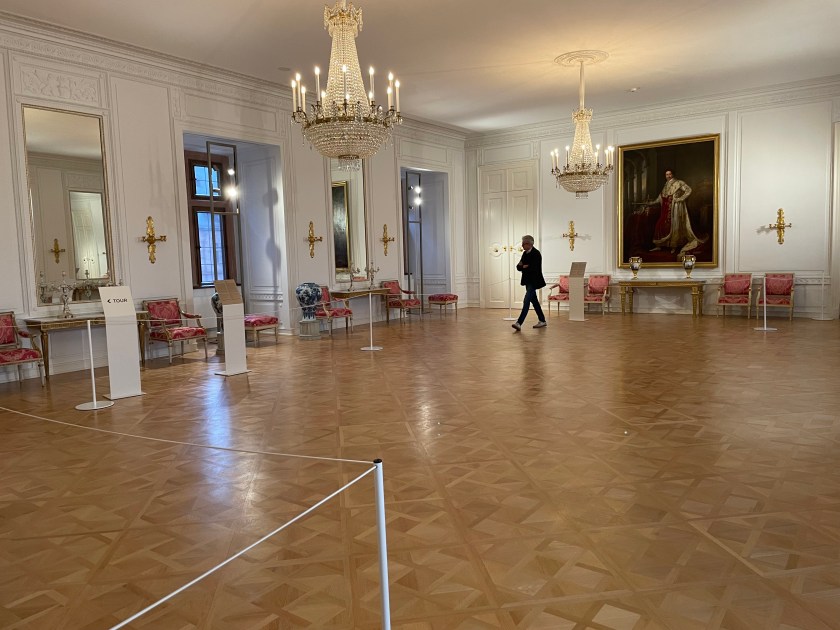
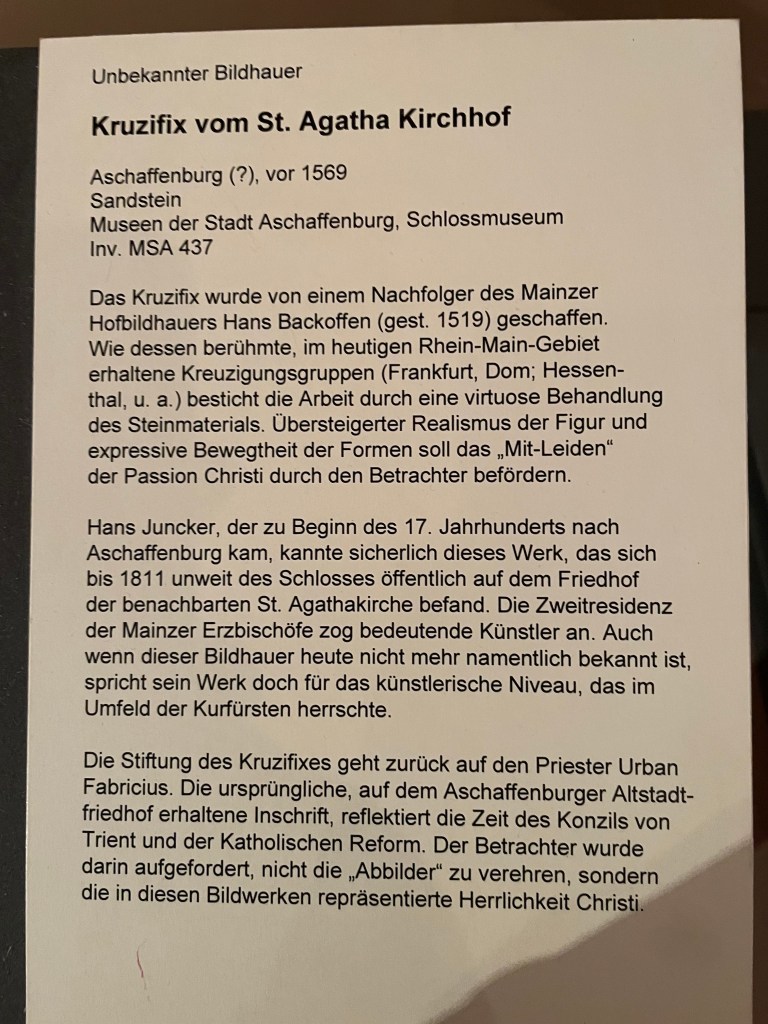
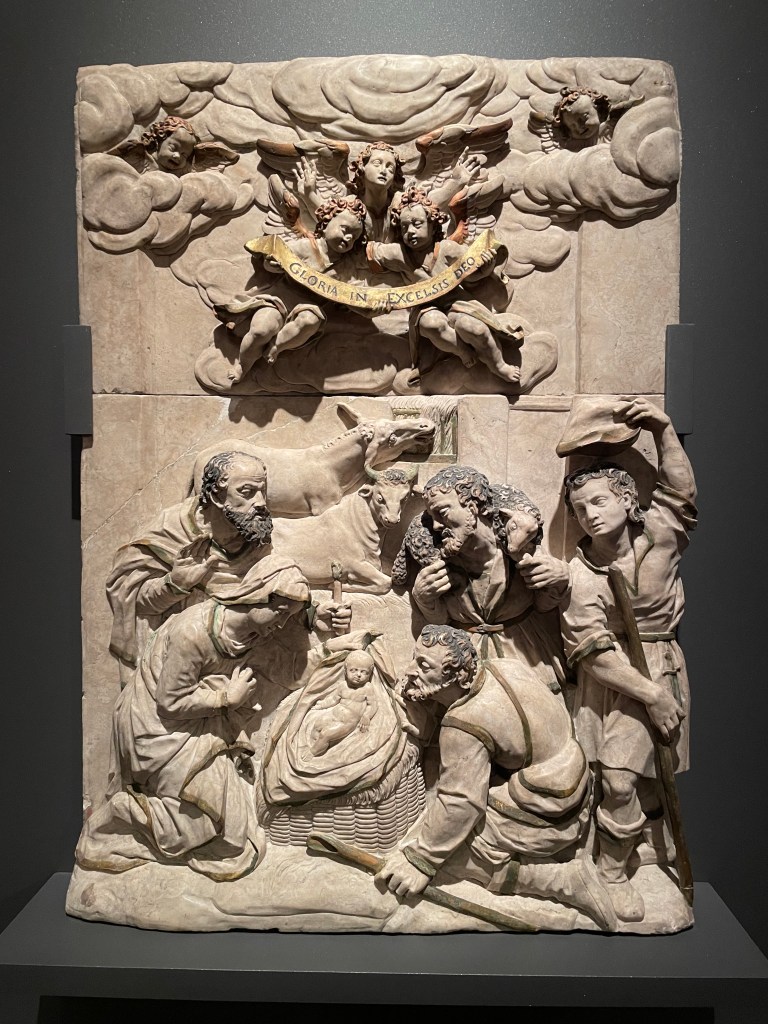
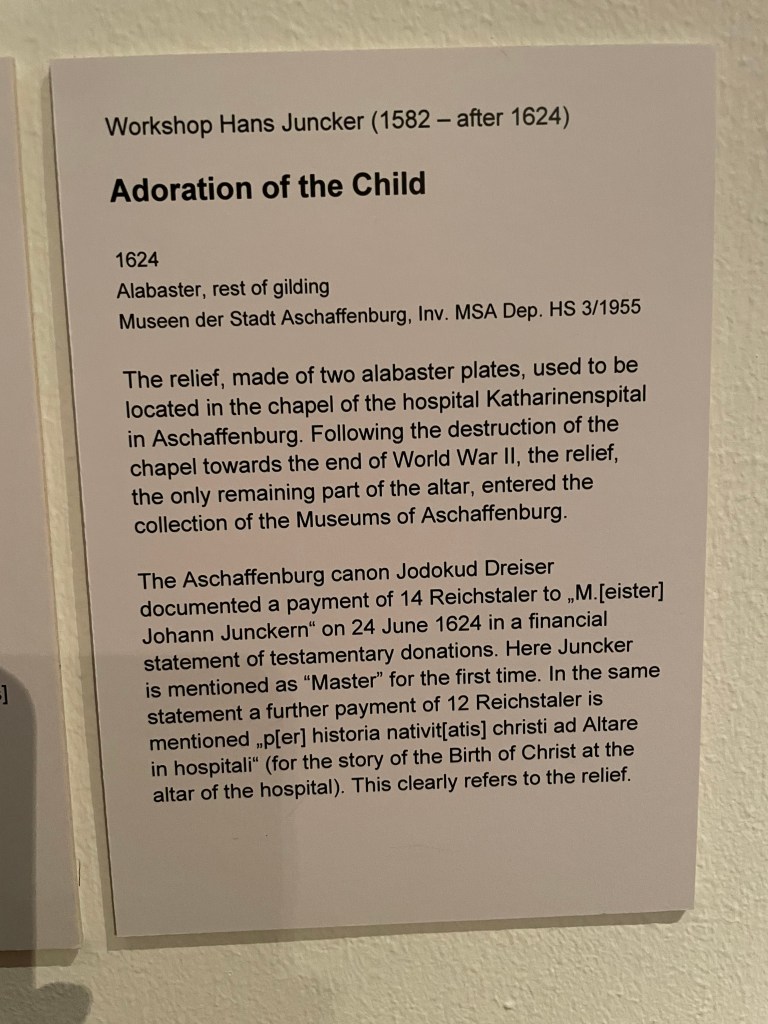
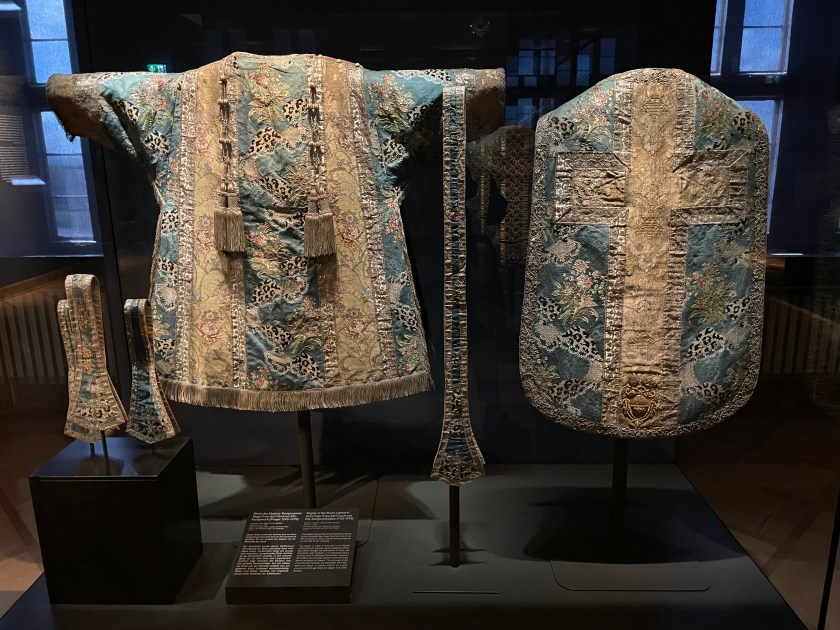
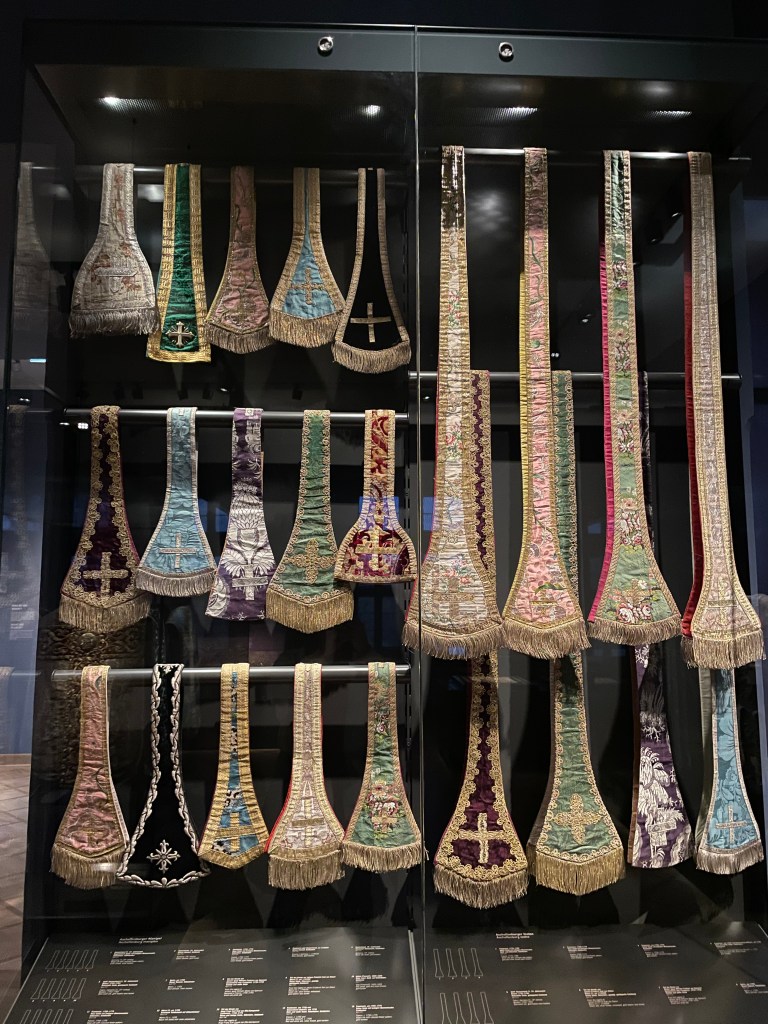
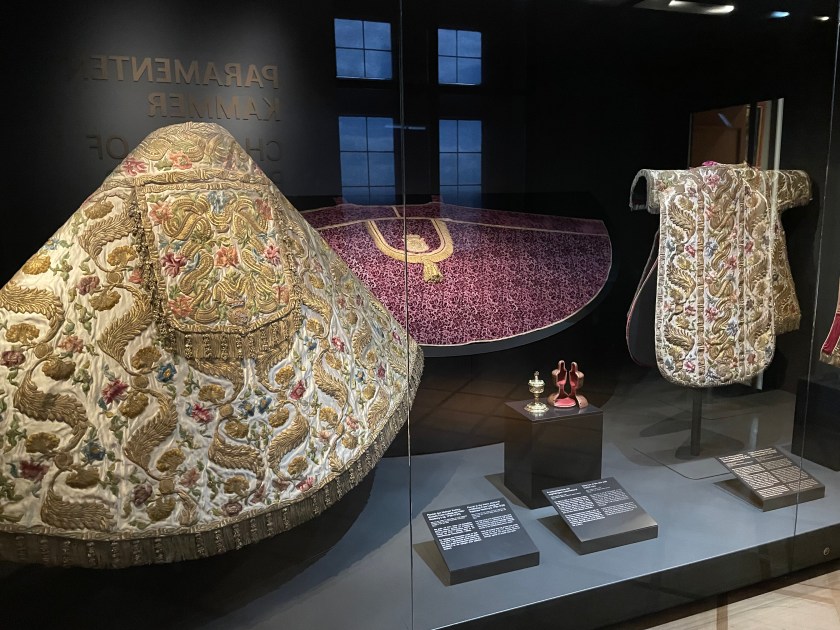
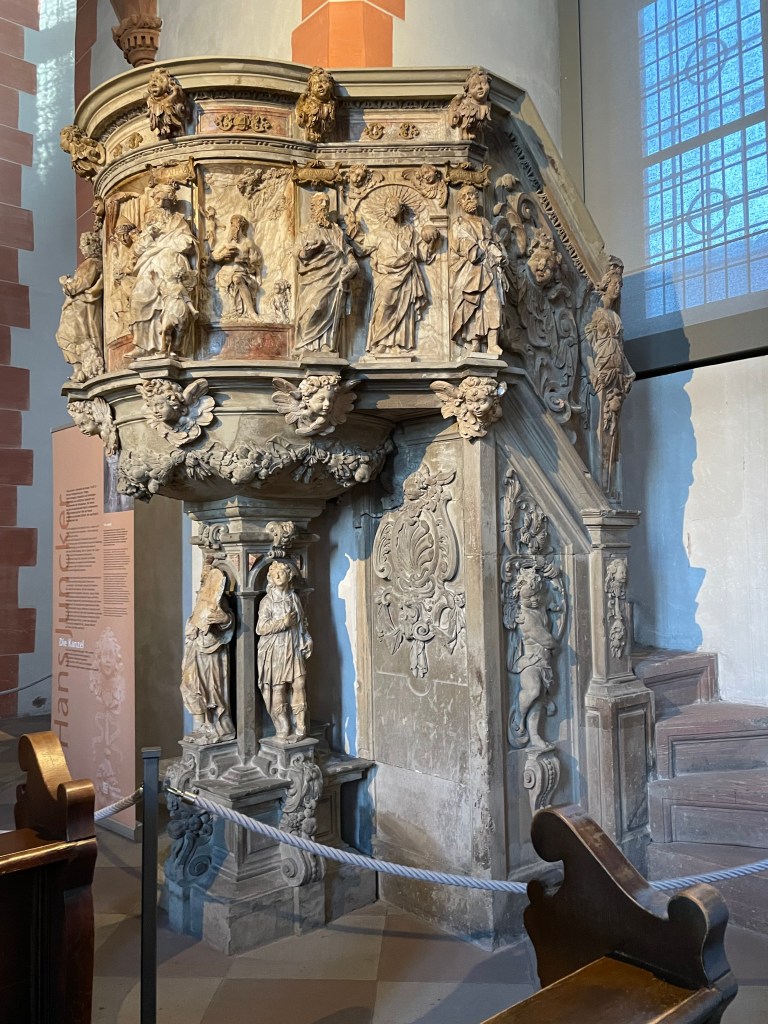
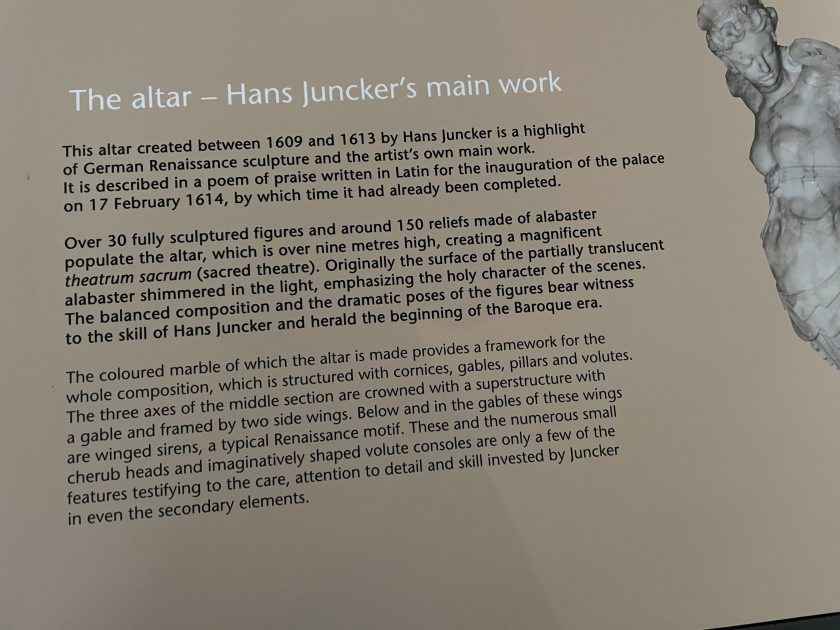
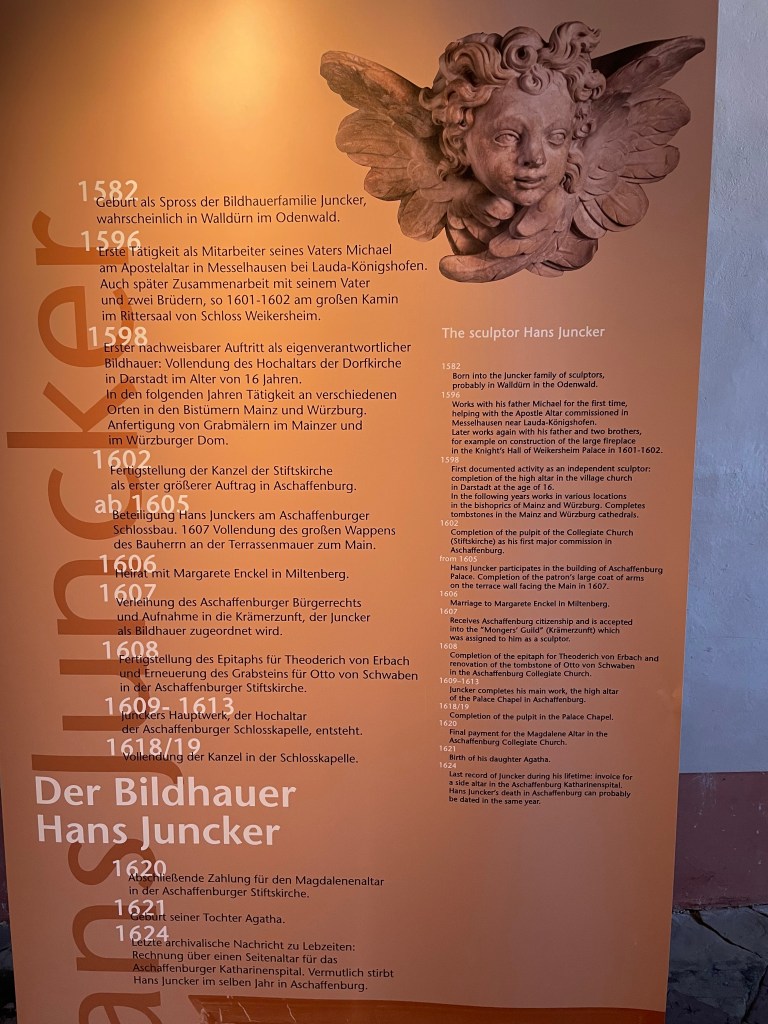
The following sections of the palace are open to visitors: an art gallery with works by Lucas Cranach the Elder (a branch of the Bavarian State Painting Collections), the Palace Church with the Renaissance altar, pulpit and portal sculptures by Hans Juncker, the Vestment Chamber with vestments from the former Main Cathedral treasury, the Princely Apartments with Neoclassical furnishings and the Municipal Palace Museum.

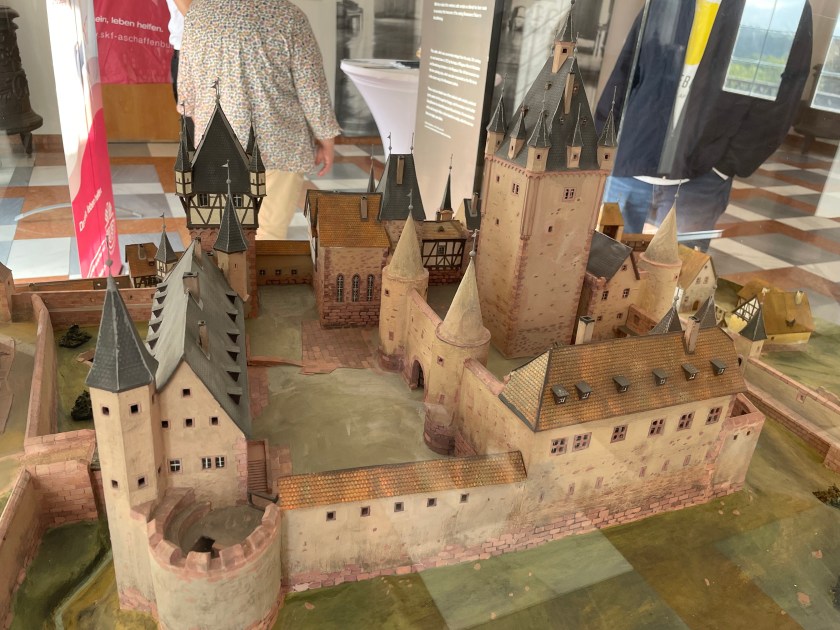
Here’s how the Palace looked a long time ago:






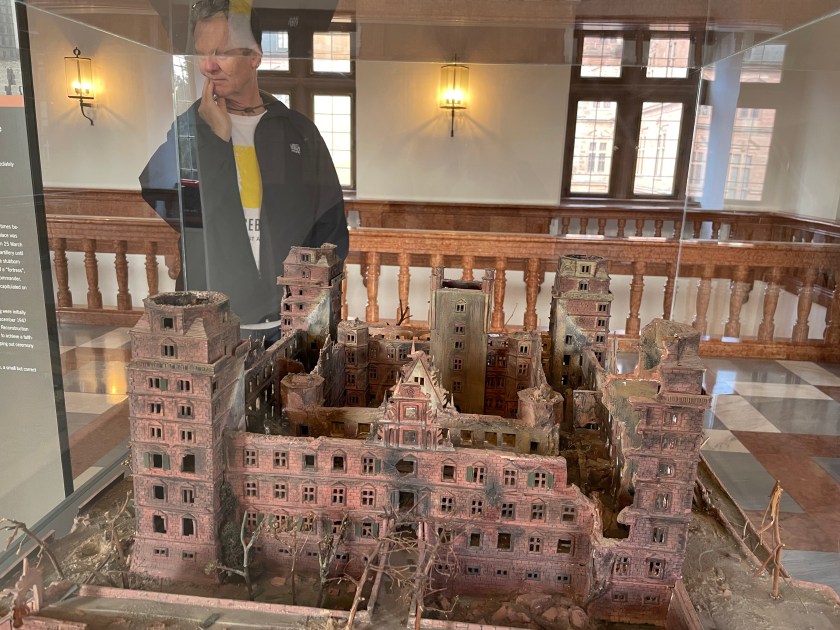
What the Palace looked like after the bombings during WWII:
Before the destruction:


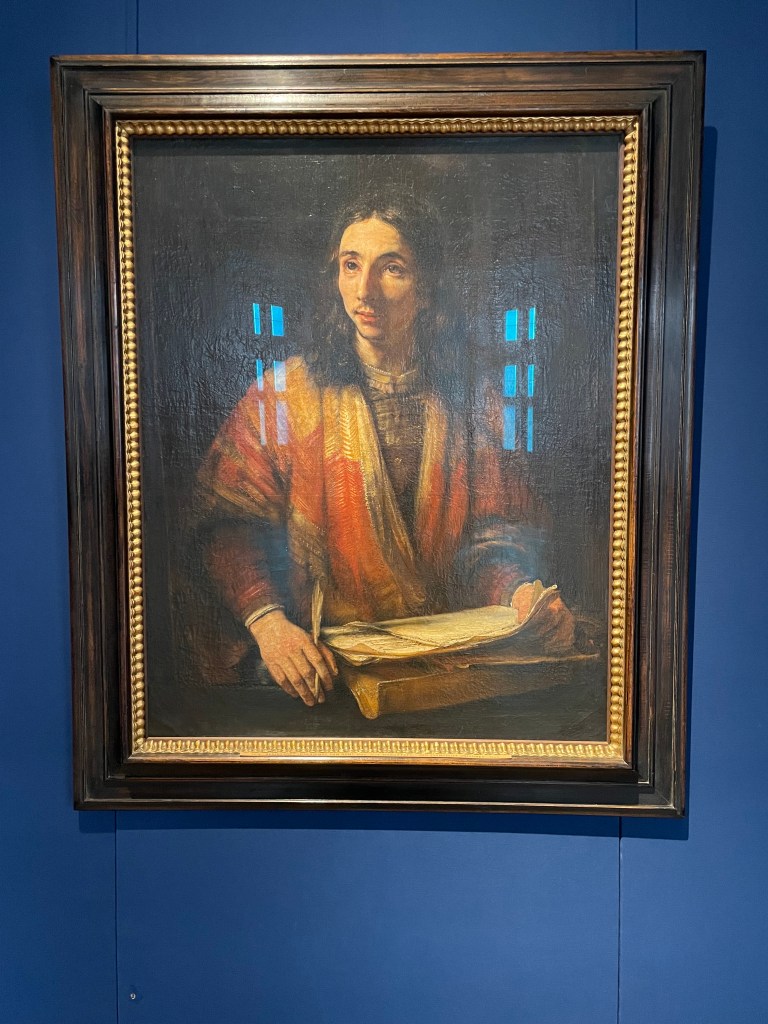

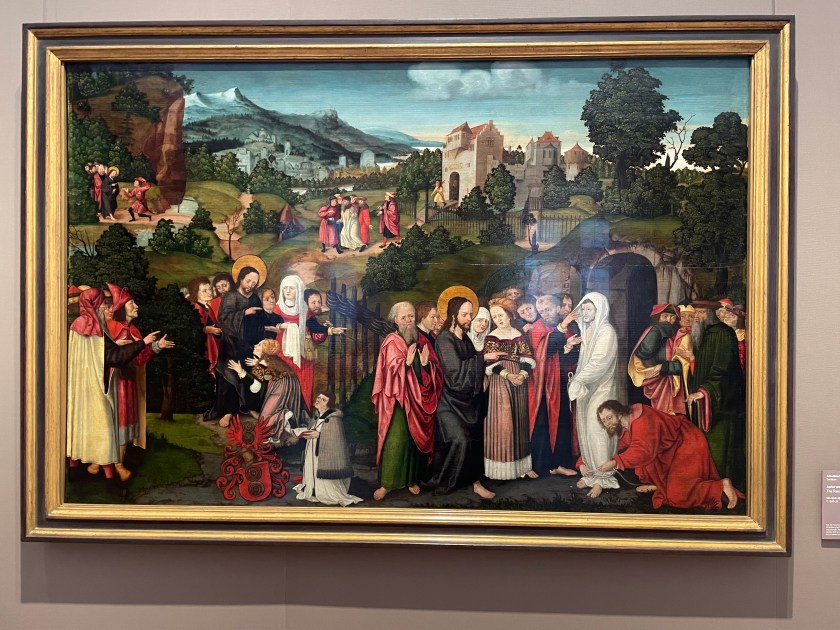
I find the religious art especially interesting. For example, below is a depiction of the Raising of Lazarus set in Europe, with the Alps in the background and people in European 1500s dress.

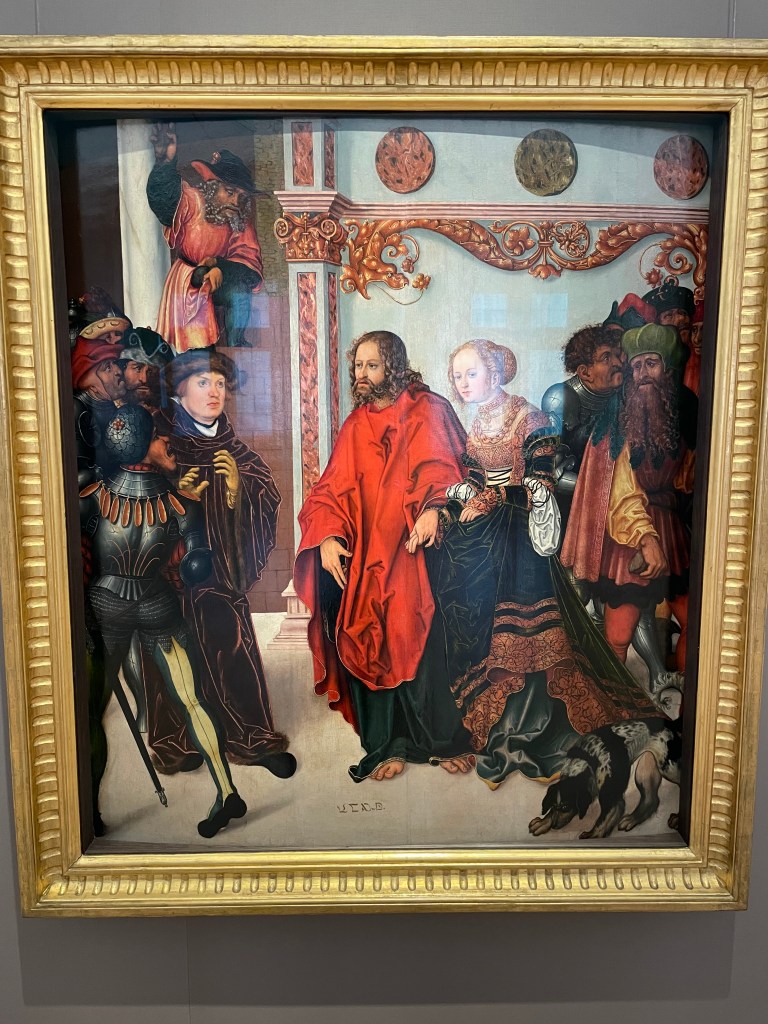
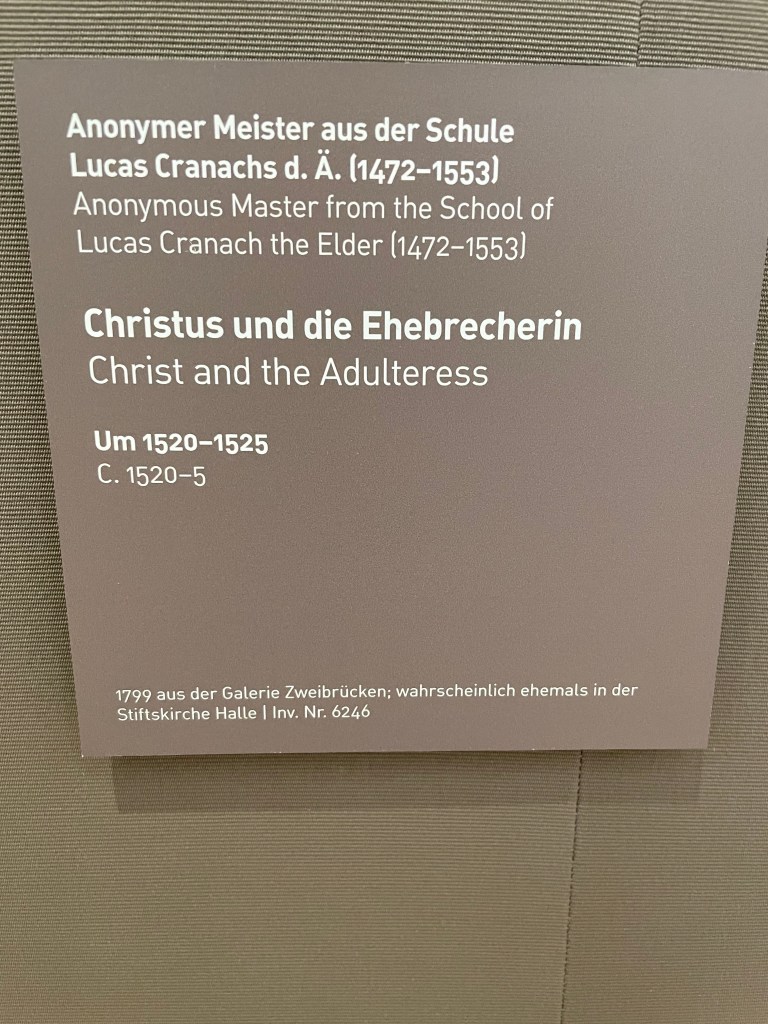
Here’s another European styled painting of Christ with the woman caught in adultery from the 1500s.
There was a beautiful chapel in the Palace. Here are some of the vestments once used there.
Looking down into the chapel from above:

This famous alter piece was put back together after WWII bombings.

The beautiful pulpit:


It’s all so very interesting and impressive.

 Our Frankfurt Germany Mission