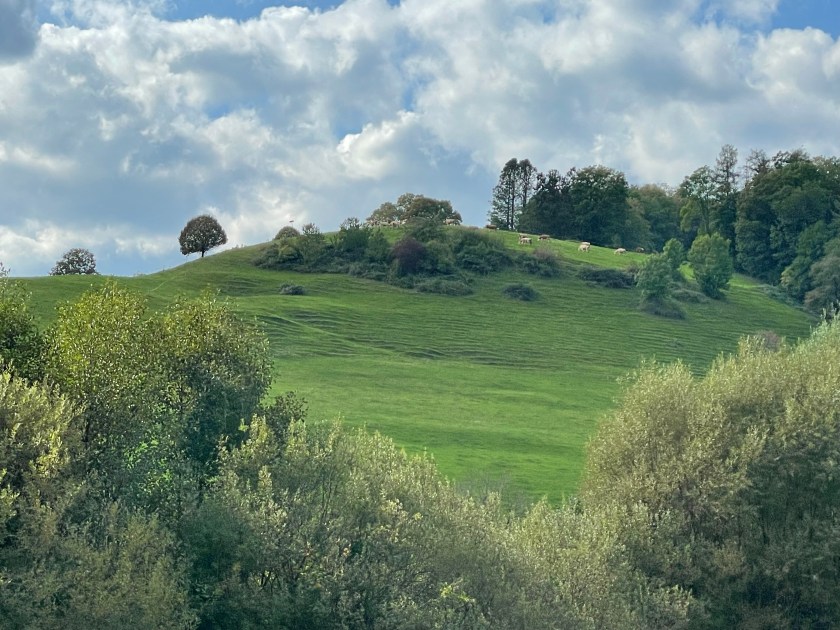
I have always wondered how the Swiss countryside looked where Elizabeth Degen’s family once lived. What did she leave behind as a 14-year-old girl, setting off on a Grand Adventure to America?
In 1920, her son, Martin Benjamin Bushman wrote this tribute about his mother, Elizabeth Degen Bushman:
Elizabeth Degen Bushman
Written January 10, 1920, by her son,
Martin as a token of respect for his parents.
Elizabeth Degen was born September 12, 1802 in Holstein and Tacknais, (Baselland) Bazeland, Switzerland. She is the son of John Casper and Maria Graff Degen. She had been only four years old when her mother died at the birth of a sister born October 26 and was buried October 29, 1806. Therefore, she never had a mothers care, and love to guide her in her youth. One year later her father married Ann Maria Shaublin (Schaubline). Six children were born to this union, two died in Switzerland as infants.
She had a good education in her childhood, then she had to work for her own living.
In the fall of 1816, John Casper Degen took his family: Elizabeth, her step-mother, and her half brother, Frederick, and half sister, Anna Maria to America. They sailed from Ansterdam, Holland, in an old sailing vessel that was seventeen weeks crossing. They suffered much for food and water. The voyage was rough and they lost two of her sisters on board the ship and were buried at sea.
After arriving America, the trip being longer than they were thought, put them in dept to the caption. Elizabeth, then fourteen, was bound out for two years to pay the debt as a domestic servant, after which she continued to work to help provide for the family. She was a child of good character and strong will power and was able to work her way along in the community in which she lived. The experiences she got between the ages of 15 and 25 seemed to prepare her for her future life. At 25 she could read and write and speak the English language as well as her native language. She learned to cook and do all kinds of household work. She was also very handy with the needle. She was an expert with the spinning wheel and could spin the wool into yarn and the flax into thread ready for the loom. She could go into the field and bind up and stock the grain, at that age she was strong and healthy. She could milk the cows and make butter and cheese. They settled in Lancaster Co. Penn.
Here are Elizabeth and her siblings:
Elizabeth Degen (1802-1878) died in Lehi, Utah
Anna Maria Degen (1806-1806) she and her mother died after her birth in Holstein
Anna Maria Degen (1808-1808) died in Holstein
Anna Degen (1809-1816) died at sea
Anna Maria (1810-1910) died in New Paris, Ohio
Friedrich Degen (1812-1891) died in Lancaster, Pennsylvania
Hans Jacob (1814-1814) died in Holstein
Salome (1816-1816) died at sea
* * * *
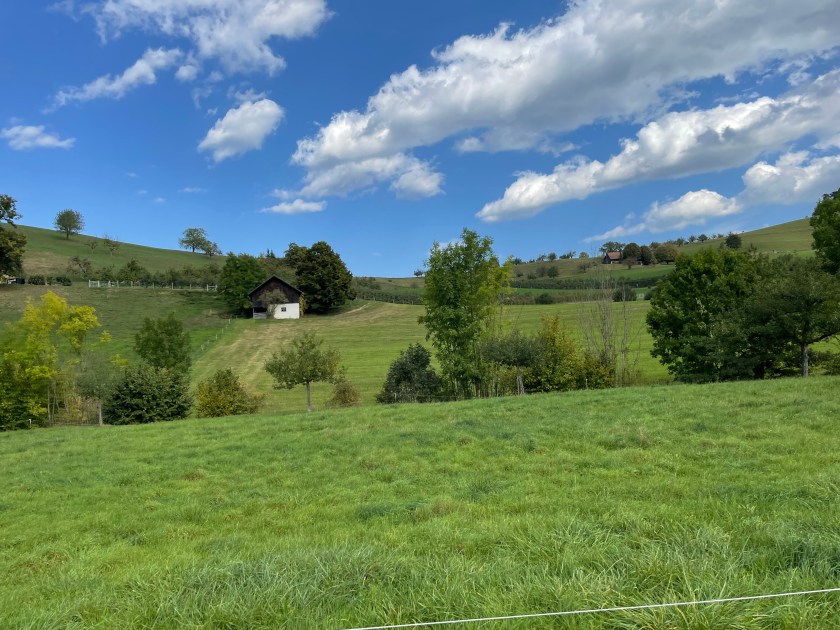
Today as we drove into her home village, my eyes drank in the rolling hills and forests and wooded areas. They are probably much like they were 200 years ago. I wanted to see what Elizabeth saw and what she left behind.
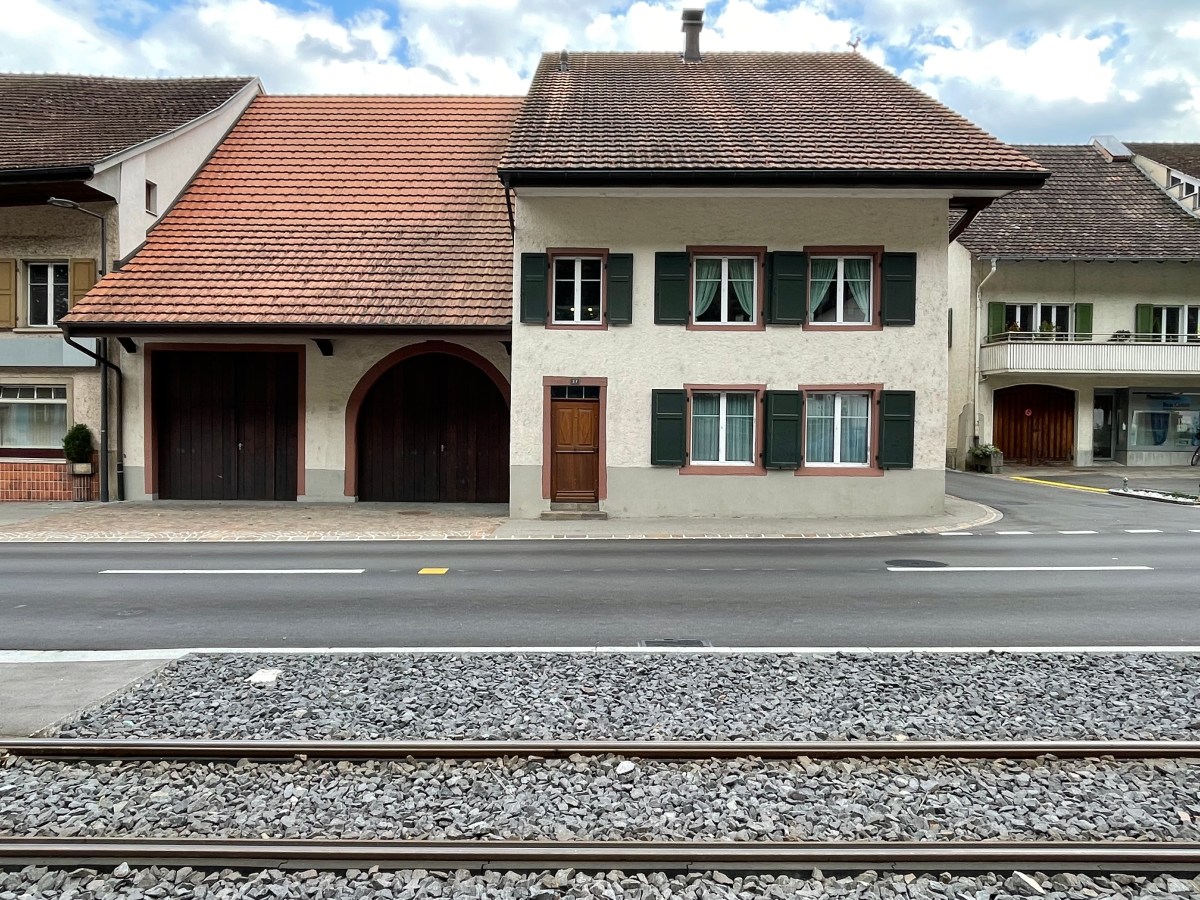
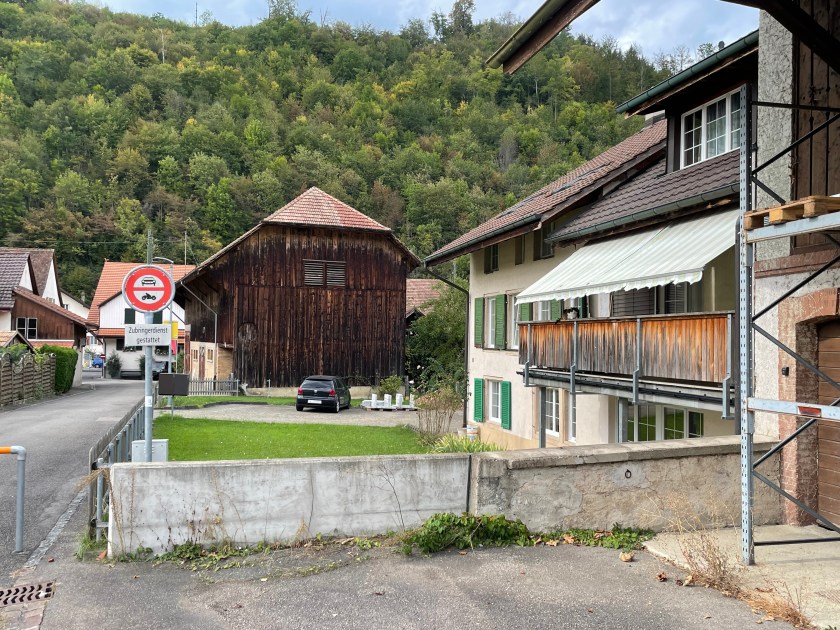
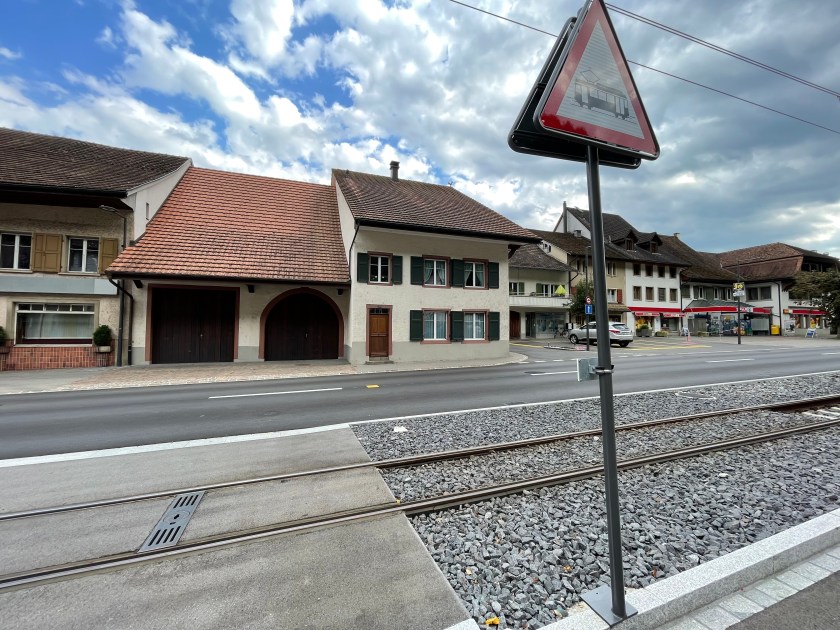
After visiting the church (see the previous post), we drove to the main street of town. The street lies next to the train tracks. The homes were old. I wondered if these homes were there in the early 1800s. After parking the car, we got out to walk along this street to feel this place.
This is the street we walked down after parking.
Here is what happened next, as recorded in my journal:

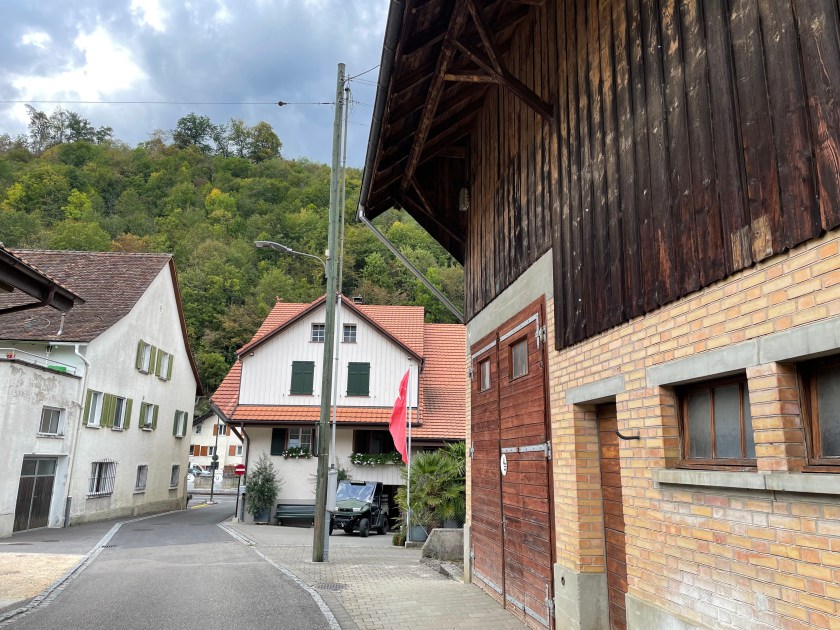
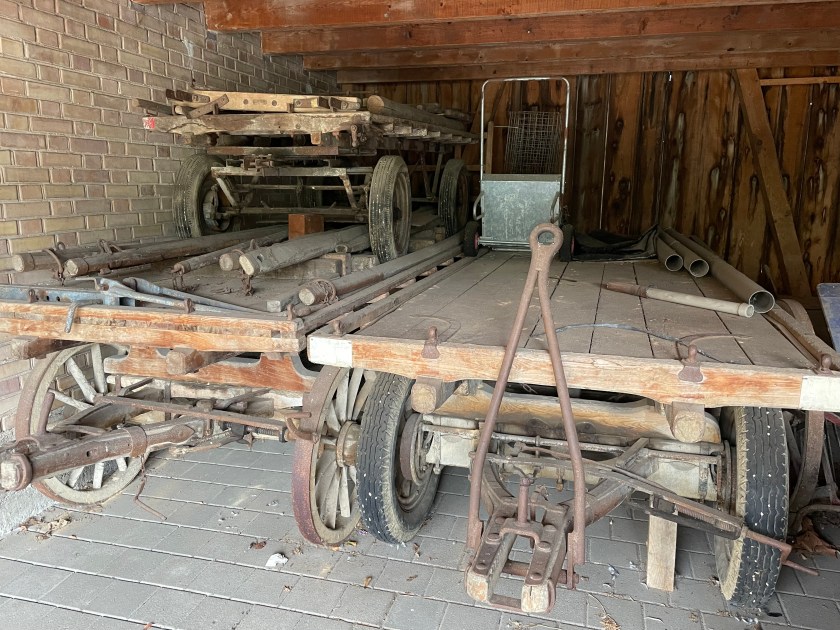
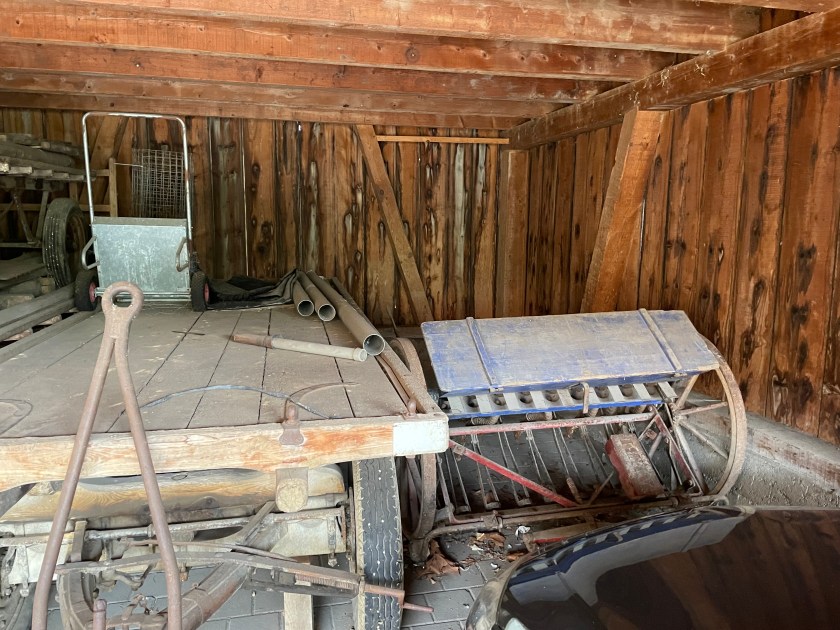
The barn door was not closed. I looked inside and saw this old farm equipment next to the car parked there.
This is the south side of the Baurenhof: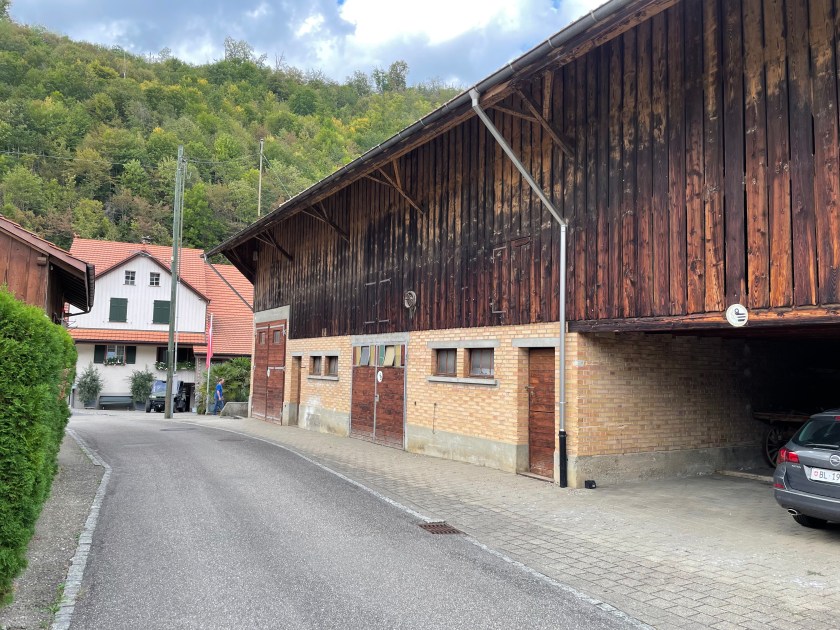
This was on the east side of the barn: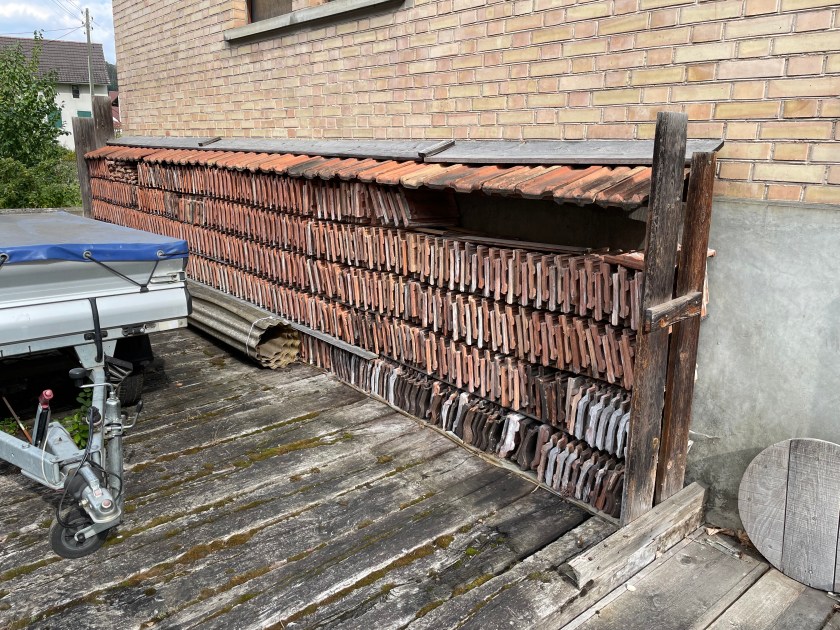
This is the back side of the barn: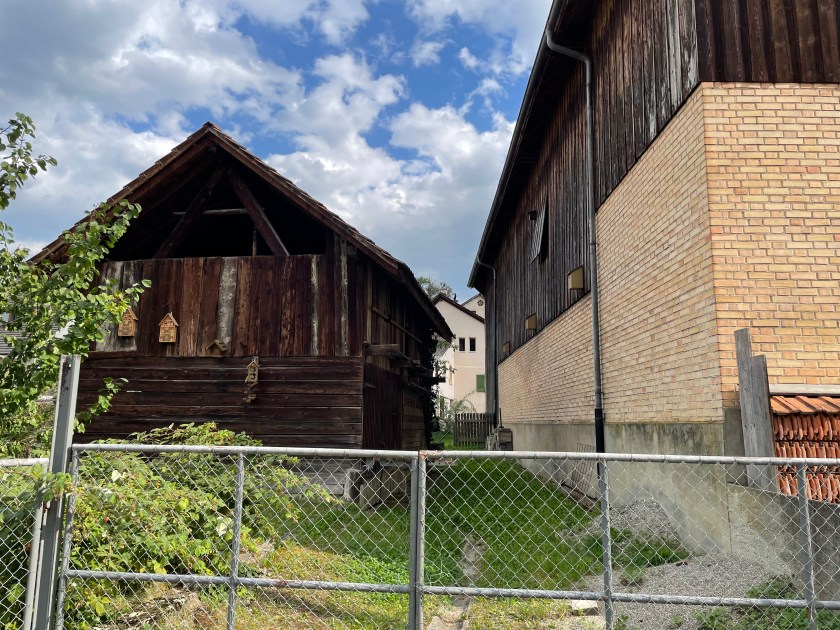
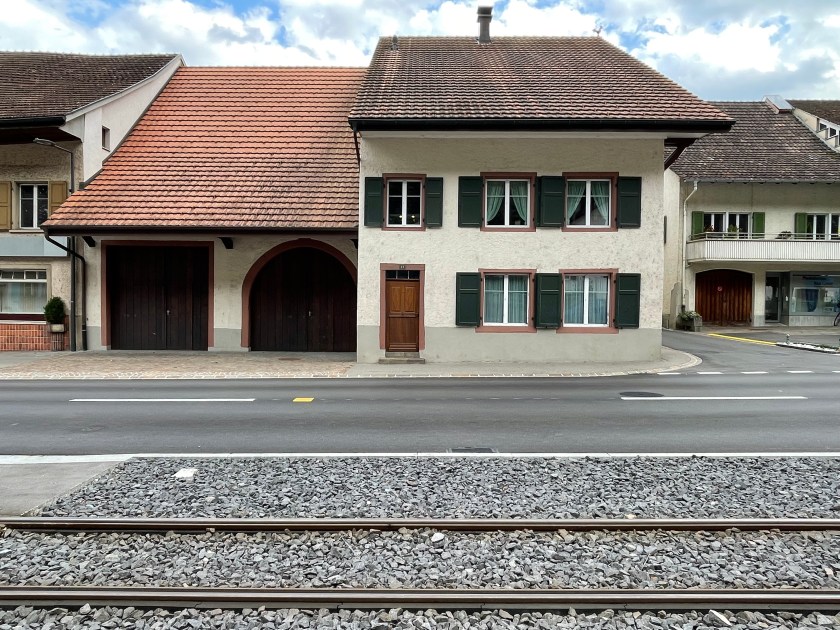
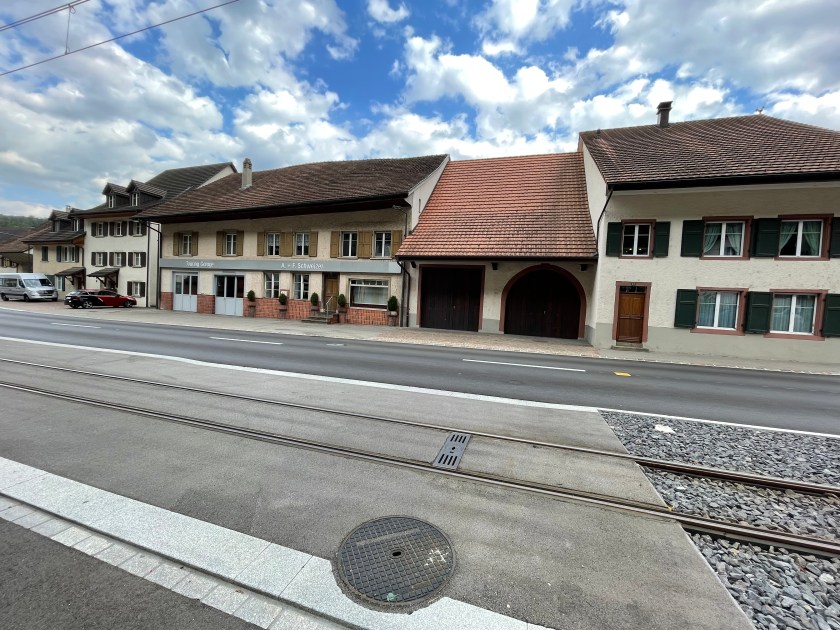
These photos are taken from the main street looking at the front of the house.

This is the back door to the home where the name was posted:
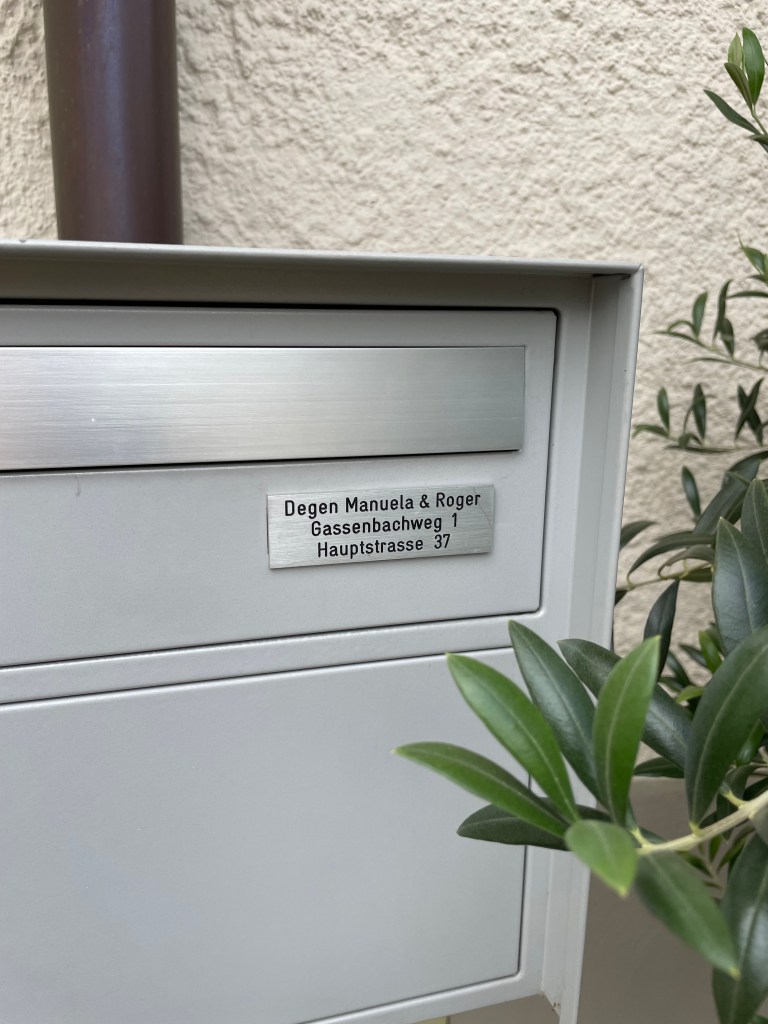
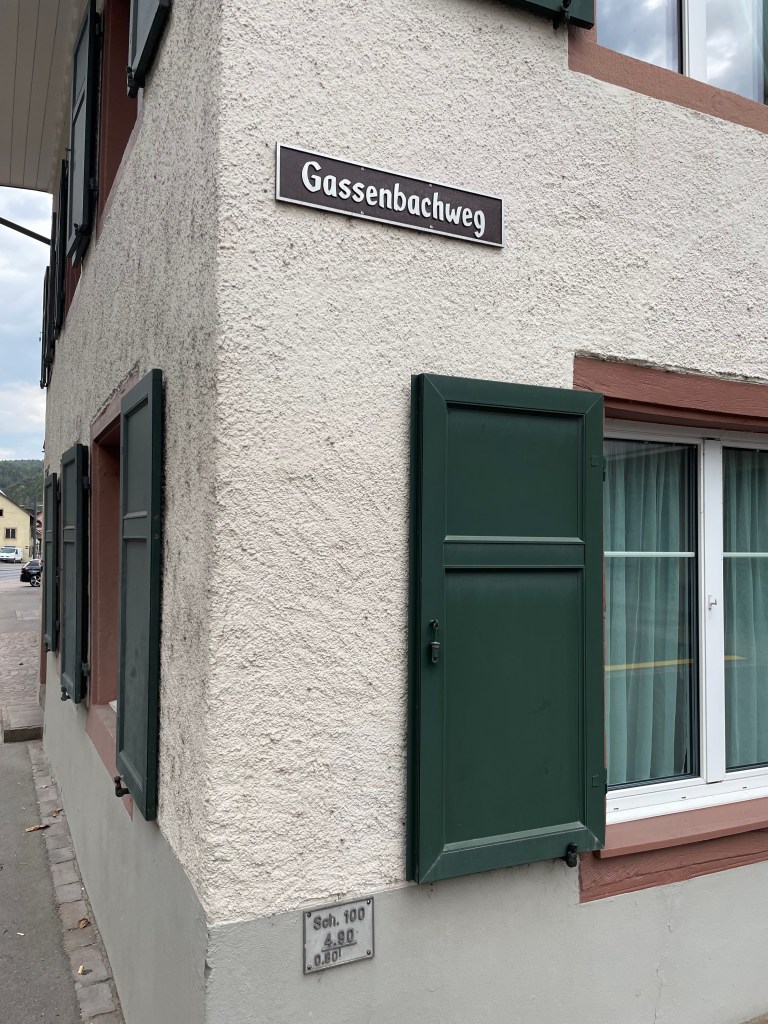
The dear little lady told us the the Degens living here now sell honey. This little display was in their window:
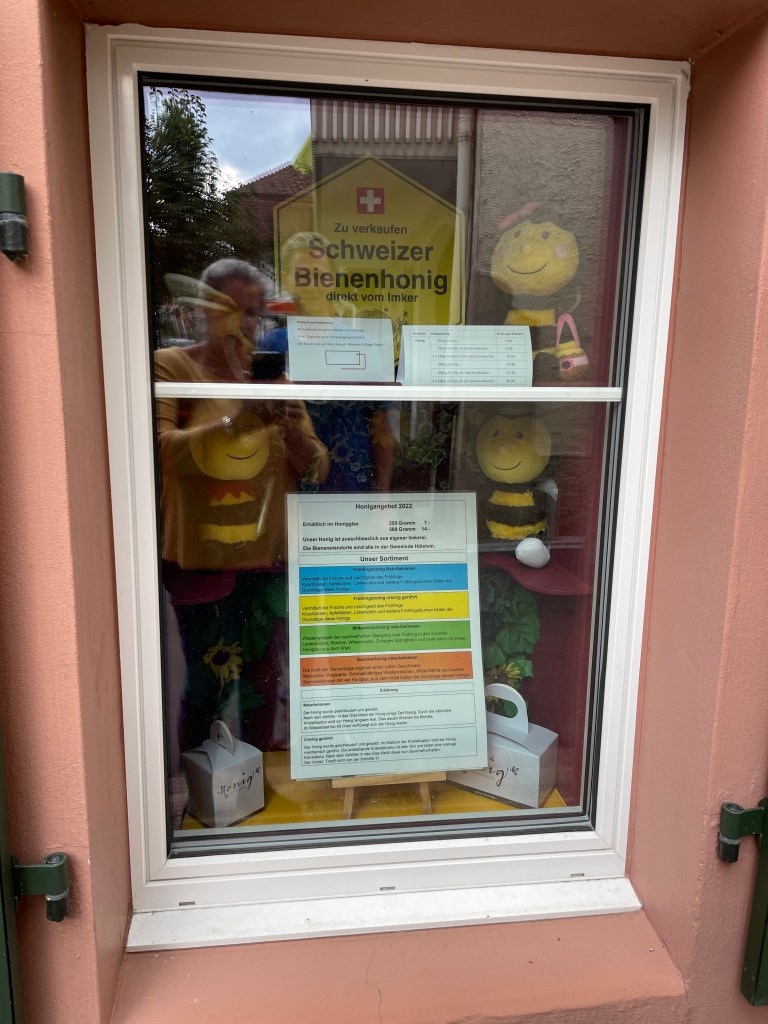

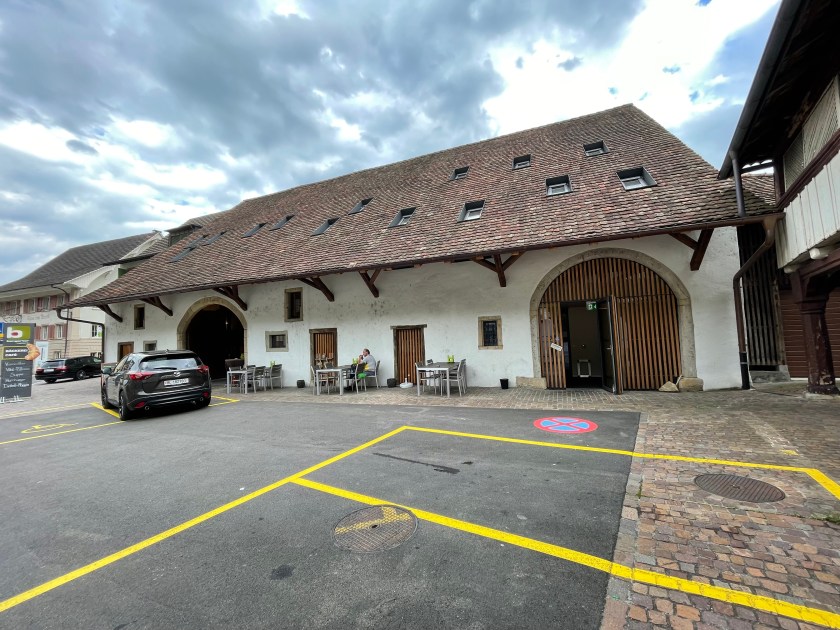
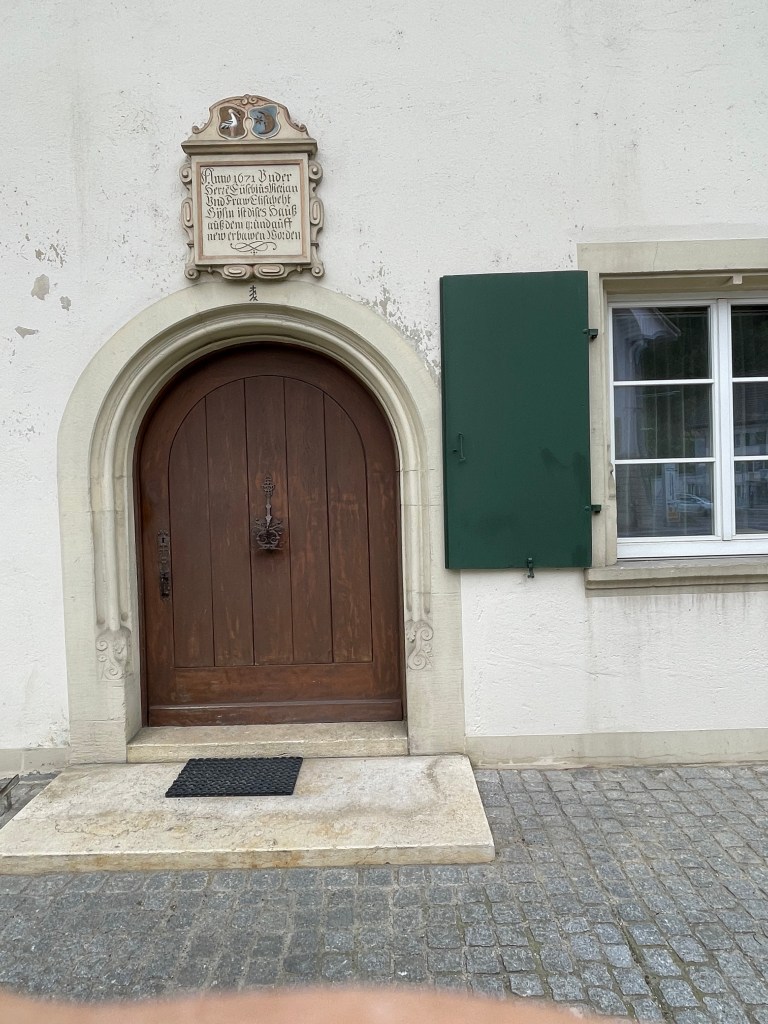
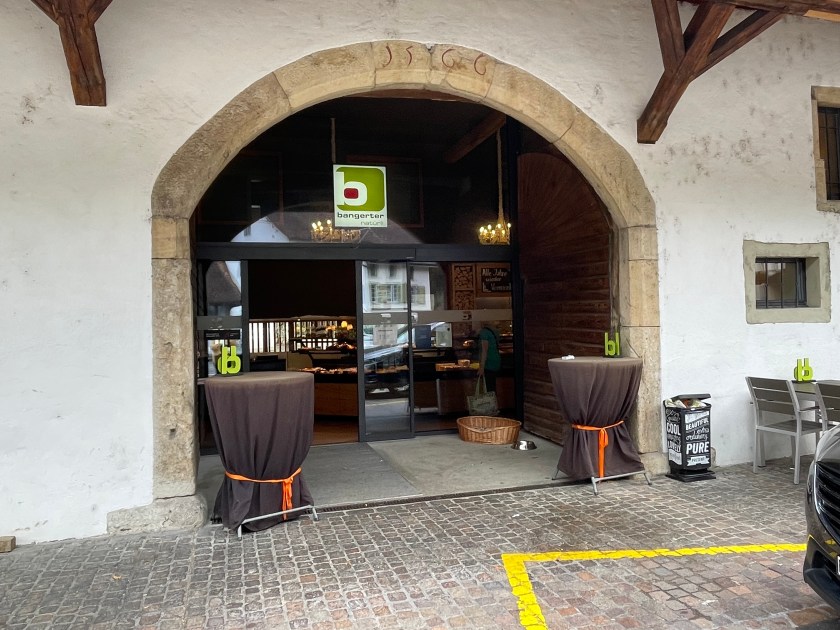
After visiting with our little angel lady, we wandered up and down that main street and I took photos of the homes. These homes were probably all there 200 years ago. We found dates on the homes back to the 1500s.
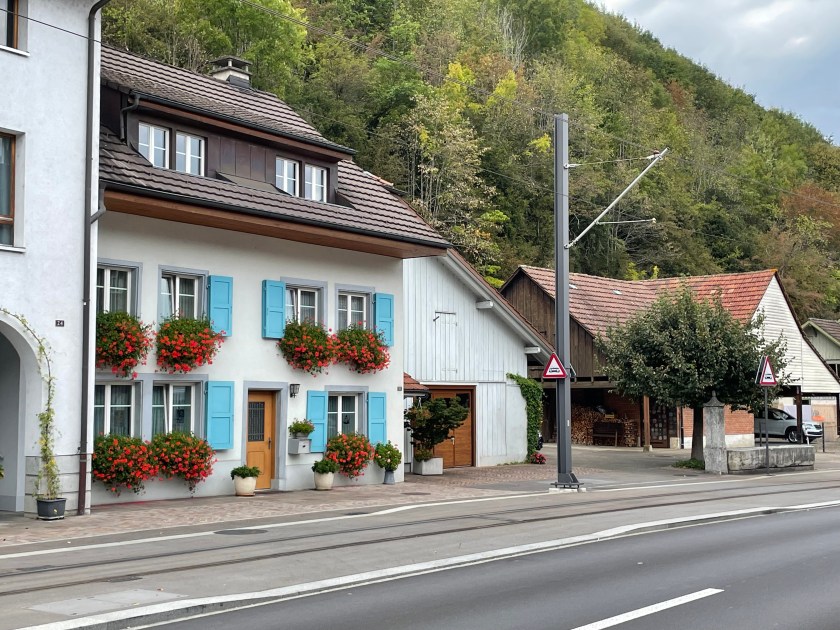
This little stream runs across the street next to the train tracks. The mountain side goes up behind the row of houses on this side of the street.
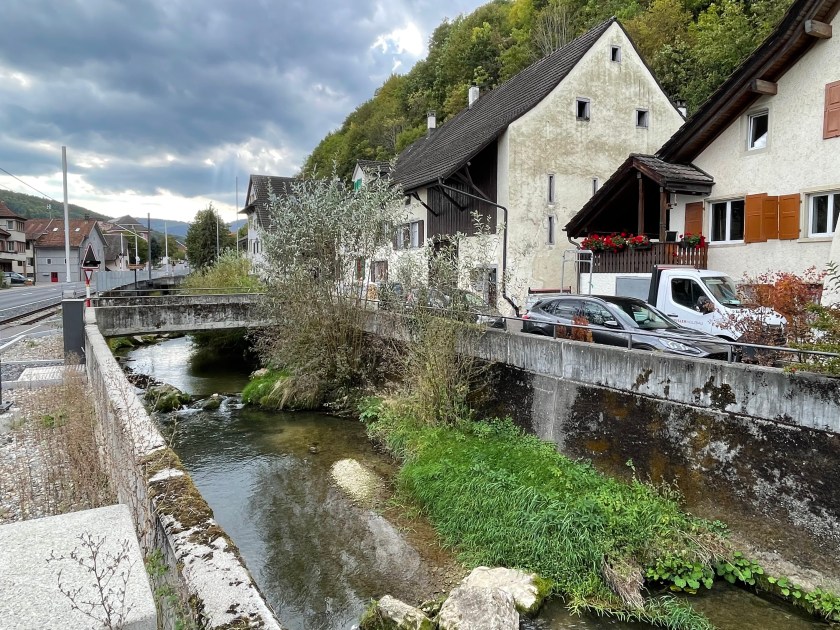
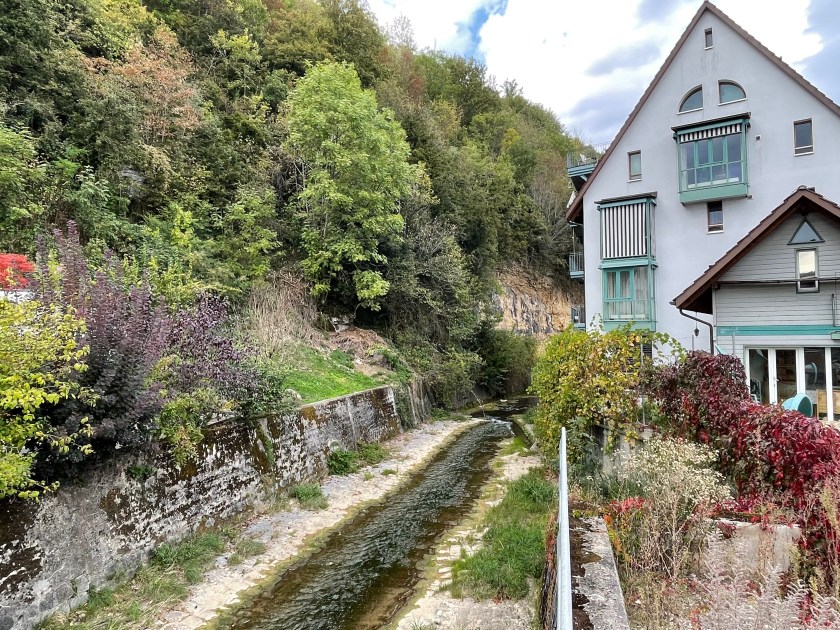
This is the neighbor’s home, next to the Degen home:
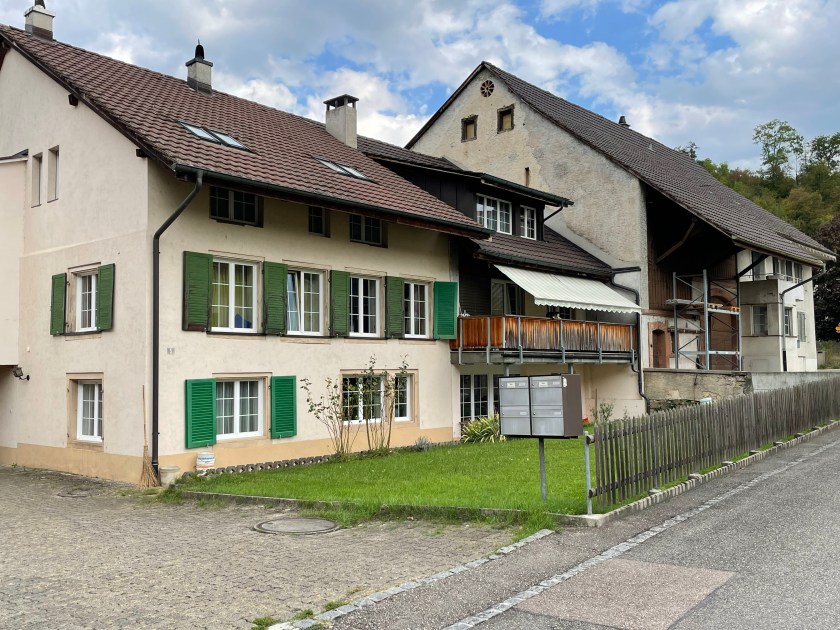

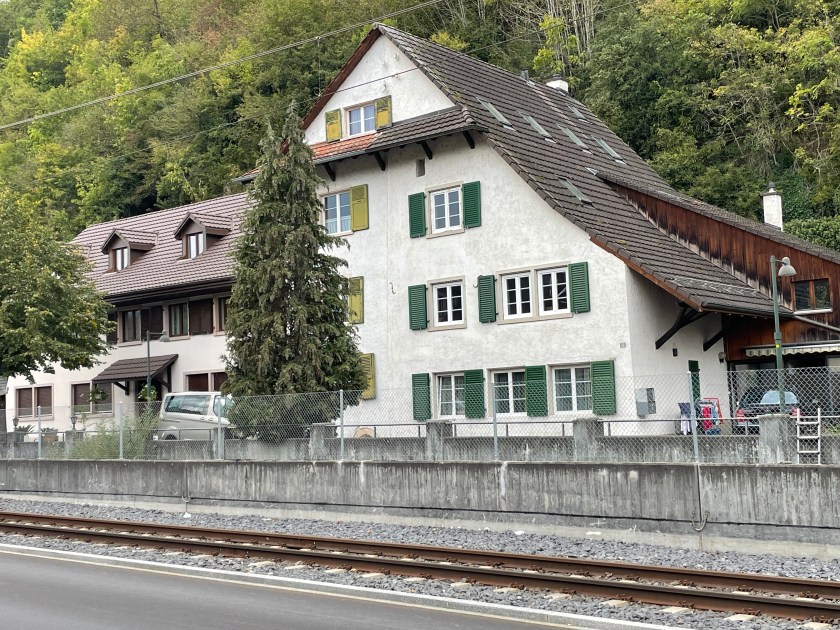

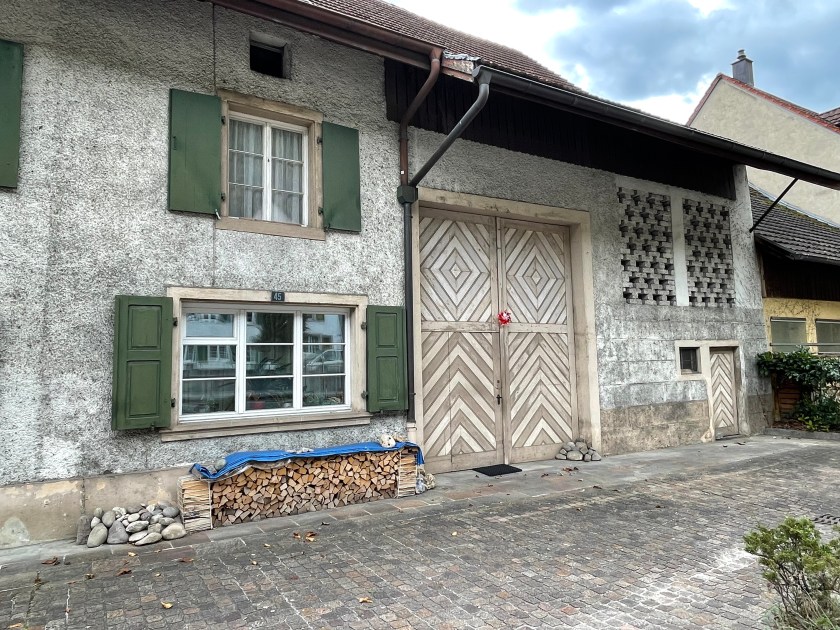
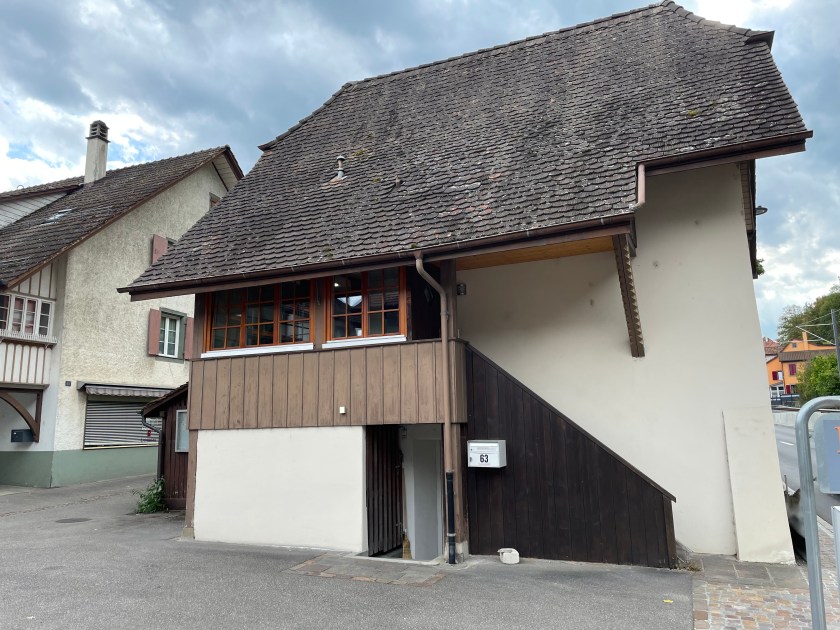


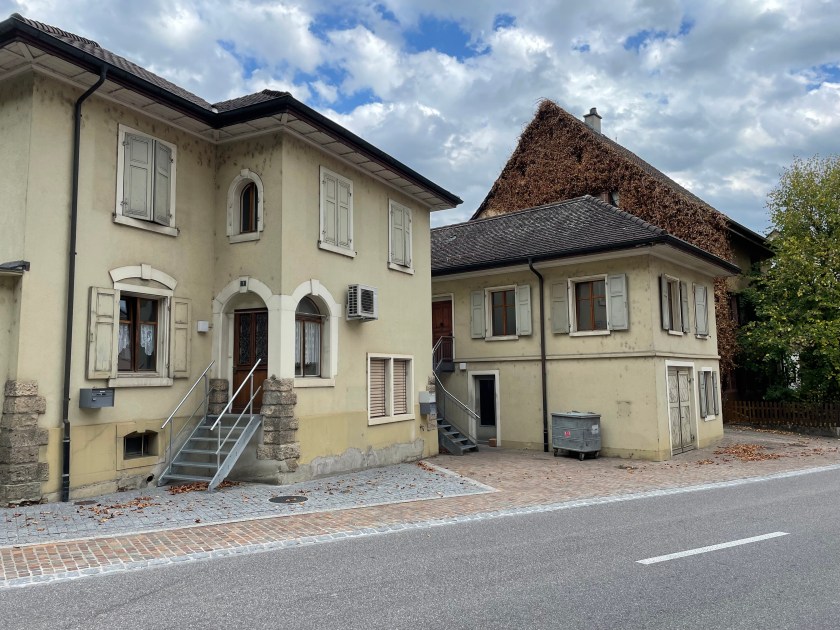

Looking north on the main street:

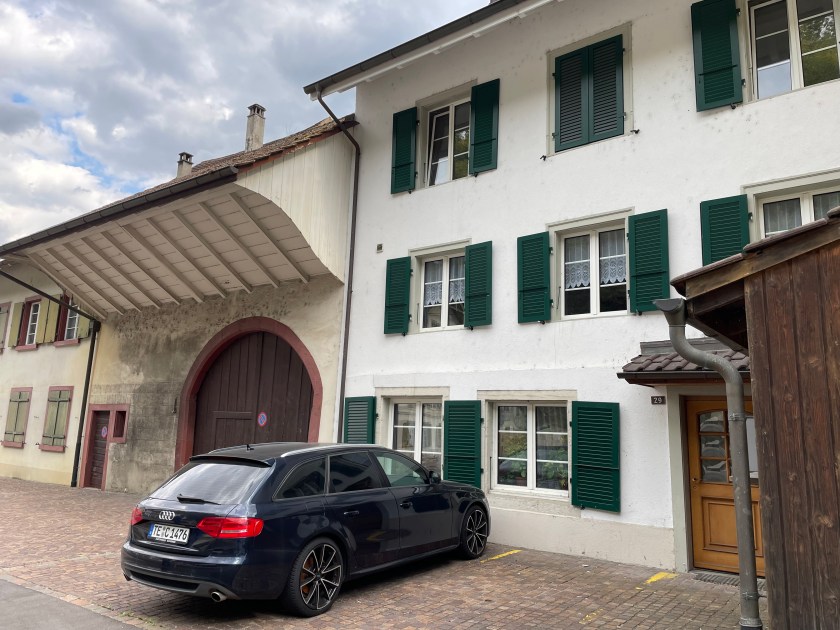

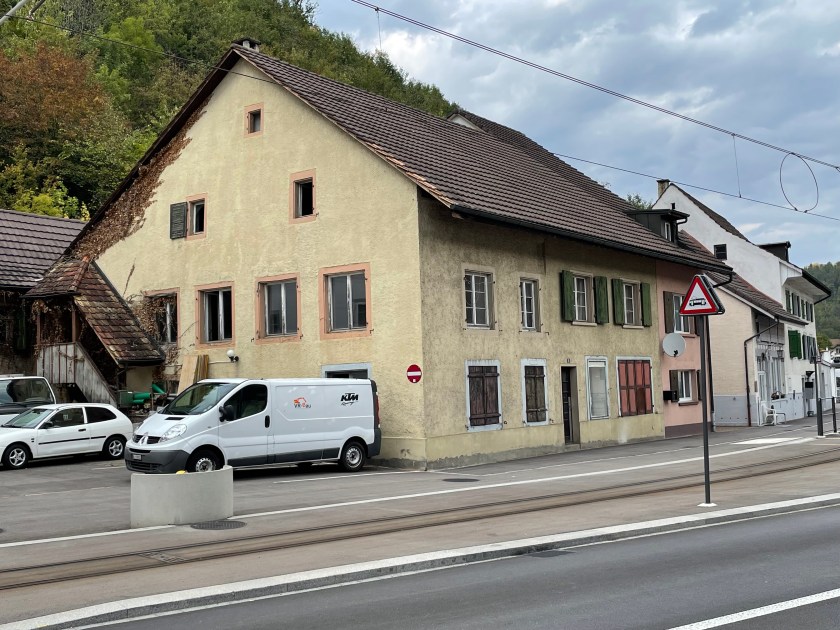
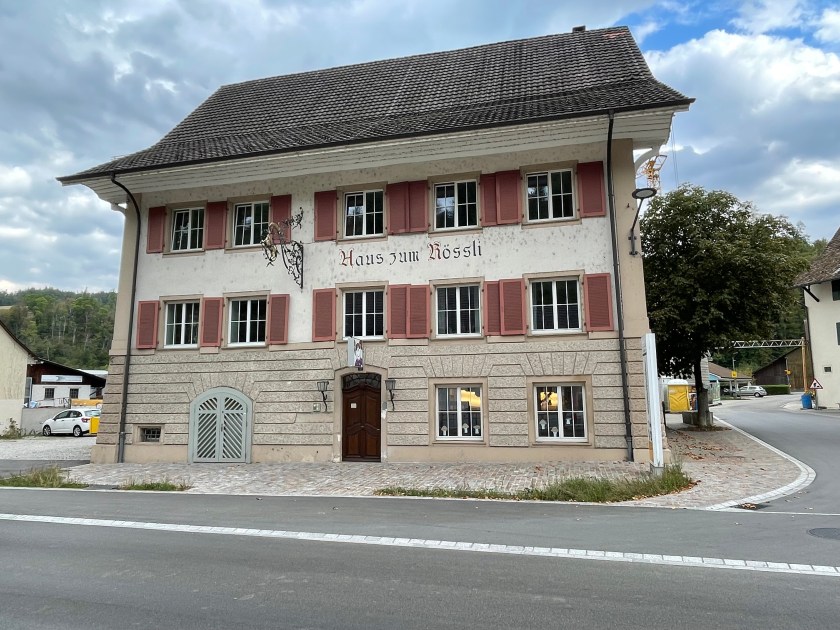
This home is dated 1671!
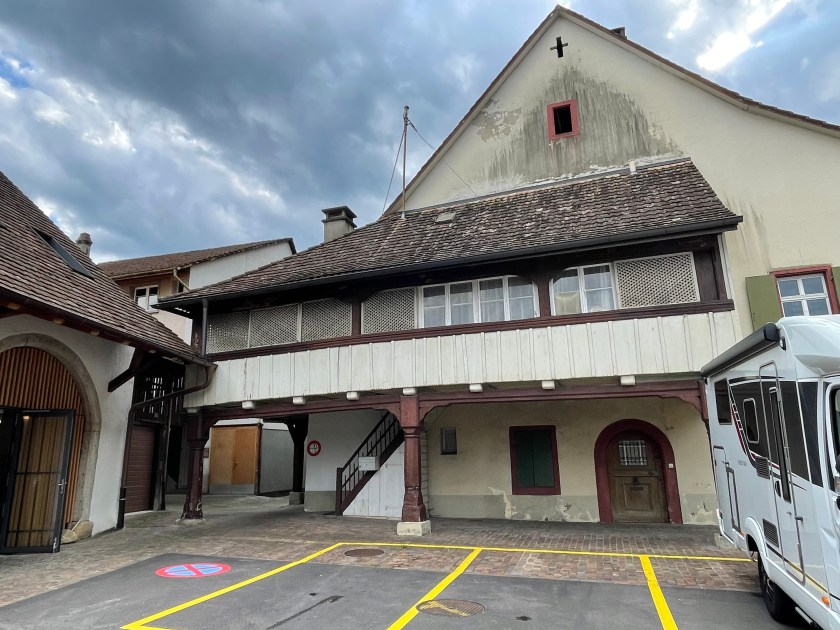
This home/now shop is dated 1566!


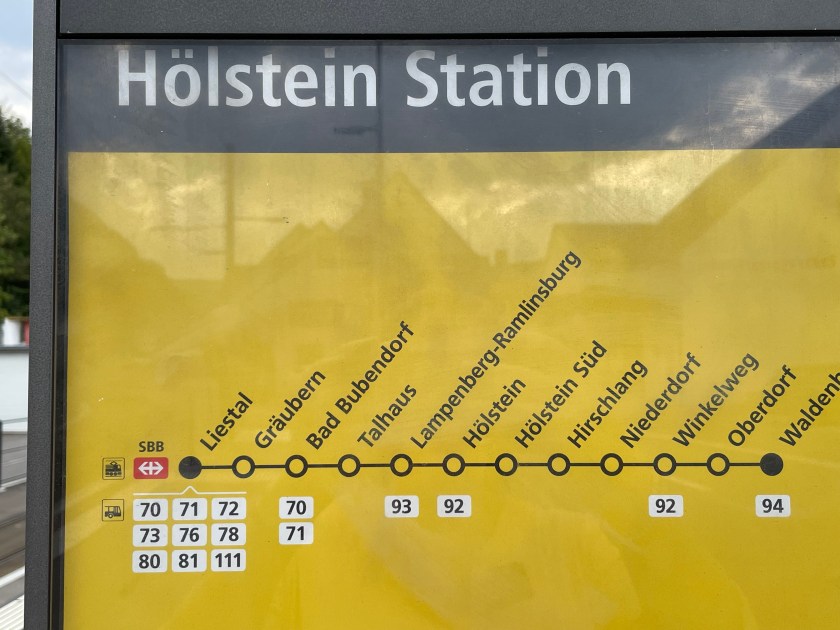
Here is the train stop for Holstein.


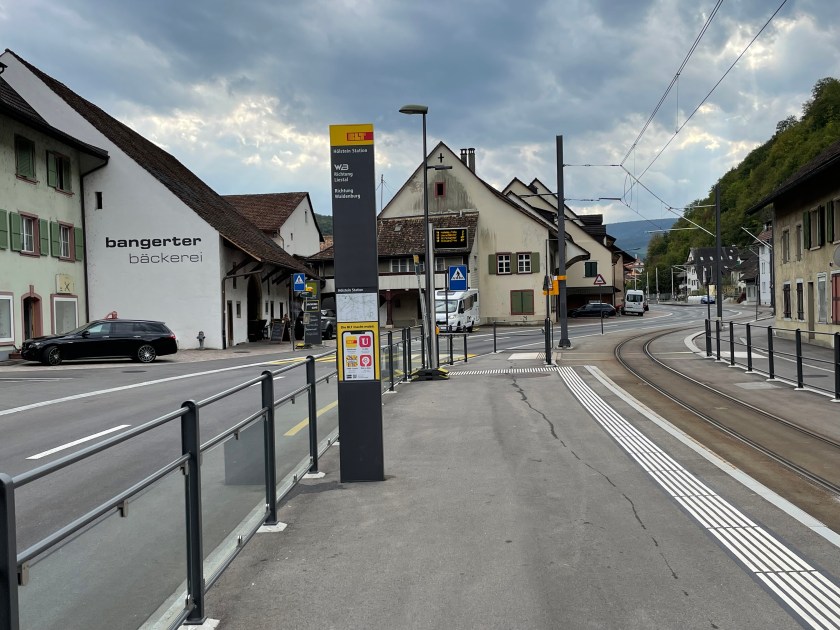

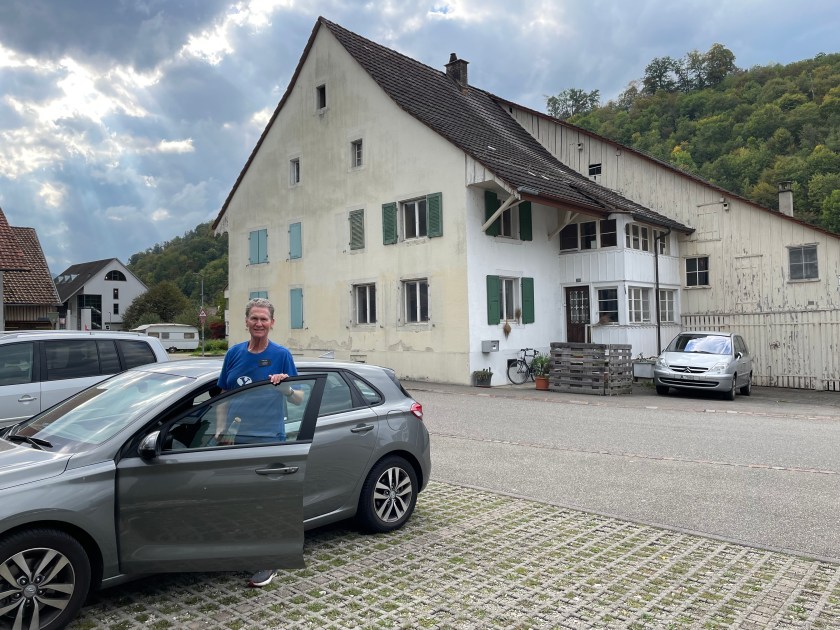
Walking back to our car:
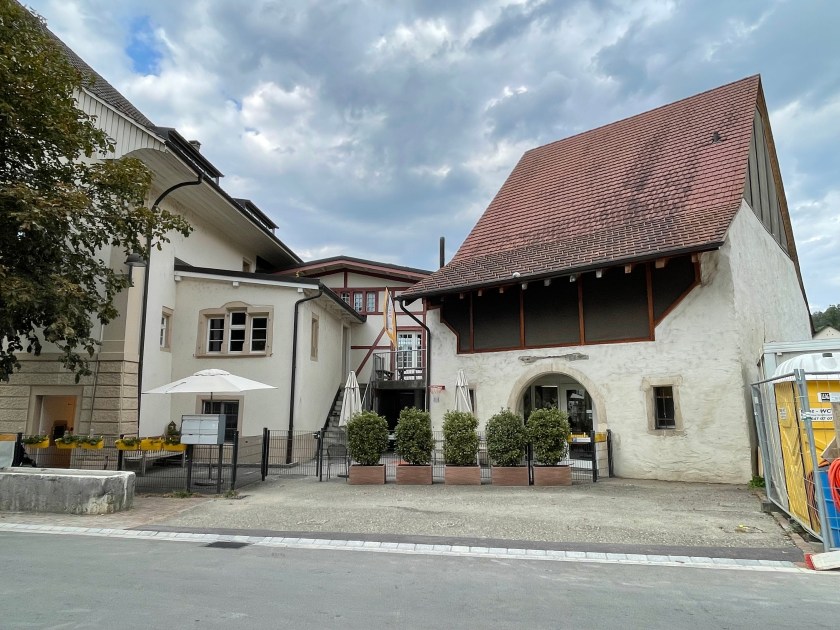
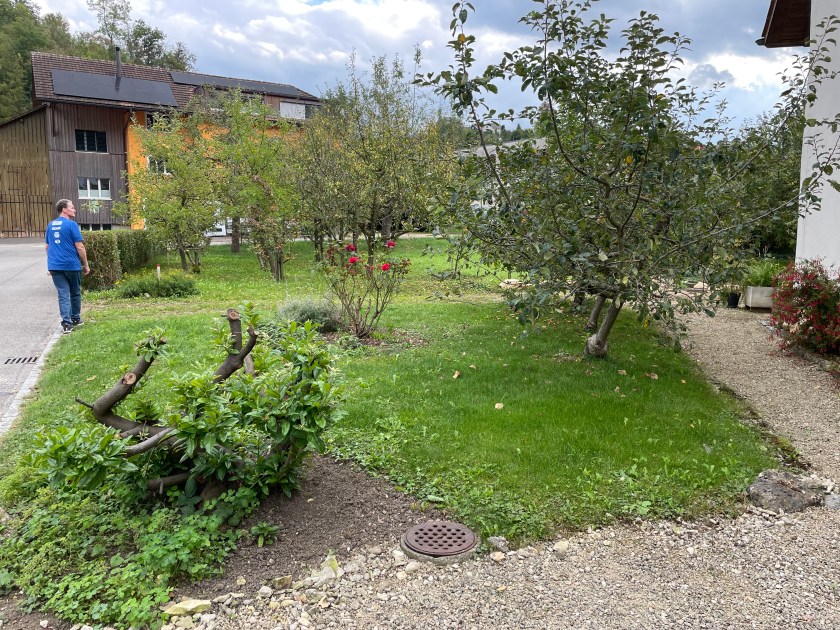
The homes and gardens here are lovely. I felt such peace here (and excitement at the same time). I had the feeling of being in the right place, the exact right place. I know it’s possible that the home we saw might not be exactly the home Elizabeth grew up in, but perhaps it is. I will do what I can to find out. Our angel lady seemed to believe that the home has belonged to the Degen family for as long as she’s known it.
At least today I know I saw and touched things Elizabeth saw and touched and that means the world to me.


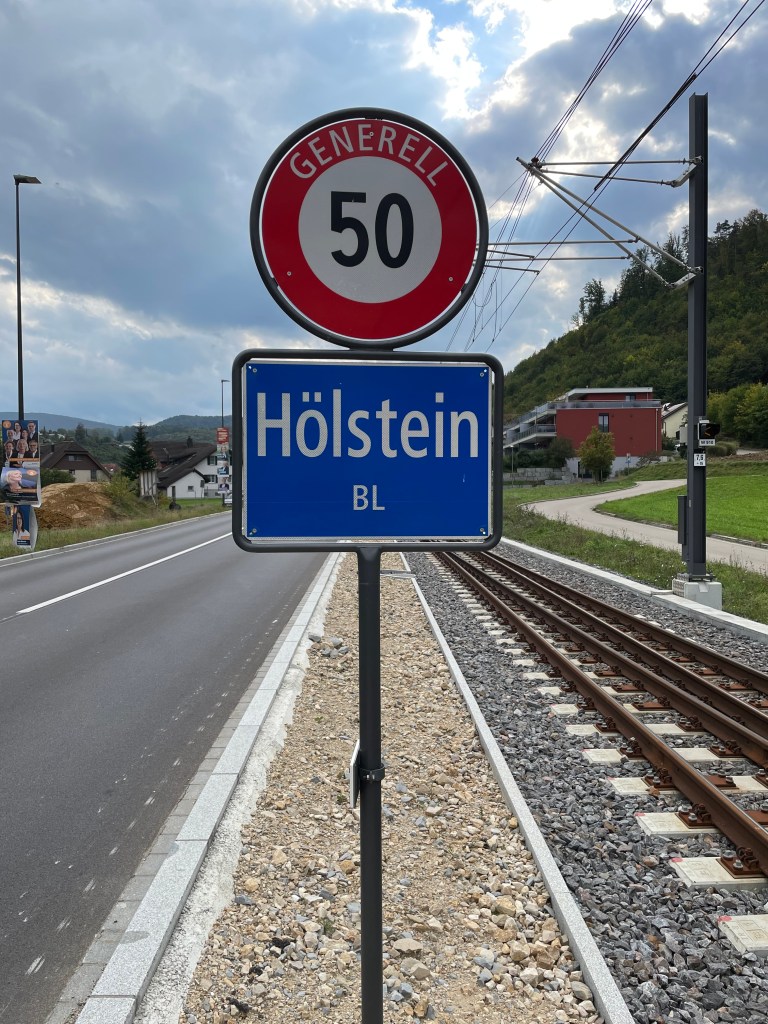
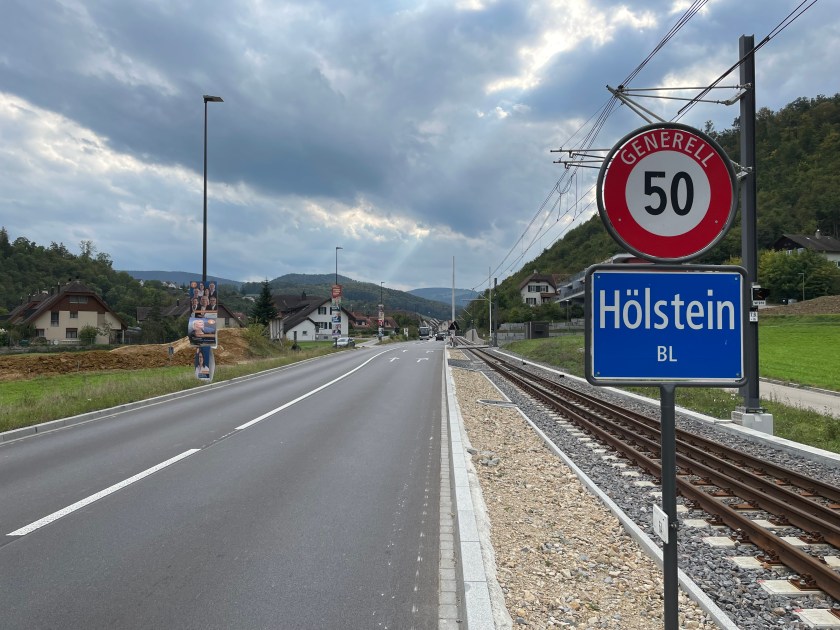
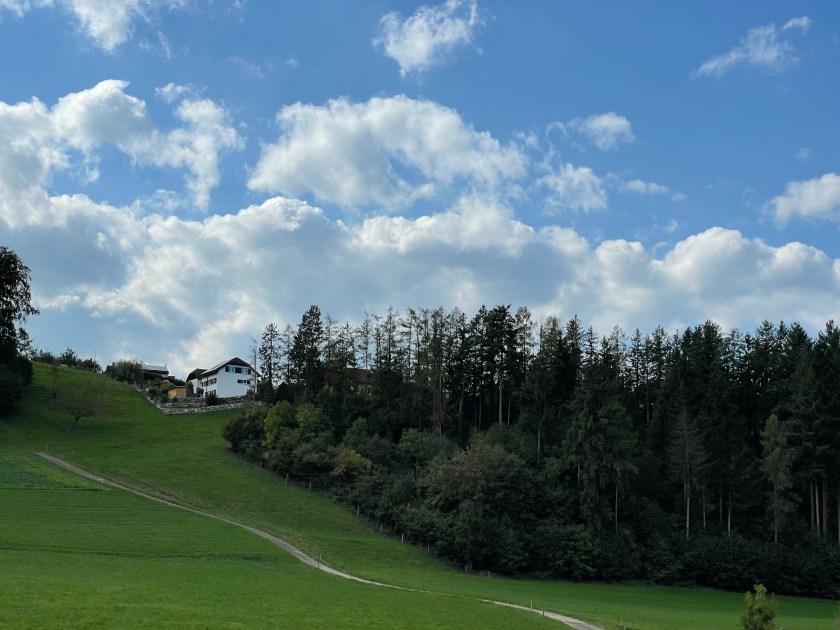
The countryside as we drove out of town. We’ll be back.


 Our Frankfurt Germany Mission
One thought on “Höllstein, Home of the Degen Family”